Questions as text
Q1 · What does the line between points X and Y on the break-even chart represent? 9706/11 May/June 2006
27 What does the line between points X and Y on the break-even chart represent? X Y $ revenues and costs 0 units A total costs B total gross profit C total net profit D total variable costs
1 marks
Answer: C
This question in 9706/11 May/June 2006
Q2 · A company manufactures a single product with a selling price of $75 per unit 9706/11 May/June 2006
29 A company manufactures a single product with a selling price of $75 per unit. The table shows the costs, based on sales and production volume of 8000 units. $ 000 prime costs 158 variable manufacturing overheads 74 fixed manufacturing overheads 80 variable selling overheads 20 fixed administration overheads 100 If absorption costing is applied, what is the gross profit on each unit sold? A $21.00 B $36.00 C $43.50 D $46.00
1 marks
Answer: B
This question in 9706/11 May/June 2006
Q3 · What is a variable production cost for a manufacturer? 9706/11 Oct/Nov 2006
27 What is a variable production cost for a manufacturer? A depreciation of equipment B factory business rates C purchases of raw materials D storekeepers’ wages
1 marks
Answer: C
This question in 9706/11 Oct/Nov 2006
Q4 · Existing fixed overheads are $100 000, unit selling price is $10 and unit variable costs… 9706/11 Oct/Nov 2006
28 Existing fixed overheads are $100 000, unit selling price is $10 and unit variable costs are $5. Fixed overheads are expected to increase by $20 000. What is the new break-even sales volume? A 10 000 units B 12 000 units C 20 000 units D 24 000 units
1 marks
Answer: D
This question in 9706/11 Oct/Nov 2006
Q5 · A business manufactures 175 units of a product a month 9706/11 Oct/Nov 2006
29 A business manufactures 175 units of a product a month. The following total information is available for the month: $ sales income 580 variable costs 230 fixed overheads 90 What is the break-even point in units? A 45 units B 49 units C 61 units D 88 units
1 marks
Answer: A
This question in 9706/11 Oct/Nov 2006
Q6 · A company transfers manufactured items from factory to warehouse at cost plus 10 % 9706/11 May/June 2007
16 A company transfers manufactured items from factory to warehouse at cost plus 10 %. This year the transfer value was $93 500 and at the end of the year the closing stock was 20 % of the year’s production. How will the stock of finished goods be shown? Trading Account Balance Sheet $ $ A 17 000 17 000 B 18 700 16 830 C 18 700 17 000 D 18 700 18 700
1 marks
Answer: C
This question in 9706/11 May/June 2007
Q7 · The break-even chart for a product is shown 9706/11 May/June 2007
25 The break-even chart for a product is shown. sales revenue total costs costs and break-even revenues point $000 X Y sales volume What does XY represent? A fixed costs B gross profit C net loss D variable costs
1 marks
Answer: A
This question in 9706/11 May/June 2007
Q8 · The cost of producing 2000 units of a product is shown 9706/11 May/June 2007
27 The cost of producing 2000 units of a product is shown. $ insurance 2 000 labour 30 000 materials 10 000 rent 6 000 telephone rental 4 000 What is the variable cost of one unit? A $20 B $22 C $23 D $24
1 marks
Answer: A
This question in 9706/11 May/June 2007
Q9 · A company makes two products 9706/11 May/June 2007
28 A company makes two products. product X Y $ $ selling price 10 12 variable costs per unit 4 8 maximum sales (units) 4 000 14 000 Fixed costs are $48 000. 4000 units of X are sold. How many units of Y must be sold to break even? A 2000 B 3000 C 6000 D 12 000
1 marks
Answer: C
This question in 9706/11 May/June 2007
Q10 · A video cassette has a selling price of $10 9706/11 May/June 2007
30 A video cassette has a selling price of $10. cost per video cassette $ direct materials 1.20 direct labour 0.80 factory overhead (fixed) 1.40 royalty payment 1.00 administration overhead (fixed) 0.60 What is the contribution per video cassette? A $5.00 B $6.00 C $7.00 D $8.00
1 marks
Answer: C
This question in 9706/11 May/June 2007
Q11 · The diagram shows a break-even chart 9706/11 May/June 2008
25 The diagram shows a break-even chart. costs and revenues $ W X Y Z 0 number of units Which line represents the margin of safety? A WX B WY C XY D XZ
1 marks
Answer: C
This question in 9706/11 May/June 2008
Q12 · Assuming all other factors remain unchanged, the break-even point of a business can be… 9706/11 May/June 2008
26 Assuming all other factors remain unchanged, the break-even point of a business can be lowered by increasing its A budgeted sales B fixed costs C marginal costs D selling prices
1 marks
Answer: D
This question in 9706/11 May/June 2008
Q13 · The information relates to the production of 50 000 units of a product 9706/11 May/June 2008
28 The information relates to the production of 50 000 units of a product. per unit $ selling price 25 variable costs 15 contribution 10 The fixed costs are $300 000. The margin of safety is 20 000 units. The unit selling price is increased by 10 %. What is the percentage increase in the margin of safety? A 13.6 % B 20 % C 24.2 % D 30 %
1 marks
Answer: D
This question in 9706/11 May/June 2008
Q14 · A company manufactures and sells a single product 9706/11 May/June 2008
29 A company manufactures and sells a single product. At an output of 1000 units per month the budget shows $ selling price 120 000 variable cost 40 000 fixed cost 50 000 profit 30 000 Fixed costs are due to increase by $10 000 per month and the selling price will be increased to maintain the profit at $30 000. What is the effect on the break-even point to the nearest unit? A decrease by 42 units B increase by 42 units C decrease by 125 units D no change
1 marks
Answer: B
This question in 9706/11 May/June 2008
Q15 · The data in the table relates to a small business 9706/11 Oct/Nov 2008
25 The data in the table relates to a small business. $ sales 6000 variable costs 4500 fixed costs 900 net profit 600 What is the contribution to sales ratio? A 10 % B 25 % C 33.33 % D 75 %
1 marks
Answer: B
This question in 9706/11 Oct/Nov 2008
Q16 · The graph shows a break-even chart 9706/11 Oct/Nov 2008
26 The graph shows a break-even chart. sales revenue 50 total costs 40 30 $000 20 10 0 0 1000 2000 3000 4000 units of sales What are the fixed costs? A $0 B $10 000 C $20 000 D $30 000
1 marks
Answer: B
This question in 9706/11 Oct/Nov 2008
Q17 · A company manufactures one product 9706/11 Oct/Nov 2008
30 A company manufactures one product. Variable costs are $600 000. Fixed costs are $300 000. If it bought the product from another supplier, it could use existing machinery to make a total contribution of $400 000. Fixed costs would not change. What is the maximum price it should pay to obtain the product from another supplier? A $600 000 B $700 000 C $900 000 D $1 000 000
1 marks
Answer: D
This question in 9706/11 Oct/Nov 2008
Q18 · Which expense is included in prime cost of manufacturing? 9706/11 May/June 2009
13 Which expense is included in prime cost of manufacturing? A depreciation of machinery B purchase of factory machinery C purchase of raw materials D supervisor’s wages
1 marks
Answer: C
This question in 9706/11 May/June 2009
Q19 · Which name is given to the difference between a company’s actual sales and break-even… 9706/11 May/June 2009
26 Which name is given to the difference between a company’s actual sales and break-even sales? A margin of safety B marginal cost C marginal C-V-P (cost-volume-profit) analysis D marginal revenue
1 marks
Answer: A
This question in 9706/11 May/June 2009
Q20 · What best describes cost of direct materials plus direct labour costs? 9706/11 May/June 2009
27 What best describes cost of direct materials plus direct labour costs? A absorption cost B marginal cost C prime cost D total cost
1 marks
Answer: C
This question in 9706/11 May/June 2009
Q21 · A company has the information shown below 9706/11 May/June 2009
28 A company has the information shown below. $ actual sales for August 320 000 break-even sales for August 400 000 total fixed costs for August 150 000 What is the margin of safety for August? A $80 000 negative B $80 000 positive C $170 000 negative D $250 000 positive
1 marks
Answer: A
This question in 9706/11 May/June 2009
Q22 · A business has fixed costs of $100 000 9706/11 May/June 2009
29 A business has fixed costs of $100 000. It sells a single product for $25 per unit, and its contribution to sales ratio is 40 %. What is the break-even point in units? A 6667 B 10 000 C 40 000 D 250 000
1 marks
Answer: B
This question in 9706/11 May/June 2009
Q23 · Which cost will fall as production is reduced? 9706/11 Oct/Nov 2009
25 Which cost will fall as production is reduced? A fixed costs per unit B total fixed costs C total variable costs D variable costs per unit
1 marks
Answer: C
This question in 9706/11 Oct/Nov 2009
Q24 · A particular cost is classified as ‘semi-variable’ 9706/11 Oct/Nov 2009
26 A particular cost is classified as ‘semi-variable’. What effect will a 20 % reduction in activity have on the unit cost? A decrease by 20 % B decrease by less than 20 % C increase by 20 % D increase by less than 20 %
1 marks
Answer: D
This question in 9706/11 Oct/Nov 2009
Q25 · Which cost will fall as production is reduced? 9706/12 Oct/Nov 2009
24 Which cost will fall as production is reduced? A fixed costs per unit B total fixed costs C total variable costs D variable costs per unit
1 marks
Answer: C
This question in 9706/12 Oct/Nov 2009
Q26 · A particular cost is classified as ‘semi-variable’ 9706/12 Oct/Nov 2009
25 A particular cost is classified as ‘semi-variable’. What effect will a 20 % reduction in activity have on the unit cost? A decrease by 20 % B decrease by less than 20 % C increase by 20 % D increase by less than 20 %
1 marks
Answer: D
This question in 9706/12 Oct/Nov 2009
Q27 · A company has a product which sells for $1 per unit 9706/12 Oct/Nov 2009
27 A company has a product which sells for $1 per unit. The variable costs are $0.60 per unit, and production of 200 000 units is planned. Fixed costs are $0.20 per unit at the budgeted production level. What is the break-even level? A 40 000 units B 66 667 units C 100 000 units D 160 000 units
1 marks
Answer: C
This question in 9706/12 Oct/Nov 2009
Q28 · How is total contribution calculated? 9706/12 Oct/Nov 2009
28 How is total contribution calculated? A actual sales revenue less break-even sales revenue B sales revenue less fixed costs C sales revenue less total costs D sales revenue less variable costs
1 marks
Answer: D
This question in 9706/12 Oct/Nov 2009
Q29 · The table shows costs at three activity levels 9706/11 May/June 2010
26 The table shows costs at three activity levels. activity levels 65 units 90 units 100 units $ $ $ fixed cost ? ? ? variable cost ? ? ? total cost 15 600 19 600 21 200 What is the fixed cost? A $1600 B $4000 C $5200 D $5600
1 marks
Answer: C
This question in 9706/11 May/June 2010
Q30 · A company has total production costs of $6000 to make 10 000 units, and $13 000 to make… 9706/11 May/June 2010
28 A company has total production costs of $6000 to make 10 000 units, and $13 000 to make 24 000 units. What is its total cost to make 20 000 units? A $1000 B $10 000 C $11 000 D $12 000
1 marks
Answer: C
This question in 9706/11 May/June 2010
Q31 · A business makes wedding dresses 9706/11 May/June 2010
29 A business makes wedding dresses. Each machinist is paid $30 a day and each supervisor $40 a day. Each supervisor can work with up to 10 machinists and each machinist can produce one wedding dress a day. If 95 wedding dresses a day are produced, what is the daily labour cost? A $2850 B $3210 C $3230 D $3250
1 marks
Answer: D
This question in 9706/11 May/June 2010
Q32 · The graphs show projected sales and cost information for products X and Y 9706/11 May/June 2010
30 The graphs show projected sales and cost information for products X and Y. product X product Y $ $ sales 50 50 sales 40 total 40 cost total cost 30 30 fixed 20 cost 20 10 10 fixed cost 0 0 0 10 20 30 40 0 10 20 30 40 quantity quantity Which statement most accurately interprets the graphs? A Product X breaks even at a higher number of units sold than product Y. B Product X has lower fixed costs than product Y. C Product X has a lower selling price per unit than product Y. D Product X has a lower variable cost per unit than product Y.
1 marks
Answer: D
This question in 9706/11 May/June 2010
Q33 · The table shows costs at three activity levels 9706/12 May/June 2010
25 The table shows costs at three activity levels. activity levels 65 units 90 units 100 units $ $ $ fixed cost ? ? ? variable cost ? ? ? total cost 15 600 19 600 21 200 What is the fixed cost? A $1600 B $4000 C $5200 D $5600
1 marks
Answer: C
This question in 9706/12 May/June 2010
Q34 · A company has total production costs of $6000 to make 10 000 units, and $13 000 to make… 9706/12 May/June 2010
27 A company has total production costs of $6000 to make 10 000 units, and $13 000 to make 24 000 units. What is its total cost to make 20 000 units? A $1000 B $10 000 C $11 000 D $12 000
1 marks
Answer: C
This question in 9706/12 May/June 2010
Q35 · A business makes wedding dresses 9706/12 May/June 2010
28 A business makes wedding dresses. Each machinist is paid $30 a day and each supervisor $40 a day. Each supervisor can work with up to 10 machinists and each machinist can produce one wedding dress a day. If 95 wedding dresses a day are produced, what is the daily labour cost? A $2850 B $3210 C $3230 D $3250
1 marks
Answer: D
This question in 9706/12 May/June 2010
Q36 · The graphs show projected sales and cost information for products X and Y 9706/12 May/June 2010
29 The graphs show projected sales and cost information for products X and Y. product X product Y $ $ sales 50 50 sales 40 total 40 cost total cost 30 30 fixed 20 cost 20 10 10 fixed cost 0 0 0 10 20 30 40 0 10 20 30 40 quantity quantity Which statement most accurately interprets the graphs? A Product X breaks even at a higher number of units sold than product Y. B Product X has lower fixed costs than product Y. C Product X has a lower selling price per unit than product Y. D Product X has a lower variable cost per unit than product Y.
1 marks
Answer: D
This question in 9706/12 May/June 2010
Q37 · The table shows costs at three activity levels 9706/13 May/June 2010
24 The table shows costs at three activity levels. activity levels 65 units 90 units 100 units $ $ $ fixed cost ? ? ? variable cost ? ? ? total cost 15 600 19 600 21 200 What is the fixed cost? A $1600 B $4000 C $5200 D $5600
1 marks
Answer: C
This question in 9706/13 May/June 2010
Q38 · A company has total production costs of $6000 to make 10 000 units, and $13 000 to make… 9706/13 May/June 2010
26 A company has total production costs of $6000 to make 10 000 units, and $13 000 to make 24 000 units. What is its total cost to make 20 000 units? A $1000 B $10 000 C $11 000 D $12 000
1 marks
Answer: C
This question in 9706/13 May/June 2010
Q39 · A business makes wedding dresses 9706/13 May/June 2010
27 A business makes wedding dresses. Each machinist is paid $30 a day and each supervisor $40 a day. Each supervisor can work with up to 10 machinists and each machinist can produce one wedding dress a day. If 95 wedding dresses a day are produced, what is the daily labour cost? A $2850 B $3210 C $3230 D $3250
1 marks
Answer: D
This question in 9706/13 May/June 2010
Q40 · The graphs show projected sales and cost information for products X and Y 9706/13 May/June 2010
28 The graphs show projected sales and cost information for products X and Y. product X product Y $ $ sales 50 50 sales 40 total 40 cost total cost 30 30 fixed 20 cost 20 10 10 fixed cost 0 0 0 10 20 30 40 0 10 20 30 40 quantity quantity Which statement most accurately interprets the graphs? A Product X breaks even at a higher number of units sold than product Y. B Product X has lower fixed costs than product Y. C Product X has a lower selling price per unit than product Y. D Product X has a lower variable cost per unit than product Y.
1 marks
Answer: D
This question in 9706/13 May/June 2010
Q41 · A company manufactures two products 9706/11 Oct/Nov 2010
26 A company manufactures two products. product X product Y $ $ selling price 20 30 direct labour (per unit) 10 20 direct materials (per unit) 4 2 Total fixed costs are $48 000. Only 3000 units of Y can be made and sold. How many units of product X must be made and sold to break even? A 1800 B 3000 C 4000 D 8000
1 marks
Answer: C
This question in 9706/11 Oct/Nov 2010
Q42 · A factory produces a product with a variable cost of $0.60 per unit 9706/11 Oct/Nov 2010
27 A factory produces a product with a variable cost of $0.60 per unit. Fixed costs are $15 000 per quarter, including rent of $6000 per quarter. If more than 20 000 units are made per quarter, additional space is required which increases the rent by 50 %. What is the total cost per unit of producing 30 000 units in a quarter? A $0.60 B $0.90 C $1.10 D $1.20
1 marks
Answer: D
This question in 9706/11 Oct/Nov 2010
Q43 · A manufacturer has 700 units of finished goods in stock on 1 March 9706/11 Oct/Nov 2010
28 A manufacturer has 700 units of finished goods in stock on 1 March. On 31 March the total number of units in stock is 770. At present, stock is valued using the total costing method. What would be the effect on the operating profit if the marginal costing method is used for stock valuation? A increase operating profit B no change in operating profit C no change in operating profit but a 10 % increase in gross profit D reduce operating profit
1 marks
Answer: D
This question in 9706/11 Oct/Nov 2010
Q44 · The diagram shows a break-even chart 9706/11 Oct/Nov 2010
30 The diagram shows a break-even chart. $ Y X 0 number of units What is indicated by the line XY? A total costs B total fixed costs C total sales D total variable costs
1 marks
Answer: A
This question in 9706/11 Oct/Nov 2010
Q45 · A business has two departments, men’s clothing and ladies’ clothing 9706/12 Oct/Nov 2010
17 A business has two departments, men’s clothing and ladies’ clothing. The following information is available. men’s department ladies’ department sales assistants 7 9 floor space 160 m2 200 m2 value of non current (fixed) assets $59 000 $61 000 annual sales $450 000 $750 000 The cost of heating and lighting is $17 692. What is the cost of heating and lighting for the men’s department? A $6634.50 B $7740.25 C $7863.11 D $8698.57
1 marks
Answer: C
This question in 9706/12 Oct/Nov 2010
Q46 · A company manufactures two products 9706/12 Oct/Nov 2010
26 A company manufactures two products. product X product Y $ $ selling price 20 30 direct labour (per unit) 10 20 direct materials (per unit) 4 2 Total fixed costs are $48 000. Only 3000 units of Y can be made and sold. How many units of product X must be made and sold to break even? A 1800 B 3000 C 4000 D 8000
1 marks
Answer: C
This question in 9706/12 Oct/Nov 2010
Q47 · A factory produces a product with a variable cost of $0.60 per unit 9706/12 Oct/Nov 2010
27 A factory produces a product with a variable cost of $0.60 per unit. Fixed costs are $15 000 per quarter, including rent of $6000 per quarter. If more than 20 000 units are made per quarter, additional space is required which increases the rent by 50 %. What is the total cost per unit of producing 30 000 units in a quarter? A $0.60 B $0.90 C $1.10 D $1.20
1 marks
Answer: D
This question in 9706/12 Oct/Nov 2010
Q48 · A manufacturer has 700 units of finished goods in stock on 1 March 9706/12 Oct/Nov 2010
28 A manufacturer has 700 units of finished goods in stock on 1 March. On 31 March the total number of units in stock is 770. At present, stock is valued using the total costing method. What would be the effect on the operating profit if the marginal costing method is used for stock valuation? A increase operating profit B no change in operating profit C no change in operating profit but a 10 % increase in gross profit D reduce operating profit
1 marks
Answer: D
This question in 9706/12 Oct/Nov 2010
Q49 · The diagram shows a break-even chart 9706/12 Oct/Nov 2010
30 The diagram shows a break-even chart. $ Y X 0 number of units What is indicated by the line XY? A total costs B total fixed costs C total sales D total variable costs
1 marks
Answer: A
This question in 9706/12 Oct/Nov 2010
Q50 · A company manufactures two products 9706/13 Oct/Nov 2010
25 A company manufactures two products. product X product Y $ $ selling price 20 30 direct labour (per unit) 10 20 direct materials (per unit) 4 2 Total fixed costs are $48 000. Only 3000 units of Y can be made and sold. How many units of product X must be made and sold to break even? A 1800 B 3000 C 4000 D 8000
1 marks
Answer: C
This question in 9706/13 Oct/Nov 2010
Q51 · A factory produces a product with a variable cost of $0.60 per unit 9706/13 Oct/Nov 2010
26 A factory produces a product with a variable cost of $0.60 per unit. Fixed costs are $15 000 per quarter, including rent of $6000 per quarter. If more than 20 000 units are made per quarter, additional space is required which increases the rent by 50 %. What is the total cost per unit of producing 30 000 units in a quarter? A $0.60 B $0.90 C $1.10 D $1.20
1 marks
Answer: D
This question in 9706/13 Oct/Nov 2010
Q52 · The diagram shows a break-even chart 9706/13 Oct/Nov 2010
29 The diagram shows a break-even chart. $ Y X 0 number of units What is indicated by the line XY? A total costs B total fixed costs C total sales D total variable costs
1 marks
Answer: A
This question in 9706/13 Oct/Nov 2010
Q53 · Which cost will decrease as production is increased? 9706/11 May/June 2011
24 Which cost will decrease as production is increased? A fixed costs per unit B total fixed costs C total variable costs D variable cost per unit
1 marks
Answer: A
This question in 9706/11 May/June 2011
Q54 · A business sells its product for $50 a unit and has variable costs of $30 per unit 9706/11 May/June 2011
25 A business sells its product for $50 a unit and has variable costs of $30 per unit. Its fixed costs for this year were $200 000. Next year, fixed costs are expected to be $260 000. How many more units will have to be sold next year to make the same profit as this year? A 3000 B 5200 C 10 000 D 13 000
1 marks
Answer: A
This question in 9706/11 May/June 2011
Q55 · A business has sales of $250 000, fixed costs of $50 000 and a contribution / sales ratio… 9706/11 May/June 2011
26 A business has sales of $250 000, fixed costs of $50 000 and a contribution / sales ratio of 30 %. What is the profit? A $25 000 B $60 000 C $75 000 D $200 000
1 marks
Answer: A
This question in 9706/11 May/June 2011
Q56 · What do the break-even charts show regarding the profitability of and risk attaching to… 9706/11 May/June 2011
29 What do the break-even charts show regarding the profitability of and risk attaching to products 1 and 2? product 1 product 2 revenue revenue $1m $1m total cost total cost 0 0 1000 1000 units units profitability risk A 1 is greater 1 is greater B 1 is greater 1 is less C 2 is greater 2 is greater D 2 is greater 2 is less
1 marks
Answer: B
This question in 9706/11 May/June 2011
Q57 · Which graph shows the fixed cost per unit produced in a manufacturing process? 9706/11 May/June 2011
30 Which graph shows the fixed cost per unit produced in a manufacturing process? A B fixed cost fixed cost per unit per unit 0 0 quantity produced quantity produced C D fixed cost fixed cost per unit per unit 0 0 quantity produced quantity produced
1 marks
Answer: A
This question in 9706/11 May/June 2011
Q58 · Which cost will decrease as production is increased? 9706/12 May/June 2011
22 Which cost will decrease as production is increased? A fixed costs per unit B total fixed costs C total variable costs D variable cost per unit
1 marks
Answer: A
This question in 9706/12 May/June 2011
Q59 · A business sells its product for $50 a unit and has variable costs of $30 per unit 9706/12 May/June 2011
23 A business sells its product for $50 a unit and has variable costs of $30 per unit. Its fixed costs for this year were $200 000. Next year, fixed costs are expected to be $260 000. How many more units will have to be sold next year to make the same profit as this year? A 3000 B 5200 C 10 000 D 13 000
1 marks
Answer: A
This question in 9706/12 May/June 2011
Q60 · A business has sales of $250 000, fixed costs of $50 000 and a contribution / sales ratio… 9706/12 May/June 2011
24 A business has sales of $250 000, fixed costs of $50 000 and a contribution / sales ratio of 30 %. What is the profit? A $25 000 B $60 000 C $75 000 D $200 000
1 marks
Answer: A
This question in 9706/12 May/June 2011
Q61 · Which graph shows the fixed cost per unit produced in a manufacturing process? 9706/12 May/June 2011
28 Which graph shows the fixed cost per unit produced in a manufacturing process? A B fixed cost fixed cost per unit per unit 0 0 quantity produced quantity produced C D fixed cost fixed cost per unit per unit 0 0 quantity produced quantity produced
1 marks
Answer: A
This question in 9706/12 May/June 2011
Q62 · Which cost will decrease as production is increased? 9706/13 May/June 2011
1 Which cost will decrease as production is increased? A fixed costs per unit B total fixed costs C total variable costs D variable cost per unit
1 marks
Answer: A
This question in 9706/13 May/June 2011
Q63 · A manufacturing company has the following balances at its year end 9706/13 May/June 2011
11 A manufacturing company has the following balances at its year end. $ closing inventory of raw materials 24 500 direct manufacturing wages 162 800 purchases of raw materials 85 200 supervisors’ wages 44 000 opening inventory of raw materials 27 800 What is the prime cost for the year? A $244 700 B $248 000 C $251 300 D $295 300
1 marks
Answer: C
This question in 9706/13 May/June 2011
Q64 · A business has sales of $250 000, fixed costs of $50 000 and a contribution / sales ratio… 9706/13 May/June 2011
25 A business has sales of $250 000, fixed costs of $50 000 and a contribution / sales ratio of 30 %. What is the profit? A $25 000 B $60 000 C $75 000 D $200 000
1 marks
Answer: A
This question in 9706/13 May/June 2011
Q65 · A business sells its product for $50 a unit and has variable costs of $30 per unit 9706/13 May/June 2011
26 A business sells its product for $50 a unit and has variable costs of $30 per unit. Its fixed costs for this year were $200 000. Next year, fixed costs are expected to be $260 000. How many more units will have to be sold next year to make the same profit as this year? A 3000 B 5200 C 10 000 D 13 000
1 marks
Answer: A
This question in 9706/13 May/June 2011
Q66 · Which graph shows the fixed cost per unit produced in a manufacturing process? 9706/13 May/June 2011
29 Which graph shows the fixed cost per unit produced in a manufacturing process? A B fixed cost fixed cost per unit per unit 0 0 quantity produced quantity produced C D fixed cost fixed cost per unit per unit 0 0 quantity produced quantity produced
1 marks
Answer: A
This question in 9706/13 May/June 2011
Q67 · What are major assumptions in contribution / sales (c / s) analysis? 9706/11 Oct/Nov 2011
24 What are major assumptions in contribution / sales (c / s) analysis? 1 Costs can be identified as either variable or fixed. 2 Fixed cost per unit is constant as activity rises. 3 Variable cost per unit fluctuates with the volume of activity. 4 Volume of activity is the only factor that affects revenue and variable costs. A 1 and 2 B 1 and 4 C 2 and 3 D 2 and 4
1 marks
Answer: B
This question in 9706/11 Oct/Nov 2011
Q68 · What does the diagram show about costs? 9706/11 Oct/Nov 2011
28 What does the diagram show about costs? $000 sales revenue profit revenue and costs fixed costs 1 2 3 4 5 years A Fixed costs are increasing. B Total costs as a percentage of sales are decreasing. C Variable costs per unit are decreasing. D Variable costs per unit are increasing.
1 marks
Answer: D
This question in 9706/11 Oct/Nov 2011
Q69 · A DVD has a selling price of $10 9706/11 Oct/Nov 2011
29 A DVD has a selling price of $10. cost per DVD $ direct materials 1.20 direct labour 0.80 factory overhead (fixed) 1.50 royalty payment 1.00 administration overhead (fixed) 0.60 What is the contribution per DVD? A $4.90 B $5.90 C $7.00 D $8.00
1 marks
Answer: C
This question in 9706/11 Oct/Nov 2011
Q70 · Which line represents total variable cost? 9706/12 Oct/Nov 2011
25 Which line represents total variable cost? A B $ C D O output
1 marks
Answer: C
This question in 9706/12 Oct/Nov 2011
Q71 · A business has a gross profit ratio of 40 %, and a net profit ratio of 10 % 9706/13 Oct/Nov 2011
18 A business has a gross profit ratio of 40 %, and a net profit ratio of 10 %. The business has significant fixed costs. If the sales volume increases by 8 %, which of the following will generally be correct? gross profit ratio net profit ratio A increase decrease B increase increase C unchanged decrease D unchanged increase
1 marks
Answer: D
This question in 9706/13 Oct/Nov 2011
Q72 · What are major assumptions in contribution / sales (c / s) analysis? 9706/13 Oct/Nov 2011
23 What are major assumptions in contribution / sales (c / s) analysis? 1 Costs can be identified as either variable or fixed. 2 Fixed cost per unit is constant as activity rises. 3 Variable cost per unit fluctuates with the volume of activity. 4 Volume of activity is the only factor that affects revenue and variable costs. A 1 and 2 B 1 and 4 C 2 and 3 D 2 and 4
1 marks
Answer: B
This question in 9706/13 Oct/Nov 2011
Q73 · Which statements about marginal costing are correct? 9706/13 Oct/Nov 2011
24 Which statements about marginal costing are correct? 1 The marginal cost of a product includes an allowance for fixed overheads. 2 The marginal cost of a product represents the additional cost of making one extra unit. 3 If inventory decreases during a period, the profits under absorption costing will be lower than under marginal costing. A 1 only B 1, 2 and 3 C 2 only D 2 and 3 only
1 marks
Answer: D
This question in 9706/13 Oct/Nov 2011
Q74 · What does the diagram show about costs? 9706/13 Oct/Nov 2011
27 What does the diagram show about costs? $000 sales revenue profit revenue and costs fixed costs 1 2 3 4 5 years A Fixed costs are increasing. B Total costs as a percentage of sales are decreasing. C Variable costs per unit are decreasing. D Variable costs per unit are increasing.
1 marks
Answer: D
This question in 9706/13 Oct/Nov 2011
Q75 · A DVD has a selling price of $10 9706/13 Oct/Nov 2011
28 A DVD has a selling price of $10. cost per DVD $ direct materials 1.20 direct labour 0.80 factory overhead (fixed) 1.50 royalty payment 1.00 administration overhead (fixed) 0.60 What is the contribution per DVD? A $4.90 B $5.90 C $7.00 D $8.00
1 marks
Answer: C
This question in 9706/13 Oct/Nov 2011
Q76 · Which statement best describes a sunk cost? 9706/11 May/June 2012
22 Which statement best describes a sunk cost? A a cost which is irrelevant for the future B a cost which must be matched against the revenue C a cost which remains the same at all levels of production D a cost which varies with the level of production
1 marks
Answer: A
This question in 9706/11 May/June 2012
Q77 · A business has the following costs 9706/11 May/June 2012
23 A business has the following costs. raw materials $3 per unit direct labour $2 per unit stepped costs of $5000 for every 10 000 units What is the cost of producing 15 000 units? A $75 000 B $82 500 C $85 000 D $105 000
1 marks
Answer: C
This question in 9706/11 May/June 2012
Q78 · Which statement best describes fixed costs? 9706/11 May/June 2012
24 Which statement best describes fixed costs? A costs that are constant in total over a range of output. B costs that are the same in total over any output level. C costs that are constant per unit as output increases. D costs that are the same as stepped costs.
1 marks
Answer: A
This question in 9706/11 May/June 2012
Q79 · Ehsen Nadeen manufactures one product, the miji 9706/11 May/June 2012
25 Ehsen Nadeen manufactures one product, the miji. Each miji has a selling price of $10 and variable costs of $8 and annual fixed costs total $12 000. Ehsen wishes to make a profit of $14 000 a year. How many mijis should Ehsen make each year? A 2600 B 6000 C 7000 D 13 000
1 marks
Answer: D
This question in 9706/11 May/June 2012
Q80 · A business provides the following data 9706/11 May/June 2012
27 A business provides the following data. output level 1 2 direct labour hours 8 500 9 250 total overheads $123 250 $124 563 The variable overhead cost is $1.75 per direct labour hour. What is the fixed overheads cost when 8500 labour hours are used? A $1313 B $14 875 C $108 375 D $123 250
1 marks
Answer: C
This question in 9706/11 May/June 2012
Q81 · A manufacturing company has the following information for the year ended 31 December 9706/12 May/June 2012
9 A manufacturing company has the following information for the year ended 31 December. $ purchase of raw materials 58 000 wages of machine operators 97 000 depreciation on factory plant 15 000 opening inventory of raw materials 10 000 closing inventory of raw materials 8 000 wages of factory supervisor 18 000 factory light and heating costs 22 000 What is the prime cost for the year? A $153 000 B $157 000 C $175 000 D $212 000
1 marks
Answer: B
This question in 9706/12 May/June 2012
Q82 · Which statement best describes a sunk cost? 9706/12 May/June 2012
23 Which statement best describes a sunk cost? A a cost which is irrelevant for the future B a cost which must be matched against the revenue C a cost which remains the same at all levels of production D a cost which varies with the level of production
1 marks
Answer: A
This question in 9706/12 May/June 2012
Q83 · A business has the following costs 9706/12 May/June 2012
24 A business has the following costs. raw materials $3 per unit direct labour $2 per unit stepped costs of $5000 for every 10 000 units What is the cost of producing 15 000 units? A $75 000 B $82 500 C $85 000 D $105 000
1 marks
Answer: C
This question in 9706/12 May/June 2012
Q84 · Which statement best describes fixed costs? 9706/12 May/June 2012
25 Which statement best describes fixed costs? A costs that are constant in total over a range of output. B costs that are the same in total over any output level. C costs that are constant per unit as output increases. D costs that are the same as stepped costs.
1 marks
Answer: A
This question in 9706/12 May/June 2012
Q85 · Which costs are classified as manufacturing overheads for a car assembly plant? 9706/12 May/June 2012
26 Which costs are classified as manufacturing overheads for a car assembly plant? 1 assembly line employees’ wages 2 cost of components assembled 3 depreciation of assembly line equipment 4 production managers’ salaries A 1 and 2 B 1 and 4 C 2 and 3 D 3 and 4
1 marks
Answer: D
This question in 9706/12 May/June 2012
Q86 · A business has the following budget for April 9706/12 May/June 2012
27 A business has the following budget for April. $ sales revenue 1 000 000 contribution 550 000 fixed production costs 275 000 fixed selling costs 55 000 What is the break-even sales revenue for April? A $450 000 B $500 000 C $600 000 D $670 000
1 marks
Answer: C
This question in 9706/12 May/June 2012
Q87 · A company is going to sell a surplus non-current asset 9706/13 May/June 2012
23 A company is going to sell a surplus non-current asset. Which term describes the net book value of the non-current asset in respect of the decision to sell? A a fixed cost B a stepped cost C a sunk cost D a variable cost
1 marks
Answer: C
This question in 9706/13 May/June 2012
Q88 · The actual output for a business is lower than that forecast 9706/13 May/June 2012
25 The actual output for a business is lower than that forecast. Which costs would normally still be the same as forecast? 1 fixed cost per unit 2 total fixed cost 3 total variable cost 4 variable cost per unit A 1 and 2 B 2 and 3 C 2 and 4 D 3 and 4
1 marks
Answer: C
This question in 9706/13 May/June 2012
Q89 · A business provides the following data 9706/13 May/June 2012
28 A business provides the following data. output level 1 2 direct labour hours 8 500 9 250 total overheads $123 250 $124 563 The variable overhead cost is $1.75 per direct labour hour. What is the fixed overheads cost when 8500 labour hours are used? A $1313 B $14 875 C $108 375 D $123 250
1 marks
Answer: C
This question in 9706/13 May/June 2012
Q90 · The diagram shows costs and revenues of a business 9706/11 Oct/Nov 2012
25 The diagram shows costs and revenues of a business. Which line represents total cost? A B costs and revenues $ C D 0 number of units
1 marks
Answer: B
This question in 9706/11 Oct/Nov 2012
Q91 · A business pays a salesman a basic salary, plus commission based on how much he sells 9706/11 Oct/Nov 2012
26 A business pays a salesman a basic salary, plus commission based on how much he sells. Which type of cost is the salesman’s total earnings? A fixed B semi-variable C stepped D variable
1 marks
Answer: B
This question in 9706/11 Oct/Nov 2012
Q92 · A business has fixed costs for a month of $150 000 9706/11 Oct/Nov 2012
27 A business has fixed costs for a month of $150 000. It sells its single product for $20 per unit and has a contribution/sales ratio of 0.75. It wishes to make a profit of $300 000 for the month. How many units does the business need to sell? A 10 000 B 20 000 C 22 500 D 30 000
1 marks
Answer: D
This question in 9706/11 Oct/Nov 2012
Q93 · What is prime cost? 9706/12 Oct/Nov 2012
11 What is prime cost? A the total cost of manufacturing B the total cost of manufacturing and selling C the total of direct costs D the total of indirect costs
1 marks
Answer: C
This question in 9706/12 Oct/Nov 2012
Q94 · A company operates three departments and apportions heat and light on the most… 9706/12 Oct/Nov 2012
12 A company operates three departments and apportions heat and light on the most appropriate basis. The table shows information for a year. department department department total X Y Z revenue $950 000 $710 000 $690 000 $2 350 000 floor area (square metres) 500 800 680 1980 number of employees 85 60 58 203 heat and light $90 000 Which cost for heat and light is apportioned to department X? $ A 22 727 B 30 000 C 36 383 D 37 685
1 marks
Answer: A
This question in 9706/12 Oct/Nov 2012
Q95 · A business employs machinists to make children’s sunhats 9706/12 Oct/Nov 2012
25 A business employs machinists to make children’s sunhats. As demand increases more machinists are employed. Every time eight extra machinists are employed, one extra supervisor is needed. How are total labour costs best described? machinists supervisors A fixed variable B stepped variable C variable fixed D variable stepped
1 marks
Answer: D
This question in 9706/12 Oct/Nov 2012
Q96 · The total cost of making product X is shown on the graph 9706/12 Oct/Nov 2012
26 The total cost of making product X is shown on the graph. 2500 2000 1500 cost $ 1000 500 0 0 1000 2000 3000 number of units What is the variable cost per unit? A $0.50 B $0.83 C $1.00 D $1.50
1 marks
Answer: A
This question in 9706/12 Oct/Nov 2012
Q97 · The diagram shows a break-even chart 9706/12 Oct/Nov 2012
27 The diagram shows a break-even chart. $ X sales revenue total cost revenue and costs Y fixed cost O budgeted level of activity level of activity What does line XY represent? A the break-even point revenue B the margin of safety in terms of revenue C the profit at break-even point D the total contribution at break-even point
1 marks
Answer: B
This question in 9706/12 Oct/Nov 2012
Q98 · The budget for a product is shown 9706/12 Oct/Nov 2012
28 The budget for a product is shown. unit sales 620 000 $ selling price per unit 31 variable cost per unit 16 contribution per unit 15 fixed costs $7 500 000 If the fixed costs rise to $7 800 000, the selling price is reduced to $29 per unit, and the variable cost remains unchanged at $16 per unit, the sales are likely to reach 660 000 units. By what percentage will the break-even point increase? A 4.0 % B 11.2 % C 16.7 % D 20.0 %
1 marks
Answer: D
This question in 9706/12 Oct/Nov 2012
Q99 · A business provides the following information 9706/12 Oct/Nov 2012
30 A business provides the following information. number of overheads month labour hours $ May 68 000 986 000 June 134 000 1 316 000 The variable overhead rate per labour hour was $5. What was the monthly fixed overhead cost? A $330 000 B $340 000 C $646 000 D $670 000
1 marks
Answer: C
This question in 9706/12 Oct/Nov 2012
Q100 · Which item is a variable production cost? 9706/13 Oct/Nov 2012
25 Which item is a variable production cost? A cleaner’s wages B depreciation of equipment C factory business rates D purchases of raw materials
1 marks
Answer: D
This question in 9706/13 Oct/Nov 2012
Q101 · The diagram illustrates the cost behaviour of a typical telephone invoice 9706/13 Oct/Nov 2012
26 The diagram illustrates the cost behaviour of a typical telephone invoice. total cost ($) 0 level of activity Which term best describes the behaviour of this cost? A fixed B semi-variable C stepped D variable
1 marks
Answer: B
This question in 9706/13 Oct/Nov 2012
Q102 · A company manufactures and sells chairs 9706/11 May/June 2013
29 A company manufactures and sells chairs. The following financial information is available. per unit $ selling price 25 direct material and labour 12 other variable production costs 3 variable selling costs 2 fixed costs 4 The company has the option of buying in the chairs for resale instead of making them. At which purchase price would the company’s profit be unchanged? A $15 B $17 C $19 D $21
1 marks
Answer: A
This question in 9706/11 May/June 2013
Q103 · What is included in the cost of production? 9706/12 May/June 2013
11 What is included in the cost of production? A advertising B depreciation of office equipment C distribution expenses D rent of factory
1 marks
Answer: D
This question in 9706/12 May/June 2013
Q104 · The wages of staff employed in manufacturing goods have been debited in the income… 9706/12 May/June 2013
13 The wages of staff employed in manufacturing goods have been debited in the income statement. What is the effect of this error? gross profit profit for the year A overstated no effect B overstated overstated C understated no effect D understated understated
1 marks
Answer: A
This question in 9706/12 May/June 2013
Q105 · The following information applies to a business 9706/12 May/June 2013
26 The following information applies to a business. output sales profits (units) $ $ 375 750 000 100 000 500 1 000 000 250 000 What is the contribution to sales ratio? A 25% B 40% C 50% D 60%
1 marks
Answer: D
This question in 9706/12 May/June 2013
Q106 · A business produces one product 9706/12 May/June 2013
27 A business produces one product. The following details are available for the budgeted production of 150 000 units. $ selling price per unit 1.20 variable cost per unit 0.70 fixed cost per unit 0.20 What is the break-even point in sales value? A $30 000 B $60 000 C $72 000 D $180 000
1 marks
Answer: C
This question in 9706/12 May/June 2013
Q107 · A business provides the following information 9706/12 May/June 2013
28 A business provides the following information. number of overheads month machine hours $ April 34 000 493 000 May 67 000 625 000 The variable overhead rate per machine hour was $4. What was the monthly fixed overhead cost? A $132 000 B $136 000 C $268 000 D $357 000
1 marks
Answer: D
This question in 9706/12 May/June 2013
Q108 · A business makes a single product 9706/13 May/June 2013
26 A business makes a single product. The following information is available. total cost production $ 600 units 4200 800 units 5200 What is the fixed cost per unit? for 600 units for 800 units $ $ A 2.00 1.50 B 2.00 2.00 C 5.00 5.00 D 7.00 6.50
1 marks
Answer: A
This question in 9706/13 May/June 2013
Q109 · Which expense would be classified as a variable cost of a furniture manufacturer? 9706/11 Oct/Nov 2013
24 Which expense would be classified as a variable cost of a furniture manufacturer? A factory manager’s salary B plant depreciation C royalties D vehicle insurance
1 marks
Answer: C
This question in 9706/11 Oct/Nov 2013
Q110 · A company has the following annual costs 9706/11 Oct/Nov 2013
25 A company has the following annual costs. $ purchases of raw materials during the year 53 000 wages and salaries: production staff 110 000 administration staff 56 000 production overheads 16 000 administration expenses excluding wages 42 000 selling and distribution overheads 34 000 What is the total indirect cost for the year? A $132 000 B $148 000 C $163 000 D $258 000
1 marks
Answer: B
This question in 9706/11 Oct/Nov 2013
Q111 · Which statement is correct? 9706/11 Oct/Nov 2013
26 Which statement is correct? A Fixed costs per unit decrease as production increases. B Total fixed costs decrease as production increases. C Total variable costs decrease as production increases. D Variable costs per unit decrease as production increases.
1 marks
Answer: A
This question in 9706/11 Oct/Nov 2013
Q112 · The cost of using a mobile phone is made up of a monthly rental charge and the cost of… 9706/12 Oct/Nov 2013
26 The cost of using a mobile phone is made up of a monthly rental charge and the cost of individual phone calls. What type of cost is this? A fixed B semi-variable C stepped D variable
1 marks
Answer: B
This question in 9706/12 Oct/Nov 2013
Q113 · The following information is available about two similar businesses 9706/13 Oct/Nov 2013
23 The following information is available about two similar businesses. X Y sales $30 000 $35 000 gross profit percentage 60% 62% net profit percentage 30% 8% Which business is better at controlling its costs? cost of sales expenses A X X B X Y C Y X D Y Y
1 marks
Answer: C
This question in 9706/13 Oct/Nov 2013
Q114 · Which cost will fall as production is reduced? 9706/13 Oct/Nov 2013
25 Which cost will fall as production is reduced? A fixed costs per unit B total fixed costs C total variable costs D variable costs per unit
1 marks
Answer: C
This question in 9706/13 Oct/Nov 2013
Q115 · A company makes and sells one product incurring the following costs 9706/13 Oct/Nov 2013
26 A company makes and sells one product incurring the following costs. 12 kilos of material at $3 per kilo 4.5 labour hours at $12 per hour production overheads $6 per unit selling overheads $5 per unit What is the total direct cost per unit? A $36 B $42 C $90 D $101
1 marks
Answer: C
This question in 9706/13 Oct/Nov 2013
Q116 · A company receives an order for 10 000 units 9706/13 Oct/Nov 2013
27 A company receives an order for 10 000 units. The following information is available. units produced per machine hour 500 labour costs per machine hour $25 raw material cost per unit $2 overheads recovered per machine hour $40 What is the cost of production? A $11 300 B $21 300 C $33 500 D $52 500
1 marks
Answer: B
This question in 9706/13 Oct/Nov 2013
Q117 · The costs of a company that annually sells 10 000 units are as follows 9706/13 Oct/Nov 2013
28 The costs of a company that annually sells 10 000 units are as follows. $ direct material 50 000 assembly labour 100 000 factory overheads 70 000 The normal selling price of each unit is $50. If it was reduced to $35, how many more units need to be sold to break-even? A 1500 units B 2000 units C 3500 units D 5000 units
1 marks
Answer: A
This question in 9706/13 Oct/Nov 2013
Q118 · Which cost is less than budgeted, when actual production is higher than budgeted? 9706/11 May/June 2014
24 Which cost is less than budgeted, when actual production is higher than budgeted? A fixed cost per unit B total fixed cost C total variable cost D variable cost per unit
1 marks
Answer: A
This question in 9706/11 May/June 2014
Q119 · A manufacturer has a total production cost of $50 000 to make 20 000 units 9706/11 May/June 2014
28 A manufacturer has a total production cost of $50 000 to make 20 000 units. This increases to $60 000 if production is increased to 25 000 units. What is the total cost of 35 000 units? A $70 000 B $80 000 C $84 000 D $87 500
1 marks
Answer: B
This question in 9706/11 May/June 2014
Q120 · A sole trader runs a retail store 9706/12 May/June 2014
13 A sole trader runs a retail store. Which department is most likely to close? A the one with a negative contribution B the one with a negative profit C the one with a positive contribution D the one with a positive profit
1 marks
Answer: A
This question in 9706/12 May/June 2014
Q121 · Simon provides the following information about his costs for the year 9706/12 May/June 2014
18 Simon provides the following information about his costs for the year. $ raw materials 16 100 factory depreciation 2 400 production labour 18 000 factory supervisor 8 500 factory heating 1 100 carriage in 1 500 rent 12 000 administration costs 11 500 Half of the rent relates to the factory and half to the offices. What is the total of indirect manufacturing costs? A $18 000 B $19 500 C $35 500 D $35 600
1 marks
Answer: A
This question in 9706/12 May/June 2014
Q122 · A business has the following total overheads for two different output levels 9706/12 May/June 2014
28 A business has the following total overheads for two different output levels. total overheads output $ (units) 200 000 20 000 216 000 30 000 What is the total fixed overheads cost? A $16 000 B $48 000 C $168 000 D $216 000
1 marks
Answer: C
This question in 9706/12 May/June 2014
Q123 · The following information is available 9706/13 May/June 2014
26 The following information is available. $ break even sales revenue 15 000 unit sales price 10 fixed costs 6 000 What is the variable cost per unit? A $2.00 B $2.50 C $4.00 D $6.00
1 marks
Answer: D
This question in 9706/13 May/June 2014
Q124 · A company sells a product for $12 per batch 9706/13 May/June 2014
29 A company sells a product for $12 per batch. The variable cost is $4 per batch. Fixed costs are absorbed based on a normal activity level of 100 batches at $3 per batch. What is the profit under marginal costing if the company makes and sells 125 batches? A $500 B $625 C $700 D $1000
1 marks
Answer: C
This question in 9706/13 May/June 2014
Q125 · In departmental accounts, which overhead might be apportioned according to floor space? 9706/11 Oct/Nov 2014
13 In departmental accounts, which overhead might be apportioned according to floor space? A advertising B depreciation of machinery C office wages D rent
1 marks
Answer: D
This question in 9706/11 Oct/Nov 2014
Q126 · A manufacturer provides the following information 9706/11 Oct/Nov 2014
14 A manufacturer provides the following information. $ total rent 50 000 factory heat and light 8 000 carriage inwards 2 000 carriage outwards 3 000 indirect labour 60 000 total factory overheads 98 000 Which proportion of rent relates to the factory? A 50% B 54% C 56% D 60%
1 marks
Answer: D
This question in 9706/11 Oct/Nov 2014
Q127 · A business increased its sales revenue by 50% in one year whilst its cost of sales has… 9706/11 Oct/Nov 2014
23 A business increased its sales revenue by 50% in one year whilst its cost of sales has increased by 60% over the same period. What is the explanation for the change in profit margin? A an increase in marketing expenses B an increase in sales price C an increase in sales volume D an increase in supplier price
1 marks
Answer: D
This question in 9706/11 Oct/Nov 2014
Q128 · What does the line between points X and Y on the break-even chart represent? 9706/11 Oct/Nov 2014
25 What does the line between points X and Y on the break-even chart represent? X Y $ revenues and costs 0 units A total costs B total gross profit C total profit for the year D total variable costs
1 marks
Answer: C
This question in 9706/11 Oct/Nov 2014
Q129 · Which item needs to be increased to make a break-even point fall? 9706/11 Oct/Nov 2014
27 Which item needs to be increased to make a break-even point fall? A budgeted sales B fixed costs C marginal costs D selling prices
1 marks
Answer: D
This question in 9706/11 Oct/Nov 2014
Q130 · A business provides the following information about a product 9706/11 Oct/Nov 2014
28 A business provides the following information about a product. $ variable cost per unit 16 selling price per unit 30 total fixed costs 35 000 budgeted profit 95 000 How many units should it produce to achieve the budgeted profit? A 4286 B 4334 C 6786 D 9286
1 marks
Answer: D
This question in 9706/11 Oct/Nov 2014
Q131 · A company’s sales revenue has increased by 40% in a period, but its gross profit has only… 9706/12 Oct/Nov 2014
24 A company’s sales revenue has increased by 40% in a period, but its gross profit has only increased by 30%. Which factors could explain this? 1 a decrease in the cost of sales 2 a decrease in selling price per unit 3 an increase in administration expenses 4 an increase in purchase price per unit A 1 and 2 B 2 and 3 C 2 and 4 D 3 and 4
1 marks
Answer: C
This question in 9706/12 Oct/Nov 2014
Q132 · What will cause under-absorption of fixed production overheads? 9706/12 Oct/Nov 2014
25 What will cause under-absorption of fixed production overheads? A absorption of overheads is based on actual expenditure and actual activity B actual activity is above budgeted activity C actual activity is below budgeted activity and actual expenditure is as budgeted D actual expenditure on overheads is below budget expenditure
1 marks
Answer: C
This question in 9706/12 Oct/Nov 2014
Q133 · A business has fixed costs of $100 000 9706/12 Oct/Nov 2014
26 A business has fixed costs of $100 000. It sells a single product for $25 per unit, and its contribution to sales ratio is 40%. What is the break-even point in units? A 6667 B 10 000 C 40 000 D 250 000
1 marks
Answer: B
This question in 9706/12 Oct/Nov 2014
Q134 · What is the purpose of cost accounting? 9706/12 Oct/Nov 2014
27 What is the purpose of cost accounting? A to aid decision-making B to calculate the value of non-current assets C to give a true and fair view of a company’s financial situation D to value the contribution made by a firm’s workforce
1 marks
Answer: A
This question in 9706/12 Oct/Nov 2014
Q135 · A business provides the following financial information 9706/12 Oct/Nov 2014
28 A business provides the following financial information. $ per unit selling price 41 direct materials 5 direct labour 8 variable overhead 3 fixed overhead 4 profit 21 What is the marginal cost per unit? A $13 B $16 C $20 D $25
1 marks
Answer: B
This question in 9706/12 Oct/Nov 2014
Q136 · A business hires machinery at a cost of $700 per machine per month 9706/12 Oct/Nov 2014
29 A business hires machinery at a cost of $700 per machine per month. Each machine can produce 1000 units a month. A maximum of 10 machines can fit into the factory. The factory rent is $4900 per month. Other costs amount to $2 per unit. What is the unit cost if 8500 units are produced in a month? A $3.19 B $3.23 C $3.28 D $3.32
1 marks
Answer: D
This question in 9706/12 Oct/Nov 2014
Q137 · A business prepared a cash budget using the following information 9706/12 Oct/Nov 2014
30 A business prepared a cash budget using the following information. $ fixed costs each month 5000 depreciation each month 1000 July August September $ $ $ credit sales 80 000 100 000 110 000 credit purchases 40 000 60 000 80 000 Cash for credit sales is received one month after the goods are sold. Purchases are paid two months after the goods are bought. Other costs are paid in the month they are incurred. What was the budgeted cash surplus for the month of September? A $54 000 B $55 000 C $59 000 D $60 000
1 marks
Answer: B
This question in 9706/12 Oct/Nov 2014
Q138 · The following items appear in the books of a manufacturing company 9706/13 Oct/Nov 2014
17 The following items appear in the books of a manufacturing company. 1 factory wages 2 maintenance of factory machinery 3 direct materials 4 interest on debenture secured on factory machinery 5 factory cleaners’ wages Which items would be included in factory overheads? A 1 and 2 B 2 and 3 C 2 and 5 D 4 and 5
1 marks
Answer: C
This question in 9706/13 Oct/Nov 2014
Q139 · A company manufactures one product 9706/13 Oct/Nov 2014
27 A company manufactures one product. During the year it produced 1000 units. Total costs were as follows. $ raw materials ? production labour 18 000 factory supervisor 8 000 depreciation of equipment 3 000 rent 7 000 carriage inwards 1 000 Variable cost per unit was $51. What was the total cost of raw materials? A $21 000 B $25 000 C $32 000 D $33 000
1 marks
Answer: C
This question in 9706/13 Oct/Nov 2014
Q140 · A product has a variable cost of $50 and a selling price of $80 9706/13 Oct/Nov 2014
28 A product has a variable cost of $50 and a selling price of $80. Fixed costs are $90 000. Budgeted sales are 8000 units. What is the margin of safety? A 1800 units B 3000 units C 5000 units D 6200 units
1 marks
Answer: C
This question in 9706/13 Oct/Nov 2014
Q141 · A business has sales of $250 000, fixed costs of $50 000 and a contribution / sales ratio… 9706/13 Oct/Nov 2014
29 A business has sales of $250 000, fixed costs of $50 000 and a contribution / sales ratio of 30%. What is the profit? A $25 000 B $60 000 C $75 000 D $200 000
1 marks
Answer: A
This question in 9706/13 Oct/Nov 2014
Q142 · Which graph shows the fixed cost per unit produced in a manufacturing process? 9706/11 May/June 2015
23 Which graph shows the fixed cost per unit produced in a manufacturing process? A B fixed cost fixed cost per unit per unit 0 0 quantity produced quantity produced C D fixed cost fixed cost per unit per unit 0 0 quantity produced quantity produced
1 marks
Answer: A
This question in 9706/11 May/June 2015
Q143 · Actual output for a business is higher than budgeted output 9706/11 May/June 2015
24 Actual output for a business is higher than budgeted output. Which costs will still be the same as budgeted? 1 fixed cost per unit 2 total fixed cost 3 total variable cost 4 variable cost per unit A 1 and 2 B 2 and 3 C 2 and 4 D 3 and 4
1 marks
Answer: C
This question in 9706/11 May/June 2015
Q144 · A trader decides to manufacture a product rather than buy it from a supplier 9706/11 May/June 2015
26 A trader decides to manufacture a product rather than buy it from a supplier. Which statement about the buying-in price is correct? A It is more than fixed cost of producing the product B It is more than semi-variable cost of making the product C It is more than total cost of making the product D It is more than variable cost of producing the product
1 marks
Answer: D
This question in 9706/11 May/June 2015
Q145 · A business had the following results in April and May 9706/11 May/June 2015
28 A business had the following results in April and May. April May units produced and sold 1000 1200 total revenue $50 000 ? total contribution $22 000 ? total profit $8 000 $10 500 The selling price per unit remained constant. What was the change in the variable cost per unit? A decrease $0.75 B decrease $1.59 C increase $0.75 D increase $1.59
1 marks
Answer: D
This question in 9706/11 May/June 2015
Q146 · A company has the following budget 9706/11 May/June 2015
29 A company has the following budget. $ revenue 1 000 000 contribution 550 000 fixed production costs 275 000 fixed non-production costs 55 000 What is its budgeted break-even revenue? A $220 000 B $275 000 C $500 000 D $600 000
1 marks
Answer: D
This question in 9706/11 May/June 2015
Q147 · The following information is available 9706/12 May/June 2015
8 The following information is available. $ prime cost 400 000 factory overheads 220 000 inventories: opening closing $ $ raw materials 25 000 28 000 work-in-progress 46 000 52 000 finished goods 84 000 72 000 What is the cost of production? A $611 000 B $614 000 C $620 000 D $623 000
1 marks
Answer: B
This question in 9706/12 May/June 2015
Q148 · DEC Limited has produced the following information for the current financial year 9706/12 May/June 2015
15 DEC Limited has produced the following information for the current financial year. department X department Y $ $ revenue 54 000 26 000 cost of sales 23 700 16 600 gross profit 30 300 9 400 The rent and insurance of buildings total is $13 000. Heating and lighting total is $12 500. The floor area occupied by each department: X 60%, Y 40%. What is the profit or loss for the year for department Y? A $800 loss B $5900 loss C $15 000 profit D $20 100 profit
1 marks
Answer: A
This question in 9706/12 May/June 2015
Q149 · The diagram shows a break-even chart 9706/12 May/June 2015
23 The diagram shows a break-even chart. $ Y X 0 number of units What is indicated by the line XY? A total costs B total fixed costs C total sales D total variable costs
1 marks
Answer: A
This question in 9706/12 May/June 2015
Q150 · Which costing method is used to calculate a break-even point? 9706/12 May/June 2015
25 Which costing method is used to calculate a break-even point? A absorption B batch C marginal D unit
1 marks
Answer: C
This question in 9706/12 May/June 2015
Q151 · A business plans to replace its computer systems 9706/12 May/June 2015
27 A business plans to replace its computer systems. Its existing hardware was bought seven years ago and its software five years ago. What type of cost is the existing system? A fixed B stepped C sunk D variable
1 marks
Answer: C
This question in 9706/12 May/June 2015
Q152 · A business manufactures three products which all use the same material 9706/12 May/June 2015
28 A business manufactures three products which all use the same material. The following information is available. X Y Z $000 $000 $000 selling price 160 190 240 direct material 56 68 90 direct labour 35 32 50 variable overhead 28 34 45 contribution 41 56 55 Direct material is in short supply. In which order should the products be manufactured to maximise profits? A X → Y → Z B Y → X → Z C Y → Z → X D Z → Y → X
1 marks
Answer: B
This question in 9706/12 May/June 2015
Q153 · A company is forecasting its profits at two levels of activity 9706/12 May/June 2015
29 A company is forecasting its profits at two levels of activity. sales units 5000 8000 $ $ total fixed and variable costs 20 000 26 000 profit 15 000 30 000 sales revenue 35 000 56 000 Fixed costs and selling prices are unchanged within the above activity range. What is the forecast profit if sales were 7000 units? A $21 000 B $25 000 C $26 000 D $26 250
1 marks
Answer: B
This question in 9706/12 May/June 2015
Q154 · The break-even chart for a product is shown 9706/13 May/June 2015
22 The break-even chart for a product is shown. sales revenue total costs break-even costs and point revenues $000 X Y sales volume What does XY represent? A fixed costs B gross profit C profit for the period D variable costs
1 marks
Answer: A
This question in 9706/13 May/June 2015
Q155 · Which cost relating to a manufacturing business is apportioned between its cost centres? 9706/13 May/June 2015
24 Which cost relating to a manufacturing business is apportioned between its cost centres? A depreciation of delivery vehicles B factory power C finance costs D raw materials
1 marks
Answer: B
This question in 9706/13 May/June 2015
Q156 · A manufacturing company uses the reducing balance method to calculate depreciation 9706/13 May/June 2015
26 A manufacturing company uses the reducing balance method to calculate depreciation. What describes the depreciation expense? A fixed cost B semi-variable cost C stepped cost D variable cost
1 marks
Answer: A
This question in 9706/13 May/June 2015
Q157 · The following information is available 9706/13 May/June 2015
29 The following information is available. $ $ sales 250 000 variable production costs 150 000 fixed production costs 30 000 180 000 gross profit 70 000 fixed administrative costs 50 000 profit for the year 20 000 What is the break-even point? A $100 000 B $170 000 C $200 000 D $230 000
1 marks
Answer: C
This question in 9706/13 May/June 2015
Q158 · Which line represents total cost? 9706/11 Oct/Nov 2015
26 Which line represents total cost? Z break-even point Y $ M X W O units A OW B OZ C MX D MY
1 marks
Answer: D
This question in 9706/11 Oct/Nov 2015
Q159 · A business provides the following information for August 9706/11 Oct/Nov 2015
28 A business provides the following information for August. $ actual revenue 340 000 break-even revenue 370 000 forecast revenue 365 000 What was its margin of safety in August? A +$25 000 B –$25 000 C +$30 000 D –$30 000
1 marks
Answer: D
This question in 9706/11 Oct/Nov 2015
Q160 · A business sold 10 000 units at $20 each 9706/11 Oct/Nov 2015
30 A business sold 10 000 units at $20 each. It had fixed costs of $15 000. Costs per unit of production were as follows. $ direct materials 7 direct labour 5 variable production overhead 3 variable sales overhead 2 What was the contribution? A $15 000 B $30 000 C $35 000 D $50 000
1 marks
Answer: B
This question in 9706/11 Oct/Nov 2015
Q161 · Which item may appear in the manufacturing account of a business? 9706/12 Oct/Nov 2015
17 Which item may appear in the manufacturing account of a business? A carriage inwards B carriage outwards C discounts allowed D discounts received
1 marks
Answer: A
This question in 9706/12 Oct/Nov 2015
Q162 · A trader runs a manufacturing business 9706/12 Oct/Nov 2015
19 A trader runs a manufacturing business. Which department should it close? A department 1 where contribution exceeds fixed costs B department 2 where contribution is less than fixed costs C department 3 where revenue exceeds marginal costs D department 4 where revenue is less than marginal costs
1 marks
Answer: D
This question in 9706/12 Oct/Nov 2015
Q163 · Which item is classed as a direct cost? 9706/12 Oct/Nov 2015
25 Which item is classed as a direct cost? A administration costs B carriage inwards C carriage outwards D supervisor’s salary
1 marks
Answer: B
This question in 9706/12 Oct/Nov 2015
Q164 · A business sells its product for $50 a unit and has variable costs of $30 per unit 9706/12 Oct/Nov 2015
26 A business sells its product for $50 a unit and has variable costs of $30 per unit. Its fixed costs for this year were $200 000. Next year, fixed costs are expected to be $260 000. How many more units will have to be sold next year to make the same profit as this year? A 3000 B 5200 C 10 000 D 13 000
1 marks
Answer: A
This question in 9706/12 Oct/Nov 2015
Q165 · A manufacturer produces 100 000 tins of paint with a total direct materials cost of $300… 9706/12 Oct/Nov 2015
27 A manufacturer produces 100 000 tins of paint with a total direct materials cost of $300 000. Direct labour is 2000 hours at a cost of $400 000, and overheads are absorbed at the rate of $100 per direct labour hour. What is the cost of a tin of paint? A $3 B $5 C $7 D $9
1 marks
Answer: D
This question in 9706/12 Oct/Nov 2015
Q166 · A business provides the following information 9706/12 Oct/Nov 2015
28 A business provides the following information. number of total overheads month machine hours $ August 72 000 842 000 September 84 000 938 000 The variable overhead rate per machine hour was $8. What was the monthly fixed cost? A $96 000 B $266 000 C $576 000 D $672 000
1 marks
Answer: B
This question in 9706/12 Oct/Nov 2015
Q167 · A business produces a single product 9706/12 Oct/Nov 2015
29 A business produces a single product. number of units opening inventory 5 000 production 15 000 closing inventory 2 000 The variable production cost per unit is $10 and the fixed production cost is $60 000. The sales revenue is $360 000. Profit is $108 000 based on full absorption costing. What is the profit based on marginal costing? A $8000 higher B $8000 lower C $12 000 higher D $12 000 lower
1 marks
Answer: C
This question in 9706/12 Oct/Nov 2015
Q168 · A business has two departments 9706/13 Oct/Nov 2015
18 A business has two departments. profit revenue number of floor space for the year for the year staff occupied / $ $ $ square metres department X 25 000 84 000 2 1500 department Y 65 000 204 000 4 2500 90 000 288 000 6 4000 Total rent expense in the income statement is $72 000. What is the rent cost apportioned to each department? department X department Y $ $ A 20 000 52 000 B 21 000 51 000 C 24 000 48 000 D 27 000 45 000
1 marks
Answer: D
This question in 9706/13 Oct/Nov 2015
Q169 · The following information relates to a product 9706/13 Oct/Nov 2015
23 The following information relates to a product. $ fixed costs 72 000 required profit 30 000 selling price per unit 10 variable cost per unit 4 How many units must be produced and sold to cover fixed costs and make the required profit? A 12 000 B 17 000 C 18 000 D 25 500
1 marks
Answer: B
This question in 9706/13 Oct/Nov 2015
Q170 · A company has sales of $192 000, fixed costs of $40 000 and a contribution / sales ratio… 9706/13 Oct/Nov 2015
24 A company has sales of $192 000, fixed costs of $40 000 and a contribution / sales ratio of one-third. What are its profits? A $24 000 B $50 667 C $64 000 D $88 000
1 marks
Answer: A
This question in 9706/13 Oct/Nov 2015
Q171 · A company sells a single product for $24 per batch 9706/13 Oct/Nov 2015
25 A company sells a single product for $24 per batch. The variable cost is $8 per batch. Fixed costs have been absorbed based on a normal activity level of 1000 batches at $6 per batch. What is the profit under marginal costing if the company makes and sells 1250 batches? A $10 000 B $12 500 C $14 000 D $20 000
1 marks
Answer: C
This question in 9706/13 Oct/Nov 2015
Q172 · A business is considering disposing of a non-current asset 9706/13 Oct/Nov 2015
27 A business is considering disposing of a non-current asset. Which type of cost is the asset’s book value? A fixed B semi-variable C stepped D sunk
1 marks
Answer: D
This question in 9706/13 Oct/Nov 2015
Q173 · A company has total fixed costs of $100 000 and a break-even point of 4000 units 9706/13 Oct/Nov 2015
28 A company has total fixed costs of $100 000 and a break-even point of 4000 units. Variable costs per unit are $40. It produced and sold 10 000 units. How much is revenue per unit? A $25 B $35 C $65 D $75
1 marks
Answer: C
This question in 9706/13 Oct/Nov 2015
Q174 · A trader received an order for 1000 shirts, 500 units printed in red and 500 units in blue 9706/13 Oct/Nov 2015
29 A trader received an order for 1000 shirts, 500 units printed in red and 500 units in blue. The printing machine had to be set up two times. The relevant cost information is shown. variable costs per unit $20 factory overhead 200% of unit variable cost machine setup per batch $1000 What is the unit cost of this order? A $60 B $61 C $62 D $66
1 marks
Answer: C
This question in 9706/13 Oct/Nov 2015
Q175 · A particular cost is classified as ‘semi-variable’ 9706/12 Feb/March 2016
25 A particular cost is classified as ‘semi-variable’. What effect will a 20% reduction in activity have on the unit cost? A decrease by 20% B decrease by less than 20% C increase by 20% D increase by less than 20%
1 marks
Answer: D
This question in 9706/12 Feb/March 2016
Q176 · Which items are included in the marginal cost of a unit of production? 9706/12 Feb/March 2016
27 Which items are included in the marginal cost of a unit of production? A direct labour, direct materials, fixed production costs and variable production overheads B direct labour, direct materials, fixed costs and variable production overheads C direct labour, direct materials and variable production overheads only D direct labour and direct materials only
1 marks
Answer: C
This question in 9706/12 Feb/March 2016
Q177 · A business pays its employees $2 for each unit of X they assemble and $3.20 for each unit… 9706/11 May/June 2016
24 A business pays its employees $2 for each unit of X they assemble and $3.20 for each unit of Y. Monthly output is 1800 units of X and 1000 units of Y. The factory supervisor is paid $1000 per month. What is the direct labour cost per month? A $6800 B $7760 C $7800 D $8760
1 marks
Answer: A
This question in 9706/11 May/June 2016
Q178 · A garage owner paid the following costs 9706/11 May/June 2016
25 A garage owner paid the following costs. 1 mechanics’ wages 2 garage equipment repairs 3 spare parts used to repair vehicles 4 rent paid for garage premises Which of these are direct costs? A 1, 2, 3 and 4 B 1, 2 and 3 only C 1 and 3 only D 2 and 4 only
1 marks
Answer: C
This question in 9706/11 May/June 2016
Q179 · How is margin of safety calculated? 9706/11 May/June 2016
28 How is margin of safety calculated? A actual sales minus break-even sales B actual sales minus budgeted sales C actual sales minus cost of sales D budgeted sales minus cost of sales
1 marks
Answer: A
This question in 9706/11 May/June 2016
Q180 · A company incurs total costs of $2200 for producing 100 units and $4600 for 300 units 9706/11 May/June 2016
29 A company incurs total costs of $2200 for producing 100 units and $4600 for 300 units. The selling price per unit is $20. What is the total profit or loss at a production level of 200 units? A $400 loss B $600 profit C $933 profit D $1600 profit
1 marks
Answer: B
This question in 9706/11 May/June 2016
Q181 · A company provides the following information in respect of its carriage costs 9706/11 May/June 2016
30 A company provides the following information in respect of its carriage costs. total cost units carried $ 2 000 6 000 5 000 13 500 When more than 5000 units are carried the cost will increase the fixed charge by a further $2000. What will be the cost to carry 6000 units? A $15 500 B $16 200 C $18 000 D $20 000
1 marks
Answer: C
This question in 9706/11 May/June 2016
Q182 · A manager is preparing a quotation for Job 88 9706/12 May/June 2016
24 A manager is preparing a quotation for Job 88. A specialised technician is hired to work for this job only. He will use machinery that the company already owns. Which statement is correct about expenses for Job 88? A Both machinery depreciation and technician wage are direct. B Both machinery depreciation and technician wage are indirect. C Machinery depreciation is direct and technician wage is indirect. D Machinery depreciation is indirect and technician wage is direct.
1 marks
Answer: D
This question in 9706/12 May/June 2016
Q183 · Why might a business use marginal costing? 9706/12 May/June 2016
26 Why might a business use marginal costing? 1 to calculate break-even units 2 to decide on the most profitable use of limited resources 3 to decide whether to make a product or buy it A 1 and 2 only B 1, 2 and 3 C 2 only D 3 only
1 marks
Answer: B
This question in 9706/12 May/June 2016
Q184 · A business provided the following information for the past two months 9706/12 May/June 2016
27 A business provided the following information for the past two months. number of total overheads month labour hours $ February 64 000 918 000 March 76 000 1 062 000 What was the monthly fixed overhead cost? A $144 000 B $150 000 C $768 000 D $912 000
1 marks
Answer: B
This question in 9706/12 May/June 2016
Q185 · The break-even sales of a company are 1000 units when the variable costs are $30 000 and… 9706/12 May/June 2016
29 The break-even sales of a company are 1000 units when the variable costs are $30 000 and fixed costs are $20 000. What is the profit if 70 units above the break-even point are sold? A $700 B $1400 C $2100 D $3500
1 marks
Answer: B
This question in 9706/12 May/June 2016
Q186 · A business pays its employees $2 for each unit of X they assemble and $3.20 for each unit… 9706/13 May/June 2016
24 A business pays its employees $2 for each unit of X they assemble and $3.20 for each unit of Y. Monthly output is 1800 units of X and 1000 units of Y. The factory supervisor is paid $1000 per month. What is the direct labour cost per month? A $6800 B $7760 C $7800 D $8760
1 marks
Answer: A
This question in 9706/13 May/June 2016
Q187 · A garage owner paid the following costs 9706/13 May/June 2016
25 A garage owner paid the following costs. 1 mechanics’ wages 2 garage equipment repairs 3 spare parts used to repair vehicles 4 rent paid for garage premises Which of these are direct costs? A 1, 2, 3 and 4 B 1, 2 and 3 only C 1 and 3 only D 2 and 4 only
1 marks
Answer: C
This question in 9706/13 May/June 2016
Q188 · How is margin of safety calculated? 9706/13 May/June 2016
28 How is margin of safety calculated? A actual sales minus break-even sales B actual sales minus budgeted sales C actual sales minus cost of sales D budgeted sales minus cost of sales
1 marks
Answer: A
This question in 9706/13 May/June 2016
Q189 · A company incurs total costs of $2200 for producing 100 units and $4600 for 300 units 9706/13 May/June 2016
29 A company incurs total costs of $2200 for producing 100 units and $4600 for 300 units. The selling price per unit is $20. What is the total profit or loss at a production level of 200 units? A $400 loss B $600 profit C $933 profit D $1600 profit
1 marks
Answer: B
This question in 9706/13 May/June 2016
Q190 · A company provides the following information in respect of its carriage costs 9706/13 May/June 2016
30 A company provides the following information in respect of its carriage costs. total cost units carried $ 2 000 6 000 5 000 13 500 When more than 5000 units are carried the cost will increase the fixed charge by a further $2000. What will be the cost to carry 6000 units? A $15 500 B $16 200 C $18 000 D $20 000
1 marks
Answer: C
This question in 9706/13 May/June 2016
Q191 · A company is classifying its costs 9706/11 Oct/Nov 2016
25 A company is classifying its costs. It discovers that for any level of output between 10 000 and 15 000 units the freight cost per unit is always the same figure of $2 per unit. Of which type of cost is this an example? A fixed cost B semi-variable cost C stepped fixed cost D variable cost
1 marks
Answer: D
This question in 9706/11 Oct/Nov 2016
Q192 · A manufacturing company employs 20 workers who are paid a basic rate of $30 per hour for… 9706/12 Oct/Nov 2016
23 A manufacturing company employs 20 workers who are paid a basic rate of $30 per hour for a 40-hour week. To meet a special order, the workers each worked 50 hours and were paid a premium of 40% over basic rate for the overtime. What was the value of wages paid to meet the special order? A $30 000 B $32 400 C $33 600 D $42 000
1 marks
Answer: B
This question in 9706/12 Oct/Nov 2016
Q193 · A manufacturing business is currently operating at full capacity 9706/12 Oct/Nov 2016
24 A manufacturing business is currently operating at full capacity. As part of an expansion programme to increase production capacity, the business intends to employ an additional factory supervisor. How are total supervisory salaries classified? A fixed cost B semi-variable cost C stepped cost D variable cost
1 marks
Answer: C
This question in 9706/12 Oct/Nov 2016
Q194 · A business that uses flexible budgets shows the following: units of output 100 000 110… 9706/12 Oct/Nov 2016
28 A business that uses flexible budgets shows the following: units of output 100 000 110 000 total fixed and variable costs $400 000 $425 000 What are fixed costs? A $125 000 B $150 000 C $250 000 D $275 000
1 marks
Answer: B
This question in 9706/12 Oct/Nov 2016
Q195 · A business provided the following information 9706/13 Oct/Nov 2016
22 A business provided the following information. budgeted overheads $20 000 budgeted direct labour hours 2000 direct labour rate $20 per hour A job used materials costing $45 and 6 hours of direct labour. Overheads are charged on the basis of direct labour hours used. What was the cost of the job before adding any profit? A $165 B $175 C $180 D $225
1 marks
Answer: D
This question in 9706/13 Oct/Nov 2016
Q196 · A business entered into a contract for the support of its computer systems 9706/13 Oct/Nov 2016
25 A business entered into a contract for the support of its computer systems. There was an annual fee of $5000 plus a charge of $30 per hour for solving computer problems. At the end of the year the cost of computer support totalled $11 330. Which type of cost was this? A fixed B semi-variable C stepped D variable
1 marks
Answer: B
This question in 9706/13 Oct/Nov 2016
Q197 · Which costs will change with an increase in activity? 9706/13 Oct/Nov 2016
28 Which costs will change with an increase in activity? A unit fixed costs and total fixed costs B unit fixed costs and total variable costs C unit fixed costs and unit variable costs D unit variable costs and total variable costs
1 marks
Answer: B
This question in 9706/13 Oct/Nov 2016
Q198 · A business makes a single product 9706/13 Oct/Nov 2016
30 A business makes a single product. The following information is available. total cost production $ 600 units 4200 800 units 5200 What is the fixed cost per unit? for 600 units for 800 units $ $ A 2.00 1.50 B 2.00 2.00 C 5.00 5.00 D 7.00 6.50
1 marks
Answer: A
This question in 9706/13 Oct/Nov 2016
Q199 · Which item is a direct cost? 9706/12 Feb/March 2017
20 Which item is a direct cost? A cost of production materials B factory supervisor’s salary C machine cleaning materials D stores staff wages
1 marks
Answer: A
This question in 9706/12 Feb/March 2017
Q200 · Samuel manufactures a single product 9706/12 Feb/March 2017
21 Samuel manufactures a single product. Total cost per unit is $70 when production is 100 units per week, and $62.50 when production is 160 units per week. What are the total fixed costs per week? A $450 B $750 C $1200 D $2000
1 marks
Answer: D
This question in 9706/12 Feb/March 2017
Q201 · Actual output exceeds budgeted output 9706/12 Feb/March 2017
24 Actual output exceeds budgeted output. Which cost is higher than budgeted? A fixed costs per unit B total fixed costs C total variable costs D variable costs per unit
1 marks
Answer: C
This question in 9706/12 Feb/March 2017
Q202 · The following information is available 9706/12 Feb/March 2017
26 The following information is available. $ direct materials 20 000 direct labour 45 000 direct expenses 6 000 variable overheads 11 000 fixed overheads 38 000 sales 240 000 What is the contribution to sales ratio? A 50% B 54.58% C 65.83% D 70.42%
1 marks
Answer: C
This question in 9706/12 Feb/March 2017
Q203 · The following information is for a business 9706/12 Feb/March 2017
28 The following information is for a business. $ budgeted fixed costs per month 2000 target profit per month 3000 budget variable cost per unit 15 selling price per unit 40 Fixed costs are expected to increase by $500 per month and variable costs increase by $5 per unit. Which value of revenue will be required to achieve the target profit? A $8000 B $8800 C $10 000 D $11 000
1 marks
Answer: D
This question in 9706/12 Feb/March 2017
Q204 · The costs of a company that annually sells 10 000 units are as follows 9706/12 Feb/March 2017
29 The costs of a company that annually sells 10 000 units are as follows. $ direct material 50 000 assembly labour 100 000 factory overheads 70 000 The normal selling price of each unit is $50. How many more units need to be sold to break even if the selling price is reduced to $35? A 1500 units B 2000 units C 3500 units D 5000 units
1 marks
Answer: A
This question in 9706/12 Feb/March 2017
Q205 · Which item is a direct cost? 9706/11 May/June 2017
22 Which item is a direct cost? A carriage inwards on production materials B cleaning materials for the factory C factory rent D wages of the factory manager
1 marks
Answer: A
This question in 9706/11 May/June 2017
Q206 · A business has the following information available 9706/11 May/June 2017
23 A business has the following information available. selling price per unit $35 direct labour per unit $9 direct material per unit $6 budgeted sales 8000 units margin of safety 2000 units What is the value of fixed costs? A $40 000 B $120 000 C $160 000 D $200 000
1 marks
Answer: B
This question in 9706/11 May/June 2017
Q207 · Vikram is paid $10 an hour for a 40-hour week and at time and a half for overtime 9706/11 May/June 2017
25 Vikram is paid $10 an hour for a 40-hour week and at time and a half for overtime. He is expected to produce four units an hour. If he produces more than this, a bonus of $2 per extra unit is paid. Last week Vikram worked 41 hours and produced 161 units. How much was Vikram paid? A $410 B $412 C $415 D $417
1 marks
Answer: C
This question in 9706/11 May/June 2017
Q208 · A company manufactures and sells 10 000 units 9706/11 May/June 2017
29 A company manufactures and sells 10 000 units. Details of the revenues and costs are as follows. total $ sales revenue 200 000 variable costs 80 000 fixed costs 90 000 profit 30 000 What is the break-even point in units? A 2500 B 4500 C 7500 D 10 000
1 marks
Answer: C
This question in 9706/11 May/June 2017
Q209 · The data in the table relates to a business 9706/11 May/June 2017
30 The data in the table relates to a business. $ sales 6000 variable costs 4500 fixed costs 900 profit for the year 600 What is the contribution to sales ratio? A 10% B 25% C 33.33% D 75%
1 marks
Answer: B
This question in 9706/11 May/June 2017
Q210 · How are stepped costs best described? 9706/12 May/June 2017
21 How are stepped costs best described? A costs that are always variable B costs that have both a fixed and variable element C fixed costs that are always the same amount at any level of output D fixed costs which increase in total once a certain level of output is reached
1 marks
Answer: D
This question in 9706/12 May/June 2017
Q211 · A business makes wedding dresses 9706/12 May/June 2017
23 A business makes wedding dresses. Each machinist is paid $30 a day and each supervisor $40 a day. Each supervisor can work with up to 10 machinists and each machinist can produce one wedding dress a day. If 95 wedding dresses a day are produced, what is the daily labour cost? A $2850 B $3210 C $3230 D $3250
1 marks
Answer: D
This question in 9706/12 May/June 2017
Q212 · Which statement best describes variable costs? 9706/12 May/June 2017
24 Which statement best describes variable costs? A costs that are the same in total up to a certain level then increase with output B costs that are the same in total over any output level C costs that are constant per unit as output increases D costs that increase per unit as output increases
1 marks
Answer: C
This question in 9706/12 May/June 2017
Q213 · A company has fixed costs of $40 000 per month 9706/12 May/June 2017
28 A company has fixed costs of $40 000 per month. It provided the following information. March units April units production 30 000 15 000 Total production costs for March were $90 000. What were the total production costs for April? A $45 000 B $65 000 C $70 000 D $110 000
1 marks
Answer: B
This question in 9706/12 May/June 2017
Q214 · The manufacture of product X incurs a specific cost 9706/13 May/June 2017
20 The manufacture of product X incurs a specific cost. Data relating to this is as follows. units produced 6000 9000 cost per unit $3 $2 Of which cost is this an example? A fixed B semi-variable C stepped D variable
1 marks
Answer: A
This question in 9706/13 May/June 2017
Q215 · Actual production is less than forecast production 9706/13 May/June 2017
23 Actual production is less than forecast production. Which cost is higher than forecast? A fixed cost per unit B total fixed cost C total variable cost D variable cost per unit
1 marks
Answer: A
This question in 9706/13 May/June 2017
Q216 · The data shows the budget of a small manufacturing company 9706/13 May/June 2017
26 The data shows the budget of a small manufacturing company. sales in units 6 000 12 000 $ $ direct materials 18 000 36 000 direct labour 6 000 12 000 production overheads 33 000 45 000 administrative overheads 27 000 27 000 The units are sold for $16 each. What is the break-even point in units? A 2700 B 3000 C 4000 D 4800
1 marks
Answer: D
This question in 9706/13 May/June 2017
Q217 · The budget data of N Limited is as follows 9706/11 Oct/Nov 2017
23 The budget data of N Limited is as follows. production level total costs 15 000 units $406 000 25 000 units $546 000 What is the budgeted fixed cost? A $196 000 B $238 000 C $336 000 D $357 000
1 marks
Answer: A
This question in 9706/11 Oct/Nov 2017
Q218 · A business pays its employees on a time rate basis at $8 per hour 9706/11 Oct/Nov 2017
24 A business pays its employees on a time rate basis at $8 per hour. It also pays a weekly bonus of $1.20 for every unit of production over 100 units, plus an additional $0.80 for all production over 120 units. Employees are guaranteed a minimum weekly wage of $335. An employee worked 37.5 hours last week and produced 129 units. What was the employee’s wage for that week? A $335.00 B $342.00 C $358.00 D $365.20
1 marks
Answer: B
This question in 9706/11 Oct/Nov 2017
Q219 · Which statements about marginal costing are correct? 9706/11 Oct/Nov 2017
26 Which statements about marginal costing are correct? 1 It only uses fixed and variable costs in calculations. 2 It only uses variable costs in calculations. 3 It should only be used for long-term planning decisions. 4 It should only be used for short-term planning decisions. A 1 and 3 B 1 and 4 C 2 and 3 D 2 and 4
1 marks
Answer: D
This question in 9706/11 Oct/Nov 2017
Q220 · Which item is an indirect cost? 9706/12 Oct/Nov 2017
23 Which item is an indirect cost? A carriage inwards B production materials C wages of machine operators D wages of stores staff
1 marks
Answer: D
This question in 9706/12 Oct/Nov 2017
Q221 · A business has total fixed costs of $240 000 9706/12 Oct/Nov 2017
25 A business has total fixed costs of $240 000. Products have a unit selling price of $25 and a unit variable cost of $15. How many units need to be sold to break even? A 6000 B 9600 C 16 000 D 24 000
1 marks
Answer: D
This question in 9706/12 Oct/Nov 2017
Q222 · The diagram illustrates the cost behaviour of a typical telephone invoice 9706/12 Oct/Nov 2017
27 The diagram illustrates the cost behaviour of a typical telephone invoice. total cost $ 0 level of activity Which term best describes the behaviour of this cost? A fixed B semi-variable C stepped D variable
1 marks
Answer: B
This question in 9706/12 Oct/Nov 2017
Q223 · Which statements about the limitations of marginal costing are correct? 9706/12 Oct/Nov 2017
28 Which statements about the limitations of marginal costing are correct? 1 Finance costs are not included in the manufacturing overheads. 2 Variable cost per unit changes at different levels of activity. 3 Some costs may be semi-variable costs. A 1 and 2 B 1 only C 2 and 3 D 3 only
1 marks
Answer: D
This question in 9706/12 Oct/Nov 2017
Q224 · A product has a variable cost of $31.32 per unit 9706/12 Oct/Nov 2017
29 A product has a variable cost of $31.32 per unit. Total fixed costs are $93 600. When production is 13 000 units the margin of safety is 5000 units. What is the selling price per unit? A $36.52 B $38.52 C $43.02 D $50.04
1 marks
Answer: C
This question in 9706/12 Oct/Nov 2017
Q225 · Which cost is fixed? 9706/13 Oct/Nov 2017
21 Which cost is fixed? A freight charges B insurance C piece rate labour cost D sales commission
1 marks
Answer: B
This question in 9706/13 Oct/Nov 2017
Q226 · The production wages paid for the year totalled $257 000 9706/13 Oct/Nov 2017
22 The production wages paid for the year totalled $257 000. Indirect wages are 30% of the total. Direct workers were expected to work 15 000 hours but only worked 13 000 hours. No overtime or bonus payments were made. What is the hourly rate of pay paid to direct labour? A $5.14 B $5.93 C $11.99 D S13.84
1 marks
Answer: D
This question in 9706/13 Oct/Nov 2017
Q227 · Whose wages would be treated as an indirect cost? 9706/13 Oct/Nov 2017
26 Whose wages would be treated as an indirect cost? A assemblers at a car manufacturer B lorry drivers at an engineering company C sewers at a dress-making business D welders at a building construction company
1 marks
Answer: B
This question in 9706/13 Oct/Nov 2017
Q228 · A company has the following record of the costs of water consumed in its factory 9706/13 Oct/Nov 2017
27 A company has the following record of the costs of water consumed in its factory. water cost period units produced $ 1 222 000 166 600 2 173 000 151 900 Water costs are treated as a semi-variable cost. What would the cost of water be at an output of 185 000 units? A $138 833 B $149 171 C $155 500 D $162 436
1 marks
Answer: C
This question in 9706/13 Oct/Nov 2017
Q229 · What is a direct cost? 9706/12 Feb/March 2018
19 What is a direct cost? A one that can be traced to a cost item B one that is always fixed C one that is always semi-variable D one that is always variable
1 marks
Answer: A
This question in 9706/12 Feb/March 2018
Q230 · A company pays its employees $6.80 per hour for a basic 40-hour week 9706/12 Feb/March 2018
20 A company pays its employees $6.80 per hour for a basic 40-hour week. An overtime premium of 50% is payable together with a production bonus of $0.25 per unit for all units produced over 350. Employees are guaranteed a weekly wage of $330. One employee worked 45 hours last week and produced 410 units. What was the employee’s gross pay that week? A $330 B $338 C $372 D $474
1 marks
Answer: B
This question in 9706/12 Feb/March 2018
Q231 · A business provides the following financial information 9706/12 Feb/March 2018
25 A business provides the following financial information. $ per unit selling price 41 direct materials 5 direct labour 8 variable overhead 3 fixed overhead 4 profit 21 What is the marginal cost per unit? A $13 B $16 C $20 D $25
1 marks
Answer: B
This question in 9706/12 Feb/March 2018
Q232 · A business has recorded the following total costs for the last two months 9706/12 Feb/March 2018
29 A business has recorded the following total costs for the last two months. units produced total costs ($) month 1 8 000 31 800 month 2 10 000 36 700 What was the total fixed cost per month? A $2440 B $4900 C $7340 D $12 200
1 marks
Answer: D
This question in 9706/12 Feb/March 2018
Q233 · A restaurant has the following costs in a period 9706/11 May/June 2018
21 A restaurant has the following costs in a period. 1 wages of the kitchen staff 2 depreciation of kitchen equipment 3 costs of ingredients for meals 4 rent paid for the restaurant building What are indirect costs for an individual meal? A 1, 2, 3 and 4 B 1, 2 and 3 only C 1 and 2 only D 2 and 4 only
1 marks
Answer: D
This question in 9706/11 May/June 2018
Q234 · A business employs 20 production staff 9706/11 May/June 2018
22 A business employs 20 production staff. Each worker is employed for 40 hours per week at a rate of $7.80 per hour. Piece rate is calculated at 20% of basic rate pay per hour for each product manufactured above 120 units per employee. In a week, each employee produced 145 units. What were the total wages for the week? A $7020 B $9984 C $10 764 D $10 920
1 marks
Answer: A
This question in 9706/11 May/June 2018
Q235 · Which changes would result in a decrease in the margin of safety? 9706/11 May/June 2018
26 Which changes would result in a decrease in the margin of safety? unit variable cost total fixed costs A decrease decrease B decrease increase C increase decrease D increase increase
1 marks
Answer: D
This question in 9706/11 May/June 2018
Q236 · A business provided the following information 9706/11 May/June 2018
27 A business provided the following information. total fixed costs $12 000 break-even point 1500 units unit variable costs $12 What was the contribution to sales ratio? A 12.5% B 40% C 60% D 66.67%
1 marks
Answer: B
This question in 9706/11 May/June 2018
Q237 · A company provides the following information about its product 9706/11 May/June 2018
28 A company provides the following information about its product. selling price $100 variable cost per unit $40 fixed costs $21 600 break-even point 360 units If the business changes its production method, contribution will increase by 10% and fixed costs will increase by 5%. What would be the effect on the break-even point? A decrease by 16 units B decrease by 18 units C increase by 16 units D increase by 18 units
1 marks
Answer: A
This question in 9706/11 May/June 2018
Q238 · The graph shows the way in which a cost increases according to the level of activity of… 9706/11 May/June 2018
29 The graph shows the way in which a cost increases according to the level of activity of the business. $ total cost 0 level of activity (units) Which cost follows this pattern? A administrative salaries B commission on sales C depreciation of factory D office rent
1 marks
Answer: B
This question in 9706/11 May/June 2018
Q239 · A business pays a salesman a basic salary, plus commission based on how much he sells 9706/12 May/June 2018
21 A business pays a salesman a basic salary, plus commission based on how much he sells. Which type of cost is the salesman’s total earnings? A fixed B semi-variable C stepped D variable
1 marks
Answer: B
This question in 9706/12 May/June 2018
Q240 · Which cost is treated as variable cost of a motor transport company? 9706/12 May/June 2018
22 Which cost is treated as variable cost of a motor transport company? A advertising B driver insurance C fuel D vehicle licence
1 marks
Answer: C
This question in 9706/12 May/June 2018
Q241 · Adam is paid $4 per hour and his expected output is 500 units per week 9706/12 May/June 2018
23 Adam is paid $4 per hour and his expected output is 500 units per week. He is also paid a bonus $1 for every 20 perfect units made above the total of 500. In one week he worked for 40 hours and made 880 units, but 40 were faulty and were scrapped. How much was Adam paid for the week? A $177 B $179 C $202 D $204
1 marks
Answer: A
This question in 9706/12 May/June 2018
Q242 · The costs of producing 1000 units of a product are as follows 9706/12 May/June 2018
26 The costs of producing 1000 units of a product are as follows. $ direct materials 20 000 direct labour 10 500 direct expenses 1 600 variable overheads 11 300 fixed overheads 7 500 The selling price is $60 per unit and 1000 units are sold. What is the contribution to sales ratio? A 15.17% B 27.67% C 30.33% D 46.50%
1 marks
Answer: B
This question in 9706/12 May/June 2018
Q243 · A business produces a single product 9706/12 May/June 2018
27 A business produces a single product. The following information is available for a month. budgeted sales quantity 200 units selling price per unit $40 variable cost per unit $24 budgeted monthly fixed costs $800 The business plans to rent a machine which will increase monthly fixed costs by $1200 to $2000 and reduce variable costs to $20 per unit. What would be the effect of this on the margin of safety? A decrease by 50 units B decrease by 90 units C increase by 50 units D increase by 90 units
1 marks
Answer: A
This question in 9706/12 May/June 2018
Q244 · A business hires machinery at a cost of $700 per machine per month 9706/12 May/June 2018
28 A business hires machinery at a cost of $700 per machine per month. Each machine can produce 1000 units a month. A maximum of 10 machines can fit into the factory. The factory rent is $4900 per month. Other costs amount to $2 per unit. What is the unit cost if 8500 units are produced in a month? A $3.19 B $3.23 C $3.28 D $3.32
1 marks
Answer: D
This question in 9706/12 May/June 2018
Q245 · The following information is provided by a hotel for a 30 day period 9706/13 May/June 2018
21 The following information is provided by a hotel for a 30 day period. rooms with single rooms two beds number of letting bedrooms 180 60 average number of rooms occupied per day 150 50 number of guests in period 5250 average length of stay 2 days payroll and cleaning costs $300 000 What is the average cost per occupied bed per day? A $23.80 B $28.57 C $50.00 D $57.14
1 marks
Answer: B
This question in 9706/13 May/June 2018
Q246 · The following information relates to a business for a year 9706/13 May/June 2018
24 The following information relates to a business for a year. $ selling price per unit 100 variable costs per unit 60 total fixed costs 90 000 profit for the year 15 000 How many units were sold for the year? A 1750 B 1875 C 2250 D 2625
1 marks
Answer: D
This question in 9706/13 May/June 2018
Q247 · What will result in an increase in the margin of safety for a business? 9706/13 May/June 2018
25 What will result in an increase in the margin of safety for a business? A accepting higher trade discounts from suppliers and offering overtime to labour B accepting higher trade discounts from suppliers but not offering overtime to labour C not accepting higher trade discounts from suppliers but offering overtime to labour D not accepting higher trade discounts from suppliers and not offering overtime to labour
1 marks
Answer: B
This question in 9706/13 May/June 2018
Q248 · A company paid the following telephone costs 9706/13 May/June 2018
27 A company paid the following telephone costs. number of total cost month customer enquiries $ 1 250 000 425 000 2 350 000 575 000 Telephone costs are a semi-variable cost. What would be the total telephone costs incurred for 305 000 enquiries? A $501 071 B $507 500 C $508 333 D $518 500
1 marks
Answer: B
This question in 9706/13 May/June 2018
Q249 · The production of a business is limited by a shortage of direct material 9706/13 May/June 2018
28 The production of a business is limited by a shortage of direct material. What must be calculated to prepare the most profitable production plan? A contribution per unit of limiting factor B contribution per unit of production C profit per unit of limiting factor D profit per unit of production
1 marks
Answer: A
This question in 9706/13 May/June 2018
Q250 · A business uses absorption costing and applies an overhead absorption rate based on… 9706/11 Oct/Nov 2018
22 A business uses absorption costing and applies an overhead absorption rate based on direct labour hours. Why does the business distinguish between direct and indirect labour? 1 to aid the preparation of a quote 2 to assist when planning production 3 to help when purchasing materials A 1 only B 1, 2 and 3 C 2 and 3 only D 3 only
1 marks
Answer: A
This question in 9706/11 Oct/Nov 2018
Q251 · The unit cost of a product is as follows 9706/11 Oct/Nov 2018
24 The unit cost of a product is as follows. $ direct materials 30 direct labour 25 variable manufacturing overhead 20 fixed manufacturing overhead 18 sales commission (1.5% of sales) 4 administrative staff salaries 15 112 What is the total variable cost per unit of the product? A $75 B $79 C $94 D $97
1 marks
Answer: B
This question in 9706/11 Oct/Nov 2018
Q252 · What does the diagram show about costs? 9706/11 Oct/Nov 2018
28 What does the diagram show about costs? sales revenue profit revenue and costs $000 fixed costs 1 2 3 4 5 years A Fixed costs are increasing. B Total costs as a percentage of sales are decreasing. C Variable costs per unit are decreasing. D Variable costs per unit are increasing.
1 marks
Answer: D
This question in 9706/11 Oct/Nov 2018
Q253 · To make a single unit of output a business requires material costing $1000 9706/12 Oct/Nov 2018
21 To make a single unit of output a business requires material costing $1000. When 20 items are produced, the total cost of the material is $20 000. What best describes this cost? A fixed cost B semi variable cost C stepped cost D variable cost
1 marks
Answer: D
This question in 9706/12 Oct/Nov 2018
Q254 · A business has the following total overheads for two different output levels 9706/12 Oct/Nov 2018
22 A business has the following total overheads for two different output levels. total overheads output $ (units) 200 000 20 000 216 000 30 000 What is the total fixed overhead cost? A $16 000 B $48 000 C $168 000 D $216 000
1 marks
Answer: C
This question in 9706/12 Oct/Nov 2018
Q255 · Which costs would be included in the manufacturing overheads for a computer assembly… 9706/13 Oct/Nov 2018
21 Which costs would be included in the manufacturing overheads for a computer assembly plant? 1 assembly line employees’ wages 2 cost of components used to make computers 3 depreciation of factory machinery 4 production supervision costs A 1 and 2 B 1 and 4 C 2 and 3 D 3 and 4
1 marks
Answer: D
This question in 9706/13 Oct/Nov 2018
Q256 · A manufacturer makes a single product 9706/13 Oct/Nov 2018
24 A manufacturer makes a single product. He sells this for $240 per batch. The variable cost is $80 per batch. Fixed costs have been absorbed based on a normal activity level of 1000 batches at $60 per batch. What is the profit if the company makes and sells 1250 batches? A $100 000 B $125 000 C $140 000 D $200 000
1 marks
Answer: C
This question in 9706/13 Oct/Nov 2018
Q257 · Which statements are not correct when using a break-even chart? 9706/13 Oct/Nov 2018
25 Which statements are not correct when using a break-even chart? 1 Fixed and variable costs are shown as separate lines. 2 Fixed costs are shown as a straight horizontal line. 3 They are quick and easy to prepare by people with no accounting knowledge. A 1 only B 1 and 2 C 2 and 3 D 3 only
1 marks
Answer: D
This question in 9706/13 Oct/Nov 2018
Q258 · A manufacturer has the following overheads for two different levels of production 9706/13 Oct/Nov 2018
26 A manufacturer has the following overheads for two different levels of production. total overheads production $ units 400 000 40 000 432 000 60 000 What is the total fixed overhead cost? A $32 000 B $96 000 C $336 000 D $432 000
1 marks
Answer: C
This question in 9706/13 Oct/Nov 2018
Q259 · A business makes and sells four products 9706/13 Oct/Nov 2018
27 A business makes and sells four products. Which product should be produced first when labour hours are not sufficient to produce all four products? selling price variable costs labour hours $ $ $ A 10 15 1 B 35 10 5 C 50 30 2 D 75 57 3
1 marks
Answer: C
This question in 9706/13 Oct/Nov 2018
Q260 · Why is cost–volume–profit analysis used by management? 9706/13 Oct/Nov 2018
28 Why is cost–volume–profit analysis used by management? 1 for planning purposes 2 to calculate over or under absorbed overheads 3 to determine actual profit A 1 and 2 B 1 only C 2 and 3 D 3 only
1 marks
Answer: B
This question in 9706/13 Oct/Nov 2018
Q261 · A business has a margin of safety of $10 000 9706/13 Oct/Nov 2018
29 A business has a margin of safety of $10 000. What does this mean? A It will break even if profit is reduced by $10 000. B It will break even if sales revenue is reduced by $10 000. C It will make a loss if sales revenue is reduced by $10 000. D It will make a profit of $10 000.
1 marks
Answer: B
This question in 9706/13 Oct/Nov 2018
Q262 · Which costs are stepped costs? 9706/12 Feb/March 2019
22 Which costs are stepped costs? 1 Increase in indirect materials cost. 2 Increase in variable overheads. 3 Renting further factory space. A 1 and 2 B 1 only C 2 and 3 D 3 only
1 marks
Answer: D
This question in 9706/12 Feb/March 2019
Q263 · An employee worked a normal 35-hour week and was paid $15 per hour 9706/12 Feb/March 2019
23 An employee worked a normal 35-hour week and was paid $15 per hour. He also worked 5 hours of overtime which was paid at $20 per hour and received a bonus of $50. What was his total pay for the week? A $525 B $600 C $625 D $675
1 marks
Answer: D
This question in 9706/12 Feb/March 2019
Q264 · Which line represents total variable cost? 9706/12 Feb/March 2019
25 Which line represents total variable cost? A $ B C D O output
1 marks
Answer: D
This question in 9706/12 Feb/March 2019
Q265 · Eight employees work in a team 9706/11 May/June 2019
21 Eight employees work in a team. Each employee is paid $16 an hour and the team share a group bonus between them, which is based on their output of product. For any production in excess of 500 units the team, as a group, is paid a bonus of $8 per unit. The bonus is shared equally and paid on a weekly basis. Last week each member of the team worked 40 hours, and the team as a whole produced 560 units. What is the pay of each member of the team? A $700 B $760 C $1120 D $1200
1 marks
Answer: A
This question in 9706/11 May/June 2019
Q266 · A business employs machinists to make a single product 9706/11 May/June 2019
25 A business employs machinists to make a single product. As demand increases more machinists are employed. Every time eight extra machinists are employed, one extra supervisor is needed. How are total labour costs best described? machinists supervisors A fixed variable B stepped variable C variable fixed D variable stepped
1 marks
Answer: D
This question in 9706/11 May/June 2019
Q267 · A company has fixed costs of $30 000 9706/11 May/June 2019
27 A company has fixed costs of $30 000. It sells 10 000 units of a single product for $20 per unit and has a contribution to sales ratio of 75%. What is the increase in profit if total sales are 15 000 units? A $45 000 B $75 000 C $195 000 D $225 000
1 marks
Answer: B
This question in 9706/11 May/June 2019
Q268 · A shortage caused a business to pay more for its purchases of raw materials 9706/12 May/June 2019
23 A shortage caused a business to pay more for its purchases of raw materials. What is the effect of this? break-even point marginal cost contribution A decrease decrease increase B decrease decrease decrease C increase decrease increase D increase increase decrease
1 marks
Answer: D
This question in 9706/12 May/June 2019
Q269 · Which statement best describes a stepped fixed cost? 9706/12 May/June 2019
24 Which statement best describes a stepped fixed cost? A It changes in direct proportion to changes in output. B It changes in proportion to changes in prime cost. C It remains at a constant amount until output changes significantly. D It represents a constant amount of total cost.
1 marks
Answer: C
This question in 9706/12 May/June 2019
Q270 · An employee is paid $20 an hour basic pay for working 8 hours a day 9706/13 May/June 2019
21 An employee is paid $20 an hour basic pay for working 8 hours a day. Overtime is paid at the rate of a time and a half. A bonus is also paid of $40 for each unit produced in excess of 10 units a day. Yesterday the employee worked 10 hours and produced 11 units. What was the employee’s pay for the day? A $220 B $260 C $620 D $660
1 marks
Answer: B
This question in 9706/13 May/June 2019
Q271 · Which changes would result in a fall in profit? 9706/13 May/June 2019
25 Which changes would result in a fall in profit? 1 Marginal cost per unit increases. 2 Total fixed cost decreases. 3 Sales volume increases. 4 Selling price per unit decreases. A 1 and 2 B 1 and 4 C 2 and 4 D 3 and 4
1 marks
Answer: B
This question in 9706/13 May/June 2019
Q272 · Last month a business sold 10 000 units and made a total contribution of $60 000 9706/13 May/June 2019
26 Last month a business sold 10 000 units and made a total contribution of $60 000. Fixed costs were $10 000. This month the sales volume fell by 20% and its contribution per unit fell by 10%. Fixed costs were unchanged. By how much will its profit fall this month compared to last month? A $6000 B $16 800 C $26 800 D $43 200
1 marks
Answer: B
This question in 9706/13 May/June 2019
Q273 · A business has provided the following information 9706/13 May/June 2019
27 A business has provided the following information. $ total fixed costs 12 500 unit selling price 10 unit variable cost 6 Fixed costs and unit selling prices are expected to remain unchanged. Which percentage increase in variable costs would result in a break-even quantity of 5000 units? A 20% B 25% C 33% D 42%
1 marks
Answer: B
This question in 9706/13 May/June 2019
Q274 · The following information is available for a product 9706/13 May/June 2019
28 The following information is available for a product. selling price per unit $25 total fixed costs $30 000 break-even point 5000 units What is the contribution to sales (C/S) ratio? A 19.4% B 24% C 31.6% D 76%
1 marks
Answer: B
This question in 9706/13 May/June 2019
Q275 · Which cost will increase as production decreases? 9706/13 May/June 2019
29 Which cost will increase as production decreases? 1 fixed costs per unit 2 total fixed costs 3 total variable costs 4 variable cost per unit A 1 only B 1 and 3 C 2 and 4 D 4 only
1 marks
Answer: A
This question in 9706/13 May/June 2019
Q276 · A company’s production team has four employees 9706/11 Oct/Nov 2019
21 A company’s production team has four employees. Each employee is paid a basic rate of $20 an hour. The team also shares a bonus between them, based on their output. For any production in excess of 200 units, the team is paid a bonus of $8 per unit. This bonus is shared equally. Last week each member of the team worked 35 hours, and the team as a whole produced 250 units. What was the pay of each member of the team last week? A $800 B $945 C $1050 D $1200
1 marks
Answer: A
This question in 9706/11 Oct/Nov 2019
Q277 · A business has provided the following information about a product 9706/11 Oct/Nov 2019
25 A business has provided the following information about a product. $ unit contribution 6 total fixed costs 16 800 It is proposing to increase the unit selling price from $18 to $20. What would be the effect of this on the break-even quantity? A decrease by 700 units B increase by 700 units C decrease by 1400 units D increase by 1400 units
1 marks
Answer: A
This question in 9706/11 Oct/Nov 2019
Q278 · Which cost will fall as production is reduced? 9706/11 Oct/Nov 2019
26 Which cost will fall as production is reduced? A fixed costs per unit B total fixed costs C total variable costs D variable costs per unit
1 marks
Answer: C
This question in 9706/11 Oct/Nov 2019
Q279 · A company has the following information 9706/11 Oct/Nov 2019
27 A company has the following information. sales and production 20 000 units $ total sales 600 000 total costs 200 000 total fixed costs 80 000 What is the company’s contribution to sales ratio? A 20% B 33% C 67% D 80%
1 marks
Answer: D
This question in 9706/11 Oct/Nov 2019
Q280 · A company forecasts that in July its sales volume will decline by 10% and its… 9706/11 Oct/Nov 2019
28 A company forecasts that in July its sales volume will decline by 10% and its contribution per unit will decline by 5% compared to June. In June it made and sold 50 000 units. Total contribution was $80 000. Its fixed costs were $2000 and these were unchanged in July. By how much will its profit fall in July compared to June? A $4000 B $8000 C $11 600 D $13 600
1 marks
Answer: C
This question in 9706/11 Oct/Nov 2019
Q281 · Which statement about a negative margin of safety is correct? 9706/11 Oct/Nov 2019
29 Which statement about a negative margin of safety is correct? A Sales are greater than the break-even point. B Sales are less than the break-even point. C Sales are greater than budgeted. D Sales are less than budgeted.
1 marks
Answer: B
This question in 9706/11 Oct/Nov 2019
Q282 · A manufacturing business has provided the following information about a product 9706/12 Oct/Nov 2019
21 A manufacturing business has provided the following information about a product. units total cost produced $ 8 000 37 000 14 000 53 500 What is the variable cost per unit? A $2.75 B $3.82 C $4.11 D $4.63
1 marks
Answer: A
This question in 9706/12 Oct/Nov 2019
Q283 · A business has the following information relating to its single product 9706/12 Oct/Nov 2019
26 A business has the following information relating to its single product. $ selling price per unit 30 variable cost per unit 14 total cost per unit 24 What is its contribution to sales ratio? A 20% B 46.67% C 53.33% D 80%
1 marks
Answer: C
This question in 9706/12 Oct/Nov 2019
Q284 · Last month a company made and sold 10 000 units and earned a contribution of $20 per unit 9706/12 Oct/Nov 2019
28 Last month a company made and sold 10 000 units and earned a contribution of $20 per unit. Its final profit, after deducting total fixed costs, was $120 000. This month its sales volume has increased by 20%, its contribution per unit has increased by 5% and its total fixed costs have increased by 15%. What is its profit this month? A $118 000 B $148 000 C $160 000 D $172 000
1 marks
Answer: C
This question in 9706/12 Oct/Nov 2019
Q285 · Which statements about cost–volume–profit analysis are correct? 9706/12 Oct/Nov 2019
29 Which statements about cost–volume–profit analysis are correct? 1 Fixed costs remain constant over a range of activity. 2 Profits are calculated on an absorption costing basis. 3 Sales revenue increases in direct proportion to output. 4 There is only one product or constant sales mix. A 1 and 2 only B 1, 2, 3 and 4 C 1, 3 and 4 only D 2, 3 and 4 only
1 marks
Answer: C
This question in 9706/12 Oct/Nov 2019
Q286 · A company’s production workers are paid $16 an hour basic pay for working 7 hours a day 9706/13 Oct/Nov 2019
21 A company’s production workers are paid $16 an hour basic pay for working 7 hours a day. Overtime is paid at the rate of a time and a quarter (basic pay plus 25%). An additional bonus is also paid at the rate of $4 per unit for output in excess of 20 units per day. On Monday one employee worked 10 hours and produced 25 units. What is the employee’s pay for Monday? A $192 B $220 C $272 D $300
1 marks
Answer: A
This question in 9706/13 Oct/Nov 2019
Q287 · A business provided the following information about a product 9706/13 Oct/Nov 2019
26 A business provided the following information about a product. per unit $ selling price 15.00 variable cost 9.00 fixed cost 4.20 Budgeted production and sales were 1200 units. What was the profit made for actual production and sales of 1500 units? A $2700 B $3960 C $6660 D $9000
1 marks
Answer: B
This question in 9706/13 Oct/Nov 2019
Q288 · A manufacturer has limited labour hours available to produce three types of products 9706/13 Oct/Nov 2019
27 A manufacturer has limited labour hours available to produce three types of products. Which factor should be considered in order to maximise the profit? A break-even of each product B profit per unit of each product C contribution per unit of each product D contribution per labour hour of each product
1 marks
Answer: D
This question in 9706/13 Oct/Nov 2019
Q289 · A business provided the following information about a product 9706/13 Oct/Nov 2019
28 A business provided the following information about a product. per unit $ selling price 20.00 variable cost 12.50 fixed cost 3.50 What is the contribution to sales ratio? A 20% B 37.5% C 62.5% D 80%
1 marks
Answer: B
This question in 9706/13 Oct/Nov 2019
Q290 · A company has fixed costs of $8000, which will only increase when production exceeds 40… 9706/13 Oct/Nov 2019
29 A company has fixed costs of $8000, which will only increase when production exceeds 40 000 units. It makes and sells 20 000 units of a single product. Each unit has a selling price of $10 and has a contribution to sales ratio of 40%. By how much does the profit increase if it makes and sells 30 000 units? A $32 000 B $40 000 C $92 000 D $120 000
1 marks
Answer: B
This question in 9706/13 Oct/Nov 2019
Q291 · A mechanic carries out regular factory machine maintenance 9706/12 Feb/March 2020
21 A mechanic carries out regular factory machine maintenance. He is paid an annual salary of $20 000. Which type of cost is this? A direct labour cost B fixed factory cost C variable factory cost D variable administrative cost
1 marks
Answer: B
This question in 9706/12 Feb/March 2020
Q292 · Which statement is correct when production increases? 9706/12 Feb/March 2020
23 Which statement is correct when production increases? A Total fixed costs fall. B Total variable costs fall. C The fixed cost per unit falls. D The variable cost per unit falls.
1 marks
Answer: C
This question in 9706/12 Feb/March 2020
Q293 · A business plans to sell all the 10 000 units produced next year at the same price as… 9706/12 Feb/March 2020
26 A business plans to sell all the 10 000 units produced next year at the same price as this year. Direct costs are forecast to decrease by $2 per unit and total fixed costs will increase by $40 000. What will be the effect of this? total cost break-even point A decrease decrease B decrease increase C increase decrease D increase increase
1 marks
Answer: D
This question in 9706/12 Feb/March 2020
Q294 · The following information is available for a business 9706/12 Feb/March 2020
27 The following information is available for a business. $ sales revenue 600 000 variable cost 180 000 break even sales revenue 400 000 What is the profit for the period? A $120 000 B $140 000 C $280 000 D $300 000
1 marks
Answer: B
This question in 9706/12 Feb/March 2020
Q295 · Which statements about cost–volume–profit analysis are correct? 9706/12 Feb/March 2020
28 Which statements about cost–volume–profit analysis are correct? 1 It assumes costs and revenues behave in a linear fashion. 2 It assumes that only activity levels are uncertain. 3 It considers activity levels, marginal costs and revenues. A 1 and 2 B 1 and 3 C 1 only D 2 only
1 marks
Answer: C
This question in 9706/12 Feb/March 2020
Q296 · A company is forecasting its profits at two levels of activity 9706/12 Feb/March 2020
29 A company is forecasting its profits at two levels of activity. sales units 5000 8000 $ $ total fixed and variable costs 20 000 26 000 profit 15 000 30 000 sales revenue 35 000 56 000 Fixed costs and selling prices are unchanged within the above activity range. What is the forecast profit if sales were 7000 units? A $21 000 B $25 000 C $26 000 D $26 250
1 marks
Answer: B
This question in 9706/12 Feb/March 2020
Q297 · Which expense for a business may be classified as a stepped cost? 9706/11 May/June 2020
22 Which expense for a business may be classified as a stepped cost? A direct labour B direct materials C factory rent D telephone
1 marks
Answer: C
This question in 9706/11 May/June 2020
Q298 · A company has the following budgeted information for May 9706/11 May/June 2020
27 A company has the following budgeted information for May. $ selling price (per unit) 120 variable costs (per unit) 80 total fixed costs 56 000 The company is planning to buy a new machine which will reduce the variable costs by 20% and increase fixed costs by 20%. What is the change in break-even sales in units? A increase by 200 units B decrease by 200 units C increase by 700 units D decrease by 700 units
1 marks
Answer: B
This question in 9706/11 May/June 2020
Q299 · What does cost–volume–profit analysis assume causes costs to change? 9706/11 May/June 2020
28 What does cost–volume–profit analysis assume causes costs to change? 1 production methods 2 sales mix 3 sales volume A 1 and 2 B 1 only C 2 and 3 D 3 only
1 marks
Answer: D
This question in 9706/11 May/June 2020
Q300 · A business has a sales revenue of $400 000 and total fixed cost of $140 000 9706/11 May/June 2020
29 A business has a sales revenue of $400 000 and total fixed cost of $140 000. Its contribution to sales ratio is 40%. What is the sales revenue if profit for the year increases by $40 000? A $360 000 B $450 000 C $480 000 D $500 000
1 marks
Answer: D
This question in 9706/11 May/June 2020
Q301 · Which costs are indirect? 9706/12 May/June 2020
20 Which costs are indirect? 1 bought-in components used in a finished product 2 materials used for factory maintenance 3 raw materials used in a finished product 4 spare parts bought for factory machinery A 1, 2 and 3 B 1, 2 and 4 C 2 and 4 only D 3 and 4
1 marks
Answer: C
This question in 9706/12 May/June 2020
Q302 · A business has produced the following estimates of labour costs for next month 9706/12 May/June 2020
22 A business has produced the following estimates of labour costs for next month. units produced 600 800 1100 total labour cost $5690 $6170 $6890 What was the monthly fixed labour cost? A $480 B $1200 C $2640 D $4250
1 marks
Answer: D
This question in 9706/12 May/June 2020
Q303 · The actual output for a business is lower than that forecast 9706/12 May/June 2020
28 The actual output for a business is lower than that forecast. Which costs would normally still be the same as forecast? 1 fixed cost per unit 2 total fixed cost 3 total variable cost 4 variable cost per unit A 1 and 2 B 2 and 3 C 2 and 4 D 3 and 4
1 marks
Answer: C
This question in 9706/12 May/June 2020
Q304 · Which expense for a business may be classified as a stepped cost? 9706/13 May/June 2020
22 Which expense for a business may be classified as a stepped cost? A direct labour B direct materials C factory rent D telephone
1 marks
Answer: C
This question in 9706/13 May/June 2020
Q305 · A company has the following budgeted information for May 9706/13 May/June 2020
27 A company has the following budgeted information for May. $ selling price (per unit) 120 variable costs (per unit) 80 total fixed costs 56 000 The company is planning to buy a new machine which will reduce the variable costs by 20% and increase fixed costs by 20%. What is the change in break-even sales in units? A increase by 200 units B decrease by 200 units C increase by 700 units D decrease by 700 units
1 marks
Answer: B
This question in 9706/13 May/June 2020
Q306 · What does cost–volume–profit analysis assume causes costs to change? 9706/13 May/June 2020
28 What does cost–volume–profit analysis assume causes costs to change? 1 production methods 2 sales mix 3 sales volume A 1 and 2 B 1 only C 2 and 3 D 3 only
1 marks
Answer: D
This question in 9706/13 May/June 2020
Q307 · A business has a sales revenue of $400 000 and total fixed cost of $140 000 9706/13 May/June 2020
29 A business has a sales revenue of $400 000 and total fixed cost of $140 000. Its contribution to sales ratio is 40%. What is the sales revenue if profit for the year increases by $40 000? A $360 000 B $450 000 C $480 000 D $500 000
1 marks
Answer: D
This question in 9706/13 May/June 2020
Q308 · A business manufactures electric motors 9706/11 Oct/Nov 2020
21 A business manufactures electric motors. Which cost can be classified as a direct cost? A assembly workers’ wages B factory rent C machine depreciation D sales person’s commission
1 marks
Answer: A
This question in 9706/11 Oct/Nov 2020
Q309 · An employee is paid $16 an hour basic pay for working 7 hours a day 9706/11 Oct/Nov 2020
22 An employee is paid $16 an hour basic pay for working 7 hours a day. Overtime is paid at the rate of time and a half. A bonus is also paid at the rate of $32 per unit for output in excess of 9 units per day. On Monday the employee worked 10 hours and produced 12 units. What was the employee’s total pay for Monday? A $232 B $280 C $520 D $568
1 marks
Answer: B
This question in 9706/11 Oct/Nov 2020
Q310 · How is contribution calculated? 9706/11 Oct/Nov 2020
26 How is contribution calculated? A sales revenue minus cost of goods sold B sales revenue minus fixed costs C sales revenue minus variable costs D sales revenue minus (variable costs + fixed costs)
1 marks
Answer: C
This question in 9706/11 Oct/Nov 2020
Q311 · A company has the following budgeted information 9706/11 Oct/Nov 2020
27 A company has the following budgeted information. $ revenue 800 000 contribution 480 000 fixed production costs 300 000 fixed non-production costs 120 000 What is its budgeted break-even sales revenue? A $500 000 B $700 000 C $750 000 D $1 050 000
1 marks
Answer: B
This question in 9706/11 Oct/Nov 2020
Q312 · Which statements describe assumptions made when using cost–volume–profit analysis? 9706/11 Oct/Nov 2020
28 Which statements describe assumptions made when using cost–volume–profit analysis? 1 Costs can be accurately divided into their fixed and variable parts. 2 Costs cannot be accurately divided into their fixed and variable parts. 3 There are multiple products or a varying sales mix. 4 There is a single product or constant sales mix. A 1 and 3 B 1 and 4 C 2 and 3 D 2 and 4
1 marks
Answer: B
This question in 9706/11 Oct/Nov 2020
Q313 · The following budgeted information relates to a business that manufactures two products 9706/11 Oct/Nov 2020
29 The following budgeted information relates to a business that manufactures two products. product X product Y $ $ selling price per unit 120 130 marginal cost per unit 110 115 The budgeted fixed costs for the period are $400 000. The forecasted sales quantity of product X for the period is 25 000 units. The business has a target profit for the period of $180 000. How many units of product Y must be sold to achieve the target profit for the period? A 10 000 B 12 000 C 22 000 D 33 000
1 marks
Answer: C
This question in 9706/11 Oct/Nov 2020
Q314 · Which cost can be classified as a fixed cost? 9706/12 Oct/Nov 2020
21 Which cost can be classified as a fixed cost? A bank overdraft interest B piece rate labour cost C sales commission D telephone rental
1 marks
Answer: D
This question in 9706/12 Oct/Nov 2020
Q315 · An employee works a 40-hour week at an hourly rate of $8 9706/12 Oct/Nov 2020
22 An employee works a 40-hour week at an hourly rate of $8. She receives a bonus of 30% of the hourly rate for time saved producing each unit. The target production time is 30 minutes per unit. Last week she worked 40 hours and produced 90 units. What were her gross earnings for the week? A $320 B $332 C $360 D $416
1 marks
Answer: B
This question in 9706/12 Oct/Nov 2020
Q316 · A business provides the following information 9706/12 Oct/Nov 2020
24 A business provides the following information. number of overheads month machine hours $ April 34 000 493 000 May 67 000 625 000 The variable overhead rate per machine hour was $4. What was the monthly fixed overhead cost? A $132 000 B $136 000 C $268 000 D $357 000
1 marks
Answer: D
This question in 9706/12 Oct/Nov 2020
Q317 · Total costs at two levels of production are as follows 9706/12 Oct/Nov 2020
29 Total costs at two levels of production are as follows. units $ 10 000 230 000 16 000 320 000 Fixed costs will increase by $30 000 if more than 20 000 units are produced. What are the total costs if 25 000 units are produced? A $405 000 B $485 000 C $530 000 D $605 000
1 marks
Answer: B
This question in 9706/12 Oct/Nov 2020
Q318 · Anna is paid an hourly rate for each hour worked 9706/13 Oct/Nov 2020
21 Anna is paid an hourly rate for each hour worked. She also receives an additional $0.25 for every unit produced in excess of 200 units a week. Which method of labour remuneration is used to pay Anna? A fixed rate only B fixed rate plus bonus C fixed rate plus commission D fixed rate plus piece rate
1 marks
Answer: B
This question in 9706/13 Oct/Nov 2020
Q319 · The following budgeted information is available 9706/13 Oct/Nov 2020
29 The following budgeted information is available. total cost units $ 7000 15 000 9000 19 000 If production exceeded 9000 units, fixed costs would increase by $500. What is the total budgeted production cost for 10 000 units? A $20 500 B $21 000 C $21 500 D $21 750
1 marks
Answer: C
This question in 9706/13 Oct/Nov 2020
Q320 · A manufacturing company pays its production employees basic wages at the same hourly rate… 9706/12 Feb/March 2021
21 A manufacturing company pays its production employees basic wages at the same hourly rate every week. It also pays them a bonus based on achieving production targets. What sort of cost is this an example of? A fixed cost B semi-variable cost C stepped cost D variable cost
1 marks
Answer: B
This question in 9706/12 Feb/March 2021
Q321 · The budgeted data of N Limited is as follows 9706/12 Feb/March 2021
23 The budgeted data of N Limited is as follows. production level total costs 15 000 units $406 000 25 000 units $546 000 What is the budgeted fixed cost? A $196 000 B $238 000 C $336 000 D $357 000
1 marks
Answer: A
This question in 9706/12 Feb/March 2021
Q322 · What is a stepped cost? 9706/11 May/June 2021
21 What is a stepped cost? A It contains both fixed and variable elements. B It is fixed for a given level of output then increases. C It is fixed for any level of output. D It is variable for a given level of output.
1 marks
Answer: B
This question in 9706/11 May/June 2021
Q323 · Which statements explain why it is important for a business to know the contribution per… 9706/11 May/June 2021
25 Which statements explain why it is important for a business to know the contribution per unit for its production? 1 It helps in assessing the impact of a change in sales volume. 2 It helps in deciding whether to make or buy a product. 3 It helps in making long-term decisions. A 1 and 2 B 2 only C 2 and 3 D 3 only
1 marks
Answer: A
This question in 9706/11 May/June 2021
Q324 · The following information is available for a month 9706/11 May/June 2021
26 The following information is available for a month. $ sales revenue 150 000 direct materials 45 000 direct labour 28 000 variable overheads 7 000 fixed overheads 21 000 What is the contribution to sales ratio? A 32.67% B 46.67% C 48.67% D 53.33%
1 marks
Answer: B
This question in 9706/11 May/June 2021
Q325 · A company had the following results 9706/11 May/June 2021
27 A company had the following results. $ sales revenue 230 000 variable costs 92 000 fixed costs 60 000 profit 78 000 What was its margin of safety in dollars? A $100 000 B $130 000 C $138 000 D $170 000
1 marks
Answer: B
This question in 9706/11 May/June 2021
Q326 · A company has total fixed costs of $400 000 9706/11 May/June 2021
28 A company has total fixed costs of $400 000. It manufactures and sells a single product for $25 per unit and has a contribution to sales ratio of 80%. How many units does it need to produce and sell to make a profit of $200 000? A 10 000 B 20 000 C 24 000 D 30 000
1 marks
Answer: D
This question in 9706/11 May/June 2021
Q327 · A trader makes and sells a single product 9706/11 May/June 2021
29 A trader makes and sells a single product. It has a selling price of $90 and a contribution per unit of $30. When 800 units are sold, the profit is $9600. What is the profit if 1000 units are produced and sold? A $12 000 B $15 600 C $27 600 D $30 000
1 marks
Answer: B
This question in 9706/11 May/June 2021
Q328 · Which statements are correct? 9706/12 May/June 2021
20 Which statements are correct? 1 Fixed cost per unit changes with a change in the level of production. 2 Variable cost per unit changes with a change in the level of production. 3 Total fixed costs are unchanged within a given range of production. 4 Total variable costs are unchanged within a given range of production. A 1 and 2 B 1 and 3 C 2 and 3 D 2 and 4
1 marks
Answer: B
This question in 9706/12 May/June 2021
Q329 · An employee is paid $20 an hour basic pay for working seven hours a day 9706/12 May/June 2021
21 An employee is paid $20 an hour basic pay for working seven hours a day. Overtime is paid at the rate of time and a quarter (basic pay plus 25%). A bonus is also paid at the rate of time and a half (basic pay plus 50%) for each unit produced in excess of eight units per day. On Monday the employee worked 10 hours and produced 10 units. How much did the employee earn on Monday? A $175 B $200 C $215 D $275
1 marks
Answer: D
This question in 9706/12 May/June 2021
Q330 · The following information is available regarding direct materials for a month 9706/13 May/June 2021
21 The following information is available regarding direct materials for a month. opening inventory 1000 kgs at $20 per kg purchases 20 000 kgs at $22 per kg closing inventory 3500 kgs Inventory is valued using the first in, first out (FIFO) method. What was the cost of the materials issued to production for the month? A $363 000 B $367 500 C $383 000 D $385 000
1 marks
Answer: C
This question in 9706/13 May/June 2021
Q331 · Alice works from home making and selling greetings cards 9706/13 May/June 2021
22 Alice works from home making and selling greetings cards. All of her business costs are variable.
Alice plans to double her output. To do this she will need to rent a small workshop.
Which costs will increase?
fixed cost per | variable cost | total variable
unit per unit cost
A J Jv
B Jv J
Cc J J
D J Jv J
1 marks
Answer: C
This question in 9706/13 May/June 2021
Q332 · A manufacturing business is currently operating at full capacity 9706/11 Oct/Nov 2021
21 A manufacturing business is currently operating at full capacity. As part of an expansion programme to increase production capacity, the business intends to employ an additional factory supervisor. How are total supervisory salaries classified? A fixed cost B semi-variable cost C stepped cost D variable cost
1 marks
Answer: C
This question in 9706/11 Oct/Nov 2021
Q333 · The following budgeted information is available 9706/11 Oct/Nov 2021
22 The following budgeted information is available. production total costs (units) $ 20 000 240 000 32 000 326 400 What are the fixed costs? A $21 600 B $57 600 C $86 400 D $96 000
1 marks
Answer: D
This question in 9706/11 Oct/Nov 2021
Q334 · When a company produces 5000 units of a product it requires one supervisor 9706/12 Oct/Nov 2021
21 When a company produces 5000 units of a product it requires one supervisor. If production is increased beyond 5000 units then two supervisors are required. Which type of cost is this an example of? A fixed B semi-variable C stepped D variable
1 marks
Answer: C
This question in 9706/12 Oct/Nov 2021
Q335 · A business employs 20 workers as production staff 9706/12 Oct/Nov 2021
22 A business employs 20 workers as production staff. Each worker is employed for 40 hours per week at a rate of $7.80 per hour. Bonus is calculated at 20% of basic rate pay per hour for each product manufactured above 120 units per employee. In a week, each employee produced 145 units. What were the total wages for the week? A $7020 B $9984 C $10 764 D $10 920
1 marks
Answer: A
This question in 9706/12 Oct/Nov 2021
Q336 · Which costs are part of the marginal cost of a product? 9706/12 Oct/Nov 2021
26 Which costs are part of the marginal cost of a product? 1 direct material 2 fixed production 3 fixed selling and distribution 4 variable production A 1 and 2 B 1 and 4 C 2 and 3 D 3 and 4
1 marks
Answer: B
This question in 9706/12 Oct/Nov 2021
Q337 · A manufacturing company employs 20 workers who are paid a basic rate of $30 per hour for… 9706/13 Oct/Nov 2021
21 A manufacturing company employs 20 workers who are paid a basic rate of $30 per hour for a 40-hour week. To meet a special order, the workers each worked 50 hours and were paid a premium of 40% over basic rate for the overtime. What was the value of wages paid to meet the special order? A $30 000 B $32 400 C $33 600 D $42 000
1 marks
Answer: B
This question in 9706/13 Oct/Nov 2021
Q338 · A company paid the following telephone costs 9706/13 Oct/Nov 2021
22 A company paid the following telephone costs. number of total cost month customer enquiries $ 1 250 000 425 000 2 350 000 575 000 Telephone costs are a semi-variable cost. What would be the total telephone costs incurred for 305 000 enquiries? A $501 071 B $507 500 C $508 333 D $518 500
1 marks
Answer: B
This question in 9706/13 Oct/Nov 2021
Q339 · Which statements are correct? 9706/13 Oct/Nov 2021
23 Which statements are correct? 1 When output increases, fixed costs per unit decrease. 2 When output increases, variable costs per unit stay the same. 3 When output decreases, total fixed costs stay the same. 4 When output decreases, total variable costs decrease. A 1, 2, 3 and 4 B 1 and 2 only C 1, 3 and 4 only D 2 and 3 only
1 marks
Answer: A
This question in 9706/13 Oct/Nov 2021
Q340 · Which statements about stepped costs are correct? 9706/12 Feb/March 2022
22 Which statements about stepped costs are correct? 1 fixed within a range of activity levels 2 fixed whatever the level of activity 3 include fixed costs only 4 include both fixed and variable costs A 1 and 3 B 1 and 4 C 2 and 3 D 2 and 4
1 marks
Answer: A
This question in 9706/12 Feb/March 2022
Q341 · A production worker is paid $15 per hour for working 8 hours a day 9706/12 Feb/March 2022
23 A production worker is paid $15 per hour for working 8 hours a day. Overtime is paid at the rate of time and a fifth (basic pay plus 20%). A productivity bonus is also paid at the rate of $21 per unit for each unit produced in excess of 12 units per day. Last Friday, the production worker worked 12 hours and assembled 14 units. How much did he earn on Friday? A $144 B $162 C $192 D $234
1 marks
Answer: D
This question in 9706/12 Feb/March 2022
Q342 · Which item is a direct cost? 9706/11 May/June 2022
21 Which item is a direct cost? A carriage inwards on production materials B cleaning materials for the factory C factory rent D wages of the factory manager
1 marks
Answer: A
This question in 9706/11 May/June 2022
Q343 · A business pays its employees $2 for each unit of X they assemble and $3.20 for each unit… 9706/11 May/June 2022
22 A business pays its employees $2 for each unit of X they assemble and $3.20 for each unit of Y. Monthly output is 1800 units of X and 1000 units of Y. The factory supervisor is paid $1000 per month. What is the direct labour cost per month? A $6800 B $7760 C $7800 D $8760
1 marks
Answer: A
This question in 9706/11 May/June 2022
Q344 · An employee works a 35-hour week and is paid an hourly rate of $24 9706/11 May/June 2022
23 An employee works a 35-hour week and is paid an hourly rate of $24. In addition to basic pay she receives a bonus of 25% of her hourly rate. This is calculated using time saved against the target units produced. Each unit should take 15 minutes to produce. For a 35-hour week she produced 170 units. Of these, 2 units were rejected and her total pay was reduced by $2.50 per unit. What were her wages for the week? A $840 B $880 C $885 D $890
1 marks
Answer: B
This question in 9706/11 May/June 2022
Q345 · Q Limited employs machine operators and supervisors 9706/12 May/June 2022
23 Q Limited employs machine operators and supervisors. Each machine operator produces 100 units per week. One supervisor can supervise up to 10 machine operators and is paid $550 per week. Production is 7700 units per week. Which type of cost is the supervisors’ pay and how much is their total pay per week? total pay per type of cost week $ A stepped 4235 B stepped 4400 C variable 4235 D variable 4400
1 marks
Answer: B
This question in 9706/12 May/June 2022
Q346 · The selling price of a product remains constant 9706/12 May/June 2022
26 The selling price of a product remains constant. In which circumstances will the break-even point in units decrease? 1 increase in labour costs per unit 2 decrease in material costs per unit 3 decrease in variable costs per unit 4 increase in total fixed costs A 1 and 2 B 2 and 3 C 2 and 4 D 3 and 4
1 marks
Answer: B
This question in 9706/12 May/June 2022
Q347 · Which statements about a semi-variable cost are correct? 9706/13 May/June 2022
22 Which statements about a semi-variable cost are correct? 1 Part of the amount always changes for any level of output. 2 Part of the amount changes for a given level of output. 3 The amount always changes for a given level of output. A 1 and 2 B 1 and 3 C 2 and 3 D 2 only
1 marks
Answer: D
This question in 9706/13 May/June 2022
Q348 · A trader rents a vehicle for $10 000 which allows him to cover 20 000 miles per financial… 9706/13 May/June 2022
25 A trader rents a vehicle for $10 000 which allows him to cover 20 000 miles per financial year. If this mileage is exceeded, an additional charge of $5000 is made. Which type of cost is this an example of? A fixed B semi-variable C stepped D variable
1 marks
Answer: C
This question in 9706/13 May/June 2022
Q349 · A business employs machine operators 9706/11 Oct/Nov 2022
22 A business employs machine operators. Each machine operator works 36 hours a week. One unit of output takes four hours of labour. It also employs supervisors who can each supervise ten machine operators. Production is currently 1140 units a week. How many more units can be produced each week before the company needs to employ an extra supervisor? A 3 B 30 C 75 D 90
1 marks
Answer: B
This question in 9706/11 Oct/Nov 2022
Q350 · What best describes a fixed cost? 9706/11 Oct/Nov 2022
23 What best describes a fixed cost? A a part that stays the same and a part that changes as output increases B the same cost per unit for any level of output C the same total cost for any level of output D the same total cost for output within a relevant range
1 marks
Answer: D
This question in 9706/11 Oct/Nov 2022
Q351 · A company manufactures and sells a single product 9706/11 Oct/Nov 2022
27 A company manufactures and sells a single product. The following information is available about a unit of the product. $ selling price 105 direct materials 45 direct labour 30 The supplier of direct materials has agreed to increase the trade discount from 10% to 20%. What is the new contribution per unit? A $25.00 B $25.50 C $34.50 D $35.00
1 marks
Answer: D
This question in 9706/11 Oct/Nov 2022
Q352 · A business has the following wages policy for its direct workers 9706/12 Oct/Nov 2022
22 A business has the following wages policy for its direct workers. standard working hours per week 40 basic rate per hour $16 overtime basic rate + 25% standard production per worker per week 100 units bonus $4 per unit in excess of standard production Last week Ben produced 115 units and earned $860. How many hours did Ben work last week? A 48 B 50 C 51 D 53.75
1 marks
Answer: A
This question in 9706/12 Oct/Nov 2022
Q353 · What is equal to total revenue at the break-even point? 9706/12 Oct/Nov 2022
26 What is equal to total revenue at the break-even point? A total contribution B total fixed costs C total variable and fixed costs D total variable costs
1 marks
Answer: C
This question in 9706/12 Oct/Nov 2022
Q354 · A company provides the following information for a year 9706/12 Oct/Nov 2022
28 A company provides the following information for a year. $ sales 400 000 total variable costs 240 000 total contribution 160 000 total fixed costs 100 000 profit for the year 60 000 To increase the sales volume by 20%, the company plans to reduce the selling price by 10%. Total fixed costs and variable cost per unit will remain unchanged. By how much will profit for the year change? A 8% increase B 10% decrease C 21.33% increase D 26.67% decrease
1 marks
Answer: D
This question in 9706/12 Oct/Nov 2022
Q355 · Acost accountant is calculating the budgeted production overheads for a company which… 9706/13 Oct/Nov 2022
22 Acost accountant is calculating the budgeted production overheads for a company which makes
and sells a single product.
Which row will give the correct total of production overheads?
wages of cost of
wages of wages of ; ,
; supervisors factory cost of raw factory
production assembly lari int terial leani
workers workers salaries maintenance | materials cleaning
workers materials
v v v
v v v
v v
v v
1 marks
Answer: D
This question in 9706/13 Oct/Nov 2022
Q356 · Workers are paid a basic rate of $10 per hour 9706/13 Oct/Nov 2022
23 Workers are paid a basic rate of $10 per hour. Overtime rate is paid at time and a half. Bonus is paid at a rate of 10% of basic pay if production exceeds its target. The following information is available for a month. total hours worked 1500 hours at basic rate 1000 target production 12 500 units actual production 15 000 units What was the total factory labour cost for the month? A $16 500 B $18 500 C $19 250 D $24 750
1 marks
Answer: B
This question in 9706/13 Oct/Nov 2022
Q357 · A company wants to sell 50 000 units and achieve a profit of $600 000 9706/13 Oct/Nov 2022
27 A company wants to sell 50 000 units and achieve a profit of $600 000. It has variable costs of $60 per unit and total fixed overheads of $400 000. What is the selling price per unit it needs to charge to achieve the required profit? A $64 B $68 C $72 D $80
1 marks
Answer: D
This question in 9706/13 Oct/Nov 2022
Q358 · The following information is available for a month 9706/13 Oct/Nov 2022
28 The following information is available for a month. $ sales revenue 160 000 total costs 105 000 variable overheads (included in total costs) 26 000 When calculating the contribution to sales ratio, the book-keeper treated the variable overheads as fixed by mistake. What was the effect of this on the contribution to sales ratio? A 16.25% too high B 16.25% too low C 24.76% too high D 24.76% too low
1 marks
Answer: A
This question in 9706/13 Oct/Nov 2022
Q359 · A business had the following results in April and May 9706/13 Oct/Nov 2022
29 A business had the following results in April and May. April May units produced and sold 1000 1200 total revenue $50 000 ? total contribution $22 000 ? total profit $8 000 $10 500 The selling price per unit and total fixed costs remained constant. What was the change in the variable cost per unit? A decrease $0.75 B decrease $1.58 C increase $0.75 D increase $1.58
1 marks
Answer: D
This question in 9706/13 Oct/Nov 2022
Q360 · Which statement is correct? 9706/12 Feb/March 2023
22 Which statement is correct? A Direct costs change in direct proportion to changes in levels of activity. B Fixed costs remain as a constant proportion of total costs when output changes. C Semi-variable costs increase in direct proportion to an increase in production. D Stepped costs increase in direct proportion to an increase in production.
1 marks
Answer: A
This question in 9706/12 Feb/March 2023
Q361 · What does an increase in the marginal cost of a product cause? 9706/12 Feb/March 2023
29 What does an increase in the marginal cost of a product cause? A decreased contribution B decreased fixed costs C increased contribution D increased contribution to sales ratio
1 marks
Answer: A
This question in 9706/12 Feb/March 2023
Q362 · An employee is paid at the hourly rate of $20 basic pay for working 8 hours a day 9706/11 May/June 2023
23 An employee is paid at the hourly rate of $20 basic pay for working 8 hours a day. Overtime is paid at the hourly rate of basic pay plus 25% (time and a quarter). A productivity bonus is also paid at the hourly rate of basic pay plus 50% (time and a half) for every unit produced more than 30 units per day. On Wednesday, the employee worked 10 hours and produced 32 units. How much was the employee’s gross pay for Wednesday? A $210 B $220 C $270 D $310
1 marks
Answer: C
This question in 9706/11 May/June 2023
Q363 · Julia is a retailer of electronic equipment 9706/11 May/June 2023
24 Julia is a retailer of electronic equipment. She decides to introduce a system of just-in-time inventory management. Which benefit can she expect from this? A to be able to take advantage quickly of product improvements B to increase the amount of trade discount she can receive C to limit the effect on her profit of price rises by the manufacturer D to protect herself better from shortages of goods to sell
1 marks
Answer: A
This question in 9706/11 May/June 2023
Q364 · Which statements about marginal costing are correct? 9706/11 May/June 2023
28 Which statements about marginal costing are correct? 1 It only uses fixed and variable costs in calculations. 2 It only uses variable costs in calculations. 3 It should only be used for long-term planning decisions. 4 It should only be used for short-term planning decisions. A 1 and 3 B 1 and 4 C 2 and 3 D 2 and 4
1 marks
Answer: D
This question in 9706/11 May/June 2023
Q365 · A business makes and sells a single type of product 9706/11 May/June 2023
29 A business makes and sells a single type of product. The following information is available. per unit $ selling price 10.80 direct material 2.20 direct labour 4.20 The business also has a semi-variable overhead associated with this type of product. The overhead is $32 000 when output is 20 000 units, but rises to $40 000 when output is 40 000 units. What is the break-even point for this type of product? A 5455 units B 6000 units C 7273 units D 8000 units
1 marks
Answer: B
This question in 9706/11 May/June 2023
Q366 · What is the purpose of cost–volume–profit analysis? 9706/11 May/June 2023
30 What is the purpose of cost–volume–profit analysis? A comparing actual and budgeted costs B organising resources in the most efficient way C planning to achieve targeted profit D preparing annual financial statements
1 marks
Answer: C
This question in 9706/11 May/June 2023
Q367 · A company incurs a semi-variable cost per employee hour worked 9706/12 May/June 2023
23 A company incurs a semi-variable cost per employee hour worked. If hours worked exceed 10 000, an extra fixed administrative cost of $600 is incurred. administrative hours cost worked $ 8 000 20 000 10 000 24 000 What will be the total administrative cost when 12 000 hours are worked? A $28 600 B $30 600 C $33 400 D $34 600
1 marks
Answer: A
This question in 9706/12 May/June 2023
Q368 · Gareth makes and sells bread 9706/12 May/June 2023
27 Gareth makes and sells bread. He has calculated how many loaves he needs to sell each day in order to break even. Which factor helps him accurately analyse his break-even point? A All of his production is sold on the day it is made. B He sells several different types of bread. C Seasonal effects cause the cost of flour to vary. D Selling prices are reduced at the end of the day.
1 marks
Answer: A
This question in 9706/12 May/June 2023
Q369 · A business has the following information about a type of product 9706/12 May/June 2023
28 A business has the following information about a type of product. current production and sales 8000 units unit selling price $20 unit variable cost $12 total fixed costs $25 000 What will happen to the break-even point and the margin of safety if fixed costs increase to $32 000? break-even point margin of safety A decrease by 875 units decrease by 875 units B decrease by 875 units increase by 875 units C increase by 875 units decrease by 875 units D increase by 875 units increase by 875 units
1 marks
Answer: C
This question in 9706/12 May/June 2023
Q370 · A company manufactures three products: X, Y and Z 9706/12 May/June 2023
29 A company manufactures three products: X, Y and Z. The table provides per unit information concerning the three products. product X product Y product Z per unit $ $ $ selling price 100.00 120.00 130.00 direct material cost 40.00 45.00 48.00 direct labour cost 20.00 25.50 29.00 variable overhead cost 15.00 18.00 20.00 fixed overhead cost 18.00 18.00 27.00 profit 7.00 13.50 6.00 All three products are made from the same material. If the material is in short supply, which manufacturing pattern will maximise profit? order of priority 1 2 3 A Y X Z B Y Z X C Z X Y D Z Y X
1 marks
Answer: B
This question in 9706/12 May/June 2023
Q371 · Why would a business use cost–volume–profit analysis? 9706/12 May/June 2023
30 Why would a business use cost–volume–profit analysis? A to act as a basis for long-term planning B to assist in the valuation of inventory C to decide which costs are fixed and which are variable D to understand the relationship between sales volume and profit
1 marks
Answer: D
This question in 9706/12 May/June 2023
Q372 · Which business functions would benefit from just in time (JIT) management of inventory? 9706/13 May/June 2023
23 Which business functions would benefit from just in time (JIT) management of inventory? 1 administration 2 distribution 3 production 4 research and development A 1 and 2 B 1, 3 and 4 C 1 and 4 only D 2 and 3
1 marks
Answer: D
This question in 9706/13 May/June 2023
Q373 · A business pays its employees on a time rate basis at $8 per hour 9706/13 May/June 2023
24 A business pays its employees on a time rate basis at $8 per hour. It also pays a weekly bonus of $1.20 for every unit of production over 100 units, plus an additional $0.80 per unit for all production over 120 units. Employees are guaranteed a minimum weekly wage of $335. An employee worked 37.5 hours last week and produced 129 units. What was the employee’s wage for that week? A $335.00 B $342.00 C $358.00 D $365.20
1 marks
Answer: B
This question in 9706/13 May/June 2023
Q374 · The following budgeted information is available for a business 9706/13 May/June 2023
28 The following budgeted information is available for a business. $ fixed costs 120 000 profit 88 000 variable costs 52 000 What is the budgeted break-even point in sales revenue? A $120 000 B $150 000 C $172 000 D $208 000
1 marks
Answer: B
This question in 9706/13 May/June 2023
Q375 · A business provided the following information about its total costs 9706/13 May/June 2023
29 A business provided the following information about its total costs. $ direct material and direct labour 84 200 factory expenses (variable) 15 700 factory overheads (fixed) 16 800 selling and distribution expenses (variable) 18 100 selling and distribution overheads (fixed) 9 400 144 200 1000 units had been manufactured and sold for $200 each. What was the contribution per unit? A $55.80 B $82.00 C $100.10 D $115.80
1 marks
Answer: B
This question in 9706/13 May/June 2023
Q376 · Which items are included in the marginal cost of a unit of production? 9706/13 May/June 2023
30 Which items are included in the marginal cost of a unit of production? A direct labour, direct materials, fixed production costs and variable production overheads B direct labour, direct materials, fixed costs and variable production overheads C direct labour, direct materials and variable production overheads only D direct labour and direct materials only
1 marks
Answer: C
This question in 9706/13 May/June 2023
Q377 · What are the benefits of operating a just in time (JIT) system of inventory management? 9706/11 Oct/Nov 2023
23 What are the benefits of operating a just in time (JIT) system of inventory management? 1 increased efficiency 2 reduced warehouse costs 3 reduced waste A 1, 2 and 3 B 1 and 2 only C 1 and 3 only D 2 and 3 only
1 marks
Answer: A
This question in 9706/11 Oct/Nov 2023
Q378 · Eight employees work in a team 9706/11 Oct/Nov 2023
24 Eight employees work in a team. Each employee is paid $16 an hour and the team share a group bonus between them, which is based on their output of product. For any production in excess of 500 units the team, as a group, is paid a bonus of $8 per unit. The bonus is shared equally and paid on a weekly basis. Last week, each member of the team worked 40 hours, and the team as a whole produced 560 units. What is the pay of each member of the team? A $700 B $760 C $1120 D $1200
1 marks
Answer: A
This question in 9706/11 Oct/Nov 2023
Q379 · A company makes and sells a single type of product 9706/11 Oct/Nov 2023
29 A company makes and sells a single type of product. The following budgeted information is available. selling price $10 per unit sales volume 10 000 units variable costs $5 per unit fixed costs $25 000 The sales director has recommended a 20% reduction in the selling price of the product. Variable costs will reduce to $4 per unit. The sales volume would be expected to increase by 5%. What will be the new budgeted profit? A $15 000 B $17 000 C $20 000 D $27 500
1 marks
Answer: B
This question in 9706/11 Oct/Nov 2023
Q380 · How is contribution calculated? 9706/11 Oct/Nov 2023
30 How is contribution calculated? A sales revenue – absorption cost B sales revenue – fixed cost C sales revenue – marginal cost D sales revenue – total cost
1 marks
Answer: C
This question in 9706/11 Oct/Nov 2023
Q381 · Which statements about marginal costing are correct? 9706/12 Oct/Nov 2023
28 Which statements about marginal costing are correct? 1 Contribution is the difference between sales revenue and total production costs. 2 Costs are classified as variable costs or fixed costs only. 3 Variable costs include variable selling expenses. A 1, 2 and 3 B 1 and 2 only C 1 and 3 only D 2 and 3 only
1 marks
Answer: D
This question in 9706/12 Oct/Nov 2023
Q382 · The following information relates to a manufacturing business 9706/12 Oct/Nov 2023
29 The following information relates to a manufacturing business. production for the period 2400 units closing inventory 400 units $ direct material costs 12 000 direct labour costs 6 000 factory fixed expenses 4 080 There was no opening inventory. Closing inventory is valued using marginal costing. What is the marginal cost per unit of the finished goods? A $7.50 B $9.00 C $9.20 D $11.04
1 marks
Answer: A
This question in 9706/12 Oct/Nov 2023
Q383 · Which characteristic describes an indirect cost? 9706/13 Oct/Nov 2023
23 Which characteristic describes an indirect cost? A a cost that cannot be controlled by company managers B a cost that cannot be directly traced to individual cost units or cost centres C a cost that changes at different levels of activity D a cost that remains unchanged at all levels of activity
1 marks
Answer: B
This question in 9706/13 Oct/Nov 2023
Q384 · The manufacture of product type X incurs a specific cost 9706/13 Oct/Nov 2023
24 The manufacture of product type X incurs a specific cost. Data relating to this is as follows: units produced 6000 9000 cost per unit $3 $2 Which type of cost is this? A fixed B semi-variable C stepped D variable
1 marks
Answer: A
This question in 9706/13 Oct/Nov 2023
Q385 · Which expense for a business may be classified as a stepped cost? 9706/12 Feb/March 2024
22 Which expense for a business may be classified as a stepped cost? A direct labour B direct materials C factory rent D telephone
1 marks
Answer: C
This question in 9706/12 Feb/March 2024
Q386 · Which statements describe just in time (JIT) management of inventory? 9706/12 Feb/March 2024
23 Which statements describe just in time (JIT) management of inventory? 1 It increases administration costs as more suppliers are required. 2 It is a management strategy that minimises inventory to increase efficiency. 3 Producers hold only sufficient inventory to meet maximum market demand. 4 The system benefits cash flow and reduces the amount of capital required to run the business. A 1 and 2 B 1, 3 and 4 C 2, 3 and 4 D 3 and 4 only
1 marks
Answer: C
This question in 9706/12 Feb/March 2024
Q387 · Which changes result in a decrease in the margin of safety? 9706/12 Feb/March 2024
28 Which changes result in a decrease in the margin of safety? unit variable cost total fixed costs A decrease decrease B decrease increase C increase decrease D increase increase
1 marks
Answer: D
This question in 9706/12 Feb/March 2024
Q388 · A company has the following budgeted information per unit 9706/12 Feb/March 2024
29 A company has the following budgeted information per unit. $ selling price 25 variable costs 10 Fixed costs are $72 000. What is the increase in break-even sales if fixed costs increase by 33 %? A $38 400 B $40 000 C $53 333 D $60 000
1 marks
Answer: B
This question in 9706/12 Feb/March 2024
Q389 · Which statements about cost–volume–profit analysis are correct? 9706/12 Feb/March 2024
30 Which statements about cost–volume–profit analysis are correct? 1 Fixed costs remain constant for a range of activity. 2 Profits are calculated on an absorption costing basis. 3 Sales revenue increases in direct proportion to output. 4 There is only one product or there is a constant sale mix. A 1, 2, 3 and 4 B 1 and 2 only C 1, 3 and 4 only D 2, 3 and 4 only
1 marks
Answer: C
This question in 9706/12 Feb/March 2024
Q390 · A business makes wedding dresses 9706/11 May/June 2024
22 A business makes wedding dresses. Each machinist is paid $30 a day and each supervisor $40 a day. Each supervisor can work with up to 10 machinists and each machinist can produce one wedding dress a day. If 95 wedding dresses a day are produced, what is the daily labour cost? A $2850 B $3210 C $3230 D $3250
1 marks
Answer: D
This question in 9706/11 May/June 2024
Q391 · Which statement best describes variable costs? 9706/11 May/June 2024
23 Which statement best describes variable costs? A costs that are the same in total up to a certain level then increase with output B costs that are the same in total over any output level C costs that are constant per unit as output increases D costs that increase per unit as output increases
1 marks
Answer: C
This question in 9706/11 May/June 2024
Q392 · Actual output for a business is higher than budgeted output 9706/13 May/June 2024
23 Actual output for a business is higher than budgeted output. Which costs will still be the same as budgeted? 1 fixed cost per unit 2 total fixed cost 3 total variable cost 4 variable cost per unit A 1 and 2 B 2 and 3 C 2 and 4 D 3 and 4 A business uses the first in first out (FIFO) method for valuation of inventory.
1 marks
Answer: C
This question in 9706/13 May/June 2024
Q393 · Which statement concerning break-even charts is correct? 9706/13 May/June 2024
28 Which statement concerning break-even charts is correct? A At the break-even point, revenue and fixed costs intersect on the chart. B Choices of optimal activity levels cannot be made using break-even charts. C Costs and revenues are assumed to show linear behaviour. D Revenue in excess of fixed costs represents the margin of safety.
1 marks
Answer: C
This question in 9706/13 May/June 2024
Q394 · A business provides the following information 9706/13 May/June 2024
29 A business provides the following information. break-even point 4500 units unit selling price $50 contribution to sales ratio 40% What is the effect on the break-even point if the unit selling price is increased by 10%? A increased by 409 units B decreased by 409 units C increased by 900 units D decreased by 900 units
1 marks
Answer: D
This question in 9706/13 May/June 2024
Q395 · When might the application of cost–volume–profit (CVP) analysis be ineffective? 9706/13 May/June 2024
30 When might the application of cost–volume–profit (CVP) analysis be ineffective? A when a change in production method is planned B when an increase in the price of direct labour is expected C when output is likely to fall D when there are fixed costs as well as variable costs
1 marks
Answer: A
This question in 9706/13 May/June 2024
Q396 · Which cost will increase as production decreases? 9706/11 Oct/Nov 2024
22 Which cost will increase as production decreases? 1 fixed costs per unit 2 total fixed costs 3 total variable costs 4 variable cost per unit A 1 only B 1 and 3 C 2 and 4 D 4 only
1 marks
Answer: A
This question in 9706/11 Oct/Nov 2024
Q397 · X Limited leases a piece of equipment to perform quality inspections 9706/11 Oct/Nov 2024
23 X Limited leases a piece of equipment to perform quality inspections. This costs $8000 per annum plus $2 for each inspection performed. An inspection is performed on every tenth item produced. Production is 120000 units per year. Which type of cost is incurred and what is the annual cost? annual cost type of cost $ A semi-variable 24800 B semi-variable 32000 C stepped 24800 D stepped 32000
1 marks
Answer: B
This question in 9706/11 Oct/Nov 2024
Q398 · What is a limitation of marginal costing? 9706/11 Oct/Nov 2024
28 What is a limitation of marginal costing? A Contribution per unit varies with output. B Inventory valuations vary more than under-absorption costing. C It can cause over or under recovery of overheads. D The division of costs into fixed and variable is difficult.
1 marks
Answer: D
This question in 9706/11 Oct/Nov 2024
Q399 · A company has the following budgeted information for May 9706/11 Oct/Nov 2024
29 A company has the following budgeted information for May. $ selling price per unit 120 variable costs per unit 80 total fixed costs 56000 The company is planning to buy a new machine which will reduce the variable costs by 20% and increase the fixed costs by 20%. What is the change in break-even sales volume? A decrease by 200 units B increase by 200 units C decrease by 700 units D increase by 700 units
1 marks
Answer: A
This question in 9706/11 Oct/Nov 2024
Q400 · Why is cost–volume–profit analysis useful for management? 9706/11 Oct/Nov 2024
30 Why is cost–volume–profit analysis useful for management? A It gives a more accurate value for inventory. B It helps with long-term decision making. C It makes it easier to identify which costs are fixed. D It shows the effect on profit when certain changes occur.
1 marks
Answer: D
This question in 9706/11 Oct/Nov 2024
Q401 · A business employs machinists to make a single type of product 9706/12 Oct/Nov 2024
23 A business employs machinists to make a single type of product. As demand increases, more machinists are employed. Every time eight extra machinists are employed, one extra supervisor is needed. Which option best describes total labour costs? machinists supervisors A fixed variable B stepped variable C variable fixed D variable stepped
1 marks
Answer: D
This question in 9706/12 Oct/Nov 2024
Q402 · Which items are included in the calculation of the contribution to sales ratio? 9706/12 Oct/Nov 2024
28 Which items are included in the calculation of the contribution to sales ratio? fixed variable sales sales costs costs revenue volume A ✓ ✓ B ✓ ✓ C ✓ ✓ D ✓ ✓
1 marks
Answer: C
This question in 9706/12 Oct/Nov 2024
Q403 · The financial information for selling 6000 units in August was as follows: $ per unit… 9706/12 Oct/Nov 2024
29 The financial information for selling 6000 units in August was as follows: $ per unit selling price 40 variable costs 22 fixed costs 12 profit 6 The selling price was reduced by 10% in September. Which level of sales was needed in September to achieve the same total profit as August? A 5143 units B 6600 units C 7715 units D 9000 units
1 marks
Answer: C
This question in 9706/12 Oct/Nov 2024
Q404 · Which statements correctly describe cost-volume-profit analysis? 9706/12 Oct/Nov 2024
30 Which statements correctly describe cost-volume-profit analysis? 1 It assumes a linear relationship between costs, revenue and volume. 2 It can be used in ‘what if’ analysis. 3 It is a useful tool in long-term decision making. 4 It shows how costs, revenue and profit change in relation to sales volume. A 1, 2 and 3 B 1 , 2 and 4 C 2 and 4 only D 3 and 4
1 marks
Answer: B
This question in 9706/12 Oct/Nov 2024
Q405 · Which statement is not an advantage of just in time (JIT) inventory management? 9706/13 Oct/Nov 2024
23 Which statement is not an advantage of just in time (JIT) inventory management? A reduction of investment in inventory B reduction of purchase cost of inventory C reduction of storage space D reduction of waste
1 marks
Answer: B
This question in 9706/13 Oct/Nov 2024
Q406 · An employee works a standard 40-hour week 9706/13 Oct/Nov 2024
24 An employee works a standard 40-hour week. In that time he is expected to make 200 complete units. He is paid a bonus of $10 for every hour saved in production. For week 25 he worked 44 hours and produced 250 units. How much was his bonus payment for week 25? A $30 B $40 C $50 D $60
1 marks
Answer: D
This question in 9706/13 Oct/Nov 2024
Q407 · Which statement about the break-even point is correct? 9706/13 Oct/Nov 2024
28 Which statement about the break-even point is correct? A total contribution equals total fixed costs B total contribution equals total profit C total contribution plus total fixed costs equals the expected profit D total contribution will identify the margin of safety
1 marks
Answer: A
This question in 9706/13 Oct/Nov 2024
Q408 · A company makes 500 units and sells these units at $50 each 9706/13 Oct/Nov 2024
29 A company makes 500 units and sells these units at $50 each. The direct materials cost $7500, direct labour costs $2500 and fixed overheads are $8400. How much profit will be made if the company increases the number of units made and sold to 600 without changing the selling price? A $7920 B $9600 C $10100 D $11600
1 marks
Answer: B
This question in 9706/13 Oct/Nov 2024
Q409 · A company is considering reducing the selling price of its product by $1 per unit 9706/13 Oct/Nov 2024
30 A company is considering reducing the selling price of its product by $1 per unit. Why might it use cost−volume−profit analysis in making this decision? A to ascertain whether an increase in production is possible B to calculate the expected increase in demand C to compare with competitors’ selling prices D to estimate the increase in units sold needed to maintain the target profit
1 marks
Answer: D
This question in 9706/13 Oct/Nov 2024
Q410 · A business rents machinery for use in its factory 9706/11 May/June 2025
23 A business rents machinery for use in its factory. The rental cost of a machine is $12000. Each machine has the capacity to produce 60000 units. The business provided the following information. total costs excluding rental number of units cost of machinery $ 90000 510000 120000 660000 What is the total fixed cost to produce 100000 units? A $80000 B $84000 C $150000 D $162000
1 marks
Answer: B
This question in 9706/11 May/June 2025
Q411 · The actual output for a business is lower than forecast 9706/11 May/June 2025
30 The actual output for a business is lower than forecast. Which costs are usually the same as forecast? 1 fixed cost per unit 2 total fixed cost 3 total variable cost 4 variable cost per unit A 1 and 2 B 2 and 3 C 2 and 4 D 3 and 4
1 marks
Answer: C
This question in 9706/11 May/June 2025
Q412 · A restaurant owner paid the following: 1 cost of food ingredients 2 maintenance of… 9706/12 May/June 2025
23 A restaurant owner paid the following: 1 cost of food ingredients 2 maintenance of cooking appliances 3 wages to the chefs 4 wages to the restaurant manager. Which costs are indirect costs? A 1, 2, 3 and 4 B 1, 2 and 3 only C 2 and 4 only D 3 and 4 only
1 marks
Answer: C
This question in 9706/12 May/June 2025
Q413 · Total costs for each of two months had been recorded 9706/12 May/June 2025
24 Total costs for each of two months had been recorded. Variable cost per unit remained constant. Total fixed costs increased by $1000 in July. units produced total costs June 8000 $76000 July 10000 $86000 What was the total of the fixed costs in July? A $31000 B $36000 C $41000 D $76000
1 marks
Answer: C
This question in 9706/12 May/June 2025
Q414 · Which factor would cause the variable cost line on a break-even chart not to be a… 9706/12 May/June 2025
28 Which factor would cause the variable cost line on a break-even chart not to be a straight line? A bulk-buying discounts from suppliers B employing an extra factory supervisor C plant and machinery depreciation D renting additional warehouse space
1 marks
Answer: A
This question in 9706/12 May/June 2025
Q415 · The following information is available for a business 9706/12 May/June 2025
29 The following information is available for a business. $ budgeted fixed costs per month 2000 target profit per month 3000 budget variable cost per unit 15 selling price per unit 40 Fixed costs are expected to increase by $500 per month, and variable costs are expected to increase by $5 per unit. Which value of revenue will be required to achieve the target profit? A $8000 B $8800 C $10000 D $11000
1 marks
Answer: D
This question in 9706/12 May/June 2025
Q416 · What are the assumptions of cost−volume−profit analysis? 9706/12 May/June 2025
30 What are the assumptions of cost−volume−profit analysis? 1 fixed cost per unit is constant 2 selling price per unit is constant 3 sales volume is constant 4 variable cost per unit is constant A 1 and 2 B 1 and 4 C 2 and 3 D 2 and 4
1 marks
Answer: D
This question in 9706/12 May/June 2025
Q417 · A business rents machinery for use in its factory 9706/13 May/June 2025
23 A business rents machinery for use in its factory. The rental cost of a machine is $12000. Each machine has the capacity to produce 60000 units. The business provided the following information. total costs excluding rental number of units cost of machinery $ 90000 510000 120000 660000 What is the total fixed cost to produce 100000 units? A $80000 B $84000 C $150000 D $162000
1 marks
Answer: B
This question in 9706/13 May/June 2025
Q418 · The actual output for a business is lower than forecast 9706/13 May/June 2025
30 The actual output for a business is lower than forecast. Which costs are usually the same as forecast? 1 fixed cost per unit 2 total fixed cost 3 total variable cost 4 variable cost per unit A 1 and 2 B 2 and 3 C 2 and 4 D 3 and 4
1 marks
Answer: C
This question in 9706/13 May/June 2025
Q419 · An employee works a 40-hour week at an hourly rate of $8 9706/11 Oct/Nov 2025
23 An employee works a 40-hour week at an hourly rate of $8. She receives a bonus of 30% of the hourly rate for time saved producing each unit. The target production time is 30 minutes per unit. Last week she worked 40 hours and produced 90 units. What were her total earnings for the week? A $320 B $332 C $360 D $416
1 marks
Answer: B
This question in 9706/11 Oct/Nov 2025
Q420 · A business adopts marginal costing 9706/11 Oct/Nov 2025
27 A business adopts marginal costing. How is contribution calculated? A sales revenue less variable production cost less fixed production cost B sales revenue less variable production cost less fixed production cost less variable selling expenses C sales revenue less variable production cost less variable selling expenses D sales revenue less variable production cost less stepped cost
1 marks
Answer: C
This question in 9706/11 Oct/Nov 2025
Q421 · The following information is available for a manufacturing business 9706/11 Oct/Nov 2025
28 The following information is available for a manufacturing business. $ sales revenue 800000 variable costs 480000 fixed costs 280000 What is the sales revenue required for the business to make a profit of $200000? A $520000 B $960000 C $1 000 000 D $1200000
1 marks
Answer: D
This question in 9706/11 Oct/Nov 2025
Q422 · The following budgeted information relates to June 9706/11 Oct/Nov 2025
29 The following budgeted information relates to June. units produced 5000 sold 4000 $ sales revenue 180000 direct materials and labour 130000 variable overheads 15000 fixed overheads 25000 There is no opening inventory. What is the budgeted profit in June, using marginal costing? A $10000 B $36000 C $39000 D $44000
1 marks
Answer: C
This question in 9706/11 Oct/Nov 2025
Q423 · What are the major assumptions in cost–volume–profit analysis? 9706/11 Oct/Nov 2025
30 What are the major assumptions in cost–volume–profit analysis? 1 Costs can be identified as either variable or fixed. 2 The fixed cost per unit is constant as the activity rises. 3 The variable cost per unit fluctuates with the volume of activity. 4 The volume of activity is the only factor that affects revenue and variable costs. A 1 and 2 B 1 and 4 C 2 and 3 D 2 and 4
1 marks
Answer: B
This question in 9706/11 Oct/Nov 2025
Q424 · A business makes a single type of product 9706/12 Oct/Nov 2025
22 A business makes a single type of product. The following information is available. total cost production $ 600 units 4200 800 units 5200 What is the fixed cost per unit? for 600 units for 800 units $ $ A 2.00 1.50 B 2.00 2.00 C 5.00 5.00 D 7.00 6.50
1 marks
Answer: A
This question in 9706/12 Oct/Nov 2025
Q425 · What is the correct definition of margin of safety in dollars? 9706/12 Oct/Nov 2025
27 What is the correct definition of margin of safety in dollars? A the amount by which sales revenue exceeds total fixed and variable costs B the amount by which sales revenue exceeds total marginal costs C the amount by which sales revenue could fall before the break-even point is reached D the total fixed costs divided by contribution per unit sold
1 marks
Answer: C
This question in 9706/12 Oct/Nov 2025
Q426 · A company had sales revenue of $500000 and total costs of $400000 9706/12 Oct/Nov 2025
28 A company had sales revenue of $500000 and total costs of $400000. Fixed costs were $120000. What was the total contribution? A $100000 B $220000 C $280000 D $380000
1 marks
Answer: B
This question in 9706/12 Oct/Nov 2025
Q427 · The following information is available 9706/12 Oct/Nov 2025
29 The following information is available. $ $ sales 250000 variable production costs 150000 fixed production costs 30000 180000 gross profit 70000 fixed administrative costs 50000 profit for the year 20000 What is the break-even point? A $100000 B $170000 C $200000 D $230000
1 marks
Answer: C
This question in 9706/12 Oct/Nov 2025
Q428 · What are the limitations of cost–volume–profit analysis? 9706/12 Oct/Nov 2025
30 What are the limitations of cost–volume–profit analysis? 1 It assumes fixed costs will remain constant. 2 It cannot be used if multiple products are produced in a constant mix. 3 It ignores the possibility of semi-variable costs. A 1, 2 and 3 B 1 and 2 only C 1 and 3 only D 2 and 3 only
1 marks
Answer: C
This question in 9706/12 Oct/Nov 2025
Q429 · A business has the following budgeted figures for its next financial period 9706/13 Oct/Nov 2025
28 A business has the following budgeted figures for its next financial period. $ budgeted total fixed cost 100000 budgeted profit 200000 budgeted sales 800000 What is the budgeted total contribution for the period? A $300000 B $500000 C $600000 D $700000
1 marks
Answer: A
This question in 9706/13 Oct/Nov 2025
Q430 · The following information is available for a business 9706/13 Oct/Nov 2025
29 The following information is available for a business. $ budgeted fixed costs per month 2000 target profit per month 3000 budgeted variable cost per unit 15 budgeted selling price per unit 40 Fixed costs are expected to increase by $500 per month and variable costs are expected to increase by $5 per unit. Which value of revenue will be required to achieve the target profit? A $8000 B $8800 C $10000 D $11000
1 marks
Answer: D
This question in 9706/13 Oct/Nov 2025
Q431 · Which statements describe assumptions that are made when using cost–volume–profit… 9706/13 Oct/Nov 2025
30 Which statements describe assumptions that are made when using cost–volume–profit analysis? 1 Costs can be accurately divided into their fixed and variable parts. 2 Costs cannot be accurately divided into their fixed and variable parts. 3 There are multiple products or a varying sales mix. 4 There is a single product or constant sales mix. A 1 and 3 B 1 and 4 C 2 and 3 D 2 and 4
1 marks
Answer: B
This question in 9706/13 Oct/Nov 2025
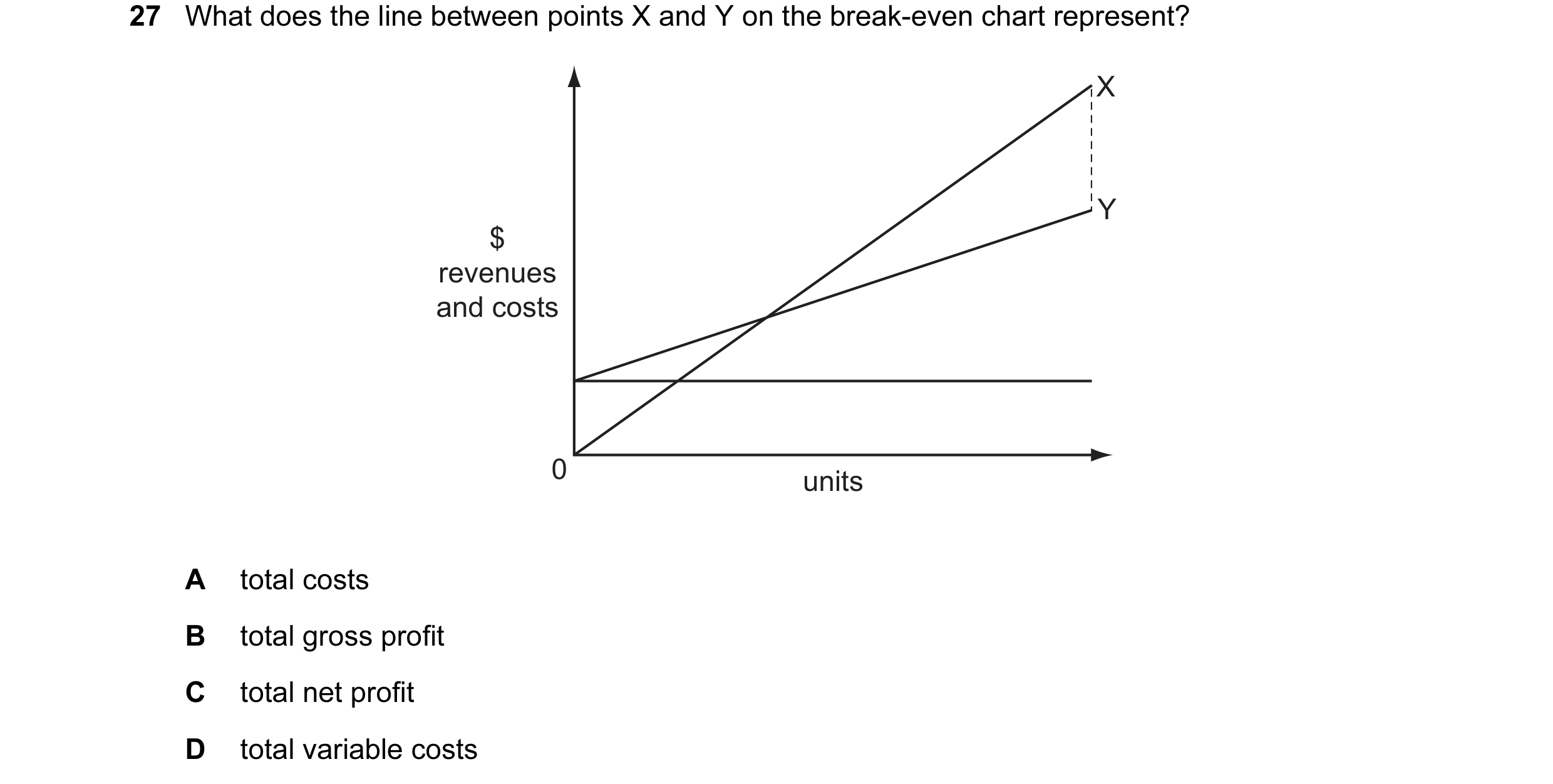
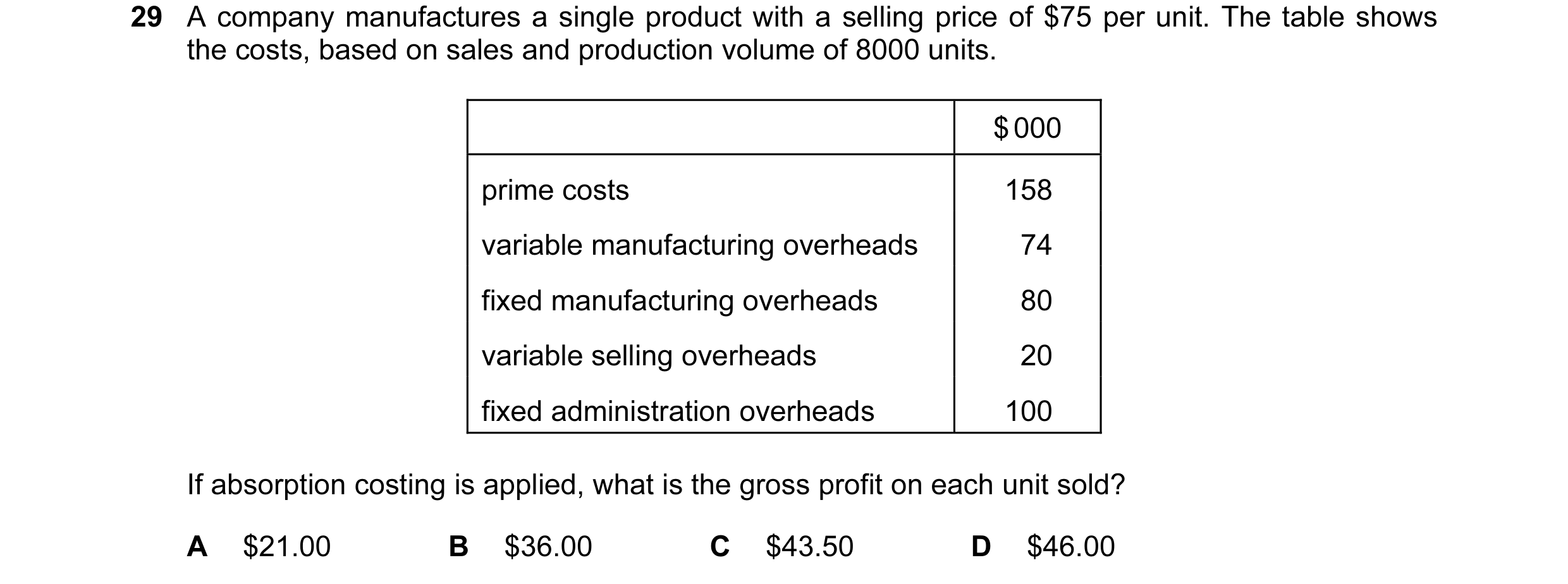

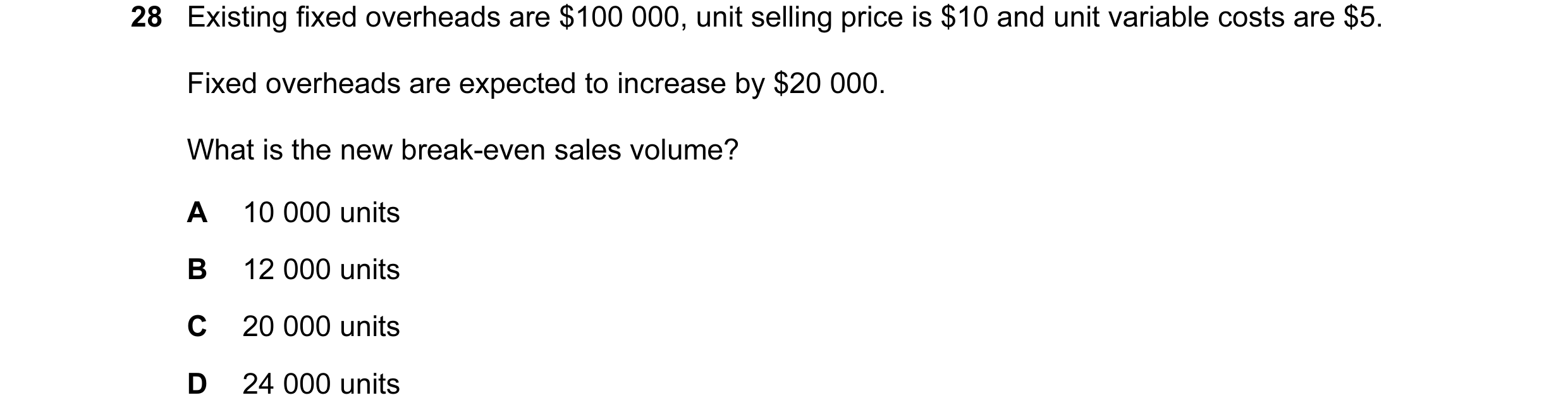 1 / 105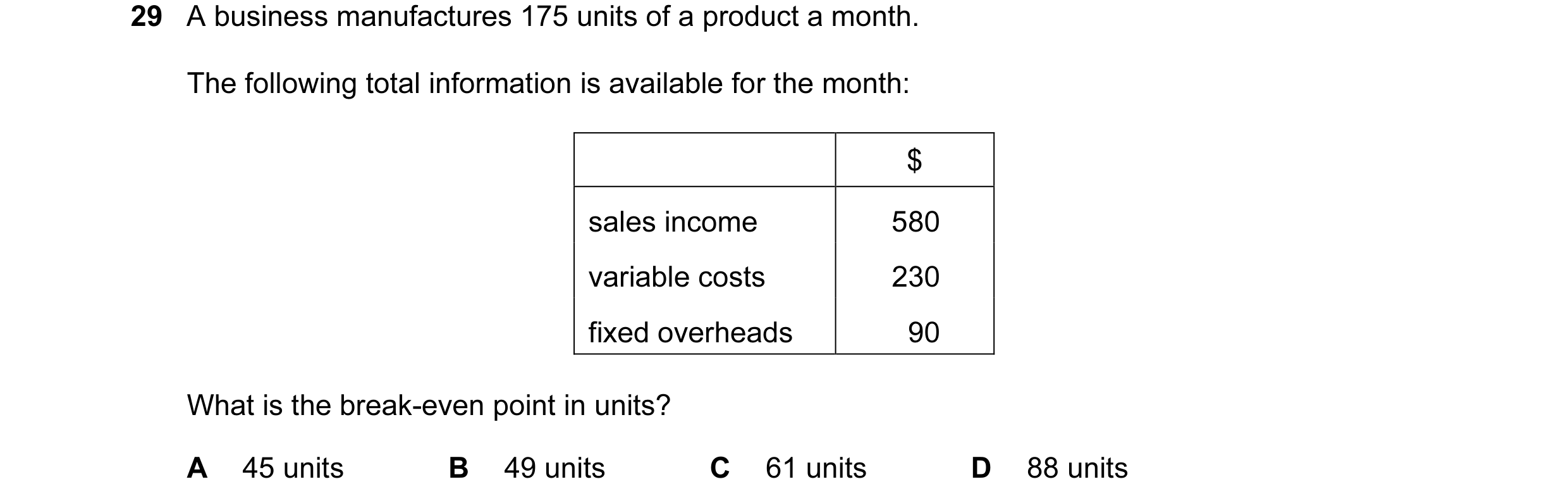
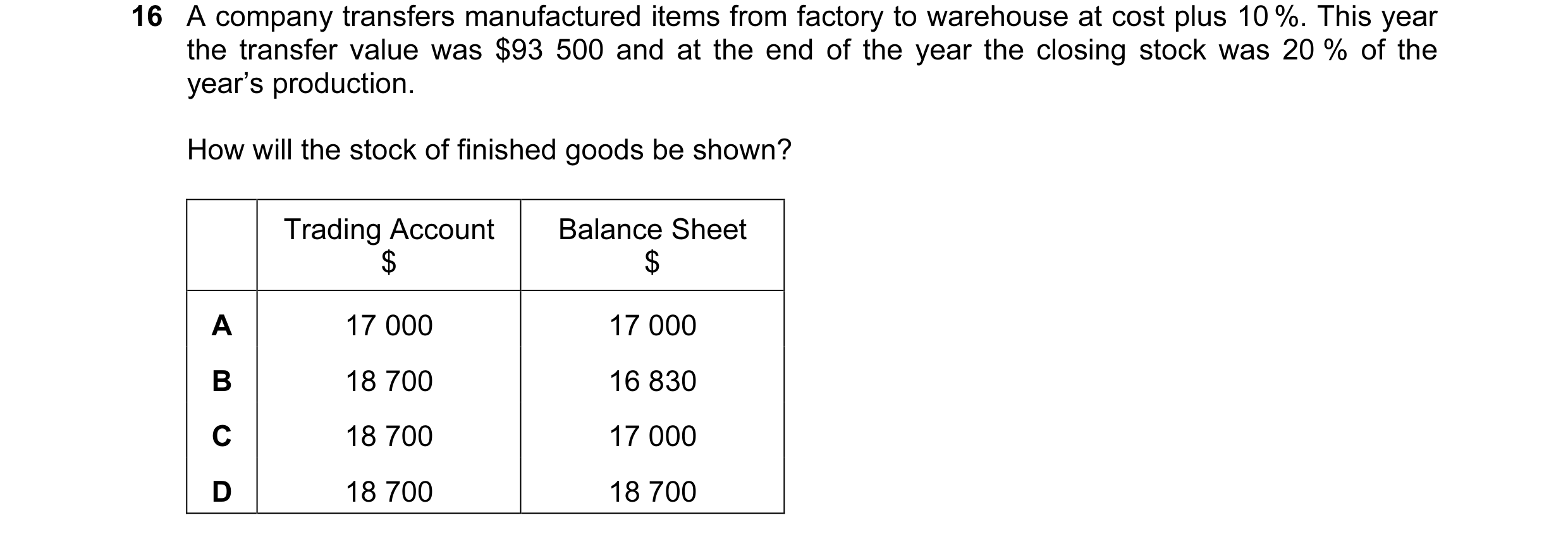
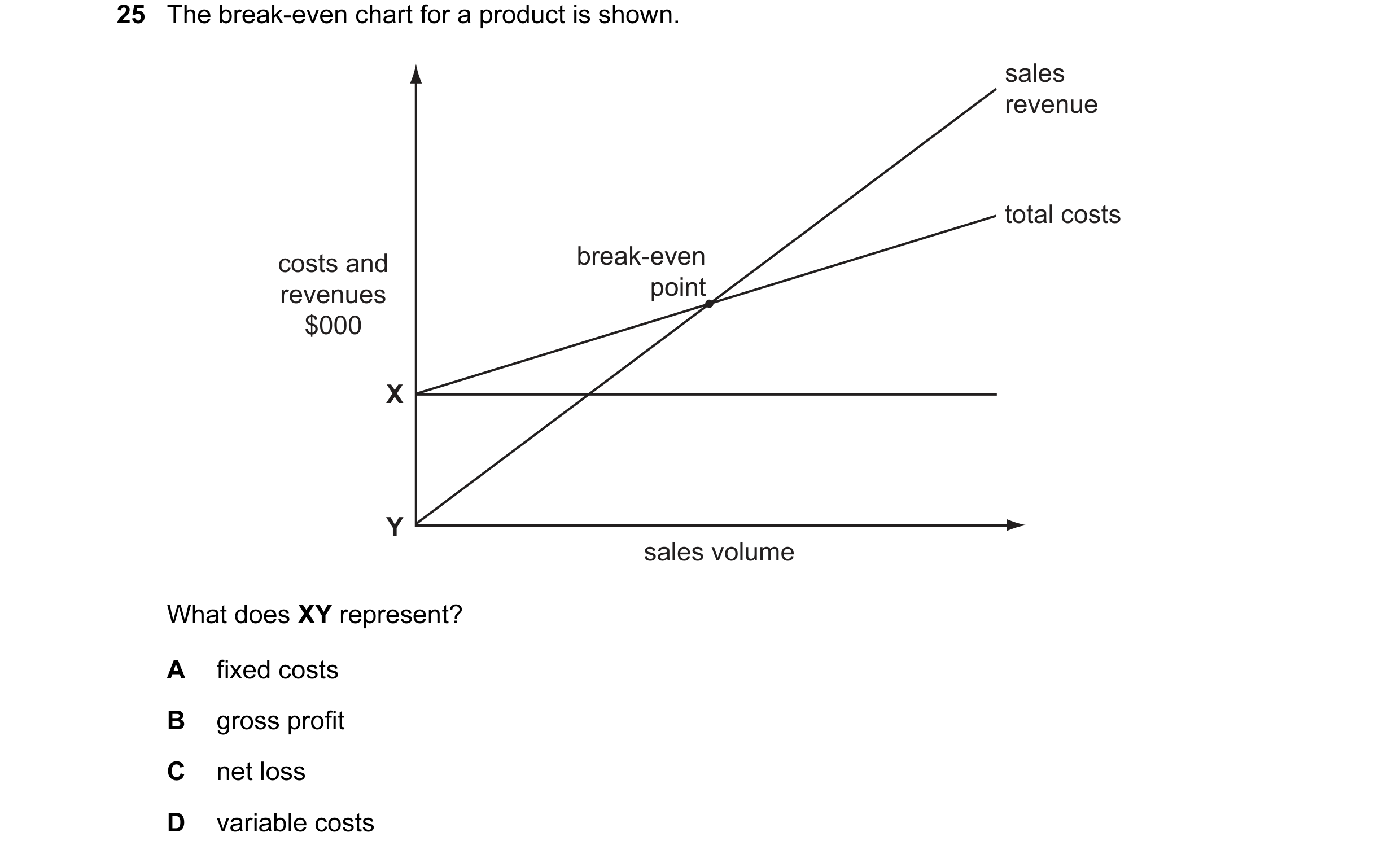 2 / 105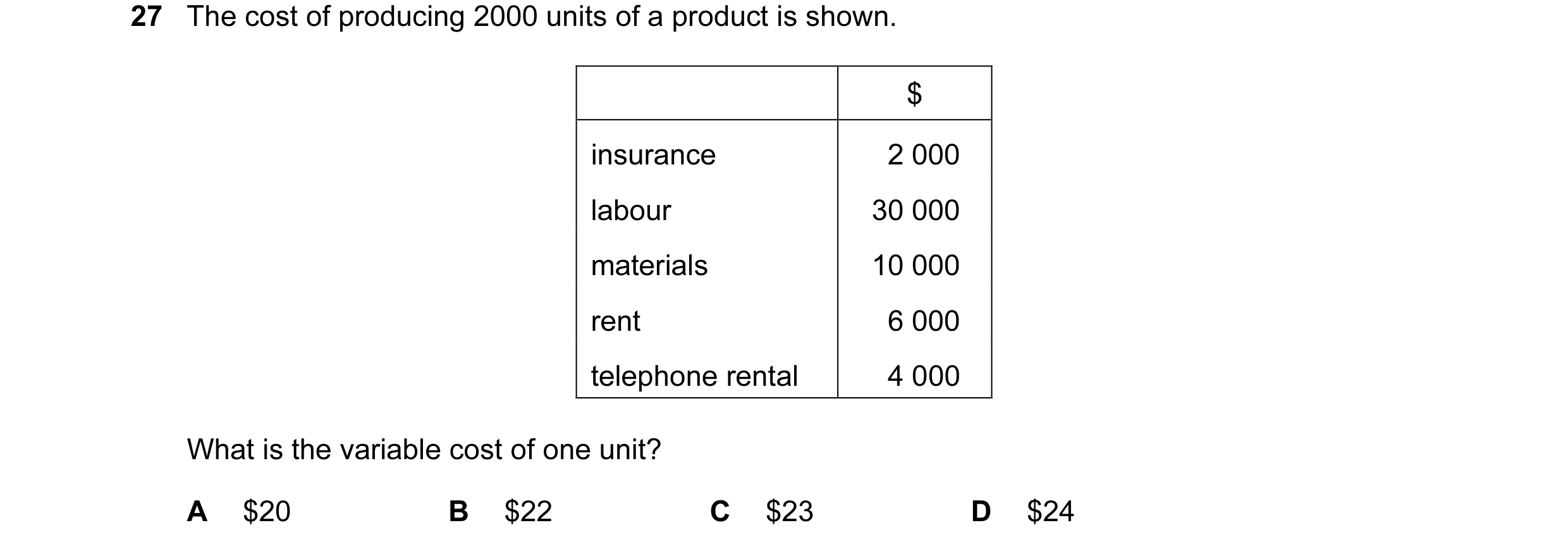
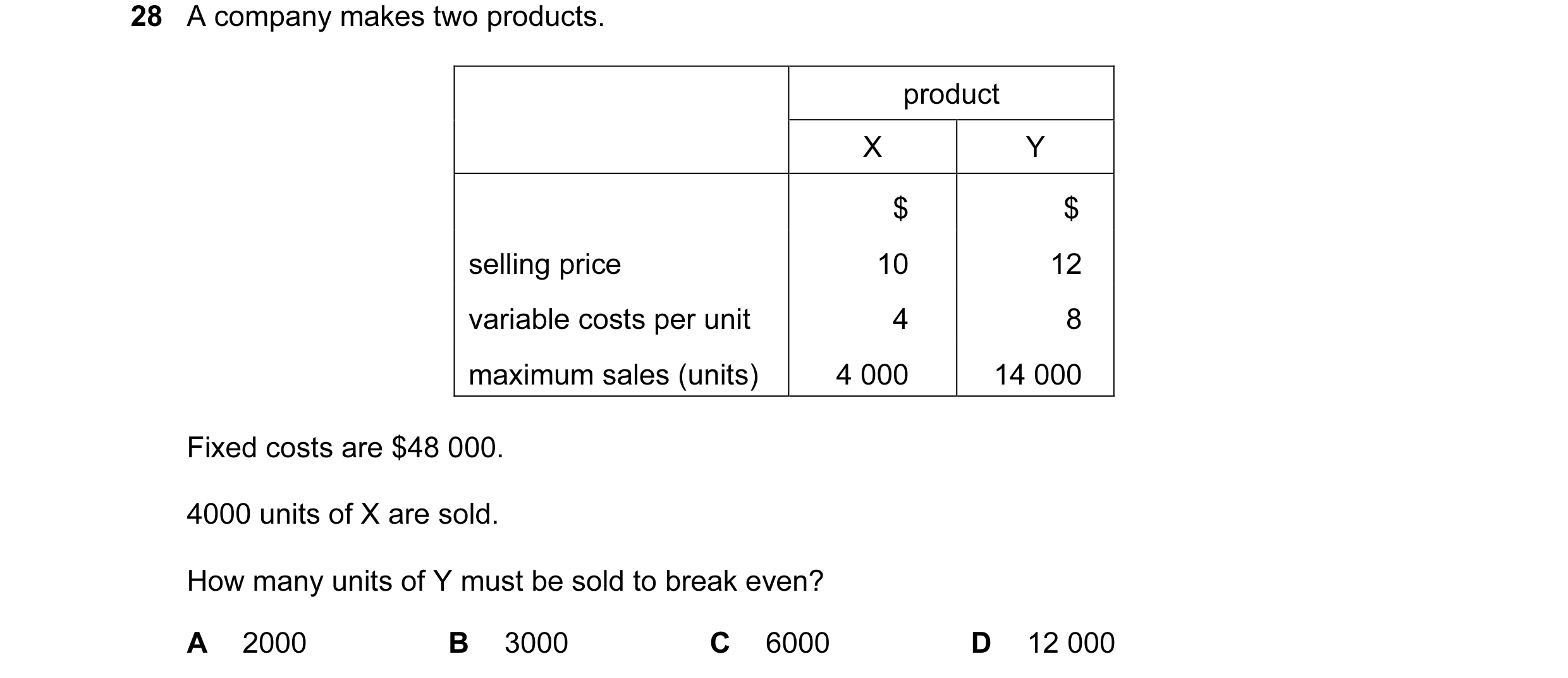
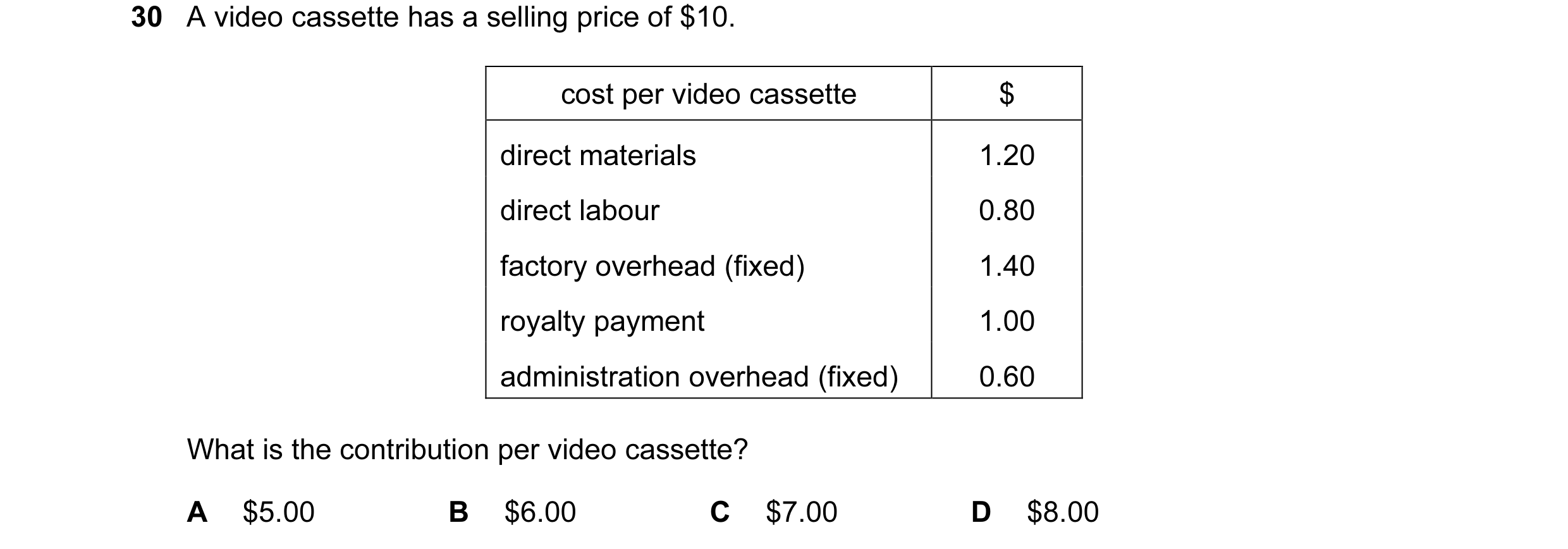 3 / 105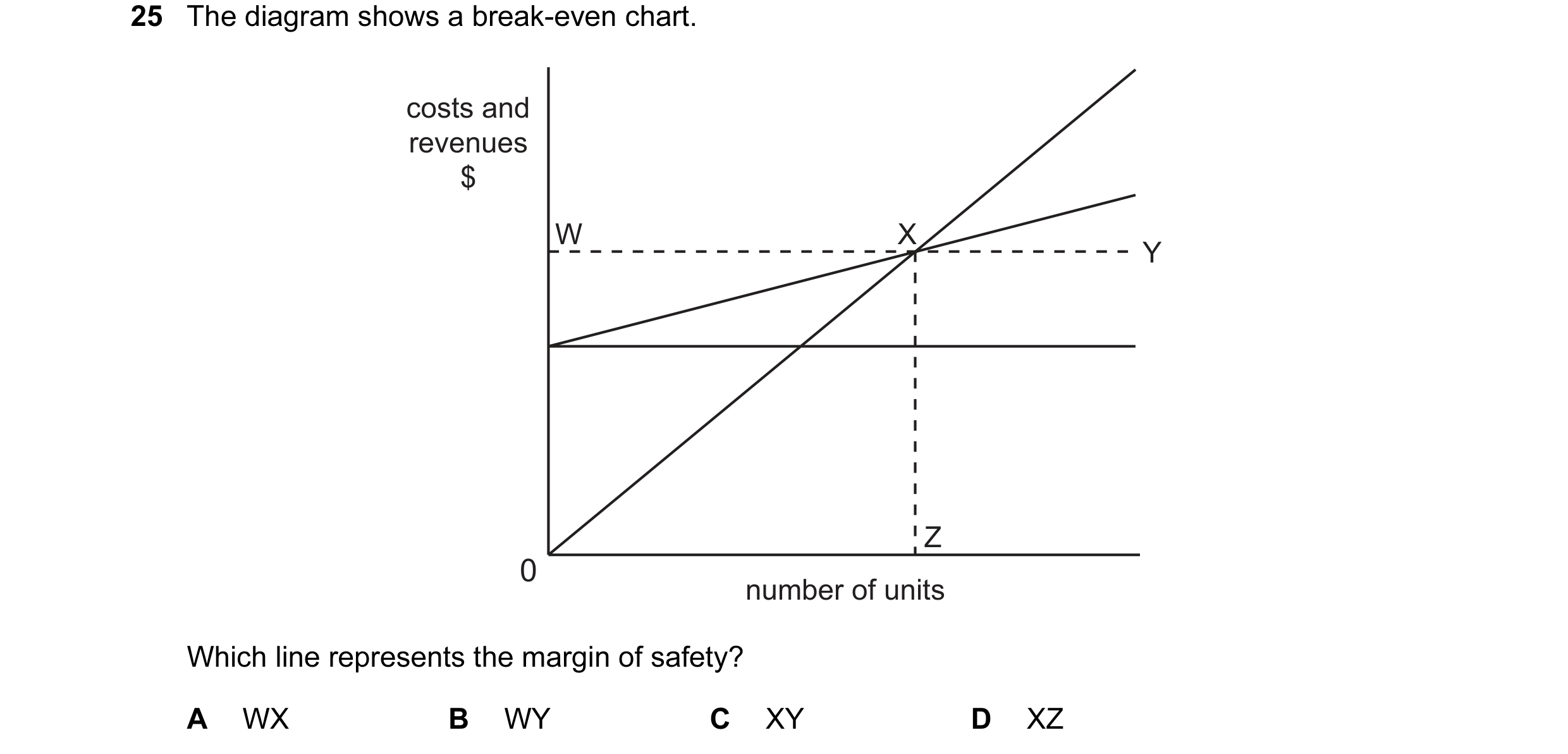
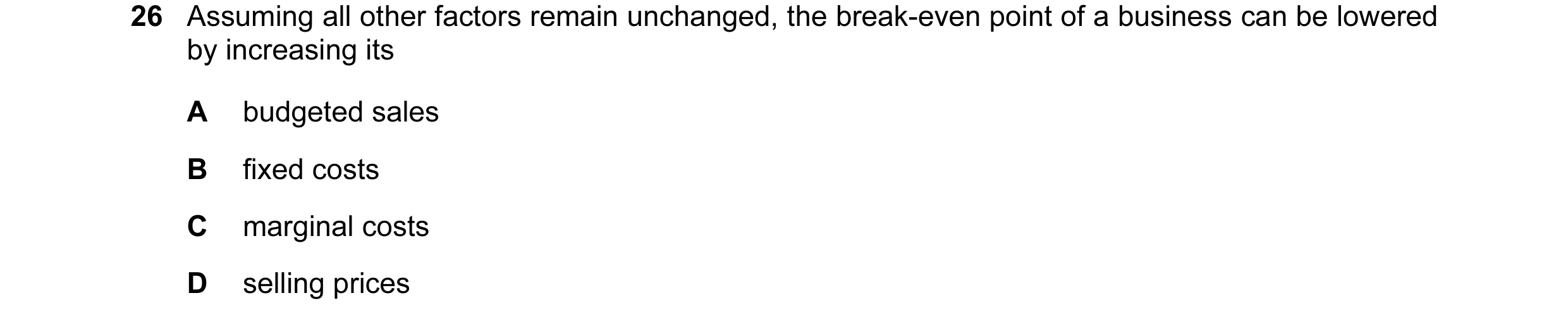
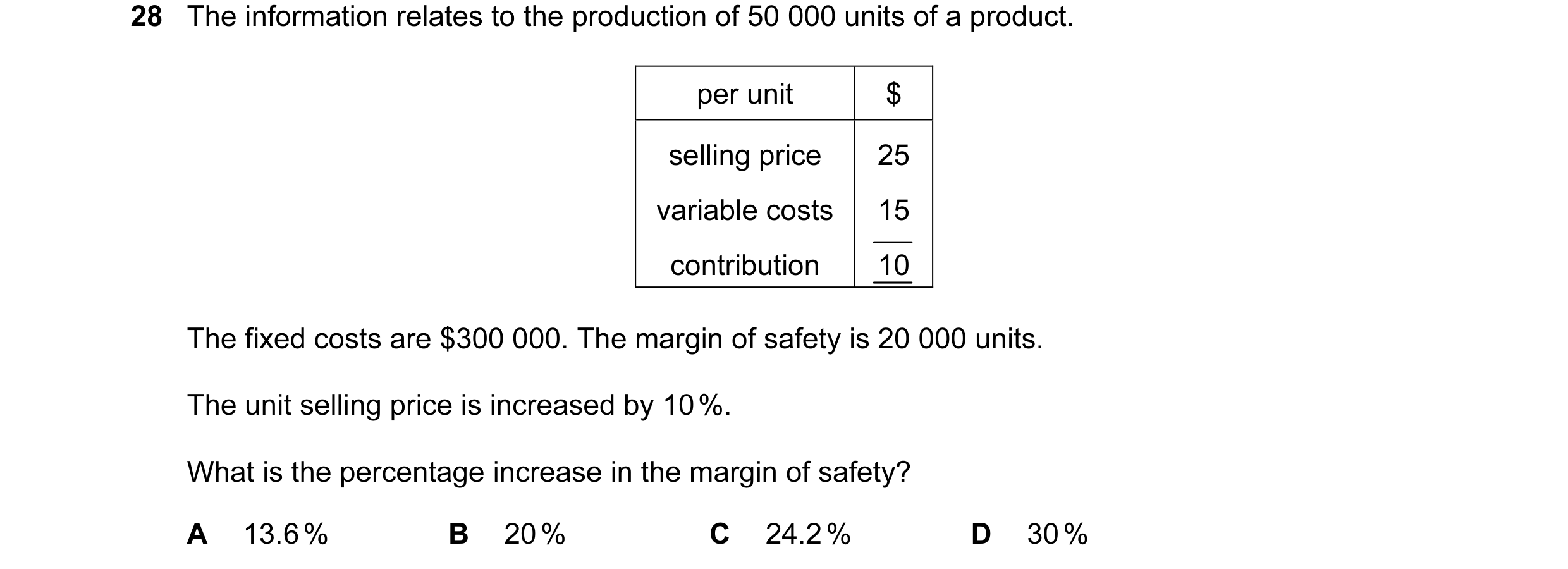 4 / 105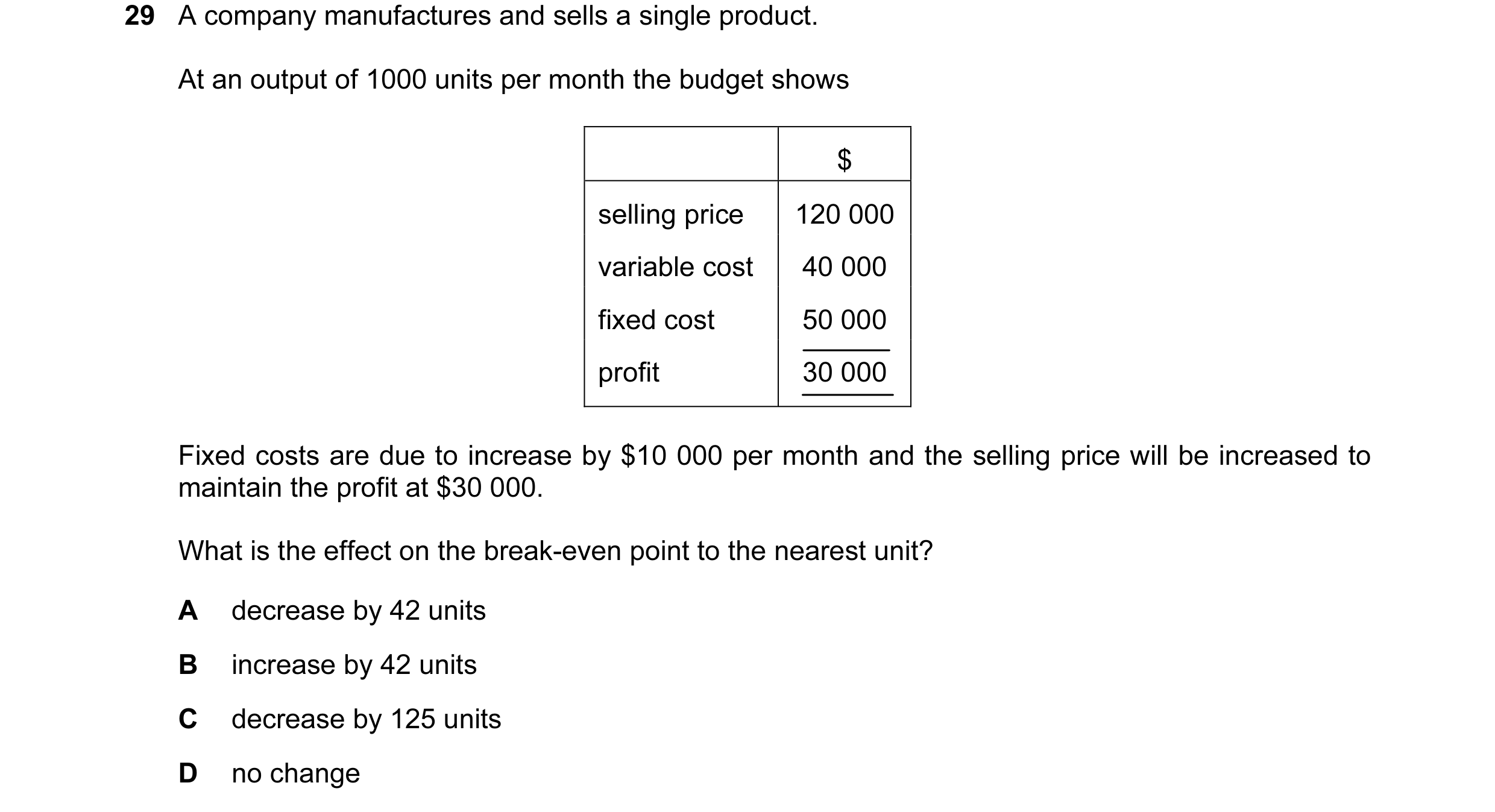
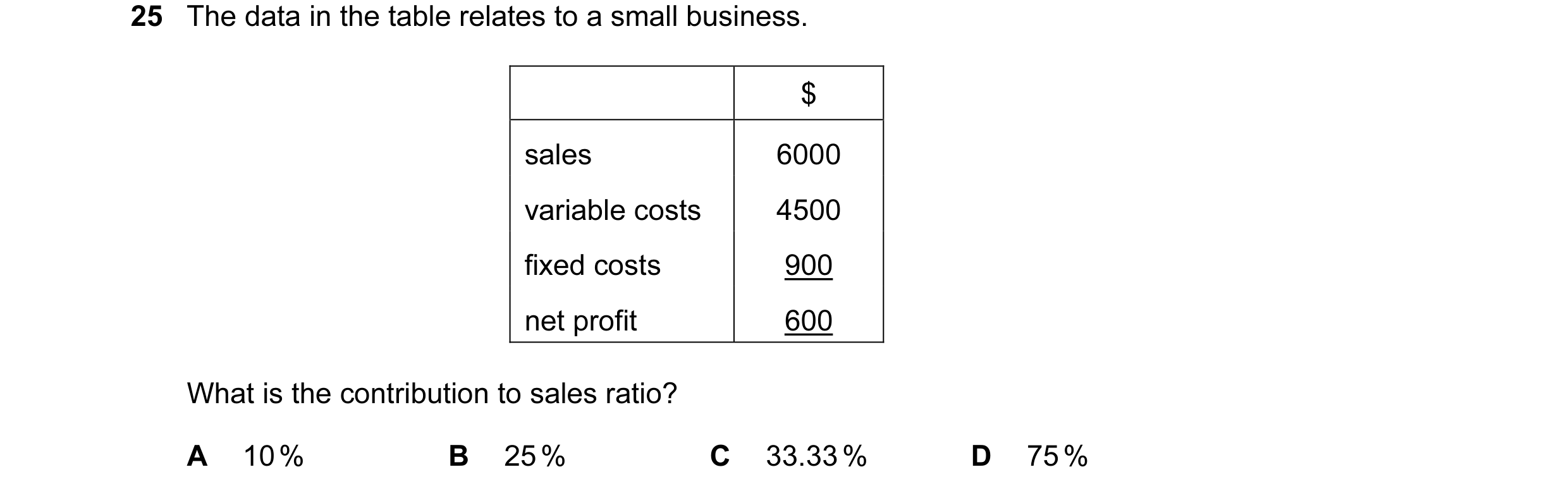
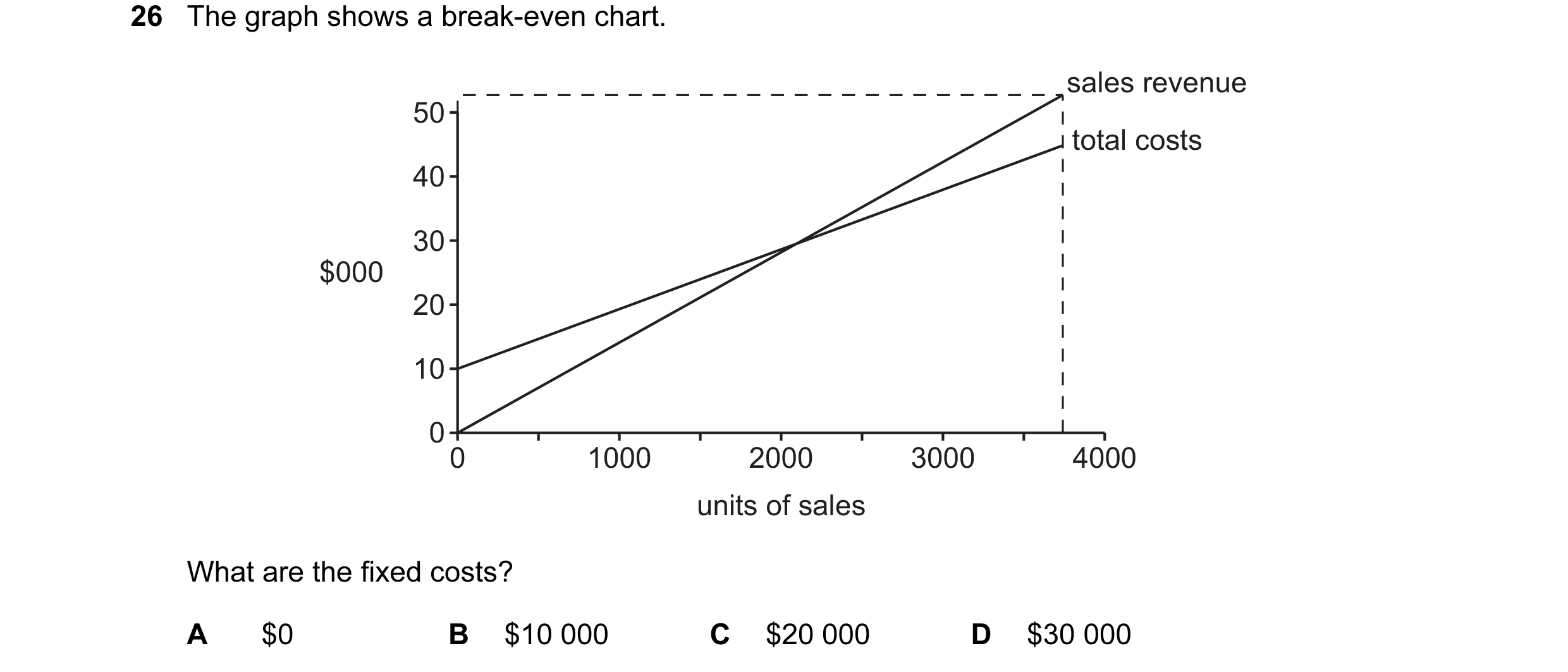 5 / 105



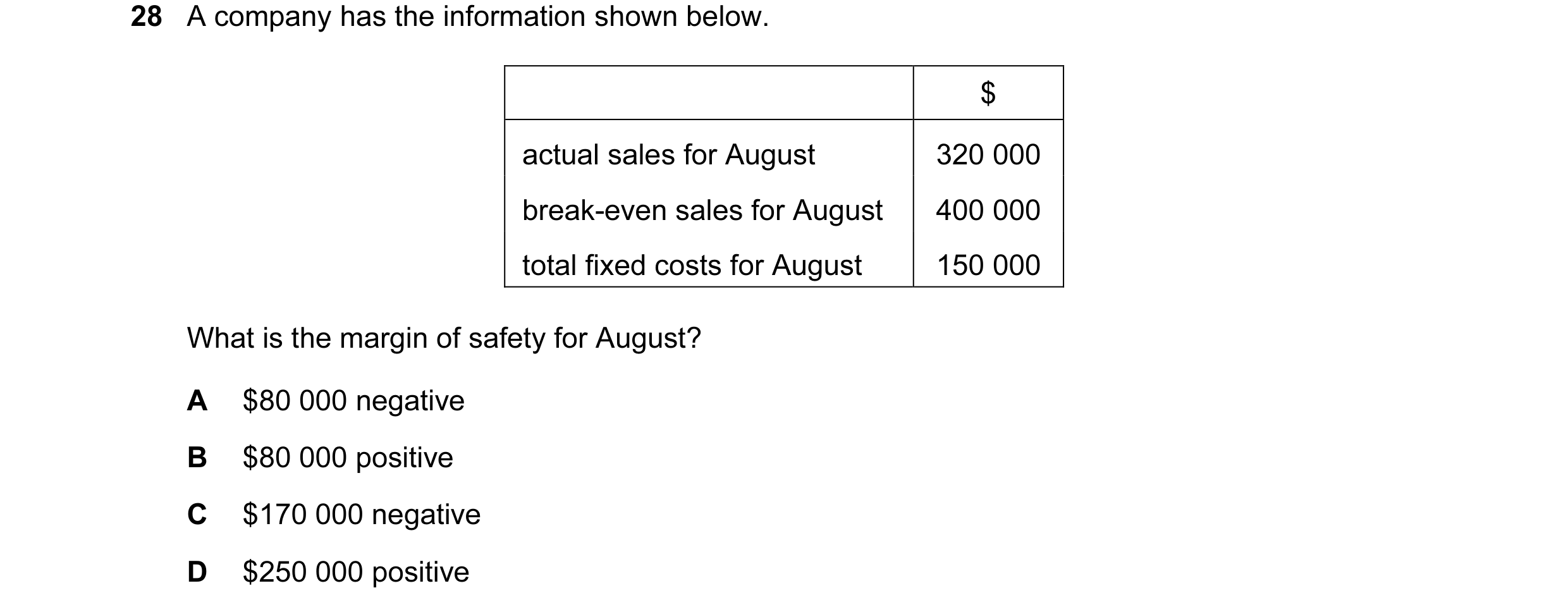
 6 / 105
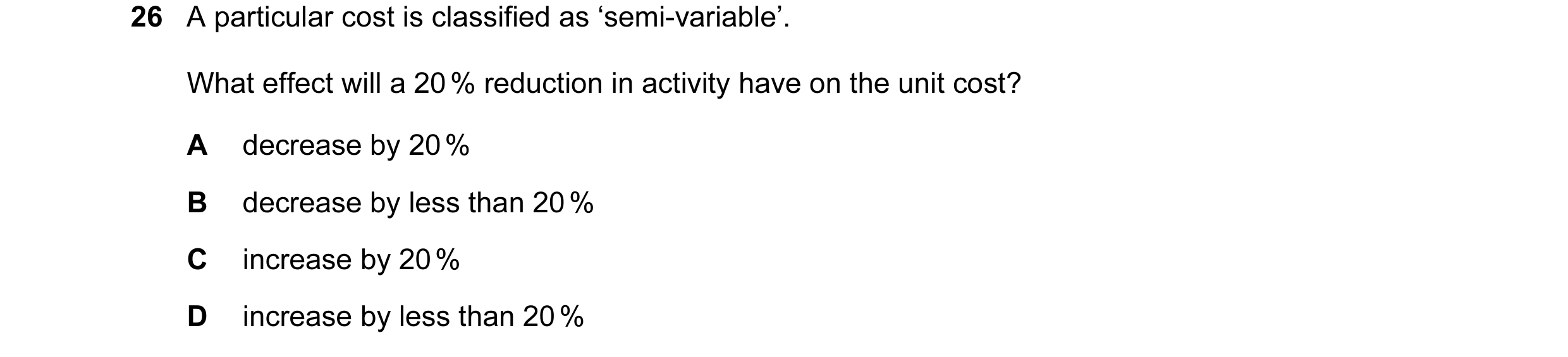

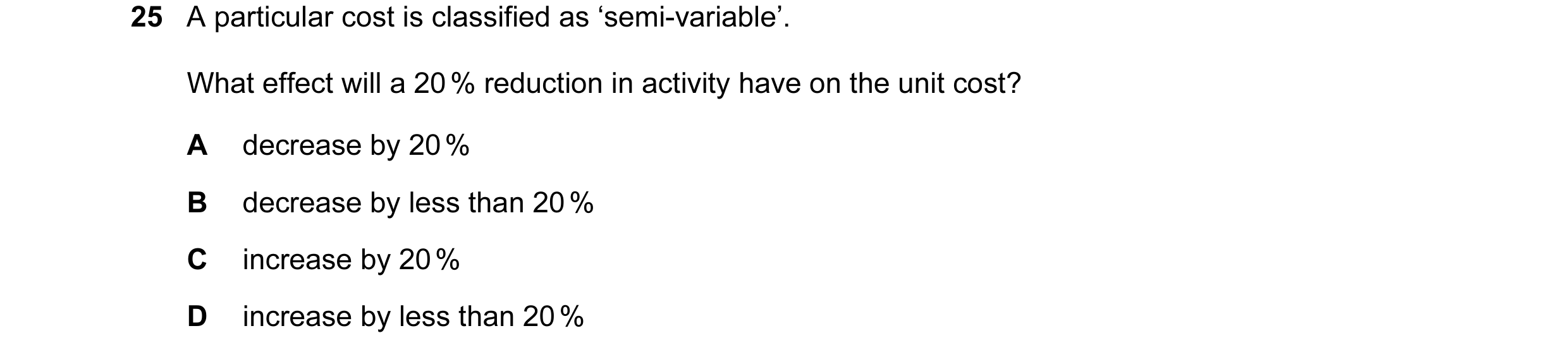

 7 / 105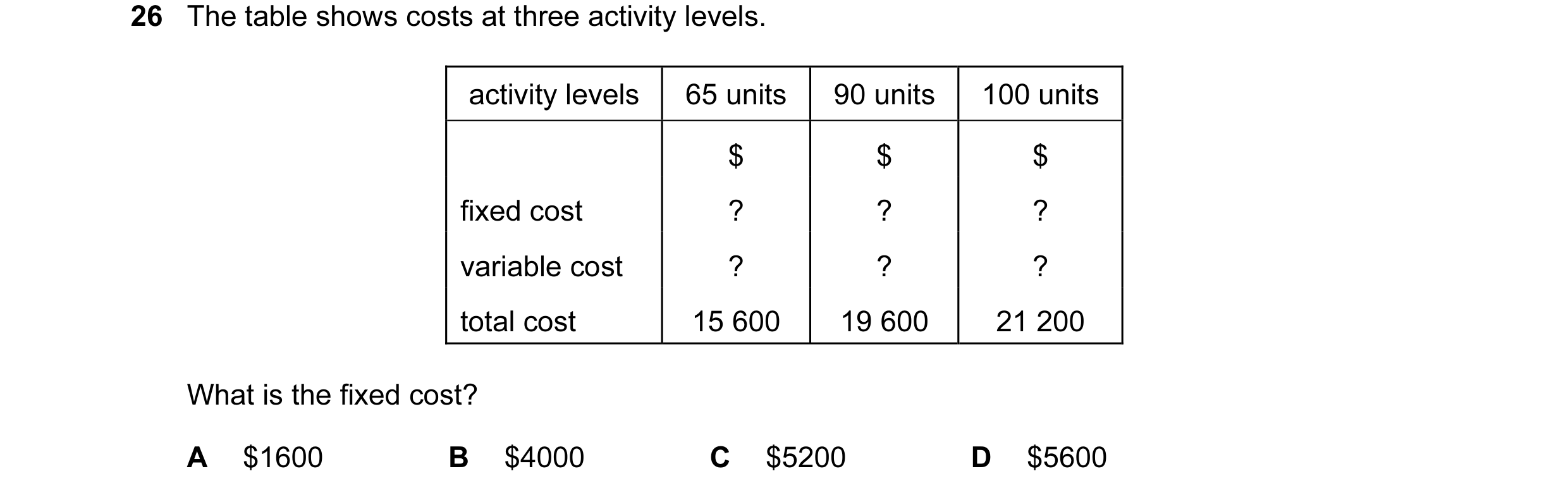


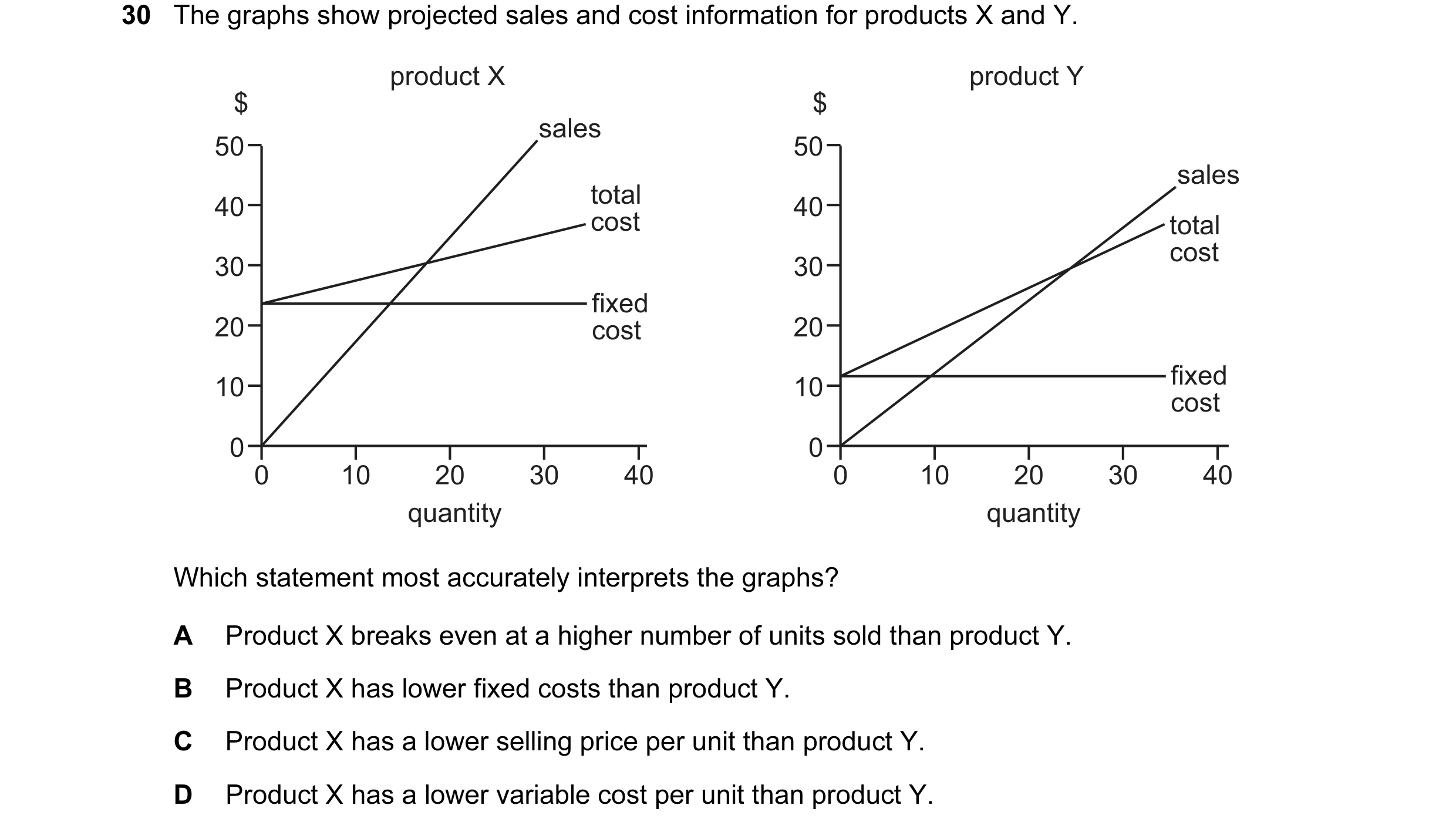 8 / 105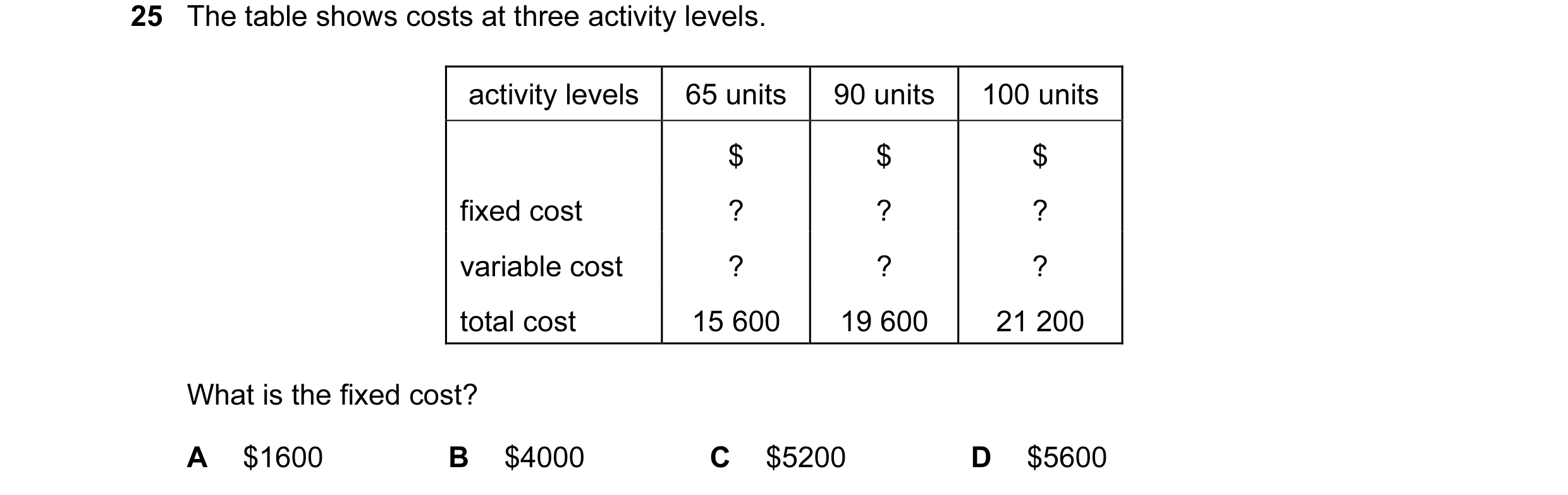


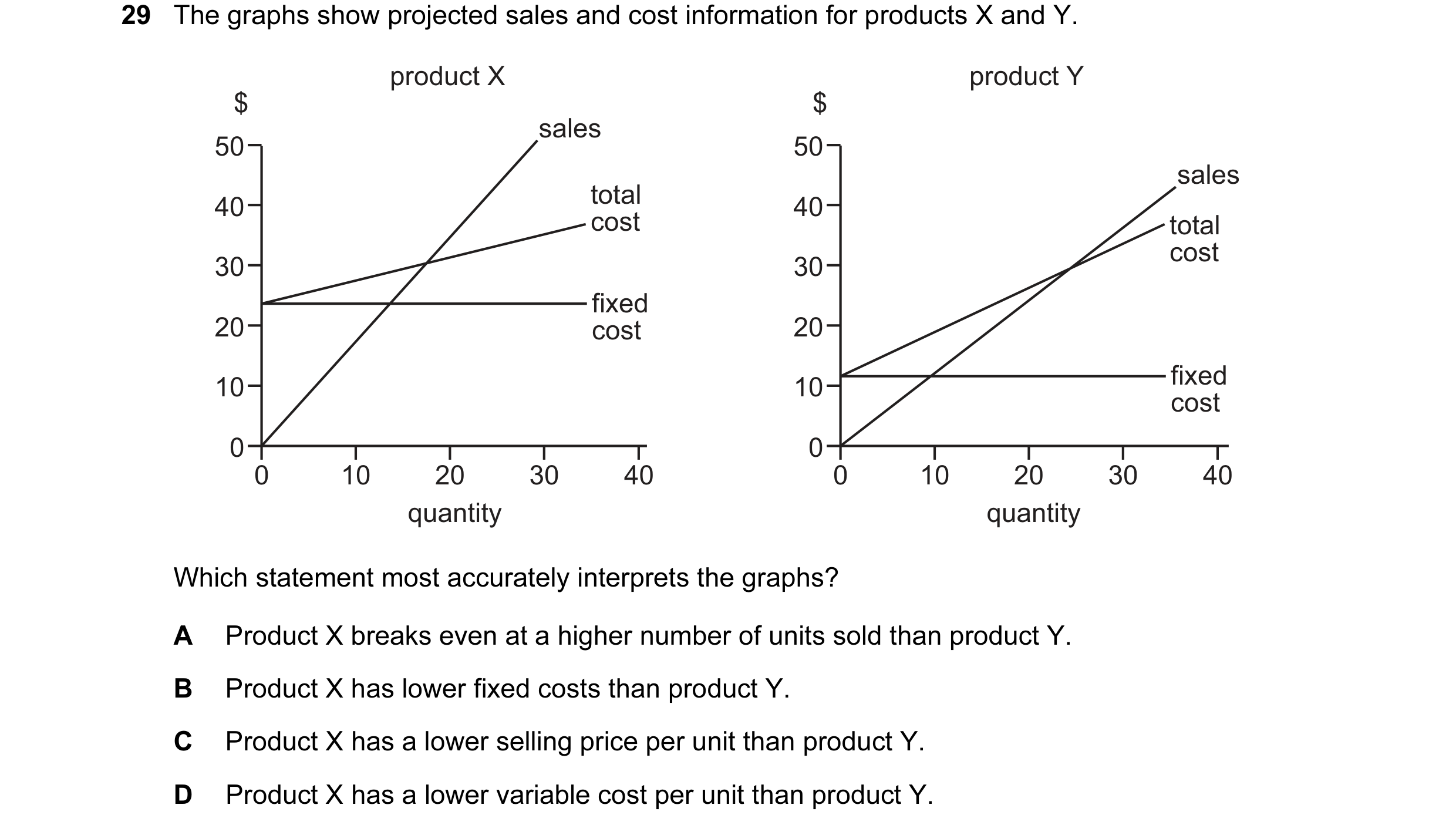 9 / 105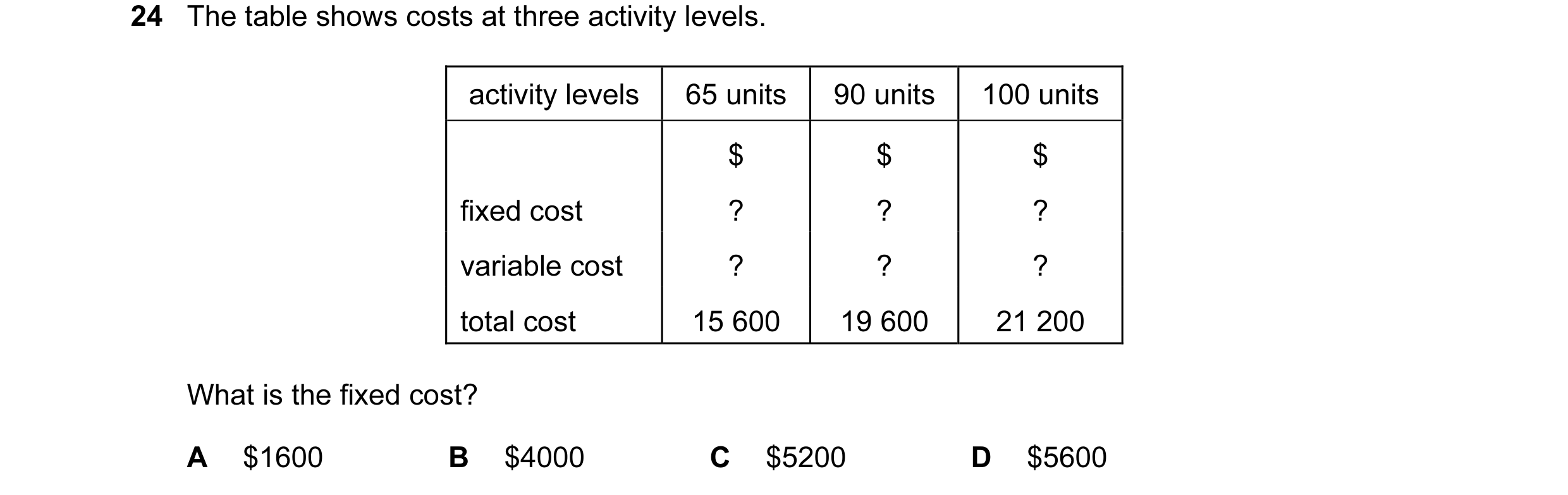


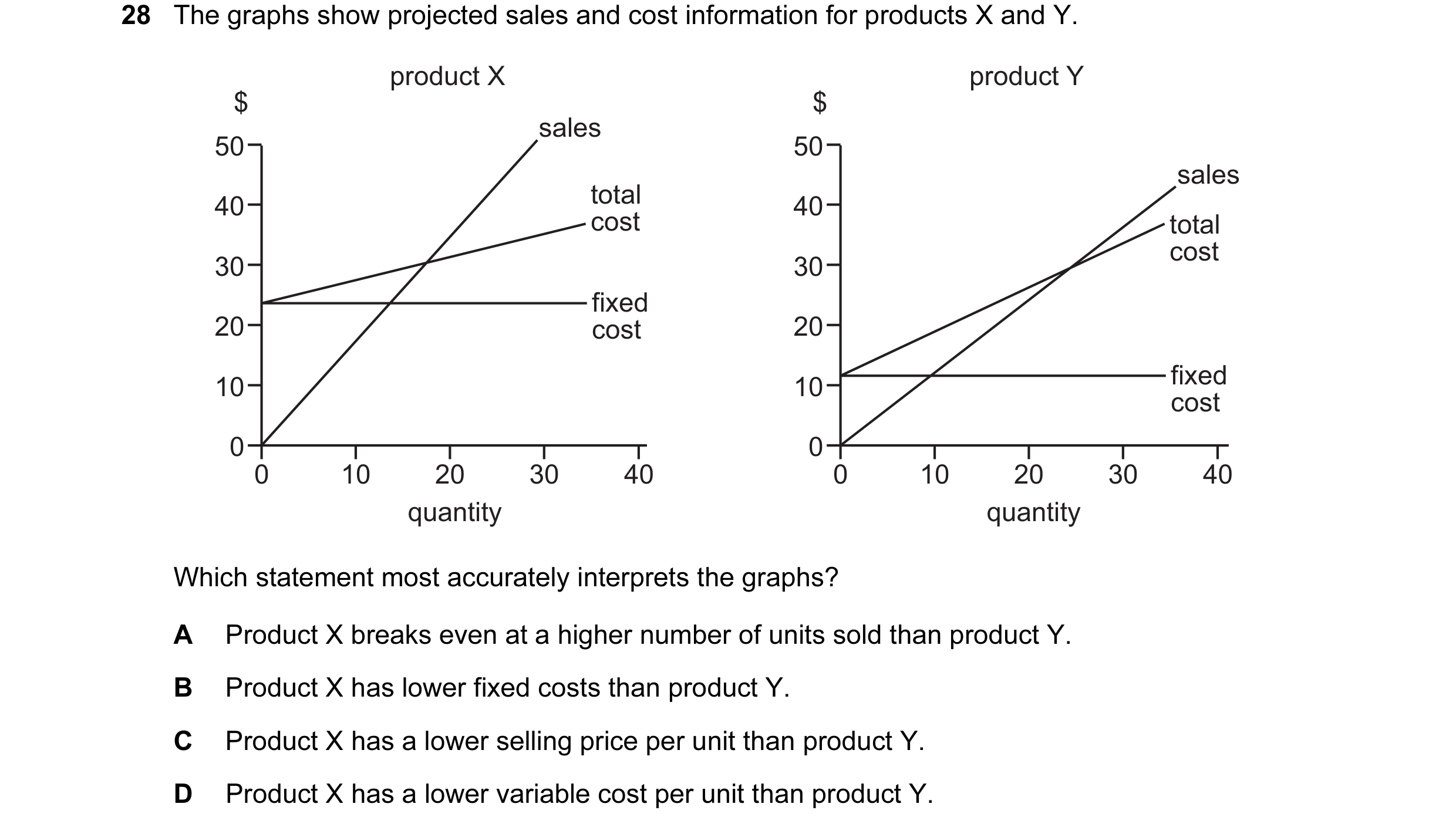 10 / 105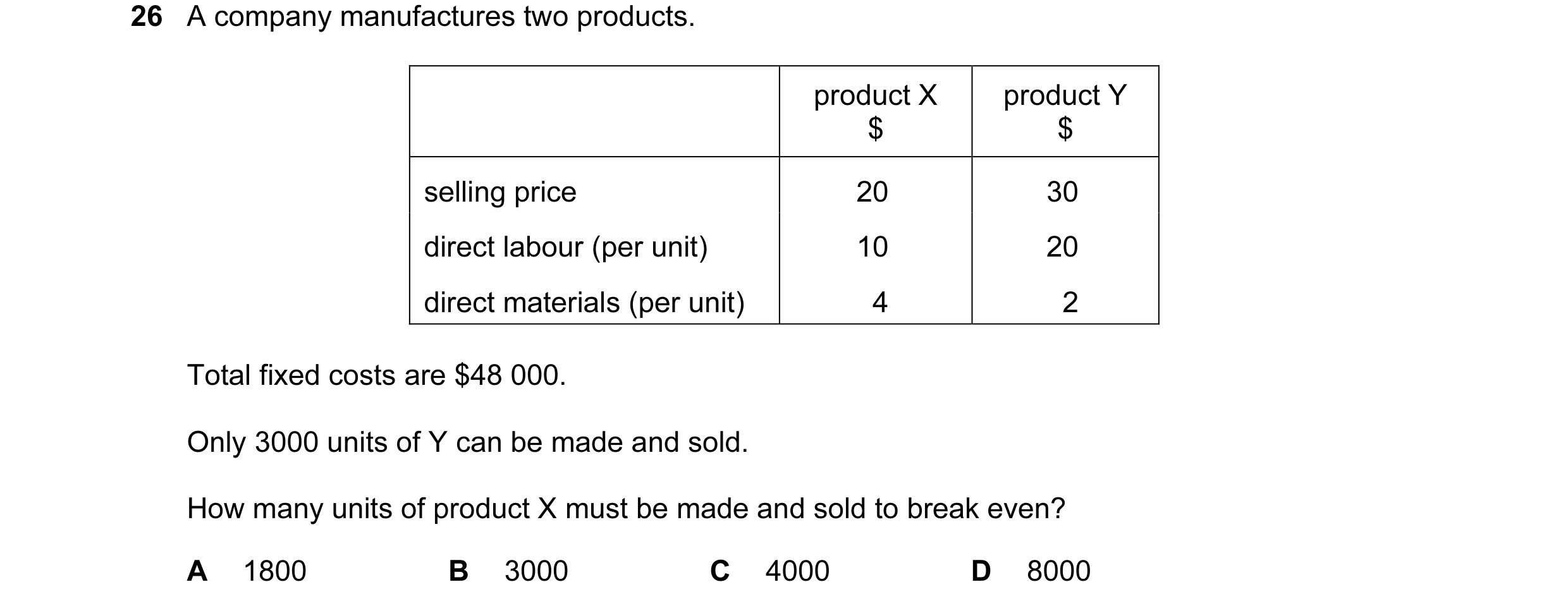
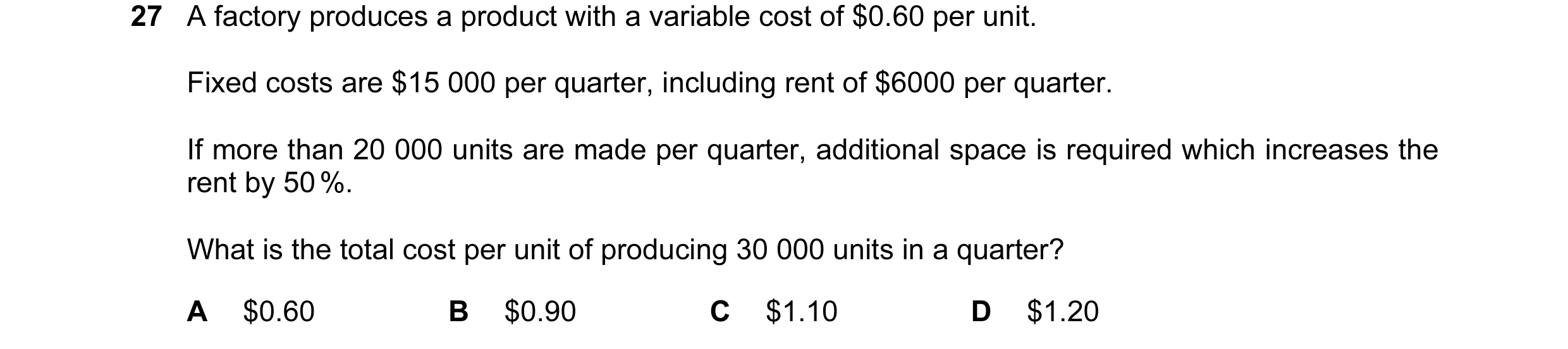
 11 / 105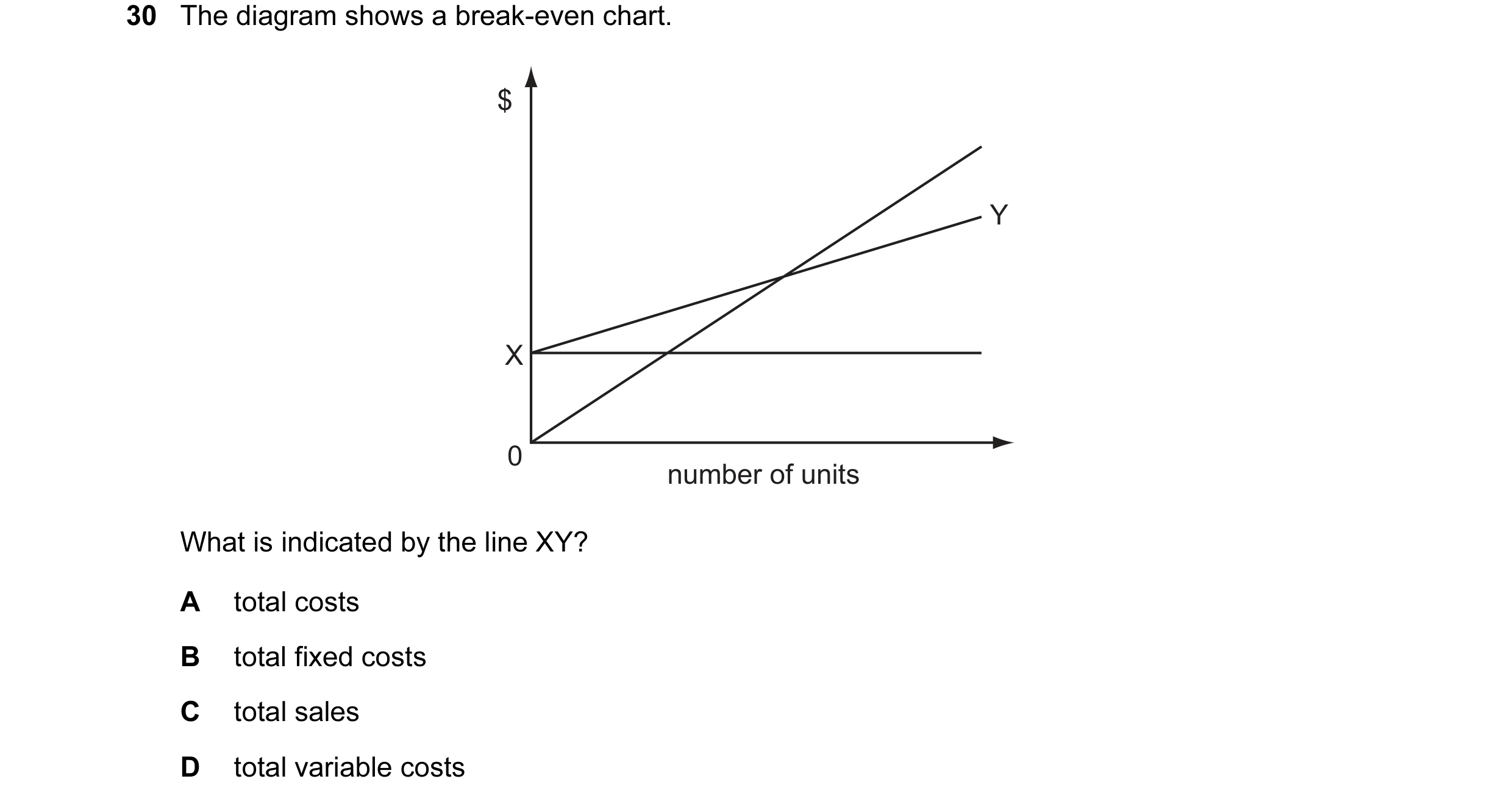
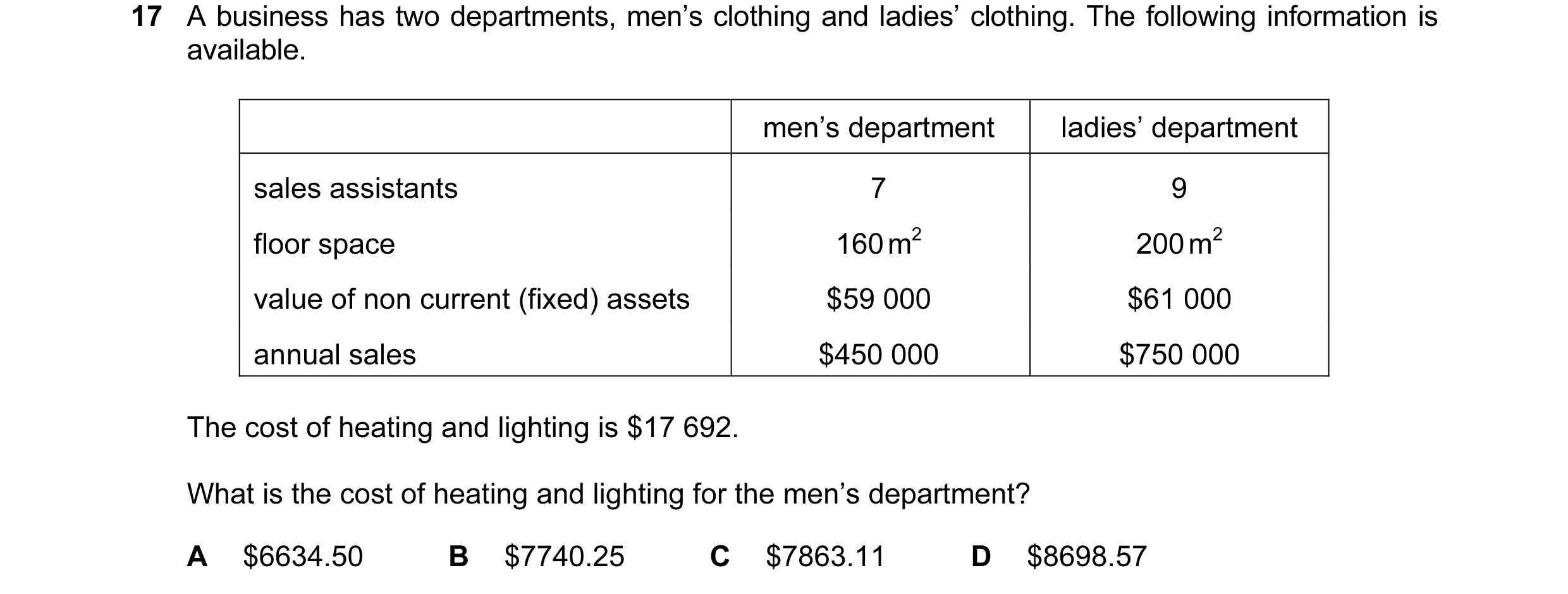
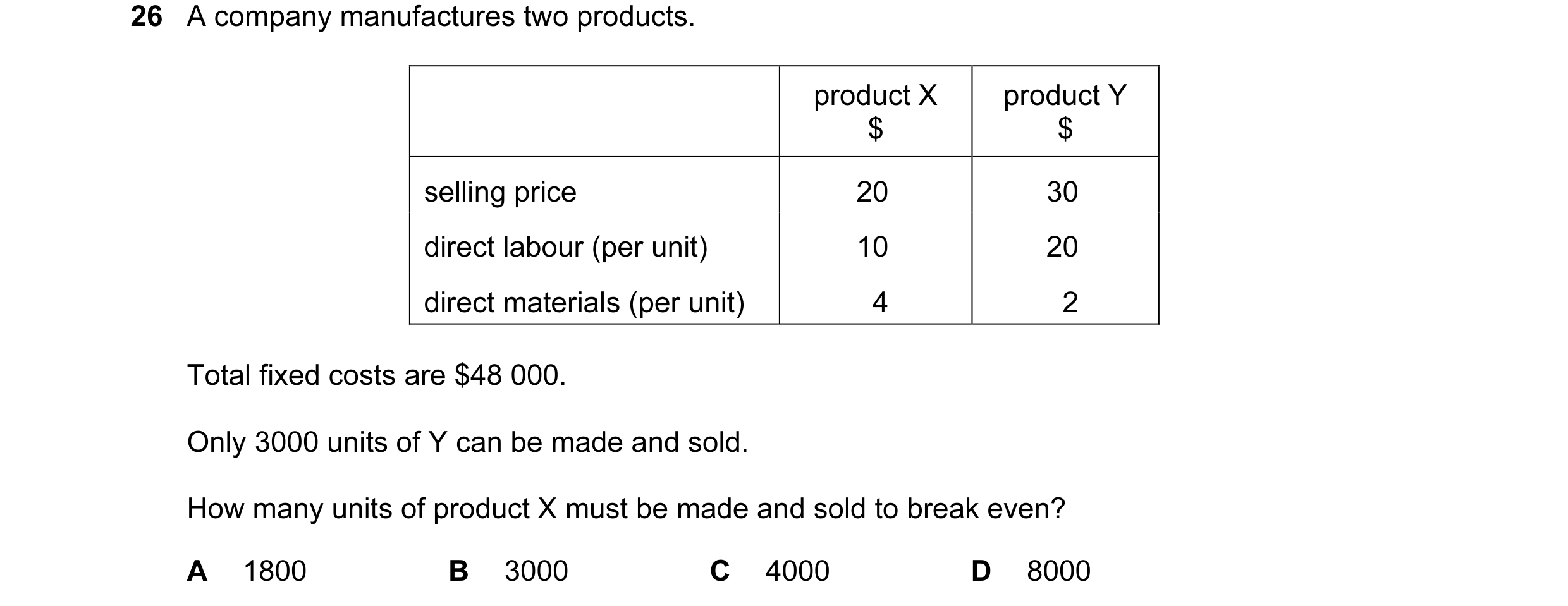 12 / 105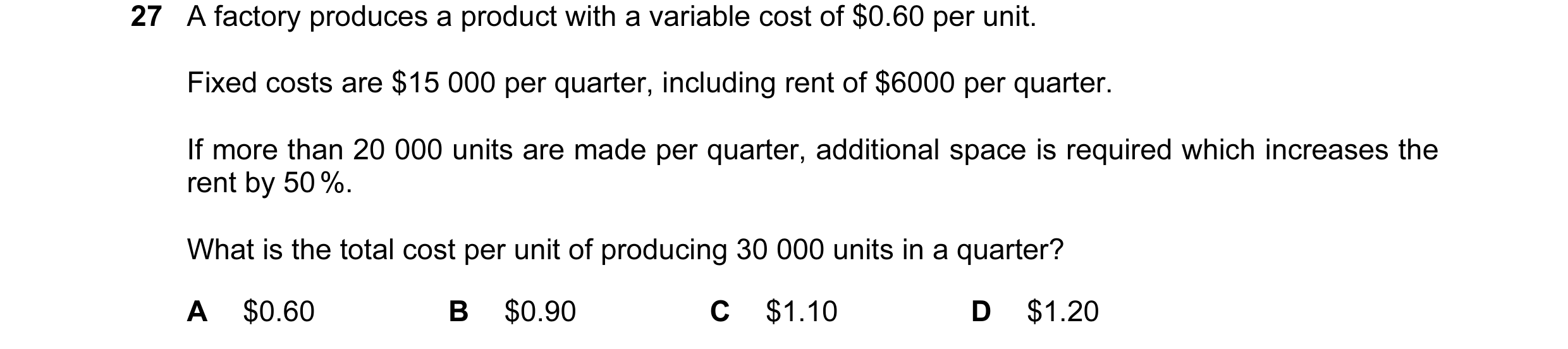
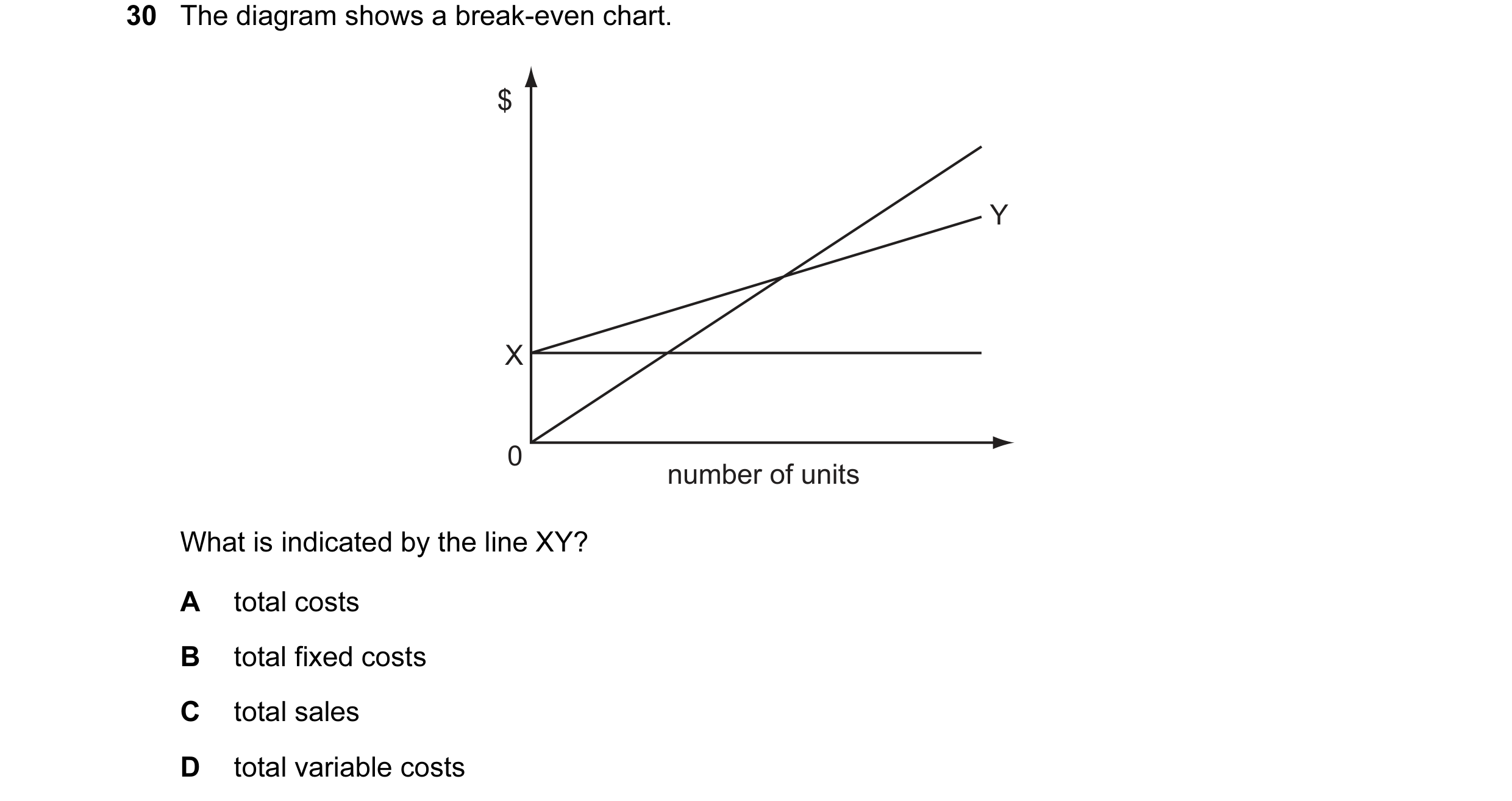 13 / 105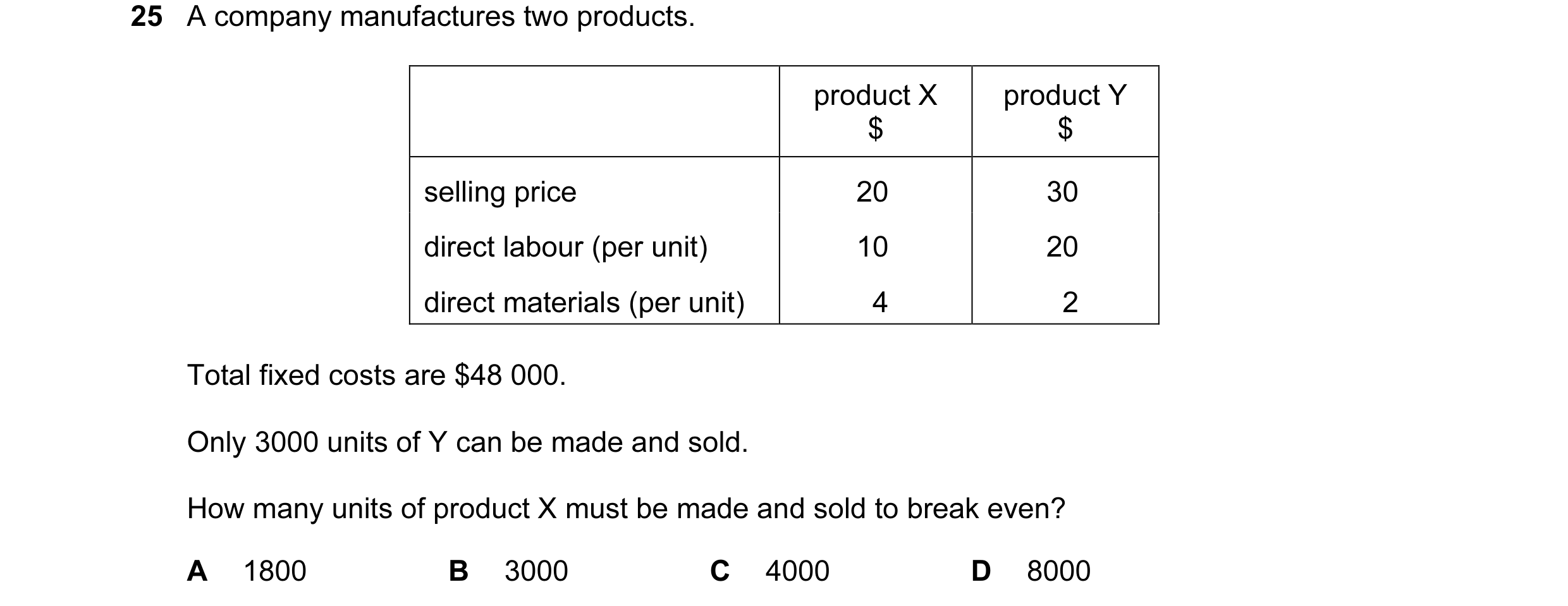
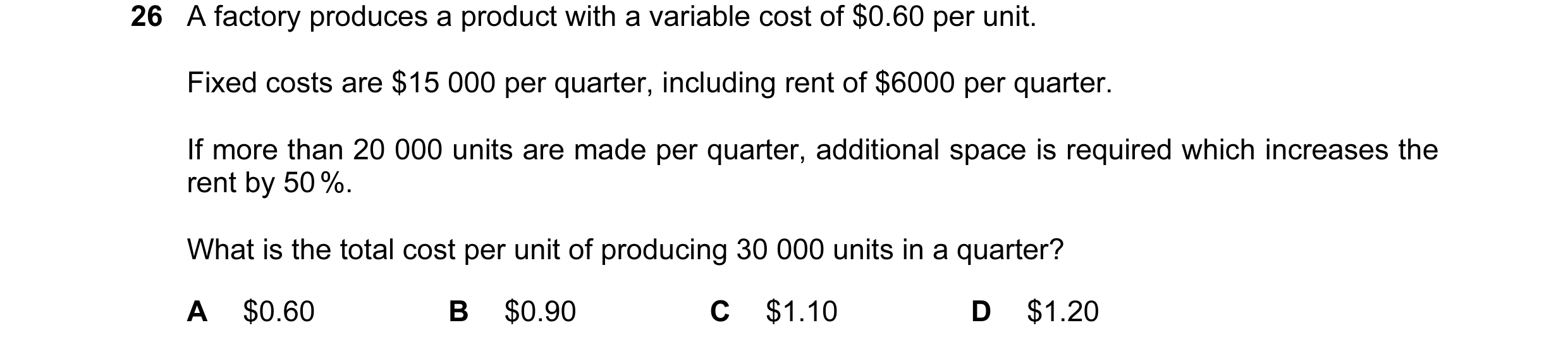
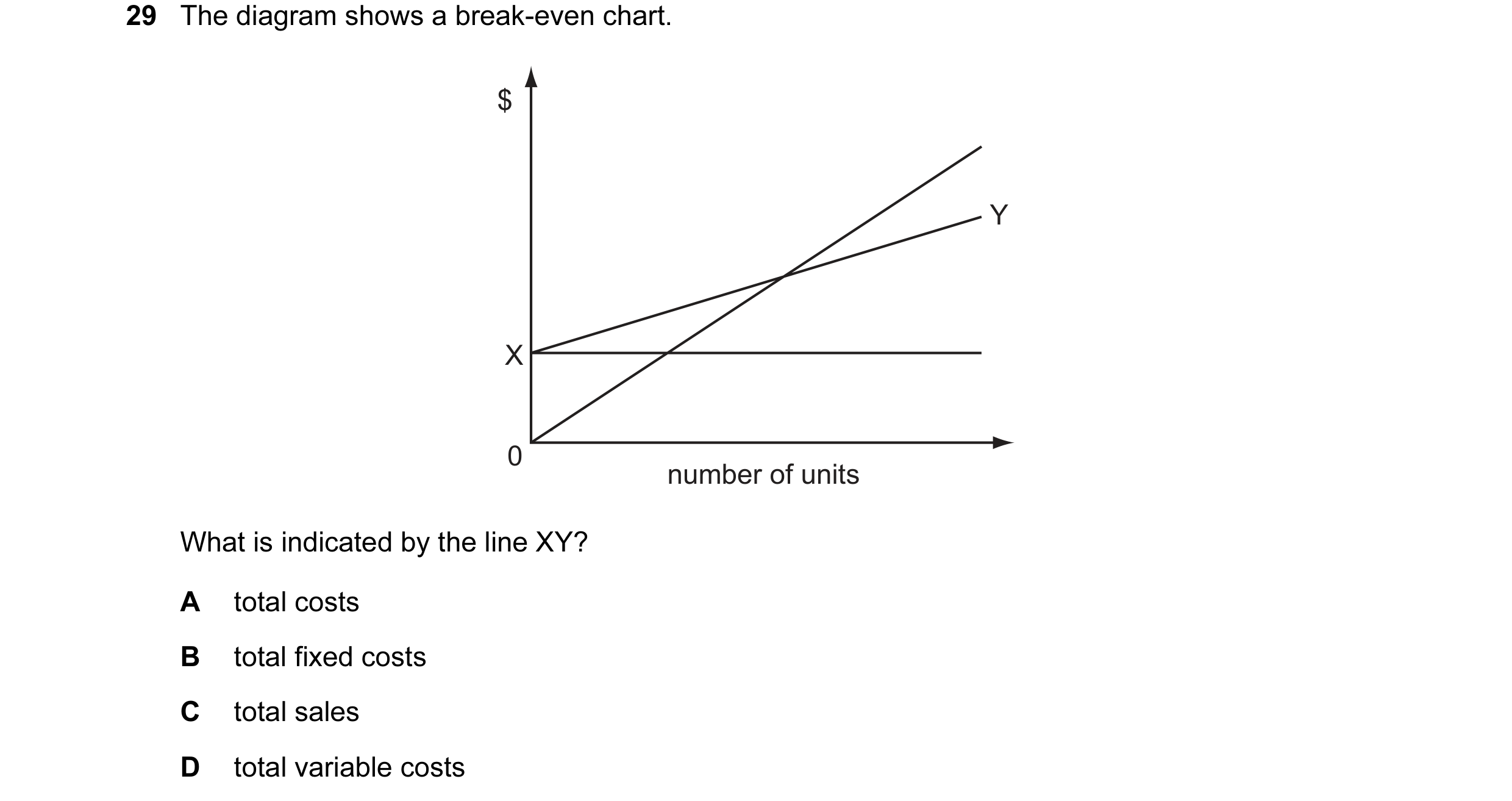
 14 / 105

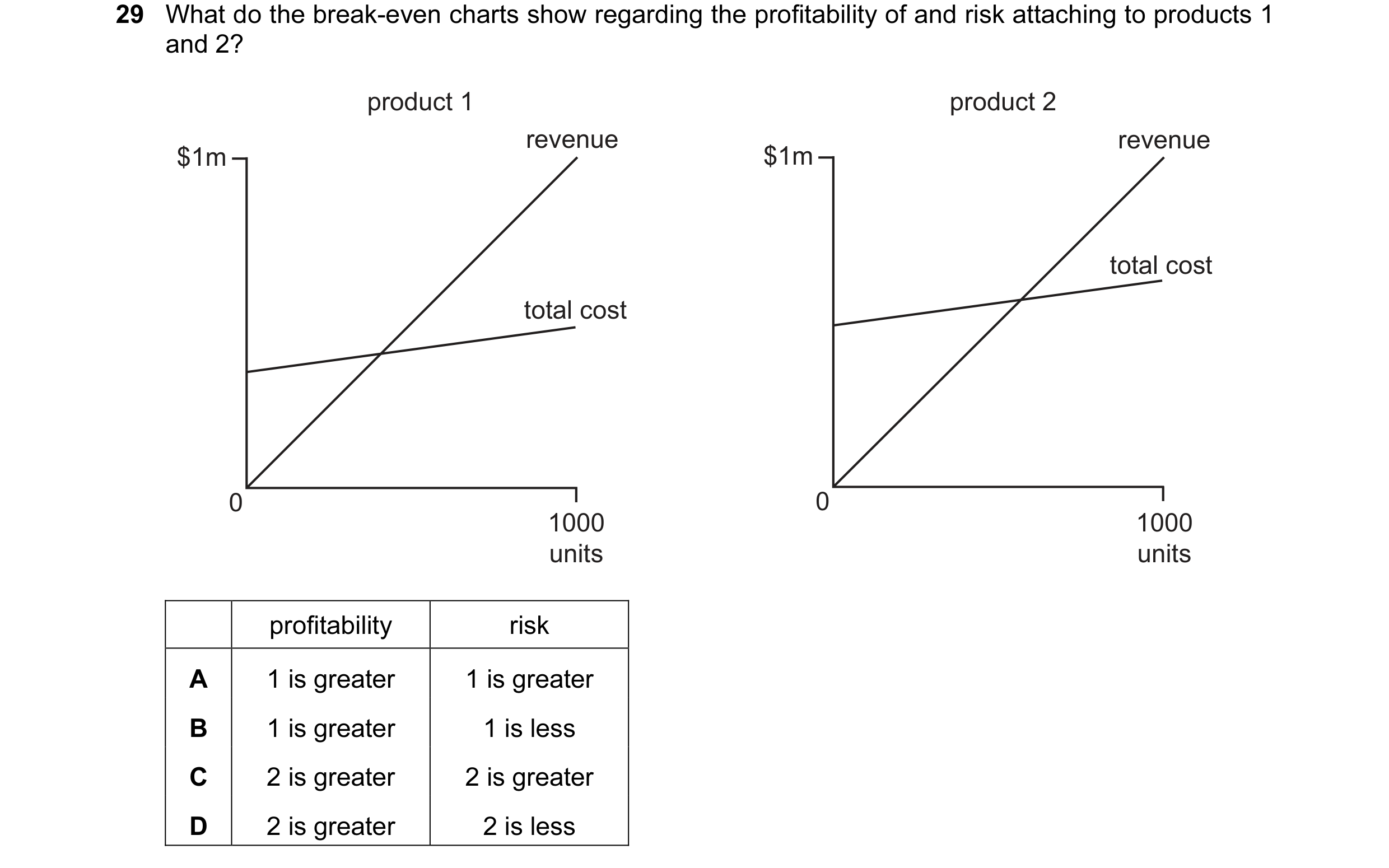 15 / 105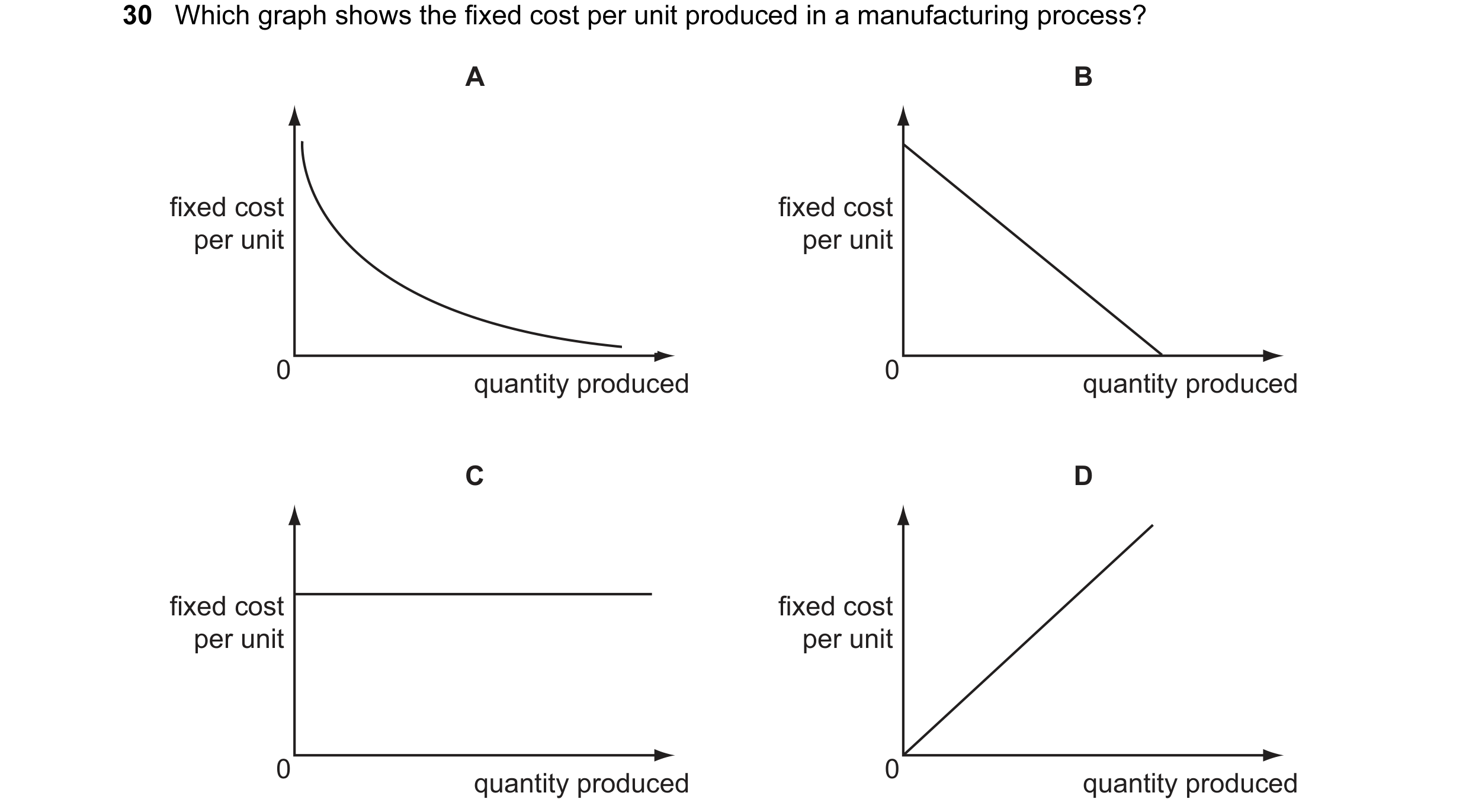


 16 / 105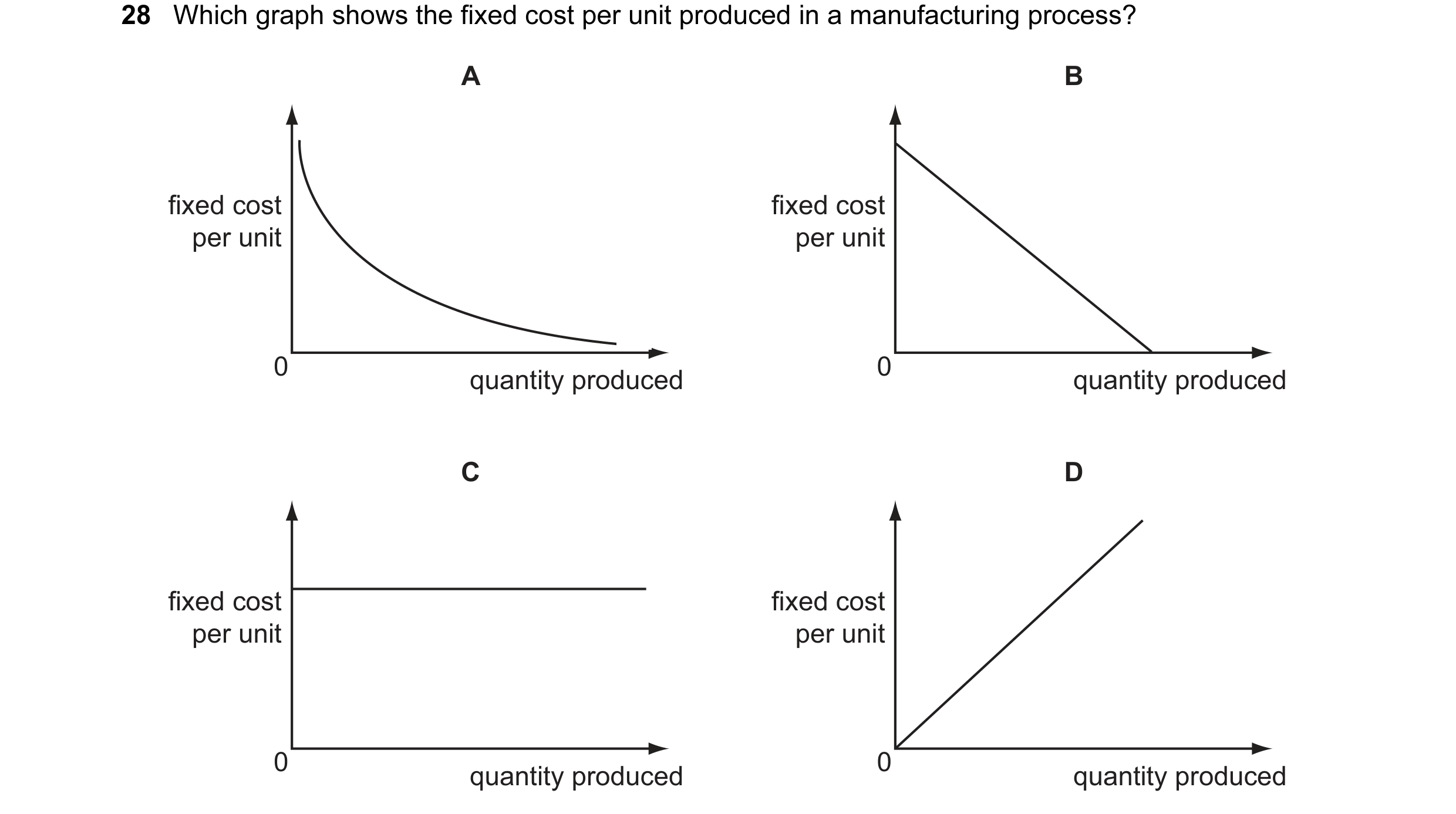

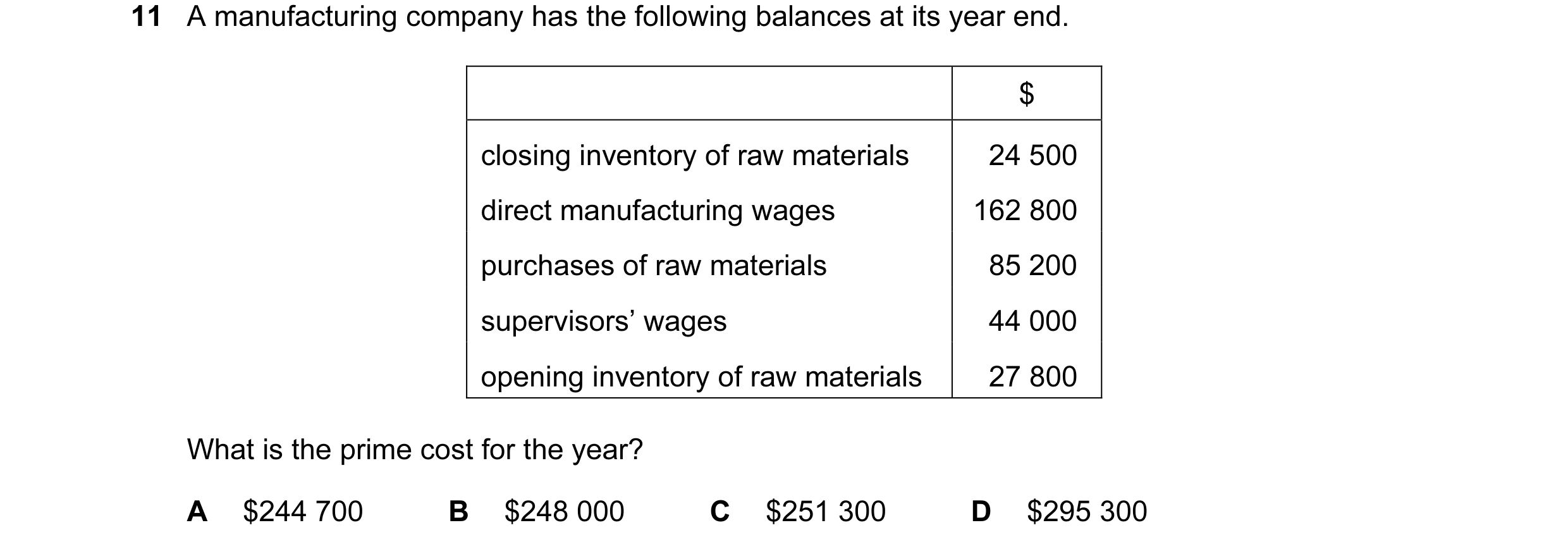
 17 / 105
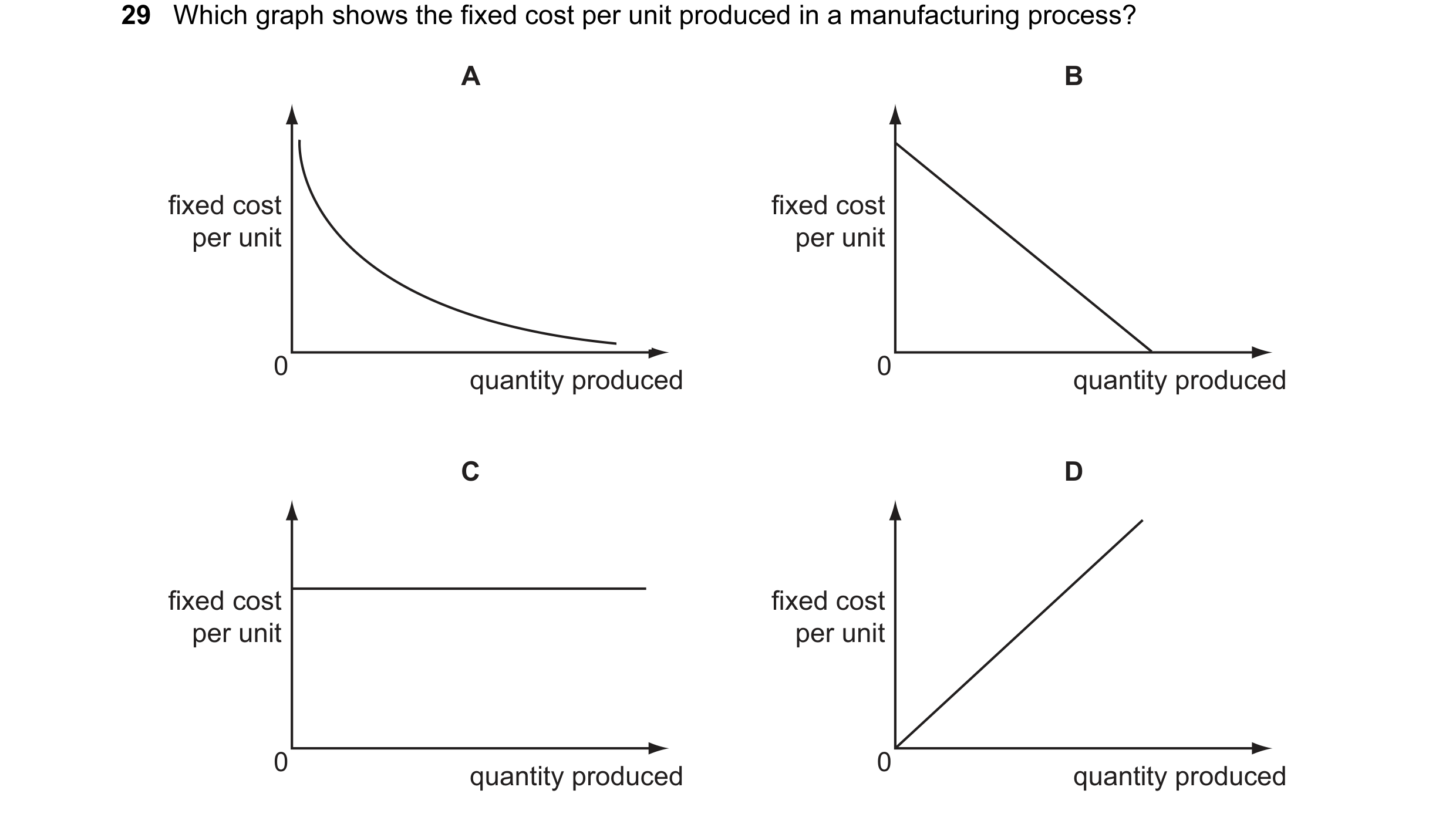
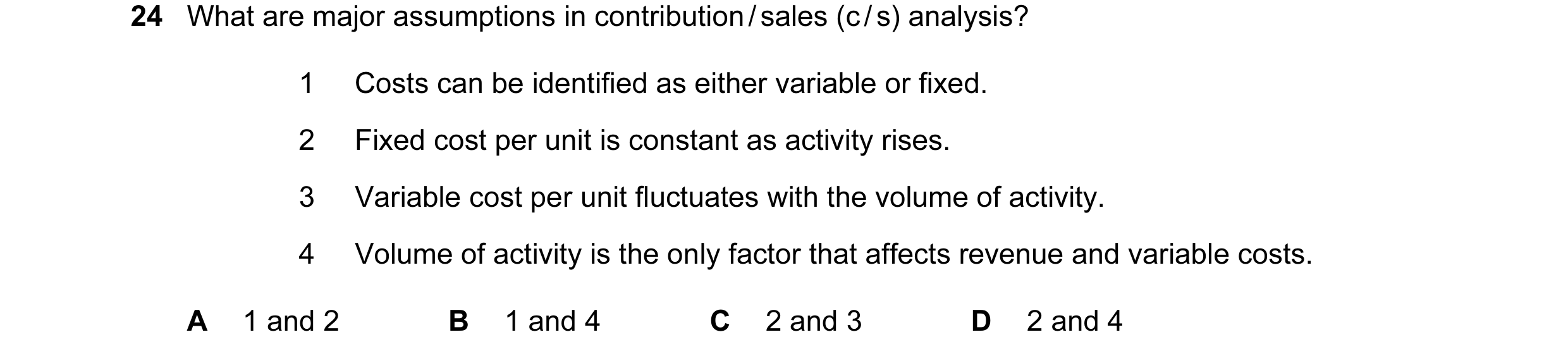 18 / 105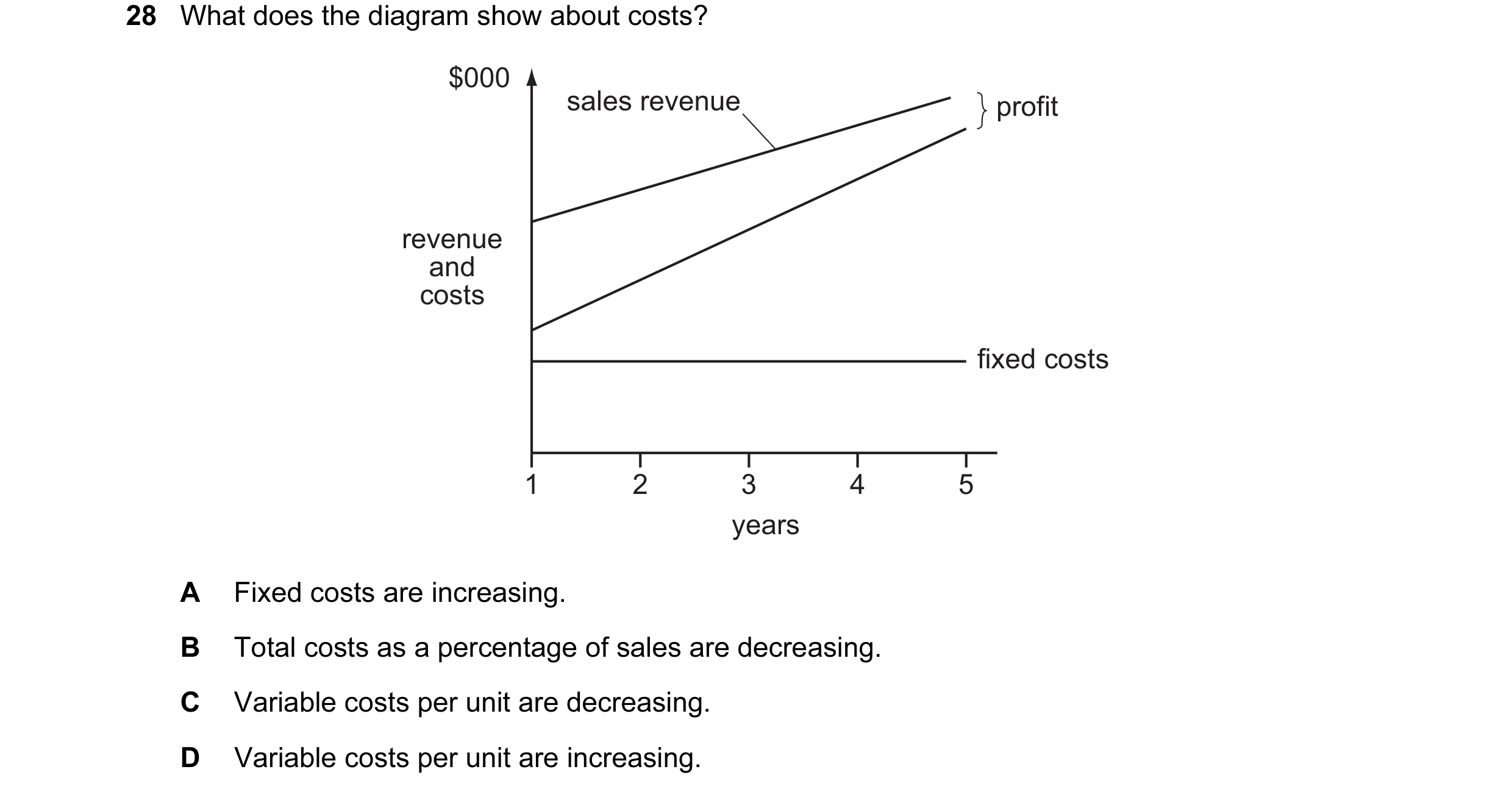
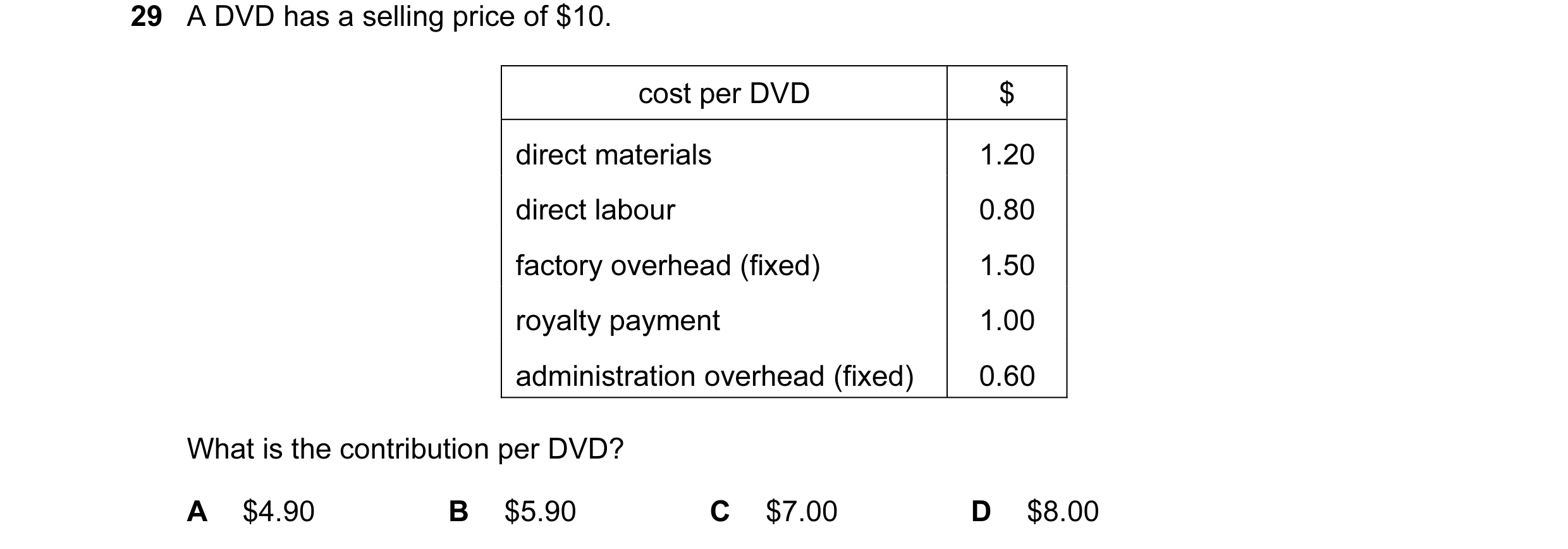
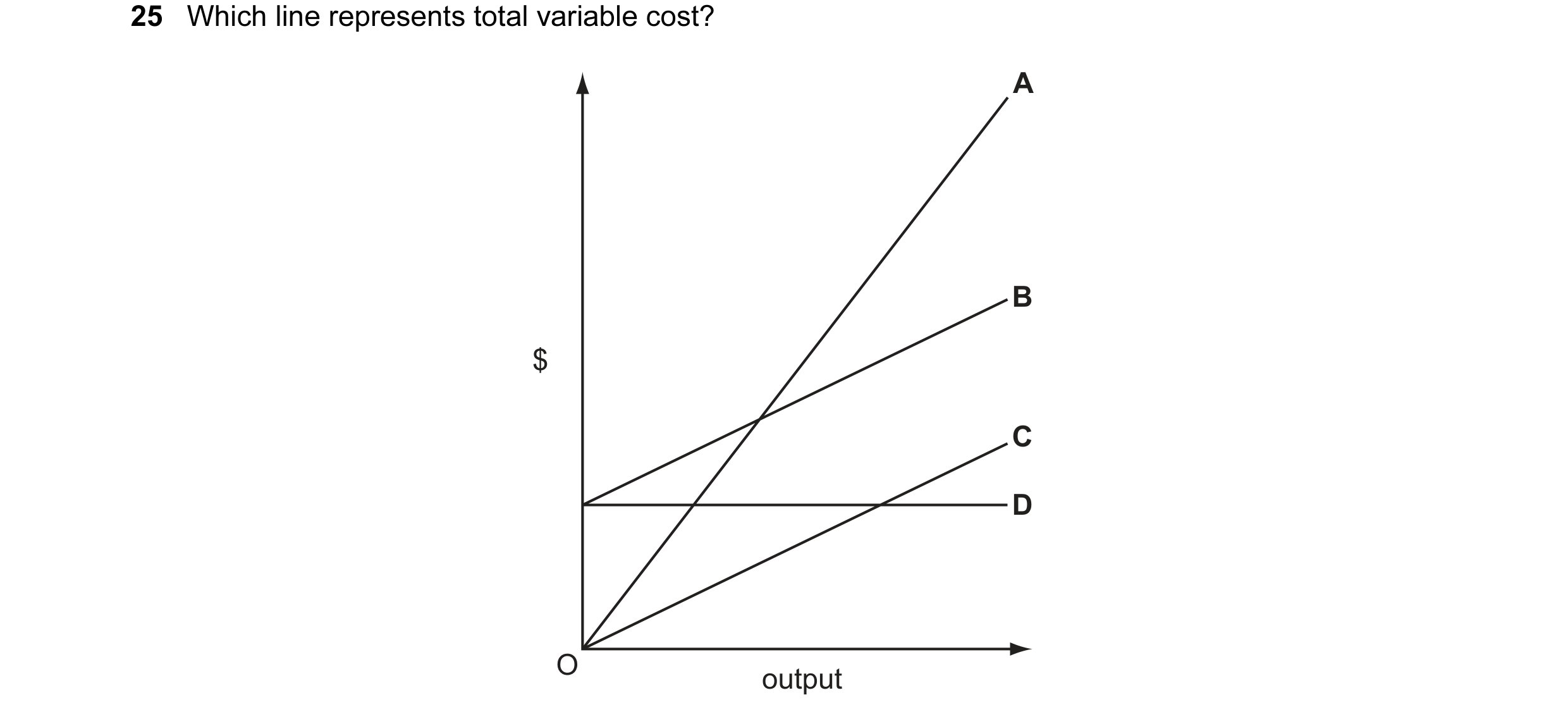 19 / 105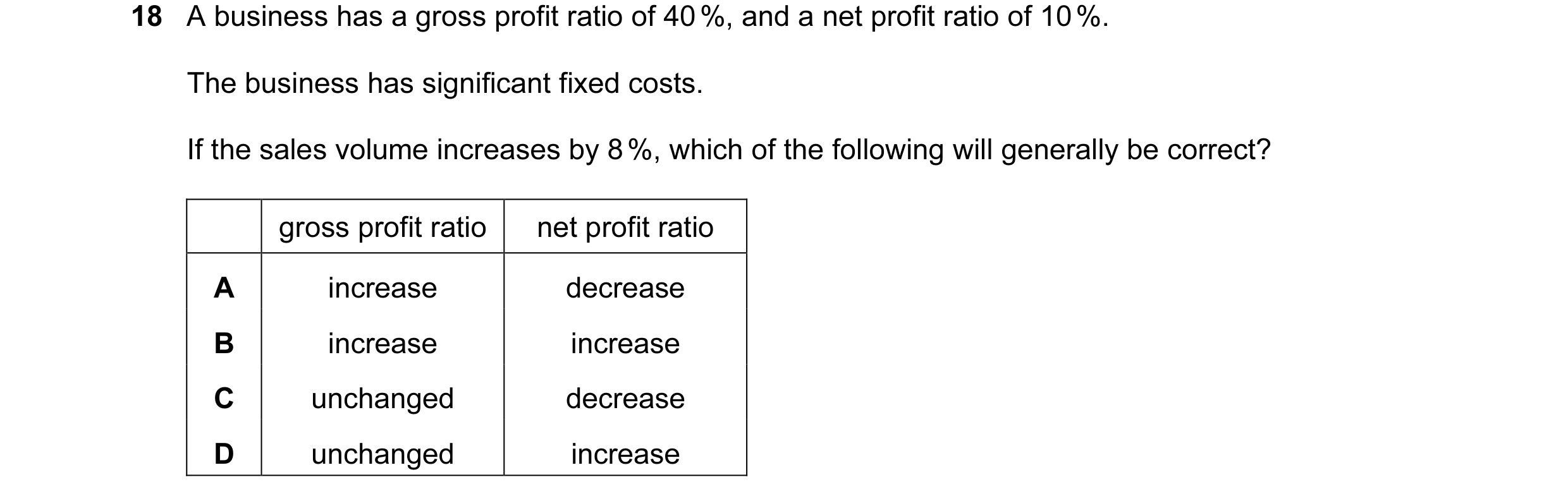
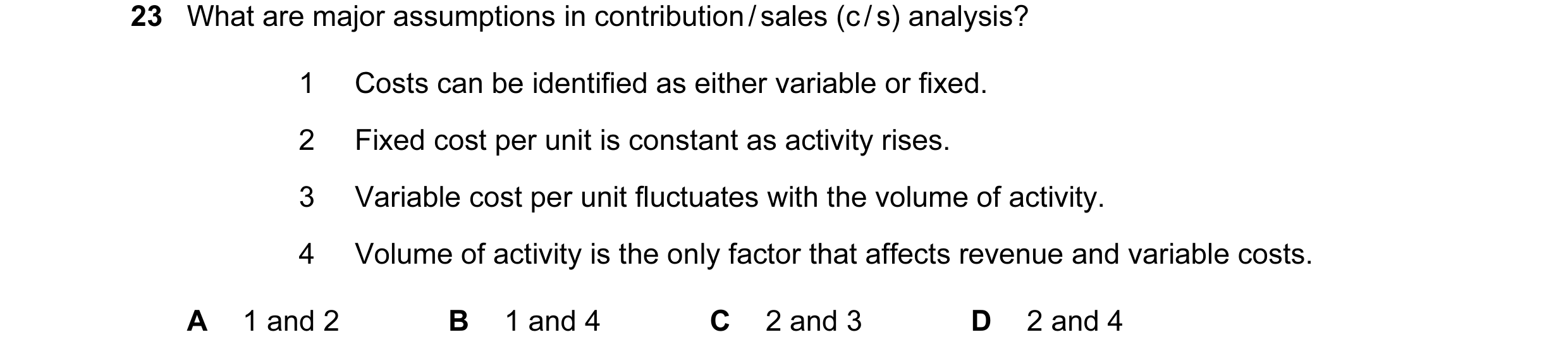
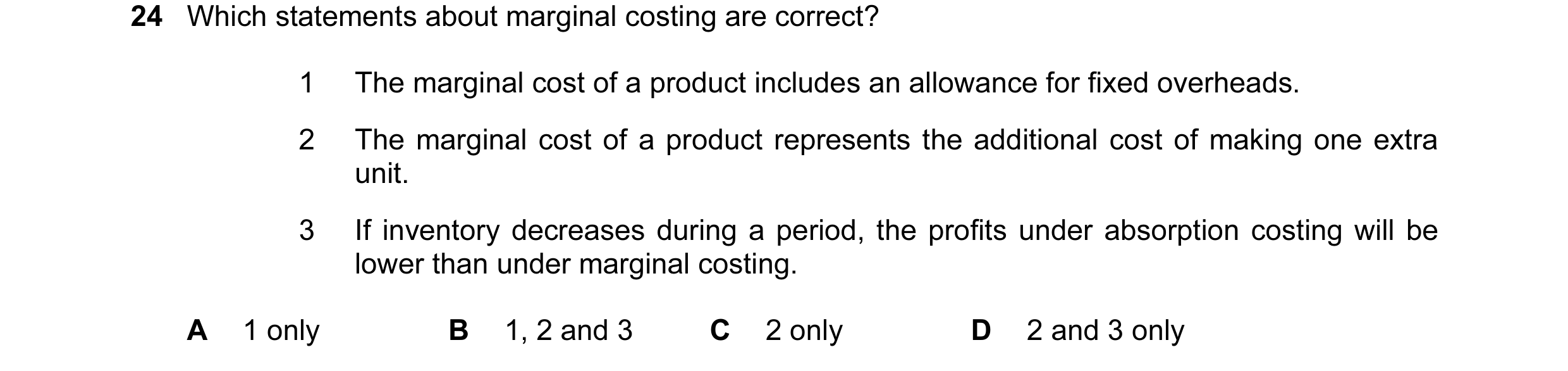
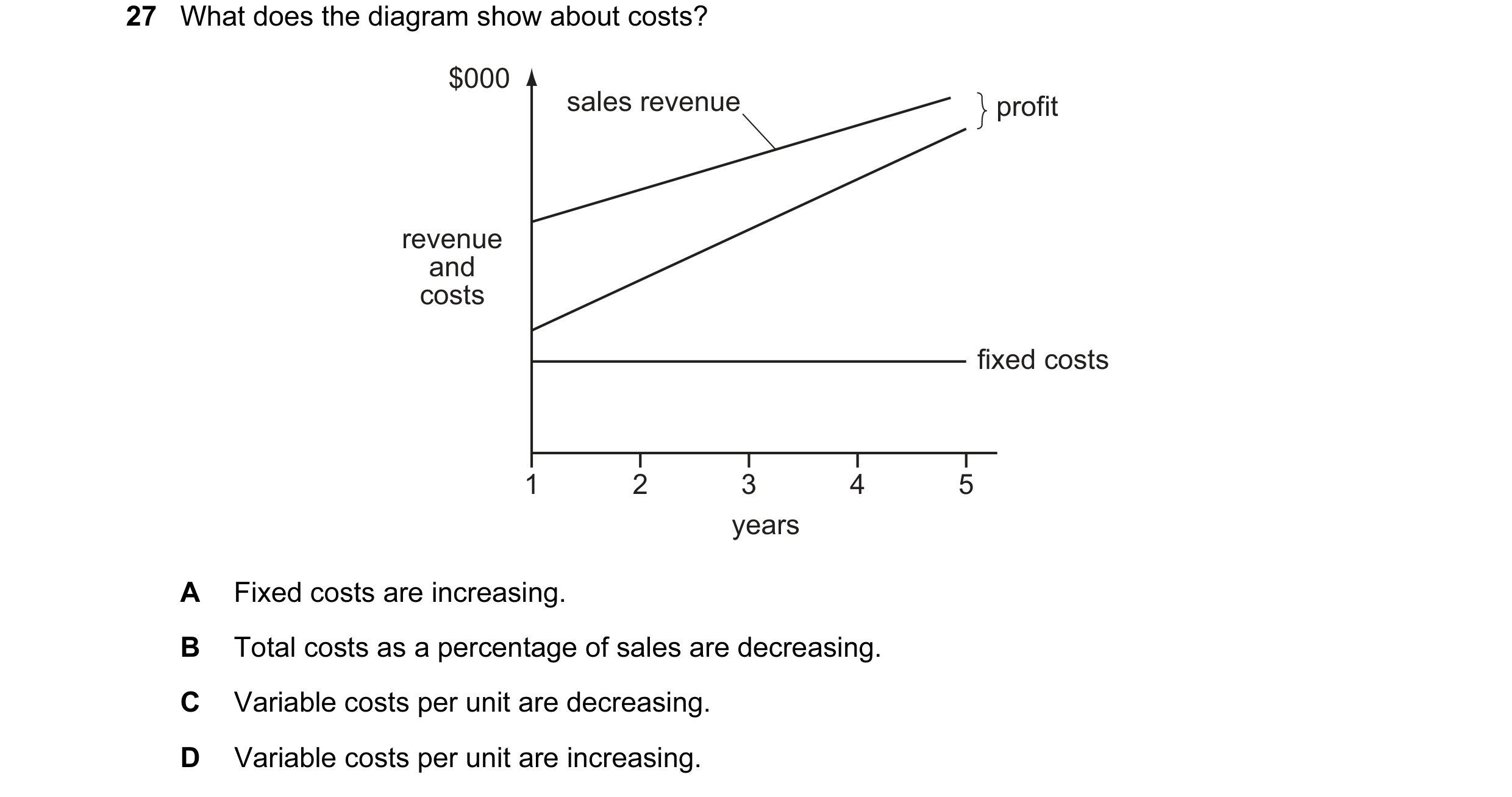 20 / 105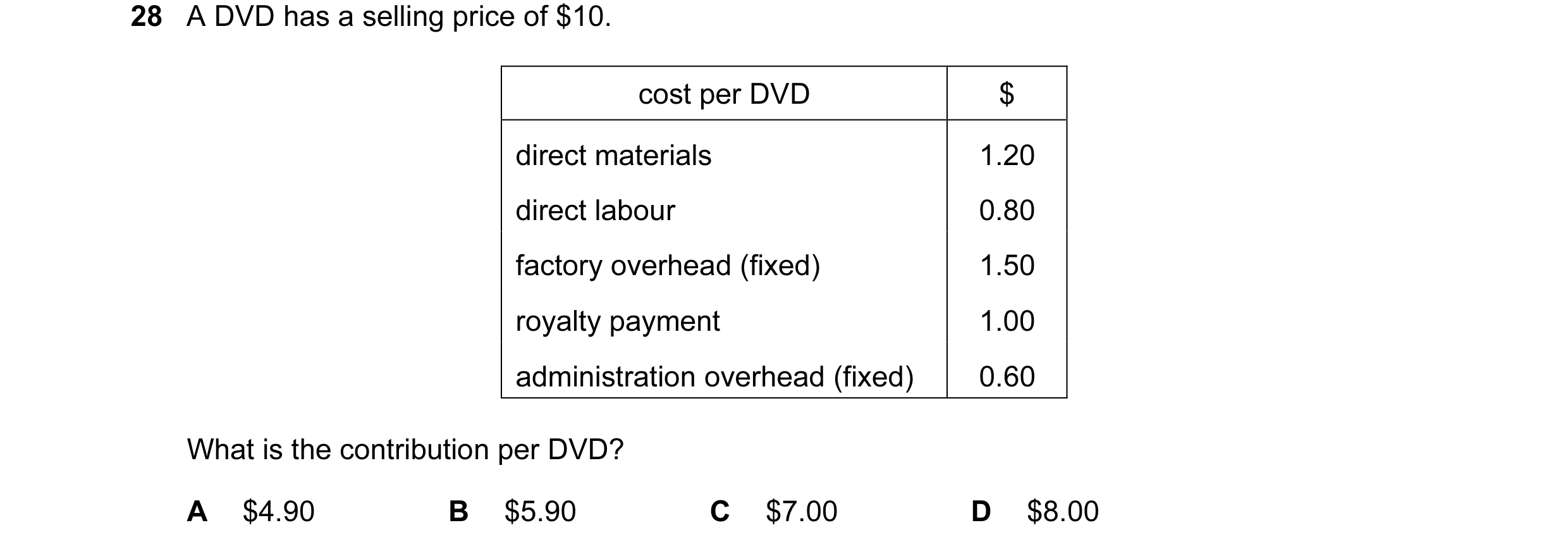

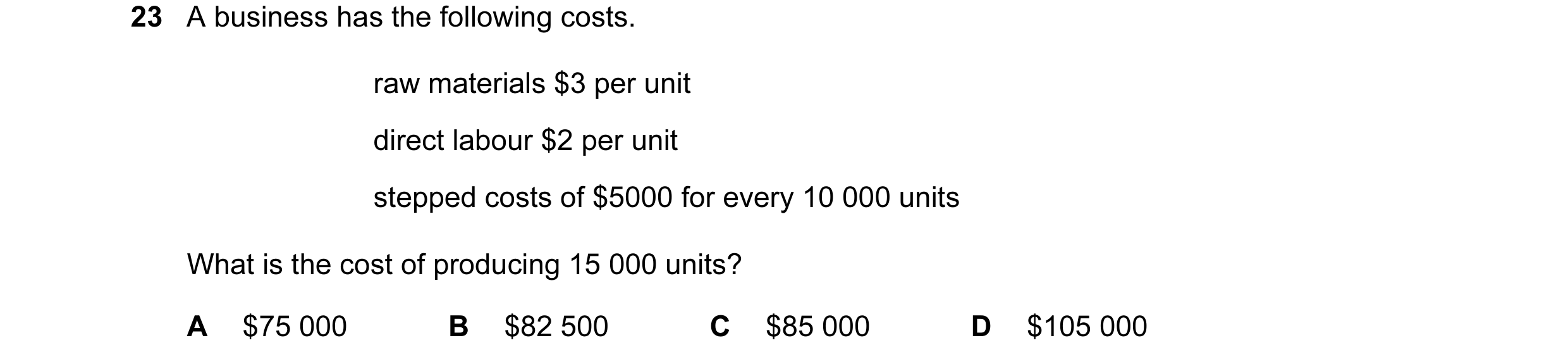

 21 / 105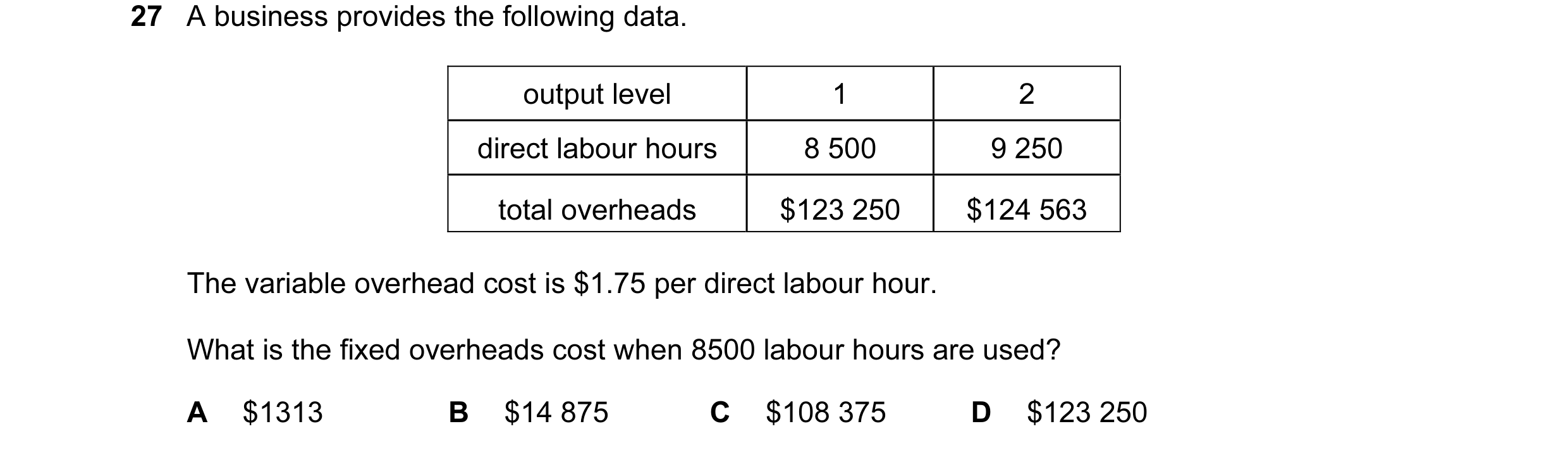
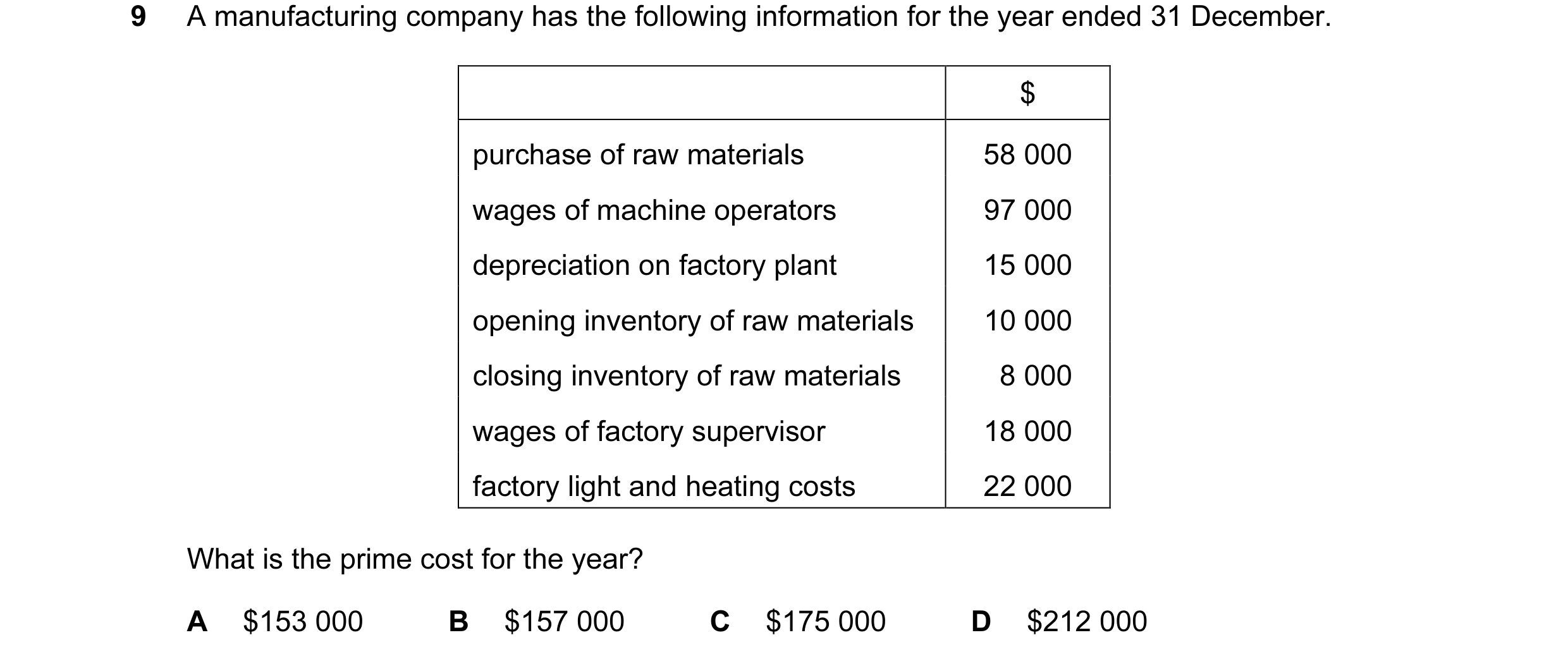

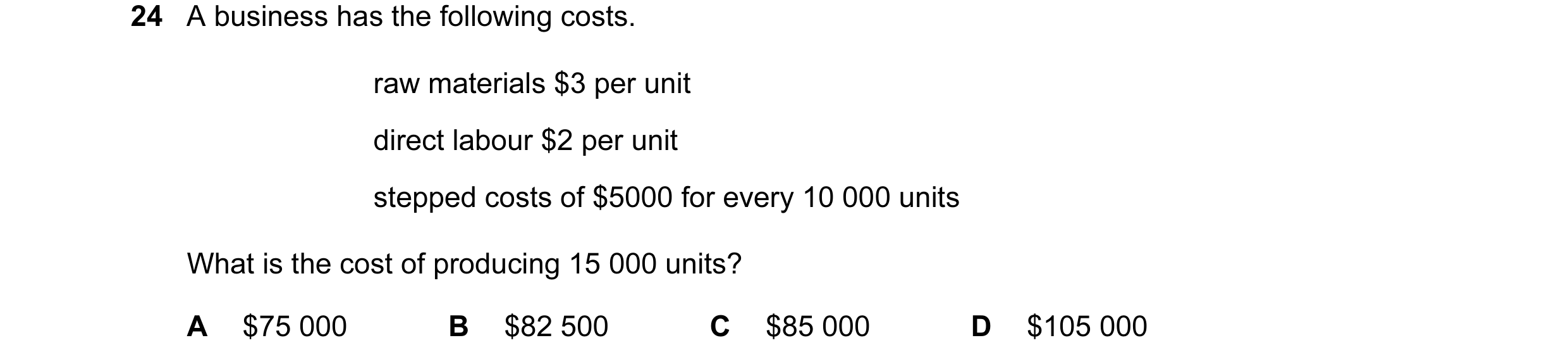
 22 / 105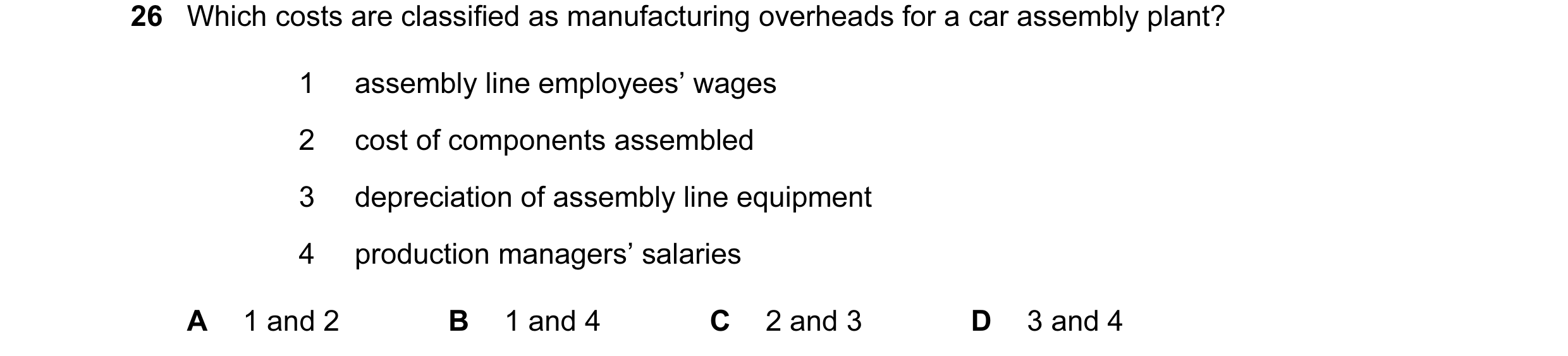
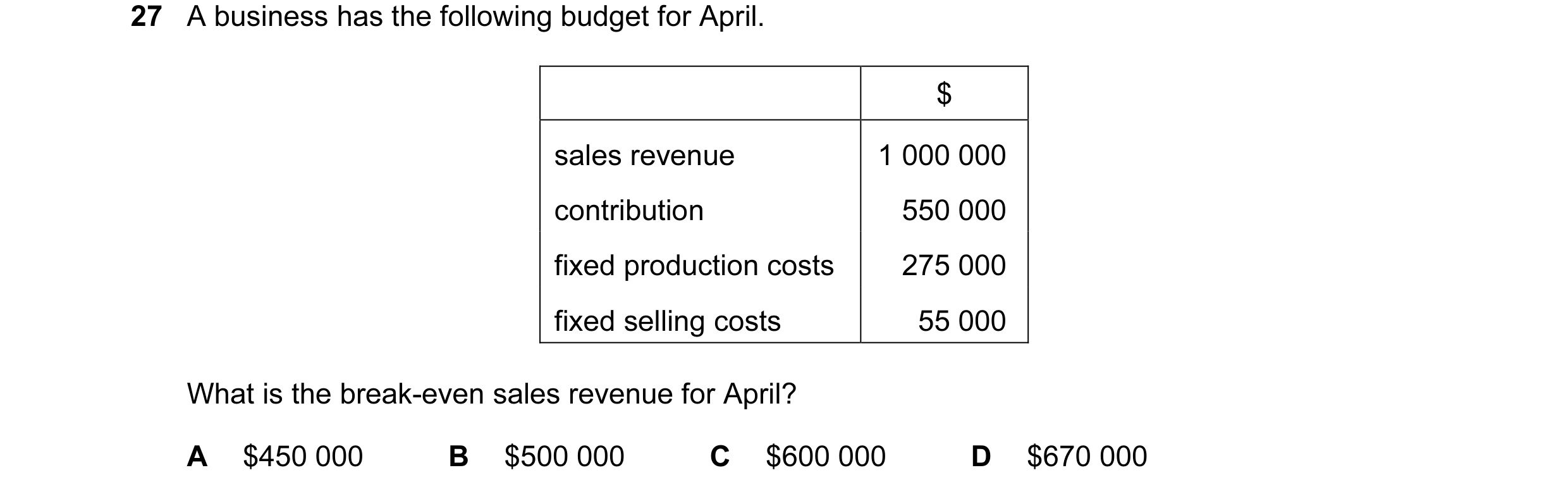
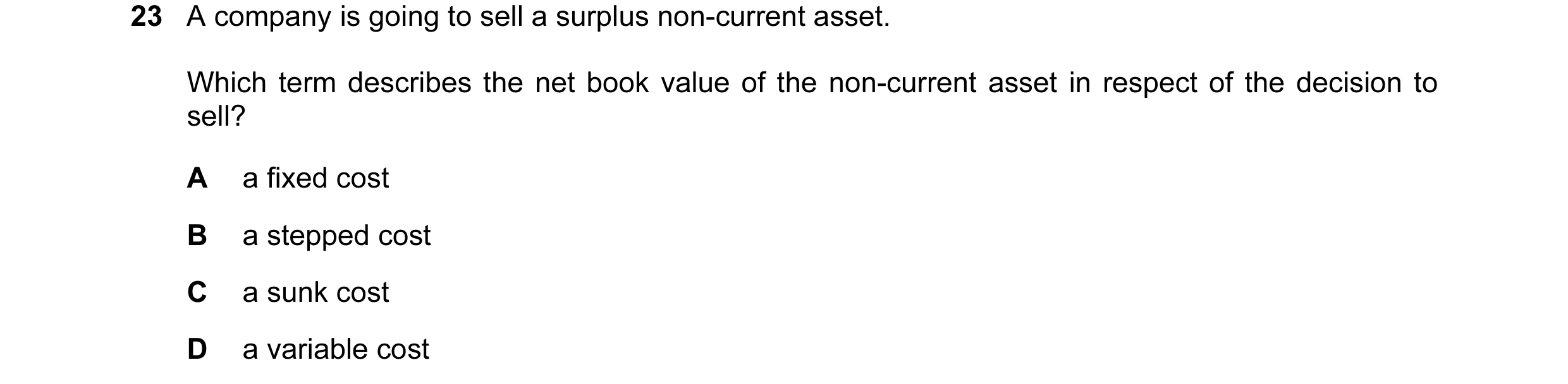
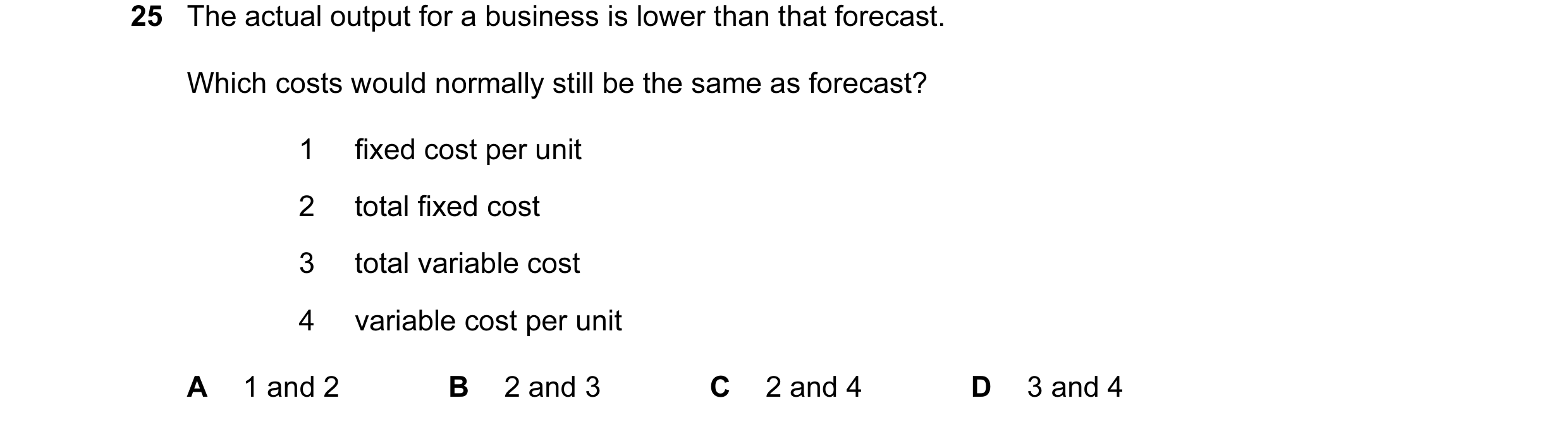 23 / 105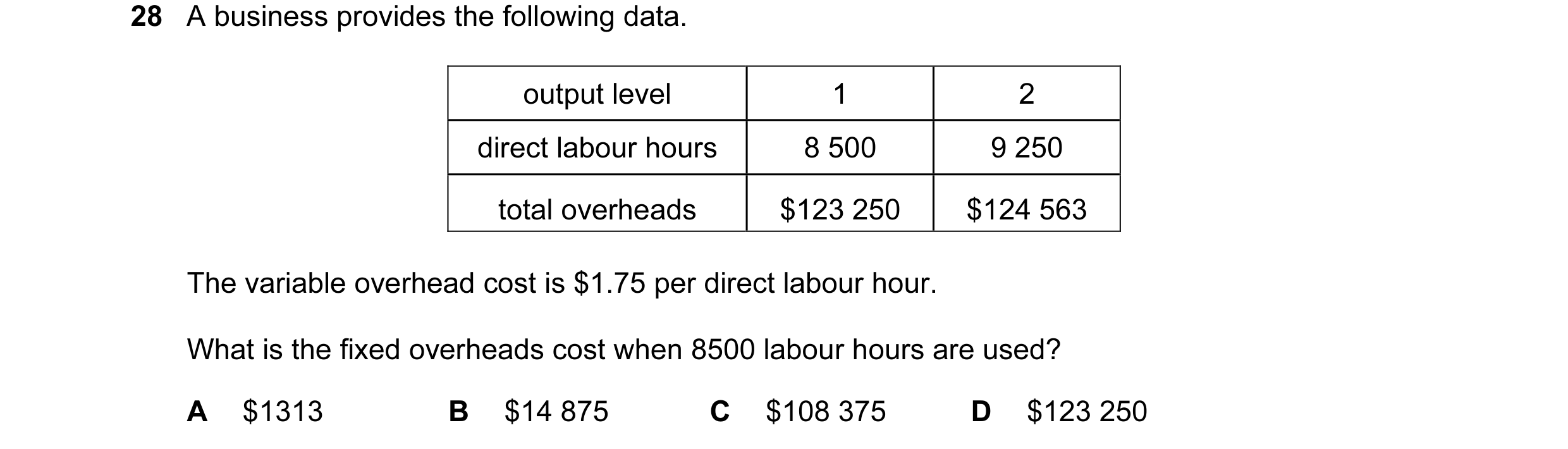
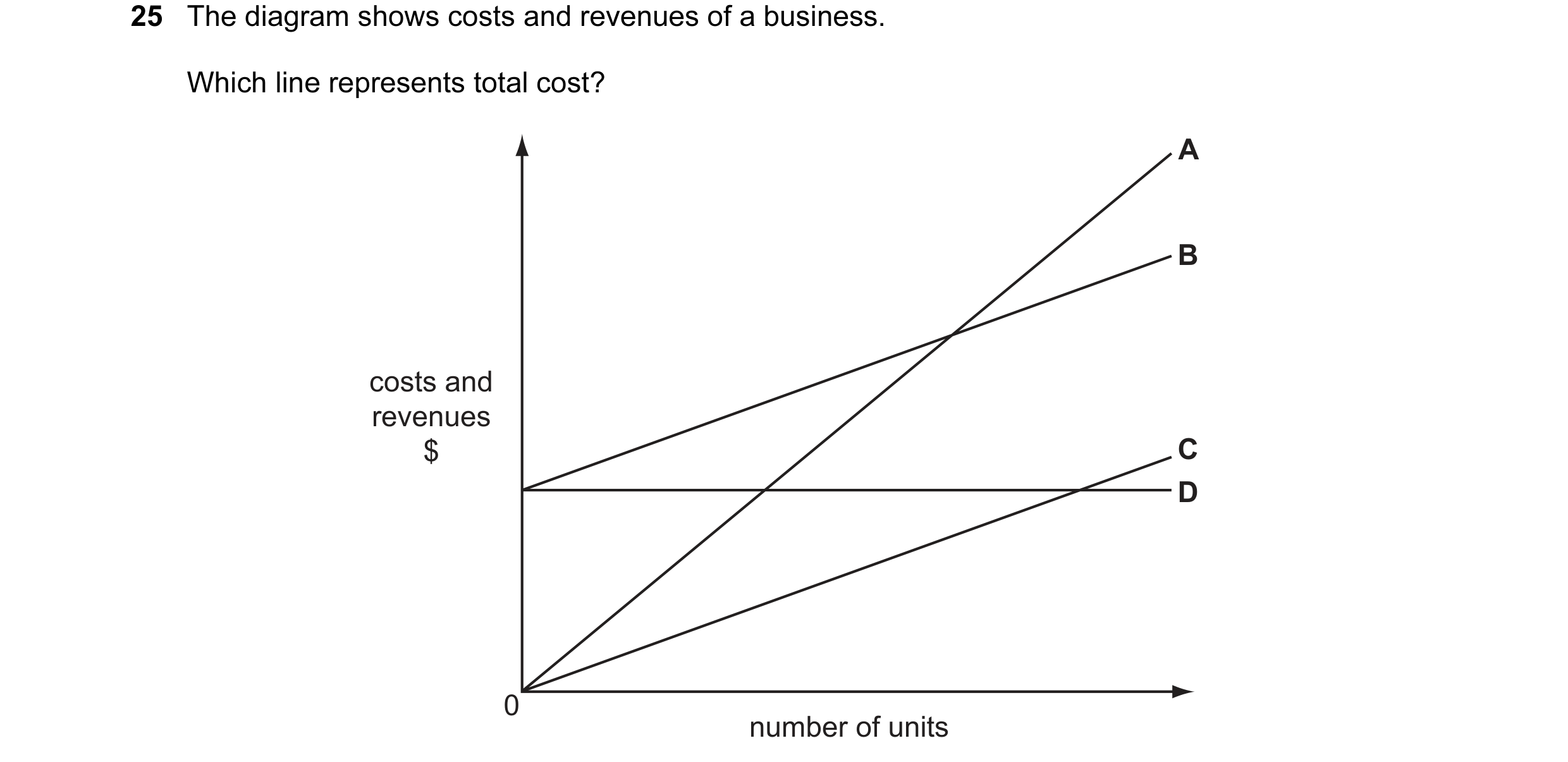

 24 / 105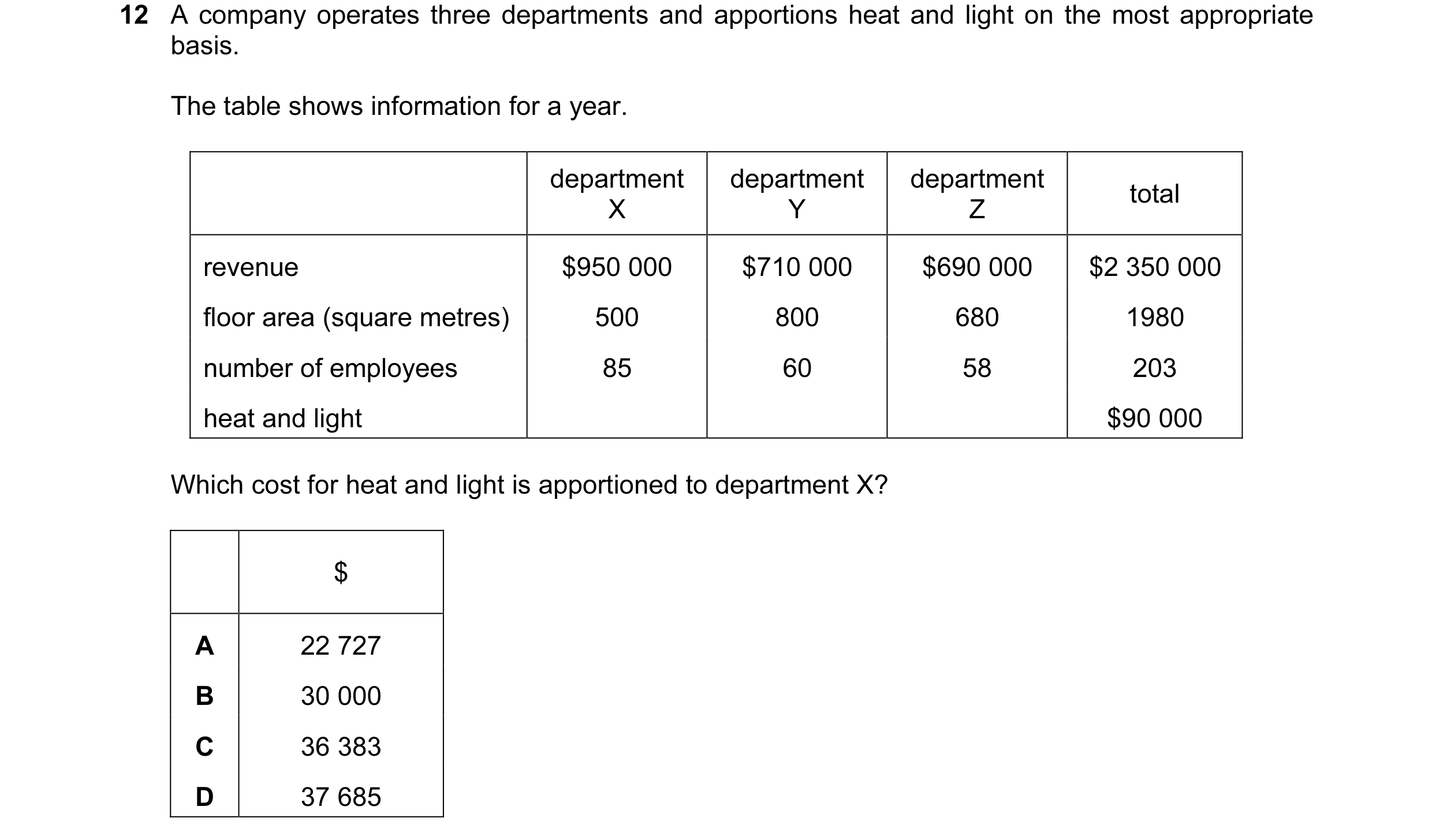
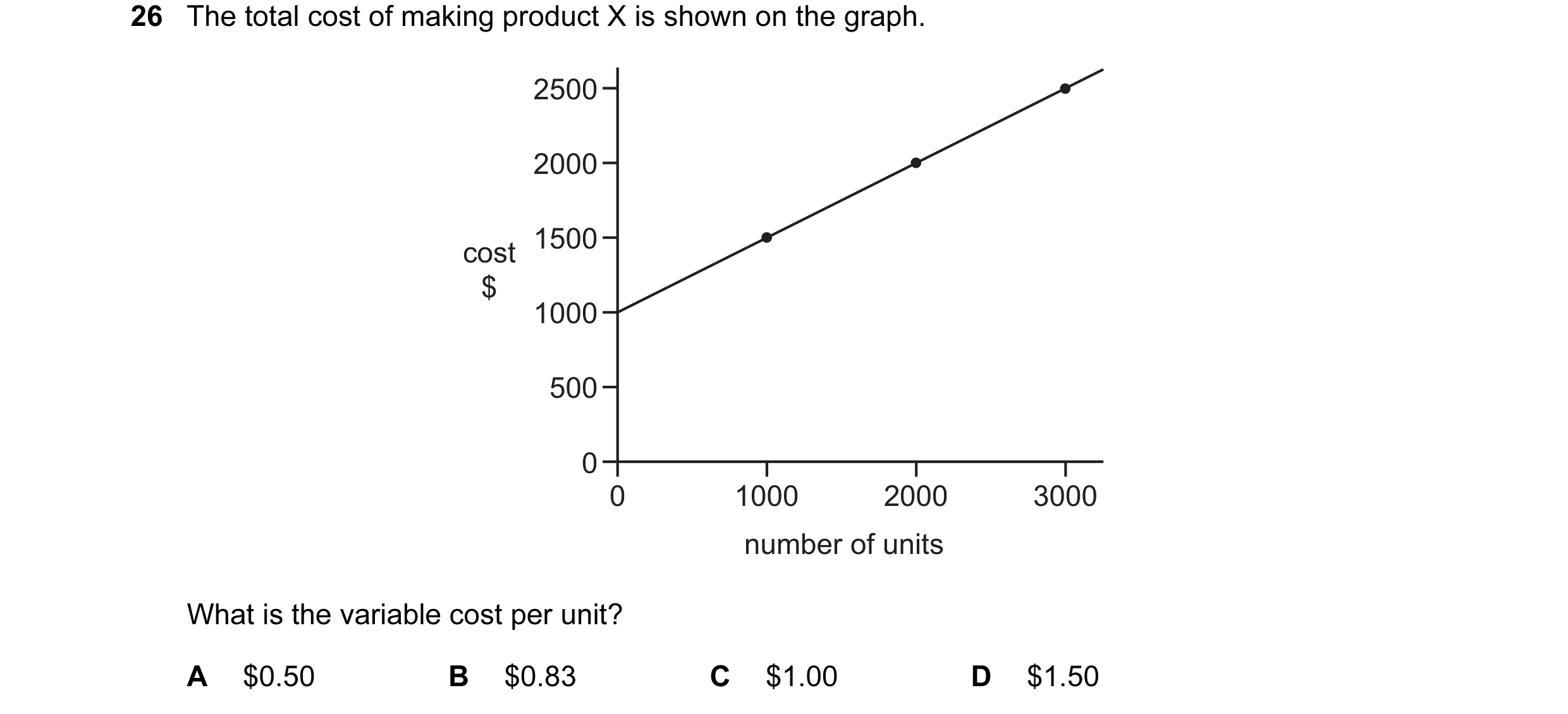 25 / 105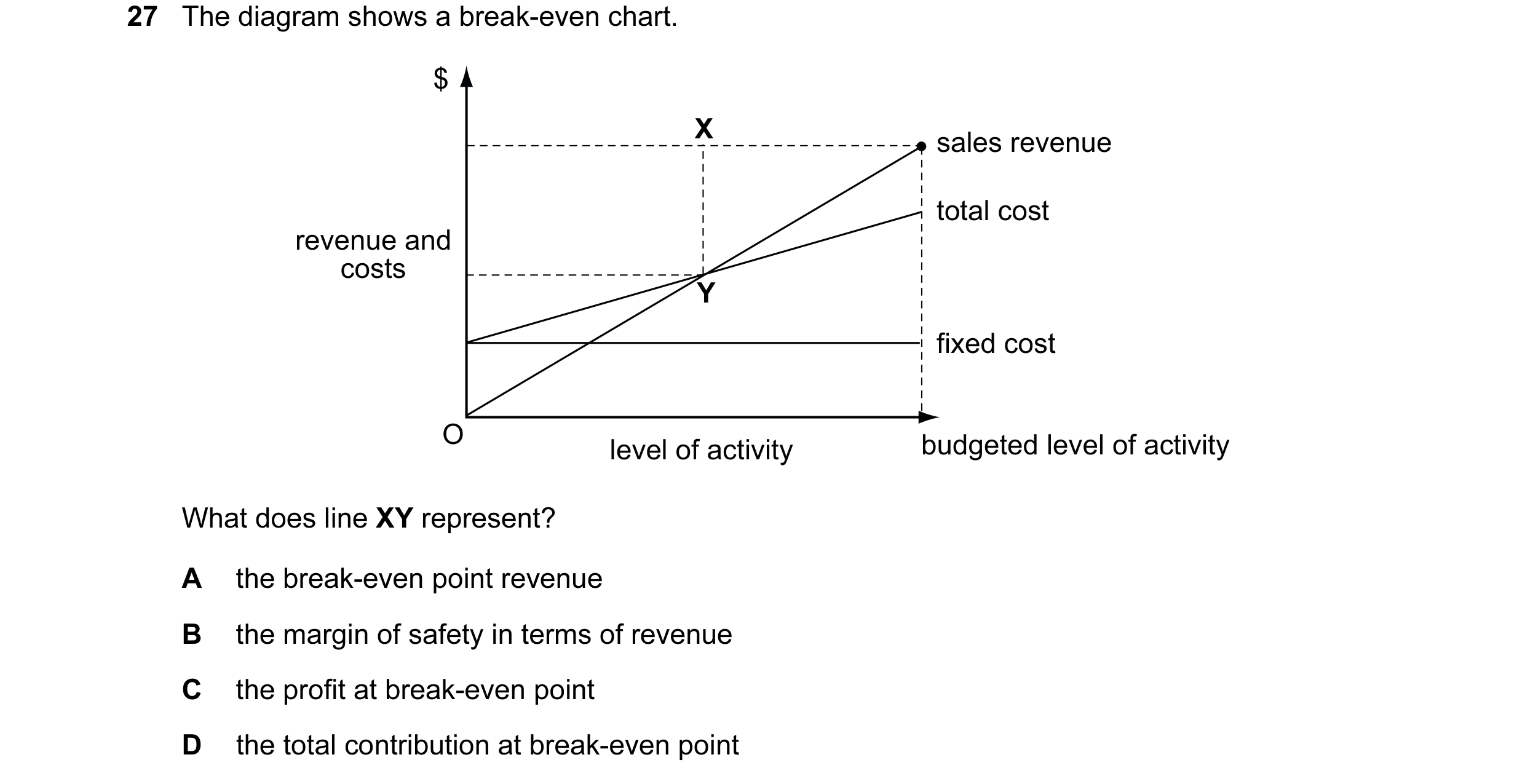
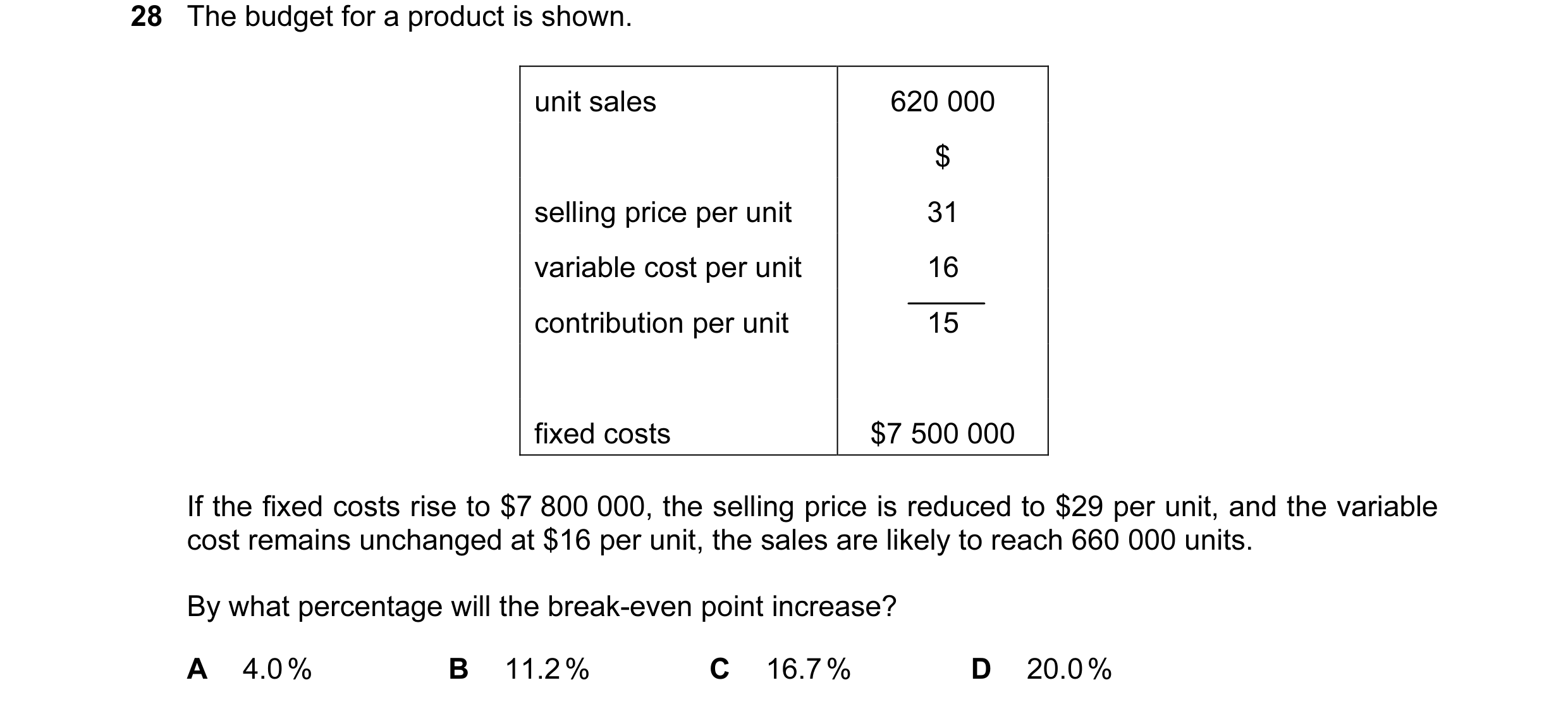
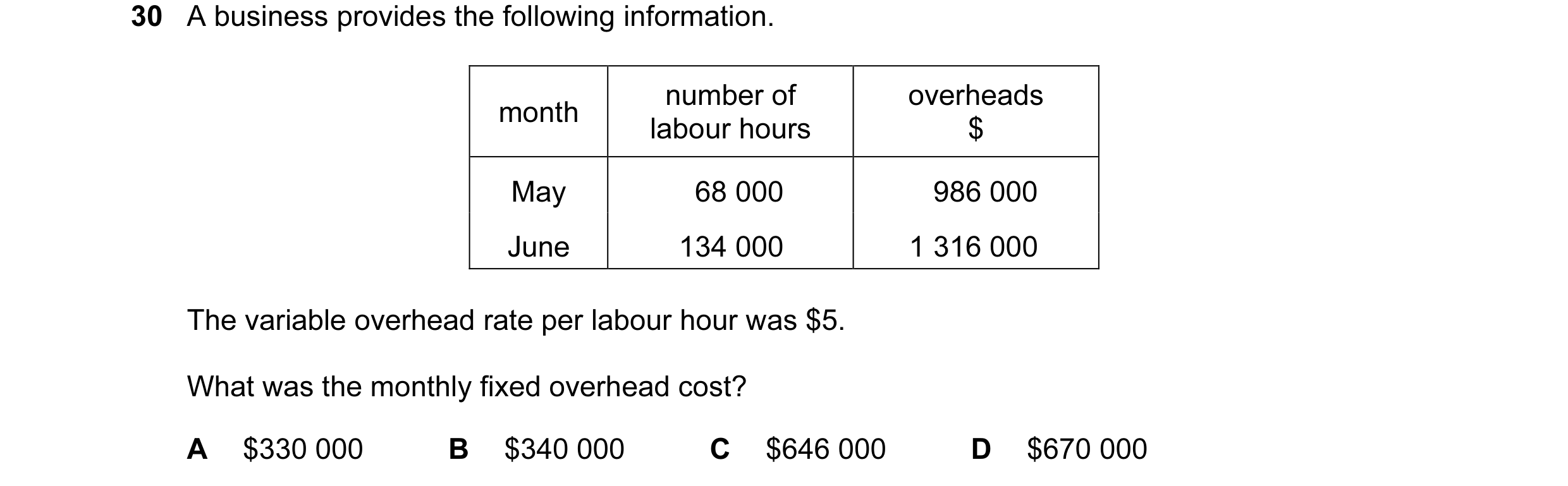 26 / 105
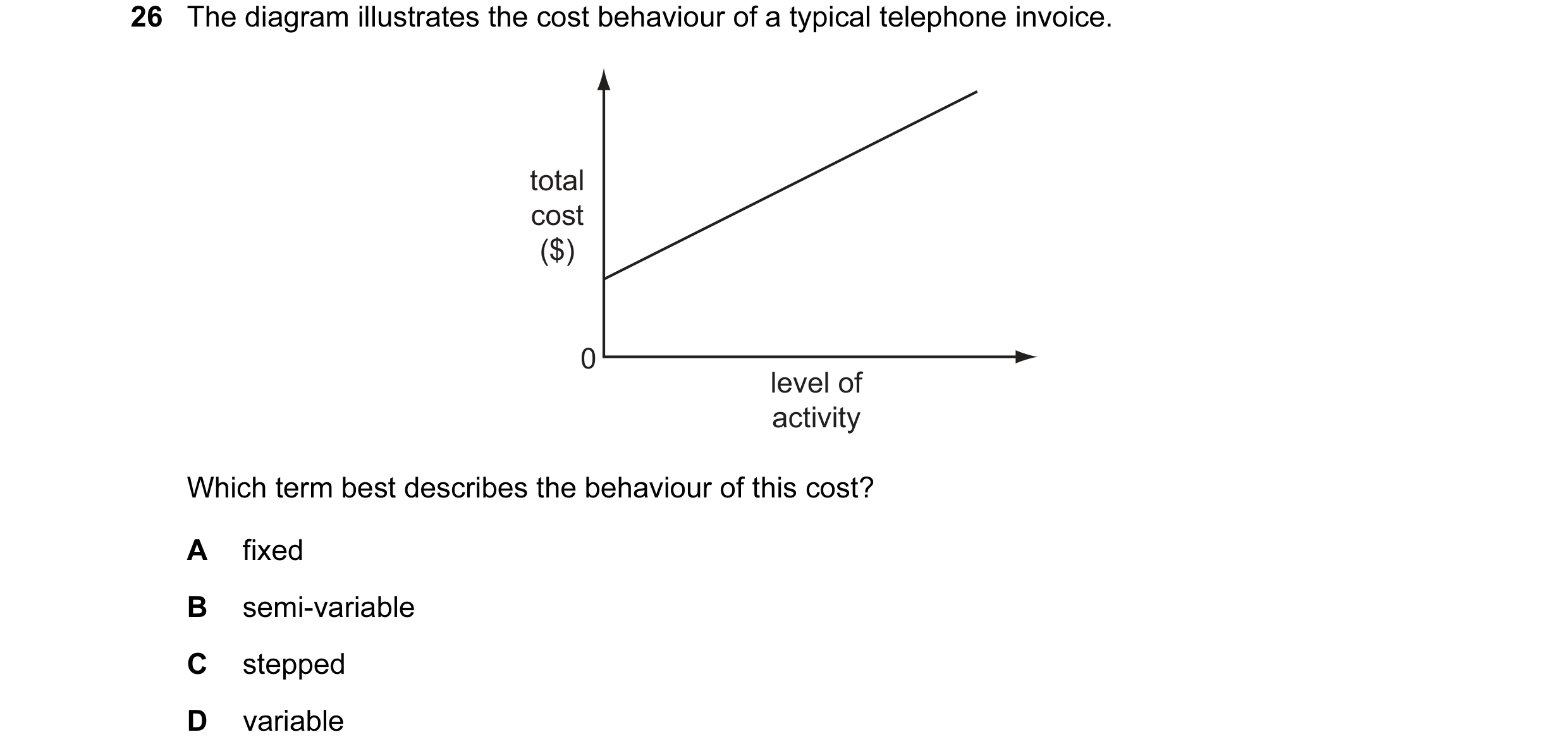
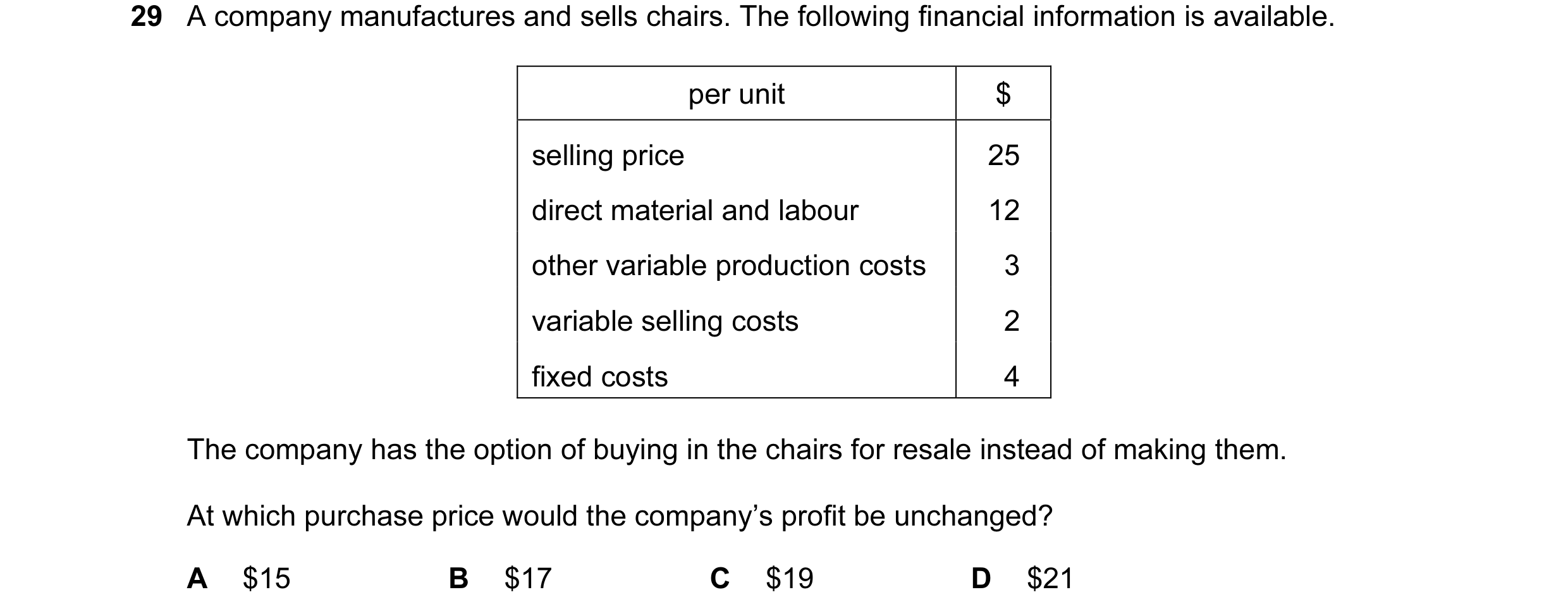
 27 / 105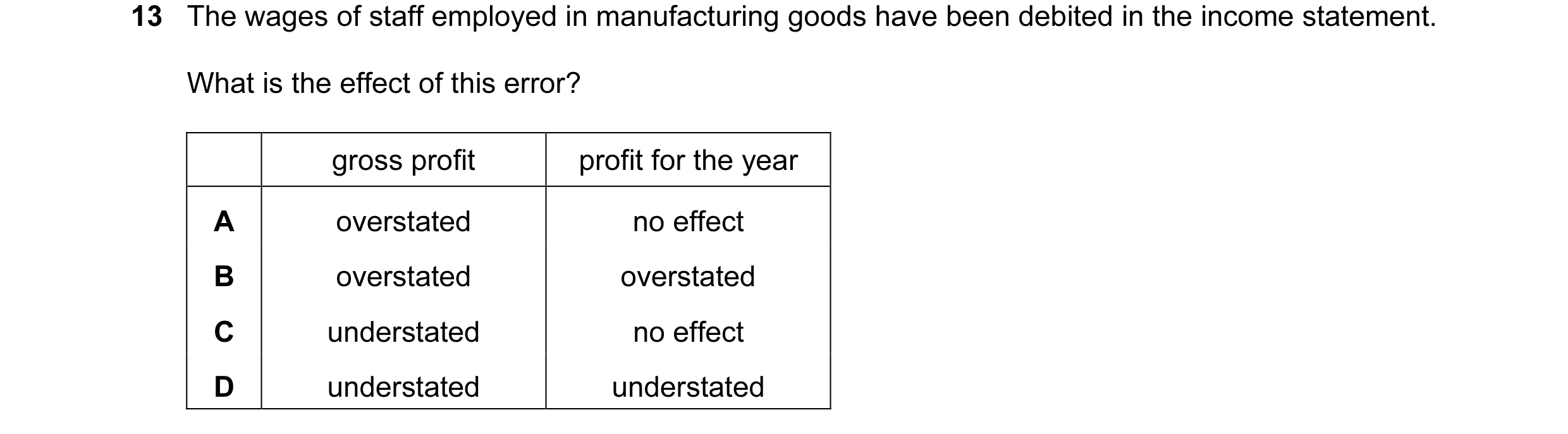
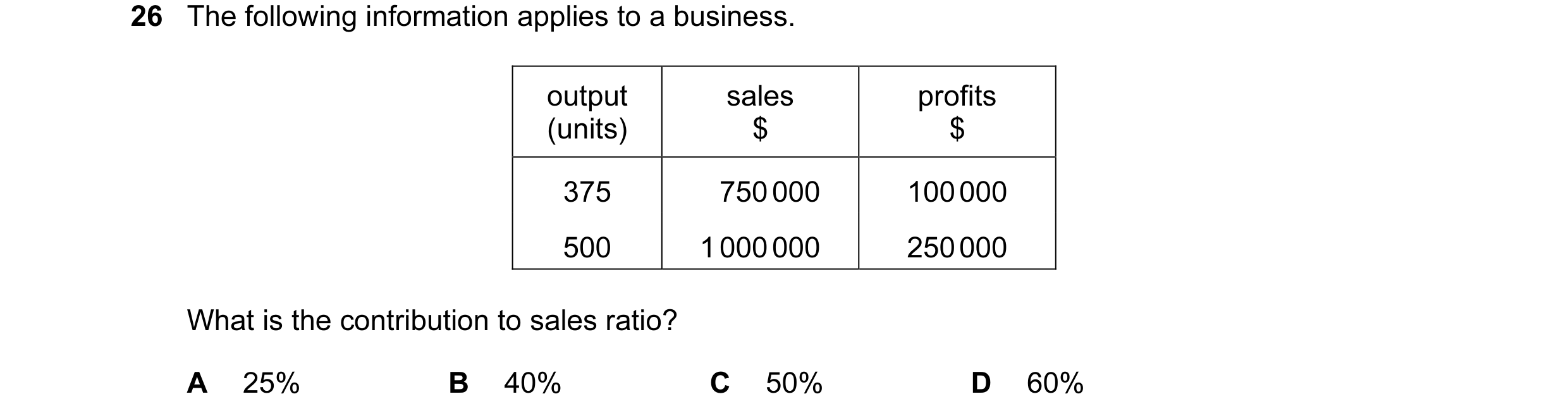
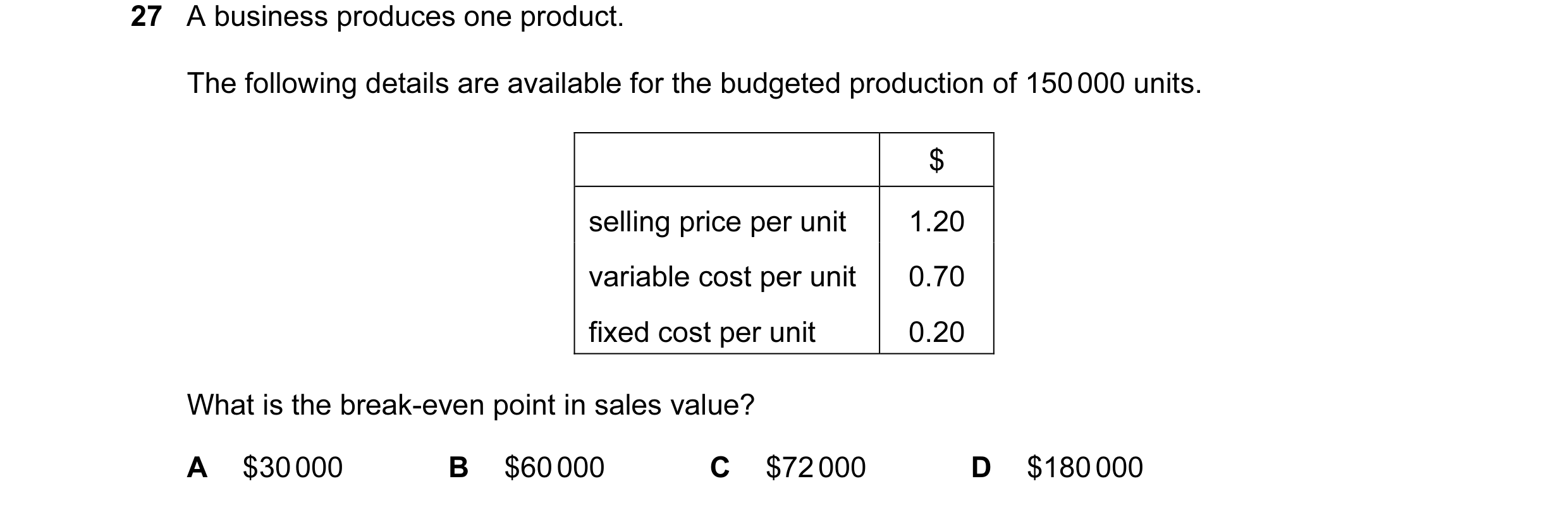
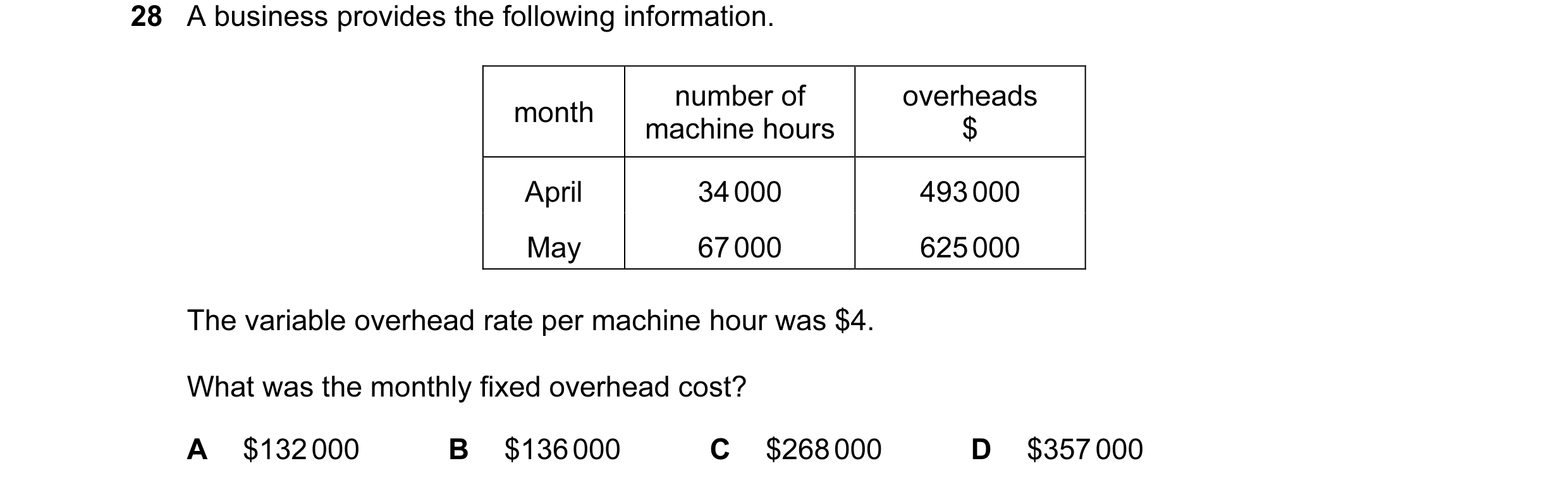 28 / 105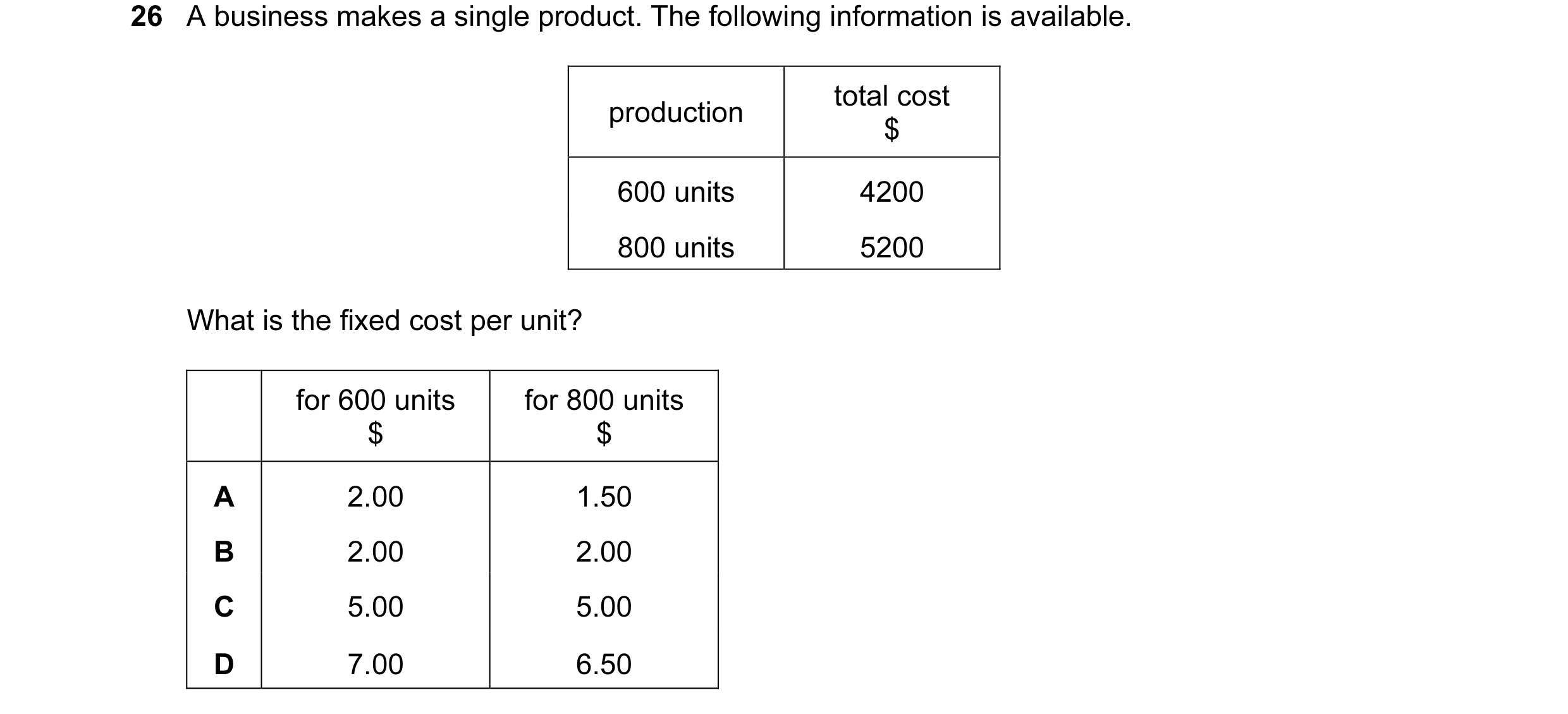

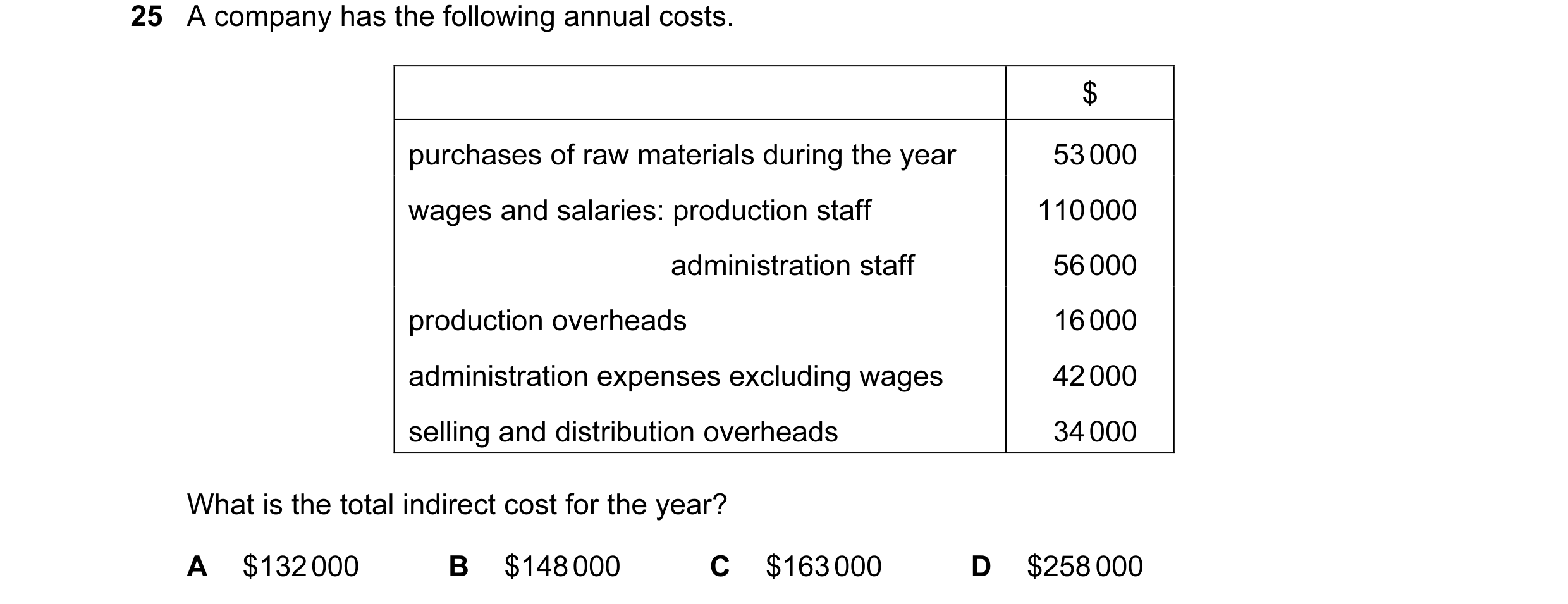
 29 / 105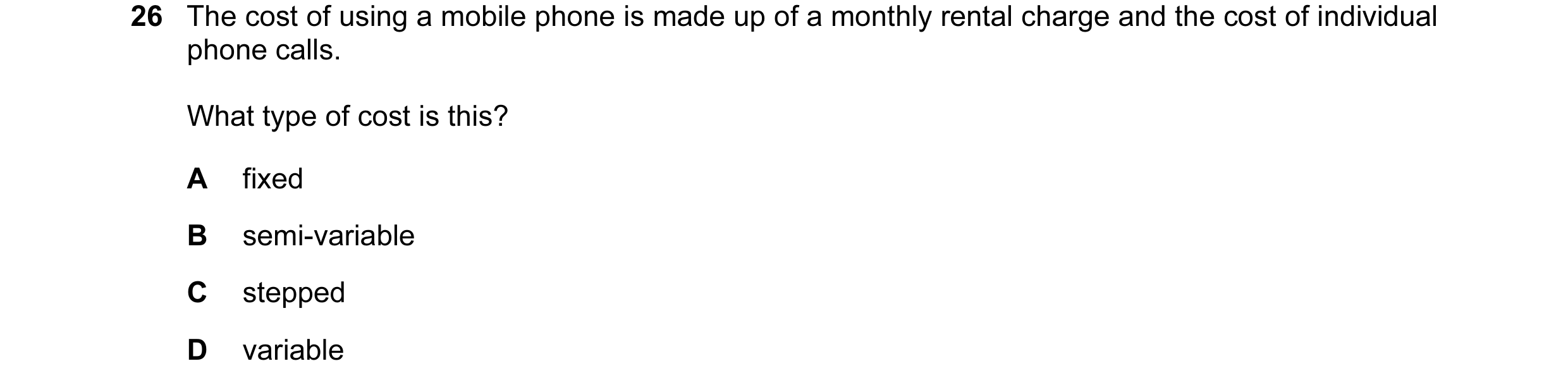
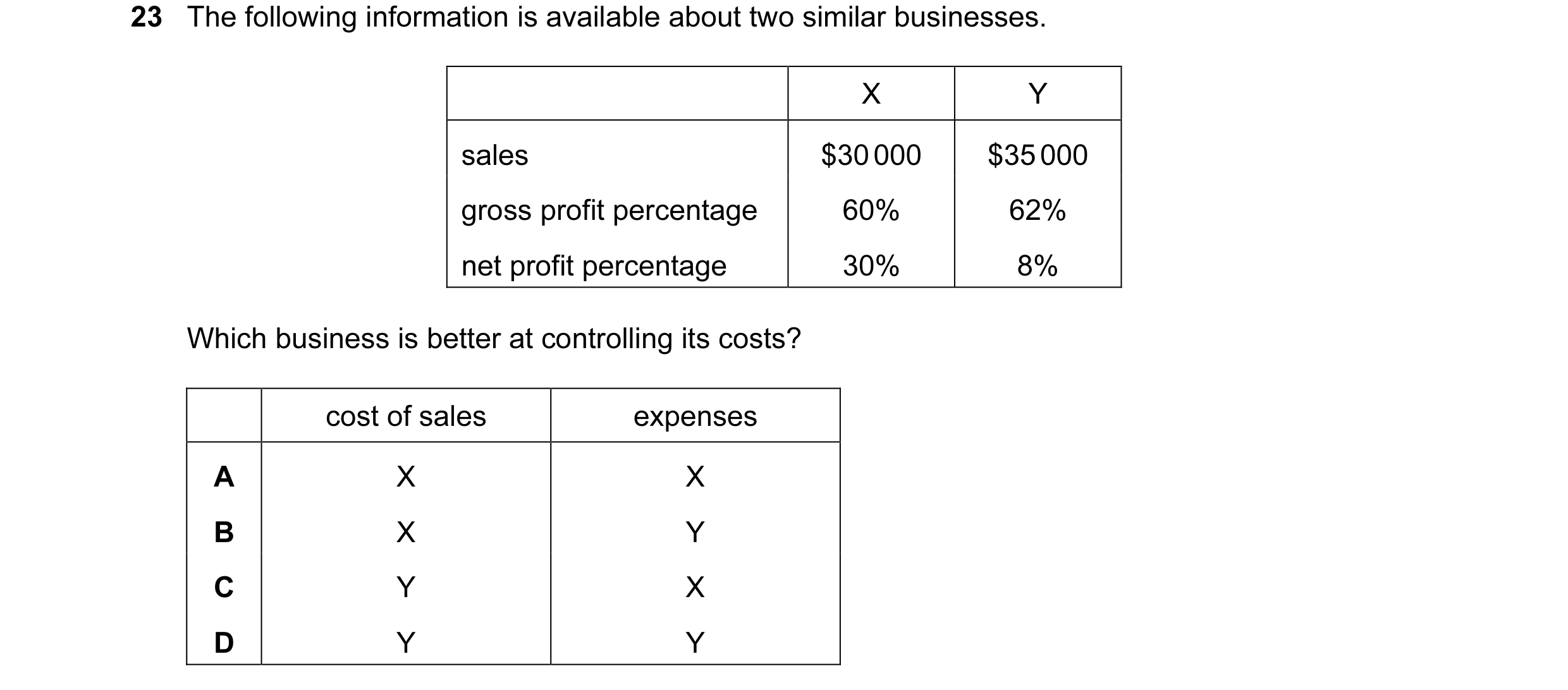

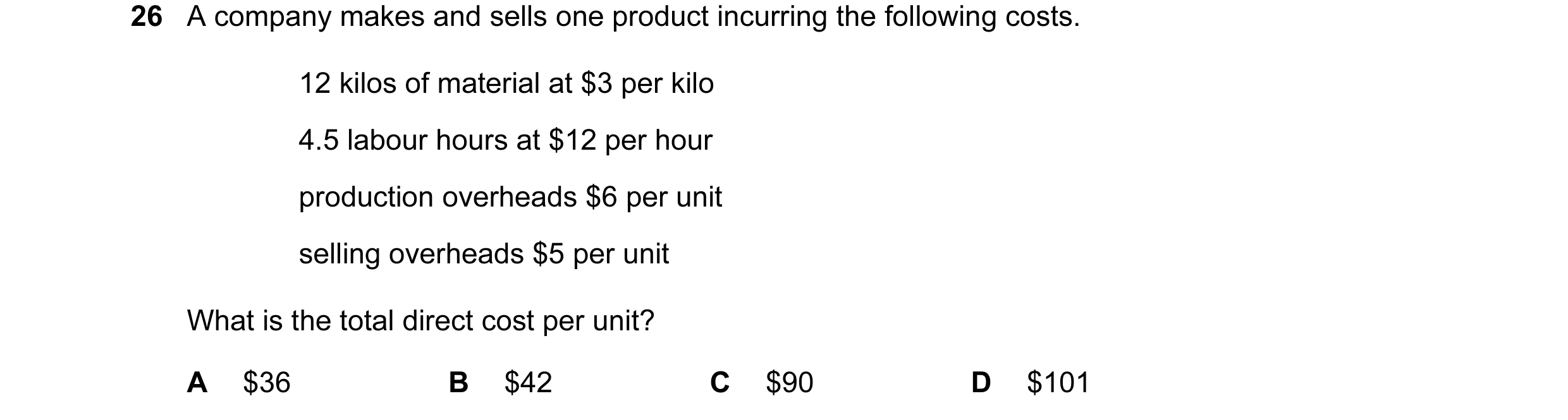 30 / 105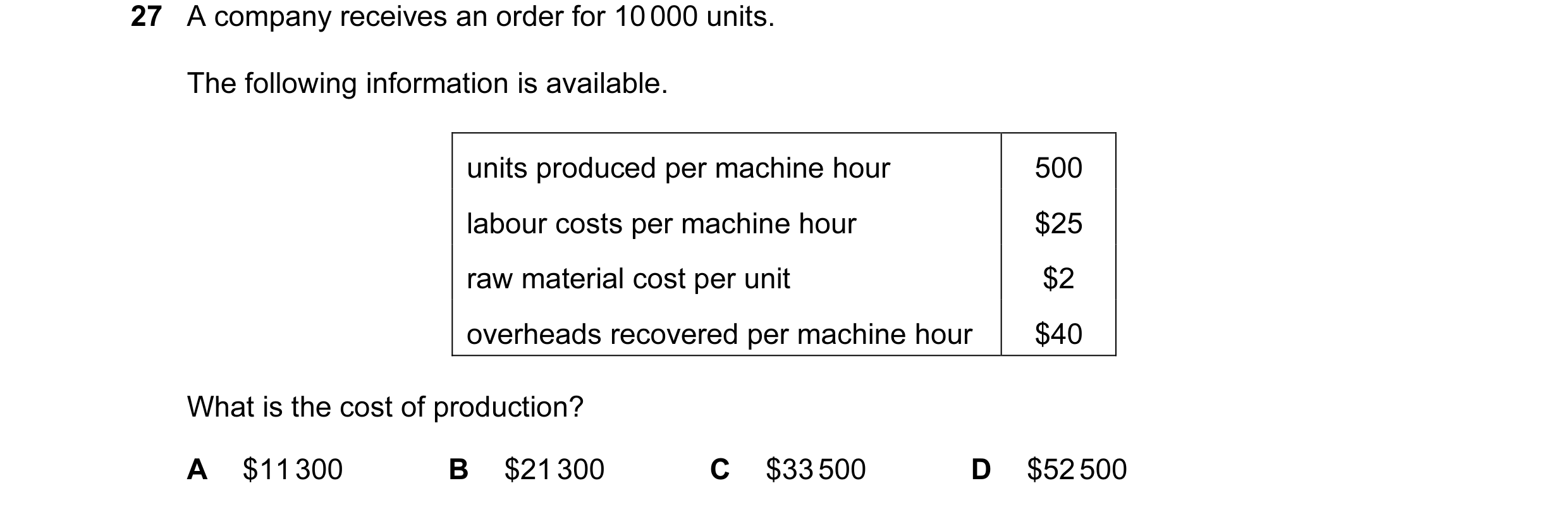
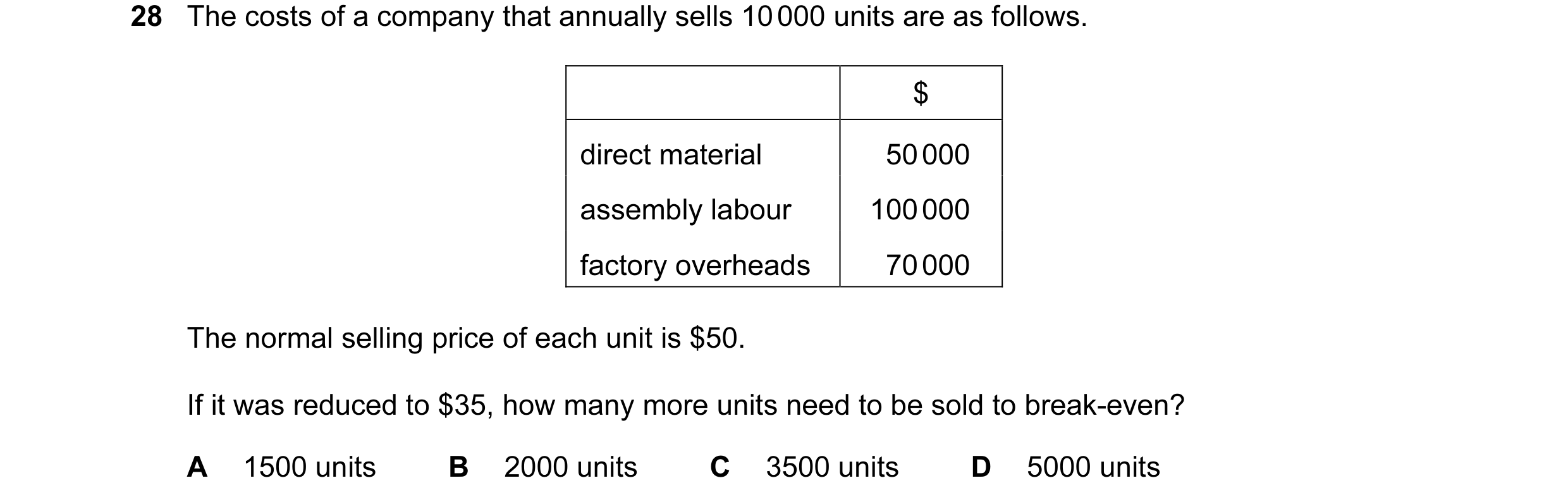


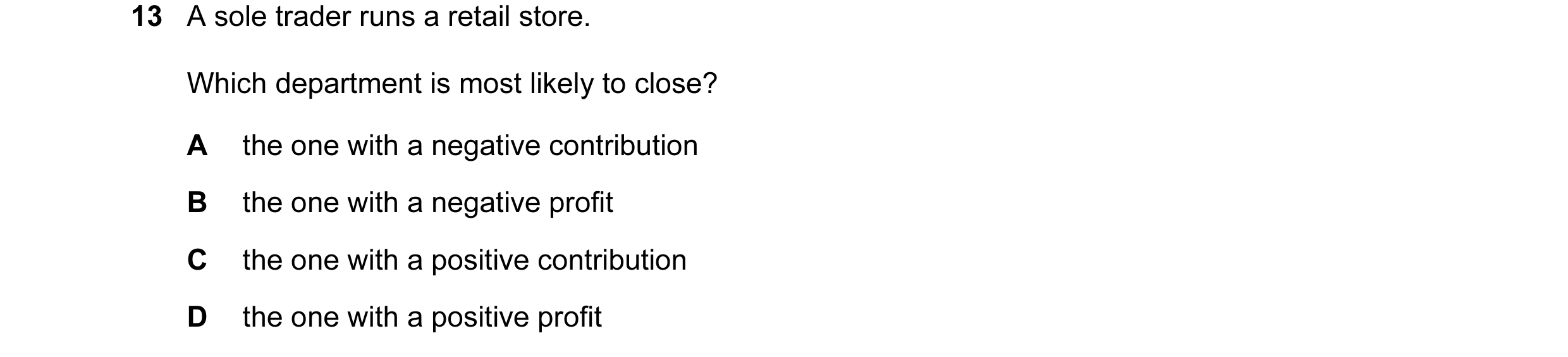 31 / 105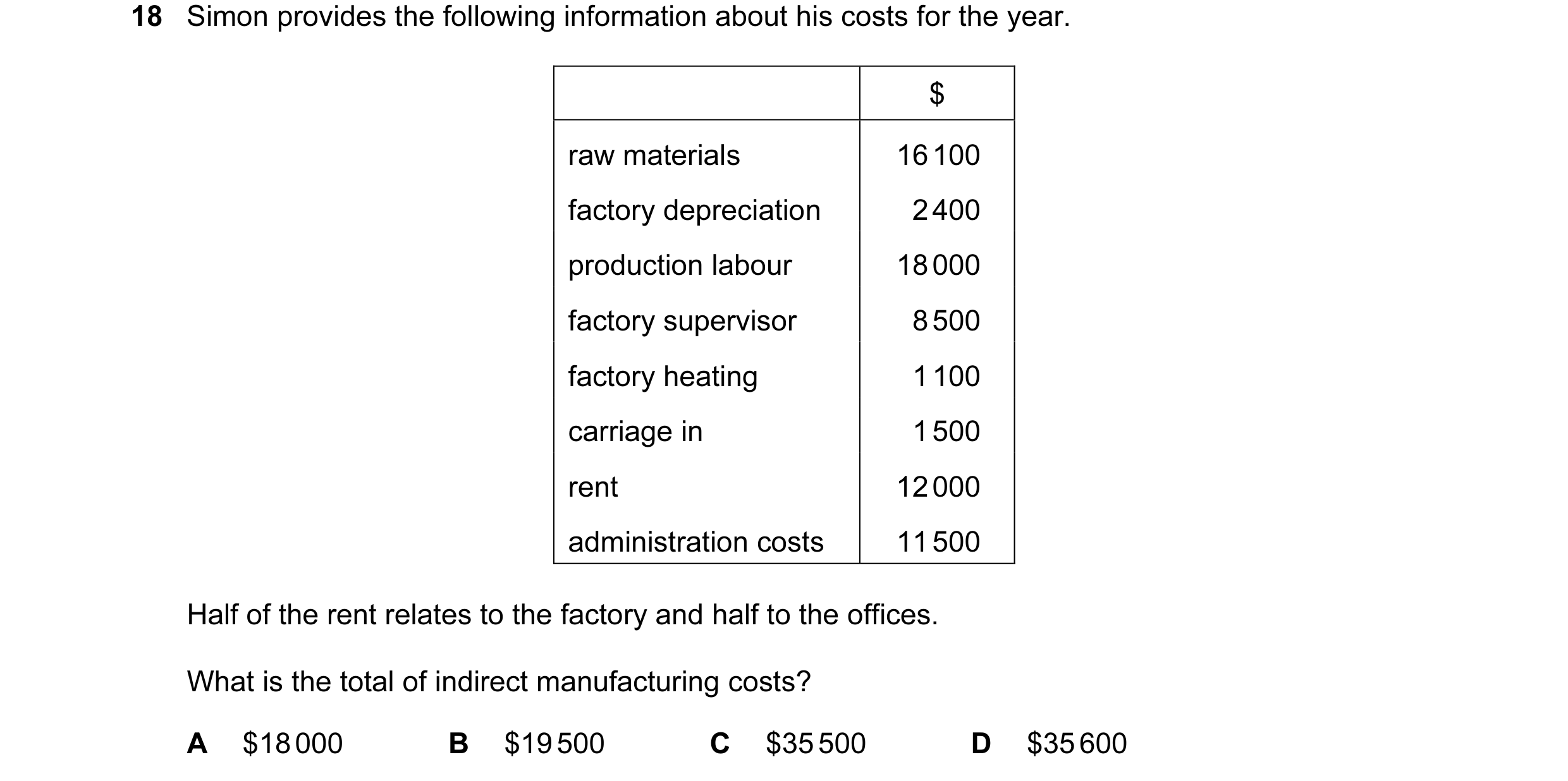
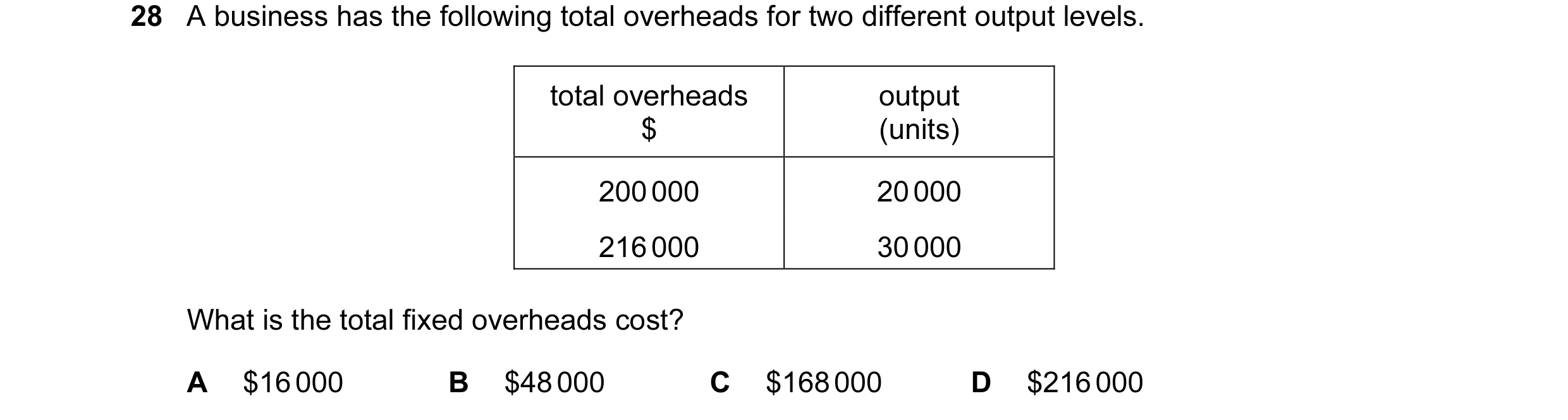
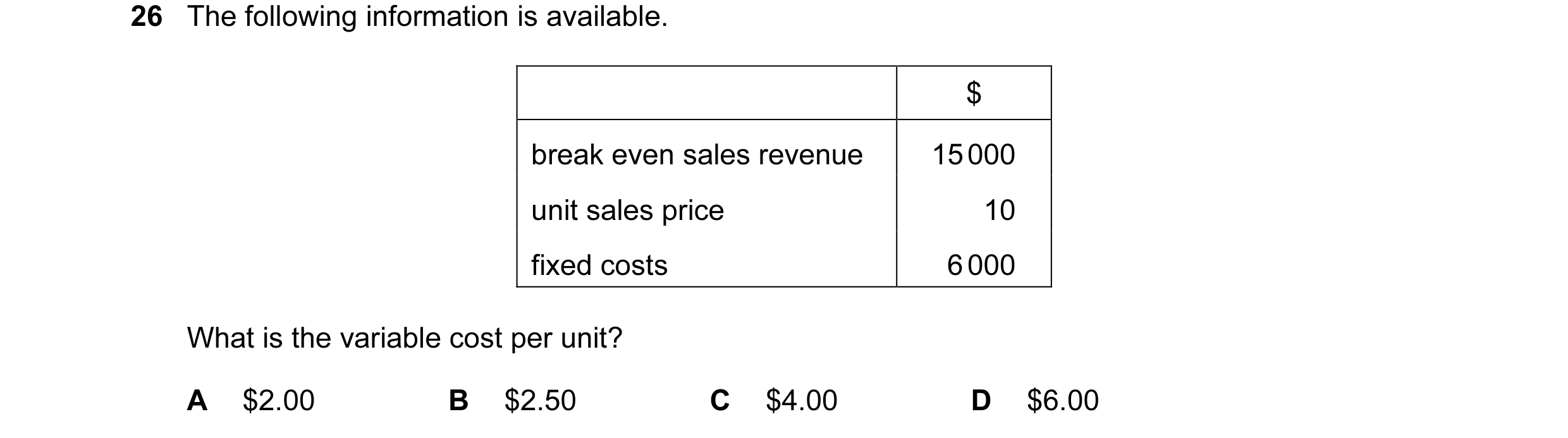
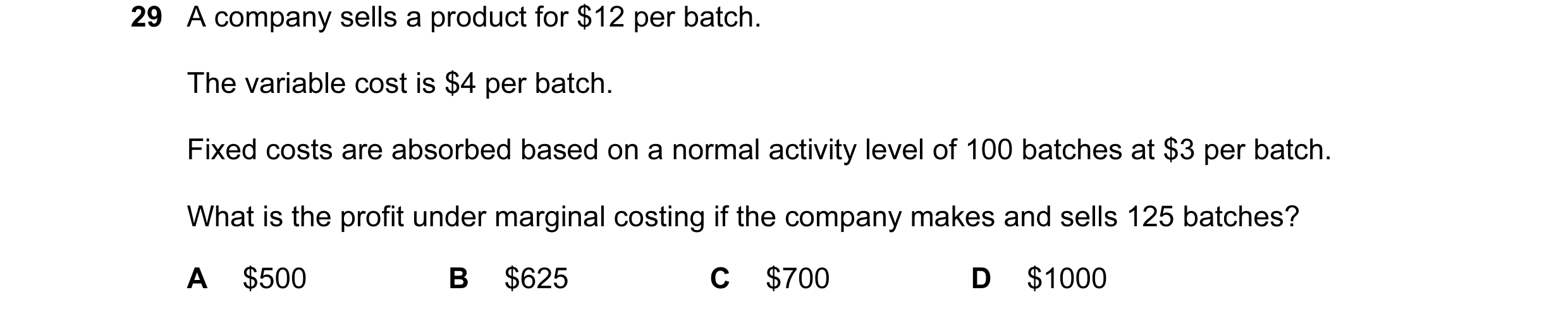 32 / 105
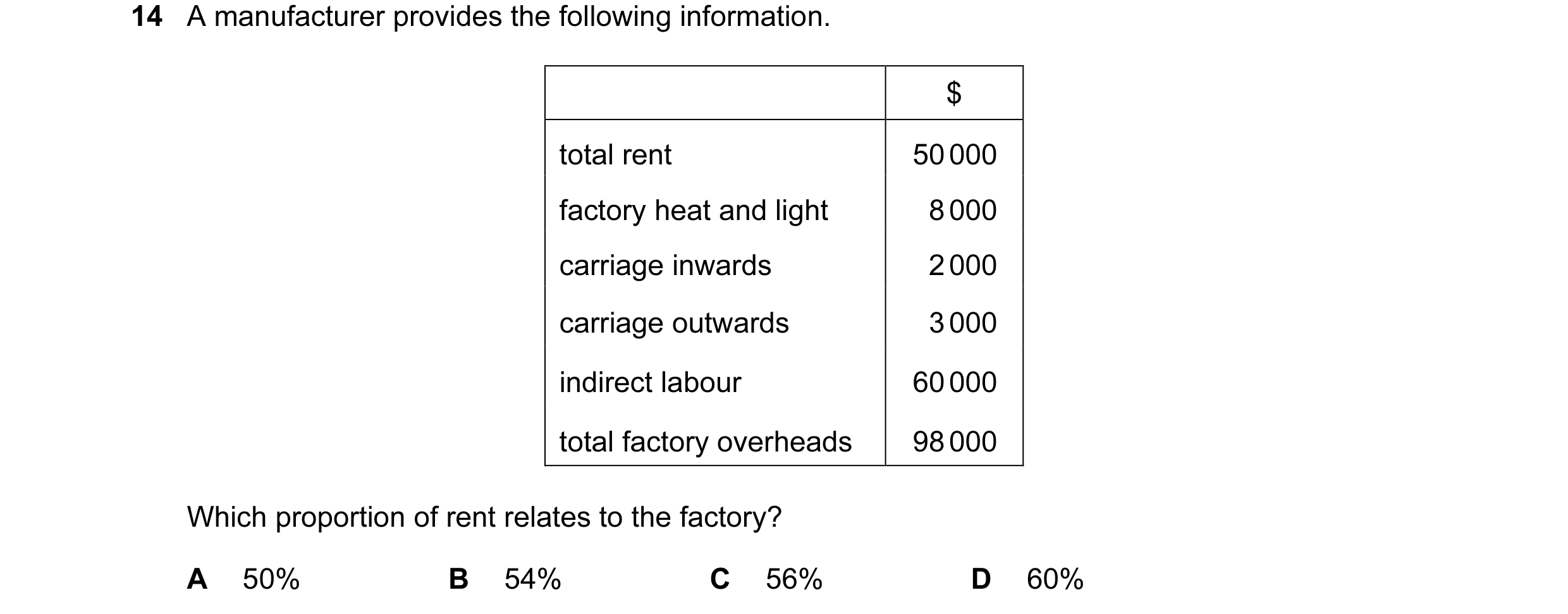
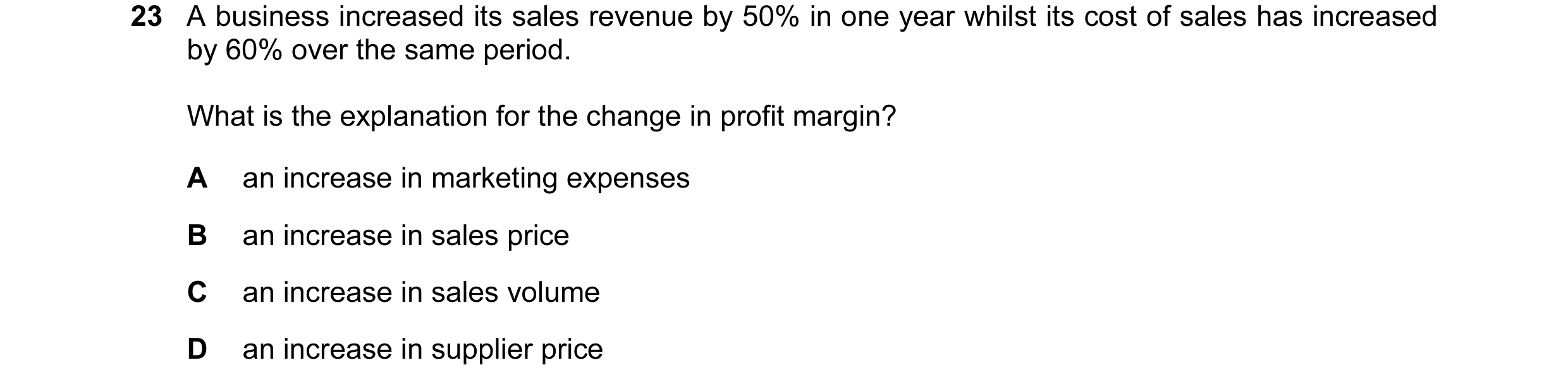
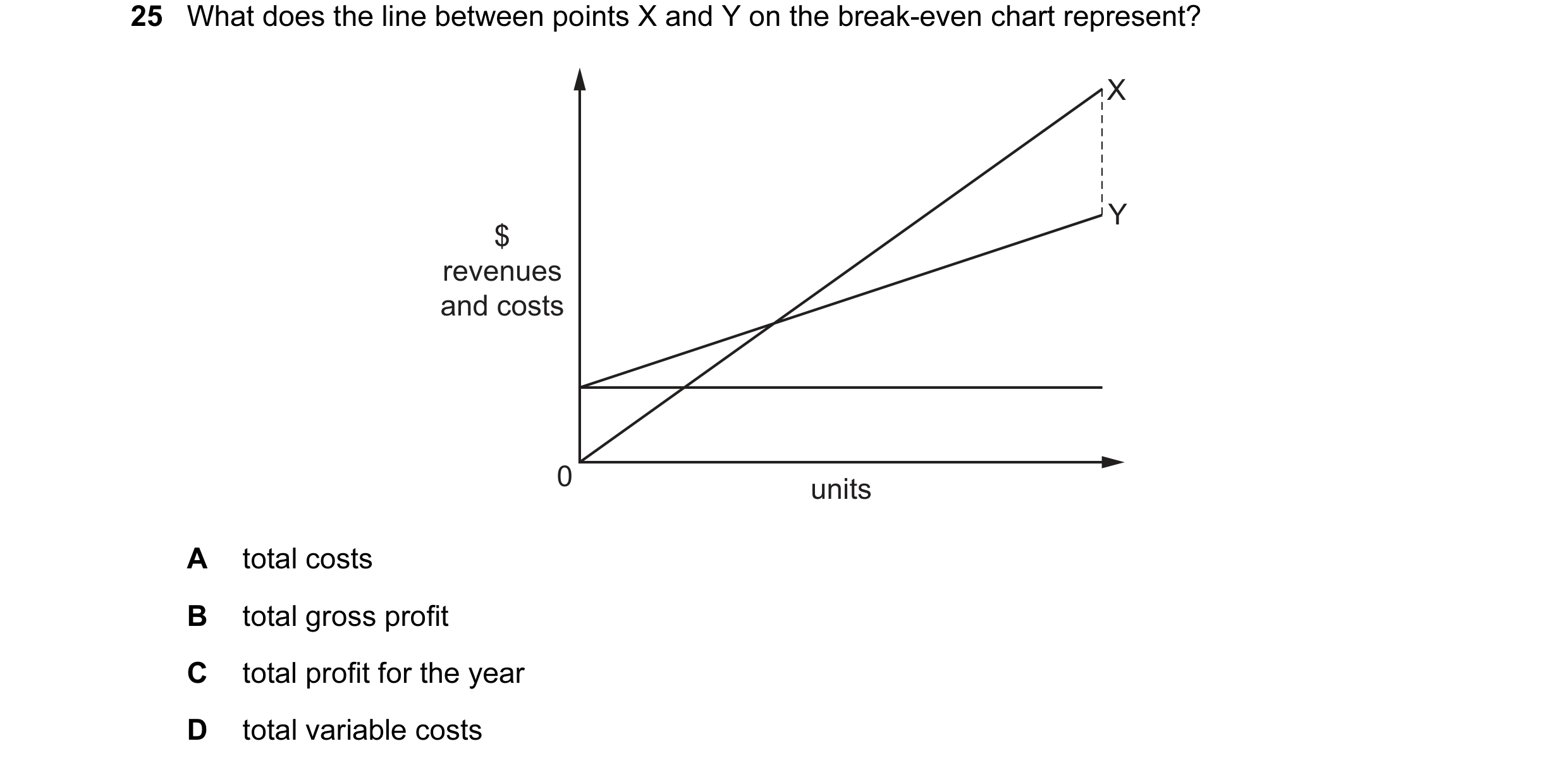 33 / 105
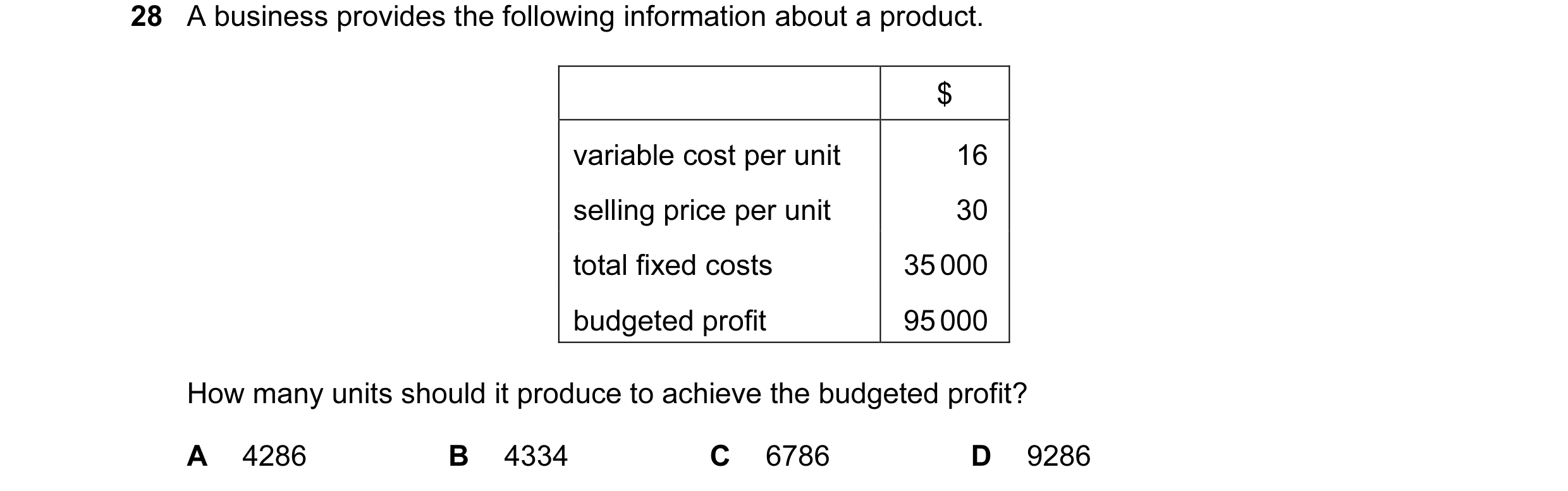
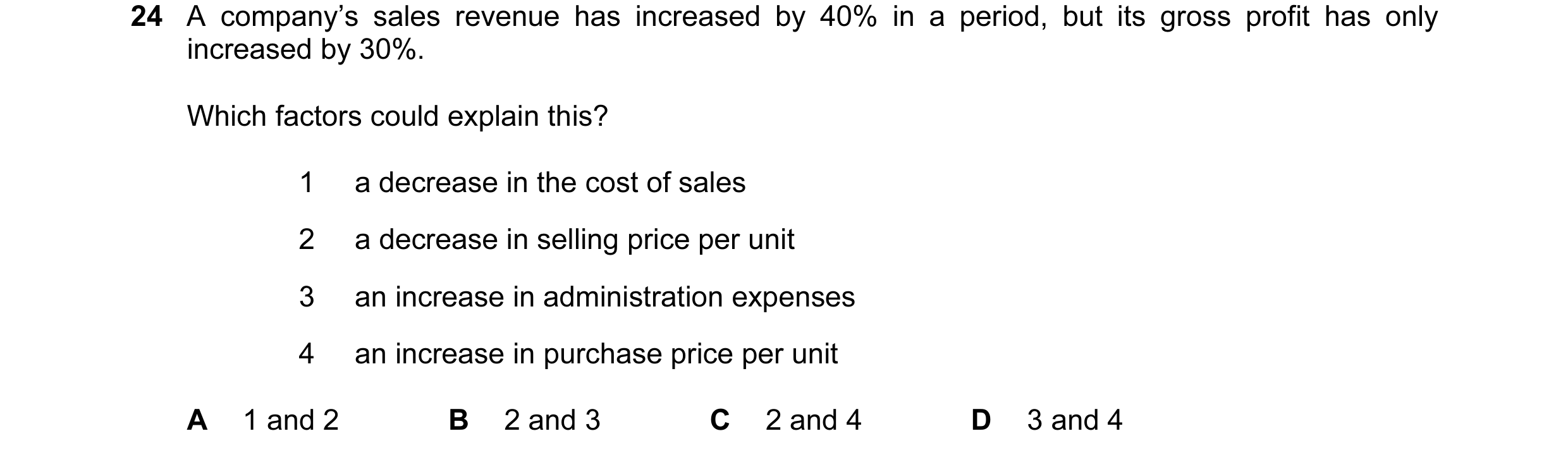

 34 / 105
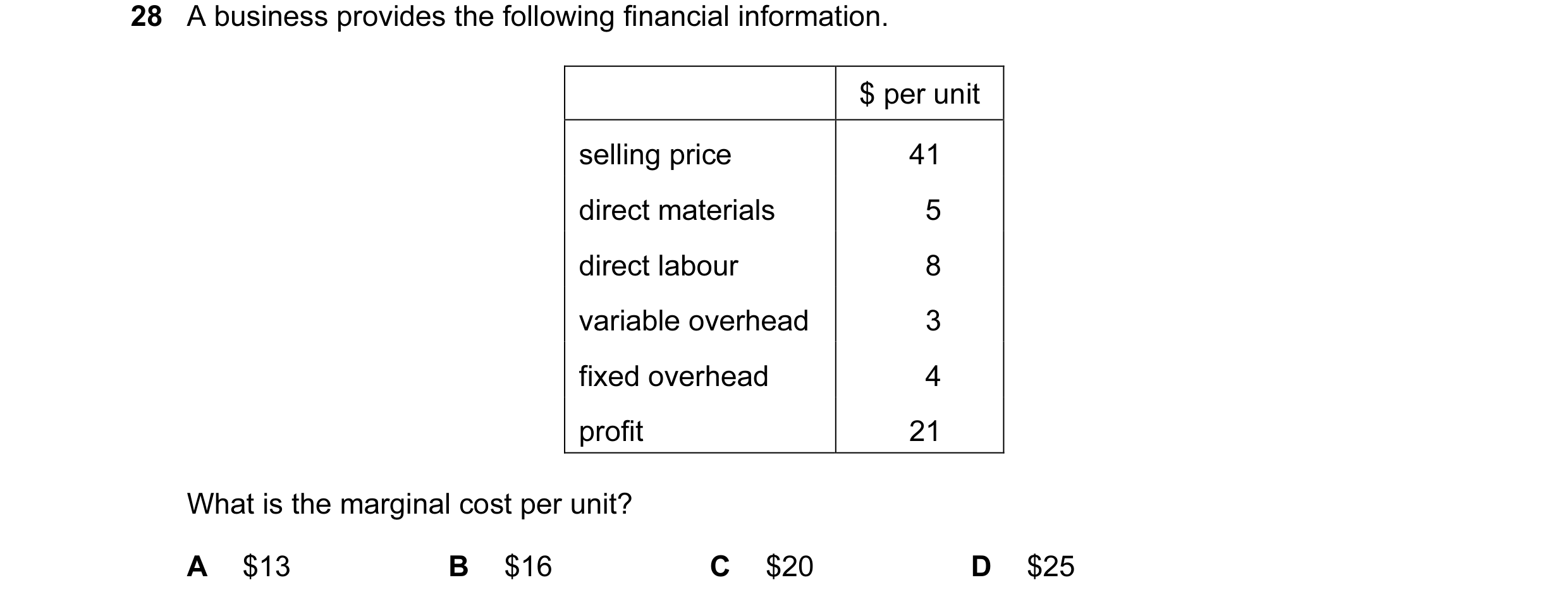

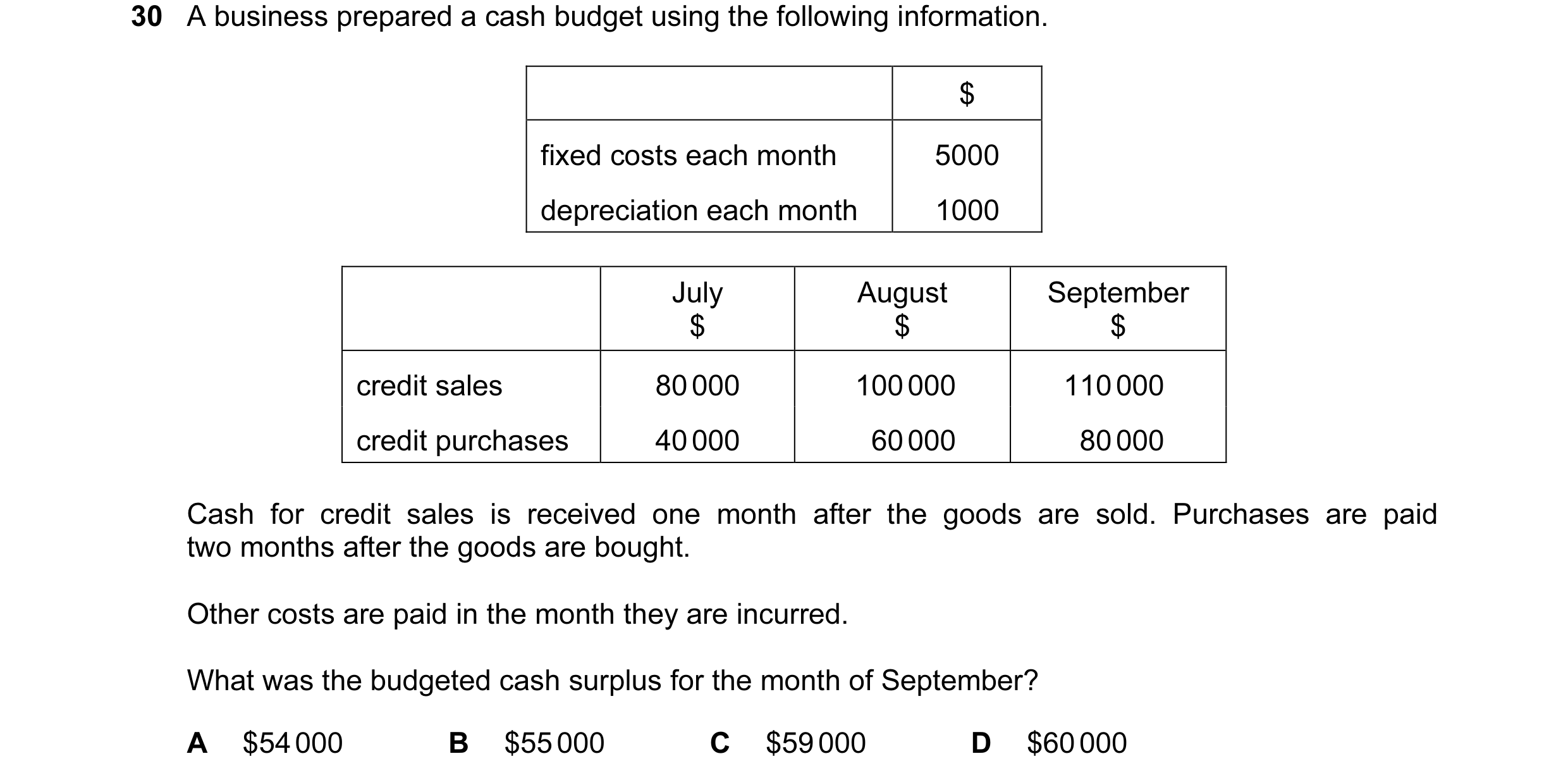 35 / 105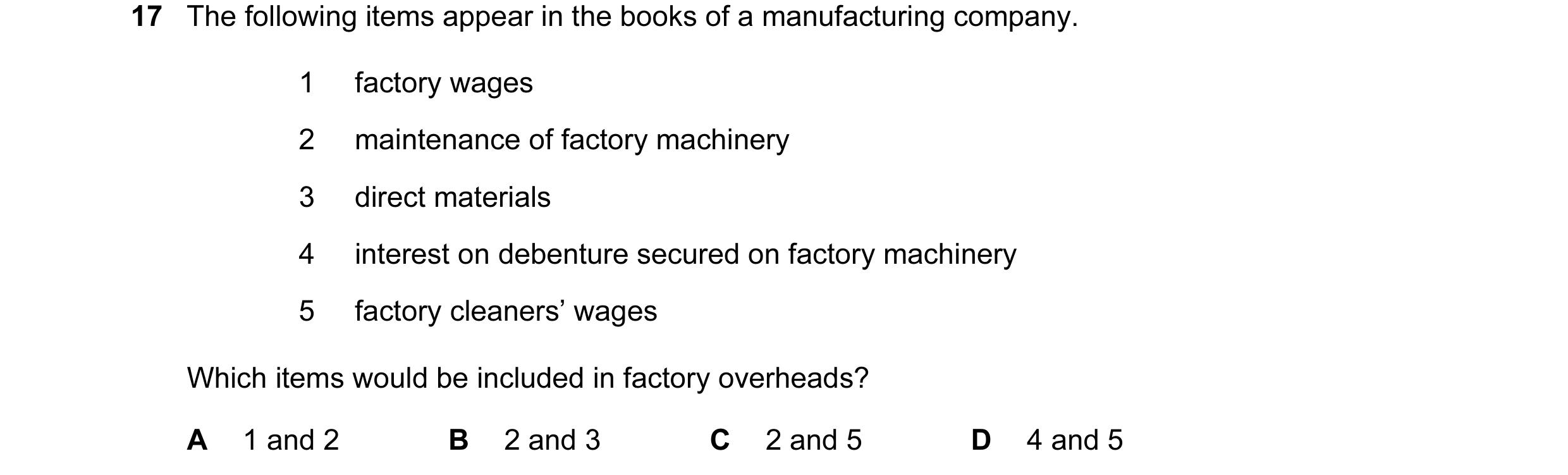
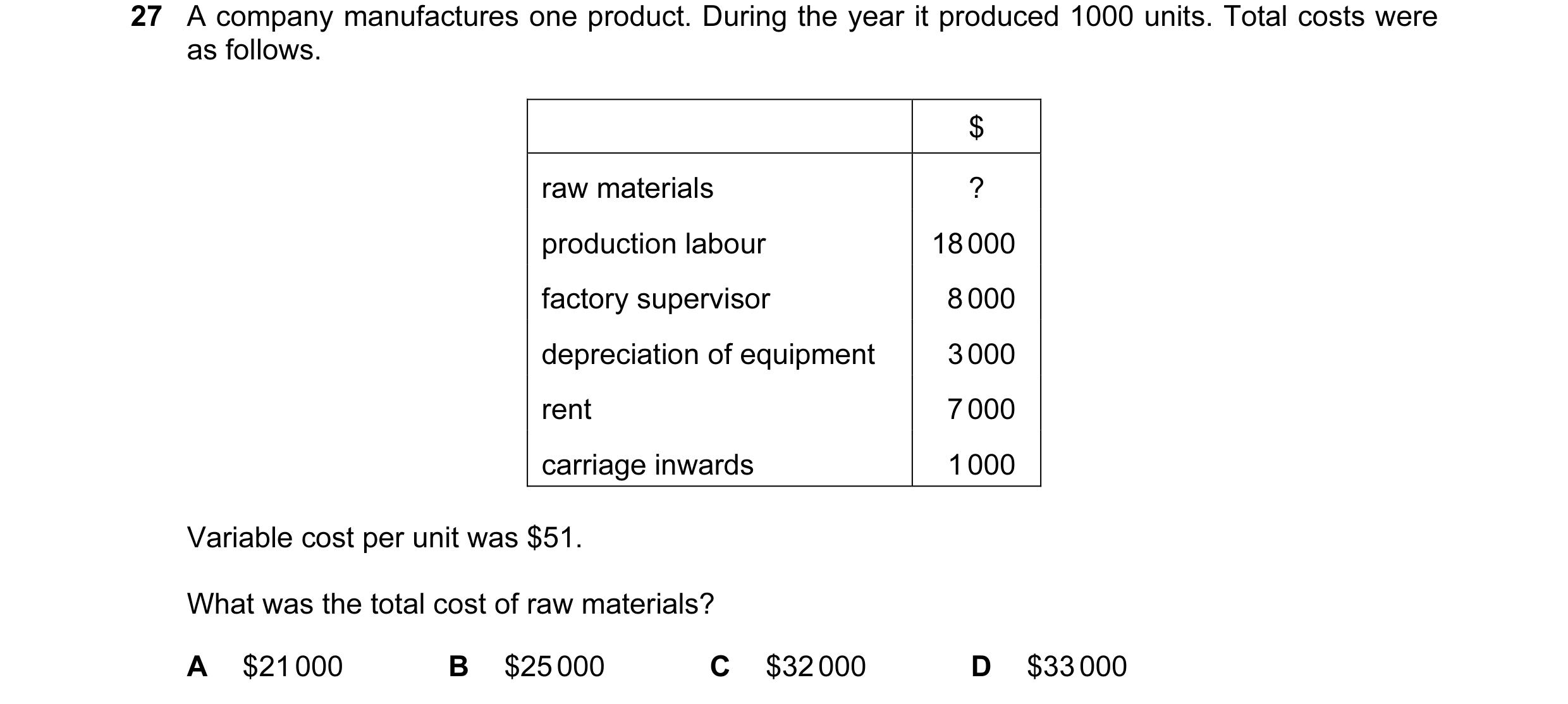
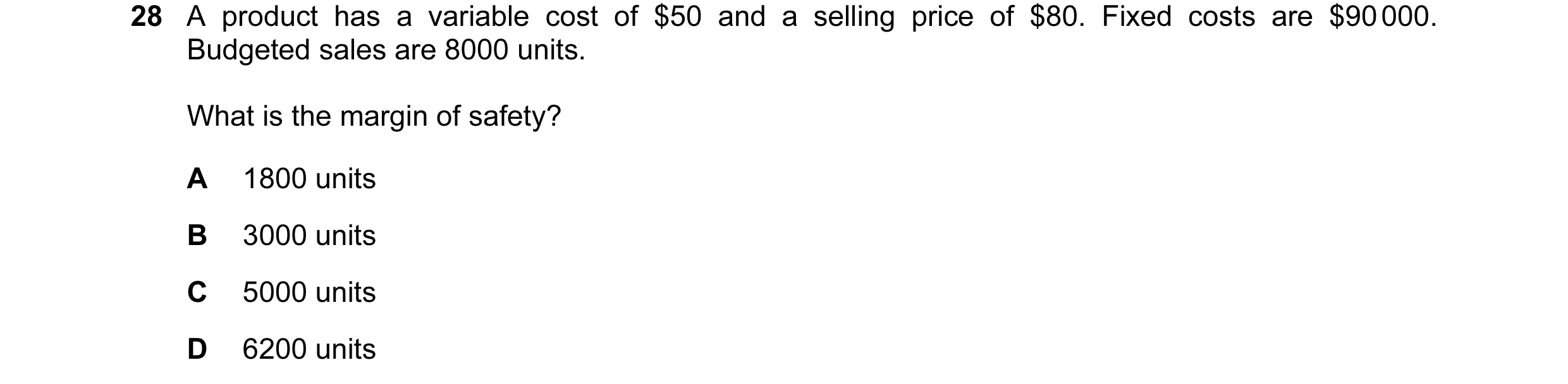
 36 / 105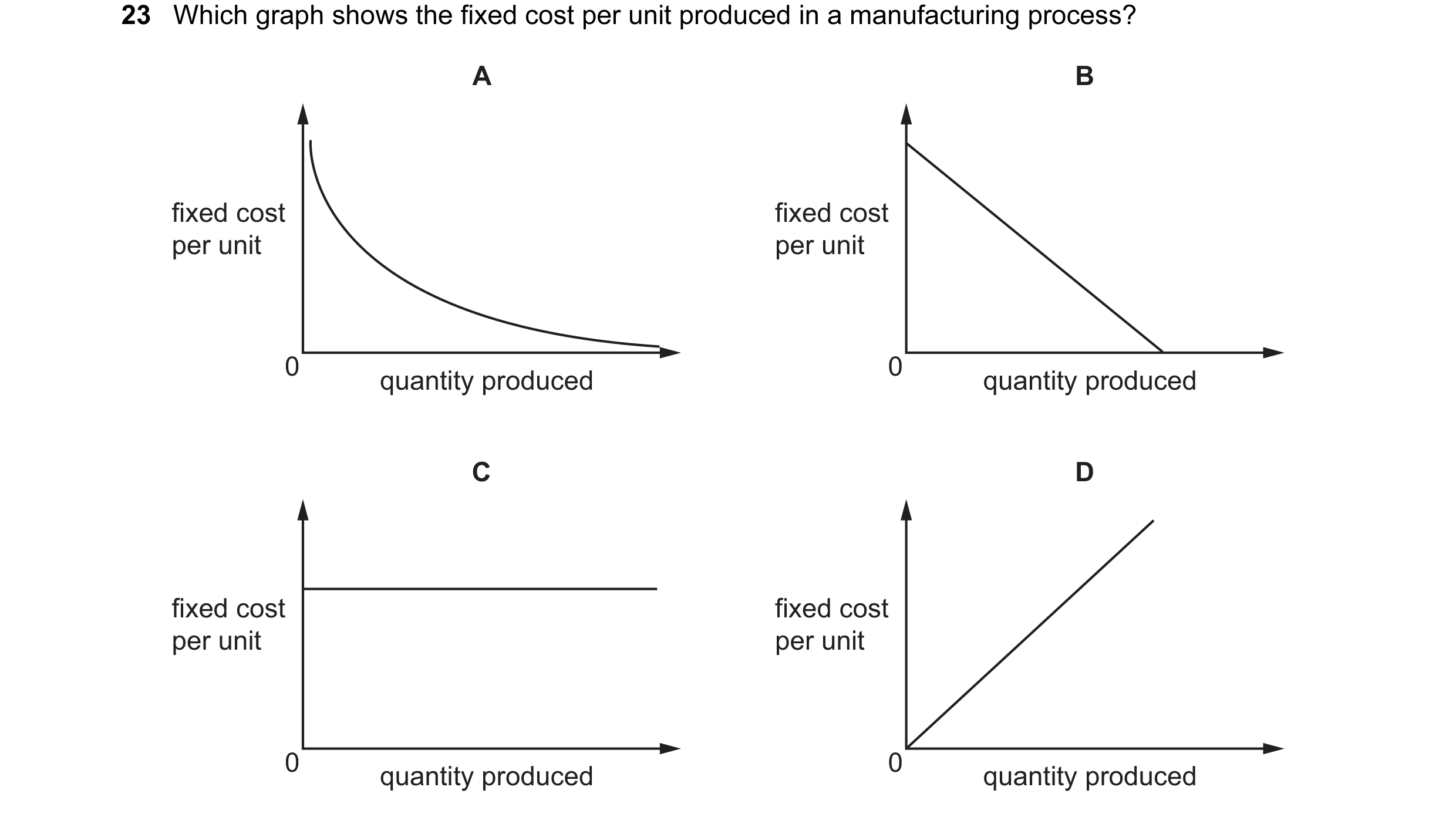
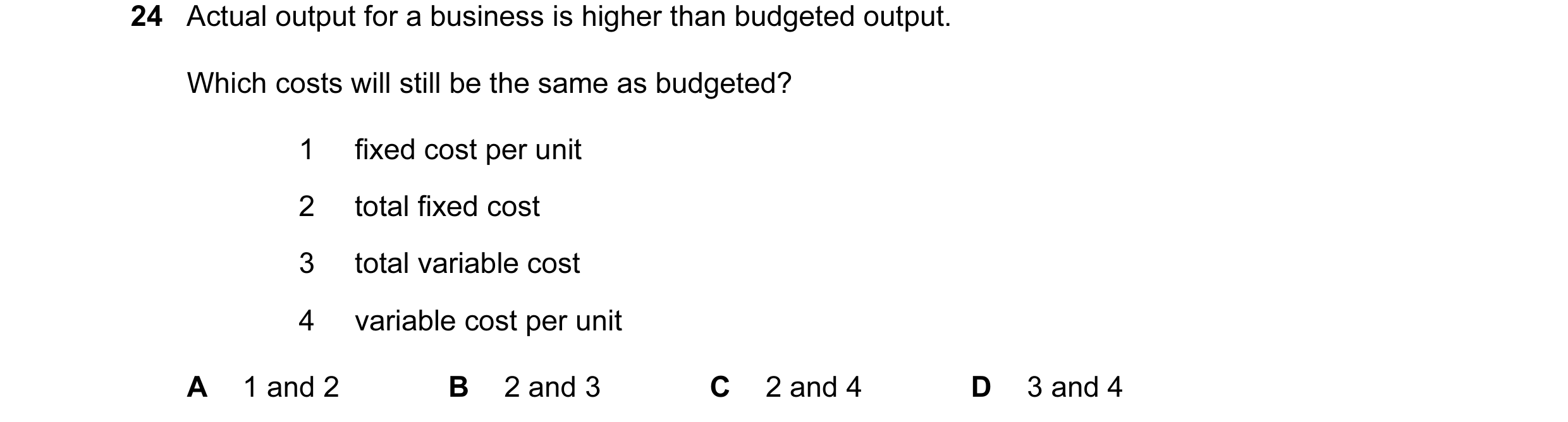
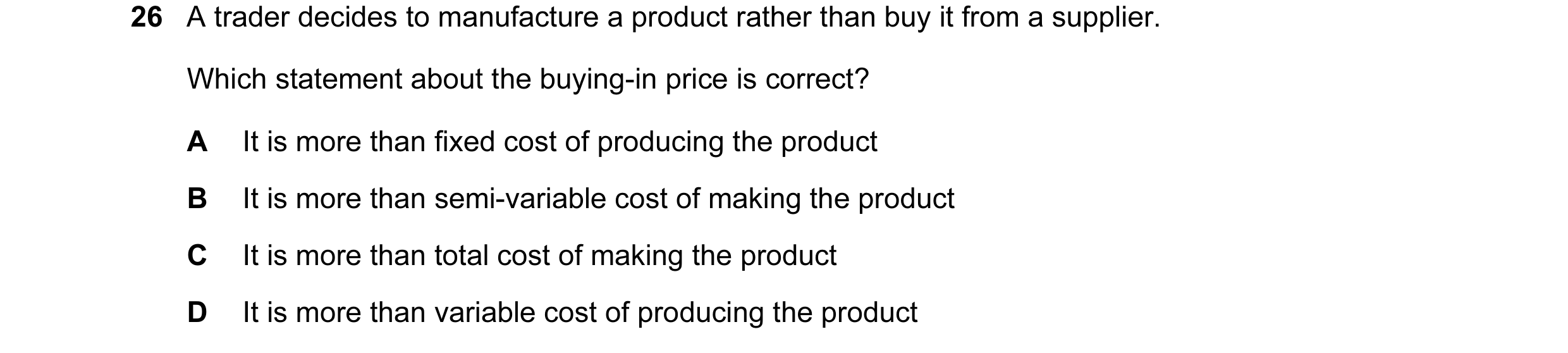 37 / 105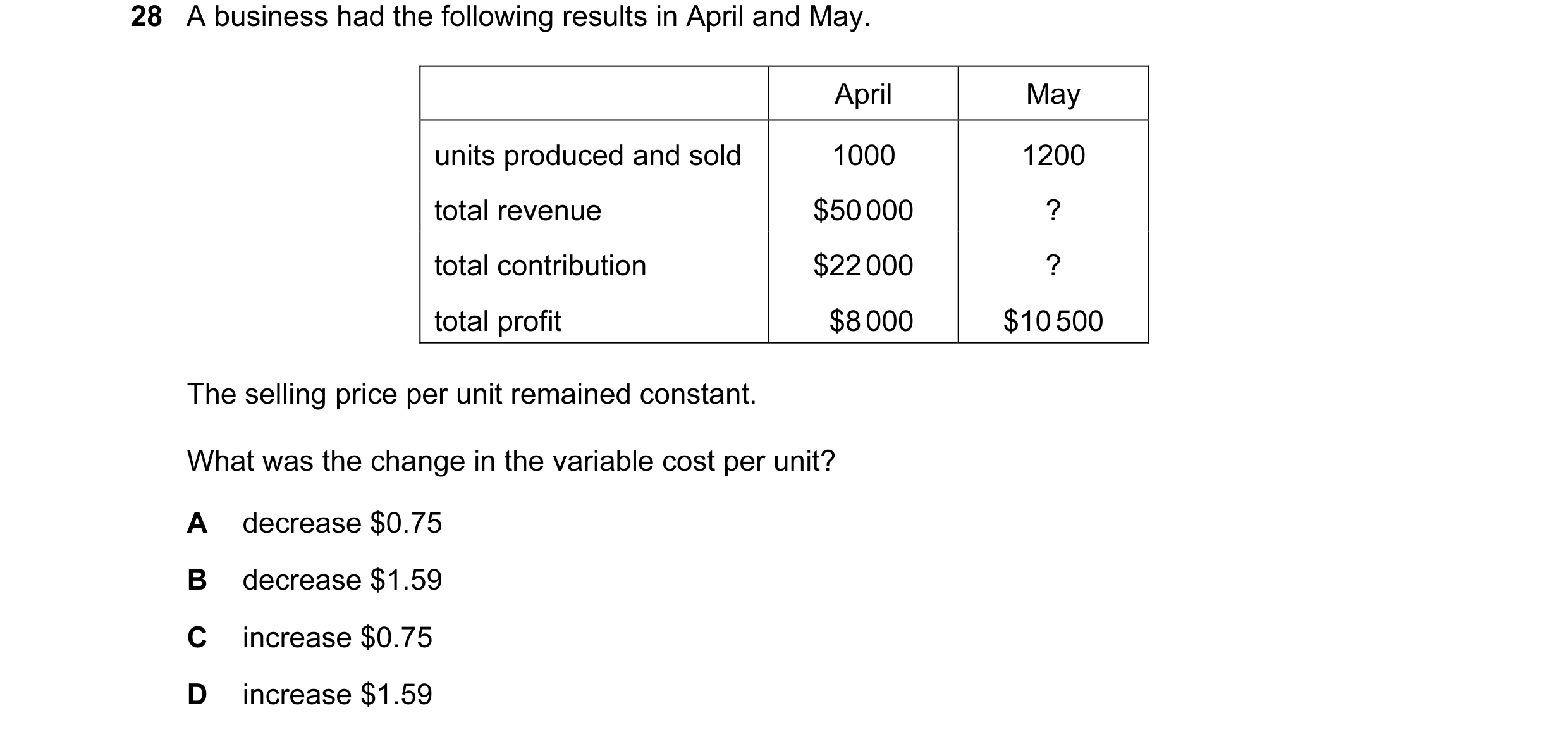
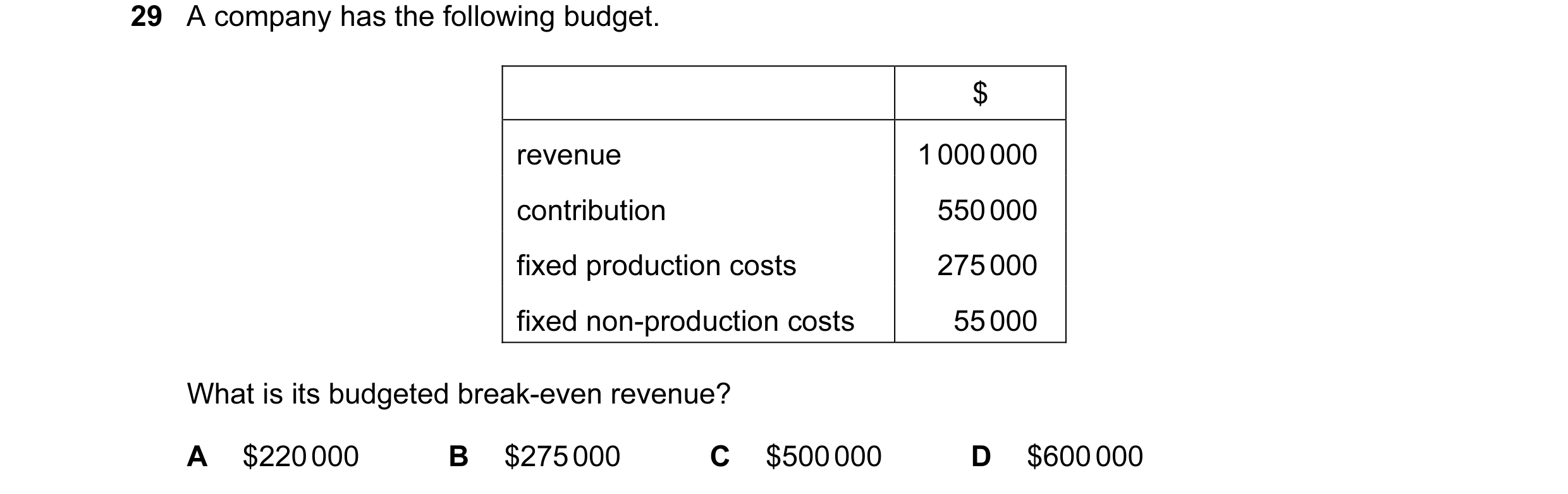
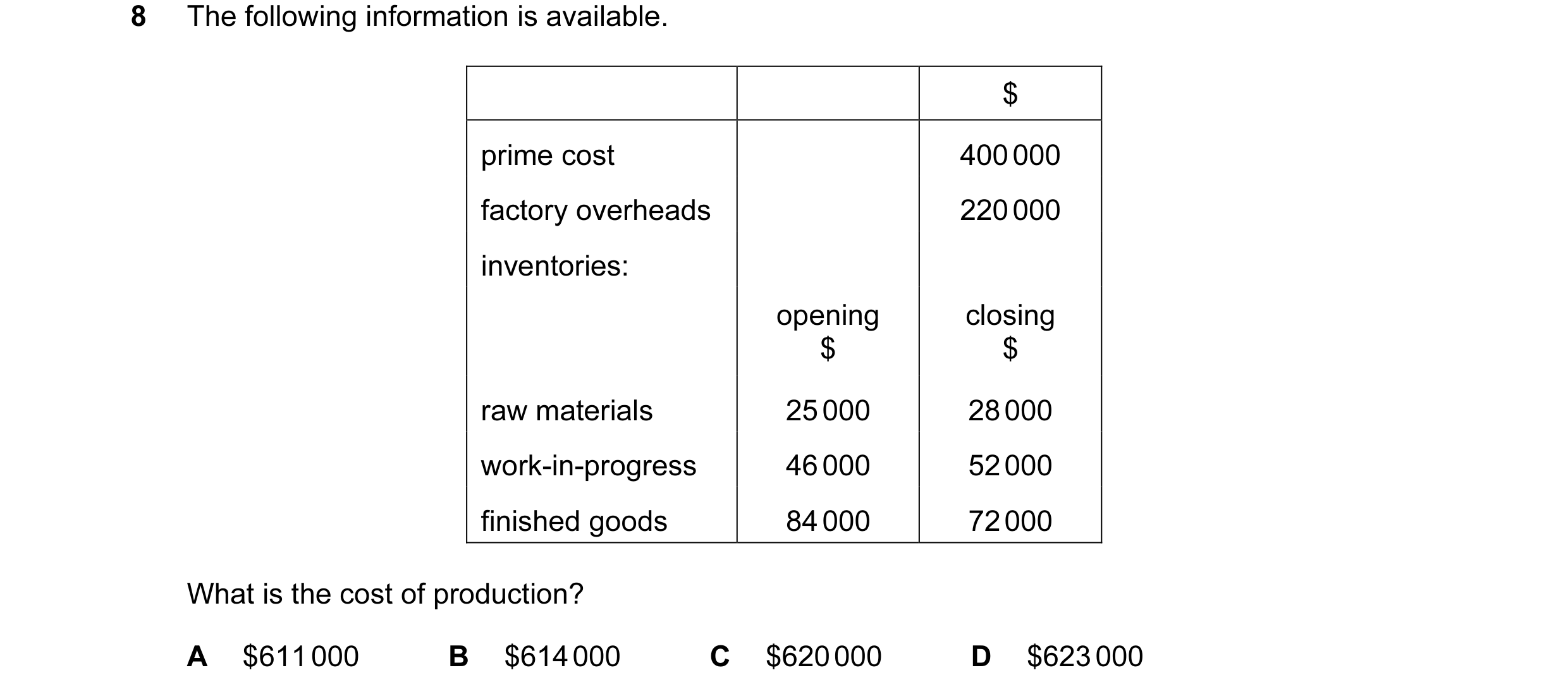 38 / 105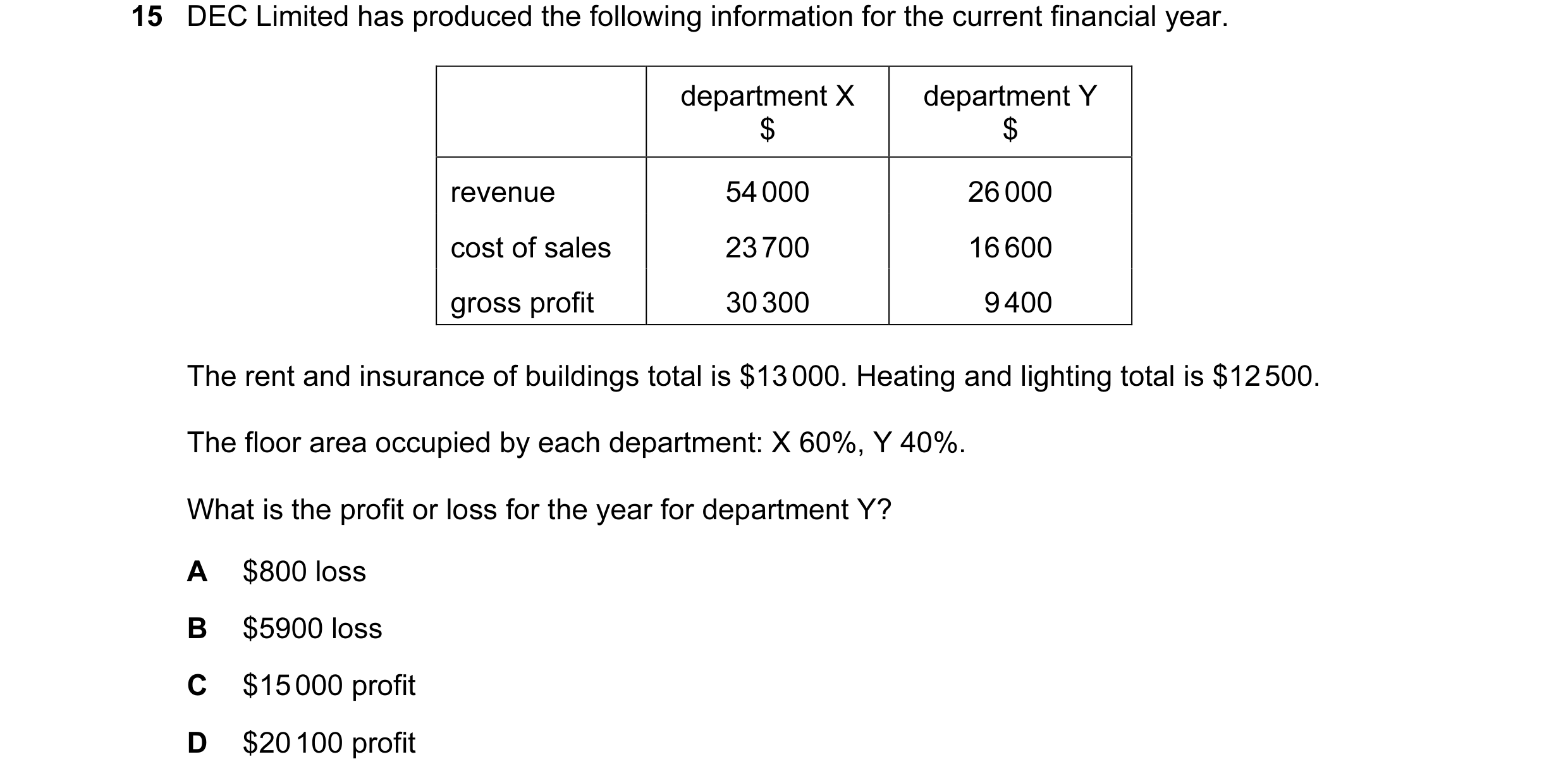
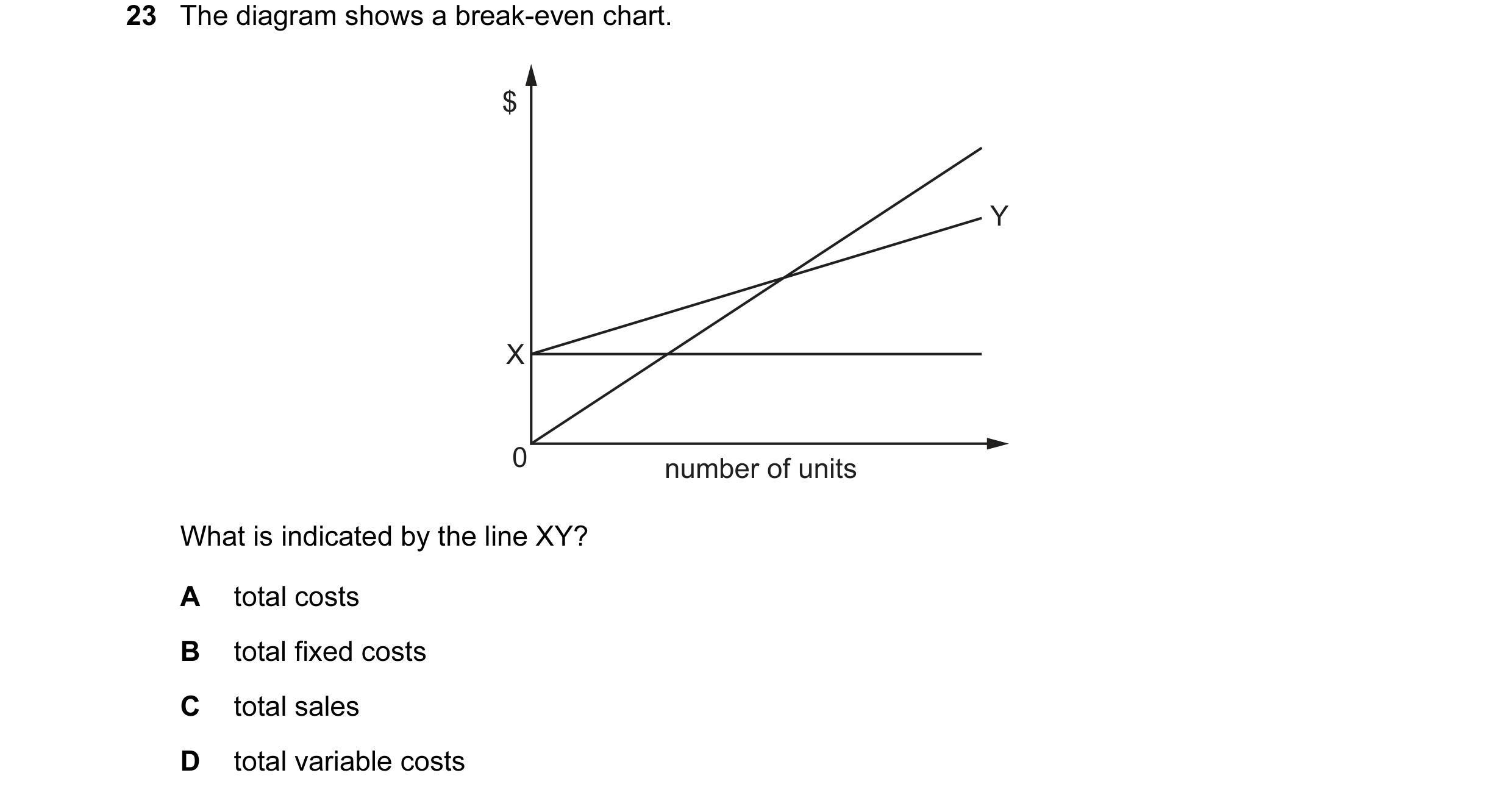
 39 / 105
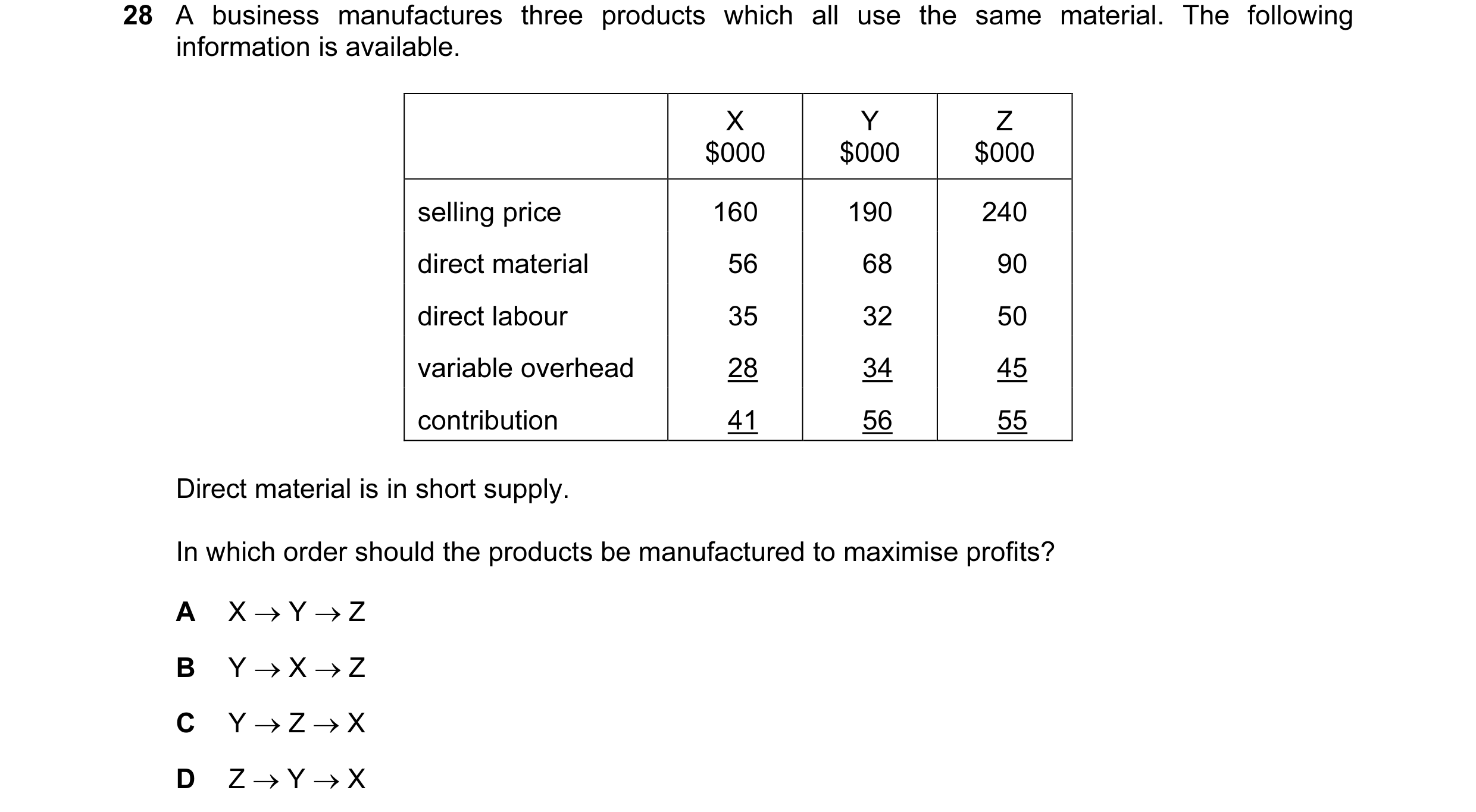
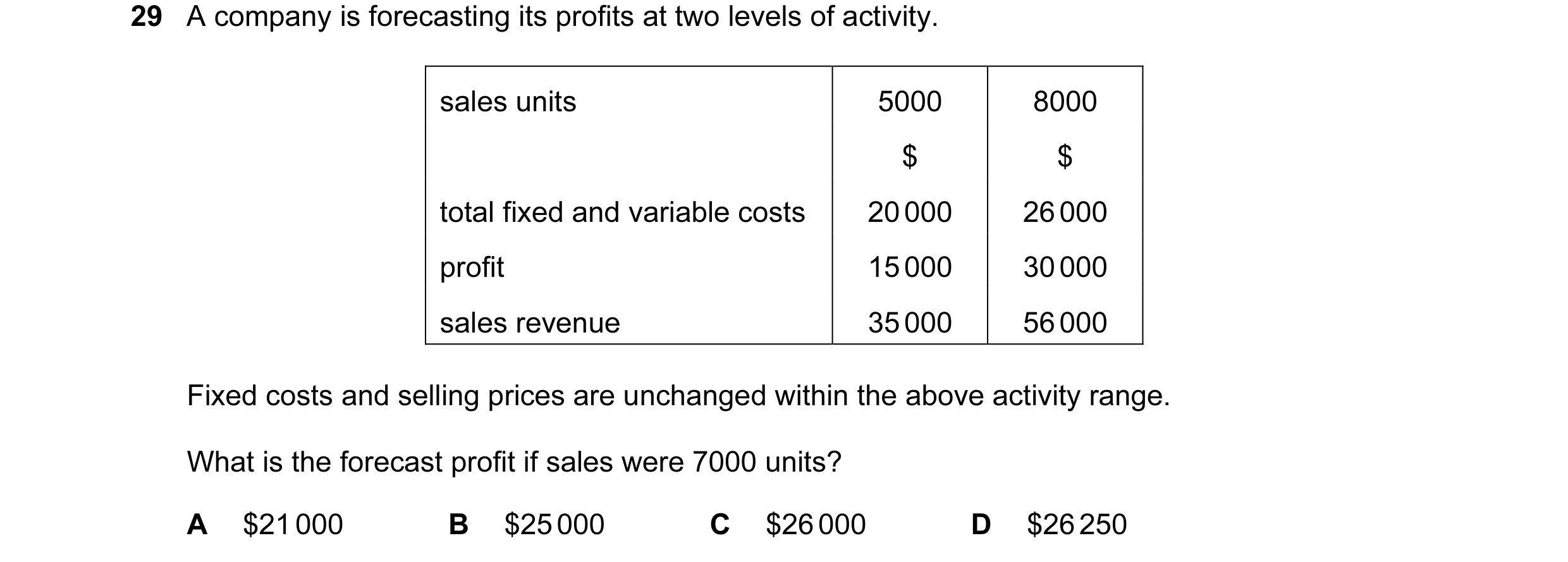 40 / 105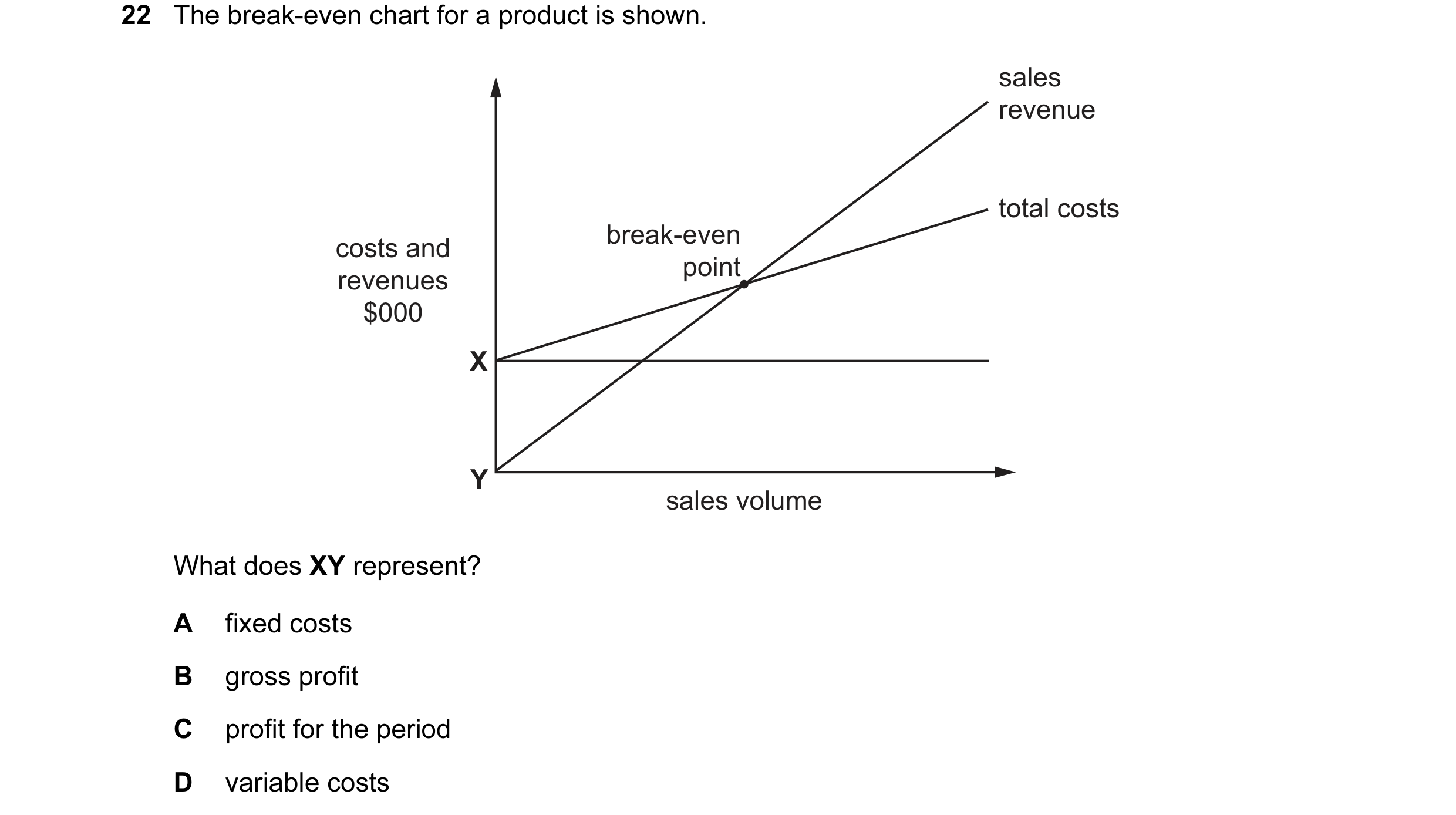

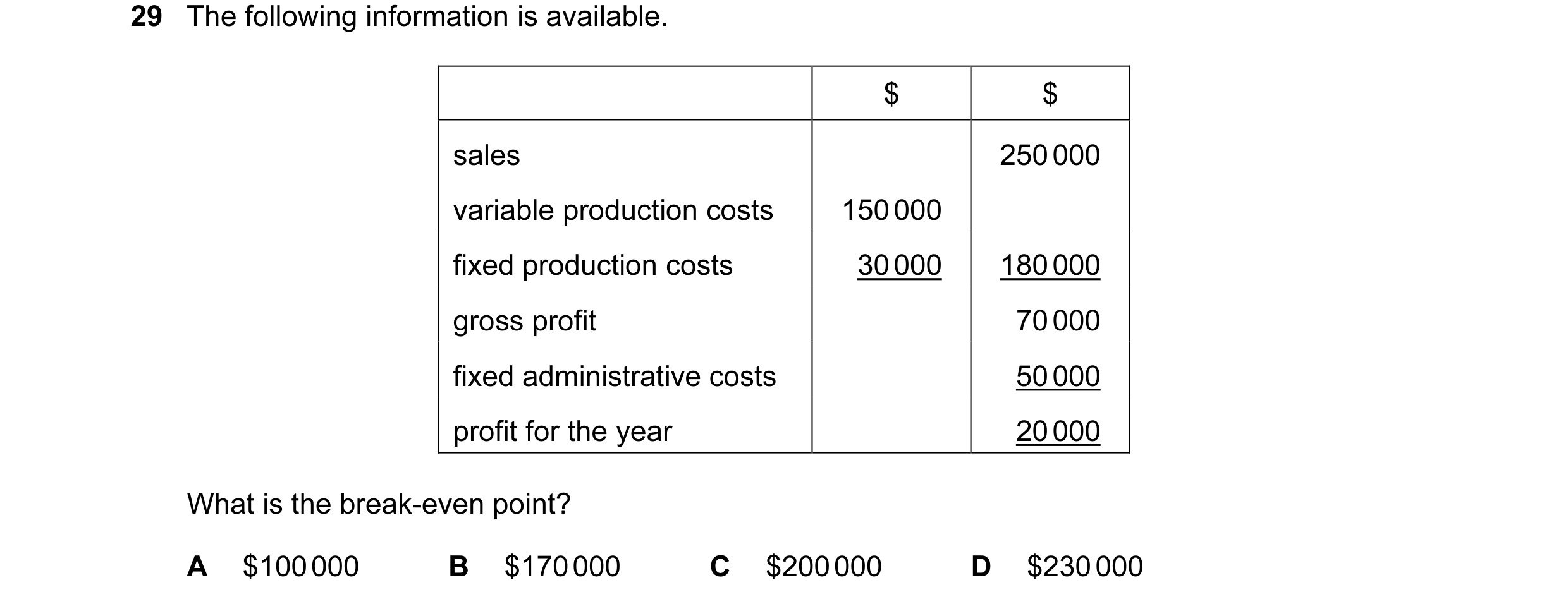 41 / 105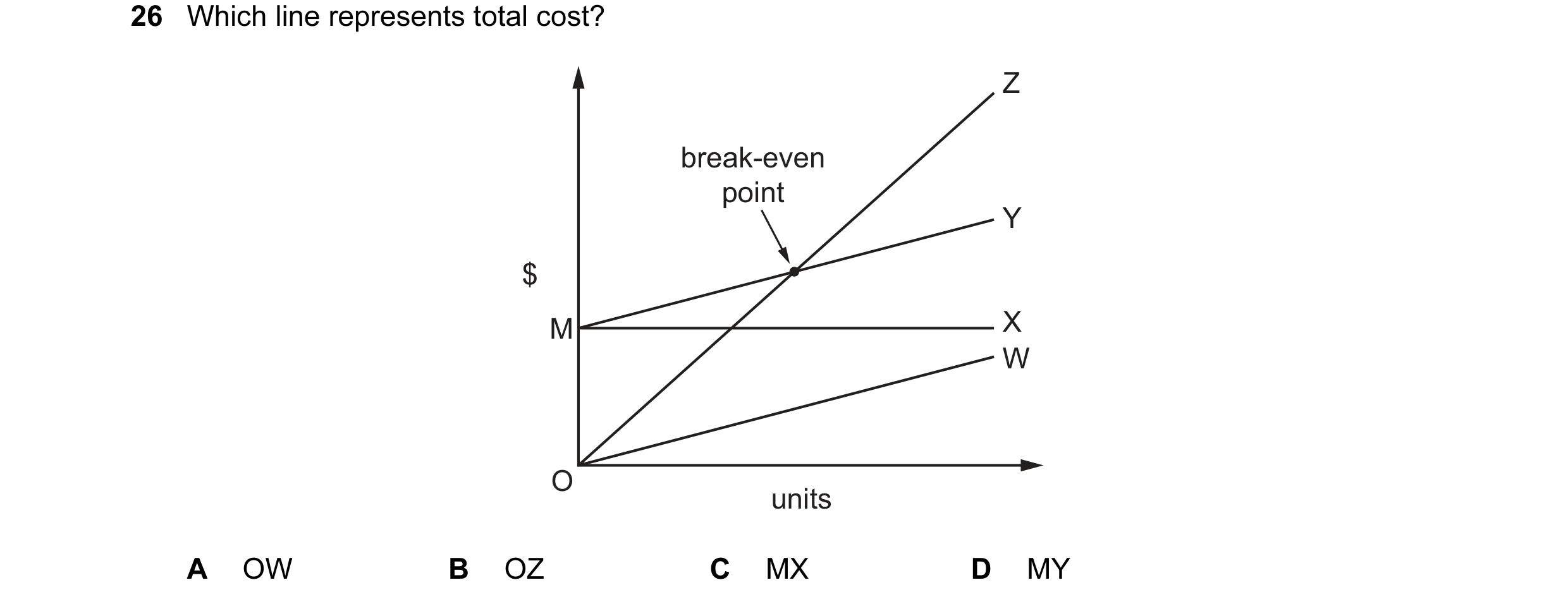
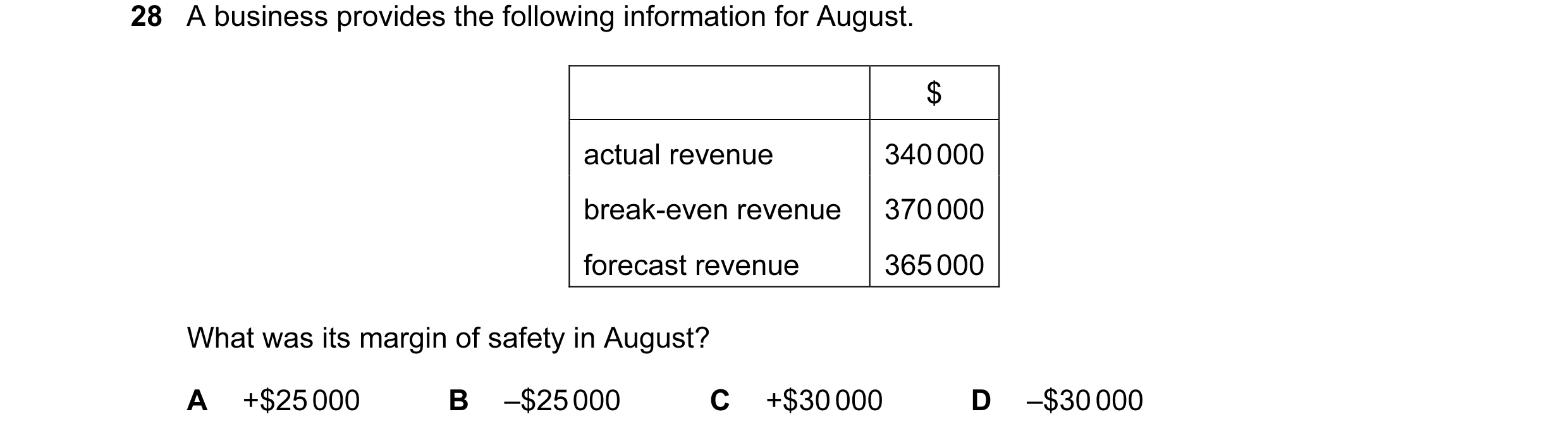
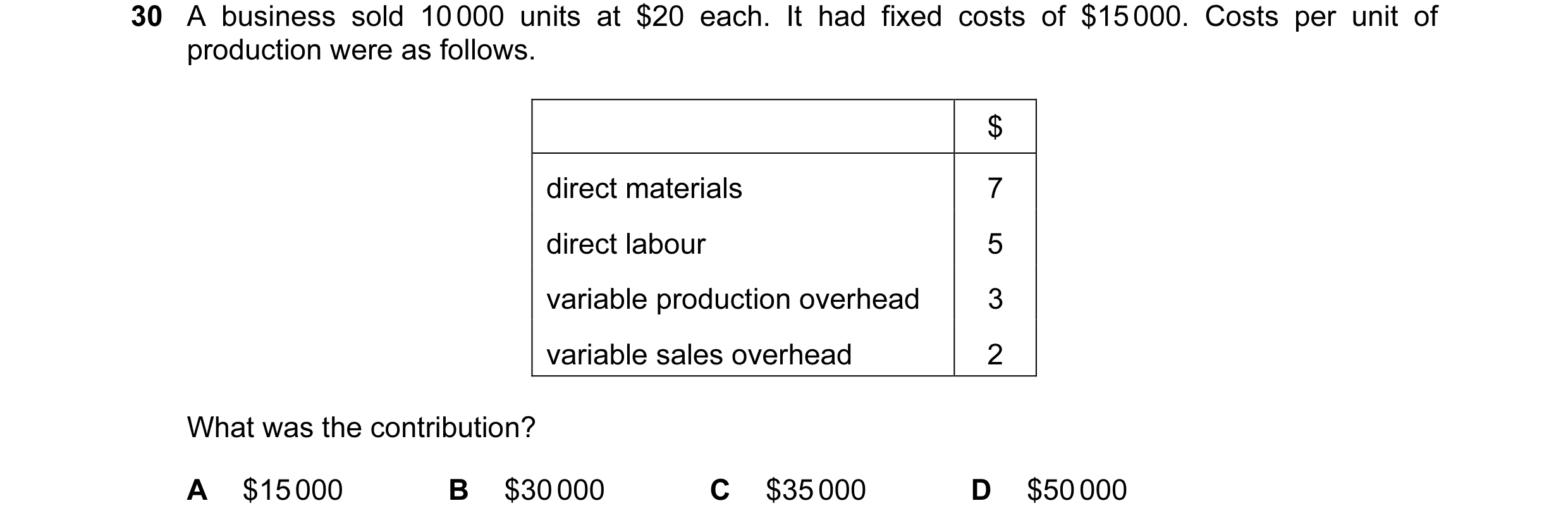
 42 / 105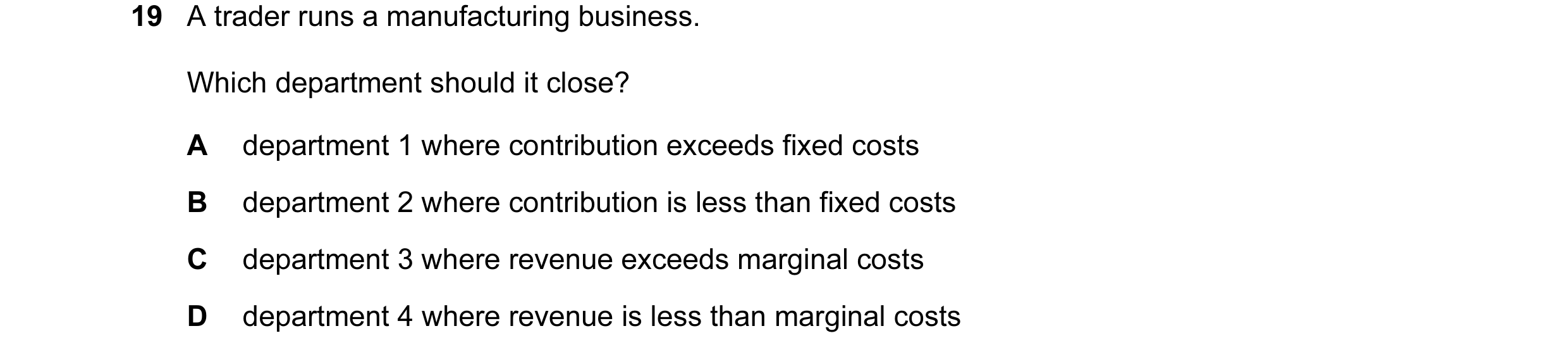



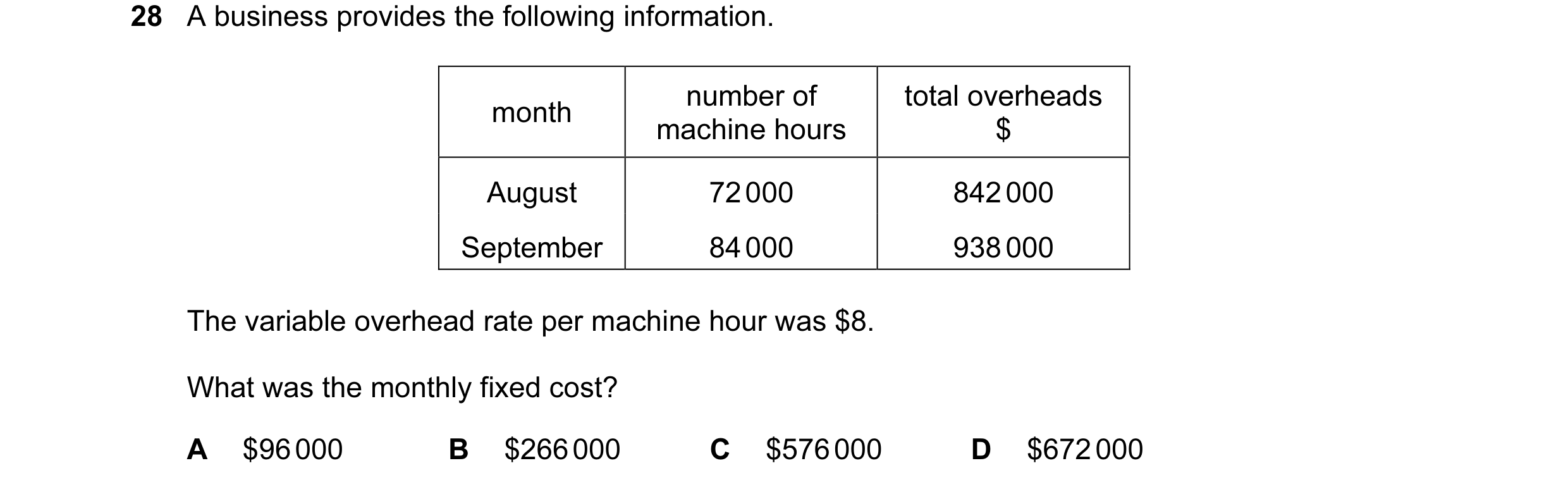 43 / 105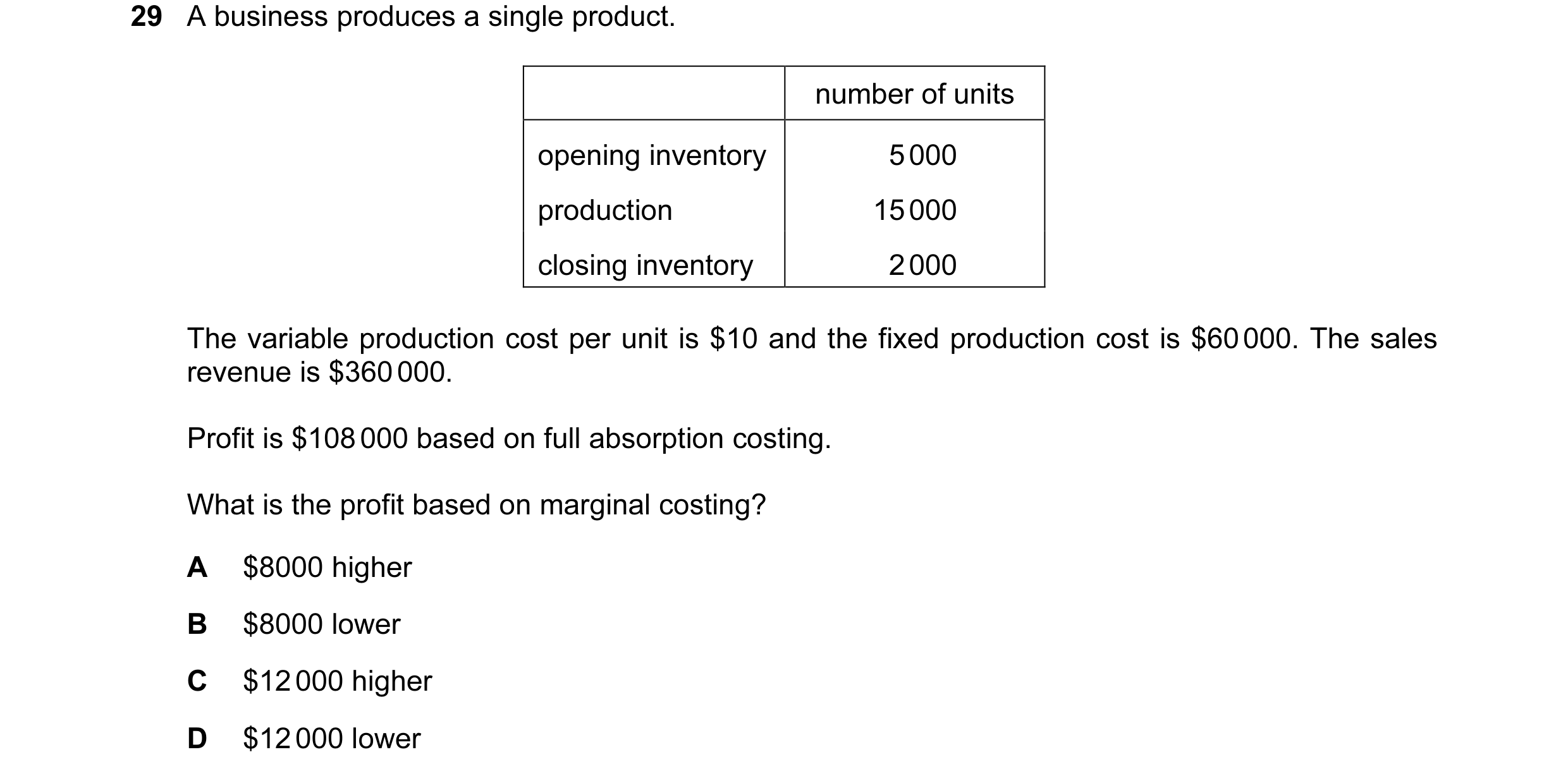
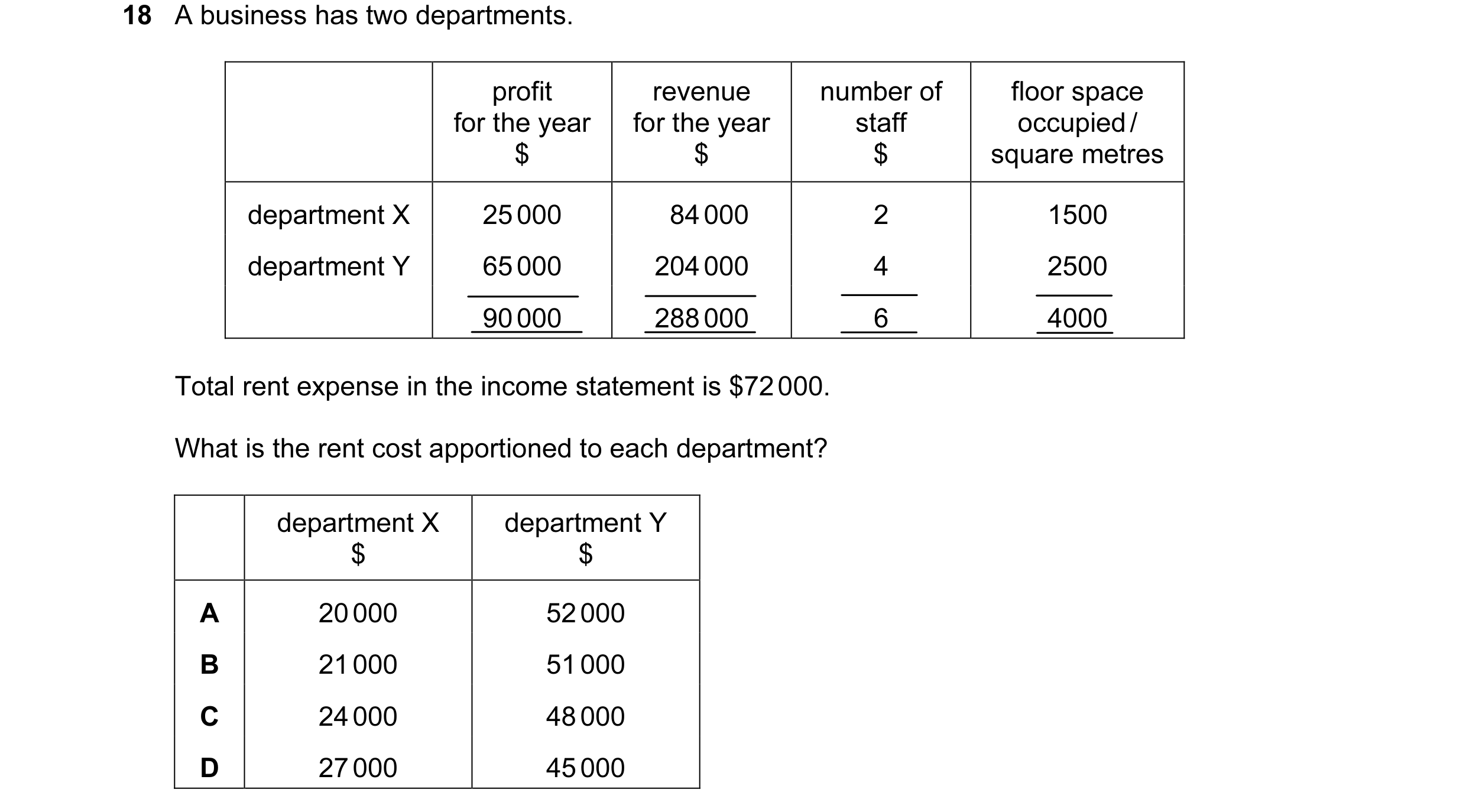 44 / 105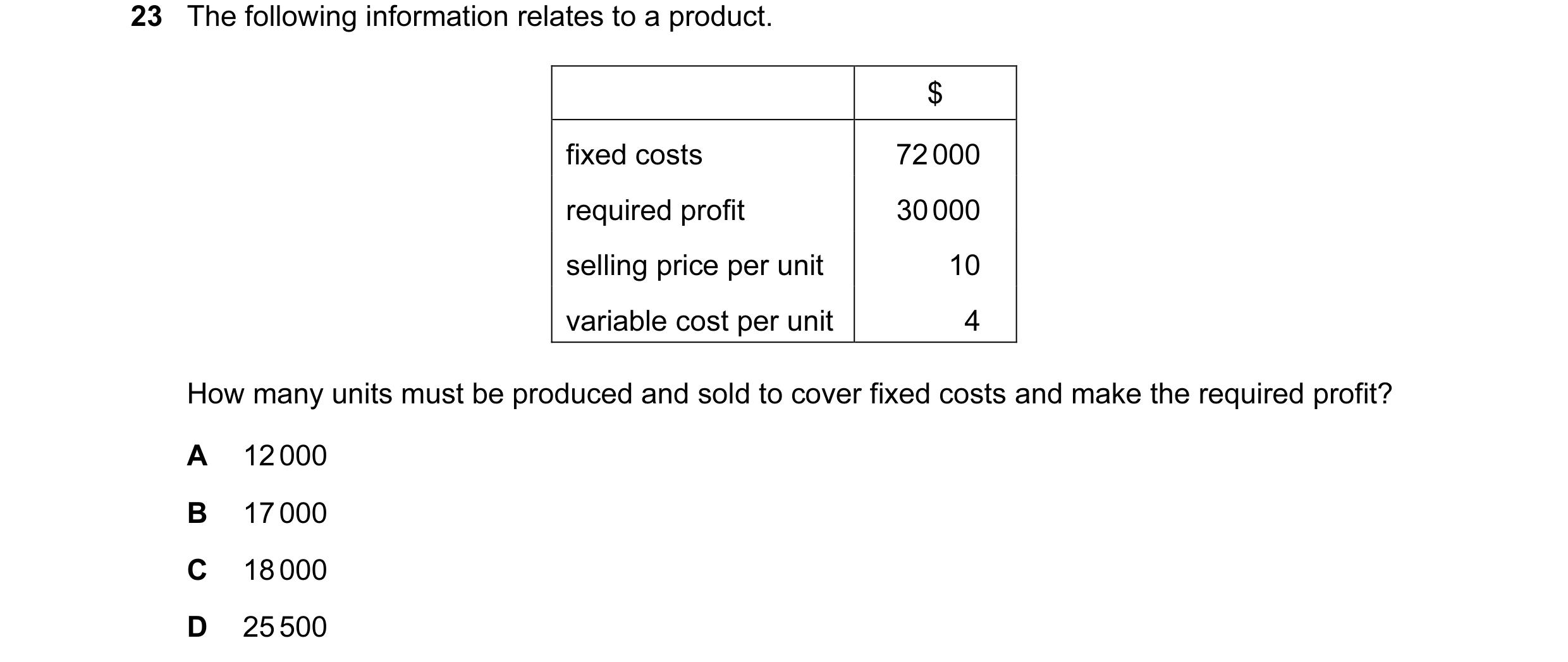

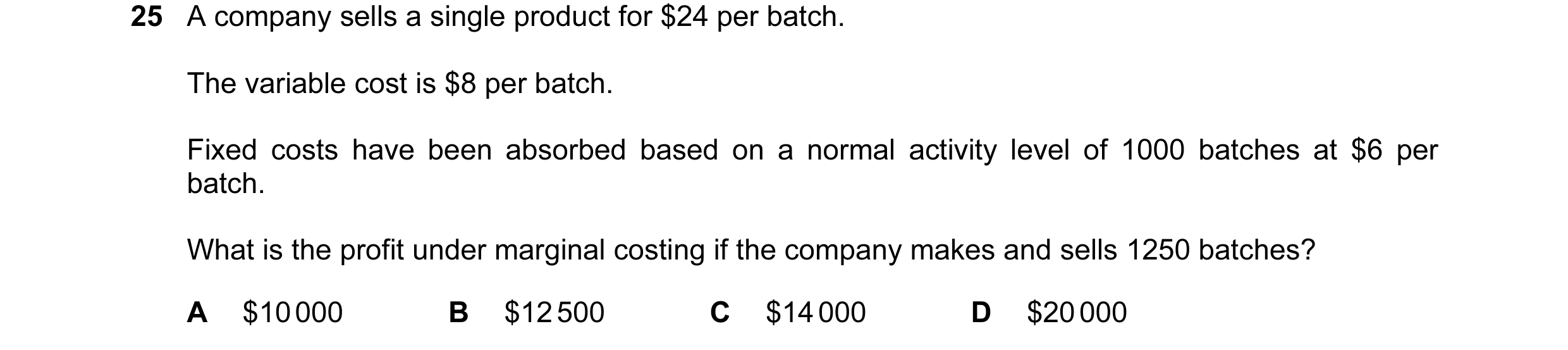
 45 / 105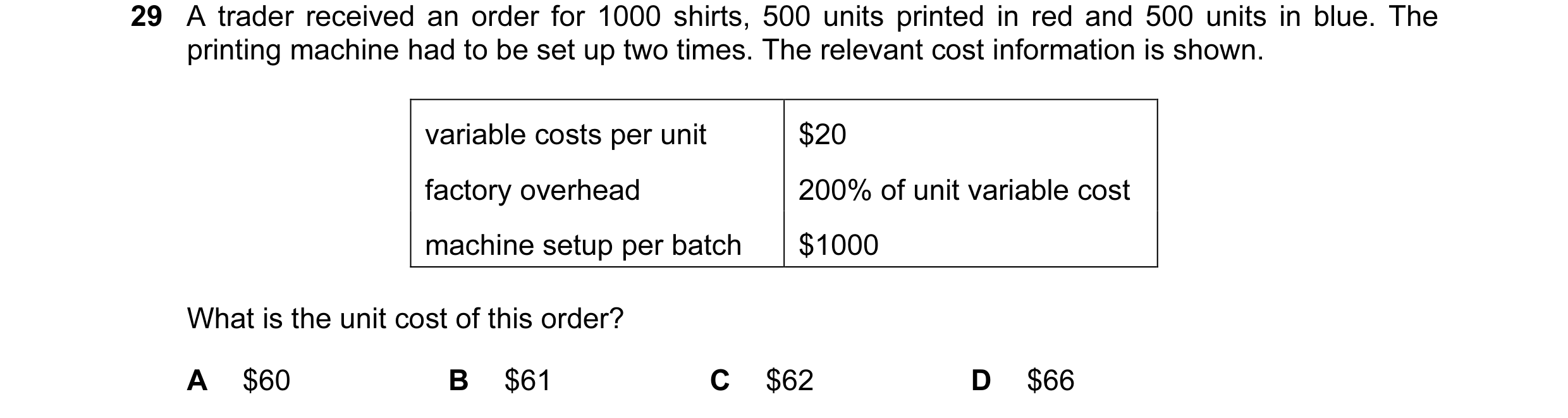


 46 / 105
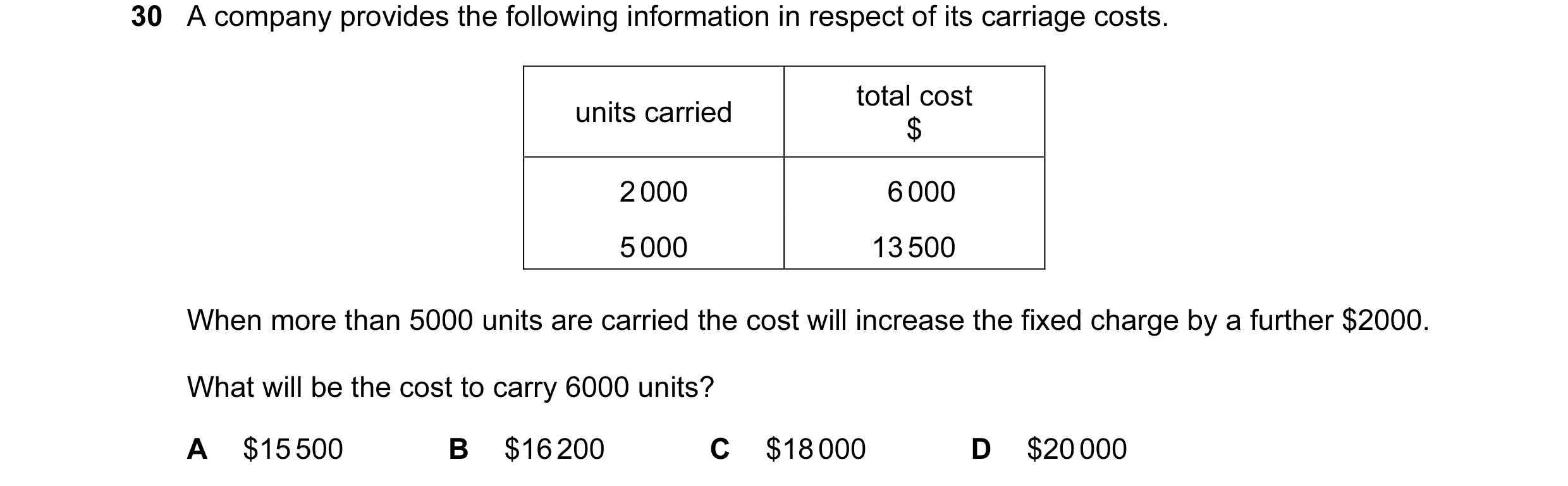
 47 / 105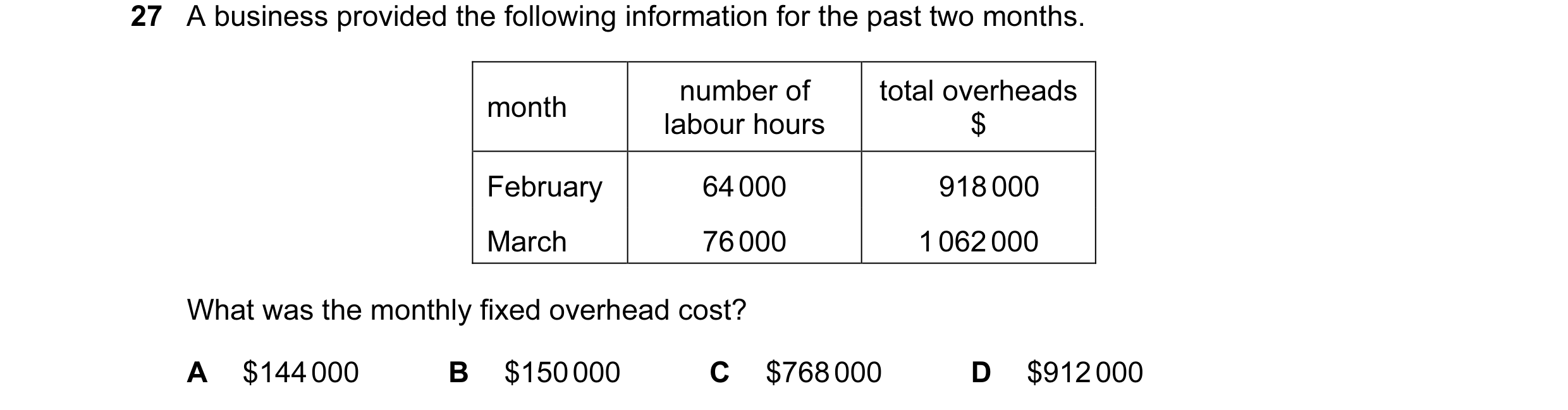


 48 / 105
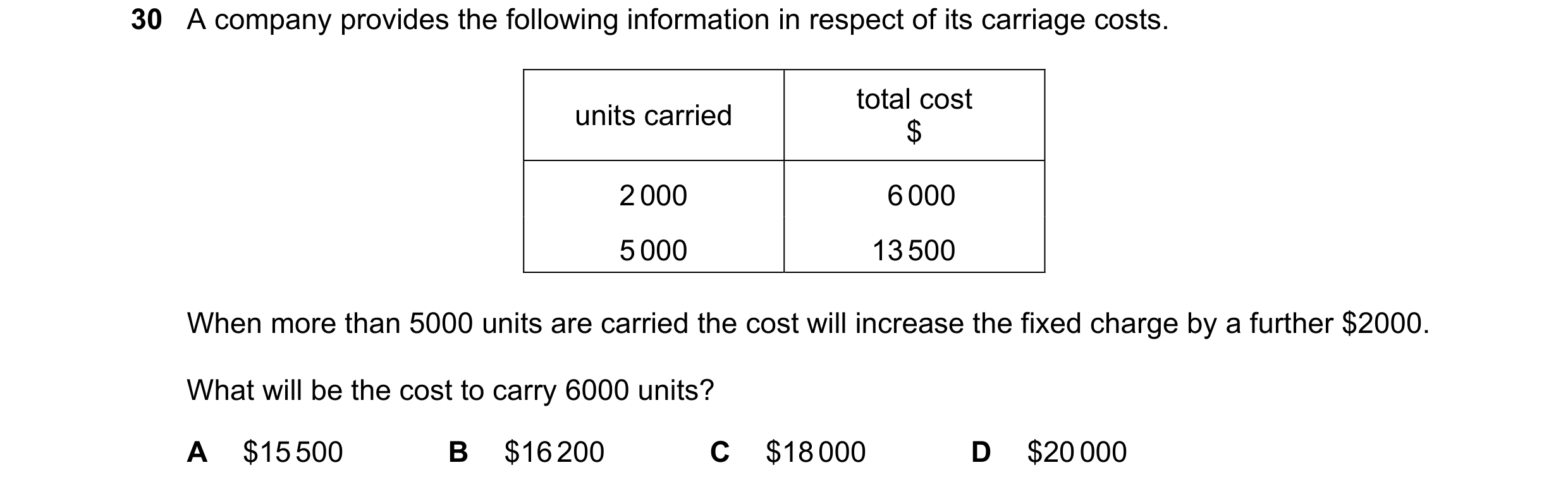

 49 / 105
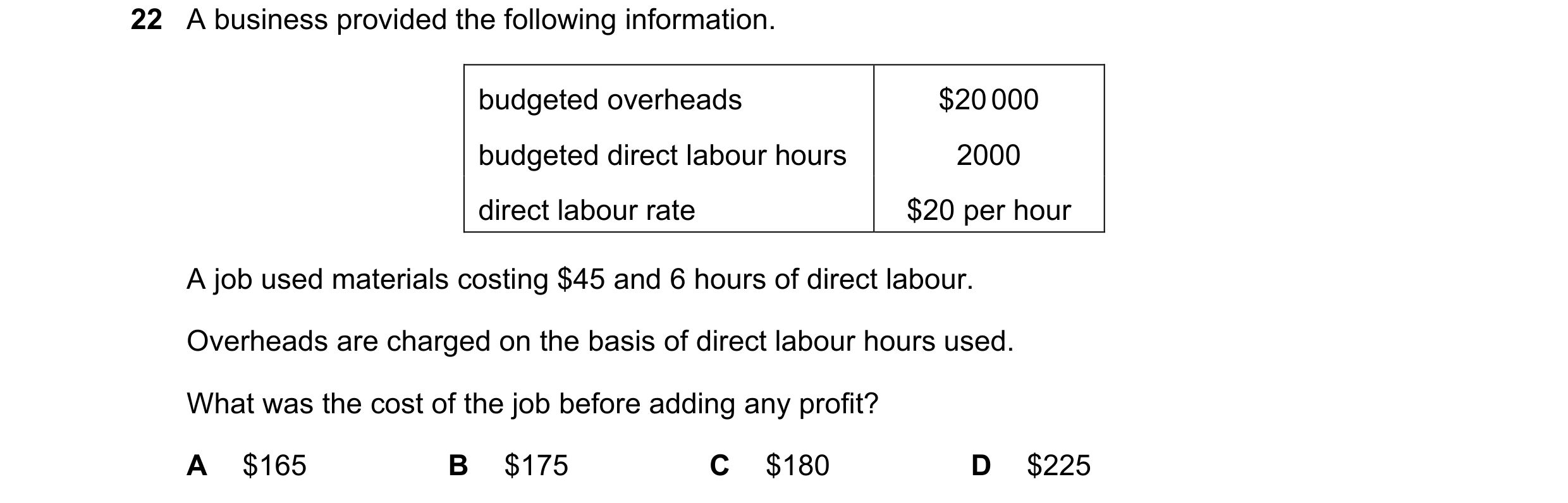
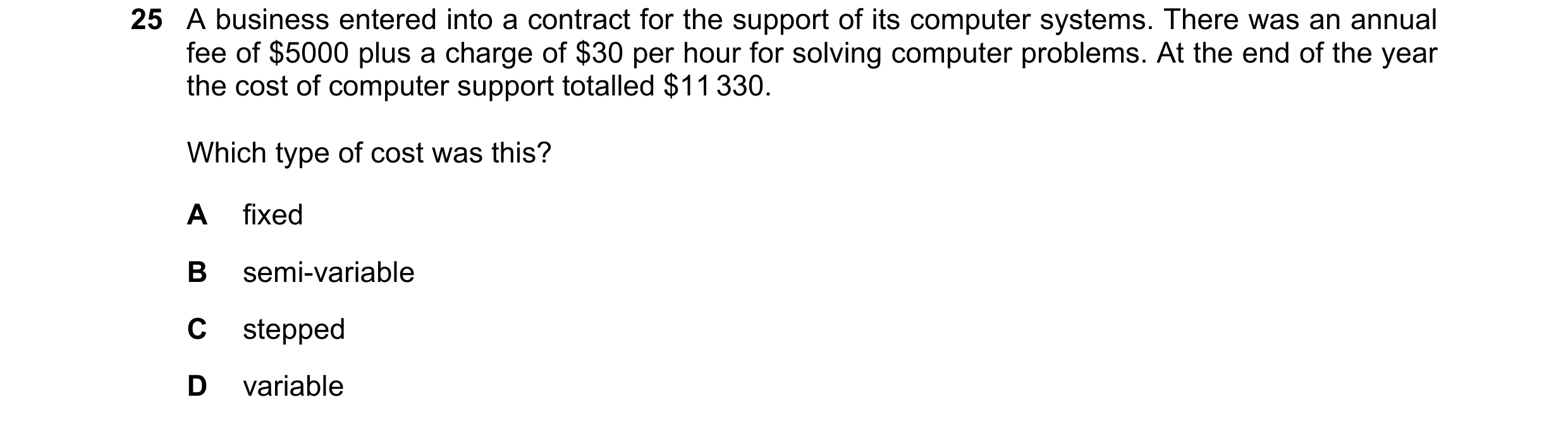
 50 / 105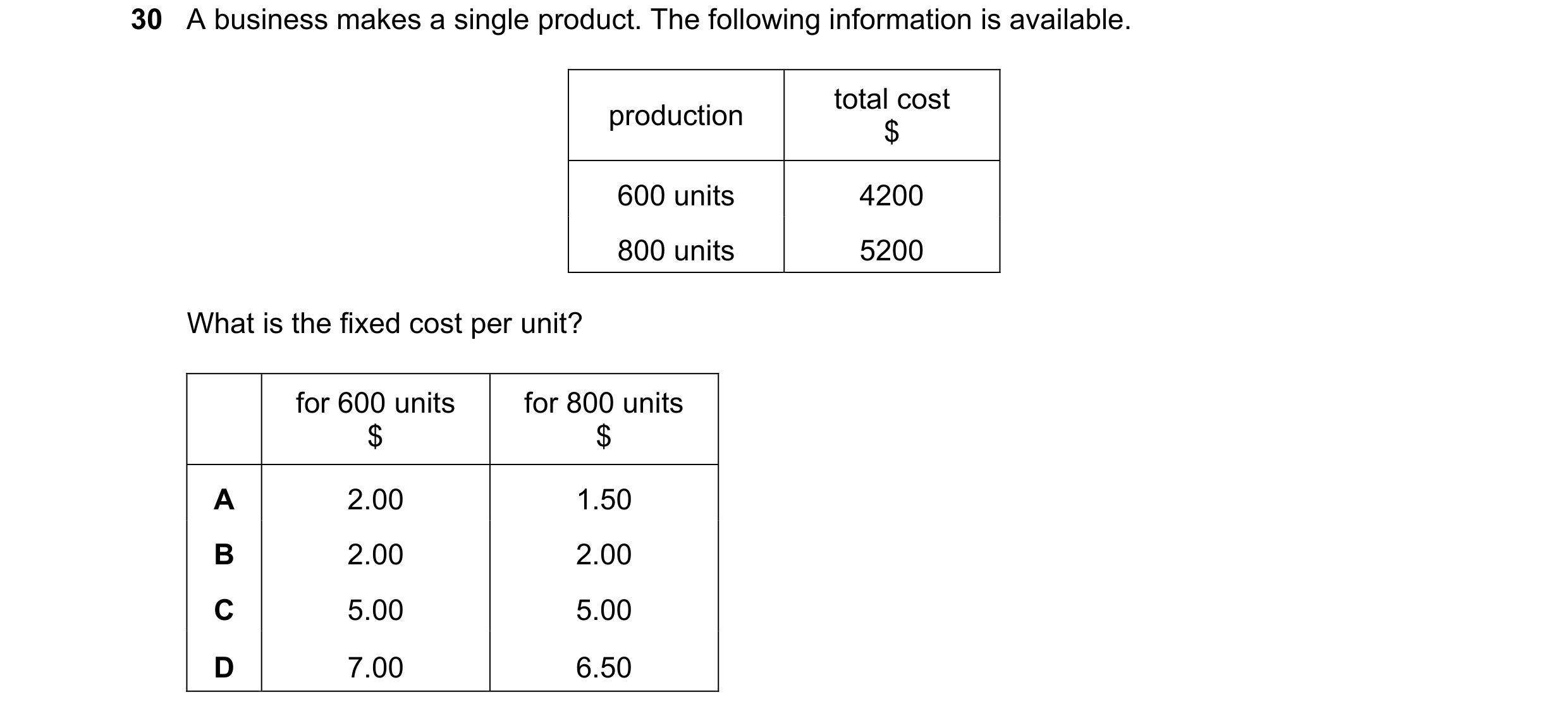


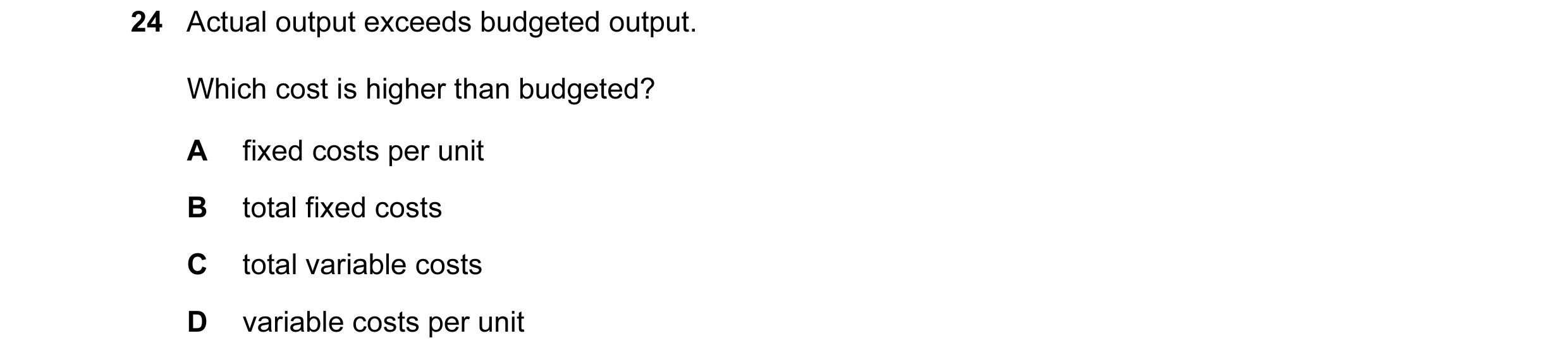 51 / 105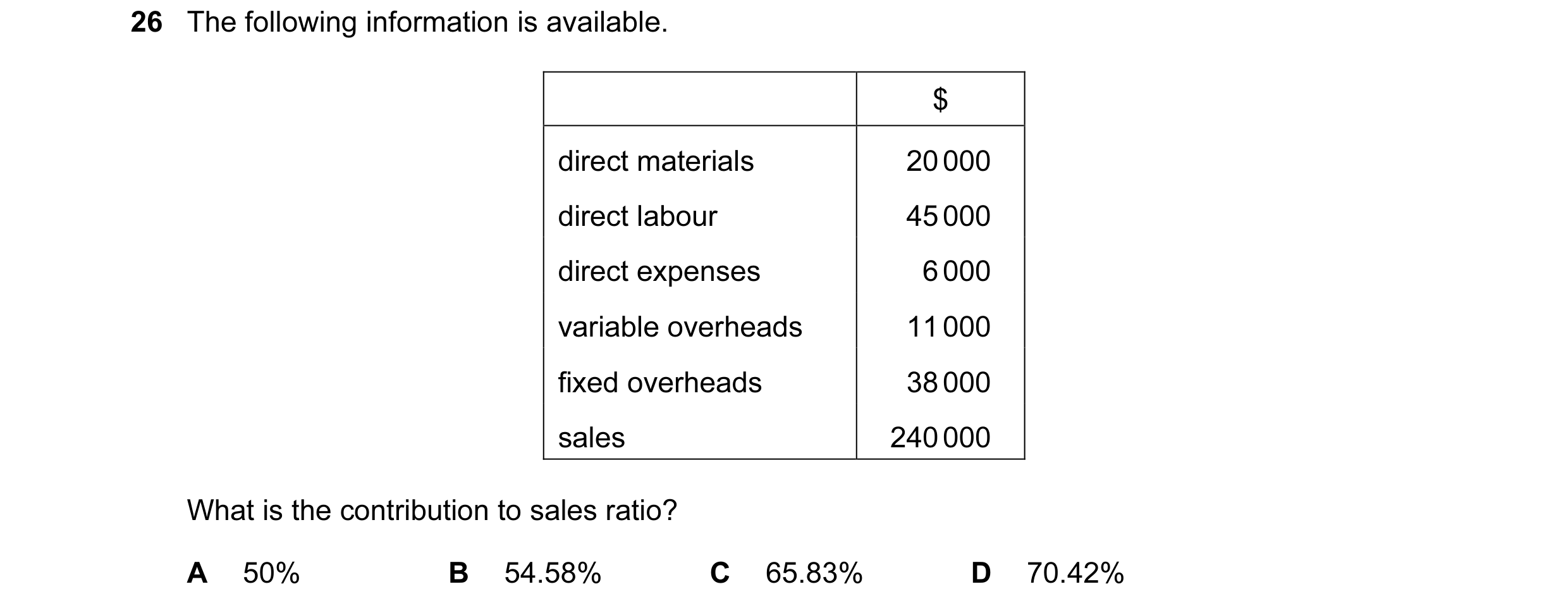
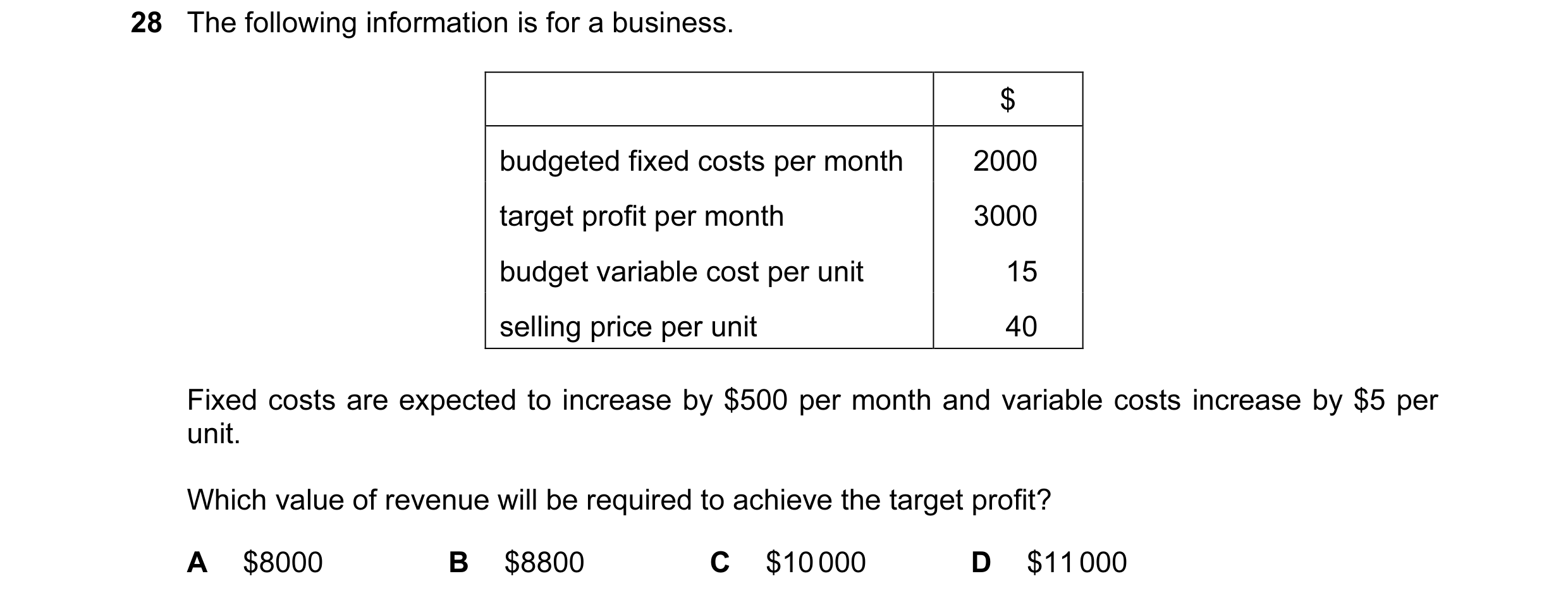
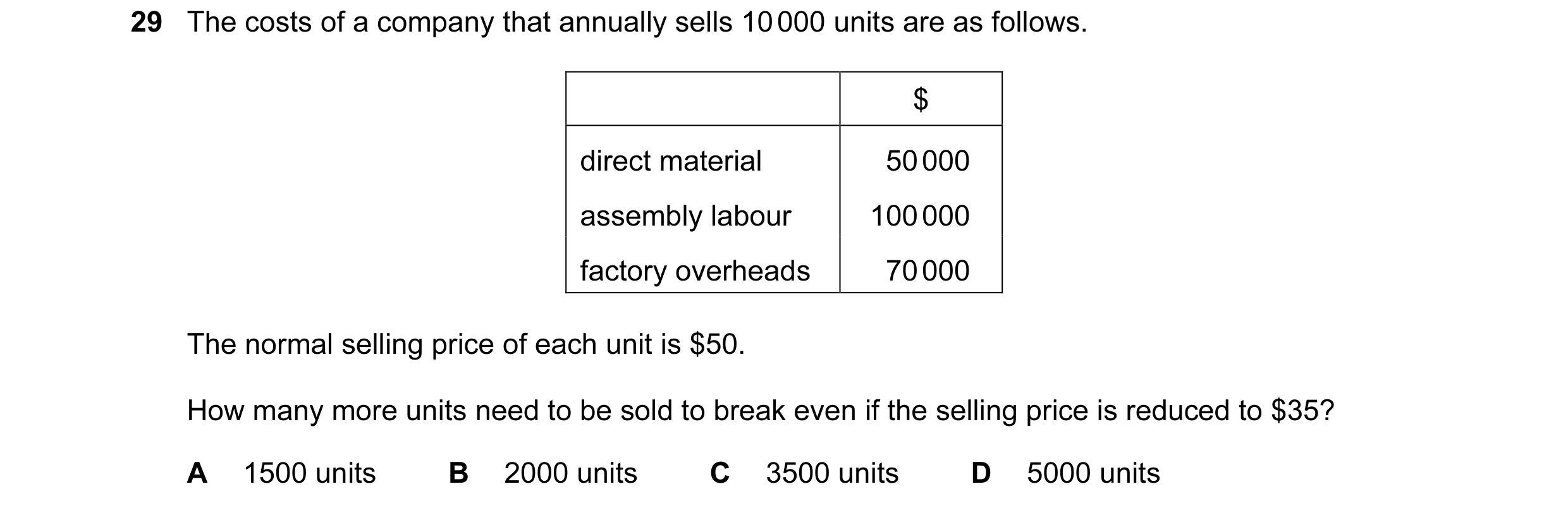
 52 / 105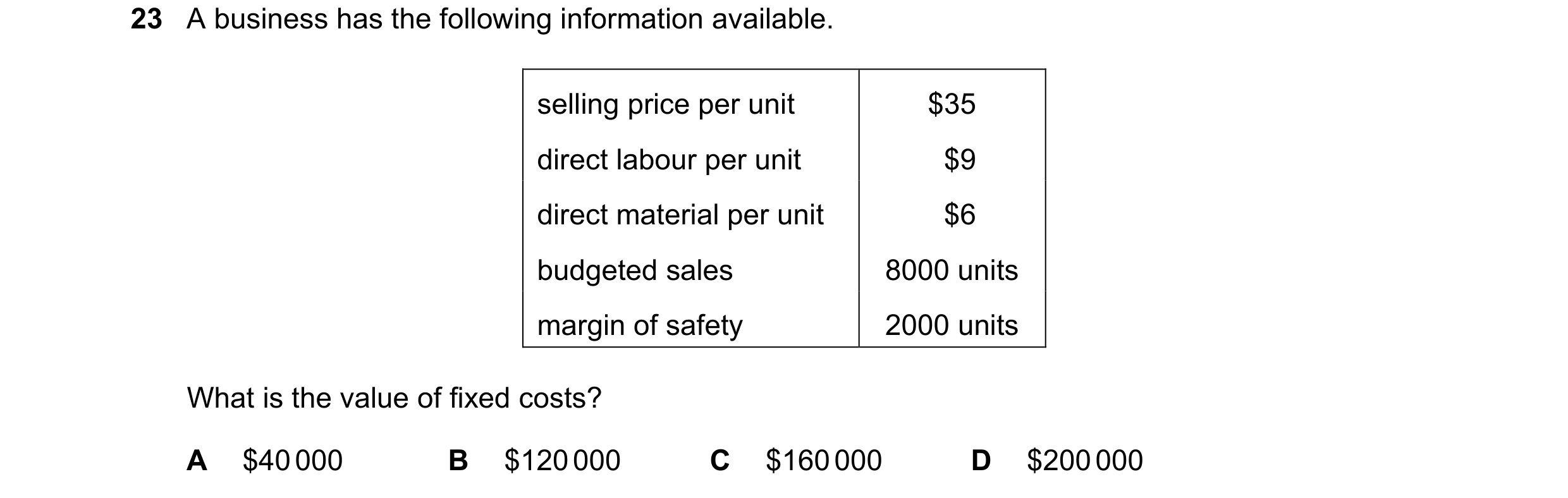
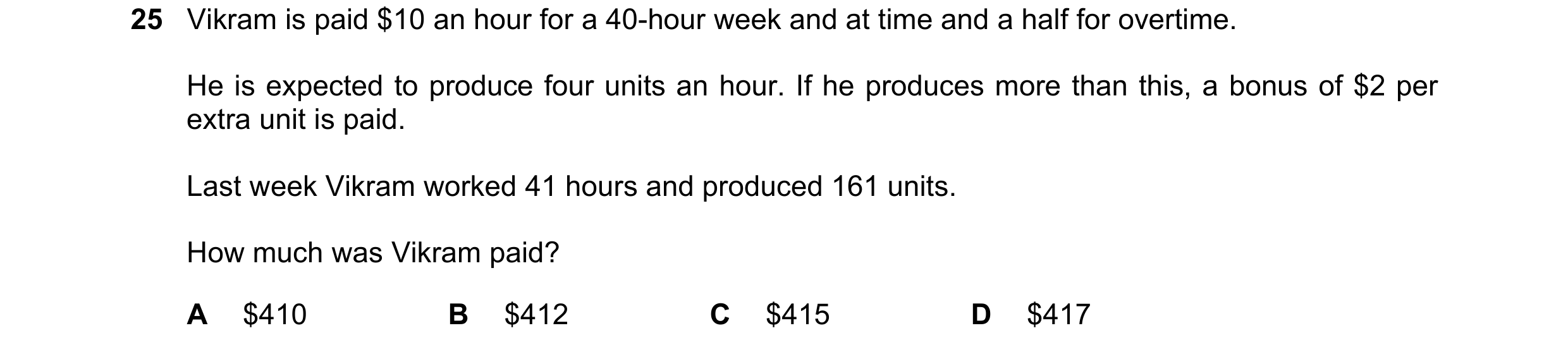
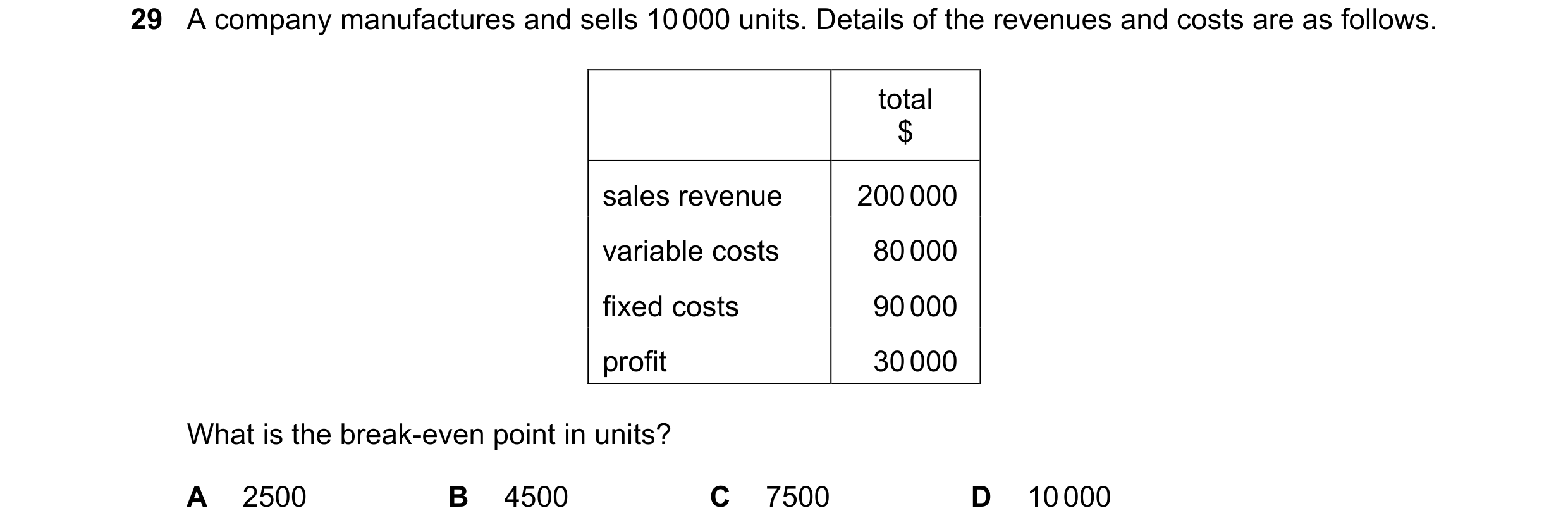
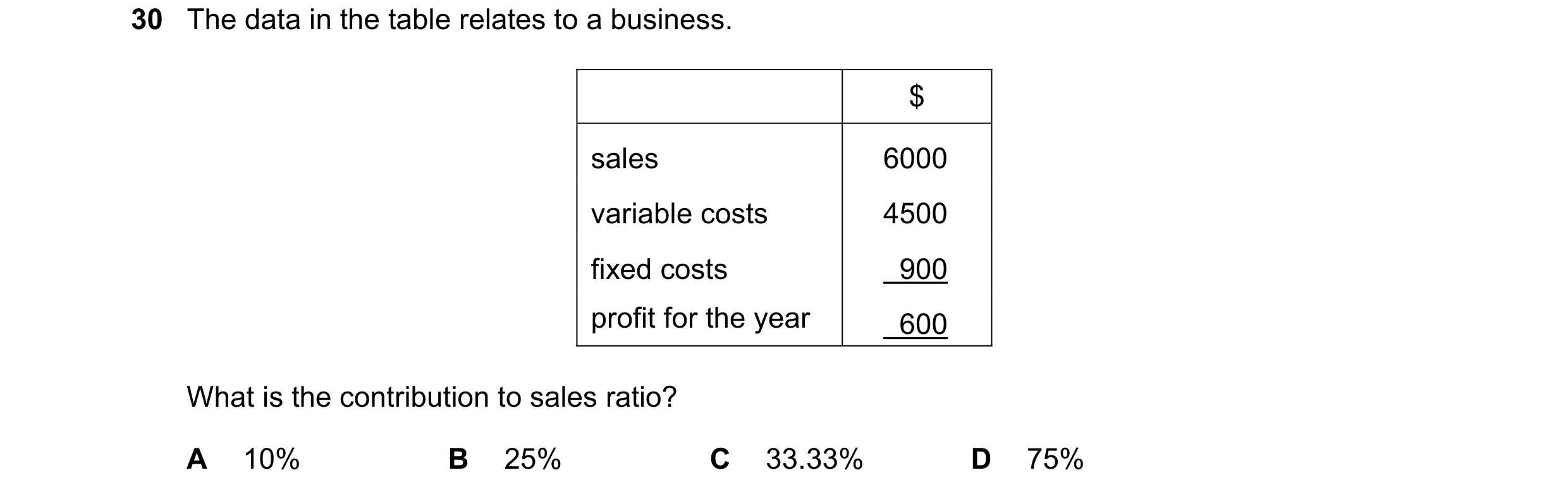 53 / 105


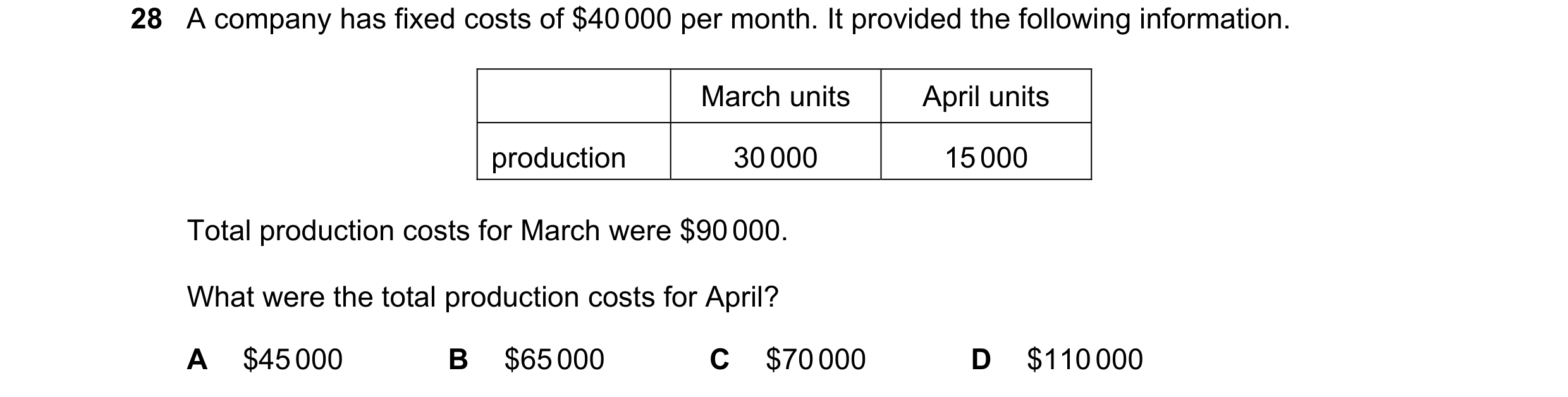
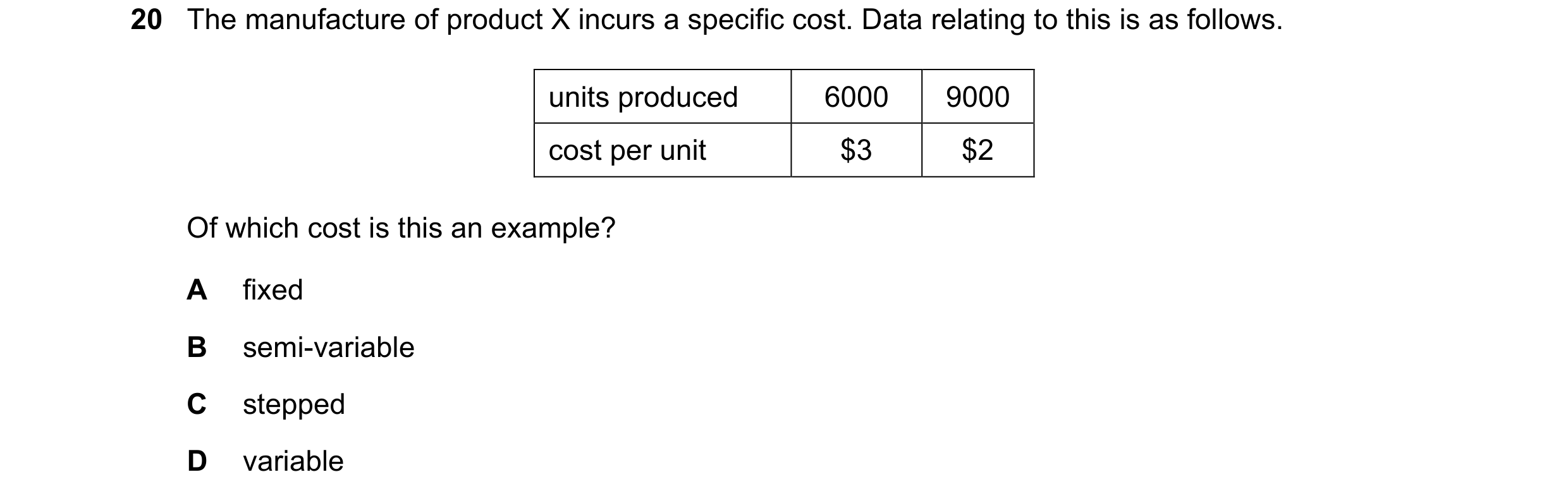 54 / 105
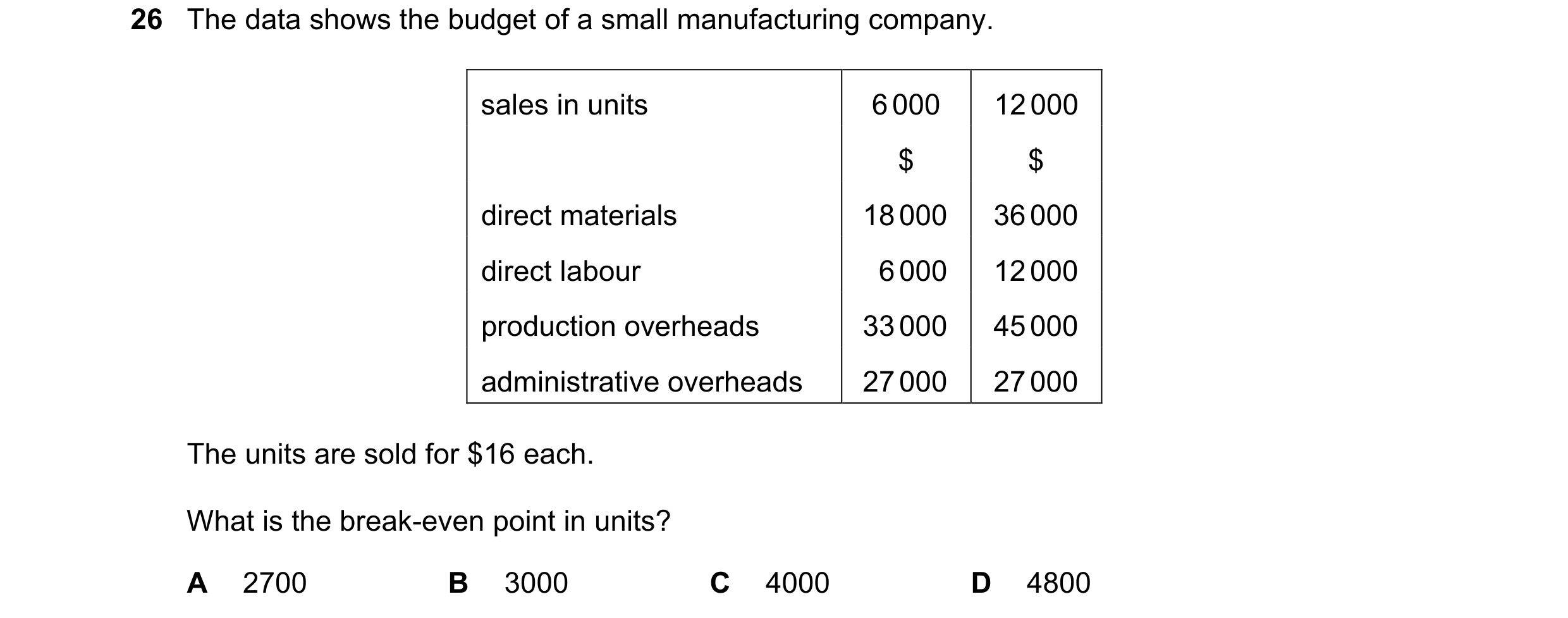
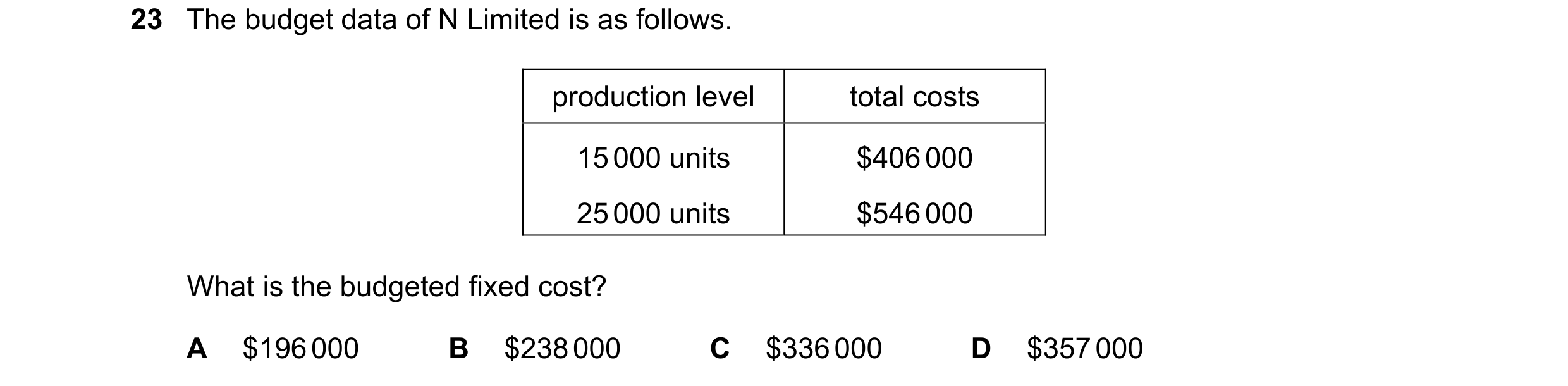
 55 / 105


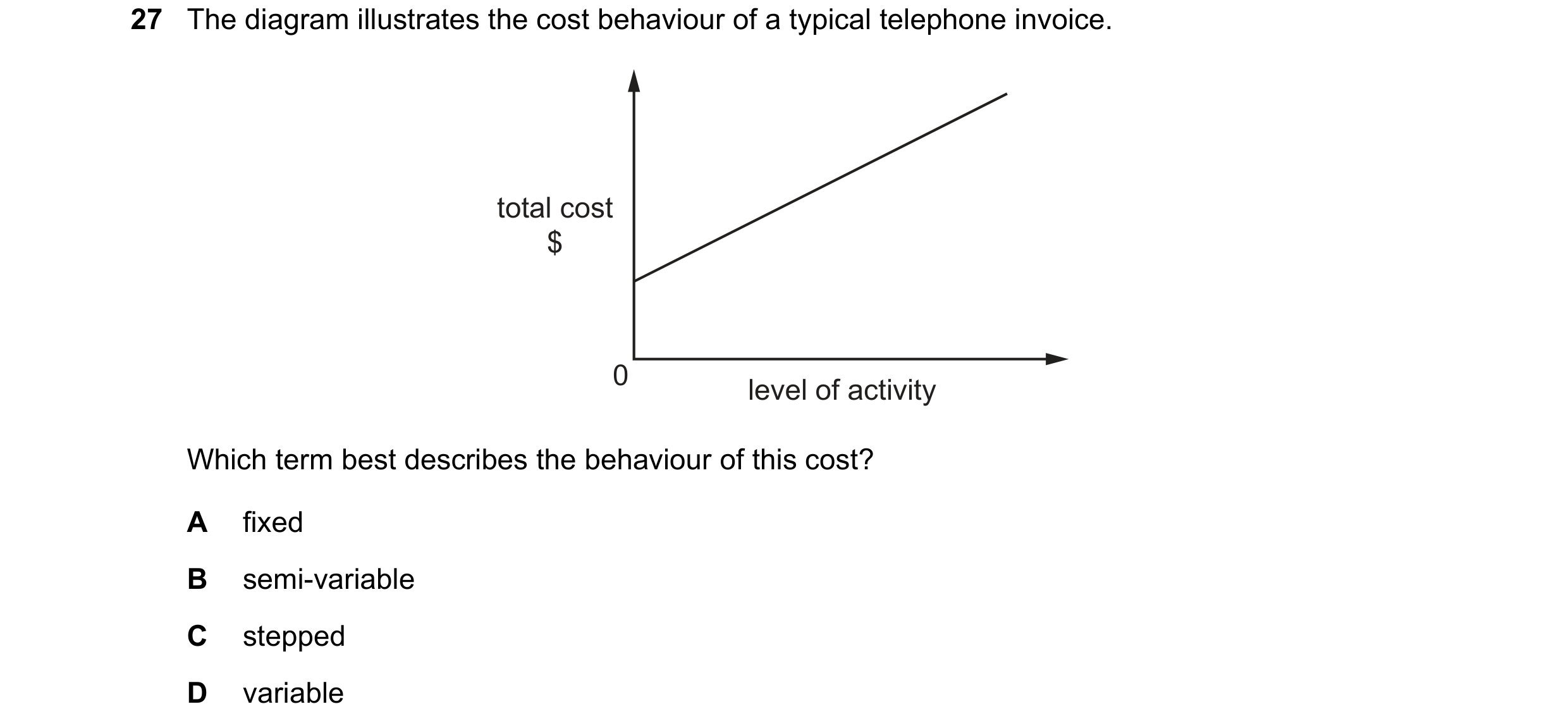
 56 / 105


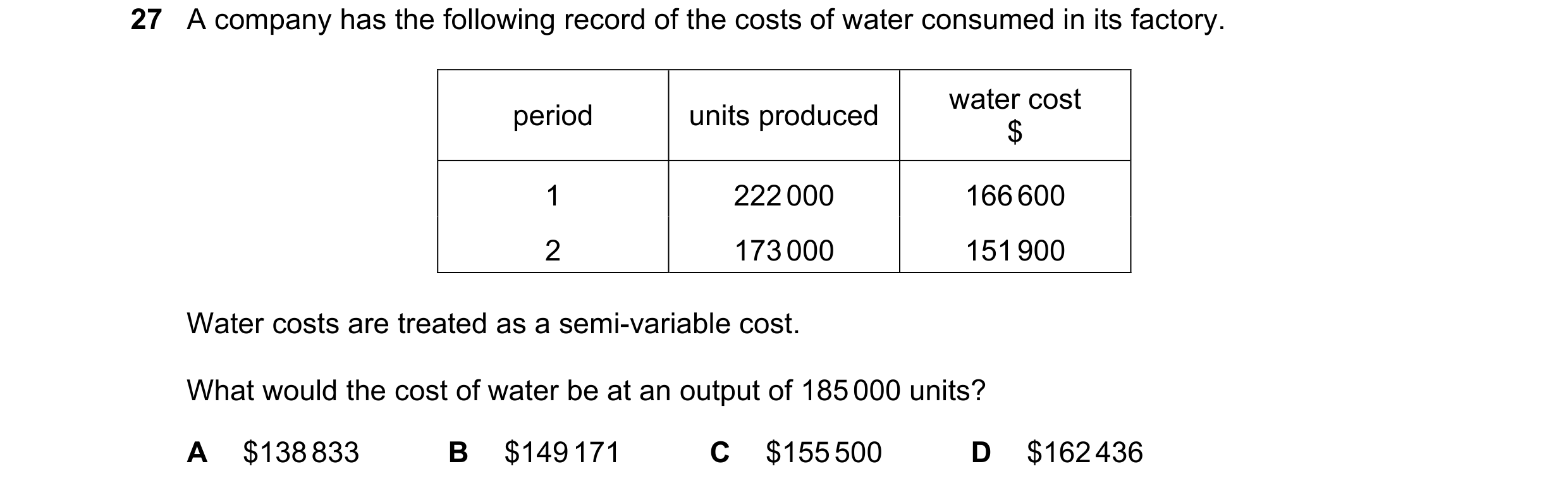
 57 / 105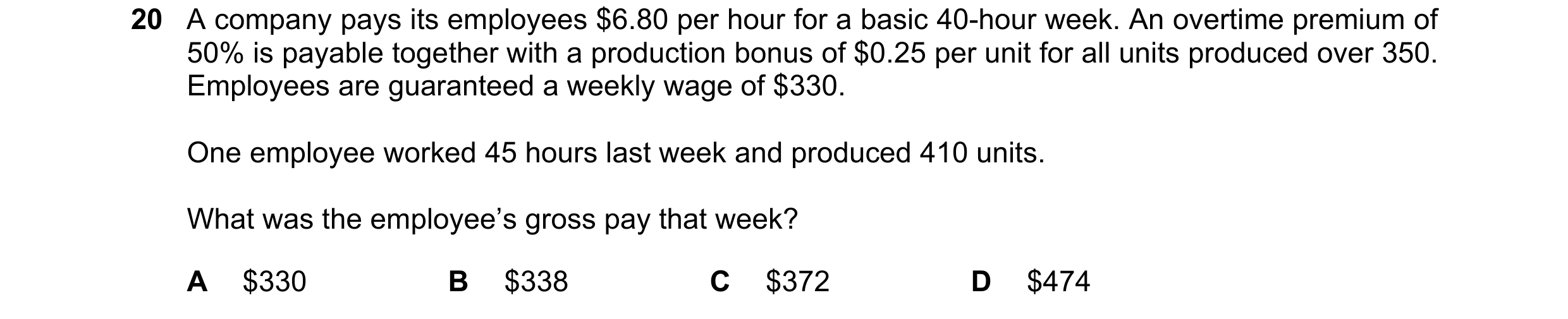
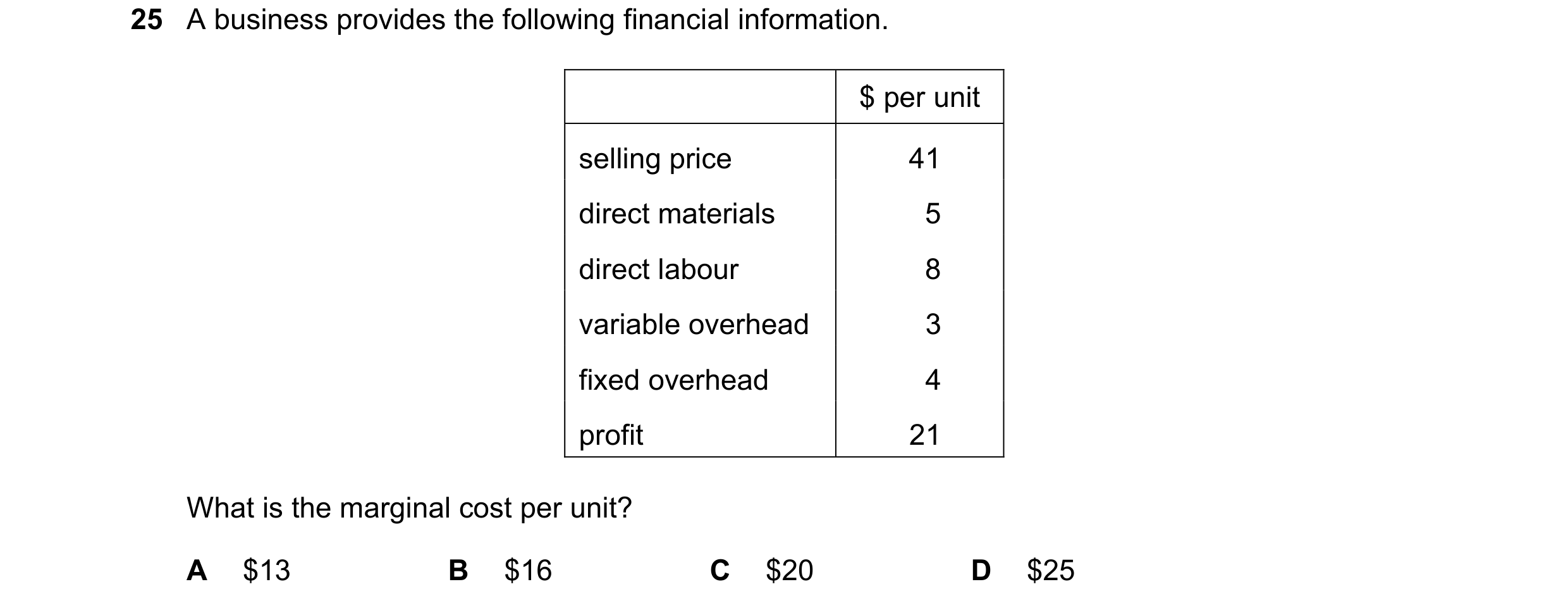
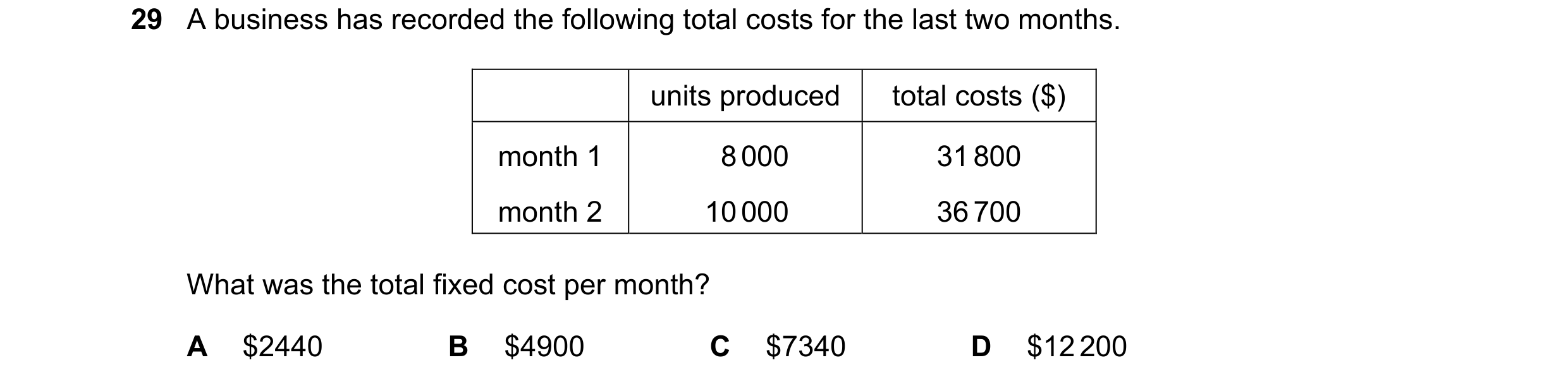
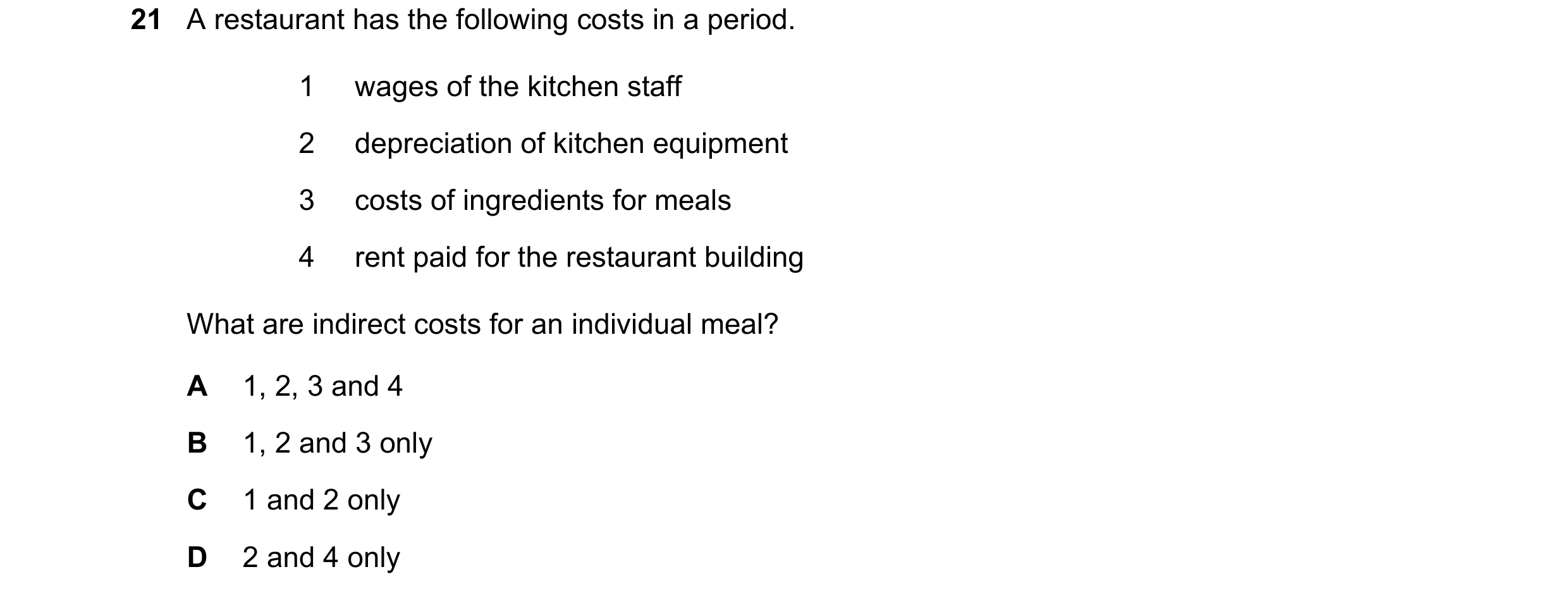 58 / 105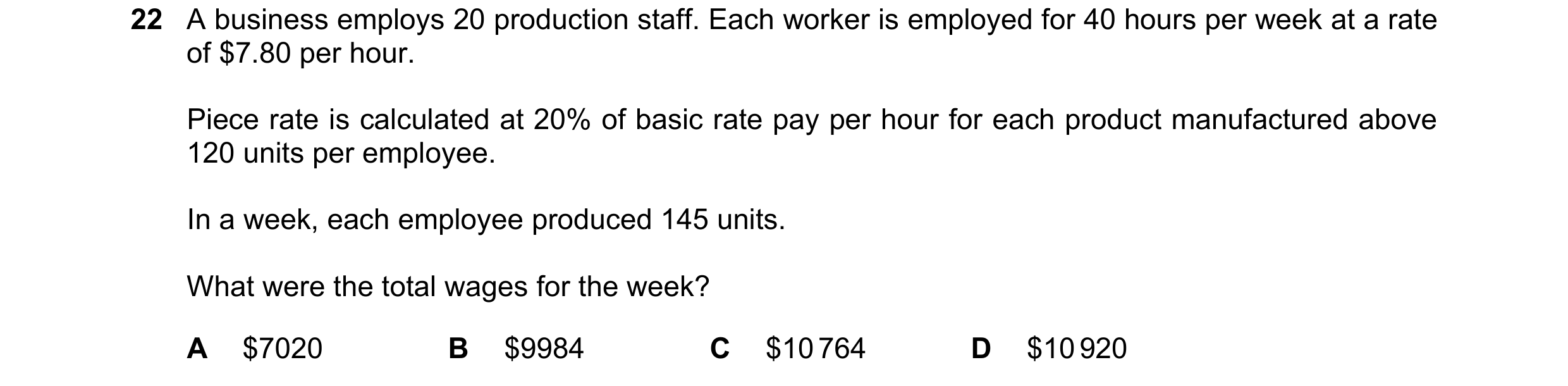
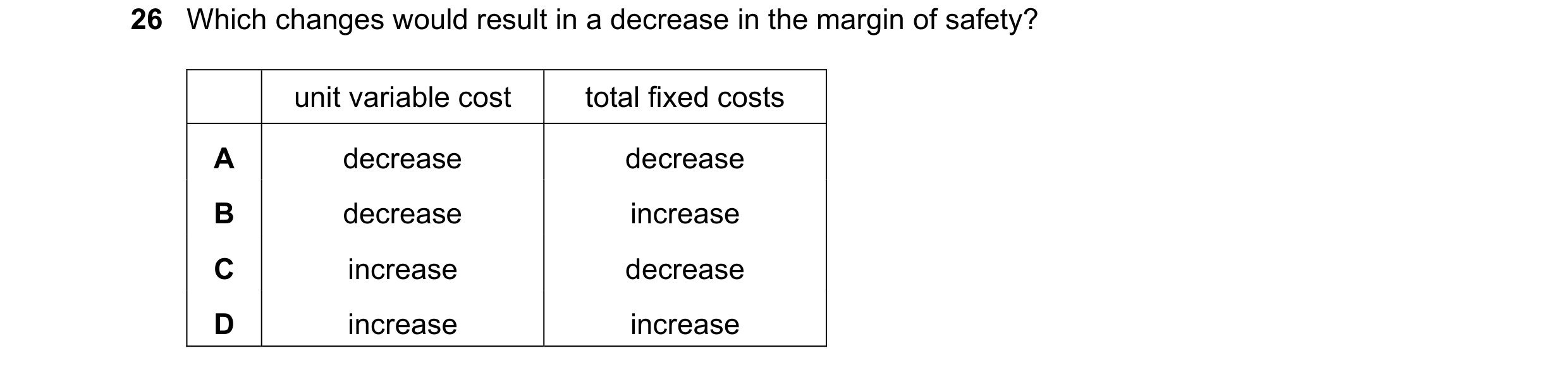
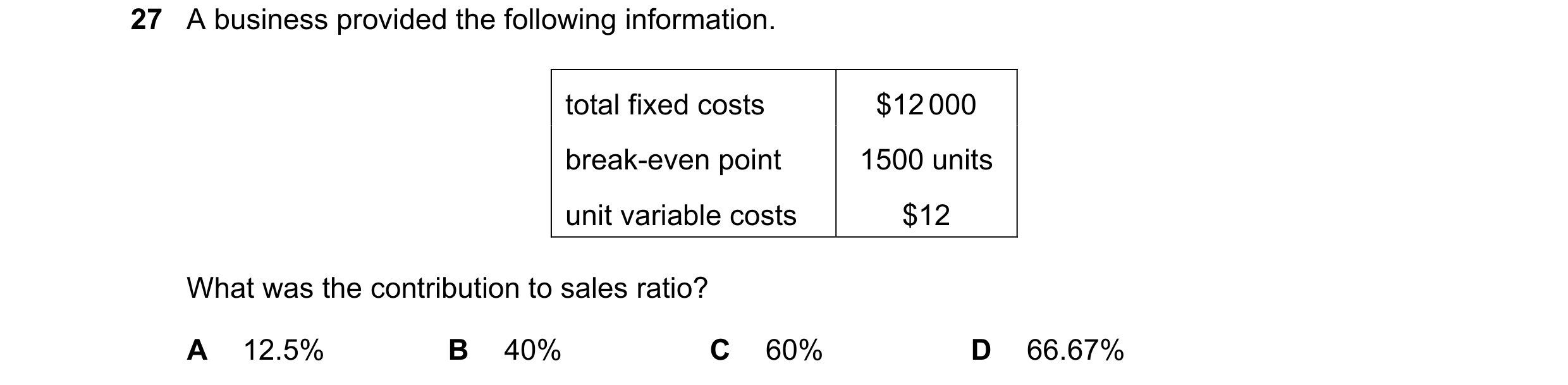
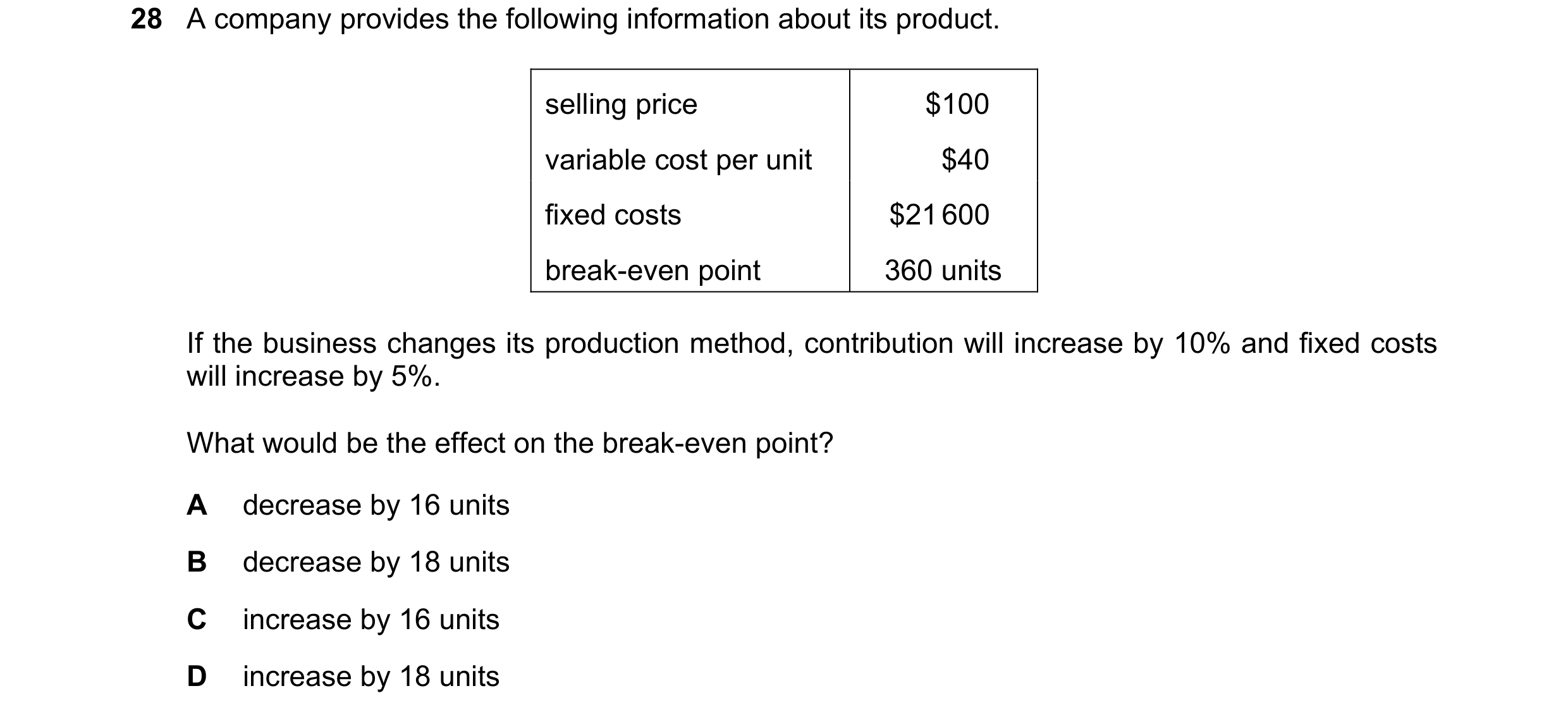 59 / 105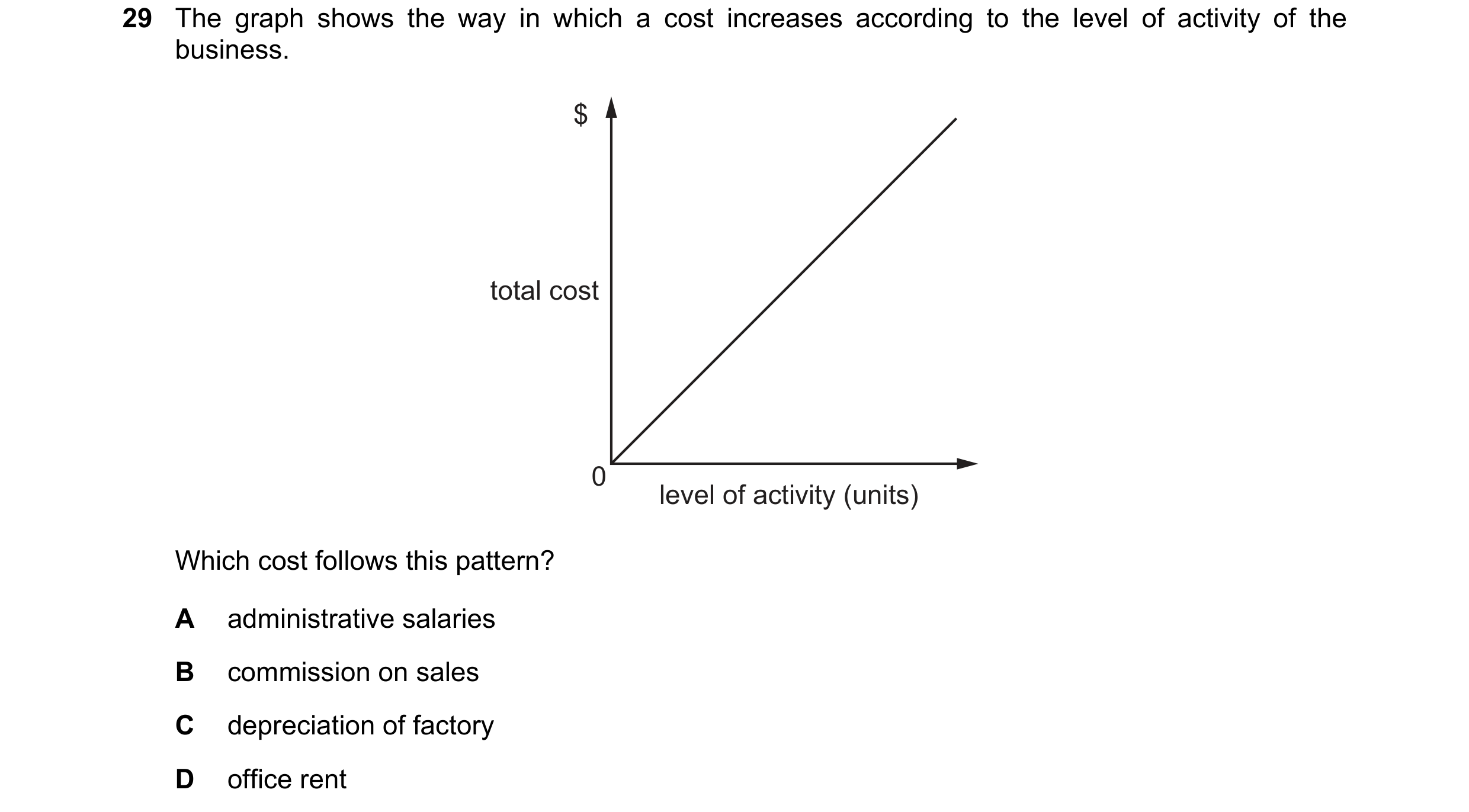

 60 / 105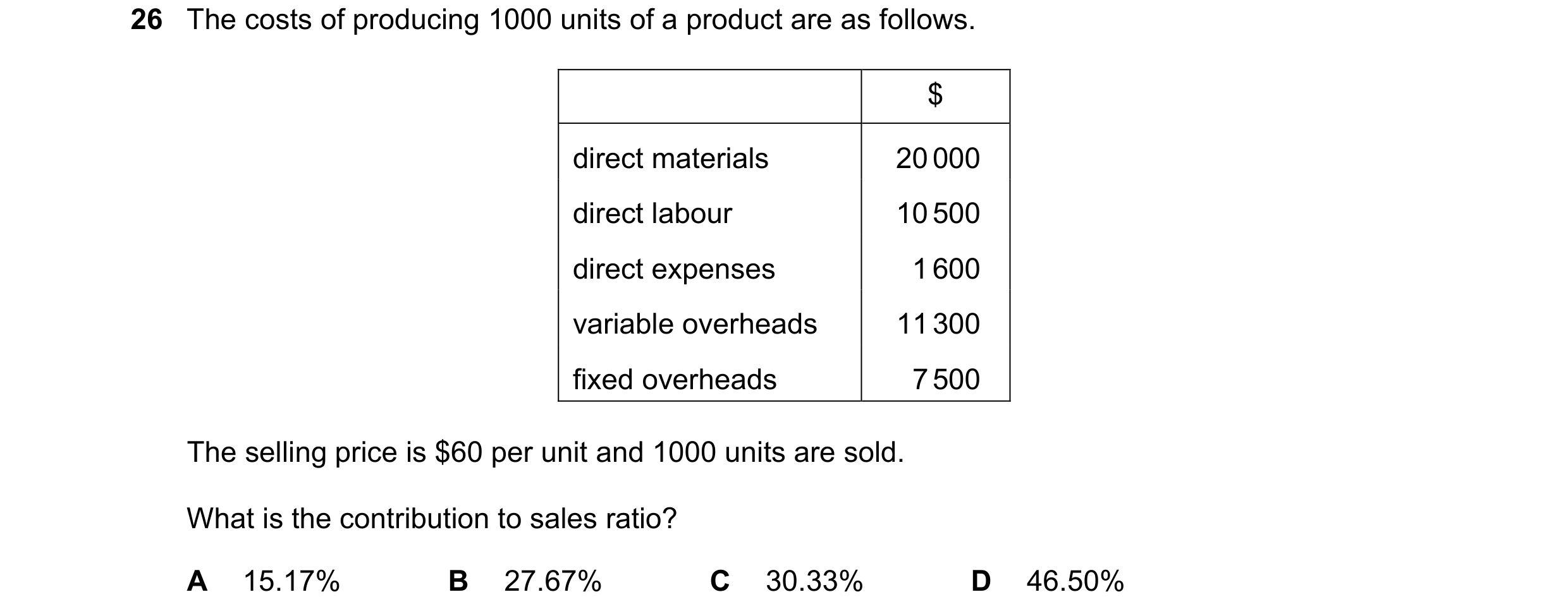
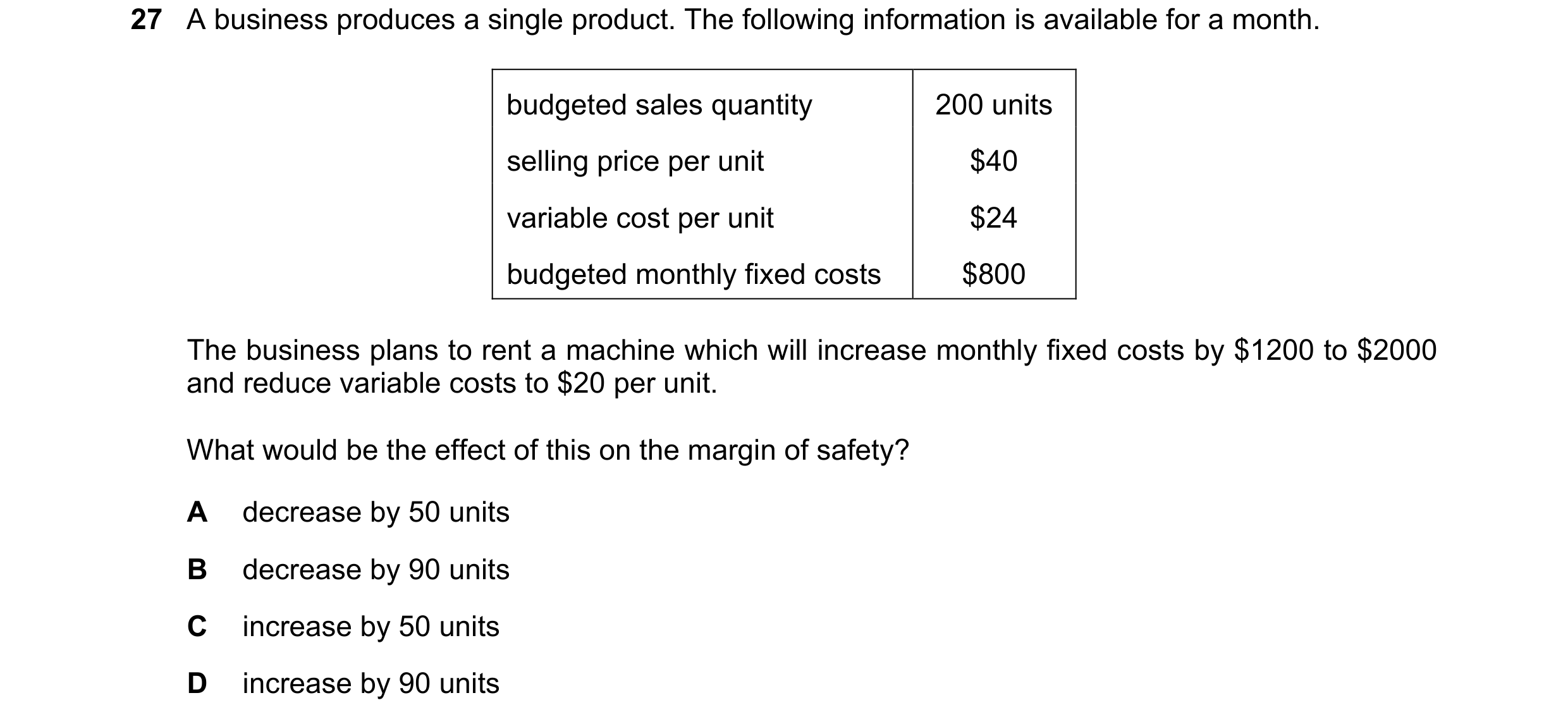
 61 / 105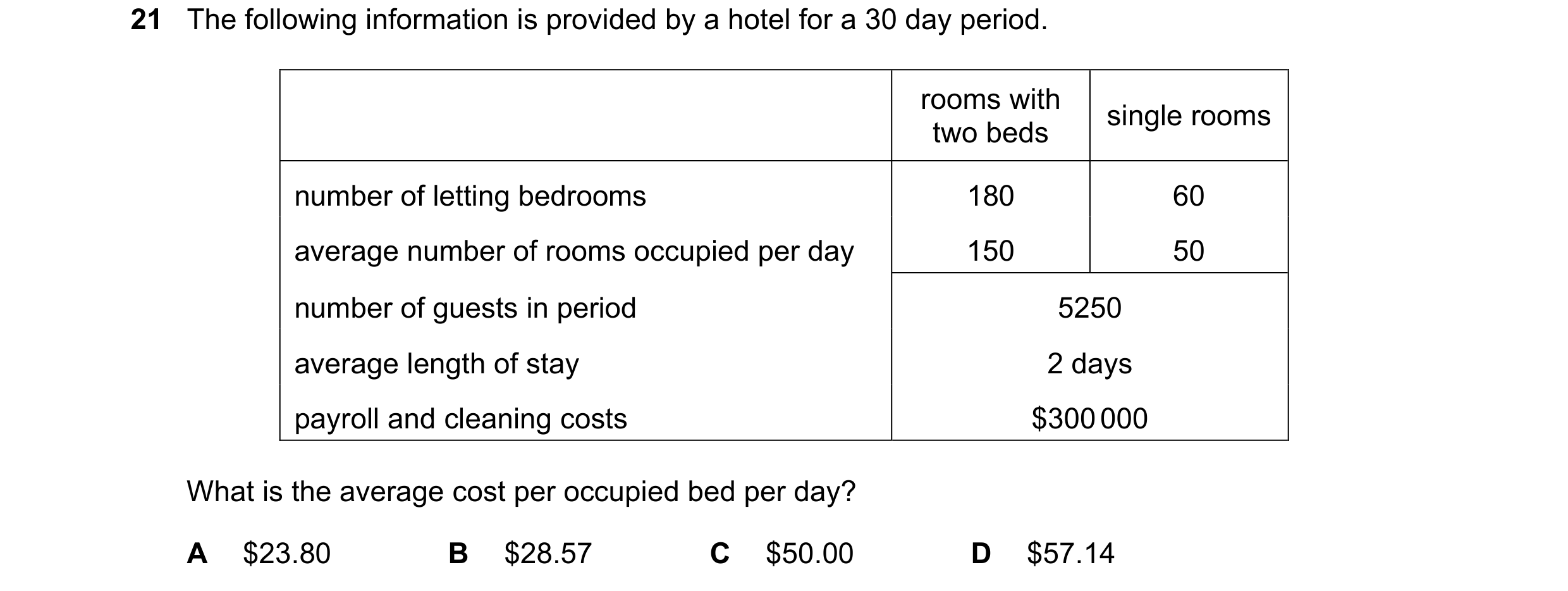
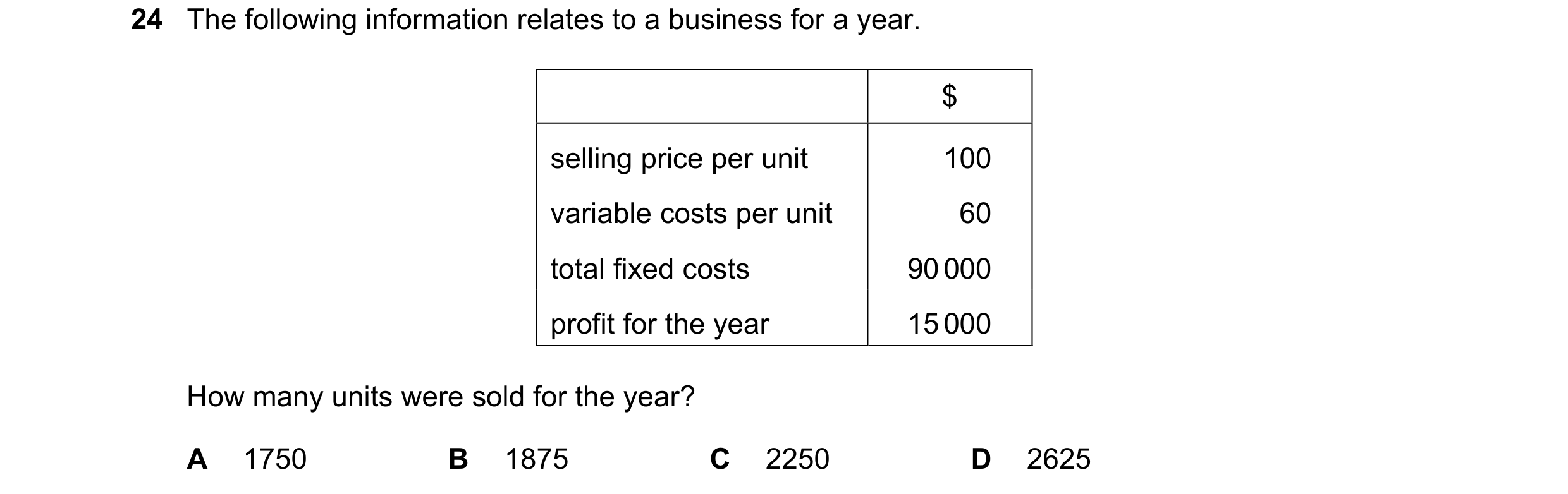

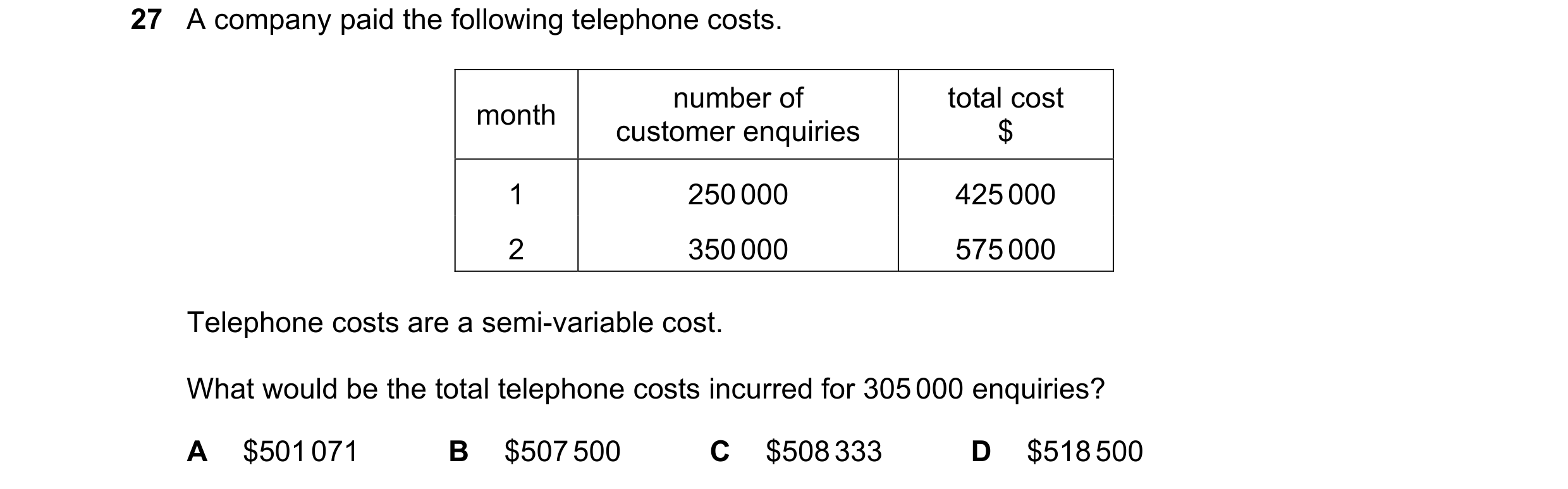 62 / 105
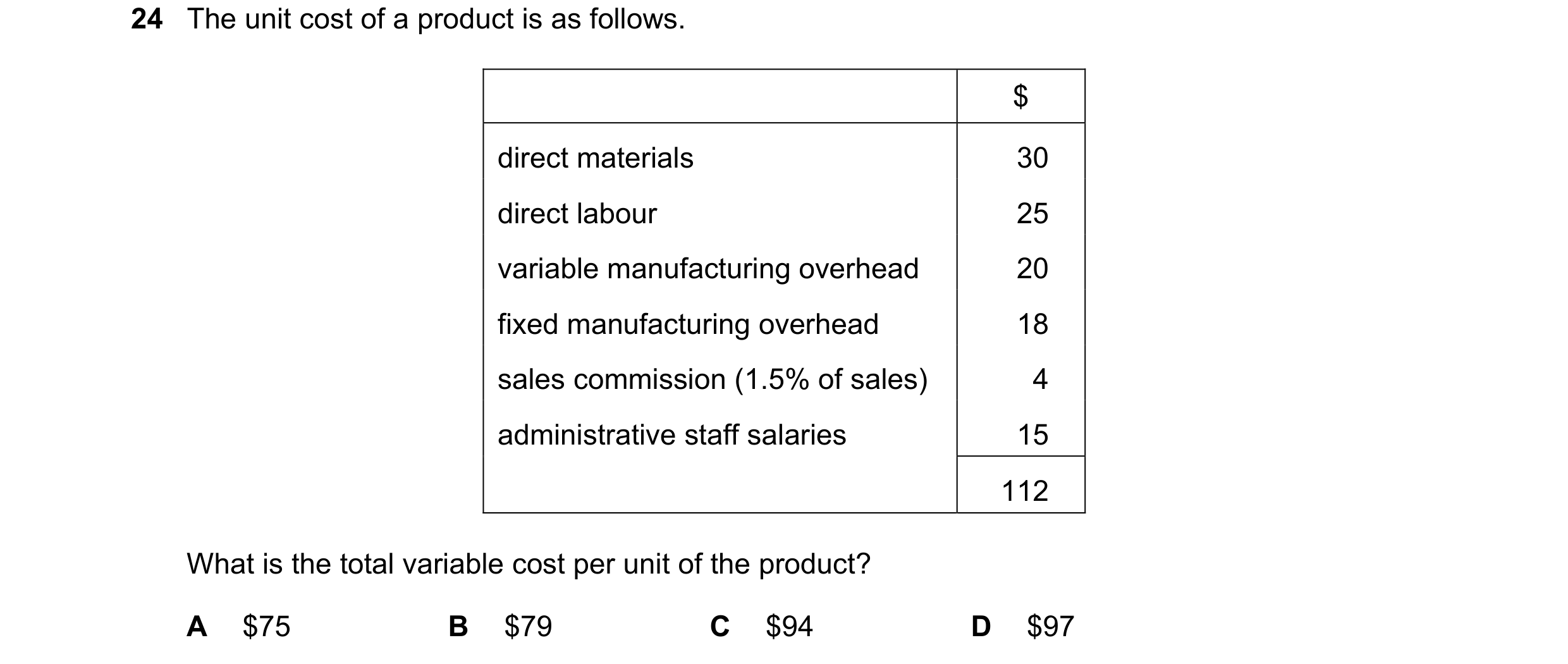 63 / 105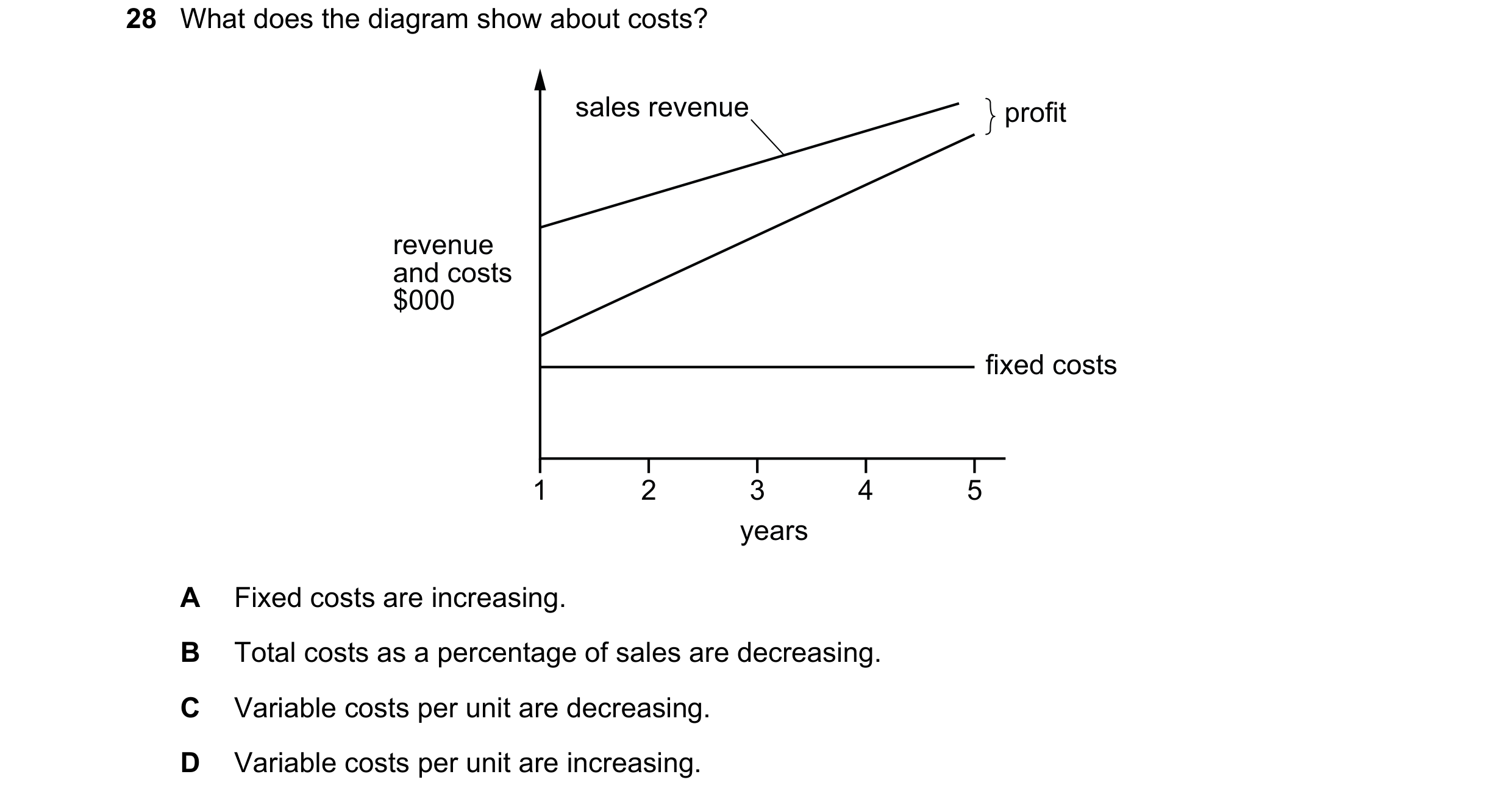
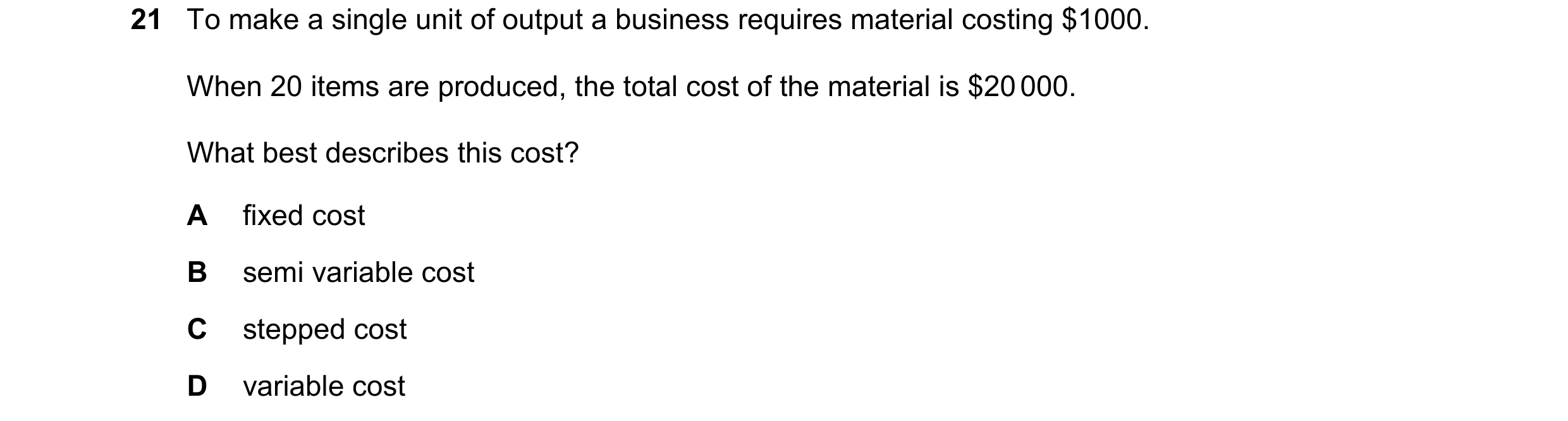
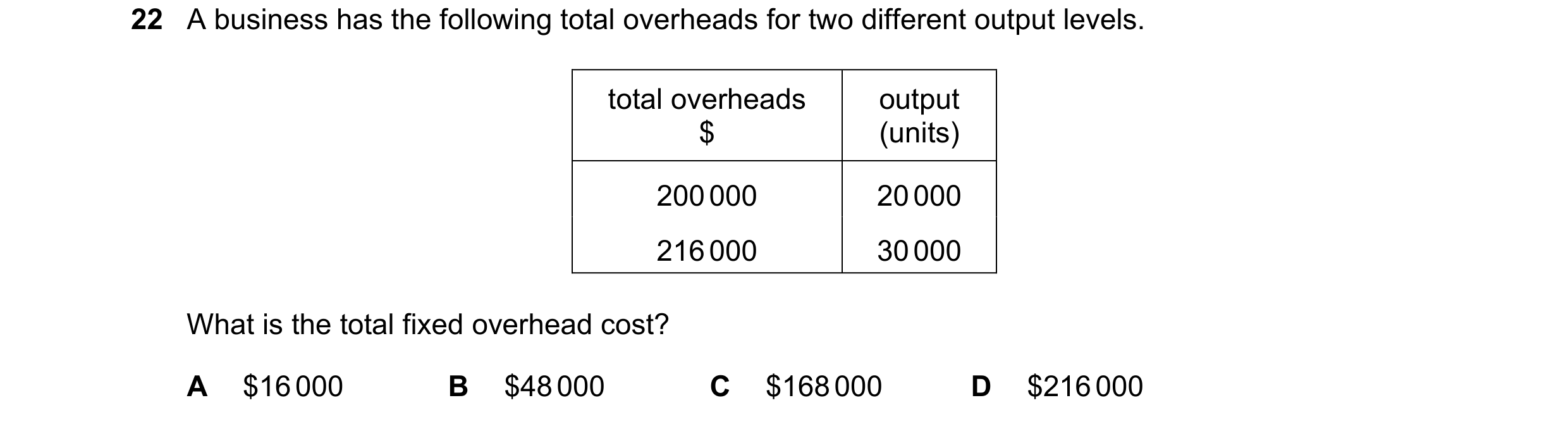
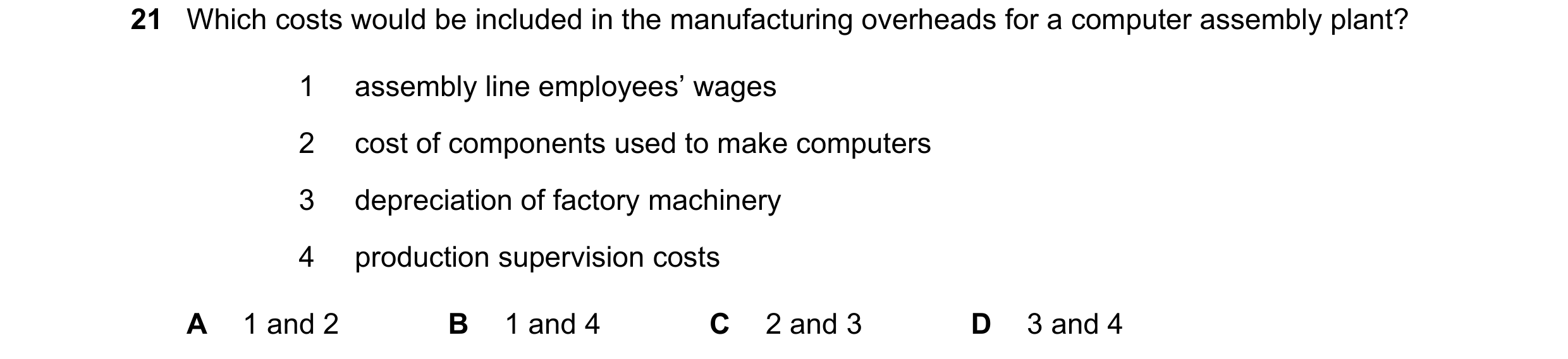 64 / 105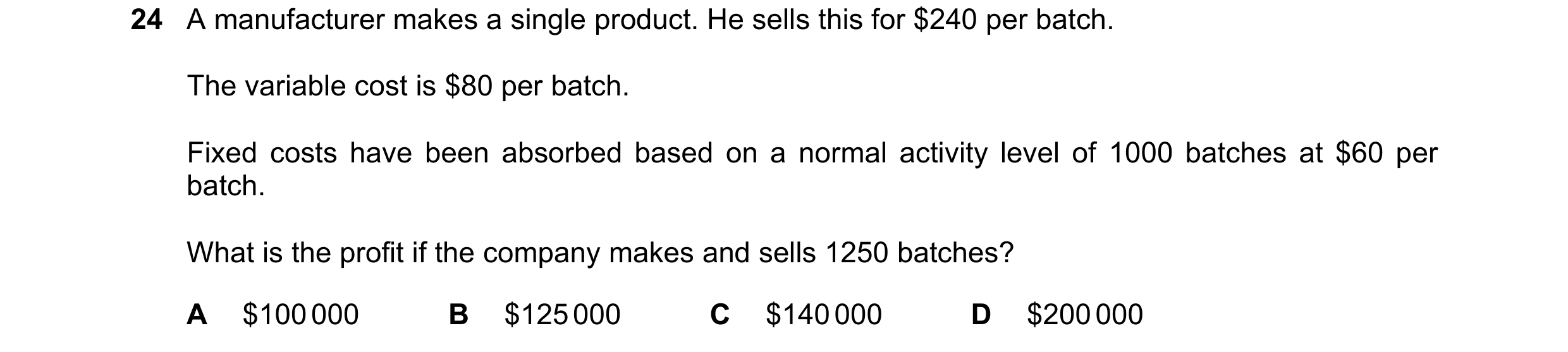

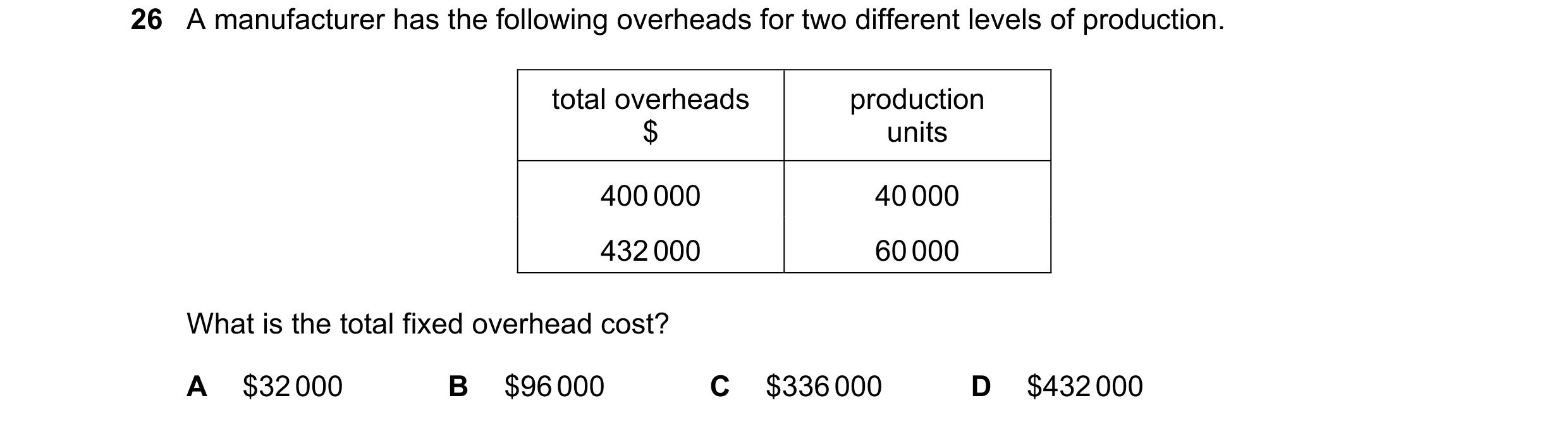
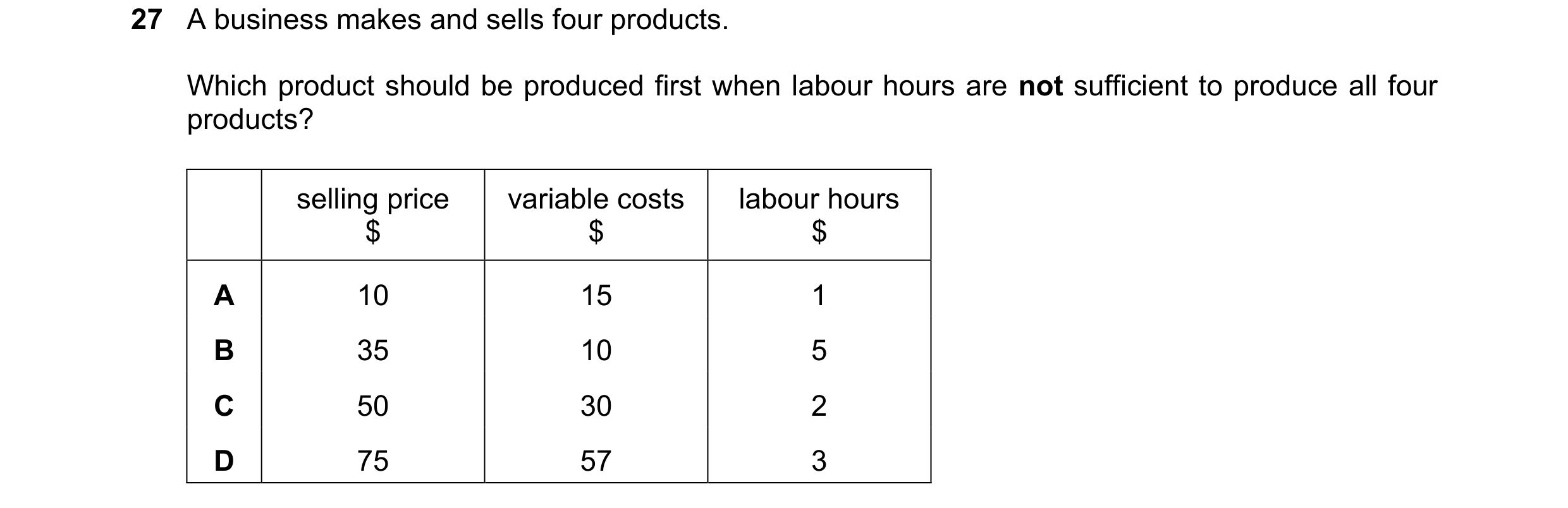
 65 / 105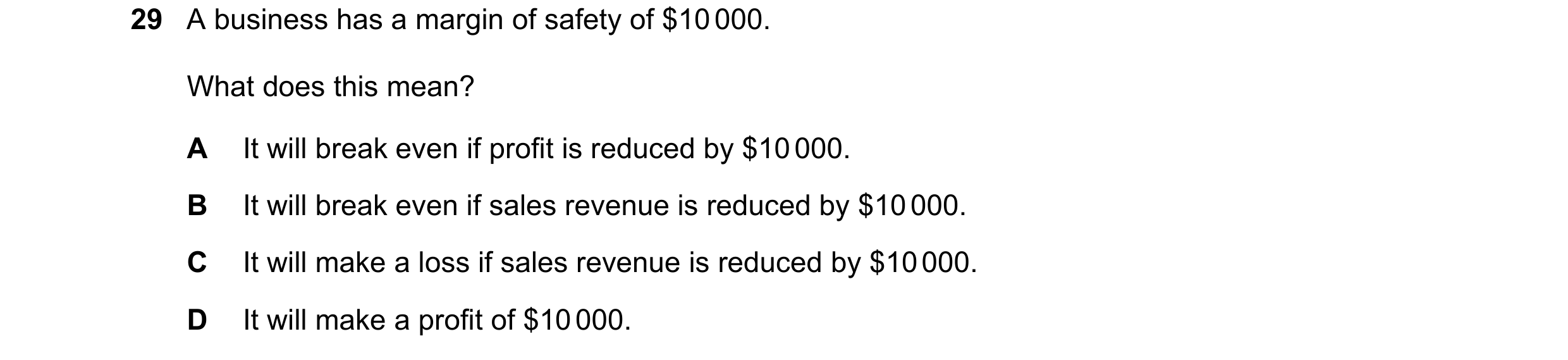


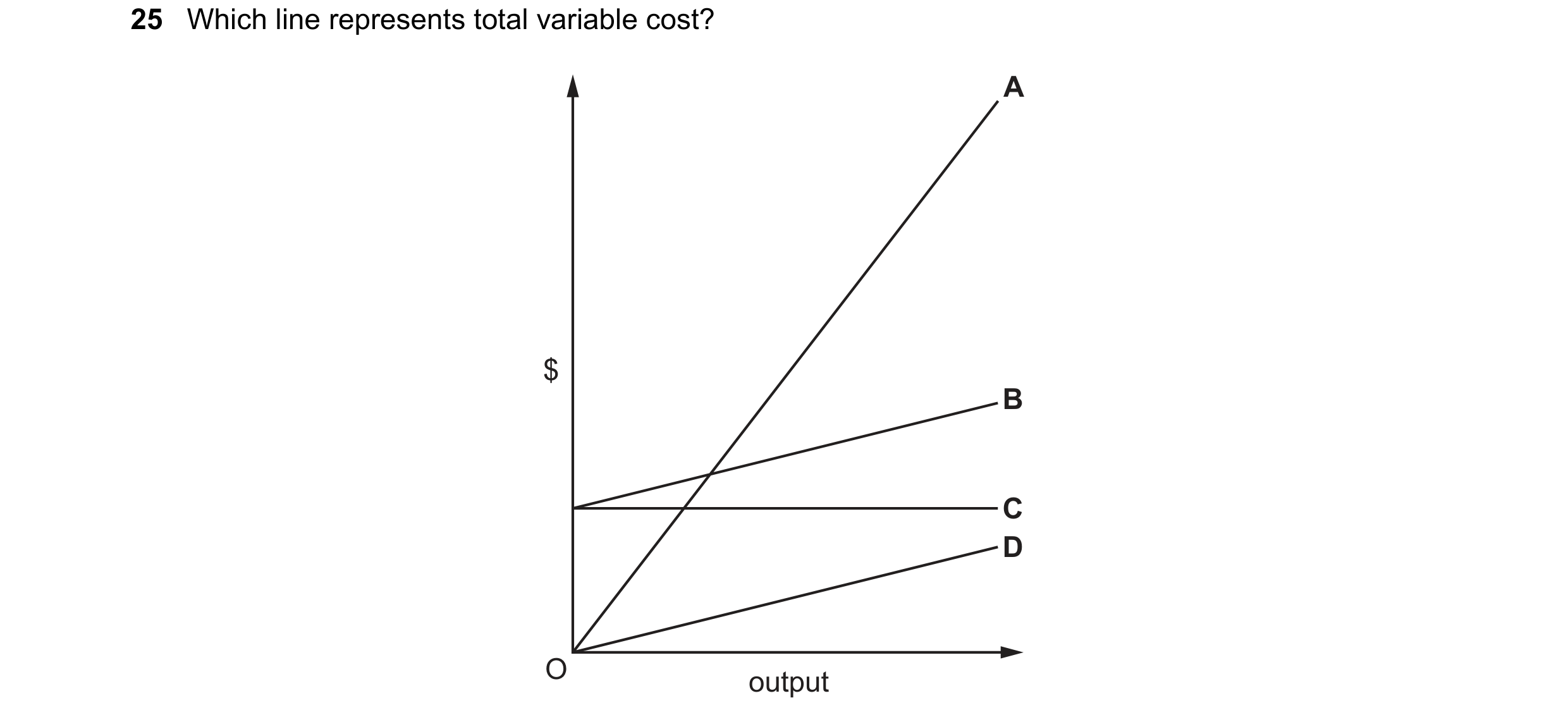
 66 / 105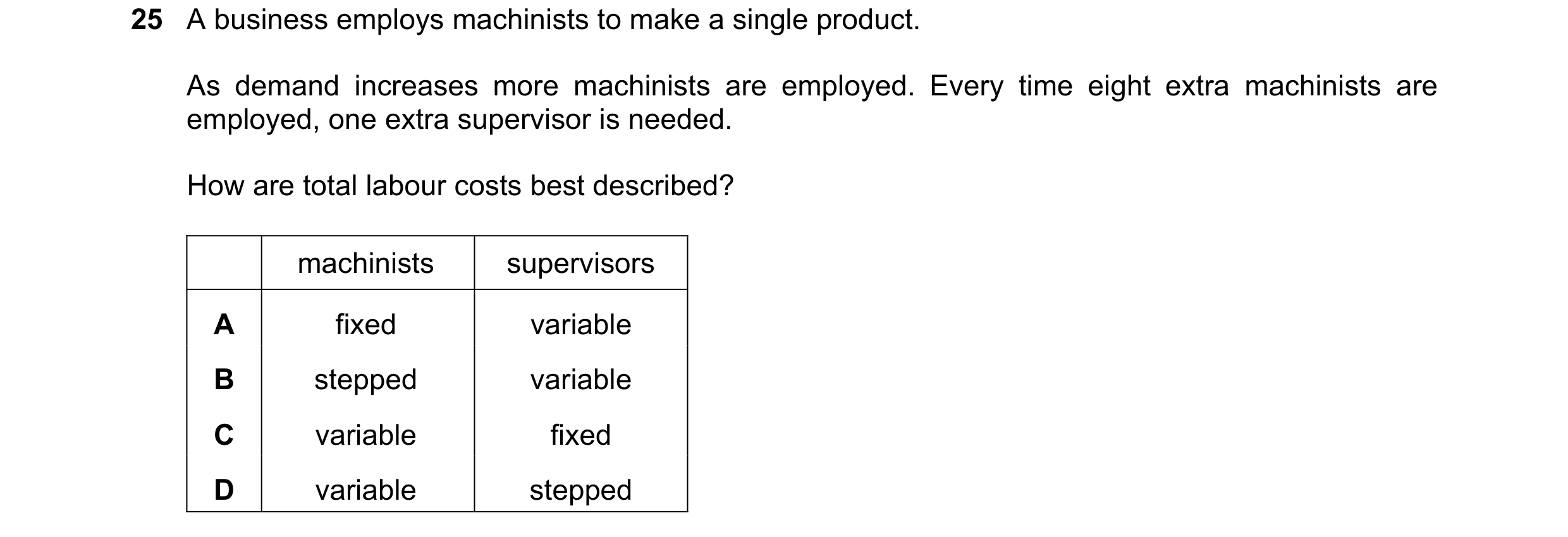


 67 / 105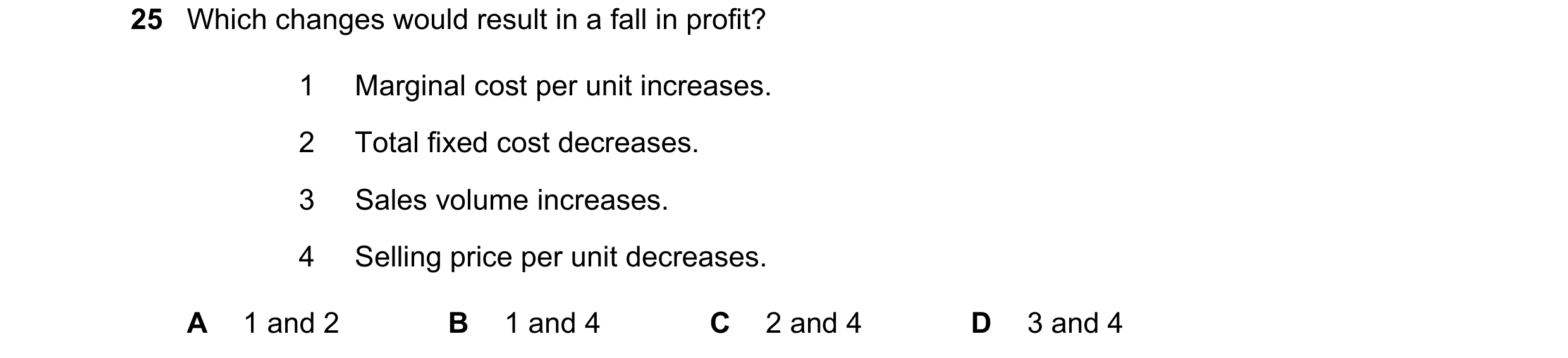
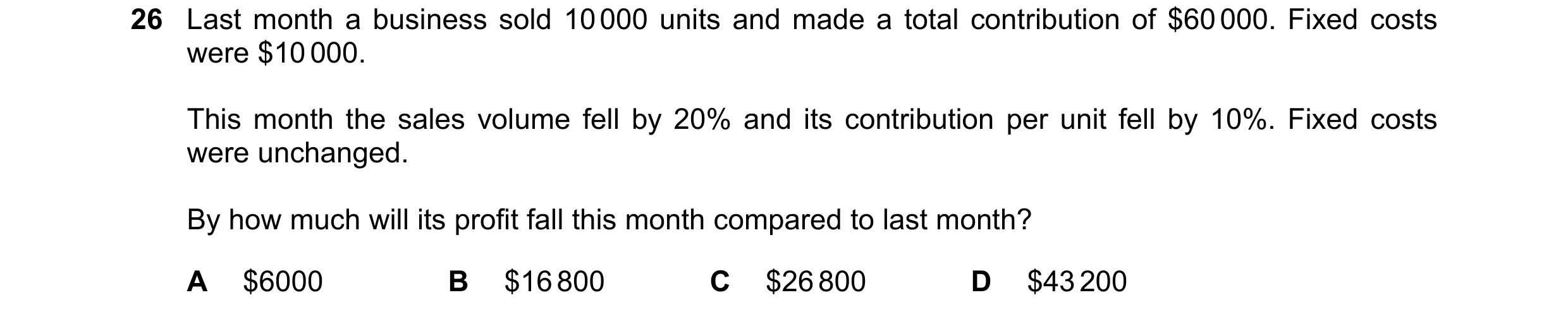
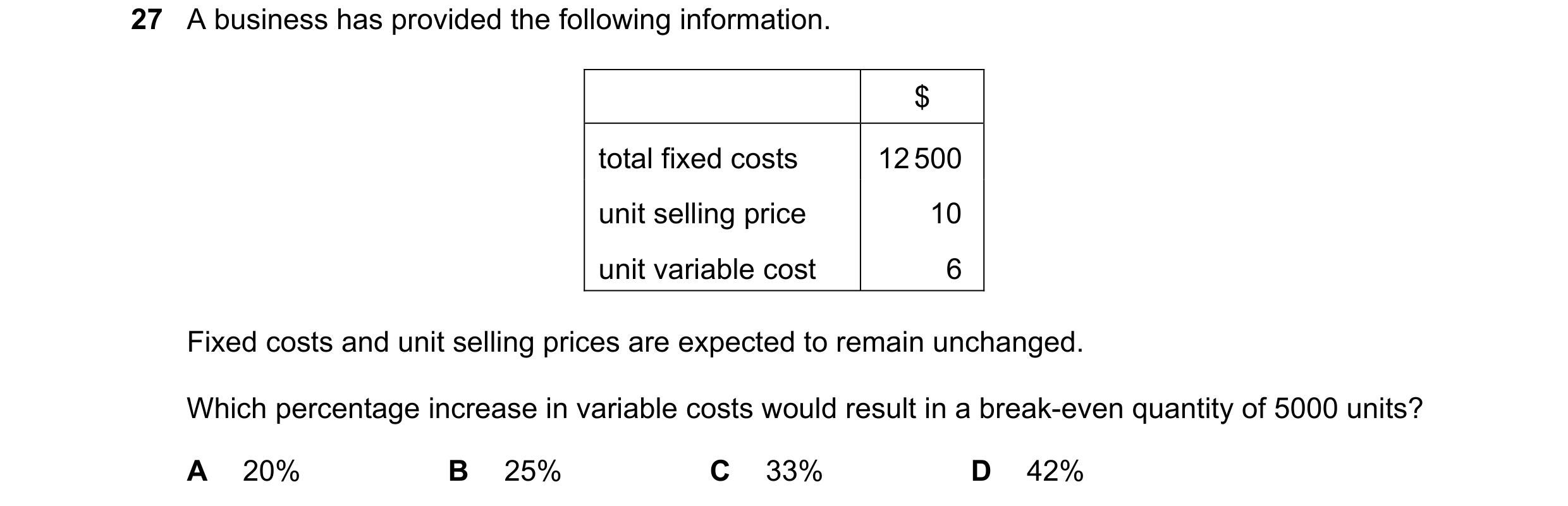
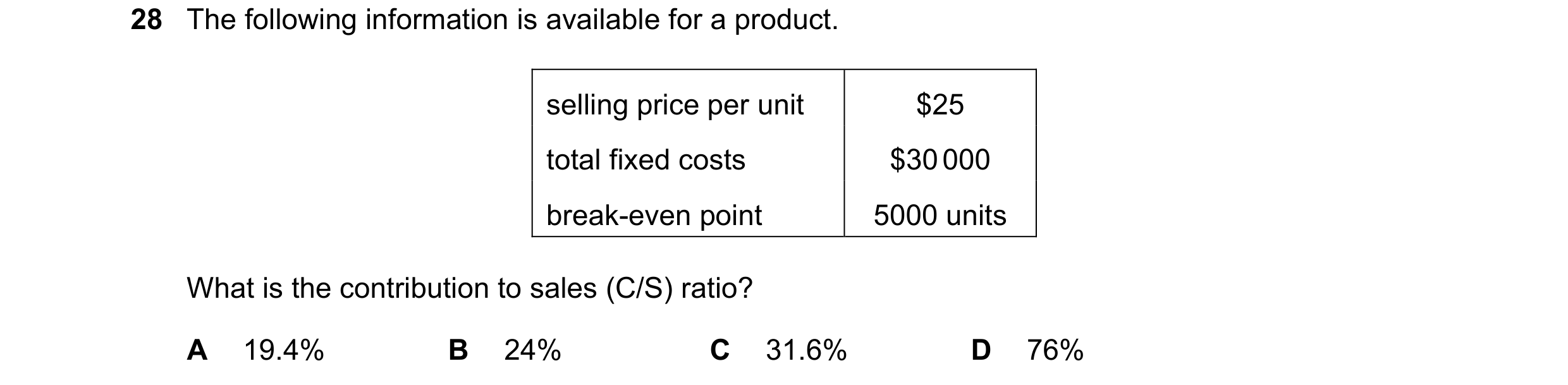
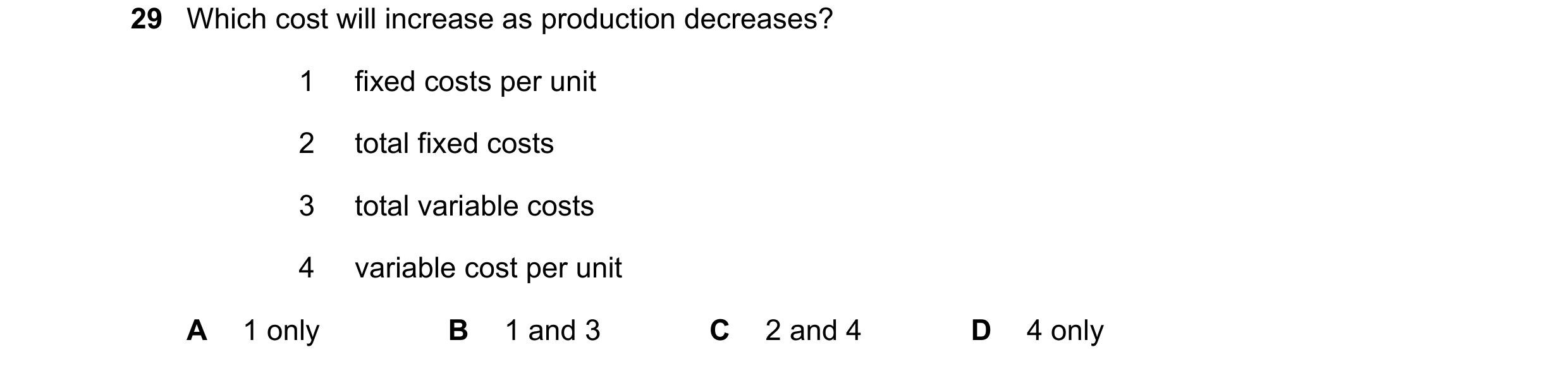 68 / 105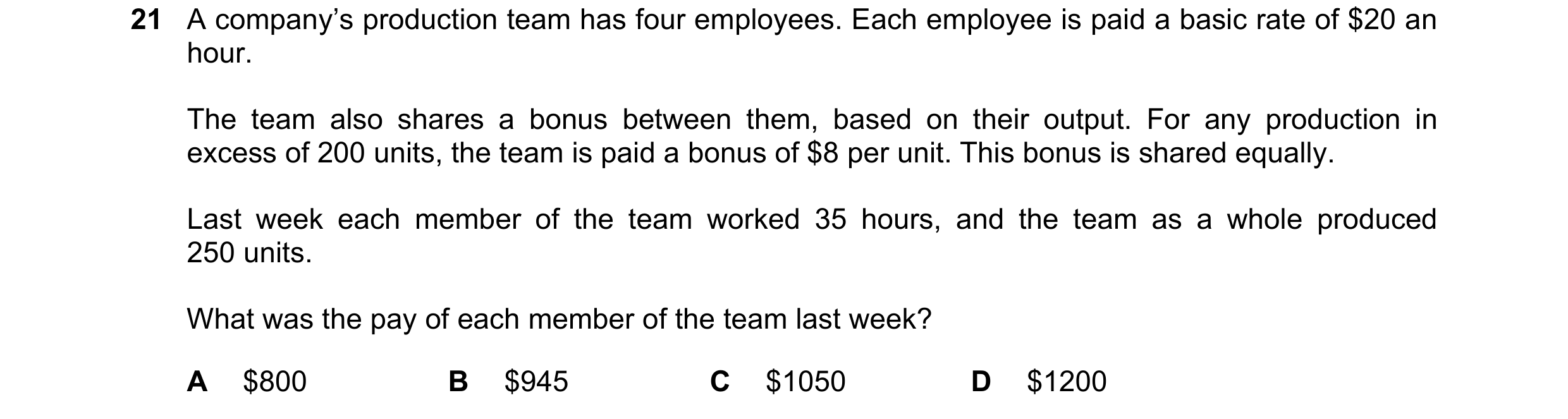
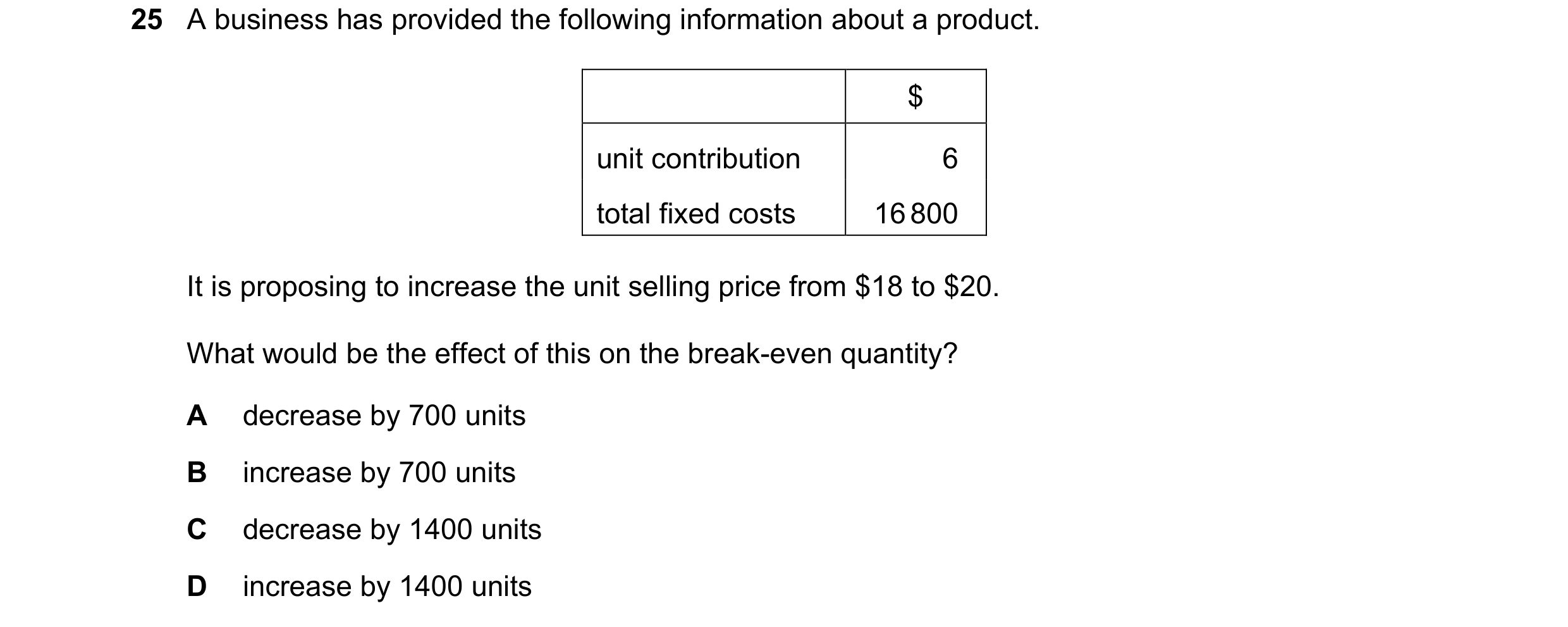

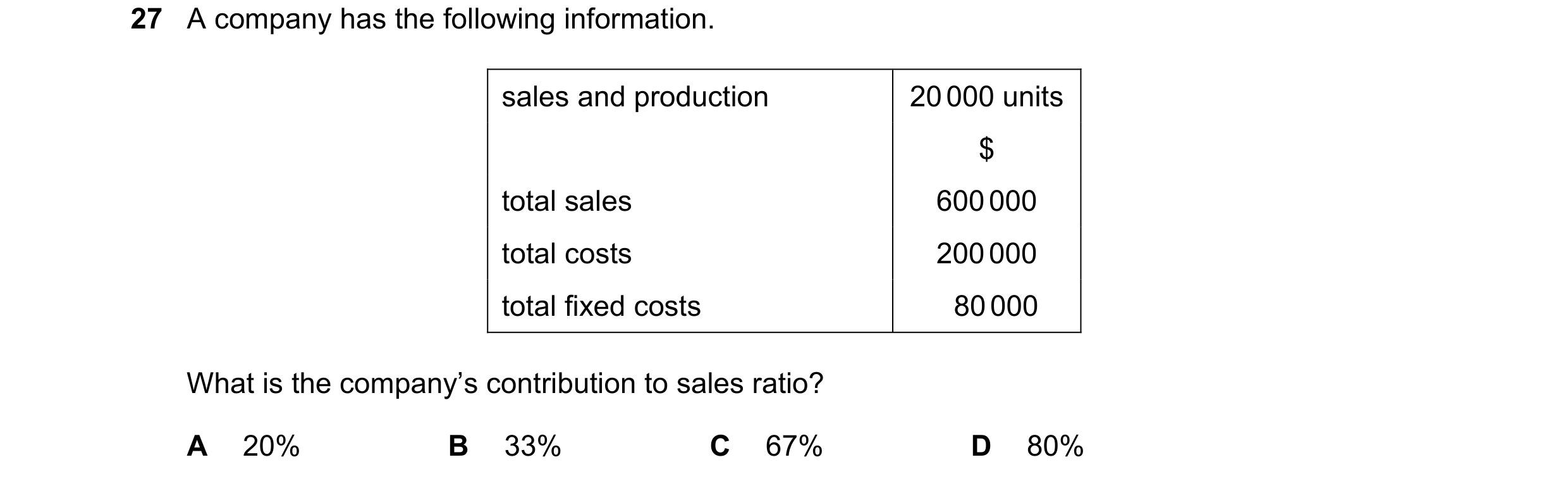 69 / 105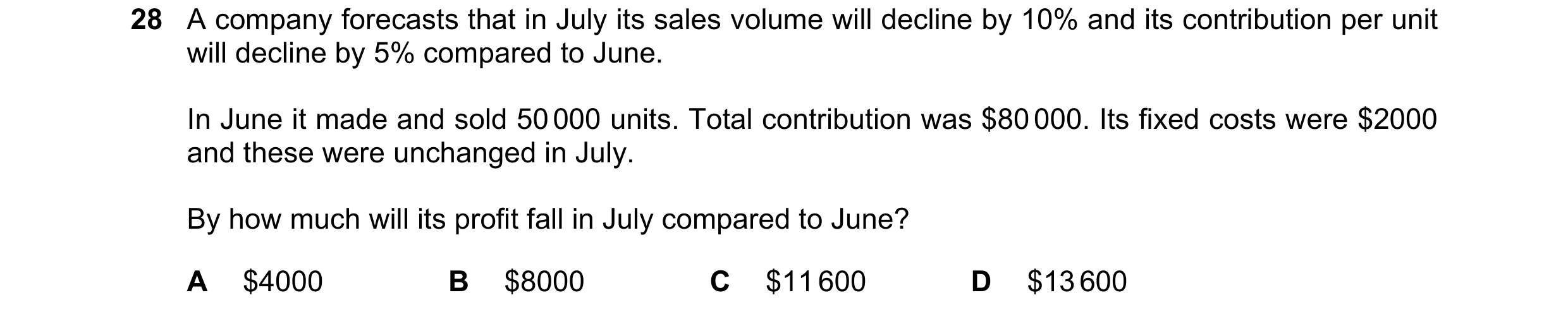

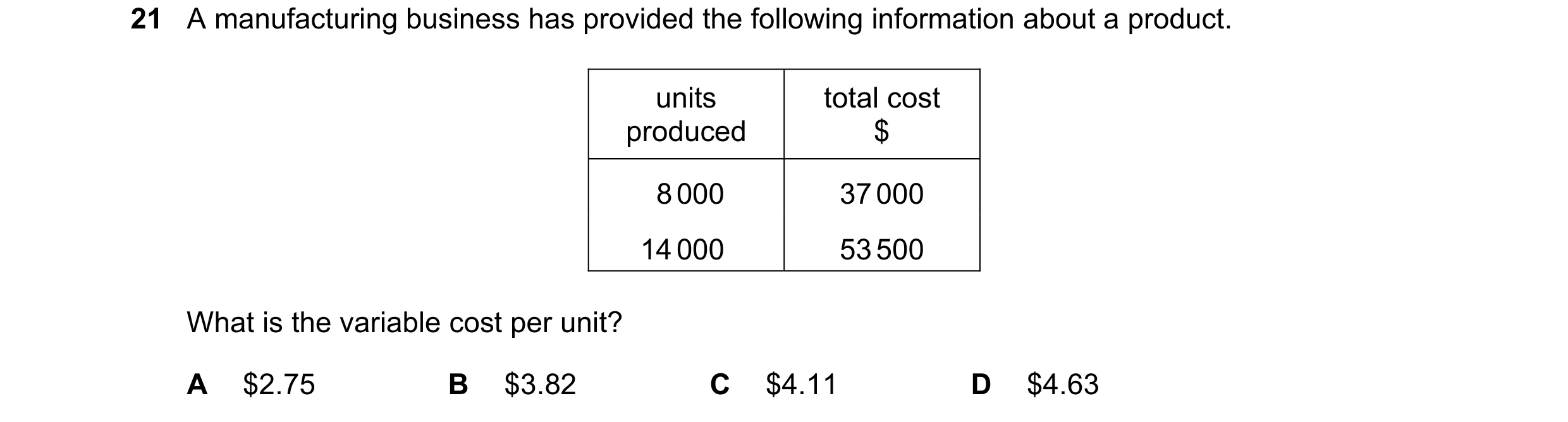
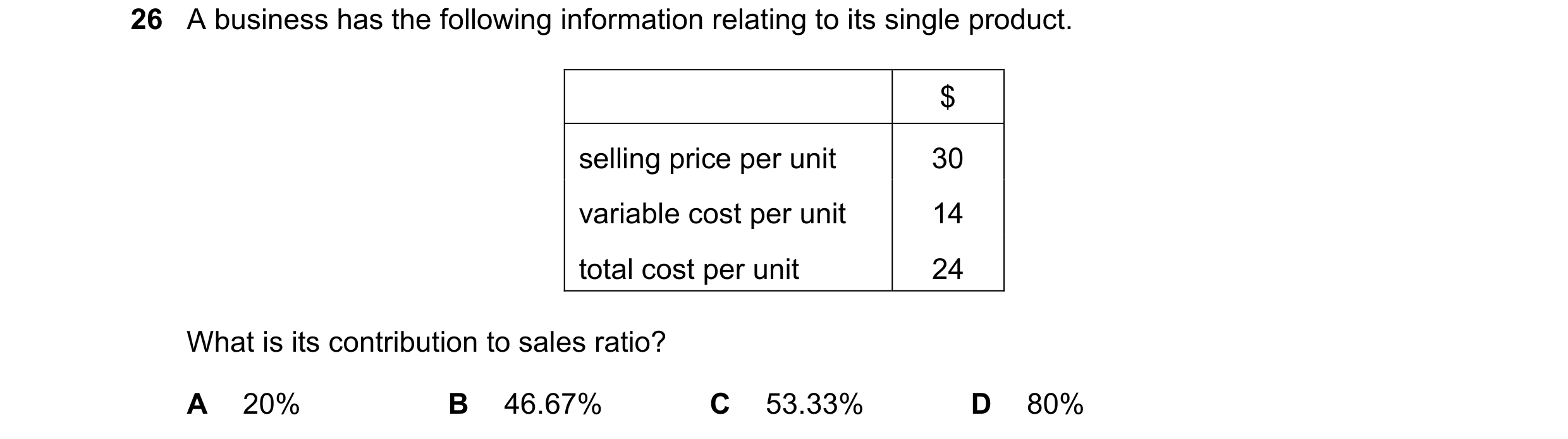
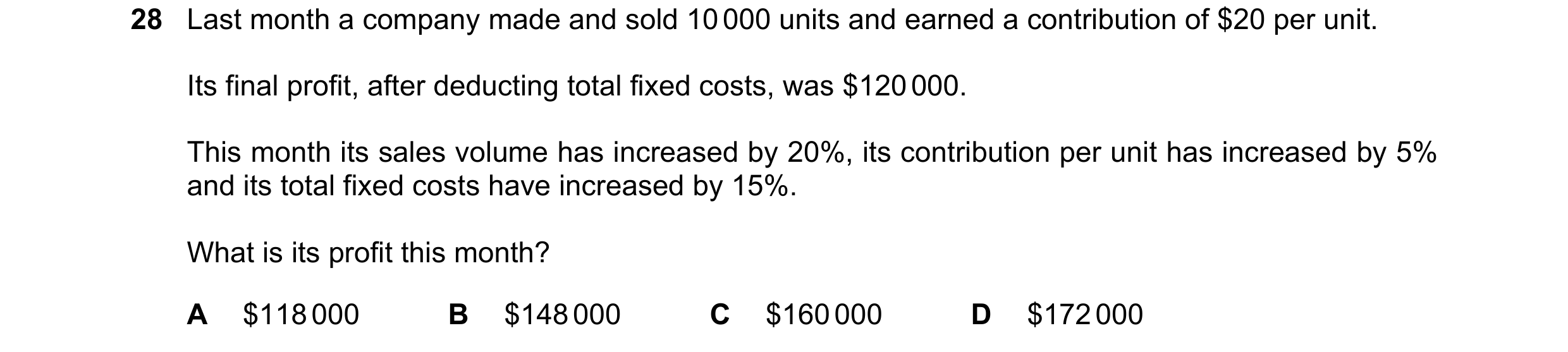 70 / 105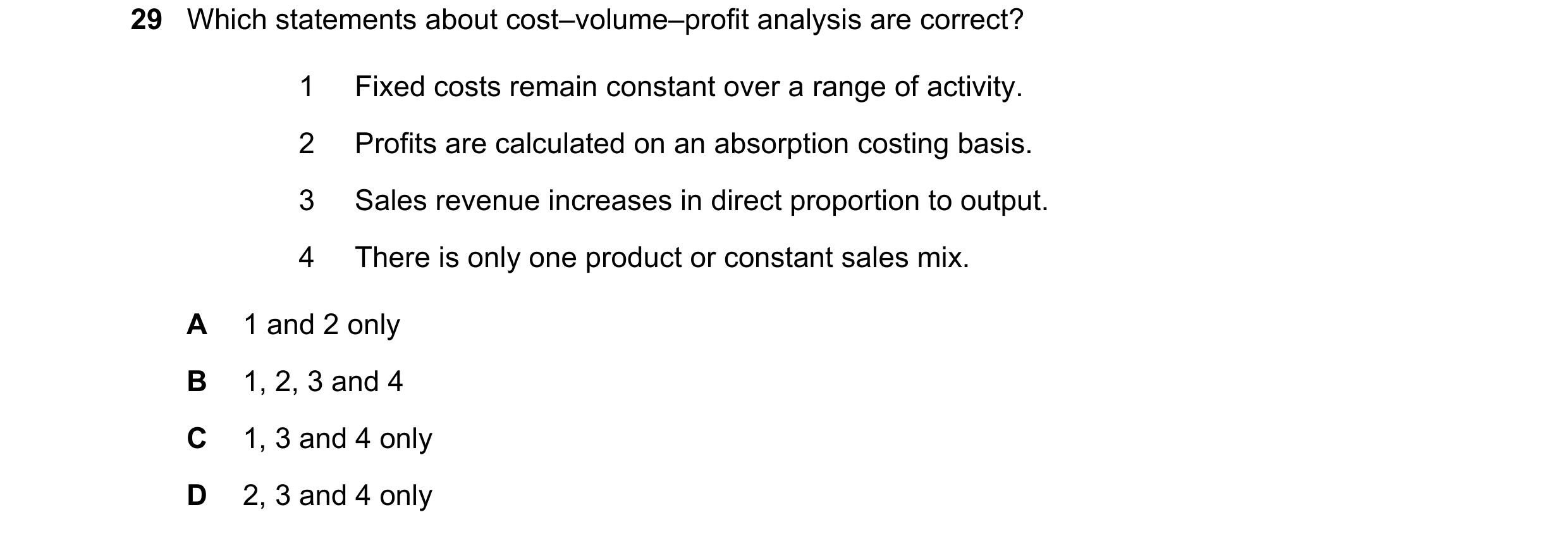
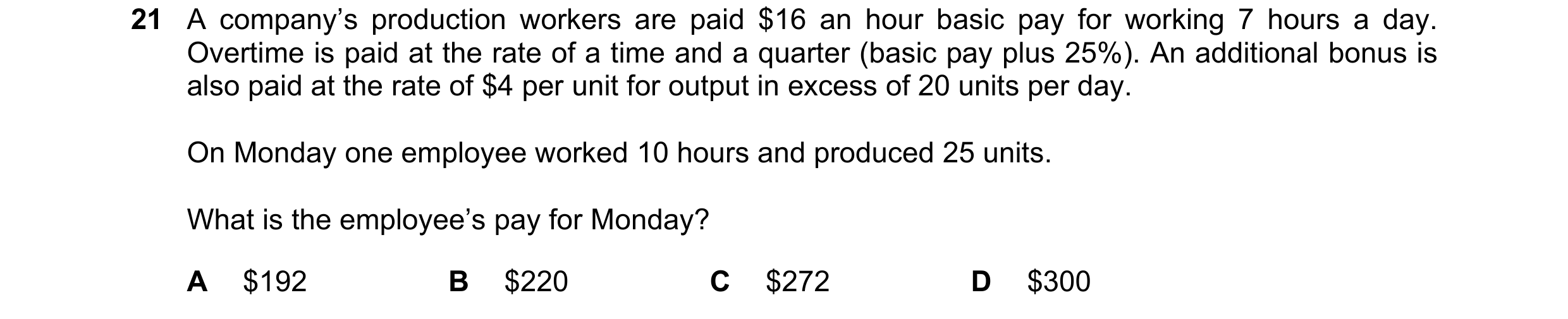
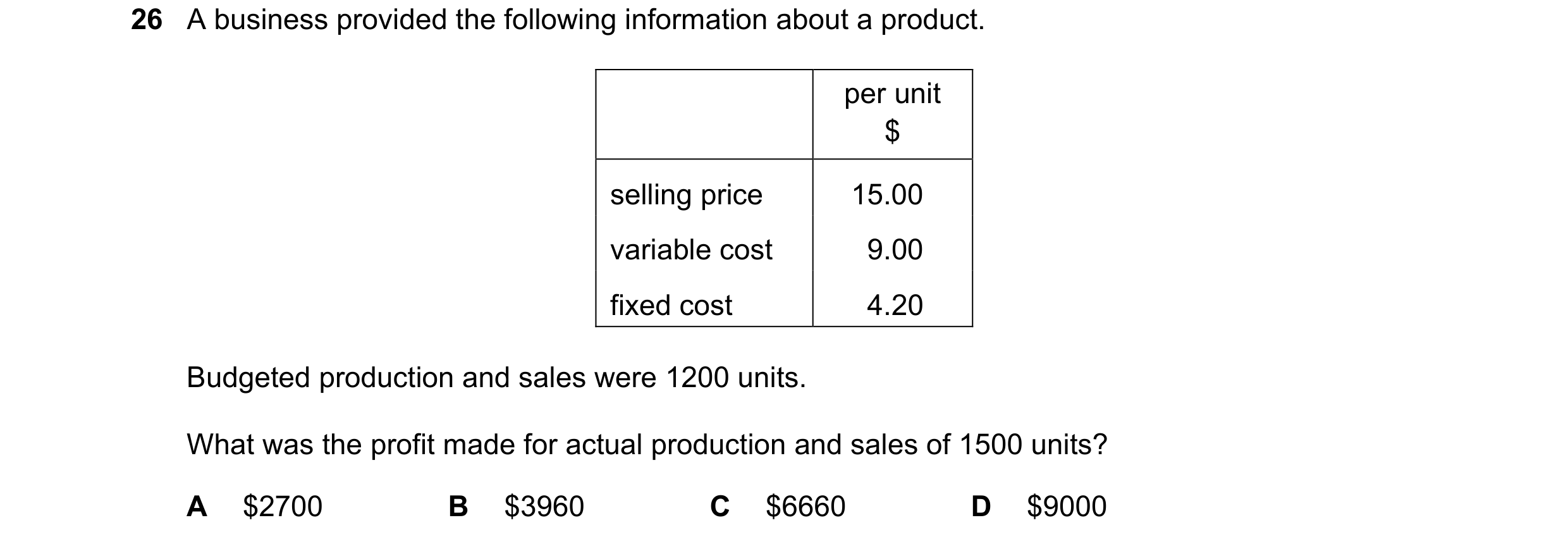
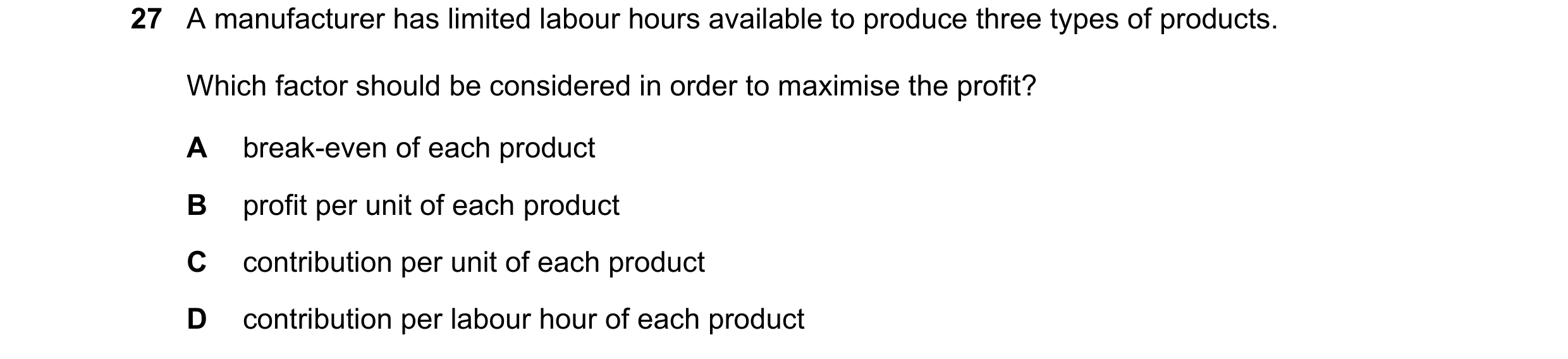 71 / 105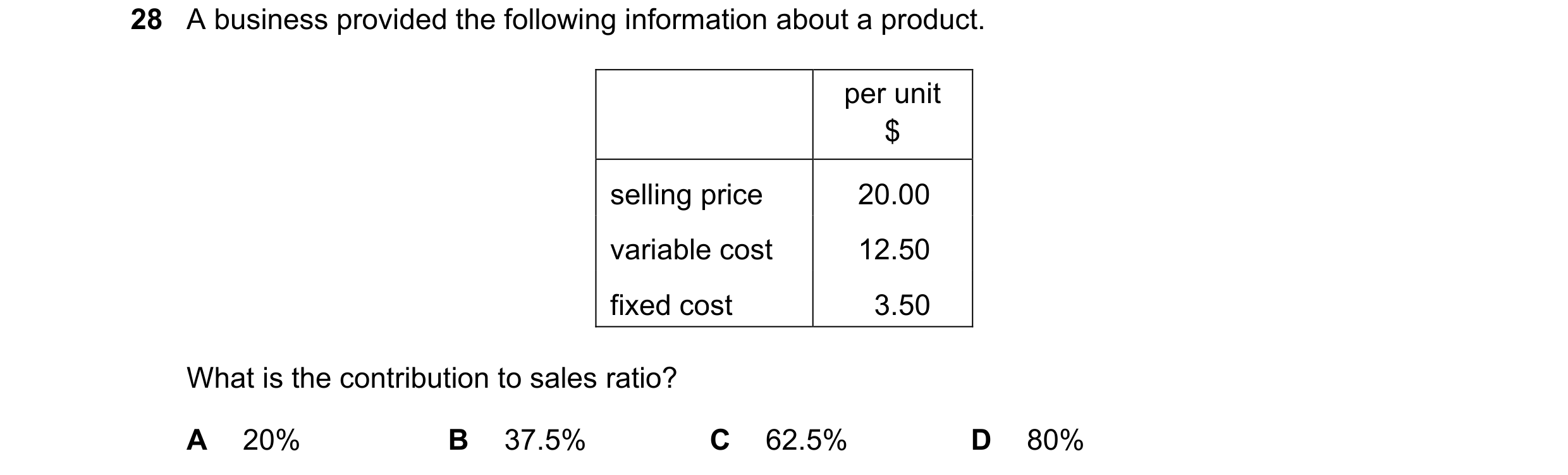
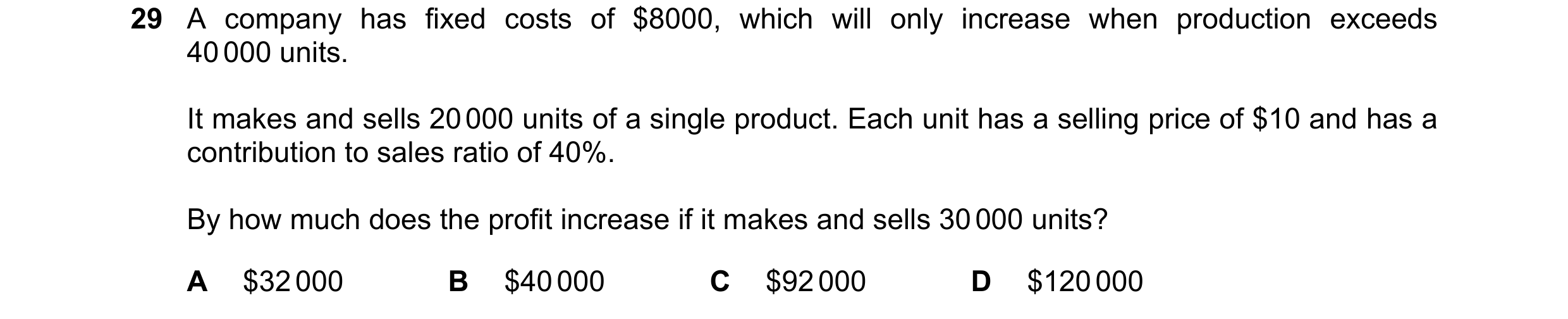
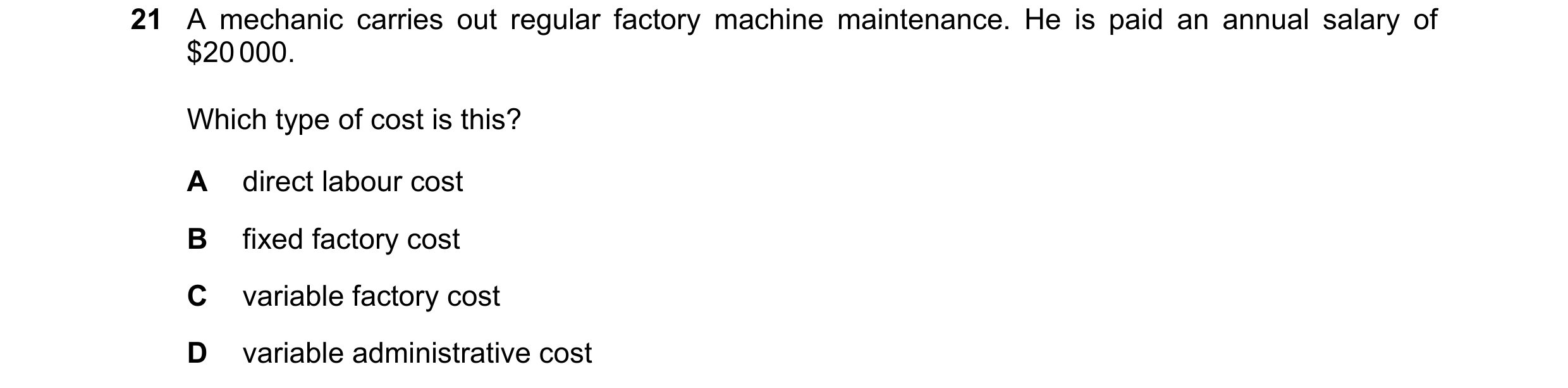

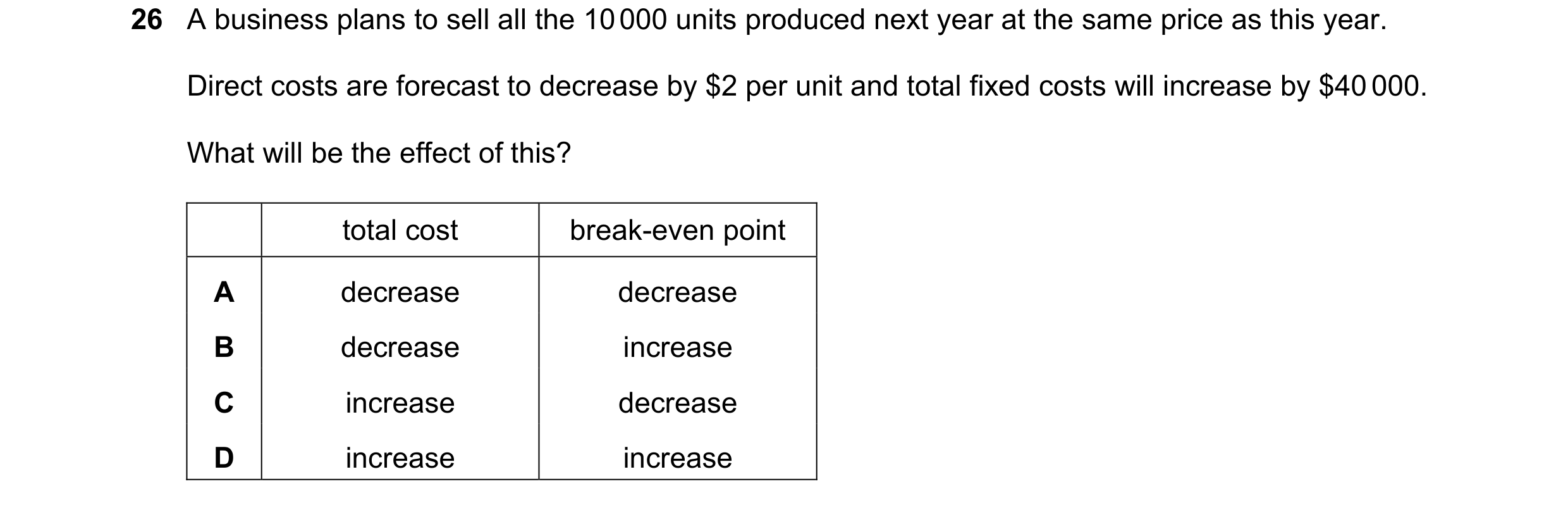 72 / 105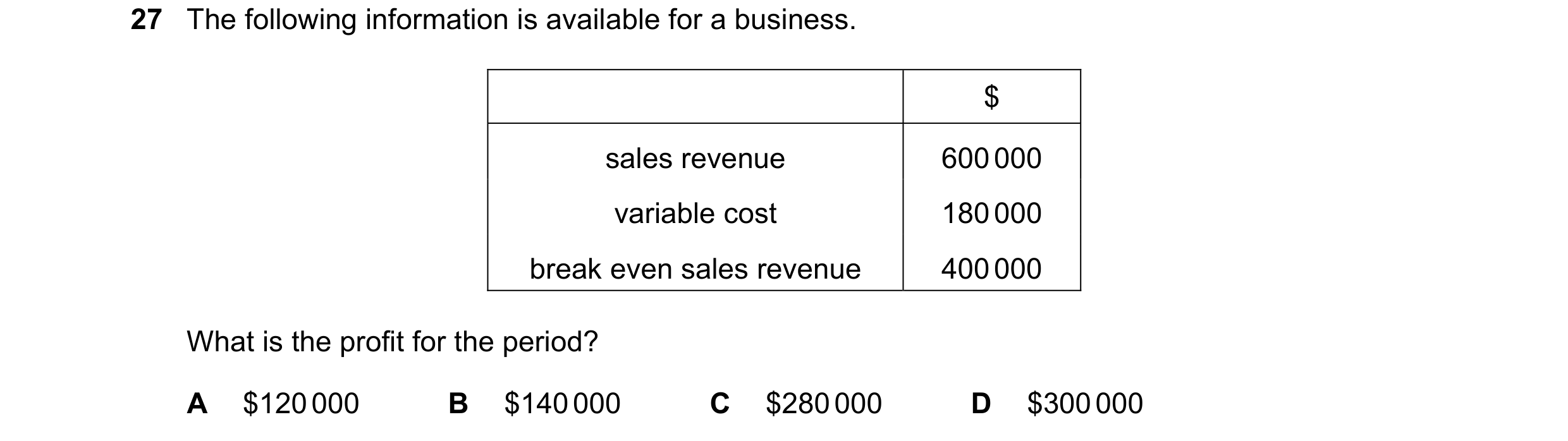

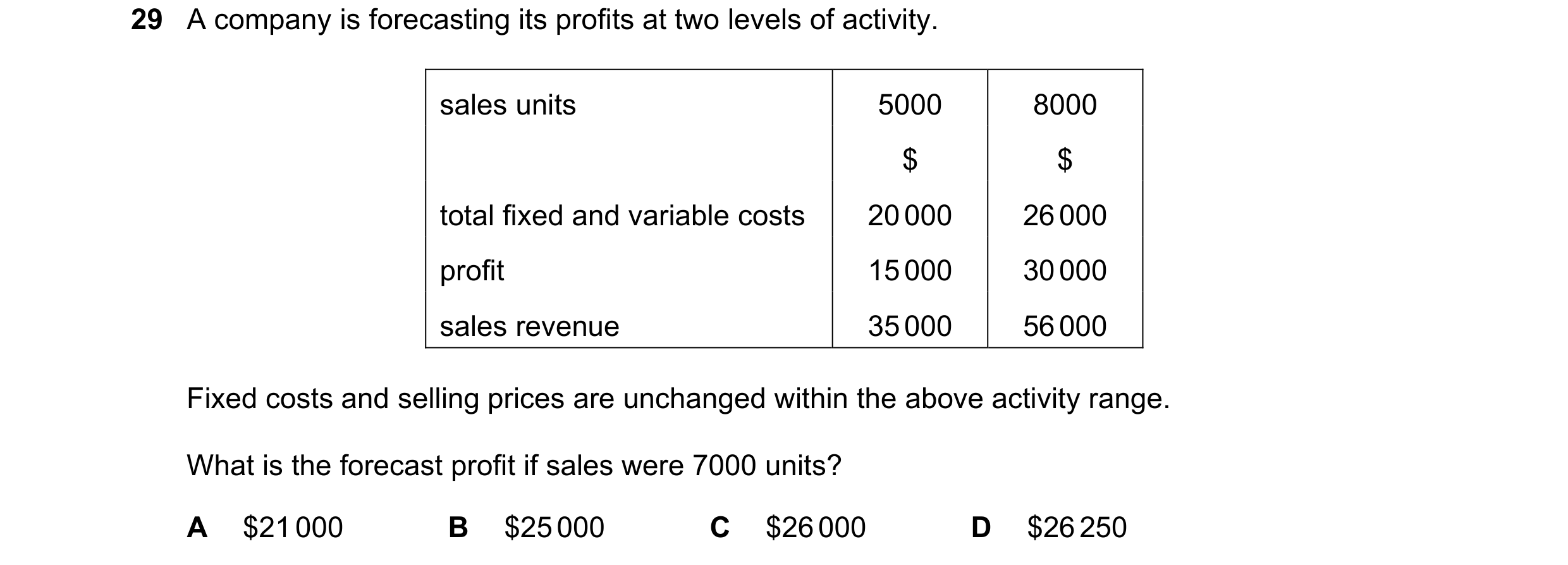
 73 / 105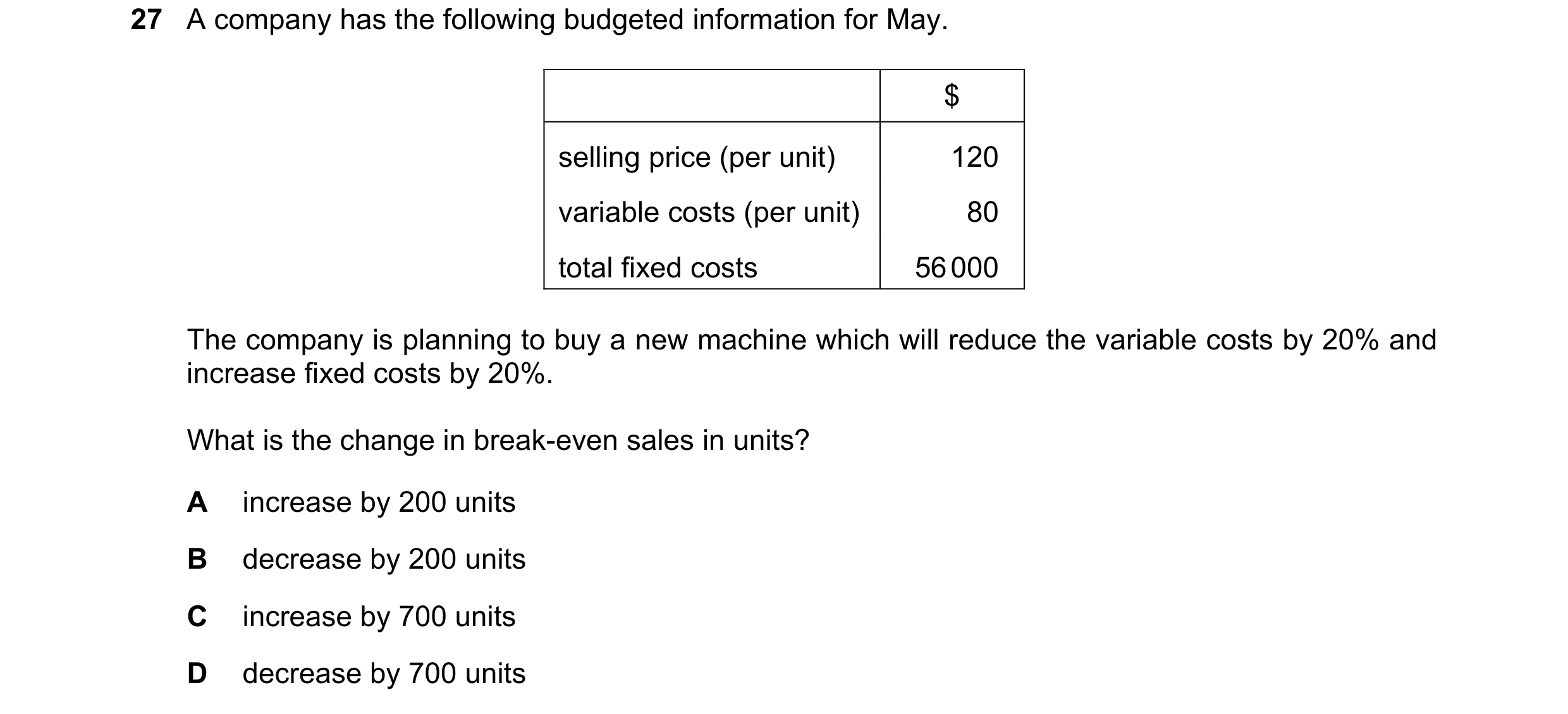


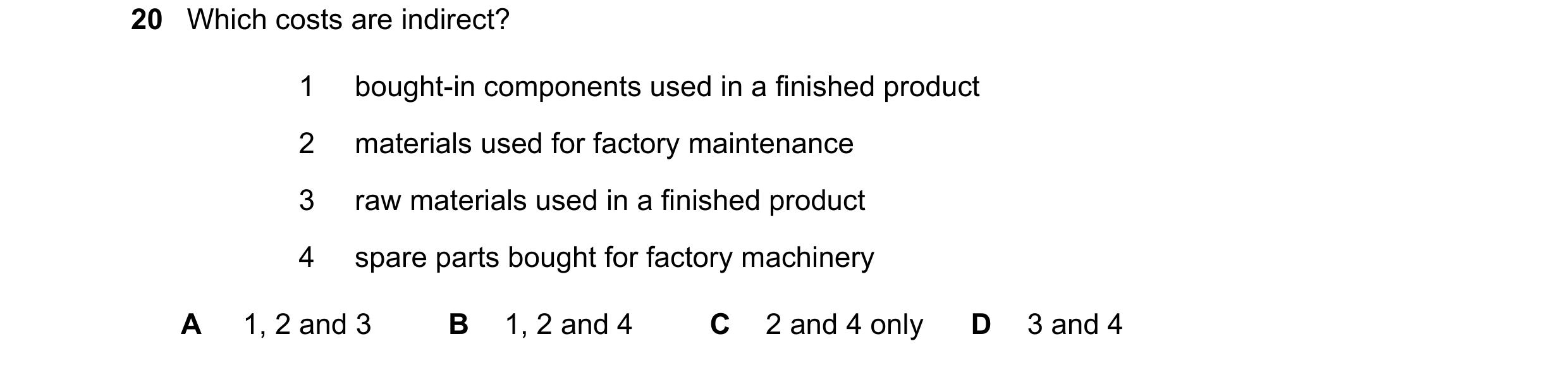
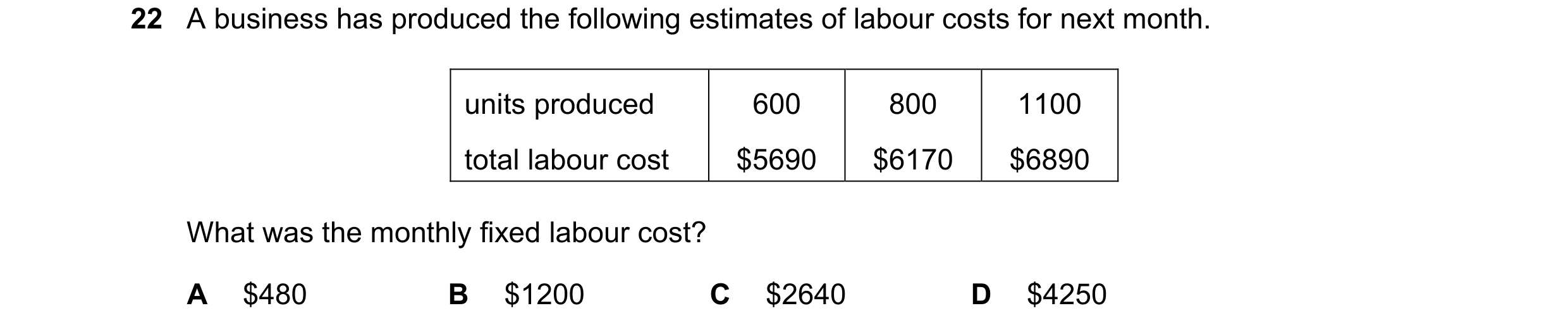 74 / 105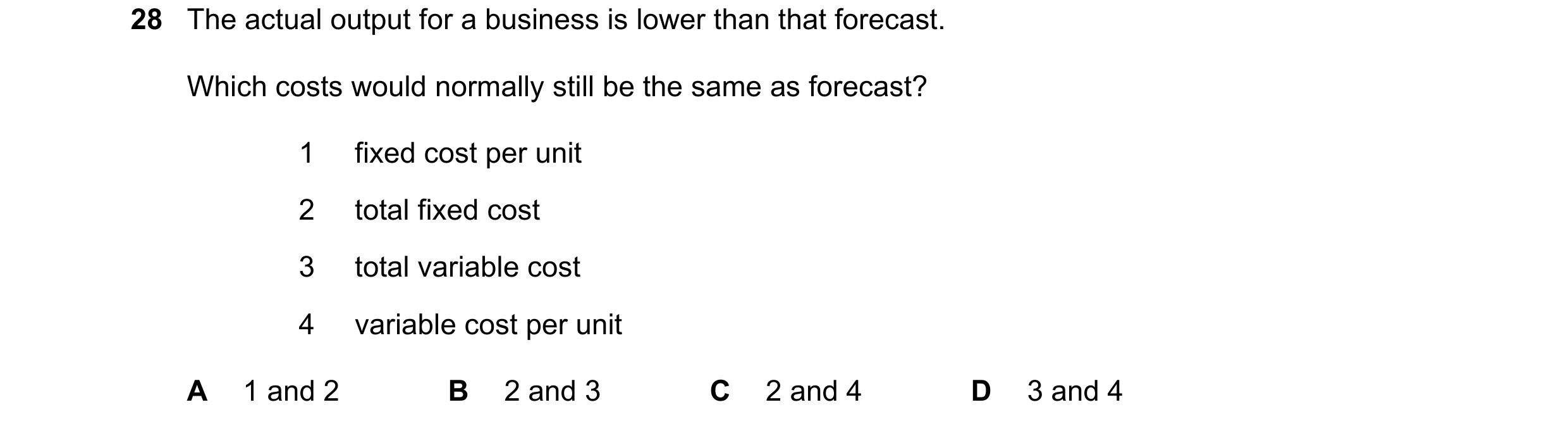

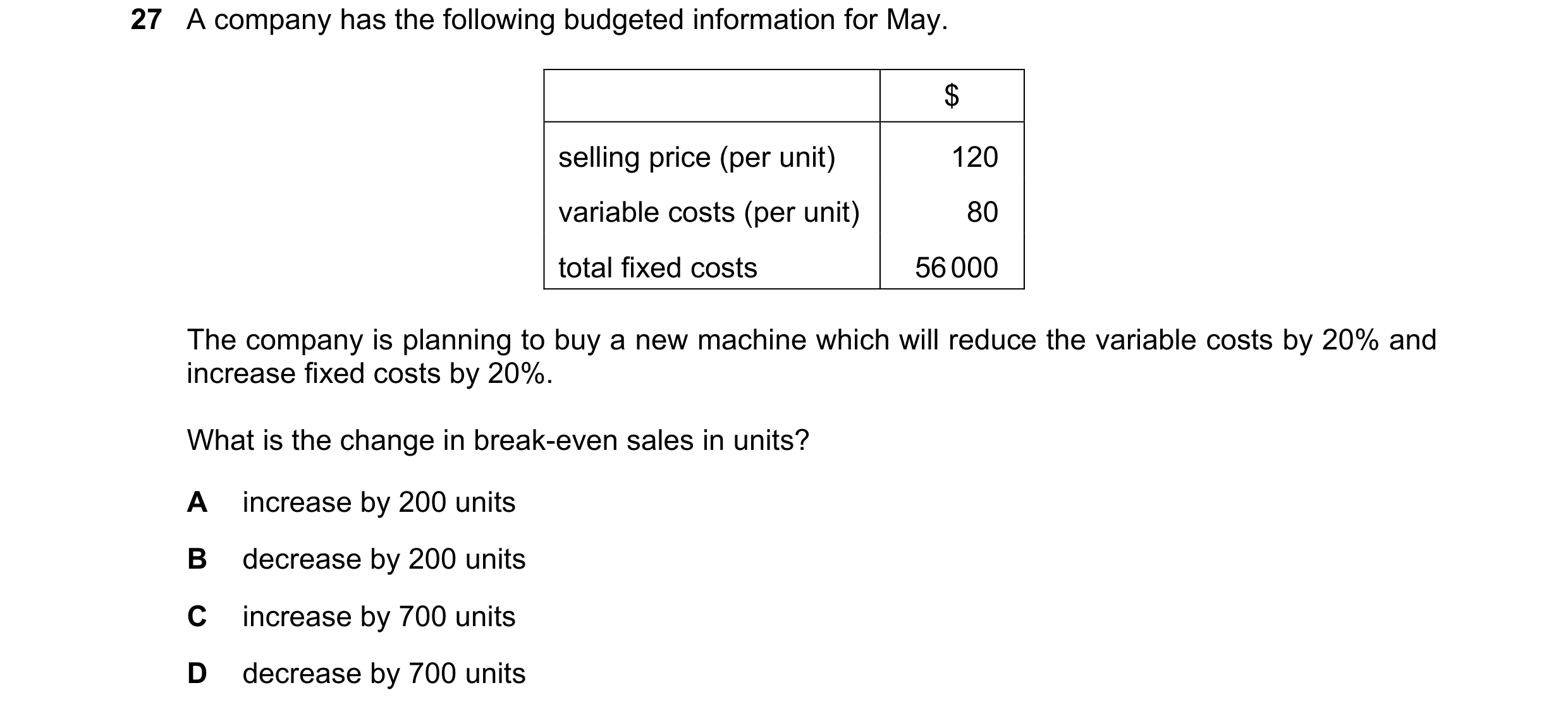

 75 / 105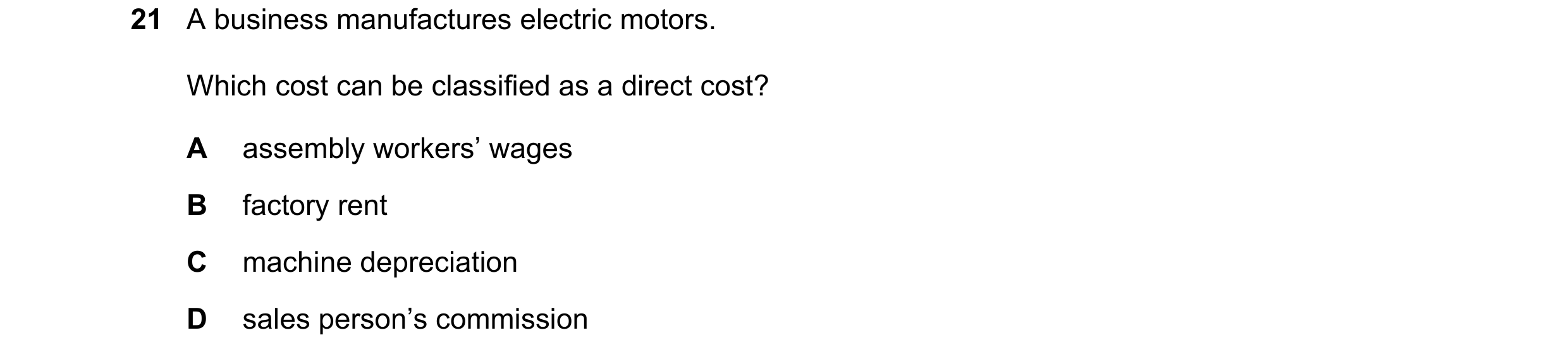
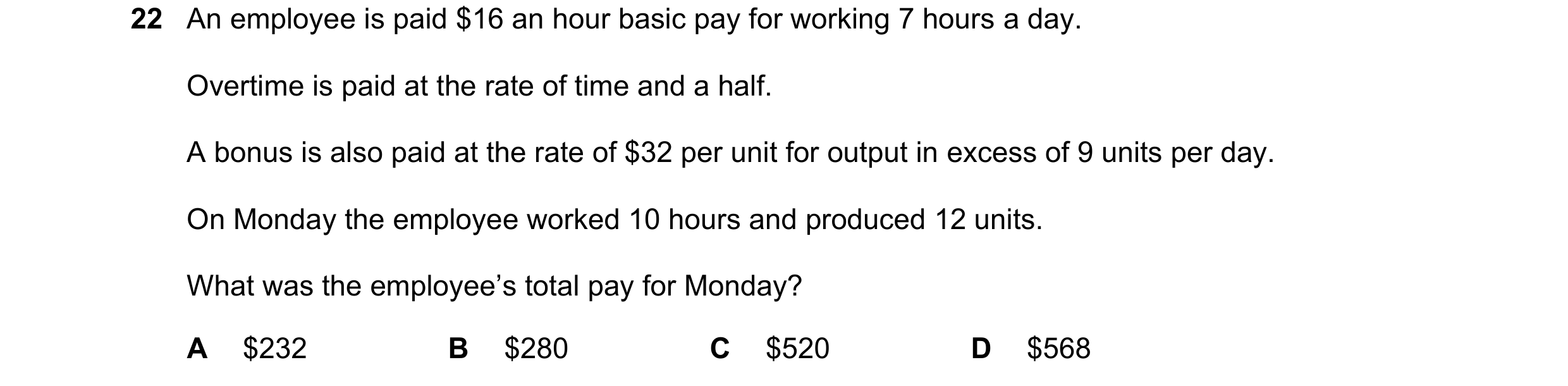

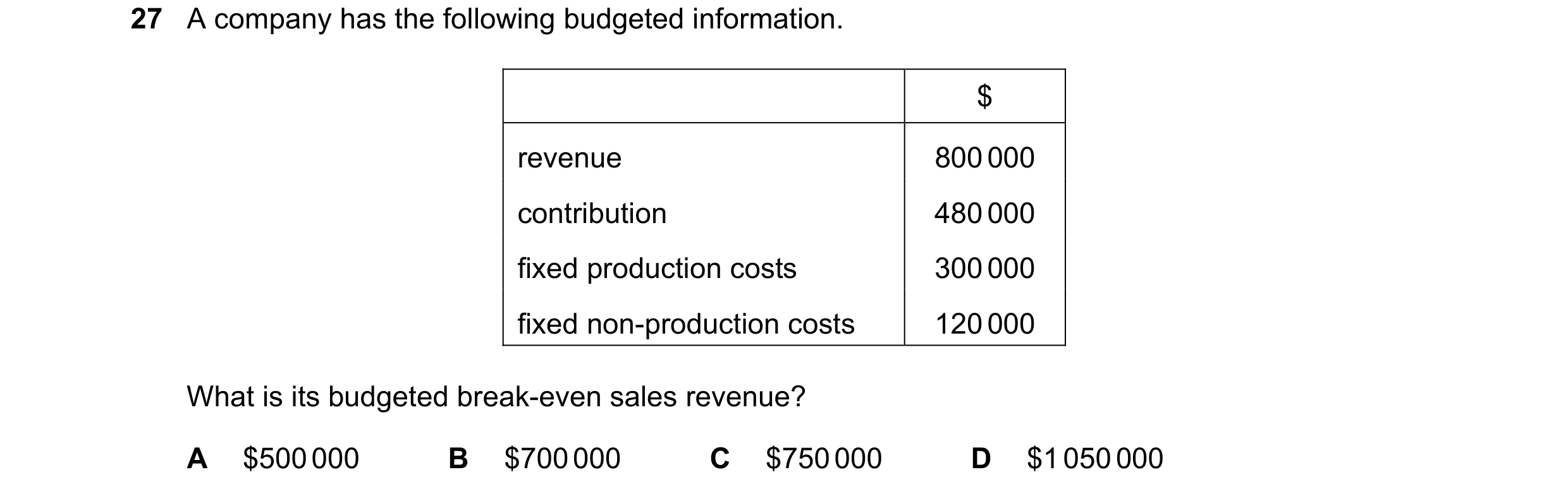
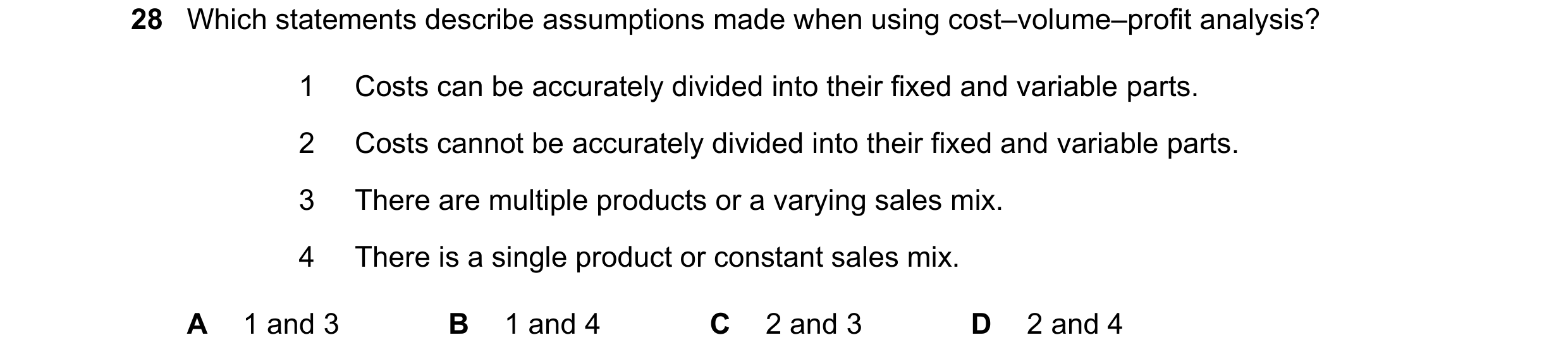 76 / 105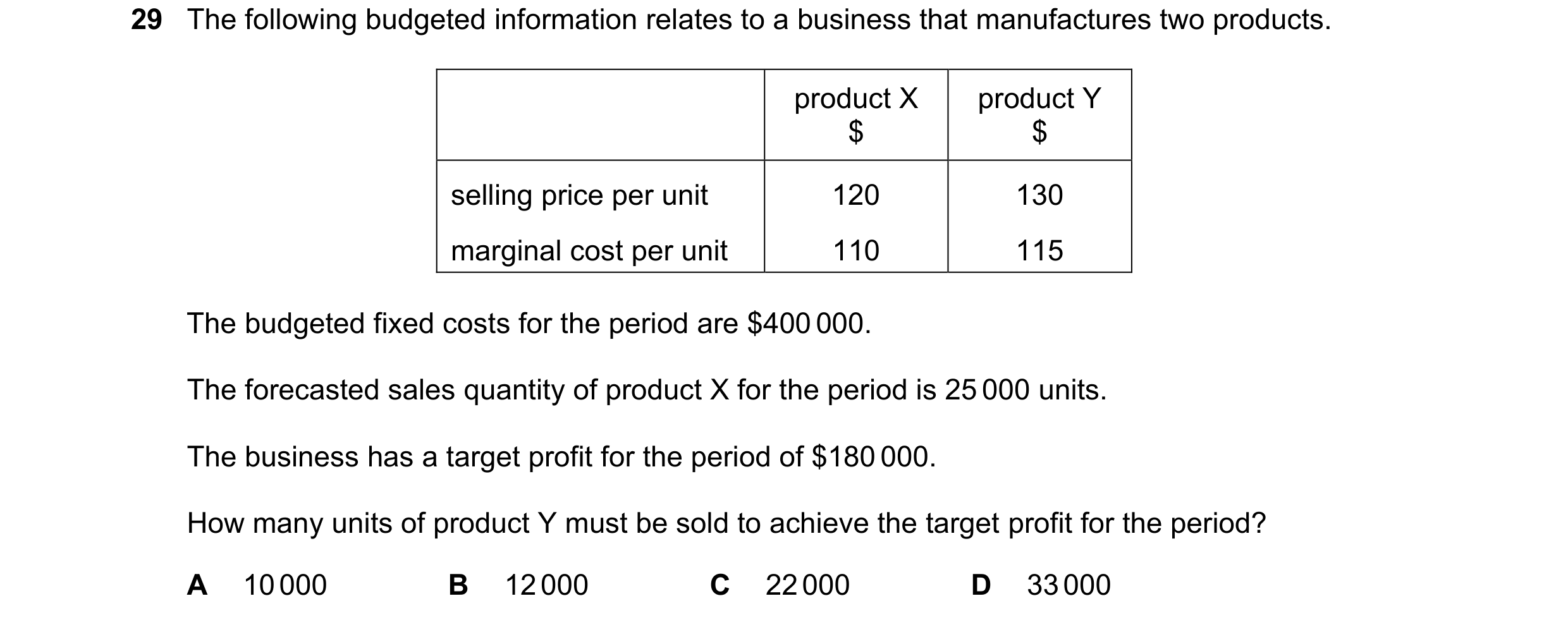

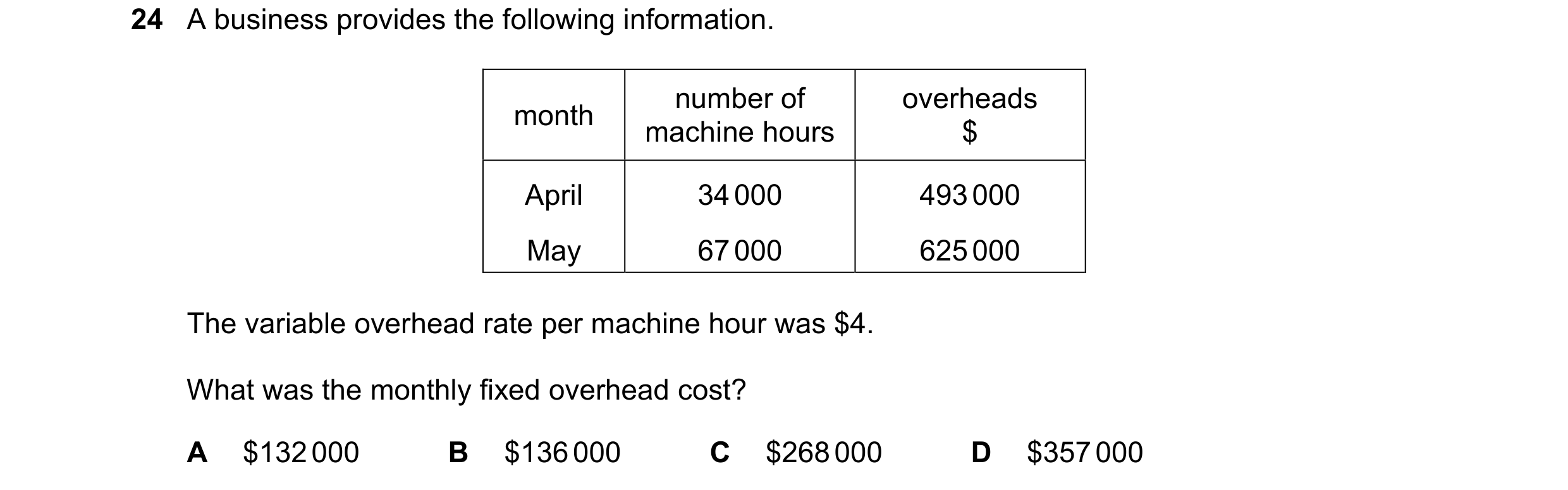 77 / 105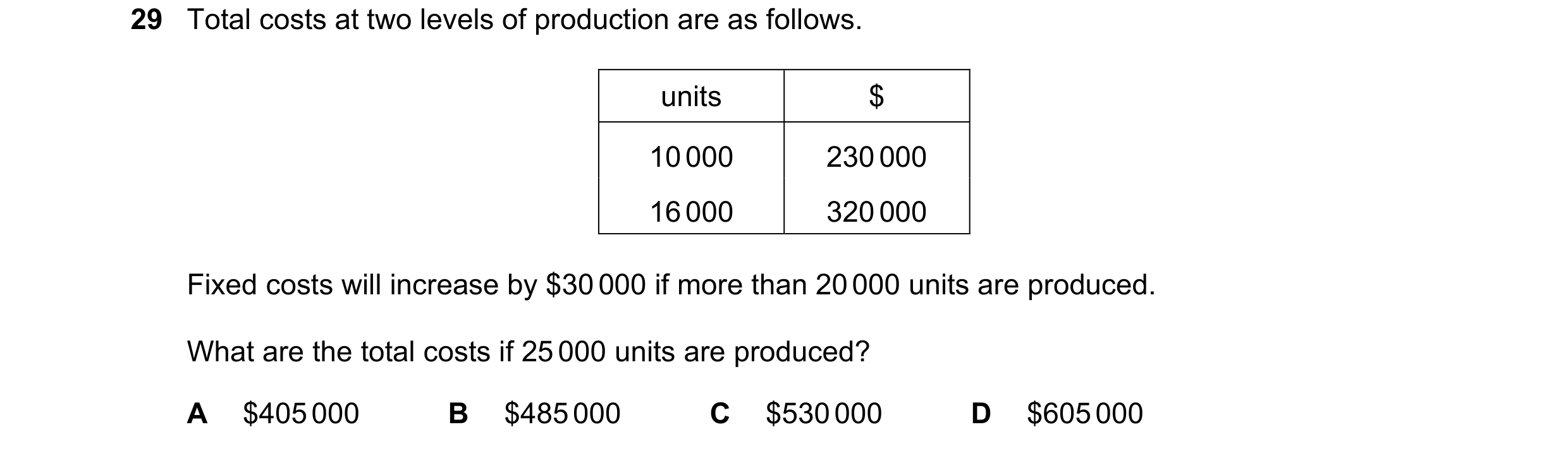
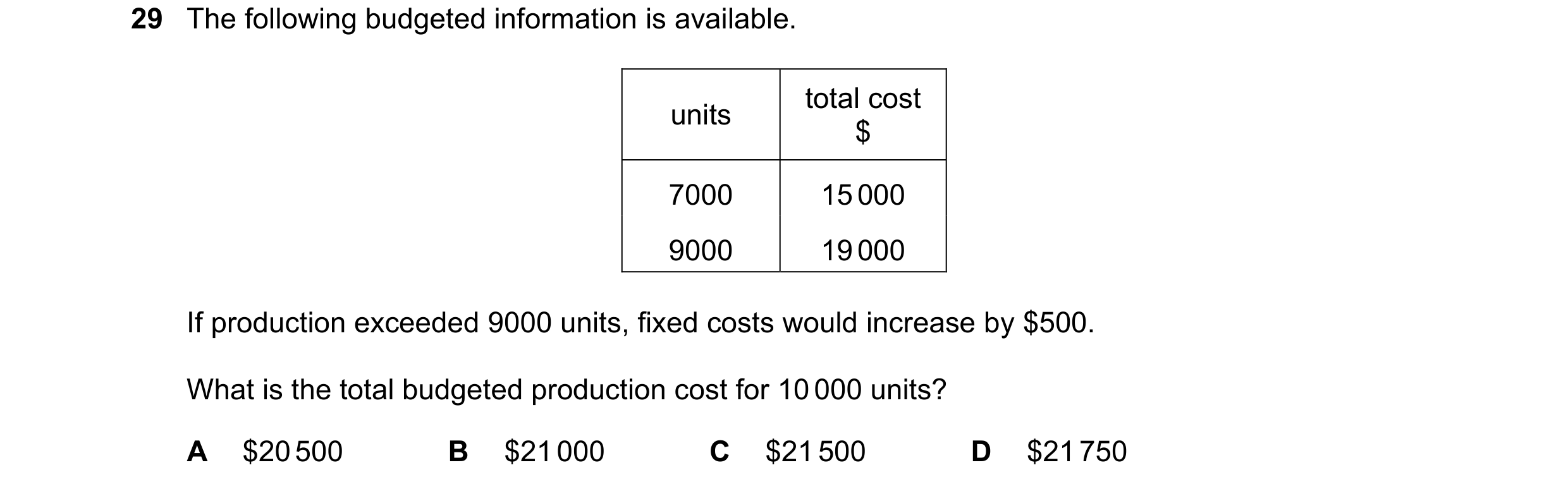
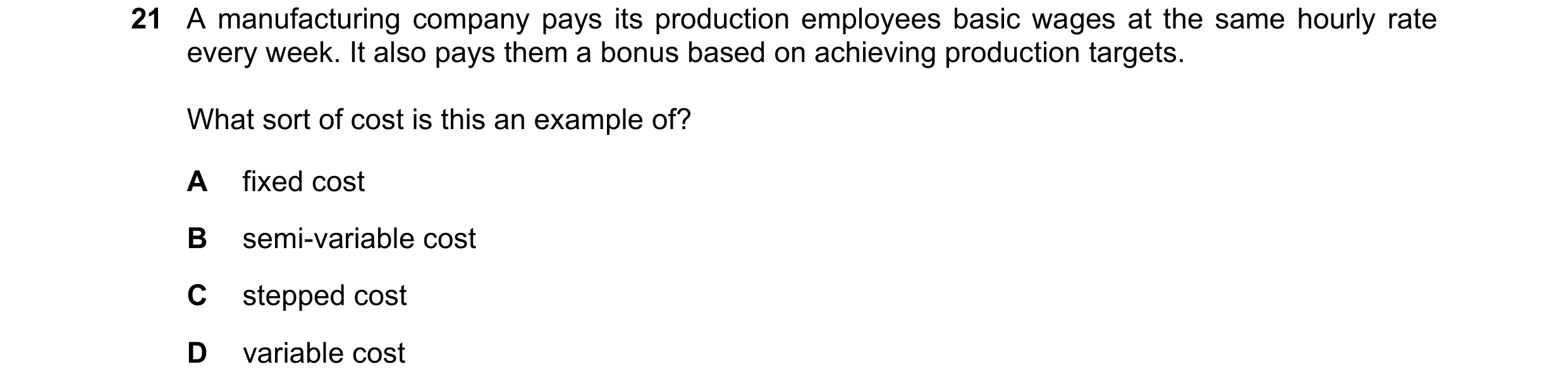 78 / 105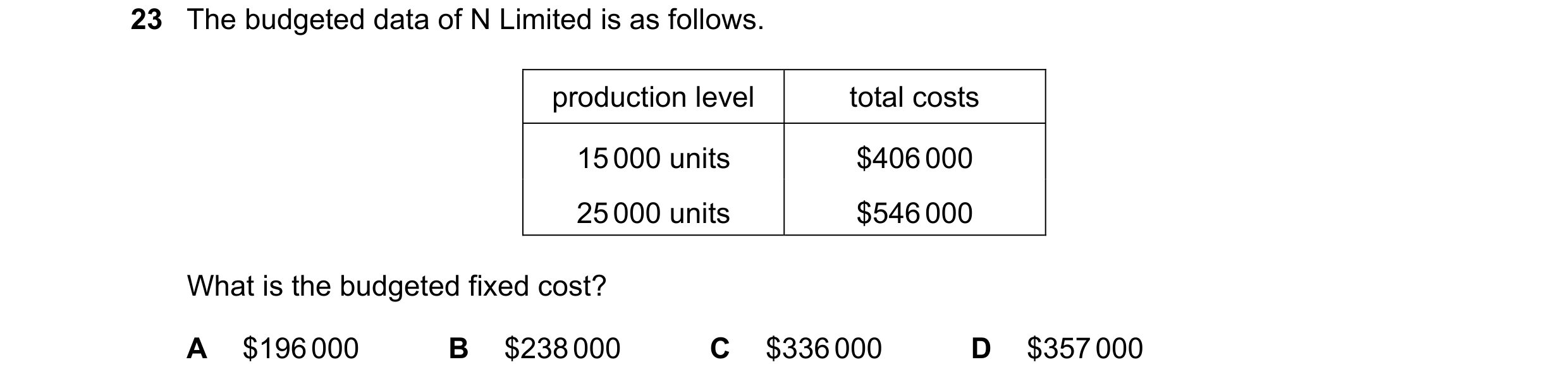

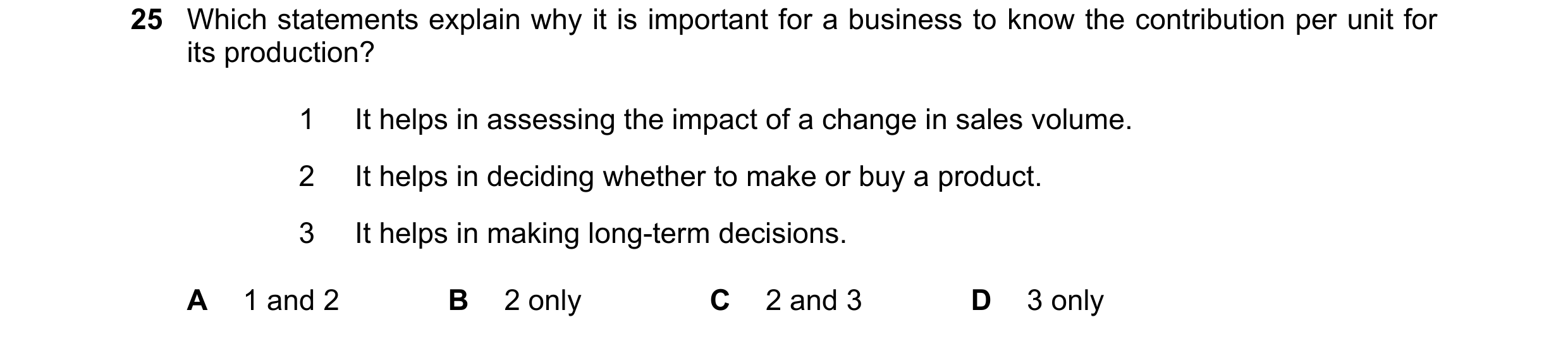
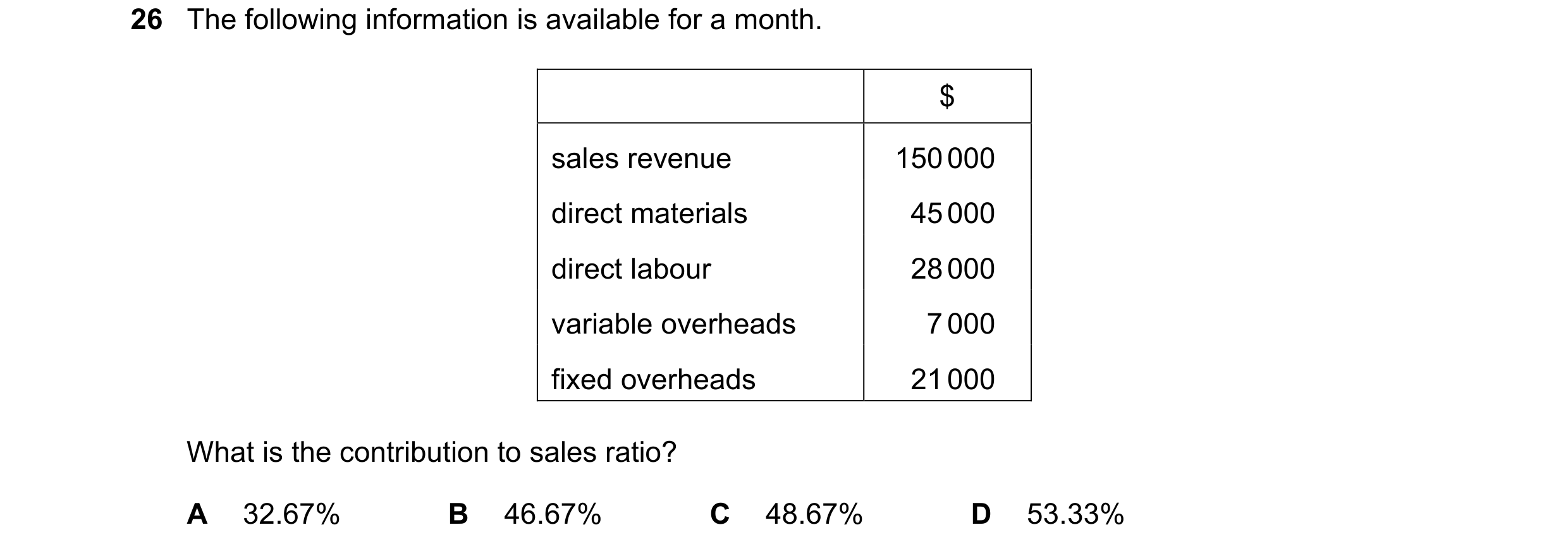
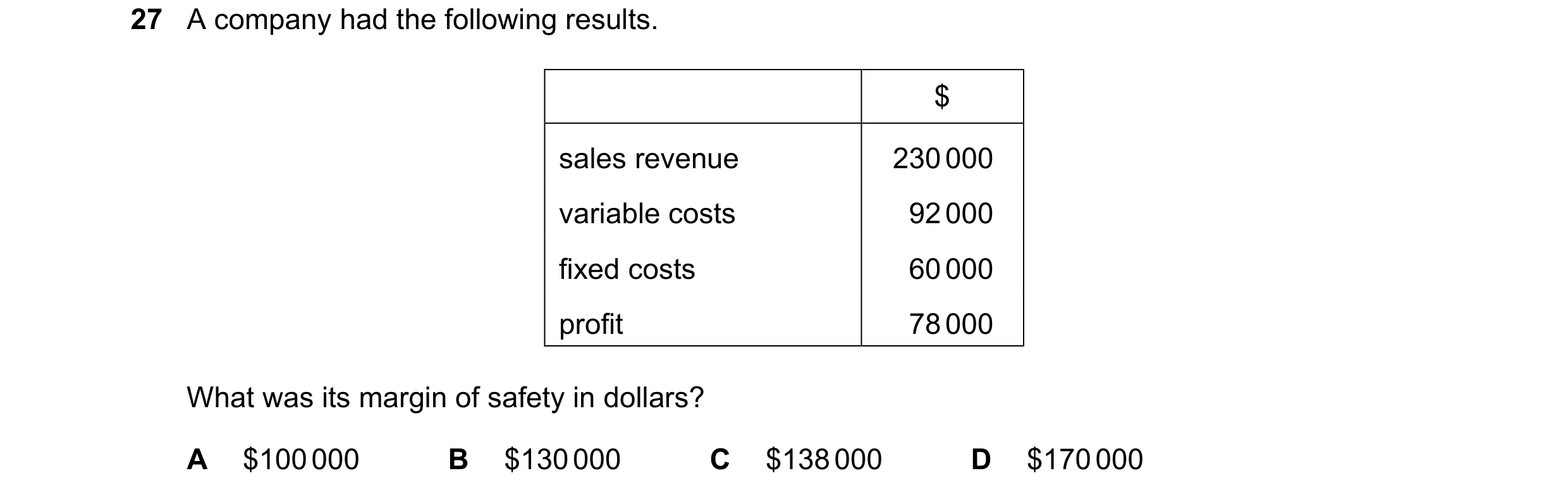 79 / 105

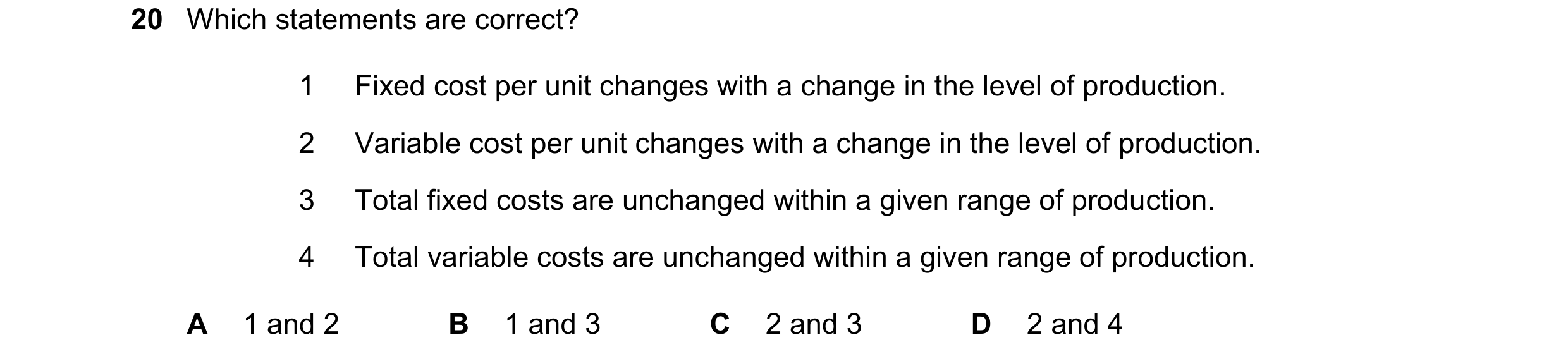
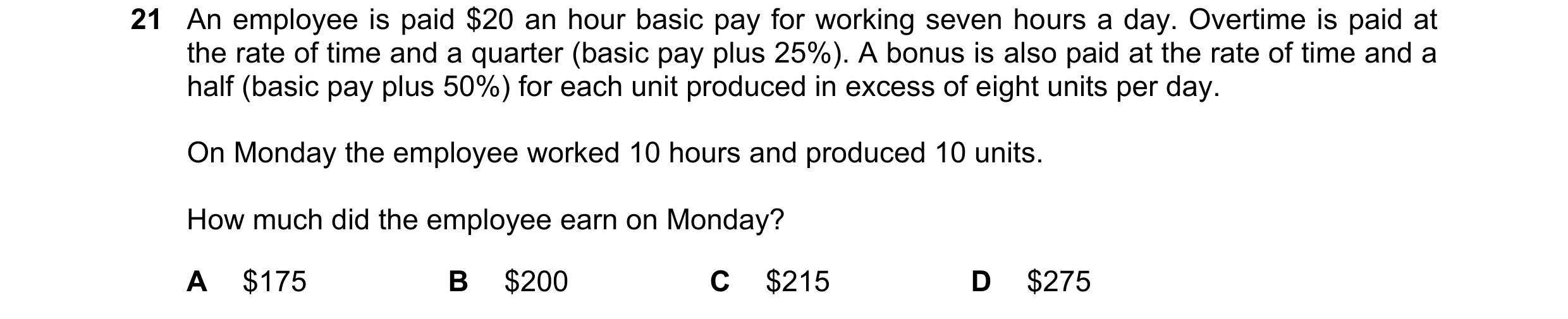
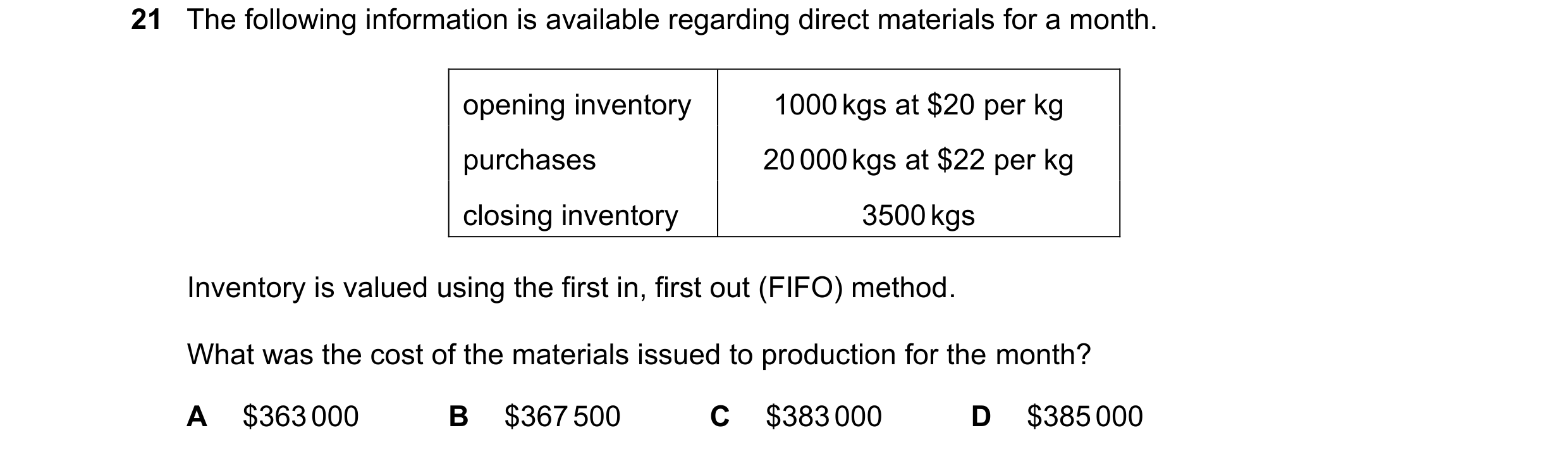 80 / 105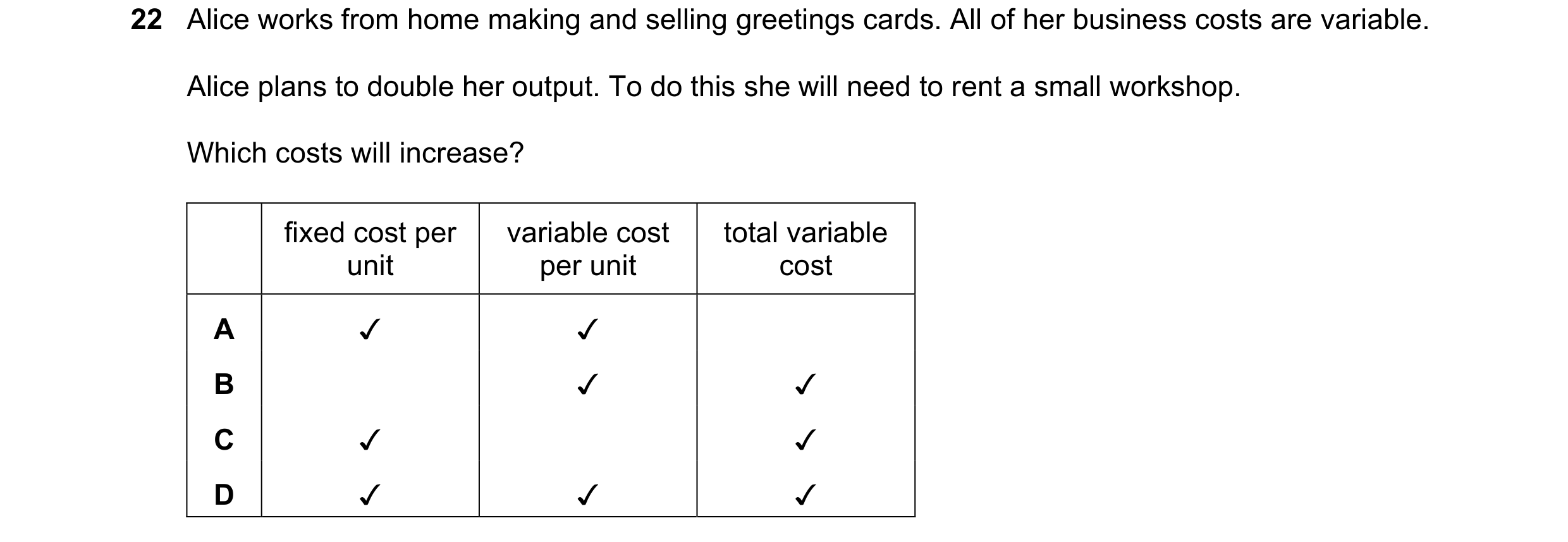
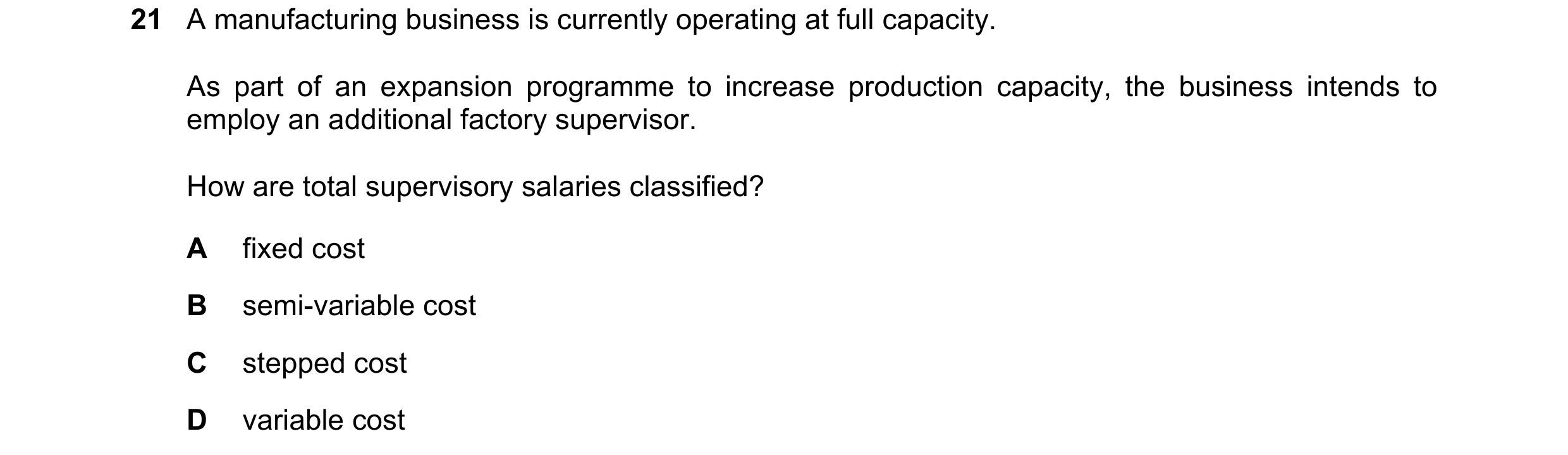
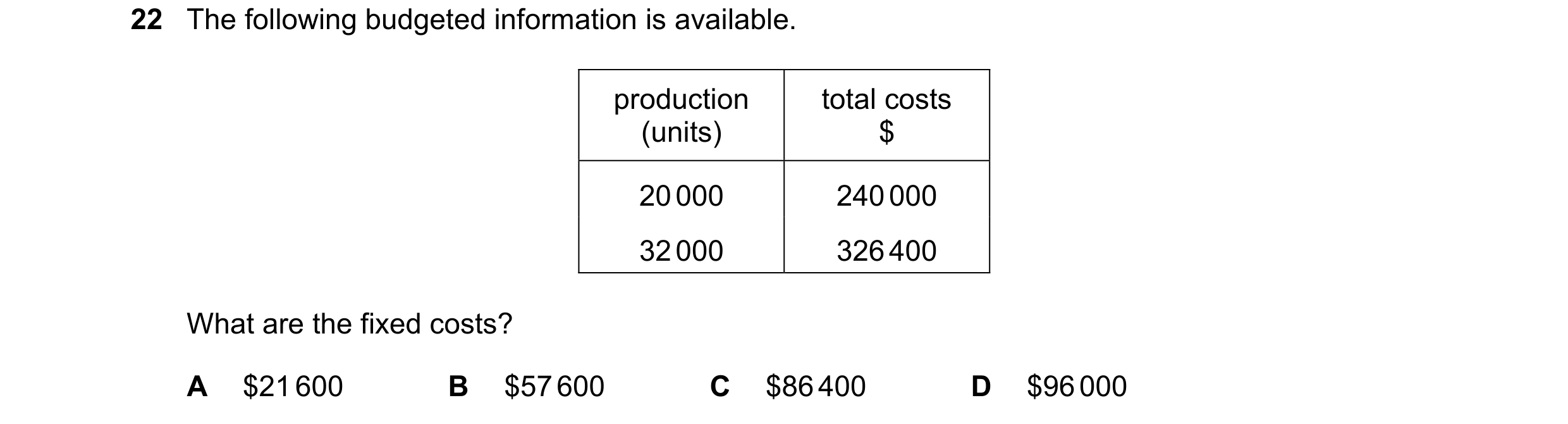
 81 / 105

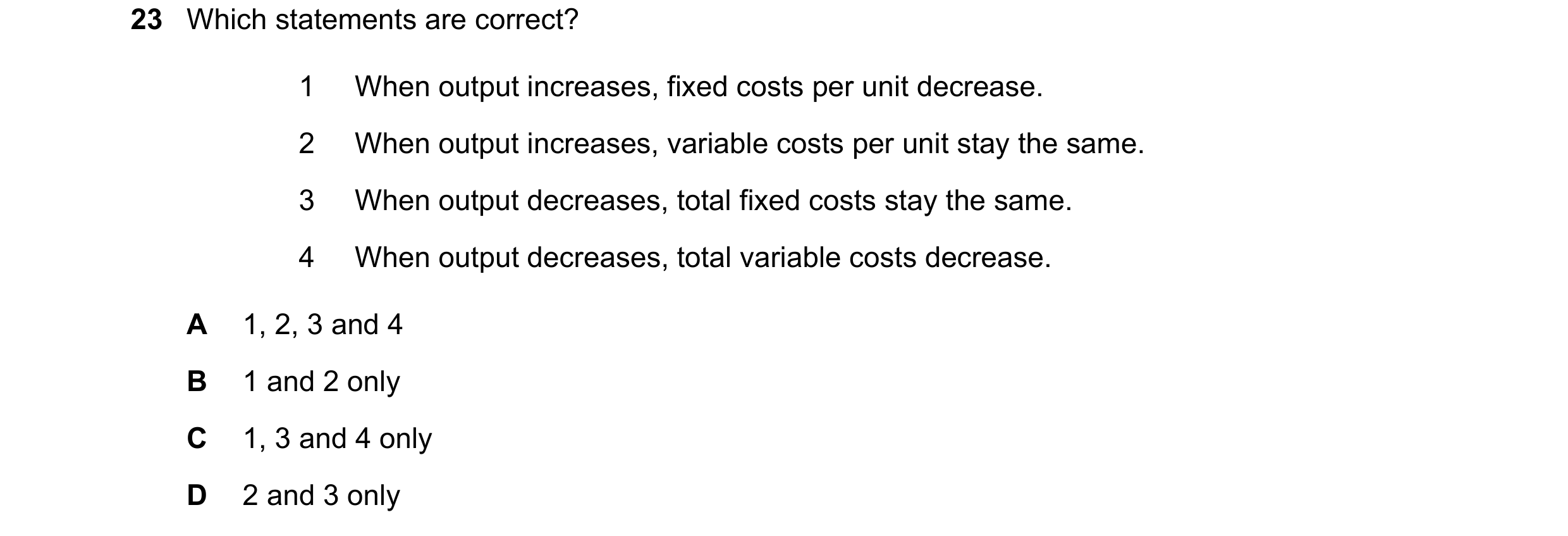 82 / 105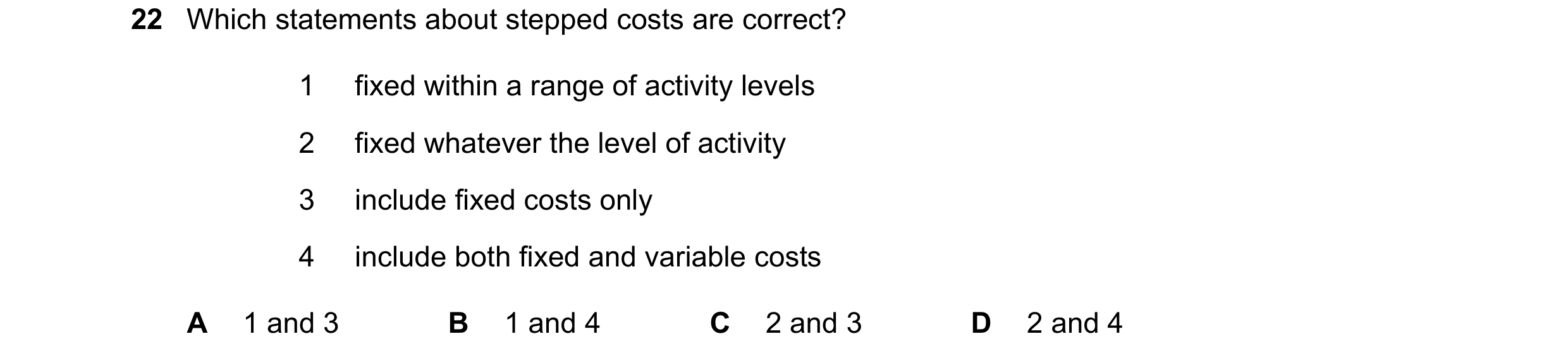
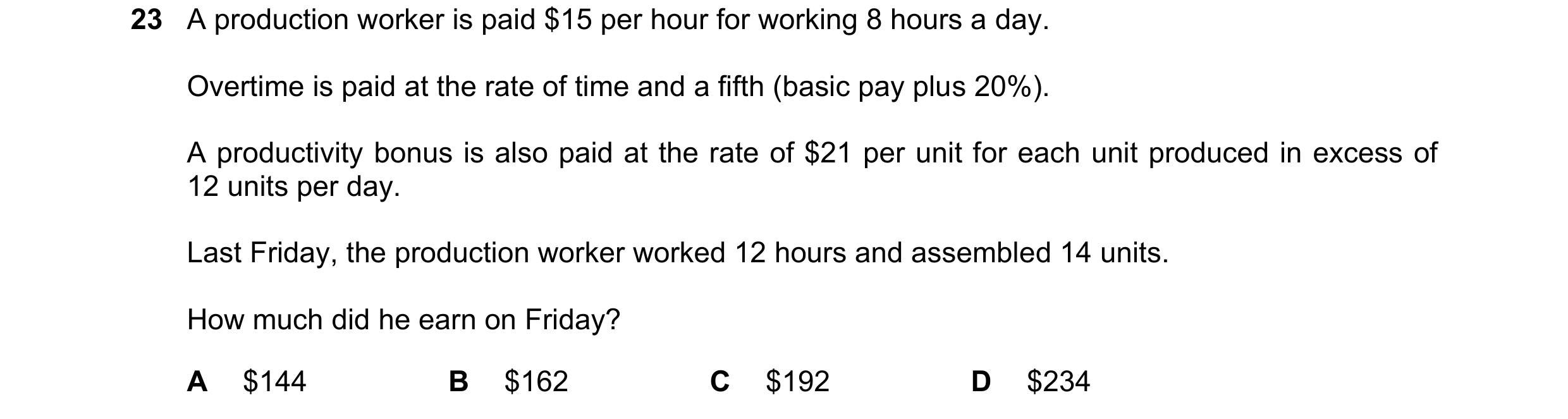


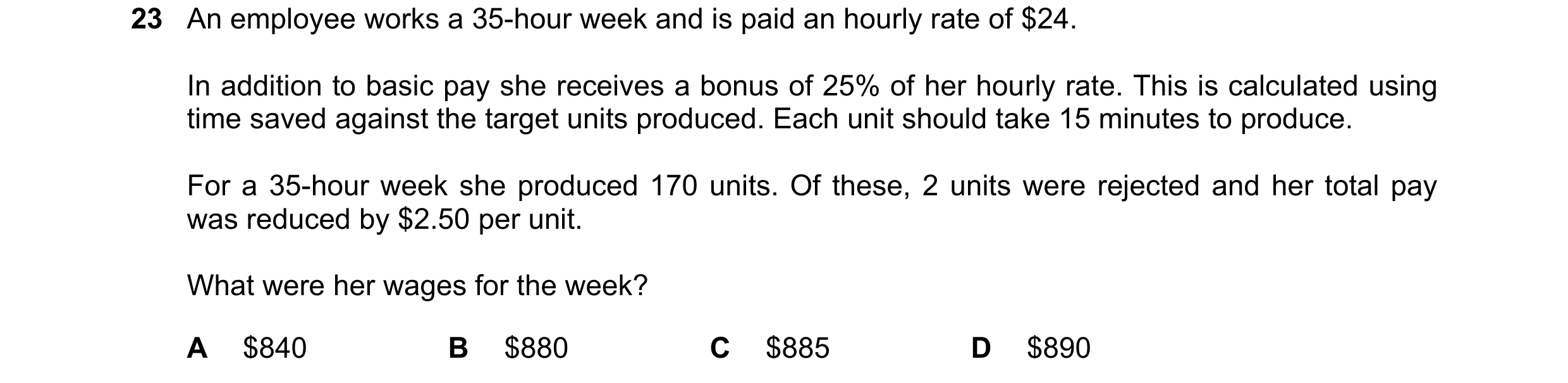 83 / 105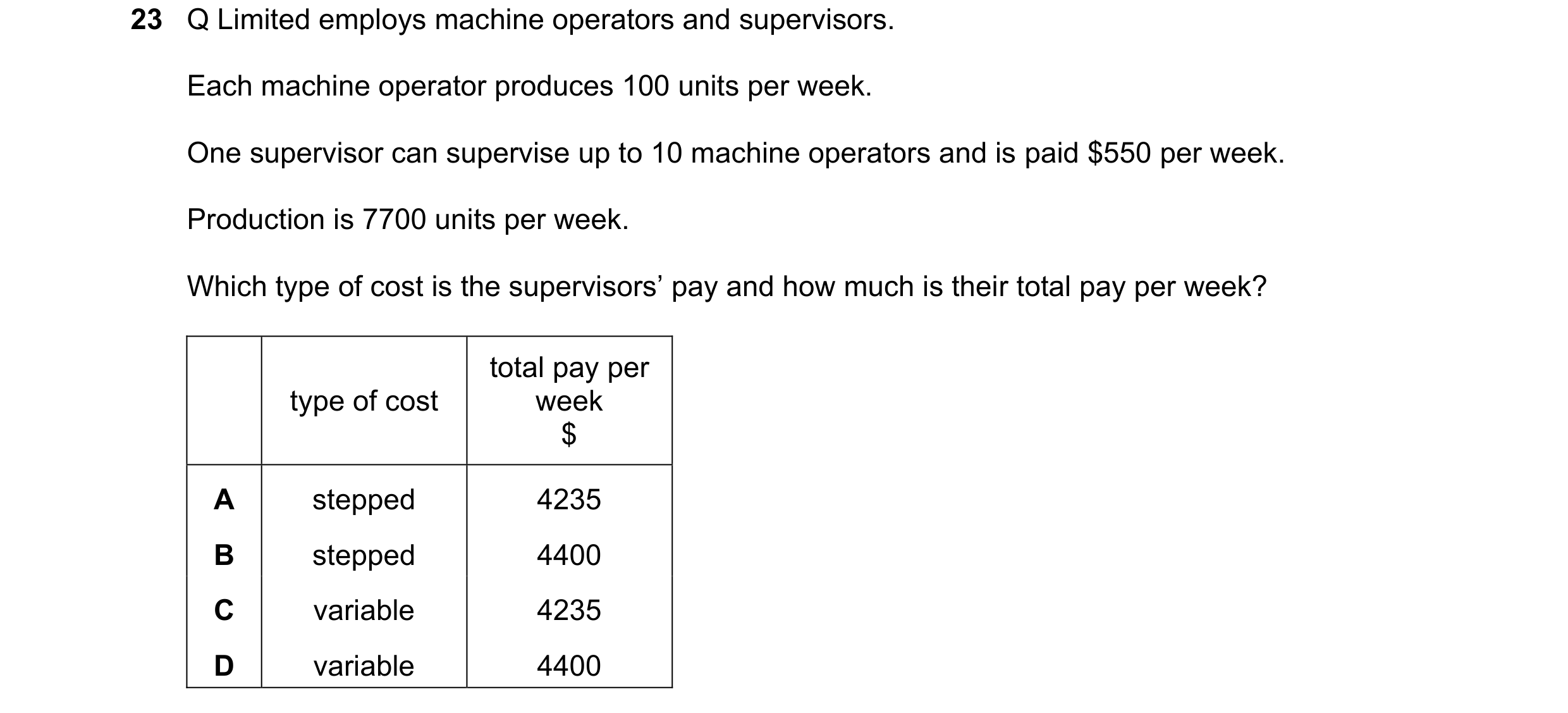
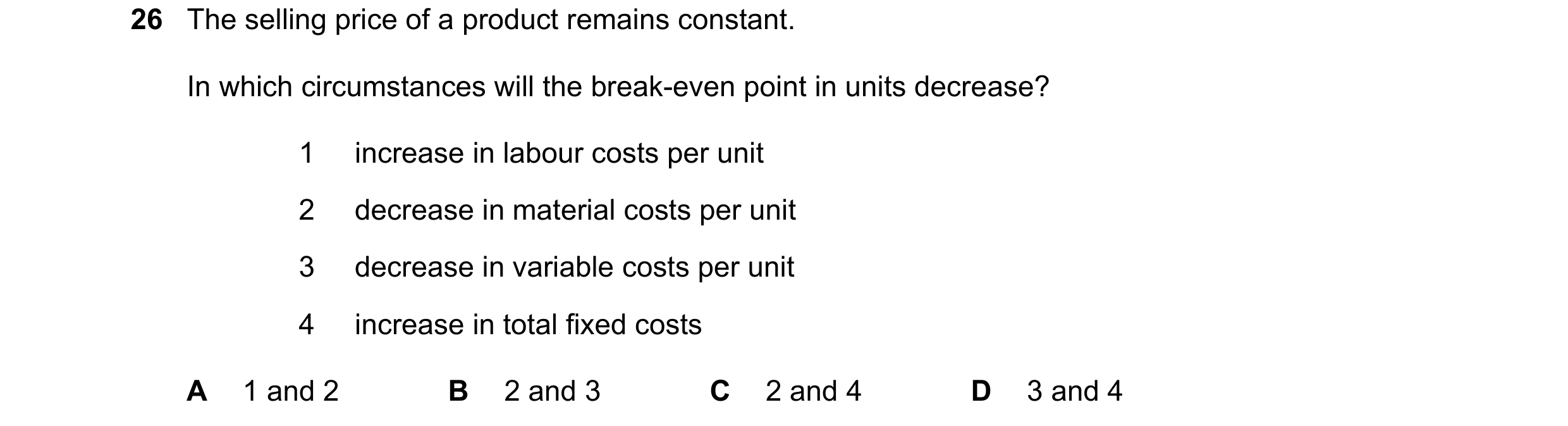

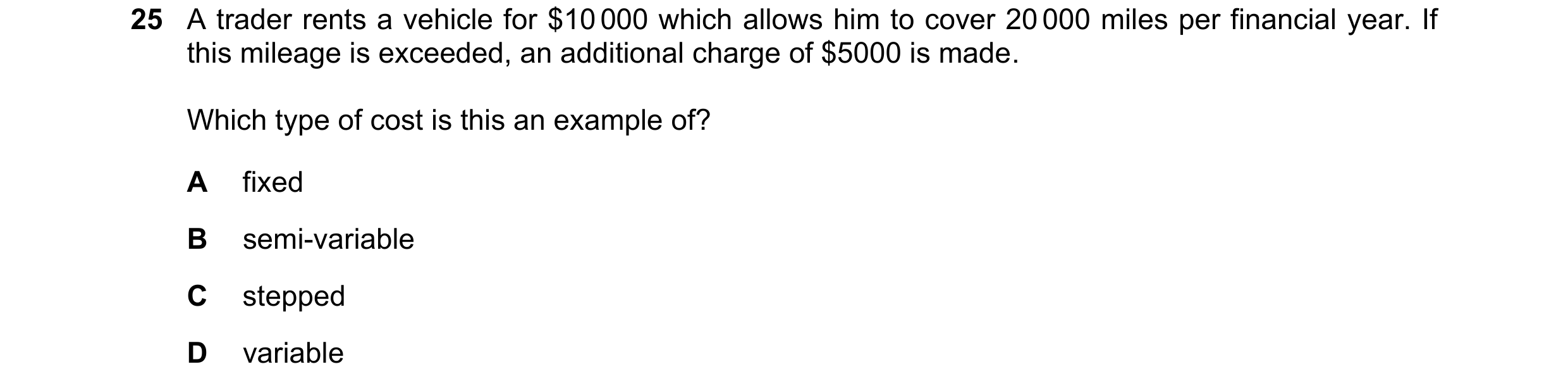 84 / 105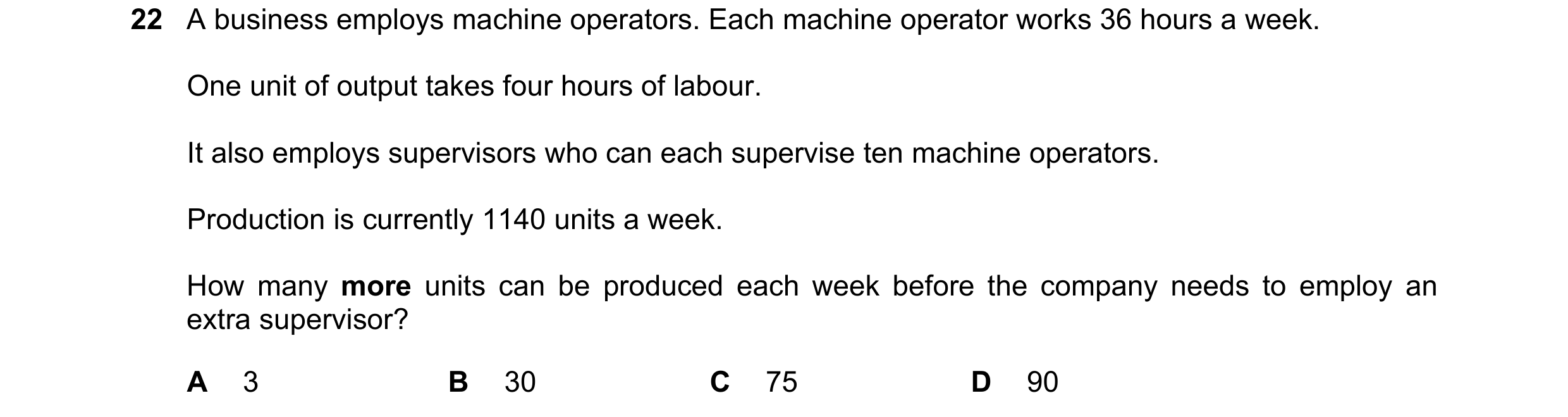

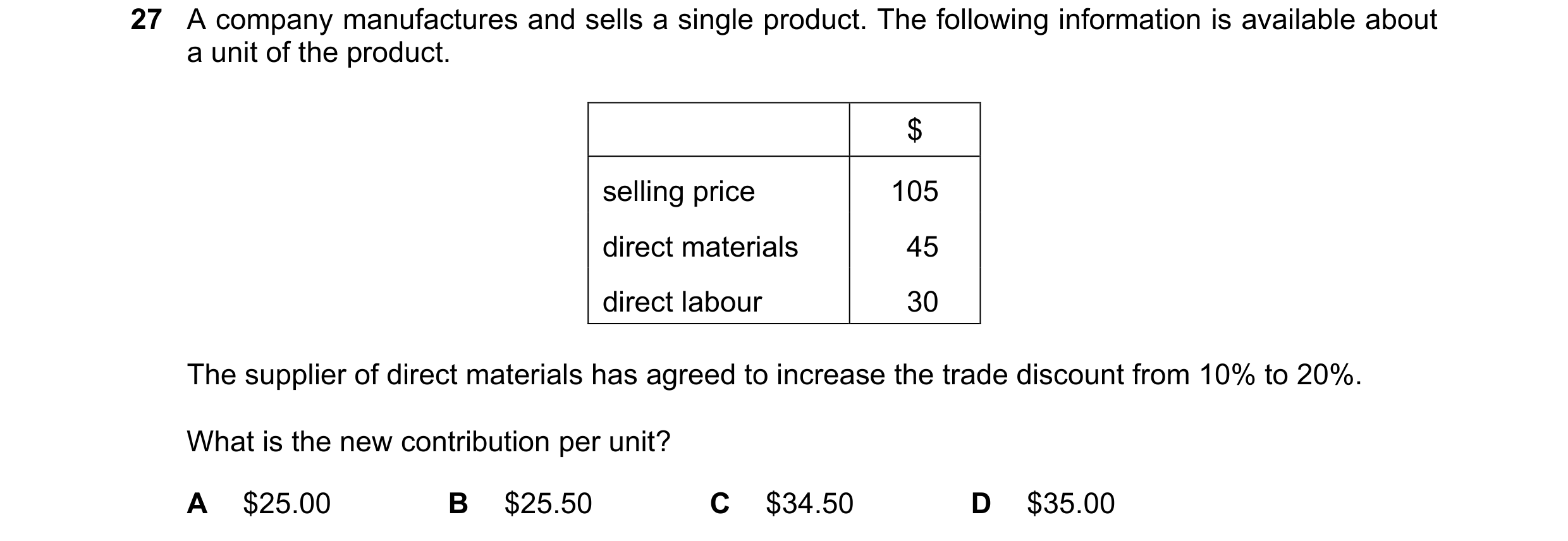
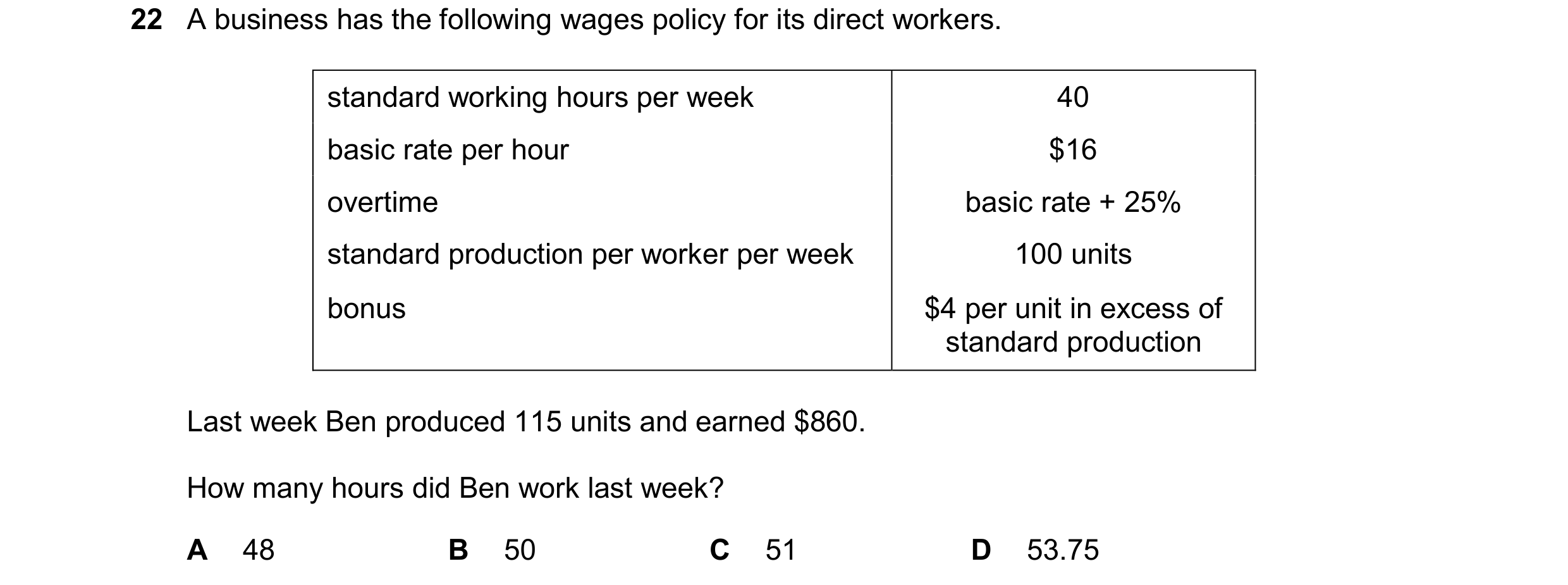 85 / 105
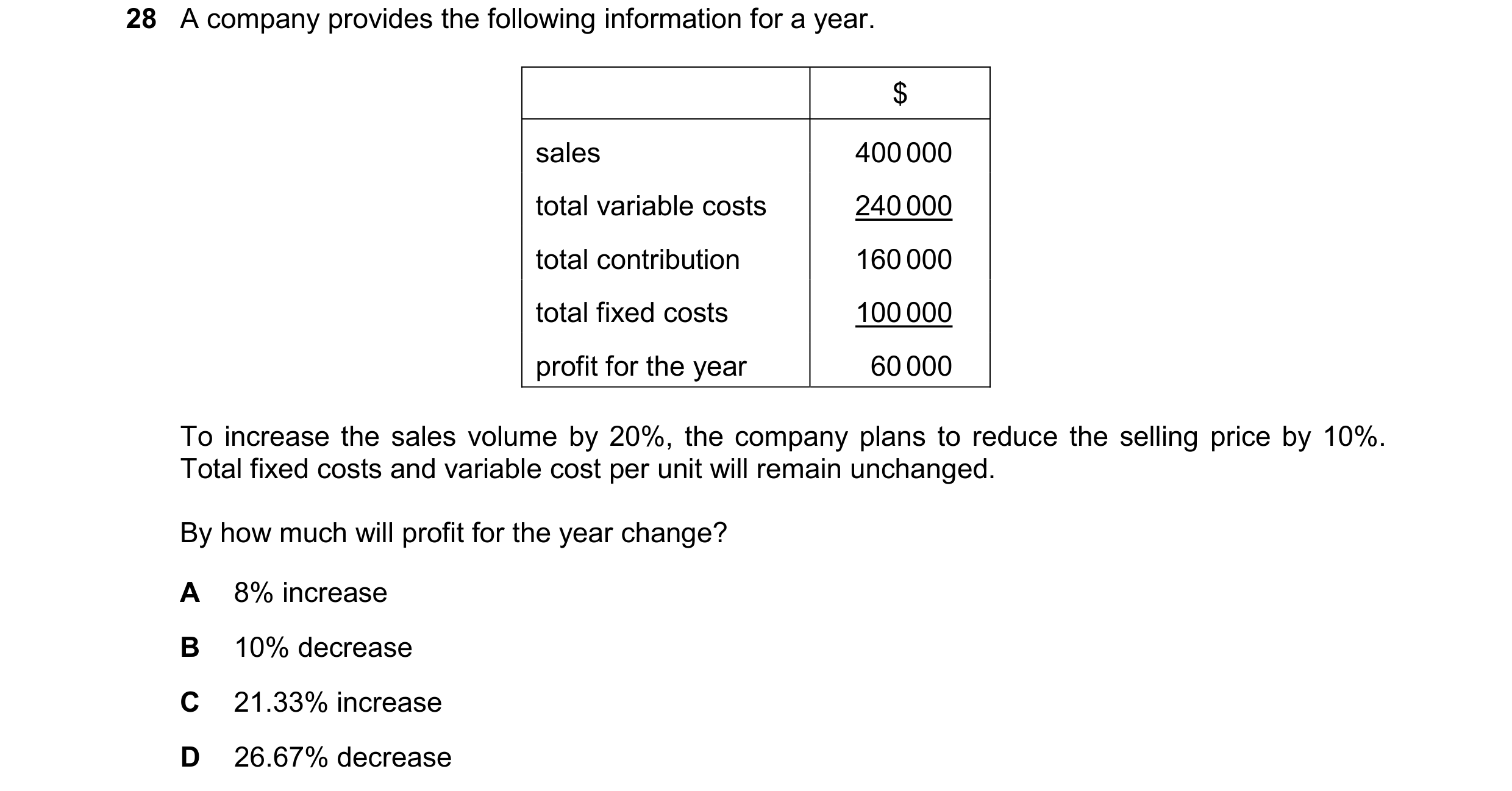
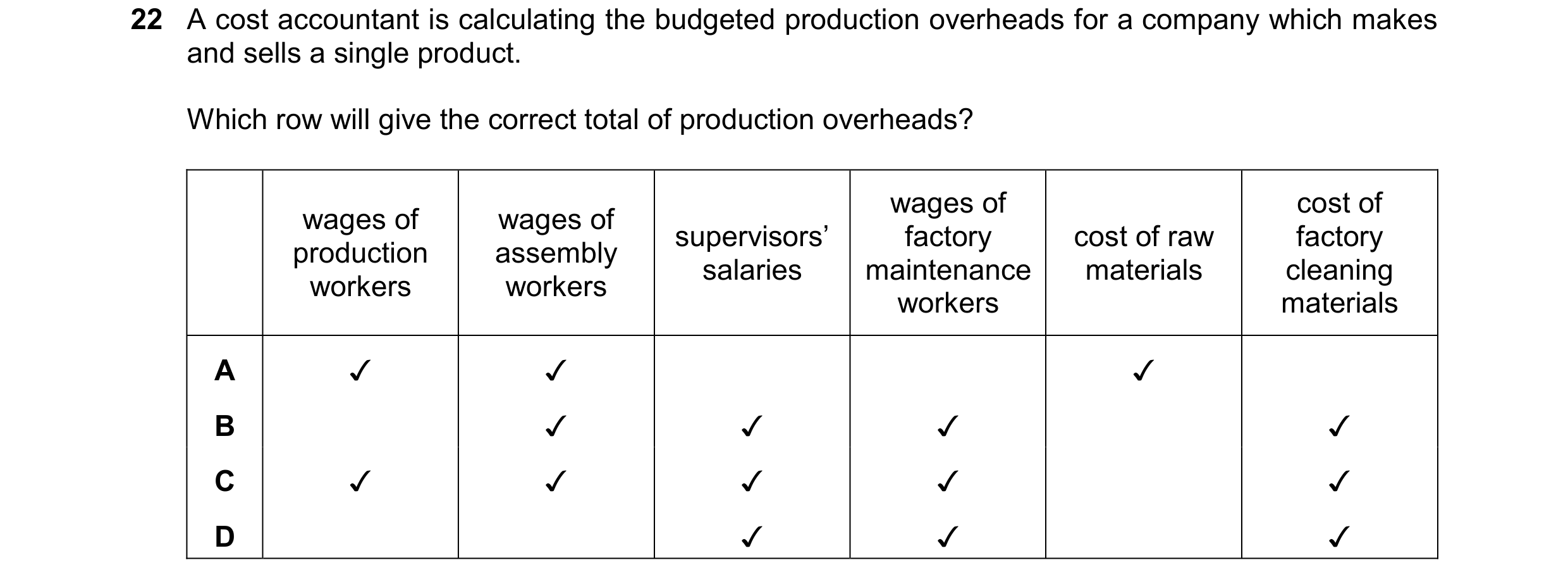 86 / 105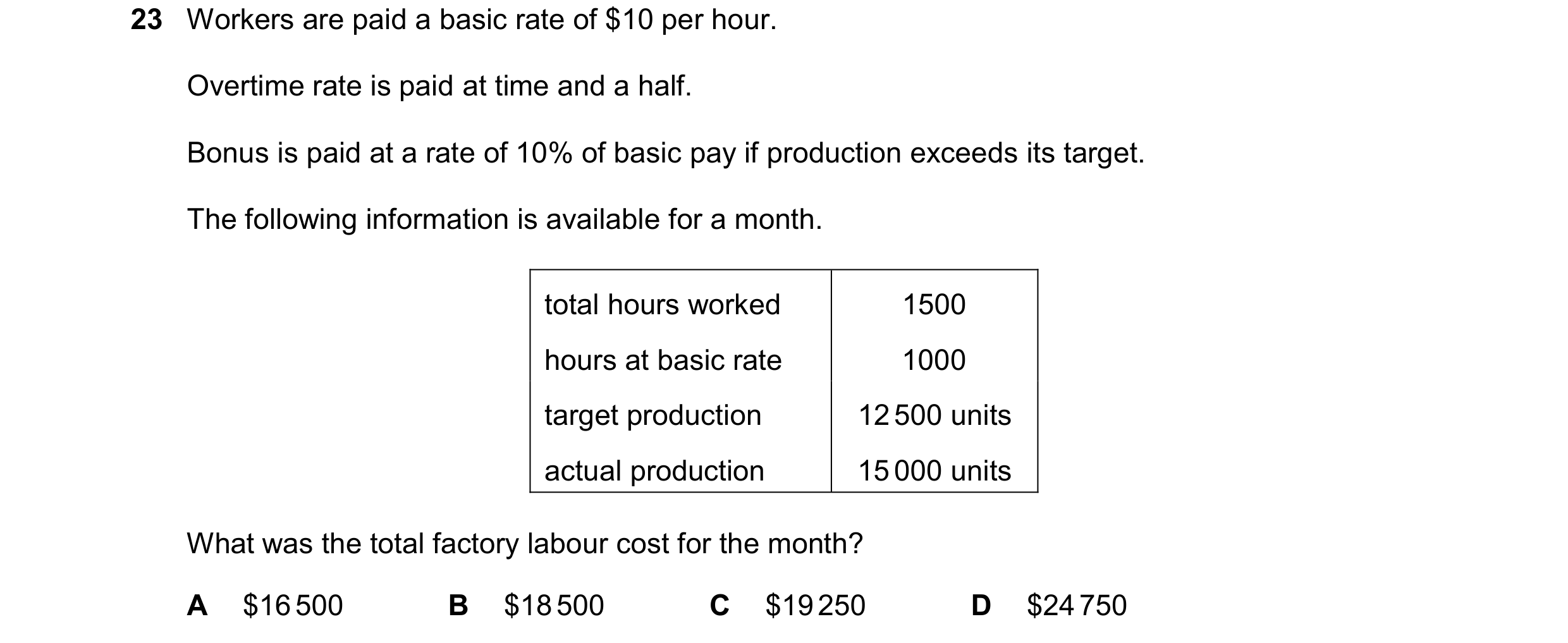

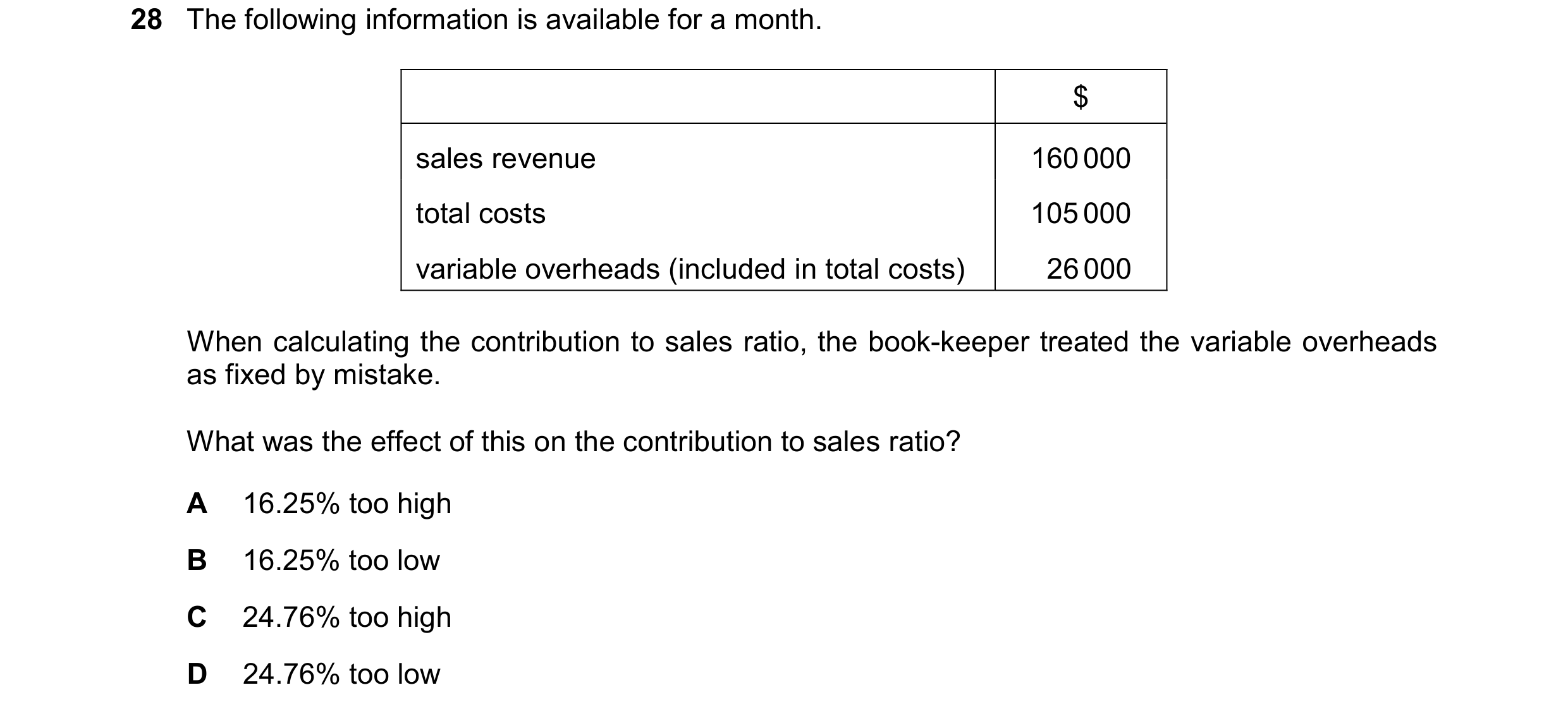 87 / 105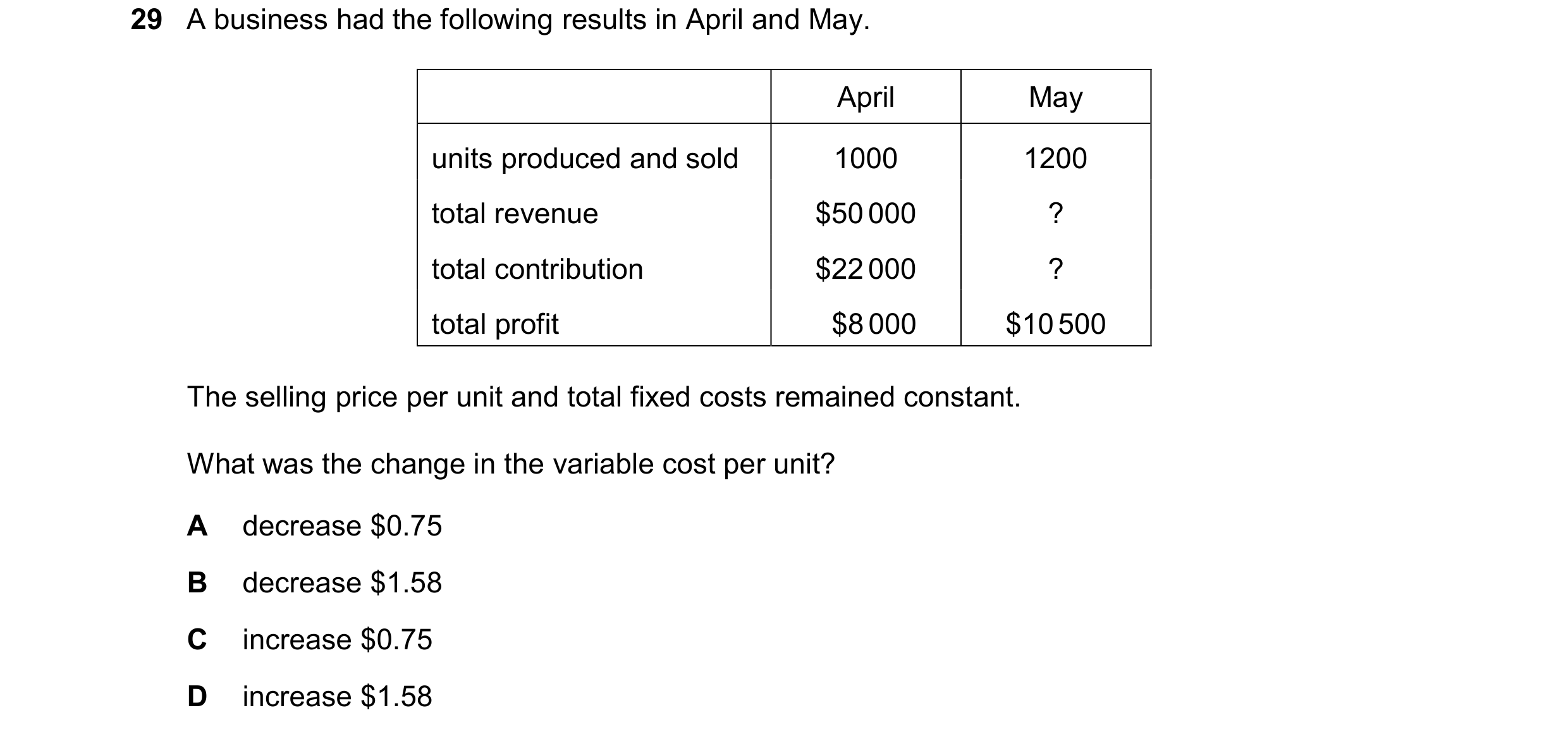


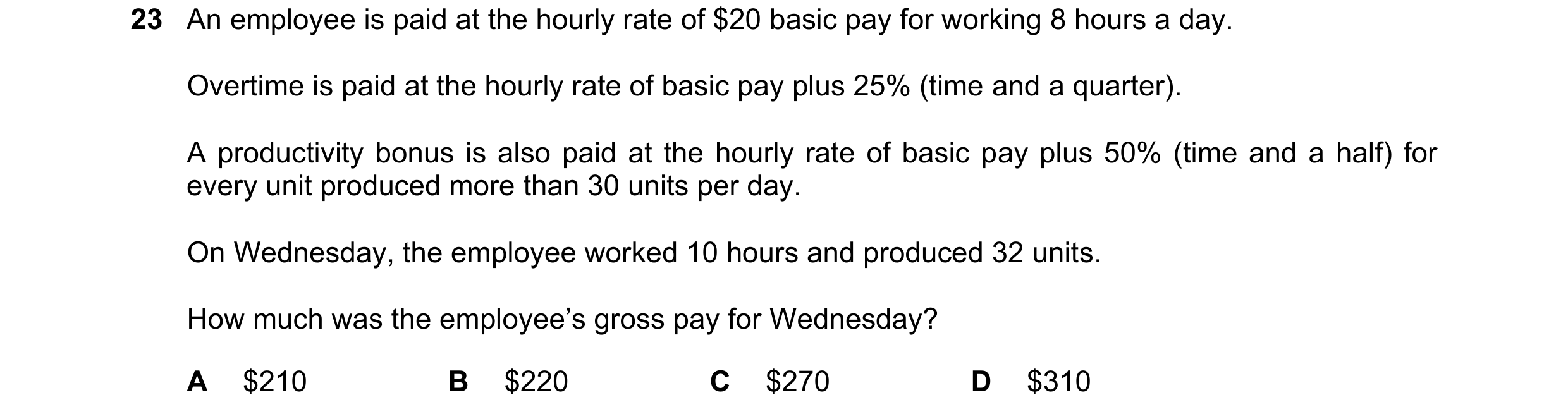 88 / 105
 89 / 105
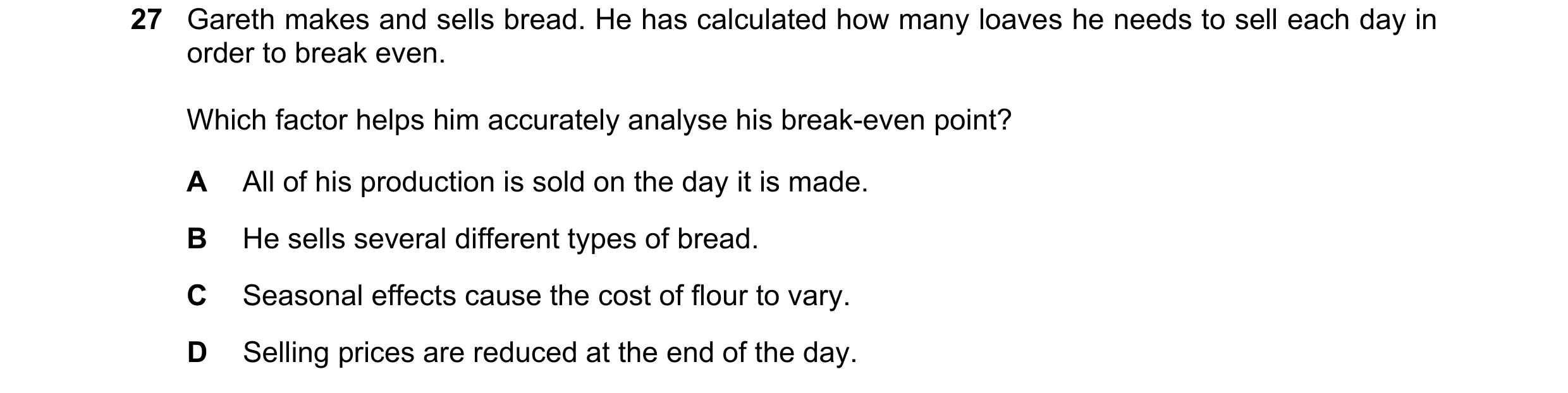
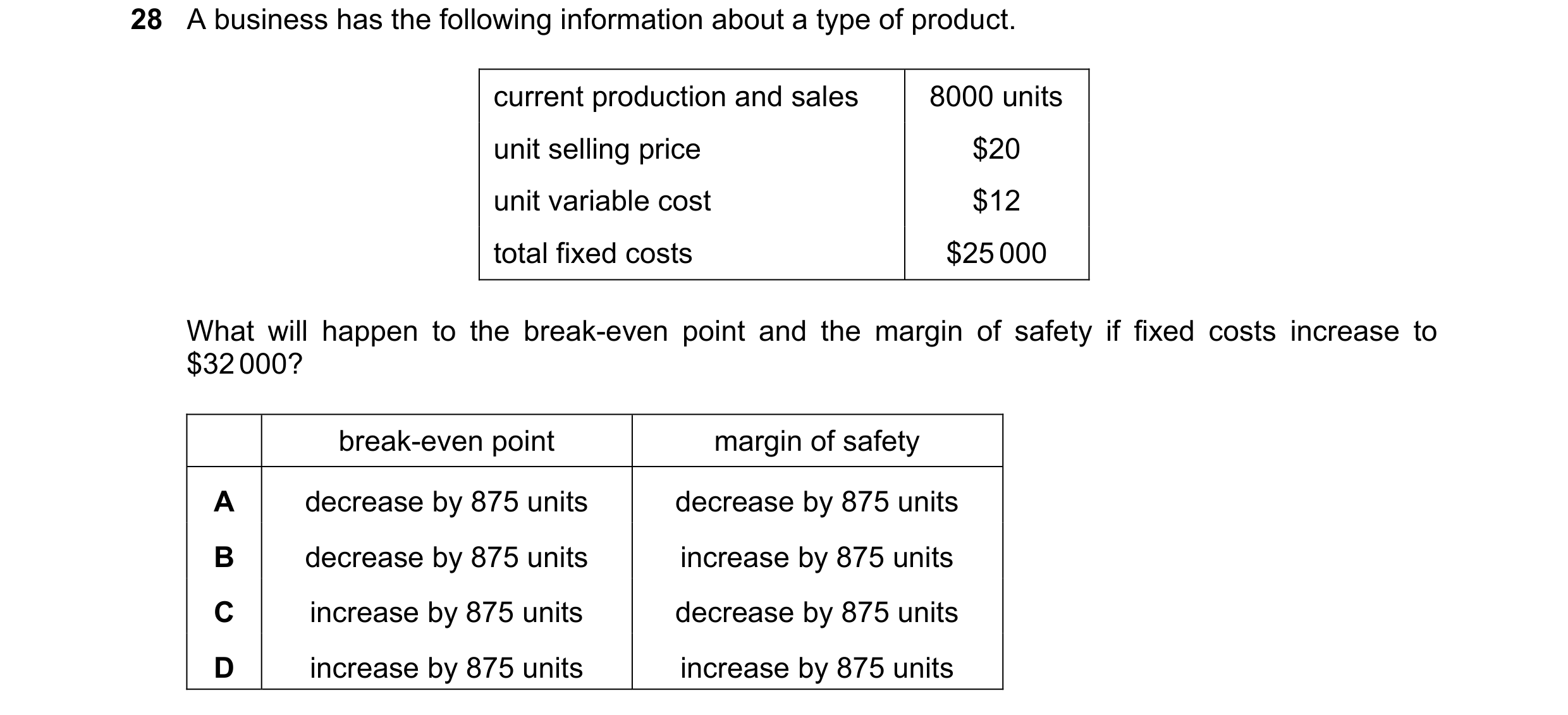 90 / 105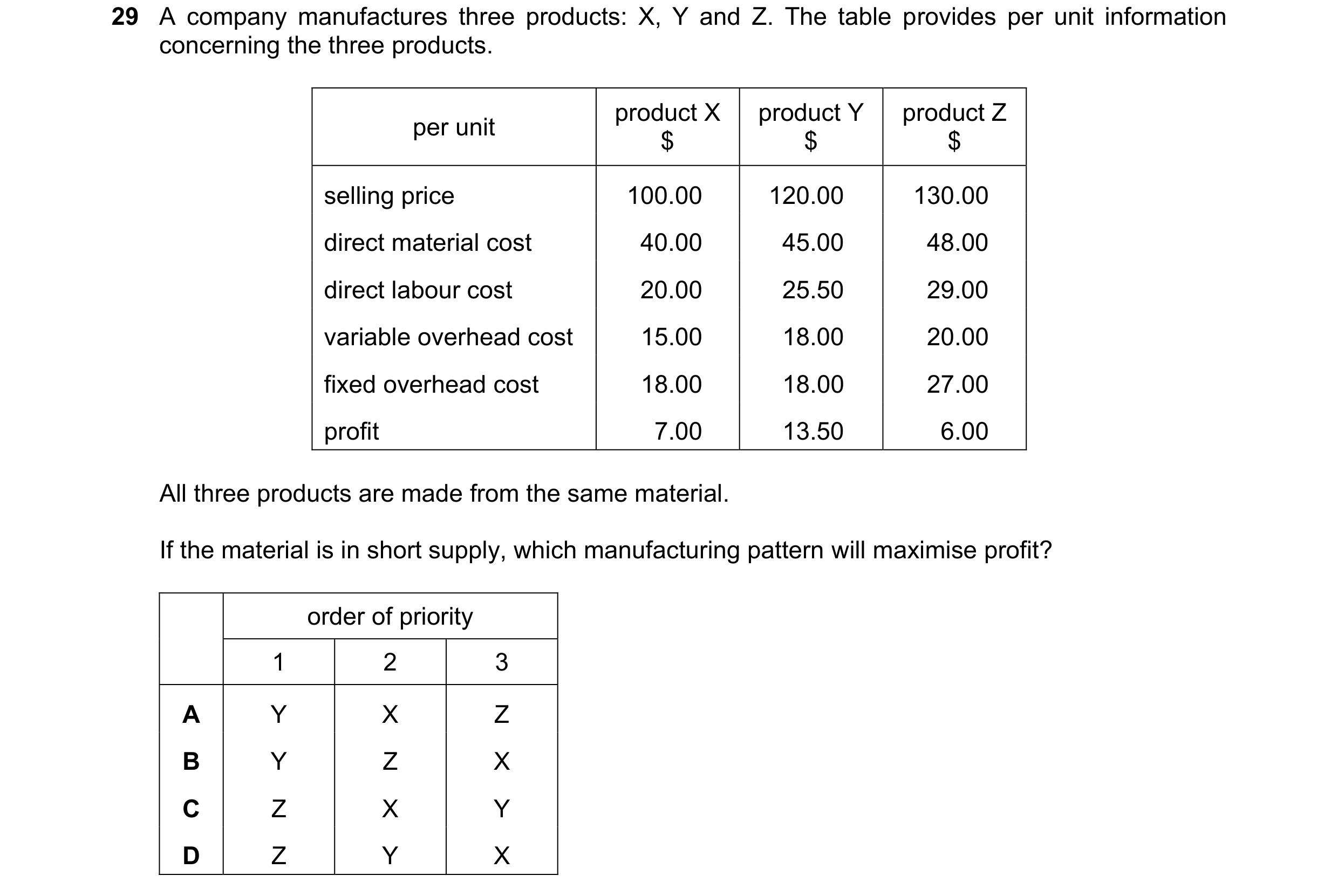

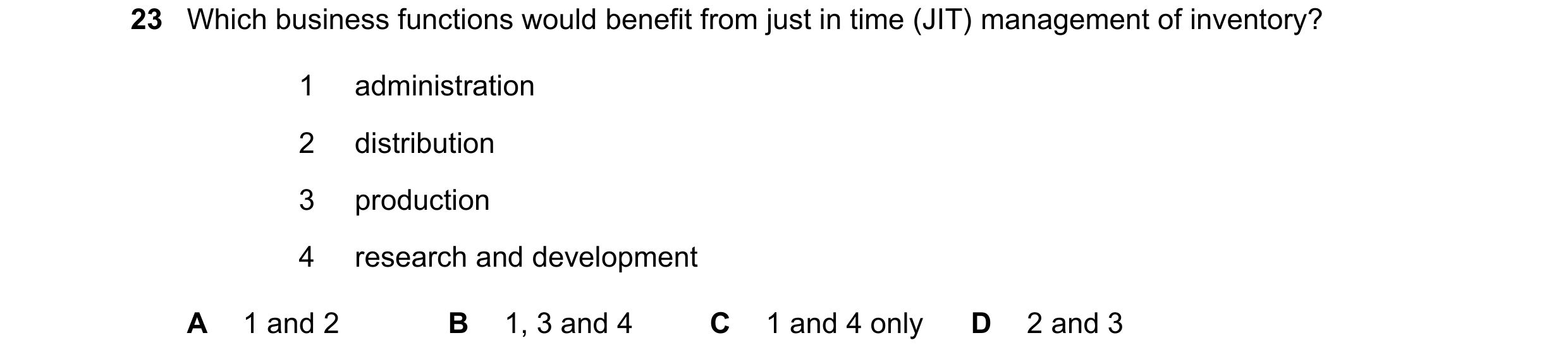
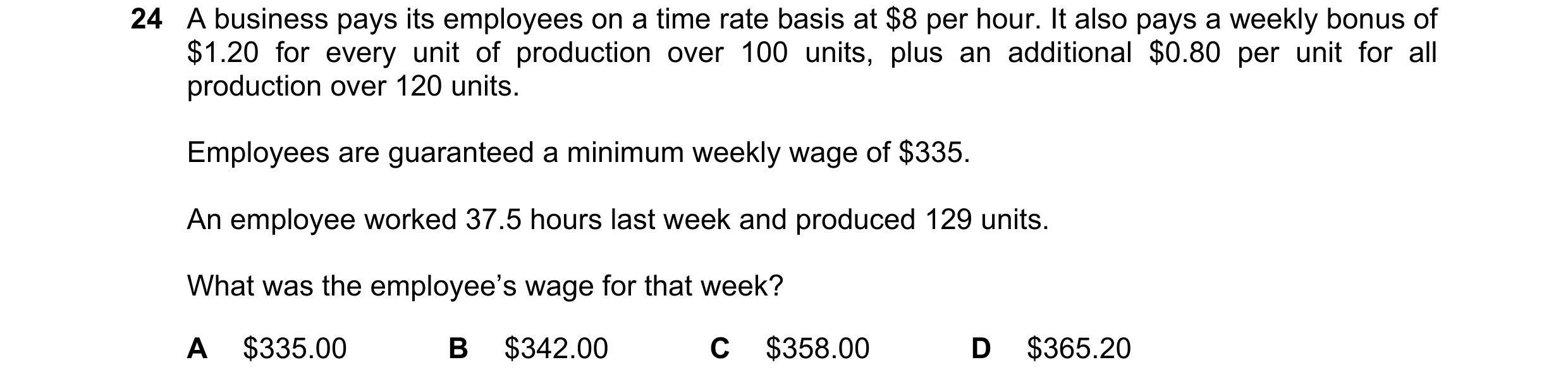 91 / 105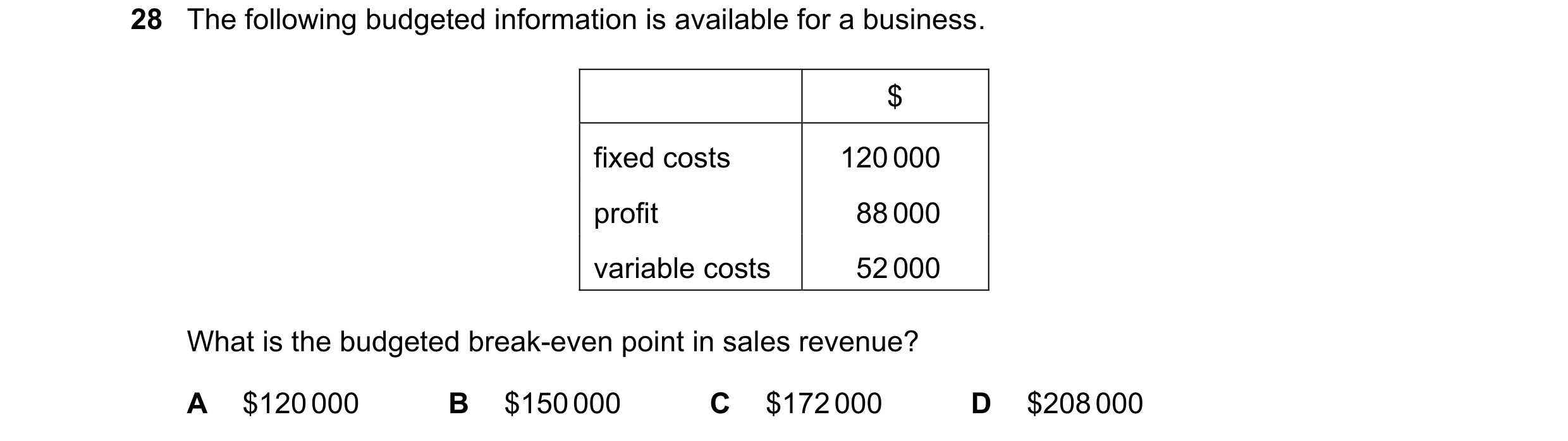
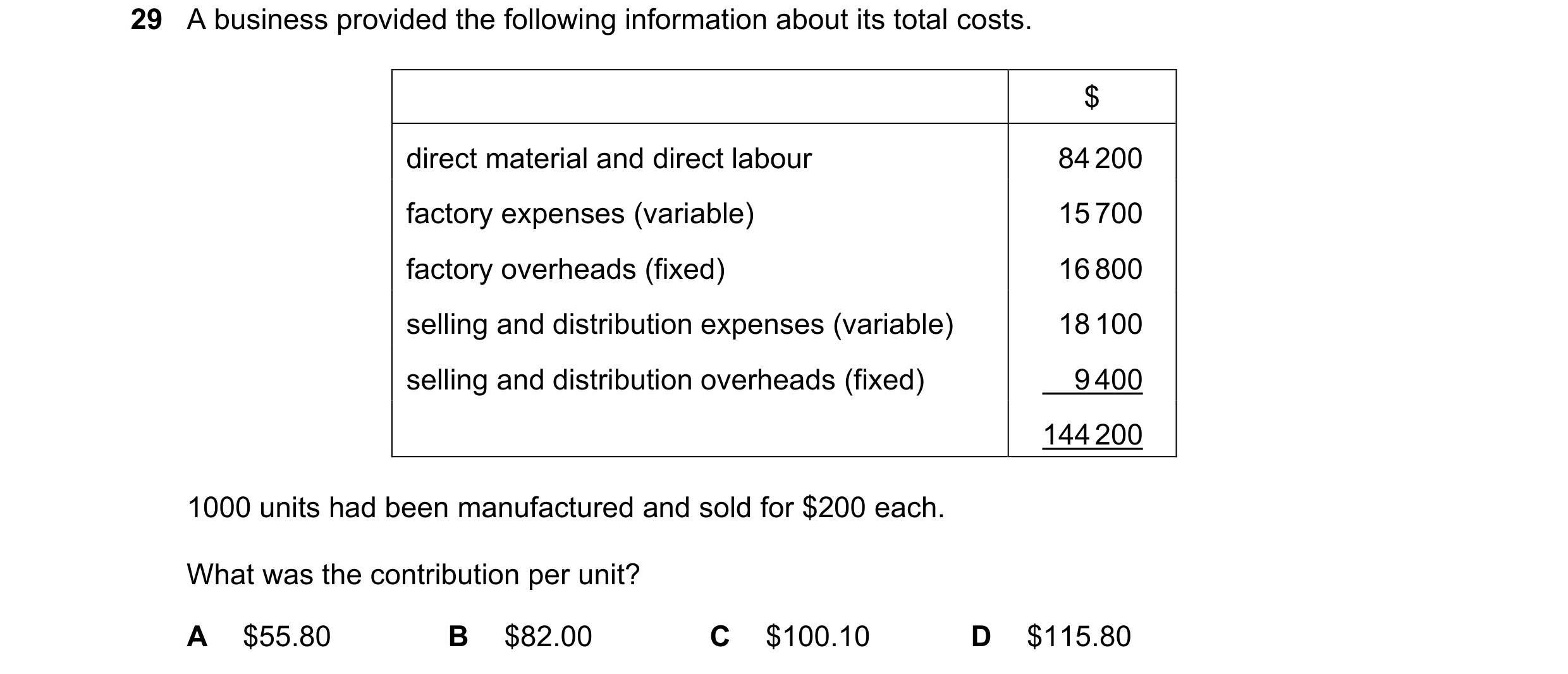

 92 / 105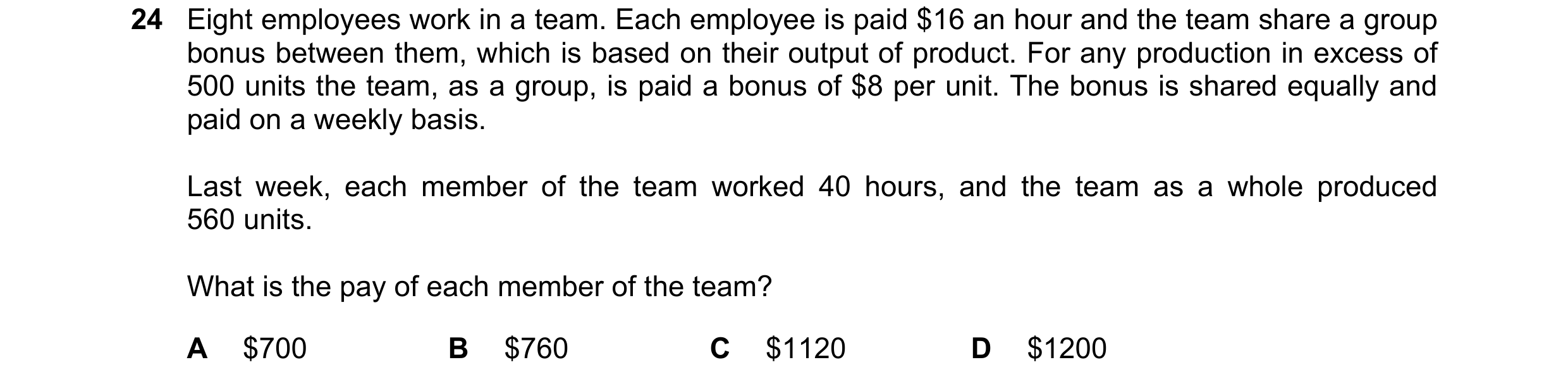
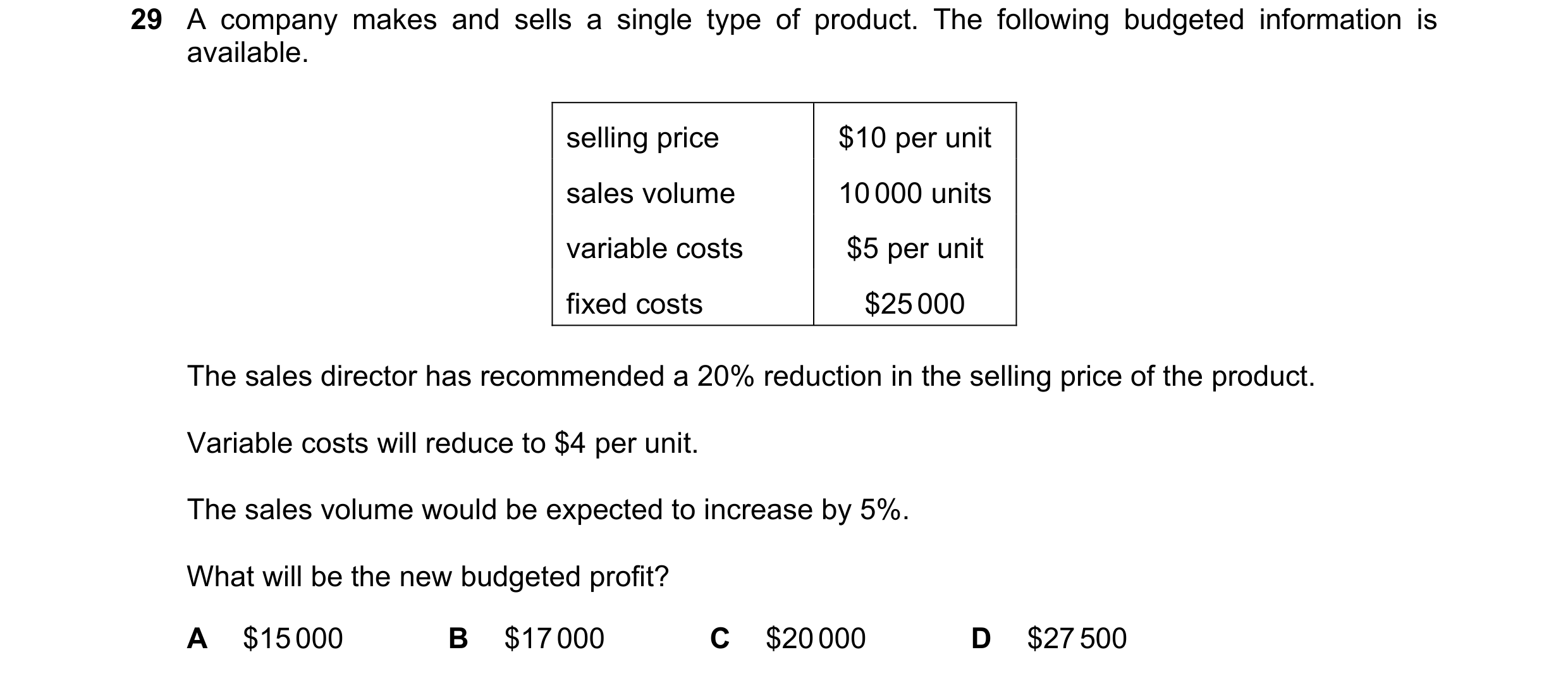

 93 / 105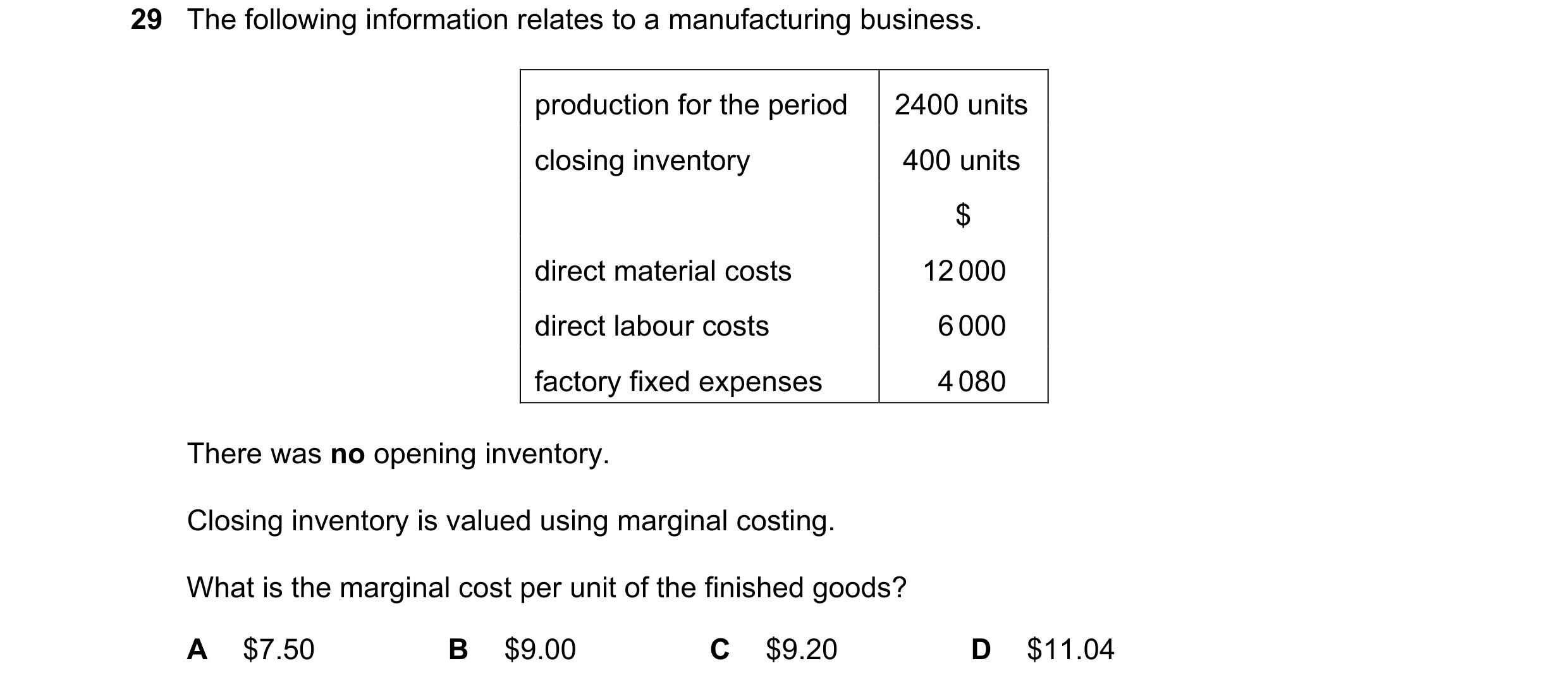

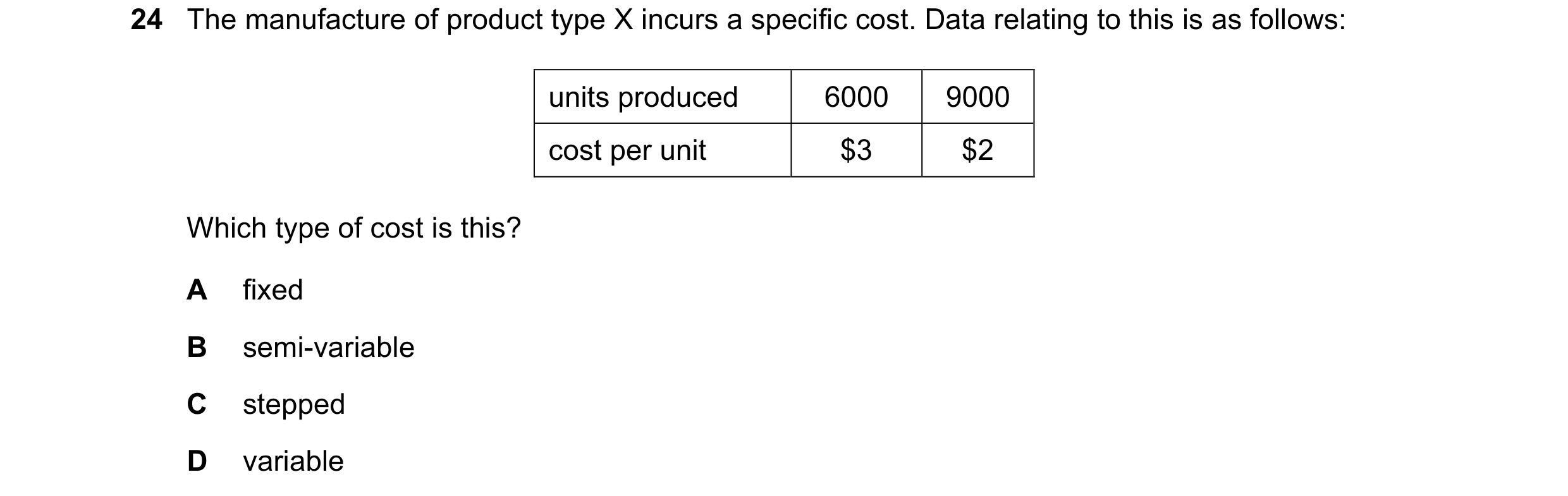
 94 / 105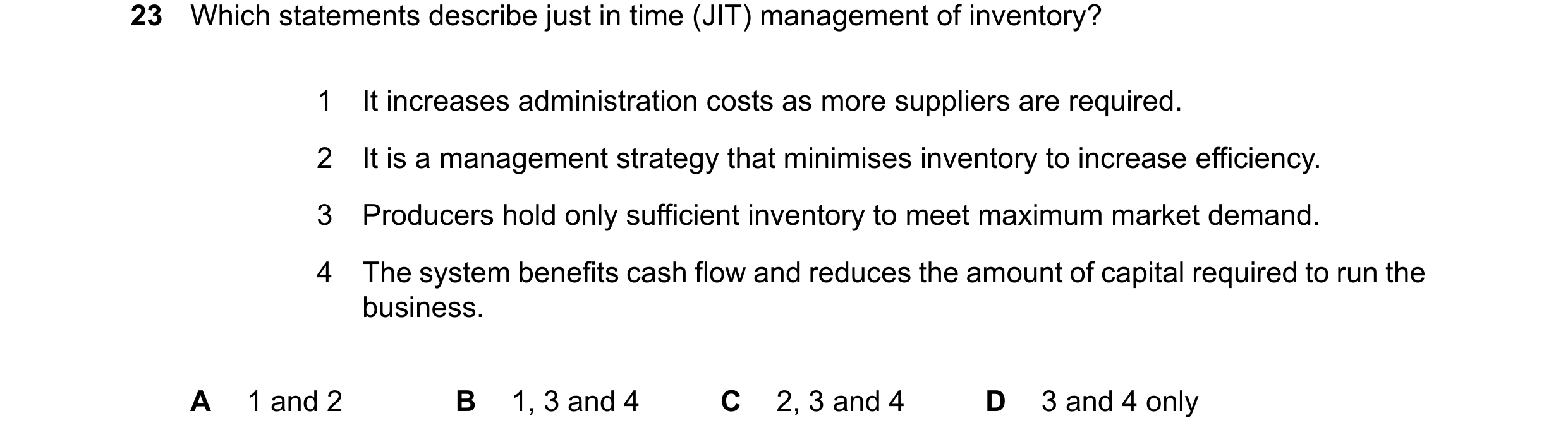
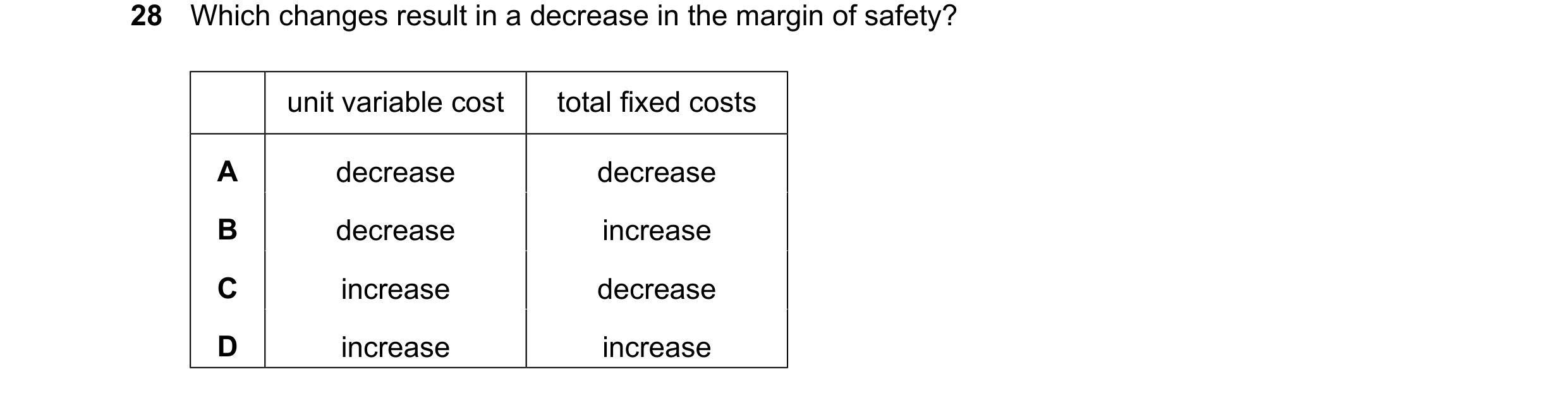
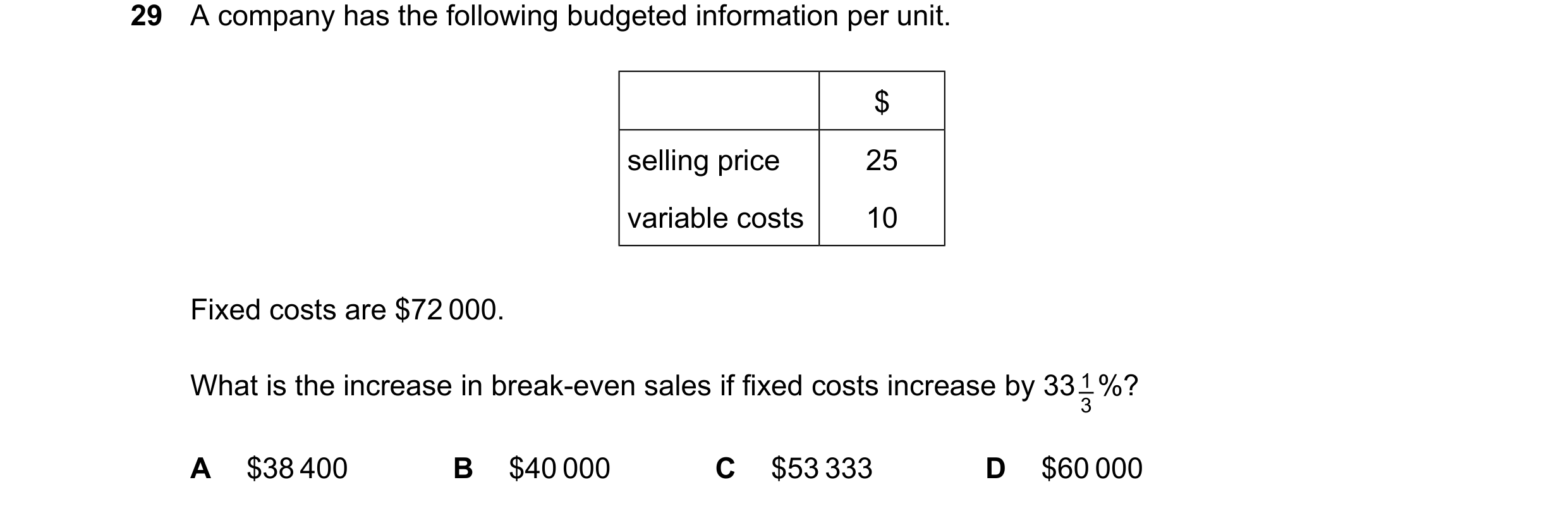
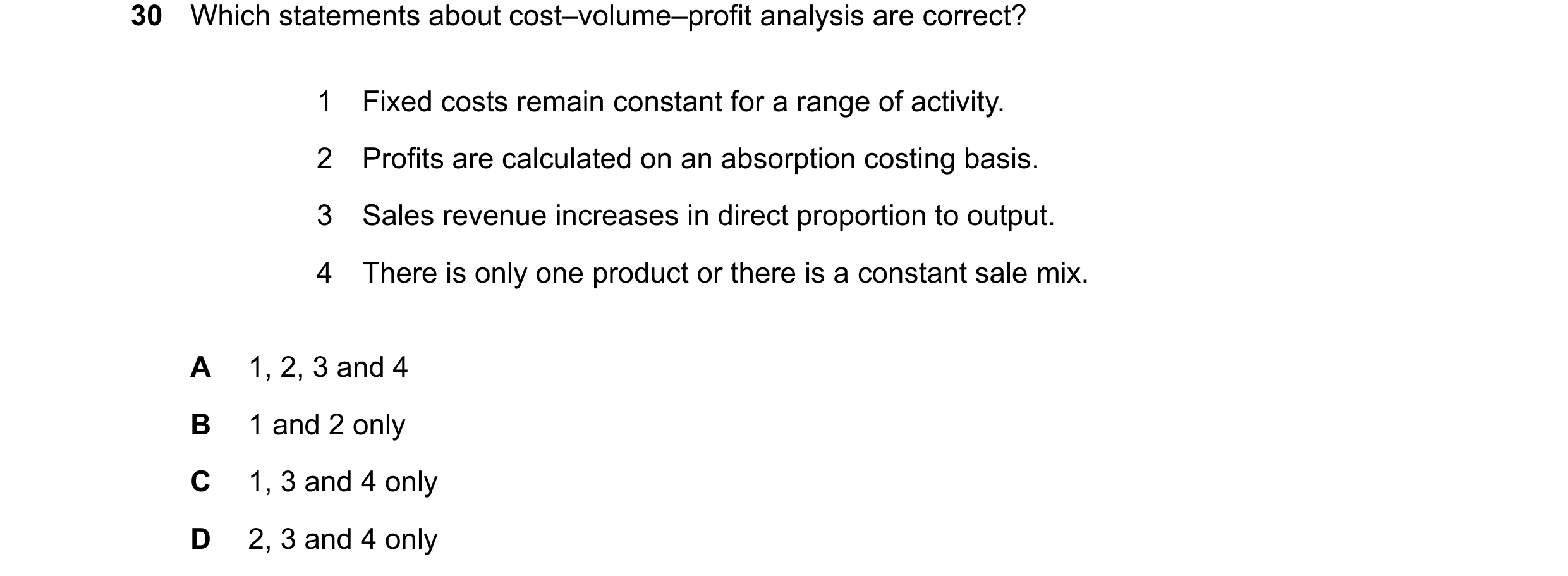 95 / 105

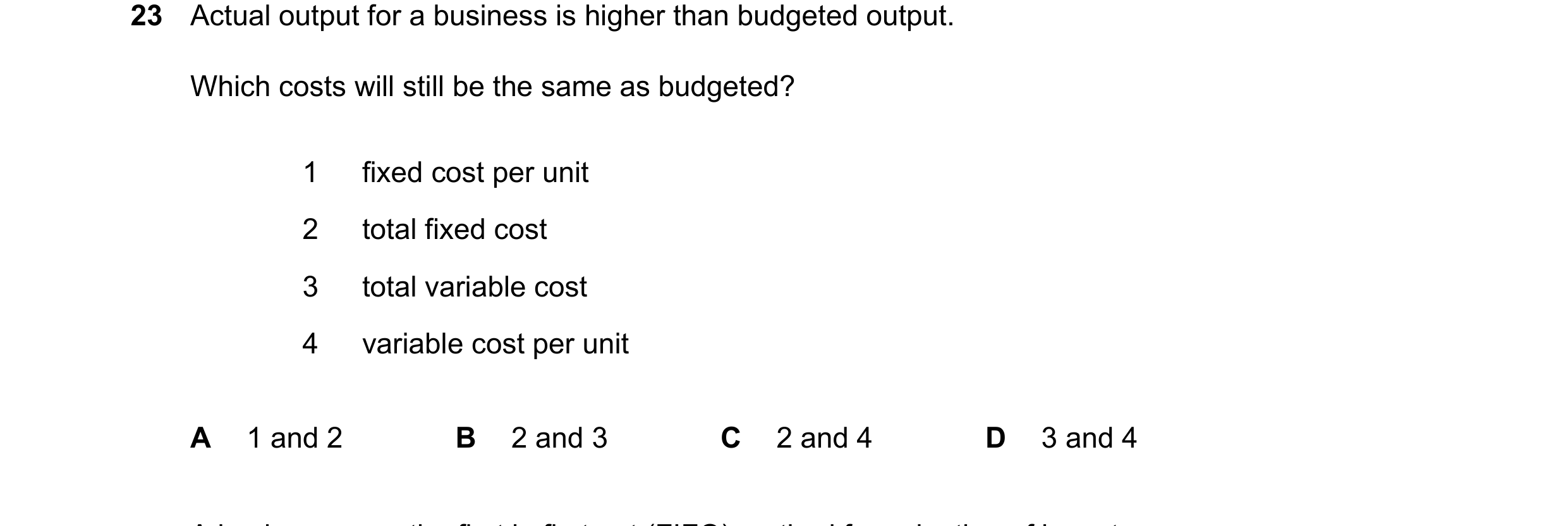

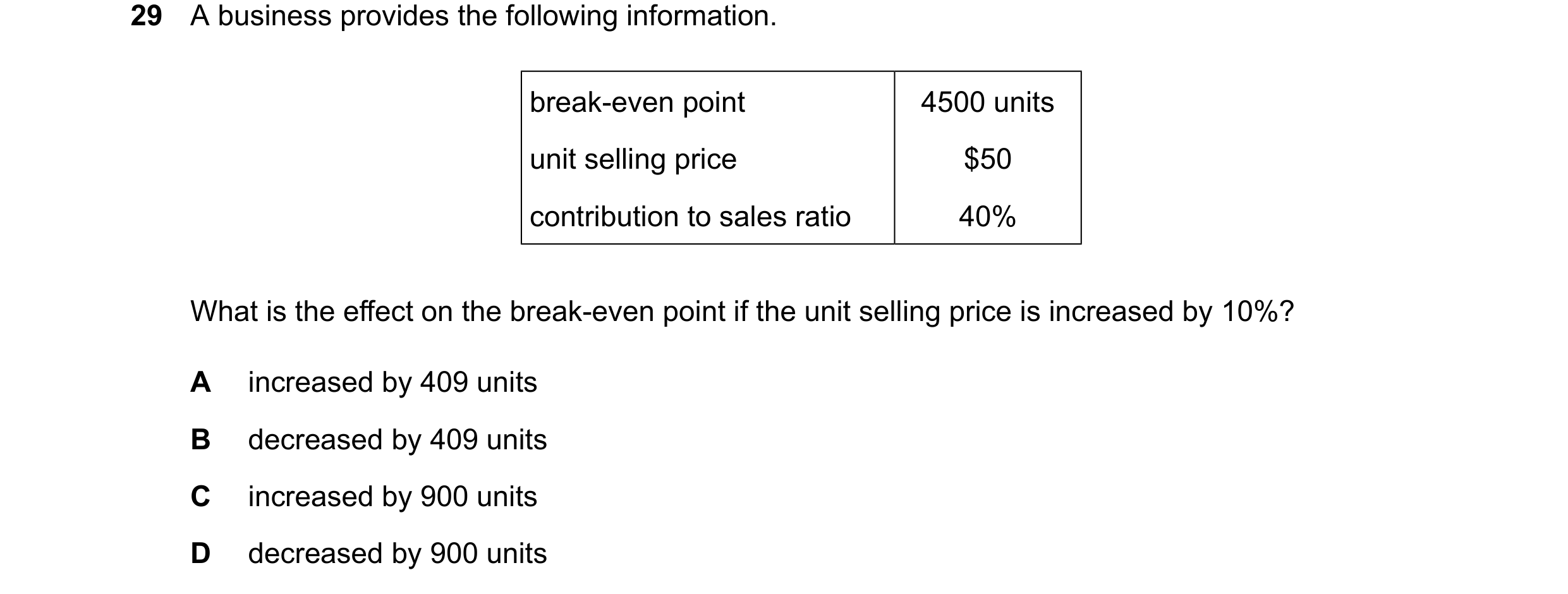 96 / 105
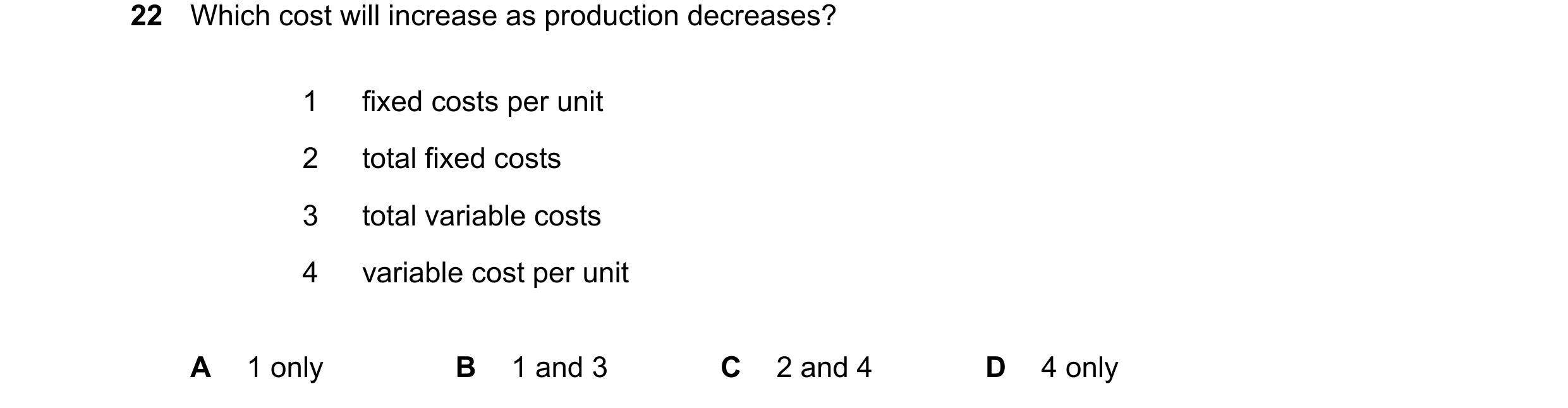
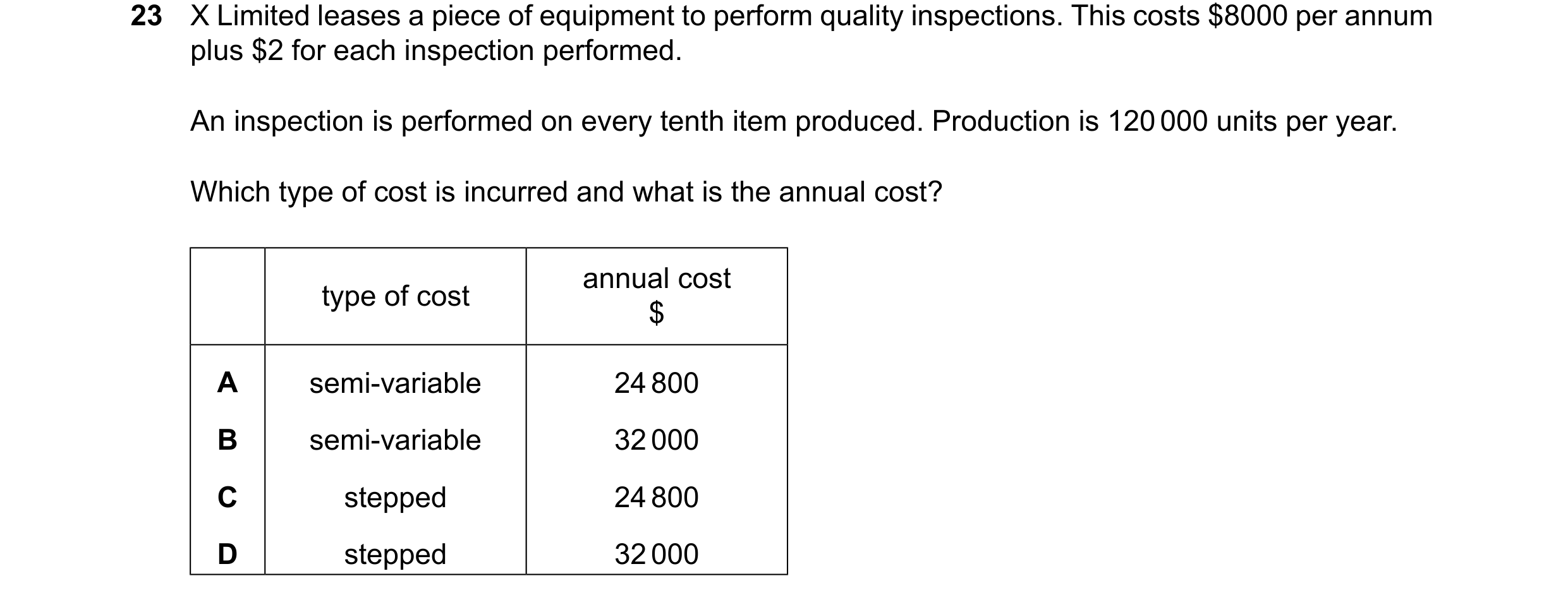
 97 / 105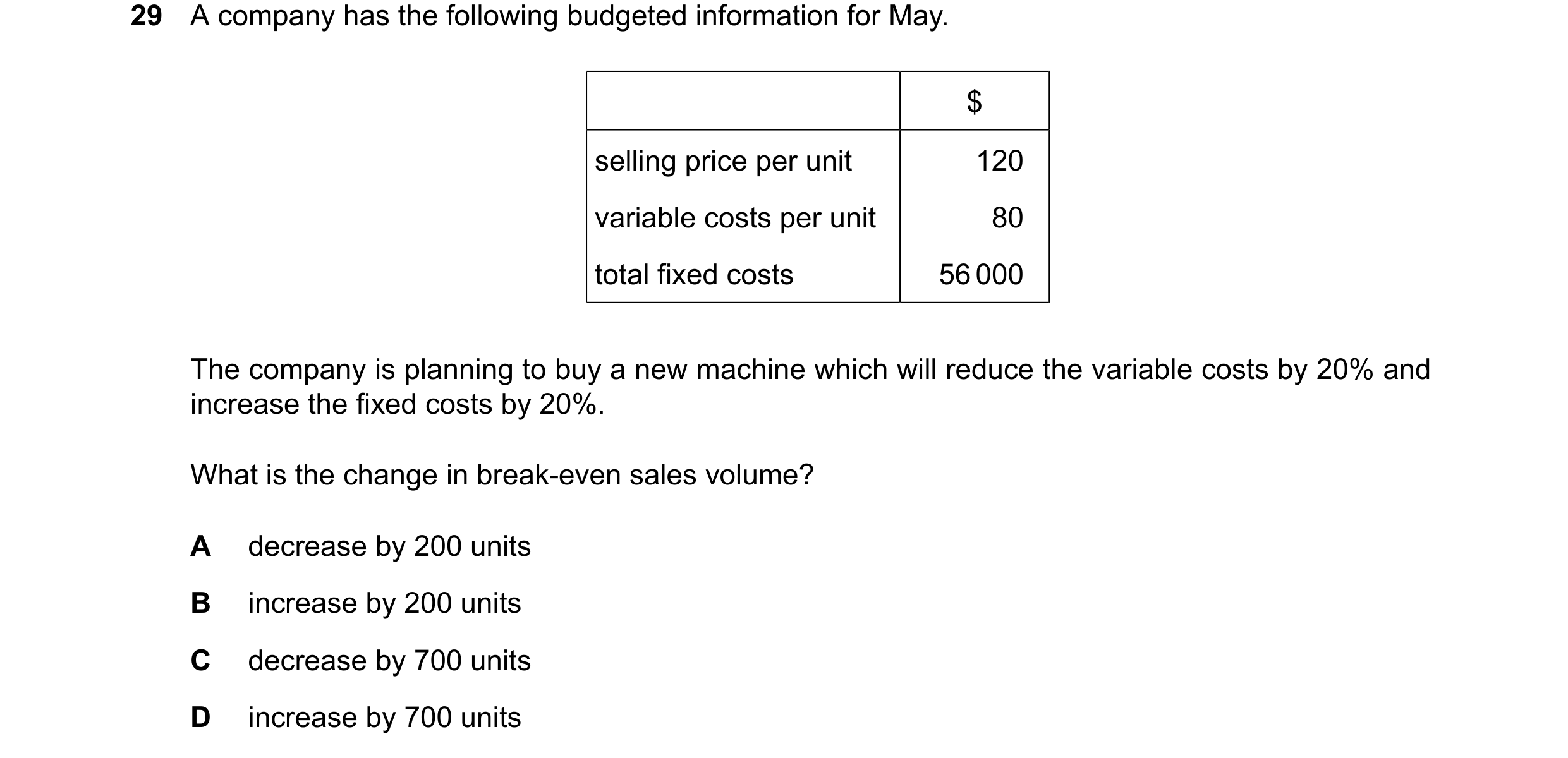

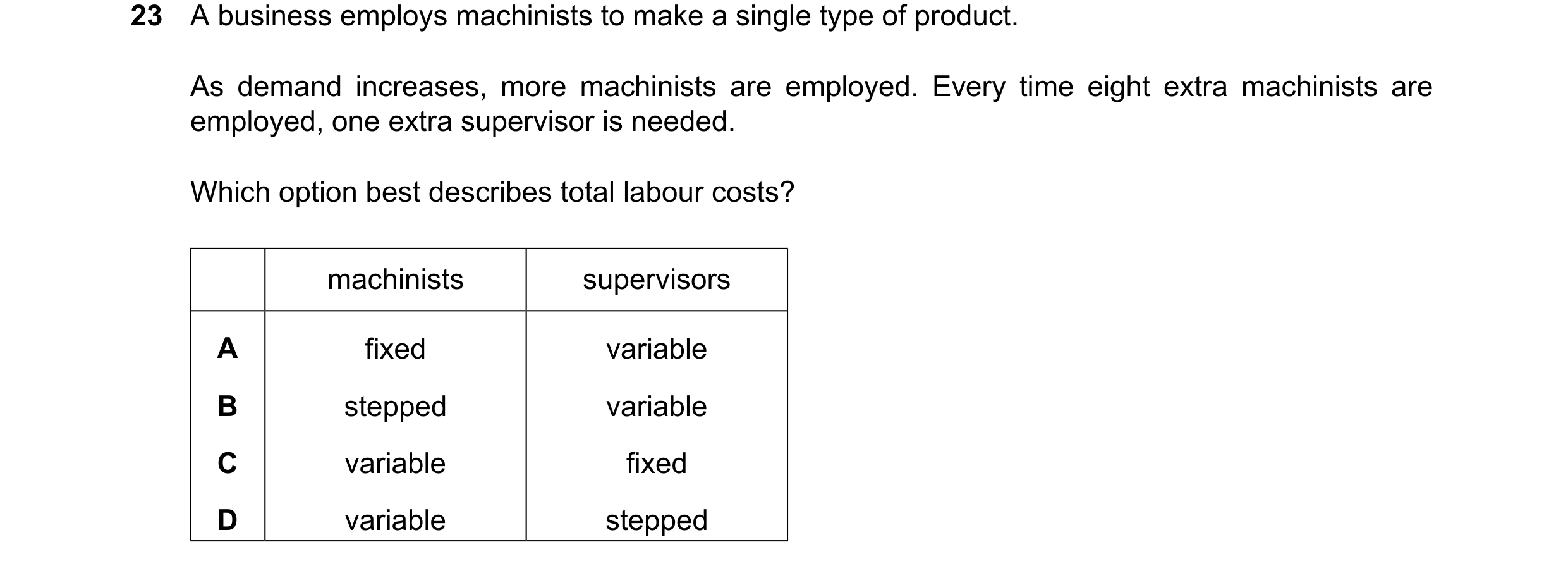
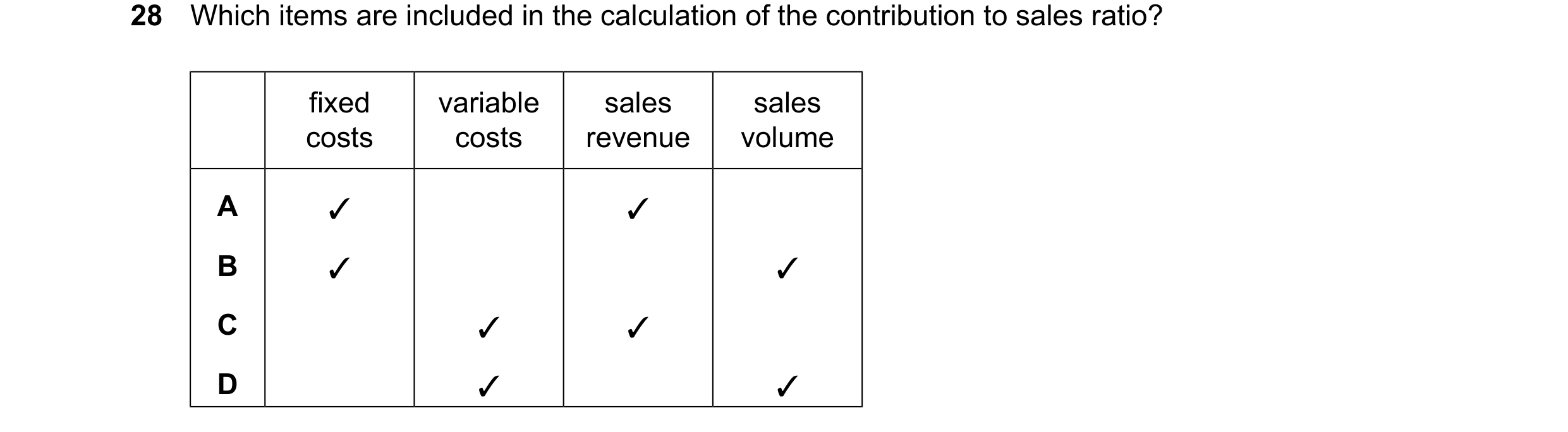 98 / 105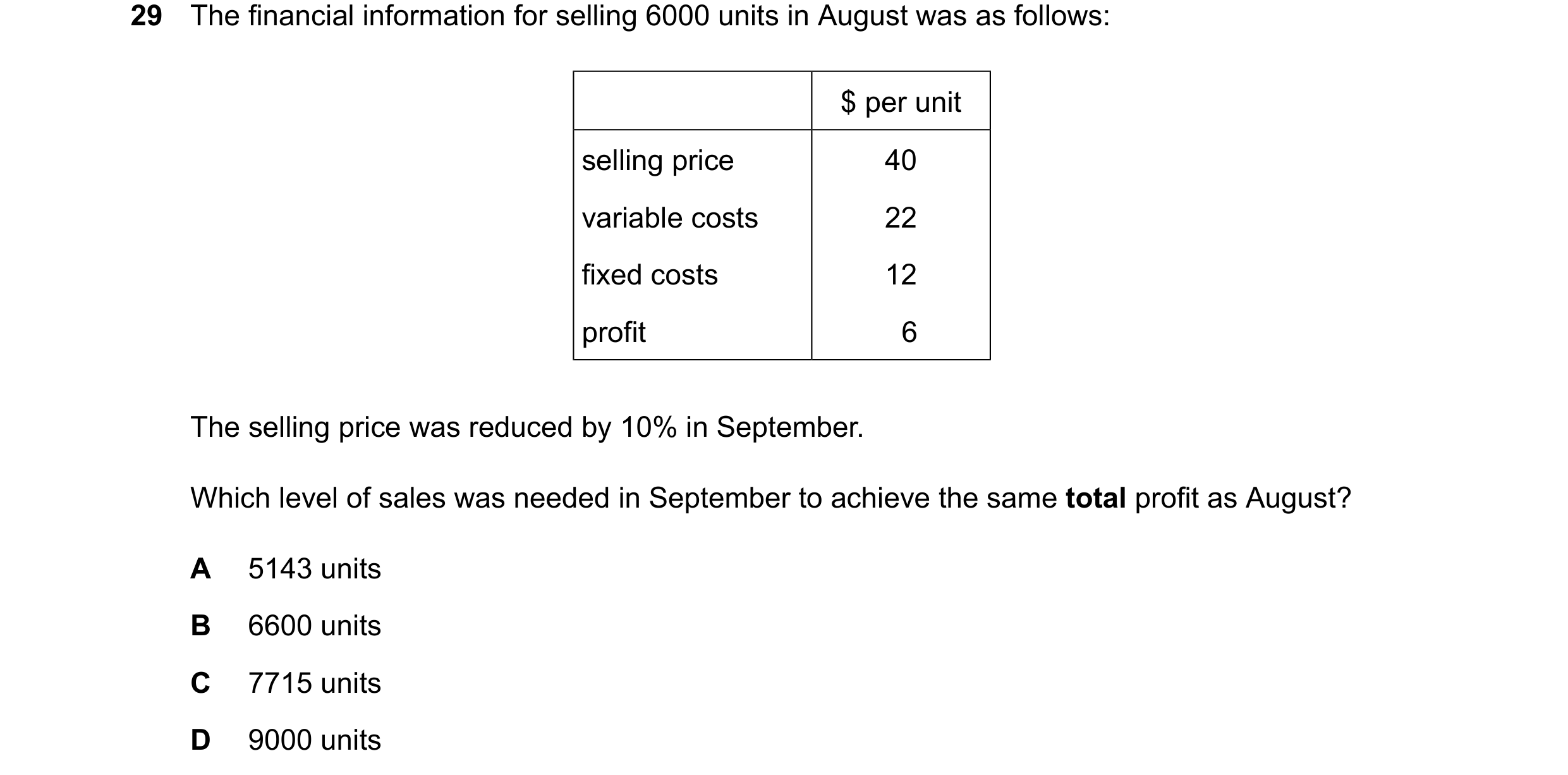
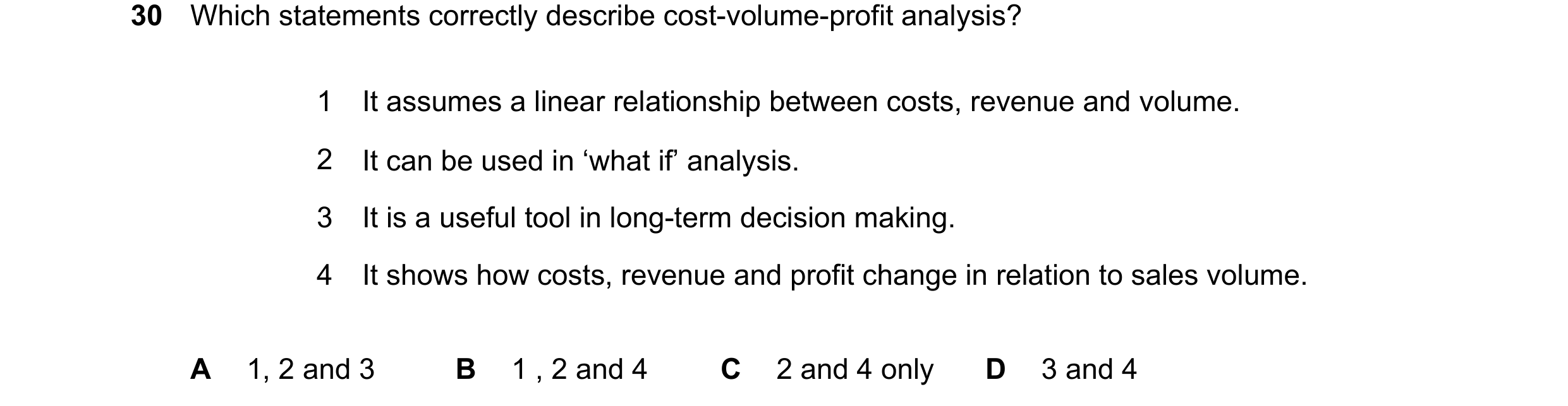

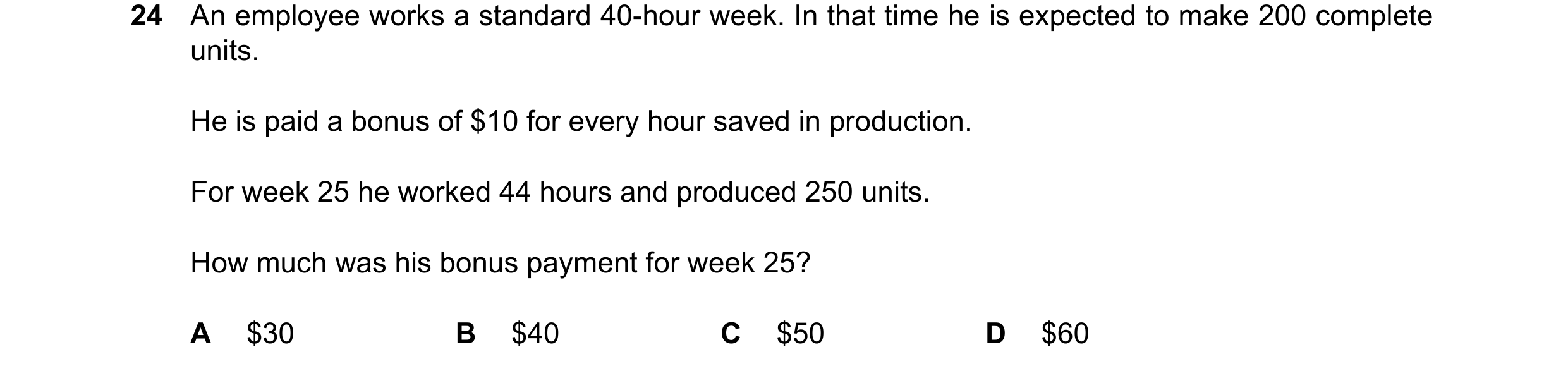 99 / 105

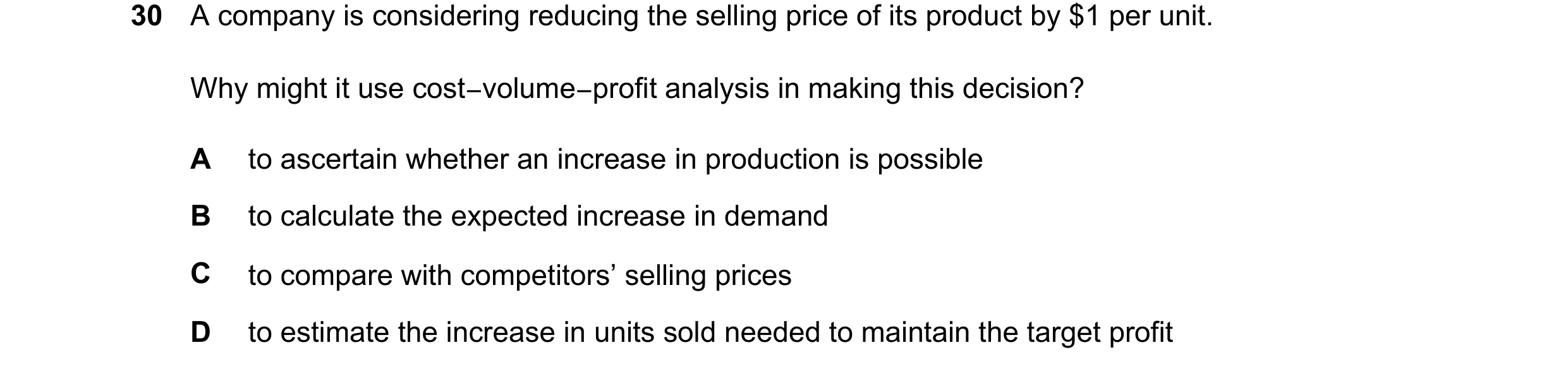
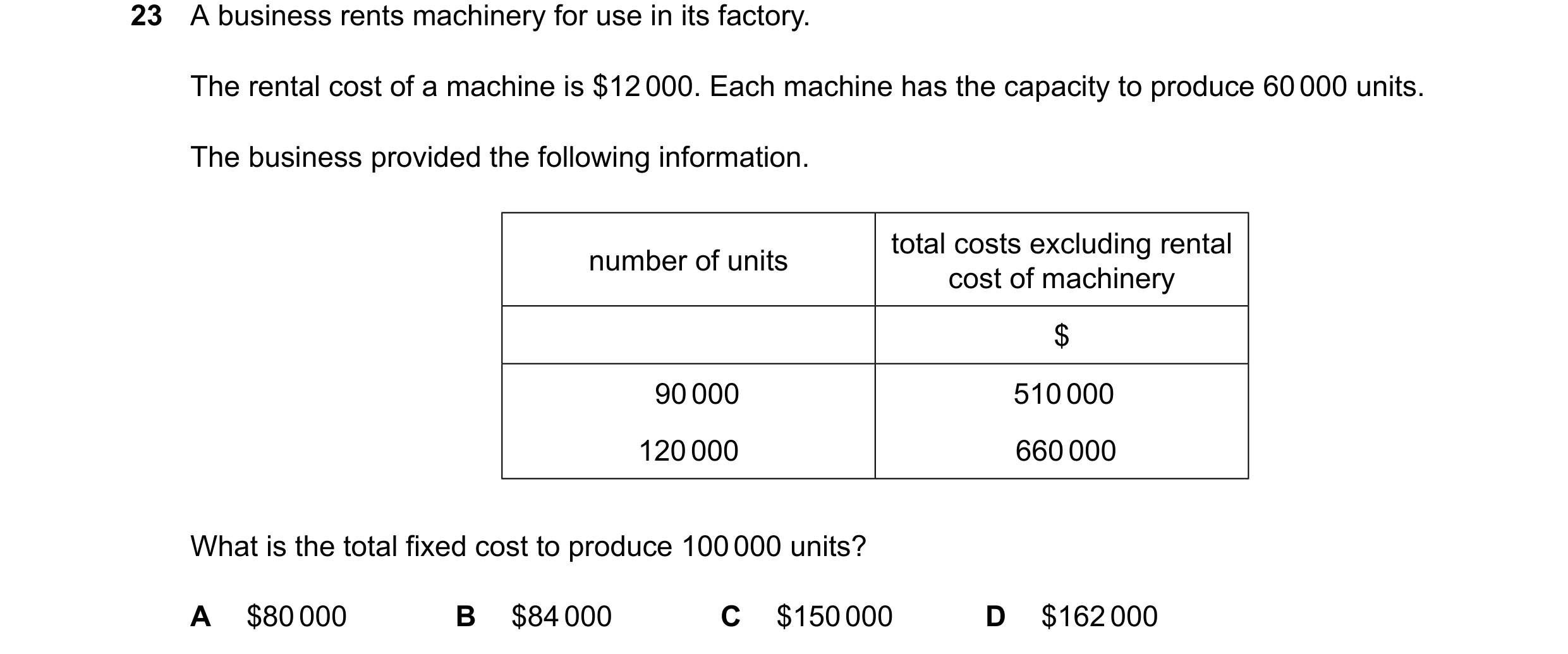
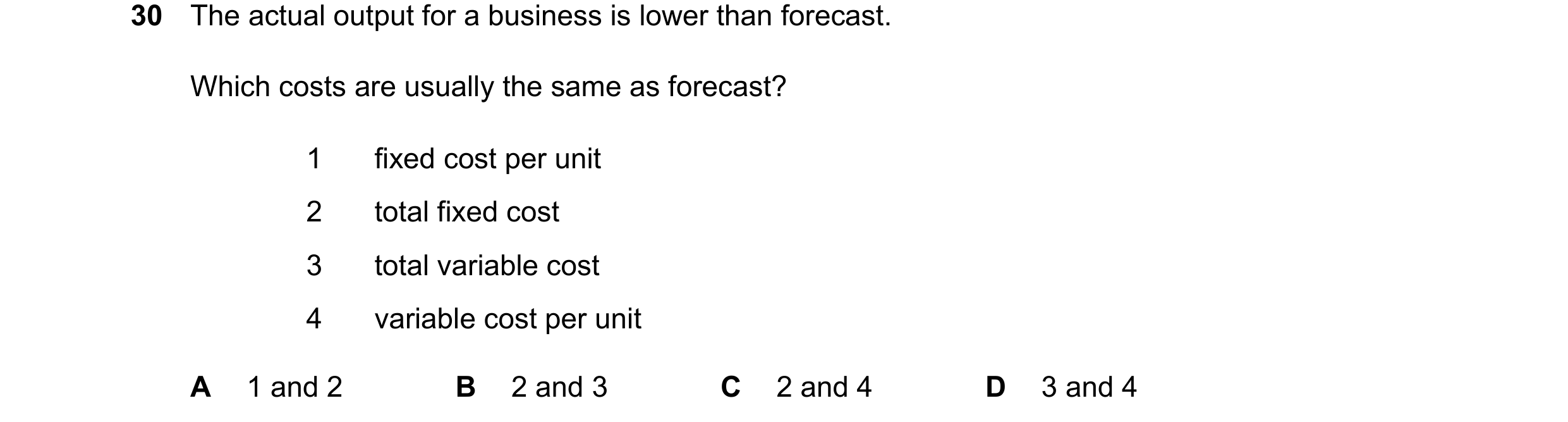 100 / 105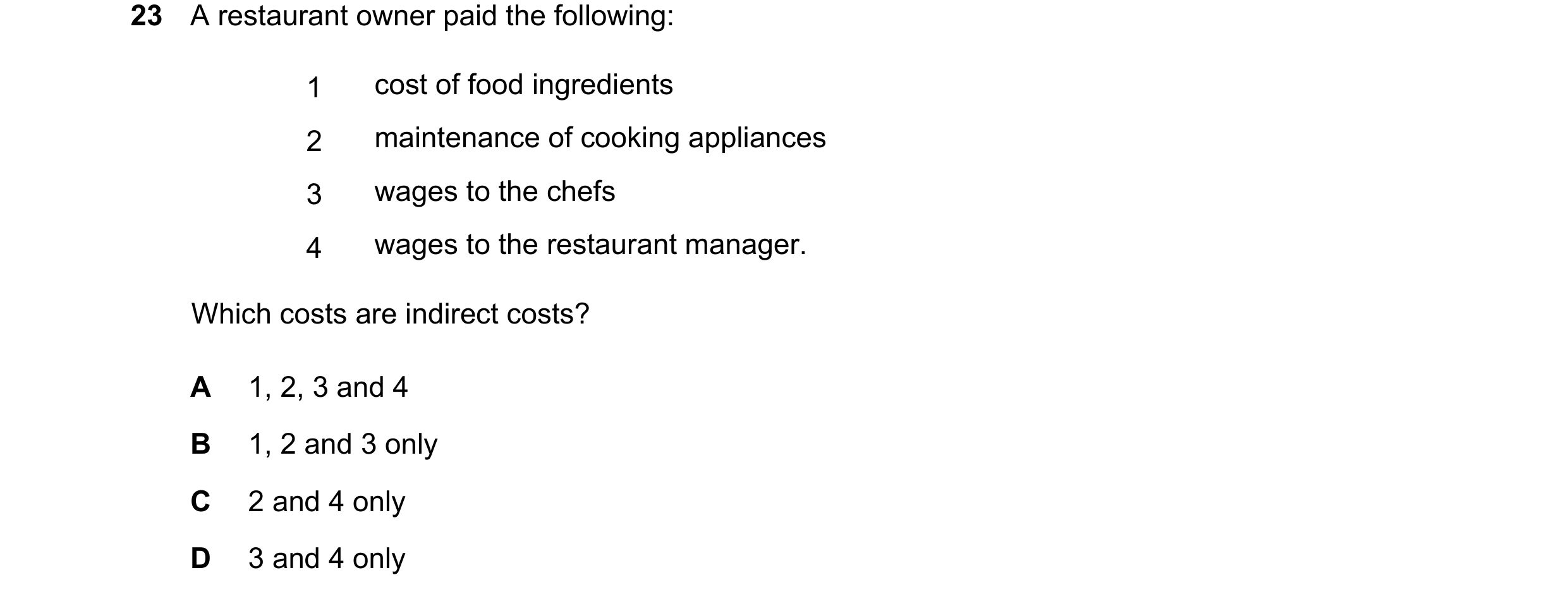
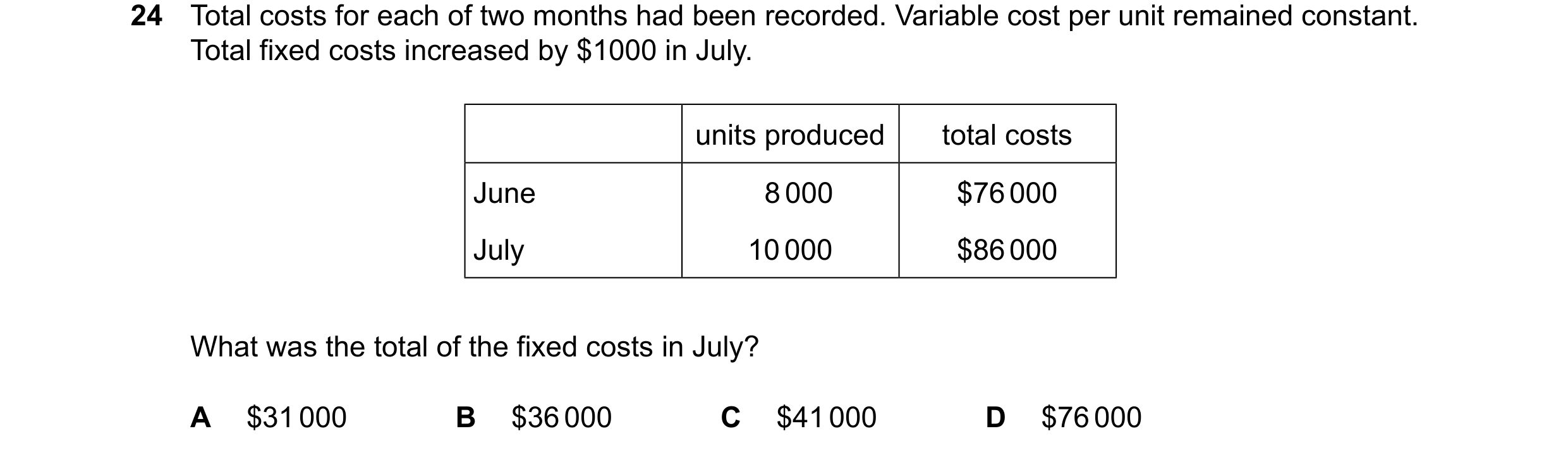

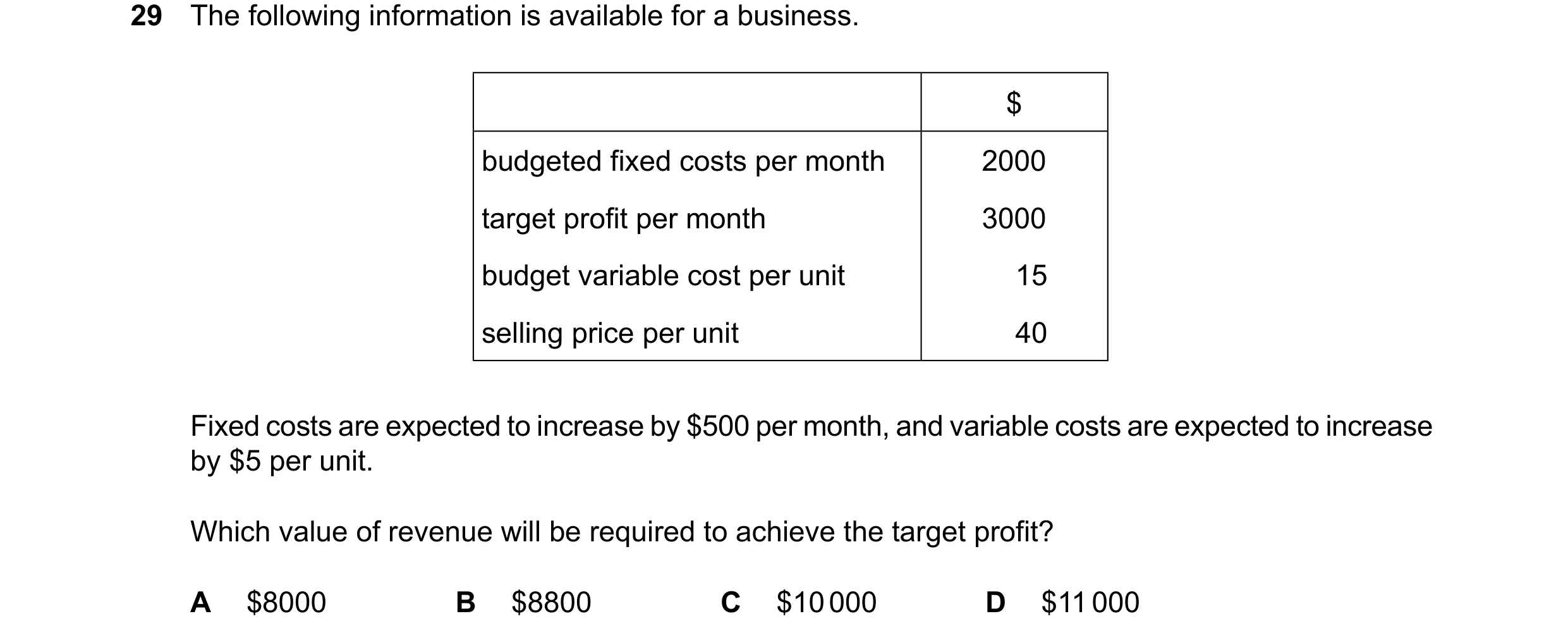 101 / 105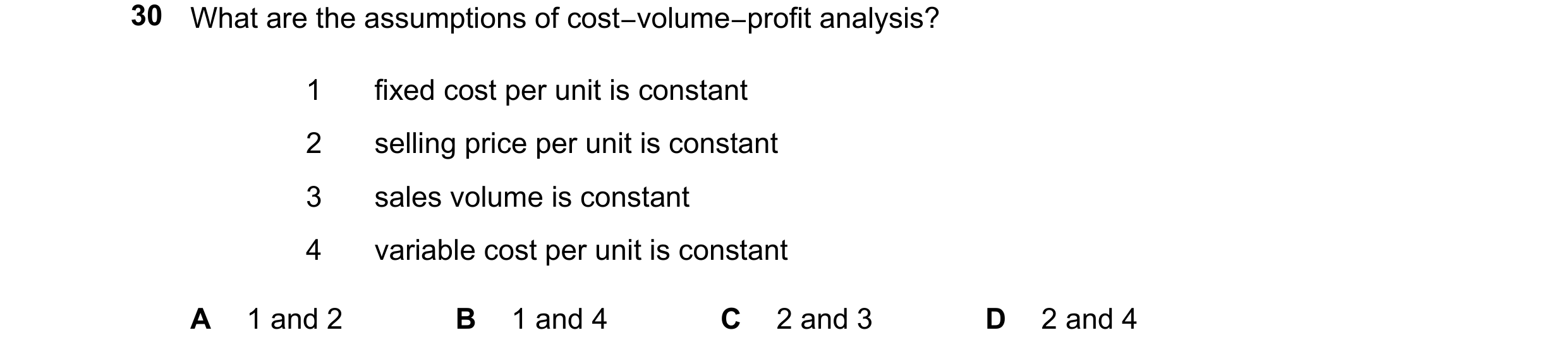
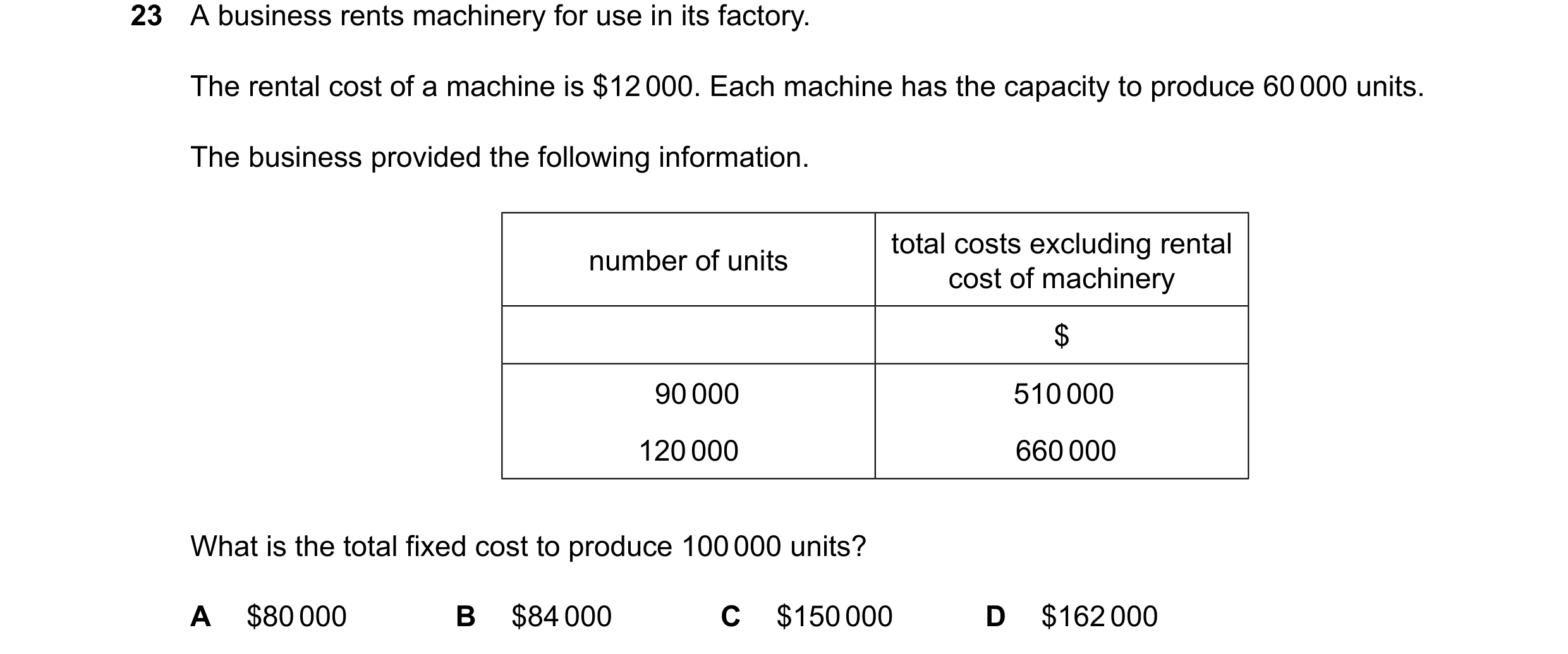
 102 / 105
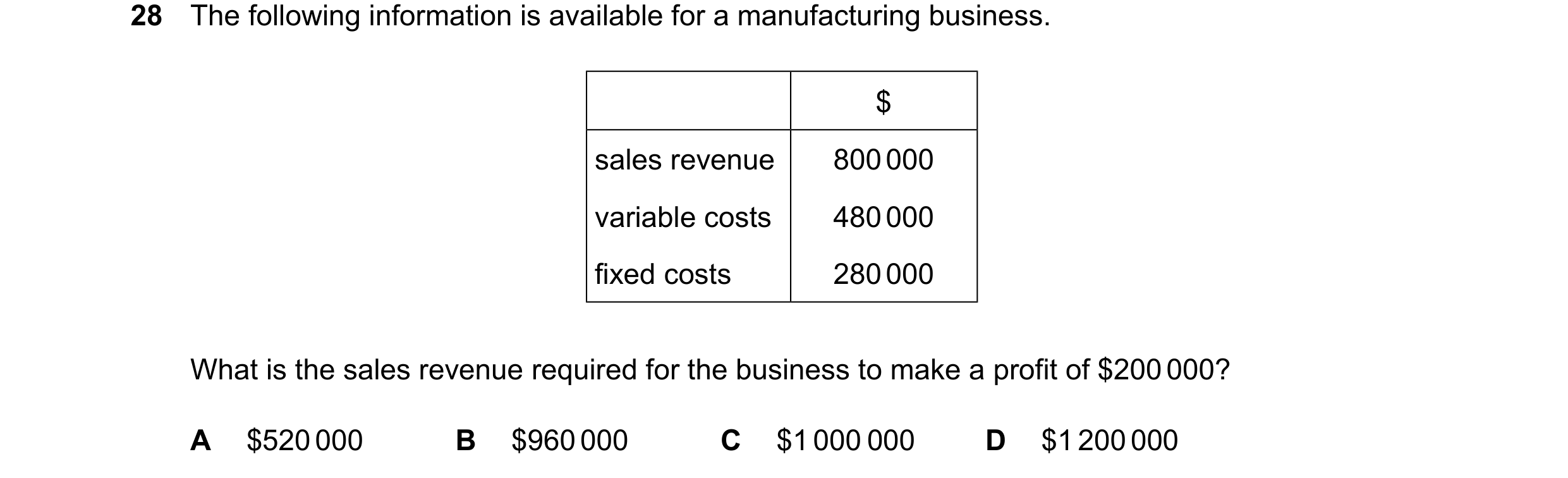
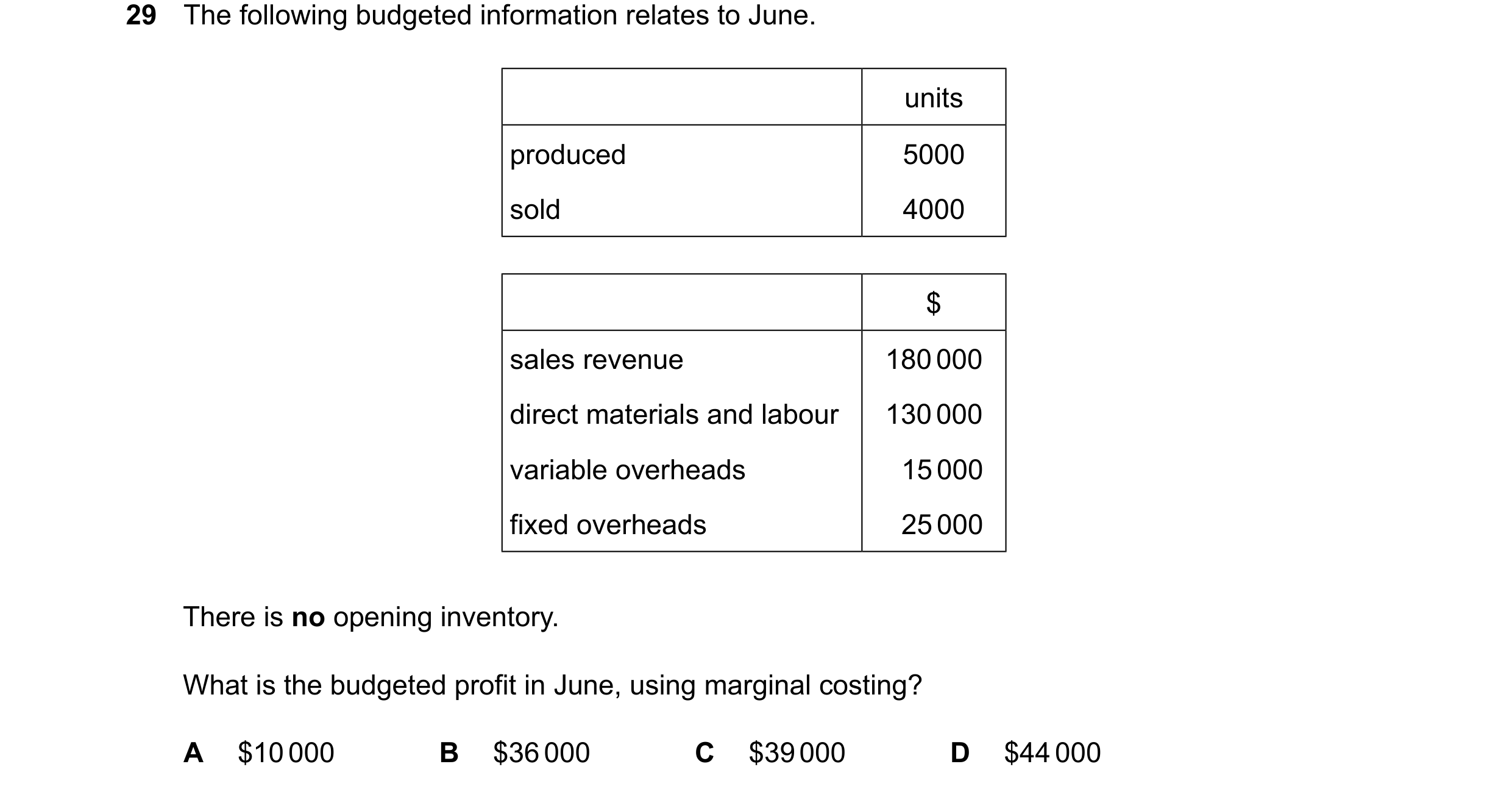
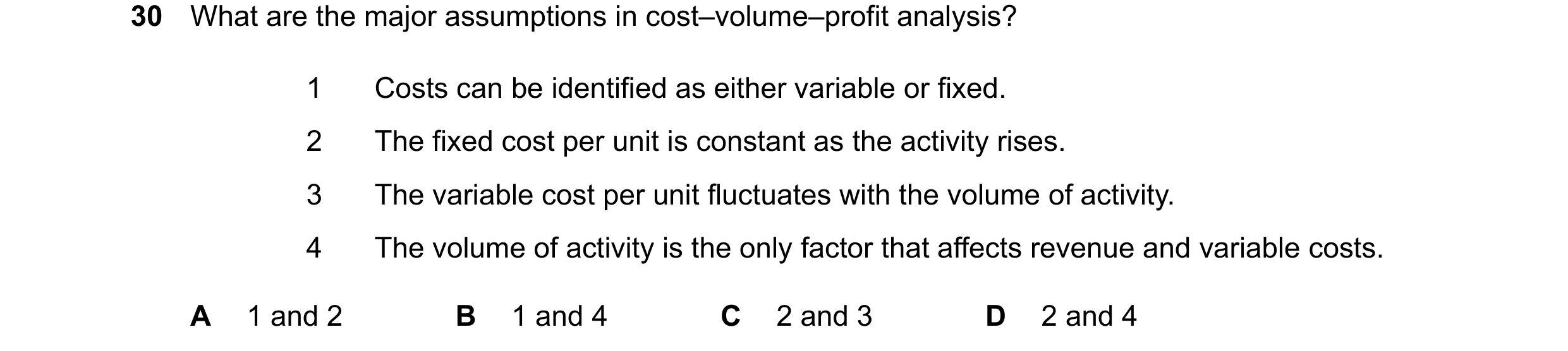 103 / 105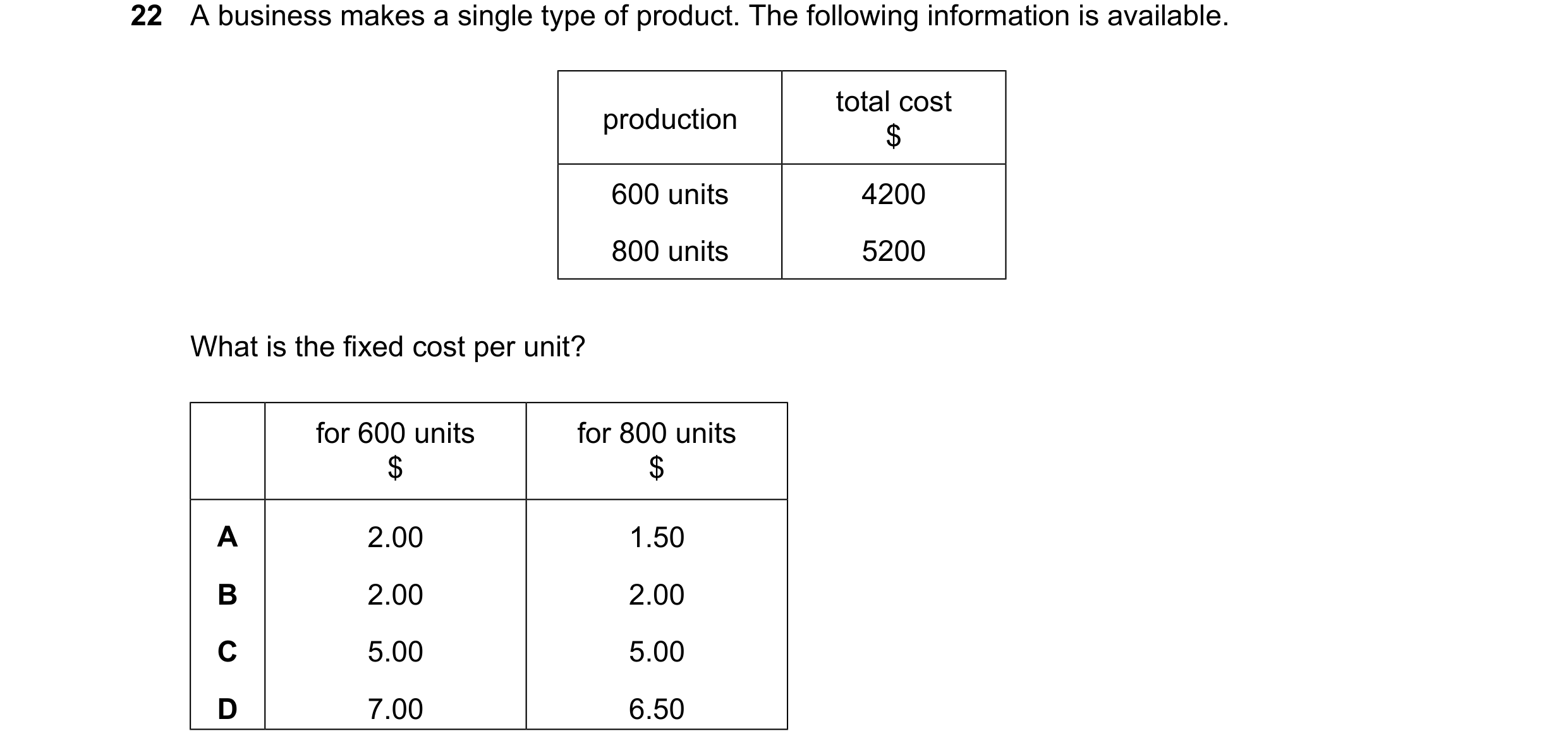


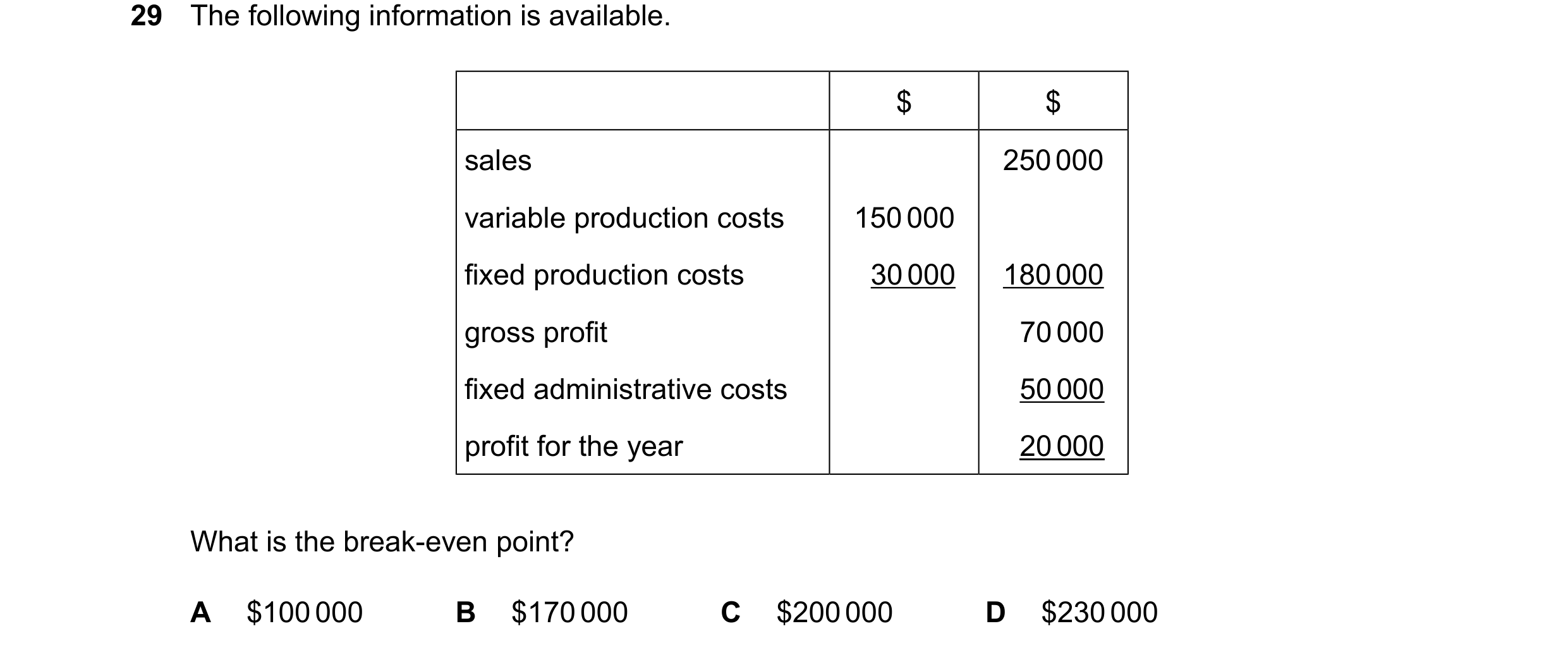 104 / 105
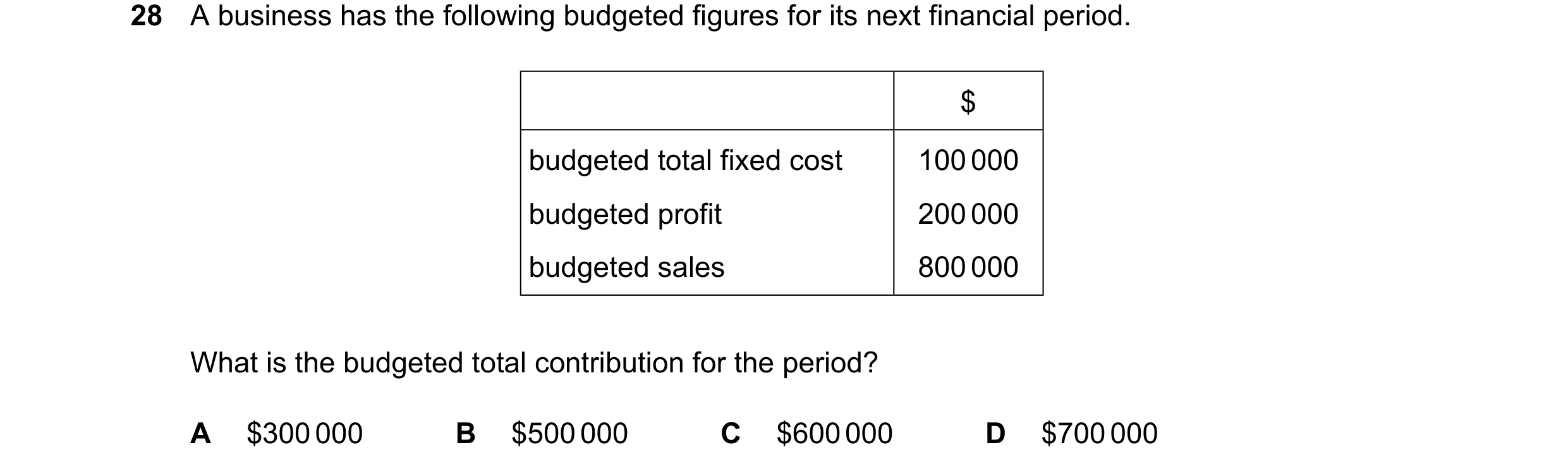
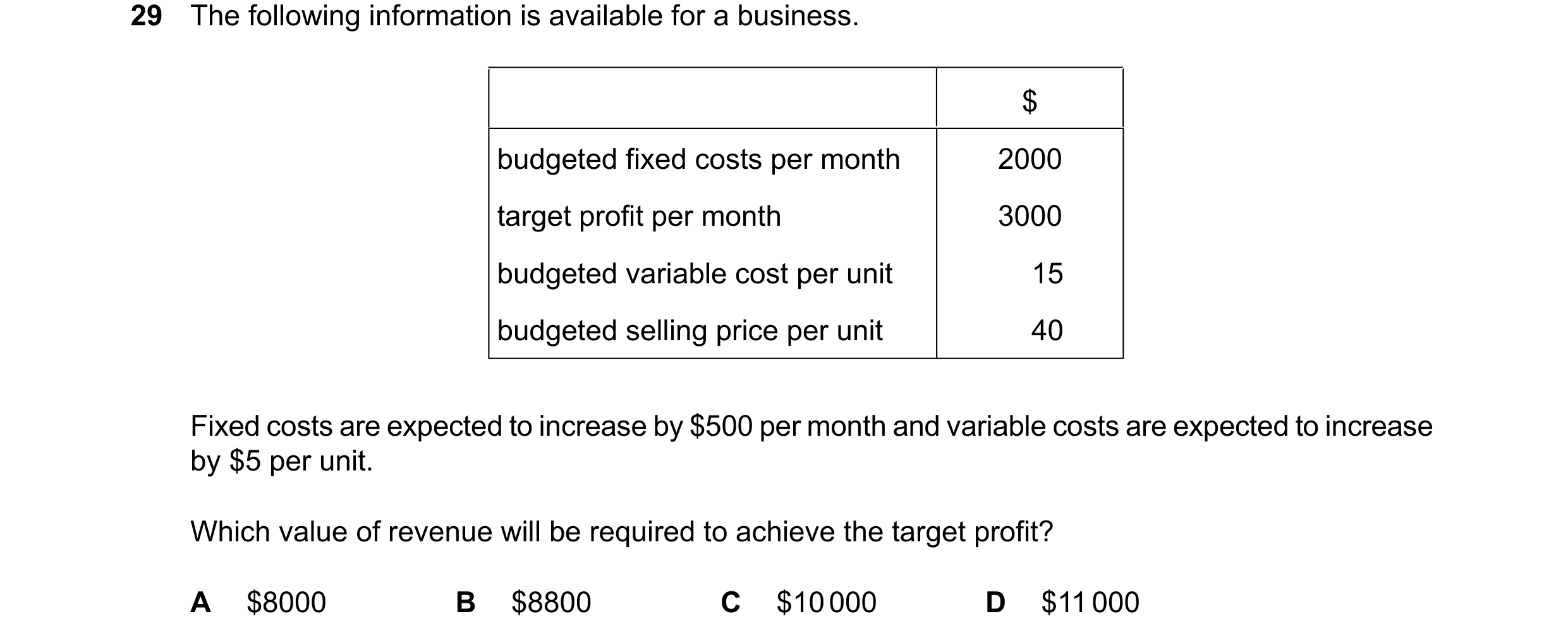
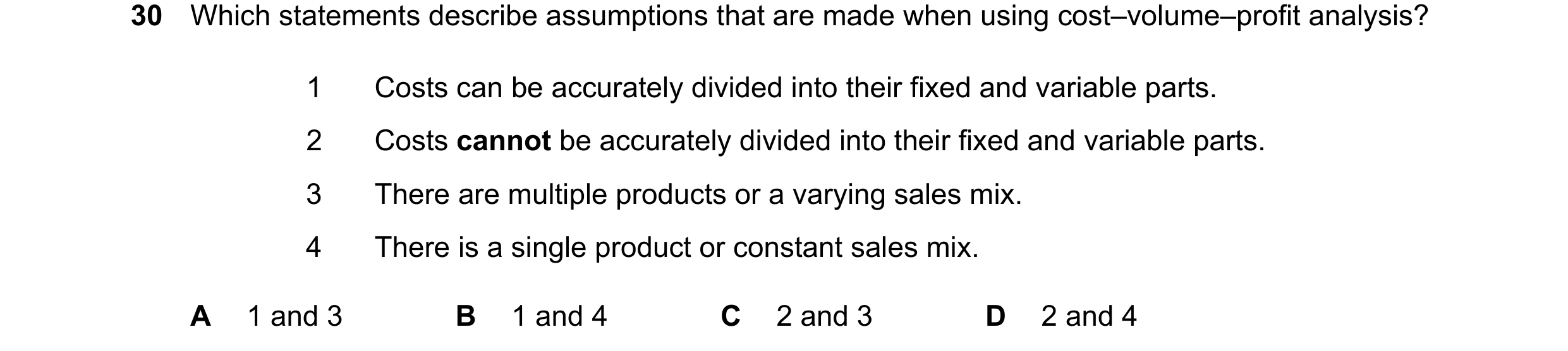 105 / 105