Questions as text
Q1 · F(x) = x2 – 4x + 3 and g(x) = 2x – 1 0580/41 May/June 2005
8 f(x) = x2 – 4x + 3 and g(x) = 2x – 1. (a) Solve f(x) = 0. [2] (b) Find g-1(x). [2] (c) Solve f(x) = g(x), giving your answers correct to 2 decimal places. [5] (d) Find the value of gf(–2). [2] (e) Find fg(x). Simplify your answer. [3]
14 marks
Mark scheme: 8 (a) (x – 3)(x – 1) [= 0] M1 4 ± √ [(-4)2 − 4.1.3] or (x - 22) = 1 or better 2 1 and 3 A1 (b) Correct first step of rearrangement M1 e.g. y + 1 = 2x or x + 1 = 2y or better x + 1 A1 not for x = ( ) o.e. 2 (c) x2 – 6x + 4 = 0 MA1 Can be implied by later work (method marks) p ± √ q with p = 6 and r = 2 M1√ f.t. if in the form ax² + bx + c (= 0) with a ≠ 0 r [ (x-3)² - 5 = 0 M1 then x = (±)√5 + 3 M1 is the equivalent for completing the square.] and q = (-6)² – 4.1.4 o.e. or 20 M1√ Indep. 5.24 c.a.o. www A1 SC1 for both answers ‘correct’ but not to 2 dp 0.76 c.a.o. www ( 5.236067977 , 0.763932022 ). Can be truncated or correctly rounded (d) 29 B2 SC1 for [ f(-2) =] 15 seen or 2x² -8x +5 o.e seen (e) ( 2x − 1)² – 4( 2x − 1) + 3 M1 4x² – 12x + 8 or correctly factorised A2 After A0, SC1 for 4x² - 12x + 8 seen final answer 14 IGCSE – JUNE 2005 0580/0581 4
This question in 0580/41 May/June 2005
Q2 · The cost of a book is $x 0580/41 Oct/Nov 2005
8 (a) (i) The cost of a book is $x. Write down an expression in terms of x for the number of these books which are bought for $40. [1] (ii) The cost of each book is increased by $2. The number of books which are bought for $40 is now one less than before. Write down an equation in x and show that it simplifies to x 2 + 2 x − 80 = 0 . [4] (iii) Solve the equation x 2 + 2 x − 80 = 0 . [2] (iv) Find the original cost of one book. [1] (b) Magazines cost $m each and newspapers cost $n each. One magazine costs $2.55 more than one newspaper. The cost of two magazines is the same as the cost of five newspapers. (i) Write down two equations in m and n to show this information. [2] (ii) Find the values of m and n. [3] QUESTION 9 is on page 8.
13 marks
Mark scheme: 8 (a) (i) 40 B1 x (ii) 40 40 M2 40 = − 1 o.e. SC1 for seen x + 2 x x + 2 40x = 40(x + 2) – x(x + 2) o.e. M1 Correctly removes the fraction 40x = 40x + 80 – x2 – 2x x2 + 2x – 80 = 0 E1 Correct conclusion – no errors (iii) –10 B1 8 B1 (iv) 8 B1ft their positive x dep on one of each sign (b) (i) m = n + 2.55 o.e. B1 2m = 5n o.e. B1 (ii) 2(n + 2.55) = 5n M1 f.t. their linear equations in n and m any correct method to an equation in one variable m = 4.25 A1 n = 1.7 A1 [13] IGCSE – NOVEMBER 2005 0580/0581 4
This question in 0580/41 Oct/Nov 2005
Q3 · 2x + 4 x + 2 NOT TO x SCALE x2 – 40 The diagram shows a trapezium 0580/41 May/June 2006
8 (a) 2x + 4 x + 2 NOT TO x SCALE x2 – 40 The diagram shows a trapezium. Two of its angles are 90o. The lengths of the sides are given in terms of x. The perimeter is 62 units. (i) Write down a quadratic equation in x to show this information. Simplify your equation. [2] (ii) Solve your quadratic equation. [2] (iii) Write down the only possible value of x. [1] (iv) Calculate the area of the trapezium. [2] (b) 2y – 1 NOT TO y SCALE y + 2 The diagram shows a right-angled triangle. The lengths of the sides are given in terms of y. (i) Show that 2y2 – 8y – 3 = 0. [3] (ii) Solve the equation 2y2 – 8y – 3 = 0, giving your answers to 2 decimal places. [4] (iii) Calculate the area of the triangle. [2]
16 marks
Mark scheme: 8 (a) (i) (x2 – 40) + (x + 2) + (2x + 4) + x = 62 o.e. M1 x2 + 4x–96 = 0 o.e. A1 (ii) (x + 12)(x – 8) (=0) M1 − 4 ± √ (4 2 − 4 . 1 . − 96 ) 2 or better x = –12 and 8 c.a.o. A1 (iii) 8 B1 (iv) 0.5 [(2 x their 8 + 4) + (their 82 –40)] x their M1 Accept 0.5[2x + 4 + x2 – 40] x x 8 176 c.a.o. A1 (b) (i) (2y – 1)2 = y2 + (y + 2)2 o.e. M1 4y2 – 4y + 1 = y2 + y2 + 4y + 4 o.e. M1 dep 2y2 – 8y – 3 = 0 E1 No error at any stage. =0 essential (ii) p ± √ q M1 where p = –(–8) and r = 2 x 2 o.e r and q = (–8)2 – 4.2. – 3 o.e M1 4.35 c.a.o. A1 –0.35 c.a.o. A1 (iii) 13.8 c.a.o. (13.81125) B2 y (y + 2 ) SC1 for seen 16 2 IGCSE – May/June 2006 0580 and 0581 04
This question in 0580/41 May/June 2006
Q4 · A packet of sweets contains chocolates and toffees 0580/41 May/June 2007
8 A packet of sweets contains chocolates and toffees. (a) There are x chocolates which have a total mass of 105 grams. Write down, in terms of x, the mean mass of a chocolate. [1] (b) There are x + 4 toffees which have a total mass of 105 grams. Write down, in terms of x, the mean mass of a toffee. [1] (c) The difference between the two mean masses in parts (a) and (b) is 0.8 grams. Write down an equation in x and show that it simplifies to x2 + 4x – 525 = 0. [4] (d) (i) Factorise x2 + 4x – 525. [2] (ii) Write down the solutions of x2 + 4x – 525 = 0. [1] (e) Write down the total number of sweets in the packet. [1] (f) Find the mean mass of a sweet in the packet. [2]
12 marks
Mark scheme: 8 (a) 105 B1 Do not allow x = , but allow other letter and condone presence of units x (b) 105 B1 Do not allow x = , but allow other letter and condone presence of units x + 4 (c) 105 105 M2 SC1 if ± signs between terms incorrect = 8.0 oe or SC1 for their (a) – their (b) = 0.8 oe x −x + 4 if (a) and (b) are fractions with linear denominators 105(x + 4) – 105x = 0.8x(x + 4) oe M1 Dep on M2 or SC1 and allow all over x(x + 4) at this stage Condone any sign error in any 0.8x2 + 3.2x – 420 = 0 oe expanding done first (this is taken into account in the E mark) Completed without any errors x2 + 4x – 525 = 0 E1 dep on M3 (d) (i) (x + 25)(x – 21) B2 B1 for (x – 25)(x + 21) (ii) -25, 21 B1 ft - allow 25 and -21 from above only (e) 46 B1 ft ft 2 × a positive root + 4 (f) 210 ÷ ( their (e)) M1 4.57 or better (4.565…) ft A1 ft www 2, but 4.6 ww scores zero [12] IGCSE – May/June 2007 0580 and 0581 04
This question in 0580/41 May/June 2007
Q5 · Y A NOT TO SCALE B C x 0 The diagram shows a sketch of y = x2 + 1 and y = 4 – x 0580/41 Oct/Nov 2007
3 y A NOT TO SCALE B C x 0 The diagram shows a sketch of y = x2 + 1 and y = 4 – x. (a) Write down the co-ordinates of (i) the point C, [1] (ii) the points of intersection of y = 4 – x with each axis. [2] (b) Write down the gradient of the line y = 4 – x. [1] (c) Write down the range of values of x for which the gradient of the graph of y = x2 + 1 is negative. [1] (d) The two graphs intersect at A and B. Show that the x co-ordinates of A and B satisfy the equation x2 + x – 3 = 0. [1] (e) Solve the equation x2 + x – 3 = 0, giving your answers correct to 2 decimal places. [4] (f) Find the co-ordinates of the mid-point of the straight line AB. [2]
12 marks
Mark scheme: 3 (a) (i) (0, 1) B1 Accept w/out brackets/ commas, condone (ii) (4, 0) and (0, 4) B1B1 vectors, or states x = , y = (b) -1 cao B1 (c) (x) < 0 (allow ≤) B1 Any other variable < 0 B0 (d) x 2 + 1 = 4 − x o.e. B1 must be these 4 terms (e) M1 p +(-)√q where p = −1 and r = 2×1 r and q = 1² − 4(1)(-3) o.e. M1 q Allow second mark if in form p± r -2.30 , 1.30 cao www4 A1A1 If ww ans.correct but wrong acc - SC3 After A0, A0, SC1 for -2.3027756 and 1.3027756 rounded or truncated (f) (-0.5, 4.5 or 4.49) B1ft f.t (their –2.30 + their 1.30) ÷2 B1 ft ft (4 – their x co-ord dep on attempt at mid value of x from values in e) [12]
This question in 0580/41 Oct/Nov 2007
Q6 · Factorise x2 − x − 20 0580/41 May/June 2008
2 (a) (i) Factorise x2 − x − 20. [2] (ii) Solve the equation x2 − x − 20 = 0. [1] (b) Solve the equation 3x2 − 2x − 2 = 0. Show all your working and give your answers correct to 2 decimal places. [4] (c) y = m2 − 4n2. (i) Factorise m2 − 4n2. [1] (ii) Find the value of y when m = 4.4 and n = 2.8. [1] (iii) m = 2x + 3 and n = x − 1. Find y in terms of x, in its simplest form. [2] (iv) Make n the subject of the formula y = m2 − 4n2. [3] (d) (i) m4 − 16n4 can be written as (m2 − kn2)(m2 + kn2). Write down the value of k. [1] (ii) Factorise completely m4n − 16n5. [2]
17 marks
Mark scheme: 2 (a) (i) (x + 4)(x – 5) B2 If B0, SC1 if of form (x ± 4)(x ± 5), (ii) –4, 5 ft B1 ft Only ft the SC –4, and 5 not from (x – 4)(x + 5). (b) 2 B1 for (–2)2–4(3)(–2) (or better) seen − ( −2) ± ( −2) − 4.3 − 2 B1,B1 inside a square root. 2.3 The expression must be in the form p + (or− ) q then B1 for p = –(–2) and r r = 2.3 or better Allow recoveries from incomplete lines –0.55, 1.22 cao B1,B1 If B0, SC1 for –0.5 and 1.2 or both answers correct to 2 or more decimal places (rounded or truncated). –0.54858, 1.21525… (c) (i) (m – 2n)(m + 2n) B1 (ii) –12 B1 (iii) B1 for (4x2 + 6x + 6x + 9) or 20x + 5 o.e. cao final ans B2 (x2 – x – x + 1) or (2x + 3 – 2(x – 1))(2x + 3 + 2(x – 1)) (iv) 4n2 = m2 – y o.e. M1 M1 for correct re-arrangement for n2 term –n2) 2 m 2 − y (may be n = o.e. M1 M1 for correct division by 4 or – 4 4 M1 for correctly taking square root of n² m 2 − y M1 term ( n ) = o.e. www3 4 2 2 y ± m m − y Mark final answer SC2 for or o.e. ww 4 4 (d) (i) 4 or –4 or ±4 B1 (ii) n(m4 – 16n4) or M1 Correctly taking out n or a correct factor (m2n – 4n3)(m2 + 4n2) or with n still in one bracket (m2n + 4n3)(m2 – 4n2) or n(m – 2n)(m + 2n)(m2 + 4n2) A1 Must be final answer [17] IGCSE – May/June 2008 0580, 0581 04
This question in 0580/41 May/June 2008
Q7 · For Examiner's B Use NOT TO SCALE (x + 1) cm A (x + 6) cm D (x + 2) cm C In triangle ABC… 0580/41 May/June 2009
6 (a) For Examiner's B Use NOT TO SCALE (x + 1) cm A (x + 6) cm D (x + 2) cm C In triangle ABC, the line BD is perpendicular to AC. AD = (x + 6) cm, DC = (x + 2) cm and the height BD = (x + 1) cm. The area of triangle ABC is 40 cm2. (i) Show that x2 + 5x – 36 = 0. Answer (a)(i) [3] (ii) Solve the equation x2 + 5x – 36 = 0. Answer(a)(ii) x = or x = [2] (iii) Calculate the length of BC. Answer(a)(iii) BC = cm [2] (b) Amira takes 9 hours 25 minutes to complete a long walk. For 113 Examiner's (i) Show that the time of 9 hours 25 minutes can be written as hours. Use 12 Answer (b)(i) [1] (ii) She walks (3y + 2) kilometres at 3 km/h and then a further (y + 4) kilometres at 2 km/h. 9 y + 16 Show that the total time taken is hours. 6 Answer(b)(ii) [2] 9 y + 16 113 (iii) Solve the equation = . 6 12 Answer(b)(iii) y = [2] (iv) Calculate Amira’s average speed, in kilometres per hour, for the whole walk. Answer(b)(iv) km/h [3]
15 marks
Mark scheme: 6 (a) (i) 0.5 [(x + 6) + (x + 2)] × (x +1) (= 40) or M1A1 M1 for any algebraic use of half base × better height (Brackets may be implied later) 0.5(2x + 8)(x + 1) (= 40) o.e. May be first line 0.5(2x2 +10x + 8) (= 40) o.e. If this first line, then M0 x2 + 5x + 4 = 40 o.e. E1 Dependent on M1A1. Fully established – x2 + 5x – 36 = 0 no errors throughout and at least 2 steps, one with 40 or 80, after first line (ii) –9, 4 B1,B1 If B0, SC1 for +9 and –4 (iii) (BC2 = ) (their x + 1)2 + (their x + 2)2 M1 Their x must be positive (BC = ) 7.81(0…)) c.a.o. www2 A1 Ignore any extra solutions 5 108 + 5 9 × 12 + 5 565 (b) (i) 9 or or or E1 Must be fractional form 12 12 12 60 Condone 113/12 × 60 = 565; 9 × 60 + 25 9 × 60 + 25 = 565 or seen Not for decimals 60 3 y + 2 y + 4 (ii) or o.e. B1 3 2 2 ( 3 y + 2 ) 3( y + 4 ) 6 y + 4 3 y + 12 + o.e. B1 or + o.e. 6 6 6 6 2 ( 9 y + 16 ) 113 (iii) = o.e. M1 o.e. means with common denominator or 12 12 better y = 4.5 c.a.o. www2 A1 (Trial and error scores 2 or 0.) (iv) (Total dist =) (3 × their y) + 2 + (their y) + 4 M1 (= 24) o.e. their 24 (Average speed = ) o.e. M1 (dependent) Must be km divided by hours 9 512 o.e. for full method 2.55 (km/h) (2.548 – 2.549) c.a.o. www 3 A1 Accept fractions in range [15] IGCSE – May/June 2009 0580, 0581 04 2 2
This question in 0580/41 May/June 2009
Q8 · F(x) = 2x – 1 g(x) = x2 + 1 h(x) = 2x For Examiner's Use (a) Find the value of _ 1 (i)… 0580/41 May/June 2009
10 f(x) = 2x – 1 g(x) = x2 + 1 h(x) = 2x For Examiner's Use (a) Find the value of _ 1 (i) , f( 2 ) Answer(a)(i) [1] (ii) g( _5 ) , Answer(a)(ii) [1] _ (iii) h ( 3) . Answer(a)(iii) [1] (b) Find the inverse function f –1(x). Answer(b) f –1(x) = [2] (c) g(x) = z. Find x in terms of z. Answer(c) x = [2] (d) Find gf(x), in its simplest form. Answer(d) gf(x) = [2] (e) h(x) = 512. For Find the value of x. Examiner's Use Answer(e) x = [1] (f) Solve the equation 2f(x) + g(x) = 0, giving your answers correct to 2 decimal places. Answer(f) x = or x = [5] (g) Sketch the graph of (i) y = f(x), (ii) y = g(x). y y x x O O (i) y = f(x) (ii) y = g(x) [3]
18 marks
Mark scheme: 10 (a) (i) –2, B1 (ii) 26, B1 (iii) 18 o.e. B1 y + 1 (b) ( = x ) M1 If switch x and y first then 2 M1 for x = 2y – 1 or (f—1(x) = ) x + 1 o.e. www2 A1 If use a diagram/chart then 2 M1 for any evidence of +1 then result ÷ 2 (c) z = x 2 + 1 z − 1 = x 2 M1 Correct rearrangement at any stage for x or x2. (x = ) z − 1 www2 M1 Correct sq root at any stage Ignore +, – or ± in front of (d) ( 2 x − )1 2 + 1 M1 = 4 x 2 − 4 x + 2 or 2 ( 2 x 2 −x2 + )1 A1 Final answer but condone one minor www 2 factorising slip if first answer seen (e) 9 B1 (f) 2(2x – 1) + x2 + 1 (= 0) or better B1 (x2 + 4x – 1 = 0 ) 2 4 − 4 1()( −)1 or better seen 2 M1 − 4 ± 4 − 4 1()( −)1 ( x = ) ft p + or − q 2 × 1 M1 If in form for – 4 and 2 × 1 r or better Ft their 1, 4 and –1 from quadratic equation seen (x = ) – 4.24, 0.24 c.a.o. www 4 A1,A1 After A0A0, SC1 for – 4.2 or – 4.235 or (final answers) – 4.236… and 0.2 or 0.235 or 0.236….. The SC1’s www imply the M marks (g) (i) Straight line with positive gradient and L1 (ii) negative y-intercept U-shape Parabola C1 vertex on positive y-axis V1 Dependent [18] IGCSE – May/June 2009 0580, 0581 04
This question in 0580/41 May/June 2009
Q9 · _ m 3 m + 4 _ For 9 (a) Solve the equation + = 7 0580/41 Oct/Nov 2009
_ m 3 m + 4 _ For 9 (a) Solve the equation + = 7 . Examiner's 4 3 Use Answer(a) m = [4] 3 _ 2 (b) (i) y = _ x 1 x + 3 Find the value of y when x = 5. Answer(b)(i) [1] 3 _ 2 (ii) Write as a single fraction. _ x 1 x + 3 Answer(b)(ii) [2] 3 _ 2 1 For (iii) Solve the equation = . Examiner's _ x 1 x + 3 x Use Answer(b)(iii) x = [3] t (c) p = q _1 Find q in terms of p and t. Answer(c) q = [3]
13 marks
Mark scheme: 9 (a) 3(m – 3) + 4(m + 4) = –7 × 12 M2 Allow all over 12 at this stage M1 for 3(m – 3) + 4(m + 4) seen 3m – 9 + 4m + 16 = –84 A1 Allow all over 12 at this stage May be seen in stages –13 www4 A1 (b) (i) 0.5 oe B1 (ii) 3( x + 3) − 2( x − )1 If brackets not seen allow M1 3x + 9 – 2x ± 2 as numerator with a correct ( x − 1)( x + 3) denominator x + 11 final answer A1 isw incorrect expansion of denominator if ( x − 1)( x + 3) correct brackets seen (iii) x ( x + 11) = 1 ft or ( x − 1)( x + 3) 1 x + 11 = (x – 1)(x + 3) or better ft M1 Must clear one denominator correctly x Ft their (b)(ii) dep on fraction in (ii) with (x –1)(x +3) oe as denominator x2 + 11x = x2 + 3x – x – 3 M1 Depend on previous M1 − 1 oe cso www3 A1 – 0.33(33…) 3 (c) p(q – 1) = t oe M1 Multiplying by (q – 1) pq = t + p M1 Ft their first step t + p e.g. pq only term on one side oe final answer www3 M1 Ft their 2nd step p e.g. dividing by p t t Note: q – 1 = is M2 and then q = + 1 is p p M1 [13]
This question in 0580/41 Oct/Nov 2009
Q10 · Solve the following equations 0580/41 May/June 2010
9 (a) Solve the following equations. Examiner's Use 5 3 (i) = w w + 1 Answer(a)(i) w = [2] (ii) ( y + 1) 2 = 4 Answer(a)(ii) y = or y = [2] x + 1 x − 2 (iii) − = 2 3 5 Answer(a)(iii) x = [3] (b) (i) Factorise u2 −9u −10. Answer(b)(i) [2] (ii) Solve the equation u2 −9u −10 = 0. Answer(b)(ii) u = or u = [1] For (c) Examiner's Use NOT TO SCALE x + 1 x x x + 2 The area of the triangle is equal to the area of the square. All lengths are in centimetres. (i) Show that x2 −3x −2 = 0. Answer(c)(i) [3] (ii) Solve the equation x2 – 3x – 2 = 0, giving your answers correct to 2 decimal places. Show all your working. Answer(c)(ii) x = or x = [4] (iii) Calculate the area of one of the shapes. Answer(c)(iii) cm2 [1]
18 marks
Mark scheme: 9 (a) (i) –2.5 oe 2 M1 for 5(w + 1) = 3w (ii) –3 or 1 2 B1 B1 (If 0, SC1 for y + 1 = ± 2) (iii) 9.5 oe B3 M2 for 5 x + 5 − 3 x + 6 = 2 × 15 Condone one slip (sign or numerical) on left hand side 5( x + )1 3( x − 2) or M1 for − or better, 15 15 condoning one sign or numerical slip. IGCSE – May/June 2010 0580 41
This question in 0580/41 May/June 2010
Q11 · Y is 5 less than the square of the sum of p and q 0580/42 May/June 2010
8 (a) y is 5 less than the square of the sum of p and q. Examiner's Use Write down a formula for y in terms of p and q. Answer(a) y = [2] (b) The cost of a magazine is $x and the cost of a newspaper is $(x – 3). The total cost of 6 magazines and 9 newspapers is $51. Write down and solve an equation in x to find the cost of a magazine. Answer(b) $ [4] For (c) Bus tickets cost $3 for an adult and $2 for a child. Examiner's Use There are a adults and c children on a bus. The total number of people on the bus is 52. The total cost of the 52 tickets is $139. Find the number of adults and the number of children on the bus. Answer(c) Number of adults = Number of children = [5]
11 marks
Mark scheme: 8 (a) (p + q)2 – 5 oe final answer 2 SC1 for (p + q)2 oe seen (b) 6x + 9(x – 3) = 51 or better B3 B2 for 6x + 9(x – 3) or B1 for 6x or 9(x – 3) 5.2(0) final answer B1 5.2(0) ww is B1 only (c) a + c = 52 oe B1 Condone consistent use of other variables 3a + 2c = 139 oe B1 or M3 for 3a + 2(52 – a) = 139 or 3(52 – c) + 2c = 139 o.e. Correctly eliminating a or c. M1 Allow one numerical slip. 35 A1 If A0, SC1 for 17, 35 17 A1 IGCSE – May/June 2010 0580 42
This question in 0580/42 May/June 2010
Q12 · F(x) = 6 + x2 g(x) = 4x –1 For Examiner's (a) Find Use (i) g(3), Answer(a)(i) [1] (ii) f… 0580/42 Oct/Nov 2010
2 f(x) = 6 + x2 g(x) = 4x –1 For Examiner's (a) Find Use (i) g(3), Answer(a)(i) [1] (ii) f (–4 ). Answer(a)(ii) [1] (b) Find the inverse function g–1(x). Answer(b) g–1(x) = [2] (c) Find fg(x) in its simplest form. Answer(c) fg(x) = [3] (d) Solve the equation gg(x) = 3. Answer(d) x = [3]
10 marks
Mark scheme: 2 (a) (i) 11 1 (ii) 22 1 x + 1 g ( x ) + 1 y + 1 (b) oe final answer 2 M1 for x + 1 = 4y or or 4 4 4 (c) 16x² – 8x + 7 final answer 3 M1 for 6 + (4x – 1)² and B1 for 16x² – 4x – 4x + 1 or better seen (d) 0.5 or ½ www 3 M2 for 16x – 4 – 1 = 3 or better or M1 for 4(4x – 1) – 1 (= 3) Alt method M2 allow g–1g–1(3) complete method or M1 for g(x) = g–1(3) IGCSE – October/November 2010 0580 42
This question in 0580/42 Oct/Nov 2010
Q13 · For A Examiner's Use NOT TO SCALE 17 cm x cm B (x + 7) cm C In the right-angled triangle… 0580/42 Oct/Nov 2010
5 (a) For A Examiner's Use NOT TO SCALE 17 cm x cm B (x + 7) cm C In the right-angled triangle ABC, AB = x cm, BC = (x + 7) cm and AC = 17 cm. (i) Show that x2 + 7x – 120 = 0. Answer(a)(i) [3] (ii) Factorise x2 + 7x – 120. Answer(a)(ii) [2] (iii) Write down the solutions of x2 + 7x – 120 = 0. Answer(a)(iii) x = or x = [1] (iv) Write down the length of BC. Answer(a)(iv) BC = cm [1] (b) For Examiner's NOT TO Use SCALE 3x cm (2x + 3) cm (2x – 1) cm (2x + 3) cm The rectangle and the square shown in the diagram above have the same area. (i) Show that 2x2 – 15x – 9 = 0. Answer(b)(i) [3] (ii) Solve the equation 2x2 – 15x – 9 = 0. Show all your working and give your answers correct to 2 decimal places. Answer(b)(ii) x = or x = [4] (iii) Calculate the perimeter of the square. Answer(b)(iii) cm [1]
15 marks
Mark scheme: 5 (a) (i) x² + (x + 7)² = 17² oe B1 Must be seen x² + x² + 7x + 7x + 49 = 17² B1 or better 2x² + 14x – 240 = 0 Must be shown – correct 3 terms x² + 7x – 120 = 0 E1 With no errors seen (ii) (x + 15)(x – 8) 2 M1 for (x + a)(x + b) where a and b are integers and a × b = –120 or a + b = 7 Ignore solutions after factors given (iii) –15 and 8 1ft Correct or ft dep on at least M1 in (ii) (iv) 15 1ft Correct or ft their positive root from (ii) + 7 dep on a positive and negative root given (b) (i) 3x(2x – 1) = (2x + 3)² oe M1 e.g. 6x² – 3x = 4x² + 12x + 9 must see equation before simplification 4x² + 6x + 6x + 9 or better seen B1 Indep 6x² – 3x = 4x² + 12x + 9 oe 2x² – 15x – 9 = 0 E1 With no errors seen and both sets of brackets expanded 2 1 In square root B1 for ((–)15)2 – 4(2)(–9) or ( − − )15 ± (( − )15) − 4( 2)( −9) (ii) oe 1 better (297) 2( 2) p + q p − q If in form or , r r B1 for –(–15) and 2(2) or better 8.06 and -0.56 cao 1, 1 SC1 for –0.6 or –0.558… and 8.1 or 8.058… (iii) 76.5 (76.46 to 76.48) 1ft ft 8 times a positive root to (b)(ii) add 12
This question in 0580/42 Oct/Nov 2010
Q14 · Thomas, Ursula and Vanessa share $200 in the ratio For Examiner's Thomas : Ursula… 0580/43 Oct/Nov 2010
1 Thomas, Ursula and Vanessa share $200 in the ratio For Examiner's Thomas : Ursula : Vanessa = 3 : 2 : 5. Use (a) Show that Thomas receives $60 and Ursula receives $40. Answer(a) [2] (b) Thomas buys a book for $21. What percentage of his $60 does Thomas have left? Answer(b) % [2] (c) Ursula buys a computer game for $36.80 in a sale. The sale price is 20% less than the original price. Calculate the original price of the computer game. Answer(c) $ [3] (d) Vanessa buys some books and some pencils. Each book costs $12 more than each pencil. The total cost of 5 books and 2 pencils is $64.20. Find the cost of one pencil. Answer(d) $ [3]
10 marks
Mark scheme: Qu. Answers Mark Part Marks 1 (a) 200 ÷ 10 × 3 oe M1 200 ÷ 10 × 2 oe M1 39 (b) 65 2 M1 for × 100 oe 35 is M0 60 (c) 46 3 M2 for 36.80 ÷ 0.8 oe or M1 for 80% = 36.80 oe (d) 0.6(0) 3 M2 for 5(x + 12) + 2x = 64.2 oe or (64.2 – 5 × 12) ÷ 7 or 5x + 2(x – 12) = 64.2 oe or (64.2 + 2 × 12) ÷ 7 or M1 for y = x + 12 and 5y + 2x = 64.2 or y = x – 12 and 5x + 2y = 64.2 After M0, SC1 for k(x ± 12) seen 4 2 + 4 5 2 7 2
This question in 0580/43 Oct/Nov 2010
Q15 · X 3 For 7 (a) Complete the table for the function f(x) = + 1 0580/43 Oct/Nov 2010
x 3 For 7 (a) Complete the table for the function f(x) = + 1 . Examiner's 10 Use x –4 –3 –2 –1 0 1 2 3 f(x) –1.7 0.2 0.9 1 1.1 1.8 [2] (b) On the grid, draw the graph of y = f(x) for –4 Y x Y=3. y 4 3 2 1 x –4 –3 –2 –1 0 1 2 3 –1 –2 –3 –4 –5 –6 –7 –8 [4] 4 (c) Complete the table for the function g(x) = , x ≠ 0 . x x –4 –3 –2 –1 1 2 3 g(x) –1 –1.3 2 1.3 [2] (d) On the grid, draw the graph of y = g(x) for –4 Y x Y –1 and 1 Y x Y 3. [3] For Examiner's Use x 3 4 (e) (i) Use your graphs to solve the equation + 1 = . 10 x Answer(e)(i) x = or x = [2] x 3 4 4 (ii) The equation + 1 = can be written as x + ax + b = 0 . 10 x Find the values of a and b. Answer(e)(ii) a = b = [2]
15 marks
Mark scheme: 7 (a) – 5.4 1 3.7 1 (b) 8 points correctly plotted ft P3 P3ft their table. P2ft for 6 or 7 points. P1ft for 4 or 5 points Smooth cubic curve through all 8 C1 Only ft points if shape not affected. points (c) –2, –4, 4 2 B1 for 2 correct (d) 7 points correctly plotted ft P2 P2ft P1ft for 5 or 6 points Two separate smooth branches of C1 Must pass through all 7 points, only ft if shape rectangular hyperbola not affected and no contact with either axis. (e) (i) –2.9 Y x Y– 2.8 1 Not with y coordinates 2.05 Y x Y 2.15 1 (ii) a = 10 1 b = –40 1 IGCSE – October/November 2010 0580 43 2
This question in 0580/43 Oct/Nov 2010
Q16 · For 7 (a) Complete the table of values for the equation y = , x ≠ 0 0580/41 May/June 2011
4 For 7 (a) Complete the table of values for the equation y = , x ≠ 0. Examiner's x 2 Use x O4 O3 O2 O1 O0.6 0.6 1 2 3 4 y 0.25 0.44 11.11 4.00 0.44 [3] 4 (b) On the grid, draw the graph of y = for O4 Y x Y O0.6 and 0.6 Y x Y 4 . x 2 y 12 11 10 9 8 7 6 5 4 3 2 1 x –4 –3 –2 –1 0 1 2 3 4 –1 –2 [5] 4 For (c) Use your graph to solve the equation = 6 . Examiner's x 2 Use Answer(c)x = or x = [2] (d) By drawing a suitable tangent, estimate the gradient of the graph where x = 1.5. Answer(d) [3] 4 (e) (i) The equation O x + 2 = 0 can be solved by finding the intersection of the graph x 2 4 of y = and a straight line. x 2 Write down the equation of this straight line. Answer(e)(i) [1] (ii) On the grid, draw the straight line from your answer to part (e)(i). [2] 4 (iii) Use your graphs to solve the equation O x + 2 = 0. x 2 Answer(e)(iii) x = [1]
17 marks
Mark scheme: 7 (a) 1(.00) 4(.00) 11.1(1) 1(.00) 0.25 3 B2 for 4 correct, B1 for 3 correct (b) 10 points plotted P3 ft B2 for 8 or 9 points correct ft B1 for 6 or 7 points correct ft Correct shaped curve through 10 points C1 ft ft their points if shape correct – ignore anything (condone 2 points slightly missed) between – 0.6 and 0.6 2 separate curves not crossing x-axis and B1 Independent not touching or crossing y-axis (c) −0.85 to – 0.75 cao 1 0.75 to 0.85 cao 1 (d) Tangent drawn (ruled) at x = 1.5 T1 Allow slight daylight – 3 to −2 2 Dep on T1 M1 evidence rise/run dependent on tangent SC1 for answer in range 2 to 3 Answer implies M but not the T mark (e) (i) y = x − 2 oe 1 (ii) line ruled to cross curve 2 ft Dependent on (i) in form y = mx + c, m ≠ 0, c ≠ 0 B1 for gradient ft or y intercept ft but again to cross curve at all possible points (iii) 2.5 to 2.7 cao 1 Dependent on (e)(i) correct
This question in 0580/41 May/June 2011
Q17 · Solve 9 I 3n + 6 Y 21 for integer values of n 0580/42 May/June 2011
5 (a) Solve 9 I 3n + 6 Y 21 for integer values of n. For Examiner's Use Answer(a) [3] (b) Factorise completely. (i) 2x2 + 10xy Answer(b)(i) [2] (ii) 3a2 O 12b2 Answer(b)(ii) [3] (c) NOT TO SCALE x cm (x + 17) cm The area of this triangle is 84 cm2. (i) Show that x2 + 17x O 168 = 0. Answer (c)(i) [2] (ii) Factorise x2 + 17x O 168. Answer(c)(ii) [2] (iii) Solve x2 + 17x O 168 = 0. Answer(c)(iii) x = or x = [1] (d) Solve For 15 − x Examiner's = 3 − 2 x. Use 2 Answer(d) x = [3] (e) Solve 2x2 O 5x O 6 = 0. Show all your working and give your answers correct to 2 decimal places. Answer(e) x = or x = [4]
20 marks
Mark scheme: 5 (a) 2, 3, 4, 5 3 M2 for 1 < n ≤ 5 seen (M1 for 1 < n or n ≤ 5 ) Allow 2 ≤n < 6 in M2 or M1 case If 0, B2 for 3 correct with no extras or 4 correct with 1 extra. (b) (i) 2x(x + 5y) 2 B1 for x(2x +10y) or 2(x2 + 5xy) (ii) 3(a – 2b)(a + 2b) 3 B2 for (3a – 6b)(a + 2b) or (a – 2b)(3a + 6b) or correct answer seen in working or B1 for 3(a2 – 4b2) If B0, SC1 for a 2 − b 2 = ( a − 2b )( a + 2b ) (c) (i) ½ x(x + 17) = 84 or M1 Condone ½ x × x + 17 = 84 but only for M mark x ( x + 17 ) = 2 × 84 No errors or omission of brackets anywhere Correct proof of x2 + 17x – 168 = 0 E1 (ii) (x – 7)(x + 24) 2 SC1 for (x + a)(x + b) where a and b are integers and a + b = 17 or ab = – 168 (iii) 7 and –24 ft 1ft Correct or ft from their factors if quadratic (d) – 3 www 3 3 B2 for 15 – 6 = x – 4x oe or better M1 for 15 – x = 2(3 – 2x) or better or 7½ – x/2 = 3 – 2x (e) ( −5) 2 − 4 × 2 × −6 B1 ( 73 ) p + q p − q p = – –5 and r = 2 × 2 B1 Dependent on or r r 5 or ( x − 4 )2 B1 3 + 1625 B1 3.39, –0.89 final answers B1B1 SC1 for 3.4 or 3.386… or 3.39 seen and – 0.9 or – 0.886… or – 0.89 seen IGCSE – May/June 2011 0580 42
This question in 0580/42 May/June 2011
Q18 · For Examiner's NOT TO Use SCALE x cm 2x cm (x + 5) cm The diagram shows a square of side… 0580/43 May/June 2011
3 For Examiner's NOT TO Use SCALE x cm 2x cm (x + 5) cm The diagram shows a square of side (x + 5) cm and a rectangle which measures 2x cm by x cm. The area of the square is 1 cm2 more than the area of the rectangle. (a) Show that x2 – 10x – 24 = 0 . Answer(a) [3] (b) Find the value of x. For Examiner's Use Answer(b) x = [3] (c) Calculate the acute angle between the diagonals of the rectangle. Answer(c) [3]
9 marks
Mark scheme: 3 (a) (x + 5)2 – 2x2 = 1 oe M1 Equiv means equation in the three parts, allowing (x + 5)2 expanded (x + 5)2 = x2 + 10x + 25 or B1 x2 + 5x + 5x + 25 x2 + 10x + 25 – 2x2 = 1 E1 For final line reached without any errors or 0 = x2 – 10x – 24 omissions after any previous line with (x + 5)2 expanded (b) 12 3 M2 for (x – 12)(x + 2) or full correct expression from formula. Allow SC1 for ( x + a )( x + b ) and ab = – 24 or a + b = – 10 then SC1 ft (dependent on quadratic factors or two roots from formula) for correct selection of +ve root, if only one +ve. Answer of 12 and –2 scores M2 only (c) 53.1 to 53.2 www 3 3 M2 for 2 × tan −1 ( 12 ) o.e. i.e. any complete method or M1 for tan = 12 o.e. i.e. any correct method leading to any angle in diagram (expressions can be implicit and bod which angle is being worked out) (Implied by 26.56 to 26.57 or 26.6, 63.43 to 63.44 or 63.4, 126.8 to 126.9) 53 or 127 without working score 0 6 2 + 8 2 9 2
This question in 0580/43 May/June 2011
Q19 · Find the integer values for x which satisfy the inequality –3 I 2x –1 Y 6 0580/41 Oct/Nov 2011
2 (a) Find the integer values for x which satisfy the inequality –3 I 2x –1 Y 6 . For Examiner's Use Answer(a) [3] x 2 + 3 x − 10 (b) Simplify 2 . x − 25 Answer(b) [4] 5 2 (c) (i) Show that + = 3 can be simplified to 3x2 – 13x – 8 = 0. x − 3 x + 1 Answer(c)(i) [3] (ii) Solve the equation 3x2 – 13x – 8 = 0. Show all your working and give your answers correct to two decimal places. Answer(c)(ii) x = or x = [4]
14 marks
Mark scheme: 2 (a) 0, 1, 2, 3 3 Additional values count as errors B2 for one error/omission or B1 for two errors/ omissions After B0, M2 for –1 < x ≤ 3.5 seen, allow 7/2 for 3.5 or M1 for –1 < x or x ≤ 3.5 or x = –1 and x = 3.5 Allow M2 for 0 ≤ x < 4 or M1 for x ≥ 0 or x < 4 x − 2 ( x + 5)( x − 2) (b) www final answer 4 M3 for x − 5 ( x + 5)( x − 5) or M2 for (x + 5)(x – 2) seen or M1 for (x + a)(x + b) where ab = –10 or a + b = 3 and M1 for (x + 5)(x – 5) seen (c) (i) 5(x + 1) + 2(x – 3) = 3(x + 1)(x – 3) M1 Allow if still over common denominator oe x² – 3x + x – 3 or better seen B1 Allow x² – 2x – 3 seen or 3x² – 9x + 3x – 9 or better seen 3x² – 13x – 8 = 0 E1 With no errors seen and brackets correctly expanded on both sides − ( −13) ± ( −13) 2 − 4(3)( −8) (ii) B1 In square root B1 for (–13)2 – 4(3)(–8) or better 2(3) B1 (265) p + q p − q If in form or , r r B1 for – (–13) and 2(3) or better 4.88 and –0.55 cao B1B1 SC1 for 4.88 and – 0.55 seen or – 0.5 and 4.9 or – 0.546… and 4.879 to 4.880 IGCSE – October/November 2011 0580 41
This question in 0580/41 Oct/Nov 2011
Q20 · Complete the table of values for y = 2x 0580/43 Oct/Nov 2011
2 (a) Complete the table of values for y = 2x. For Examiner's Use x –2 –1 0 1 2 3 y 0.25 1 2 8 [2] (b) On the grid, draw the graph of y = 2x for O2 Y x Y 3. y 10 9 8 7 6 5 4 3 2 1 x –2 –1 0 1 2 3 –1 [3] For Examiner's (c) (i) On the grid, draw the straight line which passes through the points (0, 2) and (3, 8). [1] Use (ii) The equation of this line is y = mx + 2. Show that the value of m is 2. Answer(c)(ii) [1] (iii) One answer to the equation 2x =2x + 2 is x = 3. Use your graph to find the other answer. Answer(c)(iii) x = [1] (d) Draw the tangent to the curve at the point where x = 1. Use this tangent to calculate an estimate of the gradient of y = 2x when x = 1. Answer(d) [3]
11 marks
Mark scheme: 2 (a) 0.5, 4 1+1 (b) 6 points plotted ft P2 P1 for 5 points Correct shaped curve through 6 points C1 Ignore to left of x = −2 (exponential) (c) (i) Correct ruled line reaching both L1 points (ii) 6 ÷ 3 oe 1 Allow ‘test’ with a coordinate on the line (not 0, 2) (iii) –0.8 to –0.6 1 Dep on L1 (d) Tangent drawn at (1, 2) T1 Not chord, allow up to 1 mm daylight Rise/run attempt using correct scales M1 Dep on T1 1.2 to 1.6 cao A1
This question in 0580/43 Oct/Nov 2011
Q21 · The cost of a bottle of juice is 5 cents more than the cost of a bottle of water 0580/43 Oct/Nov 2011
5 (a) The cost of a bottle of juice is 5 cents more than the cost of a bottle of water. For Mohini buys 3 bottles of water and 6 bottles of juice. Examiner's The total cost is $5.25. Use Find the cost of a bottle of water. Give your answer in cents. Answer(a) cents [4] (b) The cost of a biscuit is x cents. The cost of a cake is (x + 3) cents. The number of biscuits Roshni can buy for 72 cents is 2 more than the number of cakes she can buy for 72 cents. (i) Show that x2 + 3x O 108 = 0. Answer(b)(i) [3] (ii) Solve the equation x2 + 3x O 108 = 0. Answer(b)(ii) x = or x = [3] (iii) Find the total cost of 2 biscuits and 1 cake. Answer(b)(iii) cents [1]
11 marks
Mark scheme: 5 (a) 55 www B4 M3 for 3w + 6(w + 5) = 525 oe in $ or (3j – 5) + 6j = 525 oe in $ or M2 for j = w + figs5 oe and 3w + 6j = figs525 or M1 for w and w + figs5 or j and j – figs5 72 72 72 72 (b) (i) = 2 oe M2 M1 for or x −x + 3 x x + 3 72(x + 3) – 72x = 2x(x + 3) oe M1 Dep on 3 terms above Fractions removed, isw − 3 ± 441 (ii) –12, 9 www 3 M2 for (x + 12)(x – 9) or 2 or SC1 for ( x + a )( x + b ) where ab = –108 − 3 ± 3 2 − 4 × 1 × − 108 or a + b = 3 or 2 (iii) 30 1 ft 3 × a positive root + 3
This question in 0580/43 Oct/Nov 2011
Q22 · F(x) = x2 + x O1 g(x) = 1 O 2x h(x) = 3x Examiner's Use (a) Find the value of hg(–2) 0580/43 Oct/Nov 2011
8 f(x) = x2 + x O1 g(x) = 1 O 2x h(x) = 3x Examiner's Use (a) Find the value of hg(–2). Answer(a) [2] (b) Find g –1(x). Answer(b) g O1(x) = [2] (c) Solve the equation f(x) = 0. Show all your working and give your answers correct to 2 decimal places. Answer(c) x = or x = [4] (d) Find fg(x). Give your answer in its simplest form. Answer(d) fg(x) = [3] (e) Solve the equation h – 1(x) = 2. Answer(e) x = [1]
12 marks
Mark scheme: 8 (a) 243 2 B1 for (g(–2) =) 5 seen or 3(1–2x) 1 − x x − 1 2 M1 for x = 1 − 2y or x = (1 − y)/2 (b) or final ans 2 − 2 − 1 ± 12 − 41()( −)1 B2 B1 for 12 − 4 1()( −)1 or better ( 5 ) seen (c) 2)1( anywhere p + q p − q If in form or r r B1 for p = –1 and r = 2(1) –1.62, 0.62 B1B1 SC1 for –1.62 and 0.62 seen or –1.6 or –1.618.. and 0.6 or 0.618… (d) 4x2 – 6x + 1 final ans www3 3 M1 for (1 – 2x)2 + (1 – 2x) – 1 or better and B1 for (1 – 2x)2 = 1 – 2x – 2x + 4x2 or better (e) 9 1 IGCSE – October/November 2011 0580 43
This question in 0580/43 Oct/Nov 2011
Q23 · A parallelogram has base (2x O 1) metres and height (4x O7) metres 0580/41 May/June 2012
6 (a) A parallelogram has base (2x O 1) metres and height (4x O7) metres. For The area of the parallelogram is 1 m2. Examiner's Use (i) Show that 4x2 O 9x + 3 = 0 . Answer (a)(i) [3] (ii) Solve the equation 4x2 O 9x + 3 = 0 . Show all your working and give your answers correct to 2 decimal places. Answer(a)(ii) x = or x = [4] (iii) Calculate the height of the parallelogram. Answer(a)(iii) m [1] (b) (i) Factorise x2 O 16. For Examiner's Use Answer(b)(i) [1] 2 x + 3 x + 40 (ii) Solve the equation + = 2 . x − 4 x 2 − 16 Answer(b)(ii) x = [4]
13 marks
Mark scheme: 6 (a) (i) ( 4 x − 7 )( 2 x − )1 = 1 M1 or ( 4 x − 7 )( 2 x − )1 − 1 = 0 only 8 x 2 − 14 x − 4 x + 7 B1 allow − 18x and/or + 6 = 0 or = − 6 4 x 2 −x9 + 3 = 0 E1 at least one more line e.g. 8 x 2 − 18 x + 6 = 0 with no errors or omissions seen (ii) 2 B2 B1 for ( −9 ) 2 − 4( 4)(3) or better seen ( 33 ) − ( − 9) ± ( − 9) − 4( 4)(3) ( x = ) 2 × 4 B1 for p = − (− 9) and r = 2×4 or better as long as p + or − q in the form r B1,B1 After B0B0, SC1 for 0.4 or 0.406(929...) (x = ) 0.41, 1.84 cao and 1.8 or 1.843(070...) (iii) 0.36 or 0.3720 to 0.3724 or 0.37 B1ft ft their value to give positive ( 4 x − 7 ) (b) (i) ( x − 4 )( x + 4 ) B1 (ii) ( 2 x + 3)( x + 4) + ( x + 40 ) = 2( x 2 − 16 ) M2 fractions cleared or could all still be over ( x 2 − 16) oe or ( 2 x + 3)( x 2 − 16 ) + ( x + 40)( x − 4) = 2( x − 4)( x 2 − 16 ) 2 x 2 + 8 x + 3 x + 12 or B1 Condone sign slips 2 x 3 + 3 x 2 − 32 x − 48 x = −7 www 4 A1 IGCSE – May/June 2012 0580 41
This question in 0580/41 May/June 2012
Q24 · = {1, 2, 3, 4, 5, 6, 7, 8, 9} For Examiner's E = {x : x is an even number} Use F = {2, 5… 0580/41 May/June 2012
8 = {1, 2, 3, 4, 5, 6, 7, 8, 9} For Examiner's E = {x : x is an even number} Use F = {2, 5, 7} G = {x : x2 O 13x + 36 = 0} (a) List the elements of set E. Answer(a) E = { } [1] (b) Write down n(F ). Answer(b) n(F ) = [1] (c) (i) Factorise x2 O 13x + 36. Answer(c)(i) [2] (ii) Using your answer to part (c)(i), solve x2 O 13x + 36 = 0 to find the two elements of G. Answer(c)(ii) x = or x = [1] (d) Write all the elements of in their correct place in the Venn diagram. E F G [2] (e) Use set notation to complete the following statements. (i) F ∩ G = [1] (ii) 7 E [1] (iii) n(E F ) = 6 [1]
10 marks
Mark scheme: 8 (a) 2 4 6 8 1 (b) 3 1 (c) (i) ( x − 4 )( x − 9 ) 2 SC1 any other ( x + a )( x + b ) where a × b = 36 or a + b = − 13 (ii) 4 9 B1 ft ft or can recover (d) E E 2 Must have all 9 numbers on diagram and no extras 8 5 F 6 2 7 1 SC1 for 5 or more correct elements 4 3 9 G (e) (i) ∅ or { } cao 1 (ii) ∉ cao 1 (iii) ∪ cao 1 IGCSE – May/June 2012 0580 41
This question in 0580/41 May/June 2012
Q25 · F(x) = 3x + 5 g(x) = 7 O 2x h(x) = x2 O 8 For Examiner's (a) Find Use (i) f(3)… 0580/41 May/June 2012
9 f(x) = 3x + 5 g(x) = 7 O 2x h(x) = x2 O 8 For Examiner's (a) Find Use (i) f(3), Answer(a)(i) [1] (ii) g(x O 3) in terms of x in its simplest form, Answer(a)(ii) [2] (iii) h(5x) in terms of x in its simplest form. Answer(a)(iii) [1] (b) Find the inverse function g –1(x). Answer(b) g –1(x) = [2] (c) Find hf(x) in the form ax2 + bx + c . Answer(c) hf(x) = [3] (d) Solve the equation ff(x) = 83. Answer(d) x = [3] (e) Solve the inequality 2f(x) I g(x). Answer(e) [3] Question 10 is printed on the next page.
15 marks
Mark scheme: 9 (a) (i) 14 1 (ii) 13 − 2 x 2 M1 for 7 − 2( x − 3) (iii) 25 x 2 − 8 final answer 1 7 − y (b) 7 − x 2 M1 for 2 x = 7 − y , x = oe oe 2 2 or x = 7 − 2 y , 2 y = 7 − x oe i.e one step from answer 2 (c) 9 x 2 + 30 x + 17 3 M1 for (3 x + 5 ) − 8 seen B1 for 9 x 2 + 30 x + 25 (d) 7 cao 3 M2 for 3(3 x + 5) + 5 = 83 or better or B1 for 3(3 x + 5) + 5 oe (e) 3 3 M1 for 2 (3 x + 5) < 7 − 2 x oe x < − oe cao 8 B1 for 8x * – 3 or – 8x * 3 3 Do not accept − 8
This question in 0580/41 May/June 2012
Q26 · Simplify For Examiner's (i) (2x2y3)3, Use Answer(a)(i) [2] _ 1 27 3 (ii) 6 0580/42 May/June 2012
10 (a) Simplify For Examiner's (i) (2x2y3)3, Use Answer(a)(i) [2] _ 1 27 3 (ii) 6 . x Answer(a)(ii) [3] (b) Multiply out and simplify. (3x – 2y)(2x + 5y) Answer(b) [3] (c) Make h the subject of (i) V = πr3 + 2πr2h, Answer(c)(i) h = [2] (ii) V = 3h . Answer(c)(ii) h = [2] (d) Write as a single fraction in its simplest form. x 5x 7x + – 2 3 4 Answer(d) [2]
14 marks
Mark scheme: 10 (a) (i) 8x 6 y 9 final answer 2 B1 for any two of 8, x 6, y 9 in a single term in answer x 2 1 3 −2 1 (ii) oe but not oe final answer 3 B2 for 2 or 3 x or − 2 as answer − 2 3 3 x x 3 x x 6 1 or B1 for oe as answer or seen 27 27 3 x 6 or SC1 for 3 or x 2 or x – 2 seen in answer (b) 6x 2 + 11xy – 10y 2 final answer 3 B2 for 3 of 6x 2 – 4xy + 15xy – 10y 2 (11xy implies 2 terms) or B1 for 2 of 6x 2 – 4xy + 15xy – 10y 2 V − πr 3 V r (c) (i) or − oe but not triple 2 M1 for correct subtraction or correct division by 2πr 2 2 πr 2 2 2 2 πr seen fractions final answer 2 V 2 2 V V (ii) final answer 2 B1 for V = 3h or = h or h = 3 3 3 5x 6x 20x − 21x 10x (d) final answer 2 B1 for 2 of , , oe implied by 12 12 12 12 24 ie 2 with common denominator = at least 6 2
This question in 0580/42 May/June 2012
Q27 · Rice costs $x per kilogram 0580/43 May/June 2012
10 (a) Rice costs $x per kilogram. For Potatoes cost $(x + 1) per kilogram. Examiner's The total cost of 12 kg of rice and 7 kg of potatoes is $31.70 . Use Find the cost of 1 kg of rice. Answer(a) $ [3] (b) The cost of a small bottle of juice is $y. The cost of a large bottle of juice is $(y + 1). When Catriona spends $36 on small bottles only, she receives 25 more bottles than when she spends $36 on large bottles only. (i) Show that 25y2 + 25y O 36 = 0 . Answer(b)(i) [3] (ii) Factorise 25y2 + 25y O 36 . Answer(b)(ii) [2] (iii) Solve the equation 25y2 + 25y O 36 = 0 . Answer(b)(iii) y = or y = [1] (iv) Find the total cost of 1 small bottle of juice and 1 large bottle of juice. Answer(b)(iv) $ [1]
10 marks
Mark scheme: 10 (a) 1.3[0] 3 M2 for (31.7[0] – 7) ÷ (12 + 7) or better Or M1 for 12x + 7(x + 1) = 31.7[0] or better or 31.7[0] – 7 or better) (b) (i) 36 36 36 36 = 25 oe M2 SC1 for oe or oe seen y −y + 1 y y + 1 36 ( y + )1 − 36 y = 25 y ( y + )1 oe Accept both all over y(y + 1) 2 Must see at least one of these lines before E mark 36 y + 36 − 36 y = 25 y + 25 y oe 25 y 2 + 25 y − 36 = 0 E1 Final line reached without any errors or omissions (ii) (5 y + 9 )(5 y − 4 ) 2 Accept (25y – 20)(y + 1.8) oe SC1 for (5 y + m )(5 y + n ) where mn = − 36 or m + n = 5 (iii) –1.8 oe, 0.8 oe 1ft ft only SC1 from (b)(ii) (iv) 2.6[0] 1ft ft 2 × positive root from (b)(iii) +1 Dep on pos and neg root in (b)(iii) IGCSE – May/June 2012 0580 43
This question in 0580/43 May/June 2012
Question 28 0580/41 Oct/Nov 2012
4 (a) Solve the equations. For Examiner's Use (i) 4x – 7 = 8 – 2x Answer(a)(i) x = [2] x − 7 (ii) = 2 3 Answer(a)(ii) x = [2] (b) Simplify the expressions. (i) (3xy 4)3 Answer(b)(i) [2] 1 (ii) (16a6b2) 2 Answer(b)(ii) [2] x 2 − 7 x − 8 (iii) x 2 − 64 Answer(b)(iii) [4]
12 marks
Mark scheme: 4 5 (a) (i) 2.5 or 2 M1 for one correct step collected 2 i.e 6x = k or ax = 15 or for 4x + 2x = 8 + 7 (ii) 13 2 M1 for x – 7 = 2 × 3 or better (b) (i) 27x3y12 final answer 2 B1 for 2 correct elements (ii) 4a3b[1] final answer 2 B1 for 2 correct elements x + 1 4 M2 for (x – 8)(x + 1) seen (iii) www final answer x + 8 or SC1 for (x + a)(x + b) where a + b = –7 or ab = –8 and B1 for (x + 8)(x – 8) seen [ ]
This question in 0580/41 Oct/Nov 2012
Q29 · A rectangular piece of card has a square of side 2 cm removed from each corner 0580/41 Oct/Nov 2012
8 A rectangular piece of card has a square of side 2 cm removed from each corner. For Examiner's Use 2 cm 2 cm NOT TO SCALE (2x + 3) cm (x + 5) cm (a) Write expressions, in terms of x, for the dimensions of the rectangular card before the squares are removed from the corners. Answer(a) cm by cm [2] (b) The diagram shows a net for an open box. Show that the volume, V cm3, of the open box is given by the formula V = 4x2 + 26x + 30 . Answer(b) [3] (c) (i) Calculate the values of x when V = 75. For Show all your working and give your answers correct to two decimal places. Examiner's Use Answer(c)(i) x = or x = [5] (ii) Write down the length of the longest edge of the box. Answer(c)(ii) cm [1] Question 9 is printed on the next page.
11 marks
Mark scheme: 8 (a) 2x + 7 final answer 2 B1 for each, accept in either order x + 9 final answer After 0 scored allow SC1 mark for both correct but unsimplified (b) 2(2x + 3)(x + 5) at any stage M1 The × 2 could be embedded within one of the brackets e.g. (4x + 6)(x + 5) 2x2 + 3x + 10x + 15 or better B1 Expands brackets correctly 4x2 + 26x + 30 E1 No errors seen and two previous stages shown (c) (i) 4x² + 26x – 45 [= 0] soi B1 − 26 ± ( 26 ) 2 − 4( 4 )( −45) B1 ft ft their 4x² + 26x ± k [k ≠ 0] oe 2 ( 4 ) B1 ft In square root B1 ft for ( 26) 2 − 4( 4)( −45) or better (1396) p+ q p− q If in form or ; r r B1 ft for –26 and 2(4) or better –7.92, 1.42 final answers B1 B1 If B0, SC1 for –7.9 and 1.4 or both answers – 7.920…., 1.420….. or for–7.92 , 1.42 seen (ii) 6.42 [0…] 1 ft ft their greatest positive root If their x ≤ 2 then ft x + 5 If their x > 2 then ft 2x + 3 IGCSE – October/November 2012 0580 41 7
This question in 0580/41 Oct/Nov 2012
Q30 · For 4 f(x) = O 3x, x ≠ 0 Examiner's 2 x Use (a) Complete the table 0580/43 Oct/Nov 2012
2 For 4 f(x) = O 3x, x ≠ 0 Examiner's 2 x Use (a) Complete the table. x O3 O2.5 O2 O1.5 O1 O0.5 0.5 1 1.5 2 2.5 3 f(x) 9.2 7.8 6.5 5.4 9.5 6.5 O3.6 O5.5 O7.2 O8.8 [2] (b) On the grid, draw the graph of y = f(x), for O3 Y x Y O0.5 and 0.5 Y x Y 3 . y 10 9 8 7 6 5 4 3 2 1 x –3 –2 –1 0 1 2 3 –1 –2 –3 –4 –5 –6 –7 –8 –9 [5] (c) Use your graph to solve the equations. For Examiner's (i) f(x) = 4 Use Answer(c)(i) x = [1] (ii) f(x) = 3x Answer(c)(ii) x = [2] (d) The equation f(x) = 3x can be written as x3 = k. Find the value of k. Answer(d) k = [2] (e) (i) Draw the straight line through the points (–1, 5) and (3, –9). [1] (ii) Find the equation of this line. Answer(e)(ii) [3] (iii) Complete the statement. The straight line in part (e)(ii) is a to the graph of y = f(x). [1]
17 marks
Mark scheme: 4 (a) 5, – 1 2 B1 B1 (b) 12 points plotted ft P3ft P2ft for 10 or 11, P1ft for 8 or 9 Smooth curve through at least 12 C1 In absence of plot[s], allow curve to imply plot[s]. points No ruled sections Two separate branches B1 Not touching y-axis (c) (i) 0.55 to 0.65 1 (ii) 0.65 to 0.75 2 M1 for y = 3x drawn (ruled) to cross curve 1 0.3& (d) 2 Accept 0.333[3….] or 3 2 M1 for 2 − 3 x = 3 x or better x IGCSE – October/November 2012 0580 43 (e) (i) Ruled line through (– 1, 5) 1 and (3, – 9) (ii) y = −5.3 x + 5.1 oe final 3 B2 for y = kx + 5.1 [k ≠ 0] oe or y = −5.3 x + d oe answer B1 for gradient = – 3.5 oe accept integer/integer or y = kx + 4.1[ to 6.1] oe SC2 for answer − 5.3 x + 5.1 [no ‘y =’ ] (iii) Tangent 1 5 (a) 0.57 B4 Condone use of other variables M1 for 2 w + 3l = 6.3 oe and M1 for l = w + .0 25 oe A1 for correct aw = b or cl = d or M2 for 2 w + (3 w + .025) = 6.3 oe or 2(l − .025) + 3l = 6.3 oe or M1 for w + 0.25 or l – 0.25 seen A1 for 2 w + 3w = 6.3 − .075 or better or 2l + 3l = 6.3 + 5.0 or better l = 0.82 implies M2A1 trial & error scores B4 or zero accept answer 57 if written 57 cents after M0, SC3 if answer 57
This question in 0580/43 Oct/Nov 2012
Q31 · F(x) = x2 + x – 3 g(x) = 2x + 7 h(x) = 2x Examiner′s Use (a) Solve the equation f(x) = 0 0580/41 May/June 2013
9 f(x) = x2 + x – 3 g(x) = 2x + 7 h(x) = 2x Examiner′s Use (a) Solve the equation f(x) = 0. Show all your working and give your answers correct to 2 decimal places. Answer(a) x = … or x = … [4] (b) fg(x) = px2 + qx + r Find the values of p, q and r. Answer(b) p = … q = … r = … [3] (c) Find g –1(x). For Examiner′s Use Answer(c) g –1(x) = … [2] (d) Find x when h(x) = 0.25. Answer(d) x = … [1] (e) Find hhh(3). Give your answer in standard form, correct to 4 signifi cant fi gures. Answer(e) … [4] _____________________________________________________________________________________
14 marks
Mark scheme: 9 (a) − 1 ± 12 − 4 × 1 × ( − 3 ) 2 B1 for 12 − 4 × 1 × ( − )3 or better 2 + − p q p q and if in the form or r r 2 then B1 for p = –1 and r = 2(1) or better –2.30, 1.30 final answer B1 B1 SC1 for –2.30 and 1.30 seen or –2.3 or –2.303 to – 2.302 and 1.3 or 1.302 to 1.303 or final answer –1.30 and 2.30 (b) 4, 30, 53 3 M1 for (2x + 7)2 + (2x + 7) – 3 and B1 for (2x + 7)2 = 4x2 + 14x + 14x + 49 oe IGCSE – May/June 2013 0580 41 Qu. Answer Mark Part marks (c) x − 7 2 M1 for y – 7 = 2x or x = 2y + 7 or –7 2 then ÷ 2 clearly seen in correct order − 7 y with arrow or better or 2 (d) –2 1 (e) 1.158 × 1077 4 B3 for 1.16 × 1077 or 1.1579… × 1077 or 1.157 × 1077 or B2 for 2256 seen or B1 for 28 seen or 256
This question in 0580/41 May/June 2013
Q32 · Write as a single fraction For Examiner′s Use 5 2x (i) – , 4 5 Answer(a)(i) … [2] 4 2x… 0580/42 May/June 2013
10 (a) Write as a single fraction For Examiner′s Use 5 2x (i) – , 4 5 Answer(a)(i) … [2] 4 2x - 1 (ii) + . x + 3 3 Answer(a)(ii) … [3] (b) Solve the simultaneous equations. 9x – 2y = 12 3x + 4y = –10 Answer(b) x = … y = … [3] 7 x + 21 For (c) Simplify 2 . Examiner′s 2 x + 9 x + 9 Use Answer(c) … [4] _____________________________________________________________________________________
12 marks
Mark scheme: 25 8 x 5 × 5 4 × 2 x 10 (a) (i) final answer 2 M1 for or better seen 20 5 × 4 (ii) 2 x 2 + 5 x + 9 3 B1 for 2 x 2 + 6 x − x − 3 soi final answer 3( x + 3 ) and B1 for denom 3( x + 3 ) or 3 x + 9 seen (b) x = 2 3 oe or 0.667 or 0.6666 to 3 M1 for correct method to eliminate one variable A1 for x = 2 3 oe or 0.667 or 0.6666 to 0.6667 0.6667 y = −3 or y = −3 IGCSE – May/June 2013 0580 42 7 (c) final answer www 4 B1 for 7 ( x + 3 ) in numerator 2 x + 3 and B2 for(2 x + 3 )( x + 3 ) in denominator or SC1 for (2 x + a )( x + b ) where a and b are integers and a + 2b= 9 or ab = 9 After B1 scored, SC1 for final answer 7 5.3 or 2( x + 5.1 ) x + 5.1 2 2
This question in 0580/42 May/June 2013
Q33 · Solve 2(3x – 7) = 13 0580/43 May/June 2013
10 (a) (i) Solve 2(3x – 7) = 13. For Examiner′s Use Answer(a)(i) x = … [3] (ii) Solve by factorising x2 – 7x + 6 = 0. Answer(a)(ii) x = … or x = … [3] 3x - 2 x + 2 (iii) Solve + = 4. 5 10 Answer(a)(iii) x = … [4] (b) 12 = 1 For Examiner′s Use 12 + 22 = 5 12 + 22 + 32 = 14 12 + 22 + 32 + 42 = 30 n 12 + 22 + 32 + 42 + … + n2 = an3 + bn2 + 6 Work out the values of a and b. Answer(b) a = … b = … [6] _____________________________________________________________________________________
16 marks
Mark scheme: 10 (a) (i) 4.5 or 4½ 3 M2 for a complete correct method or M1 for one correct step at any stage. (ii) (x – 6)(x – 1) M2 M1 for (x +a)(x +b) where ab = 6 or a + b = - 7 1, 6 A1FT FT their brackets dep on M1 earned After M0 scored SC1 for 1, 6 as answer (iii) 6 4 B1 for 2(3x – 2) + x + 2 = 4×10 oe and B1 for correct multiplication of a bracket and M1 for correct rearrangement of their linear equation without brackets to ax = b + c + d or better (b) a = 1/3 oe, b = 1/2 oe 6 B1 for any one of 1 = a + b + 1/6 oe 5 = 8a + 4b + 2/6 oe 14 = 27a + 9b + 3/6 oe 30 = 64a + 16b + 4/6 oe Or any other correct equation and B1 for another of the above equations and M1 for equating one coefficient or correct rearrangement to give a or b as subject and M1 for subtracting to eliminate a or b or correct substitution for their a or their b A1 for a = 1/3 oe or b = 1/2 oe
This question in 0580/43 May/June 2013
Q34 · Solve the equation 8x2 – 11x – 11 = 0 0580/41 Oct/Nov 2013
8 (a) Solve the equation 8x2 – 11x – 11 = 0. For Examiner′s Show all your working and give your answers correct to 2 decimal places. Use Answer(a) x = … or x = … [4] (b) y varies directly as the square root of x. y = 18 when x = 9. Find y when x = 484. Answer(b) y = … [3] (c) Sara spends $x on pens which cost $2.50 each. For Examiner′s She also spends $(x – 14.50) on pencils which cost $0.50 each. Use The total of the number of pens and the number of pencils is 19. Write down and solve an equation in x. Answer(c) x = … [6] _____________________________________________________________________________________
13 marks
Mark scheme: 2 8 (a) (− 11) − 4(8 )(− 11) or better B1 Seen anywhere or for x − 11 16 + − p q p q p = –(– 11), r = 2(8) or better B1 Must be in the form or r r 11 11 2 11 or B1 for + + 8 16 16 – 0.67, 2.05 final answers B1B1 SC1 for – 0.7 or – 0.672 to – 0.671 and 2.0 or 2.046 to 2.047 or answers 0.67 and – 2.05 (b) 132 3 M1 for y = k x oe or x = ky oe A1 for k = 6 oe or better or for k = 0.1666 to 0.167 [k = 6 implies M1A1] oe x x − 14 5. (c) 20 with supporting algebraic working 6 B2 for + = 19 oe 5.2 5.0 x x − 14 5. or B1 for or 5.2 5. M1dep on B2 for first completed correct move to clear both fractions M1 for second completed correct move to collect terms in x to a single term M1 for third completed correct move to collect numeric term[s] leading to ax = b SC1 for 20 with no algebraic working
This question in 0580/41 Oct/Nov 2013
Q35 · 1 - - Examiner′s 3x .5 (a) Complete the table of values for y = Use x2 x x –3 –2 –1 –0.5… 0580/42 Oct/Nov 2013
2 1 - - Examiner′s 3x .5 (a) Complete the table of values for y = Use x2 x x –3 –2 –1 –0.5 –0.3 0.3 0.5 1 2 3 y 9.6 6 26.5 18.0 –2 –6 –9.1 [3] 2 1 - - 3x for –3 Y x Y –0.3 and 0.3 Y x Y 3 . (b) Draw the graph of y = 2 x x y 30 25 20 15 10 5 x –3 –2 –1 0 1 2 3 –5 –10 [5] (c) Use your graph to solve these equations. For Examiner′s Use 2 1 - - (i) 2 3x = 0 x x Answer(c)(i) x = … [1] 2 1 - - - (ii) 2 3x 7. 5 = 0 x x Answer(c)(ii) x = … or x = … or x = … [3] 2 1 - - = - (d) (i) By drawing a suitable straight line on the graph, solve the equation 2 3x 10 3 x . x x Answer(d)(i) x = … or x = … [4] 2 1 - - = - (ii) The equation 2 3x 10 3 x can be written in the form ax2 + bx + c = 0 where x x a, b and c are integers. Find the values of a, b and c. Answer(d)(ii) a = … , b = … , c = … [3] _____________________________________________________________________________________
19 marks
Mark scheme: 5 (a) 7, 11.5, 4.5 1,1,1 (b) Correct curve cao 5 B3FT for 10 correct plots, on correct vertical grid line and within correct 2 mm square vertically Or B2FT for 8 or 9 correct plots Or B1FT for 6 or 7 correct plots and B1 indep for two separate branches on either side of y-axis (c) (i) 0.69 < x < 0.81 1 (ii) –2.3 < x < –2.2 –0.8 < x < –0.6 0.35 < x < 0.5 3 B1 for each correct After 0 scored, allow SC1 for drawing line y = 7.5 long enough to cross curve at least once (d) (i) y = 10 – 3x ruled correctly B2 long enough to cross curve twice. B1 for ruled line gradient –3 or y intercept at 10 but not y = 10 Or B1 for ‘correct’ but freehand –0.55 < x < –0.45 B1dep Dependent on at least B1 scored for line 0.35 < x < 0.45 B1dep After 0 scored, SC2 for –0.5 and 0.4 [from solving equation] (ii) 10 1 –2 3 B2 for 2 – x – 10x2 [= 0] oe or –10 –1 2 2 1 Or B1 for x 2 −x − 10 = 0 oe Correctly eliminating – 3x Or B1 for 2 – x – 3x3 = 10x2 – 3x3 oe Correctly clearing fractions IGCSE – October/November 2013 0580 42 1 1 1
This question in 0580/42 Oct/Nov 2013
Q36 · One angle of an isosceles triangle is 48° 0580/43 Oct/Nov 2013
4 (a) One angle of an isosceles triangle is 48°. For Examiner′s Use Write down the possible pairs of values for the remaining two angles. Answer(a) … and … … and … [2] (b) Calculate the sum of the interior angles of a pentagon. Answer(b) … [2] (c) Calculate the sum of the angles a, b, c, d, e, f and g shown in this diagram. a g b NOT TO SCALE f c e d Answer(c) … [2] (d) The trapezium, ABCD, has four angles as shown. For Examiner′s All the angles are in degrees. Use B C 3y – 20 4x – 5 NOT TO SCALE 2x + 5 x + y – 10 A D (i) Show that 7x + 4y = 390 . Answer(d)(i) [1] (ii) Show that 2x + 3y = 195 . Answer(d)(ii) [1] (iii) Solve these simultaneous equations. Answer(d)(iii) x = … y = … [4] (iv) Use your answer to part (d)(iii) to fi nd the sizes of all four angles of the trapezium. Answer(d)(iv) … , … , … , … [1] _____________________________________________________________________________________
13 marks
Mark scheme: 4 (a) 48 and 84 2 B1 for each pair 66 and 66 (b) 540 2 M1 for 3 × 180 or (2 × 5 – 4) × 90 or 5 × (180 – 360 ÷ 5) oe (c) 1620 2 M1 for 7 × 360 – their 540 – 360 (d) (i) 2x + 5 + 3y – 20 + 4x – 5 + x + y – 1 Allow partial simplification but not 7x + 4y – 30 = 360 10 = 360 oe (ii) 2x + 5 + 3y – 20 = 180 1 (iii) [x =] 30, [y =] 45 nfww 4 M1 for correct multiplication M1 for correct elimination A1 x = 30 or y = 45 If 0 scored SC1 for correct substitution to find the other variable (iv) 65, 115, 115, 65 1 Accept in any order IGCSE – October/November 2013 0580 43
This question in 0580/43 Oct/Nov 2013
Question 37 0580/43 Oct/Nov 2013
10 (a) Simplify. For Examiner′s x2 - 3 x Use x2 - 9 Answer(a) … [3] (b) Solve. 15 20 – = 2 x x + 1 Answer(b) x = … or x = … [7]
10 marks
Mark scheme: x 10 (a) cao 3 B1 for (x + 3)(x – 3) x + 3 B1 for x(x – 3) 3 (b) and –5 7 M2 for 15(x + 1) – 20x = 2x(x + 1) 2 or M1 for multiplication by one denominator only 15( x + )1 − 20 x or x ( x + )1 and B2 for 2x2 + 7x – 15 [= 0] or B1 for 15x + 15 – 20x or 2x2 + 2x and M2 for (2x – 3)(x + 5) or their correct factors or formula or M1 for (2x + a)(x + b) where ab = –15 or a + 2b = 7 3 A1 for x = and –5 2
This question in 0580/43 Oct/Nov 2013
Q38 · Complete the table of values for y = x3 – 3x + 1 0580/41 May/June 2014
8 (a) Complete the table of values for y = x3 – 3x + 1 . x –2.5 –2 –1.5 –1 –0.5 0 0.5 1 1.5 2 2.5 y –7.125 –1 3 1 –0.375 –1 –0.125 3 9.125 [2] (b) Draw the graph of y = x3 – 3x + 1 for –2.5 Ğ x Ğ 2.5 . y 10 9 8 7 6 5 4 3 2 1 x –3 –2 –1 0 1 2 3 –1 –2 –3 –4 –5 –6 –7 –8 [4] (c) By drawing a suitable tangent, estimate the gradient of the curve at the point where x = 2. Answer(c) … [3] (d) Use your graph to solve the equation x3 – 3x + 1 = 1 . Answer(d) x = … or x = … or x = … [2] (e) Use your graph to complete the inequality in k for which the equation x3 – 3x + 1 = k has three different solutions. Answer(e) … < k < … [2] __________________________________________________________________________________________
13 marks
Mark scheme: 8 (a) 2.125 and 2.375 2 B1 for one correct value (b) Correct curve B4 B3FT for 11 correct plots or B2FT for 9 or 10 correct plots or B1FT for 7 or 8 correct plots (c) Ruled tangent at x = 2 B1 No daylight at x = 2. Consider point of contact as midpoint between two vertices of daylight, this must be between x = 1.8 and 2.2 Gradient from 7.8 to 10.2 2 Dep on B1 awarded Allow integer/integer or a mixed number if within range or M1 dep for (change in y) ÷ (change in x) Dependent on any tangent drawn or close attempt at a tangent at any point Must see correct or implied calculation from a drawn tangent (d) 0 and –1.75 to –1.65 and 1.65 to 1.75 2 B1 for two correct values (e) –1.2 to –0.8 < k < 2.8 to 3.2 2 B1 for each correct or SC1 for reversed answers IGCSE – May/June 2014 0580 41 Qu Answers Mark Part Marks
This question in 0580/41 May/June 2014
Q39 · 210 f(x) = , x ≠ 0 g(x) = 1 – x h(x) = x + 1 x 1 (a) Find fg 2 ` j 0580/42 May/June 2014
1 210 f(x) = , x ≠ 0 g(x) = 1 – x h(x) = x + 1 x 1 (a) Find fg 2 ` j. Answer(a) … [2] (b) Find g–1(x), the inverse of g(x). Answer(b) g–1(x) = … [1] (c) Find hg(x), giving your answer in its simplest form. Answer(c) hg(x) = … [3] (d) Find the value of x when g(x) = 7 . Answer(d) x = … [1] (e) Solve the equation h(x) = 3x. Show your working and give your answers correct to 2 decimal places. Answer(e) x = … or x = … [4] (f) A function k(x) is its own inverse when k –1(x) = k(x). For which of the functions f(x) , g(x) and h(x) is this true? Answer(f) … [1] __________________________________________________________________________________________ Question 11 is printed on the next page.
12 marks
Mark scheme: 1 1 110 (a) 2 2 B1 for g = soi or [fg=] 2 2 1 − x (b) 1 – x 1 Accept equivalents e.g. –(x – 1) (c) x 2 −x2 + 2 3 M1 for 1( −x ) 2 + 1 2 or better B1 for [(1 − x ) 2 = ] 1 − x − x + x (d) – 6 1 2 2 3 (e) ( −3) − 41()()1 or better B1 or for x − 2 p + q p − q p = − (−3) and r = 2× 1 oe B1 Must see or or both r r 2 3 3 or for + or − − 1 2 2 0.38, 2.62 B1B1 SC1 for answers 0.4 and 2.6 or 0.3819 to 0.3820 and 2.618… or 0.38 and 2.62 seen in working or for –0.38 and –2.62 as final ans (f) f(x) and g(x) 1 Accept f and g or 1/x and 1 – x IGCSE – May/June 2014 0580 42 Qu Answers Mark Part Marks 1
This question in 0580/42 May/June 2014
Q40 · 2x - 38 (a) (i) Show that the equation + = 1 can be simplifi ed to 2x2 + 3x – 6 = 0 0580/43 May/June 2014
7 2x - 38 (a) (i) Show that the equation + = 1 can be simplifi ed to 2x2 + 3x – 6 = 0 . x + 4 2 Answer(a)(i) [3] (ii) Solve the equation 2x2 + 3x – 6 = 0 . Show all your working and give your answers correct to 2 decimal places. Answer(a)(ii) x = … or x = … [4] (b) The total surface area of a cone with radius x and slant height 3x is equal to the area of a circle with radius r. Show that r = 2x. [The curved surface area, A, of a cone with radius r and slant height l is A = πrl.] Answer(b) [4] __________________________________________________________________________________________
11 marks
Mark scheme: 8 (a) (i) 7 × 2 + (2 x − 3)( x + 4 ) = 2( x + 4 ) M1 Allow if bracket[s] omitted but recovers B1 2 x 2 + 8 x − 3 x − 12 or better seen A1 with no errors seen and brackets correctly 2 x 2 + 3 x − 6 = 0 expanded on both sides and no omission of brackets 2 2 3 (ii) (3) − 4(2(− 6 )) or better B1 or x + 4 p = − 3 and r = 2(2) p + q p − q B1 Must see or or both r r 3 57 Or − + or – 4 16 1.14 and − 2.64 cao B1B1 SC1 for 1.1 and − 2.6 final answer or 1.137 and – 2.637 final answer or 1.14 and − 2.64 seen in working or for -1.14 and 2.64 as final ans (b) π × x 2 + π × x × 3 x M2 or M1 for π × x × 3 x 4[π ] x 2 =[π ] r 2 M1 Dep on M2 2x = r A1 with no errors seen
This question in 0580/43 May/June 2014
Q41 · F(x) = 4 – 3x g(x) = 3–x (a) Find f(2x) in terms of x 0580/43 May/June 2014
9 f(x) = 4 – 3x g(x) = 3–x (a) Find f(2x) in terms of x. Answer(a) f(2x) = … [1] (b) Find ff(x) in its simplest form. Answer(b) ff(x) = … [2] (c) Work out gg(–1). Give your answer as a fraction. Answer(c) … [3] (d) Find f –1(x), the inverse of f(x). Answer(d) f –1(x) = … [2] (e) Solve the equation gf(x) = 1. Answer(e) x = … [3] __________________________________________________________________________________________
11 marks
Mark scheme: 9 (a) 4 − 6x final answer 1 (b) 9 x − 8 final answer 2 M1 for 4 − 3(4 − 3x) seen 1 3 (c) final answer 3 M2 for 3−soi by final answer 0.037037… 27 to 3sf or better or M1 for [g( − 1) =] 3 soi 4 − x (d) oe final answer 2 M1 for a correct first step 3 y 4 3 x = 4 − y oe or x = 4 − 3 y or = − x 3 3 4 1 (e) or 1 or 1.33 or better 3 M2 for 3x − 4 = 0 or better 3 3 or M1 for 3 − ( 4 −3 x ) IGCSE – May/June 2014 0580 43 Qu Answers Mark Part Marks
This question in 0580/43 May/June 2014
Q42 · Complete the table of values for y = x2 + , x ≠ 0 0580/41 Oct/Nov 2014
35 (a) Complete the table of values for y = x2 + , x ≠ 0. x x –3 –2 –1 –0.5 0.4 0.6 1 1.5 2 3 y 8 2.5 –5.8 7.7 5.4 4 4.3 10 [2] 3 (b) Draw the graph of y = x2 + for –3 Y x Y –0.5 and 0.4 Y x Y 3. x y 10 8 6 4 2 x –3 –2 –1 0 1 2 3 –2 –4 –6 [5] 3 (c) Use your graph to solve the equation x2 + = 5. x Answer(c) x = … or x = … or x = … [3] 3 (d) By drawing a suitable straight line, solve the equation x2 + = x + 5. x Answer(d) x = … or x = … or x = … [4] __________________________________________________________________________________________
14 marks
Mark scheme: 5 (a) –2, 5.5 2 B1 for each value (b) Correct curve 5 B5 for correct curve over full domain 10 y or B3FT for 9 or 10 points or B2FT for 7 or 8 points 5 or B1FT for 5 or 6 points Point must touch line if exact or be in correct square if not exact (including boundaries) and x −3 −2 −1 1 2 3 B1 independent for one branch on each side of the y-axis and not touching or crossing the y-axis −5 SC4 for correct curve with branches joined (c) –2.6 Y x Y –2.4 3 B1 for each value 0.6 Y x Y 0.7 1.8 Y x Y 1.9 If B0 then SC1 for y = 5 used Qu Answers Mark Part Marks (d) y = x + 5 ruled correctly 4 B1 for y = x + 5 ruled correctly and –2.2 Y x Y –2.0 B1indep for each value 0.5 Y x Y 0.6 2.4 Y x Y 2.6
This question in 0580/41 Oct/Nov 2014
Q43 · Diagram 1 Diagram 2 Diagram 3 Diagram 4 The fi rst four diagrams in a sequence are shown… 0580/41 Oct/Nov 2014
9 Diagram 1 Diagram 2 Diagram 3 Diagram 4 The fi rst four diagrams in a sequence are shown above. The diagrams are drawn using white squares and grey squares . (a) Complete the columns in the table for Diagram 4 and Diagram n. Diagram 1 2 3 4 n Number of white squares 12 20 28 Number of grey squares 0 1 4 Total number of squares 12 21 32 (n + 1)(n + 5) [6] (b) Work out the number of the diagram which has a total of 480 squares. Answer(b) … [2] (c) The total number of squares in the fi rst n diagrams is 1 3 n3 + pn2 + qn. 2 (i) Use n = 1 in this expression to show that p + q = 11 3 . Answer(c)(i) [1] 1 (ii) Use n = 2 in the expression to show that 4p + 2q = 30 3 . Answer(c)(ii) [2] (iii) Find the values of p and q. Answer(c)(iii) p = … q = … [3] __________________________________________________________________________________________
14 marks
Mark scheme: 9 (a) 36, 9, 45 2 B1 for two correct values 8n + 4 oe 2 M1 for 8n + k, for any k (n – 1)2 oe 2 M1 for a quadratic expression of form n2 [+ an + b ] oe (b) 19 2 M1 for (n + 1)(n + 5) = 480 or better or 20 × 24 seen 1 1 1 3 2 (c) (i) + p + q = 12 and no errors 1 Accept p + q = 12 – after [1 ] + p [1 ] + q []1 shown 3 3 3 seen 1 (ii) × 8 + 4p + 2q = 12 + 21 2 M1 for 12 + 21 seen or 33 seen 3 7 (iii) [p =] oe 3 M1 for correct multiplication and subtraction or 2 substitution using the correct given equations 49 7 49 [q =] oe B1 for [p =] or [q =] 6 2 6 After 0 scored, SC1 for 2 values satisfying one of the original correct given equations
This question in 0580/41 Oct/Nov 2014
Q44 · F(x) = 5x – 2 g(x) = , x ≠ 3 h(x) = 2x2 + 7x x - 3 (a) Work out (i) f(2), Answer(a)(i) …… 0580/42 Oct/Nov 2014
75 f(x) = 5x – 2 g(x) = , x ≠ 3 h(x) = 2x2 + 7x x - 3 (a) Work out (i) f(2), Answer(a)(i) … [1] (ii) hg(17). Answer(a)(ii) … [2] (b) Solve g(x) = x + 3. Answer(b) x = … or x = … [3] (c) Solve h(x) = 11, showing all your working and giving your answers correct to 2 decimal places. Answer(c) x = … or x = … [5] (d) Find f –1(x). Answer(d) f –1(x) = … [2] (e) Solve g–1(x) = – 0.5 . Answer(e) x = … [1] __________________________________________________________________________________________
14 marks
Mark scheme: 5 (a) (i) 8 1 2 7 7 7 (ii) or 2 + 7 4 2 M1 for [g(17) =] 14 x − 3 x −3 (b) 4 or – 4 3 M2 for x2 = 16 or x2– 16 = 0 or M1 for 7 = (x – 3)(x + 3) or better (c) 2x² + 7x – 11 [= 0] soi B1 2 B1FT FT 2x² + 7x ± their k [k ≠ 0] oe − 7 ± ( 7 ) − 4 ( 2 )( −11) 2 B1FT 7 2 ( 2 ) B1FT for 7 2 − 4 ( 2)( −11) or better or x + 4 oe p + q p − q If in form or , r r B1FT for − 7 and 2(2) or better or 7 137 − + or − oe 4 16 If B0, SC1 for answers –4.7 and 1.2 B1B1 or –4.676... and 1.176.. seen –4.68, 1.18 final answers or for –4.68 and 1.18 seen or for answer 4.68 and –1.18 x + 2 x 2 (d) or + 2 M1 for correct first step or better, e.g. 5 y = x + 2 5 5 5 y + 2 or x = or x = 5y – 2 or y + 2 = 5x or 5 y 2 = x − 5 5 (e) – 2 1
This question in 0580/42 Oct/Nov 2014
Q45 · (3x – 5) cm NOT TO (2x – 3) cm SCALE (15 – 2x) cm (2x + 7) cm (i) Write an expression, in… 0580/43 Oct/Nov 2014
10 (a) (3x – 5) cm NOT TO (2x – 3) cm SCALE (15 – 2x) cm (2x + 7) cm (i) Write an expression, in terms of x, for the perimeter of the quadrilateral. Give your answer in its simplest form. Answer(a)(i) … cm [2] (ii) The perimeter of the quadrilateral is 32 cm. Find the length of the longest side of the quadrilateral. Answer(a)(ii) … cm [3] Question 10(b) is printed on the next page. (b) (5a – 2b) m (6b – a) m 14 m (7a – 6b) m NOT TO SCALE a m 13.5 m (3b + a) m The triangle has a perimeter of 32.5 m. The quadrilateral has a perimeter of 39.75 m. Write two equations in terms of a and b and simplify them. Use an algebraic method to fi nd the values of a and b. Show all your working. Answer(b) a = … b = … [6]
11 marks
Mark scheme: 10 (a) (i) 5x + 14 final answer 2 M1 for 5x + k or kx + 14 (ii) 14.2 3 M1 for 5x = 32 – 14 FT their expression in (a)(i) A1FT for x = 3.6 (b) 8a – 3b + 14 = 32.5 or better B1 8a – 3b = 18.5 5a + 4b + 13.5 = 39.75 or better B1 5a + 4b = 26.25 Equates coefficients of either a or b M1 or rearranges one of their equations to make a or b the subject 40a – 15b = 92.5 3b + 185. e.g. a = 40a + 32b = 210 8 or 32a – 12b = 74 15a + 12b = 78.75 Adds or subtracts to eliminate M1 Dep on previous method 47b = 117.5 or correctly substitutes into the second equation 47a = 152.75 5(3b + 185. ) e.g. + 4b = 26.25 8 [a =] 3.25 A1 After M0 scored [b =] 2.5 A1 SC1 for 2 correct values with no working or for two values that satisfy one of their original equations
This question in 0580/43 Oct/Nov 2014
Q46 · 1 2 The table shows some values for y = x - 2 , x ! 0580/41 May/June 2015
2 1 2 The table shows some values for y = x - 2 , x ! 0 . x x –2 –1.5 –1 –0.5 –0.25 –0.2 0.2 0.25 0.5 1 1.5 2 y 4.25 2.58 2.06 2.54 –2.46 –1.94 1.92 3.75 (a) Complete the table of values. [4] 1 x – 0.2 and 0.2 x 2. (b) On the grid, draw the graph of y = x2 – 2 for – 2 x y 5 4 3 2 1 x –2 –1 0 1 2 –1 –2 –3 [5] 2 1 (c) By drawing a suitable line, use your graph to solve the equation x - 2 = 2 . x Answer(c) x = … or x = … or x = … [3] 2 1 (d) The equation x - 2 = k has only one solution. x Write down the range of values of k for which this is possible. Answer(d) … [2] (e) By drawing a suitable tangent, find an estimate of the gradient of the curve at the point where x = –1. Answer(e) … [3]
17 marks
Mark scheme: 2 (a) 1.5 1.25 −0.75 0.5 4 B1 for each (b) Fully correct curve 5 B5 for correct curve over full domain or B3 FT for 11 or 12 points or B2 FT for 9 or 10 points or B1 FT for 7 or 8 points and B1 independent for one complete branch on each side of the y-axis and not touching or crossing the y-axis SC4 for correct curve with branches joined
This question in 0580/41 May/June 2015
Q47 · Jamil, Kiera and Luther collect badges 0580/41 May/June 2015
8 (a) Jamil, Kiera and Luther collect badges. Jamil has x badges. Kiera has 12 badges more than Jamil. Luther has 3 times as many badges as Kiera. Altogether they have 123 badges. Form an equation and solve it to find the value of x. Answer(a) x = … [3] (b) Find the integer values of t which satisfy the inequalities. 4t + 7 < 39 7t + 2 Answer(b) … [3] (c) Solve the following equations. 21 - x = 4 (i) 3 x + Answer(c)(i) x = … [3] (ii) 3x2 + 7x – 5 = 0 Show all your working and give your answers correct to 2 decimal places. Answer(c)(ii) x = … or x = … [4] __________________________________________________________________________________________
13 marks
Mark scheme: 8 (a) 5x = 75 or 5x + 48 = 123 B2 M1 for x + (x + 12) + 3(x + 12) = 123 oe 15 B1 (b) 6, 7 3 B2 for answer of 6 or 7 OR M1 for t < 8 37 M1 for t [ 7 OR SC2 for final answer of 5, 6, 7 or 6, 7, 8 or SC1 for final answer of 5, 6, 7, 8 (c) (i) 1.8 oe 3 M1 for 21 – x = 4(x + 3) or better B1 for [±]5x = k or kx = [±]9 2 7 (ii) 72 − 4 × 3 × ( −5) or better nfww B1 or for x + 6 and − 7 + q − 7 − q 7 5 7 2 or oe B1 or for – ± + 2()3 2 (3) 6 3 6 − 2.91 and 0.57 final ans cao B1B1 SC1 for 0.6 or 0.573… and − 2.9 or – 2.907 or –2.906… or − 0.57 and 2.91 or 0.57 and − 2.91 seen in working
This question in 0580/41 May/June 2015
Q48 · Make x the subject of the formula 0580/41 May/June 2015
11 (a) Make x the subject of the formula. xr A - x = t Answer(a) x = … [4] (b) Find the value of a and the value of b when x2 – 16x + a = (x + b)2. Answer(b) a = … b = … [3] (c) Write as a single fraction in its simplest form. 6 5 - x - 4 3x - 2 Answer(c) … [3]
10 marks
Mark scheme: At 11 (a) final answer oe nfww 4 B1 for t (A – x) = xr t + r or tA – tx = xr xr or A = + x t M1 for correctly completing multiplication by t (eliminating any bracket) and x terms isolated M1 for correct factorisation M1 dep for correct division (b) [a = ] 64 3 B1 for 2b = –16 or (x – 8)2 [b = ] −8 B1 for a = (their b)2 If 0 scored, SC1 for x2 +2bx + b2 soi 13 x + 8 (c) final answer nfww 3 B1 for 6(3x – 2) – 5(x – 4) or better seen ( x − 4 )(3 x − 2 ) B1 for (x – 4)(3x – 2) oe seen as denom 13 x − 32 or SC2 for final answer ( x − 4 )(3 x − 2 )
This question in 0580/41 May/June 2015
Q49 · On the first part of a journey, Alan drove a distance of x km and his car used 6 litres… 0580/42 May/June 2015
3 On the first part of a journey, Alan drove a distance of x km and his car used 6 litres of fuel. 600 The rate of fuel used by his car was litres per 100 km. x (a) Alan then drove another (x + 20) km and his car used another 6 litres of fuel. (i) Write down an expression, in terms of x, for the rate of fuel used by his car on this part of the journey. Give your answer in litres per 100 km. Answer(a)(i) … litres per 100 km [1] (ii) On this part of the journey the rate of fuel used by the car decreased by 1.5 litres per 100 km. Show that x2 + 20x – 8000 = 0. Answer(a)(ii) [4] (b) Solve the equation x2 + 20x – 8000 = 0. Answer(b) x = … or x = … [3] (c) Find the rate of fuel used by Alan’s car for the complete journey. Give your answer in litres per 100 km. Answer(c) … litres per 100 km [2] __________________________________________________________________________________________
10 marks
Mark scheme: 600 3 (a) (i) final answer 1 x + 20 600 600 (ii) − their = 1.5 oe M1 x x + 20 600(x + 20) – 600x = 1.5x(x + 20) M1 Correctly clearing, or correctly collecting into a single fraction, two fractions both with algebraic or 600 denominators, one being 600( x + 20) − 600 x x [= their1.5] x ( x + 20 ) 600x + 12 000 – 600x = 1.5x2 + 30x M1 Dep on previous M1, correctly multiplying their brackets and clearing fraction [0 = 1.5x2 + 30x – 12 000] 0 = x2 + 20x – 8000 A1 With no errors or omissions seen, dep on M3 (b) –100, 80 3 M2 for (x + 100)(x – 80) or M1 for (x + a)(x + b) where ab = –8000 or a + b = 20 OR B1 for 20 2 − 4 × 1 × ( − 8000 ) or better and − 20 + q − 20 − q B1 for or 2 × 1 2 × 1 12 (c) 2FT FT × 100 correctly evaluated 6.67 or 6.666 to 6.667 oe 2(their 80) + 20 to at least 3 sf M1 for choosing and using their positive root
This question in 0580/42 May/June 2015
Q50 · 5 y = x2 – 2x + , x ! 0580/42 May/June 2015
12 5 y = x2 – 2x + , x ! 0 x (a) Complete the table of values. x –4 –3 –2 –1 –0.5 0.5 1 2 3 4 y 21 11 –9 –22.75 23.25 11 6 11 [2] 12 (b) On the grid, draw the graph of y = x2 – 2x + for –4 x –0.5 and 0.5 x 4. x y 25 20 15 10 5 x –4 –3 –2 –1 0 1 2 3 4 –5 –10 –15 –20 –25 [5] (c) By drawing a suitable tangent, find an estimate of the gradient of the graph at the point (1, 11). Answer(c) … [3] 12 (d) The equation x2 – 2x + = k has exactly two distinct solutions. x Use the graph to find (i) the value of k, Answer(d)(i) k = … [1] 12 (ii) the solutions of x2 – 2x + = k. x Answer(d)(ii) x = … or x = … [2] (e) The equation x3 + ax2 + bx + c = 0 can be solved by drawing the line y = 3x + 1 on the grid. Find the value of a, the value of b and the value of c. Answer(e) a = … b = … c = … [3] __________________________________________________________________________________________
16 marks
Mark scheme: 5 (a) 2 and 7 2 B1 for each value (b) Complete correct curve 5 B3 FT for their 9 or 10 points or B2 FT for their 7 or 8 points or B1 FT for their 5 or 6 points and B1 independent for one branch on each side of the y-axis and not touching the y-axis SC4 for correct curve with branches joined (c) Correct tangent and 3 B2 for close attempt at tangent at x = 1 and –13 Y grad Y –8 answer in range OR B1 for ruled tangent at x = 1, no daylight at x = 1 Consider point of contact as midpoint between two vertices of daylight, the midpoint must be between x = 0.8 and 1.2 and M1 (dep on B1 or close attempt at tangent rise [at any point ] for run (d) (i) 5 to 6 1 (ii) 2 to 2.35 and –2.55 to –2.35 2FT FT their k B1FT for each correct solution (e) [a =] –5 3 B2 for two correct values [b =] –1 or for x3 – 5x2 – x + 12 [= 0] oe [c =] 12 or 12 M1 for x2 – 2x + = 3x + 1 x 2 2 955. 2 + 831.2 − AB 2 f
This question in 0580/42 May/June 2015
Question 51 0580/41 Oct/Nov 2015
2 (a) Calculate 20.7. Answer(a) … [1] (b) Find the value of x in each of the following. (i) 2x = 128 Answer(b)(i) x = … [1] (ii) 2x × 29 = 213 Answer(b)(ii) x = … [1] (iii) 29 ÷ 2x = 4 Answer(b)(iii) x = … [1] (iv) 2x = 3 2 Answer(b)(iv) x = … [1] (c) (i) Complete this table of values for y = 2x. x –3 –2 –1 0 1 2 3 y 0.125 0.5 2 4 8 [2] (ii) On the grid, draw the graph of y = 2x for –3 G x G 3. y 8 7 6 5 4 3 2 1 x –3 –2 –1 0 1 2 3 –1 [4] (iii) Use your graph to solve 2x = 5. Answer(c)(iii) x = … [1] (iv) Find the equation of the line joining the points (1, 2) and (3, 8). Answer(c)(iv) … [3] (v) By drawing a suitable line on your graph, solve 2x – 2 – x = 0. Answer(c)(v) x = … or x = … [2] __________________________________________________________________________________________
17 marks
Mark scheme: 2 (a) 1.62 or 1.62… 1 (b) (i) 7 1 (ii) 4 1 (iii) 7 1 (iv) 1 1 oe 3
This question in 0580/41 Oct/Nov 2015
Q52 · Factorise x2 – 3x – 10 0580/41 Oct/Nov 2015
8 (a) Factorise x2 – 3x – 10. Answer(a) … [2] x + 2 3 (b) (i) Show that + = 3 simplifies to 2x2 – 2x – 3 = 0. x + 1 x Answer(b)(i) [3] (ii) Solve 2x2 – 2x – 3 = 0. Give your answers correct to 3 decimal places. Show all your working. Answer(b)(ii) x = … or x = … [4] 2x + 3 x (c) Simplify – . x + 2 x + 1 Answer(c) … [4] __________________________________________________________________________________________
13 marks
Mark scheme: 8 (a) (x – 5)(x + 2) final answer 2 B1 for (x – 5)(x + 2) seen and then spoiled or M1 for (x + a)(x + b) where a + b = – 3 or ab = –10 [a, b integers] (b) (i) x(x + 2) + 3(x + 1) = 3x(x + 1) or M2 M1 for x(x + 2) + 3(x + 1) or better seen x2 + 2x + 3x + 3 = 3x2 + 3x Allow recovery of omitted brackets for M marks but not A mark 0 = 2x2 – 2x – 3 A1 Brackets expanded correctly and/or no errors or omission of brackets seen (ii) [ −− ]2 ± ([ − ] 2) 2 − 4( 2)( −3) B2 B1 for ([ − ]2 ) 2 − 4 ( 2 )( −3) or 28 2( 2) or .175 oe in completion of square p + q p − q or 0.5 ± .175 and B1 for in form or , r r p = – –2 and r = 2(2) or better or (x – 0.5)2 oe in completion of square – 0.823 and 1.823 final answer B1 B1 If B0B0 for answers, SC1 for – 0.82 or – 0.822… and 1.82 or 1.822.. as final answers or – 0.823 and 1.823 seen or –1.823 and 0.823 as final answers
This question in 0580/41 Oct/Nov 2015
Q53 · The table shows some values for y = x 3 - 3x + 2 0580/42 Oct/Nov 2015
2 The table shows some values for y = x 3 - 3x + 2 . x –2 –1.5 –1 –0.5 0 0.5 1 1.5 2 y 3.125 3.375 2 0 4 (a) Complete the table of values. [4] (b) On the grid, draw the graph of y = x 3 - 3x + 2 for –2 x 2. y 5 4 3 2 1 x –2 –1 0 1 2 –1 [4] (c) By drawing a suitable line, solve the equation x 3 - 3x + 2 = x + 1 for –2 x 2. Answer(c) x = … or x = … [3] (d) By drawing a suitable tangent, find an estimate of the gradient of the curve at the point where x = -1.5 . Answer(d) … [3]
14 marks
Mark scheme: 2 (a) 0 4 0.625 0.875 1,1,1,1 (b) Fully correct smooth curve 4 B3 FT for 8 or 9 points or B2 FT for 6 or 7 points or B1 FT for 4 or 5 points (c) line y = x + 1 ruled 3 Line must be fit for purpose ie at least from x = 0 and to x = 2 0.2 to 0.3 B2 for correct line and 1 correct value and 1.8 to 1.95 or B1 for correct line or SC1 for no/wrong line and 2 correct values (d) Tangent ruled at x = −1.5 B1 No daylight between tangent and curve at point of contact. Consider point of contact as midpoint between two vertices of daylight, the midpoint must be between x = –1.6 and x = –1.4 2 dep on B1 2.2 to 5 rise M1 for also dep on any tangent drawn or run close attempt at tangent at any point Must see correct or implied calculation from a drawn tangent
This question in 0580/42 Oct/Nov 2015
Q54 · The area of shape ABCDEF is 24 cm2 0580/42 Oct/Nov 2015
5 (a) The area of shape ABCDEF is 24 cm2. All lengths are in centimetres. 3x – 9 F E 2x NOT TO C SCALE D 3x + 13 A 4x B (i) Show that 5x 2 + 17x - 12 = 0 . Answer(a)(i) [3] (ii) Solve, by factorising, the equation 5x 2 + 17x - 12 = 0 . You must show all your working. Answer(a)(ii) x = … or x = … [3] (b) Solve the simultaneous equations. You must show all your working. 3x – 2y = 23 –4x – y = –5 Answer(b) x = … y = … [3] (c) Solve the equation. 2 ^t + 3h t - = 1 t t + 3 Answer(c) t = … [5]
14 marks
Mark scheme: 5 (a) (i) 4 x (3 x + 13 ) − 2 x (4 x − {3 x − 9}) = 24 M1 oe 12 x 2 + 52 x − 2 x 2 − 18 x M1 Correct removal of all their brackets Dep on two areas added or subtracted 5 x 2 + 17 x − 12 = 0 A1 with no errors or omissions seen and at least one more line of working showing collection of like terms or division by 2 (ii) (5 x − 3 )( x + 4 ) [= 0] M2 M1 for (5 x + a )( x + b ) where ab = −12 or 5b + a = 17 [a, b integers] 3 A1 If zero scored SC1 for correct answers with no oe , − 4 5 working or from other methods. (b) For correctly eliminating one M1 variable x = 3 A1 SC1 if no working shown, but 2 correct answers y = − 7 A1 given If zero scored SC1 for 2 values satisfying one of the original equations (c) t = − 2 nfww 5 M1 for 2(t + 3)(t + 3) − t 2 or better seen M1 for denominator[s] t (t + 3 ) isw or for t (t + 3 ) isw on RHS M1dep for 2t 2 + 12 t + 18 − t 2 = t 2 + 3t oe dependent on both numerators and denominator expanding to give quadratics A1 for 9t + 18 = 0 oe
This question in 0580/42 Oct/Nov 2015
Q55 · F(x) = 2x + 5 g(x) = 2x h(x) = 7 - 3x (a) Find (i) f(3), Answer(a)(i) … [1] (ii) gg(3) 0580/42 Oct/Nov 2015
9 f(x) = 2x + 5 g(x) = 2x h(x) = 7 - 3x (a) Find (i) f(3), Answer(a)(i) … [1] (ii) gg(3). Answer(a)(ii) … [2] (b) Find f –1(x). Answer(b) f –1(x) = … [2] (c) Find fh(x), giving your answer in its simplest form. Answer(c) … [2] (d) Find the integer values of x which satisfy this inequality. 1 f(x) 9 Answer(d) … [3] Question 10 is printed on the next page.
10 marks
Mark scheme: 9 (a) (i) 11 1 (ii) 256 2 M1 for [g(3) =] 8 or 23 or 2 2 x x − 5 (b) 2 M1 for x = 2 y + 5 or 2 x = y − 5 or better oe final answer 2 y 5 or = x + 2 2 (c) 19 − 6 x final answer 2 M1 for 2 (7 −x3 ) + 5 (d) − 1, 0, 1, 2 3 Additional values count as errors B2 for one error /omission or B1 for two errors/omissions or M2 for –2 < x ⩽ 2oe seen or M1 for –2 < x or x ⩽ 2 or x = −2 and x = 2 or − 4 < 2 x ⩽ 4
This question in 0580/42 Oct/Nov 2015
Q56 · F(x) = x – 2 , x 0 2x (a) Complete the table of values 0580/43 Oct/Nov 2015
14 f(x) = x – 2 , x 0 2x (a) Complete the table of values. x –3 –2 –1.5 –1 –0.5 –0.3 0.3 0.5 1 1.5 2 f(x) –3.1 –2.1 –1.7 –2.5 –5.9 –5.3 –1.5 1.3 1.9 [2] (b) On the grid, draw the graph of y = f(x) for –3 x –0.3 and 0.3 x 2. y 5 4 3 2 1 x –3 –2 –1 0 1 2 –1 –2 –3 –4 –5 –6 [5] (c) Use your graph to solve the equation f(x) = 1. Answer(c) x = … [1] (d) There is only one negative integer value, k, for which f(x) = k has only one solution for all real x. Write down this value of k. Answer(d) k = … [1] 1 (e) The equation 2x – 2 – 2 = 0 can be solved using the graph of y = f(x) and a straight line graph. 2x (i) Find the equation of this straight line. Answer(e)(i) y = … [1] 1 (ii) On the grid, draw this straight line and solve the equation 2x – 2 – 2 = 0. 2x Answer(e)(ii) x = … [3] __________________________________________________________________________________________
13 marks
Mark scheme: 4 (a) –1.5, 0.5 2 B1, B1 (b) Correct curve 5 B3 FT for 10 or 11 points or B2FT for 8 or 9 points or B1FT for 6 or 7 points and B1 independent for two branches SC4 for correct curve but branches joined (c) 1.25 to 1.35 1 (d) –1 1 (e) (i) 2 – x 1 (ii) Ruled line with gradient –1 through 2FT SC1 for ruled line, with gradient –1 or through (0, 2) and fit for purpose (0, 2), but not y = 2 FT their y = mx + c from (e)(i), if m ≠ 0 SC1FT for ruled line either with correct gradient or through (0, c), but not y = c 1.15 to 1.25 cao 1
This question in 0580/43 Oct/Nov 2015
Q57 · The table shows some values of y = x + , x ! 0580/42 Feb/March 2016
17 The table shows some values of y = x + , x ! 0 . x 2 x –2 –1.5 –1 –0.75 –0.5 0.5 0.75 1 1.5 2 3 y –1.75 –1.06 0 1.03 4.50 2.53 2 2.25 (a) Complete the table of values. [3] 1 (b) On the grid, draw the graph of y = x + for – 2 x – 0.5 and 0.5 x 3. x 2 y 5 4 3 2 1 x –2 –1 0 1 2 3 –1 –2 [5] 1(c) Use your graph to solve the equation x + = 1.5 . x 2 x = … [1] 1(d) The line y = ax + b can be drawn on the grid to solve the equation = 2.5 - 2 x . x 2 (i) Find the value of a and the value of b. a = … b = … [2] 1 (ii) Draw the line y = ax + b to solve the equation = 2.5 - 2 x . x 2 x = … [3] (e) By drawing a suitable tangent, find an estimate of the gradient of the curve at the point where x = 2. … [3]
17 marks
Mark scheme: 7 (a) 3.5[0] 1.94 3.11 3 B1 for each (b) Fully correct curve 5 B3 FT for 10 or 11 points or B2 FT for 8 or 9 points or B1 FT for 6 or 7 points B1 indep two separate branches not touching or cutting y-axis SC4 for correct curve, but branches joined (c) – 0.7 to – 0.6 1 Qu. Answers Mark Part Marks (d) (i) – 1 1 2.5 1 If 0,0, M1 for y = 2.5 – x oe seen in working (ii) – 0.6 to – 0.5 with correct ruled line 3 B2FT for drawing their ruled line from (d)(i) or M1 for ruled line through (0, 2.5)FT or gradient −1 FT (e) Correct tangent and 3 B2 for close attempt at tangent at x = 2 and 0.5 ⩽ grad ⩽ 0.85 answer in range OR B1 for ruled tangent at x = 2, no daylight at x = 2 Consider point of contact as midpoint between two vertices of daylight, the midpoint must be between x = 1.8 and 2.2 and M1 (dep on B1 or close attempt at tangent rise [at any point ] for run ( )
This question in 0580/42 Feb/March 2016
Q58 · F(x) = 2 − 3x g(x) = 7x + 3 (a) Find (i) f(−3), … [1] (ii) g(2x) 0580/42 Feb/March 2016
11 f(x) = 2 − 3x g(x) = 7x + 3 (a) Find (i) f(−3), … [1] (ii) g(2x). … [1] (b) Find gf(x) in its simplest form. … [2] (c) Find x when 3f(x) = 7. x = … [3] (d) Solve the equation. f(x + 4) − g(x) = 0 x = … [3]
10 marks
Mark scheme: 11 (a) (i) 11 1 (ii) 14 x + 3 final answer 1 (b) 17 − 21x final answer 2 M1 for 7 ( 2 − 3 x ) + 3 oe 1 (c) − 3 M1 for 3 ( 2 − 3 x ) = 7 oe 9 M1 for correct first step (d) −1.3 3 M1 for 2 − 3 ( x + 4 ) − (7 x + 3) = 0 M1 for − 10 x − 13 = 0 oe If 0 scored, SC1 for answer − 0.7 oe after 2 − 3 ( x + 4 ) − 7 x + 3 = 0 shown previously
This question in 0580/42 Feb/March 2016
Q59 · F ()x = 20 + x , x ! 0580/41 May/June 2016
5 f ()x = 20 + x , x ! 0 x (a) Complete the table. x -10 -8 -5 -2 -1.6 1.6 2 5 8 10 f(x) -12 -10.5 -9 -12 -14.1 14.1 12 12 [2] (b) On the grid, draw the graph of y = f(x) for - 10 G x G - 1.6 and 1. 6 G x G 10 . y 18 16 14 12 10 8 6 4 2 x 0 –10 –8 –6 –4 –2 2 4 6 8 10 –2 –4 –6 –8 –10 –12 –14 –16 –18 [5] (c) Using your graph, solve the equation f(x) = 11. x = … or x = … [2] (d) k is a prime number and f(x) = k has no solutions. Find the possible values of k. … [2] (e) The gradient of the graph of y = f(x) at the point (2, 12) is -4. Write down the co-ordinates of the other point on the graph of y = f(x) where the gradient is -4. ( … , … ) [1] (f) (i) The equation f(x) = x2 can be written as x 3 + px 2 + q = 0 . Show that p = -1 and q = -20. [2] (ii) On the grid opposite, draw the graph of y = x2 for - 4 G x G 4 . [2] (iii) Using your graphs, solve the equation x 3 - x 2 - 20 = 0 . x = … [1] (iv) y NOT TO SCALE 0 P x The diagram shows a sketch of the graph of y = x 3 - x 2 - 20 . P is the point (n, 0). Write down the value of n. n = … [1]
18 marks
Mark scheme: 5 (a) 9 1 10.5 1 (b) Fully correct curve 5 SC4 for correct curve, but branches joined B3 FT for 9 or 10 points plotted or B2 FT for 7 or 8 points plotted or B1 FT for 5 or 6 points plotted and B1 for two separate branches not touching or cutting y-axis (c) 2.1 to 2.6 1 8.5 to 9 1 (d) 2, 3, 5, 7 2 SC1 for correct 4 values and no more than one extra positive integer or ±2, ±3, ±5, ±7 or 3 correct values and no extras (e) (– 2, – 12) 1 (f) (i) M1 Multiplication by x 20 + x 2 = x 3 A1 No errors or omissions 3 2 x − x − 20 = 0 (ii) Fully correct curve y = x2 2 SC1 for U – shaped parabola, vertex at origin (iii) 2.5 to 3.5 1 (iv) 3.[0] to 3.1 or FT their answer to (iii) 1FT FT dep on (iii) > 0 1 6 (a) (i) [y = ] (80 − 2 x ) M1 40 – x is enough 2 1 A = their (80 − 2 x ) × x oe M1 2 A = 40x – x2 and x2 – 40x + A = 0 A1 No errors or omissions (ii) ( x − 30)( x − 10) B2 B1 for x(x – 30) –10(x – 30) [= 0] or x(x – 10) – 30(x – 10) [= 0] or SC1 for ( x + a )( x + b ) where ab = 300 or a + b = – 40 B1 30, 10 (iii) ( −40) 2 − 4(1)(200) or better B1 or for (x – 20)2 p + q p − q p = – – 40 and r = 2(1) B1 Must see or or both r r or for 20 ± 200 B1 If B0, SC1 for 5.9 or 5.857 to 5.858 5.86 B1 and 34.1 or 34.14… 34.14 or 5.86 and 34.14 seen in working or –5.86 and –34.14 as final answers 200 200 200 200 (b) (i) – M2 or M1 for or soi x x + 10 x x + 10 200( x + 10) − 200 x 2000 = x ( x + 10) x ( x + 10) A1 No errors or omissions B2 for 0.27 or 0.278 or 0.2777 to 0.2778 (ii) 16 [min] 40 [s] 3 5 or [h] oe 18 50 or 16.6 or 16.7 or 16.66 to 16.67 or 3 [min] or M1 for 200 200 2000 ÷ 80(80+10) or – 80 90
This question in 0580/41 May/June 2016
Q60 · F(x) = 2x + 1 g(x) = x2 + 4 h(x) = 2x (a) Solve the equation f(x) = g(1) 0580/41 May/June 2016
8 f(x) = 2x + 1 g(x) = x2 + 4 h(x) = 2x (a) Solve the equation f(x) = g(1). x = … [2] (b) Find the value of fh(3). … [2] (c) Find f -1(x). f -1(x) = … [2] (d) Find gf(x) in its simplest form. … [3] (e) Solve the equation h-1(x) = 0.5 . x = … [1] (f) 1 = 2 kx h ()x Write down the value of k. k = … [1]
11 marks
Mark scheme: 8 (a) 2 2 M1 for 2x + 1 = 1 + 4 (b) 17 2 B1 for [h(3) =] 8 soi or 2×2x + 1 oe x − 1 y 1 (c) oe final answer 2 M1 for y −=1 2 x or = x + 2 2 2 or x = 2 y + 1 (d) 2 + 4 3 M1 for (2 x + 1) 4 x 2 + 4 x + 5 final answer and B1 for [(2 x + 1) 2 = ] 4 x 2 + 2 x + 2 x + 1 or better (e) 1 2 or 1.41 or 1.414 … (f) –1 1 1 1
This question in 0580/41 May/June 2016
Q61 · Y 2 B A NOT TO x –4 0 4 SCALE –2 2 y x 2 The diagram shows a curve with equation = 1 0580/41 May/June 2016
9 y 2 B A NOT TO x –4 0 4 SCALE –2 2 y x 2 The diagram shows a curve with equation = 1. 2 + 2 a b (a) A is the point (4, 0) and B is the point (0, 2). (i) Find the equation of the straight line that passes through A and B. Give your answer in the form y = mx + c. y = … [3] (ii) Show that a2 = 16 and b2 = 4. [2] (b) y 2 P NOT TO x –4 O 4 SCALE Q –2 2 y x 2 + = 1. P (2, k) and Q (2, -k) are points on the curve 16 4 (i) Find the value of k. k = … [3] (ii) Calculate angle POQ. Angle POQ = … [3] 2 y x 2 = 1 is r ab .(c) The area enclosed by a curve with equation 2 + 2 a b 2 y x 2 + = 1. (i) Find the area enclosed by the curve 16 4 Give your answer as a multiple of r. … [1] (ii) A curve, mathematically similar to the one in the diagrams, intersects the x-axis at (12, 0) and (-12, 0). Work out the area enclosed by this curve, giving your answer as a multiple of r. … [2]
14 marks
Mark scheme: 1 1 9 (a) (i) − x + 2 oe 3 SC2 for y = − x + c oe 2 2 or SC1 for y = kx + 2 oe, k ≠ 0 or − 2 M1 for [gradient =] 4 and M1 for substituting (4, 0) or (0, 2) into y = (their m)x + c (ii) 16 0[ 2 ] 4 2 0[ 2 ] 2 + 2 = 1 or 2 + 2 = 1 1 a b a b and a[2] = 4[2] 1 0[ 2 ] 4 0[ 2 ] 2 2 2 + 2 = 1 or 2 + 2 = 1 a b a b and b[2] = 2[2] 3 2 k 3 (b) (i) = or better 1.73 or 1.732.. or 3 M2 for 4 4 2 2 k 2 or M1 for + = 1 oe 16 4 their 3 −1 (ii) 81.8 or 81.78 to 81.79 3 M2 for 2 × tan oe 2 their 3 or M1 for tan = oe 2 (c) (i) 8π final answer 1 (ii) 72π final answer 2FT FT their (c)(i) × 9 in terms of π M1 for area factor of 32 or 9 or [new a] = 12, [new b] = 6
This question in 0580/41 May/June 2016
Q62 · Alfonso runs 10 km at an average speed of x km/h 0580/43 May/June 2016
7 Alfonso runs 10 km at an average speed of x km/h. The next day he runs 12 km at an average speed of (x – 1) km/h. The time taken for the 10 km run is 30 minutes less than the time taken for the 12 km run. (a) (i) Write down an equation in x and show that it simplifies to x2 – 5x – 20 = 0. [4] (ii) Use the quadratic formula to solve the equation x2 – 5x – 20 = 0. Show your working and give your answers correct to 2 decimal places. x = … or x = … [4] (iii) Find the time that Alfonso takes to complete the 12 km run. Give your answer in hours and minutes correct to the nearest minute. … hours … minutes [2] (b) A cheetah runs for 60 seconds. The diagram shows the speed-time graph. NOT TO SCALE Speed 25 (m/s) 0 10 55 60 Time (seconds) (i) Work out the acceleration of the cheetah during the first 10 seconds. … m/s2 [1] (ii) Calculate the distance travelled by the cheetah. … m [3]
14 marks
Mark scheme: 12 10 12 10 7 (a) (i) − = 0.5 oe M2 M1 for x − 1 x x −or1 x 10 12 12x – 10(x – 1) = 0.5x(x – 1) or better M1 FT − = 0.5 only x x − 1 Brackets expanded x2 – 5x – 20 = 0 with no errors or A1 Dep on M3 and brackets expanded omissions seen (ii) 5 2 ( −5) 2 − 4(1)( −20) or better B1 Seen anywhere or ( x − ) oe 2 p + q p − q B1 p = –(– 5), r = 2(1) or better Must be in the form or r r 2 2 5 5 5 5 or for + + 20 or − + 20 2 2 2 2 – 2.62, 7.62 final answers B1B1 SC1 for – 2.6 or – 2.623 to – 2.624 and 7.6 or 7.623 to 7.624 or –2.62 and 7.62 seen in working or answers 2.62 and – 7.62 (iii) 1 [ hr] 49 [mins] 2FT FT 12 ÷ (their +ve root – 1) or 0.5 + 10 ÷ (their 7.62) in hrs and mins, rounded to nearest min M1 for 12 ÷ (their +ve root – 1) or 0.5 + 10 ÷ (their 7.62) (b) (i) 2.5 1 (ii) 1312.5 final answer 3 M2 for any complete correct method e.g 25 × 10 ÷ 2 + 45 × 25 + 5 × 25 ÷ 2 M1 for any correct method for a relevant area under the graph
This question in 0580/43 May/June 2016
Q63 · Y = 1 - 2 , x ! 0580/41 Oct/Nov 2016
24 y = 1 - 2 , x ! 0 x (a) Complete the table. x –5 –4 –3 –2 –1 –0.5 0.5 1 2 3 4 5 y 0.88 0.78 –7 –7 0.78 0.88 [3] 2 (b) On the grid, draw the graph of y = 1 - 2 for - 5 G x G - 0 .5 and 0.5 G x G 5 . x y 2 1 x –5 –4 –3 –2 –1 0 1 2 3 4 5 –1 –2 –3 –4 –5 –6 –7 –8 [5] (c) (i) On the grid, draw the graph of y =- x - 1 for - 3 G x G 5 . [2] 2 (ii) Solve the equation 1 - 2 =- x - 1. x x = … [1] 2 3 2 (iii) The equation 1 - 2 =- x - 1 can be written in the form x + px + q = 0 . x Find the value of p and the value of q. p = … q = … [3] 2(d) The graph of y = 1 - 2 cuts the positive x-axis at A. x B is the point (0, – 2). (i) Write down the co-ordinates of A. ( … , … ) [1] (ii) On the grid, draw the straight line that passes through A and B. [1] (iii) Complete the statement. The straight line that passes through A and B is a … at the point … [2]
18 marks
Mark scheme: 4 (a) 0.92, …., …., 0.5, – 1, …., ….., – 1, 3 B2 for 4 or 5 correct 0.5, …., …., 0.92 or B1 for 2 or 3 correct (b) Fully correct graph 5 B4 for correct graph but branches joined OR B3FT for 11 or 12 correct points or B2FT for 9 or 10 correct points or B1FT for 7 or 8 correct points B1indep for a branch on each side of the y-axis, without touching it (c) (i) Correct ruled line through (–2, 1) and 2 B1 for straight line with gradient –1 or cutting (2, –3) y-axis at –1 or correct line but freehand or short correct ruled line (ii) 0.7 to 0.95 1 (iii) [p = ] 2 and [q = ] – 2 3 B2 for x 3 + 2 x 2 − 2 = 0 oe or B1 for x 2 − 2 = − x 3 − x 2 oe or better 2 or 1 + 1 − + x [ = 0] or better x 2 (d) (i) (1.3 to 1.6, 0) 1 (ii) Ruled line from (0, –2) to intersection 1FT of their graph with positive x-axis (iii) Tangent [ to curve ] 1 A or (1.3 to 1.6, 0) 1
This question in 0580/41 Oct/Nov 2016
Q64 · Apples cost x cents each and oranges cost (x + 2) cents each 0580/41 Oct/Nov 2016
8 Apples cost x cents each and oranges cost (x + 2) cents each. Dylan spends $3.23 on apples and $3.23 on oranges. The total of the number of apples and the number of oranges Dylan buys is 36. (a) Write an equation in x and show that it simplifies to 18x 2 - 287x - 323 = 0 . [4] (b) (i) Find the two prime factors of 323. … , … [1] (ii) Complete the statement. 18x 2 - 287 x - 323 = (18x … )(x … ) [2] (iii) Solve the equation 18x 2 - 287x - 323 = 0 . x = … or x = … [1] (c) Find the largest number of apples Dylan can buy for $2. … [1]
9 marks
Mark scheme: 323 323 323 323 8 (a) + = 36 oe three term B2 B1 for seen oe or seen oe x x + 2 x x + 2 equation 323(x + 2) + 323x = 36x(x + 2) oe M1 i.e. for clearing the fractions (or all still over common denominator) or reducing the two 323 x + 646 + 323 x or = 36 oe algebraic fractions to one fraction and x ( x + 2) expanding the brackets in the numerator 36 x 2 − 574 x − 646 = 0 A1 answer reached without any omissions or errors 18 x 2 − 287 x − 323 = 0 with at least one intermediate line with brackets expanded after M1 (b) (i) 17, 19 1 (ii) ( ……. + 19)(………. – 17) 2 SC1 for ( ……. + a)(………. + b) where a, b are integers and ab = –323 or a + 18b = –287 19 (iii) 17, − oe 1FT FT their (b)(ii) 18 (c) 11 cao 1
This question in 0580/41 Oct/Nov 2016
Q65 · F(x) = 2x + 1 g(x) = 3x - 2 h(x) = 3 x (a) Find hf(2) – f h(1) 0580/41 Oct/Nov 2016
9 f(x) = 2x + 1 g(x) = 3x - 2 h(x) = 3 x (a) Find hf(2) – f h(1). … [3] (b) Find gf(x), giving your answer in its simplest form. … [2] (c) Solve the inequality f(x) 2 g (x) . … [2] 1 (d) Solve the equation h(x) = . 9 x = … [1] (e) Find g -1 ()x . g -1 ()x = … [2] 5(f) Find + g(x) . f(x) Give your answer as a single fraction. … [3] (g) Solve the equation f -1 (x) = 4 . x = … [1]
14 marks
Mark scheme: 9 (a) 236 3 B2 for 243 and 7 or M2 for 32(2) +1 − (2(3[1] ) + 1) oe B1 for h(5) or f(3) soi or M1 for 32 x +1 − (2(3 x ) + 1) or better (b) 6x + 1 final answer 2 M1 for 3(2x + 1) – 2 (c) x < 3 oe final answer 2 M1 for 1 + 2 > 3x – 2x or 2x – 3x > –2 –1 oe (d) –2 1 x + 2 y 2 (e) oe final answer 2 M1 for x = 3y – 2 or y + 2 = 3x or = x − 3 3 3 (f) 6 x 2 − x + 3 3 M1 for 5 + (2x + 1)(3x – 2) or better isw final answer B1 for common denominator 2x + 1 isw 2 x + 1 (g) 9 1 2r
This question in 0580/41 Oct/Nov 2016
Q66 · X 3 22 (a) Complete the table of values for y = - x + 1 0580/42 Oct/Nov 2016
x 3 22 (a) Complete the table of values for y = - x + 1. 3 x –1.5 –1 –0.5 0 0.5 1 1.5 2 2.5 3 y –2.38 –0.33 0.71 0.79 0.33 –0.13 –0.33 –0.04 [2] x 3 2 (b) Draw the graph of y = - x + 1 for -1.5 G x G 3 . 3 The first 3 points have been plotted for you. y 2 1 x –1 0 1 2 3 –1 –2 –3 [4] (c) Using your graph, solve the equations. x 3 2 (i) - x + 1 = 0 3 x = … or x = … or x = … [3] x 3 2 (ii) - x + x + 1 = 0 3 x = … [2] x 3 2(d) Two tangents to the graph of y = - x + 1 can be drawn parallel to the x-axis. 3 (i) Write down the equation of each of these tangents. … … [2] (ii) For 0 G x G 3 , write down the smallest possible value of y. y = … [1]
14 marks
Mark scheme: 2 (a) 1 1 1 1 (b) Fully correct graph 4 B3FT for 6 or 7 points plotted or B2FT for 4 or 5 points plotted or B1FT for 2 or 3 points plotted (c) (i) –1 < ans < –0.8 1 1.25 < ans < 1.45 1 2.5 < ans < 2.6 1 (ii) –0.7 < ans < –0.5 2 x 3 2 M1 for evidence of y = –x or – x + 1 = –x 3 (d) (i) y = 1 to 1.1 oe 1FT FT only if a clear maximum point y = –0.4 to –0.33 oe 1FT FT only if a clear minimum point (ii) –0.4 to –0.33 oe 1FT Correct or FT their graph 240sin85 sin50 sin85
This question in 0580/42 Oct/Nov 2016
Q67 · Y = + 2 , x ! 0580/42 Oct/Nov 2016
39 (a) y = + 2 , x ! 0 x (i) Find the value of y when x =- 6 . y = … [1] (ii) Find x in terms of y. x = … [3] (b) g(x) = 2 - x h( x) = 2 x (i) Find g(5). … [1] (ii) Find hhh(2). … [2] (iii) Find x when g( x) = h(3) . x = … [2] (iv) Find x when g –1 (x) =- 1. x = … [1] Question 10 is printed on the next page.
10 marks
Mark scheme: 9 (a) (i) 1.5 oe 1 3 (ii) oe final answer 3 M1 for correct removal of fraction y − 2 M1 for collection of terms in x and factorises OR M1 subtracts 2 from both sides M1 multiplies by x to remove fraction and M1 for correct division by expression of the form ay + b, a and b ≠ 0 (b) (i) –3 1 (ii) 65 536 final answer 2 B1 for h(16) oe e.g. h(2 4 ) (iii) –6 2 M1 for 2 – x = 23 oe (iv) 3 1
This question in 0580/42 Oct/Nov 2016
Q68 · 2 (a) Complete the table for y = 3x + 2 + 1, x ! 0580/43 Oct/Nov 2016
2 2 (a) Complete the table for y = 3x + 2 + 1, x ! 0 . x x –3 –2 –1 –0.5 –0.3 0.3 0.5 1 2 3 y –7.8 0 7.5 22.3 24.1 6 7.5 10.2 [2] 2 (b) On the grid, draw the graph of y = 3 x + + 1 for -3 G x G -0.3 and 0.3 G x G 3 . x2 y 25 20 15 10 5 x –3 –2 –1 0 1 2 3 –5 –10 [5] 2 (c) Write down the value of the largest integer, k, so that the equation 3x + 2 + 1 = k has exactly one x solution. k = … [1] 2 (d) (i) By drawing a suitable straight line on the grid, solve 3x + 2 + 1 = 15 - 3x . x x = … or x = … or x = … [4] 2 3 2 (ii) The equation 3x + 2 + 1 = 15 - 3x can be written in the form ax + bx + cx + 2 = 0 , x where a, b and c are integers. Find a, b and c. a = … b = … c = … [3]
15 marks
Mark scheme: 2 (a) –4.5 and 10.5 2 B1 for each value (b) Correct curve 5 B4 for correct curve with branches joined OR B3 FT for 9 or 10 points or B2 FT for 7 or 8 points or B1 FT for 5 or 6 points and B1 independent for one branch on each side of the y-axis and not touching or crossing the y-axis (c) 5 1 (d) (i) Line y = 15 – 3x ruled and –0.4 to –0.31 4 B3 for correct line and 2 correct values 0.35 to 0.45 or B2 for correct line 2.2 to 2.3 or M1 for ruled line with gradient –3 or through (0, 15) or SC2 for no/wrong line and three correct values or SC1 for no/wrong line and two correct values or for correct freehand line (ii) [a =] 6 3 B2 for 6x3 – 14x2 + 2 = 0 oe [b =] –14 or [c =] 0 M1 for correct removal of denominator or collection of terms on one side
This question in 0580/43 Oct/Nov 2016
Question 69 0580/43 Oct/Nov 2016
3 (a) Solve. 8x – 5 = 22 – 4x x = … [2] (b) Solve. 6x H 2x + 14 … [2] (c) Factorise. x2 – 4x – 21 … [2] (d) Expand the brackets and simplify. (3x – 2y)(4x + 3y) … [3]
9 marks
Mark scheme: 3 (a) 2.25 oe 2 M1 for 8x + 4x = 22 + 5 or better (b) x ⩾ 3.5 final answer 2 M1 for 6x – 2x ⩾ 14 or better (c) (x – 7)(x + 3) final answer 2 M1 for x(x + 3) – 7 (x + 3) or x(x – 7) + 3 (x – 7) or for (x + a)(x + b) where ab = –21 or a + b = –4 (d) 12x2 + xy – 6y2 final answer 3 M2 for 12x2 + 9xy – 8xy – 6y2 or M1 for any two of the four terms correct
This question in 0580/43 Oct/Nov 2016
Question 70 0580/43 Oct/Nov 2016
11 Solve. 2 1 3 + = x + 3 12 2 x - 1 x = … or x = … [7]
7 marks
Mark scheme: 2711 5 and – oe 7 M2 for 12 × 2(2x – 1) + (x + 3)(2x – 1) = 12 × 2 3(x + 3) oe or M1 for a common denominator with 2 or more of the terms and B2 for 2x2 + 17x – 135 [= 0] oe or B1 for 48x – 24 or 2x2 – x + 6x – 3 or 36x + 108 or 2x2 – x + 54x – 27 or 132 – 12x or 37x + 111 – 2x2 – 6x and M2 for (2x + 27)(x – 5) or their correct factors or formula or M1 for 2x (x – 5) + 27(x – 5) or x (2x +27) – 5(2x + 27) or (2x + a)(x + b) where ab = –135 or a + 2b = 17
This question in 0580/43 Oct/Nov 2016
Q71 · Expand the brackets and simplify 0580/41 May/June 2017
6 (a) Expand the brackets and simplify. (i) 4 (2x + 5) - 5 (3x - 7) … [2] (ii) ( x - 7 ) 2 … [2] (b) Solve. 2x (i) + 5 =- 7 3 x = … [3] (ii) 4x + 9 = 3 (2x - 7) x = … [3] (iii) 3x 2 - 1 = 74 x = … or x = … [3]
13 marks
Mark scheme: 6(a)(i) –7x + 55 final answer 2 M1 for 8x + 20 or –15x + 35 or answer –7x + k or kx + 55 6(a)(ii) x2 – 14x + 49 final answer 2 M1 for 3 of x2 – 7x – 7x + 49 6(b)(i) –18 3 M1 for a correct first step ie correctly multiplying by 3 or correctly dividing by 2 or for correctly subtracting 5 M1 for correctly reaching ax = b from their first step 6(b)(ii) 15 3 M2 for 6x – 4x = 21 + 9 oe or M1 for 6x – 21 or correct division by 3 or for correctly reaching ax = b from their first step 6(b)(iii) 5 and –5 3 B2 for 5 or –5 or M1 for [x2 =] (74 + 1) ÷ 3 or better
This question in 0580/41 May/June 2017
Q72 · North 110° A North NOT TO 38 km 50 km SCALE C B 280° A, B and C are three towns 0580/41 May/June 2017
8 (a) North 110° A North NOT TO 38 km 50 km SCALE C B 280° A, B and C are three towns. The bearing of B from A is 110°. The bearing of C from B is 280°. AC = 38 km and AB = 50 km . (i) Find the bearing of A from B. … [2] (ii) Calculate angle BAC. Angle BAC = … [5] (iii) A road is built from A to join the straight road BC. Calculate the shortest possible length of this new road. … km [3] (b) Town A has a rectangular park. The length of the park is x m. The width of the park is 25 m shorter than the length. The area of the park is 2200 m2. (i) Show that x 2 - 25x - 2200 = 0 . [1] (ii) Solve x 2 - 25x - 2200 = 0 . Show all your working and give your answers correct to 2 decimal places. x = … or x = … [4] Question 9 is printed on the next page.
15 marks
Mark scheme: 8(a)(i) 290 2 M1 for 180 + 110 oe 8(a)(ii) 156.8 or 156.7[9..] 5 B1FT for CBA = 10° (their (a) – 280) and B3 for [angle ACB = ]13.2° 50sin(their10) or M2 for [sin C] = 38 50 38 or M1 for = oe sin C sin ( their10) 8(a)(iii) 8.68 or 8.677 to 8.684 3 M2 for [ x = ] 50sin(their10) oe x or M1 for sin ( their10 ) = oe 50 or M1 for a correct right-angled triangle drawn with 50 as hypotenuse 8(b)(i) x (x – 25) = 2200 1 and no errors seen 8(b)(ii) 2 B2 2 −−( 25) ± ( −25) − 4(1)( − 2200) B1 for ( −25) − 4(1)( −2200) or better or 2(1) 2 § 25 · or for ¨ x − ¸ oe better © 2 ¹ −−( 25) + q −−( 25) − q or B1 for or 2(1) 2(1) or both 25 § 25 · 2 or for + or − ¨ ¸ + 2200 2 © 2 ¹ –36.04 and 61.04 final answer B1,B1 If B0B0, SC1 for values in ranges –36.042 to –36.041 and 61.041 to 61.042 seen or for answers –36[.0] or –36.042 to –36.041 and 61[.0] or 61.041 to 61.042 or –36.04 and 61.04 seen in working or for –61.04 and 36.04 as final ans
This question in 0580/41 May/June 2017
Q73 · In this part, all lengths are in centimetres 0580/42 May/June 2017
7 (a) In this part, all lengths are in centimetres. NOT TO SCALE 2x + 1 3x – 1 2x + 6 3x – 1 (i) Find the value of x when the perimeter of the rectangle is equal to the perimeter of the square. x = … [3] (ii) Find the value of x when the area of the rectangle is equal to the area of the square. Show all your working. x = … [7] (b) (i) Factorise x 2 + 4x - 5 . … [2] 5 8 (ii) Solve the equation - = 1. x x + 1 Show all your working. x = … or x = … [4]
16 marks
Mark scheme: 7(a)(i) 1 9 3 M2 for [2](4x + 7) = [2](6x – 2) oe 4.5 or 4 or final answer 2 2 or M1 for 2(2x + 6) + 2(2x + 1) oe or 4(3x – 1) oe or M1 for correctly reaching ax = b from their linear equation 7(a)(ii) (2 x + 6)(2 x + 1) = (3 x − 1) 2 M1 May be seen in different stages 5 x 2 − 20 x − 5 [ = 0] oe B3 B1 for 4x² + 2x + 12x + 6 or better B1 for 9x² – 3x – 3x + 1 or better 2 M2 FT their 3 term quadratic provided formula used or −−( 20) ± ( −20) − 4(5)( −5) complete the square 2(5) 2 −−( 20) + q oe M1 for ( −20) − 4(5)( −5) oe or if in form 2(5) −−( 20) − q or FT± their quadratic 2(5) or for completing the square M2 for 2 ± 1 + 2 2 or M1 for (x – 2)² 4.24 or 4.236… cao B1 7(b)(i) ( x + 5)( x − 1) final answer 2 B1 for x(x – 1) + 5(x – 1) or x(x + 5) –[1](x + 5)) or for( x + a )( x + b ) where ab = – 5 or a + b = 4 7(b)(ii) 5( x + 1) − 8 x = x ( x + 1) M2 Could be seen in different stages 2 M1 for 5(x + 1) – 8x seen or for common denominator of or 5 x + 5 − 8 x = x + x x(x + 1) for LHS or both sides soi –5 and 1 cao A2 A1 for x 2 + 4 x − 5 [ = 0] oe
This question in 0580/42 May/June 2017
Q74 · F (x) = 3x - 2 g (x) = x2 h (x) = 3x (a) Find f (-3) 0580/42 May/June 2017
10 f (x) = 3x - 2 g (x) = x2 h (x) = 3x (a) Find f (-3) . … [1] (b) Find the value of x when f (x) = 19 . x = … [2] (c) Find fh(2). … [2] (d) Find gf ( x) + f ( x) + x . Give your answer in its simplest form. … [3] (e) Find f -1 (x) . f -1 (x) = … [2]
10 marks
Mark scheme: 10(a) –11 1 10(b) 7 2 M1 for 3x – 2 = 19 or better 10(c) 25 2 M1 for 3 × 3 x − 2 oe 10(d) 9 x 2 − 8 x + 2 final answer 3 M1 for (3 x − 2) 2 + 3 x − 2 + x oe B1 for ( 3 x − 2 ) 2 = 9 x 2 − 6 x − 6 x + 4 oe 10(e) x + 2 2 y 2 oe final answer M1 for x = 3y – 2 or y + 2 = 3x or = x − or better 3 3 3
This question in 0580/42 May/June 2017
Q75 · Solve the simultaneous equations 0580/43 May/June 2017
7 (a) Solve the simultaneous equations. You must show all your working. 2x + 3y = 11 3x - 5y = -50 x = … y = … [4] (b) x 2 - 12x + a = x + b 2 ^ h Find the value of a and the value of b. a = … b = … [3] (c) Write as a single fraction in its simplest form. x 3x + 2 + 2x - 5 x - 1 … [4]
11 marks
Mark scheme: 7(a) [x =] −5 4 M1 for correctly equating one set of coefficients [y =] 7 M1 for correct method to eliminate one with correct working variable OR M1 for correctly rearranging one equation M1 for correct method to eliminate one variable A1 x = −5 A1 y = 7 both dep on M2 If zero scored, SC1 for 2 values satisfying one of the original equations SC1 if no correct working shown, but 2 correct answers given 7(b) [a =] 36 3 B2 for either correct [b =] −6 or M1 for a = b 2 or for x 2 + bx + bx + b 2 or better or for (x – 6)2 seen and M1 for 2b = − 12 soi 7(c) 7 x 2 − 12 x − 10 4 B1 for common denom ( 2 x − 5 )( x − 1) oe final answer nfww ( 2 x − 5 )( x − 1) seen oe isw M1 for x ( x − 1) + ( 3 x + 2 )( 2 x − 5 ) soi isw B1 for 6 x 2 − 15 x + 4 x − 10 soi
This question in 0580/43 May/June 2017
Question 76 0580/41 Oct/Nov 2017
3 (a) Solve. 11x + 15 = 3x – 7 x = … [2] (b) (i) Factorise. x2 + 9x – 22 … [2] (ii) Solve. x2 + 9x – 22 = 0 x = … or x = … [1] 2 x - a (c) Rearrange y = ^ h to make x the subject. x x = … [4] (d) Simplify. 2 x - 6x x 2 - 36 … [3]
12 marks
Mark scheme: 3(a) 3 2 M1 for 11x – 3x = –7 – 15 or better –2.75 or – 2 4 3(b)(i) (x + 11)(x – 2) final answer 2 M1 for (x + a)(x + b) where ab = –22 or a + b = 9 3(b)(ii) –11 and 2 final answer 1 3(c) 2 a − 2 a 4 M1 for clearing the x term in the denominator [x] = or nfww M1 for correctly removing the bracket (expand 2 − y y − 2 or divide by 2) final answer M1 for factorising to obtain single x term M1 for their factor and division Incorrect answer scores 3 out of 4 maximum 3(d) x 3 M1 for x(x – 6) nfww final answer M1 for (x + 6)(x – 6) x + 6
This question in 0580/41 Oct/Nov 2017
Q77 · B 8.5 cm 12.5 cm NOT TO 60° x cm A C SCALE 46° 76° 58° D The diagram shows a… 0580/41 Oct/Nov 2017
10 B 8.5 cm 12.5 cm NOT TO 60° x cm A C SCALE 46° 76° 58° D The diagram shows a quadrilateral ABCD. (a) The length of AC is x cm. Use the cosine rule in triangle ABC to show that 2x2 – 17x – 168 = 0. [4] (b) Solve the equation 2x2 – 17x – 168 = 0. Show all your working and give your answers correct to 2 decimal places. x = … or x = … [4] (c) Use the sine rule to calculate the length of CD. CD = … cm [3] (d) Calculate the area of the quadrilateral ABCD. … cm2 [3]
14 marks
Mark scheme: 10(a) M2 x 2 + 8.5 2 − 12.5 2 12.52 = x2 + 8.52 – 2 × x × 8.5cos60 oe isw M1 for cos60 = 2 × x × 8.5 156.25 = x2 + 72.25 – 8.5x A1 or better 2x2 – 17x – 168 = 0 A1 with no errors or omissions 10(b) 2 2 2 [ −− ]17 ± ([ − ]17) − 4 ( 2 )( −168 ) B1 for ([ − ]17) − 4(2)( −168) or better seen 2 × 2 p + or − q and if in form r B1 for p = [− −] 17 and r = 2 × 2 14.35, –5.85 final answers 1, 1 SC1 for 14.352 to 14.353 and –5.853 to –5.852 seen or 14.3 or 14.4 and –5.8 or –5.9 as final answers or −14.35 and 5.85 as final answers or 14.35 and –5.85 seen in working 10(c) 12.2 or 12.17… nfww 3 their 14.35 × sin46 M2 for sin58 sin 46 sin58 or M1 for = CD their14.35 10(d) 138 or 137.5 to 137.8 nfww 3 M1 for 0.5 × their 14.35 × 8.5sin60 M1 for 0.5 × their 14.35 × their12.2 × sin76
This question in 0580/41 Oct/Nov 2017
Q78 · The cost of 1 apple is a cents 0580/42 Oct/Nov 2017
8 (a) The cost of 1 apple is a cents. The cost of 1 pear is p cents. The total cost of 7 apples and 9 pears is 354 cents. (i) Write down an equation in terms of a and p. … [1] (ii) The cost of 1 pear is 2 cents more than the cost of 1 apple. Find the value of a and the value of p. a = … p = … [3] (b) Rowena walks 2 km at an average speed of x km/h. (i) Write down an expression, in terms of x, for the time taken. … h [1] (ii) Rowena then walks 3 km at an average speed of (x – 1) km/h. The total time taken to walk the 5 km is 2 hours. (a) Show that 2x 2 - 7x + 2 = 0 . [3] (b) Find the value of x. Show all your working and give your answer correct to 2 decimal places. x = … [4]
12 marks
Mark scheme: 8(a)(i) 7a + 9p = 354 oe final answer 1 8(a)(ii) [a = ] 21 3 M1 for correctly eliminating one variable [p = ] 23 A1 for a = 21 A1 for p = 23 8(b)(i) 2 1 x 8(b)(ii)(a) 2 3 M1 + = 2 x x − 1 2( x − 1) + 3 x = 2 x ( x − 1) oe M1dep Both sides of the equation could be over x(x – 1) at this stage Dep on M1 or 3 term equation with fractions but one sign error 2 x − 2 + 3 x = 2 x 2 − 2 x oe A1 Answer reached with one correctly expanded line 2 seen and no errors seen 2 x − 7 x + 2 = 0 8(b)(ii)(b) 2 B1 2 ( −7) − 4(2)(2) 7 or for x − 4 −− 7 + q −− 7 − q B1 2 7 7 or or for + or −−+1 2 × 2 2 × 2 4 4 3.19 only B2 B1 for 3.19 with other root or for 3.2 or 3.186… isw other root or for 0.31 or 0.314 or 0.3138 to 0.3139
This question in 0580/42 Oct/Nov 2017
Q79 · F ()x = 1 - 2x g ()x = x + 4 h ()x = x 2 + 1 (a) Find (f-1) 0580/42 Oct/Nov 2017
9 f ()x = 1 - 2x g ()x = x + 4 h ()x = x 2 + 1 (a) Find (f-1) . … [1] (b) Solve the equation. 2f ( x) = g ( x) x = … [2] (c) Find fg ()x . Give your answer in its simplest form. … [2] (d) Find hh(2). … [2] (e) Find f - 1 ()x . f - 1 ()x = … [2] (f) hgf ()x = 4x 2 + px + q Find the value of p and the value of q. p = … q = … [4] Question 10 is printed on the next page.
13 marks
Mark scheme: 9(a) 3 1 9(b) 2 2 M1 for 2(1 − 2 x ) = x + 4 − oe 5 9(c) −2 x − 7 final answer 2 M1 for 1 – 2(x + 4) 9(d) 26 2 B1 for h(5) soi 2 or M1 for x 2 + 1 + 1 ( ) 9(e) 1 −x 2 M1 for x = 1 – 2y or 2x = 1 – y or oe final answer 2 y 1 = − x or y – 1 = – 2x 2 2 9(f) [p = ] – 20 4 B3 for [hgf(x)] = 4 x 2 − 20 x + 26 seen and not [q = ] 26 spoilt by further working or M1 for (1 – 2x) + 4 M1 dep for ( their (5 − 2 x ) ) 2 + 1 B1FT dep for 25 – 10x – 10x + 4x2
This question in 0580/42 Oct/Nov 2017
Q80 · 270° O x cm NOT TO SCALE 2x cm The diagram shows a sector of a circle, a triangle and a… 0580/42 Oct/Nov 2017
10 270° O x cm NOT TO SCALE 2x cm The diagram shows a sector of a circle, a triangle and a rectangle. The sector has centre O, radius x cm and angle 270°. The rectangle has length 2x cm. The total area of the shape is kx2 cm 2. (a) Find the value of k. k = … [5] (b) Find the value of x when the total area is 110 cm2. x = … [2]
7 marks
Mark scheme: 10(a) 5.68 or 5.684 to 5.685 5 2 2 2 M2 for 2 x x + x oe or 2 × 2 × x or M1 for x 2 or x 2 + x 2 oe soi 270 2 M1 for × π × x oe 360 M1 for 0.5 x² oe 10(b) 4.4[0] or 4.398 to 4.401 2 dep on a correct value for k in (a) 2 110 M1 for x = their k
This question in 0580/42 Oct/Nov 2017
Question 81 0580/43 Oct/Nov 2017
2 (a) Solve. x = 49 7 x = … [1] (b) Simplify. (i) x0 … [1] (ii) x 7 # x 3 … [1] 6 2 3x (iii) ^ -4h x … [2] (c) (i) Factorise completely. 2x 2 - 18 … [2] (ii) Simplify. 2x 2 - 18 x 2 + 7x - 30 … [3]
10 marks
Mark scheme: 2(a) 343 1 2(b)(i) 1 1 2(b)(ii) x10 final answer 1 2(b)(iii) 9x16 final answer 2 B1 for x12 or x16 or (3x8)2 seen 2(c)(i) 2(x – 3)(x + 3) final answer 2 M1 for (2x + 6)(x – 3) or (2x – 6)(x + 3) or (x – 3)(x + 3) 2(c)(ii) 2( x + 3) 2 x + 6 3 M2 for (x + 10)(x – 3) or or x + 10 x + 10 M1 for (x + a)(x + b) where ab = –30 final answer nfww or a + b = 7
This question in 0580/43 Oct/Nov 2017
Q82 · Line A has equation y = 5x - 4 0580/43 Oct/Nov 2017
8 Line A has equation y = 5x - 4 . Line B has equation 3x + 2y = 18 . (a) Find the gradient of (i) line A, … [1] (ii) line B. … [1] (b) Write down the co-ordinates of the point where line A crosses the x-axis. ( … , … ) [2] (c) Find the equation of the line perpendicular to line A which passes through the point (10, 9). Give your answer in the form y = mx + c . y = … [4] (d) Work out the co-ordinates of the point of intersection of line A and line B. ( … , … ) [3] (e) Work out the area enclosed by line A, line B and the y-axis. … [3]
14 marks
Mark scheme: 8(a)(i) 5 1 8(a)(ii) 3 1 − oe 2 8(b) 4 2 M1 for 5x – 4 = 0 soi , 0 oe 5 8(c) y = –0.2x + 11 final answer 4 M2 for y = –0.2x + c oe (any form) FT their (a) or −1 B1FT for grad = soi their (a)(i) and M1 for substitution of (10, 9) into their equation 8(d) (2, 6) 3 M1 for elimination of one variable A1 for x = 2 or y = 6 8(e) 13 3 M2 for (4 + 9) × their 2 ÷ 2 oe or B1 for 9 oe or 4 or –4 seen
This question in 0580/43 Oct/Nov 2017
Q83 · Luigi and Alfredo run in a 10 km race 0580/43 Oct/Nov 2017
9 Luigi and Alfredo run in a 10 km race. Luigi’s average speed was x km/h. Alfredo’s average speed was 0.5 km/h slower than Luigi’s average speed. 10 (a) Luigi took hours to run the race. x Write down an expression, in terms of x, for the time that Alfredo took to run the race. … h [1] (b) Alfredo took 0.25 hours longer than Luigi to run the race. (i) Show that 2x 2 - x - 40 = 0 . [4] (ii) Use the quadratic formula to solve 2x 2 - x - 40 = 0 . Show all your working and give your answers correct to 2 decimal places. x = … or x = … [4] (iii) Work out the time that Luigi took to run the 10 km race. Give your answer in hours and minutes, correct to the nearest minute. … h … min [3] Question 10 is printed on the next page.
12 marks
Mark scheme: 9(a) 10 1 20 oe final answer Accept x − 0.5 2 x − 1 9(b)(i) 10 10 M1 FT their (a) − = 0.25 oe x − 0.5 x 10x – 10(x – 0.5) = 0.25x (x – 0.5) M1 Clears algebraic denominators or collects as a oe single fraction FT their algebraic fractions dep on two fractions with algebraic denominators 10x – 10x + 5 = 0.25x2 – 0.125x or B1 Expands brackets better 2x2 – x – 40 = 0 A1 Dep on M1M1B1 and no errors seen 9(b)(ii) 2 B2 2 −−±1 ( − 1) − 4 × 2 × −40 B1 for ( −1) − 4(2)( −40) or better oe 2 × 2 −−+1 q −−−1 q or B1 for or or both 2 × 2 2 × 2 –4.23 and 4.73 final answers B1 B1 SC1 for –4.229… and 4.729… or for –4.23 and 4.73 seen in working or for –4.73 and 4.23 as final answer or for –4.2 or –4.22 and 4.7 or 4.72 as final answer 9(b)(iii) 2 [hours] 7 [minutes] 3 B2 for 2.11 or 2.114 to 2.115 or 126.8 to 126.9 or 127 or M1 for 10 ÷ their positive root from (b)(ii)
This question in 0580/43 Oct/Nov 2017
Question 84 0580/41 May/June 2018
5 (a) Factorise. (i) 2 mn + m 2 - 6 n - 3m … [2] (ii) 4y 2 - 81 … [1] (iii) t 2 - t6 + 8 … [2] (b) Rearrange the formula to make x the subject. 2m - x k = x x = … [4] (c) Solve the simultaneous equations. You must show all your working. 1 2 x - 3y = 9 5x + y = 28 x = … y = … [3] 3 4(d) - = 6 m + 4 m (i) Show that this equation can be written as 6m 2 + 25m + 16 = 0 . [3] (ii) Solve the equation 6m 2 + 25m + 16 = 0 . Show all your working and give your answers correct to 2 decimal places. m = … or m = … [4]
19 marks
Mark scheme: 5(a)(i) ( 2 n + m )( m − 3 ) final answer 2 M1 for m ( 2 n + m ) − 3 ( 2 n + m ) or 2 n ( m − 3 ) + m ( m − 3 ) 5(a)(ii) ( 2 y − 9 )( 2 y + 9 ) final answer 1 5(a)(iii) ( t − 4 )( t − 2 ) final answer 2 B1 for ( t − 4 )( t − 2 ) seen and spoiled or M1 for t(t – 2) – 4(t – 2) or t(t – 4) – 2(t – 4) or (t + a)(t + b) where a + b = – 6 or ab = +8 5(b) 2 m 4 2 m [ x = ] M1 for xk = 2 m − x or k = − 1 k + 1 x 2 m M1 for xk + x = 2 m or k + 1 = x M1 for x ( k + )1 = 2 m 5(c) correctly eliminating one variable M1 [x = ] 6 A1 [y = ] −2 A1 If 0 scored SC1 for 2 values satisfying one of the original equations or SC1 if no working shown, but 2 correct answers given 5(d)(i) 3m − 4 ( m + 4 ) = 6 m ( m + 4 ) M1 3m − 4( m + or 4)[ = 6] oe m ( m + 4) 3m − 4 m − 16 = 6 m 2 + 24 m M1 removes brackets correctly 6 m 2 + 25 m + 16 = 0 A1 with no errors or omissions 5(d)(ii) 2 2 2 −25 ± ( 25 ) − 4 ( 6 )(16 ) B1 for ( 25 ) − 4 ( 6) (16 ) ) or better 2 × 6 2 25 or or B1 for m + 2 12 −25 25 16 ± − p + q p − q 12 12 6 and if in form or r r B1 for p = −25 and r = 2(6) −0.79 and −3.38 2 B1 for each final ans cao SC1 for −0.8 and −3.4 or for − 0.78 and − 3.37 or −0.789... and −3.377... or 0.79 and 3.38 or −0.79 and −3.38 seen in working
This question in 0580/41 May/June 2018
Q85 · The graph of y = 10 - 8x 2 for - 1.5 G x G 1.5 is drawn on the grid 0580/41 May/June 2018
7 The graph of y = 10 - 8x 2 for - 1.5 G x G 1.5 is drawn on the grid. y 12 10 8 6 4 2 x – 1.5 – 1 – 0.5 0 0.5 1 1.5 – 2 – 4 – 6 – 8 (a) Write down the equation of the line of symmetry of the graph. … [1] (b) On the grid opposite, draw the tangent to the curve at the point where x = 0.5 . Find the gradient of this tangent. … [3] (c) The table shows some values for y = x 3 + 3x + 4 . x - .15 - 1 - .05 0 0.5 1 1.5 y - .39 5.6 8 11.9 (i) Complete the table. [3] (ii) On the grid opposite, draw the graph of y = x 3 + 3x + 4 for - 1.5 G x G 1.5 . [4] (d) Show that the values of x where the two curves intersect are the solutions to the equation x 3 + 8x 2 + 3x - 6 = 0 . [1] (e) By drawing a suitable straight line, solve the equation x 3 + 5x + 2 = 0 for - 1.5 G x G 1.5 . x = … [3]
15 marks
Mark scheme: 7(a) x = 0 1 7(b) Tangent ruled at x = 0.5 B1 No daylight between tangent and curve at point of contact −9 to −6.5 2 dep on ruled tangent or close attempt at tangent at x = 0.5 M1 for rise/run also dep on tangent or close attempt at tangent at x = 0.5 7(c)(i) 0 2.4 or better 4 3 B1 for each 7(c)(ii) Correct smooth curve 4 B3FT for 6 or 7 correct plots or B2 FT for 4 or 5 correct plots or B1 FT for 2 or 3 correct plots FT their table 7(d) x 3 + 3 x + 4 = 10 − 8 x 2 and correctly 1 completed 7(e) line y = −2 x + 2 drawn and 3 B2 for ruled y = −2 x + 2 −0.45 to −0.35 nfww or B1 for − 2 x + 2 seen or for line y = –2x + c drawn or for y = cx + 2 (c ≠ 0) drawn and B1 for −0.45 to − 0.35 nfww
This question in 0580/41 May/June 2018
Q86 · In this question, all measurements are in metres 0580/42 May/June 2018
7 In this question, all measurements are in metres. 6 NOT TO x SCALE 2x – 3 The diagram shows a right-angled triangle. (a) Show that 5x2 - 12x - 27 = 0. [3] (b) Solve 5x2 - 12x - 27 = 0. Show all your working and give your answers correct to 2 decimal places. x = … or x = … [4] (c) Calculate the perimeter of the triangle. … m [2] (d) Calculate the smallest angle of the triangle. … [2]
11 marks
Mark scheme: 7(a) x2 + (2x – 3)2 = 62 oe M1 or x2 + 4x2 – 6x – 6x + 9 = 36 4x2 – 6x – 6x + 9 or better B1 5x2 – 12x – 27 = 0 A1 Dep on M1B1 with no errors or omissions 7(b) 2 B2 2 −−( 12) ± ( − 12) − 4(5)( − 27) B1 for ( −12) − 4(5)( −27) or for 2 × 5 2 12 or better x − oe 10 −−( 12) + q −−( 12) − q 2 12 12 27 or oe or oe or ± + 2 × 5 2 × 5 10 10 5 or both – 1.42, 3.82 final answers B2 B1 for each If B0, SC1 for answers – 1.4 or –1.415… to – 1.415 and 3.8 or 3.815 to 3.815… or answers –1.41 and 3.81 or – 1.42 and 3.82 seen in working or for –3.82 and 1.42 as final ans 7(c) 14.4 or 14.5 or 14.44 to 14.46 2 2FT for 3 × their positive root + 3 evaluated to 3sf or better M1 for 3 × their positive root + 3 oe 7(d) 39.5 or 39.46 to 39.54… 2 M1 for trig statement seen to find either angle their x their (2 x − 3) sin = oe or sin = oe 6 6
This question in 0580/42 May/June 2018
Q87 · At a football match, the price of an adult ticket is $x and the price of a child ticket… 0580/43 May/June 2018
5 (a) At a football match, the price of an adult ticket is $x and the price of a child ticket is $ x - 2.50 ^ h. There are 18 500 adults and 2400 children attending the football match. The total amount paid for the tickets is $320 040. Find the price of an adult ticket. $ … [4] (b) (i) Factorise y 2 + 5y - 84 . … [2] (ii) NOT TO y cm SCALE (y + 5) cm The area of the rectangle is 84 cm2. Find the perimeter. … cm [3] (c) In a shop, the price of a monthly magazine is $m and the price of a weekly magazine is $ m - 0.75 ^ h. One day, the shop receives • $168 from selling monthly magazines • $207 from selling weekly magazines. The total number of these magazines sold during this day is 100. (i) Show that 50m 2 - 225m + 63 = 0 . [3] (ii) Find the price of a monthly magazine. Show all your working. $ … [3]
15 marks
Mark scheme: 5(a) 15.6[0] 4 B3 for 20 900x = 326 040 or better or M2 for 18 500x + 2400(x – 2.5[0]) = 320 040 or M1 for 18 500x or 2400(x – 2.5[0]) 5(b)(i) ( y + 12)( y − 7) final answer 2 B1 for ( y + a )( y + b ) where ab = – 84 or a + b = 5 or y ( y + 12 ) − 7 ( y + 12 ) or y(y – 7) + 12(y – 7) 5(b)(ii) 38 cao 3 B2 for y = 7 or M1 for y(y + 5) = 84 oe 5(c)(i) 168(m – 0.75) + 207m =100m(m – 0.75) M2 May be all over common denominator oe 168 207 M1 for or used m m − 0.75 OR 126 207 = 100m – 168 – 75 + m at least one interim line A1 No errors or omissions leading to 50m2 – 225m + 63 = 0 5(c)(ii) (10 m − 3)(5 m − 21) B2 M1 for (10m + a)(5m + b) where ab = 63 or 5a + 10b = –225 or 10m(5m – 21) – 3(5m – 21) or 5m(10m – 3) – 21(10m – 3) OR OR −−( 225) ± ( −225) 2 − 4(50)(63) M1 for ( −225) 2 − 4(50)(63) or for p = –(–225), m = oe 2(50) p + q p − q r = 2(50) if in form or r r OR OR 225 225 2 63 225 2 m = ± − oe M1 for m − oe 100 100 50 100 4.2[0] cao B1
This question in 0580/43 May/June 2018
Q88 · Paulo and Jim each buy sacks of rice but from different shops 0580/41 Oct/Nov 2018
9 Paulo and Jim each buy sacks of rice but from different shops. Paulo pays $72 for sacks costing $m each. Jim pays $72 for sacks costing $(m + 0.9) each. (a) (i) Find an expression, in terms of m, for the number of sacks Paulo buys. … [1] (ii) Find an expression, in terms of m, for the number of sacks Jim buys. … [1] (b) Paulo buys 4 more sacks than Jim. Write down an equation, in terms of m, and show that it simplifies to 10m 2 + 9m - 162 = 0 . [4] (c) (i) Solve 10m 2 + 9m - 162 = 0 . m = … or m = … [3] (ii) Find the number of sacks of rice that Paulo buys. … [1]
10 marks
Mark scheme: 9(a)(i) 72 1 m 9(a)(ii) 72 1 m + 9.0 9 (b) 72 72 M1 FT their (a)(i) and (a)(ii) if expressions in = 4 oe m m −m + 9.0 72 (m + 9.0 ) − 72 m = 4 m (m + 9.0 ) oe M1 Dependent on M1 and correct fractions [ 72 m − 72 m ] + 64.8 = 4 m 2 + 3.6 m oe A1 nfww Correct completion to A1 10 m 2 + 9 m − 162 = 0 9(c)(i) 3.6 and −4.5 final answer 3 B2 for (2 m + 9 )(5 m − 18 ) or − 9 ± (9 )2 − 4(10 )(− 162 ) or better 2 × 10 or B1 for (am + b )(cm + d ) where ac = 10 and either bd = −162 or ad + bc = 9 or for (9 )2 − 4 (10 )(− 162 ) or better or − 9 ± q or better 2 (10 ) 9(c)(ii) 20 1
This question in 0580/41 Oct/Nov 2018
Q89 · Solve 30 + 2x = 3(3 – 4x) 0580/42 Oct/Nov 2018
2 (a) Solve 30 + 2x = 3(3 – 4x). x = … [3] (b) Factorise 12ab3 + 18a3b2. … [2] (c) Simplify. (i) 5a3c2 × 2a2c7 … [2] 3 16a 8 4 (ii) 12 e c o … [2] (d) y is inversely proportional to the square of (x + 2). When x = 3, y = 2. Find y when x = 8. y = … [3] (e) Write as a single fraction in its simplest form. 5 x - 5 - x - 2 2 … [3]
15 marks
Mark scheme: 2(a) –1.5 3 M1 for 30 + 2x = 9 – 12x or 2 10 + x = 3 – 4x 3 M1 for collecting their terms correctly to reach ax = b 2(b) 6ab2(2b + 3a2) final answer 2 M1 for any correct partial factorisation seen or for correct answer seen 2(c)(i) 10a5c9 final answer 2 B1 for final answer with 10akc9 or 10a5ck or ka5c9 2(c)(ii) 6 2 6 k 8a 8a 8a 9 or 8a6 c–9 final answer B1 for final answer with k or 9 or c c c ka 6 9 [k ≠ 0] c or for correct answer seen 2(d) 1 3 k 0.5 or M1 for y = 2 oe 2 ( x + 2 ) B1 for k = 50 or M2 for 2(3 + 2)2 = y(8 + 2)2 oe 2(e) 7 x − x 2 7 x − x 2 3 M1 for 5 × 2 – (x – 5)(x – 2) oe seen or oe final answer 2 ( x − 2 ) 2 x − 4 M1 for common denominator 2(x – 2) oe isw
This question in 0580/42 Oct/Nov 2018
Q90 · The diagram shows a right-angled triangle ABC 0580/42 Oct/Nov 2018
4 The diagram shows a right-angled triangle ABC. B NOT TO SCALE 4(x – 1) cm A C (2x + 5) cm The area of this triangle is 30 cm2. (a) Show that 2x2 + 3x – 20 = 0. [3] (b) Use factorisation to solve the equation 2x2 + 3x – 20 = 0. x = … or x = … [3] (c) Calculate BC. BC = … cm [3]
9 marks
Mark scheme: 4(a) 1 M1 × 4(x – 1) × (2x + 5)[sin 90] = 30 2 oe 8x2 – 8x + 20x – 20 or better B1 correct expansion of brackets Completion to 2x2 + 3x – 20 = 0 A1 with no errors or omissions seen 4(b) (2x – 5)(x + 4) M2 Allow M2 for e.g. 2x(x + 4) – 5(x + 4) then 2x – 5[= 0] and x + 4[= 0] M1 for 2x(x + 4) – 5(x + 4) or x(2x – 5) + 4(2x – 5) or (2x + a)(x + b) [= 0] where ab = – 20 or a + 2b = 3 [a, b integers] 2.5 and –4 cao B1 4(c) 11.7 or 11.66 … or 11.67 3 M2dep for (4(their 2.5 − 1)) 2 + (2 × their 2.5 + 5) 2 or M1dep for 4( their 2.5 − 1) or 2 × their 2.5 + 5 OR B1 for 20 x 2 − 12 x + 41 and M1dep for substituting x = their 2.5 into 20 x 2 − 12 x + 41 at any stage
This question in 0580/42 Oct/Nov 2018
Q91 · The table shows some values of y = x3 – 3x – 1 0580/42 Oct/Nov 2018
5 The table shows some values of y = x3 – 3x – 1. x –3 –2.5 –2 –1.5 –1 0 1 1.5 2 2.5 3 y –19 –9.1 0.1 1 –1 –3 –2.1 1 7.1 (a) Complete the table of values. [2] (b) Draw the graph of y = x 3 - 3x - 1 for - 3 G x G 3 . y 20 15 10 5 0 x –3 –2 –1 1 2 3 –5 –10 –15 –20 [4] (c) A straight line through (0, –17) is a tangent to the graph of y = x 3 - 3x - 1. (i) On the grid, draw this tangent. [1] (ii) Find the co-ordinates of the point where the tangent meets your graph. ( … , … ) [1] (iii) Find the equation of the tangent. Give your answer in the form y = mx + c. y = … [3] (d) By drawing a suitable straight line on the grid, solve the equation x 3 - 6x - 3 = 0 . x = … or x = … or x = … [4]
15 marks
Mark scheme: 5(a) –3, 17 2 B1 for each 5(b) Fully correct curve 4 B3 FT for 10 or 11 points or B2 FT for 8 or 9 points or B1 FT for 6 or 7 points 5(c)(i) Correct ruled tangent for their curve 1 through (0, −17) 5(c)(ii) (1.7 to 2.2, –1 to 2.5) 1 5(c)(iii) [y =] 9x – 17 final answer 3 M2dep for answer [y =] 9x[+] – c OR rise M1dep for gradient = for their tangent run at any point B1 for answer [y =] kx[+] – 17 (k ≠ 0) 5(d) y = 3x + 2 ruled correctly and 4 B2 for y = 3x + 2 ruled –2.2 … to –2.1 or B1 for [y =] 3x + 2 soi –0.6 to –0.4 or y = 3x + k ruled 2.6 to 2.8 or y = kx + 2 but not y = 2 B2 for all 3 values or B1 for 2 values
This question in 0580/42 Oct/Nov 2018
Q92 · X 2 44 f (x) = - , x =Y 0 4 x (a) Complete the table for f ()x 0580/43 Oct/Nov 2018
x 2 44 f (x) = - , x =Y 0 4 x (a) Complete the table for f ()x . x 0.5 1 2 3 4 5 6 f ()x –7.9 –3.8 0.9 5.5 8.3 [2] (b) The graph of y = f (x) for - 6 G x G - 0.5 is drawn on the grid. y 10 8 6 4 2 –6 –5 –4 –3 –2 –1 0 1 2 3 4 5 6 x –2 –4 –6 –8 –10 On the same grid, draw the graph of y = f (x) for 0.5 G x G 6 . [3] (c) By drawing a suitable tangent, estimate the gradient of the graph of y = f (x) at the point (– 4, 5). … [3] 9(d) g (x) = , x =Y 0 x Complete the table for g ()x . x –4 –3 –2 –1 1 2 3 4 g ()x –2.3 –4.5 –9 9 4.5 2.3 [1] (e) On the same grid, draw the graph of y = g (x) for - 4 G x G - 1 and 1 G x G 4 . [4] (f) (i) Use your graphs to find the value of x when f (x) = g ( x) . x = … [1] (ii) Write down an inequality to show the positive values of x for which f (x) 2 g (x) . … [1] (g) The exact answer to part (f)(i) is 3 k . Use algebra to find the value of k. k = … [2]
17 marks
Mark scheme: 4(a) –1, 3 2 B1 for each 4(b) Correct graph 3 B2FT for 6 or 7 correct points or B1FT for 4 or 5 correct points 4(c) Correct ruled tangent 3 B2 for close attempt at tangent at x = –4 and and –2 ⩽ gradient ⩽ –1.5 answer in range OR B1 for ruled tangent at x = –4 with no daylight and M1 for rise/run also dep on close attempt at tangent. Must see correct or implied calculation from a drawn tangent. 4(d) –3, 3 1 4(e) Correct graph 4 B3FT for 7 or 8 correct points or B2FT for 5 or 6 correct points or B1FT for 3 or 4 correct points 4(f)(i) 3.6 to 3.85 1 4(f)(ii) x > their (f)(i) 1 FT 4(g) x 2 9 4 x 3 M1 13 9 4 = + or − 4 = 9 Allow for + 4 x x 4 x x x 52 A1
This question in 0580/43 Oct/Nov 2018
Q93 · Solve the simultaneous equations 0580/42 Feb/March 2019
10 (a) Solve the simultaneous equations. You must show all your working. 6x + 5y = 27 5x - 3y = 44 x = … y = … [4] (b) y is inversely proportional to (x + 3) 2 . When x = 2, y = 8. Find y when x = 7. y = … [3] (c) Solve the inequality. 3 (x - 2) 1 7 (x + 2) … [3]
10 marks
Mark scheme: 10(a) correctly equating one set of coefficients M1 or making x or y the subject of one equation correctly correct method to eliminate one variable M1 or substitution for x or y for their rearranged formula x = 7 A2 A1 for one correct value If A0 scored, SC1 for 2 values satisfying y = −3 one of the original equations or if no working shown, but 2 correct answers given 10(b) 2 3 k M1 for y = oe ( x + 3) 2 their k M1 for y = oe (7 + 3) 2 OR M2 for 8 ( 2 + 3 ) 2 = y ( 7 + 3 ) 2 oe 10(c) x > −5 final answer 3 M1 for 3 x − 6 < 7 x + 14 M1 for their ( −6) − their14 < 7 x − 3 x oe
This question in 0580/42 Feb/March 2019
Q94 · 27 (a) s = ut + at 2 (i) Find s when t = 26.5, u = 104.3 and a = -2.2 0580/41 May/June 2019
1 27 (a) s = ut + at 2 (i) Find s when t = 26.5, u = 104.3 and a = -2.2 . Give your answer in standard form, correct to 4 significant figures. s = … [4] (ii) Rearrange the formula to write a in terms of u, t and s. a = … [3] (b) NOT TO SCALE (x – 1) cm (x – 2) cm (2x + 3) cm (x + 1) cm The difference between the areas of the two rectangles is 62 cm2. (i) Show that x 2 + 2x - 63 = 0 . [3] (ii) Factorise x 2 + 2x - 63 . … [2] (iii) Solve the equation x 2 + 2x - 63 = 0 to find the difference between the perimeters of the two rectangles. … cm [2]
14 marks
Mark scheme: 7(a)(i) 1.991 × 10³ 4 B3 for 1991 or 1.99 × 10³ or 1.991… × 103 or B2 for 1990 or 1991. … OR 1 2 M1 for 104.3 × 26.5 + × ( −2.2) × 26.5 2 oe B1 for their seen value correctly rounded to 4 sf B1 for their seen value correctly converted into standard form 7(a)(ii) 2( s − ut ) 3 M1 for correct multiplication by 2 oe oe final answer 2 M1 for correct rearrangement to isolate t term with a M1 for correct division by t2 for 3 marks e.g. cannot have a fraction in denominator nor ÷t 2 in numerator 7(b)(i) (2 x + 3)( x − 1) − ( x + 1)( x − 2) = 62 M1 2 x 2 + 3 x − 2 x − 3 oe B1 or x 2 + x − 2 x − 2 oe x 2 + 2 x − 63 = 0 A1 Established with no errors or omissions 7(b)(ii) ( x + 9)( x − 7) 2 B1 for ( x + a )( x + b ) where ab = – 63 or a + b = 2 or for x ( x − 7) + 9( x − 7) or for x ( x + 9) − 7( x + 9) 7(b)(iii) 20 2 FT 2 × their positive root + 6 M1 for substituting their positive root into four lengths or for stating 2 x + 6
This question in 0580/41 May/June 2019
Question 95 0580/43 May/June 2019
2 (a) Solve. 5x - 17 = 7x + 3 x = … [2] (b) Find the integer values of n that satisfy this inequality. - 7 1 4n G 8 … [3] (c) Simplify. (i) a 3 # a 6 … [1] (ii) (5xy 2 ) 3 … [2] 1 12 - 3 27x (iii) 3 f 64y p … [3]
11 marks
Mark scheme: 2(a) –10 2 M1 for –17 – 3 = 7x – 5x oe or better 2(b) −1, 0, 1, 2 final answer 3 B2 for 3 correct values and no incorrect values or 4 correct values and one incorrect value 7 or M2 for − < n - 2 oe 4 7 or M1 for − < n - k or k < n- 2 oe 4 2(c)(i) a9 1 2(c)(ii) 125x3y6 final answer 2 B1 for 2 correct elements if in form kxnym 2(c)(iii) []1 3 4 [ −1] 4 y 3 x 4 final answer B2 for [1] oe seen 3 x 4 y OR B1 for 3x4 or 4y[1] and 13 3 64 y M1 for 12 oe 27 x 64 y [1] 0.333 x − 4 If 0 scored, SC1 for or seen 27 x 4 0.25 y − 1
This question in 0580/43 May/June 2019
Q96 · Oranges cost 21 cents each 0580/41 Oct/Nov 2019
7 (a) Oranges cost 21 cents each. Alex buys x oranges and Bobbie buys (x + 2 ) oranges. The total cost of these oranges is $4.20 . Find the value of x. x = … [3] (b) The cost of one ruler is r cents. The cost of one protractor is p cents. The total cost of 5 rulers and 1 protractor is 245 cents. The total cost of 2 rulers and 3 protractors is 215 cents. Write down two equations in terms of r and p and solve these equations to find the cost of one protractor. … cents [5] (c) Carol walks 12 km at x km/h and then a further 6 km at (x - 1 ) km/h. The total time taken is 5 hours. (i) Write an equation, in terms of x, and show that it simplifies to 5x 2 - 23x + 12 = 0 . [3] (ii) Factorise 5x 2 - 23x + 12 . … [2] (iii) Solve the equation 5x 2 - 23x + 12 = 0 . x = … or x = … [1] (iv) Write down Carol’s walking speed during the final 6 km. … km/h [1]
15 marks
Mark scheme: 7(a) 9 3 M2 for 0.42x + 0.42 = 4.2 oe or better or M1 for 0.21x + 0.21(x + 2) oe [ = 420 or 4.20] or for 21x +21(x + 2) oe [ = 420 or 4.20] or for 420 ÷ 21 oe [=20] 7(b) 5r + p = 245 B1 2r + 3p = 215 B1 45 3 Finds p M1 for correctly equating coefficients of r M1 for correct method to eliminate r OR M1 for correctly making r the subject of one of their equations M1 for correctly substituting their correct r to form an equation in p OR Finds r first M1 for correctly eliminating p from their equations M1 for correctly substituting their value of r to find p 7(c)(i) 12 6 M1 + [ = 5] x x − 1 12(x – 1) + 6x = 5x(x – 1) M1 Dependent on previous M1 earned May be over common denominator 5 x 2 − 23 x + 12 = 0 reached, with at A1 least one more line of working and with no errors or omissions 7(c)(ii) (5 x − 3)( x − 4 ) final answer 2 B1 for (5 x + a )( x + b ) with ab = 12 or a + 5b = – 23 or for 5 x ( x − 4) − (3 x − 4 ) or x (5 x − 3) − 4(5 x − 3) 7(c)(iii) 3 1 FT from their two brackets in (c)(ii) oe and 4 5 7(c)(iv) 3 cao 1
This question in 0580/41 Oct/Nov 2019
Q97 · A car hire company has x small cars and y large cars 0580/41 Oct/Nov 2019
9 A car hire company has x small cars and y large cars. The company has at least 6 cars in total. The number of large cars is less than or equal to the number of small cars. The largest number of small cars is 8. (a) Write down three inequalities, in terms of x and/or y, to show this information. … , … , … [3] (b) A small car can carry 4 people and a large car can carry 6 people. One day, the largest number of people to be carried is 60. Show that 2x + 3y G 30 . [1] (c) y 10 9 8 7 6 5 4 3 2 1 x 0 1 2 3 4 5 6 7 8 9 10 11 12 13 14 15 By shading the unwanted regions on the grid, show and label the region R that satisfies all four inequalities. [6] (d) (i) Find the number of small cars and the number of large cars needed to carry exactly 60 people. … small cars, … large cars [1] (ii) When the company uses 7 cars, find the largest number of people that can be carried. … [2] Question 10 is printed on the next page.
13 marks
Mark scheme: 9(a) x + y ⩾ 6 oe 3 B1 for each y ⩽ x oe x ⩽ 8 9(b) 4x + 6y ⩽ 60 1 9(c) Correct region indicated cao 6 B1 for x + y = 6 ruled and long enough B1 for x = y ruled and long enough B1 for x = 8 ruled and long enough B2 for 2x + 3y = 30 ruled and long enough or B1 for ruled line through (0, 10) or (15, 0) but not y = 10 or x = 15 9(d)(i) 6, 6 1 9(d)(ii) 34 2 M1 for trying 4x + 6y with (4, 3) or (5, 2) or (6, 1) or (7, 0)
This question in 0580/41 Oct/Nov 2019
Q98 · A NOT TO 79° SCALE 8 m 13 m C B The diagram shows triangle ABC 0580/42 Oct/Nov 2019
6 (a) A NOT TO 79° SCALE 8 m 13 m C B The diagram shows triangle ABC. (i) Use the cosine rule to calculate BC. BC = … m [4] (ii) Use the sine rule to calculate angle ACB. Angle ACB = … [3] (b) NOT TO D SCALE (x + 4) m F 30° (4x - 5) m E The area of triangle DEF is 70 m2. (i) Show that 4x 2 + 11x - 300 = 0 . [4] (ii) Use the quadratic formula to solve 4x 2 + 11x - 300 = 0 . Show all your working and give your answers correct to 2 decimal places. x = … or x = … [4] (iii) Find the length of DE. DE = … m [1]
16 marks
Mark scheme: 6(a)(i) 13.9[0…] from cosine rule 4 M2 for 82 + 132 – 2 × 8 × 13cos79 13 2 + 8 2 − BC 2 or M1 for cos 79 = 2 × 8 × 13 A1 for 193 … 6(a)(ii) 66.6 or 66.60… to 66.65 from sine 3 13 × sin 79 M2 for [sin ACB = ] rule their ( a )(i ) sin ACB sin 79 or M1 for = oe 13 their ( a )(i ) 6(b)(i) 1 M1 ( x + 4)( 4 x − 5) sin 30 = 70 2 4x2 + 16x – 5x – 20 = 280 M2 Dep on M1 B1 for 4x2 + 16x – 5x – 20 or better Leading to 4x2 + 11x – 300 = 0 A1 with no errors or omissions seen 6(b)(ii) 2 B2 − 11 ± 11 − 4 × 4 × −300 B1 for 112 − 4 ( 4 )( − 300 ) or better 2 × 4 − 11 + q − 11 − q or for or 2 × 4 2 × 4 –10.14 and 7.39 B2 B1 for each or SC1 for final answers –10.1 or –10.144 to –10.143 and 7.4 or 7.393 to 7.394 or –10.14 and 7.39 seen in working or for –7.39 and 10.14 as final answer 6(b)(iii) 11.4 or 11.39… 1 FT their positive root + 4
This question in 0580/42 Oct/Nov 2019
Q99 · The diagram shows a triangle and a quadrilateral 0580/43 Oct/Nov 2019
2 (a) The diagram shows a triangle and a quadrilateral. All angles are in degrees. NOT TO 3a + 2b SCALE 3b + 10 8a a + 2b 2a b + 50 4b - 2a (i) For the triangle, show that 3a + 5b = 170 . [1] (ii) For the quadrilateral, show that 9a + 7b = 310 . [1] (iii) Solve these simultaneous equations. Show all your working. a = … b = … [3] (iv) Find the size of the smallest angle in the triangle. … [1] (b) Solve the equation 6x - 3 =- 12 . x = … [2] (c) Rearrange 2 (4x - y) = 5x - 3 to make y the subject. y = … [3] (d) Simplify. 2 (27x 9 ) 3 … [2] (e) Simplify. x 2 + 5x x 2 - 25 … [3]
16 marks
Mark scheme: 2(a)(i) 2a + a + 2b + 3b + 10 = 180 1 leading to 3a + 5b = 170 without error or omission 2(a)(ii) 8a + 3a + 2b + b + 50 + 4b – 2a = 360 1 leading to 9a + 7b = 310 without error or omission 2(a)(iii) Correct method to eliminate one variable M1 [a =]15 A2 A1 for each correct value [ b=]25 If 0 scored, SC1 for two values that satisfy one of the equations or for two correct answers with no/incorrect working 2(a)(iv) 30 1 2(b) 1 3 2 M1 for 6x = –12 + 3 or better –1.5 or − 12 or − 2 2(c) 3 x + 3 3 M1 for 8x – 2y = 5x – 3 oe final answer 2 1 or 4 x − y = ( 5 x − 3 ) 2 M1FT for isolating the y term correctly 2(d) 9x6 2 1 M1 for (3x3)2 or 729x18 3 seen ( ) or for 9xk or kx6 as final answer 2(e) x 3 M1 for x(x + 5) final answer nfww M1 for (x – 5)(x + 5) x − 5
This question in 0580/43 Oct/Nov 2019
Q100 · S = ut + 12 at 2 Find the value of s when u = 5.2 , t = 7 and a = 1.6 0580/41 May/June 2020
3 (a) s = ut + 12 at 2 Find the value of s when u = 5.2 , t = 7 and a = 1.6 . s = … [2] (b) Simplify. (i) 3a - 5b - a + 2b … [2] 5 9x (ii) # 3x 20 … [2] (c) Solve. 15 (i) =- 3 x x = … [1] (ii) 4 ( 5 - 3)x = 23 x = … [3] (d) Simplify. 2 ( 27x 9) 3 … [2] (e) Expand and simplify. (3x - 5y)(2x + y) … [2]
14 marks
Mark scheme: 3(a) 75.6 2 1 M1 for 5.2 × 7 + × 1.6 × 72 2 3(b)(i) 2a – 3b final answer 2 B1 for answer 2a + kb or ka – 3b or for 2a – 3b seen in working 3(b)(ii) 3 2 45 x B1 for oe single fraction 4 60 x 3(c)(i) −5 1 3(c)(ii) 1 3 23 −0.25 or – M1 for 20 – 12x = 23 or for 5 – 3x = 4 4 M1 for correct completion to ax = b FT their first step 3(d) 9x6 2 B1 for 9xk or kx6 3(e) 6x2 – 7xy – 5y2 2 M1 for 3 terms out of 4 from 6x2 – 10xy + 3xy – 5y2
This question in 0580/41 May/June 2020
Q101 · Write x 2 + 8x - 9 in the form ( x + k) 2 + h 0580/42 May/June 2020
9 (a) (i) Write x 2 + 8x - 9 in the form ( x + k) 2 + h . … [2] (ii) Use your answer to part (a)(i) to solve the equation x 2 + 8x - 9 = 0 . x = … or x = … [2] 2 - 7 + 61 - 7 - 61 (b) The solutions of the equation x + bx + c = 0 are and . 2 2 Find the value of b and the value of c. b = … c = … [3] (c) (i) y O x On the diagram, (a) sketch the graph of y = ( x - 1) 2 , [2] 1 (b) sketch the graph of y = x + 1. [2] 2 2 1 (ii) The graphs of y = ( x - 1) and y = x + 1 intersect at A and B. 2 Find the length of AB. AB = … [7] Question 10 is printed on the next page.
18 marks
Mark scheme: 9(a)(i) 2 2 2 2 2 ( x + 4) − 25 B1 for ( x + k ) −−9 (theirk ) or ( x + 4) − h or k = 4 9(a)(ii) x + 4 = [ ± ] 5 M1 FT their (a)(i) –9 and 1 A1 9(b) [b =] 7 3 B1 for [b = ] 7 [c =] –3 M1 for b2 – 4c = 61 9(c)(i)(a) Correct sketch 2 B2 for correct quadratic curve with min touching x-axis 8888 or B1 for parabola vertex downwards 6666 4444 2222 -2-2-2-2 00000000 2222 4444 9(c)(i)(b) Correct sketch 2 B2 for correct straight line intersecting curve on 6666 y-axis 5555 or B1 for straight line with positive gradient and 4444 positive y-intercept 3333 2222 1111 4444 -3-3-3-3 -2-2-2-2 -1-1-1-1 00000000 1111 2222 -1-1-1-1 9(c)(ii) 2.8[0] or 2.795... 7 2 5 B3 for x − x = 0 oe 2 2 1 or M1 for ( x − 1) = x + 1 2 B1 for [(x – 1)2 =] x2 – x – x + 1 AND 5 9 B2 for (0, 1) and , oe 2 4 5 or B1 [x =] 0 and oe 2 AND M1 for (difference in x )2 + (difference in y)2
This question in 0580/42 May/June 2020
Question 102 0580/43 May/June 2020
4 (a) Solve the inequality. 3m + 12 G 8m - 5 … [2] (b) Solve the equation. 2x + 5 14 = 3 - x 15 x = … [3] (c) Solve the simultaneous equations. You must show all your working. y = 4 - x x 2 + 2y 2 = 67 x = … , y = … x = … , y = … [6]
11 marks
Mark scheme: 4(a) m ≥ 3.4 oe final answer 2 M1 for 12 + 5 ≤ 8m – 3m or better or 3m – 8m ≤ –5 – 12 or better 4(b) x = − 0.75 oe 3 M1 for 15 ( 2 x + 5 ) = 14 ( 3 − x ) B1 for 30 x + 75 = 42 − 14 x or better 4(c) 3 x 2 − 16 x − 35[ = 0] or M3 M1 for x 2 + 2 ( 4 − x ) 2 = 67 3 y 2 − 8 y − 51[ = 0] 2 2 or ( 4 − y ) + 2 y = 67 seen B1 for 16 − 8x + x 2 or 16 − 8y + y 2 (3x + 5)(x – 7) [= 0] M1 or for correct factors for their equation or (3y – 17)(y + 3)[= 0] or for correct use of quadratic formula or completing the square for their equation x = 7, y = −3 B2 5 B1 for x = 7, x = − 3 5 2 2 x = − , y = 5 or for y = −3, y = 5 3 3 3 or for a correct pair of x and y values
This question in 0580/43 May/June 2020
Q103 · All the lengths in this question are in centimetres 0580/43 May/June 2020
5 All the lengths in this question are in centimetres. x + 1 A F D NOT TO 2x E SCALE x + 3 B C 4x – 5 The diagram shows a shape ABCDEF made from two rectangles. The total area of the shape is 342 cm2. (a) Show that x 2 + x - 72 = 0 . [5] (b) Solve by factorisation. x 2 + x - 72 = 0 x = … or x = … [3] (c) Work out the perimeter of the shape ABCDEF. … cm [2] (d) Calculate angle DBC. Angle DBC = … [2]
12 marks
Mark scheme: 5(a) ( 4 x − 5 )( x + 3 ) + ( x + 1)( x − 3 ) = 342 M2 M1 for ( 4 x − 5 )( x + 3 ) or ( x + 1)( x − 3 ) or or for 2 x ( 4 x − 5 ) or ( 3 x − 6 )( x − 3 ) 2 x ( 4 x − 5 ) − ( 3 x − 6 )( x − 3 ) = 342 4 x 2 + 12 x − 5 x − 15 oe and M2 M1 for each x 2 + x − 3 x − 3 oe seen OR 8 x 2 − 10 x and 3 x 2 − 15 x + 18 seen 5 x 2 + 5 x − 18 = 342 leading to A1 no errors or omission x 2 + x − 72 = 0 5(b) ( x + 9 )( x − 8 ) M2 B1 for (x + a)(x + b) where ab = – 72 or a + b = 1 and a, b are integers 8, −9 B1 5(c) 86 2 FT for 12 × their x − 10 (x positive) B1 for any one of 27, 11, 16 seen or for 2 x + 2 x + 4 x − 5 + 4 x − 5 oe or better soi 5(d) 22.2 or 22.16 to 22.17 2 11 their x + 3 M1 for tan = or 27 4 × their x − 5
This question in 0580/43 May/June 2020
Q104 · X11 f ( x) = 7 x - 4 g ( x) = , x ! 0580/43 May/June 2020
2x11 f ( x) = 7 x - 4 g ( x) = , x ! 3 h ( x) = x2 x - 3 (a) Find g(6). … [1] (b) Find fg(4). … [2] (c) Find fh(x). … [1] f ( x) (d) Find + g ( x) . 2 Give your answer as a single fraction, in terms of x, in its simplest form. … [3] (e) Find the value of x when f ( x + 2) =- 11. x = … [2] (f) Find the values of p that satisfy h(p) = p. … [2]
11 marks
Mark scheme: 11(a) 4 1 11(b) 52 2 2 x M1 for f( 8 ) seen or 7 × − 4 x − 3 11(c) 7x2 – 4 1 11(d) 7 x 2 − 21x + 12 7 x 2 − 21x + 12 3 M1 for ( 7 x − 4 )( x − 3 ) + 2 × 2 x or 2( x − 3) 2 x − 6 B1 for denominator 2 ( x − 3 ) or 2x – 6 final answer 11(e) −3 2 M1 for 7 x + 14 − 4 = −11 11(f) [p =] 0 and [p =] 1 2 B1 for each
This question in 0580/43 May/June 2020
Q105 · The diagram shows the graph of y = f ( x) for - 3 G x G 3 0580/41 Oct/Nov 2020
5 (a) The diagram shows the graph of y = f ( x) for - 3 G x G 3 . y 20 16 12 8 4 – 3 – 2 – 1 0 1 2 3 x – 4 – 8 – 12 (i) Solve f ( x) = 14 . x = … [1] (ii) By drawing a suitable tangent, find an estimate of the gradient of the graph at the point (-2, 4). … [3] (iii) By drawing a suitable straight line on the grid, solve f ( x) = 2 x - 2 for - 3 G x G 3 . . x = … [3] (b) y A NOT TO B SCALE O x The diagram shows a curve with equation y = 2x 2 - 2x - 7 . The straight line with equation y = 3x + 5 intersects the curve at the points A and B. Find the coordinates of the points A and B. A ( … , … ) B ( … , … ) [5]
12 marks
Mark scheme: 5(a)(i) 2.7 to 2.8 1 5(a)(ii) tangent ruled at x = –2 B1 6 to 10 2 dep on B1 or a close attempt at tangent at x = –2 or M1 for rise/run for their tangent, or close attempt, at any point Must see correct or implied calculation from a drawn tangent After M0, SC1 for gradient of tangent (or close attempt) in range embedded in y = mx + c 5(a)(iii) y = 2x – 2 ruled 3 B2 for correct ruled line and x = –2.9 to –2.8 cao or B1 for short line or for freehand line or broken line or ruled line with gradient 2 or with y-intercept at –2 (but not y = –2) 5(b) A (4, 17) B (–1.5, 0.5) 5 B4 for (–1.5, 0.5) and (4, 17), or for x = 4 and x = –1.5 OR B3 for A(4, 17) or B(–1.5, 0.5) OR M1 for 2x2 –2x – 7 = 3x + 5 oe AND either M2 for (2x + 3)(x – 4) or M1 for 2x(x – 4) + 3(x – 4) or x(2x + 3) – 4(2x + 3) or (2x +c)(x + d) where cd = –12 or c + 2d = –5 [c and d are integers] OR M2 for − their b ± (theirb ) 2 − 4( their a )( their c ) 2( their a ) or M1 for ( their b ) 2 − 4( their a )( their c ) or for p = –their b, r = 2(their a) if in the ା √ ି √ form or
This question in 0580/41 Oct/Nov 2020
Q106 · Ahmed sells different types of cake in his shop 0580/42 Oct/Nov 2020
5 Ahmed sells different types of cake in his shop. The cost of each cake depends on its type and its size. Every small cake costs $x and every large cake costs $(2x + 1). (a) The total cost of 3 small lemon cakes and 2 large lemon cakes is $12.36 . Find the cost of a small lemon cake. $ … [3] (b) The cost of 18 small chocolate cakes is the same as the cost of 7 large chocolate cakes. Find the cost of a small chocolate cake. $ … [3] (c) The number of small cherry cakes that can be bought for $4 is the same as the number of large cherry cakes that can be bought for $13. Find the cost of a small cherry cake. $ … [3] (d) Petra spends $20 on small coffee cakes and $10 on large coffee cakes. The total number of cakes is 45. Write an equation in terms of x. Solve this equation to find the cost of a small coffee cake. Show all your working. $ … [7]
16 marks
Mark scheme: 5(a) 1.48 3 B2 for 7x + 2 = 12.36 or better or M1 for 3x + 2(2x + 1) [= 12.36] or better 5(b) 3 3 B2 for 18x – 14x = 7 or better 1.75 or 1 or M1 for 18x = 7(2x + 1) 4 5(c) [0].8 oe 3 B2 for 4(2x + 1) = 13x 4 13 or M1 for = oe x 2 x + 1 or correct equation to find number of cakes 5(d) 20 10 M2 20 10 + = 45 oe B1 for seen or seen x 2 x + 1 x 2 x + 1 90x2 – 5x – 20 [= 0] oe B2 20(2 x + 1) + 10 x B1 for = 45 or better x (2 x + 1) (9x + 4)(2x – 1) [= 0] or for M2 FT their 3-term quadratic 2 M1 for factors that give two correct terms −−±1 ( −1) − 4(18)( −4) oe when expanded 2(18) −b or for correct discriminant or correct 2 a provided quadratic formula is in correct form 1 B1 [0].5 or final answer 2
This question in 0580/42 Oct/Nov 2020
Q107 · Gaya spends $48 to buy books that cost $x each 0580/42 Feb/March 2021
11 Gaya spends $48 to buy books that cost $x each. (a) Write down an expression, in terms of x, for the number of books Gaya buys. … [1] (b) Myra spends $60 to buy books that cost $( x + 2) each. Gaya buys 4 more books than Myra. Show that x 2 + 5x - 24 = 0 . [4] (c) Solve by factorisation. x 2 + 5x - 24 = 0 x = … or x = … [3] (d) Find the number of books Myra buys. … [1]
9 marks
Mark scheme: 11(a) 48 1 Accept 48 ÷ x final answer x 11(b) 60 M1 FT their (a) provided expression in x their ( a ) − = 4 oe x + 2 48 ( x + 2 ) − 60 x = 4 x ( x + 2 ) oe M2 FT their 3 term eqn with algebraic denominators, x and x + 2, for M2 or M1 M1 for common denominator x ( x + 2 ) oe seen or any two terms in a 3 term equation from ± 48 (x + 2) , ± 60x , ± 4x(x + 2) oe seen 48x + 96 – 60x = 4x2 + 8x oe A1 With brackets expanded and no errors or omissions leading to x 2 + 5 x − 24 = 0 seen 11(c) ( x − 3 )( x + 8 ) B2 B1 for x(x + 8) – 3(x + 8) or x(x – 3) + 8(x – 3) or (x + a)(x + b) [= 0] where ab = – 24 or a + b = 5 [a, b integers] 3 and − 8 B1 11(d) 12 1
This question in 0580/42 Feb/March 2021
Q108 · F ( )x = 3 - 2 x g ( )x = x 2 + 5 h ( )x = x 3 (a) Find f ( - 5) 0580/41 May/June 2021
12 f ( )x = 3 - 2 x g ( )x = x 2 + 5 h ( )x = x 3 (a) Find f ( - 5) . … [1] (b) Find ff(x). Give your answer in its simplest form. … [2] (c) Solve g ( x) = f ( x) + 37 . x = … or x = … [4] (d) Find f -1 ( )x . f -1 ( )x = … [2] (e) Find hf ( x) + g ( x) . Give your answer in its simplest form. … [5]
14 marks
Mark scheme: 12(a) 13 1 12(b) 4x – 3 final answer 2 M1 for 3 − 2 ( 3 − 2x ) 12(c) − 7 5 4 M1 for x 2 + 2 x − 35 [ = 0] or x 2 + 2 x = 35 M2 for ( x + 7 )( x − 5 ) or x ( x − 5 ) + 7 ( x − 5 ) or x ( x + 7 ) − 5 ( x + 7 ) or M1 for ( x + a )( x + b ) where a, b are integers with ab = − 35 or a + b = 2 12(d) 3 − x 2 M1 for a correct first step: oe final answer x = 3 − 2 y or y − 3 = −2 x , 2x = 3 – y or 2 y 3 = − x 2 2 12(e) 32 − 54 x + 37 x 2 − 8 x 3 5 B4 for final answer 27 − 36 x − 18 x + 24 x 2 + 12 x 2 − 8 x 3 + x2 + 5 oe OR 3 B1 for ( 3 − 2x ) + x2 + 5 and B2 for expansion of the 3 brackets, allow one error or B1 for correct expansion of 2 of the brackets with at least 3 terms correct
This question in 0580/41 May/June 2021
Q109 · Simplify, giving your answer as a single power of 7 0580/42 May/June 2021
3 (a) Simplify, giving your answer as a single power of 7. (i) 7 5 # 7 6 … [1] (ii) 7 15 ' 7 5 … [1] (iii) 42 + 7 … [1] (b) Simplify. ( 5x 2 # 2xy 4 ) 3 … [3] (c) P = 2 5 # 3 3 # 7 Q = 540 (i) Find the highest common factor (HCF) of P and Q. … [2] (ii) Find the lowest common multiple (LCM) of P and Q. … [2] (iii) P # R is a cube number, where R is an integer. Find the smallest possible value of R. … [2] (d) Factorise the following completely. (i) x 2 - 3x - 28 … [2] (ii) 7 ( a + 2b) 2 + 4a ( a + 2b) … [2] 2 x - 1 1 2 y - x # 3(e) 3 = x 9 Find an expression for y in terms of x. y = … [4]
20 marks
Mark scheme: 3(a)(i) 711 cao 1 3(a)(ii) 710 cao 1 3(a)(iii) 72 cao 1 If answers 11, 10 and 2 in (a) then allow SC1 in this part 3(b) 1000x9y12 final answer 3 B2 for correct answer seen or answer of the form 1000x9yk or 1000xky12 or kx9y12 or B1 for answer with one correct element in product or (10x3y4)[3] seen 3(c)(i) 108 2 M1 for [540 =] 22 [×] 33 [×] 5 or B1 for 108 oe not in prime factor form e.g. 22 × 3 × 9 3(c)(ii) 30 240 2 M1 for (540 × 25 × 33 × 7) ÷ their (c)(i) oe or B1 for answer 30 240 oe not in prime factor form e.g. 25 × 33 × 35 3(c)(iii) 98 2 B1 for 592 704 seen or 26 × 33 × 73 seen or 2 × 72 oe seen 3(d)(i) (x – 7) (x + 4) final answer 2 M1 for x(x – 7) + 4(x – 7) or x(x + 4) – 7 (x + 4) or better or for (x + a)(x + b) where ab = – 28 or a + b = – 3 3(d)(ii) (a + 2b)(11a + 14b) final answer 2 M1 for (a + 2b) (7(a + 2b) + 4a) or (a + pb)(11a + qb) where pq = 28 or 11p + q = 36 If 0 scored, SC1 for a + 2b (11a + 14b) 3(e) 5 x − 1 4 B2 for 2x – 1 = –2x + 2y – x oe [ y = ] oe final answer or B1 for 9x = 32x or better 2 M1dep for correct rearrangement of their 5 term ‘linear’ equation in y and x to make y the subject
This question in 0580/42 May/June 2021
Q110 · Solve the simultaneous equations 0580/43 May/June 2021
5 Solve the simultaneous equations. (a) x + 2y = 13 x + 5y = 22 x = … y = … [2] (b) y = 2 - x y = x 2 + 2x + 2 x = … y = … x = … y = … [4]
6 marks
Mark scheme: 5(a) [x =] 7 2 B1 for each [y =] 3 5(b) [x =] 0, [y =] 2 4 B3 for x = 0 and x = –3 or B2 for x2 + 3x = 0 [x =] –3, [y =] 5 or M1 for 2 – x = x2 + 2x + 2 If 0 scored award B1 for x = 0, y = 2 or x = –3, y = 5 from no/incorrect working ALTERNATIVE B3 for y = 2 and y = 5 or B2 for y2 – 7y + 10 = 0 or M1 for y = (2 – y)2 + 2(2 – y) + 2 If 0 scored award B1 for x = 0, y = 2 or x = –3, y = 5 from no/incorrect working
This question in 0580/43 May/June 2021
Question 111 0580/41 Oct/Nov 2021
4 (a) Solve. (i) 6 ( 7 - 2)x = 3x - 8 x = … [3] 2x 2 (ii) = x - 5 3 x = … [3] (b) Factorise completely. (i) 2x 2 - 288y 2 … [3] (ii) 5x 2 + 17x - 40 … [2] (c) Solve x 3 + 4x 2 - 17x = x 3 - 9 . You must show all your working and give your answers correct to 2 decimal places. x = … or x = … [5]
16 marks
Mark scheme: 4(a)(i) 10 1 3 M1 for 42 – 12x = 3x – 8 oe or or 3.33[3…] 3 x 8 3 33 or for 7 – 2x = − oe 6 6 M1 for reaching ax = b correctly FT their first step 4(a)(ii) 1 5 3 M1 for 3 × 2x = 2(x – 5) oe –2.5 or −2 or − 2 2 M1 for reaching ax = b correctly FT their first step 4(b)(i) 2(x + 12y)(x – 12y) final answer 3 B2 for (2x + 24y)(x – 12y) or (2x – 24y)(x + 12y) or for 2(x + 12y)(x – 12y) seen OR M2 for k(x + 12y)(x – 12y) or M1 for 2(x2 – 144y2) 4(b)(ii) (5x – 8) (x + 5) final answer 2 M1 for 5x(x + 5) – 8(x + 5) or x (5x – 8)+ 5(5x – 8) or for (5x + a)(x + b) where ab = – 40 or a + 5b = 17 4(c) 4x2 – 17x + 9 [= 0] oe B1 2 B2 FT their 3 term quadratic [ −− ]17 ± ( [ − ]17 ) − 4 ( 4 )( 9 ) 2 B1FT for ( [ − ]17 ) − 4 ( 4) ( 9 ) ) or better 2 × 4 2 − ]17 ) − 4 ( 4 )( 9 ) 17 2 ( [ or x − oe or 8 4 or better [ −− ]17 + q and B1FT for or 2(4) [ −− ]17 − q or better 2(4) 17 145 17 145 or + oe or − oe or 8 64 8 64 [ −− ]17 [ −− ]17 + q − q 2 2 or 4 4 0.62 and 3.63 cao B2 B1 for each SC1 for 0.6[0] or 0.619 to 0.620 and 3.6[0] or 3.6301 to 3.6302 or 0.62 and 3.63 seen in working or –0.62 and–3.63 as final answers
This question in 0580/41 Oct/Nov 2021
Q112 · NOT TO x cm SCALE ( x + 3)cm This rectangle has perimeter 20 cm 0580/41 Oct/Nov 2021
9 (a) NOT TO x cm SCALE ( x + 3)cm This rectangle has perimeter 20 cm. Find the value of x. x = … [3] (b) M y° NOT TO SCALE 20° This rhombus has perimeter 20 cm and angle y is obtuse. M is the midpoint of one of the sides. Find the value of y. y = … [5] (c) r cm NOT TO SCALE z cm 40° This sector of a circle has radius r and perimeter 20 cm. Find the value of z. z = … [6]
14 marks
Mark scheme: 9(a) 3.5 oe 3 M1 for 2(x + x + 3) = 20 oe M1 for correct ax = b for their linear equation 9(b) 116.8 or 116.83 to 116.85 nfww 5 5sin 20 M2 for sin p = 2.5 2.5 5 or M1 for = sin 20 sin p A1 for 43.2 or 43.15 to 43.17 M1dep for 180 – (20 + their 43.2) After 0 scored, SC1 for length of side = 5 9(c) 5.07 or 5.068 to 5.071 6 B3 for 7.41 or 7.412 to 7.413 40 or M2 for r + r + × 2 × π× r = 20 oe 360 40 or M1 for × 2 × π× r oe seen 360 M2 for 2 × 7.41 × sin 20 oe or 7.412 + 7.412 – 2(7.412) cos 40 oe 7.41sin 40 or oe sin70 or M1 for implicit version
This question in 0580/41 Oct/Nov 2021
Question 113 0580/42 Oct/Nov 2021
6 (a) Solve. (i) 4 ( 2x - 3) = 24 x = … [3] (ii) 6x + 14 2 6 … [2] (b) Rearrange the formula V = 2x 3 - 3y 3 to make y the subject. y = … [3] 2 (c) Show that 2n - 5 - 13 is a multiple of 4 for all integer values of n. ` j [3] 2 2(d) The expression 5 + 12x - 2x can be written in the form q - 2 x + p . ` j (i) Find the value of p and the value of q. p = … , q = … [3] (ii) Write down the coordinates of the maximum point of the curve y = 5 + 12x - 2x 2 . ( … , … ) [1] (e) The energy of a moving object is directly proportional to the square of its speed. The speed of the object is increased by 30%. Calculate the percentage increase in the energy of the object. … % [2]
17 marks
Mark scheme: 6(a)(i) 1 9 3 M1 for 8x – 12 = 24 or 2x – 3 = 6 4.5, 4 or M1 for reaching ax = b correctly FT their 2 2 first step 6(a)(ii) 4 2 14 x > − or x > –11 final answer M1 for 6x > 6 – 14 or x + > 1 3 3 6 6(b) 3 3 M1 for isolating term in y 2 x − V [y =] 3 oe final answer M1 for division by 3 or FT their first step 3 M1 for cube root or FT their previous step to the final answer 6(c) 4n2 – 20n + 12 M2 B1 for 4n2 – 10n – 10n + 25 4(n2 – 5n + 3) A1 with no errors seen or e.g. 4, [–]20 and 12 are all multiples of 4 or correct explanation linked to divides each term or each coefficient by 4 expression 6(d)(i) p = –3 and q = 23 3 B2 for 23 – 2(x –3)2 OR M1 for [q] – 2x2 – 4px – 2p2 or –2(x – 3)2 seen B1 for either p = –3 or q = 23 or FT q = 5 + 2(their p)2 6(d)(ii) (3, 23) 1 FT their (d)(i) 6(e) 69 2 M1 for figs 132 oe
This question in 0580/42 Oct/Nov 2021
Q114 · Solve the simultaneous equations 0580/43 Oct/Nov 2021
4 (a) Solve the simultaneous equations. You must show all your working. 2p - q = 7 3p + 2q = 7 p = … q = … [3] (b) Solve the equation. x 2x + = 1 4 3 x = … [2] (c) - 8 1 3x - 2 G 7 (i) Solve the inequality. … [3] (ii) Find the integer values of x that satisfy the inequality. … [1] (d) Factorise completely. 16a - 4 a 2 … [2] (e) Write each of the following as a single fraction, in its simplest form. 1 3 (i) ' 2a 4b … [2] x (ii) 2 - x - 1 … [2]
15 marks
Mark scheme: 4(a) Correctly eliminate one variable M1 p = 3 A2 A1 for each q = –1 If M0, SC1 for 2 values satisfying one of original equations If 0 scored SC1 for correct answers with no working 4(b) 1 12 2 3 x 8 x 111 or 11 1.09 or 1.090 to 1.091 M1 for 12 + 12 = 1 or better 4(c)(i) –2 < x ⩽ 3 3 B2 for –2 < x or x ⩽ 3 or M1 for –8 + 2 < 3x or 3x ⩽ 7 + 2 4(c)(ii) –1, 0, 1, 2, 3 1 FT dep on –ve and +ve values in their (c)(i) 4(d) 4 a (4 − a ) final answer 2 B1 for any correct partial factorisation 4(e)(i) 2b 2 1 4b final answer M1 for × or better 3a 2 a 3 4(e)(ii) x − 2 2 B1 for 2(x – 1) – x oe seen. final answer nfww x − 1
This question in 0580/43 Oct/Nov 2021
Q115 · Amir buys 3 cakes that cost c cents each and 2 loaves of bread that cost (2c - 11) cents… 0580/43 Oct/Nov 2021
7 (a) Amir buys 3 cakes that cost c cents each and 2 loaves of bread that cost (2c - 11) cents each. He spends a total of $5.87 . Find the value of c. c = … [3] (b) A bottle of water costs $w. A bottle of juice costs $(w + 1). Alex spends $22 on bottles of water and $42 on bottles of juice. The number of bottles of water is equal to the number of bottles of juice. Find the value of w. w = … [3] (c) Alicia walks a distance of 9 km at a speed of x km/h. She then runs a distance of 5 km at a speed of (2x + 1) km/h. The total time Alicia takes is 2.5 hours. (i) Show that 10x 2 - 41x - 18 = 0 . [4] (ii) Work out Alicia’s running speed. You must show all your working. … km/h [4]
14 marks
Mark scheme: 7(a) 87 3 M2 for 3c + 4c = 587 + 22 or better or M1 for 3c + 2(2c – 11) [= 587 or 5.87] 7(b) 1.1[0] 3 M2 for 22w + 22 = 42w or better 22 42 or M1 for = oe w w + 1 OR B2 for number of bottles = 20 or M1 for Nw = 22 and N(w+1) = 42 7(c)(i) 9 5 M2 9 5 + = 2.5 oe M1 for or x 2 x + 1 x 2 x + 1 9(2 x + 1) + 5 x = 2.5 x (2 x + 1) oe M1 Correctly clearing fractions, or correctly collecting into a single fraction FT their expression dep on two fractions 9(2 x + 1) + 5 x or [= 2.5 oe] both with algebraic denominators x (2 x + 1) All brackets expanded leading to A1 10 x 2 − 41 x − 18 = 0 with no errors or omissions 7(c)(ii) (2 x − 9)(5 x + 2) M2 B1 for ( ax + b )( cx + d ) 2 with ac = 10 and bd = –18 or −−( 41) ± ( − 41) − 4(10)( − 18) or ad + bc = –41 2(10) or ( − 41) 2 − 4(10)( − 18) −−( 41) + q −−( 41) − q or oe or oe or 2(10) 2(10) both 41 2 18 41 2 or M1 for x − − − = 0 or 20 10 20 better 10 A2 9 A1 for [x =] oe 2 or M1 for 2 × their positive root + 1
This question in 0580/43 Oct/Nov 2021
Q116 · F ( )x = 1 + 4 x g ( )x = x 2 (a) Find (i) gf(3), … [2] (ii) fg(x), … [1] (iii) f - 1 f (… 0580/42 Feb/March 2022
3 f ( )x = 1 + 4 x g ( )x = x 2 (a) Find (i) gf(3), … [2] (ii) fg(x), … [1] (iii) f - 1 f ( )x . … [1] (b) Find the value of x when f ( )x = 15 . x = … [2]
6 marks
Mark scheme: 3(a)(i) 169 2 2 M1 for g(13) or (1 + 4 x ) or better 3(a)(ii) 1 + 4 x 2 final answer 1 3(a)(iii) x 1 3(b) 7 2 M1 for 1 + 4 x = 15 3.5 or 2
This question in 0580/42 Feb/March 2022
Q117 · Darpan runs a distance of 12 km and then cycles a distance of 26 km 0580/42 Feb/March 2022
8 Darpan runs a distance of 12 km and then cycles a distance of 26 km. His running speed is x km / h and his cycling speed is 10 km / h faster than his running speed. He takes a total time of 2 hours 48 minutes. 12 (a) An expression for the time, in hours, Darpan takes to run the 12 km is . x Write an equation, in terms of x, for the total time he takes in hours. … [3] (b) Show that this equation simplifies to 7x 2 - 25x - 300 = 0 . [4] (c) Use the quadratic formula to solve 7x 2 - 25x - 300 = 0 . You must show all your working. x = … or x = … [4] (d) Calculate the number of minutes Darpan takes to run the 12 km. … min [2]
13 marks
Mark scheme: 8(a) 12 26 3 12 26 + = 2.8 oe isw B2 for + oe isw x x + 10 x x + 10 OR 26 B1 for seen x + 10 168 48 B1 for time = 2.8 or or 2 oe 60 60 8(b) 12 ( x + 10 ) + 26 x = 2.8 x ( x + 10 ) or M2 FT their time, provided 2 algebraic fractions one in x and other in ± x ± 10 better M1 for 12 ( x + 10 ) + 26 x seen or better 12 x + 120 + 26 x = 2.8 x 2 + 28 x M1 FT their equation dep on M2 2.8 x 2 − 10 x − 120 = 0 oe A1 or 30x + 300 + 65x = 7x2 + 70x or better 2 with no errors or omissions leading to 7 x − 25 x − 300 = 0 8(c) 2 B2 2 [ −− ]25 ± ( [ − ]25 ) − 4 × 7 × −300 B1 for ( [ − ]25 ) − 4(7)( −300) or better 2 × 7 [ −− ]25 + q [ −− ]25 − q oe or for or 2 × 7 2 × 7 − 5 and 8.57 or 8.571… B2 B1 for each or SC1 for final answers 5 and –8.57 8(d) 84 to 84.01… 2 720 FT to 3 sf or better their positive answer 12 M1 for [× 60 ] oe their positive answer
This question in 0580/42 Feb/March 2022
Question 118 0580/42 Feb/March 2022
10 (a) Expand and simplify. ( x + 1)( x - 2)( x + 3) … [3] (b) Make g the subject of the formula. 2fg M = g - c g = … [4] (c) Simplify. 4x 2 - 16 x x 2 - 16 … [3]
10 marks
Mark scheme: 10(a) x 3 + 2 x 2 − 5 x − 6 final answer 3 B2 for correct expansion of three brackets unsimplified or for simplified expression of correct form with 3 out of 4 terms correct or B1 for correct expansion of 2 of the 3 given brackets with at least 3 terms out of four correct 10(b) Mc − Mc 4 M1 for clearing g – c from denominator or final answer e.g. M(g – c) = 2fg M − 2 f 2 f − M M1 for correctly isolating terms in g in numerator on one side M1 for correctly factorising or simplifying, to single term in g in an equation M1 for correctly dividing by bracket to final answer 10(c) 4 x 3 B1 for 4x(x – 4) final answer B1 for (x + 4) (x – 4) x + 4
This question in 0580/42 Feb/March 2022
Q119 · Geeta buys x apples, ( x + 7) oranges and ( 2x - 1) bananas 0580/41 May/June 2022
3 (a) Geeta buys x apples, ( x + 7) oranges and ( 2x - 1) bananas. The total number of pieces of fruit Geeta buys is 30. (i) Find the number of apples Geeta buys. … [3] (ii) The cost of one apple is 15 cents. The cost of one orange is 18 cents. The total cost of all the fruit is $5.55 . Find the cost, in cents, of one banana. … cents [3] (b) (i) Solve. 3w 1 - 1 = 16 2 w = … [2] 3 ( 2 - y ) 1 (ii) - 1 = 16 2 Find the value of y. y = … [2] (c) (i) Solve the simultaneous equations. 2p + q = 2 1 p - q =- 2 p = … q = … [2] (ii) Hence, for 0° G u G 360° and 0° G v G 360° , solve the simultaneous equations. 2 sin u + cos v = 2 1 sin u - cos v =- 2 u = … or u = … v = … or v = … [4]
16 marks
Mark scheme: 3(a)(i) 6 3 B2 for 4x + 6 = 30 or better or M1 for x + x + 7 + 2x – 1 [ = 30] 3(a)(ii) 21 3 M2 for (555 – their x 15 – their (x + 7) × 18) ÷ their (2x – 1) or M1 for their x 15 or their (x + 7) × 18 3(b)(i) 8 2 M1 for isolating the term in w or correctly removing all fractions e.g. 3 1 1 16 2 w or better or 3w – 16 = 8 3(b)(ii) 3 2 M1 for 2 8 y or 1 2 8 y or 2 y their w or better Question Answer Marks Partial Marks 3(c)(i) [p =] 1 2 oe [q =] 1 2 B1 for each If zero scored, SC1 for 2 values satisfying one of the original equations 3(c)(ii) [u =] 30 and 150 [v =] 0 and 360 4 B1 for each OR SC1 for sin u = their p and cos v = their q SC1 if their two different angles for u sum to 180 or if their different two angles for v sum to 360
This question in 0580/41 May/June 2022
Q120 · (x – 1) cm NOT TO x cm SCALE (2x + 1) cm x cm The area of the rectangle is 29cm2 greater… 0580/41 May/June 2022
9 (a) (x – 1) cm NOT TO x cm SCALE (2x + 1) cm x cm The area of the rectangle is 29cm2 greater than the area of the square. The difference between the perimeters of the two shapes is k cm. Find the value of k. You must show all your working. k = … [6] (b) NOT TO SCALE (y + 1) cm y cm The volume of the larger cube is 5cm3 greater than the volume of the smaller cube. (i) Show that 3y 2 + 3y - 4 = 0 . [4] (ii) Find the volume of the smaller cube. Show all your working and give your answer correct to 2 decimal places. … cm3 [4]
14 marks
Mark scheme: 9(a) 2 30 0 x x B3 M1 for 2 (2 1)( 1) 29 x x x oe B1 for 2 (2 1)( 1) 2 2 1 x x x x x oe soi 6 5 x x oe M1 or correct factors for their 3 term quadratic equation or for correct substitution into quadratic formula or correctly completing the square for their 3 term quadratic equation 6 x cao B1 12 or 2 × their x evaluated or 2 k x stated B1 FT 9(b)(i) 3 3 1 5 y y oe M1 3 3 2 1 3 3 1 y y y y soi B2 B1 for 2 2 1 1 y y y y oe soi Completion to 3y2 + 3y – 4 = 0 A1 With no errors or omissions 9(b)(ii) 2 3 3 4(3)( 4) 2 3 B2 or B1 for 2 3 4(3)( 4) or for 3 ... 2 3 or 3 ... 2 3 0.44 B2 B1 for 0.758 or 0.7583...
This question in 0580/41 May/June 2022
Question 121 0580/42 May/June 2022
8 (a) Solve. 10 - 3p = 3 + 11p p = … [2] (b) Make m the subject of the formula. mc 2 - 2k = mg m = … [3] (c) Solve. 1 4 + = 1 x - 3 2x + 3 x = … or x = … [5] (d) Solve the simultaneous equations. You must show all your working. x + 2y = 12 5 x + y 2 = 39 x = …………….. y = ……………… x = …………….. y = ……………… [5] (e) Expand and simplify. ( 2x - 3)( x + 6)( x - 4) … [3]
18 marks
Mark scheme: 8(a) 1 2 M1 for 10 3 11 p 3 p oe or better or 0.5 oe 2 8(b) 2 k 3 M1 for correctly isolating m terms [ m ] oe final answer 2 M1 for correctly factorising c g M1 for dividing by a bracket with two terms to the final answer Maximum mark M2 if final answer incorrect 8(c) 0 4.5 oe 5 B4 for 2 x 2 9 x [ 0] or 9x – 2x2 [= 0] or better OR M2 for 2 x 3 4 x 3 x 3 2 x 3 or better or M1 for 2 x 3 4 x 3 seen oe or common denominator x 3 2 x 3 oe B1 for 2 x 2 6 x 3 x 9 or better seen 8(d) y 2 10 y 21[ 0] or M2 M1 for y 2 5 12 2 y 39 oe x 2 4 x 12[ 0] 12 x 2 or 5 x 39 seen oe 2 2 (y – 3)(y – 7) [= 0] M1 or for correct factors for their 3– term quadratic or (x + 2)(x – 6) [= 0] equation or for correct substitution into quadratic formula or correctly completing the square for their 3– term quadratic equation x = − 2 y = 7 B2 B1 for x = − 2, x = 6 or for y = 7, y = 3 x = 6 y = 3 or for one correct pair of x and y values 8(e) 2 x 3 x 2 54 x 72 final answer 3 B2 correct expansion of three brackets unsimplified or for final answer of correct form with 3 out of 4 terms correct or B1 correct expansion of two brackets with at least three terms out of four correct
This question in 0580/42 May/June 2022
Question 122 0580/43 May/June 2022
6 (a) Simplify. a - 2b - 3a + 7b … [2] (b) Expand and simplify. 4 ( x - 5) - ( 3 - 2x) … [2] (c) Write as a single fraction in its simplest form. 3 7 - x - 5 2x … [3] (d) Solve. 13 - 4x = 6 - x 3 x = … [3] (e) Make x the subject of the formula. 5 ( p - 2x) y = x x = … [4]
14 marks
Mark scheme: 6(a) 5b – 2a final answer 2 B1 for 5b or – 2a in final answer or for 5b – 2a seen 6(b) 6x – 23 final answer nfww 2 M1 for 4x – 20 or –3 + 2x 6(c) 35 x 35 x 3 B1 for 3(2x) – 7(x – 5) or better isw or oe final answer 2 B1 for 2x(x – 5) as common denominator 2 x ( x 5) 2 x 10 x isw, allow expanded nfww 6(d) –5 3 M1 for 13 – 4x = 18 – 3x oe 4 x 13 or x 6 oe 3 3 M1FT for 4x +3x = 18 – 13 oe x 5 or for 3 3 6(e) 5 p 4 M1 for correctly clearing the x from the [x =] oe final answer denominator y 10 M1 for correctly expanding the brackets or (dealing with the 5 correctly throughout) M1 for correctly isolating terms in x M1 for correctly factorising and dividing by the bracket Max 3 marks if answer is incorrect
This question in 0580/43 May/June 2022
Q123 · A has coordinates ( - 2 , 7) , B has coordinates ( 1 , - 5 ) and C has coordinates ( 5, 4) 0580/43 May/June 2022
8 (a) A has coordinates ( - 2 , 7) , B has coordinates ( 1 , - 5 ) and C has coordinates ( 5, 4) . (i) Find the coordinates of the midpoint of the line AB. ( … , … ) [2] (ii) Find AC. AC = [2] f p (iii) Find AC . … [2] (iv) Find the equation of the line AB. Give your answer in the form y = mx + c . y = … [3] (v) Find the equation of the line perpendicular to AB that passes through C. Give your answer in the form y = mx + c . y = … [3] (b) The graphs of y + 5 x = 8 and y = 2x 2 + 6x - 13 intersect at the points P and Q. Find the coordinates of P and the coordinates of Q. Show all your working. P ( … , … ) Q ( … , … ) [6]
18 marks
Mark scheme: 8(a)(i) (–0.5, 1) 2 B1 for each 8(a)(ii) 7 2 B1 for each 3 8(a)(iii) 7.62 or 7.615 to 7.616 2 FT their (a)(ii) M1 for (their 7)2 + (their –3)2 oe 8(a)(iv) [y =] –4x –1 final answer 3 B2 for answer –4x + c [oe] or for correct equation in different form or for –4x +–1 or for –4m – 1 OR 5 7 M1 for oe 1 2 M1 for correct substitution shown of (–2, 7) or (1, –5) or their (–0.5, 1) into y = (their m)x + c oe OR M1 for 7 = –2m + c and –5 = m + c A1 for m = –4 and c = –1 8(a)(v) 1 11 3 1 [y =] x + final answer M1 for grad = oe nfww soi, 4 4 4 FT negative reciprocal of their gradient from (iv) M1 for correct substitution shown of (5, 4) into y = (their m)x + c oe or, if no substitution shown, (5, 4) satisfies their final linear equation. 8(b) 2x2 + 11x – 21 [= 0] M2 or M1 for 8 – 5x = 2x2 + 6x – 13 oe or better (2x – 3)(x + 7) [= 0] oe M2 Allow correct method to solve their or quadratic equation e.g. formula, complete 2 the square but not for 2x2 + 6x – 13 11 11 4 2 21 2 2 M1 FT their equation or for 2x(x+ 7) – 3(x + 7) [= 0] –11 21 11 2 oe or x(2x – 3) + 7(2x – 3) [= 0] 4 2 4 or (2x + a)(x + b) [= 0] where ab = – 21 or 2b + a = 11 OR M1 for 112 4 2 21 11 k 11 k or for or 2 2 2 2 OR 11 2 M1 for x 4 3 1 B2 B1 for one correct pair or for 2 correct , and (–7, 43) x-values or 2 correct y-values 2 2
This question in 0580/43 May/June 2022
Q124 · F ( x) = 10 - x g ( x) = , x ! 0580/41 Oct/Nov 2022
27 f ( x) = 10 - x g ( x) = , x ! 0 h ( x) = 2x j ( x) = 5 - 2 x x 1 (a) (i) Find g b 2 l. … [1] 1 (ii) Find hg b 2 l. … [1] (b) Find x when f ( x) = 7 . x = … [1] (c) Find x when g ( x) = h ( 3) . x = … [2] (d) Find j -1 ( x) . j -1 ( x) = … [2] (e) Write f ( x) + g ( x) + 1 as a single fraction in its simplest form. … [3] 2 2(f) f ( x) - ff ( x) = ax + bx + c ` j Find the values of a, b and c. a = … b = … c = … [4] (g) Find x when h -1 ( x) = 10 . x = … [2]
16 marks
Mark scheme: 7(a)(i) 4 1 7(a)(ii) 16 1 FT 2their 4 7(b) 3 1 7(c) 1 2 2 3 oe M1 for = 2 or better 4 x 7(d) 5 −x 2 M1 for oe final answer x = 5 – 2y or y + 2x = 5 oe 2 y 5 or = − x oe 2 2 7(e) 11x − x 2 + 2 3 x (10 − x ) + 2 + x final answer B2 for oe single fraction x x or B1 for x(10 – x) + 2 + x oe 2 or M1 for 10 − x + + 1 x 7(f) [a =] 1 4 B3 for x 2 − 21x + 100 [b =] –21 OR [c =] 100 2 M1 for (10 − x ) − (10 − (10 − x ) ) oe or better 2 2 B2 for [(10 − x ) ] = 100 − 10 x − 10 x + x or B1 for three out of four terms of [(10 − x ) 2 ] = 100 − 10 x − 10 x + x 2 correct 7(g) 1024 2 M1 for [x =] h(10) oe or better
This question in 0580/41 Oct/Nov 2022
Q125 · NOT TO B 2 cm SCALE x cm A (x – 1) cm (3x + 4) cm The total of the areas of rectangles A… 0580/41 Oct/Nov 2022
9 (a) NOT TO B 2 cm SCALE x cm A (x – 1) cm (3x + 4) cm The total of the areas of rectangles A and B is 20 cm 2. (i) Show that 3x 2 + 6x - 22 = 0 . [2] (ii) Solve the equation 3x 2 + 6x - 22 = 0 , giving your answers correct to 4 significant figures. You must show all your working. x = … or x = … [4] (iii) Find the perimeter of rectangle B. … cm [1] (b) NOT TO SCALE Area 15 cm2 H cm Area 20 cm2 h cm (y – 2) cm y cm The diagram shows two rectangles where H - h = 1. By forming a quadratic equation and factorising, find the value of y. y = … [7]
14 marks
Mark scheme: 9(a)(i) x ( 3 x + 4 ) + 2 ( x − 1) = 20 M1 Correct expression with brackets unexpanded Leading to 3 x 2 + 6 x − 22 = 0 with no A1 Must see equated to 20 and brackets expanded first to award A1 errors or omissions 9(a)(ii) B2 2 −+6 or − k −6 6 2 − 4(3)( −22) oe B1 for 6 − 4(3)( −22) or or 2.3 2.3 2 22 ( x + 1) = k oe or for = −1 1 + oe 3 –3.887 and 1.887 cao B2 B1 for one correct answer or for answers –3.89 or – 3.88 or -3.886 or –3.8868 to –3.8867 and 1.88 or 1.89 or 1.886 or 1.8867 to 1.8868 or correct answers seen in working or –1.887 and 3.887 answers 9(a)(iii) 5.77 or 5.773 to 5.774 1 FTdep 2(positive x +1) evaluated to 3 sig. fig. or more, dep on x > 1 9(b) y 2 + 3 y − 40 = 0 oe B4 Oe 3 term quadratic M3 for 15 y − 20( y − 2) = y ( y − 2) oe Or 15 20 M2 for − = 1 oe y − 2 y Or M1 for H(y – 2) = 15 or hy = 20 soi ( y + 8)( y − 5) [= 0] oe B2 Strict FT a three term quadratic B1FT for ( y + a )( y + b ) where ab = – 40 or a + b = 3 or y(y – 5) + 8 (y – 5) or y( y + 8 ) − 5 ( y + 8 ) 5 B1
This question in 0580/41 Oct/Nov 2022
Question 126 0580/42 Oct/Nov 2022
6 (a) Solve. 4x + 15 = 9 x = … [2] (b) Factorise. a 2 - 9 … [1] (c) Write as a single fraction in its simplest form. 4a 3ad ' 5 10c … [3] (d) 5 n + 5 n + 5 n + 5 n + 5 n = 5 m Find an expression for m in terms of n. m = … [2] (e) Solve by factorisation. 4x 2 + 8x - 5 = 0 x = … or x = … [3] (f) (i) y is directly proportional to ( x + 3) 3 . When x = 2 , y = 13.5 . Find x when y = 108 . x = … [3] (ii) g is inversely proportional to the square of d. When d is halved, the value of g is multiplied by a factor n. Find n. n = … [2] (g) Expand and simplify. ( 2x + 3)( x - 1)( x + 3) … [3] dy 2(h) Find the derivative, , of y = 3x + 4x - 1. dx … [2]
21 marks
Mark scheme: 6(a) 1 3 2 15 9 –1.5 or –1 or – M1 for 4x = 9 – 15 or x + = 2 2 4 4 6(b) (a – 3)(a + 3) final answer 1 6(c) 8c 3 8 ac 40 c final answer B2 for or 3d 3ad 15 d 4 2 or c seen 1 3d or for correct answer seen then spoiled 4 a 10c 8 ac 3ad or M1 for or oe 5 3ad 10c 10c 6(d) n + 1 final answer 2 M1 for 5 5 n or 5n+1 seen 6(e) (2x – 1)(2x + 5) [= 0] oe B2 M1 for 2x(2x + 5) – [1](2x + 5) [ = 0] or 2x(2x – 1) + 5(2x – 1) [ = 0] or for (2x + m)(2x + n) [ = 0] with and mn = –5 or n + m = 4 1 1 5 B1 or 0.5 and –2.5 or –2 or – 2 2 2 6(f)(i) 7 3 M1 for y = k(x + 3)3 or better M1 for 108 = their k(x + 3)3 6(f)(ii) 4 2 2 1 M1 for oe 2 k or oe seen or better 1 2 d 4 6(g) 2x3 + 7x2 – 9 final answer 3 B2 for correct expansion unsimplified or for simplified 4 term expression of correct form with 3 terms correct or B1 for one pair of brackets expanded with at least 3 terms out of 4 correct 6(h) 6x + 4 2 B1 for 6x or 4 or 6x + 4 with one extra term seen
This question in 0580/42 Oct/Nov 2022
Q127 · M 20511 (a) = e40mo 2 Find the two possible values of m 0580/42 Oct/Nov 2022
9m 20511 (a) = e40mo 2 Find the two possible values of m. m = … or … [3] (b) A B P NOT TO a SCALE O c C OABC is a parallelogram. OA = a and OC = c . P is the point on CB such that CP : PB = 3 : 1. (i) Find, in terms of a and/or c, in their simplest form, (a) AC, AC = … [1] (b) CP, CP = … [1] (c) OP. OP = … [1] (ii) OP and AB are extended to meet at Q. Find the position vector of Q. … [2]
8 marks
Mark scheme: 11(a) 2.5 and – 2.5 oe 3 42025 M2 for 1681m2 = oe 4 or M1 for (9m)2 + (40m)2 oe 11(b)(i)(a) c – a final answer 1 11(b)(i)(b) 3 1 a final answer 4 11(b)(i)(c) 3 1 FT c + their (b)(i)(b), must be a vector in terms of a and/or c in its c + a final answer simplest form 4 11(b)(ii) 4 2 1 4 a + c oe B1 for [ BQ = ] c or [ AQ = ] c 3 3 3 or M1 for a correct route or for answer a + kc oe, where k > 1
This question in 0580/42 Oct/Nov 2022
Question 128 0580/43 Oct/Nov 2022
2 (a) Simplify fully. (i) p 3 # p 11 … [1] 18 m 6 (ii) 2 3m … [2] 1 27x 9 y 27 - 3 (iii) e 64 o … [3] (b) A sequence has nth term 3n 2. Write down the first 3 terms of this sequence. … , … , … [2] (c) Find the nth term for each of these sequences. (i) 13, 16, 19, 22, 25, … … [2] (ii) 3, 17, 55, 129, 251, … … [2] (d) Solve. 3x - 22 = 23 4 x = … [3] (e) Use the quadratic formula to solve 3x 2 + 8x - 20 = 0 . Show all your working and give your answers correct to 2 decimal places. x = … , x = … [4]
19 marks
Mark scheme: 2(a)(i) p14 final answer 1 2(a)(ii) 6m4 final answer 2 B1 for 6mk or km4 in final answer or correct answer seen and spoilt 2(a)(iii) 4 4 x −3 y −9 3 B2 for correct answer seen and spoilt or final answer or 2 correct elements in final answer 3 9 3x y 3 4 3 or B1 for one of or oe or x3 or y9 seen 3 4 2(b) 3, 12, 27 2 B1 for 12 or 27 2(c)(i) 3n + 10 oe final answer 2 B1 for 3n + k oe or jn + 10 oe (j ≠ 0) or for correct expression shown in working and then spoilt 2(c)(ii) 2n3 + 1 oe final answer 2 B1 for 3rd diff = 12 (both needed) or for cubic answer or for correct expression shown in working and then spoilt 2(d) 38 3 M2 for 3x = 4 × 23 + 22 or M1 for 3x – 22 = 4 × 23 3 x 22 or for = 23 + oe 4 4 2(e) 2 B2 2 −8 8 − 4(3)( −20) B1 for 8 − 4(3)( −20) oe 2 3 −+8 q −−8 q 2 or oe or oe or both −8 8 ( −20) 2 3 2 3 or − 2 3 4 32 3 or better – 4.24, 1.57 final answers B2 B1 for each If B0, SC1 for answers – 4.2 or –4.23 or –4.240 to – 4.239 and 1.6 or 1.572 to 1.573 or – 4.24 and 1.57 seen in working or for –1.57 and 4.24 as final answer
This question in 0580/43 Oct/Nov 2022
Q129 · P = 5k 2 - 7 (i) Find the value of P when k = 3 0580/43 Oct/Nov 2022
6 (a) P = 5k 2 - 7 (i) Find the value of P when k = 3 . P = … [2] (ii) Rearrange the formula to make k the subject. k = … [3] (b) (i) Solve. x - 3 G 5x + 7 … [2] (ii) Show your answer to part (b)(i) on the number line. x – 6 – 5 – 4 – 3 – 2 – 1 0 1 2 3 4 5 6 [1] (c) The line y = 16 is drawn on the grid. y 40 30 20 10 0 10 20 30 40 x The region R satisfies the following inequalities. y H 16 x 2 2 2x + 3y H 72 y G 32 - x (i) By drawing three more lines and shading the region not required, find and label region R. [6] (ii) Find the integer coordinates (x, y) in the region R that give the maximum value of 2x + y . ( … , … ) [2]
16 marks
Mark scheme: 6(a)(i) 38 2 M1 for 5 × 32 – 7 oe 6(a)(ii) P + 7 3 P 2 7 oe final answer M1 for P + 7 = 5k2 or = k − 5 5 5 M1 for k2 = ……. FT their first step M1 for square root to final answer Max M2 for incorrect answer 6(b)(i) x ⩾ – 2.5 final answer 2 M1 for –4x ⩽ 7 + 3 or better 6(b)(ii) 1 FT their inequality in (b)(i) –6 –5 –4 –3 –2 –1 0 1 2 3 4 5 6 6(c)(i) x = 2 broken line B1 y = 32 – x solid line B1 2x + 3y = 72 solid line B2 B1 for line passing through (0, 24) or (36, 0) Correct region indicated cao B2 B1 for region satisfying 3 of the inequalities 1 1 R 1 1 6(c)(ii) (16, 16) 2 M1 for substitution into 2x + y for any integer point in their region
This question in 0580/43 Oct/Nov 2022
Question 130 0580/42 Feb/March 2023
5 (a) Expand and simplify. ( 2p 2 - 3 )( 3p 2 - 2) … [2] 1 (b) s = ( u + v) t 2 (i) Find the value of s when u = 20, v = 30 and t = 7 . s = … [2] (ii) Rearrange the formula to write v in terms of s, u and t. v = … [3] (c) Factorise completely. (i) 2qt - 3t - 6 + 4q … [2] (ii) x 3 - 25x … [3]
12 marks
Mark scheme: 5(a) 6 p 4 − 13 p 2 + 6 final answer 2 B1 for three of 6 p 4 − 9 p 2 − 4 p 2 + 6 seen 5(b)(i) 175 2 1 M1 for (20 + 30) 7 oe 2 5(b)(ii) 2s − ut 2s 3 or − u final answer t t B2 for correct answer but unsimplified e.g. s −t u , s − u , s − u 0.5 1 0.5t t 2 OR M1 for correct multiplication by 2 or division by 0.5 M1 for correctly rearranging terms to isolate term in v M1 for correct division by t Max 2 marks if final answer incorrect 5(c)(i) (2 q − 3)(t + 2) final answer 2 B1 for t (2q − 3) + 2(2q − 3) or 2q (t + 2) − 3(t + 2) 2 − 5 x )( x + 5) or ( x 2 + 5 x )( x − 5)5(c)(ii) x ( x + 5 )( x − 5) final answer 3 B2 for ( x or for correct answer seen then spoiled or B1 for x ( x 2 − 25)
This question in 0580/42 Feb/March 2023
Q131 · NOT TO SCALE 9 cm 12 cm Calculate the area of the triangle 0580/42 Feb/March 2023
8 (a) NOT TO SCALE 9 cm 12 cm Calculate the area of the triangle. … cm2 [2] (b) C NOT TO SCALE h A B AB = ( 2x + 3)cm and h = ( x + 5)cm . The area of triangle ABC = 50 cm 2 . Find the value of x, giving your answer correct to 2 decimal places. You must show all your working. x = … [6]
8 marks
Mark scheme: 8(a) 54 2 1 M1 for 12 9 2 8(b) 2 x 2 + 13 x − 85 [ = 0] B3 1 M1 for (2 x + 3)( x + 5) [ = 50] oe 2 B1 for 2 x 2 + 10 x + 3 x + 15 2 M2 −13 13 − 4(2)( −85) oe 2(2) M1 for 132 −−4 2 85 oe 13 85 13 2 −13 + or − p or − + oe or for oe 4 2 4 2(2) 13 2 x + or for 2 4 4.03 cao B1
This question in 0580/42 Feb/March 2023
Q132 · 211 f ( x) = 2 x - 1 g ( x) = 3x + 2 h ( x) = , x ! 0580/42 Feb/March 2023
1 211 f ( x) = 2 x - 1 g ( x) = 3x + 2 h ( x) = , x ! 0 j ( x) = x x (a) Find j ( - 1) . … [1] (b) Find x when f ( x) + g ( x) = 0 . x = … [2] (c) Find gg(x), giving your answer in its simplest form. … [2] (d) Find hf ( x) + gh ( x) , giving your answer as a single fraction in its simplest form. … [4] (e) When pp ( x) = x, p ( x) is a function such that p -1 ( x) = p ( x) . Draw a ring around the function that has this property. 1 2 f ( x) = 2 x - 1 g ( x) = 3x + 2 h ( x) = , x ! 0 j ( x) = x x [1]
10 marks
Mark scheme: 11(a) 1 1 11(b) 1 2 M1 for 2x – 1 + 3x + 2 = 0 oe isw − or –0.2 5 11(c) 9x + 8 final answer 2 M1 for 3(3x + 2) + 2 11(d) 4 x 2 + 5 x − 3 4 final answer x (2 x − 1) 1 1 M1 for and 3 + 2 oe 2 x − 1 x B1 for x + 3(2 x − 1) + 2 x (2 x − 1) oe or better isw B1 for common denominator = x(2x – 1) isw 4 x 2 + 9 x + 3 If 0 scored, SC1 for answer x (2 x + 1) 11(e) h(x) indicated 1
This question in 0580/42 Feb/March 2023
Question 133 0580/41 May/June 2023
7 (a) Factorise fully. (i) 27y 2 - 3 … [3] (ii) 2m - pk + 2 k - pm … [2] x - 1 6 (b) Solve - = 1. x + 1 x - 1 x = … [5] (c) Solve 4x 2 - 3x - 2 = 0 . You must show all your working and give your answers correct to 2 decimal places. x = … or x = … [4] (d) Make k the subject of the formula. k = 4 + kp m k = … [4]
18 marks
Mark scheme: 7(a)(i) 3 3 y 1 3 y 1 final answer 3 B2 for 9 y 3 3 y 1 or 3 y 1 9 y 3 or or M1 for 3 9 y 2 1 or [...] 3 y 1 3 y 1 if 0 scored SC1 for an otherwise correctly completely factorised expression but with fractions within the brackets 7(a)(ii) 2 p m k final answer 2 M1 for 2 m k p m k or m 2 p k 2 p 7(b) 1 5 B4 8 x 4 oe nfww oe nfww 2 x 2 8 x 5 or B3 for 1 or better x 1 x 1 OR B2 x 2 8 x 5 or M1 for x 1 x 1 6 x 1 or better B1 x 1 x 1 as full denominator or on the right hand side 7(c) 2 M2 2 3 3 4 4 2 M1 for 3 4 4 2 oe 2 4 3 q 3 q 2 or for or 3 3 2 2 4 2 4 or oe 8 8 4 3 2 or for [4] x 8 −0.43 and 1.18 final ans cao B1 for each A2 SC1 for −0.4 ,–0.42 or −0.425 … and 1.2 or 1.17 or 1.175 … or answers 0.43 and 1.18 or −0.43 and 1.18 seen in working 7(d) 4 m 4 m 4 k 1 pm or k pm 1 final answer M1 for clearing fractions M1 for collecting terms in k M1 for factorising M1 for dividing by bracket Maximum 3 marks if answer incorrect
This question in 0580/41 May/June 2023
Question 134 0580/42 May/June 2023
9 (a) Simplify. (i) ( 3x 2 y 4 ) 3 … [2] 3 16 - 2 (ii) 16 8 e x y o … [3] (b) (i) Factorise. x 2 - 9 … [1] (ii) Simplify. x 2 - 9 2 xy - 6 y + 5 x - 15 … [3] (c) Solve the simultaneous equations. You must show all your working and give your answers correct to 2 decimal places. 2x + y = 7 y = 5x 2 + 2x - 13 x = … , y = … x = … , y = … [6]
15 marks
Mark scheme: 9(a)(i) 27x6y12 final answer 2 B1 for two terms correct in answer e.g. 27x6yk or 27xky12 or kx6y12 or for correct answer seen then spoilt 9(a)(ii) x 24 y12 3 B2 for final answer with two correct final answer elements 64 64 641 or final answer or or x 24 y12 x 24 y 12 better or for correct answer seen or B1 for 64 or x24 or y12 seen in final answer k or final answer x 24 y 12 or M1 for first correct step seen 3 3 x16 y 8 2 4 eg or 8 4 or 16 x y 1 2 4096 48 24 x y 9(b)(i) (x + 3)(x – 3) final answer 1 9(b)(ii) x 3 3 M2 for (x – 3)(2y + 5) final answer or M1 for 2y(x – 3) + 5(x – 3) 2 y 5 or x (2y + 5) – 3( 2y + 5) 9(c) 5x2 + 4x – 20 [= 0] oe M2 M1 for 7 – 2x = 5x2 + 2x – 13 oe seen or 2 7 y 7 y 5y2 – 78y + 221 [= 0] oe or y 5 2 13 oe seen 2 2 2 M2 FT their 3-term quadratic 4 4 4(5)( 20) oe 2(5) 2 or M1 for (4) 4(5)( 20) or better or 2 4 q 4 q 4 4 or for or 4 oe 2 5 2 5 10 10 2 4 or for x oe 10 x = 1.64 y = 3.72 B2 B1 for one correct pair or both x-values and correct or both y – values correct x = – 2.44 y = 11.88
This question in 0580/42 May/June 2023
Q135 · A shop sells shirts for $x and jackets for $(x + 27) 0580/43 May/June 2023
8 (a) A shop sells shirts for $x and jackets for $(x + 27). The shop sells 4 shirts and 3 jackets for a total of $194.75 . Write down and solve an equation to find the cost of one shirt. $ … [3] (b) Solve the simultaneous equations. You must show all your working. x 2 + 4y = 37 5x + y =- 8 x = … , y = … x = … , y = … [5] (c) A solid cylinder has radius x and height 6x. A sphere of radius r has the same surface area as the total surface area of the cylinder. 2 7 2 Show that r = x . 2 [The surface area, A, of a sphere with radius r is A = 4rr 2 .] [4]
12 marks
Mark scheme: 8(a) 4x + 3(x + 27) = 194.75 M1 or 4x + 3x + 81 = 194.75 16.25 cao B2 M1 for 7x = k where k < 194.75 or B1 for answer 16.3 8(b) x 2 20 x 69[ 0] oe M2 M1 for x 2 4 8 5 x 37 oe or y 2 116 y 861[ 0] oe 8 y 2 or for 37 4 y oe 5 or for x2 + 4y = 37 and 20x + 4y = –32 subtracted with no more than one error (x + 3)(x – 23) [= 0] oe M1 correct method to solve their quadratic or 2 ( 20) ( 20) 4 1 ( 69) (y – 7)(y + 123) [= 0] oe e.g. x = 2 1 or x – 10 = 13 or x – 10 = 169 x = − 3 y = 7 B2 B1 for one correct pair or two correct x = 23 y = −123 final answer x values or two correct y values 8(c) 2x 6x + 2x2 or 2x(6x + x) M2 or M1 for 2x 6x or 2x2 Their (2x 6x + 2x2) = 4r2 M1 Dep on at least on M1 earned Their LHS must be an area in terms of x only At least one further stage of working A1 with no error seen 2 7 2 leading to r x 2
This question in 0580/43 May/June 2023
Q136 · 22 (a) s = at 2 Find the value of s when a = 9.8 and t = 20 0580/41 Oct/Nov 2023
1 22 (a) s = at 2 Find the value of s when a = 9.8 and t = 20 . s = … [2] (b) Solve. 5 ( 4y - 3) = 15 y = … [3] (c) Expand and simplify. 3 ( 5x - 8) - 2 ( 3x - 7) … [2] (d) Rearrange A = 2 b 2 - 3c 3 to make c the subject. c = … [3] (e) Factorise completely. 6pq - 4q - 3p + 2 … [2]
12 marks
Mark scheme: 2(a) 1960 2 1 M1 for 9.8 202 oe 2 2(b) 3 3 M1 for a first correct step, e.g. 1.5 or 1½ or 20y – 15 = 15 or 4y – 3 = 3 2 M1FTdep for a second correct step, e.g. 20y = 30 or 4y = 6 15 15 or y – = oe 20 20 2(c) 9x – 10 final answer 2 B1 for kx – 10 or 9x + c or M1 for 15x – 24 or –6x + 14 or B1 for correct answer seen and then spoiled 2(d) 2 3 2b − A 3 oe final answer 3 M1 for isolating 3c3, 3c3 = 2b2 – A oe or for A 2b 2 3 A 2b 2 3 = − c or = + c 3 3 −3 −3 M1FT for isolating c3, follow through their first step dep on a 3-term expression with a kc3 term M1FT taking the cube root to the final answer, follow through their previous step Maximum of two marks if answer incorrect 2(e) (2q – 1)(3p – 2) or (1 – 2q)(2 – 2 M1 for 2q(3p – 2) – [1](3p – 2) 3p) final answer or 3p(2q – 1) – 2(2q – 1) or for correct answer seen then spoiled
This question in 0580/41 Oct/Nov 2023
Q137 · In a shop the cost of a fiction book is $x and the cost of a reference book is $( x + 2) 0580/42 Oct/Nov 2023
5 (a) In a shop the cost of a fiction book is $x and the cost of a reference book is $( x + 2) . The cost of 11 fiction books is the same as the cost of 10 reference books. Find the value of x. x = … [2] (b) In another shop, the cost of a fiction book is $y and the cost of a reference book is $( y + 2) . Maria spends $95 on fiction books and $147 on reference books. She buys a total of 12 books. (i) Show that 6y 2 - 109 y - 95 = 0 . [4] (ii) Factorise 6y 2 - 109y - 95 . … [2] (iii) Find the value of y. y = … [1]
9 marks
Mark scheme: 5(a) 20 2 M1 for 11x = 10(x + 2) oe 5(b)(i) 95 147 M2 95 147 + = 12 M1 for or y y + 2 y y + 2 95( y + 2) + 147 y = 12 y ( y + 2) oe M1 Allow correct or for clearing their equation with algebraic fractions in y and y + 2 Allow 95 y + 190 + 147 y = 12 y 2 + 24 y oe leading to 6y2 – 109y – 95 = 0 A1 With all brackets shown expanded and no errors or omissions 5(b)(ii) (6y + 5)(y – 19) 2 B1 for (6y + a)(y + b) with ab = –95 or a + 6b = –109 or (3y + a) (2y + b) with ab = –95 or 2a + 3b = –109 or for partial factorisation y(6y + 5) – 19(6y + 5) or 6y(y – 19) + 5(y – 19) 5(b)(iii) 19 1 Correct or FT their positive answer from factors dep on B1 earned
This question in 0580/42 Oct/Nov 2023
Question 138 0580/43 Oct/Nov 2023
10 (a) Expand and simplify. 4 ( 2x - 1) - 6 ( 3 - x) … [2] (b) Factorise completely. (i) 6x 2 y + 9xy … [2] (ii) 4x 2 - y 2 + 8x + 4y … [3] (c) Antonio travels 100 km at an average speed of x km/h. He then travels a further 150 km at an average speed of ( x + 10) km/h. The time taken for the whole journey is 4 hours 20 minutes. (i) Show that 13x 2 - 620x - 3000 = 0 . [4] (ii) Solve 13x 2 - 620x - 3000 = 0 to find the speed Antonio travels for the first 100 km of the journey. You must show all your working and give your answer correct to 1 decimal place. … km/h [3]
14 marks
Mark scheme: 10(a) 14x – 22 or 2(7x – 11) final answer 2 B1 for answer kx – 22 or 14x + c or for 8x – 4 or – 18 + 6x or for correct answer seen in working 10(b)(i) 3xy(2x + 3) final answer 2 M1 for answer 3(2x2y + 3xy) or 3x(2xy + 3y) or 3y(2x2 + 3x) or xy(6x + 9) B1 for correct answer seen and spoilt 10(b)(ii) (2x + y) (2x – y + 4) final answer 3 M1 for (2x + y) (2x – y) M1 for 4(2x + y) If 0 scored, SC1 for answer 4x(x + 2) + y(4 – y) oe 10(c)(i) 100 150 1 M1 + = 4 oe x x + 10 3 13 100 or 150 = − ( x + 10 ) 3 x 100( x + 10) + 150 x 1 M1 [= their 4 ] or x ( x + 10) 3 better 300x + 3000 + 450x = 13x2 + 130x B1 Allow correct multiples oe or better 13x2 – 620x – 3000 = 0 A1 With no errors or omissions 10(c)(ii) 2 M2 2 [ −− ]620 ( −620 ) − 4(13)( −3000) M1 for ( −620) −4 13 −3000 oe 2(13) −− 620 + p −− 620 − p or for or oe or 2(13) 2(13) 2 ( −620 ) 620 ( −3000 ) − − 2 13 4 132 13 both oe or better 52.1 final answer B1
This question in 0580/43 Oct/Nov 2023
Q139 · Y NOT TO SCALE B A O C x The diagram shows a sketch of y = 18 + 5 x - 2x 2 0580/43 Oct/Nov 2023
11 y NOT TO SCALE B A O C x The diagram shows a sketch of y = 18 + 5 x - 2x 2 . (a) Find the coordinates of the points A, B and C. A ( … , … ) B ( … , … ) C ( … , … ) [4] (b) Differentiate 18 + 5x - 2x 2 . … [2] (c) Find the coordinates of the point on y = 18 + 5x - 2x 2 where the gradient is 17. ( … , … ) [3]
9 marks
Mark scheme: 11(a) (–2, 0) 4 B1 for B = (0, 18) (0, 18) (4.5, 0) oe B3 for A = (–2, 0) and C = (4.5, 0) oe or B2 for x = –2 and x = 4.5 oe or B1 for (9 – 2x)(2 + x) oe or either A or C correct 11(b) 5 – 4x final answer 2 B1 for one correct term when simplified 11(c) (– 3, –15) 3 B2FT for x = – 3 OR M1 for their (b) = 17 M1 dep for correct substitution of their x into 18 + 5x – 2x2 shown
This question in 0580/43 Oct/Nov 2023
Question 140 0580/42 Feb/March 2024
5 (a) (i) Factorise. x 2 - x - 12 … [2] (ii) Simplify. x 2 - 16 x 2 - x - 12 … [2] (b) Simplify. 2 2 2x - 3 - x + 1 ` j ` j … [3] (c) Write as a single fraction in its simplest form. 2x + 4 x - x + 1 x - 3 … [4] (d) Expand and simplify. ( x - 3)( x - 5)( 2x + 1) … [3] (e) Solve the simultaneous equations. You must show all your working. x - 3y = 13 2x 2 - 9y = 116 x = … y = … x = … y = … [6]
20 marks
Mark scheme: 5(a)(i) ( x − 4 )( x + 3 ) final answer 2 M1 for ( x + a )( x + b ) where ab = −12 or a + b = −1 or for x ( x + 3 ) − 4 ( x + 3 ) or x ( x − 4 ) + 3 ( x − 4 ) 5(a)(ii) x + 4 2 M1 for( x − 4 )( x + 4 ) seen final answer x + 3 5(b) 3 x 2 − 14 x + 8 or ( x − 4 )( 3 x − 2 ) final 3 M2 for ( ( 2 x − 3) − ( x + 1) ) ( ( 2 x − 3) + ( x + 1) ) answer 2 2 or 4 x − 6 x − 6 x + 9 − x + x + x + 1 or ( ) ( ) better or correct answer seen or M1 for ( x − 4 ) ( ax + b ) or ( 3 x − 2 ) ( x + c ) 4 x 2 − 6 x − 6 x + 9 or x 2 + x + x + 1 oe or( ) ±( ) 5(c) x 2 − 3 x − 12 x 2 − 3 x − 12 4 or final B1 for common denominator ( x + 1)( x − 3 ) x 2 − 2 x − 3 ( x + 1)( x − 3 ) oe isw answer B1 for ( 2 x + 4 )( x − 3 ) − x ( x + 1) or better seen B1 for 2 x 2 − 6 x + 4 x − 12 or − x 2 − x seen 5(d) 2 x 3 − 15 x 2 + 22 x + 15 final answer 3 B2 for correct expansion of three brackets unsimplified or for simplified four-term expression of correct form with 3 terms correct in final answer or B1 for correct expansion of two brackets with at least 3 terms out of 4 correct 5(e) 2 x 2 − 3 x − 77[ = 0] oe M2 6 x 2 − 9 x − 231[ = 0] ( ) M1 for correct method to eliminate one or variable e.g. 2 (13 + 3 y ) 2 − 9 y = 116 18 y 2 + 147 y + 222[ = 0] oe 2 or 2 x − 3 ( x − 13) = 116 oe 6 y 2 + 49 y + 74[ = 0] ( ) ( 2 x + 11)( x − 7 ) [ = 0] M2 FT their 3-term quadratic in x or y , correct oe factors, correct substitution into formula or [ −−]3 ([ −]3) 2 −−4 2 77 for correctly completing square or oe 2 2 or ( 6 y + 37 )( 3 y + 6 ) [ = 0] −147 147 2 − 4 18 222 M1 for a pair of factors giving 2 correct or oe 2 18 terms when expanded their quadratic or for e.g. ([ −]3) 2 −−4 2 77 oe [ −− ]3 p or oe 2 2 x =7 and y = − 2 B2 B1 for both x-values or both y-values or for 1 correct pair 1 1 x = − 5 oe and y = − 6 oe 2 6
This question in 0580/42 Feb/March 2024
Q141 · On the axes, sketch the graph of y = x 2 + 7x - 18 0580/41 May/June 2024
8 (a) On the axes, sketch the graph of y = x 2 + 7x - 18 . On your sketch, write the values where the graph meets the x-axis and the y-axis. y O x [4] (b) (i) Find the derivative of y = x 2 - 3x - 28 . … [2] (ii) Find the coordinates of the turning point of y = x 2 - 3x - 28 . ( … , … ) [3] (c) The line y = 5 - 2x intersects the graph of y = x 2 - 3x - 28 at point P and point Q. Find the coordinates of P and Q. You must show all your working and give your answers correct to 2 decimal places. ( … , … ) ( … , … ) [6]
15 marks
Mark scheme: 8(a) Correct sketch with roots indicated at 4 B1 for U shaped parabola x = –9 and x = 2 and y intercept = –18 Minimum should be in 3rd quadrant B2 for roots at –9 and 2 on diagram or M1 for (x + 9) (x – 2) [= 0] B1 for y – intercept at –18 on diagram Maximum 3 marks if sketch not fully correct 8(b)(i) 2x – 3 2 B1 for 2x + k or kx[p] – 3 8(b)(ii) (1.5, –30.25) oe 3 B2 for x = 1.5 or M1 for their (b)(i) = 0 or for (x – 1.5)2 8(c) x2 – x – 33 [ = 0] seen B1 2 B2FT FT their quadratic dep on no factors [ ]1 [ ]1 4 1 33 oe 2 1 2 B1 for [ ]1 4 1 33 or better [ ]1 q [ ]1 q or B1 for oe or 2(1) 2(1) oe –5.27 or –5.267 to –5.266 and B2 B1 for each 6.27 or 6.266 to 6.267 If 0 scored, SC1 for –6.27 and 5.27 (–5.27, 15.53 or 15.54) and B1 (6.27, –7.53 or 7.54)
This question in 0580/41 May/June 2024
Q142 · Solve 3x - 8 = 6 - 4x 0580/42 May/June 2024
7 (a) Solve 3x - 8 = 6 - 4x . x = … [2] (b) Factorise fully 10a 2 + 5a . … [2] (c) Factorise fully ( 2x - 3) 2 - 9 . … [2] 1 1 x (d) f ( )x = , x ! g ( )x = 3 4x - 1 4 (i) Find f ( 4) . … [1] (ii) Find gg ( 2) . … [2] (iii) Find k when g ( k) = f ( 7) . … [2]
11 marks
Mark scheme: 7(a) 2 2 M1 for 3 x 4 x 6 8 or better 7(b) 5a 2 a 1 final answer 2 B1 for a 10 a 5 or 5(2a2 +a) or 5a 2 a 1 then spoilt 7(c) 4 x x 3 final answer 2 M1 for (2 x 3) 3 (2 x 3) 3 or better or for 4 x 2 6 x 6 x 9 [ 9] oe or better 7(d)(i) 1 1 oe 15 7(d)(ii) 19 683 2 3 x B1 for g(9), 39 or 3 seen 7(d)(iii) −3 2 k 1 k 3 M1 for 3 or 3 3 27 or answer g(–3)
This question in 0580/42 May/June 2024
Q143 · In this question all the measurements are in centimetres 0580/43 May/June 2024
4 In this question all the measurements are in centimetres. NOT TO r + 2 SCALE 30° r + 5 r + 1 The area of the triangle is equal to the area of the square. (a) Show that 3r 2 + r - 6 = 0 . [4] (b) Solve the equation 3r 2 + r - 6 = 0 . Give your answer to 2 decimal places. You must show all your working. r = … or r = … [3] (c) Find the perimeter of the square. … cm [2]
9 marks
Mark scheme: 4(a) 1 2 M2 1 ( r 5)( r 2)sin30 ( r 1) M1 for ( r 5)( r 2)sin30 oe 2 2 r 2 5r 2 r 10 or r 2 r r 1 soi B1 Leading to 3r 2 r 6 0 with no errors A1 Dependent on both expansions seen or omissions 4(b) 2 B2 1 1 4(3)( 6) 1 p B1 for 21 4(3)( 6) or for 2(3) 2(3) Or 1 p or 2(3) or 1 1 2 2 oe 2 6 6 1 r or 6 2 or 1 1 1 18 oe 3 2 2 2 1 3r 2 –1.59 and 1.26 B1 4(c) 9.028 to 9.040 2 M1 for (their root (greater than –1) + 1) × 4
This question in 0580/43 May/June 2024
Q144 · Write 70 as a product of its prime factors 0580/41 Oct/Nov 2024
1 (a) (i) Write 70 as a product of its prime factors. … [2] (ii) Find the highest common factor (HCF) of 70 and 112. … [2] (iii) Find the lowest common multiple (LCM) of 70x 4 y 2 and 112x 3 y 5. … [2] (b) Simplify. (i) a 12 ' a 4 … [1] 5 bc (ii) # 2b 20 … [2] (c) Solve. 4 + 2x = 15 x = … [2] (d) Solve. 34 + 2x = 4 - x 5 x = … [3] 3(e) P = d + m2 (i) Find P when d = 7 and m = -8. P = … [2] (ii) Rearrange the formula to make m the subject. m = … [3]
19 marks
Mark scheme: Question Answer Marks Partial Marks 1(a)(i) 2 × 5 × 7 [=70] 2 B1 for 2, 5, 7 1(a)(ii) 14 2 M1 for [112 = ] 24 × 7 oe or for answer 2 × 7 1(a)(iii) 560x4y5 2 B1 for answer kx4y5 or for answer 560xayb or for correct answer seen then spoiled 1(b)(i) a8 1 1(b)(ii) c 2 5 bc final answer M1 for or better 8 40b 1(c) 11 2 15 5.5 or or 5½ M1 for 2x = 15 – 4 oe or 2 + x = oe 2 2 1(d) –2 3 M1 for 34 + 2x = 5(4 – x) oe or better M1 dep for reaching ax = b FT their first step 1(e)(i) 11 2 3 2 M1 for 7 + ( −8) oe 1(e)(ii) ( P − d )3 oe final answer 3 B1 for P – d = 3 m2 oe M1 for cube both sides M1 for square root leading to final answer
This question in 0580/41 Oct/Nov 2024
Q145 · NOT TO SCALE ( x + 1)cm ( 2x + 3)cm This rectangle has area 190 cm2 0580/41 Oct/Nov 2024
10 (a) NOT TO SCALE ( x + 1)cm ( 2x + 3)cm This rectangle has area 190 cm2. (i) By forming and solving an equation, show that x = 8.5 . [4] (ii) Work out the perimeter of the rectangle. … cm [2] (b) A r cm NOT TO SCALE 50° O B The diagram shows a sector OAB of a circle, with centre O, and a chord AB. The shaded segment has area 30 cm2. (i) Show that r = 23.7 cm, correct to 1 decimal place. [4] (ii) Calculate the perimeter of the shaded segment. … cm [4]
14 marks
Mark scheme: 10(a)(i) 2x2 + 5x –187 [= 0] M2 M1 for (2x + 3)(x + 1) = 190 (2x –17)(x + 11) [= 0] oe M1 Leading to x = 8.5 with no errors A1 10(a)(ii) 59 2 M1 for 6 × 8.5 + 8 oe or 6x + 8 oe or B1 for 9.5 and 20 10(b)(i) 50 1 M3 π r2 – r2 sin50 = 30 oe 360 2 50 M1 for π r2 360 1 M1 for r2 sin50 oe 2 23.70[9] to 23.72… A1 must see at least 4 sig figs 10(b)(ii) 40.7 or 40.8 or 40.71 to 40.75… 4 M2 for 2 × 23.7 × sin 25 oe or 23.72 + 23.72 −2 23.7 23.7cos50 oe 23.7 sin 50 or oe 180 − 50 sin 2 x or M1 for = sin25 oe 23.7 or for 23.7 2 + 23.7 2 −2 23.7 23.7cos50 oe AB 23.7 or = oe sin 50 180 − 50 sin 2 AND 50 M1 for × 2 × π 23.7 oe 360
This question in 0580/41 Oct/Nov 2024
Question 146 0580/42 Oct/Nov 2024
3 (a) Simplify. (i) 3m - 5n - 4 m + 8 n … [2] (ii) ( 3a 2 c 3 ) 4 … [2] 4 x 3 x 2x (iii) - + 5 10 15 … [2] (b) This isosceles triangle has a perimeter of 35.5 cm. NOT TO a cm SCALE ( 3a + 2) cm Find the value of a. a = … [3] (c) Using the quadratic formula, solve 5x 2 - 4 x - 3 = 0 . You must show all your working. x = … or x = … [3] (d) Solve these simultaneous equations. y = x 2 - 4x + 5 y = 2x - 3 You must show all your working. x = … y = … x = … y = … [5]
17 marks
Mark scheme: 3(a)(i) –m + 3n final answer 2 B1 for –m or [+] 3n in final answer or for –m + 3n seen and then spoiled 3(a)(ii) 81a 8 c12 final answer 2 B1 for final answer in correct form with any two of 81, a8, c12 correct or for 81a 8 c12 seen and then spoiled 3(a)(iii) 19 x 2 6 4 x −3 3 x + 2 2 x final answer M1 for oe 30 30 3(b) 4.5 oe 3 M1 for a + 2(3a + 2) = 35.5 oe M1 for correct ka = b for their linear equation 3(c) 2 M2 2 −−( 4) ( −4) −−4 5 ( 3) M1 for ( −4) −−4 5 ( 3) or better oe 2 5 −−( 4) + q −−( 4) − q or for or or better 2 5 2 5 –0.472 or –0.4718 to –0.4717 B1 and 1.27 or 1.271 to 1.272 3(d) x2 – 6x + 8 [= 0] M2 M1 for x2 – 4x + 5 = 2x – 3 or or y2 – 6y + 5 [= 0] y + 3 2 y + 3 y = − 4 + 5 2 2 (x – 4)(x – 2) [= 0] M1 FT their 3-term quadratic but not if x2 – 4x + 5[= or 0] (y – 1)(y – 5) [=0] OR −−( 6) ( −6) 2 − 4[1] 8 [x = ] 2[ 1] or −−( 6) ( −6) 2 − 4[1] 5 [y = ] 2[ 1] OR [x = ] 3 −+8 9 or [y = ] 3 −+5 9
This question in 0580/42 Oct/Nov 2024
Q147 · U 10 6 (a) Simplify # 0580/43 Oct/Nov 2024
24u 10 6 (a) Simplify # . 5y 3u … [2] (b) Expand and simplify ( x - 1)( x + 2)( x + 3) . … [3] (c) Solve the equation 2x 2 + x - 5 = 0 . You must show all your working and give your answers correct to 2 decimal places. x = … or x = … [4]
9 marks
Mark scheme: 6(a) 16 2 240 u final answer M1 for or better y 15uy 6(b) x 3 + 4 x 2 + x − 6 final answer 3 B2 for correct unsimplified expansion of three brackets or for simplified four-term expression of correct form with 3 terms correct in final answer or B1 for correct expansion of two given brackets with at least 3 terms out of 4 correct 6(c) 2 M2 −1 1 − 4(2)( −5) M1 for 21 − 4(2)( −5) or better 2(2) −+1 p −−1 p or for or 2(2) 2(2) –1.85, 1.35 A2 A1 for each or –1.851 to –1.850 and 1.350 to 1.351 or –1.9 and 1.4 or –1.35 and 1.85
This question in 0580/43 Oct/Nov 2024
Q148 · 13 cm NOT TO 8 cm SCALE 9 cm Calculate the area of the trapezium 0580/43 Oct/Nov 2024
7 (a) (i) 13 cm NOT TO 8 cm SCALE 9 cm Calculate the area of the trapezium. … cm2 [2] (ii) ( y + 4) cm NOT TO ( y + 2) cm SCALE ( y + 1) cm The area of this trapezium is 264 cm2. (a) Show that 2y 2 + 9 y - 518 = 0 . [3] (b) Solve 2y 2 + 9 y - 518 = 0 by factorisation to find the value of y. y = … [3] (b) NOT TO SCALE 8 cm 75° The diagram shows a sector of a circle with radius 8 cm and angle 75°. Find the perimeter of the sector. … cm [3] (c) A B NOT TO SCALE 5 cm P Q O The diagram shows a shape ABQP made from three straight lines and an arc of a sector of a circle. The sector has centre O and angle 90°. POQ is a straight line and AP = PO = OQ = QB = 5 cm. Find the area of ABQP. Give your answer in the form a + k r . … cm2 [4]
15 marks
Mark scheme: 7(a)(i) 88 2 1 M1 for (9 + 13) 8 oe 2 7(a)(ii)(a) 1 M1 ( y + 4 + y + 1) ( y + 2) [ = 264] 2 or 1 3 ( y + 2) + ( y + 1) ( y + 2) [ = 264] 2 2 y 2 + 5 y + 4 y + 10 B1 Leading to 2 y 2 + 9 y − 518 = 0 A1 No errors or omissions 7(a)(ii)(b) (2 y + 37)( y − 14) B2 B1 for (2 y + a )( y + b) where ab = –518 or a + 2b = 9 or 2 y ( y − 14) + 37( y − 14) or y (2 y + 37) − 14(2 y + 37) 14 B1 7(b) 26.5 or 26.47... 3 10π B2 for 10.5 or 10.47… or 3 OR 75 M2 for 8 + 8 + 2π8 360 75 or M1 for 2π8 360 7(c) 25 4 25 + π 90 2 2 2 2 M2 for ( (5 + 5 ) ) 360 or M1 for [radius 2 = ] 52 + 52 1 M1 for [triangle area = ] [2×] 5 5 oe 2
This question in 0580/43 Oct/Nov 2024
Q149 · X 11 f ( )x = 2x + 5 g ( )x = 1 - 2x h ( x) = , x ! 0580/43 Oct/Nov 2024
1 x 11 f ( )x = 2x + 5 g ( )x = 1 - 2x h ( x) = , x ! -1 j ( )x = 2 x + 1 (a) Find g(-3). … [1] (b) Find f ( x) g ( x) + fg ( x) + 1. Give your answer in its simplest form. … [4] (c) Find g -1 ( )x . g -1 ( )x = … [2] (d) Find hh(1). … [2] 1 (e) Simplify - h ( x) . f ( x) Give your answer as a single fraction in its simplest form. … [3] 1 (f) Find x when j ( )x = . 32 x = … [1] (g) Find x when j -1 ( )x = 0 . x = … [1]
14 marks
Mark scheme: 11(a) 7 1 11(b) −4 x 2 − 12 x + 13 final answer 4 B1 for (2x + 5)(1 – 2x) B1 for 2x – 4x2 + 5 – 10x oe B1 for 2(1 – 2x) + 5 11(c) 1 −x 2 M1 for oe final answer y 1 2 x = 1 − 2 y or 2 x = 1 − y or = − x 2 2 11(d) 2 2 oe 3 1 1 M1 for h or oe 2 1 + 1 x + 1 11(e) −−x 4 −−x 4 3 M1 for x + 1 − (2 x + 5) oe or or (2 x + 5)( x + 1) 2 x 2 + 7 x + 5 x + 4 − 2 M1 for common denominator 2 x + 7 x + 5 (2 x + 5)( x + 1) seen final answer 11(f) –5 1 11(g) 1 1
This question in 0580/43 Oct/Nov 2024
Q150 · The line y = 4x + 12 intersects the curve y = 2x 2 - x - 3 at point P and point Q 0580/42 Feb/March 2025
22 The line y = 4x + 12 intersects the curve y = 2x 2 - x - 3 at point P and point Q. Find the coordinates of P and Q. You must show all your working and give your answers correct to 2 decimal places. ( … , … ) ( … , … ) [6] Question 23 is printed on the next page.
6 marks
Mark scheme: 22 2x2 – 5x – 15 [= 0] M2 M1 for 4x + 12 = 2x2 – x – 3 or better or or y2 – 34y + 144 [= 0] oe 2 y − 12 y − 12 y = 2 − − 3 or better 4 4 2 M2 FT their 3-term quadratic in x or y −−( 5) ( −5 ) − 4(2)( −15) oe or M1 for ( −5) 2 − 4(2)( −15) or better 2(2) −−( 5) + q −−( 5) − q or for oe or oe 2 2 2 2 2 5 15 5 2 or for + oe 5 4 2 4 or for x − 4 (4.26, 29.04) B2 B1 for one correct pair or both x-values and correct or both y – values correct (– 1.76, 4.96)
This question in 0580/42 Feb/March 2025
Q151 · Write down all the factors of 18 0580/41 May/June 2025
10 (a) Write down all the factors of 18. … [2] (b) Factorise. 3y - xy + 15 - 5x … [2] (c) 3y - xy + 15 - 5x = 18 where x and y are positive integers. Using your answers to part (a) and part (b), find one possible value of x and the corresponding value of y. x = … , y = … [2]
6 marks
Mark scheme: 10(a) 1, 2, 3, 6, 9, 18 2 B1 for a list with one error or one omission 10(b) (y + 5)(3 – x) final answer 2 M1 for y(3 – x) + 5(3 – x) or for 3(y + 5) – x(y + 5) or for correct answer seen and spoilt 10(c) x = 2, y = 13 2 FT their (b) for M1 or x = 1, y = 4 M1 for their 3− x = a and their y + 5 = b where ab = 18 and a, b integers
This question in 0580/41 May/June 2025
Q152 · Make x the subject of this formula 0580/41 May/June 2025
13 Make x the subject of this formula. A = w 2 + 5x 2 x = … [3]
3 marks
Mark scheme: 13 3 A w 2 2 A − w2 [ ] oe final answer M1 for A – w2 = 5x2 or for = + x 5 5 5 M1 for x2 = … FT their first step M1 for correct square root , FT their x 2 = An incorrect answer scores a maximum of M1 M1
This question in 0580/41 May/June 2025
Q153 · Solve the simultaneous equations 0580/42 May/June 2025
9 Solve the simultaneous equations. You must show all your working. 2w - 3y = 11 3w + y = 11 w = … y = … [3]
3 marks
Mark scheme: 9 Correct elimination of one M1 variable [w =] 4 A2 A1 for one correct [y =] –1 If A0 scored, SC1 for answers satisfying one of the original equations
This question in 0580/42 May/June 2025
Q154 · A group of 12 adults and 9 children travel on a bus 0580/42 May/June 2025
10 A group of 12 adults and 9 children travel on a bus. The cost of an adult ticket is $n. The cost of a child ticket is $( n - 10 ) . The total cost of the tickets is $277.50 . Find the cost of one adult ticket. $ … [3]
3 marks
Mark scheme: 10 17.5[0] cao 3 M1 for 12n + 9(n – 10) = 277.50 oe M1 dep on their equation using n and n – 10 for simplifying their equation correctly to an = b
This question in 0580/42 May/June 2025
Q155 · Ahmed walks 2 km at a speed of x km/h 0580/42 May/June 2025
24 Ahmed walks 2 km at a speed of x km/h. He then walks a further 3 km at a speed of ( x + 1 ) km/h. 1 The total time he takes to walk the 5 km is 1 hours. 4 (a) Show that 5x 2 - 15 x - 8 = 0 . [5] (b) Find the value of x. Show all your working and give your answer correct to 2 decimal places. x = … [3]
8 marks
Mark scheme: 24(a) 2 3 5 M2 2 3 + = oe M1 for seen or seen x x + 1 4 x x + 1 2 × 4(x + 1) + 3 × 4x = 5x(x + 1) M1 Correctly removing algebraic fractions or use of or common denominator from their three-term 2 ( x + 1) 3 x 5 equation with two fractions with different + = algebraic denominators x ( x + 1) x ( x + 1) 4 8x + 8 + 12x = 5x2 + 5x oe M1 Correctly multiplying their brackets and clearing algebraic fractions from their three-term equation with two fractions with different algebraic denominators Leading to 5x2 – 15x – 8 = 0 A1 With no errors or omissions 24(b) 2 B2 2 [ −−]15 + ([ − ]15) − 4(5)( −8) B1 for ([ −]15) −−oe4 5 8 oe 2(5) 15 + p 15 − p or for oe or oe or 2(5) 2(5) 2 3 8 3 2 + + oe 3 or for x − oe 2 5 2 2 3.46 B1
This question in 0580/42 May/June 2025
Q156 · Sketch the graph of y = sin x for 0° G x G 360° 0580/43 May/June 2025
25 (a) Sketch the graph of y = sin x for 0° G x G 360° . y 1 0 360° x – 1 [2] (b) Solve the equation 2 + 5 sinx = 1 for 0° G x G 360° . x = … and x = … [3]
5 marks
Mark scheme: 25(a) Correct sketch to go through 2 B1 for correct sine curve shape through the (0, 0), (180, 0) and (360, 0) origin (minimum one cycle) 25(b) 191.5, 348.5 and no others 3 B2 for one correct 1 or M1 for sin x = – oe 5 If M1 or 0 scored, SC1 for two reflex angles with a sum that rounds to 540.0 or two non- reflex angles with a sum that rounds to 180.0
This question in 0580/43 May/June 2025
Q157 · Martha walks a distance of 10 km at a speed of x km/h 0580/41 Oct/Nov 2025
24 Martha walks a distance of 10 km at a speed of x km/h. She then runs a distance of 5 km at a speed of ( x + 4 ) km/h. The total time taken for the whole journey is 3.5 hours. (a) Write down an expression in terms of x for the time Martha is walking. … h [1] (b) Show that 7x 2 - 2 x - 80 = 0 . [4] (c) Solve 7x 2 - 2 x - 80 = 0 , giving your answers correct to 2 decimal places. You must show all your working. x = … or x = … [3] (d) Calculate the difference between the time Martha is walking and the time she is running. Give your answer in hours and minutes correct to the nearest minute. … h … min [3]
11 marks
Mark scheme: 24(a) 10 1 x 24(b) their10 + 5 = 7 oe M1 x x + 4 2 20 x + 80 + 10 x = 7 x 2 + 28 x oe M2 Strict FT for correctly clearing fractions from their three-term equation with two algebraic denominators in x and x + 4 and expanding all brackets Strict M1FT for correctly expressing their two algebraic fractions with two denominators in x and x + 4 as a single fraction or with a common denominator within a correct equation or for correctly clearing fractions from their three-term equation with two algebraic denominators in x and x + 4 but not all brackets expanded Leading to 7 x 2 − 2 x − 80 = 0 A1 No errors or omissions 24(c) 2 B2 2 −−( 2 ) ([ − ]2) − 4 ( 7 )( −80 ) or B1 for ([ −]2) − 4 ( 7 )( −80 ) oe or for oe 2 ( 7 ) −−( 2) − p −−( 2) + p oe or for oe 2(7) 2(7) 2 2 or x − 14 –3.24 and 3.53 B1 24(d) 2h 10min 3 B2 for 2.168 to 2.18 [h] or for 130.08 to 130.8 [min] or for 2hours 10.08 min to 2 hours 10.8 min OR 10 5 M2 for − their positive x their positive x + 4 or 10 5 M1 for or their positive x their positive x + 4
This question in 0580/41 Oct/Nov 2025
Q158 · Solve the simultaneous equations 0580/41 Oct/Nov 2025
26 Solve the simultaneous equations. You must show all your working. y = 2 x 2 - 3x - 7 y = 2 x - 7 x = … , y = … x = … , y = … [4]
4 marks
Mark scheme: 26 2 x 2 − 3 x − 7 = 2 x − 7 oe or for 2 x 2 − 5 x = 0 or better or M2 M1 for 2 2 y 2 + 18 y + 28 = 0 or better y = 2 y + 7 − 3 y + 7 − 7 2 2 x = 0, y = –7 B2 B1 for x = 0, y = –7, or for x = 0 and x = 2.5 or x = 2.5, y = –2 for x = 2.5, y = –2 or for y = –2 and y = –7 If M1B0 or M2B0 scored then SC1 for correct substitution seen of both of their x-values or their y-values into y = 2 x 2 − 3 x − 7 or y = 2 x − 7
This question in 0580/41 Oct/Nov 2025
Q159 · Solve the simultaneous equations 0580/42 Oct/Nov 2025
19 Solve the simultaneous equations. You must show all your working and give your answers correct to 2 decimal places. y = 5 - 2 x y = 3 x 2 - 7x - 6 x = ………………… y = ………………… x = ………………… y = ………………… [6]
6 marks
Mark scheme: 19 3x2 – 5x – 11 [= 0] M2 M1 for 3x2 – 7x – 6 = 5 – 2x 5 − y 2 5 − y or 3y2 – 20y – 19 [= 0] or for y = 3 − 7 − 6 2 2 [ −−( )]5 ([ −]5) 2 −−4 3 11 M2 [ −−( )]5 + k [ −−( )]5 − k M1 for oe or oe 2 3 2 3 2 3 or for ([ −]5) 2 −−4 3 11 oe OR OR 2 5 11 5 2 x − = + oe 5 M1 for x − 6 3 6 6 x = 2.92, y = –0.84 B2 B1 for one correct solution for x and y and or for x = 2.92 and –1.25 x = –1.25, y = 7.51 or for y = –0.84 and 7.51 If B0 scored and at least two method marks scored, SC1 for correct substitution shown of both of their x-values or their y-values into y = 3x2 – 7x – 6 or y = 5 – 2x
This question in 0580/42 Oct/Nov 2025
Q160 · Solve the simultaneous equations 0580/43 Oct/Nov 2025
10 Solve the simultaneous equations. You must show all your working. 3x + 5y = 5 2x - 5y = 45 x = … y = … [2]
2 marks
Mark scheme: 10 x = 10 2 B1 for each y = –5
This question in 0580/43 Oct/Nov 2025
Q161 · The point (5, 1024) lies on the curve y = cx , where c is a whole number 0580/43 Oct/Nov 2025
13 The point (5, 1024) lies on the curve y = cx , where c is a whole number. Find the y-coordinate of the point on the curve with x-coordinate -2. … [3]
3 marks
Mark scheme: 13 1 3 B2 for c = 4 soi 0.0625 or or M1 for 1024 = c5 16
This question in 0580/43 Oct/Nov 2025
Q162 · These expressions are all equal in value 0580/43 Oct/Nov 2025
14 These expressions are all equal in value. 5x - 2 10- x y + 11 3 Find the value of y. y = … [5]
5 marks
Mark scheme: 14 –5 5 B3 for x = 4 or M2 for 5 x + 3x = 30 + 2 or better or M1 for 5 x − 2 = 3 (10 − x ) or better M1 10 – their x = y + 11 or better 5 their x − 2 or = y + 11 or better 3 Alternative method: B4 for 3y + 5y = –5 – 2 – 33 or B3 for –5 – 5y – 2 = 3y + 33 5 ( −−1 y ) − 2 or B2 for = y + 11 3 or B1 for x = –1 – y
This question in 0580/43 Oct/Nov 2025
![Question 1: f(x) = x2 – 4x + 3 and g(x) = 2x – 1. (a) Solve f(x) = 0. [2] (b) Find g-1(x). [2] (c) Solve f(x) = g(x), giving your answers correct to 2 …](https://img.pastlit.com/crops/c4561ca8-f74e-4293-9100-644cf9a09eeb/q8.webp)
![Question 2: (a) (i) The cost of a book is $x. Write down an expression in terms of x for the number of these books which are bought for $40. [1] (ii) T…](https://img.pastlit.com/crops/eb14e4e0-cf3c-45c2-b31e-fcff4447d03c/q8.webp) 1 / 224
1 / 224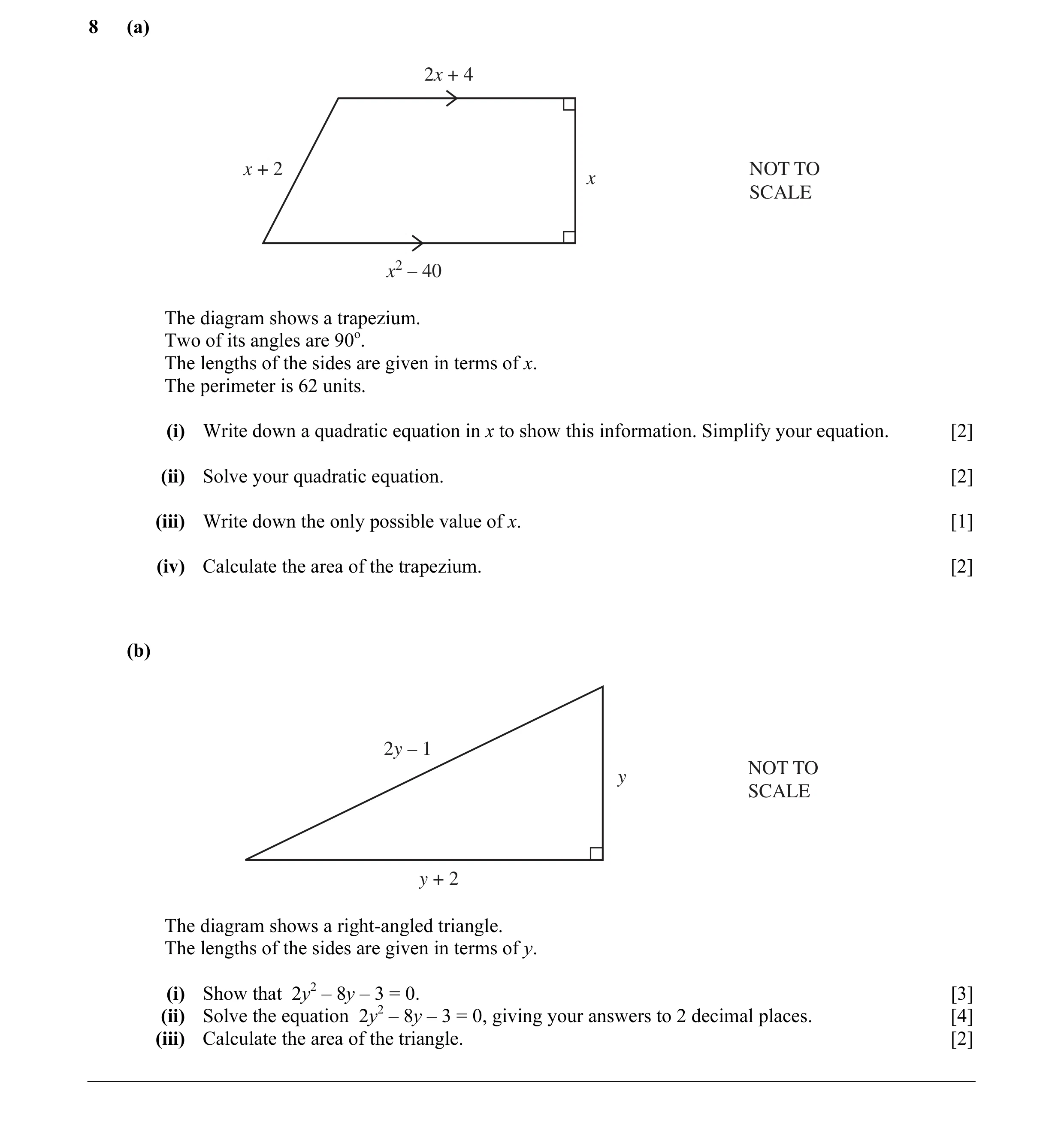 2 / 224
 3 / 224
![Question 5: y A NOT TO SCALE B C x 0 The diagram shows a sketch of y = x2 + 1 and y = 4 – x. (a) Write down the co-ordinates of (i) the point C, [1] (i…](https://img.pastlit.com/crops/ac6e953d-dc96-46da-a2a4-3e493900bce6/q3.webp) 4 / 224
4 / 224![Question 6: (a) (i) Factorise x2 − x − 20. [2] (ii) Solve the equation x2 − x − 20 = 0. [1] (b) Solve the equation 3x2 − 2x − 2 = 0. Show all your work…](https://img.pastlit.com/crops/8f864f26-a345-4525-88eb-53e1a582dfcb/q2.webp) 5 / 224
5 / 224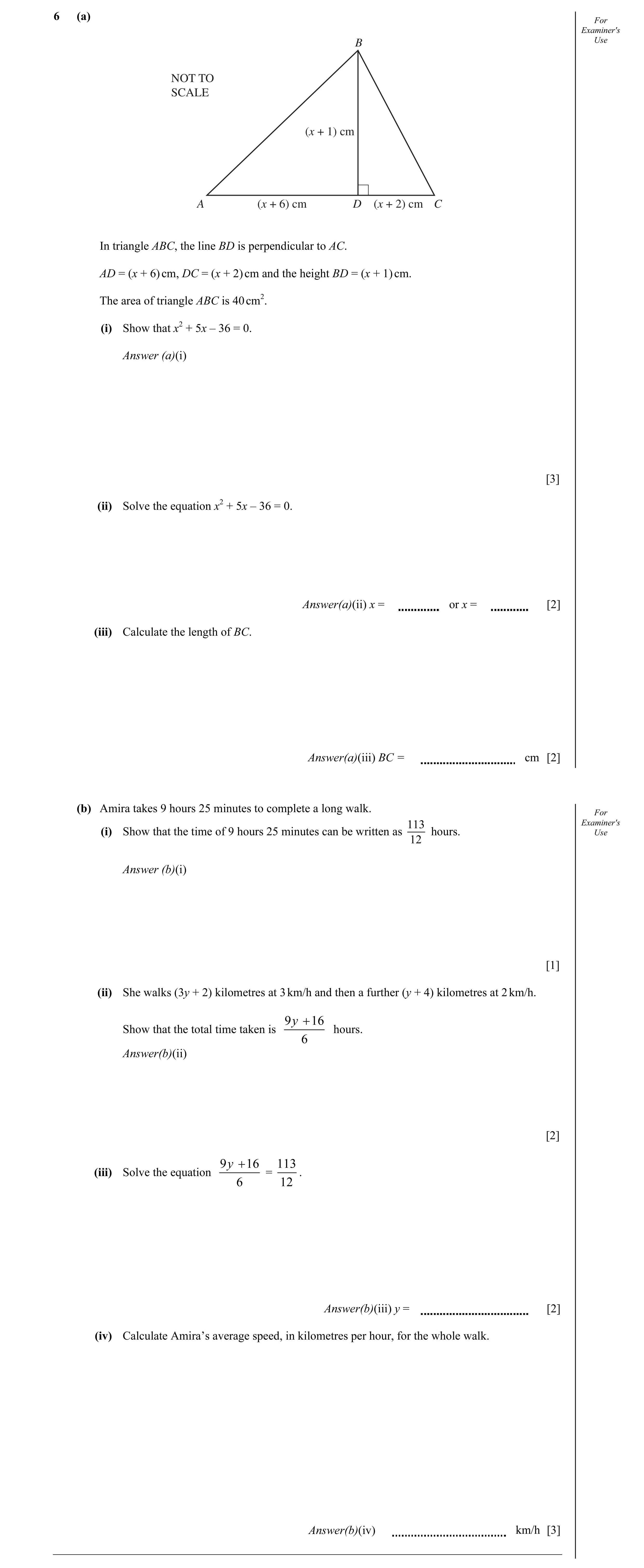
![Question 8: f(x) = 2x – 1 g(x) = x2 + 1 h(x) = 2x For Examiner's Use (a) Find the value of _ 1 (i) , f( 2 ) Answer(a)(i) [1] (ii) g( _5 ) , Answer(a)(i…](https://img.pastlit.com/crops/0280632f-3ccd-4273-826d-a0e888080ffc/q10.webp)
![Question 9: _ m 3 m + 4 _ For 9 (a) Solve the equation + = 7 . Examiner's 4 3 Use Answer(a) m = [4] 3 _ 2 (b) (i) y = _ x 1 x + 3 Find the value of y w…](https://img.pastlit.com/crops/9d226c06-2d7f-4f73-aca4-11b1226a0f24/q9.webp)
![Question 10: (a) Solve the following equations. Examiner's Use 5 3 (i) = w w + 1 Answer(a)(i) w = [2] (ii) ( y + 1) 2 = 4 Answer(a)(ii) y = or y = [2] x…](https://img.pastlit.com/crops/af18e727-1bb6-4d48-900e-a0840e7b995b/q9.webp)
![Question 11: (a) y is 5 less than the square of the sum of p and q. Examiner's Use Write down a formula for y in terms of p and q. Answer(a) y = [2] (b)…](https://img.pastlit.com/crops/106955dd-27f6-478f-b6c2-cea5efb1aeba/q8.webp)
![Question 12: f(x) = 6 + x2 g(x) = 4x –1 For Examiner's (a) Find Use (i) g(3), Answer(a)(i) [1] (ii) f (–4 ). Answer(a)(ii) [1] (b) Find the inverse func…](https://img.pastlit.com/crops/fbca6cde-6e9f-4fb7-9c50-cf0cd638fe0d/q2.webp) 16 / 224
16 / 224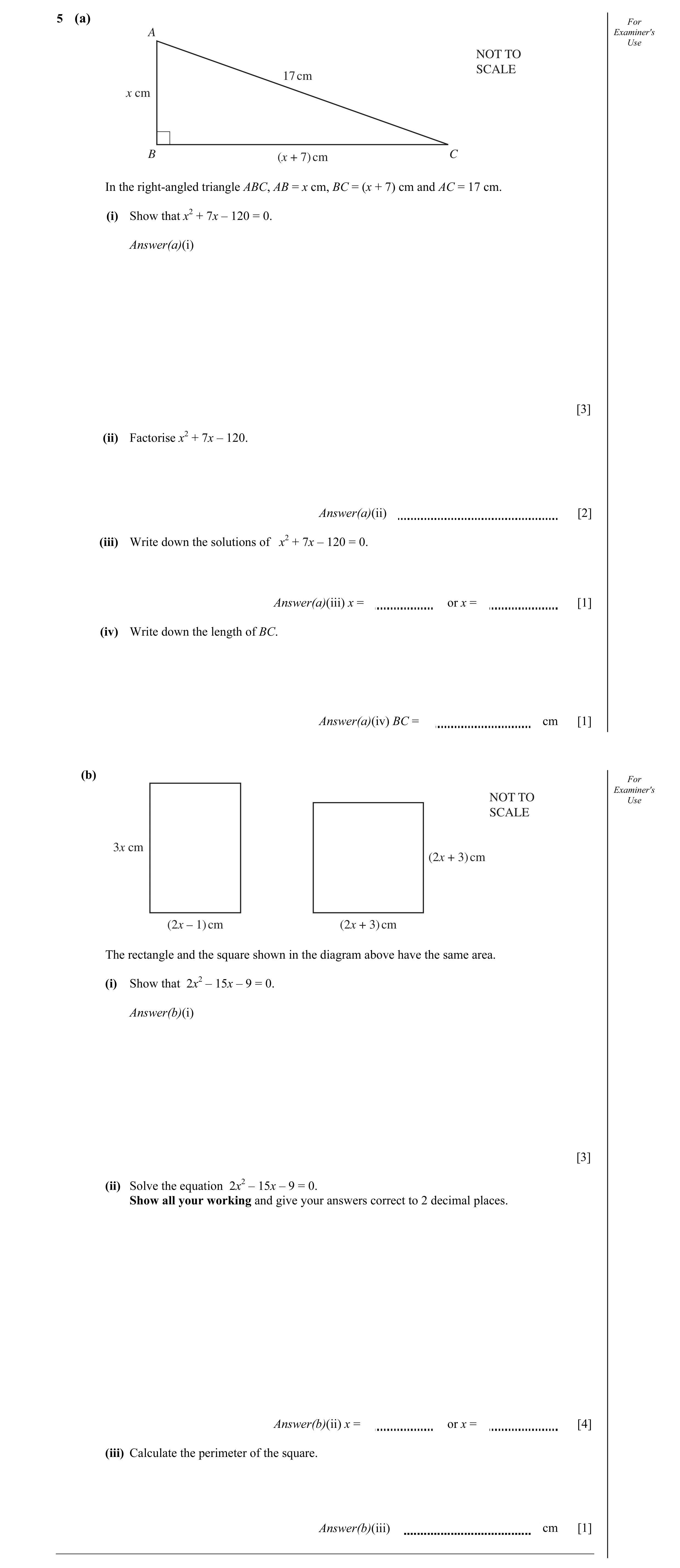
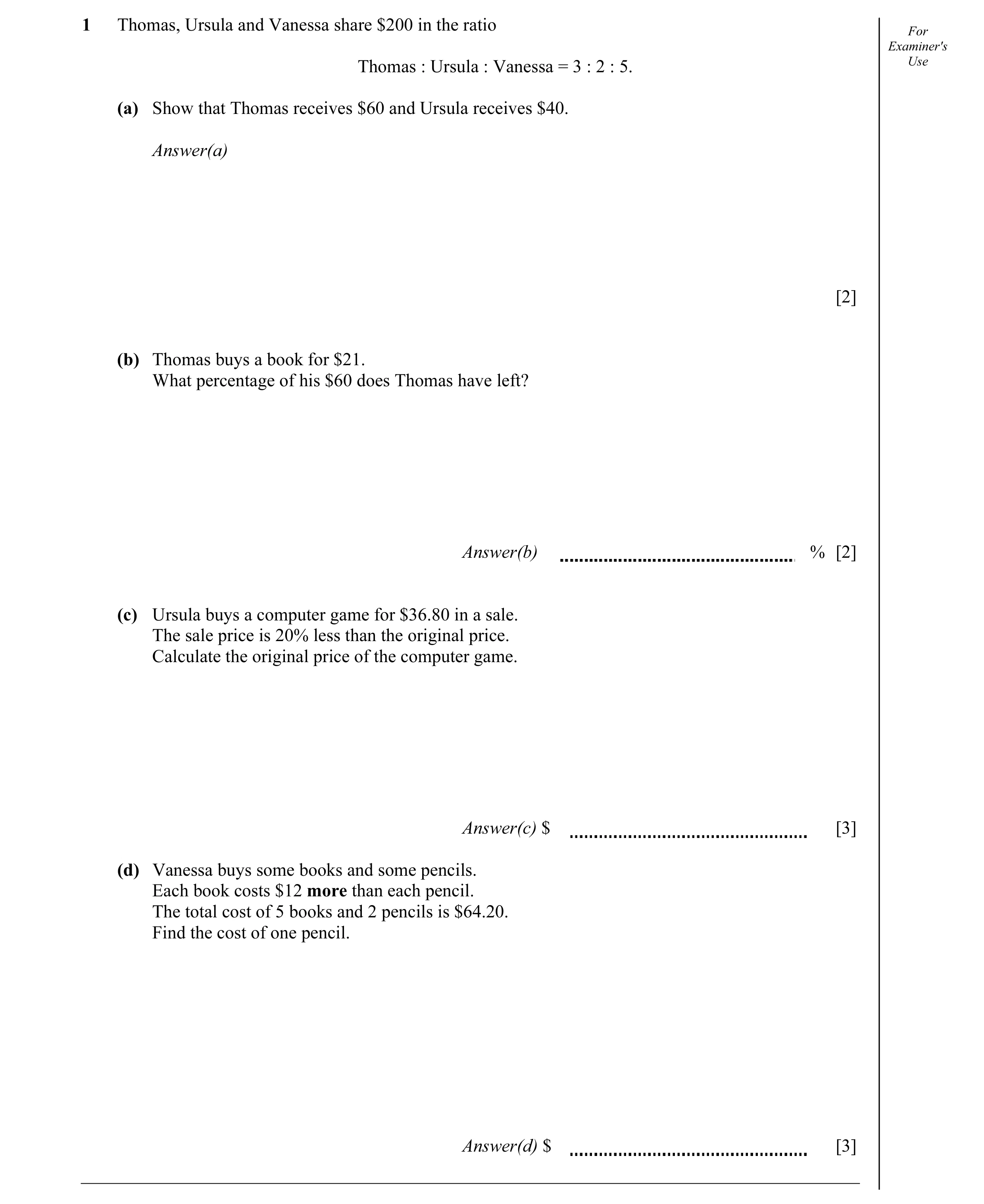 19 / 224
![Question 15: x 3 For 7 (a) Complete the table for the function f(x) = + 1 . Examiner's 10 Use x –4 –3 –2 –1 0 1 2 3 f(x) –1.7 0.2 0.9 1 1.1 1.8 [2] (b) …](https://img.pastlit.com/crops/26e2f3ec-796c-4ed4-a4e0-312a9afdb7ea/q7.webp)
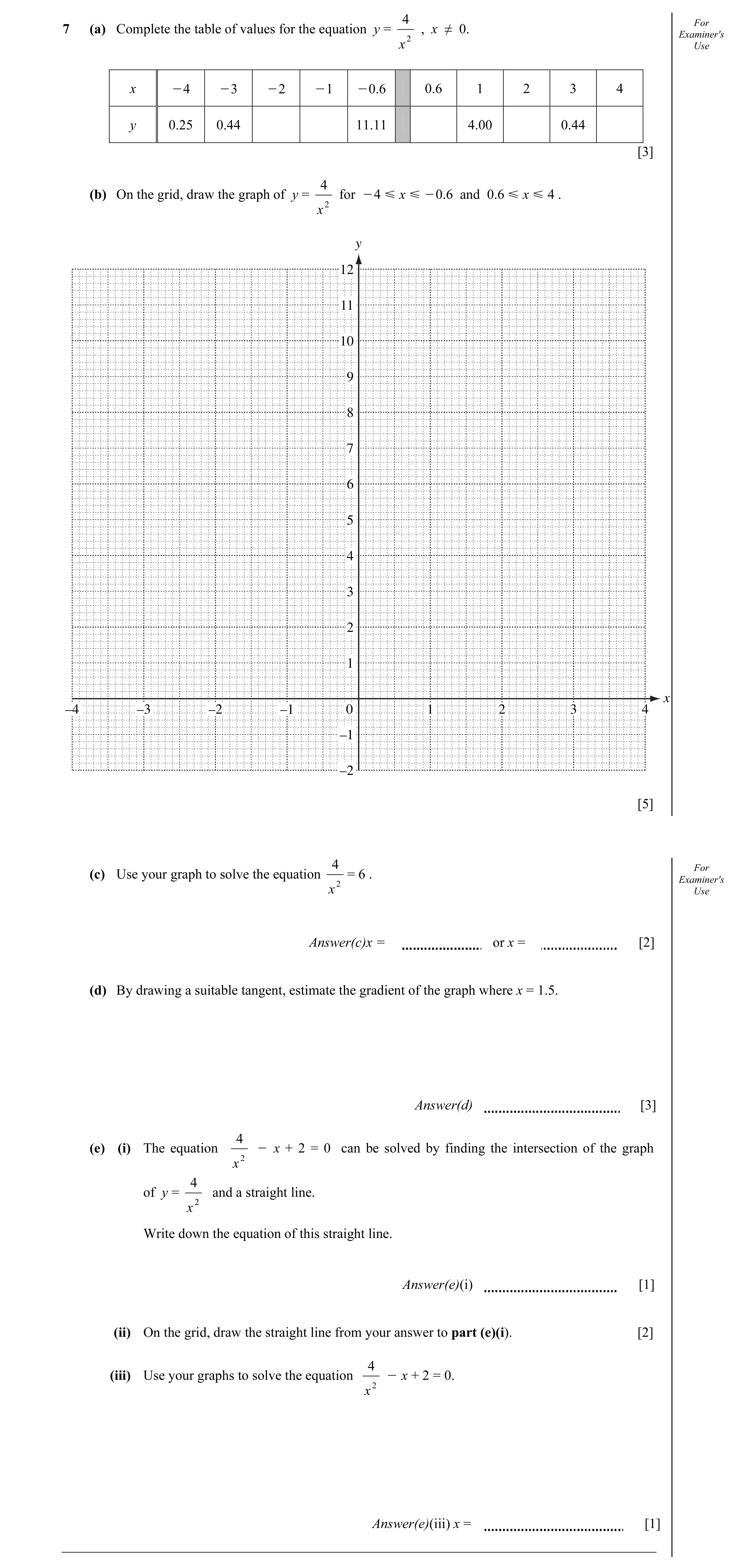
![Question 17: (a) Solve 9 I 3n + 6 Y 21 for integer values of n. For Examiner's Use Answer(a) [3] (b) Factorise completely. (i) 2x2 + 10xy Answer(b)(i) […](https://img.pastlit.com/crops/3a923785-0d64-4881-aea6-23006d8195ff/q5.webp)
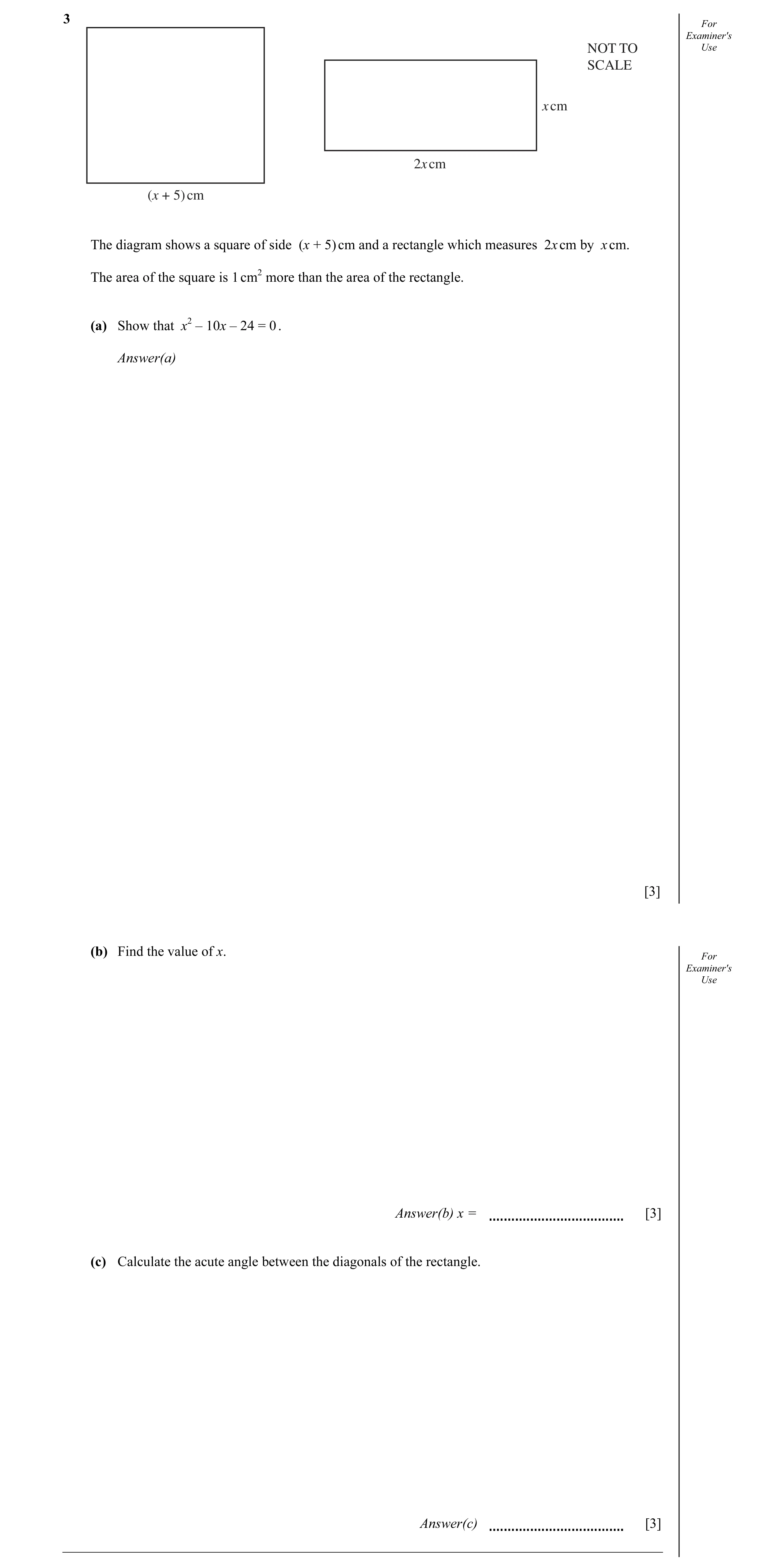
![Question 19: (a) Find the integer values for x which satisfy the inequality –3 I 2x –1 Y 6 . For Examiner's Use Answer(a) [3] x 2 + 3 x − 10 (b) Simplif…](https://img.pastlit.com/crops/e6962902-7edc-478f-9724-c3f5c4d23cfb/q2.webp) 28 / 224
28 / 224![Question 20: (a) Complete the table of values for y = 2x. For Examiner's Use x –2 –1 0 1 2 3 y 0.25 1 2 8 [2] (b) On the grid, draw the graph of y = 2x …](https://img.pastlit.com/crops/f07ad104-2a6b-49d0-ad7d-955a4a8e93a4/q2.webp)
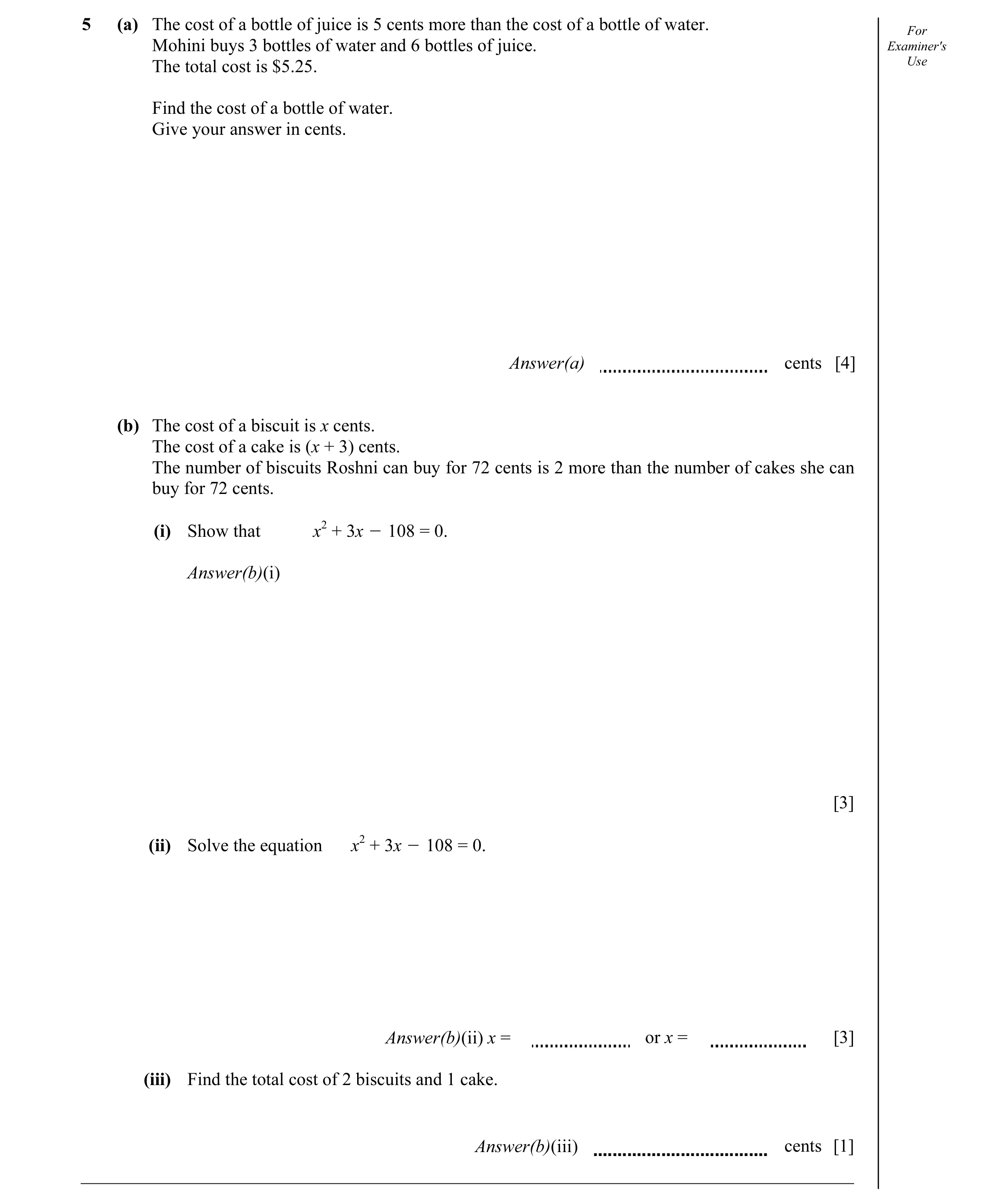 31 / 224
![Question 22: f(x) = x2 + x O1 g(x) = 1 O 2x h(x) = 3x Examiner's Use (a) Find the value of hg(–2). Answer(a) [2] (b) Find g –1(x). Answer(b) g O1(x) = […](https://img.pastlit.com/crops/f07ad104-2a6b-49d0-ad7d-955a4a8e93a4/q8.webp) 32 / 224
32 / 224
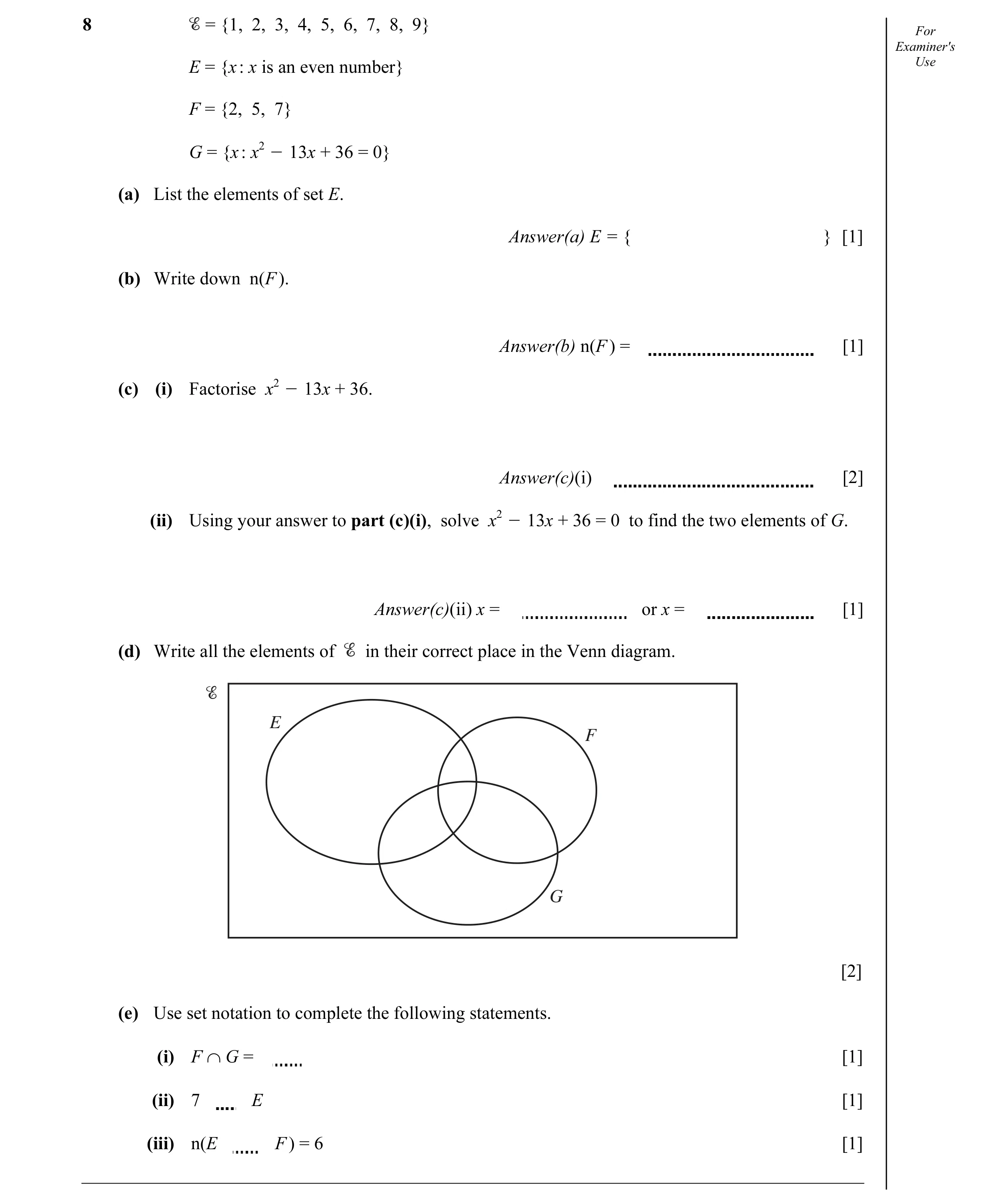 35 / 224
![Question 25: f(x) = 3x + 5 g(x) = 7 O 2x h(x) = x2 O 8 For Examiner's (a) Find Use (i) f(3), Answer(a)(i) [1] (ii) g(x O 3) in terms of x in its simples…](https://img.pastlit.com/crops/ccb08dcf-464f-4e6c-a054-b7aca52ba7fb/q9.webp) 36 / 224
36 / 224![Question 26: (a) Simplify For Examiner's (i) (2x2y3)3, Use Answer(a)(i) [2] _ 1 27 3 (ii) 6 . x Answer(a)(ii) [3] (b) Multiply out and sim…](https://img.pastlit.com/crops/68f856b8-673d-4d24-aa23-d049e30fc65a/q10.webp) 37 / 224
37 / 224 38 / 224
![Question 28: (a) Solve the equations. For Examiner's Use (i) 4x – 7 = 8 – 2x Answer(a)(i) x = [2] x − 7 (ii) = 2 3 Answer(a)(ii) x = [2] (b) Simplify th…](https://img.pastlit.com/crops/5b58b444-2c83-4e3d-b530-e23af975a3b3/q4.webp) 39 / 224
39 / 224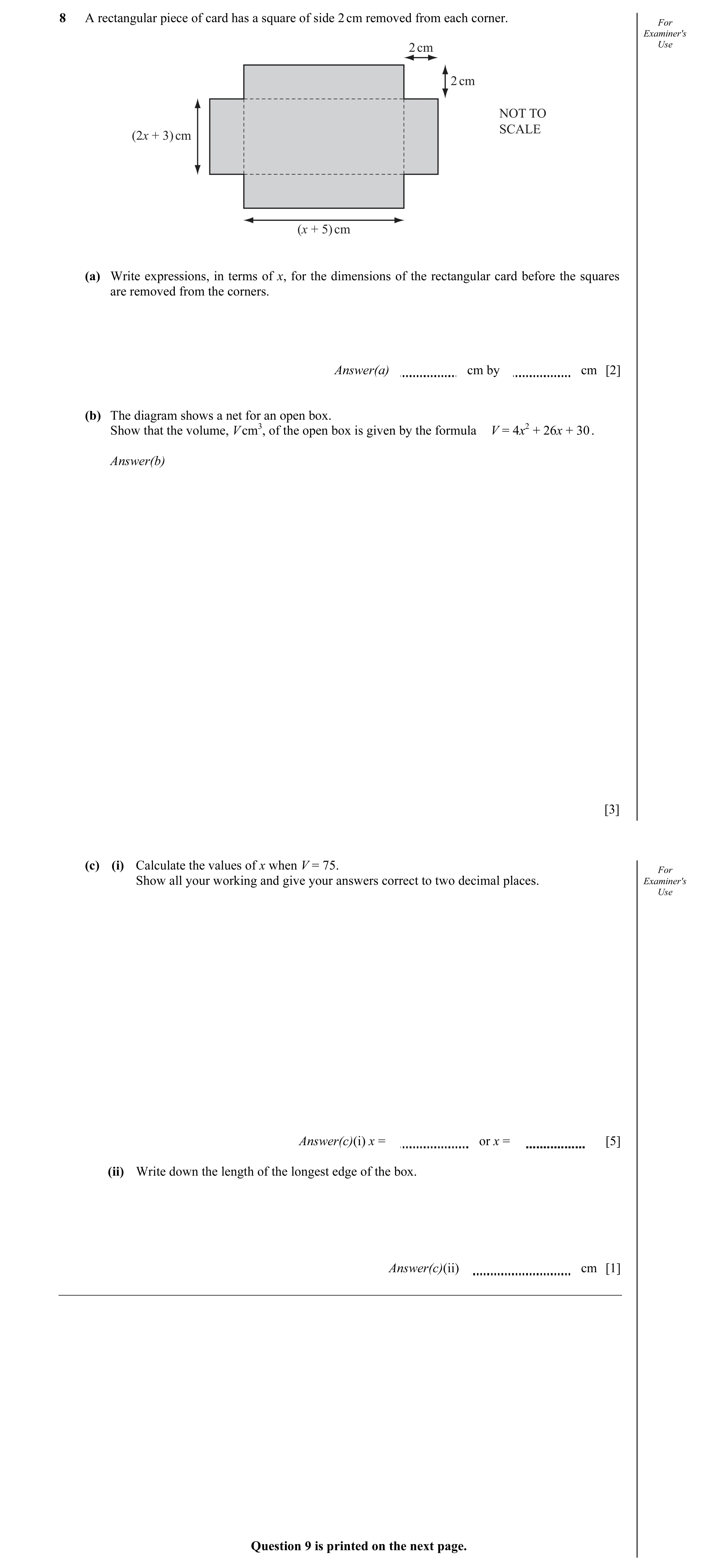
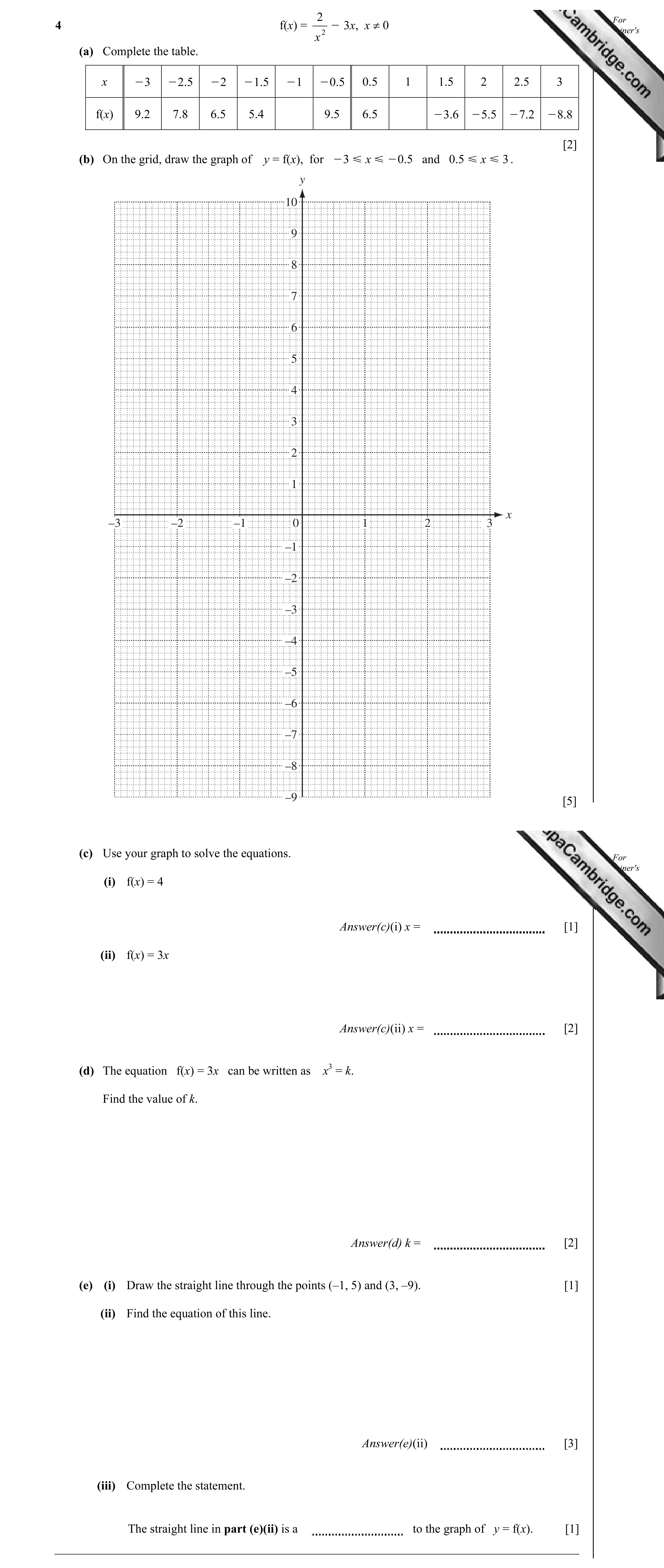
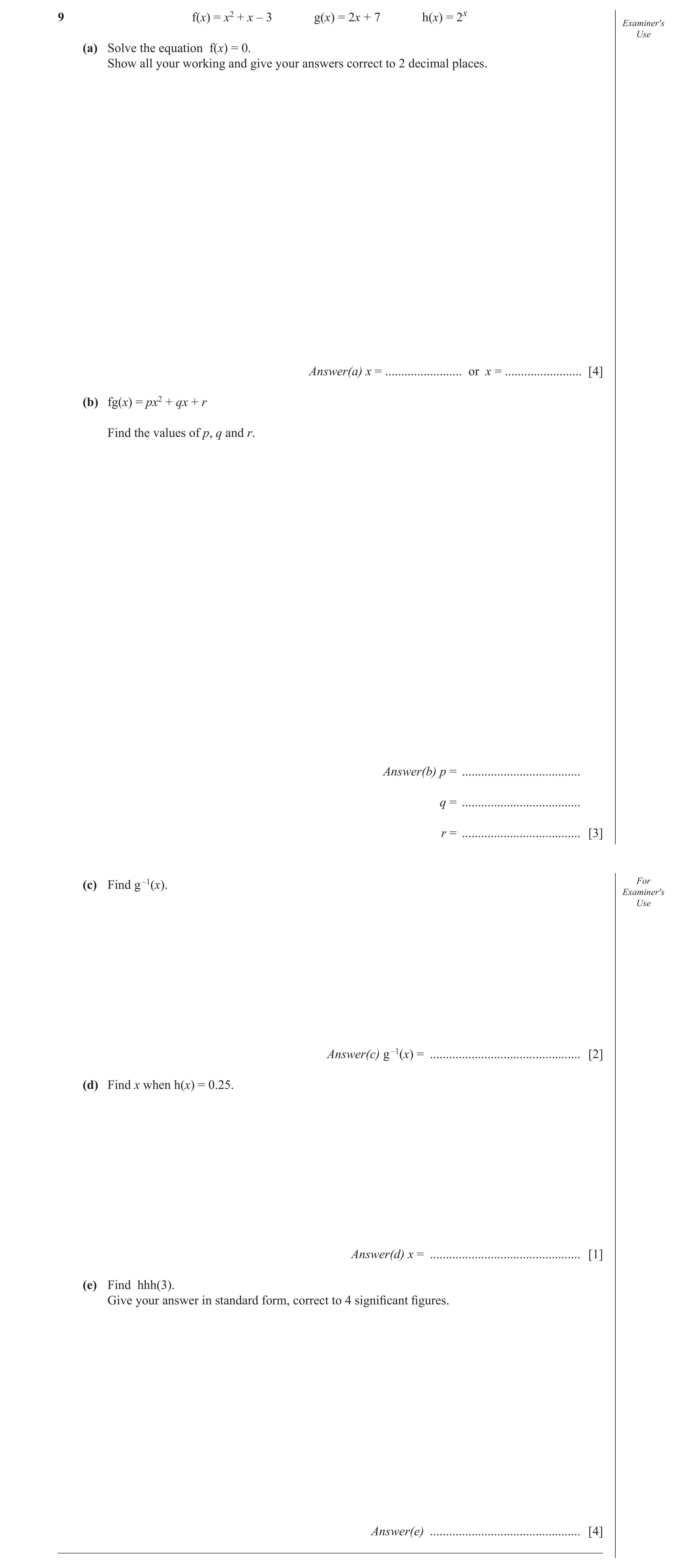
![Question 32: (a) Write as a single fraction For Examiner′s Use 5 2x (i) – , 4 5 Answer(a)(i) ............................................... [2] 4 2x - …](https://img.pastlit.com/crops/b8c23ea7-184a-4bff-a2ba-a4fca064ab1a/q10.webp)
![Question 33: (a) (i) Solve 2(3x – 7) = 13. For Examiner′s Use Answer(a)(i) x = ............................................... [3] (ii) Solve by factori…](https://img.pastlit.com/crops/30856bad-ebc6-423b-b0c5-696c09177315/q10.webp)
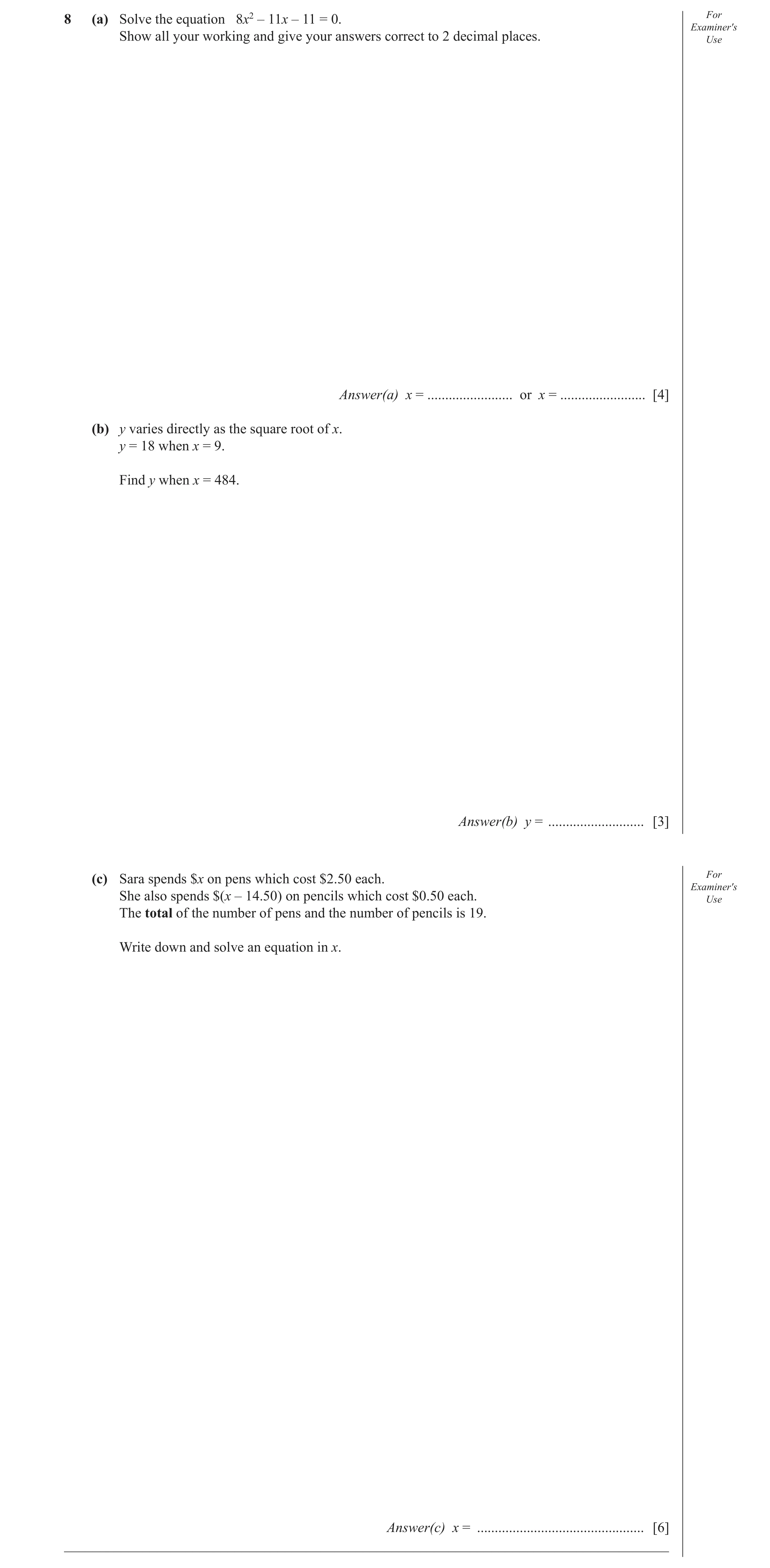
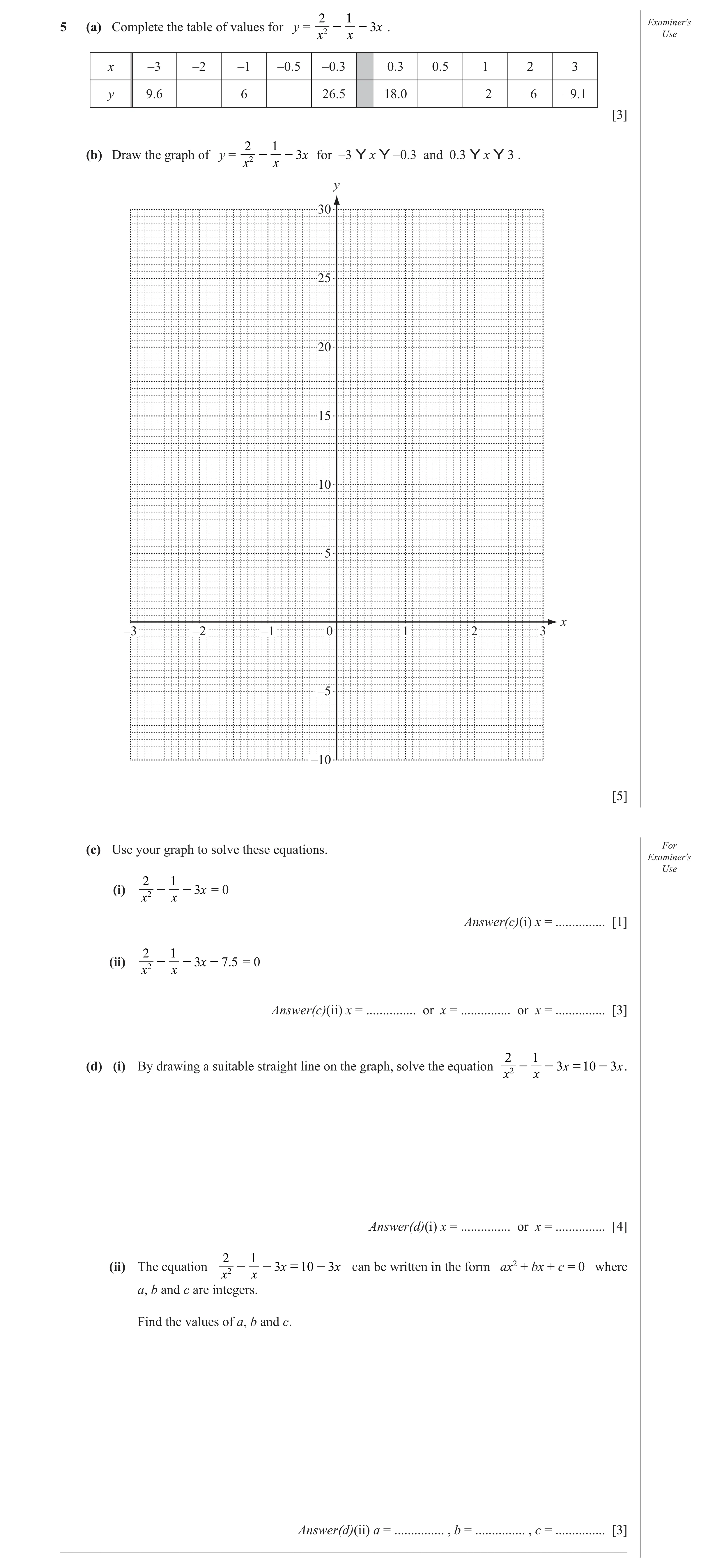
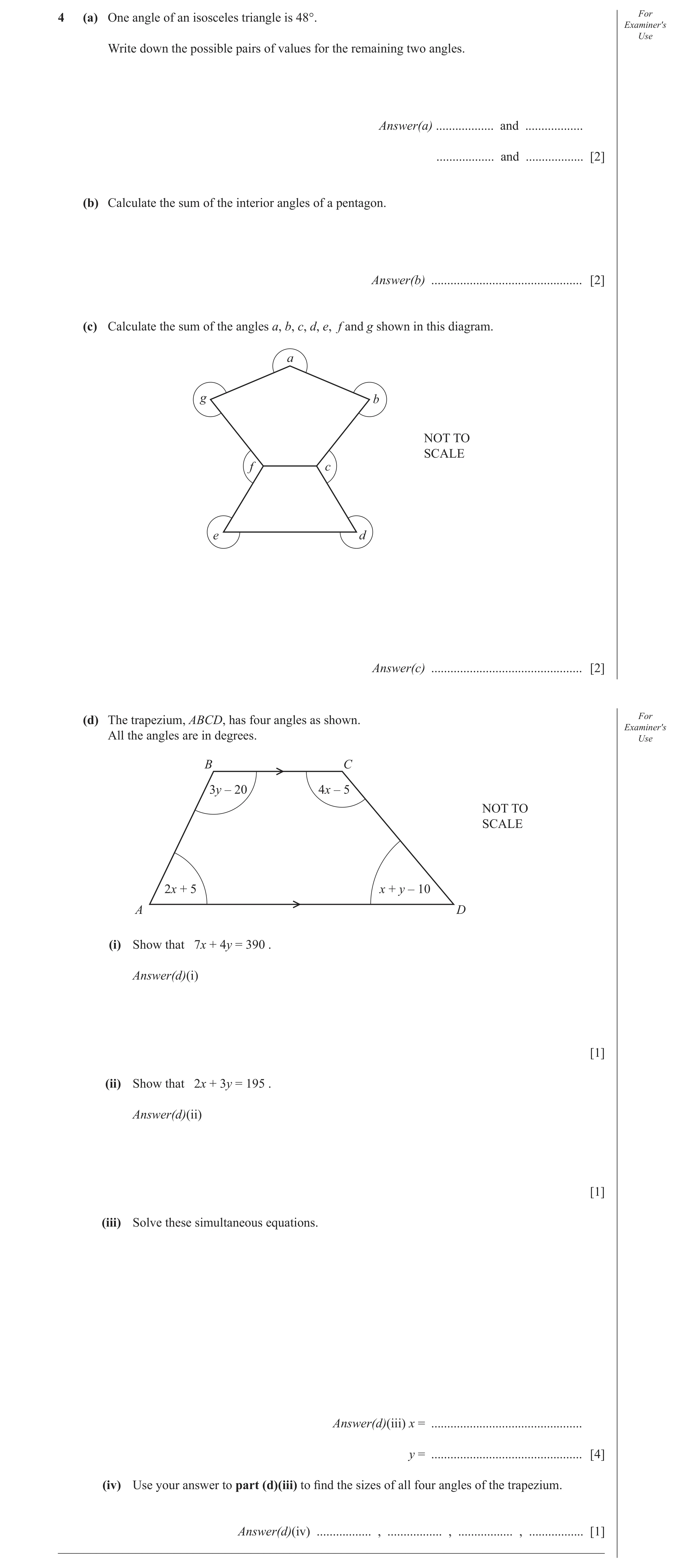
![Question 37: (a) Simplify. For Examiner′s x2 - 3 x Use x2 - 9 Answer(a) ............................................... [3] (b) Solve. 15 20 – = 2 x x +…](https://img.pastlit.com/crops/bd997108-0e3c-4d81-a84d-1c972f2b2afe/q10.webp) 56 / 224
56 / 224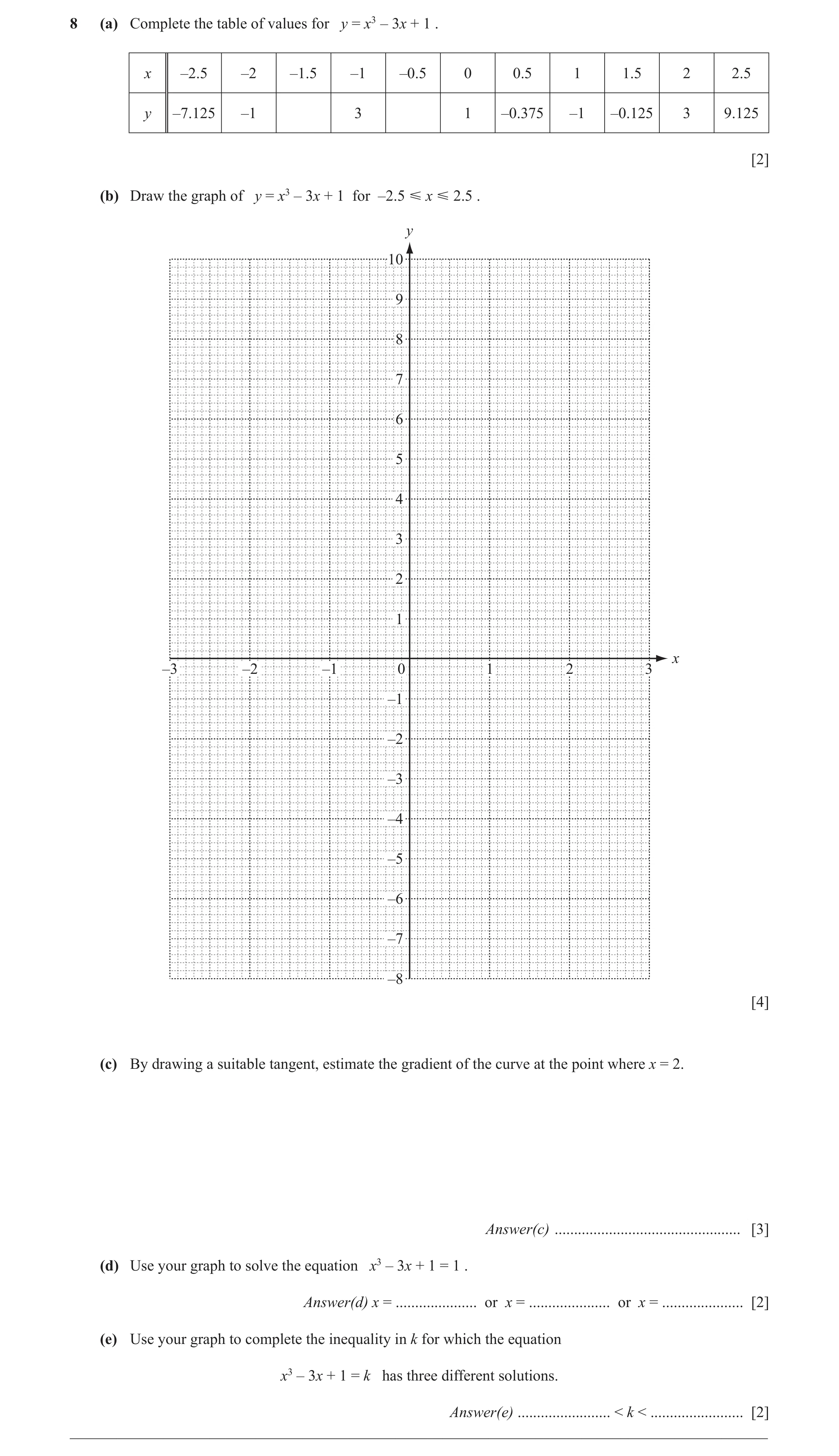
![Question 39: 210 f(x) = , x ≠ 0 g(x) = 1 – x h(x) = x + 1 x 1 (a) Find fg 2 ` j. Answer(a) ................................................ [2] (b) Find…](https://img.pastlit.com/crops/1da4eebe-629e-4247-b219-f8902c9d6ba4/q10.webp) 59 / 224
59 / 224![Question 40: 2x - 38 (a) (i) Show that the equation + = 1 can be simplifi ed to 2x2 + 3x – 6 = 0 . x + 4 2 Answer(a)(i) [3] (ii) Solve the equation 2x2 +…](https://img.pastlit.com/crops/e826fbe6-5bd5-4e6b-a78f-e107d55b60e9/q8.webp) 60 / 224
60 / 224![Question 41: f(x) = 4 – 3x g(x) = 3–x (a) Find f(2x) in terms of x. Answer(a) f(2x) = ................................................ [1] (b) Find ff(x…](https://img.pastlit.com/crops/e826fbe6-5bd5-4e6b-a78f-e107d55b60e9/q9.webp) 61 / 224
61 / 224![Question 42: (a) Complete the table of values for y = x2 + , x ≠ 0. x x –3 –2 –1 –0.5 0.4 0.6 1 1.5 2 3 y 8 2.5 –5.8 7.7 5.4 4 4.3 10 [2] 3 (b) Draw the…](https://img.pastlit.com/crops/ec92df10-6424-44d9-8448-d4b1d5fa7d57/q5.webp)
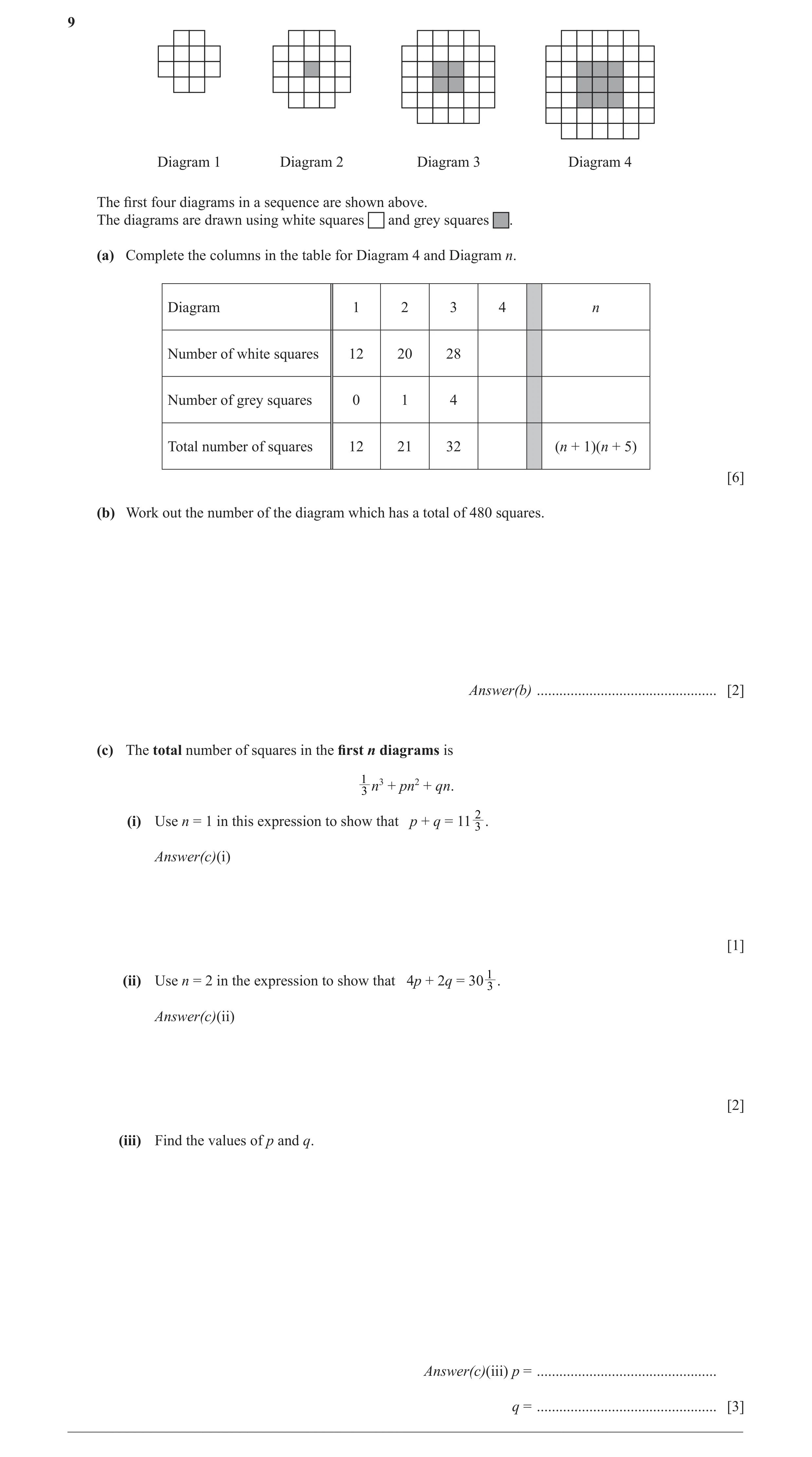
![Question 44: f(x) = 5x – 2 g(x) = , x ≠ 3 h(x) = 2x2 + 7x x - 3 (a) Work out (i) f(2), Answer(a)(i) ................................................ [1]…](https://img.pastlit.com/crops/287731cd-98b4-47fa-acc5-f6c59864e235/q5.webp)
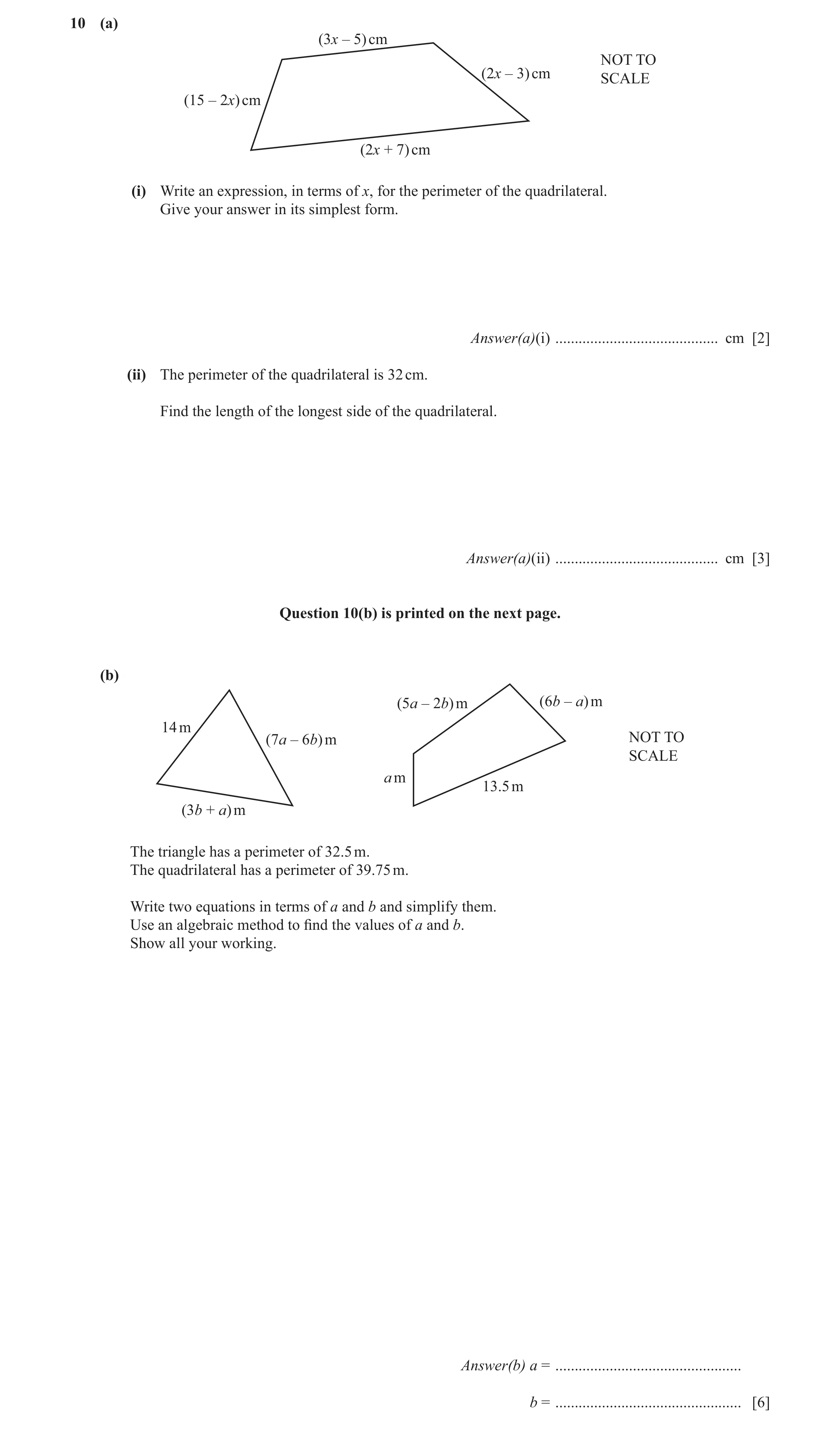
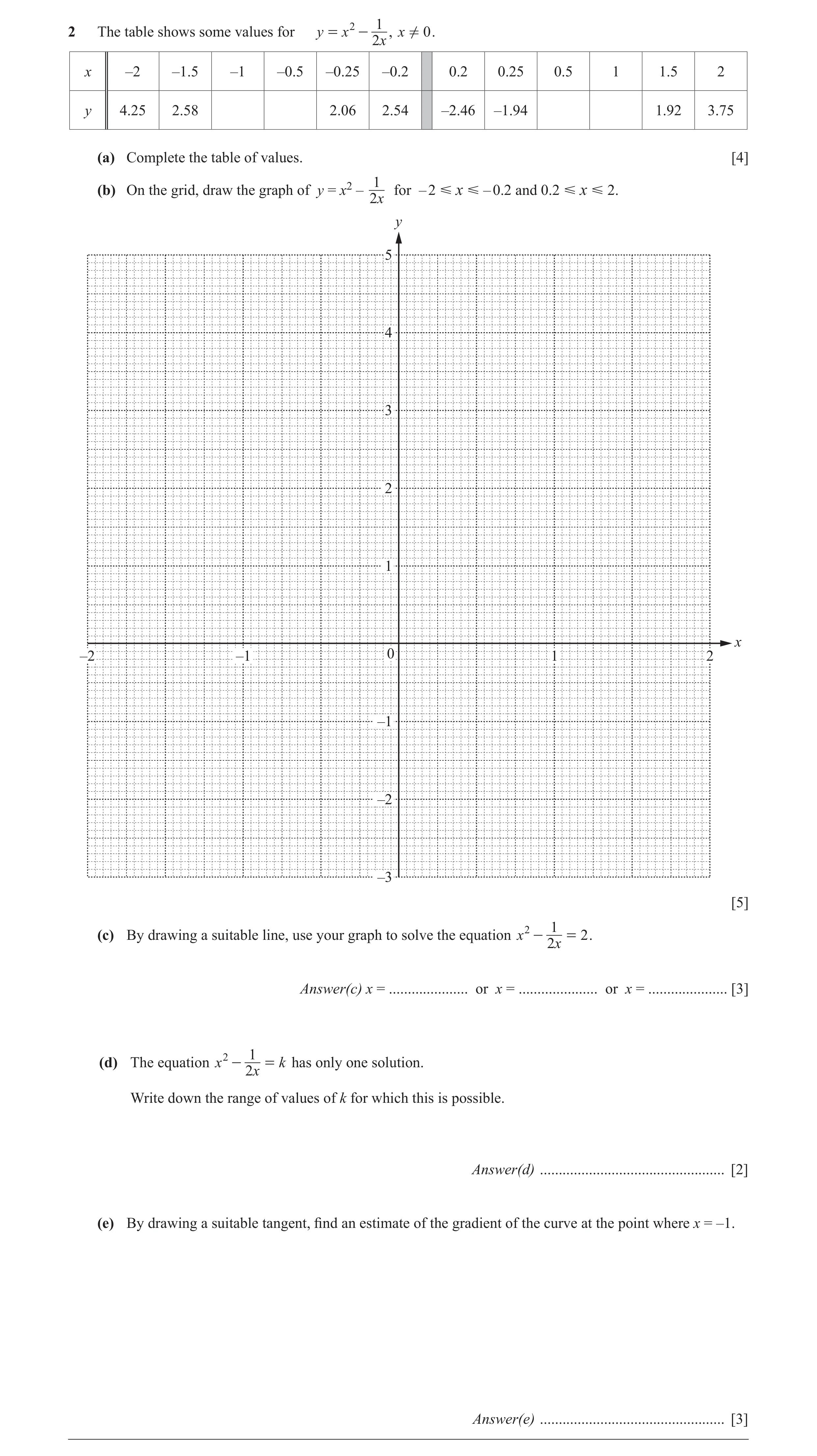
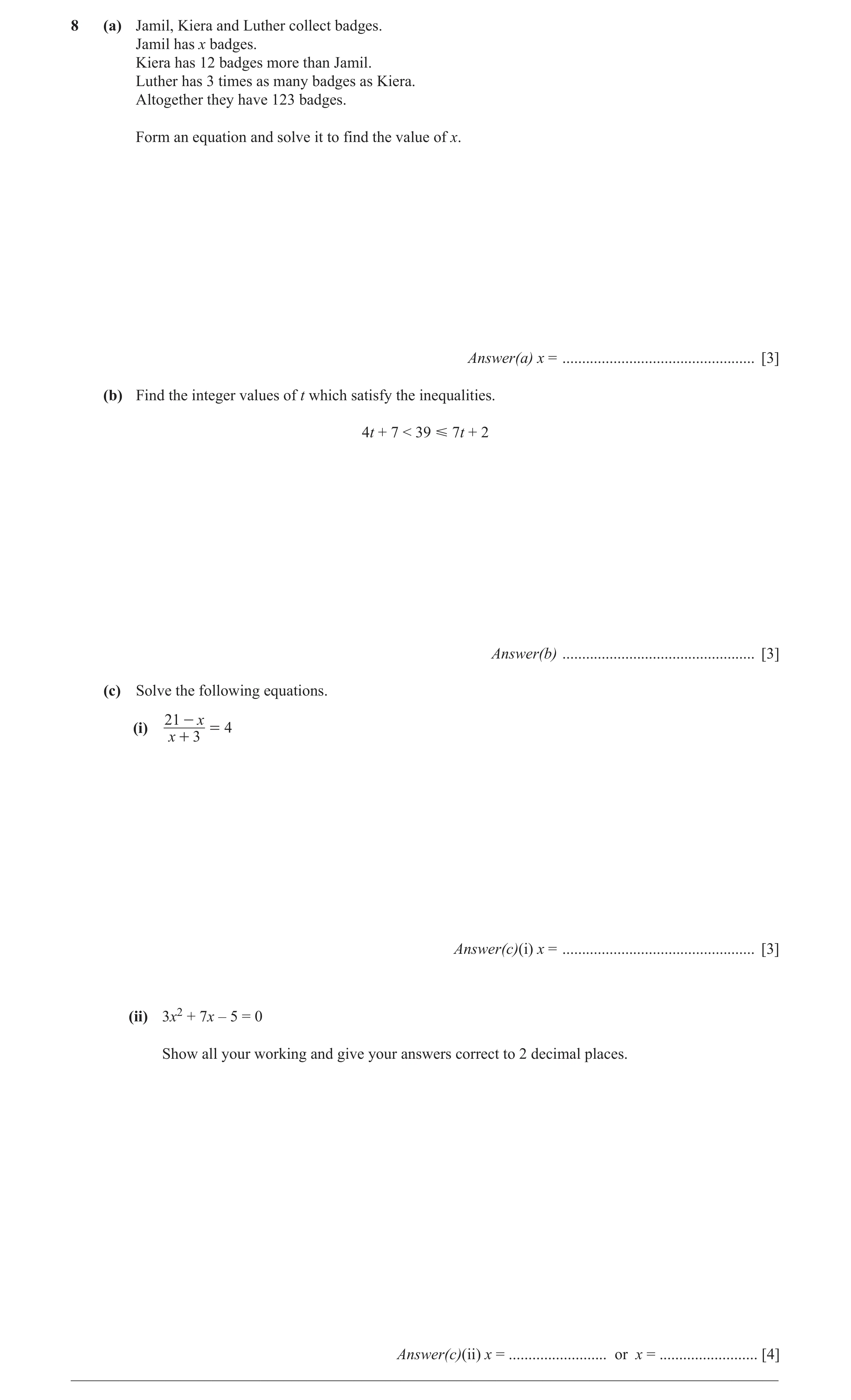
![Question 48: (a) Make x the subject of the formula. xr A - x = t Answer(a) x = ................................................. [4] (b) Find the value …](https://img.pastlit.com/crops/8d98d941-7098-4ca2-950b-5344a149adae/q11.webp) 70 / 224
70 / 224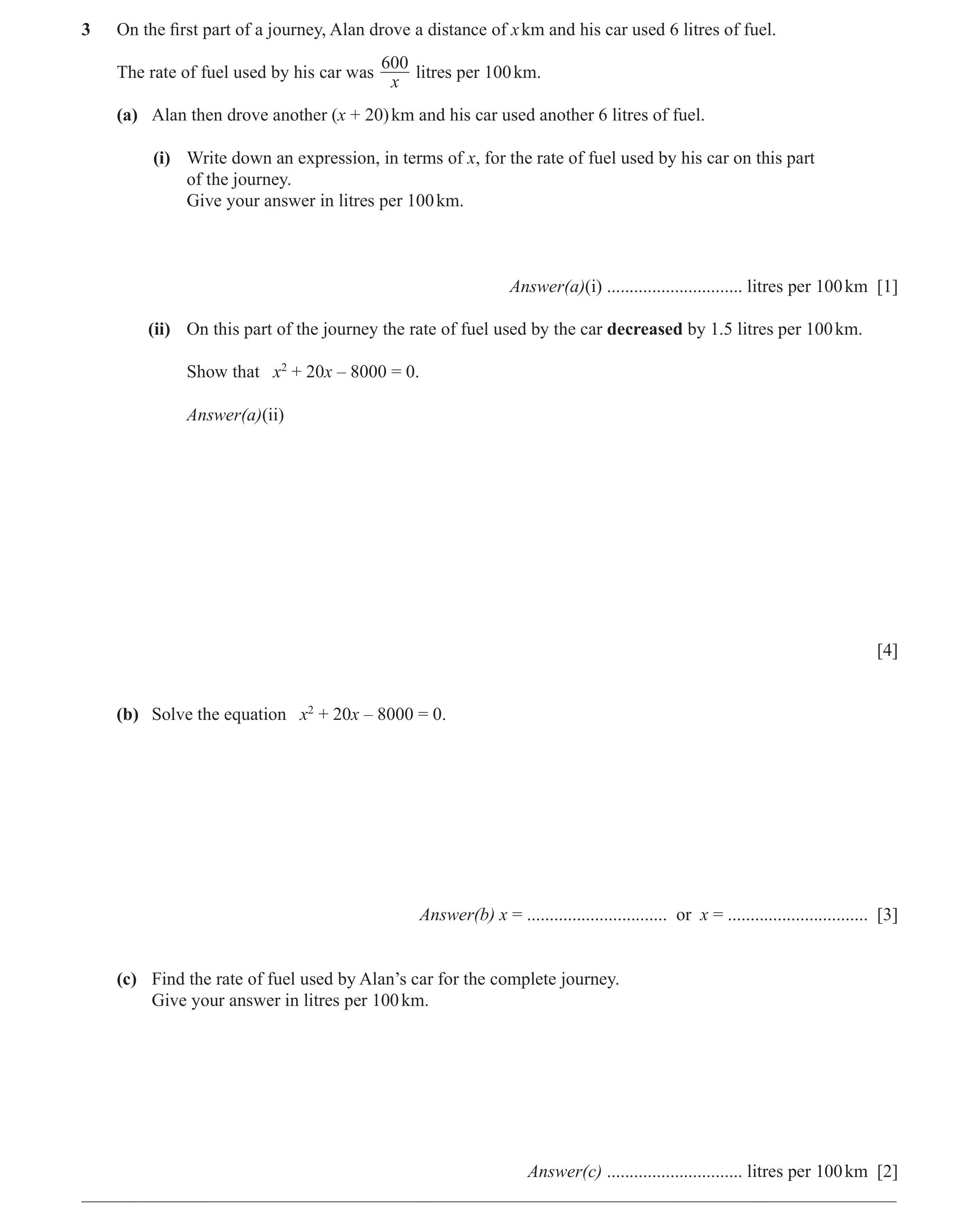 71 / 224
![Question 50: 5 y = x2 – 2x + , x ! 0 x (a) Complete the table of values. x –4 –3 –2 –1 –0.5 0.5 1 2 3 4 y 21 11 –9 –22.75 23.25 11 6 11 [2] 12 (b) On th…](https://img.pastlit.com/crops/d67c2d7b-362c-456d-8c2b-63f45c442870/q5.webp)
![Question 51: (a) Calculate 20.7. Answer(a) ................................................ [1] (b) Find the value of x in each of the following. (i) 2x…](https://img.pastlit.com/crops/68ca3ad9-f6ae-4837-bcf9-7a3533d7b776/q2.webp)
![Question 52: (a) Factorise x2 – 3x – 10. Answer(a) ................................................ [2] x + 2 3 (b) (i) Show that + = 3 simplifies to 2x…](https://img.pastlit.com/crops/68ca3ad9-f6ae-4837-bcf9-7a3533d7b776/q8.webp) 75 / 224
75 / 224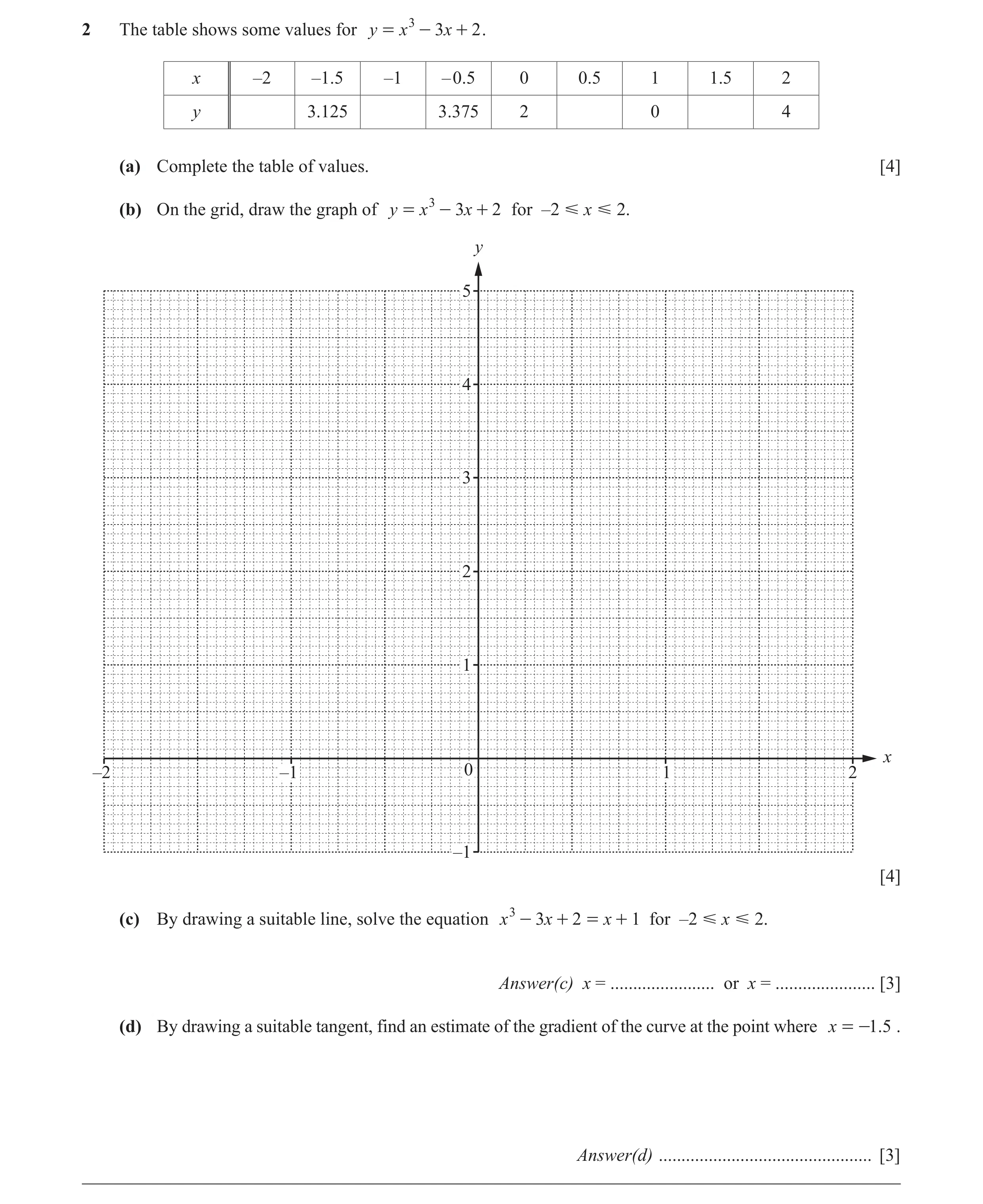 76 / 224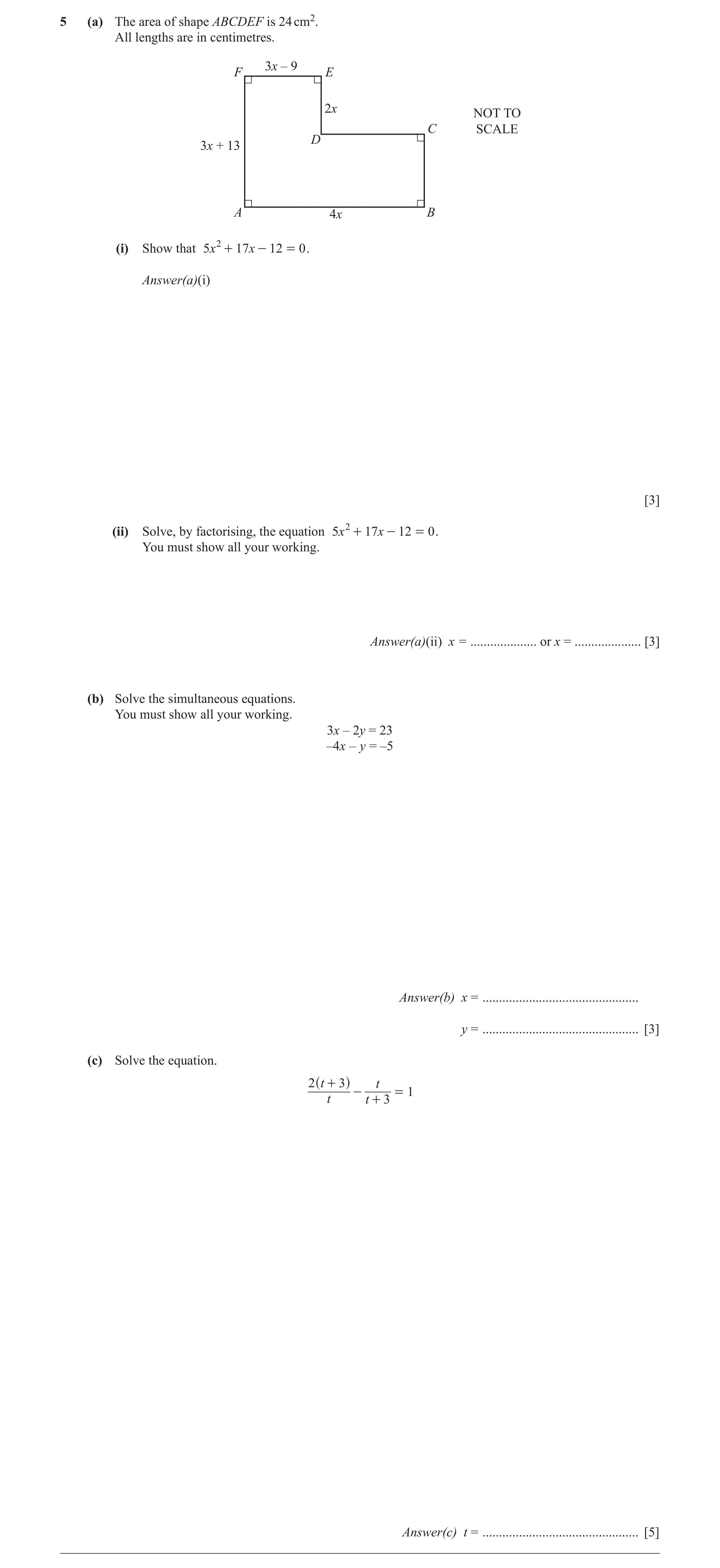
![Question 55: f(x) = 2x + 5 g(x) = 2x h(x) = 7 - 3x (a) Find (i) f(3), Answer(a)(i) ............................................... [1] (ii) gg(3). Answe…](https://img.pastlit.com/crops/a6f74002-bcdf-42c4-b7b4-e8151e9ebab5/q9.webp) 79 / 224
79 / 224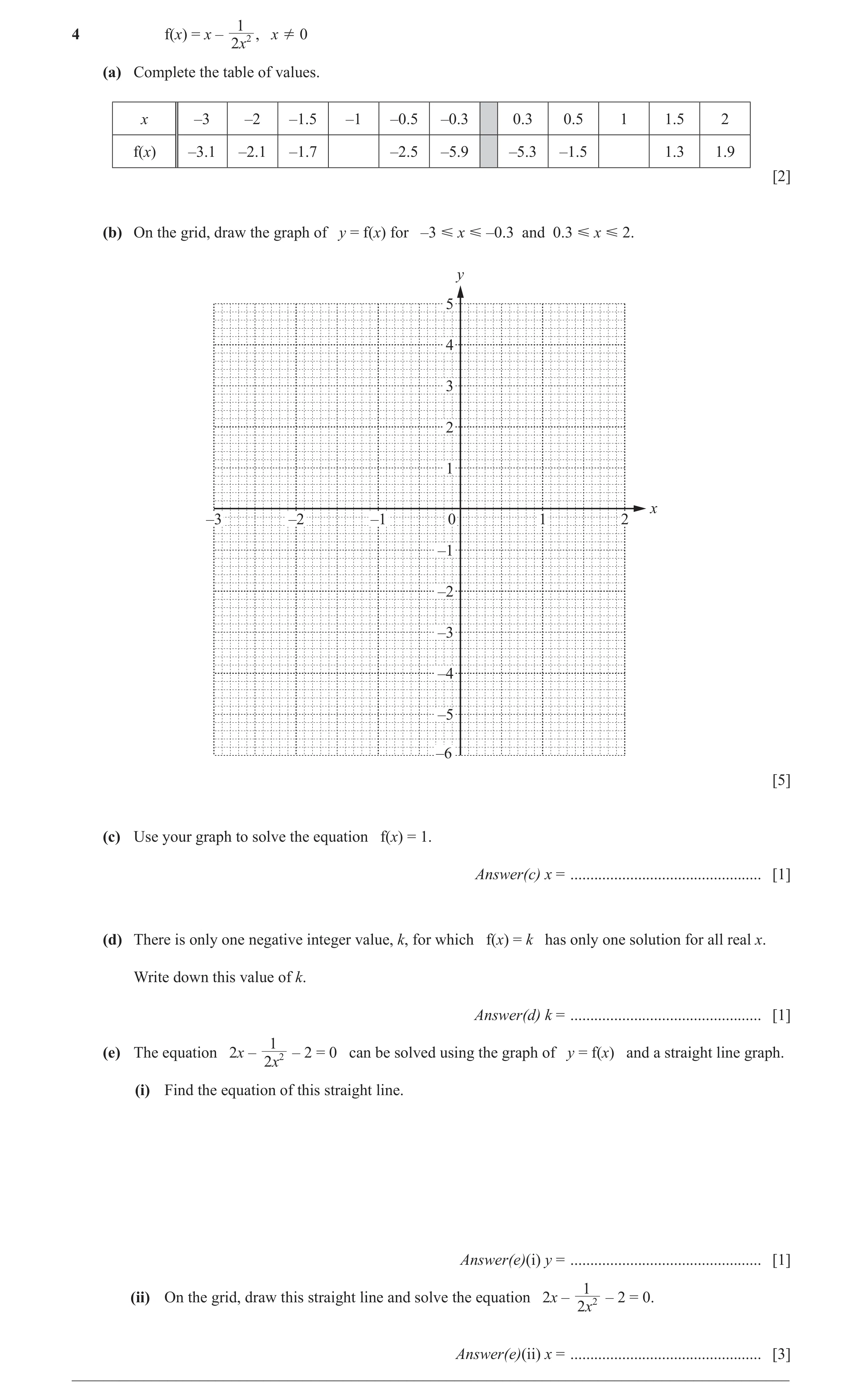
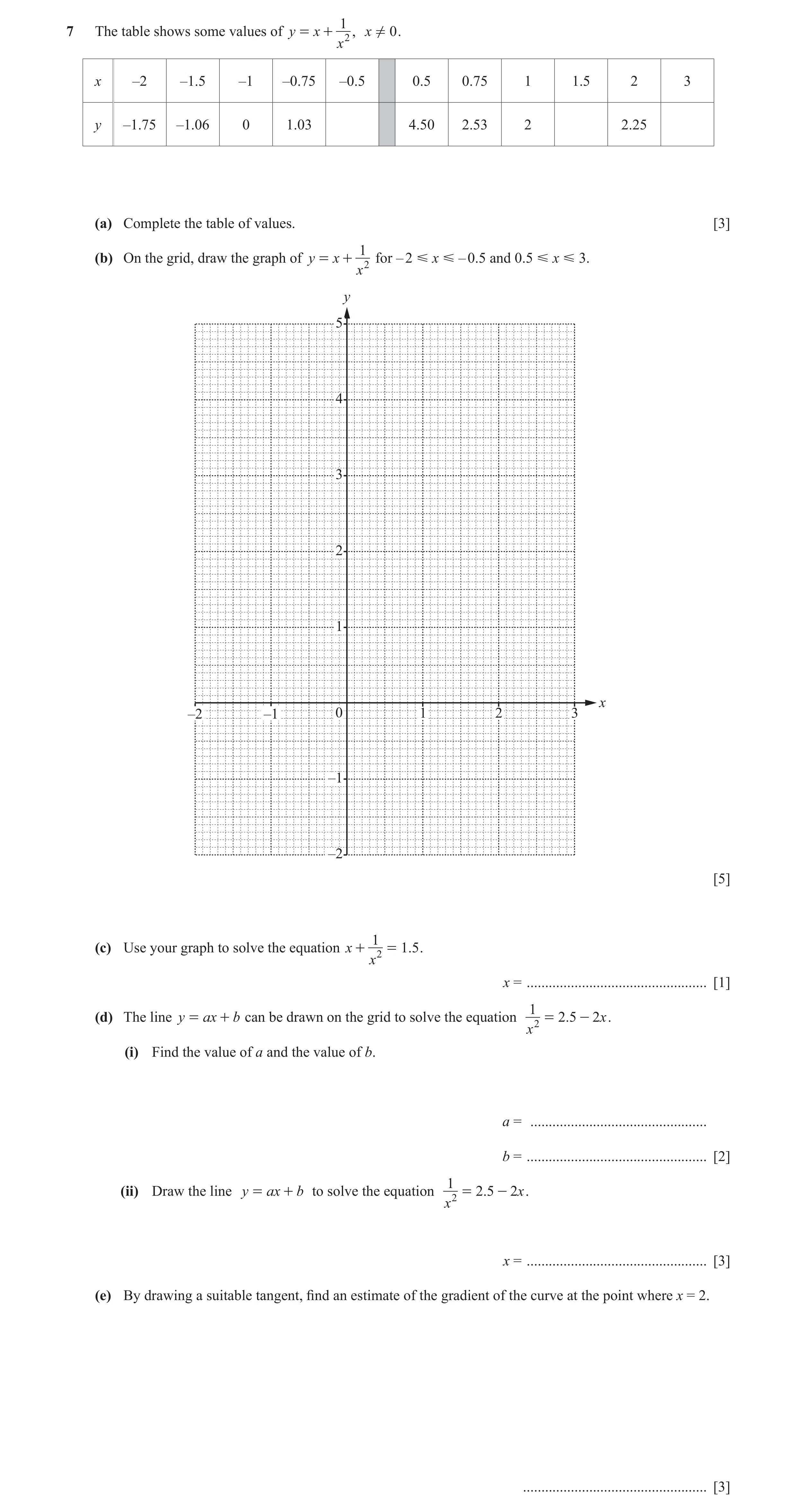
![Question 58: f(x) = 2 − 3x g(x) = 7x + 3 (a) Find (i) f(−3), ........................................ [1] (ii) g(2x). ..................................…](https://img.pastlit.com/crops/fcf7a9c2-0fd7-45d7-bc04-a6609aa885ff/q11.webp) 83 / 224
83 / 224![Question 59: f ()x = 20 + x , x ! 0 x (a) Complete the table. x -10 -8 -5 -2 -1.6 1.6 2 5 8 10 f(x) -12 -10.5 -9 -12 -14.1 14.1 12 12 [2] (b) On the gri…](https://img.pastlit.com/crops/ec302751-bd71-421d-9e01-d942197d1ca8/q5.webp)
![Question 60: f(x) = 2x + 1 g(x) = x2 + 4 h(x) = 2x (a) Solve the equation f(x) = g(1). x = .................................................. [2] (b) Fi…](https://img.pastlit.com/crops/ec302751-bd71-421d-9e01-d942197d1ca8/q8.webp)
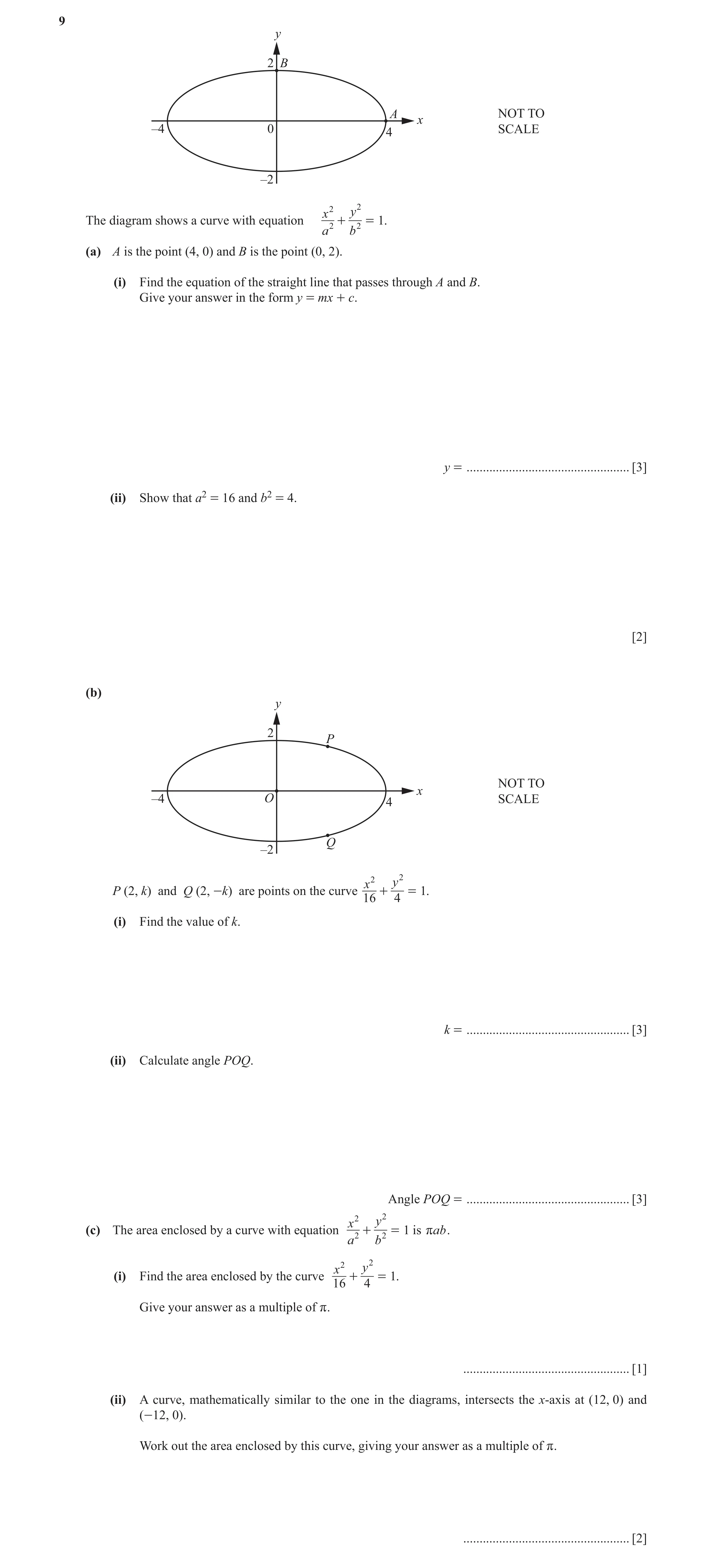
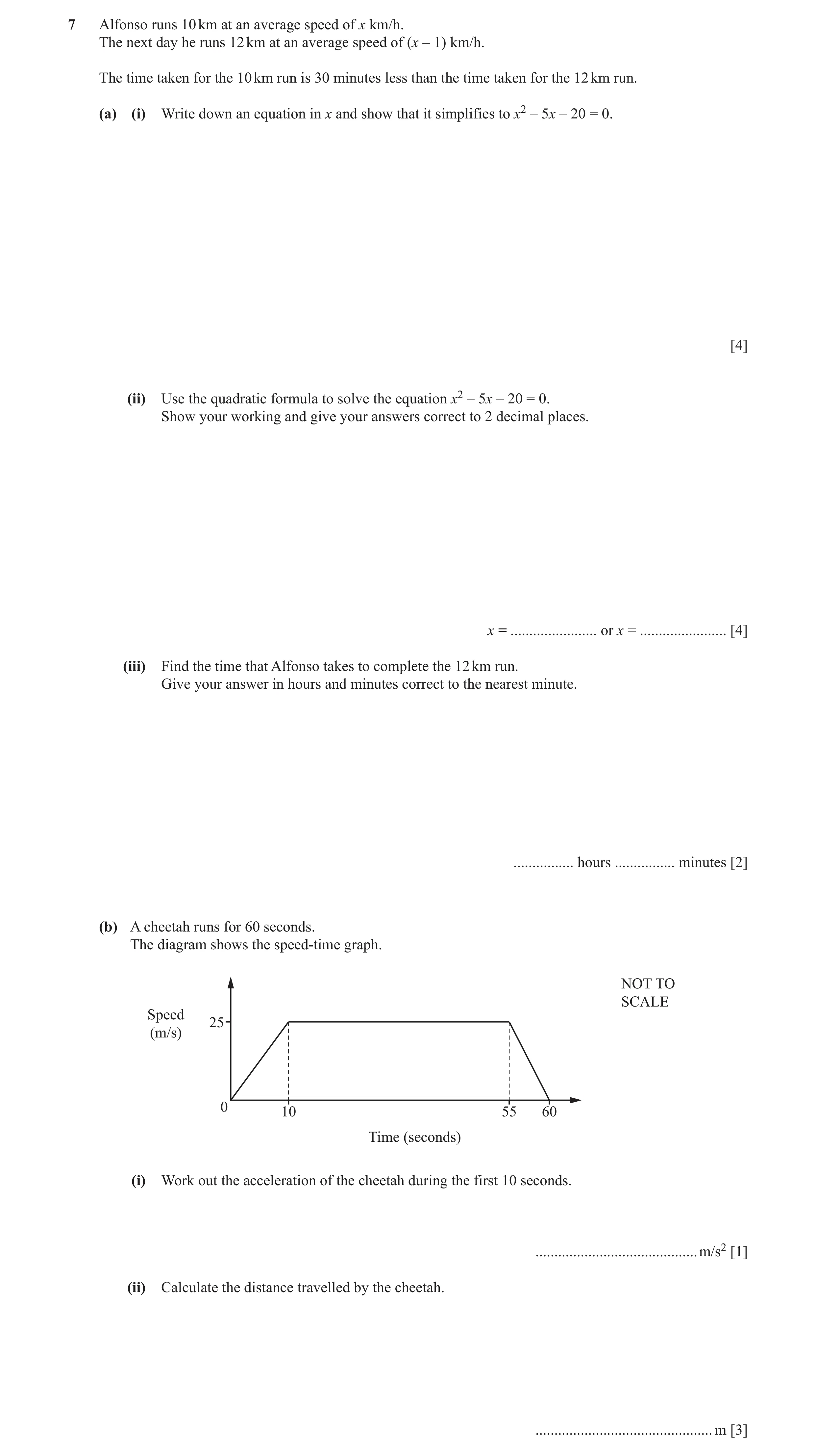
![Question 63: y = 1 - 2 , x ! 0 x (a) Complete the table. x –5 –4 –3 –2 –1 –0.5 0.5 1 2 3 4 5 y 0.88 0.78 –7 –7 0.78 0.88 [3] 2 (b) On the grid, draw the…](https://img.pastlit.com/crops/956e0141-7e9d-4b98-b8dd-49ce7e6a3766/q4.webp)
 92 / 224
![Question 65: f(x) = 2x + 1 g(x) = 3x - 2 h(x) = 3 x (a) Find hf(2) – f h(1). ................................................. [3] (b) Find gf(x), givin…](https://img.pastlit.com/crops/956e0141-7e9d-4b98-b8dd-49ce7e6a3766/q9.webp)
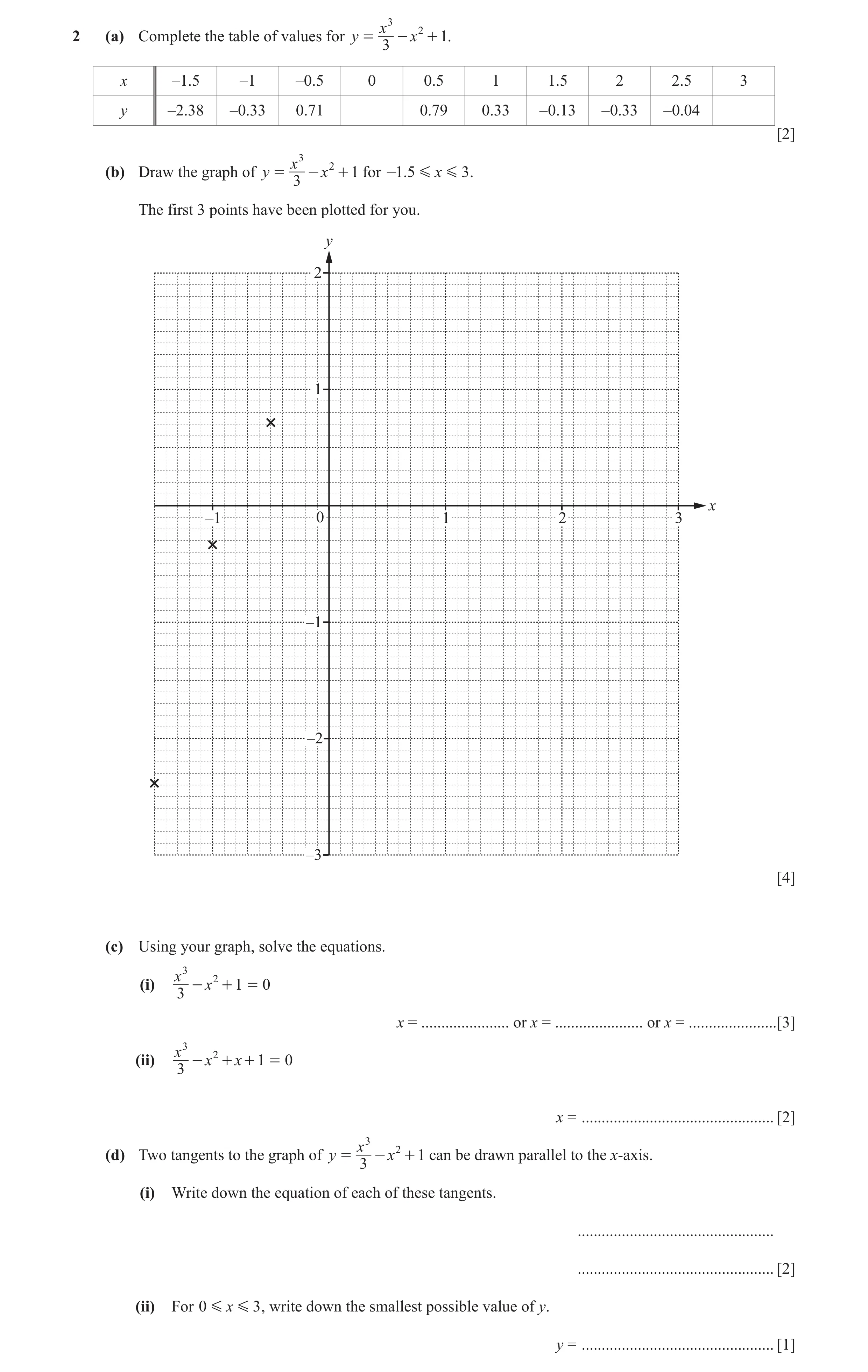
![Question 67: (a) y = + 2 , x ! 0 x (i) Find the value of y when x =- 6 . y = ................................................ [1] (ii) Find x in terms o…](https://img.pastlit.com/crops/e909654b-3034-4f2c-b8fd-c7096f64ba20/q9.webp)
![Question 68: 2 (a) Complete the table for y = 3x + 2 + 1, x ! 0 . x x –3 –2 –1 –0.5 –0.3 0.3 0.5 1 2 3 y –7.8 0 7.5 22.3 24.1 6 7.5 10.2 [2] 2 (b) On th…](https://img.pastlit.com/crops/49a97ea4-6968-4402-8883-cdd1c9afca05/q2.webp)
![Question 69: (a) Solve. 8x – 5 = 22 – 4x x = .................................................. [2] (b) Solve. 6x H 2x + 14 ............................…](https://img.pastlit.com/crops/49a97ea4-6968-4402-8883-cdd1c9afca05/q3.webp) 99 / 224
99 / 224![Question 70: Solve. 2 1 3 + = x + 3 12 2 x - 1 x = ..................... or x = ..................... [7]](https://img.pastlit.com/crops/49a97ea4-6968-4402-8883-cdd1c9afca05/q11.webp) 100 / 224
100 / 224![Question 71: (a) Expand the brackets and simplify. (i) 4 (2x + 5) - 5 (3x - 7) ................................................. [2] (ii) ( x - 7 ) 2 ..…](https://img.pastlit.com/crops/41eeae6f-a8f3-4935-b504-a5c0cda9a435/q6.webp) 101 / 224
101 / 224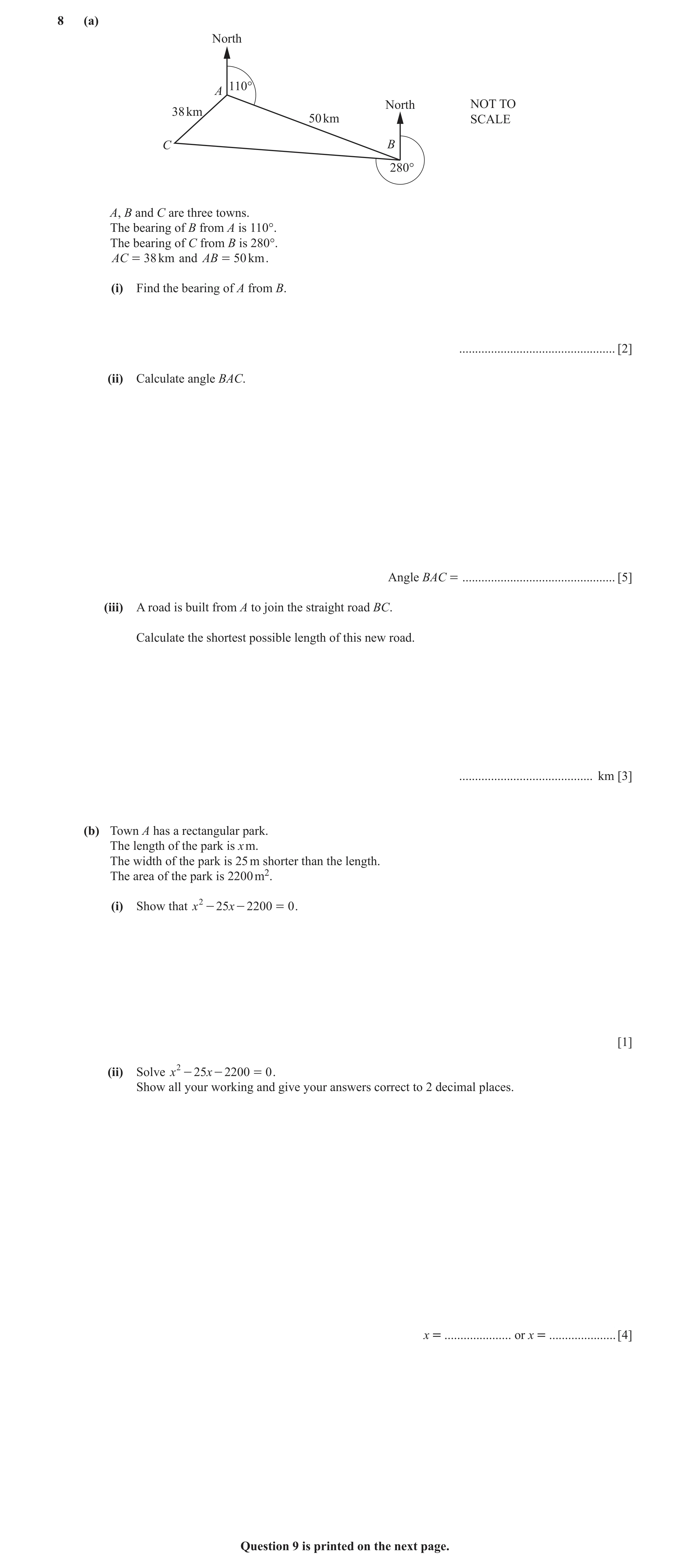
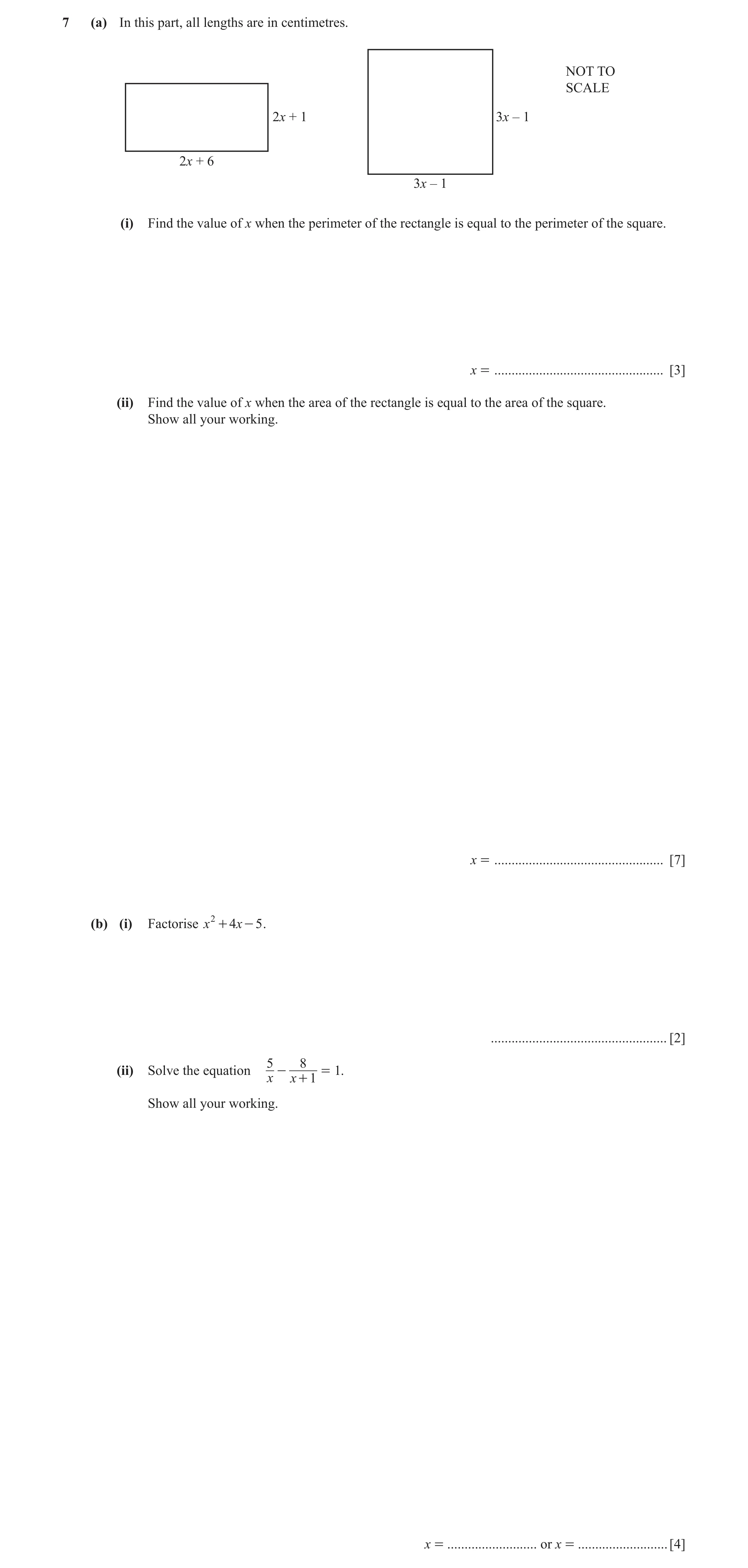
![Question 74: f (x) = 3x - 2 g (x) = x2 h (x) = 3x (a) Find f (-3) . ................................................... [1] (b) Find the value of x when…](https://img.pastlit.com/crops/06bed543-eadb-4540-85d9-e3a7e48dfa1a/q10.webp) 106 / 224
106 / 224 107 / 224
![Question 76: (a) Solve. 11x + 15 = 3x – 7 x = ................................................ [2] (b) (i) Factorise. x2 + 9x – 22 .....................…](https://img.pastlit.com/crops/c82e024e-4f88-4bfc-9d37-d77907d26617/q3.webp) 108 / 224
108 / 224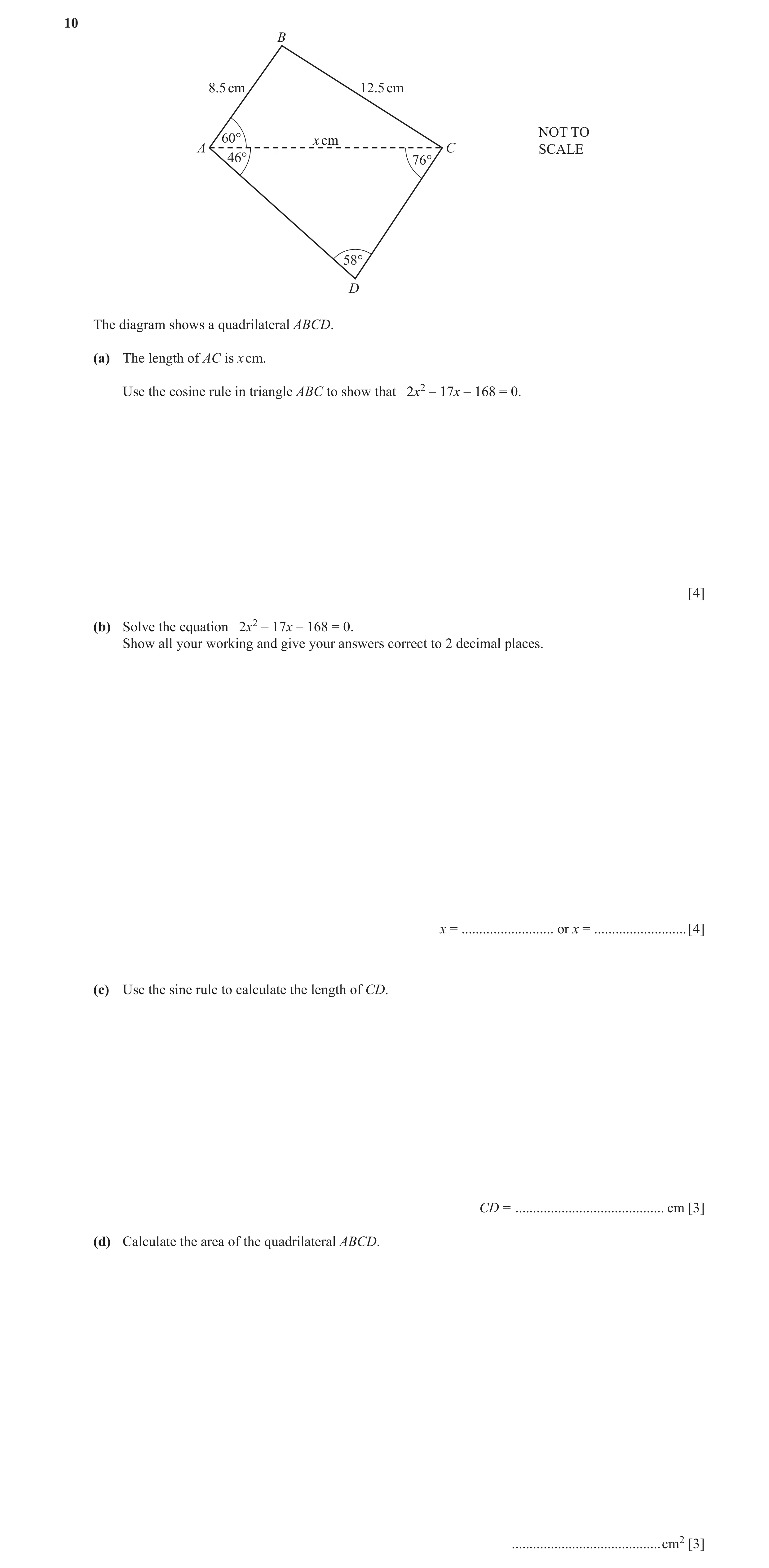
![Question 79: f ()x = 1 - 2x g ()x = x + 4 h ()x = x 2 + 1 (a) Find (f-1) . ................................................. [1] (b) Solve the equation.…](https://img.pastlit.com/crops/746198cc-97a2-45a4-a0ed-9363fea2e61b/q9.webp)
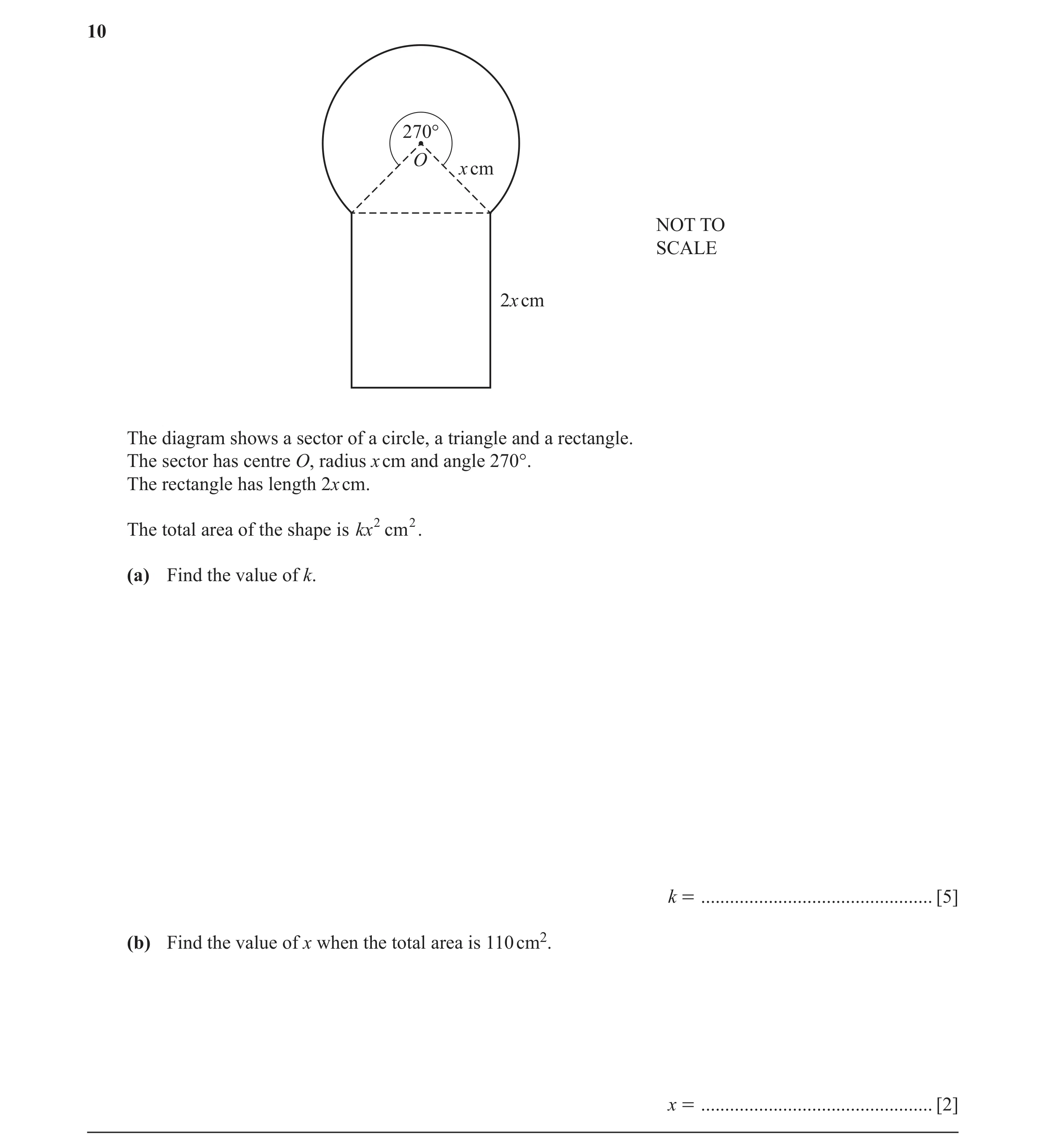 113 / 224
![Question 81: (a) Solve. x = 49 7 x = .................................................. [1] (b) Simplify. (i) x0 .......................................…](https://img.pastlit.com/crops/67ff3c06-0a27-4d25-bb3e-a94567b2523e/q2.webp) 114 / 224
114 / 224 115 / 224
 116 / 224
![Question 84: (a) Factorise. (i) 2 mn + m 2 - 6 n - 3m ................................................ [2] (ii) 4y 2 - 81 ..............................…](https://img.pastlit.com/crops/23aec1f2-14cb-4886-8915-911fc6e70031/q5.webp)
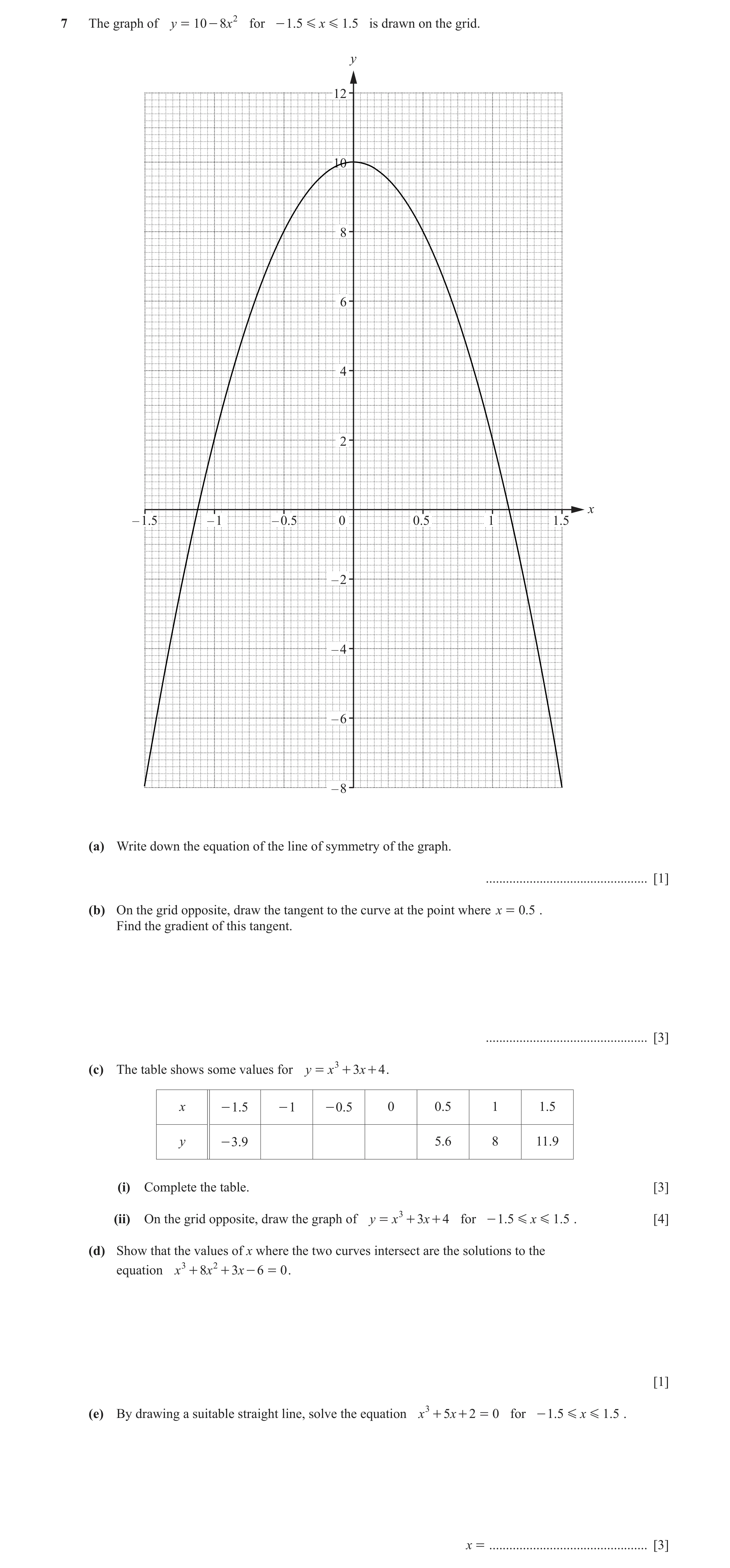
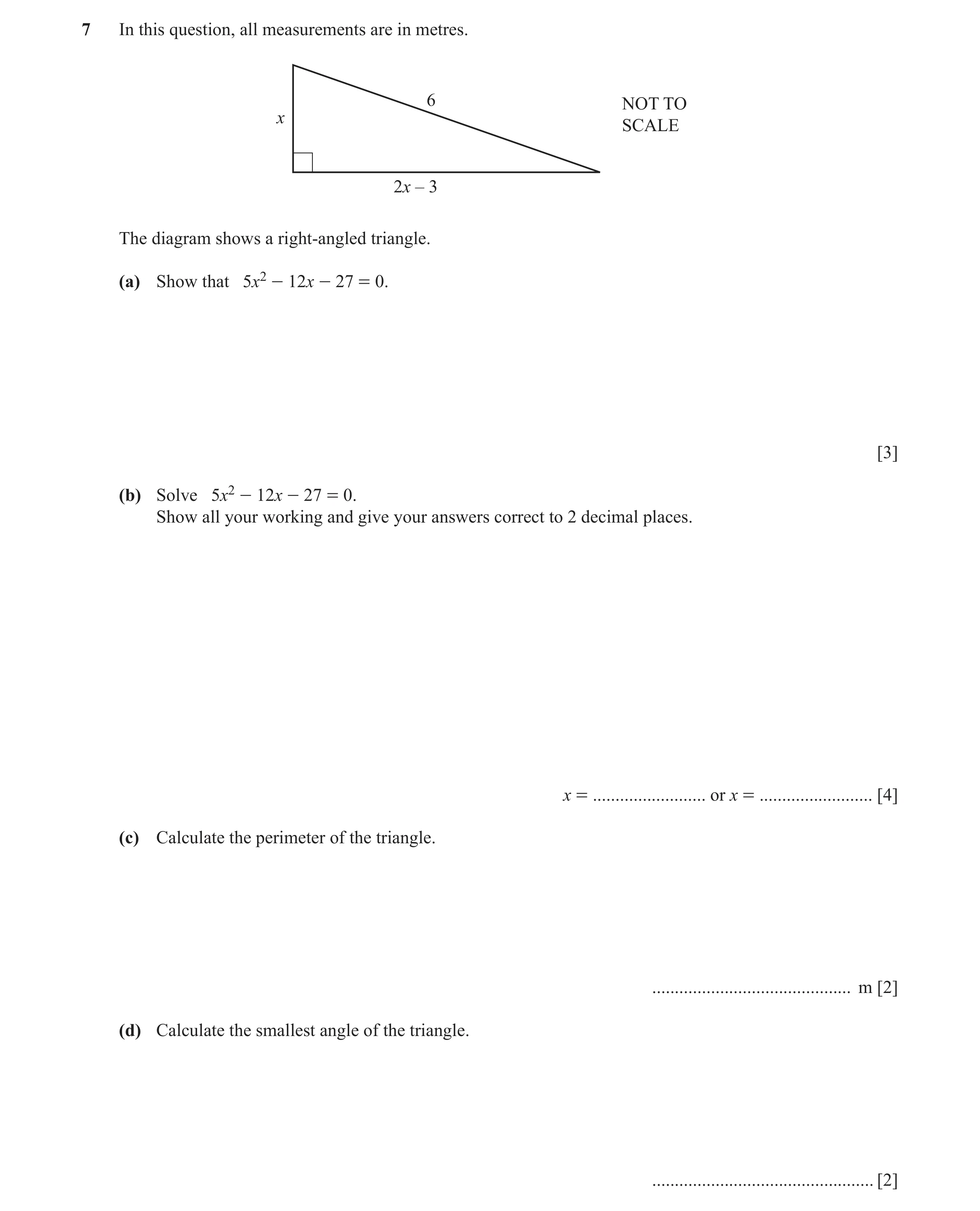 121 / 224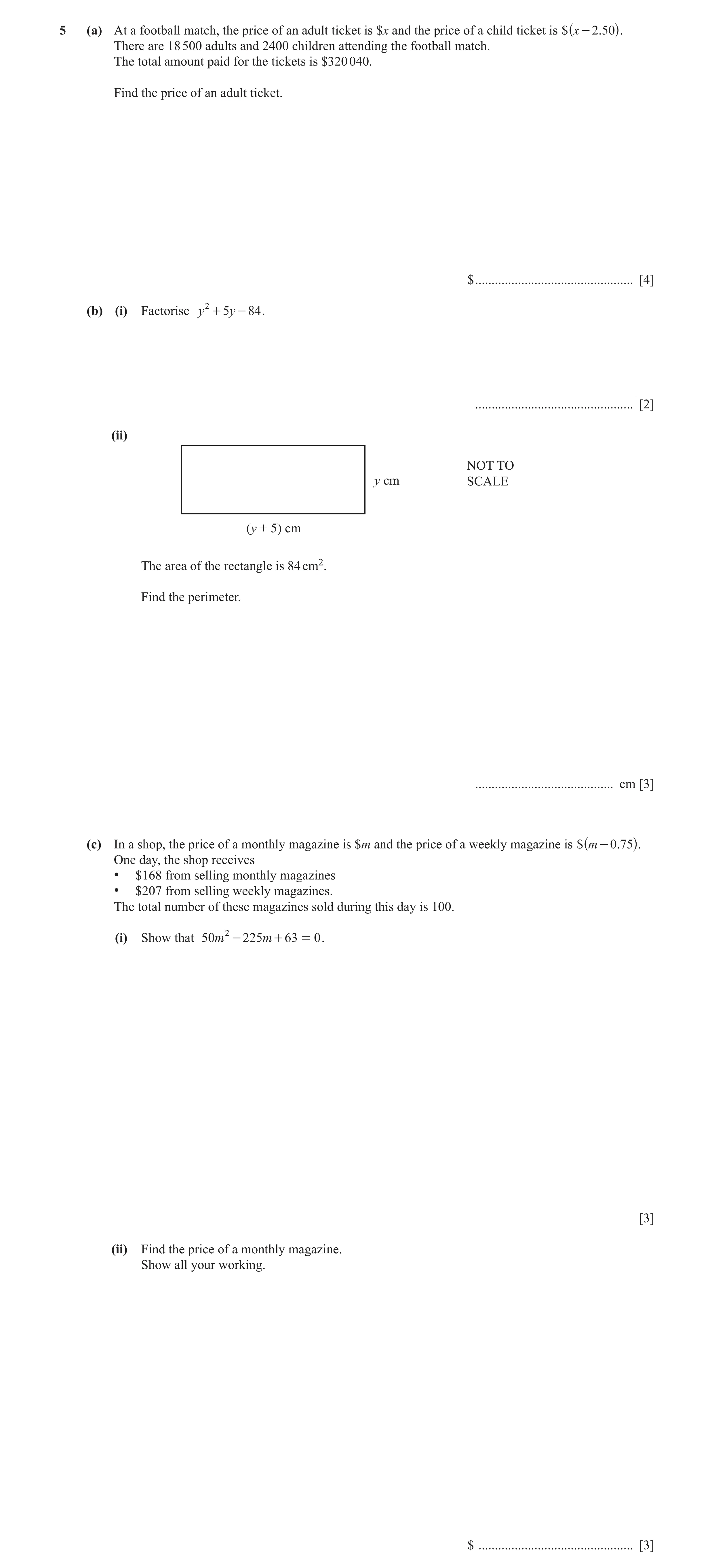
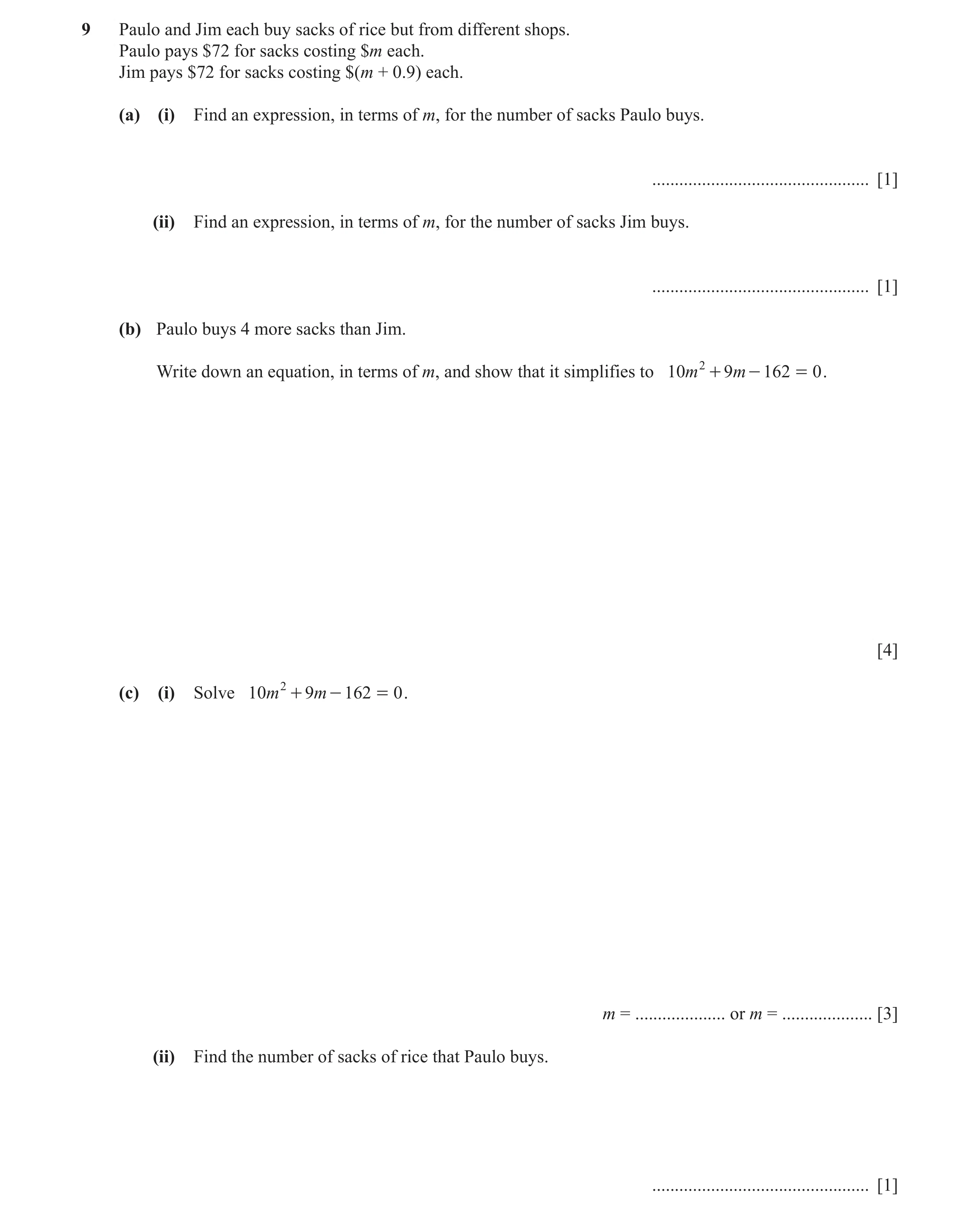 124 / 224
![Question 89: (a) Solve 30 + 2x = 3(3 – 4x). x = ................................................ [3] (b) Factorise 12ab3 + 18a3b2. .....................…](https://img.pastlit.com/crops/47934fa5-a68d-419a-88c2-85efc762fdb9/q2.webp)
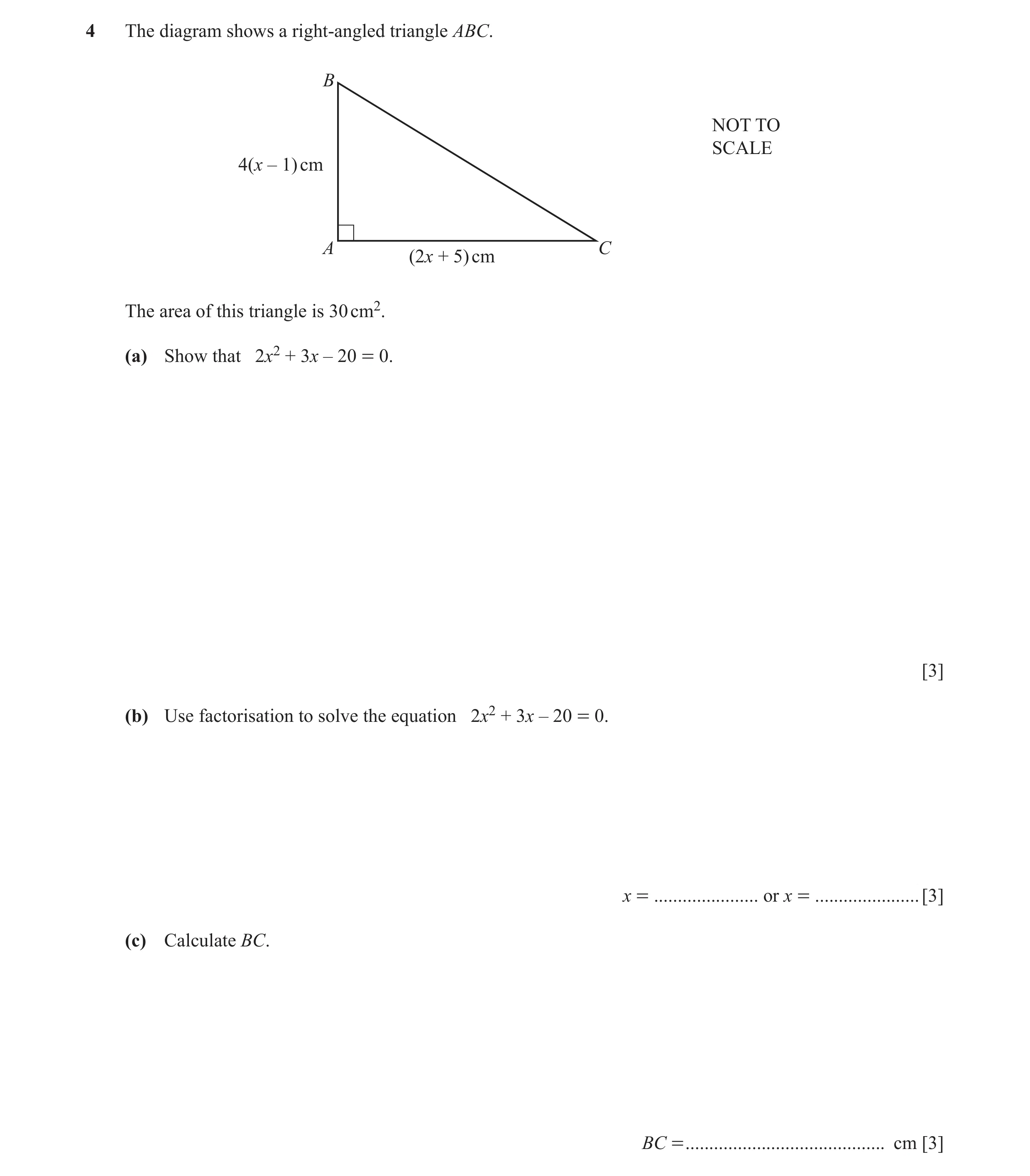 127 / 224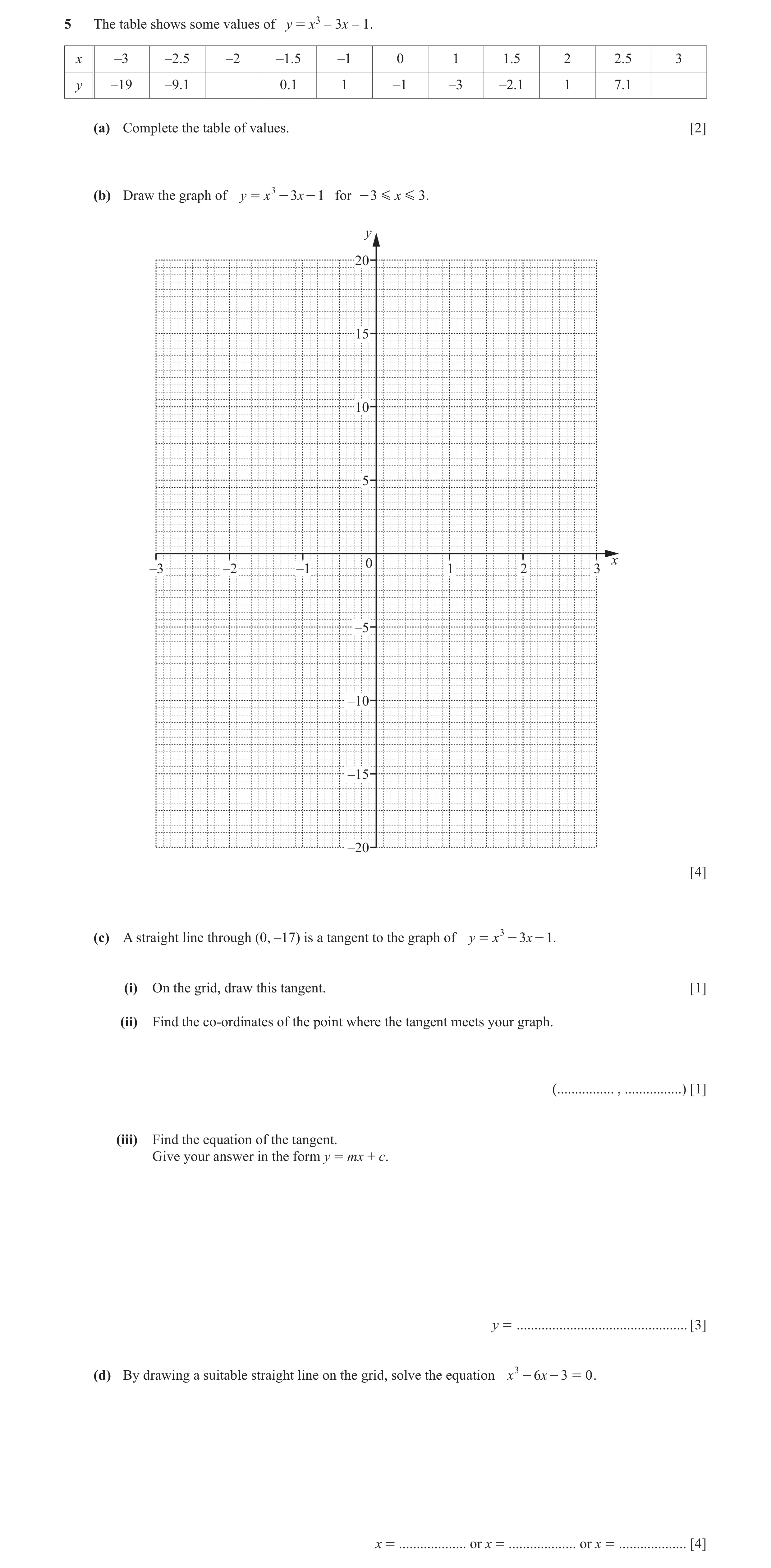
![Question 92: x 2 44 f (x) = - , x =Y 0 4 x (a) Complete the table for f ()x . x 0.5 1 2 3 4 5 6 f ()x –7.9 –3.8 0.9 5.5 8.3 [2] (b) The graph of y = f (…](https://img.pastlit.com/crops/58d0e2a6-36f4-4187-9df1-bfc6921c6e34/q4.webp)
 132 / 224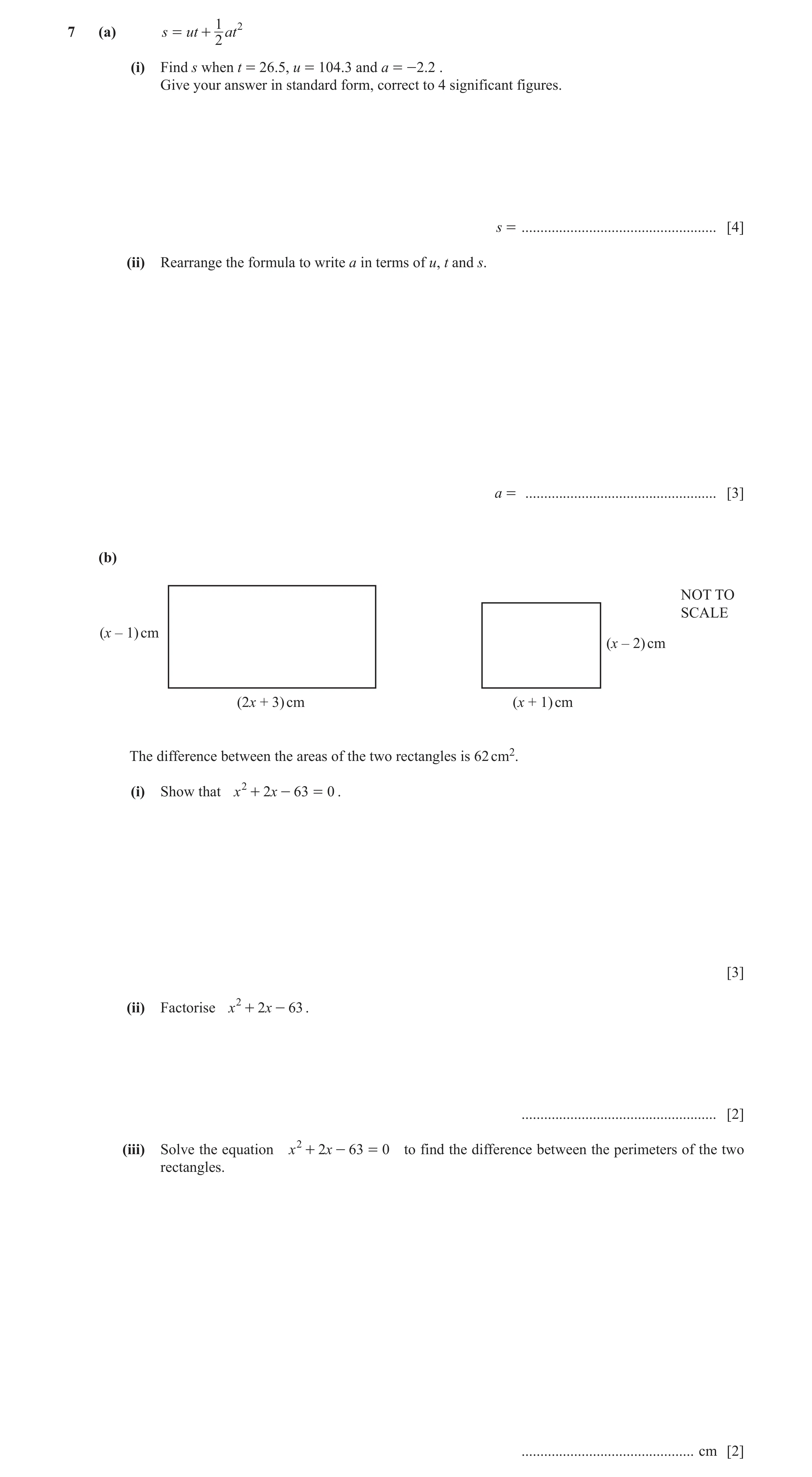
![Question 95: (a) Solve. 5x - 17 = 7x + 3 x = .............................................. [2] (b) Find the integer values of n that satisfy this inequ…](https://img.pastlit.com/crops/1096458e-68da-4f8e-8ddd-4ad563d06943/q2.webp) 135 / 224
135 / 224
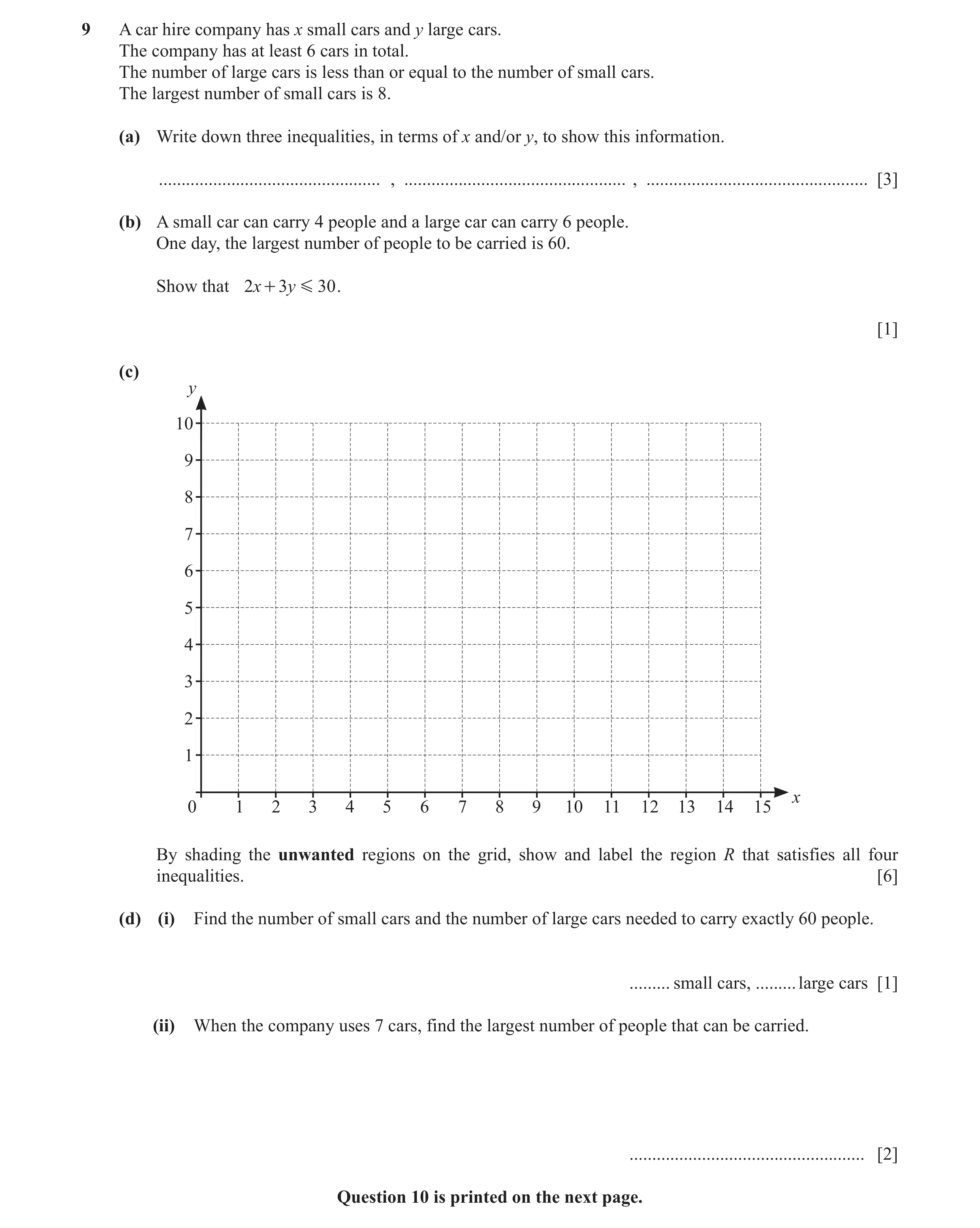 138 / 224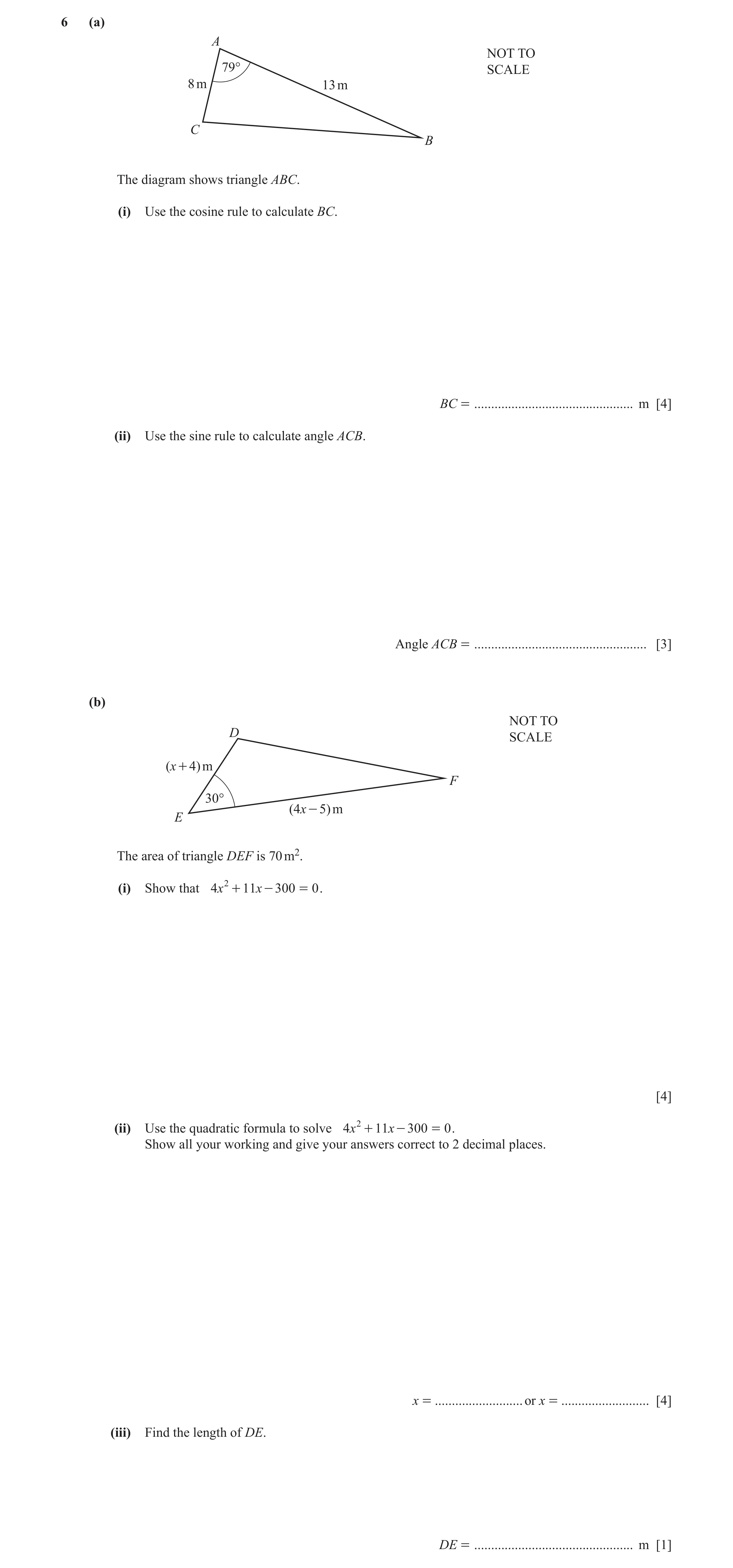
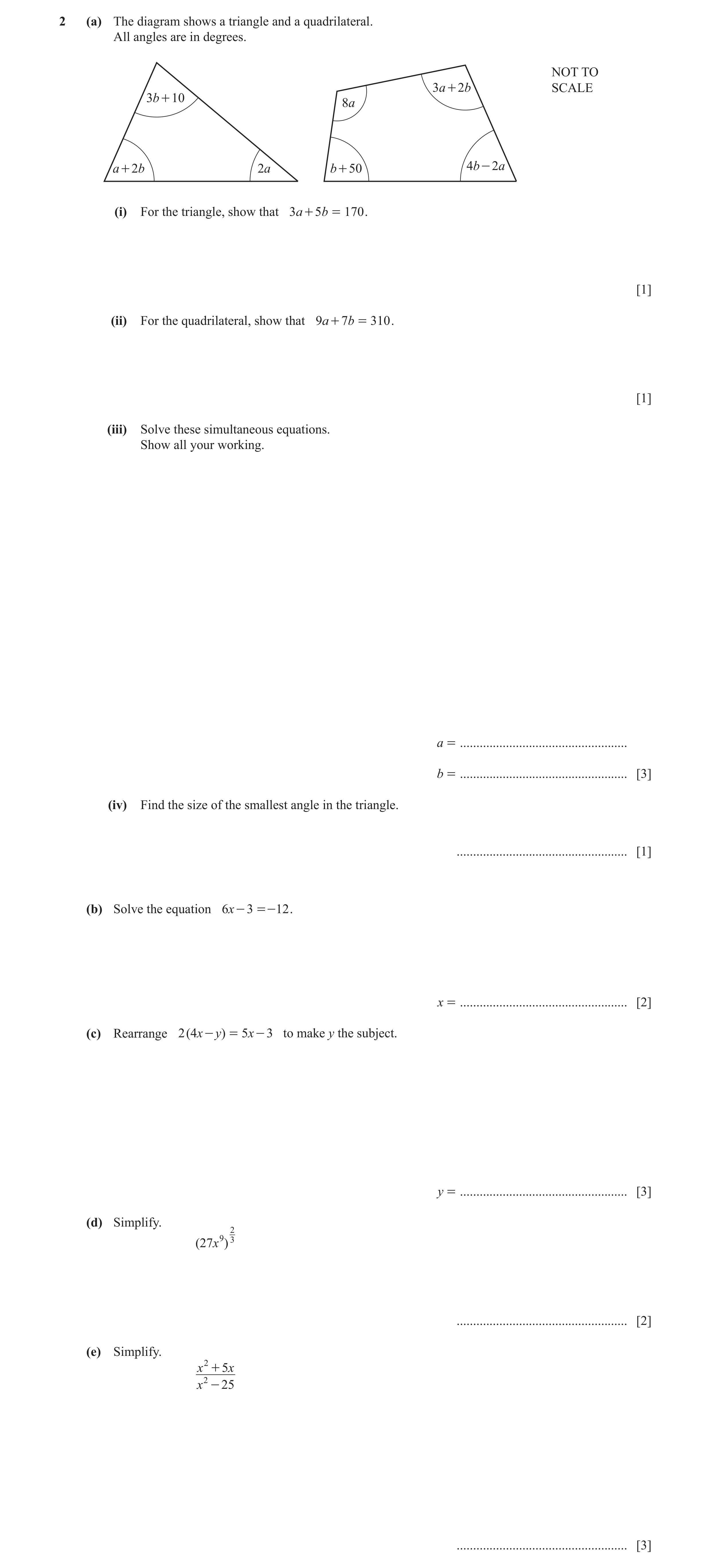
![Question 100: (a) s = ut + 12 at 2 Find the value of s when u = 5.2 , t = 7 and a = 1.6 . s = ................................................ [2] (b) Si…](https://img.pastlit.com/crops/45dd33a1-2153-428c-916c-1413986ef325/q3.webp)
![Question 101: (a) (i) Write x 2 + 8x - 9 in the form ( x + k) 2 + h . ................................................. [2] (ii) Use your answer to part …](https://img.pastlit.com/crops/095c80b3-c0c9-4e14-863c-ebd70b8ab26a/q9.webp)
![Question 102: (a) Solve the inequality. 3m + 12 G 8m - 5 ................................................. [2] (b) Solve the equation. 2x + 5 14 = 3 - x …](https://img.pastlit.com/crops/0004f1f3-f7b0-49c9-b90c-1ca681fa889e/q4.webp)
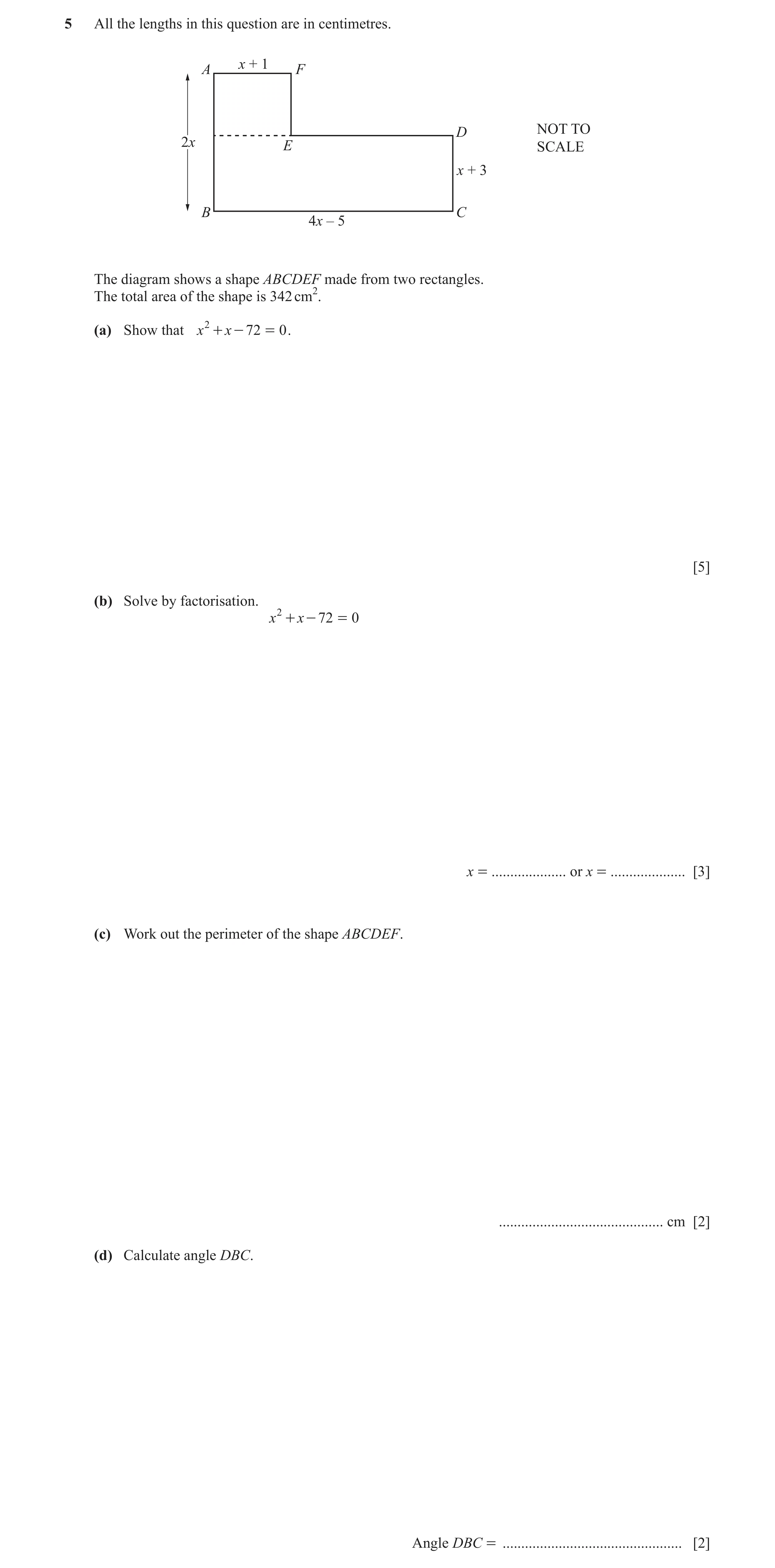
![Question 104: x11 f ( x) = 7 x - 4 g ( x) = , x ! 3 h ( x) = x2 x - 3 (a) Find g(6). ................................................. [1] (b) Find fg(4)…](https://img.pastlit.com/crops/0004f1f3-f7b0-49c9-b90c-1ca681fa889e/q11.webp)
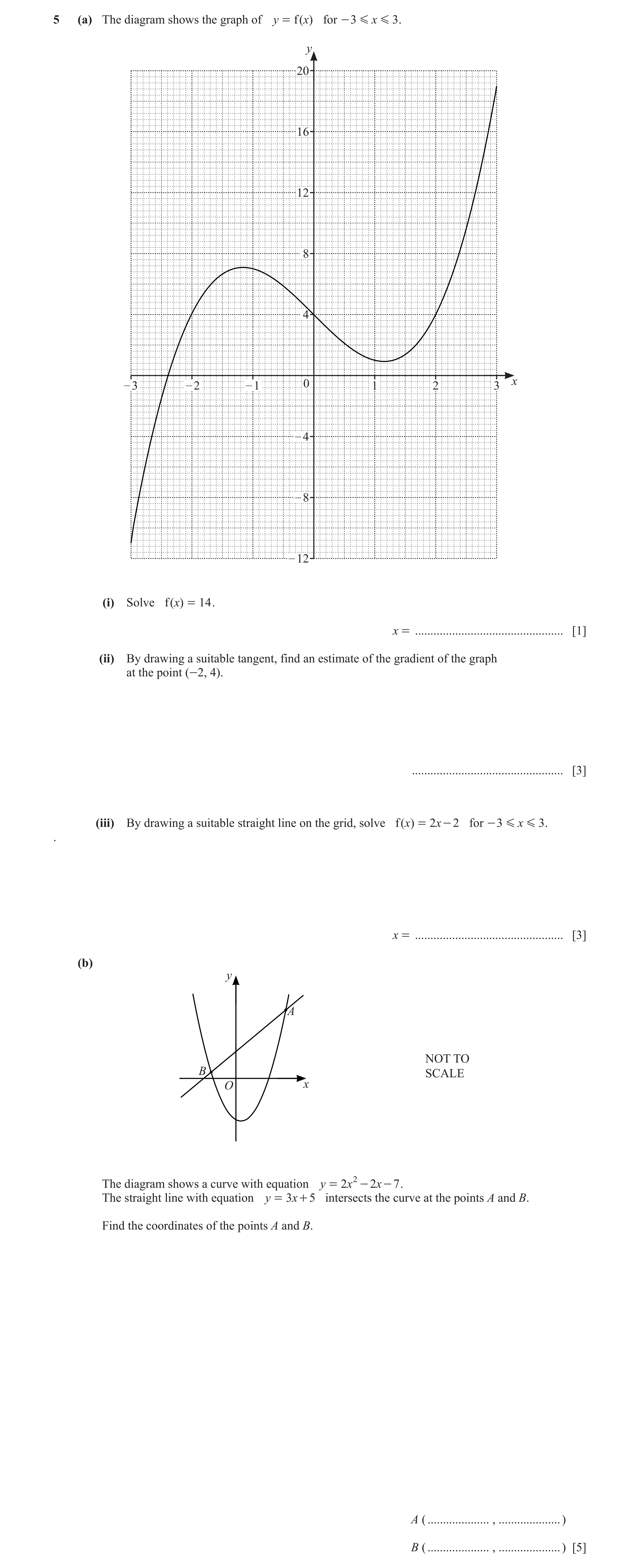
 154 / 224
![Question 108: f ( )x = 3 - 2 x g ( )x = x 2 + 5 h ( )x = x 3 (a) Find f ( - 5) . ................................................. [1] (b) Find ff(x). Gi…](https://img.pastlit.com/crops/3bc86dec-41c7-4584-9063-548c0708b750/q12.webp)
![Question 109: (a) Simplify, giving your answer as a single power of 7. (i) 7 5 # 7 6 ................................................. [1] (ii) 7 15 ' 7 …](https://img.pastlit.com/crops/a0b8f6e8-1247-43f9-ac8b-bffadb7aef51/q3.webp)
 158 / 224
![Question 111: (a) Solve. (i) 6 ( 7 - 2)x = 3x - 8 x = ................................................ [3] 2x 2 (ii) = x - 5 3 x = ......................…](https://img.pastlit.com/crops/9580b6f9-984a-4a4a-ab91-d0f2f6c38e3d/q4.webp)
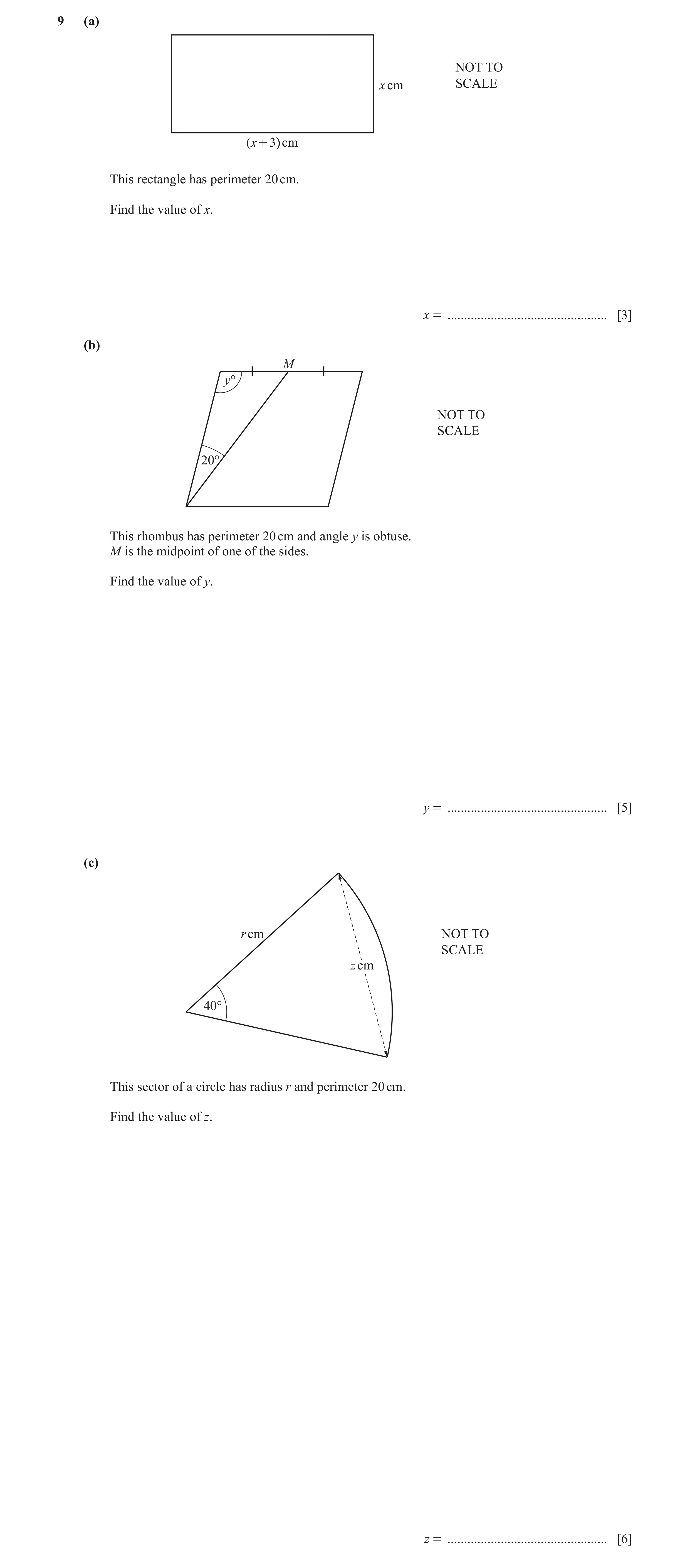
![Question 113: (a) Solve. (i) 4 ( 2x - 3) = 24 x = ................................................ [3] (ii) 6x + 14 2 6 .................................…](https://img.pastlit.com/crops/9d898687-f275-4f62-9d49-6fc71bdb9633/q6.webp)
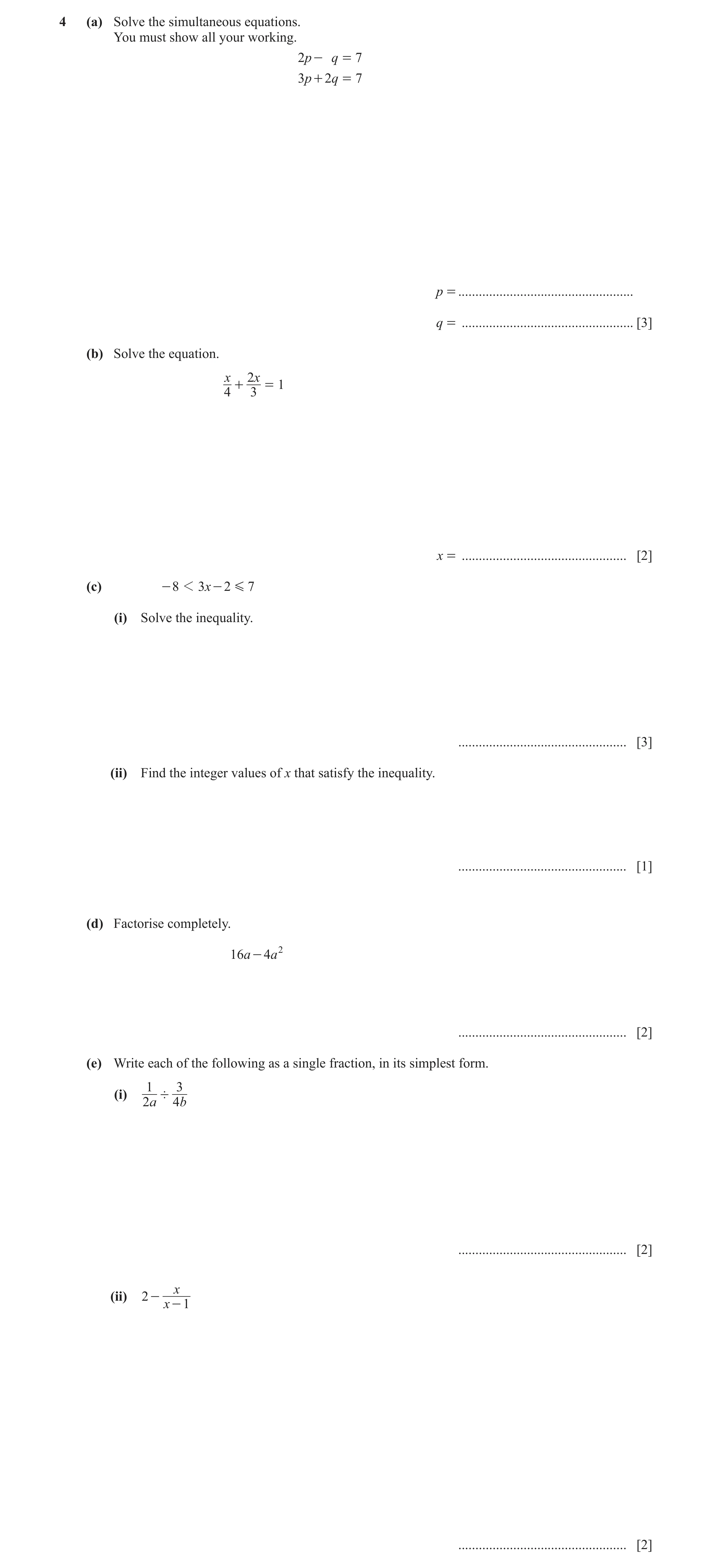
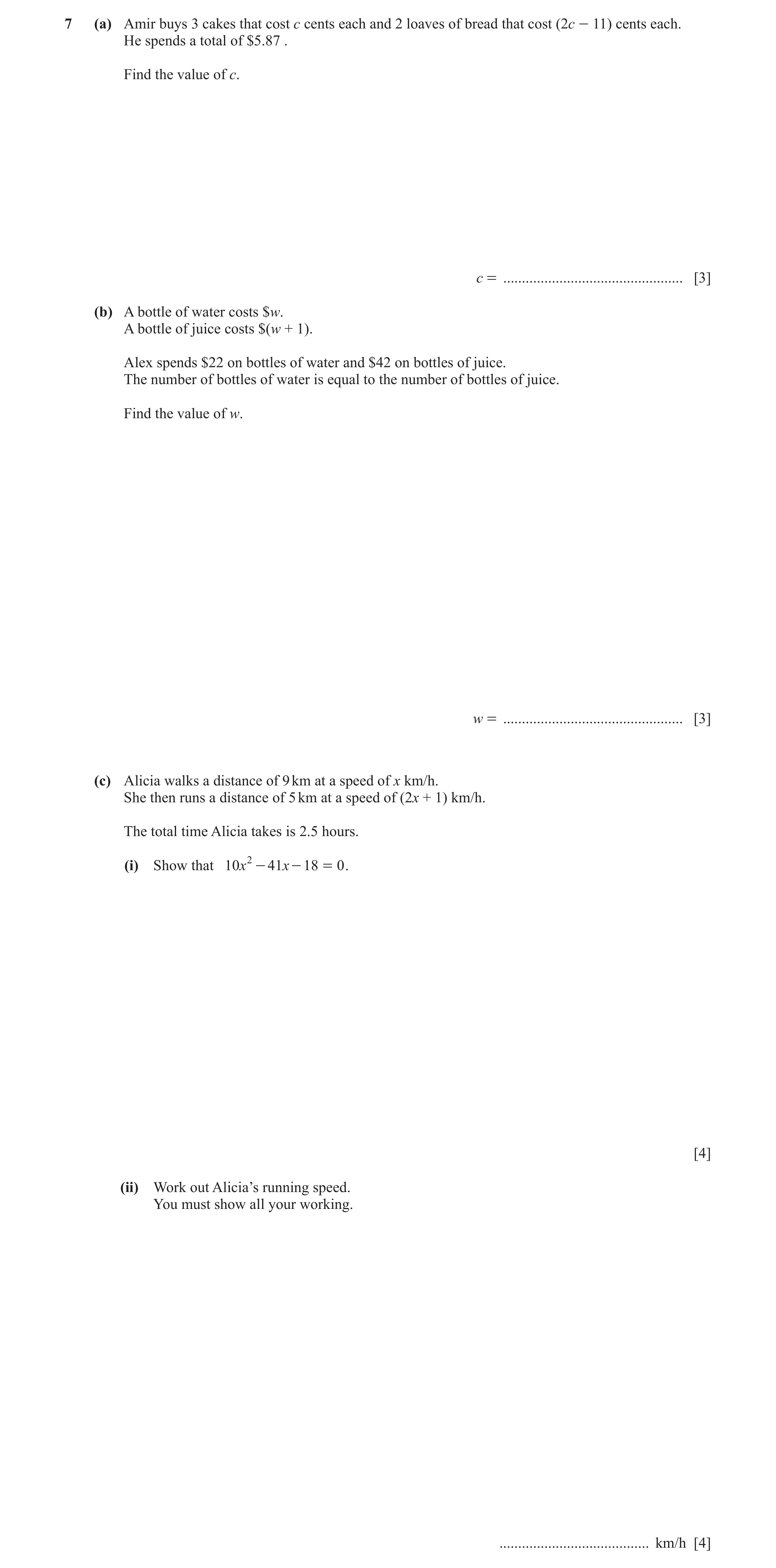
![Question 116: f ( )x = 1 + 4 x g ( )x = x 2 (a) Find (i) gf(3), ................................................. [2] (ii) fg(x), .......................…](https://img.pastlit.com/crops/5326e4d7-61a6-4578-b233-f7b12ea9a152/q3.webp) 167 / 224
167 / 224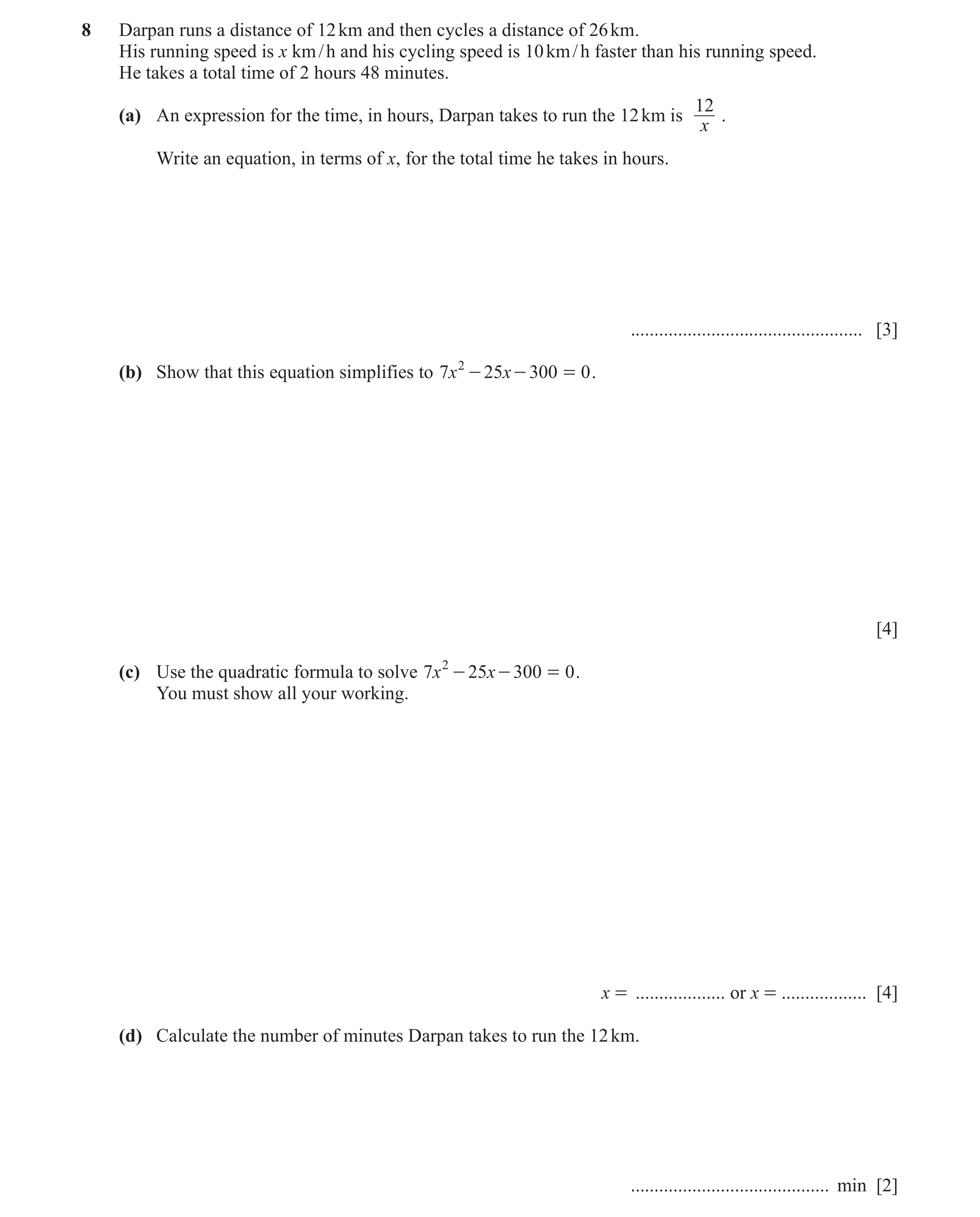 168 / 224
![Question 118: (a) Expand and simplify. ( x + 1)( x - 2)( x + 3) ................................................. [3] (b) Make g the subject of the formu…](https://img.pastlit.com/crops/5326e4d7-61a6-4578-b233-f7b12ea9a152/q10.webp) 169 / 224
169 / 224
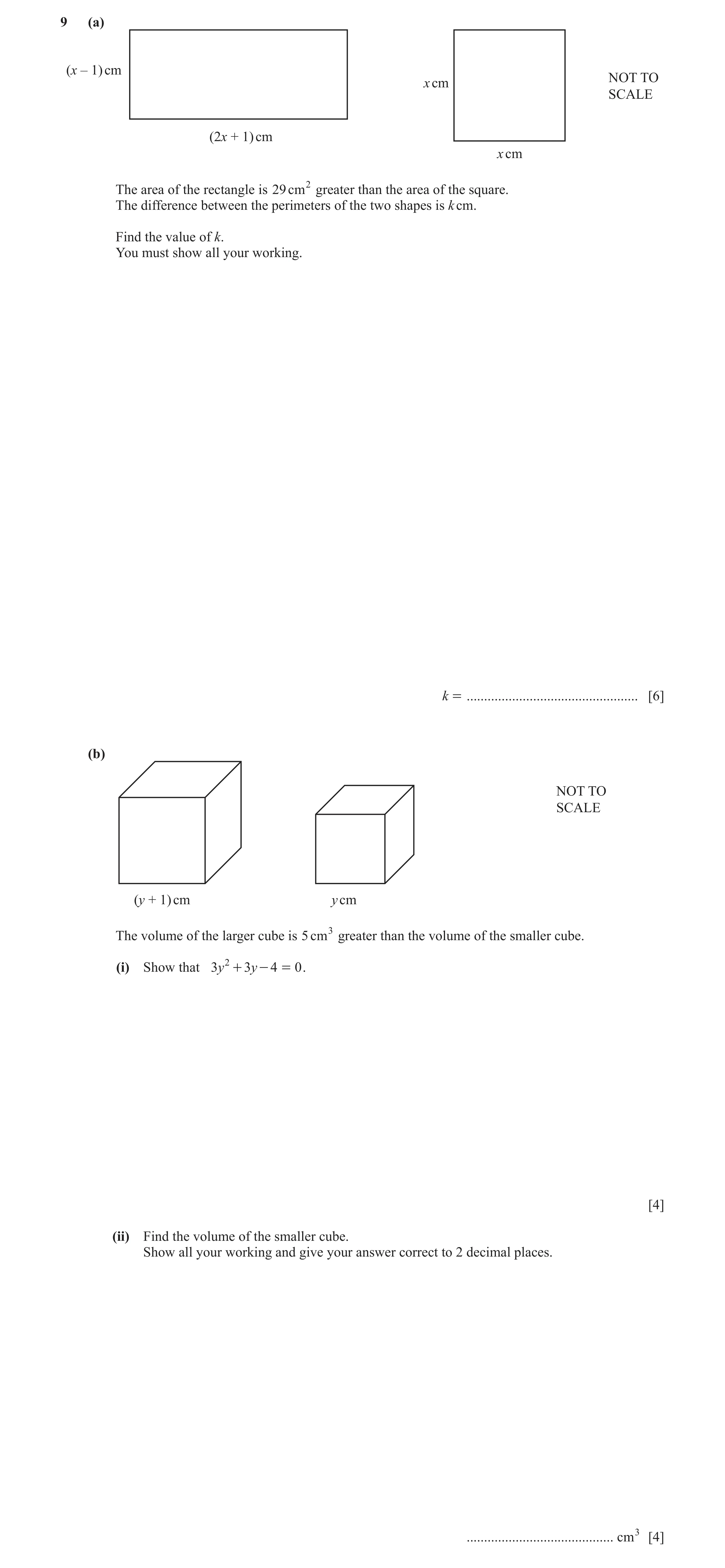
![Question 121: (a) Solve. 10 - 3p = 3 + 11p p = ................................................ [2] (b) Make m the subject of the formula. mc 2 - 2k = mg…](https://img.pastlit.com/crops/29ef37e9-dd2c-4fce-91ee-a10d2f60d3a3/q8.webp)
![Question 122: (a) Simplify. a - 2b - 3a + 7b ................................................. [2] (b) Expand and simplify. 4 ( x - 5) - ( 3 - 2x) ......…](https://img.pastlit.com/crops/51c9f36d-0ba1-44ca-b5e3-5952d1fb07d6/q6.webp)
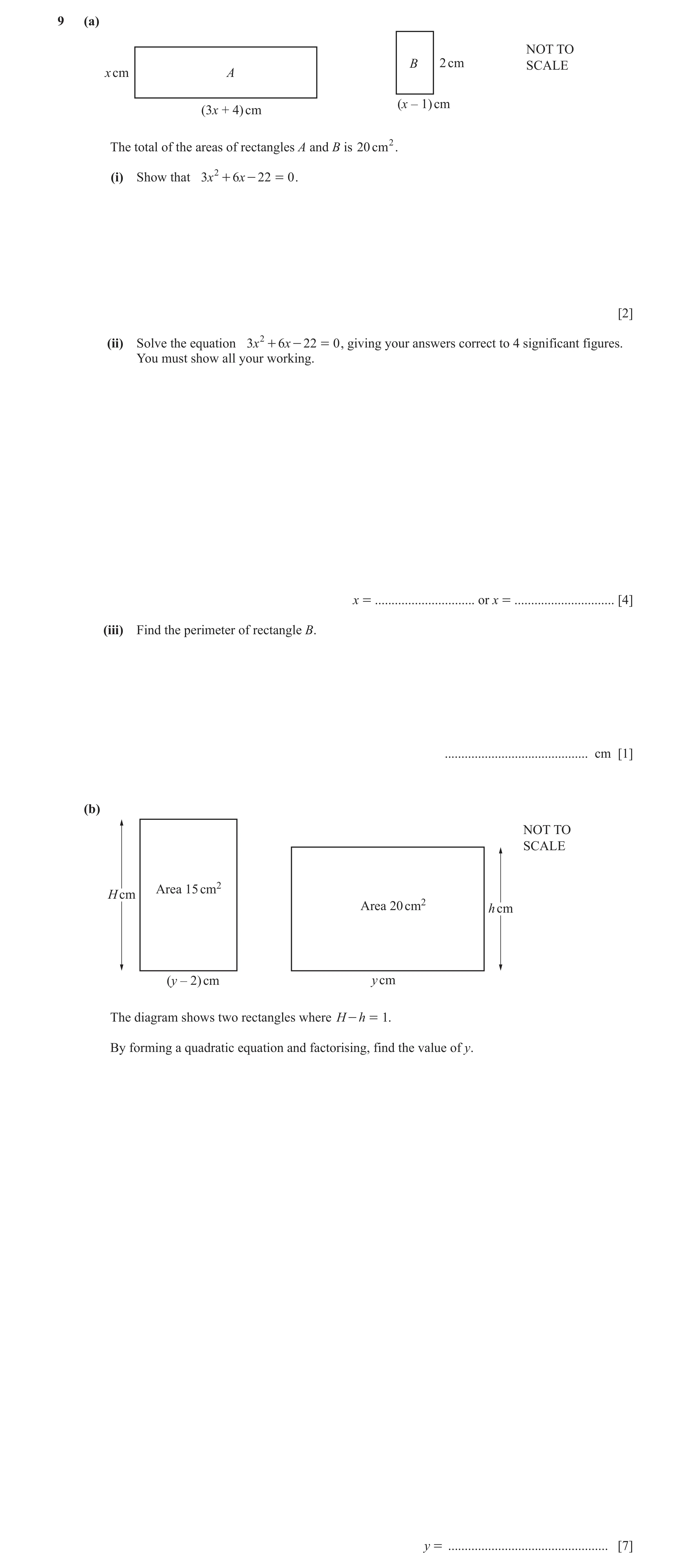
![Question 126: (a) Solve. 4x + 15 = 9 x = ................................................. [2] (b) Factorise. a 2 - 9 ...................................…](https://img.pastlit.com/crops/0a42b427-c50f-4170-b6b1-e9ad231147e3/q6.webp)
![Question 127: m 20511 (a) = e40mo 2 Find the two possible values of m. m = ...................... or ...................... [3] (b) A B P NOT TO a SCALE …](https://img.pastlit.com/crops/0a42b427-c50f-4170-b6b1-e9ad231147e3/q11.webp)
![Question 128: (a) Simplify fully. (i) p 3 # p 11 ................................................. [1] 18 m 6 (ii) 2 3m .................................…](https://img.pastlit.com/crops/1ae5a53e-dcf7-49a0-8504-9c6b3f524ec6/q2.webp)
![Question 129: (a) P = 5k 2 - 7 (i) Find the value of P when k = 3 . P = ................................................. [2] (ii) Rearrange the formula …](https://img.pastlit.com/crops/1ae5a53e-dcf7-49a0-8504-9c6b3f524ec6/q6.webp)
![Question 130: (a) Expand and simplify. ( 2p 2 - 3 )( 3p 2 - 2) ................................................. [2] 1 (b) s = ( u + v) t 2 (i) Find the …](https://img.pastlit.com/crops/9d161d62-f49c-47ff-8188-f324767206b1/q5.webp) 187 / 224
187 / 224![Question 131: (a) NOT TO SCALE 9 cm 12 cm Calculate the area of the triangle. ........................................ cm2 [2] (b) C NOT TO SCALE h A B A…](https://img.pastlit.com/crops/9d161d62-f49c-47ff-8188-f324767206b1/q8.webp) 188 / 224
188 / 224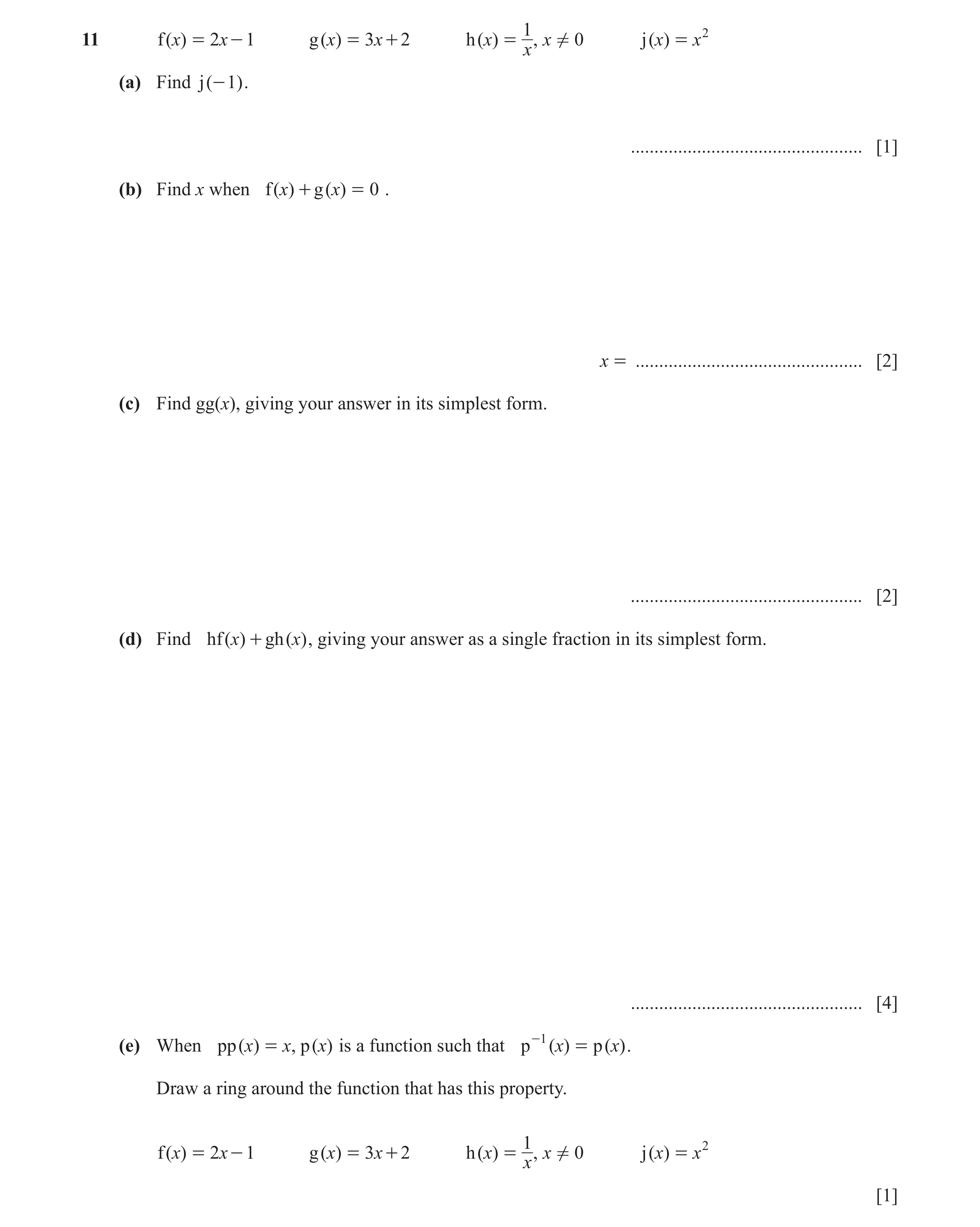 189 / 224
![Question 133: (a) Factorise fully. (i) 27y 2 - 3 ................................................. [3] (ii) 2m - pk + 2 k - pm ..........................…](https://img.pastlit.com/crops/41774461-4eaf-4710-bae0-d49864f3c5ea/q7.webp)
![Question 134: (a) Simplify. (i) ( 3x 2 y 4 ) 3 ................................................. [2] 3 16 - 2 (ii) 16 8 e x y o .........................…](https://img.pastlit.com/crops/72415a6a-4580-45c7-8cc9-9a2b5f55f83c/q9.webp)
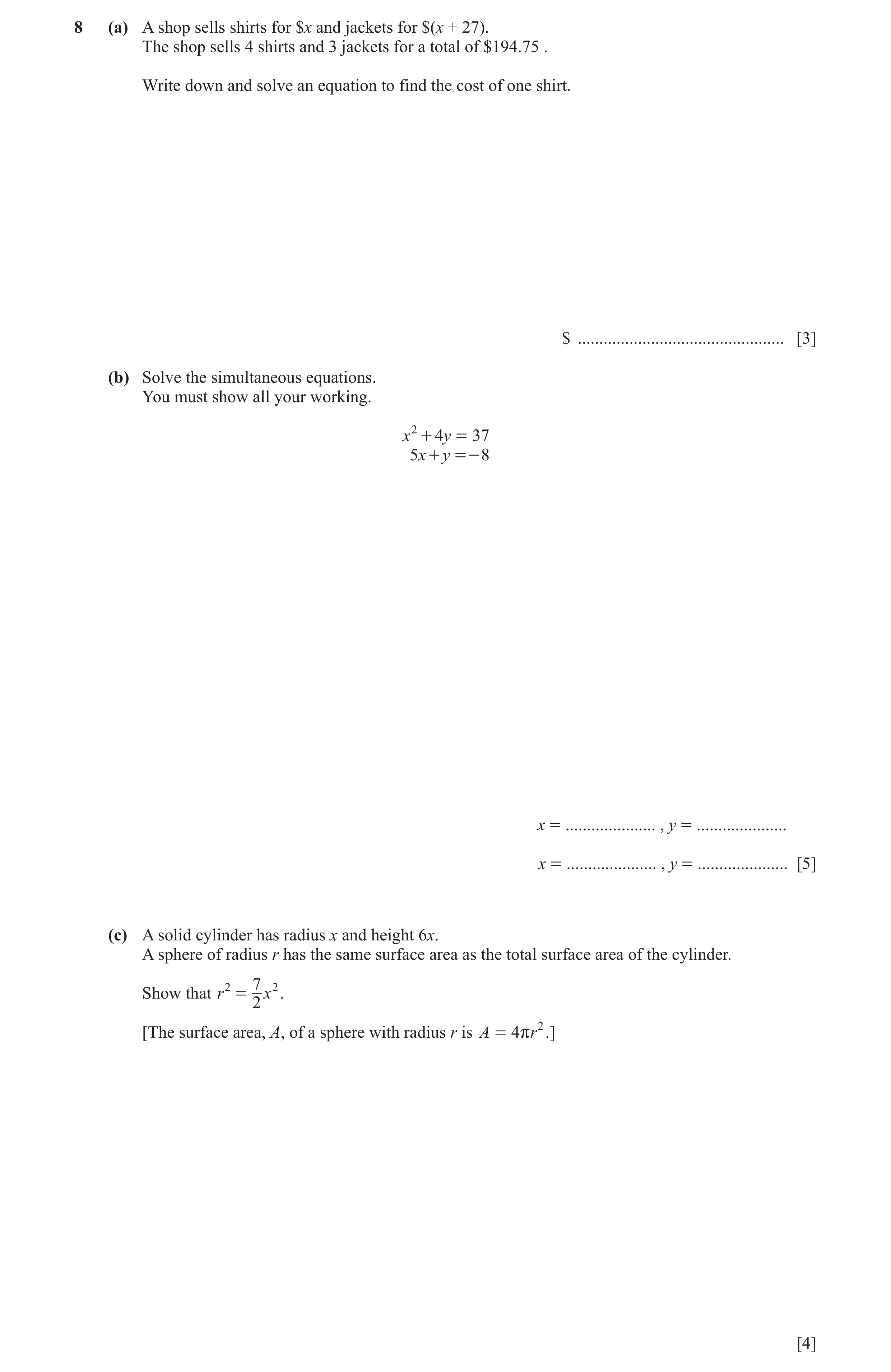
![Question 136: 22 (a) s = at 2 Find the value of s when a = 9.8 and t = 20 . s = ................................................ [2] (b) Solve. 5 ( 4y - …](https://img.pastlit.com/crops/76af3b34-d759-43c3-b2e6-f4d4d8738582/q2.webp) 194 / 224
194 / 224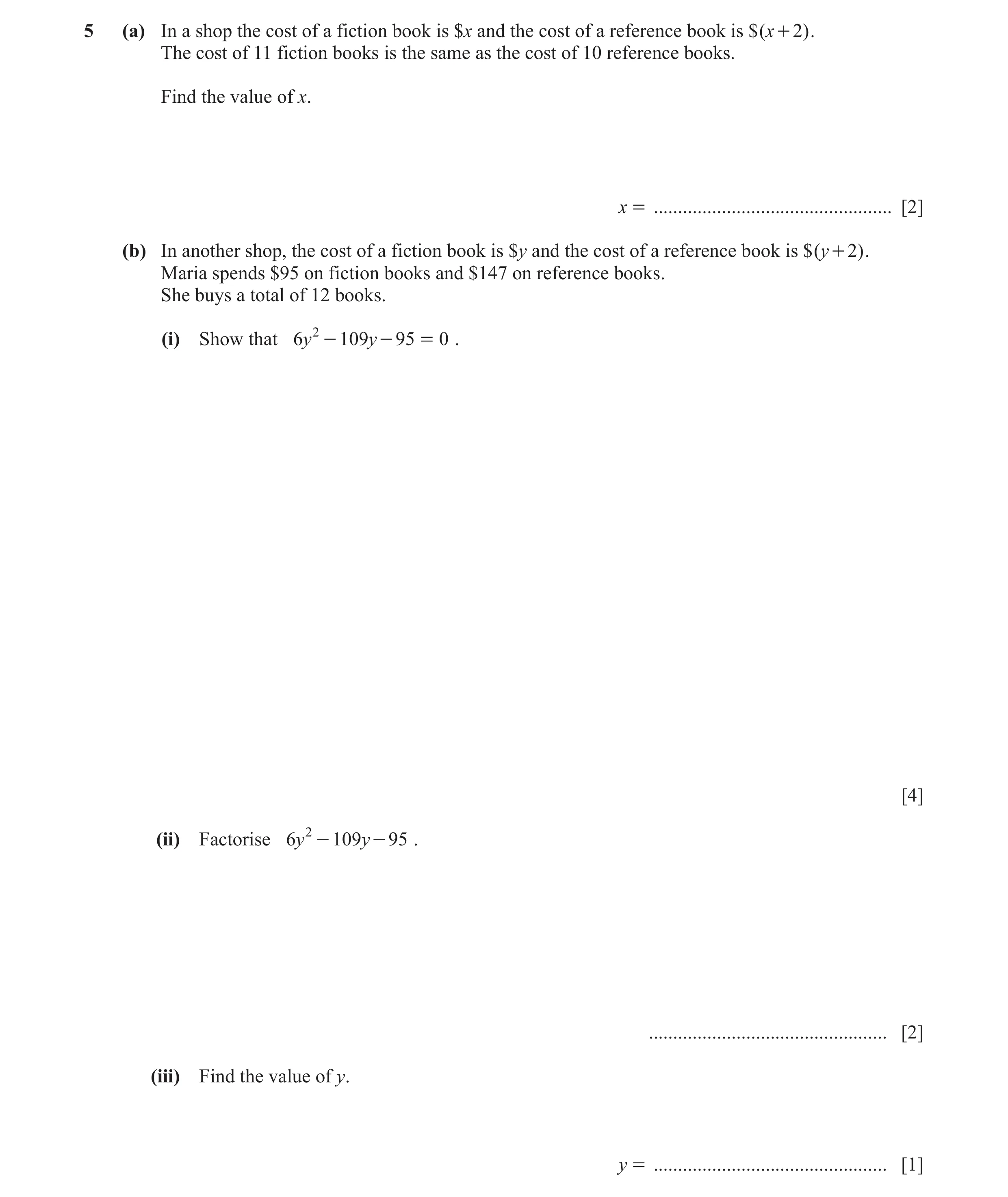 195 / 224
![Question 138: (a) Expand and simplify. 4 ( 2x - 1) - 6 ( 3 - x) ................................................. [2] (b) Factorise completely. (i) 6x 2 …](https://img.pastlit.com/crops/dca4ee8c-3807-4254-b80c-98079cac874b/q10.webp)
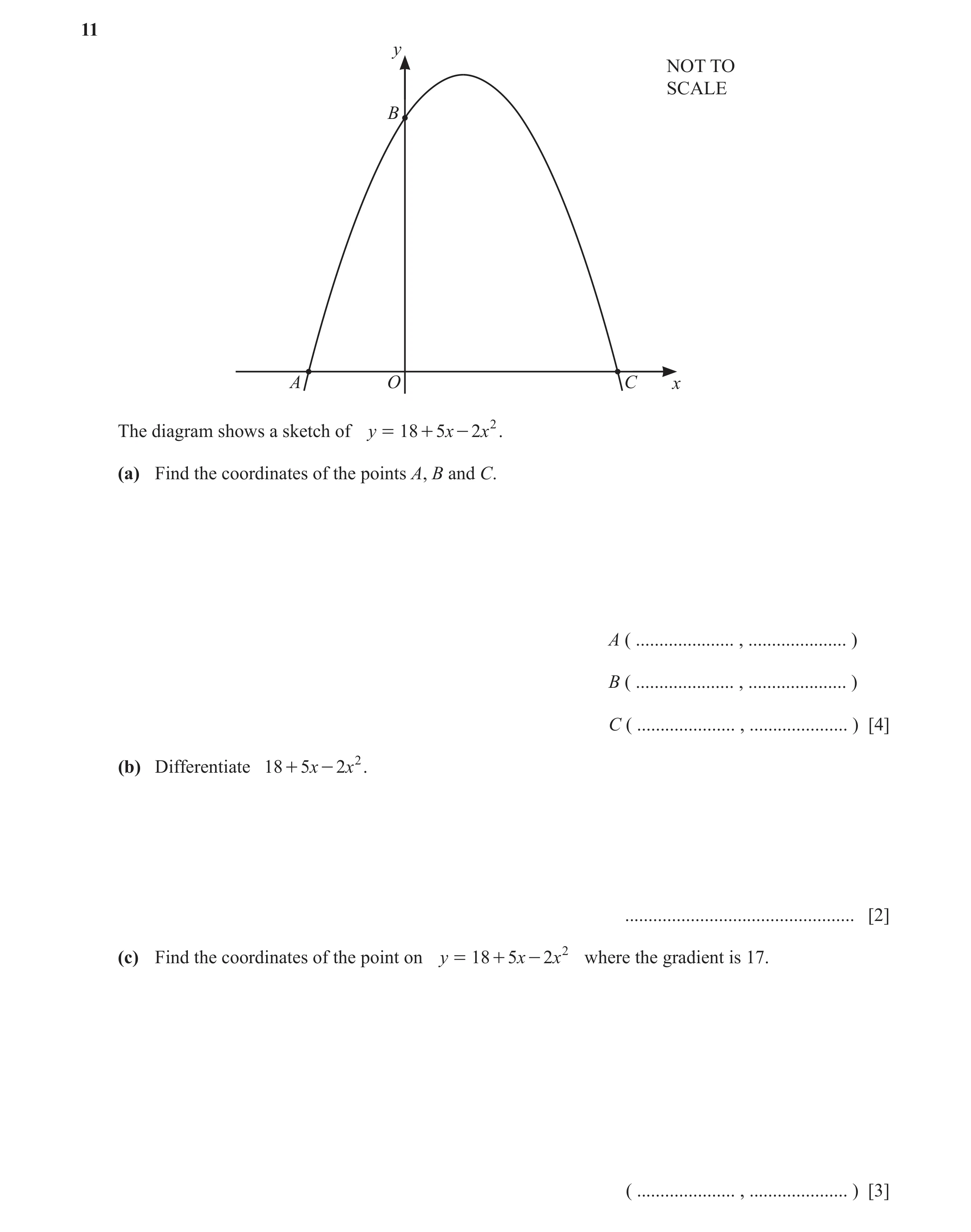 198 / 224
![Question 140: (a) (i) Factorise. x 2 - x - 12 ................................................. [2] (ii) Simplify. x 2 - 16 x 2 - x - 12 ................…](https://img.pastlit.com/crops/2d32dc4a-fea3-4971-ba15-0adf44bcb83e/q5.webp)
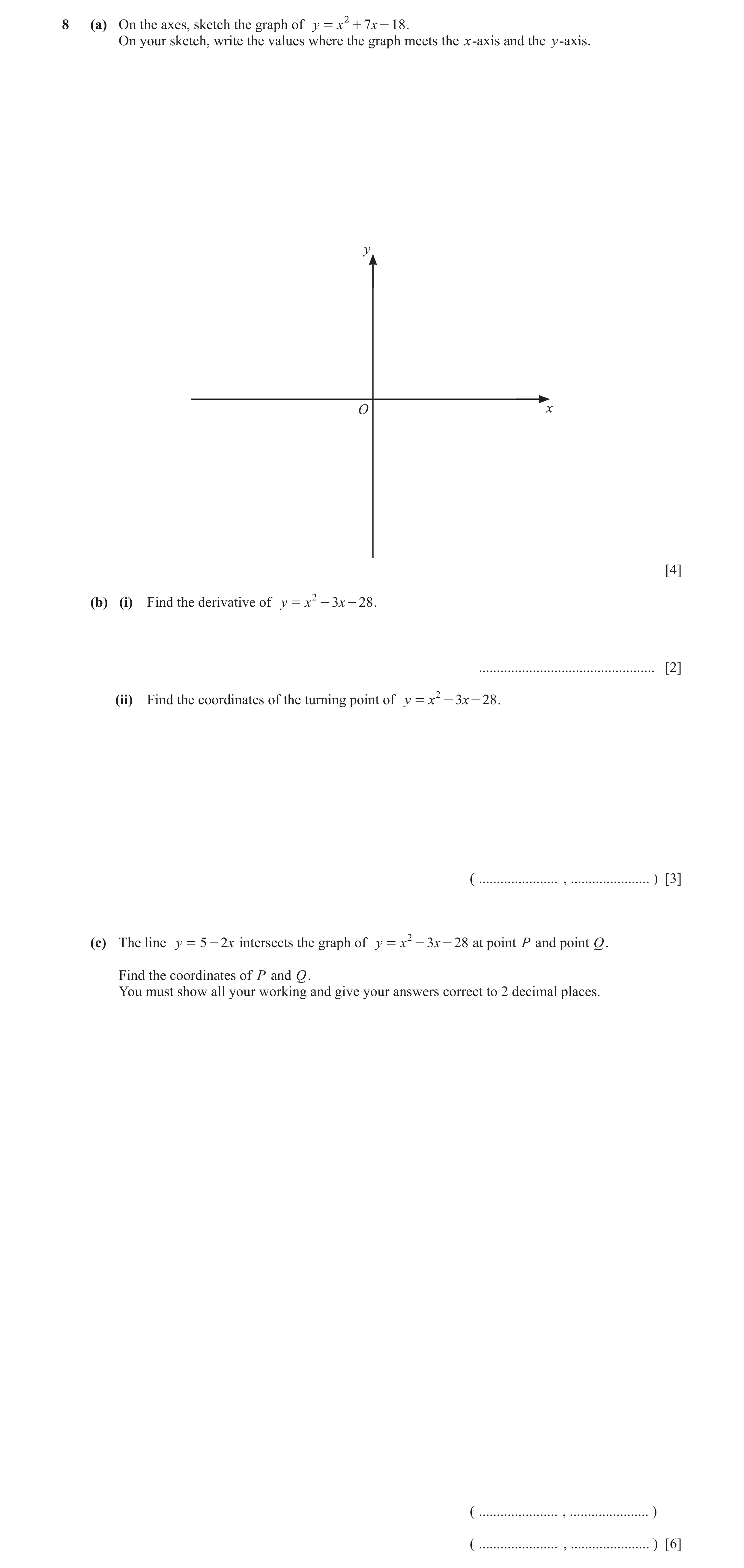
![Question 142: (a) Solve 3x - 8 = 6 - 4x . x = ................................................ [2] (b) Factorise fully 10a 2 + 5a . .....................…](https://img.pastlit.com/crops/a1e889c4-03dd-4991-9c74-9db58add0406/q7.webp) 203 / 224
203 / 224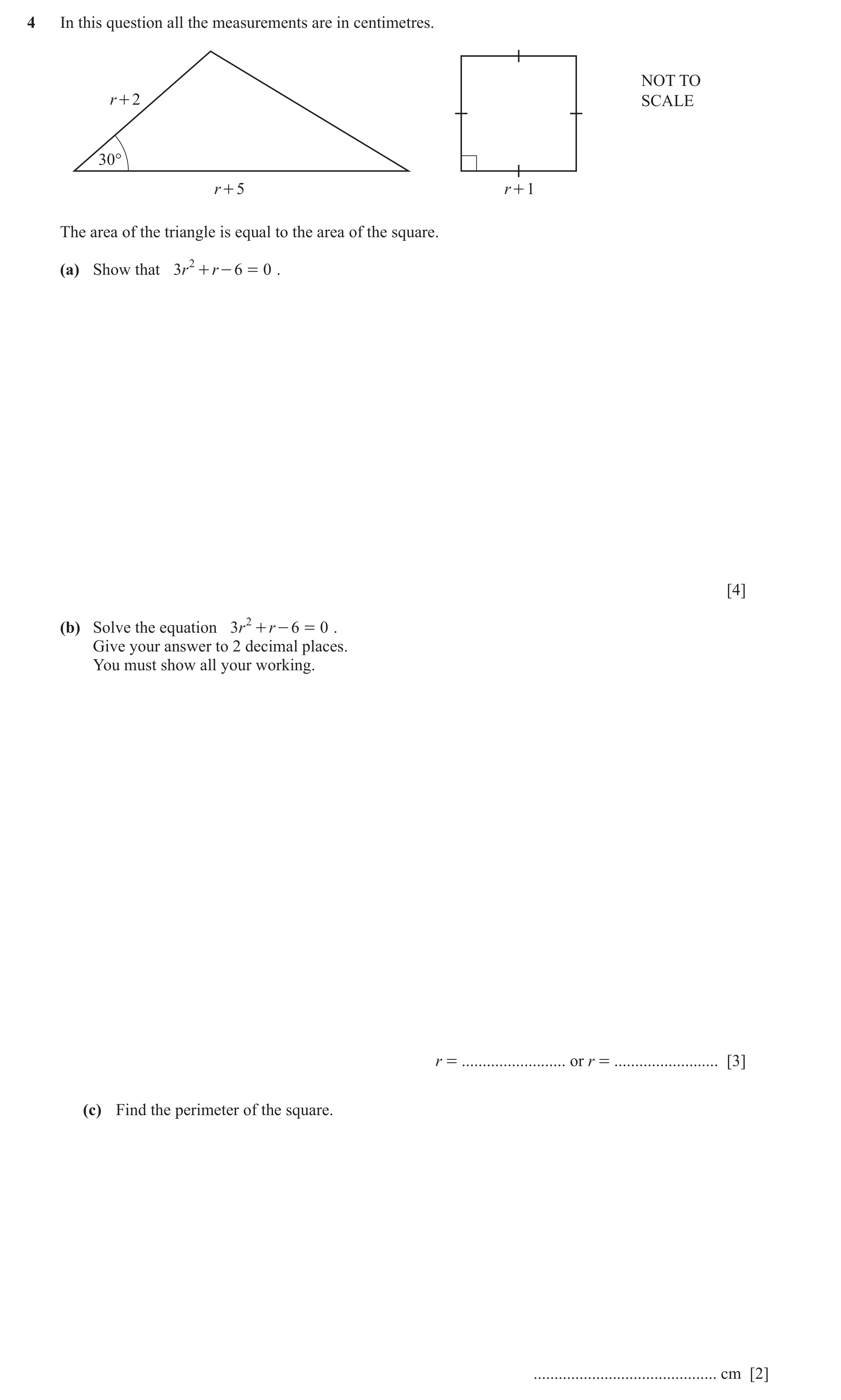
![Question 144: (a) (i) Write 70 as a product of its prime factors. ................................................. [2] (ii) Find the highest common fact…](https://img.pastlit.com/crops/a9b76cd8-c793-4fd6-ae10-893dc9091bb8/q1.webp)
![Question 145: (a) NOT TO SCALE ( x + 1)cm ( 2x + 3)cm This rectangle has area 190 cm2. (i) By forming and solving an equation, show that x = 8.5 . [4] (i…](https://img.pastlit.com/crops/a9b76cd8-c793-4fd6-ae10-893dc9091bb8/q10.webp)
![Question 146: (a) Simplify. (i) 3m - 5n - 4 m + 8 n ................................................. [2] (ii) ( 3a 2 c 3 ) 4 ...........................…](https://img.pastlit.com/crops/4ca84b30-42af-4f86-acac-788e8f6684cd/q3.webp)
![Question 147: u 10 6 (a) Simplify # . 5y 3u ................................................. [2] (b) Expand and simplify ( x - 1)( x + 2)( x + 3) . ....…](https://img.pastlit.com/crops/49d64b49-6296-4e3d-a27c-8771a568587e/q6.webp) 210 / 224
210 / 224![Question 148: (a) (i) 13 cm NOT TO 8 cm SCALE 9 cm Calculate the area of the trapezium. .......................................... cm2 [2] (ii) ( y + 4) …](https://img.pastlit.com/crops/49d64b49-6296-4e3d-a27c-8771a568587e/q7.webp)
 215 / 224
![Question 151: (a) Write down all the factors of 18. ..................................................................... [2] (b) Factorise. 3y - xy + 15…](https://img.pastlit.com/crops/de4b468b-4d1b-4117-b2d8-bbf753ec3837/q10.webp)
![Question 152: Make x the subject of this formula. A = w 2 + 5x 2 x = ................................................ [3]](https://img.pastlit.com/crops/de4b468b-4d1b-4117-b2d8-bbf753ec3837/q13.webp) 216 / 224
216 / 224
 217 / 224
 218 / 224
![Question 156: (a) Sketch the graph of y = sin x for 0° G x G 360° . y 1 0 360° x – 1 [2] (b) Solve the equation 2 + 5 sinx = 1 for 0° G x G 360° . x = ..…](https://img.pastlit.com/crops/f1a3657f-3c14-488d-9db1-eaf815aec653/q25.webp) 219 / 224
219 / 224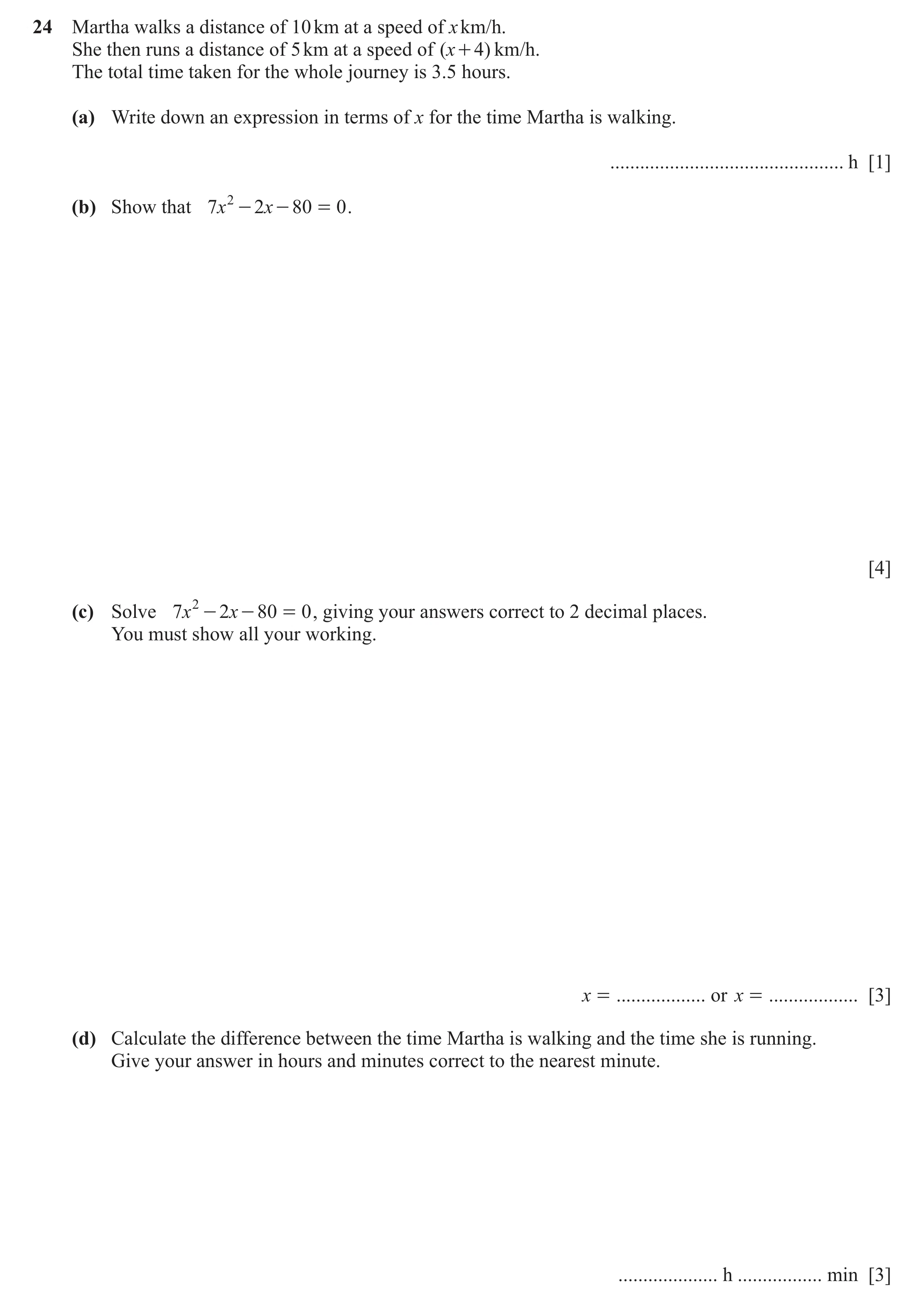 220 / 224
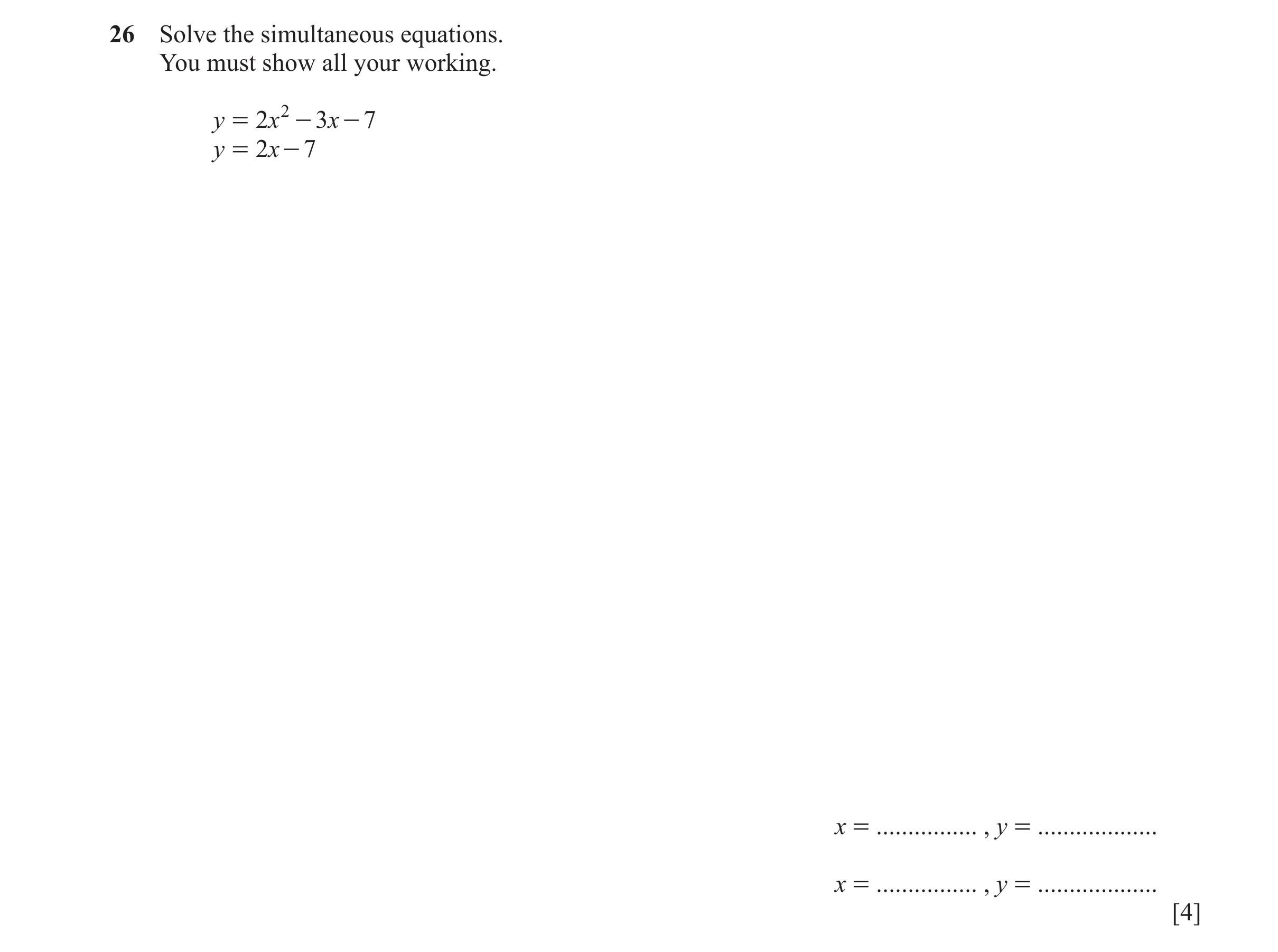 221 / 224
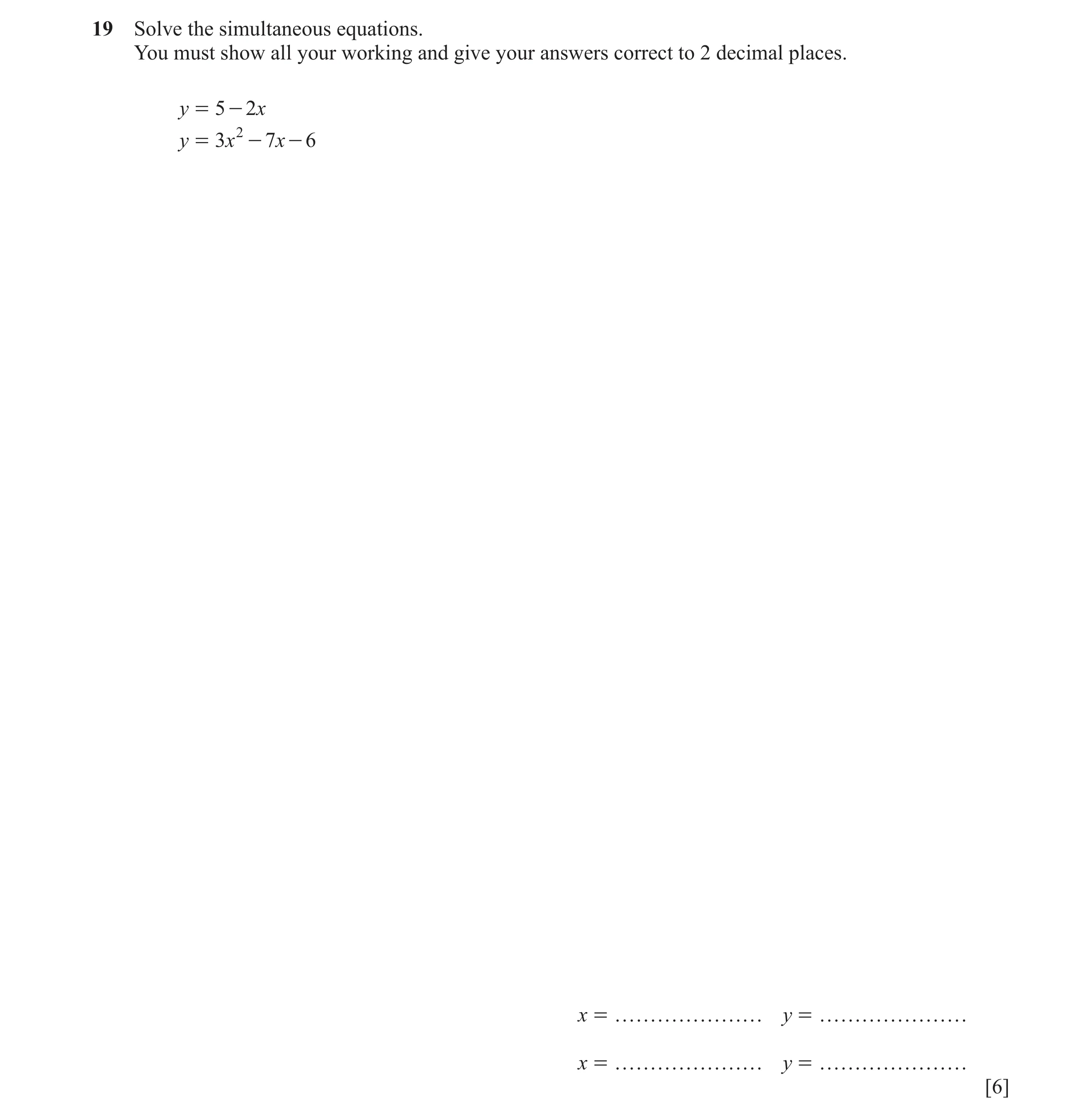 222 / 224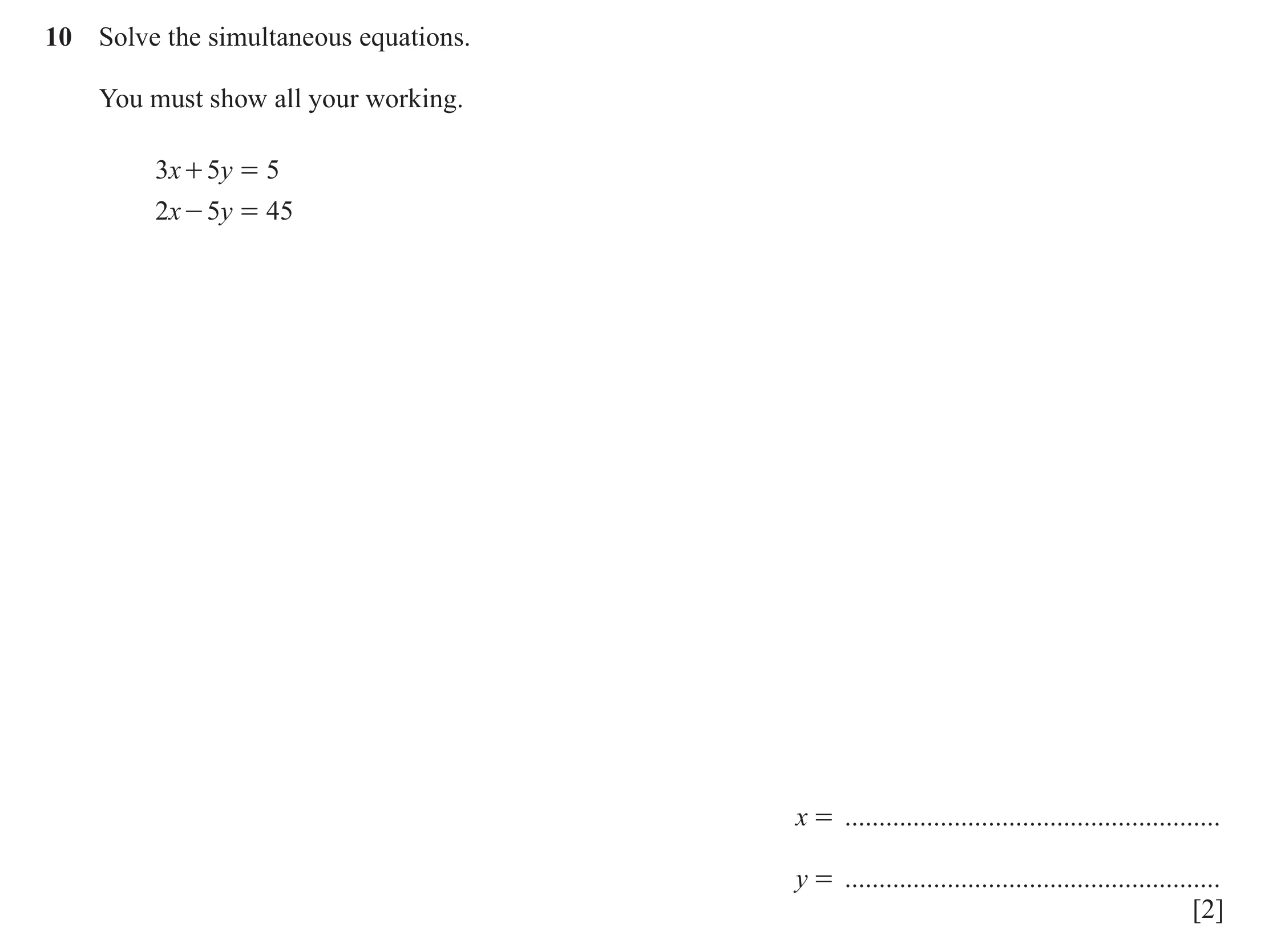
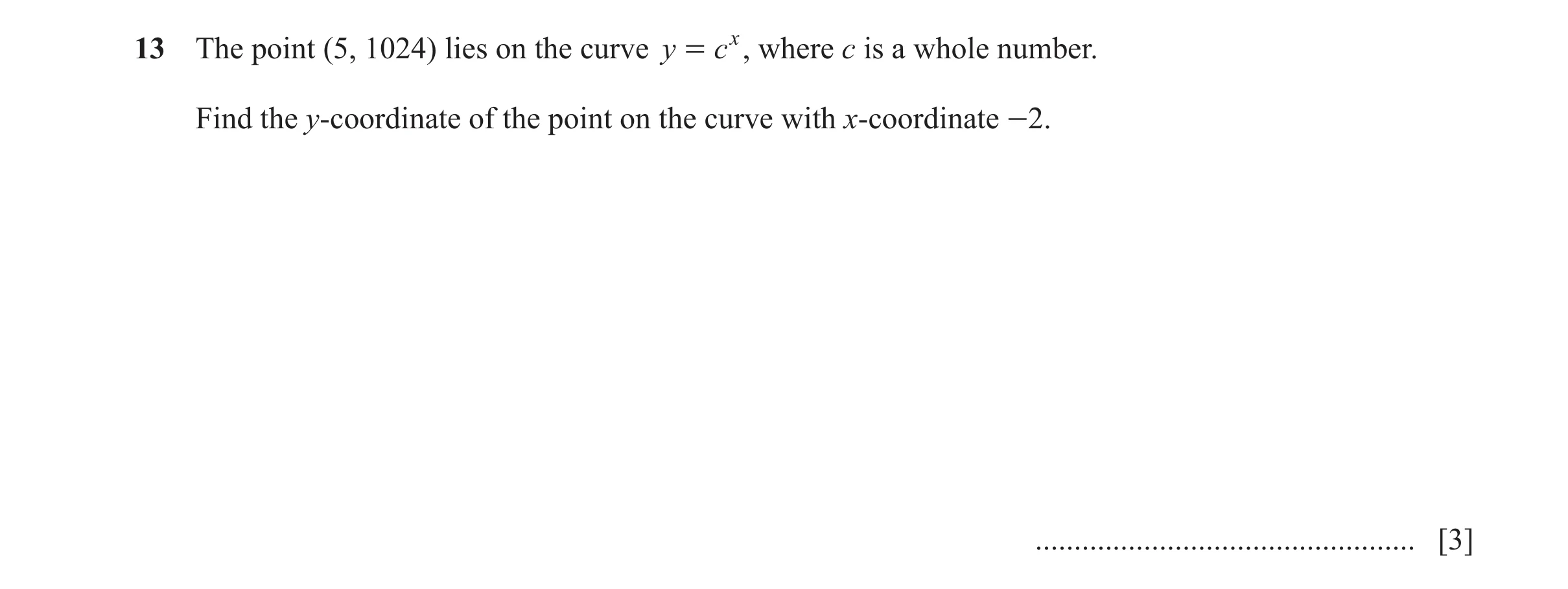 223 / 224
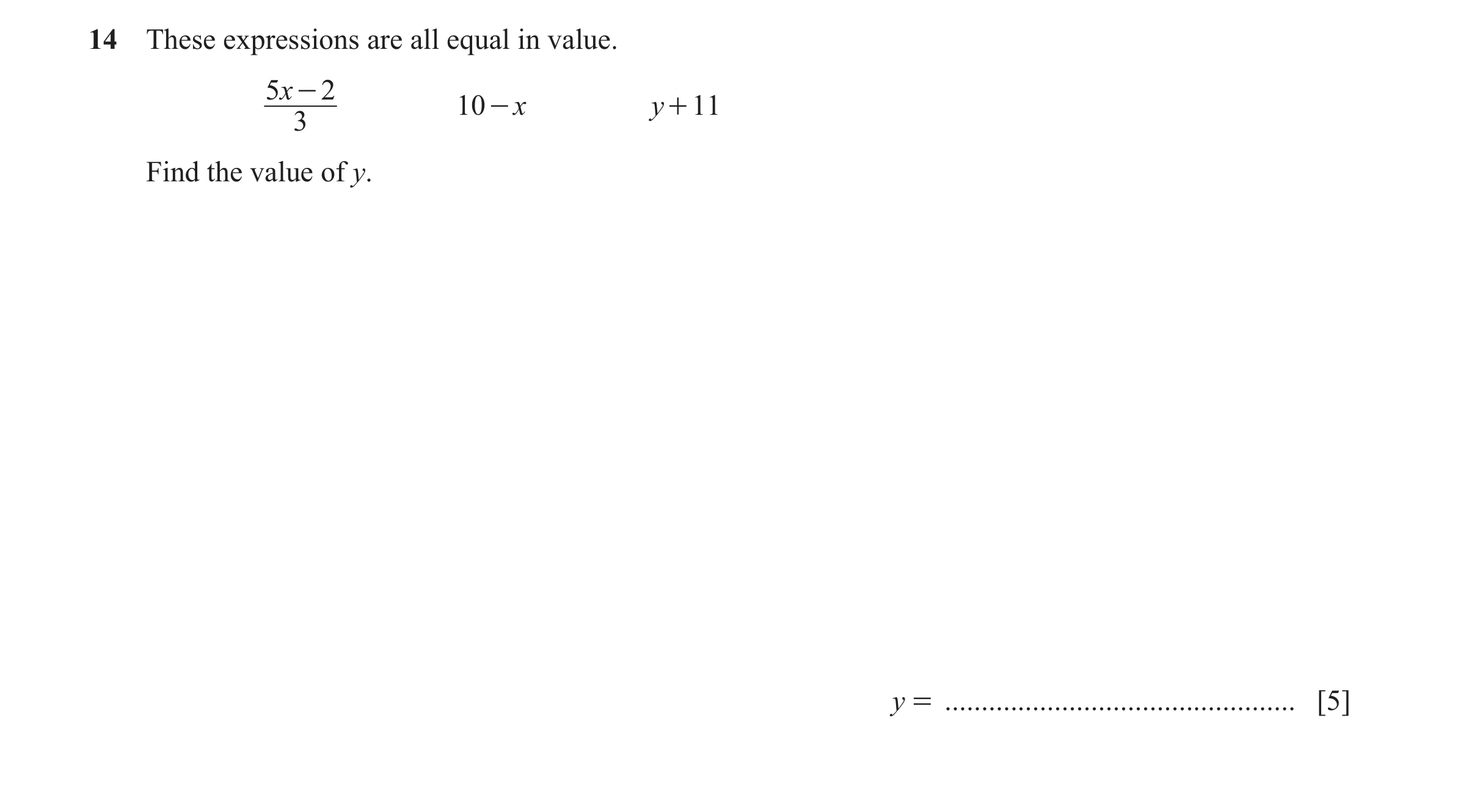 224 / 224
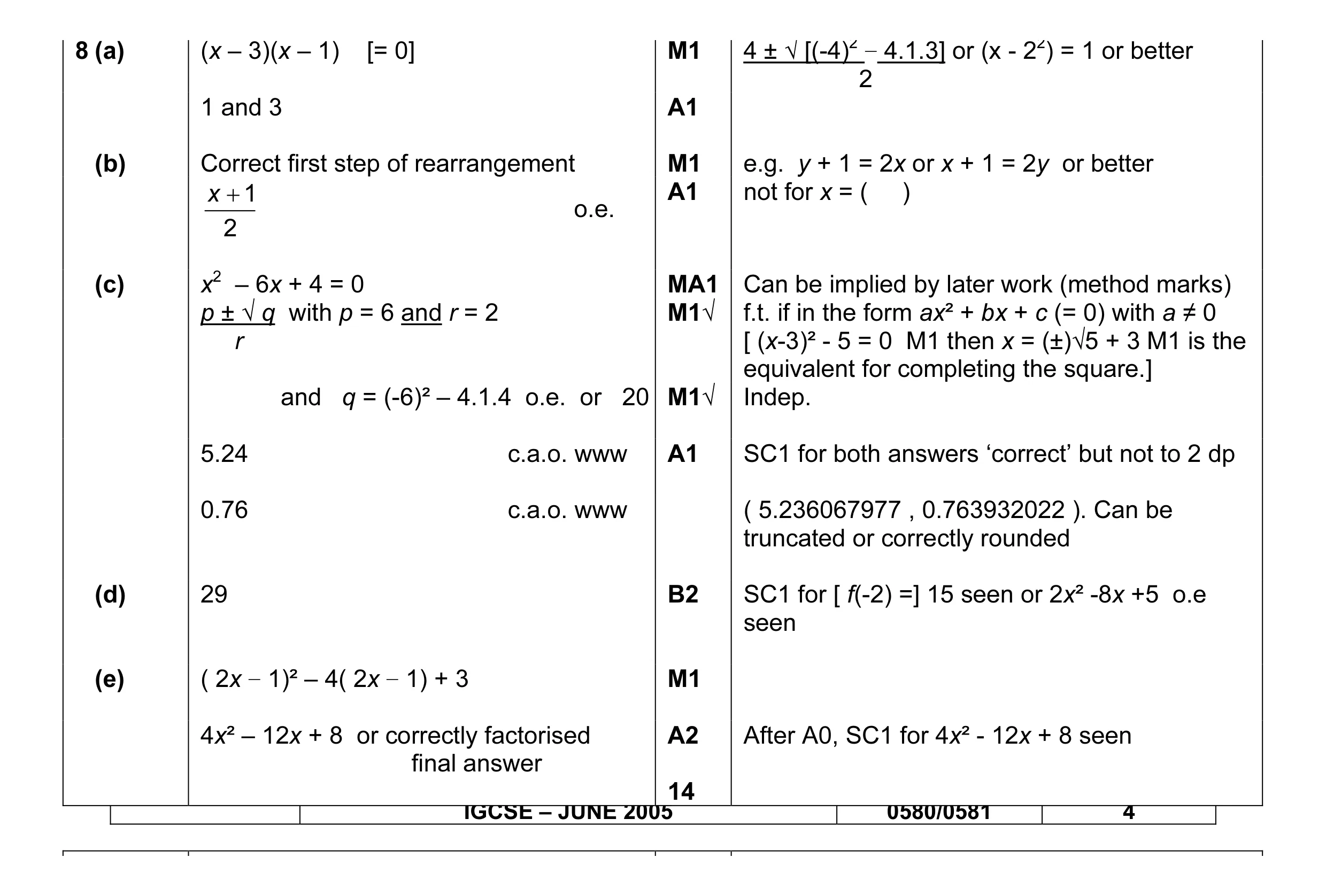 14
14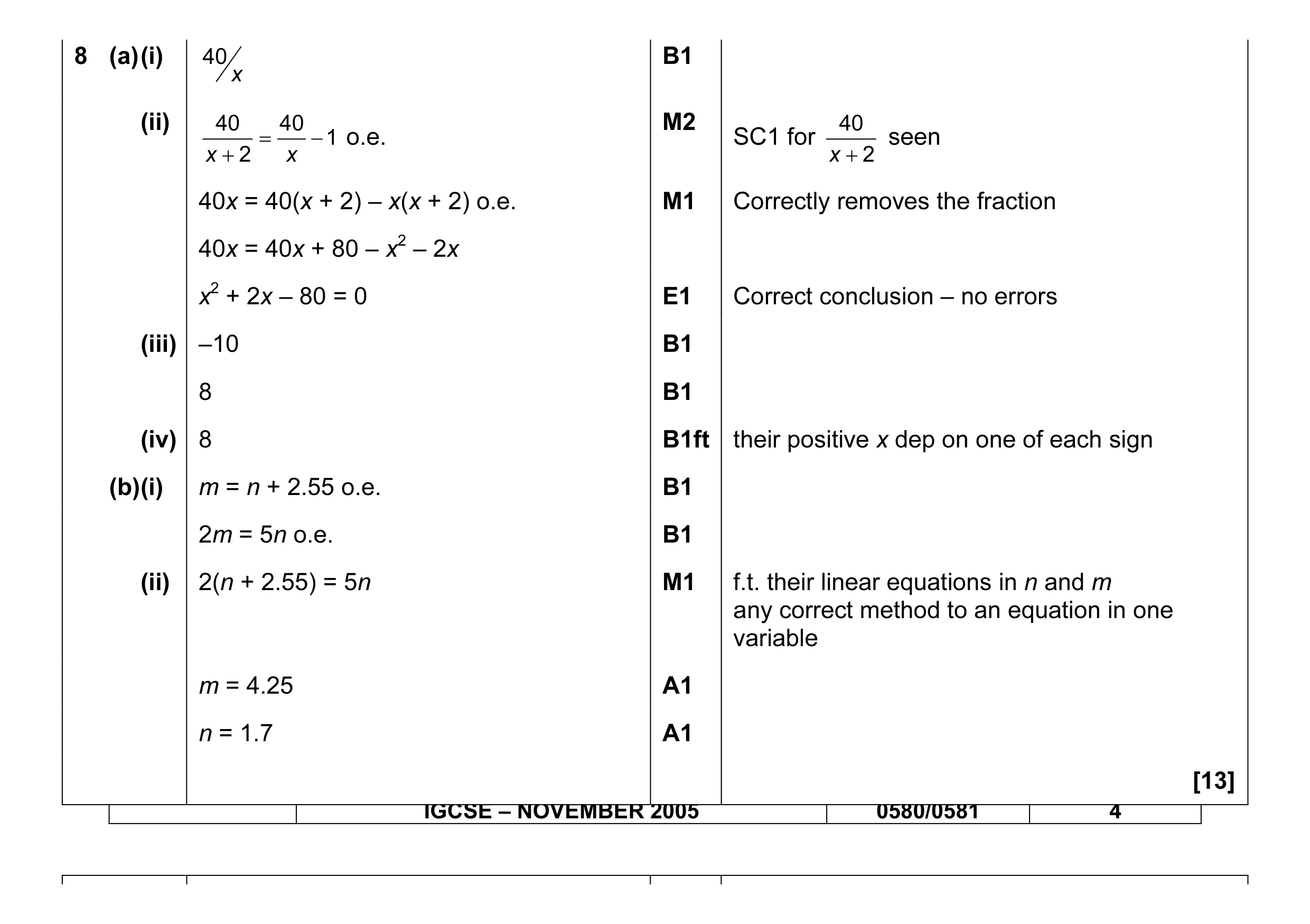 13
13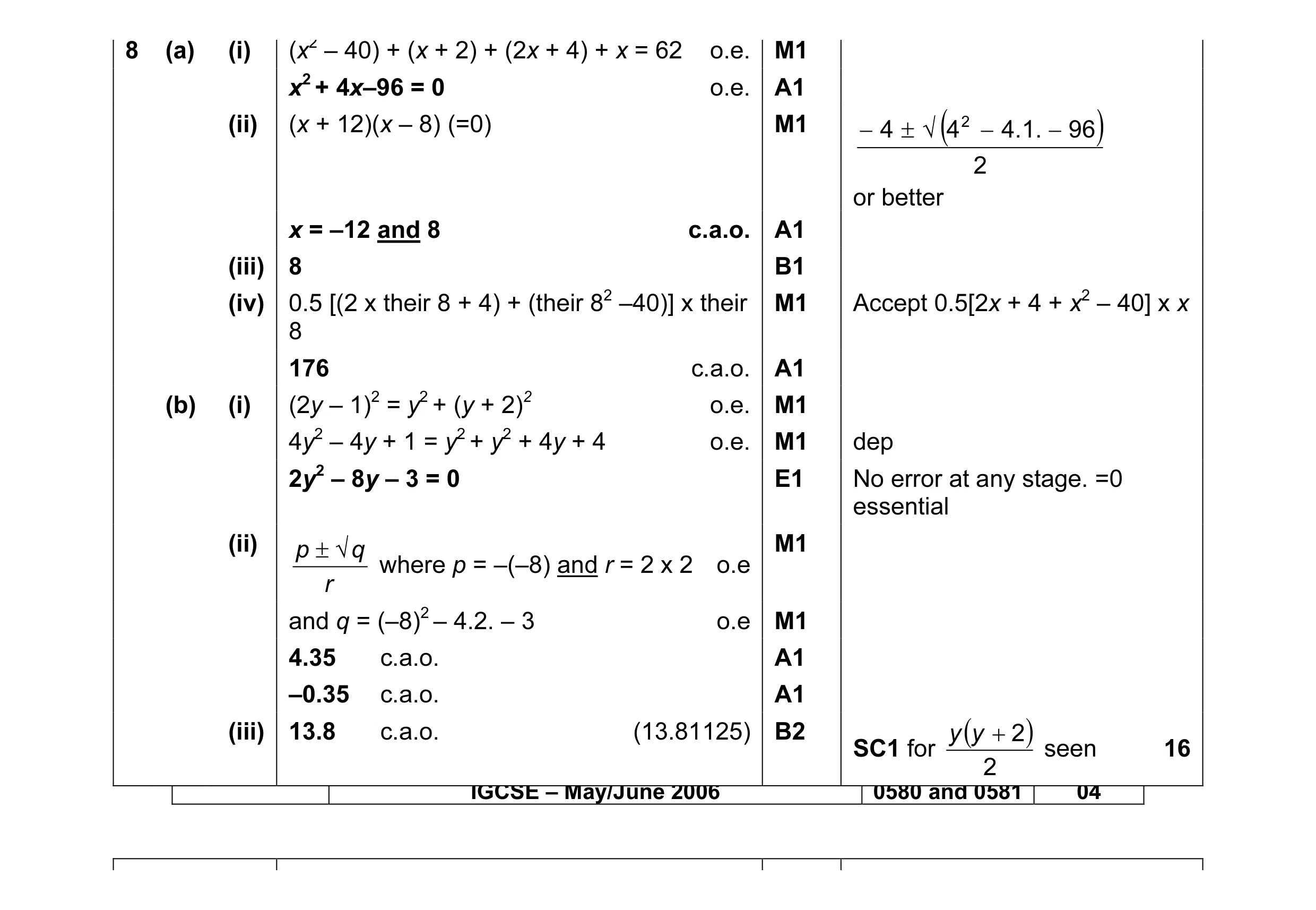 16
16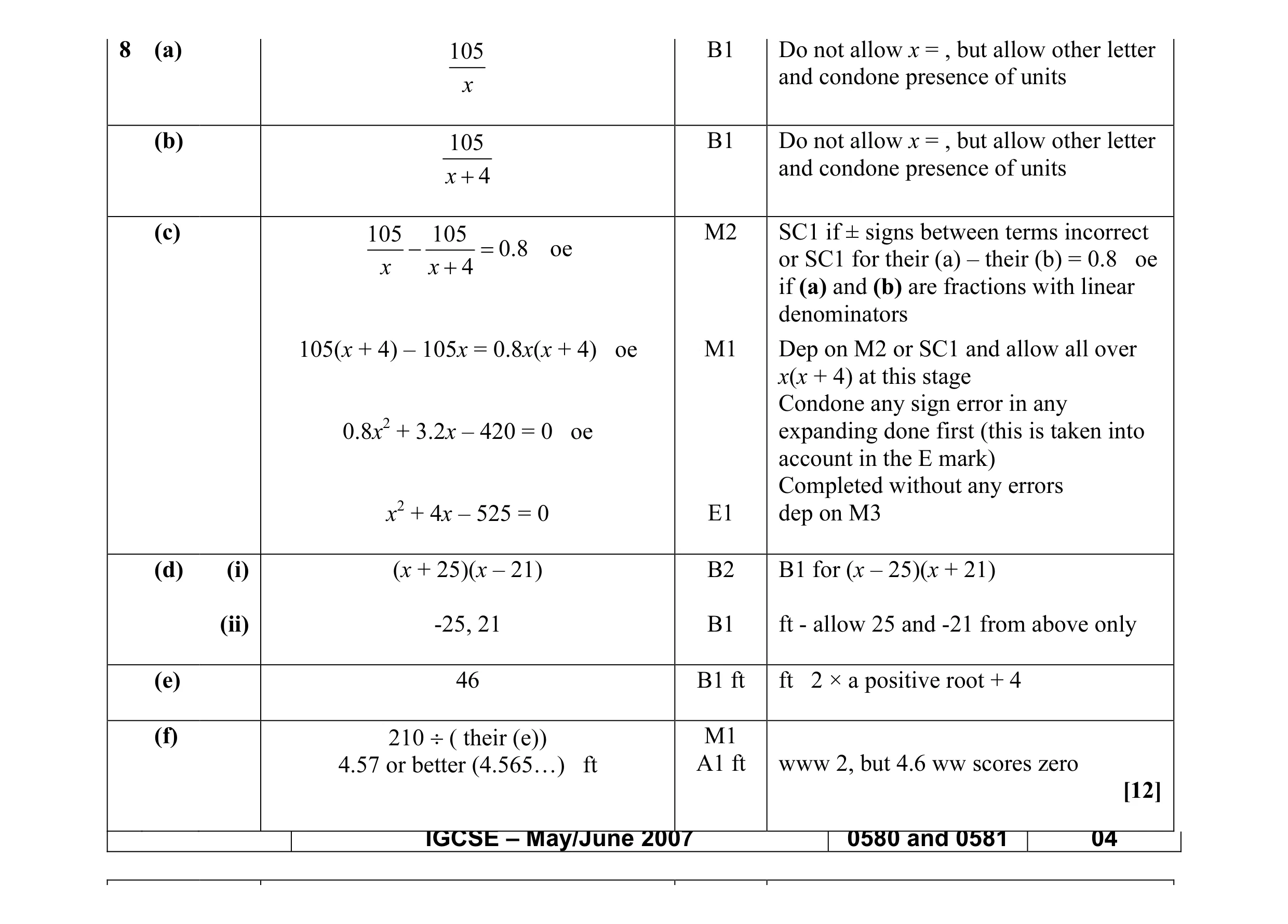 12
12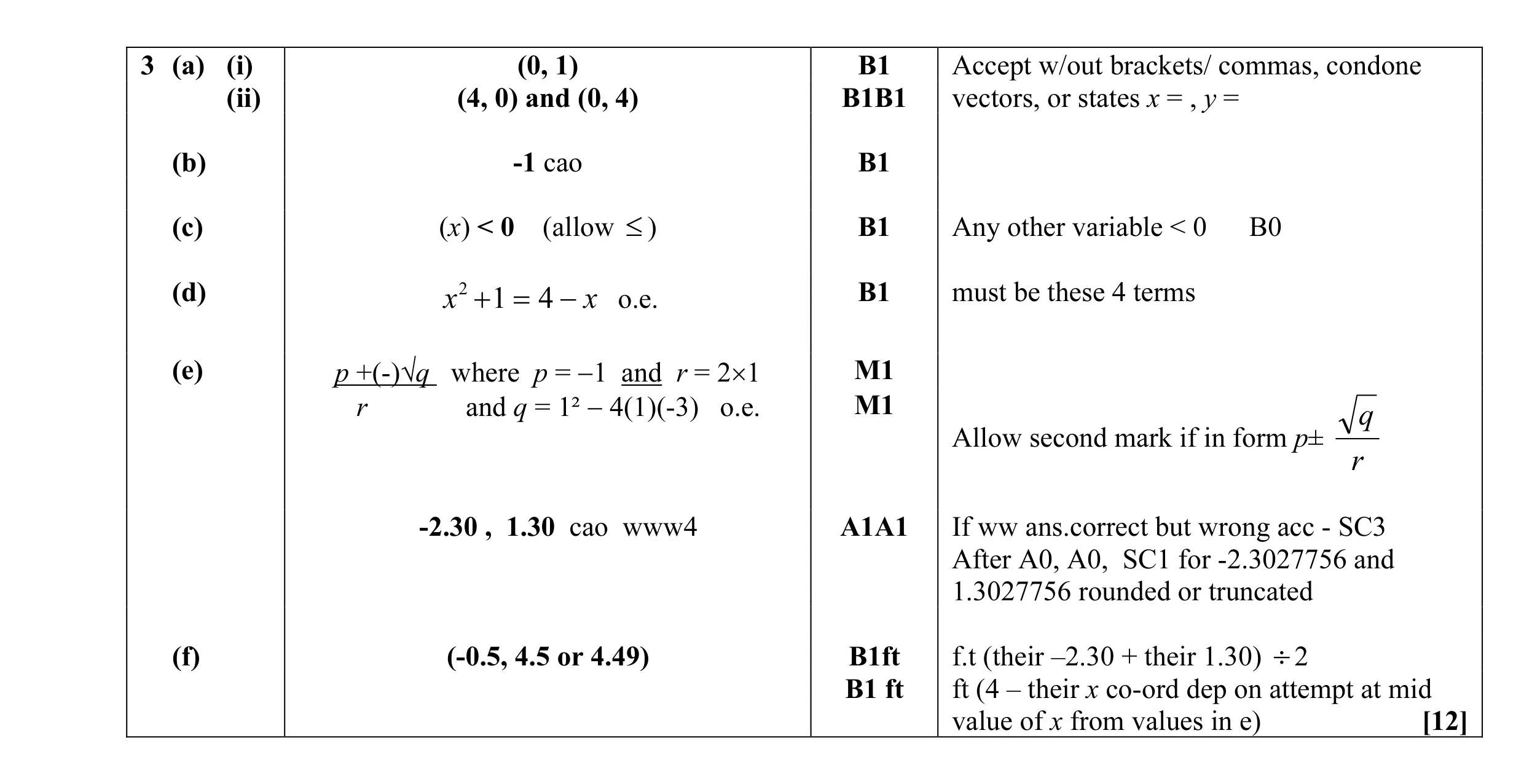 12
12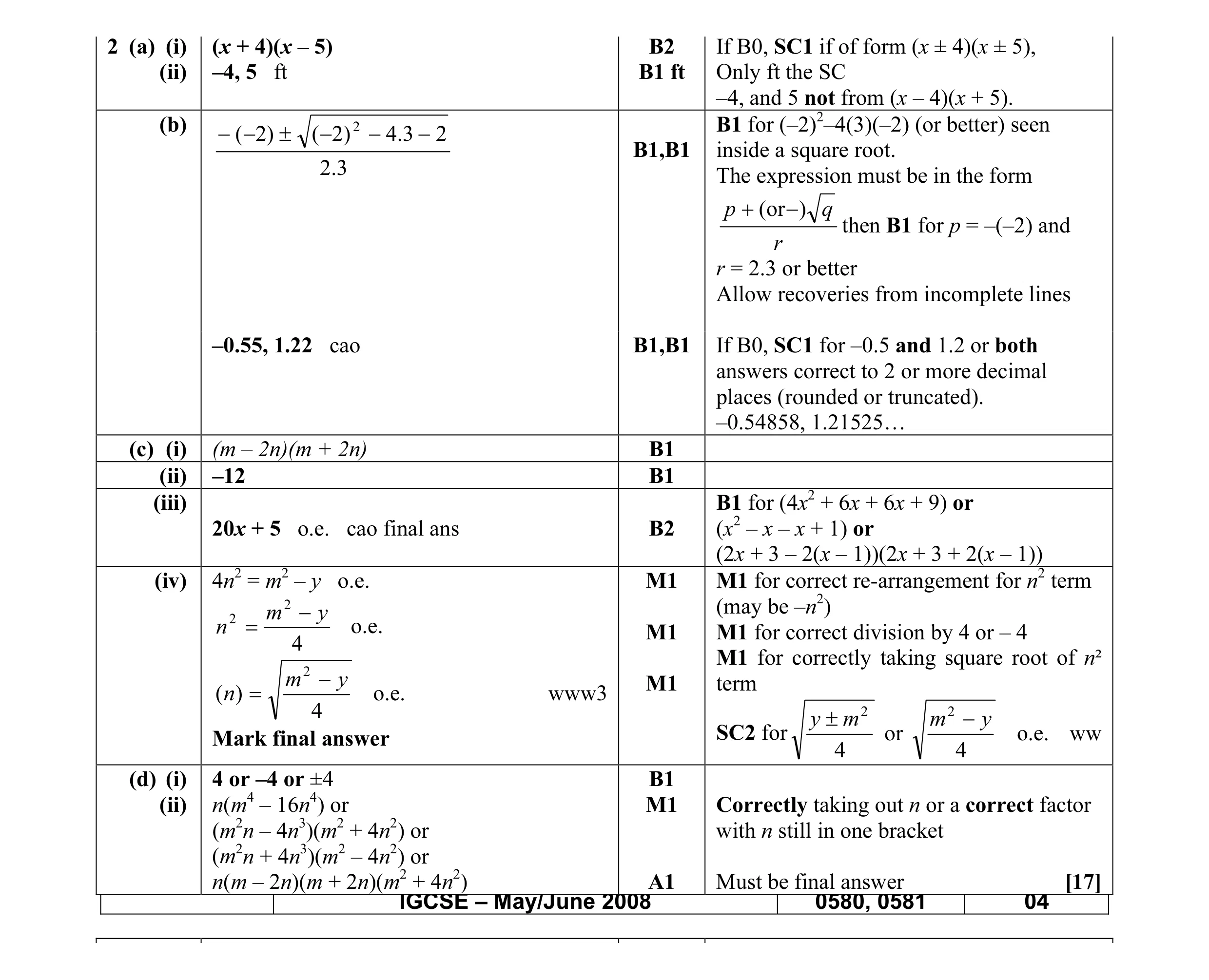 17
17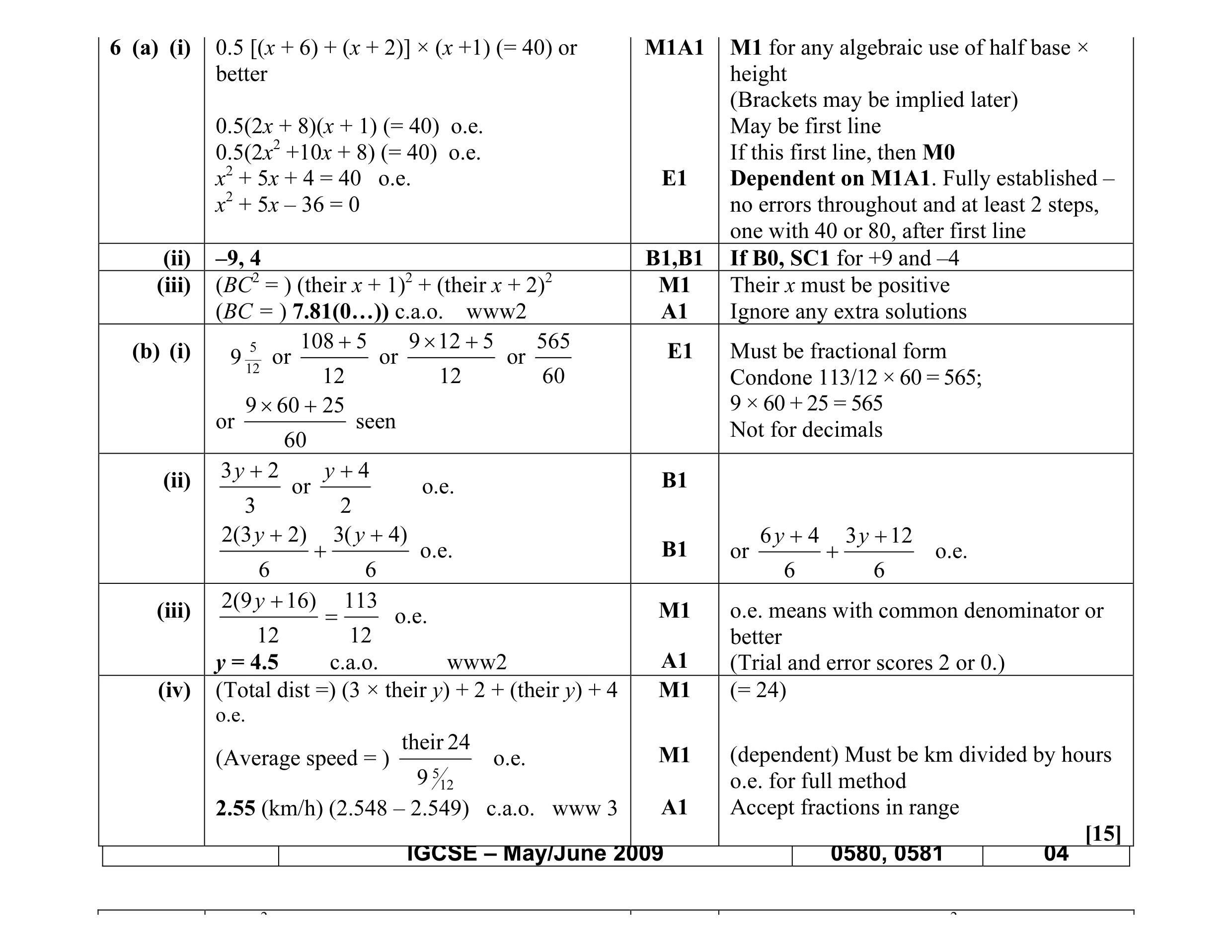 15
15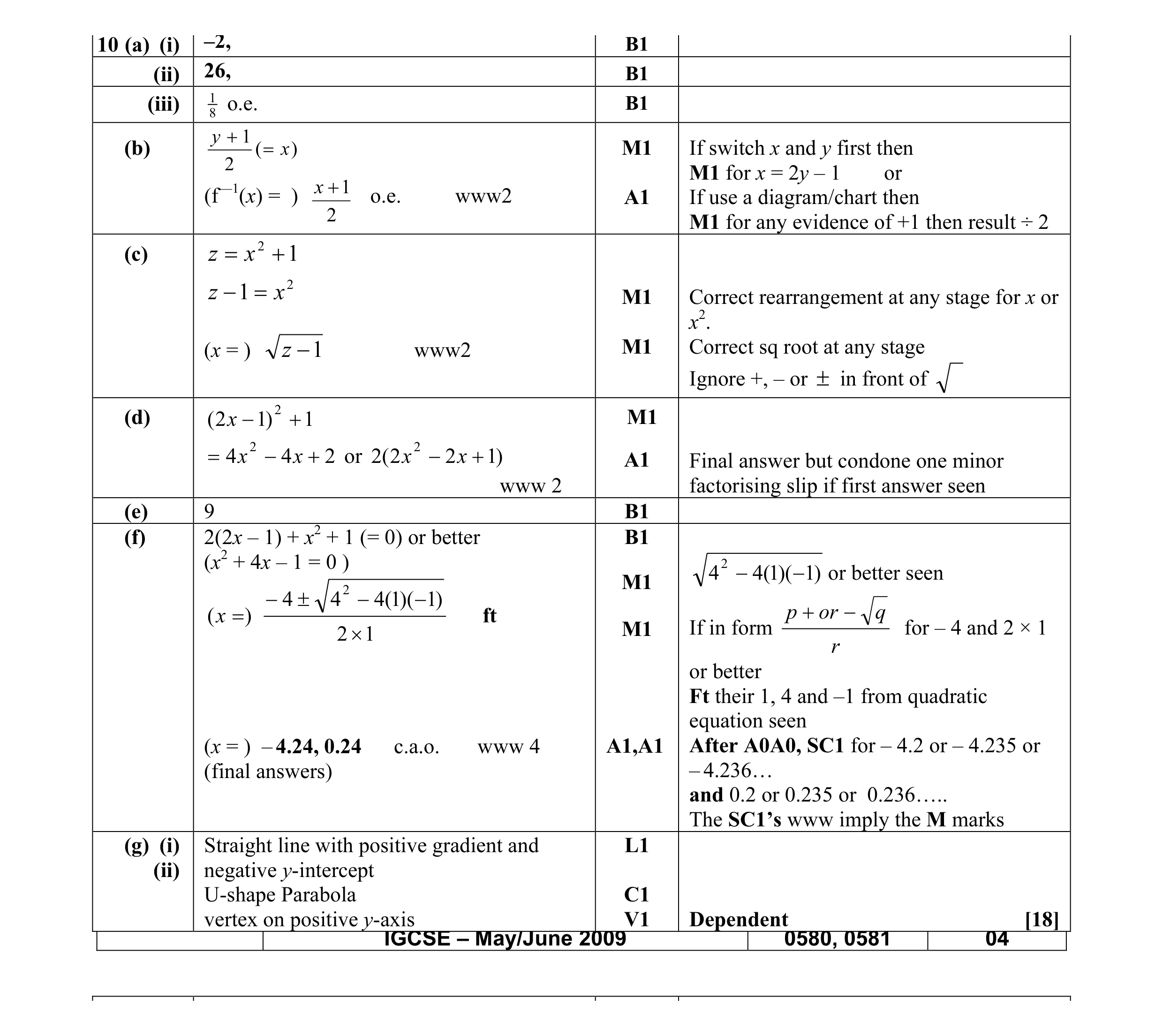 18
18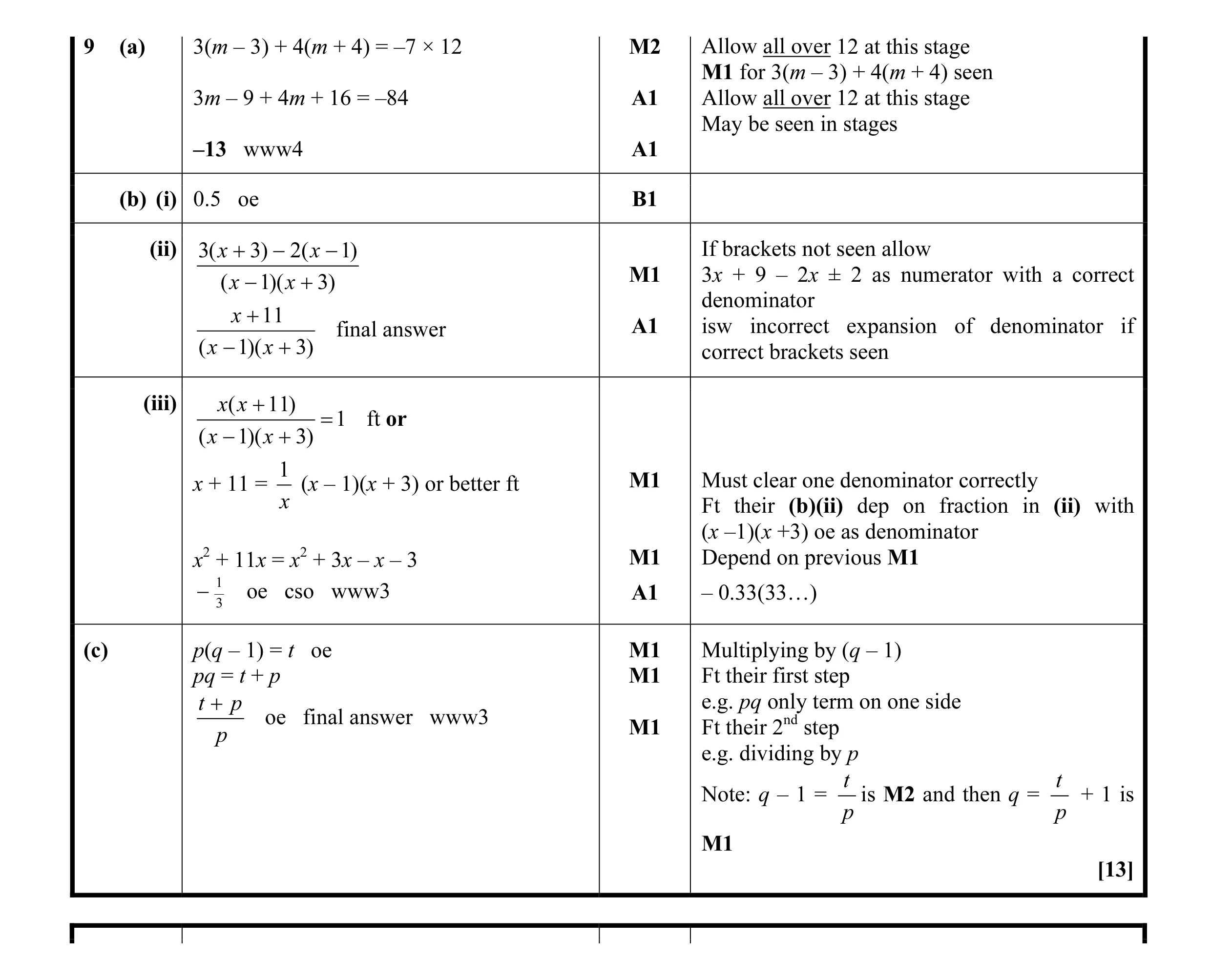 13
13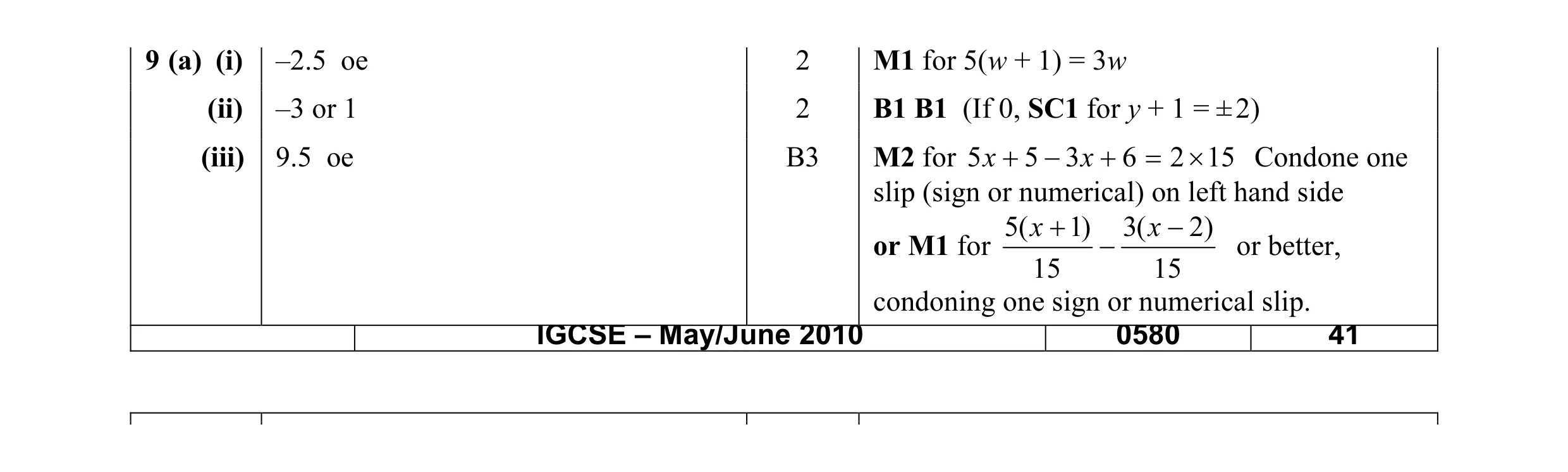 18
18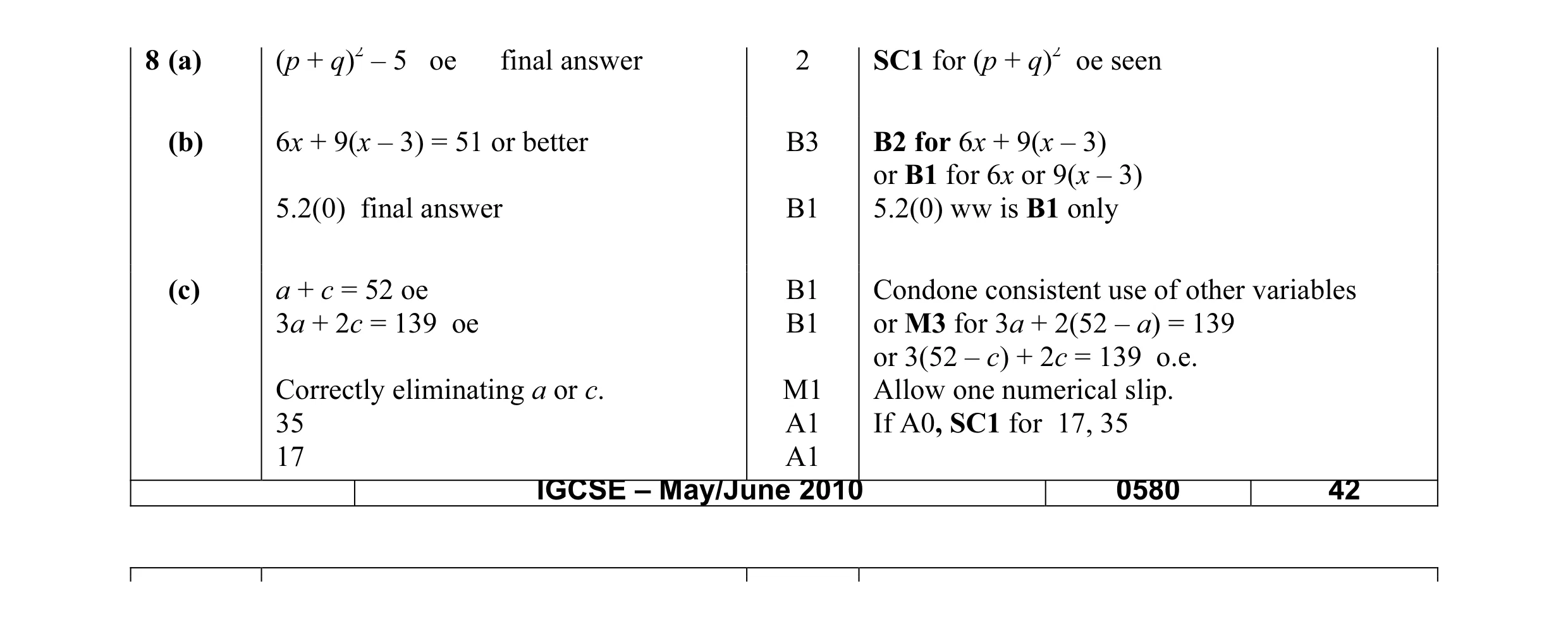 11
11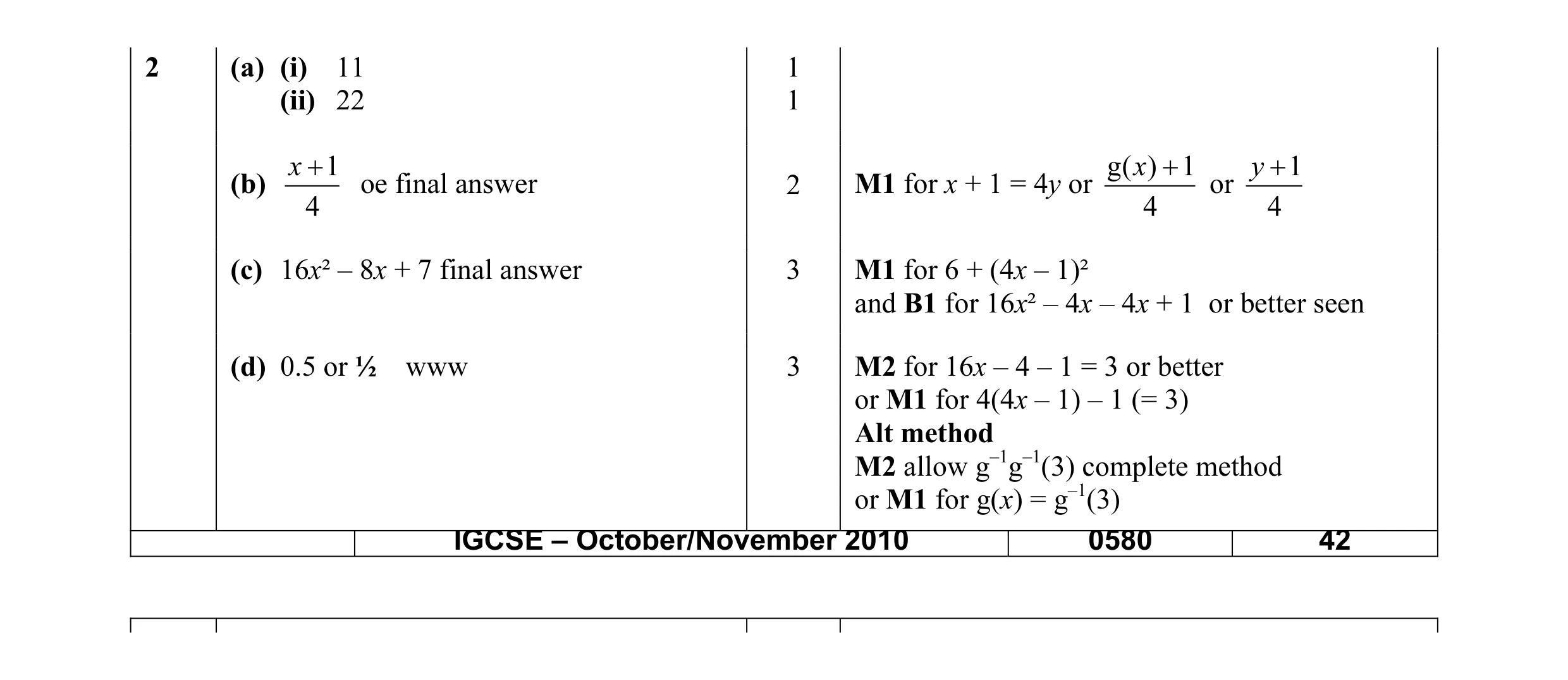 10
10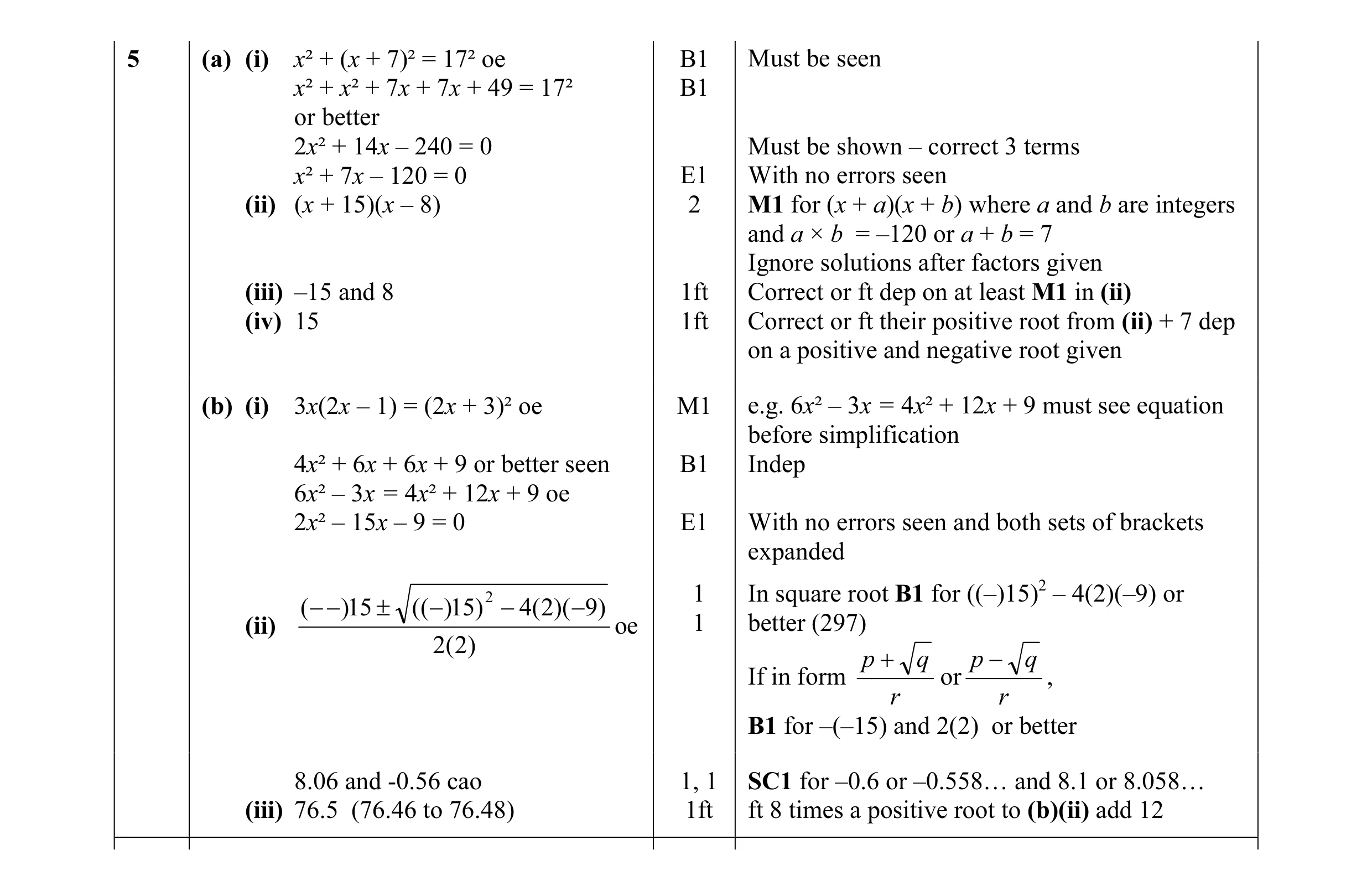 15
15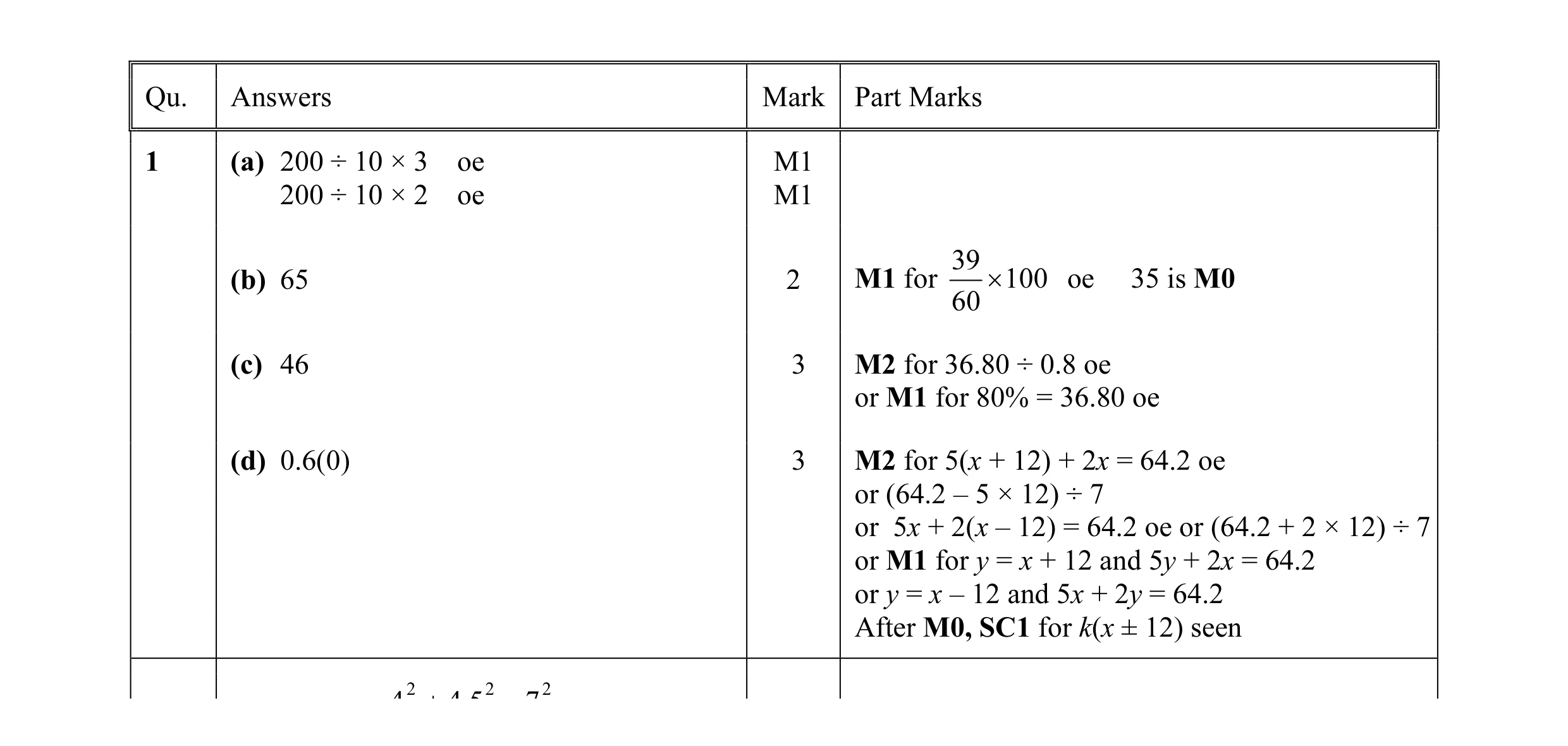 10
10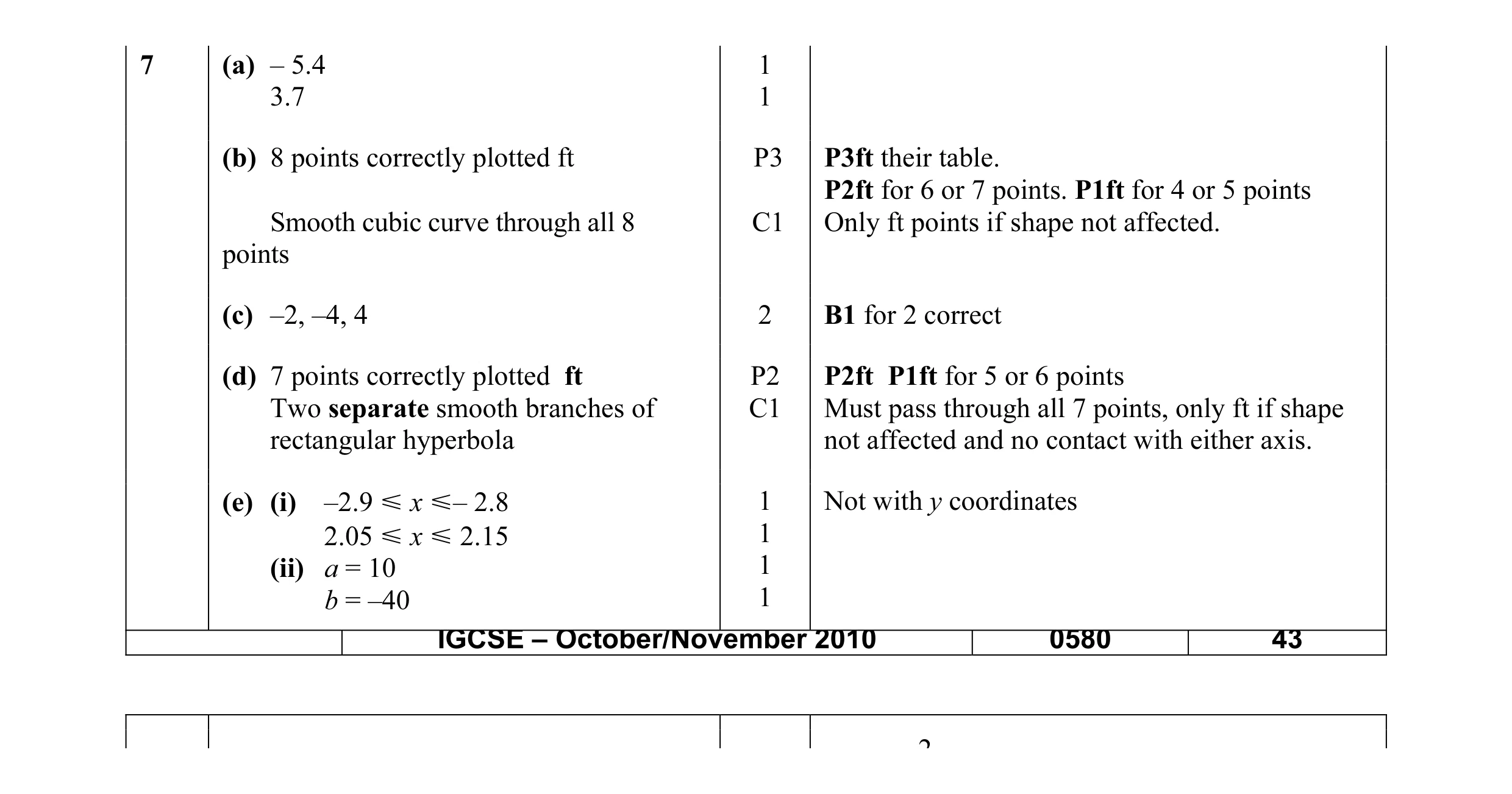 15
15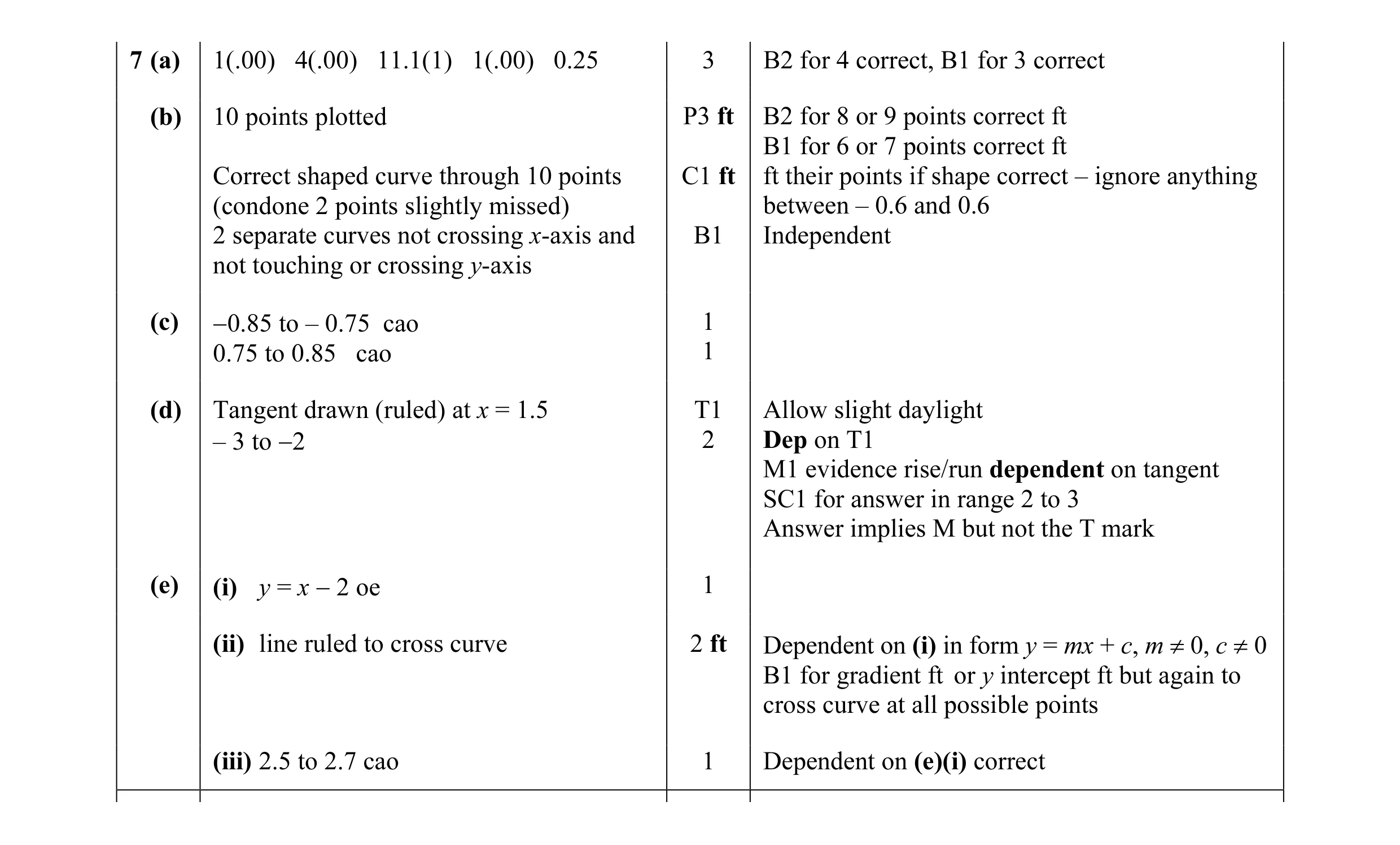 17
17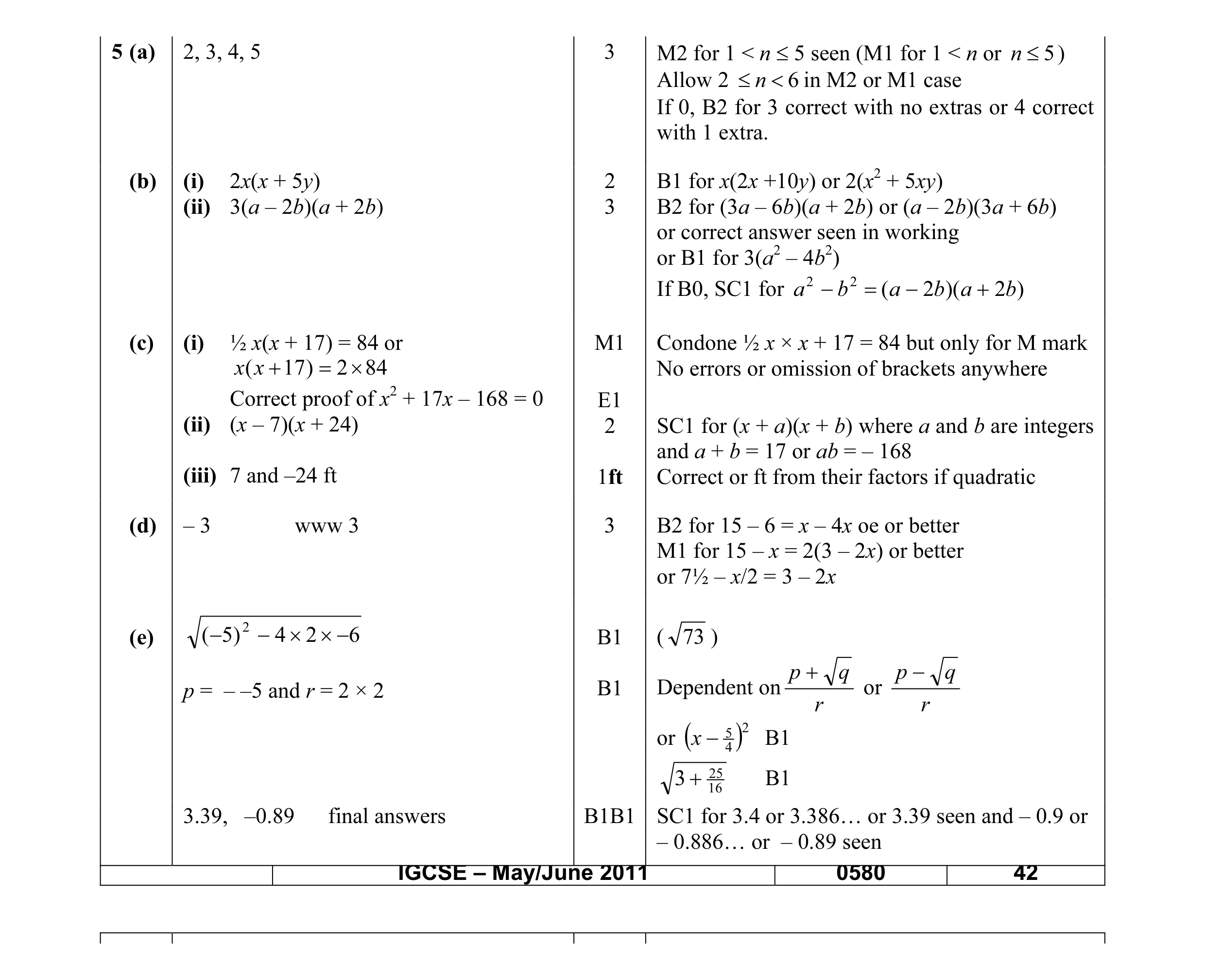 20
20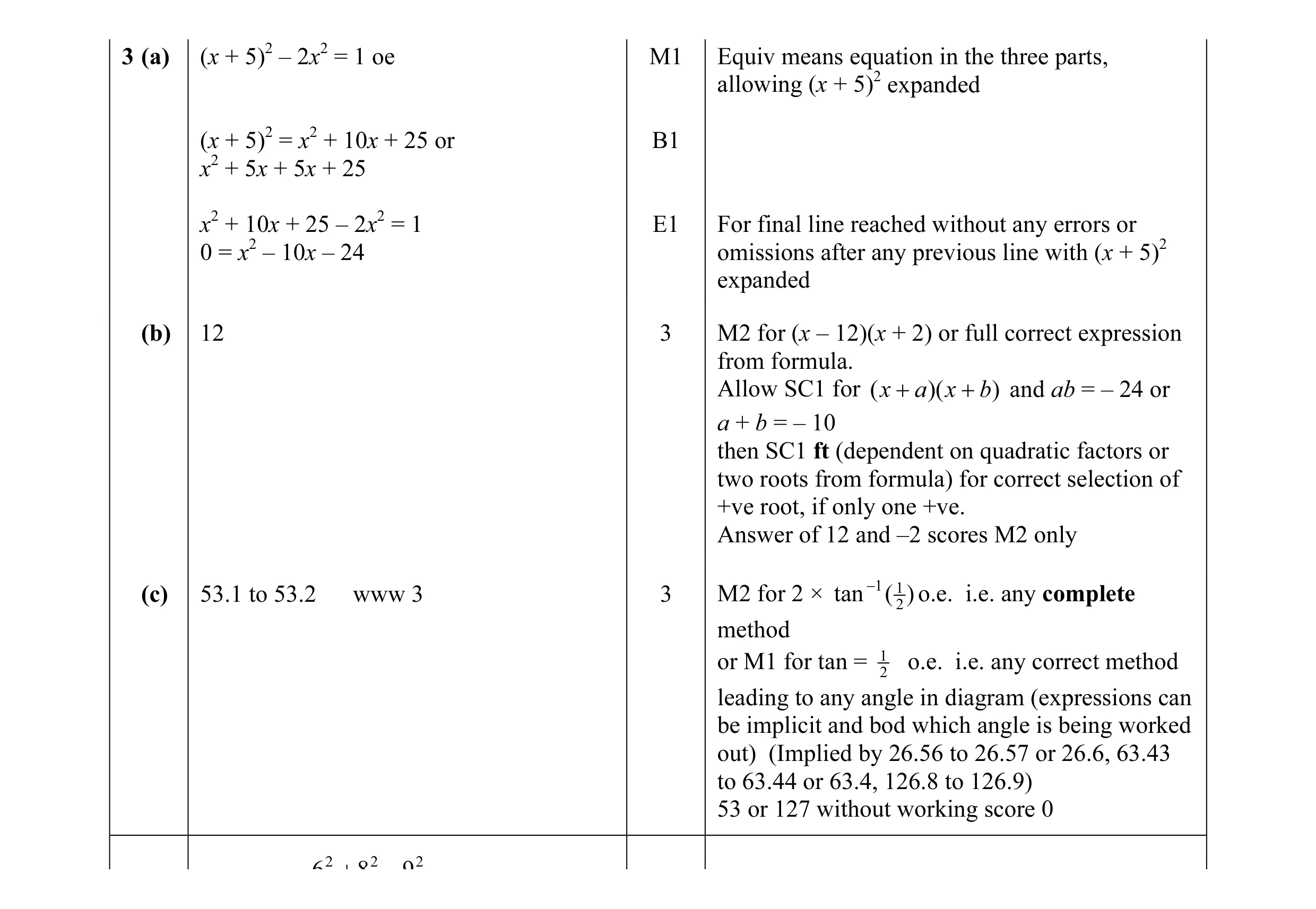 9
9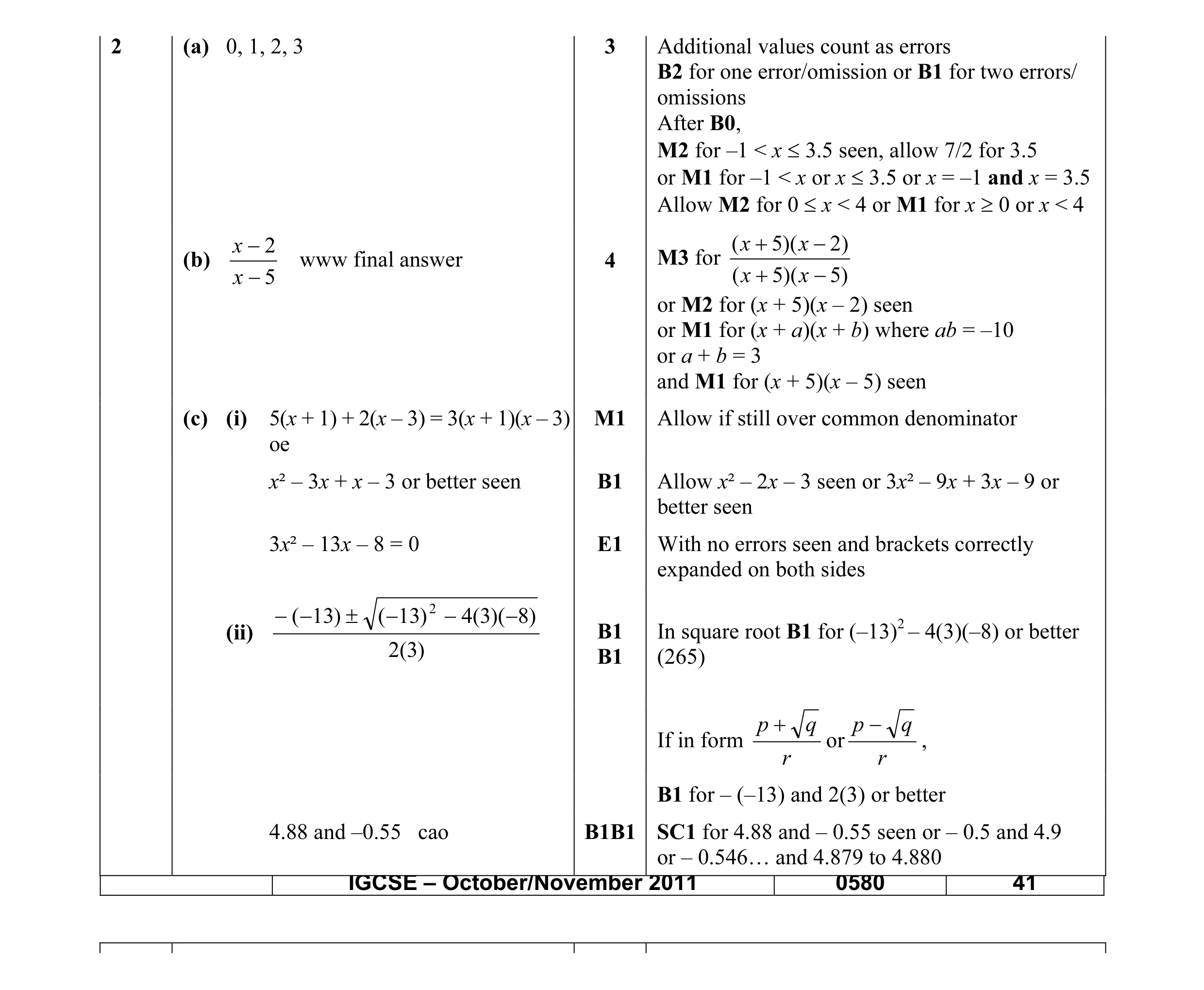 14
14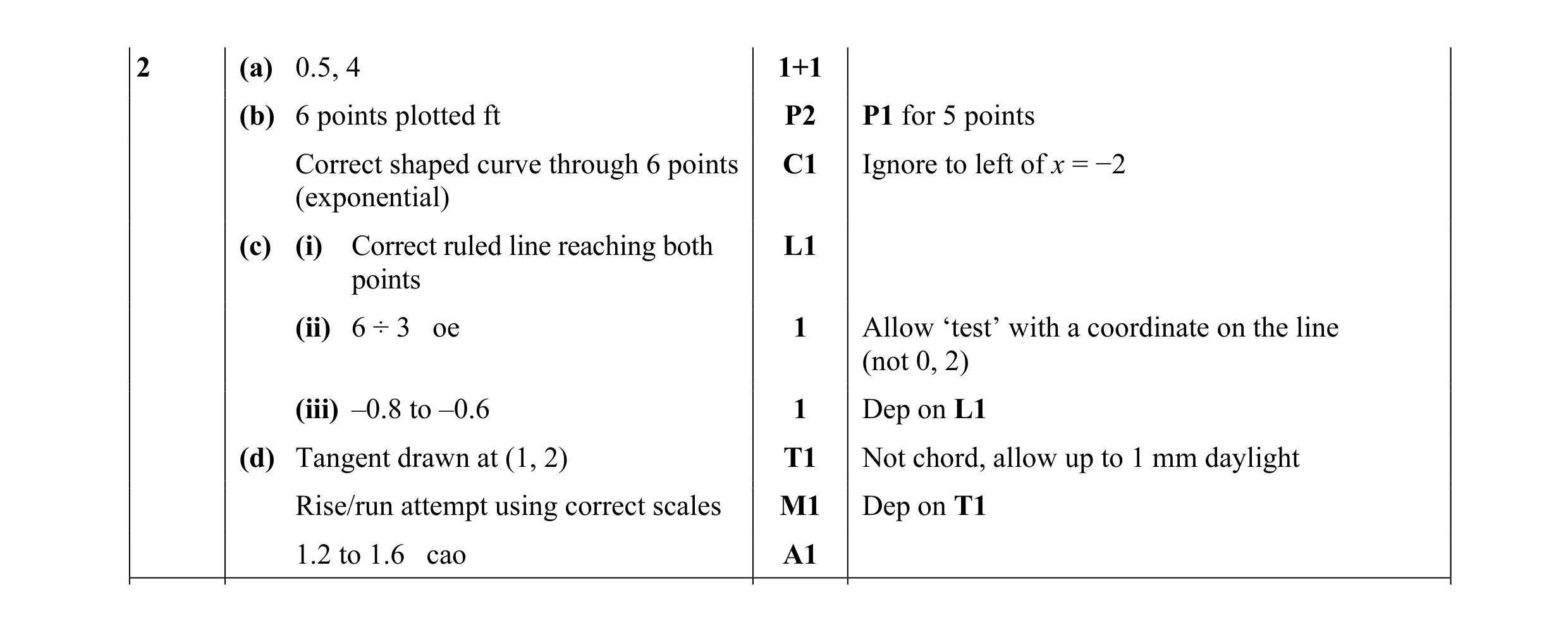 11
11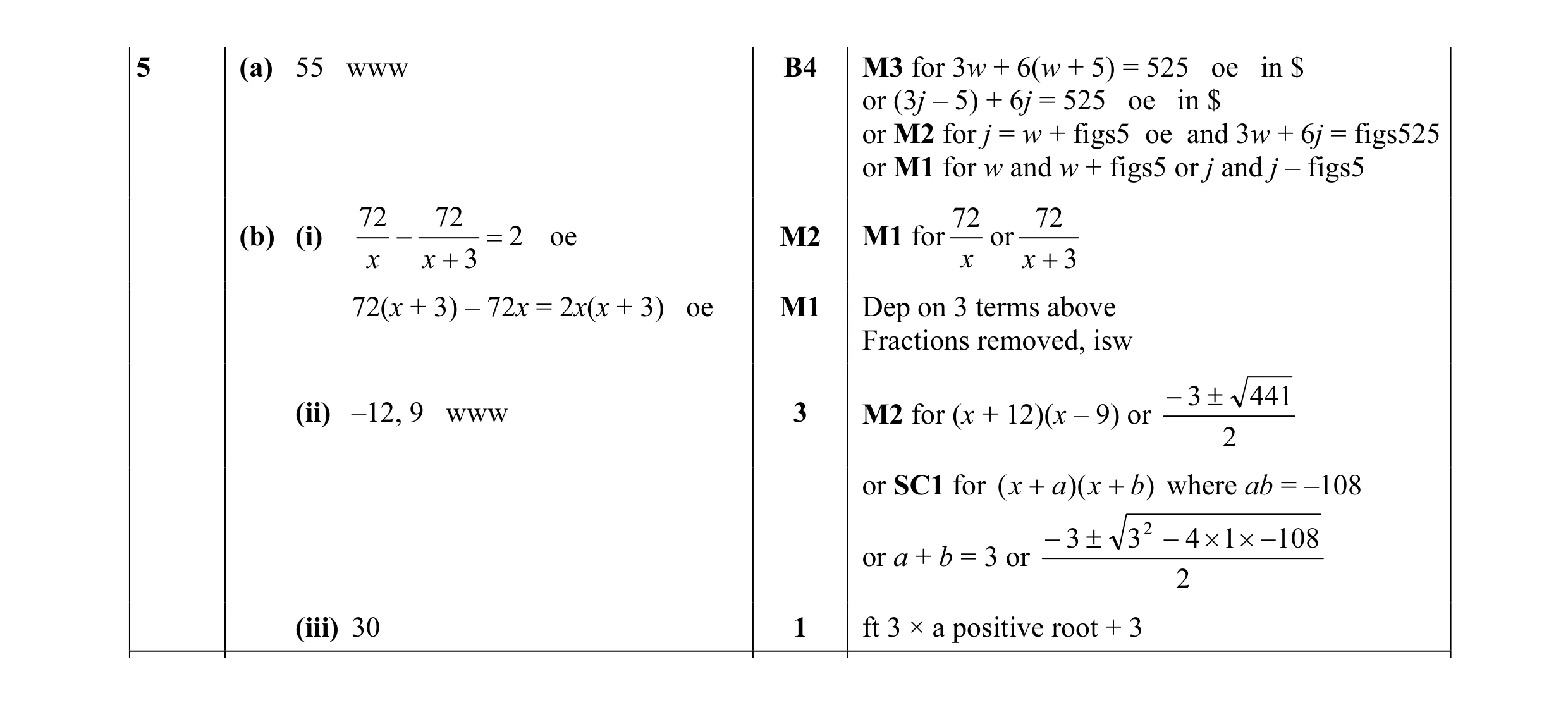 11
11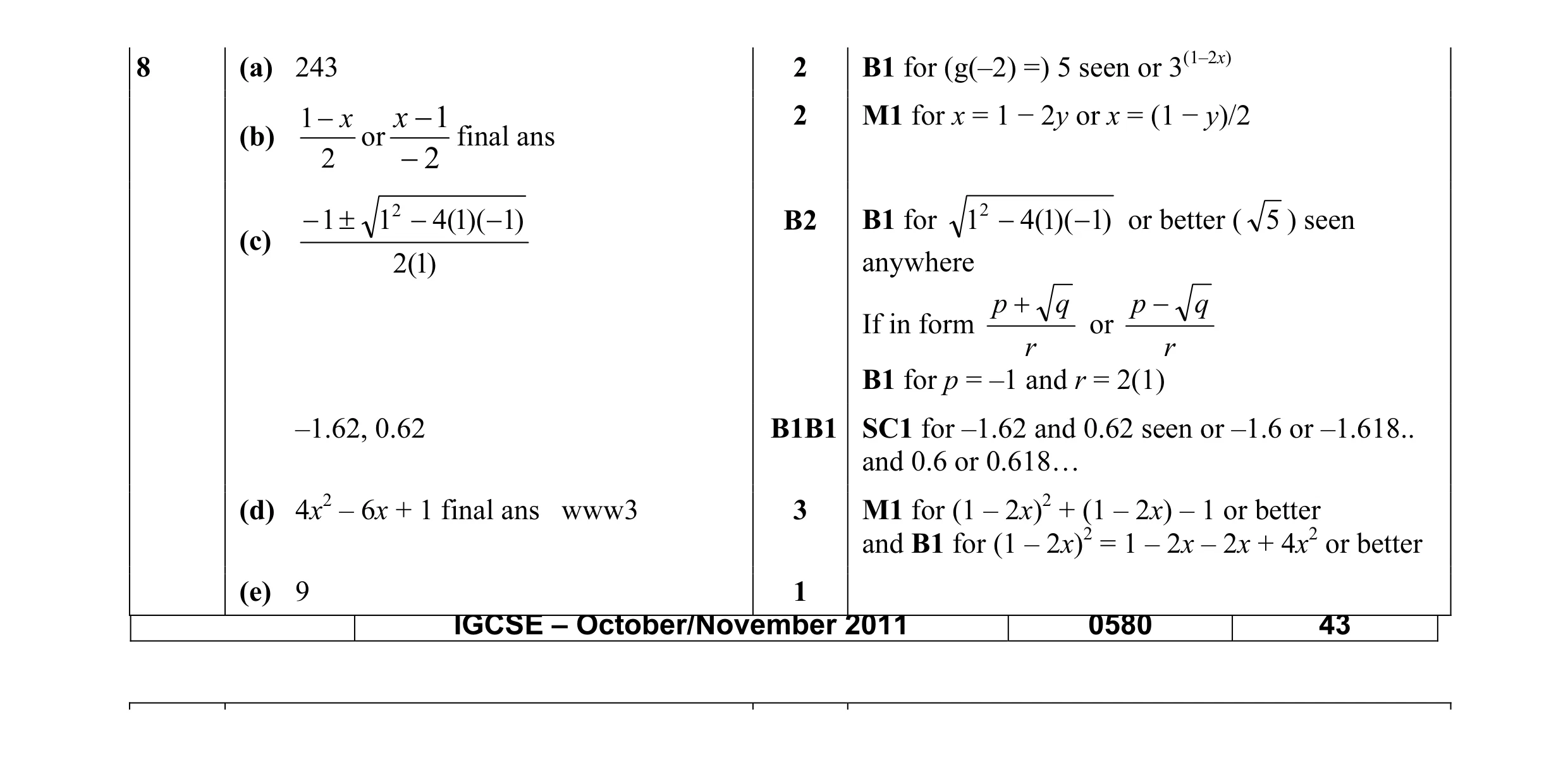 12
12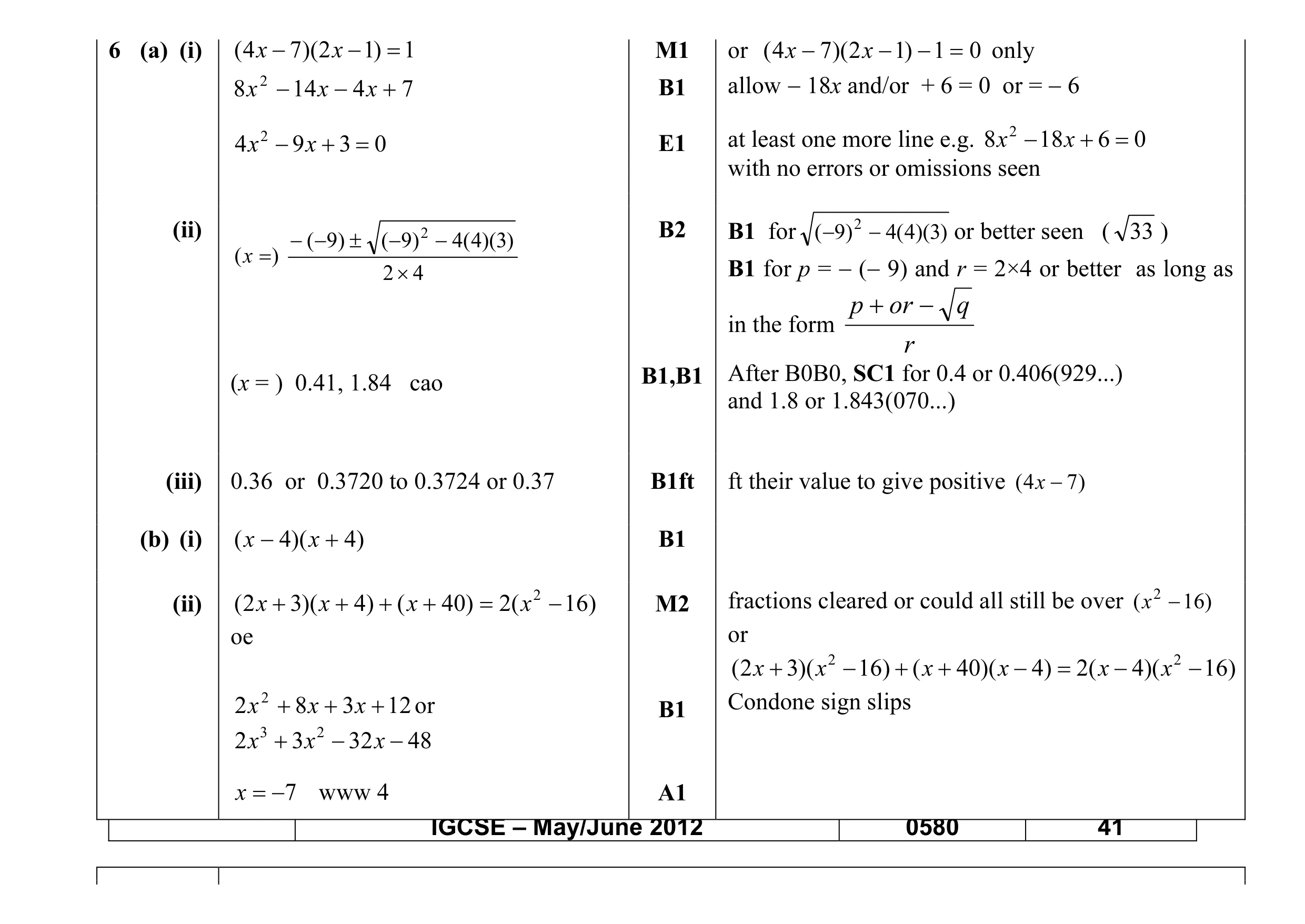 13
13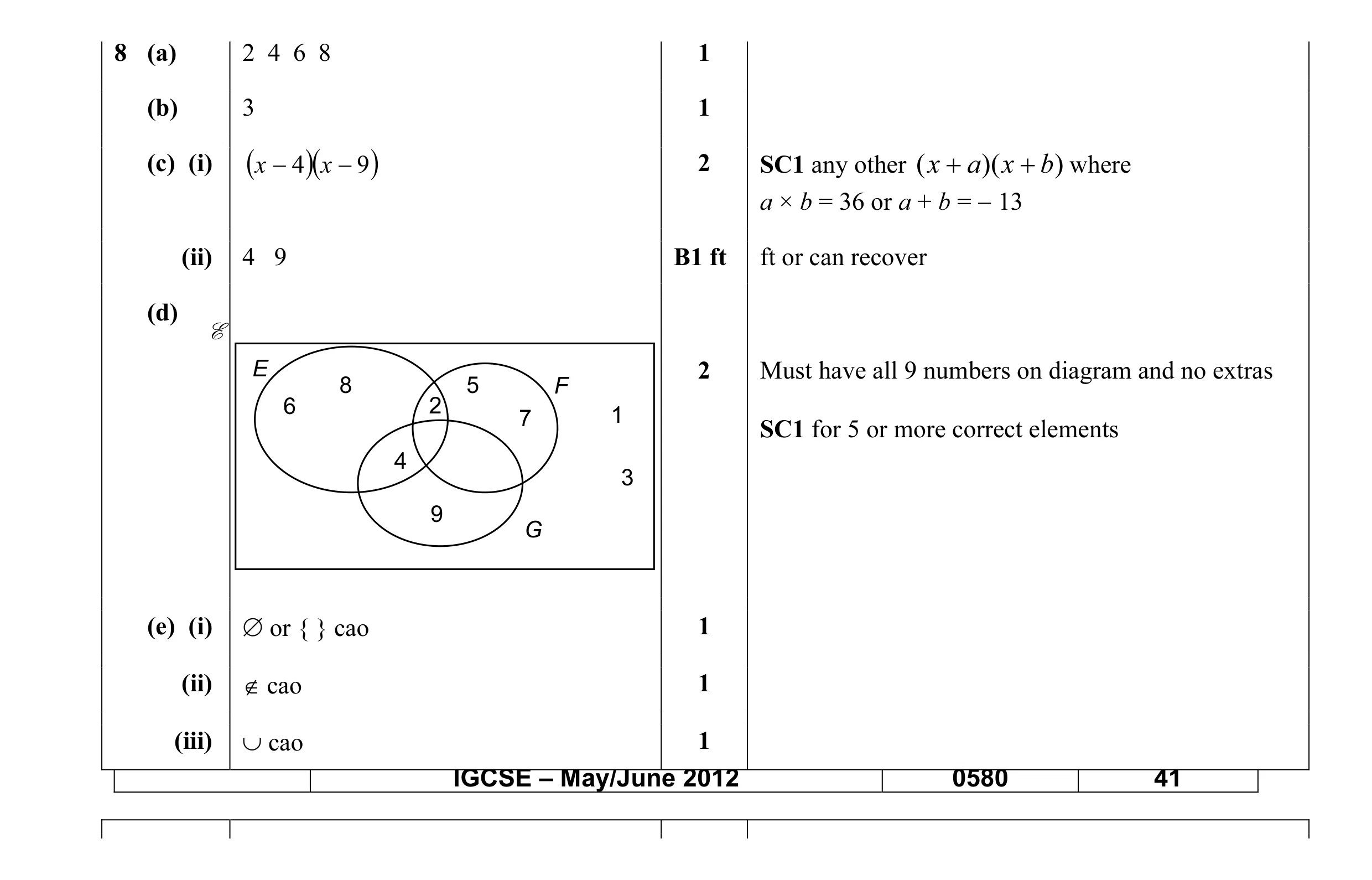 10
10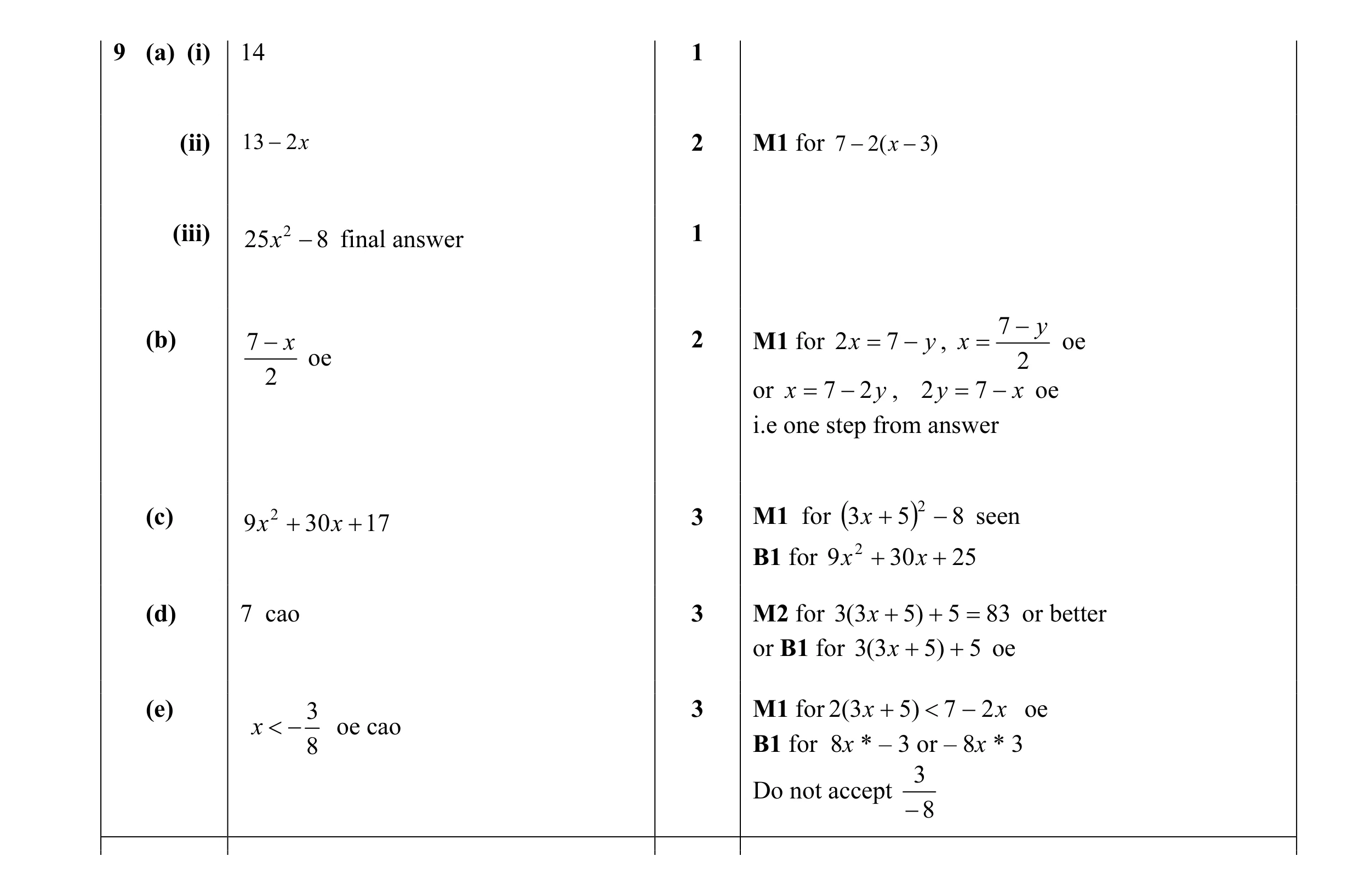 15
15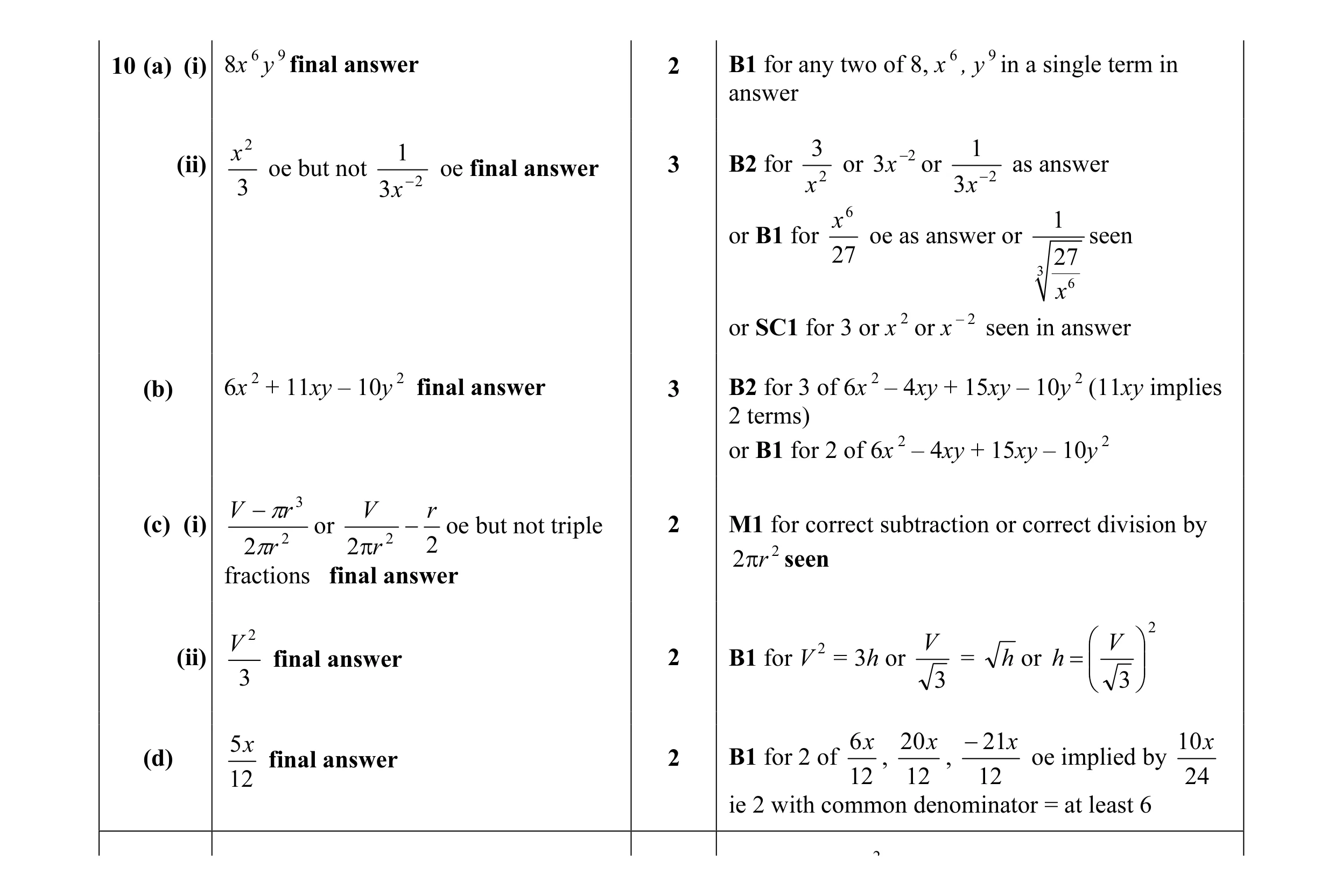 14
14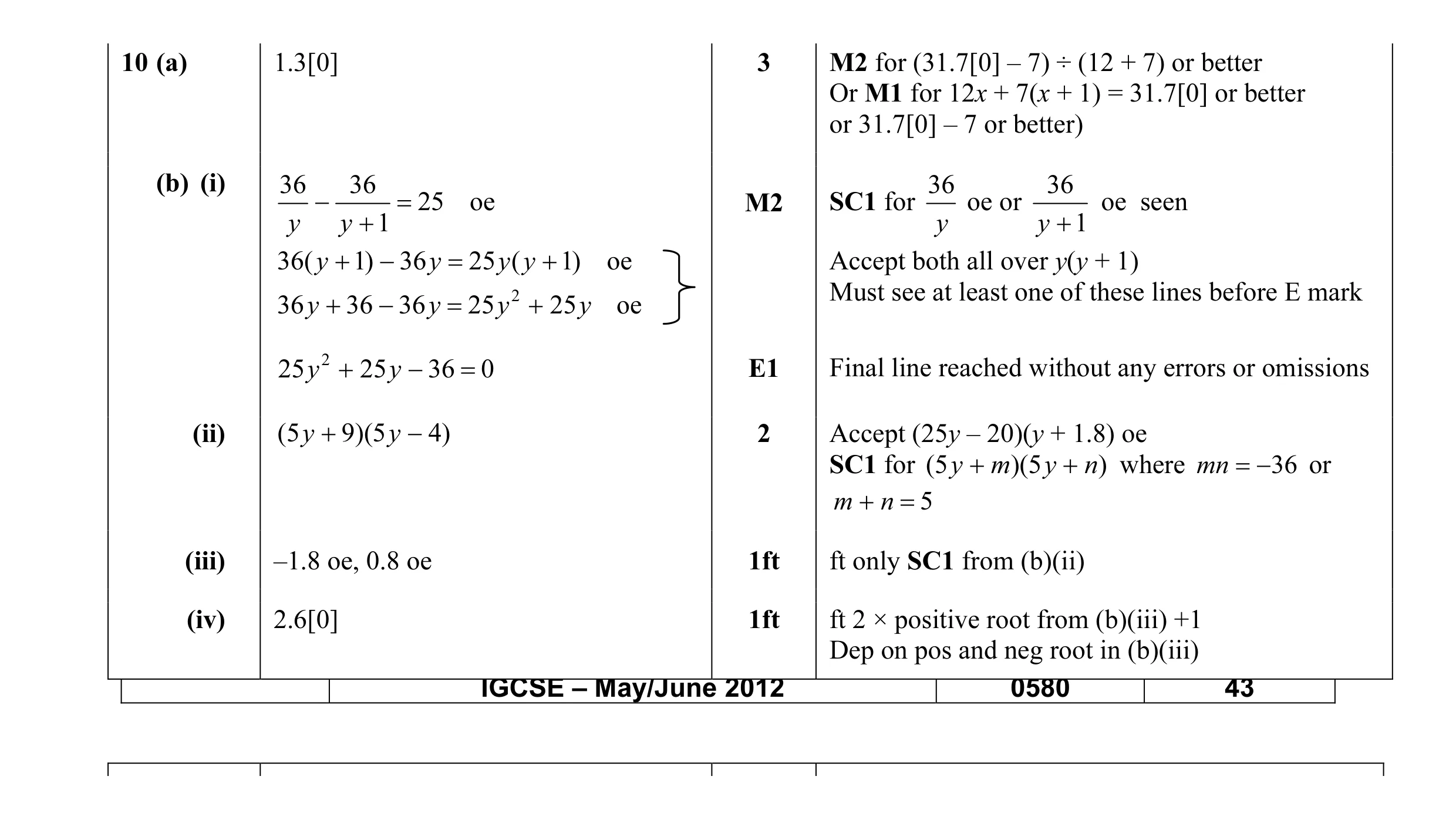 10
10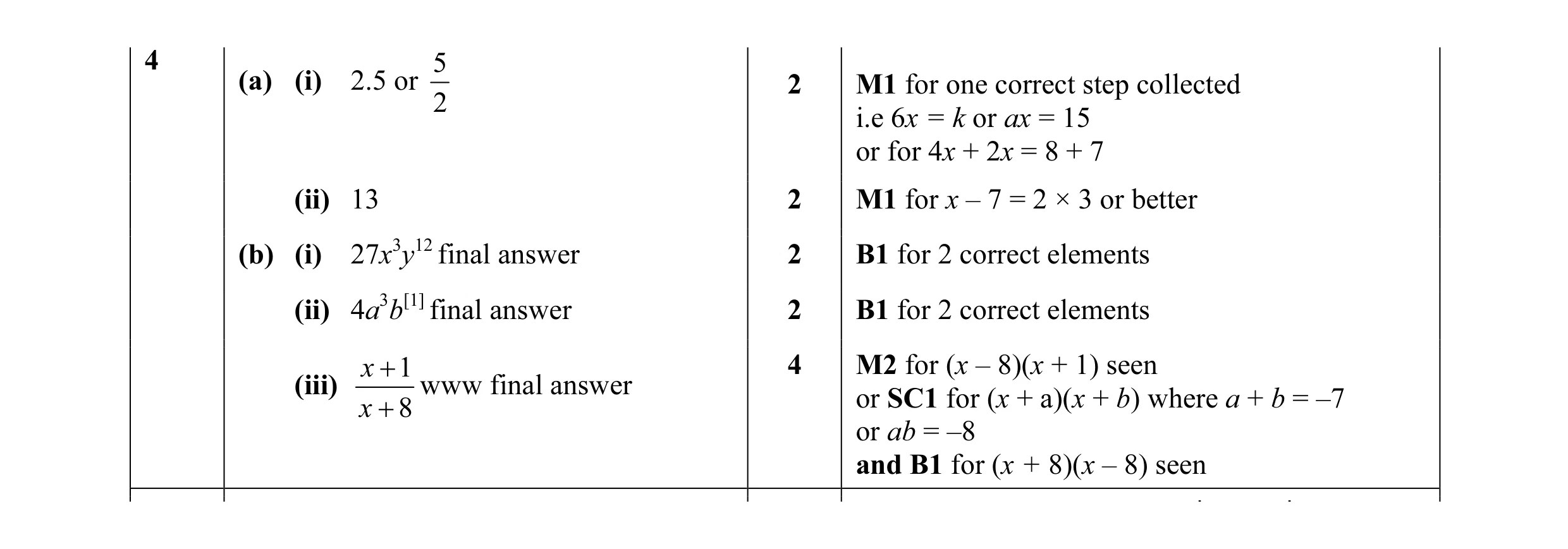 12
12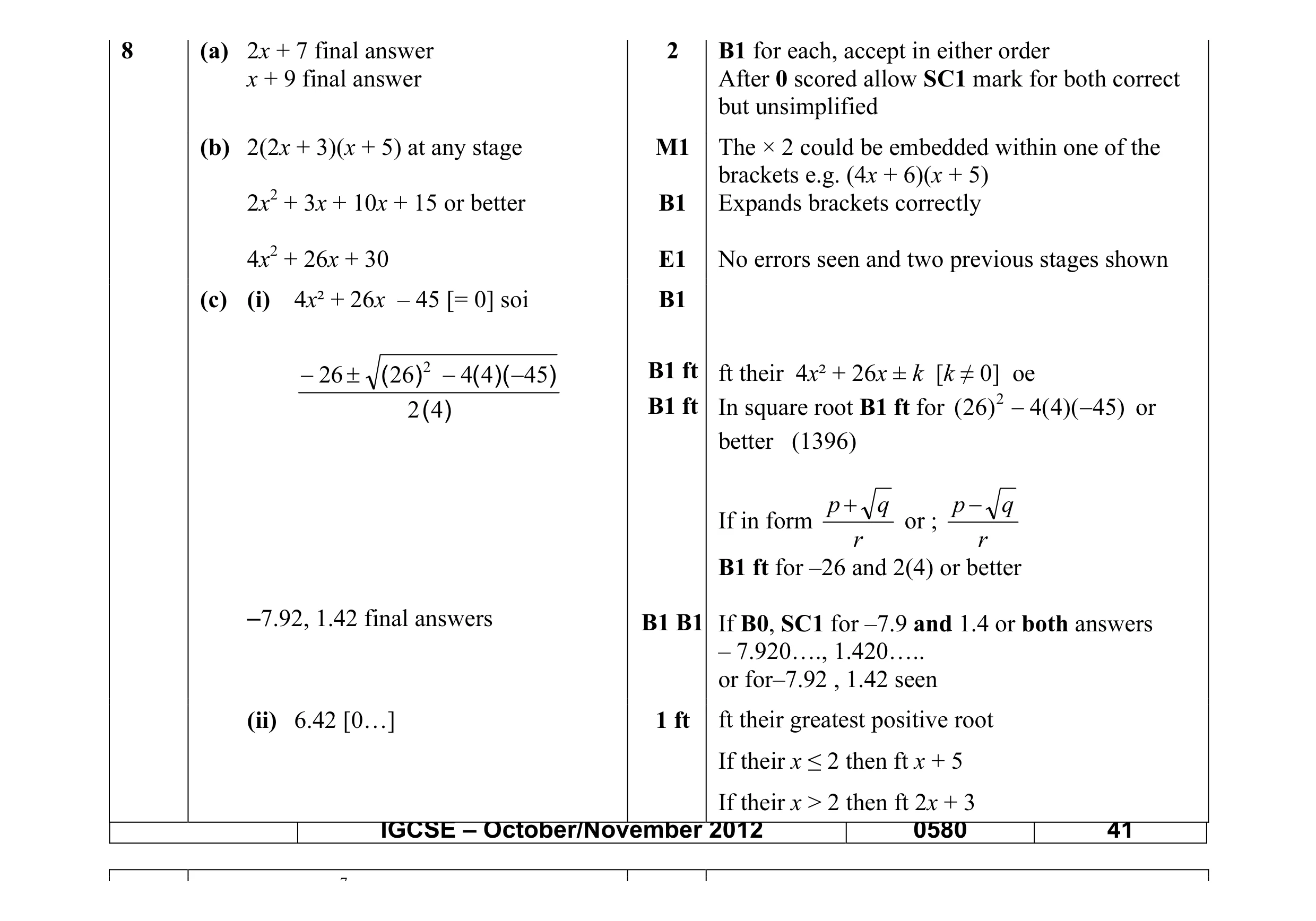 11
11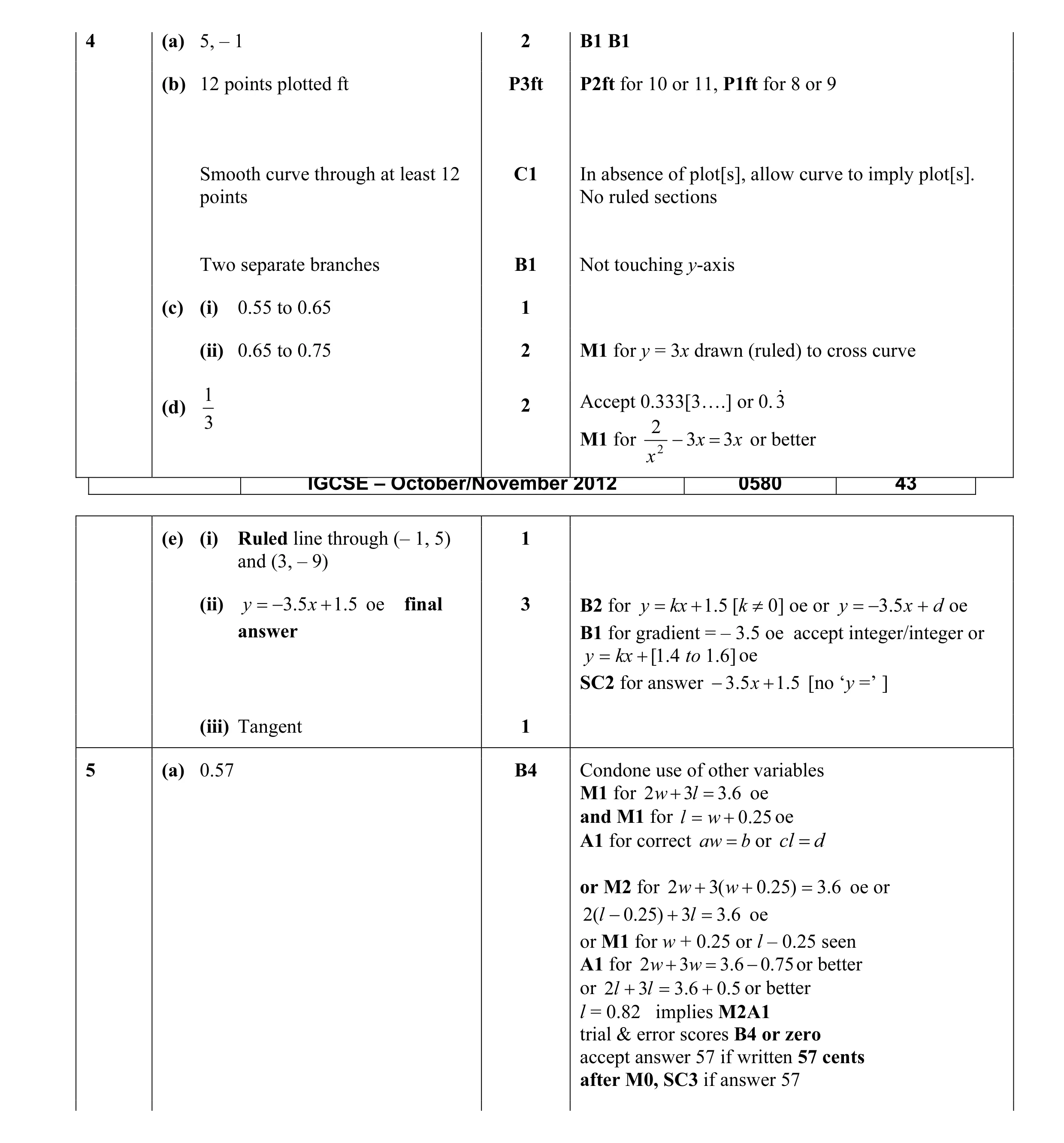 17
17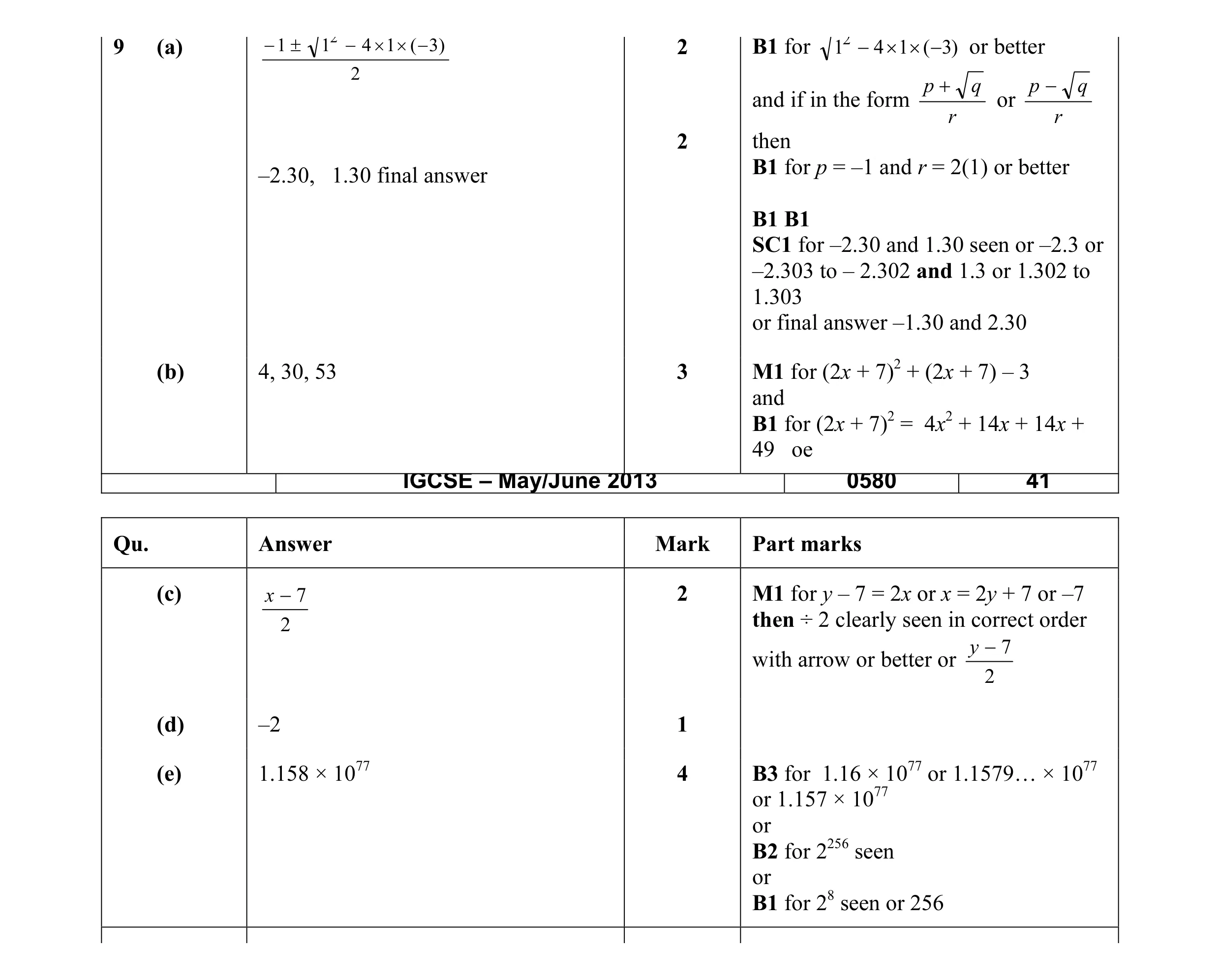 14
14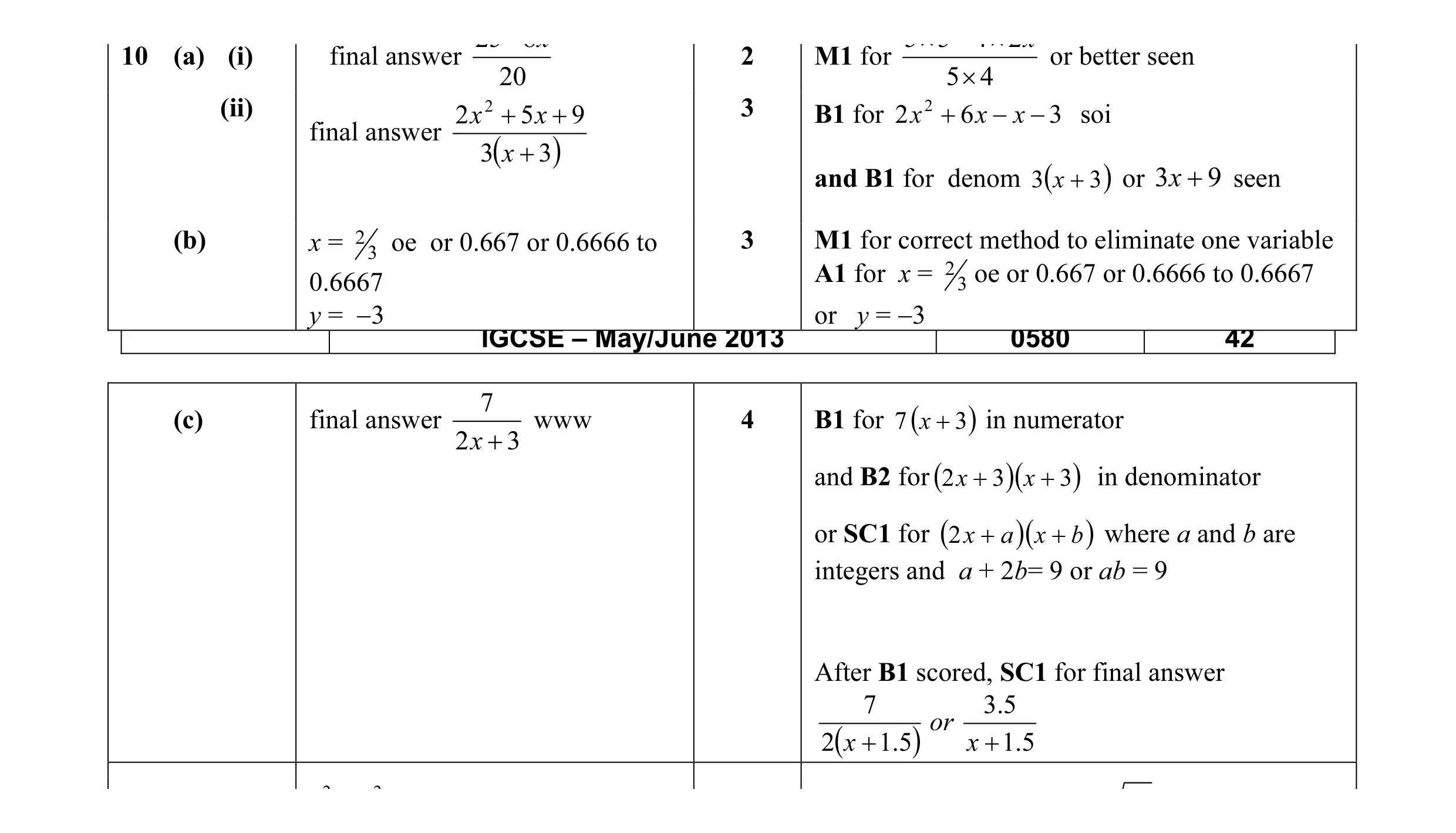 12
12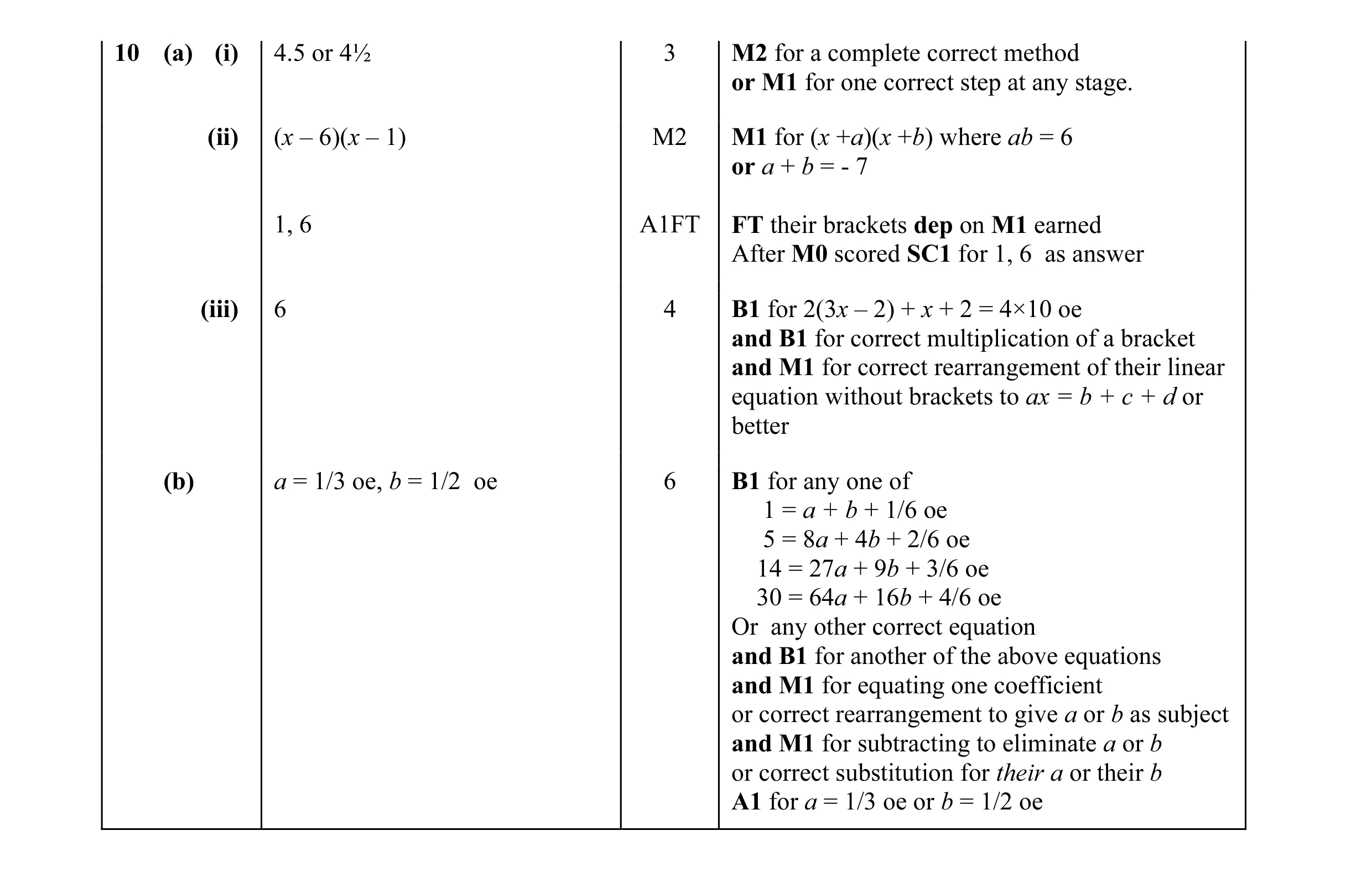 16
16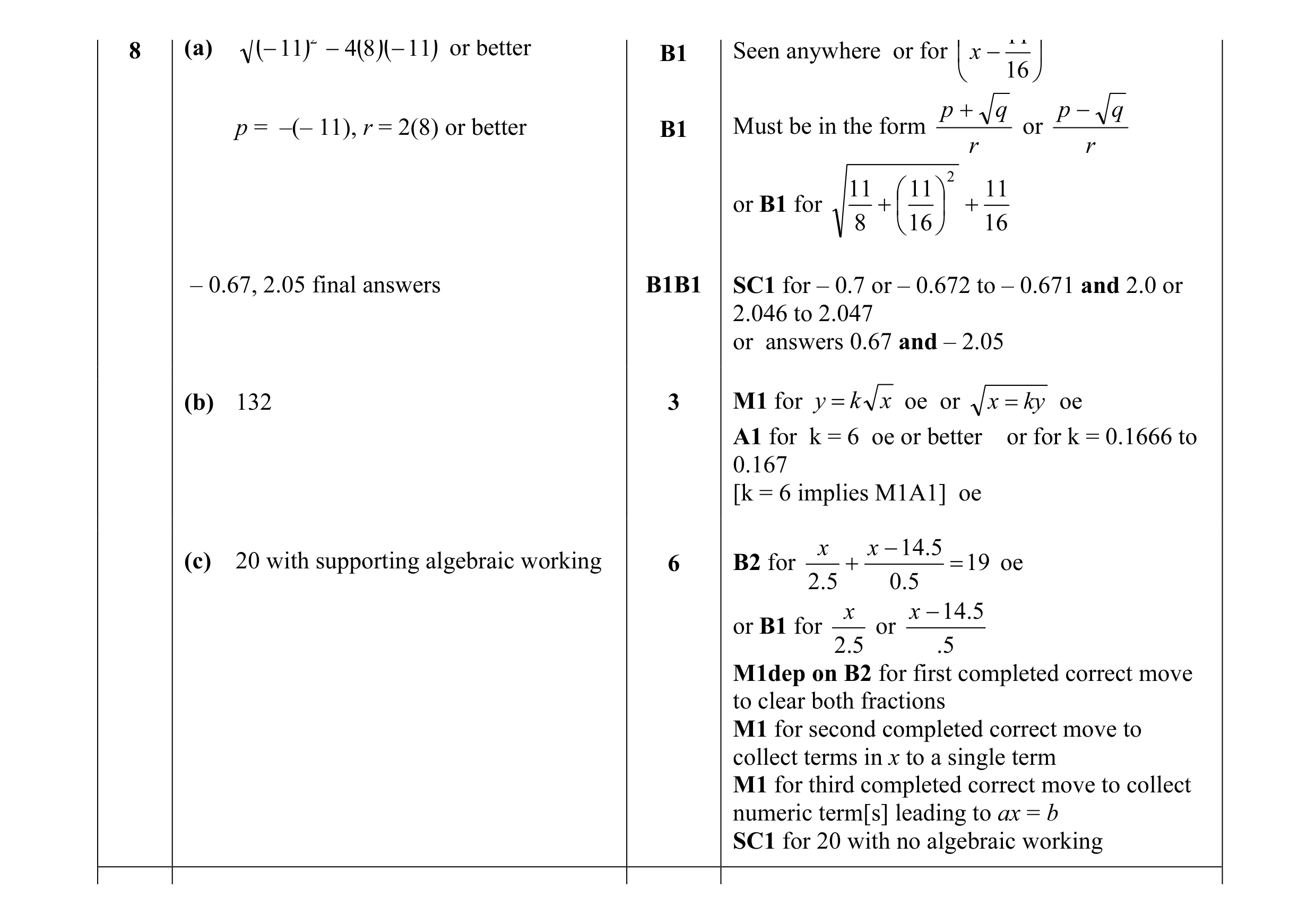 13
13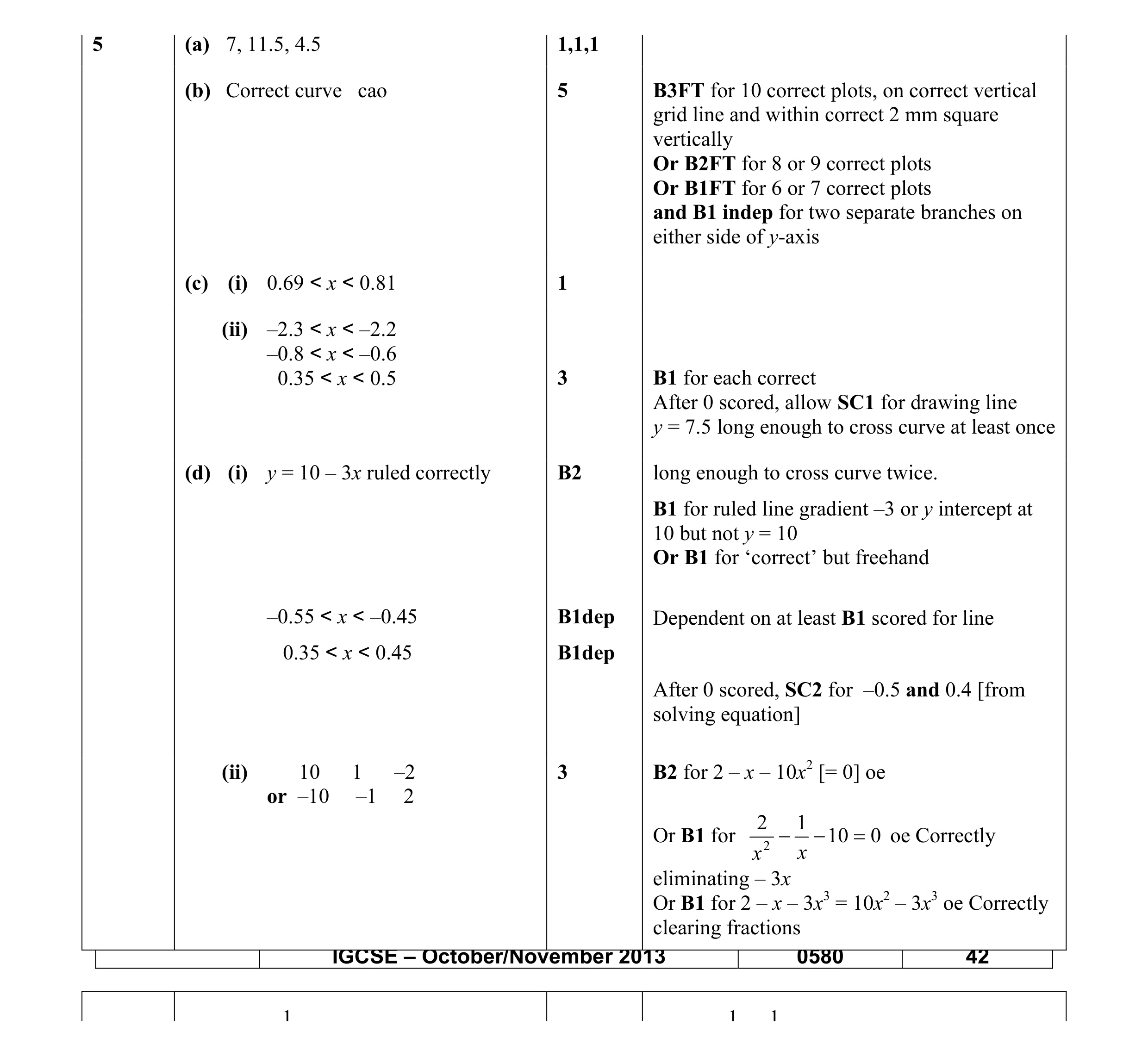 19
19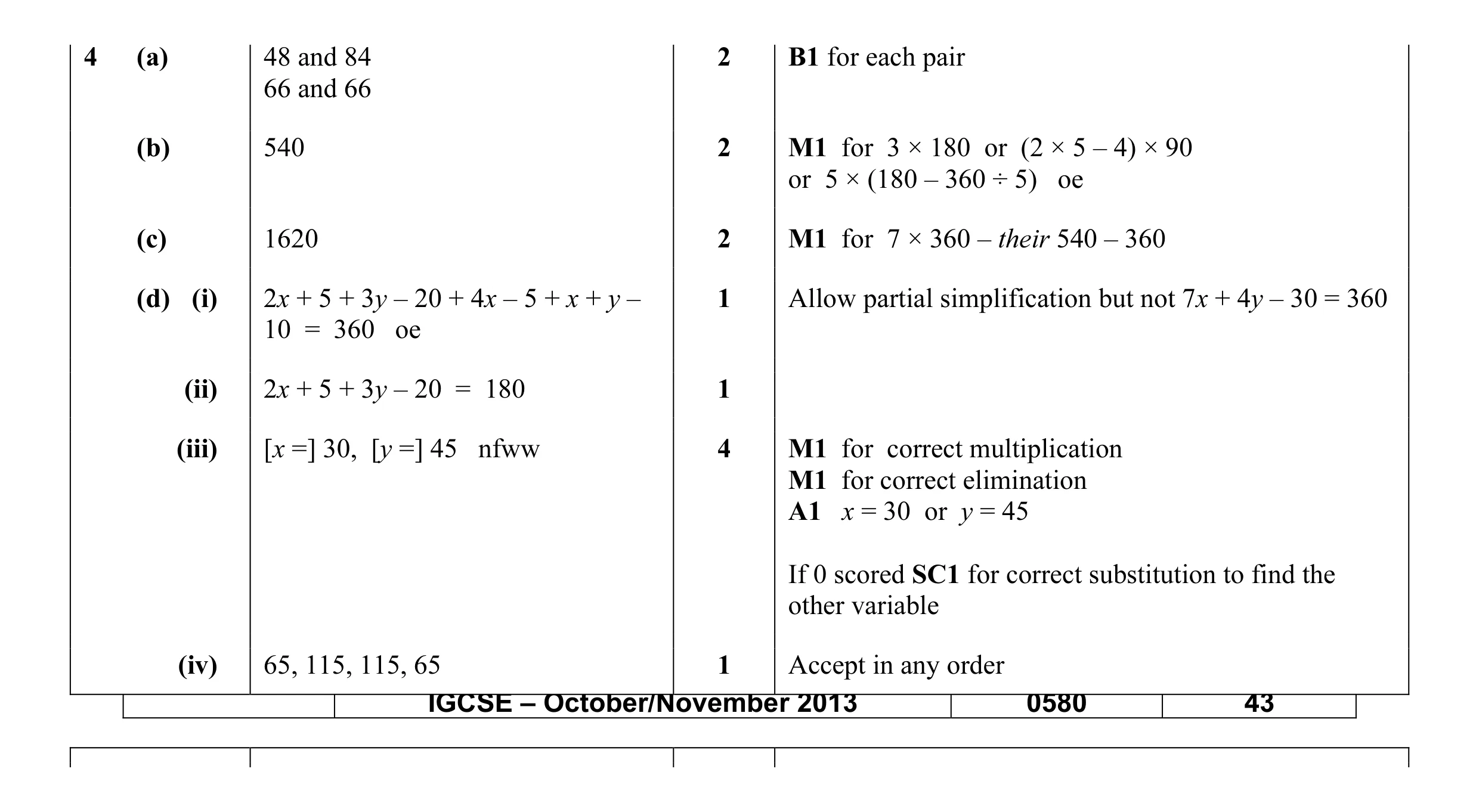 13
13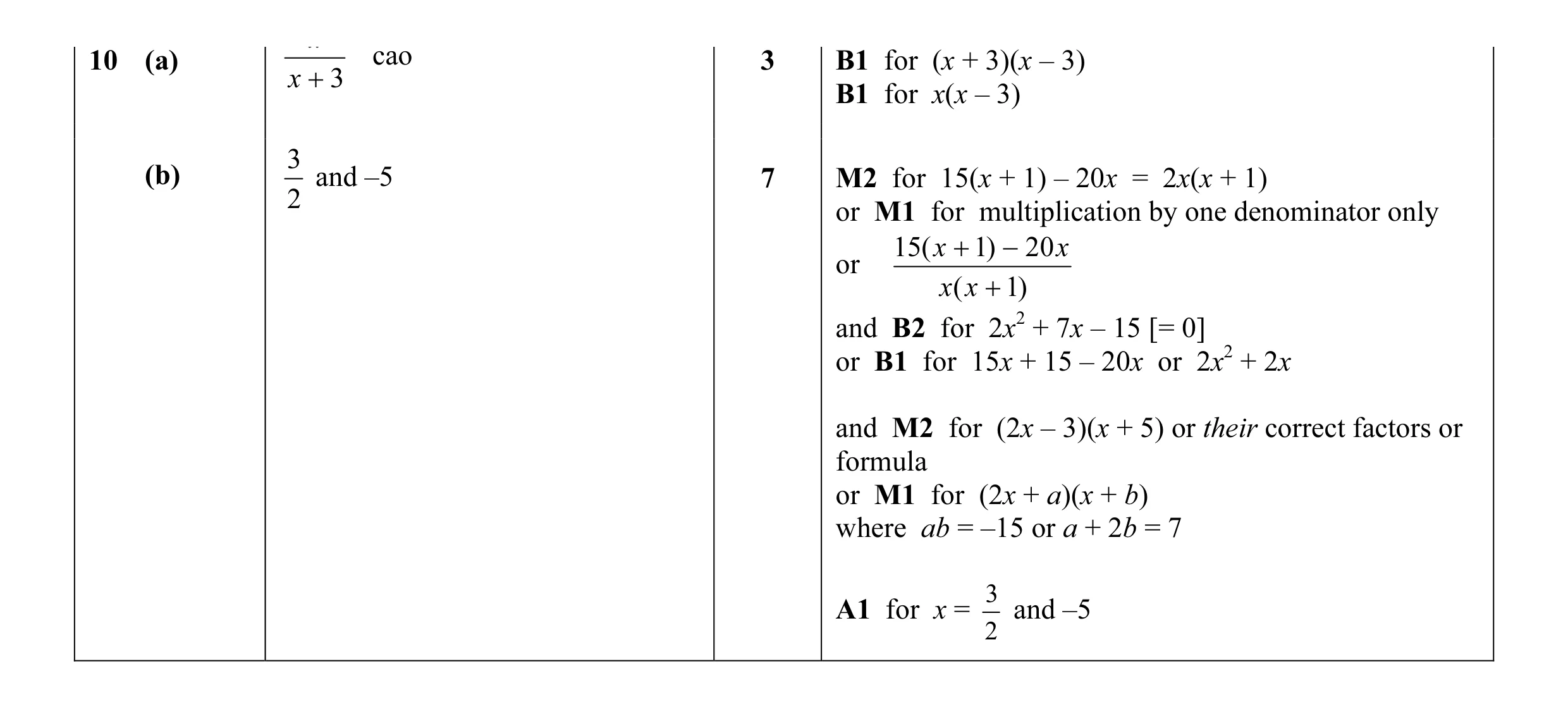 10
10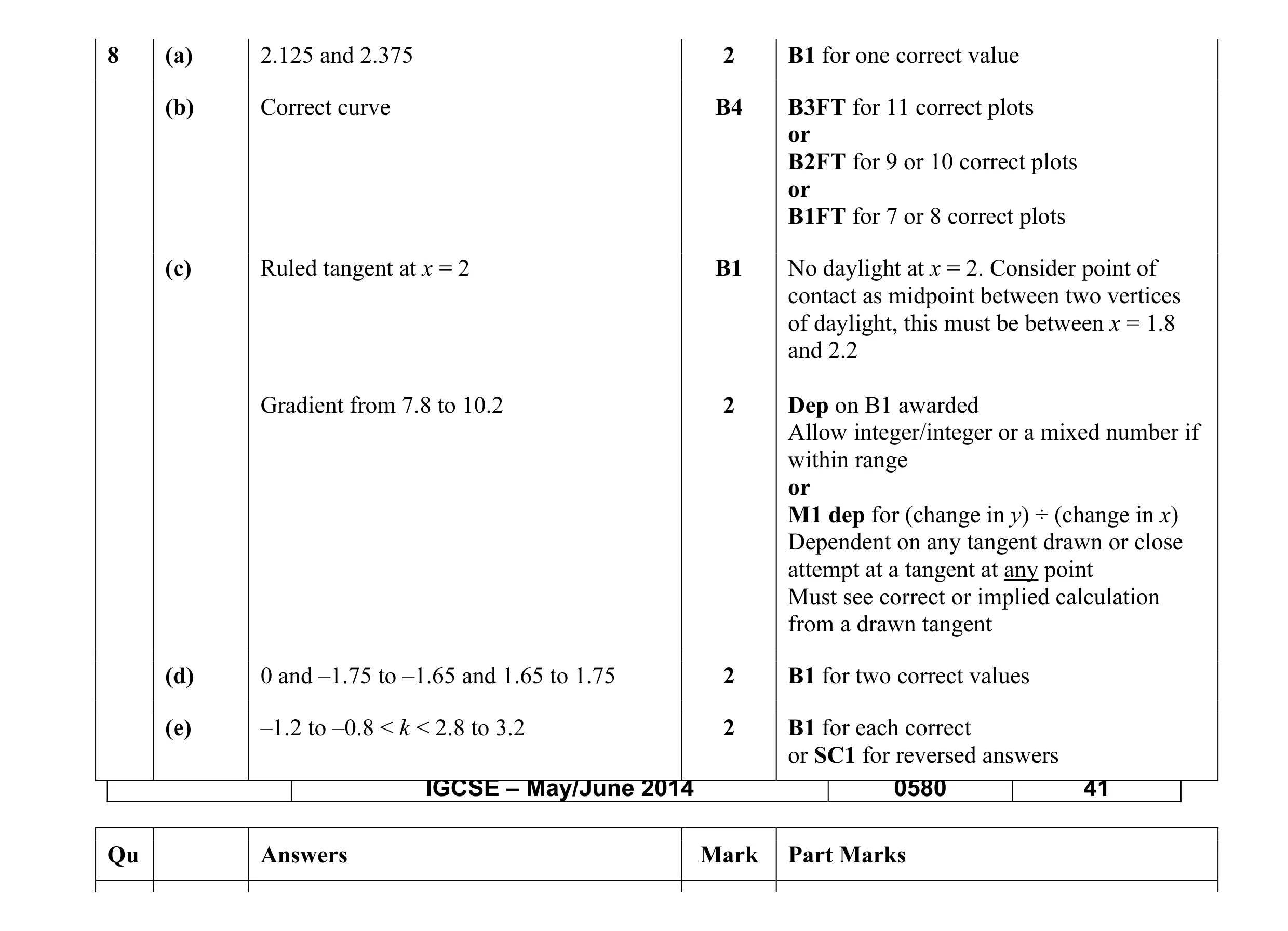 13
13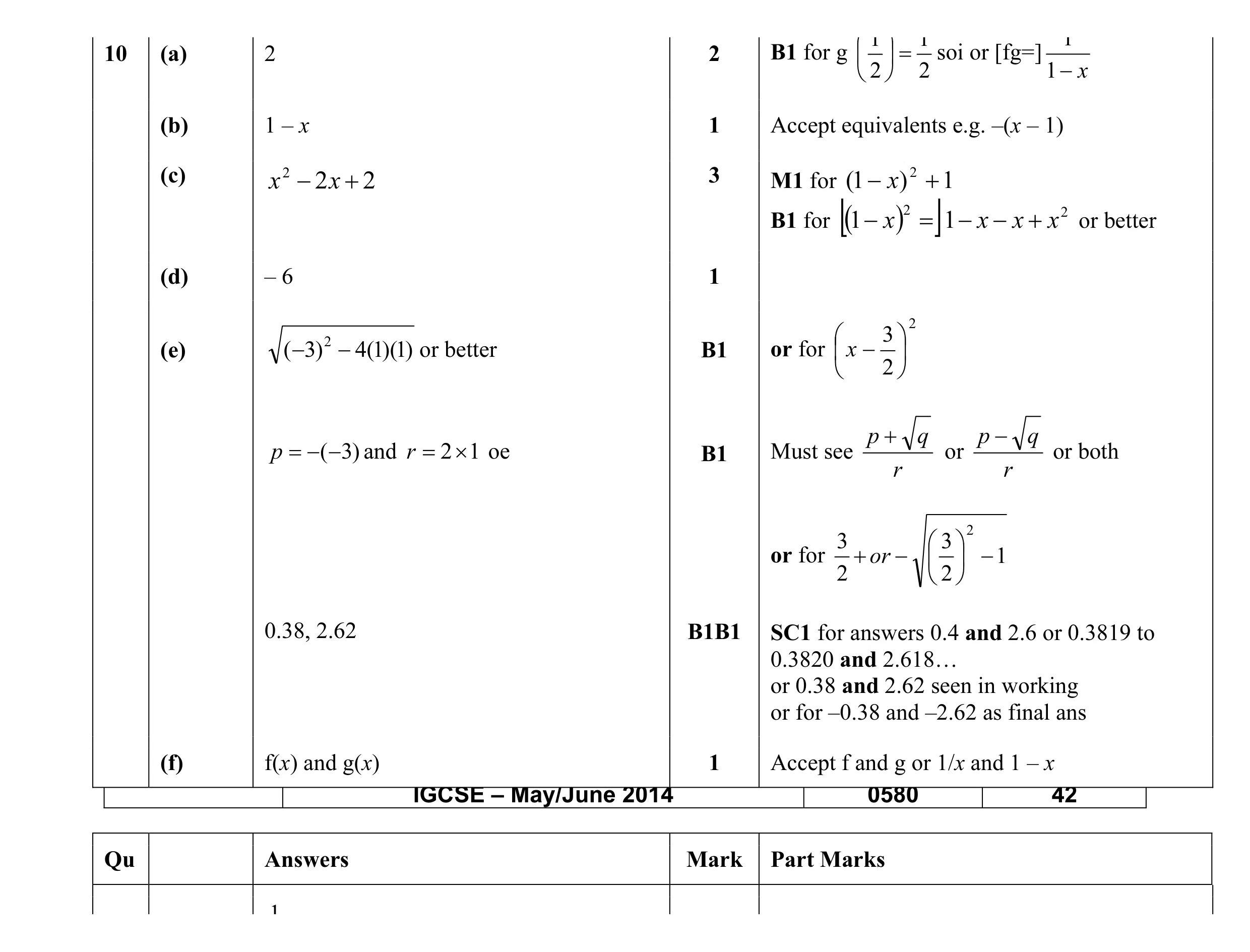 12
12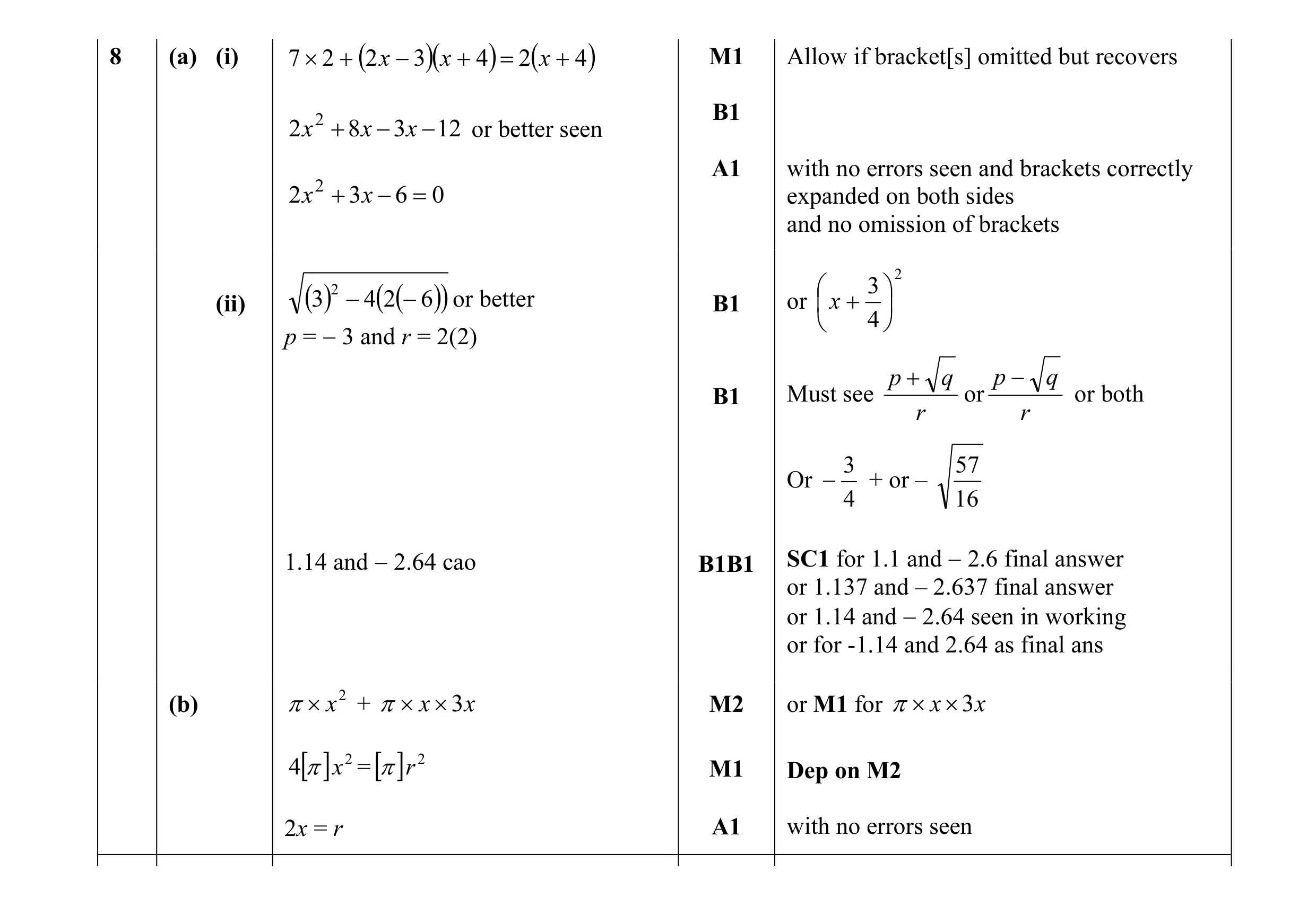 11
11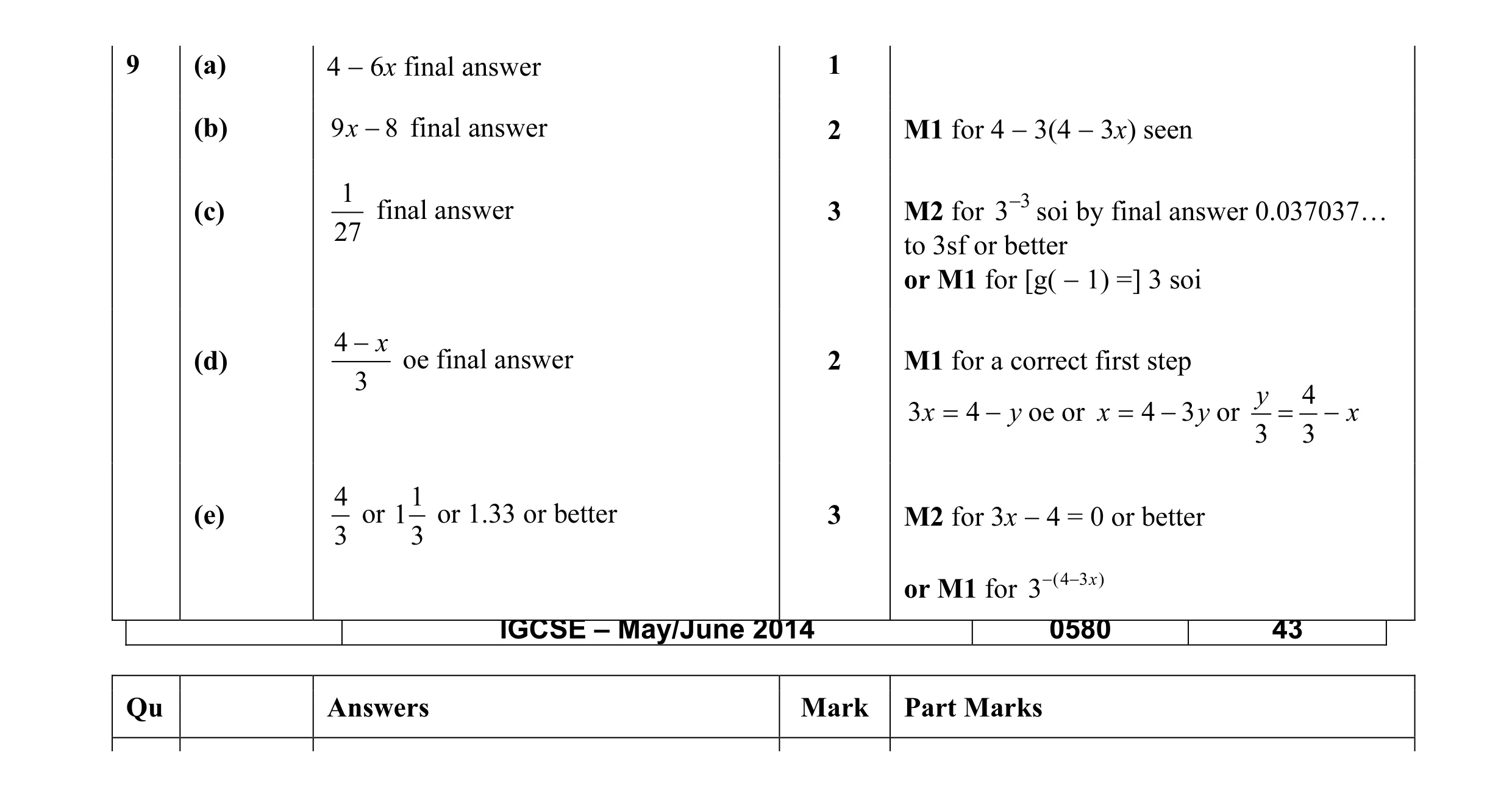 11
11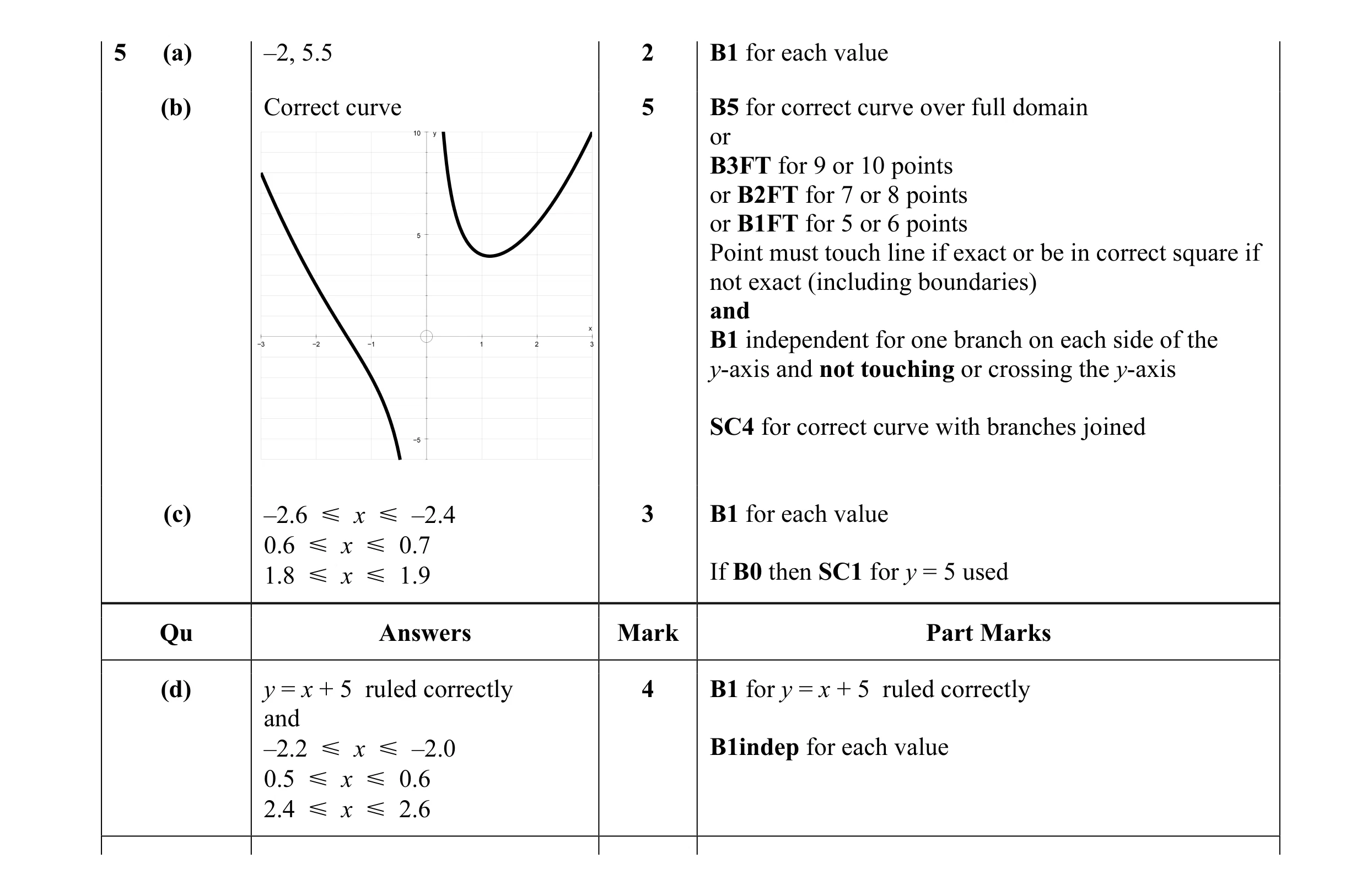 14
14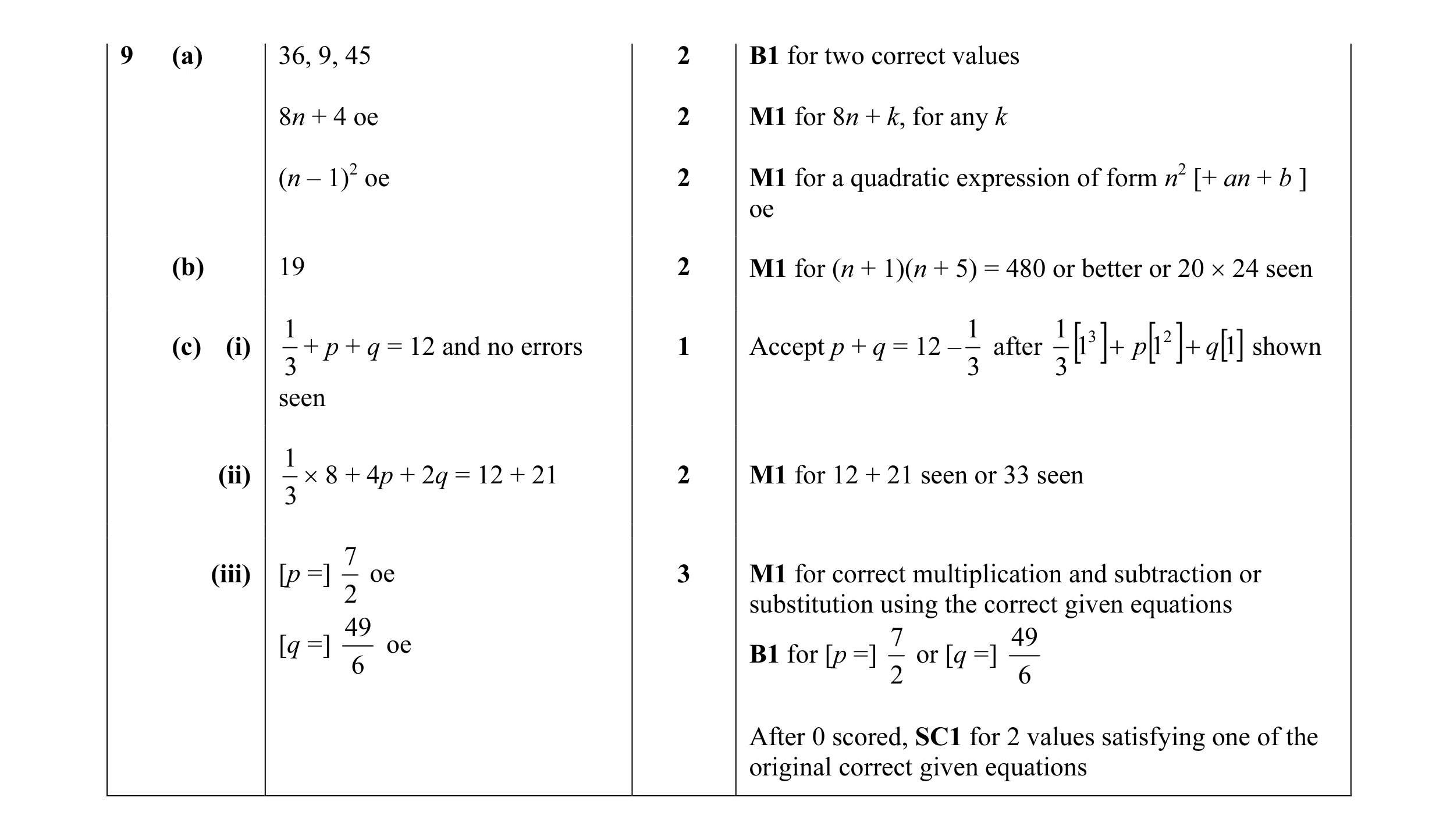 14
14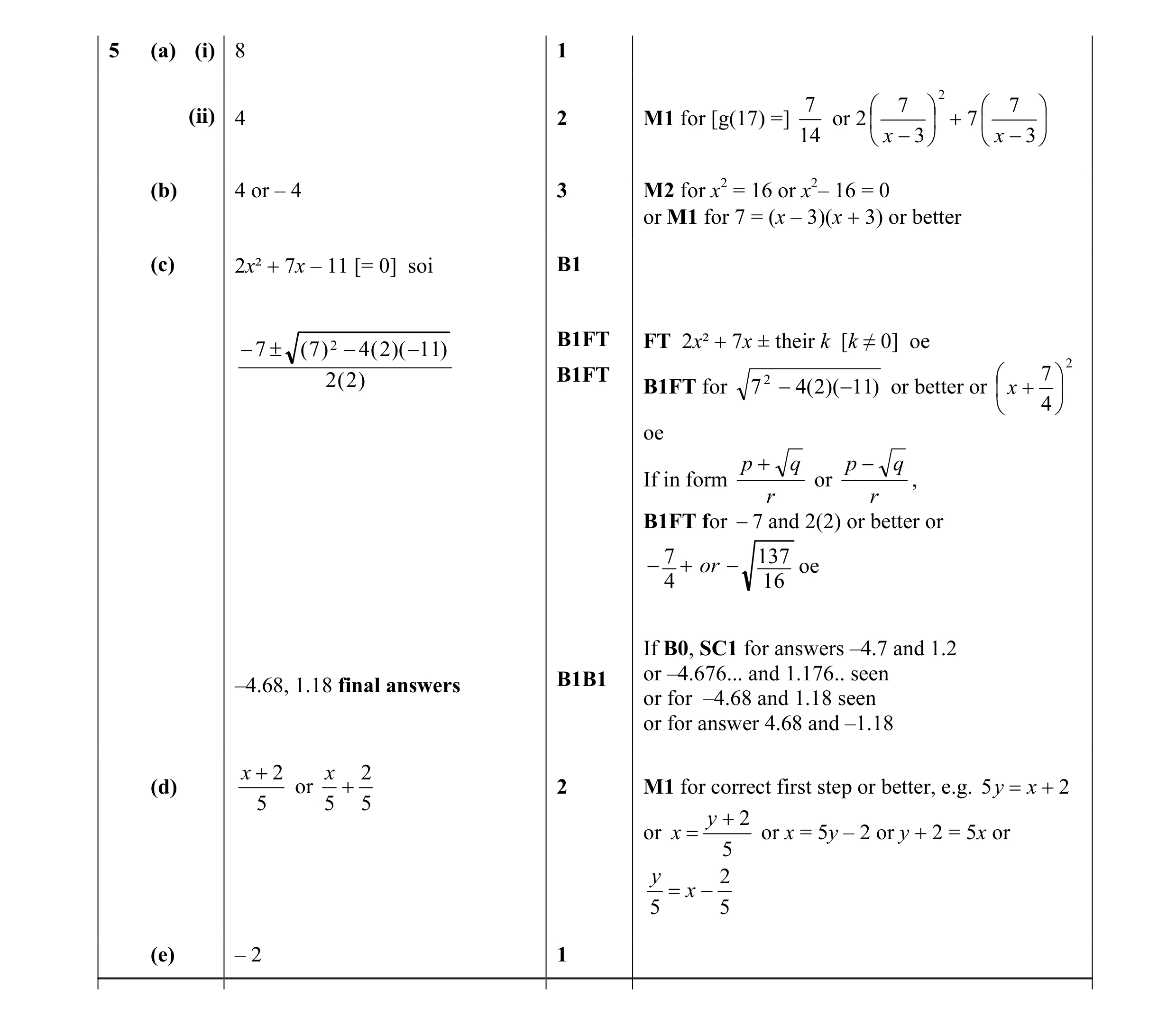 14
14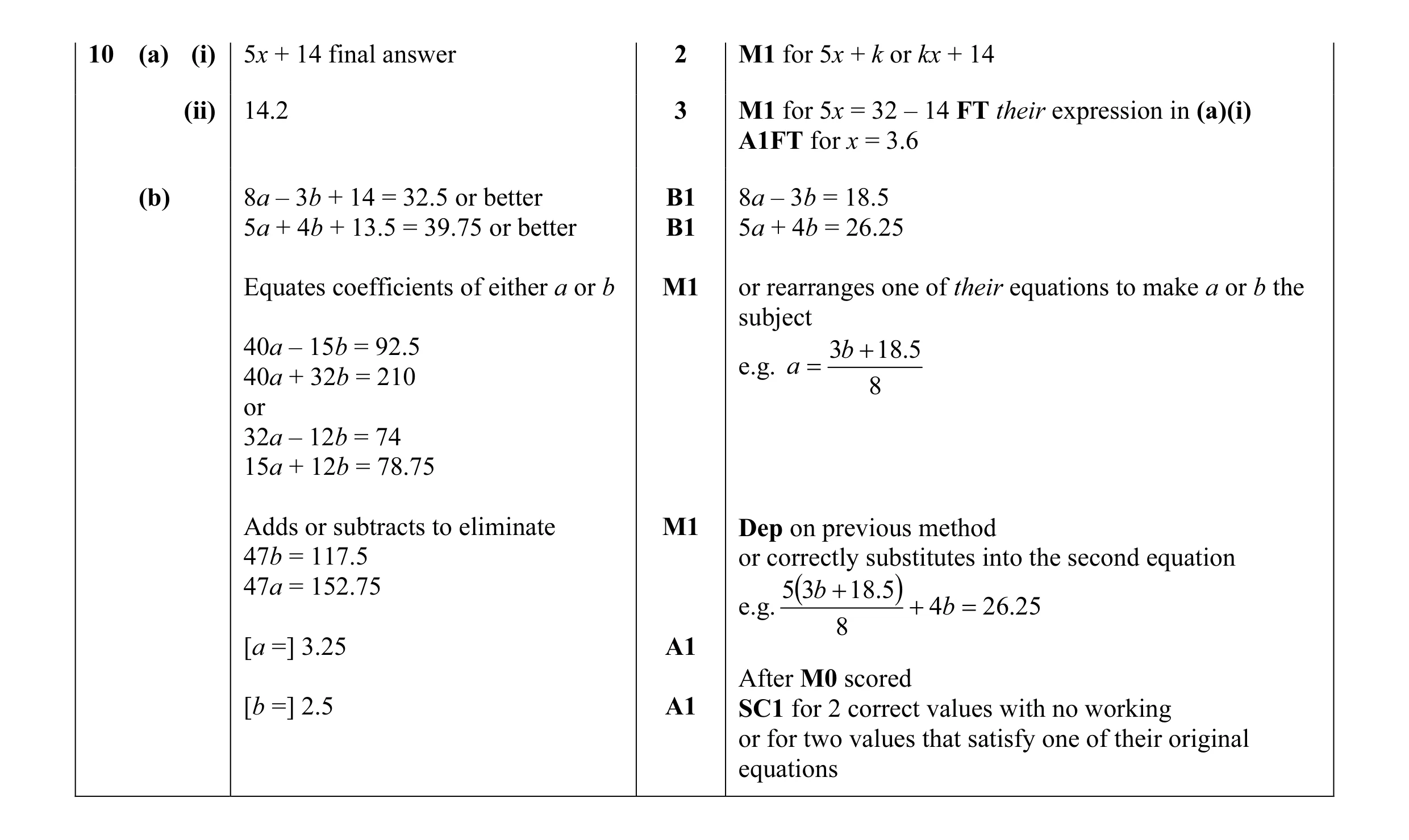 11
11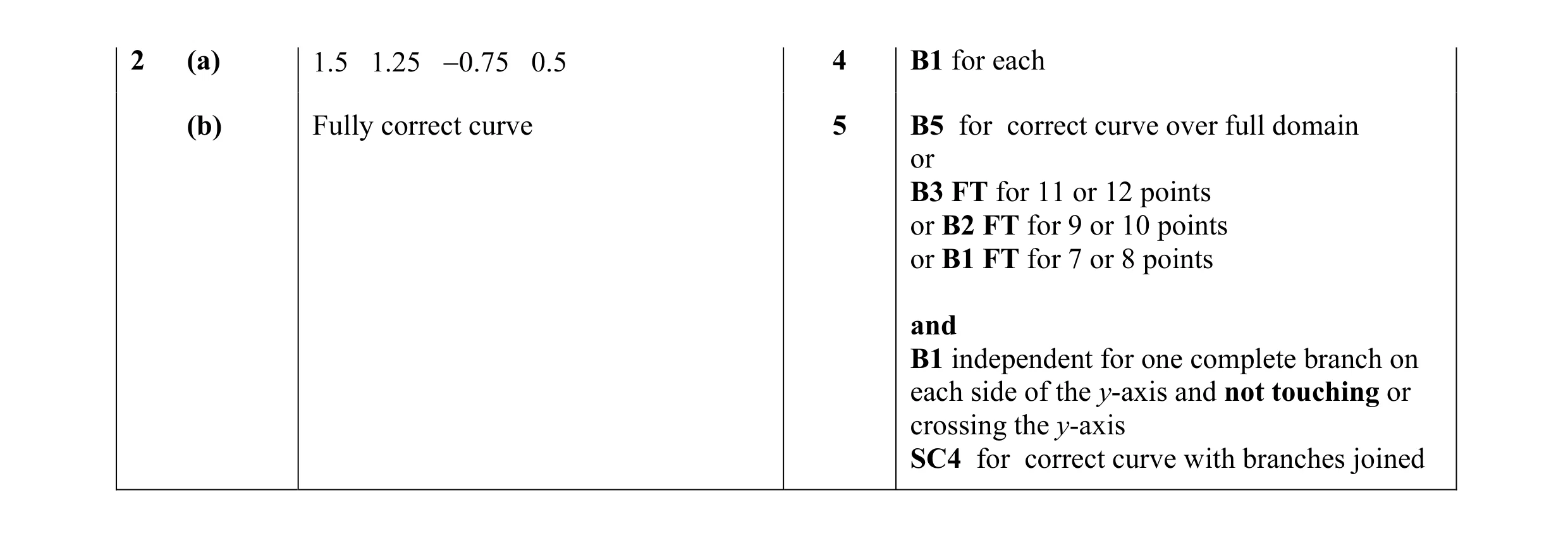 17
17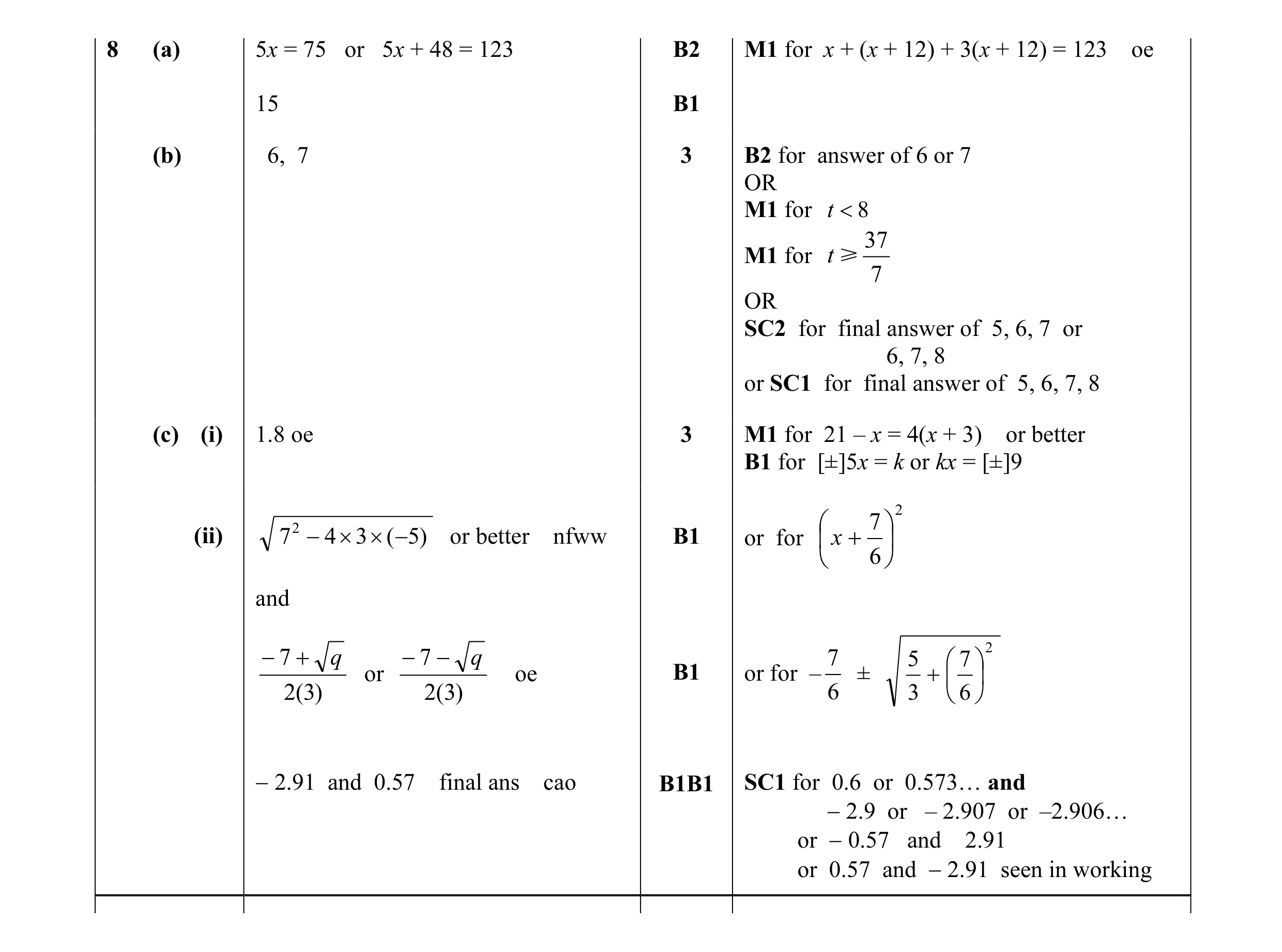 13
13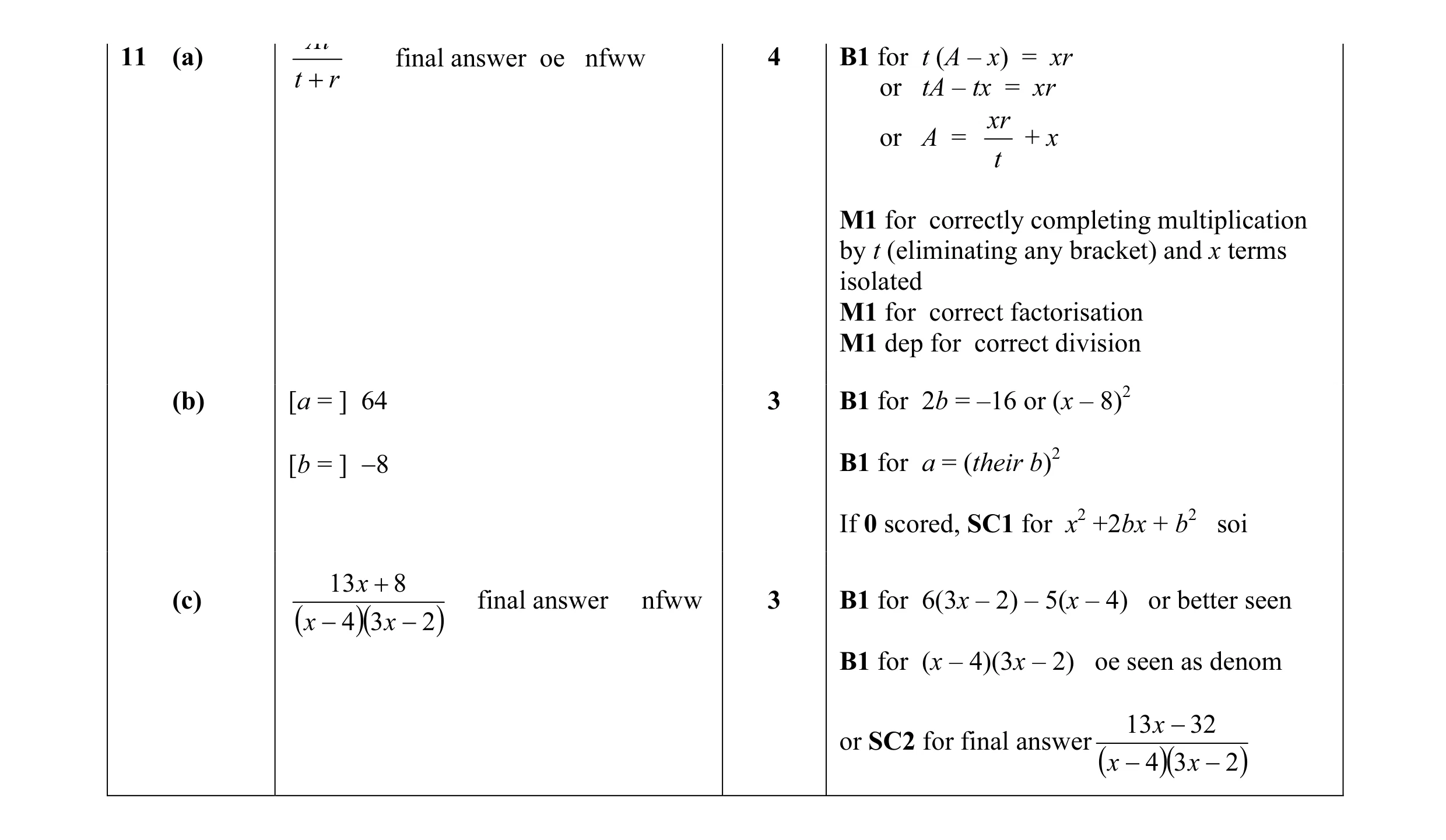 10
10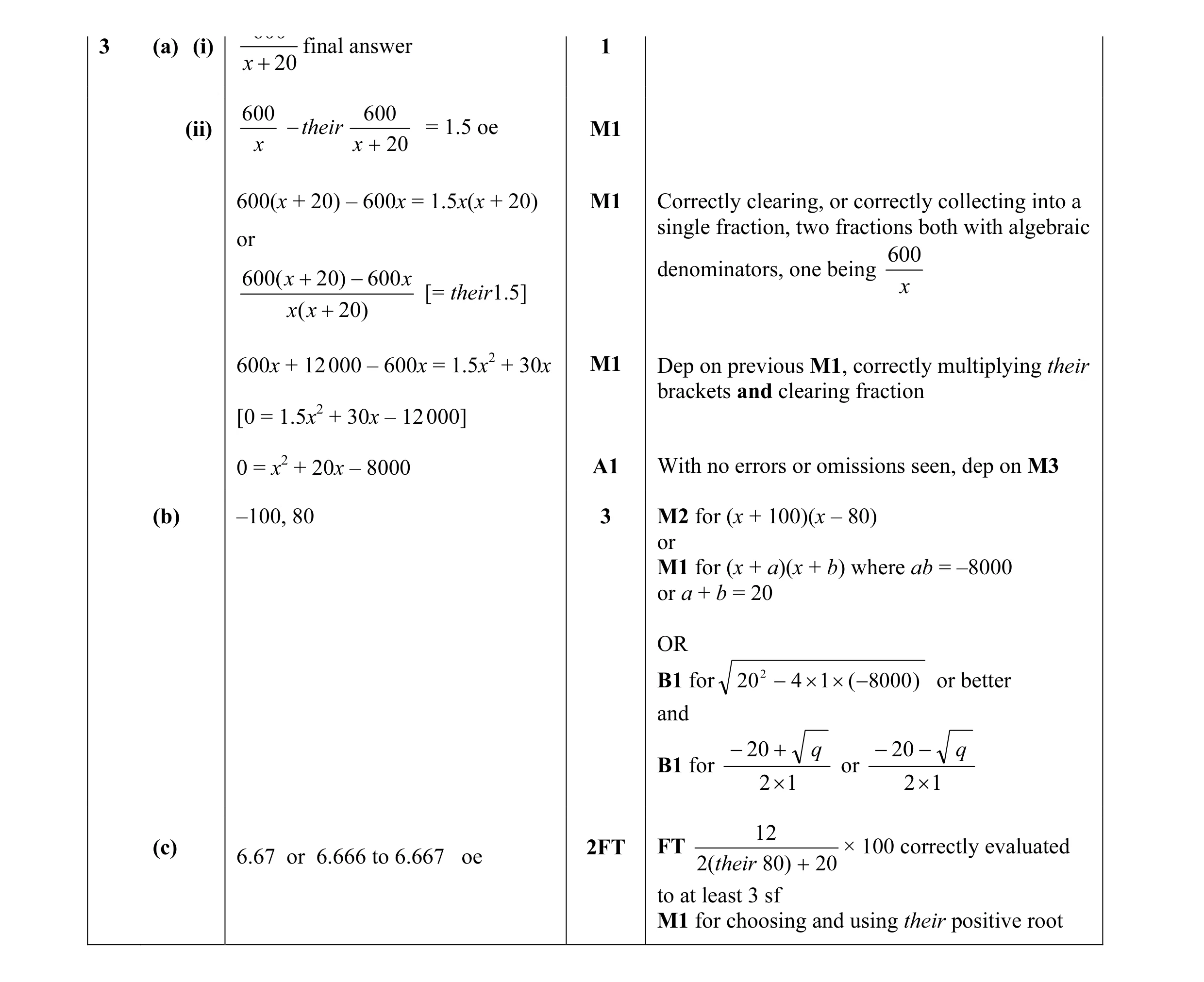 10
10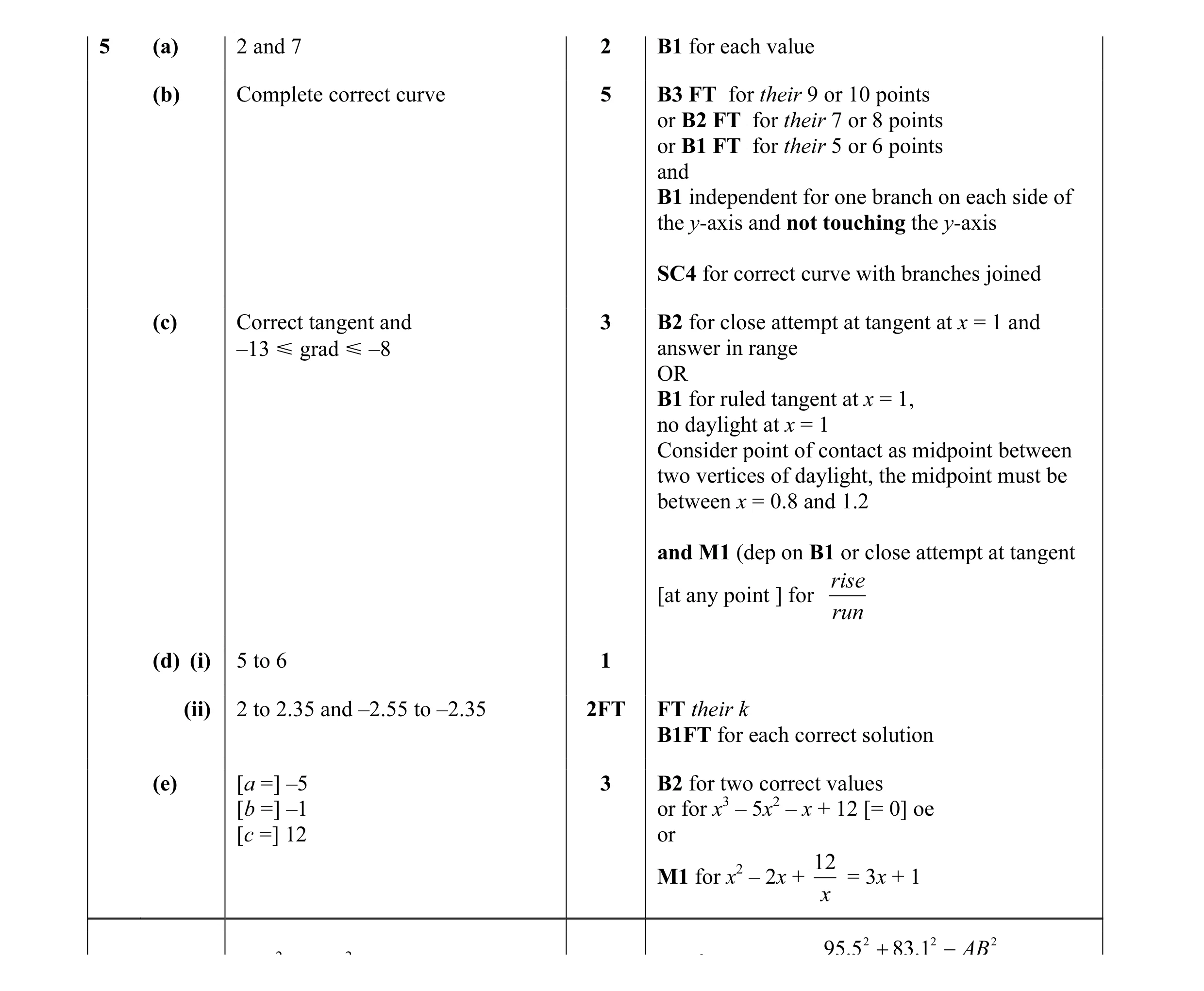 16
16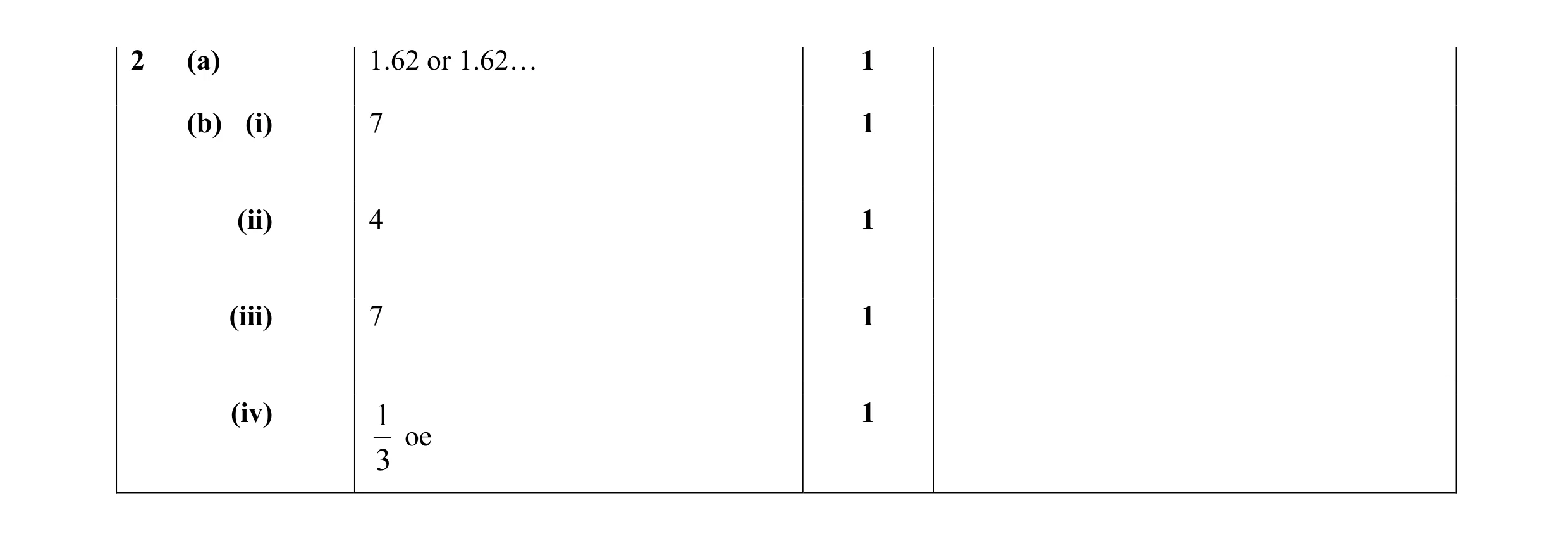 17
17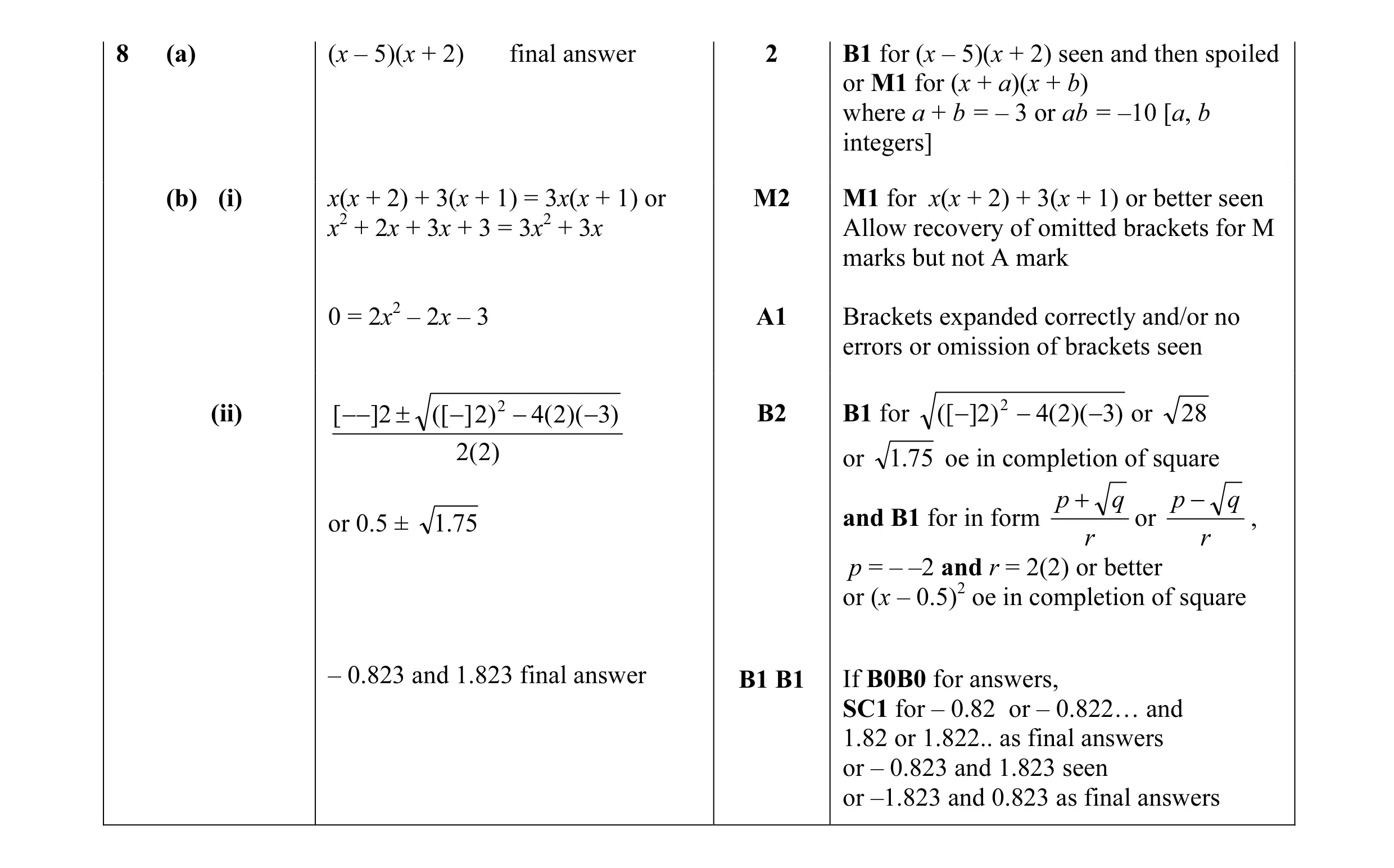 13
13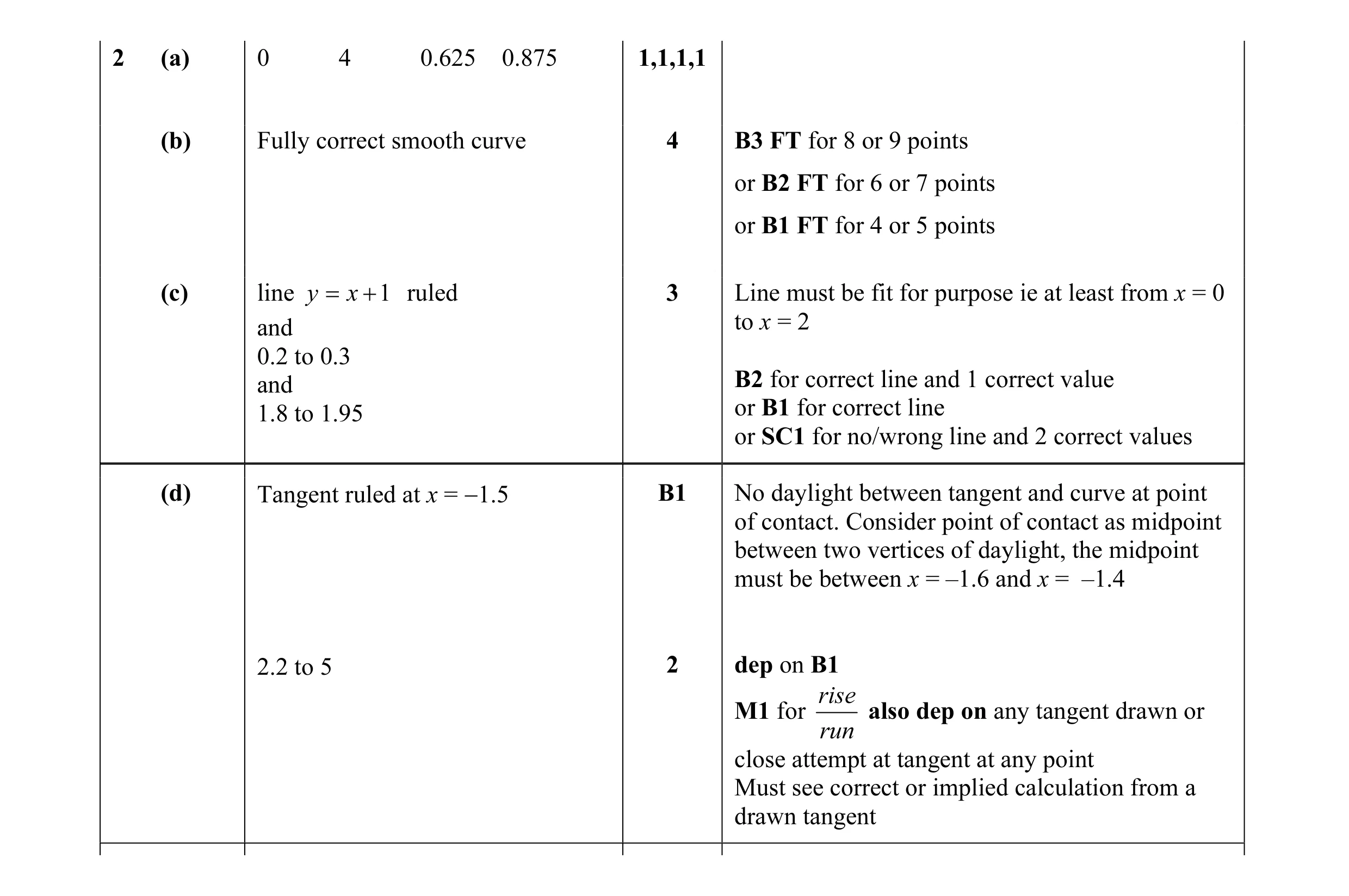 14
14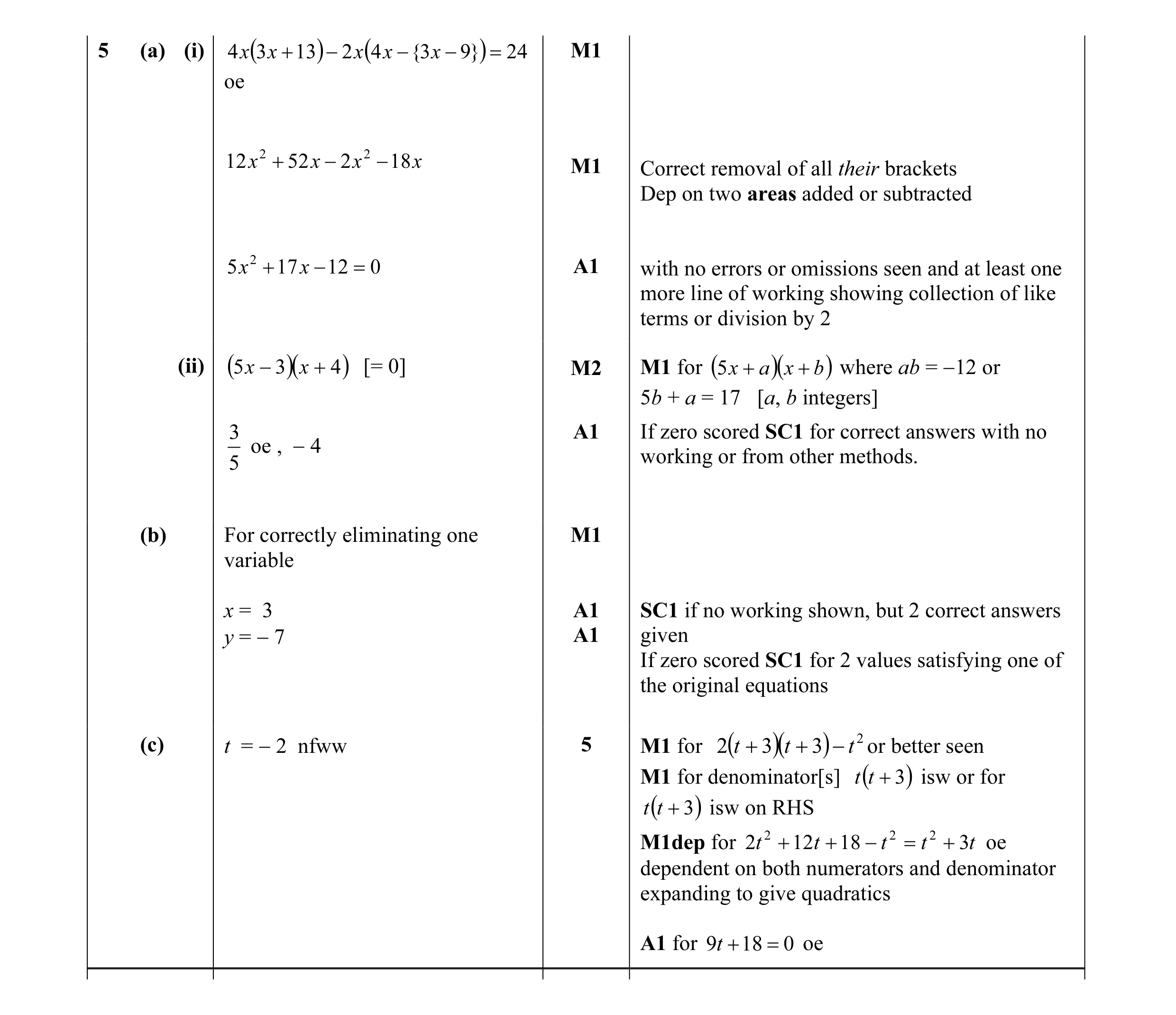 14
14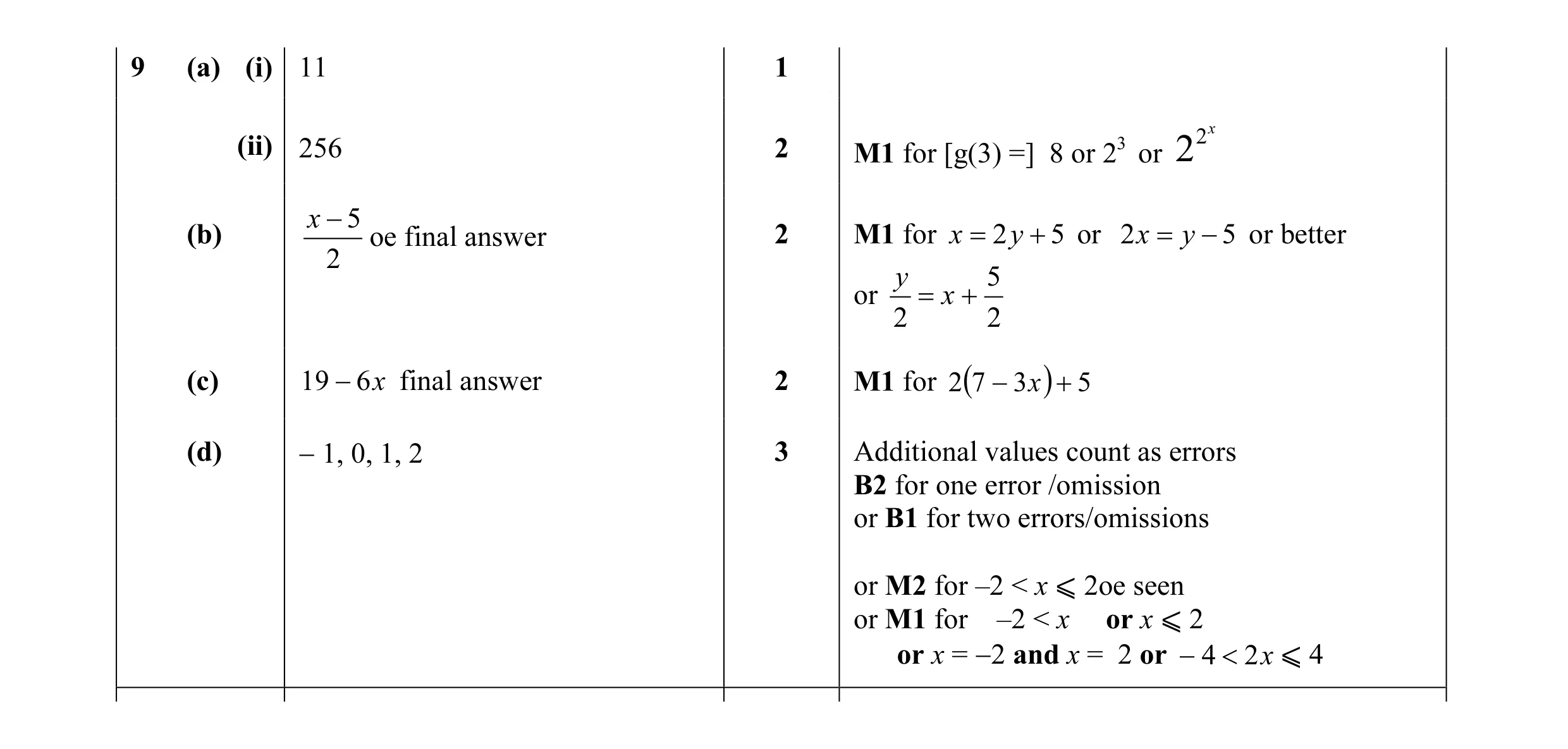 10
10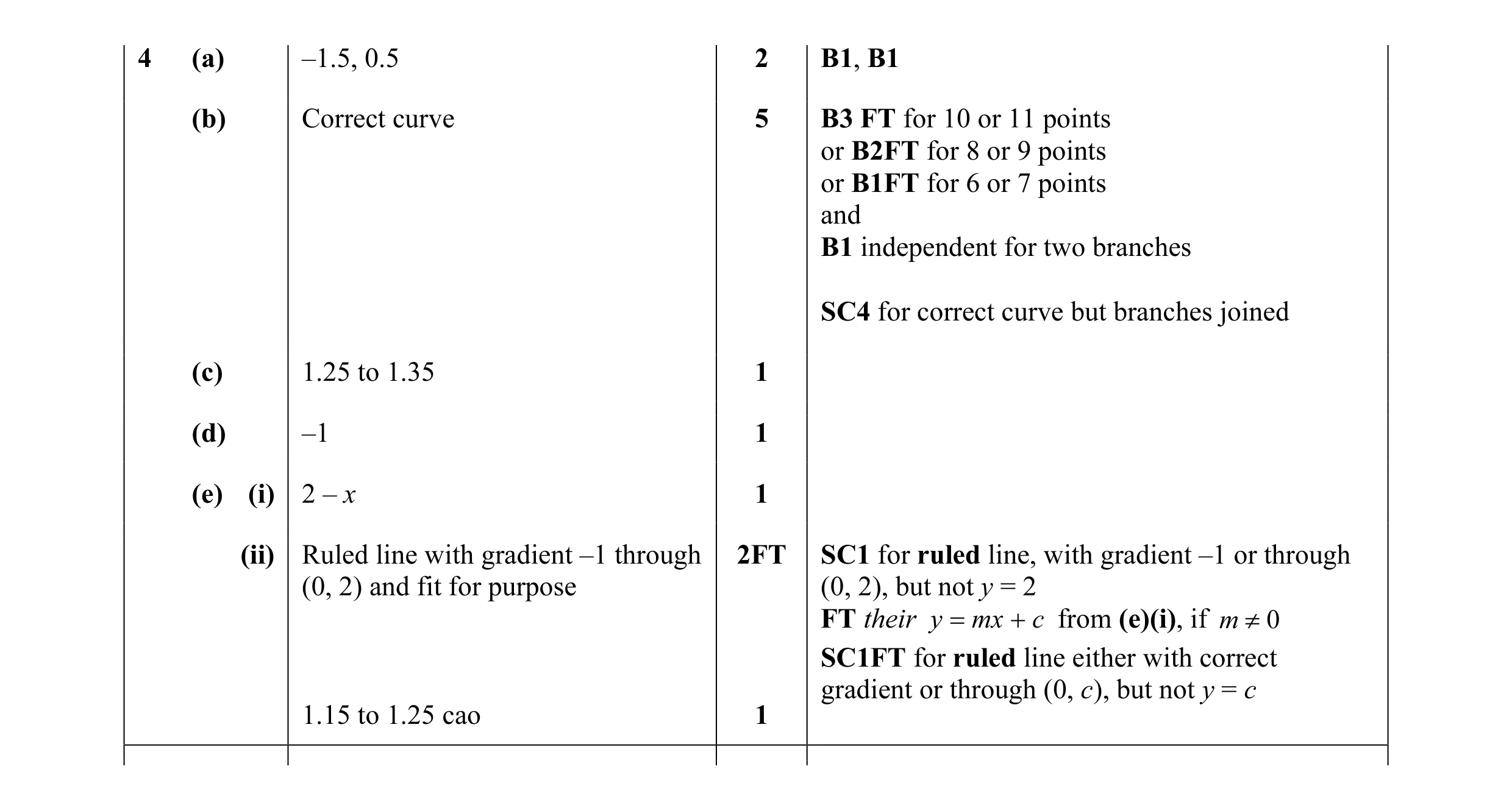 13
13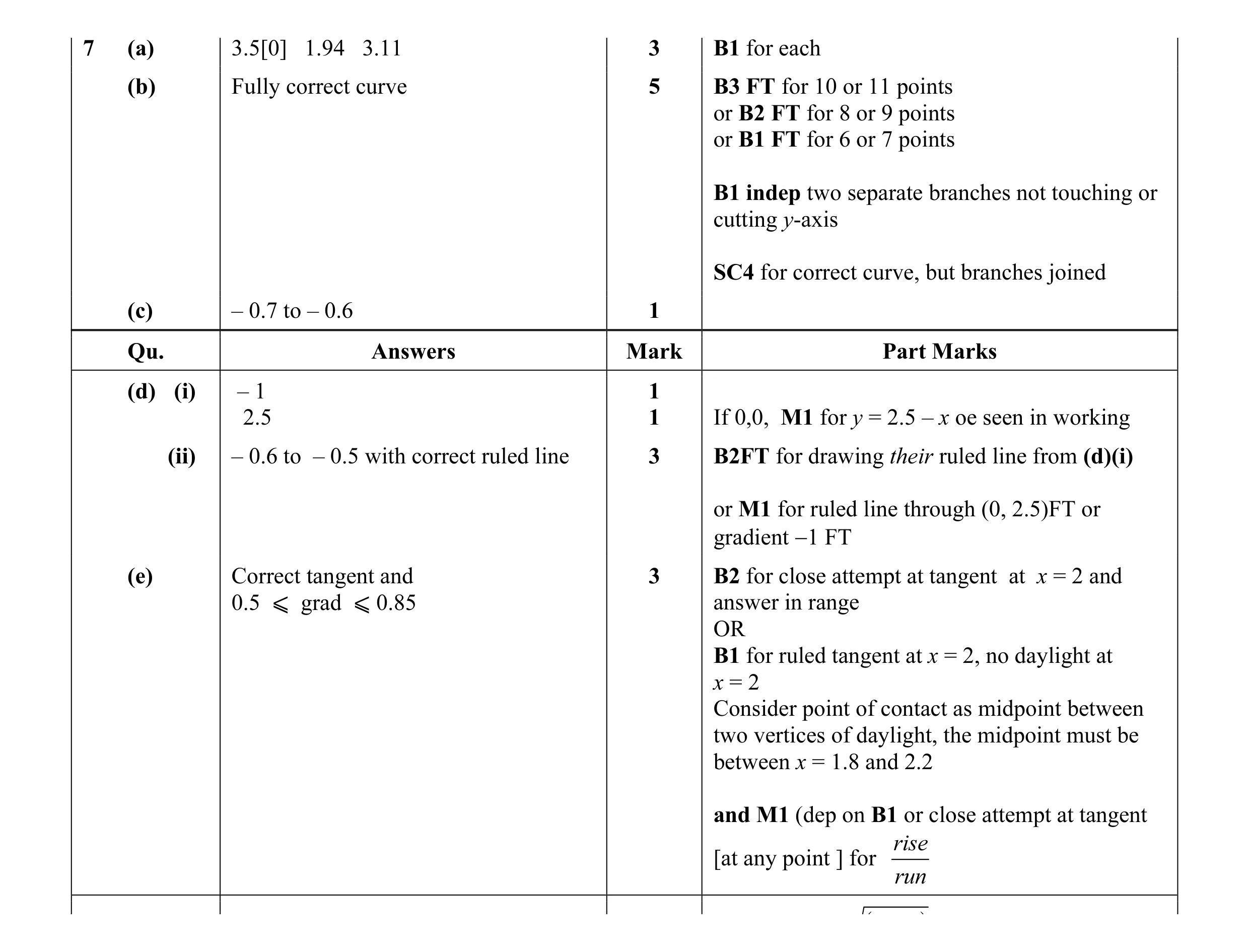 17
17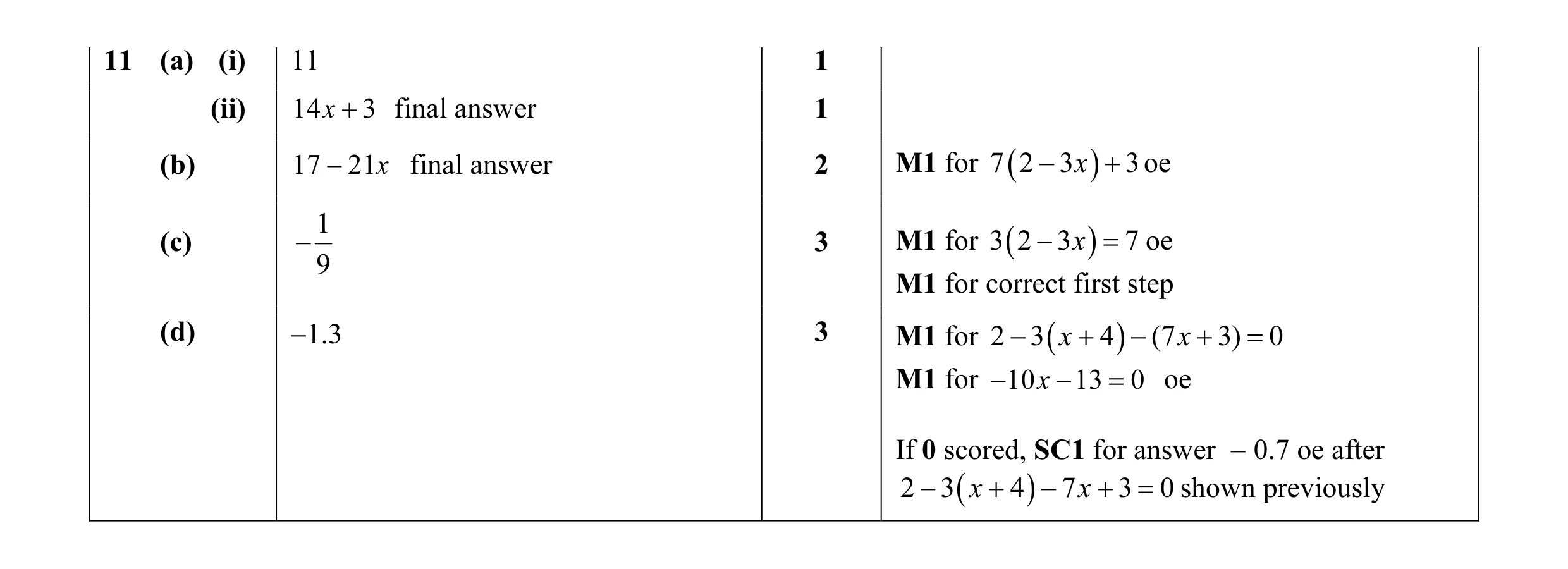 10
10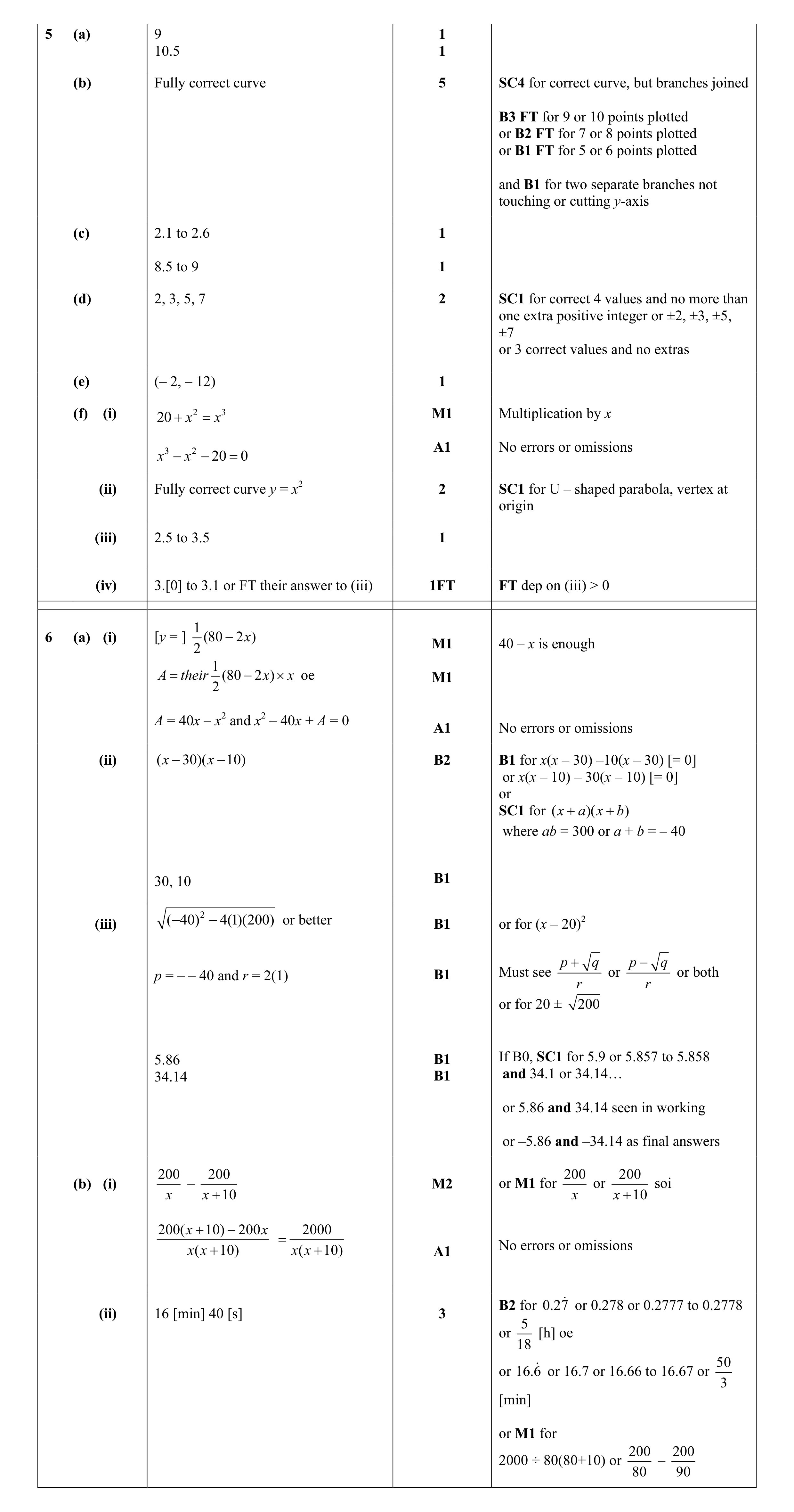 18
18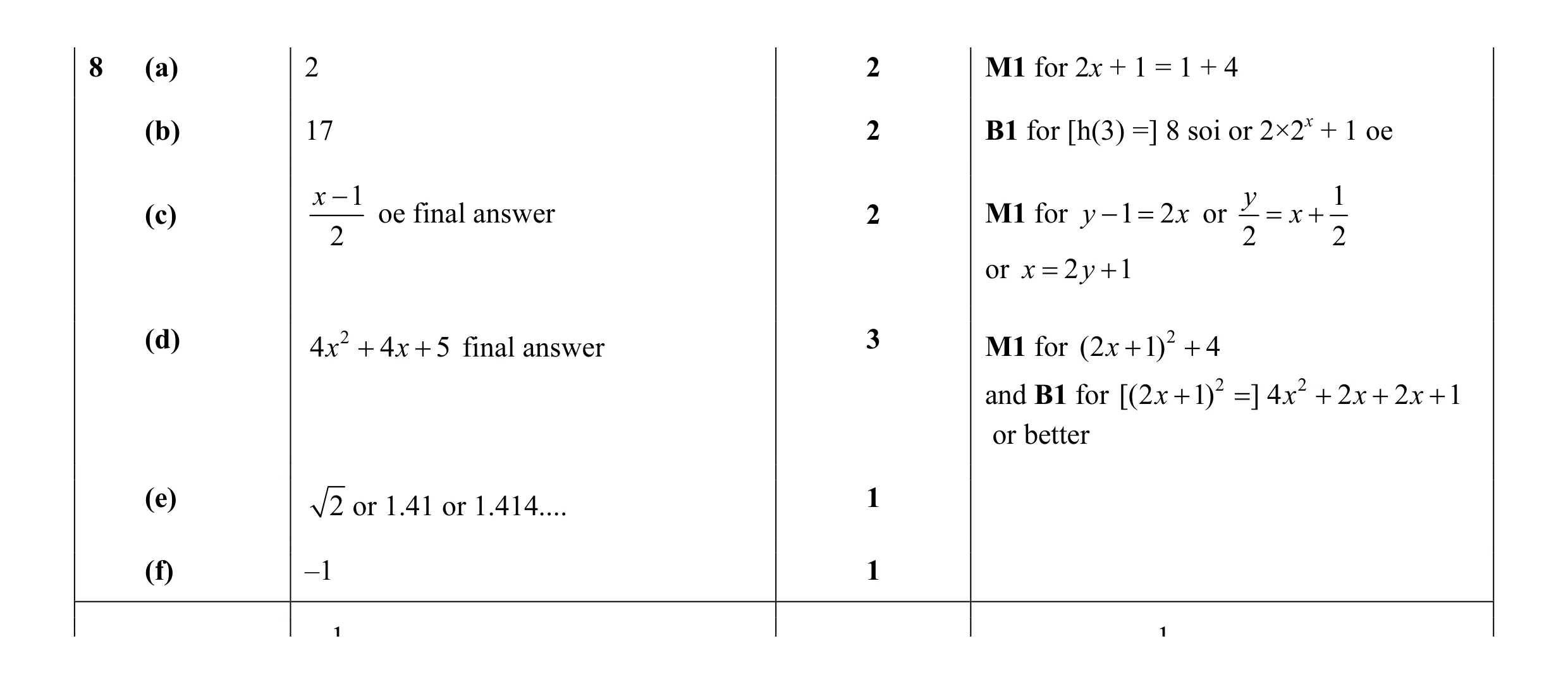 11
11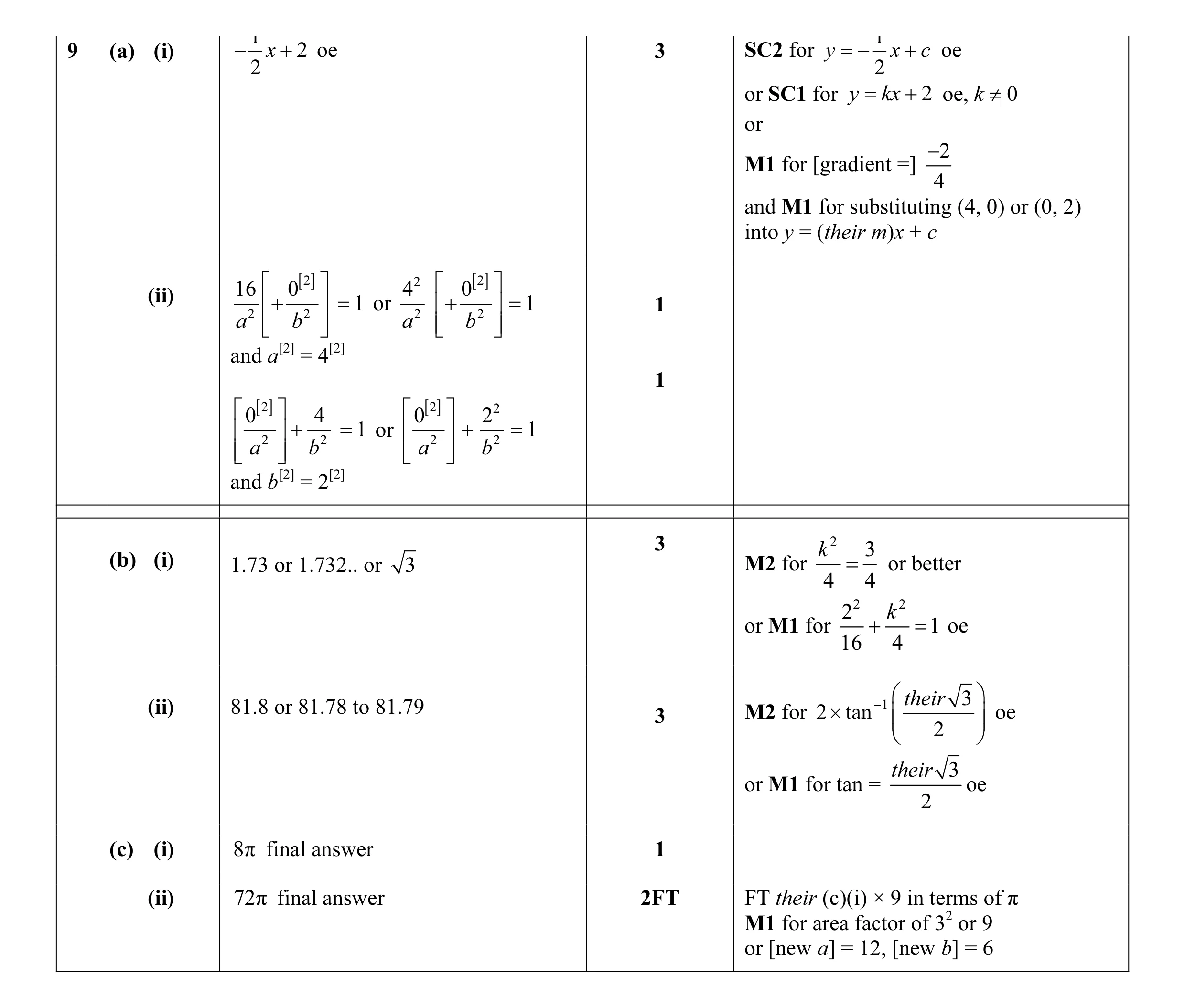 14
14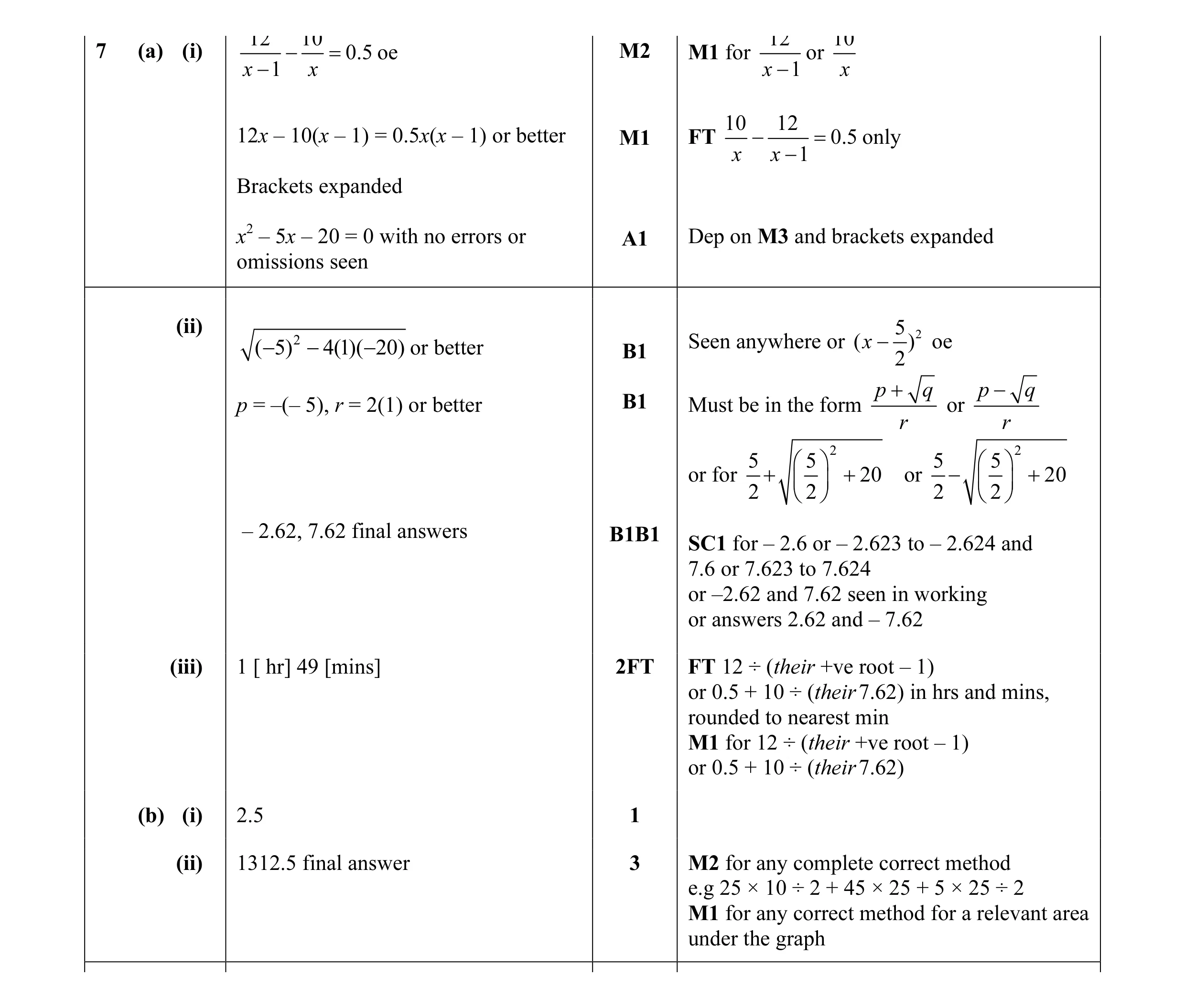 14
14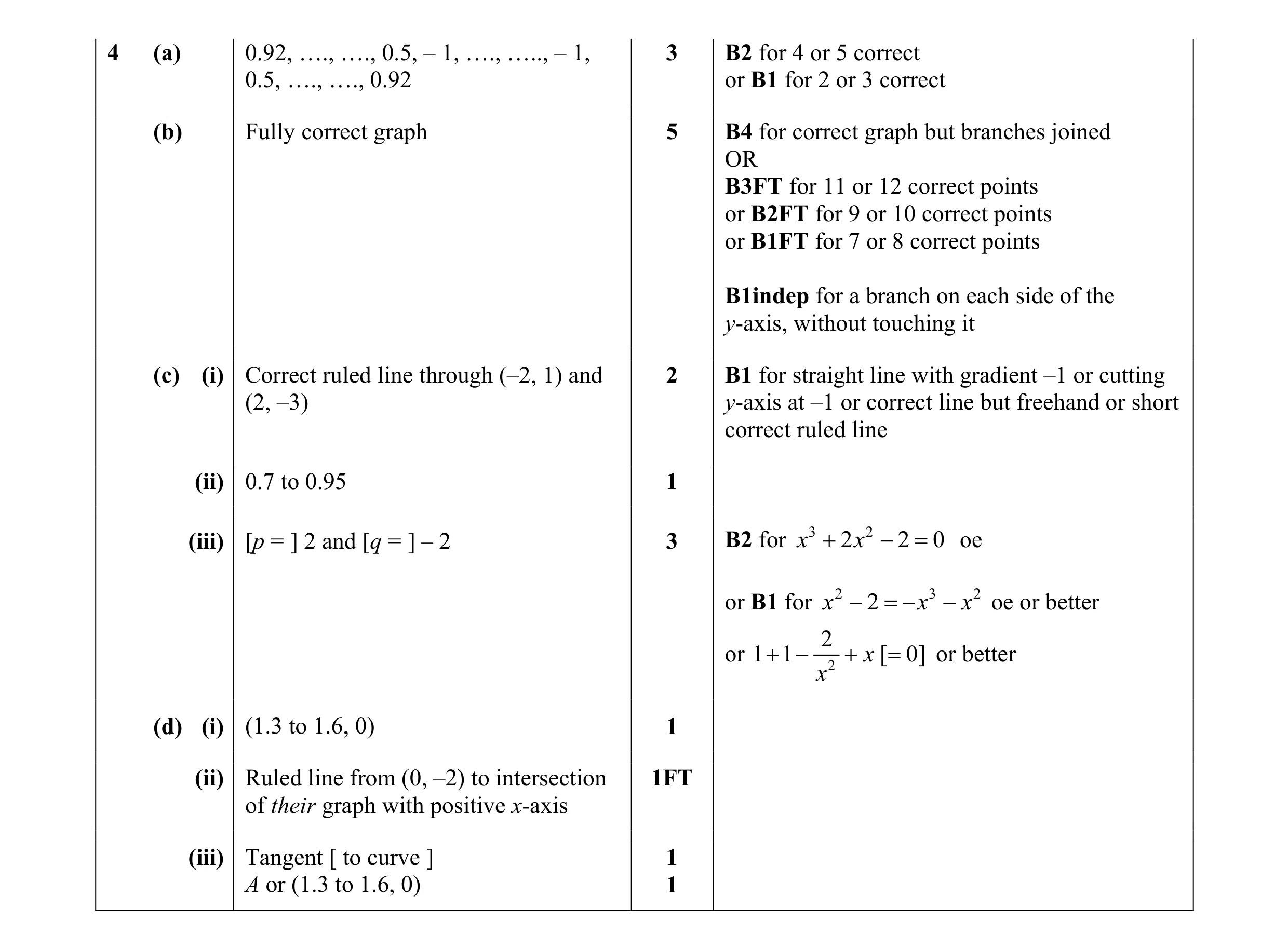 18
18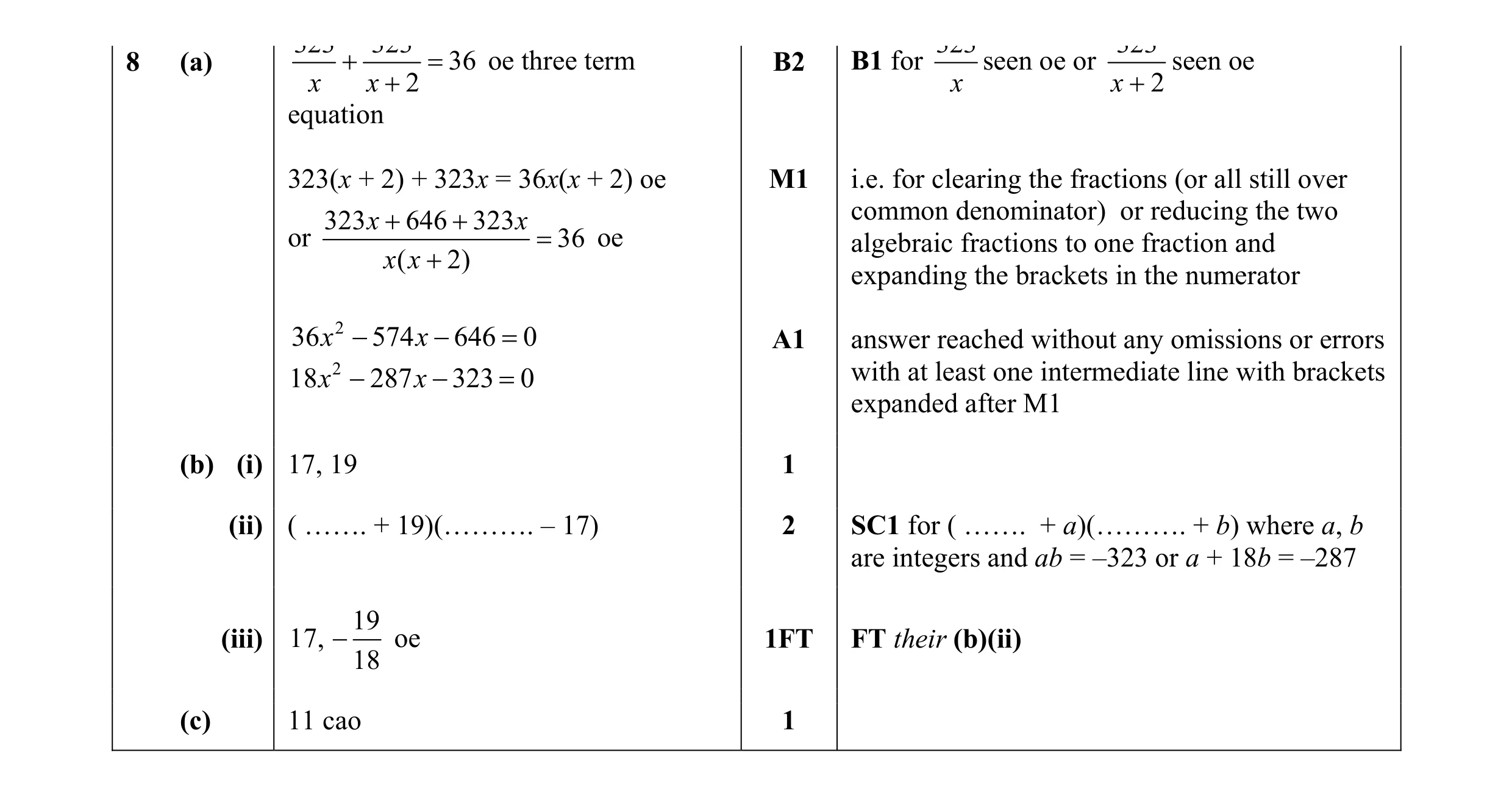 9
9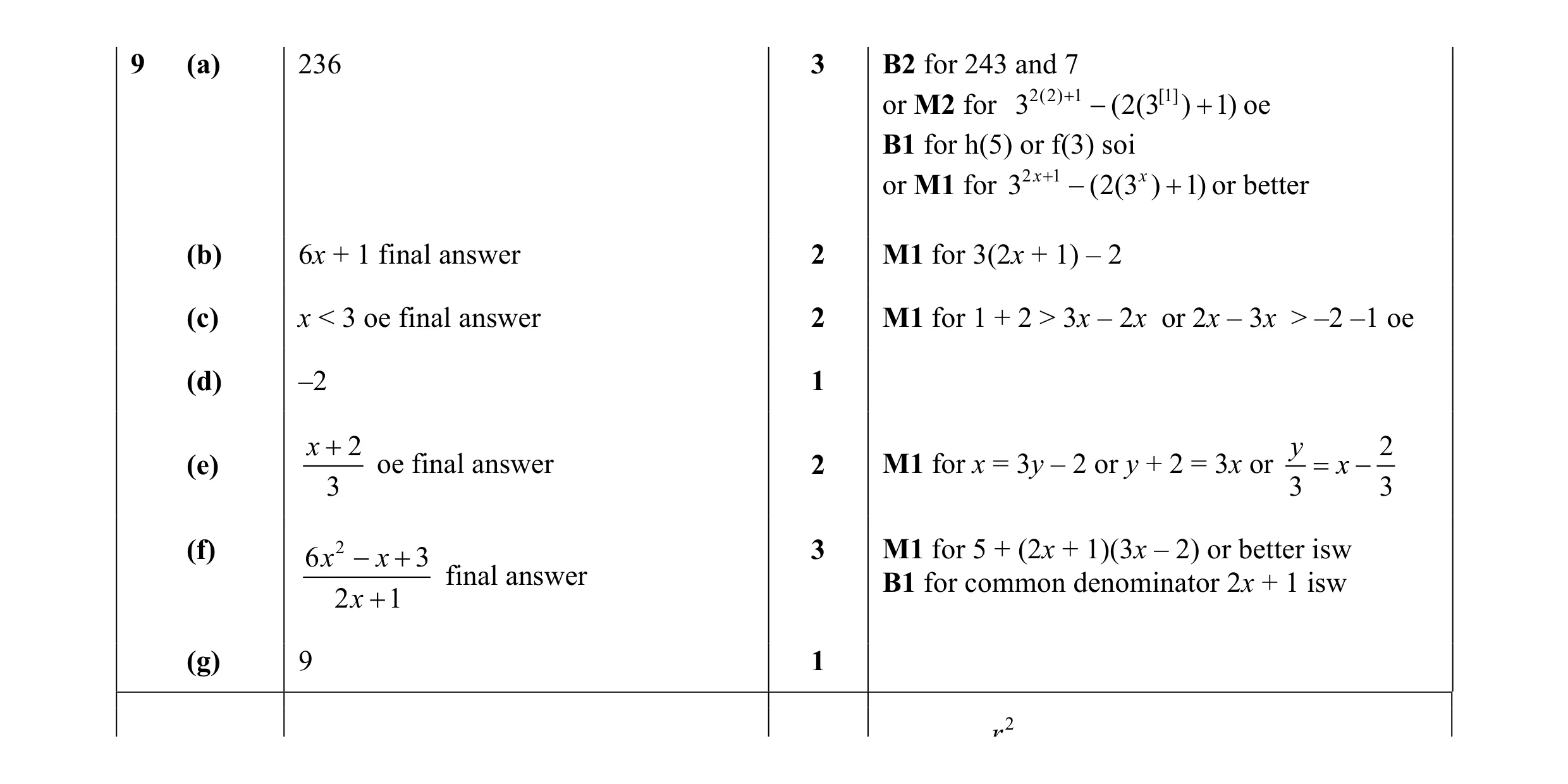 14
14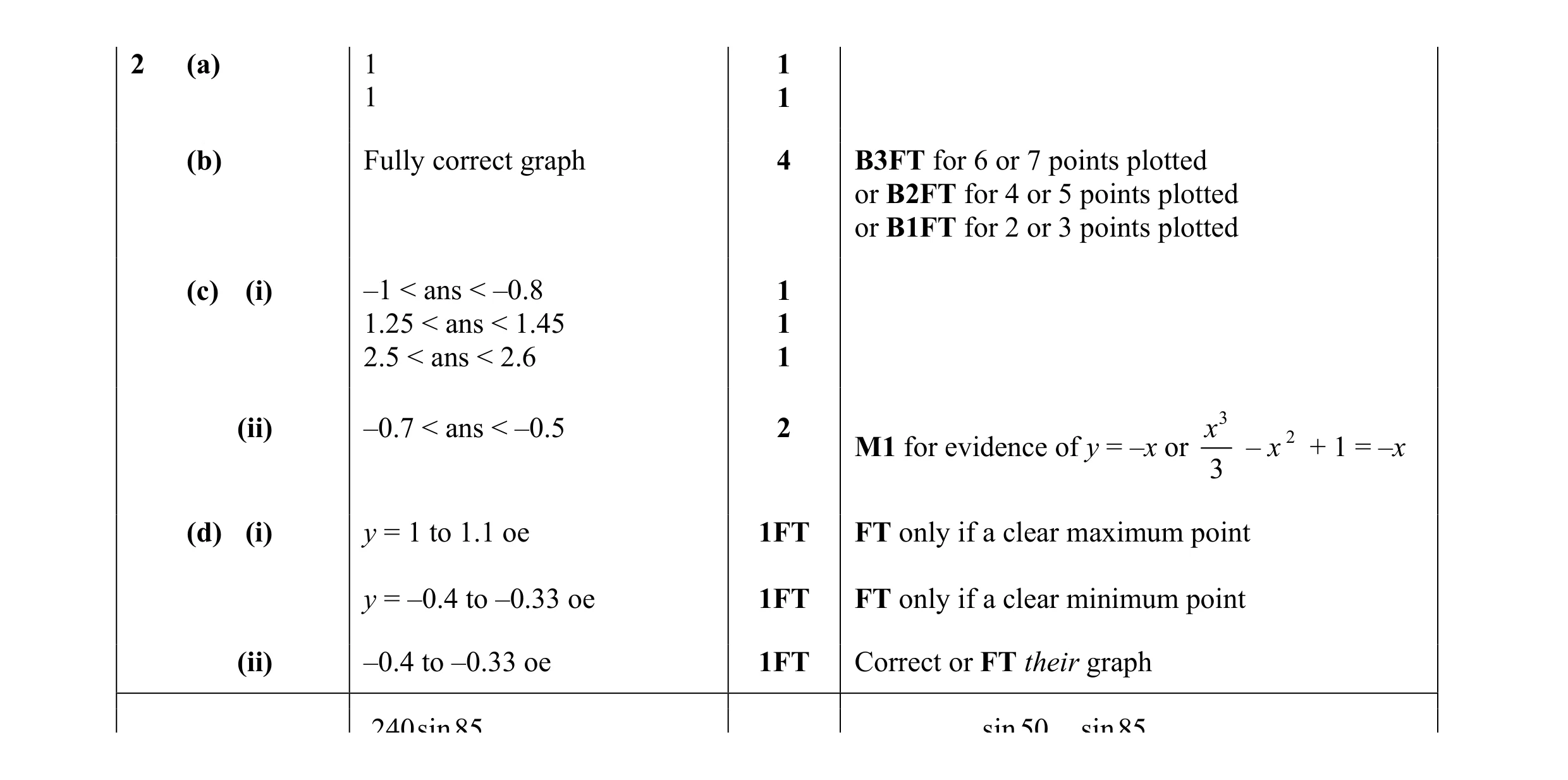 14
14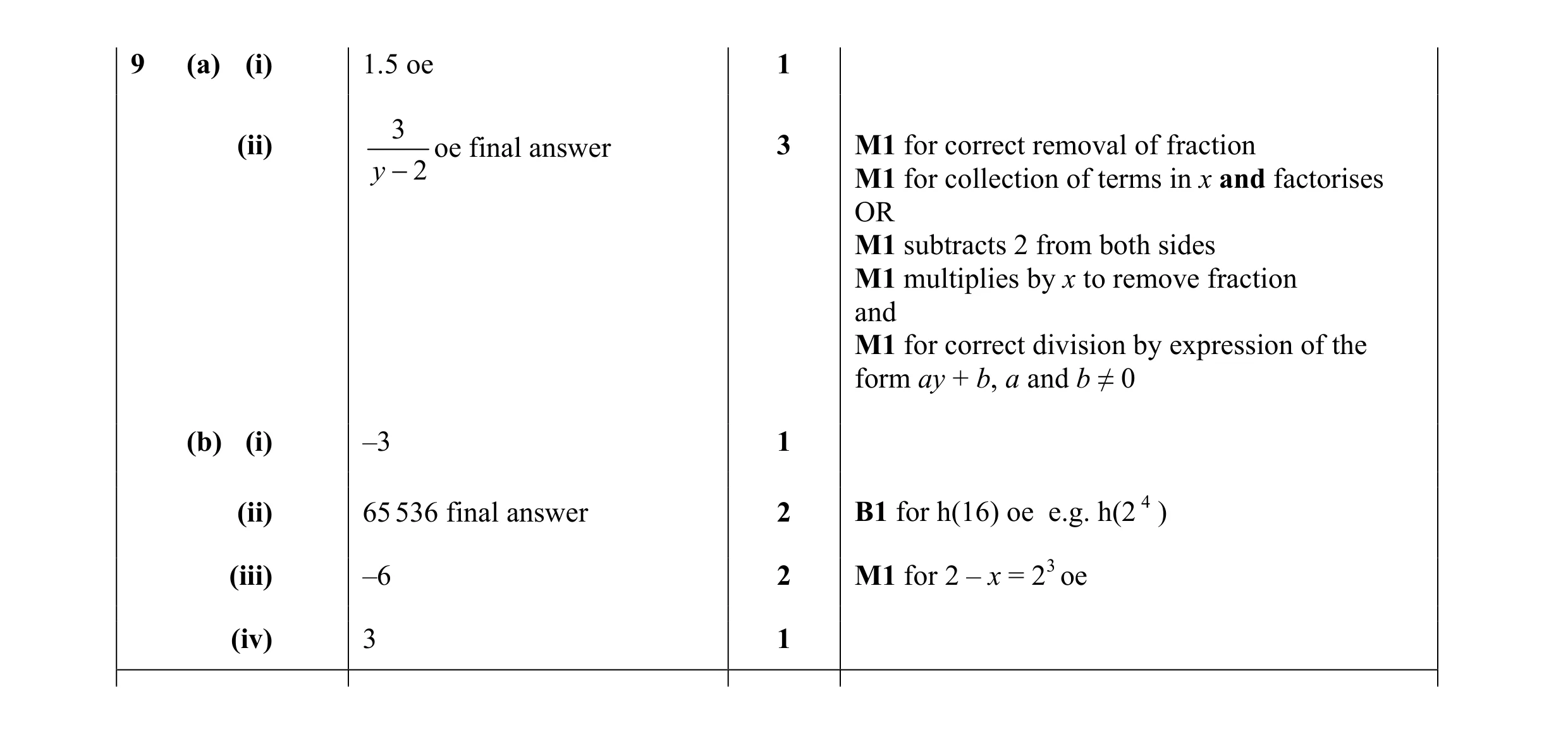 10
10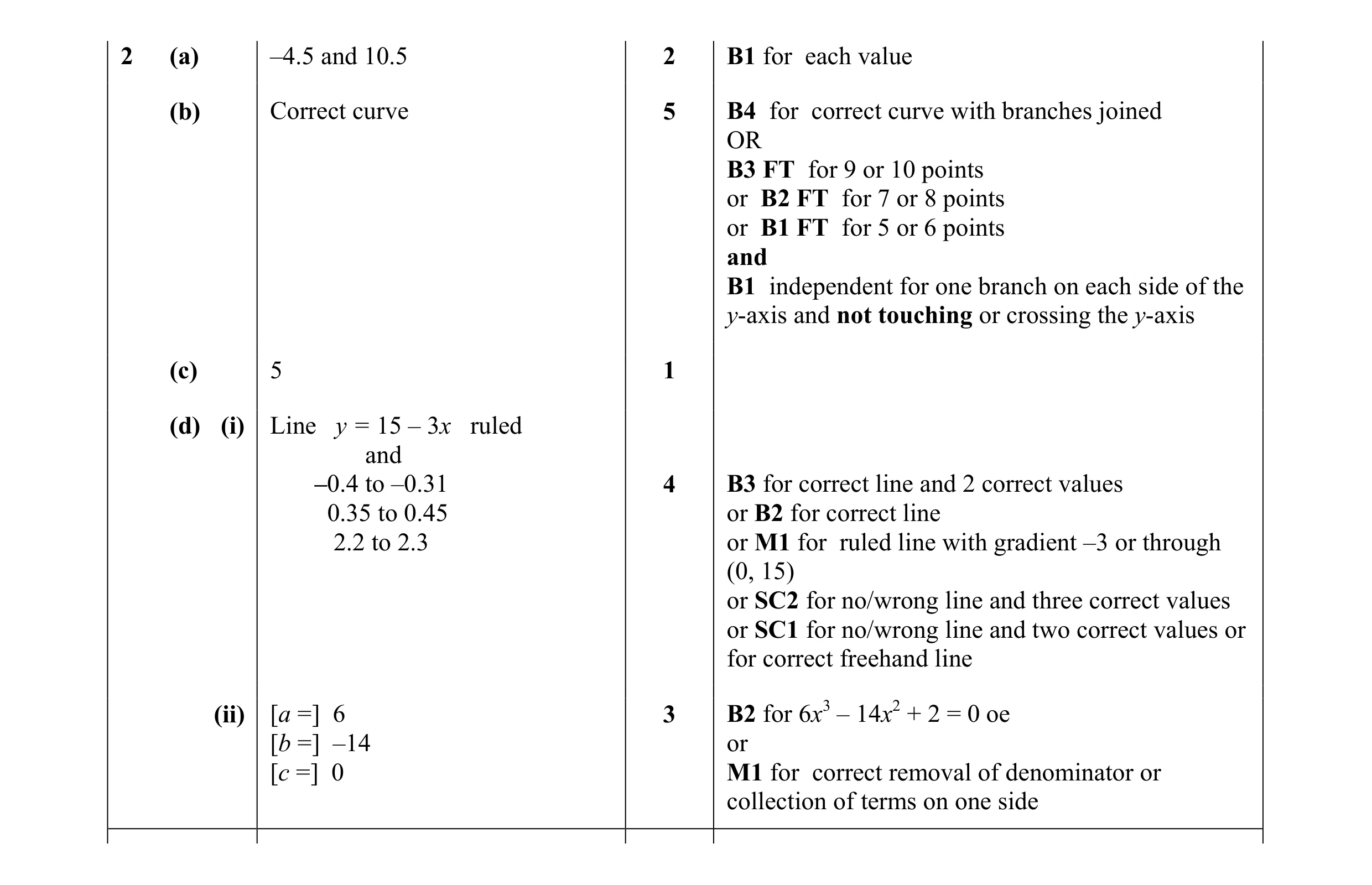 15
15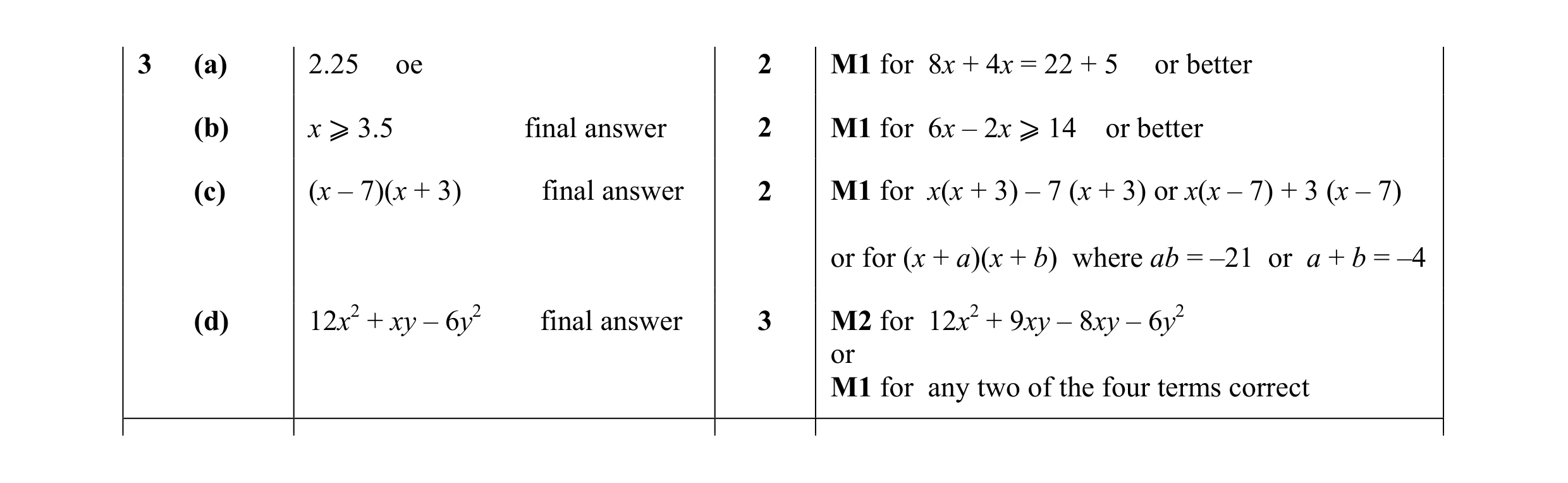 9
9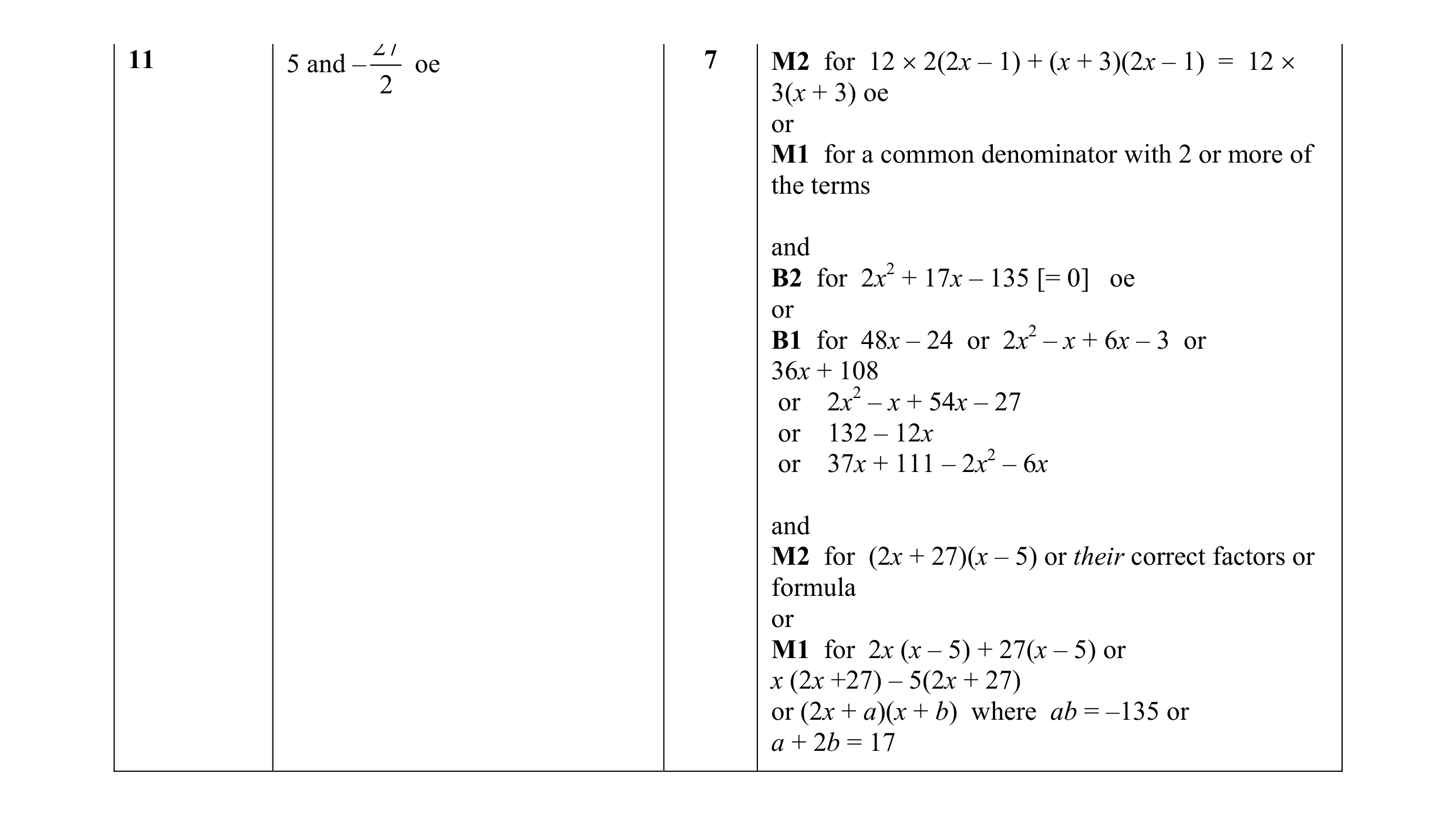 7
7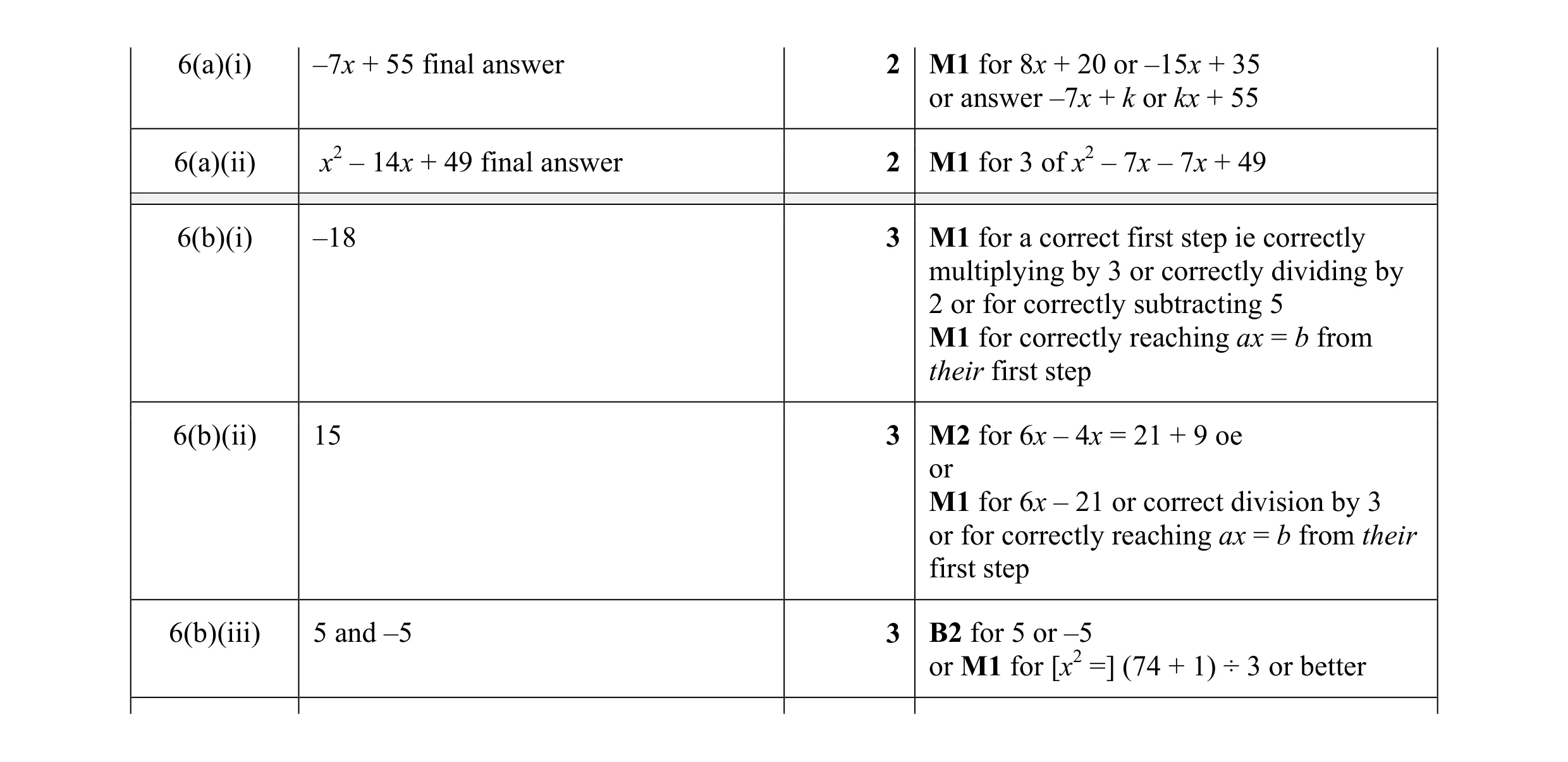 13
13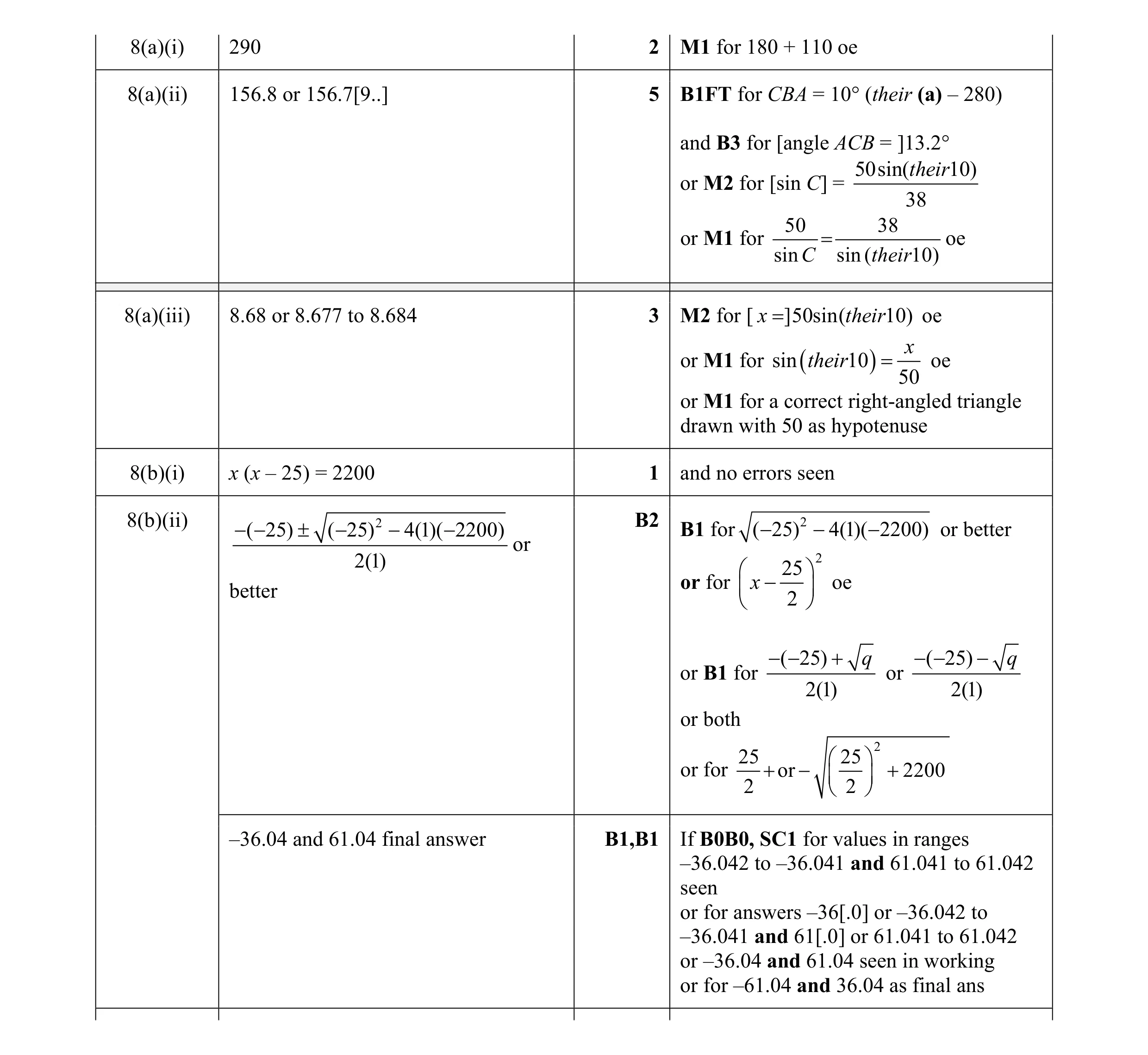 15
15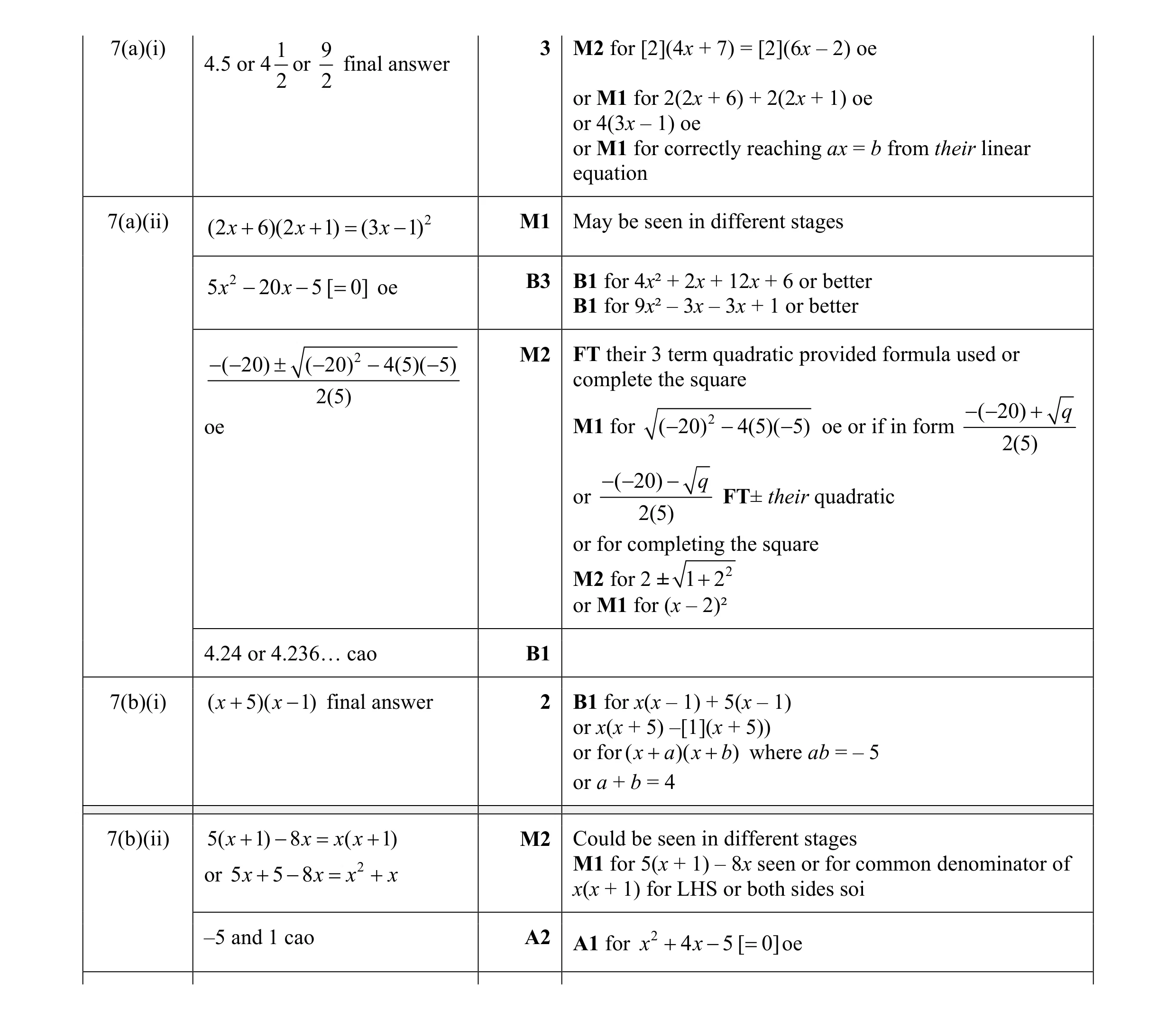 16
16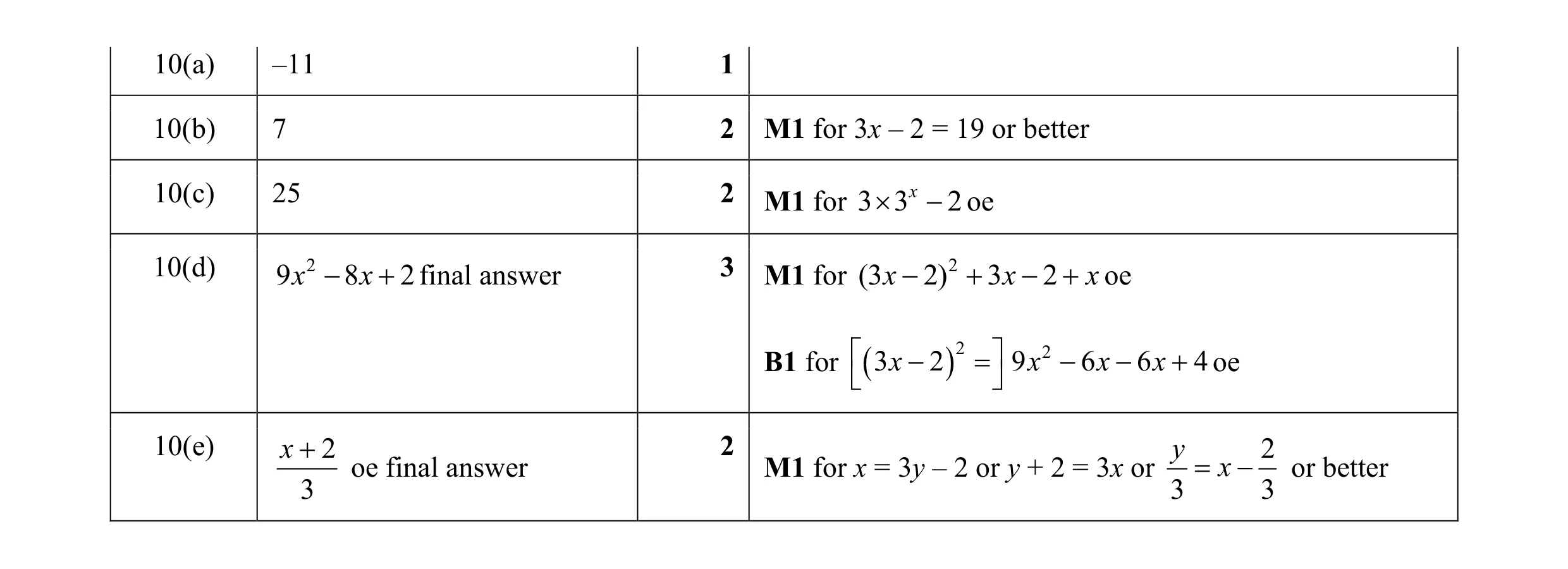 10
10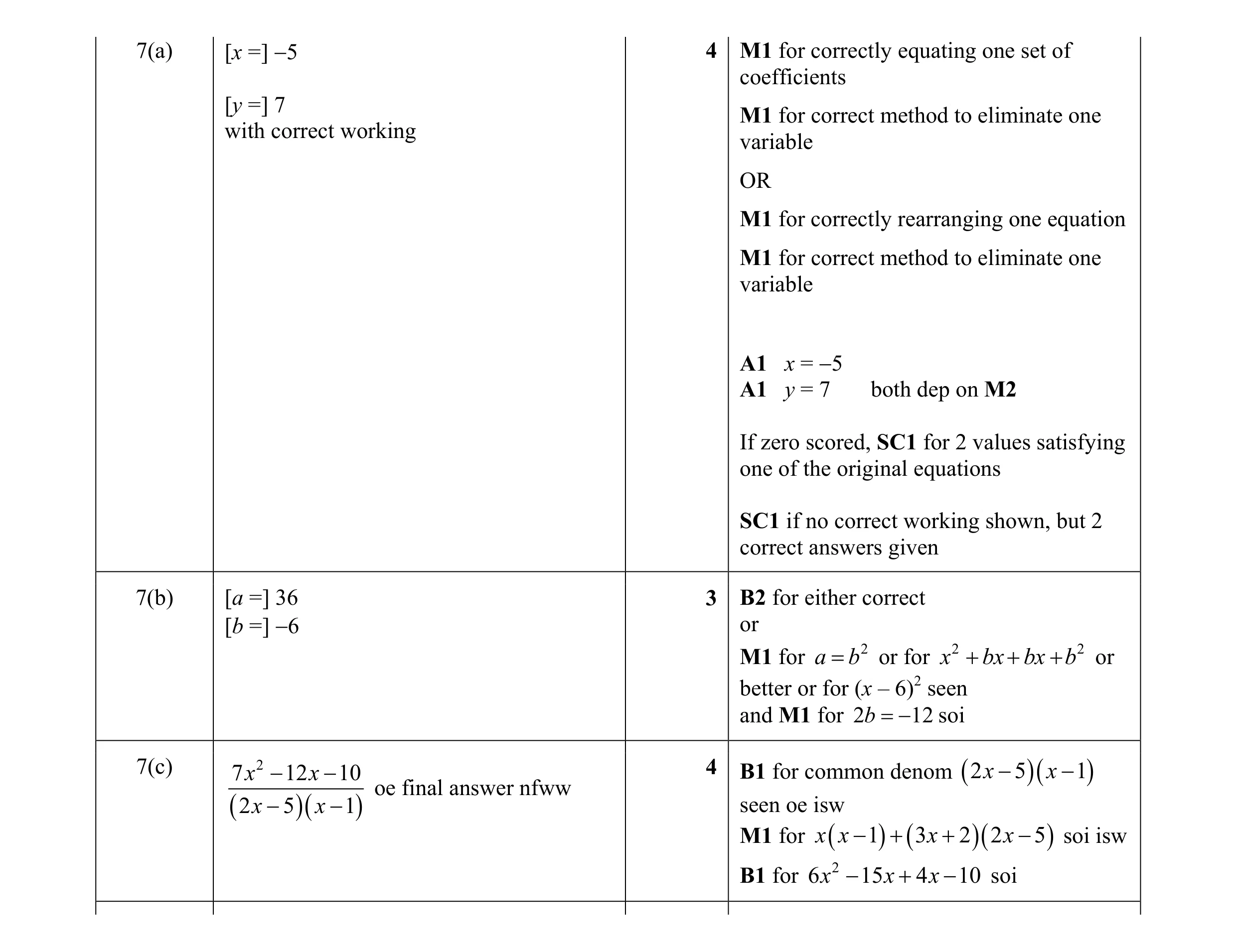 11
11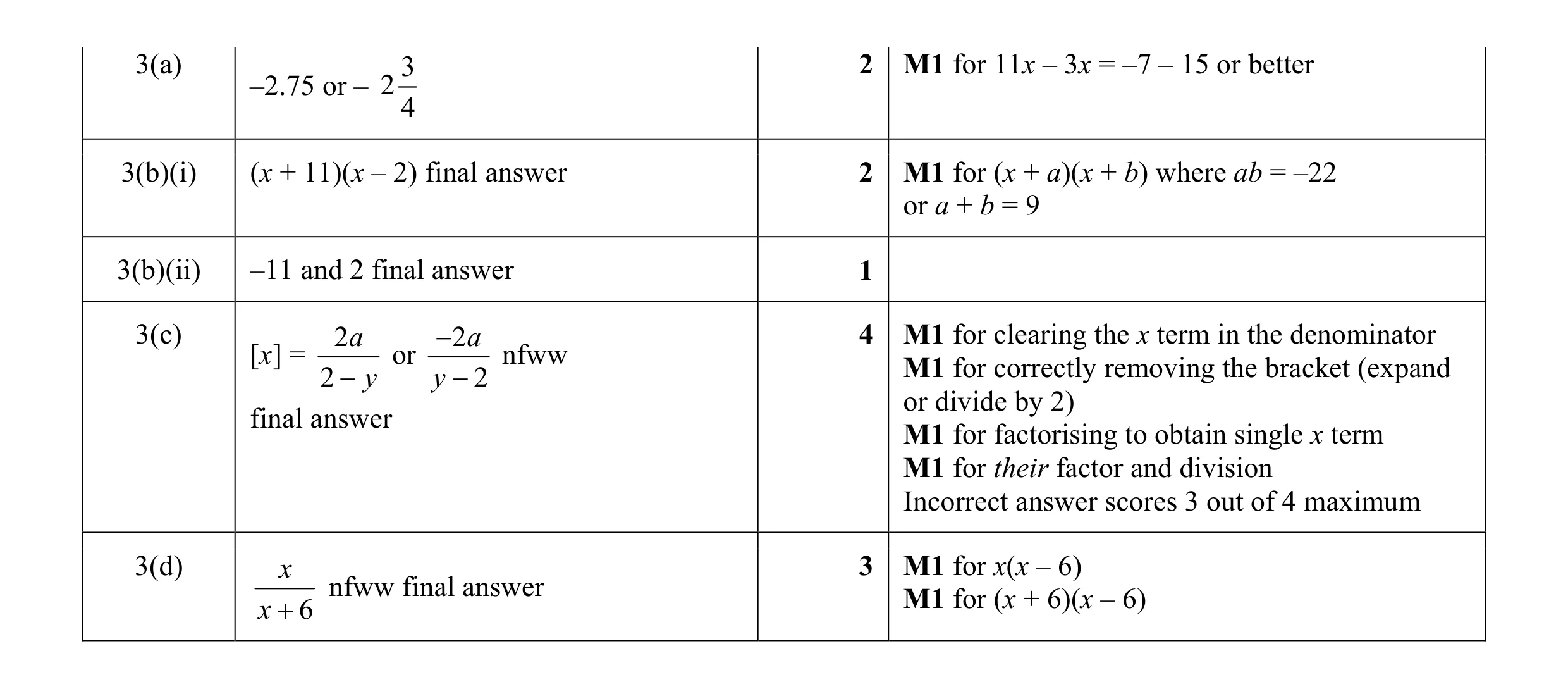 12
12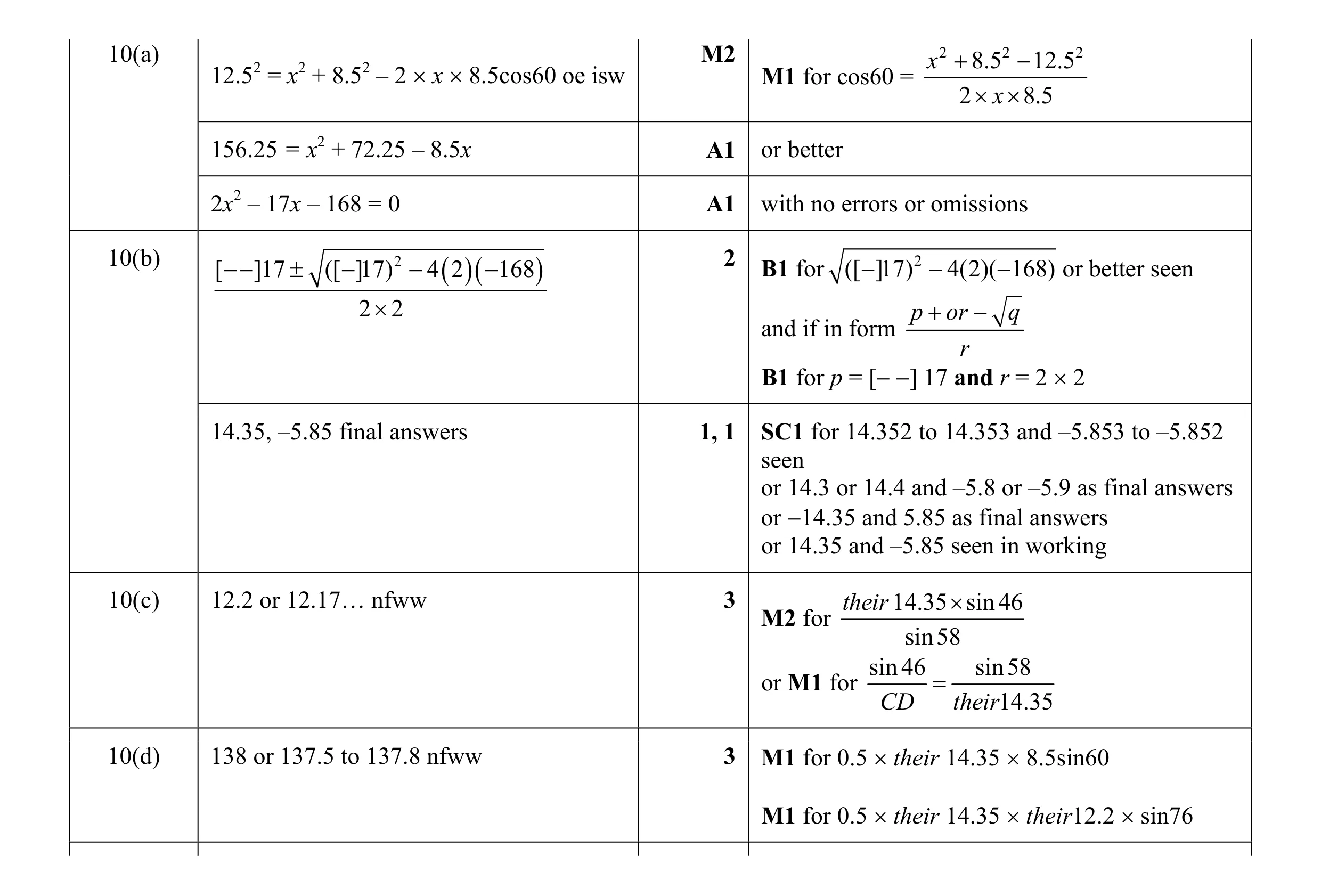 14
14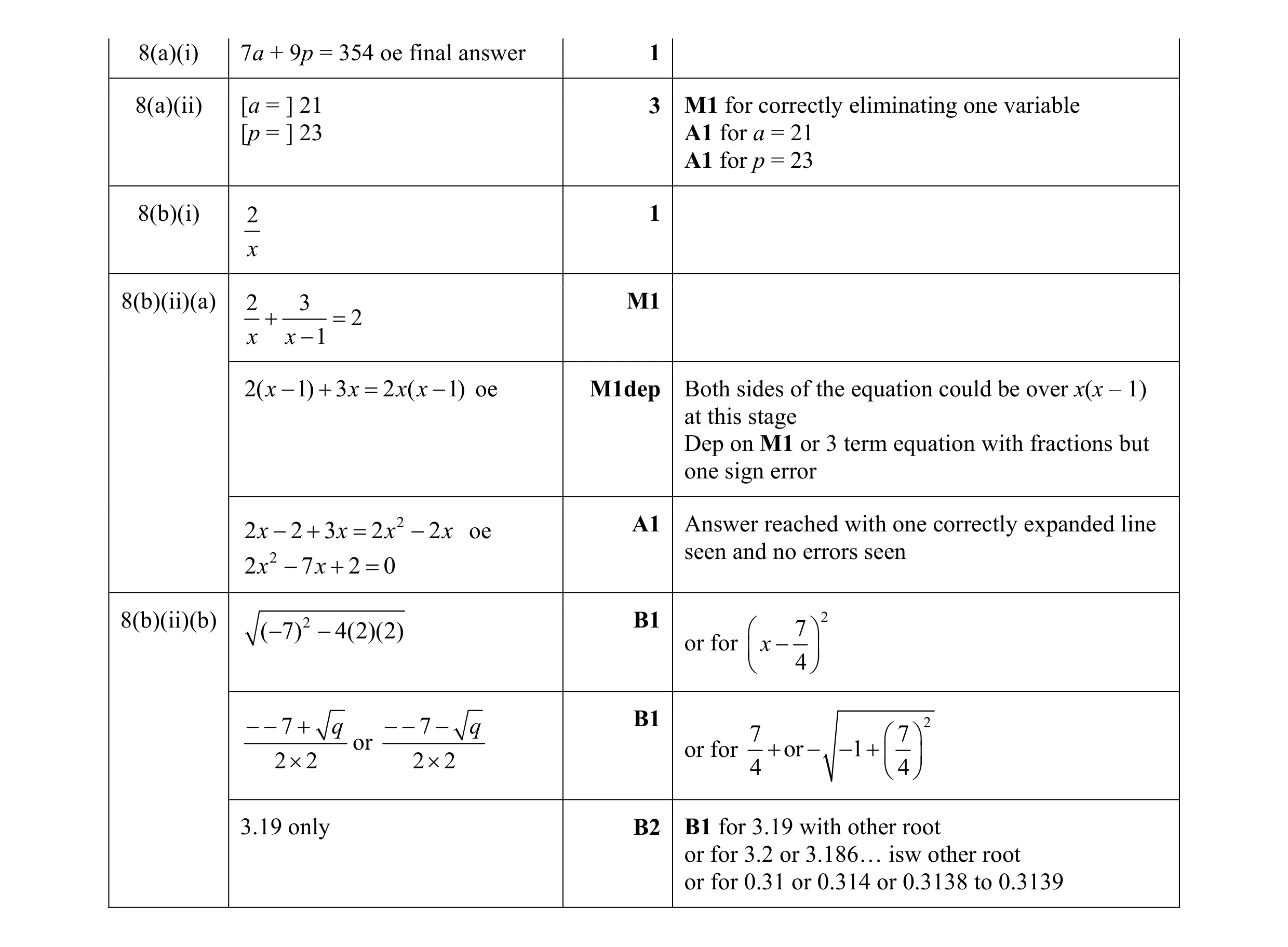 12
12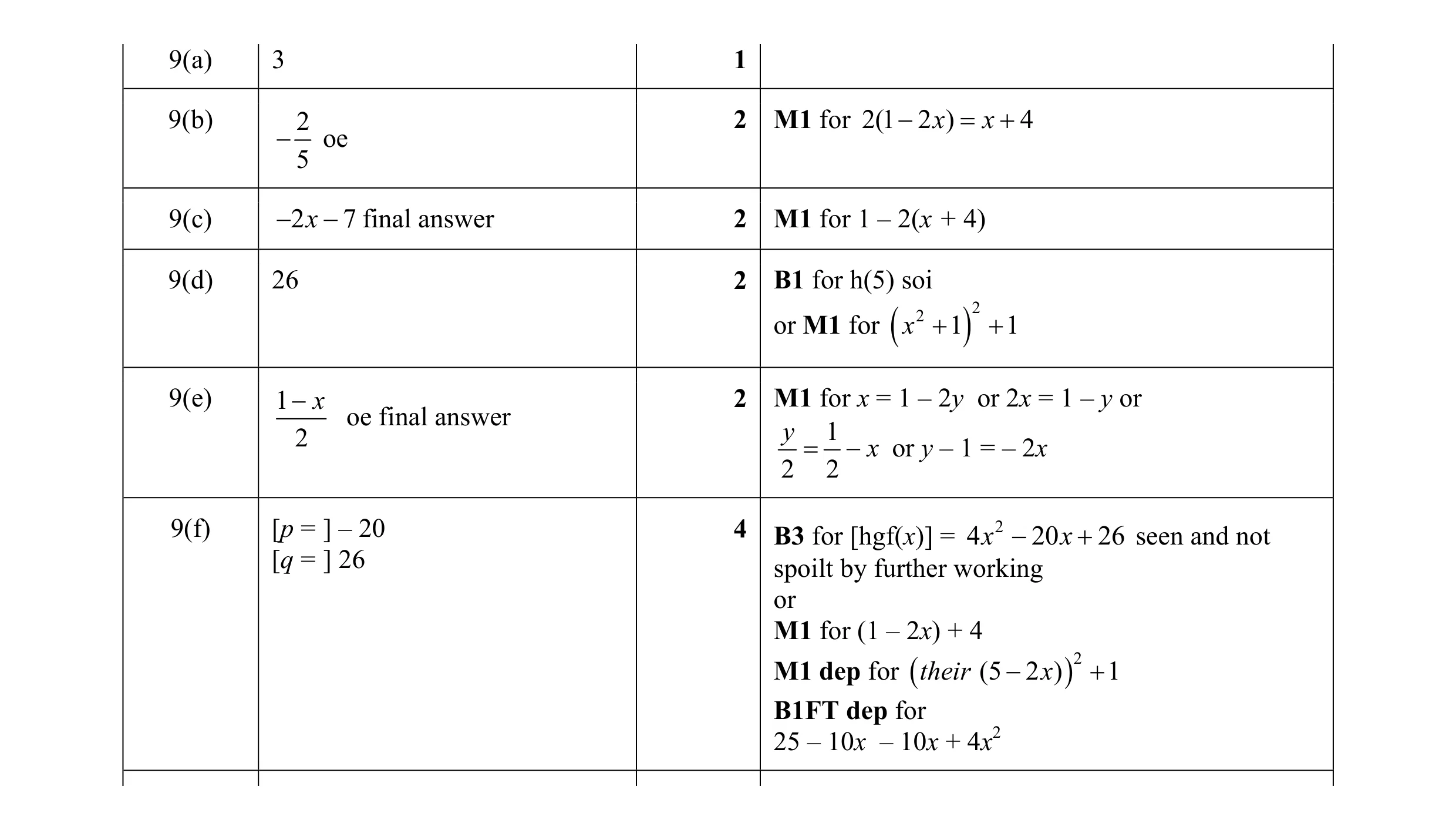 13
13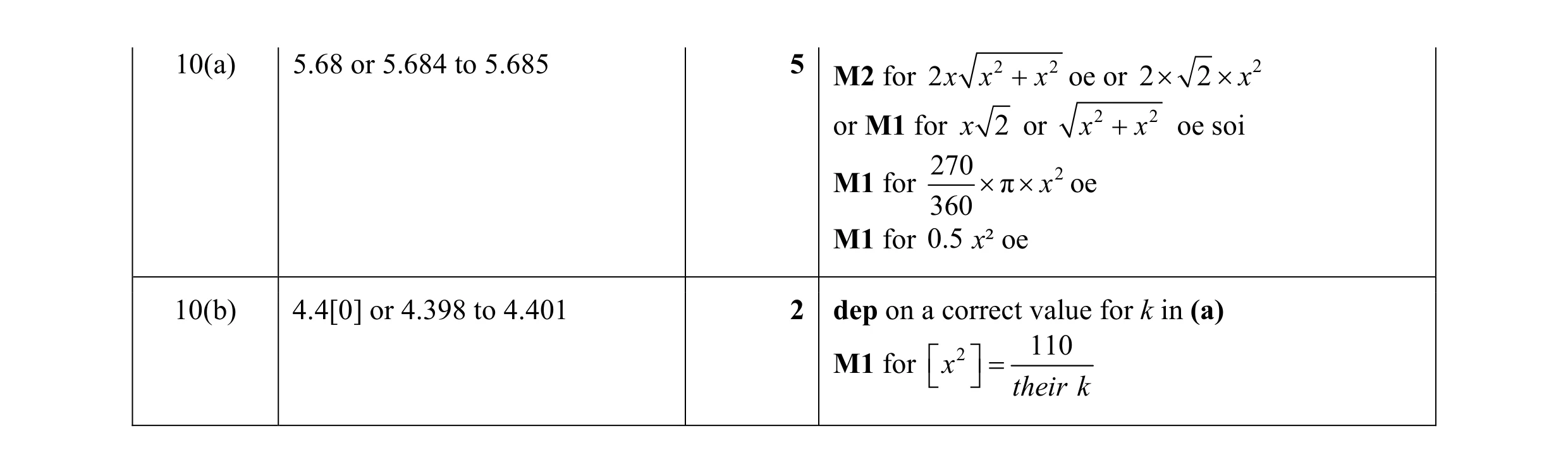 7
7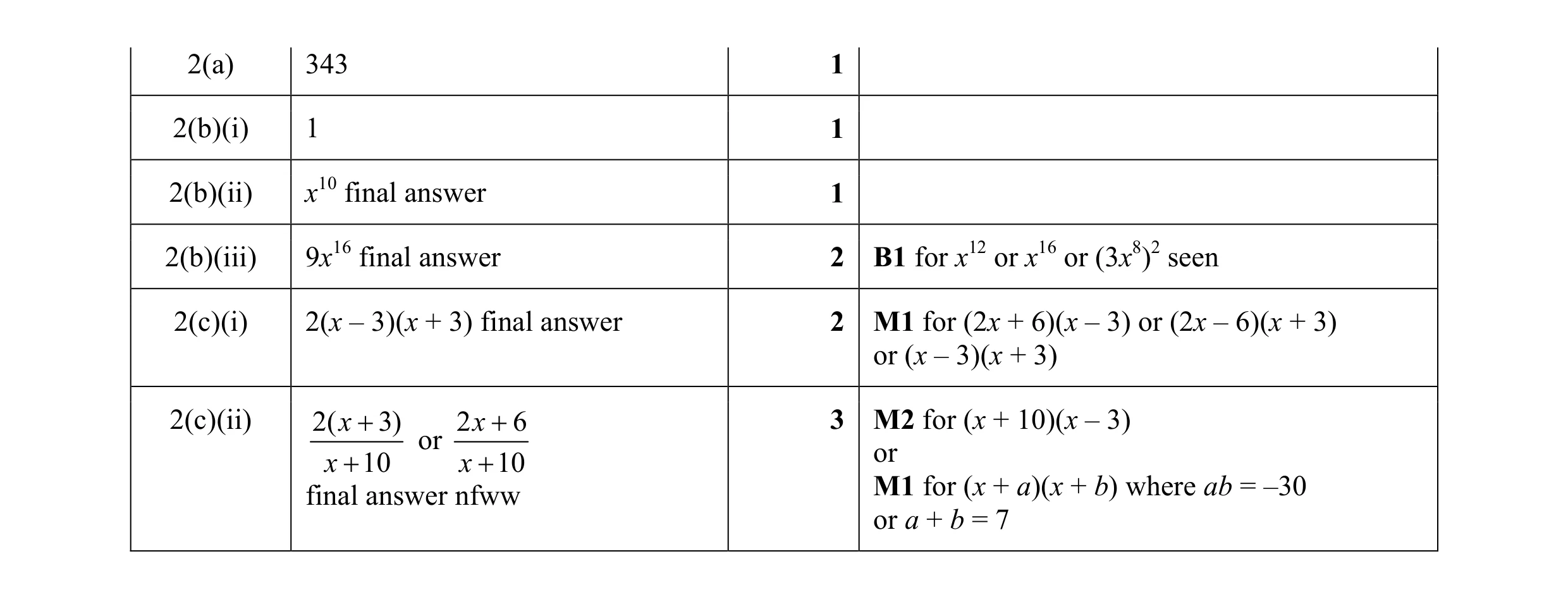 10
10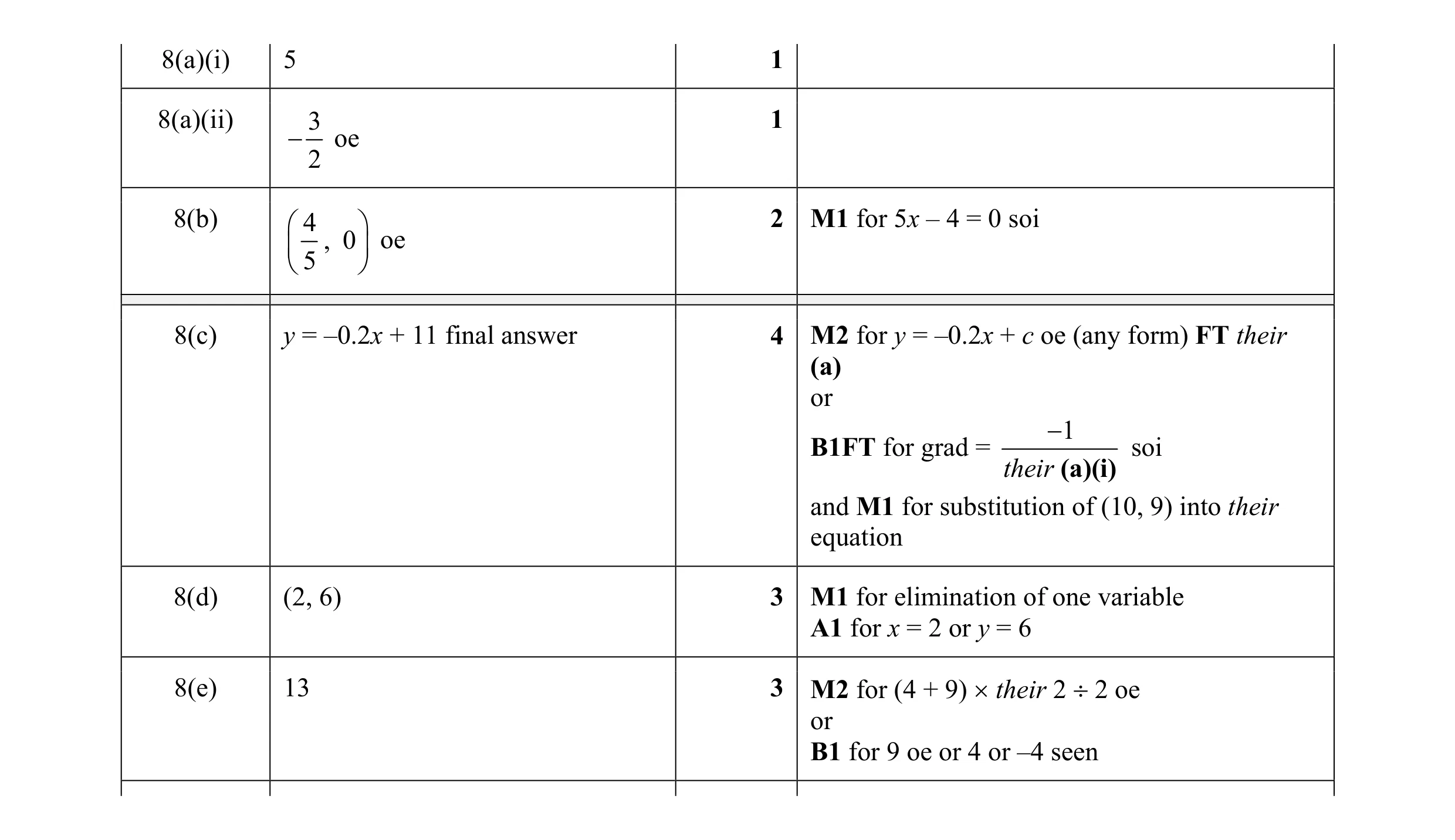 14
14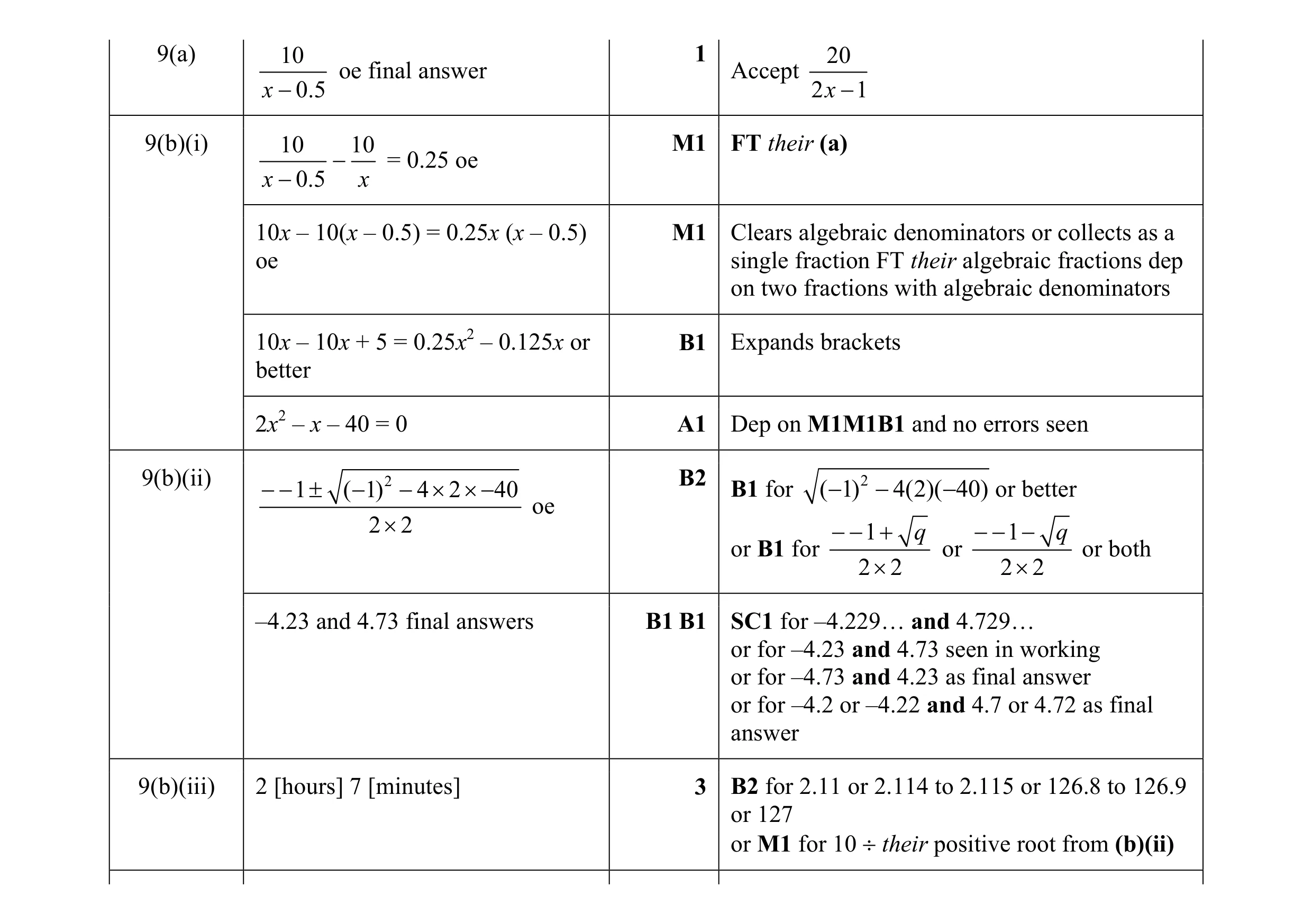 12
12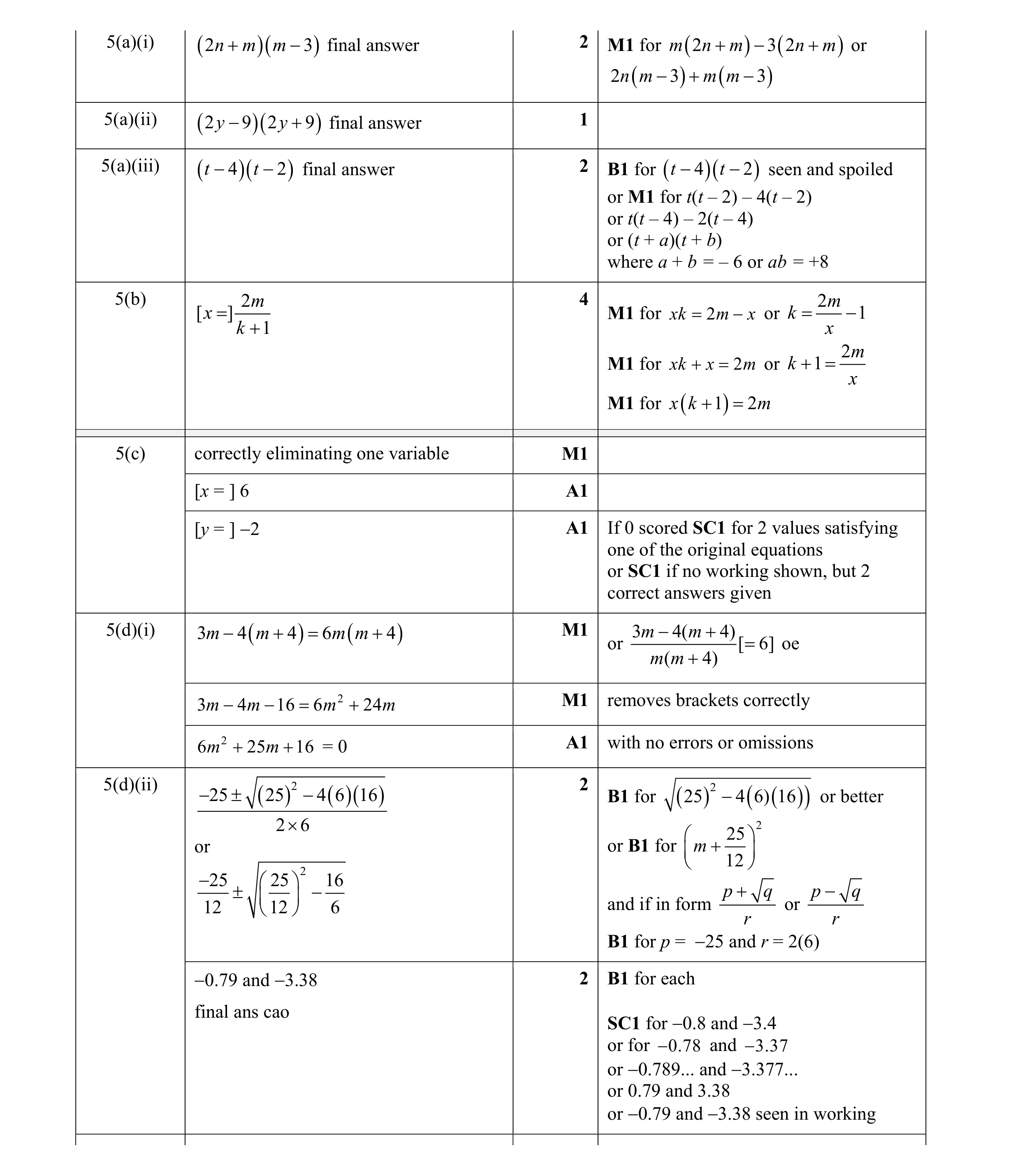 19
19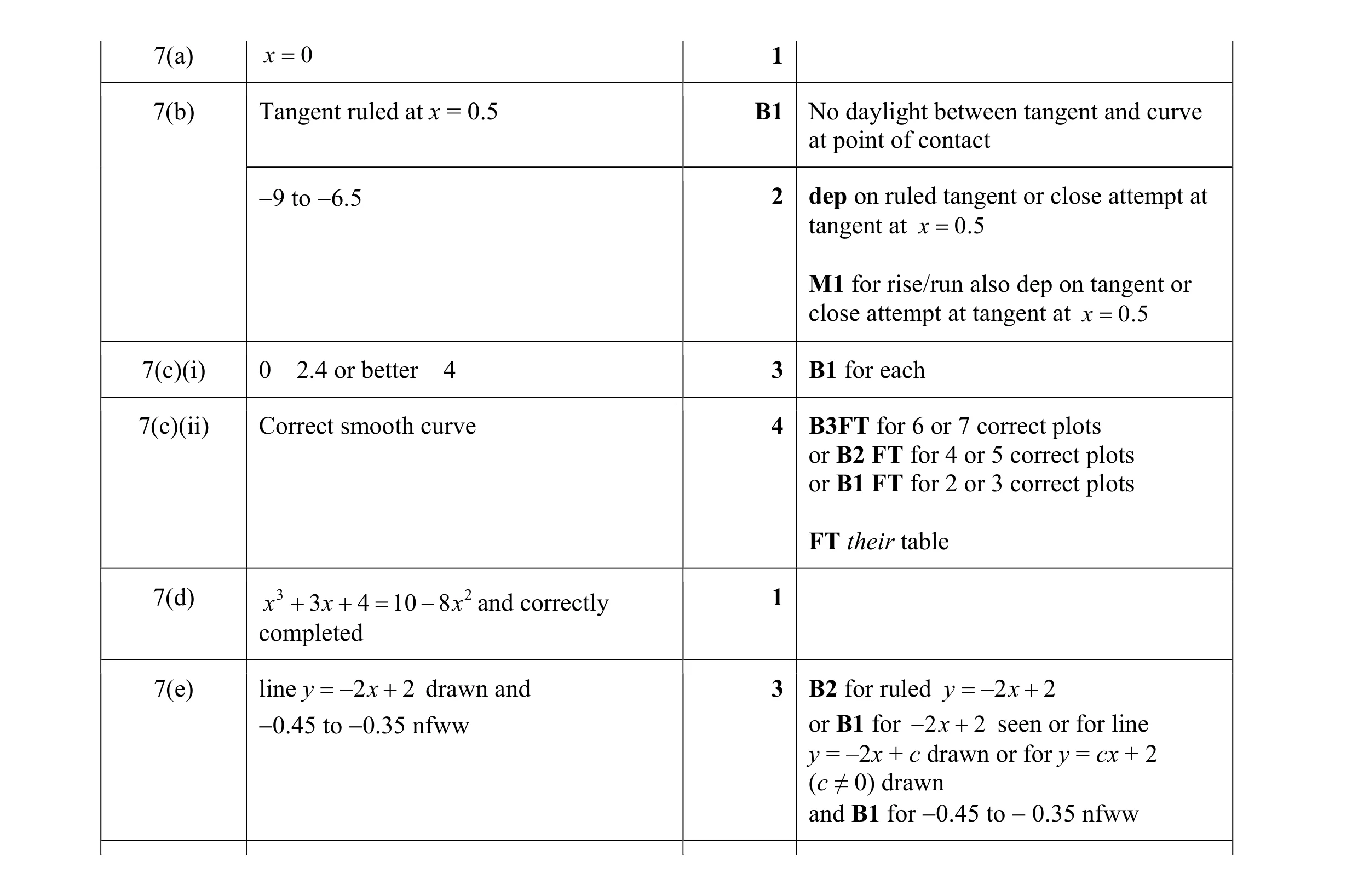 15
15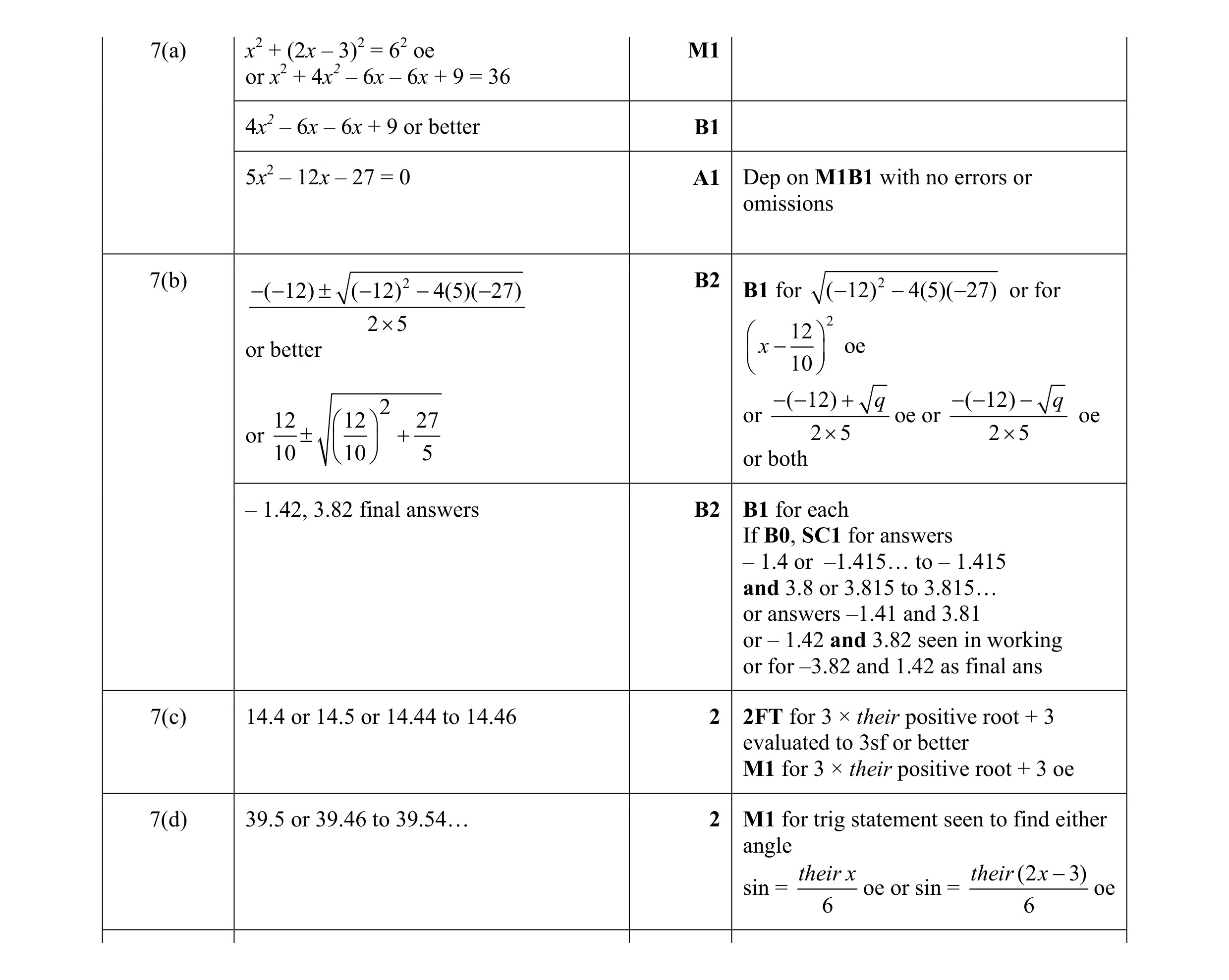 11
11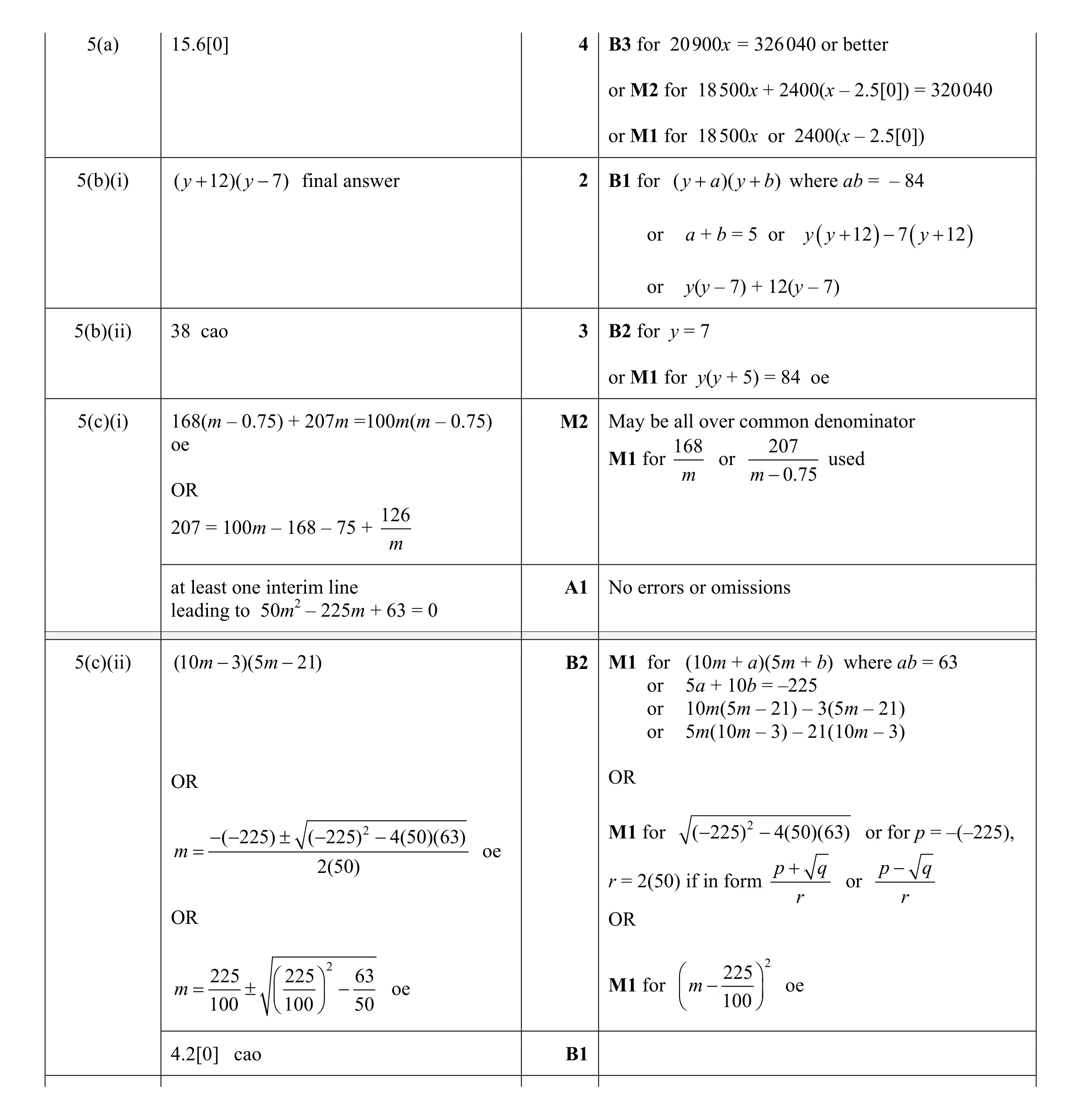 15
15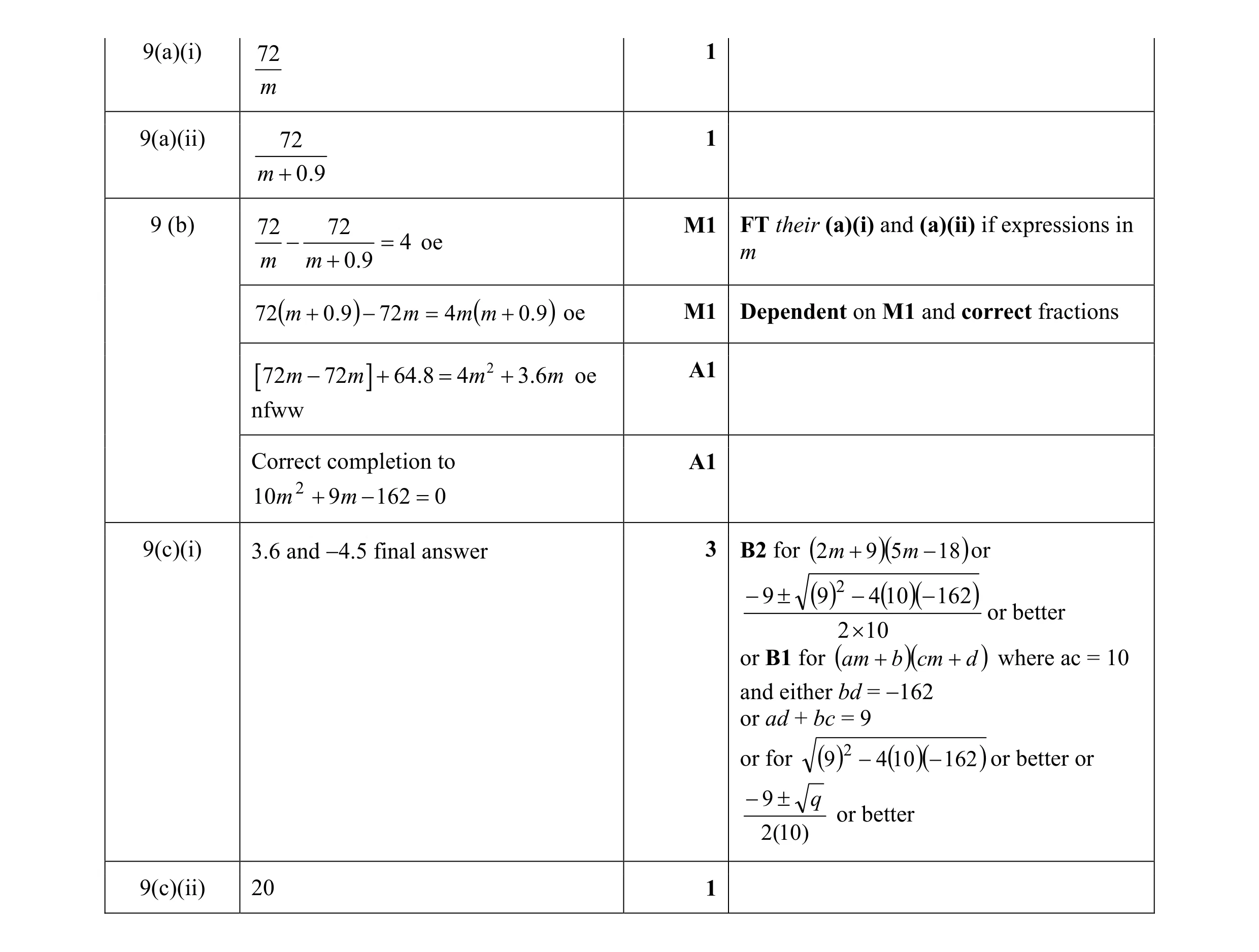 10
10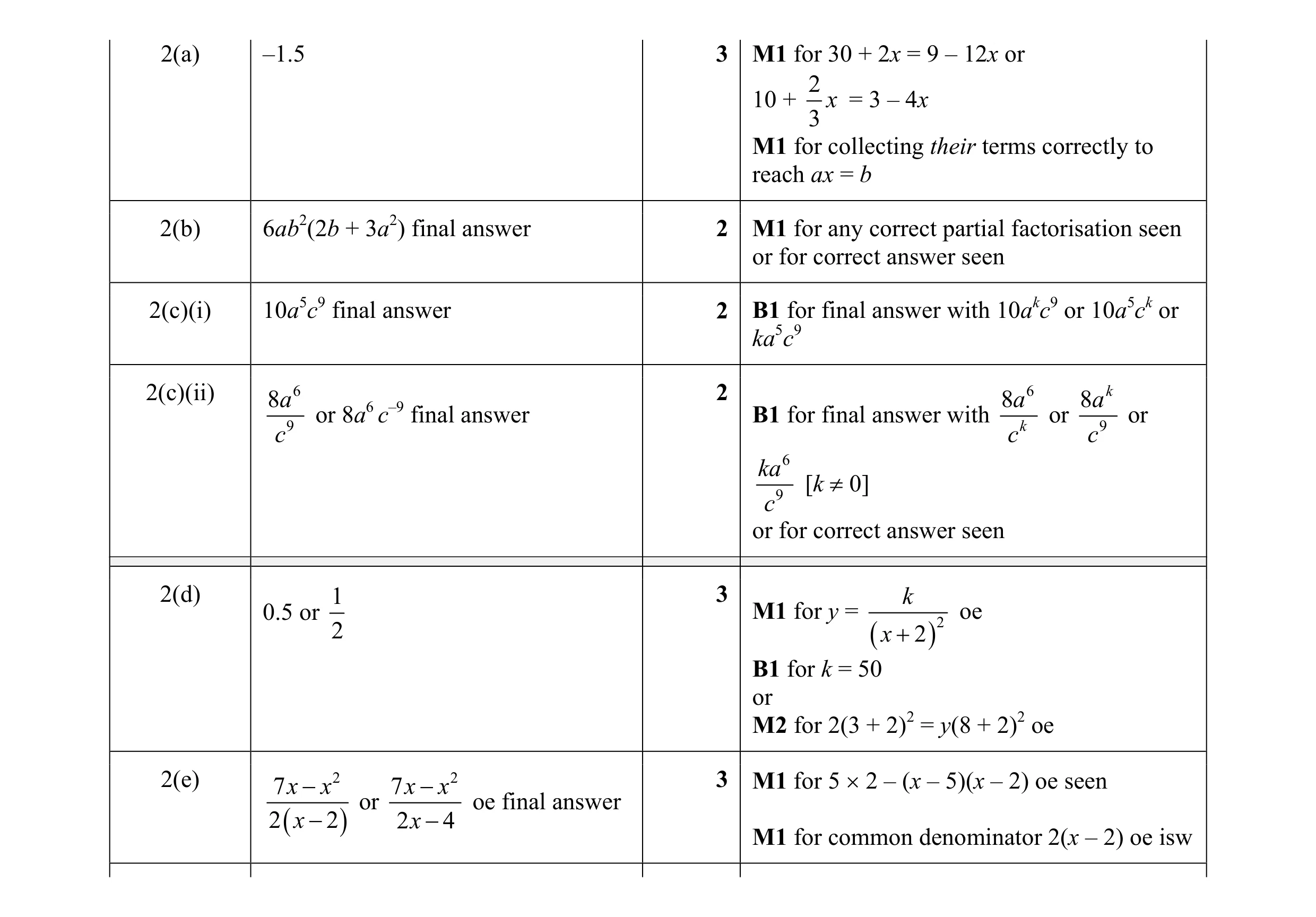 15
15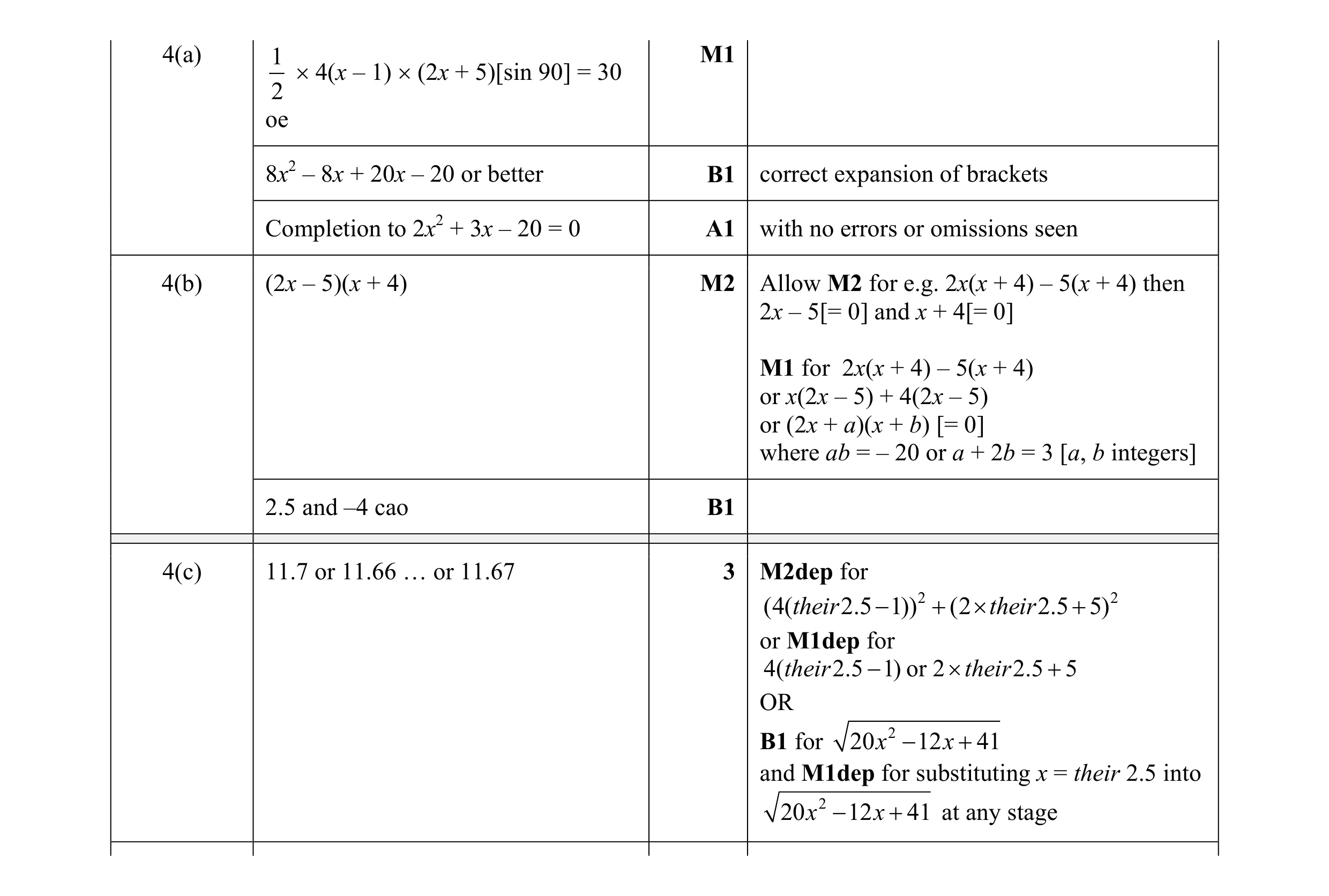 9
9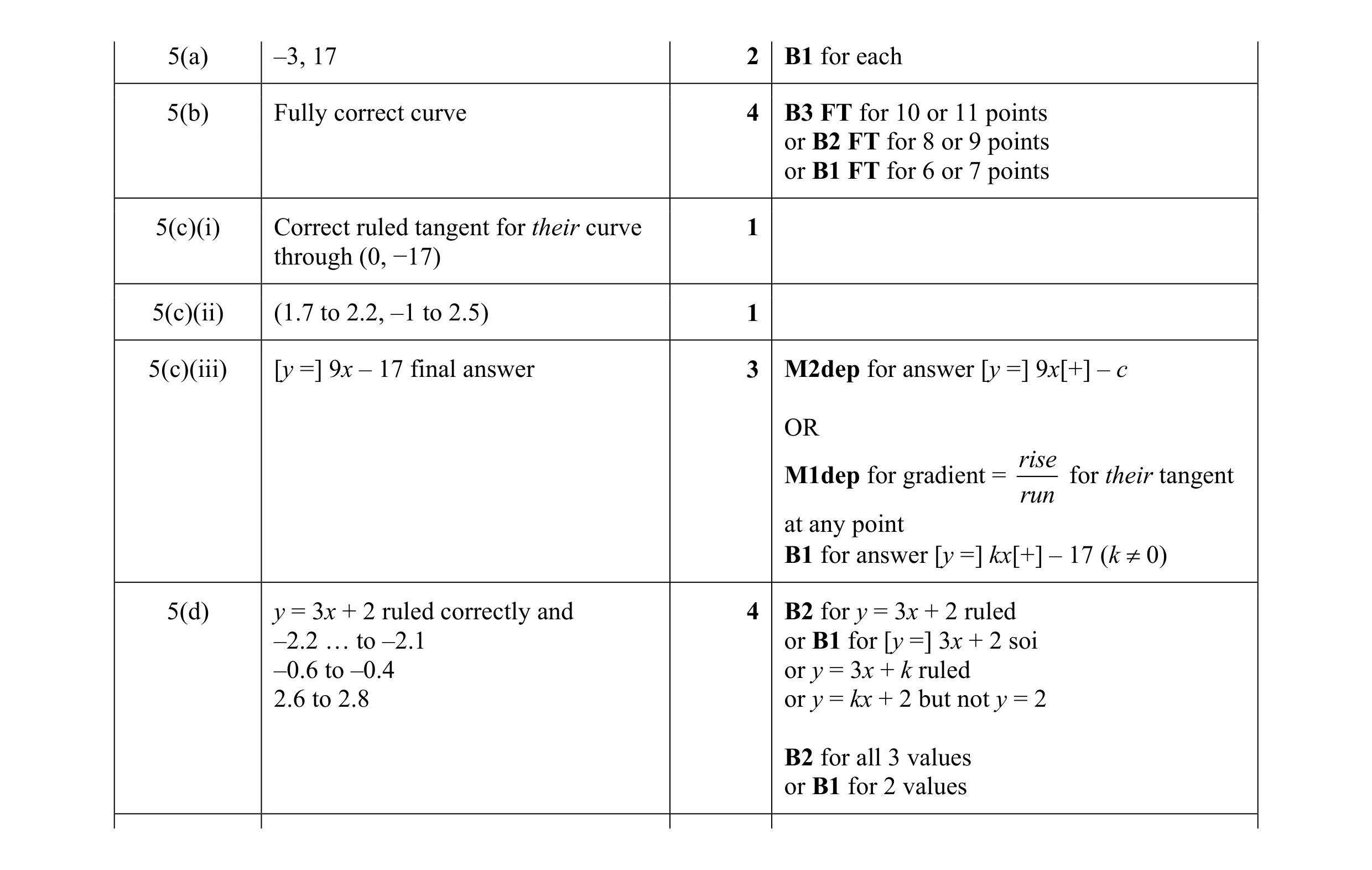 15
15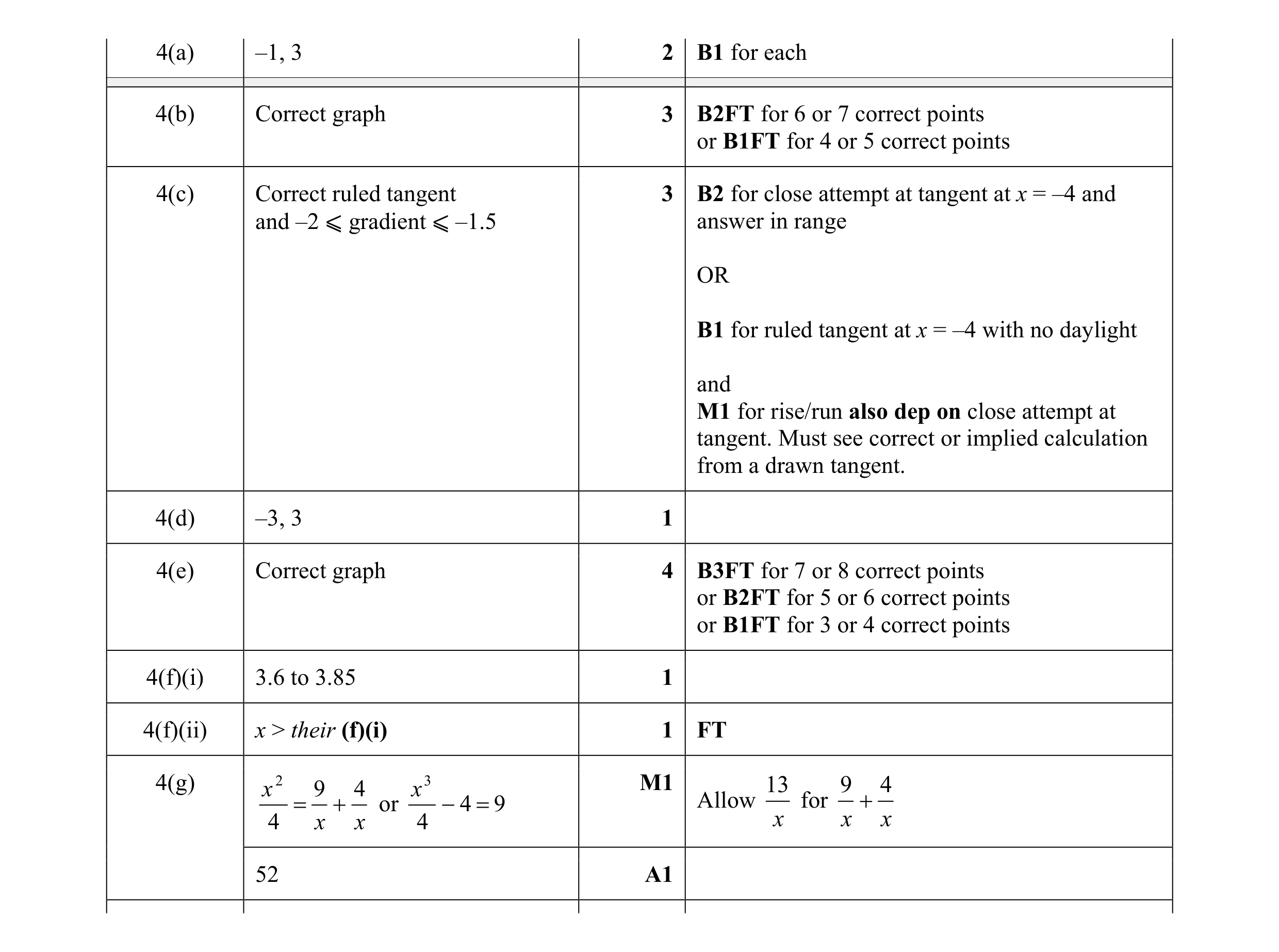 17
17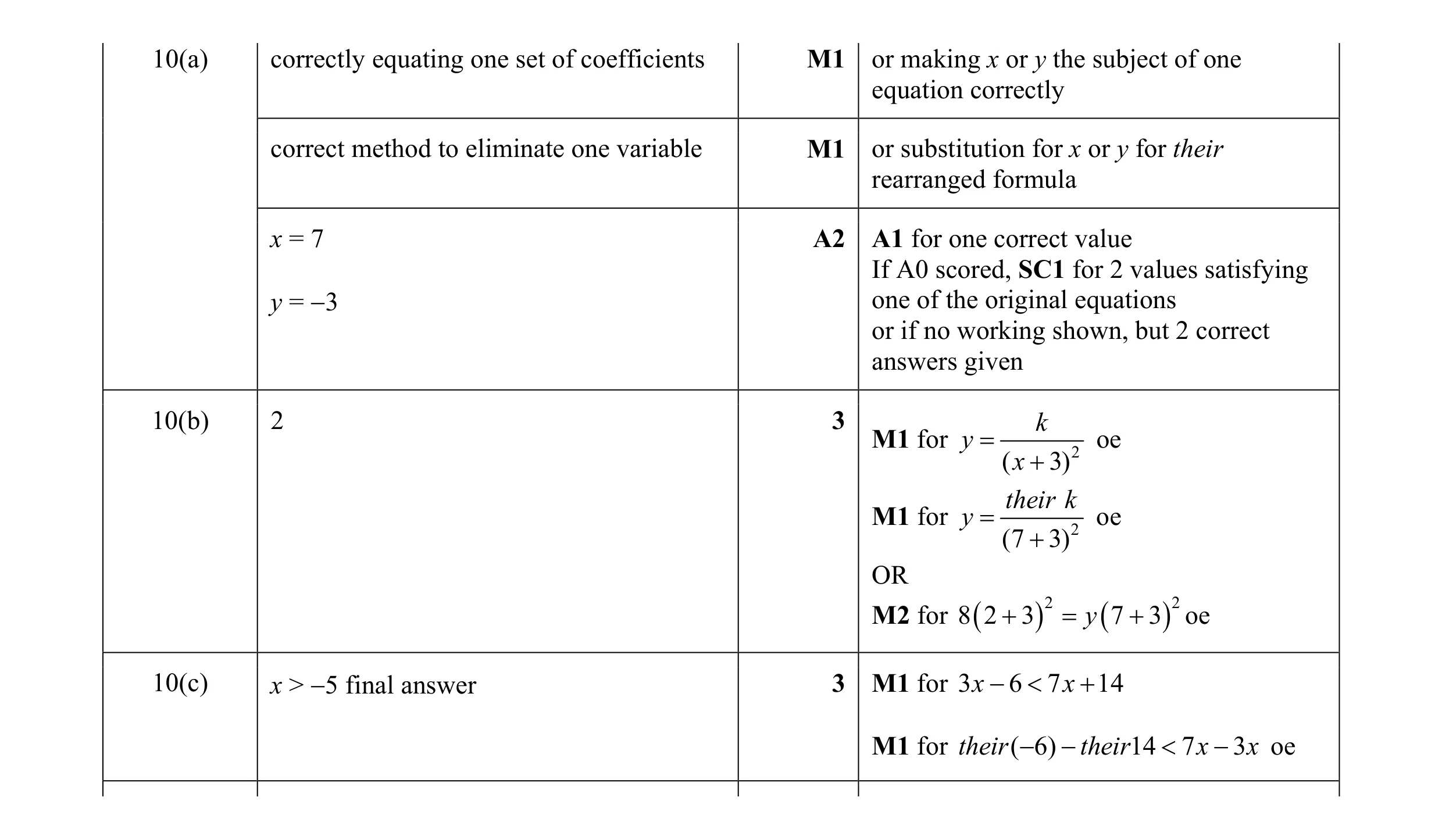 10
10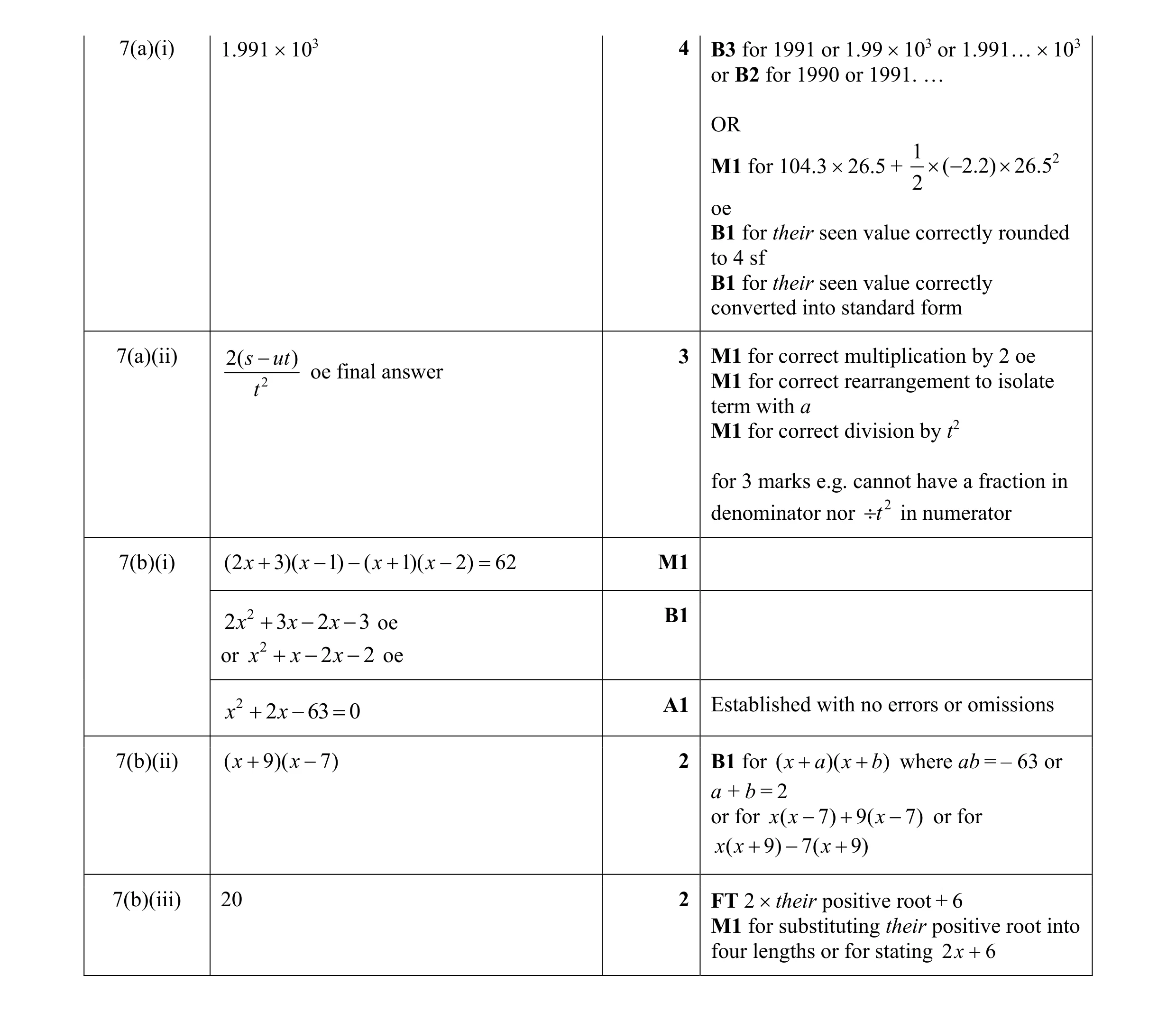 14
14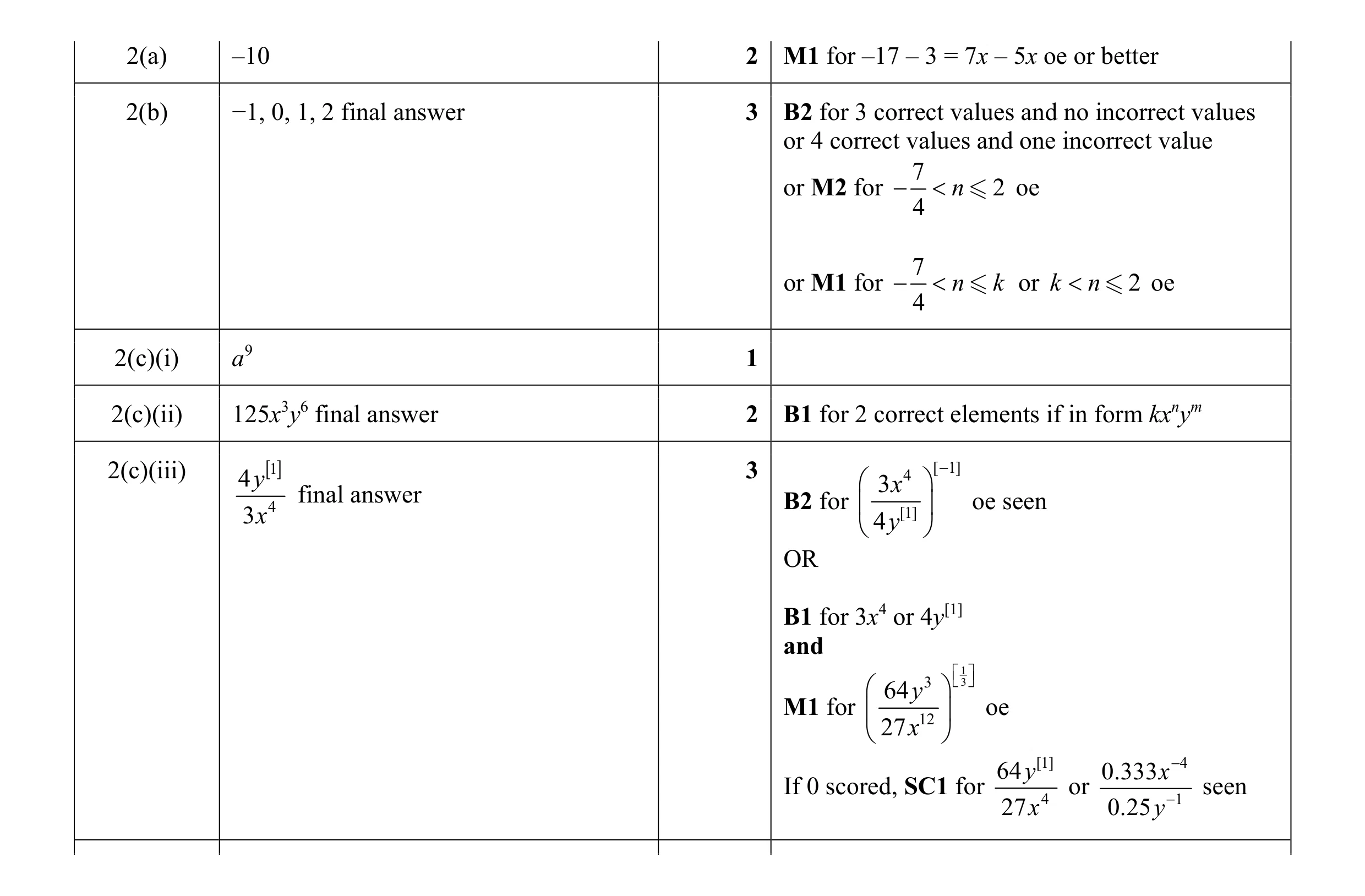 11
11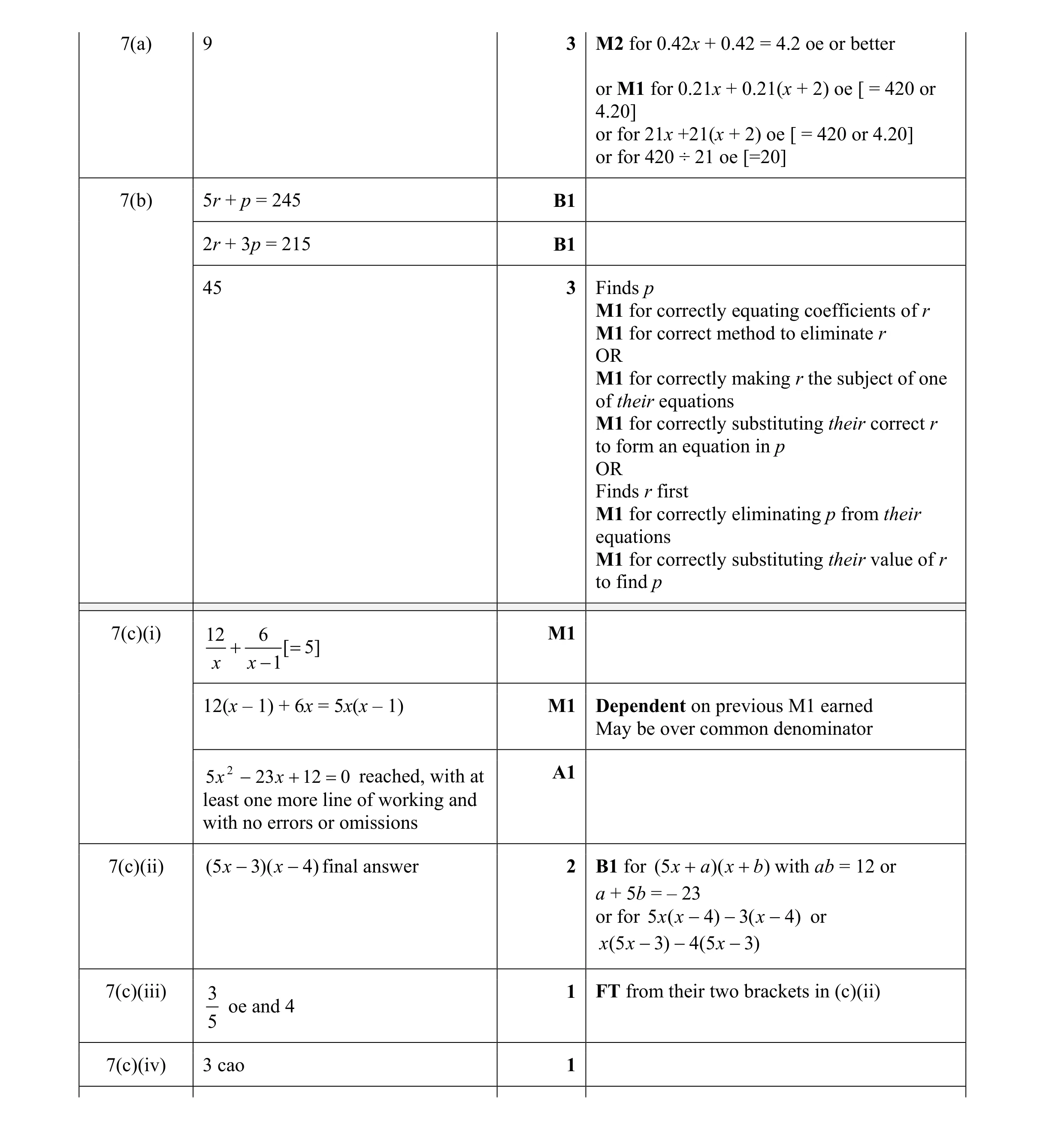 15
15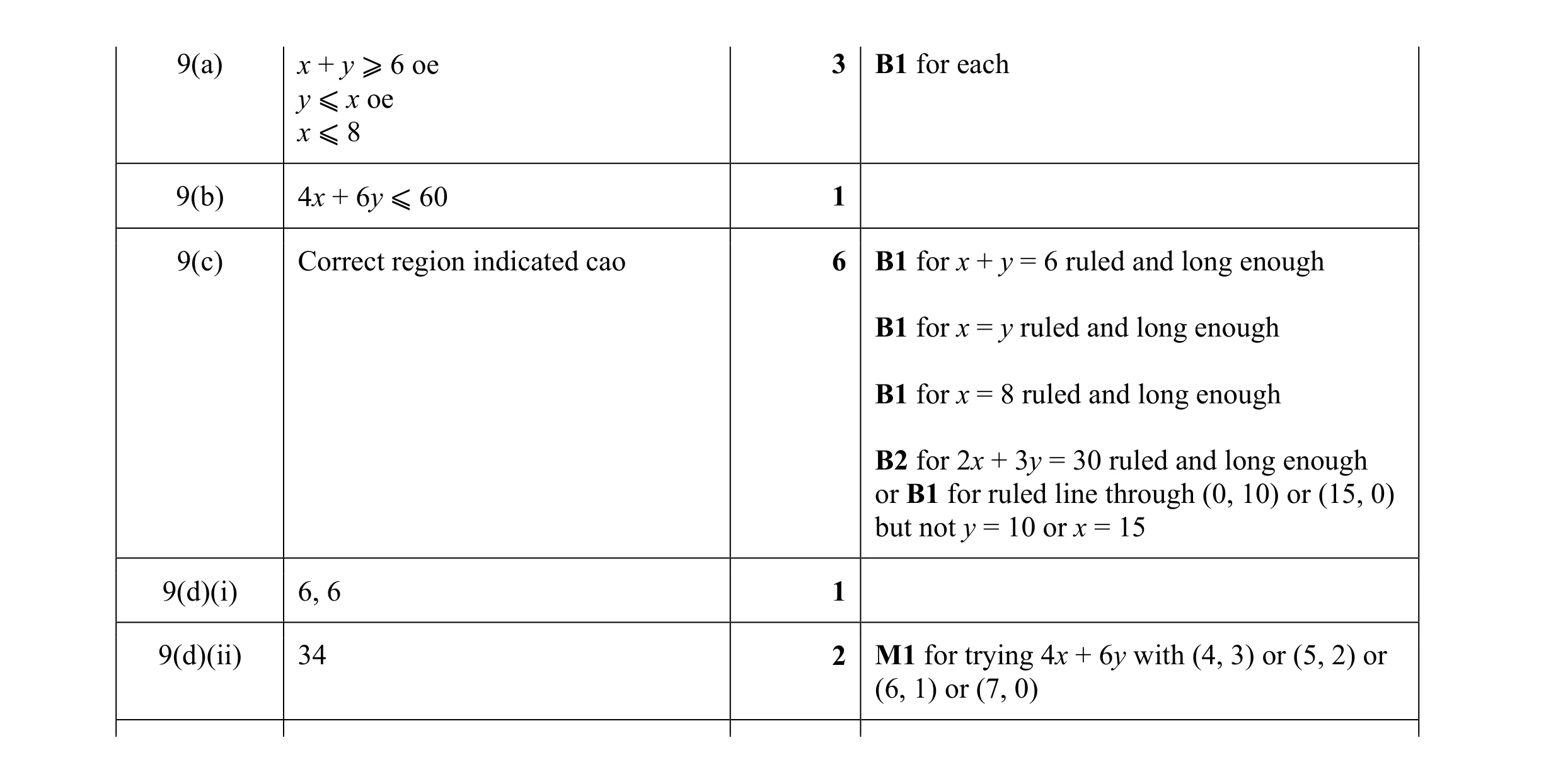 13
13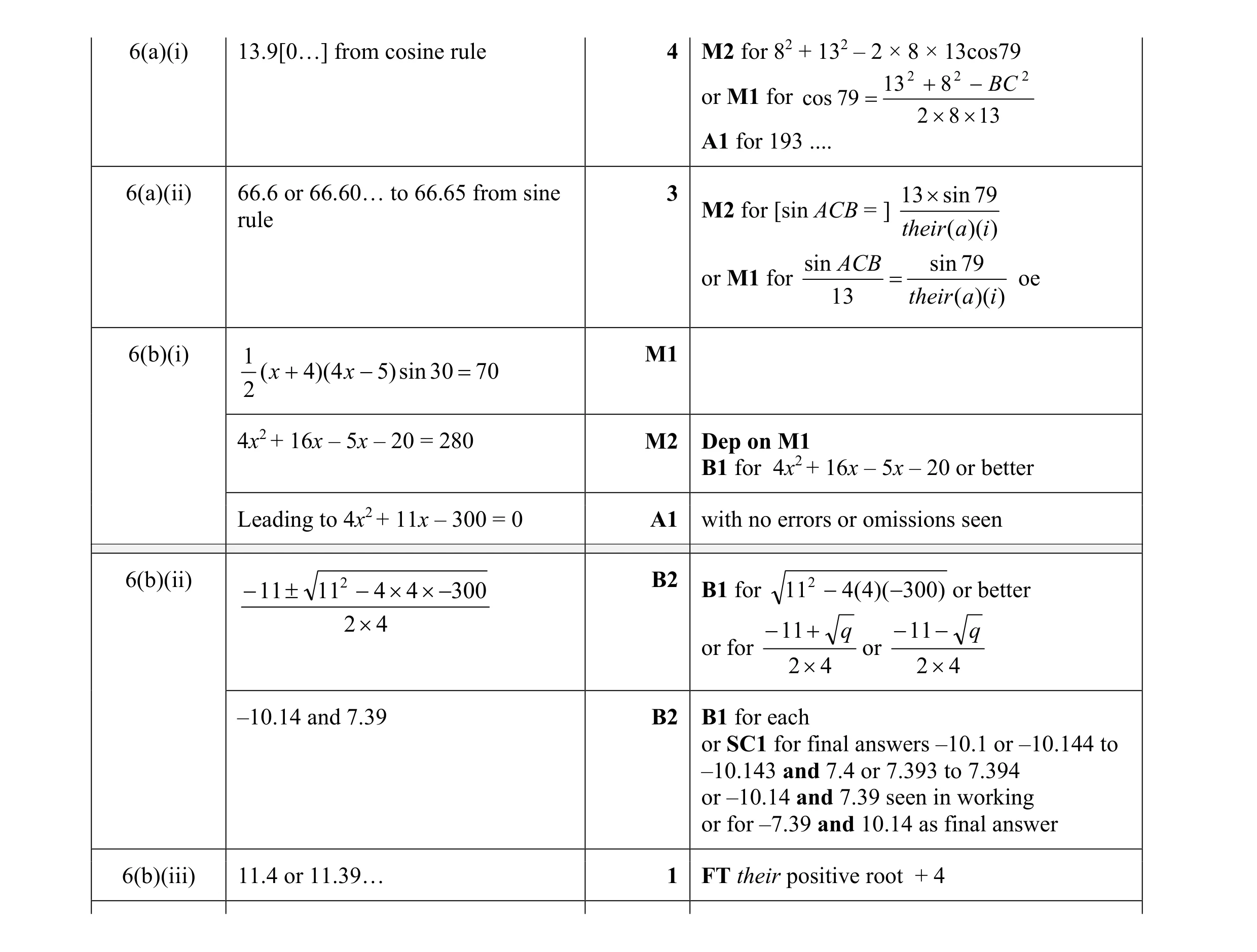 16
16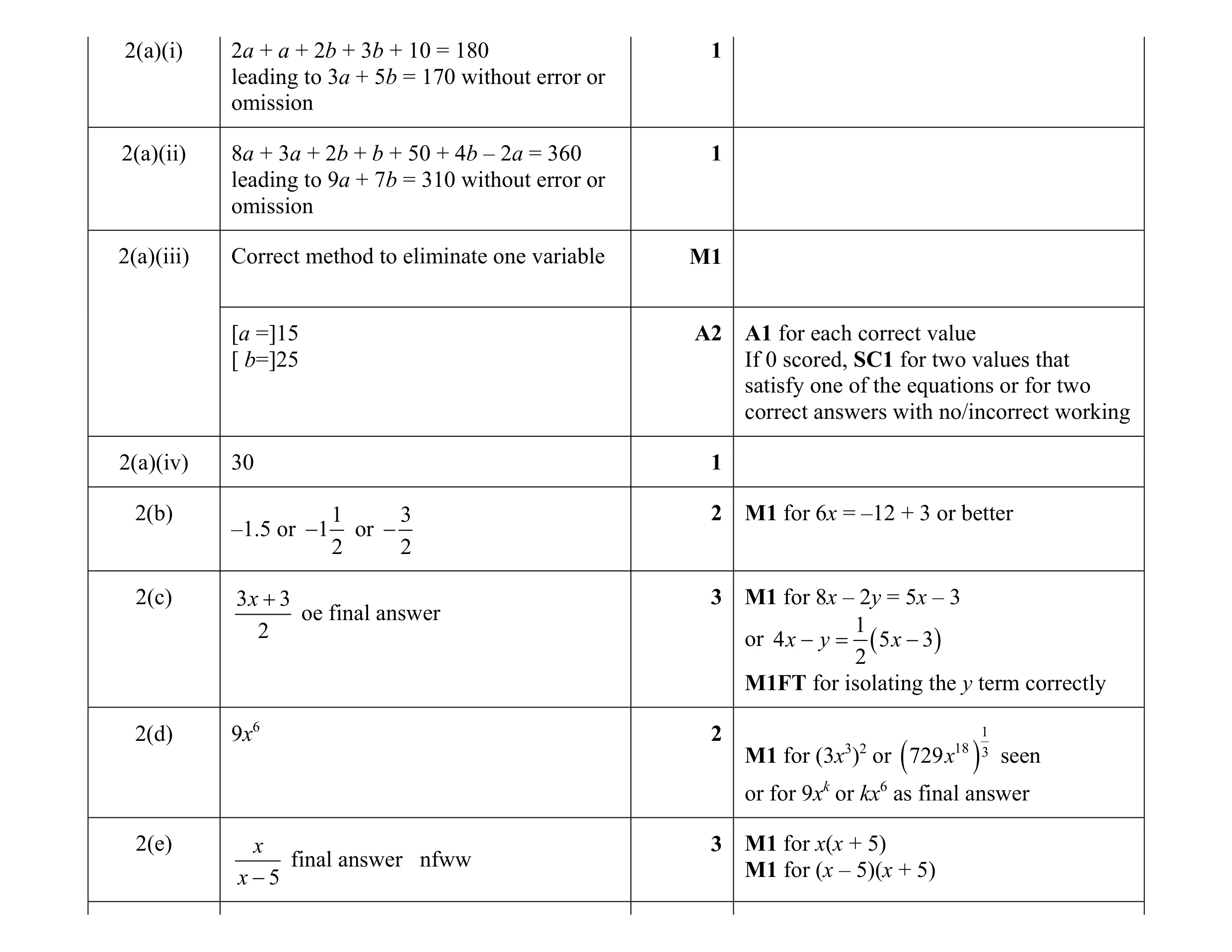 16
16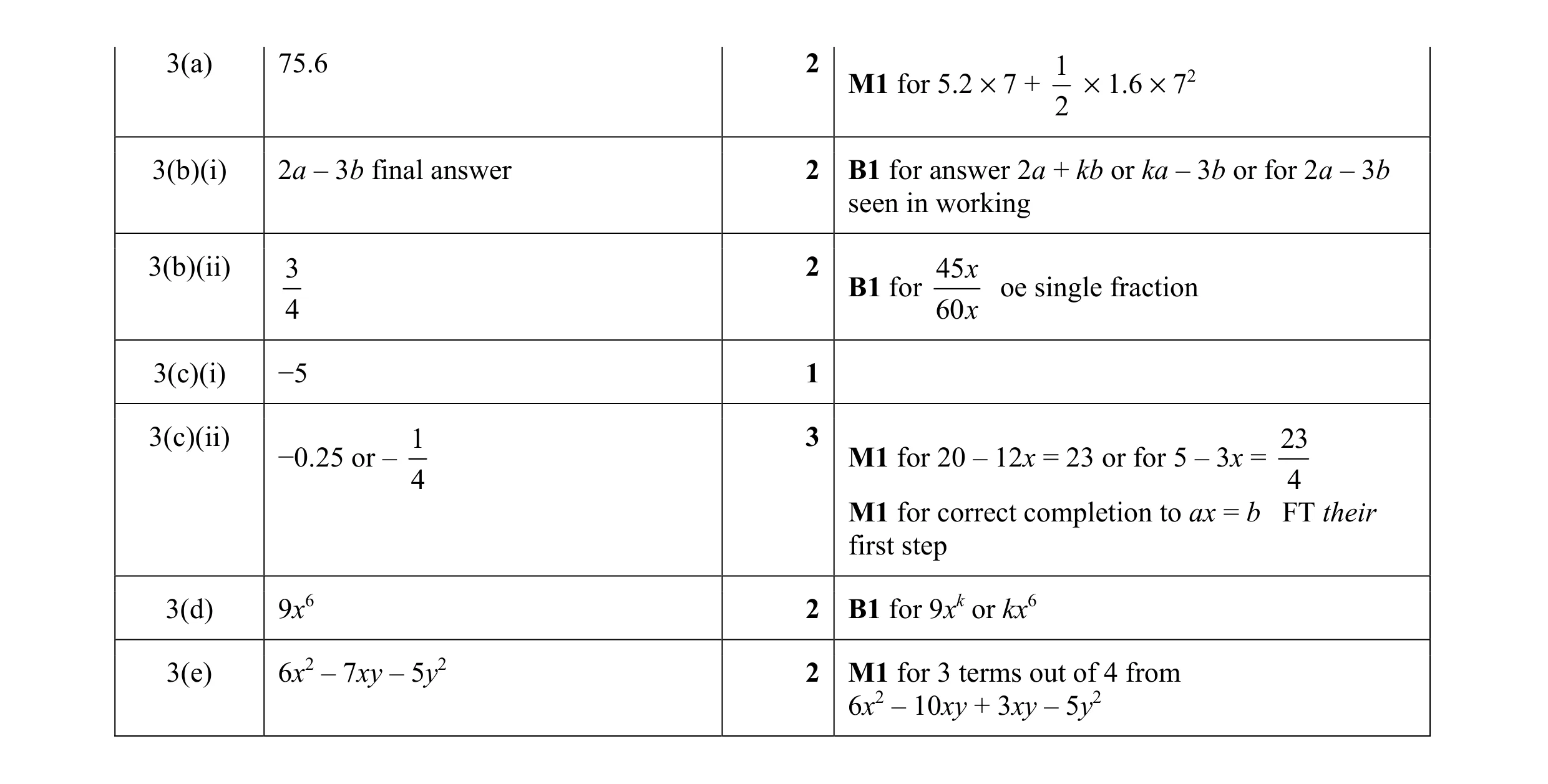 14
14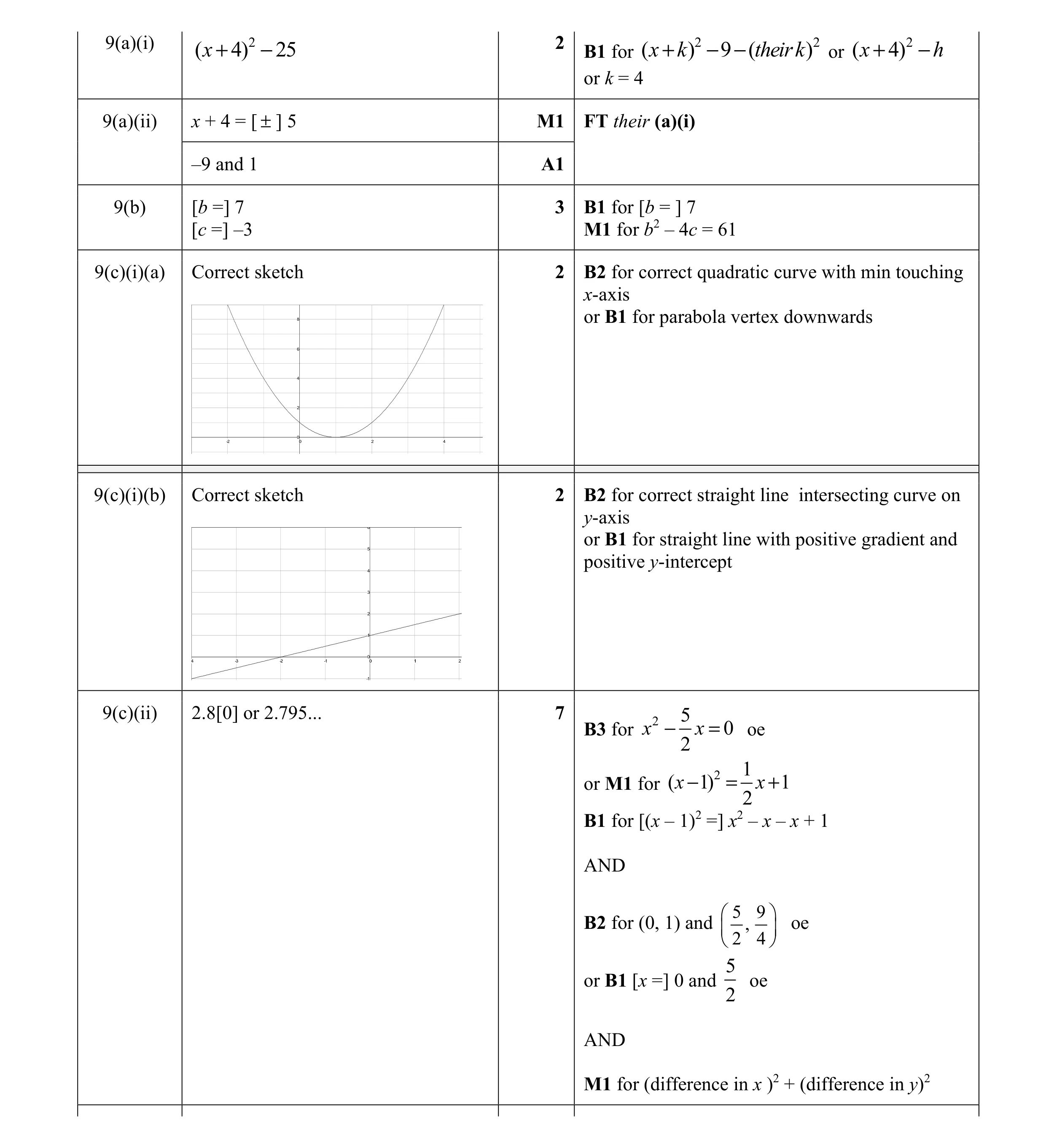 18
18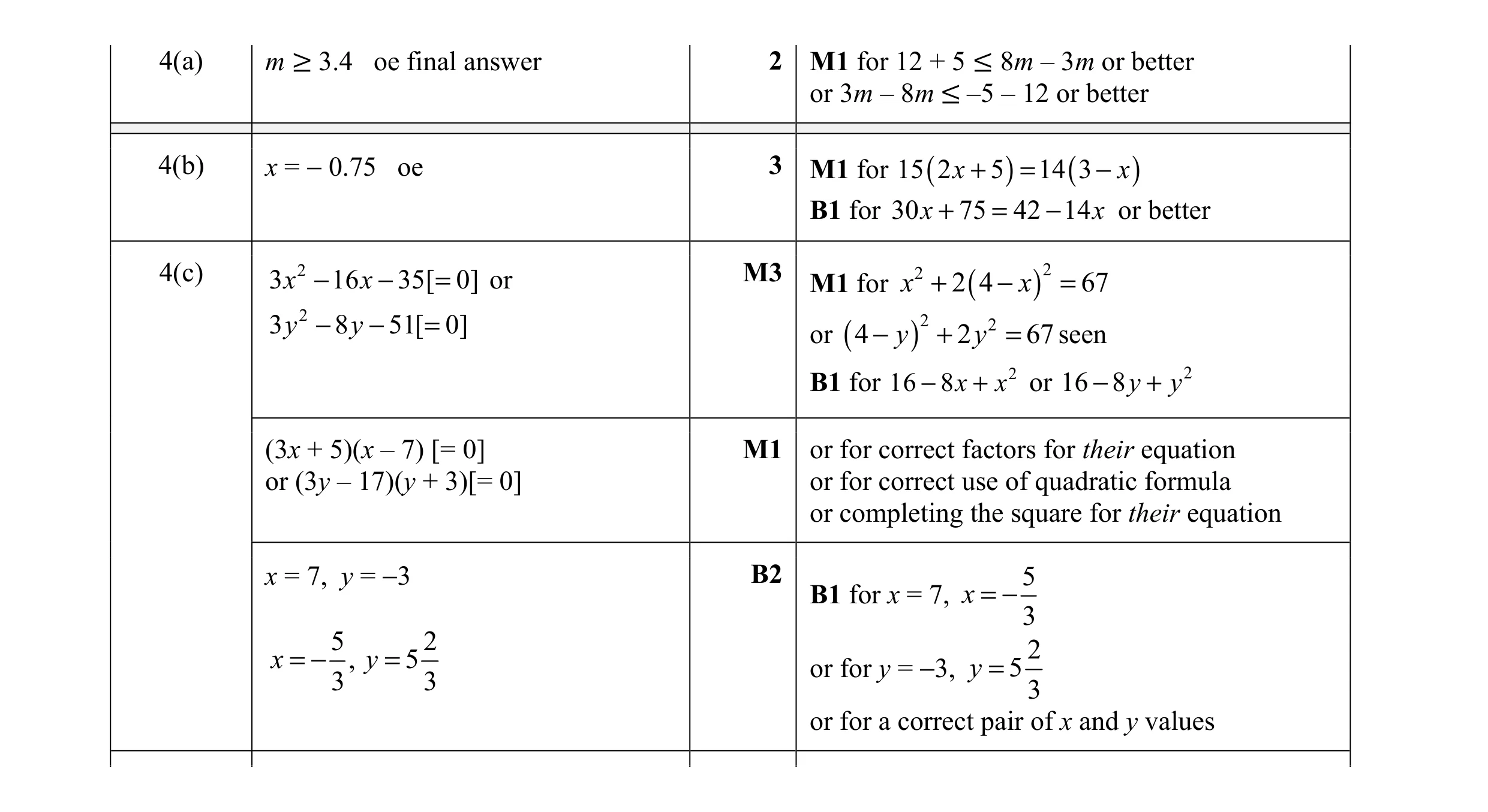 11
11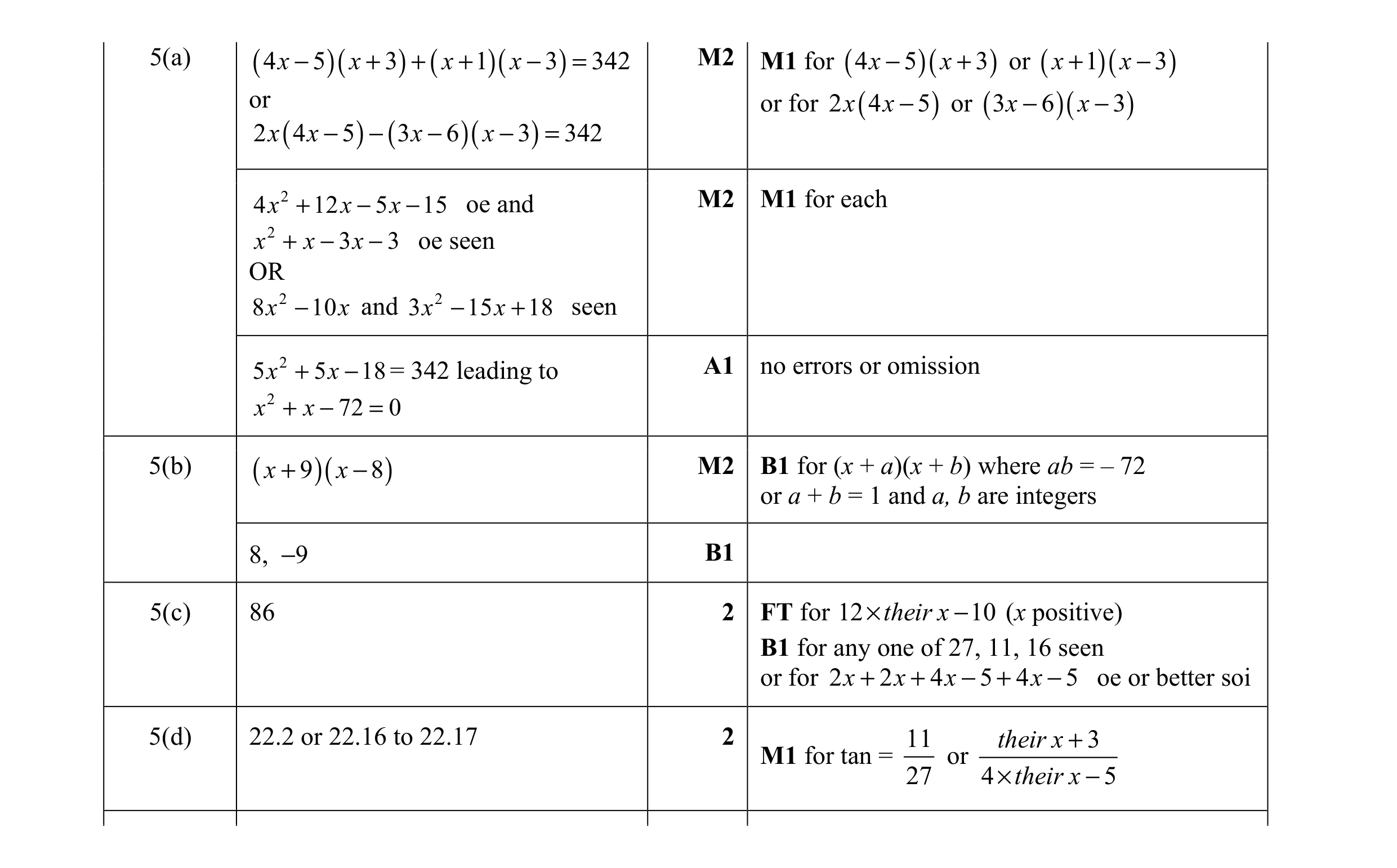 12
12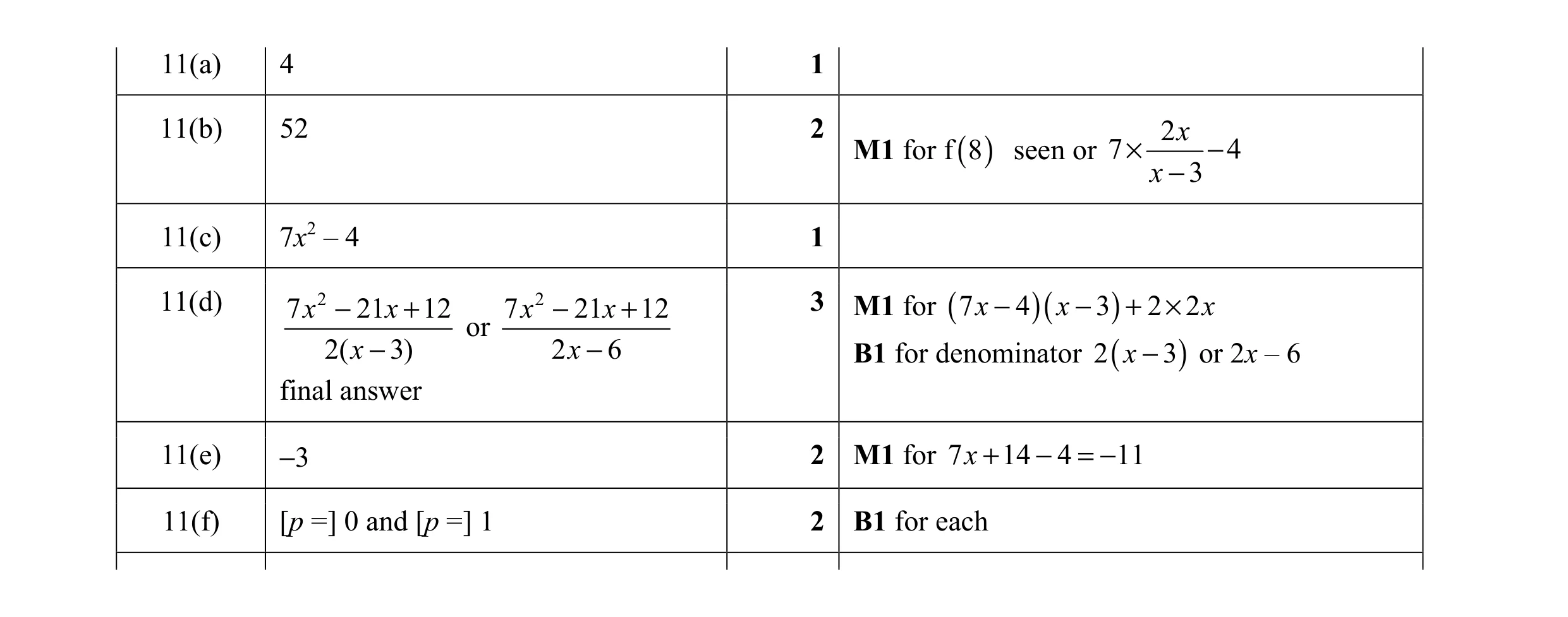 11
11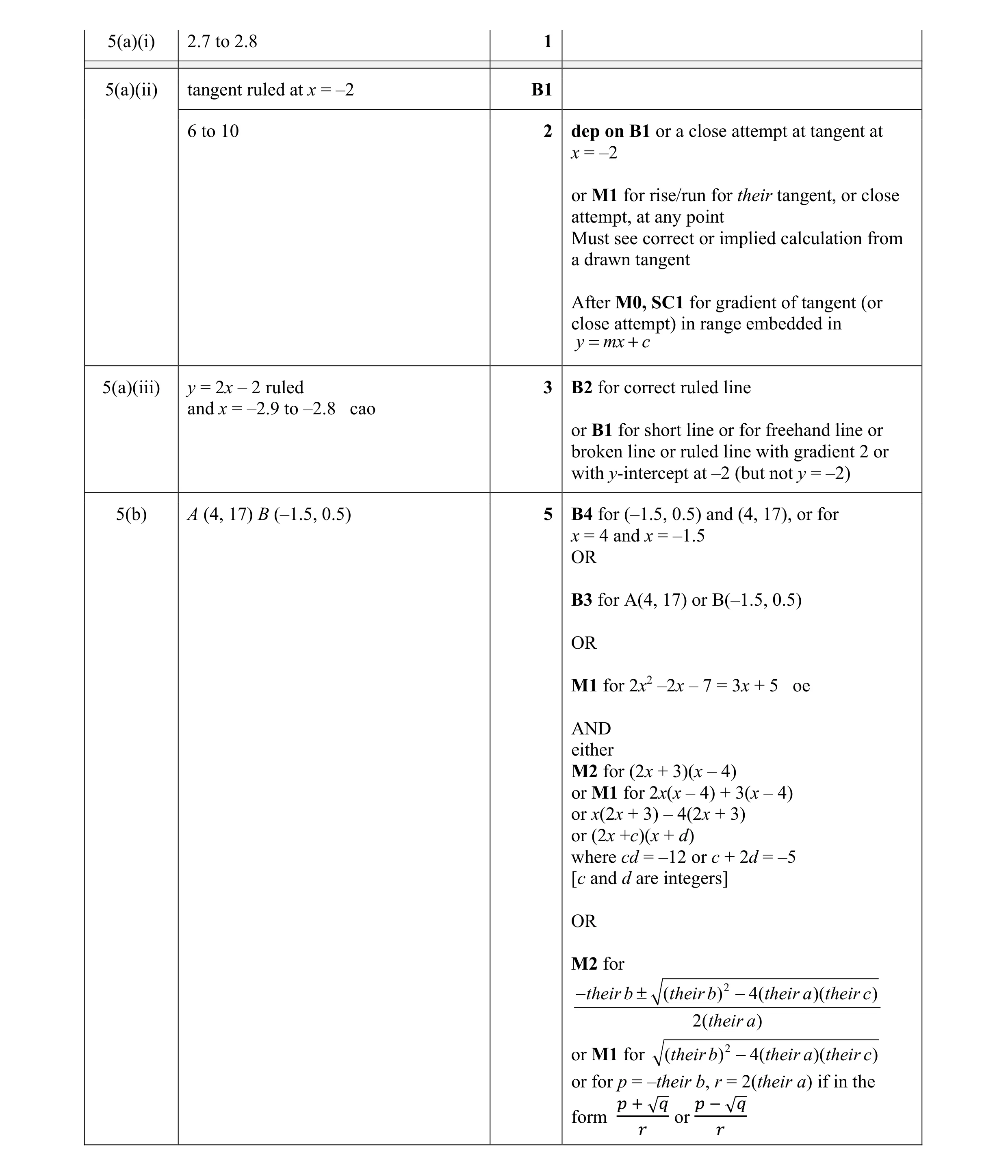 12
12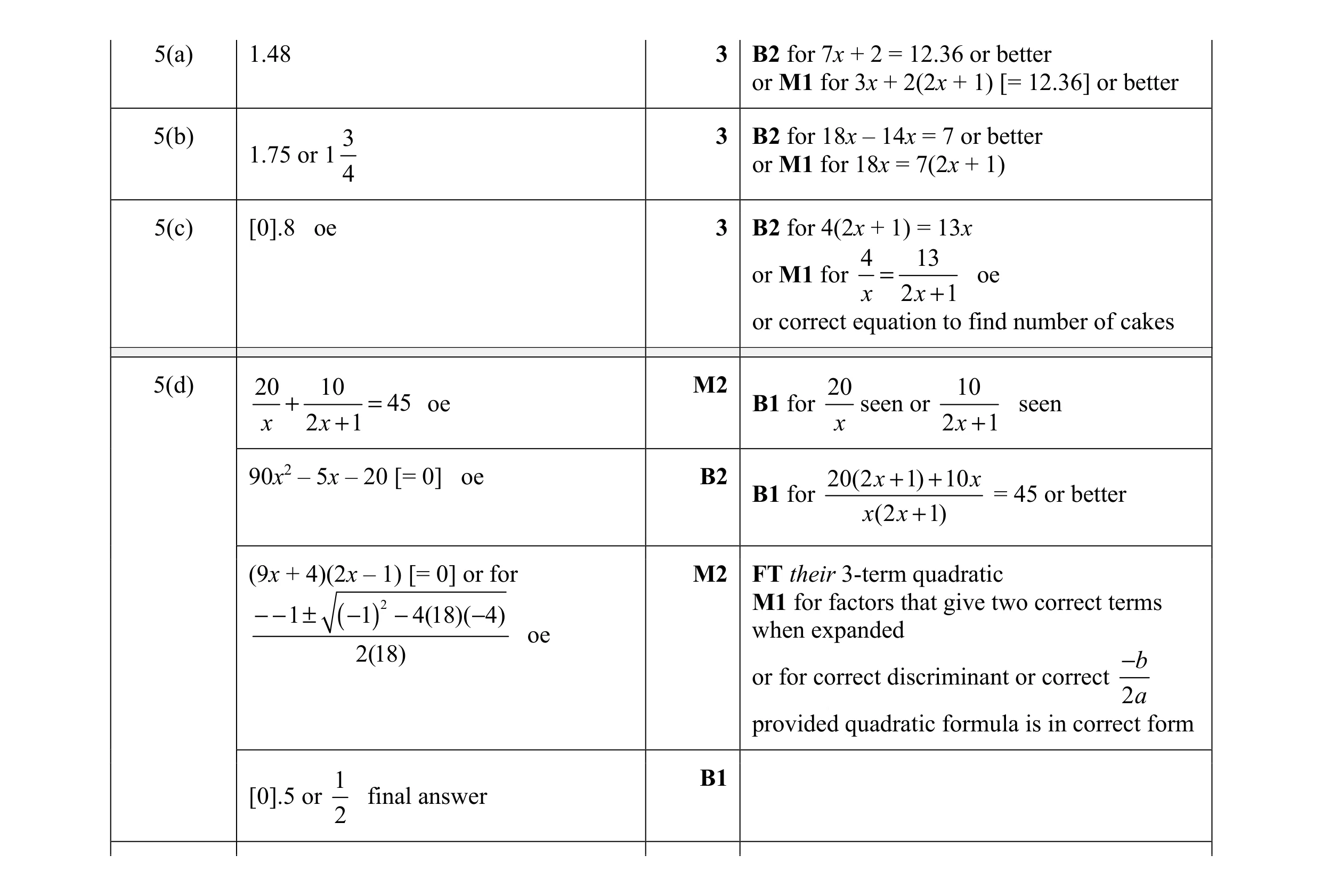 16
16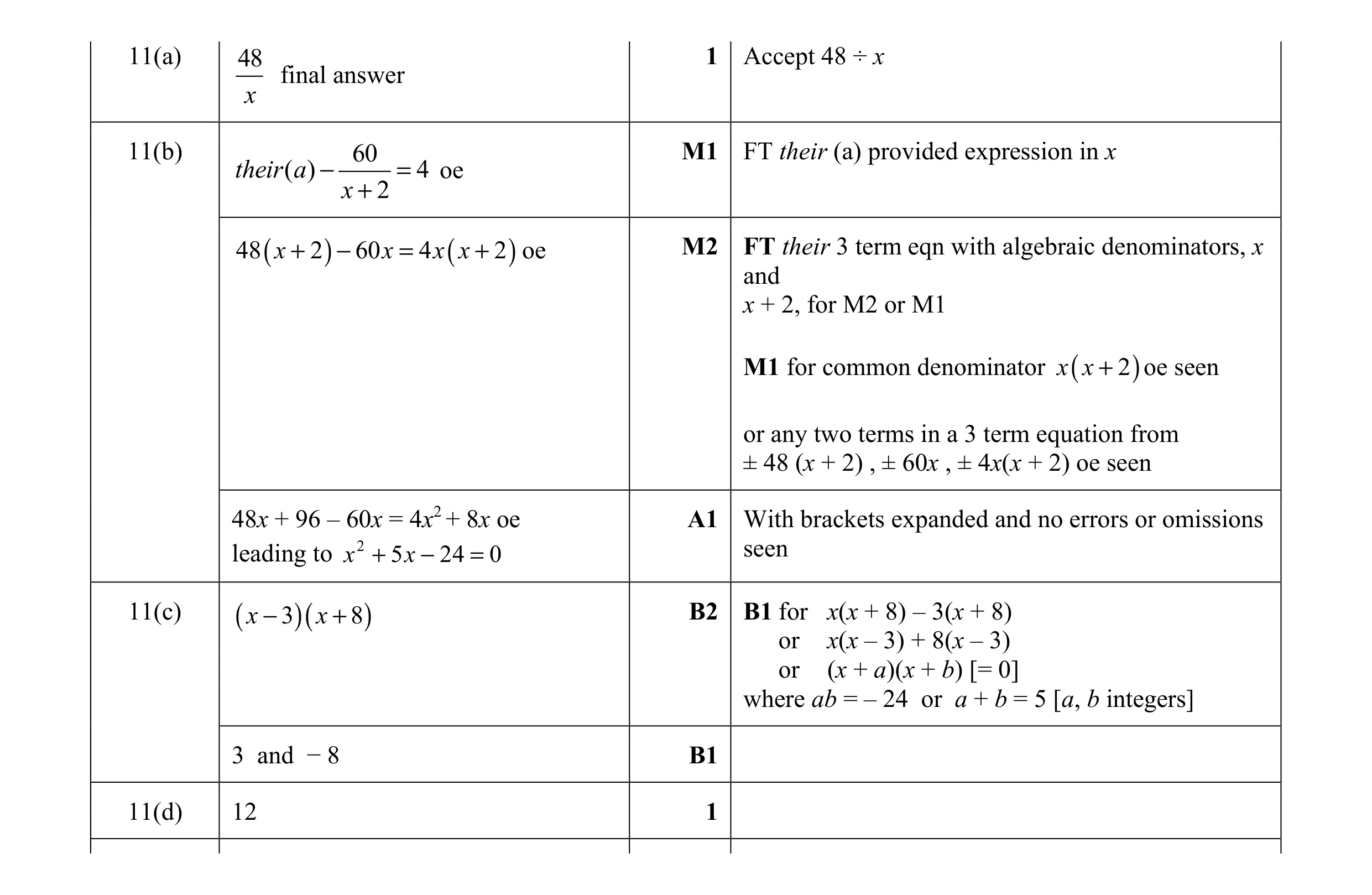 9
9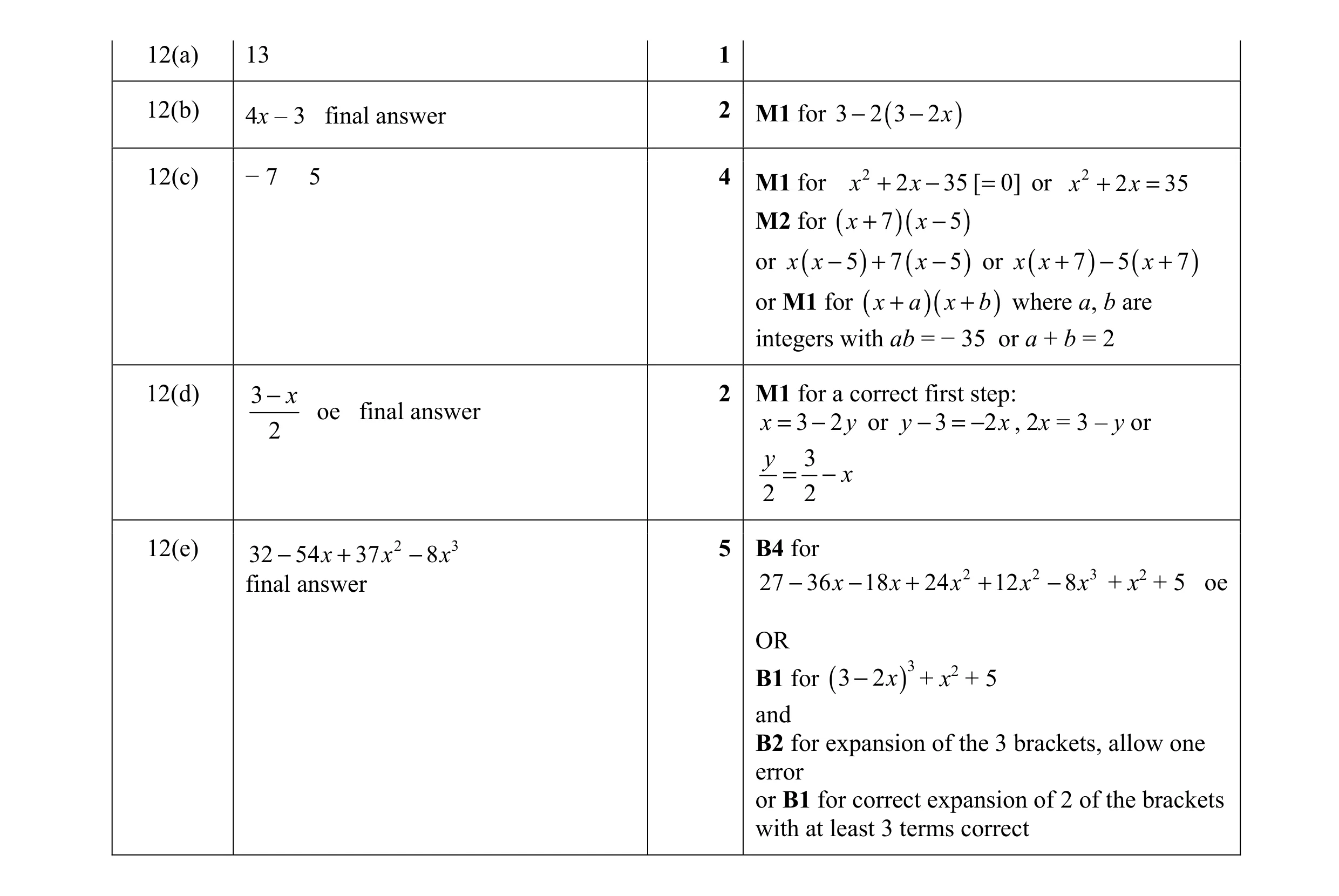 14
14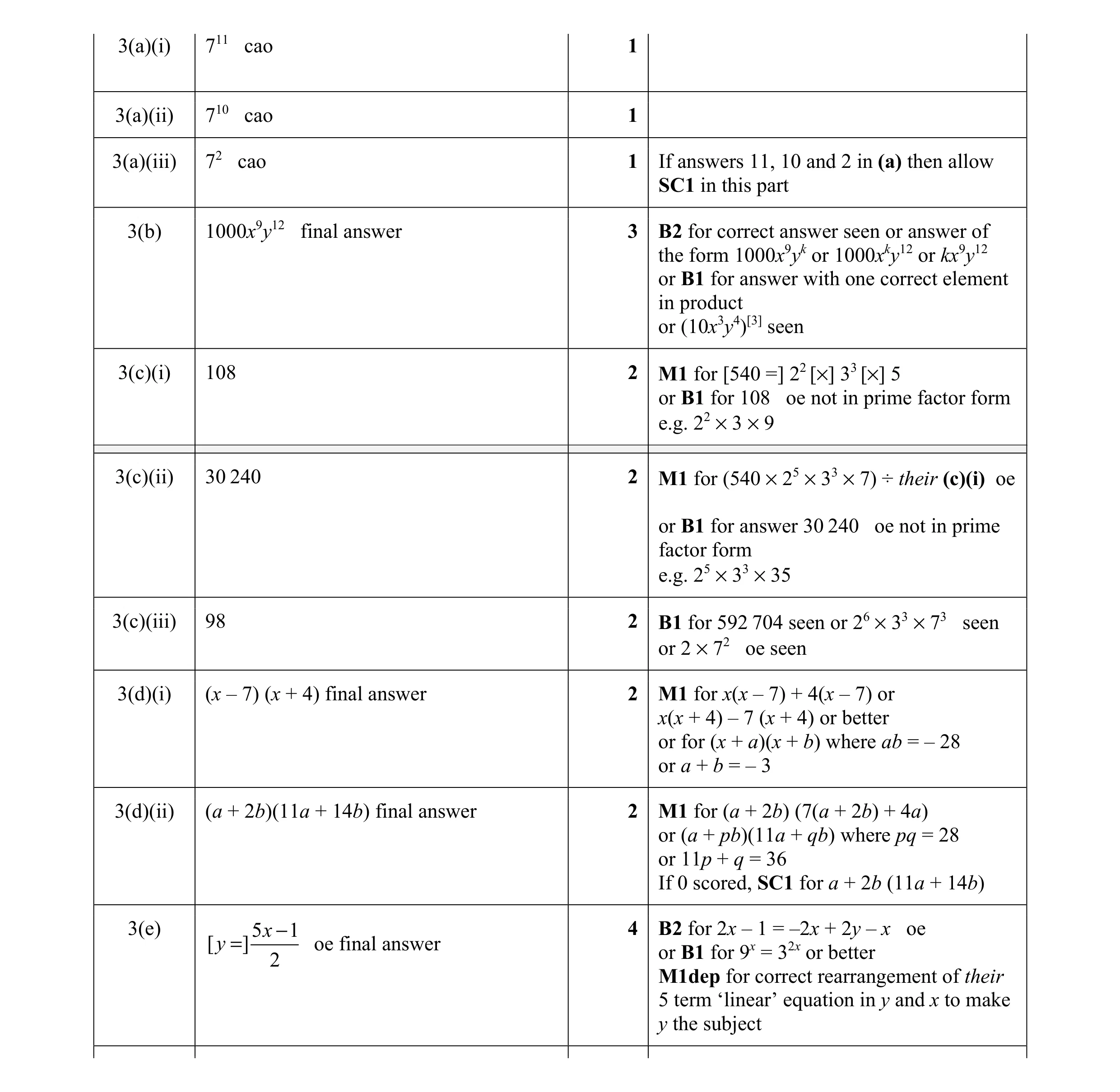 20
20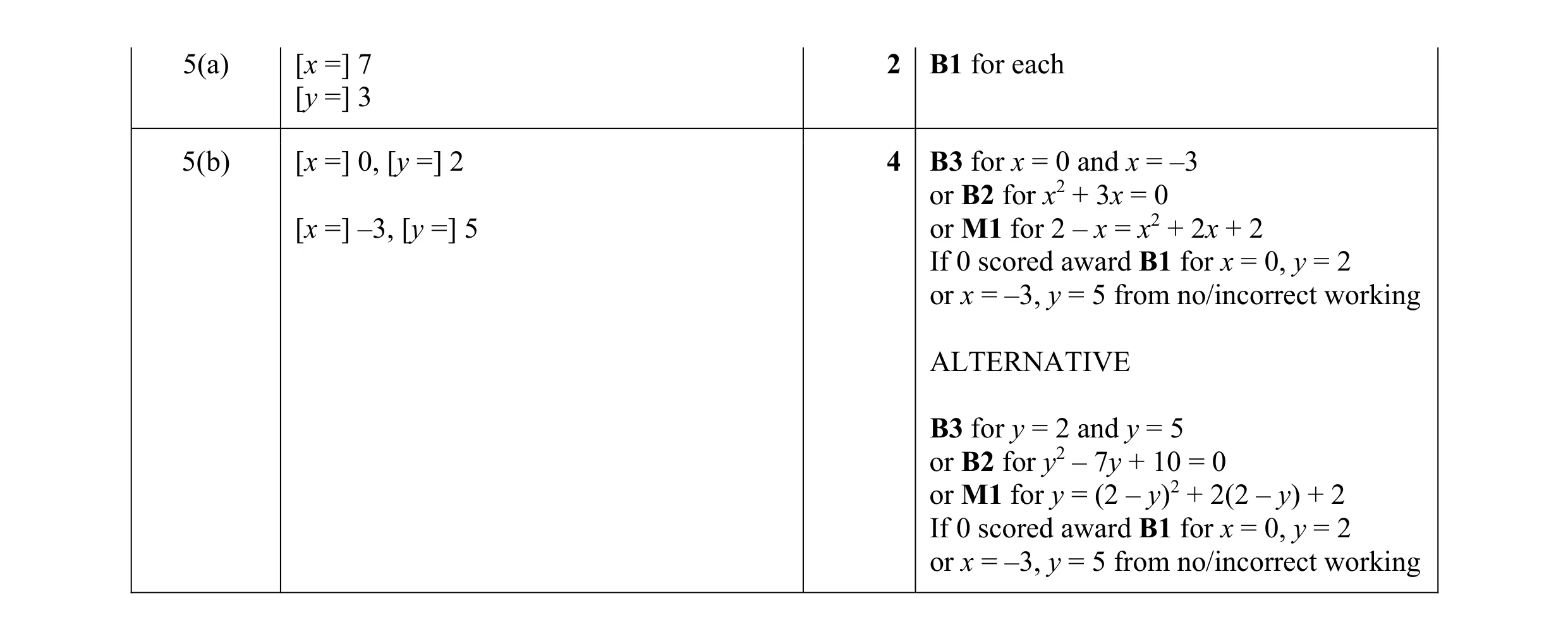 6
6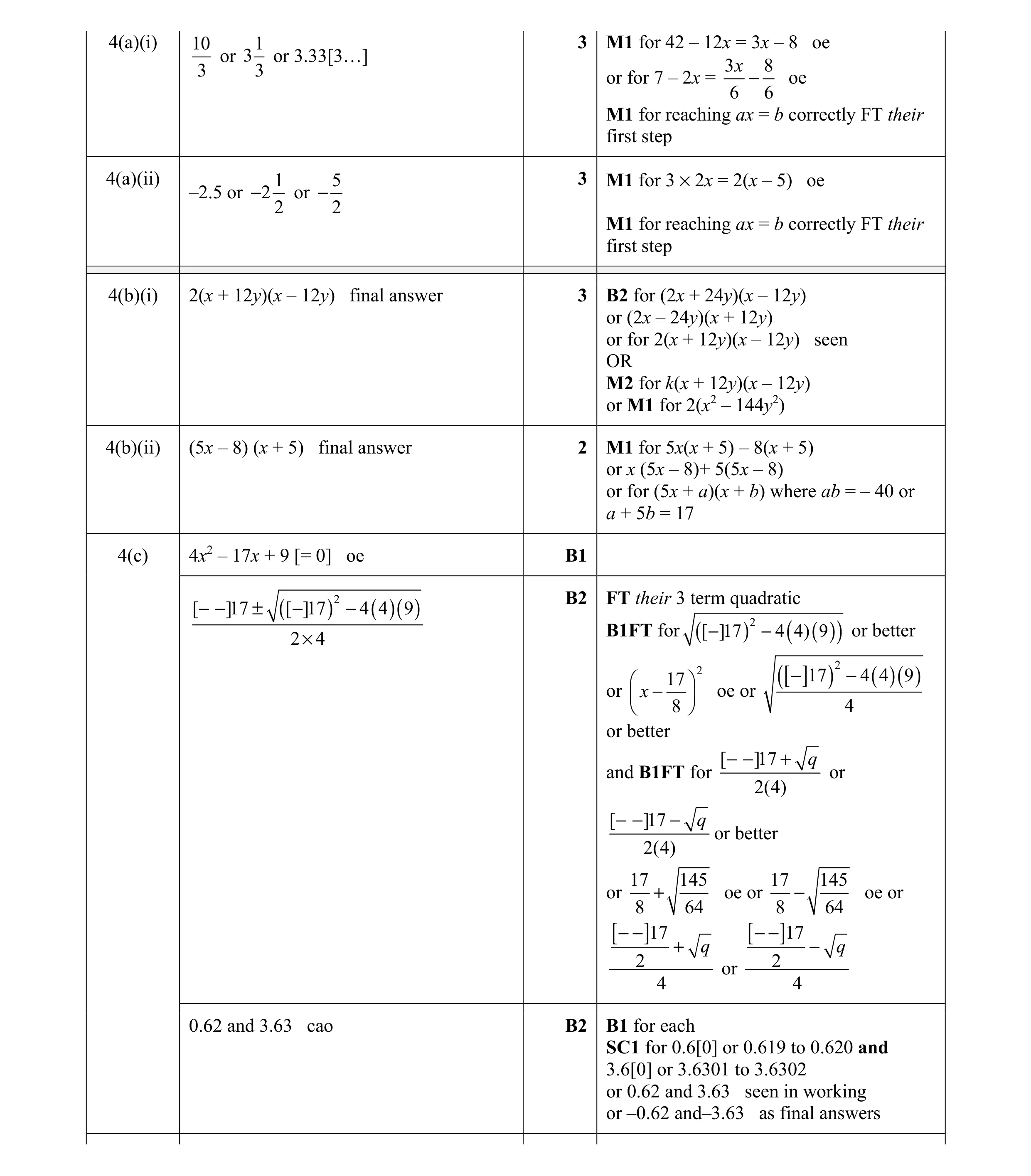 16
16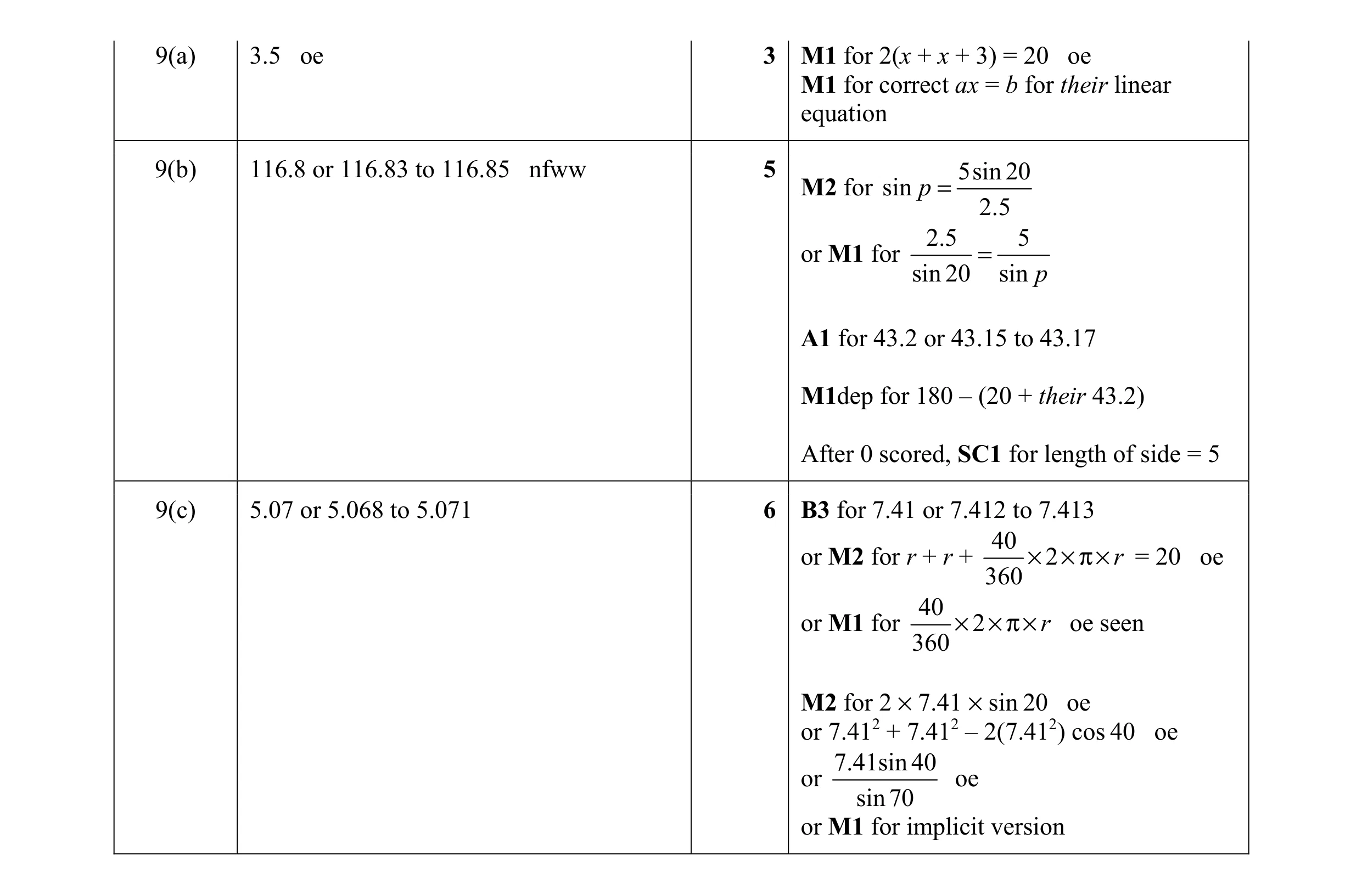 14
14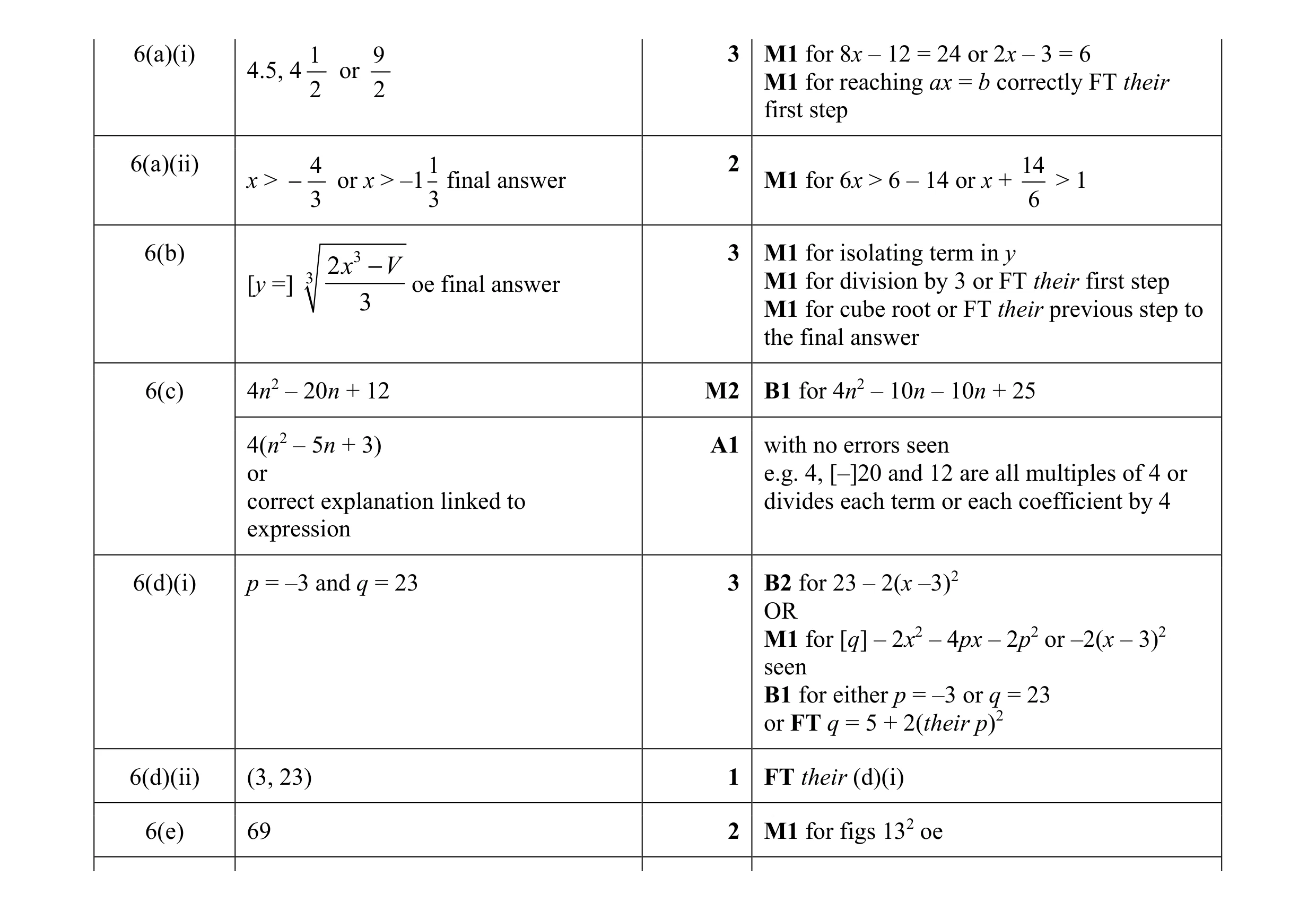 17
17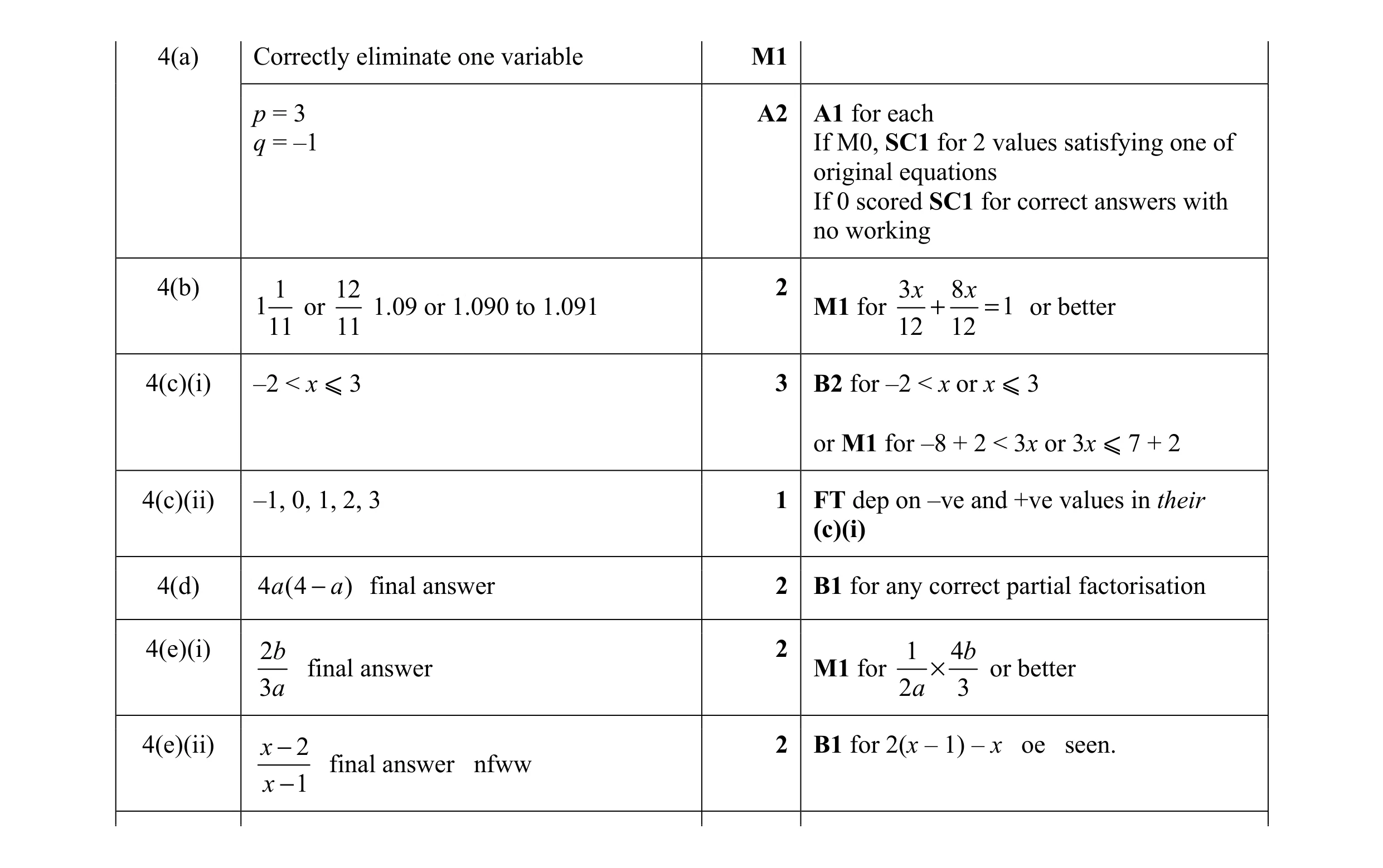 15
15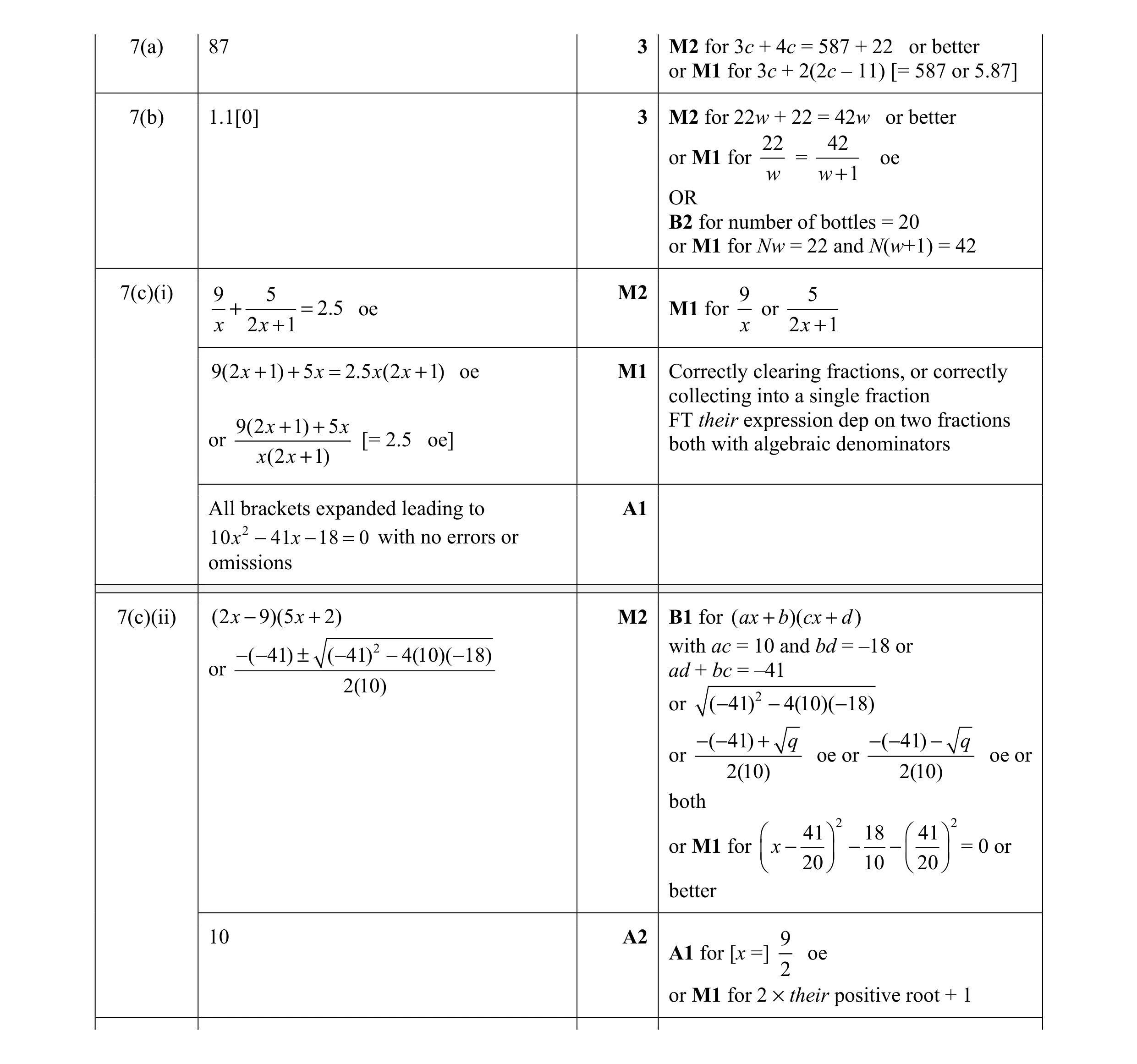 14
14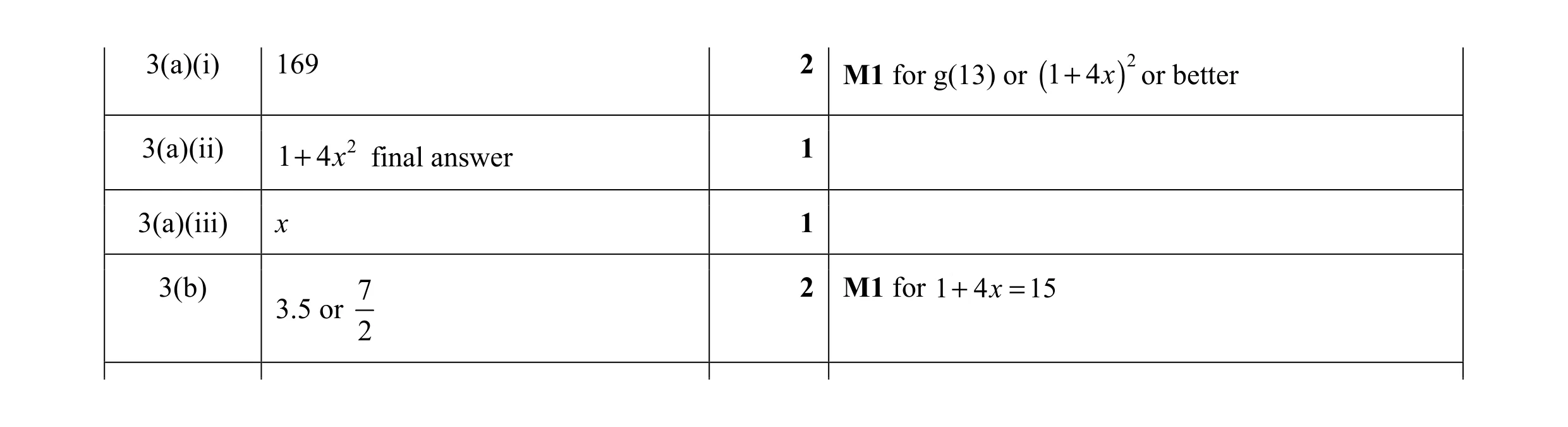 6
6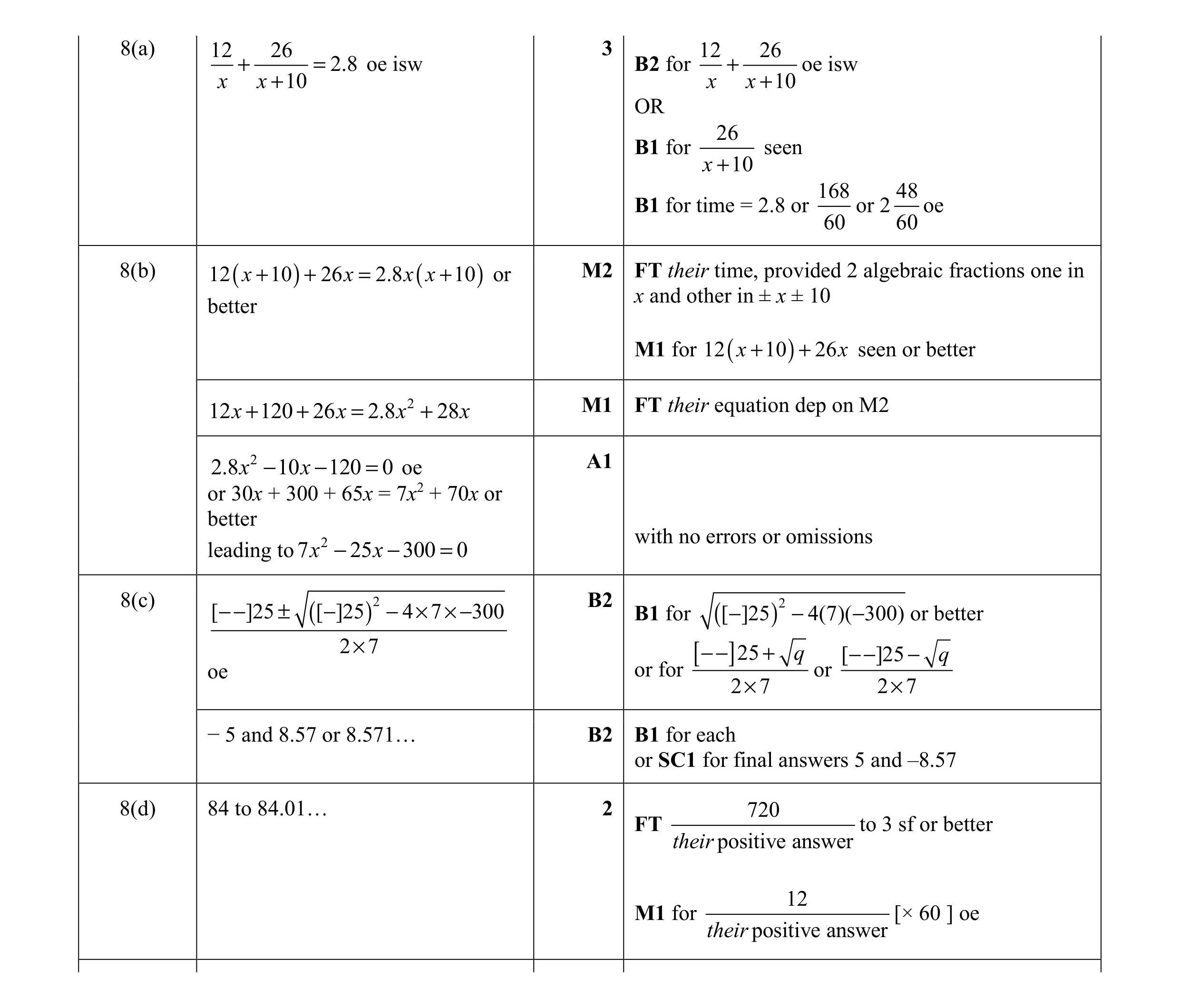 13
13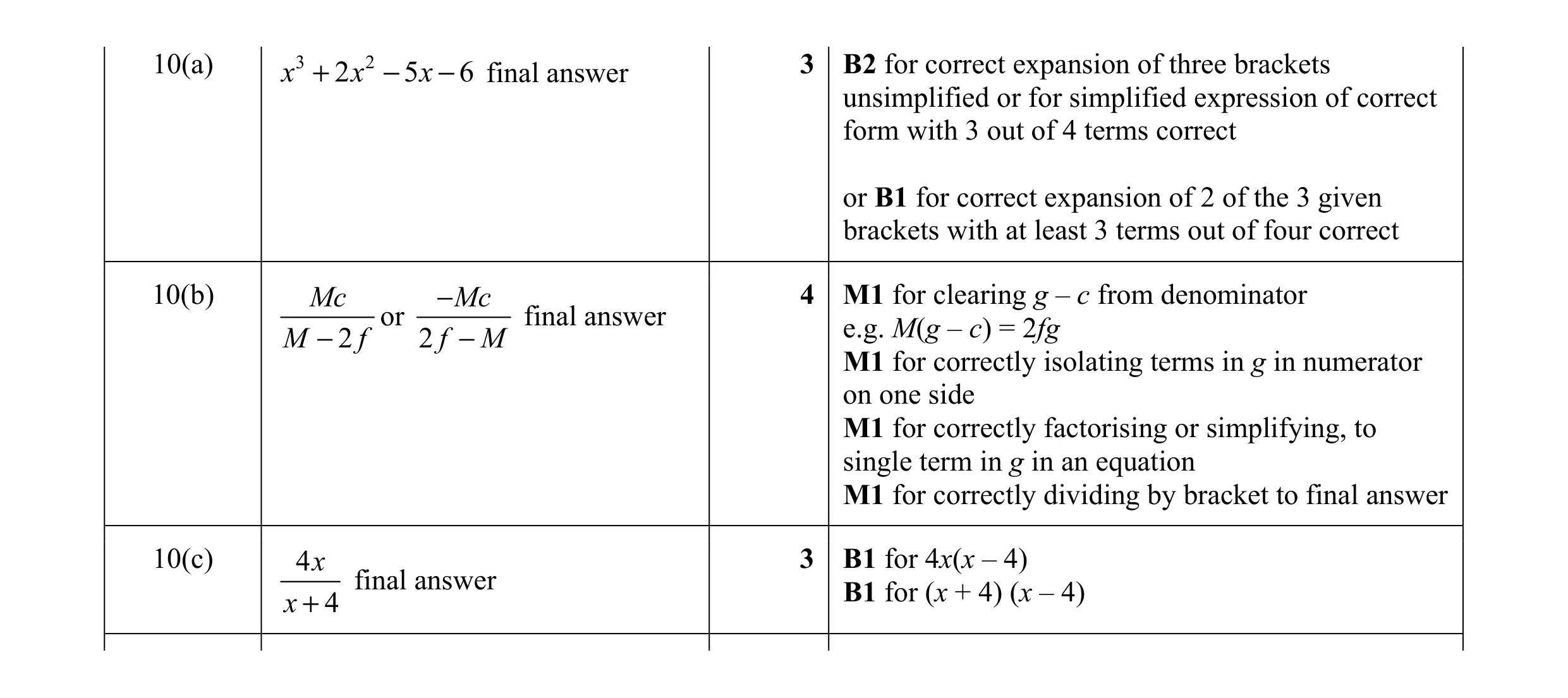 10
10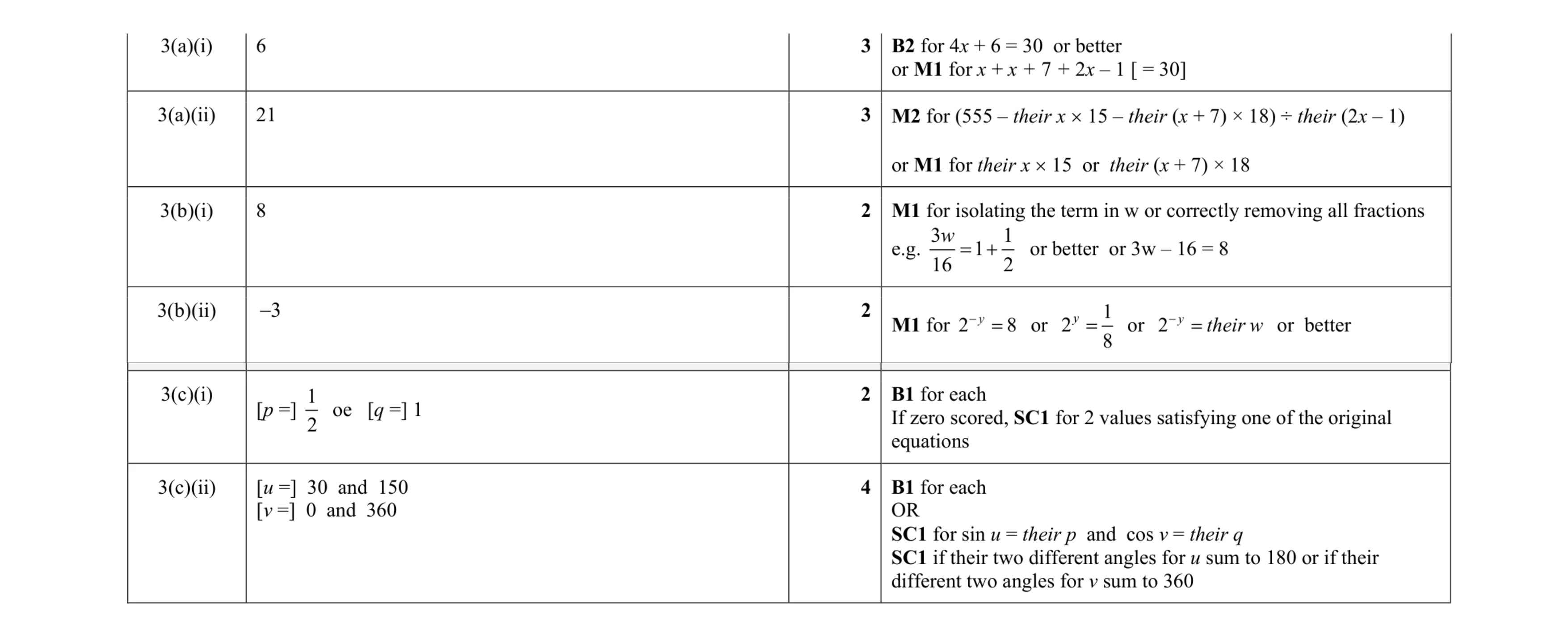 16
16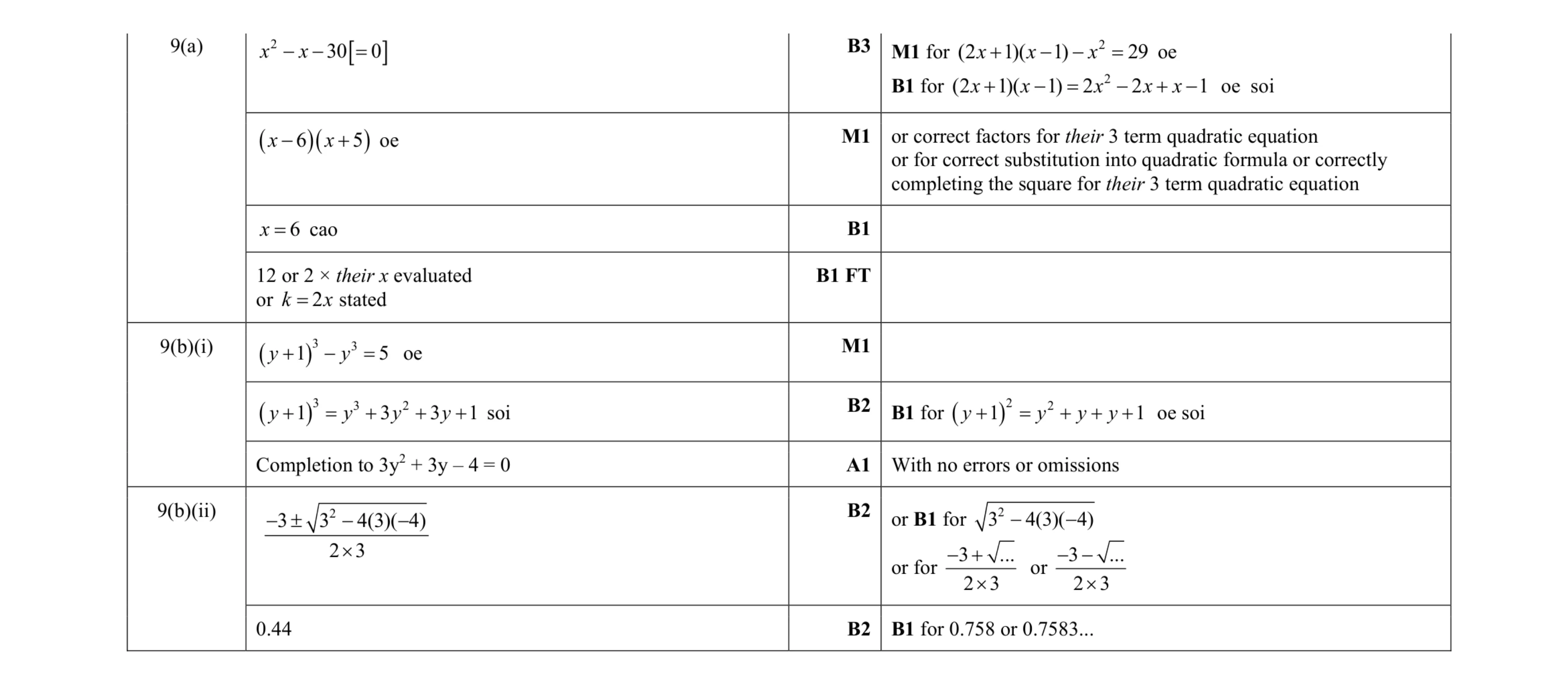 14
14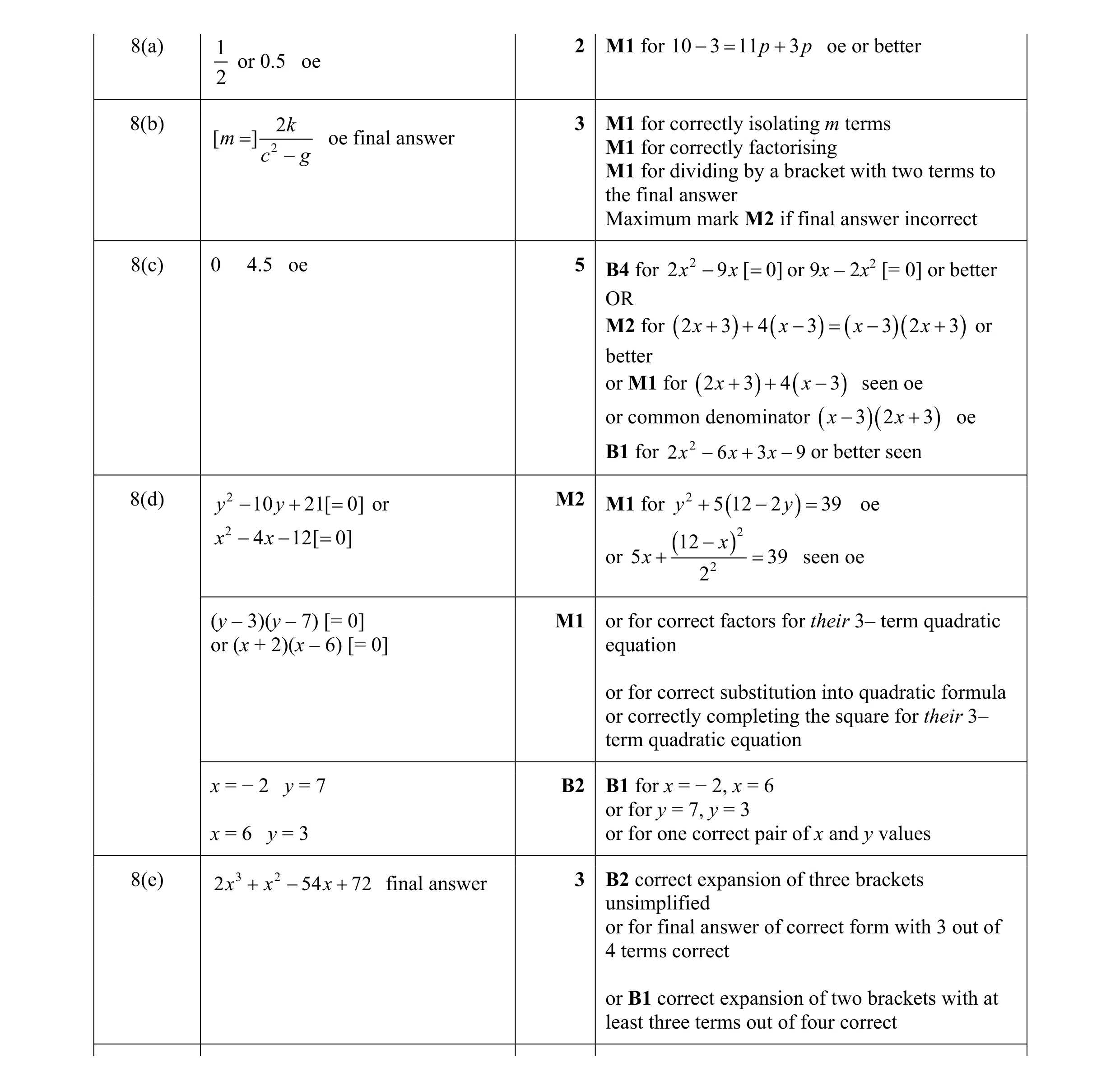 18
18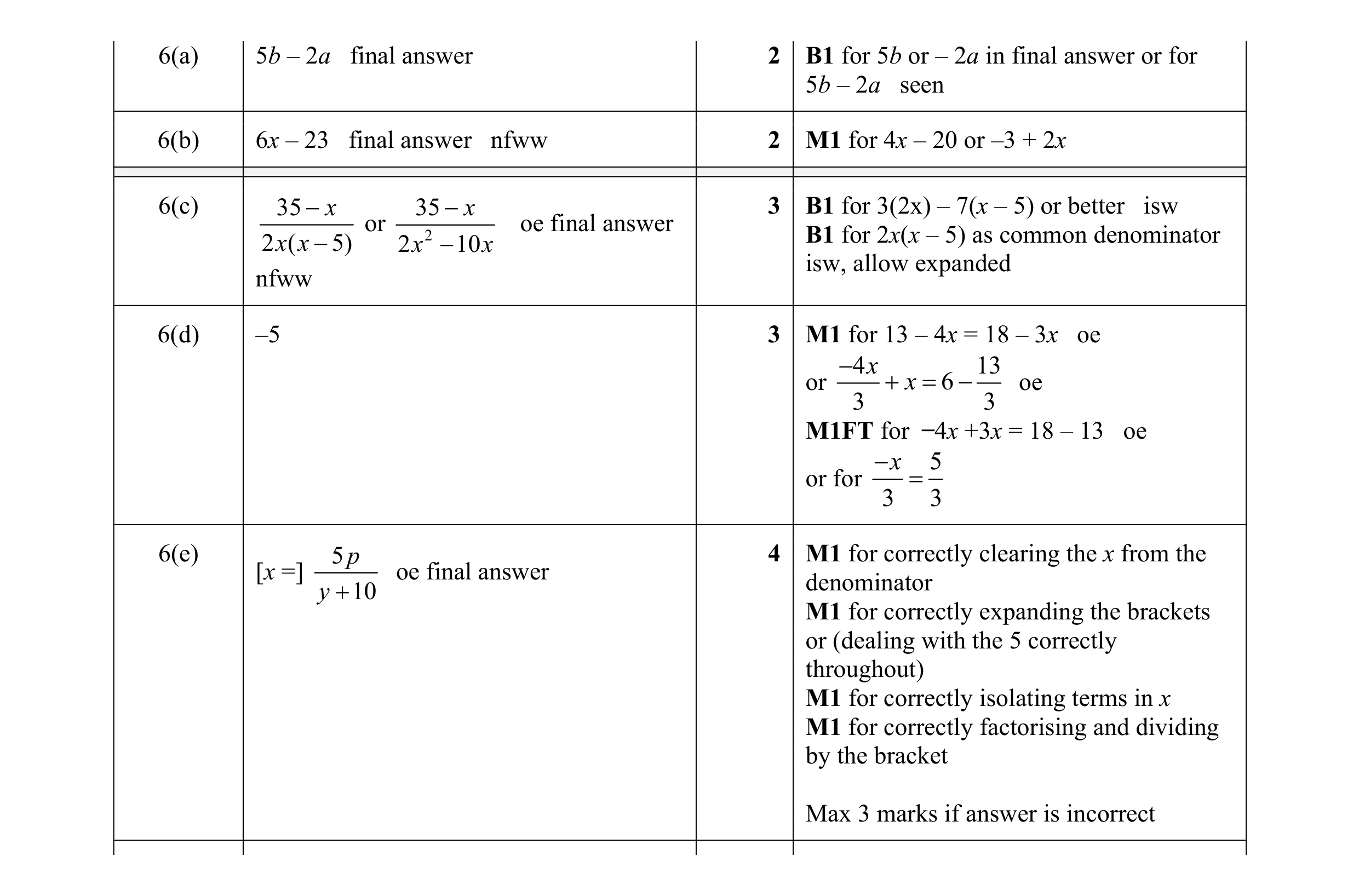 14
14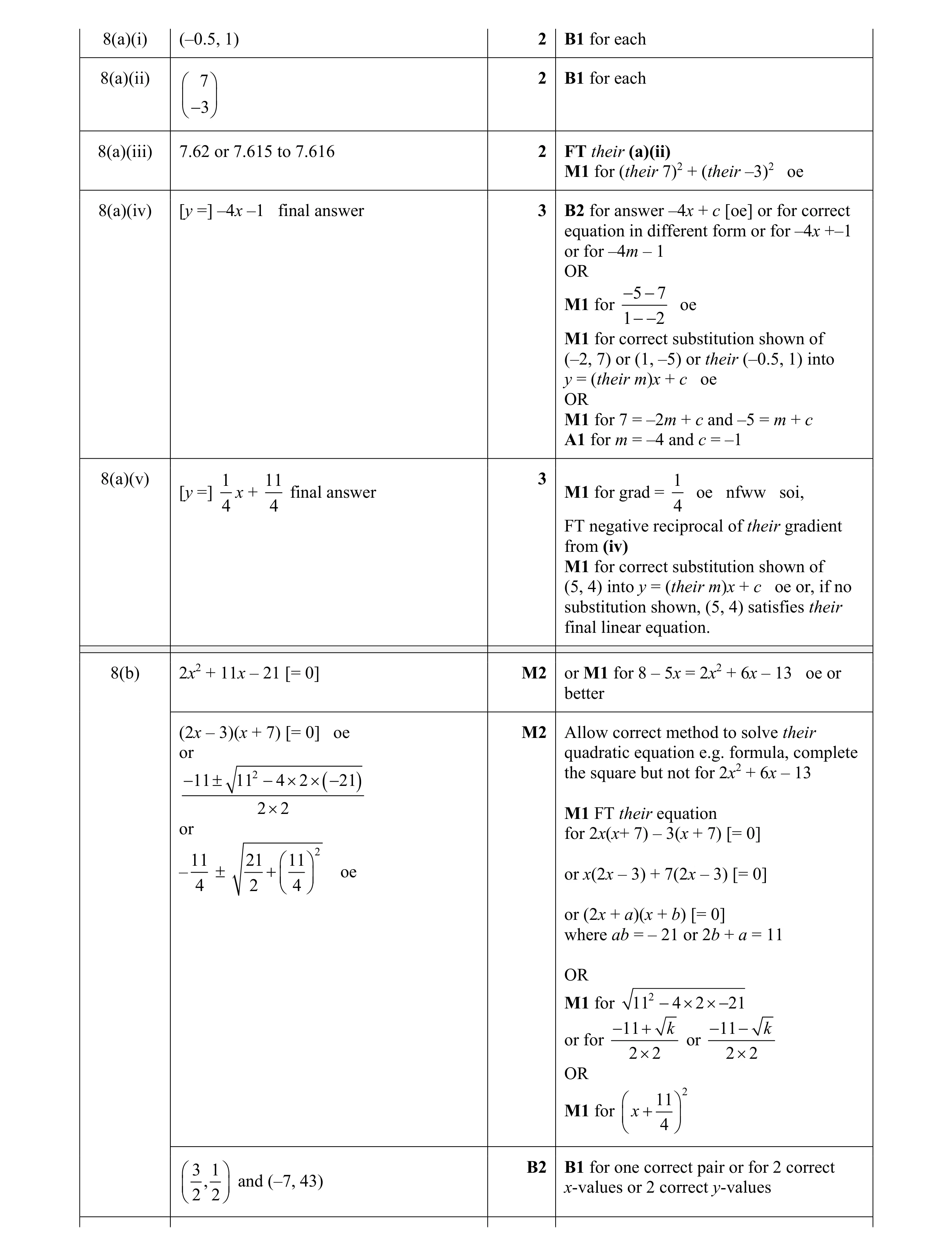 18
18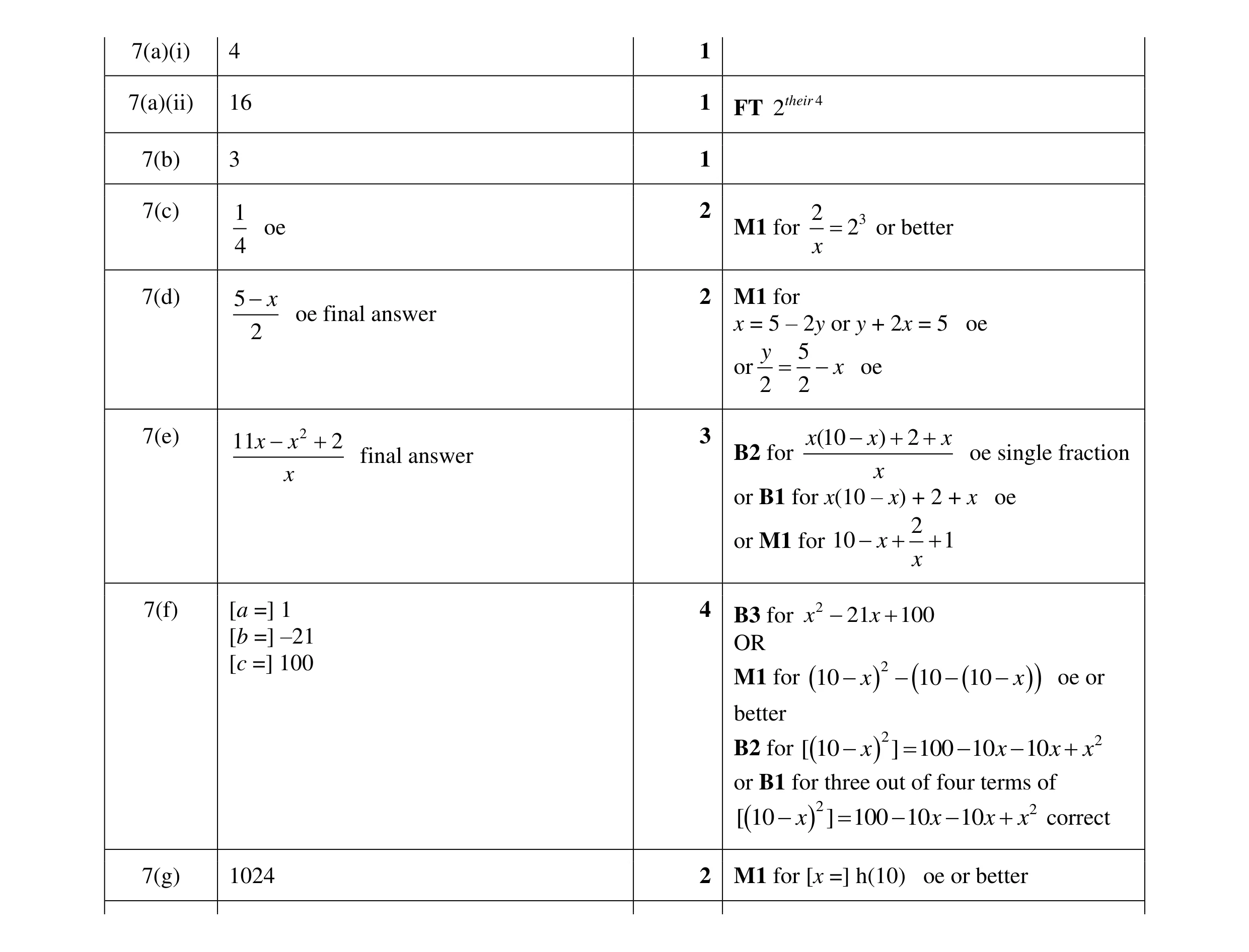 16
16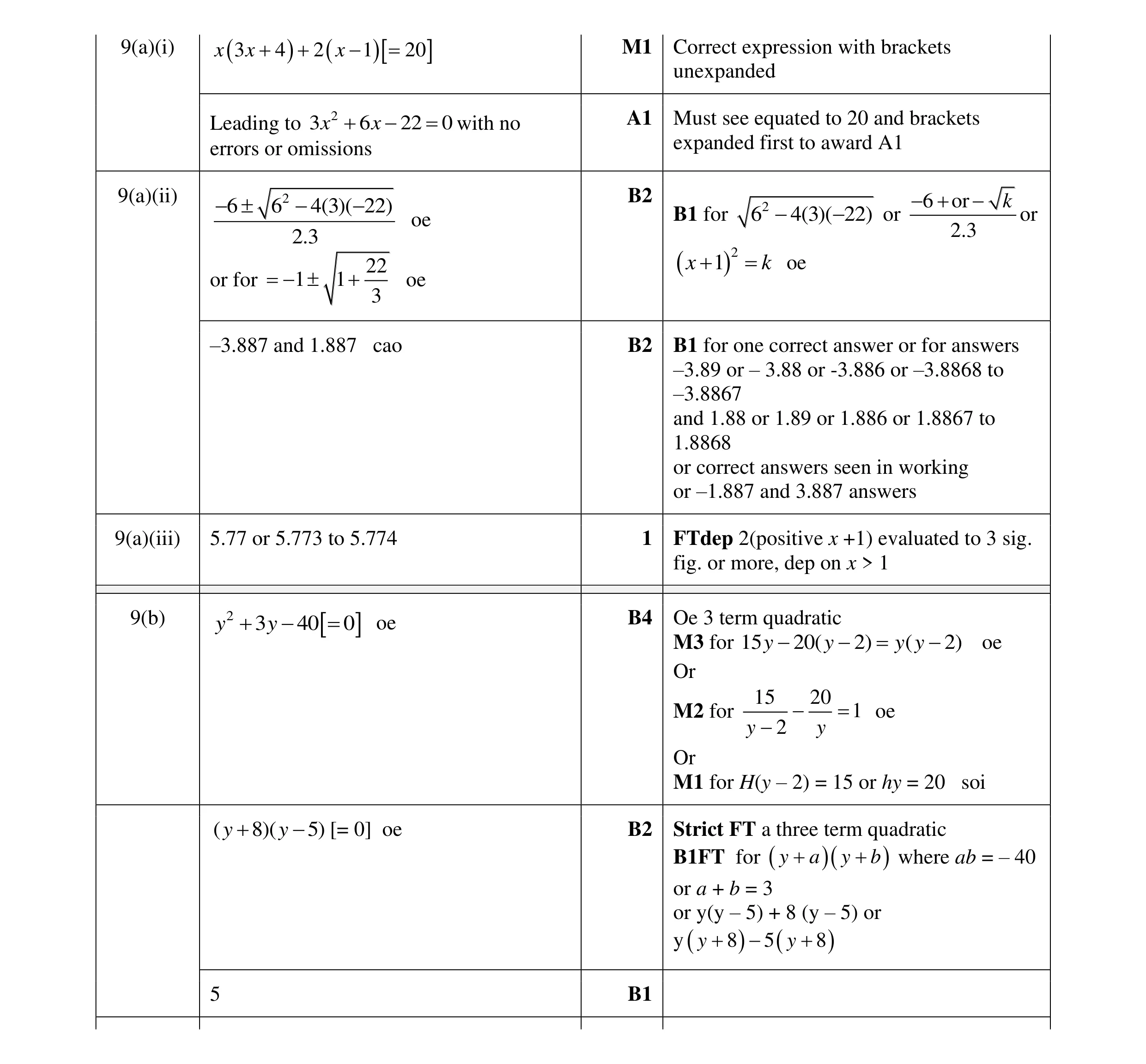 14
14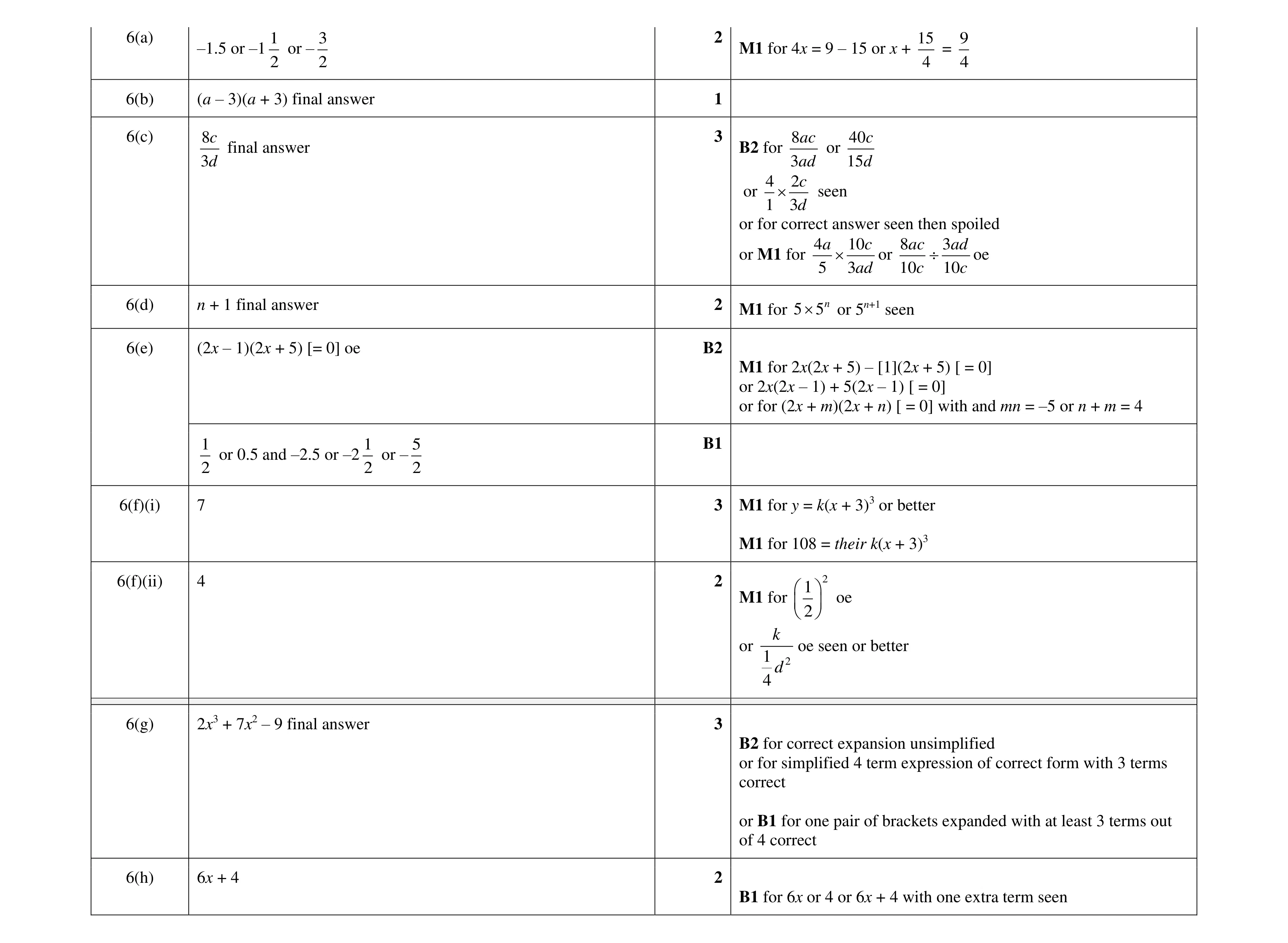 21
21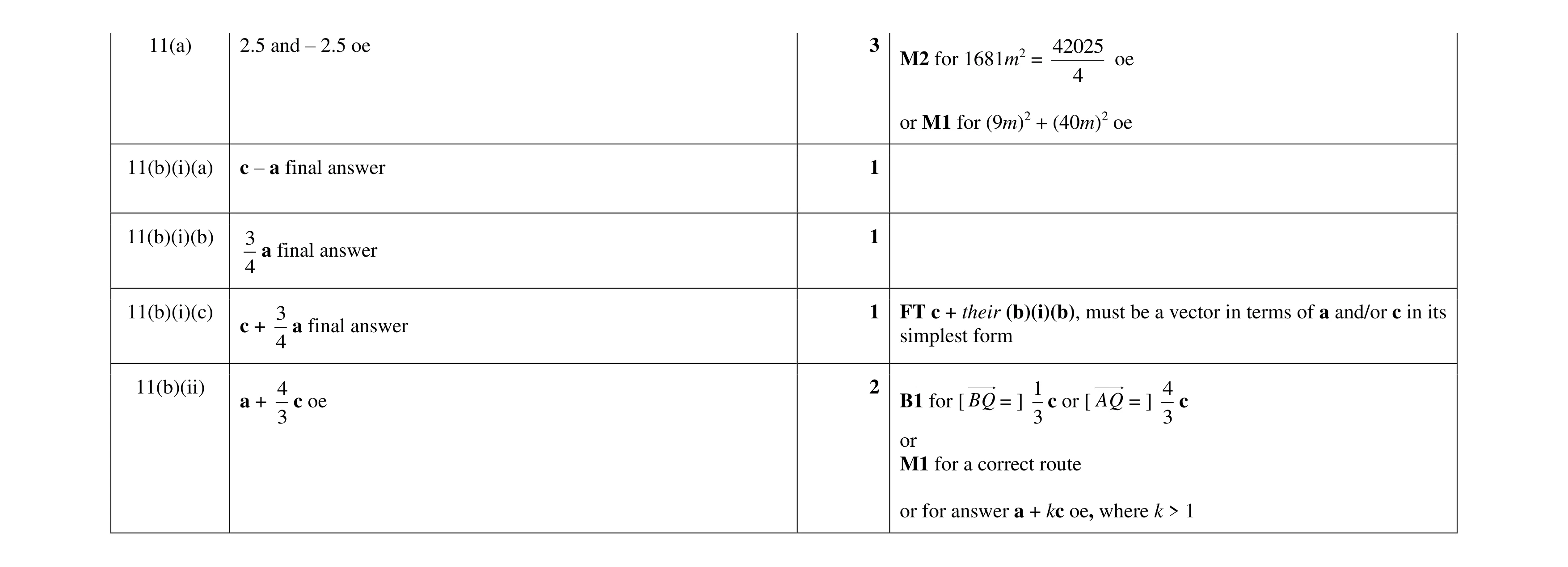 8
8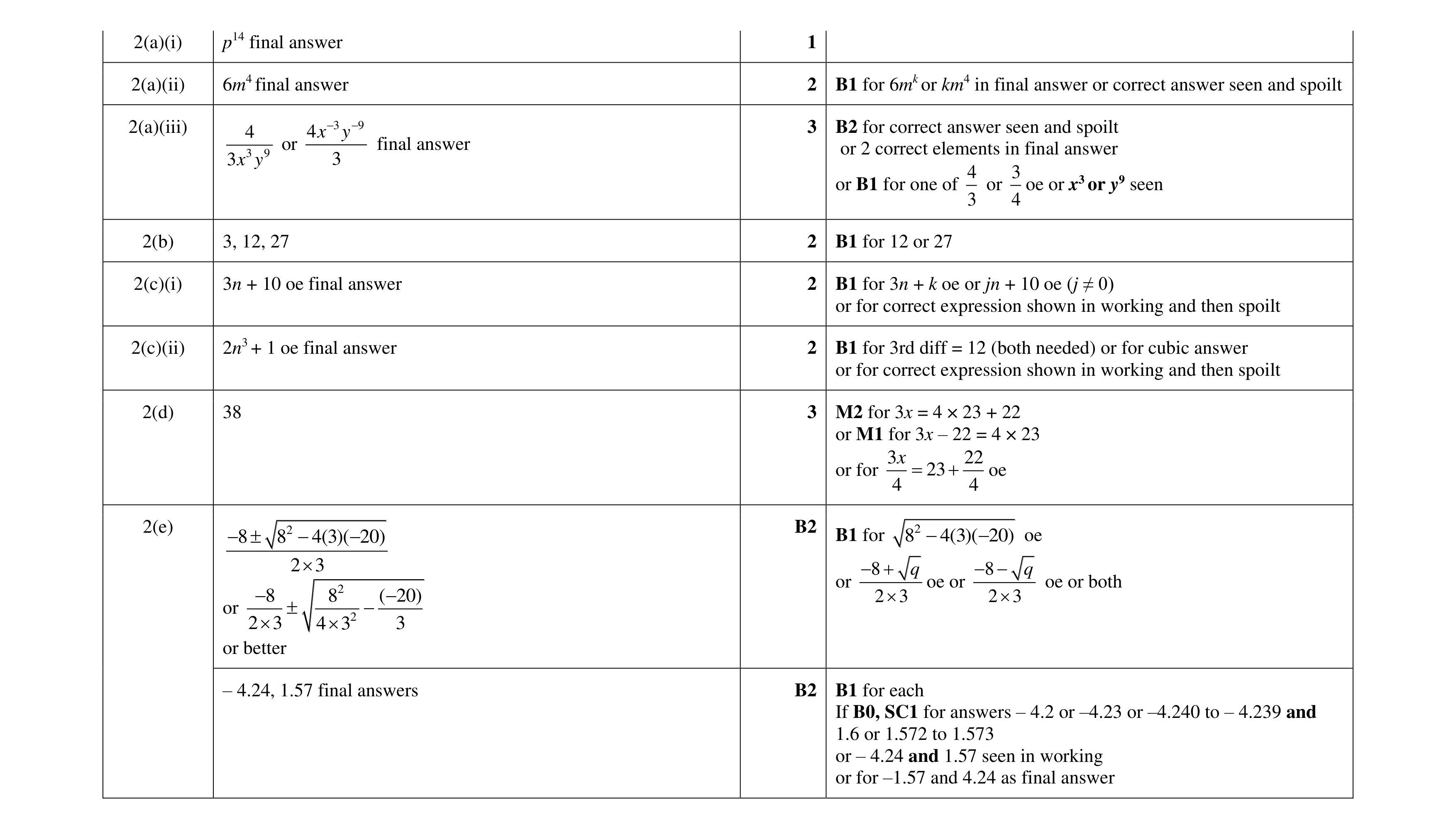 19
19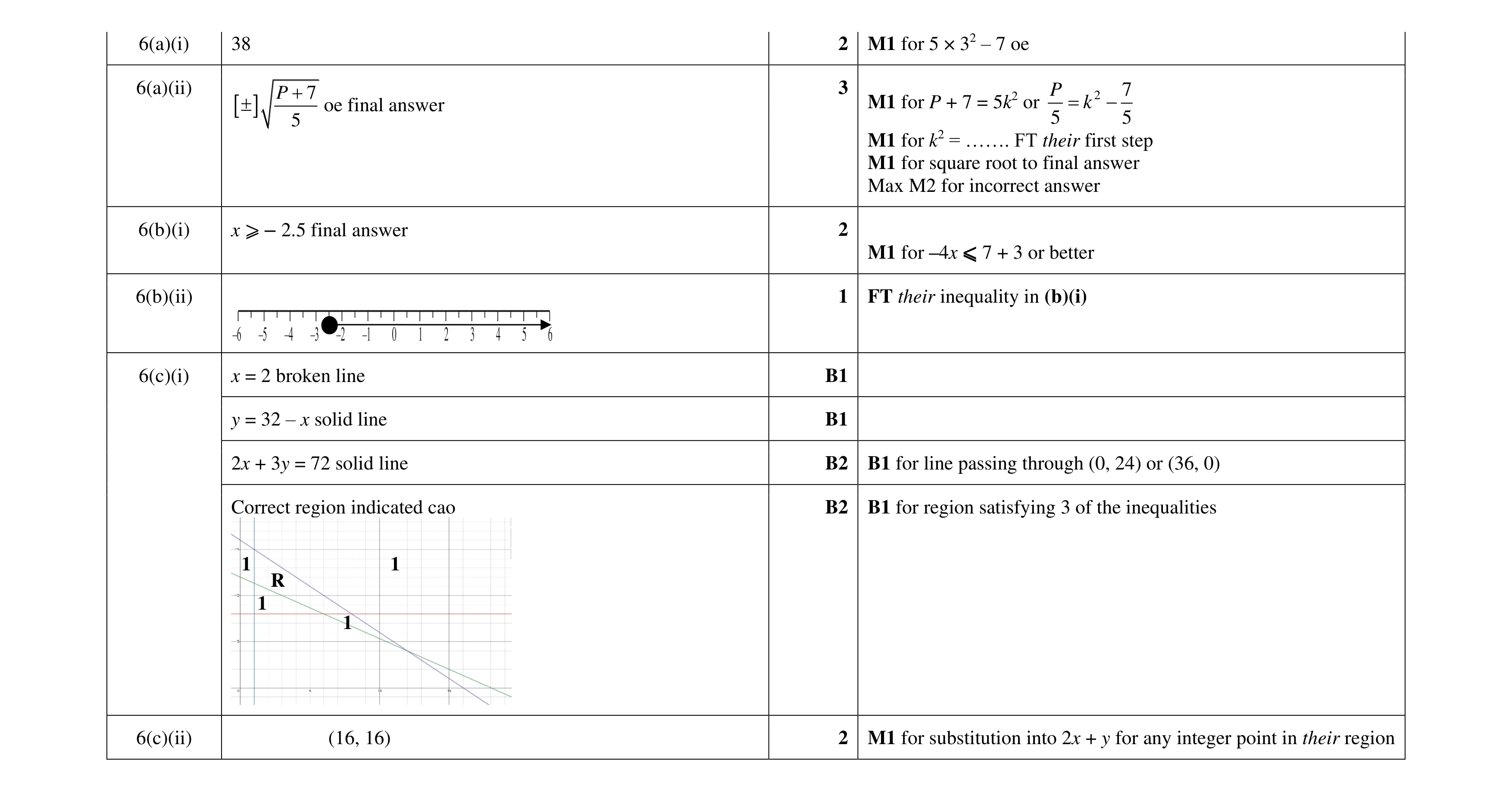 16
16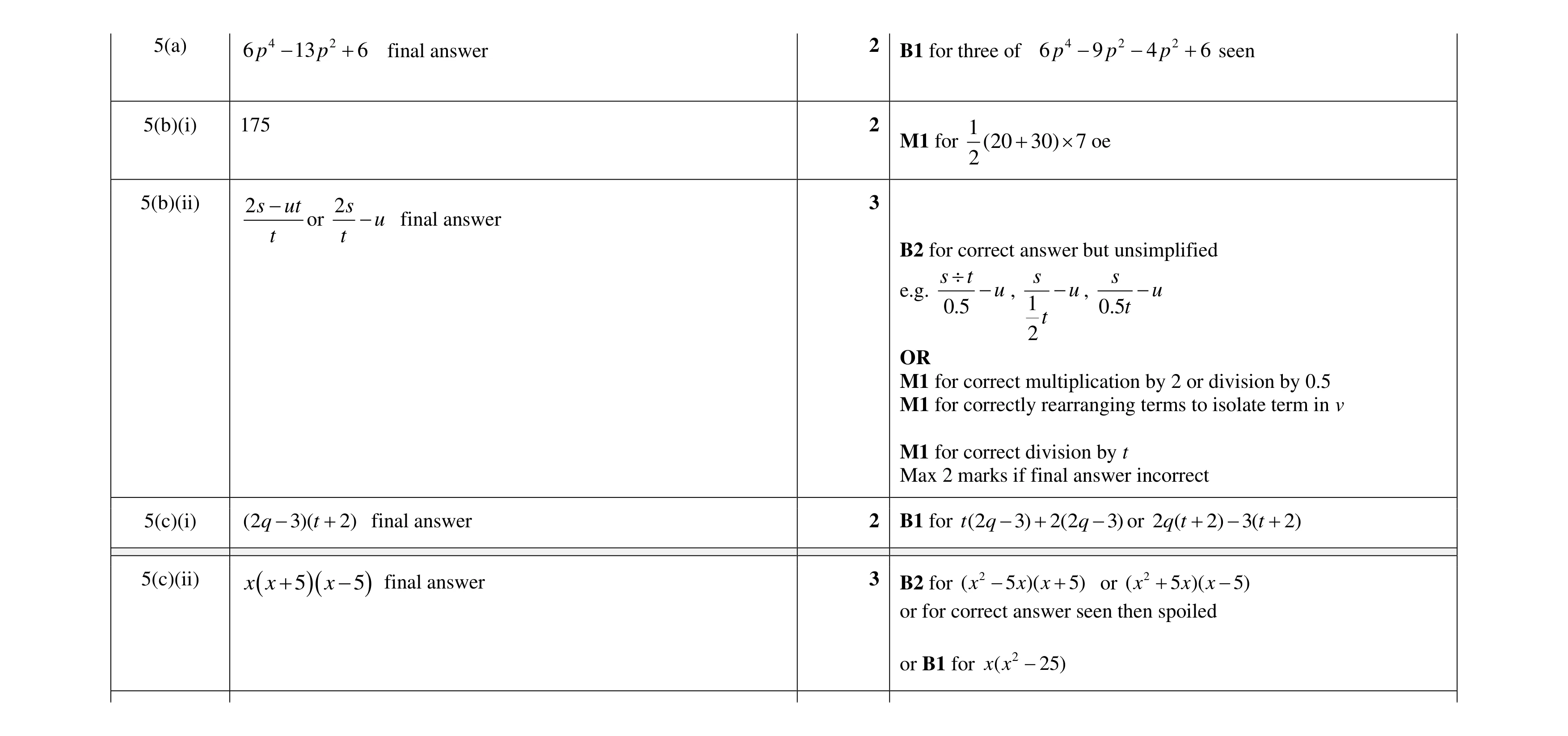 12
12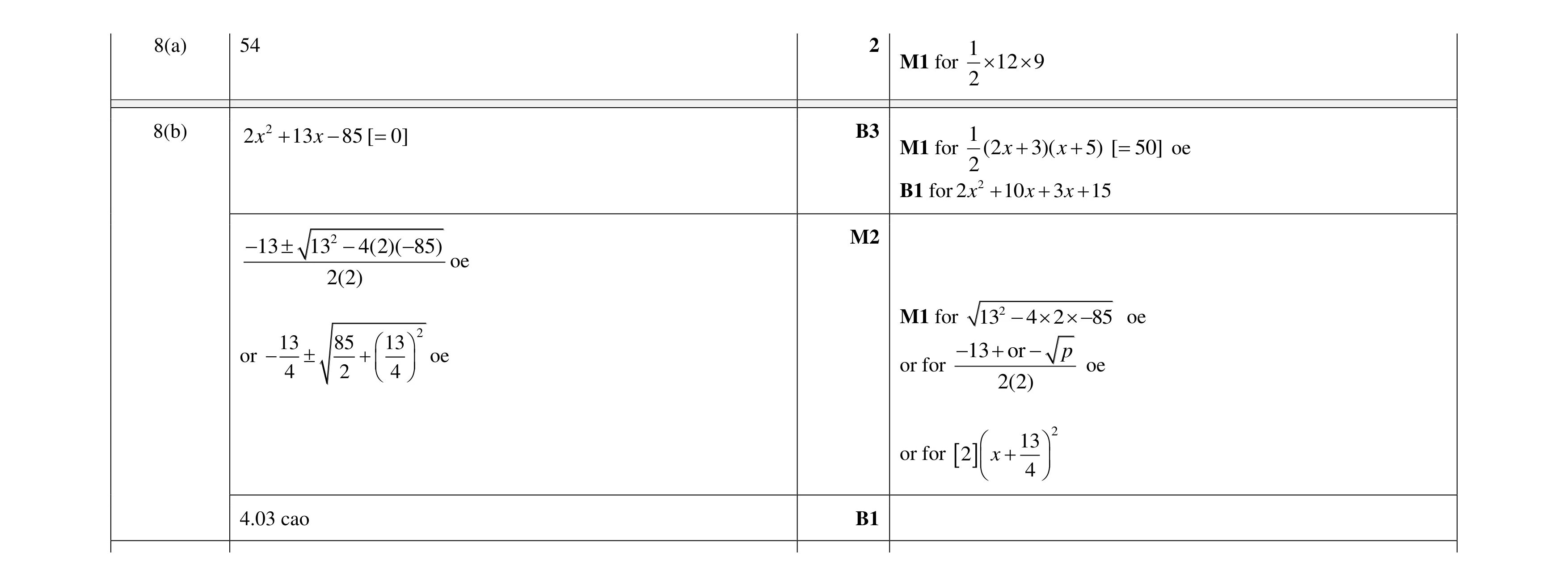 8
8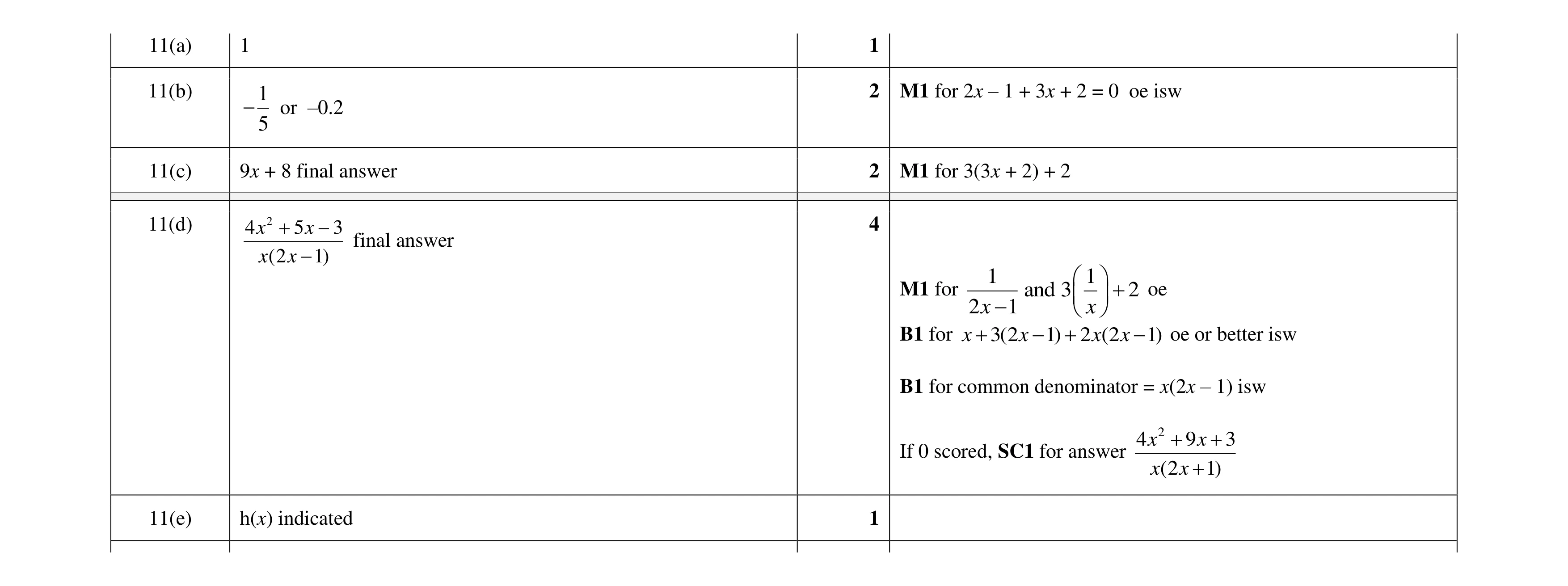 10
10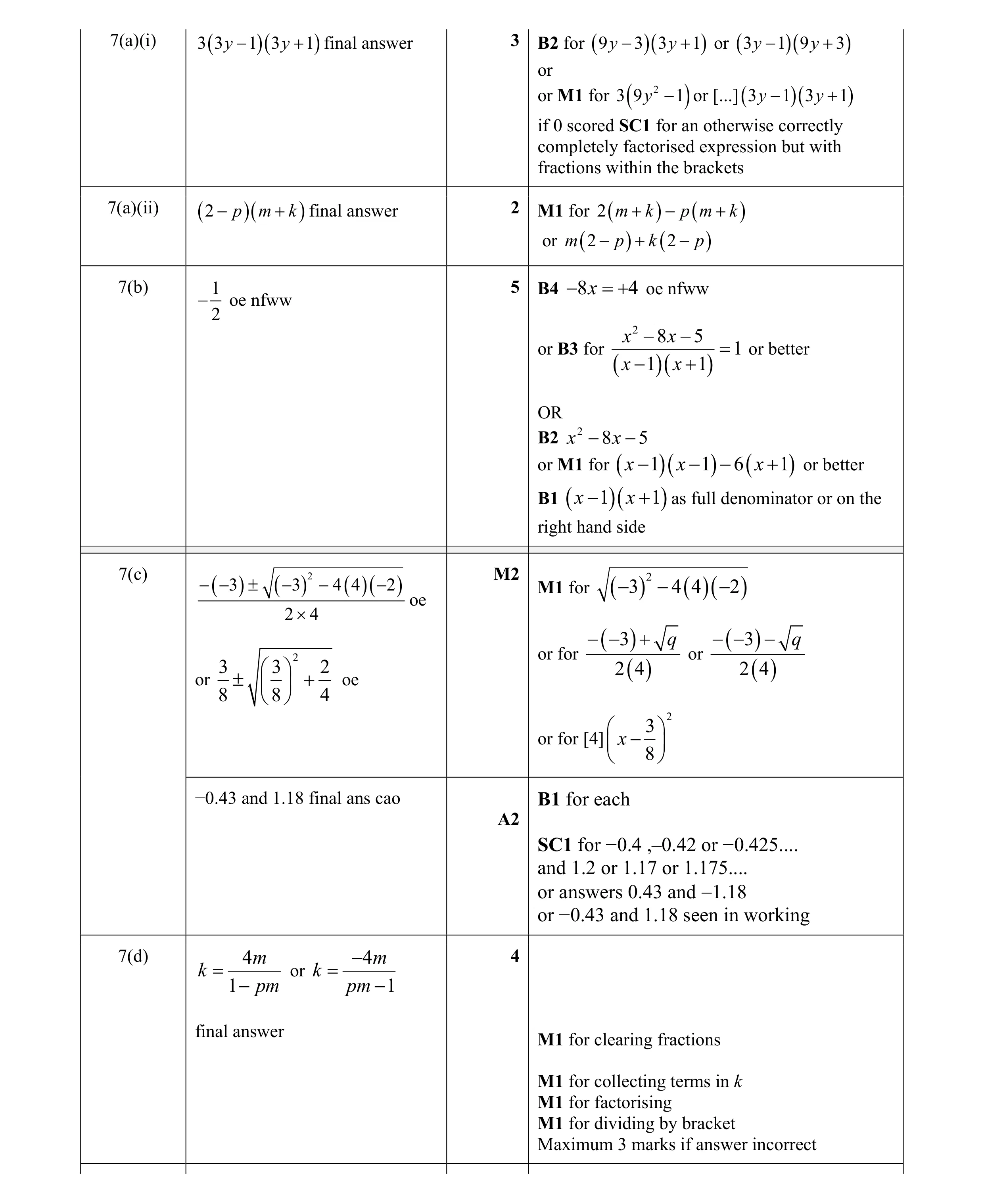 18
18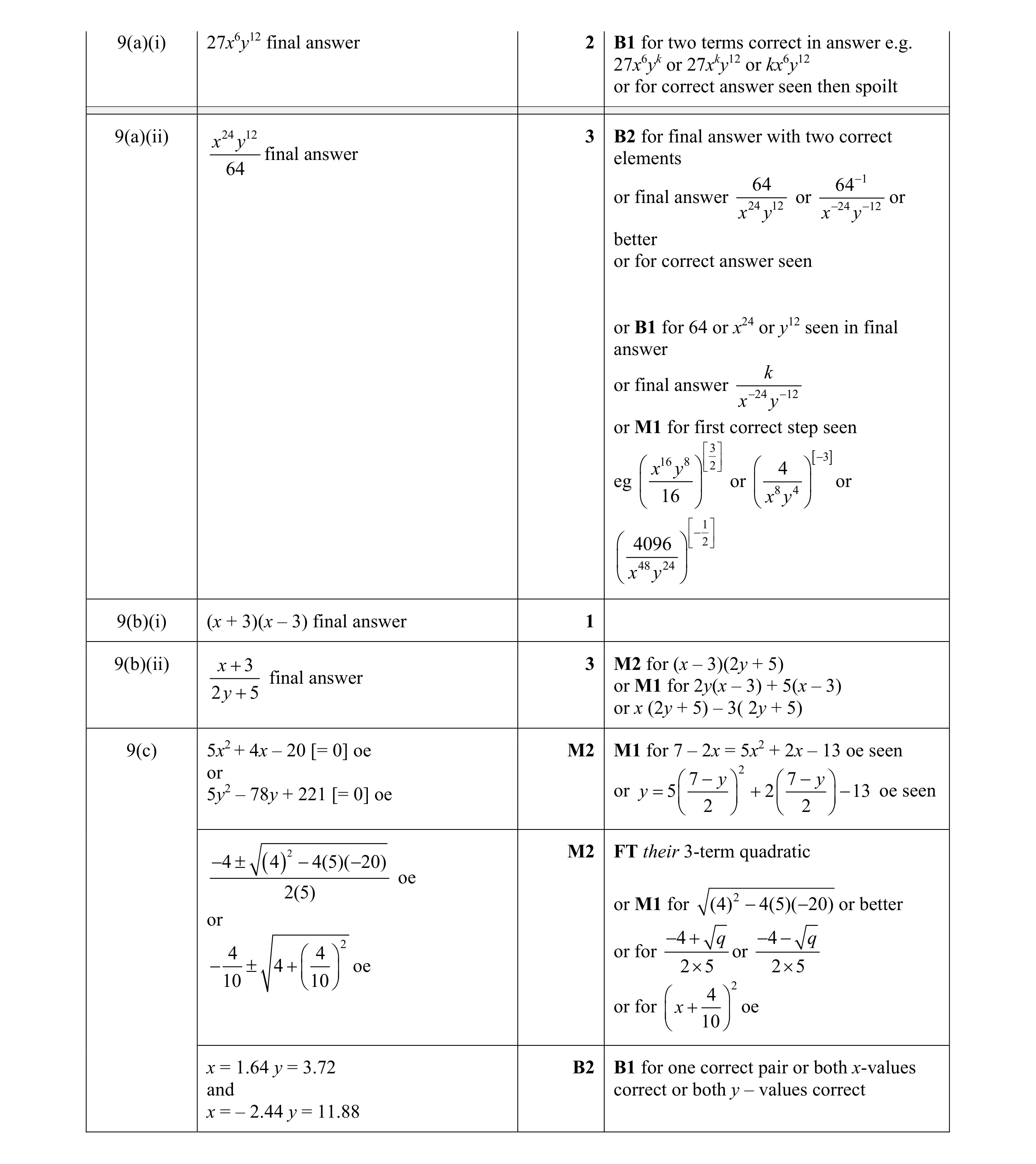 15
15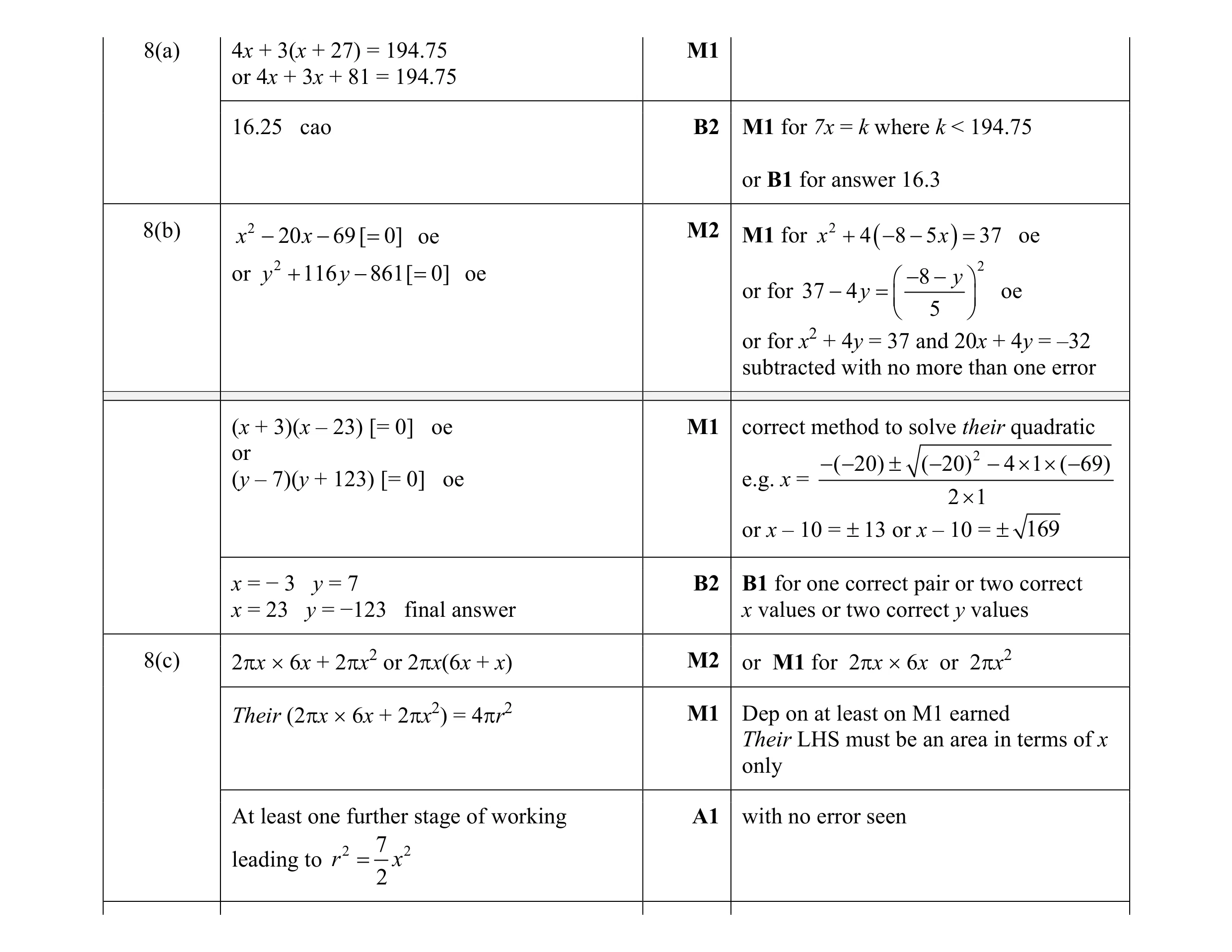 12
12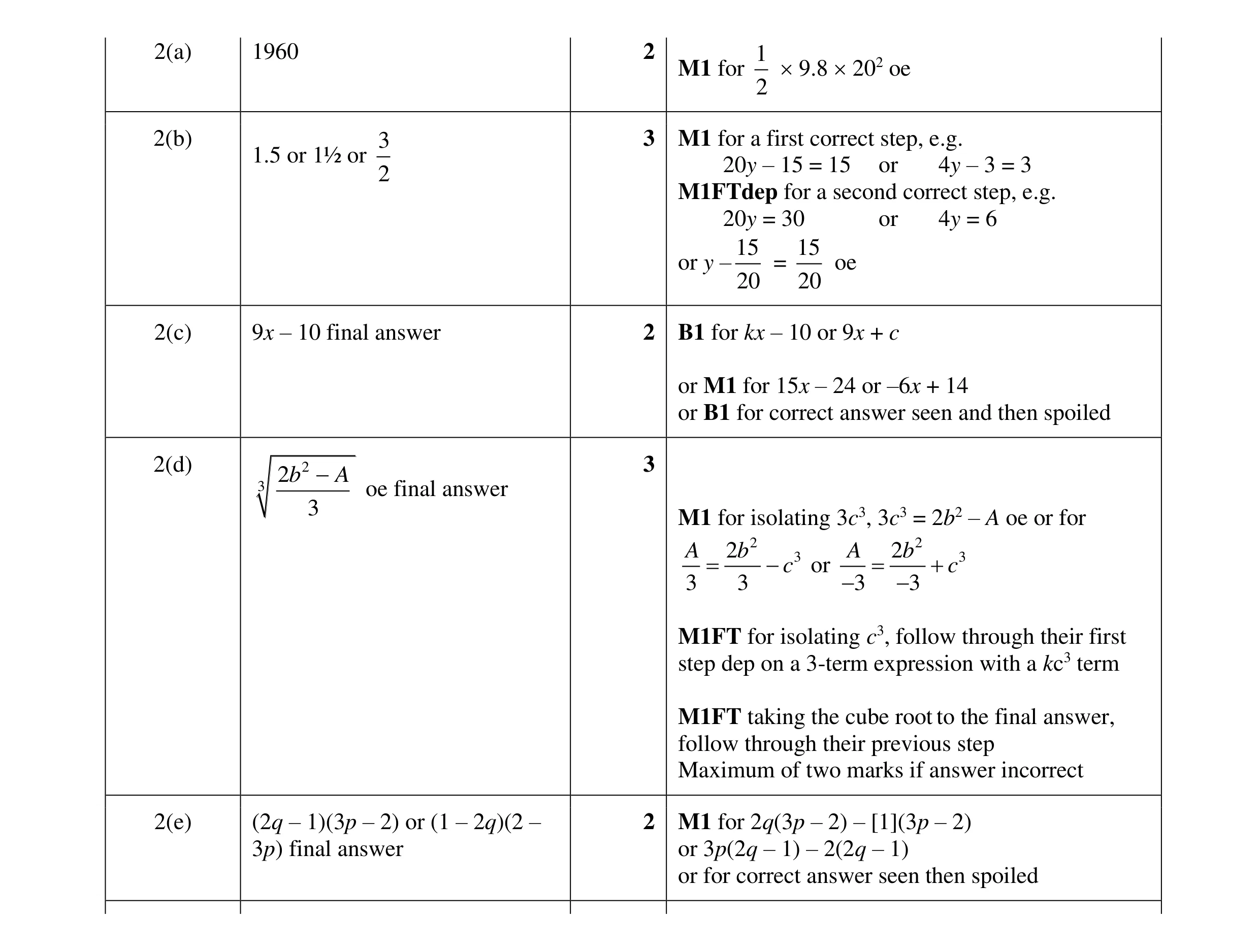 12
12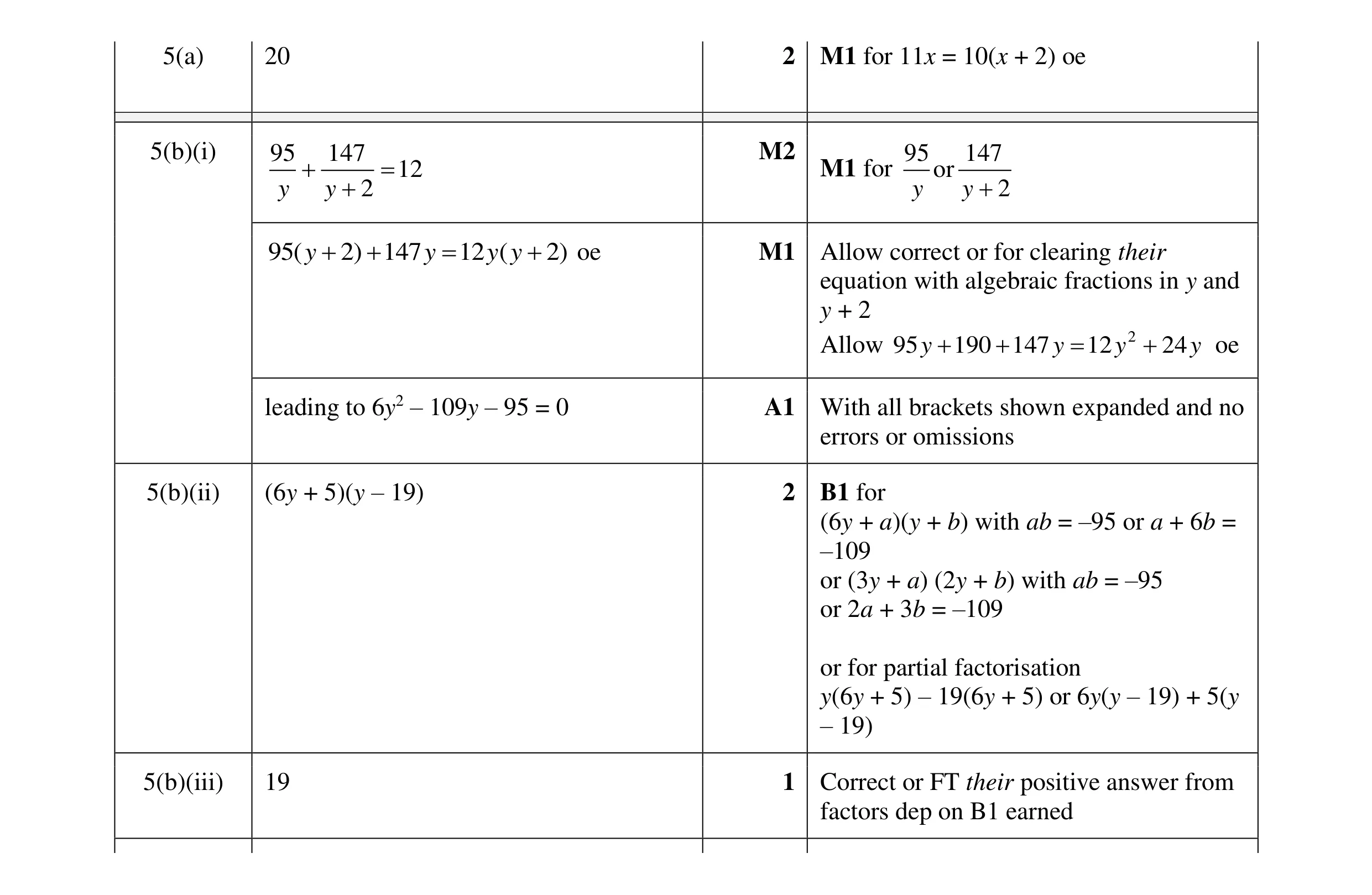 9
9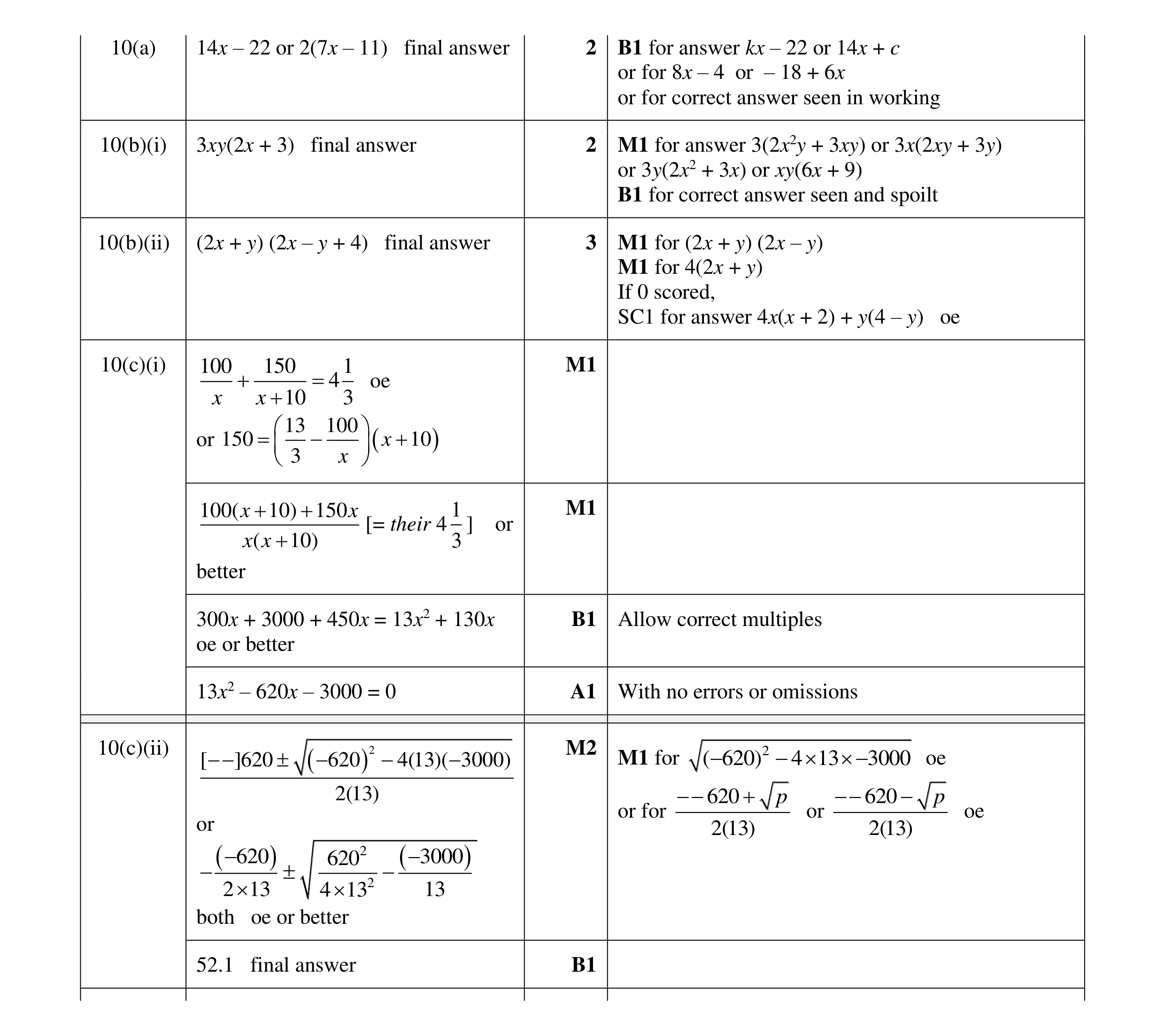 14
14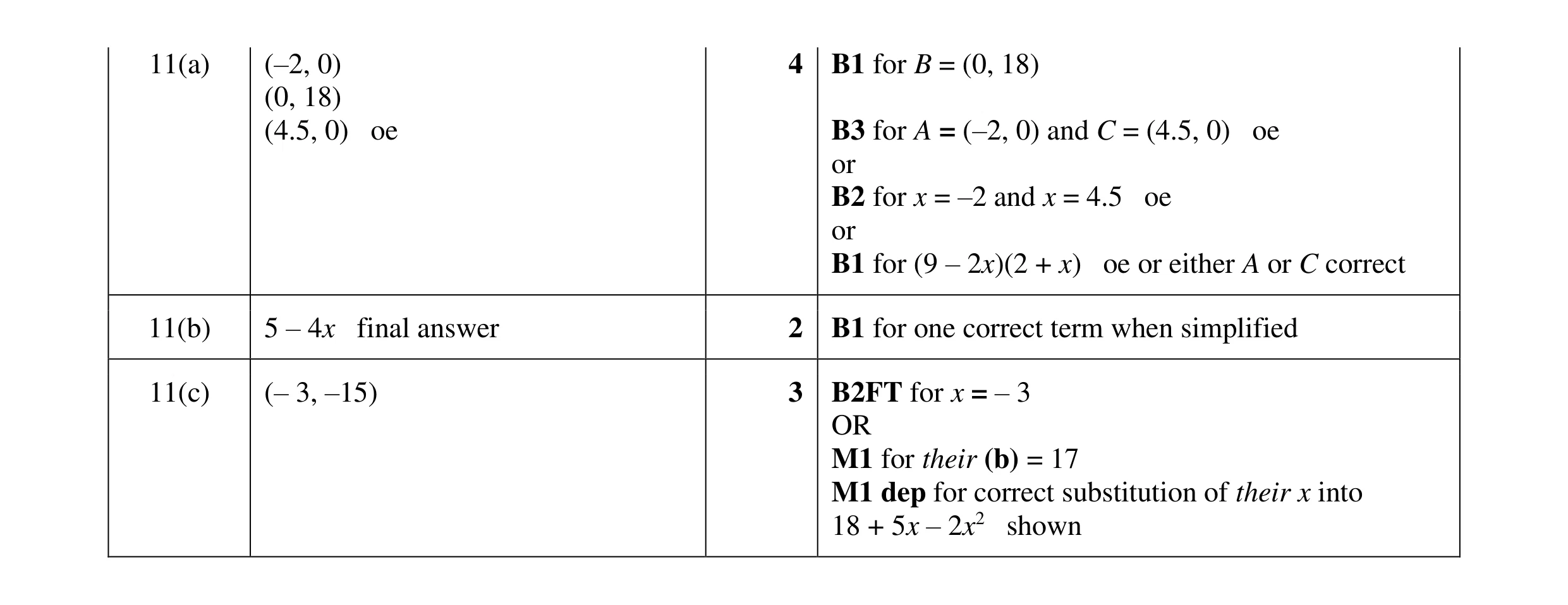 9
9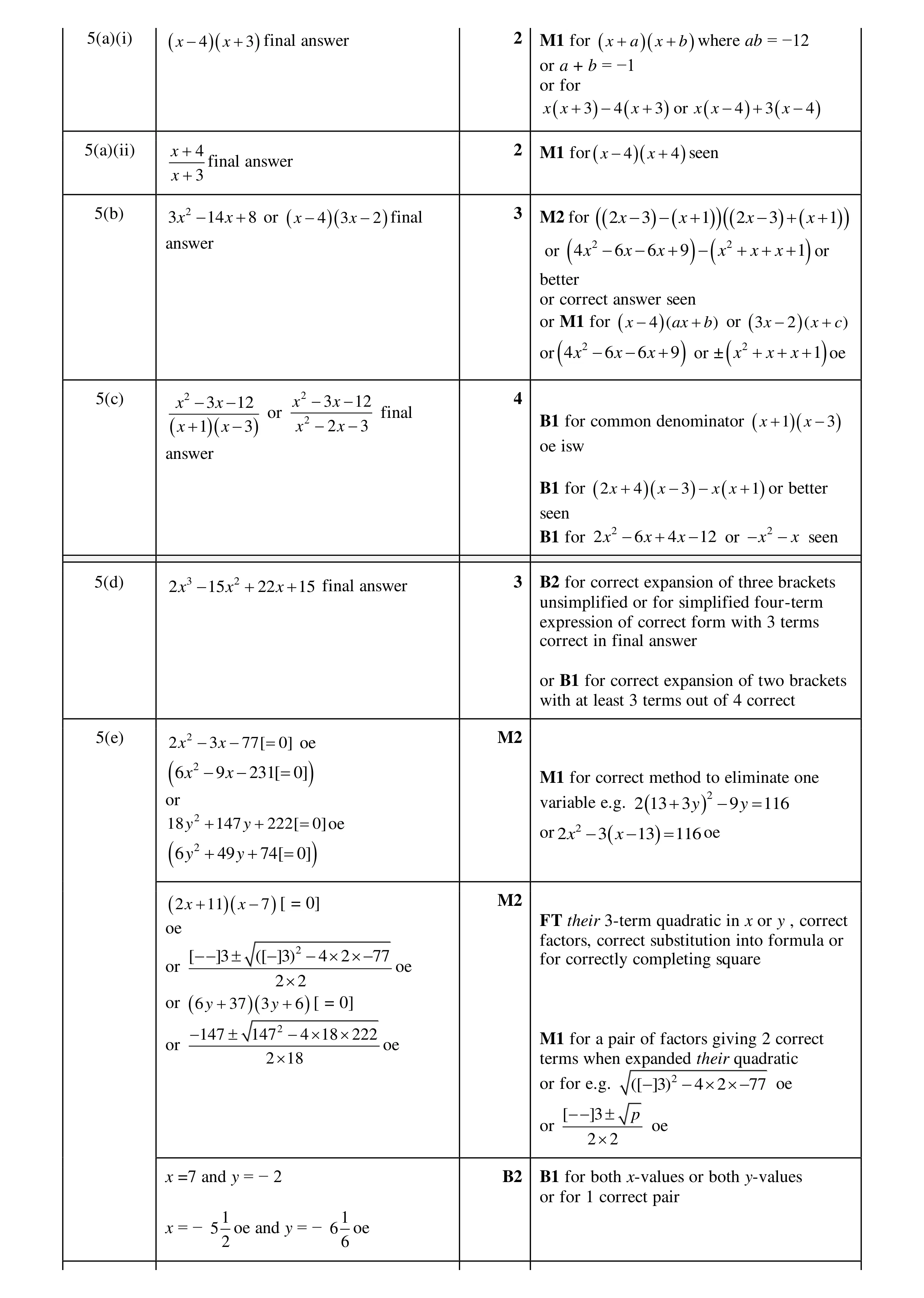 20
20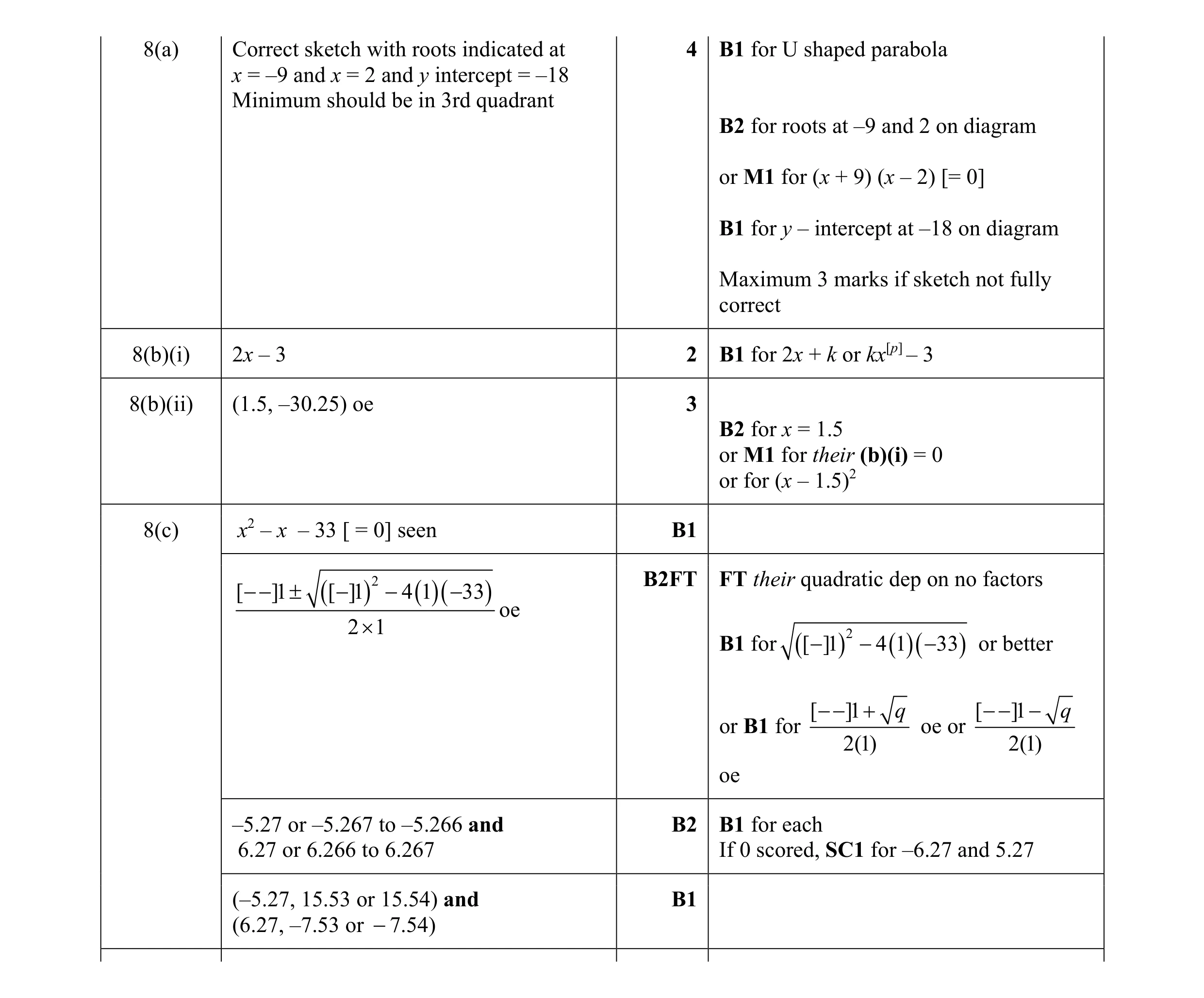 15
15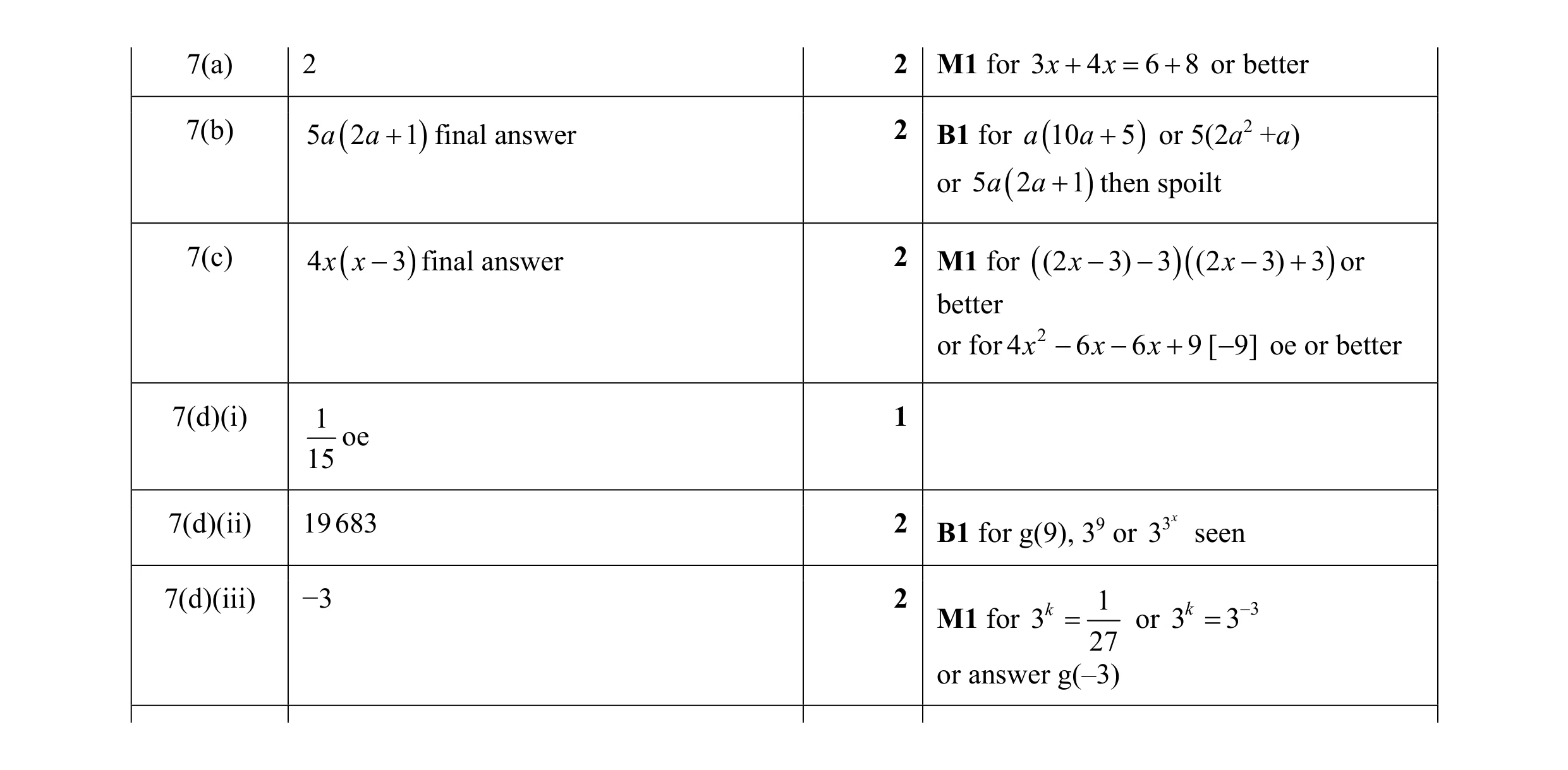 11
11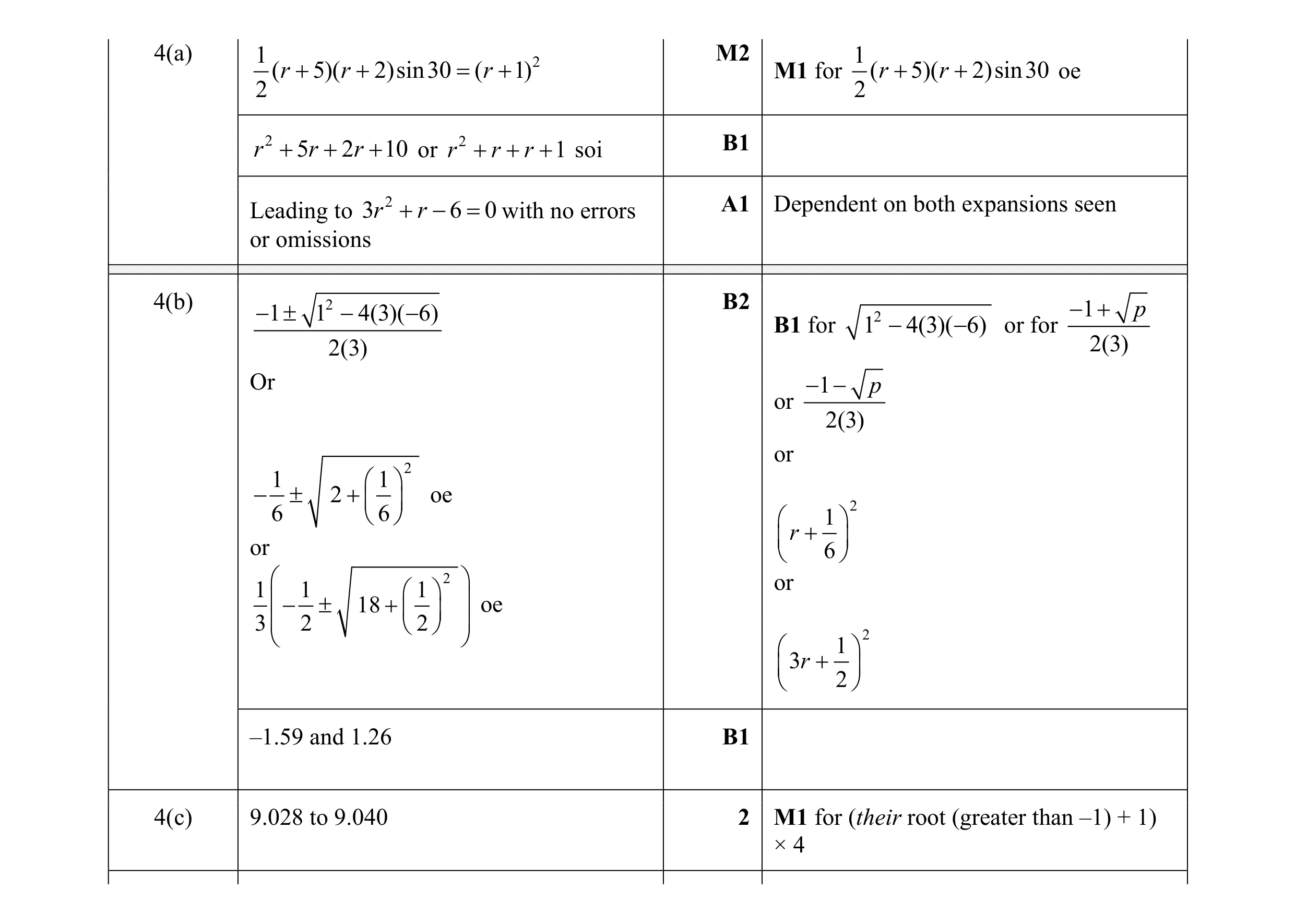 9
9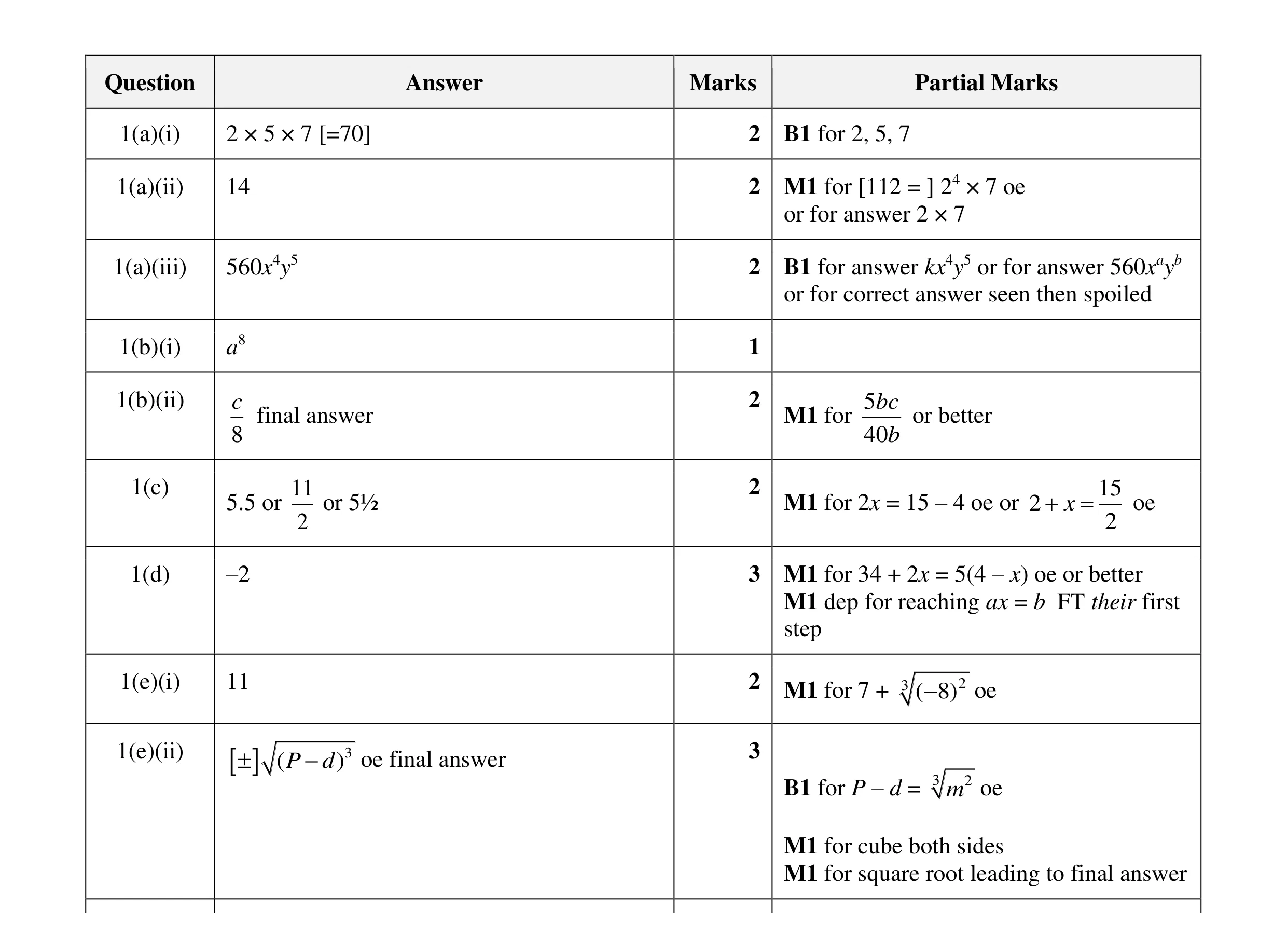 19
19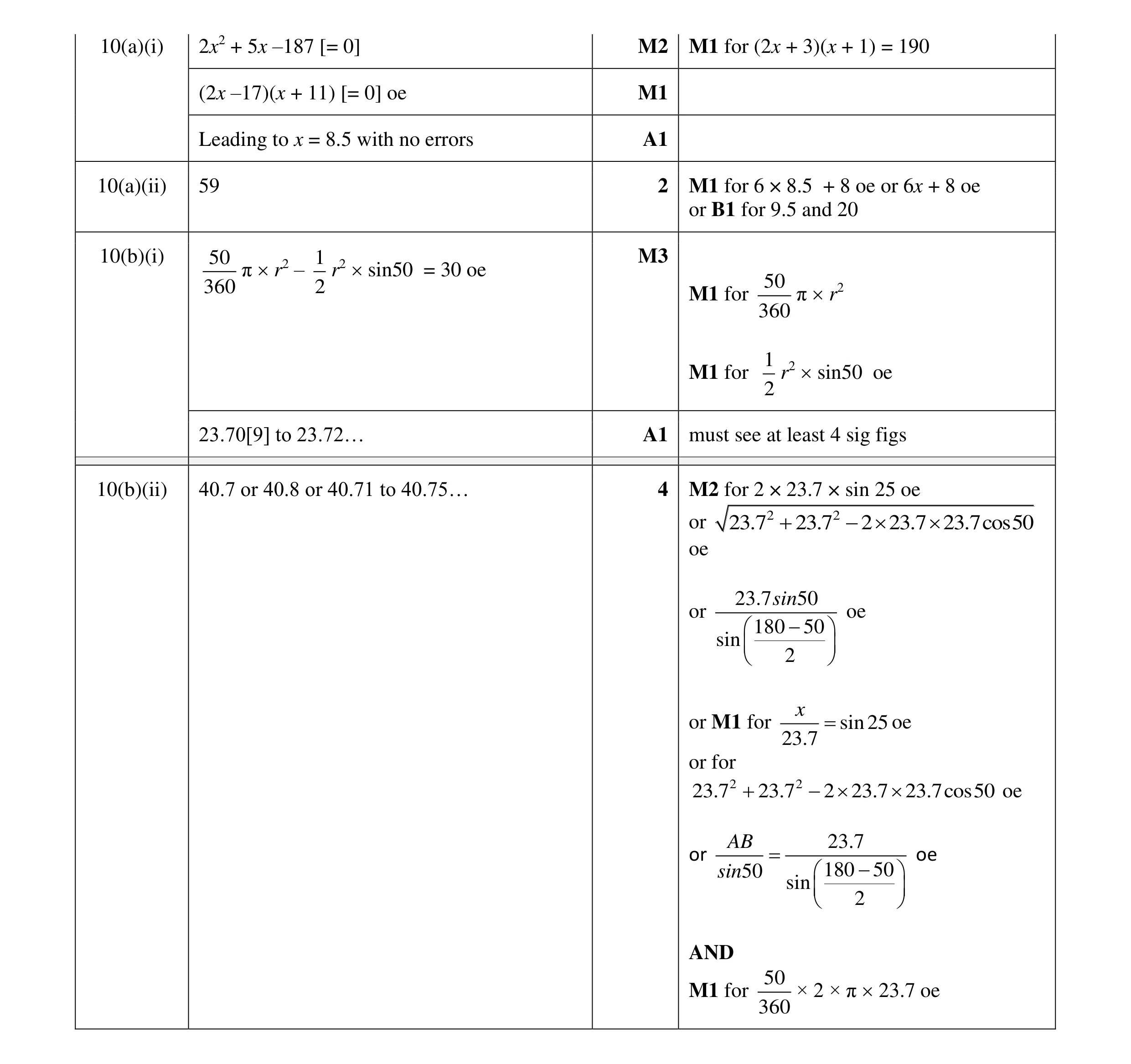 14
14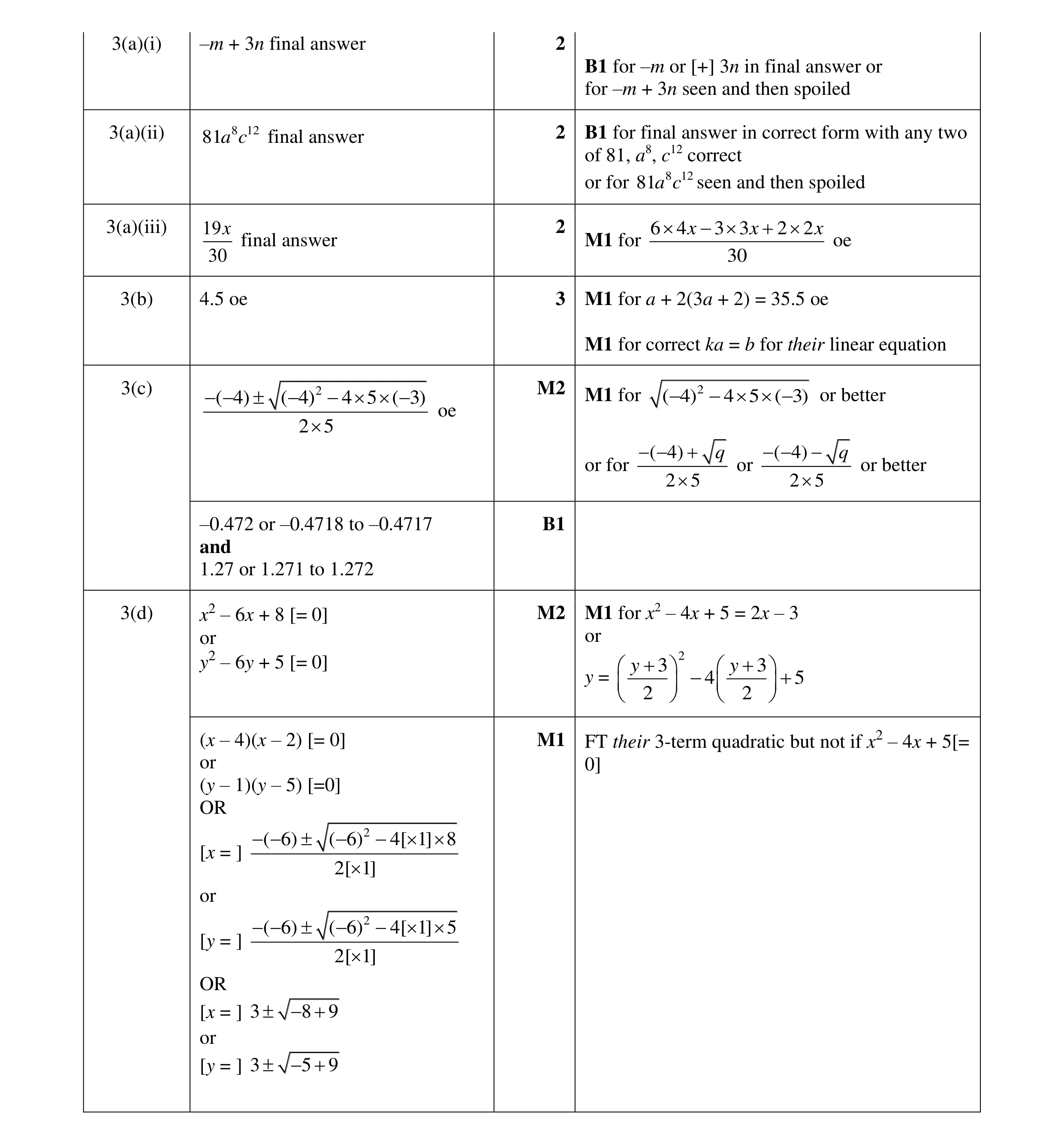 17
17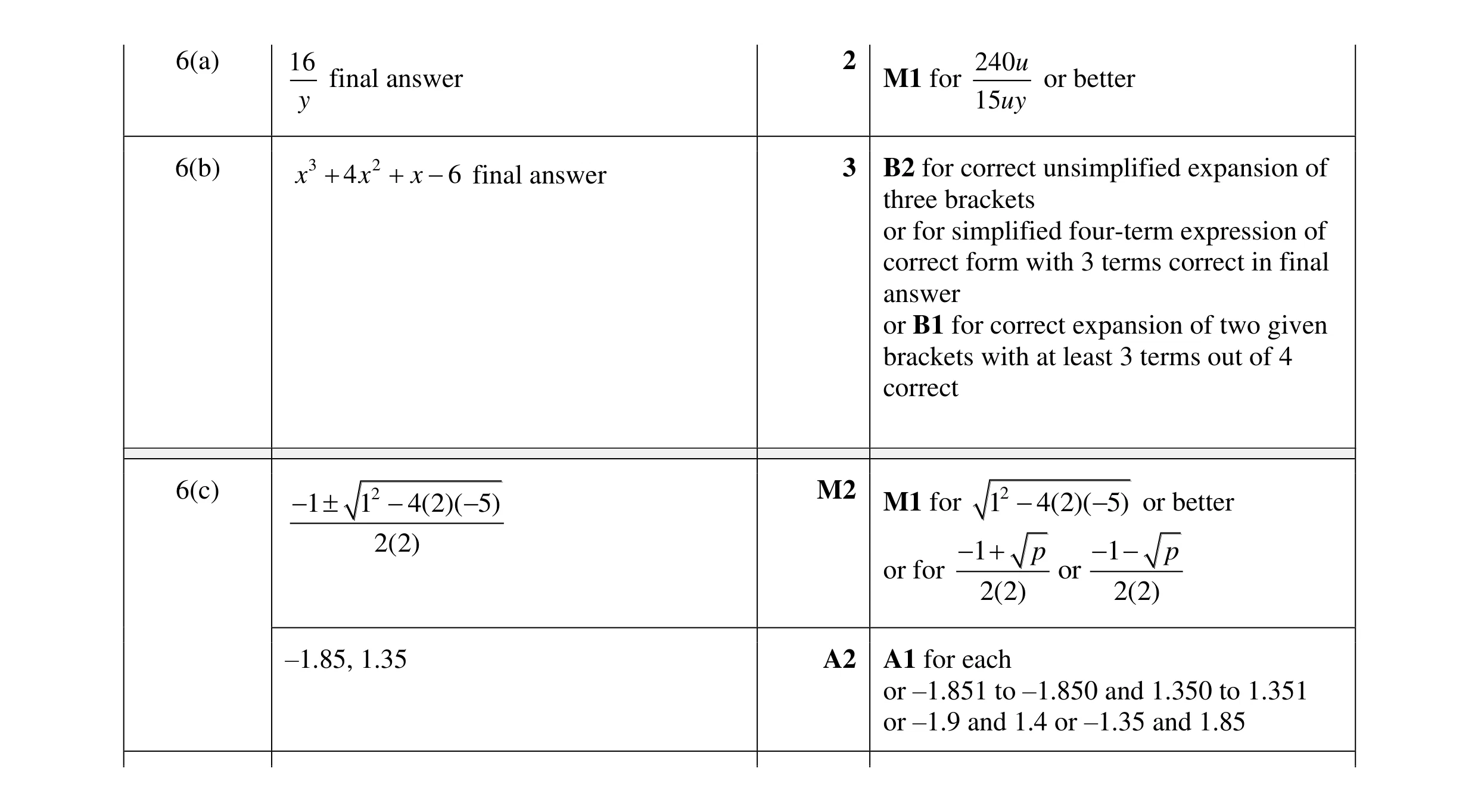 9
9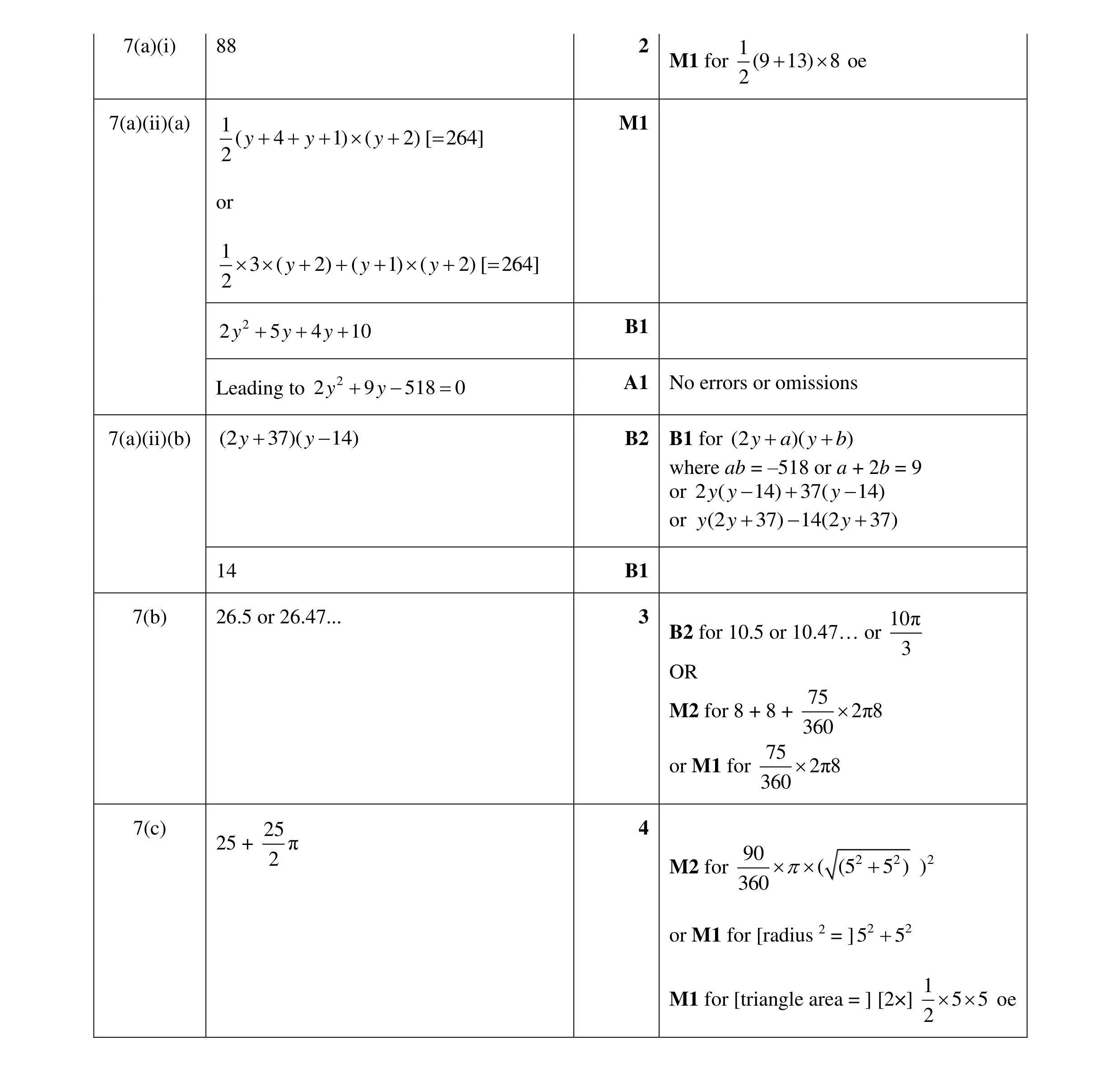 15
15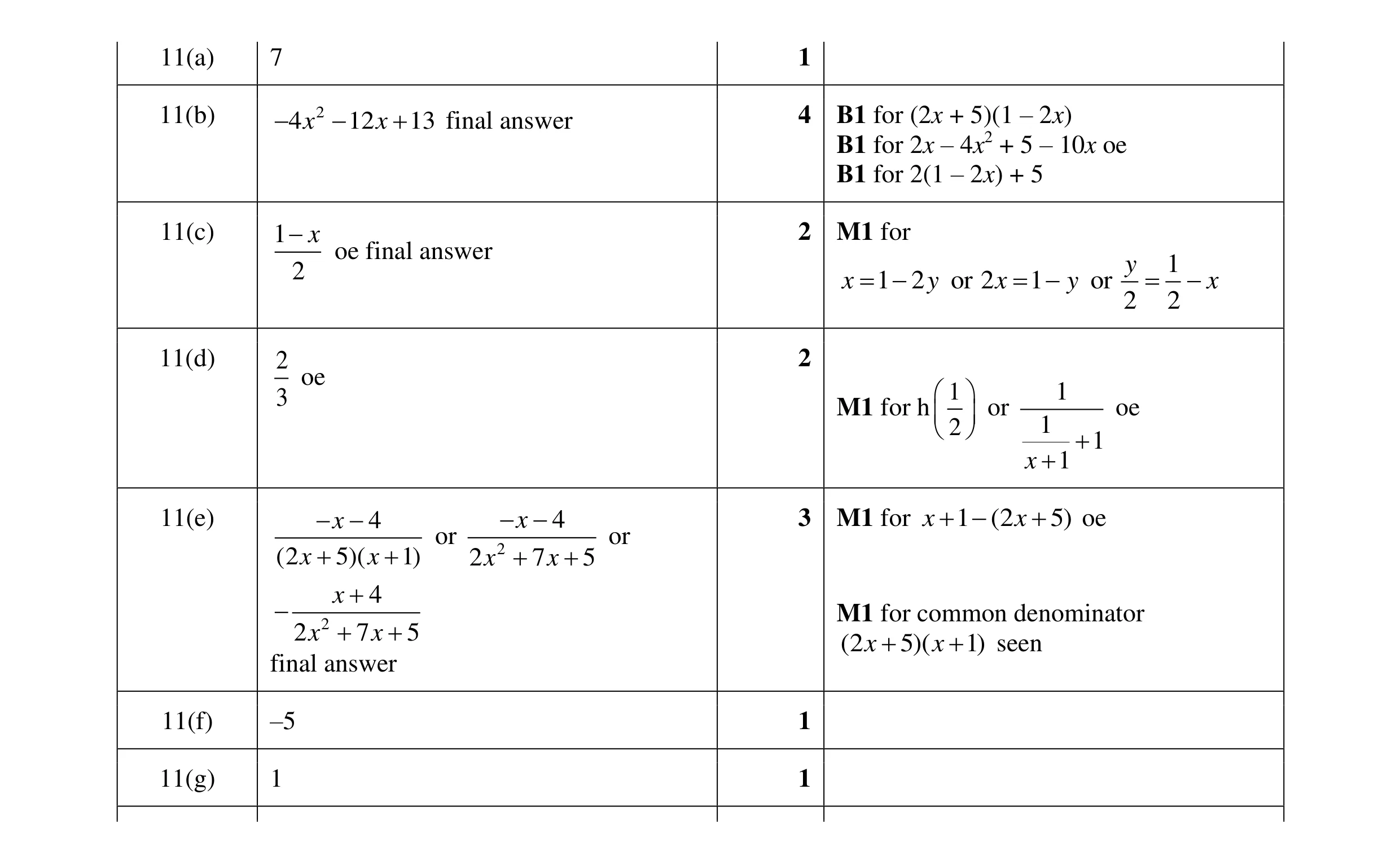 14
14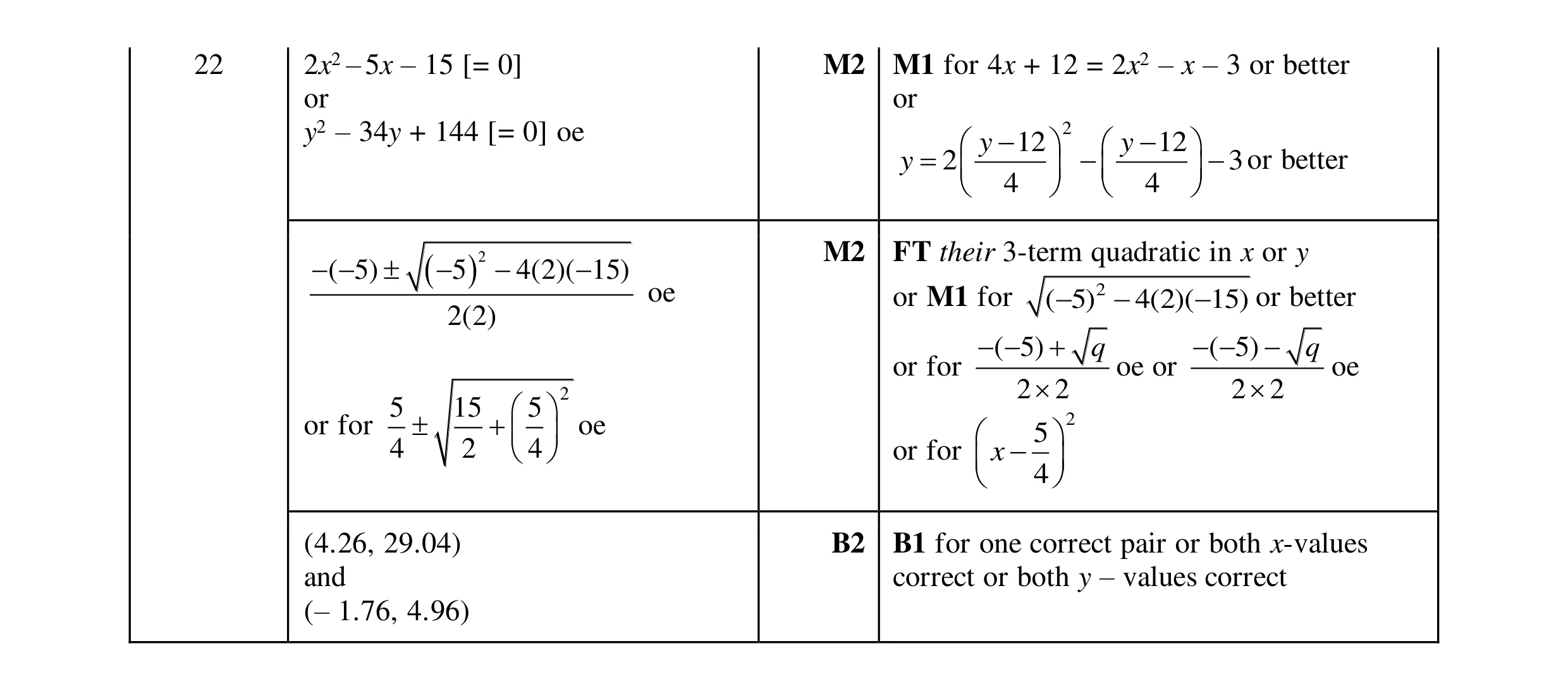 6
6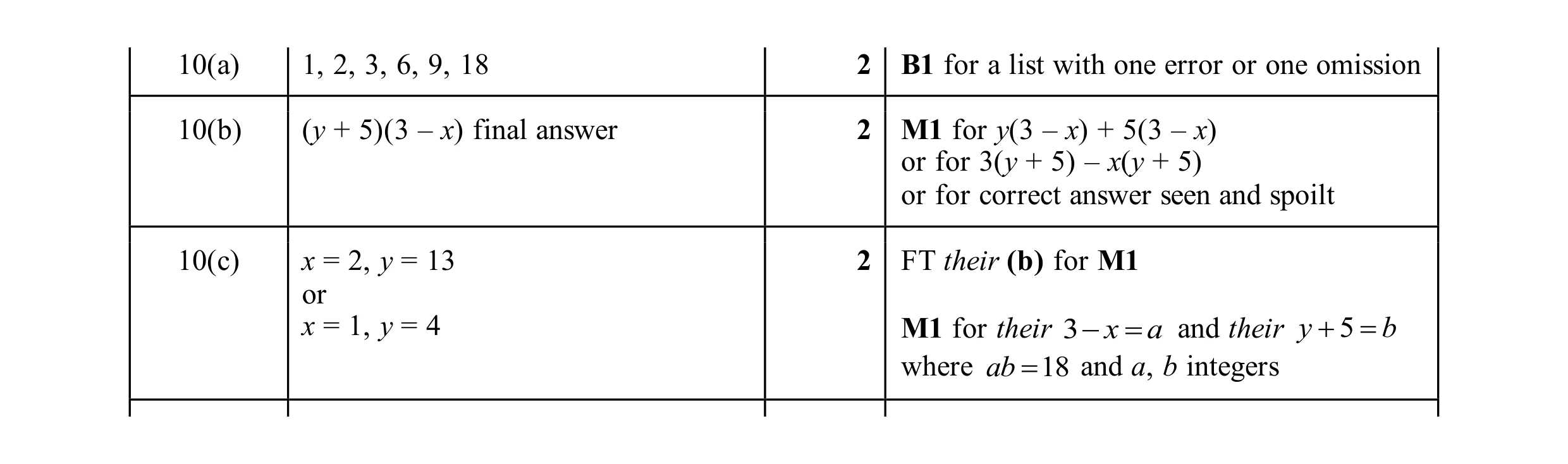 6
6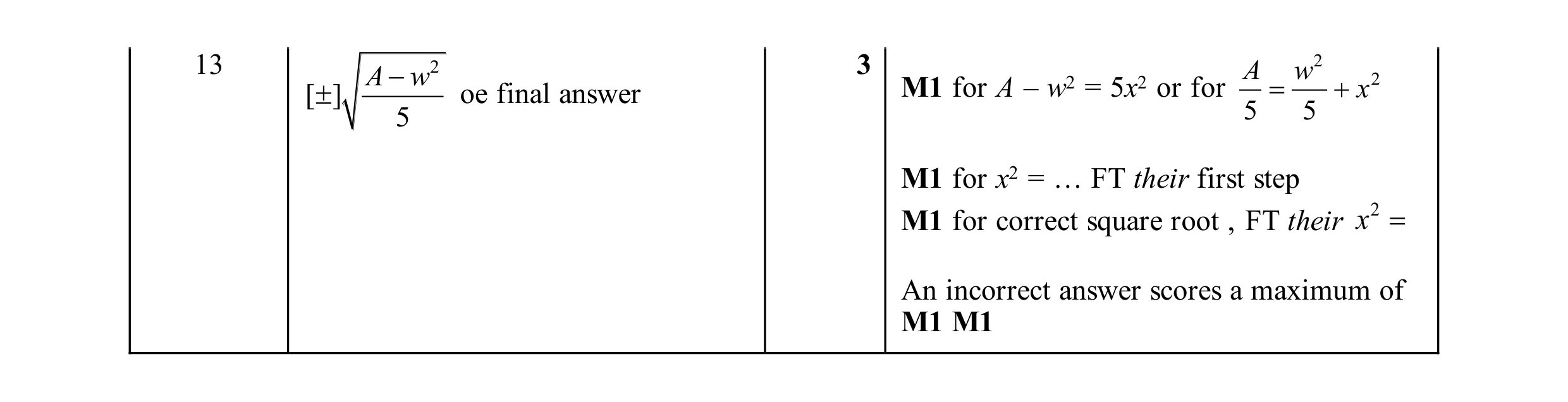 3
3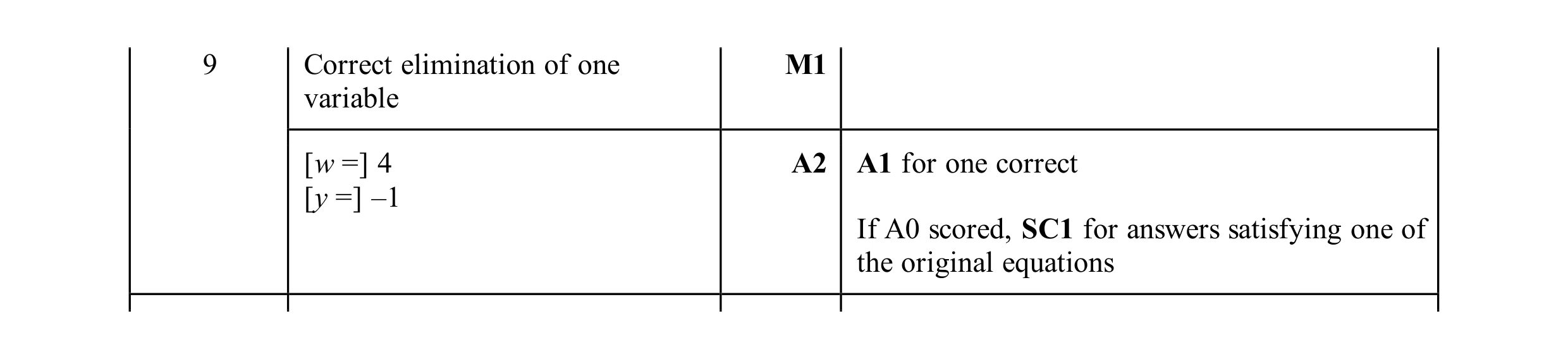 3
3 3
3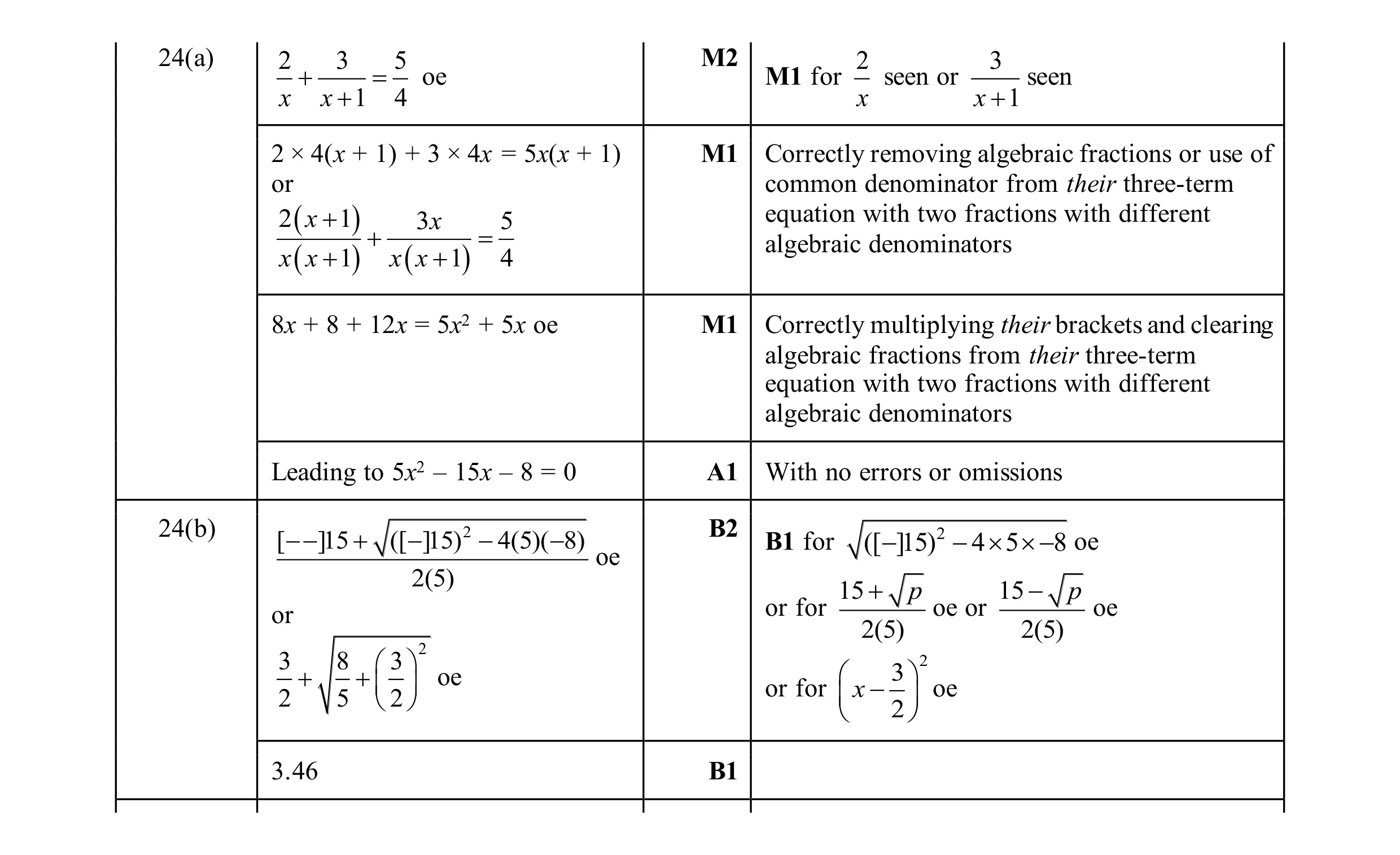 8
8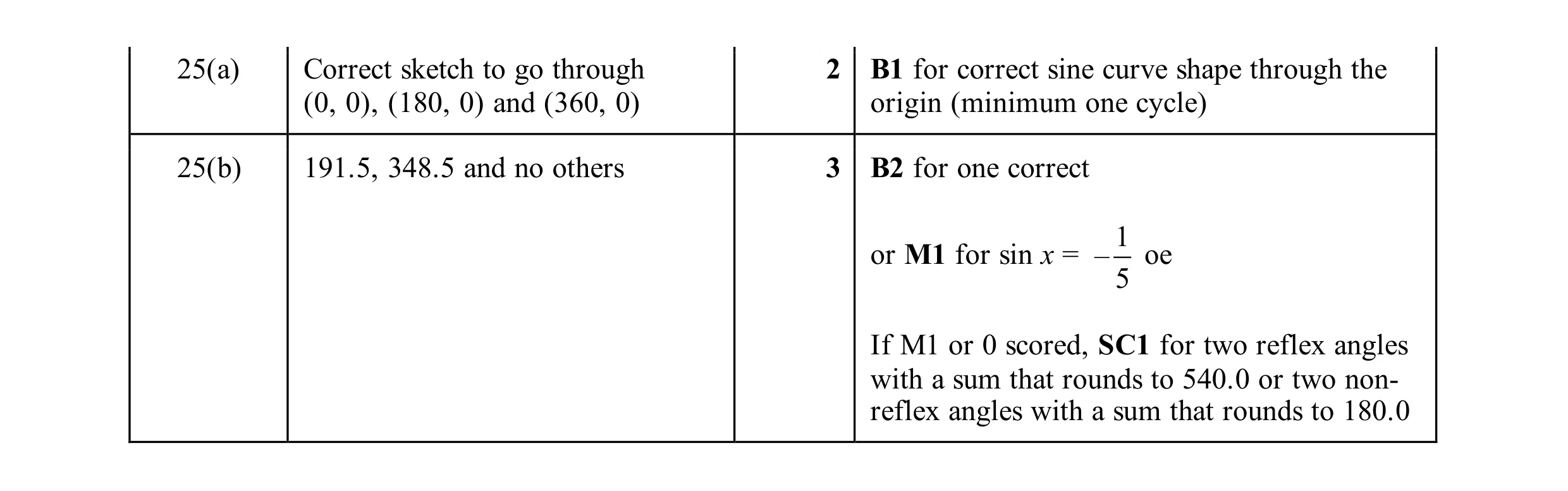 5
5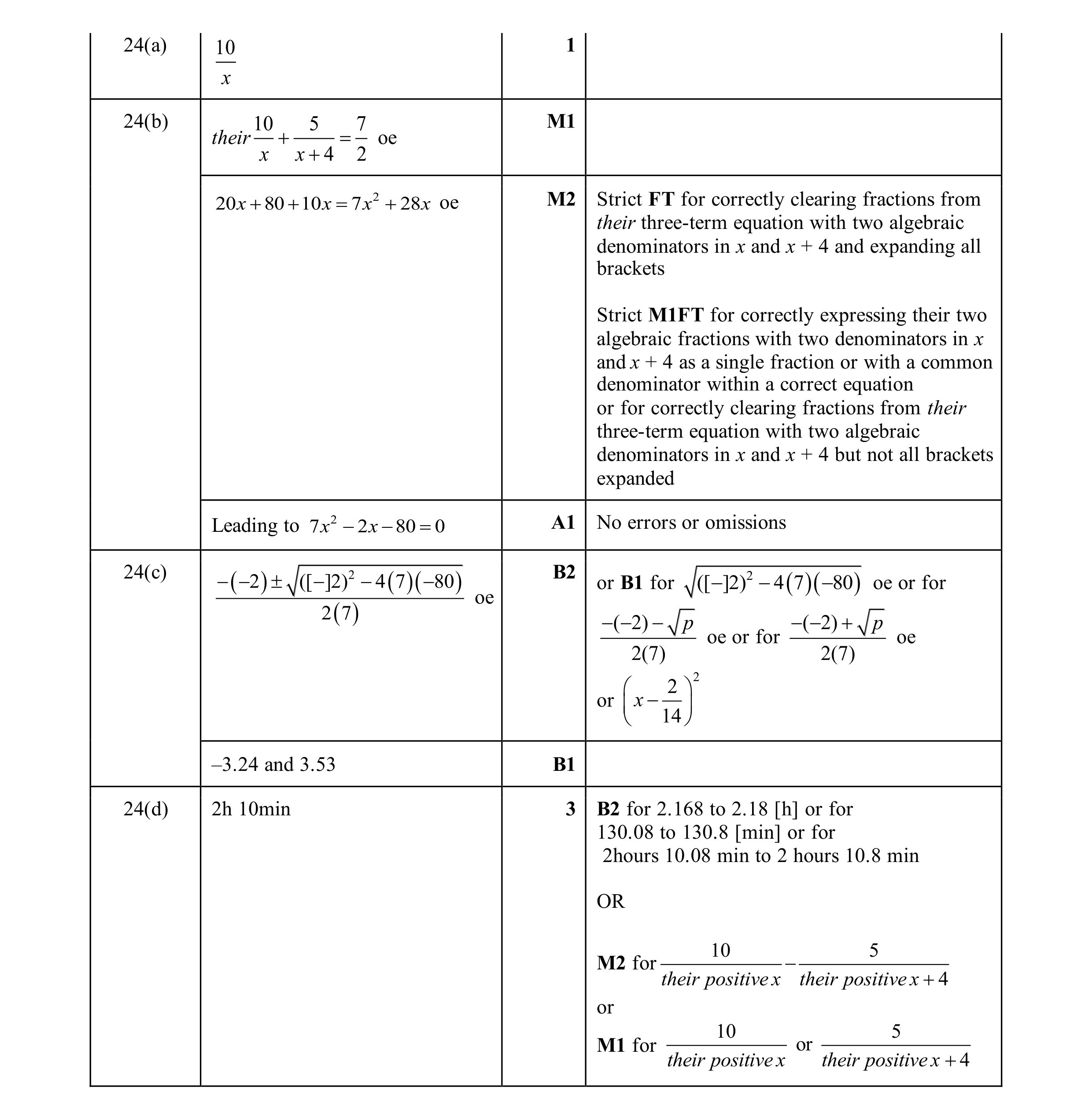 11
11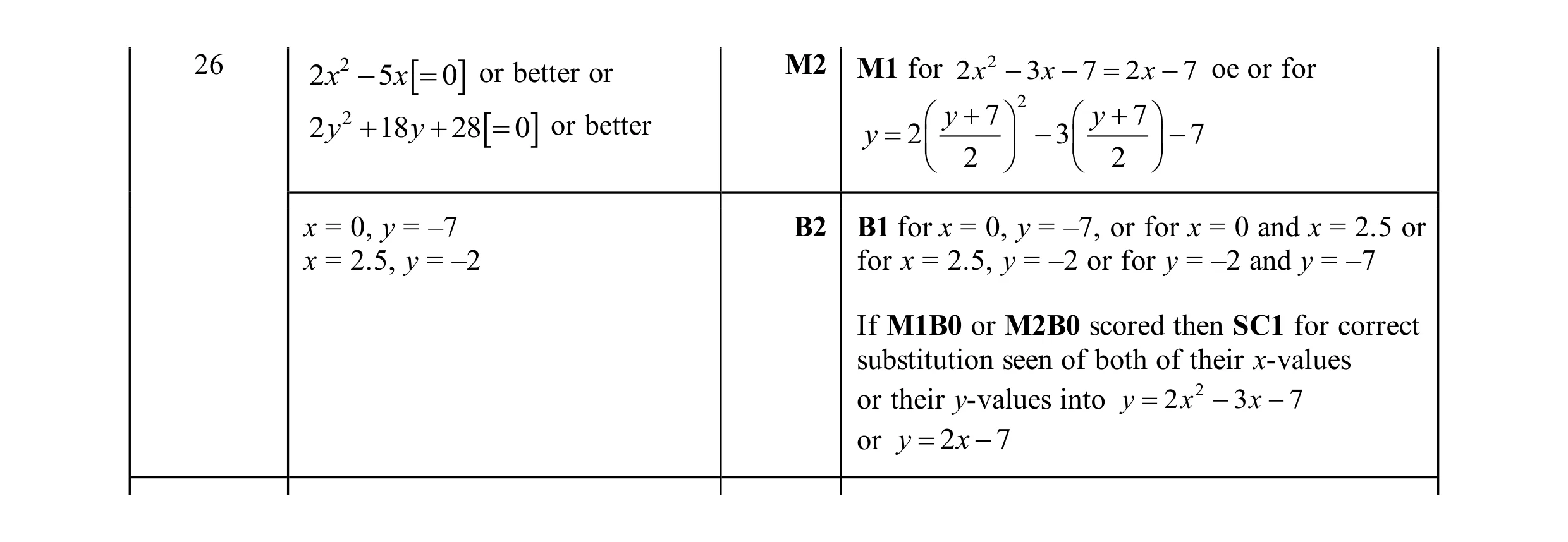 4
4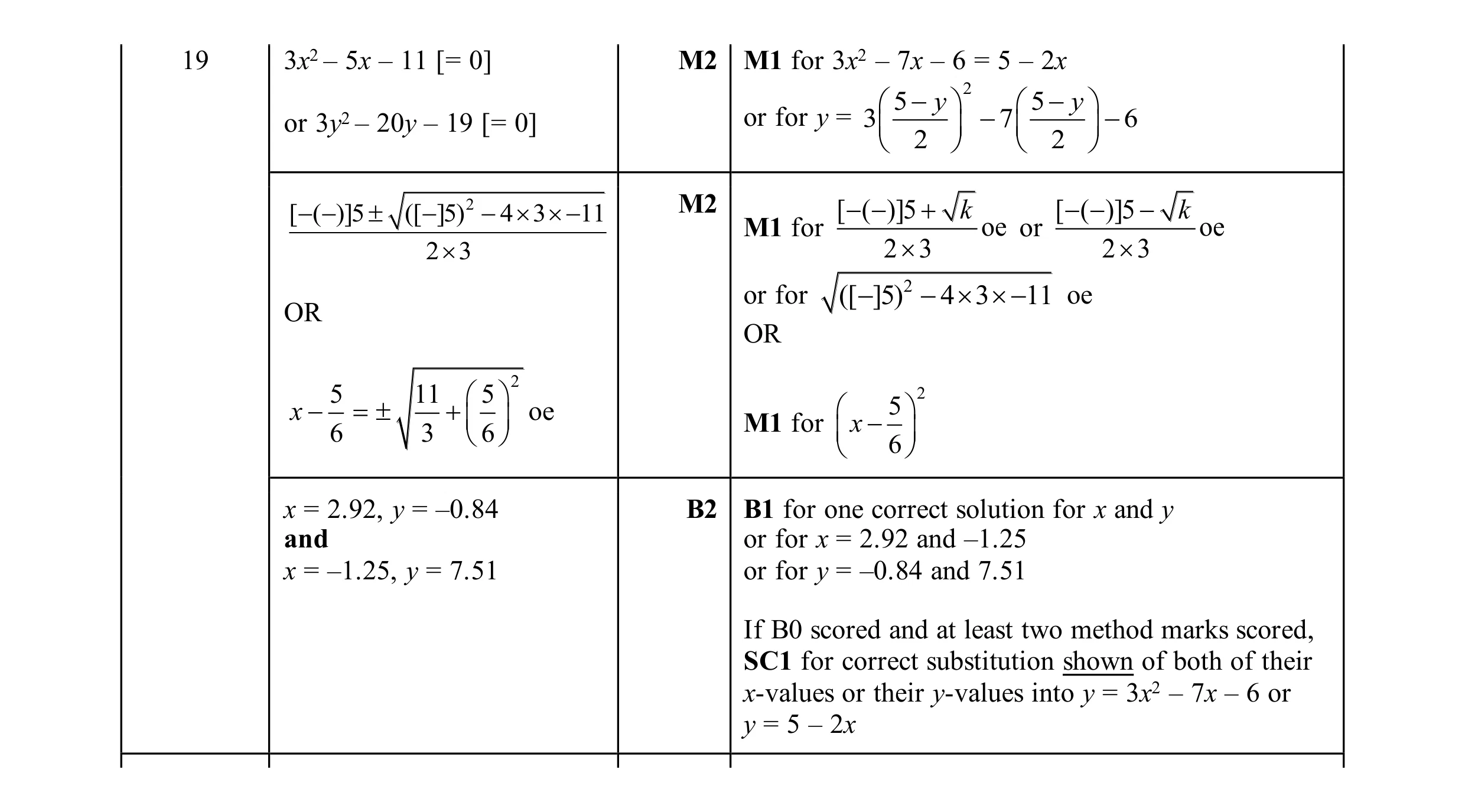 6
6 2
2 3
3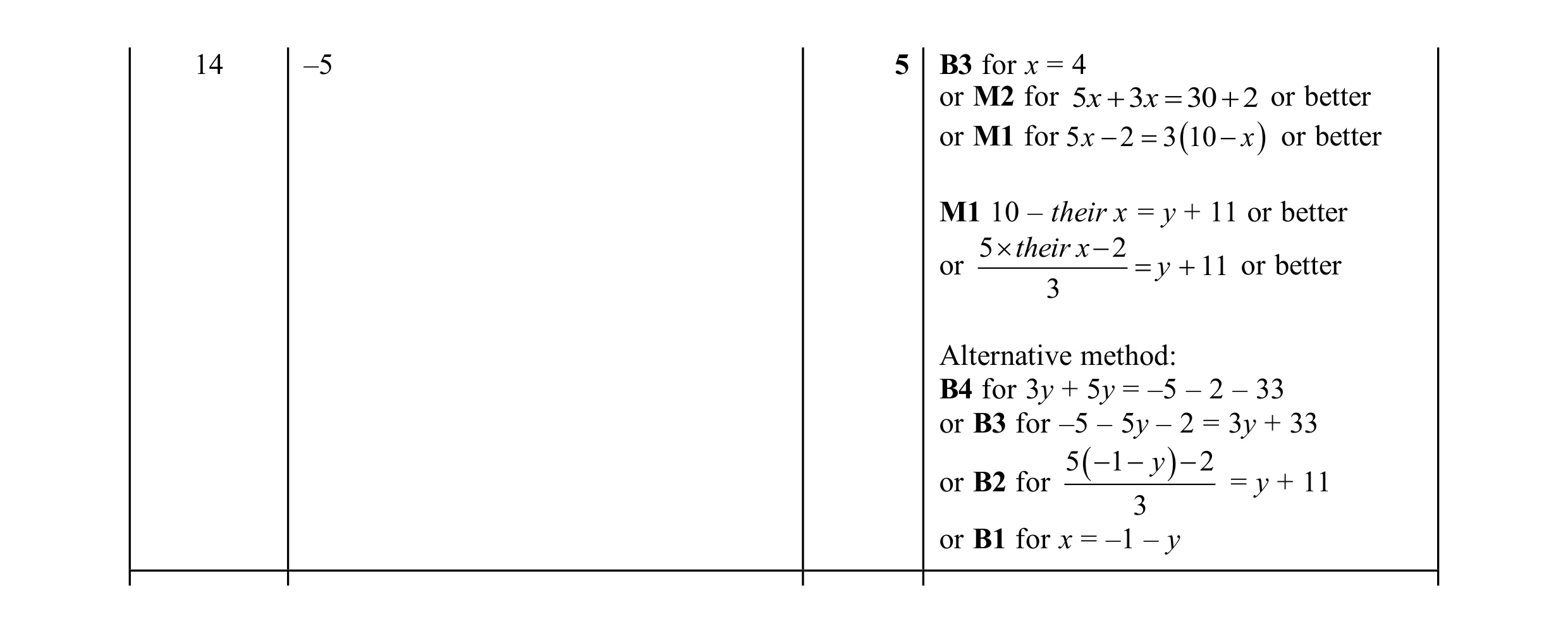 5
5