Questions as text
Q1 · One of the aims of the study by Schachter and Singer (two factors in emotion) was to find… 9990/22 Feb/March 2018
1 One of the aims of the study by Schachter and Singer (two factors in emotion) was to find out whether the mood of a stooge affected the way participants interpreted their arousal level. (a) Write an operationalised directional (one-tailed) hypothesis using this aim. … … … … [2] (b) Write a null hypothesis using this aim. … … [1]
3 marks
Mark scheme: Question Answer Marks 1 One of the aims of the study by Schachter and Singer (two factors in emotion) was to find out whether the mood of a stooge affected the way participants interpreted their arousal level. 1(a) Write an operationalised directional (one-tailed) hypothesis using this aim. 2 1 mark for a correct hypothesis that is not operationalised OR has only one operationalised variable 2 marks for a correct hypothesis with both IV and DV operationalised. For example: • Emotion will depend on the behaviour of the stooge. (1) • Emotion will match the mood of the stooge. (1) • There will be a difference between emotions with the happy and angry stooge. (0) • The rating of emotion by the participant will match the emotion of the stooge. (1) • Emotions will be rated as more positive with the happy stooge than with the angry stooge. (2) • There will be a difference between emotions and the stooge. (0) 1(b) Write a null hypothesis using this aim. 1 1 mark for a correct null hypothesis. For example: • There will be no difference in emotion between participants with an angry or a happy stooge. (1) • Any difference in emotion between participants with an angry or a happy stooge is due to chance. (1) • Any difference between emotion and angry or a happy stooge is due to chance. (0)
This question in 9990/22 Feb/March 2018
Q2 · State the difference between a ‘population’ and a ‘sample’ 9990/22 Feb/March 2018
2 (a) State the difference between a ‘population’ and a ‘sample’. … … … … [2] (b) State one feature of the population in the study by Milgram (obedience). … [1]
3 marks
Mark scheme: 2(a) State the difference between a ‘population’ and ‘sample’. 2 Both marks are for the difference. 1 mark for an implicit difference (e.g. two accurate definitions). 2 marks for an explicit difference (i.e. a contrast). • Population = all the people who could be used in the study; • Sample = the participants / people who are used in the study / a selection of the population (from whom the results will be generalised and should represent the population) A population is all the people of one type, a sample is the people in a study = 1 mark. A population is all the people of one type, a sample is just those who become participants = 2 marks. 2(b) State one feature of the population in the study by Milgram (obedience). 1 1 mark for the population, i.e. the general category • American; • male; • New Haven residents; • newspaper readers; • aged 20–50 years; • a range of occupations;
This question in 9990/22 Feb/March 2018
Q3 · Name one sampling technique 9990/22 Feb/March 2018
3 (a) Name one sampling technique. … … [1] (b) Explain one advantage of using this sampling technique. … … … … [2]
3 marks
Mark scheme: 3(a) Name one sampling technique. 1 1 mark for volunteer / self selected / opportunity / random sampling Note: If more than one sampling technique is named, accept only the first answer. • Newspaper sample = 0 marks 3(b) Explain one advantage of using this sampling technique. 2 Award 1 mark for partial explanation (e.g. identification of advantage). Award 2 marks for full explanation. Volunteer sampling: • obtain a range of different occupations/ages/both genders (accept any); • so findings would be generalisable; • can be specific about participant characteristics; • e.g. selecting only females for a study about premenstrual syndrome; • e.g. avoiding participants who would be likely to guess the aim of the study; Opportunity sampling: • easy/quick to obtain participants because they are readily available; • e.g. if they are students at the researcher’s institution; Random sampling: • likely to obtain a range of different occupations/ages etc.; • so findings would be generalisable (as the variety in the population is represented);
This question in 9990/22 Feb/March 2018
Q4 · In the study by Baron-Cohen et al 9990/22 Feb/March 2018
5 In the study by Baron-Cohen et al. (eyes test), there was more than one control condition. (a) Identify one of the control conditions. … [1] (b) Explain one reason for having a control condition, using this study as an example. … … … … [2]
3 marks
Mark scheme: 5(a) Identify one of the control conditions. 1 Award 1 mark for a clear identification • students (at Cambridge): males and females / (assumed) high IQ • normal adults: library users/adult community and education classes, from the general population / of Exeter and Cambridge • IQ matched group: randomly selected adults / known IQ matched to autistic group. 5(b) Explain one reason for having a control condition, using this study as an 2 example. 1 mark for explanation 2nd mark for linked detail. • controls for absence of IV; (generic) • i.e. performance (on eyes test) without autism; (link) • to eliminate the confounding influence of other variables; (generic) • e.g. the effect of IQ on theory of mind; (link) • allows comparison for what would happen without intervention; (generic)
This question in 9990/22 Feb/March 2018
Q5 · Describe the differences between a field experiment and a natural experiment, using any… 9990/22 Feb/March 2018
6 Describe the differences between a field experiment and a natural experiment, using any examples. … … … … … … … … … … … … [6] Question 7 appears on the following page.
6 marks
Mark scheme: 6 Describe the differences between a field experiment and a natural 6 experiment, using any examples. 1 mark for each definition, for each type of experiment (maximum of 2 marks in total). 1 mark for each difference. 1 mark for each example that is linked to one type of experiment (maximum of 2 marks in total). Examples can include examples from studies using such experiments, or of ways they could be used. Definition: a field experiment has a manipulated IV and a measured DV and happens in the normal environment for the activity being investigated; (1 for basic definition) Definition: a natural experiment has an IV which occurs spontaneously and a measured DV and often happens in the normal environment for the activity being investigated; (1 for basic definition) Difference: so in field experiments the experimenter deliberately alters the DV Example: like Piliavin et al. did by changing the stooge (victim) Difference: whereas in natural experiments the IV just happens (so the researcher has to use existing differences in variables rather than deliberately changing them Example: e.g. instead of Bandura et al. manipulating an aggressive stooge, they could have compared children in violent and in non-violent settings. Difference: so natural experiments might be more ethical because there is no deliberate interference with the participants’ existence
This question in 9990/22 Feb/March 2018
Q6 · Dipa is studying memory using a brain scanner 9990/22 Feb/March 2018
7 Dipa is studying memory using a brain scanner. She is testing the hypothesis that ‘There will be a positive correlation between level of brain activity and how much a person can recall’. Each participant is asked to describe an event that happened more than one year ago. (a) Name one brain scan that Dipa could use. … [1] (b) Suggest why data from brain scans is likely to be reliable. … … … … [2] (c) Suggest how Dipa could convert each participant’s description into a memory score. … … [1] (d) Explain whether Dipa will be able to conclude that greater recall causes more brain activity. … … … … [2] (e) Dipa considered asking her participants to recall a specific event, such as their last birthday, but decided that this could be unethical, so gave them a choice about which event to recall. Explain one reason why this was a better procedure in terms of ethics. … … … … … … [3]
9 marks
Mark scheme: 7(a) Name one brain scan that Dipa could use. 1 1 mark for identifying a type of brain scan • PET / Positron Emission Tomography • (f)MRI / (functional) Magnetic Resonance Imaging 7(b) Suggest why data from brain scans is likely to be reliable. 2 1 mark for suggestion about reliability. 2nd mark for detail. • the data is numerical/quantitative • so it does not have to be interpreted • the data is recorded by a machine • so it will be objective / not be subjective 7(c) Suggest how Dipa could convert each participant’s description into a 1 memory score. 1 mark for suggestion (i.e. operationalisation of ‘memory score’) • count the number of words in their description • time how long the description takes them 7(d) Explain whether Dipa will be able to conclude that greater recall causes 2 more brain activity. 1 mark for ‘(No) because it is a correlation’ (it is not possible to conclude that greater recall causes more brain activity). 2nd mark for explanation. • (no) the study is a correlation • so it is not possible to draw a causal conclusion (2nd mark) • it could be that an increase in brain activity causes the better recall (2nd mark) • the increase in brain activity and the better recall could be caused by a third factor (2nd mark) 7(e) Dipa considered asking her participants to recall a specific event, such as 3 their last birthday, but decided that this could be unethical, so gave them a choice about which event to recall. Explain one reason why this was a better procedure in terms of ethics. 1 mark for identifying a relevant guideline (privacy, protection from harm) 1 mark for generic or linked explanation or 1 mark for linked explanation/detail. privacy (1 identification) because the participants might not have wanted to talk about that particular event to other people (1 link) so should not be put in a position where they feel they have to (1 generic) protection from harm (1 identification) because the event Dipa chose might have been upsetting for them (1 link) so they should not feel obliged to describe it (1 generic)
This question in 9990/22 Feb/March 2018
Q7 · Hugo is using a questionnaire to find out about people’s helping behaviour in the daytime… 9990/22 Feb/March 2018
8 Hugo is using a questionnaire to find out about people’s helping behaviour in the daytime and at night. (a) What is meant by ‘open questions’ and ‘closed questions’? … … … … [2] (b) Suggest one open question that Hugo could ask. … … [1] (c) Suggest one advantage of using open questions in Hugo’s study. … … … … [2] (d) Explain one problem that Hugo might have with the validity of the responses to his questionnaire. … … … … … … [3]
8 marks
Mark scheme: 8(a) What is meant by ‘open questions’ and ‘closed questions’? 2 1 mark for definition of open questions. 1 mark for definition of closed questions. • open questions ask for descriptions/detail; • closed questions ask for answers from specific options; 8(b) Suggest one open question that Hugo could ask. 1 1 mark for open question. • e.g. ‘Describe an example of when you have helped someone and describe the time of day.’ • e.g. ‘Tell me how confident you would feel helping someone in the daylight or in the dark.’ 8(c) Suggest one advantage of using open questions in Hugo’s study. 2 1 mark for advantage. 2nd mark for linked detail. • detailed responses (are an advantage) • because this would give a better description of how/why people help (in the day/night) • responses are in the participant’s own words (which is an advantage) • because this would enable participants to be precise about their helping rather than being limited to the choices in a closed question (which might not represent their actual view/behaviour, lowering validity) 8(d) Explain one problem that Hugo might have with the validity of the responses 3 to his questionnaire. 1 mark for identifying problem with validity. 2nd mark for detail. 3rd mark for link. • social desirability • people want to appear more helpful than they really are • so they will exaggerate/lie about how much they help • there may be fewer examples of helping at night • simply because people go out less at night (so have less opportunity to help) • so it will appear that they are less helpful at night • If people suspect that it is a study about helping they might be more/less helpful than normal • as they are responding to demand characteristics
This question in 9990/22 Feb/March 2018
Q8 · Keelan has collected data about children’s aggression 9990/22 Feb/March 2018
9 Keelan has collected data about children’s aggression. He has several different types of data. (a) In one experiment, Keelan recorded the total number of aggressive acts per hour in children of each age between 3 and 18 years old. Name the type of graph that would be most suitable to display this frequency data. … [1] (b) Label the axes for the graph that Keelan should use. y-axis label … … x-axis label … … [3] (c) Name one measure of spread that Keelan could calculate from his data. … [1] (d) Keelan also counted the total number of aggressive acts in categories: bite, kick, slap and pinch. (i) Name the measure of central tendency that Keelan should use for this data. … [1] (ii) State how Keelan would calculate this measure of central tendency. … … [1] Section C Answer all questions in this section.
7 marks
Mark scheme: 9(a) In one experiment, Keelan has recorded the total number of aggressive acts 1 per hour in children of each age between 3 and 18 years old. Name the type of graph that would be most suitable to display this frequency data. 1 mark for identification of histogram. 9(b) Label the axes for the graph that Keelan should use. 3 1 mark for each of the following, up to max. 3 1 mark for ‘frequency of aggression/acts’ on y-axis; per hour; 1 mark for ‘age’ on x-axis; in years; 1 mark for 3–18 marked on x-axis; 9(c) Name one measure of spread that Keelan could calculate from his data. 1 1 mark for range or standard deviation. 9(d)(i) Keelan also counted the total number of aggressive acts in several 1 categories: bite, kick, slap and pinch. Name the measure of central tendency that Keelan should use for this data. 1 mark for naming mode. 9(d)(ii) State how Keelan would calculate this measure of central tendency. 1 1 mark for stating ‘most frequent’ / ‘most common’.
This question in 9990/22 Feb/March 2018
Q9 · Peter is studying psychology at university and has decided to conduct an experiment about… 9990/22 Feb/March 2018
10 Peter is studying psychology at university and has decided to conduct an experiment about positive emotions and pulse rate because he believes that people’s pulse rate changes with mood. (a) Describe how Peter could conduct a laboratory experiment to test whether pulse rate differs when people experience positive and negative emotions. … … … … … … … … … … … … … … … … … … … … … … … [10] (b) Identify one weakness/limitation with the procedure you have described in your answer to part (a) and suggest how your study might be done differently to overcome the problem. … … … … … … … … [4]
14 marks
Mark scheme: 10(a) Describe how Peter could conduct a laboratory experiment to test whether 10 pulse rate differs when people experience positive and negative emotions. Indicative content for a laboratory experiment: • How – identification of the independent variable • operationalisation of the independent variable • What – identification of the dependent variable • operationalisation of the dependent variable • including examples of ways to measure the variable such as questions/tests used • How – controls • experimental design (any are appropriate here) • sampling technique • sample size • description of how data will analysed, e.g. use of measures of central tendency and spread, bar charts • ethical issues Other appropriate responses should also be credited. Three major omissions for a laboratory experiment are: What – will be recorded, i.e. DV How: – IV – controls The minor omissions are: • where – location of participants when data is collected (laboratory setting) • who – participants Mark according to the levels of response criteria below: Level 3 (8–10 marks) • Response is described in sufficient detail to be replicable (i.e. what and how). • Response may have a minor omission (i.e. who or where). • Use of psychological terminology is accurate and comprehensive. Level 2 (5–7 marks) • Response is in some detail. • Response has minor omission(s) (i.e. who and/or where). • Use of psychological terminology is accurate. Level 1 (1–4 marks) • Response is basic in detail. • Response has major omission(s). • If response is impossible to conduct max. 2. • Use of psychological terminology is mainly accurate. Level 0 (0 marks) No response worthy of credit. 10(b) Identify one weakness/limitation with the procedure you have described in 4 your answer to part (a) and suggest how your study might be done differently to overcome the problem. Answer will depend on problem identified. Problems may, for example, be matters of: Validity • difficulty with creating emotional manipulation ethically • difficulty with being sure that manipulation has affected emotions (operationalisation) • controls • demand characteristics Reliability • the manipulation might affect some people more than others emotionally • consistency of pulse measure. • standardisation • sample size. This list is not exhaustive and other appropriate responses should also be credited. Marks comment 3–4 Appropriate problem identified. Appropriate solution is clearly described. 2 Appropriate problem identified. plus EITHER Explanation of why it is a problem OR Solution is possible but ineffectual. 1 Appropriate problem identified. Little or no justification. 0 No response worthy of credit
This question in 9990/22 Feb/March 2018
Q10 · In the study by Canli et al 9990/21 May/June 2018
1 In the study by Canli et al. (brain scans and emotions), one variable was investigated by comparing neutral and negative scenes. (a) Is this an independent or a dependent variable? Include a reason for your answer. … … [1] (b) Outline how Canli et al. operationalised this variable. … … [1]
2 marks
Mark scheme: Question Answer Marks 1 In the study by Canli et al. (brain scans and emotions), one variable was investigated by comparing neutral and negative scenes. 1(a) Is this an independent or a dependent variable? Include a reason for 1 your answer. 1 mark for reason for it being the independent variable • the independent variable because it is being manipulated; • the IV because Canli et al. created two conditions; • the IV because there were two conditions of normal/neutral or unpleasant/negative; 1(b) Outline how Canli et al. operationalised this variable. 1 1 mark for operationalisation. • pictures were either normal/neutral because they were not arousing or unpleasant/negative because they were highly arousing;
This question in 9990/21 May/June 2018
Q11 · Many of the core studies were laboratory experiments 9990/21 May/June 2018
3 Many of the core studies were laboratory experiments. (a) Explain two similarities between a laboratory experiment and a field experiment, using any core studies as examples. 1 … … … … 2 … … … … [4] (b) Explain one difference between a laboratory experiment and a field experiment, using any core study as an example. … … … … [2]
6 marks
Mark scheme: 3(a) Explain two similarities between a laboratory experiment and a field 4 experiment, using any core studies as examples. 1 mark for identifying a similarity. 2nd mark for detail, including comparisons × 2 Similarity: has an IV; give IV from a core study = 1 mark has a DV; give DV from a core study = 1 mark some controls are possible; give a control from a core study that could be implemented in the field; Note: different points can be from different core studies. e.g.: • both have IVs; (1 for identification of similarity) • e.g. Bandura et al. compared the effects of aggressive and non- aggressive models, which could be done in the field (with children from more and less aggressive homes); (1 for link) • both have DVs; (1 for identification of similarity) • e.g. Dement recorded dreams, which could be done at home (with a phone by the bed); (1 for link) • both use controls; (1 for identification of similarity) • e.g. Dement made sure all participants had no alcohol/Piliavin et al. kept the clothing the same for both victims; (1 for link) 3(b) Explain one difference between a laboratory experiment and a field 2 experiment, using any core study as an example. 1 mark for identifying a difference. Plus 1 mark for linked detail e.g.: • an e.g. of a specific DV from a core study is/is not normally performed in that environment • an e.g. of control from a core study that it would be hard to implement in the field Difference: • (a field experiment is) conducted in the situation which is normal for the behaviour being measured; (1) • e.g. Piliavin et al. field experiment measuring helping which people do go on subways; (+1) • e.g. Dement and Kleitman laboratory experiment measuring dreaming which people normally do at home (+1) • controlling variables is more difficult in the field; (1) • e.g. hard to implement Dement and Kleitman’s controls on waking in the field; (+1)
This question in 9990/21 May/June 2018
Q12 · What does standard deviation measure? 9990/21 May/June 2018
4 What does standard deviation measure? … … … … [2]
2 marks
Mark scheme: 4 What does standard deviation measure? 2 1 mark for identifying that it is a measure of spread/dispersion; 1 mark for explaining that it shows how varied scores are around the mean; e.g. ‘The spread of the scores (1); around the mean (1)’ = 2 marks
This question in 9990/21 May/June 2018
Q13 · From the study by Laney et al 9990/21 May/June 2018
5 From the study by Laney et al. (false memory): (a) Identify one ethical guideline that was followed in this study. … [1] (b) Outline how this ethical guideline was followed in this study. … … [1] (c) State why this ethical guideline was important in this study. … … [1]
3 marks
Mark scheme: 5(a) Identify one ethical guideline that was followed in this study. 1 1 mark for identification of an appropriate ethical guideline (any except deception) • Debriefing • Consent/Informed consent • Confidentiality • Right to withdraw 5(b) Outline how this ethical guideline was followed in this study. 1 Award 1 mark for how link to the study. Debriefing: Participants told about the aim of studying false memory (after the study); (Informed) consent: Participants were told they would be expected to recall childhood memories; Confidentiality: Participants were not named so the reader does not know who was misled about their childhood; Right to withdraw: Participants could leave as they did not have to do the first or second interview; 5(c) State why this ethical guideline was important in this study. 1 Award 1 mark for why it was important in this study. Debriefing: So the participants did not leave believing the false memory which could have been distressing/caused harm; (Informed) consent: If the participants’ childhood memories were horrible, they could choose not to participate; Confidentiality: So that if they were misled this would not be public/would not embarrass them/would not cause harm; Right to withdraw: The participants might want to withdraw their data because they felt tricked by the false memory;
This question in 9990/21 May/June 2018
Q14 · Describe what is meant by ‘order effects’, using any examples 9990/21 May/June 2018
6 Describe what is meant by ‘order effects’, using any examples. … … … … … … … … … … [6]
6 marks
Mark scheme: 6 Describe what is meant by ‘order effects’, using any examples. 6 1 mark for basic definition. Plus 5 marks for detail/examples. order effects are consequences of doing tests/tasks more than once; • such as happens in a repeated measures design; • or in a longitudinal study; can include fatigue effects; • get worse with repetition; • e.g. getting bored; • or tired; can include practice effects; • get better with repetition; • such as remembering the answers to a test; • such as getting more skilled on a physical task;
This question in 9990/21 May/June 2018
Q15 · Kaleem is planning to investigate sleep and dreaming 9990/21 May/June 2018
7 Kaleem is planning to investigate sleep and dreaming. He needs to find participants. (a) Outline one sampling technique that Kaleem could use to find a representative sample. … … … … [2] (b) Suggest two features of the participants that Kaleem should consider to make his sample representative. 1 … … 2 … … [2] (c) Explain why one of the features you suggested in part (b) would be important in Kaleem’s study. … … … … [2]
6 marks
Mark scheme: 7(a) Outline one sampling technique that Kaleem could use to find a 2 representative sample. 1 mark for identifying a representative sampling method (accept random, systematic, stratified). Plus 1 mark for detail. • random sampling; • chosen so that each person in the population has an equal chance of being in the sample; • e.g. giving every member of the population a number, putting them in a hat and selecting the first numbers/people who come out of the hat; 7(b) Suggest two features of the participants that Kaleem should consider 2 to make his sample representative. 1 mark for identification of a feature × 2 • age (range); • gender (ratio); • recall of dreams; • sleep patterns; • health; • drinking habits; • work pattern; 7(c) Explain why one of the features you suggested in part (b) would be 2 important in Kaleem’s study. 1 mark for identifying why the variable is important. 1 mark for elaboration/justification. age: • older/younger people might dream more/less; • so an age-biased sample will be less valid/if all ‘dream less’ age, the sample of dreams will be small; gender: • males/females might dream more/less; • so a gender-biased sample will be less valid; whether they normally recall their dreams: • if they do not, they will not be able to report dreams to Kaleem; • so it will be difficult to collect data/the data will be less valid; whether they normally drink alcohol: • if they do, this could reduce the amount of REM sleep; • so they will dream less than participants who do not normally drink alcohol; whether they normally drink caffeinated drinks/coffee: • if they do, this could reduce the amount of sleep; • so they will dream less than participants who do not normally drink caffeinated drinks/coffee;
This question in 9990/21 May/June 2018
Q16 · Penny is using cats and parrots in her experiment 9990/21 May/June 2018
8 Penny is using cats and parrots in her experiment. Penny houses each animal alone and only gives them their daily food every evening. Her independent variable is the species. She thinks that parrots will share food because they are social animals whereas cats live on their own. To test this, two animals of the same species are put together with a small bowl of food every afternoon. (a) Penny’s dependent variable is whether the animals share the food. Suggest how she could operationalise this dependent variable. … … … … [2] (b) Explain why the timing for the animals’ daily feed is a potential ethical issue. … … … … [2] (c) Explain why the housing of the parrots was less ethical than the housing of the cats. … … [1] (d) Penny has decided that she will be a covert observer. Suggest why she chose to be a covert observer in her study. … … … … … … [3] (e) Write an operationalised non-directional (two-tailed) hypothesis for Penny’s experiment. … … … … [2]
10 marks
Mark scheme: 8(a) Penny’s dependent variable is whether the animals share the food. 2 Suggest how Penny could operationalise this dependent variable. 1 mark for identifying way to operationalise. 1 mark for elaboration/justification e.g. how it would be quantified. • food sharing could be operationalised as how much food each animal eats; • e.g. by counting the number of pieces of food each animal takes; • e.g. by weighing the animals • see whether one animal waits for the other/see if they both get something to eat; • e.g. by timing how long before each animal starts eating; 8(b) Explain why the timing for the animals’ daily feed is a potential ethical 2 issue. 1 mark for identifying an appropriate ethical problem. 1 mark for explanation. • As it was in the evening they were food deprived for almost 24 hours when they were tested (in the afternoon); • this might make them more aggressive; • this could be distressing for the animals; 8(c) Explain why the housing of the parrots was less ethical than the 1 housing of the cats. 1 mark for explanation, which can be explicit comparison or detail. Cats are solitary anyway, so being kept on their own is not a problem/parrots are social animals so being isolated from other parrots could be distressing; 8(d) Penny has decided that she will be a covert observer. 3 Suggest why she chose to be a covert observer in her study. 1 mark for reason (may be generic). Plus 2 marks for linked detail. • animals respond to people; • she therefore needs to be hidden; • cats and parrots are domestic animals; • so they would be likely to respond to people; • so that she does not act as an uncontrolled variable/distract their normal behaviour/reduce validity; 8(e) Write an operationalised non-directional (two-tailed) hypothesis for 2 Penny’s experiment. 2 marks for a fully operationalised non-directional hypothesis, correctly using cats and parrots, and saying how food sharing will be measured 1 mark for a non-directional hypothesis which is not operationalised • Cats and parrots will differ in the time they spend sharing food (2) • There will be a difference in the number of pieces of food shared between the cats and parrots (2) • There will be a difference in food sharing between the cats and parrots (1) • There will be a difference in helpfulness between the cats and parrots (1) • There will be a difference in food sharing between animal species (1)
This question in 9990/21 May/June 2018
Q17 · Don and Pinja are planning to test whether older or younger people lose their way more… 9990/21 May/June 2018
9 Don and Pinja are planning to test whether older or younger people lose their way more often, even when using a map. They will time how long it takes each participant to find their way between two places in their university, using a map. They are talking about how to find participants and how to start the study. They often see older people returning from the shops in the morning and younger people after school in the evening. (a) Don wants to tell every participant where they are on the map at the start of the test. Explain why this would be important. … … … … [2] (b) Pinja says they should test all the participants at midday rather than testing them whenever they see them. Explain why this would be important. … … … … [2] (c) Identify two participant variables, other than age, and suggest how these could be controlled in this experiment. 1 … … … … 2 … … … … [4] Section C Answer all questions in this section.
8 marks
Mark scheme: 9(a) Don wants to tell every participant where they are on the map at the 2 start of the test. Explain why this would be important. 1 mark for identifying why that aspect of the procedure is important. 1 mark for explanation. • so that all participants are working from the same baseline/doing an equally hard task; • to standardise the procedure/to improve reliability; • so that differences between the participants are due to their navigational ability/are not due to how long it took them to understand the map; 9(b) Pinja says they should test all the participants at midday rather than 2 testing them whenever they see them. Explain why this would be important. 1 mark for identifying why that aspect of the procedure is important (can be generic e.g. ‘as a control’) 1 mark for explanation. • so that the young and old participants have an equal chance of finding their way quickly; • as it is more difficult to navigate when there are lots of students at the university; • so this would be a control/standardisation/increase reliability; • so that differences are not due to the extra time it takes to dodge round people; • so the results are more valid; 9(c) Identify two participant variables, other than age, and suggest how 4 these could be controlled in this experiment. 1 mark for identifying a participant variable. 1 mark for how it would be controlled. × 2 • How far they normally walk/how fit they are; • Select young and old people with similar fitness levels/make the course shorter for the old people; • Whether they know the university; • make sure all participants do not know the university already/ask them if they have been there before; • Whether they have special navigational skills; • ask them about their job/hobbies and exclude skilled people/taxi drivers/orienteers;
This question in 9990/21 May/June 2018
Q18 · Fajar has noticed that some of the younger children in her school believe their toys have… 9990/21 May/June 2018
10 Fajar has noticed that some of the younger children in her school believe their toys have feelings but the older children generally do not. She wants to find out more about what children believe and when beliefs change. She is planning to use a questionnaire. (a) Describe how Fajar could conduct a study using a questionnaire to find out about the children’s beliefs. … … … … … … … … … … … … … … … … … … … … … … [10] (b) Identify one weakness/limitation with the procedure you have described in your answer to part (a) and suggest how your study might be done differently to overcome the problem. … … … … … … … … [4]
14 marks
Mark scheme: 10(a) Describe how Fajar could conduct a study using a questionnaire to 10 find out about the children’s beliefs. 10 Indicative content for a questionnaire: • What: content of question asked (e.g. information about age and beliefs) • How: open/closed questions • lie questions • filler questions • sampling technique • sample size • description of how closed questions will be scored • description of how quantitative data from closed questions will be analysed • description of how open questions will be interpreted • ethical issues Other appropriate responses should also be credited. Three major omissions are: What: content of questions asked (i.e. topics, examples) How: style of questions asked (e.g. open/closed) Who: range of ages of children (old and young/ages) The minor omission is: Where: location of participants when completing the questionnaire/how it is distributed Mark according to the levels of response criteria below: Level 3 (8–10 marks) • Response is described in sufficient detail to be replicable. • Response may have a minor omission. • Use of psychological terminology is accurate and comprehensive. Level 2 (5–7 marks) • Response is in some detail. • Response has minor omission(s). • Use of psychological terminology is accurate. Level 1 (1–4 marks) • Response is basic in detail. • Response has major omission(s). • If response is impossible to conduct max. 2. • Use of psychological terminology is mainly accurate. Level 0 (0 marks) No response worthy of credit. 10(b) Identify one weakness/limitation with the procedure you have 4 described in your answer to part (a) and suggest how your study might be done differently to overcome the problem. Answer will depend on problem identified. Problems may, for example, be matters of: Validity • operationalisation • difficulty with lying/social desirability • difficulty with response biases Reliability • inter-rater consistency • intra-rater consistency. This list is not exhaustive and other appropriate responses should also be credited. If the problem was an obvious omission in (a), marks can be awarded here if the candidate refers to the omission. Marks Comment 3–4 Appropriate problem identified. Appropriate solution is clearly described. 2 Appropriate problem identified. plus EITHER Explanation of why it is a problem OR Ineffectual but possible solution described. 1 Appropriate problem identified. Little or no justification. 0 No response worthy of credit
This question in 9990/21 May/June 2018
Q19 · In the study by Piliavin et al 9990/22 May/June 2018
1 In the study by Piliavin et al. (subway Samaritans), the number of times ill and drunk victims were helped was counted. (a) State how the independent variable was operationalised in this part of the study. … … … … [2] (b) Suggest one advantage of the way in which the independent variable was operationalised. … … [1]
3 marks
Mark scheme: Question Answer Marks 1 In the study by Piliavin et al. (subway Samaritans), the number of times ill and drunk victims were helped was counted. 1(a) State how the independent variable was operationalised in this part of 2 the study. 1 mark for naming or identifying victim type/ill and drunk 1 mark for operationalisation e.g. cane and bottle For example: • ill and drunk/victim type; (1) • operationalisation e.g. cane and bottle/something in a bag; (1) Note: If only one level of the IV is operationalised, max 1, e.g. ‘The sick man carried a cane’ 1(b) Suggest one advantage of the way in which the independent variable 1 was operationalised. 1 mark for an advantage (it does not have to be linked) • ill and drunk were easy to create; • ill and drunk were convincing for the passengers; • there were no differences other than the cane and bottle / the victims were the same in ways other than the IV;
This question in 9990/22 May/June 2018
Q20 · Describe two of the controls from the study by Andrade (doodling) 9990/22 May/June 2018
2 Describe two of the controls from the study by Andrade (doodling). 1 … … … … 2 … … … … [4]
4 marks
Mark scheme: 2 Describe two of the controls from the study by Andrade (doodling). 4 1 mark for identifying a control and 1 mark for detail. × 2 (All participants were made equally) bored/tired (1); by taking them just after another study; (2nd mark) standardised instructions (1); e.g. saying ‘write down the people who can or might come but not those who can’t’. (2nd mark) (Note: does not have to be verbatim) all participants had paper available (1); so any participants could have doodled. (2nd mark) the controls had lined/plain paper and the experimental group had special doodling paper / shapes (2) random assignment to condition (1) otherwise the doodlers would choose the doodling group (2nd mark) Controls are keeping things the same between levels of the IV (e.g. making sure both groups could doodle) Standardisation is keeping things the same between participants. Max 1 for standardisation and parts of the procedure which are necessarily standard for the study.
This question in 9990/22 May/June 2018
Q21 · Milgram conducted many studies 9990/22 May/June 2018
3 Milgram conducted many studies. One investigated whether the prestigious location (Yale University) affected obedience. He used the experimental method to compare the obedience in the original study at the university with the same study carried out in an old office block. (a) Write an operationalised directional hypothesis for this experiment. … … … … [2] (b) Write a null hypothesis for this experiment. … … [1]
3 marks
Mark scheme: 3(a) Write an operationalised directional hypothesis for this experiment. 2 1 mark for a correct directional hypothesis that is not operationalised. 2 marks for a correct directional hypothesis that is operationalised. For example: • There will be more obedience in the study at Yale than in the rundown office. (1) • More participants will reach 300 V / 450 V in the study at Yale than in the office. (2) 3(b) Write a null hypothesis for this experiment. 1 1 mark for a correct null hypothesis. For example: • There will be no difference in obedience between Yale and the office. (1) • Any difference in obedience between Yale and the office is due to chance. (1) • Any difference in obedience between the two locations is due to chance. (1)
This question in 9990/22 May/June 2018
Q22 · The study by Canli et al 9990/22 May/June 2018
4 The study by Canli et al. (brain scans and emotions) used only right-handed, female participants. Suggest one way in which this sample may limit the generalisability of the findings. … … … … [2]
2 marks
Mark scheme: 4 The study by Canli et al. (brain scans and emotions) used only right- 2 handed, female participants. Suggest one way in which this sample may limit the generalisability of the findings. 1 mark for identification of problem (may be generic) Plus 1 mark for detail linked to gender or handedness or to the study. For example: • Right-handed and left-handed people may differ in their emotions / the way they respond in a scanner. (1) • so the results would not generalise to left-handed people. (+1) • The results would not generalise to males. (1) • Men and women (may) differ in their emotions / the way they respond in a scanner. (+1)
This question in 9990/22 May/June 2018
Q23 · It has been suggested that for real childhood memories, highly emotional memories are… 9990/22 May/June 2018
5 It has been suggested that for real childhood memories, highly emotional memories are remembered better than neutral memories. (a) Explain how one ethical guideline would be important when investigating this suggestion. … … … … [2] (b) Describe one way to collect data about a participant’s childhood memories. … … … … [2]
4 marks
Mark scheme: 5(a) Explain how one ethical guideline would be important when 2 investigating this suggestion. 1 mark for identifying an appropriate ethical guideline (most likely protection or informed consent/deception but accept any) Plus 1 mark for applying this to the context. • protection of participants (from psychological harm) (1) • because looking for highly emotional memories might make them recall highly emotional unpleasant ones. (+1) • informed consent / (avoiding) deception (1) • because emotional memories might be unpleasant so they need to know this is possible in order to decide to participate. (+1) • right to withdraw (1) • if emotional memories are unpleasant they need the right to stop thinking about them (+1) 5(b) Describe one way to collect data about a participant’s childhood 2 memories. 1 mark for identification of an appropriate data collection method (name or describe) Plus 1 mark for detail. • interview (them/their family/friends) (1) • e.g. use an unstructured interview about their childhood (with the participant themselves). (+1) • give a questionnaire (to them/their family/friends) (1) • e.g. use open questions such as ‘Tell me about something you remember from your childhood’. (+1)
This question in 9990/22 May/June 2018
Q24 · Describe one similarity and one difference between observations and self-reports, using… 9990/22 May/June 2018
6 Describe one similarity and one difference between observations and self-reports, using any examples. similarity … … … … … … difference … … … … … … [6]
6 marks
Mark scheme: 6 Describe one similarity and one difference between observations and 6 self reports, using any examples. Award up to 4 marks for the description of each similarity or difference 1 mark for each example that is linked to one method, up to a maximum of 2 per comparison. Examples can include examples from studies using observations or self reports, or of ways these could be used. Similarities • Observations and self reports can both use participants who are aware that they are being studied (1) • for example in Dement and Kleitman / Milgram the participants knew they were being watched and knew they were being asked questions (1 for example) • Observations and self reports can both collect data about behaviours (1) Differences • Only observations can use participants who are unaware that they are being studied (1) • for example in Bandura et al. / Schachter and Singer / Piliavin et al. the participants were unaware that they were being observed (1) • but would have known if they were being asked questions (in a self report) (1) • for example the boy with the button phobia knew he was being observed / in Dement and Kleitman / Milgram the participants knew they were being watched (1 for example) • Only self reports can both collect data about emotions (1) • because emotions/beliefs cannot be directly observed (as they are ‘internal’) (1 for detail)
This question in 9990/22 May/June 2018
Q25 · Hanif is investigating helping behaviour in animals 9990/22 May/June 2018
7 Hanif is investigating helping behaviour in animals. As part of his experiment, two chimpanzees are put together but it is possible that they might hurt each other, for example, by fighting rather than helping. (a) Explain how one ethical guideline, which relates to animals, is relevant to this study. … … … … [2] (b) Hanif is the only observer and wants to find out whether his recording of fighting behaviour is reliable over time. Explain what Hanif should do to measure his reliability. … … … … … … … … [4] (c) Explain why Hanif may be more objective if he collects quantitative data rather than qualitative data. … … … … [2]
8 marks
Mark scheme: 7(a) Explain how one ethical guideline, which relates to animals, is relevant 2 to this study. 1 mark for identifying relevant ethical guideline (by name or description). Plus 1 mark for linked detail. For example: • pain and distress (1) • this should be minimised as if they were hurt (in the fight) this would be physically painful/stressful (+1) • the minimum necessary number of animals should be used (1) • because this is a potentially distressing study because they could get hurt/because at least two chimpanzees are needed (+1) • analgesia should be used (1) • if the animals get hurt (+1) 7(b) Hanif is the only observer and wants to find out whether his recording 4 of fighting behaviour is reliable over time. Explain what Hanif should do to measure his reliability. 1 mark for test-retest (by name or description). Plus 3 marks for detail (does not have to be explicitly linked to the situation, but such links could earn marks) For example: • Measure his test-retest reliability (1) • by using the same tests and scoring them twice (+1) • e.g. by videoing the chimpanzees’ behaviour (+1) • then correlating his scores for the first and second viewing (+1) • and if the correlation is high he is reliable (+1) • e.g. by counting the number of times they help to see if it is the same (+1) 7(c) Explain why Hanif may be more objective if he collects quantitative 2 data rather than qualitative data. 1 mark for reason Plus 1 mark for detail (does not have to be linked). For example: • because it is numerical (1) • so does not need to be interpreted. (1) • so is less likely to be influenced by Hanif’s personal opinion. (1)
This question in 9990/22 May/June 2018
Q26 · Elea is conducting an experiment to test whether people who sleep for more than eight… 9990/22 May/June 2018
8 Elea is conducting an experiment to test whether people who sleep for more than eight hours per night are happier than people who sleep less than this. (a) (i) Elea’s dependent variable is ‘happiness’. Suggest how this could be operationalised. … … [1] (ii) Suggest one disadvantage of operationalising happiness in this way. … … … … [2] (b) (i) Explain why randomly allocating participants to the sleep conditions would be unethical. … … [1] (ii) Explain one methodological advantage of randomly allocating participants to the sleep conditions. … … … … [2] (c) Suggest one sampling technique that could be used in this study. Justify your answer. … … … … … … [3]
9 marks
Mark scheme: 8(a)(i) Elea’s dependent variable is ‘happiness’. 1 Suggest how this could be operationalised. 1 mark for suggestion for how happiness could be measured. • e.g. by counting how many times the participant smiles (in an hour); • e.g. a rating scale from 0–10 answering the question ‘ How happy do you feel?’ (0 = not at all, 10 = very); • e.g. with an interview asking them to describe their feelings and rating their response for happiness. 8(a)(ii) Suggest one disadvantage of operationalising happiness in this way. 2 1 mark for identifying disadvantage. Plus 1 mark for why it is a disadvantage. • there may be individual differences (e.g. if counting smiles in an hour: people might be more naturally smiley, e.g. using a rating scale: people may interpret the 0–10 scale differently) • subjectivity (e.g. if interviewing / using open questions on a questionnaire, researcher’s interpretation of answers may differ from their intended expression of happiness) 8(b)(i) Explain why randomly allocating participants to the sleep conditions 1 would be unethical. 1 mark for reason (generic or linked). For example: • because people vary in terms of their need for sleep • so if ‘long sleepers’ were allocated to the ‘short sleep’ condition, they might feel ill/distressed. • sleep deprivation is dangerous. 8(b)(ii) Explain one methodological advantage of randomly allocating 2 participants to the sleep conditions. 1 mark for reason (generic or linked). Plus 1 mark for linked detail. For example: • because you could be certain that it was differences in sleep time that was responsible for the happiness (1) • if the participants chose their own conditions, the ‘long sleep’ people might be happier but because of some other variable than the length of time they sleep. (+1) • because you would not be able to draw causal conclusions unless you knew that there were not systematic differences in happiness between the two sleep groups. (+1) • it reduces the effect of participant variables (1) • so not all ‘sleepy’ participants end up in one condition (which would act as a confounding variable) (+1) 8(c) Suggest one sampling technique that could be used in this study. 3 Justify your answer. 1 mark for naming an appropriate sampling technique. Plus 2 marks for explanation. Must be some link and justification for 3 marks For example: • opportunity sampling (1) • where people are chosen because of their availability (+1) • so they might live nearby so not mind sleeping over in the lab (+1) • random sampling (1) • where every member of the population has an equal chance of being picked for the sample (+1) • so there would be a range of people with different normal sleep times (+1) • volunteer sampling (1) • where people select themselves to be in the sample (+1) • e.g. respond to an advert for a study on sleep (+1) • so they would be likely to be willing to have their sleep changed/studied (+1)
This question in 9990/22 May/June 2018
Q27 · Ed and Jim are planning a field experiment about learning 9990/22 May/June 2018
9 Ed and Jim are planning a field experiment about learning. They want to know whether young children learn to use mobile (cell) phones from older brothers or sisters. They each offer their phone to a younger brother or sister and also to a cousin who has no older brothers or sisters. They time how long it takes each child to find a game to play with on the phone. (a) Suggest why Ed and Jim chose a field experiment as their research method. … … … … [2] (b) Explain the experimental design being used in this experiment. … … … … [2] (c) Suggest one control that should be used in this experiment. … … … … … … [3] Section C Answer all questions in this section.
7 marks
Mark scheme: 9(a) Suggest why Ed and Jim chose a field experiment as their research 2 method. 1 mark for a generic reason 1 mark for link. • fewer demand characteristics; • e.g. the children would be less self conscious about being watched; • higher ecological validity; • children play at home, they might not in a lab; Note: These are only examples, there will be many other acceptable answers. 9(b) Explain the experimental design being used in this experiment. 2 1 mark for identification of design 1 mark for linked justification. • independent measures / groups / between subjects; • because a child either did or did not have older siblings; 9(c) Suggest one control that should be used in this experiment. 3 1 mark for identification of a variable to control Plus 1 mark for justification of the need for this control (this can be generic, although is likely to be contexualised) Plus 1 mark for how a control could be implemented. age of child; because older ones would be better on phones anyway / younger ones might want to play more; have both children (about) the same age / both aged 6 years; use the same phones / same apps (for Ed and Jim / for siblings and cousins); because otherwise it could be a confounding variable / there may be individual differences between the children; (generic) and children may know some of the games but not others;
This question in 9990/22 May/June 2018
Q28 · Explain what is meant by the ‘aim’ of a study, using an example 9990/23 May/June 2018
1 Explain what is meant by the ‘aim’ of a study, using an example. … … … … [2]
2 marks
Mark scheme: Question Answer Mark 1 Explain what is meant by the ‘aim’ of a study, using an example. 2 1 mark for explaining the term. Plus 1 mark for link. • What the researcher plans to test/find/expects (1) • e.g. Bandura was looking for the effects of imitation / whether children copied aggressive models / if there would be sex differences in imitation (+1)
This question in 9990/23 May/June 2018
Q29 · Identify the sampling technique used in the study by Milgram (obedience) 9990/23 May/June 2018
2 (a) Identify the sampling technique used in the study by Milgram (obedience). … … [1] (b) Suggest one disadvantage of this sampling technique. … … … … [2]
3 marks
Mark scheme: 2(a) Identify the sampling technique used in the study by Milgram 1 (obedience). 1 mark for naming or describing the sampling technique • volunteer/self-selected; • getting participants by asking for them; 2(b) Suggest one disadvantage of this sampling technique. 2 Both marks are for the disadvantage. No link is required. 1 mark for identifying a disadvantage (generic or linked) Plus 1 mark for detail of the disadvantage (generic or linked). • (it produces a) narrow sample; (1) • so is biased; (+1) • not generalisable / will not be representative; (1) • because it is limited to the kinds of people who see the request / who respond; (+1) • it is limited because only readers of the newspaper could possibly be participants; (1) • so it is not representative of people who did not read that newspaper (and who might differ in some way, e.g. educationally and therefore in their obedience level); (+1)
This question in 9990/23 May/June 2018
Q30 · In the study by Dement and Kleitman (sleep and dreams), the experimenter sometimes… 9990/23 May/June 2018
3 In the study by Dement and Kleitman (sleep and dreams), the experimenter sometimes entered the room after the participant had completed their dream report and asked them some questions. (a) State one type of interview that could have been used in this part of the study. Justify your choice. … … … … [2] (b) Suggest one advantage of this type of interview. … … … … [2]
4 marks
Mark scheme: 3(a) State one type of interview could have been used in this part of the 2 study. Justify your choice. 1 mark for identifying an interview type (by name or description). Plus 1 mark for link. • Structured / it would have been important for all participants to be asked the same questions (generic) to elicit the same information about their dreams (linked) (2) • Semi-structured, so that they generated some comparable data for each participant (generic), but could also ask specific questions about their particular dream (linked) (2) • Unstructured / ask different questions to each participant (generic) so that they could be tailored to the dream (linked) (2) 3(b) Suggest one advantage of this type of interview. 2 Both marks are for the advantage. 1 mark for identifying an advantage (can be a term, but max 1 for terms) 1 mark for detail of the advantage. Award marks for generic and linked advantages. • Structured: they are reliable/objective; so any interviewer bias is limited/so the researchers would not have influenced what the participants said = 2 marks • Semi-structured: they collect qualitative and quantitative data improving validity; as qualitative gives detail and quantitative is objective = 2 marks • unstructured: they are flexible/the researcher can respond to what the participant says; this means there is a better chance of finding the information you want/ they could have asked specifically about things moving in the dream = 2 marks Note: any interview type could produce quantitative and/or qualitative data
This question in 9990/23 May/June 2018
Q31 · In the study by Schachter and Singer (two factors in emotion), participants were told… 9990/23 May/June 2018
4 In the study by Schachter and Singer (two factors in emotion), participants were told that the study was about vitamins and vision. This was not true, so the participants could not give informed consent. (a) Explain one other ethical guideline broken by telling the participants that the study was about vitamins and vision. … … … … [2] (b) Explain one advantage of telling the participants that the study was about vitamins and vision. … … … … [2]
4 marks
Mark scheme: 4(a) Explain one other ethical guideline broken by telling the participants 2 that the study was about vitamins and vision. 1 mark for identifying an appropriate ethical guideline (most likely deception) Plus 1 mark for applying this to the context. • Deception; • because it was actually about emotions/adrenalin; • Protection from harm; • because even though there was information from the health centre, a participant might have had a reaction to adrenalin / might have been emotionally unstable so been at risk; 4(b) Explain one advantage of telling the participants that the study was 2 about vitamins and vision. 1 mark for identifying an advantage. Plus 1 mark for detail. • so that the participants would not know that they were having their arousal level / physiology manipulated; • which means they would not anticipate the physical reactions/ symptoms/effects (of the adrenalin); • to reduce demand characteristics / don’t know real aim;
This question in 9990/23 May/June 2018
Question 32 9990/23 May/June 2018
5 Yamamoto et al. (chimpanzee helping) used bar charts to display their results. Draw a bar chart to show how the results of this study were displayed. [3]
3 marks
Mark scheme: 5 Yamamoto et al. (chimpanzee helping) used bar charts to display their 3 results. Draw a bar chart to show how the results of this study were displayed. Award 1 mark for each of: • 2-bar bar chart (separate bars) • x-axis labels ‘stick’ and ‘straw’/ first object chosen; • x-axis heading ‘tool which a recipient needed’ OWTTE • y-axis values (0–100%) • y-axis heading ‘(amount of) help offered’ OWTTE (e.g. ‘chose correct object’)
This question in 9990/23 May/June 2018
Q33 · Describe differences between subjectivity and objectivity, using any examples 9990/23 May/June 2018
6 Describe differences between subjectivity and objectivity, using any examples. … … … … … … … … … … … … [6]
6 marks
Mark scheme: 6 Describe differences between subjectivity and objectivity, using any 6 examples. 1 mark max for each definition. 1 mark for each example that is linked to one type of question, up to a maximum of 2. Examples can include examples from any studies, or of ways they could affect studies. • Subjective: personal perspective; (1) • Objective: independent / non-personal viewpoint; (1) • qualitative/descriptive data tends to be more subjective/less objective; (1) • e.g. answers to ‘Describe «’/open questions are interpreted by researchers i.e. are subjective; (1) • objectivity (often) leads to greater reliability / subjectivity (often) leads to lower reliability; (1) • e.g. Milgram’s voltage measure was objective and would be the same for every participant, i.e. reliable; (1) • quantitative/numerical data tends to be more objective / less subjective; (1) • e.g. Baron-Cohen could only interpret choices on the eyes test in one way, so it was objective; (1)
This question in 9990/23 May/June 2018
Q34 · Xanthe is investigating whether there is a relationship between how funny a person finds… 9990/23 May/June 2018
7 Xanthe is investigating whether there is a relationship between how funny a person finds a joke and how much activity there is in a particular brain region. She plans to measure brain activity using a brain scan. (a) Suggest one way that Xanthe could measure how funny a participant thinks each joke is. … … … … [2] (b) Xanthe expects to find that the funnier a person finds a joke, the more brain activity there will be. Explain the type of relationship she is expecting in this study. … … … … … … [3] (c) State which measure of central tendency Xanthe should use with the data from the brain scans. Justify your choice. … … … … [2]
7 marks
Mark scheme: 7(a) Suggest one way that Xanthe could measure how funny a participant 2 thinks each joke is. 1 mark for identifying a way to measure funniness. Plus 1 mark for detail. • by measuring laughter; (1) • e.g. by timing how long they laugh for; (+1) • by asking them to say how funny they thought it was / judge feelings towards jokes; (1) • e.g. by rating on a scale (of 1–5, where 5 is the funniest); (+1) • by observing how much they smile; (1) • e.g. estimating how wide their mouth is; (+1) 7(b) Xanthe expects to find that the funnier a person finds a joke, the more 3 brain activity there will be. Explain the type of relationship she is expecting in this study. 1 mark for each point below. • positive; • correlation; • between funniness and brain activity; 7(c) State which measure of central tendency Xanthe should use with the 2 data from the brain scans. Justify your choice. 1 mark for naming mean 1 mark for justification mean; because the data is points on a scale / equal value / a scientific measurement / interval data / ratio data / because it takes all the points into account; (2 marks)
This question in 9990/23 May/June 2018
Q35 · Albert is investigating autism 9990/23 May/June 2018
8 Albert is investigating autism. He plans to obtain a sample of people with autism and a control group. He will compare how well these participants judge the feelings of dolls which are either dancing, crying, waving or smiling. (a) Identify the independent variable in this experiment. … … [1] (b) Suggest how the dependent variable in this experiment could be measured. … … … … [2] (c) Explain one advantage of using dolls rather than people in this procedure. … … … … [2] (d) Explain one disadvantage of using dolls rather than people in this procedure. … … … … [2] (e) Describe the experimental design used in this experiment. … … … … [2]
9 marks
Mark scheme: 8(a) Identify the independent variable in this experiment. 1 1 mark for stating both type of participants. • autistic and control/normal/mentally healthy; 8(b) Suggest how the dependent variable in this experiment could be 2 measured. 1 mark for identifying the DV 1 mark for any appropriate operationalisation • by choosing a descriptive word for the doll’s feelings from a list (2) • by asking them to describe how the doll is feeling (2) • ask them to choose between happy and sad (1) 8(c) Explain one advantage of using dolls rather than people in this 2 procedure. 1 mark for generic advantage 1 mark for link to experiment (e.g. dolls) • they are more easily controlled than people; • dolls will always do the same thing / people might display emotions differently for some participants than others; • because people are more complex / varied than dolls; 8(d) Explain one disadvantage of using dolls rather than people in this 2 procedure. 1 mark for generic disadvantage 1 mark for link to experiment • they are different from real life / unlike people / lack ecological validity / low mundane realism; • people have facial expressions/movements/gestures that make deducing emotions easier; • dolls may make people feel uncomfortable/embarrassed/afraid; 8(e) Describe the experimental design used in this experiment. 2 1 mark for identifying independent measures Plus 1 mark for linking answer (autistic and normal participants are separate groups)
This question in 9990/23 May/June 2018
Q36 · Taavi works in an office and has been asked to conduct an observation of employees’… 9990/23 May/June 2018
10 Taavi works in an office and has been asked to conduct an observation of employees’ doodling. He is aiming to observe their doodling and what else they are doing while they doodle. (a) Describe how Taavi could conduct an observation of employees’ doodling. … … … … … … … … … … … … … … … … … … … … … … … [10] (b) Identify one weakness/limitation with the procedure you have described in your answer to part (a) and suggest how your study might be done differently to overcome the problem. … … … … … … … … [4]
14 marks
Mark scheme: 10(a) Describe how Taavi could conduct an observation of employees’ 10 doodling. Indicative content for an observational study: • what: identification of behavioural categories • operationalisation of each behavioural category • how: whether the observation is (at least two of): – naturalistic/controlled, structured/unstructured, covert/overt, participant/non-participant • sampling technique • sample size • description of how tallying will be done • description of how data will analysed, e.g. use of averages/bar charts • ethical issues Other appropriate responses should also be credited. Three major omissions for an observational study are: What: – behaviours that will be recorded e.g. doodling and ‘other work’ identified, at least one named (detail e.g. definition/operationalisation) How: any two of: – naturalistic/controlled, structured/unstructured, covert/overt, participant/non-participant (detail is how they are achieved OR more than two) The minor omissions are: where – location of participants when data is collected (e.g. office) who – participants (must be office workers) Mark according to the levels of response criteria below: Level 3 (8–10 marks) • Response is described in sufficient detail to be replicable. • Response may have a minor omission. • Use of psychological terminology is accurate and comprehensive. Level 2 (5–7 marks) • Response is in some detail. • Response has minor omission(s). • Use of psychological terminology is accurate. Level 1 (1–4 marks) • Response is basic in detail. • Response has major omission(s). • If response is impossible to conduct max. 2. • Use of psychological terminology is mainly accurate. Level 0 (0 marks) No response worthy of credit. 10(b) Identify one weakness/limitation with the procedure you have 4 described in your answer to part (a) and suggest how your study might be done differently to overcome the problem. Answer will depend on problem identified. Problems may, for example, be matters of: Validity • operationalisation (of doodling / other behaviours) • difficulty with demand characteristics / researcher effects Reliability • standardisation • intra-rater consistency (e.g. of recording doodles). Ethics • privacy (at work) • harm/distress (employees might be worried about consequences) This list is not exhaustive and other appropriate responses should also be credited. If the problem was an obvious omission in (a), marks can be awarded here if the candidate refers to the omission. Marks Comment 3–4 Appropriate problem identified. Appropriate solution is clearly described. 2 Appropriate problem identified. plus EITHER Explanation of why it is a problem OR Ineffectual but possible solution described. 1 Appropriate problem identified. Little or no justification. 0 No response worthy of credit
This question in 9990/23 May/June 2018
Q37 · Explain what is meant by a ‘repeated measures design’ 9990/21 Oct/Nov 2018
1 (a) Explain what is meant by a ‘repeated measures design’. … … [1] (b) Suggest one advantage of using a repeated measures design, using any core study as an example. … … … … [2]
3 marks
Mark scheme: Question Answer Marks 1(a) Explain what is meant by a ‘repeated measures design’. 1 1 mark for definition of repeated measures Every participant does all / both of the levels / conditions (of the IV) = 1 mark 1(b) Suggest one advantage of using a repeated measures design, using 2 any core study as an example. 1 mark for identifying advantage. 2nd mark for detail linked to core study • overcomes problems with individual differences; (1 for identification) • e.g. in Yamamoto, if one chimp was more helpful than another (this would confound an independent measures design); (1 for link)
This question in 9990/21 Oct/Nov 2018
Q38 · The study by Pepperberg (parrot learning) used an animal 9990/21 Oct/Nov 2018
2 The study by Pepperberg (parrot learning) used an animal. Explain what is meant by ‘deprivation’ and ‘aversive stimuli’ in animal research. deprivation … … aversive stimuli … … [2]
2 marks
Mark scheme: 2 The study by Pepperberg (parrot learning) used an animal. 2 Explain what is meant by ‘deprivation’ and ‘aversive stimuli’ in animal research. 1 mark for each definition, the two may be described together and may be defined by example. • deprivation is doing without something = 1 mark • deprivation is for example an animal not being given food / water = 1 mark • aversive stimuli are things (which are present) that the animal does not like / is afraid of / that hurt = 1 mark • aversive stimuli include electric shocks / aggressive animals / loud noises = 1 mark • water: deprivation is having none, being forced to swim in it is aversive = 2 marks • other animals (for a social species): none is deprivation, too many is aversive = 2 marks
This question in 9990/21 Oct/Nov 2018
Q39 · Explain what is meant by ‘reliability’, using one example from the study by Bandura et al 9990/21 Oct/Nov 2018
3 (a) Explain what is meant by ‘reliability’, using one example from the study by Bandura et al. (aggression). … … … … [2] (b) Suggest one problem with reliability in any core study, other than the Bandura et al. study. … … … … [2]
4 marks
Mark scheme: 3(a) Explain what is meant by ‘reliability’, using one example from the 2 study by Bandura et al. (aggression). 1 mark for definition 1 mark for linked example • reliability is about consistency = 1 mark • to be reliable, measures must measure the phenomenon in the same way each time = 1 mark • e.g. Bandura et al. standardised the procedure, e.g. by always having the model display behaviour for the same length of time / in the same place, etc. = 1 mark for example • In Bandura et al., they made sure that both researchers scored aggression in a similar way (= link mark), i.e. were reliable, by using the same list of behaviours (= definition mark) = 2 marks 3(b) Suggest one problem with reliability in any core study, other than the 2 Bandura et al. study. Award 1 mark for identification of problem Award 1 mark for linked example (from any core study except Bandura et al.) • Dement and Kleitman may not have interpreted all the dream reports in the same way = 1 mark • If Schachter and Singer’s participants interpreted the scales differently, they could have appeared more happy/angry than other participants = 2 marks Note: These are only examples, there will be many other acceptable answers.
This question in 9990/21 Oct/Nov 2018
Q40 · In the study by Milgram (obedience), the results he recorded were the final voltage each… 9990/21 Oct/Nov 2018
4 In the study by Milgram (obedience), the results he recorded were the final voltage each participant gave to the learner. (a) State the range of these results. … … [1] (b) Milgram could have calculated the mean and range of the final voltages given. (i) Explain what information the range provides about a set of data, using Milgram’s results as an example. … … … … [2] (ii) Explain why it would have been better for Milgram to calculate the standard deviation rather than the range. … … … … [2]
5 marks
Mark scheme: 4(a) State the range of these results. 1 1 mark for range of 300–450 (volts) / (450 – 300 =) 150 (volts) 4(b)(i) Milgram could have calculated the mean and the range of the final 2 voltages given. Explain what information the range provides about a set of data, using Milgram’s results as an example. 1 mark for identification of why the range is useful / what the range tells us (may be generic or linked) Award 1 mark for linking explanation to Milgram’s results. • the range tells us how variable / spread the results are = 1 mark • there was a spread of voltages, which shows not everyone is equally obedient = 2 marks • some stopped at 300, which shows that some people are less obedient / more resistant = 2 marks • some participants gave the maximum, so we know that people / Americans can be very obedient = 2 marks 4(b)(ii) Explain why it would have been better for Milgram to calculate the 2 standard deviation rather than the range. relative advantage of standard deviation / disadvantage of the range 1 mark partial, 2 marks full • the range does not indicate how the results are distributed between the extremes / it does not provide information about the spread around the mean = 1 mark • so it does not indicate how many people were close to each end = 1 mark • e.g. you would not know how many people gave (closer to) 300 or gave 450 V with the range = 1 mark
This question in 9990/21 Oct/Nov 2018
Q41 · Explain why low validity would be a problem in experiments 9990/21 Oct/Nov 2018
5 Explain why low validity would be a problem in experiments. … … … … [2]
2 marks
Mark scheme: 5 Explain why low validity would be a problem in experiments. 2 1 mark for saying why low validity is a problem 1 mark for linking to experiments. Note: these two points may be combined for 2 marks Validity is being sure you are investigating what you intended to; Validity is testing or measuring what you claim to test or measure = 1 mark If the study is valid your results are more credible = 1 mark Which means you can believe your findings = 1 mark So the results would be more useful = 1 mark You would not be able to draw a causal conclusion = 1 mark You would not be able to generalise your findings beyond the experimental situation = 1 mark You would not know whether the IV (or extraneous variables) were the cause of changes in the DV = 2 marks Validity means being accurate = 0
This question in 9990/21 Oct/Nov 2018
Q42 · Describe the similarities and differences between naturalistic and controlled… 9990/21 Oct/Nov 2018
6 Describe the similarities and differences between naturalistic and controlled observations, using any examples. … … … … … … … … … … … … [6]
6 marks
Mark scheme: 6 Describe the similarities and differences between naturalistic and 6 controlled observations, using any examples. 1 mark for each definition, up to a maximum of 2 in total if there is no explicit comparison. 1 mark for each identified point of comparison + 1 mark for elaboration with both types of observation. 1 mark for each example that is linked to one type of observation. Examples can include examples from studies using such observations, or of ways it could be used. 4 marks for each type of observation. Max 2 marks in total for all one side e.g. all about naturalistic observations, i.e. no correct comparisons. For example: Naturalistic observations are where the participants are being observed without interference (1 for definition) • such as if children’s aggression was observed during school playtime (1 for detail) • for example in Dement and Kleitman the participants’ eye movements were initially observed without interrupting their dreaming (1 for example) Controlled observation is when participants are in a situation which is set up for the observation (1 for definition) • such as if helping behaviour was watched when a stooge pretended to lose a contact lens (1 for detail) • for example in Bandura et al. the aggressive play situation was artificial/ in Schachter and Singer the happy/angry stooge created the situation / in Piliavin et al. the participants’ reactions were observed to the ill/drunk victim (1 for example) Naturalistic observations: • Are in ‘natural’ / ’naturalistic’ settings (taken to mean non-manipulated settings) • unlike controlled observations which are in controlled / artificial settings • can be overt or covert (i.e. role of the observer is hidden or not) • though usually hidden in naturalistic observations so also accept ‘always covert’ • like / unlike controlled observations where the observer may or may not be hidden • can be participant or non-participant (i.e. part of the social group being observed or not) • like controlled observations where the observer may or may not be part of group.
This question in 9990/21 Oct/Nov 2018
Q43 · Gavin is testing the hypothesis that ‘People are more likely to drop rubbish on the… 9990/21 Oct/Nov 2018
7 Gavin is testing the hypothesis that ‘People are more likely to drop rubbish on the ground when there is already rubbish on the ground’. He is conducting a field experiment in a quiet street. His independent variable is whether the street already has rubbish on the ground or not. Gavin’s dependent variable is whether people drop a leaflet given to them by a stooge onto the ground or not. (a) State the type of hypothesis Gavin is testing. Include a reason for your answer. … … … … [2] (b) Outline one way in which the participants in Gavin’s study are being deceived. … … [1] (c) Explain one reason why Gavin chose to conduct a field experiment rather than a laboratory experiment. … … … … … … [3] (d) Explain one disadvantage of using a field experiment in Gavin’s study. … … … … [2]
8 marks
Mark scheme: 7(a) State the type of hypothesis Gavin is testing. Include a reason for your 2 answer. 1 mark for type of hypothesis. 1 mark for the reason (even if name is incorrect). This may or may not be linked. • directional hypothesis / one-tailed hypothesis = 1 mark • because he is saying the way the IV will affect the DV (not just that there will be a difference) = 1 mark • as Gavin says rubbish will make people litter more, not just that it will have an effect on littering = 1 mark 7(b) Outline one way in which the participants in Gavin’s study are being 1 deceived. 1 mark for a way in which they are deceived. • They are given a leaflet as part of the experiment; • They do not know that they are being observed; • They do not know they are in an experiment / study / that they are participants; 7(c) Explain one reason why Gavin chose to conduct a field experiment 3 rather than a laboratory experiment. 1 mark for a reason (can be generic) 1 further mark for detail (can be generic 1 further mark for linking detail to Gavin’s study. • (likely to be more) ecologically valid = 1 mark (generic) • as the participant is in the normal environment for the behaviour being studied = 2nd mark (generic) • and Gavin’s participants are on the street, which is where people throw litter = 3rd mark (linked) • participants (likely to be) unaware that they are in a study = 1 mark (generic) • so fewer demand characteristics = 2nd mark (generic) • so Gavin’s participants would not avoid littering because they knew they were being watched = 3rd mark (linked) 7(d) Explain one disadvantage of using a field experiment in Gavin’s study. 2 1 mark for a disadvantage (can be generic) 2nd mark for disadvantage linked to Gavin’s study. • (likely to be) few controls = 1 mark (generic) • so littering behaviour may vary because of other factors than the IV = 2nd mark (linked) • it might not work e.g. because of demand characteristics = 1 mark (generic) • because they might realise the litter-dropping stooge is not real = 2nd mark (linked)
This question in 9990/21 Oct/Nov 2018
Q44 · Lakha is planning to conduct a study to correlate helpfulness and intelligence 9990/21 Oct/Nov 2018
8 Lakha is planning to conduct a study to correlate helpfulness and intelligence. She is going to ask her participants to use an online IQ test and is going to measure helpfulness in the laboratory. (a) Suggest one way that Lakha could measure helpfulness for her correlation. … … … … [2] (b) Suggest one advantage of the measure of helpfulness that you gave in part (a). … … … … [2] (c) Name the type of graph Lakha should use to plot her results. … [1] (d) Describe the pattern Lakha will see in her results if she finds a negative correlation between the two variables. You may use a drawing in your answer. … … [1] (e) A problem with the participants doing an online IQ test at home is that they may cheat. Explain the effect this would have on the negative correlation if only the less helpful participants cheated. … … … … [2]
8 marks
Mark scheme: 8(a) Suggest one way that Lakha could measure helpfulness for her 2 correlation. 1 mark for suggestion that produces ordinal, interval or ratio data (i.e. that could be correlated) 2nd mark for detail e.g. operationalisation. • using a questionnaire = 1 mark • with questions like ‘How likely would you be to assist an old person crossing the street? (on a scale of 0–10) = 2nd mark • by setting up a situation with a stooge = 1 mark • so the participant was asked to help clear up a mess to see how much effort they make (and rate it) = 2nd mark 8(b) Suggest one advantage of the measure of helpfulness that you gave in 2 part (a). 1 mark for suggested advantage 2nd mark for detail • reliable because objective = 1 mark • e.g. in the questionnaire they could only give a number, so the response does not need to be interpreted = 2nd mark • valid because few demand characteristics = 1 mark • e.g. because with the stooge they would not know helping was part of the study, so they would act normally = 2nd mark Note: These are only examples, there will be many other acceptable answers. 8(c) Name the type of graph Lakha should use to plot her results. 1 1 mark for scatter graph
This question in 9990/21 Oct/Nov 2018
Q45 · Kyle conducted an investigation into doodling during lessons by boys and girls 9990/21 Oct/Nov 2018
9 Kyle conducted an investigation into doodling during lessons by boys and girls. He counted the number of doodles and how much paper was used per hour when doodling. He had several concerns about uncontrolled variables in his study. (a) Define quantitative data, using Kyle’s data as an example. … … … … [2] (b) Kyle observed doodling in different lessons and was concerned that the science lessons may have been more interesting than other subjects. Name this type of uncontrolled variable and explain why it could be a problem. uncontrolled variable: … … why it could be a problem: … … … … [3] (c) On one of the days Kyle collected data, the girls had been on a school trip the day before, so may have been tired, but the boys had not. Name this type of uncontrolled variable and explain why it could be a problem. uncontrolled variable: … … why it could be a problem: … … … … [3] Section C Answer all questions in this section.
8 marks
Mark scheme: Question Answerr Marks 8(d) Describee the patterrn Lakha wwill see in herh results if she findss a 11 negativee correlatioon betweenn the two vaariables. You mayy use a draawing in yoour answer. 1 mark foor ‘As one variablev goees up the other goes doown’ OWTTE Accept diagram (does not haveh to be labelled): 8(e) A probleem with thee participannts doing ana online IQQ test at hoome is thatt 22 they mayy cheat. Explain tthe effect thist would have on thhe negativee correlatioon if only the less helpful participants ccheated. Both marrks for explaaining the eeffect on thee correlationn. • less hhelpful partiicipants wouuld score better than thhey should (so would look llike they had higher IQQs) • so thee negative correlationc wwould look steeper • beca use the most unhelpfu l people (thhe most intelligent oness) would appe ar (even) morem intelligeent • it wouuld be less valid, becauuse Lakha wouldw be measuringm chheating not IQ Question Answerr Marks 9 Kyle connducted ann investigattion into dooodling during lessonns by boyss and girlss. He countted the nummber of dooodles and how muchh paper wass used perr hour wheen doodlingg. He had severals conncerns aboout uncontroolled variabbles in his study. 9(a) Define qquantitativee data, usinng Kyle’s datad as an example.e 22 1 mark foor quantitatiive data is nnumerical. 2nd markk for Kyle’s data (countt of doodless / area of doodles [in ccm2]). 9(b) Kyle observed doodling in different lessons and was concerned that 3 the science lessons may have been more interesting than other subjects. Name this type of uncontrolled variable and explain why it could be a problem. 1 mark for type of variable. 2 marks for explanation. • (how interesting the lesson is could be) a situational variable • because it is a feature of the experimental setting, i.e. the lesson • because students might doodle less in these lessons / might doodle more in other lessons • so it would look like boys doodled less / girls would seem to doodle more. • so there would be an apparent gender difference (that did not exist / that was due to an uncontrolled variable) 9(c) On one of the days Kyle collected data, the girls had been on a school 3 trip the day before, so may have been tired, but the boys had not. Name this type of uncontrolled variable and explain why it could be a problem. 1 mark for type of variable. 2 marks for explanation. • (tiredness could be) a participant variable • because it is internal to the individuals • it might make the girls doodle more / less than they would normally • so there would be an apparent gender difference (that did not exist / that was due to an uncontrolled variable)
This question in 9990/21 Oct/Nov 2018
Q46 · Emma is planning to conduct an interview-based study about how well people think their… 9990/21 Oct/Nov 2018
10 Emma is planning to conduct an interview-based study about how well people think their pets/ domesticated animals learn, for example whether cats learn to respond to their names. (a) Describe how Emma could conduct her interview-based study to discover what people think about how well their pets/domesticated animals learn. … … … … … … … … … … … … … … … … … … … … … … … [10] (b) Identify one weakness/limitation with the procedure you have described in your answer to part (a) and suggest how your study might be done differently to overcome the problem. … … … … … … … … [4]
14 marks
Mark scheme: 10(a) Describe how Emma could conduct her interview-based study to 10 discover what people think about how well their pets/domesticated animals learn. Three major omissions for an interview study are: What: – content of questions asked (i.e. topics, examples) How: – interview structure detail (e.g. structured / unstructured / semi- structured) – style of questions asked (e.g. open / closed) The minor omissions are: where – location of participants when being interviewed who – participants (pet/domesticated animal owners) Indicative content for an interview study: What: content of questions asked (i.e. topics, examples) How: open/closed questions about beliefs about pets interview structure detail (e.g. structured / unstructured / semi-structured) lie questions filler questions sampling technique sample size description of how closed questions will be scored description of how quantitative data from closed questions will analysed description of how open questions will be interpreted ethical issues Other appropriate responses should also be credited. 10(a) Mark according to the levels of response criteria below: Level 3 (8–10 marks) • Response is described in sufficient detail to be replicable. • Response may have a minor omission. • Use of psychological terminology is accurate and comprehensive. Level 2 (5–7 marks) • Response is in some detail. • Response has minor omission(s). • Use of psychological terminology is accurate. Level 1 (1–4 marks) • Response is basic in detail. • Response has major omission(s). • If response is impossible to conduct max. 2. • Use of psychological terminology is mainly accurate. Level 0 (0 marks) No response worthy of credit. 10(b) Identify one weakness/limitation with the procedure you have 4 described in your answer to part (a) and suggest how your study might be done differently to overcome the problem. Answer will depend on problem identified. Problems may, for example, be matters of: Validity • operationalisation • difficulty with lying / social desirability • difficulty with response biases Reliability • standardisation • intra-rater consistency (e.g. due to subjectivity of Emma’s interpretation – may also be validity) This list is not exhaustive and other appropriate responses should also be credited. marks comment 3–4 Appropriate problem identified. Appropriate solution is clearly described. 2 Appropriate problem identified. plus EITHER Explanation of why it is a problem OR Ineffectual but possible solution described. 1 Appropriate problem identified. Little or no justification. 0 No response worthy of credit
This question in 9990/21 Oct/Nov 2018
Q47 · Define what is meant by the ‘mean’ 9990/22 Oct/Nov 2018
1 (a) Define what is meant by the ‘mean’. … … [1] (b) Describe how a mean is calculated. … … … … [2]
3 marks
Mark scheme: Question Answer Marks 1(a) Define what is meant by the ‘mean’. 1 1 mark for: • A measure of central tendency/average that represents all the data points/scores. OWTTE 1(b) Describe how a mean is calculated. 2 2 marks for description of calculation. • All the scores in a set are added together; and divided by the number of scores = 2 marks (including any zero scores)
This question in 9990/22 Oct/Nov 2018
Q48 · In the study by Andrade, two groups were compared, a doodling condition and a control… 9990/22 Oct/Nov 2018
2 In the study by Andrade, two groups were compared, a doodling condition and a control condition. Each participant produced a memory score. (a) Explain the purpose of a ‘control condition’, using an example from this study. … … … … [2] (b) Name a suitable graph to display the mean memory scores for the doodling condition and the control condition. … [1]
3 marks
Mark scheme: 2(a) Explain the purpose of a ‘control condition’, using an example from this 2 study. 1 mark for explanation of the purpose of a control condition 1 mark for identification of the control condition in Andrade • A control condition is the absence of the IV, in this case the absence of (a cue for) doodling to compare to the experimental condition to look for a difference / to see if the IV is the cause of a difference = 1 mark (explanation) • The control condition was the ‘no doodling’ group (who were not given a special sheet or asked to ‘shade circles and squares’) = 1 mark (example) • Andrade used the control group as a baseline to compare the doodling group’s monitoring/recall scores = 1 mark (example) 2(b) Name a suitable graph to display the mean memory scores for the 1 doodling condition and the control condition. 1 mark for bar chart / bar graph
This question in 9990/22 Oct/Nov 2018
Q49 · The study by Saavedra and Silverman (button phobia) was a case study 9990/22 Oct/Nov 2018
3 The study by Saavedra and Silverman (button phobia) was a case study. (a) Outline what is meant by a ‘case study’. … … … … [2] (b) Suggest one disadvantage of using a case study. … … … … [2]
4 marks
Mark scheme: 3(a) Outline what is meant by a ‘case study’. 2 Both marks are for outlining the term, examples only gain marks if they are part of the definition. 1st mark for either detailed or one instance/person 2nd mark for any of: detailed one instance/person of a rare / unusual condition may be longitudinal (can use) several different data collection methods (can use) triangulation • an in-depth study of a single participant = 2 marks • a very descriptive study of one unit = 2 marks 3(b) Suggest one disadvantage of using a case study. 2 Both marks are for one disadvantage. Points may be linked but do not have to be. • one person is studied and they may be rare/unique/unusual = 1 mark • so researchers are less likely to be able to generalise to the wider population / less representative = 2nd mark • reliability may be a problem because the researcher may be subjective and vary their interpretation = 2 marks • the researcher may be get to know the participant well (making their interpretation / data collection) subjective = 1st mark • which would make the data invalid = 2nd mark
This question in 9990/22 Oct/Nov 2018
Q50 · In the study by Pepperberg (parrot learning), the data collected was the parrot’s speech 9990/22 Oct/Nov 2018
4 In the study by Pepperberg (parrot learning), the data collected was the parrot’s speech. Alternatively, the parrot’s actions in response to instructions, such as ‘peck yellow square’ could have been observed. (a) Suggest why observing the parrot’s actions might have been a better way to collect data than using the parrot’s speech. … … … … [2] (b) Suggest why observing the parrot’s actions might not have been a better way to collect data than using the parrot’s speech. … … … … [2]
4 marks
Mark scheme: 4(a) Suggest why observing the parrot’s actions might have been a better way 2 to collect data than using the parrot’s speech. Both marks are for the suggestion. 1 mark for identifying an advantage. 2nd mark for detail. • An action may be much more obvious / speech could be misheard/ misunderstood (=1 mark) • So the observers would make fewer errors (=1 mark for detail) • this would make observing actions a more valid/reliable measure (both are correct) (=1 mark for detail) 4(b) Suggest why observing the parrot’s actions might not have been a better 2 way to collect data than using the parrot’s speech. Both marks are for the suggestion. 1 mark for identifying a disadvantage. 2nd mark for detail. • An action requires an additional instruction / the instruction ‘peck’ (= 1 mark) • the parrot may not understand this instruction (= 1 mark for detail) • this would make the parrot appear not to understand the concept (= 1 mark for detail) • which would be incorrect / would lower validity (= 1 mark for detail)
This question in 9990/22 Oct/Nov 2018
Q51 · The procedure in the study by Canli et al 9990/22 Oct/Nov 2018
5 The procedure in the study by Canli et al. (brain scans and emotions) was standardised as each participant was treated in the same way. Explain one advantage of standardisation, using this study as an example. … … … … [2]
2 marks
Mark scheme: 5 The procedure in the study by Canli et al. (brain scans and emotions) 2 was standardised as each participant was treated in the same way. Explain one advantage of standardisation, using this study as an example. Both marks are for the advantage. 1 mark for identifying an advantage. 2nd mark for linked detail. • standardisation ensures every participant is treated the same way (= 1 mark for identification of advantage) [= rep of Q] • easy to replicate • increase reliability in Canli et al., the duration of presentation / duration of the interval / fixation cross / right hand to press button was always the same (= 1 mark for linked detail)
This question in 9990/22 Oct/Nov 2018
Q52 · Describe what researchers can and cannot learn from correlational studies, using any… 9990/22 Oct/Nov 2018
6 Describe what researchers can and cannot learn from correlational studies, using any examples. … … … … … … … … … … … … [6]
6 marks
Mark scheme: 6 Describe what researchers can and cannot learn from correlational 6 studies, using any examples. Award 1 mark per idea. Up to max 4 marks for all one side, e.g. ‘can tell us’. Award max 3 marks for examples. From correlations we can learn about: • relationships/links between variables (accept can be negative or positive if no definitions); (1 for definition) • whether the two variables are positively correlated i.e. both increase together • for example Piliavin et al. found that as group size increased the likelihood of helping also increased • or negatively correlated, i.e. as one increases the other decreases • for example, Piliavin et al. expected to find that as group size increased the likelihood of helping would decrease • so they can guide ideas for (future) experimental work • can study variables which cannot practically be manipulated, such as activity levels in dreams • can study variables which cannot ethically be manipulated, such as phobia strength From correlations we cannot learn about: • causal relationships between the variables being tested • i.e. whether one causes the other to change • or whether they are both dependent on a third factor • e.g. Dement and Kleitman could not be certain whether longer REM caused longer dreams or longer dreams caused longer REM periods.
This question in 9990/22 Oct/Nov 2018
Q53 · Dr Kwan plans to investigate whether any species other than chimpanzees will offer help 9990/22 Oct/Nov 2018
7 Dr Kwan plans to investigate whether any species other than chimpanzees will offer help. During testing, each animal will be with another animal but afterwards they will be kept in separate cages. (a) Explain one ethical issue Dr Kwan should consider in choosing which species to test. You may use an example in your answer. … … … … [2] (b) Dr Kwan has considered testing whether the animals can help each other to avoid pain. Explain why this might be an unethical procedure. … … [1] (c) Dr Kwan should use as few animals as possible, for ethical reasons. State why it would also be important that Dr Kwan uses a big enough sample. … … [1] (d) Dr Kwan has developed behavioural categories for observing the animals. However, he thinks that another researcher should conduct the observations rather than him. Explain why this is a good idea. … … … … … … [3]
7 marks
Mark scheme: 7(a) Explain one ethical issue Dr Kwan should consider in choosing which 2 species to test. You may use an example in your answer. 1 mark for linking issue to animal species e.g. social / solitary 2nd mark for detail about potential ethical problems (this may include a relevant example) • He would have to choose a species that would cope with both social company; and isolation = 2 marks • A solitary animal would be unsuitable; as it would be distressed being in the experiment when it had to be with another one = 2 marks • Dogs are unsuitable because they are social; and could be distressed by the social isolation = 2 mark 7(b) Dr Kwan has considered testing whether the animals can help each other 1 to avoid pain. Explain why this might be an unethical procedure. 1 mark for a comment based on the experiment related to pain/distress. • The animal that needed help would have to be in pain, which is unethical = 1 mark • The animal that was supposed to help might be distressed if it could not stop the experimental animal’s pain, which would be unethical = 1 mark 7(c) Dr Kwan should use as few animals as possible, for ethical reasons. 1 State why it would also be important that Dr Kwan uses a big enough sample. 1 mark for idea that small samples may not be representative • If the sample is too small the findings may not be representative of the species / the results may not generalise to the rest of the species = 1 mark 7(d) Dr Kwan has developed behavioural categories for observing the 3 animals. However, he thinks that another researcher should conduct the observations rather than him. Explain why this is a good idea. 1 mark for correct use of subjective / objective 1 mark for explaining idea of avoiding subjectivity / being objective 1 mark for detail, e.g. for the consequences if Dr Kwan did /did not record the data himself Max 2 marks if explanation not linked to study • Dr Kwan believes that the animals will help, so is biased • so he may not observe/record data in an objective way / he may be subjective in his data collection • this would tend to make his results fit his expectations • making the results invalid
This question in 9990/22 Oct/Nov 2018
Q54 · Kieran is planning a self-report study about dream content, to find out whether people… 9990/22 Oct/Nov 2018
8 Kieran is planning a self-report study about dream content, to find out whether people feel happier during the day if they have had pleasant dreams the night before. He is considering using either a structured questionnaire or an unstructured interview. (a) Suggest two closed questions that Kieran could ask in a structured questionnaire. 1 … … 2 … … [2] (b) Explain one advantage of using closed questions. … … … … [2] (c) Outline what is meant by an ‘unstructured interview’. … … … … [2] (d) Suggest one open question that Kieran could ask during an unstructured interview. … … [1] (e) Explain one advantage of using open questions. … … … … [2]
9 marks
Mark scheme: 8(a) Suggest two closed questions that Kieran could ask in a structured 2 questionnaire. 1 mark per relevant closed question with answer options X2 • Did you have a nice dream last night? yes/no (= 1 mark) • Rate how happy you felt today on a scale of 0-5 (0 = not happy, 5 = happy) (= 1 mark) 8(b) Explain one advantage of using closed questions. 2 Both marks are for the advantage. Award 1 mark for identifying an advantage. Award 2nd mark for detail. • They give objective data • so are reliable to interpret • They give numerical data / data that can be converted to numbers • so are easy to analyse 8(c) Outline what is meant by an ‘unstructured interview’. 2 1 mark for basic/partial explanation of term (e.g. of ‘interview’). 2nd mark for detail. • an interview is a real time / direct / face-to-face self report method (= 1 mark) • unstructured ones have no fixed questions (= 1 mark / 1 for detail) • so give the interviewer the freedom to adapt to what the participant says (= 1 mark / 1 for detail) • this means they can pursue interesting lines of questioning (= 1 mark for detail) 8(d) Suggest one open question that Kieran could ask during an unstructured 1 interview. 1 mark for a relevant open question • Describe how happy you have felt today. • If you had a dream last night, describe how nice it was. 8(e) Explain one advantage of using open questions. 2 Both marks are for the advantage. 1 mark for identifying an advantage. 2nd mark for detail. • They give participants freedom to express themselves • so are likely to be valid / more valid than closed questions (in this respect) • They give detailed / in-depth / qualitative data • so can reveal aspects in the results that could be overlooked if closed questions were used
This question in 9990/22 Oct/Nov 2018
Q55 · Marla is working in a centre for adults with autism 9990/22 Oct/Nov 2018
9 Marla is working in a centre for adults with autism. She is observing social behaviour and communication, such as whether the residents seem to understand facial expressions. (a) Identify and operationalise one behaviour that Marla could record to measure whether the residents understand facial expressions. behaviour: … … operationalisation: … … [2] (b) Explain what Marla should do to be a participant observer. … … … … [2] (c) Explain what Marla should do to be a non-participant observer. … … … … [2] (d) Explain whether Marla should choose a participant observation or a non-participant observation for her study. … … … … [2] Section C Answer all questions in this section.
8 marks
Mark scheme: 9(a) Identify and operationalise one behaviour that Marla could record to 2 measure whether the residents understand facial expressions. 1 mark for an example of a communication behaviour 1 mark for an operational definition • talking = 1 mark (behaviour) • saying any words that are directed to other people (as initiation or response) = 1 mark (definition) • eye contact = 1 mark (behaviour) • looking directly at other people (without instantly averting gaze) = 1 mark (definition) 9(b) Explain what Marla should do to be a participant observer. 2 1 mark for participant observer strategy 1 mark for explanation/example • Become part of the group; (1 mark for strategy) • e.g. act as an activity leader / staff member / cleaner, etc.; (1 mark for example) • So that she is accepted by the adults with autism; (1 mark for explanation) 9(c) Explain what Marla should do to be a non-participant observer. 2 1 mark for non-participant observer strategy 1 mark for explanation/example • Stay separate from the activities of the group / not be socially involved; (1 mark for strategy) • e.g. be a member of catering staff; (1 mark for example) • So that the adults with autism do not interact with her; (1 mark for explanation) 9(d) Explain whether Marla should choose a participant observation or a non- 2 participant observation for her study. 1 mark for justification = (may be generic) 2nd mark for detail or different point (1 mark must be linked to get 2) justification for participant observation: • it allows for a relationship to build up between the observer and the participants (generic) • so Marla would be more likely to notice subtle things about the adults’ communication (linked) • the observer is amongst the participants so can see/hear easily (generic) • e.g. Marla could specifically talk to individuals (linked) justification for non-participant observation: • reduces demand characteristics (generic) • otherwise the adults with autism might realise that Marla is watching them and change their behaviour (linked)
This question in 9990/22 Oct/Nov 2018
Q56 · Dr Fox is planning a field experiment to investigate obedience in school children 9990/22 Oct/Nov 2018
10 Dr Fox is planning a field experiment to investigate obedience in school children. Her aim is to test whether they are more obedient to teachers who are dressed in informal or formal clothes. (a) Describe how Dr Fox could conduct a field experiment to test her aim. … … … … … … … … … … … … … … … … … … … … … … … [10] (b) Identify one weakness/limitation with the procedure you have described in your answer to part (a) and suggest how your study might be done differently to overcome the problem. … … … … … … … … [4]
14 marks
Mark scheme: 10(a) Describe how Dr Fox could conduct a field experiment to test her aim. 10 Three major omissions for a field experiment are: What: – will be recorded, i.e. DV How: – IV Where: – school The minor omissions are: how – controls who – participants (must be school children) Indicative content for a field experiment: • How – identification of the independent variable • operationalisation of the dependent variable • What – identification of the dependent variable • operationalisation of the dependent variable • including examples of ways to measure the variable such as questions/tests used • How - controls • experimental design (any are appropriate here) • sampling technique • sample size • description of how data will analysed, e.g. use of measures of central tendency and spread, bar charts • ethical issues Level 3 (8–10 marks) • Response is described in sufficient detail to be replicable. • Response may have a minor omission. • Use of psychological terminology is accurate and comprehensive. Level 2 (5–7 marks) • Response is in some detail. • Response has minor omission(s). • Use of psychological terminology is accurate. Level 1 (1–4 marks) • Response is basic in detail. • Response has major omission(s). • If response is impossible to conduct max. 2. • Use of psychological terminology is mainly accurate. Level 0 (0 marks) No response worthy of credit. 10(b) Identify one weakness/limitation with the procedure you have described 4 in your answer to part (a) and suggest how your study might be done differently to overcome the problem. Answer will depend on problem identified. Problems may, for example, be matters of: Validity • operationalisation (of obedience) • difficulty with demand characteristics/social desirability if overt • difficulty with remaining hidden if covert • dressing teachers differently may affect the teacher’s own behaviour Reliability • intra-rater consistency (scoring obedience) This list is not exhaustive and other appropriate responses should also be credited. marks comment 3–4 Appropriate problem identified. Appropriate solution is clearly described. 2 Appropriate problem identified. plus EITHER Explanation of why it is a problem OR Ineffectual but possible solution described. 1 Appropriate problem identified. Little or no justification. 0 No response worthy of credit
This question in 9990/22 Oct/Nov 2018
Q57 · Explain what is meant by the term ‘population’ 9990/23 Oct/Nov 2018
1 Explain what is meant by the term ‘population’. … … [1]
1 marks
Mark scheme: Question Answer Marks 1 Explain what is meant by the term ‘population’. 1 1 mark for ‘all the individuals of one type’
This question in 9990/23 Oct/Nov 2018
Q58 · There were many controlled variables in the study by Bandura et al 9990/23 Oct/Nov 2018
2 There were many controlled variables in the study by Bandura et al. (aggression). (a) (i) Explain what is meant by ‘a controlled variable’. … … [1] (ii) Identify an example of a controlled variable from the Bandura et al. study. … … [1] (iii) Suggest one advantage of controlling the variable you have identified in part (a)(ii). … … … … [2] (b) State one way in which Bandura et al. helped observers to be reliable. … … [1]
5 marks
Mark scheme: 2(a)(i) Explain what is meant by ‘a controlled variable’. 1 1 mark for defining the term • a controlled variable is a factor that is kept constant across different levels of the IV 2(a)(ii) Identify an example of a controlled variable from the Bandura et al. 1 study. 1 mark for example of a controlled variable from Bandura et al. • the duration of aggressive / non-aggressive behaviour of the adult model • the frustration episode • the toys available Any other appropriate answer to be credited 2(a)(iii) Suggest one advantage of using the controlled variable you have 2 identified in part (a)(ii). Both marks are for one advantage. At least one point must be linked to the study. duration of aggressive / non-aggressive behaviour of the adult model • all participants had the same exposure to modelled behaviour so were equally likely to be influenced (= 1 mark) frustration episode • all participants were likely to express aggression by the time they were observed (= 1 mark) • in case exposure to aggression reduced the likelihood of expression (so it would be hard to measure imitation) (= 2nd mark) toys available • (aggressive and non-aggressive toys for all children) so that they had the same immediate exposure to cues; (= 1 mark) • so if the toys themselves rather than imitation were the cause they would be equally likely to aggress; (= 2nd mark) 2(b) State one way in which Bandura et al. helped observers to be reliable. 1 Mark is for procedural information affecting reliability. • simple 5-point scale for initial rating of children (= 1 mark) • interval sampling (5 seconds) • recording of behaviours in (clearly defined) response categories
This question in 9990/23 Oct/Nov 2018
Q59 · In the study by Piliavin et al 9990/23 Oct/Nov 2018
3 In the study by Piliavin et al. (subway Samaritans), medians were calculated for ‘time taken to help’ in the Cane and Drunk conditions. (a) State whether the median is a ‘measure of central tendency’ or a ‘measure of spread’. Include a reason for your answer. … … … [1] (b) Describe how a median is calculated, using the Piliavin et al. study as an example. … … … … [2] (c) Name the type of graph that would be best used to show a comparison between the medians for ‘time taken to help’ in the Cane and Drunk conditions. … … [1]
4 marks
Mark scheme: 3(a) State whether the median is a ‘measure of central tendency’ or a 1 ‘measure of spread’. Include a reason for your answer. 1 mark for: (measure of central tendency) because it: – finds the middle value – is an average – looks for a typical value not an extreme 3(b) Describe how a median is calculated, using the Piliavin et al. study as 2 an example. 1 mark for brief description of calculation 1 mark for identifying data used. All the scores in a set are put in order (smallest to largest) and the middle one is found (if there are two middle ones, these are added together and divided by 2) = 1 mark So in Piliavin et al.’s case they put all the times to respond / offer help in order for each group (e.g. for the ‘white cane 1–3 people’ group) (and found the middle one) = 2nd mark 3(c) Name the type of graph that would be best used to show a comparison 1 between the medians for ‘time taken to help’ in the Cane and Drunk conditions. 1 mark for bar chart
This question in 9990/23 Oct/Nov 2018
Q60 · Explain why low reliability would be a problem in experiments 9990/23 Oct/Nov 2018
5 Explain why low reliability would be a problem in experiments. … … … … [2]
2 marks
Mark scheme: 5 Explain why low reliability would be a problem in experiments. 2 1 mark for identification of the problem with low reliability (inconsistency). 1 mark for detail explaining a reason why this is problematic. Examples can be useful as detail but are not required. • consistency is poor • so you cannot tell is differences are due to manipulations or are errors • this would also lower validity • e.g. (low consistency) between different researchers • e.g. (low consistency) for the same researcher over time • e.g. when the same behaviour is seen a different record might be made (if reliability is low)
This question in 9990/23 Oct/Nov 2018
Q61 · Describe ways in which an interview can differ from a questionnaire, using any examples 9990/23 Oct/Nov 2018
6 Describe ways in which an interview can differ from a questionnaire, using any examples. … … … … … … … … … … … … [6]
6 marks
Mark scheme: 6 Describe ways in which an interview can differ from a questionnaire, 6 using any examples. 1 mark for each definition, for each type of self report (maximum of 2 marks in total). 1 mark for each example that is linked to one type of self report (maximum of 2 marks in total). Examples can include examples from studies using such questionnaire / interviews, or of ways they could be used. Max 4 if only questionnaires or interviews. • interviews are (questions asked) face-to-face; (1 for definition) • questionnaires have (questions asked) in written form; (1 for definition) • e.g. Piliavin et al. asked people about their response to the victims when they were on the train • Baron-Cohen gave participants the AQ (Autism Quotient, a questionnaire) to complete themselves • (unstructured) interviews tend to use more open questions / ask for descriptions / detail / produce qualitative data than questionnaires • e.g. Schachter and Singer interviewed participants and asked ‘how are you feeling?’ • e.g. Dement and Kleitman asked participants to describe their dream • whereas the answers on the AQ are fixed-choice • unstructured interviews tend to follow the participant’s lead and add new questions whereas questionnaires are much more structured • e.g. Dement and Kleitman sometimes went in to the participants to ask them more questions whereas in the questionnaires used by Laney et al. the responses were fixed choice, such as circling a number to say how likely they would be to order a food item.
This question in 9990/23 Oct/Nov 2018
Q62 · Lotty and Nazeem are aiming to observe emotional responses to different films at the… 9990/23 Oct/Nov 2018
9 Lotty and Nazeem are aiming to observe emotional responses to different films at the cinema. They have different ideas for recording people’s emotions. Lotty wants to do a structured observation, with fixed behaviours to record. However, Nazeem wants to do an unstructured observation, and record whatever behaviours are shown. (a) Suggest one way the aim of Lotty and Nazeem’s observation is ethical. … … [1] (b) Suggest how behaviours could be recorded using Lotty’s idea to do a structured observation. … … … … … … … … [4] (c) Explain one advantage of Lotty’s idea to do a structured observation. … … … … [2] (d) Explain one advantage of Nazeem’s idea to do an unstructured observation. … … … … [2] Section C Answer all questions in this section.
9 marks
Mark scheme: 9(a) Suggest one way the aim of Lotty and Nazeem’s observation is ethical. 1 1 mark for reason linked to study • people are often seen / heard crying or laughing in the cinema (privacy) • The participants know other people can see them so it is not intrusive to observe them (privacy) • It would not be necessary to know anything personal about the participants so their identity would be protected (confidentiality) • People have chosen to see the films, so if it is sad, it’s not because of Lotty and Nazeem’s study (protection) 9(b) Suggest how behaviours could be recorded using Lotty’s idea to do a 4 structured observation. All for marks for suggestions relating to structured observation. Max 2 marks for examples (e.g. for behaviours, categories, the time intervals for time sampling) • a list of behaviours • e.g. crying / covering your eyes / laughing • these could be put into related categories • e.g. positive and negative emotions • using (a technique such as) time sampling or event sampling / tallying • e.g. ticking off each time a behaviour like screaming is observed 9(c) Explain one advantage of Lotty’s idea to do a structured observation. 2 1 mark for advantage (generic or linked) 1 mark for linked detail • objective (generic) • e.g. because less likely to choose to record particular emotional behaviours • e.g. because only those emotions on the list could be recorded • higher inter-rater reliability • so Nazeem and Lotty are more likely to be consistent • so they will tend to record the same behaviours when they see the same responses in people 9(d) Explain one advantage of Nazeem’s idea to do an unstructured 2 observation. 1 mark for advantage (generic or linked) 1 mark for linked detail • unlikely to miss important behaviours (generic) • e.g. because recording is not limited to the emotional behaviours that are on the decided list • e.g. because Nazeem could record anything he sees whereas Lotty could not • higher validity • e.g. because Nazeem can consider any responses that might be related to emotions
This question in 9990/23 Oct/Nov 2018
Q63 · Cael and Elsie are working at a sleep laboratory and have read about external stimuli… 9990/23 Oct/Nov 2018
10 Cael and Elsie are working at a sleep laboratory and have read about external stimuli becoming part of people’s dreams. Their aim is to test whether noises can more easily become part of a dream than smells. (a) Describe how Cael and Elsie could conduct a laboratory experiment to test their aim. … … … … … … … … … … … … … … … … … … … … … … … [10] (b) Identify one weakness/limitation with the procedure you have described in your answer to part (a) and suggest how your study might be done differently to overcome the problem. … … … … … … … … [4]
14 marks
Mark scheme: 10(a) Describe how Cael and Elsie could conduct a laboratory experiment to 10 test their aim. Three major omissions for a laboratory experiment are: What: – will be recorded, i.e. DV How: – IV – controls The minor omissions are: • where – location of participants when data is collected (e.g. sleep lab) • who – participants (sleepers) Indicative content for a laboratory experiment: How – identification of the independent variable • operationalisation of the dependent variable What – identification of the dependent variable • operationalisation of the dependent variable • including examples of ways to measure the variable such as questions/tests used How – controls • experimental design (any are appropriate here) • sampling technique • sample size • description of how data will analysed, e.g. use of measures of central tendency and spread, bar charts • ethical issues Other appropriate responses should also be credited. 10(a) Mark according to the levels of response criteria below: Level 3 (8–10 marks) • Response is described in sufficient detail to be replicable. • Response may have a minor omission. • Use of psychological terminology is accurate and comprehensive. Level 2 (5–7 marks) • Response is in some detail. • Response has minor omission(s). • Use of psychological terminology is accurate. Level 1 (1–4 marks) • Response is basic in detail. • Response has major omission(s). • If response is impossible to conduct max. 2. • Use of psychological terminology is mainly accurate. Level 0 (0 marks) No response worthy of credit. 10(b) Identify one weakness/limitation with the procedure you have 4 described in your answer to part (a) and suggest how your study might be done differently to overcome the problem. Answer will depend on problem identified. Problems may, for example, be matters of: Validity • operationalisation • difficulty with demand characteristics • difficulty with interpreting effect of stimuli on dreams Reliability • inter-rater consistency (re interpreting effect of stimuli on dreams) • intra-rater consistency. This list is not exhaustive and other appropriate responses should also be credited. marks comment 3–4 Appropriate problem identified. Appropriate solution is clearly described. 2 Appropriate problem identified. plus EITHER Explanation of why it is a problem OR Ineffectual but possible solution described. 1 Appropriate problem identified. Little or no justification. 0 No response worthy of credit
This question in 9990/23 Oct/Nov 2018
Q64 · Ethical guidelines should be followed in all psychological research 9990/22 Feb/March 2019
1 Ethical guidelines should be followed in all psychological research. (a) Explain why ‘informed consent’ is important in psychological research. … … … … [2] (b) Explain why it is sometimes necessary to break the guideline of informed consent in psychological research. … … … … [2]
4 marks
Mark scheme: 1 Ethical guidelines should be followed in all psychological research. 1(a) Explain why ‘informed consent’ is important in psychological research. 1 mark for basic explanation, 2 marks for full explanation. so that participants know about the study = 1 and are able to agree to what they will do = 1 for example: So that participants are fully informed about the study = 0 So that participants are told enough about the study that they can decide if they want to do it = 2 2 1(b) Explain why it is sometimes necessary to break the guideline of informed consent in psychological research. 1 mark for basic explanation, 2 marks for full explanation. to reduce demand characteristics; so that participants are less likely to work out the aim; so that the participants do not try to do what the researcher wants; so what is measured is more realistic; so that changes in behaviour are due to the intervention / the IV; 2
This question in 9990/22 Feb/March 2019
Q65 · There are different types of interview 9990/22 Feb/March 2019
2 There are different types of interview. Two types are structured interviews and semi-structured interviews. (a) Describe what is meant by a ‘semi-structured interview’. … … … … [2] (b) Suggest why it could be better to conduct a structured interview than a semi-structured interview. … … … … [2]
4 marks
Mark scheme: 2 There are different types of interview. Two types are structured interviews and semi-structured interviews. 2(a) Describe what is meant by a ‘semi-structured interview’. 1 mark per descriptive point. For full marks, at least 1 mark must be related to semi-structured interviews (Max 1 if generic to interviews) questions asked face-to-face / in real time / between people; some questions are fixed (by the interview schedule); some questions are flexible / the interviewer can decide what to ask / the questions can depend on the interviewee’s responses; 2 2(b) Suggest why it could be better to conduct a structured interview than a semi-structured interview. 1 mark for suggested advantage 1 mark for detail questions are fixed so it is more consistent between participants = 1 (advantage) so the results are more reliable = 1 (detail) every interviewer will ask exactly the same questions = 1 (advantage) so the inter-interviewer reliability should be high = 1 (detail) all participants produce comparable data = 1 (advantage) so it is easier to analyse the results = 1 (detail) 2
This question in 9990/22 Feb/March 2019
Question 66 9990/22 Feb/March 2019
3 Laney et al. (false memory) used control groups. (a) Identify how one control group in the study was different from an experimental group. … … [1] (b) Explain why control groups are important in psychological research. … … … … [2]
3 marks
Mark scheme: 3 Laney et al. (false memory) used control groups. 3(a) Identify how one control group in the study was different from an experimental group. 1 mark for group who were not given the critical item about loving asparagus (definitive) ‘You loved to eat cooked asparagus’ (experiment 1) ‘You loved asparagus the first time you ate it’ (experiment 2) 1 3(b) Explain why control groups are important in psychological research. 1 mark for basic explanation, 2 marks for full explanation. because it ensures that there is a comparison to the experimental group; to show that the IV has had an effect; therefore a causal relationship can be identified; 2
This question in 9990/22 Feb/March 2019
Q67 · From the study by Pepperberg (parrot learning): Explain whether generalisations could be… 9990/22 Feb/March 2019
4 From the study by Pepperberg (parrot learning): Explain whether generalisations could be made from the results of the parrot in this study to other parrots. … … … … [2]
2 marks
Mark scheme: 4 From the study by Pepperberg (parrot learning): Explain whether generalisations could be made from the results of the parrot in this study to other parrots. Answers can earn full credit for arguing either way or both ways (No mark for just stating ‘yes’ or ‘no’). 1 mark per relevant point. yes: most captive parrots learn to talk, so they must be quite intelligent animals; there is no reason to suppose that Alex was different from any other parrot; no: Alex was only one parrot, so may not have been typical of all parrots; Alex was a captive parrot so may not be representative of wild parrots; 2
This question in 9990/22 Feb/March 2019
Q68 · In the study by Schachter and Singer (two factors in emotion), the ‘mean number of acts… 9990/22 Feb/March 2019
5 In the study by Schachter and Singer (two factors in emotion), the ‘mean number of acts initiated’ was calculated for the euphoria group. (a) Explain how a mean is calculated. … … [1] (b) Explain one advantage of using the mean as a measure of central tendency in this study. … … … … [2]
3 marks
Mark scheme: 5 In the study by Schachter and Singer (two factors in emotion), the ‘mean number of acts initiated’ was calculated for the euphoria group. 5(a) Explain how a mean is calculated. 1 mark for ‘Add up all the scores and divide by the number of scores’ (definitive) 1 5(b) Explain one advantage of using the mean as a measure of central tendency in this study. 1 mark for advantage 1 mark for link It takes account of all the scores = 1 (generic) It takes account of all the scores within the euphoria group = 1 (generic) + 1 (link) = 2 marks It is more representative of the whole group = 1 (generic) As each euphoric participants’ score is included it is more representative of the whole group = 1 + 1 = 2 marks The median/mode only looks at one euphoric person’s score whereas the mean includes all of them in the calculation = 2 marks 2
This question in 9990/22 Feb/March 2019
Q69 · Describe why psychologists operationally define the independent variable and the… 9990/22 Feb/March 2019
6 Describe why psychologists operationally define the independent variable and the dependent variable in experiments, using any examples. … … … … … … … … … … … … [6]
6 marks
Mark scheme: 6 Describe why psychologists operationally define the independent variable and the dependent variable in experiments, using any examples. 1 mark per descriptive point about operationalisation in general or in relation to the IV and DV 1 mark per example (from a study or made up) that is linked to operationalisation, up to a maximum of 4. For maximum marks, there must be at least one descriptive point about the IV and one descriptive point about the DV and at least two examples (of either/both). operationalisation helps to make replication possible = 1 (description) e.g. Baron-Cohen et al. identified AS/HFAs and normals by whether or not they had a diagnosis (IV) = 1 (example) operationalisation of the IV is about making the way the experimental (and control) conditions have been manipulated/set up clear = 1 (description) e.g. Bandura defined the IV of gender as ‘boys’ and ‘girls’ = 1 (example) operationalisation of the DV is about making clear the way the effect of the IV is measured = 1 (description) e.g. Andrade counted the number of names / places remembered = 1 (example) and improves reliability / allows all researchers to measure the DV in a consistent way = 1 (description) e.g. Bandura had a checklist of behaviours for observers to record = 1 (example) 6
This question in 9990/22 Feb/March 2019
Q70 · Robin is conducting a questionnaire study about children’s use of social media, which… 9990/22 Feb/March 2019
7 Robin is conducting a questionnaire study about children’s use of social media, which will collect qualitative and quantitative data. (a) Suggest one question that Robin could use to collect qualitative data. … … [1] (b) When the children answer the questions, they might tell lies. (i) Explain why the children lying would affect the validity of the results. … … … … [2] (ii) Suggest one way that Robin could change his study to reduce the problem of children telling lies. … … … … [2] (c) Robin wants to use a wide range of different children in his sample. (i) Suggest how he could obtain a wide range of children in his sample. … … … … [2] (ii) Explain why it is important to use a wide range of children in this study. … … … … [2]
9 marks
Mark scheme: 7 Robin is conducting a questionnaire study about children’s use of social media, which will collect qualitative and quantitative data. 7(a) Suggest one question that Robin could use to collect qualitative data. 1 mark for any open question suitable for children about use of social media (can be a statement that generates qualitative data) Describe how you feel when you cannot access social media = 1 If you do not use social media, why not? = 1 1 Question Answer Marks 7(b) When the children answer the questions, they might tell lies. 7(b)(i) Explain why the children lying would affect the validity of the results. 2 marks for explanation (1 detailed explanation or 2 brief explanations) because if they lie the answers may not reflect their real social media use; because lying could result in answers that exaggerated / reduced their real social media use; social desirability may make them lie to conform to their beliefs about what social media use should be; 2 7(b)(ii) Suggest one way that Robin could change his study to reduce the problem of children telling lies. 1 mark for suggestion 1 mark for detail tell the children it is anonymous = 1 (suggestion) so they feel less pressure to conform = 1 (detail) let each child fill the questionnaire in in private = 1 (suggestion) so they feel less need to lie = 1 (detail) 2 7(c) Robin wants to use a wide range of different children in his sample. 7(c)(i) Suggest how he could obtain a wide range of children in his sample. 1 mark for suggestion (e.g. sampling technique or source) 1 mark for detail (e.g. how) use random sampling = 1 (suggestion) e.g. taking children by candidate number from a school list using a random number generator = 1 (detail) use volunteers from lots of different places = 1 (suggestion) for example by putting adverts in different schools = 1 (detail) 2 Question Answer Marks 7(c)(ii) Explain why it is important to use a wide range of children in this study. 1 mark for explanation (can be generic) 1 mark for link to improve generalisations / representativeness = 1 (identification of reason) so that the findings about these children’s social media use apply to others = 1 (link) if these children were all one age/from one place they might use social media more than others = 1 (link) 2
This question in 9990/22 Feb/March 2019
Q71 · Hua is conducting a correlational study about birds feeding in her garden 9990/22 Feb/March 2019
8 Hua is conducting a correlational study about birds feeding in her garden. Hua finds that when it is sunnier, the birds feed more. She also finds that fewer birds feed when it is more windy. (a) Describe what is meant by a ‘positive correlation’, using an example from Hua’s study. … … … … [2] (b) Suggest how Hua could measure feeding behaviour in her study. … … … … [2]
4 marks
Mark scheme: 8 Hua is conducting a correlational study about birds feeding in her garden. Hua finds that when it is sunnier, the birds feed more. She also finds that fewer birds feed when it is more windy. 8(a) Describe what is meant by a ‘positive correlation’, using an example from Hua’s study. 1 mark for definition a link / relationship between two variables such that as one variable increases the other also increases (definitive) 1 mark for identification ‘when it is sunnier, the birds feed more’ Accept: ‘More birds feed when the weather is more calm’ 2 Question Answer Marks 8(b) Suggest how Hua could measure feeding behaviour in her study. 1 mark for suggestion 1 mark for detail (e.g. operationalisation) how much food they eat = 1 (suggestion) weigh the food before and after the birds have been there = 1 (detail) how heavy the bird is before and after feeding = 1 (suggestion) weigh each bird as it stands on an electronic scale = 1 (detail) count how many birds feed = 1 (suggestion) by using an observation = 1 (detail) 2
This question in 9990/22 Feb/March 2019
Q72 · Jim is planning an observational study about the way people respond to facial expressions 9990/22 Feb/March 2019
10 Jim is planning an observational study about the way people respond to facial expressions. He intends to go to a train station and either smile or frown at people. He wants to see how people respond to him. (a) Describe how Jim could conduct an observational study at a train station to find out how people respond to smiling and frowning. … … … … … … … … … … … … … … … … … … … [10] (b) Identify one weakness/limitation with the procedure you have described in your answer to part (a) and suggest how your study might be done differently to overcome the problem. … … … … … … … … [4]
14 marks
Mark scheme: 10 Jim is planning an observational study about the way people respond to facial expressions. He intends to go to a train station and either smile or frown at people. He wants to see how people respond to him. 10(a) Describe how Jim could conduct an observational study at a train station to find out how people respond to smiling and frowning. Three major omissions for an observational study are: What: – behaviours that will be recorded e.g. named 1 (detail e.g. definition/operationalisation) How: any two of: – structured / unstructured – overt / covert – participant / non-participant – (detail is how they are achieved) The minor omissions are: where – location of participants when data is collected (train station) who – participants (must be people at train station) Indicative content for an observational study: • what: identification and of behavioural categories • operationalisation of each behavioural category • how: whether the observation is (at least two of): • structured / unstructured • overt / covert • participant / non-participant • sampling technique • sample size • description of how tallying will be done • description of how data will analysed, e.g. use of averages/bar charts • ethical issues 10 Question Answer Marks 10(a) Other appropriate responses should also be credited. Mark according to the levels of response criteria below: Level 3 (8–10 marks) • Response is described in sufficient detail to be replicable (i.e. what and how). • Response may have a minor omission (i.e. who or where). • Use of psychological terminology is accurate and comprehensive. Level 2 (5–7 marks) • Response is in some detail. • Response has minor omission(s) (i.e. who and/or where). • Use of psychological terminology is accurate. Level 1 (1–4 marks) • Response is basic in detail. • Response has major omission(s). • If response is impossible to conduct max. 2. • Use of psychological terminology is mainly accurate. Level 0 (0 marks) No response worthy of credit. Question Answer Marks 10(b) Identify one weakness/limitation with the procedure you have described in your answer to part (a) and suggest how your study might be done differently to overcome the problem. Answer will depend on problem identified. If the problem was an obvious omission in (a), fewer marks will have been awarded in (a), so they can be awarded here. Problems may, for example, be matters of: Validity • operationalisation (of smiling, frowning, responses) Reliability • standardisation • intra-rater consistency (of Jim’s ‘smiling’/‘frowning’ recording responses) Ethics • issues with lack of informed consent (as participants do not know they are in a study) • issues with lack of right to withdraw 4 Question Answer Marks 10(b) This list is not exhaustive and other appropriate responses should also be credited. Level marks comment Additional guidance 3 3–4 Appropriate problem identified. Appropriate solution is clearly described. 4 marks: specific problem and specific solution 3 marks: generic problem specific solution or specific problem generic solution 2 2 Appropriate problem identified. plus EITHER Explanation of why it is a problem OR Ineffectual but possible solution described. Appropriate problem (directly related to a specific aspect of suggested procedure) identified, no solution. OR Generic problem with weak/generic solution. 1 1 Appropriate problem identified. Little or no justification. Specific or generic problem identified (e.g. even when they suggest a ‘problem’ that is nothing to do with the study they have designed) 0 0 No response worthy of credit
This question in 9990/22 Feb/March 2019
Q73 · From the study by Milgram (obedience): (a) Outline the sampling technique used in this… 9990/21 May/June 2019
1 From the study by Milgram (obedience): (a) Outline the sampling technique used in this study. … … … … [2] (b) Suggest one advantage of using this sampling technique in this study. … … … … [2]
4 marks
Mark scheme: Question Answer Marks 1 From the study by Milgram (obedience): 1(a) Outline the sampling technique used in this study. 2 1 mark for naming volunteer/self selected sampling 1 mark for explaining how it was done by Milgram volunteer/self selected = 1 mark participants gained by asking through adverts offering money / adverts in newspapers / direct mail requests = 1 mark 1(b) Suggest one advantage of using this sampling technique in this study. 2 Both marks are for one advantage. At least one point must be linked to the study. participants are easy to find as they come to the researcher = 1st mark (‘easier’ is not sufficient – opportunity is easier) e.g. Milgram only had to wait for replies to the ad/request = 2nd mark participants are likely to be more willing/committed/less likely to drop out = 1st mark e.g. would have been prepared to do a study on punishment = 2nd mark
This question in 9990/21 May/June 2019
Q74 · Explain what is meant by a ‘covert observation’ 9990/21 May/June 2019
2 (a) Explain what is meant by a ‘covert observation’. … … … … [2] (b) Suggest one disadvantage of conducting a covert observation. … … … … [2]
4 marks
Mark scheme: 2(a) Explain what is meant by a ‘covert observation’. 2 1 mark for ‘hidden’/’unaware’ 1 mark for detail (can be of ‘observation’ or of ‘covert’ e.g. how they are going to be hidden e.g. in disguise) observation is watching behaviour (and listening) and recording it = 1 mark covert is where the participants are unaware of the observer = 1 mark because they are physically hidden/ not present / not apparent = 1 mark e.g. by using one-way mirrors / cameras = 1 mark 2(b) Suggest one disadvantage of conducting a covert observation. 2 Both marks are for one disadvantage of conducting being covert may make it hard to see all behaviours = 1st mark e.g. restricted by moving around conspicuously/ by video camera angle = 2nd mark may make it hard to record behaviour at the time / need to remember record and write it down after = 1st because if you are spotted taking notes it would break your cover = 2nd mark Max 1 for any response about ethics as these are about the consequences not the conduct of a covert observation
This question in 9990/21 May/June 2019
Q75 · An experiment is testing the aim that smiling affects helpfulness 9990/21 May/June 2019
3 An experiment is testing the aim that smiling affects helpfulness. The procedure is to investigate whether people leaving a shop will hold a door open for people who are smiling. (a) Write an operationalised directional (one-tailed) hypothesis for this experiment. … … … … [2] (b) Write a null hypothesis for this experiment. … … [1]
3 marks
Mark scheme: 3(a) Write an operationalised directional (one-tailed) hypothesis for this 2 experiment. 1 mark for a one-tailed hypothesis 2 marks for an operationalised hypothesis Components: Smiling (IV1) not smiling (IV2) holding door/helping (DV) ‘more than’ (one tailed) People help more when they are smiled at = 1 mark People help more when they are smiled at but don’t when they are not = 2 marks. This has smiling (IV1) and not smiling (IV2) there is the DV (help more) and there is 'helping more when smiled at' so is one tailed. People are more helpful so hold doors open more often when they are smiled at = 2 marks [more helpful/hold doors (DV) when smiled at (IV1) but no IV2 so this can only be 1 mark] People are more helpful than when they are not smiled at = 1 mark. More helpful (in what way?) than when (with no detail) not smiled at?] People are more helpful so hold doors open more often when they are smiled at than when they are not smiled at = 2 [2 marks. Has IV1, IV2, DV and tail ( i.e. more) People help when they are smiled at = 0 marks (too vague) People leaving a shop will hold the door open for people who smile = 0 marks (too vague) 3(b) Write a null hypothesis for this experiment. 1 Has to have two levels of IV but DV does not have to be operationalised Any difference between how helpful people when they are smiled at or not is due to chance. = 1 mark There is no difference between helpful people when they are smiled at or not. = 1 mark No marks for statements that are not hypotheses, or are experimental/ alternative hypotheses.
This question in 9990/21 May/June 2019
Q76 · State one advantage of using the mean as a measure of central tendency 9990/21 May/June 2019
5 State one advantage of using the mean as a measure of central tendency. … … [1]
1 marks
Mark scheme: 5 State one advantage of using the mean as a measure of central 1 tendency. 1 mark for the advantage. the mean takes all the data points into account; it is more representative than the median/mode; the median/mode ignore the effect of outliers; ‘it works out the average’ = 0 marks (description not advantage)
This question in 9990/21 May/June 2019
Q77 · Define extraneous variables and uncontrolled variables, using any examples 9990/21 May/June 2019
6 Define extraneous variables and uncontrolled variables, using any examples. … … … … … … … … … … … … [6]
6 marks
Mark scheme: 6 Define extraneous variables and uncontrolled variables, using any 6 examples. Award 1 mark for each definition, up to a maximum of 2, for each type of variable. Award 1 mark for each example that is linked to one type of variable, up to a maximum of 2, for each type of variable. Examples can include examples from any studies or including imagined ones. extraneous variables are any variables that can affect the DV (other than the IV); and this effect can be random; e.g. if some participants in a study were hungry and worked faster to get home; which is less of a problem; or it can be systematic; and affect one level of the IV more than the other, resulting in a biased result/ error; e.g. if one condition was before lunch and all the participants were hungry so worked harder (and the other condition was after lunch so they were not hungry and worked more slowly); e.g. in Bandura’s study the children’s aggression was an extraneous variable (that was controlled); these are called confounding variables / ie they confound the results; these variables can be controlled (if they are identified); uncontrolled variables are variables that have not been identified as a problem; or have not been /cannot be successfully eliminated; so limit validity; because they can affect one level of the IV (more than the other); e.g. the weather; demand characteristics can cause uncontrolled variables; e.g. if it is obvious to one people in one level of the IV but not the other that they are in an experiment;
This question in 9990/21 May/June 2019
Q78 · Dan is looking for a correlation between the amount children play and how aggressive they… 9990/21 May/June 2019
7 Dan is looking for a correlation between the amount children play and how aggressive they are. He is not sure whether children who play more will be more aggressive or will be less aggressive. (a) (i) Suggest how ‘playing’ could be operationalised using a quantitative measure. … … [1] (ii) Suggest one problem with measuring ‘playing’. … … [1] (b) Suggest how ‘aggression’ could be operationalised using a quantitative measure. … … [1] (c) Dan finds that children who play more are also more aggressive. Explain why Dan cannot conclude that playing causes aggression. … … … … [2]
5 marks
Mark scheme: 7(a)(i) Suggest how ‘playing’ could be operationalised using a quantitative 1 measure. 1 mark for a suggested play behaviour or definition with a quantification. How often they participated in a game with other children; How much time they spent playing with other children; The number of times they jumped rope/skipped; Skipping, running, football; Number of times they played = 0 Checklist of play behaviours = 0 7(a)(ii) Suggest one problem with measuring ‘playing’. 1 1 mark for a suggested problem. Play fighting might be hard to tell from real fighting; Children may start to play but end up fighting so hard to break the stream of behaviour; 7(b) Suggest how ‘aggression’ could be operationalised using a 1 quantitative measure. 1 mark for a suggested fighting behaviour or definition with a quantification. How often they punched other children; How much time they spent fighting with other children; The number of times they pinched/bit another child; Behaviours like punching, kicking, pinching, fighting; (at least 2) Number of times they are aggressive = 0 Checklist of aggressive behaviours = 0 7(c) Dan finds that children who play more are also more aggressive. 2 Explain why Dan cannot conclude that playing causes aggression. 1 mark for identifying that it is because it is a correlation 1 mark for explanation. It’s a correlation so you don’t know which (if either of the two) variables are causal factors = 2 marks In a correlation a third factor might be the cause = 2 marks A correlation only allows you to say that two variables are related, not which one is making the other change = 2 marks
This question in 9990/21 May/June 2019
Q79 · Zho is investigating how quickly fish learn to respond to different coloured lights 9990/21 May/June 2019
8 Zho is investigating how quickly fish learn to respond to different coloured lights. She trains fish in two tanks to swim to the end of the tank for food in response to a light. She uses a red light with one tank and a green light with the other tank. She times how quickly the fish swim to the end of the tank. (a) Identify the dependent variable in this experiment. … … [1] (b) Identify the independent variable in this experiment. … … [1] (c) Explain two ethical guidelines for working with animals. 1 … … … … 2 … … … … [4] (d) Suggest how one ethical guideline for working with animals could be followed in Zho’s experiment. … … [1] (e) Zho is plotting a bar chart of her results. Label the x-axis and y-axis on the graph below. y-axis label … … x-axis label … … [3]
10 marks
Mark scheme: 8(a) Identify the dependent variable in this experiment. 1 1 mark for identification of the DV How quickly the fish learn to respond to the light / swim to the end of the tank / work out that they must swim to get food; How quickly the fish swims / time to end of tank; 8(b) Identify the independent variable in this experiment. 1 1 mark for identification of the IV colour (of light) / red or green 8(c) Explain two ethical guidelines for working with animals. 4 describe ethical guidelines as used in to animals – replacement – species and strain – numbers – procedures – pain and distress – housing – reward – deprivation and aversive stimuli – anaesthesia – euthanasia 1 mark for identification of ethical guideline ×2 1 mark for explanation ×2 species (and strain); Choose a species that will suffer the least; minimum number (of animals); only use as many animals as is necessary to achieve the aim / e.g. 6 (or any small number); pain and distress; causing discomfort, stress etc. should be avoided; housing; the caging/environment should be the sufficient in terms of size/protection/appropriate opportunities for social behaviour; reward/deprivation/aversive stimuli; coloured lights could be an aversive stimulus; 8(d) Suggest how one ethical guideline for working with animals could be 1 followed in Zho’s experiment. 1 mark for explanation linked to study species (and strain) Choose a fish species that it suited to living in a tank; minimum number only use as many fish as is really necessary; pain and distress e.g. she should make sure the fish get enough food; housing e.g. the tank should be big enough / the water should be the right temperature; 8(e) Zho is plotting a bar chart of her results. Label the x-axis and y-axis on 3 the graph below. 1 mark: (mean) ‘speed to swim’ on y-axis 1 mark: units for y-axis (e.g. seconds/ minutes/ hours) 1 mark: ‘colour of light’ on x-axis 1 mark: ‘red’ and ‘green’ as categories on x-axis
This question in 9990/21 May/June 2019
Q80 · Ella is conducting a laboratory experiment to find out whether singing helps people to… 9990/21 May/June 2019
9 Ella is conducting a laboratory experiment to find out whether singing helps people to relax. She is using a repeated measures design and will use pulse rate to measure relaxation. (a) Identify a suitable control condition for Ella’s experiment. … … [1] (b) Explain why a repeated measures design is the best experimental design for Ella’s study. … … … … … … [3] (c) Explain one disadvantage of using a repeated measures design in Ella’s study. … … … … [2] (d) Ella considered using a field experiment but decided to use a laboratory experiment. Explain why it could have been better for Ella to conduct a field experiment. … … … … … … [3] Section C Answer all questions in this section.
9 marks
Mark scheme: 9(a) Identify a suitable control condition for Ella’s experiment. 1 1 mark for control condition of ‘no singing’ people who don’t sing = 1 mark a group who talk/whistle/hum instead of singing = 1 mark NB candidates may interpret this as ‘listening to singing’, accept this interpretation, in which case the appropriate control may be ‘silence’ or ‘listening to music with no lyrics’ 9(b) Explain why a repeated measures design is the best experimental 3 design for Ella’s study. 1 mark for idea of individual differences 2nd mark for linking this to singing 3rd mark for detail e.g. in relation to the effect on relaxation people in an independent groups design might vary = 1st mark people are different = 1st mark it avoids the effects of individual differences = 1st mark they might differ in their normal pulse rate = 2nd mark this would be an uncontrolled variable = 3rd mark it would reduce the validity of the study = 3rd mark it could make it look as if there were differences in relaxation when really there were not = 3rd mark 9(c) Explain one disadvantage of a repeated measures design in Ella’s 2 study. Both marks are for one disadvantage. At least one point must be linked to the study. there could be an order effect / a practice effect = generic mark The participants will have to have their relaxation level measured twice = link mark the second time they will know how this is done so might be more relaxed anyway = link mark they are likely to work out the aim of the study/there is a bigger risk of demand characteristics (than with an independent measures design) = generic mark so might try to relax more the second time = link mark 9(d) Ella considered using a field experiment but decided to use a 3 laboratory experiment. Explain why it could have been better for Ella to conduct a field experiment. 1 mark for each reason for being better as a field experiment (max 3) 2nd and 3rd mark may be for detail (including relevant use of terms) At least one mark must link directly to the study More ecologically valid = = 1st mark (generic) the participants would be less likely to guess the aim/ would not know they were in a study = 1st mark (generic) so their singing would be natural rather than forced = 2nd mark (link) there would be less risk of demand characteristics = 2nd mark (generic) so it would be more valid = 3rd mark (generic)
This question in 9990/21 May/June 2019
Q81 · Dr Bell is interested in how aware people are of the two factors involved in emotion… 9990/21 May/June 2019
10 Dr Bell is interested in how aware people are of the two factors involved in emotion according to the two-factor theory. He wants to know if people are aware of the influence of both physiological changes and cognitive changes on their emotions. He intends to use a structured interview to investigate this, based on people’s recall of emotional events. (a) Describe how Dr Bell could conduct a structured interview to investigate whether people were aware of the influence of both physiological changes and cognitive changes on their emotions. … … … … … … … … … … … … … … … … … … … … … … … … … … … … … … [10] (b) Identify one practical weakness/limitation with the procedure you have described in your answer to part (a) and suggest how your study might be done differently to overcome the problem. Do not refer to ethics or sampling in your answer. … … … … … … … … [4]
14 marks
Mark scheme: 10(a) Describe how Dr Bell could conduct a structured interview to 10 investigate whether people were aware of the influence of both physiological changes and cognitive changes on their emotions. Three major omissions for a structured interview study are: What: – content of questions asked (i.e. topics, examples) How: – the interview is structured (e.g. question order/ timing/ location/ interviewer’s dress, tone) – style of questions asked (e.g. open / closed / Likert / rating) The minor omissions are: where – location of participants when being interviewed who – participants Indicative content for an interview study: What: content of questions asked (i.e. topics, examples) How: open/closed questions about emotions lie questions filler questions description of how closed questions will be scored description of how quantitative data from closed questions will analysed description of how open questions will be interpreted sampling technique sample size ethical issues 10(a) Other appropriate responses should also be credited. Mark according to the levels of response criteria below: Level 3 (8–10 marks) • Response is described in sufficient detail to be replicable. • Response may have a minor omission. • Use of psychological terminology is accurate and comprehensive. Level 2 (5–7 marks) • Response is in some detail. • Response has minor omission(s). • Use of psychological terminology is accurate. Level 1 (1–4 marks) • Response is basic in detail. • Response has major omission(s). • If response is impossible to conduct max. 2. • Use of psychological terminology is mainly accurate. Level 0 (0 marks) No response worthy of credit. 10(b) Identify one practical /limitation with the procedure you have 4 described in your answer to part (a) and suggest how your study might be done differently to overcome the problem. Do not refer to ethics or sampling in your answer. Answer will depend on problem identified. If the problem was an obvious omission in (a), fewer marks will have been awarded in (a), so they can be awarded here. Problems may, for example, be matters of: Validity • operationalisation • participants have poor insight into reasons for emotions • difficulty with poor recall/ lying to avoid emotional memories (also ethical problem) Reliability • standardisation – may not identify all aspects to standardise in interview • subjectivity of Dr Bell’s interpretation (as there may be open questions) – may also be validity This list is not exhaustive and other appropriate responses should also be credited. Level Marks Comment 3 3–4 Appropriate problem identified. Appropriate solution is clearly described. 2 2 Appropriate problem identified. plus EITHER Explanation of why it is a problem OR Ineffectual but possible solution described. 1 1 Appropriate problem identified. Little or no justification. 0 No response worthy of credit
This question in 9990/21 May/June 2019
Q82 · Dement and Kleitman (sleep and dreams) found a positive correlation between REM duration… 9990/22 May/June 2019
1 Dement and Kleitman (sleep and dreams) found a positive correlation between REM duration and the number of words used to describe the dream. (a) Explain what is meant by a ‘positive correlation’, using this study as an example. … … … … [2] (b) Suggest why REM duration was a more valid measure of dream duration than the number of words used to describe the dream. … … … … [2]
4 marks
Mark scheme: Question Answer Marks 1 Dement and Kleitman (sleep and dreams) found a positive correlation between REM duration and the number of words used to describe the dream. 1(a) Explain what is meant by a ‘positive correlation’, using this study as 2 an example. 1 mark for ‘both variables go up together’ OWTTE 1 mark for idea that longer REM durations was linked to more words Do not award each mark if the information suggests causality. when one variable increases the other one does too = 1 longer REM phases had more words to describe the dream = 1 An increase in one variable makes the other one rise = 0 Having longer in REM gave the P more chance to describe the dream in more words = 0 1(b) Suggest why REM duration was a more valid measure of dream 2 duration than the number of words used to describe the dream. 1 mark for identifying a reason 1 mark for explaining the reason in comparison to other measure. timing is a scientific measure / is more objective; whereas the number of words used might be affected by vocabulary; whereas the number of words used might be affected by how easily the individual wakes up; Participants may lie about dream details (to please the experimenter / so use more words);
This question in 9990/22 May/June 2019
Q83 · The study by Bandura et al 9990/22 May/June 2019
2 The study by Bandura et al. (aggression) used a sample of children. (a) Identify two features of this sample of children. 1 … … 2 … … [2] (b) Suggest one reason why generalisations can be made from the sample in this study. … … [1] (c) Suggest one reason why generalisations cannot be made from the sample in this study. … … [1]
4 marks
Mark scheme: 2(a) Identify two features of this sample of children. 2 1+1 marks for any features: 36 boys; } 36 girls; } = 2 72 boys and girls = 2 OR ’72 participants’ = 1 Stanford / USA = 1 ‘boys and girls’ = 1 ’36 of each gender’ = 1 ‘a nursery school’ / ‘university crèche’ = 1 aged 3 to 5/6 (years) / aged 37 to 69 months = 1 Stanford + nursery = 2 2(b) Suggest one reason why generalisations can be made from the sample 1 in this study. 1 mark for a reason there were children of each gender; there was quite a wide age range; 72 is quite a big sample; 2(c) Suggest one reason why generalisations cannot be made from the 1 sample in this study. 1 mark for a reason they were only from one nursery school; it was a university nursery school; there were no older children; the results might not apply to children aged 8–10 years/teenagers/adults = 1 there were only 6 children per condition = 1
This question in 9990/22 May/June 2019
Q84 · In the study by Yamamoto et al 9990/22 May/June 2019
3 In the study by Yamamoto et al. (chimpanzee helping), the researchers needed a reliable procedure for testing the tool choice made by the chimpanzees. (a) Explain what is meant by ‘reliability’, using this study as an example. … … … … [2] (b) Suggest one problem with reliability in this study. … … … … [2]
4 marks
Mark scheme: 3(a) Explain what is meant by ‘reliability’, using this study as an example. 2 1 mark for definition 1 mark for linked example • reliability is about consistency = 1 mark • to be reliable, measures must measure the phenomenon in the same way each time = 1 mark e.g. Yamatoto et al standardised the procedure, e.g. by always having the same 7 objects on the tray (as tools) at the start of a trial / trial always ended after 5 min if not appropriate tool transfer / maximum of 4, minimum of 2 trials per day / had 3 video cameras / only counted the first tool offered etc. = 1 mark for example They made sure researchers measured helping in a similar way, i.e. were reliable, by using the same rules such as only counting the first tool offered = 2 marks 3(b) Suggest one problem with reliability in this study. 2 1 mark for identifying problem. (This can also be linked but does not have to be) 2nd mark for linked detail There was a range of number of trials per day (maximum of 4, minimum of 2); (1 for identification) So some chimps may have been more familiar/ less willing as they had had more / less trials; (1 for link)
This question in 9990/22 May/June 2019
Q85 · In a study about sharing, pairs of friends were given questionnaires 9990/22 May/June 2019
4 In a study about sharing, pairs of friends were given questionnaires. The questionnaire had only two questions: ‘rate your own willingness to share’ and ‘rate your friend’s willingness to share’. (a) (i) State what is meant by the term ‘demand characteristics’. … … [1] (ii) State why demand characteristics are a problem in research. … … [1] (b) Describe one way in which demand characteristics could be avoided in this study. … … [1]
3 marks
Mark scheme: 4(a)(i) State what is meant by the term ‘demand characteristics’. 1 1 mark for definition of term Features of the setting which indicate the aim / change the participants’ responses 4(a)(ii) State why demand characteristics are a problem in research. 1 1 mark for explanation of problem (Changes in the participants’ responses mean that) differences in the DV are not due to the IV; Because participants are not responding (only) to the IV the findings will lack validity; Because it means researchers cannot judge causation 4(b) Describe one way in which demand characteristics could be avoided in 1 this study. 1 mark for linked description of way to avoid demand characteristics Ensure participants do not know that willingness to share is the aim of the study; Hide the questions about sharing among others (to distract the participant / to disguise the aim); Add filler questions (to questionnaire); Deceive them by telling them it’s a study about what makes a good friend 5 Sometimes it is more appropriate to use one measure of central tendency than another. Suggest one reason why it may be better to use the mean as a 1 measure of central tendency than the mode. 1 mark for reason The mean takes (the value of) every score into account (so is more representative) = 1 There might be two modes (which could be different from most of the rest of the data set) = 1 There might not be a most common score (so no mode) = 1
This question in 9990/22 May/June 2019
Q86 · Sometimes it is more appropriate to use one measure of central tendency than another 9990/22 May/June 2019
5 Sometimes it is more appropriate to use one measure of central tendency than another. State one reason why it may be better to use the mean as a measure of central tendency than the mode. … … [1]
1 marks
Mark scheme: Question Answer Marks 5 Sometimes it is more appropriate to use one measure of central tendency than another. Suggest one reason why it may be better to use the mean as a 1 measure of central tendency than the mode. 1 mark for reason The mean takes (the value of) every score into account (so is more representative) = 1 There might be two modes (which could be different from most of the rest of the data set) = 1 There might not be a most common score (so no mode) = 1
This question in 9990/22 May/June 2019
Q87 · Describe the ethical guidelines of ‘right to withdraw’ and ‘deception’ in research with… 9990/22 May/June 2019
6 Describe the ethical guidelines of ‘right to withdraw’ and ‘deception’ in research with human participants, using any examples. … … … … … … … … … … … … [6]
6 marks
Mark scheme: 6 Describe the ethical guidelines of ‘right to withdraw’ and ‘deception’ in 6 research with human participants, using any examples. 4 marks max per guideline for definition and detail 1 mark for each example that is linked to a guideline, up to a maximum of 2 per guideline. Examples can include examples from any research (core studies, other studies, candidate’s own studies) For example: Right to withdraw: ensuring participants know they can leave if they want to; (1 for definition) Deception: misinforming participants; (1 for definition) Right to withdraw • letting participants go if they want to; (1 definition) • and allowing them to leave without reason; (+1 detail) • because they are upset / they think they might be harmed; (+1 detail) • and take their data with them/ remove their data from the study; (+1 detail) • for example Milgram did originally tell his participants they could leave (1 for example) • although Milgram really denied the participants the right to leave with the verbal prods; (+1 for example) • 1 (accept 11) participants withdrew from Schachter & Singer’s study (due to the injection); (+1 for example) • Less possible in lab than field experiments because unaware of participation; (+1 detail) Deception • participants should not be lied to / is when participants are lied to (about the aim); (1 definition) • as this means they cannot give informed consent / may be distressed / might have wanted to withdraw; (+1 detail) • for example in Milgram the participants were told they were doing a study about memory/learning/punishment (when in fact is was about obedience) / were told the shocks were real; (1 for example) • but sometimes deception is essential to avoid demand characteristics; (+1 detail) • Milgram’s participants would have obeyed to 450V if they knew that the shocks were not real; (+1 for example) • Piliavin et al’s participants thought the victim was really drunk / ill; (+1 for example) • Laney et al’s participants were misled about the ‘generated profile’ (from the FHI); (+1 for example) • Laney et al’s participants were misled about the aim, told food preferences and personality; (+1 for example) • If participants are deceived they should be debriefed (although this may not be possible in field experiments)
This question in 9990/22 May/June 2019
Q88 · Dr Bahl wants to know about the emotions of people who spend their leisure time in… 9990/22 May/June 2019
7 Dr Bahl wants to know about the emotions of people who spend their leisure time in different ways. He intends to use a questionnaire to collect information from these different types of people, about their emotions. (a) Explain one way that Dr Bahl could ensure that he obtains a varied sample of participants. … … … … … … [3] (b) Suggest one open question that Dr Bahl could ask about emotions. … … [1] (c) Explain one disadvantage of using open questions about emotion in this study. … … … … [2] (d) Dr Bahl is considering using an fMRI (functional magnetic resonance imaging) scanner to investigate emotions. (i) Suggest one advantage of using an fMRI scanner to investigate emotions. … … … … [2] (ii) Suggest one disadvantage of using an fMRI scanner to investigate emotions. … … … … [2]
10 marks
Mark scheme: 7(a) Explain one way that Dr Bahl could ensure that he obtains a varied 3 sample of participants. 1 mark for identify a representative sampling technique 2 marks for describing how the technique works/ produces a varied sample. To earn all 3 marks, the technique must be linked to the context random sampling; (1 identification mark) varied sample because everyone (in the population) has equal chance of being picked; 1 mark (generic) description e.g. should include people who express emotions easily and those who do not; 1 mark (linked) description He could use a random number generator on the GP patients list; 1 mark (generic) description so should get people with a variety of lifestyles/leisure pursuits / interests; 1 mark (linked) description 7(b) Suggest one open question that Dr Bahl could ask about emotions. 1 1 mark for open question e.g. ‘Explain how do you feel when you play sport/ read a book.’ E.g. ‘Why does camping make you feel relaxed?’ e.g. ‘Describe the last time you talked to someone about feeling emotional.’ 7(c) Suggest one disadvantage of using open questions about emotion in 2 this study. 1 mark for disadvantage 1 mark for linking to study of emotion interpretation (of responses to open questions) may be biased (1 mark) researchers may be subjective (in their recording / interpretation of answers to open questions) (1 mark) If people do not like to mention their emotions, they will not want to do it in a study; so answers from people who are happy to talk about their emotions will be longer; (2 marks) People may find their emotions embarrassing; and this would be worse for open questions (where they have to express themselves in detail) than for closed questions; (2 marks) emotions are subjective; it will therefore be difficult to interpret the answers to open questions objectively; (2 marks) 7(d) Dr Bahl is considering using an fMRI (functional magnetic resonance imaging) scanner to investigate emotions. 7(d)(i) Suggest one advantage of using an fMRI scanner to investigate 2 emotions. At least one point must be linked to investigating emotions. • it produces functional information (= 1 mark) • so you can see which parts of the brain are active for different emotions (= 2nd mark linked) • it produces very detailed information (about location of activity) (= 1 mark) • so you could look at brains of emotional and non-emotional people (for differences) (= 2nd mark linked) 7(d)(ii) Suggest one disadvantage of using an fMRI scanner to investigate 2 emotions. At least one point must be linked to investigating emotions. • the scanner is very small / claustrophobic (= 1 mark) • so you could not readily tell which emotions related to test and which to fear of situation (= 2nd mark linked) • the scanner is very noisy (= 1 mark) • this could distract / frighten the participant making the test of emotions less valid (= 2nd mark linked) The question is about fMRI, so answers saying ‘no qualitative data’ / disadvantages of quantitative data are irrelevant. However, answers that link the idea that quantitative data from scans of specific brain areas / activity is difficult to relate to the (subjective) experience of emotions are creditworthy
This question in 9990/22 May/June 2019
Q89 · Martha wants to conduct a study using a naturalistic observation of children playing 9990/22 May/June 2019
8 Martha wants to conduct a study using a naturalistic observation of children playing. She is planning to observe the children in her local school. (a) State what is meant by a ‘naturalistic observation’. … … [1] (b) Suggest one disadvantage of using a naturalistic observation in Martha’s study. … … … … [2] (c) Suggest how Martha could follow the ethical guideline of informed consent in her study. … … … … … … [3] (d) Suggest how Martha could operationalise one play behaviour that she could observe. … … … … [2] (e) Suggest what Martha would do if she were a covert observer. … … … … [2]
10 marks
Mark scheme: 8(a) State what is meant by a ‘naturalistic observation’ 1 1 mark for meaning. Watching the behaviour of participants without interference from the researcher = 1 mark Recording activities without manipulation of the environment / no controlled variables 8(b) Suggest one disadvantage of using naturalistic observation in 2 Martha’s study. Both marks are for one disadvantage At least one point must be linked to the study e.g. children’s behaviour. The behaviours the children do cannot be controlled/produced; (generic disadvantage) So Martha might not see any play behaviour at all; (link) For example the children might just sit and read all the time; (link) The children’s play may be affected by (extraneous / uncontrolled) variable e.g. temperature; (link) Responses making appropriate reference to ethics (e.g. deception, children) may earn credit 8(c) Suggest how Martha should follow the ethical guideline of informed 3 consent in her study. All marks are for way(s) to follow consent At least one point must be linked to the study i.e. children. There may be more than one suggestion. She should ask the parents (because the participants are children); she should also ask the teachers/school; and the children themselves; the request to the children must be simple enough for them to understand; the request to parents/school must tell them enough about the study for them to decide whether the child/children should participate; for example Martha should tell them her aim is to study play/that they will be observed whilst playing 8(d) Suggest how Martha could operationalise one play behaviour that she 2 could observe. 1 mark for identifying a play behaviour 2nd mark for operationalising it. skipping (= 1 mark) swinging a rope and jumping over it/ each jump could be counted (= 2nd mark, operationalisation) playing ball (= 1 mark) throwing and catching a ball / each throw or catch could be counted (= 2nd mark, operationalisation) playing tag (= 1 mark) running after another child to ‘catch’ them (= 2nd mark, operationalisation) 8(e) Suggest what Martha would do if she were a covert observer. 2 Both marks are for describing what a covert observer does. At least one point must be linked to the study (other than simply saying ‘she’/’Martha’). Martha must ensure the participants cannot see her/ do not know she is observing them/ are unaware she is an observer (= 1 generic) for example, she could disguise herself as a dinner lady / playground attendant / she could watch out of a classroom window (= 2nd mark, linked)
This question in 9990/22 May/June 2019
Q90 · Otto’s aim is to investigate which age groups of internet users are most likely to play… 9990/22 May/June 2019
9 Otto’s aim is to investigate which age groups of internet users are most likely to play internet‑based games. (a) Suggest an operationalised directional (one‑tailed) hypothesis that Otto could test. … … … … [2] (b) Describe the population that Otto will need to use for his investigation. … … … … [2] Section C Answer all questions in this section.
4 marks
Mark scheme: 9(a) Suggest an operationalised directional (one-tailed) hypothesis that 2 Otto could test. 2 marks for a one-tailed hypothesis with both variables if correlational, 2 levels of IV and a DV if experimental with at least one operationalised variable 1 mark for a one-tailed hypothesis with 2 levels of IV and a DV 0 marks for a non-directional (two-tailed) hypothesis 0 marks for a null hypothesis Hypothesis may be experimental or correlational Adults are more likely to play internet-based games than younger people = 1 (experimental not operationalised) The older you are the more likely you are to play internet games = 1 mark (correlational not operationalised) Older people/adults are more likely to play internet based games for more than 2 hours per day than younger people / children. = 2 marks 12 year olds are more likely to play internet based games than people over 40 = 2 marks The older you are in years the more likely you are to play an internet game. = 2 marks The older you are the less likely you are to play an internet game for more than 8 hours a day. = 2 marks 9(b) Describe the population that Otto will need to use for his investigation. 2 1 mark for identifying a suitable population (by description or example) 2nd mark for detail (e.g. stated age range) OR second feature of the population internet users with a wide are range / all the internet users in one town / all social media/Snapchat/Twitter users; for example 10–70 years old
This question in 9990/22 May/June 2019
Q91 · Cecile has ten parrots that can answer questions about shapes 9990/22 May/June 2019
10 Cecile has ten parrots that can answer questions about shapes. She is interested in whether there is a difference between the ability of parrots to learn to answer questions about sounds, such as from bells or buzzers, compared to shapes. (a) Describe how Cecile could conduct a laboratory experiment to test whether there is a difference in the ability of parrots to learn to answer questions about sounds compared to shapes. … … … … … … … … … … … … … … … … … … … … … … … … … … … … … … [10] (b) Identify one practical weakness/limitation with the procedure you have described in your answer to part (a) and suggest how your study might be done differently to overcome the problem. Do not refer to ethics or sampling in your answer. … … … … … … … … [4]
14 marks
Mark scheme: 10(a) Describe how Cecile could conduct a laboratory experiment to test whether 10 there is a difference in the ability of parrots to learn to answer questions about sounds compared to shapes. Three major omissions for a laboratory experiment are: What - will be recorded, i.e. DV (ability of parrots to answer questions) How - IV (sounds & shapes) - controls The minor omissions are: • where – location of participants when data is collected (i.e. lab) • who - participants (parrots) Indicative content for a laboratory experiment: • How – identification of the independent variable (sounds and shapes) • How operationalisation of the dependent variable (ability of parrots to answer questions) • What – identification of the dependent variable • operationalisation of the dependent variable • including examples of ways to measure the variable • How – controls • experimental design (any are appropriate here) • sampling technique • sample size (10) • description of how data will analysed, e.g. use of measures of central tendency and spread, bar charts • ethical issues 10(a) Other appropriate responses should also be credited. Level 3 (8–10 marks) • Response is described in sufficient detail to be replicable. • Response may have a minor omission. • Use of psychological terminology is accurate and comprehensive. Level 2 (5–7 marks) • Response is in some detail. • Response has minor omission(s). • Use of psychological terminology is accurate. Level 1 (1–4 marks) • Response is basic in detail. • Response has major omission(s). • If response is impossible to conduct max. 2. • Use of psychological terminology is mainly accurate. Level 0 (0 marks) No response worthy of credit. Mark according to the levels of response criteria below: 10(b) Identify one practical weakness/limitation with the procedure you have 4 described in your answer to part (a) and suggest how your study might be done differently to overcome the problem. Do not refer to ethics or sampling in your answer. Answer will depend on problem identified. Problems may, for example, be matters of: Validity • operationalisation e.g. deciding if learning has occurred • parrot factors e.g. auditory range, choices of reinforcers, parrot imitating sound rather than learning the task Reliability • inter-rater consistency (re decision about whether parrot’s response is ‘correct’) • intra-rater consistency. This list is not exhaustive and other appropriate responses should also be credited. Level Marks Comment 3 3–4 Appropriate problem identified. Appropriate solution is clearly described. 2 2 Appropriate problem identified. plus EITHER Explanation of why it is a problem OR Ineffectual but possible solution described. 1 1 Appropriate problem identified. Little or no justification. 0 0 No response worthy of credit
This question in 9990/22 May/June 2019
Q92 · State what is meant by ‘participant variables’ 9990/23 May/June 2019
1 (a) State what is meant by ‘participant variables’. … … [1] (b) Suggest one participant variable that could have affected the level of obedience in the study by Milgram. … … [1]
2 marks
Mark scheme: Question Answer Marks 1(a) State what is meant by ‘participant variables’. 1 1 mark for definition Features of individuals in the sample that could affect their performance in the study/such as age, intelligence; 1(b) Suggest one participant variable that could have affected the level of 1 obedience in the study by Milgram. 1 mark for suggested participant variable Occupation / age / experience of electricity / personality / social class / military experience Accept any reasonable answer Note: Obedience = 0 (this is being measured), Gender = 0 (there were only males in the study by Milgram)
This question in 9990/23 May/June 2019
Q93 · In the study by Baron-Cohen et al 9990/23 May/June 2019
2 In the study by Baron-Cohen et al. (eyes test), a correlation was found. (a) Describe the correlation found between the Eyes Test score and the Autism Spectrum Quotient (AQ). … … … … [2] (b) Explain why a researcher in a correlational study could not conclude that there was a causal relationship between variables. … … … … [2]
4 marks
Mark scheme: 2(a) Describe the correlation found between the Eyes Test score and the 2 Autism Spectrum Quotient (AQ). 1 mark for negative / inverse (correlation); 1 mark for as Eyes test score increases, Autism Quotient decreases; ORA 2(b) Explain why a researcher in a correlational study could not conclude 2 that there was a causal relationship between variables. 1 mark for a partial explanation, e.g. why causal conclusions cannot be drawn from correlations. 2 marks for a full explanation e.g. why causal conclusions cannot be drawn from correlations and detail e.g. why they can be drawn from experiments. in a correlation two variables are only related, they change together (one doesn’t cause the other to change); in a correlation, a third factor could cause both to change; so you cannot know because there are no controls;
This question in 9990/23 May/June 2019
Q94 · Explain what is meant by the term ‘order effects’ 9990/23 May/June 2019
3 (a) Explain what is meant by the term ‘order effects’. … … … … [2] (b) Explain one reason why there were no order effects in the study by Canli et al. (brain scans and emotions). … … … … [2]
4 marks
Mark scheme: 3(a) Explain what is meant by the term ‘order effects’. 2 1 mark for a partial explanation. 2 marks for a full explanation (either general + example or both practice and fatigue). Possible points include: order effects are the consequence on results of performing two similar tasks such that performance on one affects performance on the other; practice effects are when performance on the first task improves performance on the second; e.g. remembering how to do it / what your answers were; e.g. getting more skilled at a physical task; e.g. learning the process required to score well; fatigue effects are when performance on the first task impairs performance on the second; e.g. getting bored; e.g. getting tired; 3(b) Explain one reason why there were no order effects in the study by 2 Canli et al. (brain scans and emotions). 1 mark for a partial explanation. 2 marks for a full explanation. Possible points include: Because although it was repeated measures; the order of (trials for) the levels of the IV were randomized; so no one level of the IV would have been towards the ‘end’;
This question in 9990/23 May/June 2019
Q95 · State what the standard deviation measures 9990/23 May/June 2019
4 (a) State what the standard deviation measures. … … [1] (b) State one advantage of using the standard deviation, rather than using the range. … … [1]
2 marks
Mark scheme: 4(a) State what the standard deviation measures. 1 1 mark for definition. Variation/ spread / dispersion of scores around the mean; It shows how different the participants’ scores were from each other; 4(b) State one advantage of using the standard deviation, rather than the 1 range. 1 mark for advantage. Possible points include: The standard deviation takes every score into account; So is less influenced by outliers; The standard deviation gives a representative measure (of the variation / whole groups’ scores); It is better than the range which only includes the largest and smallest scores;
This question in 9990/23 May/June 2019
Q96 · In the study by Pepperberg (parrot learning), many variables were controlled 9990/23 May/June 2019
5 In the study by Pepperberg (parrot learning), many variables were controlled. (a) Explain why it is important to control extraneous variables in experimental studies. … … … … [2] (b) Identify one uncontrolled variable in the study by Pepperberg and suggest how this could have affected the results. uncontrolled variable … … effect … … [2]
4 marks
Mark scheme: 5(a) Explain why it is important to control extraneous variables in 2 experimental studies. 1 mark per acceptable point, explanatory (note that reliability / validity cannot earn marks alone, example acceptable as second mark) because it ensures that the variable having influence is the IV; so it improves validity; (dependent on first marking point) because it helps to standardise the experience of participants; so it improves reliability; (dependent on first marking point) so the experimenter can make a judgment about causality; 5(b) Identify one uncontrolled variable in the study by Pepperberg and 2 suggest how this could have affected the results. 1 mark for identification of uncontrolled variable 1 mark for suggestion of how the uncontrolled variable could affect the results What he did during the day was not controlled (e.g. he could choose to go to the gym or not); This could have affected the results because he would have been exposed to different colours / shapes in different places; What he ate was not controlled (e.g. he had a range of foods such as different nuts and vegetables); These are different colours so he would have been exposed to some recently; What toys he played with were not controlled (because he could ask for different ones); These were different shapes/materials/colours so he would have been exposed to some types recently;
This question in 9990/23 May/June 2019
Q97 · Describe the use of ‘open questions’ and ‘closed questions’ in research, using any… 9990/23 May/June 2019
6 Describe the use of ‘open questions’ and ‘closed questions’ in research, using any examples. … … … … … … … … … … … … [6]
6 marks
Mark scheme: 6 Describe the use of ‘open questions’ and ‘closed questions’ in 6 research, using any examples. 1 mark for each definition, up to a maximum of 1 for each term (2 in total). 1 mark for each example that is linked to one type of question, up to a maximum of 2 different examples. Examples can include examples from any studies, or of ways they could affect studies. Max 4 if answer is only about open questions or closed questions. • Open questions: allow P to choose own response; (1 for definition) • Closed question: only allows P to choose from a limited number of options; (1 for definition) • Open questions produce more detailed / in depth / descriptive / qualitative data; (1 for detail) • e.g. answers to ‘Describe «’ (1 for example) • e.g. when Ps in Dement & Kleitman ‘were instructed to « relate the content of the dream.’ (1 for example) • Closed questions produce quantitative/ numerical data; (1 for detail) • e.g. answers to ‘How many times on a scale of 1–10 «’ (1 for example) • e.g. Eyes test choices in Baron-Cohen; (1 for example) • open questions are interpreted researchers / are subjective; (1 for detail) • closed questions tend to be more objective /less subjective; (1 for detail)
This question in 9990/23 May/June 2019
Q98 · Carol is interested in theory of mind 9990/23 May/June 2019
7 Carol is interested in theory of mind. She is comparing adults in ‘caring’ jobs such as nursing with adults in ‘non-caring’ jobs that have less contact with the public. Carol believes that adults in caring jobs will score higher on the Eyes Test than those in non-caring jobs. (a) Write a null hypothesis for Carol’s study. … … [1] (b) Carol obtains a sample from 2000 people who found a job through an employment website. Each person has an equal chance of being in her sample. (i) Name the sampling technique that Carol used. … [1] (ii) Explain why it is an advantage that each person had an equal chance of being in Carol’s sample. … … … … [2] (c) Explain the experimental design being used in Carol’s study. … … … … [2] (d) Carol intends to draw a graph of the median Eyes Test score for each group of participants. (i) Explain why the median was the most suitable measure of central tendency for Carol to use. … … … … [2] (ii) Carol found that the median Eyes Test score for the caring job participants was 30/36 and the median Eyes Test score for the non-caring job participants was 20/36. Draw an appropriate graph of these results on the axes below. You must label both axes. [4]
12 marks
Mark scheme: 7(a) Write a null hypothesis for Carol’s study. 1 1 mark for a null hypothesis (whether operationalised or not) 0 marks for an experimental/ alternative hypothesis / correlational null. e.g. There will be no difference between eyes test scores for caring job adults and non-caring job adults = 1 e.g. Any difference between theory of mind in nurses and typists is due to chance = 1 e.g. There will be no difference between theory of mind and caring or non- caring jobs = 0 (nonsense) e.g. Any difference between eyes test scores and adults job type is due to chance = 0 (nonsense) e.g. There will be a difference between eyes test scores for caring job adults and non-caring job adults = 0 (H1) e.g. Theory of mind in nurses will be better than in typists = 0 (H1) 7(b) Carol obtains a sample from 2000 people who found a job through an employment website. Each person has an equal chance of being in her sample. 7(b)(i) Name the sampling technique that Carol used. 1 random sampling = 1 mark DEFINITIVE Accept identification by description: selection from the population is random. 7(b)(ii) Explain why it is an advantage that each person had an equal chance 2 of being in Carol’s sample. 1 mark for advantage 1 mark for application to study it is likely to be representative / is not biased; (1 for advantage) so the range of nurses and typists will be varied / there will be a wide range of different theory of mind abilities; (1 for link) 7(c) Explain the experimental design being used in Carol’s study. 2 1 mark for identifying design = independent measures (definitive but accept equivalent terms) 2nd mark for explaining this in the study the caring job / nurses group contains different people from the non-caring / typists group; 1 mark (link) 7(d) Carol intends to draw a graph of the median Eyes Test score for each group of participants. 7(d)(i) Explain why the median was the most suitable measure of central 2 tendency for Carol to use. Reason for using median (generic) = 1 mark Reason for using median (linked to study) = 2 marks median because Carol’s data is ordinal; median because some expressions are harder than others to identify the emotion; mean because it is more informative than the mode/median so will tell Carol more about ToM; 7(d)(ii) Carol found that the median Eyes Test score for the caring job 4 participants was 30/36 and the median Eyes Test score for the non- caring job participants was 20/36. Draw an appropriate graph of these results on the axes below. You must label both axes. Award 1 mark for each of: • x-axis labels ‘caring’ and ‘not caring’ • x-axis heading ‘job type’ OWTTE • y-axis values points up to 36 • y-axis heading ‘Eyes test score’ / Theory of mind ability OWTTE • Data correctly plotted on two separate bars (must have this for 4 marks)
This question in 9990/23 May/June 2019
Q99 · Misha and Dalman are conducting interviews with elderly people to find out how their… 9990/23 May/June 2019
8 Misha and Dalman are conducting interviews with elderly people to find out how their dreams have changed with age. Misha thinks it is essential to gain information from each participant using the same questions. Dalman thinks it would be better to be able to vary the questions used with each participant. (a) Identify the type of interview that Misha wants to use and explain one advantage of this type of interview. type of interview: … advantage: … … [2] (b) Identify the type of interview that Dalman wants to use and explain one advantage of this type of interview. type of interview: … advantage: … … [2]
4 marks
Mark scheme: 8(a) Identify the type of interview that Misha wants to use and explain one 2 advantage of this type of interview. 1 mark for interview type 1 mark for advantage (linked or not) structured interview; (type) DEFINITIVE A structured interview uses identical questions for each P; (advantage) Enables easy comparison of different participants’ answers; (advantage) Misha could collect the same data about dreaming making it reliable/standardized/replicable; (linked advantage) 8(b) Identify the type of interview that Dalman wants to use and explain one 2 advantage of this type of interview. 1 mark for interview type 1 mark for advantage (linked or not) unstructured interview; (type) An unstructured interview allows the interview to change the questions for each P; (advantage) Better to be able to vary the questions used with each participant to explore their individual experience; (ad) Dalman could collect / valid data by asking lots of specific questions; (linked advantage)
This question in 9990/23 May/June 2019
Q100 · Aram plans to use a controlled observation to record the behaviour of children in the… 9990/23 May/June 2019
9 Aram plans to use a controlled observation to record the behaviour of children in the play area of a classroom. (a) Explain what is meant by a ‘controlled observation’, using Aram’s study as an example. … … … … [2] (b) Suggest how Aram could operationalise one behaviour that he could observe in the play area. … … … … [2] (c) Suggest two controls that Aram could use to keep the play area the same for all his observations. 1 … … … 2 … … … [2] (d) Suggest one reason why it would be better for Aram to be an overt, participant observer, rather than a covert, non-participant observer. … … … … [2] Section C Answer all questions in this section.
8 marks
Mark scheme: 9(a) Explain what is meant by a ‘controlled observation’, using Aram’s 2 study as an example. 1 mark for definition 1 mark for link A controlled observation is where the researcher sets up/creates the situation or setting (social or physical) (which means that they can control the opportunities for the P’s behaviour); (definition) So Aram could set up the play area with specific toys / interact with the child in specific ways; (link) 9(b) Suggest how Aram could operationalise one behaviour that he could 2 observe in the play area. 1 mark for identifying a behavior that could be seen in a play area. 1 mark for definition (Aram could record) playing with building bricks (this could be defined as) ‘picking up bricks and putting them on top or beside one another’ There will be many different possible answers. Credit all acceptable suggestions. 9(c) Suggest two controls that Aram could use to keep the play area the 2 same for all his observations. 1 mark for each suggested control Aram could: make sure the area only has certain toys in it/same toys/same number of toys; same location for each toy each time; have a fixed range of furniture; 9(d) Suggest one reason why it would be better for Aram to be an overt, 2 participant observer, rather than a covert, non-participant observer. 1 mark for a suggestion 1 mark for reason why it would be better At least one mark must be linked to the stem (participant) because then he can encourage the children to play more; (suggestion – linked) he will be able to guide the children to play with specific toys / in particular ways; (reason – linked) (participant) because he will be able to close to the participants; (suggestion) so he can see their faces and judge whether ambiguous behaviours are play; (reason – linked) (overt) he won’t have to hide who he is so he can play more easily with the children; (suggestion – linked) so he will interact better with the participants / understand them better; (reason)
This question in 9990/23 May/June 2019
Q101 · A hypothesis in a study about ways to reduce phobias states ‘Positive reinforcement will… 9990/21 Oct/Nov 2019
1 A hypothesis in a study about ways to reduce phobias states ‘Positive reinforcement will reduce phobic reactions more than imagery exposure’. (a) Is this a directional (one-tailed) hypothesis or a non-directional (two-tailed) hypothesis? Include a reason for your answer. … … [1] (b) Write a null hypothesis for this study. … … [1] (c) Suggest one quantitative measure of phobic reactions. … … [1] (d) Suggest one problem with the measure of phobic reactions you suggested in part (c). … … … … [2]
5 marks
Mark scheme: Question Answer Marks 1 A hypothesis in a study about ways to reduce phobias states ‘Positive reinforcement will reduce phobic reactions more than imagery exposure’. 1(a) Is this a directional (one-tailed) hypothesis or a non-directional (two-tailed) 1 hypothesis? Include a reason for your answer. 1 mark for correct reason. Must include an appropriate reason for this mark, answer without reason cannot be credited. Directional/one-tailed (hypothesis), because the direction of change is specified/because positive reinforcement will be better (than imagery exposure) = 1 mark 1(b) Write a null hypothesis for this study. 1 1 mark for null hypothesis with independent variable (IV) and dependent variable (DV). One- or two-tailed alternative hypotheses, and correlational nulls, are incorrect. There will be no difference between reduction in phobia in participants having positive reinforcement or imagery exposure therapy = 1 mark Any difference between phobic reactions (DV) after positive reinforcement or imagery exposure therapy (IV) is due to chance = 1 mark There will be no difference between the phobia, positive reinforcement or imagery exposure therapy = 0 marks (IV and DV not linked) 1(c) Suggest one quantitative measure of phobic reactions. 1 1 mark for quantitative measure of phobic reactions (ignore qualitative records) Feelings thermometer = 1 mark Rating scale of fear = 1 mark Behavioural score from observation of severity of behaviour change = 1 mark 1(d) Suggest one problem with the measure of phobic reactions you suggested 2 in part (c). 1 mark for identifying problem 1 mark for detail It’s unethical = 1 mark Participants will get distressed; which goes against the ‘protection from harm’ guideline = 2 marks To measure the phobia (reduction) you have to expose the participant to the phobic stimulus; so breaks the guideline of ‘protection’ = 2 marks Deciding on how much the phobia has reduced is subjective; so it might depend on who records the data; making it unreliable = 2 marks
This question in 9990/21 Oct/Nov 2019
Q102 · Standardisation was important in the study by Dement and Kleitman (sleep and dreams): (a)… 9990/21 Oct/Nov 2019
2 Standardisation was important in the study by Dement and Kleitman (sleep and dreams): (a) State what is meant by ‘standardisation’. … … [1] (b) Identify three ways in which the laboratory environment was standardised in this study. 1 … … 2 … … 3 … … [3]
4 marks
Mark scheme: 2 Standardisation was important in the study by Dement and Kleitman (sleep and dreams): 2(a) State what is meant by ‘standardisation’. 1 1 mark for correct answer. Keeping the situation/procedure the same for all participants = 1 mark Making sure that each person is treated the same way except for the IV = 1 mark Keeping everything the same = 0 marks Reducing differences between the levels of the IV = 0 marks 2(b) Identify three ways in which the laboratory environment was standardised 3 in this study. 1 mark per correct standardised feature relating to the lab to max 3 marks. Standardisation before arriving at the lab is irrelevant. Same fitting of electrical equipment: • Electrodes near eyes • Electrodes on scalp • Wires gathered into ‘pony tail’ Participants in bed Quiet room Dark room Woken by doorbell There was a voice recorder
This question in 9990/21 Oct/Nov 2019
Q103 · State one advantage of using the standard deviation compared to the range as a measure of… 9990/21 Oct/Nov 2019
3 State one advantage of using the standard deviation compared to the range as a measure of spread. … … [1]
1 marks
Mark scheme: 3 State one advantage of using the standard deviation compared to the 1 range as a measure of spread. 1 mark for identifying an advantage It takes all the scores/data into account It isn’t (so) affected by outliers/anomalous scores/big scores/small scores
This question in 9990/21 Oct/Nov 2019
Q104 · In the study by Yamamoto et al 9990/21 Oct/Nov 2019
4 In the study by Yamamoto et al. (chimpanzee helping), the chimpanzees were housed socially. Explain why this housing was important in terms of the ethical treatment of animals. … … … … [2]
2 marks
Mark scheme: 4 In the study by Yamamoto et al. (chimpanzee helping), the chimpanzees 2 were housed socially. Explain why this housing was important in terms of the ethical treatment of animals. 1 mark for an explanation (may be a guideline in relation to animals) 1 mark for detail OR for a second explanation Chimpanzees are social animals so this is appropriate Chimpanzees are social so isolation would have been distressing Keeping social species like chimpanzees in social groups ensures that they experience as little trauma as possible To avoid ‘pain and distress’ (because this is an ethical guideline for animals)
This question in 9990/21 Oct/Nov 2019
Q105 · The study by Baron-Cohen et al 9990/21 Oct/Nov 2019
5 The study by Baron-Cohen et al. (eyes test) used several samples of participants, selected in different ways. One of these was a volunteer sample. (a) Explain what is meant by a ‘volunteer sample’, using this study as an example. … … … … [2] (b) State one advantage and one disadvantage of volunteer sampling. advantage … … disadvantage … … [2]
4 marks
Mark scheme: 5 The study by Baron-Cohen et al. (eyes test) used several samples of participants, selected in different ways. One of these was a volunteer sample. 5(a) Explain what is meant by a ‘volunteer sample’, using this study as an 2 example. 1 mark for a (brief) generic description of how a volunteer sample is obtained 1 mark for reference to how this was done in this study, i.e. link a self-selecting sample = 1 mark (generic) a group of people who opt in to the study/who choose to participate = 1 mark (generic) participants who respond to a request to be in the study from the researcher = 1 mark (generic) Baron-Cohen et al. recruited some participants using adverts in the Autistic Society magazine/through Autism support groups = 1 mark (linked) 5(b) State one advantage and one disadvantage of volunteer sampling. 2 1 mark for advantage (generic or linked) 1 mark for disadvantage (generic or linked) Advantage: Easy to obtain sample as they come to the researcher (opt in) = 1 mark Low drop-out rate = 1 mark No selection bias by experimenter = 1 mark Disadvantage: May all be similar people/not representative/cannot generalise from them = 1 mark May be more ‘keen,’ e.g. try harder on eyes test than autistics would generally = 1 mark
This question in 9990/21 Oct/Nov 2019
Q106 · Describe inter-rater reliability and test-retest reliability, using any examples 9990/21 Oct/Nov 2019
6 Describe inter-rater reliability and test-retest reliability, using any examples. … … … … … … … … … … … … [6]
6 marks
Mark scheme: 6 Describe inter-rater reliability and test-retest reliability, using any 6 examples. Award 1 mark for each example that is linked to reliability, up to a maximum of 3 marks for each. Maximum 4 marks for definition/detail of inter-rater reliability. Maximum 4 marks for definition/detail of test-retest reliability. Examples can include examples from studies using such measures of reliability, or of ways it could be used. Max 4 marks in total for all one side, e.g. all about inter-rater reliability. For example: Inter-rater reliability: • is a measure of whether different researchers are scoring consistently (1 for definition) • indicates whether two scorers are rating responses in the same way (1st mark for detail) • if they are (reliable), ratings for the same data by two (different) researchers should (positively) correlate (2nd mark for detail) • for example if data from an interview was interpreted in the same way (1 for example) • for example Bandura et al. checked that the scoring of aggressive ratings was similar when done by different researchers (1 for example) Test-retest reliability: • is a way to find out whether a measure is consistent over time/measures whether a test is consistent (1 for definition) • it is done by using the same test on the same participants twice (in close succession) (1st mark for detail) • two results for each participant should be (roughly) the same (2nd mark for detail) • so there should be a (strong positive) correlation between the two sets of scores (3rd mark for detail) • for example if an IQ test was done on the same people twice, each person should get the same score (1 for example) • for example if Baron-Cohen et al. used the AQ on the same group twice, they should get the same AQ each time (2nd mark for detail) Other appropriate responses should also be credited.
This question in 9990/21 Oct/Nov 2019
Q107 · Freya is planning a semi-structured interview to find out whether people sleep better in… 9990/21 Oct/Nov 2019
7 Freya is planning a semi-structured interview to find out whether people sleep better in the winter or the summer. (a) State what is meant by a ‘semi-structured interview’. … … [1] (b) Suggest one open question that Freya could ask. … … [1] (c) Explain one advantage of using a semi-structured interview in Freya’s study. … … … … [2]
4 marks
Mark scheme: 7 Freya is planning a semi-structured interview to find out whether people sleep better in the winter or the summer. 7(a) State what is meant by a ‘semi-structured interview’. 1 1 mark for correct answer referring to both fixed and variable questions. Ask some fixed questions, then ones that are specific to the interviewee/differ between participants = 1 mark 7(b) Suggest one open question that Freya could ask. 1 1 mark for a correct open question (it can be a statement) that relates to sleep and/or to seasons Describe how well you sleep in the winter = 1 mark Explain whether you believe you sleep better in the summer or winter = 1 mark Why do you think you sleep better in the summer? = 1 mark 7(c) Explain one advantage of using a semi-structured interview in Freya’s 2 study. 1 mark for identifying an advantage (can be generic) 1 mark for linking advantage (Link – to sleep or seasons) Different questions can be asked to different participants (1 mark generic) people may differ in their views about what ‘better sleep’ is (so need different questions) = 1 mark There will be some standardisation between participants (making it more reliable) (1 mark generic) so the opinions about winter versus summer can be compared easily (1 link mark)
This question in 9990/21 Oct/Nov 2019
Q108 · Claude is looking for a link between time spent eating and hunger 9990/21 Oct/Nov 2019
8 Claude is looking for a link between time spent eating and hunger. He thinks that students who eat faster will be more hungry two hours later. He observes how much time some students spend eating their lunch. They are unaware that they are being observed. Two hours later, he asks them to rate their hunger on a scale of 1 to 10 (1 = not hungry, 10 = very hungry). He correlates how hungry they are with how much time they spent eating lunch. He finds there is a strong negative correlation between time spent eating and hunger. (a) Claude wants to present the data from his study on the graph, shown in Fig. 8.1. (i) Label the x-axis and y-axis on the graph in Fig. 8.1. [2] (ii) Draw a line to show Claude’s correlation on the graph in Fig. 8.1. [1] y-axis label … … x-axis label … … Fig. 8.1 (b) Explain whether Claude can conclude that eating faster makes people feel hungry. … … … … [2] (c) (i) Suggest one ethical strength of Claude’s study. … … … … [2] (ii) Suggest one ethical weakness of Claude’s study. … … … … [2] (d) Claude’s friend says that asking students to rate their hunger two hours after lunch may not be valid because some people may be in more interesting lessons than others. Explain why Claude’s friend could be correct. … … … … [2]
11 marks
Mark scheme: 8 Claude is looking for a link between time spent eating and hunger. He thinks that students who eat faster will be more hungry two hours later. He observes how much time some students spend eating their lunch. They are unaware that they are being observed. Two hours later, he asks them to rate their hunger on a scale of 1 to 10 (1 = not hungry, 10 = very hungry). He correlates how hungry they are with how much time they spent eating lunch. He finds there is a strong negative correlation between time spent eating and hunger. 8(a) Claude wants to present the data from his study on the graph, shown in Fig. 8.1. 8(a)(i) Label the x-axis and y-axis on the graph in Fig. 8.1. 2 1 mark for labelling an axis with ‘Hunger’ OWTTE 1 mark for labelling an axis with ‘Time spent eating’ OWTTE 8(a)(ii) Draw a line to show Claude’s correlation on the graph in Fig. 8.1. 1 1 mark for points/a line showing a negative correlation (based on variables identified) 8(b) Explain whether Claude can conclude that eating faster makes people feel 2 hungry. 1 mark for identifying a reason (can be generic) 1 mark for link No because the pattern could be due to a third factor; OWTTE (generic reason) No because you cannot draw causal conclusions from correlations; OWTTE (generic reason) For example, people could eat faster and feel more hungry because they were more hungry to begin with/had eaten longer ago (2nd mark, linked) 8(c)(i) Suggest one ethical strength of Claude’s study. 2 1 mark for identifying a strength (can be generic) 1 mark for link He is observing students eating lunch (link) People know they are likely to be watched (strength) He is not invading their privacy; (strength) Because people know they are likely to be watched in a school dining room (link) He asks them rate their hunger; (link) which means they could choose to withdraw by not giving him this information (linked strength = 2nd mark) which means they have given consent to (part of) the procedure (alternative linked strength = 2nd mark) 8(c)(ii) Suggest one ethical weakness of Claude’s study. 2 1 mark for identifying a weakness (can be generic) 1 mark for link He observes them eating without them knowing (link) So he has not obtained informed consent (weakness) He asks them to write down the time when they get hungry; (link) but they did not give consent to first part of the procedure (alternative weakness = 2nd mark) He observes them eating without them knowing; (link) So they were not able to withdraw (weakness) The students might notice they are being watched; (link) which could cause them distress/so they are not protected from (psychological) harm (weakness) 8(d) Claude’s friend says that asking students to rate their hunger two hours 2 after lunch may not be valid because some people may be in more interesting lessons than others. Explain why Claude’s friend could be correct. 1 mark for explanation relating to ‘interesting lessons’ 1 mark for explaining why this leads to a lack of validity If people are in interesting lessons they may not notice that they are hungry; (1 mark for explaining reason) this means he will be measuring whether they notice their hunger rather than whether they are actually hungry (or not) (1 mark for explaining why this lacks validity)
This question in 9990/21 Oct/Nov 2019
Q109 · Jia has conducted an experiment on memory 9990/21 Oct/Nov 2019
9 Jia has conducted an experiment on memory. Each participant played a memory game twice, first with a distracting noise and then without the noise. (a) State the control condition in Jia’s study. … … [1] (b) The participants had never played the game before. Explain why this was important. … … … … [2] (c) The experimental design of Jia’s study was repeated measures. (i) Suggest one advantage of using this experimental design in Jia’s study. … … … … [2] (ii) Suggest why order effects could have been a problem in Jia’s study. … … … … [2] (iii) Suggest one way that Jia could have overcome the order effects in his study. … … … … [2] Section C Answer all questions in this section.
9 marks
Mark scheme: 9 Jia has conducted an experiment on memory. Each participant played a memory game twice, first with a distracting noise and then without the noise. 9(a) State the control condition in Jia’s study. 1 1 mark for correctly identifying control condition. No distraction/no distracting noise/no noise (1 mark) 9(b) The participants had never played the game before. 2 Explain why this was important. 1 mark for identifying why it was important 1 mark for explaining why it was important So they all started from the same baseline ability; (1 mark for identification of why important) avoiding individual differences in ability/amount of (previous) practice (2nd mark for) They might otherwise have remembered it from before the study; (1 mark for identification of why important) so the IV/distraction (or not) would not be the only variable affecting performance (2nd mark for explanation) 9(c) The experimental design of Jia’s study was repeated measures. 9(c)(i) Suggest one advantage of using this experimental design in Jia’s study. 2 1 mark for advantage (can be generic) 1 mark for link It avoids the risk of differences between groups if it had been independent measures; e.g. if the people in one group happened to know a similar game so were better (link) It reduces the likelihood of demand characteristics (as each participant would only experience one condition); as if each participant experienced ‘with noise’ and ‘without noise’ (they might guess and make the effect they believe is supposed to be found happen) (link) It reduces individual differences = 1 mark (no link) 9(c)(ii) Suggest why order effects could have been a problem in Jia’s study. 2 1 mark for identifying problem 1 mark for link A practice effect could occur; e.g. they might learn how the game works/get better at the game (by the second/‘no noise’ condition) (link) There could be a fatigue effect; e.g. they might get bored/muddled in the ‘without noise’ condition (so perform worse) (link) A fatigue effect could occur if they are confused by the second condition = 1 mark (no link) 9(c)(iii) Suggest one way that Jia could have overcome the order effects in his 2 study. 1 mark for identifying a solution, e.g. alternative design/counterbalancing (this mark does not need to be linked to Jia’s study) 1 mark for explanation of how it overcomes order effects (this mark must be linked to the study) Independent groups/independent measures/between subjects; (1 mark identification) with different people in each condition they would not practice the (memory) game; (2nd mark explanation – link) as participants do not repeat their performance their memory wouldn’t get worse (2nd mark explanation – link) Matched pairs (accept ‘matched groups’) different people in each condition means they could not get practised/fatigued = 1 mark (identification) so use matched pairs and match people in the noise and no noise groups (2nd mark explanation – link) Counterbalancing = 1 mark (identification) Let half the participants do ‘noise’ then ‘no noise’ and half do ‘noise’ then ‘no noise’ (2nd mark explanation – link)
This question in 9990/21 Oct/Nov 2019
Q110 · Pihu, a teacher, has been watching the young children at her school playing at lunchtime 9990/21 Oct/Nov 2019
10 Pihu, a teacher, has been watching the young children at her school playing at lunchtime. She has noticed that there are several different games and activities that they do. She is planning a structured observation to find out which activities are most common. (a) Describe how Pihu could conduct a structured observation to investigate the children’s play. … … … … … … … … … … … … … … … … … … … … … … … … … … … … … … … [10] (b) Identify one practical weakness/limitation with the procedure you have described in your answer to part (a) and suggest how your study might be done differently to overcome the problem. Do not refer to ethics or sampling in your answer. … … … … … … … … [4]
14 marks
Mark scheme: 10 Pihu, a teacher, has been watching the young children at her school playing at lunchtime. She has noticed that there are several different games and activities that they do. She is planning a structured observation to find out which activities are most common. 10(a) Describe how Pihu could conduct a structured observation to investigate 10 the children’s play. Three major omissions for a structured observational study are: • What: behaviours that will be recorded, e.g. named behavioural category (detail, i.e. definition/operationalisation) any two of: • How: naturalistic/controlled • How: covert/overt • How: participant/non-participant (detail is how they are achieved OR more than one) The minor omissions are: • where – location of participants when data is collected (i.e. school) • who – participants (must be children) sampling technique sample size description of how tallying will be done description of how data will analysed, e.g. use of averages/bar charts ethical issues Other appropriate responses should also be credited. Mark according to the levels of response criteria below: Level 3 (8–10 marks) • Response is described in sufficient detail to be replicable. • Response may have a minor omission. • Use of psychological terminology is accurate and comprehensive. Level 2 (5–7 marks) • Response is in some detail. • Response has minor omission(s). • Use of psychological terminology is accurate. Level 1 (1–4 marks) • Response is basic in detail. • Response has major omission(s). • If response is impossible to conduct max. 2. • Use of psychological terminology is mainly accurate. Level 0 (0 marks) No response worthy of credit. 10(b) Identify one practical weakness/limitation with the procedure you have 4 described in your answer to part (a) and suggest how your study might be done differently to overcome the problem. Do not refer to ethics or sampling in your answer. Answer will depend on problem identified. If the problem was an obvious omission in 10(a), fewer marks will have been awarded in 10(a), so they can be awarded here. Problems may, for example, be matters of: Validity • operationalisation (of games/other play behaviours) • difficulty with demand characteristics/researcher effects Reliability • standardisation • intra-rater consistency (e.g. of recording play). This list is not exhaustive and other appropriate responses should also be credited. Marks Comment 3–4 Appropriate problem identified. Appropriate solution is clearly described. 2 Appropriate problem identified. plus EITHER Explanation of why it is a problem OR Ineffectual but possible solution described. 1 Appropriate problem identified. Little or no justification. 0 No response worthy of credit
This question in 9990/21 Oct/Nov 2019
Q111 · From the study by Piliavin et al 9990/22 Oct/Nov 2019
1 From the study by Piliavin et al. (subway Samaritans): (a) Identify the main research method used in this study. … … [1] (b) Explain one advantage of using this research method in this study. … … … … [2]
3 marks
Mark scheme: Question Answer Marks 1 From the study by Piliavin et al. (subway Samaritans): 1(a) Identify the main research method used in this study. 1 Definitive answer – field experiment = 1 mark 1(b) Explain one advantage of using this research method in this study. 2 1 mark for advantage (can be generic) 1 mark for link More realistic behaviour/(potential for) high ecological validity (generic); [because field experiment not because covert observation] so people would not feel obliged to help because they knew they were in a study (link); because they were on a New York subway (link); People are less likely to know they are in a study (than in a lab experiment) (generic); there are less likely to be demand characteristics (generic); so people would be less likely to be embarrassed to help because they knew they were being watched;
This question in 9990/22 Oct/Nov 2019
Q112 · A hypothesis in a study states ‘Recall will be better after a short delay than after a… 9990/22 Oct/Nov 2019
2 A hypothesis in a study states ‘Recall will be better after a short delay than after a long delay’. (a) Is this a directional (one-tailed) or a non-directional (two-tailed) hypothesis? Include a reason for your answer. … … [1] (b) (i) Suggest one way to operationalise ‘recall’ in this study. … … [1] (ii) Suggest one way to operationalise ‘short delay and long delay’ in this study. … … [1]
3 marks
Mark scheme: 2 A hypothesis in a study states ‘Recall will be better after a short delay than after a long delay’. 2(a) Is this a directional (one-tailed) or a non-directional (two tailed) 1 hypothesis? Include a reason for your answer. Definitive answer – directional + reason: Because it says that recall will be better in one condition than the other = 1 mark (linked); It states how the IV will affect the DV (rather than just that it will) = 1 mark (generic); 2(b)(i) Suggest one way to operationalise ‘recall’ in this study. 1 1 mark for operationalising ‘recall’ e.g. the number of things recalled/the time taken to recall/the detail recalled/ a specific example; 2(b)(ii) Suggest one way to operationalise ‘short delay and long delay’ in this 1 study. 1 mark for operationalising ‘short’ and ‘long’ delays e.g. short = 30 seconds and long = 10 years (any different times are acceptable);
This question in 9990/22 Oct/Nov 2019
Q113 · Explain what is meant by a ‘sample’, using an example from a core study from the… 9990/22 Oct/Nov 2019
3 Explain what is meant by a ‘sample’, using an example from a core study from the biological approach. … … … … [2]
2 marks
Mark scheme: 3 Explain what is meant by a ‘sample’, using an example from a core study 2 from the biological approach. 1 mark for a definition 1 mark for example from a biological core study The people (or animals/sources) from a population who become the participants/ are used in the study/are used to generalise from; e.g.: Canli et al. – the 10 right-handed women whose brains were scanned; Dement and Kleitman – the nine adult participants who slept in the lab; Schachter and Singer – the 184 male students whose responses to injections were observed;
This question in 9990/22 Oct/Nov 2019
Q114 · In the study by Milgram (obedience), the ‘primary dependent variable’ was voltage 9990/22 Oct/Nov 2019
4 In the study by Milgram (obedience), the ‘primary dependent variable’ was voltage. (a) Explain two ways in which this measure was valid. 1 … … … … 2 … … … … [4] (b) Explain one way in which this measure was not valid. … … … … [2]
6 marks
Mark scheme: 4 In the study by Milgram (obedience), the ‘primary dependent variable’ was voltage. 4(a) Explain two ways in which this measure was valid. 4 1 mark for identifying the DV: • of maximum voltage given to the learner/voltage reached (definitive) = 1 mark 3 marks for two ways, marks allocated: • 1 of the 2 reasons why this is valid identified (can be generic) = 1 mark • 1 of the 2 reasons why this is valid identified (can be generic) plus detail (can be generic or linked) = 2 marks It is objective/standardised/it is not subjective = 1 (reason) because it does not require interpretation = 2nd mark It is quantitative/numerical = 1 (reason) so it can be easily compared/analysed = 2nd mark 4(b) Explain one way in which this measure was not valid. 2 1 reason why this is not valid identified (can be generic) plus detail (can be generic or linked) The participants might not have been responding to the prods = 1 (reason) They might have just gone up to that voltage anyway = 2nd mark It doesn’t give an explanation of why they gave the shocks = 1 (reason) It could have been the university setting rather than the prods (so not direct obedience to orders) = 2nd mark
This question in 9990/22 Oct/Nov 2019
Q115 · State what is meant by ‘participant variables’ 9990/22 Oct/Nov 2019
5 (a) State what is meant by ‘participant variables’. … … [1] (b) Suggest one participant variable that could have been important in the study by Schachter and Singer (two factors in emotion). … … [1]
2 marks
Mark scheme: 5(a) State what is meant by ‘participant variables’. 1 1 mark for explanation of participant variables Differences between individuals that could affect the dependent variable/ results/study = 1 Individual differences that could hide the effect of the independent variable/act as confounding variables = 1 5(b) Suggest one participant variable that could have been important in the 1 study by Schachter and Singer (two factors in emotion). 1 mark for identification of a problem linked to a participant variable in this study Some participants might be scared of the injection = 1 Some participants might already have anger management problems/be more aggressive anyway = 1 Some participants might be more inclined to copy than others = 1
This question in 9990/22 Oct/Nov 2019
Q116 · Describe one similarity and one difference between an independent measures design and a… 9990/22 Oct/Nov 2019
6 Describe one similarity and one difference between an independent measures design and a repeated measures design, using any examples. … … … … … … … … … … … … [6]
6 marks
Mark scheme: 6 Describe one similarity and one difference between an independent 6 measures design and a repeated measures design, using any examples. 1 mark for a similarity that explicitly compares the two designs 1 mark for a difference that explicitly compares the two designs 1 mark for an example that is linked to one type design, up to a maximum of 2 per example Max 4 if no examples For example: Similarities: • both are ways to allocate participants to the conditions/levels of the IV = 1 • both designs are used in (lab/field/natural) experiments = 1 – e.g. Piliavin et al. was a field experiment and Bandura et al. was a lab experiment but both used an independent measures design = 1 (example) Differences: • in independent measures different participants do each level of the IV = 1 • in repeated measures the same participants do every level of the IV = 1 – e.g. Schachter and Singer used independent measures as participants did anger or euphoria/MIS or IGN = 1 (example) – e.g. Andrade used independent measures as participants either doodled or didn’t = 1 (example) – e.g. Yamamoto et al. = repeated measures design as chimpanzees did ‘can see’ and ‘cannot see’ = 1 (example) • repeated measures designs are more prone to order effects (than independent measures designs) = 1 – e.g. if Bandura et al. had used repeated measures, the children could have already learned aggressive behaviour in the first condition = 1 (example) • demand characteristics are a bigger problem in independent measures (than repeated measures designs) = 1 – e.g. if Schacter and Singer had used repeated measures, the participants would have spotted the difference between the instructions/stooges’ behaviour = 1 (example) • individual differences are a bigger problem in repeated measures (than independent measures designs) = 1 – e.g. if I did a study about memory and all the clever people were in one group they might remember more and make it look like there was a difference even if there was not = 1 (example) • it is possible to allocate participants to levels of the IV in an independent measures design in a lab experiment but this is unlikely to be possible in a natural experiment = 1 – e.g. Bandura et al. could allocate children to conditions, but if a study was done on real-life exposure to aggressive models, participants would already be allocated to conditions on the basis of their experiences
This question in 9990/22 Oct/Nov 2019
Q117 · Dr Shah is conducting a naturalistic observation in a children’s play area 9990/22 Oct/Nov 2019
7 Dr Shah is conducting a naturalistic observation in a children’s play area. (a) Suggest two ways that Dr Shah could make her study ethical. 1 … … … … 2 … … … … [4] (b) State why this study is a ‘naturalistic observation’. … … [1] (c) Suggest how Dr Shah could conduct her study if she were a covert, non-participant observer. … … … … … … … … … [4]
9 marks
Mark scheme: 7 Dr Shah is conducting a naturalistic observation in a children’s play area. 7(a) Suggest two ways that Dr Shah could make her study ethical. 4 1 mark for identification of an ethical issue (does not have to be named) × 2 1 mark for detail × 2 To protect the participants = 1 She should gain permission from her university ethical committee = 1 e.g. this would ensure the children were not upset by being observed = 1 Informed consent (from adults) = 1 Tell adults she is watching the children’s play so they would know what was happening to their child = 1 «so they could choose to leave the play area or not based on what Dr Shah Tells them = 1 «because the participants are children/underage = 1 Ask the children in a child-friendly way so they understand what will happen and can choose =1 Confidentiality = 1 Keep data about the children safe/not identify individual children/not name the specific play area = 1 Privacy = 1 Not listen to/record individual discussions between children/adults = 1 Deception = 1 Not mislead the children/adults about the purpose of procedure of her observation = 1 Debriefing = 1 Tell adults about what she has seen in the children’s play = 1 (informing adults would give them the) right to withdraw their child = 1 To return children to previous state if they have been affected by the study = 1 7(b) State why this study is a ‘naturalistic observation’. 1 1 mark for a statement why Because Dr Shah has not manipulated/interfered with the play situation) = 1 Because the children are in the play area regardless of her study = 1 The toys and apparatus would be there anyway, so Dr Shah hasn’t changed anything just for the study = 1 Because it is conducted in (the children’s) real life environment/normal setting = 1 7(c) Suggest how Dr Shah could conduct her study if she were a covert, non- 4 participant observer. 1 mark for demonstration of understanding of covert (likely to be implicit) 1 mark for link 1 mark for demonstration of understanding of non-participant (likely to be implicit) 1 mark for link Covert = hidden/participants are unaware of observer’s role = 1 (understanding) Dr Shah could hide herself/she could pretend to be just another adult with a child (e.g. by chatting to other adults)/she could record data discreetly so that the children didn’t notice = 1 link Non-participant = not part of the participants’ social setting = 1 (understanding) Dr Shah would not go into the play area itself/would not talk to the children/would stay with the adults on the side = 1 link
This question in 9990/22 Oct/Nov 2019
Q118 · Sonia is conducting a study using drivers queueing in traffic 9990/22 Oct/Nov 2019
8 Sonia is conducting a study using drivers queueing in traffic. Her hypothesis is ‘There will be a positive correlation between frustration and anger in drivers’. Sonia measures anger by asking each driver to rate how angry they feel on a rating scale from 0 (calm) to 5 (very angry). (a) Suggest one way that Sonia could measure frustration in this study, other than using a rating scale. … … … … [2] (b) Explain one strength of using the measure of frustration you have suggested in part (a). … … … … [2] (c) Write a null hypothesis for Sonia’s study. … … [1] (d) Identify a measure of central tendency that Sonia could use on her ‘anger’ data. Include a reason for your answer. … … … … [2]
7 marks
Mark scheme: 8 Sonia is conducting a study using drivers queueing in traffic. Her hypothesis is ‘There will be a positive correlation between frustration and anger in drivers’. Sonia measures anger by asking each driver to rate how angry they feel on a rating scale from 0 (calm) to 5 (very angry). 8(a) Suggest one way that Sonia could measure frustration in this study, other 2 than using a rating scale. 1 mark for identification of measure [Must be quantitative and on a scale/not nominal so it can be correlated] 1 mark for operationalisation how long they had been in the queue = 1 (identification) time how long they are stationary (e.g. by measuring from when they join the queue to testing in minutes) = 1 use a self-report/interview the drivers/give them a questionnaire/using a Likert scale/other closed questions use observation = 1 (identification) horn beeping = 1 (identification) the number of times they beeped their horn = 2 (identification and operationalisation) shouting, swearing, grumbling = 1 (operationalisation by listing) (the amount of) tapping the steering wheel/shouting = 1 (identification) how long (in minutes) they tapped the steering wheel/shouted = 2 (identification and operationalisation) Question Answer Marks 8(b) Explain one strength of using the measure of frustration you have 2 suggested in part (a). 1 mark for identifying advantage (can be generic) 1 mark for link it is objective/it is not subjective/it does not require interpretation/it will be reliable = 1 (advantage) so the measure of frustration in each driver will be consistent = 2nd mark link it is quantitative/numerical = 1 (advantage) so anger (and frustration) scores can be easily correlated/analysed = 2nd mark link it is easy to observe = 1 (reason) so driver frustration can be recorded without them knowing = 2nd mark link 8(c) Write a null hypothesis for Sonia’s study. 1 1 for null hypothesis (does not require operationalisation) 0 marks for an alternative hypothesis 0 marks for negative correlation 0 marks for an experimental null There will be no correlation/relationship between (driver) frustration and anger = 1 Any correlation/relationship between (driver) frustration and anger is due to chance = 1 Any difference between (driver) frustration and anger is due to chance = 0 There will be no difference between (driver) frustration and anger = 0 There will be no difference in anger between more and less frustrated drivers = 0 8(d) Identify a measure of central tendency that Sonia could use on her ‘anger’ 2 data. Include a reason for your answer. 1 mark for identifying either mean, median or mode 1 mark for reason Mean: because this will take the value of each (participant’s anger) score into account = 1 Median: because rating is an ordinal data/data on a continuous scale = 1 because it is not affected by outliers/extreme values = 1 Mode: because it would be easy to see how many angry/not angry people there were, e.g. scores of 0,1,2 = not angry, scores of 3,4,5 = angry
This question in 9990/22 Oct/Nov 2019
Q119 · Zach is planning a study using laboratory rats to investigate whether they will copy a… 9990/22 Oct/Nov 2019
9 Zach is planning a study using laboratory rats to investigate whether they will copy a rat which acts as a model by eating unusual foods. He is aware of the ethical guidelines for using animals in experiments. (a) Suggest one reason why it is more ethical for Zach to test the copying of eating behaviour rather than the copying of aggression. … … … … [2] (b) Suggest one practical reason why the rat is a good species to choose for this study. … … … … [2] (c) Zach decides to measure the effect of the model by observing the similarities in eating behaviour between the learner rat and the model rat. Explain whether this measure is valid. … … … … [2] (d) Explain one strength of observations. … … … … [2] Section C Answer all questions in this section.
8 marks
Mark scheme: 9 Zach is planning a study using laboratory rats to investigate whether they will copy a rat which acts as a model by eating unusual foods. He is aware of the ethical guidelines for using animals in experiments. 9(a) Suggest one reason why it is more ethical for Zach to test the copying of 2 eating behaviour rather than the copying of aggression. 1 mark for ethical reason (animal guideline) 1 mark for link (to eating versus aggression) (limit) pain and distress = 1 (identification for reason/guideline) Fighting would be stressful/they may get hurt (but copying a model eating would not) = 1 link species/strain, they are social animals = 1 (identification for reason/guideline) so they would not be distressed by watching another rat = 1 link 9(b) Suggest one practical reason why the rat is a good species to choose for 2 this study. 1 mark for practical reason 1 mark for link rats are small = 1 (identification for reason); so can be easily stopped if they happened to fight (over the food) = 1 link rats are social = 1 (identification for reason); so they would watch each other when placed together = 1 link; common lab animals = 1 (identification for reason); so their behaviour wouldn’t be affected by being in a study = 1 link; easy to observe = 1 (identification for reason); as big enough to see their behaviour = 1 (identification for reason); to make recording reliable = 1 link; rats are likely to copy feeding behaviour = 1 (identification for reason); because they eat a wide range of food/are intelligent (for rodents)/are social = 1 link; 9(c) Zach decides to measure the effect of the model by observing the 2 similarities in eating behaviour between the learner rat and the model rat. Explain whether this measure is valid. 1 mark for identifying reasons for being valid/invalid (can be generic) 1 mark for link Yes It’s easy (for Zach) to watch animals feed = 1 link so he can be certain that the learner is doing the same behaviour as the model = 1 reason (dependent on content of link in this case) No He might not interpret behaviour correctly/difficult to operationalise feeding behaviour = 1 reason because licking/sniffing in rats might look like feeding (to Zach) = 1 link because rats might have many different feeding behaviours = 1 reason so Zach may not know which rat behaviours are copied and which are not = 1 link Observing behaviours may be subjective = 1 reason so Zach may judge behaviours to be similar when they are not = 1 link 9(d) Explain one strength of observations. 2 1 mark for identifying strength (can be generic) 1 mark for detail (may be linked but does not have to be) It can be done with animals/children = 1 (identification) so it does not matter that they cannot talk/respond to questions = 1 (detail) It can be done without the participants’ awareness = 1 (identification) so there are fewer demand characteristics = 1 (detail)
This question in 9990/22 Oct/Nov 2019
Q120 · Fahim is planning an interview study to investigate the types of dreams people have 9990/22 Oct/Nov 2019
10 Fahim is planning an interview study to investigate the types of dreams people have. He wants to collect a range of data using different types of questions. (a) Describe how Fahim could conduct a semi-structured interview about the types of dreams that people have. … … … … … … … … … … … … … … … … … … … … … … … … … … … … … … … [10] (b) Identify one practical weakness/limitation with the procedure you have described in your answer to part (a) and suggest how your study might be done differently to overcome the problem. Do not refer to ethics or sampling in your answer. … … … … … … … … [4]
14 marks
Mark scheme: 10 Fahim is planning an interview study to investigate the types of dreams people have. He wants to collect a range of data using different types of questions. 10(a) Describe how Fahim could conduct a semi-structured interview about the 10 types of dreams that people have. Three major omissions for a semi-structured interview study are: • What: content of questions asked (i.e. topics, examples: check these really are related to ‘types of dreams’ and not just sleep/frequency) • How: interview structure detail (inclusion of both structured and unstructured elements, i.e. some fixed questions) • How: style of questions asked (e.g. open/closed, quantitative/qualitative, use of Likert) The minor omissions are: • Where: location of participants when being interviewed • Who: participants (people who recall their dreams) lie questions filler questions sampling technique sample size description of how closed questions will be scored description of how quantitative data from closed questions will analysed description of how open questions will be interpreted ethical issues Other appropriate responses should also be credited. Mark according to the levels of response criteria below: Level 3 (8–10 marks) • Response is described in sufficient detail to be replicable (i.e. what and how) • Response may have a minor omission (i.e. who or where) • Use of psychological terminology is accurate and comprehensive Level 2 (5–7 marks) • Response is in some detail • Response has minor omission(s) (i.e. who and/or where) • Use of psychological terminology is accurate Level 1 (1–4 marks) • Response is basic in detail • Response has major omission(s) • If response is impossible to conduct max. 2 • Use of psychological terminology is mainly accurate Level 0 (0 marks) No response worthy of credit 10(b) Identify one practical weakness/limitation with the procedure you have 4 described in your answer to part (a) and suggest how your study might be done differently to overcome the problem. Do not refer to ethics or sampling in your answer. Answer will depend on problem identified. If the problem was an obvious omission in (a), fewer marks will have been awarded in (a), so they can be awarded here. Problems may, for example, be matters of: Validity • operationalisation • difficulty with lying/social desirability/forgetting • difficulty with response biases Reliability • standardisation • intra-rater consistency (e.g. due to subjectivity of interpretation – may also be validity) This list is not exhaustive and other appropriate responses should also be credited. Marks Comment Appropriate problem identified 3–4 Appropriate solution is clearly described Appropriate problem identified plus 2 EITHER Explanation of why it is a problem OR Ineffectual but possible solution described Appropriate problem identified 1 Little or no justification 0 No response worthy of credit
This question in 9990/22 Oct/Nov 2019
Q121 · One ethical guideline is to avoid deception in research 9990/23 Oct/Nov 2019
1 One ethical guideline is to avoid deception in research. Explain what is meant by ‘deception’, using an example from a core study from the social approach. … … … … [2]
2 marks
Mark scheme: Question Answer Marks 1 One ethical guideline is to avoid deception in research. 2 Explain what is meant by ‘deception’, using an example of a core study from the social approach. 1 mark for explanation, 1 mark for example (from core study) Deception is when the participants are lied to about the aim/procedure (explain = 1) e.g. Milgram said it was a study on memory/learning/punishment (when it was really about obedience) (example = 1) Misleading participants about the study (explain = 1) e.g. Piliavin et al.’s participants were led to believe that the ill or drunk victims were real (when they weren’t) (example = 1) Do not accept ‘When participants cannot give informed consent’ or ‘when participants are not told the truth’, this omits the crucial distinction between consent and deception 2 A study aims to find out whether boys and girls differ in the amount of time that they talk.
This question in 9990/23 Oct/Nov 2019
Q122 · A study aims to find out whether boys and girls differ in the amount of time that they… 9990/23 Oct/Nov 2019
2 A study aims to find out whether boys and girls differ in the amount of time that they talk. (a) Write an operationalised directional (one-tailed) hypothesis for this study. … … … … [2] (b) Write a null hypothesis for this study. … … [1]
3 marks
Mark scheme: 2(a) Write an operationalised directional (one-tailed) hypothesis for this 2 study. 1 mark for a correct hypothesis that is not operationalised OR has only one operationalised variable 2 marks for a correct hypothesis with both IV and DV operationalised. For example: • Males will talk for longer/more often/for more minutes per day than females (2) • Females will talk more than males (1) [‘more’ is not operationalised)] • There will be a difference in talking between the genders (0) [non-directional] • Gender affects the amount of time spent talking (0) [non-directional, even though DV is operationalised] 2(b) Write a null hypothesis for this study. 1 1 mark for a correct null hypothesis. For example: • There will be no difference in (amount of) talking between male and female participants (1) • There will be no difference in (amount of) talking between the genders (1) • Any difference in talking between male and female is due to chance (1) • Any difference between talking and males and females is due to chance (0) • There will be no difference between talking and gender (0)
This question in 9990/23 Oct/Nov 2019
Q123 · Explain one advantage of using animals in research in psychology 9990/23 Oct/Nov 2019
3 Explain one advantage of using animals in research in psychology. … … … … [2]
2 marks
Mark scheme: 3 Explain one advantage of using animals in research in psychology. 2 1 mark for identifying advantage 1 mark for detail Animals are unlikely be able to work out the aim of a study = 1 (advantage) so would be less likely to respond less to demand characteristics than humans = 1 (detail) Procedures that cannot be done on humans can be done on animals = 1 (advantage) For example lesioning/(food/social) deprivation is less possible with humans = 1 (detail) 4 From the study by Schachter and Singer (two factors in emotion):
This question in 9990/23 Oct/Nov 2019
Q124 · From the study by Schachter and Singer (two factors in emotion): (a) Describe one way in… 9990/23 Oct/Nov 2019
4 From the study by Schachter and Singer (two factors in emotion): (a) Describe one way in which ‘anger’ was measured. … … … … [2] (b) Suggest one reason why it is important to operationalise variables, using the example of anger in this study. … … … … [2]
4 marks
Mark scheme: 4(a) Describe one way in which ‘anger’ was measured. 2 1 mark for identifying measure of anger 1 mark for detail The reaction of the participant to the stooge/watch them through a one-way mirror = 1 (identification) e.g. observation of how they responded on list of behaviours = 1 (operationalisation) Self-report/questionnaire (of ‘anger’) = 1 (identification) On rating scales such as ‘How angry or annoyed would you say you feel at present?’ = 1 (operationalisation) 4(b) Suggest one reason why it is important to operationalise variables, 2 using the example of anger in this study. 1 mark for identifying reason 1 mark for using anger To make the measure more valid/objective = 1 (reason) so that they could be sure that they were measuring anger = 1 (link) To make the measure more reliable = 1 (reason) so that the measures of anger were consistent on each trial = 1 (link)
This question in 9990/23 Oct/Nov 2019
Q125 · Explain what is meant by ‘covert observation’, using the study by Bandura et al 9990/23 Oct/Nov 2019
5 (a) Explain what is meant by ‘covert observation’, using the study by Bandura et al. (aggression) as an example. … … … … … … [3] (b) Suggest one advantage of covert observations. … … … … [2]
5 marks
Mark scheme: 5(a) Explain what is meant by ‘covert observation’, using the study by 3 Bandura et al. (aggression) as an example. 1 mark for ‘hidden’ (generic definition) 2 marks for linked detail (1 mark for link, 1 for detail) The observer is hidden = 1 (generic definition) The participants do not know the role of the observer (even if they can see them) = 1 (generic detail) Bandura et al. used a one-way mirror = 1 (linked detail) so the children were unaware that they were being watched = 1 (linked detail) 5(b) Suggest one advantage of covert observations. 2 1 mark for advantage (may be generic) 1 mark for detail (does not have to be linked) Behaviour will be natural/unaffected by observers = 1 (advantage) as there will be fewer demand characteristics = 1 (detail) so there will be less social desirability = 1 (detail) so Bandura et al.’s children wouldn’t be extra good/naughty because they knew they were being watched = 1 (detail – linked)
This question in 9990/23 Oct/Nov 2019
Q126 · Describe how the case study method differs from other research methods, using any examples 9990/23 Oct/Nov 2019
6 Describe how the case study method differs from other research methods, using any examples. … … … … … … … … … … … … [6]
6 marks
Mark scheme: 6 Describe how the case study method differs from other research 6 methods, using any examples. 1 mark for each (of two) descriptive points about case studies (definitive: one instance + in detail) 1 mark for each example (from a study or made up) that is linked to case studies, up to a maximum of 3 Each difference that explicitly compares case studies to another method = 1 For maximum marks, there must be at least one difference and at least two examples. For example, differences: • In all other methods a group of participants is used but in case studies there is only one (instance) = 1 (difference) – e.g. Yamamoto et al. used several chimps but Pepperberg used only 1 parrot = 1 (example) • Experiments/correlations/self-reports using closed questions collect quantitative data whereas case studies collect (mainly) qualitative data = 1 (difference) – e.g. Canli et al. collected numerical data from brain scans in contrast to Savaadra and Silverman who collected descriptions of the boy’s experiences at school = 1 (example) • Experiments focus on making generalisations whereas case studies look specifically at the way an individual is special = 1 (difference) – e.g. Yamamoto et al. looked at patterns of helping that all chimps showed but I could do a case study of one chimp and find it was quite different = 1 (example)
This question in 9990/23 Oct/Nov 2019
Q127 · Liam is investigating whether children can be given false memories of a game they had… 9990/23 Oct/Nov 2019
7 Liam is investigating whether children can be given false memories of a game they had played, such as winning a game that they actually lost. He plans to play and win the game with each child and tell them he is writing about it in his diary. Later he will pretend to read from his diary, telling each child a false story in which they won the game. He will then ask each child to write about the game they played. (a) Outline one way that Liam could measure the children’s false memories. … … [1] (b) (i) Suggest what the control condition should be in Liam’s experiment. … … [1] (ii) Explain why it is important to have a control condition in Liam’s experiment. … … … … [2] (c) Suggest one way that Liam could standardise his procedure. … … … … [2]
6 marks
Mark scheme: 7(a) Outline one way that Liam could measure the children’s false 1 memories. 1 mark for outline of measure of false memory For example: Count the number of events correctly/incorrectly recalled = 1 Count the number of words in the story then take away the number that are false = 1 Record whether the children said they won or not = 1 7(b)(i) Suggest what the control condition should be in Liam’s experiment. 1 1 mark for suggestion of control condition A condition/level of the IV where the is no reading from Liam’s diary/where Liam’s diary is true = 1 7(b)(ii) Explain why it is important to have a control condition in Liam’s 2 experiment. 1 mark for identification of reason why a control condition is necessary in Liam’s experiment 1 mark for detail (may be generic) So that he can judge whether the children would forget/get muddled anyway = 1 (identification with link) So that he can be sure that the errors are due to the (false) information given (from his diary) = 1 (detail) 7(c) Suggest one way that Liam could standardise his procedure. 2 1 mark for suggestion about standardisation in Liam’s experiment 1 mark for detail (e.g. how/why) He should play the game in the same way/same amount of time = 1 (identification with link) e.g. making a winning move the same number of times = 1 (detail – how) He should read the story in the same way = 1 (identification with link) so that he does not stress the false parts (making it easier for some children to spot) = 1 (detail – why) He should leave the same gap between the game and the diary reading/the diary reading and recall = 1 (identification with link) so that they have equal time to forget/e.g. 5 minutes = 1 (detail – how)
This question in 9990/23 Oct/Nov 2019
Q128 · Olivia is conducting an experiment to investigate whether students concentrate better in… 9990/23 Oct/Nov 2019
8 Olivia is conducting an experiment to investigate whether students concentrate better in class before or after eating. Her experimental design is a repeated measures design. (a) Identify the independent variable (IV) in this experiment. … … [1] (b) Identify the dependent variable (DV) in this experiment. … … [1] (c) Explain what is meant by a ‘repeated measures design’, using this experiment as an example. … … … … [2] (d) (i) Suggest how Olivia could counterbalance the conditions in her experiment. … … … … [2] (ii) Explain one advantage of counterbalancing in this experiment. … … … … [2]
8 marks
Mark scheme: 8(a) Identify the independent variable (IV) in this experiment. 1 1 mark for identification of IV = when they eat/before or after eating (definitive) 8(b) Identify the dependent variable (DV) in this experiment. 1 1 mark for identification of DV = concentration in class (definitive) 8(c) Explain what is meant by a ‘repeated measures design’, using this 2 experiment as an example. 1 mark for explanation (may be generic) 1 mark for link The same (group of) participants in all levels of the IV/conditions; All participants are tested both before and after eating = 1 (link) 8(d)(i) Suggest how Olivia could counterbalance the conditions in her 2 experiment. 1 mark for generic suggestion 1 mark for link By having different groups of participants do the conditions in different orders = 1 (generic) e.g. one group does ‘before eating’ one day and ‘after eating’ the next day and the other group does ‘after eating’ one day and ‘before eating’ the next day = 1 (link) 8(d)(ii) Explain one advantage of counterbalancing in this experiment. 2 1 mark for advantage (may be generic) 1 mark for link It controls for order/fatigue/practice effects = 1 (generic) e.g. if people were bored with the task the second time so did not concentrate as much = 1 (link) e.g. if people were better at the task by the second time so looked like they were concentrating more = 1 (link)
This question in 9990/23 Oct/Nov 2019
Q129 · Huan is planning an interview about attitudes to mental illness 9990/23 Oct/Nov 2019
9 Huan is planning an interview about attitudes to mental illness. (a) (i) Suggest one question that Huan could use to collect quantitative data. … … [1] (ii) Suggest one disadvantage of collecting quantitative data in Huan’s study. … … … … [2] (b) Suggest one question that Huan could use to collect qualitative data. … … [1] (c) Explain two advantages of using an interview rather than a questionnaire in Huan’s study. 1 … … … … 2 … … … … [4] (d) Huan is going to use opportunity sampling. Explain one disadvantage of using an opportunity sample in this study. … … … … [2] Section C Answer all questions in this section.
10 marks
Mark scheme: 9 Huan is planning an interview about attitudes to mental illness. 9(a)(i) Suggest one question that Huan could use to collect quantitative data. 1 1 mark for any closed question with answer options about mental health How important is it to care about people with mental health problems, on a scale of 1–10 (10 = care a lot)? = 1 How important do you think it is to care about people with mental health problems? = 0 (open) 9(a)(ii) Suggest one disadvantage of collecting quantitative data in Huan’s 2 study. 1 mark for disadvantage (may be generic) 1 mark for link It does not explain the ‘why’/does not give in depth data/there is no chance to explain = 1 (generic) so Huan would not know why people held those attitudes about mental health = 1 (link) 9(b) Suggest one question that Huan could use to collect qualitative data. 1 1 mark for any open question (can be a statement that generates qualitative data) Describe how you feel when you see a mentally ill person = 1 To what extent do you feel that we treat mentally ill people fairly? = 1 9(c) Explain two advantages of using an interview rather than a 4 questionnaire in Huan’s study. 1 mark for advantage (may be generic) × 2 1 mark for link × 2 In an unstructured interview the researcher can respond to the interviewee’s answers = 1 (generic) so Huan could discover more about individual’s attitudes about mental health = 1 (link) Interviewer can check the participant understands the question/that they understand the response = 1 (generic) so Huan would know his record of what the participant says about mental health is a valid reflection of their opinion = 1 link Interviews tend to generate more qualitative data then questionnaires = 1 (generic) so the information about attitudes to mental health would be more detailed than from a questionnaire = 1 (link) 9(d) Huan is going to use opportunity sampling. Explain one disadvantage 2 of using an opportunity sample in this study. 1 mark for disadvantage (may be generic) 1 mark for link They are unrepresentative/may be biased = 1 (generic disadvantage) so Huan’s participants may be especially positive/negative/ignorant about mental health = 1 link
This question in 9990/23 Oct/Nov 2019
Q130 · Fazli wants to study the relationship between kindness and obedience 9990/23 Oct/Nov 2019
10 Fazli wants to study the relationship between kindness and obedience. He is not sure whether people who are more obedient will be more or less kind to others. (a) Describe how Fazli could conduct a correlational study to investigate this relationship. Your study must be ethical. … … … … … … … … … … … … … … … … … … … … … … … … … … … … … … … [10] (b) Identify one practical weakness/limitation with the procedure you have described in your answer to part (a) and suggest how your study might be done differently to overcome the problem. Do not refer to ethics or sampling in your answer. … … … … … … … … [4]
14 marks
Mark scheme: 10 Fazli wants to study the relationship between kindness and obedience. He is not sure whether people who are more obedient will be more or less kind to others. 10(a) Describe how Fazli could conduct a correlational study to investigate 10 this relationship. Your study must be ethical. Three major omissions for a correlational study are: • What: variable 1 (detail of operationalisation) • What: variable 2 (detail of operationalisation) • How: technique for producing/collecting data, i.e. procedure (e.g. tests, observations, questionnaires) The minor omissions are: • Where – location of participants when data is collected (e.g. clinics) • Who – participants a statement about whether a positive or negative correlation is expected sampling technique sample size description of how closed questions will be scored description of how data will analysed, e.g. use of scattergram ethical issues Other appropriate responses should also be credited Mark according to the levels of response criteria below: Level 3 (8–10 marks) • Response is described in sufficient detail to be replicable (i.e. what and how) • Response may have a minor omission (i.e. who or where) • Use of psychological terminology is accurate and comprehensive Level 2 (5–7 marks) • Response is in some detail • Response has minor omission(s) (i.e. who and/or where) • Use of psychological terminology is accurate Level 1 (1–4 marks) • Response is basic in detail • Response has major omission(s) • If response is impossible to conduct max. 2 • Use of psychological terminology is mainly accurate Level 0 (0 marks) No response worthy of credit 10(b) Identify one practical weakness/limitation with the procedure you have 4 described in your answer to part (a) and suggest how your study might be done differently to overcome the problem. Do not refer to ethics or sampling in your answer. Answer will depend on problem identified. If the problem was an obvious omission in (a), fewer marks will have been awarded in (a), so they can be awarded here. Problems may, for example, be matters of: Validity • operationalisation (of obedience and kindness) Reliability • standardisation • consistency (of measures of obedience and kindness) This list is not exhaustive and other appropriate responses should also be credited Marks Comment 3–4 Appropriate problem identified Appropriate solution is clearly described 2 Appropriate problem identified plus EITHER Explanation of why it is a problem OR Ineffectual but possible solution described 1 Appropriate problem identified Little or no justification 0 No response worthy of credit
This question in 9990/23 Oct/Nov 2019
Q131 · From the study by Piliavin et al 9990/22 Feb/March 2020
1 From the study by Piliavin et al. (subway Samaritans): (a) Describe how the quantitative data was collected in this study. … … … … [2] (b) Suggest one advantage of using quantitative data in this study. … … … … [2]
4 marks
Mark scheme: Question Answer Marks 1 From the study by Piliavin et al. (subway Samaritans): 1(a) Describe how the quantitative data was collected in this study. 2 1 mark for observation 1 mark for frequency of helping the victim / time to help in model condition Or 1 mark for detail e.g. data from study The frequency of helping the victim was counted = 1 mark (accept as frequency of helping) From the critical and adjacent areas = 1 mark (detail) And the number of people who helped = 1 mark (detail) And the number of helpers of each race = 1 mark (detail) 1(b) Suggest one advantage of using quantitative data in this study. 2 1 mark advantage 1 mark link It can be analysed mathematically/statistically = 1 (advantage) So they could calculate the percentage of people helping cane/drunk victims = 1 (link) It is objective = 1 advantage So less prejudice in recording e.g. if they expected more people to help one type of victim = 1 link
This question in 9990/22 Feb/March 2020
Q132 · From the study by Canli et al 9990/22 Feb/March 2020
2 From the study by Canli et al. (brain scans and emotions): Explain what is meant by ‘generalisability’, using two examples from this study. … … … … … … [3]
3 marks
Mark scheme: 2 From the study by Canli et al. (brain scans and emotions): 3 Explain what is meant by ‘generalisability’, using two examples from this study. 1 mark for definition 1 mark for an example ×2 Generalisability means the extent to which the findings of a study are representative (of the population) = 1 mark definition For example: all participants were female (may report emotion more / be more emotionally reactive) so will not generalise to men = 1 all participants were right handed (may have different brain activation / emotionality) so will not generalise to left handers = 1 each individual pattern of activation over the brain differed slightly (so they had to be averaged) = 1 Only 10/few participants who may have differed in emotions / brain activation (so not typical of whole population) = 1
This question in 9990/22 Feb/March 2020
Q133 · In an experiment with a repeated measures design, there may be a problem with order… 9990/22 Feb/March 2020
3 In an experiment with a repeated measures design, there may be a problem with order effects. Explain one type of order effect. … … … … [2]
2 marks
Mark scheme: 3 In an experiment with a repeated measures design, there may be a 2 problem with order effects. Explain one type of order effect. 1 mark per relevant detail ×2 Practice effects are where repeated exposure to the experimental situation/test/conditions/both levels of the IV… = 1 …leads to improvement through familiarity / increased skill = 1 so differences between conditions may be due to practice not due to the different levels of the independent variable = 1 Fatigue effects are where repeated exposure to the experimental situation/test/conditions/both levels of the IV… = 1 …leads to worse performance through boredom/tiredness / decreased skill = 1 so differences between conditions may be due to fatigue not due to the different levels of the independent variable = 1
This question in 9990/22 Feb/March 2020
Q134 · In the study by Laney et al 9990/22 Feb/March 2020
4 In the study by Laney et al. (false memory), a comparison was made between a ‘love asparagus’ group and a control group. (a) (i) Name the experimental design used in this comparison. … [1] (ii) Explain one disadvantage of this design. … … … … [2] (b) Describe one ethical problem in this study. … … … … [2]
5 marks
Mark scheme: 4 In the study by Laney et al. (false memory), a comparison was made between a ‘love asparagus’ group and a control group. 4(a)(i) Name the experimental design used in this comparison. 1 Independent groups design = 1 Accept alternative terms independent measures design / between subjects design Do not accept ‘independent’ alone 4(a)(ii) Explain one disadvantage of this design. 2 1 mark disadvantage 1 mark detail (does not have to be linked but can be) Individual differences (between participants in different experimental groups/conditions/levels of the IV) = 1 disadvantage So apparent differences between levels of the IV may be confounded/ exaggerated/hidden = 1 detail So the researcher cannot be sure of the effect of the manipulation on the DV = 1 detail 4(b) Describe one ethical problem in this study. 2 1 mark identify problem 1 mark link Participants may become distressed (which contravenes the guideline of protection); (problem) Because they feel foolish because they have been ‘taken in’ by the false memory; (link) Participants may feel that their privacy has been invaded; (problem) Because their relatives were asked for stories about their childhood; (link) Participants were deceived (about the false information); (problem) Because they were told the study was about food preferences and personality; (link)
This question in 9990/22 Feb/March 2020
Q135 · In the study by Bandura et al., the children’s aggression levels were rated at the start… 9990/22 Feb/March 2020
5 In the study by Bandura et al., the children’s aggression levels were rated at the start of the study and used to allocate children to groups. Explain why this information was needed to allocate the children to groups. … … … … [2]
2 marks
Mark scheme: 5 In the study by Bandura et al., the children’s aggression levels were 2 rated at the start of the study and used to allocate children to groups. Explain why this information was needed to allocate the children to groups. 1 mark explanation 1 mark detail Ratings show individual differences (in aggression) between participants = 1 explanation (generic) to ensure that similarly aggressive children were matched; More / less aggressive children could be spread between each group / between different models; To put all children with similar aggression levels in the same group = 0 marks To put the more aggressive children with non-aggressive models = 0 marks
This question in 9990/22 Feb/March 2020
Q136 · Describe two different ways that dependent variables can be measured, using any examples 9990/22 Feb/March 2020
6 Describe two different ways that dependent variables can be measured, using any examples. 1 … … … … … … 2 … … … … … … [6]
6 marks
Mark scheme: 6 Describe two different ways that dependent variables can be 6 measured, using any examples. 1 mark for basic definition Up to 6 marks for detail/examples. Max 4 per way DV is variable that is measured in an experiment; (definition) Measured as time; e.g. seconds; as in Piliavin et al. timing latency to help (by Samaritans); measured using a questionnaire; e.g. answers from (closed) questions; as in Andrade listing names of people / places; measured as brain activity; e.g. using EEG; as in Dement & Kleitman to see REM sleep; measured by observation; covert/overt; e.g. categories of behaviour; as in Piliavin et al. helping (by black or white / male or female etc.) Accept alternative ‘ways’ e.g. different types of data – follow the intention of the candidate
This question in 9990/22 Feb/March 2020
Q137 · Jenny is studying Sven, a man who has problems with his memory 9990/22 Feb/March 2020
7 Jenny is studying Sven, a man who has problems with his memory. He is unable to remember new people or facts, even if they are repeated many times. Jenny is collecting data using techniques including interviews, questionnaires and observations. (a) (i) Name the research method Jenny is using. … [1] (ii) Explain one advantage of this research method in this study. … … … … [2] (b) (i) Suggest one open question that Jenny could ask Sven to investigate his memory problems. … … [1] (ii) Suggest one closed question that Jenny could ask Sven to investigate his memory problems. … … [1] (iii) Suggest one advantage of asking closed questions. … … [1] (c) One problem for Jenny is that whenever she talks to Sven, he does not recognise her. Suggest one reason why this is a problem for Jenny’s study. … … … … [2]
8 marks
Mark scheme: 7 Jenny is studying Sven, a man who has problems with his memory. He is unable to remember new people or facts, even if they are repeated many times. Jenny is collecting data using techniques including interviews, questionnaires and observations. 7(a)(i) Name the research method Jenny is using. 1 Case study = 1 7(a)(ii) Explain one advantage of this research method in this study. 2 1 mark advantage 1 mark link The individual can be studied in detail = 1 (advantage) e.g. so reasons why he can’t remember / exactly what he can’t remember can be investigated = 1 (link) Many different methods can be used (to triangulate the data) = 1 (advantage) This improves validity (different methods check each other) so Jenny is sure about her conclusions about his memory = 1 (link) 7(b)(i) Suggest one open question that Jenny could ask Sven to investigate 1 his memory problems. 1 mark for open question relevant to memory E.g. ‘Describe to me whether you think you can recognise people.’ 7(b)(ii) Suggest one closed question that Jenny could ask Sven to investigate 1 his memory problems. 1 mark example The question must be linked to memory The question must have answer choices How often are you aware of forgetting things: frequently, sometimes or never? Do you know when you have forgotten something? (yes / no) 7(b)(iii) Suggest one advantage of asking closed questions. 1 1 mark advantage (generic or linked) Easy to compare / analyse / can use statistics; (generic advantage) This provides information about frequency / gives numbers; (generic advantage) This provides information about how often forgetting happens; (linked advantage) 7(c) One problem for Jenny is that whenever she talks to Sven, he does not 2 recognise her. Suggest one reason why this is a problem for Jenny’s study. 1 mark for identifying problem (can be practical or ethical) 1 mark for detail If he doesn’t know her he can’t give consent = 1 problem (ethical) This is an ethical problem because he needs to be aware of what he has agreed to = 1 (detail) She will have to explain who she is / what the study is every time = 1 problem (ethical) This means the participant might get cross and withdraw / be distressed = 1 (detail) Sven may not trust Jenny (as he does not recognise her) = 1 (practical) So he may not answer her questions = 1 (detail)
This question in 9990/22 Feb/March 2020
Q138 · Janet is investigating attitudes to healthy eating 9990/22 Feb/March 2020
8 Janet is investigating attitudes to healthy eating. She is considering using a questionnaire or an interview. (a) Explain what is meant by a ‘questionnaire’. … … [1] (b) Explain what is meant by an ‘interview’. … … [1] (c) Explain one advantage of using questionnaires to investigate healthy eating. … … … … [2] (d) Explain one disadvantage of using questionnaires to investigate healthy eating. … … … … [2] Question 9 appears on the following page
6 marks
Mark scheme: 8 Janet is investigating attitudes to healthy eating. She is considering using a questionnaire or an interview. 8(a) Explain what is meant by a ‘questionnaire’. 1 1 mark for explanation A written/online set of questions completed by the participant = 1 8(b) Explain what is meant by an ‘interview’. 1 1 mark for explanation A spoken/face-to-face/real-time questioning of a participant = 1 8(c) Explain one advantage of using questionnaires to investigate healthy 2 eating. 1 mark advantage 1 mark link The participants all answer the same questions = 1 (advantage) So the attitudes to health eating are easy to compare = 1 (link) Quantitative data is collected = 1 (advantage) So differences in eating habits can be analysed statistically = 1 (link) Not face-to-face so less likely to be affected by social desirability = 1 (advantage) So less likely to lie if they eat badly = 1 (link) 8(d) Explain one disadvantage of using questionnaires to investigate 2 healthy eating. 1 mark disadvantage 1 mark link The questions are fixed so the researcher can’t follow the participant’s lead = 1 (disadvantage) So if a participant eats badly such as liking fatty foods / has a good diet such as eating vegetables this can’t be explored specifically = 1 (link) They collect mainly quantitative data which doesn’t allow participants much choice of answers = 1 (disadvantage) So the choices may misrepresent their actual eating habits such as allowing them to say they eat more fruit than they do = 1 (link)
This question in 9990/22 Feb/March 2020
Q139 · Silas conducted an observational study about discrimination and counted examples of… 9990/22 Feb/March 2020
9 Silas conducted an observational study about discrimination and counted examples of different kinds of discrimination. His data is shown in Table 1. Table 1 Type of discrimination observed Being ignored Being stared at Verbal aggression Physical aggression Number of 16 12 6 8 instances (a) Draw a bar chart of Silas’s results. [4] (b) Silas was observing in a large playground in a school with the permission of the school principal and the parents of the children. (i) Explain whether there could be an issue with privacy in this study. … … … … [2] (ii) Explain whether there could be an issue with informed consent in this study. … … … … [2] (c) Explain the feature of Silas’s observation that means it is a structured observation. … … … … [2] Section C Answer all questions in this section.
10 marks
Mark scheme: 9 Silas conducted an observational study about discrimination and counted examples of different kinds of discrimination. His data is shown in Table 1. Table 1 Type of discrimination observed Being Being Verbal Physical ignored stared at aggression aggression Number of instances 16 12 6 8 9(a) Draw a bar chart of Silas’s results. 4 Award 1 mark for each of: • accurate 4-bar bar chart (separate bars) (essential for 4 marks) • x-axis labels as per table (being ignored etc) • x-axis heading ‘type of discrimination experienced’ OWTTE • y-axis values (e.g. 0–20) • y-axis heading ‘number of instances (of discrimination)’ OWTTE 9(b) Silas was observing in a large playground in a school with the permission of the school principal and the parents of the children. 9(b)(i) Explain whether there could be an issue with privacy in this study. 2 1 mark for justification of issue or not (no mark for just ‘yes’ or ‘no’) 1 mark for link No because they were being observed where they would expect to be seen = 1 justification of not an issue As children know their behaviour is watched in playgrounds by teachers / supervisors = 1 link Yes because children often play ‘secret’ games or ‘hiding’ games; So the children would not expect to be being watched and may feel afraid / annoyed = 1 link 9(b)(ii) Explain whether there could be an issue with informed consent in this 2 study. 1 mark for justification of issue or not (no mark for just ‘yes’ or ‘no’) 1 mark for link No because they if they were under 16 it isn’t necessary = 1 justification of not an issue As children’s parents/principal/school have to give consent instead = 1 link Yes because children can be asked for their permission = 1 justification of is an issue E.g. the researchers could have asked the children if they minded if s/he watched their games = 1 link 9(c) Explain the feature of Silas’s observation that means it is a structured 2 observation. 1 mark for identifying feature of a structured observation 1 mark for link Structured observations collect data in specified categories/behavioural checklist = 1 feature of structured observations (gen) So Silas would need to decide before he started which of the children’s behaviours he was going to record = 1 link i.e. ‘being ignored’, ‘being stared at’ etc = 1 link
This question in 9990/22 Feb/March 2020
Q140 · Clarice is studying repetitive behaviours in lessons, such as playing with a pen or… 9990/22 Feb/March 2020
10 Clarice is studying repetitive behaviours in lessons, such as playing with a pen or doodling. These behaviours could be beneficial to concentration or be a distraction. Clarice wants to know whether there is a correlation between repetitive behaviours and the understanding of a lesson. (a) Describe how Clarice could conduct a correlational study to test whether there is a relationship between repetitive behaviours and the understanding of a lesson. … … … … … … … … … … … … … … … … … … … … … … … … … … … … [10] (b) Identify one practical weakness/limitation with the procedure you have described in your answer to part (a) and suggest how your study might be done differently to overcome the problem. Do not refer to ethics or sampling in your answer. … … … … … … … … [4]
14 marks
Mark scheme: 10 Clarice is studying repetitive behaviours in lessons, such as playing with a pen or doodling. These behaviours could be beneficial to concentration or be a distraction. Clarice wants to know whether there is a correlation between repetitive behaviours and the understanding of a lesson. 10(a) Describe how Clarice could conduct a correlational study to test 10 whether there is a relationship between repetitive behaviours and the understanding of a lesson. Three majors are: What: – variable 1 (correct operationalisation and quantification of first correlational variable e.g. a repetitive behaviour) – variable 2 (correct operationalisation and quantification of second correlational variable e.g. understanding of lesson) How: – technique for producing/collecting data i.e. procedure (e.g. tests, observations, questionnaires). The minors are: where: location of participants when completing the questionnaire / how it is distributed who: participants, sampling technique Also: • a statement about whether a positive or negative correlation is expected • sampling technique • sample size • description of how data will analysed, e.g. use of scattergram • ethical issues Other appropriate responses should also be credited. Mark according to the levels of response criteria below: Level 3 (8–10 marks) • Response is described in sufficient detail to be replicable (i.e. what and how). • Response may have a minor omission (i.e. who or where). • Use of psychological terminology is accurate and comprehensive. Level 2 (5–7 marks) • Response is in some detail. • Response has minor omission(s) (i.e. who and/or where). • Use of psychological terminology is accurate. Level 1 (1–4 marks) • Response is basic in detail. • Response has major omission(s). • If response is impossible to conduct max. 2. • Use of psychological terminology is mainly accurate. Level 0 (0 marks) No response worthy of credit. 10(b) Identify one practical weakness/limitation with the procedure you have 4 described in your answer to part (a) and suggest how your study might be done differently to overcome the problem. Do not refer to ethics or sampling in your answer. Answer will depend on problem identified. Problems may, for example, be matters of: Validity • operationalisation • difficulty with lying / social desirability • difficulty with response biases Reliability • inter-rater consistency • intra-rater consistency. This list is not exhaustive and other appropriate responses should also be credited. Marks Comment 3–4 Appropriate problem identified. Appropriate solution is clearly described. 2 Appropriate problem identified. plus EITHER Explanation of why it is a problem OR Ineffectual but possible solution described. 1 Appropriate problem identified. Little or no justification. 0 No response worthy of credit
This question in 9990/22 Feb/March 2020
Q141 · State what is meant by the ethical guideline of ‘replacement’ in relation to animals 9990/22 May/June 2020
1 (a) State what is meant by the ethical guideline of ‘replacement’ in relation to animals. … … [1] (b) Suggest one practical problem with following the ethical guideline of replacement in relation to animals. … … [1]
2 marks
Mark scheme: Question Answer Marks 1(a) State what is meant by the ethical guideline of ‘replacement’ in relation 1 to animals. 1 mark for simple statement 1 mark for detail choosing not to use animals / to use a species that will suffer less = 1 mark e.g. using humans / a simulation / a culture = 1 detail 1(b) Suggest one practical problem with following the ethical guideline of 1 replacement in relation to animals. 1 mark for any practical point It may be harder to interpret the effects of your experiment on a different species; The new choice of animal may suffer less but be a worse model for human behaviour/cognition;
This question in 9990/22 May/June 2020
Q142 · In the study by Canli et al 9990/22 May/June 2020
2 In the study by Canli et al. (brain scans and emotions), participants watched scenes presented to them on a screen. They responded to these scenes by pressing buttons. Their response was one dependent variable. (a) Describe how this dependent variable was operationalised in this study. … … … … [2] (b) Explain one reason why the results of this study may not generalise to everyday life. … … … … [2]
4 marks
Mark scheme: 2 In the study by Canli et al. (brain scans and emotions), participants watched scenes presented to them on a screen. They responded to these scenes by pressing buttons. Their response was one dependent variable. 2(a) Describe how this dependent variable was operationalised in this study. 2 1 mark for identifying DV 1 mark for operationalisation DV = rating of pictures / emotional intensity / valence (identification) Rated 0–3 (Operationalisation) 2(b) Explain one reason why the results of this study may not generalise to 2 everyday life. 1 mark for identifying reason 1 mark for link all female = 1 (identification) and males might experience emotions differently = 1 (link) all right-handed = 1 (identification) and left-handers’ brains may have different activation patterns = 1 (link) the study was conducted in a lab so low ecological validity / task lacks mundane realism = 1 (identification) having brain scanned may make participants behave differently from normal = 1 (link)
This question in 9990/22 May/June 2020
Q143 · Andrade conducted an experiment on doodling 9990/22 May/June 2020
3 Andrade conducted an experiment on doodling. Alternatively, she could have conducted a case study. (a) Identify two ways that data could be collected in this case study. 1 … … 2 … … [2] (b) For one of your answers in 3(a): Explain one advantage of this way of collecting data in this case study. Way of collecting data: … Advantage: … … … … [2]
4 marks
Mark scheme: 3 Andrade conducted an experiment on doodling. Alternatively, she could have conducted a case study. 3(a) Identify two ways that data could be collected in this case study. 2 Name or description of a method of data collection ×2 Interview; observation; Questionnaire; tests/tasks; 3(b) For one of your answers in 3(a): 2 Explain one advantage of this way of collecting data in this case study. 1 mark for advantage 1 mark link Interview: can ask specific questions = 1 generic So can explore that individual’s doodling in detail = 1 linked Questionnaire: can use closed questions = 1 generic So can explore a range of ideas about the person’s doodling = 1 linked can ask open questions = 1 generic So can collect qualitative data about that individuals doodling = 1 linked Observation: Can watch the individual in action (doodling) = 1 generic So can record different types of doodles / when they doodle / how long they doodle for = 1 linked
This question in 9990/22 May/June 2020
Q144 · Name two types of observations 9990/22 May/June 2020
4 (a) Name two types of observations. 1 … 2 … [2] (b) For one of your answers in 4(a): Explain why this type of observation is a valid way of observing participants. Type of observation: … Explanation: … … … … [2]
4 marks
Mark scheme: 4(a) Name two types of observations. 2 Any two of: Covert; Overt; Participant; Non-participant; Controlled; Naturalistic; 4(b) For one of your answers in 4(a): 2 Explain why this type of observation is a valid way of observing participants. 1 mark for identification of why it is valid 1 mark detail of explanation of why it is valid Covert: Because the participants are unaware that they are being observed; • So are less likely to show socially desirable behaviour (than in overt observations); • So are less likely to be aware of the aim / will be affected less by demand characteristics; Overt: Valid observations may be impossible with a hidden observer; • e.g. in a natural group outdoors, overt observations must be used (otherwise the situation would become artificial); Participant: The observer is well placed to observe behaviour clearly / to experience the intensity of a social event; • So observations are unlikely to be confounded by poor access; • So observations are more likely to represent the situation in a more complete / complex way; Non-participant: The observer is unlikely to become biased by individuals or events; • So observations are likely to be more objective than in participant observation; • So observations are more likely to represent the situation in a more complete / complex way; Controlled: Situation is guaranteed to elicit the target behaviour is a specific way; • So observations are likely to be more objective than in participant observation; • So observations are more likely to represent the situation in a more complete / complex way; Naturalistic: Situation is (like) everyday life so will elicit genuine target behaviour; • So observations are more likely to represent behaviours of people who are not in a study (than a controlled situation);
This question in 9990/22 May/June 2020
Q145 · At the start of the study by Bandura et al 9990/22 May/June 2020
5 At the start of the study by Bandura et al. (aggression), the children were scored numerically on their behaviour in the nursery school. Explain one advantage of scoring behavioural data in this way. … … … … [2]
2 marks
Mark scheme: 5 At the start of the study by Bandura et al. (aggression), the children 2 were scored numerically on their behaviour in the nursery school. Explain one advantage of scoring behavioural data in this way. 1 mark for advantage 1 mark detail (linked or not) objective = 1 (advantage) the researchers could be confident about the aggression categories = 1 link could be analysed statistically = 1 (advantage) the data could be used to calculate mean numbers of aggressive acts in each category = 1 link
This question in 9990/22 May/June 2020
Q146 · Describe what is meant by ‘participant variables’ and ‘situational variables’ in… 9990/22 May/June 2020
6 Describe what is meant by ‘participant variables’ and ‘situational variables’ in research, using any examples. … … … … … … … … … … … … [6]
6 marks
Mark scheme: 6 Describe ‘participant variables’ and ‘situational variables’ in research, 6 using any examples. 2 marks max in total for 2 definitions. 5 further marks for detail / examples. Participant variable – confounding variable due to individual differences; • (can be temporary) e.g. hunger in a study on motivation to eat; • (or permanent) e.g. culture in a study on attitudes to different animals; • e.g. personality in a study on risk taking; • e.g. participant variable in Andrade could have been how much the individual normally doodled; • these matter because different participants in different levels of the IV / used independent measures design; • also matter in repeated measures designs, overcome by counterbalancing; • e.g. participant variable in Milgram was experience with electricity (made them disobey earlier); Situational variables – confounding variable due to the influence to the environment; • e.g. whether you had been helped recently in a study on helping; • e.g. situational variable in Piliavin et al. was the behaviour / comments of passengers; • Situational variables are reduced through controls on the environment where possible;
This question in 9990/22 May/June 2020
Q147 · Rachel is correlating two variables: helping behaviour and communication skills 9990/22 May/June 2020
8 Rachel is correlating two variables: helping behaviour and communication skills. (a) (i) Suggest one way that Rachel could measure helping behaviour for this study. … … … … [2] (ii) For the way you have suggested in (a)(i): Suggest one advantage and one disadvantage of this way of measuring helping behaviour. Advantage: … … … … Disadvantage: … … … … [4] (b) Outline the relationship that Rachel will find if her results indicate a positive correlation. … … [1]
7 marks
Mark scheme: 8 Rachel is correlating two variables: helping behaviour and communication skills. 8(a)(i) Suggest one way that Rachel could measure helping behaviour for this 2 study. 1 mark for identifying a way to measure helping that could be correlated 1 mark for operationalisation using that measure that could be correlated E.g. Asking to join the front of a lunch queue and see how people react = 1 (identify) Score if they let you in or not / score how long it takes them to decide to let you in = 1 (operationalisation) 8(a)(ii) For the way you have suggested in (a)(i): 4 Suggest one advantage and one disadvantage of this way of measuring helping behaviour. 1 mark for advantage 1 mark detail (linked or not) E.g. It can be easily observed from a distance = 1 (advantage) E.g. So this won’t disturb the helpfulness = 1 (link) 1 mark for disadvantage 1 mark detail (linked or not) E.g. Difficult to judge reasons for behaviour = 1 (advantage) E.g. Letting someone into a queue might be because of friendships not helpfulness = 1 (link) 8(b) Outline the relationship that Rachel will find if her results indicate a 1 positive correlation. 1 mark for outline of positive correlational relationship As helpfulness increases, communication skills will increase too = 1 Do not credit statements with a causal element
This question in 9990/22 May/June 2020
Q148 · Perry has collected data about intelligence 9990/22 May/June 2020
9 Perry has collected data about intelligence. He has measured the IQ (Intelligence Quotient) of a large sample of participants. (a) Describe one way that Perry could obtain a large sample of participants. … … … … [2] (b) (i) When Perry plots the IQ results, they show a normal distribution. Draw a graph of the likely results of the IQ scores using the axes below. You must label the axes of your graph. [3] … … (ii) Name the most appropriate measure of central tendency for Perry to use with the IQ data. Include a reason for your answer. … … … … [2] (iii) Label your graph to show the position of the measure of central tendency that you have named in (b)(ii). [1] Section C Answer all questions in this section.
8 marks
Mark scheme: 9 Perry has collected data about intelligence. He has measured the IQ (Intelligence Quotient) of a large sample of participants. 9(a) Describe one way that Perry could obtain a large sample of participants. 2 1 mark for identification / brief description of any sampling method 1 mark detail (linked or not) Volunteer sample = 1 (identification or detail to benefit of candidate) People respond to the researcher’s advert = 1 (detail) It is a self-selected sample = 1 (identification or detail to benefit of candidate) Opportunity sample = 1 (identification) The researcher uses people who are readily available = 1 (identification or detail to benefit of candidate) Random sample = 1 (identification) Participants are selected from the population each with an equal chance of becoming a participant = 1 (detail) e.g. participants chosen by giving members of a population numbers and pulling these from a hat = 1 (detail) 9(b)(i) When Perry plots the IQ results, they show a normal distribution. 3 Draw a graph of the likely results of the IQ scores using the axes below. IQ You must label the axes of your graph. 1 mark for (roughly) symmetrical, bell shaped line 1 mark for x-axis label ‘IQ’ (scores) 1 mark for y-axis label ‘frequency’ 1 mark for x-axis units 100 in the middle 9(b)(ii) Name the most appropriate measure of central tendency for Perry to use 2 with the IQ data. Include a reason for your answer. 1 mark for name: mean 1 mark for reason: because IQ is interval data because it is more informative than the median/mode 9(b)(iii) Label your graph to show the position of the measure of central 1 tendency that you have named in (b)(ii). 1 mark for label and centre point of bell (e.g. vertical line, cross or arrow)
This question in 9990/22 May/June 2020
Q149 · Describe the difference between qualitative and quantitative data 9990/23 May/June 2020
1 Describe the difference between qualitative and quantitative data. … … … … [2]
2 marks
Mark scheme: Question Answer Marks 1 Describe the difference between qualitative and quantitative data. 2 1 mark for qualitative 1 mark for quantitative qualitative data = descriptive / detailed / in depth quantitative = numerical (difference is implicit here)
This question in 9990/23 May/June 2020
Q150 · The study by Piliavin et al 9990/23 May/June 2020
2 The study by Piliavin et al. (subway Samaritans) was conducted in a subway train. (a) Suggest one advantage of conducting a study in this location. … … … … [2] (b) Suggest one disadvantage of conducting a study in this location. … … … … [2]
4 marks
Mark scheme: 2 The study by Piliavin et al. (subway Samaritans) was conducted in a subway train. 2(a) Suggest one advantage of conducting a study in this location. 2 1 mark for advantage 1 mark for link the participants were unaware that they were being observed so behaved normally = 1 advantage because people do get ill on trains = 1 link the passengers were (relatively) confined to the carriage = 1 link so they had to make a decision about helping or ignoring/leaving = 1 advantage so it was easy to judge whether they helped or not = 1 advantage 2(b) Suggest one disadvantage of conducting a study in this location. 2 1 mark for disadvantage 1 mark for link it is possible that the participants had seen the situation travelling in the other direction = 1 link so this might have been a source of demand characteristics = 1 disadvantage there might have been differences between the participants = 1 disadvantage e.g. if the people travelling in one direction might have been cross after work = 1 link
This question in 9990/23 May/June 2020
Question 151 9990/23 May/June 2020
4 Baron-Cohen et al. (eyes test) collected data from several standardised tests. (a) State what is meant by ‘standardisation’. … … [1] (b) State two ways that the Eyes Test was standardised. 1 … … 2 … … [2]
3 marks
Mark scheme: 4 Baron-Cohen et al. (eyes test) collected data from several standardised tests 4(a) Explain what is meant by ‘standardisation’. 1 1 mark for definition removing differences between the experience of participants within the same level of the IV = 2 4(b) Give two ways that the Eyes Test was standardised. 2 1 mark for a feature of standardisation x 2 All participants had access to a glossary = 1 Images all the same size = 1 Always 4 emotions = 1 3 foils = 1 Only 1 is ever correct = 1 All photos black and white = 1 The test always had the same number of questions = 0 (it would be a different test otherwise) Participants all took the same IQ test = 0 (not standardisation of Eyes test)
This question in 9990/23 May/June 2020
Q152 · Descriptive statistics used in studies can include the range and the standard deviation 9990/23 May/June 2020
5 Descriptive statistics used in studies can include the range and the standard deviation. (a) State what these descriptive statistics measure. … [1] (b) Explain one advantage of the standard deviation compared to the range. … … … … [2]
3 marks
Mark scheme: 5 Descriptive statistics used in studies can include the range and the standard deviation. 5(a) State what these descriptive statistics measure. 1 1 mark for: dispersion; spread; how much variation there is; 5(b) Explain one advantage of the standard deviation compared to the range. 2 1 mark for explanation 1 mark for detail the SD takes all scores into account (and the range does not) = 1 explanation so the SD is more representative / informative = 1 detail
This question in 9990/23 May/June 2020
Q153 · Describe the use of the ethical guidelines of ‘numbers’ and ‘housing’ in relation to… 9990/23 May/June 2020
6 Describe the use of the ethical guidelines of ‘numbers’ and ‘housing’ in relation to animals in research, using any examples. … … … … … … … … … … … … [6]
6 marks
Mark scheme: 6 Describe the use of the ethical guidelines of ‘numbers’ and ‘housing’ in 6 relation to animals in research, using any examples. 1 mark for basic definition. 5 further marks for detail / examples. Numbers of animals must be minimised / smallest number should be used; That will produce a valid result; E.g. Pepperberg only used 1; Housing must be suitable e.g. in terms of: • space; • e.g. for exercise; • social grouping / solitariness as appropriate; • clean; • but not too clean so as to distress the animal; E.g. Pepperberg allowed Alex out of his cage to fly around; Housing must be like their natural habitat = 0
This question in 9990/23 May/June 2020
Q154 · Jodie is investigating attitudes to doodling in class 9990/23 May/June 2020
7 Jodie is investigating attitudes to doodling in class. She wants to obtain a sample that includes students and teachers. (a) Name one sampling technique Jodie could use to obtain her sample. … [1] (b) Suggest how Jodie could use this sampling technique to obtain her sample. … … … … [2] (c) Suggest one advantage of using this sampling technique in Jodie’s study. … … [1] (d) Explain one problem with using this sampling technique in Jodie’s study, compared to one other sampling technique. … … … … … … [3]
7 marks
Mark scheme: 7 Jodie is investigating attitudes to doodling in class. She wants to obtain a sample that includes students and teachers. 7(a) Name one sampling technique Jodie could use to obtain her sample. 1 Most likely: opportunity = 1 mark Volunteer = 1 mark 7(b) Suggest how Jodie could use this sampling technique to obtain her 2 sample. 1 mark for description of use 1 mark for link to Jodie’s study (including teachers and students) Opportunity: use people who are available = 1 mark description e.g. the students and teachers in her classes = 1 link Volunteer: allow people to self select = 1 mark description put up adverts for participants to respond to = 1 mark description e.g. put up notices in school asking for teachers and students to respond = 1 link 7(c) Suggest one advantage to using this sampling technique in Jodie’s 1 study. 1 mark for simple linked advantage Opportunity samples are easy to collect so Jodie should be able to find a big sample of students and teachers (making her results valid/generalisable) Lots of students doodle so she can get a big sample Volunteers are likely to be willing e.g. to talk about doodling Students often have free time so are likely to volunteer 7(d) Explain one problem with using this sampling technique in Jodie’s 3 study, compared to one other sampling technique. 1 mark for identifying a problem (must be implicitly or explicitly linked to Jodie’s study) 1 mark for explaining it OR for explaining why the other technique is better 1 mark for identifying an alternative sampling technique Opportunity: (limited to available people) so likely to be similar / lack variety = 1 mark identification of problem e.g. the students and teachers might not be typical of those in all subjects/ schools = 1 explanation use volunteer sampling instead = 1 alternative e.g. a volunteer sample from school could include students and teachers of all ages Volunteer: (limited to people who respond) may all be very willing / educated = 1 mark identification of problem e.g. they might not be typical of those in other schools = 1 explanation use random sampling instead = 1 alternative e.g. a random sample from school would include students and teachers of all ages
This question in 9990/23 May/June 2020
Q155 · Todd is using a questionnaire to investigate personality, such as being a calm or anxious… 9990/23 May/June 2020
8 Todd is using a questionnaire to investigate personality, such as being a calm or anxious person. (a) Explain what is meant by a ‘questionnaire’. … … … … [2] (b) (i) Suggest one open and one closed question about personality that Todd could use in his questionnaire. Open question: … … Closed question: … … [2] (ii) Explain whether the open or the closed question that you suggested in part (b)(i) would provide more information about personality. … … … … [2] (c) Describe how Todd could obtain informed consent from the participants in his study. … … … … [2]
8 marks
Mark scheme: 8 Todd is using a questionnaire to investigate personality, such as being a calm or anxious person. 8(a) Describe what is meant by a ‘questionnaire’. 2 1st mark: written questions 2nd mark: detail Data collection method using written / online / not face to face questions; (1st mark) Participant give information about themselves / is a self report; (2nd mark) 8(b)(i) Suggest one open and one closed question about personality that Todd 2 could use in his questionnaire. Open question = 1 mark, Closed question with answer options = 1 mark Open question e.g.: Describe your personality; Explain whether you believe you are calm or anxious; Are you calm or anxious, explain why; Closed question e.g.: Would you describe yourself as being: very outgoing, somewhat calm, somewhat anxious, very anxious?; To what extent do you agree with the statement ‘I am a clam person’? strongly agree / agree / don’t know / disagree / strongly disagree; 8(b)(ii) Explain whether the open or the closed question that you suggested in 2 part (b) (i) would be more informative about personality. 1 mark for ‘open’ and reason why 1 mark for detail Open question because it provides more detail; (reason) e.g. because the participant can say why; (detail) Open because the participant can say what they really mean; (reason) Because they are not restricted by forced choices; (detail) 8(c) Describe how Todd could obtain informed consent from the participants 2 in his study. 1 mark for ‘provide information about the study’ (about personality) 1 mark for ‘evidence of consent’ Either information or consent must be linked for 2 marks Give them a brief = 1 (information generic) Then ask them if they are willing to participate in a study about personality = 2nd = 1 linked consent Tell them that there will be questions about introversion and extraversion = 1 link Ask them for written permission = 1 consent generic
This question in 9990/23 May/June 2020
Q156 · Arjun and Mary have collected data about aggression in adults using an observation 9990/23 May/June 2020
9 Arjun and Mary have collected data about aggression in adults using an observation. (a) They want to know if they have good inter-rater reliability. Suggest how they would test this for their study. … … … … … … [3] (b) Explain why it is important that Arjun and Mary have good inter-rater reliability in their study. … … … … [2] (c) Suggest one advantage of using participant observation in Arjun and Mary’s study. … … … … [2] (d) Suggest one disadvantage of using participant observation in Arjun and Mary’s study. … … … … [2] Section C Answer all questions in this section.
9 marks
Mark scheme: 9 Arjun and Mary have collected data about aggression in adults using an observation. 9(a) They want to know if they have good inter-rater reliability. 3 Describe how they would test this for their study. 1 mark per valid point made. Must have correlate/compare results for 3 marks Both Arjun and Mary would score the same episode/video of behaviour; And compare/correlate their results; If they are similar they have high inter-rater reliability; 9(b) Explain why it is important that Arjun and Mary have good inter-rater 2 reliability in their study. 1 mark for explanation (generic) 1 mark for link So that they can be confident that they are consistent in their recordings = 1 generic Therefore their judgements of the same aggressive behaviours will be consistent = 1 link Because reliability is important to validity = 1 generic If they are not consistent in scoring aggression they cannot make credible decisions based on their findings = 1 link 9(c) Suggest one advantage of using participant observation in Arjun and 2 Mary’s study. 1 mark for advantage 1 mark for link The observer can become absorbed in the social situation = 1 advantage E.g. to understand why the adults were being aggressive = 1 link 9(d) Suggest one disadvantage of using participant observation in Arjun and 2 Mary’s study. 1 mark for disadvantage 1 mark for link The observer can become too absorbed in the social situation = 1 disadvantage So they are unable to be objective about / are subjective about the adults’ aggression (as they know them) = 1 link There are physical risks to the researchers = 1 disadvantage Arjun / Mary may get hurt in the aggression = 1 link There are physical risks for the participants / (it is unethical because) it could break the guideline of protection = 1 disadvantage Arjun / Mary / other people may hurt a participant in the aggression = 1 link
This question in 9990/23 May/June 2020
Q157 · Kenley is studying whether manipulating participants’ mood (to ‘good’ or ‘bad’) will make… 9990/23 May/June 2020
10 Kenley is studying whether manipulating participants’ mood (to ‘good’ or ‘bad’) will make them better at identifying positive facial expressions such as ‘friendly’ and ‘happy’. (a) Describe how Kenley could conduct a laboratory experiment to test whether manipulating a participant’s mood will make them better at identifying positive facial expressions. … … … … … … … … … … … … … … … … … … … … … … … … … … … … … … … … … … … … … [10] (b) Identify one practical weakness/limitation with the procedure you have described in your answer to part (a) and suggest how your study might be done differently to overcome the problem. Do not refer to ethics or sampling in your answer. … … … … … … … … [4]
14 marks
Mark scheme: 10 Kenley is studying whether manipulating participants’ mood (to ‘good’ or ‘bad’) will make them better at identifying positive facial expressions such as ‘friendly’ and ‘happy’. 10(a) Describe how Kenley could conduct a laboratory experiment to test 10 whether manipulating a participant’s mood will make them better at identifying positive facial expressions. Three major omissions for a laboratory experiment are: What: will be recorded, i.e. DV (+ operationalisation) How: IV (+ operationalisation) controls The minor omissions are: where – location of participants when data is collected (e.g. sleep lab) who – participants Also: • experimental design (any are appropriate here) • sampling technique • sample size • description of how data will analysed, e.g. use of measures of central tendency and spread, bar charts • ethical issues Other appropriate responses should also be credited. Mark according to the levels of response criteria below: Level 3 (8–10 marks) • Response is described in sufficient detail to be replicable (i.e. what and how). • Response may have a minor omission (i.e. who or where). • Use of psychological terminology is accurate and comprehensive. Level 2 (5–7 marks) • Response is in some detail. • Response has minor omission(s) (i.e. who and/or where). • Use of psychological terminology is accurate. Level 1 (1–4 marks) • Response is basic in detail. • Response has major omission(s). • If response is impossible to conduct max. 2. • Use of psychological terminology is mainly accurate. Level 0 (0 marks) No response worthy of credit. 10(b) Identify one practical weakness/limitation with the procedure you have 4 described in your answer to part (a) and suggest how your study might be done differently to overcome the problem. Do not refer to ethics or sampling in your answer. Answer will depend on problem identified. Problems may, for example, be matters of: Validity • operationalisation • difficulty with lying / social desirability • difficulty with response biases Reliability • inter-rater consistency • intra-rater consistency This list is not exhaustive and other appropriate responses should also be credited. marks comment 3–4 Appropriate problem identified. Appropriate solution is clearly described. 2 Appropriate problem identified. plus EITHER Explanation of why it is a problem OR Ineffectual but possible solution described. 1 Appropriate problem identified. Little or no justification. 0 No response worthy of credit
This question in 9990/23 May/June 2020
Q158 · In the study by Yamamoto et al 9990/21 Oct/Nov 2020
1 In the study by Yamamoto et al. (chimpanzee helping), one variable being measured was the object offered by a chimpanzee. (a) Describe two ways in which an ‘object offer’ was operationalised in this study. 1 … … 2 … … [2] (b) Explain whether this study was ecologically valid. … … … … [2]
4 marks
Mark scheme: Question Answer Marks 1 In the study by Yamamoto et al. (chimpanzee helping), one variable being measured was the object offered by a chimpanzee. 1(a) Describe two ways in which an ‘object offer’ was operationalised in 2 this study. 1 mark for feature of object offer x2 Helper held out an object (tool) to the recipient = 1 Only the first object offered counted = 1 Correct or incorrect tool offer / tool or non-tool / stick, straw or hose, chain, rope, brush, belt = 1 ‘Correct tool’ / stick or straw only = 0 ‘Incorrect tool’ / hose, chain, rope, brush, belt only = 0 1(b) Explain whether this study was ecologically valid. 2 1 mark for reason for ecologically valid or not (no mark for just ‘yes’ or ‘no’); 1 mark for detail or for second reason (if two reasons, can be one ‘yes’ and one ‘no’); For 2 marks the answer must have a link; Yes, because chimpanzees are social animals so do communicate = 1 reason (+ link) So they would communicate about food to help each other = 1 detail Yes because chimpanzees are intelligent animals who use tools = 1 reason (+ link) So they could use each other’s tools in the wild = 1 detail (also + link) No because chimpanzees wouldn’t normally use tools (i.e. straws/hose/ chain/rope/brush/belt) = 1 reason (+ link) They would use stones/natural objects = 1 link Yes, because helping is a normal behaviour = 1 reason (no link) No, because the task wouldn’t happen in the wild / no because it is in a lab (not in the wild) = 1 reason (no link)
This question in 9990/21 Oct/Nov 2020
Q159 · Explain the difference between a ‘measure of central tendency’ and a ‘measure of spread’ 9990/21 Oct/Nov 2020
3 Explain the difference between a ‘measure of central tendency’ and a ‘measure of spread’. … … … … [2]
2 marks
Mark scheme: 3 Explain the difference between a ‘measure of central tendency’ and a 2 ‘measure of spread’. 1 mark for definition of measure of central tendency 1 mark for definition of measure of spread Difference is implicit A measure of central tendency gives the ‘middle’/average of the data = 1 Measures of central tendency show a typical score in the set = 1 A measure of spread shows the dispersion/variation (of scores) in a set = 1 Measures of spread look at how big the differences are between scores = 1 Measures of central tendency are the mean, median and mode = 0 (examples not explanation) Measures of spread are the range and the standard deviation = 0 (examples not explanation)
This question in 9990/21 Oct/Nov 2020
Q160 · The study by Laney et al 9990/21 Oct/Nov 2020
4 The study by Laney et al. (false memory) used an independent measures design. However, there was still a risk of order effects. (a) Explain what is meant by ‘order effects’, using this study as an example. … … … … … … [3] (b) Explain why order effects reduce validity in experiments. … … [1]
4 marks
Mark scheme: 4 The study by Laney et al. (false memory) used an independent measures design. However, there was still a risk of order effects. 4(a) Explain what is meant by ‘order effects’, using this study as an 3 example. 1 mark for defining order effects 1 mark for defining practice effects or fatigue effects (or 2 marks for defining both) 1 mark for related example (link) (max 2 without a link) Must have a link for 3 marks An order effect is the consequence on later performance of earlier performance on the same task = 1 definition of order effects Order effects are where repeated exposure to the experimental situation/ test/condition affects performance = 1 definition of order effects Practice effects are where this leads to improvement = 1 definition of practice effects e.g. through familiarity with the food questionnaires = 1 link e.g. from remembering previous answers to food questionnaires (FHI/RQ) = 1 link Fatigue effects are where performance worsens = 1 definition of fatigue effects e.g. through boredom because the food questionnaires (FHI/RQ) were done twice = 1 link 4(b) Explain why order effects reduce validity in experiments. 1 1 mark for explanation Because differences between conditions may be due to order not due to the different levels of the independent variable = 1
This question in 9990/21 Oct/Nov 2020
Q161 · Explain why following ethical guidelines can cause demand characteristics 9990/21 Oct/Nov 2020
5 Explain why following ethical guidelines can cause demand characteristics. … … … … [2]
2 marks
Mark scheme: 5 Explain why following ethical guidelines can cause demand 2 characteristics. 1 mark for brief explanation, 2 marks for fully correct explanation OR 1 mark for accurate definition of demand characteristics + 1 mark for why these are worsened by a brief/informed consent Following the guideline of informed consent makes demand characteristics more likely = 1 Demand characteristics are the features of the experimental situation (characteristics) that tell the participants what the requirements of the experiment are (demands) and they are more likely if the study is ethical, so the participants have not been deceived / if the participants have given fully informed consent = 2
This question in 9990/21 Oct/Nov 2020
Q162 · Describe the difference between ‘samples’ and ‘populations’ in research, using any… 9990/21 Oct/Nov 2020
6 Describe the difference between ‘samples’ and ‘populations’ in research, using any examples. … … … … … … … … … … … … [6]
6 marks
Mark scheme: 6 Describe the difference between ‘samples’ and ‘populations’ in 6 research, using any examples. 1 mark for basic definition of each term (2 marks in total) 5 further marks for detail/examples. Max 4 marks if only about ‘samples’ OR ‘populations. No explicit difference is required for full marks. • Population = all the people who could be used in the study / an entire group of people who share something in common / the people whom the results of the study will be used to represent; • Sample = the participants/people who are used in the study / a selection of the population (i.e. it is smaller than the population) (from whom the results will be generalised and should represent the population); different because sample may be biased / unrepresentative of population; different because a population contains many variations, whereas a sample may include just some of those; e.g. Canli right-handed / women; A population is all the people of one type, a sample is just those who become participants = 2 marks e.g. Milgram: population • American / male / New Haven residents / newspaper readers / aged 20- 50 years / a range of occupations; Milgram: sample • 40 (men) / Who responded to an advert; e.g. Yamamoto: population • Chimps; Yamamoto: sample • 5 (chimps) / captive (chimps) / (chimps) at Kyoto (primate research station); e.g. Pepperberg: population • (African grey) parrots; Pepperberg: sample • Alex / one / captive; E.g. Andrade: sample • 40 / members of MRC/Applied Psychology, Cognition and Brain Sciences panel / from general population / aged 18-55;
This question in 9990/21 Oct/Nov 2020
Q163 · Aileen is planning an interview-based study to investigate what old people often forget 9990/21 Oct/Nov 2020
7 Aileen is planning an interview-based study to investigate what old people often forget. She is concerned that this could break the ethical guideline of ‘privacy’. (a) (i) Explain what is meant by the ethical guideline of privacy, using Aileen’s study as an example. … … … … [2] (ii) Suggest how Aileen could ensure that she follows the ethical guideline of privacy in her study. … … … … [2] (b) Aileen wants to be certain that the forgetting is due to her participants’ age. She could do this by making her study into an experiment, using two groups of participants. (i) State how Aileen could operationalise her two groups of participants. … … … … [2] (ii) Aileen believes that a possible extraneous variable is whether any participant has a job. Explain the effect that this extraneous variable could have on the results. … … … … [2]
8 marks
Mark scheme: 7(a) Aileen is planning an interview-based study to investigate what old people often forget. She is concerned that this could break the ethical guideline of ‘privacy’. 7(a)(i) Explain what is meant by the ethical guideline of privacy, using 2 Aileen’s study as an example. 1 mark for definition 1 mark for link Privacy relates to not invading a person’s thoughts (or space) that they don’t want to share = 1 definition Elderly people might not want to talk about things like dead friends / personal things like forgetting their false teeth = 1 link 7(a)(ii) Suggest how Aileen could ensure that she follows the ethical guideline 2 of privacy in her study. 1 mark for solution 1 mark for link or how it solves the problem She could tell them that if there were any things they didn’t want to tell her, that was okay (in a brief) = 1 solution So they would have to answer questions about what they have forgotten in the past, which would be embarrassing = 1 link She could make sure that they are aware of their right to withdraw = 1 solution So that they could easily refuse to answer personal questions about what they had forgotten, such as to get dressed = 1 link 7(b) Aileen wants to be certain that the forgetting is due to her participants’ age. She could do this by making her study into an experiment, using two groups of participants. 7(b)(i) State how Aileen could operationalise her two groups of participants. 2 1 mark for identifying two groups 1 mark for identifying two groups and operationalising one group 2 marks for operationalising two groups Older people and younger people = 1 identifying e.g. elderly people between 61 and 80 and between 81 and 100 = 1 operationalising 7(b)(ii) Aileen believes that a possible extraneous variable is whether any 2 participant has a job. Explain the effect that this extraneous variable could have on the results. 1 mark for statement of effect of job on memory 1 mark for linking to difference between young and old people Having a job could affect how much people use their memories / could make memory better / could make it worse = 1 explanation So the amount you use your memory, rather than age, could be the important factor in forgetting = 1 detail If younger people are more likely to have a work diary than older people they could have more reminders = 1 explanation So the frequency of cues to memory, rather than age, could be the important factor in forgetting = 1 detail
This question in 9990/21 Oct/Nov 2020
Q164 · Jasmin conducted an overt observation of friendship behaviours on customers in a café for… 9990/21 Oct/Nov 2020
9 Jasmin conducted an overt observation of friendship behaviours on customers in a café for many weeks. She observed the same customers every day, who initially asked her what she was doing. She explained that she was taking notes on their behaviour. (a) Explain what made Jasmin’s study an overt observation. … … [1] (b) Suggest one advantage of overt observations, using Jasmin’s study as an example. … … … … [2] (c) Suggest one disadvantage of overt observations, using Jasmin’s study as an example. … … … … [2] (d) (i) Suggest two behavioural categories that Jasmin could have used to record ‘friendship behaviours’. 1 … … 2 … … [2] (ii) For one of the behavioural categories you suggested in (d)(i): Explain one disadvantage of using this behavioural category. Behavioural category: … Disadvantage: … … … [1] Section C Answer all questions in this section.
8 marks
Mark scheme: 9 Jasmin conducted an overt observation of friendship behaviours on customers in a café for many weeks. She observed the same customers every day, who initially asked her what she was doing. She explained that she was taking notes on their behaviour. 9(a) Explain what made Jasmin’s study an overt observation. 1 1 mark for explaining ‘overt observer’ (does not have to be linked, but can be) The role of an overt observer is obvious to the participants = 1 (generic) Jasmin is sitting openly watching and taking notes / she tells people what she is doing if they ask / she tells people that she is taking notes on their behaviour = 1 (linked) 9(b) Suggest one advantage of overt observations, using Jasmin’s study as 2 an example. 1 mark advantage 1 mark link She can get to know the individuals so they are used to her / she will become familiar = 1 advantage So the customers she is observing will not change their behaviour because they know she is watching them = 1 link It reduces risk on invading privacy / people do not have to participate / they the right to withdraw = 1 advantage e.g. because customers can choose to leave if they don’t want to be observed = 1 link 9(c) Suggest one disadvantage of overt observations, using Jasmin’s 2 study as an example. 1 mark disadvantage 1 mark link e.g. If the customers are getting on badly, they might choose to sit somewhere else (so they are not watched) = 1 link This means her sample of behaviour would be biased as she would see more getting on well than badly = 1 disadvantage Risk of social desirability / demand characteristics = 1 (disadvantage) e.g. participants might show more/less friendly behaviours (because they know they are being watched) = 1 (link) 9(d)(i) Suggest two behavioural categories that Jasmin could have used to 2 record ‘friendship behaviours’. 1 behavioural category = 1 mark × 2 Listening (attentively) = 1 Laughing (together) = 1 Smiling (at each other) = 1 Mirroring (behaviour) = 1 Physical contact (shaking hands, high fives, hugging) = 1 9(d)(ii) For one of the behavioural categories you suggested in (d)(i): Explain 1 one disadvantage of using this behavioural category. A disadvantage of a category of friendship behaviour from 9(d)(i) = 1 Listening attentively might be hard to judge because they could just look attentive but really be daydreaming = 1
This question in 9990/21 Oct/Nov 2020
Q165 · Valerie is a teacher 9990/21 Oct/Nov 2020
10 Valerie is a teacher. She notices that students who are expecting a test in another lesson are more likely to feel angry in her lesson. She thinks this is because they are misinterpreting their high level of arousal as anger rather than anxiety about the test. She decides to use a questionnaire to investigate whether her students are misinterpreting their arousal. (a) Describe how Valerie could conduct a study using a questionnaire to investigate whether students who are expecting a test in another lesson are misinterpreting their arousal. … … … … … … … … … … … … … … … … … … … … … … … … … … … … [10] (b) Identify one practical weakness/limitation with the procedure you have described in your answer to part (a) and suggest how your study might be done differently to overcome the problem. Do not refer to ethics or sampling in your answer. … … … … … … … … [4]
14 marks
Mark scheme: 10 Valerie is a teacher. She notices that students who are expecting a test in another lesson are more likely to feel angry in her lesson. She thinks this is because they are misinterpreting their high level of arousal as anger rather than anxiety about the test. She decides to use a questionnaire to investigate whether her students are misinterpreting their arousal. 10(a) Describe how Valerie could conduct a study using a questionnaire to 10 investigate whether students who are expecting a test in another lesson are misinterpreting their arousal. Three majors for this study using a questionnaire are: Who/when: – sample of classes expecting a test (and not expecting a test) How: – style of questions asked (e.g. open or qualitative and interpretation / closed or quantitative and how scored) What: – content of questions asked (i.e. to include anxiety and anger for Level 3, therefore about misinterpretation) The minors are: where: location of participants when completing the questionnaire / how it is distributed Also: lie questions filler questions sampling technique sample size ethical issues Other appropriate responses should also be credited. Mark according to the levels of response criteria below: Level 3 (8–10 marks) • Response is described in sufficient detail to be replicable (i.e. what and how); • Response may have a minor omission (i.e. who or where); • Use of psychological terminology is accurate and comprehensive; Level 2 (5–7 marks) • Response is in some detail; • Response has minor omission(s) (i.e. who and/or where); • Use of psychological terminology is accurate; Level 1 (1–4 marks) • Response is basic in detail; • Response has major omission(s); • If response is impossible to conduct max 2; • Use of psychological terminology is mainly accurate; Level 0 (0 marks) No response worthy of credit. 10(b) Identify one practical weakness/limitation with the procedure you have 4 described in your answer to part (a) and suggest how your study might be done differently to overcome the problem. Do not refer to ethics or sampling in your answer. Answer will depend on problem identified. If the problem was an obvious omission in (a), fewer marks will have been awarded in (a), so they can be awarded here. Problems may, for example, be matters of: Validity • operationalisation; • difficulty with lying / social desirability; • difficulty with response biases; Reliability • inter-rater consistency; • intra-rater consistency; This list is not exhaustive and other appropriate responses should also be credited. Mark Description 3–4 Appropriate problem identified; Appropriate solution is clearly described; 2 Appropriate problem identified; plus EITHER Explanation of why it is a problem OR Ineffectual but possible solution described; 1 Appropriate problem identified; Little or no justification; 0 No response worthy of credit.
This question in 9990/21 Oct/Nov 2020
Q166 · From the study by Laney et al 9990/22 Oct/Nov 2020
2 From the study by Laney et al. (false memory): (a) State why a false memory about liking asparagus would be more ethical than a false memory created using filmed events like car crashes and thefts. … … [1] (b) Explain one way in which the study by Laney et al. was not ethical. … … … … [2]
3 marks
Mark scheme: 2 From the study by Laney et al. (false memory): 2(a) State why a false memory about liking asparagus would be more ethical 1 than a false memory created using filmed events like car crashes and thefts. 1 mark for reason Car crashes could be distressing/upsetting/frightening so break the ethical guideline of not causing physical/mental harm = 1 2(b) Explain one way in which the study by Laney et al. was not ethical. 2 1 mark for reason, e.g. guideline broken 1 mark for detail Broke guideline of deception = 1 (guideline) As the participants were led to believe their memory was real / were told it was a study about food preferences and personality (when it was actually about false memory) Can credit answers other than deception which are justified
This question in 9990/22 Oct/Nov 2020
Q167 · Libby is planning a case study of a boy with autism to investigate his social interactions 9990/22 Oct/Nov 2020
3 Libby is planning a case study of a boy with autism to investigate his social interactions. (a) Explain how Libby could use two different techniques to collect data in her case study. 1 … … … … 2 … … … … [4] (b) For one of the techniques you explained in 3(a): Suggest one problem with using this technique in this study. Do not refer to generalisability in your answer. Technique: … Problem: … … … … [2]
6 marks
Mark scheme: 3 Libby is planning a case study of a boy with autism to investigate his social interactions. 3(a) Explain how Libby could use two different techniques to collect data in 4 her case study. Name/identification of a method of data collection × 2 Linked explanation × 2 Interview = 1 (name/ID) / Ask the boy face-to-face questions; (ID) (questions) such as ‘What situations do you think make your symptoms worse?’ = 1 (link) Observation = 1 (name/ID) Watch his behaviour at school / alone / at home etc., to look for factors that may relate to changes in his behaviour = 1 (link) Questionnaire = 1 (name/ID) Ask closed questions such as ‘Do you smile back when someone smiles at you?’ yes/no’ = 1 (link) Tests/tasks = 1 (name/ID) use the Eyes test to see if he can recognise emotions from faces = 1 (link) 3(b) For one of the techniques you explained in 3(a): 2 Suggest one problem with using this technique in this study. Do not refer to generalisability in your answer. 1 mark for problem 1 mark for link Interview: researcher gets to know the individual = 1 (problem) So Libby may be biased in her interpretation of his social interactions, e.g. he = 1 (link) Observation: Unless Libby is covert and non-participant, she will affect the participant’s behaviour by her presence = 1 (problem) So Libby would change the way the boy behaved by being there = 1 (link) Questionnaire: closed questions limit the answers that can be given = 1 (problem) So the boy may not have been able to find that option that described him = 1 (link)
This question in 9990/22 Oct/Nov 2020
Q168 · Describe different types of hypothesis in research, using any examples 9990/22 Oct/Nov 2020
6 Describe different types of hypothesis in research, using any examples. … … … … … … … … … … … … [6]
6 marks
Mark scheme: 6 Describe different types of hypotheses in research, using any examples. 6 1 mark for basic definition of each type of hypothesis (up to max 4) Max 5 further marks for detail/examples. Hypotheses are testable statement; They are based on a research question / aim; The alternative hypothesis is the one being tested in a study; The alternative hypothesis predicts a difference in an experiment; The alternative hypothesis predicts a relationship in a correlation; A two-tailed/non- directional hypothesis predicts just a difference / relationship; A one-tailed/directional hypothesis in an experiment predicts which level of the IV will be ‘better’; A one-tailed/directional hypothesis in a correlation predicts whether the correlation will be positive or negative; The null hypothesis is the one that is used in statistical testing; The null hypothesis predicts that there will be no difference/correlation OR that any difference/correlation is due to chance; e.g. Dement and Kleitman predicted a directional hypothesis that more dreams would occur in REM sleep than nREM sleep; e.g. a suitable null hypothesis would have been ‘There is no difference in the amount of dream recall from REM and nREM sleep’; e.g. Baron-Cohen predicted a directional hypothesis of a negative correlation between AQ and eyes test; e.g. a suitable null hypothesis would have been ‘Any correlation between AQ and eyes test result is due to chance’.
This question in 9990/22 Oct/Nov 2020
Q169 · Claus is investigating whether there is a correlation between happiness and exercise 9990/22 Oct/Nov 2020
7 Claus is investigating whether there is a correlation between happiness and exercise. (a) (i) Outline what the results would show if Claus found a negative correlation. … … [1] (ii) Sketch a graph, using the axes below, to show what the pattern of results would look like if Claus found a negative correlation. You must label the axes. … … … … [3] (b) Explain why Claus cannot conclude that exercise causes unhappiness. … … … … [2] (c) Explain why it was useful for Claus to conduct a correlational study before using another method to investigate factors affecting happiness. … … … … [2]
8 marks
Mark scheme: 7 Claus is investigating whether there is a correlation between happiness and exercise 7(a)(i) Outline what the results would show if Claus found a negative 1 correlation. 1 mark for explanation That as exercise increased, happiness would decrease (ORA) = 1 7(a)(ii) Sketch a graph, using the axes below, to show what the pattern of 3 results would look like if Claus found a negative correlation. You must label the axes. Award 1 mark for each of: • scatter graph; • negative slope (essential for 3 marks); • axis heading: ‘happiness (score)’ OWTTE; • axis heading: ‘(amount of) exercise’ OWTTE. 7(b) Explain why Claus cannot conclude that exercise causes unhappiness. 2 1 mark for reason 1 mark for link Because he can’t draw a causal conclusion from a correlation = 1 reason Because being happy could make people more willing to exercise = 1 link OR Both variables might change in accordance with another variable (such as geographical location) = 1 link 7(c) Explain why it was useful for Claus to conduct a correlational study 2 before using another method to investigate factors affecting happiness. 1 mark for reason 1 mark for link Because a correlation can find patterns that can then be explored experimentally = 1 reason Happiness or exercise could be used as an independent variable to see if it causes a change in the other variable = 1 link
This question in 9990/22 Oct/Nov 2020
Q170 · Duncan is conducting an experiment to test whether watching videos of natural scenes or… 9990/22 Oct/Nov 2020
8 Duncan is conducting an experiment to test whether watching videos of natural scenes or city scenes is better at helping stressed people to relax. Half of the participants watch the natural scenes first and the city scenes one week later. The other half of the participants watch the city scenes first and the natural scenes one week later. (a) Identify Duncan’s experimental design. Include a reason for your answer. … … … … [2] (b) Explain why it is an advantage that the participants watch the scenes in different orders. … … … … [2] (c) Duncan obtains his sample from the student population at his university, who all live in the local city. Suggest one disadvantage of taking a sample from this location for this study. … … … … [2] (d) In order to ensure that his participants are stressed before watching the videos, Duncan could scare them but this would be unethical. He must stress them in an ethical way. He decides to do this by raising their arousal level. Describe one ethical way that Duncan could stress his participants by raising their arousal level. … … … … [2]
8 marks
Mark scheme: 8 Duncan is conducting an experiment to test whether watching videos of natural scenes or city scenes is better at helping stressed people to relax. Half of the participants watch the natural scenes first and the city scenes one week later. The other half of the participants watch the city scenes first and the natural scenes one week later. 8(a) Identify Duncan’s experimental design. Include a reason for your 2 answer. 1 mark for identification and explanation of the design: (generic) 1 mark for link Repeated measures (DEFINITIVE) design because the same participants are used in both levels of the IV (although people can do different orders) = 1 explanation All participants did both the natural and city scenes task = 1 link 8(b) Explain why it is an advantage that the participants watch the scenes in 2 different orders. 1 mark for advantage 1 mark for detail – linked Counteracts order effects / avoids practice/ avoids fatigue = 1 (advantage) e.g. if they found it boring the second time they might be less relaxed anyway = 1 (link) Reduces demand characteristics = 1 (advantage) e.g. if they worked out the aim about type of scene from the first ones, they would respond abnormally the second time = 1 (link) 8(c) Duncan obtains his sample from the student population at his 2 university, who all live in the local city. Suggest one disadvantage of taking the sample from this location in this study. 1 mark for disadvantage 1 mark for link All students = 1 (disadvantage) All city dwellers = 1 (disadvantage) All the same university = 1 (disadvantage) They might tend to find urban scenes even more irritating and be abnormally aroused = 1 (link) (they all live in the city) so they are used to city living / urban scenes = (link) 8(d) In order to ensure that his participants are stressed before watching the 2 videos, Duncan could scare them but this would be unethical. He must stress them in an ethical way. He decides to do this by raising their arousal level. Describe one ethical way that Duncan could stress his participants by raising their arousal level. 1 mark suggestion of ethical activity to arouse 1 mark why it is ethically suitable Let them watch an exciting film (of their choice); This is arousing because of the excitement, which is not harmful and films are what people would watch anyway; Let them choose an exciting game to play; This is arousing because of the excitement, which is not harmful as it is a game they have chosen to play.
This question in 9990/22 Oct/Nov 2020
Q171 · Lydia is planning to interview students about how they learn a new language 9990/22 Oct/Nov 2020
9 Lydia is planning to interview students about how they learn a new language. (a) Suggest one open question that Lydia could ask during her interviews. … … [1] (b) Suggest one disadvantage of using open questions in this study. … … … … [2] (c) Lydia’s first language is English. Her participants speak a variety of different first languages, although all can understand English. Explain why the variety of first languages spoken by the participants could still be a problem in Lydia’s study. … … … … [2] (d) Suggest what type of interview Lydia should conduct in this study. Include a reason for your answer. … … … … … … [3] Section C Answer all questions in this section.
8 marks
Mark scheme: 9 Lydia is planning to interview students about how they learn a new language. 9(a) Suggest one open question that Lydia could ask during her interviews. 1 1 mark for an open question ‘Explain a difficulty you have had learn your most recent language.’ = 1 ‘Describe what you do to learn a new language.’ = 1 ‘What do you do to learn a new language?’ = 0 9(b) Suggest one disadvantage of using open questions in this study. 2 1 mark for disadvantage 1 mark link Open questions are hard to analyse because they are non-numerical = 1 (disadvantage) To it would be hard to compare learners of different languages = (link) 9(c) Lydia’s first language is English. Her participants speak a variety of 2 different first languages, although all can understand English. Explain why the variety of first languages spoken by the participants could still be a problem in Lydia’s study. 1 mark for problem 1 mark for detail Because the interviews would have to be in English for these people = 1 (problem) Whereas other participants could have been in their first language, so easier to understand = 1 (detail) Because the features of learning a language might differ depending on the language itself = 1 (problem) Lydia might not understand exactly what the participants mean = 1 (detail) 9(d) Suggest what type of interview Lydia should conduct in this study. 3 Include a reason for your answer. 1 mark for naming / identifying an appropriate type of interview 1 mark for justification 1 mark for link A structured interview = 1 (name) So that each participant is asked the same questions, which makes the results easy to compare/analyse = 1 (reason) e.g. so all the participants are asked questions about learning verb patterns = 1 (link) An unstructured interview = 1 (name) So that each participant can be asked individual/follow-on questions, which makes the results more valid = 1 (reason) e.g. so participants can be asked individual questions about what they find hard when remembering nouns = 1 (link) A semi-structured interview = 1 (name) So a participant can be asked both set questions to compare and follow-on questions that are specific to them = 1 (reason) e.g. so it is possible to ask standardised questions and ones about the individuals’ language learning habits = 1 (link)
This question in 9990/22 Oct/Nov 2020
Q172 · Anisha and Megane are supervisors who walk around the school during lunchtime to watch… 9990/22 Oct/Nov 2020
10 Anisha and Megane are supervisors who walk around the school during lunchtime to watch the children in the building, playground and lunch hall. They have been asked by Sue, who is head of the psychology department, to be observers in a study on helpful behaviour in the school. (a) Describe how Sue could conduct a participant observation of helping behaviour in school, using Anisha and Megane to assist her. … … … … … … … … … … … … … … … … … … … … … … … … … … … … [10] (b) Identify one practical weakness/limitation with the procedure you have described in your answer to part (a) and suggest how your study might be done differently to overcome the problem. Do not refer to ethics or sampling in your answer. … … … … … … … … [4]
14 marks
Mark scheme: 10 Anisha and Megane are supervisors who walk around the school during lunchtime to watch the children in the building, playground and lunch hall. They have been asked by Sue, who is head of the psychology department, to be observers in a study on helpful behaviour in the school. 10(a) Describe how Sue could conduct a participant observation of helping 10 behaviour in school, using Anisha and Megane to assist her. Three majors for an observational study are: What: behaviours that will be recorded, e.g. one named (detail, e.g. definition/operationalisation of behavioural categories) How: any two of: • naturalistic/controlled; • structured/unstructured; • covert/overt; • participant/non-participant; (detail is how they are achieved OR more than two) The minors are: where – location of participants when data is collected (must be school) who – participants (must be students and or staff) • sampling technique; • sample size; • description of how tallying will be done; • description of how data will analysed, e.g. use of averages/bar charts; • ethical issues; Other appropriate responses should also be credited. Mark according to the levels of response criteria below: Level 3 (8–10 marks) • Response is described in sufficient detail to be replicable (i.e. what and how); • Response may have a minor omission (i.e. who or where); • Use of psychological terminology is accurate and comprehensive; Level 2 (5–7 marks) • Response is in some detail; • Response has minor omission(s) (i.e. who and/or where); • Use of psychological terminology is accurate; Level 1 (1–4 marks) • Response is basic in detail; • Response has major omission(s); • If response is impossible to conduct max 2; • Use of psychological terminology is mainly accurate; Level 0 (0 marks) • No response worthy of credit. 10(b) Identify one practical weakness/limitation with the procedure you have 4 described in your answer to part (a) and suggest how your study might be done differently to overcome the problem. Do not refer to ethics or sampling in your answer. Answer will depend on problem identified. If the problem was an obvious omission in (a), fewer marks will have been awarded in (a), so they can be awarded here. Problems may, for example, be matters of: Validity • operationalisation; • difficulty with lying/social desirability; • difficulty with response biases; Reliability • inter-rater consistency; • intra-rater consistency. This list is not exhaustive and other appropriate responses should also be credited. Marks Comment 3-4 Appropriate problem identified. Appropriate solution is clearly described. 2 Appropriate problem identified. plus EITHER Explanation of why it is a problem OR Ineffectual but possible solution described. 1 Appropriate problem identified. Little or no justification. 0 No response worthy of credit.
This question in 9990/22 Oct/Nov 2020
Q173 · From the study by Bandura et al 9990/23 Oct/Nov 2020
1 From the study by Bandura et al. (aggression): (a) Identify one example of quantitative data collected in this study. … … [1] (b) Explain one advantage of collecting quantitative data in this study. … … … … [2]
3 marks
Mark scheme: Question Answer Marks 1 From the study by Bandura et al. (aggression): 1(a) Identify one example of quantitative data collected in this study. 1 1 mark for example (can be example of category or example of data) The number of times a child hit a doll with a mallet = 1 mark Number/percentage of boys and girls showing physical aggression = 1 mark The mean number of girls with a female model producing imitative verbal aggression = 1 mark There are many possible correct responses, these are only examples. 1(b) Explain one advantage of collecting quantitative data in this study. 2 1 mark for advantage 1 mark for link It can be analysed mathematically/statistically = 1 advantage So they could calculate the mean number of acts of different types of aggression the children did = 1 link It is objective = 1 advantage They would be less prejudiced in recording, e.g. if they expected boys to be more aggressive than girls = 1 link
This question in 9990/23 Oct/Nov 2020
Q174 · In the study by Andrade (doodling), the participants were people from the general public… 9990/23 Oct/Nov 2020
2 In the study by Andrade (doodling), the participants were people from the general public who were members of an Applied Psychology Unit participant panel. Explain one advantage and one disadvantage of using participants from a participant panel in this study. Advantage: … … … … Disadvantage: … … … … [4]
4 marks
Mark scheme: 2 In the study by Andrade (doodling), the participants were people from 4 the general public who were members of an Applied Psychology Unit participant panel. Explain one advantage and one disadvantage of using participants from a participant panel in this study. 1 mark for advantage 1 mark for link They would be more varied than opportunity samples (e.g. of commonly used students) = 1 advantage They would do a range of interesting and boring jobs so might vary in doodling habits = 1 link Volunteers so less likely to withdraw = 1 advantage Less likely to give up because deliberately boring task = 1 link Easy to get a big sample size = 1 advantage Useful if doodling/attention/memory varies a lot in the population = 1 link 1 mark for disadvantage 1 mark for link They were volunteers on a research panel so would tend to be highly motivated people = 1 disadvantage So they would try even when the source is hard so would have made more effort than normal to remember the names = 1 link Knew they would be / interested in participating in a psychological study = 1 disadvantage So doodlers more likely to be affected (= confounding variable) / demand characteristics so focus on message/names = 1 link The volunteers may all be similar, e.g. mainly female = 1 disadvantage And some people may doodle more / pay attention better / have worse recall = 1 link
This question in 9990/23 Oct/Nov 2020
Q175 · Carrie is studying when people decide to eat meals and the quality of their sleep 9990/23 Oct/Nov 2020
3 Carrie is studying when people decide to eat meals and the quality of their sleep. She is worried about variables that could affect when people decide to eat meals, and the effect these could have on validity. (a) (i) Suggest one participant variable that could affect when people decide to eat meals. … … [1] (ii) Explain how this participant variable could affect the validity of Carrie’s study. … … [1] (b) (i) Suggest one situational variable that could affect when people decide to eat meals. … … [1] (ii) Explain how this situational variable could affect the validity of Carrie’s study. … … [1]
4 marks
Mark scheme: 3 Carrie is studying when people decide to eat meals and the quality of their sleep. She is worried about variables that could affect when people decide to eat meals, and the effect these could have on validity. 3(a)(i) Suggest one participant variable that could affect when people decide to 1 eat meals. 1 mark for variable When someone normally eats = 1 Culture/ethnicity/lifestyle = 1 How busy they are = 1 How much someone normally eats at meals = 1 Their age / young/old eat earlier = 1 If they are dieting / have special dietary needs = 1 Drugs affect hunger: tea/coffee/alcohol = 1 Hunger/thirst = 1 3(a)(ii) Explain how this participant variable could affect the validity of Carrie’s 1 study. 1 mark for explanation of effect on validity: must link effect of variable (e.g. food/hunger/thirst) and sleep If demand characteristics change meal times, they may be hungry when they sleep = 1 If they eat a lot / often / don’t get hungry when they eat may not affect their sleep = 1 3(b)(i) Suggest one situational variable that could affect when people decide to 1 eat meals. 1 mark for variable Whether there are nice food smells when they are eating = 1 variable If they have a job that stops them eating at normal meal times = 1 variable 3(b)(ii) Explain how this situational variable could affect the validity of Carrie’s 1 study. 1 mark for explanation of effect on validity Whether there are nice food smells: this might make them eat earlier/more which could affect their sleep = 1 If they have a job that stops them eating at normal meal times: would make them eat less regularly affecting their sleep = 1
This question in 9990/23 Oct/Nov 2020
Q176 · Dement and Kleitman studied participants who were asleep 9990/23 Oct/Nov 2020
4 Dement and Kleitman studied participants who were asleep. Explain one limitation in research with participants who are asleep that does not apply to participants who are awake. You must refer to the study by Dement and Kleitman in your answer. … … … … [2]
2 marks
Mark scheme: 4 Dement and Kleitman studied participants who were asleep. 2 Explain one limitation in research with participants who are asleep that does not apply to participants who are awake. You must refer to the study by Dement and Kleitman in your answer. 1 mark for limitation 1 mark for link You cannot talk to them = 1 limitation So Dement and Kleitman had to wake them up, then they were not asleep anymore = 1 link Participants forget their dreams while they are sleeping = 1 limitation So Dement and Kleitman could probably only find out about recent dreams from the participant = 1 link Sleeping participants are still sleepy when they wake up = 1 limitation So Dement and Kleitman would only have found out partial data about the dreams = 1 link Participants who are awake can estimate time durations accurately but sleeping participants may not be able to = 1 limitation So Dement and Kleitman had to limit estimation to a guess of 5 or 15 minutes when they were asleep = 1 link
This question in 9990/23 Oct/Nov 2020
Q177 · Describe the similarities and differences between a structured and an unstructured… 9990/23 Oct/Nov 2020
6 Describe the similarities and differences between a structured and an unstructured interview, using any examples. … … … … … … … … … … … … [6]
6 marks
Mark scheme: 6 Describe the similarities and differences between a structured and an 6 unstructured interview, using any examples. 1 mark for each example that is linked to one type of interview (maximum of 2 marks in total). Examples can include examples from studies using such questionnaire/interviews, or of ways they could be used. Max 4 if only structured / only unstructured interviews. Max 5 if only similarities / only differences. Similarities: • interviews are a form of self-report / a way to ask the participant questions; • interviews are face-to-face / telephone / real time; Differences: • structured interviews follow set questions; • they may also have set dress/tone to standardise the interviewer; • e.g. Dement and Kleitman asked participants to describe their dream (a single structured question); • unstructured interviews are more flexible / the interviewer can add questions in response to the participant’s responses; • unstructured interviews (tend to) use more open questions / ask for descriptions/detail / (tend to) produce qualitative data; • e.g. Schachter and Singer interviewed participants and asked ‘How are you feeling?’; • e.g. Dement and Kleitman sometimes went in to the participants to ask them more questions about each dream;
This question in 9990/23 Oct/Nov 2020
Q178 · Jeni implanted false memories about feeling ill in two different contexts: • relating to… 9990/23 Oct/Nov 2020
8 Jeni implanted false memories about feeling ill in two different contexts: • relating to food • relating to location. Her laboratory experiment tested participants’ confidence that these ‘memories’ were true. She used a ten-point rating scale to measure this confidence. (a) (i) Suggest why Jeni used a ten-point rating scale for confidence rather than asking participants if they were confident in the ‘memory’ or not. … … … … [2] (ii) Suggest one disadvantage of using a ten-point rating scale in this study. … … … … [2] (b) Jeni knew that many factors could affect memory and she wanted to obtain results that could be generalised beyond her sample. (i) Identify one sampling technique that Jeni could have used to obtain a representative sample. … … [1] (ii) Suggest how Jeni could have obtained a sample using the sampling technique you have suggested in (b)(i). … … … … … [2]
7 marks
Mark scheme: 8 Jeni implanted false memories about feeling ill in two different contexts: • relating to food • relating to location. Her laboratory experiment tested participants’ confidence that these ‘memories’ were true. She used a ten-point rating scale to measure this confidence. 8(a)(i) Suggest why Jeni used a ten-point rating scale for confidence rather 2 than asking participants if they were confident in the ‘memory’ or not. 1 mark for brief suggestion + 1 mark for detail 2 brief suggestions = 2 marks Confidence is a ‘sliding scale’ / range / extent / obtain ordinal or continuous data rather than nominal or discrete data = 1 reason So Jeni can distinguish between who is really confident and who isn’t / less reductionist than yes or no = 1 detail Because they may not be very confident about their memory for some occasion when they were sick = 1 reason 8(a)(ii) Suggest one disadvantage of using a ten-point rating scale in this study. 2 1 mark for disadvantage 1 mark for linked disadvantage Individuals may interpret the scale differently (disadvantage); So a confidence level of 5 may not mean the same for everyone (link) ; It doesn’t allow them to explain (disadvantage); It is a closed question / quantitative (disadvantage); Because they may want to say why they don’t feel confident (link); Because they can’t explain what they feel confident about (link); 8(b)(i) Jeni knew that many factors could affect memory and she wanted to 1 obtain results that could be generalised beyond her sample. Identify one sampling technique that Jeni could have used to obtain a representative sample. 1 mark for correct answer: Random sampling = 1 8(b)(ii) Suggest how Jeni could have obtained a sample using the sampling 2 technique you have suggested in (b)(i). 1 mark for basic/partial description of the technique 2 marks for clear/complete definition Random sampling: People in the whole population being targeted are given a number (for random selection of numbers); (e.g. by) pulling names our of a hat/computer generator gives you / so each has an equal chance of being in the sample; Stratified sampling: Taking people from each of predetermined segments of society, e.g. different ages; In proportion to their existence in the population;
This question in 9990/23 Oct/Nov 2020
Q179 · Daniel is planning a correlational study 9990/23 Oct/Nov 2020
9 Daniel is planning a correlational study. He is investigating the relationship between how happy a person is and how many friends they have. (a) Suggest how Daniel could operationalise each variable. … … … … … … … … [4] (b) Explain why Daniel should be concerned about the subjectivity of his data about happiness. … … … … [2] (c) Explain why Daniel should be concerned about one extraneous variable that could affect his data about friendships. … … … … [2] Question 10 appears on page 10 Section C Answer all questions in this section.
8 marks
Mark scheme: 9 Daniel is planning a correlational study. He is investigating the relationship between how happy a person is and how many friends they have. 9(a) Suggest how Daniel could operationalise each variable. 4 2 marks for operationalisation for a variable × 2 Happiness: How likely they think they are to win a new game you play with them = 1 On a score of 0 (not at all) to 5 (very) = 1 Their score on a questionnaire asking about their mood = 1 With questions like ‘Do you think this year is going well? = 1 Number of friends: Ask them to count their friends = 1 Ask the how many contacts they have on their phone = 1 Then take off all the tradespeople, work colleagues etc. = 1 Tell them to only include (close) friends not (loose) acquaintances = 1 9(b) Explain why Daniel should be concerned about the subjectivity of his 2 data about happiness. 1 mark for explanation 1 mark for detail Happiness is subjective = 0 marks (repetition of question) Happiness is not objective = 0 marks (essentially repetition of question) A qualitative measure may subjectively scored by the researcher = 1 mark (explanation); because comments about happiness may need to be interpreted = 1 mark (detail) e.g. not everyone sees ‘happiness’ in the same way = 1 mark (explanation) because some people might think happiness is being calm, others might think it is being excited = 1 mark (detail) 9(c) Explain why Daniel should be concerned about one extraneous variable 2 that could affect his data about friendships. 1 mark for identifying potential extraneous variable, i.e. a third factor that affects friendships 1 mark for explanation How many close family they have: because someone with more family may need fewer friends to be happy; Religion: meeting people through religious services may mean that people have more acquaintances / need less support so have fewer friends; Whether they live in a built-up area: people in rural areas have less chance to make friends are there are fewer people; Age: older people’s friends may be dead; Gender; women tend to have more friends than men;
This question in 9990/23 Oct/Nov 2020
Q180 · Jayce owns a shop and is concerned that people are disobeying his signs which say ‘Do not… 9990/23 Oct/Nov 2020
10 Jayce owns a shop and is concerned that people are disobeying his signs which say ‘Do not touch’ or ‘No food allowed’. Jayce has asked his daughter Kimberley, who is studying psychology, for some help to understand this disobedience. (a) Describe how Kimberley could conduct a non-participant observation of people in her father’s shop to investigate obedience to his signs. … … … … … … … … … … … … … … … … … … … … … … … … … … … … [10] (b) Identify one practical weakness/limitation with the procedure you have described in your answer to part (a) and suggest how your study might be done differently to overcome the problem. Do not refer to ethics or sampling in your answer. … … … … … … … … [4]
14 marks
Mark scheme: 10 Jayce owns a shop and is concerned that people are disobeying his signs which say ‘Do not touch’ or ‘No food allowed’. Jayce has asked his daughter Kimberley, who is studying psychology, for some help to understand this disobedience. 10(a) Describe how Kimberley could conduct a non-participant observation of 10 people in her father’s shop to investigate obedience to his signs. Three majors for this non-participant observational study are: What: – behaviours that will be recorded e.g. one named (detail e.g. definition/ operationalisation of behavioural categories); How: – non-participant observation – details; How: – further details of: – naturalistic/controlled; – structured/unstructured; – covert/overt. The minors are: where – location of participants when data is collected (shop); who – participants (shoppers); Also: • sampling technique; • sample size; • description of how tallying will be done; • description of how data will analysed, e.g. use of averages/bar charts; • ethical issues; Other appropriate responses should also be credited. Mark according to the levels of response criteria below: Level 3 (8–10 marks) • Response is described in sufficient detail to be replicable (i.e. what and how); • Response may have a minor omission (i.e. who or where); • Use of psychological terminology is accurate and comprehensive; Level 2 (5–7 marks) • Response is in some detail; • Response has minor omission(s) (i.e. who and/or where); • Use of psychological terminology is accurate; Level 1 (1–4 marks) • Response is basic in detail; • Response has major omission(s); • If response is impossible to conduct max 2; • Use of psychological terminology is mainly accurate; Level 0 (0 marks) No response worthy of credit. 10(b) Identify one practical weakness/limitation with the procedure you have 4 described in your answer to part (a) and suggest how your study might be done differently to overcome the problem. Do not refer to ethics or sampling in your answer. Answer will depend on problem identified. If the problem was an obvious omission in (a), fewer marks will have been awarded in (a), so they can be awarded here. Problems may, for example, be matters of: Validity • Operationalisation; • difficulty with lying/social desirability; • difficulty with response biases; Reliability • inter-rater consistency; • intra- rater consistency. This list is not exhaustive and other appropriate responses should also be credited. Marks Comments 3–4 Appropriate problem identified. Appropriate solution is clearly described. 2 Appropriate problem identified. plus EITHER Explanation of why it is a problem OR Ineffectual but possible solution described. 1 Appropriate problem identified. Little or no justification. 0 No response worthy of credit.
This question in 9990/23 Oct/Nov 2020
Q181 · Outline what is meant by a ‘questionnaire’ 9990/22 Feb/March 2021
1 (a) Outline what is meant by a ‘questionnaire’. … … … … [2] (b) Explain one advantage of using a questionnaire rather than an interview in research. … … … … [2]
4 marks
Mark scheme: Question Answer Marks 1(a) Outline what is meant by a ‘questionnaire’. 2 1 mark per correct point ×2 No marks for naming an example A type of self report / participants are asked questions; in written form / e.g. using pencil and paper or online; 1(b) Explain one advantage of using a questionnaire rather than an 2 interview in research. 1 mark for identifying advantage 1 mark for comparison Must have a reason for 2 marks Questionnaire more ethical / less social desirability bias / less demand characteristics; as an interview is face-to-face; A questionnaire can be done in the participants’ own time; so they may put more thought into their answers / so more participants may be able to answer (than with interviews); Questionnaires can be sent out to more potential participants / participants can all perform simultaneously; which means the sample is likely to be bigger (than with interviews) / more generalisable; You can get a bigger sample with a questionnaire than with an interview = 1 (no reason) Questionnaires are more ethical as participants can stop = 1 (no comparison – why can’t they in interviews?)
This question in 9990/22 Feb/March 2021
Q182 · Outline what is meant by an ‘aim’ 9990/22 Feb/March 2021
2 Outline what is meant by an ‘aim’. Include an example from one core study from the cognitive approach in your answer. … … … … [2]
2 marks
Mark scheme: 2 Outline what is meant by an ‘aim’. Include an example from one core 2 study from the cognitive approach in your answer. 1 mark for outline 1 mark for example tells you the purpose of the investigation / what the study intends to find out or show; (outline) Baron-Cohen et al. intended to find out whether AQ was related to ToM; (example) Laney et al.’s study had the purpose of investigating whether false memories could be implanted; (example) Andrade wanted to know whether doodling helped memory; (example)
This question in 9990/22 Feb/March 2021
Q183 · The study by Milgram (obedience) used volunteer sampling 9990/22 Feb/March 2021
3 The study by Milgram (obedience) used volunteer sampling. (a) Explain what is meant by ‘volunteer sampling’, using this study as an example. … … … … [2] (b) Suggest two ways that Milgram could have obtained a volunteer sample with a wider variety of participants. 1 … … … … 2 … … … … [4]
6 marks
Mark scheme: 3 The study by Milgram (obedience) used volunteer sampling. 3(a) Explain what is meant by ‘volunteer sampling’, using this study as an 2 example. 1 mark for a (brief) generic description of how a volunteer sample is obtained 1 mark for reference to how this was done in this study, i.e. link a self-selecting sample = 1 mark (generic) a group of people who choose to join the study = 1 mark (generic) participants who respond to a request to be in the study from the researcher = 1 mark (generic) Milgram recruited participants using adverts in a (local/New Haven) newspaper / by direct mail; (link) 3(b) Suggest two ways Milgram could have obtained a volunteer sample 4 with a wider variety of participants. 1 mark for suggestion of a change to volunteer sample not to sampling } ×2 1 mark for detail (may or may not be linked, a link will count as detail, does not have to justify suggestion) } Using adverts in different places; (suggestion) e.g. in different newspapers / newspapers for different audiences / adverts in shops; (detail) Placing adverts in wider geographical locations; (suggestion) e.g. by advertising outside New Haven; (linked detail) By specifying a wider selection of features in the adverts; E.g. different ethnic groups / different hobbies / different political beliefs etc; (detail) Use emails/the internet = 1 (even though this could not have been done in the 1960s) ‘…so more people would read the advert’ = 1 (only increases sample size but this implicitly increases variety)
This question in 9990/22 Feb/March 2021
Q184 · In the study by Piliavin et al 9990/22 Feb/March 2021
4 In the study by Piliavin et al. (subway Samaritans), participant variables may have affected the results. Explain what is meant by ‘participant variables’, using this study as an example. … … … … [2]
2 marks
Mark scheme: 4 In the study by Piliavin et al. (subway Samaritans), participant 2 variables may have affected the results. Explain what is meant by ‘participant variables’, using this study as an example. 1 mark for a (brief) generic description of participant variables } These two points may be combined 1 mark for link i.e. to helping } differences between individuals that could affect the dependent variable / participant’s responses (in a study); individual differences that hide the effect of the independent variable / that act as confounding variables; e.g. some of the participants may have been more helpful anyway; e.g. some participants may have been grumpy so been less helpful; NB factors such as ‘time of day’ are situational and therefore incorrect Individual differences = 0 How individuals respond in the experiment = 0
This question in 9990/22 Feb/March 2021
Q185 · Dement and Kleitman (sleep and dreams) used a sample of volunteers 9990/22 Feb/March 2021
5 Dement and Kleitman (sleep and dreams) used a sample of volunteers. Suggest why this sample may not have been representative of sleep and dreams in the general population. … … … … [2]
2 marks
Mark scheme: 5 Dement and Kleitman (sleep and dreams) used a sample of volunteers. 2 Suggest why this sample may not have been representative of sleep and dreams in the general population. 1 mark for a brief suggestion 1 mark for a detail / reason why (one point must be linked) Small sample / only 9 people / only 5 studied in detail; (1st) And their dreaming might have been different from other people’s; (2nd) There are individual differences in dreaming; (2nd) so the sample might sleep better than average; (2nd) They were volunteers who chose to sleep in a lab; (1st) and bad sleepers wouldn’t volunteer; (2nd) More males than females; (1st) There may be gender differences in sleep/dreams; (2nd)
This question in 9990/22 Feb/March 2021
Q186 · Uma has a bird feeder in her garden 9990/22 Feb/March 2021
7 Uma has a bird feeder in her garden. When she moved the bird feeder, some species of bird were faster to find it than others. Uma has moved the feeder a second time and is conducting an observational study to investigate which bird species are faster to learn the new location of the bird feeder. (a) Uma is going to use a structured observation. Suggest how she could record her data. … … … … … … [3] (b) Uma cannot decide how many different bird species to observe. (i) Suggest one reason why it would be better to record a small number of different species. … … … … [2] (ii) Suggest one reason why it would be better to record a large number of different species. … … … … [2]
7 marks
Mark scheme: 7 Uma had a bird feeder in her garden. When she moved the bird feeder, some species of bird were faster to find it than others. Uma has moved the feeder a second time and is conducting an observational study to investigate which bird species are faster to learn the new location of the bird feeder. 7(a) Uma is going to use a structured observation. 3 Suggest how she could record her data. 3 marks for description of how to record data, max 1 for other aspects of a structured observation For full 3 marks, answer must be linked to Uma’s study. decide on (a limited range of) behaviours to record/to checklist/to tally; and define them; e.g. hopping/searching in the old location; e.g. eating/looking/watching/searching in the new location; e.g. time to reach the new location; e.g. number reaching new location; (for each) bird species / first species to arrive; 7(b) Uma cannot decide how many different bird species to observe. 7(b)(i) Suggest one reason why it would be better to record a small number of 2 different species. 1 mark for advantage of recording few bird species 1 mark for explanation of why Some species may be easier to recognise than others; (= 2 linked) So she can pick some birds that are easy to distinguish; (= 2 linked) This makes recording easier; (= 1 generic); So she is likely to be more reliable; (= 1 generic) Possible to record data in more detail/depth/qualitative (to extend beyond structured observation) = 1 gen 7(b)(ii) Suggest one reason why it would be better to record a large number of 2 different species. 1 mark for advantage of recording lots of bird species 1 mark for explanation of why (may be bird-related) It is likely to be more valid/representative/generalisable; (generic) Because some species may be faster to learn than others; (linked) So results could be applied to species that weren’t seen; (linked) If she picked only quick species it would seem as though all birds were fast; (linked) To differentiate between them / look for differences / make comparisons; (generic) To extrapolate to other bird species that were not seen;
This question in 9990/22 Feb/March 2021
Q187 · Dr Malt is testing whether a new drug to improve attention in mental health patients is… 9990/22 Feb/March 2021
8 Dr Malt is testing whether a new drug to improve attention in mental health patients is better than an old drug. In her experiment, she is measuring the patients’ attention to a stimulus. (a) Explain what is meant by an ‘independent variable’, using Dr Malt’s study as an example. … … … … [2] (b) (i) Suggest how Dr Malt could operationalise her dependent variable. … … [1] (ii) Explain one advantage of operationalising the dependent variable in this way. … … … … [2] (c) Dr Malt decides she must use deception. She tells the participants in both the ‘new drug group’ and the ‘old drug group’ that they are receiving the new drug. (i) Suggest one reason why it is important for Dr Malt to deceive her participants. … … … … [2] (ii) Suggest one reason why it is an ethical problem that Dr Malt is deceiving her participants. … … [1] (iii) Suggest how Dr Malt could reduce the problem you have identified in part (c)(ii). … … [1]
9 marks
Mark scheme: 8 Dr Malt is testing whether a new drug to improve attention in mental health patients is better than an old drug. In her experiment, she is measuring patients’ attention to a stimulus. 8(a) Explain what is meant by an ‘independent variable’, using Dr Malt’s 2 study as an example. 1 mark for generic definition 1 mark for link with two levels of IV The factor that is manipulated by the experimenter; (generic) A difference in conditions (that may be naturally occurring) that is compared; (generic) The variable that if expected to cause a change in the dependent variable; (generic) IV = new and old drug; 8(b)(i) Suggest how Dr Malt could operationalise her dependent variable. 1 1 mark for a measure of (changes in ability to pay) attention to a stimulus e.g. speed to identify a target; e.g. score on a test of how well people concentrate/remember; e.g. rating from 0 (not attending) – 5 (full attention) on a scale; Accept any reasonable answer. 8(b)(ii) Explain one advantage of operationalising the dependent variable in 2 this way. 2 marks for advantage 1 mark advantage (generic) 2nd mark link to 8(b)(i) (even if 8(b)(i) did not earn credit). speed to identify a target: (score 1) can use an electronic timer built into a computer; to increase validity/ reliability of speed identification; results on a test: (score 0) can use a test specific to the sample of mental health patients; so that it is not too easy / difficult; (being quantitative) the data can be used for bar charts/histograms/ comparisons; 8(c) Dr Malt decides she must use deception. She tells the participants in both the ‘new drug group’ and the ‘old drug group’ that they are receiving the new drug. 8(c)(i) Suggest one reason why it is important for Dr Malt to deceive her 2 participants. 1 mark reason (generic) 1 mark for link To reduce demand characteristics/changes in behaviour/results if participants know the aim; (generic) Because the control group might try harder so there would be no apparent benefit from the drug; (link) Because the control group may guess they are not receiving the new drug, so not try / withdraw; (link) 8(c)(ii) Suggest one reason why it is an ethical problem that Dr Malt is 1 deceiving her participants. 1 mark for ethical problem (generic) Does not have to have statement of guideline They may be at risk of harm (because they don’t know they are not being treated); (problem) They may be upset when they find out; (problem) If they knew the whole truth they might want to withdraw; (problem) They cannot give (fully informed) consent; (problem) 8(c)(iii) Suggest how Dr Malt could reduce the problem you have identified in 1 part (c)(ii). 1 mark for solution The solution must not invalidate the study, e.g. participants cannot choose/ be told which drug they are taking [They may be at risk of harm (because they don’t know they are not being treated = problem] She should monitor their wellbeing / use only borderline cases; (solution) [They may be upset when they find out = problem] Debrief them to explain the purpose of testing the new drug / offer them the new drug after; (solution)
This question in 9990/22 Feb/March 2021
Q188 · Cari thinks that adults wearing brightly coloured clothing are more helpful to children… 9990/22 Feb/March 2021
10 Cari thinks that adults wearing brightly coloured clothing are more helpful to children than adults wearing clothing that is not brightly coloured. She is planning a field experiment to investigate which adults are more likely to return a ball to children who have kicked it out of reach. (a) Describe how Cari could conduct a field experiment to investigate whether adults who wear brightly coloured clothing are more helpful than those who do not. … … … … … … … … … … … … … … … … … … … … … … … … … … … … … … … … … … … … … … … [10] (b) Identify one practical weakness/limitation with the procedure you have described in your answer to part (a) and suggest how your study might be done differently to overcome the problem. Do not refer to ethics or sampling in your answer. … … … … … … … … [4]
14 marks
Mark scheme: 10 Cari thinks that adults wearing brightly coloured clothing are more helpful to children than adults wearing clothing that is not brightly coloured. She is planning a field experiment to investigate which adults are more likely to return a ball to children who have kicked it out of reach. 10(a) Describe how Cari could conduct a field experiment to investigate 10 whether adults who wear brightly coloured clothing are more helpful than those who do not. Three majors for a field experiment are: a How: – IV – bright or not bright clothes (operationalisation of colours/patterns/which clothes) b What: – DV (helpfulness) (operationalisation of how recorded e.g. set up to allow opportunity for helping, observation how much helping, how quickly) c Where – location of participants when data is collected (e.g. in the street) / why they are there e.g. teachers to breaktime, people in park at lunchtime, parents waiting at school gate) The minors are: how – controls who – participants (must be adults) Other details for replication: • experimental design (probably has to be independent measures) • sampling technique • sample size • description of how data will analysed, e.g. use of measures of central tendency and spread, bar charts • ethical issues Other appropriate responses should also be credited. 10(a) Mark according to the levels of response criteria below: Level 3 (8–10 marks) • Response is described in sufficient detail to be replicable. • Response may have a minor omission. • Use of psychological terminology is accurate and comprehensive. Level 2 (5–7 marks) • Response is in some detail. • Response has minor omission(s). • Use of psychological terminology is accurate. Level 1 (1–4 marks) • Response is basic in detail. • Response has major omission(s). • If response is impossible to conduct max. 2. • Use of psychological terminology is mainly accurate. Level 0 (0 marks) No response worthy of credit. 10(b) Identify one practical weakness/limitation with the procedure you have 4 described in your answer to part (a) and suggest how your study might be done differently to overcome the problem. Do not refer to ethics or sampling in your answer. Answer will depend on problem identified. Problems may, for example, be matters of: Validity • operationalisation • situational / participant variables factors Reliability • inter-rater consistency • intra-rater consistency. This list is not exhaustive and other appropriate responses should also be credited. Marks Comment 3-4 Appropriate problem identified. Appropriate solution is clearly described. 2 Appropriate problem identified. plus EITHER Explanation of why it is a problem OR Ineffectual but possible solution described. 1 Appropriate problem identified. Little or no justification. 0 No response worthy of credit
This question in 9990/22 Feb/March 2021
Q189 · In the study by Pepperberg (parrot learning), several features of the procedure helped to… 9990/21 May/June 2021
1 In the study by Pepperberg (parrot learning), several features of the procedure helped to improve reliability. (a) State what is meant by ‘reliability’. … … [1] (b) Suggest how one feature of the procedure helped to make this study reliable. … … … … [2]
3 marks
Mark scheme: Question Answer Marks 1 In the study by Pepperberg (parrot learning), several features of the procedure helped to improve reliability. 1(a) State what is meant by ‘reliability’. 1 1 mark for definition The consistency of a procedure/task/measure; whether the procedure/task/measure produces the same results with the same people each time (it is used); • reliability is about consistency = 1 mark • to be reliable, measures must measure the phenomenon in the same way each time = 1 mark • whether a test produces the same results every time = 0 marks 1(b) Suggest how one feature of the procedure helped to make this study 2 reliable. 1 mark for feature that helped reliability 1 mark for link standardised (questions)/question all equally hard; (feature) the questions asked were always phrased ‘what’s same?’ or ‘what’s different?’; (link) There was no risk of improvement within a test; (feature) because the same materials were never presented again during a test; (link) only (very) specific responses were accepted as correct; (feature) e.g. ‘colour’/‘shape’/‘mah mah’ for ‘matter’; (link) Alex could not guess; (feature) because his ‘first trial’ performance was measured; (link)
This question in 9990/21 May/June 2021
Q190 · In the study by Andrade (doodling), one possible uncontrolled variable was whether the… 9990/21 May/June 2021
2 In the study by Andrade (doodling), one possible uncontrolled variable was whether the participants had friends with the same names as the people in the mock telephone call. (a) Suggest one problem this uncontrolled variable might have caused. … … … … [2] (b) Suggest how the problem you referred to in (a) could be solved. … … … … [2]
4 marks
Mark scheme: 2 In the study by Andrade (doodling), one possible uncontrolled variable was whether the participants had friends with the same names as the people in the mock telephone call. 2(a) Suggest one problem this uncontrolled variable might have caused. 2 1 mark for problem 1 mark for a detail One point must be linked for full 2 marks Lowers validity; (generic problem) as people with friends of the same name will recall better; (linked detail) means Andrade could not be certain that differences were caused by the IV; (generic problem) so it is not the effect of the doodling; (linked detail) 2(b) Suggest how the problem you referred to (a) could be solved. 2 1 mark for solution 1 mark for a detail One point must be linked for full 2 marks Ask people to name their friends; (linked solution) (at least a week) prior to the study/ask friends of the participants to name all their friends; (generic detail) Eliminate people with friends of the same name; (linked solution) by interviewing them after the study; (generic detail) Use really unusual/made up names in the mock telephone call; (linked solution) so that it is unlikely that anyone will have friends with those names; (linked detail) use another feature than names; (linked solution) e.g. use food names (of party foods); (linked solution)
This question in 9990/21 May/June 2021
Q191 · State what is meant by a ‘case study’ 9990/21 May/June 2021
3 (a) State what is meant by a ‘case study’. … … … … [2] (b) One type of colour blindness is when people cannot tell the difference between the colours red and green. Describe how a case study to investigate colour blindness could be conducted. … … … … … … [3]
5 marks
Mark scheme: 3(a) State what is meant by a ‘case study’. 2 1 mark for each (of two) descriptive points (definitive) one instance/one person/one individual/one unit; in detail/depth/descriptive/(lots of) qualitative data; Do not accept ‘lots of data’ – all methods collect lots of data 3(b) One type of colour blindness is when people cannot tell the difference 3 between the colours red and green. Describe how a case study to investigate colour blindness could be conducted. 3 marks for three points on how to conduct the study 1 point must be directly linked to earn full 3 marks Use volunteer sampling to obtain a colour blind person; (link) advertise for colour blind people online; (link) Conduct interviews; (generic) to ask detailed questions about their past, e.g. how they found out that sensory experience was different; (link) Present them with coloured stimuli and ask them what they see; (link) Make observations; (generic) e.g. see what colour they say when see they red/green objects around them; (link)
This question in 9990/21 May/June 2021
Q192 · In the study by Yamamoto et al 9990/21 May/June 2021
4 In the study by Yamamoto et al. (chimpanzee helping), quantitative data was collected. Suggest one strength of collecting quantitative data in this study. … … … … [2]
2 marks
Mark scheme: 4 In the study by Yamamoto et al. (chimpanzee helping), quantitative 2 data was collected. Suggest one strength of collecting quantitative data in this study. 1 mark for identifying strength (can be generic) 1 mark for link it is objective/it is not subjective/it does not require interpretation = 1 (advantage) so the measure of helping by each chimp will be consistent/reliable = 2nd mark link it is numerical = 1 (advantage) so helping scores can be easily compared/analysed/are more valid = 2nd mark link
This question in 9990/21 May/June 2021
Q193 · Explain one weakness of random sampling 9990/21 May/June 2021
5 Explain one weakness of random sampling. … … … … [2]
2 marks
Mark scheme: 5 Explain one weakness of random sampling. 2 1 mark for weakness 1 mark for detail It is limited by the population chosen; a random sample of students of one school may not be representative of all schools; It is limited by access to the population; randomly selected people can be asked to participate, but some may not (and if similar, this causes bias);
This question in 9990/21 May/June 2021
Q194 · Describe structured observations and unstructured observations, using any examples 9990/21 May/June 2021
6 Describe structured observations and unstructured observations, using any examples. … … … … … … … … … … … … [6]
6 marks
Mark scheme: 6 Describe structured observations and unstructured observations, 6 using any examples. Definitions/detail: up to a maximum of 4 marks for each observational technique. Examples: maximum of 2 marks for each technique. Examples can include examples from any studies (core studies, other studies, candidate’s own studies). Max 4 if no examples A structured observation records a limited range of behaviours; which must be listed/defined; (definition) Detail: • structured observations use behaviour checklists; • so it is more reliable than unstructured observation; • they collect quantitative data; • they can be used as a technique to measure the DV in experiments; examples: • Piliavin et al. help/not help; • Bandura et al. specific aggressive/non-aggressive actions/verbal responses; An unstructured observation records all behaviours; (definition) Detail: • Unstructured observations are often pilot studies; • And may collect qualitative data (and quantitative data); • Used to refine the range of behaviours for further study; • to identify/define behavioural categories to record; examples: • Milgram responses when giving shocks; • Pepperberg Alex’s actions when ‘bored’; • Yamamoto et al. additional behaviour, e.g. peeping through hole; • Schachter and Singer responses to stooges;
This question in 9990/21 May/June 2021
Q195 · Kira is conducting a correlational study looking for a relationship between level of… 9990/21 May/June 2021
7 Kira is conducting a correlational study looking for a relationship between level of creativity and the amount of time spent playing sport. Kira could find a positive or a negative correlation. (a) State whether Kira should use a directional or a non-directional hypothesis. Include a reason for your answer. … … [1] (b) State what Kira would find if there was a negative correlation. … … [1] (c) Write a null hypothesis for Kira’s study. … … [1] (d) Kira finds a strong correlation. Explain whether Kira will know if one variable is causing the change in the other variable. … … … … [2]
5 marks
Mark scheme: 7 Kira is conducting a correlational study looking for a relationship between level of creativity and the amount of time spent playing sport. Kira could find a positive or a negative correlation. 7(a) State whether Kira should use a directional or a non-directional 1 hypothesis. Include a reason for your answer. 1 mark for explanation of why it should be non-directional (no marks for just stating non-directional) non-directional because she does not know whether there will be a positive or a negative correlation; 7(b) State what Kira would find if there was a negative correlation. 1 1 mark for explanation As the amount of creativity went up, the amount of time spent playing sport would go down; ORA 7(c) Write a null hypothesis for Kira’s study. 1 1 mark for a correlational null hypothesis It must include both variables. Hypothesis does not have to be operationalised. There will be no correlation/link/relationship between time spent playing sport and (level of) creativity; Any correlation/link/relationship between time spent playing sport and (level of) creativity is due to chance; Experimental hypotheses (or statements that are not hypotheses) = 0 marks e.g. There will be no difference between creativity in people who spent a little and a lot of time spent playing sport = 0 e.g. There will be no difference between creativity and time spent playing sport = 0 marks e.g. Any difference between time spent playing sport and creativity is due to chance = 0 marks Alternative hypotheses = 0 marks There will be a correlation/link/relationship between time spent playing sport and (level) of creativity; = 0 7(d) Kira finds a strong correlation. 2 Explain whether Kira will know if one variable is causing the change in the other variable. 1 mark for explaining why not (no marks for just ‘no’) 1 mark for link No, because a correlation cannot demonstrate a causal relationship; (generic why) So creativity could cause people to play more sport or playing more sport could reduce creativity; (link) No, because a third factor could cause the change in both variables; (generic why) e.g. schooling could cause both an increase in creativity and less time spent playing sport; (link)
This question in 9990/21 May/June 2021
Q196 · Ruth is planning an interview to investigate the emotional effect of being a wedding guest 9990/21 May/June 2021
8 Ruth is planning an interview to investigate the emotional effect of being a wedding guest. (a) Suggest one open question that Ruth could ask about the emotional effect of being a wedding guest. … … [1] (b) Suggest one closed question that Ruth could ask about the emotional effect of being a wedding guest. … … [1] (c) Explain how Ruth could ensure her procedure is ethical. … … … … … … [3]
5 marks
Mark scheme: 8 Ruth is planning an interview to investigate the emotional effect of being a wedding guest. 8(a) Suggest one open question that Ruth could ask about the emotional 1 effect of being a wedding guest. 1 mark for an open question about emotions Describe how being a wedding guest makes you feel; Describe what emotions you experience when you see a wedding party; Why does being a wedding guest make you happy? 8(b) Suggest one closed question that Ruth could ask about the emotional 1 effect of being a wedding guest. 1 mark for a closed question about emotions with answer choices Rate how you feel when you are a wedding guest on a scale of 1 (not happy) to 1 (very happy); When you see a wedding party do you feel happy/sad/jealous/indifferent? yes/no; 8(c) Explain how Ruth could ensure her procedure is ethical. 3 1 mark for identification of what Ruth could do to ensure ethical procedure 2 marks for further detail, 1 mark per point For full 3 marks, at least one point should be linked Enable participants to give informed consent; (identification of generic point) So they would know that they might be asked about weddings; (linked detail) So single people could choose not to participate if they didn’t want to; (linked detail) Debrief participants afterwards; (identification of generic) So any harm done could be reversed; (generic detail) So divorced participants could be reassured to return them to their previous state; (linked detail) Give wedding guests the right to withdraw; (linked identification) So if they were upset by a question they could ignore it; (generic detail) So that people were not harmed; (generic detail) Invading privacy; (identification of generic point)
This question in 9990/21 May/June 2021
Q197 · Jabir is investigating the social lives of old people and is using a questionnaire to… 9990/21 May/June 2021
9 Jabir is investigating the social lives of old people and is using a questionnaire to measure their friendships. (a) Jabir will use volunteer sampling but also wants to make his sample representative of old people. (i) Jabir has identified three features of old people that are relevant to his study: • whether they live alone or not • whether they belong to any group or club • their exact age. Suggest why each of these features is relevant to Jabir’s study. whether they live alone or not … … … whether they belong to any group or club … … … their exact age … … … [3] (ii) Describe how Jabir could use volunteer sampling to obtain a sample. … … … … … … [3] (iii) Outline one reason why Jabir may exclude some old people from his sample. … … [1] (b) Suggest how Jabir could define the variable of ‘friendship’ in his study. … … … … [2] (c) Jabir intends to collect all of his data in two days. Suggest one reason why this may reduce the validity of his findings. … … … … [2] (d) Explain one weakness of using a questionnaire for Jabir’s study. … … … … … … [3] Section C Answer all questions in this section.
14 marks
Mark scheme: 9 Jabir is investigating the social lives of old people and is using a questionnaire to measure their friendships. 9(a) Jabir will use volunteer sampling but also wants to make his sample representative of old people. 9(a)(i) Jabir has identified three features of old people that are relevant to his 3 study: • whether they live alone or not • whether they belong to any group or club • their exact age. Suggest why each of these features is relevant to Jabir’s study. 1 mark per linked explanation ×3 whether they live alone or not: people in care homes are surrounded by people they might call ‘friends’; people living alone are more likely to have known the people nearby for years, so call them friends; older people who had more friends when they were young might be more likely to opt for a care home (so look like they have more friends in old age); whether they belong to any group or club: People with sources of people from groups (e.g. religious, clubs, sports) may appear to have more friends; older people who had more friends when they were young may be more likely to join things (so look like they have more friends in old age); their exact age: Older people’s friends might be dying more (so they would have fewer); Older people might have vision/hearing/mobility problems (so may be less able to maintain friendships); 9(a)(ii) Describe how Jabir could use volunteer sampling to obtain a sample. 3 1 mark for each identification/detail point about how to obtain a volunteer sample. For full 3 marks, at least one point should be linked to Jabir’s study. Place adverts (in a newspaper/on the internet); (generic identification) In old people’s homes; (linked identification) on internet sites for old people/dementia/arthritis; (linked detail) Ask for volunteers for a study on friendships/deceive them about the aim; (generic detail) 9(a)(iii) Outline one reason why Jabir may exclude some old people from his 1 sample. 1 mark for reason (explained, not identified) If they are deaf/blind/disabled as it may be hard for them to maintain friendships; If they are unwell/recently bereaved as it might be distressing for them; If they have memory problems so are unable to accurately recall their friendships; If they have no family so have greater need of friends; If they have a large, close family so have no need for friends; 9(b) Suggest how Jabir could define the variable of ‘friendship’ in his 2 study. 1 mark for a basic operationalisation 1 mark for detail Having a person you can talk to; Somebody who helps you/who you help; Who you have known for more than X months/years; Who you trust; Who you would confide in; Who you see/talk to/communicate with regularly; Who is not a member of your family; 9(c) Jabir intends to collect all of his data in two days. 2 Suggest one reason why this may reduce the validity of his findings. 1 mark for the reason why 1 mark for the effect on the validity of Jabir’s study Must be linked to Jabir’s study for 2 marks Deciding if someone is a friend may depend on whether you have seen/spoken to them recently; (why) So the measure would be of recent contact not friendships; (effect) If you feel lonely on the day you are tested you may not be able to remember any friends at all; (why) So the measure would be of immediate feelings not friendships; (effect) Old people may not remember so may need more time to think of their friends; (why) So the measure would be of recall ability not friendships; (effect) Short of time/rushed; (why) because all the old people might sleep all afternoon so he could only collect data in two mornings; (effect) some of the old people might be busy those two days; (why) so he would have a limited/biased sample; (effect) No time to interpret = 0 (irrelevant because about analysis of data not collection) 9(d) Suggest one weakness of using a questionnaire for Jabir’s study. 3 3 marks for suggested weakness. For full 3 marks, answer must be linked to Jabir’s study. Old people may have difficulty reading/concentrating; (link) So they may appear to have fewer friends; (link) Which reduces validity; (generic) People may not return questionnaires; (generic) So the overall number of participants could be low; (generic) So would not reflect the variability of friendships in old people, lowering generalisability; (link) Some types of people may be less likely to return questionnaires; (generic) e.g. people with lots of friends might be too busy to send them back; (link) Which would create bias in the data; (generic) Because the respondents might lie/They might give socially desirable answers; (generic) To hide the fact they have no friends; (link) So it would reduce validity/so it would look like old people have more friends than they really do;
This question in 9990/21 May/June 2021
Q198 · Nuan wants to test the idea that the way words are presented affects recall 9990/21 May/June 2021
10 Nuan wants to test the idea that the way words are presented affects recall. She predicts that people will recall more words from a list they hear than from a list they see. (a) Describe how Nuan could conduct a laboratory experiment to test the idea that the way words are presented affects recall. … … … … … … … … … … … … … … … … … … … … … … … … … … … … … … … … … … … … … [10] (b) Identify one practical weakness/limitation with the procedure you have described in your answer to part (a) and suggest how your study might be done differently to overcome the problem. Do not refer to ethics or sampling in your answer. … … … … … … … … [4]
14 marks
Mark scheme: 10 Nuan wants to test the idea that the way words are presented affects recall. She predicts that people will recall more words from a list they hear than from a list they see. 10(a) Describe how Nuan could conduct a laboratory experiment to test the 10 idea that the way words are presented affects recall. Three majors for a laboratory experiment are: What: – will be recorded, i.e. DV recall of the list (operationalisation: scoring) How: – IV hearing or seeing a list (operationalisation: how it is presented visually and orally) – controls (e.g. limiting distractions, time allowed to study list) The minors are: • where – location of participants when data is collected (i.e. lab) • who – participants Other details for replication: • experimental design (any are appropriate here) • sampling technique • sample size • description of how data will analysed, e.g. use of measures of central tendency and spread, bar charts • ethical issues Other appropriate responses should also be credited. Mark according to the levels of response criteria below: Level 3 (8–10 marks) • Response is described in sufficient detail to be replicable. • Response may have a minor omission. • Use of psychological terminology is accurate and comprehensive. Level 2 (5–7 marks) • Response is in some detail. • Response has minor omission(s). • Use of psychological terminology is accurate. Level 1 (1–4 marks) • Response is basic in detail. • Response has major omission(s). • If response is impossible to conduct max. 2. • Use of psychological terminology is mainly accurate. Level 0 (0 marks) No response worthy of credit. 10(b) Identify one practical weakness/limitation with the procedure you have 4 described in your answer to part (a) and suggest how your study might be done differently to overcome the problem. Do not refer to ethics or sampling in your answer. Answer will depend on problem identified. Problems may, for example, be matters of: Validity • operationalisation • situational/participant variables factors Reliability • inter-rater consistency • intra-rater consistency. This list is not exhaustive and other appropriate responses should also be credited. Marks Comment 3–4 Appropriate problem identified. Appropriate solution is clearly described. 2 Appropriate problem identified. plus EITHER Explanation of why it is a problem OR Ineffectual but possible solution described. 1 Appropriate problem identified. Little or no justification. 0 No response worthy of credit
This question in 9990/21 May/June 2021
Q199 · State what is meant by an ‘open question’ 9990/22 May/June 2021
1 (a) State what is meant by an ‘open question’. … … [1] (b) Outline one open question from the study by Dement and Kleitman (sleep and dreams). … … [1]
2 marks
Mark scheme: Question Answer Marks 1(a) State what is meant by an ‘open question’. 1 1 mark for definition (questionnaire, interview or test) items that produce qualitative data; Questions allowing participants give answers in full / detailed / in depth; Questions with (no categories or choices so participants have) freedom to express themselves / answer in their own words; Questions that ask ‘describe…’ = 1 Questions that (ask participants to) ‘explain why’ = 1 An open question is not closed = 0 A question without fixed choices = 0 A question without fixed choices that asks participants to describe = 1 1(b) Outline one open question from the study by Dement and Kleitman 1 (sleep and dreams). 1 mark for open question or description of nature of question Dement and Kleitman – Asked to describe their dream (into a tape recorder); However (from Dement and Kleitman): Eg ‘Did you have a dream’ is a closed Q; Reporting ‘5 or 15 minutes’ is a closed Q = 0 marks Did you dream? Yes/No? = 0 Did you dream about: animals, people, food? = 0
This question in 9990/22 May/June 2021
Q200 · In the study by Baron-Cohen et al 9990/22 May/June 2021
2 In the study by Baron-Cohen et al. (eyes test), two of the groups of participants used were: • Group 1 – AS/HFA participants • Group 4 – participants from the general population. (a) State two similarities between the participants in Group 1 and Group 4. 1 … … 2 … … [2] (b) State one difference between how Group 1 and Group 4 were selected, other than being diagnosed with AS/HFA. … … [1]
3 marks
Mark scheme: 2 In the study by Baron-Cohen et al. (eyes test), two of the groups of participants used were: Group 1 – AS/HFA participants Group 4 – participants from the general population. 2(a) State two similarities between the participants in Group 1 and Group 4. 2 1 mark for a similarity × 2 Both groups were all male; (Both were) adults / similar age (28 and 29.5 respectively); (They were matched for) IQ (116 and 115 respectively); (Both were) small groups (14 and 15 respectively); Age = 1 IQ = 1 Adults = 1 Male / same gender = 1 only 14/15 (of them) = 1 2(b) State one difference between how Group 1 and Group 4 were selected, 1 other than being diagnosed with AS/HFA. 1 mark for a difference Group 1 were volunteers or self-selected and Group 4 were randomly selected;
This question in 9990/22 May/June 2021
Q201 · The study by Piliavin et al 9990/22 May/June 2021
3 The study by Piliavin et al. (subway Samaritans) raised ethical issues of ‘right to withdraw’ and ‘deception’. Explain why the study by Piliavin et al. raised these ethical issues. right to withdraw … … … … deception … … … … [4]
4 marks
Mark scheme: 3 The study by Piliavin et al. (subway Samaritans) raised ethical issues 4 of ‘right to withdraw’ and ‘deception’. Explain why the study by Piliavin et al. raised these ethical issues. 1 mark for description } 1 mark for link } × 2 Right to withdraw: participants can leave a study at any time (and remove their data) / should not be pressurised to continue (if they don’t want to); (generic) Piliavin et al.’s participants could not withdraw as they did not know there were observers in the subway carriage; (link) Piliavin et al.’s participants could not withdraw as they believed the victim/drunk/cane/ill man was real; (link) Participants couldn’t leave the train/carriage/subway because they didn’t know they were in a study = 2 Deception: participants should not be (deliberately) misinformed / lied to / given false information; (generic) Piliavin et al.’s participants were deceived about the role of the stooges/victim/drunk/cane/ill man; (link) The participants didn’t know the victims / drunk and ill men weren’t real = 2
This question in 9990/22 May/June 2021
Q202 · In the study by Pepperberg (parrot learning) the sample was only one parrot, Alex 9990/22 May/June 2021
4 In the study by Pepperberg (parrot learning) the sample was only one parrot, Alex. This parrot could have differed from other parrots of the same species. Explain how two possible differences could have affected Pepperberg’s study. 1 … … … … 2 … … … … [4]
4 marks
Mark scheme: 4 In the study by Pepperberg (parrot learning) the sample was only one 4 parrot, Alex. This parrot could have differed from other parrots of the same species. Explain how two possible differences could have affected Pepperberg’s study. 1 mark for difference + 1 mark for effect on study × 2 Alex could have been more intelligent; Which would have made grey parrots seem that they could understand concepts when they couldn’t; Alex could have been less intelligent; Which would have made grey parrots seem slower to understand concepts than they really are; Alex was kept in a laboratory / wasn’t in the wild; Alex had already been studied (for years) / had heard a lot of human speech; So had experiences that would have made his responses different from wild parrots; So he might have been less frightened of shapes / more familiar with different materials so perform better;
This question in 9990/22 May/June 2021
Q203 · The mean and the mode are measures of central tendency 9990/22 May/June 2021
5 The mean and the mode are measures of central tendency. (a) Explain why the mean could be a better measure of central tendency than the mode. … … … … [2] (b) Explain why a researcher may have to use the mode instead of the mean. … … [1]
3 marks
Mark scheme: 5 The mean and the mode are measures of central tendency. 5(a) Explain why the mean could be a better measure of central tendency 2 than the mode. 1 mark for a brief/muddled explanation 2 marks for a clear/detailed explanation The mean uses values whereas the mode only looks at frequency (2) The mean uses the values of all of the data points but the mode doesn’t (1) The mean uses all of the data (points) but the mode doesn’t (0) The mean represents all the data, the mode doesn’t / the mean is more representative (1) The mean represents all the data, the mode only represents the frequency / most common (2) The mean uses (the values of) all the scores so considers extreme scores (outliers) (1) The mean uses (the values of) all the scores so considers extreme scores (outliers) but mode does not consider these (2) Description of how to calculate the mean = 0 The mean finds out the average = 0 [the mode finds a kind of average too] 5(b) Explain why a researcher may have to use the mode instead of the 1 mean. 1 mark for explanation When data is nominal / is in categories / is only totals / comes from yes or no (closed) questions / not on a continuous scale; To reduce the influence of outliers;
This question in 9990/22 May/June 2021
Q204 · Describe participant observation and non-participant observation, using any examples 9990/22 May/June 2021
6 Describe participant observation and non-participant observation, using any examples. … … … … … … … … … … … … [6]
6 marks
Mark scheme: 6 Describe participant observation and non-participant observation, 6 using any examples. Definitions/detail: up to a maximum of 4 marks for each observational technique. Examples: maximum of 2 marks for each technique. Examples can include examples from any studies (core studies, other studies, candidate’s own studies). Max 4 if no examples. participant observation: researcher watches as part of the ongoing activity; appears to be like the participants in social role; (definition) participants may or may not be aware of being observed / can be covert or overt; (detail) (often) allows more information from interactions; (detail) Interaction can give greater insight into reasons for behaviours observed; (detail) Piliavin et al. – the observers appeared to be passengers; (core study example) Note: Piliavin et al.’s victims/models were not observing (so not examples of participant observers) If an observer joins in with children’s games to record their behaviour; (own example) Saavedra and Silverman: the researchers saw the boy performing the in vivo button tasks; (core study example) Note: Schachter and Singer’s stooges were not observers (so not an example of participant observation) non-participant observation: observer not involved in situation being studied; uses camera / one-way mirror / distanced from social group; (definition) participants may or may not be aware of being observed / can be covert or overt; (detail) (often unobtrusive) so fewer demand characteristics; (detail) Observer can be objective because not involved in the emotions of the social situation of the participants; (detail) Bandura et al. used a one-way mirror to observe the children’s aggression; (core study example) Milgram: observations were made through a one-way mirror; (core study example) Schachter and Singer’s participants were being observed through a one- way mirror; (core study example)
This question in 9990/22 May/June 2021
Q205 · Two friends, Zvi and Bill, are conducting a natural experiment 9990/22 May/June 2021
7 Two friends, Zvi and Bill, are conducting a natural experiment. They are collecting data by observing whether young or old people are more likely to become frustrated when trying to get on a busy train. (a) (i) Suggest how the friends could operationalise their independent variable. … … [1] (ii) For the way you suggested in (a)(i): Explain one strength of operationalising the independent variable in this way. … … … … [2] (b) Explain what is meant by a ‘dependent variable’, using Zvi and Bill’s study as an example. … … … … [2] (c) The friends agree that they should collect data over several days but have different plans for when they should do this. (i) Zvi plans to collect data at the same time each day. Explain one strength of Zvi’s plan. … … … … [2] (ii) Bill plans to collect data over a range of different times each day. Explain one strength of Bill’s plan. … … … … [2]
9 marks
Mark scheme: 7 Two friends, Zvi and Bill, are conducting a natural experiment. They are collecting data by observing whether young or old people are more likely to become frustrated when trying to get on a busy train. 7(a)(i) Suggest how the friends could operationalise their independent 1 variable. 1 mark for suggestion of operationalisation 40 and under, 41 and over; (Young =) under 20, (old =) over 60; ‘young people and old people’ = 0 marks 7(a)(ii) For the way you suggested in (a)(i): 2 Explain one strength of operationalising the independent variable in this way. 1 mark for explanation, 1 mark for detail It would be easy to distinguish who was young and who was old; because the categories are very different / people’s appearance changes a lot between the two age groups; Because people wouldn’t have to state their actual age; so (more ethical because) less invasion of privacy; ‘under 20 and over 50 are easy to tell apart; so objective/reliable/valid’ = 2 ‘operationalisation allows for replication’ = 0 [because generic, needs to address ‘in this way’ in the question] 7(b) Explain what is meant by a ‘dependent variable’, using Zvi and Bill’s 2 study as an example. 1 mark for explanation 1 mark for link The DV is the variable being measured; (explanation) Frustration (e.g. as ‘pushing’); (link) The DV is what changes under the influence of the IV; (explanation) Frustration; (link) 7(c) The friends agree that they should collect data over several days but have different plans for when they should do this. 7(c)(i) Zvi plans to collect data at the same time each day. 2 Explain one strength of Zvi’s plan. 1 mark for strength 1 mark for link Collecting data at the same time will improve standardisation/reliability; Because other variables that could affect frustration, such as how busy the busy train is, will be constant; It would control for variables such as how tired people are; Making the findings more valid as this won’t mask the effect of age; 7(c)(ii) Bill plans to collect data over a range of different times each day. 2 Explain one strength of Bill’s plan. 1 mark for strength 1 mark for link Collecting data at different times will increase validity; by being sure that the only factor affecting frustration is age and not when people travel (e.g. busy times or not); Collecting data at different times will increase generalisability; As participant variables might vary over the day, e.g. (only younger passengers being) frustrated after work but not before; To get a more varied sample / make results more generalisable / make findings more representative; E.g. to avoid bias due to factors other than age (e.g. work, travelling alone or in pairs, time of travel);
This question in 9990/22 May/June 2021
Q206 · Jacy is conducting a laboratory experiment to investigate the effect of eating chocolate… 9990/22 May/June 2021
8 Jacy is conducting a laboratory experiment to investigate the effect of eating chocolate on mood. She predicts that eating chocolate will make people happier than not eating chocolate. She has 20 participants. (a) Explain why Jacy is able to make a causal prediction. … … … … [2] (b) Jacy gave each participant a number from 1 to 20. She has a hat which contains cards that are numbered from 1 to 20. She takes 10 cards from the hat and uses the 10 people with those numbers as her control group. She uses the remaining 10 participants as her experimental group. (i) Name the process Jacy is using in this part of her study. … … [1] (ii) Explain one strength of this part of Jacy’s procedure. … … … … … … [3] (c) Explain the experimental design that Jacy is using. … … … … [2]
8 marks
Mark scheme: 8 Jacy is conducting a laboratory experiment to investigate the effect of eating chocolate on mood. She predicts that eating chocolate will make people happier than not eating chocolate. She has 20 participants. 8(a) Explain why Jacy is able to make a causal prediction. 2 1 mark for explanation 1 mark for link Because (she is conducting an experiment so) she can be certain that the IV is the cause of changes in the DV; And Jacy is measuring happiness, the DV, in IV conditions of chocolate or none; (link) In experiments confounding variables are controlled so the IV must be the cause of changes in the DV; In this case the only factor affecting mood should be the eating of chocolate; (link) Because she is doing an experiment not a correlation = 0 [because not an explanation] Because she is doing an experiment not a correlation so is controlling / isolating variables not just measuring them = 1 8(b) Jacy gave each participant a number from 1 to 20. She has a hat which contains cards that are numbered from 1 to 20. She takes 10 cards from the hat and uses the 10 people with those numbers as her control group. She uses the remaining 10 participants as her experimental group. 8(b)(i) Name the process Jacy is using in this part of her study. 1 1 mark for naming random allocation / assignment / randomisation (definitive) Random = 0 Random sampling = 0 8(b)(ii) Explain one strength of this part of Jacy’s procedure. 3 1 mark for a brief/muddled strength of random allocation 2 marks for a clear/detailed generic strength of random allocation 3 marks for a clear/detailed and linked strength of random allocation So no other factors / participant variables / individual differences could affect the study = 1 So no other factors / participant variables / individual differences e.g. being bad tempered affect mood = 2 By allocating people randomly between the two levels of the IV, different (starting) moods should be spread evenly between the two conditions = 3 So people have an equal chance of being in the control group or experimental group = 1 So people have an equal chance of being in the control group or experimental group to even out individual differences = 2 So people in the sample have an equal chance of being in the control group or the chocolate group to even out individual differences = 3 8(c) Explain the experimental design that Jacy is using. 2 1 mark for explanation of independent measures / independent groups (does not have to be named) 1 mark for link (An independent measures design is) where different participants perform in each level of the IV; Jacy has different participants in the control and chocolate groups / participants either eat chocolate or do not; Marks are for explanation. No marks if nothing other than the identification of independent measures. Independent = 0 Independent measures = 0 Independent groups = 0
This question in 9990/22 May/June 2021
Q207 · Dr Lee is measuring two variables, tiredness and generosity, on scales of 0 to 10 9990/22 May/June 2021
9 Dr Lee is measuring two variables, tiredness and generosity, on scales of 0 to 10. He finds a strong positive correlation between the two variables. (a) Sketch a graph on the axes below using crosses to show the pattern of Dr Lee’s results. You must label the axes. [4] … … (b) Write a null hypothesis for Dr Lee’s study. … … [1] (c) Suggest one advantage of using correlations compared to experiments. … … … … [2] Section C Answer all questions in this section.
7 marks
Mark scheme: 9 Dr Lee is measuring two variables, tiredness and generosity, on scales of 0 to 10. He finds a strong positive correlation between the two variables. 9(a) Sketch a graph on the axes below using crosses to show the pattern of 4 Dr Lee’s results. You must label the axes. 1 mark for both ‘tiredness’ and ‘generosity’ as axis labels 1 mark for 0–10 on both axes (can just be 0 and 10) 1 mark for points/crosses in a positive correlation pattern 1 mark for line (of ‘best fit’) for a positive correlation 9(b) Write a null hypothesis for Dr Lee’s study. 1 1 mark for a null hypothesis Any correlation/link/relationship between tiredness and generosity is due to chance; There will be no correlation/relationship/link between tiredness and generosity; Alternative hypotheses / Experimental hypotheses / reference to ‘differences’ / experimental nulls = 0 There will be no correlation/relationship/link between the variables = 0 There will be no correlation/relationship/link with generosity = 0 Any correlation with tiredness is due to chance = 0 9(c) Suggest one advantage of using correlations compared to 2 experiments. 1 mark for a brief/muddled advantage 2 marks for a clear/detailed advantage Comparison to experiments does not have to be explicit, but this can add detail Correlations can be used to investigate variables that cannot be manipulated; e.g. because it would be unethical; e.g. because it would be impractical; but in an experiment this would be essential to create the IV / controls; Correlations can investigate variables that cannot be manipulated, because it would be unethical = 2 Correlations can find relationships so can suggest further research = 0 Correlations can find relationships so can suggest variables to study in further research (whereas experiments must know these variables in advance); Correlations can find relationships so can suggest controls for further studies (whereas experiments must know these controls in advance); Correlations can find relationships so can suggest variables to study and controls to make further experiments effective = 2
This question in 9990/22 May/June 2021
Q208 · Seth is planning a case study to investigate the communication and emotion in a family 9990/22 May/June 2021
10 Seth is planning a case study to investigate the communication and emotion in a family. The family consists of a mother, father, grandmother and one son. They live in a remote house and do not interact with other people often. (a) Describe how Seth could conduct a case study to investigate the communication and emotion in this family. … … … … … … … … … … … … … … … … … … … … … … … … … … … … … … … … … … … … [10] (b) Identify one practical weakness/limitation with the procedure you have described in your answer to part (a) and suggest how your study might be done differently to overcome the problem. Do not refer to ethics or sampling in your answer. … … … … … … … … [4]
14 marks
Mark scheme: 10 Seth is planning a study to investigate the communication and emotion in a family. The family consists of a mother, father, grandmother and one son. They live in a remote house and do not interact with other people often. 10(a) Describe how Seth could conduct a case study to investigate the 10 communication and emotion in this family. Three majors for a case study are: (a) technique used to collect data asked (e.g. two or more of interview, observations, questionnaire e.g. multiple sessions, detailed) (b) content e.g. questions about relationships and emotions (e.g. open/closed questions, examples, observe relationships and emotions in different combinations of the family) (c) use of data e.g. identifying how data might be used, what sources will give qualitative and quantitative data (e.g. how open questions will be interpreted, how relationships and emotions will be analysed, triangulation or how quantitative data will be scored/analysed/used) The minors are: where: location of participants when being studied (e.g. remote house) Who: family who live in a remote house Other details for replication: • ethical issues Other appropriate responses should also be credited. Mark according to the levels of response criteria below: Level 3 (8–10 marks) • Response is described in sufficient detail to be replicable. • Response may have a minor omission. • Use of psychological terminology is accurate and comprehensive. Level 2 (5–7 marks) • Response is in some detail. • Response has minor omission(s). • Use of psychological terminology is accurate. Level 1 (1–4 marks) • Response is basic in detail. • Response has major omission(s). • If response is impossible to conduct max. 2. • Use of psychological terminology is mainly accurate. Level 0 (0 marks) No response worthy of credit. 10(b) Identify one practical weakness/limitation with the procedure you have 4 described in your answer to part (a) and suggest how your study might be done differently to overcome the problem. Do not refer to ethics or sampling in your answer. Answer will depend on problem identified. Problems may, for example, be matters of: Validity • operationalisation • situational / participant variables factors Reliability • inter-rater consistency • intra-rater consistency. This list is not exhaustive and other appropriate responses should also be credited. Marks Comment 3–4 Appropriate problem identified. Appropriate solution is clearly described. 2 Appropriate problem identified. plus EITHER Explanation of why it is a problem OR Ineffectual but possible solution described. 1 Appropriate problem identified. Little or no justification. 0 No response worthy of credit
This question in 9990/22 May/June 2021
Q209 · State what is meant by the ‘aim’ of a study 9990/23 May/June 2021
1 (a) State what is meant by the ‘aim’ of a study. … … [1] (b) Outline one aim of the study by Piliavin et al. (subway Samaritans). … … [1]
2 marks
Mark scheme: Question Answer Marks 1(a) State what is meant by the ‘aim’ of a study. 1 1 mark for explanation it tells you the purpose of the investigation / what the study intends to find out or show; (explanation) 1(b) Outline one aim from the study by Piliavin et al. (subway Samaritans). 1 1 mark for aim • to investigate whether models affect altruism / to record the time it takes to help; • to test whether race affects helping / to count numbers helping black or white victims; • to compare helping by males and females; • to test whether ‘reason’ (ill/drunk) affects helping / to count numbers helping ill or drunk victims; • to test bystander effect / diffusion of responsibility
This question in 9990/23 May/June 2021
Q210 · The study by Canli et al 9990/23 May/June 2021
2 The study by Canli et al. (brain scans and emotions) raised ethical issues of ‘right to withdraw’ and ‘protection from harm’. Explain why the study by Canli et al. raised these ethical issues. right to withdraw … … … … protection from harm … … … … [4]
4 marks
Mark scheme: 2 The study by Canli et al. (brain scans and emotions) raised ethical 4 issues of ‘right to withdraw’ and ‘protection from harm’. Explain why the study by Canli et al. raised these ethical issues. 1 mark for description + 1 mark for link x2 Right to withdraw: participants can leave a study at any time; for example if they are uncomfortable or distressed; and remove their data; without loss of payment; they should not be pressurised to continue; Right to withdraw may not be apparent if the participant is unaware that they are participating; and may suffer harm as a consequence; Canli et al.’s participants could not easily withdraw from the fMRI machine (as they are hard to get out of, e.g. if they became claustrophobic / because their heads were held still by the bite bar); (link) They were in a scanner; so couldn’t leave if they wanted; = 2 Protection from harm: a participant should not be exposed to any greater physical or psychological risk than would be expected in their day-to-day life; Canli et al. used an fMRI machine which carries risks for people whose bodies contain metal objects (and a participant might not have known this, so have been at risk); Canli et al. (deliberately) exposed participants to negative images, (which may have been distressing); (link) Canli et al. (apparently) did not use positive images afterwards to reverse the potential mood change; (link) They saw scary/unpleasant images; which could have cause harm; = 2
This question in 9990/23 May/June 2021
Q211 · In the study by Laney et al 9990/23 May/June 2021
3 In the study by Laney et al. (false memory), random allocation was used. (a) Explain what is meant by ‘random allocation’, using this study as an example. … … … … [2] (b) Explain one strength of using random allocation in this study. … … … … [2]
4 marks
Mark scheme: 3 In the study by Laney et al. (false memory) random allocation was used. 3(a) Explain what is meant by ‘random allocation’, using this study as an 2 example. 1 mark for definition, 2nd mark for link Random allocation is a way to divide participants between levels of the independent variable such that any participant has an equal chance of being in any condition; (definition) Laney’s participants were in the ‘love’ (asparagus) / false memory group or the control group; (link) Laney’s participants were in the ‘love’ (asparagus) / false memory group or the control group by chance; 2 Participants are put in experimental or control group without bias = 0 (because could be stratified allocation) 3(b) Explain one strength of using random allocation in this study. 2 1 mark for strength, 1 mark for link Random allocation reduces the effect of confounding variables such as individual differences; (strength) The participants could have really loved asparagus or not (so would be spread between the groups); (link) The participants could have differed in gullibility to false memories (so would even across groups); (link)
This question in 9990/23 May/June 2021
Q212 · In the study by Bandura et al 9990/23 May/June 2021
4 In the study by Bandura et al. (aggression), children were shown a room full of attractive toys to play with but were told they were for other children. Explain one of the two reasons Bandura et al. gave for doing this. … … … … [2]
2 marks
Mark scheme: 4 In the study by Bandura et al. (aggression), children were shown a 2 room full of attractive toys to play with but were told they were for other children. Explain one of the two reasons Bandura et al. gave for doing this. 1 mark for a brief muddled explanation, 2 marks for a clear/detailed explanation From the paper: To make them angry/jealous/annoyed/aroused; So they were all equally likely to be aggressive; So they were likely to be aggressive in the next room; To ensure the children in the nonaggressive condition were feeling aggressive = 1 To ensure the low(ered) aggression children could be demonstrated in the nonaggressive condition = 2 To ensure they were likely to be aggressive/aroused = 1 To ensure performance of aggressive behaviour was not reduced by having watched aggression / catharsis = 2
This question in 9990/23 May/June 2021
Q213 · Two studies are using different methods to investigate the topic of dreaming in deaf… 9990/23 May/June 2021
5 Two studies are using different methods to investigate the topic of dreaming in deaf people: • Dr Kahlil is studying Joseph, who is deaf and has dreams about people using sign language. • Dr Hart is studying six deaf people and six hearing people to compare the length of their REM periods. (a) Explain which one of these investigations is a case study. … … … … [2] (b) Explain one strength of using a case study to investigate this topic. … … … … [2]
4 marks
Mark scheme: 5 Two studies are using different methods to investigate the topic of dreaming in deaf people: • Dr Kahlil is studying Joseph, who is deaf and has dreams about people using sign language. • Dr Hart is studying six deaf people and six hearing people to compare the length of their REM periods. 5(a) Explain which one of these investigations is a case study. 2 1 mark for reasoning (no mark for just stating ‘Dr Kahlil’) 1 mark for link/detail/comparison The first study / Dr Kahlil’s because he is studying one person; (reasoning) He only studies Joseph; (link) The first study / Dr Kahlil’s because he is studying in depth; (reasoning) He studies sign language dreams in detail; (link) Dr Kahlil’s because he studies one participant whereas Dr Hart compares two groups = 2 (comparison) 5(b) Explain one strength of using a case study to investigate this topic. 2 1 mark for strength of a case study 2 mark strength of a case study linked to topic (not simply to ‘Joseph’) Collects in depth data / reasons why; So can better understand deaf people’s / sign language dreams; Case studies produce detailed data about rare cases = 1 mark (generic strength) Analysing the dreams of deaf people may be difficult because they may dream differently from hearing people and in a case study care can be taken to ensure the researcher’s interpretation matches what the participant meant = 2 marks (linked strength) Case studies can use several different techniques / triangulation (raising validity) = 1 mark (generic strength) Case studies of deaf people can use different techniques such as interviews (in sign language), written dream diaries and EEGs which will be helpful to ensure interpretations are valid = 2 marks (linked strength) More data/results = 0 [case studies gain in depth data not ‘more data’]
This question in 9990/23 May/June 2021
Q214 · Describe positive correlations and negative correlations, using any examples 9990/23 May/June 2021
6 Describe positive correlations and negative correlations, using any examples. … … … … … … … … … … … … [6]
6 marks
Mark scheme: 6 Describe positive correlations and negative correlations, using any 6 examples. 1 mark for what a correlation is – looks for relationships / links between variables 1 mark for each definition, up to a maximum of 2, for each type of correlation 1 mark for each example that is linked to one issue, up to a maximum of 2, for each type of correlation. Examples can be from any studies (core studies, other studies, candidate’s own psychological studies). Max 4 if no examples Max 5 if only positive / only negative positive correlation: where two variables increase in the same direction / as one variable increases the other does too / directly proportional; has a coefficient between 0 and +1; (definition) Dement and Kleitman found a positive correlation between dream duration and dream narrative word count; Canli et al. found a left amygdala positive correlation: the greater the activation, the stronger the memory; Piliavin et al. proposed a positive correlation between number of bystanders ‘diffusion of responsibility’: the greater the number of bystanders, the greater the diffusion of responsibility; negative correlation: where two variables increase in opposite directions / as one variable increases the other decreases / inversely proportional; has a coefficient between 0 and –1; (definition) Baron-Cohen et al. found a negative/inverse correlation between eyes test score and AQ; Canli et al. found a negative correlation: the greater the emotional intensity (of the stimulus) the weaker the memory; Piliavin et al’s. proposed correlation between number of bystanders and ‘diffusion of responsibility’ can be described as a negative correlation: the more bystanders there are, the lower the speed/frequency of helping; Other ideas might be: Positive: time spent watching TV and aggression; Negative: hours of sleep and ability to concentrate; time spent in therapy and level of symptoms;
This question in 9990/23 May/June 2021
Q215 · Jane is planning a laboratory experiment with two groups of participants 9990/23 May/June 2021
7 Jane is planning a laboratory experiment with two groups of participants. One group speaks one language fluently and the other group speaks two or more languages fluently. Jane thinks this may affect her dependent variable of how well they learn ‘nonsense’ words. These are words that read like real words but have no meaning. (a) Jane has two possible ways to measure her dependent variable: • by timing how quickly the participant can recall 10 nonsense words correctly • by counting the number of spelling errors made when recalling 10 nonsense words. (i) Explain one strength of one of Jane’s measures of her dependent variable. … … … … [2] (ii) Explain one weakness of the measure of the dependent variable that you have referred to in (a)(i). … … … … [2] (b) Suggest one way that Jane can operationalise ‘speaking a language fluently’. … … … … [2] (c) Jane used an independent measures design in her experiment. Explain one reason why it would have been better for Jane to use a matched pairs design than an independent measures design. … … … … [2]
8 marks
Mark scheme: 7 Jane is planning a laboratory experiment with two groups of participants. One group speaks one language fluently and the other group speaks two or more languages fluently. Jane thinks this may affect her dependent variable of how well they learn ‘nonsense’ words. These are words that read like real words but have no meaning. 7(a) Jane has two possible ways to measure her dependent variable: • by timing how quickly the participant can recall 10 nonsense words correctly • by counting the number of spelling errors made when recalling 10 nonsense words. 7(a)(i) Explain one strength of one of Jane’s measures of her dependent 2 variable. 1 mark for justification of candidate’s choice of measure (no mark for just choosing one of the measures) 1 mark for link / context Timing / number of spelling errors is objective/valid/quantitative; (strength) i.e. comparisons of speed of response to / errors in nonsense words between one and two-language groups; (link) Timing / counting errors is objective; (strength) So Jane can’t make be biased in her judgments (of time); (link) Jane so she must be testing what she claimed to; Because they’ve not learned the words if they can’t spell them; (link) 7(a)(ii) Explain one weakness of the measure of the dependent variable that 2 you have referred to in (a)(i). 1 mark for a brief muddled weakness 2 marks for a clear/detailed weakness how quickly the participant can respond: timing may not be valid as a measure because people learn words at different speeds; so the times would depend on individual differences / participant variables not number of languages spoken; number of spelling errors: number of errors may not be valid as a measure because people differ in spelling ability anyway; so the errors would depend on individual differences / participant variables not number of languages spoken; 7(b) Suggest one way that Jane can operationalise ‘speaking a language 2 fluently’. 1 mark for a brief muddled operationalisation 2 marks for a clear/detailed operationalisation Speaking easily and without many pauses = 2 Being able to understand = 1 Being able to understand well enough to deal with a native speaker in conversation = 2 Coping with everyday life in that language = 1 Coping with everyday life in that language, such as being able to buy food / work / study / understand a film = 2 Having a qualification = 1 e.g. British Council Certificate / IGCSE English 7(c) Jane used an independent measures design in her experiment. 2 Explain one reason why it would have been better for Jane to use a matched pairs design than an independent measures design. 1 mark for reason (comparison may be explicit or implicit) 1 mark for link (e.g. variable relevant to ability to learn/recall words or speed of response) Matched pairs designs reduce/eliminate participant variables; (reason) In Jane’s experiment these might be reaction time / age / intelligence (which could affect ability to learn nonsense words / respond quickly/accurately to questions); (link)
This question in 9990/23 May/June 2021
Q216 · Kofi is planning an observation of aggression in sport 9990/23 May/June 2021
8 Kofi is planning an observation of aggression in sport. He will attend a range of different sporting events to record aggressive behaviour. At first, Kofi is not certain what kinds of behaviours he will see. (a) (i) Explain why, at first, Kofi uses an unstructured observation. … … … … [2] (ii) After watching different sports, Kofi can now use a structured observation. Explain one strength of using a structured observation in Kofi’s study. … … … … [2] (b) Kofi has decided to be a covert observer. (i) Suggest one strength of being a covert observer in this study. … … … … [2] (ii) Suggest one weakness of being a covert observer in this study. … … … … [2]
8 marks
Mark scheme: 8 Kofi is planning an observation of aggression in sport. He will attend a range of different sporting events to record aggressive behaviour. At first, Kofi is not certain what kinds of behaviours he will see. Credit reference to players or spectators throughout Q8. 8(a)(i) Explain why, at first, Kofi uses an unstructured observation. 2 1 mark for explanation 1 mark for link as he wouldn’t know which behaviour categories to use = 1 to decide which behaviours to choose (to observe next) = 1 to decide which aggressive behaviours to choose (to observe next) = 2 to decide which behaviours to choose for each sport = 2 Because he can record all the different behaviours = 1 (generic explanation) as he doesn’t know what aggressive behaviours he will see / will see in different sports; (link) 8(a)(ii) After watching different sports, Kofi can now use a structured 2 observation. Explain one strength of using a structured observation in Kofi’s study. 1 mark for strength 1 mark for link He would have an objective / reliable list of the different behaviours (in advance); (generic strength) this is important so he can concentrate on the aggression he sees and just tally so he observes better; (link) He would have a specific list of the different aggressive behaviours; (link) This is better as he can focus on observing and check listing (rather than writing details); (generic strength) The list of behaviours makes comparison easier; (generic strength) So he can compare (the same thing about) different sports; (link) 8(b) Kofi has decided to be a covert observer. 8(b)(i) Suggest one strength of being a covert observer in this study. 2 1 mark for strength 1 mark for link His role as an observer would not be apparent / he would be hidden/ disguised; (strength) and other spectators could limit their aggression (or exaggerate it) if they thought they were being observed (making the results less valid); (link) Participants won’t change behaviour / respond to demand characteristics / show social desirability; (strength) So their aggression levels will be normal; (link) 8(b)(ii) Suggest one weakness of being a covert observer in this study. 2 1 mark for weakness 1 mark for link Keeping your role hidden might make it hard to see; (weakness) So he may not be able to access all the aggression that is happening (making the results less valid); (link) No consent / participants are deceived / denied right to withdraw / potential harm; (weakness) The players / spectators unaware of observation / need right to avoid being observed / might be distressed if they find out they have been watched; (link)
This question in 9990/23 May/June 2021
Q217 · Naia wants to interview young people about how environmental issues make them feel 9990/23 May/June 2021
9 Naia wants to interview young people about how environmental issues make them feel. She wants to collect data about emotional responses to issues such as recycling. She has decided to conduct a structured interview. (a) Suggest one open question Naia could ask about emotions. … … [1] (b) Suggest one closed question Naia could ask about emotions. … … [1] (c) Suggest one weakness of using a structured interview in Naia’s study. … … … … [2] (d) One participant says that Naia’s questions are too personal. Explain two ethical guidelines that are important to overcome this problem. Do not refer to protection from harm or right to withdraw in your answer. 1 … … … … 2 … … … … [4] Section C Answer all questions in this section.
8 marks
Mark scheme: 9 Naia wants to interview young people about how environmental issues make them feel. She wants to collect data about emotional responses to issues such as recycling. She has decided to conduct a structured interview. 9(a) Suggest one open question Naia could ask about emotions. 1 1 mark for open question Describe how do environmental issues make you feel = 1 Do you recycle or not, and why? = 0 9(b) Suggest one closed question Naia could ask about emotions. 1 1 mark for closed question with answer choices When you see litter / waste how upset do you feel on a scale of 1 (not at all) to 10 (very)? = 1 Which of the following do you recycle: paper, plastic, metal, glass? = 0 9(c) Suggest one weakness of using a structured interview in Naia’s study. 2 1 mark for weakness 1 mark for link It means she cannot ask questions to follow up on a participant’s answer; (weakness) Her understanding of their emotions will be incomplete if she needed more information from them; (link) She couldn’t explore individual interests in environmental issues; (link) 9(d) One participant says that Naia’s questions are too personal. 4 Explain two ethical guidelines that are important to overcome this problem. Do not refer to protection from harm or right to withdraw in your answer. 1 mark for ethical problem + 1 mark for link/detail/solution x2 No mark for simply naming guideline/issue Informed consent: participants must understand the aims/procedure; and agree to the aim / procedure (but they didn’t); Naia’s participants expected questions on environmental issues and emotions, which isn’t very personal; (link) participants should understand and agree to the aim/procedure but perhaps they weren’t brief; Naia should have told them the questions included ones on their emotions, which can be personal; (link) Debriefing: participants should be returned to their previous state after participation, but they weren’t; Naia’s participants were still upset by the questions about environmental issues and emotions; (link) Privacy: participants must not feel that personal thoughts are being invaded so the questions must change; Naia could ask what participants think other people are doing / not doing about environmental issues; (link) e.g. ask ‘do you disapprove when your neighbours don’t separate their rubbish for recycling? (link)
This question in 9990/23 May/June 2021
Q218 · Riley notices that children at his school appear to be nicer to each other at morning… 9990/23 May/June 2021
10 Riley notices that children at his school appear to be nicer to each other at morning play time than at afternoon play time. (a) Describe how Riley could conduct a natural experiment to investigate when the children are nicer. … … … … … … … … … … … … … … … … … … … … … … … … … … … … … … … … … … … … … [10] (b) Identify one practical weakness/limitation with the procedure you have described in your answer to part (a) and suggest how your study might be done differently to overcome the problem. Do not refer to ethics or sampling in your answer. … … … … … … … … [4]
14 marks
Mark scheme: 10 Riley notices that children at his school appear to be nicer to each other at morning play time than at afternoon play time. 10(a) Describe how Riley could conduct a natural experiment to investigate 10 when the children are nicer. Three majors for a natural experiment are: (a) What: – IV: morning and afternoon play time (e.g. exact times, how many days, experimental design) (b) How: – DV: levels of kindness (e.g. behavioural categories, sampling method) (c) Where: – school (playground, classroom, field, location of observer, participant observer, e.g. in play) The minors are: who: school-aged children how: controls Other details for replication: sampling technique sample size ethical issues re. children description of how data will analysed, e.g. use of averages / bar charts Other appropriate responses should also be credited. Mark according to the levels of response criteria below: Level 3 (8–10 marks) • Response is described in sufficient detail to be replicable. • Response may have a minor omission. • Use of psychological terminology is accurate and comprehensive. Level 2 (5–7 marks) • Response is in some detail. • Response has minor omission(s). • Use of psychological terminology is accurate. Level 1 (1–4 marks) • Response is basic in detail. • Response has major omission(s). • If response is impossible to conduct max. 2. • Use of psychological terminology is mainly accurate. Level 0 (0 marks) No response worthy of credit. 10(b) Identify one practical weakness/limitation with the procedure you have 4 described in your answer to part (a) and suggest how your study might be done differently to overcome the problem. Do not refer to ethics or sampling in your answer. Answer will depend on problem identified. Problems may, for example, be matters of: Validity • operationalisation • situational / participant variables factors Reliability • inter-rater consistency • intra-rater consistency This list is not exhaustive and other appropriate responses should also be credited. Marks comment 3–4 Appropriate problem identified. Appropriate solution is clearly described. 2 Appropriate problem identified. plus EITHER Explanation of why it is a problem OR Ineffectual but possible solution described. 1 Appropriate problem identified. Little or no justification. 0 No response worthy of credit
This question in 9990/23 May/June 2021
Q219 · Explain why a questionnaire is a self-report method, including an example from a core… 9990/21 Oct/Nov 2021
1 (a) Explain why a questionnaire is a self-report method, including an example from a core study in your answer. … … … … [2] (b) Explain one strength of using questionnaires in research. … … … … [2]
4 marks
Mark scheme: Question Answer Marks 1(a) Explain why a questionnaire is a self-report method, including an 2 example from a core study in your answer. 1 mark for explanation (that the data comes directly from the participant / e.g. as participant writes) 1 mark for example Reference for core study is not sufficient, must give example of questionnaire by title or description Reference for core study must match example identified written questions to collect data from participants; (explanation) Self reports collect data directly from the participant; (explanation) E.g. Baron-Cohen et al. used the AQ/IQ tests; E.g. Schachter and Singer gave participants questionnaires to assess mood; E.g. Laney et al gave the restaurant questionnaire / FHI / FPQ / memory or belief questionnaire (MBQ); 1(b) Explain one strength of using questionnaires in research. 2 1 mark for a brief/muddled strength 2 marks for a clear/detailed strength Participants are alone so they are less likely to give socially desirable answers; (brief) which increases the validity of the results; (2nd mark, detail) So the results are more likely to be honest/true answers; (detail) Many participants can answer at the same time, so a big sample can be obtained; (brief) Which increases the generalisability of the results; (2nd mark, detail) So the results will be based on and apply to a greater variety of people; (detail) Each participant is asked exactly the same questions, which increases standardisation; (brief) This makes the study more valid/makes analysis easier/comparison possible; (2nd mark, detail) Can collect data about thoughts/feelings which cannot be observed; (brief) E.g. could observe someone frowning but a questionnaire could ask if they were cross or puzzled; (2nd mark, detail) Easier for participants to stop answering/withdraw; (brief) Because they are not with an interviewer; (2nd mark, detail) They are (more) valid (than interviews) = 0 cheap/easy = 0
This question in 9990/21 Oct/Nov 2021
Q220 · Dement and Kleitman (sleep and dreams) compared dream duration estimates for 5-minute and… 9990/21 Oct/Nov 2021
2 Dement and Kleitman (sleep and dreams) compared dream duration estimates for 5-minute and 15-minute REM periods. Write a null hypothesis for this part of the study. … … … … [2]
2 marks
Mark scheme: 2 Dement and Kleitman (sleep and dreams) compared dream duration 2 estimates for 5-min and 15-min REM periods. Write a null hypothesis for this part of the study. 1 mark for a muddled (experimental) null hypothesis 2 marks for a clear (experimental) null hypothesis The hypothesis does not have to be operationalised for 2 marks Any difference between estimates of dream duration for different length REM periods is due to chance = 2 There will be no difference between dream duration estimates for different length REM periods = 2 Dream duration for different length REM periods will be the same = 1 There will be no difference between dream duration and length of REM period = 0 Any correlation between estimates of dream duration for different length REM periods is due to chance = 0 There will be no correlation between dream duration estimates and length of REM period = 0
This question in 9990/21 Oct/Nov 2021
Q221 · In the study by Bandura et al 9990/21 Oct/Nov 2021
3 In the study by Bandura et al. (aggression), inter-rater reliability was measured. (a) Outline what is meant by ‘inter-rater reliability’. … … [1] (b) Describe one part of the procedure that improved inter-rater reliability in this study. … … … … … … [3]
4 marks
Mark scheme: 3 In the study by Bandura et al. (aggression), inter-rater reliability was measured. 3(a) Outline what is meant by ‘inter-rater reliability’. 1 1 mark for outlining The extent to which two raters/researchers (coding the same data) produce the same records; When multiple raters are consistent (with each other); 3(b) Describe one part of the procedure that improved inter-rater reliability 3 in this study. 1 mark for description (of procedure that increased inter-rater reliability) 1 mark for detail 1 mark for link Using scales that were objective; (description) four 5-point rating scales; (description) used in initial assessment of aggression; (detail/link) by experimenter and nursery school teachers (detail/link) the observation scales were piloted; and the scoring system amended; (description + detail) During the pretest…subjects imitated…components of the model's behavior but not the complete act, or they directed the imitative aggressive response to some object other than…Bobo… scored…as partially imitative behavior; (link) The behaviour categories were clearly/operationally defined; (description) Mallet aggression: strikes objects other than Bobo aggressively with mallet; Sits on Bobo: lays Bobo on its side and sits on it but does not aggress toward it; Punches Bobo: strikes, slaps, or pushes doll aggressively; Nonimitative physical and verbal aggression: physically aggressive acts directed toward objects other than Bobo; hostile remarks except for those in the verbal imitation category e.g. "Shoot the Bobo," "Cut him," "Stupid ball," "Knock over people," "Horses fighting, biting"; Aggressive gun play: shoots darts or aims the guns and fires imaginary shots at objects in the room; (detail + link)
This question in 9990/21 Oct/Nov 2021
Q222 · In the study by Piliavin et al 9990/21 Oct/Nov 2021
4 In the study by Piliavin et al. (subway Samaritans), observers counted the total number of victims helped. The results were that 62 ‘cane’ victims and 19 ‘drunk’ victims were helped. Draw a bar chart of these results. You must label the axes. … … … … [4]
4 marks
Mark scheme: 4 In the study by Piliavin et al. (subway Samaritans), observers counted 4 the total number of victims helped. The results were that 62 ‘cane’ victims and 19 ‘drunk’ victims were helped. Draw a bar chart of these results. You must label the axes. 1 mark; units (number of helpers/number of victims helped) on y-axis 1 mark: number of victims helped (for frequency) on y-axis 1 mark: ‘type of victim’ on x-axis 1 mark: ‘cane’/’ill’ and ‘drunk’ as categories on x- axis 1 mark: correct plotting of 19 drunk and 62 cane Must have separate bars for full 4 marks type of victim
This question in 9990/21 Oct/Nov 2021
Q223 · In a study on memory, participants had to recall a story 9990/21 Oct/Nov 2021
5 In a study on memory, participants had to recall a story. The researchers measured memory by rating the accuracy of each participant’s recall of the story on a 10-point scale. Suggest one weakness of using this scale to measure memory. … … … … [2]
2 marks
Mark scheme: 5 In a study on memory, participants had to recall a story. The 2 researchers measured memory by rating the accuracy of each participant’s recall of the story on a 10-point scale. Suggest one weakness of using this scale to measure memory. 1 mark for generic weakness 2 marks for linked weakness of this rating scale Rating scales can be subjective; (generic weakness) e.g. one researcher’s view of ‘9’ for recall may demand better recall than another researcher’s ‘9’; (link) 10 points does not give enough discrimination (between memory ability); (generic weakness) A participant’s recall might need to be judged as in between two points; (link) The participants may lie = 0 (NAQ) The participants may not understand the story = 0 (NAQ) Responses about other aspects of the study, e.g. the use of a story as a test of memory = 0 [irrl] Scale is quantitative and qualitative data is needed = 0 [NAQ] Scale is quantitative and qualitative data is needed to know why only some of the story was recalled = 0 [NAQ]
This question in 9990/21 Oct/Nov 2021
Q224 · Describe laboratory experiments and field experiments, using any examples 9990/21 Oct/Nov 2021
6 Describe laboratory experiments and field experiments, using any examples. … … … … … … … … … … … … [6]
6 marks
Mark scheme: 6 Describe laboratory experiments and field experiments, using any 6 examples. 1 mark for each definition, up to a maximum of 4, for each type of experiment. 1 mark for each example that is linked to one issue, up to a maximum of 2, for each type of experiment. Examples can include examples from any studies (core studies, other studies, candidate’s own studies). Max 4 if only about one type of experiment Laboratory experiment: has (manipulated) IV and (measured) DV; (definition) happens in an artificial environment; (definition) So there can be many controls; (definition) Canli et al.: randomised the order of the pictures, thus controlling for familiarity of type; Canli et al.: controlled for participant concentration by having a fixation cross; Dement and Kleitman: controlled for factors affecting sleep as participants told not to drink alcohol/caffeine; Schachter and Singer: controlled the stooges’ behaviours as they were scripted; Andrade: controls also given paper and pencil; all doodling condition given sheets to constrain doodling; Baron-Cohen et al.: access to a glossary controlled for understanding of the words; Laney et al.: controlled for processing of feedback by giving additional questions (imagine the setting); Yamamoto et al.: same tool familiarisation process; Pepperberg: controlled for familiarity of trainer during testing; Bandura et al.: IV was gender of child / aggressive or non-aggressive model and DV was aggression; Field experiment: has (manipulated) IV and (measured) DV; (definition) happens in the normal environment for the activity being investigated; (definition) So there can be some/few controls; (definition) Piliavin et al. changed the stooge/victim (cane or drunk); Piliavin et al. measured the number of helpers/speed of helping; Piliavin et al. controlled the actions/clothing of the stooge;
This question in 9990/21 Oct/Nov 2021
Q225 · Bruce is planning a case study of a famous woman known worldwide for her helpfulness 9990/21 Oct/Nov 2021
7 Bruce is planning a case study of a famous woman known worldwide for her helpfulness. (a) Explain one strength of the case study research method. … … … … [2] (b) Explain two weaknesses of the case study research method, using Bruce’s study as an example. 1 … … … … 2 … … … … [4]
6 marks
Mark scheme: 7 Bruce is planning a case study of a famous woman known worldwide for her helpfulness. 7(a) Explain one strength of the case study research method. 2 1 mark for identifying a strength 1 mark for detail (can be linked) One person is generally chosen for some special characteristic; (ID) e.g. a rare condition so something can be investigated that it would be impossible to study otherwise; (detail) Can study in depth/detail; (ID) detailed data means that complex issues can be explored (providing a much richer understanding) / which is better than just recording a single DV in an experiment; (detail) 7(b) Explain two weaknesses of the case study research method, using 4 Bruce’s study as an example. 1 mark for weakness } 1 mark for link } ×2 Bruce may interpret her comments differently than another researcher/may interpret subjectively; (weakness) Bruce’s personal viewpoint, is that she is exceptionally helpful, so will interpret data this way; (weakness + link) The woman Bruce is studying is exceptionally helpful, so his findings won’t apply to normal helping; (link) So low generalisability; (weakness: 2nd mark only) Bruce believes she is helpful, so will interpret his results that way; (weakness + link) So low reliability; (weakness: 2nd mark only) Difficult to keep confidentiality (if case is rare); (weakness) She will be hard to disguise as famous; (link) Risk of invading privacy as study is in-depth / due to familiarity with researcher; (weakness) As she is famous the researcher may already know things about her so the questions may be too personal; (link) As she is famous there may be rumours about her so she may be embarrassed by questions; (link) Case studies are overt so she may be affected by social desirability; (weakness) And pretend to be even more helpful to look good to Bruce; (link) She is only one person (not representative of the population) so low generalisability; (weakness without link) Case studies are hard to replicate; (weakness without link) Low generalisability/validity/reliability/objectivity = 0 [if only term]
This question in 9990/21 Oct/Nov 2021
Q226 · Nola is investigating whether there is a correlation between hours of sleep and how much… 9990/21 Oct/Nov 2021
8 Nola is investigating whether there is a correlation between hours of sleep and how much a person argues. She thinks that people who sleep less may argue more. Her friend Tim is making suggestions about her procedure. (a) Nola and Tim have different ideas for recording participants’ hours of sleep per night: • Nola plans to ask participants to record this at home. • Tim says it would be better to record this in a laboratory. (i) Suggest one ethical reason why Nola’s idea is better than Tim’s idea. … … … … [2] (ii) Suggest one practical reason why Nola’s idea is better than Tim’s idea, other than avoiding the need to use a laboratory. … … … … [2] (iii) Suggest one practical reason why Tim’s idea is better than Nola’s idea. … … … … [2] (b) Nola finds the correlation she expected, that people who sleep less argue more. Explain why Nola cannot know whether sleeping less causes people to argue more. … … … … [2]
8 marks
Mark scheme: 8 Nola is investigating whether there is a correlation between hours of sleep and how much a person argues. She thinks that people who sleep less may argue more. Her friend Tim is making suggestions about her procedure. 8(a) Nola and Tim have different ideas for recording participants’ hours of sleep per night: 8(a)(i) Suggest one ethical reason why Nola’s idea is better than Tim’s idea. 2 1 mark for an unlinked or brief suggestion about ethics, 2 marks for a clear and linked suggestion about ethics Sleeping at home gives better privacy; (brief) Will be alone to sleep at home; (link) Sleeping at home is more ethical because participants might find being in a strange place / knowing there are researchers around distressing so sleep poorly / which is harmful; (clear and linked) = 2 marks 8(a)(ii) Suggest one practical reason why Nola’s idea is better than Tim’s idea, 2 other than avoiding the need to use a laboratory. 1 mark for an unlinked or brief practical suggestion 2 marks for a clear and linked practical suggestion Sleeping at home is higher in (ecological) validity / They will behave more naturally / higher mundane realism; (brief) Sleep at home has more ecological validity; sleep time will be typical / likely to show correlation to arguing if there is one; (clear, linked) 8(a)(iii) Suggest one practical reason why Tim’s idea is better than Nola’s idea. 2 1 mark for an unlinked or brief practical suggestion 2 marks for a clear and linked practical suggestion Timing sleep at home is hard to do / Timing sleeping in a lab is easier to do; (brief) Lab is more standardised/controlled; (brief) e.g. people at home might get angry because of other people; (link) Hard to time sleep at home; participant might make errors / lie / not know when they fell asleep / awoken in night; (clear and linked) 8(b) Nola finds the correlation she expected, that people who sleep less 2 argue more. Explain why Nola cannot know whether sleeping less causes people to argue more. 1 mark for a generic explanation 1 mark for a link It’s a correlation so she cannot judge causation; (generic) It’s a correlation so she cannot judge whether sleep deprivation is what causes argumentativeness, it could be that argumentative people do not sleep as well; (explanation and link = 2) She is only considering two factors/there might be a third factor; e.g. stress/ work/illness; (generic then link = 2)
This question in 9990/21 Oct/Nov 2021
Q227 · Naomi is designing an observation of helping behaviour at an entrance to a library that… 9990/21 Oct/Nov 2021
9 Naomi is designing an observation of helping behaviour at an entrance to a library that has a door which is difficult to open. She intends to observe people carrying many books and will record the gender of each person who helps to open the door. (a) Naomi could either be a participant observer or a non-participant observer. (i) Suggest one advantage of her being a participant observer. … … … … [2] (ii) Suggest one advantage of her being a non-participant observer. … … … … [2] (b) Explain the type of data Naomi is collecting. … … … … [2] (c) Situational variables could affect Naomi’s results. (i) State what is meant by a ‘situational variable’. … … [1] (ii) Suggest how one situational variable could affect Naomi’s results. … … … … … … [3] Section C Answer all questions in this section.
10 marks
Mark scheme: 9 Naomi is designing an observation of helping behaviour at an entrance to a library that has a door which is difficult to open She intends to observe people carrying many books and will record the gender of each person who helps to open the door. 9(a) Naomi could either be a participant observer or a non-participant observer. 9(a)(i) Suggest one advantage of her being a participant observer. 2 1 mark for advantage 1 mark for link She would be able to be very close; (advantage) So could see or hear whether the book-carrier / library user / stooge solicited the helping; (link) Being involved means she won’t affect the participants’ behaviour; (advantage) If she was an onlooker who wasn’t involved, people might feel they have to help; (link) 9(a)(ii) Suggest one advantage of her being a non-participant observer. 2 1 mark for advantage 1 mark for link If she wasn’t involved she would be more objective; (advantage) Because if she was involved she might see ‘helping’ that didn’t really exist; (link) Reference to covert/hidden is irrelevant 9(b) Explain the type of data Naomi is collecting. 2 1 mark for identifying quantitative 1 mark for justification [mark is independent of correct identification] Quantitative; Because they can be male or female helpers; (justification) Because she is counting the number of each gender helper; (justification) Counting helping; (justification) if someone held the door open or not; (justification) The total times they helped; (justification) Because it is the number of each gender; (justification) if someone held the door open = 0 (not quantitative) 9(c) Situational variables could affect Naomi’s results. 9(c)(i) State what is meant by a ‘situational variable’. 1 1 mark for definition a confounding variable that is due to the influence of the environment; something about the environment/setting that affects the DV other than the IV; uncontrolled variable that is due to the situation = 0 [REP] 9(c)(ii) Suggest how one situational variable could affect Naomi’s results. 3 1 mark for situational variable 2 further marks for effect on results (likely to be linked but do not have to be) If the library is busy (or not); (situational variable) Whether it is the start/end of the day; (situational variable) What the weather is like / if it is raining; (situational variable) If the library is busy; people may be more likely to help; because they see other people helping / not because of gender; If it is the start of the day; people may help more; because they haven’t been at work yet / not because of gender; If it is raining; people may be less likely to help; because they don’t want to get wet / not because of gender; If it is raining; people may be less likely to help; which lowers validity;
This question in 9990/21 Oct/Nov 2021
Q228 · Brendan is planning to use a semi-structured interview in a study about road users 9990/21 Oct/Nov 2021
10 Brendan is planning to use a semi-structured interview in a study about road users. He intends to use a sample of people who are walking (pedestrians). Brendan will investigate the pedestrians’ feelings, thoughts and actions towards other road users, e.g. other pedestrians, cyclists and drivers. (a) Describe how Brendan could conduct a study using a semi-structured interview to investigate participants’ feelings, thoughts and actions towards other road users. … … … … … … … … … … … … … … … … … … … … … … … … … … … … … … … … … … … … … … … … [10] (b) Identify one practical weakness/limitation with the procedure you have described in your answer to part (a) and suggest how your study might be done differently to overcome the problem. Do not refer to ethics or sampling in your answer. … … … … … … …
10 marks
Mark scheme: 10 Brendan is planning to use a semi-structured interview in a study about road users. He intends to use a sample of people who are walking (pedestrians). Brendan will investigate the pedestrians’ feelings, thoughts and actions towards other road users, e.g. other pedestrians, cyclists and drivers. 10(a) Describe how Brendan could conduct a study using a semi-structured 10 interview to investigate participants’ feelings, thoughts and actions towards other road users. Three majors for a semi-structured interview are: a content of questions asked (topics, examples: feelings, thoughts, actions) b interview structure detail (both fixed and variable questions, writing/recording answers, fillers) c style of questions asked (open, closed, correct example for each) The minors are: where – location of participants when being interviewed who – participants (people who are road users) Other details for replication: • lie questions • filler questions • sampling technique • sample size • description of how data will analysed, e.g. use of averages/bar charts • ethical issues Other appropriate responses should also be credited. Mark according to the levels of response criteria below: Level 3 (8–10 marks) • Response is described in sufficient detail to be replicable. • Response may have a minor omission. • Use of psychological terminology is accurate and comprehensive. Level 2 (5–7 marks) • Response is in some detail. • Response has minor omission(s). • Use of psychological terminology is accurate. Level 1 (1–4 marks) • Response is basic in detail. • Response has major omission(s). • If response is impossible to conduct max. 2. • Use of psychological terminology is mainly accurate. Level 0 (0 marks) No response worthy of credit. 10(b) Identify one practical weakness/limitation with the procedure you have 4 described in your answer to part (a) and suggest how your study might be done differently to overcome the problem. Do not refer to ethics or sampling in your answer. Answer will depend on problem identified. Problems may, for example, be matters of: Validity • operationalisation • situational/participant variables factors Reliability • inter-rater consistency • intra-rater consistency. This list is not exhaustive and other appropriate responses should also be credited. Marks Comment 3–4 Appropriate problem identified. Appropriate solution is clearly described. 2 Appropriate problem identified. plus EITHER Explanation of why it is a problem OR Ineffectual but possible solution described. 1 Appropriate problem identified. Little or no justification. 0 No response worthy of credit
This question in 9990/21 Oct/Nov 2021
Q229 · From the study by Schachter and Singer (two factors in emotion): (a) Identify the… 9990/22 Oct/Nov 2021
1 From the study by Schachter and Singer (two factors in emotion): (a) Identify the sampling technique used in this study. … [1] (b) Explain how this sampling technique was used in this study. … … … … [2] (c) One ethical strength of this study was that health checks were done. Explain why this is an ethical strength. … … … … [2]
5 marks
Mark scheme: Question Answer Marks 1 From the study by Schachter and Singer (two factors in emotion): 1(a) Identify the sampling technique used in this study. 1 1 mark for identification of volunteer (sampling) (definitive) 1(b) Explain how this sampling technique was used in this study. 2 1 mark per point × 2 Participants were taken from a subject pool / who volunteered to be participants in studies; of Minnesota / university (introductory psychology course) students; and gained two extra points in their final exam (for every hour they spent in a study); 1(c) One ethical strength of this study was that health checks were done. 2 Explain why this is an ethical strength. 1 mark for identifying strength 1 mark for detail Avoided harm / avoided risks to participants; (strength) So they would not be harmed by the injection / the effects of adrenaline; (detail)
This question in 9990/22 Oct/Nov 2021
Q230 · From the study by Bandura et al 9990/22 Oct/Nov 2021
2 From the study by Bandura et al. (aggression): (a) Identify the sample and the population in this study, using the following information: The findings of this study on 72 children were generalised to suggest that all children learn aggression through observation. sample: … population: … [1] (b) Explain one reason why generalisations should not be made from the 72 participants in this study, other than because of their age. … … … … [2]
3 marks
Mark scheme: 2 From the study by Bandura et al. (aggression): 2(a) Identify the sample and the population in this study, using the 1 following information: The findings of this study on 72 children were generalised to suggest that all children learn aggression through observation. 1 mark for identifying both sample and population from the stem Sample = 72 (children) Population = (all) children 2(b) Explain one reason why generalisations should not be made from the 2 72 participants in this study, other than because of their age. 1 mark for identifying reason 1 mark for linked detail The sample was not representative (e.g. all children from same background); (reason) from one nursery; (linked detail) Only children from Stanford/a university; (reason/detail) (Stanford / a university has) predominantly people from wealthy / middle class / high IQ families; (linked detail) There were lots of conditions/levels of the IV; (reason) So only 6 children per condition/level of the IV (which isn’t many); (linked detail)
This question in 9990/22 Oct/Nov 2021
Q231 · In a study investigating the emotions associated with birthdays, qualitative and… 9990/22 Oct/Nov 2021
3 In a study investigating the emotions associated with birthdays, qualitative and quantitative data are being collected. A possible problem with some of this data is subjectivity. (a) State what is meant by ‘subjectivity’. … … [1] (b) Suggest one way that qualitative data could be collected for this study. … … … … [2]
3 marks
Mark scheme: 3 In a study investigating the emotions associated with birthdays, qualitative and quantitative data are being collected. A possible problem with some of this data is subjectivity. 3(a) State what is meant by ‘subjectivity’. 1 1 mark for definition (The effect of) a personal viewpoint (on data collection); The effect of the researcher’s feelings/beliefs/experiences on data collection / interpretation; 3(b) Suggest one way that qualitative data could be collected for this study. 2 1 mark for qualitative way 1 mark for detail linked to emotions and birthdays (e.g. questions – must be open). questionnaire; (way) asking questions such as ‘Describe how you feel on your birthday’; (link) interview; (way) asking questions such as ‘Explain why you feel happy at other people’s birthday parties’; (link) using open questions; (way) e.g. ‘Tell me about the emotions you experience on your friend’s last birthday’; (link)
This question in 9990/22 Oct/Nov 2021
Q232 · In the study by Baron-Cohen et al 9990/22 Oct/Nov 2021
4 In the study by Baron-Cohen et al. (eyes test), standard deviations were calculated on the Autism Spectrum Quotient (AQ) scores and are shown in Table 4.1. Table 4.1 AS/HFA group IQ-matched group standard deviation of AQ scores 6.0 2.9 Explain what the information in Table 4.1 indicates about the results of these two groups. … … … … [2]
2 marks
Mark scheme: 4 In the study by Baron-Cohen et al. (eyes test), standard deviations 2 were calculated on the Autism Spectrum Quotient (AQ) scores and are shown in Table 4.1. AS/HFA IQ-matched group group standard deviation of AQ scores 6.0 2.9 Explain what the information in Table 4.1 indicates about the results of these two groups. 1 mark for explanation of standard deviation 1 mark for link The bigger the standard deviation, the more spread out the scores in the data set (are around the mean); (explanation) ORA So the AS/HFA group were more variable in their AQ scores than the IQ matched group; (link) ORA
This question in 9990/22 Oct/Nov 2021
Q233 · Explain what is meant by ‘operationalisation’ in relation to the dependent variable and… 9990/22 Oct/Nov 2021
5 Explain what is meant by ‘operationalisation’ in relation to the dependent variable and independent variable, using the study by Piliavin et al. (subway Samaritans). … … … … … … [3]
3 marks
Mark scheme: 5 Explain what is meant by ‘operationalisation’ in relation to the 3 dependent variable and independent variable, using the study by Piliavin et al. (subway Samaritans). 1 mark for definition 2 marks for links Operationalisation means clearly defining a variable; (definition) Operationalisation when variables are defined so that they can be accurately manipulated/measured/replicated; (definition) Piliavin et al. defined the IV e.g. the ‘type’ of victim by what they carried, a bottle in a bag or a cane; (link) e.g. the model present or absent; (link) And spontaneous helping / the DV as intervening to help before the model did; (link)
This question in 9990/22 Oct/Nov 2021
Q234 · Describe reliability and validity, using any examples 9990/22 Oct/Nov 2021
6 Describe reliability and validity, using any examples. … … … … … … … … … … … … [6]
6 marks
Mark scheme: 6 Describe reliability and validity, using any examples. 6 1 mark for each definition/detail, up to a maximum of 4, for each issue. 1 mark for each example that is linked to one issue, up to a maximum of 2, for each issue. Examples can include examples from any studies (core studies, other studies, candidate’s own studies). Reliability: is the consistency of a procedure, task or measure; (definition) i.e. whether it produces the same results with the same people each time it is used; (definition) (Different types of reliability e.g.) inter-rater reliability which is how similarly two researchers record the same results; And intra-rater reliability, whether one researcher is consistent over time; Test-retest measures the reliability of a test or instrument over time by checking that two tests the same / similar data produce similar results; Split-half measures the reliability of items within a test by looking at whether half the test produces similar results to the other half; Bandura et al.’s study had high reliability because they all used the same scales; Bandura et al.’s observers had a high inter-rater reliability with a coefficient of .89 for the initial testing of aggression / .9 (or more) for the observations; Pepperberg’s study had low reliability because the sessions took different lengths of time; Validity: is the extent to which a test or task measures what is claims to measure; (definition) i.e. whether it truly represents reality; (definition) (Different types of validity e.g.) ecological validity which is whether results generalise beyond the setting of the study; Controls/standardisation make experiments more valid; Milgram’s study had high validity because the participants believed they were killing someone / showed genuine signs of tension; Milgram’s study had low validity because the situation was in a laboratory and it was unlikely that Yale would let people die for an experiment Milgram’s study had low validity as electrocuting someone you cannot see is very different from the situation German concentration camp guards were in (and this is what Milgram was trying to test);
This question in 9990/22 Oct/Nov 2021
Q235 · Zayn is conducting a laboratory experiment to investigate the effects of lighting on… 9990/22 Oct/Nov 2021
7 Zayn is conducting a laboratory experiment to investigate the effects of lighting on attention. The participants’ attention will be tested using a listening task in either bright light or dim light. (a) Identify the independent variable in Zayn’s study. … [1] (b) Identify the dependent variable in Zayn’s study. … [1] (c) (i) State one relevant variable that Zayn should control in his study. … … [1] (ii) Suggest how Zayn could control the variable you suggested in (c)(i). … … [1] (iii) Explain why Zayn should control the variable you suggested in (c)(i). … … [1] (d) Explain one practical reason why it is better for Zayn to test attention using a listening task rather than a visual task. … … … … [2] (e) Suggest one weakness of Zayn using a laboratory experiment to study attention. … … … … [2]
9 marks
Mark scheme: 7 Zayn is conducting a laboratory experiment to investigate the effects of lighting on attention. The participants’ attention will be tested using a listening task in either bright light or dim light. 7(a) Identify the independent variable in Zayn’s study. 1 1 mark for identifying the IV of light (level)/bright lighting or dim lighting 7(b) Identify the dependent variable in Zayn’s study. 1 1 mark for identifying the DV of attention/score on the attention task 7(c)(i) State one relevant variable that Zayn should control in his study. 1 1 mark for a control Amount of noise; How much sleep the participant has had the night before; Drinking alcohol/caffeine; 7(c)(ii) Suggest how Zayn could control the variable you suggested in (c)(i). 1 1 mark for how Noise: use a sound-proof room; Previous amount of sleep: ask them to sleep for a fixed time the day before; Alcohol/caffeine: ask them to abstain the day before; 7(c)(iii) Explain why Zayn should control the variable you suggested in (c)(i). 1 1 mark for why Noise: because noise could keep them awake; Previous amount of sleep: because they would be more or less attentive; Alcohol/caffeine: because they would be more/less attentive; 7(d) Explain one practical reason why it is better for Zayn to test attention 2 using a listening task rather than a visual task. 1 mark for generic reason (e.g. validity) 1 mark for link The light level would affect how easy it was to see the visual task; (link) So the difference in the results wouldn’t be due to the IV of task type; (generic reason) It would be harder to do the visual task in dim lighting; (link) This would reduce validity; (generic reason) You can close your eyes but you can’t close your ears; (link) (reason) so it would be a more valid test; (generic reason) 7(e) Suggest one weakness of Zayn using a laboratory experiment to study 2 attention. 1 mark for a generic weakness 1 mark for a link (study on paying attention) It lacks ecological validity; (generic) People usually have a reason to pay attention e.g. in lessons / to a good film (but wouldn’t in a laboratory); They know they are being studied / there will be demand characteristics; (generic) So they will try harder to pay attention;
This question in 9990/22 Oct/Nov 2021
Q236 · Gwyn is conducting a study about obedience to traffic rules 9990/22 Oct/Nov 2021
8 Gwyn is conducting a study about obedience to traffic rules. She believes that hot weather makes people angry so they disobey rules. Each day she has recorded the daily temperature and counted the number of speeding offences in her town. Gwyn has categorised the data in Table 8.1 according to temperature. Table 8.1 Temperature (°C) 19–20 21–22 23–24 25–26 27–28 Number of speeding offences 6 10 9 13 17 (a) Draw a histogram of Gwyn’s data. You must label the axes. … … … … [3] (b) Outline what Gwyn can conclude from her data. … … [1] (c) A colleague says that several situational variables may be important in Gwyn’s study and that she should have controlled them. (i) Explain how one situational variable could have affected Gwyn’s results. … … … … [2] (ii) Suggest how Gwyn could have reduced the effect of the situational variable that you referred to in (c)(i). … … [1]
7 marks
Mark scheme: 8 Gwyn is conducting a study about obedience to traffic rules. She believes that hot weather makes people angry so they disobey rules. Each day she has recorded the daily temperature and counted the number of speeding offences in her town. Gwyn has categorised the data in Table 8.1 according to temperature. Temperature (°C) 19–20 21–22 23–24 25–26 27–28 Number of speeding 6 10 9 13 17 offences 8(a) Draw a histogram of Gwyn’s data. You must label the axes. 3 1 mark: ‘number of speeding offences’ on y-axis 1 mark: ‘temperature’ on x-axis 1 mark: correct plotting of data for full 3 marks 8(b) Outline what Gwyn can conclude from her data. 1 1 mark for a conclusion Hotter weather makes people more angry; People speed more when the weather is warmer; 8(c) A colleague says that several situational variables may be important in Gwyn’s study and that she should have controlled them. 8(c)(i) Explain how one situational variable could have affected Gwyn’s 2 results. 1 mark for situational variable 1 mark for effect on results There may be more/less traffic on the road when it is hot; (situational variable) which would make people speed more; (effect) it may be harder to brake effectively in hotter weather; (situational variable) making it harder for people to slow down; (effect) 8(c)(ii) Suggest how Gwyn could have reduced the effect of the situational 1 variable that you referred to in (c)(i). 1 mark for way to reduce effect Traffic: count cars and only collect data on days of similar traffic density; Braking: only collect data from cars with good brakes;
This question in 9990/22 Oct/Nov 2021
Q237 · Hazel is conducting an overt, participant observation to identify factors that affect the… 9990/22 Oct/Nov 2021
9 Hazel is conducting an overt, participant observation to identify factors that affect the emotions of residents in a home for elderly people. She is a volunteer at the home, so the residents know her. (a) Explain one practical reason why it is useful that the residents know Hazel. … … … … [2] (b) (i) Explain one ethical problem caused by the residents knowing Hazel. … … … … [2] (ii) Suggest two ways that Hazel could overcome the ethical problem that you explained in (b)(i). 1 … … … … 2 … … … … [4] Section C Answer all questions in this section.
8 marks
Mark scheme: 9 Hazel is conducting an overt, participant observation to identify factors that affect the emotions of residents in a home for elderly people. She is a volunteer at the home, so the residents know her. 9(a) Explain one practical reason why it is useful that the residents know 2 Hazel. 1 mark for practical reason 1 mark for explanation the participants are more likely to behave normally; (practical reason) because Hazel is a volunteer so they are used to her being there; (detail) because the residents know Hazel well / will feel comfortable with her; (detail) it will reduce the effects of social desirability; (practical reason – 2nd mark only for term) the residents might change their behaviour if the observer was unfamiliar but they know Hazel; (detail) so it will make the results more valid; (practical reason – 2nd mark only for term) 9(b)(i) Explain one ethical problem caused by the residents knowing Hazel. 2 1 mark for ethical problem (e.g. privacy, harm, right to withdraw) 1 mark for link There is a risk of invading privacy; (ethical problem) residents might expose emotions because they know Hazel that they wouldn’t want to reveal in a study; (link) There is a risk of psychological harm; (ethical problem) if Hazel observes emotions that the residents wouldn’t want to be seen, they may become distressed; (link) There is a reduced right to withdraw; (ethical problem) residents might feel unable to walk away if they are expressing emotions because Hazel knows them; (link) 9(b)(ii) Suggest two ways that Hazel could overcome the ethical problem that 4 you explained in (b)(i). 1 mark for a generic solution + 1 mark for link } ×2 privacy: make the right to withdraw clear; (generic) e.g. put a sign up in the home saying residents can go to their rooms whenever they like; (link) psychological harm: debriefing; (generic) e.g. if Hazel sees a resident becoming distressed she should reassure them; (link) right to withdraw: reminders that they can leave at any time; (generic) e.g. each day Hazel arrives she should remind the residents they don’t have to be watched; (link)
This question in 9990/22 Oct/Nov 2021
Q238 · Jilpa plans to explore how personalities vary 9990/22 Oct/Nov 2021
10 Jilpa plans to explore how personalities vary. She thinks that people’s personalities can have several characteristics, for example, how serious/playful, talkative/quiet or optimistic/pessimistic they are. (a) Describe how Jilpa could conduct a study using a structured interview to investigate a range of characteristics in people’s personalities. … … … … … … … … … … … … … … … … … … … … … … … … … … … … … … … … … … … … … … … [10] (b) Identify one practical weakness/limitation with the procedure you have described in your answer to part (a) and suggest how your study might be done differently to overcome the problem. Do not refer to ethics or sampling in your answer. … … … … … … …
10 marks
Mark scheme: 10 Jilpa plans to explore how personalities vary. She thinks that people’s personalities can have several characteristics, for example, how serious/playful, talkative/quiet or optimistic/pessimistic they are. 10(a) Describe how Jilpa could conduct a study using a structured interview 10 to investigate a range of characteristics in people’s personalities. Three majors for a structured interview study are: a: What – content of questions asked (detail: i.e. topics, examples: serious/playful, talkative/quiet or optimistic/pessimistic or any other e.g. shy/outgoing) b: How – the interview is structured (detail: e.g. same questions to all / same question order / predetermined / timing/interviewer’s dress, tone, face- to-face) c: How – style of questions asked (detail: e.g. open/closed; quantitative/ qualitative; filler questions The minors are: Where – location of participants when being interviewed Who – participants Other details for replication: • lie questions • sampling technique • sample size • how data will be gathered • description of how closed questions will be scored • description of how quantitative data from closed questions will analysed • description of how open questions will be interpreted Other appropriate responses should also be credited. Mark according to the levels of response criteria below: Level 3 (8–10 marks) • Response is described in sufficient detail to be replicable. • Response may have a minor omission. • Use of psychological terminology is accurate and comprehensive. Level 2 (5–7 marks) • Response is in some detail. • Response has minor omission(s). • Use of psychological terminology is accurate. Level 1 (1–4 marks) • Response is basic in detail. • Response has major omission(s). • If response is impossible to conduct max. 2. • Use of psychological terminology is mainly accurate. Level 0 (0 marks) No response worthy of credit. 10(b) Identify one practical weakness/limitation with the procedure you have 4 described in your answer to part (a) and suggest how your study might be done differently to overcome the problem. Do not refer to ethics or sampling in your answer. Answer will depend on problem identified. Problems may, for example, be matters of: Validity • operationalisation • situational/participant variables factors Reliability • inter-rater consistency • intra-rater consistency. This list is not exhaustive and other appropriate responses should also be credited. Marks Comment 3–4 Appropriate problem identified. Appropriate solution is clearly described. 2 Appropriate problem identified. plus EITHER Explanation of why it is a problem OR Ineffectual but possible solution described. 1 Appropriate problem identified. Little or no justification. 0 No response worthy of credit
This question in 9990/22 Oct/Nov 2021
Q239 · Outline what is meant by ‘fatigue effects’ 9990/23 Oct/Nov 2021
1 (a) Outline what is meant by ‘fatigue effects’. … … … … [2] (b) In the study by Pepperberg (parrot learning), fatigue effects could have occurred. State two examples of the parrot’s behaviour that suggest fatigue effects did occur. 1 … 2 … [2]
4 marks
Mark scheme: Question Answer Marks 1(a) Outline what is meant by ‘fatigue effects’. 2 1 mark for definition 1 mark for detail A decline in participants’ performance caused by experiencing an experimental task/situation more than once; (definition) It can result from tiredness/boredom; (detail) The reduction in performance on the DV is not affected by the IV (reduces validity); (detail) 1(b) In the study by Pepperberg (parrot learning), fatigue effects could have 2 occurred. State two examples of the parrot’s behaviour that suggest fatigue effects did occur. 1 mark per way Stopped vocalising / refused to answer question; Preened; Became restless; Requested a different item; Asked to change location / go to gym / said ‘wanna go see…’;
This question in 9990/23 Oct/Nov 2021
Q240 · Explain why opportunity sampling may not produce a representative sample 9990/23 Oct/Nov 2021
2 Explain why opportunity sampling may not produce a representative sample. … … [1]
1 marks
Mark scheme: 2 Explain why opportunity sampling may not produce a representative 1 sample. 1 mark for explanation People taken by availability are likely to be similar; When the experimenter chooses participants they may be biased;
This question in 9990/23 Oct/Nov 2021
Q241 · Studies using animals should follow the ethical guideline of ‘deprivation and aversive… 9990/23 Oct/Nov 2021
3 Studies using animals should follow the ethical guideline of ‘deprivation and aversive stimuli’. The study by Yamamoto et al. (chimpanzee helping) followed this ethical guideline. Explain one feature of this study that ensured the chimpanzees were not exposed to deprivation/ aversive stimuli. … … … … [2]
2 marks
Mark scheme: 3 Studies using animals should follow the ethical guideline of ‘deprivation 2 and aversive stimuli’. The study by Yamamoto et al. (chimpanzee helping) followed this ethical guideline. Explain one feature of this study that ensured the chimpanzees were not exposed to deprivation/aversive stimuli. 1 mark for generic explanation of how to follow deprivation/aversive stimuli. (one or other) 1 mark for link deprivation refers to not making animals do without necessities; (generic) aversive stimuli refers to not exposing animals to unpleasantness; (generic) ethical approval from (Kyoto) university means the chimpanzees were cared for (not deprived); (link) the chimpanzees were given rewards not punished/deprived; (generic) juice drink (reward); (link)
This question in 9990/23 Oct/Nov 2021
Q242 · In the study by Canli et al 9990/23 Oct/Nov 2021
4 In the study by Canli et al. (brain scans and emotions), several types of quantitative data were collected, including data from fMRI (functional Magnetic Resonance Imaging). (a) Describe two quantitative measures in this study, other than the data from fMRI. 1 … … … … 2 … … … … [4] (b) For one of the quantitative measures you described in (a): (i) Explain one reason why it may be a valid measure. … … … … [2] (ii) Explain one reason why it may not be a valid measure. … … … … [2]
8 marks
Mark scheme: 4(a) In the study by Canli et al. (brain scans and emotions), several types of 4 quantitative data were collected, including data from fMRI (functional Magnetic Resonance Imaging). Describe two quantitative measures in this study, other than the data from fMRI. 1 mark for identifying quantitative measure + 1 mark for detail × 2 Rating of emotional arousal/intensity; On a scale of 0 = not / low to 3 = extremely emotionally intense / high; Memory / recall / recognition of slides / scenes; Number / percentage of slides remembered, familiar or forgotten; 4(b)(i) For one of the quantitative measures you described in (a): 2 Explain one reason why it may be a valid measure. 1 mark for reason, 1 mark for detail Rating of emotional intensity: It is a linear scale indicating greater intensity; Whereas data about remembered, familiar or forgotten was nominal/categorical so less informative; Scale is standardised; Each individual would be able to consistently say one stimulus was more (/less) intense; Number/percentage of slides remembered, familiar or forgotten: Recalling a slide/scene is objective / not subjective; Either it was forgotten/remembered/familiar or it wasn’t; No interpretation is required like there is for the rating scale; 4(b)(ii) Explain one reason why it may not be a valid measure. 2 1 mark for reason, 1 mark for detail P may lie; Number/percentage of slides remembered, familiar or forgotten: It does not allow for graded responses; Something might be remembered/familiar somewhat or very well and this cannot be recorded; Rating of emotional intensity: It is subjective / not objective; So interpretation of the scale is required by the participant, so there may be individual differences in use;
This question in 9990/23 Oct/Nov 2021
Q243 · In the cognitive approach, studies often need to deceive participants 9990/23 Oct/Nov 2021
5 In the cognitive approach, studies often need to deceive participants. Explain why deception was necessary in the study by Andrade (doodling). … … [1]
1 marks
Mark scheme: 5 In the cognitive approach, studies often need to deceive participants. 1 Explain why deception was necessary in the study by Andrade (doodling). 1 mark for need for deception If the participants had known about the surprise memory test they would have deliberately remembered the place names; To avoid demand characteristics = 0 To avoid demand characteristics so the participants didn’t deliberately doodle / make an effort to remember names / focus on the names in the message;
This question in 9990/23 Oct/Nov 2021
Q244 · Describe covert observations and overt observations, using any examples 9990/23 Oct/Nov 2021
6 Describe covert observations and overt observations, using any examples. … … … … … … … … … … … … [6] Question 7 appears on Page 6.
6 marks
Mark scheme: 6 Describe covert observations and overt observations, using any examples. 6 Up to 4 marks for detail for each type of observation max 2 examples per type of observation. Examples can include examples from any studies (core studies, other studies, candidate’s own studies). Overt observation: the role of the observer is obvious to the participants; such as if they are holding a clipboard; This can improve validity as it is easier to collect data / to be close to the participants; It raises few ethical issues as participants are aware so can give consent; Saavedra and Silverman: the boy knew the researchers were watching him during the in vivo button tasks; (example) Covert observation: the participants are unaware of role / existence of the observer; e.g. if disguised as a member of the social group; or physically hidden; such as using CCTV / a one-way mirror; This improves validity as participants cannot to be affected by being observed; so demand characteristics / social desirability are reduced; Bandura et al.’s observers were covert because they used a one-way mirror to watch the children; (example) Piliavin et al.’s observers were covert because they pretended to be passengers to watch on the subway; (ex) Schachter and Singer’s observers were covert because they used a one-way mirror; (example) Milgram: observations were covert because they were made through a one-way mirror; (example) Yamamoto et al.: chimpanzees videoed (using three cameras); (example)
This question in 9990/23 Oct/Nov 2021
Q245 · Dhia is investigating when children learn to understand differences between shapes 9990/23 Oct/Nov 2021
7 Dhia is investigating when children learn to understand differences between shapes. She is comparing children aged 4 years and 8 years. Dhia will test their ability by asking them to sort wooden shapes into triangles, squares or circles. (a) Suggest two ways that Dhia could measure a child’s performance on this test. 1 … … 2 … … [2] (b) Ethical guidelines suggest that even when consent has been given by a parent, a child should still be asked if they want to participate in a way that they will understand. Suggest how Dhia could attempt to obtain informed consent from the children in a way that they will understand. … … … … [2] (c) Children may express their right to withdraw in different ways from adults. Suggest how Dhia might know that a child wants to withdraw from her experiment. … … … … [2] (d) The 4-year-old children had been learning about shapes at school the week before Dhia’s study. Explain the possible effect of this on Dhia’s findings. … … … … … … [3]
9 marks
Mark scheme: 7(a) Dhia is investigating when children learn to understand differences 2 between shapes. She is comparing children aged 4 years and 8 years. Dhia will test their ability by asking them to sort wooden shapes into triangles, squares or circles. Suggest two ways that Dhia could measure a child’s performance on this test. 1 mark for a way × 2 How quickly they sort (all) the shapes; How many shapes they sort correctly / How many errors they make in sorting; Number of each type of shape: triangles, squares or circles; 7(b) Ethical guidelines suggest that even when consent has been given by a 2 parent, a child should still be asked if they want to participate in a way that they will understand. Suggest how Dhia could attempt to obtain consent from the children in a way that they will understand. 1 mark for making informing and gaining agreement child-friendly 2nd mark for suggested technique e.g. wording or further detail She should ask using easy words/language; (1st mark) asking if they want to play a game; (1st or 2nd mark) e.g. say ‘Please can you sort these shapes out for me’ (1st mark) ‘you don’t have to if you don’t want to.’ (2nd mark) e.g. say ‘Will you play a shape sorting game with me’; (1st mark) ‘or would you rather play on your own?’ (2nd mark) 7(c) Children may express their right to withdraw in different ways from adults. 2 Suggest how Dhia might know that a child wants to withdraw from her experiment. 1 mark for brief suggestion, 1 mark for detail or second suggestion The child might get up / walk away from the study / walk out of the room; (brief suggestion) Stop participating / refuse to continue; (brief suggestion) because they are afraid/bored (detail) and child might look distressed/cry/scream/shout; (detail) as they want to find someone familiar; (detail) 7(d) The 4-year-old children had been learning about shapes at school the week 3 before Dhia’s study. Explain the possible effect of this on Dhia’s findings. 1 mark for identifying reduction in validity, 1 mark for detail, 1 mark for link It will make her conclusion less valid; (identification) Because the 4-year olds will have learned to tell the shapes apart; (link) ‘They would be able to sort’ = 1 Because the DV would be affected by a variable other than the IV; (generic detail) Because the trip was only for the 4-year old children and not the 8-year old children; (linked detail) Learning about shapes could improve scores so they’d look better at shapes for their age; (linked detail)
This question in 9990/23 Oct/Nov 2021
Q246 · Mitesh is investigating the effect of doodling on recall of animal noises 9990/23 Oct/Nov 2021
9 Mitesh is investigating the effect of doodling on recall of animal noises. He provides pencils and doodling paper for all participants and tells them that they will hear a recording of animal noises that they will have to recall. Mitesh notes which participants doodle while they listen to the recording. (a) Suggest how Mitesh could encourage participants to doodle, other than by telling them to doodle. … … … … [2] (b) The participants who doodled recalled more animal noises than the participants who did not doodle. However, Mitesh cannot conclude that doodling causes better recall. Suggest one reason why Mitesh cannot conclude that doodling causes better recall. … … … … [2] (c) Mitesh did not deceive his participants. Explain why it was necessary for him to debrief his participants. … … … … [2] Section C Answer all questions in this section.
6 marks
Mark scheme: 9(a) Mitesh is investigating the effect of doodling on recall of animal noises. He 2 provides pencils and doodling paper for all participants and tells them that they will hear a recording of animal noises that they will have to recall. Mitesh notes which participants doodle while they listen to the recording. Suggest how Mitesh could encourage participants to doodle, other than by telling them to doodle. 1 mark for brief suggestion 1 mark for detail or second suggestion He could provide paper with marked shapes; (suggestion) Which he could tell them is to keep themselves amused (by doodling); (detail) He could tell them the noises are boring; (suggestion) So they might want to do something to keep themselves amused; (detail) Make the recording long; (suggestion) Make the recording repetitive; (suggestion) So they get bored; (detail) 9(b) The participants who doodled recalled more animal noises than the 2 participants who did not doodle. However, Mitesh cannot conclude that doodling causes better recall. Suggest one reason why Mitesh cannot conclude that doodling causes better recall. 1 mark for a brief/generic reason 2 marks for a clear and linked reason Mitesh did not control who doodled; (brief) So natural doodlers might have better memories anyway; (clear and linked) Participants were not randomly allocated to conditions; (brief and generic) People who doodle may have better auditory memory / memory for noises (than non-doodlers); (clear and linked) It might be improved concentration/attention (listening) that causes better recall; (brief) And doodling improves concentration/attention (listening); (clear and linked) 9(c) Mitesh did not deceive his participants. 2 Explain why it was necessary for him to debrief his participants. 1 mark for explanation (may be generic), 1 mark for link Participants should always be returned to the condition in which they entered the experiment; (explanation) His participants may have felt discouraged if they didn’t recall many noises, he needed to correct this; (link) Participants not told the aim was to test the effect of doodling on recall; they needed to be informed; = 2 (linked explanation)
This question in 9990/23 Oct/Nov 2021
Q247 · The study by Andrade (doodling) was a laboratory experiment 9990/22 Feb/March 2022
1 The study by Andrade (doodling) was a laboratory experiment. One feature of a laboratory experiment is that it has controls to limit the effect of extraneous variables. (a) State two other features of a laboratory experiment. 1 … … 2 … … [2] (b) (i) Suggest two controls that were important in this study. 1 … … 2 … … [2] (ii) For one of the controls you suggested in (i): Explain how the results could have been affected if this control had not been used. … … [1]
5 marks
Mark scheme: Question Answer Marks 1 The study by Andrade (doodling) was a laboratory experiment. One feature of a laboratory experiment is that it has controls to limit the effect of extraneous variables. 1(a) State two other features of a laboratory experiment. 2 1 mark per feature ×2 Manipulated independent variable / conditions / levels; Measured dependent variable; Conducted in an artificial environment (for the behaviour being studied) / not the participant’s usual/normal/natural environment / uses (scientific) equipment; Note: consequences/strengths/weaknesses of the lab experiment as a method are not features, e.g. high validity = 0 [irrl] Closed/controlled setting = 0 [ignore] 1(b)(i) Suggest two controls that were important in this study. 2 1 mark per control identified ×2 Volume (comfortable for each participant); Message was recorded / heard same message / message same length / message 2.5 minutes long; All/both groups participants had paper; 1(b)(ii) For one of the controls you suggested in (i): 1 Explain how the results could have been affected if this control had not been used. 1 mark for reason for the effect of the control Volume (control): an unclear message would be harder to remember; (effect on results) Message was recorded (control): faster message would be harder to remember; (effect on results) Length of message (control): a shorter message could better/worse recall; (effect on results)
This question in 9990/22 Feb/March 2022
Q248 · A study has the experimental hypothesis ‘There will be a gender difference in aggression’ 9990/22 Feb/March 2022
2 A study has the experimental hypothesis ‘There will be a gender difference in aggression’. This is a non-directional hypothesis rather than a directional hypothesis. (a) Explain what makes this a ‘non-directional hypothesis’. … … … … [2] (b) Write a null hypothesis for this study. … … [1]
3 marks
Mark scheme: 2 A study has the experimental hypothesis ‘There will be a gender difference in aggression’. This is a non-directional hypothesis rather than a directional hypothesis. 2(a) Explain what makes this a ‘non-directional hypothesis’. 2 1st mark for definition of non-directional hypotheses 2nd mark for explaining that it says ‘gender’ not which gender/sex will be more aggressive Because it (only) says there will be a difference = 1 (definition) Because it only says that males and females will be different = 1 (definition) It should say which sex is more aggressive in order to be directional = 2 (definition and explanation) It is non-directional as it says ‘difference’ but would say men were more aggressive than women = 2 (ORA) It doesn’t state which sex would be more aggressive and would if it was directional = 2 It should say which sex is more aggressive = 0 (because not clear whether this means ‘if it were directional’) A non-directional hypothesis does not state the direction of the effect/results/difference = 0 [REP] References to correlational hypotheses are irrelevant [ignore them] 2(b) Write a null hypothesis for this study. 1 1 mark for null hypothesis (does not have to be operationalised) There will be no gender difference in aggression; Any gender difference in aggression is due to chance; There is no difference between gender and aggression = 0 Any difference between gender and aggression is due to chance = 0
This question in 9990/22 Feb/March 2022
Q249 · In the study by Pepperberg (parrot learning), Alex the parrot was the only participant 9990/22 Feb/March 2022
3 In the study by Pepperberg (parrot learning), Alex the parrot was the only participant. (a) Explain one advantage of using one participant in this study. … … … … [2] (b) Explain one disadvantage of using one participant in this study. … … … … [2]
4 marks
Mark scheme: 3 In the study by Pepperberg (parrot learning), Alex the parrot was the only participant. 3(a) Explain one advantage of using one participant in this study. 2 1 mark for advantage 1 mark for link must be (parrot)-study-related The ethical guideline of ‘numbers’ says use as few as possible; (advantage) This means only one parrot was exposed to the tests / was confined; (link) Can study one participant in depth; (advantage) e.g. time taken to train Alex; (link) 3(b) Explain one disadvantage of using one participant in this study. 2 1 mark for disadvantage 1 mark for link Limits generalisability; (disadvantage) If Alex was very clever the results would not apply to other parrots; (link) (Alex was a captive bird so) the results may not apply to wild parrots; (link)
This question in 9990/22 Feb/March 2022
Q250 · State two features of a normal distribution 9990/22 Feb/March 2022
4 State two features of a normal distribution. 1 … … 2 … … [2]
2 marks
Mark scheme: 4 State two features of a normal distribution. 2 1 mark for each feature ×2 It is symmetrical; 50% of scores either side (of ‘middle’) It is highest in the middle with tails at each side / bell-shaped; The mean is at the highest point; The median is at the highest point; The mode is at the highest point; The mean, median and mode are all the same;
This question in 9990/22 Feb/March 2022
Q251 · In the study by Yamamoto et al 9990/22 Feb/March 2022
5 In the study by Yamamoto et al. (chimpanzee helping), the results included how often the helper’s first tool offer was a stick. The percentage of stick offers when a stick was needed and when a straw was needed could be displayed on a bar chart. Explain why a bar chart would be the most appropriate way to display these results. … … … … [2]
2 marks
Mark scheme: 5 In the study by Yamamoto et al. (chimpanzee helping), the results 2 included how often the helper’s first tool offer was a stick. The percentage of stick offers when a stick was needed and when a straw was needed could be displayed on a bar chart. Explain why a bar chart would be the most appropriate way to display these results. 1 mark for categorical/discrete data / separate levels of the IV / IV not on a scale] 1 mark for identifying categories as stick offer when stick or straw needed The ‘tool needed’ (variable) was in two categories (of the IV), stick or straw needed (not a linear scale) = 2
This question in 9990/22 Feb/March 2022
Q252 · Describe ‘opportunity sampling’ and ‘random sampling’, using any examples 9990/22 Feb/March 2022
6 Describe ‘opportunity sampling’ and ‘random sampling’, using any examples. … … … … … … … … … … … … [6]
6 marks
Mark scheme: 6 Describe ‘opportunity sampling’ and ‘random sampling’, using any 6 examples. 1 mark for each definition, up to a maximum of 2, for each technique. 1 mark for each example that is linked to a technique. Examples can include examples from any studies (core studies, other studies, candidate’s own studies). Max 4 if no examples. Max 4 if only about one type of sampling For example: Opportunity sampling: Using participants who are available at the time; Passers by/students in the researcher’s class; Baron-Cohen et al. found participants in adult community education class (in Exeter)/(public) library (in Cambridge); Saavedra & Silverman child (& mother) in treatment (at Florida International University) Piliavin et al. subway passengers; Random sampling: Each individual in the population has an equal chance of being selected; getting a numbered list of people and putting the numbers in a hat / using a random number generator to select the sample by choosing out of a hat/the ones generated/from a random number generator; a study might use the list of all students in a school and select 30 from them;
This question in 9990/22 Feb/March 2022
Q253 · Clark is a psychologist investigating whether the behaviours people dream about can be… 9990/22 Feb/March 2022
7 Clark is a psychologist investigating whether the behaviours people dream about can be done in everyday life or not. He is monitoring participants’ sleep in his laboratory and then interviewing them. (a) (i) Suggest one behaviour in dreams that Clark could ask about which can be done in everyday life. Your suggestion must be ethical. … … [1] (ii) Suggest one behaviour in dreams that Clark could ask about which cannot be done in everyday life. Your suggestion must be ethical. … … [1] (b) Clark believes that some participants may lie. For example, they may falsely report dream behaviours to impress Clark. Suggest one way that Clark could minimise this type of lying in his study. … … … … [2] (c) Clark is concerned that some participants may also lie about their dreams because the events in them are too personal to report to Clark. Explain which ethical guideline Clark is concerned about. … … … … [2] (d) Clark thinks that participants’ eye movements during dream sleep are related to the content of their dreams. Suggest how Clark could use participants’ eye movements during dream sleep to investigate whether they are lying about their dream content. … … … … [2]
8 marks
Mark scheme: 7 Clark is a psychologist investigating whether the behaviours people dream about can be done in everyday life or not. He is monitoring participants’ sleep in his laboratory and then interviewing them. 7(a)(i) Suggest one behaviour in dreams that Clark could ask about which can 1 be done in everyday life. Your suggestion must be ethical. 1 mark for identifying a possible behaviour Eating; Walking; Talking; 7(a)(ii) Suggest one behaviour in dreams that Clark could ask about which 1 cannot be done in everyday life. Your suggestion must be ethical. 1 mark for identifying a behaviour that cannot be done in everyday life Flying (unaided); Jumping over buildings; Reaching top branches of high tree from ground; 7(b) Clark believes that some participants may lie. For example, they may 2 falsely report dream behaviours to impress Clark. Suggest one way that Clark could minimise this type of lying in his study. 1 mark for suggestion 1 mark for link Use a questionnaire rather than an interview; (suggestion) They may be less compelled to report ‘interesting’ behaviours if they are not face-to-face; (link) Ask the question about impossible behaviours in amongst other questions/fillers (so they don’t guess the aim / respond to demand characteristics); (suggestion) They may be less likely to realise they are being asked about impossible dream behaviours; (link) E.g. ‘how busy have you been this week / do you eat oranges’; (link) 7(c) Clark is concerned that some participants may also lie about their 2 dreams because the events in them are too personal to report to Clark. Explain which ethical guideline Clark is concerned about. 1 mark for identification of privacy / psychological harm 1 mark for explanation (Does not have to be linked) (the guideline of) privacy; (identification) participants have the right to keep their information to themselves; (unlinked expl) participants may want to keep their dreams a secret have the right to keep their dream content to themselves; (linked expl) because participants may be embarrassed/distressed; (expl) (the guideline of protection from) psychological harm; (identification) because participants may be embarrassed/distressed; (expl) 7(d) Clark thinks that participants’ eye movements during dream sleep are 2 related to the content of their dreams. Suggest how Clark could use participants’ eye movements during dream sleep to investigate whether they are lying about their dream content. 1 mark for basic suggestion 1 mark for detail relating to lying He could use the EEG/EOG to see how the participant’s eyes move; (suggestion) He could directly observe participants’ eyes move; (suggestion) This could tell him if they are moving in a way that fits the reported dream or not; (detail) e.g. if they said they dreamed of jumping over buildings the eye movements would be up-down; (detail) eye movements in dreams should match content; so if they don’t match they are lying; = 2
This question in 9990/22 Feb/March 2022
Q254 · Liang is planning to observe behaviour in a park 9990/22 Feb/March 2022
8 Liang is planning to observe behaviour in a park. He is going to sit on a bench and pretend to be using his phone. His aim is to investigate factors which could cause one person to say hello to another person. Two possible factors are age and gender. (a) Explain whether Liang is conducting a participant observation or a non-participant observation. … … [1] (b) Liang expects that if a person has an animal with them, other people will be more likely to say hello. Explain one other factor for Liang to observe that could affect whether a person says hello. Do not refer to age or gender in your answer. … … … … [2] (c) Liang collects data about the number of males and females who say hello when another person has an animal with them. He plots his data on the graph in Fig. 1. 80 70 60 percentage of 50 participants 40 saying hello 30 20 10 0 male says hello female says hello male says hello female says hello animal present animal present no animal present no animal present Fig. 1 Suggest two conclusions Liang can draw from his data in Fig. 1. 1 … … 2 … … [2] (d) Participants could realise that Liang is conducting an observation. Suggest two problems this could cause. 1 … … … … 2 … … … … [4]
9 marks
Mark scheme: 8 Liang is planning to observe behaviour in a park. He is going to sit on a bench and pretend to be using his phone. His aim is to investigate factors which could cause one person to say hello to another person. Two possible factors are age and gender. 8(a) Explain whether Liang is conducting a participant observation or a non- 1 participant observation. 1 mark for explanation (No mark for identification of observational technique) Non-participant because he is not passing by anyone; Non-participant because he will not need to acknowledge anyone as he is on his phone; 8(b) Liang expects that if a person has an animal with them, other people will 2 be more likely to say hello. Explain one other factor for Liang to observe that could affect whether a person says hello. Do not refer to age or gender in your answer. 1 mark for factor (identification) MUST be an observable factor 1 mark for explanation Whether they smile (or not); (id) Because smiling is friendly (so more likely); (explanation) If they are singing; (id) That may be strange (so less likely); (explanation) If they are in smart or scruffy clothes; (id) If they are grumpy (not observable) = 0 8(c) Liang collects data about the number of males and females who say 2 hello when another person has an animal with them. He plots his data on the graph in Fig. 1. Suggest two conclusions that Liang can draw from his data in Fig. 1. 1 mark for a conclusion ×2 (definitive) Females are more likely to say hello than males; People are more likely to say hello when an animal is present (than when they are not); The presence of an animal makes more of a difference if you are female than if you are male; 8(d) Participants could realise that Liang is conducting an observation. 4 Suggest two problems this could cause. 1 mark for suggested problem } ×2 1 mark for detail } They may feel upset because they are being watched / feel they have been deceived; (ethical problem) so breaks (the ethical guideline of) protection from harm / informed consent; (detail) They may change their behaviour / show social desirability / respond to demand characteristics; (practical problem) So they may be more/less likely to say hello (than if they didn’t realise); (detail) An (ethical) problem is right to withdraw; (ethical problem) they cannot exercise this because once they know they are being watched it’s too late; (detail)
This question in 9990/22 Feb/March 2022
Q255 · Tara can measure physical reaction time using a machine that records the time between a… 9990/22 Feb/March 2022
9 Tara can measure physical reaction time using a machine that records the time between a light flashing and the participant pressing a button. Tara will use this measurement to investigate whether there is a relationship between participants’ physical reaction time and how quickly they can recall numbers. (a) Explain the research method that Tara is using. … … … … [2] (b) Suggest a procedure Tara could use to measure how quickly participants can recall numbers. … … … … … … [3] (c) Suggest one practical problem with the procedure you have suggested in (b). … … … … [2] Section C Answer all questions in this section.
7 marks
Mark scheme: 9 Tara can measure physical reaction time using a machine that records the time between a light flashing and the participant pressing a button. Tara will use this measurement to investigate whether there is a relationship between participants’ physical reaction time and how quickly they can recall numbers. 9(a) Explain the research method that Tara is using. 2 1 mark for identifying correlation (DEFINITIVE) 1 mark for linked explanation Correlation; (identification of research method) Because she is looking for ‘a relationship between how quickly they can recall numbers and their physical reaction time’; (explanation) She is looking for a link between two continuous measured variables; (ID of research method without naming) reaction time and recall speed; (explanation) 9(b) Suggest a procedure Tara could use to measure how quickly 3 participants can recall numbers. 1 mark per correct detail of procedure. For full marks the procedure must produce data that can be correlated (i.e. on a scale) Present/read/show (a list) of numbers; Start time and tell the participant to recall all the numbers; Stop the timer when they have recalled them all; 9(c) Suggest one practical problem with the procedure you have suggested 2 in (b). 1 mark for suggested problem 1 mark for detail (does not have to be linked) The participants might not recall all of the numbers; (problem) So Tara wouldn’t know when to stop timing; (detail) The participants might not have recalled the numbers accurately; (problem) So Tara’s timing couldn’t be used / would not be valid / would be an underestimate; (detail) The researcher’s reaction time; (problem) They might be too slow to start/stop recording the participant; (detail)
This question in 9990/22 Feb/March 2022
Q256 · Justin wants to investigate whether adults are happier when they play particular sports 9990/22 Feb/March 2022
10 Justin wants to investigate whether adults are happier when they play particular sports. Many different sports could affect happiness in different ways. (a) Describe how Justin could conduct a study using a questionnaire to investigate how different sports affect adults’ happiness. … … … … … … … … … … … … … … … … … … … … … … … … … … … … … … … … … … [10] (b) Identify one practical weakness/limitation with the procedure you have described in your answer to part (a) and suggest how your study might be done differently to overcome the problem. Do not refer to ethics or sampling in your answer. … … … … … … … … [4]
14 marks
Mark scheme: 10 Justin wants to investigate whether adults are happier when they play particular sports. Many different sports could affect happiness in different ways. 10(a) Describe how Justin could conduct a study using a questionnaire to 10 investigate how different sports affect adults’ happiness. Three majors for a questionnaire are: a content of questions asked (detail: sports, emotions, reasons) b style of questions asked likert/rating (detail: open / closed) c ‘who’ e.g. adults (implied) e.g. males and females/distribution of questionnaire to participants (detail: source, sampling, ages) The minors are: where: location of participants when completing the questionnaire / how it is distributed when: Other details for replication: • lie questions • filler questions • sampling technique • sample size • description of how closed questions will be scored • description of how open questions will be interpreted • ethical issues Other appropriate responses should also be credited. Mark according to the levels of response criteria below: Level 3 (8–10 marks) • Response is described in sufficient detail to be replicable. • Response may have a minor omission (i.e. who or where). • Use of psychological terminology is accurate and comprehensive. Level 2 (5–7 marks) • Response is in some detail. • Response has minor omission(s) (i.e. who and/or where). • Use of psychological terminology is accurate. Level 1 (1–4 marks) • Response is basic in detail. • Response has major omission(s). • If response is impossible to conduct max. 2. • Use of psychological terminology is mainly accurate. Level 0 (0 marks) No response worthy of credit. 10(b) Identify one practical weakness/limitation with the procedure you have 4 described in your answer to part (a) and suggest how your study might be done differently to overcome the problem. Do not refer to ethics or sampling in your answer. Answer will depend on problem identified. Problems may, for example, be matters of: Validity • operationalisation • difficulty with lying / social desirability • difficulty with response biases Reliability • inter-rater consistency • intra-rater consistency. This list is not exhaustive and other appropriate responses should also be credited. Marks Comment 3–4 Appropriate problem identified. Appropriate solution is clearly described. 2 Appropriate problem identified. plus EITHER Explanation of why it is a problem OR Ineffectual but possible solution described. 1 Appropriate problem identified. Little or no justification. 0 No response worthy of credit
This question in 9990/22 Feb/March 2022
Q257 · From the study by Bandura et al 9990/21 May/June 2022
1 From the study by Bandura et al. (aggression): (a) Describe how the quantitative data was collected in this study. … … … … [2] (b) Suggest one advantage of using quantitative data in this study. … … … … [2]
4 marks
Mark scheme: 1(a) From the study by Bandura et al. (aggression): Describe how the quantitative data was collected in this study. 1 mark for observation 1 mark for how quantitative data was collected (frequency/number) linked to study e.g., Observation of number of times a child copied the model = 2 e.g., ‘Observers scored the total number of aggressive and non-aggressive response categories’ = 2 Aggressive acts were counted = 1 mark (accept as frequency) Aggression scored prior to testing on (four) five-point rating scales = 1 2 1(b) Suggest one advantage of using quantitative data in this study. 1 mark advantage 1 mark link It can be analysed mathematically / statistically = 1 (advantage) So they could calculate the percentage of children copying aggressive / non aggressive models = 1 (link) They could compare mean aggression of boys and girls = 1 (link) Number of times child hits bobo = 1 (link) It is objective = 1 advantage So objective statement of more/less / compare in relation to Bandura’s data = 2 2
This question in 9990/21 May/June 2022
Q258 · A study has the experimental hypothesis ‘Older people will forget more often than younger… 9990/21 May/June 2022
2 A study has the experimental hypothesis ‘Older people will forget more often than younger people’. This is a ‘directional hypothesis’ rather than a ‘non-directional hypothesis’. Explain what makes this a ‘directional hypothesis’. … … … … [2]
2 marks
Mark scheme: 2 A study has the experimental hypothesis ‘Older people will forget more often than younger people’. This is a ‘directional hypothesis’ rather than a ‘non-directional hypothesis’. Explain what makes this a ‘directional hypothesis’. 1st mark for definition of directional and/or non-directional hypotheses 2nd mark for explaining that it says which age group will forget more (explanation in context) Because it says which way the difference (but not direction) will go / that one group will forget more = 1 (definition) Because it says older people will forget more = 1 (explanation in context)(ORA) It would say one age group would forget more than the other if it were non-directional = 2 (explanation in context) Because it states the direction of the difference = 0 (repetition of stem ‘direction’)
This question in 9990/21 May/June 2022
Q259 · A problem in experimental studies is the presence of uncontrolled variables 9990/21 May/June 2022
3 A problem in experimental studies is the presence of uncontrolled variables. One uncontrolled variable in the study by Andrade (doodling) was how likely each participant was to daydream. (a) Describe what is meant by an ‘uncontrolled variable’. … … [1] (b) Explain why the uncontrolled variable of daydreaming was a problem in this study. … … … … [2]
3 marks
Mark scheme: 3(a) A problem in experimental studies is the presence of uncontrolled variables. One uncontrolled variable in the study by Andrade (doodling) was how likely each participant was to daydream. Describe what is meant by an ‘uncontrolled variable’. 1 mark for meaning (problem) variables that have not been / cannot be successfully eliminated = 1 variables that (lower validity because they) affect one level of the IV (more than the other) = 1 3(b) Explain why the uncontrolled variable of daydreaming was a problem in this study. 1 mark for why it was a problem (can be generic) 1 mark for link Daydreaming could affect the DV making it hard to see the effect of the IV / could lower validity = 1 (generic) Daydreaming affects concentration making it hard to see the effect of the IV = 2 (linked problem) The DV could be affected so the IV of doodling would be hidden = 2 (linked problem) Doodling may reduce daydreaming so increases attention rather than directly helping recall = 2 (problem link) 2
This question in 9990/21 May/June 2022
Q260 · A correlational study tested the idea that the amount of time spent using a phone is… 9990/21 May/June 2022
4 A correlational study tested the idea that the amount of time spent using a phone is linked to quality of sleep. (a) (i) State the relationship between the variables measured in this study, if a positive correlation was found. … … [1] (ii) State the relationship between the variables measured in this study, if a negative correlation was found. … … [1] (b) Suggest one reason why it was more appropriate to conduct a correlational study rather than an experiment to test this idea. … … … … [2]
4 marks
Mark scheme: 4(a)(i) A correlational study tested the idea that the amount of time spent using a phone is linked to quality of sleep. State the relationship between the variables measured in this study, if a positive correlation was found. 1 mark for linked statement of relationship When people spend more time using their phone they have better quality sleep = 1 (OWTTE) When people spend less time using their phone they have worse quality sleep = 1 (OWTTE) People who use their phone have poor/better sleep quality = 0 (describing a difference not a correlation) 4(a)(ii) State the relationship between the variables measured in this study, if a negative correlation was found. 1 mark for linked statement of relationship People who more time using their phone they have poorer quality sleep = 1 (OWTTE) People who spend less time using their phone they have better quality sleep = 1 (OWTTE) As the number of hours spent on the phone goes up (down) the quality of sleep goes up (down) = 1 (OWTTE) People who use their phone have poor/better sleep quality = 0 (describing a difference not a correlation) There is no correlation between (more/less) phone use and (poor/good) sleep = 0 (null hypothesis) 1 Question Answer Marks 4(b) Suggest one reason why it was more appropriate to conduct a correlational study rather than an experiment to test this idea. 1 mark for reason (may be practical or ethical) 1 mark for linked detail Because it may be unethical to manipulate one/both variables; (generic suggestion) Telling people to use their phone more or less might annoy/upset them; (suggestion) This would break the guideline of ‘protection from harm’; (linked detail) It might worsen their sleep because they are annoyed at having been told (not phone use); (linked detail) It would be less distressing if level of phone use and sleep quality were measured (and correlated); (linked detail) Because it may be impractical to manipulate one/both variables; (generic suggestion) For the study to work the aim would have to be hidden from them; (suggestion) Otherwise they would expect to change their sleep, causing demand characteristics; (linked detail) Which would be hard to do because people are very attached to their phones; (linked detail) No need for deception / no difficulty if phone use and sleep quality were measured (and correlated); (linked detail) Because the study is looking for a relationship (between two variables) not a causation; (generic suggestion) 2
This question in 9990/21 May/June 2022
Q261 · In the study by Piliavin et al 9990/21 May/June 2022
5 In the study by Piliavin et al. (subway Samaritans), one way that data was collected was by listening to the comments made by subway passengers. Differences were reported in relation to the type of victim the comments referred to. (a) Describe one of these differences. … … … … [2] (b) Suggest one problem the observers could have had when listening to the comments made by subway passengers. … … [1]
3 marks
Mark scheme: 5(a) In the study by Piliavin et al. (subway Samaritans), one way that data was collected was by listening to the comments made by subway passengers. Differences were reported in relation to the type of victim the comments referred to. Describe one of these differences. 1st mark for identifying the difference 2nd mark for correct direction of difference There was a difference in comments made in relation to black and white victims = 1 More comments were made when the victim was white than when they were black = 2 Accept: There was a difference in comments made in relation to ‘drunk’ and ‘cane’ victims = 1 Accept: More comments were made when the victim was ‘drunk’ than when they had a cane = 2 Accept: There was a difference in comments made in relation to white cane/drunk then black cane/drunk =1 Accept: More comments were made when the victim was white cane/drunk then black cane/drunk = 2 2 5(b) Suggest one problem the observers could have had when listening to the comments made by subway passengers. 1 mark for problem They might have been noticed (so stopped the people talking) = 1 Because they said nothing themselves they may have inhibited others / made others say more) = 1 By not recording the comments, they may have mis-remembered what was said = 1 By trying not to be noticed it might have been difficult to hear what was said properly = 1 Speaking in a different language = 1 1
This question in 9990/21 May/June 2022
Q262 · Describe what is meant by a ‘semi-structured interview’ and an ‘unstructured interview’… 9990/21 May/June 2022
6 Describe what is meant by a ‘semi-structured interview’ and an ‘unstructured interview’, using any examples. … … … … … … … … … … … … [6]
6 marks
Mark scheme: 6 Describe what is meant by a ‘semi-structured interview’ and an ‘unstructured interview’, using any examples. 1 mark for each point of detail 1 mark for each example that is linked to one type of interview (maximum of 2 marks in total). Examples can include examples from studies using such questionnaire/interviews, or of ways they could be used. Max 4 if only semi-structured or only unstructured interviews. Max 4 if no examples semi-structured: interviews follow some set questions the interviewer can add some questions in response to the participant’s responses; e.g. Schachter and Singer interviewed participants and asked ‘How are you feeling?’; unstructured: interviews are much more flexible; the interviewer can add questions in response to the participant’s responses; tend to use more open questions / ask for descriptions / detail / produce more qualitative data; e.g., Piliavin et al. the observers spoke to the person next to them on the train after the incident / the observers tried to elicit comments from passengers sitting next to them on the train; e.g., Dement and Kleitman sometimes went to the participants to ask them more questions about each dream;
This question in 9990/21 May/June 2022
Q263 · Rhiain is investigating how much time babies spend in REM sleep 9990/21 May/June 2022
7 Rhiain is investigating how much time babies spend in REM sleep. She thinks that bigger babies will spend more time in REM sleep than smaller babies. (a) State the aim of Rhiain’s study. … … [1] (b) One technique that Rhiain could use to measure REM sleep duration is an EEG (electroencephalograph). (i) Suggest one disadvantage of using this technique in Rhiain’s study. … … … … [2] (ii) Suggest why using one other technique to measure REM sleep duration would be more appropriate in this study. … … … … … … [3] (c) Rhiain also wants to know whether babies who are in REM sleep are having dreams but the babies cannot answer questions about the content of their dreams. Suggest how Rhiain could observe the babies during REM sleep to investigate the content of their dreams. … … … … [2]
8 marks
Mark scheme: 7(a) Rhiain is investigating how much time babies spend in REM sleep. She thinks that bigger babies will spend more time in REM sleep than smaller babies. State the aim of Rhiain’s study. 1 mark for aim To investigate how much time different size babies spend in dream sleep; To test whether big babies spend more time in REM sleep than small babies; (ORA) To investigate whether there is a correlation between baby weight/size and time in REM; To investigate how much time babies spend in REM sleep = 0 [incomplete – no comparison] 1 7(b) One technique that Rhiain could use to measure REM sleep duration is an EEG (electroencephalograph). 7(b)(i) Suggest one disadvantage of using this technique in Rhiain’s study. 1 mark for suggestion (may be named guideline or linked idea, practical or ethical) 1 mark for link Electrodes may not fit a baby’s head well; (suggestion: practical) Babies’ heads are smaller than adults so the wires/electrodes may come unstuck more easily; (link) Low ecological validity; (suggestion: practical) Because lab is not a baby’s normal sleeping environment; (suggestion OR link) Potential for harm; (suggestion: ethical) the ponytail could be distressing; (suggestion OR link) Electrodes uncomfortable for the baby; (suggestion OR link) No right to withdraw; (suggestion: ethical) If the baby found the electrodes / the ponytail uncomfortable it could only cry; (link) 2 Question Answer Marks 7(b)(ii) Suggest why using one other technique to measure REM sleep duration would be more appropriate in this study. 2 marks for suggestion (suggestion detail) 1 mark for why it is better Or 1 mark for suggestion 2 marks for why it is better (reason why detail) By observing the baby’s eye movements (behind its eyelids) once it is asleep; (suggestion) This would not cause distress / much need to withdraw / problems with recording; (why better) So the data more valid reflecting real sleep patterns rather than disturbed/inaccurate ones; (why better) Use CCTV to record the baby’s eye movements (behind its eyelids); (suggestion) This would not cause distress / much need to withdraw / problems with recording; (why better) So data more valid as reflecting real sleep patterns / could be rewatched to improve reliability; (why better) It would be better to use a technique that did not involve attaching something to the baby’s head; (suggestion) Because putting something on a baby’s head might affect sleep duration; (why better) Small babies might be more affected by things stuck on their heads than big babies; (why better) 3 7(c) Rhiain also wants to know whether babies who are in REM sleep are having dreams but the babies cannot answer questions about the content of their dreams. Suggest how Rhiain could observe the babies during REM sleep to investigate the content of their dreams. 1 mark for suggestion 1 mark for detail By recording/observing the direction (not just the duration) of their eye movements; (suggestion) If their eyes move in different directions this would suggest they are tracking things in their dreams; (detail) By recording any noises they make; (suggestion) The noises may be linked to their dream content; (detail) By recording any facial expressions they make; (suggestion) The expressions, such as smiling, may be linked to their dream content; (detail) 2
This question in 9990/21 May/June 2022
Q264 · Kylo is planning a case study to investigate the importance of a pet/domesticated animal… 9990/21 May/June 2022
8 Kylo is planning a case study to investigate the importance of a pet/domesticated animal in the life of an elderly person. (a) When choosing his sample of one elderly person he has several decisions to make. Suggest who Kylo should look for as a participant, including: • the pet/domesticated animal they have and why the elderly person has this animal • one other decision he must make when choosing his participant. Do not refer to sampling techniques in your answer. … … … … … … … … [4] (b) (i) Suggest one technique Kylo could use to collect data from his participant in his case study. … … … … … … [3] (ii) Explain one advantage of the technique you suggested in (b)(i). … … … … [2] (iii) Explain one disadvantage of the technique you suggested in (b)(i). … … … … [2]
11 marks
Mark scheme: 8(a) Kylo is planning a case study to investigate the importance of a pet / domesticated animal in the life of an elderly person. When choosing his sample of one elderly person he has several decisions to make. Suggest who Kylo should look for as a participant, including: the pet / domesticated animal they have and why the elderly person has this animal one other decision he must make when choosing his participant. Do not refer to sampling techniques in your answer. Animal and why it is there: Accept any animal species. 2 marks for explanation of why the animal is there: 1 mark for suggestion 1 mark for detail A cat because it is a pet; (suggestion) It is there to keep the old person company / the purring is relaxing; (detail) A cow because they want milk; (suggestion) This is a source of food; (detail) A dog because it is a pet / as a guard dog; (suggestion) to get them out of the house / to keep them fit / to protect them; (detail) Other decision about the participant (not pet related): 2 marks for explanation of a decision about the person / participant: 1 mark for suggestion 1 mark for detail Accept any reasonable suggestion. Most likely: How old they are / what counts as ‘elderly’; (suggestion) Must be over 40 (years old); (detail) Whether they are male or female; (suggestion) The sexes may differ in their reasons for having a domestic animal; (detail) Whether they live alone; (suggestion) Like ‘family’; (detail) Question Answer Marks 8(b)(i) Suggest one technique Kylo could use to collect data from his participant in his case study. 1 mark for suggestion 1 mark for link 1 mark for detail (of suggestion OR link) Observation; (suggestion) Use a structured observation of the participant and his pet with behavioural categories; (link) Such as whether he pats it / milks it / talks to it; (detail/link) (covert) Observation; (suggestion) where the observer is hidden; (detail) E.g. by watching the participant and their animal through a window; (link) Use a non-participant observation; (suggestion) of the participant and his pet so Kylo doesn’t touch with the pet; (link) because this might disrupt the participant’s interactions with the pet; (detail) Interview; (suggestion) Use an unstructured interview of the participant and his pet with varied questions; (detail) Such as ‘Describe how important your animal is to you’; (link) Questionnaire; (suggestion) Type of question; (detail) About the animal and person; (link) 3 Question Answer Marks 8(b)(ii) Explain one advantage of the technique you suggested in (b)(i). 1 mark for suggested advantage 1 mark for detail (likely to be linked, but not required) Observation: Access information about the relationship the participant might not know / be able to express; (advantage) Such as changes in expression on the participant’s face; (detail) Covert observation: Being unseen means you get more natural behaviour; (advantage) For example, the participant might be embarrassed by their behaviour and stop if they can see you; (detail) Non-participant: Not being part of the pair means you won’t distract the owner / the animal; (advantage) For example, you might disturb the animal you are near them; (detail) Questionnaire/Interview: You would be able to ask for the reasons behind their interactions with the animal; (advantage) Such as why they pat them; (detail) 2 Question Answer Marks 8(b)(iii) Explain one disadvantage of the technique you suggested in (b)(i). 1 mark for suggested disadvantage 1 mark for detail (link) Observation: Can only access information about the relationship which can be seen; (disadvantage) So the underlying reasons for patting the animal / talking to it cannot be investigated; (detail) Covert / Non-participant observation: Being unseen / away from the participants may mean you cannot see/hear clearly; (disadvantage) So you may miss important features of the interaction with the animal such as eye contact; (detail) Questionnaire/Interview: The participant may give socially desirable answers about their interactions with the animal; (disadvantage) Such as lying because they are embarrassed about how often they talk to the animal; (detail) 2
This question in 9990/21 May/June 2022
Q265 · Gareth wants to investigate whether people are more friendly to each other after a… 9990/21 May/June 2022
10 Gareth wants to investigate whether people are more friendly to each other after a positive public event, for example, a festival or a celebrity wedding. (a) Design a natural experiment to test whether a positive public event makes people more friendly to each other. You may use any positive public event. … … … … … … … … … … … … … … … … … … … … … … … … … … … … … … … … … … [10] (b) Identify one practical weakness/limitation with the procedure you have described in your answer to part (a) and suggest how your study might be done differently to overcome the problem. Do not refer to ethics or sampling in your answer. … … … … … … … … [4]
14 marks
Mark scheme: 10(a) Gareth wants to investigate whether people are more friendly to one another after a positive public event, for example, a festival or a celebrity wedding. Design a natural experiment to test whether a positive public event makes people more friendly to one another. You may use any positive public event. Three majors for a natural experiment are: (a) IV: before and after big positive public event (must not be manipulated) (detail = e.g., how long before/after) (b) DV: friendliness e.g., by observation, questionnaire, interview (detail = ‘friendly’ measures: e.g., of Qs, behavioural categories) (c) Where: the event and its location, so where the data is collected (detail e.g., location of observers/interviewers) The minors are: controls who: participants attending positive event / not attending or before/after positive event Also: sampling technique sample size description of how data will analysed, e.g. use of averages/bar chart ethical issues Other appropriate responses should also be credited. Question Answer Marks 10(a) Mark according to the levels of response criteria below: Level 3 (8–10 marks) Response is described in sufficient detail to be replicable (i.e., what and how). Response may have a minor omission (i.e., who or where). Use of psychological terminology is accurate and comprehensive. Level 2 (5–7 marks) Response is in some detail. Response has minor omission(s) (i.e., who and/or where). Use of psychological terminology is accurate. Level 1 (1–4 marks) Response is basic in detail. Response has major omission(s). If response is impossible to conduct max. 2. Use of psychological terminology is mainly accurate. Level 0 (0 marks) No response worthy of credit. Question Answer Marks 10(b) Identify one practical weakness/limitation with the procedure you have described in your answer to part (a) and suggest how your study might be done differently to overcome the problem. Do not refer to ethics or sampling in your answer. Answer will depend on problem identified. If the problem was an obvious omission in (a), fewer marks will have been awarded in (a), so they can be awarded here. Problems may, for example, be matters of: Validity operationalisation difficulty with lying / social desirability difficulty with response biases Reliability inter-rater consistency intra-rater consistency. This list is not exhaustive and other appropriate responses should also be credited. Marks Comment 3–4 Appropriate problem identified. Appropriate solution is clearly described. 2 Appropriate problem identified. plus EITHER Explanation of why it is a problem OR Ineffectual but possible solution described. 1 Appropriate problem identified. Little or no justification. 0 No response worthy of credit 4
This question in 9990/21 May/June 2022
Q266 · State what is meant by ‘reliability’ 9990/22 May/June 2022
1 State what is meant by ‘reliability’. … … [1]
1 marks
Mark scheme: 1 State what is meant by ‘reliability’. 1 mark for simple explanation Consistency of a procedure/task/measure/study/research = 1 Getting the same results when the procedure is the same = 1 To be reliable, measures must measure the phenomenon in the same way each time = 1 mark Consistency of results/findings = 0 Reliability is about consistency = 0 Replication = 0 [e.g. ‘Extent to which a study can be replicated’ = 0] BUT ‘Extent to which a study can be replicated and produces the same results’ = 1 Getting the same results in different situations = 0
This question in 9990/22 May/June 2022
Q267 · Explain the difference between ‘qualitative data’ and ‘quantitative data’ 9990/22 May/June 2022
2 Explain the difference between ‘qualitative data’ and ‘quantitative data’. … … … … [2]
2 marks
Mark scheme: 2 Explain the difference between ‘qualitative data’ and ‘quantitative data’. 2 marks for difference, most likely to be through two separate definitions Quantitative data is numerical / produces a count/totals in categories = 1 Qualitative data is descriptive/detailed / in depth = 1 Quantitative is objective / qualitative is subjective = 0
This question in 9990/22 May/June 2022
Q268 · Schachter and Singer (two factors in emotion) was a laboratory experiment 9990/22 May/June 2022
3 Schachter and Singer (two factors in emotion) was a laboratory experiment. (a) The participants in this study were all male. A new experiment could explore gender differences in the effect of epinephrine. However, the stooge may influence emotions differently in males and females. Suggest how a difference between the influence of the stooge on males and females could affect the results about gender differences in the effect of epinephrine. … … … … [2] (b) A second new experiment could include a stooge who claims to feel ill because of the injection. (i) Suggest how one participant variable could affect the results of this second new experiment. … … … … [2] (ii) Explain one ethical problem with this second new experiment. … … … … [2]
6 marks
Mark scheme: 3(a) Schachter and Singer (two factors in emotion) was a laboratory experiment. The participants in this study were all male. A new experiment could explore gender differences in the effect of epinephrine. However, the stooge may influence emotions differently in males and females. Suggest how a difference between the influence of the stooge on males and females could affect the results about gender differences in the effect of epinephrine. 1 mark for suggestion 1 mark for effect on results The angry stooge might make females more/less angry (than it made males); (suggestion) So females would appear to be more/less affected by epinephrine; (effect on results) The happy stooge might make females more/less happy (than it made males); (suggestion) So females would appear to be more/less affected by epinephrine; (effect on results) Note: If the response only talks about the gender of the stooge = 0 [NAQ] Note: If response restating aim = 0 e.g., ‘males and females react to / interact with the (male) stooge differently = 0 Question Answer Marks 3(b)(i) A second new experiment could include a stooge who claims to feel ill because of the injection. Suggest how one participant variable could affect the results of this second new experiment. 1 mark for suggestion of participant variable (e.g., personality, feeling ill already) 1 mark for effect on results (e.g., more or less ill, NOT whether they helped or not) Some participants might feel ill anyway; (suggestion) The stooge would have a bigger effect / the cognitive factor would look greater; (effect on results) Participants might feel ill and withdraw; (suggestion) This would make the results less valid (as the sample size would be smaller); (effect on results) Anxiety level; (suggestion) More anxious participants might be more affected by the stooge / would feel more ill; (effect on results) Note: A participant variable that could also have affected the original Schachter and Singer study is acceptable. 3(b)(ii) Explain one ethical problem with this second new experiment. 1 mark for ethical problem (can be generic) 1 mark for link Feeling ill is distressing; (link) So little protection from harm; (ethical problem) They will believe the ill stooge is sick; (link) So they were deceived; (ethical problem) 2
This question in 9990/22 May/June 2022
Q269 · In the study by Baron-Cohen et al 9990/22 May/June 2022
4 In the study by Baron-Cohen et al. (eyes test), eight problems of validity were identified with the original version of the eyes test. Two of these problems were that: • the task involved a forced choice between only two response options (the two words presented) • the test included basic mental states. (a) Explain why each of these problems affected the validity of this study. the task involved a forced choice between only two response options … … … … … the test included basic mental states … … … … … [4] (b) Explain how solving one of these problems improved the validity of the eyes test. … … … … [2]
6 marks
Mark scheme: 4 In the study by Baron-Cohen et al. (eyes test), eight problems of validity were identified with the original version of the eyes test. Two of these problems were that: the task involved a forced choice between only two response options (the two words presented) the test included basic mental states. Question Answer Marks 4(a) Explain why each of these problems affected the validity of this study. The task involved a forced choice between only two response options. The test included basic mental states. 1 mark for identifying validity problem} ×2 1 mark for explanation } Forced choice: can be correct by chance / can guess / narrow score range so poor discrimination / ceiling effect; (validity problem) only two choices of words, so likely to be correct on half of the trials; (explanation) basic mental states: questions very easy narrow score range / poor discrimination / ceiling effect / all participants get high scores; (validity problem) the basic mental states were too easy to answer; (explanation); 4 4(b) Explain how solving one of these problems improved the validity of the eyes test. 1 mark for identifying improvement 1 mark for how it improves validity Both marks must be about the same problem (i.e., only forced choice or basic and complex mental states) Forced choice: Make more/4 choices; (improvement) So reason is they can’t guess (so range reflects actual ability at detecting states); (how it improves validity) basic and complex mental states: Only use complex mental states; (improvement) Test detects greater range of abilities to detect mental states; (how it improves validity) 2
This question in 9990/22 May/June 2022
Q270 · In the study by Milgram (obedience), the sample included a range of occupations 9990/22 May/June 2022
5 In the study by Milgram (obedience), the sample included a range of occupations. Name two of these occupations. 1 … 2 … [1]
1 marks
Mark scheme: 5 In the study by Milgram (obedience), the sample included a wide range of occupations. Name two of these occupations. 1 mark for identifying two groups from this DEFINITIVE list: students, postal clerks, high school teachers, salesmen, engineers, and laborers 1
This question in 9990/22 May/June 2022
Q271 · Describe the use of ‘open questions’ and ‘closed questions’ in research, using any… 9990/22 May/June 2022
6 Describe the use of ‘open questions’ and ‘closed questions’ in research, using any examples. … … … … … … … … … … … … [6]
6 marks
Mark scheme: 6 Describe the use of ‘open questions’ and ‘closed questions’ in research, using any examples. 1 mark for each definition, up to a maximum of 2, for each question type. 1 mark for each linked example, from any studies (core, other, candidate’s own). Max 2 for each question type. Max 4 if only open or only closed questions. Max 4 if no examples. Open questions: Allow participants to answer freely / give answers in their own words / provide detail / can elaborate; produce qualitative data; (more) subjective. Examples may include Describe…, Explain how, why…, X, why? … To earn credit, examples of questions must not be closed questions with no options. Andrade: Half the participants were then asked to recall the names of party-goers and, when they had done that, of the places mentioned. Dement and Kleitman: (if they could recall a dream) they had been asked to relate their dream content; Dement and Kleitman: When the participant finished speaking some were asked about a particular point of the dream; Laney: experiences with asparagus as a child Closed questions: Participants answer from fixed options / only chose the answer / alternative answers are provided; produce quantitative data; (more) objective; Dement and Kleitman: Participants were first instructed to state whether or not they had been dreaming; Canli et al.: Subjects chose from four buttons to indicate emotional arousal on a scale from 0 (“not emotionally intense at all”) to 3 (“extremely emotionally intense”) Canli et al.: In the unexpected recognition test participants were asked whether they had seen each picture before; Laney: rating scales on RQ and FHI; Canli et al.: For scenes judged as previously seen, subjects reported whether they remembered with certainty (“remember”) or had a less certain feeling of familiarity (“know”). Baron-Cohen et al.: IQ test Baron-Cohen et al.: AQ Baron-Cohen et al.: Eyes test
This question in 9990/22 May/June 2022
Q272 · Geoffrey is conducting structured interviews about people’s use of social media 9990/22 May/June 2022
7 Geoffrey is conducting structured interviews about people’s use of social media. He is investigating how much time people spend on social media and how positive they feel about it. (a) Geoffrey finds that the time participants spend on social media is normally distributed. Sketch the shape of this normal distribution using the axes below. You must label the axes. … … … … [3] (b) Geoffrey finds that some participants give interesting responses, but he does not explore their use of social media further. (i) Explain one practical reason why using a structured interview means that Geoffrey cannot explore these participants’ use of social media further. … … … … [2] (ii) Explain one ethical reason why Geoffrey may choose not to explore these participants’ use of social media further. … … … … … … [3] Question 8 appears on the next page.
8 marks
Mark scheme: 7 Geoffrey is conducting structured interviews about people’s use of social media. He is investigating how much time people spend on social media and how positive they feel about it. 7(a) Geoffrey finds that the time people spend on social media is normally distributed. Sketch the shape of this normal distribution using the axes below. You must label the axes. 1 mark for symmetrical normal distribution shape 1 mark for ‘time spent on social media’ on x-axis 1 mark for ‘frequency’ / ‘The number of people (who spend different amounts of time on social media)’; ‘The number of people who feel positive people feel about social media’ = 0 [irrl] 3 7(b) Geoffrey finds that some participants give interesting responses, but he does not explore their use of social media further. 7(b)(i) Explain one practical reason why using a structured interview means that Geoffrey cannot explore these participants’ use of social media further. 1 mark for explanation 1 mark for linked detail Cannot add extra questions / has to stick to standard questions; (explanation) Which may not cover the interesting issue raised; (link) Geoffrey couldn’t ask more about social media than was in his original questions; (link) 2 Question Answer Marks 7(b)(ii) Explain one ethical reason why Geoffrey may choose not to explore these participants’ use of social media further. 1 mark for ethical explanation 1 mark for detail 1 mark for link Protection from harm; (explanation) might feel uncomfortable answering questions; (detail) privacy; (explanation) may not want to answer questions about personal lives; (detail) people might be using social media for reasons they don’t want to explain; (link/detail) they may be embarrassed / they may be telling lies on social media/the posts may be illegal; (link/detail) 3
This question in 9990/22 May/June 2022
Q273 · Faolan is investigating teachers’ attitudes and behaviours towards students doodling 9990/22 May/June 2022
8 Faolan is investigating teachers’ attitudes and behaviours towards students doodling. She has conducted a semi-structured interview and has observed the teachers in the classroom. (a) (i) Faolan asks each teacher to rate how annoyed they feel when a student in their class doodles. Suggest a scale that Faolan could use to measure how annoyed the teachers are. … … [1] (ii) Explain one problem with the scale that you have suggested in (a)(i), including how this would affect the results. … … … … [2] (b) Faolan is interested to know whether teachers show the same behaviours in the classroom when students doodle as they reported during the interview. (i) Suggest two reasons why the teachers’ interview responses may differ from their behaviour in the classroom. Your answers should not relate to the scale you suggested in (a)(i). 1 … … … … 2 … … … … [4] (ii) If Faolan finds that teachers do not show the same behaviours in the classroom as they report during the interview, this raises an ethical issue. Suggest why it could be difficult for Faolan to follow the ethical guideline of ‘protection from harm’ when she explains her results to the participants. … … [1]
8 marks
Mark scheme: 8 Faolan is investigating teachers’ attitudes and behaviours towards students doodling. She has conducted a semi- structured interview and has observed the teachers in the classroom. 8(a)(i) Faolan asks each teacher to rate how annoyed they feel when a student in their class doodles. Suggest a scale that Faolan could use to measure how annoyed the teachers are. 1 mark for any numerical or word scale. 1 = not at all annoyed, 10 = very annoyed; 1 Question Answer Marks 8(a)(ii) Explain one problem with the scale that you have suggested in (a)(i), including how this would affect the results. 1 mark for explaining problem (identifying validity/reliability etc. is not enough, not ‘explaining’) 1 mark for link to results There is not exact mid-point to the scale (5 and 6 are in the middle); (problem) So if they wouldn’t feel cross or not cross, they wouldn’t be able to answer; (link to results) People may interpret the scale in different ways; (problem) For example, ‘6’ might be quite cross for one teacher and hardly cross at all for another; (link to results) 2 8(b) Faolan is interested to know whether teachers show the same behaviours in the classroom when students doodle as they reported during the interview. 8(b)(i) Suggest two reasons why the teachers’ interview responses may differ from their behaviour in the classroom. Your answers should not relate to the scale you suggested in (a)(i). 1 mark for suggestion ×2 1 mark for detail The teachers may not be aware of how cross they get; (suggestion) So might under/over-estimate their feelings (in the interview compared to in the classroom); (detail) The teachers may not want to admit to Faolan how cross they get / may lie; (suggestion) So might under-estimate their feelings (in the interview); (detail) The teachers may be feeling very cross the day they are interviewed/observed; (suggestion) So might be much more/less cross than normal; (detail) 4 Question Answer Marks 8(b)(ii) If Faolan finds that teachers do not show the same behaviours in the classroom as they report during the interview, this raises an ethical issue. Suggest why it could be difficult for Faolan to follow the ethical guideline of ‘protection from harm’ when she explains her results to the participants. 1 mark for suggestion The teachers will be upset/cross because they are harsher/kinder than they thought they were; The teachers may feel they have been tricked; The teachers may be worried as they appear to have lied; 1
This question in 9990/22 May/June 2022
Q274 · Tulip is conducting a study on social behaviour in animals 9990/22 May/June 2022
9 Tulip is conducting a study on social behaviour in animals. She is investigating whether animals are more sociable when they are in a large laboratory cage or a small laboratory cage. (a) Tulip has to decide which species to use. Explain how one ethical guideline relating to animals would affect her decision. … … … … [2] (b) Tulip is finding a median. She puts her scores in order. State what a researcher should do to find the median if there are two middle numbers. … … [1] (c) Explain how Tulip would find the range of the number of sociable behaviours of the animals in the small cage. … … … … [2] (d) Explain why it would be appropriate for Tulip to use counterbalancing if she chose a repeated measures experimental design. … … … … … … [3] Section C Answer all questions in this section.
8 marks
Mark scheme: 9 Tulip is conducting a study on social behaviour in animals. She is investigating whether animals are more sociable when they are in a large laboratory cage or a small laboratory cage. 9(a) Tulip has to decide which species to use. Explain how one ethical guideline relating to animals would affect her decision. 1 mark for identifying a relevant guideline 1 mark for explanation No mark for which species chosen (Some animals/chimps are more likely to experience) distress; (guideline) E.g., if they are more intelligent (than rats); (explanation) Species (and strain) (says she needs a suitable type of animal/rats / small animals); (guideline) Because they are less likely to suffer distress (in a small cage); (explanation) Housing (must be suitable for the animal chosen); (guideline) So the small cages mustn’t be too small for them; (explanation) 2 Question Answer Marks 9(b) Tulip is finding a median. She puts her scores in order. State what a researcher should do to find the median if there are two middle numbers. 1 mark for explaining that when there are two middle scores they must be added together and divided by 2. Add them up and halve the total; Sum the two together and divide by 2; 1 9(c) Explain how Tulip would find the range of the number of sociable behaviours of the animals in the small cage. 1 mark for explanation of how to find out the range 1 mark for link Find the largest number of sociable behaviours and the smallest number of sociable behaviours (from the small cage data) (and take one from the other) (and add one) = 2 (linked) Take the smallest number from the biggest number (and add one) = 1 (generic) Find the difference between the greatest and least number of social behaviours (per animal) = 2 (linked) 2 9(d) Explain why it would be appropriate for Tulip to use counterbalancing if she chose a repeated measures experimental design. 1 mark for identification of ‘order effects’ (by name or description) 1 mark for the nature of that effect on the animals 1 mark for linked consequence for the study/results There must be a link to this study for full 3 marks Order effects; (identification) Animals might be more tired (with repeated measures); (generic nature of effect) more tired animals might show less sociable behaviours / be more aggressive; (linked consequence) Animals might be more/less sociable the second time; (linked nature of effect) so if they were less sociable the second time because they had been in the smaller cages first, they would look less sociable in the big cages but this would not be a valid result; (linked consequence) you wouldn’t be able to tell whether this was the effect of the IV or not; (unlinked consequence) 3
This question in 9990/22 May/June 2022
Q275 · In the study by Andrade (doodling), parts of the procedure helped to reduce demand… 9990/23 May/June 2022
1 In the study by Andrade (doodling), parts of the procedure helped to reduce demand characteristics. Describe two parts of the procedure that helped to reduce demand characteristics in this study. 1 … … … … 2 … … … … [4]
4 marks
Mark scheme: Question Answer Marks 1 In the study by Andrade (doodling), parts of the procedure helped to reduce demand characteristics. 4 Describe two parts of the procedure that helped to reduce demand characteristics in this study. 1 mark for part of procedure } ×2 1 mark for reduction of demand characteristics } Independent measures (to reduce exposure) / participants only saw one condition; (part of procedure) So participants only saw either doodling or non-doodling conditions; (reduction of demand characteristics) Deception (so unaware therefore reduction of demand characteristics); They were told to remember the names (but they had to recall the places too); (part of procedure) They were told it was a study about memory not doodling; (part of procedure) They were told it didn’t matter how many shapes they shaded; (part of procedure)
This question in 9990/23 May/June 2022
Q276 · State the difference between an ‘aim’ and a ‘hypothesis’ 9990/23 May/June 2022
2 (a) State the difference between an ‘aim’ and a ‘hypothesis’. … … [1] (b) A non-directional hypothesis for a study states that ‘Boys and girls differ in how aggressive they are’ but the researcher has decided to use a directional hypothesis instead. Suggest a directional hypothesis for this study. … … [1]
2 marks
Mark scheme: 2(a) State the difference between an ‘aim’ and a ‘hypothesis’. 1 1 mark for difference A hypothesis is testable, an aim is not (necessarily) 2(b) A non-directional hypothesis for a study states that ‘Boys and girls differ in how aggressive they are’ but the 1 researcher has decided to use a directional hypothesis instead. Suggest a directional hypothesis for this study. 1 mark for directional hypothesis. Boys will be more aggressive than girls = 1 (ORA) Boys are more aggressive than girls = 1 (ORA)
This question in 9990/23 May/June 2022
Q277 · The study by Milgram (obedience) was not an experiment because there was no independent… 9990/23 May/June 2022
3 The study by Milgram (obedience) was not an experiment because there was no independent variable. Milgram later compared the results of this study to the findings of the same procedure carried out in an old office block. This comparison was an experiment. (a) State the independent variable in this experiment. … … [1] (b) State the dependent variable in this experiment. … … [1]
2 marks
Mark scheme: 3 The study by Milgram (obedience) was not an experiment because there was no independent variable. Milgram later compared the results of this study to the findings of the same procedure carried out in an old office block. This comparison was an experiment. 3(a) State the independent variable in this experiment. 1 1 mark for IV : Location / lab versus office; 3(b) State the dependent variable in this experiment. 1 1 mark for DV: Shock level / voltage reached / level of obedience / whether they exceeded X volts;
This question in 9990/23 May/June 2022
Q278 · Explain what is meant by the ethical guideline of ‘species and strain’ in relation to… 9990/23 May/June 2022
4 (a) Explain what is meant by the ethical guideline of ‘species and strain’ in relation to animals in psychological research. … … … … [2] (b) Describe how the ethical guideline of ‘housing’ affects what psychologists should and should not do when studying animals. … … … … … … [3]
5 marks
Mark scheme: 4(a) Explain what is meant by the ethical guideline of ‘species and strain’ in relation to animals in psychological 2 research. 1 mark for each relevant point of explanation Use a species/strain that will be least distressed; (note: ‘protection from harm’ = 0 (human guideline), unless means ‘pain’) Use a species that will feel less pain; Use a species that will serve the purpose of the experiment (so this is a compromise); Least number of species = 0 Housing/food/water = 0 4(b) Describe how the ethical guideline of ‘housing’ affects what psychologists should and should not do when 3 studying animals 3 marks for what psychologist should/should not do (this will encompass any definition of the guideline) Should house to provide essential needs for species/age/sex/ reproductive stage / activity level; E.g. warmth/cover; sufficient space for exercise/‘roaming’; sufficient space to avoid overcrowding / individual housing for solitary species; small enough nest sites to feel safe; to provide (suitable) food/water; clean infrequently (change of smell could be upsetting); locate animals away from where they could become distressed (e.g. near natural predators); create a safe and healthy environment rather than trying to recreate the wild environment beyond what is necessary;
This question in 9990/23 May/June 2022
Q279 · In the study by Schachter and Singer (two factors in emotion), the placebo condition was… 9990/23 May/June 2022
5 In the study by Schachter and Singer (two factors in emotion), the placebo condition was a control condition. (a) Outline what is meant by a ‘control condition’. … … [1] (b) Explain the purpose of this control condition in this study. … … … … [2]
3 marks
Mark scheme: 5 In the study by Schachter and Singer (two factors in emotion), the placebo condition was a control condition. 5(a) Outline what is meant by a ‘control condition’. 1 Meaning = 1 mark [must not be only an e.g. from Schachter and Singer e.g. saline / no epi, but ignore link if otherwise correct] Participants in a group in an experiment where the independent variable is missing / a placebo group = 1 Participants that provide a baseline for comparison to an experimental group = 1 5(b) Explain the purpose of this control condition in this study. 2 Identification of control condition = 1 mark } must have a link for 2 marks Purpose of control condition = 1 mark } No adrenalin/epinephrine / (only) saline = 1 (identification) Baseline/comparison = 1 (purpose) Shows how the participants would behave towards the stooge without adrenalin = 1 (purpose) E.g. “Shows how participants would behave towards the stooge without adrenalin compared to with = 2 (identification + purpose)
This question in 9990/23 May/June 2022
Q280 · Describe ‘random sampling’ and ‘volunteer sampling’, using any examples 9990/23 May/June 2022
6 Describe ‘random sampling’ and ‘volunteer sampling’, using any examples. … … … … … … … … … … … … [6] Question 7 appears on the next page.
6 marks
Mark scheme: 6 Describe ‘random sampling’ and ‘volunteer sampling’, using any examples. 6 1 mark for each definition, up to a maximum of 2, for each technique. 1 mark for each linked example, from any studies (core, other, candidate’s own). Max 2 for each sampling technique. Max 4 if no examples. Max 4 if only random or only volunteer sampling. For example: Random sampling: Each individual in the population has an equal chance of being selected; getting a numbered list of people and putting the numbers in a hat / using a random number generator to select the sample by choosing out of a hat/the ones generated; a study might use the list of all students in a school and select 30 from them; Volunteer sampling: Using a request asking people to join in; by advert/email/post/online; Baron-Cohen et al. took volunteers from Autistic Society magazine / support group; Schachter and Singer used volunteers from the psychology course / University of Minnesota; Laney et al. used volunteers from a participant pool (at University of Washington); Milgram volunteers responding to advert; Canli 10 Right handed women were volunteers;
This question in 9990/23 May/June 2022
Q281 · Ruby has conducted an experiment about language learning in animals using an animal… 9990/23 May/June 2022
8 Ruby has conducted an experiment about language learning in animals using an animal called Delphine. Delphine has learned to make noises with different meanings. Ruby has tested Delphine’s understanding of word types, including: • shapes • colours • food types (a) Ruby’s results for the three word types are given in Table 8.1. Table 8.1 Word type shapes colours foods Number of words understood 5 8 15 (i) Draw a bar chart of these results. You must label the axes. … … … … [4] (ii) State which measure of central tendency would be most appropriate for Ruby to use with this data. … … [1] (b) Ruby plans to include two more word categories. Explain why this would improve Ruby’s results. … … [1] (c) Ruby is concerned that sometimes she will not hear Delphine’s noises so wants to use a second observer to help her. Outline two disadvantages of having a second observer. 1 … … 2 … … [2]
8 marks
Mark scheme: 8 Ruby has conducted an experiment about language learning in animals using an animal called Delphine. Delphine has learned to make noises with different meanings. Ruby has tested Delphine’s understanding of word types, including: • shapes • colours • food types Table 8.1. Word type shapes colours foods Number of words understood 5 8 15 8(a) Ruby’s results for the three word types are given in Table 8.1. 8(a)(i) Draw a bar chart of these results. You must label the axes. 4 Max 3 marks if not a bar chart (with separate bars) correct words of Number 1 mark: axis label ‘number of correct words’ on y-axis 1 mark: units (for frequency) on y-axis 1 mark: axis label ‘word type’ on x-axis 1 mark: shapes, colours, foods as categories on x-axis 1 mark: correct plotting of numbers as above 8(a)(ii) State which measure of central tendency would be most appropriate for Ruby to use with this data. 1 1 mark for mode (definitive) 8(b) Ruby plans to include two more word categories. 1 Explain why this would improve Ruby’s results. 1 mark for explanation Because it would show that the learning applies to a range of categories (so more valid/generalisable); With more categories correct responses are less likely to arise by chance (making it more valid); If this meant there were more results overall, it would make the findings more reliable; 8(c) Ruby is concerned that sometimes she will not hear Delphine’s noises so wants to use a second observer to help her. 8(c)(i) Outline two disadvantages of having a second observer. 2 1 mark for outline of a disadvantage ×2 They will be new so less skilled at understanding the meaning of the noises; The second observer may make different observations from Ruby / the results may lack inter-observer reliability; The second observer would be unfamiliar and may disturb Delphine;
This question in 9990/23 May/June 2022
Q282 · Dr Felix is conducting a natural experiment to test whether seeing television… 9990/23 May/June 2022
9 Dr Felix is conducting a natural experiment to test whether seeing television advertisements for a charity for older people makes participants behave more positively towards them. He measures this by giving a questionnaire about behaviour towards older people to a group of students. He gives the students the questionnaire one week before the advertisements appear on television and again the week after. (a) Explain what is meant by a ‘natural experiment’, using this study as an example. … … … … [2] (b) Suggest one problem with natural experiments, using this study as an example. … … … … [2] (c) Dr Felix thinks it could be better to use covert observations rather than questionnaires to measure positive behaviour towards older people. He could have several older people as stooges, pretending to struggle with their shopping, and he could observe how the students behave. (i) Suggest one advantage of using covert observation rather than questionnaires in this study. … … … … [2] (ii) Suggest one disadvantage of using covert observation rather than questionnaires in this study. … … … … [2] Section C Answer all questions in this section.
8 marks
Mark scheme: 9 Dr Felix is conducting a natural experiment to test whether seeing television advertisements for a charity for older people makes participants behave more positively towards them. He measures this by giving a questionnaire about behaviour towards older people to a group of students. He gives the students the questionnaire one week before the advertisements appear on television and again the week after. 9(a) Explain what is meant by a ‘natural experiment’, using this study as an example. 2 1 mark for explanation , 1 mark for link the IV cannot be manipulated = 1 (explanation) this was before or after exposure to the adverts = 1 (link) Dr Felix could not control exposure to the adverts = 1 (link) so the two conditions of the experiment could not be controlled, they / the time had to be chosen = 1 (explanation) 9(b) Suggest one problem with natural experiments, using this study as an example. 2 1 mark for problem, 1 mark for link Fewer controls are possible than in a laboratory experiment / cannot be sure (that only the) IV is affecting DV; (problem) May be more positive as had nice old lecturer (not ads) / unhelpful as didn’t see adverts / not sure if adverts are cause; (link) 9(c) Dr Felix thinks it could be better to use covert observations rather than questionnaires to measure positive behaviour towards older people. He could have several older people as stooges, pretending to struggle with their shopping, and he could observe how the students behave. 9(c)(i) Suggest one advantage of using covert observation rather than questionnaires in this study. 2 1 mark for advantage, 1 mark for link The observer is hidden so they do not cause social desirability; (advantage) So the students won’t say they would behave positively to old people just to be acceptable; (link) A covert observer wouldn’t cause demand characteristics; (advantage) So the students won’t say positive things about old people just because they knew the aim; (link) 9(c)(ii) Suggest one disadvantage of using covert observation rather than questionnaires in this study. 2 1 mark for disadvantage, 1 mark for link It would be harder to gain consent; (disadvantage) Because you wouldn’t ask to observe people but can ask to fill in a questionnaire; (link) It would be impossible for participants to withdraw; (disadvantage) Because they wouldn’t know about an observation but could refuse a questionnaire; (link)
This question in 9990/23 May/June 2022
Q283 · Jimmy wants to investigate individual differences in dreams 9990/23 May/June 2022
10 Jimmy wants to investigate individual differences in dreams. He is interested in many differences between participants, such as whether each individual: • has consistent dream content • has meaningful dreams • dreams in colour. (a) Describe how Jimmy could conduct a study using an interview to investigate at least two individual differences in dreams. … … … … … … … … … … … … … … … … … … … … … … … … … … … … … … … … … [10] (b) Identify one practical weakness/limitation with the procedure you have described in your answer to part (a) and suggest how your study might be done differently to overcome the problem. Do not refer to ethics or sampling in your answer. … … … … … … … … [4]
14 marks
Mark scheme: 10 Jimmy wants to investigate individual differences in dreams. He is interested in many differences between participants, such as whether each individual: • has consistent dream content • has meaningful dreams • dreams in colour. 10(a) Describe how Jimmy could conduct a study using an interview to investigate at least two individual differences in 10 dreams. Three majors for an interview are: (a) content of questions asked (detail: topics, examples about at least two individual differences) (b) interview structure detail (detail: evidence of structured/semi/unstructured, also face-to-face/online/telephone) (c) style of questions asked e.g. open and closed (detail: accurate examples of open and closed) The minors are: where – location of participants when being interviewed who – participants (people who recall their dreams) Other details for replication: • lie questions • filler questions • sampling technique • sample size • description of how data will analysed, e.g. use of averages/bar charts • ethical issues Other appropriate responses should also be credited. 10(a) Mark according to the levels of response criteria below: Level 3 (8–10 marks) • Response is described in sufficient detail to be replicable (i.e. what and how). • Response may have a minor omission (i.e. who or where). • Use of psychological terminology is accurate and comprehensive. Level 2 (5–7 marks) • Response is in some detail. • Response has minor omission(s) (i.e. who and/or where). • Use of psychological terminology is accurate. Level 1 (1–4 marks) • Response is basic in detail. • Response has major omission(s). • If response is impossible to conduct max. 2. • Use of psychological terminology is mainly accurate. Level 0 (0 marks) No response worthy of credit. 10(b) Identify one practical weakness/limitation with the procedure you have described in your answer to part (a) and 4 suggest how your study might be done differently to overcome the problem. Do not refer to ethics or sampling in your answer. Answer will depend on problem identified. If the problem was an obvious omission in (a), fewer marks will have been awarded in (a), so they can be awarded here. Problems may, for example, be matters of: Validity • operationalisation • difficulty with lying / social desirability • difficulty with response biases Reliability • inter-rater consistency • intra-rater consistency. This list is not exhaustive and other appropriate responses should also be credited. Marks Comment 3–4 Appropriate problem identified. Appropriate solution is clearly described. 2 Appropriate problem identified. plus EITHER Explanation of why it is a problem OR Ineffectual but possible solution described. 1 Appropriate problem identified. Little or no justification. 0 No response worthy of credit
This question in 9990/23 May/June 2022
Q284 · The study by Milgram (obedience) used a shock generator, which looked real 9990/21 Oct/Nov 2022
1 The study by Milgram (obedience) used a shock generator, which looked real. Explain why it was necessary that the shock generator looked real. … … … … [2]
2 marks
Mark scheme: Question Answer Marks 1 The study by Milgram (obedience) used a shock generator, which 2 looked real. Explain why it was necessary that the shock generator looked real. 1 mark identification of reason (may be generic) Ignore REP e.g. ‘so they believed the situation was real’. 1 mark detail (must have link). To avoid demand characteristics / participants guessing the aim; (generic reason). Otherwise, participants might have gone to the full voltage / known they couldn’t hurt anyone; (detailed link).
This question in 9990/21 Oct/Nov 2022
Q285 · Bill has two groups of children in his study and writes a directional hypothesis 9990/21 Oct/Nov 2022
2 Bill has two groups of children in his study and writes a directional hypothesis. It states that ‘Older children are more obedient than younger children’. He then decides that this might not be correct and uses a non-directional hypothesis instead. (a) Suggest a non-directional hypothesis for Bill’s study. … … [1] (b) State how Bill will find the mode for the age of the group of younger children. … … [1] (c) Suggest two reasons why it could be ethically more difficult to measure obedience in children than in adults. 1 … … … … 2 … … … … [4]
6 marks
Mark scheme: 2 Bill has two groups of children in his study and writes a directional hypothesis. It states that ‘Older children are more obedient than younger children’. He then decides that this might not be correct and uses a non-directional hypothesis instead. 2(a) Suggest a non-directional hypothesis for Bill’s study. 1 1 mark for non-directional hypothesis (must be a testable statement, not an aim, not a question). Older and younger children will differ in their obedience; Children of different ages will have different levels of obedience; There is a difference in obedience between younger and older children; There will be a correlation/relationship between age and obedience = 0 [not experimental] There will be no difference/correlation between age and obedience = 0 [null] 2(b) State how Bill will find the mode for the age of the group of younger 1 children. 1 mark for how to find mode (linked). Find the most frequent age of (all) the (young) children (in years/months) = 1 2(c) Suggest two reasons why it could be ethically more difficult to 4 measure obedience in children than in adults. 1 mark for reason 2. 1 mark for link to obedience. Children cannot consent / are too young to give informed consent; (reason) So, they might not know what ‘obedience’ means (so wouldn’t know what they were agreeing to); (link) Children are more at risk of harm / unaware of the risks / vulnerable to pressure from adults / more easily upset than adults; (reason) So may follow orders / be obedient even though it will upset them; (link) This would put them at risk of harm as they may be obedient when they really don’t want to be; (link) Children may not be able to exercise their right to withdraw; (reason) As they are taught to be obedient to adults; (link).
This question in 9990/21 Oct/Nov 2022
Q286 · Describe two features of a laboratory experiment 9990/21 Oct/Nov 2022
3 Describe two features of a laboratory experiment. Use a different example from the study by Schachter and Singer (two factors in emotion) for each feature. 1 … … … … 2 … … … … [4]
4 marks
Mark scheme: 3 Describe two features of a laboratory experiment. Use a different 4 example from the study by Schachter and Singer (two factors in emotion) for each feature. 1 mark per feature 2. 1 mark per link to Schachter and Singer study [can get this mark without the feature mark]. Has a manipulated independent variable; (feature) They changed anger or euphoria (with a stooge) / changed adrenalin or saline (by injection) / INF or MIS INF; (link) Has a measured dependent variable; (feature) They scored angry or euphoric behaviour; (link) Has controls/standardisation; (feature) The stooge was scripted; (link) Injection (of saline/adrenalin) seemed the same; (link).
This question in 9990/21 Oct/Nov 2022
Question 287 9990/21 Oct/Nov 2022
4 Baron-Cohen et al. (eyes test) presented the eyes test results on a graph showing the percentage of participants who gained each score. The graph is shown in Fig. 1. (a) Label the axes on Fig. 1, using the answer spaces below. … … … … Fig. 1 [2] (b) Name the type of distribution shown in Fig. 1. … [1]
3 marks
Mark scheme: 4 Baron-Cohen et al. (eyes test) presented the eyes test results on a graph showing the percentage of participants who gained each score. The graph is shown in Fig. 1. 4(a) Label the axes on Fig. 1, using the answer spaces below. 2 1 mark for correct X-axis label = ‘Eyes Test (score)’ 1 mark for correct Y-axis label = ‘Percentage of participants/subjects’ 4(b) Name the type of distribution shown in Fig. 1. 1 Normal (distribution) = 1 mark (definitive).
This question in 9990/21 Oct/Nov 2022
Q288 · Participants in a study are learning to throw a ball through a hoop 9990/21 Oct/Nov 2022
5 Participants in a study are learning to throw a ball through a hoop. Suggest how the variable of ‘learning’ could be operationalised in this study. … … [1]
1 marks
Mark scheme: 5 Participants in a study are learning to throw a ball through a hoop. 1 Suggest how the variable of ‘learning’ could be operationalised in this study. 1 mark for operational definition of operant conditioning of learning to throw a ball through a hoop. Their accuracy of getting the ball through the hoop increases; How many balls go through the hoop on each trial; How fast they can get (10) balls through the hoop; How many minutes it takes before they get balls into the hoop accurately.
This question in 9990/21 Oct/Nov 2022
Q289 · Describe the ethical guidelines of ‘species and strain’ and ‘numbers’ in relation to… 9990/21 Oct/Nov 2022
6 Describe the ethical guidelines of ‘species and strain’ and ‘numbers’ in relation to animals, using any examples. … … … … … … … … … … … … [6]
6 marks
Mark scheme: 6 Describe the ethical guidelines of ‘species and strain’ and ‘numbers’ in 6 relation to animals, using any examples. Definitions/detail: up to a maximum of 4 marks for each guideline. Examples: maximum of 2 marks for each guideline. Examples can be from any studies (core studies, other studies, candidate’s own studies). Max. 4 if no examples or if only one type of the guidelines is described. Species and strain: The species/strain which is least likely to become distressed should be chosen; That is able to fulfil the requirements of the study (i.e. it is a compromise); Each species has different needs e.g. for warmth / cover / space for exercise / to avoid overcrowding; The needs of each species may differ with age / sex / reproductive stage; Don’t use endangered species; e.g. Pepperberg used a parrot, which is a domesticated species so not distressed by human interaction; e.g. Yamamoto et al. needed to use chimpanzees which may be distressed as helping is a complex concept. Number: The smallest number of animals possible should be used (so that the smallest number of animals experience harm/distress); However, enough should be used to achieve valid/reliable results; e.g. Pepperberg only used 1 parrot / only Alex (which is good); e.g. Yamamoto et al. only used 5 / a small number of chimpanzees (which is good).
This question in 9990/21 Oct/Nov 2022
Q290 · Kate is using a questionnaire to investigate how participants could feel about people who… 9990/21 Oct/Nov 2022
7 Kate is using a questionnaire to investigate how participants could feel about people who are older than them. The emotions she is investigating are: • boredom • empathy • fear • happiness. (a) (i) Kate needs to define each of these emotions. Suggest how Kate could operationalise two of the emotions that she is investigating. 1 … … 2 … … [2] (ii) For one of your suggestions in (a)(i): Explain why Kate could misinterpret this emotion when gathering data in her study. Emotion: … … … [1] (b) Kate measures how strongly the participants feel each emotion about people who are older than them, using a score from 0–10. (i) Kate wants to find the median ‘happiness’ score. Outline how to find a median score. … … [1] (ii) Kate wants to use a graph to plot the median results for each of the four emotions. Name the most appropriate type of graph for Kate to use. … [1] (iii) Kate calculated the standard deviation of scores for each emotion. The standard deviations are shown in Table 1. Table 1 Emotion boredom empathy fear happiness Standard deviation 1.4 3.2 2.2 2.6 Explain which emotion had the widest spread of scores. … … … … [2]
7 marks
Mark scheme: 7 Kate is using a questionnaire to investigate how participants could feel about people who are older than them. The emotions she is investigating are: • boredom • empathy • fear • happiness. 7(a)(i) Kate needs to define each of these emotions. 2 Suggest how Kate could operationalise two of the emotions that she is investigating. 1 mark for operationalisation 2 [Accept definition, operationalisation or measure] Does not have to be linked. boredom = (finding an older person) dull / uninspiring / not interesting; empathy = understanding feelings (how the older person feels); fear = being scared / worrying (that the older may harm you); happiness = feeling positively (about the older person). These are examples, there will be many acceptable definitions. 7(a)(ii) For one of your suggestions in (a)(i): 1 Explain why Kate could misinterpret this emotion when gathering data in her study. 1 mark for explanation must be of one of the emotions from 7(a)(i) (NO mark for restating emotion). boredom = dull: The participants might be bored themselves, so appear to find the older person boring; empathy = understand feelings: The participants could be pretending to understand e.g. out of courtesy; fear = worry: Fear might alternatively be based on worry for or about someone or something other than yourself; happiness = feeling positive: Participants may be happy for some other reason, so appear to be linking happiness with the older person. 7(b) Kate measures how strongly the participants feel each emotion about people who are older than them, using a score from 0–10. 7(b)(i) Kate wants to find the median ‘happiness’ score. Outline how to find a 1 median score. 1 mark for explanation (can be generic). Put all the (happiness) scores in rank order / in a list from biggest to smallest, the middle one is the median; Find the middle number of the scores in rank order; Find the middle number of the scores = 0 7(b)(ii) Kate wants to use a graph to plot the median results for each of the 1 four emotions. Name the most appropriate type of graph for Kate to use. 1 mark for identification of bar chart/bar graph (definitive). 7(b)(iii) Kate calculated the standard deviation of scores for each emotion. The 2 standard deviations are shown in Table 1. Table 1 Emotion boredom empathy fear happiness Standard deviation 1.4 3.2 2.2 2.6 Explain which emotion had the widest spread of scores. 1 mark for identification of ‘empathy’ (definitive). 1 mark for explanation (can be generic). Empathy; (identification) Because this has the largest/highest standard deviation (showing these scores had the most variation/dispersion); (explanation) Because 3.2 is the biggest; (explanation).
This question in 9990/21 Oct/Nov 2022
Q291 · Gill is planning a structured interview about disruptions to sleep patterns 9990/21 Oct/Nov 2022
8 Gill is planning a structured interview about disruptions to sleep patterns. She is investigating the effects of work, sport and family. She begins by writing four questions: A Describe how your sleep pattern changes when extra family members stay for the night. B How long do you sleep after you have participated in sport compared to when you have not participated in sport? More time / less time. C Is your sleep quality in the week compared to the weekend better, worse or about the same? D Explain how any other factors affect your sleep patterns. (a) Identify one closed question from A to D. … [1] (b) Identify one open question from A to D. … [1] (c) Gill plans two more questions to use in her structured interview: E Is your sleep better or worse if you eat a meal close to bedtime? Better / worse. F Explain how your sleep pattern is affected if you work at night. Suggest one problem that Gill could have when using one of the new questions. Question E or F: … … … … … [2] (d) Gill’s friend reads the six questions and says it would be better if she conducted a semi- structured interview instead of her structured interview. (i) Explain what makes Gill’s interview a structured interview. … … [1] (ii) Suggest how Gill could change her structured interview into a semi-structured interview. … … [1] (e) Gill notices that people who look like they have not slept well often refuse to take part in the study. Explain how this problem could affect the results of Gill’s study. … … … … … … [3]
9 marks
Mark scheme: 8 Gill is planning a structured interview about disruptions to sleep patterns. She is investigating the effects of work, sport and family. She begins by writing four questions: A Describe how your sleep pattern changes when extra family members stay for the night. B How long do you sleep after you have participated in sport compared to when you have not participated in sport? More time / less time. C Is your sleep quality in the week compared to the weekend better, worse or about the same? D Explain how any other factors affect your sleep patterns. 8(a) Identify one closed question from A to D. 1 1 mark for B or C (definitive). Accept responses that have copied out the question instead of giving a letter. 8(b) Identify one open question from A to D. 1 1 mark for A or D (definitive). Accept responses that have copied out the question instead of giving a letter. 8(c) Gill plans two more questions to use in her structured interview: 2 E Is your sleep better or worse if you eat a meal close to bedtime? Better / worse. F Explain how your sleep pattern is affected if you work at night. Suggest one problem that Gill could have when using one of the new questions. 1 mark for identification of problem (may be generic). 1 mark for link. NO mark for stating E or F. (E) Is your sleep better or worse if you eat a meal close to bedtime? Better / worse: • (Because it is a closed question) the choices are limited / the response offers little understanding; (generic problem) • They may want to say ‘it makes no difference’ but this isn’t possible; (link) • (Because it is a closed question) they can’t elaborate their answer; (generic problem) • Participants may want to say ‘it depends on what / how much I eat’ but couldn’t; (link) (F) Explain how your sleep pattern is affected if you work at night: • (Because it is an open question) their answer could need interpretation; (generic problem) • (Because it is an open question) the researcher could be subjective in understanding their answer; (generic problem) • If they say ‘I don’t do shift work very often so the effect is minor’, Gill won’t know what the effect is; (link) • (invasion of) privacy; (generic problem) 8(d) Gill’s friend reads the six questions and says it would be better if she conducted a semi-structured interview instead of her structured interview. 8(d)(i) Explain what makes Gill’s interview a structured interview. 1 1 mark for only fixed questions / cannot ask extra questions / questions the same for all participants = 1 8(d)(ii) Suggest how Gill could change her structured interview into a semi- 1 structured interview. 1 mark for suggestion. Gill would make up new questions for each participant = 1 Use questions based on what (each) participant said / make up new questions that follow on (from their answers) = 1 8(e) Gill notices that people who look like they have not slept well often 3 refuse to take part in the study. Explain how this problem could affect the results of Gill’s study. 1 mark for correct use of a term (e.g. low validity, sample bias, unrepresentative or less generalisable). 1 mark for identification of the nature of the problem. 1 mark for link explaining the effect on the results. This makes the sample biased / unrepresentative / lowers validity / lowers generalisability; (term) The participants/results will all be very similar; (generic problem) Participants with poor sleep will be less frequent in the sample (than in the whole population); (problem) (Using only people with good sleep) will make it seem that people sleep better than they really do; (linked effect).
This question in 9990/21 Oct/Nov 2022
Q292 · Dr Angelo wants to investigate how young children respond when their teachers are helpful 9990/21 Oct/Nov 2022
10 Dr Angelo wants to investigate how young children respond when their teachers are helpful. She has seen teachers being helpful to children in the classroom and in the playground. (a) Describe how Dr Angelo can conduct an observational study to investigate the behaviour of children when their teachers are helpful. … … … … … … … … … … … … … … … … … … … … … … … … … … … … … … … … … … [10] (b) Identify one practical weakness/limitation with the procedure you have described in your answer to part (a) and suggest how your study might be done differently to overcome the problem. Do not refer to ethics or sampling in your answer. … … … … … … … … [4]
14 marks
Mark scheme: 10 Dr Angelo wants to investigate how young children respond when their teachers are helpful. She has seen teachers being helpful to children in the classroom and in the playground. 10(a) Describe how Dr Angelo can conduct an observational study to 10 investigate the behaviour of children when their teachers are helpful. Three majors for an observational study are: (a) behaviours – that will be recorded e.g. two named (detail e.g. definition/operationalisation of behavioural categories) if structured. (b) observational technique – participant/non-participant (not interacting with children; sitting away from class at back of room) • naturalistic/controlled (teacher helps by giving pointers on questions; to every child / every 5 mins) • covert (hidden/unaware; dinner ladies / classroom assistant) / overt (c) further observational technique: • participant/non-participant (detail: how achieved, in one further case) • naturalistic/controlled • covert/overt The minors are: location of participants when data is collected (classroom/playground) participants (school children) Also: • sampling technique • sample size • description of how tallying will be done • description of how data will be analysed, e.g. use of averages / bar charts • ethical issues Other appropriate responses should also be credited. 10(a) Mark according to the levels of response criteria below: Level 3 (8–10 marks) • Response is described in sufficient detail to be replicable (i.e. what and how). • Response may have a minor omission (i.e. who or where). • Use of psychological terminology is accurate and comprehensive. Level 2 (5–7 marks) • Response is in some detail. • Response has minor omission(s) (i.e. who and/or where). • Use of psychological terminology is accurate. Level 1 (1–4 marks) • Response is basic in detail. • Response has major omission(s). • If response is impossible to conduct max. 2. • Use of psychological terminology is mainly accurate. Level 0 (0 marks) No response worthy of credit. 10(b) Identify one practical weakness/limitation with the procedure you have 4 described in your answer to part (a) and suggest how your study might be done differently to overcome the problem. Do not refer to ethics or sampling in your answer. Answer will depend on problem identified. If the problem was an obvious omission in (a), fewer marks will have been awarded in (a), so they can be awarded here. Problems may, for example, be matters of: Validity: • operationalisation • difficulty with lying / social desirability • difficulty with response biases Reliability: • inter-rater consistency • intra-rater consistency This list is not exhaustive and other appropriate responses should also be credited. 10(b) marks comment 3–4 Appropriate problem identified. Appropriate solution is clearly described. 2 Appropriate problem identified. Plus EITHER Explanation of why it is a problem. OR Ineffectual but possible solution described. 1 Appropriate problem identified. Little or no justification. 0 No response worthy of credit
This question in 9990/21 Oct/Nov 2022
Q293 · The hypothesis for a study is ‘Adults with children worry more than adults without… 9990/22 Oct/Nov 2022
1 The hypothesis for a study is ‘Adults with children worry more than adults without children’. (a) State whether this is a directional hypothesis or a non-directional hypothesis. Include a reason for your answer. … … [1] (b) Write a null hypothesis for this study. … … [1]
2 marks
Mark scheme: Question Answer Marks 1 The hypothesis for a study is ‘Adults with children worry more than adults without children’. 1(a) State whether this is a directional hypothesis or a non-directional 1 hypothesis. Include a reason for your answer. Award 1 mark for the correct answer and a reason. No mark for stating ‘directional’ alone. directional/one-tailed (hypothesis), because it says that the variable of worrying will be greater in one condition than the other = 1 directional/one-tailed (hypothesis), because it says that the variable of worrying will be greater in some adults than others rather than just saying they will be different = 1 1(b) Write a null hypothesis for this study. 1 1 mark for null hypothesis. There will be no difference between worrying in adults with and without children; 1 There will be no difference in worrying between adults with and without children; 1 Any difference between the worrying of participants with or without children is due to chance; 1 One or two-tailed alternative hypotheses, and correlational nulls, are incorrect. There will be no difference between worrying in adults and children = 0 (incorrect). There is no correlation/relationship… = 0
This question in 9990/22 Oct/Nov 2022
Q294 · From the study by Yamamoto et al 9990/22 Oct/Nov 2022
2 From the study by Yamamoto et al. (chimpanzee helping): (a) Outline what is meant by ‘reliability’, using this study as an example. … … … … [2] (b) Suggest one way to improve reliability in this study. … … [1]
3 marks
Mark scheme: 2 From the study by Yamamoto et al. (chimpanzee helping): 2(a) Outline what is meant by ‘reliability’, using this study as an example. 2 1 mark for simple explanation (generic). 1 mark for link to reliability in Yamamoto. Consistency (of a procedure, task or measure) = 1 (explanation). E.g. All chimps pre-trained with apparatus so they would be equally good at the task = 1 (link to reliability). When using the same procedure/study/experiment produces the same results = 1 (explanation). Poor reliability because one chimp always gave the brush = 1 (link to reliability). Poor reliability because one chimp peeped over = 1 (link to reliability). To be reliable, measures must test the phenomenon in the same way each time = 1 mark (explanation). Only the first offer counted so it was equally difficult for all chimps to offer help = 1 (link to reliability). It was reliable as trials were consistent, 5 minutes max, so no chimp had longer to help = 2 (explanation + link). Replication = 0 Getting the same results (in different situations) = 0 2(b) Suggest one way to improve reliability in this study. 1 1 mark for simple explanation (linked). Any improvement to procedure/task/measurement to make it more consistent e.g. types of chimpanzee, room conditions. Use same chimpanzee; same age chimpanzee (rather than mother/child). Use chimpanzees with same level of experience/knowledge. Test-retest/inter-rater reliability are measures of reliability not ways to improve. Identification = 0. However, can be creditworthy if description fully justifies improvement.
This question in 9990/22 Oct/Nov 2022
Q295 · In the study by Pepperberg (parrot learning), quantitative data was collected from the… 9990/22 Oct/Nov 2022
3 In the study by Pepperberg (parrot learning), quantitative data was collected from the questions about ‘same’ and ‘different’. (a) Outline what was observed to produce the quantitative data in this study. … … [1] (b) Qualitative data can also be useful in studies. Pepperberg could have collected qualitative data by observing the parrot. (i) Describe what is meant by ‘qualitative data’. … … [1] (ii) Describe one behaviour that could have been observed to produce qualitative data in this study. … … [1] (iii) Explain why qualitative data for the behaviour you identified in (b)(ii) would have been useful in this study. … … … … [2]
5 marks
Mark scheme: 3 In the study by Pepperberg (parrot learning), quantitative data was collected from the questions about ‘same’ and ‘different’. 3(a) Outline what was observed to produce the quantitative data in this 1 study. 1 mark for categories (any two): colour, shape, matter = 1 whether the parrot’s category response was correct (e.g. colour); How many times Alex correctly chose same and different = 0 3(b) Qualitative data can also be useful in studies. Pepperberg could have collected qualitative data by observing the parrot. 3(b)(i) Describe what is meant by ‘qualitative data’. 1 1 mark for meaning. Descriptive data / in depth data / detailed data; Words / not numerical / subjective = 0 3(b)(ii) Describe one behaviour that could have been observed to produce 1 qualitative data in this study. 1 mark for description of behaviour. Verbal behaviour (feedback by Alex); What the parrot was doing when it was fidgeting; Where the parrot flew to when it flew away; 3(b)(iii) Explain why qualitative data for the behaviour you identified in (b)(ii) 2 would have been useful in this study. 1 mark for suggestion of why useful (can be generic). 1 mark detail (must have a link for 2 marks). Gives insight into avian thinking / how Alex understands the words he uses = 2 [Fidgeting] It could indicate frustration; (suggestion). E.g. if the parrot fidgeted it might mean he didn’t really know the answer and was guessing; (linked detail). [Fidgeting] It could indicate level of concentration; (suggestion). E.g. if the parrot wasn’t concentrating he might give the wrong answer even though he understood; (linked detail). [Flying away / eating] It could limit whether the parrot was listening; (suggestion). E.g. if he was flying/eating he might not listen to the question so be unable to answer; (linked detail).
This question in 9990/22 Oct/Nov 2022
Q296 · In the study by Dement and Kleitman (sleep and dreams), brain activity during sleep was… 9990/22 Oct/Nov 2022
4 In the study by Dement and Kleitman (sleep and dreams), brain activity during sleep was recorded using an EEG (electroencephalograph). Another way to record brain activity is with fMRI (functional magnetic resonance imaging). Suggest two reasons why using an EEG to record brain activity during sleep is a more appropriate choice than using an fMRI. … … … … … … … … [4]
4 marks
Mark scheme: 4 In the study by Dement and Kleitman (sleep and dreams), brain activity 4 during sleep was recorded using an EEG (electroencephalograph). Another way to record brain activity is with fMRI (functional magnetic resonance imaging). Suggest two reasons why using an EEG to record brain activity during sleep is a more appropriate choice than using an fMRI. 1 mark for reason (comparison) } 2. 1 mark for link to sleep } No link mark without reason. fMRI is very noisy; an EEG is silent; (reason). this might stop then sleeping / disrupt their dreams; (link). EEG only needs wires, an fMRI is a whole big machine; (reason). so, an EEG is less distressing so more likely to sleep well; (link). fMRI is dangerous (if you have anything magnetic inside the body); (reason). limits variety of participants / generalisability as people with metal in them might sleep differently; (link). being in an fMRI can trigger claustrophobia; (reason). limits variety of participants / generalisability as claustrophobics might sleep better/worse generally; (link). EEG can record REM and nREM; (reason). So, gives better information about sleep than an fMRI; (link). Description of EEG/fMRI = 0
This question in 9990/22 Oct/Nov 2022
Q297 · In the study by Andrade (doodling), a median could have been calculated for the results… 9990/22 Oct/Nov 2022
5 In the study by Andrade (doodling), a median could have been calculated for the results of the doodling group and the control group. Outline how a median could have been calculated for the number of names recalled by each group in this study. … … … … [2]
2 marks
Mark scheme: 5 In the study by Andrade (doodling), a median could have been 2 calculated for the results of the doodling group and the control group. Outline how a median could have been calculated for the number of names recalled by each group in this study. 1 mark for formula/description of median. 1 mark for link. Put scores in numerical/rank order and find middle score (if 2 middles add together and halve); (median). Using all the (name) recall scores of either doodlers or non-doodlers; (link). For the doodling or control condition she would put all the name recall scores in order and find the middle one = 2 (median and link). Put scores in numerical/rank order, 2 middles add together and halve; (median).
This question in 9990/22 Oct/Nov 2022
Q298 · Describe the ethical guidelines of ‘deception’ and ‘confidentiality’, using any examples 9990/22 Oct/Nov 2022
6 Describe the ethical guidelines of ‘deception’ and ‘confidentiality’, using any examples. … … … … … … … … … … … … [6]
6 marks
Mark scheme: 6 Describe the ethical guidelines of ‘deception’ and ‘confidentiality’, 6 using any examples. 4 marks max per guideline for definition and detail. 1 mark for each example that is linked to a guideline, up to a maximum of 2 per guideline. Examples can include examples from any research (core studies, other studies, candidate’s own studies). Max 4 if no examples or if only one of the guidelines is described. Deception: misinforming participants; failing to inform (1 for definition). Confidentiality: ensuring participants’ information is anonymous / safe / not made public; (1 for definition). Deception: • participants should not be lied to / is when participants are lied to (about the aim); (1 definition) • as this means they cannot give informed consent / may be distressed / might have wanted to withdraw; (+1 detail) • e.g. in Milgram the participants were told they were doing a study about memory/learning/punishment (when in fact is was about obedience) / were told the shocks were real; (1 for e.g.) • but sometimes deception is essential to avoid demand characteristics; (+1 detail) • Milgram’s participants would have gone to 450V if they knew that the shocks were not real; (+1 e.g.) • Piliavin et al.’s participants thought the victim was really drunk/ill; (+ e.g.) • Laney et al.’s participants were lied to about the ‘generated profile’ (from the FHI); (+1 e.g.) • Laney et al.’s participants were misled about food preferences and personality; (+1 e.g.) • If participants are deceived, they should be debriefed (although this may not be possible in field experiments) Confidentiality: • Participants should not be individually identifiable/named; (1 definition) • participants can be identified by numbers instead of names; (+1 detail) • Nor should locations such as schools/workplaces; (+1 detail) • So the number of researchers with access to this should be limited; (+1 detail) • And records should be stored safely/securely; (+1 detail) • for example, we don’t know the name of Saavedra and Silverman’s boy: (+1 e.g.) • although we know some details e.g. Hispanic, age, it’s not enough to identify him; (+1 e.g.) • the participants in Dement and Kleitman were identified by their initials; (+1 e.g.)
This question in 9990/22 Oct/Nov 2022
Q299 · Shula is investigating whether there are differences in the way that younger and older… 9990/22 Oct/Nov 2022
7 Shula is investigating whether there are differences in the way that younger and older people behave when they see each other. She is using observations to record the following behaviours: • smiling • waving • shouting. (a) Explain whether Shula is conducting a structured observation or an unstructured observation. … … … … [2] (b) (i) Explain why it would be better for Shula to conduct a covert observation than an overt observation. … … … … [2] (ii) Suggest one problem with Shula conducting a covert observation. … … … … [2]
6 marks
Mark scheme: 7 Shula is investigating whether there are differences in the way that younger and older people behave when they see each other. She is using observations to record the following behaviours: • smiling • waving • shouting 7(a) Explain whether Shula is conducting a structured observation or an 2 unstructured observation. 1 mark for explanation (generic). 1 mark for link. There is no mark for identifying ‘structured’. Structured because she is using behaviour categories; (explanation). These are the three behaviours / used when people see each other / smiling, waving, shouting; (link). 7(b)(i) Explain why it would be better for Shula to conduct a covert 2 observation than an overt observation. 1 mark for reason it would be better (generic). 1 mark for link. The participants would be unaware of her presence / would behave normally; (reason). So, they wouldn’t alter their behaviours when they see others because she was there / they were being watched; (link). 7(b)(ii) Suggest one problem with Shula conducting a covert observation. 2 1 mark for problem (may be generic). 1 mark for link. The participants would not be able to give consent in a private place; (reason). Because they wouldn’t know their greeting behaviour was being observed If the greeting was in a non-public place; (link). But is not a valid point if the meeting was in a public place because consent would not be needed; (link). The participants might move out of Shula’s view (because she couldn’t break cover); (reason). So, her records of their greeting behaviour would be incomplete; (link). The observer might not be able to clearly observe expressions; (reason). So, her observations, smile or not, might not be accurate. The participants would not be able to explain reason for behaviour (if asked) because not know being observed.
This question in 9990/22 Oct/Nov 2022
Q300 · Mahi is observing the effect of music on emotions 9990/22 Oct/Nov 2022
8 Mahi is observing the effect of music on emotions. In part of her study she is collecting data from 20 participants about their emotional responses to songs. She is using the following categories to observe emotional responses: • angry • bored • happy • relaxed. (a) (i) Suggest how Mahi could operationalise two of these categories of observed emotional responses. 1 … … 2 … … [2] (ii) For one of your suggestions for the operationalisation of a category in part 8(a)(i): Explain why Mahi could misinterpret or incorrectly categorise an observed emotional response of a participant in her study. category: … … … [1] (b) Mahi is collecting data in the table below. This is the number of participants who showed each of the four emotional responses. She wants to display this data on a bar chart. Observed emotional responses angry bored happy relaxed Number of participants showing each emotional response Label the axes for the bar chart that Mahi will use to display her results. [3] (c) In a second study, Mahi’s participants will listen to different types of music. She expects that fast music will make the participants feel happy and slow music will make them feel unhappy. (i) Explain one ethical problem with the design of this study. Do not refer to deception or confidentiality in your answer. … … … … [2] (ii) Suggest one way that Mahi could solve the ethical problem you explained in part 8(c)(i). … … … … [2]
10 marks
Mark scheme: 8 Mahi is studying the effect of music on emotions. In part of her study she is collecting data from 20 participants about their emotional responses to songs. She is using the following categories to observe emotional responses: • angry • bored • happy • relaxed 8(a)(i) Suggest how Mahi could operationalise two of these categories of 2 observed emotional responses. 1 mark for definition 2. Angry e.g. they are frowning; Bored e.g. they are listless/fidgety/doodling; Happy e.g. they are smiling; Relaxed e.g. they are sitting in a slouched/lazy position; These are examples, there will be many acceptable definitions. ‘Observations’ must be observable for an observer (i.e. a person) not a machine. 8(a)(ii) For one of your suggestions for the operationalisation of a category in 1 part 8(a)(i): Explain why Mahi could misinterpret or incorrectly categorise an observed emotional response of a participant in her study. 1 mark for explanation. NO mark for identifying the category. Angry = they are frowning: They might be frowning because they don’t understand / because they haven’t heard what someone said; Bored = they are listless/fidgety/doodling: We might fidget because we are in pain or itch (not because we are bored); Happy = are smiling: For some people, smiling might just be ‘content’ (not happy); Relaxed = they are sitting in a slouched/lazy position: They might just have a bad posture but not be relaxed / they might be bored (and not relaxed); These are examples, there will be many acceptable responses. 8(b) Mahi is collecting data in the table below. This is the number of 3 participants who showed each of the four emotional responses. She wants to display this data on a bar chart. Observed emotional responses angry bored happy relaxed Number of participants showing each emotional response Label the axes for the bar chart that Mahi will use to display her results. 1 mark: y-axis label number of participants/people. 1 mark: y-axis units (for frequency: max 20). 1 mark: x-axis label ‘observed emotional responses’ / ‘emotions’. 1 mark: x-axis categories angry, bored, happy, relaxed (must have all 4). 8(c) In a second study, Mahi’s participants will listen to different types of music. She expects that fast music will make the participants feel happy and slow music will make them feel unhappy. 8(c)(i) Explain one ethical problem with the design of this study. Do not refer 2 to deception or confidentiality in your answer. 1 mark for identifying a relevant ethical issue. 1 mark for linked detail. (Failure to protect from psychological) harm; (ethical issue). Because the people who hear a sad song may leave still sad; (linked detail). (no) Informed consent; (ethical issue). the participants are consenting to listening to music, not the effect it will have on them; (linked detail). 8(c)(ii) Suggest one way that Mahi could solve the ethical problem you 2 explained in part 8(c)(i). 1 mark for identifying a solution to the ethical issue. 1 mark for detail (e.g. details of implementing the solution or how it solves the problem). Always return the participants to a normal mood; (identification of solution). By playing them fast music at the end of the study; (detail). Inform the participants about the possible effect of the study; (identification of solution). By asking them to consent to having their mood changed (but not saying how); (detail). Gain consent; (identification of solution). Protect from harm; (identification of solution).
This question in 9990/22 Oct/Nov 2022
Q301 · Syd is using an experiment to test whether epinephrine affects sleep 9990/22 Oct/Nov 2022
9 Syd is using an experiment to test whether epinephrine affects sleep. He has two groups of participants, one group receives an epinephrine injection and the other group receives a saline injection. The participants do not know what their injection contains. Each participant is tested at a town centre laboratory on a different night over a 20-night period. The town centre is very busy at the weekend but quiet during the week. (a) Explain why it is important that participants do not know which condition they are in during an experiment. … … … … [2] (b) Identify Syd’s experimental design. Include a reason for your answer. … … … … … [2] (c) Suggest one participant variable that could affect Syd’s experiment. … … … … [2] (d) Suggest one situational variable that could affect Syd’s experiment. … … … … [2] Section C Answer all questions in this section.
8 marks
Mark scheme: 9 Syd is using an experiment to test whether epinephrine affects sleep. He has two groups of participants; one group receives an epinephrine injection and the other group receives a saline injection. The participants do not know what their injection contains. Each participant is tested at a town centre laboratory on a different night over a 20-night period. The town centre is very busy at the weekend but quiet during the week. 9(a) Explain why it is important that participants do not know which 2 condition they are in during an experiment. 1 mark for reason why. 1 mark for detail (can be linked but does not have to be). So that they are not affected by expectations / demand characteristics / do not alter their behaviour; (reason). As this would hide the effect of the IV on the DV / mean that causality could not be determined; (detail). This would mean Syd would not know if expectation or adrenalin was affecting their sleep; (linked detail). 9(b) Identify Syd’s experimental design. Include a reason for your answer. 2 1 mark for identifying independent groups design / measures (do not accept ‘independent’ alone). 1 mark for linked explanation. Independent measures/groups; (identification of design). Because the epinephrine and control groups have different people in them; (linked explanation). 9(c) Suggest one participant variable that could affect Syd’s experiment. 2 1 mark for suggesting a participant variable. 1 mark for link (e.g. why it is important in Syd’s study / the effect if would have on his results). People may react differently to adrenalin; (participant variable). differences in sleep between groups may be partly due to the different participants’ reaction; (detail). People may have different sleep needs/habits/patterns; (participant variable). differences between groups may be due participants’ normal sleep rather than epinephrine; (detail). 9(d) Suggest one situational variable that could affect Syd’s experiment. 2 1 mark for suggesting a situational variable. 1 mark for link (e.g. why it is important in Syd’s study / the effect it would have on his results). People may be disrupted by the noise outside; (situational variable). Differences between groups may be caused by when in the week they are tested; (detail). People may work harder at weekends, this may affect their sleep; (situational variable). Differences in sleep between groups could be caused by when in the week they are tested; (detail).
This question in 9990/22 Oct/Nov 2022
Q302 · Dr Mitchell wants to investigate how physically active people are, and he believes that… 9990/22 Oct/Nov 2022
10 Dr Mitchell wants to investigate how physically active people are, and he believes that this may be related to how much they use social media. (a) Describe how Dr Mitchell could conduct a correlational study to investigate the relationship between how physically active people are and how much they use social media. … … … … … … … … … … … … … … … … … … … … … … … … … … … … … … … … … … [10] (b) Identify one practical weakness/limitation with the procedure you have described in your answer to part (a) and suggest how your study might be done differently to overcome the problem. Do not refer to ethics or sampling in your answer. … … … … … … … … [4]
14 marks
Mark scheme: 10 Dr Mitchell wants to investigate how physically active people are, and he believes that this may be related to how much they use social media. 10(a) Describe how Dr Mitchell could conduct a correlational study to 10 investigate the relationship between how physically active people are and how much they use social media. To correlate data, the variables must be at least ordinal scales, being quantitative alone is not enough. Three majors for a correlational study are: (a) Variable 1 – how physically active people are (detail: correct operationalisation and quantification). (b) Variable 2 – use of social media (detail: correct operationalisation and quantification). (c) Technique 2 – for producing/collecting data i.e. procedure (detail: e.g. tests, observations, questionnaires). The minors are: • location of participants when completing the questionnaire / how it is distributed • participants, sampling technique Also: • a statement about whether a positive or negative correlation is expected • sample size • description of how data will analysed, e.g. use of scattergram • ethical issues Other appropriate responses should also be credited. 10(a) Mark according to the levels of response criteria below: Level 3 (8–10 marks) • Response is described in sufficient detail to be replicable (i.e. what and how). • Response may have a minor omission (i.e. who or where). • Use of psychological terminology is accurate and comprehensive. Level 2 (5–7 marks) • Response is in some detail. • Response has minor omission(s) (i.e. who and/or where). • Use of psychological terminology is accurate. Level 1 (1–4 marks) • Response is basic in detail. • Response has major omission(s). • If response is impossible to conduct max. 2. • Use of psychological terminology is mainly accurate. Level 0 (0 marks) No response worthy of credit. 10(b) Identify one practical weakness/limitation with the procedure you have 4 described in your answer to part (a) and suggest how your study might be done differently to overcome the problem. Do not refer to ethics or sampling in your answer. Answer will depend on problem identified. If the problem was an obvious omission in (a), fewer marks will have been awarded in (a), so they can be awarded here. Problems may, for example, be matters of: Validity: • operationalisation • difficulty with lying / social desirability • difficulty with response biases Reliability: • inter-rater consistency • inter-rater consistency This list is not exhaustive and other appropriate responses should also be credited. 10(b) Marks Comment 3–4 Appropriate problem identified. Appropriate solution is clearly described. 2 Appropriate problem identified. Plus EITHER Explanation of why it is a problem. OR Ineffectual but possible solution described. 1 Appropriate problem identified. Little or no justification. 0 No response worthy of credit.
This question in 9990/22 Oct/Nov 2022
Q303 · Dement and Kleitman (sleep and dreams) investigated a correlation between the length of… 9990/23 Oct/Nov 2022
1 Dement and Kleitman (sleep and dreams) investigated a correlation between the length of the dream narrative and the duration of the REM period. Describe the correlation that was found. … … … … [2]
2 marks
Mark scheme: Question Answer Marks 1 Dement and Kleitman (sleep and dreams) investigated a correlation 2 between the length of the dream narrative and the duration of the REM period. Describe the correlation that was found. 1 mark for direction of relationship 1 mark for link Positive (correlation); (definitive) Between the number of words (in the narrative) and the time/minutes of REM sleep; (link) The longer the duration of REM, the longer the narrative; (link only)
This question in 9990/23 Oct/Nov 2022
Q304 · A researcher is planning to investigate forgetting in very old people 9990/23 Oct/Nov 2022
2 A researcher is planning to investigate forgetting in very old people. However, measuring forgetting in very old people can be more ethically and practically difficult than measuring forgetting in younger people. (a) Suggest one ethical reason why measuring forgetting in very old people can be difficult. … … … … [2] (b) Suggest one practical reason why measuring forgetting in very old people can be difficult. … … … … [2]
4 marks
Mark scheme: 2 A researcher is planning to investigate forgetting in very old people. However, measuring forgetting in very old people can be more ethically and practically difficult than measuring forgetting in younger people. 2(a) Suggest one ethical reason why measuring forgetting in very old 2 people can be difficult. 1 mark for ethical reason 1 mark for link i.e. must be relevant to elderly people Protection from harm; (reason) Elderly people are likely to be more vulnerable; (reason or link) So may need additional protection if they find their forgetting distressing; (link) Elderly people may be distressed about their forgetting; (reason) Because it might reveal memories they don’t want to recall / might reveal the extent of their memory loss; (link) Consent; (reason) Elderly people (e.g. with dementia) may lack the capacity to understand the demands of the study; (reason or link) So they may be unable to give (fully informed) consent to give information about their forgetting; (link) Privacy; (reason) Elderly people are more reserved than younger people / they will see it as an invasion of privacy; (reason or link) So they might find questions about the content of what they have forgotten too personal; (link) 2(b) Suggest one practical reason why measuring forgetting in very old 2 people can be difficult. 1 mark for practical reason 1 mark for link The measure of forgetting may lack validity; (reason) Because elderly people forget a lot, so they might not actually know what they have forgotten; (link) Old people may have poor information processing / vision / hearing / speech / dementia; (reason) So the difference is not just age/forgetting/memory; (link) The measure of forgetting may not be objective / may be affected by social desirability; (reason) Because elderly people may be selective about what incidents of forgetting they reveal; (link)
This question in 9990/23 Oct/Nov 2022
Q305 · In the study by Laney et al 9990/23 Oct/Nov 2022
3 In the study by Laney et al. (false memory) two of the questionnaires used were the Food History Inventory (FHI) and the Restaurant Questionnaire (RQ). (a) (i) Each of these questionnaires included a ‘critical item’. Explain what is meant by a ‘critical item’. … … [1] (ii) Describe how the critical item in either the FHI or the RQ was measured. … … [1] (b) Explain the purpose of the items that are not critical items in the FHI and the RQ. … … … … [2]
4 marks
Mark scheme: 3 In the study by Laney et al. (false memory) two of the questionnaires used were the Food History Inventory (FHI) and the Restaurant Questionnaire (RQ). 3(a)(i) Each of these questionnaires included a ‘critical item’. 1 Explain what is meant by a ‘critical item’. 1 mark for explanation The question/item that is used to collect data / that measures the DV 3(a)(ii) Describe how the critical item in either the FHI or the RQ was 1 measured. 1 mark for scale On a (rating) scale of 1–8; (FHI) from 1 = definitely did not happen to 8 = definitely did happen; (RQ) from 1 definitely yes to 8 definitely no; 3(b) Explain the purpose of the items that are not critical items in the FHI 2 and the RQ. 1 mark for purpose 1 mark for link Fillers / to distract participants / to hide aim / to avoid demand characteristics; (purpose) So participants believed it was about food preferences (and personality); (link) So participants did not suspect it was about false memories; (link)
This question in 9990/23 Oct/Nov 2022
Q306 · A teacher records each student’s test results once a week 9990/23 Oct/Nov 2022
4 A teacher records each student’s test results once a week. At the end of the year he calculates the mean of the test results for each student. Describe how the mean would be calculated in this study. … … … … [2]
2 marks
Mark scheme: 4 A teacher records each student’s test results once a week. At the end 2 of the year he calculates the mean of the test results for each student. Describe how the mean would be calculated in this study. 1 mark for formula/description of mean 1 mark for link The total of all the scores divided by number of scores (including any zeros) = 1 (mean) The scores are each student’s test score and the number of scores is the number of weeks/tests = 1 (link) For each student he would divide the total of all their test scores (for the year) and divide this by the number of tests = 2 (mean and link)
This question in 9990/23 Oct/Nov 2022
Q307 · In the study by Yamamoto et al 9990/23 Oct/Nov 2022
5 In the study by Yamamoto et al. (chimpanzee helping), a small sample of chimpanzees was tested. (a) Explain one practical weakness of using this small sample. … … … … [2] (b) Explain one ethical strength of using this small sample. … … … … [2]
4 marks
Mark scheme: 5 In the study by Yamamoto et al. (chimpanzee helping), a small sample of chimpanzees was tested. 5(a) Explain one practical weakness of using this small sample. 2 1 mark for identifying practical weakness. 1 mark for explanation Cannot generalise / unrepresentative; (from a small sample); (identification) These (5) chimpanzees may have differed from the majority in terms of their helpfulness; (explanation) 5(b) Explain one ethical strength of using this small sample. 2 1 mark for identifying ethical strength. 1 mark for explanation Follows the guideline of ‘numbers’; (identification) Only five / a few / limits number of individuals used; (explanation)
This question in 9990/23 Oct/Nov 2022
Q308 · Describe laboratory experiments and natural experiments, using any examples 9990/23 Oct/Nov 2022
6 Describe laboratory experiments and natural experiments, using any examples. … … … … … … … … … … … … [6] Question 7 appears on Page 6.
6 marks
Mark scheme: 6 Describe laboratory experiments and natural experiments, using any 6 examples. Definitions/detail: up to a maximum of 4 marks for each type of experiment. Examples: maximum of 2 marks for each type of experiment. Examples can be from any studies (core studies, other studies, candidate’s own studies). Max 4 if no examples or if only one type of experiment is described. Laboratory experiment: Manipulated independent variable; Has a measured dependent variable; Has controls/standardisation; e.g. Andrade doodling / no doodling; (lab IV example) e.g. (in a lab experiment) an IV could be coffee / no coffee; (made up example) e.g. Canli et al:. randomised picture order (controlling familiarity of type) / controlled participant attention with a fixation cross; e.g. Dement and Kleitman: controlled for factors affecting sleep as participants told not to drink alcohol/caffeine; e.g. Schachter and Singer: controlled the stooges’ behaviours as they were scripted; e.g. Andrade: controls also given paper and pencil; all doodling condition given sheets to constrain doodling; e.g. Baron-Cohen et al.: access to a glossary controlled for understanding of the words; e.g. Laney et al.: controlled for processing of feedback by giving additional questions (imagine the setting…); e.g. Yamamoto et al.: same tool familiarisation process; Natural experiment: does not have a manipulated IV / conditions of the IV are not the result of experimental intervention; but does have a measured DV; So there can be few controls; e.g. in a study of the introduction of TV where the IV was before and after TV was available;
This question in 9990/23 Oct/Nov 2022
Q309 · Pranit uses a questionnaire to investigate whether psychology students know more about… 9990/23 Oct/Nov 2022
7 Pranit uses a questionnaire to investigate whether psychology students know more about operant conditioning than the general public. His questions are: A Describe what you think a ‘reward’ is and does. B Tell me what ‘punishment’ is and does. C “Rewards are more effective than punishment”. Do you agree? yes / no. D How sure are you that you could accurately explain ‘operant conditioning’? 1 = certainly could, 5 = certainly could not. (a) (i) Identify one closed question from A to D. … [1] (ii) Identify one open question from A to D. … [1] (b) (i) Pranit adds two new questions to his questionnaire: E Do rewards increase or decrease the frequency of a behaviour? increase / decrease. F Explain the effect of punishment on the frequency of a behaviour. Suggest one problem that Pranit could have when using one of the new questions. Question E or F: … … … … … [2] (ii) Explain what the responses to Question E and Question F would tell Pranit about the participants’ understanding of operant conditioning. E … … … F … … … [2]
6 marks
Mark scheme: 7 Pranit uses a questionnaire to investigate whether psychology students know more about operant conditioning than the general public. His questions are: A Describe what you think a ‘reward’ is and does. B Tell me what ‘punishment’ is and does. C ‘Rewards are more effective than punishment’. Do you agree? yes / no. D How sure are you that you could accurately explain ‘operant conditioning’? 1 = certainly could, 5 = certainly could not. 7(a)(i) Identify one closed question from A to D. 1 1 mark for C or D (definitive) Accept responses that have copied out the question instead of giving a letter 7(a)(ii) Identify one open question from A to D. 1 1 mark for A or B (definitive) Accept responses that have copied out the question instead of giving a letter 7(b) Pranit adds two new questions to his questionnaire: E Do rewards increase or decrease the frequency of a behaviour? increase / decrease. F Explain the effect of punishment on the frequency of a behaviour. 7(b)(i) Suggest one problem that Pranit could have when using one of the 2 new questions. 1 mark for identification of problem (may be generic) 1 mark for link e.g. E ‘Do rewards increase or decrease the frequency of a behaviour? increase / decrease’ (closed question) (Because it is a closed question) the respondent can’t elaborate their answer; (generic problem) Participants could say ‘increase’ but might want to add ‘but not always’, but couldn’t; (link) It only has two options so they have a 50% chance of getting it correct; (generic problem) Even if the participant does not know whether it would increase or not; (link) Could cause a ceiling effect; (link) e.g. F ‘Explain the effect of punishment on the frequency of a behaviour’ (open question) (Because it is an open question) their answer could need interpretation; (generic problem) If they say ‘punishment affects the frequency of a behaviour’, it’s only partly right; (link) Protection from harm; (generic problem) Explaining punishment might be stressful for someone who was punished often; (link) 7(b)(ii) Explain what the responses to Question E and Question F would tell 2 Pranit about the participants’ understanding of operant conditioning. 1 mark for explanation 2 ‘Do rewards increase or decrease the frequency of a behaviour? increase / decrease’ It would show whether the respondent understood that rewards act as reinforcers; It would show whether they know that rewards increase the frequency of a behaviour ‘Explain the effect of punishment on the frequency of a behaviour’ To see whether the participant knew that punishment decreases behaviour frequency;
This question in 9990/23 Oct/Nov 2022
Q310 · Candy is investigating sleepiness in a student population 9990/23 Oct/Nov 2022
8 Candy is investigating sleepiness in a student population. She is recording the number of hours’ sleep the students have at the beginning and at the end of the year. She has identified two extraneous variables. One is a participant variable and one is a situational variable: • Highly motivated students often work harder at the beginning of the year • Late-night parties are more common at the end of the year. (a) Explain which one of these is a participant variable. … … [1] (b) Explain which one of these is a situational variable. … … [1] (c) (i) Suggest how Candy could limit the effect of either the participant variable or the situational variable. … … … … [2] (ii) Attempting to limit the effects of one extraneous variable in a study can create other problem effects. Suggest one problem that your answer to (c)(i) could create in Candy’s study. Do not refer to demand characteristics in your answer. … … … … [2] (d) Candy is also concerned about the effect of demand characteristics on her results. (i) Suggest one way that demand characteristics could affect Candy’s results. … … … … [2] (ii) Candy does not want to deceive her participants by giving them a false aim. Suggest one way that Candy might reduce the effect of demand characteristics on her results, other than by giving her participants a false aim. … … … … [2]
10 marks
Mark scheme: 8 Candy is investigating sleepiness in a student population. She is recording the number of hours’ sleep the students have at the beginning and at the end of the year. She has identified two extraneous variables. One is a participant variable and one is a situational variable: • Highly motivated students often work harder at the beginning of the year • Late-night parties are more common at the end of the year. 8(a) Explain which one of these is a participant variable. 1 1 mark for explanation (no mark for identification) No mark for repeating first bullet point (Highly motivated students often work harder at the beginning of the year is a participant variable) because mood is internal / each individual is different / individual differences / their personality matters; (explanation) 8(b) Explain which one of these is a situational variable. 1 1 mark for explanation (no mark for identification) No mark for repeating first bullet point (Late-night parties are more common at the end of the year is a situational variable) because this is something external / in the environment / because any of the students could go to parties; (explanation) 8(c)(i) Suggest how Candy could limit the effect of either the participant 2 variable or the situational variable. No mark for identifying the problem 1 mark for suggestion (can be solved by mitigation or elimination) 1 mark for detail Accept 2 brief ways for 2 marks (but must both be for the same variable) Participant variable: Motivated personality: Measure personality and see if it affects different people over the year; (suggestion) E.g. make sure there is a balance of highly motivated and unmotivated students; (detail) Remove students with extreme personalities from the sample; (suggestion) E.g. by giving out a questionnaire to find out who is highly motivated (and removing them); (detail) Situational variable: Late-night parties: Limit the effect by testing students’ sleep before the parties begin; (suggestion) E.g. testing them the week before the last week of the year / ban parties; (detail) Remove students who attend parties from the sample; (suggestion) E.g. by giving out a questionnaire to find out who went to a party (and removing them); (detail) 8(c)(ii) Attempting to limit the effects of one extraneous variable in a study 2 can create other problem effects. Suggest one problem that your answer to (c)(i) could create in Candy’s study. Do not refer to demand characteristics in your answer. 1 mark for identifying issue 1 mark for detail (in order to gain two marks, the answer must apply to Candy’s study) People might lie in questionnaires; (issue) So Candy thinks she is eliminating people who are unhappy / who went to parties, but she isn’t; (detail) Protection from harm; (issue) Excluding some students from the sample / from the party might upset those that are not chosen; (detail) Stopping them going to parties could make them lonely; (detail) Removing some people from the sample makes it biased; (issue) E.g. the type of people who are lonely might also sleep more; (ORA) (detail) E.g. people who go to parties might happen be the type of people who sleep more anyway; (ORA) (detail) Protection from harm; (issue) Limiting students’ sleep would be dangerous; (detail) 8(d) Candy is also concerned about the effect of demand characteristics on her results. 8(d)(i) Suggest one way that demand characteristics could affect Candy’s 2 results. 1 mark for identification of a possible source of demand characteristics in this study (generic or linked) 1 mark for effect on results The participants might become aware of the aim; (generic identification) The participants might become aware of the aim from measuring their sleep at the start of term; (linked identification) This could lead them to worry about their sleep and sleep less; (effect on results) They might want to exaggerate the amount they sleep / deliberately sleep more; (effect on results) 8(d)(ii) Candy does not want to deceive her participants by giving them a false 2 aim. Suggest one way that Candy might reduce the effect of demand characteristics on her results, other than by giving her participants a false aim. 1 mark for identification of a way to reduce demand characteristics (generic) 1 mark for link Hide the aim of the study; (generic) By adding lots of other tests/measures other than the record of sleep; (link) by adding filler questions to the questionnaire; (generic) So it isn’t obvious that it is a study about sleep / e.g. by adding questions about holidays; (link)
This question in 9990/23 Oct/Nov 2022
Q311 · Vernon is conducting an observational study about the helping behaviour of students in a… 9990/23 Oct/Nov 2022
9 Vernon is conducting an observational study about the helping behaviour of students in a school. (a) Vernon wants to use an opportunity sample but his teacher tells him that his sample will not be representative. Explain what Vernon’s teacher means, using an example relating to Vernon’s study. … … … … [2] (b) Vernon decides to use a random sample instead. Suggest how Vernon could obtain a random sample of 50 participants. … … … … [2] (c) Vernon is planning how to observe and record helpful behaviour in the school. (i) Suggest how two helping behaviours could be operationalised for Vernon’s observation. 1 … … 2 … … [2] (ii) Suggest how Vernon could be a non-participant observer to collect data about helpful behaviour. … … … … [2] Section C Answer all questions in this section.
8 marks
Mark scheme: 9 Vernon is conducting an observational study about the helping behaviour of students in a school. 9(a) Vernon wants to use an opportunity sample but his teacher tells him 2 that his sample will not be representative. Explain what Vernon’s teacher means, using an example relating to Vernon’s study. 1 mark for explanation of non-representative (generic) 1 mark for linked example of why The sample would be biased / it won’t be typical of the population fully / hard to generalise from; (generic) E.g. only the more helpful students are likely to say yes when asked to participate; (link) 9(b) Vernon decides to use a random sample instead. 2 Suggest how Vernon could obtain a random sample of 50 participants. 1 mark for how (generic) 1 mark for link Use the registers / a list of everyone in the school to put each person’s number in the hat; (link) Get 50 numbers out of a hat / use a random number generator / number tables (to be the sample); 9(c) Vernon is planning how to observe and record helpful behaviour in the school. 9(c)(i) Suggest how two helping behaviours could be operationalised for 2 Vernon’s observation. 1 mark for operational definition of helping in a school 2 Lending a pencil; Giving someone food; Carrying books for a teacher; 9(c)(ii) Suggest how Vernon could be a non-participant observer to collect 2 data about helpful behaviour. 1 mark for how (generic) 1 mark for linked detail (school/classroom/helpfulness) (Watching behaviour while) not joining in / not being in the social setting / ignoring the participants; (generic) Looking through a classroom window; (linked detail) Sitting at the back of the classroom; (linked detail) Watching the classroom through a one-way mirror / recording the children through CCTV; (linked detail)
This question in 9990/23 Oct/Nov 2022
Q312 · Meena wants to investigate one child in a class who is very resistant to authority and is… 9990/23 Oct/Nov 2022
10 Meena wants to investigate one child in a class who is very resistant to authority and is sometimes very disobedient. Meena wants to study the child in detail to explore the child’s behaviour. (a) Describe how Meena could conduct a case study to investigate the behaviour of this child. … … … … … … … … … … … … … … … … … … … … … … … … … … … … … … … … … … [10] (b) Identify one practical weakness/limitation with the procedure you have described in your answer to part (a) and suggest how your study might be done differently to overcome the problem. Do not refer to ethics or sampling in your answer. … … … … … … … … [4]
14 marks
Mark scheme: 10(a) Meena wants to investigate one child in a class who is very resistant to 10 authority and is sometimes very disobedient. Meena wants to study the child in detail to explore the child’s behaviour. Describe how Meena could conduct a case study to investigate the behaviour of this child. Three majors for a case study are: (a) techniques used to collect data asked e.g. interview, observations, questionnaire, tests/tasks (description of least two, can be generic e.g. open and closed questions, participant observation, behavioural categories) (b) content e.g. interview/questionnaire questions (open etc., about obedience/disobedience e.g. to parents, teachers) e.g. observe (in different situations, different techniques, qualitative data / behavioural categories) e.g. test/task (detail of content/procedure, multiple sessions) (for the detail, there must be information about one or more features from at least two of the techniques that is specific to this study) (c) use of data (e.g. open question interpretation, how obedience is analysed, e.g. quantitative – scoring, means, triangulation) The minors are: where: location of participant when being studied (home, school?) Who: – disobedient/naughty/resistant child Other details for replication: • ethical issues Other appropriate responses should also be credited. Level 3 (8–10 marks) • Response is described in sufficient detail to be replicable (i.e. what and how). • Response may have a minor omission (i.e. who or where). • Use of psychological terminology is accurate and comprehensive. Level 2 (5–7 marks) • Response is in some detail. • Response has minor omission(s) (i.e. who and/or where). • Use of psychological terminology is accurate. Level 1 (1–4 marks) • Response is basic in detail. • Response has major omission(s). • If response is impossible to conduct max. 2. • Use of psychological terminology is mainly accurate. Level 0 (0 marks) No response worthy of credit. 10(b) Identify one practical weakness/limitation with the procedure you have 4 described in your answer to part (a) and suggest how your study might be done differently to overcome the problem. Do not refer to ethics or sampling in your answer. Answer will depend on problem identified. If the problem was an obvious omission in (a), fewer marks will have been awarded in (a), so they can be awarded here. Problems may, for example, be matters of: Validity • operationalisation • difficulty with lying / social desirability • difficulty with response biases Reliability • inter-rater consistency • intra-rater consistency. This list is not exhaustive and other appropriate responses should also be credited. Marks Comment 3–4 Appropriate problem identified. Appropriate solution is clearly described. 2 Appropriate problem identified. plus EITHER Explanation of why it is a problem OR Ineffectual but possible solution described. 1 Appropriate problem identified. Little or no justification. 0 No response worthy of credit
This question in 9990/23 Oct/Nov 2022
Q313 · A hypothesis is ‘There will be no difference between how quickly men and women blink in… 9990/22 Feb/March 2023
1 A hypothesis is ‘There will be no difference between how quickly men and women blink in response to a flash of light’. Name this type of hypothesis. … … [1]
1 marks
Mark scheme: Question Answer Marks 1 A hypothesis is ‘There will be no difference between how quickly men 1 and women blink in response to a flash of light’. Name this type of hypothesis. 1 mark for null (hypothesis) (definitive)
This question in 9990/22 Feb/March 2023
Q314 · Some results from the experiment by Canli et al 9990/22 Feb/March 2023
2 Table 2.1 shows some results from the experiment by Canli et al. (brain scans and emotions). Table 2.1 Emotional intensity rating (0 = ‘not intense at all’ to 3 = ‘extremely intense’) 0 1 2 3 Percentage of images forgotten 44 41 42 22 (a) Draw a graph of the data in Table 2.1 using the axes below. You must label the axes. … … … … [4] (b) Outline one finding about emotional intensity rating and level of forgetting, using the data in Table 2.1. … … [1]
5 marks
Mark scheme: 2 Table 2.1 shows some results from the experiment by Canli et al. (brain scans and emotions). Table 2.1 Emotional intensity rating (0 = ‘not intense at all’ to 3 ‘extremely intense’) 0 1 2 3 Percentage of images 44 41 42 22 forgotten 2(a) Draw a graph of the data in Table 2.1 using the axes below. You must 4 label the axes. 1 mark: x-axis label (Emotional intensity rating (of image)) 1 mark: x-axis categories (0, 1, 2, 3) 1 mark: y-axis label (percentage of images forgotten) 1 mark: y-axis scale (at least 22–44) 1 mark: correctly plotted Must be correctly plotted for full 4 marks 2(b) Outline one finding about emotional intensity rating and level of 1 forgetting, using the data in Table 2.1. 1 mark for outline For scenes with the highest emotional intensity rating, forgetting is lowest; ORA As emotional intensity rating increases, percentage images forgotten decreases = 1 As emotional intensity rating decreases, percentage images forgotten increases = 1
This question in 9990/22 Feb/March 2023
Q315 · Explain the importance of the ethical guideline of ‘housing’ in relation to animals 9990/22 Feb/March 2023
3 Explain the importance of the ethical guideline of ‘housing’ in relation to animals. … … … … … … [3]
3 marks
Mark scheme: 3 Explain the importance of the ethical guideline of ‘housing’ in relation 3 to animals. 1 mark for importance + 2 additional marks for detail Or 2 marks for importance (different reasons) + 1 additional mark for detail to avoid ‘pain and distress’ (because this is an ethical guideline for animals); by providing for essential needs for species / age / sex / reproductive stage / activity level; e.g. warmth/cover; (suitable) food / water; nest sites / safe / shelter; sufficient space for exercise/‘roaming’; So that social animals have company (and are not distressed by being alone/isolated); So that solitary animals do not experience trauma from not being able to get away from other individuals; So that there is no overcrowding which could cause aggression; by not cleaning too frequently (change of smell could be upsetting); by not locating animals where they could become distressed (e.g. near natural predators);
This question in 9990/22 Feb/March 2023
Q316 · In the study by Laney et al 9990/22 Feb/March 2023
4 In the study by Laney et al. (false memory), questionnaires were used to collect data. (a) Outline one difference between a questionnaire and an interview. … … [1] (b) Explain one advantage of collecting data using questionnaires compared to interviews. … … … … [2] (c) Explain one weakness of using questionnaires in this study. … … … … [2]
5 marks
Mark scheme: 4 In the study by Laney et al. (false memory), questionnaires were used to collect data. 4(a) Outline one difference between a questionnaire and an interview. 1 1 mark for difference Questionnaires are written but interviews are spoken; Questionnaires are completed by the participant alone but interviews are face-to-face / the interviewer is present; Participants fill out questionnaires whereas interviews are controlled by the researcher; Questionnaires can be done at the participant’s own speed / sent later however interviews collect data in real time; 4(b) Explain one advantage of collecting data using questionnaires 2 compared to interviews. 1 mark advantage 1 mark comparison to interviews (Accept ORA i.e. disadvantages of interviews where relevant and explicit e.g. ‘more’) Low(er) risk of social desirability bias; (advantage) presence of interviewer means researcher has greater influence than in paper-based expectations; (comparison) Less time pressured for the participant; (advantage) So participant isn’t worried about holding up the interviewer so can give more detailed responses; (comparison) Quicker to collect data from lots of people / because all the participants can fill them in at once; (advantage) Because it would take more time to interview each participant separately; (comparison) 4(c) Explain one weakness of using questionnaires in this study. 2 1 mark for weakness 1 mark for linked explanation demand characteristics; (weakness) participants could suspect that a focus on asparagus is hidden in the questionnaire; (link) participants may not know their real reaction so can’t report accurately (weakness) e.g. they may say they would choose asparagus but wouldn’t actually in a restaurant; (link)
This question in 9990/22 Feb/March 2023
Q317 · Describe what is meant by the research methods of correlations and experiments, using any… 9990/22 Feb/March 2023
6 Describe what is meant by the research methods of correlations and experiments, using any examples. … … … … … … … … … … … … [6]
6 marks
Mark scheme: 6 Describe what is meant by the research methods of correlations and 6 experiments, using any examples. Definitions/detail: up to a maximum of 4 marks for each method. Examples: maximum of 2 marks for each method. Examples can include examples from any studies (core studies, other studies, candidate’s own studies). A correlation is a relationship / link between two measured variables; Positive correlation – as one variable increases, the other also increases; Has a coefficient above 0 up to +1; Negative correlation – as one variable increases, the other decreases; Has a coefficient below 0 down to -1; correlations can guide ideas for (future) experimental work; can study variables which cannot practically be manipulated (such as activity levels in dreams); can study variables which cannot ethically be manipulated (such as phobia strength); correlations cannot determine causal relationships between the variables being tested; i.e. whether one causes the other to changed; or whether they are both dependent on a third factor; e.g. Piliavin et al. found that as group size increased the likelihood of helping also increased (positive); e.g. Dement and Kleitman found dream duration positively correlated with number of words in dream narrative (positive); e.g. if a researcher tested helping and age, they might find that the older you are, the more helpful you are (positive); e.g. Piliavin et al. expected to find that as group size increased the likelihood of helping would decrease (negative); e.g. Baron-Cohen et al. found that as AQ score increased, eyes test scores decreased (negative / inverse); e.g. a correlation of obedience and education, might find that as education increased, obedience decreased (negative); Laboratory and field experiments have manipulated IV; and measured DV; they are looking for causal relationships / differences (between levels of the IV) / the effect of the IV on the DV; But in a natural experiment the IV is not manipulated by the experimenter; Laboratory experiments happen in an artificial environment; So there can be many controls; Field (and usually natural) experiments happen in the normal environment for the activity being investigated; So there can be some/few controls; 6 Canli et al.: randomised the order of the pictures, thus controlling for familiarity of type; Canli et al.: controlled for participant concentration by having a fixation cross; Dement and Kleitman: controlled for factors affecting sleep as participants told not to drink alcohol/caffeine; Schachter and Singer: controlled the stooges’ behaviours as they were scripted; Andrade: controls also given paper and pencil; all doodling condition given sheets to constrain doodling; Baron-Cohen et al.: access to a glossary controlled for understanding of the words; Laney et al.: controlled for processing of feedback by giving additional questions (imagine the setting…); Yamamoto et al.: same tool familiarisation process; Piliavin et al. IV the stooge / victim type (cane or drunk); Piliavin et al. DV measured the number of helpers / speed of helping; Piliavin et al. controlled the actions/clothing of the stooge;
This question in 9990/22 Feb/March 2023
Q318 · Gregor is planning an experiment to compare the feelings of adults who work indoors with… 9990/22 Feb/March 2023
7 Gregor is planning an experiment to compare the feelings of adults who work indoors with the feelings of adults who work outdoors. He thinks that where a person works may influence how relaxed they feel at work. (a) Suggest a quantitative measure of ‘feeling relaxed’ that could be used in this study. … … [1] (b) Gregor thinks that variables other than where a person works could influence their feelings and he is therefore using a matched pairs design. (i) Suggest two variables that would be relevant for matching participants in this study. 1 … … 2 … … [2] (ii) Explain why each of the two variables that you suggested in (b)(i) would be relevant in this study. 1 … … … … 2 … … … … [4]
7 marks
Mark scheme: 7 Gregor is planning an experiment to compare the feelings of adults who work indoors with the feelings of adults who work outdoors. He thinks that where a person works may influence how relaxed they feel at work. 7(a) Suggest a quantitative measure of ‘feeling relaxed’ that could be used 1 in this study. 1 mark for suggestion A scale of 0 not at all relaxed to 10 very relaxed; A closed question ‘Rate your feelings from 0 = not at all relaxed to 10 = very relaxed’; Ask ‘Describe your feelings’ give 1 mark for every ‘relaxed’ statement and -1 mark for every ‘not relaxed’ statement; Observations of number of / time spent on relaxed (/ not relaxed) gestures; Pulse rate; ‘A scale of 0 to 10’ = 0 [what is it measuring?] ‘A scale of very relaxed to very tense’ = 0 [needs quantitative measure] ‘Rate your mood from 1 to 5’ = 0 [needs ‘anchors’, which end is ‘relaxed’?] ‘Rate your mood from relaxed to tense’ = 0 [needs quantitative measure] 7(b) Gregor thinks that variables other than where a person works could influence their feelings and he is therefore using a matched pairs design. 7(b)(i) Suggest two variables that would be relevant for matching participants 2 in this study. 1 mark for variable 2 e.g. same type of job (e.g. vet) / same position e.g. manager / age / gender / intelligence / social class / pay / working hours 7(b)(ii) Explain why each of the two variables that you suggested in (b)(i) 4 would be relevant in this study. 1 mark for explanation + 1 mark for linked detail x2 Age: people who are older may tend to do more indoor jobs anyway; but may have more negative feelings if they are in pain because they are old; Gender: Males may tend to do more outdoor jobs because they are stronger; but may be more negative feelings / tense because men have fewer friends than women in general; Intelligence: More intelligent people may tend to do more indoor jobs because they require more qualifications; But these jobs may also earn more money, so they are calmer because they are wealthier not because they are indoors;
This question in 9990/22 Feb/March 2023
Q319 · Elise is investigating whether children learn food preferences from their parents 9990/22 Feb/March 2023
8 Elise is investigating whether children learn food preferences from their parents. She is conducting a self-report study to compare the food preferences of children and their parents. (a) Elise has some ethical concerns. (i) Some parents could feel that questions about what they eat every day are too personal. Explain which ethical guideline Elise is concerned about here. … … … … [2] (ii) When children answer questions about food they do not like, it could make them feel upset about their food preferences. Explain which ethical guideline Elise is concerned about here. … … … … [2] (b) Elise has decided to use volunteer sampling. (i) Explain how Elise could use volunteer sampling in her study. … … … … … … [3] (ii) A friend suggests that Elise should use random sampling instead of volunteer sampling. Suggest one advantage of using random sampling instead of volunteer sampling in Elise’s study. … … … … [2] (c) Elise believes that learning is the only factor affecting the children’s food preferences. Suggest why Elise’s belief could lower the validity of her study. … … … … [2]
11 marks
Mark scheme: 8 Elise is investigating whether children learn food preferences from their parents. She is conducting a self-report study to compare the food preferences of children and their parents. 8(a) Elise has some ethical concerns. 8(a)(i) Some parents could feel that questions about what they eat every day 2 are too personal. Explain which ethical guideline Elise is concerned about here. 1 mark for identification of guideline ‘privacy’ [definitive] 1 mark for linked explanation e.g. people feel what they eat is too personal because they are on a diet / eat or exclude foods for health reasons / for religious reasons; (linked explanation) 8(a)(ii) When children answer questions about food they do not like, it could 2 make them feel upset about their food preferences. Explain which ethical guideline Elise is concerned about here. 1 mark for identification of guideline ‘protection from harm’ 1 mark for linked explanation e.g. that if children are asked to think about their food they may become more aware and decide they don’t like certain foods / they may decide they eat too much / it may put them at risk of an eating disorder 8(b) Elise has decided to use volunteer sampling. 8(b)(i) Explain how Elise could use volunteer sampling in her study. 3 1 mark for describing what a volunteer sample is / basic description 1 mark for detail 1 mark for link that would give an appropriate sample in this study Using a request to ask people to join in / advert / self selecting participants; (generic description) e.g. by email / post / online; (detail) e.g. at a parent and child club / a school / a parenting website; (link) use the people who reply to the request; (detail) incentives/money/sweets = 1 8(b)(ii) A friend suggests that Elise should use random sampling instead of 2 volunteer sampling. Suggest one advantage of using random sampling instead of volunteer sampling in Elise’s study. 1 mark for generic advantage – more representative / generalisable / removes bias 1 mark for link to eating e.g. different families will have different relationships which could affect modelling of eating; (link) some children might not see their parents eat often; (link) 8(c) Elise believes that learning is the only factor affecting the children’s 2 food preferences. Suggest why Elise’s belief could lower the validity of her study. 1 mark for validity e.g. ‘because it means she isn’t testing what she aimed to test’ 1 mark for link e.g. she wouldn’t know whether learning (or another factor such as) biology was the cause / children’s food preferences might resemble their parents’ because of genes (not learning) Because it means she isn’t testing what she aimed to test; she wouldn’t know whether learning (or another factor such as) biology was the cause; (link) children’s food preferences might resemble their parents’ because of genes (not learning); (link) She might be biased; This might cause her to interpret incorrectly; Ignoring children who don’t have parents; (link) She might see all behaviour as learned; When it could be conformity / obedience;
This question in 9990/22 Feb/March 2023
Q320 · Samir is comparing a parrot’s learning of colour words and action words 9990/22 Feb/March 2023
9 Samir is comparing a parrot’s learning of colour words and action words. His parrot is learning four colour words (red, blue, yellow, green) and must choose a box of the same colour to receive a food reward. The parrot is also learning four action words (hop, peck, jump, squawk) and must perform the correct action to receive a food reward. (a) Outline how Samir could operationalise the action ‘jump’ in his study. … … [1] (b) Samir’s friend Daniel says the action of ‘jump’ is too similar to ‘hop’. His advice is that Samir should use the action of ‘nod’ (moving the head up and down) instead of ‘hop’. Explain why the study would be better if Samir follows Daniel’s advice. … … … … … … [3] (c) Samir decides that he needs to video the parrot’s responses so that he can score each response twice. Suggest why Samir made this decision. … … … … [2] Section C Answer all questions in this section.
6 marks
Mark scheme: 9 Samir is comparing a parrot’s learning of colour words and action words. His parrot is learning four colour words (red, blue, yellow, green) and must choose a box of the same colour to receive a food reward. The parrot is also learning four action words (hop, peck, jump, squawk) and must perform the correct action to receive a food reward. 9(a) Outline how Samir could operationalise the action ‘jump’ in his study. 1 1 mark for operationalisation (The parrot) leaving the ground; (The parrot) moving temporarily up in air; OWTTE 9(b) Samir’s friend Daniel says the action of ‘jump’ is too similar to ‘hop’. 3 His advice is that Samir should use the action of ‘nod’ (moving the head up and down) instead of ‘hop’. Explain why the study would be better if Samir follows Daniel’s advice. 1 mark for explanation (can be generic) [can be more than one explanation] 1 mark for link [max 2 with no link] 1 mark for detail Each category should be independent; (generic) Nod is easier to tell apart from hop/jump; (link/detail) So records of the number of jumps may be higher than they should be; (link) ORA It might be difficult to see if the parrot is on one leg or two; (link/detail) 9(c) Samir decides that he needs to video the parrot’s responses so that he 2 can score each response twice. Suggest why Samir made this decision. 1 mark for suggestion = reliability [definitive] 1 mark for detail His findings will be more reliable / increase test-retest reliability; (suggestion) As he can make sure that his first and second records are the same / to ensure he is consistent; (detail) If they are not the same, he can recheck until he is scoring consistently (detail) E.g. he would always record nods when the parrot nodded; (detail)
This question in 9990/22 Feb/March 2023
Q321 · When a person pays more attention to their mobile phone than the person they are with… 9990/22 Feb/March 2023
10 When a person pays more attention to their mobile phone than the person they are with, this is called ‘phone snubbing’. Wyatt wants to investigate phone snubbing in men and women using an overt observation. (a) Describe how Wyatt could conduct a study using an overt observation to investigate phone snubbing in men and women. … … … … … … … … … … … … … … … … … … … … … … … … … … … … … … … … … … [10] (b) Identify one practical weakness/limitation with the procedure you have described in your answer to part (a) and suggest how your study might be done differently to overcome the problem. Do not refer to ethics or sampling in your answer. … … … … … … … … [4]
14 marks
Mark scheme: 10 When a person pays more attention to their mobile phone than the person they are with, this is called ‘phone snubbing’. Wyatt intends to investigate phone snubbing in men and women using an overt observation. 10(a) Describe how Wyatt could conduct a study using an overt observation 10 to investigate phone snubbing in men and women. Three majors for an overt observation are: (a) Behaviours recorded (definition/operationalisation) time on phone, ignoring questions etc, structured/unstructured (b) overt status will be achieved (e.g. where the observer is / how the participants know they are being observed) (c) one of: – participant / non-participant – naturalistic / controlled (detail is how they are achieved) The minors are: where – location of participants when data is collected who – participants (must be people on phones) Other details for replication: • sampling technique • sample size • description of how data will analysed, e.g. use of measures of central tendency and spread, bar charts • ethical issues Other appropriate responses should also be credited. Mark according to the levels of response criteria below: Level 3 (8–10 marks) • Response is described in sufficient detail to be replicable. • Response may have a minor omission. • Use of psychological terminology is accurate and comprehensive. Level 2 (5–7 marks) • Response is in some detail. • Response has minor omission(s). • Use of psychological terminology is accurate. Level 1 (1–4 marks) • Response is basic in detail. • Response has major omission(s). • If response is impossible to conduct max. 2. • Use of psychological terminology is mainly accurate. Level 0 (0 marks) No response worthy of credit. 10(b) Identify one practical weakness/limitation with the procedure you have 4 described in your answer to part (a) and suggest how your study might be done differently to overcome the problem. Do not refer to ethics or sampling in your answer. Answer will depend on problem identified. Problems may, for example, be matters of: Validity • operationalisation • situational/participant variables factors Reliability • inter-rater consistency • intra-rater consistency. This list is not exhaustive and other appropriate responses should also be credited. Marks comment 3–4 Appropriate problem identified. Appropriate solution is clearly described. 2 Appropriate problem identified. plus EITHER Explanation of why it is a problem OR Ineffectual but possible solution described. 1 Appropriate problem identified. Little or no justification. 0 No response worthy of credit
This question in 9990/22 Feb/March 2023
Q322 · Explain what is meant by the term ‘ecological validity’ 9990/21 May/June 2023
1 Explain what is meant by the term ‘ecological validity’. You may use an example in your answer. … … … … [2]
2 marks
Mark scheme: Question Answer Marks 1 Explain what is meant by the term ‘ecological validity’. You may use an 2 example in your answer. 1 mark for explanation. 1 mark for detail (accept examples as detail). The extent to which the findings of a study set in one situation would generalise to other situations (explanation); E.g. whether findings from laboratory studies are relevant to life outside the laboratory (detail); Andrade’s study in a laboratory may not represent attention in the real world where there are distractions (example);
This question in 9990/21 May/June 2023
Q323 · In the study by Laney et al 9990/21 May/June 2023
2 In the study by Laney et al. (false memory), different types of items were used in the various questionnaires. Two of the items included: • rating items on a scale of 1–8 (from ‘definitely did happen’ to ‘definitely did not happen’) • multiple choice items where participants circled a price they would pay for different foods, e.g. $1.90, $2.50, or ‘would never buy’. (a) Explain whether these items are both open questions, both closed questions, or one of each. … … … … [2] (b) Laney et al. used a ‘critical item’ in the profile and in a questionnaire given to the experimental group. Explain what is meant by a ‘critical item’, using the example from Laney et al. … … … … [2]
4 marks
Mark scheme: 2 In the study by Laney et al. (false memory), different types of items were used in the various questionnaires. Two of the items included: rating items on a scale of 1-8 (from ‘definitely did happen’ to ‘definitely did not happen’) multiple choice items where participants circled a price they would pay for different foods, e.g. $1.90, $2.50, or ‘would never buy’. 2(a) Explain whether these items are both open questions, both closed 2 questions, or one of each. 1 mark for ‘both closed’. 1 mark for justification (i.e. why they are closed). They are both closed (questions); They have fixed answer choices (justification); They don’t allow the participants to elaborate their answer / give a description / answer in depth (justification); They cannot answer in words = 0. They cannot explain why = 0 (NAQ). 2(b) Laney et al. used a ‘critical item’ in the profile and in a questionnaire 2 given to the experimental group. Explain what is meant by a ‘critical item’, using the example from Laney et al. 1 mark for explanation. 1 mark for link/example. (A critical item is) the item/question that is related to the IV (explanation); The manipulation that enables data collection for the DV (explanation); The part of the procedure that directly related to the aim (explanation); (In Laney et al.) it is the inclusion of the asparagus comment in the love condition (link); ‘You loved to eat cooked asparagus’ (in the third position in the profile for ‘love’ condition participants) (link);
This question in 9990/21 May/June 2023
Q324 · In the study by Canli et al 9990/21 May/June 2023
3 In the study by Canli et al. (brain scans and emotions), a repeated measures design was used. (a) Explain what is meant by a ‘repeated measures design’. Include an example from Canli et al. in your answer. … … … … [2] (b) Explain one strength of using a repeated measures design. … … … … [2]
4 marks
Mark scheme: 3 In the study by Canli et al. (brain scans and emotions), a repeated measures design was used. 3(a) Explain what is meant by a ‘repeated measures design’. Include an 2 example from Canli et al. in your answer. 1 mark for explanation of repeated measures. 1 mark for link. Every participant does all/both of the levels of the IV / conditions (emotive/negative and non-emotive/neutral) = 1 mark (explanation); Each participant saw stimuli at each level of (emotional) arousal (IV) (link); 3(b) Explain one strength of using a repeated measures design. 2 1 mark for explanation of strength. 2nd mark for detail (can include an example). It overcomes problems with individual differences (explanation); So if people differ in important ways they will all be their own baseline, so it won’t matter (detail); E.g. Yamamoto, if one chimp was more helpful than another (it would confound an independent measures design) (detail); E.g. if some participants in Canli et al. were just more emotional, it would even out (detail);
This question in 9990/21 May/June 2023
Q325 · Explain two ways in which the procedure was standardised in the study by Yamamoto et al 9990/21 May/June 2023
4 Explain two ways in which the procedure was standardised in the study by Yamamoto et al. (chimpanzee helping). 1 … … … … 2 … … … … [4]
4 marks
Mark scheme: 4 Explain two ways in which the procedure was standardised in the 4 study by Yamamoto et al. (chimpanzee helping). 1 mark for an aspect of standardisation } 1 mark for explanation/elaboration } 2 The tools were always presented on a tray (standardisation); So that the items were no more likely to be easy to find in any trial / for any chimpanzee (explanation); All chimps had a familiarisation task (standardisation); So that they were equally prepared for the tools needed for different tasks (explanation); Only difference between booths for ‘can see’ and ‘cannot see’ was whether the panel was transparent or opaque (stand); So the situation was the same each time, such as the hole they put the objects through (elaboration);
This question in 9990/21 May/June 2023
Q326 · Reliability refers to the consistency of tests, tasks or measures in research 9990/21 May/June 2023
5 Reliability refers to the consistency of tests, tasks or measures in research. Explain why reliability is important in experiments. … … … … [2]
2 marks
Mark scheme: 5 Reliability refers to the consistency of tests, tasks or measures in 2 research. Explain why reliability is important in experiments. 1 mark for explanation. 2nd mark for detail (can include an example). If tests are inconsistent, differences between conditions might be due to poor measurement, not the IV (explanation); If the DV is not being measured reliably then the data cannot test a causal effect (explanation); E.g. if Bandura’s observers were not reliable, differences between conditions might be due the scoring by observers, not the model conditions (linked detail); E.g. if Pepperberg was not consistent in her interpretation of Alex’s utterances, the data could have been biased (linked detail); Because low reliability also lowers validity (explanation); I.e. the researcher cannot be sure that the IV and only the IV is affecting the DV (detail);
This question in 9990/21 May/June 2023
Q327 · Describe the sampling techniques of ‘opportunity sampling’ and ‘volunteer sampling’… 9990/21 May/June 2023
6 Describe the sampling techniques of ‘opportunity sampling’ and ‘volunteer sampling’, using any examples. … … … … … … … … … … … … [6]
6 marks
Mark scheme: 6 Describe the sampling techniques of ‘opportunity sampling’ and 6 ‘volunteer sampling’, using any examples. Definitions/detail: up to a maximum of 4 marks for each sampling technique. Examples: maximum of 2 marks for each sampling technique. Examples can include examples from any studies (core studies, other studies, candidate’s own studies). Max 4 if no examples. Opportunity sampling: Using participants who are available at the time / finding participants by convenience; Passers-by/students in the researcher’s class; Baron-Cohen et al. found participants in adult community education class (in Exeter) / (public) library (in Cambridge); Saavedra and Silverman child (and mother) in treatment (at Florida International University); Piliavin et al. subway passengers; Volunteer sampling: Using a request asking people to join in; By advert/email/post/online; Baron-Cohen et al. took volunteers from Autistic Society magazine / support group; Schachter and Singer used volunteers from the psychology course / University of Minnesota; Laney et al. used volunteers from a participant pool (at University of Washington);
This question in 9990/21 May/June 2023
Q328 · Leila is conducting a correlational study 9990/21 May/June 2023
8 Leila is conducting a correlational study. She predicts that there will be a correlation between: • ‘success at learning a language’ • ‘enjoyment of word puzzles’, e.g. crosswords. (a) Suggest an objective measure of ‘success at learning a language’ that Leila could use. Justify your answer. Do not use a self-report rating scale. … … … … [2] (b) Leila is measuring ‘enjoyment of word puzzles’ by asking participants to rate how much they enjoy word puzzles on a scale of 0 (not at all) to 5 (very much). Explain how Leila would calculate the median for ‘enjoyment of word puzzles’. … … [1] (c) Leila conducts her study. Her results show a positive correlation. Sketch a graph, using the axes below, to show the pattern of Leila’s results. You must label the axes. … … … … [4]
7 marks
Mark scheme: 8 Leila is conducting a correlational study. She predicts that there will be a correlation between: ‘success at learning a language’ ‘enjoyment of word puzzles’, e.g. crosswords. 8(a) Suggest an objective measure of ‘success at learning a language’ that 2 Leila could use. Justify your answer. Do not use a self-report rating scale. 1 mark for measure of language learning. 1 mark for justification of objectivity. Vocabulary size (in new language) (measure); How many errors they make in verb conjugation (measure); This will be a numerical result so does not need interpretation (justification). How fluent they are assessed by their ability to complete a multiple choice test (measure); Each item on the test will only have one correct answer (justification); 8(b) Leila is measuring ‘enjoyment of word puzzles’ by asking participants 1 to rate how much they enjoy word puzzles on a scale of 0 (not at all) to 5 (very much). Explain how Leila would calculate the median for ‘enjoyment of word puzzles’. 1 mark for linked explanation. Put all the enjoyment scores into (numerical) order (by value) and find the middle one = 1; Put all the scores into (numerical) order (by value) and find the middle one = 0 marks (could be learning scores); 8(c) Leila conducts her study. Her results show a positive correlation. 4 Sketch a graph, using the axes below, to show the pattern of Leila’s results. You must label the axes. Award 1 mark for each of: scatter graph (points or ‘line of best fit’) positive slope (essential for 4 marks) axis label: ‘language learning (score)’ OWTTE axis label: ‘enjoyment of word puzzles’ OWTTE axis scale for ‘word puzzle’ axis: 0-5
This question in 9990/21 May/June 2023
Q329 · Inma is conducting an experiment about learning 9990/21 May/June 2023
9 Inma is conducting an experiment about learning. She predicts that animals will learn to find food in a maze faster in the light than in the dark. If an animal does not find the food after 10 minutes, they are given the food by the experimenter. (a) Inma is using a directional (one-tailed) hypothesis. Explain why Inma is using a directional hypothesis in her experiment. … … … … [2] (b) Write a null hypothesis for Inma’s experiment. … … [1] (c) Inma will use an independent measures design for her experiment. Explain one advantage of using an independent measures design compared to a repeated measures design. … … … … [2] (d) Explain how Inma followed one ethical guideline in relation to animals. … … … … [2] Section C Answer all questions in this section.
7 marks
Mark scheme: 9 Inma is conducting an experiment about learning. She predicts that animals will learn to find food in a maze faster in the light than in the dark. If the animal does not find the food after 10 minutes, they are given the food by the experimenter. 9(a) Inma is using a directional (one-tailed) hypothesis. 2 Explain why Inma is using a directional hypothesis in her experiment. 1 mark for a generic explanation. 2 marks for a linked explanation. Because she knows which way the results will go = 1 (generic); Because she believes that the animals will be faster (to learn the maze) in the light than the dark = +1 (linked); 9(b) Write a null hypothesis for Inma’s experiment. 1 1 mark for a null hypothesis. There will be no difference between speed in the maze in the light and in the dark = 1. Any difference between maze learning success in the light and in the dark is due to chance = 1. There will be no difference between maze learning success/speed and light and dark = 0. Any difference between maze learning success and light or dark is due to chance = 0. 9(c) Inma will use an independent measures design for her experiment. 2 Explain one advantage of using an independent measures design compared to a repeated measures design. 1 mark for generic advantage. 2 marks for advantage compared explicitly to repeated measures. The animals cannot suffer practice/fatigue/order effects = 1 (generic). The animals cannot suffer practice/fatigue/order effects (as don’t do both levels of IV unlike in repeated measures) = 2. They will only experience one level of the IV = 1 (generic). They cannot suffer a practice/fatigue/order effect as they will only do the maze in the light or dark unlike repeated.measures = 2. The animals will not get better between conditions/levels of the IV = 1 (generic). The animals will not get better between doing the maze in the light and then in the dark unlike repeated measures = 2. The animals will not be affected (so much) by demand characteristics =1. Animals will not be affected (so much) by demand characteristics as they only experience one level of the IV = 1 (not explicit). Animals will not be affected (so much) by demand characteristics as they will only do the maze in the light or dark unlike repeated measures = 2. 9(d) Explain how Inma followed one ethical guideline in relation to animals. 2 1 mark for identifying relevant guideline. 1 mark for explanation of how Inma is following it. Reward; Animals are being given a food reward for reaching the middle of the maze / are not punished if they don’t (explanation). Housing (guideline); Animals are being fed (within at least 10 minutes) (explanation). Pain and distress (guideline); Animals are not suffering, only finding their way through a maze (and getting fed) (explanation). Deprivation (and aversive stimuli) (guideline); Animals are not deprived as they get food whether they reach the middle of the maze or not (explanation).
This question in 9990/21 May/June 2023
Q330 · Dr Clare is planning an observational study of student behaviour in a library at a… 9990/21 May/June 2023
10 Dr Clare is planning an observational study of student behaviour in a library at a university. She will be the only observer. She is interested in student behaviours such as: • how they study • how they find books • what they do in the library other than studying • how long they spend in the library. (a) Describe how Dr Clare could conduct an observational study to investigate the behaviour of students in a library at a university. … … … … … … … … … … … … … … … … … … … … … … … … … … … … … … … … … … [10] (b) Identify one practical weakness/limitation with the procedure you have described in your answer to part (a) and suggest how your study might be done differently to overcome the problem. Do not refer to ethics or sampling in your answer. … … … … … … … … [4]
14 marks
Mark scheme: 10 Dr Clare is planning an observational study of student behaviour in a library at a university. She will be the only observer. She is interested in student behaviours such as: • how they study • how they find books • what they do in the library other than studying • how long they spend in the library. 10(a) Describe how Dr Clare could conduct an observational study to 10 investigate the behaviour of students in a library at a university. Three majors for an observational study are: (a) [what] behaviours - that will be recorded, e.g. two named (detail e.g. definition / operationalisation of behavioural categories); (b) [how] identification of first observational technique (detail: how achieved): structured/unstructured participant/non-participant (not interacting with students; sitting at back of library/upstairs) naturalistic/controlled (do not interfere, ask Qs, help finding books etc) covert/overt (hidden/unaware; librarian/stooge student). (c) [how] further/additional observational techniques (detail: how achieved, in at least one further case): participant/non-participant (participant – librarian/stooge student) naturalistic/controlled (stooge ask for help to find books, stooge tries to engage them in in non-studying) covert/overt. The minors are: where – location of participants when data is collected (university library) who – participants (students) when – data is collected. Other details for replication: sampling technique sample size description of how data will analysed, e.g. use of measures of central tendency and spread, bar charts ethical issues. 10(a) Other appropriate responses should also be credited. Mark according to the levels of response criteria below: Level 3 (8–10 marks) Response is described in sufficient detail to be replicable. Response may have a minor omission. Use of psychological terminology is accurate and comprehensive. Level 2 (5–7 marks) Response is in some detail. Response has minor omission(s). Use of psychological terminology is accurate. Level 1 (1–4 marks) Response is basic in detail. Response has major omission(s). If response is impossible to conduct max. 2. Use of psychological terminology is mainly accurate. Level 0 (0 marks) No response worthy of credit. 10(b) Identify one practical weakness/limitation with the procedure you have 4 described in your answer to part (a) and suggest how your study might be done differently to overcome the problem. Do not refer to ethics or sampling in your answer. Answer will depend on problem identified. Problems may, for example, be matters of: Validity operationalisation situational/participant variables factors. Reliability inter-rater consistency intra-rater consistency. This list is not exhaustive and other appropriate responses should also be credited. Marks Comment 3–4 Appropriate problem identified. Appropriate solution is clearly described. 2 Appropriate problem identified. plus EITHER Explanation of why it is a problem, OR Ineffectual but possible solution described. 1 Appropriate problem identified. Little or no justification. 0 No response worthy of credit.
This question in 9990/21 May/June 2023
Q331 · From the study by Yamamoto et al 9990/22 May/June 2023
1 From the study by Yamamoto et al. (chimpanzee helping): Suggest why it was necessary for the chimpanzees to examine and manipulate the tools before the experiment. … … … … [2]
2 marks
Mark scheme: Question Answer Marks 1 From the study by Yamamoto et al. (chimpanzee helping): 2 Suggest why it was necessary for the chimpanzees to examine and manipulate the tools before the experiment. 1 mark for a suggestion. 1 mark for detail / second suggestion (must be clearly a different idea). So that they knew what properties the objects had (suggestion); Otherwise they wouldn’t have been able to decide which tool was useful for which problem (detail); So that the tools were familiar (suggestion); To ensure differences in chimpanzees’ responses were not because they know more about sticks (detail); So they were not afraid of the tools (suggestion); So the researchers could say changes in behaviour were due to the IV (ie could or could not see), not fear (detail); So they were not too interested in the tools to give them away (suggestion);
This question in 9990/22 May/June 2023
Q332 · Chloë is conducting a study to investigate classical conditioning and operant conditioning 9990/22 May/June 2023
2 Chloë is conducting a study to investigate classical conditioning and operant conditioning. Her aim is to test which type of conditioning produces the fastest learning. (a) Write a non‑directional (two‑tailed) hypothesis for Chloë’s study. You do not need to operationalise the variables in your hypothesis. … … [1] (b) Chloë’s results in the two conditions were the same. Explain why Chloë must reject her non‑directional hypothesis, referring to her variables in your answer. … … [1]
2 marks
Mark scheme: 2 Chloë is conducting a study to investigate classical conditioning and operant conditioning. Her aim is to test which type of conditioning produces the fastest learning. 2(a) Write a non-directional (two-tailed) hypothesis for Chloë’s study. 1 You do not need to operationalise the variables in your hypothesis. 1 mark for a non-directional hypothesis with some reference to study – at least one variable (must not be generic). there will be a difference in learning speed between tasks learned by operant and by classical conditioning; classically and operantly learned tasks will be acquired at different speeds; Directional / null hypothesis = 0 Correlational hypotheses = 0 [NAQ] 2(b) Chloë’s results in the two conditions were the same. 1 Explain why Chloë must reject her non-directional hypothesis, referring to her variables in your answer. 1 mark for reason with some reference to study (must not be generic). Operant conditioning was no faster than classical ORA; There was no difference in speed for learning through operant or classical conditioning; Neither operant nor classical conditioning produce faster learning;
This question in 9990/22 May/June 2023
Q333 · The study by Schachter and Singer investigated two factors in emotion 9990/22 May/June 2023
3 The study by Schachter and Singer investigated two factors in emotion. (a) The participants in this study were deceived. (i) Outline one way that the participants were deceived in this study. … … … … [2] (ii) Explain why the deception that you outlined in (a)(i) was necessary. … … … … [2] (b) Schachter and Singer reported that in one condition, the observer could not hear the spoken reactions for one participant. State one practical reason why this was a problem. … … [1]
5 marks
Mark scheme: 3 The study by Schachter and Singer investigated two factors in emotion. 3(a) The participants in this study were deceived. 3(a)(i) Outline one way that the participants were deceived in this study. 2 1 mark for outline (can be generic) + 1 for detail (must be linked). The participants thought the stooge was another participant (outline); But he was there (as a confederate of the experimenter) to create conditions of euphoria/anger (detail); They were told the injection was Suproxin (outline); So they thought it was a vitamin (detail); But it was (saline or) adrenaline/epinephrine (detail); They were told the wrong effects of / were misinformed about adrenaline (outline); So expected numbness/itching / (slight) headache instead of (real) shaking / heart pounding / face feeling warm/flushed (detail); 3(a)(ii) Explain why the deception that you outlined in (a)(i) was necessary. 2 1 mark for explanation + 1 for detail (linked), i.e. to earn full marks, response must be linked. To avoid demand characteristics (explanation); If the participants had known the role of the stooge, he wouldn’t have affected their mood (explanation/detail); So there wouldn’t have been euphoria and anger conditions / levels of the IV / manipulation of the cognitive factor (detail); If all participants were given saline/adrenaline and told what it was, they would have expected the real effects (explanation); So there would have been no manipulation of the physiological factor (detail); If they had known about the injection Schachter and Singer wouldn’t have manipulated informed/ignorant (explanation); So the participants wouldn’t have a cognitive label for their arousal (detail); 3(b) Schachter and Singer reported that in one condition, the observer 1 could not hear the spoken reactions for one participant. State one practical reason why this was a problem. 1 mark for practical reason for problem. They had less data in that condition / incomplete data in that condition / would not have known if the participant agreed with the stooge; The results would be less valid/generalisable;
This question in 9990/22 May/June 2023
Q334 · The data from Experiment 1 in the study by Laney et al 9990/22 May/June 2023
4 The data from Experiment 1 in the study by Laney et al. (false memory) is given in Table 4.1. Table 4.1 Mean rating for the critical item ‘loved asparagus the first time you tried it’ Condition Week 1 Week 2 Control 1.5 2.5 Love 1.7 4.2 (a) Draw a bar chart of the ‘Week 2’ data only. You must label the axes. … … … … [4] (b) State one conclusion about this study using the data in Table 4.1. … … [1]
5 marks
Mark scheme: 4 The data from Experiment 1 in the study by Laney et al. (false memory) is given in Table 4.1. Table 4.1 Mean rating for the critical item ‘loved asparagus the first time you tried it’ Condition Week 1 Week 2 Control 1.5 2.5 Love 1.7 4.2 4(a) Draw a bar chart of the ‘Week 2’ data only. You must label the axes. 4 1 mark; x-axis label (condition / level of the IV / item on FHI) 1 mark: x-axis categories (control / love) allocated to appropriate bars on chart 1 mark: y-axis label (mean rating for the critical item) 1 mark: y-axis scale (min 2.5–4.2, probably 0–5) 1 mark: correctly plotted (2.5 and 4.2) Must be a bar chart with gap between the bars for full 4 marks. 4(b) State one conclusion about this study using the data in Table 4.1. 1 1 mark for conclusion. The critical item in the ‘love’ group changed the belief of participants; The critical item, that the participant ‘loved asparagus the first time you tried it’, indicated that the manipulation had changed the belief of participants in the ‘love’ group (who did not already like asparagus as a child anyway);
This question in 9990/22 May/June 2023
Q335 · Explain the importance of inter‑observer reliability in the study by Bandura et al 9990/22 May/June 2023
5 Explain the importance of inter‑observer reliability in the study by Bandura et al. (aggression). … … … … [2]
2 marks
Mark scheme: 5 Explain the importance of inter-observer reliability in the study by 2 Bandura et al. (aggression). 1 mark for outlining inter-observer reliability (implicitly or explicitly). 1 mark for explanation. The consistency between two observers (outline); So that the teacher and the researcher rated the same / so that aggression was rated the same (explanation); Whether two observers will produce the same results when observing the same participants (explanation); The observers recording the children’s behaviour had good agreement so differences in aggression must have been due to the effects of the model not the observers = 2 (implicit outline + linked explanation). There was a high inter-rater reliability (of 0.8) so when they found the aggressive model children were more aggressive towards the Bobo doll (than the non-aggressive model children) [= 1, linked explanation] this wasn’t because of differences in the observers [= 1, implicit outline].
This question in 9990/22 May/June 2023
Q336 · Describe the use of controls in laboratory experiments and field experiments, using any… 9990/22 May/June 2023
6 Describe the use of controls in laboratory experiments and field experiments, using any examples. … … … … … … … … … … … … [6]
6 marks
Mark scheme: 6 Describe the use of controls in laboratory experiments and field 6 experiments, using any examples. Definitions/detail – general: credit each point that applies to both, but then apply mark limits below. Definitions/detail – specific to methods: up to a maximum of 4 marks for controls in each experimental method. Examples: maximum of 2 marks for controls in each experimental method. Examples can include ones from any studies (core studies, other studies, candidate’s own studies). Max 4 marks if no examples. Max 4 marks if all general (with no explicit – or even implicit – reference to lab/field). Max 4 marks if all about one type of experiment. Controls (general): Are ways to limit (the effect of) / eliminated variables that are a problem in experiments; (They improve validity because) they ensure each condition / level of the IV differs only in terms of the IV; Controls in lab experiments: Are easier to implement than in field experiments; (credit only once, i.e. not reverse argument as well); As the environment is artificial / set up by the researchers / can be altered (credit only once); E.g. Bandura exposed every child to the same staged start of the model potato printing; E.g. Andrade gave both the experimental and the control groups pieces of paper and pencils; Controls in field experiments: Are harder to implement than in lab experiments (credit only once, i.e. not reverse argument as well); As the environment already exists / is not set up by the researchers / cannot be altered very much (credit only once); E.g. Piliavin et al. could not control how many passengers there were in a carriage; E.g. Schachter and Singer could control the mood of the participants but Piliavin et al. could not;
This question in 9990/22 May/June 2023
Q337 · Deryn is planning an experimental study to compare how, and how often, men and women look… 9990/22 May/June 2023
7 Deryn is planning an experimental study to compare how, and how often, men and women look at themselves in a shop window. She plans to collect quantitative data using observations and will calculate a median. (a) (i) Identify the independent variable in Deryn’s study. … … [1] (ii) Identify one dependent variable in Deryn’s study. … … [1] (iii) Identify the experimental design used in Deryn’s study. … … [1] (b) (i) Suggest how Deryn could use a structured observation in her study. … … … … … … [3] (ii) Suggest one disadvantage of using a structured observation compared to an unstructured observation in Deryn’s study. … … … … [2] (c) A ‘measure of central tendency’ is a method of data analysis. (i) Explain why the median is a measure of central tendency. … … [1] (ii) Suggest one strength of using one method of data analysis, other than the median, with Deryn’s results. … … … … [2]
11 marks
Mark scheme: 7 Deryn is planning an experimental study to compare how, and how often, men and women look at themselves in a shop window. She plans to collect quantitative data using observations and will calculate a median. 7(a)(i) Identify the independent variable in Deryn’s study. 1 1 mark for IV. gender; males and females; 7(a)(ii) Identify one dependent variable in Deryn’s study. 1 1 mark for DV. How often men and women look at themselves (in a shop window); Behaviours in front of the windows / What males and females do in front of shop windows; Time spent in front of the windows / Time spent looking at themselves; 7(a)(iii) Identify the experimental design used in Deryn’s study. 1 1 mark for experimental design. Independent measures/groups; Independent (design) = 0 marks. 7(b)(i) Suggest how Deryn could use a structured observation in her study. 3 3 marks for how to use a structured observation. For max 3 mark, the response must link to looking in a shop window. Structured observations list specific behaviours to record / have behavioural categories before the study (generic); The observer checklists the frequency of (only) those behaviours (generic); E.g. Deryn would need follow each participant (shopper) through the shopping centre and tally (on the checklist) each time they looked in a shop window; such as whether they paused to look at their reflection; And record whether they were male or female; Straightening clothes; Tidying hair; Putting lipstick on; Smiling at their reflection; 7(b)(ii) Suggest one disadvantage of using a structured observation 2 compared to an unstructured observation in Deryn’s study. 1 mark for disadvantage. 1 mark for link. It may be hard to count individual behaviours / to separate the behavioural stream into individual actions to record; E.g. was it one long look or two short glances (link); There is a list so new behaviours / ones not on the list cannot be recorded; E.g. if people use the window to adjust their clothing and that wasn’t on the list / it couldn’t be added (link); 7(c) A ‘measure of central tendency’ is a method of data analysis. 7(c)(i) Explain why the median is a measure of central tendency. 1 1 mark for explanation. The median is a measure of central tendency because it finds a typical score in a data set; It’s a measure of central tendency because it finds the middle of the scores; Central tendency because it finds the centre of the data = 0 [REP]. 7(c)(ii) Suggest one strength of using one method of data analysis, other than 2 the median, with Deryn’s results. 1 mark for identifying an appropriate method of data analysis. 1 mark for a linked strength, include additional uses to that provided by the median as a strength i.e. can be descriptive of a use. The mean; This will take into account the frequency of looking in shop windows for each participant (the values); The range; This will provide (different) information about the spread of frequencies for looking in windows (for men and women); The mode; Shows us the most common behaviour when looking in windows (which the median does not do); Strength that it can be used on categorical/discrete/nominal data such as tidy hair and adjust clothing for men and women; Because it is easy to calculate = 0 [all are easy].
This question in 9990/22 May/June 2023
Q338 · Phyllis is planning a correlational study to investigate the relationship between… 9990/22 May/June 2023
8 Phyllis is planning a correlational study to investigate the relationship between vocabulary size and level of education. (a) (i) Suggest two ways that Phyllis could measure ‘vocabulary size’. 1 … … … … 2 … … … … [4] (ii) For one of the ways you have suggested in (a)(i): Suggest one strength of measuring vocabulary size in this way. … … [1] (b) Suggest one way that Phyllis could measure ‘level of education’. … … [1] (c) Phyllis expects to find a positive correlation. (i) Outline what Phyllis would conclude if she found the results in Fig. 8.1. vocabulary size level of education Fig. 8.1 … … [1] (ii) Outline what Phyllis would conclude if she found the results in Fig. 8.2. vocabulary size level of education Fig. 8.2 … … [1]
8 marks
Mark scheme: 8 Phyllis is planning a correlational study to investigate the relationship between vocabulary size and level of education. 8(a)(i) Suggest two ways that Phyllis could measure ‘vocabulary size’. 4 1 mark for suggestion + 1 mark for detail 2. The suggestion must produce quantitative data on a scale (to correlate). Set them a vocabulary test of words to remember (suggestion); Count how many they get right (detail); Give them a passage (which is not familiar) to translate (suggestion); and see how many of the unusual words they know (detail); Listen to them speak (suggestion); Estimate the range of words they are using on a scale of 1–10 (detail); 8(a)(ii) For one of the ways you have suggested in (a)(i): 1 Suggest one strength of measuring vocabulary size in this way. 1 mark for suggestion of strength (can be an advantage compared to one of the other suggestions). A test is more objective than an estimate of range of words used; e.g can’t pretend to know a word they don’t know; Good reliability because no doubt if a word was understood or not; Ethically good as participants can self-report word knowledge which is not invasive / do not have to test them; A test is less subjective than whether words they use are unusual; Standardised because they all get the same list; 8(b) Suggest one way that Phyllis could measure ‘level of education’. 1 1 mark for suggestion. The suggestion must produce quantitative data on a continuous scale of more than two points (to correlate). Number of years in education / Grade in school; whether they have no qualifications / A Levels / a degree; 8(c) Phyllis expects to find a positive correlation. 8(c)(i) Outline what Phyllis would conclude if she found the results in Fig. 8.1. 1 1 mark for outline (naming or describing). (That there was a) negative (inverse) correlation / relationship / link; That as vocabulary size increases, level of education falls; ORA 8(c)(ii) Outline what Phyllis would conclude if she found the results in Fig. 8.2. 1 1 mark for outline (naming or describing). (That there was) no correlation / relationship / link; That there is no link between vocabulary and level of education;
This question in 9990/22 May/June 2023
Q339 · James is planning a study and has chosen to use opportunity sampling to find participants 9990/22 May/June 2023
9 James is planning a study and has chosen to use opportunity sampling to find participants. A friend says he should use random sampling instead. Another friend says that sample size is just as important as sampling technique. (a) Explain one strength of using opportunity sampling. … … … … [2] (b) Explain one advantage of using random sampling instead of opportunity sampling. … … … … [2] (c) Explain why a larger sample may be better than a smaller sample. … … [1] Section C Answer all questions in this section.
5 marks
Mark scheme: 9 James is planning a study and has chosen to use opportunity sampling to find participants. A friend says he should use random sampling instead. Another friend says sample size is just as important as sampling technique. 9(a) Explain one strength of using opportunity sampling. 2 1 mark for strength. 1 mark for detail (can be linked but does not have to be). It is easy / takes little time (strength); Because he can select participants who are readily available / nearby (detail); So the sample can be bigger (detail); 9(b) Explain one advantage of using random sampling instead of 2 opportunity sampling. 1 mark for explanation of advantage. 1 mark for detail (can be linked but does not have to be). It will be more representative / the findings will be more generalisable (explanation); Because the participants are more likely to have a range of characteristics / are more likely to contain (more of) the features that exist in the population (detail); 9(c) Explain why a large sample may be better than a smaller sample. 1 1 mark for explanation (can be linked but does not have to be). A larger sample is likely to have a greater variety of people / more (individual) differences (between people); Be more representative / generalisable; A small sample is likely to have a smaller variety of people; Be less representative / generalisable;
This question in 9990/22 May/June 2023
Q340 · Perrin is going to interview participants about their dreams 9990/22 May/June 2023
10 Perrin is going to interview participants about their dreams. He wants to collect information about the duration and content of dreams in children and adults. (a) Describe how Perrin could conduct a study using an interview to investigate the duration and content of dreams in children and adults. … … … … … … … … … … … … … … … … … … … … … … … … … … … … … … … … … … [10] (b) Identify one practical weakness/limitation with the procedure you have described in your answer to part (a) and suggest how your study might be done differently to overcome the problem. Do not refer to ethics or sampling in your answer. … … … … … … … … [4]
14 marks
Mark scheme: 10 Perrin is going to interview participants about their dreams. He wants to collect information about the duration and content of dreams in children and adults. 10(a) Describe how Perrin could conduct a study using an interview to 10 investigate the duration and content of dreams in children and adults. Three majors for an interview are: (a) content of questions asked (topics, examples) (b) interview structure detail (i.e. named structured/semi/unstructured plus how – i.e. definition, even if not linked) (c) style of questions asked (open/closed). The minors are: where – location of participants when being interviewed who – participants (adults and children who recall their dreams). Other details for replication: lie questions filler questions sampling technique sample size description of how data will be analysed, e.g. use of averages / bar charts ethical issues. Other appropriate responses should also be credited. Mark according to the levels of response criteria below: 10(a) Level 3 (8–10 marks) Response is described in sufficient detail to be replicable. Response may have a minor omission. Use of psychological terminology is accurate and comprehensive. Level 2 (5–7 marks) Response is in some detail. Response has minor omission(s). Use of psychological terminology is accurate. Level 1 (1–4 marks) Response is basic in detail. Response has major omission(s). If response is impossible to conduct max. 2. Use of psychological terminology is mainly accurate. Level 0 (0 marks) No response worthy of credit. 10(b) Identify one practical weakness/limitation with the procedure you have 4 described in your answer to part (a) and suggest how your study might be done differently to overcome the problem. Do not refer to ethics or sampling in your answer. Answer will depend on problem identified. Problems may, for example, be matters of: Validity operationalisation situational/participant variables factors. Reliability inter-rater consistency intra-rater consistency. This list is not exhaustive and other appropriate responses should also be credited. Marks Comment 3–4 Appropriate problem identified. Appropriate solution is clearly described. 2 Appropriate problem identified plus EITHER Explanation of why it is a problem, OR Ineffectual but possible solution described. 1 Appropriate problem identified. Little or no justification. 0 No response worthy of credit.
This question in 9990/22 May/June 2023
Q341 · Describe what is meant by the term ‘random sampling’ 9990/23 May/June 2023
1 (a) Describe what is meant by the term ‘random sampling’. … … … … [2] (b) Explain one weakness of random sampling. … … [1]
3 marks
Mark scheme: Question Answer Marks 1(a) Describe what is meant by the term ‘random sampling’. 2 1 mark for description. 1 mark for detail. Random sampling ensures each individual in the population has an equal chance of becoming a participant (description); Every member of the population has a number, pull numbers from hat (until enough participants in sample) (description/detail); Give numbers to individuals and select using a computerised/tabulated random number source (description/detail); Choosing people without bias = 0 By collecting random people (from the street) = 0 By choosing people at random = 0 1(b) Explain one weakness of random sampling. 1 1 mark for weakness. May not be representative if access to parts of the population is limited; not all the people who are randomly selected may be willing to participate (potentially biasing the data);
This question in 9990/23 May/June 2023
Q342 · The study by Yamamoto et al 9990/23 May/June 2023
2 The study by Yamamoto et al. (chimpanzee helping) followed ethical guidelines relating to the use of animals. Describe how two ethical guidelines relating to the use of animals in research were followed in this study. 1 … … … … 2 … … … … [4]
4 marks
Mark scheme: 2 The study by Yamamoto et al. (chimpanzee helping) followed ethical 4 guidelines relating to the use of animals. Describe how two ethical guidelines relating to the use of animals in research were followed in this study. 1 mark for name/description of animal guideline. 1 mark for link to Yamamoto et al. x2. Chimpanzees were housed appropriately (name/description of guideline); They are social animals and were kept together (link); They were appropriately fed, using monkey food and extra fruit and vegetables (link); The chimpanzees did not suffer pain/distress (name/description of guideline); They only had to pick up tools and pass them through a hole (which is not painful or distressing); (link); The chimpanzees were rewarded not punished (name/description of guideline); They were given juice rewards when they responded (link); Numbers were kept small/low/minimised (name/description of guideline); Only 5 chimps were used / 5 pairs were used (link);
This question in 9990/23 May/June 2023
Q343 · In the study by Laney et al 9990/23 May/June 2023
3 In the study by Laney et al. (false memory), standard deviations were calculated. (a) State what is meant by a ‘measure of spread’. … … [1] (b) State one advantage of using the standard deviation compared to one other measure of spread. … … … … [2]
3 marks
Mark scheme: 3 In the study by Laney et al. (false memory), standard deviations were calculated. 3(a) State what is meant by a ‘measure of spread’. 1 1 mark for stating meaning. A way to indicate/express/show the dispersion / differences in / variety of values in a data set; how much scores vary = 1; The range (of scores) = 0 [NAQ] How spread out the scores are = 0 [REP] The deviation in the scores = 0 [REP] 3(b) State one advantage of using the standard deviation compared to one 2 other measure of spread. 1 mark for identification of alternative measure of spread. 1 mark for advantage of standard deviation [award this mark if advantage – i.e. strength – is correct but no alternative is given]. Range (identification); [Do not award for incidental use of word] Average spread / difference from the mean (rather than just smallest and largest) (advantage); [Do not accept ‘deviation’] It considers how spread out all the points are (rather than just the extreme two) (advantage);
This question in 9990/23 May/June 2023
Q344 · In the study by Pepperberg (parrot learning), Alex the parrot was tested using the… 9990/23 May/June 2023
4 In the study by Pepperberg (parrot learning), Alex the parrot was tested using the categories of: • shape • material • colour. (a) Suggest why Pepperberg chose to test the parrot using the categories of ‘shape’ and ‘material’. … … … … [2] (b) Suggest one other category that Pepperberg could have used to test the parrot’s understanding of categories. … … [1]
3 marks
Mark scheme: 4 In the study by Pepperberg (parrot learning), Alex the parrot was tested using the categories of: shape material colour. 4(a) Suggest why Pepperberg chose to test the parrot using the categories 2 of ‘shape’ and ‘material’. 1 mark for suggestion [novel suggestion for choice, not reiterating aim]. 2nd mark for detail or a second suggestion (e.g. one suggestion for shape and one for material can be 2 marks, or two for both). Alex was able to say both words (just about) (suggestion); So it would be possible to test his comprehension (in a valid way) (detail); Both were simple/visual features so that it could be possible that Alex could learn them; If more complex concepts / concepts in a medium less familiar to parrots, it would have been too hard (so lacked validity / caused a floor effect); 4(b) Suggest one other category that Pepperberg could have used to test the 1 parrot’s understanding of categories. 1 mark for suggestion. Ascending and descending / different tones; Different bird songs; Different sounds/smells;
This question in 9990/23 May/June 2023
Q345 · The study by Dement and Kleitman (sleep and dreams) investigated two kinds of sleep: REM… 9990/23 May/June 2023
5 The study by Dement and Kleitman (sleep and dreams) investigated two kinds of sleep: REM sleep and non-REM sleep. State three differences between REM sleep and non-REM sleep. 1 … … 2 … … 3 … … [3]
3 marks
Mark scheme: 5 The study by Dement and Kleitman (sleep and dreams) investigated two 3 kinds of sleep: REM sleep and non-REM sleep. State three differences between REM sleep and non-REM sleep. 1 mark per explicit difference stated. Less dream recall from non-REM (than REM) ORA; Brain waves different / lighter sleep in REM (than in non-REM) ORA; Four stages of non-REM but all REM is the same; When dreams are recalled from non-REM they are like thoughts but vivid dream recall from REM stage; More non-REM at start of night/more REM at end of night ORA; Rapid eye movements in REM sleep (related to dreams) (but none in nREM);
This question in 9990/23 May/June 2023
Q346 · Describe the ethical guidelines of ‘informed consent’ and ‘protection from harm’, using… 9990/23 May/June 2023
6 Describe the ethical guidelines of ‘informed consent’ and ‘protection from harm’, using any examples. … … … … … … … … … … … … [6]
6 marks
Mark scheme: 6 Describe the ethical guidelines of ‘informed consent’ and ‘protection 6 from harm’, using any examples. Definitions/detail: up to a maximum of 4 marks for each guideline. Examples: maximum of 2 marks for each guideline. Examples can include ones from any studies (core studies, other studies, candidate’s own studies). Max 4 if no examples. Informed consent: Consent is giving participants enough information to make a choice about participating; by briefing participants; then getting them to (sign to) say they understand and want to do the study / to say yes or no; Presumptive consent is where you ask a similar group of people to the real participants and they agree; E.g., in Canli’s study the participants will have consented to the risks of a PET scan; E.g. in Milgram’s study they did not give informed consent as they thought it was a study about learning/punishment; Protection from harm: Protection means ensuring that participants are not harmed physically or psychologically; They should leave the study in at least as good a condition as they entered it; Psychological harm could be from the nature of the study / embarrassment at their performance; E.g. Milgram’s participants were stressed by having to give the learner shocks; E.g. Milgram’s participants were distressed by participation because they felt they could kill somebody; E.g. Piliavin’s participants could have been frightened by a stooge falling; E.g. Piliavin’s participants could have felt regret from failing to help the stooge (and weren’t debriefed); Physical harm could arise from procedures/harm participants inflict on themselves due to participation; E.g. in a study testing motivation to keep your hand in ice cold water could damage your skin; E.g. one of Milgram’s participants had a seizure; E.g. Milgram’s participants did things to harm themselves like biting lips; this can be partly overcome by debriefing; E.g. Milgram reassured his participants that the stooge was unharmed; or by following up participants;
This question in 9990/23 May/June 2023
Q347 · Nigel has conducted a laboratory experiment to compare children’s choice of sweets… 9990/23 May/June 2023
7 Nigel has conducted a laboratory experiment to compare children’s choice of sweets (candy) in different packets. The children were shown sweets in: • brightly coloured packets with simple patterns • black and white packets with complex patterns. His results showed that more children chose the sweets from the ‘brightly coloured packets with simple patterns’ condition. (a) (i) Suggest one other condition that Nigel could have included in his study. … … [1] (ii) Explain why the condition you suggested in (a)(i) would have been useful. … … … … [2] (b) Nigel used a repeated measures design. Explain what is meant by a ‘repeated measures design’, using an example from this study. … … … … [2] (c) Name one experimental design Nigel could have used, other than a repeated measures design. … … [1]
6 marks
Mark scheme: 7 Nigel has conducted a laboratory experiment to compare children’s choice of sweets (candy) in different packets. The children were shown sweets in: brightly coloured packets with simple patterns black and white packets with complex patterns. His results showed that more children chose the sweets from the ‘brightly coloured packets with simple patterns’ condition. 7(a)(i) Suggest one other condition that Nigel could have included in his study. 1 1 mark for additional condition (can be a control or additional experimental condition). Black and white simple patterned packets (instead of complex ones); Complex patterned bright colours (instead of simple ones); Boxes instead of packets; (A control condition of) packets with no colours or patterns; Accept other suggestions that are linked to packets/colours/patterns. 7(a)(ii) Explain why the condition you suggested in (a)(i) would have been 2 useful. 1 mark for explanation. 1 mark for detail. Black and white simple patterns: To control for (the variable of) colour (explanation); To see if it is because they like bright colours or dislike simple patterns (detail); Brightly coloured complex patterns: To control for (the variable of) pattern (explanation); To see if it is because they like simple patterns or dislike black and white (plain) ‘colours’ (detail); 7(b) Nigel used a repeated measures design. 2 Explain what is meant by a ‘repeated measures design’, using an example from this study. 1 mark for explanation of repeated measures. 1 mark for link. In a repeated measures design all participants perform in all levels of the IV (explanation); So it means that each of Nigel’s participants saw both types of sweet packet (link); 7(c) Name one experimental design Nigel could have used, other than a 1 repeated measures design. 1 mark for independent measures / matched pairs. Independent (design) / matched (design) = 0.
This question in 9990/23 May/June 2023
Q348 · Mila is planning a case study to investigate how a 21-year-old person feels about being… 9990/23 May/June 2023
8 Mila is planning a case study to investigate how a 21-year-old person feels about being the only young person in a community of 20 older people on a small island. (a) Suggest two techniques Mila could use to collect data from her participant in this study. … … … … … … … … [4] (b) For one of the techniques you suggested in (a): (i) Explain one advantage of this technique. … … … … [2] (ii) Explain one disadvantage of this technique. … … … … [2] (c) Mila wants to generalise her findings to all adults who live away from other people of their own age. Explain why Mila should not make this generalisation from the findings of her case study. … … [1]
9 marks
Mark scheme: 8 Mila is planning a case study to investigate how a 21-year-old person feels about being the only young person in a community of 20 older people on a small island. 8(a) Suggest two techniques Mila could use to collect data from her 4 participant in this study. 1 mark for suggestion + 1 mark for linked detail x2. Observation (suggestion); E.g. use structured observation of interactions with others using behavioural categories e.g. talking/following (linked detail); Such as whether she speaks directly to adults / to old people/no one (linked detail); E.g. use an overt observation of her telephone/internet use to find out how she copes with being alone (linked detail); E.g. to see how she attempts to communicate with other young people (linked detail); Interview (suggestion); E.g. ask the girl questions about how she feels that are planned at first, then questions based on her answers (linked detail); Such as asking who she talks to instead if she says she doesn’t talk to the old people (linked detail); A questionnaire; asking about feelings towards other people in the community; = 2 [just] 8b For one of the techniques you suggested in (a): 8bi Explain one advantage of this technique. 2 1 mark for suggested advantage. 1 mark for detail (likely to be linked, but not required). Observation: Access information about the relationship the participant might not know / be able to express (advantage); Such as changes in expression on the participant’s face (detail); Interview: You would be able to ask for the reasons behind their interactions / lack of interactions with the old people (advantage); Such as who they talk to instead if they say they don’t (detail); Questionnaire: Uses mainly easy to analyse closed questions; e.g. are your feelings to the community mainly positive/negative; = 2 8(b)(ii) Explain one disadvantage of this technique. 2 1 mark for suggested disadvantage. 1 mark for detail (likely to be linked, but not required). Observation: Can only access information about the relationship which can be seen (disadvantage); So the underlying reasons for their interactions / lack of interactions with the old people cannot be investigated (detail); Interview: The participant may give socially desirable answers about their interactions with the old people (disadvantage); Such as lying because they are embarrassed about how little they talk to the old people (detail); 8(c) Mila wants to generalise her findings to all adults who live away from 1 other people of their own age. Explain why Mila should not make this generalisation from the findings of her case study. 1 mark for reason (linked or generic). One person is unrepresentative / would be unique / everyone is different; The participant lives in a small community / on a small island (so is unusual); one gender; one age;
This question in 9990/23 May/June 2023
Q349 · Alan and Jocelyn are writing a questionnaire to ask about the level of euphoria created… 9990/23 May/June 2023
9 Alan and Jocelyn are writing a questionnaire to ask about the level of euphoria created by listening to music at a concert, compared with listening to music at home. (a) (i) Suggest one closed question that they could use on the questionnaire to ask about euphoria. … … [2] (ii) Suggest one open question that they could use on the questionnaire to ask about euphoria. … … [1] (b) For the questions you suggested in (a)(i) and (a)(ii): (i) Explain one reason why the data from the open question could be more valid than data from the closed question. … … … … [2] (ii) Explain one reason why the data from the open question could be less valid than data from the closed question. … … … … [2] (c) Explain how Alan and Jocelyn could check their inter-rater reliability when they analyse their data. … … … … [2] Section C Answer all questions in this section.
9 marks
Mark scheme: 9 Alan and Jocelyn are writing a questionnaire to ask about the level of euphoria created by listening to music at a concert, compared with listening to music at home. 9(a)(i) Suggest one closed question that they could use on the questionnaire 2 to ask about euphoria. 1 mark for a closed question + 1 mark for scoring. Do you feel euphoric when listening to music at home/at a concert? = 1; yes/no = 1; yes/sometimes/no = 1; Rate how euphoric you feel at a concert = 1; 0 not at all (euphoric) to 5 very (euphoric) = 1; 9(a)(ii) Suggest one open question that they could use on the questionnaire to 1 ask about euphoria. 1 mark for an open question. Describe/explain / tell me how you feel when you are listening to music at home / at a concert = 1; 9(b) For the questions you suggested in (a)(i) and (a)(ii): 9(b)(i) Explain one reason why the data from the open question could be more 2 valid than data from the closed question. 1 mark for explanation. 1 mark for link. Participants might have wanted to say ‘sometimes’ to the closed question but could only say yes or no (link); So the open question would have been more valid as they could have responded as they wanted (explanation); An open question is more valid because the participant can explain their behaviour / why (explanation); I.e. why they felt more euphoric (link); 9(b)(ii) Explain one reason why the data from the open question could be less 2 valid than data the closed question. 1 mark for explanation. 1 mark for link. Closed questions produce objective data / don’t need to be interpreted / can’t be affected by researcher bias (explanation); Alan and Jocelyn might interpret statement (on open questions) about euphoria differently (link); 9(c) Explain how Alan and Jocelyn could check their inter-rater reliability 2 when they analyse their data. 1 mark for explanation. 1 mark for detail. Alan and Jocelyn should take the (open question) responses from the same participants and analyse them (explanation); Correlate their scores for the same questions / see if their scores are the same (if so, inter-coder reliability is high) (detail);
This question in 9990/23 May/June 2023
Q350 · Explain what is meant by ‘covert’ observation 9990/21 Oct/Nov 2023
1 (a) Explain what is meant by ‘covert’ observation. … … … … [2] (b) Explain one strength of a covert observation. … … … … [2] (c) Explain one weakness of a covert observation. … … … … [2]
6 marks
Mark scheme: Question Answer Marks 1(a) Explain what is meant by ‘covert’ observation. 2 1 mark for partial explanation + 1 mark for full explanation (e.g. explicit / detailed / relevant example) A covert observer is hidden (from the participants); 1 (partial) e.g. when an observer uses a camera; 1 (detail) e.g. (Bandura et al. watched through) a one-way mirror; (example) When the role of the observer is hidden from the participants; 2 (full) 1(b) Explain one strength of a covert observation. 2 1 mark strength 1 mark detail The participants will not know the observer is there / will act more naturally / less risk of changing their behaviour; less risk of demand characteristics / less risk social desirability / more valid; 1(c) Explain one weakness of a covert observation. 2 1 mark weakness 1 mark detail Observer less likely to be close to participants / have direct contact with them / be able to speak to them; So their observations may be less detailed / clear / valid; They may be discovered and influence the participants’ behaviour; So the results would be less valid; They may be discovered and upset the participants; So the study would cause the participants harm / break the guideline of protection; They are being watched without their permission; breaks the ethical guideline of consent; (weakness or detail) denied participants the right to withdraw; (weakness or detail)
This question in 9990/21 Oct/Nov 2023
Q351 · A hypothesis is ‘There will be a difference in helpfulness between obedient and… 9990/21 Oct/Nov 2023
2 A hypothesis is ‘There will be a difference in helpfulness between obedient and disobedient people’. (a) State whether this is a directional (one-tailed) hypothesis or a non-directional (two-tailed) hypothesis. Include a reason for your answer. … … [1] (b) Write a null hypothesis for this study. … … [1]
2 marks
Mark scheme: 2 A hypothesis is ‘There will be a difference in helpfulness between obedient and disobedient people’. 2(a) State whether this is a directional (one-tailed) hypothesis or a non- 1 directional (two-tailed) hypothesis. Include a reason for your answer. 1 mark for reason (note there is no mark for stating that it is non-directional) Non-directional because it does not say whether the helpfulness of obedient and disobedient people will be greater; Non-directional because it does not say whether obedient and disobedient people will more helpful; Non-directional because it does not say how obedience will affect helpfulness; Non-directional because it does not say which level of the IV produce a greater score on the DV; (generic) Non-directional because it does not say the direction of the effect = 0 Non-directional because it does not say the direction of the effect of obedience and disobedience = 0 Non-directional because it does not say the direction of the effect on helpfulness = 0 Directional because… = 0 2(b) Write a null hypothesis for this study. 1 1 mark for null hypothesis (does not have to be operationalised) There will be no difference between helpfulness in obedient and disobedient people = 1 There will be no difference between how helpful obedient and disobedient people are = 1 Any difference between helpfulness in obedient and disobedient people is due to chance = 1 The level of obedience will not affect helpfulness = 1 There will be no difference between helpfulness and obedient and disobedient people = 0 There will not be a difference between helpfulness and obedience = 0 Any difference between helpfulness and obedience is due to chance = 0
This question in 9990/21 Oct/Nov 2023
Q352 · The study by Pepperberg (parrot learning) tested a parrot’s understanding of the concepts… 9990/21 Oct/Nov 2023
3 The study by Pepperberg (parrot learning) tested a parrot’s understanding of the concepts of ‘same’ and ‘different’. Table 3.1 shows the total results for correct responses and incorrect responses for two categories of objects. Table 3.1 Total responses to ‘same?’ and ‘different?’ questions Category of objects correct incorrect objects used in training 99 30 objects not used in training 96 17 (a) (i) Describe the results in Table 3.1 for correct responses. … … [1] (ii) Describe the results in Table 3.1 for incorrect responses. … … [1] (b) Whether or not the objects had been used in training affected the accuracy of the parrot’s responses. Describe how Pepperberg explained this effect. … … … … [2]
4 marks
Mark scheme: 3 The study by Pepperberg (parrot learning) tested a parrot’s understanding of the concepts of ‘same’ and ‘different’. Table 3.1 shows the total results for correct responses and incorrect responses for two categories of objects. Table 3.1 Total responses to ‘same?’ and ‘different?’ questions Category of objects correct incorrect objects used in training 99 30 objects not used in training 96 17 3(a)(i) Describe the results in Table 3.1. for correct responses. 1 1 mark for description of ‘correct responses’ results The number / proportion of correct responses was (very) similar for the two categories of objects; 3(a)(ii) Describe the results in Table 3.1. for incorrect responses. 1 1 mark for description of ‘incorrect responses’ results The number / proportion of incorrect responses was higher for the objects used in training (than those not used); 30 for familiar / training objects and 17 for unfamiliar / non-training ones = 0 [NAQ] 3b Whether or not the objects had been used in training affected the 2 accuracy of the parrot’s responses. Describe how Pepperberg explained this effect. 1 mark description [definitive reasons] + 1 mark detail Alex received the objects themselves as his primary reward; the new items were (potentially more) interesting / motivating; so paid more attention to them; e.g. chew apart / to try to eat / to use for preening;
This question in 9990/21 Oct/Nov 2023
Q353 · In the study by Canli et al 9990/21 Oct/Nov 2023
4 In the study by Canli et al. (brain scans and emotions), all the participants were female. State the two reasons that Canli et al. gave for using only female participants in this study. 1 … … 2 … … [2]
2 marks
Mark scheme: 4 In the study by Canli et al. (brain scans and emotions), all the 2 participants were female. State the two reasons that Canli et al. gave for using only female participants in this study. 1 mark for each reason x2 because females show stronger physiological reactivity (than men); because females are more likely to report intense emotional experiences (than men);
This question in 9990/21 Oct/Nov 2023
Q354 · In Experiment 1 of the study by Laney et al 9990/21 Oct/Nov 2023
5 In Experiment 1 of the study by Laney et al. (false memory), participants were randomly allocated to one of two conditions (levels of the independent variable). (a) State what is meant by ‘random allocation’. … … [1] (b) State why one of the two groups was called a ‘control condition’. … … [1]
2 marks
Mark scheme: 5 In Experiment 1 of the study by Laney et al. (false memory), participants were randomly allocated to one of two conditions (levels of the independent variable). 5(a) State what is meant by ‘random allocation’. 1 1 mark Each participant has an equal chance of being assigned to each group / condition / level of the IV; random sampling = 0 [incorrect] 5(b) State why one of the two groups was called a ‘control condition’. 1 1 mark Because the IV was absent (from this level of the IV); Because they were not exposed to the IV (of having loved asparagus);
This question in 9990/21 Oct/Nov 2023
Q355 · Describe the ethical guidelines of ‘right to withdraw’ and ‘confidentiality’, using any… 9990/21 Oct/Nov 2023
6 Describe the ethical guidelines of ‘right to withdraw’ and ‘confidentiality’, using any examples. … … … … … … … … … … … … [6]
6 marks
Mark scheme: 6 Describe the ethical guidelines of ‘right to withdraw’ and 6 ‘confidentiality’, using any examples. Definitions / detail: up to a maximum of 4 marks for each guideline Examples: maximum of 2 marks for each guideline. Examples can include ones from any studies (core studies, other studies, candidate’s own studies). Right to withdraw: ensuring participants know they can leave if they want to / without reason; (1 for definition) • and take their data with them / remove their data from the study; (+ 1 detail) • Milgram denied the participants the right to leave with the verbal prods (but they were told they could); (+ 1 for example) • E.g. Piliavin / in a covert observation participants did / would not know they were being observed so they could not withdraw; • Schachter and Singer participants could leave if they did not want the injection; (+ 1 for example) Confidentiality: participants’ information is anonymous / not individually identifiable / not made public; (1 for definition) • (anonymity achieved by) remove names; (+ 1 detail) • (anonymity achieved by) participants given codes; (+ 1 detail) • e.g. the participants in Dement and Kleitman were identified by their initials; (+ 1 for example) • Saavedra and Silverman’s details known e.g. boy / Hispanic / age, it’s not enough to identify him; (+ 1 for example) • number of researchers with access to this should be limited; (+ 1 detail) • records should be stored safe / securely; (+ 1 detail)
This question in 9990/21 Oct/Nov 2023
Q356 · Two female researchers, Meilin and Nina, are preparing a structured interview about dreams 9990/21 Oct/Nov 2023
7 Two female researchers, Meilin and Nina, are preparing a structured interview about dreams. Each researcher will interview 10 participants. (a) Suggest three ways that Meilin and Nina could standardise their structured interview, other than using the same questions. 1 … … 2 … … 3 … … [3] (b) Explain one reason why a structured interview should be standardised. … … … … [2] (c) Explain one reason why it may be better for Meilin and Nina to use an unstructured interview. … … … … [2] (d) Outline one ethical problem with interviewing participants about their dreams. … … [1]
8 marks
Mark scheme: 7 Two female researchers, Meilin and Nina, are preparing a structured interview about dreams. Each researcher will interview 10 participants. 7(a) Suggest three ways that Meilin and Nina could standardise their 3 structured interview, other than using the same questions. 1 mark for a way to standardise 3 Questions in the same order; (Meilin and Nina should wear the) same clothes; Same tone of voice; Same length of time to complete the interview; Same (sort of) location / setting / environment; Just one of them interview all participants; 7(b) Explain one reason why a structured interview should be standardised. 2 1st mark explanation of reason 2nd mark detail / term To ensure that each participant is treated in the same way; (explanation) So that the results are reliable; (term) If participants were treated differently, variations in their data might not be real / might be due to the interview(er); (explanation) So the results would be invalid; (term) 7(c) Explain one reason why it may be better for Meilin and Nina to use an 2 unstructured interview. 1 mark explanation + 1 mark link Because they could ask individual participants different questions; (explanation) This means they would be able to find out details about each individual’s dream; (link) 7(d) Outline one ethical problem with interviewing participants about their 1 dreams. 1 mark problem (stating a guideline is not outlining a problem) participants may be embarrassed about the content; (problem) participants might not want to reveal them; (problem) They think the topic was private; (problem) They might worry that they interviewer would laugh / might tell someone else; (problem)
This question in 9990/21 Oct/Nov 2023
Q357 · Alf conducted an experiment comparing the range of television programmes that old and… 9990/21 Oct/Nov 2023
8 Alf conducted an experiment comparing the range of television programmes that old and young people watch. He collected his data by questionnaire and found that young people watch a wider range of television programmes than old people. (a) (i) Suggest one extraneous variable that could affect the range of television programmes that old people watch, other than their age. … … … … [2] (ii) Explain how Alf could investigate whether the extraneous variable that you suggested in (a)(i) was the cause of the difference he found. … … … … [2] (b) Alf used opportunity sampling to obtain participants but would have preferred to use volunteer sampling. (i) Outline what is meant by ‘volunteer sampling’. … … [1] (ii) Suggest one way that Alf could have used volunteer sampling to obtain both old and young participants. … … … … [2] (c) Explain the experimental design that Alf used. … … … … [2]
9 marks
Mark scheme: 8 Alf conducted an experiment comparing the range of television programmes that old and young people watch. He collected his data by questionnaire and found that young people watch a wider range of television programmes than old people. 8(a)(i) Suggest one extraneous variable that could affect the range of television 2 programmes that old people watch, other than their age. 1 mark for identifying an extraneous variable (variables such as age, gender = 0 [NAQ]) 1 mark for link to old people The variety of channels they can access or choose from / whether they have streaming services; (extraneous variable) Old people might only have terrestrial channels / not have access to the internet / satellite TV; (link) Old people might not have much money; (extraneous variable) So they might not be able to afford lots of channels / paid TV channels / broadband; (link) They might only like / prefer old-fashioned programmes; (link but no reason) Because modern programmes seem offensive / boring to them; (extraneous variable) How well the old people can hear; (extraneous variable) Because lots of old people are deaf so prefer programmes that are loud / with subtitles; (link) 8(a)(ii) Explain how Alf could investigate whether the extraneous variable that 2 you suggested in 8(a)(i) was the cause of the difference he found. 1 mark for idea for how to investigate, e.g. add questions to questionnaire / interview / observe 1 mark for detail Access to channels: Add a question to the questionnaire; (idea) about how many channels they have; (detail) Only use participants who have access to about the same number of channels; (detail control) Broadband: Ask the young and old people if they have broadband; (idea) Only use (young and) old people who have broadband; (detail of control) Streaming services: Ask about technology and streaming services; (idea) By using questions such as ‘Do you have more than just terrestrial TV? Y/N’; (detail of how) How well people can hear: Send young and old people for a hearing test; (idea) To see whether it is volume or background noise that matters; (detail of how) 8(b) Alf used opportunity sampling to obtain participants but would have preferred to use volunteer sampling. 8(b)(i) Outline what is meant by ‘volunteer sampling’. 1 1 mark for outline Self-selecting (participants); 1 mark (generic) Choosing a group of people who choose to join the study = 1 mark (generic) participants who respond to a request to be in the study from the researcher = 1 mark (generic) 8(b)(ii) Suggest one way that Alf could have used volunteer sampling to obtain 2 both old and young participants. 1 mark for one way to collect a volunteer sample 2nd mark if one way would give good access to both young and old people Putting an advert in a newspaper; 1st mark That is read by everyone in the locality; 2nd mark Putting an advert up at the local swimming baths; 1st mark That has sessions for young and old people; 2nd mark Stopping both young and old people as they leave a shop / surgery; 2nd mark (reverse credit) To give out cards asking them to join his study; 1st mark Using emails asking people to join his study; 1st mark using people aged 10–80 = 0 marks (this is the sample, not how to obtain volunteers) Ask (old and young) people he sees / people nearby = 0 [NAQ, opportunity sample] 8(c) Explain the experimental design that Alf used. 2 1 mark for identification of independent measures 1 mark for explanation linked to Alf’s study Independent measures / independent groups / between subjects; young and old people cannot be in the same group / he cannot wait for the young people to grow old (and retest them); young and old in two / different groups; ‘Independent’ = 0, ‘individual measures’ = 0
This question in 9990/21 Oct/Nov 2023
Q358 · Calle is planning a correlational study 9990/21 Oct/Nov 2023
9 Calle is planning a correlational study. He is measuring two variables: happiness and confidence. Calle’s friend Violet is helping him to plan his questions. Calle has written two questions: • For happiness: Are you happy? Answer 1 for yes and 0 for no • For confidence: How certain do you feel that you will succeed when you begin a new task? 0 = not at all, 5 = very. (a) Violet says that the data Calle would get from his question on happiness would not be suitable to use in a correlation. Explain why Violet is correct. … … [1] (b) Suggest one problem with the validity of Calle’s question on confidence. … … … … [2] (c) (i) Calle changes his question for happiness and uses his original question for confidence. He finds a positive correlation. Draw a line to show the pattern of Calle’s data, using the axes below. confidence happiness [1] (ii) Explain why Calle cannot conclude that greater happiness leads to higher confidence. … … … … … … [3] Section C Answer all questions in this section.
7 marks
Mark scheme: 9 Calle is planning a correlational study. He is measuring two variables: happiness and confidence. Calle’s friend Violet is helping him to plan his questions. Calle has written two questions: • For happiness: Are you happy? Answer 1 for yes and 0 for no • For confidence: How certain do you feel that you will succeed when you begin a new task? 0 = not at all, 5 = very. 9(a) Violet says that the data Calle would get from his question on happiness 1 would not be suitable to use in a correlation. Explain why Violet is correct. 1 mark for idea that correlational data must be on a scale It is only two points / not a scale / nominal data / categorical data / discrete data; Note that whether it is quantitative or qualitative data is irrelevant to this question = 0 marks [NAQ] 9(b) Suggest one problem with the validity of Calle’s question on confidence. 2 1 mark for partial explanation (can be generic) 2 marks for full and linked explanation Calle is not testing what he claims to be testing; (generic explanation) both happiness and confidence may also be linked to how likely someone is to succeed on a new task; (full and linked) because confidence not just about ‘tasks’; (full and linked) because ‘task’ is vague, it would depend on what (exactly) it was participants had to do; e.g. I’d be confident doing a handstand but not baking a cake; 9(c)(i) Calle changes his question for happiness and uses his original question 1 for confidence. He finds a positive correlation. Draw a line to show the pattern of Calle’s data, using the axes below. 1 mark for positive correlation (points or line of ‘best fit’) 9(c)(ii) Explain why Calle cannot conclude that greater happiness leads to 3 higher confidence. 1 mark per generic point of explanation 1 mark per link (must be one link for full marks) Answer must be about: absence of conclusion about causality or absence of conclusion about direction of causality Because a correlation (only shows a relationship and) cannot demonstrate causality; (generic) A positive correlation could be caused by either of the variables; (generic) It could be that greater confidence causes greater happiness; (linked = 2) Because a third factor could affect both variables; (generic) i.e., a third factor could affect both happiness and confidence; (linked = 2) for example having lots of friends could increase both happiness and confidence; (linked) for example being tired could decrease both happiness and confidence; (linked)
This question in 9990/21 Oct/Nov 2023
Q359 · Sophie is planning a natural experiment to investigate the effects of closing a road on… 9990/21 Oct/Nov 2023
10 Sophie is planning a natural experiment to investigate the effects of closing a road on anger in drivers. One road into a town will be closed for three weeks and the traffic will have to take a longer route. Sophie wants to investigate whether having to take the longer route makes drivers angry. (a) Describe how Sophie can conduct a natural experiment to investigate whether having to take the longer route makes drivers angry. … … … … … … … … … … … … … … … … … … … … … … … … … … … … … … … … … … [10] (b) Identify one practical weakness/limitation with the procedure you have described in your answer to part (a) and suggest how your study might be done differently to overcome the problem. Do not refer to ethics or sampling in your answer. … … … … … … … … [4]
14 marks
Mark scheme: 10 Sophie is planning a natural experiment to investigate the effects of closing a road on anger in drivers. One road into a town will be closed for three weeks and the traffic will have to take a longer route. Sophie wants to investigate whether having to take the longer route makes drivers angry. 10(a) Describe how Sophie can conduct a natural experiment to investigate 10 whether having to take the longer route makes drivers angry. Three majors for a natural experiment are: a) IV – before and during road closure (clearly not under Sophie’s control, independent measures unless recontacting participants) b) DV – anger (e.g. heart rate, questions, beeping horn – focus is on data does not necessarily need technique details) c) location: near a road (e.g. car park, at home, at destination, e.g. work) The minors are: who: drivers (so adults only) how: controls (same time of day e.g. arriving at work) Other details for replication: sampling technique sample size ethical issues description of how data will analysed, e.g. use of averages / bar charts Other appropriate responses should also be credited. Mark according to the levels of response criteria below: Level 3 (8–10 marks) • Response is described in sufficient detail to be replicable. • Response may have a minor omission. • Use of psychological terminology is accurate and comprehensive. Level 2 (5–7 marks) • Response is in some detail. • Response has minor omission(s). • Use of psychological terminology is accurate. Level 1 (1–4 marks) • Response is basic in detail. • Response has major omission(s). • If response is impossible to conduct max. 2. • Use of psychological terminology is mainly accurate. Level 0 (0 marks) No response worthy of credit. 10(b) Identify one practical weakness / limitation with the procedure you have 4 described in your answer to part (a) and suggest how your study might be done differently to overcome the problem. Do not refer to ethics or sampling in your answer. Answer will depend on problem identified. Problems may, for example, be matters of: Validity • operationalisation • situational / participant variables factors Reliability • inter-rater consistency • intra-rater consistency. This list is not exhaustive and other appropriate responses should also be credited. marks comment 3–4 Appropriate problem identified. Appropriate solution is clearly described. 2 Appropriate problem identified. plus EITHER Explanation of why it is a problem OR Ineffectual but possible solution described. 1 Appropriate problem identified. Little or no justification. 0 No response worthy of credit
This question in 9990/21 Oct/Nov 2023
Q360 · From the study by Pepperberg (parrot learning): (a) State the aim of this study 9990/22 Oct/Nov 2023
1 From the study by Pepperberg (parrot learning): (a) State the aim of this study. … … [1] (b) Explain why it was necessary to present the parrot with questions in a random order. … … … … [2]
3 marks
Mark scheme: Question Answer Marks Guidance 1 From the study by Pepperberg (parrot learning). 1(a) State the aim of this study. 1 DEFINITIVE 1 mark for aim To test whether a parrot could understand / learn the concepts of ‘same’ and ‘different’; To test whether a parrot could understand / learn the concepts of shape / colour / matter; 1(b) Explain why it was necessary to present the parrot with questions in a random order. 2 Accept ‘control’ for standardisation 1 mark for generic idea – of avoiding bias / order effects Accept increase validity 1 mark for linked detail, e.g. type or consequences of order effects in this study. e.g. Alex may have given the wrong answer because he was bored at the end. If all one type of questions, e.g. ‘matter’, were at the end, he could do badly on these; e.g. questions were in a systematic order, e.g. all ‘shape’ questions together, he may have been more likely to guess correctly by chance / he would only have guessed a shape;
This question in 9990/22 Oct/Nov 2023
Q361 · Participants in the study by Laney et al 9990/22 Oct/Nov 2023
3 Participants in the study by Laney et al. (false memory) completed a ‘Restaurant Questionnaire’, which was formatted to look like a menu. (a) Describe the Restaurant Questionnaire. … … … … [2] (b) Explain why it was important that the Restaurant Questionnaire looked like a menu. … … … … [2]
4 marks
Mark scheme: 3 Participants in the study by Laney et al. (false memory) completed a ‘Restaurant Questionnaire’, which was formatted to look like a menu. 3(a) Describe the Restaurant Questionnaire. 2 Looked like a menu = 0 [REP] 1 mark for each descriptive point Asparagus was just one of Had five categories; the 32 choices to order e.g. appetizers, soups and salads, entrees, sides, desserts; (any two) Assessed the desire to eat different dishes; They were NOT asked if 32 different dishes; they liked asparagus on Based on imagining they were ‘out for a special meal’; this questionnaire Asked to rate how likely they were to order each item (regardless of price); 1 = ‘definitely no’, ‘8’ = definitely yes’ (circled); 3(b) Explain why it was important that the Restaurant Questionnaire looked like a menu. 2 Accept ‘to increase ecological validity’ 1 mark for explanation 1 mark for link To make it more realistic / to increase mundane realism; (generic) To distract the participants from the aim / to reduce demand characteristics; (generic) So that they were less likely to spot that the study was really about memory; (link) So the participants did not know that the asparagus information was critical / notice the sautéed asparagus spears; (link)
This question in 9990/22 Oct/Nov 2023
Q362 · The study by Yamamoto et al 9990/22 Oct/Nov 2023
4 The study by Yamamoto et al. (chimpanzee helping) used a repeated measures experimental design. (a) Outline what is meant by a ‘repeated measures design’. Include an example from the study by Yamamoto et al. in your answer. … … … … [2] (b) Explain one advantage of using a repeated measures design for this study, compared to using an independent measures design. … … … … [2]
4 marks
Mark scheme: 4 The study by Yamamoto et al. (chimpanzee helping) used a repeated measures experimental design. 4(a) Outline what is meant by a ‘repeated measures design’. Include an example from the 2 study by Yamamoto et al. in your answer. 1 mark outline 1 mark link This is where all participants do all/both levels/conditions of the independent variable; (outline) In Yamamoto et al. each chimp did both the ‘can see’ and ‘cannot see’ condition; (link) 4(b) Explain one advantage of using a repeated measures design for this study, compared 2 Comparison can be to using an independent measures design. implicit 1 mark explanation 1 mark link Yamamoto et al. had young and old chimps, and age might affect helpfulness; (link) so if they were in different groups, this would affect the DV; (explanation) Individual differences can confound an independent measures design; (generic explanation) e.g. if some chimps may be more helpful than others; (link)
This question in 9990/22 Oct/Nov 2023
Q363 · In a study that measured two variables, a relationship between the variables was found 9990/22 Oct/Nov 2023
5 In a study that measured two variables, a relationship between the variables was found. As one variable increased, the other decreased. (a) Name this relationship. … … [1] (b) Suggest two variables, from any core study, that show this relationship. … … [1]
2 marks
Mark scheme: 5 In a study that measured two variables, a relationship between the variables was found. As one variable increased, the other decreased. 5(a) Name this relationship. 1 1 mark for ‘negative correlation’ (accept ‘inverse correlation’) Positive correlation = 0 (for correlation) ‘Negative’ = 0 ‘Negative relationship’ = 0 A relationship = 0 A link = 0 A causal / non-causal relationship = 0 (NAQ) 5(b) Suggest two variables, from any core study, that show this relationship. 1 ‘negative relationship’ = 0 1 mark for both variables from a correlation in a core study (ignore direction of correlation) Dement & Kleitman (positive correlation) Baron Cohen (inverse / negative correlation between) AQ and eyes test score duration of time in REM (in male HFA/AS); and number of words in / Canli et al. (negative correlation –.66) intensity ratings and normative valence; length of dream narrative = 0 Any experimental variables = 0 (NAQ) Canli et al found a positive Dement and Kleitman = 0 correlation between Piliavin ‘amount of helping’ = 0 intensity ratings and arousal Piliavin et al. negative correlation EXPECTED between number of bystanders and latency to help = 1 Piliavin et al. positive Piliavin et al. negative correlation between latency to help and receiving help less =1 correlation FOUND Canli et al. negative correlation between increase in emotional intensity and number of between number of pictures forgotten =1 bystanders and latency to help = 0
This question in 9990/22 Oct/Nov 2023
Q364 · Describe natural experiments and naturalistic observations, using any examples 9990/22 Oct/Nov 2023
6 Describe natural experiments and naturalistic observations, using any examples. … … … … … … … … … … … … [6]
6 marks
Mark scheme: 6 Describe natural experiments and naturalistic observations, using any examples. 6 Only 1 example is needed to access full 6 marks. Definitions / detail: up to a maximum of 4 marks for each method. (So 4 marks max if only 1 method) Allow evaluative points, Examples: maximum of 2 marks for each method. e.g.: Examples can include ones from any studies (core studies, other studies, candidate’s own natural experiments more studies). ethical (than lab / field) as no interference with Natural experiment: participants’ existence IV which occurs spontaneously and a measured DV; (definition) the researcher has to use existing differences in variables rather than deliberately changing natural experiments less them; (detail) ethical as participants e.g. instead of Bandura et al. manipulating aggressive stooge, could compare children in unlikely to know they are violent and in non-violent settings; in a study e.g. instead of Piliavin et al. using the ‘victims’, they could have waited for situations needing help on the subway; Natural experiment done in the natural environment Naturalistic observation: / real world = 0 participants are observed without interference from researchers / no variables are manipulated; (definition) and no controls; (detail) setting is normal / like normal for the behaviour being observed; (detail) e.g. if children’s aggression was observed during school playtime; (detail) e.g. in Dement & Kleitman participants’ eye movements initially observed without interrupting dreaming;
This question in 9990/22 Oct/Nov 2023
Q365 · James is conducting an interview to investigate topics that could influence anger and… 9990/22 Oct/Nov 2023
7 James is conducting an interview to investigate topics that could influence anger and euphoria. He has already written his questions about anger. James needs to write questions which cover three topics that could increase euphoria. These topics are: • sports or games • films or music • the natural world (e.g. animals and plants, being outside or good weather). (a) Suggest one closed question and one open question that James could use to investigate one of his three topics about euphoria. Do not use a rating scale in your answer. Closed question … … … … Open question … … [3] (b) James has chosen to conduct a semi‑structured interview. Explain two strengths of a semi‑structured interview. 1 … … … … 2 … … … … [4] (c) James was planning to use opportunity sampling to obtain participants from his university but has decided random sampling would be better. (i) Explain how James could use random sampling to obtain participants from his university. … … … … [2] (ii) Explain one advantage for James of using random sampling compared to using opportunity sampling. … … … … [2]
11 marks
Mark scheme: 7 James is conducting an interview to investigate topics that could influence anger and euphoria. He has already written his questions about anger. James needs to write questions which cover three topics that could increase euphoria. These topics are: • sports or games • films or music • the natural world (e.g. animals and plants, being outside or good weather). 7(a) Suggest one closed question and one open question that James could use to 3 investigate one of his three topics about euphoria. Do not use a rating scale in your answer. 2 marks for closed question: 1 mark for question and 1 mark for answer options 1 mark for open question e.g. sports or games: Closed: Does playing football make you euphoric?; (question) Yes / no; (answer options) Open: When you are playing a game, explain what emotions you experience; e.g. natural world: Closed: Choose how euphoric you are when you are outdoors; (question) Bored / normal / euphoric / confused / scared; (answer options) Open: Why does patting an animal make you happy?; 7(b) James has chosen to conduct a semi-structured interview. 4 Accept two strengths in one answer space. Explain two strengths of a semi-structured interview. Many questions are 1 mark for strength + 1 mark for detail (can be a link to James’s study but does not have to be) consistent between x2 participants = 0 (description) Many questions are consistent between participants, making the data reliable / the study replicable; (strength) James can ask each So James is sure that each participant’s data will be comparable to other participants; (detail, participant both fixed and generic) new/different questions = 0 (description) Many questions are consistent between participants, making the study replicable; (strength) So researchers other than James could repeat his study and use the same questions on anger / euphoria; (detail, linked) James can ask each participant both fixed and new/different questions, so they are tailored to individuals; (strength) So he can explore the particular sports / films / music / aspects of nature that make different people happy; (detail, generic) 7(c) James was planning to use opportunity sampling to obtain participants from his university but has decided random sampling would be better. 7(c)(i) Explain how James could use random sampling to obtain participants from his 2 2 components: (a) university. acquiring potential participants and (b) 1 mark for explanation selecting sample. 1 mark for link Marks: (a) Start with a numbered list of everyone in the population (ALL), (b) select the sample using a or b but no link = 0 a random number; (how) a or b plus link = 1 (a) Start with a numbered list of students (and staff) at the university, (b) select the sample a plus b no link = 1 using a random number; (how) a and b plus link = 2 (a) Give the whole population numbers, (b) put them in a hat and choose numbers without looking, to select people; (how) (a) Give all the university students numbers, (b) put them in a hat and choose numbers without looking, to select people; (how) Make sure that all of the population have an equal chance of being chosen = 0 [not explaining how or linking] 7(c)(ii) Explain one advantage for James of using random sampling compared to using 2 Comparison can be opportunity sampling. implicit 1 mark for advantage 1 mark for link it is likely to be representative / more generalisable / is not biased; (advantage) so there are likely to be people with a range of levels of anger / euphoria; (link) so there will be people with different interests in sports / films / nature that could affect anger / euphoria; (link)
This question in 9990/22 Oct/Nov 2023
Q366 · Olive and Durnaz are planning a questionnaire to use in their study, which aims to… 9990/22 Oct/Nov 2023
8 Olive and Durnaz are planning a questionnaire to use in their study, which aims to investigate forgetting in old people. (a) Olive thinks that they should include some irrelevant questions so that the participants are less likely to guess the aim of the study. Durnaz thinks this is unethical. (i) Explain why Olive’s plan to include irrelevant questions would be useful. … … … … [2] (ii) Explain why Durnaz thinks that Olive’s plan would be unethical. … … … … [2] (b) Olive and Durnaz want to be able to generalise their findings to all old people. (i) Suggest one variable that could affect memory in old people, other than age. … … [1] (ii) Explain why the variable you suggested in (b)(i) could affect memory in old people. … … … … [2]
7 marks
Mark scheme: 8 Olive and Durnaz are planning a questionnaire to use in their study, which aims to investigate forgetting in old people. 8(a) Olive thinks that they should include some irrelevant questions so that the participants are less likely to guess the aim of the study. Durnaz thinks this is unethical. 8(a)(i) Explain why Olive’s plan to include irrelevant questions would be useful. 2 1 mark for (explanation / term ‘demand characteristics’) 1 mark for linked detail To reduce demand characteristics; (term) So that they will not try harder than normal to remember; (explanation or detail) To stop them from changing their behaviour and hiding problems with forgetting due to age; (explanation or detail) To reduce social desirability = 0 8(a)(ii) Explain why Durnaz thinks that Olive’s plan would be unethical. 2 Allow deception because there are irrelevant 1 mark for explanation questions so misleading 1 mark for identifying ethical guideline: protection from harm / deception / privacy / informed the participants consent / debriefing. 0 marks: confidentiality / right to withdraw Accept protection from 1 mark for linked detail harm because old people might be upset if they The old people would believe all the questions were part of the study; (detail) forget a lot So it would mean they couldn’t give fully informed consent / were being deceived; (guideline) It might break the guideline of protection from harm; (guideline) If doing extra questions might make the old people tired or distressed; 8(b) Olive and Durnaz want to be able to generalisable their findings to all old people. 8(b)(i) Suggest one variable that could affect memory in old people, other than age. 1 Accept memory disorders Gender 1 mark for relevant variable. Mental health Whether they live alone; There will be a wide How active they are; variety of relevant answers Medication; 8(b)(ii) Explain why the variable you suggested in (b)(i) could affect memory in old people. 2 Gender: men’s memory declines more than 1 mark for explanation women’s in old age 1 mark for detail Whether they live alone: People who live alone have to remember more for themselves; (explanation) making their memory better (through practice); (detail) People who live alone have to remember more for themselves; (explanation) so their memory in the test may be worse (fatigue); (detail) People who live alone may have worse memories as they don’t have the chance to talk to other people; (explanation) And talking to people may help younger people to keep their memories busy; (detail) How active they are: Active old people will use their memories more; (explanation) e.g. to remember bus times; (detail) Medication: May have a side effect on memory; May make them more sleepy / sleep deprived, so memory is impaired;
This question in 9990/22 Oct/Nov 2023
Q367 · Gagan has collected data about personality characteristics 9990/22 Oct/Nov 2023
9 Gagan has collected data about personality characteristics. Two of the questions he asked were: • Personality question: Which word best describes your personality? Angry / Confident / Kind / Worried. • Shyness question: How shy do you feel in new situations on a scale of 0–5? (0 = not at all, 5 = very). (a) Name the most appropriate measure of central tendency to use with the data from each question. Personality question … … Shyness question … … [2] (b) Name the most appropriate type of graph for Gagan to use to display the results from the ‘personality question’. … [1] (c) When Gagan analyses the data for the ‘shyness question’, he finds that the scores are normally distributed. Sketch a graph using the axes below to show the pattern of Gagan’s data from the ‘shyness question’. You must label the axes. [3] Section C Answer all questions in this section.
6 marks
Mark scheme: 9 Gagan has collected data about personality characteristics. Two of the questions he asked were: • Personality question: Which word best describes your personality? Angry / Confident / Kind / Worried. • Shyness question: How shy do you feel in new situations on a scale of 0–5? (0 = not at all, 5 = very). 9(a) Name the most appropriate measure of central tendency to use with the data from each 2 question. 1 mark for each correct measure of central tendency Personality: mode Shyness: median (accept the mean). 9(b) Name the most appropriate type of graph for Gagan to use to display the results from 1 Accept pie chart the ‘personality question’. 1 mark for bar chart / bar graph (definitive) 9(c) When Gagan analyses the data from the ‘shyness question’, he finds that the scores 3 are normally distributed. Sketch a graph using the axes below to show the pattern of Gagan’s data for the ‘shyness question’. You must label the axes. 1 mark; y-axis label ‘frequency’ / number of responses’ / people / participants 1 mark: x-axis label (score on) ‘shyness’ (scale) 1 mark: x-axis scale (0–5) 1 mark: symmetrical normal distribution shape (accept as a line, bars or points) Must be a bell shape for full 3 marks
This question in 9990/22 Oct/Nov 2023
Q368 · Sara wants to test whether people with a higher intelligence quotient (IQ) are better at… 9990/22 Oct/Nov 2023
10 Sara wants to test whether people with a higher intelligence quotient (IQ) are better at concentrating. She will conduct a laboratory experiment and already has a test for measuring the IQ of the participants. (a) Describe how Sara can conduct a laboratory experiment to test whether people with a higher IQ are better at concentrating than people with a lower IQ. … … … … … … … … … … … … … … … … … … … … … … … … … … … … … … … … … … [10] (b) Identify one practical weakness/limitation with the procedure you have described in your answer to part (a) and suggest how your study might be done differently to overcome the problem. Do not refer to ethics or sampling in your answer. … … … … … … … … [4]
14 marks
Mark scheme: 10 Sara wants to test whether people with a higher intelligence quotient (IQ) are better at concentrating. She will conduct a laboratory experiment and already has a test for measuring the IQ of the participants. 10(a) Describe how Sara can conduct a laboratory experiment to test whether people with a 10 Accept ‘high’ and ‘low’ IQ higher IQ are better at concentrating than people with a lower IQ. Three majors for a laboratory experiment are: a) IV: intelligence (operationalisation: how to use scores from the IQ test to make two groups) b) DV: attention (operationalisation: scoring) c) controls (e.g. limiting distractions, other factors that could affect attention / performance on IQ test) The minors are: • where – location of participants when data is collected (i.e. lab) • who – participants Other details for replication: • experimental design (any are appropriate here) • sampling technique • sample size • description of how data will analysed, e.g. use of measures of central tendency and spread, bar charts • ethical issues Other appropriate responses should also be credited. 10(a) Mark according to the levels of response criteria below: Additional guidance Level 3 (8–10 marks) 10 marks is reserved for: • Response is described in sufficient • Response includes what, how, how: all detail to be replicable. three named elements with sufficient • Response may have a minor detail of each (e.g. operationalisation, omission. description) for replication • Use of psychological terminology is • Some reference to ethical guidelines accurate and comprehensive. For 8 marks: • Response includes what, how, how: all three named elements with sufficient detail of each (e.g. operationalisation, description) for replication. • Some reference to ethical issues Level 2 (5–7 marks) For 5–7 marks: • Response is in some detail. • Response includes all three major • Response has minor omission(s). elements but may lack some details • Use of psychological terminology is making it difficult to replicate accurate. Level 1 (1–4 marks) If the study described is not an experiment, • Response is basic in detail. max 4 • Response has major omission(s). • If response is impossible to conduct max. 2. • Use of psychological terminology is mainly accurate. Level 0 (0 marks) No response worthy of credit. 10(b) Identify one practical weakness / limitation with the procedure you have described in 4 Note, the change must be your answer to part (a) and suggest how your study might be done differently to a change to ‘the overcome the problem. procedure you have Do not refer to ethics or sampling in your answer. described’, it cannot be a different method (e.g. case Answer will depend on problem identified. study) but it could be a different sort of experiment Problems may, for example, be matters of: (e.g. lab or field) Validity • operationalisation • situational / participant variables factors Reliability • inter-rater consistency • intra-rater consistency This list is not exhaustive and other appropriate responses should also be credited. 10(b) marks comment Additional guidance 3-4 Appropriate problem identified. 4 marks: specific problem and specific solution Appropriate solution is clearly described. 3 marks: generic problem specific solution or specific problem generic solution 2 Appropriate problem identified. Appropriate problem (directly related to a specific plus aspect of suggested procedure) identified, EITHER no solution. Explanation of why it is a problem OR OR Ineffectual but possible Generic problem with weak / generic solution. solution described. 1 Appropriate problem identified. Specific or generic problem identified (e.g. even Little or no justification. when they suggest a ‘problem’ that is nothing to do with the study they have designed) 0 No response worthy of credit
This question in 9990/22 Oct/Nov 2023
Q369 · A matched pairs design is an experimental design that can be used in studies comparing… 9990/23 Oct/Nov 2023
1 A matched pairs design is an experimental design that can be used in studies comparing two conditions, or levels, of an independent variable. (a) Explain what is meant by a ‘matched pairs design’. … … [1] (b) Explain one advantage of using a matched pairs design compared to using a repeated measures design. … … … … [2]
3 marks
Mark scheme: Question Answer Marks 1 A matched pairs design is an experimental design that can be used in studies comparing two conditions, or levels, of an independent variable. 1(a) Explain what is meant by a ‘matched pairs design’. 1 1 mark for full explanation Participants are arranged (accept ‘matched / ‘put into pairs’) so that two similar individuals (with shared characteristics important to the study) go into different conditions/levels of the IV; (Accept: one of each matched pair goes into each condition); 1(b) Explain one advantage of using a matched pairs design compared to 2 using a repeated measures design. 1 mark for advantage 1 mark for detail It reduces the risk of order/fatigue/practice effects; As in repeated measures they are tested twice so might get worse (or better); It reduces the risk of demand characteristics / participants are less likely to guess the aim (of the study); participants only see one condition / only participate in one level of the IV / (accept: they only do the experiment once);
This question in 9990/23 Oct/Nov 2023
Q370 · A range can be calculated when numerical scores are collected from participants in a study 9990/23 Oct/Nov 2023
2 A range can be calculated when numerical scores are collected from participants in a study. (a) Define the term ‘range’. … … [1] (b) Describe how the range of ‘hours spent asleep’ could have been calculated in the study by Dement and Kleitman (sleep and dreams). … … … … [2]
3 marks
Mark scheme: 2 A range can be calculated when numerical scores are collected from participants in a study. 2(a) Define the term ‘range’. 1 1 mark for definition How spread out / widely distributed / dispersed the scores are; 2(b) Describe how the range of ‘hours spent asleep’ could have been 2 calculated in the study by Dement and Kleitman (sleep and dreams). 1st mark for description of how 2nd mark for relating this to hours of sleep Take the smallest score from the largest score / the difference between the smallest and largest values = 1 Take the smallest score from the largest score and add one = 1 Take the shortest number of hours slept from the longest number of hours = 2 Take the difference between the shortest number of hours slept and the longest = 2 Take the shortest number of hours slept from the longest (and add one) = 2
This question in 9990/23 Oct/Nov 2023
Q371 · The reliability of a study is affected by the measures (scales or tasks) chosen by the… 9990/23 Oct/Nov 2023
3 The reliability of a study is affected by the measures (scales or tasks) chosen by the researcher and the way that these are used when conducting the study. (a) One way to check reliability is the test-retest technique. Describe how this technique checks reliability. … … … … … … [3] (b) Another type of reliability is inter-rater reliability. Explain how the inter-rater reliability of studies can be improved. … … … … [2]
5 marks
Mark scheme: 3 The reliability of a study is affected by the measures (scales or tasks) chosen by the researcher and the way that these are used when conducting the study. 3(a) One way to check reliability is the test-retest technique. 3 Describe how this technique checks reliability. 1 mark for description of what test-retest is + 1 mark for detail 1 mark for description of what test-retest shows The test-retest technique compares two sets of data; (what test-retest is) e.g. by the same researchers / using the same measures, / with the same (or a similar) group of people; (detail) if the first and second sets of data are the same, the measure is reliable; (what it shows) if people get similar / the same scores each time, the measure has test-retest reliability; (what it shows) inter-rater reliability = 0 (NAQ) 3(b) Another type of reliability is inter-rater reliability. 2 Explain how the inter-rater reliability of studies can be improved. 1 mark for partial explanation + 1 mark for detail For full 2 marks the response must improve reliability Raters can be given operational definitions / instructions to help them to agree; (explanation) Raters can be asked to work together / view the same (videoed) behaviour / responses; (explanation) And do this until they produce the same records (from the same raw data / interview transcript / video); (improvement)
This question in 9990/23 Oct/Nov 2023
Q372 · In each of the core studies, the researchers report their conclusions 9990/23 Oct/Nov 2023
4 In each of the core studies, the researchers report their conclusions. (a) Explain what is meant by the term ‘conclusions’, using an example from a core study from the social approach. … … … … [2] (b) In the study by Baron-Cohen et al. (eyes test), two main conclusions were drawn. Outline one of these conclusions. … … [1]
3 marks
Mark scheme: 4 In each of the core studies, the researchers report their conclusions. 4(a) Explain what is meant by the term ‘conclusions’, using an example from 2 a core study from the social approach. 1 mark for explanation 1 mark for social core study example e.g. conclusions are the generalisations that can be made from the results of a study; (definition) e.g. a generalisations from Piliavin et al. is that people are more likely to help same-race victims; (link) e.g. the outcome of accepting a hypothesis, such as whether differences or correlation exists; (definition) e.g. Milgram concluded that the Germans weren’t different in terms of obedience; (link) 4(b) In the study by Baron-Cohen et al. (eyes test), two main conclusions 1 were drawn. Outline one of these conclusions. 1 mark for a conclusion There is a sex difference in autistic traits / females are better than males at detecting emotion in eyes; People with AS/HFA / autistic spectrum disorders have an underdeveloped theory of mind / do not identify emotions well;
This question in 9990/23 Oct/Nov 2023
Q373 · Describe the ethical guidelines of ‘housing’ and ‘rewards’ in relation to animals, using… 9990/23 Oct/Nov 2023
6 Describe the ethical guidelines of ‘housing’ and ‘rewards’ in relation to animals, using any examples. … … … … … … … … … … … … [6] Question 7 appears on Page 6.
6 marks
Mark scheme: 6 Describe the ethical guidelines of ‘housing’ and ‘rewards’ in relation to 6 animals, using any examples. Definitions/detail: up to a maximum of 4 marks for each guideline. Examples: maximum of 2 marks for each guideline. Examples can include ones from any studies (core studies, other studies, candidate’s own studies). Housing: Good housing should avoid pain/distress for the animals; by providing for essential needs for species / age / sex / reproductive stage / activity level; e.g. warmth/cover; (suitable) food/water; nest sites to feel safe; sufficient space for exercise/‘roaming’; So that social animals have company (and are not distressed by being alone / isolated); So that solitary animals do not experience trauma from not being able to get away from other individuals; So that there is no overcrowding which could cause aggression; by not cleaning too frequently (change of smell could be upsetting); by not locating animals where they could become distressed e.g. near natural predators; e.g. Yamamoto et al. housed the chimpanzees, which are social animals, in groups; e.g. Pepperberg allowed the parrot space to fly in the laboratory; Rewards: Use positive experiences (to change behaviour); rather than punishment; to reduce pain/distress for animals; e.g. Pepperberg gave the parrot the object as a reward during testing; e.g. Pepperberg praised the parrot as a reward during testing;
This question in 9990/23 Oct/Nov 2023
Q374 · Dr Casson conducted a field experiment to compare the emotions that people show when they… 9990/23 Oct/Nov 2023
7 Dr Casson conducted a field experiment to compare the emotions that people show when they respond to shop assistants who are either wearing a uniform or casual clothes. She asked the assistants at her local shop to wear a uniform on Saturdays and wear casual clothes on Sundays. (a) Explain why Dr Casson’s study was a field experiment. … … … … … … [3] (b) (i) Suggest how Dr Casson could have measured the dependent variable in her study. … … … … [2] (ii) Suggest one reason why it may be more difficult to measure the dependent variable in a field experiment than in a laboratory experiment. … … … … [2]
7 marks
Mark scheme: 7 Dr Casson conducted a field experiment to compare the emotions that people show when they respond to shop assistants who are either wearing a uniform or casual clothes. She asked the assistants at her local shop to wear a uniform on Saturdays and wear casual clothes on Sundays. 7(a) Explain why Dr Casson’s study was a field experiment. 3 1 mark for ‘experiment’ 1 mark for setting Plus 1 mark for further detail of setting or for controls (generic or linked) There must be at least one link for full three marks It is an ‘experiment’ i.e. has an IV (of clothing: uniform or casual) and a DV; The IV is manipulated by the experimenter (generic detail) IV is clothing / uniform or casual; (linked detail) The DV is measured by the experimenter (generic detail) DV is emotions (of shoppers); (linked detail) The setting is the normal location for the behaviour being studied; (generic) we normally respond socially to people in shops; (linked detail) Some controls are possible; (generic) These help to ensure only the IV causes changes in the DV; (generic detail) Other factors such as what the shop assistants wore was controlled; (linked detail) 7(b)(i) Suggest how Dr Casson could have measured the dependent variable in 2 her study. 1 mark for identifying DV what will be measured 1 mark for suggestion for how to measure (the DV is) the people’s emotional behaviour / expression; (what) Could be measured (by observing) as whether they respond with a smile or not / how much they buy / fill in a form saying how they felt towards the shop assistant; (how) By observing) frowning; (what) How often / number of; (how) 7(b)(ii) Suggest one reason why it may be more difficult to measure the 2 dependent variable in a field experiment than in a laboratory experiment. 1 mark for reason 1 mark for detail (response does not have to link to Dr Casson’s study but this could be detail) It would be obvious to use scales/tests/questionnaires; (reason) Which could make the data less valid; (detail – generic) people would think it was strange to be interviewed on their emotions towards shop assistants in a lab; (detail – linked) It wouldn’t be ‘normal for the situation’ to introduce researcher-based testing; (reason) participants might alter their behaviour (so become more socially desirable) if they knew they were in a study; (detail) It would make the aim of the study obvious to use; (reason) Must rely on existing ways to measure the DV / measuring the DV by observation / through untrained observes; (reason) Which could make the data less reliable; (detail- generic) E.g. it might be hard to record the participants emotional responses correctly; (detail – linked) Controls are irrelevant (NAQ)
This question in 9990/23 Oct/Nov 2023
Q375 · Keung and Jovita are planning a correlational study to investigate the relationship… 9990/23 Oct/Nov 2023
8 Keung and Jovita are planning a correlational study to investigate the relationship between a person’s physical activity level and their attention level. They each make a different prediction about their results. (a) Suggest how Keung and Jovita could measure the physical activity level of their participants. … … [1] (b) Write a null hypothesis for Keung and Jovita’s correlational study. … … [1] (c) Keung predicted that there would be a positive correlation and Jovita predicted that there would be a negative correlation. Their results show that a higher physical activity level is related to a lower attention level. Explain whether Keung or Jovita’s prediction was correct. … … … … [2] (d) Keung and Jovita plot a scatter diagram of their results. Explain how they can see the strength of the correlation from their scatter diagram. … … … … [2] (e) Keung and Jovita’s friend says that their results show that the difference in physical activity level is affecting attention level. Explain why they cannot draw this conclusion from their research. … … … … [2]
8 marks
Mark scheme: 8 Keung and Jovita are planning a correlational study to investigate the relationship between a person’s physical activity level and their attention level. They each make a different prediction about their results. 8(a) Suggest how Keung and Jovita could measure the physical activity level 1 of their participants. 1 mark for suggestion of measure (not just technique) how many steps a person takes in a day (recorded using a Fitbit / app on their phone); how many hours the person spends out of bed per day; 8(b) Write a null hypothesis for Keung and Jovita’s correlational study. 1 1 mark for a null hypothesis There will be no correlation/relationship/link between activity level and attention; Any correlation/relationship/link between activity level and attention is due to chance; 8(c) Keung predicted that there would be a positive correlation and Jovita 2 predicted that there would be a negative correlation. Their results show that a higher physical activity level is related to a lower attention level. Explain whether Keung or Jovita’s prediction was correct. 1 mark for generic explanation of negative correlation 2 marks for link to study Jovita (was correct) = 0 A negative correlation is where one variable goes up the other goes down = 1 (Jovita was correct because) activity goes up as anxiety goes down = 1 Jovita suggested a negative correlation, which is where as one variable goes up, the other goes down. In this case as activity goes up, attention goes down = 2 8(d) Keung and Jovita plot a scatter diagram of their results. 2 Explain how they can see the strength of the correlation from their scatter diagram. 1 mark for generic explanation of how to interpret correlational strength from a scatter diagram 1 mark for link how close the points are to the line shows strength of a correlation; (explanation only) if the points are close to the line the correlation is strong; (explanation only) the points represent the score for physical and attention level (for each participant) = 1 (link) if physical activity level is strongly related to attention level the points would be close to the line; (explanation and link) 8(e) Keung and Jovita’s friend says that their results show that the 2 difference in physical activity level is affecting attention level. Explain why they cannot draw this conclusion from their research. 1 mark for the generic explanation that correlations cannot show causality 1 mark for link (an illustration/explanation of why this cannot apply in this case) Correlations cannot judge causality (because they do not manipulate variables); (generic explanation) They wouldn’t know whether activity level was changing attention, vice versa, or both changed due to something else; (link) Correlations do not demonstrate cause and effect relationships; (generic explanation) Activity and attention could both change because of a third variable; (link) Only experiments, not correlations, can investigate causality; (generic explanation) Old age might make both activity and attention levels change; (link)
This question in 9990/23 Oct/Nov 2023
Q376 · Dr Wilson is conducting an experiment on memory for complex, coloured shapes 9990/23 Oct/Nov 2023
9 Dr Wilson is conducting an experiment on memory for complex, coloured shapes. He is using students for his sample. Dr Wilson intends to generalise his results widely, to understand how well internet users remember visual stimuli. (a) Suggest how one extraneous variable could affect Dr Wilson’s study. … … … … [2] (b) (i) Dr Wilson is using a volunteer sample of students from his university. Suggest how he could recruit his sample. … … … … [2] (ii) Suggest one advantage of using a volunteer sample compared to an opportunity sample. … … … … [2] (iii) Suggest one disadvantage of using a volunteer sample compared to an opportunity sample. … … … … [2] (c) One reason why Dr Wilson cannot generalise the results from his study is his sampling technique. State one reason why he should not generalise the results from his students to all internet users, other than his sampling technique. … … [1] Question 10 appears on Page 10. Section C Answer all questions in this section.
9 marks
Mark scheme: 9 Dr Wilson is conducting an experiment on memory for complex, coloured shapes. He is using students for his sample. Dr Wilson intends to generalise his results widely, to understand how well internet-users remember visual stimuli. 9(a) Suggest how one extraneous variable could affect Dr Wilson’s study. 2 1 mark identification of extraneous variable 1 mark for effect on study (linked) (situational variable of) participant’s access to the internet; (extraneous variable) If they are unfamiliar with the internet they might be distracted (by the colours / so not remember well); (linked effect) (participant variable of) colour blindness; (extraneous variable) (colour blind participants’ results invalid as) it would be harder for them to see/recall the shapes’ colours; (linked effect) How good the participant’s memory is / their age (students are younger) / gender; (extraneous variable) Older people might be more forgetful; (linked effect) What the students are studying; (extraneous variable) Art students would be better than other students as they are good at colours and shapes; (linked effect) Weather / temperature / noise; (extraneous variable) Noises might distract participants from the task so they remember less; (linked effect) 9(b)(i) Dr Wilson is using a volunteer sample of students from his university. 2 Suggest how he could recruit his sample. 1 mark for volunteer sampling process 1 mark for detail He could put up adverts (asking for participants); (volunteer sampling) Around the university / in the students’ residences; (detail) He could invite students during his lectures to contact him by email if they want to volunteer; (volunteer sampling) So that they would have to reply to him to become a participant; (detail) Asking students to (volunteer to) participate after lectures = 0 [opportunity sampling] (Dr Wilson) using all his students = 0 [opportunity sampling] 9(b)(ii) Suggest one advantage of using a volunteer sample compared to an 2 opportunity sample. 1 mark for advantage of volunteer sample 1 mark for detail (comparison can be implicit or explicit) Volunteers come to the researcher; (advantage) Whereas in opportunity sampling the researcher has to go and find them / so is quicker; (comparison) Volunteers more willing (as have chosen to participate) than participants found by opportunity; (comparative advantage) Which is good because the study takes a long time; (detail) Volunteers have more time (on average than the general population) than those found by opportunity; (comparative ad) So are more likely to be able to stay for the whole of (the long) study / are less likely to drop out; (detail) 9(b)(iii) Suggest one disadvantage of using a volunteer sample compared to an 2 opportunity sample. 1 mark for disadvantage of volunteer sample 1 mark for detail (comparison can be implicit or explicit) It is slower; (disadvantage) There may be not replies to adverts whereas there may be people on the street; (comparison) Volunteers may be similar to each other; (disadvantage) Volunteers generally better educated than participants found by opportunity; (comparative disadvantage) problematic because they may (have more/less engagement with the internet so) be less representative; (detail) Volunteers have more time (on average) than those found by opportunity; (comparative disadvantage) So may be more exposed to colours e.g. if they do painting / art classes; (detail) 9(c) One reason why Dr Wilson cannot generalise the results from his study 1 is his sampling technique. State one reason why he should not generalise the results from his students to all internet users, other than his sampling technique. 1 mark for reason why generalisation should not be made from students to all internet users Students younger so more able to use the internet (than average / than older users); Students need to do research for their studies so use the internet a lot / have more practice;
This question in 9990/23 Oct/Nov 2023
Q377 · Dr Birkin is planning an observational study of children’s imaginary play behaviour (for… 9990/23 Oct/Nov 2023
10 Dr Birkin is planning an observational study of children’s imaginary play behaviour (for example, a child might use a leaf as a plate, or a big cardboard box as a boat or a house). (a) Describe how Dr Birkin could conduct an observational study of children to investigate their imaginary play behaviour. … … … … … … … … … … … … … … … … … … … … … … … … … … … … … … … … … … [10] (b) Identify one practical weakness/limitation with the procedure you have described in your answer to part (a) and suggest how your study might be done differently to overcome the problem. Do not refer to ethics or sampling in your answer. … … … … … … … … [4]
14 marks
Mark scheme: 10 Dr Birkin is planning an observational study of children’s imaginary play behaviour (for example, a child might use a leaf as a plate, or a big cardboard box as a boat or a house). 10(a) Describe how Dr Birkin could conduct an observational study of 10 children to investigate their imaginary play behaviour. Three majors for an observational are: (a) behaviours recorded (e.g. definition / operationalisation of behavioural categories / qualitative obs / objects) (b) observation – participant / non-participant – naturalistic / controlled – structured / unstructured – covert / overt (c) observation: – more details – participant / non-participant – naturalistic / controlled – structured / unstructured – covert / overt The minors are: where – location of participants when data is collected (e.g. university playroom / nursery / homes) who – participants (young children) Other details for replication: • sampling technique • sample size • description of how data will analysed, e.g. use of measures of central tendency and spread, bar charts • ethical issues 10(a) Other appropriate responses should also be credited. Mark according to the levels of response criteria below: Level 3 (8–10 marks) • Response is described in sufficient detail to be replicable. • Response may have a minor omission. • Use of psychological terminology is accurate and comprehensive. Level 2 (5–7 marks) • Response is in some detail. • Response has minor omission(s). • Use of psychological terminology is accurate. Level 1 (1–4 marks) • Response is basic in detail. • Response has major omission(s). • If response is impossible to conduct max. 2. • Use of psychological terminology is mainly accurate. Level 0 (0 marks) No response worthy of credit. 10(b) Identify one practical weakness/limitation with the procedure you have 4 described in your answer to part (a) and suggest how your study might be done differently to overcome the problem. Do not refer to ethics or sampling in your answer. Answer will depend on problem identified. Problems may, for example, be matters of: Validity • operationalisation • situational / participant variables factors Reliability • inter-rater consistency • intra-rater consistency. This list is not exhaustive and other appropriate responses should also be credited. marks comment 3–4 Appropriate problem identified. Appropriate solution is clearly described. 2 Appropriate problem identified. plus EITHER Explanation of why it is a problem OR Ineffectual but possible solution described. 1 Appropriate problem identified. Little or no justification. 0 No response worthy of credit
This question in 9990/23 Oct/Nov 2023
Q378 · Explain what is meant by a ‘negative correlation’ 9990/22 Feb/March 2024
1 (a) Explain what is meant by a ‘negative correlation’. … … … … [2] (b) Explain one ethical advantage of a correlational study compared to an experiment, using any psychological example. … … … … … … [3]
5 marks
Mark scheme: Question Answer Marks Guidance 1(a) Explain what is meant by a ‘negative correlation’. 2 Explanation = 1 [Relationship/link] Detail/ = 1 [one up one down] Relationship/link between two variables; (explanation) As one (variable/thing) goes up the other goes down; (explanation/detail) =1 1(b) Explain one ethical advantage of a correlational study 3 Advantage = 1 compared to an experiment, using any psychological Detail = 1 example. Example = 1 (link to advantage can be implicit) Can investigate variables that would be unsafe to change; Practical advantage = 0 [NAQ] (advantage) because variables do not have to be manipulated, correlations are better; (detail) e.g. the amount of sleep someone has; (example) Can study variables that would be distressing to manipulate; (advantage) e.g. how many friends a person has; (example)
This question in 9990/22 Feb/March 2024
Q379 · The memory score in the study by Andrade (doodling) was calculated using two sources of… 9990/22 Feb/March 2024
2 The memory score in the study by Andrade (doodling) was calculated using two sources of data. One source was the number of ‘correct responses’ of names and places given by the participants. Describe how the total memory score was calculated. … … … … [2]
2 marks
Mark scheme: 2 The memory score in the study by Andrade (doodling) 2 was calculated using two sources of data. One source was the number of ‘correct responses’ of names and places given by the participants. Describe how the total memory score was calculated. Second source of data = 1st mark How the memory score was calculated = 2nd mark ‘false alarms’ / errors; (second source of data) [1st] …were taken away from the correct responses score (to give the memory score); (how) [2nd]
This question in 9990/22 Feb/March 2024
Q380 · In the study by Dement and Kleitman (sleep and dreams), participants were given… 9990/22 Feb/March 2024
3 In the study by Dement and Kleitman (sleep and dreams), participants were given instructions before the study about what they should and should not do. (a) Outline one of these instructions. … … [1] (b) Explain why the instruction you described in part (a) was important to the validity of the study. … … … … [2]
3 marks
Mark scheme: 3 In the study by Dement and Kleitman (sleep and dreams), participants were given instructions before the study about what they should and should not do. 3(a) Outline one of these instructions. 1 Outline of control = 1 no alcohol / no coffee / no caffeine / eat normally / arrive before normal bedtime; 3(b) Explain why the instruction you described in part (a) 2 Explanation = 1 (linked) was important to the validity of the study. Detail = 1 (does not have to be linked) (ignore second reasons, must be explanation not just no alcohol / no coffee: statement) drugs affect dreams/sleep; (explanation) so the participants’ dream/sleep would not be representative; (detail) to reduce participant variables; (detail) arrive just before bed: if they came earlier/later they might not feel sleepy; (explanation) so could be sure changes in DV (of sleep) were due to the IV; (detail)
This question in 9990/22 Feb/March 2024
Q381 · Define the term ‘population’ 9990/22 Feb/March 2024
5 (a) (i) Define the term ‘population’. … … [1] (ii) Outline one example of a population from a core study from the social approach. Core study: … Example: … … [1] (b) (i) Define the term ‘sample’. … … [1] (ii) Outline one example of a sample from a core study from the social approach. Core study: … Example: … … [1]
4 marks
Mark scheme: 5(a)(i) Define the term ‘population’. 1 Definition = 1 Individuals who share a characteristic / have something in Note: ‘people from the same area/place/country/location / common; ethnic group’ = 0 [this is an example, not a definition] 5(a)(ii) Outline one example of a population from a core study 1 Example from a core study = 1 from the social approach. core study must be evident but may be implicit Piliavin subway passengers / people on the trains / people on routes at the time being used for the study; Milgram readers of the (New Haven / local) newspapers; Perry et al. undergraduates / people from Haifa university / from Israel; 5(b)(i) Define the term ‘sample’. 1 Definition = 1 individuals who participate in a study; 5(b)(ii) Outline one example of a sample from a core study from 1 Example from a core study = 1 the social approach. Outline may or may not include sample size Piliavin passengers in the carriages with the observers / 4500 people; Milgram 40 men / 40 people with different occupations / volunteers responding to the advert; Perry et al. 54 (40) men;
This question in 9990/22 Feb/March 2024
Q382 · Describe practice effects and fatigue effects, using any example(s) 9990/22 Feb/March 2024
6 Describe practice effects and fatigue effects, using any example(s). … … … … … … … … … … … … [6]
6 marks
Mark scheme: 6 Describe practice effects and fatigue effects, using any 6 1 mark for each definition/point of detail, up to a maximum of example(s). 2 for each term/concept. 1 mark for each example, max 2 for each term/concept. order effects are consequences of doing tests/tasks more Examples can include examples from any studies (core than once; (definition) studies, other studies, candidate’s own studies). e.g. in a repeated measures design; (detail) Max 4 if no examples or if only about one term/concept. or in a longitudinal study; (detail) Only 1 example needed to access 6 marks. can be overcome with counterbalancing; (detail) practice effects Participants improve with repetition; (definition) e.g. remembering the answers to a test; (example) e.g. getting more skilled on a physical task; (example) fatigue effects Participants get worse with repetition; (definition) e.g. getting bored; (detail) or tired from answering questions; (detail/example)
This question in 9990/22 Feb/March 2024
Q383 · Kavi has noticed that when customers leave a takeaway restaurant, they often drop rubbish 9990/22 Feb/March 2024
7 Kavi has noticed that when customers leave a takeaway restaurant, they often drop rubbish. He plans to conduct a field experiment to investigate this. Kavi will place rubbish in the street or remove any rubbish so that he can record data in two conditions: • when the street has 10 pieces of rubbish • when the street has no rubbish. Kavi will observe ten customers in each condition. He will count how many customers in each condition drop rubbish. (a) Draw a table that Kavi could use to collect his data. [3] (b) Kavi chose a narrow street rather than a wide street for his experiment. Suggest one reason why this choice was important for the validity of Kavi’s experiment. … … … … [2] (c) Explain why it was necessary for all the rubbish to be removed in the second condition. … … … … [2]
7 marks
Mark scheme: 7 Kavi has noticed that when customers leave a takeaway restaurant, they often drop rubbish. He plans to conduct a field experiment to investigate this. Kavi will place rubbish in the street or remove any rubbish so that he can record data in two conditions: • when the street has 10 pieces of rubbish • when the street has no rubbish. Kavi will observe ten customers in each condition. He will count how many customers in each condition drop rubbish. 7(a) Draw a table that Kavi could use to collect his data. 3 Rubbish No rubbish number of people dropping rubbish 3 marks – would collect data with full detail (tally/count / participant numbers) Rubbish No rubbish number of people 2 marks – identifies 2 levels of IV but not DV Participant number Drops rubbish Doesn’t drop rubbish 1 2 3 1 mark – table outline / has DV but not both levels of IV 7(b) Kavi chose a narrow street rather than a wide street for 2 Reason for affecting validity = 1 his experiment. Detail = 1 Must be linked to study for 2 marks Suggest one reason why this choice was important for the validity of Kavi’s experiment. so the IV was definitely affecting the DV; (reason) to ensure they saw the rubbish; (linked detail) To be sure he would see dropping of rubbish; (linked detail) Or the DV measure would be invalid; (reason) Easier to observe; (reason) 7(c) Explain why it was necessary for all the rubbish to be 2 Explanation = 1 removed in the second condition. Detail = 1 Must be linked to study for 2 marks Otherwise there might be litter left from previous customers / other rubbish; (linked detail) Which would invalidate his manipulation of the IV; (explanation) To make it a control (condition); (explanation) To be sure only the IV of rubbish present affected the DV; (linked detail)
This question in 9990/22 Feb/March 2024
Q384 · Cerys is observing a class of children who are learning to count 9990/22 Feb/March 2024
8 Cerys is observing a class of children who are learning to count. She is introduced to the class by the teacher, but then sits separately from the children to record her data. (a) (i) Explain whether Cerys is conducting a participant observation or a non‑participant observation. … … [1] (ii) For the answer you have given in part (a)(i): Explain one strength of this type of observation. … … … … [2] (b) Cerys uses a structured observation. (i) Suggest two behavioural categories that Cerys could use to measure how well the children are learning to count. 1 … … 2 … … [2] (ii) In relation to using one of the behavioural categories you have suggested in part (b)(i): Explain one practical problem that Cerys could have. Behavioural category: 1 or 2 … … … … … [2]
7 marks
Mark scheme: 8 Cerys is observing a class of children who are learning to count. She is introduced to the class by the teacher, but then sits separately from the children to record her data. 8(a)(i) Explain whether Cerys is conducting a participant 1 Explanation = 1 observation or a non-participant observation. Non-participant (definitive) [no marks for just stating] because she is separate / not involved with the class; 8(a)(ii) For the answer you have given in part (a)(i): 2 Explanation of strength of non-participant observation = 1 detail = 1 Explain one strength of this type of observation. Less risk of social desirability / demand characteristics; (explanation) because her presence will have less influence (on the children than if she joined in); (detail) 8(b) Cerys uses a structured observation. 8(b)(i) Suggest two behavioural categories that Cerys could 2 Behavioural category = 1 (x2) use to measure how well the children are learning to Must be an observable behaviour (not e.g. an emotion or count. belief) Counting to 5 correctly; Making a mistake; Missing out a number; Pointing at a number but saying a different number; Counting on fingers; 8(b)(ii) In relation to using one of the behavioural categories 2 Brief practical problem = 1 you have suggested in part (b)(i): Clear and detailed practical problem = 2 (e.g. ambiguity in scoring, effect on results) Explain one practical problem that Cerys could have. Ethical problem = 0 Making a mistake: Cerys won’t know whether the child couldn’t count or was distracted so didn’t try to count; = 2 (ambiguity) Missing out a number: The child may be shy/uncertain so speak too quietly; Cerys may think they have missed out a number / Cerys will underestimate their ability; (effect on results)
This question in 9990/22 Feb/March 2024
Q385 · Nila is using a questionnaire to investigate adults’ use and understanding of the internet 9990/22 Feb/March 2024
9 Nila is using a questionnaire to investigate adults’ use and understanding of the internet. Four of her questions are: A Describe how useful the internet is to you. B Explain whether you would like to use the internet more than you do. C How confident are you that you could send an email? 1 = not confident, 5 = very confident. D “Using the internet can be dangerous.” Do you agree? yes / no / not sure. (a) Identify one closed question from A to D. … [1] (b) Identify one open question from A to D. … [1] (c) Nila wants to add this question to explore how adults use social media: How do you use social media? Tick all that apply. • to connect with colleagues • to connect with family • to discover local events. Explain one strength of Nila’s question about the use of social media. … … … … [2]
4 marks
Mark scheme: 9 Nila is using a questionnaire to investigate adults’ use and understanding of the internet. Four of her questions are: A Describe how useful the internet is to you. B Explain whether you would like to use the internet more than you do. C How confident are you that you could send an email? 1 = not confident at all, 5 = very confident. D ‘Using the internet can be dangerous.’ Do you agree? yes / no / not sure. 9(a) Identify one closed question from A to D. 1 Accept responses that have copied out the question instead of giving a letter 1 mark for C or D (DEFINITIVE] 9(b) Identify one open question from A to D. 1 Accept responses that have copied out the question instead of giving a letter 1 mark for A or B (DEFINITIVE) 9(c) Nila wants to add this question to explore how adults 2 Explanation = 1 (generic or linked) use social media: Detail = 1 (generic or linked) How do you use social media? Tick all that apply. • to connect with colleagues • to connect with family • to discover local events. Explain one strength of Nila’s question about the use of social media. Her (closed) question gives quantitative data; (explanation) so can be used to compare between participants; (detail) so can be easily analysed / totalled / graphed; (detail) so the data is objective; (detail / explanation) Her (closed) question is less likely to produce lies; (explanation) as they only have to choose; (detail)
This question in 9990/22 Feb/March 2024
Q386 · Henri feels relaxed when he smells flowers 9990/22 Feb/March 2024
10 Henri feels relaxed when he smells flowers. He thinks that pleasant smells could influence daydreaming. (a) Describe how Henri could conduct a laboratory experiment to investigate the effect of pleasant smells on daydreaming. Do not describe sample/sampling technique or ethical issues/guidelines in your answer. … … … … … … … … … … … … … … … … … … … … … … … … … … … … … … [10] (b) (i) Describe one practical/methodological strength of the procedure you have described in your answer to part (a). Do not refer to sampling or ethics in your answer. … … … … [2] (ii) Explain why the feature of the procedure you have identified in part (b)(i) is a strength. Do not refer to sampling or ethics in your answer. … … … … [2]
14 marks
Mark scheme: 10 Henri feels relaxed when he smells flowers. He thinks To mark Q10(a), create four ‘imaginary columns’ down one that pleasant smells could influence daydreaming. margin, using one column for each of the four required features. Tick each feature (tick-a, tick-b, tick-c, tick-d) 10(a) Describe how Henri could conduct a laboratory 10 experiment to investigate the effect of pleasant smells when it appears, then underline the letter ( ) for detail. on daydreaming. Use L1, L2, L3, L4, L5 at the end of the response to indicate Do not describe sample/sampling technique or ethical the level. issues/guidelines in your answer. Detail in brackets. The four required features for this laboratory experiment are: (a) independent variable: smells: Other appropriate responses should also be credited. flowers/pleasant/unpleasant (any two, operationalised) Use the table below to mark candidate responses to this (b) dependent variable: daydreaming (e.g. time, depth, question. detail – test/self-report/observe) or recall (as per Andrade) (c) controls/standardisation; 2 aspects identified (e.g. nature/intensity of smell, silence, boredom for daydreaming) (d) experimental design: any named (clear that different participants in each, how allocated etc.) Level The response: Level 5 • describes all the required features, all explicit and with detail, with mostly appropriate terminology. 9-10 marks • clearly applies knowledge of methodology involved in planning an investigation. Level 4 • outlines all the required features, all explicit but only some of these with description/detail, with some appropriate terminology. 7–8 marks • applies knowledge of methodology involved in planning an investigation. Level 3 EITHER: 5–6 marks • outlines/identifies some of the required features and may have some description/detail, with some appropriate terminology OR • outlines/identifies all the required features, but one or more required feature is implicit and with little appropriate terminology. AND: • applies a basic knowledge of methodology involved in planning an investigation. Level 2 • outlines/identifies at least two of the required features but this lacks description/detail and uses little appropriate terminology. 3–4 marks • attempts to use knowledge of methodology involved in planning an investigation. Level 1 EITHER: 1–2 marks • identifies one of the required features and uses little appropriate terminology OR • may not use the method required by the question. AND • makes a limited attempt to use knowledge of methodology involved in planning an investigation. 0 marks No creditable response. 10(b)(i) Describe one practical/methodological strength of the 2 identification of generic strength = 1 procedure you have described in your answer to part detail = 1 (generic or linked). (a). Accept other practical/methodological strengths. Do not refer to sampling or ethics in your answer. Strengths may relate to: Validity • operationalisation • situational/participant variables factors • controls/standardisation • design/counterbalancing. Reliability • inter-rater consistency • intra-rater consistency. 10(b)(ii) Explain why the feature of the procedure you have 2 Both marks are for explaining the implications of the strength identified in part (b)(i) is a strength. for the study. Do not refer to sampling or ethics in your answer. Award 1 mark for an explanation. Award 1 mark for detail. Explanation may include possible effects on: Max. 1 mark if no link to planned study. • participants’ responses/behaviour if the procedure had been different • the collection of results if the procedure had been different • the interpretation of results if the procedure had been different.
This question in 9990/22 Feb/March 2024
Q387 · Identify the sampling technique used in the study by Milgram (obedience) 9990/21 May/June 2024
1 (a) Identify the sampling technique used in the study by Milgram (obedience). … … [1] (b) Outline how the sample was obtained in this study. … … … … [2]
3 marks
Mark scheme: 1(a) Identify the sampling technique used in the study by Milgram (obedience). Volunteer sampling = 1 [definitive] Self-selecting sampling = 1 ‘the Ps were selected / sampled by replying to an advert’ = 0 1(b) Outline how the sample was obtained in this study. advertisement; (description) in newspaper; (detail) in New Haven; (detail) aged 20–50; (detail) asking for men / a range of occupations; (detail) by direct mail; (description / detail) Payment / Incentive; (detail) Asking for people for a study on memory / learning / punishment; (detail) 2 Description of sampling = 1 (definitive: advert / direct mail) Detail = 1 (can award this mark independently of the description mark, but max 1) Accept: ‘white and blue collar workers’
This question in 9990/21 May/June 2024
Q388 · Explain what is meant by the ethical guideline of ‘species’ in relation to animals in… 9990/21 May/June 2024
2 Explain what is meant by the ethical guideline of ‘species’ in relation to animals in psychological research. … … … … [2]
2 marks
Mark scheme: 2 Explain what is meant by the ethical guideline of ‘species’ in relation to animals in psychological research. use the species that will suffer the least; (explanation) e.g. sentient animals will suffer more; (detail) use a species that will fulfil the aim of the research; (explanation or detail) e.g. one like us that was social / had colour vision / is clever; (detail) use mice as they suffer less than chimps; (detail) Use species that are not endangered = 1 (max) (explanation only) Bred in captivity = 0 = NAQ [this is about the particular individuals not the species] Humanely treated = 0 detail = 1 Just saying ‘Species should be protected from harm’ is NAQ
This question in 9990/21 May/June 2024
Q389 · Dement and Kleitman (sleep and dreams) asked participants to record their dream narratives 9990/21 May/June 2024
3 Dement and Kleitman (sleep and dreams) asked participants to record their dream narratives. The words in each narrative were counted. (a) Identify the type of data provided by counting the words in the narratives. Justify your answer. … … … … [2] (b) Explain one strength of collecting this type of data in this study. … … … … [2]
4 marks
Mark scheme: 3(a) Identify the type of data provided by counting the words in the narratives. Justify your answer. Quantitative; because it was the number of words/was numerical/ how many…; (justification) justification = 1 (does not have to be linked) Ignore discrete / categorical = 0 = incorrect Accept ordinal/interval/ratio 3(b) Explain one strength of collecting this type of data in this study. can be analysed / compared; (explanation) can use statistics/graphs; (explanation) e.g. compare number of words in REM and nREM; (link) objective / does not need interpretation / free of bias; (explanation) dream ‘detail’ less reliable to estimate; (link) numerical is reliable; (explanation) researchers are unlikely to make mistakes counting words; (link)s 2 explanation = 1 link = 1 factual / accurate = 0 measurable = 0 needs ‘because’ or ‘than’
This question in 9990/21 May/June 2024
Q390 · Glyn is conducting an experiment with an independent measures design 9990/21 May/June 2024
4 Glyn is conducting an experiment with an independent measures design. He is testing the effect of background noise on social learning (learning by imitation). Glyn shows each participant how to build a tower from blocks. Each participant then builds this tower, with either singing or silence in the background. (a) Explain what is meant by an ‘independent measures design’, including an example from Glyn’s study. … … … … [2] (b) Explain what is meant by a ‘control condition’, including an example from Glyn’s study. … … … … [2] (c) Suggest how Glyn could measure social learning (learning by imitation) in his study. … … … … [2]
6 marks
Mark scheme: 4(a) Explain what is meant by an ‘independent measures design’, including an example from Glyn’s study. Different participants / people / groups in each level of the IV / condition; (explanation) Because participants do not do both conditions; (explanation) BOD i.e. either singing or silence (but not both); (example) There are two conditions Silence and Singing; (example) Participants perform in either kind of background / sound condition / in singing or silence (but not both); (explanation + example) [could be repeated measures] must be participants / people / groups’ Example = 1 [can use ‘different conditions’ here] [Do not award independently of 1st mark] Just saying ‘Not repeated measures’ = 0 4(b) Explain what is meant by a ‘control condition’, including an example from Glyn’s study. Level of the IV / condition in an experiment from which the IV itself is absent; (explanation) The silence condition; (example) 2 Explanation = 1 Example = 1 [this mark can be awarded separately] Do not accept ‘placebo’ / ‘placebo condition’ Do not accept ‘to compare’ alone, this could just be two experimental conditions) Question Answer Marks Guidance 4(c) Suggest how Glyn could measure social learning (learning by imitation) in his study. By observation = 1 (basic suggestion) Being able to build the tower/ to imitate Glyn’s tower = 1 (basic suggestion) Whether the tower is the same as Glyn’s = 2 (detailed suggestion) Whether the tower falls down = 2 (detailed suggestion) Timing them = 1 (basic suggestion) Timing how long it takes to build the tower = 2 (detailed suggestion) Count the blocks used = 1 (basic suggestion) How many blocks are accurate / the same as Glyn’s = 2 (detailed suggestion) Sing (the same as Glyn) / how loud the singing is = 0 How well they imitated Glyn = 0 [REP] Needs to elaborate on ‘how well’ ‘accuracy’ in this context (of imitation) is fine – just not elsewhere in place of terms like ‘valid’ or ‘reliable’. Whether the tower is like Glyn’s = 1 2 Basic suggestion = 1 mark Detailed suggestion = 2 marks (must have link for 2 marks) Note: a basic linked suggestion is not enough for 2 marks
This question in 9990/21 May/June 2024
Q391 · In the study by Pozzulo et al 9990/21 May/June 2024
5 In the study by Pozzulo et al. (line-ups), children were interviewed. (a) Explain why it was necessary to gain consent from both the children and the children’s parents/guardians. … … … … … … [3] (b) To test correct identification of the cartoon characters, many ‘foils’ were needed that were similar to the target cartoons. Explain one way in which the foils needed to be similar to the targets. … … [1] (c) Fig. 5.1 shows some of the data from this study. Use this graph to produce a table of the data. You must write full headings on your table. 100 Key children 80 adults 60 percentage correct identification 40 20 0 cartoon female human female type of target Fig. 5.1 Results from the study by Pozzulo et al. for the correct identification of target individuals in a line-up. [4]
8 marks
Mark scheme: 5(a) Explain why it was necessary to gain consent from both the children and the children’s parents / guardians. Consent is agreeing to participate; (explanation) Having enough information to decide for their child; (explanation / parent) Parental consent as children may not understand; (parent) Children are not fully able to give informed consent / children may not understand enough; Child consent necessary as they have feelings too; Allow any advantage of gaining consent applicable to adults / children Why from parents = 1 Why from children = 1 5(b) To test correct identification of the cartoon characters, many ‘foils’ were needed that were similar to the target cartoons. Explain one way in which the foils needed to be similar to the targets. Similarities from the paper: facial structure hair length (allow ‘style’) hair colour clothes colours / black and white Also: sex (also accept ‘gender’) 1 Explanation = 1 (Only need to identify similarity) Accept ‘same size’ Do not accept ‘race’ / ‘ethnic group’ (Latino / Latina form a pan-ethnicity) Question Answer Marks Guidance 5(c) Fig. 5.1 shows some of the data from this study. Use this graph to produce a table of the data. You must write full headings on your table. Fig. 5.1 Results from the study by Pozzulo et al. for the correct identification of target individuals in a line-up. 1 mark per correct point about table. Accurate figures from graph (100, 100, 24 [22–26], 46 [44– 48]) = 1 Type of target (OWTTE) = 1 Cartoon female and human female = 1 Child and adult participants = 1 Percentage correct identification (of the individual in a line- up) = 1 (just once) 4 It is incorrect to put ‘%’ after each figure but ignore this. (age of participants) children adults Percent correct identification (of female target in a line- up) Cartoon (female) 100 100 Human (female) 24 (22- 26) 46 (44- 48) Note: this table could be correctly drawn in several different ways.
This question in 9990/21 May/June 2024
Q392 · Describe participant observation and non-participant observation, using any example(s) 9990/21 May/June 2024
6 Describe participant observation and non-participant observation, using any example(s). … … … … … … … … … … … … [6]
6 marks
Mark scheme: 6 Describe participant observation and non-participant observation, using any example(s). In either P or NP observation Ps may or may not be aware of being observed / it can be covert or overt; (detail– once) participant observation: researcher watches as part of the ongoing activity; (definition) appears to be like the participants in social role; (definition) The participants can see the observer = 0 (This is overt obs) Interaction can give greater insight into reasons for behaviours observed; (detail) Piliavin et al. the observers appeared to be passengers; (core study example) Note Piliavin et al.’s victims/models were NOT observing (so not eg. of participant observer) Note Milgram stooge/learner was not an observer (so not eg. of participant observer) If an observer joins in with children’s games to record their behaviour; (own example) Saavedra & Silverman: observed boy performing in vivo button tasks; (core study) 6 1 mark for each definition / point of detail, up to a max of 2 for each term / concept. 1 mark for each example, max 2 for each term / concept. Examples can include examples from any studies (core, other, candidate’s own studies). Max 4 if no examples or if only about one term / concept. Only 1 example needed to access 6 marks. Question Answer Marks Guidance 6 non-participant observation: observer not involved in situation being studied; (definition) uses camera / one-way mirror / distanced from social group; (definition) (often inobtrusive) so fewer demand characteristics; (detail) Observer is objective as not involved in emotions of the social situation of Ps; (detail) Bandura et al./Milgram used a one-way mirror; (definition only) Bandura et al. observed from another room; (definition only) Milgram, observed from where he couldn’t be seen; (definition only) Bandura et al. did a non-participant observation of children; (example: core study) 1 Bandura et al. observed the children from another room; (core study+detail) 2 Bandura et al. used a one-way mirror to observe the children; (core study+detail) 2 Milgram, did a non-participant observation of Ps shocking learners; (example: core) 1 Milgram, saw teachers shocking from where he couldn’t be seen; (core st+detail) 2 Milgram, observations of obedience used one-way mirror; (core study+detail) 2 Question Answer Marks Guidance 6 The participants cannot see the observer = 0 (this is covert observation) Hassett – NP Fagen – NP (because the researchers were not engaging in an elephantine way) Andrade – not an observation
This question in 9990/21 May/June 2024
Q393 · Ranya is collecting data about study habits after school 9990/21 May/June 2024
7 Ranya is collecting data about study habits after school. She is asking students in her school two questions: • Question 1 How long do you spend studying per week after school? • Question 2 Which subject do you prefer to study after school: arts, languages, maths or science? (a) Ranya will use two different measures of central tendency on her data, the mode and the mean. Explain which measure of central tendency would be most appropriate for each of Ranya’s questions. Measure of central tendency for Question 1 … Explanation … … Measure of central tendency for Question 2 … Explanation … … [2] (b) (i) Explain how Ranya would calculate the range of hours spent studying per week after school. … … [1] (ii) Ranya’s colleague says she should use the standard deviation instead of the range for the data from Question 1. Explain why the standard deviation would provide more information than the range. … … … … [2] (c) Ranya will use a non-directional (two-tailed) hypothesis about study habits. Explain which hypothesis Ranya will use: X Students who prefer maths will spend more time studying. Y There will be a difference in the time spent studying by students who prefer maths and students who do not prefer maths. Hypothesis X or Y: … … … [1]
6 marks
Mark scheme: 7(a) Ranya will use two different measures of central tendency on her data, the mode and the mean. Explain which measure of central tendency would be most appropriate for each of Ranya’s questions. Q1: mean because the data is on a scale/continuous data; (accept: interval/ratio data) Q2: mode because it is categorical/discrete data; (accept ‘frequency data’) Do not accept ‘qualitative’ for Q2 (mean) Do not accept ‘words’ for Q2 (mode) Do not accept ‘qualitative’/‘words’ for Q2 (mode) Q1 To find the average number of hours they spend studying a week = 0 = NAQ Q2 To find the subject most of them prefer = 0 = NAQ Q2 To find the frequency of the subject most of them prefer = 1 = (indirect correct response) Note: the mark is for the explanation. No mark for correct choice i.e. ‘mean’ / ’mode’ 7(b)(i) Explain how Ranya would calculate the range of hours spent studying per week after school. Take smallest number (of hours study) from largest (number of hours study) + 1; 1 Explanation (with or without link) = 1 Accept answers whether or not they add 1. Find / compare the largest and smallest scores = 1 Question Answer Marks Guidance 7(b)(ii) Ranya’s colleague says she should use the standard deviation instead of the range for the data from Question 1. Explain why the standard deviation would provide more information than the range. The standard deviation shows the spread around the mean (explanation); whereas the range only looks at the end points; (detail: comparison) ORA SD judges how far the scores are from the mean = 1 The SD indicates how much the results are clustered or spread out (explanation); whereas the range just gives / uses the extreme values; (detail: comparison) ORA So the range gives less information because it only uses 2 scores / endpoints / outliers; So the range can be misleading because it can be swung by a single outliers; The standard deviation shows the variation around the mean (explanation); Ranya would know how much variation there is in students’ study time; (linked detail) The SD uses the whole data set / all the values (explanation); whereas the range only uses the ends/only uses two numbers; (detail: comparison) ORA 2 Explanation = 1 Detail (generic or linked) = 1 Accept spread / differences from mean/variation/dispersion but not ‘deviation’ [REP] Question Answer Marks Guidance 7(c) Ranya will use a non-directional (two-tailed) hypothesis about study habits. Explain which hypothesis Rayna will use: X. Students who prefer maths will spend more time studying. Y. There will be a difference in the time spent studying by students who prefer maths and students who do not prefer maths. Y because it only / simply / just says that there will be a difference (in time); BOD Y Does not say (a direction of – ignore) which group will spend more time studying; BOD Y because it does not say the which way the difference will go; Y because it says maths students will spend a different amount of time than the other / non-maths / arts, language and science students; Y because it doesn’t say whether maths students will spend more or less time than the other / non-maths / arts, language and science students (a directional one would); Y because it does not indicate how the IV will affect the DV, only that it will. 1 Answer Y, but mark is for explaining, i.e. because = 1 (generic or linked) All attempts to justify hypothesis X = 0 Saying X does not indicate a direction = 0 = REP Y because it says that there will be a difference (in time) = 0 (also applies to directional hypotheses)
This question in 9990/21 May/June 2024
Q394 · Simon is conducting a study about children learning to read 9990/21 May/June 2024
8 Simon is conducting a study about children learning to read. He is comparing how well they understand a story when reading from a book which has pages with images that are either: • coloured shapes • pictures that are not related to the text • pictures that are related to the text. (a) Identify the independent variable (IV) in Simon’s study. … … [1] (b) Identify the dependent variable (DV) in Simon’s study. … … [1] (c) All the pictures and shapes are brightly coloured. Explain one reason why this is important. … … … … … … [3]
5 marks
Mark scheme: 8(a) Identify the independent variable (IV) in Simon’s study. Illustrations on the pages / the types of image / the three conditions / pictures that are related or not related to the text or coloured shapes; 1 Identification of IV = 1 8(b) Identify the dependent variable (DV) in Simon’s study. (The children’s) understanding (of the story / the book); The story / the book = 0 If a candidate operationalises the DV = 0 = NAQ [the Q asks for identification from the stem] 1 Identification of DV = 1 [definitive] 8(c) All the pictures and shapes are brightly coloured. Explain one reason why this is important. It is a control (for the shapes); (identification) So that cause and effect can be established / differences in the DV are due to the IV / are not due to extraneous variables; (generic detail) e.g. for attention; (explanation) which could be better for coloured illustrations than black- and-white ones; (detail) If the shapes were more brightly coloured than the illustrations the children might be distracted; (detail) So that differences in understanding are due to the pictures / relevance not the colours; (effect) 3 Identification of ‘control’ = 1 Explanation of why this is important = 1 Detail / effect on results = 1 Note: although the ‘identification’ mark is clear, the ‘explanation’ and ‘detail’ marks are interchangeable. The response doesn’t have to be linked to the stem, but it is unlikely that it wouldn’t be for 3 marks.
This question in 9990/21 May/June 2024
Q395 · Mary is conducting a case study on a boy diagnosed with an autistic spectrum disorder 9990/21 May/June 2024
10 Mary is conducting a case study on a boy diagnosed with an autistic spectrum disorder. He produces many detailed doodles and Mary wants to learn about him and his doodling. (a) Describe how Mary could conduct a case study of doodling in a boy diagnosed with an autistic spectrum disorder. Do not describe sampling technique or ethical issues/guidelines in your answer. … … … … … … … … … … … … … … … … … … … … … … … … … … … … … … [10] (b) (i) Explain how one feature of the procedure you described in part (a) helps to make the study valid. Do not refer to sampling or ethics in your answer. … … … … [2] (ii) Suggest one way to improve the reliability of the procedure you described in part (a). Justify your answer. Do not refer to sampling or ethics in your answer. … … … … [2]
14 marks
Mark scheme: 10(a) Describe how Mary could conduct a case study of doodling in a boy diagnosed with an autistic spectrum disorder. Do not describe sampling technique or ethical issues / guidelines in your answer. The four required features for this case study are: (a) details about the participant / unit (ASD / male, age, how found, other info e.g. diagnosis, parents, teachers, P background) (b) content of information collected: (e.g. depth / detail: e.g. types of doodles, frequency, e.g. associate with emotions / being with friends/being outdoors, examples of rating scales etc etc.) (c) two or more techniques for data collection (observation, interview him, interview, use rating scales parents/teachers – at least two) (d) analysis / interpretation / triangulation: (description of how data used: qualitative and/or quantitative; triangulation – making sure the sources agree to be confident in the conclusion. Note: this is not about reliability) margin, using one column for each of the four required features. Tick each feature (tick-a, tick-b, tick-c, tick-d) when it appears, then underline the letter ( ) for detail. Use L1, L2, L3, L4, L5 at the end of the response to indicate the level. Use the table below to mark candidate responses to this question. Level The response: Level 5 9–10 marks has all the required features, all with detail, with mostly appropriate terminology. AND clearly applies knowledge of methodology involved in planning this investigation. Level 4 7–8 marks has all the required features, but only some of these with detail, with some appropriate terminology. AND applies knowledge of methodology involved in planning this investigation. Question Answer Marks Guidance 10(a) Level 3 5–6 marks has some of the required features with detail / all of the required features with no detail, and some appropriate terminology. AND applies a basic knowledge of methodology involved in planning this investigation. Level 2 3–4 marks has at least two of the required features, with little appropriate terminology. AND attempts to use knowledge of methodology involved in planning this investigation. Level 1 1–2 marks has one of the required features and uses little appropriate terminology. AND makes a limited attempt to use knowledge of methodology involved in planning this investigation, e.g. may not use the method required by the question. 0 marks No creditable response. Other appropriate responses should also be credited. Question Answer Marks Guidance 10(b)(i) Explain how one feature of the procedure you described in part (a) helps to make the study valid. Do not refer to sampling or ethics in your answer. Part of procedure may relate to: operationalisation situational / participant variables factors controls design / counterbalancing Accept other practical influences on validity. 2 Identification of helpful part for validity = 1 explanation (generic or linked) = 1 10(b)(ii) Suggest one way to improve the reliability of the procedure you described in part (a). Justify your answer. Do not refer to sampling or ethics in your answer. Part of procedure may relate to: standardisation consistency within and between raters (reliability). Accept other practical influences on reliability. 2 Suggestion for improvement of reliability = 1 (linked to (b)(i)) Justification = 1 (linked or generic)
This question in 9990/21 May/June 2024
Q396 · State the two main features of a case study 9990/22 May/June 2024
1 (a) (i) State the two main features of a case study. 1 … … 2 … … [2] (ii) Explain why the study by Saavedra and Silverman (button phobia) was a case study, in relation to these two main features. 1 … … 2 … … [2] (b) Explain one way to improve validity in a case study. … … … … … … [3]
7 marks
Mark scheme: 1(a)(i) State the two main features of a case study. Single unit / person is studied = 1 (definitive) In depth / detailed study = 1 (definitive). Accept two points on one line Aim to give therapy = 0 Rare case = 0 Lots of data = 0 1(a)(ii) Explain why the study by Saavedra and Silverman (button phobia) was a case study, in relation to these two main features. Just one boy (and his mum) = 1 (single unit) History of his phobia; (in depth) Measurement of his phobia; (in depth) Monitoring change in his phobia; (in depth) 2 Why single unit = 1 Why in depth = 1 Question Answer Marks Guidance 1(b) Explain one way to improve validity in a case study. Triangulation / use several different sources of data; (way) to confirm that each data source support the same findings / interpretation; (detail) e.g., using interviews, with them and family, questionnaires, observations; (any two) Use pre-validated measures; (way) e.g., standardised tests of personality; (detail) this would reduce researcher bias; (detail) Use several different methods to get in depth data; (way) e.g., use observations and interviews; (detail) as people might do things you can see that they would not say in interview; (detail) Use both qualitative and quantitative data; (way) to balance depth and being able to compare / analyse / measure; (detail) e.g., to get opinions about what something feels like and measure it with a machine; (detail) Maintain distance between the researcher and P; (way) to ensure objectivity; (detail) because if they built a relationship the researcher might become biased; (detail) Use standardisation / operationalisation (of data collected); (way) to ensure objectivity / avoid bias; (detail) e.g., if observing have categories with definitions; (detail) 3 Way = 1 Detail = 2 (detail can include any example)
This question in 9990/22 May/June 2024
Q397 · Kanav wanted to recruit participants from his town for his study 9990/22 May/June 2024
2 Kanav wanted to recruit participants from his town for his study. He put an advertisement into the window of every shop in his town and used all the people who responded as his sample. (a) (i) Explain the sampling technique Kanav used. … … … … [2] (ii) Suggest one weakness of using this sampling technique in Kanav’s study. … … … … [2]
4 marks
Mark scheme: 2(a)(i) Explain the sampling technique Kanav used. Volunteer / self-selecting = 1 (definitive) Using people who choose to participate / respond to a request /advertisement to participate = explanation. The participants are those who were willing to take part = explanation; Explanation = 1 2(a)(ii) Suggest one weakness of using this sampling technique in Kanav’s study. Low generalisability / poor representation (of variety in the population); (weakness) Sample will only include shoppers / ones who responded to his advert; (link) Could include people who are not ‘from his town’ (e.g., delivery people, visitors); (link). 2 Weakness = 1 Link = 1
This question in 9990/22 May/June 2024
Q398 · A study has the hypothesis ‘Four-year-old children make more language mistakes than… 9990/22 May/June 2024
3 (a) A study has the hypothesis ‘Four-year-old children make more language mistakes than eight-year-old children.’ State whether this hypothesis is a: • directional hypothesis • non-directional hypothesis • null hypothesis. … [1] (b) Explain the reason for your choice in part (a). … … … … [2]
3 marks
Mark scheme: 3(a) A study has the hypothesis ‘Four-year-old children make more language mistakes than eight-year-old children.’ State whether this hypothesis is a: directional hypothesis non-directional hypothesis null hypothesis directional hypothesis (definitive) 1 3(b) Explain the reason for your choice in part (a). It says which level of the IV will be better/higher; (generic) It says which IV level, in this case older children, will be ‘better’; (link) As it states the causal effect of older age causing fewer mistakes; (link) 2 Generic response = 1 Linked response = 2 ‘Shows direction of results’ = 0 = REP
This question in 9990/22 May/June 2024
Q399 · The study by Hassett et al 9990/22 May/June 2024
4 The study by Hassett et al. (monkey toy preferences) used animals. Outline two named ethical guidelines in relation to the use of animals in this study. Ethical guideline 1 … Outline … … … Ethical guideline 2 … Outline … … … [4]
4 marks
Mark scheme: 4 The study by Hassett et al. (monkey toy preferences) used animals. Outline two named ethical guidelines in relation to the use of animals in this study. minimising harm / pain, suffering and distress / reward, deprivation and aversive stimuli; Not physically / psychologically hurting monkeys; monkeys sense pain; Replacement; use alternatives e.g., previous videos of monkeys; species; monkeys are clever so useful as human models; numbers; use as few (monkeys) as possible; (procedures) housing; Animals need enough space / monkeys are big, move; they need to be kept with conspecifics. Link to monkeys / Hassett = 1 2 Note: ‘Lots of space and controlled temperature’ = 0 = NAQ as just description.
This question in 9990/22 May/June 2024
Q400 · In the study by Baron-Cohen et al 9990/22 May/June 2024
5 In the study by Baron-Cohen et al. (eyes test), a control task was used to be certain that the AS/HFA participants could use information from pictures of eyes to make simple judgements. (a) Identify this control task. … … [1] (b) Outline what participants were required to do in this control task. … … [1]
2 marks
Mark scheme: 5(a) Identify this control task. Gender (recognition) = 1 (definitive) 5(b) Outline what participants were required to do in this control task. To judge the gender/sex of each person in each photograph / of the eyes = 1 (definitive) 1 ‘To say whether they/ a person was male of female’ = 0 ‘To say whether a (person in) a photograph was male of female’ = 1
This question in 9990/22 May/June 2024
Q401 · Describe how variables in correlations can be measured, using any example(s) 9990/22 May/June 2024
6 Describe how variables in correlations can be measured, using any example(s). … … … … … … … … … … … … [6]
6 marks
Mark scheme: 6 Describe how variables in correlations can be measured, using any example(s). ‘How’ may be interpreted as the technique, the measurement, or the operationalisation of the variable. Any is acceptable. Interview / questionnaire: (closed Qs with ratings, numerical scores assigned to Likert scales, open questions used to generate continuous score); tests / tasks: generating numerical values; percentages; totals; observations: tallying of behavioural categories; durations. Baron-Cohen: AQ / IQ / eyes test; Dement & Kleitman: number of words in narrative and dream duration / time in REM sleep; Piliavin et al.: group size (number of individuals) and frequency of helping; concept. 1 mark per example, max 2 for each term / concept. Examples can be any studies (core studies, other studies, candidate’s own). Max 4 if no examples or if only one term / concept. Only 1 example needed to access 6 marks. Note: Any point must relate to a continuous variable, otherwise = 0 for that point.
This question in 9990/22 May/June 2024
Q402 · Chyou is conducting a self-report about students’ subject choices 9990/22 May/June 2024
7 Chyou is conducting a self-report about students’ subject choices. Four of her questions are: A Describe how much you like maths. B How much do you enjoy studying science? 0 = do not enjoy it at all, 5 = enjoy it a lot. C “I have always known what subjects I want to study.” To what extent do you agree with this statement? strongly agree / agree / neither agree nor disagree / disagree / strongly disagree. D Write about whether you would like to be a doctor. (a) Identify one closed question from A to D. … … [1] (b) Identify one open question from A to D. … … [1] (c) Chyou has written two questions to investigate the process of students choosing their subjects. E How old were you when you decided you did or did not like science? F Describe how you felt when you made your final decision about subject choices. (i) State one strength of question E. … … [1] (ii) State one strength of question F. … … [1] (d) Suggest two questions Chyou could ask to investigate factors affecting students’ subject choices. 1 … … 2 … … [2]
6 marks
Mark scheme: 7(a) Identify one closed question from A to D. 1 mark for B or C (definitive) 1 7(b) Identify one open question from A to D. 1 mark for A or D (definitive) 1 7(c) Chyou has written two questions to investigate the process of students choosing their subjects. E How old were you when you decided you did or did not like science? F Describe how you felt when you made your final decision about subject choices. 7(c)(i) State one strength of question E. Question E quantitative data so can be used to compare between participants / can be analysed statistically 1 Strength = 1 (generic or linked) Note: a term alone is not an explanation. 7(c)(ii) State one strength of question F. Question F qualitative data so provides detail (of feelings) 1 Strength = 1 (generic or linked) Note: a term alone is not an explanation. Question Answer Marks Guidance 7(d) Suggest two questions Chyou could ask to investigate factors affecting students’ subject choices. 1 Explain how members of your family / teacher / hobbies / work experience affected your choice of subjects. 2 Do you think being an only child affected your subject choices? 2 1 mark per question about factor affecting subject choices x2 Questions and be open, closed or one of each. Closed questions must have choices. Open questions must generate genuine qualitative data (Describe, explain, tell me…).
This question in 9990/22 May/June 2024
Q403 · Daku is observing the obedience of boys and girls to teachers and older pupils when they… 9990/22 May/June 2024
8 Daku is observing the obedience of boys and girls to teachers and older pupils when they are waiting for their lunch. Fig. 8.1 is a graph of Daku’s results. 18 16 14 12 level of 10 obedience 8 6 4 2 0 boys girls boys girls obedience to obedience to teachers older pupils Fig. 8.1 (a) Daku’s conclusion is that girls are more obedient than boys. Daku’s colleague, Jedda, has looked at Daku’s graph and disagrees with Daku’s conclusion. Explain one reason why Daku’s conclusion from his graph may be incorrect. Do not refer to sample size in your answer. … … … … [2] (b) Jedda suggests that Daku needs a bigger sample. Explain one benefit of increasing the sample size in this study. … … … … [2] (c) Daku has identified a problem caused by an uncontrolled variable. The boys had to wait longer for their lunch than the girls. (i) Explain whether this problem is caused by a situational variable or a participant variable. … … [1] (ii) Explain how this problem would have affected Daku’s results. … … [1]
6 marks
Mark scheme: 8(a) Daku’s conclusion is that girls are more obedient than boys. Daku’s colleague, Jedda, has looked at Daku’s graph and disagrees with Daku’s conclusion. Explain one reason why Daku’s conclusion may be incorrect. Do not refer to the sample size in your answer. The difference is very small; (reason) so it might not be significant / important / big enough to matter / could be due to chance; (detail) Detail = 1 Question Answer Marks Guidance 8(b) Dr Jedda suggests that Daku needs a bigger sample. Explain one benefit of increasing the sample size in this study. Better generalisability from a larger sample; (reason) Because it should contain a bigger variety of children with different obedience levels; (detail) 2 Reason why = 1 Detail = 1 Because a small difference in a large sample is more reliable than a small difference in a small sample = (2) Improve reliability/replicability = 0 8(c) Daku has identified a problem caused by an uncontrolled variable. The boys had to wait longer for their lunch than the girls. 8(c)(i) Explain whether this problem is caused by a situational variable or a participant variable. Situational because this was an external/environmental factor affecting the likelihood of being disobedient. 1 Explanation of situational variable = 1 Note: No mark for stating ‘situational variable’, the mark is for the explanation. Don’t accept reverse argument, i.e., ‘not participant’? 8(c)(ii) Explain how this problem would have affected Daku’s results. The boys would have been more likely to be disobedient than the girls because they were provoked / irritated / hungrier by being kept in a queue (whereas the girls did not need to queue). 1 Explanation = 1
This question in 9990/22 May/June 2024
Q404 · Carol is investigating how music in a sports centre affects the amount that people… 9990/22 May/June 2024
9 Carol is investigating how music in a sports centre affects the amount that people exercise. On each visit she listens to the music that is playing. She measures the music by counting the number of musical beats per minute (faster music has more musical beats per minute than slower music). (a) Suggest one problem with Carol’s measure of the music. … … … … [2] (b) Carol records the time each person in the sports centre starts and stops exercising. All of the sports centre members have given permission for this to happen. Explain two reasons why Carol obtained permission to gather her data, in relation to ethical guidelines. 1 … … … … 2 … … … … [4] (c) Explain one reason why it is important that Carol visits the sports centre at different times of day. … … … … [2]
8 marks
Mark scheme: 9(a) Suggest one problem with Carol’s measure of the music. Carol may not count / time accurately; (weakness) so her analysis of the music may be unreliable; (detail) Other aspects of music (than tempo) may matter; (weakness) e.g., major / minor key / lyrics / genre (detail) 2 Weakness = 1 detail = 1 9(b) Carol records the time each person in the sports centre starts and stops exercising. All of the sports centre members have given permission for this to happen. Explain two reasons why Carol obtained permission to gather her data, in relation to the ethical guidelines. Informed consent; (reason) Sports centre-goers need to know about / agree to, having their exercise watched; (linked detail) Privacy; (reason) (Carol is observing people and) they may not want to be watched when exercising; (linked detail) People may stop exercising early; (linked detail) Psychological harm; (reason) People may be embarrassed about being unfit; (linked detail) 4 Reason = 1 (2) Linked detail = 1 (2) Question Answer Marks Guidance 9(c) Explain one reason why it is important that Carol visits the sports centre at different times of day. e.g., morning people may be more fit; (reason) So might exercise for longer regardless of musical tempo; (linked detail) The music tempo may vary over the day; (reason) e.g., faster music in the evening so exercise would be more active then; (linked detail) type of people; (reason) e.g., old people come in the morning and are less fit; (linked detail) 2 Reason = 1 Linked detail = 1
This question in 9990/22 May/June 2024
Q405 · Explain what is meant by a covert observation, using any example 9990/23 May/June 2024
1 Explain what is meant by a covert observation, using any example. … … … … [2]
2 marks
Mark scheme: 1 Explain what is meant by a covert observation, using any example. participants unaware of (role of) observer; (define) out of view / far away / disguised / hidden; (example) Bandura used a one-way mirror; (example) Hassett used a camera; (example) Piliavin’s observers looked like subway passengers; (example) ‘In Piliavin the Ps did not know the observers were there’ = 0 = REP Example = 1 (generic or embedded, but not just a reference) Observer does not interact with participants = 0 [this is non- participant obs]
This question in 9990/23 May/June 2024
Q406 · The results from the study by Andrade (doodling) included the following data about the… 9990/23 May/June 2024
2 The results from the study by Andrade (doodling) included the following data about the shading of shapes by participants in the doodling group: • the mean number per participant was 36.3 • the range was 3–110. Outline what these two results show about doodling by this group of participants. … … … … [2]
2 marks
Mark scheme: 2 The results from the study by Andrade (doodling) included the following data about the shading of shapes by participants in the doodling group: Outline what these two results show about doodling by this group of participants. the mean number per participant was 36.3 the range was 3–110. 2 Any descriptive point about the mean = 1 Any descriptive point about the range = 1 The mean/average doodling was in the bottom half of the range; (mean) All participants in this group doodled; (range) The variation in doodling was very wide; (range) Statements relating to the non-doodlers = 0 [NAQ] Comparative statements to controls = 0 [NAQ] Copying the numbers = 0 [REP] Conclusions = 0 = NAQ
This question in 9990/23 May/June 2024
Q407 · Describe how one feature of the study by Milgram (obedience) helped to make the study… 9990/23 May/June 2024
3 Describe how one feature of the study by Milgram (obedience) helped to make the study valid. … … … … [2]
2 marks
Mark scheme: 3 Describe how one feature of the study by Milgram (obedience) helped to make the study valid. Shock machine looked real; / thought the shocks were real; Drawing lots was rigged; Grey technician’s coat; Location at a university; Told it was about memory and punishment (deception); So participants unlikely to suspect the deception / guess aim / respond to demand characteristics; (how) the prods were the same for all Ps / standardised; (how) E.g. all Ps heard ‘please continue’; (feature) 2 Link (feature of study) = 1 How it helped validity = 1 Authority figure = 0 Authority figure looked real because of coat/of location = 1
This question in 9990/23 May/June 2024
Q408 · Memory research is often conducted using eyewitnesses who have witnessed a real crime 9990/23 May/June 2024
5 Memory research is often conducted using eyewitnesses who have witnessed a real crime. Alternatively, researchers can use a simulated crime in a laboratory and ask participants what they remember. (a) One strength of using a simulated crime in a laboratory is that it can improve objectivity. Outline what is meant by the term ‘objectivity’, including an example about eyewitnesses. … … … … [2] (b) Describe how one feature of the study by Pozzulo et al. (line-ups) helped to make the study objective. … … … … [2]
4 marks
Mark scheme: 5 Memory research is often conducted using eyewitnesses who have witnessed a real crime. Alternatively, researchers can use a simulated crime in a laboratory and ask participants what they remember. 5(a) One strength of using a simulated crime in a laboratory is that it can improve objectivity. Outline what is meant by the term ‘objectivity’, using an example about eyewitnesses. judgment from external perspective; (outline) independent viewpoint; (outline) data obtained without personal bias; (outline) researchers might be biased by emotions/suffering of real eyewitnesses; (example) in artificial situations, researcher knows the correct memories of the scene; (e.g.) 2 Outline = 1 example must relate to objectivity= 1 an eyewitness seeing a thief stealing something = 0 [NAQ not about objectivity] If an effective answer is given relating to Pozzulo, credit it. 5(b) Describe how one feature of the study by Pozzulo et al. (line-ups) helped to make the study objective. responses to line-ups limited to present or not; (strategy) so no ‘maybe’ or ‘more likely to be x than y’; (how it helped) participants’ responses were quantitative (present or not); strategy) so the researchers did not have to interpret the results; (how it helped) 2 Objectivity strategy = 1 How it helped = 1 silhouettes (as a ‘target absent’ choice); (strategy) making the choice an objective one between present/absent rather than a difficult choice of present /not present; (how it helped)
This question in 9990/23 May/June 2024
Q409 · Describe the following experimental designs, using any example(s): • matched pairs design… 9990/23 May/June 2024
6 Describe the following experimental designs, using any example(s): • matched pairs design • repeated measures design. … … … … … … … … … … … … [6]
6 marks
Mark scheme: 6 Describe the following experimental designs, using any example(s): matched pairs design repeated measures design. Repeated measures: Same Ps in each level of IV / condition; Risk of order effects / practice or fatigue effects; As Ps see experimental situation more than once; Also risk of recognising demand characteristics; Order effects resolved by counterbalancing; Where half Ps do conditions in order AB, others BA; eg Dement & Kleitman 5/15 minutes; Hölzel pre/post mindfulness course; Perry personal space situations (CIDs) Ps did all of the different approaching objects (ball, stranger, friend, authority figure); Perry different room configurations (of table/chair/plant); Matched pairs: Different Ps in each level of the IV; similar individuals allocated one to each level of IV; eg one twin in each group; reducing effects of individual differences; similarities relevant to study; e.g. age / IQ / gender; e.g. similar to Bandura aggression levels of children; Ps matched into pairs = 0 [REP]design. term/concept. 1 mark per example, max 2 for each term/concept. Examples can be any studies (core studies, other studies, candidate’s own). Max 4 if no e.g.s or if only one term/concept. Only 1 example needed to access 6 marks.
This question in 9990/23 May/June 2024
Q410 · Yashal is planning an experiment about the effect music has on students doing their… 9990/23 May/June 2024
7 Yashal is planning an experiment about the effect music has on students doing their homework. She is choosing the conditions she will use. (a) Outline what is meant by the term ‘experimental condition’. … … [1] (b) (i) Outline what is meant by the term ‘control condition’. … … [1] (ii) Suggest a control condition that Yashal could use in her experiment. … … [1] (c) Yashal is planning to use students working at home as participants. Explain the type of experiment Yashal would be conducting. … … … … [2]
5 marks
Mark scheme: 7 Yashal is planning an experiment about the effect music has on students doing their homework. She is choosing the conditions she will use. 7(a) Outline what is meant by the term ‘experimental condition’. levels of an independent variable that are actively manipulated; two (or more) situations/groups/conditions that compare levels of an independent variable; 1 Outline = 1 7(b)(i) Outline what is meant by the term ‘control condition’. situation/group/condition from which the IV is absent; Accept ‘a level of the IV where the IV is absent’ 1 Outline = 1 Accept ‘no change to the IV’ Accept: A condition where the IV is absent Do not accept ‘baseline’ / ‘to compare’ alone 7(b)(ii) Suggest a control condition that Yashal could use in her experiment. e.g. a no music / no noise / silence group; e.g. white noise; 1 Example = 1 Question Answer Marks Guidance 7(c) Yashal is planning to use students working at home as participants. Explain the type of experiment Yashal would be conducting. The students are at home; (explanation) It’s homework so they won’t be in the controlled situation of school; (explanation) The participants are in their normal setting for the activity of homework; The participants are in their normal/natural setting = 0 (not linked) 2 Type of experiment = 1 Field [definitive] Explanation (linked) = 1 (may be ‘why it is’ or ‘why it has to be’)
This question in 9990/23 May/June 2024
Q411 · A parrot rescue centre has some new parrots which need to learn to enter a cage 9990/23 May/June 2024
8 A parrot rescue centre has some new parrots which need to learn to enter a cage. Their trainer is planning a procedure using operant conditioning to teach the parrots to enter the cage. (a) Suggest one way that the parrots could be taught to enter the cage. … … … … … … [3] (b) The success of the procedure can be measured by counting the number of days it takes each parrot to learn to enter the cage. (i) Suggest two practical problems with this measurement of success. 1 … … … … 2 … … … … [4] (ii) For one of the problems you suggested in part (b)(i): Suggest one way this problem could be solved. Problem 1 or 2: … … … … … [2] (c) There are many members of staff at the rescue centre. The trainer cannot decide whether the parrots will learn better if the other staff are present or absent while the parrots are being trained. (i) Explain one reason why the parrots may learn better if the other staff are present during the parrots’ training. … … … … [2] (ii) Explain one reason why the parrots may learn better if the other staff are absent during the parrots’ training. … … … … [2]
13 marks
Mark scheme: 8 A parrot rescue centre has some new parrots which need to learn to enter a cage. Their trainer is planning a procedure using operant conditioning to teach the parrots to enter the cage. 8(a) Suggest one way that the parrots could be taught to enter the cage. Positive reinforcement; (way) Give a reward each time they go into the cage; (detail+link) Eg food; (detail) Using food; (way) To shape behaviour; (detail) For getting closer to the cage; (detail+link) operant conditioning = 0 [REP] 3 Way = 1 [can be interpreted in different ways] Detail = 2 Response must be linked to task for 3 marks Punish parrots; (way) If they go a different direction; (detail) E.g. have shock wires under their feet either side of the route to the cage; (link) Punish parrots; (way) If they go a different direction; (detail) E.g. have shock wires under their feet either side of the route to the cage; (link) Question Answer Marks Guidance 8(b) The success of the procedure can be measured by counting the number of days it takes each parrot to learn to enter the cage. 8(b)(i) Suggest two practical problems with this measurement of success. 1: …. 2: …. Learning in 1 minute, 1 hour or 1 day would all look the same; (linked limitation) So the data would be invalid (loss of discriminatory power); (detail) Parrots may all learn on first day; (linked limitation) so ceiling effect; (detail) some parrots may go in then straight out; (linked limitation) so not a useful measure for aim; (detail) parrots may focus for various lengths of time; (linked limitation) so not all parrots have same amount of training time; (linked detail) ethical limitations = 0 [NAQ] 4 Limitation = 1} [2] Either limitation or detail must be linked for 2 marks Detail = 1} Individual differences between parrots = 0 = NAQ Question Answer Marks Guidance 8(b)(ii) For one of the problems you suggested in part (b)(i): Suggest one way this problem could be solved. 1 min = 1 day / Ceiling effect: Make interval shorter / avoids a ceiling effect / easier to distinguish between learning speed / bigger range of scores is possible; (way) eg count hours; (detail) straight out again: add time limit to ‘enter cage’; (way) e.g. and ‘stay inside for 30 seconds’; (detail) parrot focus: only train in short bouts; (way) or stop when parrot isn’t focussing; (detail) 2 Way = 1 Detail = 1 The prompt (Problem: 1 or 2) should be used. If not clear, credit if possible 8(c) There are many members of staff at the rescue centre. The trainer cannot decide whether the parrots will learn better if the other staff are present or absent while the parrots are being trained. 8(c)(i) Explain one reason why the parrots may learn better if the other staff are present during the parrots’ training. Better if present, if familiar with people; (exp) They may be less afraid (by people); (detail) Better if present, people may make them feel secure; (exp) So they pay attention more / are motivated more; (detail) Better if present, as people motivate them; (exp) eg audience effect/social facilitation/showing off; (detail) social desirability / demand characteristics = 0 2 Explanation for staff presence = 1 Detail = 1 Question Answer Marks Guidance 8(c)(ii) Explain one reason why the parrots may learn better if the other staff are absent during the parrots’ training. Better if absent, parrots need to focus to learn; (exp) Staff might distract them; (detail) 2 Explanation for staff absence = 1 Detail = 1
This question in 9990/23 May/June 2024
Q412 · Bhaavik is interested in the relationship between shyness and happiness 9990/23 May/June 2024
10 Bhaavik is interested in the relationship between shyness and happiness. He says to his friend Jim that the shy people he knows are really happy, but Jim says he knows lots of happy people who are not shy. (a) Describe how Bhaavik could conduct a correlational study to investigate the relationship between shyness and happiness. Do not describe sample/sampling technique or ethical issues/guidelines in your answer. … … … … … … … … … … … … … … … … … … … … … … … … … … … … … … [10] (b) (i) Describe one practical/methodological strength of the procedure you have described in your answer to part (a). Do not refer to sampling or ethics in your answer. … … … … [2] (ii) Describe one practical/methodological weakness of the procedure you have described in your answer to part (a). Do not refer to sampling or ethics in your answer. … … … … [2]
14 marks
Mark scheme: 10 Bhaavik is interested in the relationship between shyness and happiness. He says to his friend Jim that the shy people he knows are really happy, but Jim says he knows lots of happy people who are not shy. Question Answer Marks Guidance 10(a) Describe how Bhaavik could conduct a correlational study to investigate the relationship between shyness and happiness. Do not describe sample/sampling technique or ethical issues/guidelines in your answer. The four required features for this correlation are: (a) two co-variables (shyness defined & happiness defined). (b) measure of variable 1 (shyness – how measured) (c) measure of variable 2 (happiness – how measured) (d) relationship (scatter graph, pos/neg, st/wk) Note: Both variables must be at least ordinal scales for L3 10 Use the table opposite to mark candidate responses to this question. To mark Q10(a), create four ‘imaginary columns’ down one margin, using one column for each of the four required features. Tick each feature (tick-a, tick-b, tick-c, tick-d) when it appears, then underline the letter( ) for detail. Use L1, L2, L3, L4, L5 at the end of the response to indicate the level. Use the table below to mark candidate responses to this question. Level The response: Level 5 9–10 marks has all the required features, all with detail, with mostly appropriate terminology. AND clearly applies knowledge of methodology involved in planning this investigation. [must be continuous data for both variables] Level 4 7–8 marks has all the required features, but only some of these with detail, with some appropriate terminology. AND applies knowledge of methodology involved in planning this investigation. [must be continuous data for both variables] Question Answer Marks Guidance 10(a) Level The response: Level 3 5–6 marks has some of the required features with detail / all of the required features with no detail, and some appropriate terminology. AND applies a basic knowledge of methodology involved in planning this investigation. [must be continuous data for both variables] Level 2 3–4 marks has at least two of the required features, with little appropriate terminology. AND attempts to use knowledge of methodology involved in planning this investigation. [max if clearly an experimental method] Level 1 1–2 marks has one of the required features and uses little appropriate terminology. AND makes a limited attempt to use knowledge of methodology involved in planning this investigation, e.g. may not use the method required by the question. 0 marks No creditable response. Question Answer Marks Guidance 10(b)(i) Describe one practical/methodological strength of the procedure you have described in your answer to part (a). Do not refer to sampling or ethics in your answer. Strengths may relate to: Validity operationalisation situational / participant variables controls / standardisation Demand characteristics Reliability inter-rater consistency intra-rater consistency. Accept other practical/methodological strengths. 2 identification of generic strength = 1 detail = 1 (generic or linked). Strengths of experiments are incorrect Strengths of ways shyness/happiness was measured in an experiment are acceptable 10(b)(ii) Describe one practical/methodological weakness of the procedure you have described in your answer to part (a). Do not refer to sampling or ethics in your answer. Weaknesses may relate to: validity operationalisation situational / participant variables controls / standardisation demand characteristics reliability inter-rater consistency intra-rater consistency. Accept other practical/methodological weaknesses. 2 identification of generic weakness = 1 detail = 1 (generic or linked). Weakness of experiments are incorrect Weakness of ways shyness/happiness was measured in an experiment are acceptable
This question in 9990/23 May/June 2024
Q413 · Explain what is meant by a ‘matched pairs design’, including any example 9990/21 Oct/Nov 2024
1 Explain what is meant by a ‘matched pairs design’, including any example. … … … … [2]
2 marks
Mark scheme: Question Answer Marks 1 Explain what is meant by a ‘matched pairs design’, including any example. 2 Explanation = 1 Example (to illustrate not explain) = 1 Participants are matched/paired on key variables/characteristics with one placed in experimental and control conditions; (explanation) Allocating (pairs of) individuals who are similar characteristic (in important ways for a (named) study / levels of IV (in a made-up situation); (example) e.g. same aggression level children allocated to different model conditions in an aggression study; (example). e.g. if twins with a boy and a girl were divided into separate groups to test gender differences in attention; (example). e.g. in Baron-Cohen they were matched on age/IQ (in the autism and no autism conditions);
This question in 9990/21 Oct/Nov 2024
Q414 · A longitudinal experiment is testing the hypothesis ‘Elephants will learn better as they… 9990/21 Oct/Nov 2024
2 A longitudinal experiment is testing the hypothesis ‘Elephants will learn better as they grow older’. Identify the type of hypothesis in this experiment. Justify your answer. … … … … [2]
2 marks
Mark scheme: 2 A longitudinal experiment is testing the hypothesis ‘Elephants will learn better as they grow older’. 2 Identify the type of hypothesis in this experiment. Justify your answer. Type of hypothesis = 1 Justification = 1 Alternative hypothesis; (type) As it says there will be a difference (over time / with age); (justification) As it says it will change (rather than being due to chance / no change); (generic justification) Directional /one-tailed hypothesis; (type) As it says the elephants’ learning will get better not worse / rather than just changing; (justification) Note: Stating what it is not = 0 marks for ‘because if it was non-directional it would just say there was a difference between the levels of the IV’. Note: anything correlational = 0.
This question in 9990/21 Oct/Nov 2024
Q415 · For the study by Baron-Cohen et al., a revised version of the ‘eyes test’ was developed 9990/21 Oct/Nov 2024
3 For the study by Baron-Cohen et al., a revised version of the ‘eyes test’ was developed. However, some problems with ecological validity remained. (a) Define what is meant by the term ‘ecological validity’. … … [1] (b) (i) Outline one problem with the ecological validity of the revised eyes test. … … [1] (ii) Explain one way in which the problem you identified in part (b)(i) could be solved. … … [1]
3 marks
Mark scheme: 3 For the study by Baron-Cohen et al., a revised version of the ‘eyes test’ was developed. However, some problems with ecological validity remained. 3(a) Define what is meant by the term ‘ecological validity’. 1 Whether results from one situation/study generalise to another situation = 1; ACCEPT: Whether a study represents the real world; Measure of everyday life of the study; Whether the situation is natural (to the participants / for the activity) = 0 ‘The realism of the study’ = 0 [NBOD] 3(b)(i) Outline one problem with the ecological validity of the revised eyes test. 1 Outline = 1 Eyes are not stationary (in everyday life); We can look at eyes for as long as we need to; Only shows the eyes; We can normally see a whole face/body; We can use body language not just their eyes; Generic e.g. ‘not natural’ = 0 Sampling = 0 Environment (lab) = 0 [NAQ] 3(b)(ii) Explain one way in which the problem you identified in part (b)(i) could be solved. 1 Way to solve problem linked to bi = 1 Use a video of moving eyes; Allow unrestricted viewing time; Use photos of whole face/body;
This question in 9990/21 Oct/Nov 2024
Q416 · The study by Hassett et al 9990/21 Oct/Nov 2024
4 The study by Hassett et al. (monkey toy preferences) was an experiment. (a) Describe what is meant by an ‘experiment’. … … … … [2] (b) State one independent variable from this study. … … [1] (c) Describe two strengths of experiments as a research method. 1 … … … … 2 … … … … [4]
7 marks
Mark scheme: 4 The study by Hassett et al. (monkey toy preferences) was an experiment. 4(a) Describe what is meant by an ‘experiment’. 2 Any two of three definitive points: (Manipulated) IV and (measured) DV = 1 (need both IV and DV for the mark). Control of variables = 1. To investigate causal effects = 1. Formulation of Hypotheses or examples. = 0 4(b) State one independent variable from this study. 1 Any IV = 1 Sex (gender); Males and females; Type of toy; Plush and wheeled toys; 4(c) Describe two strengths of experiments as a research method. 4 Strength = 1 [2] Detail = 1 [2] In a two-mark answer one mark can be for a term but cannot award for a term alone (so just saying ‘its reliable’ on its own is not enough for a mark) Because the IV is manipulated it must be causing changes in the DV; (strength) So differences/changes must be causal; (detail) Because there are good controls only the IV can affect the DV; (strength) This increases the validity of the results; (detail) Also accept increases reliability Participants’ experiences are standardised; (strength) So good reliability / easy to replicate; (detail) Measurement of the DV is standardised / operationalised; (strength) So good reliability / reduces need for interpretation / easy to replicate; (detail) Can lead to quantitative data/ scientific measurement which is objective; (strength) So comparisons between conditions is possible; (detail) Use of counterbalancing (as a type of control / across conditions / ABBA); (strength) to reduce order effects; (detail) Note: ‘controlled’ is a description, so 0 [NAQ]
This question in 9990/21 Oct/Nov 2024
Q417 · Describe inter-rater reliability and inter-observer reliability, using any example(s) 9990/21 Oct/Nov 2024
5 Describe inter-rater reliability and inter-observer reliability, using any example(s). … … … … … … … … … … … … [6]
6 marks
Mark scheme: 5 Describe inter-rater reliability and inter-observer reliability, using any example(s). 6 1 mark for each definition/point of detail, up to a maximum of 2 for each term/concept. 1 mark for each example, max 2 for each term/concept. Examples can include examples from any studies (core studies, other studies, candidate’s own studies). Max 4 if no examples or if only about one term/concept. Only 1 example needed to access 6 Examples can include ones from studies using such measures of reliability, Inter-rater reliability: • is a measure of whether different researchers are scoring consistently; (definition) • e.g. test/questionnaire/interview responses; • if data from an interview was interpreted in the same way; (example) Inter-observer reliability: • is a measure of whether different researchers are producing the same records when they see the same behaviours; (definition) • e.g. of (behavioural) categories / in a structured observation; (detail) For Either (credited only once) No mark for generic definition • indicates whether two researchers are rating responses in the same way: (detail – ONLY ONCE) • if they are (reliable), ratings for the same data by two (different) researchers should (positively) correlate; (detail – ONLY ONCE) e.g., if the elephants in Fagan et al. performed the same behaviours, two observers should produce identical records: (example) e.g., Bandura et al. checked that the scoring of aggressive ratings was similar when done by different researchers; (example) e.g., Hassett et al. ensured that all observers used the same (operational) definitions of the play behaviours; (example) e.g. Piliavin et al. both observers recorded the comments so could check they has recorded the same thins; (example)
This question in 9990/21 Oct/Nov 2024
Q418 · Dr Eynon is a university lecturer studying personality 9990/21 Oct/Nov 2024
6 Dr Eynon is a university lecturer studying personality. She tested the personality of some of her students and divided them into two groups, ‘personality R’ and ‘personality S’. Dr Eynon then showed them photographs of pleasant scenes, such as a beach. Half of the scenes contained people and half did not contain people. They scored each photograph to show how much they liked it. (a) (i) Suggest one pleasant scene that Dr Eynon could use for one of her photographs, other than a beach. … … [1] (ii) Dr Eynon needs to control many features about the scenes to ensure that they are similar, in addition to manipulating whether they contain people or not. Suggest two features that Dr Eynon should control about the scenes. 1 … … 2 … … [2] (iii) Explain why one of the features you have suggested in part (a)(ii) would be important in Dr Eynon’s study. Feature 1 or 2: … … … … [2] (b) Participants were shown the photographs in a random order. Dr Eynon calculated a total liking score for each of the two types of scene. (i) Table 6.1 shows the total scores for the two types of scene, for each group of participants. Draw a graph, showing only the results for ‘photographs with people’ from Table 6.1. You must label the axes. Table 6.1 Total score for photographs: with people with no people Personality R 45 15 Personality S 18 25 … … … … [3] (ii) Describe the conclusion that can be made from the data in Table 6.1. … … … … [2]
10 marks
Mark scheme: 6 Dr Eynon is a university lecturer studying personality. She tested the personality of some of her students and divided them into two groups, personality ‘R’ and personality ‘S’. Dr Eynon then showed them photographs of pleasant scenes, such as a beach. Half of the scenes contained people and half did not contain people. They scored each photograph to show how much they liked it. 6(a)(i) Suggest one pleasant scene that Dr Eynon could use for one of her photographs, other than a beach. 1 Pleasant scene named or described = 1 river / forest / sea/ park; people resting / sleeping; The Arctic; animals playing / swimming; 6(a)(ii) Dr Eynon needs to control many features about the scenes to ensure that they are similar, in addition to 2 manipulating whether they contain people or not. Suggest two features that Dr Eynon should control about the scenes. Feature to control = 1 [2] Number of other features in scene; How colourful it is; The weather in the scene; Time of day; The mood of the people in the pictures; Note: Number of people alone = 0 6(a)(iii) Explain why one of the features you have suggested in part (a)(ii) would be important in Dr Eynon’s study. 2 Feature: 1 or 2 ….. explanation for importance (can be generic) = 1 detail = 1 Ps may prefer more features/colours; (explanation) E.g. if they are more interesting; (detail) Individual differences in weather preferences affect choices; (explanation) E.g. dislike of rain might obscure personality effects; (detail) 6(b) Participants were shown the photographs a random order. Dr Eynon calculated a total liking score for each of the two types of scene. 6(b)(i) Table 6.1 shows the total scores for the two types of scene, for each group of participants. 3 Draw a graph showing only the results for ‘photographs with people’ from Table 6.1. You must label the axes. Total score for photographs: with people with no people Personality 45 15 R Personality 18 25 S Table 6.1 For full marks must have separate bars x-axis label: ‘Personality (type)’; x-axis units: R / S; y-axis label: Total score of (pleasant) scenes with people; y-axis units: numbers up to 45; bar heights correct; (accept 43–47; 16–20) 6(b)(ii) Describe the conclusion that can be made from the data in Table 6.1. 2 Any conclusion = 1 Complete conclusion = 2 Type R personalities like peaceful scenes with people in more than ones without people whereas Type S personalities like scenes without people more than those with; = 2 Type R personalities prefer (peaceful) photographs/scenes with more people in whilst Type P personalities prefer (peaceful) photographs/scenes without people in them; = 2 Type S personalities are more variable in terms of their scene preferences than type R personalities who mostly prefer scenes without any people in; = 2 Personality affects the type of scene people like; = 1 Note: just restating results = 0 [NAQ]
This question in 9990/21 Oct/Nov 2024
Q419 · Mr Grainger trains each of his farm animals to enter a stable 9990/21 Oct/Nov 2024
7 Mr Grainger trains each of his farm animals to enter a stable. He lets the animal approach the stable, then rewards it with food. Each time the animal gets closer to the stable than before, he rewards it with food. When the animal enters the stable, he rewards it again. He repeats this each day until the animal enters the stable without rewards. (a) (i) Suggest one way that Mr Grainger can measure the success of this training. … … … … [2] (ii) For the measure of success you suggested in part (a)(i): Identify the type of data produced by this measure of success. Justify your answer. … … … … [2] (iii) For the measure of success you suggested in part (a)(i): Explain one weakness of the type of data produced by this measure of success. … … … … [2] (b) On some days the training sessions are more successful than on other days. This difference may be caused by situational variables. (i) Suggest two situational variables that could have affected the success of training. 1 … … 2 … … [2] (ii) For one of the situational variables you suggested in part (b)(i): Explain why this situational variable may have caused differences in the success of training of the animals. Variable number 1 or 2: … … … … … [2]
10 marks
Mark scheme: 7 Mr Grainger trains each of his farm animals to enter a stable. He lets the animal approach the stable, then rewards it with food. Each time the animal gets closer to the stable than before, he rewards it with food. When the animal enters the stable, he rewards it again. He repeats this each day until the animal enters the stable without rewards. 7(a)(i) Suggest one way that Mr Grainger can measure the success of this training. 2 Way = 1 Detail = 1 Time how long the animal takes to train; (suggestion) From start to end of each session (adding all sessions together); (detail) Counting number of rewards used; (suggestion) The number of food items (and number of times released back with other animals); (detail) Number of days; (suggestion) To enter without rewards; (detail) Note: Must measure success of training, so score 0 if qualitative. 7(a)(ii) For the measure of success you suggested in part (a)(i): 2 Identify the type of data produced by the measure of success. Justify your answer. Identification of type of data = 1 Justification = 1 Quantitative; (type) Because each score is numerical; (justify) Note: If qualitative given in 7(a)(i), max 1 [i.e. TE if 7ai is incorrect, but just for first mark] 7(a)(iii) For the measure of success you suggested in part (a)(i): 2 Explain one weakness of the type of data produced by this measure of success. Weakness = 1 Detail = 1 (generic or linked) Numbers don’t give in depth information; (weakness) So [from the time] he wouldn’t know the number of reinforcements given; (linked detail) So [from the number of rewards] he wouldn’t know how long it took to learn; (linked detail) e.g. details about why; (generic detail) Note: If qualitative, max 1 [i.e. TE as above] 7(b) On some days the training sessions are more successful than on other days. This difference may be caused by situational variables. 7(b)(i) Suggest two situational variables that could have affected the success of training. 2 1. …………….. 2. …………….. Situational variable = 1 [2] There was a distraction (noise/too many people); it was raining when one of the animals was being trained; It was colder on one day; Mr Grainger’s mood; 7(b)(ii) For one of the situational variables you suggested in part (b)(i): 2 Explain why this situational variable may have caused differences in the success of training of the animals. Situational variable: 1 or 2 ….. Explanation = 1 detail = 1 distraction: the animals would have been less likely to eat (because they were distracted); (explanation) so would have been rewarded less; (detail) weather; If it was colder/raining, then the animals would want to go inside; (explanation) so would need less rewards/take shorter amount of time; (detail)
This question in 9990/21 Oct/Nov 2024
Q420 · Chen is conducting a study that is similar to the study by Piliavin et al 9990/21 Oct/Nov 2024
8 Chen is conducting a study that is similar to the study by Piliavin et al. (subway Samaritans). She has asked a young person and an old person to act as ‘victims’. Each victim will appear to have difficulty climbing the step on to a bus. Chen will count how many old passengers and how many young passengers help each victim to climb the step. (a) Suggest two ways in which Chen’s study is similar to the study by Piliavin et al. 1 … … … 2 … … … [2] (b) Suggest two ways in which Chen’s study is different from the study by Piliavin et al. 1 … … … 2 … … … [2] (c) Explain the sampling technique Chen is using. … … … … [2]
6 marks
Mark scheme: 8 Chen is conducting a study that is similar to the study by Piliavin et al. (subway Samaritans). She has asked a young person and an old person to act as ‘victims’. Each victim will appear to have difficulty climbing the step on to a bus. Chen will count how many old passengers and how many young passengers help each victim to climb the step. 8(a) Suggest two ways in which Chen’s study is similar to the study by Piliavin et al. 2 Similarity = 1 [2] About helping; Use of stooges to deceive (young/old, drunk/ill); (Two types of) victims; Participants are passengers; Both public transport systems (mass transit); Participants do not know they are in a study / cannot consent / cannot withdraw; Note: purely generic responses that can apply to any study = 0 i.e. both field experiments/observation. 8(b) Suggest two ways in which Chen’s study is different from the study by Piliavin et al. 2 Explicit difference = 1 [2] (must include comparison) Bus not subway; Age is being compared rather than race/gender/drunk or ill; Victim struggles to get on bus instead of falling / ‘help’ defined as helping up instead of aiding on floor; Piliavin et al. used a model whereas Chen did not; Piliavin et al. used two observers Chen only herself; Piliavin et al. collected comments/qualitative data but Chen counted/had quantitative; Piliavin old study, Chen now. Two IVs in Piliavin, only 1 in Chen’s study 8(c) Explain the sampling technique Chen is using. 2 Sampling technique identified = 1 [opportunity] Link = 1 [Do not give in isolation] Opportunity sampling; (identification) Because they will be on the bus anyway; (link)
This question in 9990/21 Oct/Nov 2024
Q421 · Tanya is investigating prosocial behaviour (this is positive, friendly behaviour between… 9990/21 Oct/Nov 2024
9 Tanya is investigating prosocial behaviour (this is positive, friendly behaviour between individuals). She is studying prosocial behaviours in children at her local school and will give a questionnaire to every teacher in the school. (a) Describe how Tanya could conduct a study using a questionnaire for teachers to investigate a variety of prosocial behaviours in children. Do not describe sample/sampling technique or ethical issues/guidelines in your answer. … … … … … … … … … … … … … … … … … … … … … … … … … … … … … … [10] (b) (i) Describe one practical/methodological strength of the procedure you have described in your answer to part (a). Do not refer to sampling or ethics in your answer. … … … … [2] (ii) Describe one practical/methodological weakness of the procedure you have described in your answer to part (a). Do not refer to sampling or ethics in your answer. … … … … [2]
14 marks
Mark scheme: 9 Tanya is investigating prosocial behaviour (this is positive, friendly behaviour between individuals). She is studying prosocial behaviours in children at her local school and will give a questionnaire to every teacher in the school. 9(a) Describe how Tanya could conduct a study using a questionnaire for teachers to investigate a variety of prosocial 10 behaviours in children. Do not describe sample/sampling technique or ethical issues/guidelines in your answer. Use the table below to mark candidate responses to this question. The four required features for this questionnaire are: (a) question format (open / closed questions/explicit and correct examples, fillers) (b) examples of questions (at least two different prosocial not in Q, e.g. sharing, playing games together) (c) question scoring / interpretation (e.g. use of numerical scoring / measures of central tendency / analysis e.g. Measures of Central Tendency, MoS / interpretation of qualitative data) (d) technique (paper & pencil / online) 9(a) Other appropriate responses should also be credited. Level The response: Level 5 • has all the required features, all with detail, with mostly appropriate terminology. 9–10 AND marks • clearly applies knowledge of methodology involved in planning an investigation. Level 4 • has all the required features, but only some of these with detail, with some appropriate terminology. 7–8 marks AND • applies knowledge of methodology involved in planning an investigation. Level 3 • has some of the required features with detail / all of the required features with no detail, and some 5–6 marks appropriate terminology. AND • applies a basic knowledge of methodology involved in planning an investigation. Level 2 • has at least two of the required features, with little appropriate terminology. 3–4 marks AND • attempts to use knowledge of methodology involved in planning an investigation. Level 1 • has one of the required features and uses little appropriate terminology. 1–2 marks AND • makes a limited attempt to use knowledge of methodology involved in planning an investigation, e.g. may not use the method required by the question. 0 marks No creditable response. 9(b)(i) Describe one practical/methodological strength of the procedure you have described in your answer to part (a). 2 Do not refer to sampling or ethics in your answer. identification of generic strength = 1 detail = 1 (generic or linked). [term alone does not get credit, but can be ‘detail’] Strengths may relate to: Validity • operationalisation • situational / participant variables factors • controls / standardisation • design / counterbalancing. Reliability • type of question/data. • inter-rater consistency • intra-rater consistency. Accept other practical/methodological strengths. 9(b)(ii) Describe one practical/methodological weakness of the procedure you have described in your answer to part (a). 2 Do not refer to sampling or ethics in your answer. identification of generic weakness = 1 detail = 1 (generic or linked). [term alone does not get credit, but can be ‘detail’] Weaknesses may relate to: Validity • operationalisation • situational / participant variables factors • controls / standardisation • design / counterbalancing. • Lack of depth Reliability • inter-rater consistency • intra-rater consistency. Accept other practical/methodological weaknesses.
This question in 9990/21 Oct/Nov 2024
Q422 · In the study by Milgram the variable of ‘obedience’ was measured 9990/22 Oct/Nov 2024
1 In the study by Milgram the variable of ‘obedience’ was measured. Describe the measure of obedience used. … … … … [2]
2 marks
Mark scheme: Question Answer Marks 1 In the study by Milgram the variable of ‘obedience’ was measured. 2 Describe the measure of obedience used. Identification = 1 Detail = 1 Shock level / voltage (on the shock generator); (identification) how high/far they went (on the scale) / maximum (voltage) reached / 450 V was fully obedient/higher the shock the greater the obedience; (detail) Obedience was measured using the number of volts on a shock generator = 1 Obedience was measured by seeing how high/maximum participants would go when shocking the learner = 2 Obedience was measured by seeing whether participants would go up to 450 volts when asked to shock learners = 2
This question in 9990/22 Oct/Nov 2024
Q423 · Explain one similarity and one difference between a positive correlation and a negative… 9990/22 Oct/Nov 2024
2 (a) Explain one similarity and one difference between a positive correlation and a negative correlation. Similarity … … … Difference … … … [2] (b) Describe one example of a correlation from the study by Hassett et al. (monkey toy preferences). … … … … [2]
4 marks
Mark scheme: 2(a) Explain one similarity and one difference between a positive correlation and a negative correlation. 2 similarity = 1 difference = 1 similarity – both are relationships/links between two (measured) variables. difference – the relationship goes in different directions / in a positive correlation both variables increase together, in a negative correlation one variable increases as the other decreases. ‘Both cannot prove causality’ as a similarity =1 2(b) Describe one example of a correlation from the study by Hassett et al. (monkey toy preferences). 2 example = 1 (e.g. ‘Hassett, positive correlation’) detail = 1 • Positive correlation (1) between rank and total frequency with plush/wheeled toys for both sexes combined (1) • Positive correlation (1) between rank and total frequency with plush/wheeled toys for females (1) • Positive correlation (1) between rank and duration of interactions with plush toys (NOT wheeled toys) in females (1) • No correlation (1) between rank and total frequency/duration with plush/wheeled toys for males (1) GIVE BOD for positive correlation (1) between rank and duration of interactions (playing for more time) with toys in females (1)
This question in 9990/22 Oct/Nov 2024
Q424 · In the study by Bandura et al 9990/22 Oct/Nov 2024
3 In the study by Bandura et al. (aggression), details are not given about consent from the parents or the children. (a) Explain what is meant by ‘informed consent’. … … … … [2] (b) Suggest how informed consent could have been obtained from the children in this study in a way that they would have understood. … … … … [2]
4 marks
Mark scheme: 3 In the study by Bandura et al. (aggression), details are not given about consent from the parents or the children. 3(a) Explain what is meant by ‘informed consent’. 2 Sufficient understanding = 1 To agree = 1 Giving participants enough details about the (procedure of) the study; (understand) so that they can decide whether they want to participate; (agree) If responses only talk about consent = 0 3(b) Suggest how informed consent could have been obtained from the children in this study in a way that they would 2 have understood. Gain consent = 1 Child-friendliness = 1 e.g. Tell the children they will have some of the toys (but not others); (child friendly) is that okay? (consent) e.g. That they can watch an adult play with the toys;); (child friendly) Do they want to join in and play as well? (consent) e.g. Give them the aims/explain the study and see if they agree (generic informed consent only)
This question in 9990/22 Oct/Nov 2024
Q425 · Daniel used a sample of 20 participants in a laboratory experiment using a repeated… 9990/22 Oct/Nov 2024
4 Daniel used a sample of 20 participants in a laboratory experiment using a repeated measures design. He had two conditions: • listening to loud music • listening to quiet music. (a) Outline what is meant by a ‘repeated measures design’. Include an example from Daniel’s study. … … … … [2] (b) (i) Outline what is meant by ‘counterbalancing’. Include an example from Daniel’s study. … … … … [2] (ii) Explain one strength of a repeated measures design, other than the use of counterbalancing. … … … … [2]
6 marks
Mark scheme: 4 Daniel used a sample of 20 participants in a laboratory experiment using a repeated measures design. He had two conditions: • listening to loud music • listening to quiet music. 4(a) Outline what is meant by a ‘repeated measures design’. Include an example from Daniel’s study. 2 Generic = 1 maximum Explanation = 1 Example = 1 The same participants in every level of the IV / condition; (explanation) All participants heard quiet & loud music; (example) 4(b)(i) Outline what is meant by ‘counterbalancing’. Include an example from Daniel’s study. 2 Generic = 1 maximum Explanation = 1 Example = 1 Different participants do the conditions in different orders; (explanation) Half/10 do soft then loud, half do loud then soft; (example) 4(b)(ii) Explain one strength of a repeated measures design, other than the use of counterbalancing. 2 does not need to be linked for 2 marks but needs sufficient detail strength = 1 detail (generic or linked) = 1 Individual differences between participants even out; (strength) e.g. A participant who is ‘better’ will be better in both conditions (rather than being in just one condition and affecting the results); (generic detail) E.g. some participants may enjoy loud music more than others; (linked detail) It is more cost effective/less time consuming to find one set of participants (strength) e.g. A researcher may need to give incentives to a participant so the less they need to give participants the less the study will cost. (detail) e.g. A researcher may need funding for their research so the less time/cost the more likely they are to get funding (detail)
This question in 9990/22 Oct/Nov 2024
Q426 · Mohsin is investigating whether colour affects supermarket shoppers’ food choices 9990/22 Oct/Nov 2024
6 Mohsin is investigating whether colour affects supermarket shoppers’ food choices. He is comparing healthy and unhealthy snacks that are displayed in blue or green packaging. He spends two weeks conducting a field experiment. In Week 1 he displays the following combination: • healthy snacks in blue packets • unhealthy snacks in blue packets. In Week 2 he displays the following combination: • healthy snacks in green packets • unhealthy snacks in green packets. Mohsin counts the number of each packet sold. (a) Identify the two independent variables (IVs) in Mohsin’s study. 1 … … 2 … … [2] (b) Mohsin will continue his experiment for two more weeks. This is to be certain that only the independent variables are affecting the dependent variable. (i) State the two other combinations that Mohsin should display in the additional weeks. In one week he should display the following combination: • … • … . In the other week he should display the following combination: • … • … . [2] (ii) Explain why the two combinations that you stated in part (b)(i) would be useful. … … … … [2] (c) Define the term ‘population’. … … [1] (d) Outline the population being studied by Mohsin. … … … … [2]
9 marks
Mark scheme: 6 Mohsin is investigating whether colour affects supermarket shoppers’ food choices. He is comparing healthy and unhealthy snacks that are displayed in blue or green packaging. He spends two weeks conducting a field experiment. In Week 1 he displays the following combination: • healthy snacks in blue packets • unhealthy snacks in blue packets. In the Week 2 he displays the following combination: • healthy snacks in green packets • unhealthy snacks in green packets. Mohsin counts the number of each packet sold. 6(a) Identify the two independent variables (IVs) in Mohsin’s study. 2 1 mark per named IV or both levels [2] Packaging colour / blue and green = 1 Healthiness of snacks / healthy and unhealthy = 1 6(b) Mohsin will conduct his experiment for two more weeks. This is to be certain that only the independent variables are affecting the dependent variable. 6(b)(i) State the two other combinations that Mohsin should display in the additional weeks. 2 In one week he should display the following combination: In the other week he should display the following combination: 1 mark per correct combination [x2] DEFINITIVE • healthy snacks in green packets with healthy snacks in blue packets; • unhealthy snacks in green packets with unhealthy snacks in blue packets; 6(b)(ii) Explain why the two combinations that you stated in part (b)(i) would be useful. 2 Explanation = 1 Detail = 1 it would control for food type; (explanation) It would show whether it is really the colour that matters; (explanation) Rather than just people food choices; (detail) 6(c) Define the term ‘population’. 1 Definition = 1 individuals who share characteristics/share a characteristic/have something in common. OR All the individuals in a group OR Group from which a sample can be chosen from. NOT all individuals from one specific area/location/town 6(d) Outline the population being studied by Mohsin. 2 Shared characteristic = 1 (2) People who visit the supermarket. In his town/live near the supermarket. Who buy snacks/food/groceries. Who are not (green or blue) colourblind;
This question in 9990/22 Oct/Nov 2024
Q427 · Jenny has noticed that some of her school friends doodle and some do not doodle 9990/22 Oct/Nov 2024
7 Jenny has noticed that some of her school friends doodle and some do not doodle. This may be because some of her friends are more creative than others. She plans to explore this difference using a questionnaire. (a) (i) Write one closed question that Jenny could use to investigate the creativity of her friends. … … [1] (ii) Write one open question that Jenny could use to investigate the creativity of her friends. … … [1] (b) Jenny’s friends study different subjects at school. Suggest why differences between the subjects they study could also explain the differences in doodling. … … … … … … [3] (c) Jenny wants to conduct an overt observation of her friends doodling. She wants to do this the day after they complete the questionnaire. Suggest why this may not produce valid results. … … … … [2]
7 marks
Mark scheme: 7 Jenny has noticed that some of her school friends doodle and some do not doodle. This may be because some of her friends are more creative than others. She plans to explore this difference using a questionnaire. 7(a)(i) Write one closed question that Jenny could use to investigate the creativity of her friends. 1 Closed question with answer choices = 1 Are you creative? Yes / No How creative are you on a scale of 0 (not at all)–10 (very)? Are you creative or unimaginative? ‘I like to invent things’ Agree/don’t know/disagree. 7(a)(ii) Write one open question that Jenny could use to investigate the creativity of her friends. 1 Open question = 1 Describe how creative you are. Explain why you think you are creative. Tell me about the creative things you do. How do you show your creativity? please explain. 7(b) Jenny’s friends study different subjects at school. 3 Suggest why differences between the subjects they study could also explain the differences in doodling. One Suggestion = 1 Detail = 2 (marks) OR Two (different) suggestions = 2 Detail (of one) = 1 (marks) Some subjects may be more boring/more interesting (suggestion) Boredom may lead the friends to daydream more; (detail) If it was boring, you would doodle more to concentrate on the lesson; (detail) If it was more interesting, they would concentrate on lesson and not doodle (1) (detail) So, it would not be the ‘type’ of friend; (detail). It may be that some subjects require students to show their creativity in lessons anyway (suggestion) e.g. students who take art and design subjects will be more likely to doodle (detail) e.g. Because they are good at drawing/ they are used to doing it in their subjects (detail). e.g. Students who take science subject would doodle less as they’re less used to being creative/doodling. Only some subjects where you can sit and listen and have time to doodle (suggestion) e.g. in English/psychology, you may listen to the teacher more (detail) e.g. If you listen rather than ‘doing something’ you may doodle more (detail) e.g. But Science/art are more practical subjects so won’t have time to doodle as much (as in English). (detail) 7(c) Jenny wants to conduct an overt observation of her friends doodling. She wants to do this the day after they 2 complete the questionnaire. Suggest why this may not produce valid results. Suggestion = 1 Detail (generic or linked) = 1 Demand characteristics; (suggestion) They would know her aim; (suggestion/generic detail) So, doodle more / less /differently; (linked detail) So, they would change their behaviour to please the researcher (generic detail)
This question in 9990/22 Oct/Nov 2024
Q428 · Parul has conducted a study about happiness 9990/22 Oct/Nov 2024
8 Parul has conducted a study about happiness. She has counted the number of her colleagues who are smiling when they arrive at work on Monday and on Friday. Fig. 8.1 shows a graph of her results. (a) Write axis headings for the x-axis and the y-axis on Fig. 8.1. 16 14 12 … 10 8 … 6 4 2 0 Monday Friday … … Fig. 8.1 [2] (b) Parul’s friend says that she should have conducted the study for more than one week. Explain one reason why it would have been better to have conducted the study for more than one week. … … … … [2] (c) Parul counted the number of colleagues smiling but now thinks this may not have been the best way to measure happiness. (i) Suggest one other way that Parul could have measured happiness. … … … … [2] (ii) For the measure of happiness you suggested in part (c)(i): Explain one advantage of this measure of happiness compared with counting the number of colleagues smiling. … … … … [2]
8 marks
Mark scheme: 8 Parul has conducted a study about happiness. She has counted the number of her colleagues who are smiling when they arrive at work on Monday and on Friday. Fig 8.1 shows a graph of her results. 8(a) Write axis headings for the x-axis and the y-axis on Fig 8.1. 2 x-axis heading = 1 day (of the week); y-axis heading = 1 number of colleagues (who are smiling when they arrive at work); 8(b) Parul’s friend says that she should have conducted the study for more than one week. 2 Explain one reason why it would have been better to have conducted the study for more than one week. reason = 1 linked detail = 1 (To improve) generalisability/reliability/improves validity; (reason) Reduces effects of confounding variables (reason) Because some people’s mood may have been affected by something other than the day of the week; (detail) Because some people might have been unwell that one week (which will affect their mood); (detail) There may have been an event at work which made people happier/more stressed; (detail) They might not smile as they have had a problem at work/argued with a member of staff; (detail) 8(c) Parul counted the number of colleagues smiling but now thinks this may not have been the best way to measure happiness. 8(c)(i) Suggest one other way that Parul could have measured happiness. 2 way = 1 detail = 1 laughter; (way) time the length of the laughter/how loud the laughter is; (detail) positive body language (way) how many times they high five/hug (detail) a questionnaire/interview; (way) using closed questions like ‘How happy are you on a scale of 0 (not at all) to 5 (very happy); (detail) using open questions and ask them to describe how they feel; (detail) 8(c)(ii) For the measure of happiness, you have suggested in part (c)(i): 2 Explain one advantage of this measure of happiness compared with counting the number of colleagues smiling. explanation = 1 detail = 1 Laughter: Laughter is a more reliable measurement than smiling (reason) as you can hear and see it, so Parul is less likely to miss a person laughing than smiling (detail) Questionnaire/interview (scale/close question): Each person would have a rating of happiness rather than just a score of whether they smile/are not smiling, (reason) so, there will be more detail about how happy they actually are; (detail) Use of rating scales to measure would mean less researcher bias as participants are answering the questions themselves (reason); they will know their own level of happiness rather than Parul assuming smiling means they are happy) (detail) Questionnaire (open question): Open questions about happiness will give more detail than just a score of smiling/not smiling; (reason) so, Parul could know how happy they are/and why; (detail)
This question in 9990/22 Oct/Nov 2024
Q429 · Lixin is investigating the social behaviour of adults 9990/22 Oct/Nov 2024
9 Lixin is investigating the social behaviour of adults. He plans to observe adults in a town centre during their lunch break. (a) Describe how Lixin could conduct an observational study using a structured observation to investigate the social behaviour of adults in a town centre during their lunch break. Do not describe sample/sampling technique or ethical issues/guidelines in your answer. … … … … … … … … … … … … … … … … … … … … … … … … … … … … … … [10] (b) (i) Explain how one feature of the procedure you described in part (a) helps to make the study valid. Do not refer to sampling or ethics in your answer. … … … … [2] (ii) Explain how one feature of the procedure you described in part (a) could be a problem for the validity of the study. Do not refer to sampling or ethics in your answer. … … … … [2]
14 marks
Mark scheme: 9 Lixin is investigating the social behaviour of adults. He plans to observe adults in a town centre during their lunch break. 9(a) Describe how Lixin could conduct an observational study using a structured observation to investigate the social 10 behaviour of adults in a town centre during their lunch break. Do not describe sample/sampling technique or ethical issues/ guidelines in your answer. Use the table below to mark candidate responses to this question. The four required features for this participant observation are: (a) participant/non-participant: (how the observer(s) will be engaged in the context of socialising in the town centre or not) (b) overt/covert: (how the observer(s) will be obvious or keep hidden) (c) naturalistic/controlled; (almost definitely naturalistic – no manipulation/intervention/natural environment) (d) structured (behavioural categories): (list of behaviours – at least 3 – and operational definitions) Other appropriate responses should also be credited. 9(a) Level The response: Level 5 • has all the required features, all with detail, with mostly appropriate terminology. 9–10 marks AND • clearly applies knowledge of methodology involved in planning an investigation. Level 4 • has all the required features, but only some of these with detail, with some appropriate terminology. 7–8 marks AND • applies knowledge of methodology involved in planning an investigation. Level 3 • has some of the required features with detail / all of the required features with no detail, and some 5–6 marks appropriate terminology. AND • applies a basic knowledge of methodology involved in planning an investigation. Level 2 • has at least two of the required features, with little appropriate terminology. 3–4 marks AND • attempts to use knowledge of methodology involved in planning an investigation. Level 1 • has one of the required features and uses little appropriate terminology. 1–2 marks AND • makes a limited attempt to use knowledge of methodology involved in planning an investigation, e.g. may not use the method required by the question. 0 marks No creditable response. 9(b)(i) Explain how one feature of the procedure you described in part (a) helps to make the study valid. 2 Do not refer to sampling or ethics in your answer. identification of helpful part for validity = 1 explanation (generic or linked) = 1 Part of procedure may relate to: • operationalisation • situational / participant variables factors • controls / standardisation • being participant/non-participant • being overt/covert Accept other practical/methodological features. 9(b)(ii) Explain how one feature of the procedure you described in part (a) could be a problem for the validity of the study. 2 Do not refer to sampling or ethics in your answer. identification of problem for validity = 1 explanation (generic or linked) = 1 Part of procedure may relate to: • operationalisation • situational / participant variables factors • controls / standardisation • being participant/non-participant • being overt/covert Accept other practical/methodological features.
This question in 9990/22 Oct/Nov 2024
Q430 · Outline what is meant by the term ‘random sampling’ 9990/23 Oct/Nov 2024
1 Outline what is meant by the term ‘random sampling’. … … [1]
1 marks
Mark scheme: Question Answer Marks 1 Outline what is meant by the term ‘random sampling’. 1 Explanation = 1 selecting participants so that each has an equal chance of being chosen/selected;
This question in 9990/23 Oct/Nov 2024
Q431 · In a laboratory experiment, the happiness of participants is being compared in two… 9990/23 Oct/Nov 2024
2 In a laboratory experiment, the happiness of participants is being compared in two situations: • with other people • without other people. Identify the dependent variable (DV) in this study. Justify your answer. … … … … [2]
2 marks
Mark scheme: 2 In a laboratory experiment, the happiness of participants is being compared in two situations: 2 • with other people • without other people. Identify the dependent variable (DV) in this study. Justify your answer. Identification of DV = 1 Justification of DV = 1 Happiness; (id) Because it is being measured; (justification) Because it changes with people/no people; (justification) Because it changes with the IV; (justification)
This question in 9990/23 Oct/Nov 2024
Q432 · In the study by Fagen et al 9990/23 Oct/Nov 2024
3 In the study by Fagen et al. (elephant learning), most of the data collected was quantitative. Some qualitative data was collected, including an initial observation that one elephant preferred to drink saline rather than water. (a) Define what is meant by ‘qualitative data’. … … [1] (b) Define what is meant by ‘quantitative data’. Include an example from the study by Fagen et al. … … … … [2]
3 marks
Mark scheme: 3 In the study by Fagen et al. (elephant learning), most of the data collected was quantitative. Some qualitative data was collected, including an initial observation that one elephant preferred to drink saline rather than water. 3(a) Define what is meant by ‘qualitative data’. 1 Definition = 1 Descriptive / in-depth / detailed data; Note: ‘in words’ = 0 3(b) Define what is meant by ‘quantitative data’. Include an example from Fagen et al. 2 Description = 1 Example = 1 (can stand alone) Numerical / produces a count / totals in categories; e.g. Fagan et al. time / number of cue offers / % success on tasks of: trunk wash (or trunk up / trunk here / bucket / blow / blow in bucket);
This question in 9990/23 Oct/Nov 2024
Q433 · Studies in social psychology can use stooges or imagined people to cause participants to… 9990/23 Oct/Nov 2024
4 Studies in social psychology can use stooges or imagined people to cause participants to respond. (a) In the study by Piliavin et al. (subway Samaritans), stooges were used as ‘victims’. Suggest one way to improve the ecological validity of this study in relation to the victims. … … … … [2] (b) In the study by Perry et al. (personal space) Experiment 1, responses to imagined people were measured. (i) Suggest one reason why measuring responses to imagined people is more ethical than measuring responses to stooges. … … … … [2] (ii) Suggest one reason why measuring responses to stooges is more practical than measuring responses to imagined people. … … … … [2]
6 marks
Mark scheme: 4 Studies in social psychology can use stooges or imagined people to cause participants to respond. 4(a) In the study by Piliavin et al. (subway Samaritans), stooges were used as ‘victims’. 2 Suggest one way to improve the ecological validity of this study in relation to the victims. Suggestion to improving realism (can be generic) = 1 Link = 1 Make the victim’s behaviour/appearance/smell more realistic; (generic suggestion) ego make the drunk victim smell of alcohol; (link) e.g. put the ill victim’s leg in plaster; Include females within the sample/more ethnicities (generic suggestion) Egg females have different characteristics making the study reflect real life helping behaviour more (rather than just having males); 4(b) In the study by Perry et al. (personal space) Experiment 1, responses to imagined people were measured. 4(b)(i) Suggest one reason why measuring responses to imagined people is more ethical than measuring responses to 2 stooges. Ethical reason (can be generic) = 1 Link = 1 Less distressing; (generic reason) if it is stressful, you can stop imagining (unlike if the situation is real); (link) as you can’t escape from the stooges as they are real (but can for imagined people) ; (linked reason) less need for deception; (generic reason) as they are told what to imagine; (link) as stooges only work if the Ps are unaware; (link) Note: ‘less ethical’ = 0 4(b)(ii) Suggest one reason why measuring responses to stooges is more practical than measuring responses to 2 imagined people. Practical reason (can be generic) = 1 Link = 1 Fewer demand characteristics/less social desirability; (generic reason) As Ps do not need to be told what to imagine; (link) Stooge behaviour can be controlled / all Ps will experience the same influence; (linked reason) Whereas imaginings may differ from person to person; (link) More realistic than using imagined people (reason) So, their reactions to people coming into their personal with be natural (link)
This question in 9990/23 Oct/Nov 2024
Question 434 9990/23 Oct/Nov 2024
5 Pozzulo et al. (line-ups) calculated the mean number of correct identifications of human faces per child. Explain how the researchers calculated this mean in this study. … … … … [2]
2 marks
Mark scheme: 5 Pozzulo et al. (line-ups) calculated the mean number of correct identifications of human faces per child. 2 Explain how the researchers calculated this mean in this study. Partial explanation of how the mean is calculated= 1 Correct explanation of how the mean is calculated in Pozzulo’s study = 2 Add/sum up all the values and divide by the number of scores; = 1 (partial generic explanation) Add up all the correct identification of human faces and divide by the number of possible identifications/number of targets/ = 2 (correct linked explanation) Note: Add up all the correct identifications and divide by the number of children = 1 (as correct method of a generic mean)
This question in 9990/23 Oct/Nov 2024
Q435 · Describe laboratory experiments and field experiments, using any example(s) 9990/23 Oct/Nov 2024
6 Describe laboratory experiments and field experiments, using any example(s). … … … … … … … … … … … … [6]
6 marks
Mark scheme: 6 Describe laboratory experiments and field experiments, using any example(s). 6 1 mark for each definition/point of detail, up to a maximum of 2 for each term/concept. 1 mark for each example, max 2 for each term/concept. Examples can include examples from any studies (core studies, other studies, candidate’s own studies). Max 4 if no examples or if only about one term/concept. Only 1 example needed to access 6 marks. Examples can include examples from any studies (core studies, other studies, candidate’s own studies). Laboratory experiment: has (manipulated) IV and (measured) DV; (definition) happens in an artificial environment; (definition) So there can be many controls; (definition) IV & DV e.g.: Hölzel IV was pre/post mindfulness course, DV was brain scans; Perry IV was different antagonists, DV was personal space need; Controls e.g.: Dement & Kleitman controlled for factors affecting sleep as participants told not to drink alcohol/caffeine; Andrade controls also given paper and pencil; all doodling condition given sheets to constrain doodling; Baron-Cohen et al. access to a glossary controlled for understanding of the words; Field experiment: has (manipulated) IV and (measured) DV; (definition) happens in the normal environment for the activity being investigated; (definition) So there can be some/few controls; (definition) Piliavin et al. IV victim: cane or drunk, DV helping; Piliavin et al. social interaction/helping happens on subways; Piliavin et al. controlled the actions/clothing of the stooge;
This question in 9990/23 Oct/Nov 2024
Q436 · Daiyu is conducting a case study about a seven-year-old child with autism 9990/23 Oct/Nov 2024
7 Daiyu is conducting a case study about a seven-year-old child with autism. She is interested in the child’s interactions with their family and other children. (a) Suggest two techniques, other than interviews, that Daiyu could use in her case study to collect data about the child. Justify your answers. 1 … … … … 2 … … … … [4] (b) Suggest two pieces of information about the child’s interactions that would be useful for Daiyu to collect in her case study. Justify your answers. 1 … … … … 2 … … … … [4] (c) Outline one practical reason why obtaining information from the child could be difficult. … … [1]
9 marks
Mark scheme: 7 Daiyu is conducting a case study about a seven-year-old child with autism. She is interested in the child’s interactions with their family and other children. 7(a) Suggest two techniques, other than interviews, that Daiyu could use in her case study to collect data about the 4 child. Justify your answers. Identification of technique = 1 [2] Justification of technique = 1 [2] Observation; (Id) Data is about actual interactions, not remembered reports / would not need to rely on memory; (justification) Questionnaire; (Id) As children with ASD may not interview well / may be better at writing than answering face-to-face; (justification) Note: describing how the observation/questionnaire could be administered does not achieve a second mark 7(b) Suggest two pieces of information about the child’s interactions that would be useful for Daiyu to collect in her 4 case study. Justify your answers. Identification of info about interactions = 1 [2] Justification of info about interactions = 1 [2] Responding to social cues; (Id) individuals with ASD don’t recognise emotions well so might not interact well with others as a result; (justification) Differences in interactions with children and adults; (Id) Frequency of interactions (Id) as the children with ASD may interact more with their family than other children due to being more familiar (justification) Justification must be specific, e.g. Making eye contact; (Id) Not making eye contact is a characteristic of ASD; (justification) Responding to questions; (Id) avoiding social interaction is a characteristic of ASD; (justification) 7(c) Outline one practical reason why obtaining information from the child could be difficult. 1 Practical difficulty (generic or linked) = 1 Children don’t communicate well (so hard to ask/observe); People with ASD don’t communicate well (so hard to ask/observe);
This question in 9990/23 Oct/Nov 2024
Q437 · Hazel is conducting a study in a park to compare the behaviours of adults who have… 9990/23 Oct/Nov 2024
8 Hazel is conducting a study in a park to compare the behaviours of adults who have children with them and adults who do not have children with them. She plans to record three behaviours of the adults: whistling, singing and shouting, rather than all actions that people perform. (a) Explain the type of observation that Hazel plans to use because she is only recording whistling, singing and shouting. … … … … [2] (b) Outline how Hazel could operationalise one of the three behaviours she plans to record. … … [1] (c) Hazel had planned to be an overt observer, but a colleague has said she should be a covert observer. (i) Suggest one reason why it would be more ethical to be an overt observer than a covert observer in this study. … … … … [2] (ii) Suggest one reason why it would be more practical to be a covert observer than an overt observer in this study. … … … … [2]
7 marks
Mark scheme: 8 Hazel is conducting a study in a park to compare the behaviours of adults who have children with them and adults who do not have children with them. She plans to record three behaviours of the adults: whistling, singing and shouting, rather than all actions that people perform. 8(a) Explain the type of observation that Hazel plans to use because she is only recording whistling, singing and 2 shouting. Identification = 1 Explanation = 1 Structured observation; (id) [DEFINITIVE] Because (behaviour in) categories/ there is a fixed/limited number of behaviours looked for (e.g. sing); (explanation) 8(b) Outline how Hazel could operationalise one of the three behaviours she plans to record. 1 Outline = 1 Sing = performing words to a tune Whistle = making a noise by blowing through lips/teeth; Shout = project voice / talk very loudly; 8(c) Hazel had planned to be an overt observer, but a colleague has said she should be a covert observer. 8(c)(i) Suggest one reason why it would be more ethical to be an overt observer than a covert observer in this study. 2 Ethical reason for being overt = 1 link = 1 Hard to ensure privacy / consent / protection / right to withdraw when covert; (reason) Objection to being watched when out walking; (link) worry that their children are being watched; (link) 8(c)(ii) Suggest one reason why it would be more practical to be a covert observer than an overt observer in this study. 2 Practical reason for being covert = 1 link = 1 Can get close to participants; (reason) So she could see/hear exactly what they were saying / singing; (link) Fewer demand characteristics/less social desirability; (generic reason) Ps may whistle etc more/less if aware they are being watched; (link)
This question in 9990/23 Oct/Nov 2024
Q438 · Hudson is planning to correlate how much a person wants to sleep (sleepiness) and the… 9990/23 Oct/Nov 2024
9 Hudson is planning to correlate how much a person wants to sleep (sleepiness) and the amount of time since their last meal. He will ask people to estimate the amount of time since their last meal, but he needs to find a way to measure sleepiness. (a) (i) Suggest one way that Hudson could measure sleepiness. Do not use an interview in your answer. … … … … [2] (ii) Explain one strength of the measure of sleepiness you suggested in part (a)(i). … … … … [2] (iii) Explain one weakness of the measure of sleepiness you suggested in part (a)(i). … … … … [2] (b) Sketch a scatter graph, using the axes below, to show what the pattern of results would look like if Hudson found a negative correlation. You must label the axes. … … … … [4]
10 marks
Mark scheme: 9 Hudson is planning to correlate how much a person wants to sleep (sleepiness) and the amount of time since their last meal. He will ask people to estimate the amount of time since their last meal, but he needs to find a way to measure sleepiness. 9(a)(i) Suggest one way that Hudson could measure sleepiness. Do not use an interview in your answer. 2 Suggestion = 1 Detail = 1 Questionnaire; (suggestion) Ask them to respond to a question with a scale 0–5 are you sleeping 0 (not at all) to 5 (very sleepy); (detail) Observe; (suggestion) How often their eyes close; (detail) Digital technology (suggestion) Use of health apps to measure alertness/energy (detail) 9(a)(ii) Explain one strength of the measure of sleepiness you suggested in part (a)(i). 2 Strength = 1 Detail = 1 [this may be a comparison] Questionnaire: They can indicate ‘how much’ (they feel sleepy); (st) (rather than sleepy/not) so can measure extent; (det) Digital technology: It is an objective/unbiased measure of alertness (st) Rather than an observation where the researcher may misinterpret behaviours as sleepiness (when they’re not) (det) Observe: People may not be aware how tired they are; (st) So, observation is more accurate than self-report; (det) 9(a)(iii) Explain one weakness of the measure of sleepiness you suggested in part (a)(i). 2 Weakness = 1 Detail = 1 [this may be a comparison] Questionnaire: People may not want to admit (they feel sleepy); (w) so invalid / affected by social desirability; (det) Observe: People may hide signs of sleepiness; (weak) So appear less sleepy than they really are; (det) Whereas they couldn’t hide it on an EEG; (comp) Digital technology: It is just a quantitative measure of physical state/biology (weak) So, there will be no detail about why they are sleepy/the measurements may be due to other factors (such as illness/stress) (detail) 9(b) Sketch a scatter graph, using the axes below, to show what the pattern of results would look like if Hudson found a 4 negative correlation. You must label the axes. axis headings (sleepiness) = 1 (can be on either axes) Axis headings (‘time since last meal’) = 1 Axis units for ‘time since last meal’ e.g. mins/hours = 1 Negative correlation shown = 1 e.g. sleepiness time since last meal (hours)
This question in 9990/23 Oct/Nov 2024
Q439 · Outline what is meant by an overt observation 9990/22 Feb/March 2025
1 (a) Outline what is meant by an overt observation. … … [1] (b) (i) Suggest one reason why an overt observation may be better than a covert observation. … … … … [2] (ii) Suggest one reason why an overt observation may not be better than a covert observation. … … … … [2]
5 marks
Mark scheme: Question Answer Marks 1(a) Outline what is meant by an overt observation. 1 Outline = 1 When the role of the observer is not hidden/ is obvious; When people know / are aware that they being observed; 1(b)(i) Suggest one reason why an overt observation may be better than a 2 covert observation. (Comparative) suggestion = 1 Detail / comparison = 1 Must make comparison for 2 marks More ethical (when overt); (suggestion) As easier to obtain consent / people can withdraw because they know they are in a study; (detail) but Ps will not know to withdraw if it is covert; (comparison) 1(b)(ii) Suggest one reason why an overt observation may not be better than a 2 covert observation. (Comparative) suggestion = 1 Detail / comparison = 1 Must make comparison for 2 marks Higher risk of social desirability (when overt) (suggestion); As Ps will respond to the observer’s expectations (detail); but in covert they have no reason to act more favourably; (comparison)
This question in 9990/22 Feb/March 2025
Q440 · Dr Bryan has been asked to investigate the effects of a new drug for people with a… 9990/22 Feb/March 2025
2 Dr Bryan has been asked to investigate the effects of a new drug for people with a psychological disorder. Each week, Dr Bryan’s patients visit him to receive the drug and to report their symptoms. Explain what makes this investigation a longitudinal study. … … … … … … [3]
3 marks
Mark scheme: 2 Dr Bryan has been asked to investigate the effects of a new drug for 3 people with a psychological disorder. Each week, Dr Bryan’s patients visit him to receive the drug and to report their symptoms. Explain what makes this investigation a longitudinal study. Explanation = 2 link = 1 same participants/patients tested repeatedly; (explanation) over a (long) period of time/over multiple weeks; (explanation) Because they will need to see how well the drug works after several prescriptions; (link) will need to track changes in symptoms over time; (link) Visit him every week to take the drug; (link/explanation)
This question in 9990/22 Feb/March 2025
Q441 · In the study by Hölzel et al 9990/22 Feb/March 2025
3 In the study by Hölzel et al. (mindfulness and brain scans), two participants withdrew from the sample due to the MRI scan being uncomfortable. Explain why the withdrawal of these two participants could have reduced the validity of the study. … … … … [2]
2 marks
Mark scheme: 3 In the study by Hölzel et al. (mindfulness and brain scans), two 2 participants withdrew from the sample due to the MRI scan being uncomfortable. Explain why the withdrawal of these two participants could have reduced the validity of the study. Explanation = 1 (generic or specific) Detail of specific effect on validity in Hölzel = 1 Smaller sample size; (generic) Sample would be biased/increased effect of individual differences; (specific) Because the participants who withdrew might have been more stressed; (specific detail) Both male participants who withdrew so would have introduced a gender bias (Specific) One gender might be more stressed / more responsive to MBSR (1)
This question in 9990/22 Feb/March 2025
Q442 · In studies in cognitive psychology, groups of participants are often given tests that… 9990/22 Feb/March 2025
4 In studies in cognitive psychology, groups of participants are often given tests that produce numerical data so that the groups can be compared. (a) Outline the most appropriate measure of central tendency to use for a maths test in which each question is equally difficult. … … … … [2] (b) In a study, the measures of central tendency from the maths tests of two groups of participants could be compared. State the most appropriate type of graph to use for this data. … … [1]
3 marks
Mark scheme: 4 In studies in cognitive psychology, groups of participants are often given tests that produce numerical data so that the groups can be compared. 4(a) Outline the most appropriate measure of central tendency to use for a 2 maths test in which each question is equally difficult. Measure of central tendency = 1 [Mean (definitive)] link = 1 Mean; (definitive) Of the (maths test) scores/(test) scores/scores (on test); (link) 4(b) In a study, the measures of central tendency from the maths tests of two 1 groups of participants could be compared. State the most appropriate type of graph to use for this data. Type of graph = 1 [bar chart/graph definitive]
This question in 9990/22 Feb/March 2025
Q443 · In the study by Fagen et al 9990/22 Feb/March 2025
5 In the study by Fagen et al. (elephant learning), one way that data was collected about elephant learning was the performance test. (a) Suggest one way that the performance test could have lacked validity. Justify your answer. … … … … [2] (b) Suggest one way that the validity of the performance test could have been improved. … … [1]
3 marks
Mark scheme: 5 In the study by Fagen et al. (elephant learning), one way that data was collected about elephant learning was the performance test. 5(a) Suggest one way that the performance test could have lacked validity. 2 Justify your answer. Suggestion = 1 Justification = 1 The elephant only had to reach 80% correct; (suggestion) The other 20% may have been ‘a bit’ or ‘a lot’ wrong; (justification) 5(b) Suggest one way that the validity of the performance test could have 1 been improved. Suggestion = 1 Expecting the elephant to reach 90/100% correct; Add more specific operationalisation; E.g. trunk height / trunk orientation;
This question in 9990/22 Feb/March 2025
Q444 · Describe quantitative data and qualitative data, using any example(s) 9990/22 Feb/March 2025
6 Describe quantitative data and qualitative data, using any example(s). … … … … … … … … … … … … [6]
6 marks
Mark scheme: 6 Describe quantitative data and qualitative data, using any example(s). 6 1 mark for each definition/point of detail, up to a maximum of 2 for each term/concept. 1 mark for each example, max 2 for each term/concept. Examples can include examples from any studies (core studies, other studies, candidate’s own studies). Max 4 if no examples or if only about one term/concept. Only 1 example needed to access 6 marks. quantitative data: numerical data / can be measured / counted; from closed questions /Likert scales /rating scales (in self reports); behavioural categories (in observations); can be analysed using statistics/represented on graphs; e.g. Andrade participants’ recall of names/places; e.g. Milgram participants’ voltage levels; e.g. Piliavin et al. helping/not helping totals; e.g. maths test; qualitative data: descriptive/in-depth data; from open questions (in self reports); from non-focused observations; from thematic analysis; from transcripts of interviews; media e.g. radio, newspapers; e.g. Saavedra and Silverman descriptions of the boy’s phobia; e.g. Milgram participants’ reactions; e.g. Piliavin et al. verbal comments;
This question in 9990/22 Feb/March 2025
Q445 · A psychologist is investigating whether there is relationship between happiness and… 9990/22 Feb/March 2025
9 A psychologist is investigating whether there is relationship between happiness and exercise. He thinks that either: • being happier would make people exercise more • exercising more would make people happier • happiness and exercise are both affected by another variable. (a) Explain why it is better to use a correlation than an experiment for this investigation. … … … … [2] (b) Suggest one way that exercise could be measured in this investigation. … … [1] (c) For the way of measuring exercise you suggested in part (b): (i) Suggest one strength of this way of measuring exercise. … … … … [2] (ii) Suggest one weakness of this way of measuring exercise. … … … … [2]
7 marks
Mark scheme: 9 A psychologist is investigating whether there is a relationship between happiness and exercise. He thinks that either: • being happier would make people exercise more • exercising more would make people happier • happiness and exercise are both affected by another variable. 9(a) Explain why it is better to use a correlation than an experiment for this 2 investigation. Explanation = 1 Detail = 1 The relationship may not be causal; (explanation) Unethical to manipulate happiness (explanation) So it would not be possible to isolate the IV; (detail) 9(b) Suggest one way that exercise could be measured in this investigation. 1 Way = 1 Number of steps a day; Calories used / distance covered; Duration; 9(c) For the way of measuring exercise that you suggested in part (b): 9(c)(i) Suggest one strength of this way of measuring exercise. 2 Strength = 1 Detail = 1 Number of steps a day: Can use a wearable counter / smart watch /Fitbit; (strength) Accurate so valid; (detail) Not inconvenient so Ps will be likely to participate; (detail) Calories used: Different types of exercise could be measured; (strength) Such as swimming or running; (detail) 9(c)(ii) Suggest one weakness of this way of measuring exercise. 2 Weakness = 1 Detail = 1 Number of steps a day: Some people walk faster; (weakness) So exercise more (for the same number of steps); (detail) Which would be unreliable; (detail) Reporting number of steps might be embarrassing; (weakness) Because it breaks the ‘protection’ guideline; (detail) Calories used: People who are overweight will use more calories; (weakness) So they will look like they are exercising more; (detail) Which lower validity; (detail)
This question in 9990/22 Feb/March 2025
Q446 · Dr Anand is interested in conversations that children aged 8 –10 years old have with… 9990/22 Feb/March 2025
10 Dr Anand is interested in conversations that children aged 8 –10 years old have with their parents. He wants to know about different features of these conversations, such as: • how long they talk for • what they talk about • how positive they feel about talking to each other. He intends to study these conversations using structured interviews. (a) Describe how Dr Anand could use structured interviews to study conversations that 8 –10 year old children have with their parents. Do not describe sample/sampling technique or ethical issues/guidelines in your answer. … … … … … … … … … … … … … … … … … … … … [10] (b) (i) Explain how one feature of the procedure you described in part (a) helps to make the study reliable. Do not refer to sampling or ethics in your answer. … … … … [2] (ii) Explain how one feature of the procedure you described in part (a) could be a problem for reliability of the study. Do not refer to sampling or ethics in your answer. … … … … [2]
14 marks
Mark scheme: 10 Dr Anand is interested in conversations that children aged 8–10 years old have with their parents. He wants to know about different features of these conversations, such as: • how long they talk for • what they talk about • how positive they feel about talking to each other. He intends to study these conversations using structured interviews. 10(a) Describe how Dr Anand could use structured interviews to study 10 conversations that 8–10 year old children have with their parents. Do not describe sample/sampling technique or ethical issues/guidelines in your answer. To mark Q10(a), create four ‘imaginary columns’ down one margin, using one column for each of the four required features. Tick each feature (tick-a, tick- b, tick-c, tick-d) when it appears, then underline the letter ( ) for detail. Use L1, L2, L3, L4, L5 at the end of the response to indicate the level. The four required features for this structured interview are: (a) question format (open / closed questions, fillers) (b) examples of questions (at least two features and two responses) (c) question scoring / interpretation (e.g. use of numerical scoring / measures of central tendency / analysis of qualitative data) (d) format (description of structured: all Ps receive same questions, same number of questions, same order of questions, same tone, same clothes) Level The response: Level 5 • has all the required features, all with detail, with 9–10 marks mostly appropriate terminology. AND • clearly applies knowledge of methodology involved in planning an investigation. Level 4 • has all the required features, but only some of 7–8 marks these with detail, with some appropriate terminology. AND • applies knowledge of methodology involved in planning an investigation. Level 3 • has some of the required features with detail / all 5–6 marks of the required features with no detail, and some appropriate terminology. AND • applies a basic knowledge of methodology involved in planning an investigation. 10(a) Level The response: Level 2 • has at least two of the required features, with little 3–4 marks appropriate terminology. AND • attempts to use knowledge of methodology involved in planning an investigation. Level 1 • has one of the required features and uses little 1–2 marks appropriate terminology. AND • makes a limited attempt to use knowledge of methodology involved in planning an investigation, e.g. may not use the method required by the question. 0 marks No creditable response. 10(b)(i) Explain how one feature of the procedure you described in part (a) helps 2 to make the study reliable. Do not refer to sampling or ethics in your answer. Identification of feature = 1 explanation (generic or linked) = 1 Part of procedure may relate to: • standardisation • consistency within and between raters. Accept other practical influences on reliability 10(b)(ii) Explain how one feature of the procedure you described in part (a) could 2 be a problem for reliability of the study. Do not refer to sampling or ethics in your answer. Identification of feature = 1 explanation (generic or linked) = 1 Part of procedure may relate to: • standardisation • consistency within and between raters. Accept other practical influences on reliability
This question in 9990/22 Feb/March 2025
Q447 · Describe what is meant by a questionnaire 9990/21 May/June 2025
1 (a) Describe what is meant by a questionnaire. … … … … [2] (b) Explain one practical strength of using a questionnaire. … … … … [2]
4 marks
Mark scheme: Question Answer Marks Guidance 1(a) Describe what is meant by a questionnaire. 2 Description = 1 Detail = 1 • Self-report / questions; • Written/ on paper / online; • Written questions = 2 1(b) Explain one practical strength of using a questionnaire. 2 Accept fewer demand characteristics Explanation = 1 Ethical advantages = 0 Detail / comparison = 1 • unlikely to lie / low risk of social desirability/more likely to be honest: (explanation) • because not face to face / no researcher present / fill in alone: (detail) • Wider sample as can be posted/online (explanation) • which means that it will be more representative/generalisable (detail)
This question in 9990/21 May/June 2025
Q448 · The study by Bandura et al 9990/21 May/June 2025
2 The study by Bandura et al. (aggression) provides no information about whether or not consent was obtained from the participants. (a) Outline what is meant by ‘consent’. … … [1] (b) Suggest why obtaining consent would have been important in this study. … … … … [2]
3 marks
Mark scheme: 2(a) The study by Bandura et al. (aggression) provides no 1 Answer does not require informed consent but it is correct information about whether or not consent was obtained from the participants Outline what is meant by ‘consent’. Outline = 1 Consent = agreeing to take part in a study 2(b) Suggest why obtaining consent would have been 2 The children / parents had a choice = 0 [not linked] important in this study. The children / parents might not have wanted to participate = 0 [NAQ/not linked] Linked suggestion = 1 Detail or second linked suggestion = 1 • The children could have been made (permanently) more aggressive; i.e. needs learn/imitate • The children could have been hurt; • The parents might not have wanted the children to learn aggression;
This question in 9990/21 May/June 2025
Q449 · In the study by Milgram, obedience was tested 9990/21 May/June 2025
3 In the study by Milgram, obedience was tested. Participants with a range of different occupations and ages were used to improve generalisability. (a) Suggest one reason why using participants with different occupations could be important to Milgram’s test of obedience. Use an example in your answer. … … … … [2] (b) Suggest one reason why using participants with different ages could be important to Milgram’s test of obedience. Use an example in your answer. … … … … [2]
4 marks
Mark scheme: 3(a) In the study by Milgram, obedience was tested. 2 Generalisability = 0 as repeating the question Participants with a range of different occupations and ages were used to improve generalisability. Suggest one reason why using participants with different occupations could be important to Milgram’s test of obedience. Use an example in your answer. Linked suggestion = 1 Example = 1 Suggestion (linked to obedience) • because some occupations expect employees to be more obedient/are more likely to be obedient than other (linked suggestion) = 1 • As there may be a difference in levels of obedience dependent on occupation = 1 Examples • For example, managers / the police expect obedience from others; (example) • For example, workers must be (more) obedient to their employers; (example) 3(b) Suggest one reason why using participants with 2 different ages could be important to Milgram’s test of obedience. Use an example in your answer. Linked suggestion = 1 Example = 1 These two elements must be separate. Linked Suggestion • younger people are expected to be more/less obedient (than older people); • That different ages would have different levels of obedience Examples • Parents / teachers expect children to obey; (example) • Older children give orders to younger children; (example)
This question in 9990/21 May/June 2025
Q450 · In the study by Baron-Cohen et al 9990/21 May/June 2025
4 In the study by Baron-Cohen et al. (eyes test), the ages of all participants were known. The mean and standard deviation of the ages of the participants in Groups 1 and 3 are shown in Table 4.1. Table 4.1 Group Mean Standard deviation Group 1 (AS/HFA adults) 29.7 14.5 Group 3 (Students) 20.8 0.8 (a) State what the means show about the ages of the two groups. … … [1] (b) State what the standard deviations show about the ages of the two groups. … … [1]
2 marks
Mark scheme: 4(a) In the study by Baron-Cohen et al. (eyes test), the ages 1 The mean of the AS/HFA group (1) was bigger = 0 [NAQ] of all participants were known. The mean and standard deviation of the ages of participants in Groups 1 and 3 are shown in Table 4.1. Group Mean Standard deviation Group 1 (AS/HFA 29.7 14.5 adults) Group 3 (Students) 20.8 0.8 State what the means show about the ages of the two groups. Explanation = 1 • That the AS-HFA / Group 1 were older (than the Students/Group 3); ORA 4(b) State what the standard deviations show about the ages 1 Greater deviation / deviated more = 0 [REP] of the two groups. The standard deviation of the AS/HFA group was bigger = 0 [NAQ] Explanation = 1 • The AS-HFA/ Group 1 ages were more spread out (than the students/3); ORA • Larger range of ages in group 1 than group 3
This question in 9990/21 May/June 2025
Q451 · Explain one ethical weakness of the case study research method 9990/21 May/June 2025
5 Explain one ethical weakness of the case study research method. Do not use consent in your answer. … … … … [2]
2 marks
Mark scheme: 5 Explain one ethical weakness of the case study 2 research method. Do not use consent in your answer. Identification of ethical weakness = 1 Detail = 1 • The participant might find it difficult to withdraw; (weakness) • because they have built up a relationship with the researcher; (detail) • There may be an invasion of privacy; (weakness) • the researcher cannot know in advance what they will ask/find; (detail) • Confidentiality may be at risk; (weakness) • because details about the P may make them identifiable; (detail) • Distress might be caused by the intensity; (weakness) • e.g. the depth of enquiry might bring up trauma; (detail) • e.g. Saavedra & Silverman were studying fear; (detail)
This question in 9990/21 May/June 2025
Q452 · Describe opportunity sampling and random sampling, using any example(s) 9990/21 May/June 2025
6 Describe opportunity sampling and random sampling, using any example(s). … … … … … … … … … … … … [6]
6 marks
Mark scheme: 6 Describe opportunity sampling and random sampling, 6 No marks for evaluation e.g. more /less representative using any example(s). No marks for Bandura et al, Holzel et al., Perry et al. as no information on sampling in the original paper. 1 mark for each definition/point of detail, up to a maximum of Pozzulo – adults volunteered for pool but not known if there 2 for each term/concept. were opportunity or volunteer for sample, nor about child 1 mark for each example, max 2 for each term/concept. participants. Examples can include examples from any studies (core studies, other studies, candidate’s own studies). Max 4 if no examples or if only about one term/concept. Only 1 example needed to access 6 marks. Definition of ‘sampling technique’=1 MAX Opportunity sampling: • Using participants who are available at the time; (description) • Passers-by/students in the researcher’s class; (detail) • Baron-Cohen et al. found participants in adult community education class (in Exeter)/(public) library (in Cambridge); (detail) • Saavedra & Silverman child (& mother) in treatment (at Florida International University); (detail) • Piliavin et al. subway passengers; (detail) Random sampling: • Each individual in the population has an equal chance of being selected; • getting a numbered list of people/your target population (1) and putting the numbers in a hat and drawing the number required / using a random number generator to select the sample size required; (1) (= 2 for detailed example here) • a study might use the list of all students in a school and select 30 from them (=1 for brief example) 6 Other examples • Andrade – accept opportunity as although they had originally volunteered for a different study, they were recruited by opportunity after leaving it. • Dement & Kleitman accept opportunity. • Baron-Cohen used random sampling (allegedly) = 1 mark
This question in 9990/21 May/June 2025
Q453 · Dr Smith wants to compare how easily two species of animal learn to press a lever to… 9990/21 May/June 2025
7 Dr Smith wants to compare how easily two species of animal learn to press a lever to receive food. (a) (i) Suggest one way that Dr Smith could produce a quantitative measure of how easily the animals learn. … … … … [2] (ii) The two species are very similar, but one is bigger than the other. For the way that you suggested for measuring how easily the animals learn in part (a)(i): Explain whether this would be valid for both species. … … … … [2] (b) Draw the axes for a graph that could be used to show the results of Dr Smith’s study using the measure of learning that you suggested in part (a)(i). You must label the axes. [3] (c) Suggest how Dr Smith could follow one ethical guideline in relation to animals, other than ‘species’. … … … … [2]
9 marks
Mark scheme: 7(a)(i) Dr Smith wants to compare how easily two species of 2 Count number of bar presses; in a Skinner box; = 2 animal learn to press a lever to receive food. Suggest one way that Dr Smith could produce a quantitative measure of how easily the animals learn. Identification of way = 1 Detail = 1 Accept any reasonable measure of ease/speed of learning Learning can be operant or classical conditioning or social learning • Skinner box; (way) =1 • Time how long before they press the lever / get food; (way or detail) =1 • Count the number of lever presses / get food; (way or detail) =1 • The quicker the pressing of the lever achieves food the quicker they learn; (detail) =1 • Time how long before they press a lever/get food (way); the quicker they press the lever/get food the quicker they learn =2 7(a)(ii) The two species are very similar, but one is bigger than 2 the other. For the way that you suggested for measuring how easily the animals learn in part (a)(i): Explain whether this would be valid for both species. Explanation (of why valid or invalid) = 1 Detail = 1 Valid because: • Both can operate the lever; (explanation) • As they are similar /both probably have paws; (detail) • The learning task would be equally easy; (explanation) • The task is measuring cognitive abilities to learn and not size so not relevant (explanation) Not valid because: • One is bigger so could reach the lever easily/more quickly; (explanation) • So they would look like they learned more easily; ORA (detail) • A bigger animal (with bigger paws) may struggle to press a small lever properly (explanation) • So they would struggle to get the food even when trying to press the lever (detail) 7(b) Draw the axes for a graph that could be used to show 3 the results of Dr Smith’s study using the measure of learning that you suggested in part (a)(i). You must label the axes. For full marks must have 1 mark for x-axis label and 1 mark for y-axis label [i.e. x and y units but only 1 label = 2 marks max, not 3] x-axis label: ‘Species’; x-axis units: two named species/ species 1 and 2; y-axis label: ‘Ease of learning’ (e.g. speed, number correct); y-axis units: numbers; For PE and TLs only: For the braille paper the question is: Describe the axes for a graph that could be used to show the results of Dr Smith’s study using the measure of learning that you suggested in part (a)(i). You must include the labels for the axes. 7(b) Marks are allocated: Use BOD when marking this Q on a braille script. 1 mark for label for x axis 1 mark for label for y axis 1 mark for either x axis units (two named species/species 1 and 2) OR Y axis units (numbers) 7(c) Suggest how Dr Smith could follow one ethical 2 guideline in relation to animals, other than ‘species’. Identification of animal guideline = 1 (does not need to be defined) Link = 1 • Distress; (guideline) • Make sure the animals are not frightened in the Skinner box; (link) • Housing; (guideline) • Rats and mice are social, they should not be housed alone; (link) • Deprivation; (guideline) • They must not be hungry just to make them learn; (link)
This question in 9990/21 May/June 2025
Q454 · Josie is collecting data from other students in her class to test the hypothesis ‘There… 9990/21 May/June 2025
8 Josie is collecting data from other students in her class to test the hypothesis ‘There is a relationship between tidiness of classwork and enjoyment of lessons’. (a) Josie will use one of these measures of tidiness: • look at the work herself and decide whether each student’s work is tidy or not • ask the student to rate the tidiness of their work on a scale of 0 (untidy) to 5 (very tidy). (i) Explain one problem about validity or reliability that Josie could have with one of her measures of tidiness. … … … … [2] (ii) Explain one problem about ethics that Josie could have with one of her measures of tidiness. … … … … [2] (b) The hypothesis that Josie is testing is correlational. Explain which one of the measures of tidiness in part (a) is not suitable for Josie to use in her correlation. … … … … [2] (c) Josie’s data shows that students who enjoy lessons more have tidier work. (i) Explain what Josie will conclude about her correlation. … … … … [2] (ii) Explain whether Josie can conclude that having tidier classwork influences students’ enjoyment of lessons. … … … … [2]
10 marks
Mark scheme: 8(a)(i) Josie is collecting data from other students in her class 2 to test the hypothesis ‘There is a relationship between tidiness of classwork and enjoyment of lessons’. Josie will use one of these measures of tidiness: • look at the work herself and decide whether each student’s work is tidy or not • ask the student to rate the tidiness of their work on a scale of 0 (untidy) to 5 (very tidy). Explain one problem about validity or reliability that Josie could have with one of her measures of tidiness. Linked problem = 1 Correct link to validity OR reliability = 1 Josie looks: • The student may have a system of working that Josie does not understand (like putting newest notes at the front, but Josie expects them at back), so thinks work is untidy; (linked problem) • This is a problem of validity; (correct validity) Students rate: • Different students might interpret the numbers differently, e.g. ‘3’ for one student might be much tidier than for another; (linked problem) • This is a problem of reliability; (correct reliability) • validity is limited because only 2-point data if Josie rates so doesn’t discriminate between different levels of tidiness = 2 8(a)(ii) Explain one problem about ethics that Josie could have 2 with one of her measures of tidiness. Linked problem = 1 Correct link to guideline = 1 Looking at their work might be embarrassing; (linked problem) (Intrusion into) privacy / harm / distress; (correct guideline/issue) 8(b) The hypothesis that Josie is testing is correlational. 2 Being quantitative (or qualitative) is irrelevant = 0 [NAQ] Explain which one of the measures of tidiness in part (a) is not suitable for Josie to use in her correlation. No mark for selection of measure (e.g. ‘look at the work herself) Explanation = 1 Link = 1 • Only continuous / scale / linear data can be correlated; (explanation) • Because it contains only nominal data / discrete / the data needs to be at least ordinal; (explanation) • And tidy or not tidy is not continuous / is only in categories; (link) 8(c)(i) Josie’s data shows that students who enjoy lessons 2 Causal relationships = 0 more have tidier work. e.g. One variable causes the other one increase = 0 e.g. Having a tidy work makes students enjoy lessons more Explain what Josie will conclude about her correlation. = 0 Explanation first mark Link second mark Positive (correlation); (explanation) As both variables go up together; (explanation) When tidiness increases/is more, lesson enjoyment increases/is more; (link) ORA 8(c)(ii) Explain whether Josie can conclude that having tidier 2 classwork influences students’ enjoyment of lessons. Explanation = 1 Detail (generic or linked) = 1 Explanation • No, a correlation does not mean causation; (explanation) • No, correlations do not test for causal effects; (explanation) Detail • She would not know which of the two variables was the cause; (detail) • A third factor could be causing the correlation; (detail) Linked detail • (Tidiness and enjoyment) could be due to parents; (linked detail) • The tidy work might make students get better grades or students who get better grades might happen to keep their files tidy; (linked detail)
This question in 9990/21 May/June 2025
Q455 · Dr Gao is planning a longitudinal study about changes in reading habits 9990/21 May/June 2025
9 Dr Gao is planning a longitudinal study about changes in reading habits. She will study the same group of participants from childhood, through adolescence and into adulthood. (a) Dr Gao will need to contact her participants at regular intervals. (i) Dr Gao is deciding how often to test her participants, and is considering: • weekly • yearly. Explain which of these intervals is the most suitable for Dr Gao’s study. … … [1] (ii) Suggest how Dr Gao could contact her participants during the study. … … [1] (iii) Suggest two problems that Dr Gao may have when trying to contact her participants at regular intervals. 1 … … 2 … … [2] (b) A colleague, Dr Roberts, says that the study could be conducted by comparing participants of different ages at one point in time. Suggest one advantage of Dr Roberts’ idea, compared to Dr Gao’s plan for a longitudinal study. Do not refer to contacting participants in your answer. … … … … [2]
6 marks
Mark scheme: 9(a)(i) Dr Gao is planning a longitudinal study about changes 1 • in reading habits. She will study the same group of participants from childhood, through adolescence and into adulthood. Dr Gao will need to contact her participants at regular intervals. Dr Gao is deciding how often to test her participants, and is considering: • weekly • yearly. Explain which of these intervals is the most suitable for Dr Gao’s study. Explanation of yearly = 1 • Children’s reading does not change fast enough to be visible over a week; • Changes in reading ability are slow, so could take a year to show • testing children every week would be unkind/intense/a lot of pressure/stressful. 9(a)(ii) Suggest how Dr Gao could contact her participants 1 during the study. Suggesting how to recontact = 1 Send letter/email (to address collected at the start of study); phone (with number collected as start of study); 9(a)(iii) Suggest two problems that Dr Gao may have when 2 trying to contact her participants at regular intervals. Problem = 1 2 • They might not reply; • They may have changed address/phone number; • They may have died/become too ill to participate; • They may no longer want to participate; • They may not be available (at that time for a call); • They may have gone on holiday so cannot reply; • They may have withdrawn 9(b) A colleague, Dr Roberts, says that the study could be 2 References to changes in reading over the lifespan = 0 conducted by comparing participants of different ages [NAQ] at one point in time. Children read comics but adults read newspapers = 0 [NAQ] Suggest one advantage of Dr Robert’s idea compared to Dr Gao’s plan for a longitudinal study. Do not refer to contacting participants in your answer. Advantage of Dr Roberts’ idea/disadvantage of longitudinal = 1 Link = 1 Advantage (or disadvantage of longitudinal) • Differences may be due to society not age/ (disadvantage) • Dr Roberts’ idea would mean that you do not have a third variable of culture/societal changes which may affect reading habits (advantage) • You would be less likely to have participants drop out (subject attrition) when doing the study at one-point int time (advantage) Link • Time available for reading changes with society; (link) • People now have less time for reading than they did; (link) • People read more on the internet now rather than books; (link) • Reading materials change over time; (link) • The results more representative of reading habits than a longitudinal study (where people have dropped out) (link)
This question in 9990/21 May/June 2025
Q456 · Dr Miller is researching factors that affect how well people sleep 9990/21 May/June 2025
10 Dr Miller is researching factors that affect how well people sleep. He wants to know whether creative activities (such as art, music or dance) help people to sleep well. (a) Describe how Dr Miller could conduct an experiment using an independent measures design to investigate whether creative activities help people to sleep well. Do not describe sample/sampling technique or ethical issues/guidelines in your answer. … … … … … … … … … … … … … … … … … … … … [10] (b) (i) Explain one advantage of using an independent measures design in this study compared to using a repeated measures design. Do not refer to ethics in your answer. … … … … [2] (ii) Explain one disadvantage of using an independent measures design in this study compared to using a repeated measures design. Do not refer to ethics in your answer. … … … … [2]
14 marks
Mark scheme: 10(a) Dr Miller is researching factors that affect how well 10 Level The response: people sleep. He wants to know whether creative activities (such as art, music or dance) help people to Level 5 • has all the required features, all with sleep well. 9–10 detail, with mostly appropriate marks terminology. Describe how Dr Miller could conduct an experiment AND using an independent measures design to investigate • clearly applies knowledge of whether creative activities help people to sleep well. methodology involved in planning this investigation. Do not describe sample/sampling technique or ethical issues/guidelines in your answer. Level 4 • has all the required features, but only 7–8 marks some of these with detail, with some To mark Q10a, create four ‘imaginary columns’ down one appropriate terminology. margin, using one column for each of the four required AND features. Tick each feature (tick-a, tick-b, tick-c, tick-d) • applies knowledge of methodology when it appears, then underline the letter ( ) for detail. involved in planning this investigation. Use L1, L2, L3, L4, L5 at the end of the response to indicate the level. Level 3 • has some of the required features with 5–6 marks detail / all of the required features with Use the table opposite to mark candidate responses to this no detail, and some appropriate question. terminology. AND The four required features for this experiment are: • applies a basic knowledge of (a) independent variable: (different creative activities: e.g. methodology involved in planning this art, music, dance – any two, operationalised) investigation. (b) dependent variable: (sleep ‘well’, e.g. quality, time asleep, depth of sleep, feeling in the morning/use of an EEG Level 2 • has at least two of the required to measure sleep) 3–4 marks features, with little appropriate (c) controls/standardisation; (sleep location, time to bed, terminology. comfort of bed etc. At least two, must be explicit) AND (d) experimental design: (independent measures, how • attempts to use knowledge of allocated i.e. random) methodology involved in planning this And/OR investigation. (d) location if conducted as a field experiment: (creative activities in classes etc.) Other appropriate responses should also be credited. 10(a) Level The response: Level 1 • has one of the required features and 1–2 marks uses little appropriate terminology. AND • makes a limited attempt to use knowledge of methodology involved in planning this investigation, e.g. may not use the method required by the question. 0 marks No creditable response. 10(b)(i) Explain one advantage of using an independent 2 No marks for ethics measures design in this study compared to using a repeated measures design. Do not refer to ethics in your answer. Identification of advantage (can be generic) = 1 explanation (linked) = 1 (no) order effects; (generic advantage) participants only experienced one IV level so would not get bored sleeping at a lab / better at getting to sleep in an unfamiliar place; (link) (fewer) demand characteristics / participants only see one condition so would have less idea about the aim of the study; (generic advantage) If they had dance and art classes, they would guess it would affect sleep so would try to sleep / report better sleep (for one condition); (link) 10(b)(ii) Explain one disadvantage of using an independent 2 No marks for ethics measures design in this study compared to using a repeated measures design. Do not refer to ethics in your answer. Identification of disadvantage (can be generic) = 1 explanation (linked) = 1 (higher risk of) participant variables / individual differences; (generic disadvantage) the people in one group may all have been better sleepers anyway; (link) sample size needs to be bigger; (generic disadvantage) so, need to get more people who are willing to report their sleep / start or do different creative activities / stop doing creative activities; (link)
This question in 9990/21 May/June 2025
Q457 · Explain how the independent variable (IV) was operationalised in the study by Andrade… 9990/22 May/June 2025
1 Explain how the independent variable (IV) was operationalised in the study by Andrade (doodling). … … … … [2]
2 marks
Mark scheme: Question Answer Marks Guidance 1 Explain how the independent variable (IV) was 2 doodling and control = 0 operationalised in the study by Andrade (doodling). IV = 1 Detail = 1 Doodling or no doodling: (IV) [doodling or not = minimum] Whether Ps had paper and pen to doodle on/had paper with doodling shapes on (or not); (detail)
This question in 9990/22 May/June 2025
Q458 · In the study by Hassett et al 9990/22 May/June 2025
2 In the study by Hassett et al. (monkey toy preferences), some of the data was displayed on graphs. This included a comparison of time spent playing with different types of toys by males and females. (a) Name the type of graph used to display this data. … … [1] (b) Explain why this graph was a suitable way to display this data. … … … … [2]
3 marks
Mark scheme: 2(a) In the study by Hassett et al. (monkey toy preferences), 1 some of the data was displayed on graphs. This included a comparison of time spent playing with different types of toys by males and females. Name the type of graph used to display this data. Name = 1 Bar chart/graph [DEFINITIVE] 2(b) Explain why this graph was a suitable way to display 2 this data. Explanation = 1 Detail or second explanation = 1 • Because male and female are discrete categories • So, you can compare males and females/plush and wheeled toys/data. • Because the vertical/x axis would be males and females/ plush and wheeled toys (explanation); and the horizontal axis/y axis would be the time taken (detail) = 2
This question in 9990/22 May/June 2025
Q459 · In the study by Milgram, two types of data were collected to demonstrate obedience 9990/22 May/June 2025
3 In the study by Milgram, two types of data were collected to demonstrate obedience. One example of each type was: • voltage reached when the participant refused to continue • comments from the participants. (a) For the example of ‘voltage reached when the participant refused to continue’: (i) Identify this type of data. … … [1] (ii) State the highest voltage at which all participants obeyed. … … [1] (b) For the example of ‘comments from the participants’: (i) Identify this type of data. … … [1] (ii) Outline one of the comments made by a participant in this study. … … [1] (c) Suggest one strength of each type of data in this study. 1 … … … … 2 … … … … [4]
8 marks
Mark scheme: 3(a)(i) In the study by Milgram, two types of data were 1 collected to demonstrate obedience. One example of each type was: • voltage reached when the participant refused to continue • comments from the participants. For the example of ‘voltage reached when the participant refused to continue’: Identify this type of data. Quantitative/objective data = 1 (DEFINITIVE) 3(a)(ii) State the highest voltage at which all participants 1 obeyed. 300 (v) = 1 [DEFINITIVE] Voltage level of 300 / e.g. obedient was ‘stopping after 300 V’ 3(b)(i) For the example of ‘comments from the participants’ 1 Identify this type of data. Qualitative/subjective data = 1 (definitive) 3(b)(ii) Outline one of the comments made by a participant in 1 Repetition of bullet point from question = 0 [REP] this study. Accept as BOD “I don’t want to continue anymore’ as a variant of ai ‘don’t want to go on’. The teacher refused to give more shocks = 0 [REP] Example of data from comments = 1 [does not have to be verbatim] • Participants asked if the victim was okay etc; • I think he’s trying to communicate; • Well, it’s not fair to shock the guy; • Oh, I can’t go on with this; • The guy is suffering in there; • No, I don’t want to go on; • I’m sorry I cannot do that to a man; • It’ll hurt his heart; 3(c) Suggest one strength for each type of data in this study. 4 Strength of qualitative/quantitative data = 1 Link to the study for qualitative quantitative data = 1 Qualitative • Qualitative data gives a lot of detail / more informative/shows the thoughts/feelings behind their actions; (strength) • Participants showed their emotions in their comments; (link) Quantitative • Quantitative data can be compared/analysed easily/statistically; (strength) • It was easy to see that most Ps stopped at 300 V; (link) • The mode for disobedience was 300 V; (link) • This quantitative data was objective; (strength) • Participants with higher voltages were clearly more obedient; (link)
This question in 9990/22 May/June 2025
Q460 · In a study of learning, animals are taught to drop a small object into a hole 9990/22 May/June 2025
4 In a study of learning, animals are taught to drop a small object into a hole. Suggest how ‘learning’ could be operationalised in this study. … … [1]
1 marks
Mark scheme: 4 In a study of learning, animals are taught to drop a small 1 object into a hole. Suggest how ‘learning’ could be operationalised in this study. 1 mark for operational definition. Accept full definitions of learning i.e. the process of acquiring of new skills /knowledge/behaviours through experience/being taught. = 1 • Their accuracy of getting the small object in the hole increases; • How many small objects go into the hole on each trial; • How fast they can get (10) small objects into the hole; • How many minutes it takes before they get small objects into the hole;
This question in 9990/22 May/June 2025
Q461 · In some studies, scientific equipment is used to measure variables, such as brain… 9990/22 May/June 2025
5 In some studies, scientific equipment is used to measure variables, such as brain activity or eye movements. Suggest two weaknesses of using scientific equipment to measure variables. 1 … … … … 2 … … … … [4]
4 marks
Mark scheme: 5 In some studies, scientific equipment is used to 4 An example alone is not detail. The detail must explain the measure variables, such as brain activity or eye weakness. movements. No mark for just term /validity/reliability/demand Suggest two weaknesses of using scientific equipment characteristics to measure variables. Weakness = 1 (2) Detail = 1 ( 2) • Validity/distress/harm; (weakness) • People may be scared by the machines/being in an enclosed space/the noises that the machines make (weakness/detail) • So their behaviour may not represent what they would do in real life (detail) • Machine could be faulty without the researcher knowing; (weakness) • This could lower validity if it is not measuring the correct variable; (detail) • this could lower reliability if it is measuring inconsistently; (detail)
This question in 9990/22 May/June 2025
Q462 · Describe order effects, using any example(s) 9990/22 May/June 2025
6 Describe order effects, using any example(s). … … … … … … … … … … … … [6]
6 marks
Mark scheme: 6 Describe order effects, using any example(s). 6 1 mark for each definition/point of detail, up to a maximum of 2 for either order, fatigue or practice effects. 1 mark for each example, max 2 for either fatigue or practice. Examples can include examples from any studies (core studies, other studies, candidate’s own studies). Max 4 if no examples or if only about either fatigue or practice. Only 1 example needed to access 6 marks. Order effects: • are consequences of doing tests/tasks more than once/repeating tasks; (definition) • performance is affected by the sequence in which a task is presented (definition) • this will happen in a repeated measures design; (detail) or in a longitudinal study; (detail) an be controlled through counterbalancing (detail) Fatigue effects: • Performance on a task get worse with repetition; (detail) • Often due to boredom; (detail or embedded example) • It maybe that the participants are tired; (detail or could be an example if embedded) • practice effects: • Performance improves when repeating a task; (detail) • such as remembering the correct answers to a test; (example) • such as getting more skilled on a physical task; (example) 6 Study examples • Dement & Kleitman: randomisation of REM and nREM wakings for participant WD so less risk of ‘practise’ effects (example) • Andrade (independent measures but) counterbalancing used to avoid order effects between the names and places tests; (example) • Perry: rep measures repetitions in Expt 1/ Expt 2 (choosing rooms: distance between chairs etc) (example); • Hölzel: Rep measures - before and after eight-week MBSR intervention – risk of order effects on FFMQ; (example) • Pozzulo: randomized the position of the target in photos between participants so reduced order effects/order of video clips varied to reduce order effects (counterbalancing)
This question in 9990/22 May/June 2025
Q463 · Inma is observing one student at a time in the playground, to investigate how often each… 9990/22 May/June 2025
7 Inma is observing one student at a time in the playground, to investigate how often each individual talks to other students. Inma is concerned about two uncontrolled variables: • a student being observed when few other students are present • a student with a headache may talk less. (a) (i) Explain which one of these is a participant variable. … … [1] (ii) Suggest how Inma could limit the effect of the participant variable. … … … … [2] (b) (i) Explain which one of these is a situational variable. … … [1] (ii) Suggest how Inma could limit the effect of the situational variable. … … … … [2] (c) Inma is also concerned about the effect of social desirability on her results. (i) Suggest one way that social desirability could affect Inma’s results. … … … … [2] (ii) Suggest how Inma might reduce the effect of social desirability on her results. … … … … [2]
10 marks
Mark scheme: 7(a)(i) Inma is observing one student at a time in the 1 Because having a headache might make them appear less playground, to investigate how often each individual friendly = 0 [NAQ] talks to other students. Inma is concerned about two uncontrolled variables: • a student being observed when few other students are present • a student with a headache may talk less. Explain which one of these is a participant variable. 1 mark for explanation (no mark for identification) (Having a headache might make students talk less) • because a headache is internal / each individual is different / individual differences / their body state matters; (explanation) 7(a)(ii) Suggest how Inma could limit the effect of the 2 participant variable. 1 mark for suggestion (can be solved by mitigation or elimination) 1 mark for detail Accept 2 brief ways for 2 marks (but must both be for the same variable) Participant variable: headache • Do more than one observation of each person; (suggestion) To make sure the data is representative of each student; (detail) • Ask students about their health before/after the observation; (suggestion) and remove them from the sample if they were unwell; (detail) • Observe them after they’ve had treatment for their headache (suggestion) To ensure that the results obtained are representative of their true behaviour (detail) 7(b)(i) Explain which one of these is a situational variable. 1 1 mark for explanation (no mark for identification) (Being observed when there are few students around) • because this is something external / in the environment (explanation) 7(b)(ii) Suggest how Inma could limit the effect of the 2 situational variable. 1 mark for suggestion (can be solved by mitigation or elimination) 1 mark for detail Accept 2 brief ways for 2 marks (but must both be for the same variable) Situational variable: few students around • Limit the effect by collecting data when lots of students; (suggestion) e.g. when there are more than 50 students in the room; (detail) e.g. by using the end of lunchtime when the students have eaten so are in the common room; (detail) • Record in the corridor or playground; (suggestion) Because they are always crowded; (detail) 7(c)(i) Inma is also concerned about the effect of social 2 desirability on her results. Suggest one way that social desirability could affect Inma’s results. 1 mark for identification of a possible source of social desirability in this study (generic or linked) 1 mark for effect on results (linked) Identification • The participants might become aware of the aim; (generic identification) • The participants might become aware of the aim from Inma only recording when the person talks; (linked identification) • The participants may want to look good/have a positive reaction and so change their behaviour (generic identification) Linked effect on results • This could lead them to talk more / less; (linked effect on results) • They might want to exaggerate the amount they talk; (linked effect on results) 7(c)(ii) Suggest how Inma might reduce the effect of social 2 desirability on her results. 1 mark for identification of a way to reduce social desirability (generic) 1 mark for detailed link Accept 2 brief ways for 2 marks (still need to be linked in some way • Hide the aim of the study; (generic) E.g. say they were observing studying; (linked detail) So, it is not obvious that it is a study about talking; (linked detail) • Making herself a covert observer; (generic) E.g. by pretending to be a new student / a cleaner; (linked detail)
This question in 9990/22 May/June 2025
Q464 · Kong is interviewing people about friendliness 9990/22 May/June 2025
8 Kong is interviewing people about friendliness. He tells his participants his study is about how they spend their free time. Kong uses two measures of friendliness: • timing the duration of eye contact between himself and each participant • asking the question, ‘Are you excited or scared at parties?’ (a) (i) State which measure of central tendency Kong should use to analyse his data from timing the duration of eye contact. … … [1] (ii) State which measure of central tendency Kong should use to analyse his data from asking participants, ‘Are you excited or scared at parties?’ … … [1] (b) Kong’s friend says that both of his measures of friendliness could be unethical, but for different reasons. (i) Explain one reason why timing the duration of eye contact could break one ethical guideline. … … … … [2] (ii) Explain one reason why asking participants, ‘Are you excited or scared at parties?’ could break one ethical guideline. You must use a different ethical guideline from your answer to part (b)(i). … … … … [2] (c) Kong will use opportunity sampling. Outline what is meant by ‘opportunity sampling’, using Kong’s study as an example. … … … … [2]
8 marks
Mark scheme: 8(a)(i) Kong is interviewing people about friendliness. He tells 1 his participants his study is about how they spend their free time. Kong uses two measures of friendliness: • timing the duration of eye contact between himself and each participant • asking the question ‘Are you excited or scared at parties?’. State which measure of central tendency Kong should use to analyse his data from timing the duration of eye contact. 1 mark for stating mean (definitive) 8(a)(ii) State which measure of central tendency Kong should 1 use to analyse his data from asking participants ‘Are you excited or scared at parties?’. 1 mark for stating mode (definitive) 8(b)(i) Kong’s friend says that both of his measures of 2 Accept any other reasonable applications friendliness could be unethical, but for different reasons. Explain one reason why timing the duration of eye contact could break one ethical guideline. 1 mark for identifying a reason, e.g. guideline 1 mark for linked detail related to the guideline. • Consent; (guideline) Kong said it was a study on free time and it isn’t; (link) • Consent/deception (guideline) The participants would be aware that they were answering questions but would be unaware that they were being timed; (link) • Protection from harm (guideline) The experimenter making eye contact and seeing how long it is maintained may make the participant feel uncomfortable (link) 8(b)(ii) Explain one reason why asking participants ‘Are you 2 Accept any other reasonable applications excited or scared at parties?’ could break one ethical guideline. You must use a different ethical guideline from your answer to part (b)(i). 1 mark for identifying a different reason from b(i), e.g. guideline but okay to explain the issue not state it 1 mark for linked detail related to the guideline. • Protection from harm; (guideline) Shy participants might find the question of whether they are scared embarrassing; (link) • Privacy; (guideline) They might believe their partying habits were too personal; (link) • Consent/deception; (guideline) Kong said it was a study on free time, and it isn’t; (link) 8(c) Kong will use opportunity sampling. 2 Outline what is meant by ‘opportunity sampling’, using Kong’s study as an example. 1 mark for outline of opportunity sampling 1 mark for linked example (naming Kong is enough) Outline • Opportunity sampling is finding participants who are available; (outline) • Gathering nearby participants / by convenience; (outline) Linked example • Kong could approach people in the street / at his school/at a park; (linked example)
This question in 9990/22 May/June 2025
Q465 · Dr Shaw is planning a questionnaire about early childhood memories 9990/22 May/June 2025
9 Dr Shaw is planning a questionnaire about early childhood memories. (a) There are two techniques for presenting a questionnaire to participants. Identify the two techniques. 1 … … 2 … … [2] (b) For one of the questionnaire techniques that you identified in part (a): Suggest one reason why this would be appropriate for Dr Shaw to use. … … … … [2]
4 marks
Mark scheme: 9(a) Dr Shaw is planning a questionnaire about early 2 childhood memories. There are two techniques for presenting a questionnaire to participants. Identify the two techniques. 1 mark for identifying 2 (definitive) • Paper and pencil (accept ‘written’) • Online (accept ‘by computer’) 9(b) For one of the questionnaire techniques that you 2 identified in part (a): Suggest one reason why this would be appropriate for Dr Shaw to use. 1 mark for reason suggested 1 mark for detail (linked) Paper & pencil: • May feel more private; (reason) • Some childhood memories may be unpleasant; (linked detail) Online: • Participants don’t have to bother to send it back/can sent it out to a wider sample of people; (reason) • So would get a more representative set of results about childhood memories; (linked detail)
This question in 9990/22 May/June 2025
Q466 · Outline the ethical guideline of ‘confidentiality’ 9990/23 May/June 2025
1 (a) Outline the ethical guideline of ‘confidentiality’. … … [1] (b) Explain one way that the ethical guideline of confidentiality was followed in the study by Dement and Kleitman (sleep and dreams). … … … … [2]
3 marks
Mark scheme: Question Answer Marks Guidance 1(a) Outline the ethical guideline of ‘confidentiality’. 1 Outline = 1 • Keeping the identity of the participant a secret; • Not revealing who the participants were; • Keeping data secure from people not part of the study. 1(b) Explain one way that the ethical guideline of 2 confidentiality was followed in the study by Dement and Kleitman (sleep and dreams). Generic explanation = 1 Linked explanation = 2 • The names of the participants were not published =1 (generic) • The participants’ names were replaced by their initials = 2 • Only the Ps’ genders/occupations were known (so they couldn’t be identified) = 2
This question in 9990/23 May/June 2025
Q467 · Cognitive psychologists sometimes study people’s recall of past events 9990/23 May/June 2025
2 Cognitive psychologists sometimes study people’s recall of past events. (a) Outline what is meant by ‘subjectivity’. … … [1] (b) Suggest how subjectivity could be a problem when studying people’s recall of past events. … … … … [2]
3 marks
Mark scheme: 2(a) Cognitive psychologists sometimes study people’s 1 ‘not being objective’ / ‘lacking objectivity’ = 0 [NAQ] recall of past events. Outline what is meant by ‘subjectivity’. Outline = 1 • Seeing things from your own perspective; • Being unable to take on external viewpoint; • That your interpretation of behaviour is influenced by your own/personal bias. 2(b) Suggest how subjectivity could be a problem when 2 studying people’s recall of past events. Suggestion of problem = 1 Detail = 1 Suggestion • Participants recall could be distorted (over time); • Events in between could interfere with memories; • New memories could overwrite old ones; • A bad event later might affect the way an early memory is remembered; (problem) • The researcher may have a memory of the same event Detail • So, two people might recall the same event differently; (deal) • Which may mean they interpret the information given differently to what the participant meant (detail)
This question in 9990/23 May/June 2025
Q468 · An investigation is testing the hypothesis that, ‘intelligence affects obedience’ 9990/23 May/June 2025
4 An investigation is testing the hypothesis that, ‘intelligence affects obedience’. State whether this is a directional or a non-directional hypothesis. Justify your answer. … … … … [2]
2 marks
Mark scheme: 4 An investigation is testing the hypothesis ‘Intelligence 2 affects obedience’. State whether this is a directional or a non-directional hypothesis. Justify your answer. NO mark for ‘non-directional’/two-tailed (it is for justification) Justification = 1 (generic or specific) Link = 1 (Non-directional because:) • It only says that the results (DV) in the two conditions/ levels of the IV will be different; (generic justification =1) • As it only says the levels of obedience (DV) will be different based on the levels of intelligence (IV) (linked justification = 2) • The difference in obedience varies / differs with intelligence; (linked justification = 2)
This question in 9990/23 May/June 2025
Q469 · In the study by Bandura et al 9990/23 May/June 2025
5 In the study by Bandura et al. (aggression), a sample of children was recruited from a university nursery. The sampling technique is not stated. Suggest why Bandura et al. may not have used volunteer sampling. … … … … [2]
2 marks
Mark scheme: 5 In the study by Bandura et al. (aggression) a sample of 2 children was recruited from a university nursery. The sampling technique is not stated. Suggest why Bandura et al. may not have used volunteer sampling. Suggestion (of problem) = 1 Link = 1 • Bias/ lack of generalisability; = 1 (generic) • An aggressive child’s parent may have been too embarrassed to let their child take part; (linked problem) = 2 • Parents of non-aggressive children might have been too worried about consequences to let them take part = 2 (linked problem)
This question in 9990/23 May/June 2025
Q470 · Describe structured interviews and semi-structured interviews, using any example(s) 9990/23 May/June 2025
6 Describe structured interviews and semi-structured interviews, using any example(s). … … … … … … … … … … … … [6]
6 marks
Mark scheme: 6 Describe structured interviews and semi-structured 6 interviews, using any example(s). 1 mark for each definition/point of detail, up to a maximum of 2 for each term/concept. 1 mark for each example, max 2 for each term/concept. Examples can include examples from any studies (core studies, other studies, candidate’s own studies). Max 4 if no examples or if only about one term/concept. Only 1 example needed to access 6 marks. Interviews • self-report / a way to ask the participant questions; • face-to-face/ telephone/ real time; • can include open and closed questions; (no ‘example’ marks for open and closed) structured: • interview follows set questions/a script; • may also have set dress; • same tone of voice to standardise the interviewer; semi-structured: • interviews follow some questions the same; • the interviewer can add follow up questions based on the participant’s responses; 6 Examples • Dement & Kleitman asked all Ps whether they had had a dream but sometimes asked them more questions about each dream; • Saavedra and Silverman used interviews at the 6 and 12 month follow up period to ask about progress (general interview example) • Milgram conducted interviews one year after the study had finished to see how the participants felt about the study.
This question in 9990/23 May/June 2025
Q471 · Dr Jones is conducting a case study of a man, Kevan, who has been practising mindfulness… 9990/23 May/June 2025
7 Dr Jones is conducting a case study of a man, Kevan, who has been practising mindfulness for 10 years. (a) Suggest two questions that Dr Jones could use in a self-report (questionnaire or interview) that would investigate different features of Kevan’s mindfulness. 1 … … 2 … … [2] (b) Dr Jones wants to investigate whether Kevan has changed in any ways that could be linked to his mindfulness. He plans to interview Kevan’s friends. (i) Suggest two changes in Kevan that his friends could observe. These changes must be behavioural, emotional or cognitive. 1 … … 2 … … [2] (ii) Explain why one of the changes that you suggested in part (b)(i) would be difficult to investigate. … … … … [2] (c) Dr Jones has several different questions on his self-report that he has used repeatedly with a similar case. He has identified two problems: • Problem 1: when he studies the responses to one item, he discovers that there are several different ways to interpret the answers. • Problem 2: he is concerned that another item, which was supposed to measure mindfulness, is measuring happiness instead. (i) Explain which problem relates to reliability. … … [1] (ii) Explain which problem relates to validity. … … [1]
8 marks
Mark scheme: 7(a) Dr Jones is conducting a case study of a man, Kevan, 2 Accept questions from FFMQ who has been practising mindfulness for 10 years. Suggest two questions that Dr Jones could use in a self-report (questionnaire or interview) that would investigate different features of Kevan’s mindfulness. Question relevant to mindfulness (2) Can be open or closed • Describe how you have learned mindfulness; • Tick each of the following that you have done to help with mindfulness: body scan, yoga, sitting meditation; • Why do you think you find it so easy to enter a mindful state? • How easy do you think you find it to enter a mindful state 0 (not at all easy) to 5 (very easy); • How often do you practice mindfulness? • What do you think is the most important part of your mindfulness. routine 7(b)(i) Dr Jones wants to investigate whether Kevan has 2 changed in any other ways that could be linked to his mindfulness. He plans to interview Kevan’s friends. Suggest two changes in Kevan that his friends could observe. These changes must be behavioural, emotional or cognitive. Change = 1 2 • Changes in his sleep/eating; (eating more/less, sleeping better, less tired) • Differences in sociability; (more friendly, happier) • Behaviour at work; (happier at work, more efficient at work, more motivated) 7(b)(ii) Explain why one of the changes that you suggested in 2 part (b)(i) would be difficult to investigate. Explanation = 1 Detail = 1 • It would be difficult for friends to observe sleep (explanation) • As they usually do not live together and therefore would not see it regularly; (detail) • Friends could only observe behaviour outside of work (explanation) • So they wouldn’t be able to observe whether he is more motivated at work/for work behaviour they would have to ask not observe (detail) • Friends would find it difficult to observe such changes as kindness (explanation) • As what one friend classes as kindness another wouldn’t; (detail) 7(c)(i) Dr Jones has several different questions on his self- 1 Ignore comments that the participant is not consistent report that he has used repeatedly with similar case. He has identified two problems: • Problem 1 – When he studies the responses to one item, he discovers that there are several different ways to interpret the answers. • Problem 2 – He is concerned that another item, which was supposed to measure mindfulness, is measuring happiness instead Explain which problem relates to reliability. Explanation of why the problem relates to reliability = 1 (generic or specific) NO mark for ‘Item or identification of Problem 1/differences in responses only. Item 1/differences in responses) • because (interpretation) not consistent; (justification) 7(c)(ii) Explain which problem relates to validity. 1 Explanation of why problem relates to validity = 1 (generic or specific) NO mark for ‘Item or Problem 2/measuring happiness’ Item 2/measuring happiness • because not testing what it claims to; (justification) • Item 1 • because the inconsistencies mean Dr Jones can’t be sure that any of the interpretations are true/correct
This question in 9990/23 May/June 2025
Q472 · Dr Mohan has proposed a study using monkeys in a laboratory 9990/23 May/June 2025
8 Dr Mohan has proposed a study using monkeys in a laboratory. A colleague has two suggestions to make the study more ethical: • suggestion 1: using animals which have less complex brains • suggestion 2: using videos of the animals’ behaviour in their natural habitat. (a) Explain why suggestion 1 would make Dr Mohan’s study more ethical. … … … … [2] (b) Explain why suggestion 2 would make Dr Mohan’s study more ethical. … … … … [2]
4 marks
Mark scheme: 8(a) Dr Mohan has proposed a study using monkeys in a 2 laboratory. A colleague has two suggestions to make the study more ethical: • suggestion 1: using animals which have less complex brains • suggestion 2: using videos of the animals’ behaviour in the natural habitat. Explain why suggestion 1 would make Dr Mohan’s study more ethical. Explanation (e.g. generic, based on guideline) = 1 Detail = 1 • Species (guideline) • Simpler animals will experience less distress; (detail) • Distress (guideline) • Simpler animals will suffer less / be less distressed; (detail) 8(b) Explain why suggestion 2 would make Dr Mohan’s 2 study more ethical. Explanation (e.g. generic, based on guideline) = 1 Detail = 1 Replacement (guideline); • Using (undisturbed) wild animals will avoid use in labs; (explanation/detail) • (undisturbed) wild animals will be less distressed than captive ones; (detail) Distress (guideline); • Wild animals will suffer less / be less distressed than captive ones; (detail)
This question in 9990/23 May/June 2025
Q473 · Kioni is conducting a longitudinal study 9990/23 May/June 2025
9 Kioni is conducting a longitudinal study. Her aim is to study changes in preferred personal space throughout her participants’ lives. (a) Kioni is deciding how frequently throughout her participants’ lives she should test them. Suggest a suitable frequency for Kioni to use to test her participants throughout their lives. … … [1] (b) Suggest one way for Kioni to re-contact her participants each time she needs to test them. … … … … [2] (c) (i) Describe one way that Kioni could measure personal space. … … … … [2] (ii) For the way you described in part (c)(i): Suggest one strength of measuring personal space in this way. … … … … [2] (d) Kioni is concerned that there may be variables other than age that could affect an individual’s personal space preferences. (i) Suggest two variables that could affect an individual’s preferred personal space, other than age and gender. 1 … … 2 … … [2] (ii) For one of the variables that you suggested in part (d)(i): Suggest how this variable could affect an individual’s preferred personal space. … … … … [2]
11 marks
Mark scheme: 9(a) Kioni is conducting a longitudinal study. Her aim is to 1 study changes in personal space throughout her participants’ lives. Kioni is deciding how frequently throughout her participants’ lives she should test them. Suggest a suitable frequency for Kioni to use to test her participants throughout their lives. Frequency = 1 Must give at least 3 measures over an average lifespan Must not be more frequent than yearly Each year; Every two years from 15 – 40; At 10, 20, 30, etc; 9(b) Suggest one way for Kioni to re-contact her participants 2 each time she needs to test them. Appropriate way to contact = 1 Link/detail = 1 • Email (way) to ask if they still want to be part of the study on personal space (link) • Phone (way) to say she would like their personal space to be tested again (link) and ask them about their personal space preferences (link) • Set up a group chat for the study and send a message (way) To say their yearly test on personal space is due (link) 9(c)(i) Describe one way that Kioni could measure personal 2 space. Basic/incomplete outline of way = 1 Detailed/complete outline of way = 2 e.g. one of three from Perry Original paper-and-pencil CID: • Participants circled on paper where they would want a person approaching to stop = 1 • Participants imagined themselves in a room, and would draw a circle/line where they wanted an approaching person to stop – 2 computerised CID: • When figure approaches, they press spacebar when they want them to stop = 1 • Pp in centre of (virtual) ‘room’ and a figure approaches them from different entrances, and they press a spacebar to say when they would want them to stop =2 room choice test: • Participants will choose between rooms with chairs at different distances = 1 • Participants can be shown images of rooms with chairs at different distances and would choose which one they would use to (allegedly) talk to a person. 9(c)(ii) For the way that you described in part (ci): 2 Suggest one strength of measuring personal space in this way. Strength = 1 Detail = 1 Original paper-and-pencil CID: • Simple to use; (strength) • So can easily gather a large therefore representative sample; computerised CID: • High ecological validity; (strength) • Because static / real people move / we approach people in space; room choice test: • Low social desirability / demand characteristics; • Because distance decision is embedded in other tasks; 9(d)(i) Kioni is concerned that there may be variables other 2 Age / gender = 0 [NAQ] than age that could affect an individual’s personal space preferences. Suggest two variables that could affect an individual’s personal space, other than age and gender. Variable affecting personal space (x2) • Culture; • Number of siblings; • Mental health; • Past experiences • Personality (extrovert/introvert/empathy) 9(d)(ii) For one of the variables that you suggested in part (di): 2 Suggest how this variable could affect an individual’s personal space. Effect of variable on personal space = 1 Detail = 1 Culture: • Being close is less/more acceptable in some cultures; (effect) e.g. (From Beaulieu 2006) Anglo-Saxons> Asians> Caucasians> Mediterranean’s> Latinos; (detail) Number of siblings: • People with siblings are used to being close to people; (effect) So would tolerate smaller personal spaces; (detail) Mental health: • Some disorders make closeness more easy/difficult; (effect) e.g. some people with Down’s syndrome accept closer contact; (detail) e.g. some people with autism find close contact difficult; (detail)
This question in 9990/23 May/June 2025
Q474 · Isla is a teacher 9990/23 May/June 2025
10 Isla is a teacher. She thinks that allowing students to play with an object in class will improve attention. Isla is unsure whether it will be better to play with a pen or play with a different object that is not used for writing. (a) Describe how Isla could conduct an experiment to test whether attention is better if students can play with a pen or play with an object that is not used for writing. Do not describe sample / sampling technique or ethical issues / guidelines in your answer. … … … … … … … … … … … … … … … … … … … … [10] (b) For one feature of the experiment you have described in part (a): (i) Explain why that feature is a strength of the study. Do not refer to sampling or ethics in your answer. … … … … [2] (ii) Explain how that feature could be a weakness of the study. Do not refer to sampling or ethics in your answer. … … … … [2]
14 marks
Mark scheme: 10(a) Isla is a teacher. She thinks that allowing students to 10 Level The response: play with an object in class will improve attention. Isla is unsure whether it will be better to play with a pen or Level 5 • has all the required features, all with play with a different object that is not used for writing. 9-10 detail, with mostly appropriate terminology. marks • AND Describe how Isla could conduct an experiment to test • clearly applies knowledge of methodology whether attention is better with a pen or an object that is involved in planning an investigation. not used for writing. Level 4 • has all the required features, but only Do not describe sample/sampling technique or ethical 7–8 some of these with detail, with some issues/guidelines in your answer. marks appropriate terminology. AND To mark Q10a, create four ‘imaginary columns’ down one • applies knowledge of methodology margin, using one column for each of the four required involved in planning an investigation. features. Tick each feature (tick-a, tick-b, tick-c, tick-d) when it appears, then underline the letter ( ) for detail. Level 3 • has some of the required features with 5–6 detail / all of the required features with Use L1, L2, L3, L4, L5 at the end of the response to indicate marks no detail, and some appropriate the level. terminology. AND Use the table opposite to mark candidate responses to this • applies a basic knowledge of methodology question. involved in planning an investigation. The four required features for this experiment are: Level 2 • has at least two of the required features, (a) independent variable: (different objects: pen and e.g. 3–4 with little appropriate terminology. key ring, elastic bands – consider match of second object to marks AND ‘pen’ – is it ‘playable with’?) • attempts to use knowledge of (b) dependent variable: (attention: operationalisation – in a methodology involved in planning an lesson; scores on test) investigation. (c) controls/standardisation; (classroom, lesson – e.g. interest, length etc. At least two) (d) experimental design: (repeated – counterbalancing? or independent measures - how allocated?) Other appropriate responses should also be credited. 10(a) Level The response: Level 1 • has one of the required features and uses 1–2 little appropriate terminology. marks AND • makes a limited attempt to use knowledge of methodology involved in planning an investigation, e.g. may not use the method required by the question. 0 No creditable response. marks 10(b)(i) For one feature of the experiment you have described in 2 No marks for: ethics or sampling technique part (a): If (bi) and (bii) are about different features, only one gains Explain why that feature is a strength of the study. credit. Mark both and credit the best. Do not refer to sampling or ethics in your answer. Identification of = 1 explanation (generic or linked) = 1 Part of procedure may relate to: • operationalisation • situational / participant variables factors • controls • design / counterbalancing Accept other strengths 10(b)(ii) Explain how that feature could be a weakness of the 2 No marks for: ethics or sampling technique study. If (b)(i) and (b)(ii) are about different features, only one Do not refer to sampling or ethics in your answer. gains credit. Mark both and credit the best. Identification of = 1 explanation (generic or linked) = 1 Part of procedure may relate to: • operationalisation • situational / participant variables factors • controls • design / counterbalancing Accept other weaknesses
This question in 9990/23 May/June 2025
Q475 · A researcher is conducting an observation to investigate the study habits of students 9990/21 Oct/Nov 2025
1 A researcher is conducting an observation to investigate the study habits of students. The observation uses a fixed list of behavioural categories. (a) Explain whether this observation is structured or unstructured. … … [1] (b) (i) Suggest two behavioural categories that the researcher could use to observe the study habits of students. … … … … [2] (ii) For one of the behavioural categories you suggested in part (b)(i): Suggest one methodological problem with using this category to observe the study habits of students. … … … … [2]
5 marks
Mark scheme: Question Answer Marks 1 A researcher is conducting an observation to investigate the study habits of students. The observation uses a fixed list of behavioural categories. 1(a) Explain whether this observation is structured or unstructured. 1 1 mark for explanation of why it is structured • Structured because there is a fixed list of behavioural categories; • Structured because only set observations will be recorded; 1(b)(i) Suggest two behavioural categories that the researcher could use to observe the study habits of students. 2 Suggestion must be an observable/measurable category of student study habits = 1 [x2] • time spent working; • frequency of using books; • note taking; • Use of flashcards • Studying alone • Study with others • Studying whilst listening to music • Studying whilst doodling. 1(b)(ii) For one of the behavioural categories, you suggested in part (b)(i): 2 Suggest one methodological problem with using this category to observe the study habits of students. Suggestion = 1 Link = 1 One problem with ‘number of books used’: • The category may be underestimated/miscategorised; (suggestion) • As a book could be on their phones/iPad (link) One problem with ‘note taking/doodling’: • Difficult to operationalise; (suggestion) • When does one ‘note’ end and the next one start/as it’s difficult to state what is meant by a note/doodle/picture; (link) One problem with studying whilst listening to music • The category may be underestimated/miscategorised; (suggestion) • as they may be listening to music on their headphones which the researcher will not hear/the researcher may assume they are listening to music if they are wearing headphones (and they are not) (link) One problem with studying with others/alone. • The category may be underestimated/overestimated (suggestion) • As they may be talking about things with others that are not to do with studying/ they may seem to be studying alone but they are actually studying together using electronics (link).
This question in 9990/21 Oct/Nov 2025
Q476 · The study by Baron-Cohen et al 9990/21 Oct/Nov 2025
4 The study by Baron-Cohen et al. (eyes test) used an independent measures design. (a) Explain one strength of using an independent measures design. … … … … [2] (b) Explain one weakness of using an independent measures design. … … … … [2]
4 marks
Mark scheme: 4 The study by Baron-Cohen et al. (eyes test) used an independent measures design. 4(a) Explain one strength of using an independent measures design. 2 Strength = 1 Detail/link = 1 Less chance of demand characteristics (than RM); (strength) • Because the Ps only see one level of the IV; (detail) Can be used to study fixed/pre-existing groups; (strength) • As participants could not be both AS and control; (detail) Eliminates the chance of order effects (strength) • Because the Ps only see one level of the IV; (detail) 4(b) Explain one weakness of using an independent measures design. 2 Weakness = 1 Detail/link = 1 Hard to control the effect of individual differences; (weakness) • Which would be a confounding variable which affects the DV (other than the IV); (detail) • e.g. the AS/HFA group might have had less experience with people than the controls; (link) You will need a bigger sample for IM than RM (weakness) • which may be more difficult especially if it’s a hard-to-find sample (detail) • this may lead to rising costs for the researcher which may lead to a smaller sample (and lower generalisability) (detail)
This question in 9990/21 Oct/Nov 2025
Q477 · Sketch a graph on the axes in Fig 9990/21 Oct/Nov 2025
5 Sketch a graph on the axes in Fig. 5.1 to show a negative correlation between ‘time spent watching television’ and ‘attention span’. You must label the axes. … … … … Fig. 5.1 [2]
2 marks
Mark scheme: 5 Sketch a graph on the axes in Fig. 5.1 to show a negative correlation between ‘time spent watching television’ and 2 ‘attention span’. You must label the axes. Axis labels (both, either way round) = 1 Negative correlation (line/points) = 1
This question in 9990/21 Oct/Nov 2025
Q478 · Describe measures of central tendency, using any example(s) 9990/21 Oct/Nov 2025
6 Describe measures of central tendency, using any example(s). … … … … … … … … … … … … [6]
6 marks
Mark scheme: 6 Describe measures of central tendency, using any example(s). 6 1 mark for each definition/point of detail, up to a maximum of 2 for each term/concept. 1 mark for each example, max 2 for each term/concept (up to a maximum of 4). Examples can include examples from any studies (core studies, other studies, candidate’s own studies). Max 4 if no examples or if only about one term/concept. Only 1 example needed to access 6 marks. Measures of central tendency: • Way to find typical / average of data set / single number to describe the data; (description) • e.g. mean / median / mode; (description) description of how to calculate mode = 1 (max) description of how to calculate median = 1 (max) description of how to calculate mean = 1 (max) Examples Andrade mean of monitoring/number names recalled; (core study) Bandura mean aggression scores; (core study) Baron-Cohen mean eyes test/AQ/IQ/age; (core study) Dement & Kleitman mean nightly awakenings/sleep time; (core study) Fagen mean offers by elephants on each behavioural task/ mean percent correct (pass rate) for all elephants for all tasks; median passing scores given for behaviours in sequences (core study) Hassett mean total time and mean frequency with plush and wheeled toys for males and females / mean dominance rank; Hölzel means from MBSR: homework time/body scan practice/yoga/ sitting meditation; Milgram mean percent students saying Ps would reach 450V / mean and mode for interview of How painful?/ Perry means of IRI/empathy score/percent distances in CID and choosing rooms for OT and placebo groups; Piliavin mean number of people per car / people in critical area / number of comments (for white v Black, Cane v Drunk, before v after 70 sec)/ mean and median latencies); Pozzulo mean correct identifications (for human v cartoon, adult v child);
This question in 9990/21 Oct/Nov 2025
Q479 · Dr East is observing children playing 9990/21 Oct/Nov 2025
8 Dr East is observing children playing. She is a participant observer. The children have met Dr East before and believe she is a playground assistant who watches them when their teachers have lunch. (a) Suggest one strength of using participant observation in this study. … … … … [2] (b) Suggest one advantage of Dr East using a non-participant observation compared to a participant observation. … … … … [2] (c) Explain one ethical problem caused by the children believing that Dr East is a playground assistant. … … … … [2]
6 marks
Mark scheme: 8 Dr East is observing children playing. She is a participant observer. The children have met Dr East before and believe she is a playground assistant who watches them when their teachers have lunch. 8(a) Suggest one strength of using participant observation in this study. 2 Suggestion of strength = 1 Link (to play) = 1 ‘Can get close to /interact with the children (strength) • So is more likely to understand their play/games; (link) She will be aware of the children’s mood; (strength) • She will know whether they are enjoying playing/games; (link) She can approach the children; (strength) • So can see what they are playing with; (link) She can easily talk to the children; (strength) • So can ask the children what they are playing; (link) 8(b) Suggest one advantage of Dr East using a non-participant observation compared to a participant observation. 2 Suggestion of advantage of non-participant = 1 Linked (to play) detail/justification = 1 The children will be unaware she is there; (advantage) • So, their play/games will be more natural; (link) There is distance between the researcher and the children/the researcher does not get involved in the situation (advantage) • So, their play/games will be more natural (link) She could use a video to record the children’s behaviour; (advantage) • Which she can use to accurately analyse the children’s play (link) She could use a second observer; (advantage) • Which means comparisons can be made to ensure they have the same results about children’s play (link) 8(c) Explain one ethical problem caused by the children believing that Dr East is a playground assistant. 2 Explanation of problem = 1 Detail = 1 • They are being misled / lied to (because they are told she is a playground assistant); (problem/detail) • Deception; (problem/detail) • So cannot give consent; (detail)
This question in 9990/21 Oct/Nov 2025
Q480 · Dr Okami is using animals in an experiment to study the effects of noise on learning 9990/21 Oct/Nov 2025
9 Dr Okami is using animals in an experiment to study the effects of noise on learning. In this study, the animals will learn to run through narrow tunnels and will meet other animals. Each animal will either run through the tunnels with noise or run through the tunnels without noise. (a) Explain whether the experimental design of Dr Okami’s study is repeated measures or independent measures. … … [1] (b) The independent variable is ‘with noise or without noise’ and the dependent variable is ‘learn to run through the tunnels’. Define what is meant by the terms ‘independent variable’ and ‘dependent variable’. independent variable … … dependent variable … … [2] (c) Dr Okami needs to follow ethical guidelines in relation to animals. (i) Dr Okami will use reinforcement to help the animals learn to run through the narrow tunnels. Suggest one way that the animals could be reinforced. Your answer must be ethical. … … [1] (ii) Dr Okami needs to follow the guideline of ‘species’. Explain two ways that Dr Okami‘s choice of animal will be affected by following this guideline. … … … … … … … … [4] (iii) Dr Okami needs to follow the guideline of ‘minimising harm’. Suggest why this guideline is relevant to Dr Okami’s study. … … … … [2]
10 marks
Mark scheme: 9 Dr Okami is using animals in an experiment to study the effects of noise on learning. In this study, the animals will learn to run through narrow tunnels and will meet other animals. Each animal will either run through the tunnels with noise or run through the tunnels without noise. 9(a) Explain whether the experimental design of Dr Okami’s study is repeated measures or independent measures. 1 Explanation of why independent measures = 1 (generic or specific) • (Independent measures) because each animal only does one level of the IV/ either with or without noise (not both); (explanation) 9(b) The independent variable is ‘with noise or without noise’ and the dependent variable is ‘learn to run through the 2 tunnels. Define what is meant by the terms ‘independent variable’ and ‘dependent variable’. Independent variable ………. Dependent variable ……… Generic definition of IV = 1 Generic definition of DV = 1 Marks are for definitions, not examples Independent variable is manipulated by the researcher to create two (or more) different conditions/levels; Dependent variable is measured to see effect of IV; 9(c) Dr Okami needs to follow ethical guidelines in relation to animals. 9(c)(i) Dr Okami will use reinforcement to help the animals to learn to run through the narrow tunnels. 1 Suggest one way that the animals could be reinforced. Your answer must be ethical. Way to reinforce = 1 • Deprivation then a reward; • Food; • Water; • Treat 9(c)(ii) Dr Okami needs to follow the guideline of ‘species’. 4 Explain two ways that Dr Okami’s choice of animal will be affected by following this guideline. Explanation = 1 (x2) link to stem = 1 (x2) Choose a small animal/do not choose a large animal; (explanation re. guideline) • as tunnels are narrow / animals need to pass; (link to stem) Choose a social species/animal; (explanation re. guideline) • as the animals will meet/might be aggressive; (link to stem) 9(c)(iii) Dr Okami needs to follow the guideline of ‘minimising harm’. 2 Suggest why this guideline is relevant to Dr Okami’s study. Suggestion = 1 Second suggestion or detail = 1 • Noise could be distressing / cause pain; • Other social animals could be distressing / cause pain;
This question in 9990/21 Oct/Nov 2025
Q481 · Dr Aster is interviewing people about their exciting experiences 9990/21 Oct/Nov 2025
10 Dr Aster is interviewing people about their exciting experiences. He is interested in peoples’ feelings about different types of exciting experience. (a) Describe how Dr Aster could conduct a study using an interview to investigate peoples’ feelings about different types of exciting experience. Do not describe sample / sampling technique or ethical issues / guidelines in your answer. … … … … … … … … … … … … … … … … … … … … [10] (b) For one part of the procedure you described in part (a): (i) Describe one practical/methodological strength of this part of the procedure. Do not refer to sampling or ethics in your answer. … … … … [2] (ii) Describe one practical/methodological weakness of this part of the procedure. Do not refer to sampling or ethics in your answer. … … … … [2]
14 marks
Mark scheme: 10 Dr Aster is interviewing people about their exciting experiences. He is interested in people’s feelings about different types of exciting experience. 10(a) Describe how Dr Aster could conduct a study using an interview to investigate people’s feelings about different 10 types of exciting experience. Do not describe sample/sampling technique or ethical issues/guidelines in your answer. To mark Q10(a), create four ‘imaginary columns’ down one margin, using one column for each of the four required features. Tick each feature (tick-a, tick-b, tick-c, tick-d) when it appears, then underline the letter ( ) for detail. Use L1, L2, L3, L4, L5 at the end of the response to indicate the level. Use the table below to mark candidate responses to this question. The four required features for this interview are: (a) format: (description of structured/unstructured/semi-structured) (b) question format (open / closed questions, fillers/quantitative/qualitative) (c) examples of questions (at least two) (d) question scoring / interpretation (e.g. use of numerical scoring / measures of central tendency / analysis of qualitative data) 10(a) Level The response: Level 5 • has all the required features, all with detail, with mostly appropriate terminology. 9-10 marks AND • clearly applies knowledge of methodology involved in planning an investigation. Level 4 • has all the required features, but only some of these with detail, with some appropriate 7–8 marks terminology. AND • applies knowledge of methodology involved in planning an investigation. Level 3 • has some of the required features with detail / all of the required features with no detail, and some 5–6 marks appropriate terminology. AND • applies a basic knowledge of methodology involved in planning an investigation. Level 2 • has at least two of the required features, with little appropriate terminology. 3–4 marks AND • attempts to use knowledge of methodology involved in planning an investigation. Level 1 • has one of the required features and uses little appropriate terminology. 1–2 marks AND • makes a limited attempt to use knowledge of methodology involved in planning an investigation, e.g. may not use the method required by the question. 0 marks No creditable response. Other appropriate responses should also be credited. 10(b) For one part of the procedure, you described in (a): 10(b)(i) Describe one practical/methodological strength of this part of the procedure. 2 Do not refer to sampling or ethics in your answer. Identification of practical strength of one part of the procedure= 1 explanation (generic or linked) = 1 Part of procedure may relate to: • operationalisation / a specific question content • question content / a specific question content • question format / a specific question format • controls / a specific control Accept other practical influences on validity or reliability 10(b)(ii) Describe one practical/methodological weakness of this part of the procedure. 2 Do not refer to sampling or ethics in your answer. Identification of practical weakness of one part of the procedure= 1 explanation (generic or linked) = 1 Part of procedure may relate to: • operationalisation / a specific question content • question content / a specific question content • question format / a specific question format • controls / a specific control Accept other practical influences on validity or reliability
This question in 9990/21 Oct/Nov 2025
Q482 · Outline what is meant by the term ‘fatigue effect’ 9990/22 Oct/Nov 2025
1 (a) Outline what is meant by the term ‘fatigue effect’. … … [1] (b) Suggest one fatigue effect that could have occurred in the study by Hölzel et al. (mindfulness and brain scans). … … [1]
2 marks
Mark scheme: Question Answer Marks 1(a) Outline what is meant the term ‘fatigue effect’. 1 Outline = 1 • Poor performance due to repetition; • Worse scores/performance declines due to boredom; 1(b) Suggest one fatigue effect that could have occurred in the study by Hölzel et al. (mindfulness and brain scans). 1 Linked suggestion = 1 • Bored with mindfulness exercises (and stopped / not try as hard); • Stopped doing the homework (before end of study);
This question in 9990/22 Oct/Nov 2025
Q483 · Data can be qualitative or quantitative 9990/22 Oct/Nov 2025
2 Data can be qualitative or quantitative. (a) Outline what is meant by ‘qualitative data’. … … [1] (b) Describe the qualitative data that was collected from one of the following studies: • Milgram (obedience) • Piliavin et al. (subway Samaritans). … … … … [2]
3 marks
Mark scheme: 2 Data can be qualitative or quantitative. 2(a) Outline what is meant by ‘qualitative data’. 1 Outline = 1 • Data that is descriptive / in depth / detailed / gives insight; 2(b) Describe the qualitative data that was collected from one of the following studies: 2 • Milgram (obedience) • Piliavin et al. (subway Samaritans). Identification of qualitative data from Milgram/Piliavin = 1 Detail/second ID = 1 (example of comments, how data used) Milgram: • What people said about feelings when shocked; (ID) • How people reacted (verbally) when they shocked the learner (ID) • What people said after about (not) regretting having participated; (ID) • For example, “I do not think this is humane” (detail/example) Piliavin: • Comments people made about the victims; (identification) • Saying they were scared of the drunk/that they were not strong enough to help; (detail)
This question in 9990/22 Oct/Nov 2025
Q484 · In the study by Fagen et al 9990/22 Oct/Nov 2025
3 In the study by Fagen et al. (elephant learning) behaviours such as, ‘trunk here’, ‘trunk up’ and ‘bucket’, were recorded using a structured observation. Explain one strength of using a structured observation in this study. … … … … [2]
2 marks
Mark scheme: 3 In the study by Fagen et al. (elephant learning) behaviours such as ‘trunk here’, ‘trunk up’ and ‘bucket’ were 2 recorded using a structured observation. Explain one strength of using a structured observation in this study. Strength = 1 (generic or linked) Detail = 1 (generic or linked) The response must be linked at least once (either in the strength or detail) to earn full credit (2 marks) Improved reliability (inter or intra-observer); (generic strength) • As observations such as the two trunk positions can be compared to ensure that both agreed (linked detail) Observers would not get distracted by the elephant’s other behaviour/only focus on the elephant behaviours that are relevant to the study; (linked strength) • Making the observations more valid; (generic detail)
This question in 9990/22 Oct/Nov 2025
Q485 · In the study by Pozzulo et al 9990/22 Oct/Nov 2025
4 In the study by Pozzulo et al. (line-ups): (a) There was a sample of children and a sample of adults. In both samples there were some males and some females. Suggest why it was important that both males and females were present in both samples. … … … … [2] (b) The standard deviation for the age of the adults was larger than the standard deviation for the age of the children. (i) Describe what is meant by a ‘standard deviation’. … … … … [2] (ii) Explain one reason why the standard deviation for the age of the adults was larger than the standard deviation for the age of the children. … … … … [2]
6 marks
Mark scheme: 4 In the study by Pozzulo et al. (line-ups): 4(a) There was a sample of children and a sample of adults. In both samples there were some males and some females. 2 Suggest why it was important that both males and females were present in both samples. Suggestion for why both genders = 1 Detail / suggestion for why both groups = 1 Suggestions • Males and females might differ in their recall/ response to social factors / knowledge of cartoons; (suggestion for both genders) • It could hide the effect of age / difference between adults and children (if there were more/less males/females in one group); (why both groups) • It will mean that you are able to generalise to males and females” Detail • This would be a confounding factor / would affect the DV; (detail) • As males and females may react differently to the situation (and therefore you need to have both to ensure that is measured/can apply the results to both) (detail) 4(b) The standard deviation for the age of the adults was larger than the standard deviation for the age of the children. 4(b)(i) Describe what is meant by a ‘standard deviation’. 2 Basic outline = 1 Detail = 1 No link to the study needed for full marks. • A measure of spread / variation / dispersion = 1 • (calculated as) the (average) difference from the mean = 1 • A measure a spread/variation (looking at difference) from the mean = 2 4(b)(ii) Explain one reason why the standard deviation for the age of the adults was larger than the standard deviation for 2 the age of the children. Simple explanation = 1 Detailed explanation = 2 There must be a link for full marks • The spread of age in the adults was greater than the spread in children; (explanation) • Because the children had to be young, so aged 4–7, whereas there are decades of adulthood; (justification)
This question in 9990/22 Oct/Nov 2025
Q486 · Describe semi-structured interviews and unstructured interviews, using any example(s) 9990/22 Oct/Nov 2025
5 Describe semi-structured interviews and unstructured interviews, using any example(s). … … … … … … … … … … … … [6]
6 marks
Mark scheme: 5 Describe semi-structured interviews and unstructured interviews, using any example(s). 6 1 mark for each definition/point of detail, up to a maximum of 2 for each term/concept. 1 mark for each example, max 2 for each term/concept. Examples can include examples from any studies (core studies, other studies, candidate’s own studies). Max 4 if no examples or if only about one term/concept. Only 1 example needed to access 6 marks. interviews generally: • self-report / a way to ask the participant questions directly; • face-to-face/ telephone/ real time; • can include open and closed questions (can be credited only once in response); • Milgram used interviews to debrief his participants after the main study had finished. • Pozzulo et al. used interviews with the children. semi-structured: • interviews follow some set/fixed questions; • the interviewer can add some questions in response to the participant’s responses; • can include open and closed questions (can be credited only once in the response); Examples • e.g. Dement and Kleitman used a semi-structured interview when asking participants a fixed question about whether they dreamed or not = 1 (brief example) • Dement & Kleitman asked all Ps whether they had had a dream and if they did, they would follow up and ask them more questions about each dream = 2 (detailed example) • Saavedra and Silverman used interviews with both the boy and his mother = 1 (brief example) • Saavedra and Silverman used interviews with both the boy and his mother to ensure that the boy met the criteria for a diagnosis with a specific phobia = 2 (detailed example) unstructured: • interview does not have set questions; • questions follow on from participant’s answers; • so, the interviewer can pursue lines of interest/thought; • can include open and closed questions (can be credited only once in the response); • Saavedra and Silverman asked the boy and mother about stressful life events that may have triggered the onset of the phobia.
This question in 9990/22 Oct/Nov 2025
Q487 · Dr Raj is conducting a case study to investigate an elderly man, who he refers to as ‘Mr… 9990/22 Oct/Nov 2025
6 Dr Raj is conducting a case study to investigate an elderly man, who he refers to as ‘Mr J’, who has an exceptional memory. (a) Dr Raj is considering the ethics of his study. (i) Explain one ethical reason why Dr Raj refers to his participant as Mr J. … … … … [2] (ii) Mr J can recall most of his life events, including negative ones. Explain the ethical guideline Dr Raj should follow when studying Mr J because he can remember negative life events. … … … … [2] (b) Dr Raj wants to triangulate his data. Explain what is meant by triangulation, using Dr Raj’s study as an example. … … … … [2] (c) Explain two weaknesses of case studies. … … … … … … … … [4]
10 marks
Mark scheme: 6 Dr Raj is conducting a case study to investigate an elderly man, who he refers to as ‘Mr J’, who has an exceptional memory. 6(a) Dr Raj is considering the ethics of his study. 6(a)(i) Explain one ethical reason Dr Raj refers to his participant as Mr J. 2 Reason: confidentiality = 1 [definitive] Linked explanation of reason = 1 confidentiality; (guideline) • Because Mr J/the elderly man should not be identifiable; (link) • His memories might make him recognisable; (link) 6(a)(ii) Mr J can recall most of his life events, including negative ones. 2 Explain the ethical guideline Dr Raj should follow when studying Mr J because he can remember negative life events. Reason: Protection from (psychological) harm = 1 Linked explanation/detail of reason = 1 Protection from (psychological) harm; (guideline) • Because negative events are distressing; (linked detail) • Mr J may become upset by his negative memories; (linked detail) Right to withdraw (guideline) • Because if he feels uncomfortable talking about negative events he can choose to leave (linked detail) Privacy (guideline) • Because negative life events may be very personal and he may not want to disclose them (linked detail) 6(b) Dr Raj wants to triangulate his data. 2 Explain what is meant by triangulation, using Dr Raj’s study as an example. Explanation (generic/linked) = 1 Detail/link = 1 To get 2 marks there must be a link to the study. Using more than one technique to collect data (can be both between or within methods); (explanation) • To check Dr Raj gets the same findings about memory; (link) • Dr Raj could use interviews and a questionnaire; (link) • Dr Raj could use a questionnaire and then use open questions to gain qualitative data and also ranked-scale questions to gain qualitative data 6(c) Explain two weaknesses of case studies. 4 Explanation = 1 [2] Detail (may be linked or generic) = 1 [2] One participant so low generalisability of findings; (weakness) • Especially as they tend to focus on rare instances; (generic detail) • As case studies tend to be of one person/group (who have unique characteristics) (generic detail) • Not even all exceptional people will be the same as Mr J; (linked detail) Researcher gets to know participant well/forms an attachment with the participant (weakness) • This may lead to the researcher writing down responses that make the participant ‘look good’/ignoring any wrong answers the participants give (generic detail) After working with them intensely, participants will get to know the researcher well/like the researcher leading to high social desirability; (weakness) • The P tries to ‘look good’ as the researcher’s opinion will matter to them; (linked detail) As the study is in depth the participant may get to know a lot about study; (weakness) • This may lead to demand characteristics such as Mr J trying really hard to remember; (linked detail) Ethical issues are also creditworthy i.e. distress/confidentiality/ right to withdraw
This question in 9990/22 Oct/Nov 2025
Q488 · Lorna has noticed that children often talk to their toys 9990/22 Oct/Nov 2025
7 Lorna has noticed that children often talk to their toys. She thinks this may be related to the children’s vocabulary size (how many words they know). Lorna is planning a correlational study to investigate whether there is a relationship between how often the child talks to their toys and the child’s vocabulary size. (a) Suggest one way that Lorna could measure a child’s vocabulary size. … … [1] (b) Lorna must ask the children and their parents/guardians for consent to participate in her study. (i) Explain why it is important to ask both the children and their parents/guardians for consent in this study. … … … … [2] (ii) Suggest one suitable way that Lorna could ask for consent from the children. … … … … [2] (c) Lorna finds a positive correlation. She concludes that vocabulary size in children is increased by talking to toys more often. Explain why this conclusion is not correct. … … … … [2]
7 marks
Mark scheme: 7 Lorna has noticed that children often talk to their toys. She thinks this may be related to the children’s vocabulary size (how many words they know). Lorna is planning a correlational study to investigate whether there is a relationship between how often a child talks to their toys and the child’s vocabulary size. 7(a) Suggest one way that Lorna could measure a child’s vocabulary size. 1 Way to measure vocabulary size = 1 • Observe/ count different words used; • Observe /how many/frequency different words used (in 1 hour); • Count number of different words used in school exercise book; • Listen to them talking, count how many different words used; 7(b) Lorna must ask the children and their parents/guardians for consent to participate in her study. 7(b)(i) Explain why it is important to ask both the children and their parents/guardians for consent in this study. 2 Explanation = 1 (understand study AND agree) Link to both children and parents (likely to be partly implicit) = 1 Consent allows participants to (have enough information to) understand the study and agree to it; (explanation) • (Parents must agree as) children cannot give valid consent; (link) • As children can’t fully understand / too young (so need parents too); (link) 7(b)(ii) Suggest one suitable way that Lorna could ask for consent from the children. 2 Suggestion of a child friendly generic request/question asking for consent = 1 Suggestion of a child friendly way of asking for consent linked to the study = 2 • Asking them if they agree to join/take part in a study using simple language (generic suggestion) = 1 • Asking them if they agree to join/take part in a study (generic suggestion) and then show them a child friendly video about what they will be doing with the toys/words (linked detail) = 2 • Will you come and talk to me for a while then play with the toys?’ (linked suggestion) = 2 • Would you like to come and play a game word game with me and my toys? (linked suggestion) = 2 • Lorna could show them a child friendly video with children playing happily with toys and then ask them if they agree to do the same = 2 7(c) Lorna finds a positive correlation. She concludes that vocabulary size in children is increased by talking to toys 2 more often. Explain why this conclusion is not correct. Generic/linked Explanation = 1 Generic/linked detail = 1 (response must be linked at least once for full 2 marks) She cannot say it is a causal relationship; (generic explanation) • Therefore, she could only conclude that vocabulary size and number of toys are related; (linked detail) A third factor could affect both vocabulary and talking play; (linked explanation /detail) • e.g. parenting could affect both vocabulary and talking play; (linked detail)
This question in 9990/22 Oct/Nov 2025
Q489 · Dr Chand is going to measure how much adults want to participate in social activities… 9990/22 Oct/Nov 2025
8 Dr Chand is going to measure how much adults want to participate in social activities, such as team sports or attending a festival. (a) Dr Chand wants to collect quantitative data about how much adults want to participate in social activities. He can use the methods of questionnaires or interviews. Suggest two ways that Dr Chand could collect this data using one or both of these methods. 1 … … 2 … … [2] (b) For one of the ways of collecting data you suggested in part (a): (i) Explain one way this method of collecting data is valid. … … … … [2] (ii) Explain one way this method of collecting data is not valid. … … … … [2] (c) When Dr Chand conducts his study, he gives each adult a score out of 15 for how much they want to participate in social activities. He divides the adults into four different age groups and finds an average willingness to participate score for each group. These averages are shown in Table 8.1. Table 8.1 age groups (years) 20–29 30–39 40–49 50–59 average willingness 14 10 7 12 to participate score Plot a suitable graph of Dr Chand’s data. You must label the axes. … … … … [4]
10 marks
Mark scheme: 8 Dr Chand is going to measure how much adults want to participate in social activities, such as team sports or attending a festival. 8(a) Dr Chand wants to collect quantitative data about how much adults want to participate in social activities. He can 2 use the methods of questionnaires or interviews. Suggest two ways that Dr Chand could collect this data using one or both of these methods. 1. … 2. … Suggestion = 1 [2] Answer does not have to produce a score out of 15 to earn credit, the ‘total’ in the Q could be a composite score. • A (closed) question ‘How likely are you join in social activities, on a scale (of 0 (I wouldn’t) to 15 (I definitely would)’); • An (open) question ‘Describe how much you like or dislike joining in with social activities’ and score the answer (on a scale of 1–15); 8(b) For one of the ways of collecting data you suggested in part (a): 8(b)(i) ‘Explain one way this method of collecting data is valid. 2 Strength = 1 Detail = 1 Questionnaire: Can be done online/through the post (strength); • Therefore, if they are embarrassed about not joining in, they may be more honest (detail); • unlike interviews which may be face to face and subject to social desirability bias (leading to less honest answers) (comparative detail) Interview: Can explain the nature of the question if the participant does not understand (strength); • whereas a questionnaire can only help with general printed instructions (leading to answers not related to the aim) (comparative detail) • means that the response given will be directly related to the question asked/the information the researcher wants to find out (detail). Closed Q: Quantitative data is achieved so easy to analyse/is more objective; (strength) • Can just produce a score that can be averaged/comparisons can be made between different groups i.e. ages (detail) • meaning it is not subject to researcher bias or interpretation (lowering validity); (detail) Open Q: Allows opportunity to give individual/detailed responses; (strength) • So, people with different reasons/feelings can express themselves more allowing a greater insight into their feelings; (detail) 8(b)(ii) Explain one way this method of collecting data is not valid. 2 Weakness = 1 Detail = 1 Questionnaire: Ps may not understand the questions being asked (weakness); • Whereas an interviewer would be able to explain (comparative detail) • meaning that the responses given may not be directly related to the question asked (general detail); Interview: If the interview is face to face the Ps might lie/may give socially desirable answers (weakness); • e.g. as they many want to appear more sociable as they feel this is more socially acceptable; • Closed Q: Limits responses (to a number/to fixed choices); (weakness) • Ps may want to say ‘in situation X I would be willing’; (detail) • Meaning that the questionnaire answers may not have the choice that is more relevant to the desired answer for the participant (detail) Open Q: The scoring of a response is subject to the interpretation by researcher; (weakness) • Comments may imply willingness and therefore they may give it a higher score, but that is not what the participant meant; (detail) 8(c) When Dr Chand conducts his study, he gives each adult a score out of 15 for how much they want to participate in 4 social activities. He divides the adults into four different age groups and finds an average willingness to participate score for each group. These averages are shown in Table 8.1. Age groups (years) 20–29 30–39 40–49 50–59 Average willingness to 14 10 7 12 participate score Plot a suitable graph of Dr Chand’s data. You must label the axes. Can achieve marks for any of the following but max 3 if the bars are not touching even if heights are correct. x-axis label: ‘Age group (in years)’; = 1 x-axis units: 20–29 etc; = 1 y-axis label: willingness to participate; = 1 y-axis units: numbers up to at least 14; = 1 bar heights correct and touching
This question in 9990/22 Oct/Nov 2025
Q490 · Define what is meant by ‘counterbalancing’ 9990/23 Oct/Nov 2025
1 (a) Define what is meant by ‘counterbalancing’. … … [1] (b) Outline one reason why counterbalancing is important in experiments. … … [1]
2 marks
Mark scheme: Question Answer Marks 1(a) Define what is meant by ‘counterbalancing’. 1 Outline = 1 • Counterbalancing is) having two groups of Ps who do tasks / conditions / levels of the IV in opposite orders; (definition) • When one group do condition A then condition B the other do condition B then condition A (ABBA) 1(b) Outline one reason why counterbalancing is important in experiments. 1 Reason for importance = 1 • To reduce order effects; (importance)
This question in 9990/23 Oct/Nov 2025
Q491 · State whether the hypothesis, ‘attention will be better when eating than when not eating’… 9990/23 Oct/Nov 2025
2 State whether the hypothesis, ‘attention will be better when eating than when not eating’ is a: • directional hypothesis • non‑directional hypothesis • null hypothesis. … … [1]
1 marks
Mark scheme: 2 State whether the hypothesis ‘attention will be better when eating than when not eating’ is a: 1 • directional hypothesis • non-directional hypothesis • null hypothesis. Correct choice = 1 [definitive] • directional hypothesis
This question in 9990/23 Oct/Nov 2025
Q492 · In the study by Fagen et al 9990/23 Oct/Nov 2025
3 In the study by Fagen et al. (elephant learning), there were several stages to the training process. (a) Explain why there was no fixed length of time for the elephants’ training. … … … … [2] (b) Some behavioural tasks were more difficult than others for the elephants to learn. This difference in difficulty was called ‘relative difficulty’ in the study. Explain how Fagen et al. measured relative difficulty. … … … … [2]
4 marks
Mark scheme: 3 In the study by Fagen et al. (elephant learning), there were several stages to the training process. 3(a) Explain why there was no fixed length of time for the elephants’ training. 2 Basic explanation = 1 (can be generic) Detail = 1 (Response must contain a link for 2 marks) Individual differences; (generic explanation) • one had to be retrained because she preferred saline (to water); (linked detail) • All elephants will have different learning rates / different needs (linked detail) • the trainers knew the elephants, so learning time was tailored towards their elephant; (detail) 3(b) Some behavioural tasks were more difficult than others for the elephants to learn. This difference in difficulty was 2 called ‘relative difficulty’ in the study. Explain how Fagen et al. measured relative difficulty. Basic explanation = 1 (can be generic) Detail = 1 (Response must contain a link for 2 marks) Total number of offers/cues which had to be given (to pass a behavioural test); (basic explanation) • The average of the totals for all the elephants was used; (detail) • ‘Average number of offers/cues’ = only 1 mark
This question in 9990/23 Oct/Nov 2025
Q493 · In the study by Piliavin et al 9990/23 Oct/Nov 2025
5 In the study by Piliavin et al. (subway Samaritans), there were two types of victim who collapsed on the train. (a) Describe three ways that the two types of victim differed. … … … … … … [3] (b) Explain why it was important that there were also similarities between the two types of victim. … … … … … … [3]
6 marks
Mark scheme: 5 In the study by Piliavin et al. (subway Samaritans), there were two types of victim who collapsed on the train. 5(a) Describe three ways that the two types of victim differed. 3 Identification of difference = 1 [x3] Difference can be implicit. • One was ‘drunk’ whereas one was ‘ill’ • One carried a (black) cane whereas one carried a bottle (in a brown bag) • One smelled of liquor/alcohol whereas one appeared sober. 5(b) Explain why it was important that there were also similarities between the two types of victim. 3 Explanation = 1 Detail = 2 (can be 1 or 2 further suggestions) Needs at least one link to the study for all three marks. Standardisation / control / to limit confounding variables; (explanation) • so, differences were only due to the IV; (generic explanation /detail) • so, the victims looked like ordinary passengers; (linked detail) • to ensure other trials (e.g. model) were consistent; (linked detail)
This question in 9990/23 Oct/Nov 2025
Q494 · Describe open questions and closed questions, using any example(s) 9990/23 Oct/Nov 2025
6 Describe open questions and closed questions, using any example(s). … … … … … … … … … … … … [6]
6 marks
Mark scheme: 6 Describe open questions and closed questions, using any example(s). 6 1 mark for each definition/point of detail, up to a maximum of 2 for each term/concept. 1 mark for each example, max 2 for each term/concept. Examples can include examples from any studies (core studies, other studies, candidate’s own studies). Max 4 if no examples or if only about one term/concept. Only 1 example needed to access 6 marks. Open questions: • allow participants to choose own response; (1 for definition) • produce more detailed/ in depth / descriptive / qualitative data; (1 for detail) • open questions are interpreted researchers / are subjective; (1 for detail) Examples • answers to ‘Describe/Explain …’ (1 for example) • Dement & Kleitman ‘where participants were instructed to describe the content of the dream.’ (1 for example) Closed questions: • only allows P to choose from a limited number of options; (1 for definition) • closed questions produce quantitative/ numerical data; (1 for detail) • closed questions tend to be more objective /less subjective; (1 for detail) Examples • answers to ‘How many times on a scale of 1–10 …’ (1 for example) • Eyes test choices in Baron-Cohen; (1 for example)
This question in 9990/23 Oct/Nov 2025
Q495 · Pedro is conducting a study about children’s interest in different types of objects 9990/23 Oct/Nov 2025
7 Pedro is conducting a study about children’s interest in different types of objects. He has objects for children to explore, including picture books and toy bricks. Pedro is recording which objects children choose and for how long they interact with those objects. (a) (i) Pedro wants to add more objects and is considering plush (soft) toys, wheeled toys, noisy toys and balls. Explain why two of these objects could interest children. Your two answers must be different. … … … … [2] (ii) Suggest one reason why one of the objects named in part (a)(i) may not interest the children. … … … … [2] (b) Suggest how Pedro could tell the children that they have the right to withdraw from his study in a way that they will understand. … … … … [2] (c) Pedro tests two children using a choice of picture books, toy bricks and one other object. He collects data about how long each child interacts with the objects. Draw a table that Pedro could use to collect this data. You must label the rows and columns of your table. [3]
9 marks
Mark scheme: 7 Pedro is conducting a study about children’s interest in different types of objects. He has objects for children to explore, including picture books and toy bricks. Pedro is recording which objects children choose and for how long they interact with those objects. 7(a)(i) Pedro wants to add more objects and is considering plush (soft) toys, wheeled toys, noisy toys and balls. 2 Explain why two of these objects could interest children. Your two answers must be different. Explanation of interest to children = 1 Soft/animal toys: • They could cuddle them / they are comforting/feel soft and warm. ; Noisy toys: • More stimulating than noiseless toys; Wheeled toys: • More stimulating because move; (allow only once) Balls: • More stimulating because move; (allow only once) • They could play social games / games with others; 7(a)(ii) Suggest one reason why one of the objects named in part (a)(i) may not interest the children. 2 Explanation of lack of interest to children= 1 Link = 1 Soft/animal toys: • The soft toy reminds them of bedtime (link); • So they would not find them stimulating Noisy toys: • They might be scared of the noise (link) • So they will not go near them; Balls: • Some children may be introverted; • Which means that they do not want to play with the balls; (link) Wheeled toys: • The girls may see cars/trucks as ‘boys’ toys (link) • And therefore, not be interested in playing them. 7(b) Suggest how Pedro could tell the children that they have the right to withdraw from his study in a way that they 2 will understand. Suggestion of generic offer of withdrawal = 1 (e.g. a statement) Suggestion of children friendly way of offering withdrawal linked to the study = 2 • Telling them they can leave the study (generic suggestion) = 1 • Telling the children that they don’t have to stay in the room and play with the toys (linked suggestion) = 2 • Saying that ‘You can stop playing with the toys and go home if you want to’ = 2 • Saying ‘You don’t have to stay and play with the toys if you don’t want to’ = 2 7(c) Pedro tests two children using a choice of picture books, toy bricks and one other object. He collects data about 3 how long each child interacts with the objects. Draw a table that Pedro could use to collect this data. You must label the rows and columns of your table. Row heading ‘Object’/’toy’ (type) = 1 Row categories of ‘object’ minimum picture books, toy bricks, ‘other object’ (abstractly or named) = 1 Column heading ‘Duration of interaction (with object) = 1 Column categories of Participants = 1 There are several acceptable table layouts, row/column layout can be reversed. Duration of interaction Object (e.g.) Participant 1 Participant 2 Picture books Toy bricks Any other object
This question in 9990/23 Oct/Nov 2025
Q496 · Dr Bakar is investigating the effect of boredom on people’s estimation of time 9990/23 Oct/Nov 2025
8 Dr Bakar is investigating the effect of boredom on people’s estimation of time. Her participants were separated into two groups and did different activities: • Group A watched an exciting film (non‑boring activity) • Group B moved small boxes from one pile to another (boring activity). Both activities lasted 30 minutes. Each participant was asked to estimate how long the activity had lasted. (a) Outline the dependent variable in Dr Bakar’s study. … … … … [2] (b) Dr Bakar is concerned about possible differences between individuals in Group A and Group B that could affect the validity of her study. (i) Suggest why two possible differences between individuals in Group A and Group B could lower validity. difference 1 … … … … difference 2 … … … … [4] (ii) For one of the differences you suggested in part (b)(i): Suggest how Dr Bakar could change her study to improve validity. … … … … [2] (c) Dr Bakar includes a control group in her study. (i) Suggest a suitable control group for Dr Bakar’s study. … … [1] (ii) Explain why the control group you suggested in part (c)(i) is suitable. … … [1]
10 marks
Mark scheme: 8 Dr Bakar is investigating the effect of boredom on people’s estimation of time. Her participants were separated into two groups, and did different activities: • Group A watched an exciting film (non-boring activity) • Group B moved small boxes from one pile to another (boring activity). Both activities lasted 30 minutes. Each participant was asked to estimate how long the activity had lasted. 8(a) Outline the dependent variable in Dr Bakar’s study. 2 Outline of dependent variable = 1 Operationalisation = 1 • Estimation of time; (DV) = 1 • (Estimation of) how long the activity lasted; (operationalisation) = 2 8(b) Dr Bakar is concerned about possible differences between individuals in Group A and Group B that could affect the validity of her study. 8(b)(i) Suggest why two possible differences between individuals in Group A and Group B could lower validity. 4 Suggestion of difference in participant variables = 1 [2] Why = 1 [2] • Watch more films / more interested in films; (suggestion) • Likely to get involved (so time passes faster); (justification) • Do box moving type job / shelf stacker; (suggestion) • Even more bored so time moves extra slowly; (justification) • Better at timing; (suggestion) • Better timing when bored / in box condition; (justification) • It may be that one person really likes moving boxes/stacking shelves more than another (suggestion) • So they really get involved in the task (so time passes more quickly) 8(b)(ii) For one of the differences you suggested in part (b)(i): 2 Suggest how Dr Bakar could change her study to improve validity. Suggested change = 1 Detail (e.g. how to achieve / how it helps) = 1 Watch more film/enjoys moving boxes: • Use a questionnaire to match Ps; (suggestion) • Then used matched pairs, one in each condition; (how it helps) Shelf stacker: • Randomly allocate people to conditions; (suggestion) • so not all shelf stackers in one group; (detail) Better at timing: • Do a timing test first (and allocate accordingly); (suggestion) • So differences due to IV/activity not timing ability; (detail) 8(c) Dr Bakar includes a control group in her study. 8(c)(i) Suggest a suitable control group for Dr Bakar’s study. 1 Suggestion of control group = 1 • No activity; • A boring film; • Moving exciting things about; 8(c)(ii) Explain why the control group you suggested in part (c)(i) is suitable. 1 Explanation of control group = 1 No activity: • Time estimation might be the same as for boring; • This will give a baseline to compare to the exciting/boring groups. A boring film: • Any difference might be due to vision/movement not boredom; • Because that would remove the confounding variable of film preference. Moving exciting things about: • Any difference might be due to excitement (not vision or movement);
This question in 9990/23 Oct/Nov 2025
Q497 · Daniel is investigating the effect of childhood experiences on adult food preferences 9990/23 Oct/Nov 2025
9 Daniel is investigating the effect of childhood experiences on adult food preferences. He asked adult participants to taste one food item. He counted the number of participants who liked this food item who had: • a positive childhood experience of that food item • a negative childhood experience of that food item • no childhood experience of that food item. (a) A graph of Daniel’s results is shown in Fig. 9.1. 10 total numbers of participants who liked the 5 food item 0 positive negative no childhood experience of the food item Fig. 9.1 (i) Name the type of graph in Fig. 9.1. … [1] (ii) Suggest one conclusion from Daniel’s results. … … [1] (b) Suggest one problem with validity that Daniel may have because he is only using adults in his study, other than generalisability. … … … … [2]
4 marks
Mark scheme: 9 Daniel is investigating the effect of childhood experiences on adult food preferences. He asked adult participants to taste one food item. He counted the number of participants who liked this food item who had: • a positive childhood experience of that food item • a negative childhood experience of that food item • no childhood experience of that food item. 9(a) A graph of Daniel’s results is shown in Fig. 9.1. 9(a)(i) Name the type of graph in Figure 9.1. 1 Name = 1 Bar chart / Bar graph [definitive] 9(a)(ii) Suggest one conclusion from Daniel’s results. 1 Conclusion = 1 • Early food experiences affect later liking; • Positive early experiences with a food increases later liking; • Negative early experiences with a food decreases later liking; • No early experience with the food produces greater liking than negative early experiences; 9(b) Suggest one problem with validity that Daniel may have because he is only using adults in his study, other than 2 generalisability. Problem = 1 (can be generic) Detail of effect on validity = 1 Adults may not remember early experiences; (problem) • So may not miss out positive/negative experiences; (detail) • So (may lie and) create experiences they did not have; (detail) Low generalisability / low representativeness = 0 [NAQ]
This question in 9990/23 Oct/Nov 2025
Q498 · Liam is a young man who is unusually good at focussing his attention on many types of… 9990/23 Oct/Nov 2025
10 Liam is a young man who is unusually good at focussing his attention on many types of stimuli, such as sights or sounds. (a) Describe how a researcher could conduct a case study to investigate Liam’s unusual ability to focus his attention. Do not describe ethical issues / guidelines in your answer. … … … … … … … … … … … … … … … … … … … … [10] (b) Explain how two features of the procedure you described in part (a) help to make the study valid. Do not refer to ethics in your answer. … … … … … … … … [4]
14 marks
Mark scheme: 10 Liam is a young man who is unusually good at focussing his attention on many types of stimuli, such as sights or sounds. 10(a) Describe how a researcher could conduct a case study to investigate Liam’s unusual ability to focus his attention. 10 Do not describe ethical issues / guidelines in your answer. To mark Q10(a), create four ‘imaginary columns’ down one margin, using one column for each of the four required features. Tick each feature (tick-a, tick-b, tick-c, tick-d) when it appears, then underline the letter ( ) for detail. Use L1, L2, L3, L4, L5 at the end of the response to indicate the level. Use the table below to mark candidate responses to this question. The four required features for this case study are: (a) details about the participant / unit (exceptional attention, male, age, how found, other info e.g. from parents, teachers/coworkers) (b) content of information collected: (e.g. depth/detail: e.g. attention span (time), associated with different stimuli, effect of boredom etc.) (c) two or more techniques for data collection (observation, interview him, interview parents/teachers/coworkers – at least two) (d) analysis / interpretation / triangulation: (description of how data used: qualitative and/or quantitative) Other appropriate responses should also be credited. 10(a) Level The response: Level 5 • has all the required features, all with detail, with mostly appropriate terminology. 9–10 marks AND • clearly applies knowledge of methodology involved in planning an investigation. Level 4 • has all the required features, but only some of these with detail, with some appropriate 7–8 marks terminology. AND • applies knowledge of methodology involved in planning an investigation. Level 3 • has some of the required features with detail / all of the required features with no detail, and 5–6 marks some appropriate terminology. AND • applies a basic knowledge of methodology involved in planning an investigation. Level 2 • has at least two of the required features, with little appropriate terminology. 3–4 marks AND • attempts to use knowledge of methodology involved in planning an investigation. Level 1 • has one of the required features and uses little appropriate terminology. 1–2 marks AND • makes a limited attempt to use knowledge of methodology involved in planning an investigation, e.g. may not use the method required by the question. 0 marks No creditable response. Other appropriate responses should also be credited. 10(b) Explain how two features of the procedure you described in part (a) help to make the study valid. 4 Do not refer to ethics in your answer. Identification of = 1 2 explanation (generic or linked) = 1 2 Part of procedure may relate to: • operationalisation • data collection techniques • triangulation Accept other practical influences on validity
This question in 9990/23 Oct/Nov 2025
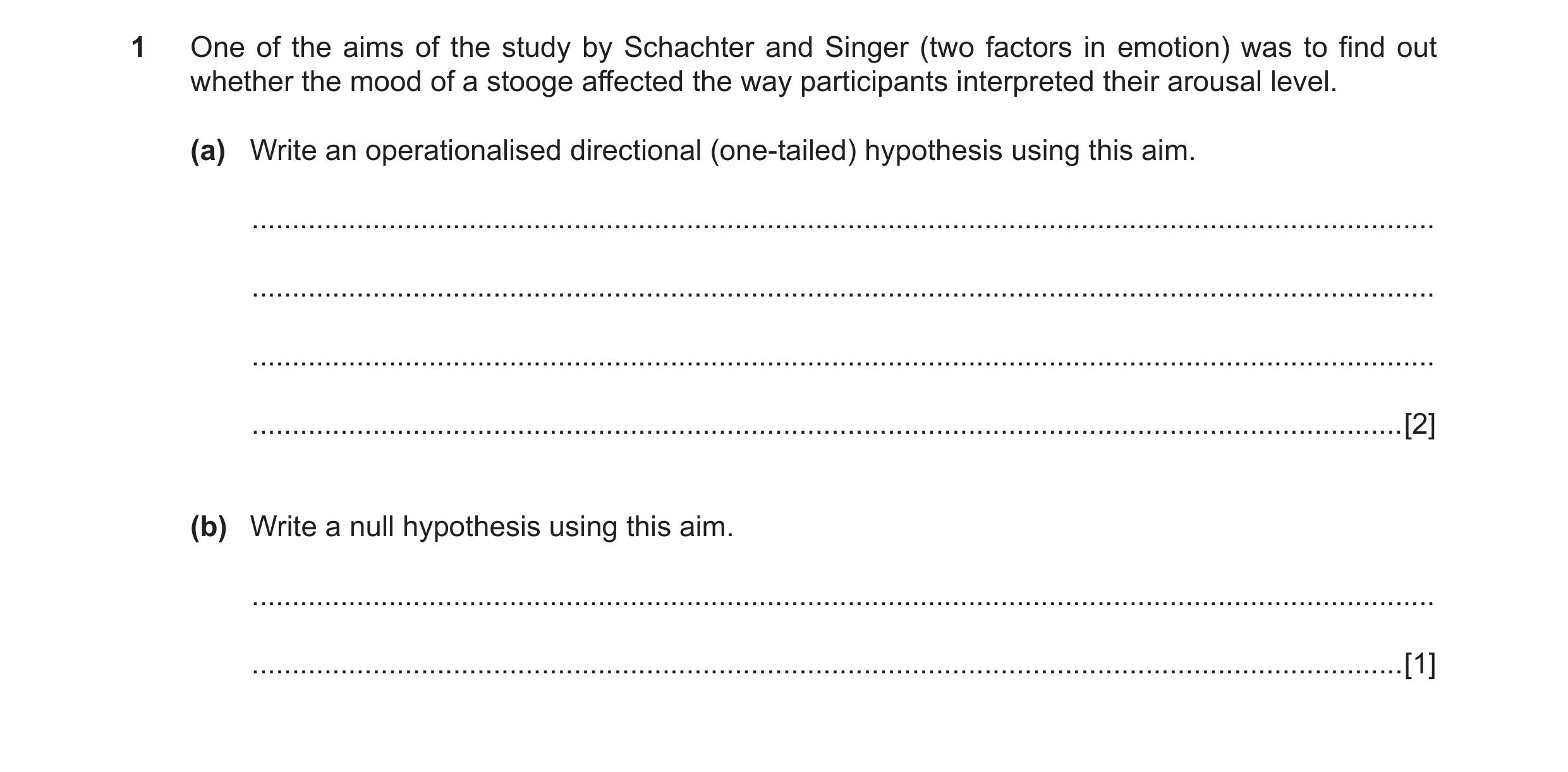
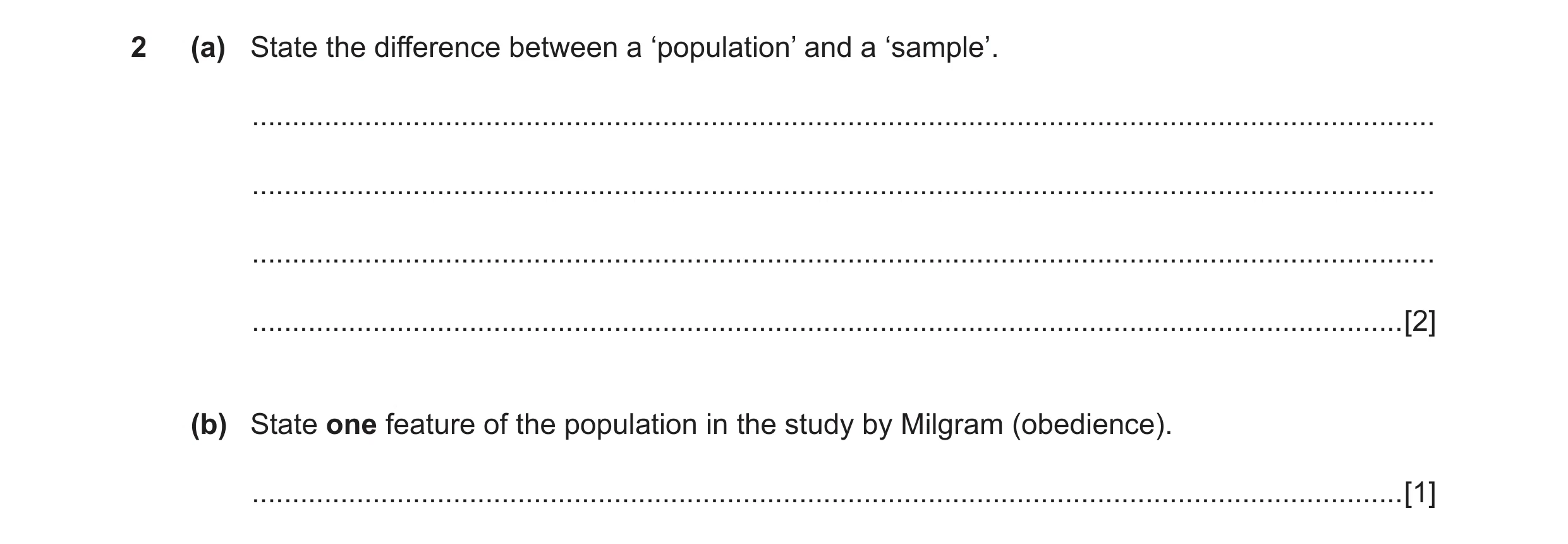
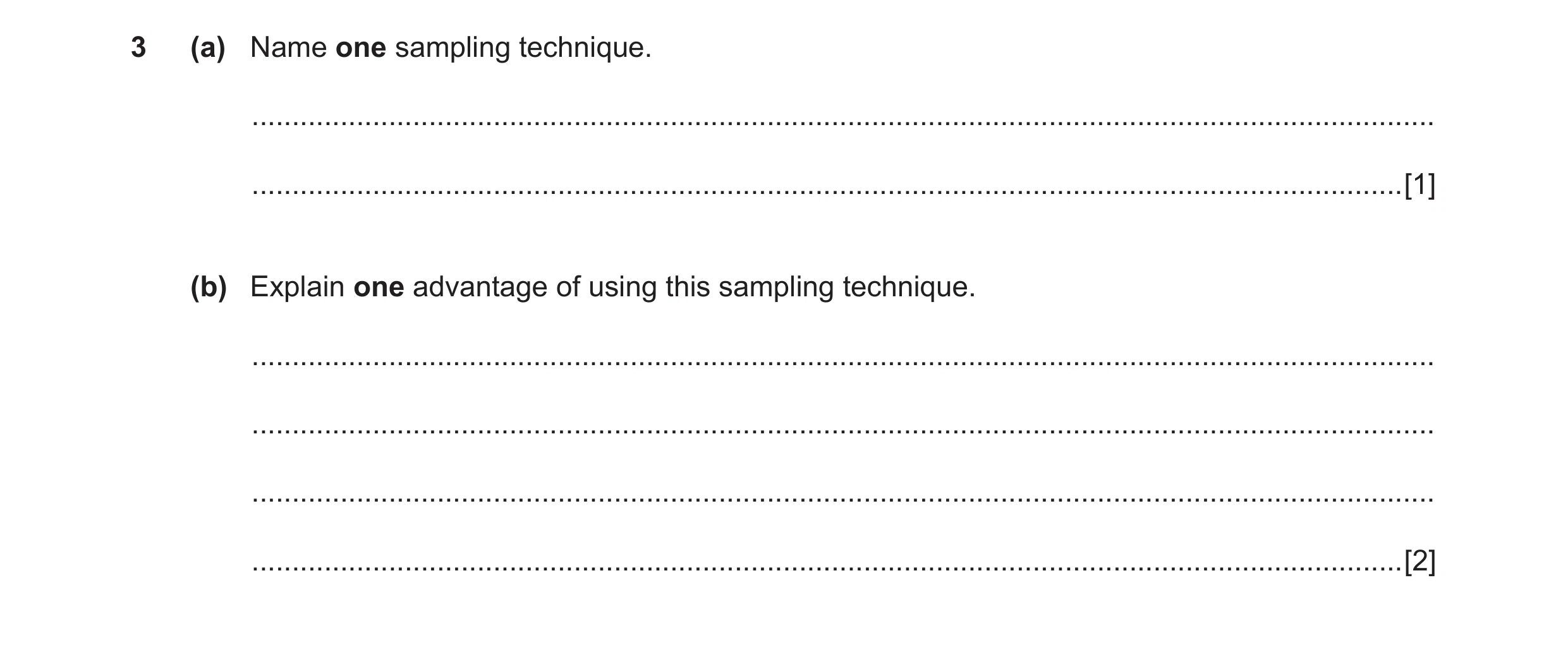 1 / 368
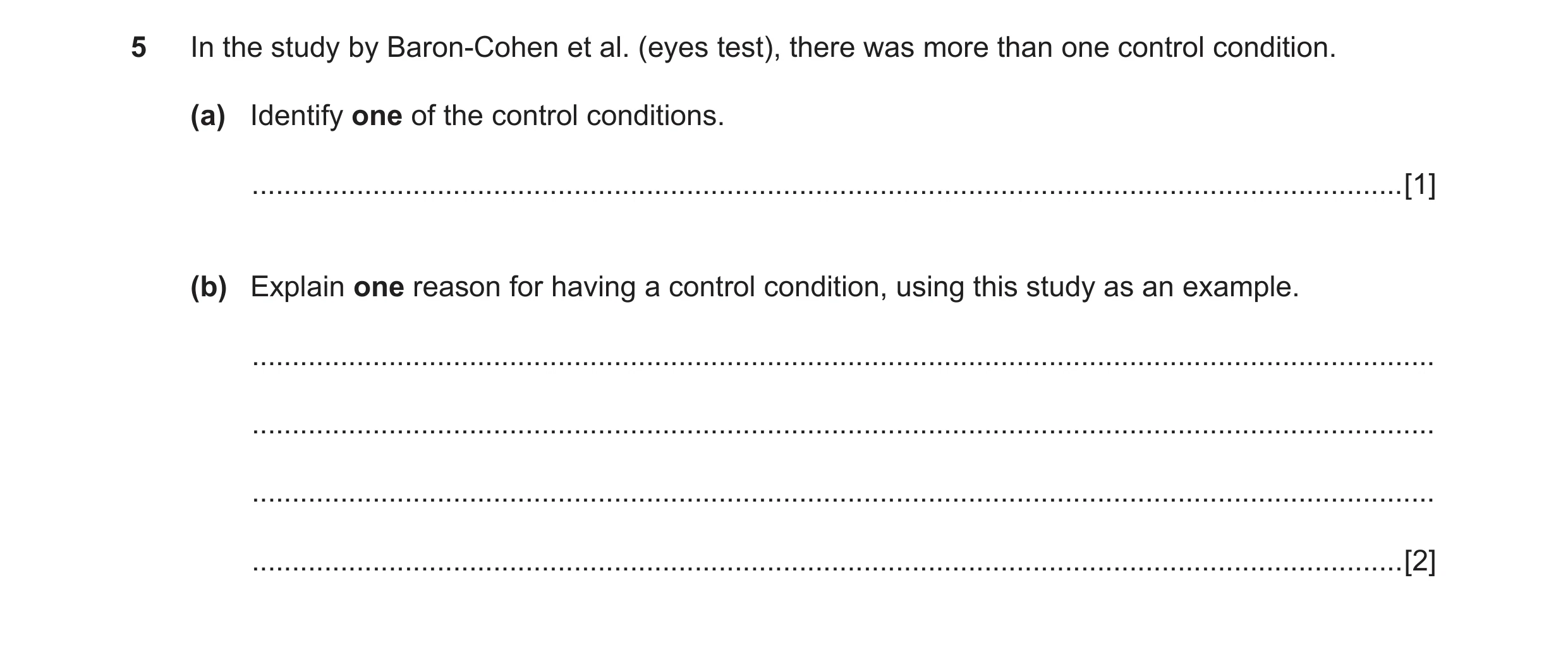 2 / 368
 3 / 368
 4 / 368
 5 / 368
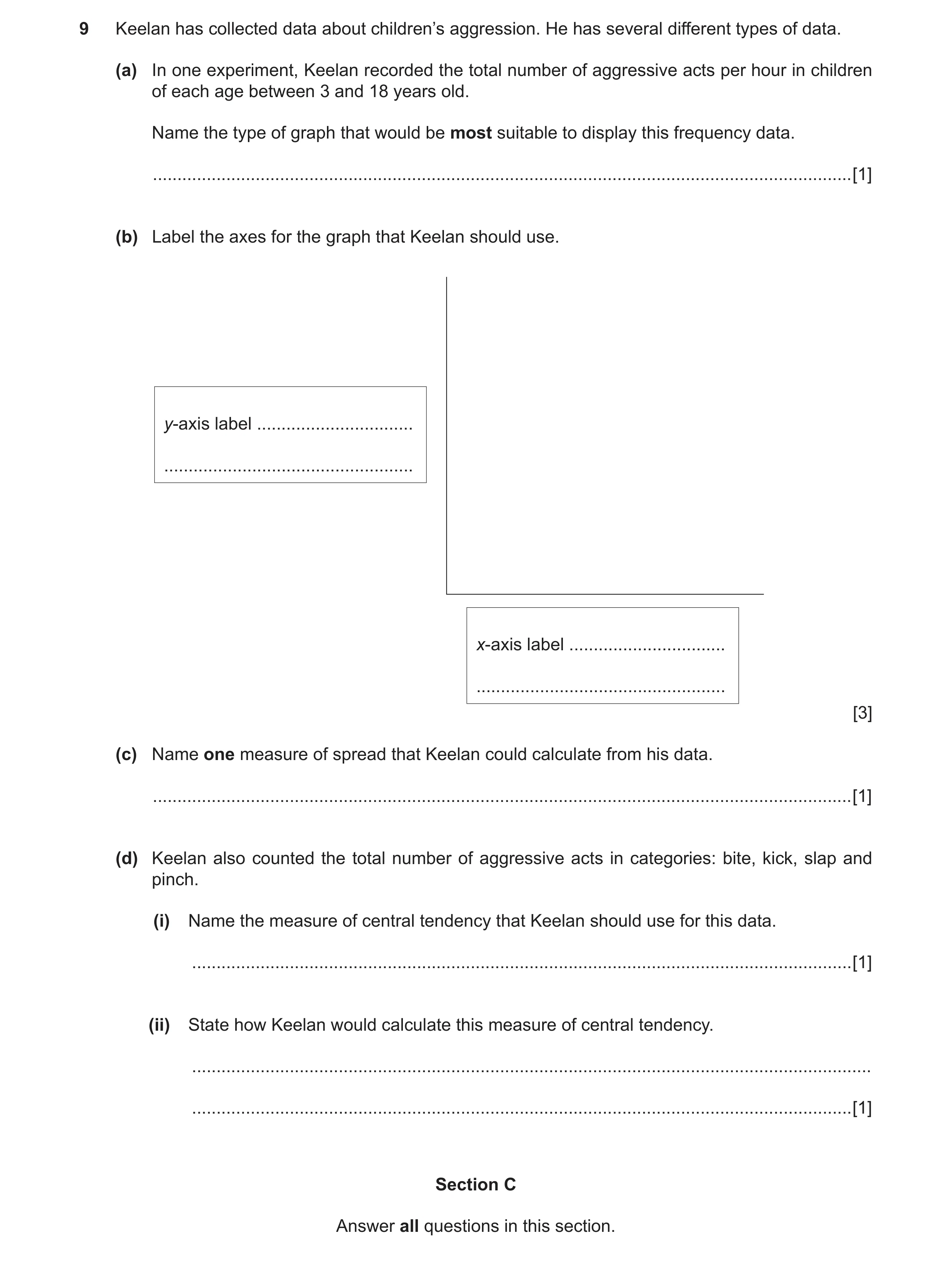 6 / 368
 8 / 368
 9 / 368
 10 / 368
 11 / 368
 12 / 368
 14 / 368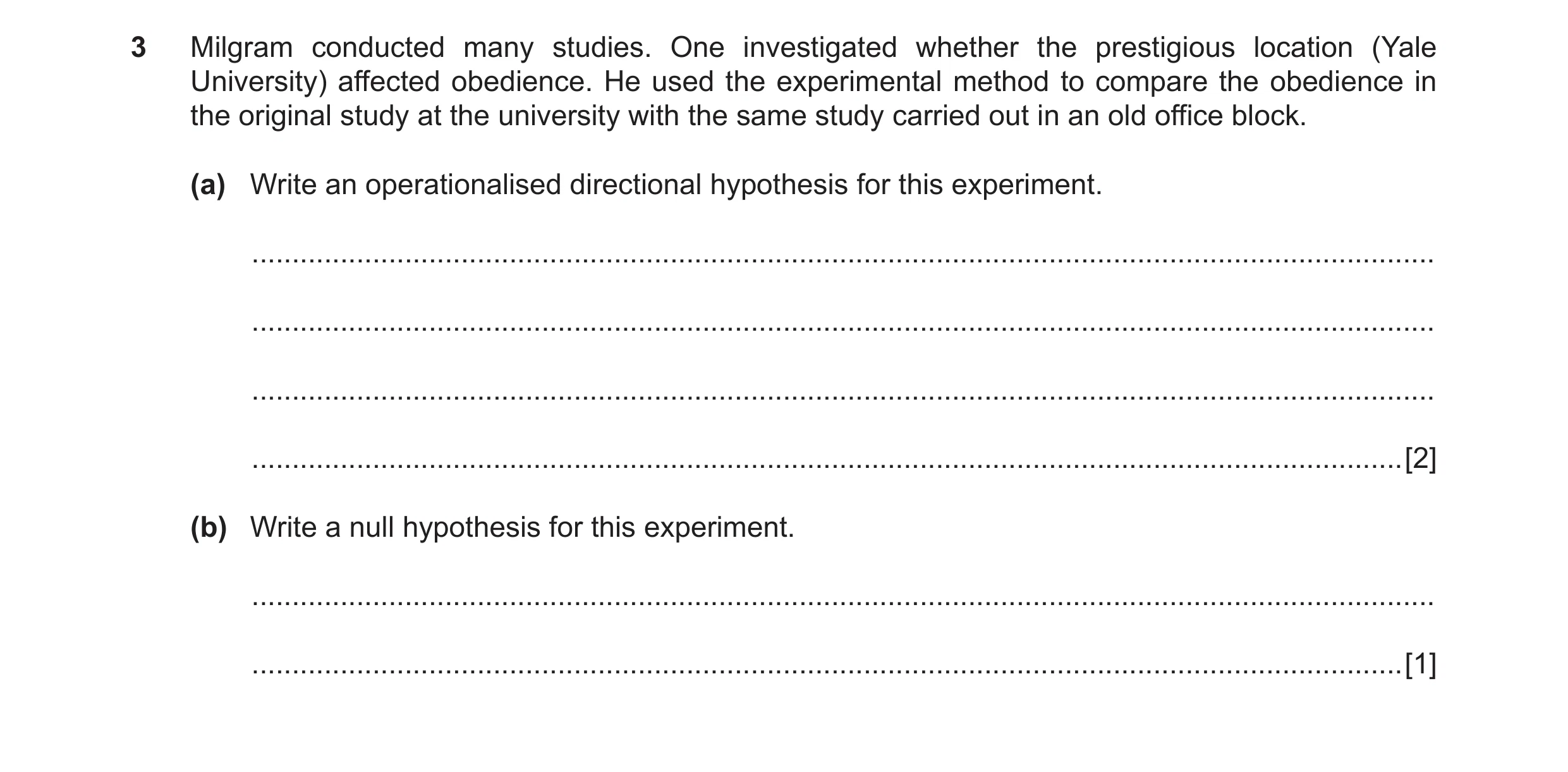
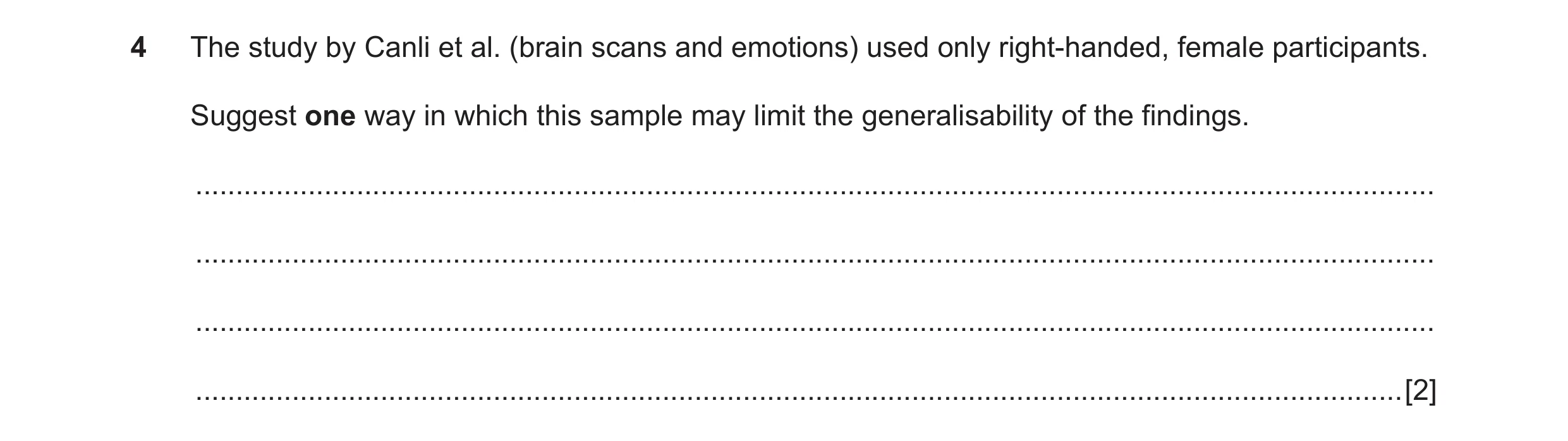
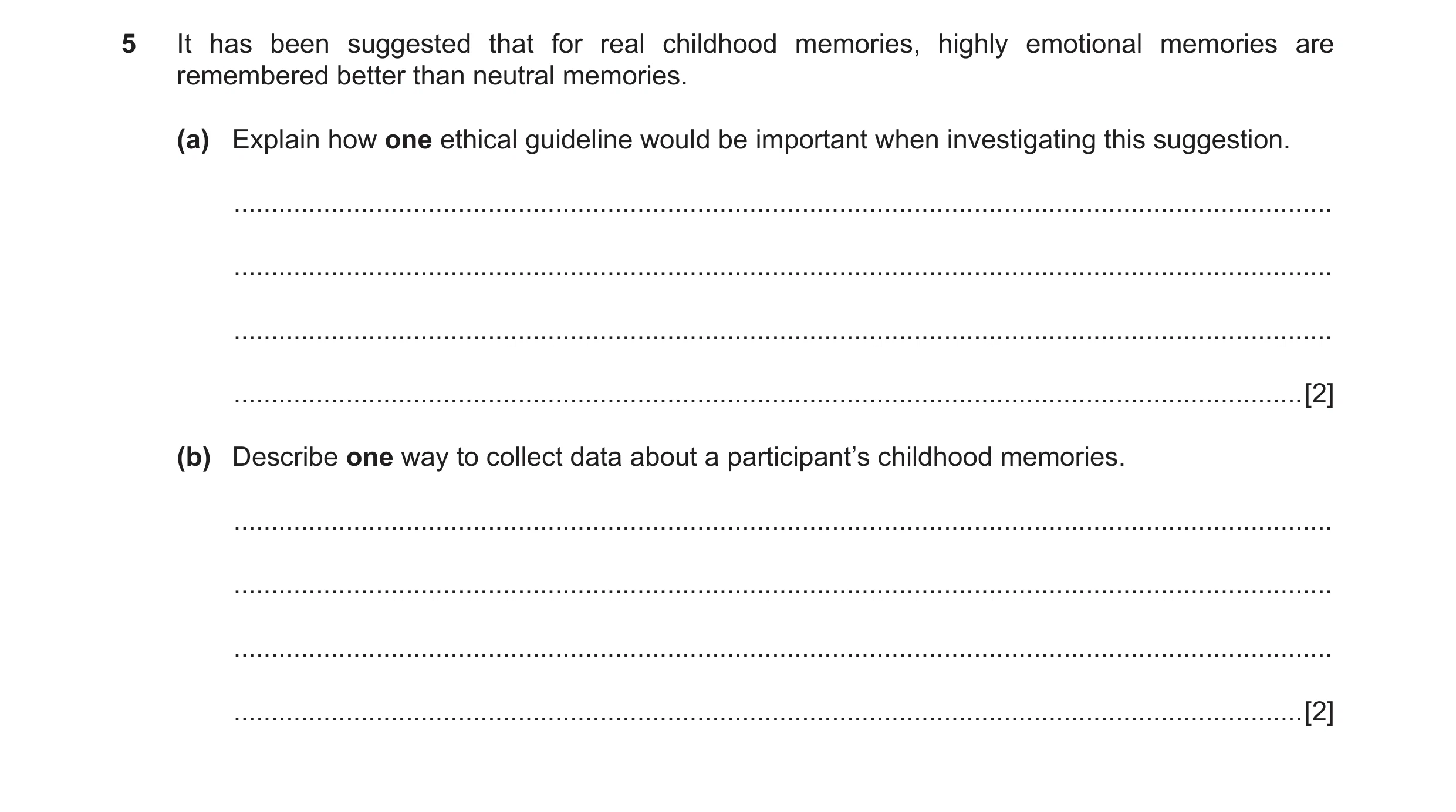 15 / 368
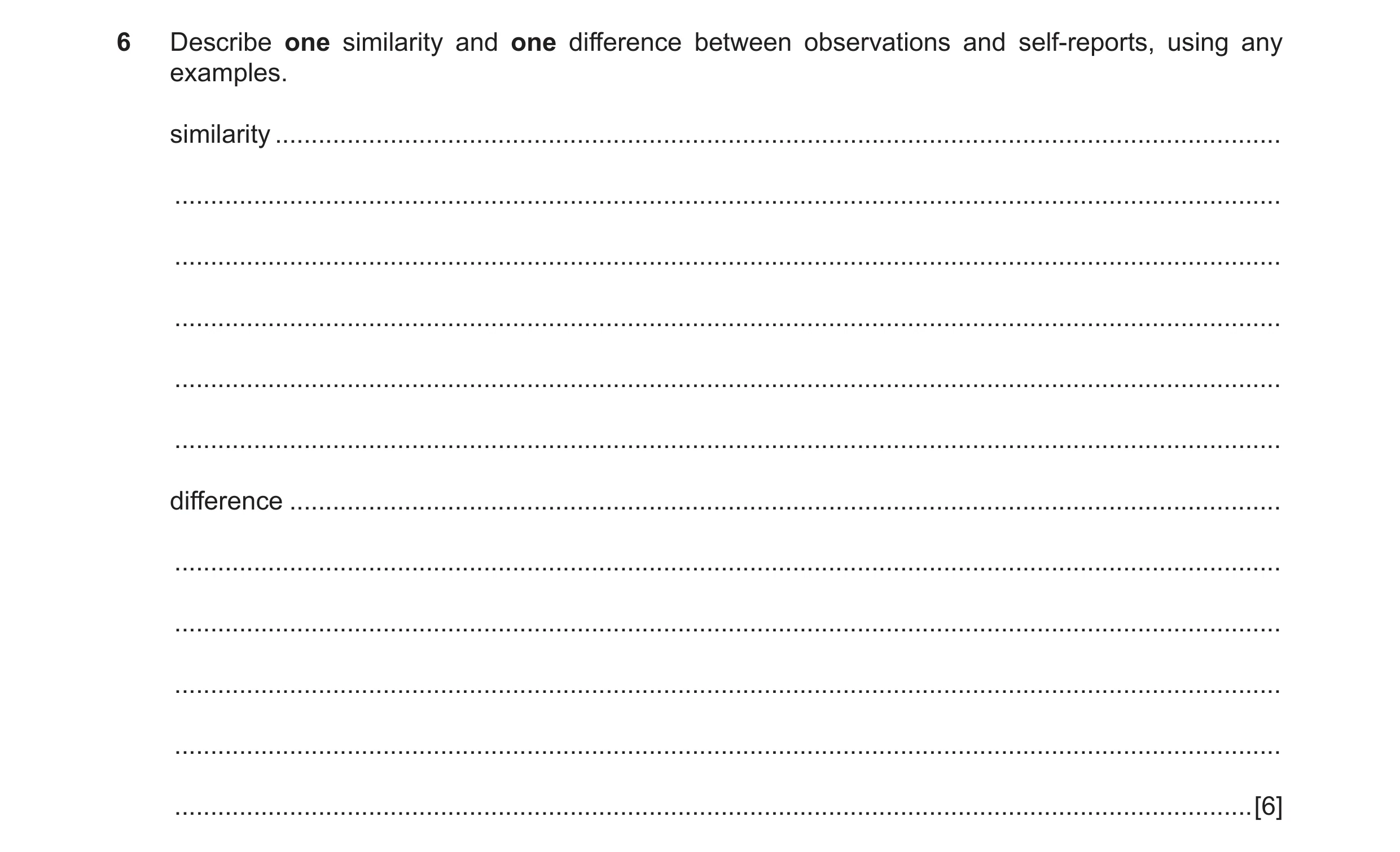 16 / 368
 17 / 368
 18 / 368
 19 / 368
 20 / 368
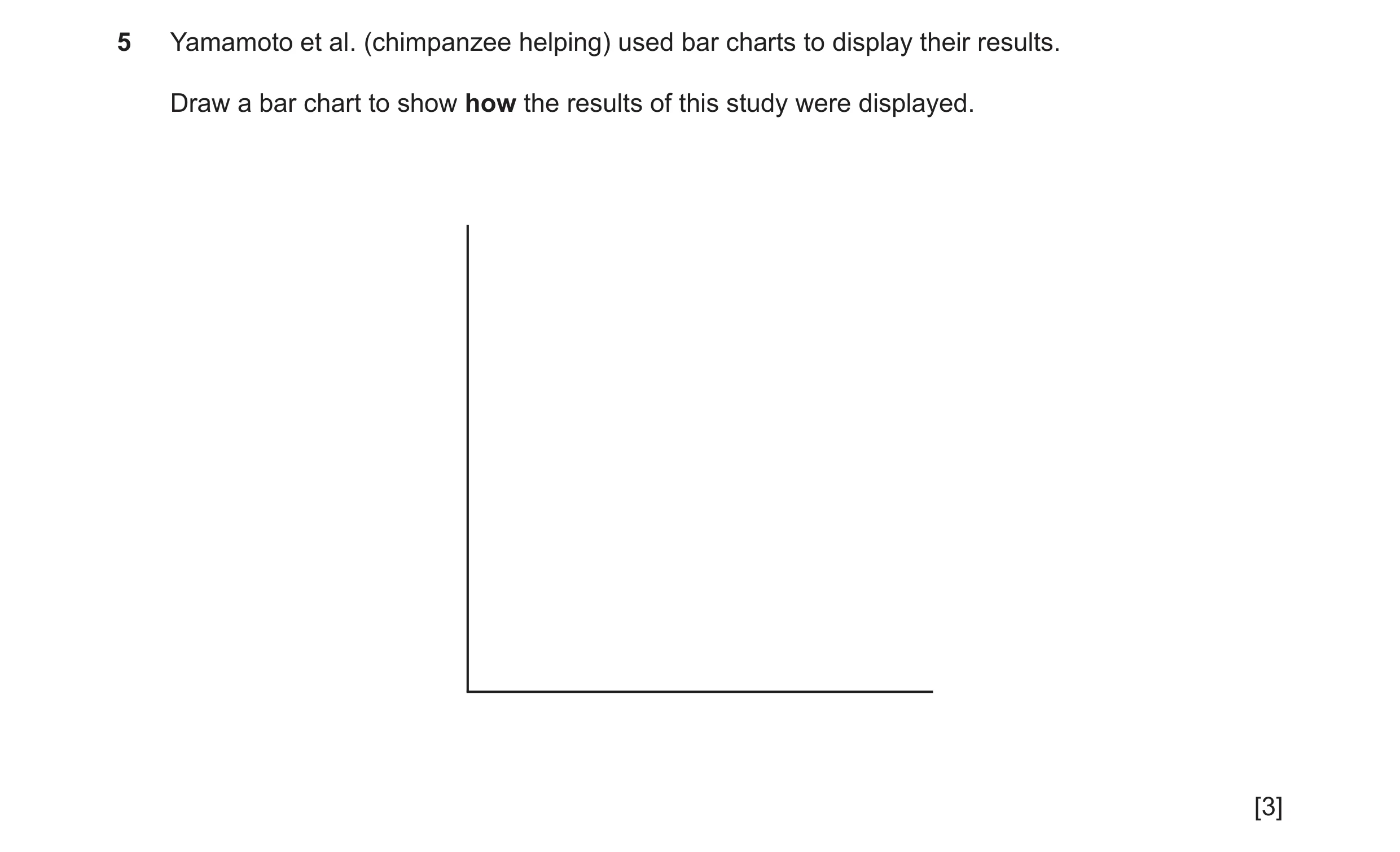 21 / 368
 22 / 368
 23 / 368
 24 / 368
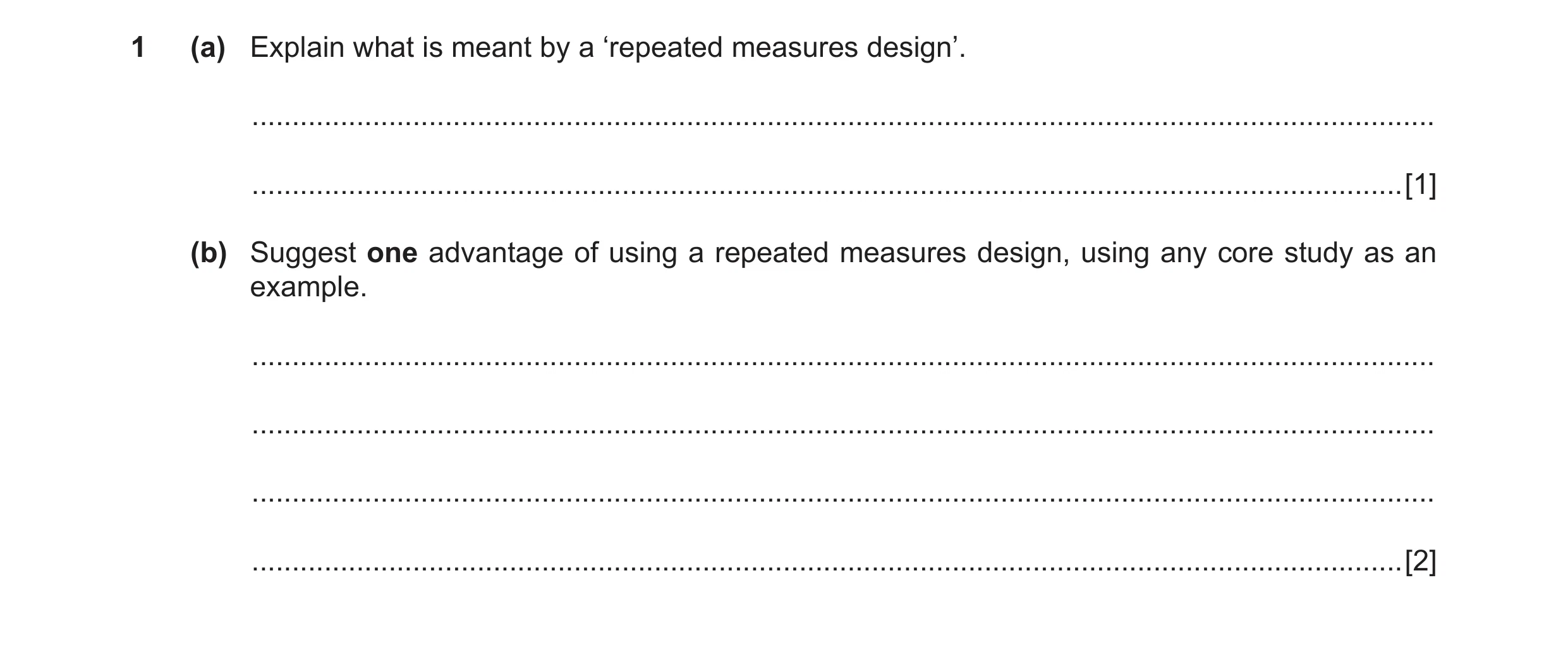
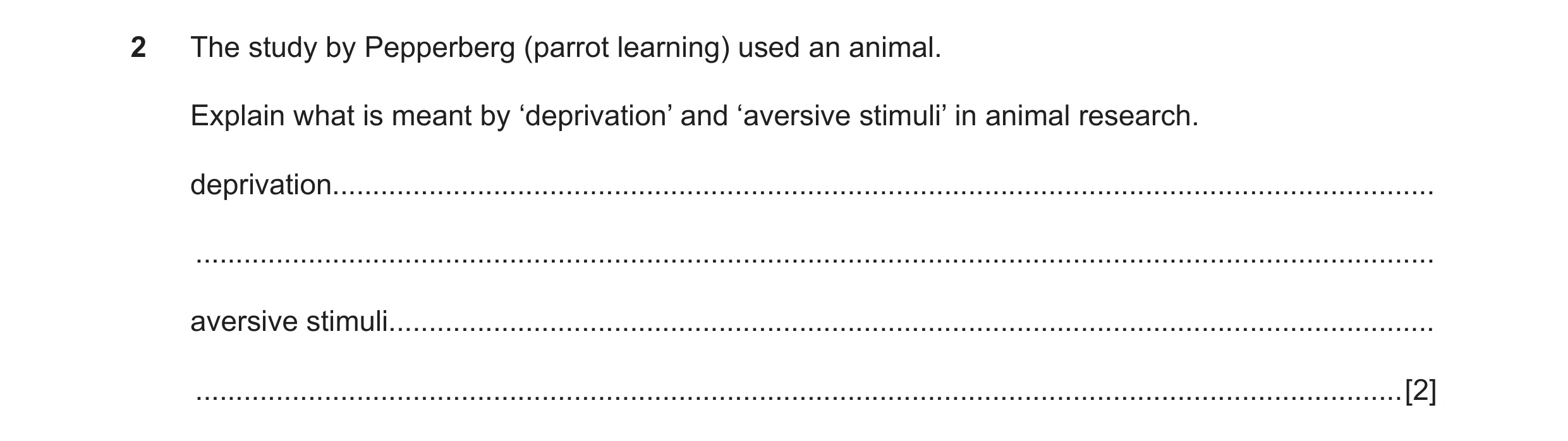 26 / 368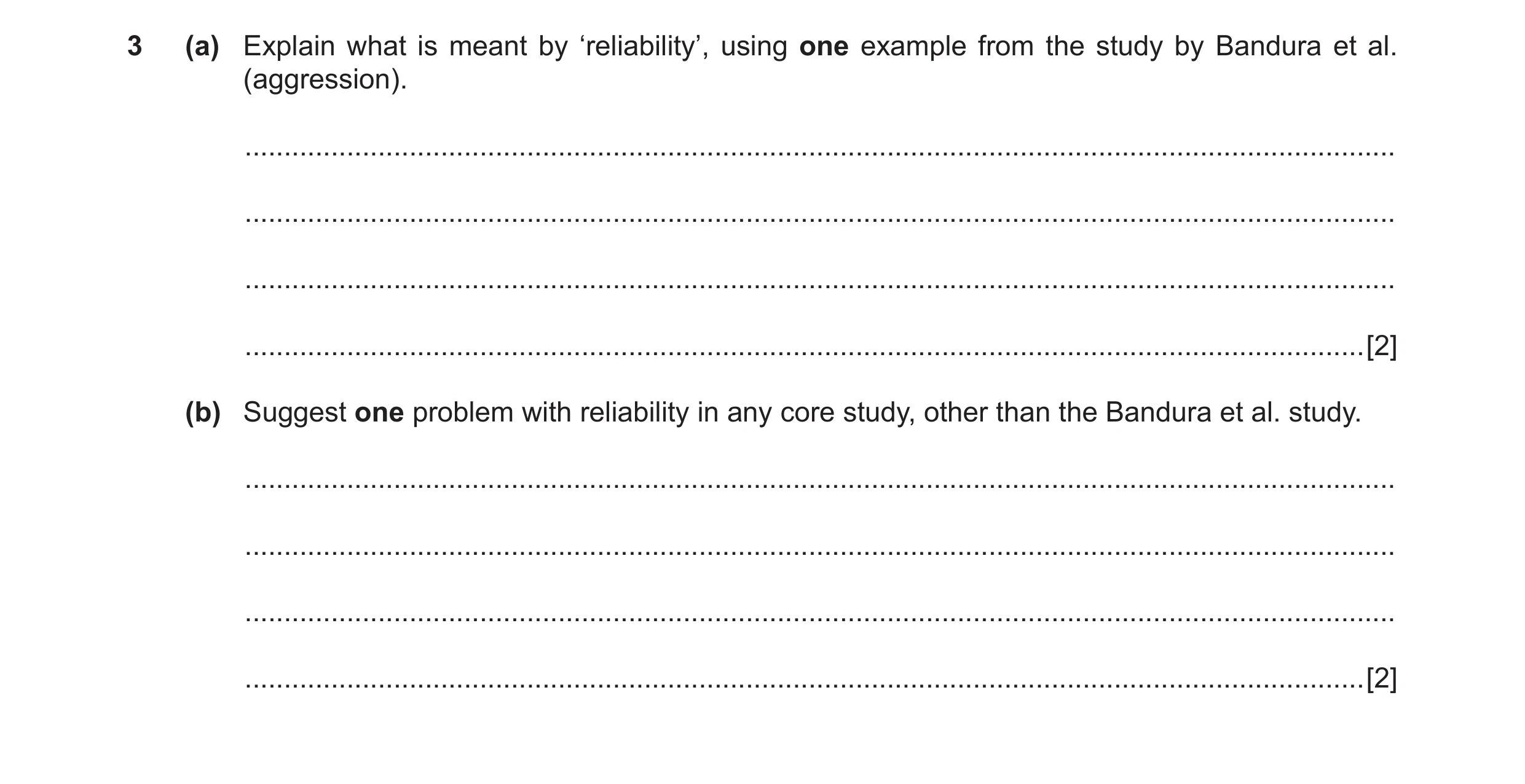
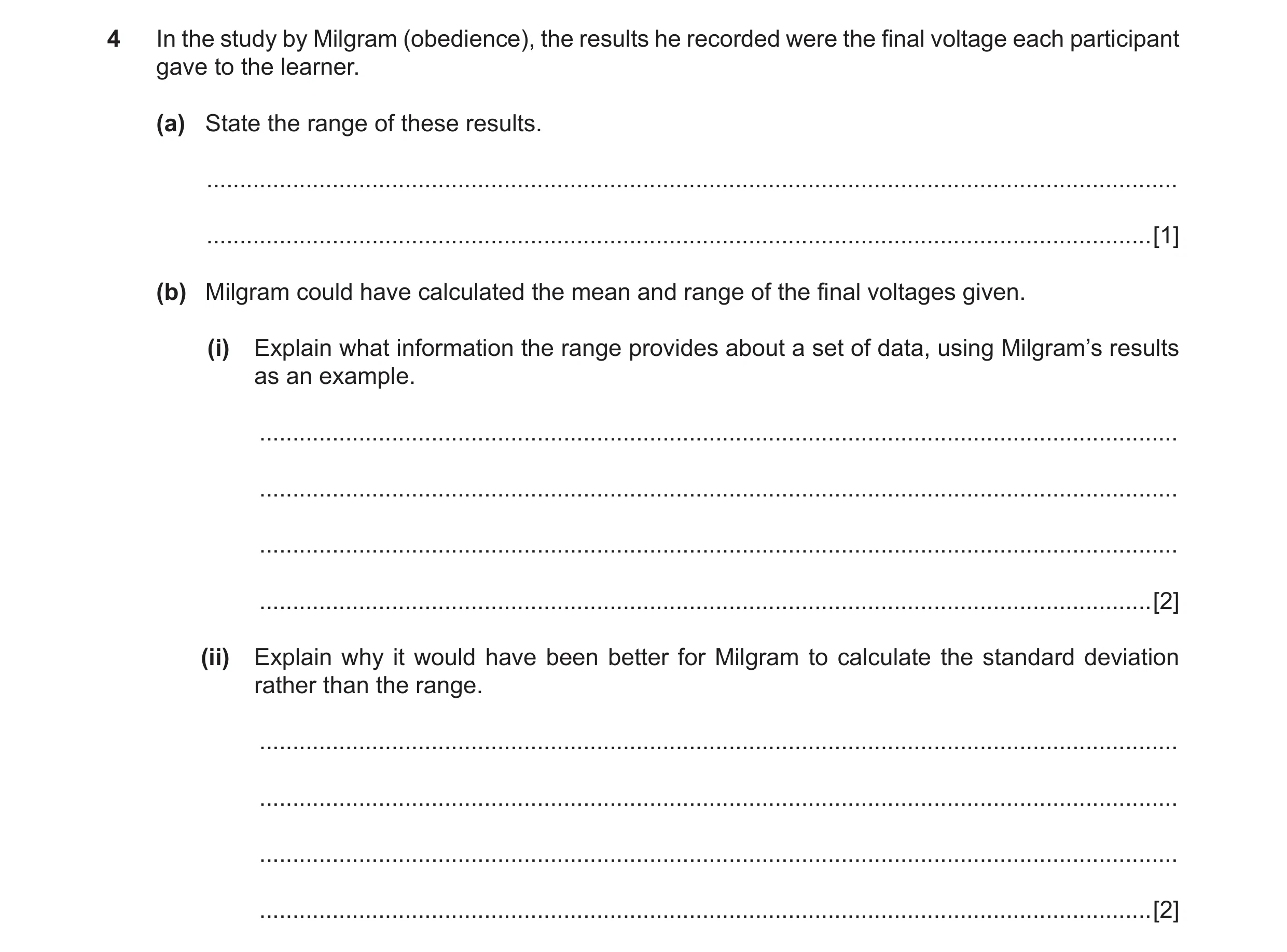 27 / 368
 28 / 368
 29 / 368
 30 / 368
 31 / 368
 33 / 368
 34 / 368
 35 / 368
 36 / 368
 37 / 368
 38 / 368

 40 / 368
 41 / 368
 42 / 368
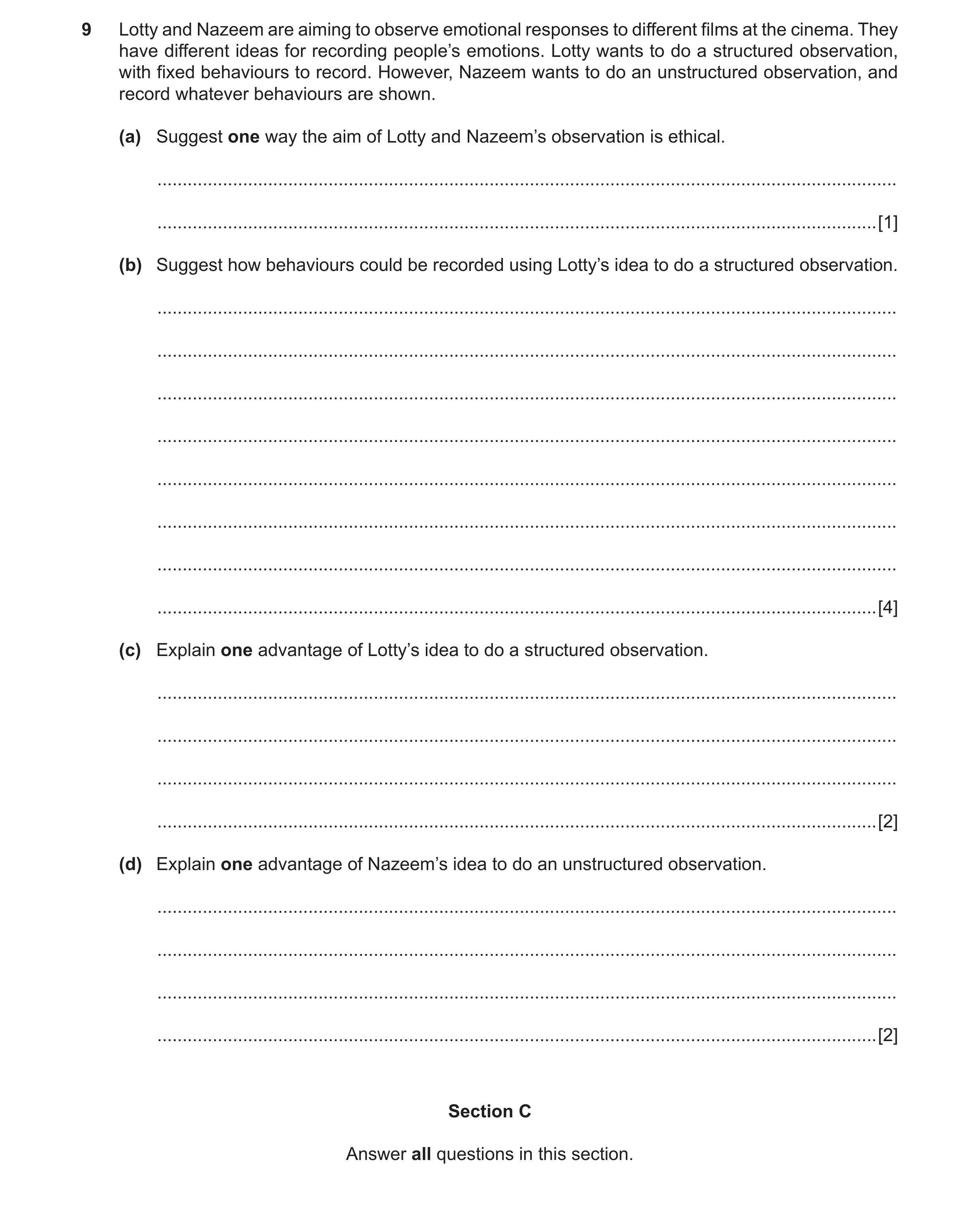 43 / 368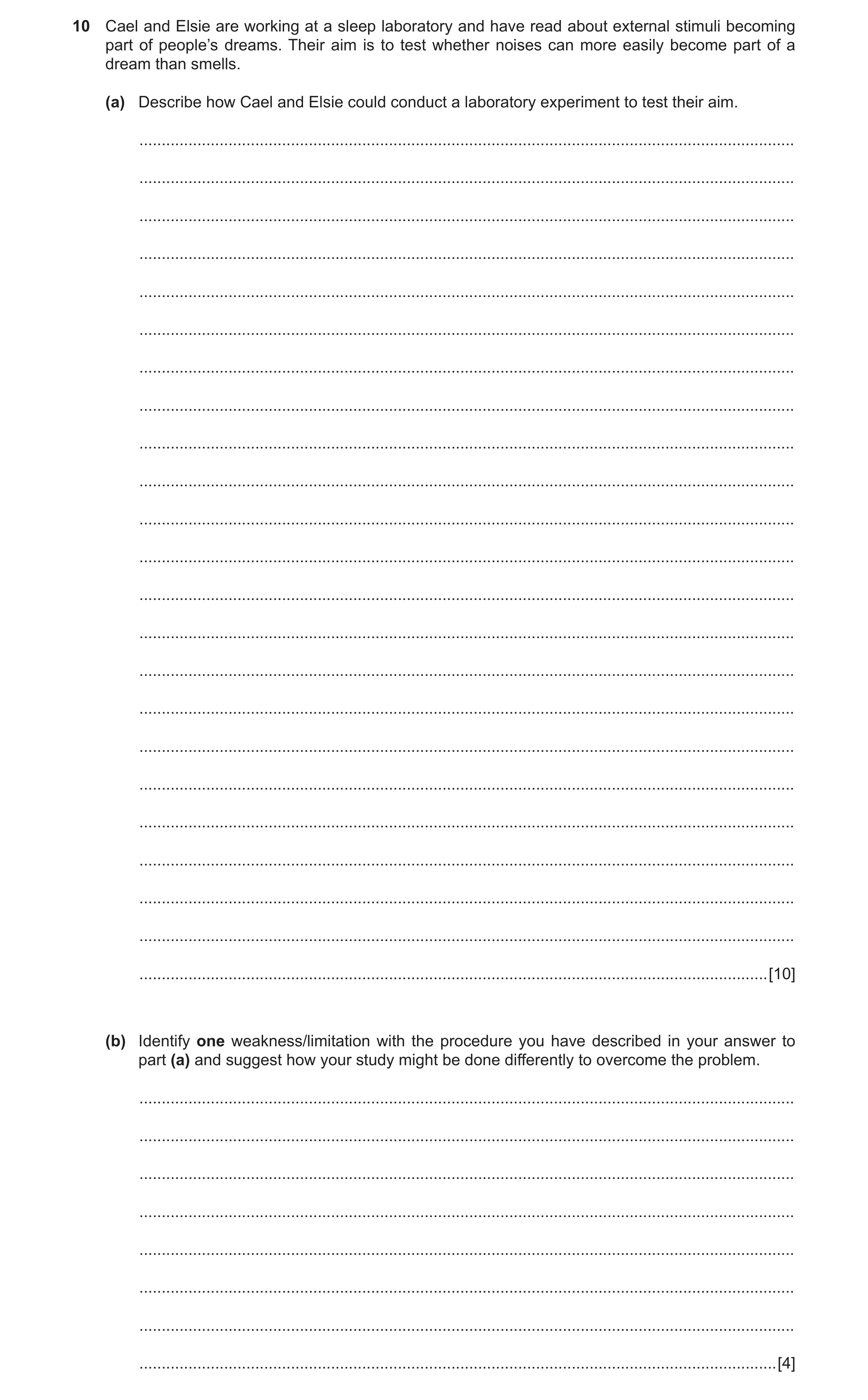
 45 / 368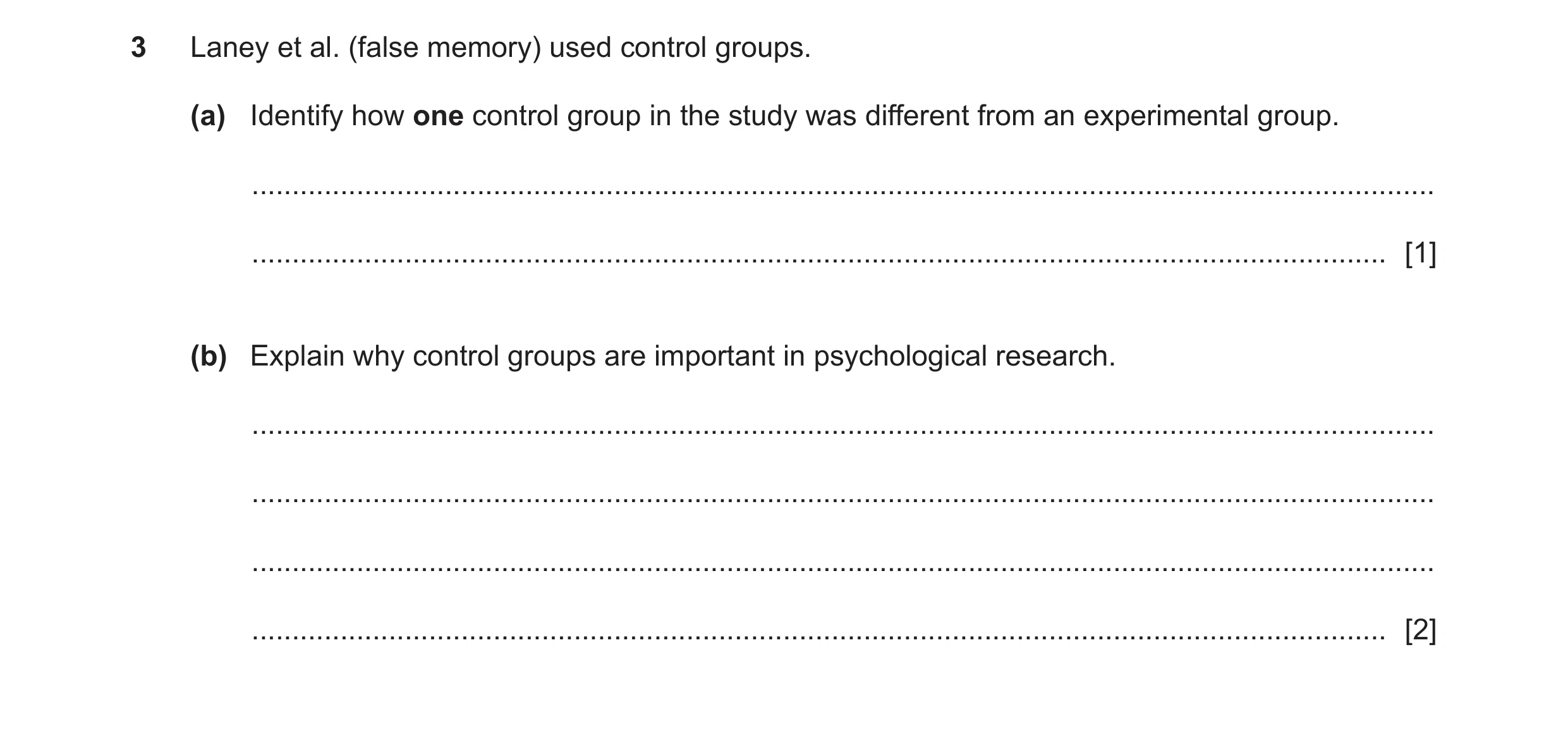
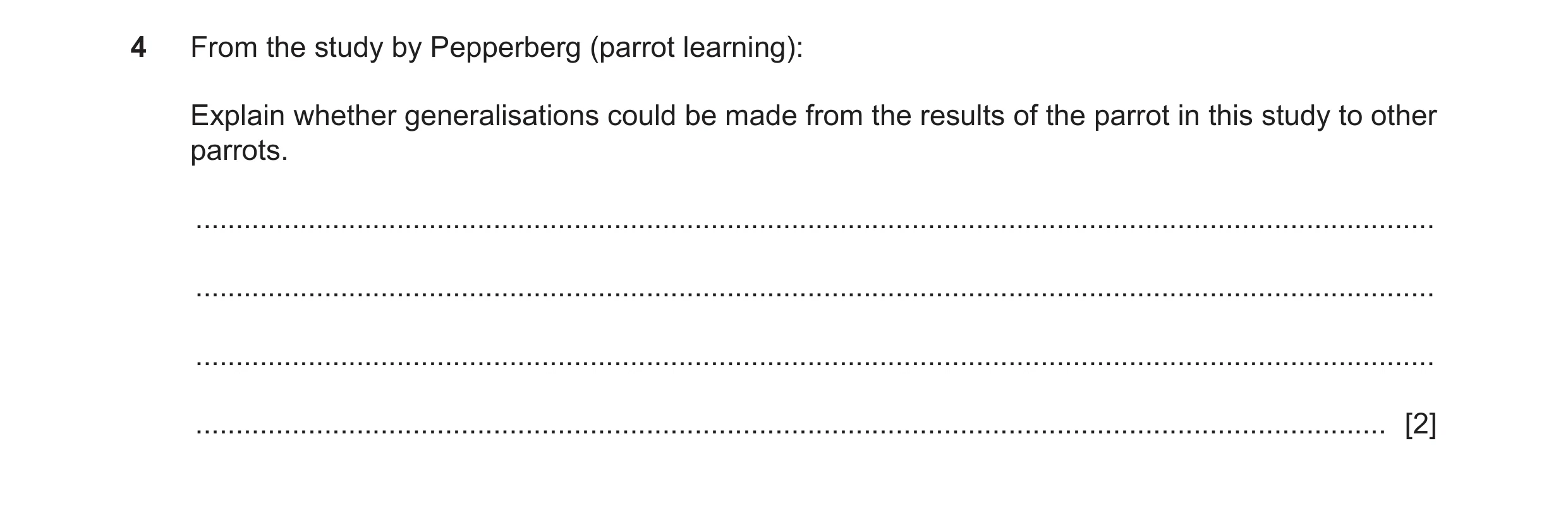
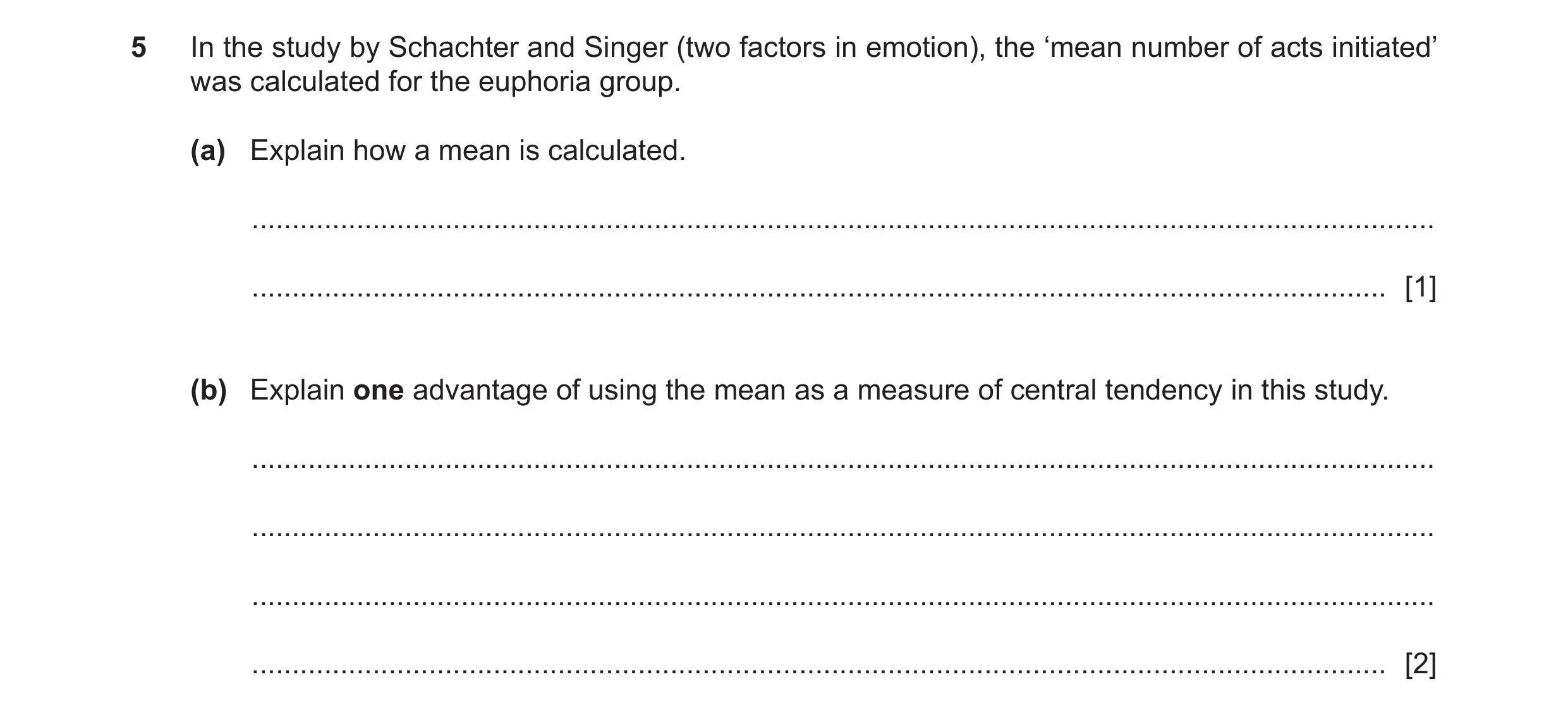 46 / 368
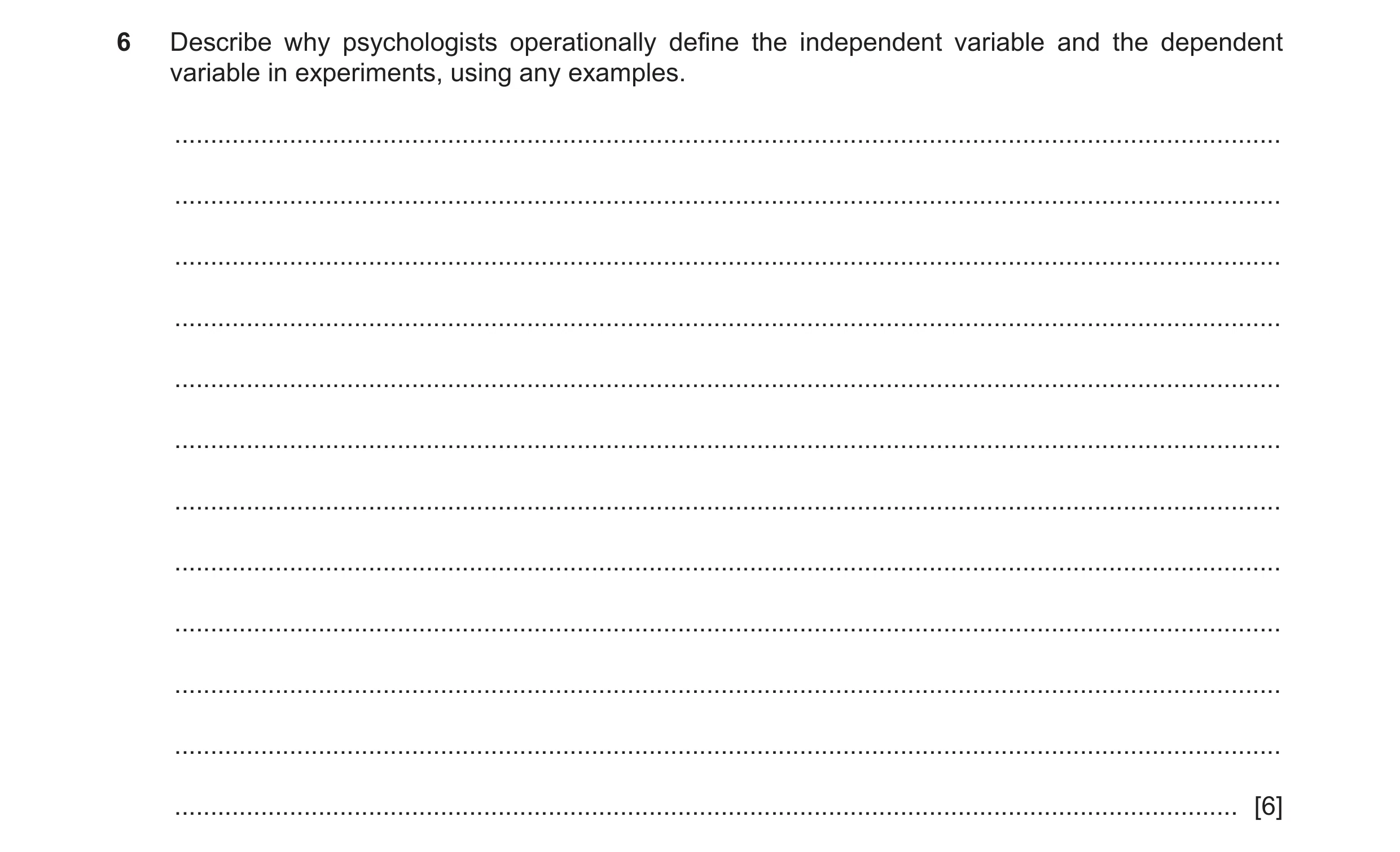 47 / 368
 48 / 368
 49 / 368
 50 / 368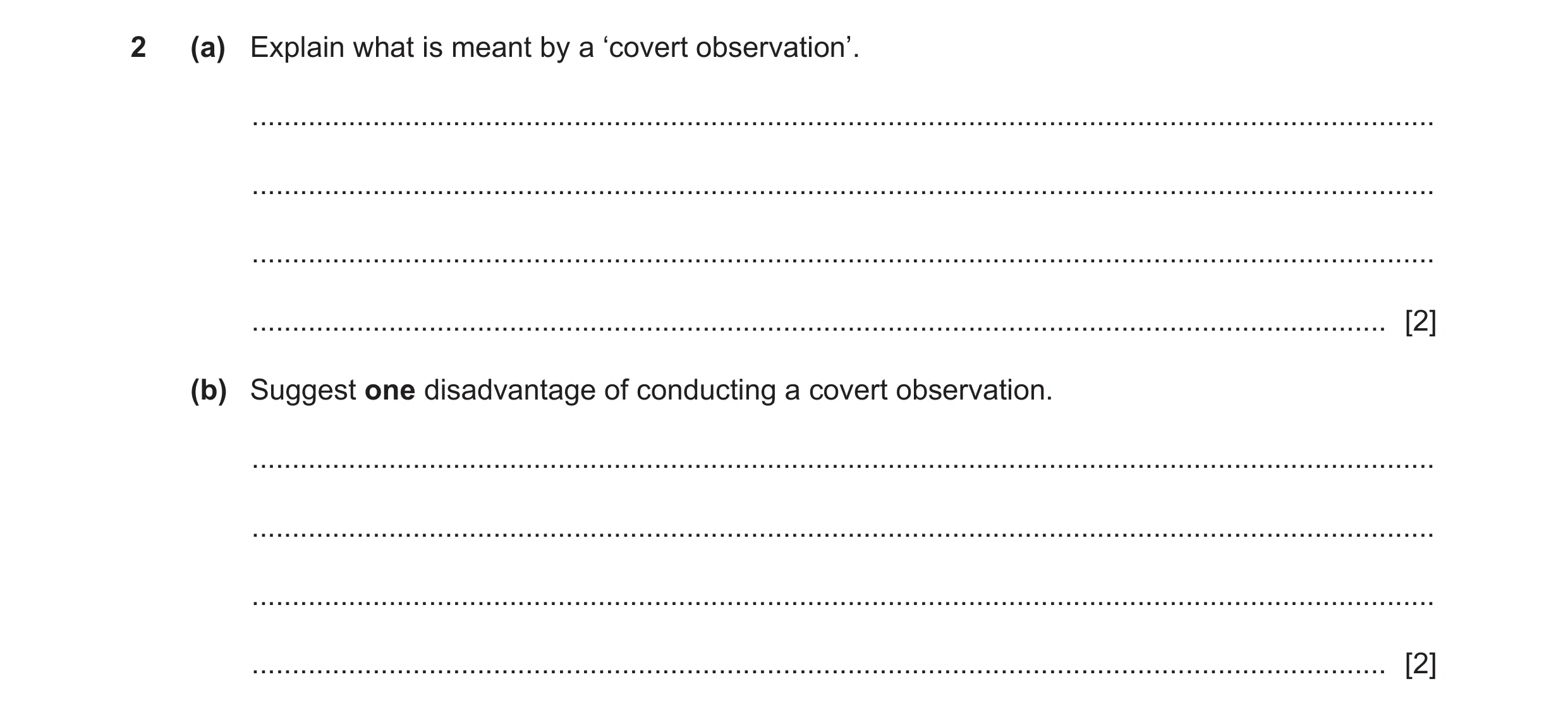
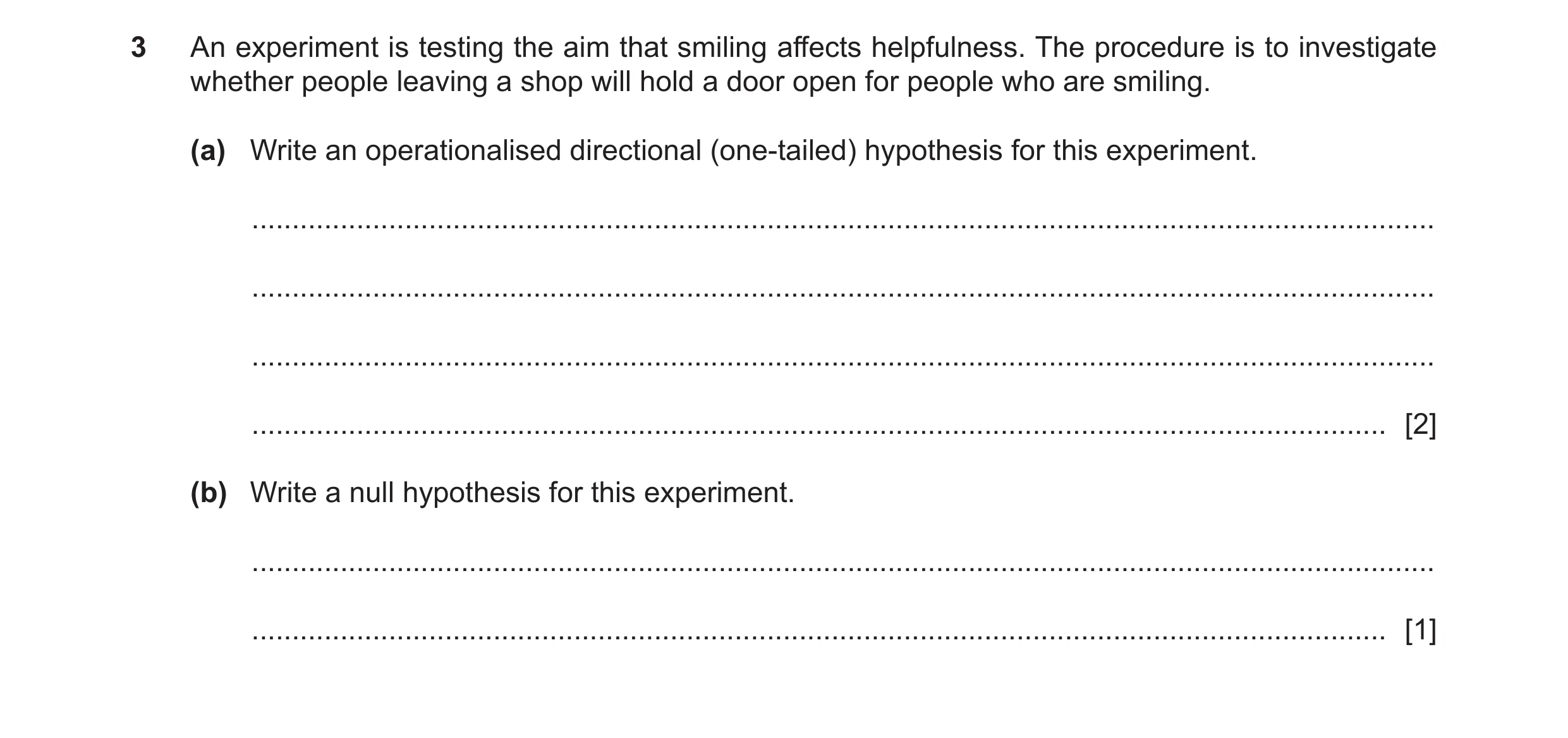
 51 / 368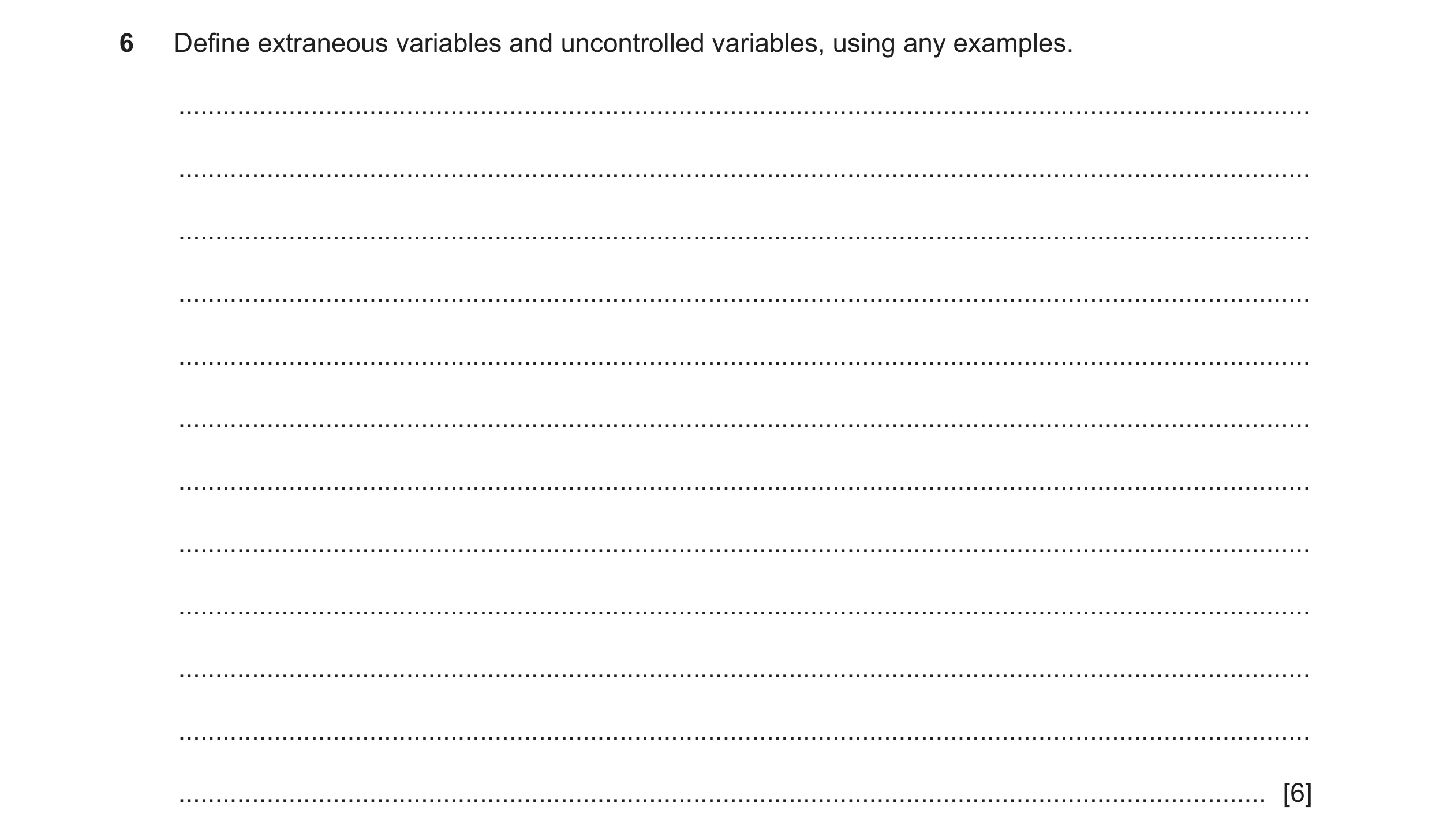
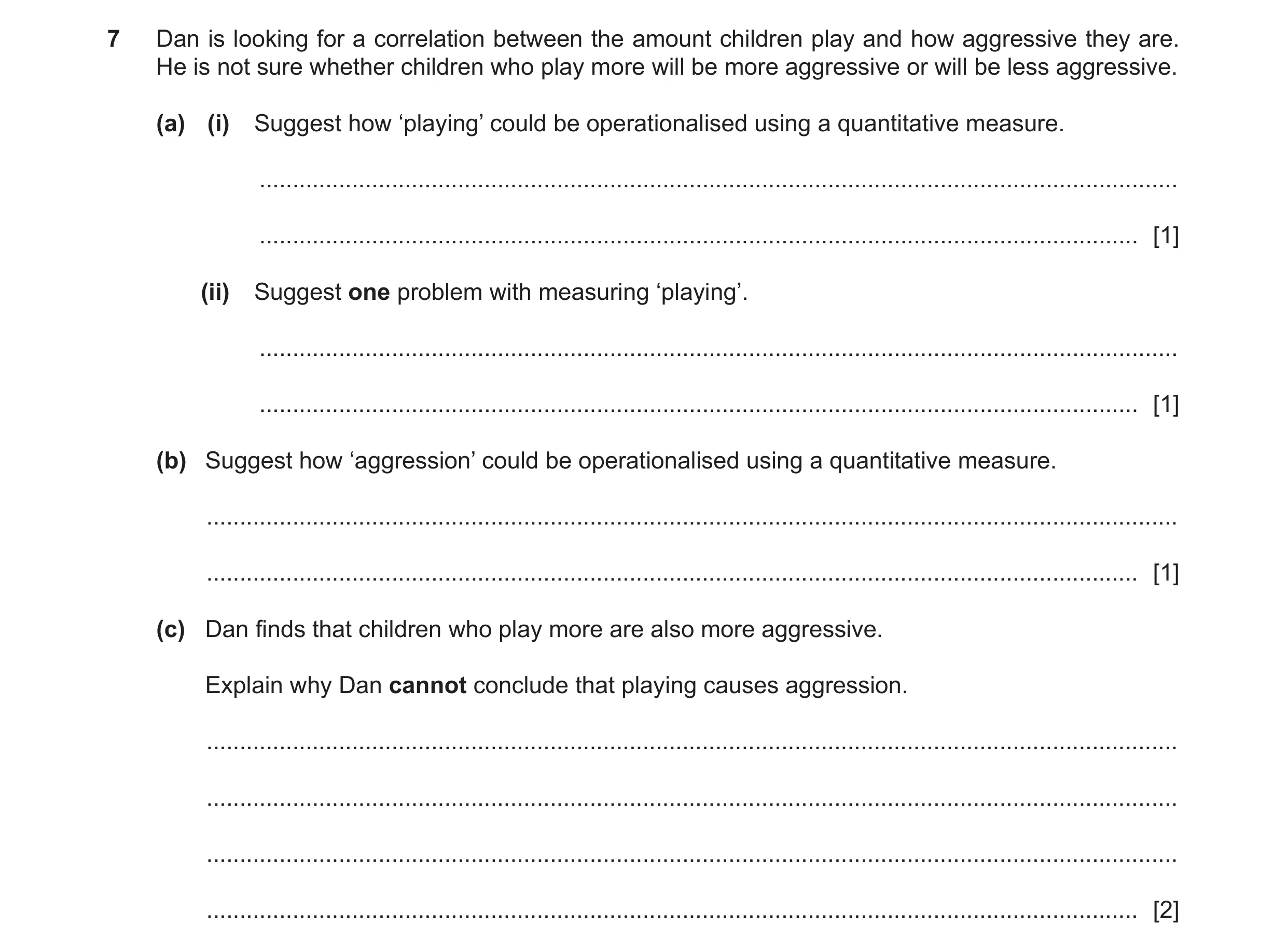 52 / 368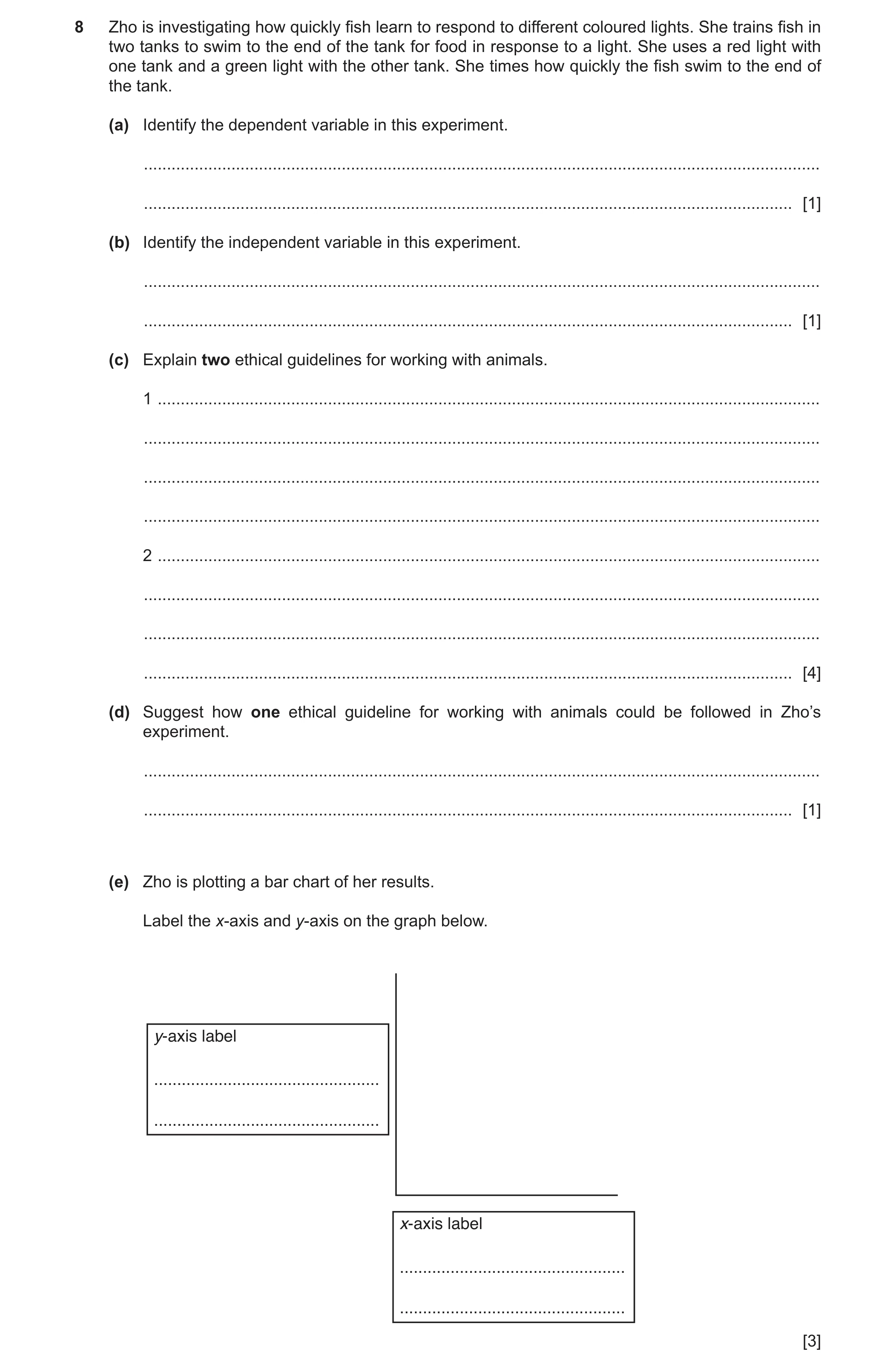
 55 / 368
 57 / 368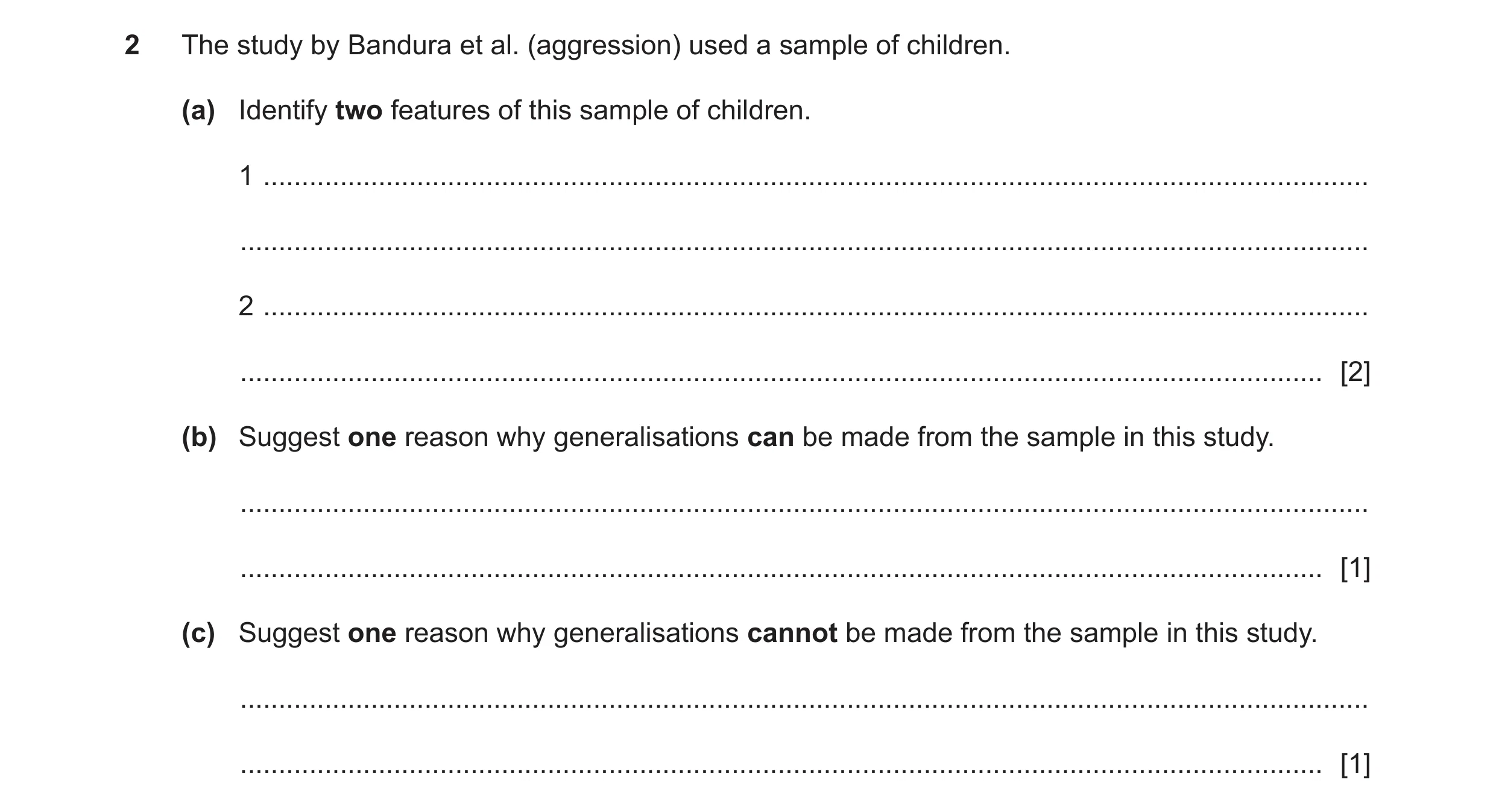
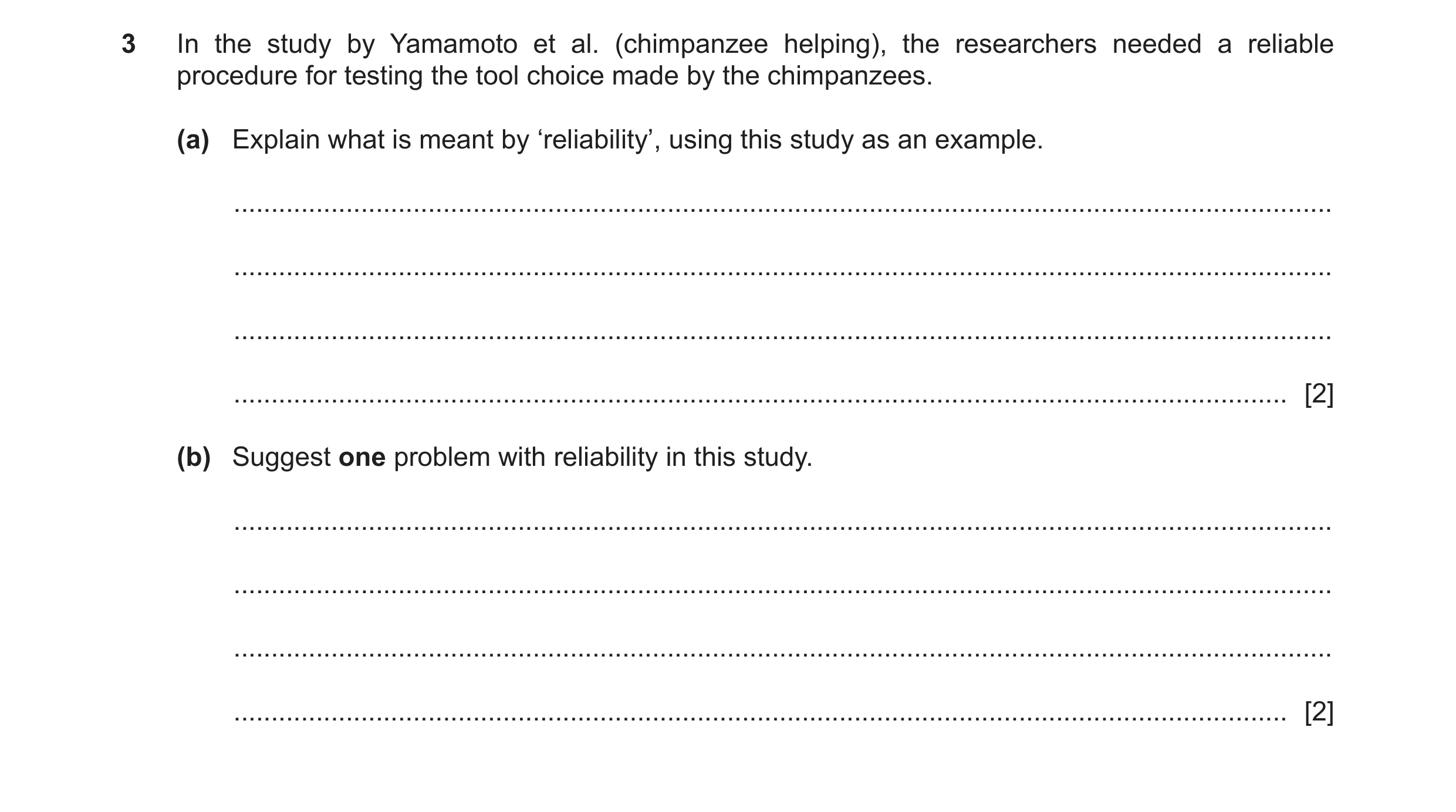 58 / 368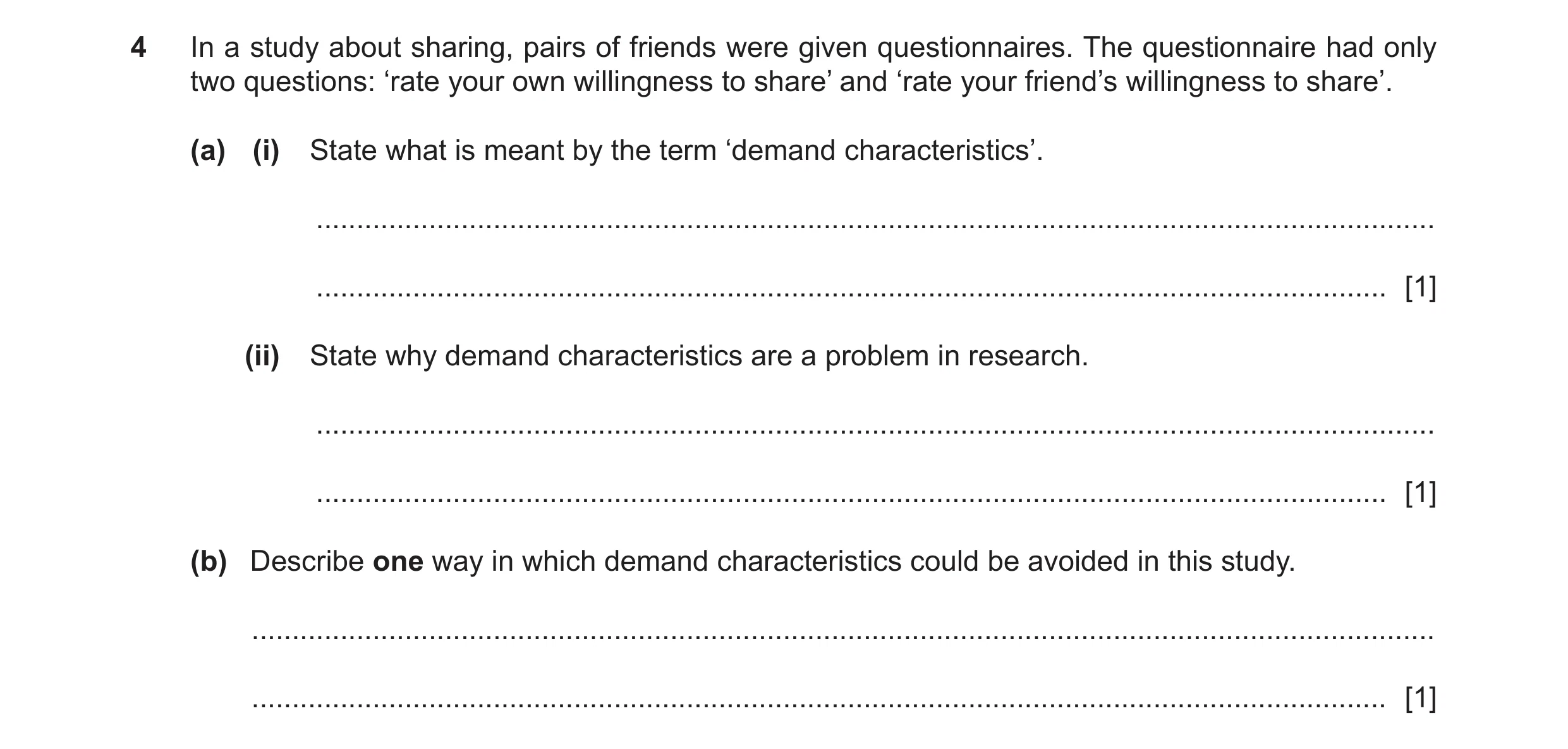
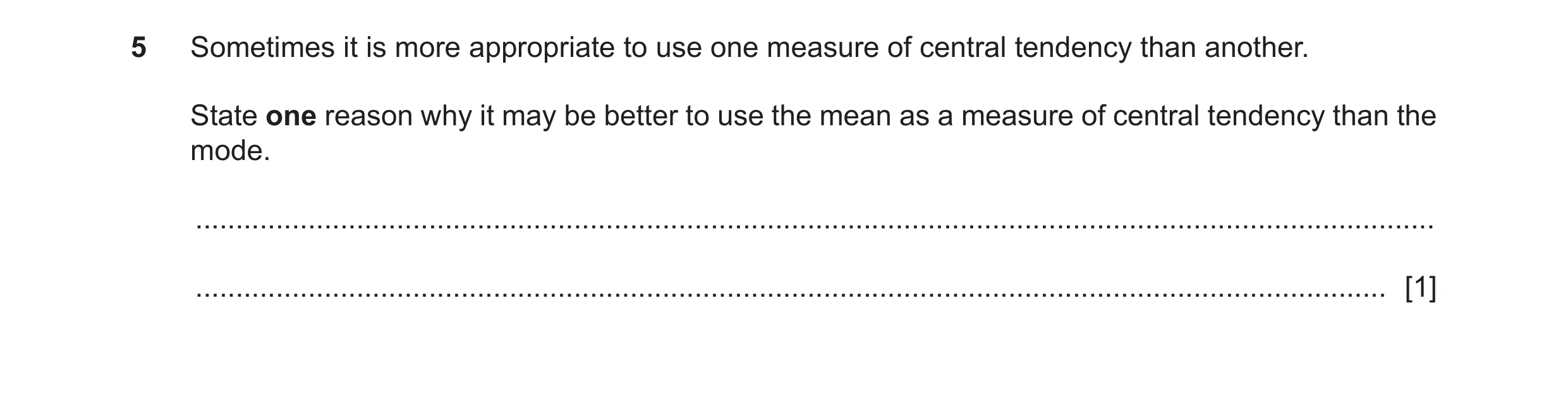
 59 / 368
 60 / 368
 61 / 368
 62 / 368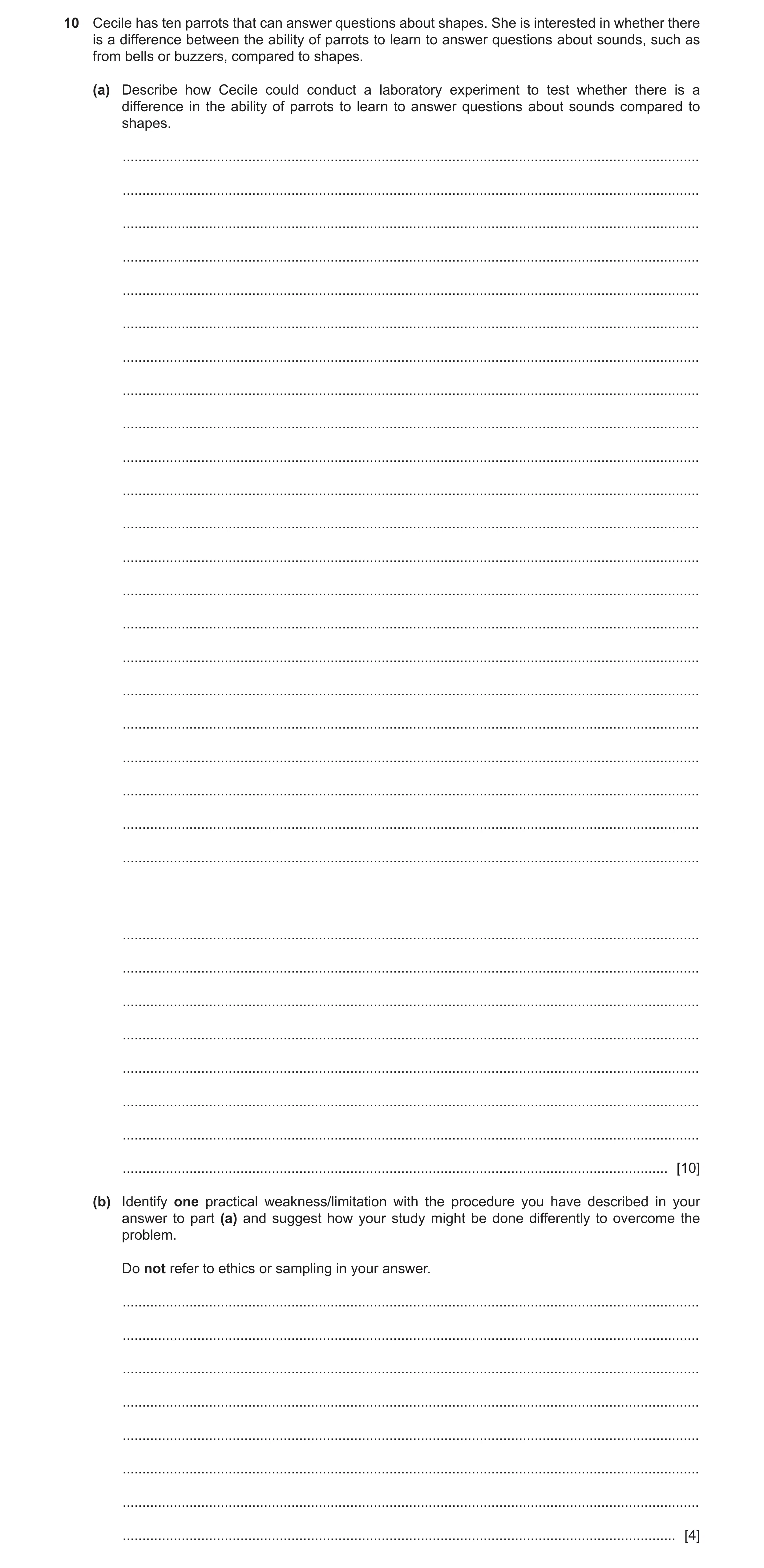
 64 / 368
 65 / 368
 66 / 368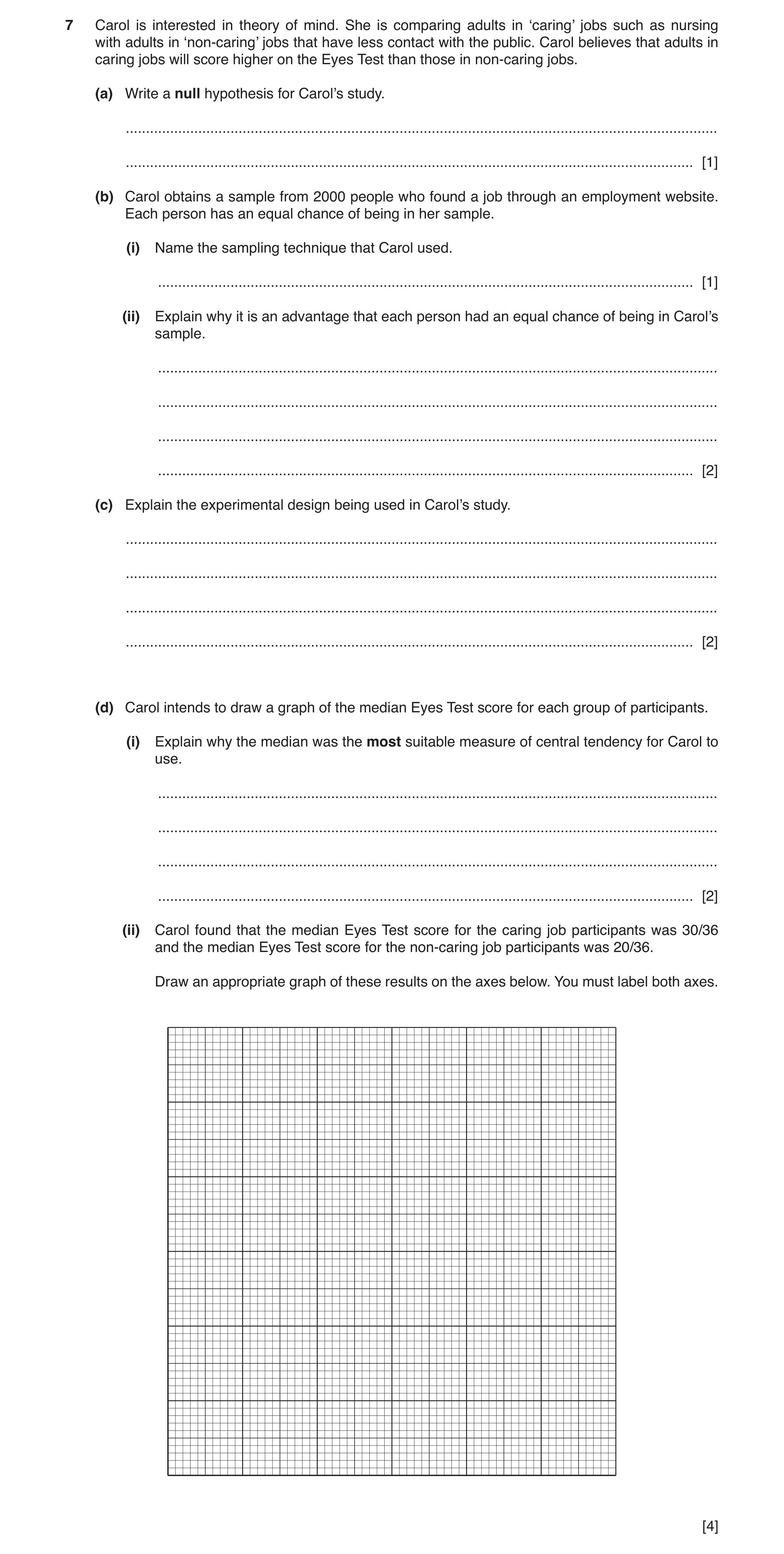
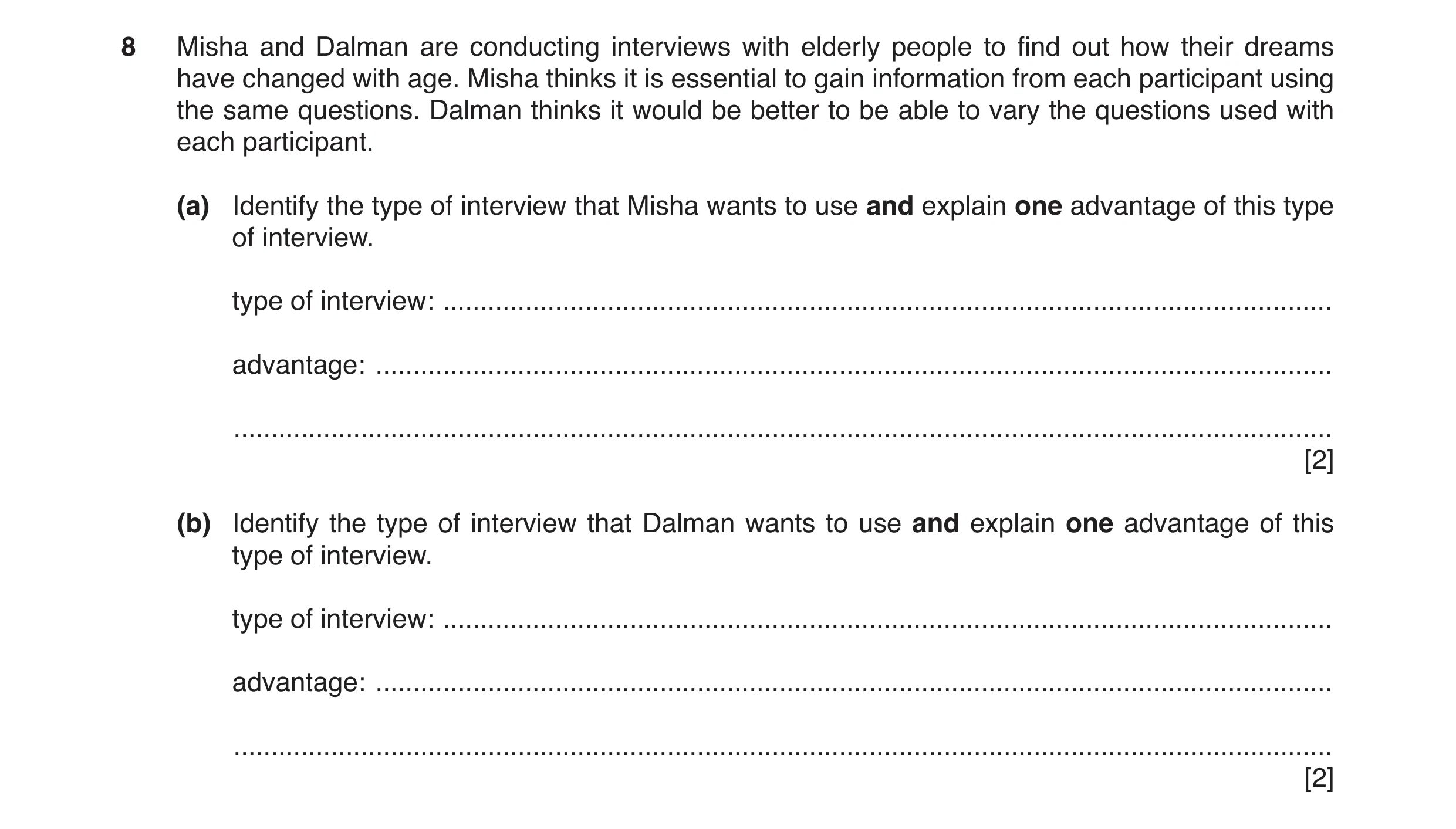 68 / 368
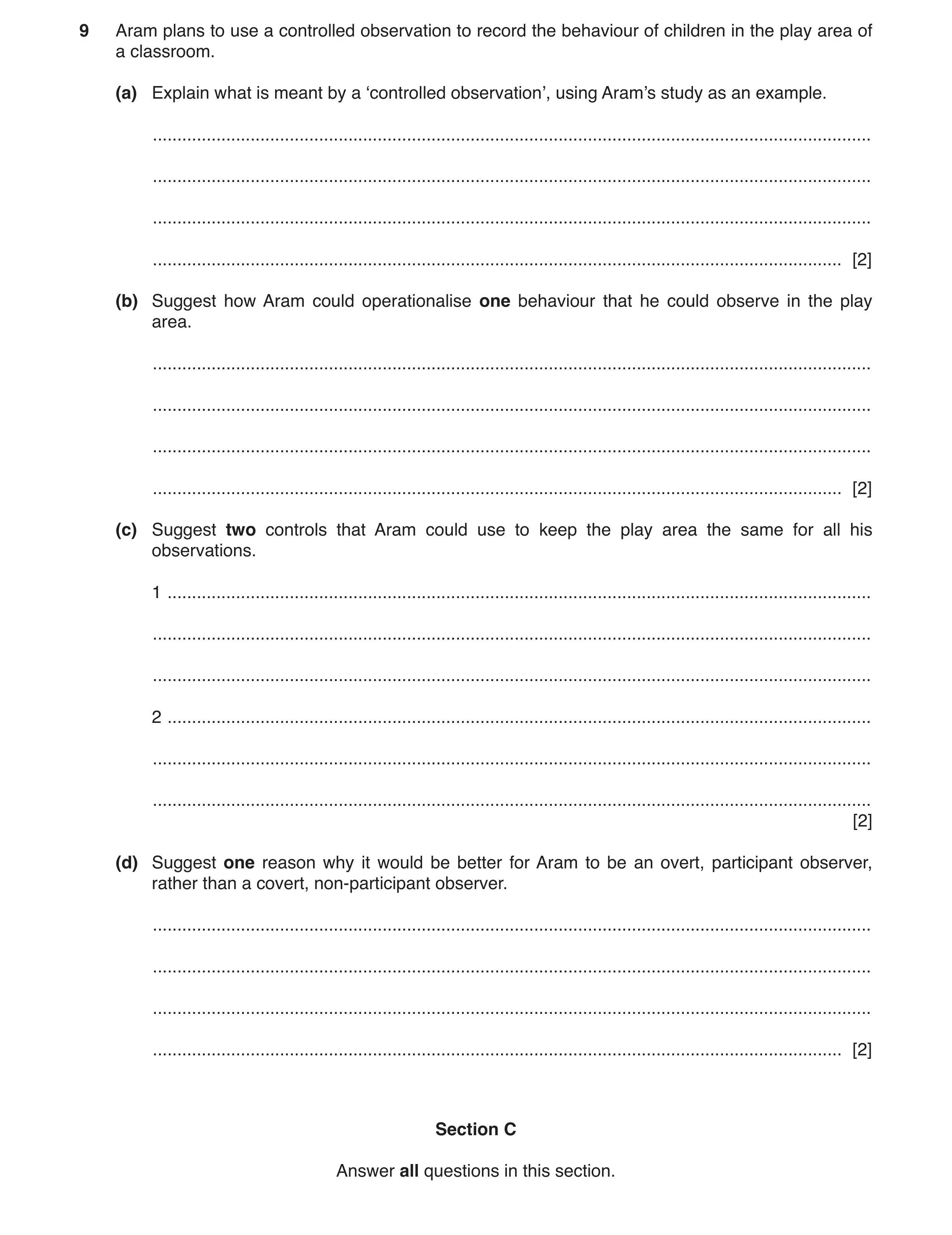 69 / 368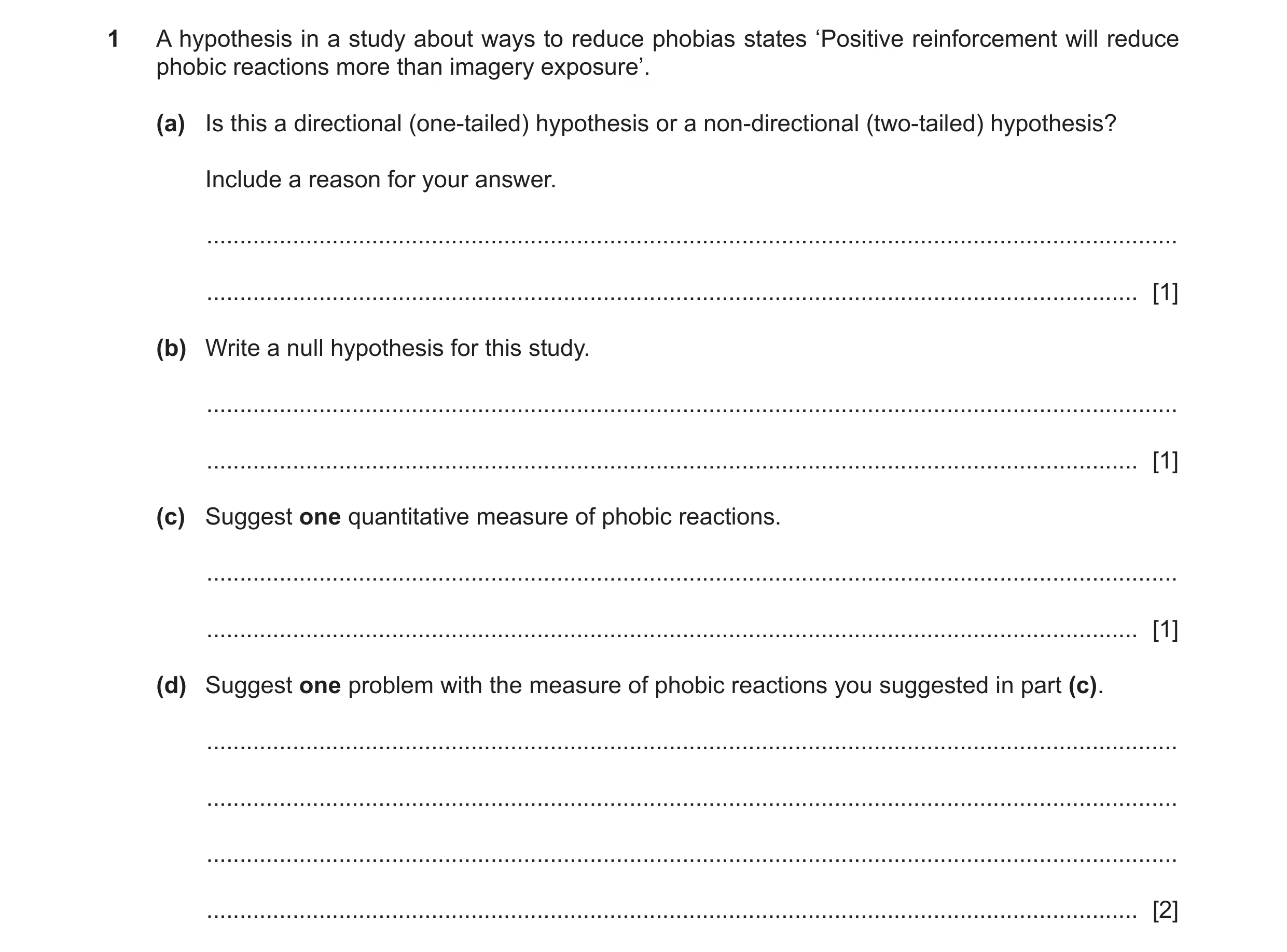
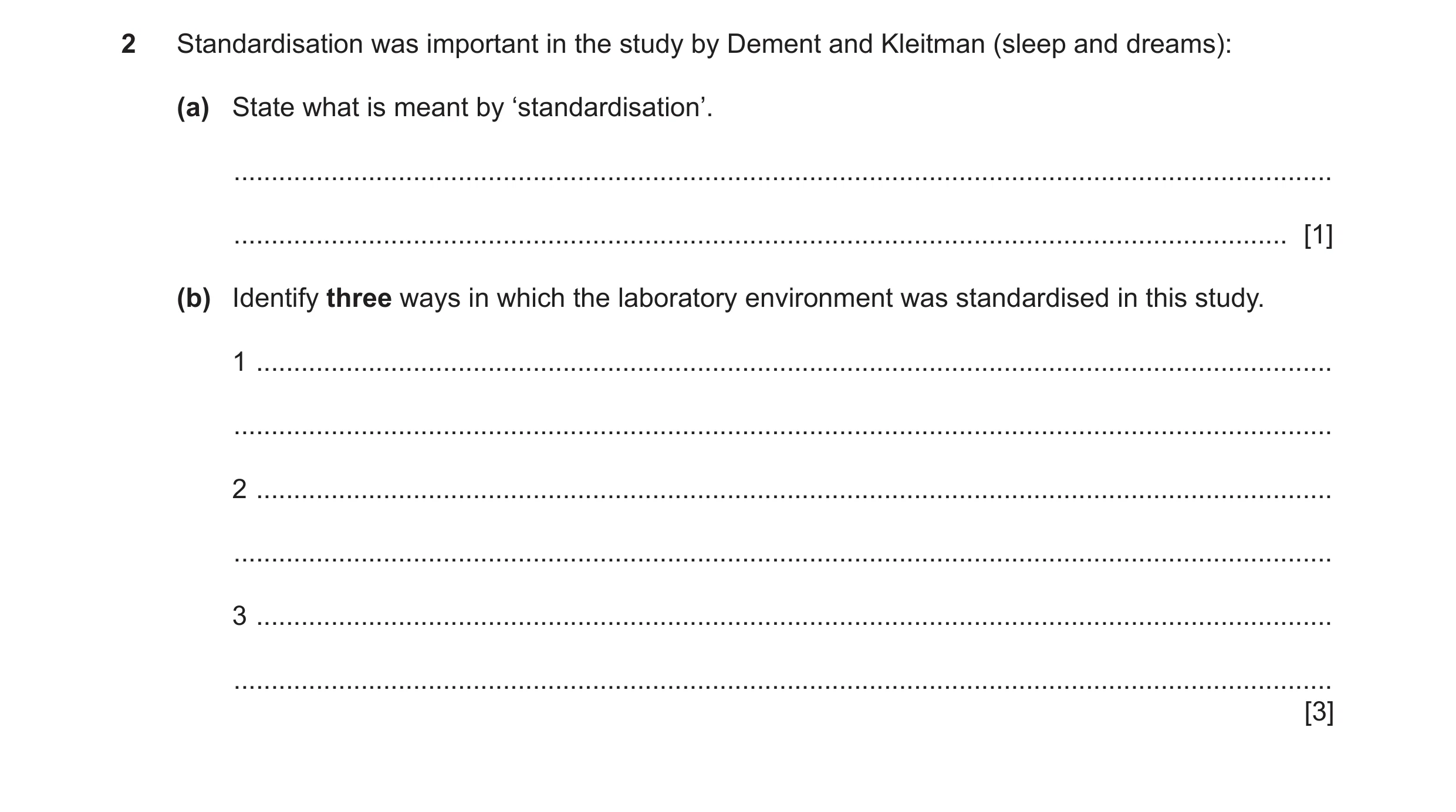 70 / 368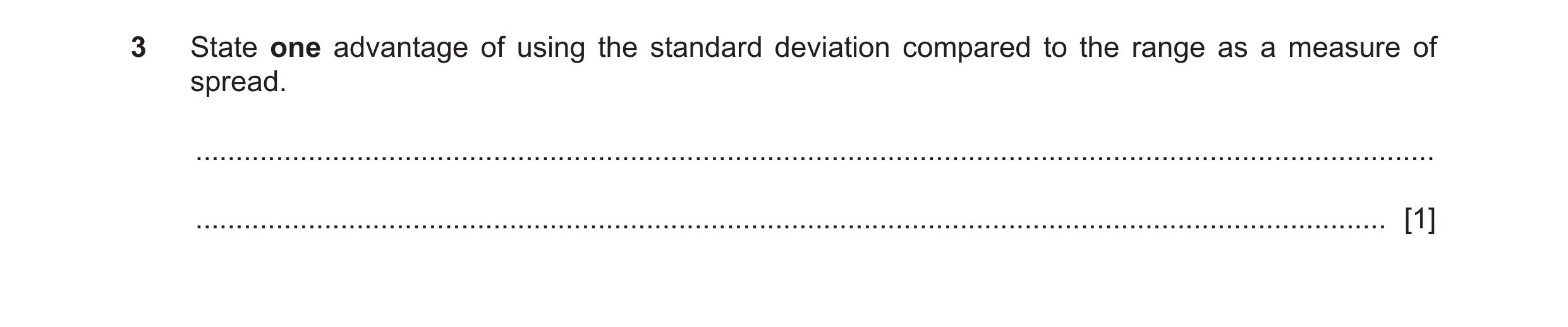
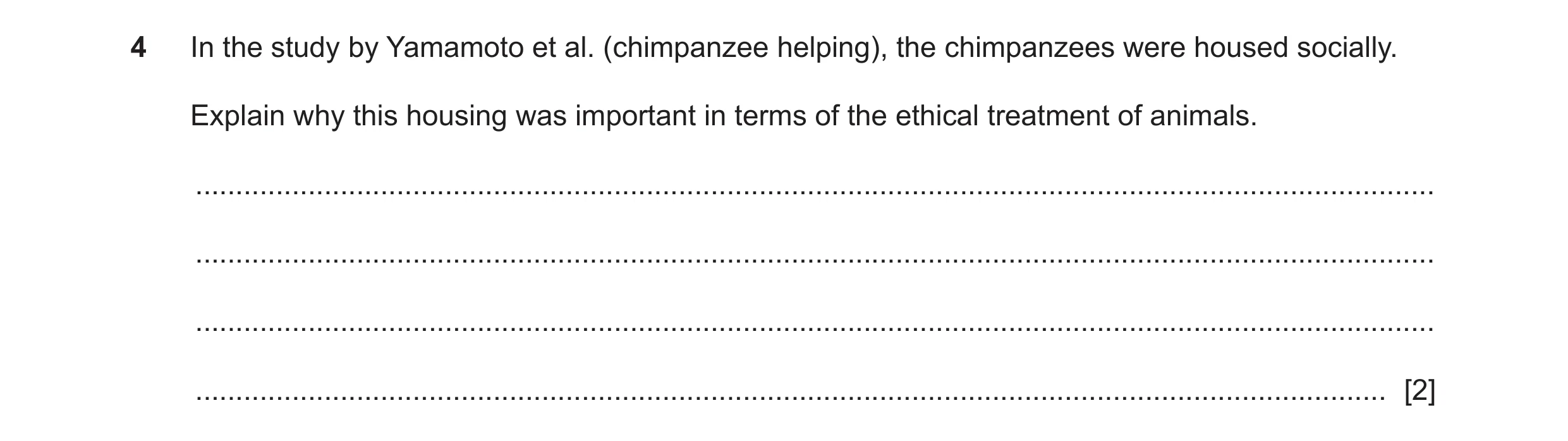
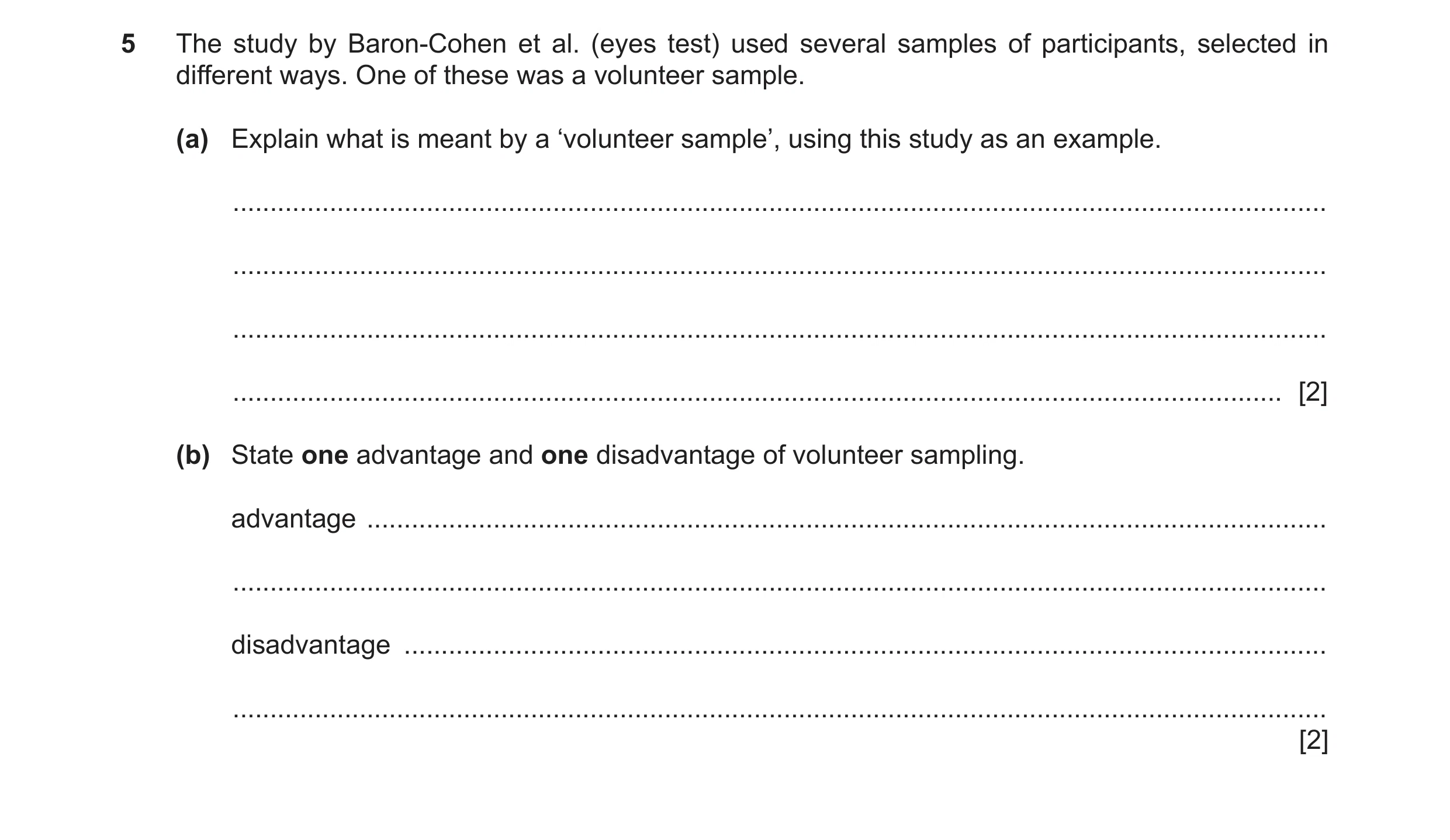 71 / 368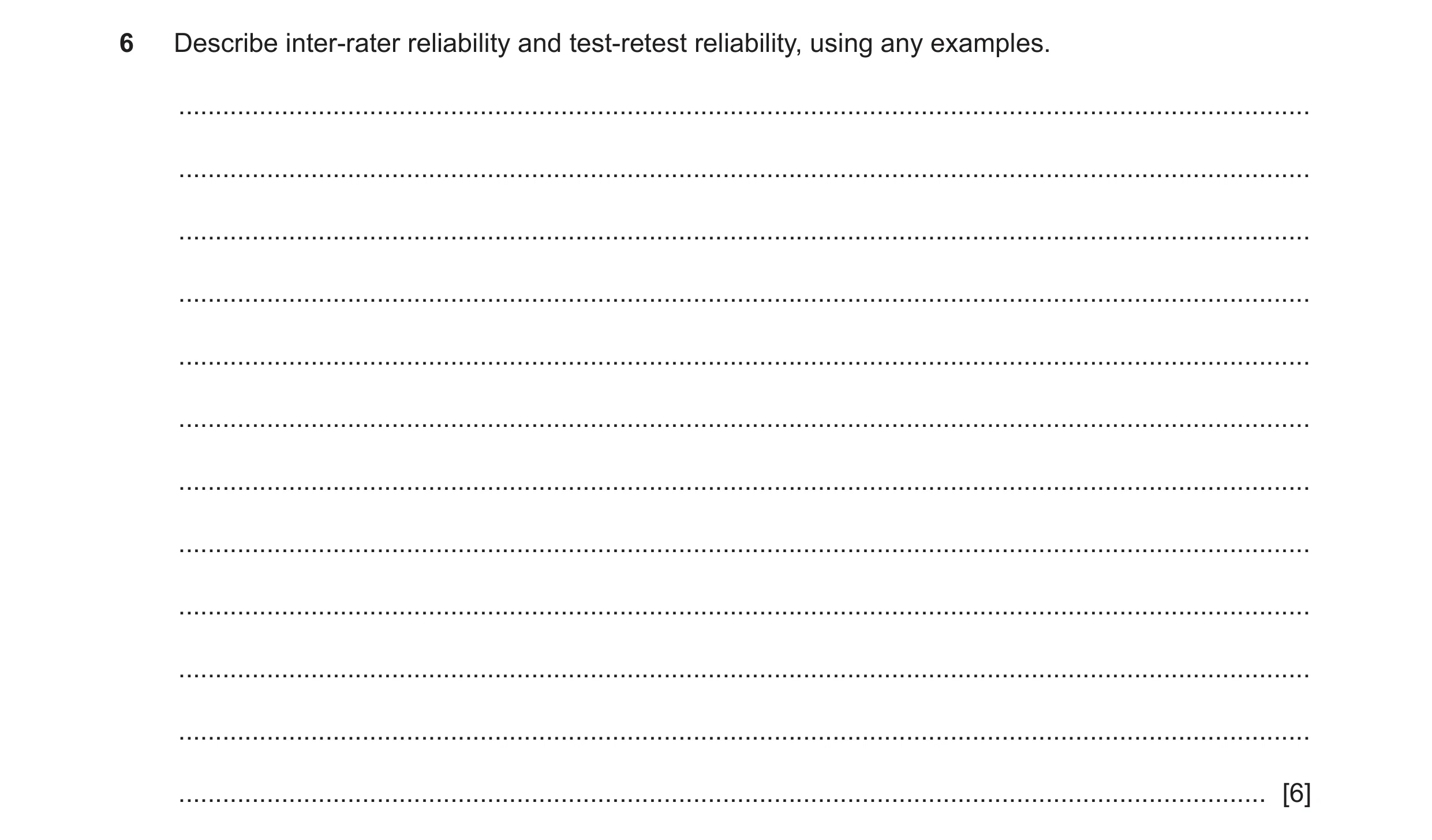
 72 / 368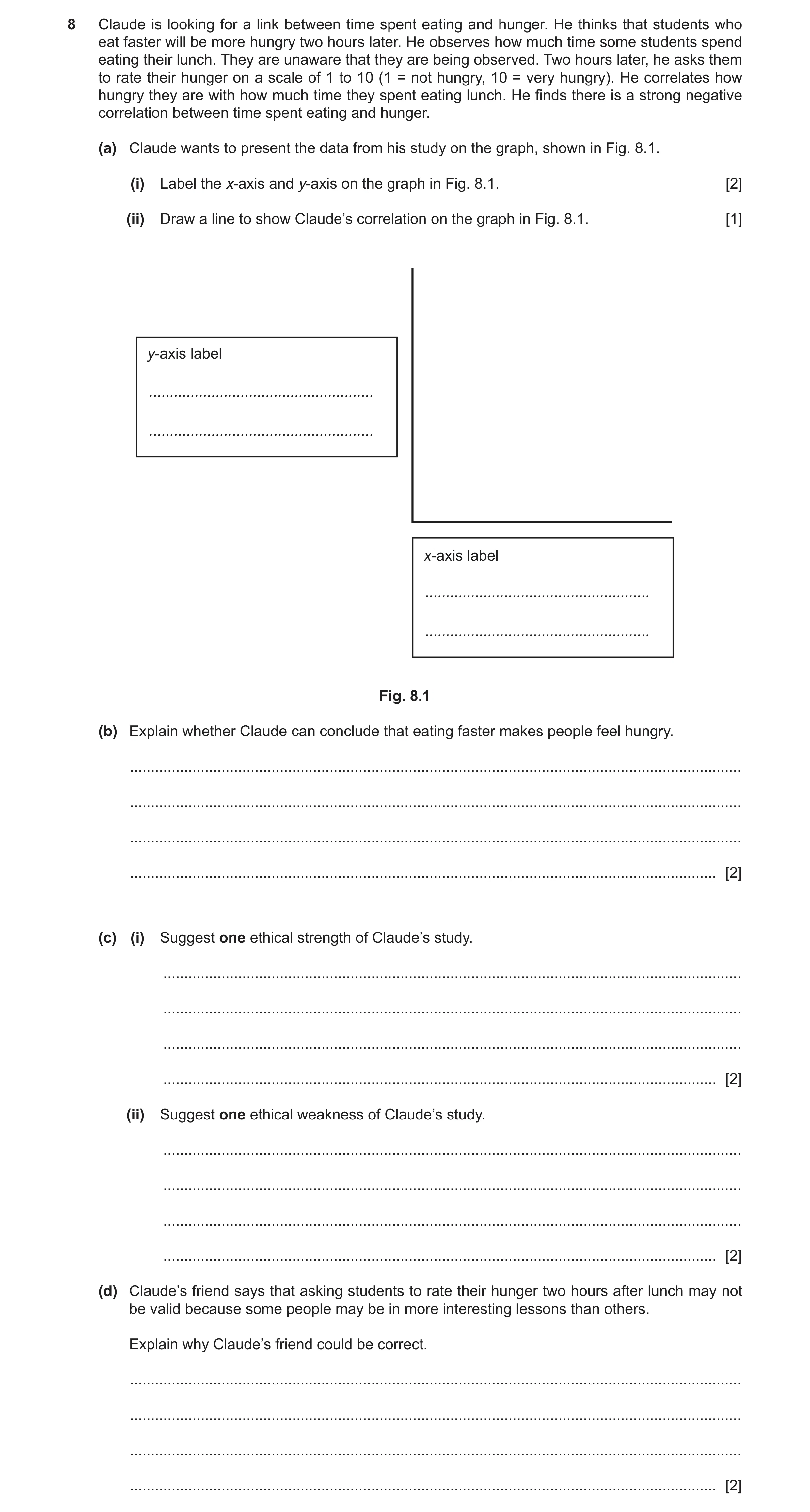
 75 / 368
 77 / 368
 78 / 368
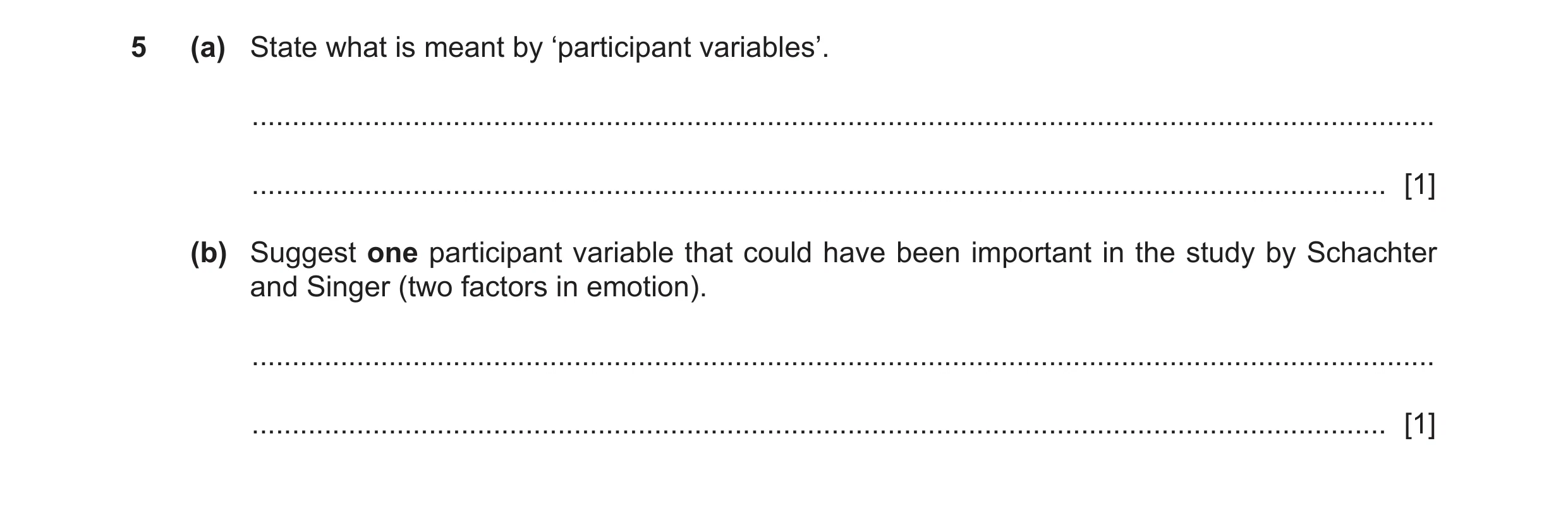 79 / 368
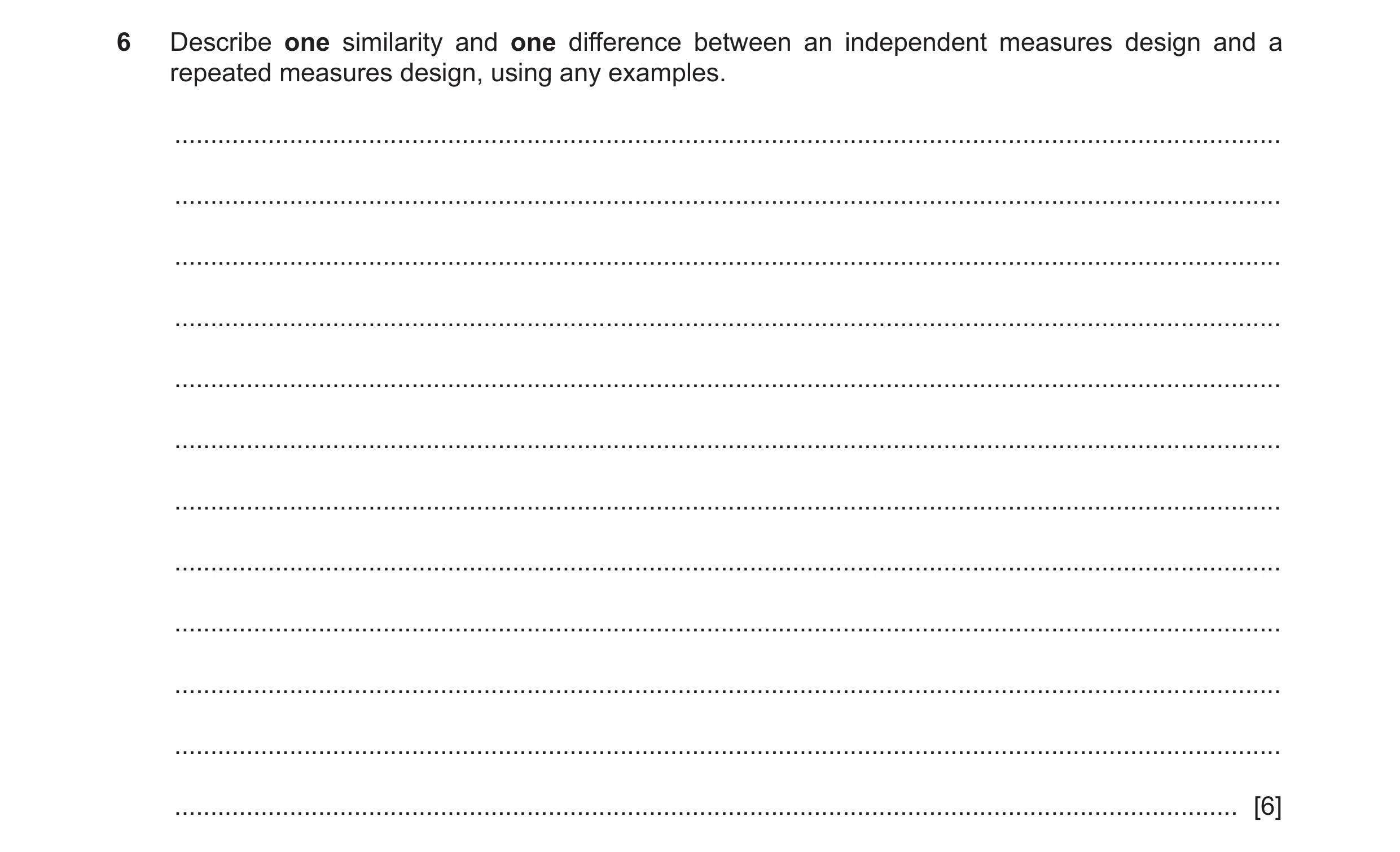 80 / 368
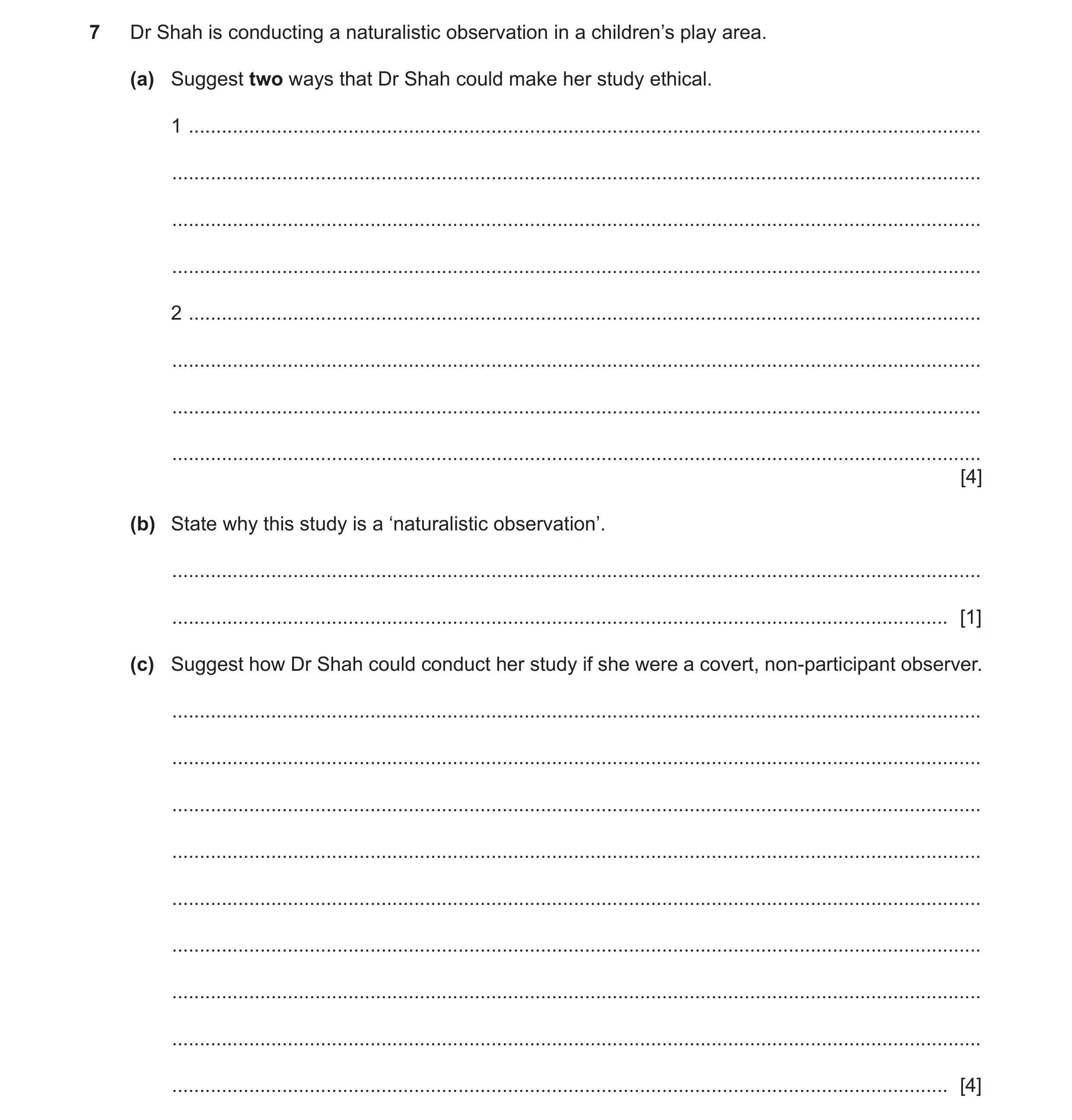 81 / 368
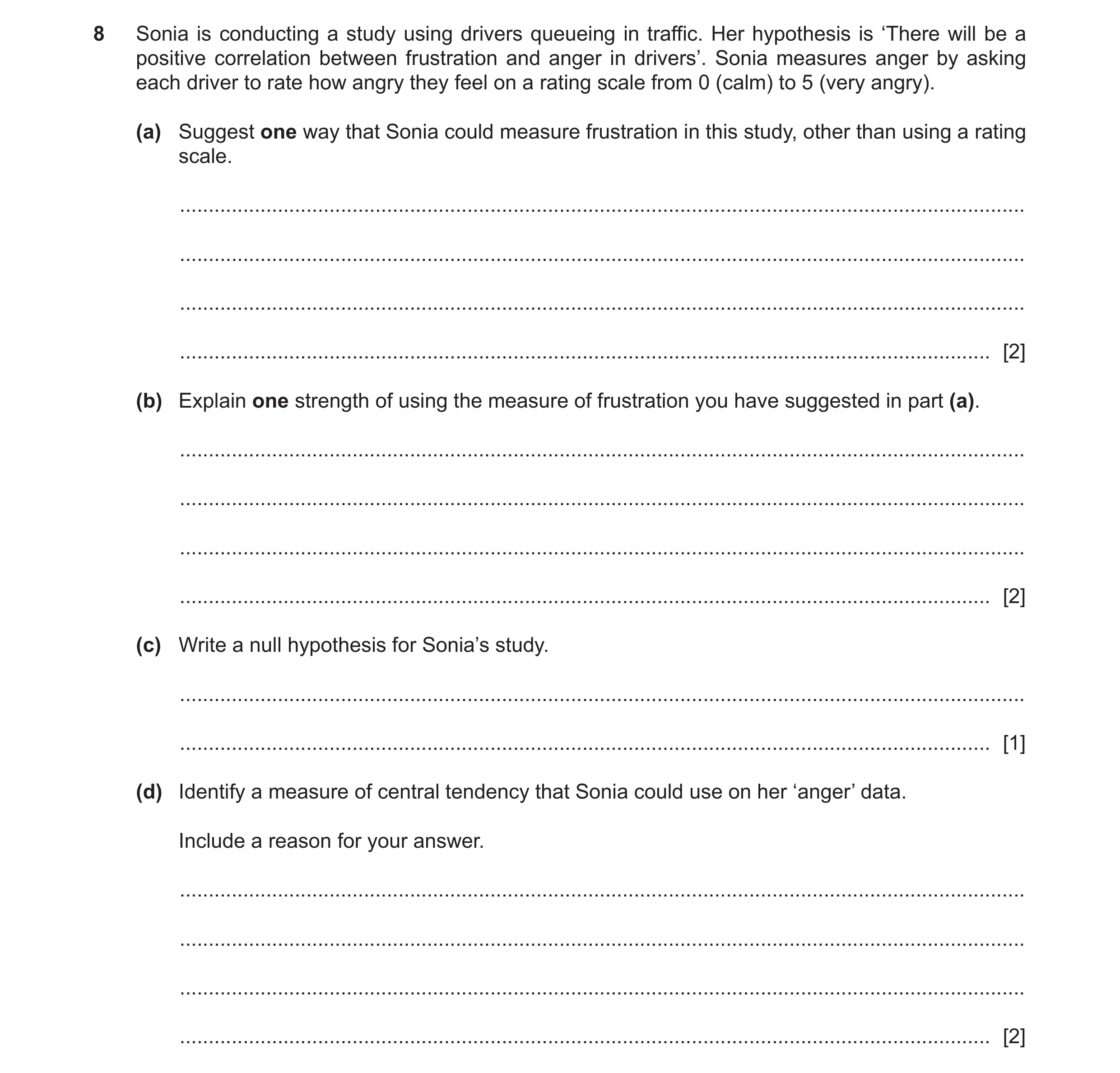 82 / 368
 83 / 368
 85 / 368
 86 / 368
 87 / 368
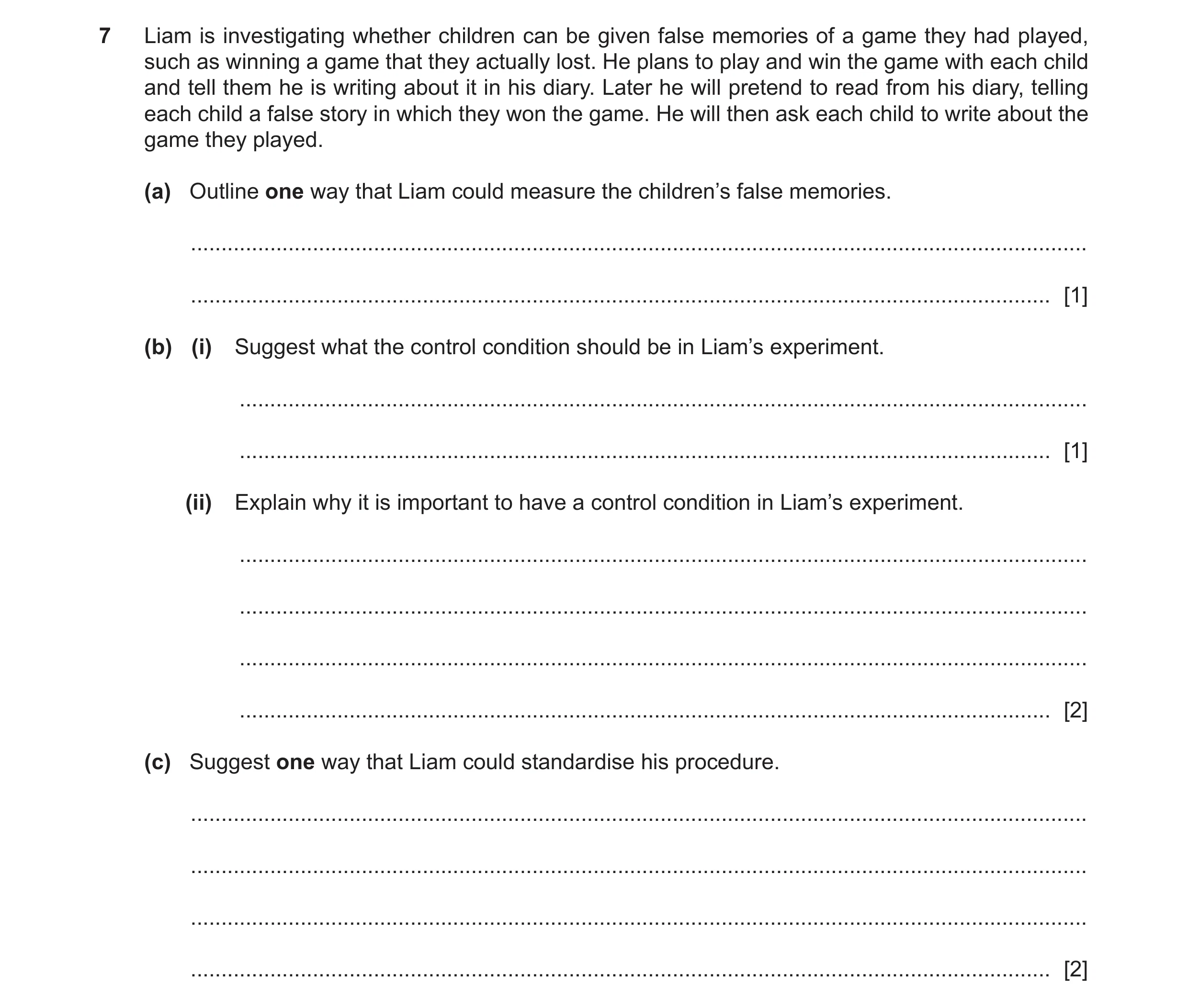 88 / 368
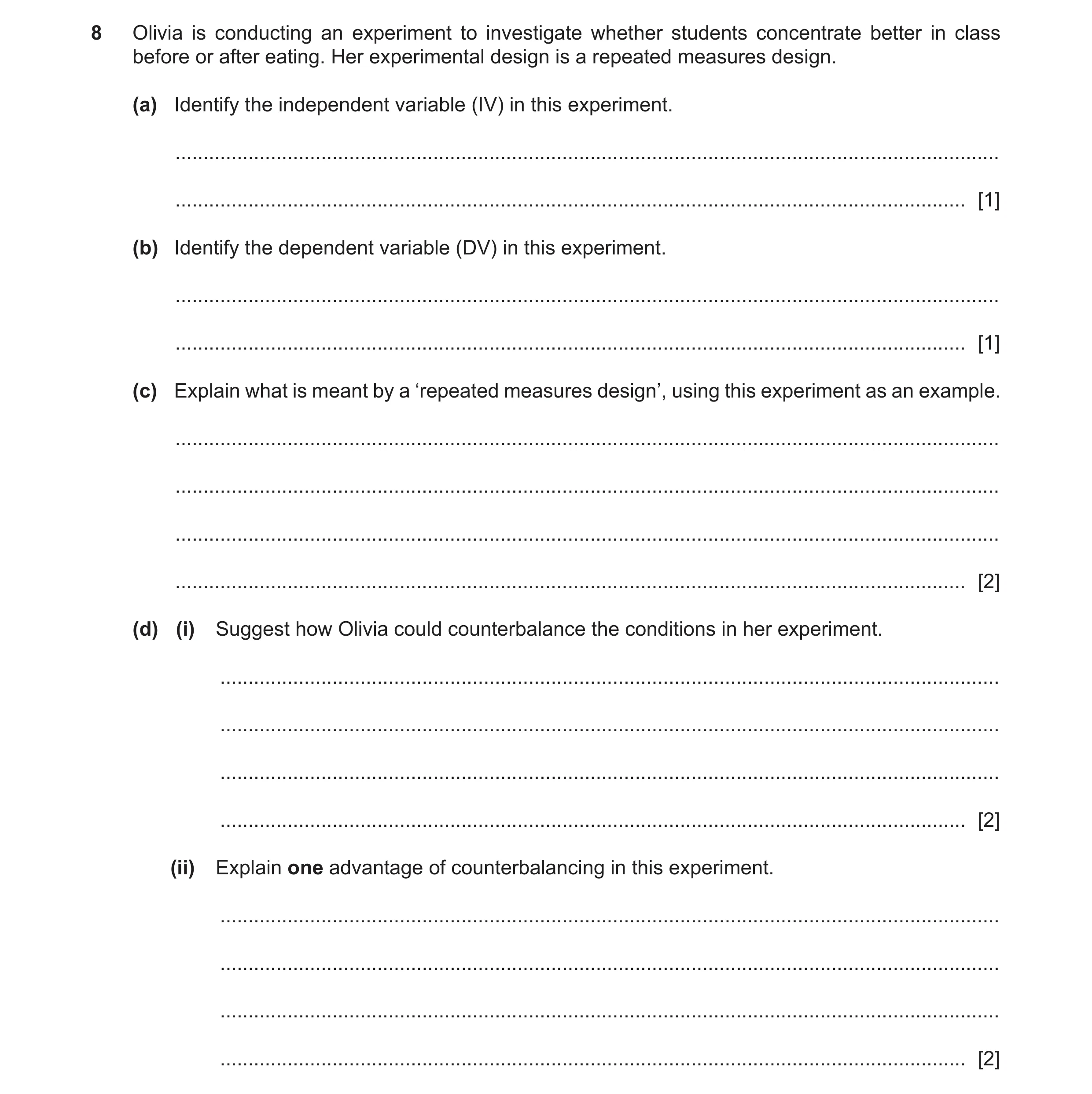 89 / 368
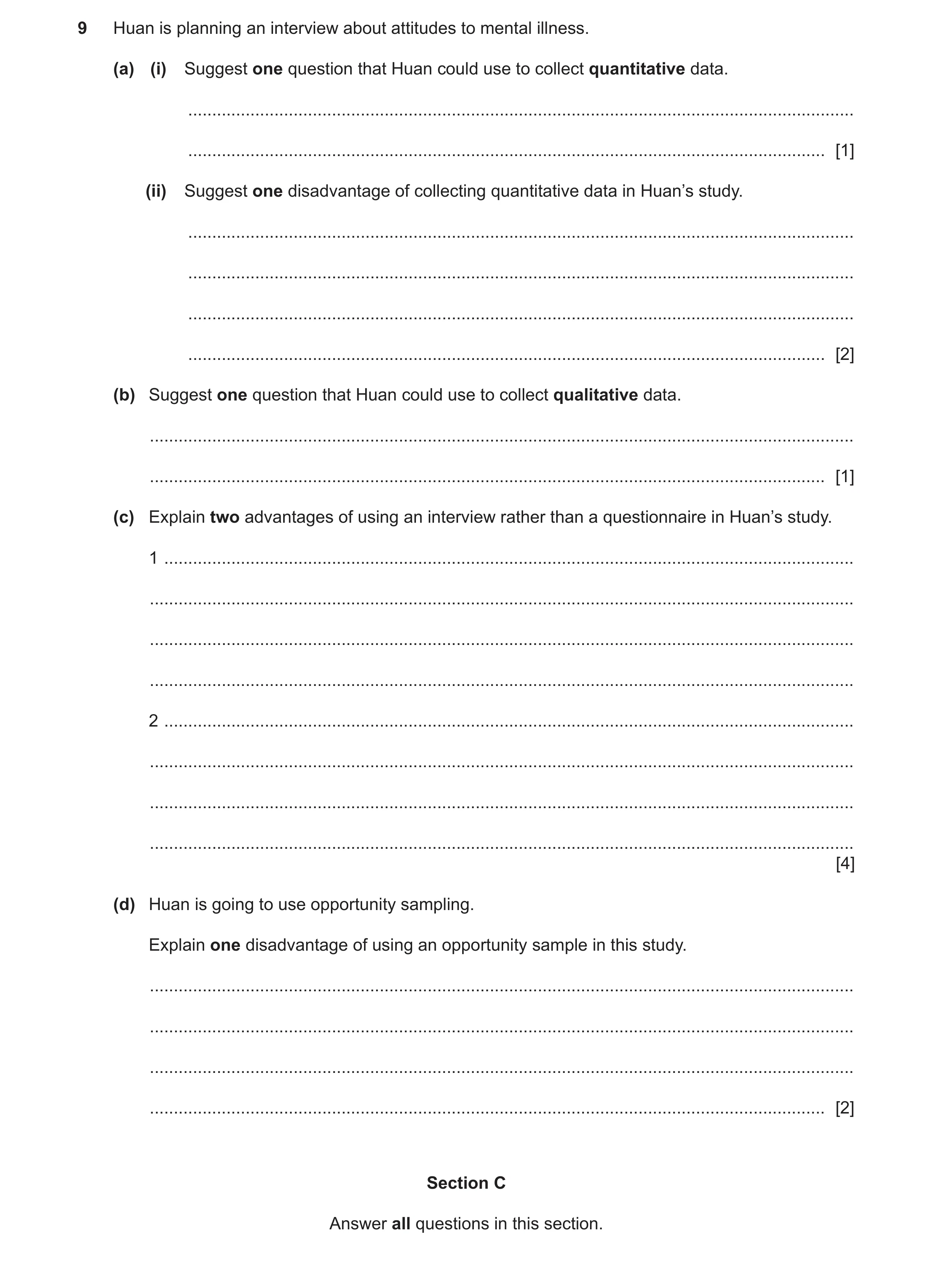 90 / 368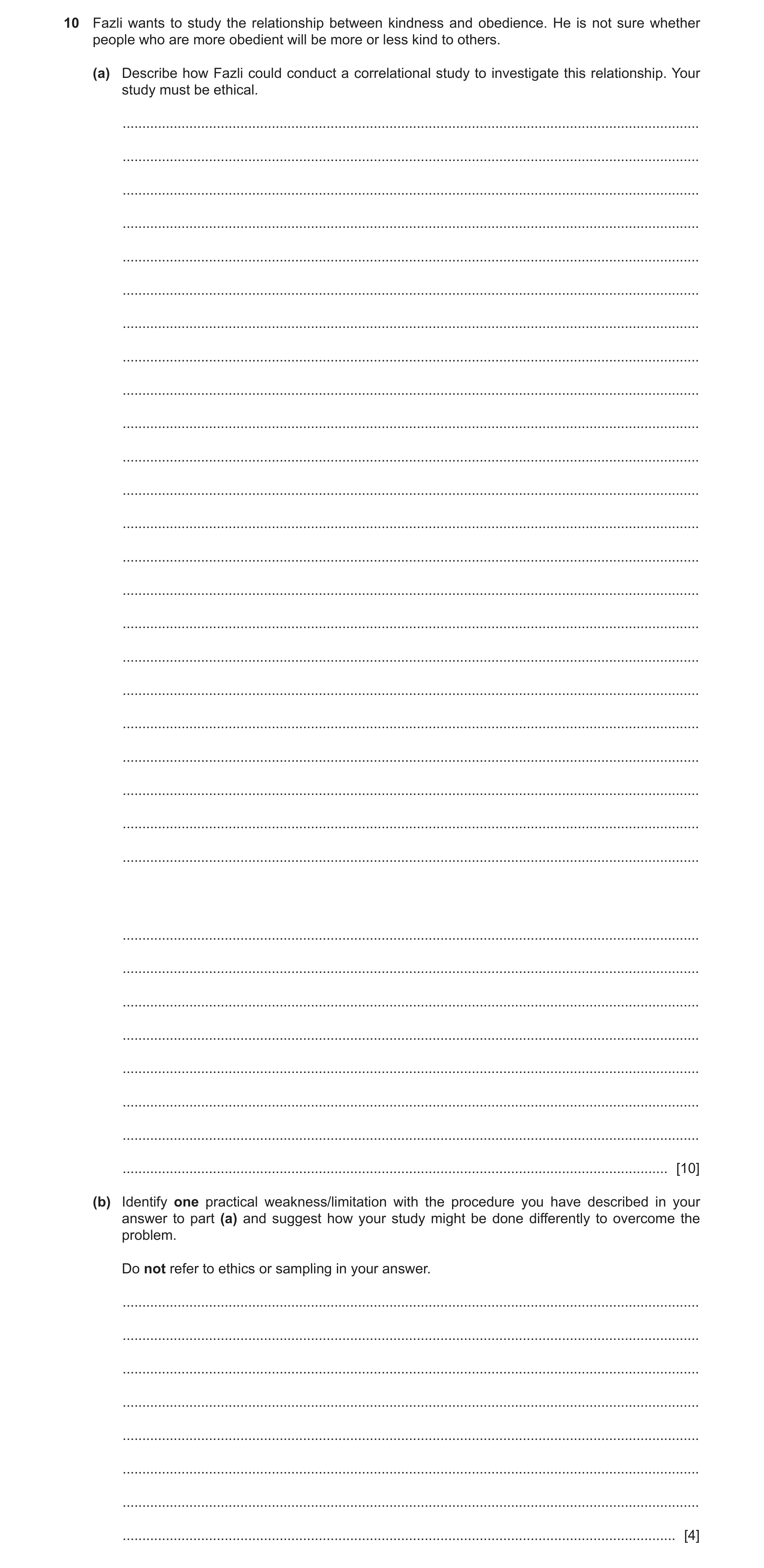
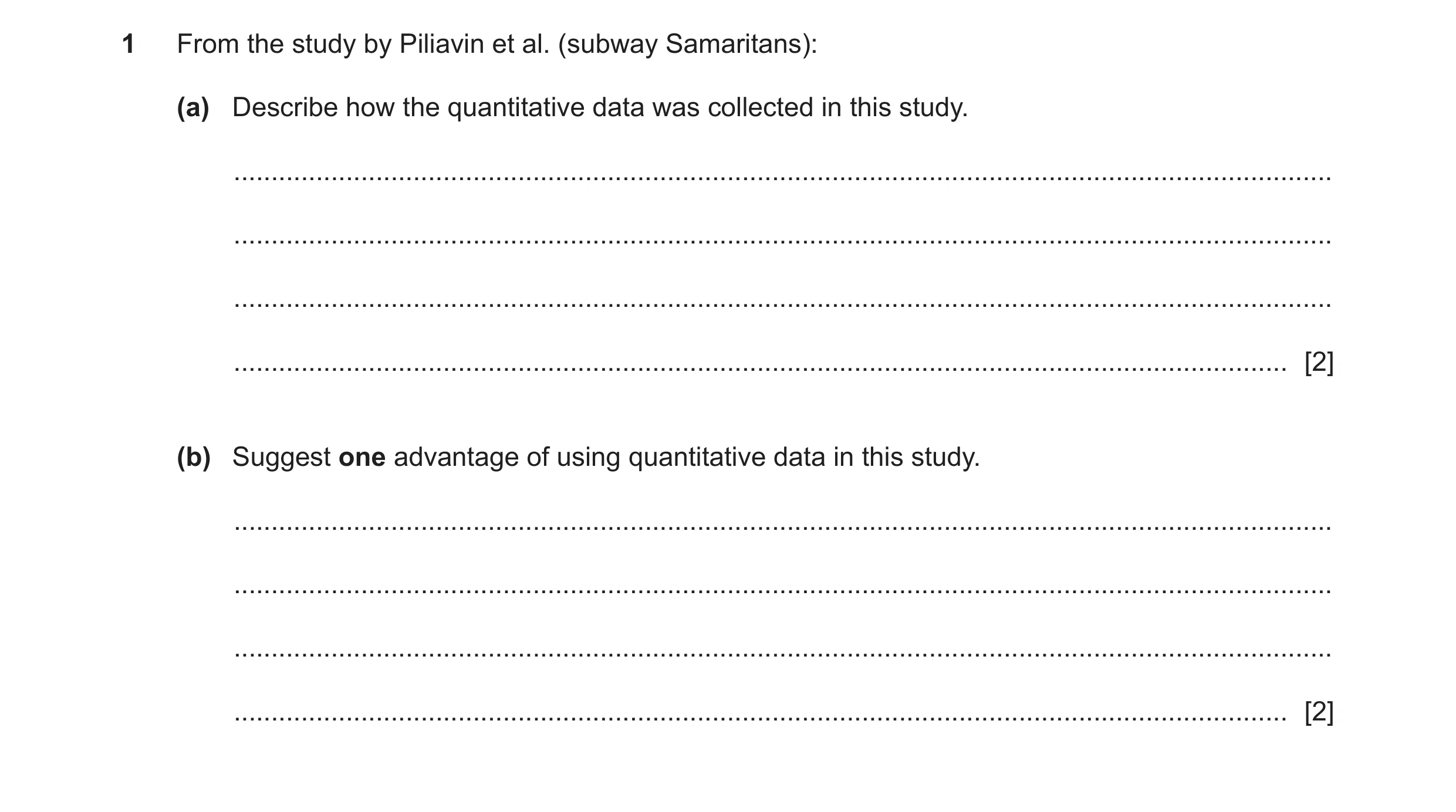 92 / 368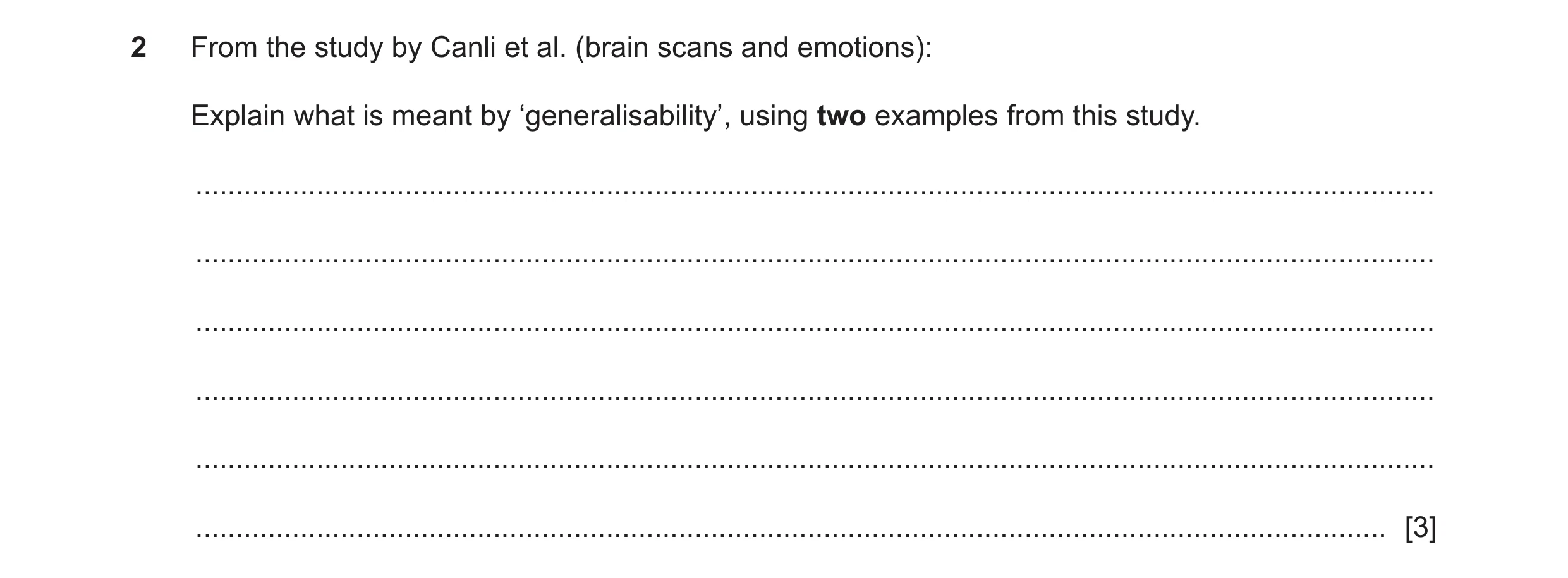
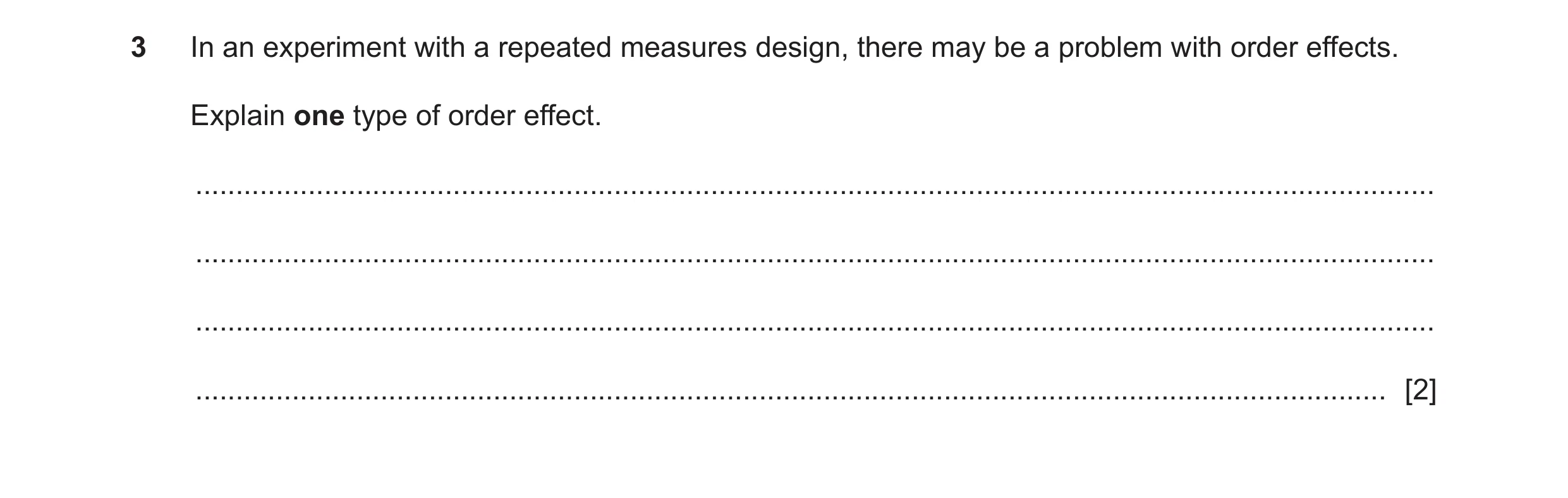
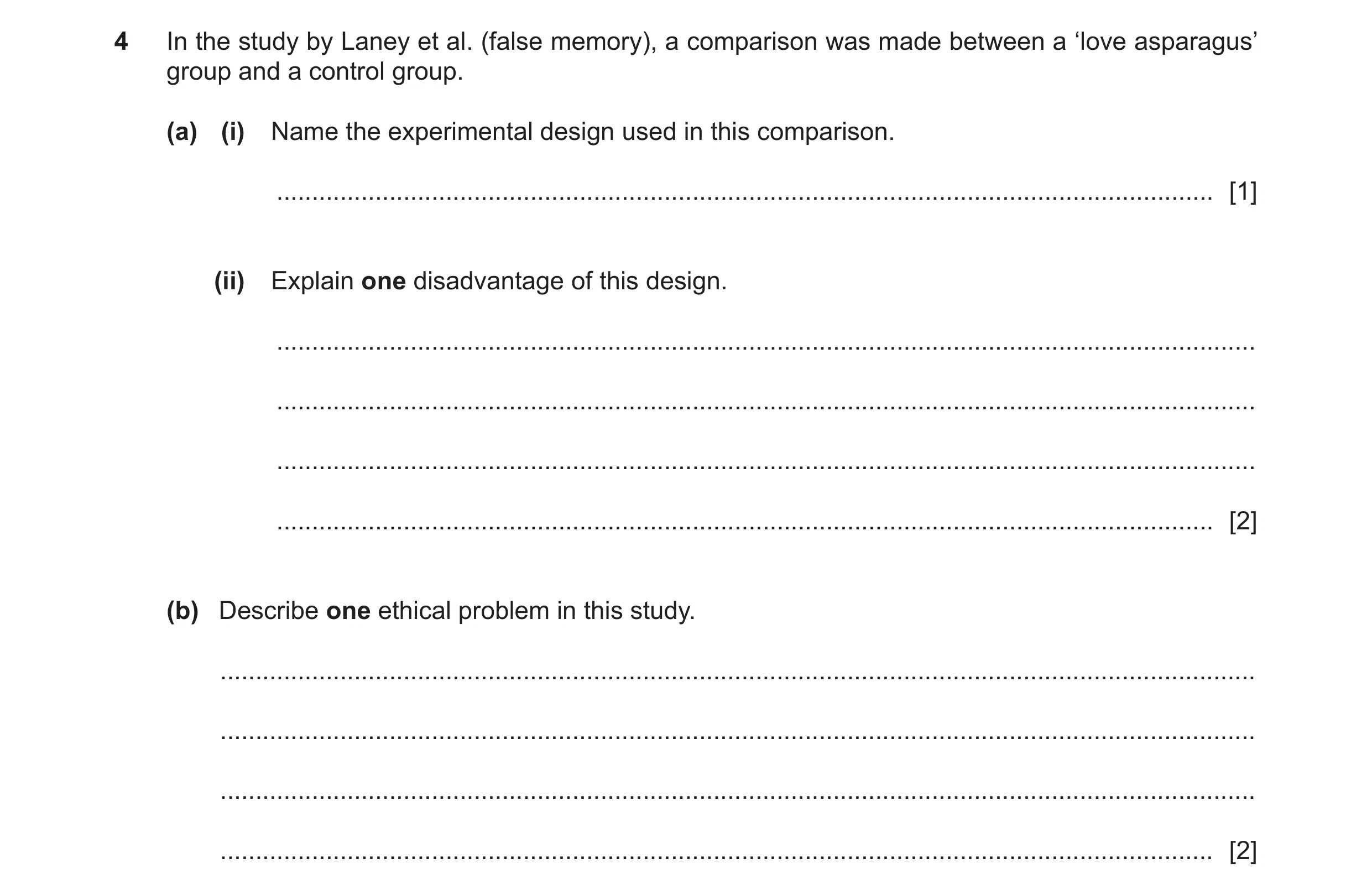 93 / 368
 94 / 368
 95 / 368
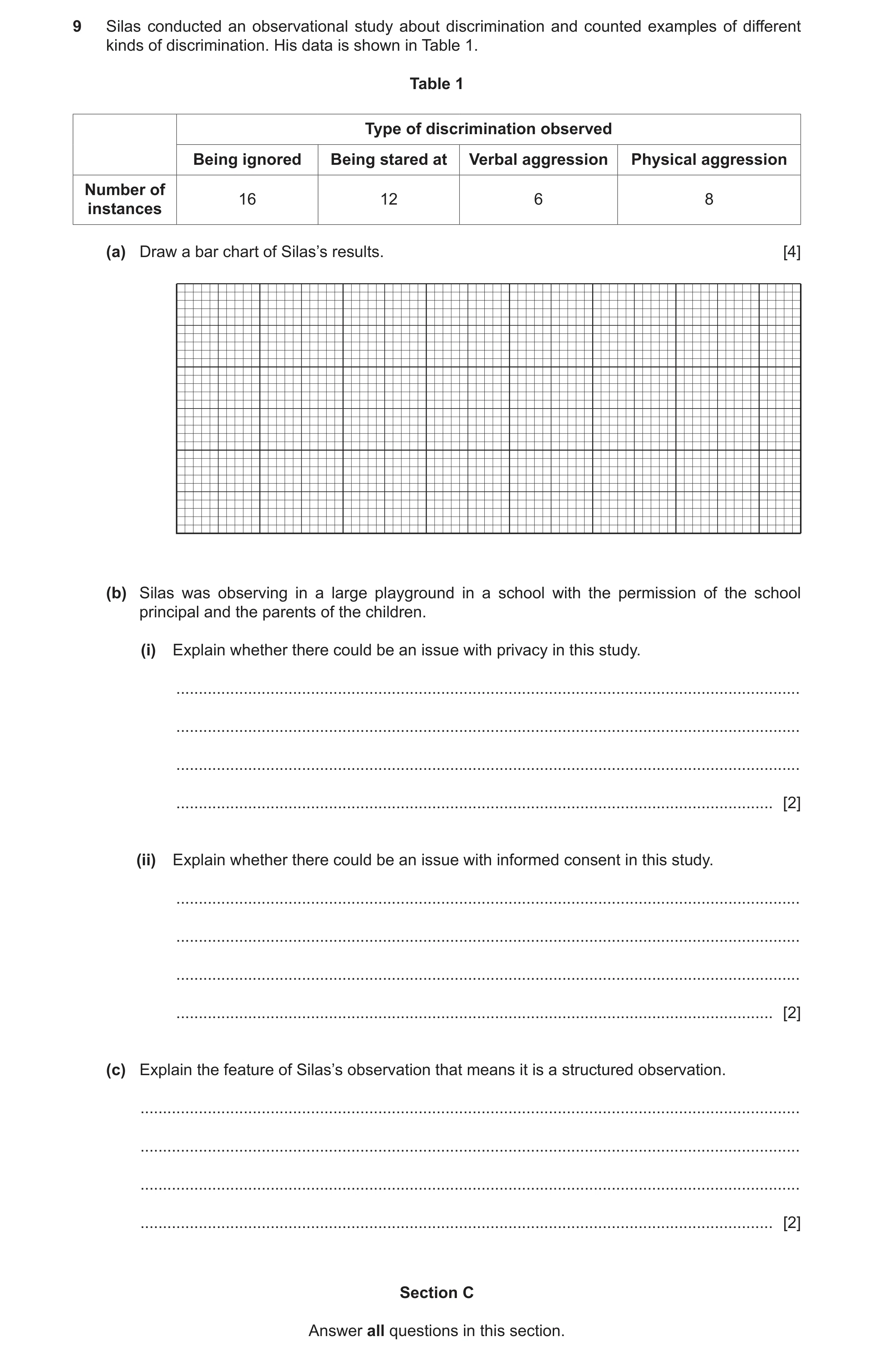
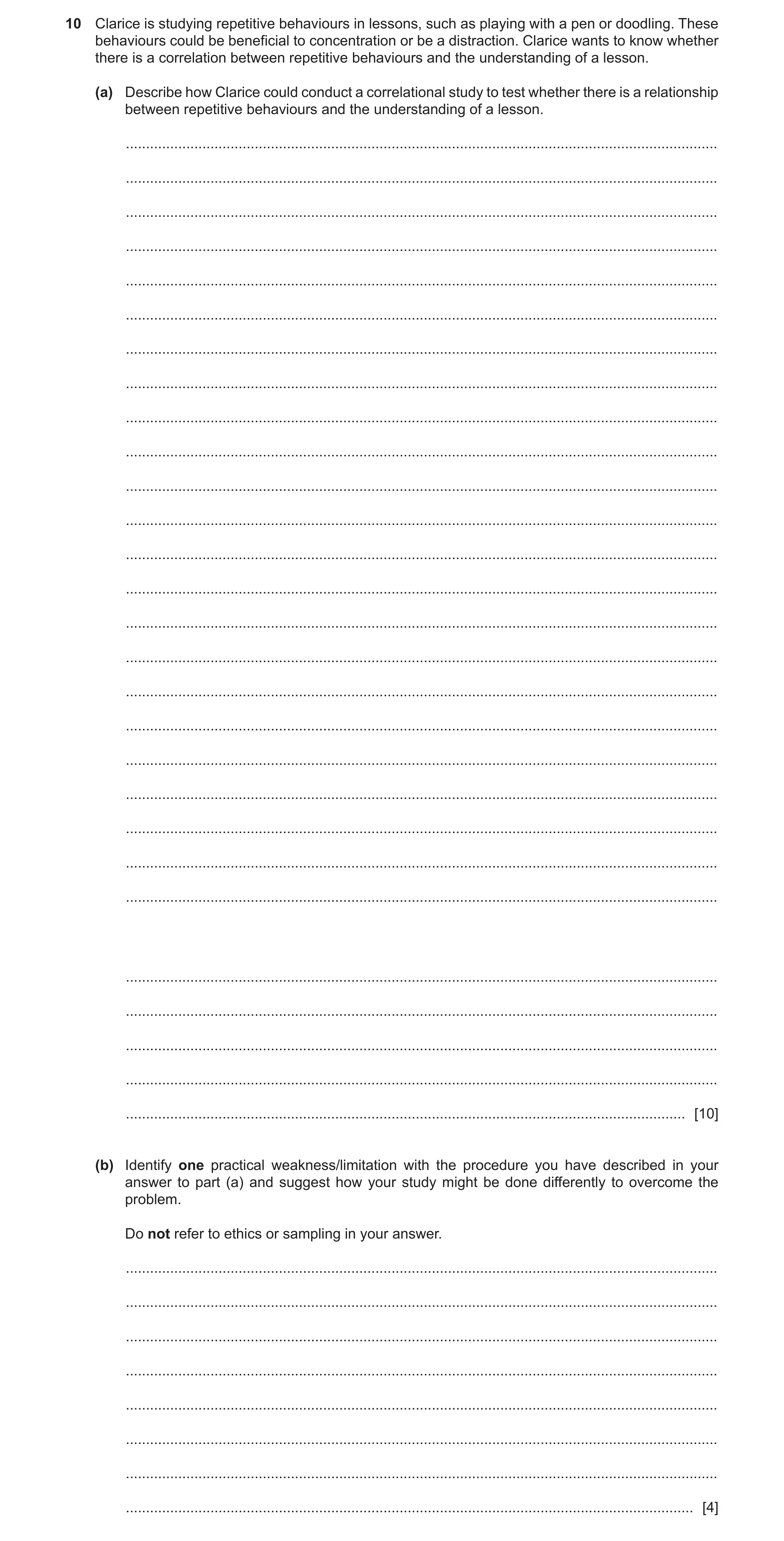
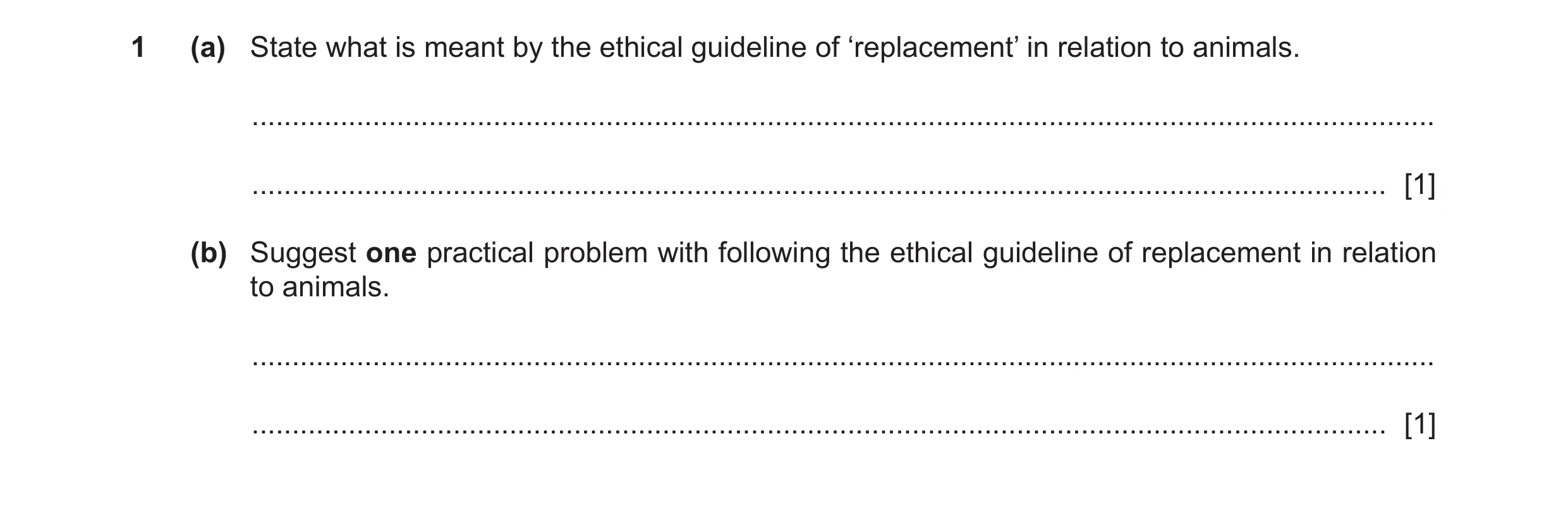
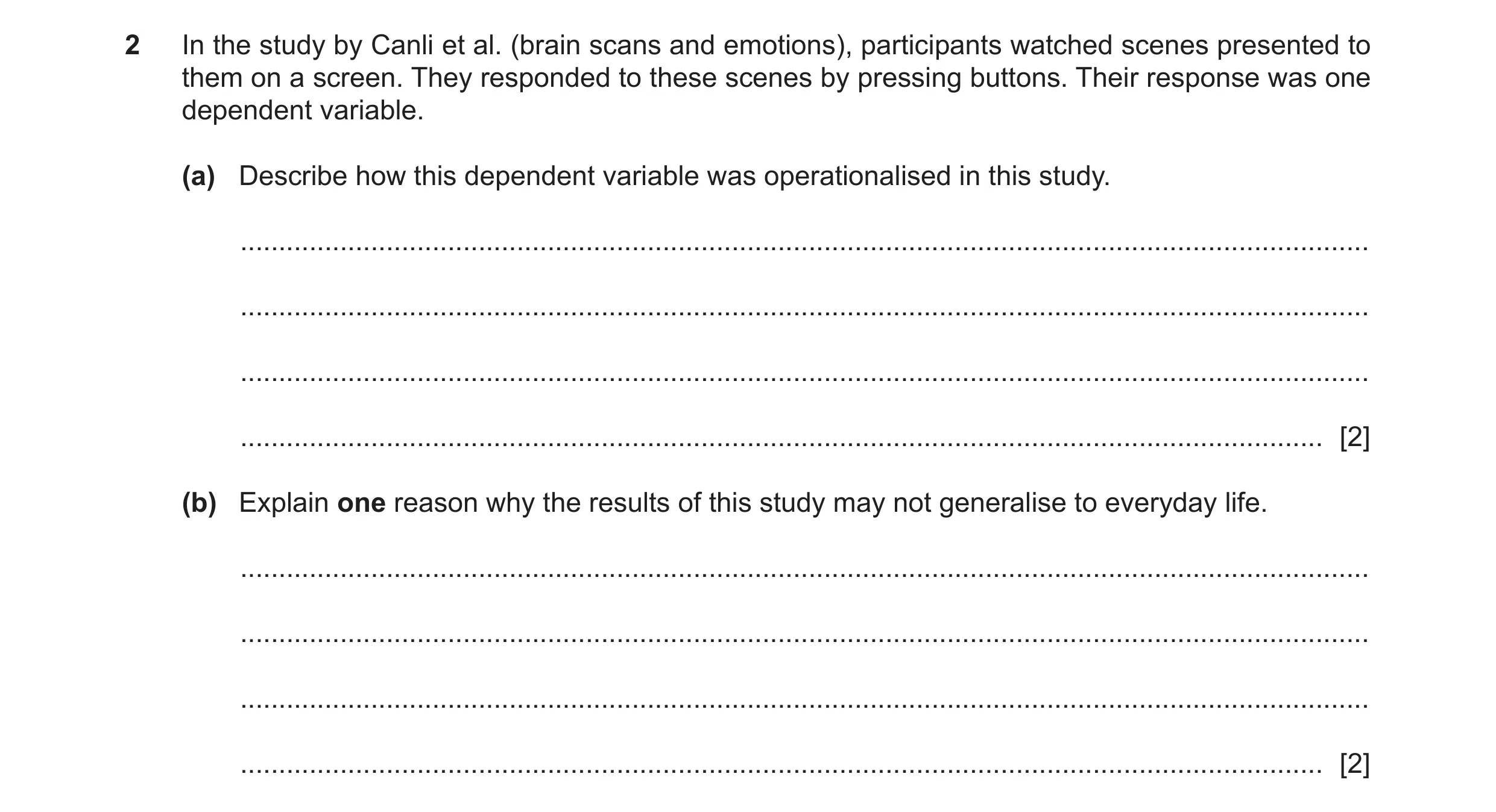 100 / 368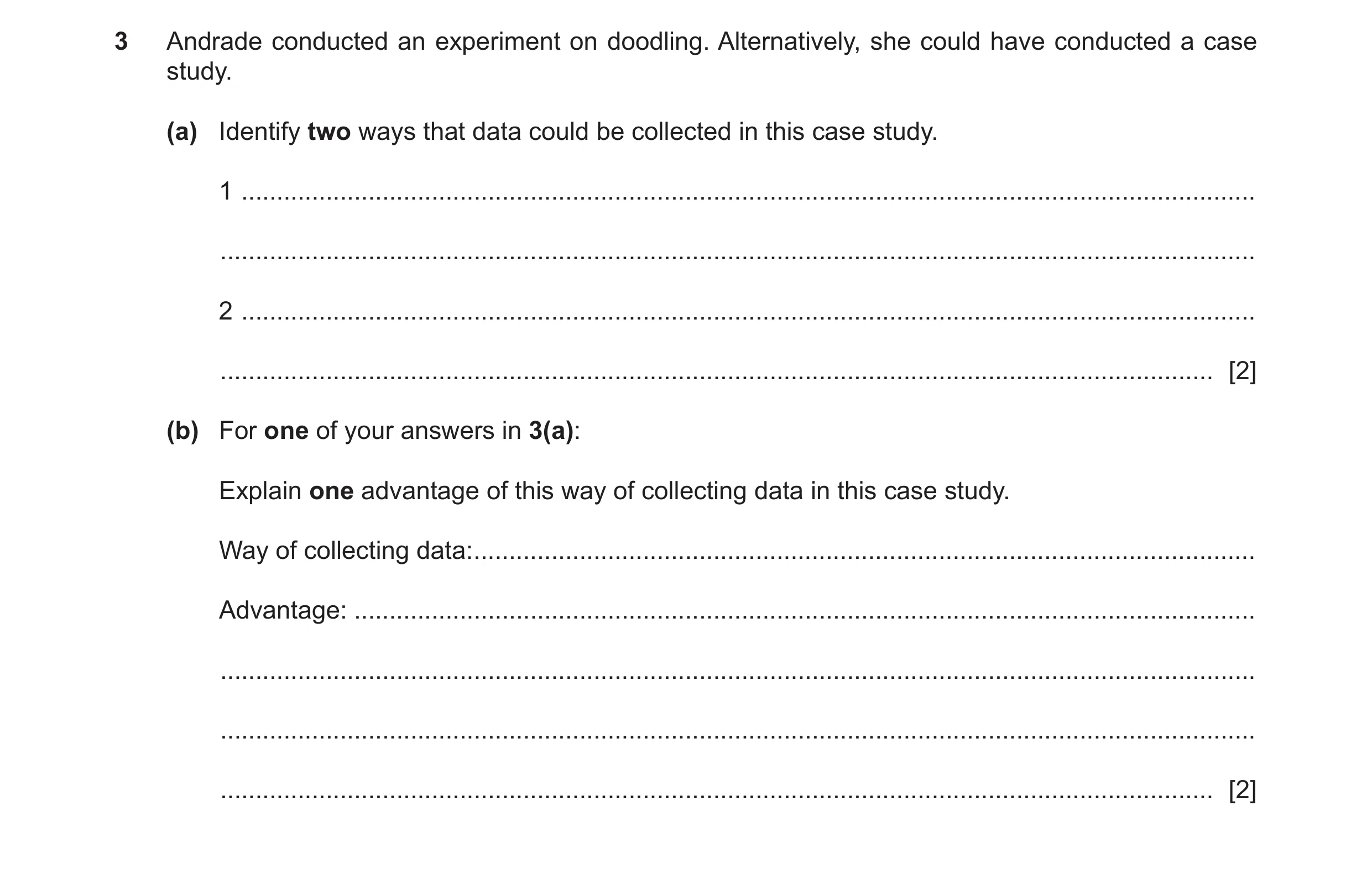
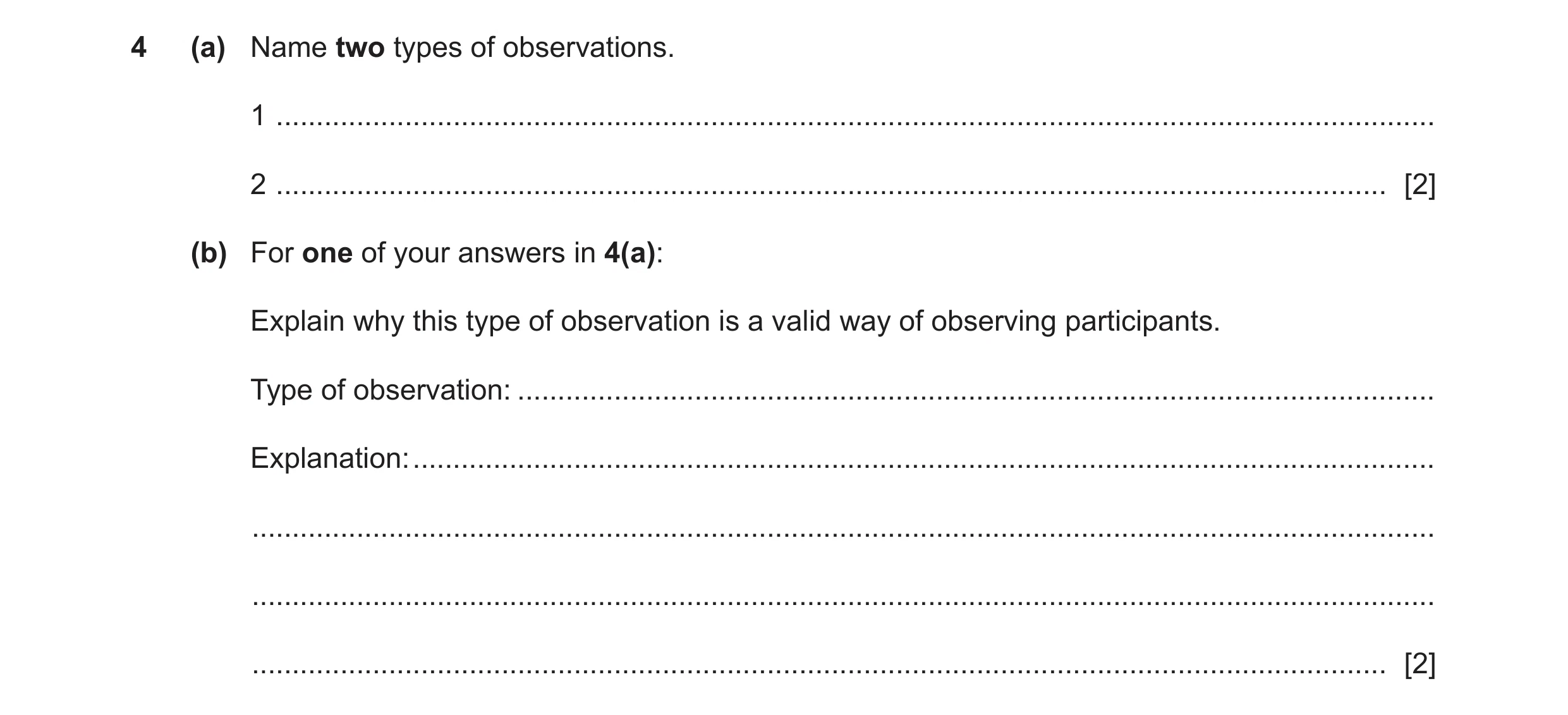 101 / 368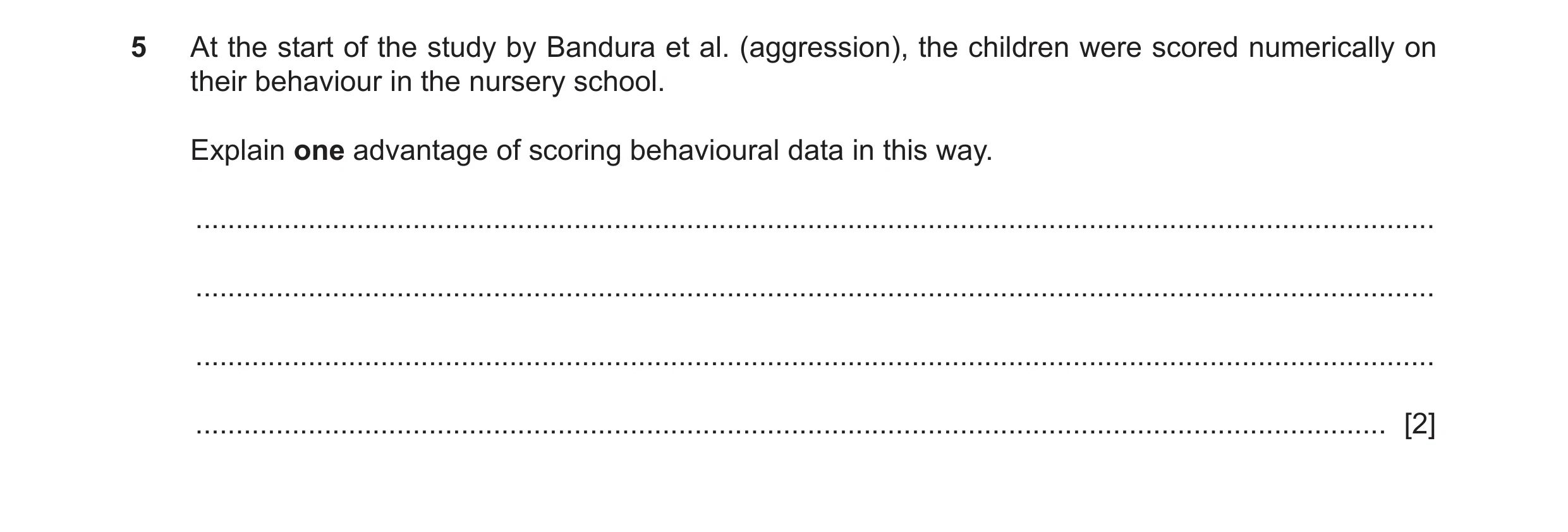
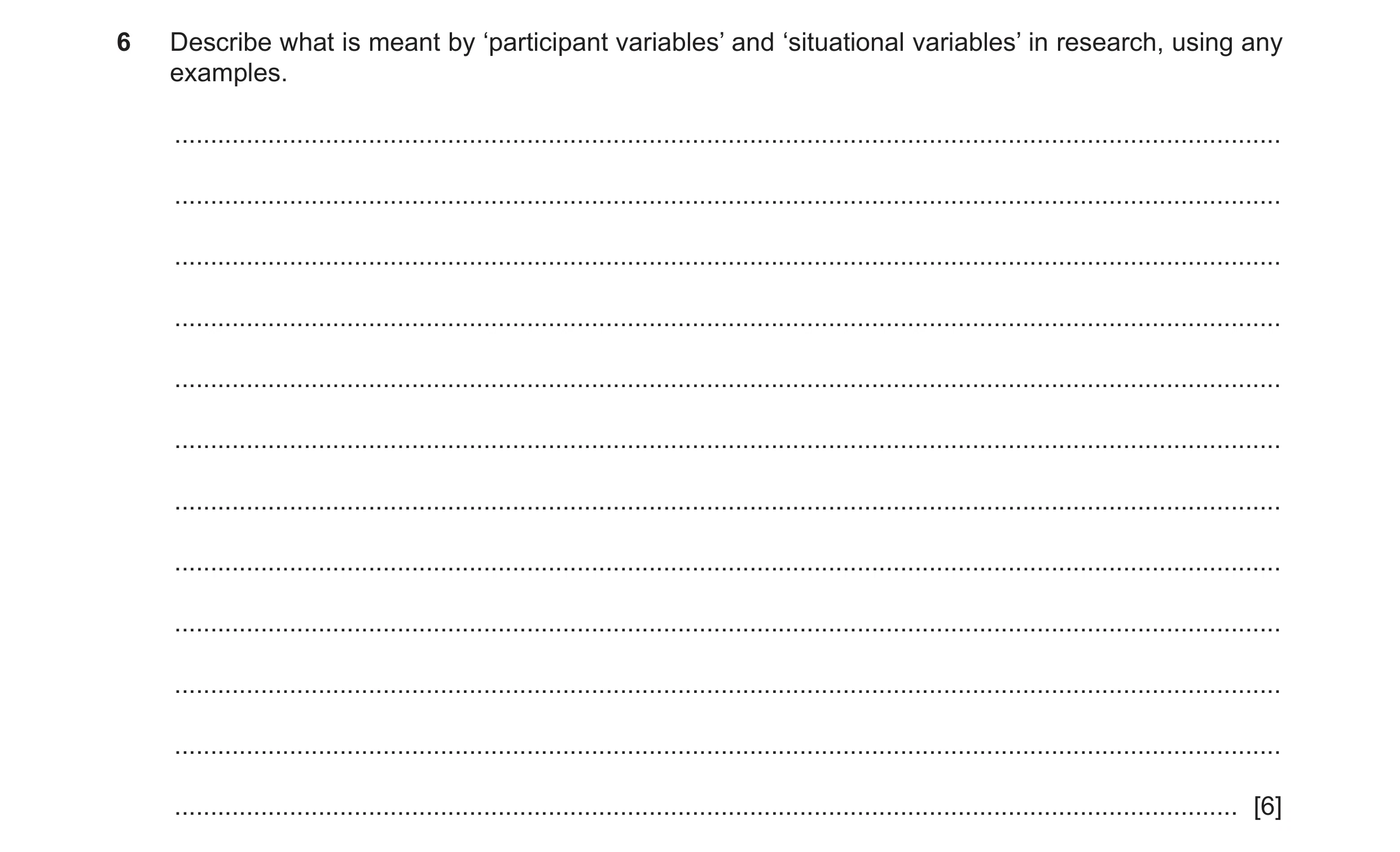 102 / 368
 103 / 368
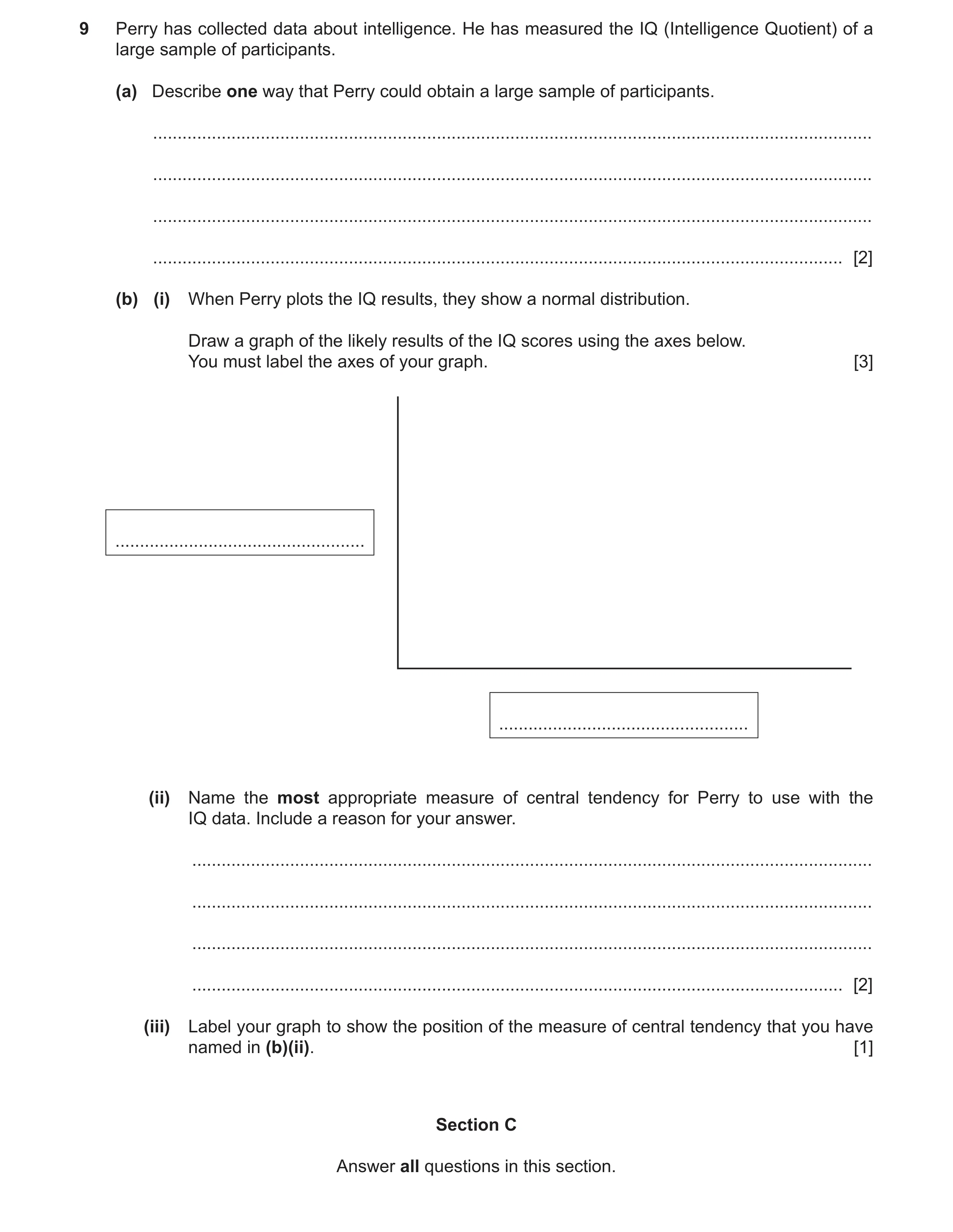 104 / 368
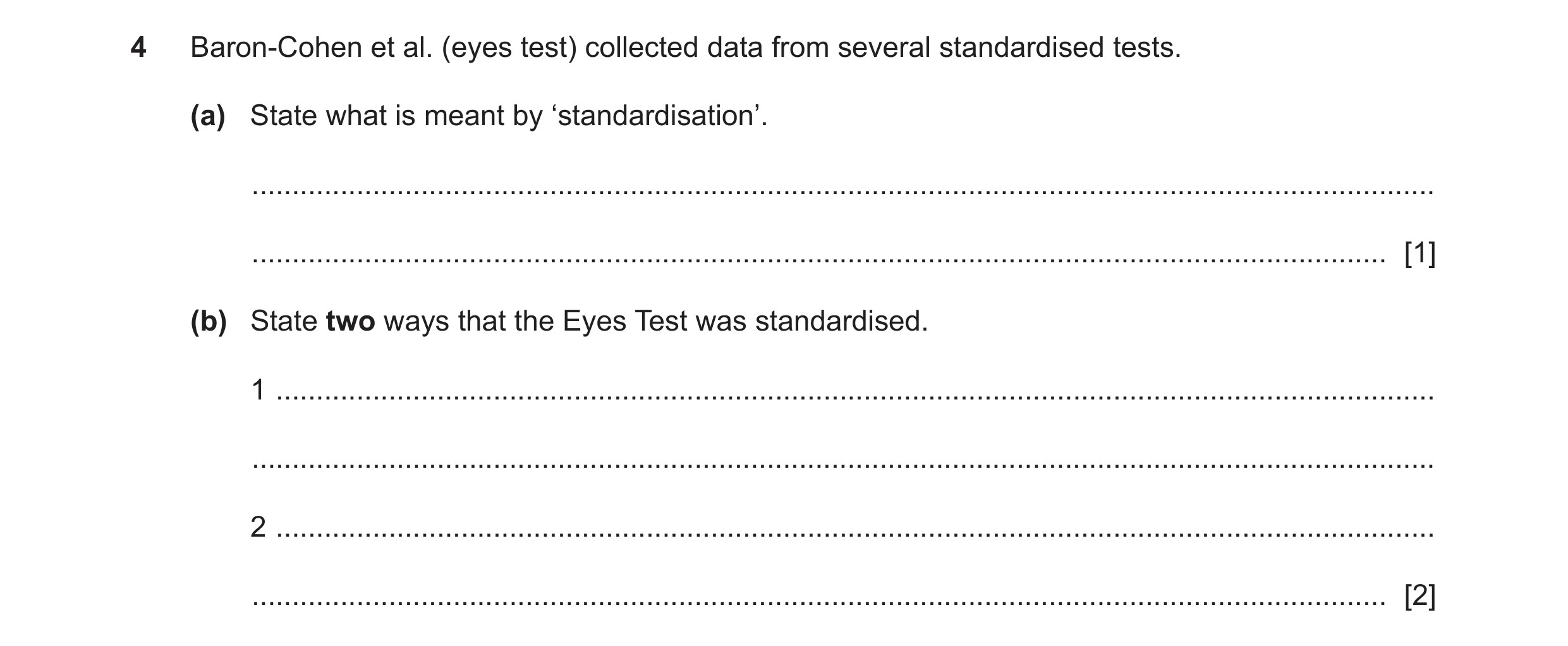 105 / 368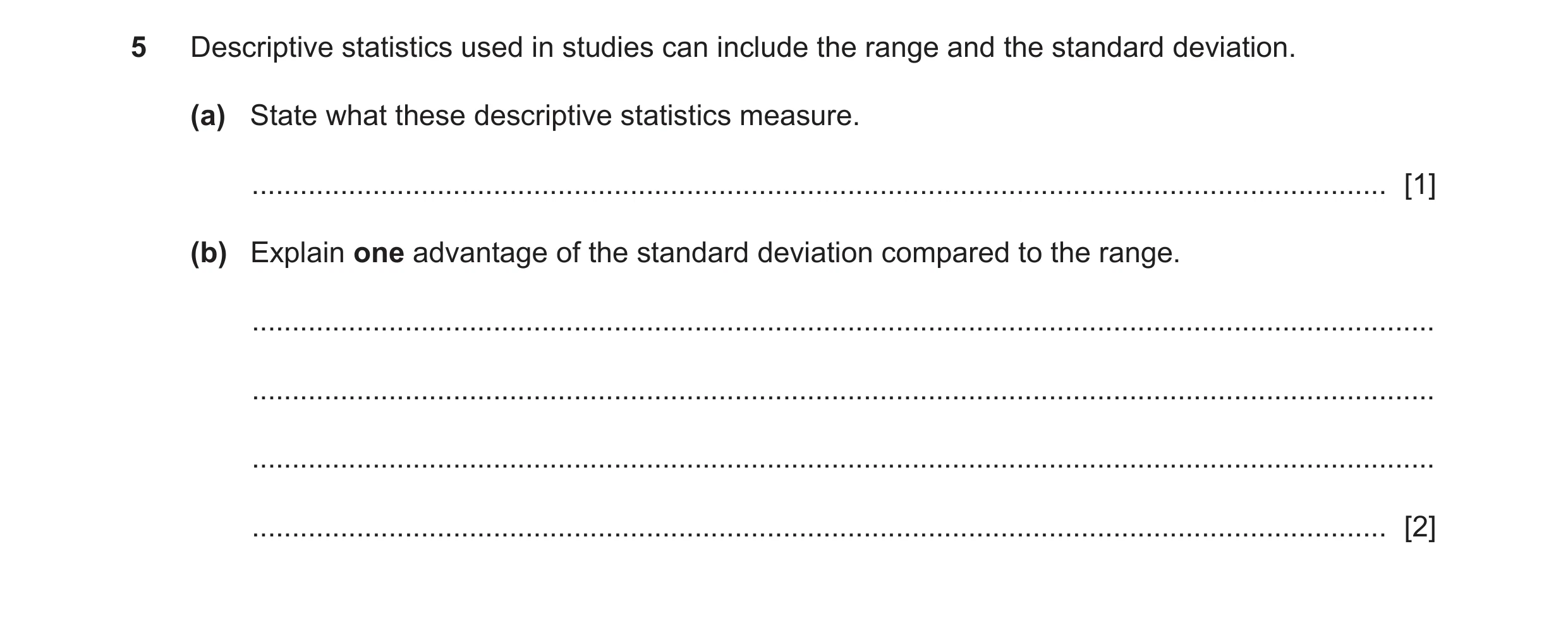
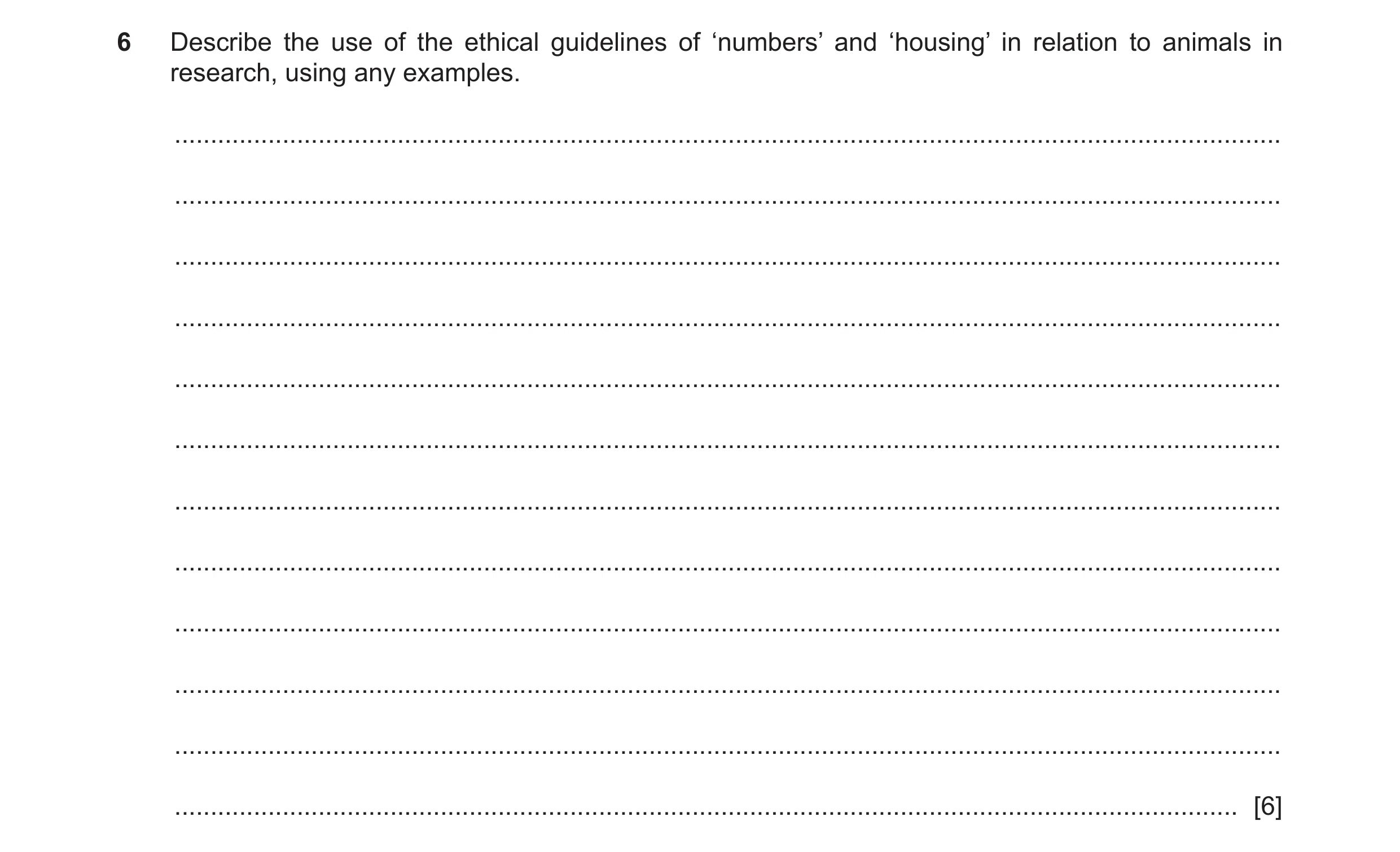 106 / 368
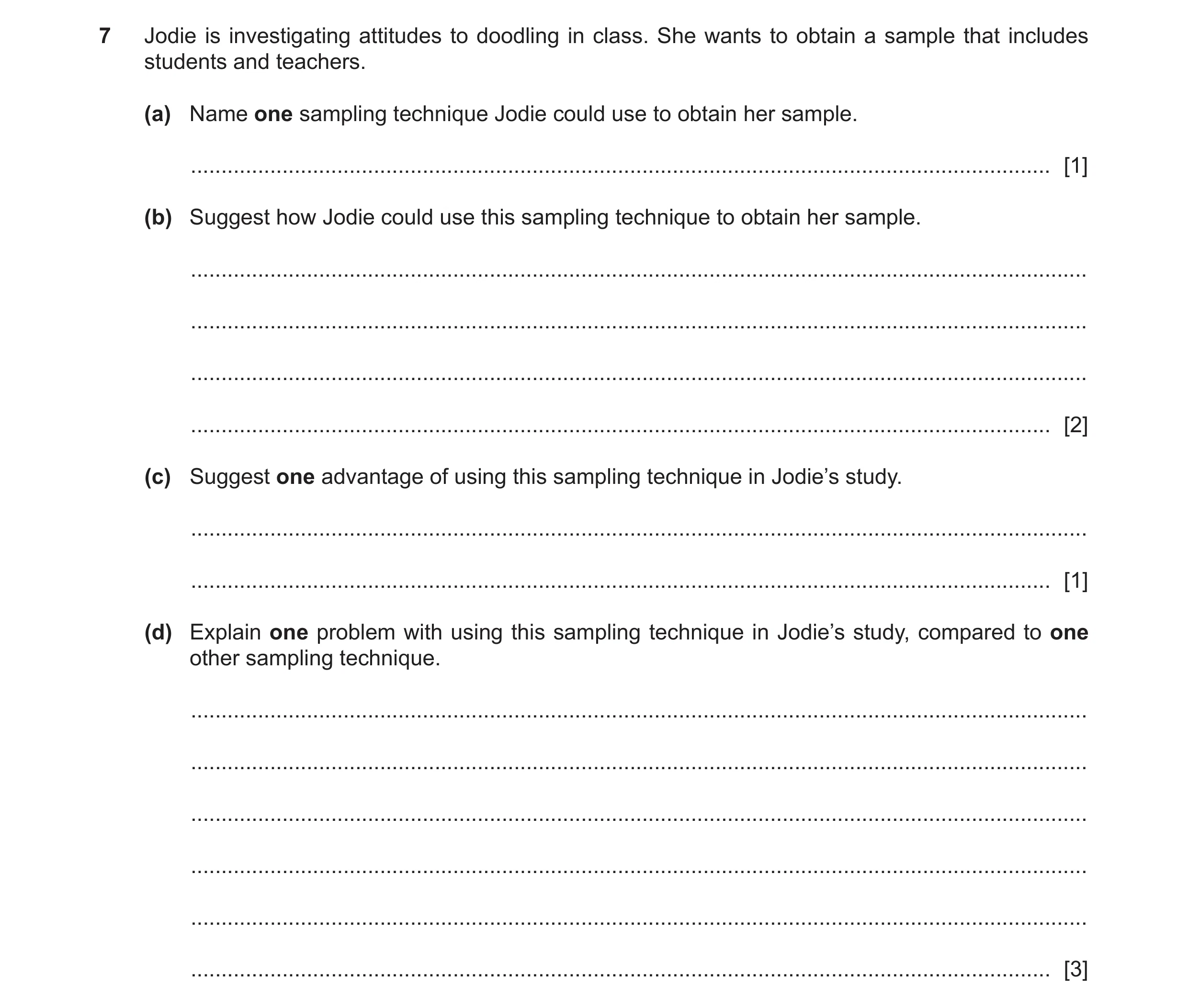 107 / 368
 108 / 368
 109 / 368
 112 / 368
 113 / 368
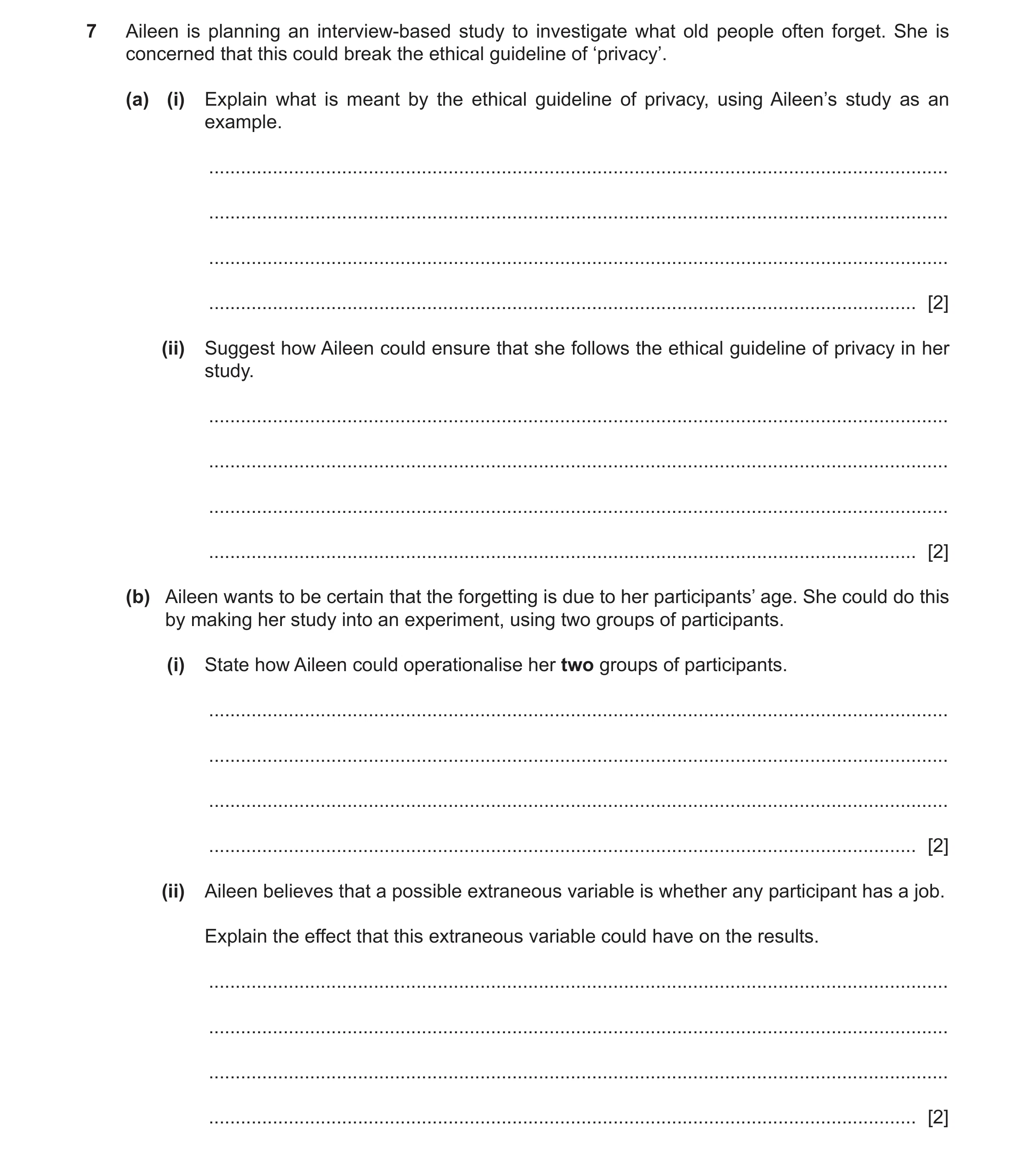 114 / 368
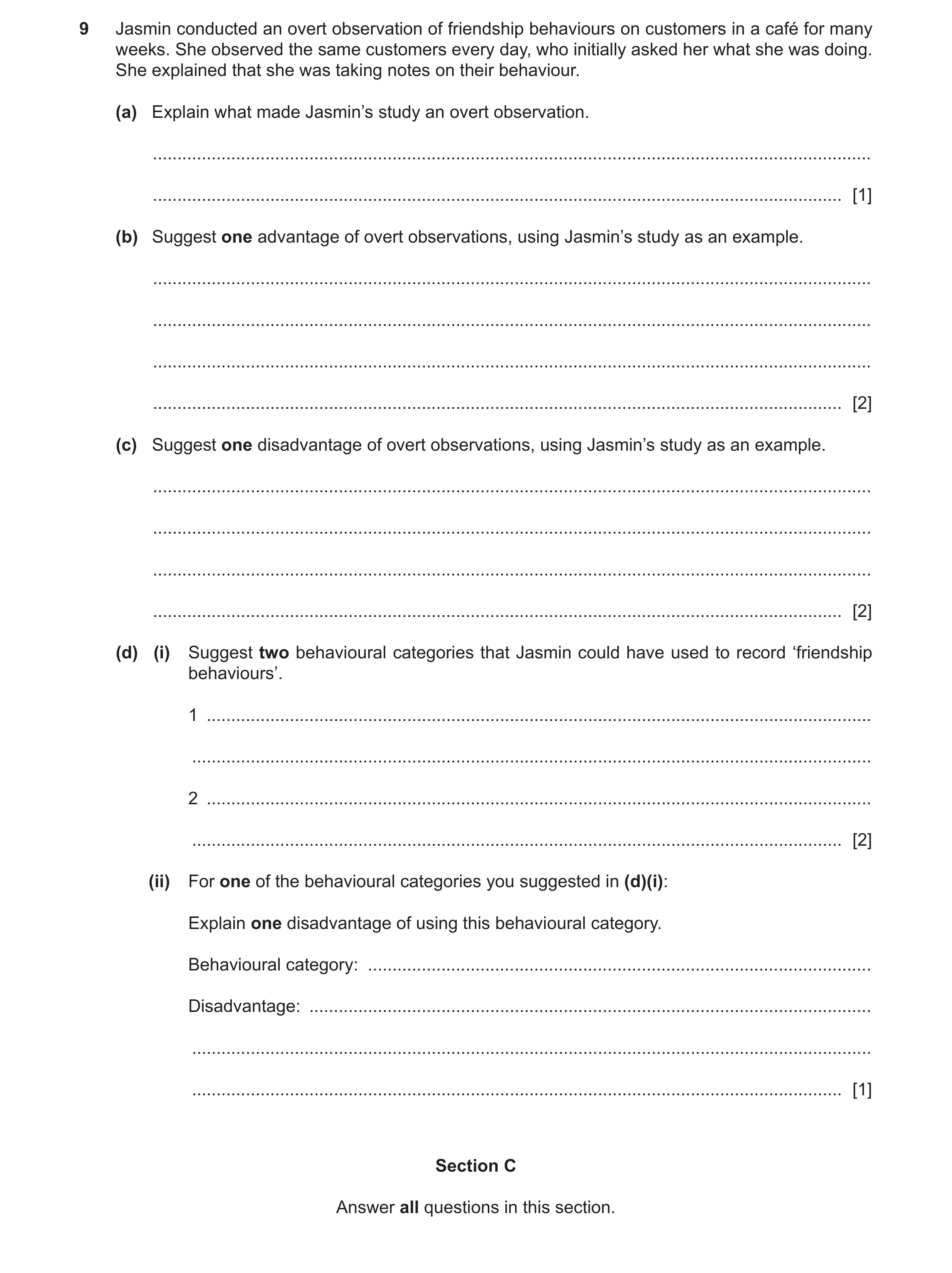 115 / 368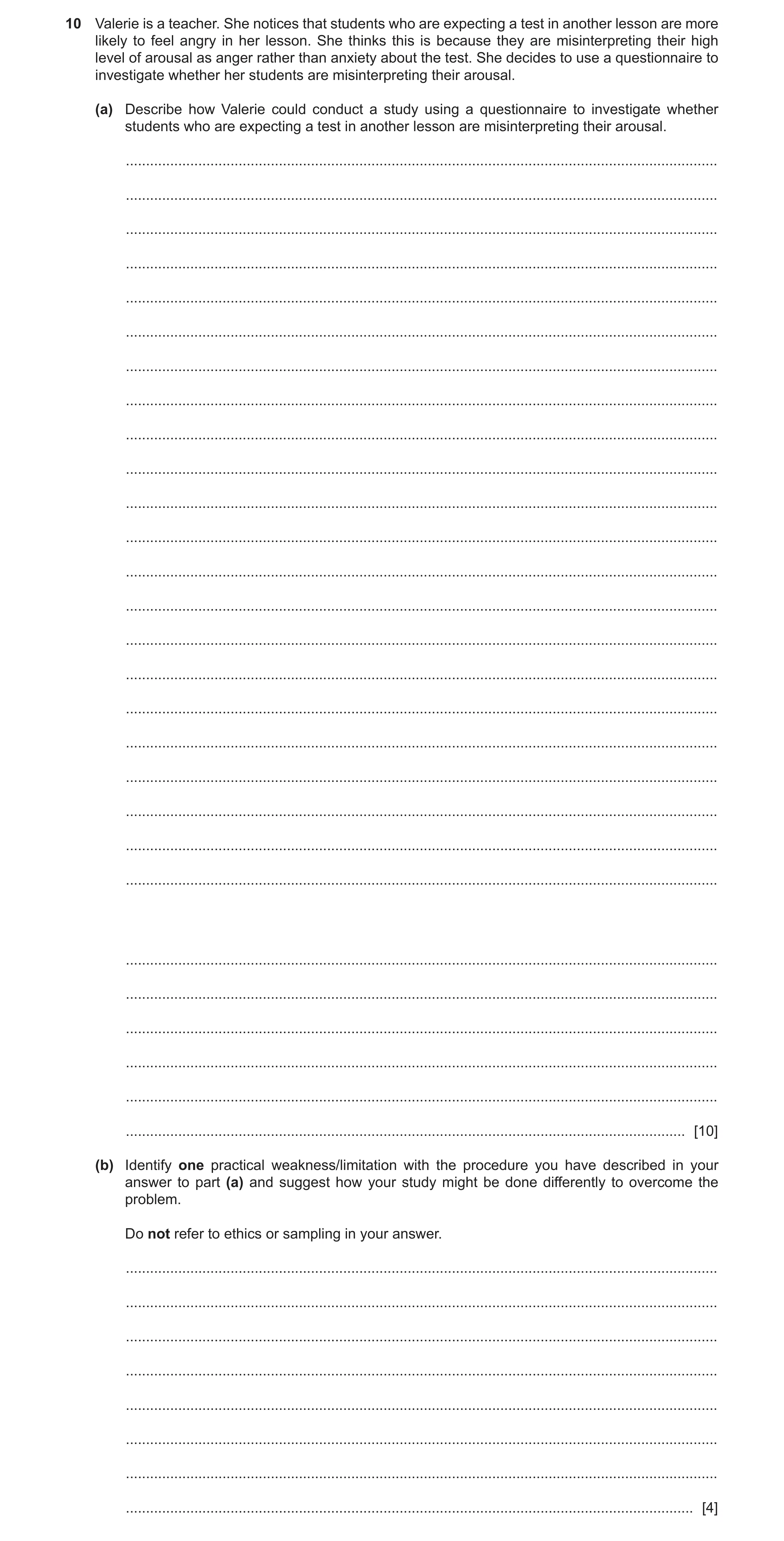
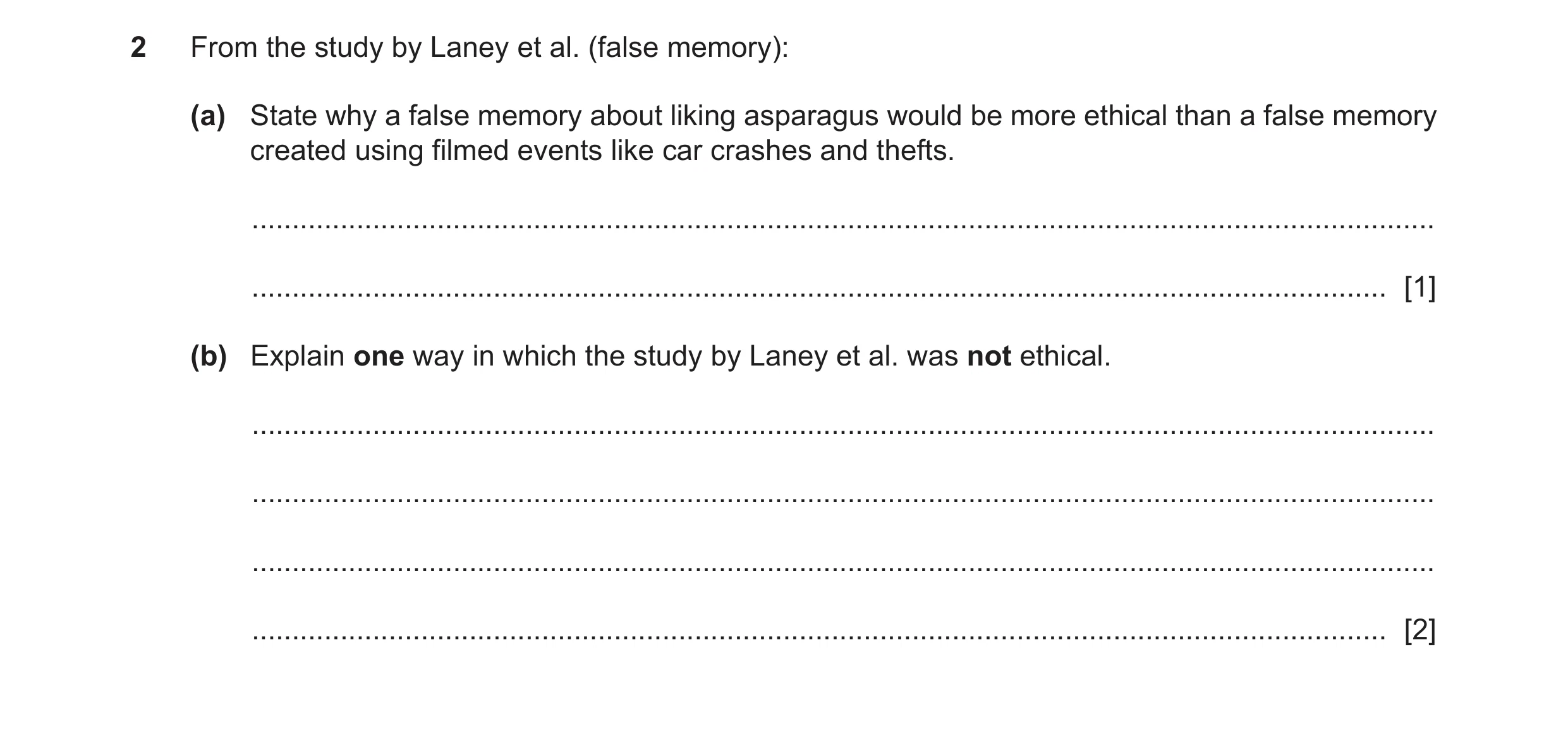 117 / 368
 118 / 368
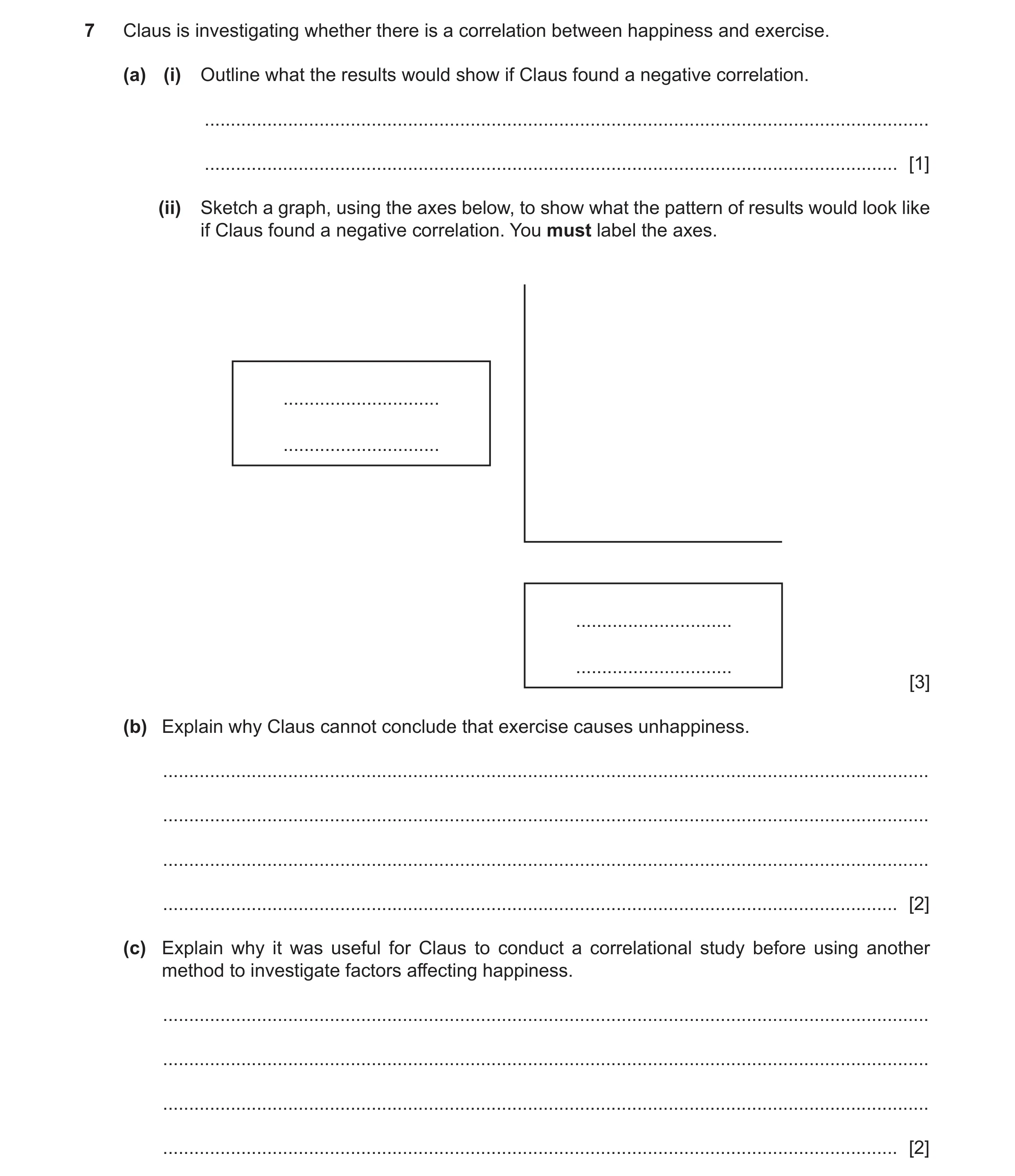 119 / 368
 120 / 368
 121 / 368
 123 / 368
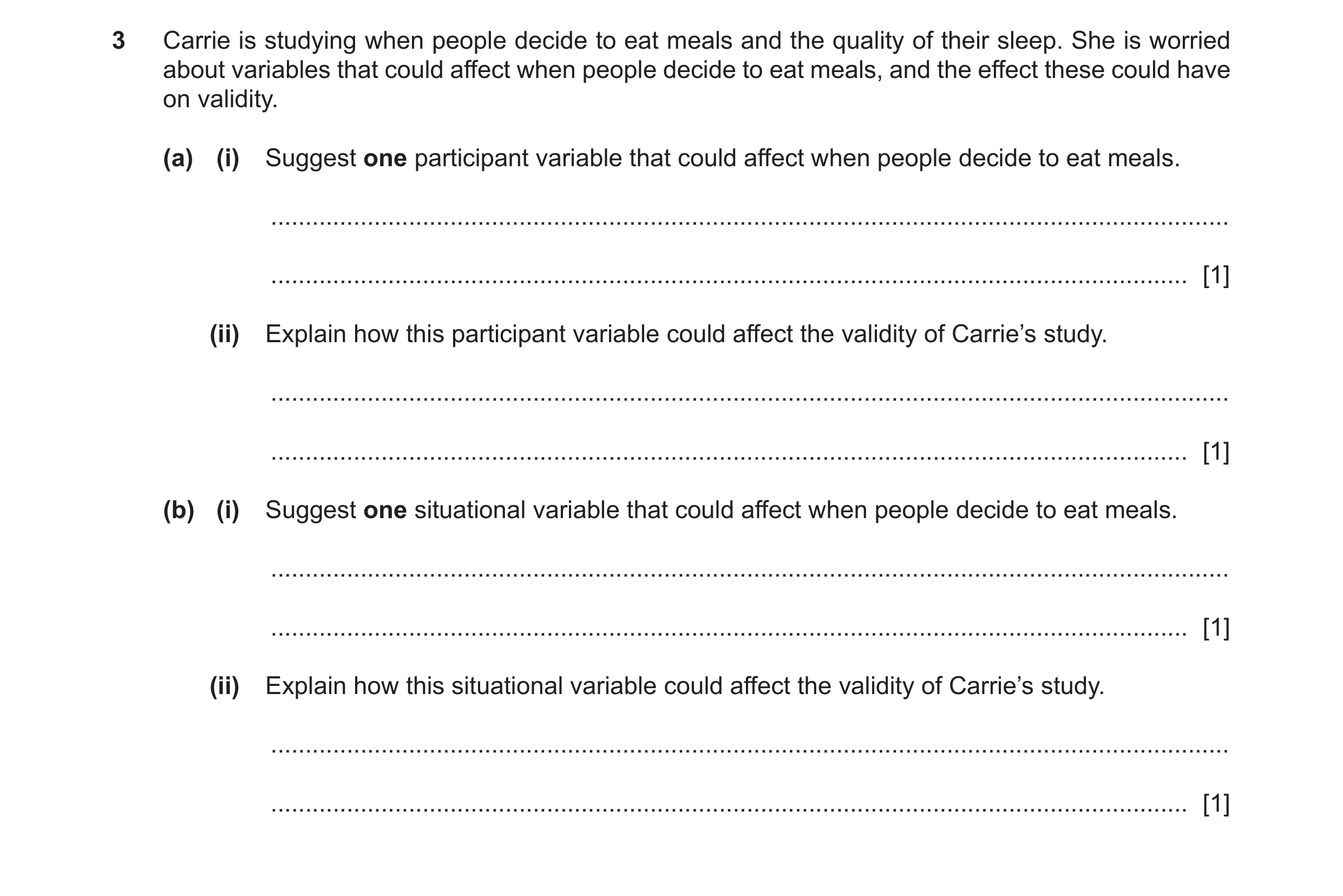 124 / 368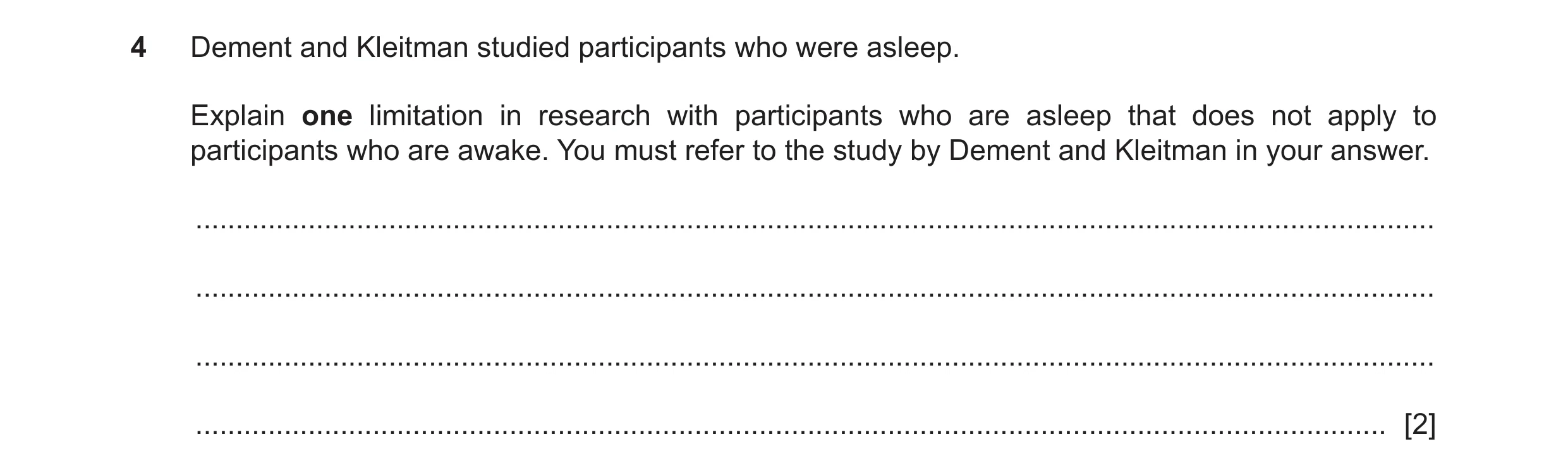
 125 / 368
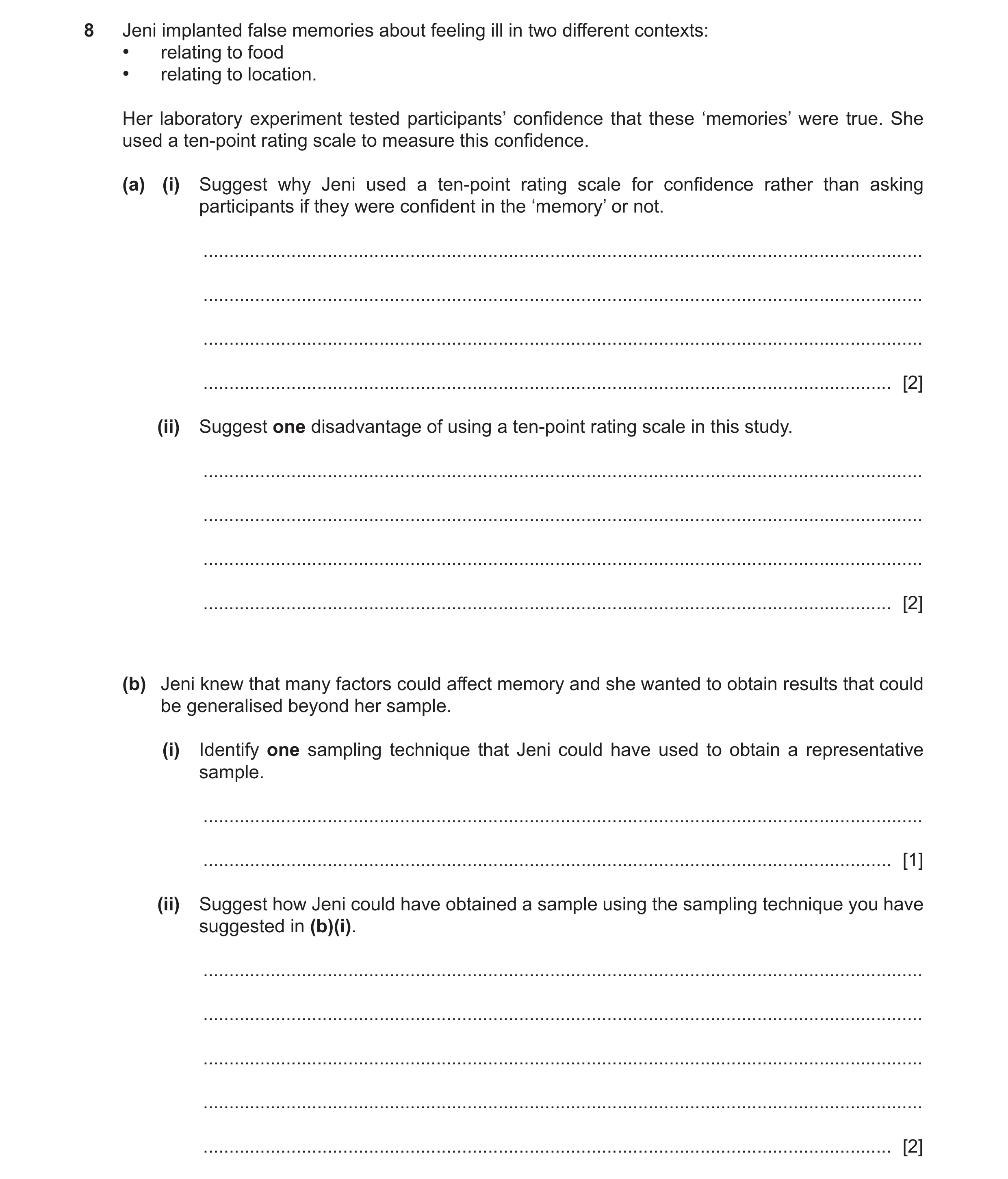 126 / 368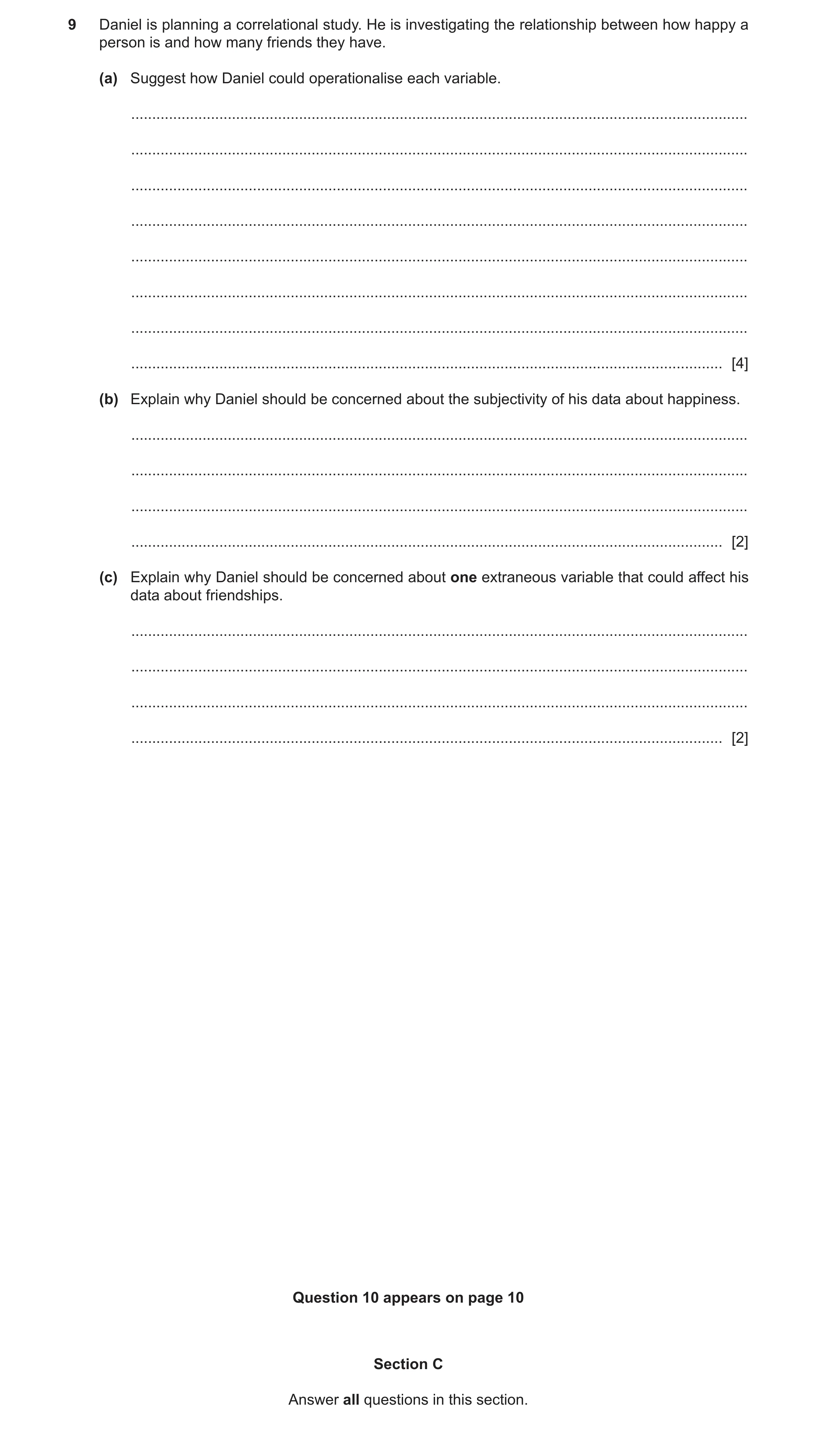
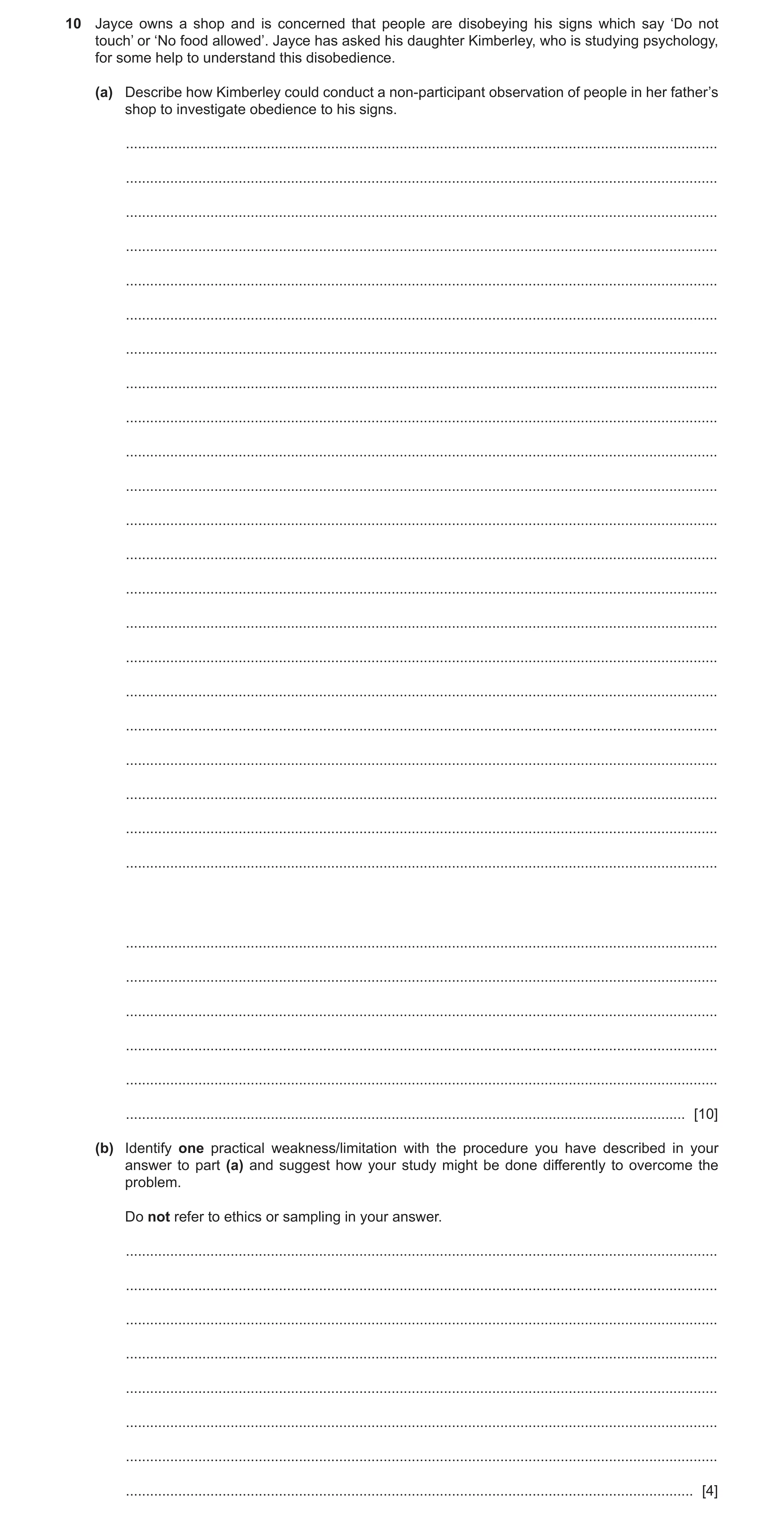
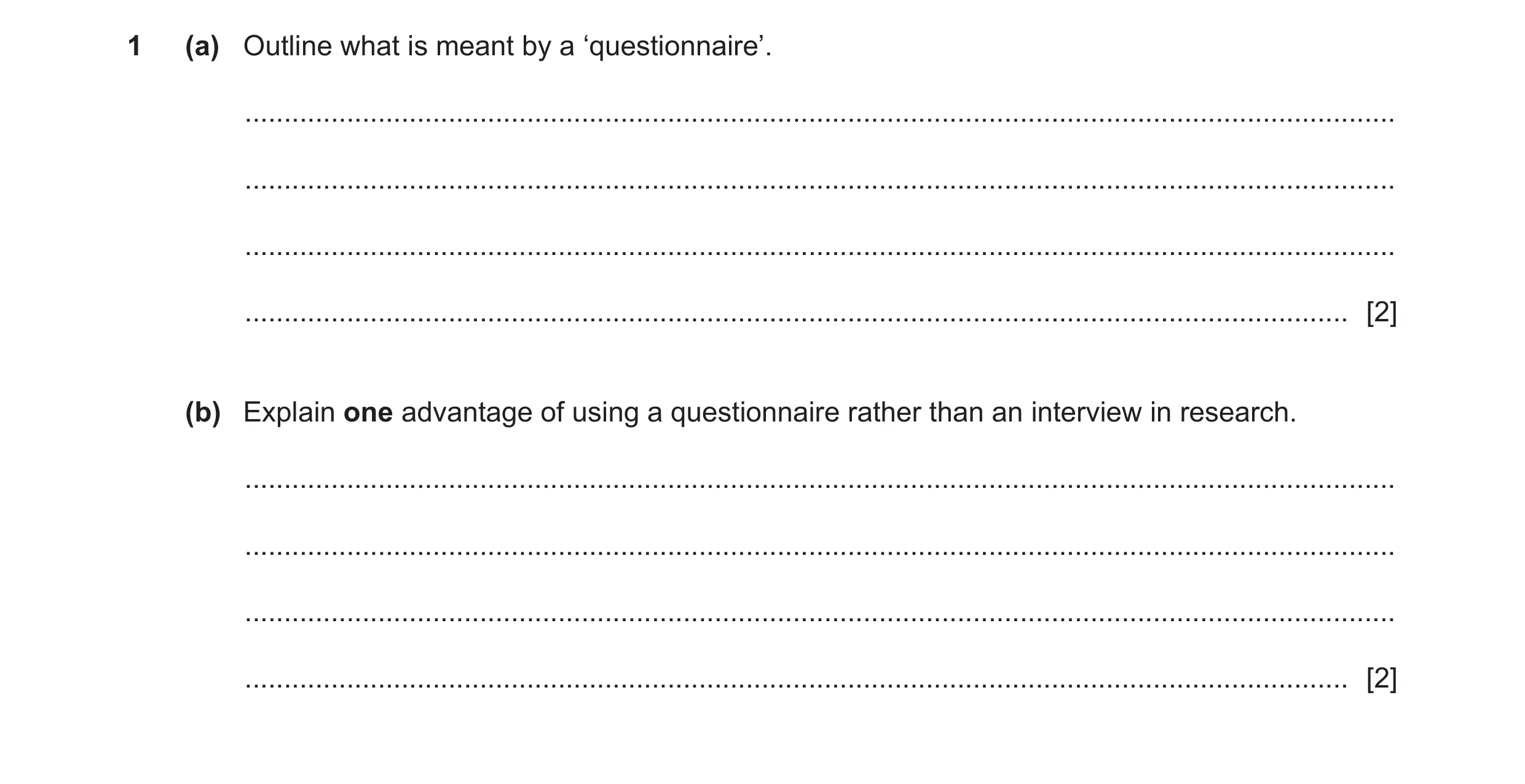
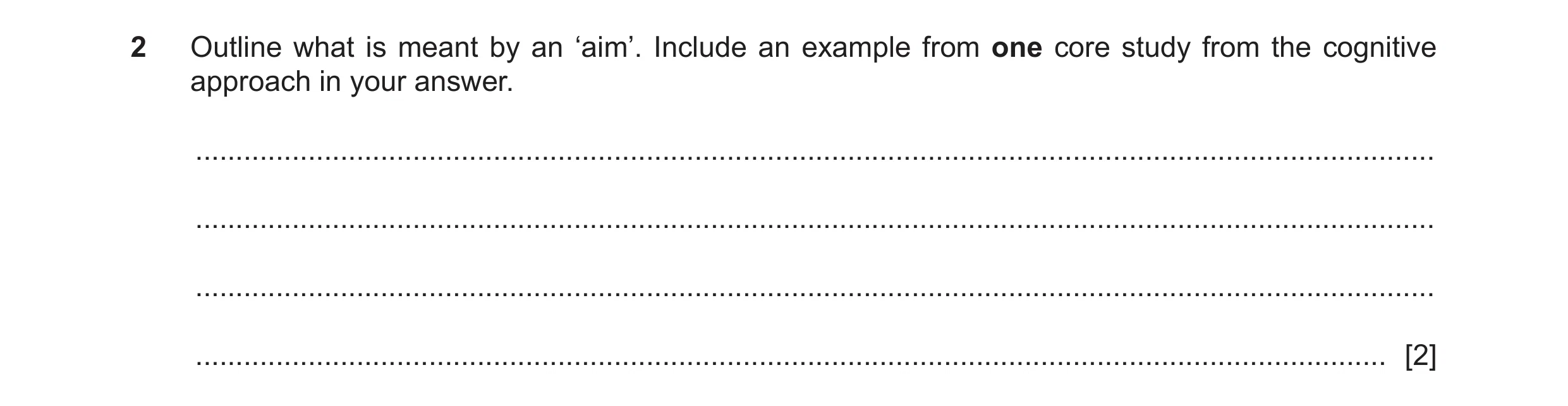 130 / 368
 131 / 368
 132 / 368
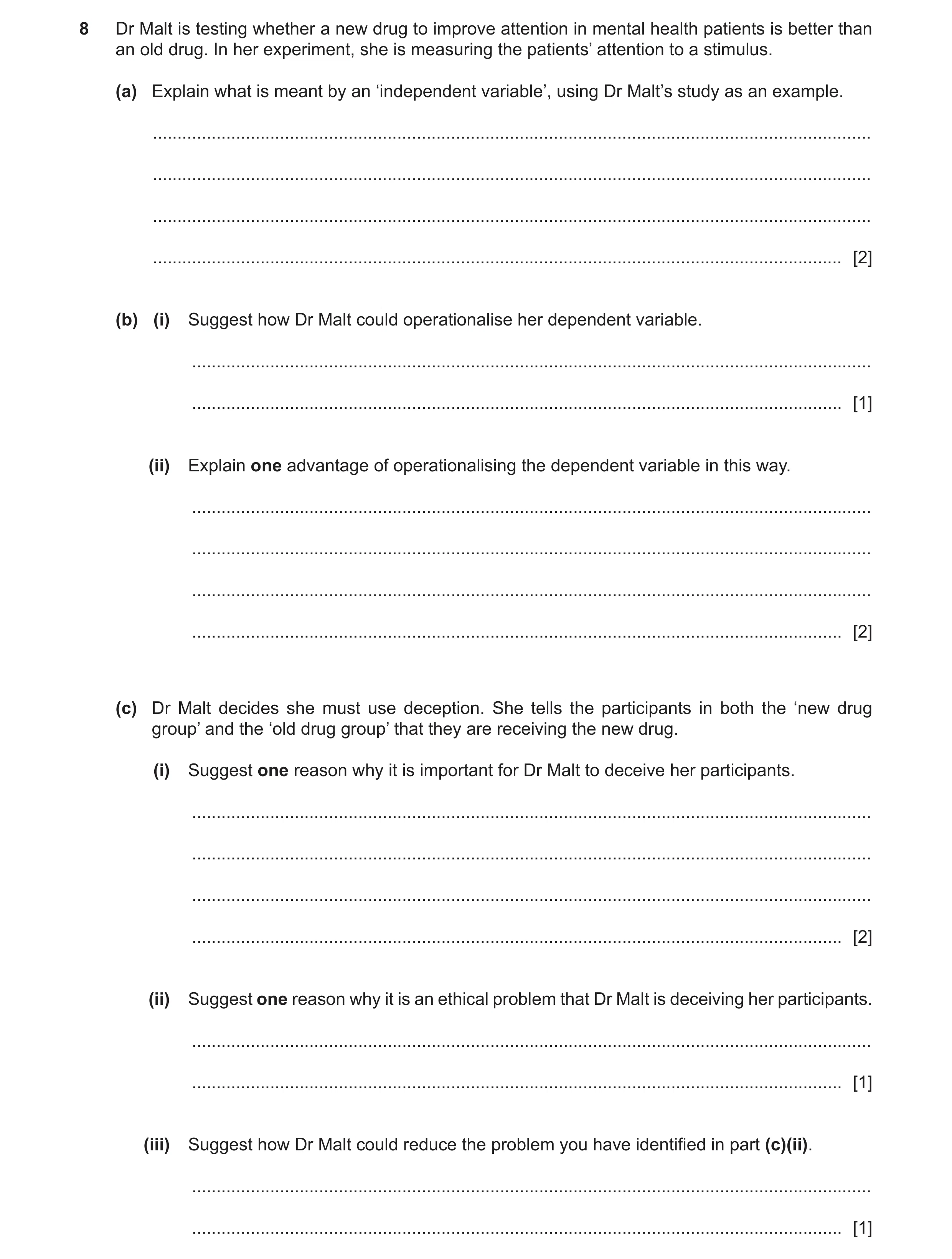 133 / 368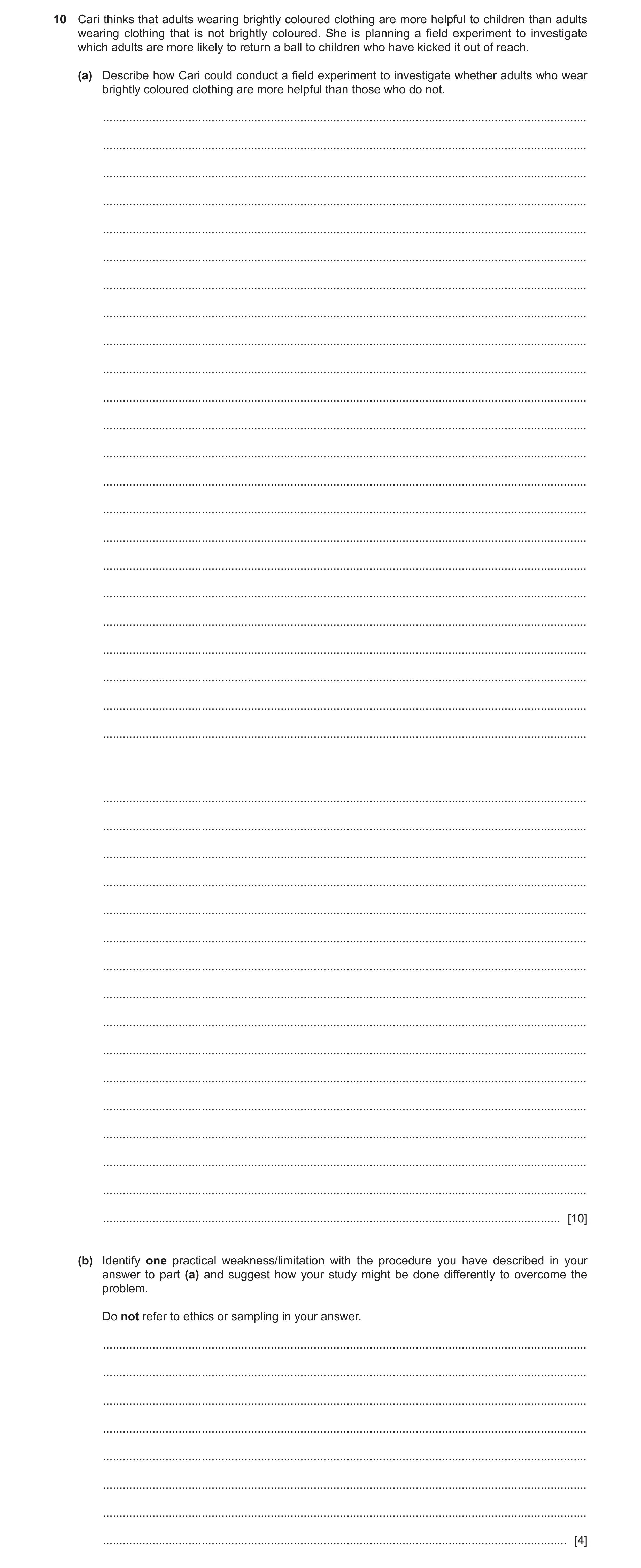
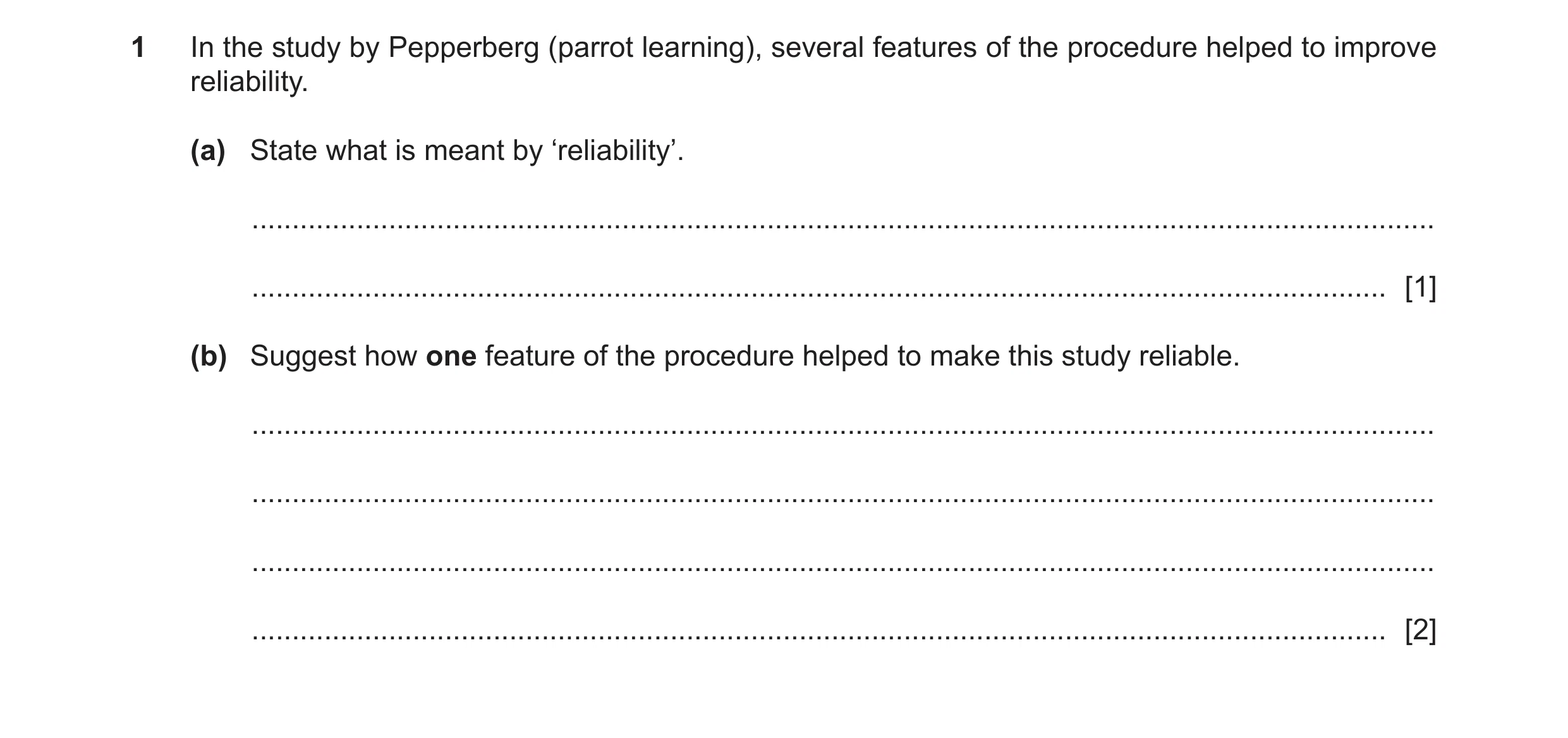
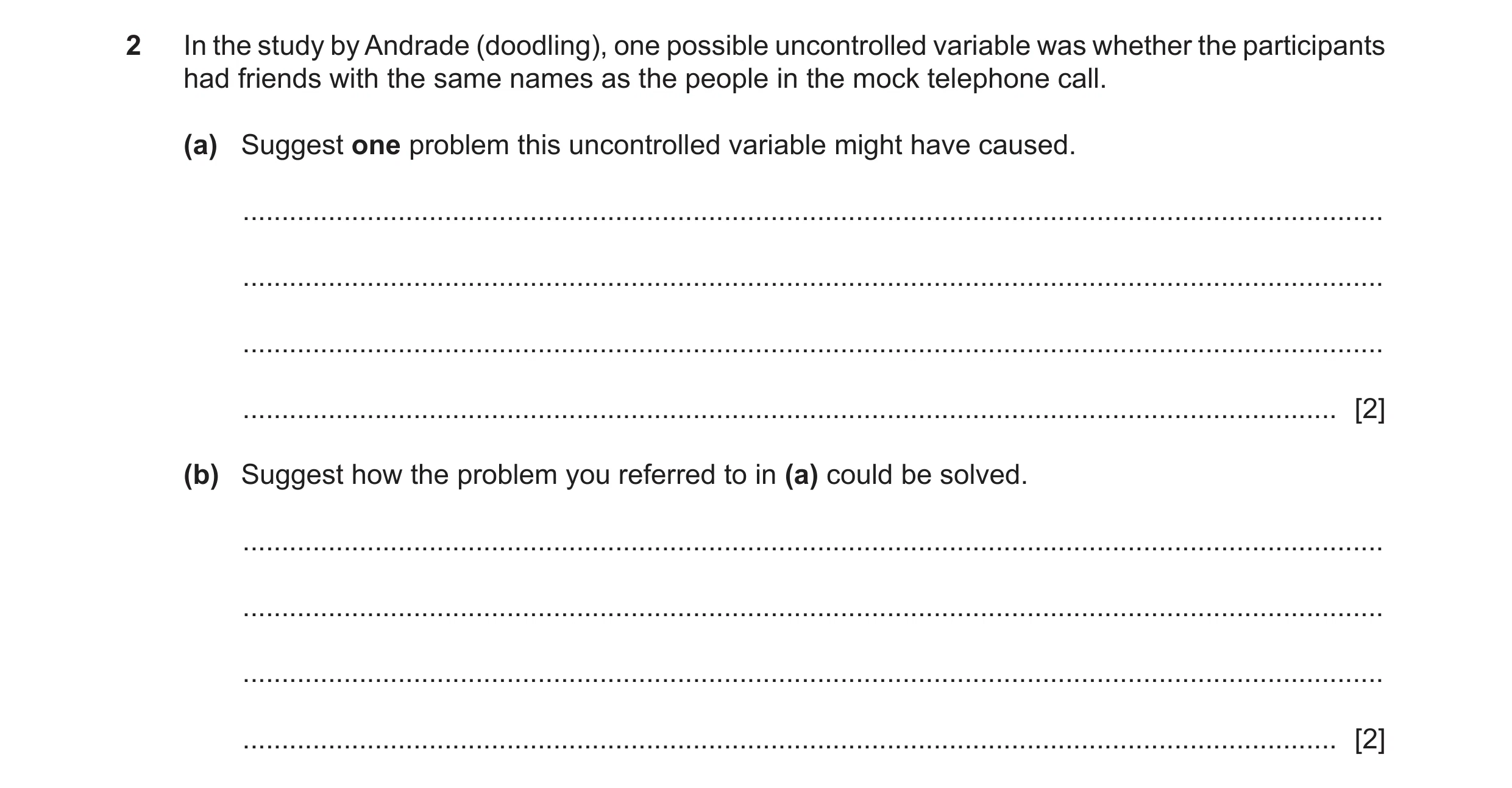 136 / 368
 137 / 368
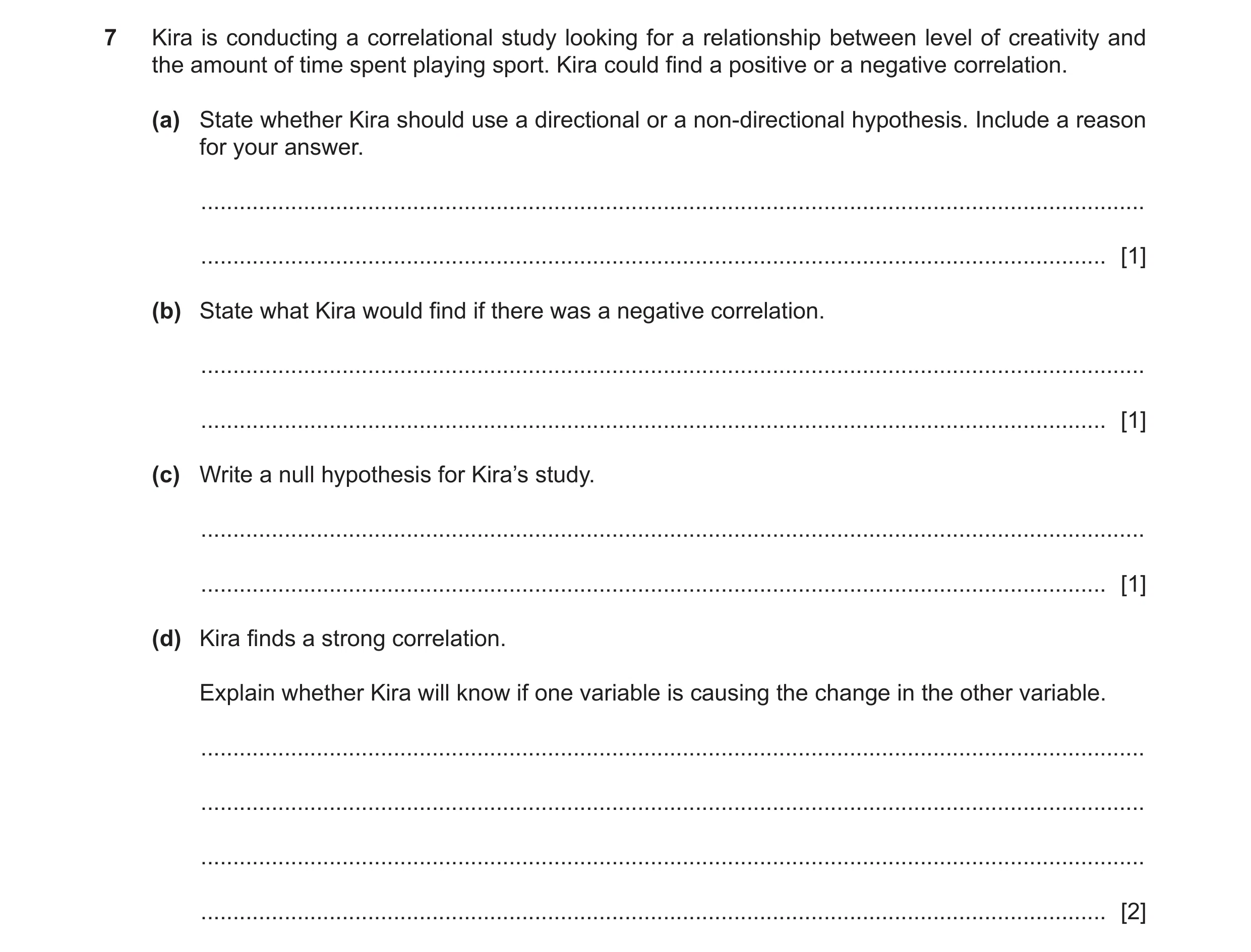 138 / 368
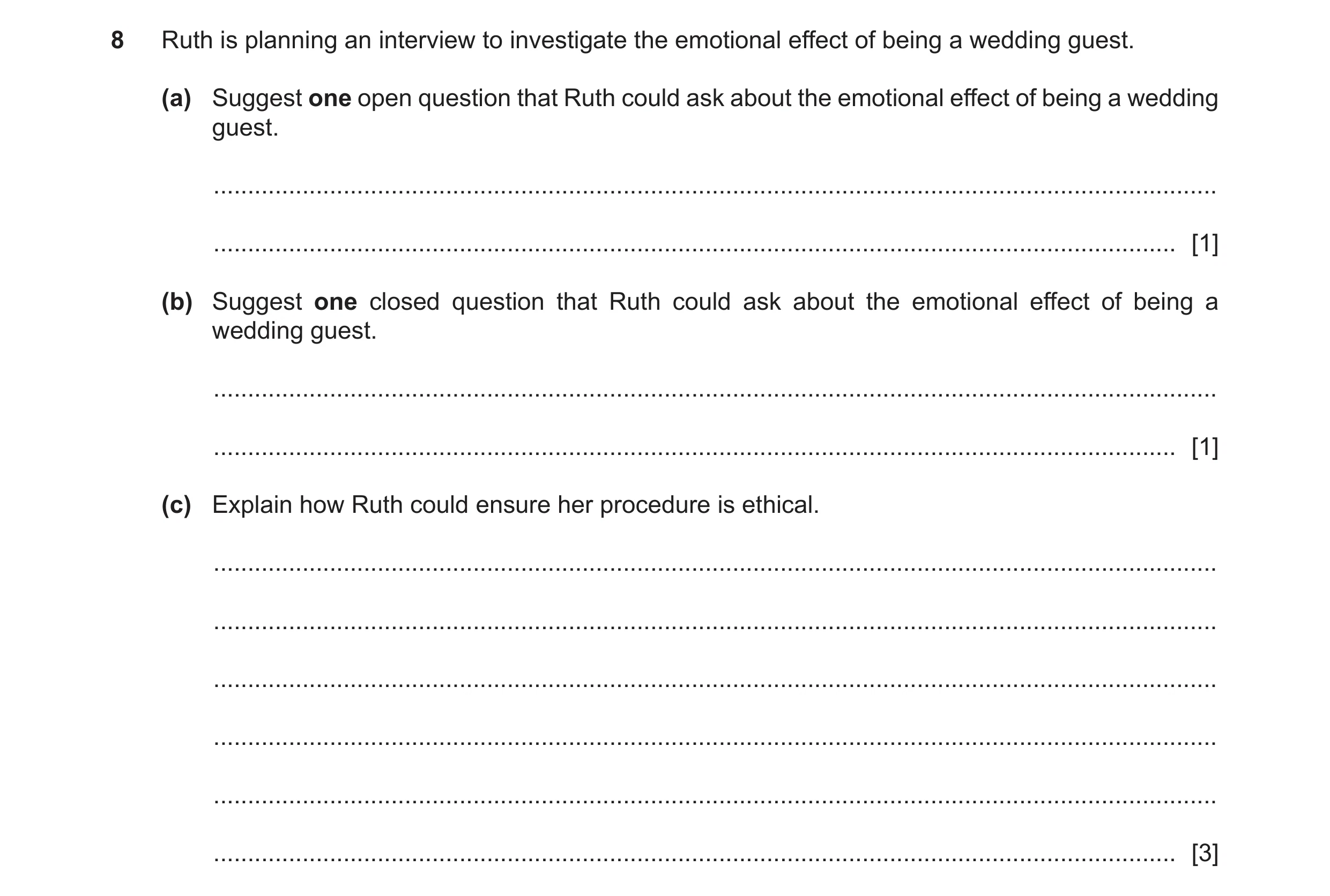 139 / 368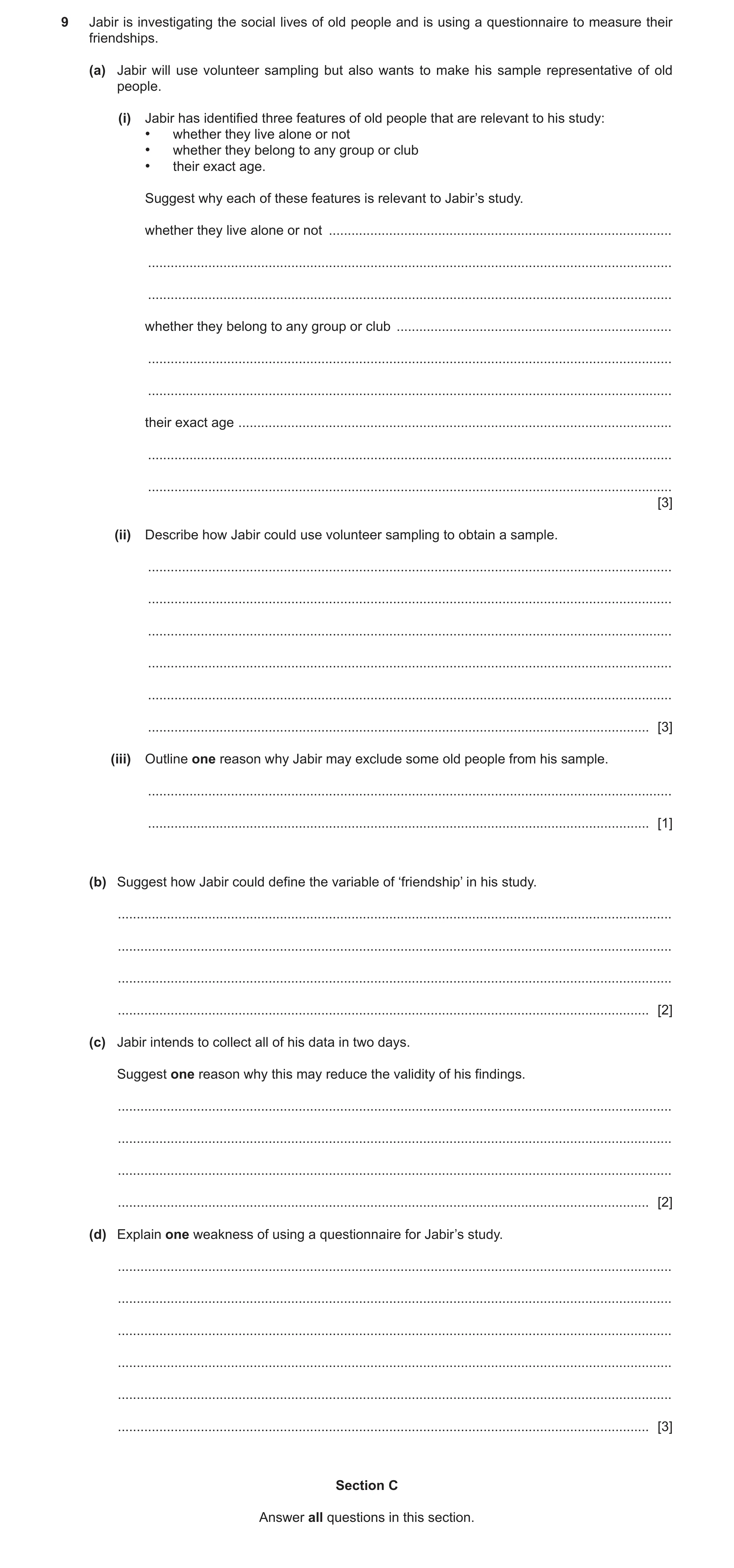
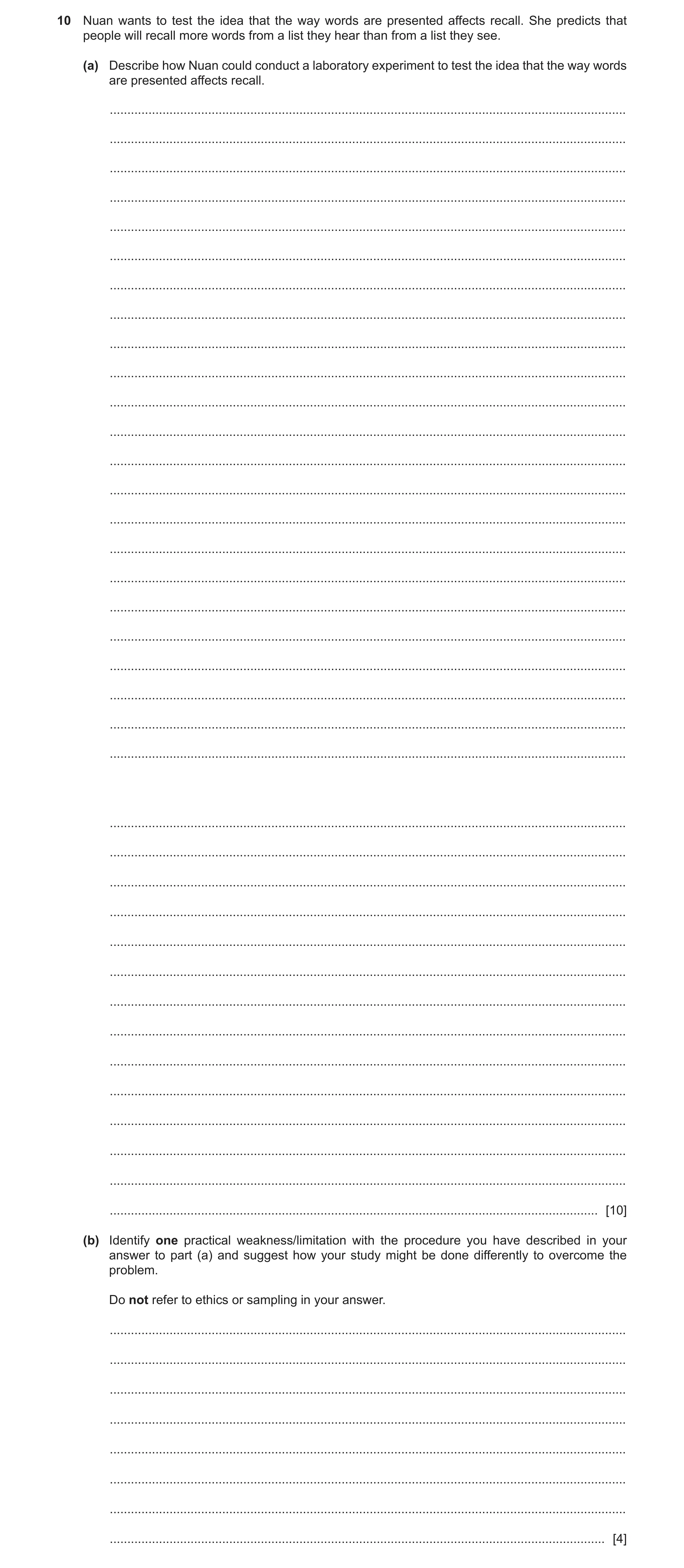
 142 / 368
 143 / 368
 144 / 368
 145 / 368
 146 / 368
 147 / 368
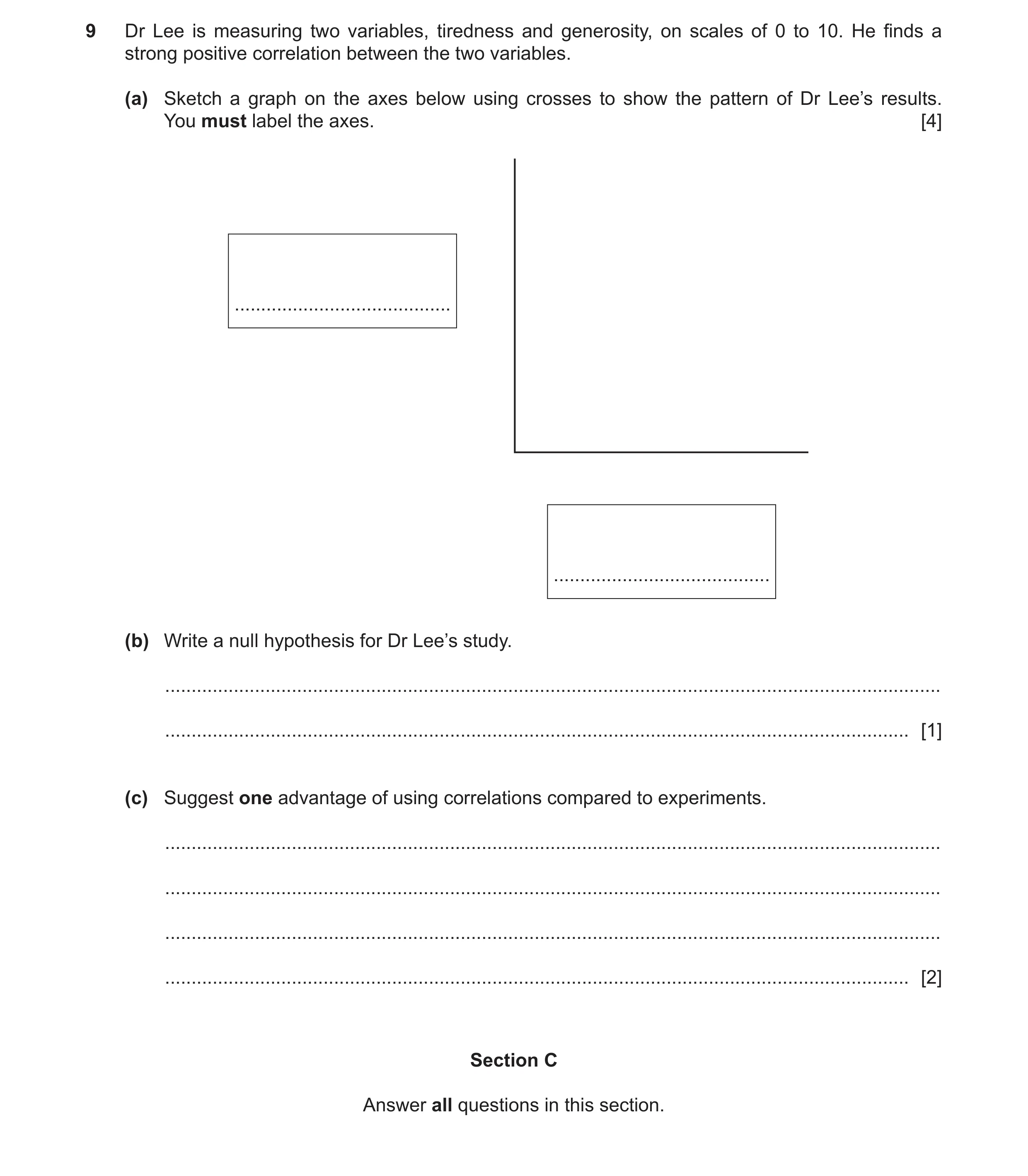 148 / 368
 150 / 368
 151 / 368
 152 / 368
 153 / 368
 154 / 368
 155 / 368
 157 / 368
 158 / 368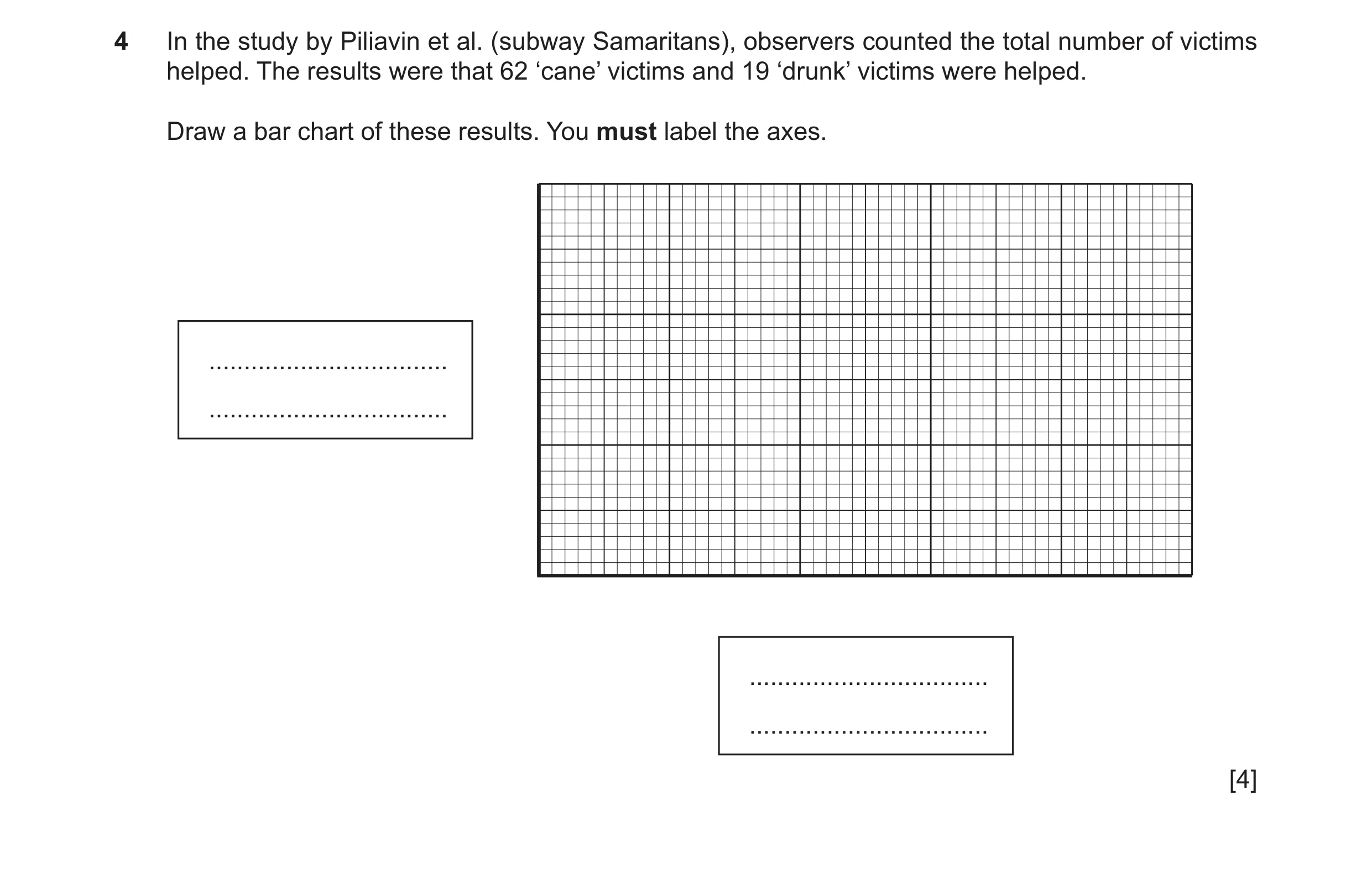
 159 / 368
 160 / 368
 161 / 368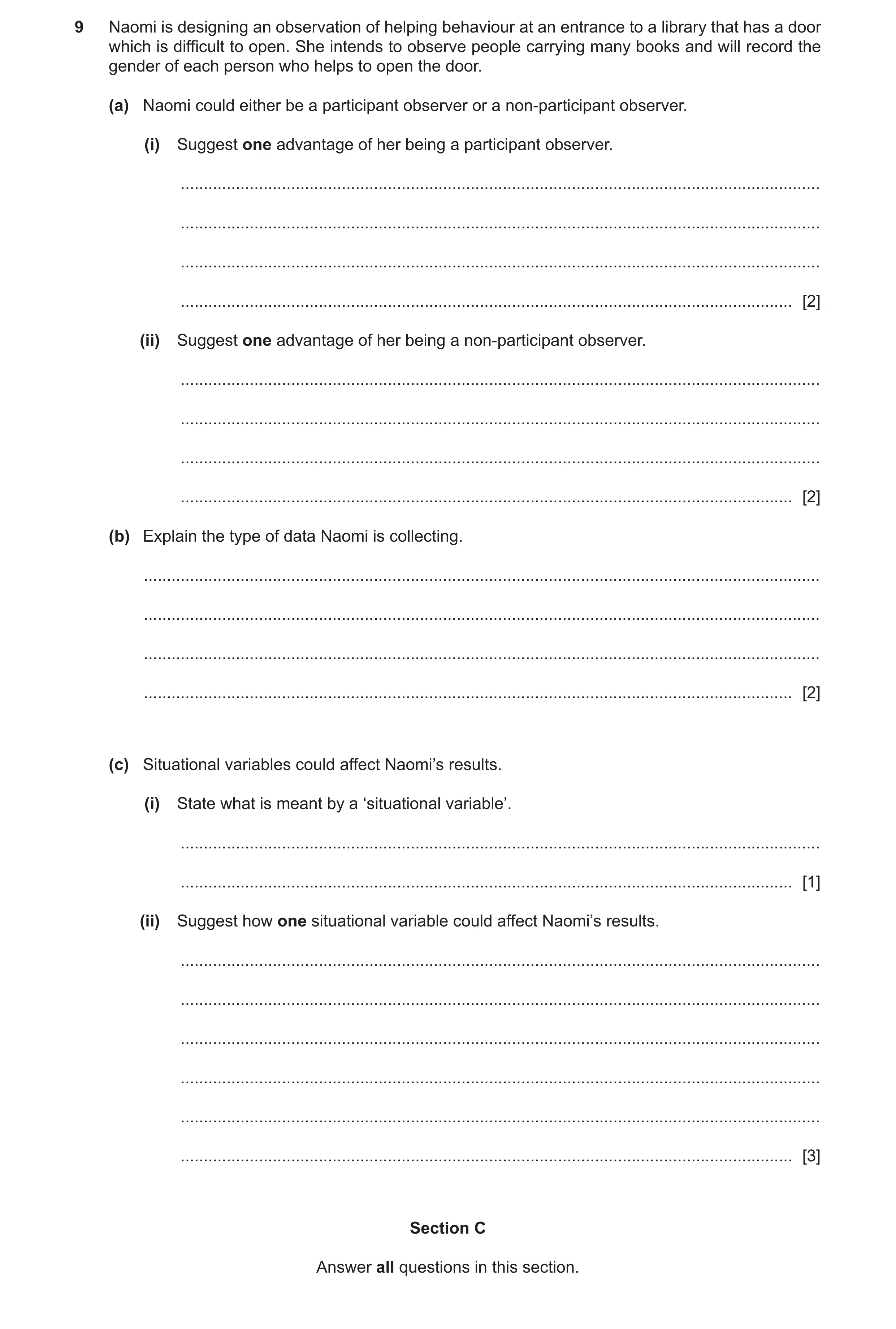
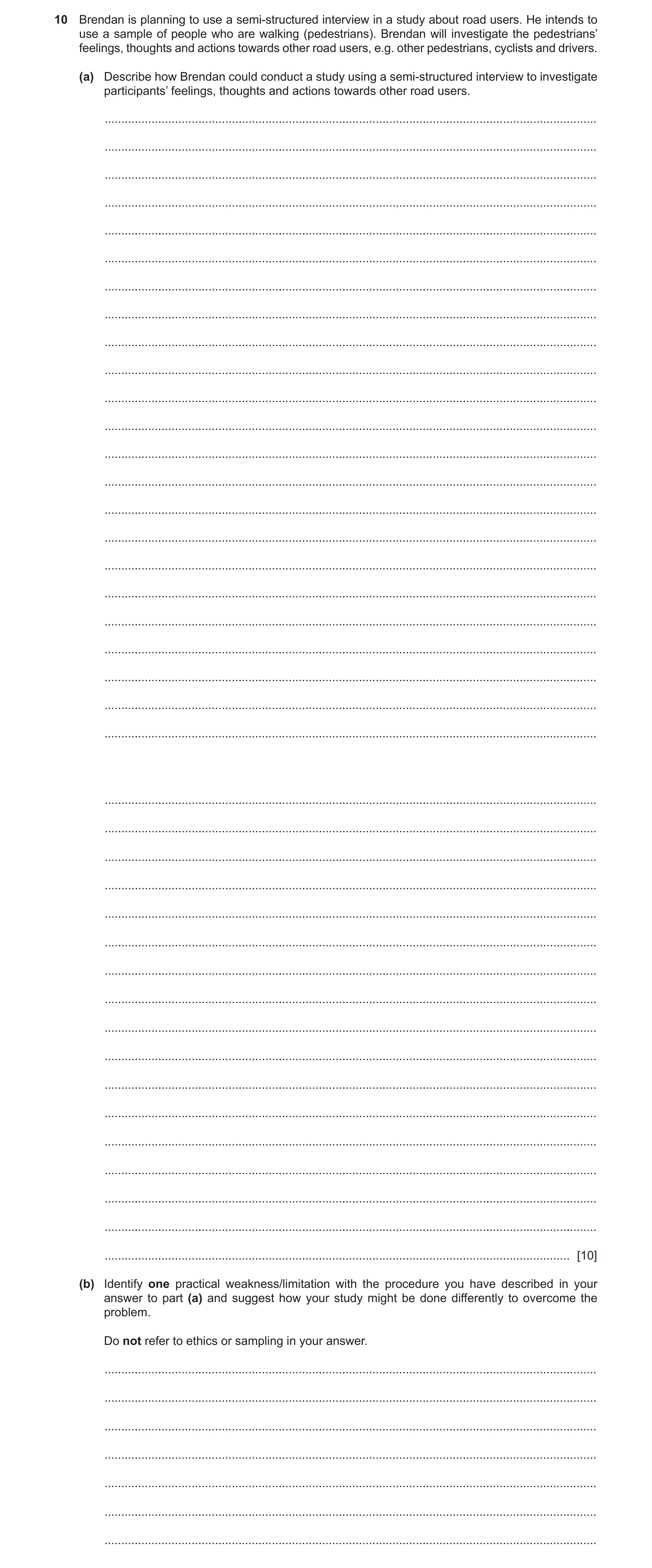
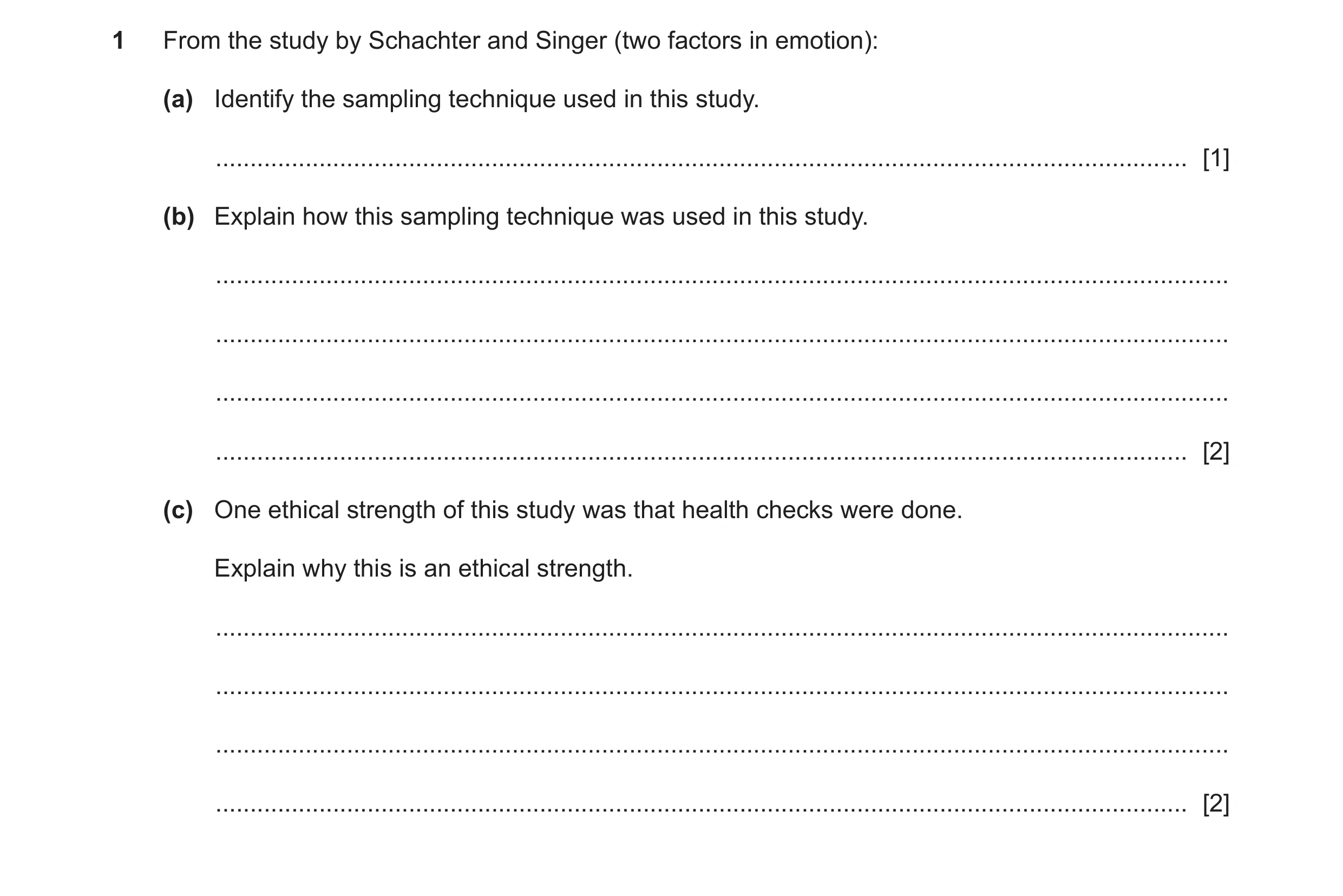
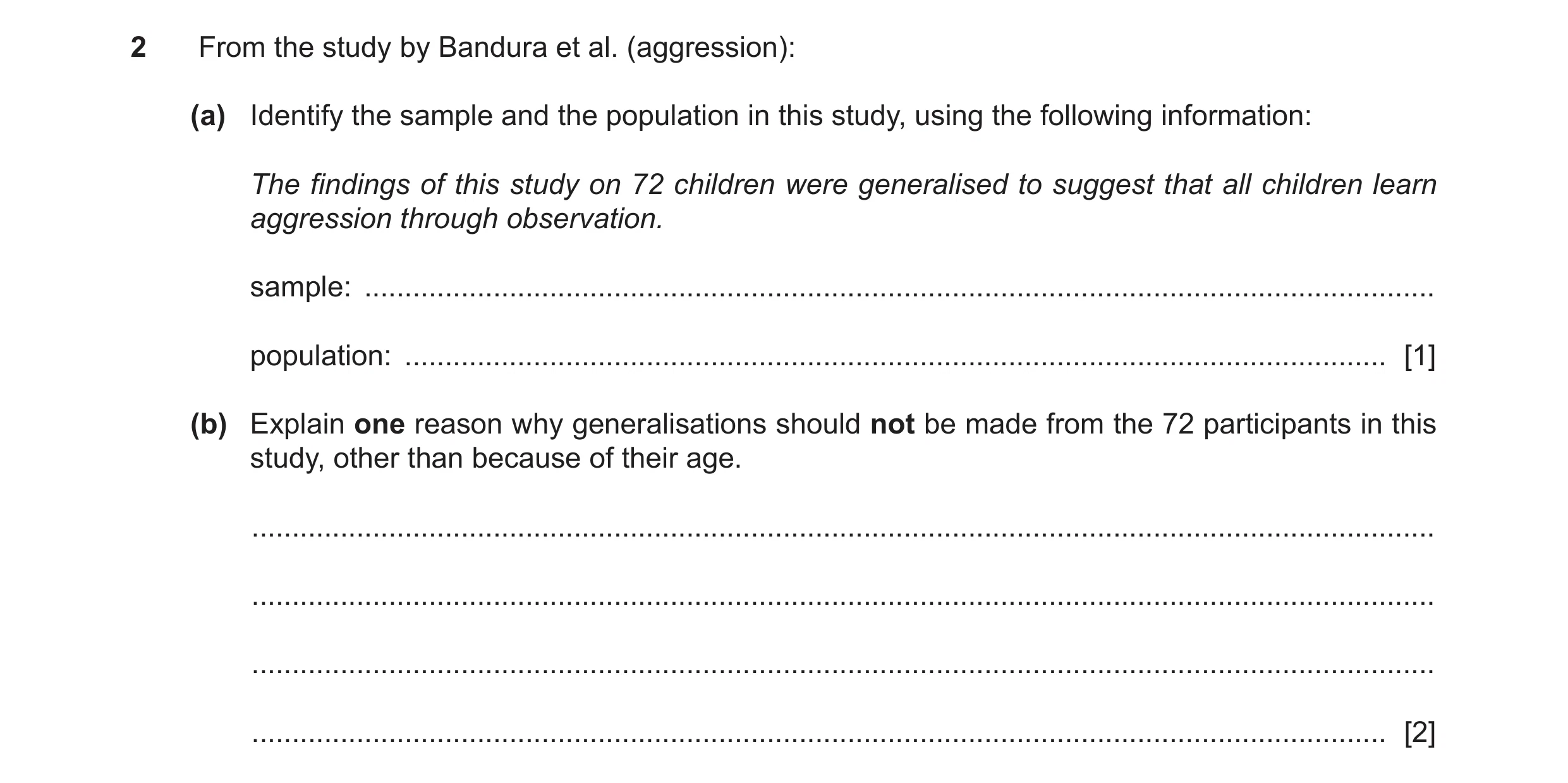 165 / 368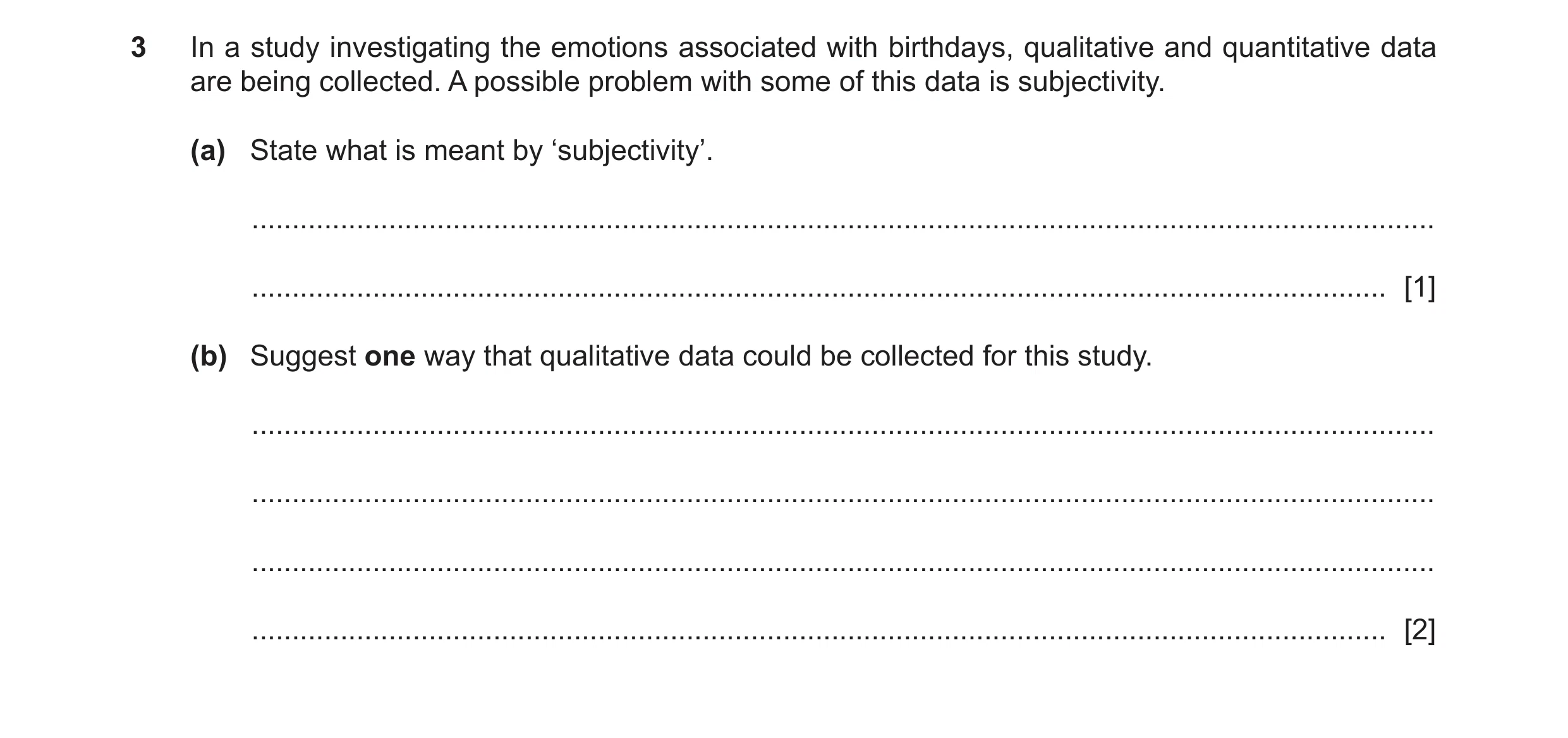
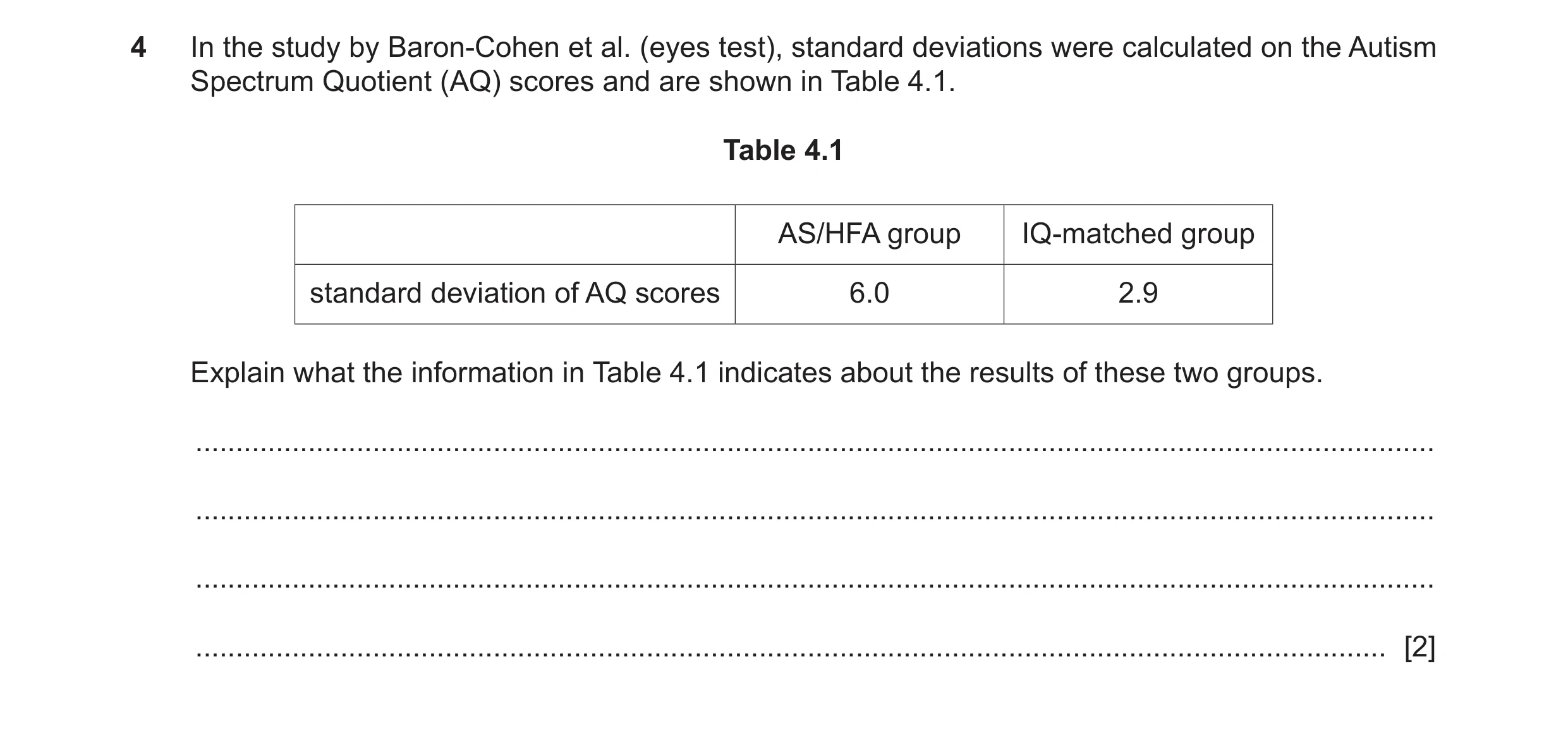
 166 / 368
 167 / 368
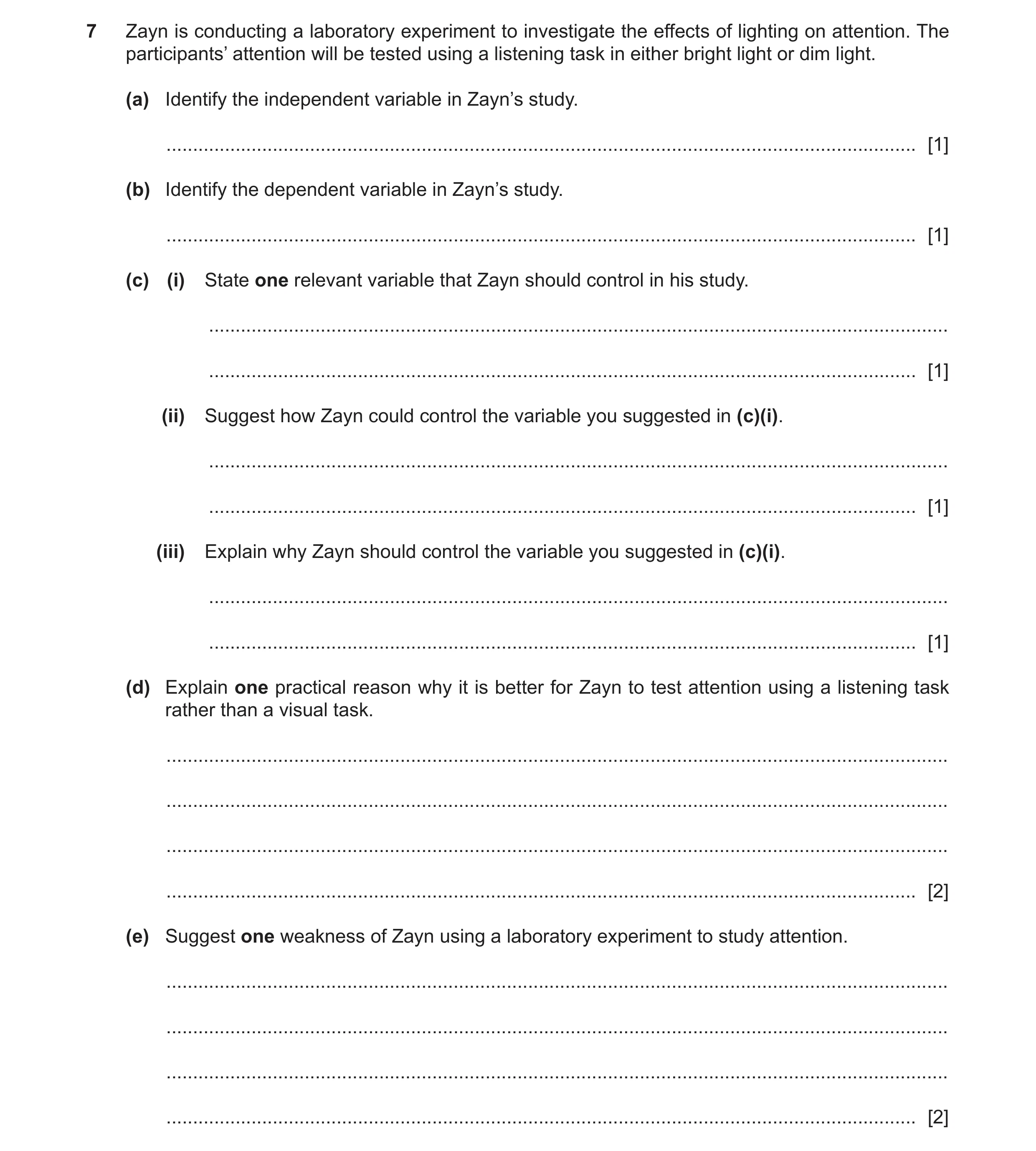 168 / 368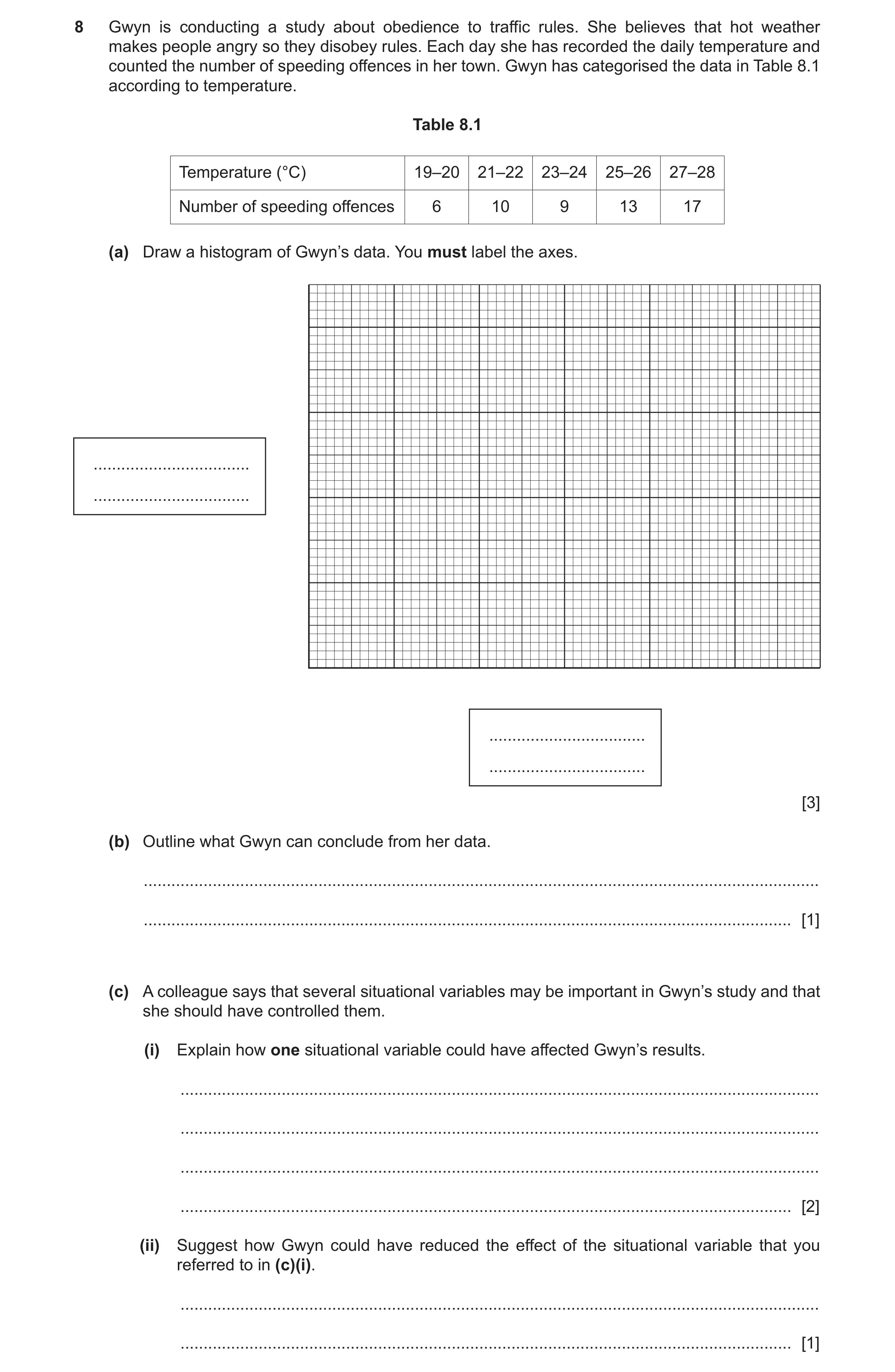
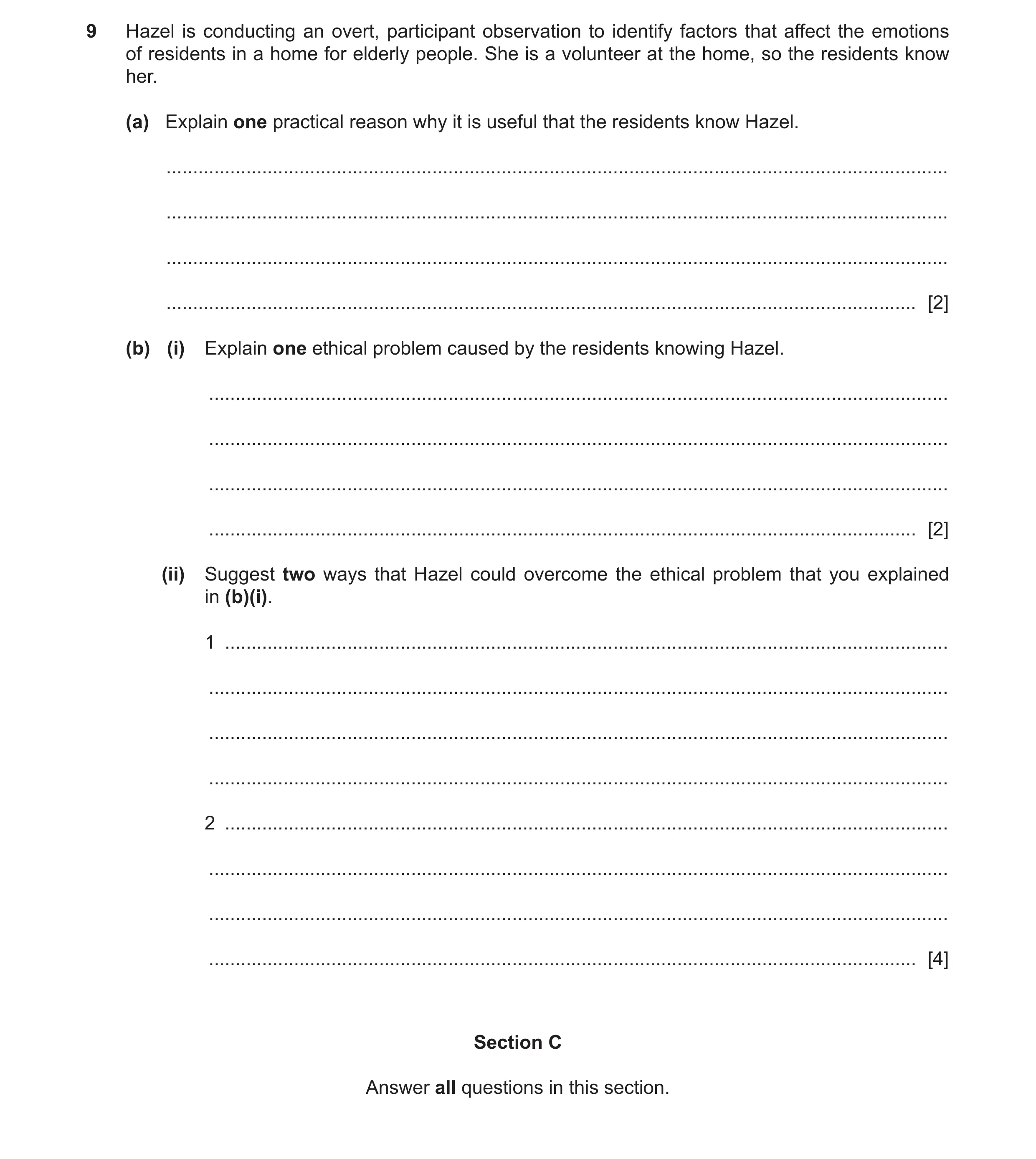 170 / 368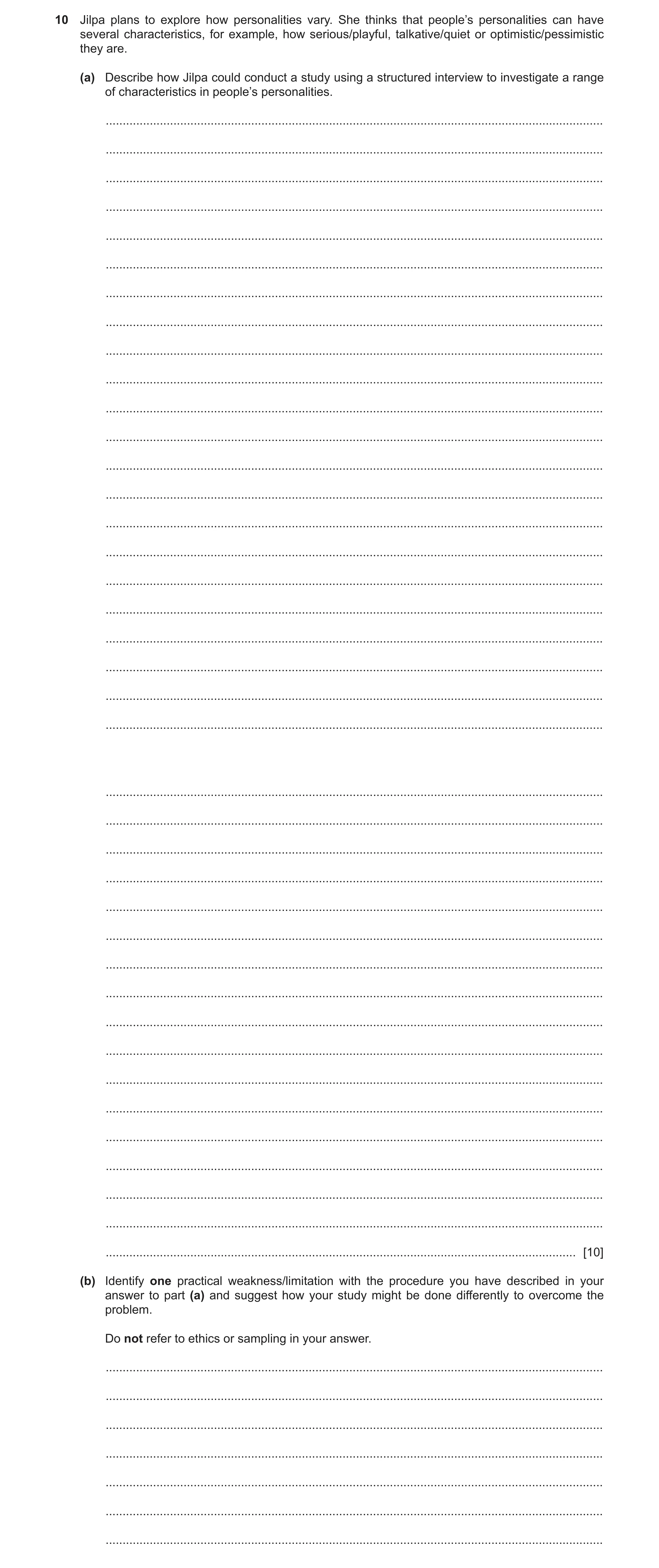

 173 / 368
 174 / 368
 175 / 368
 176 / 368
 177 / 368
 178 / 368
 179 / 368
 180 / 368
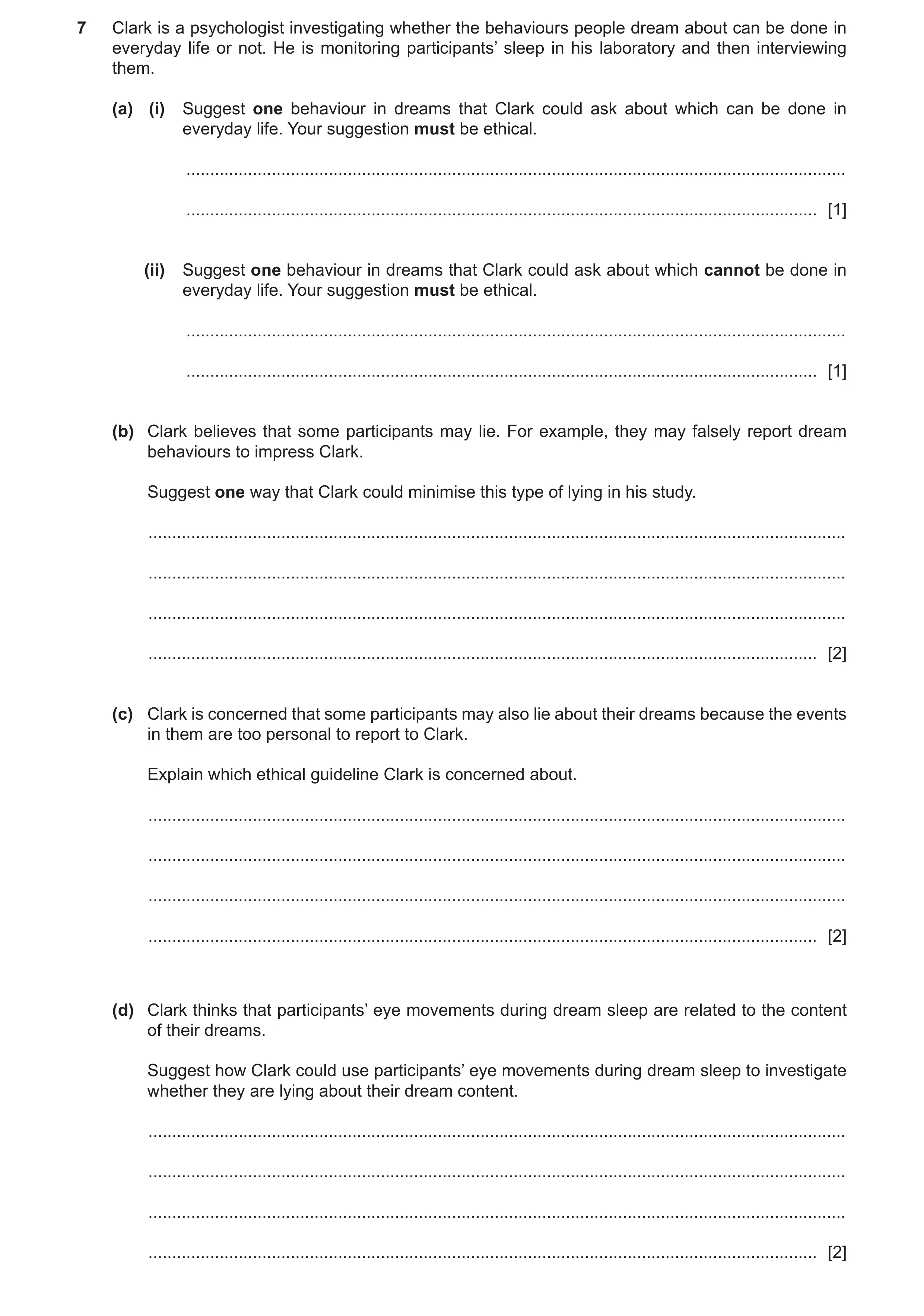 181 / 368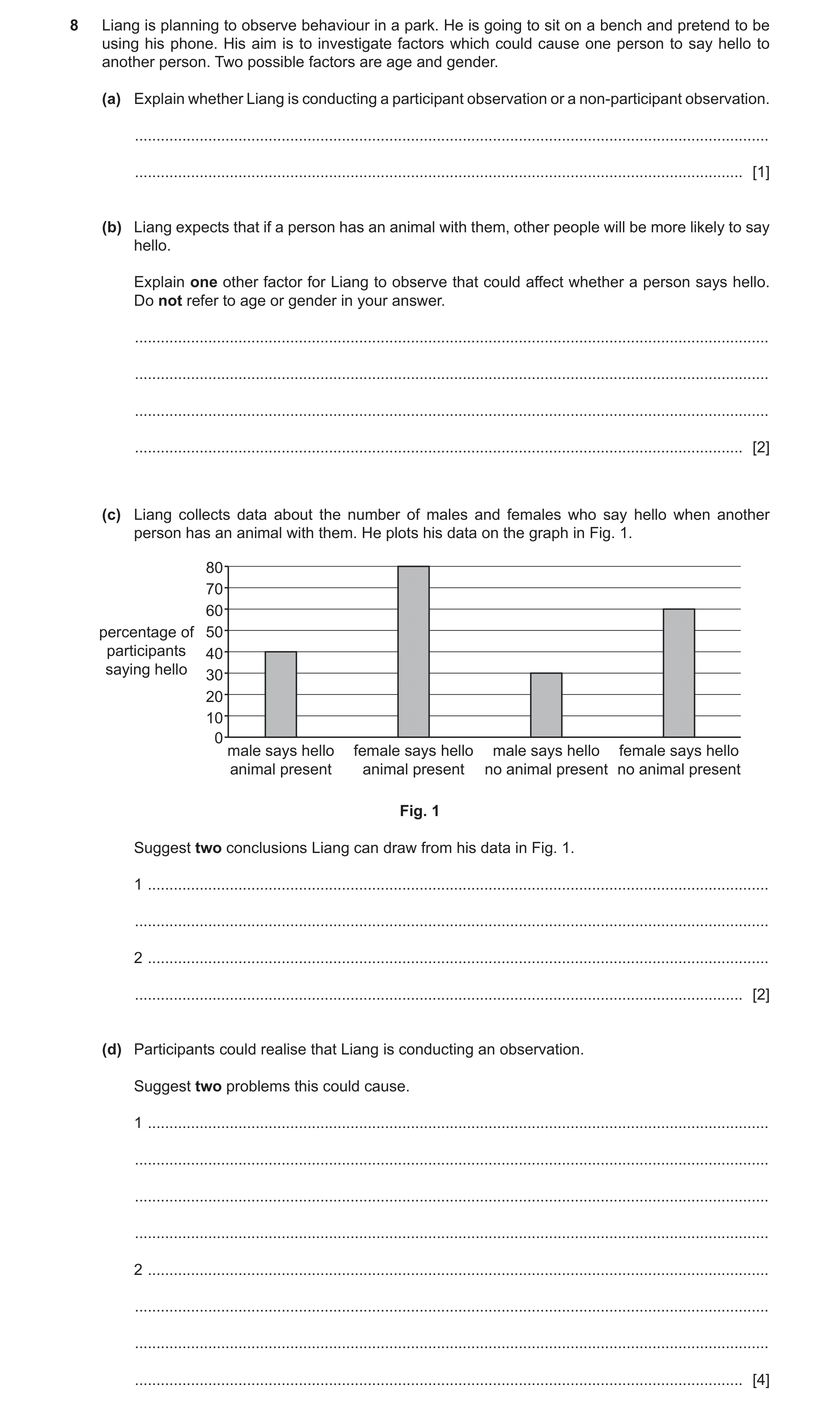
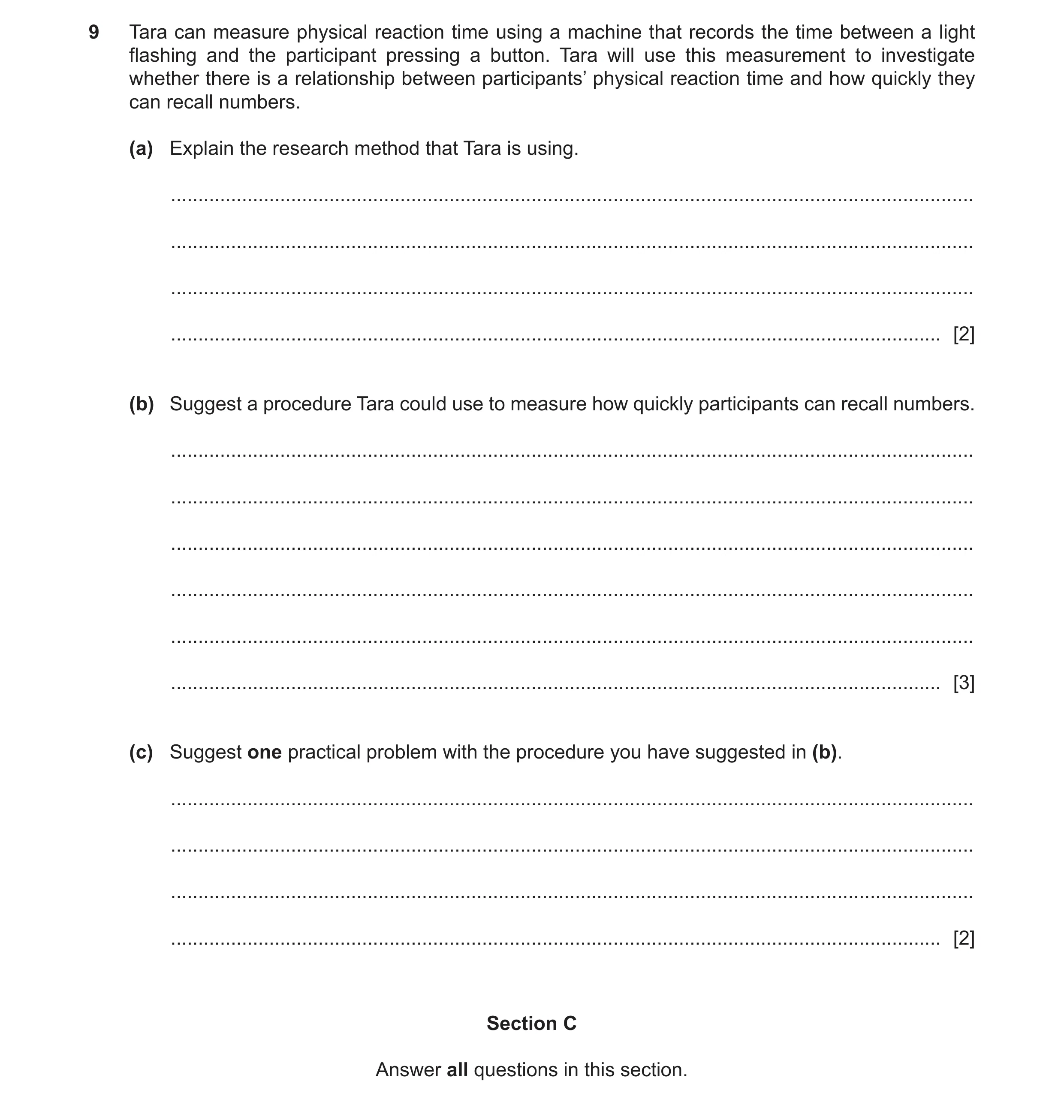 183 / 368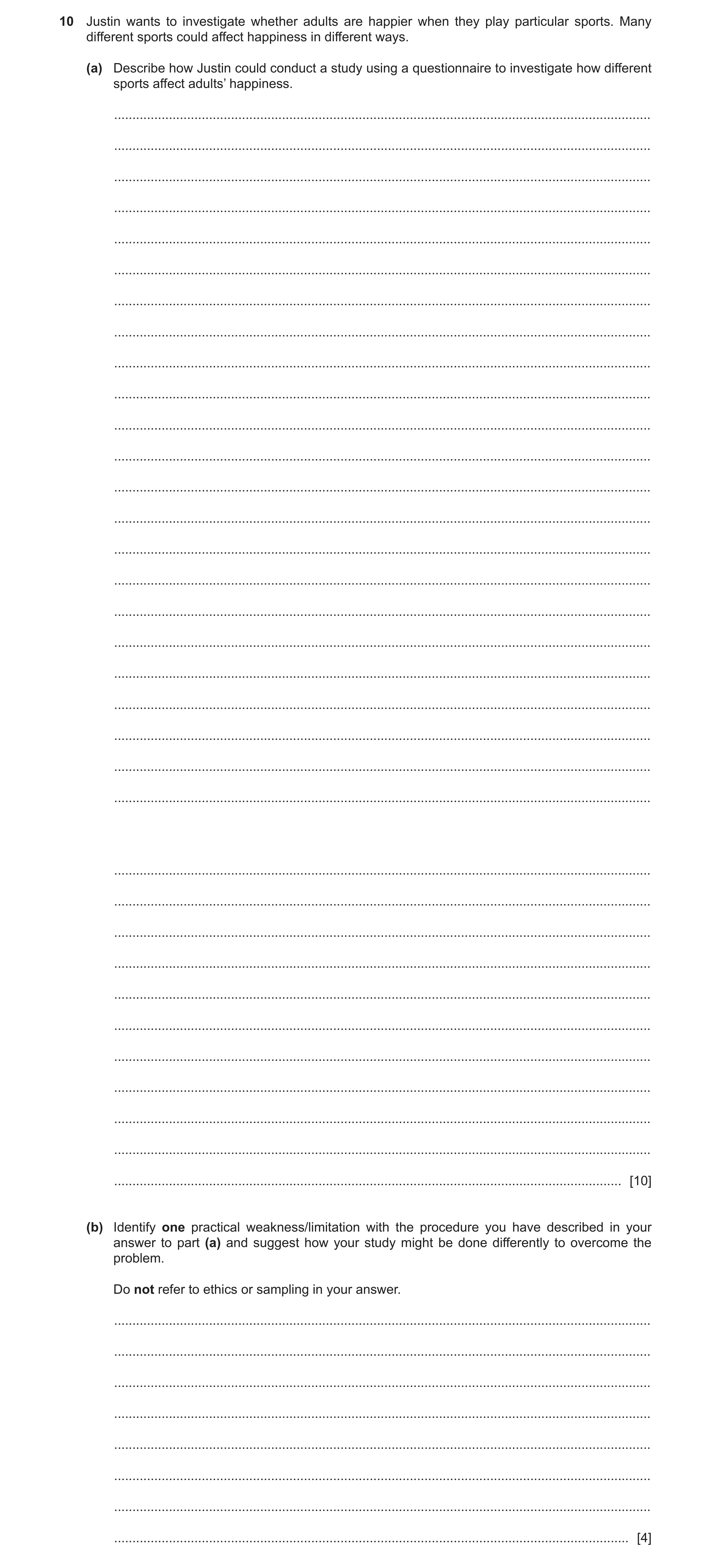
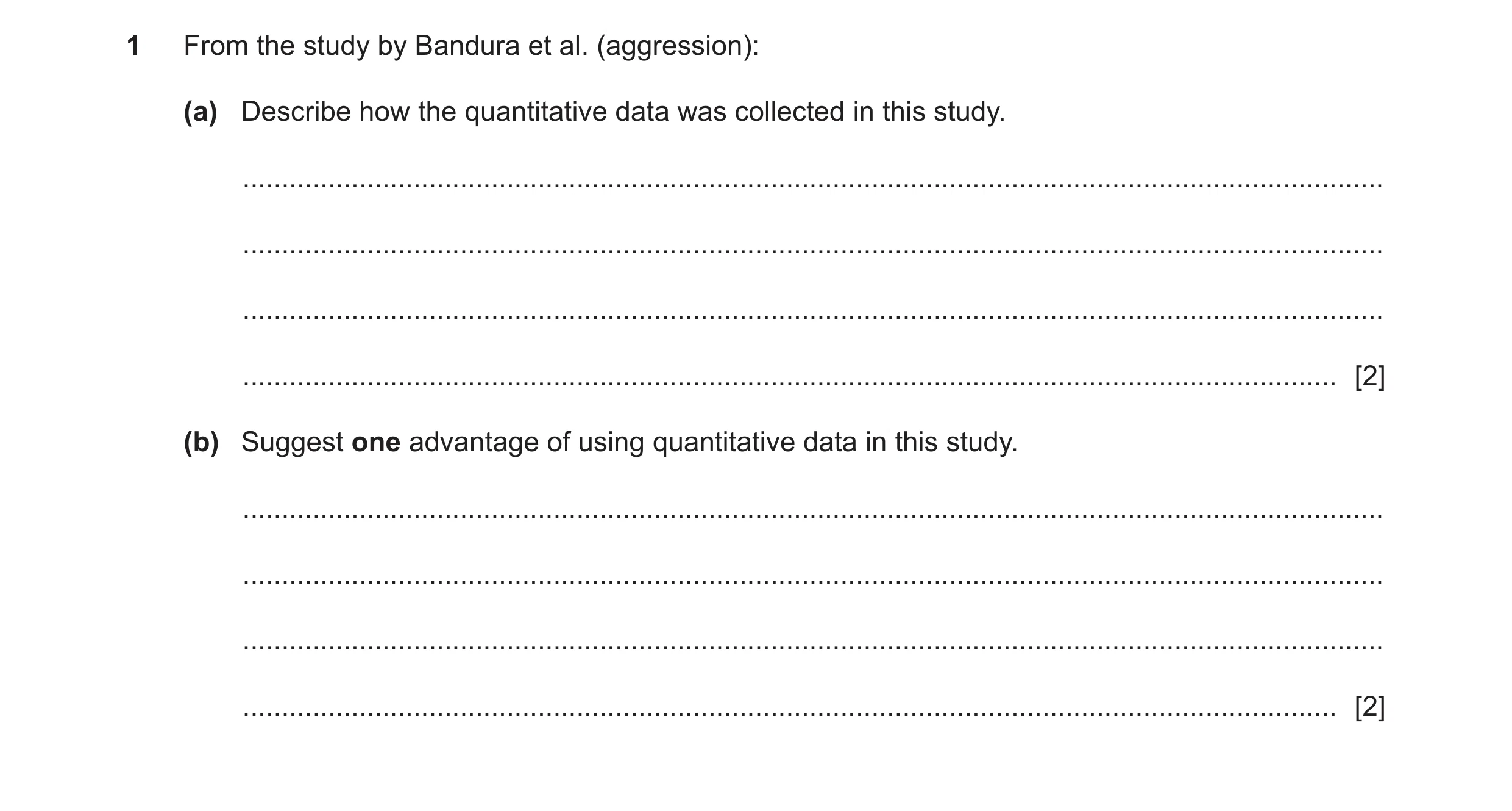 185 / 368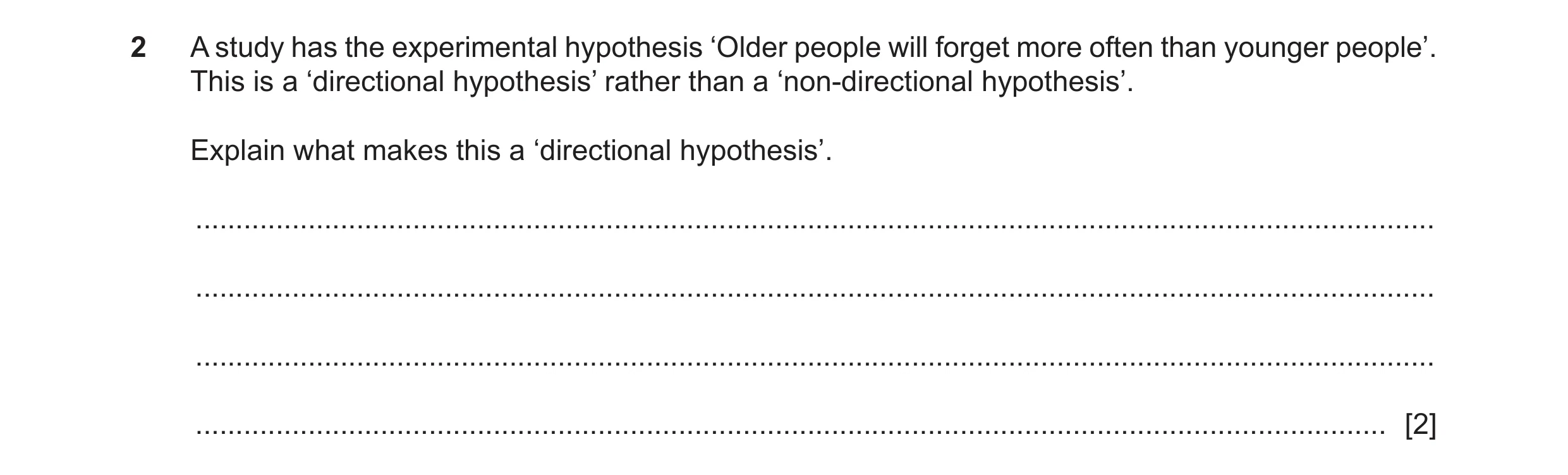
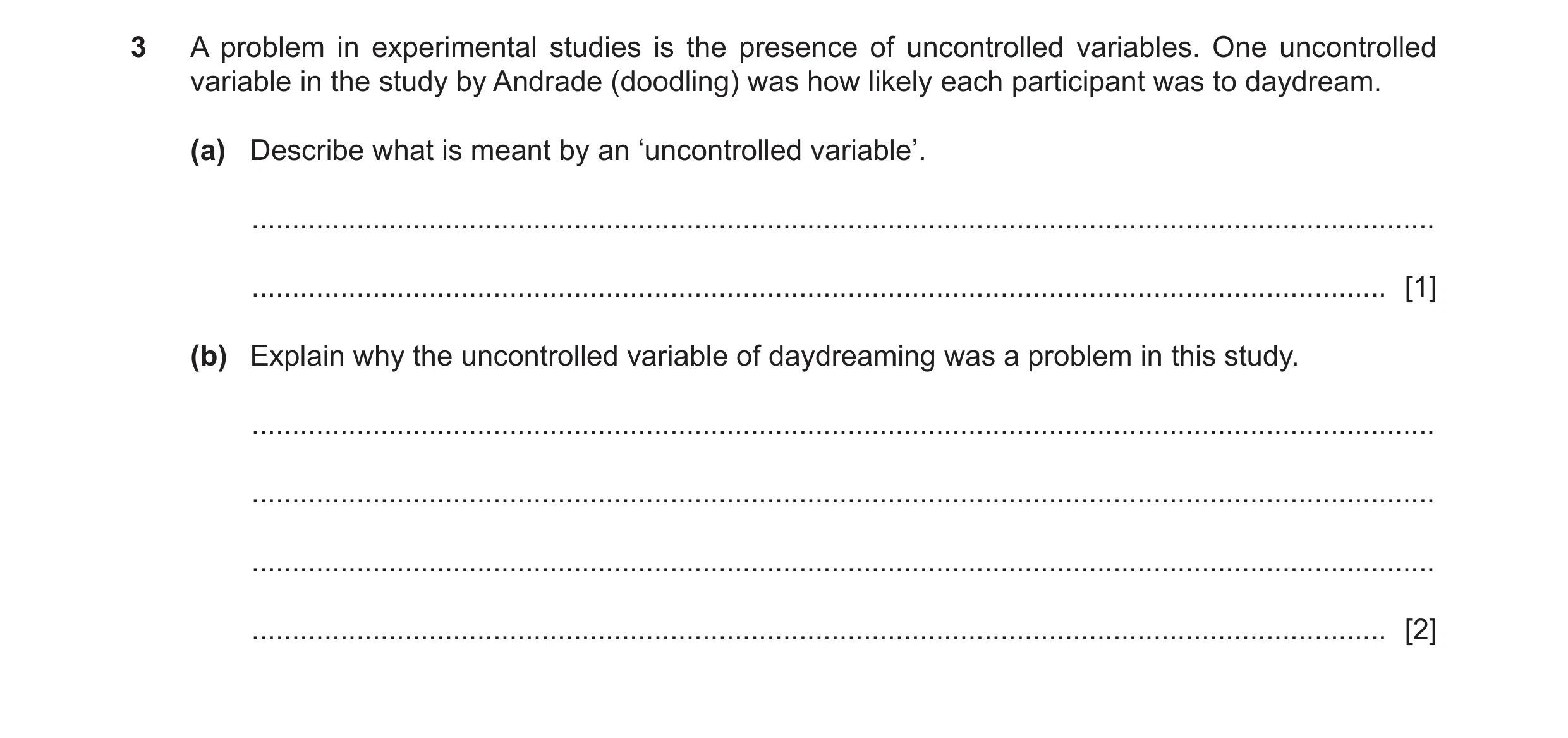 186 / 368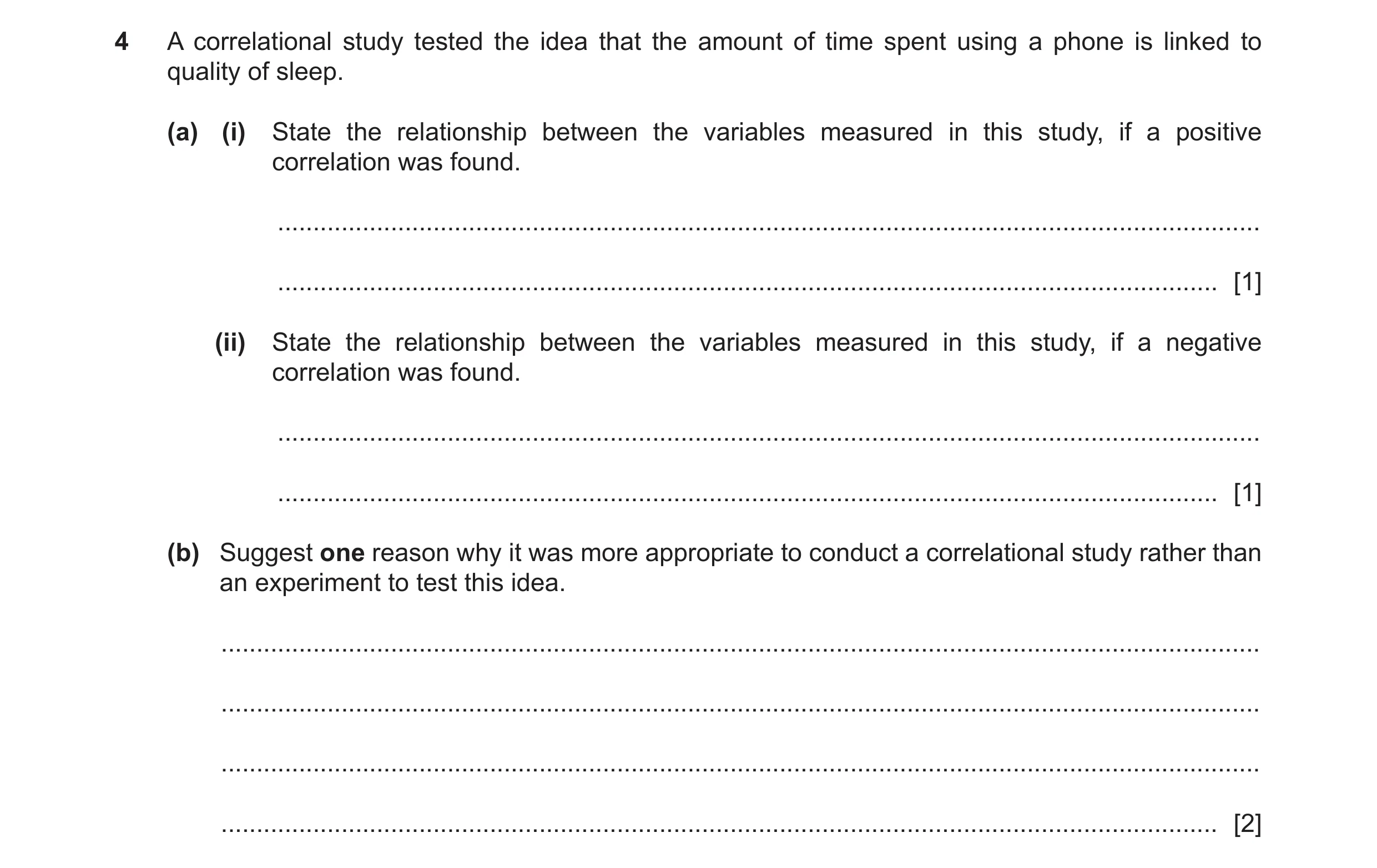
 187 / 368
 188 / 368
 189 / 368
 190 / 368

 192 / 368
 193 / 368
 194 / 368
 195 / 368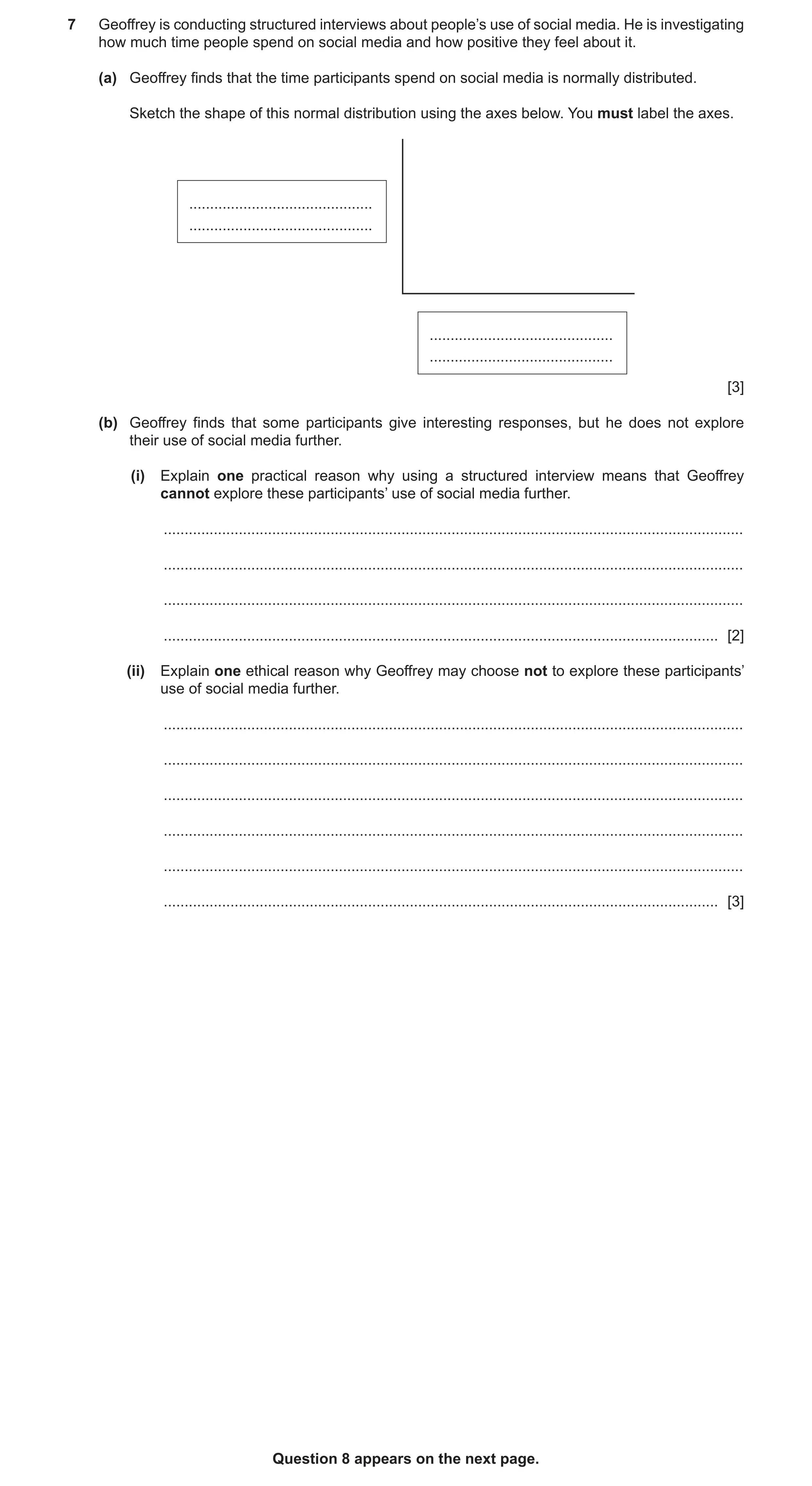
 197 / 368
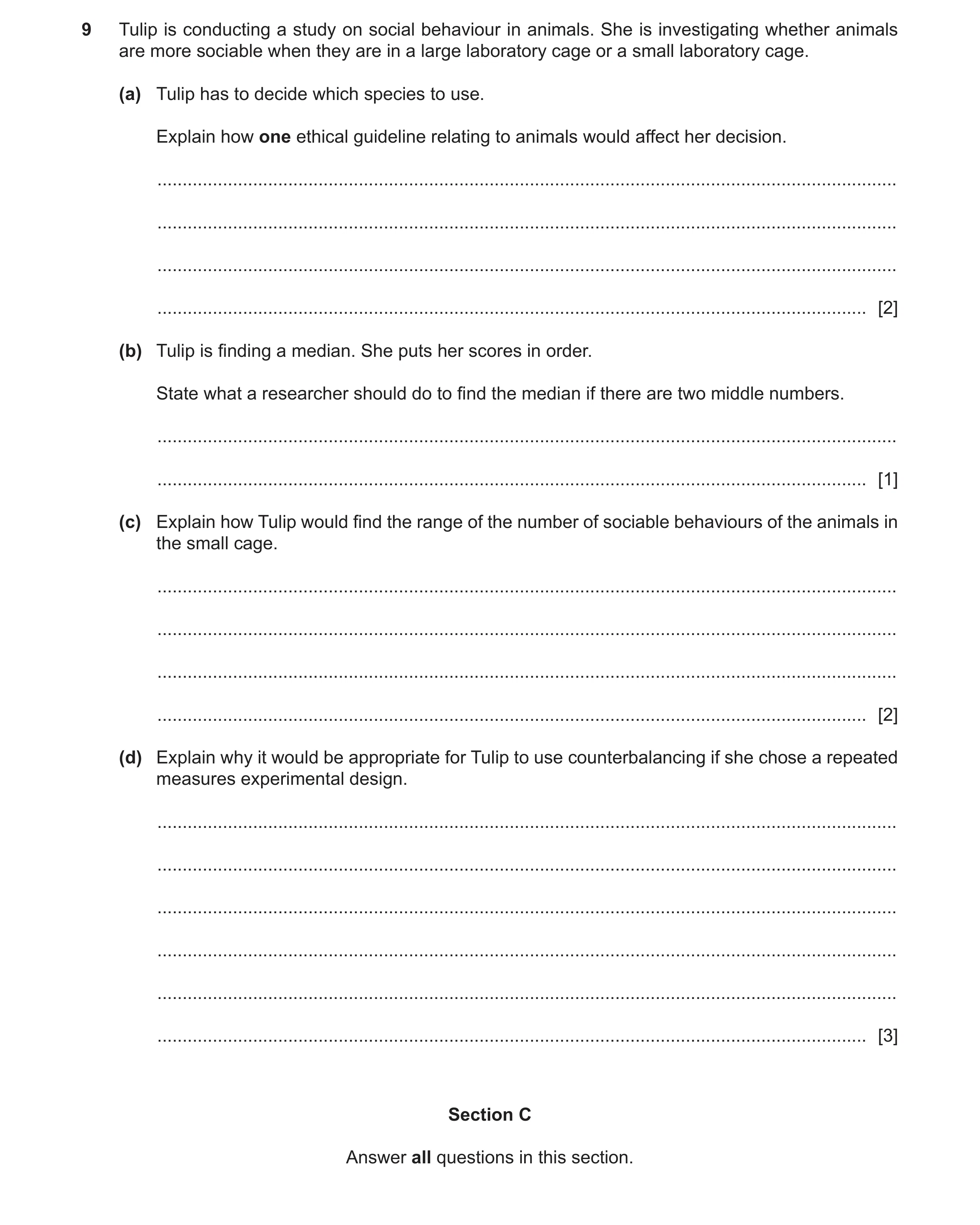 198 / 368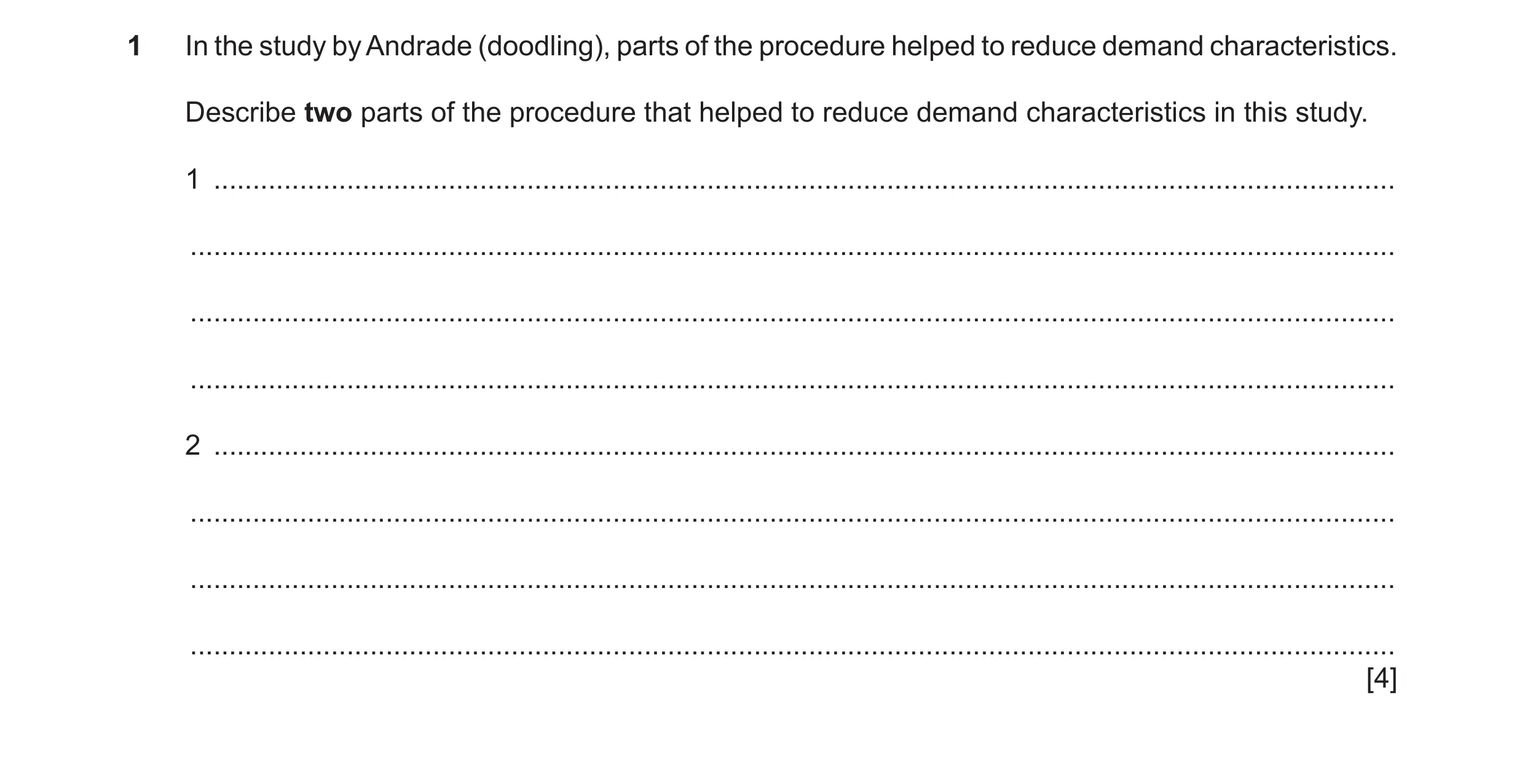
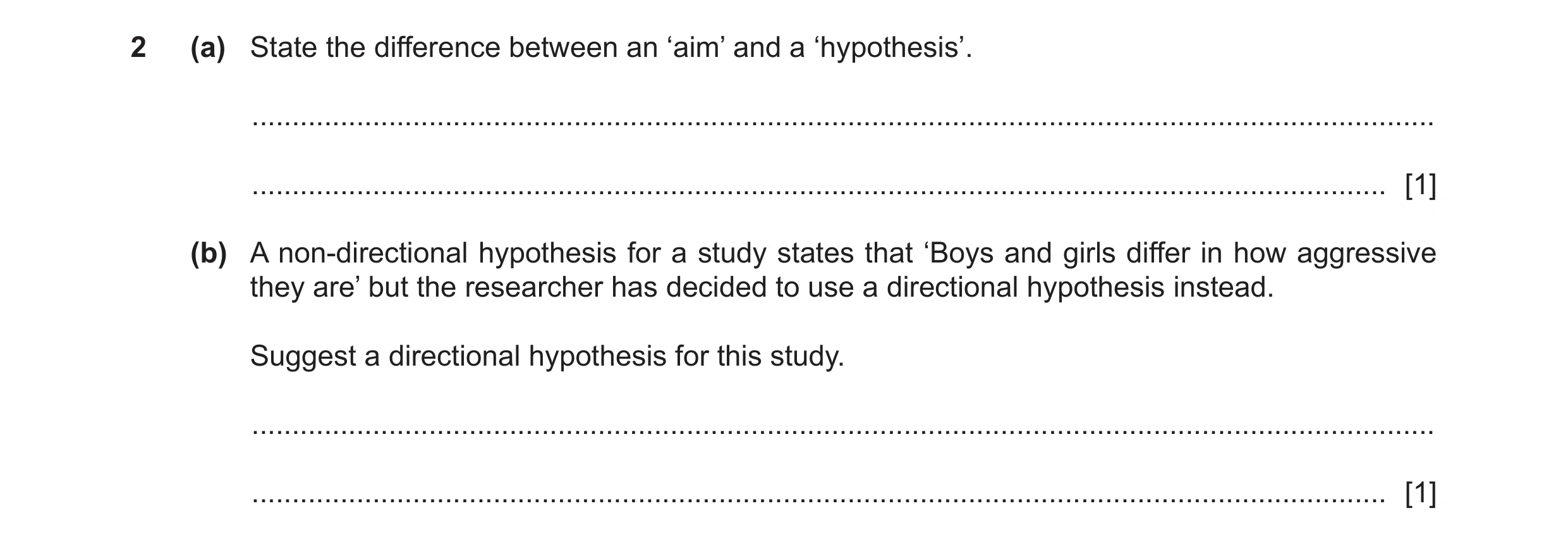
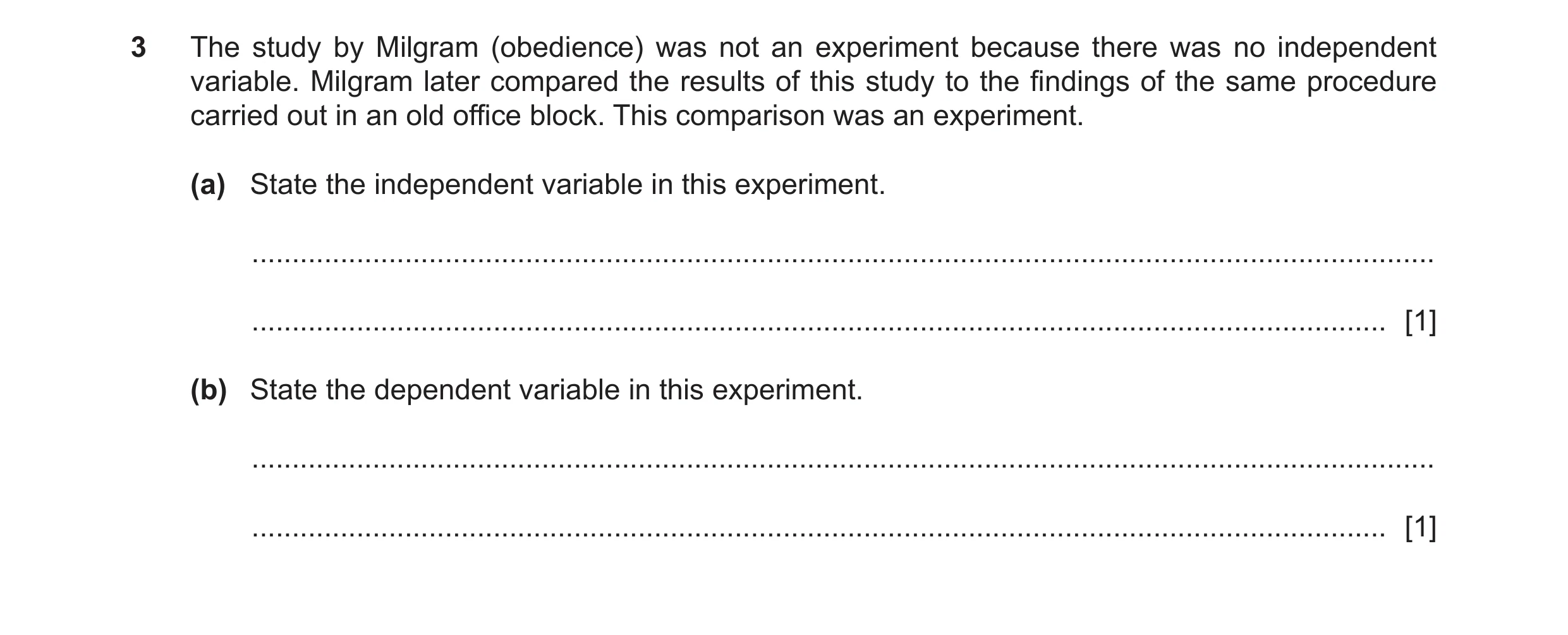 199 / 368
 200 / 368
 201 / 368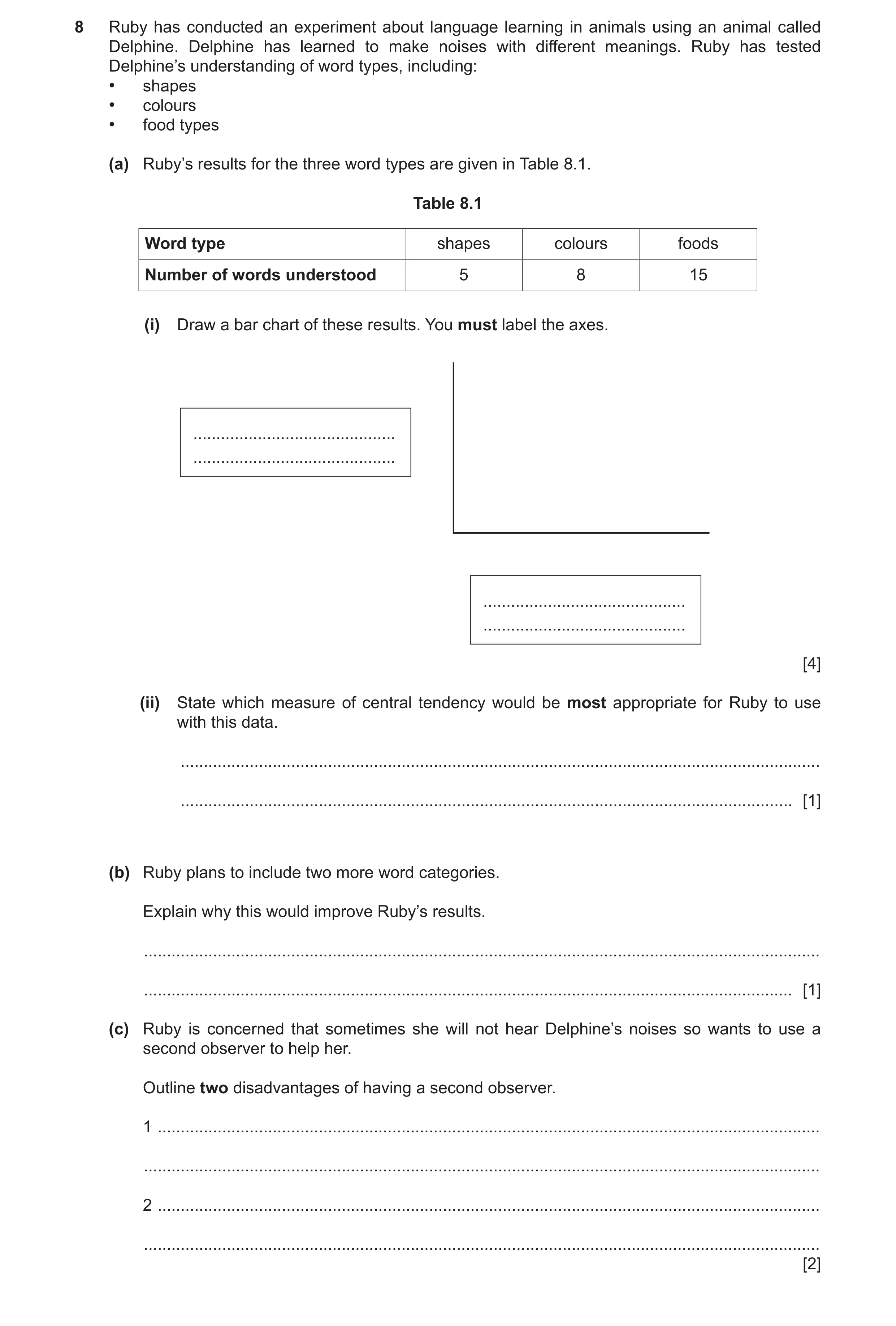
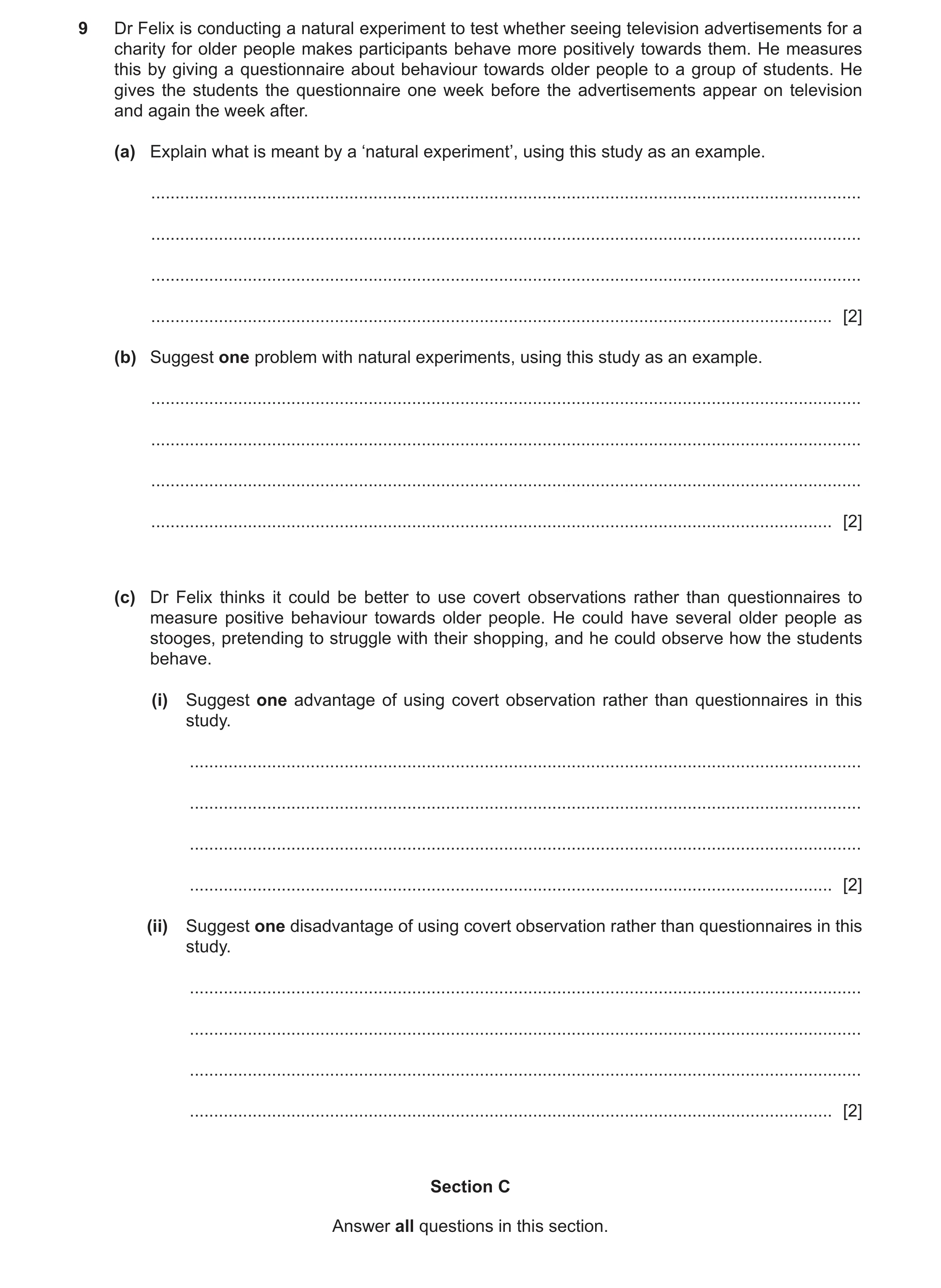 204 / 368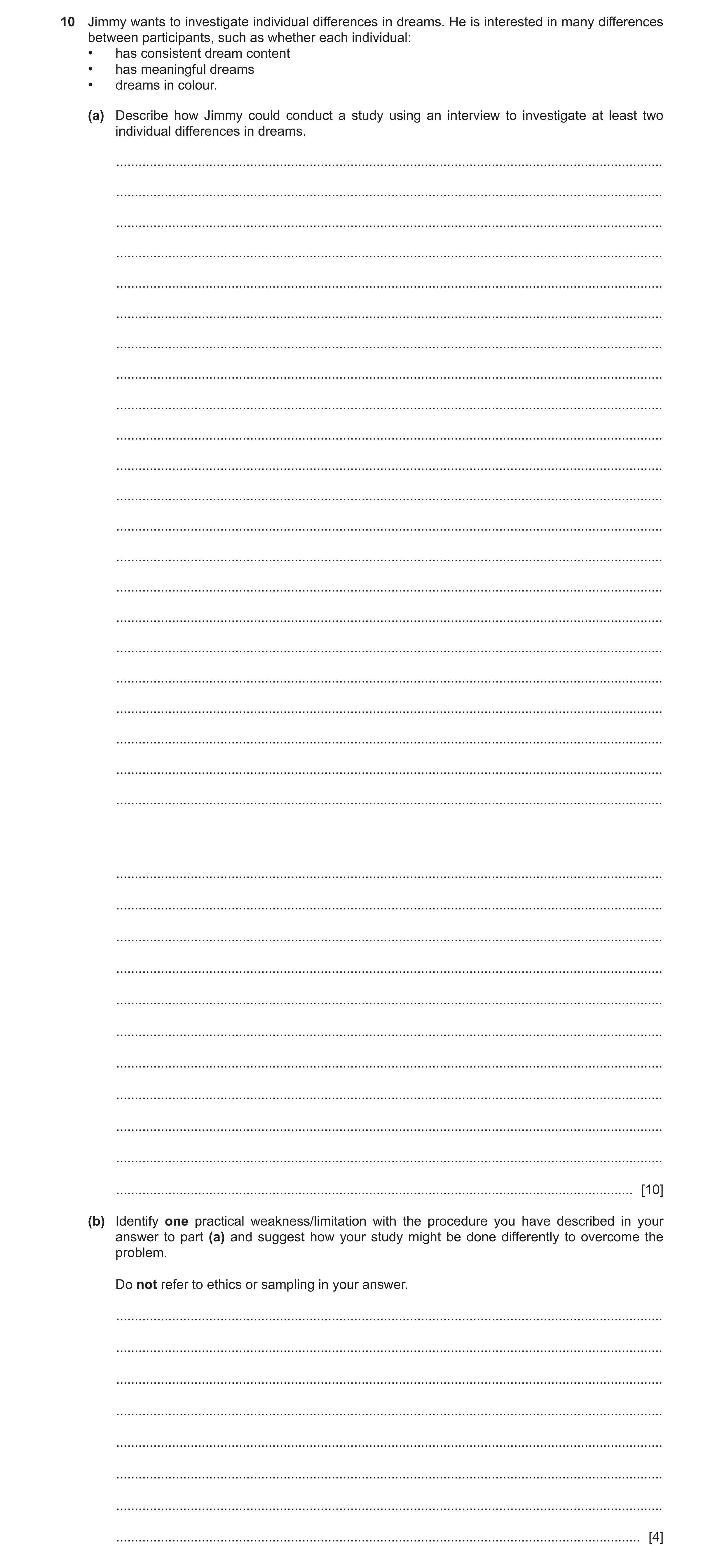
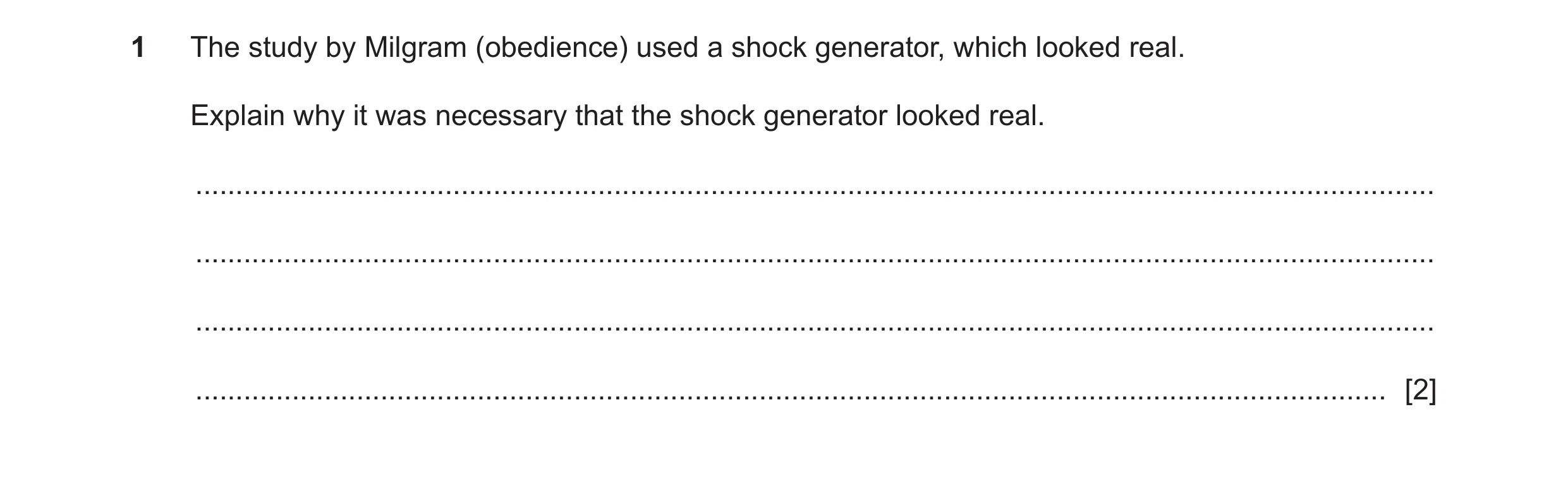 206 / 368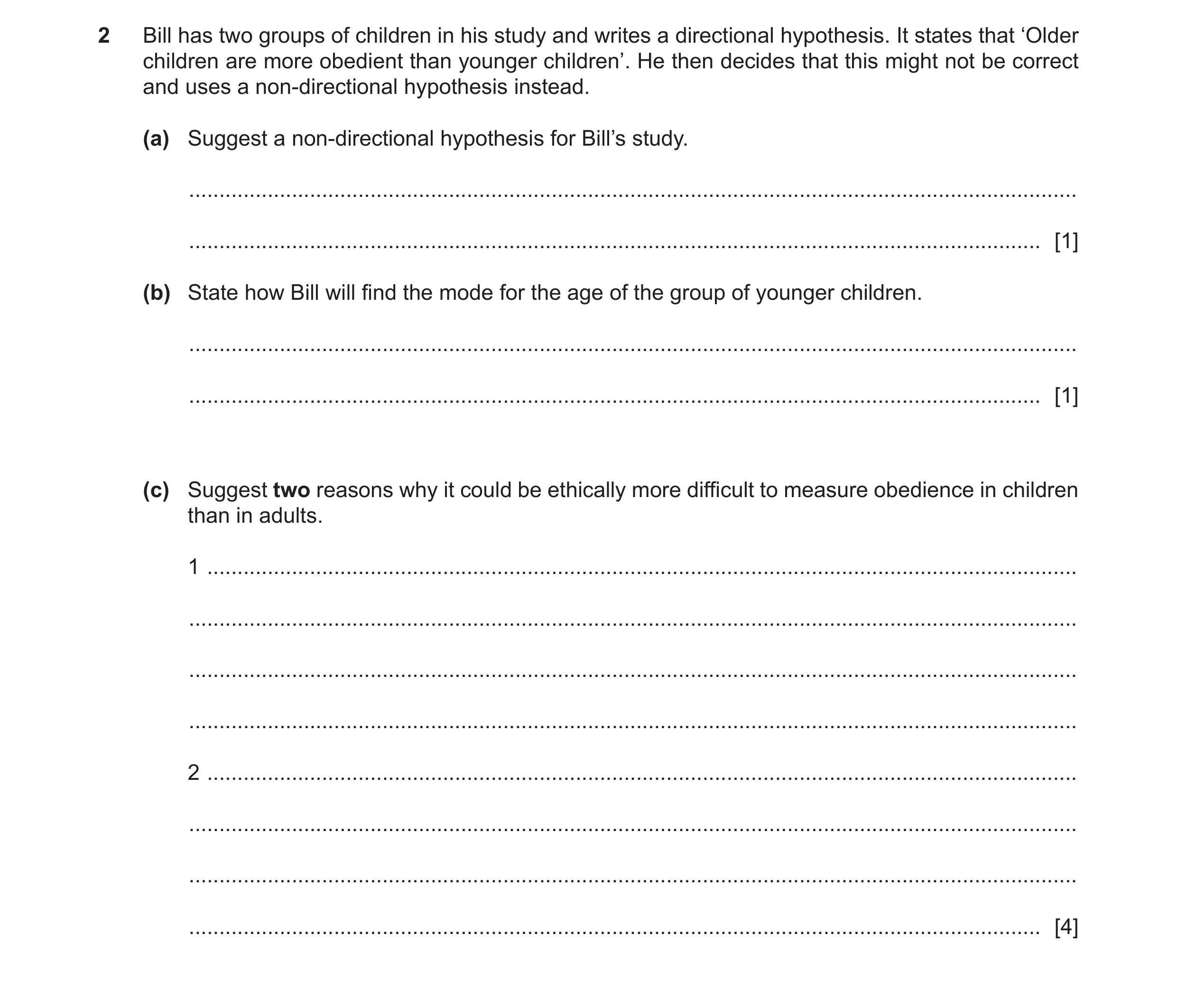
 207 / 368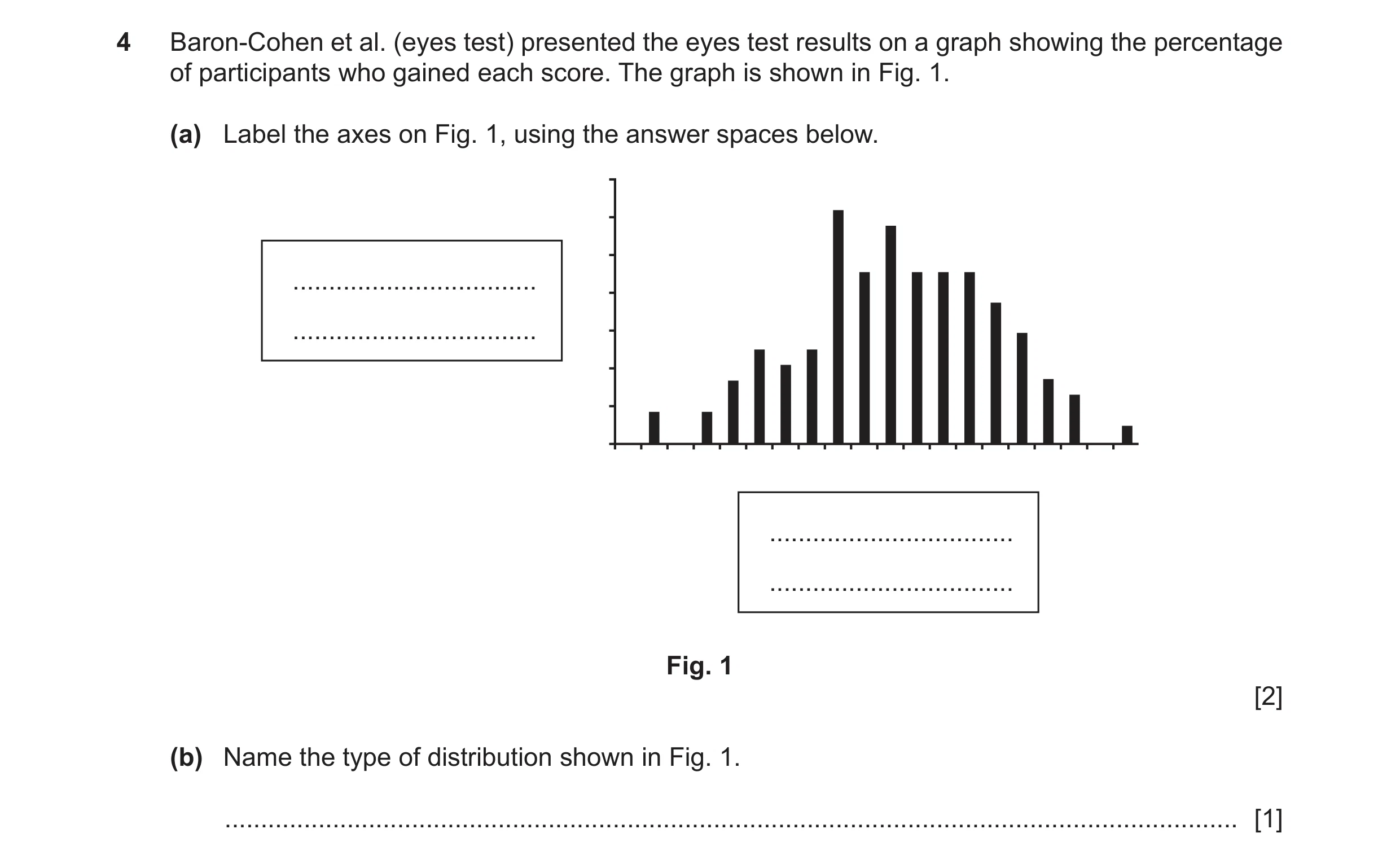
 208 / 368
 209 / 368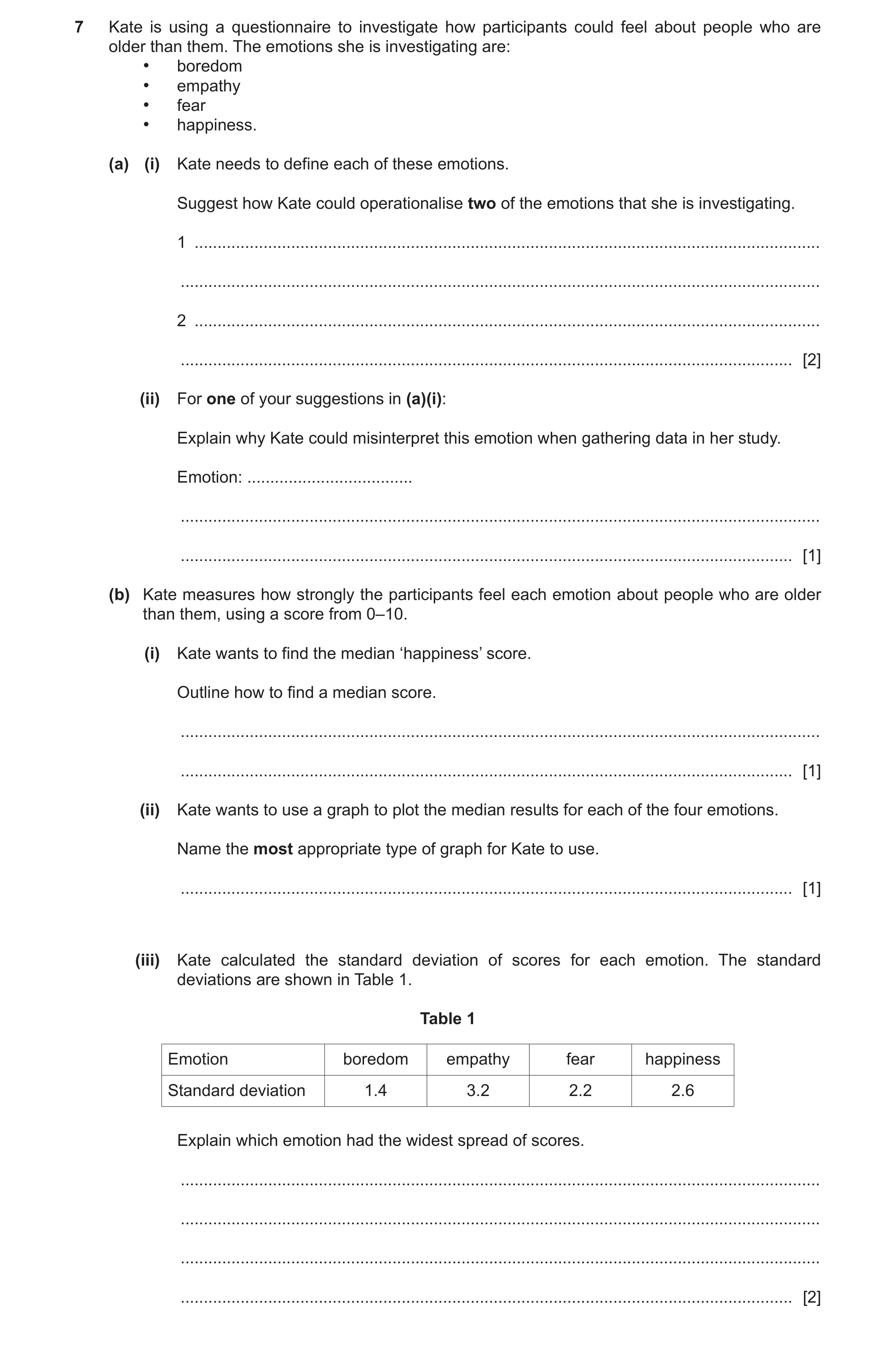
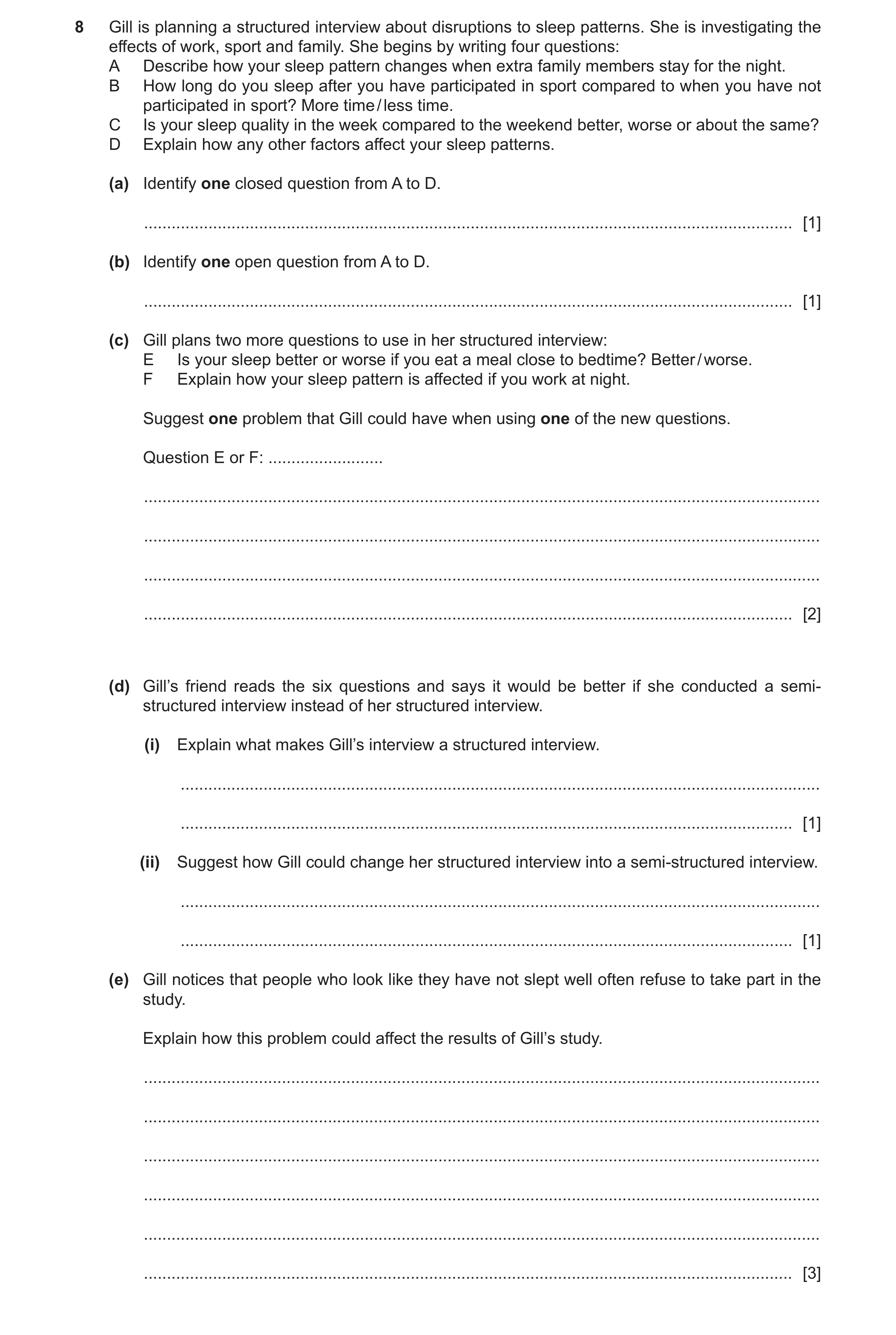
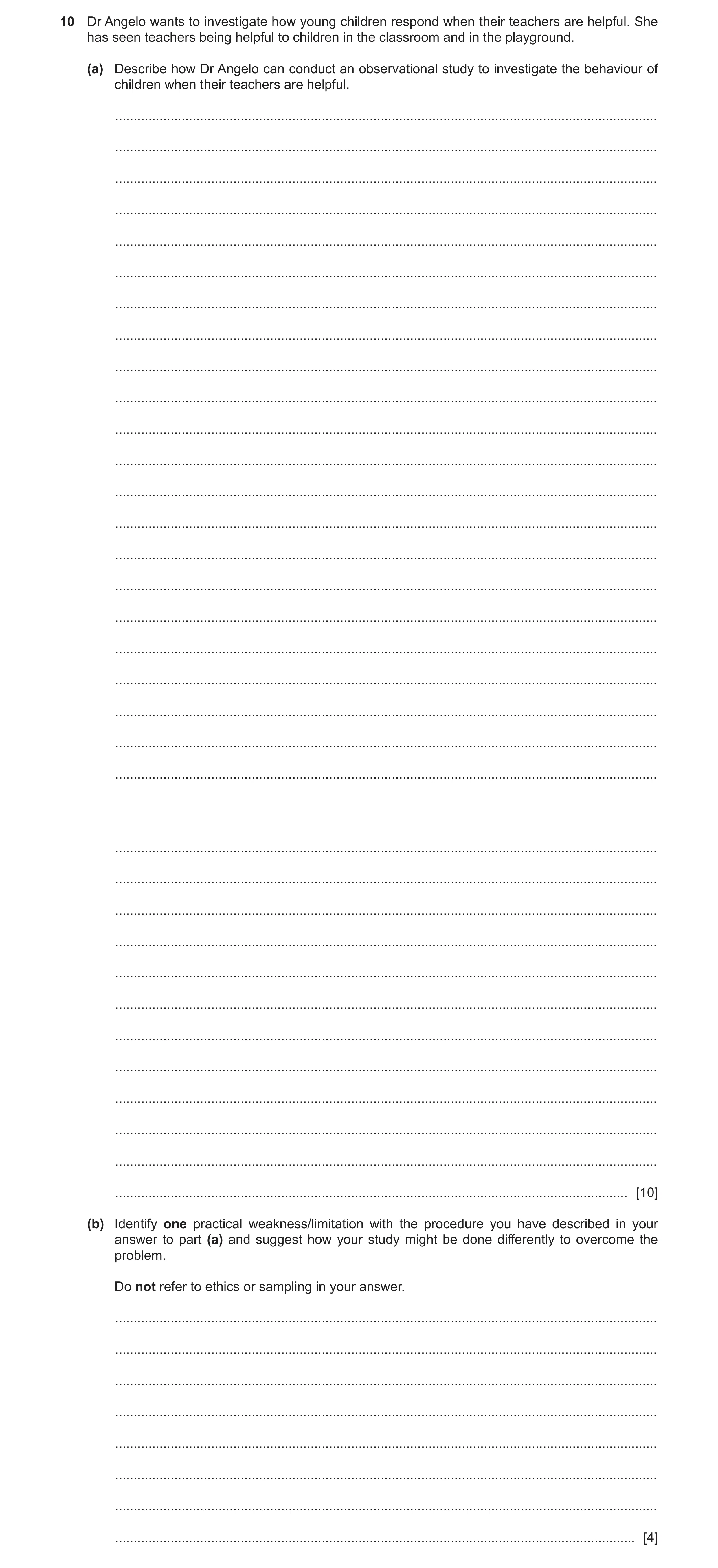
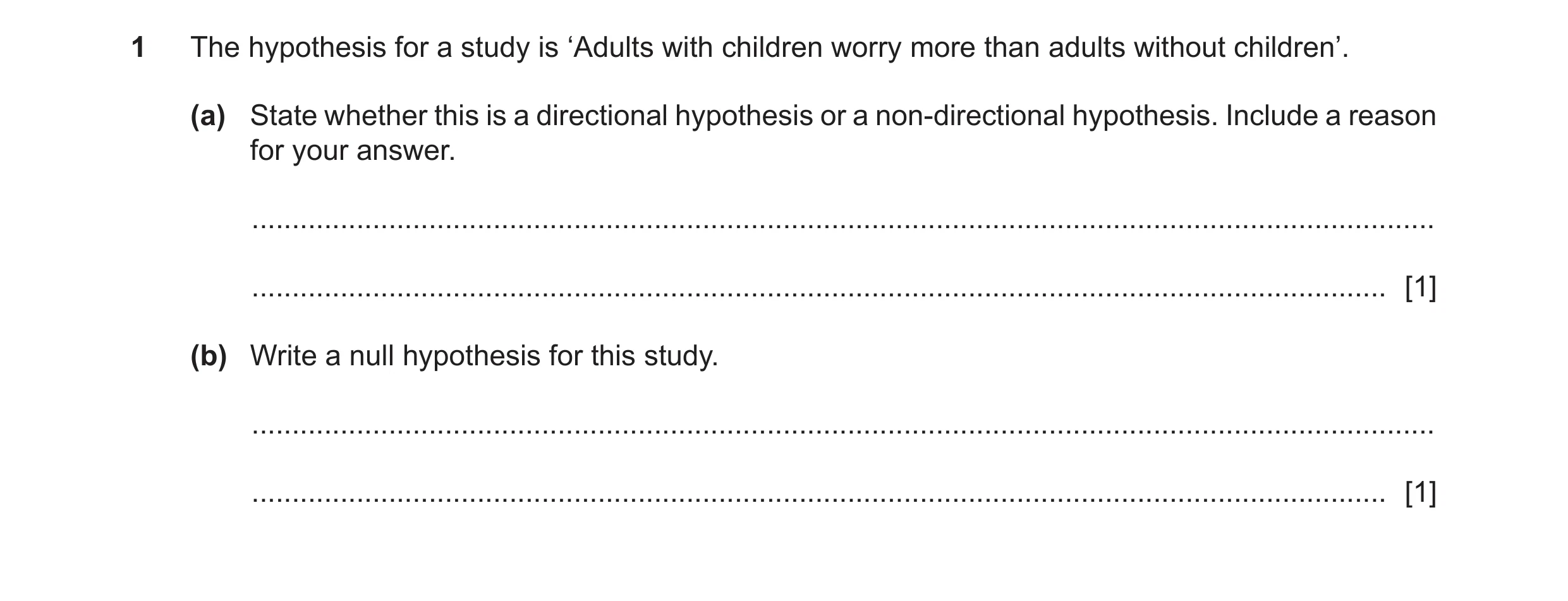
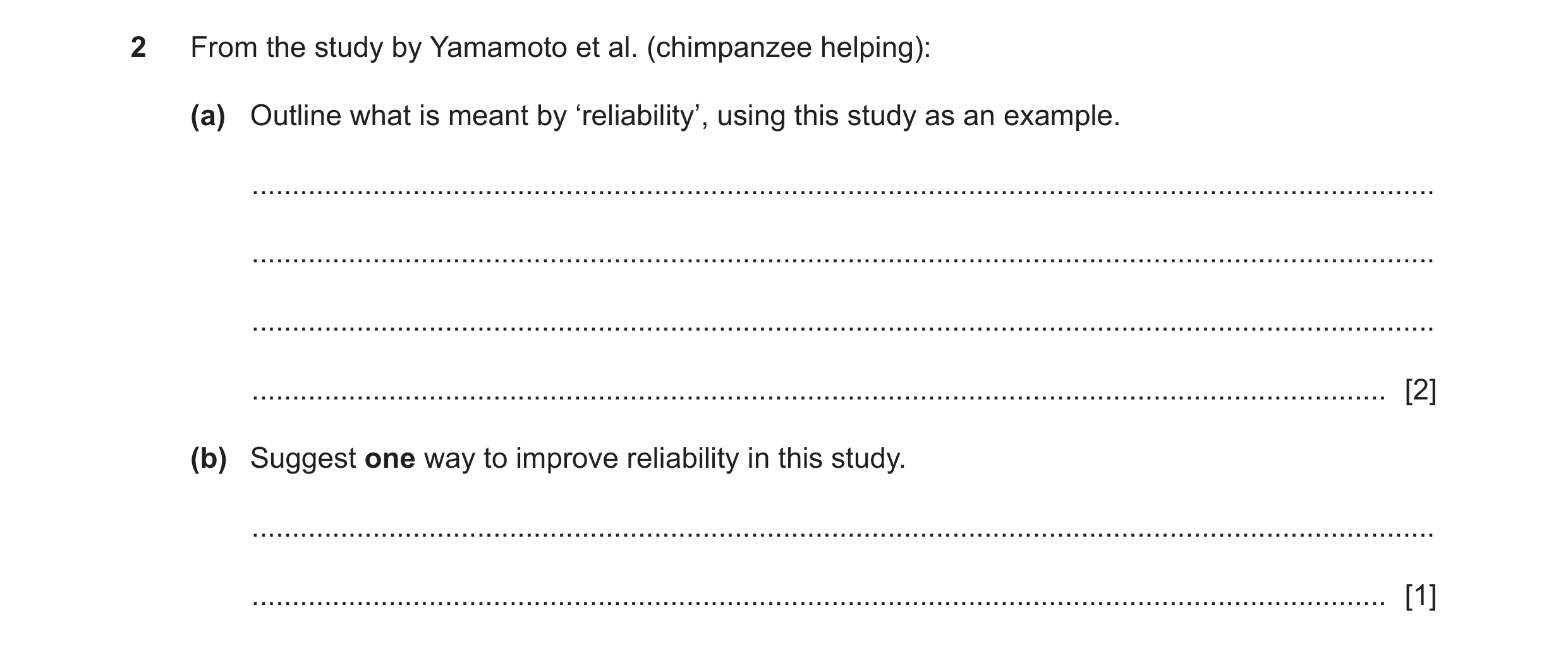 213 / 368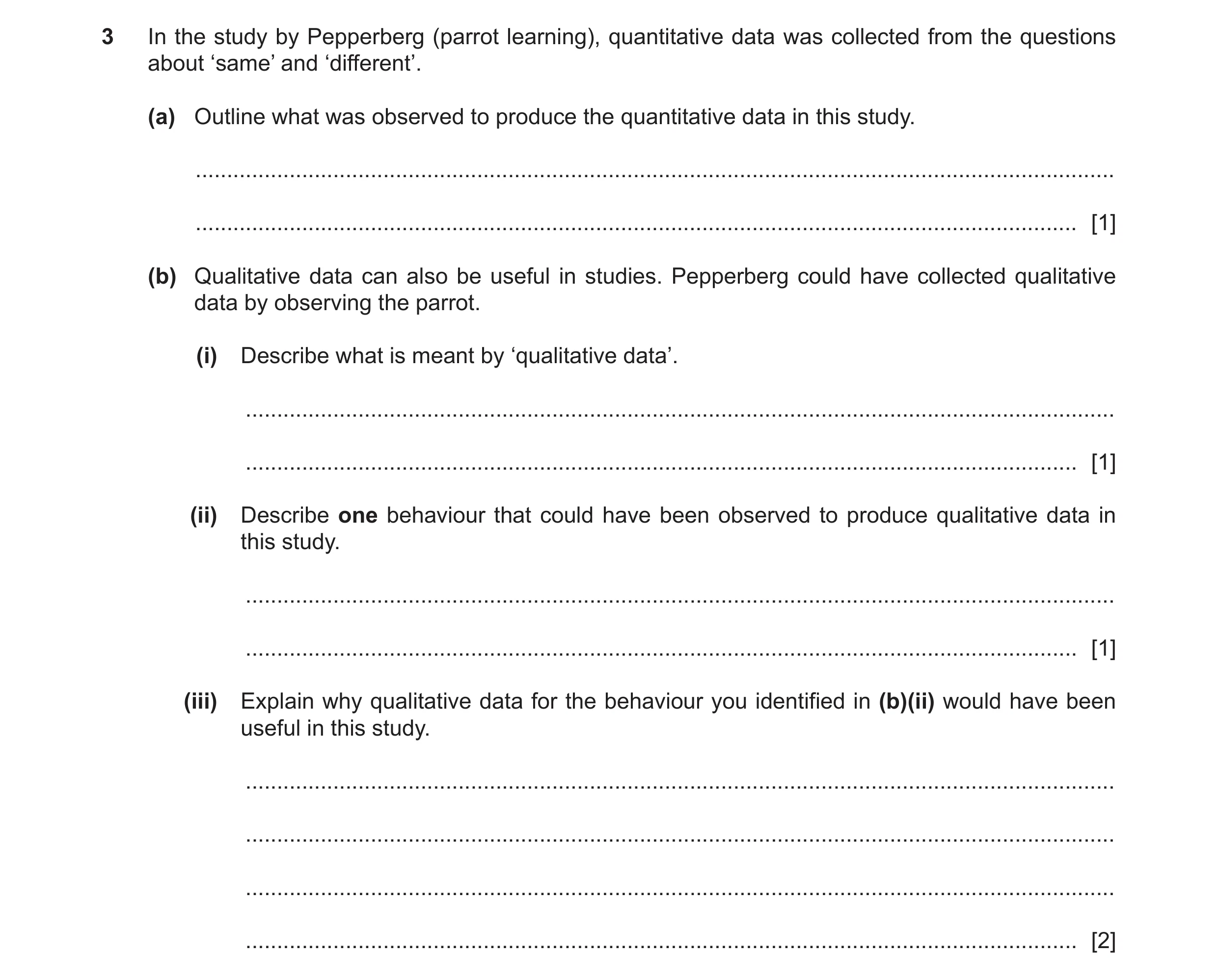
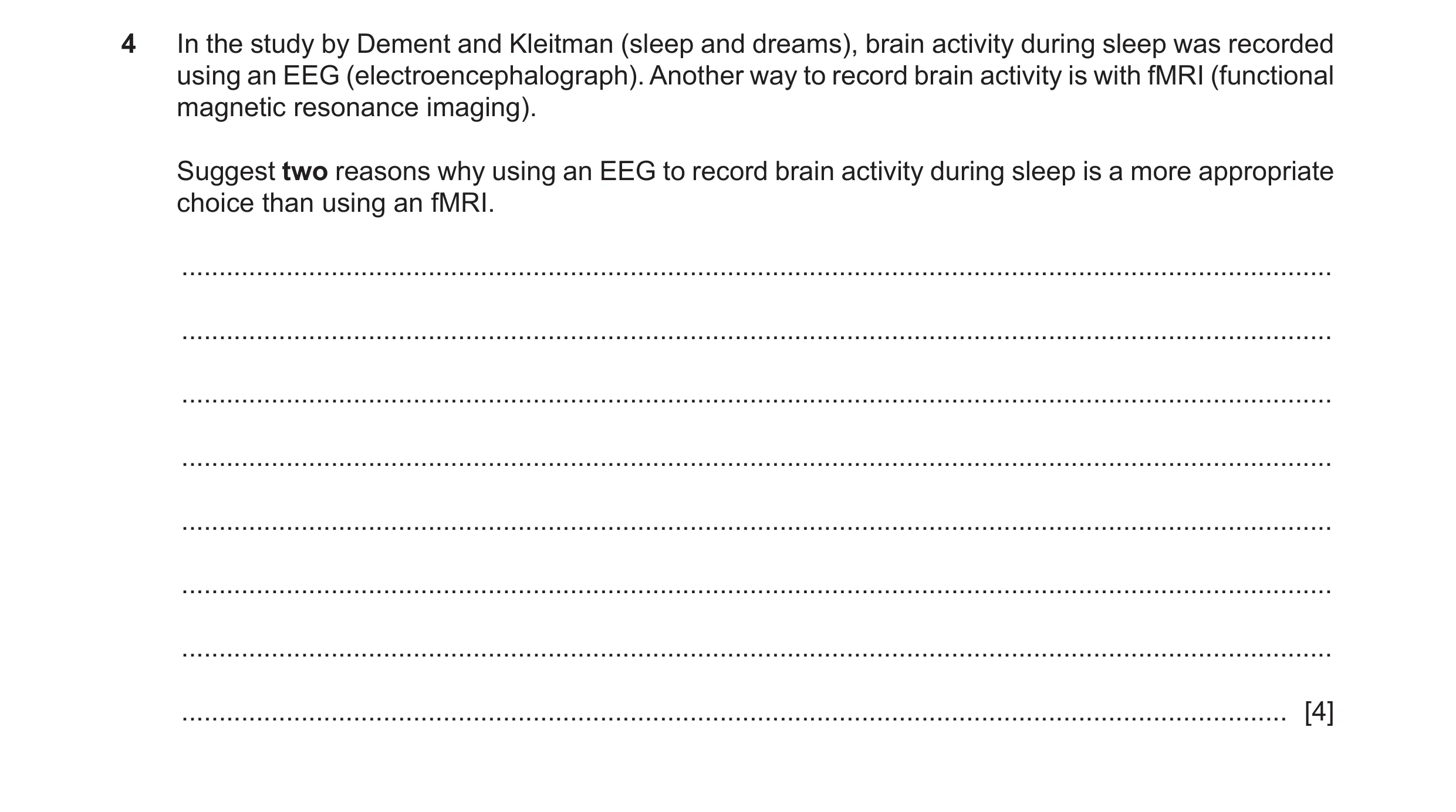 214 / 368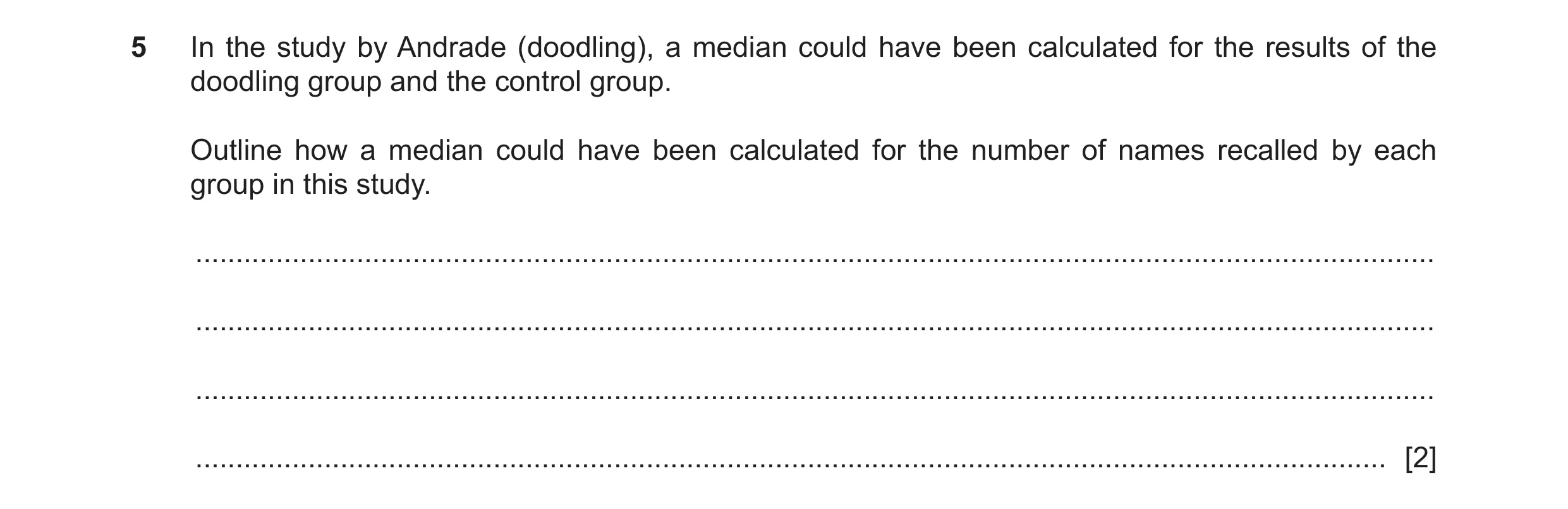
 215 / 368
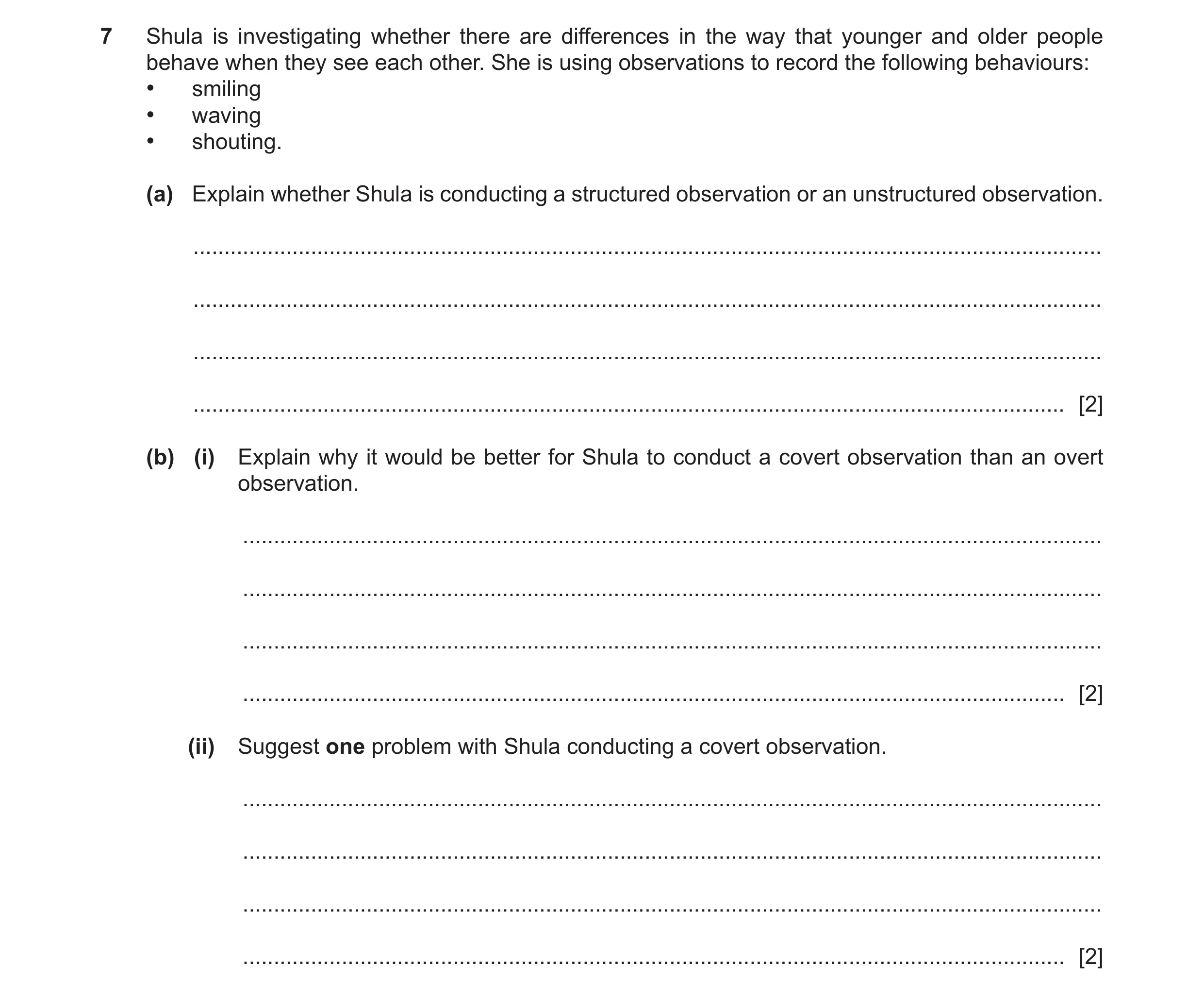 216 / 368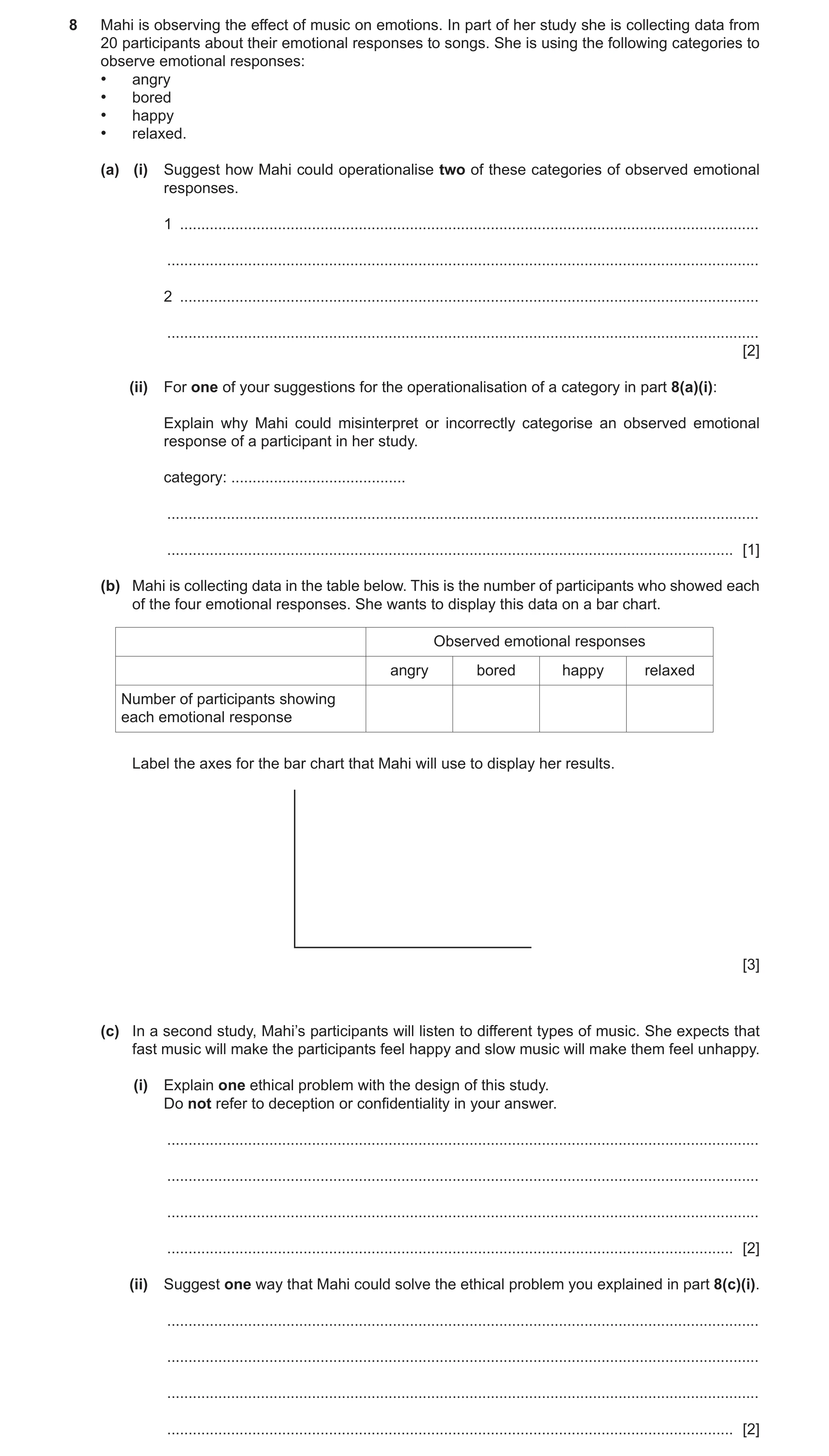
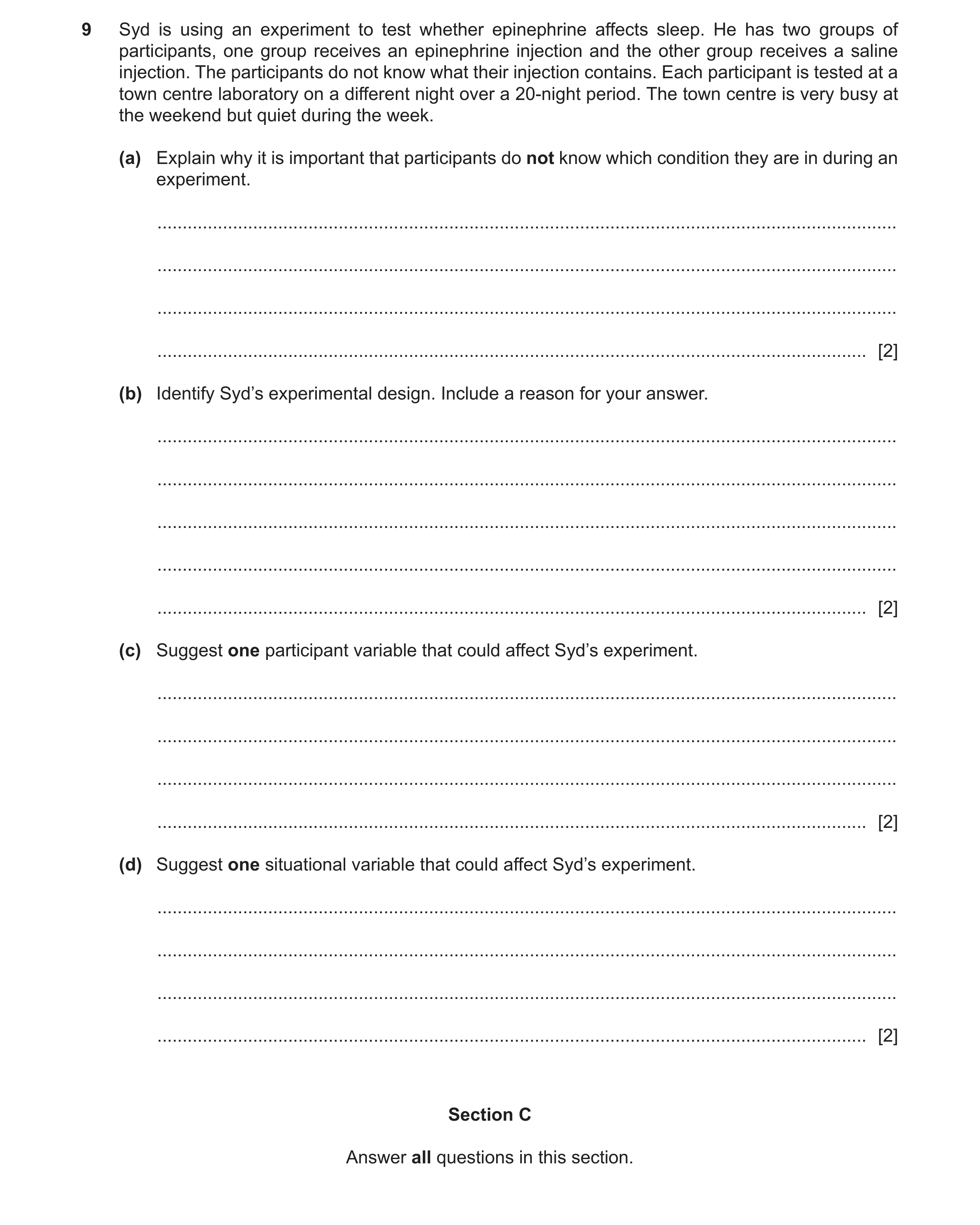 218 / 368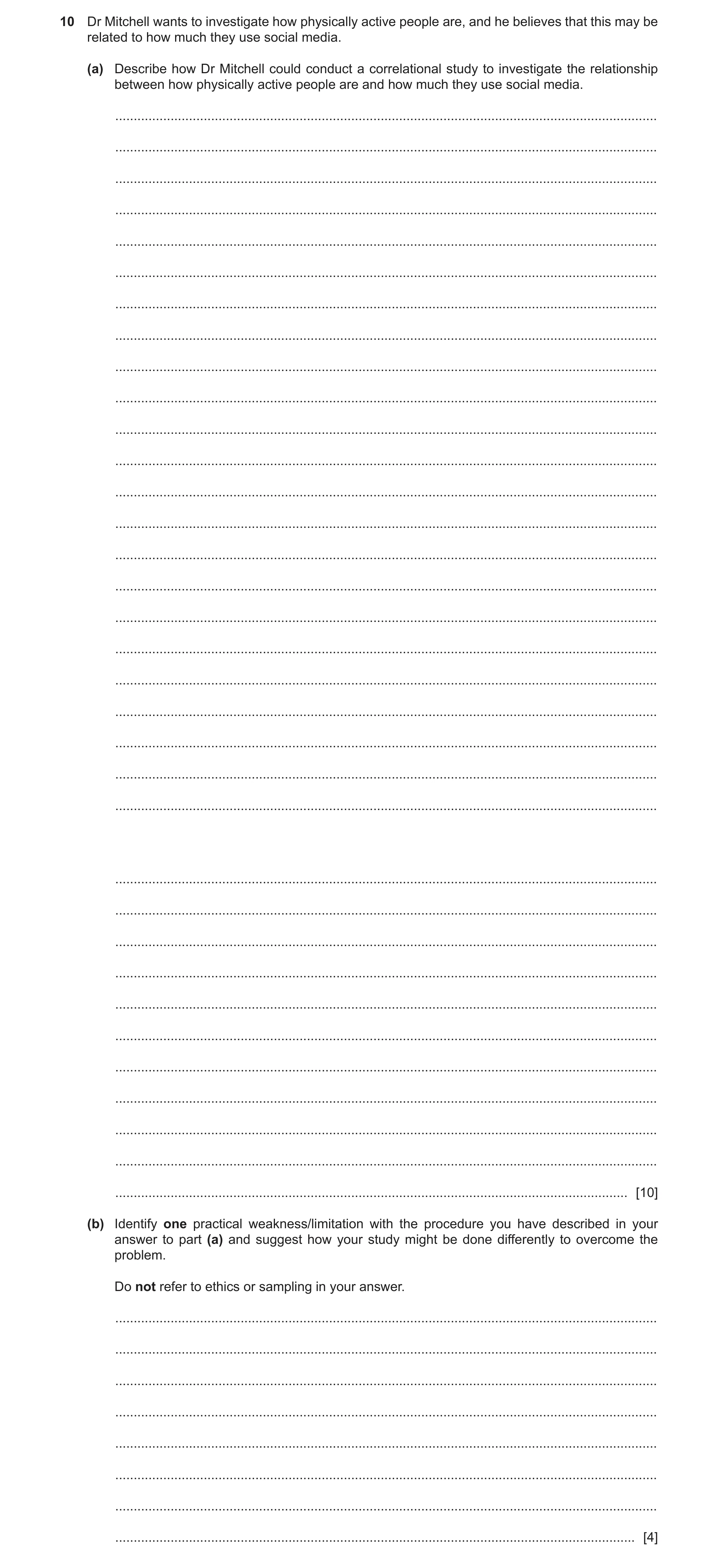
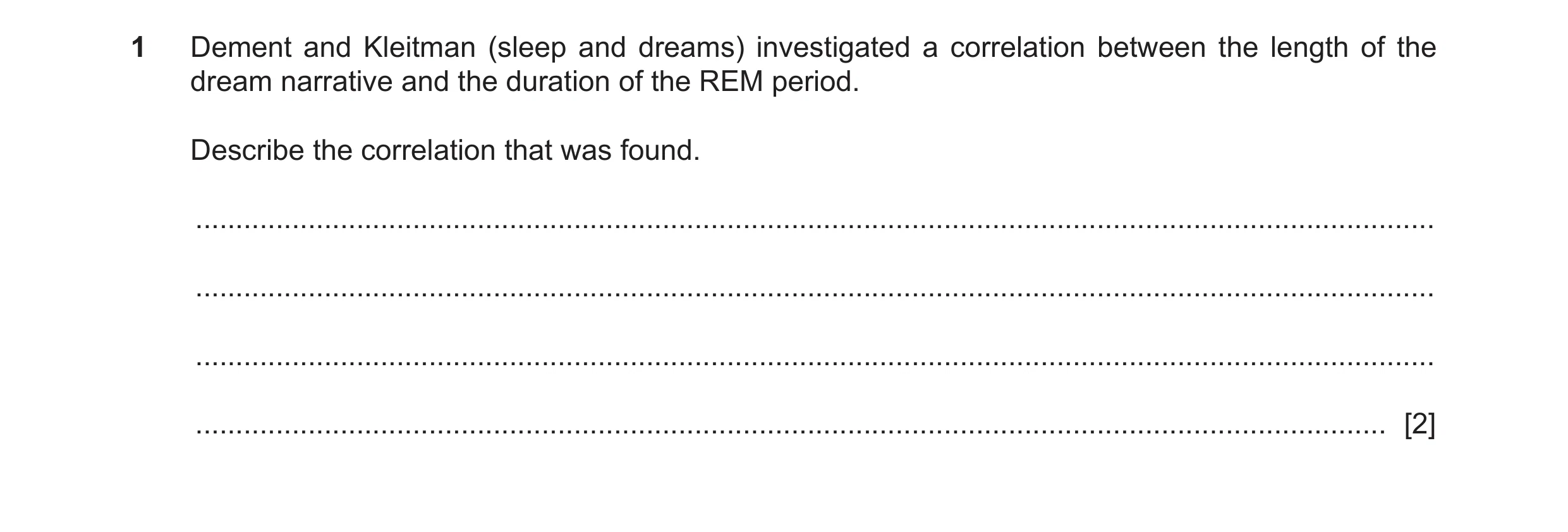 220 / 368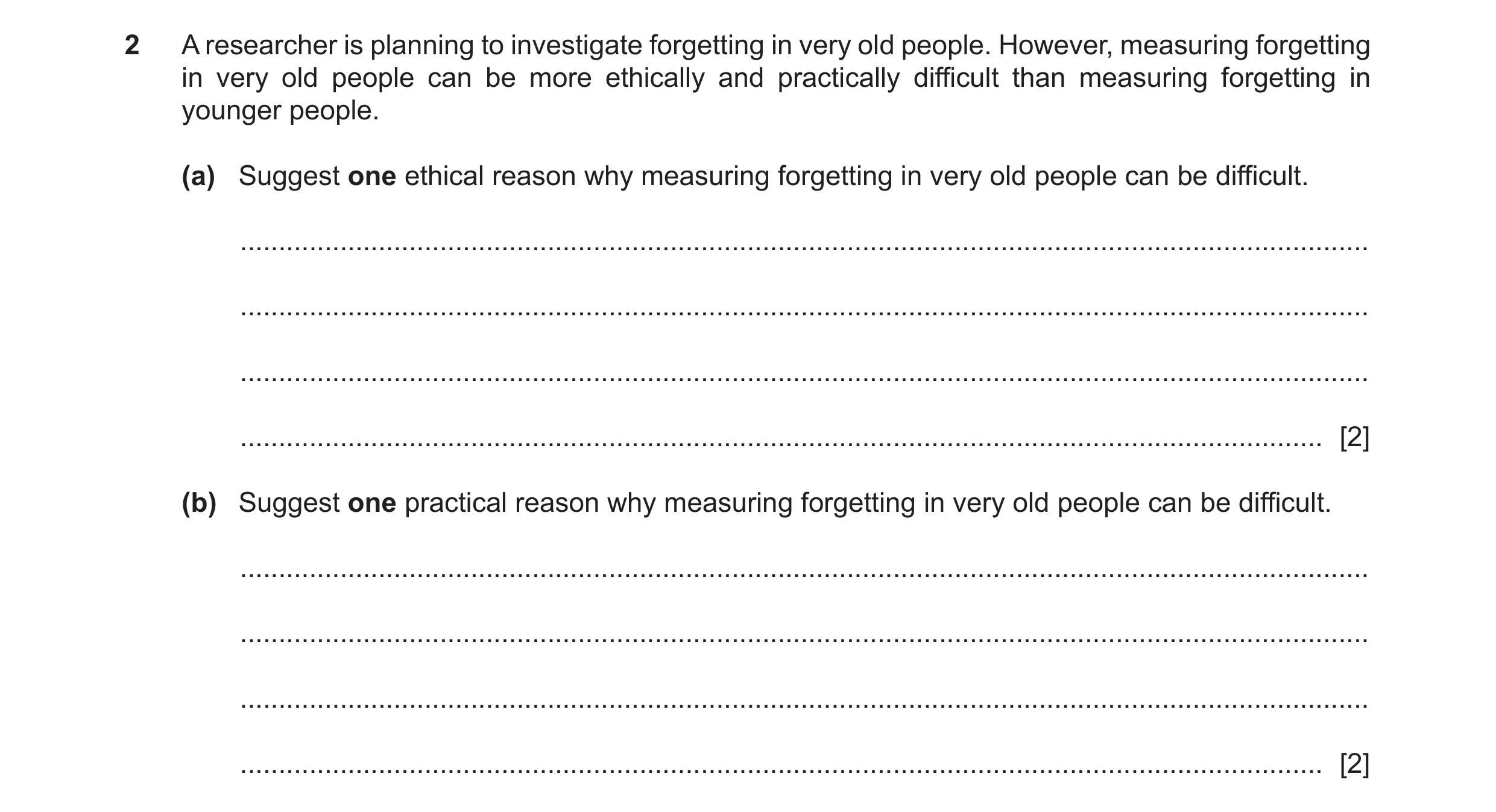
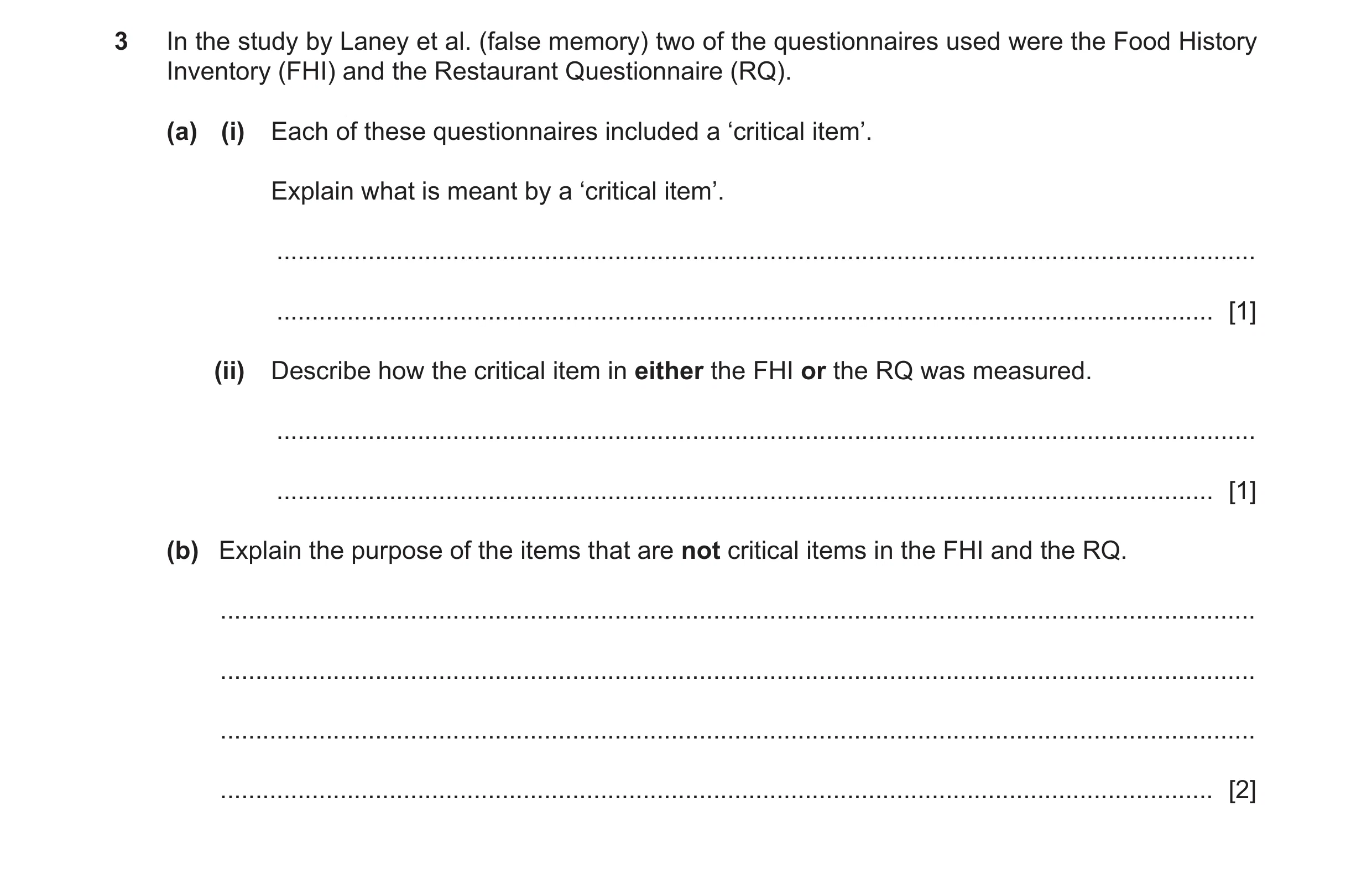 221 / 368
 222 / 368
 223 / 368
 224 / 368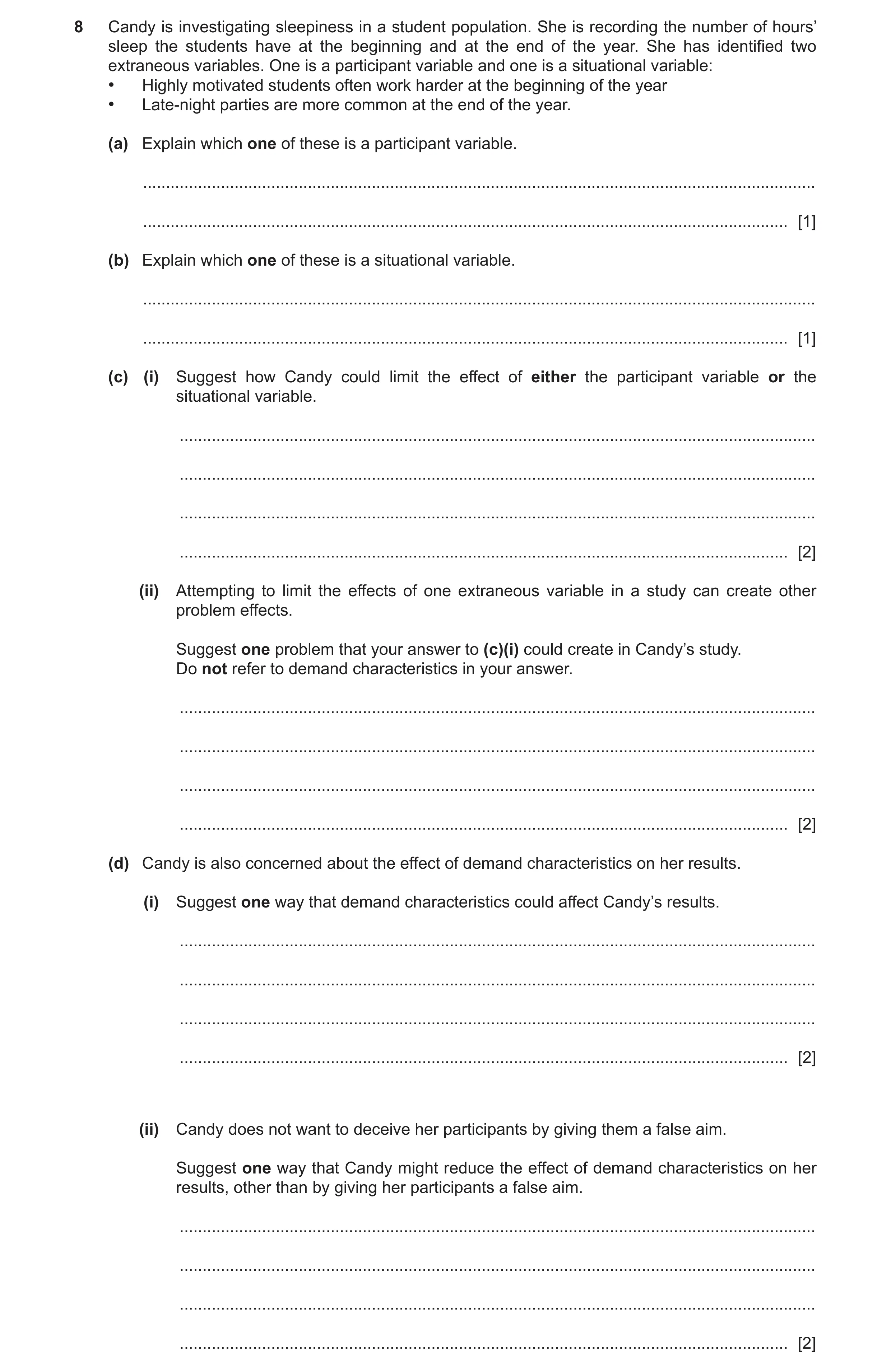
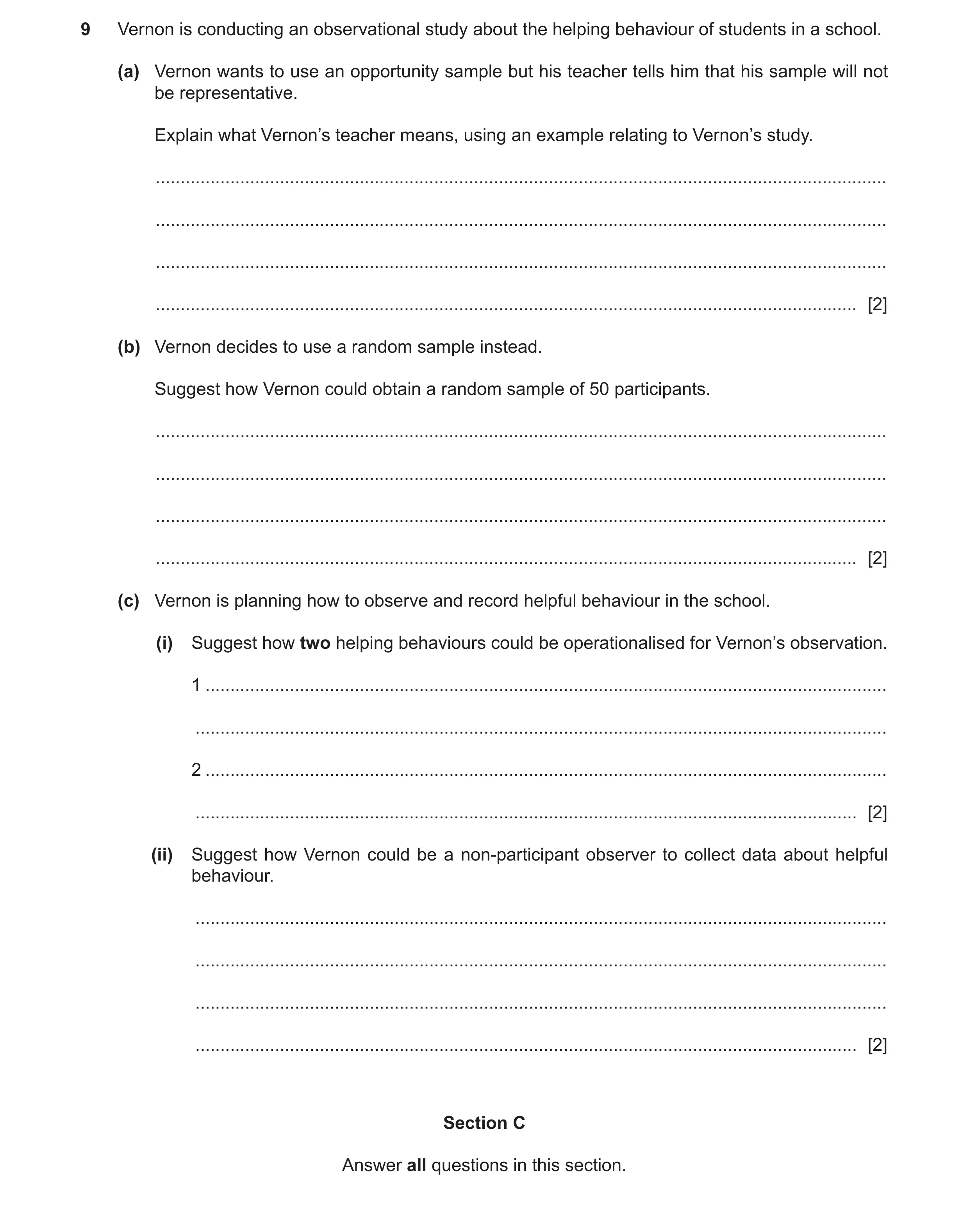 226 / 368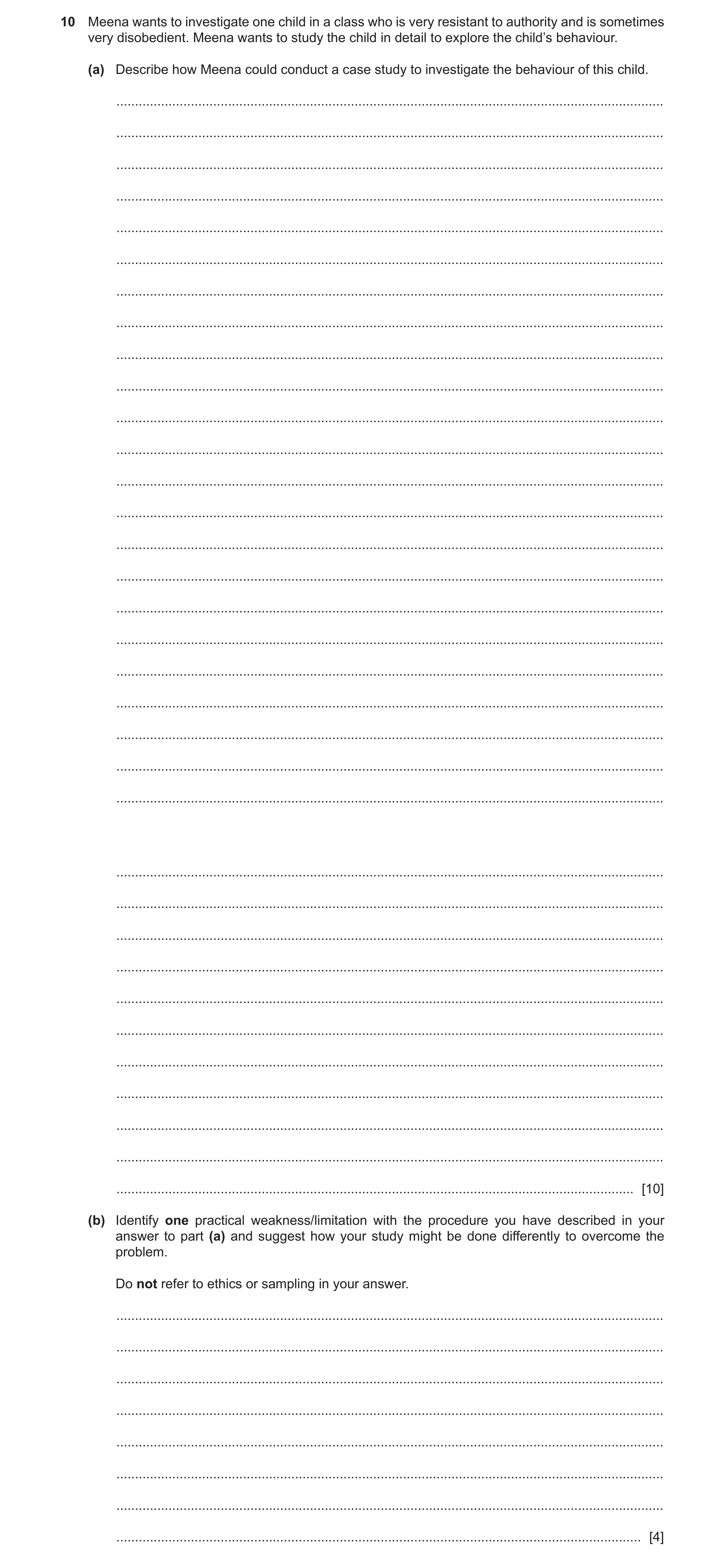
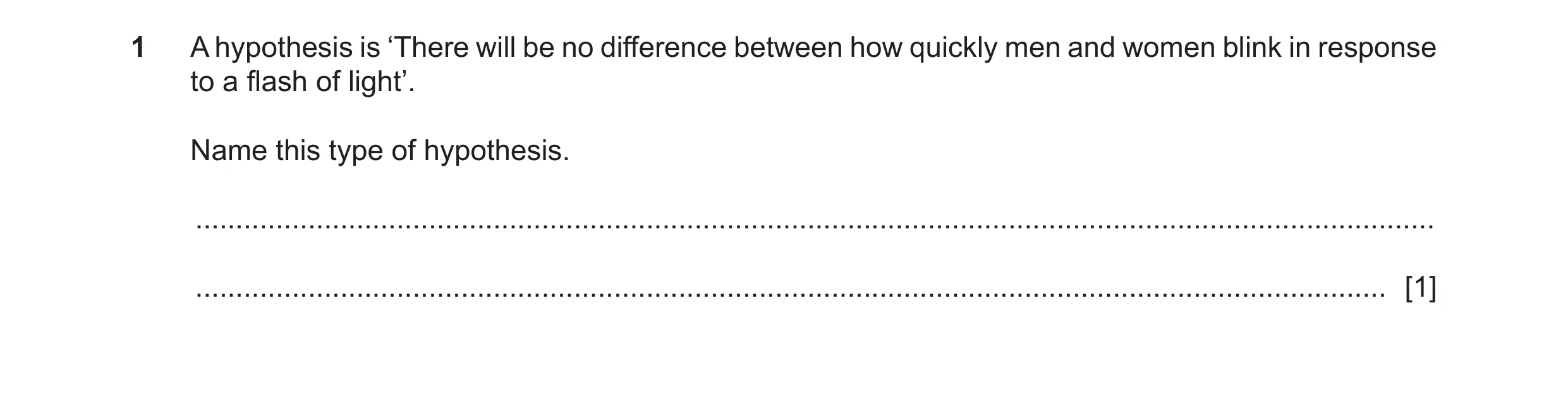 228 / 368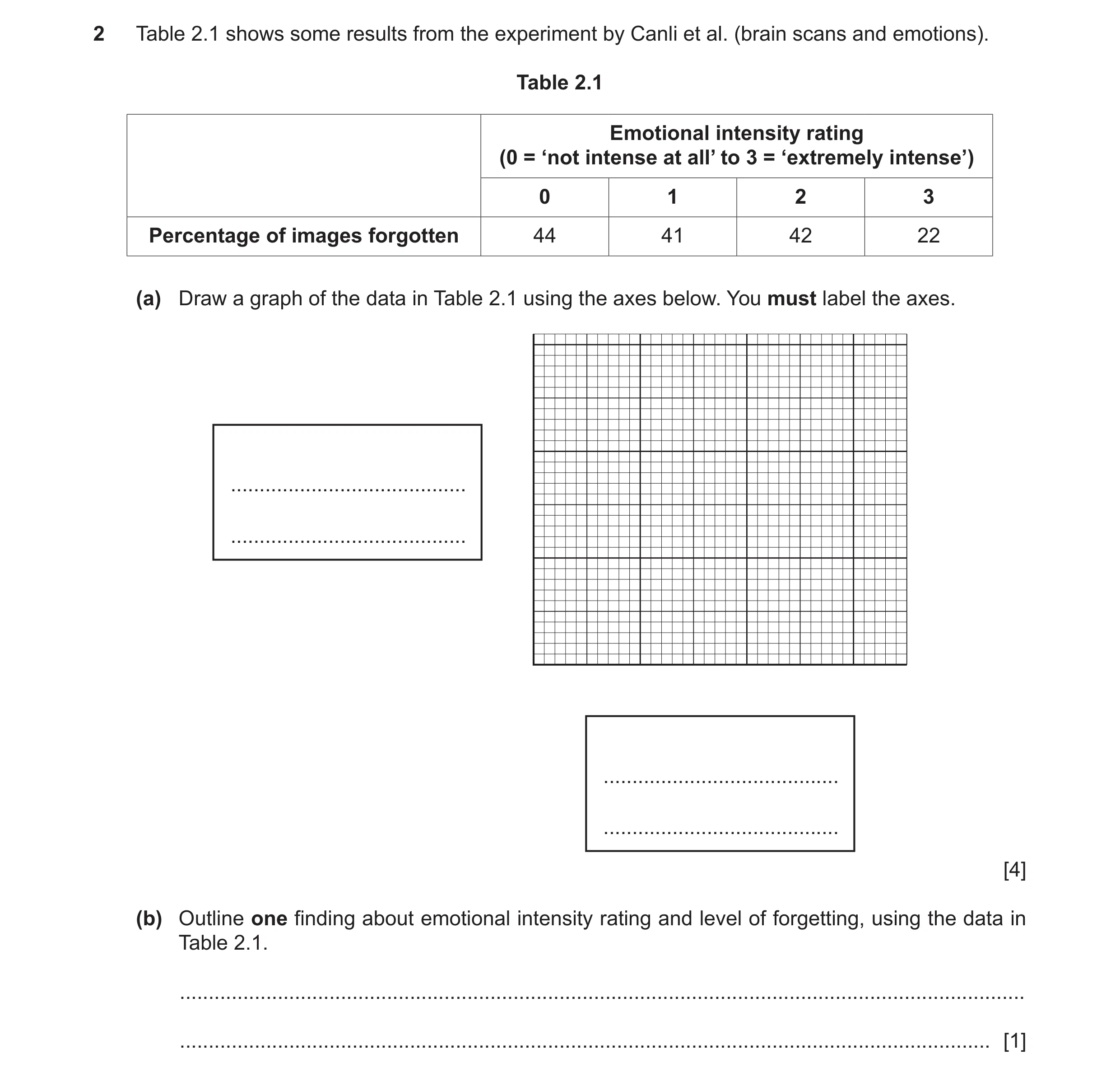
 229 / 368
 230 / 368
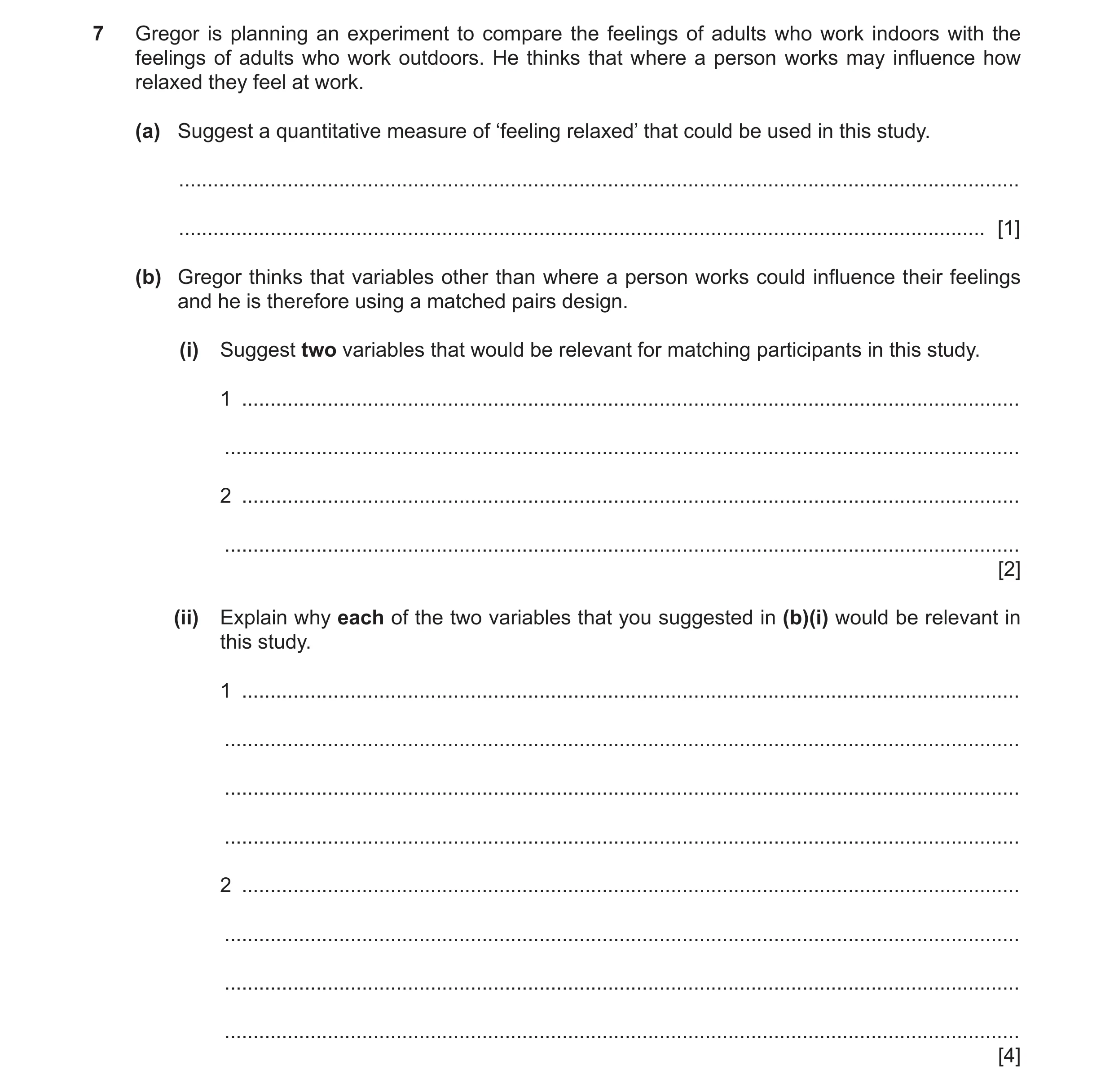 231 / 368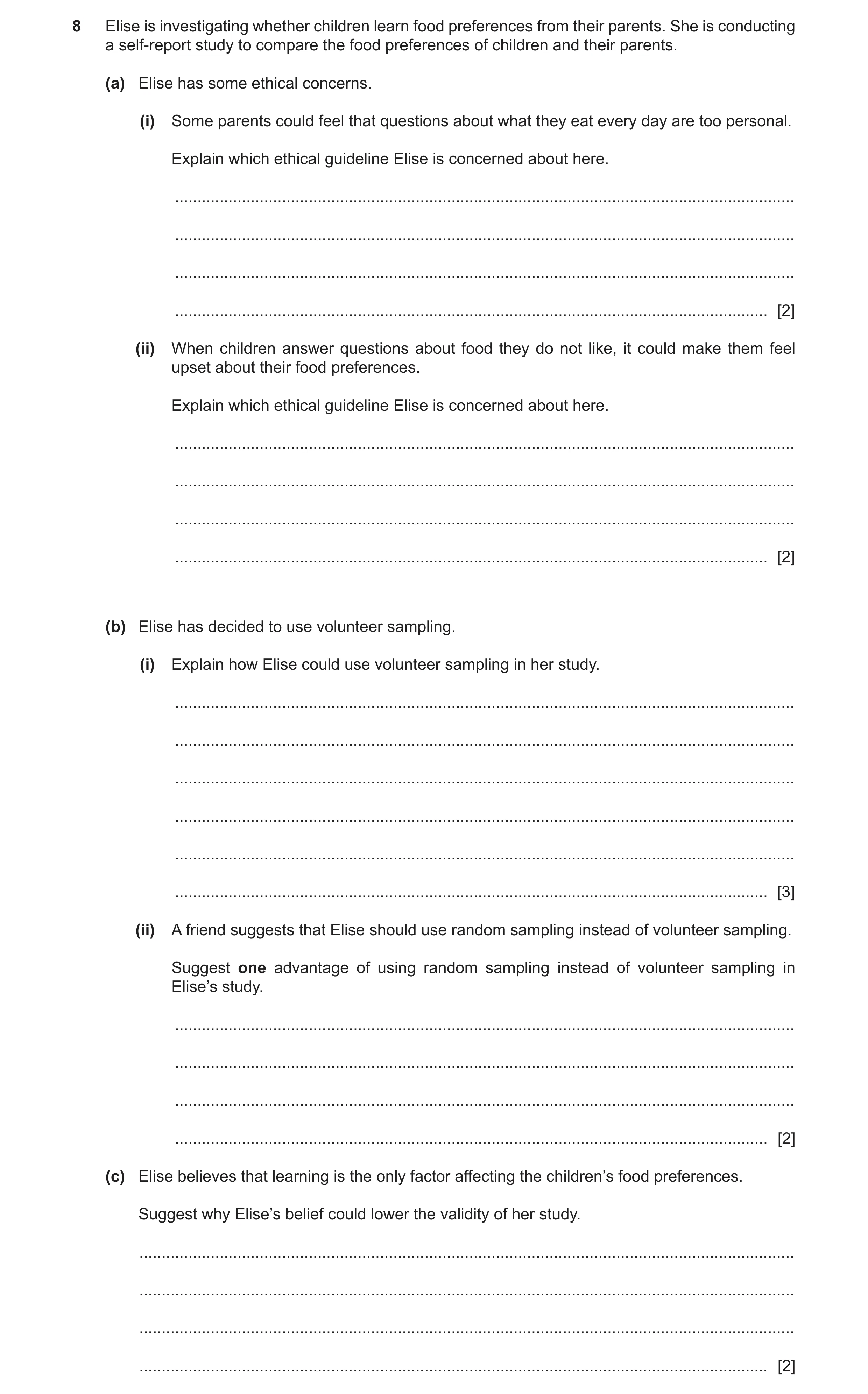
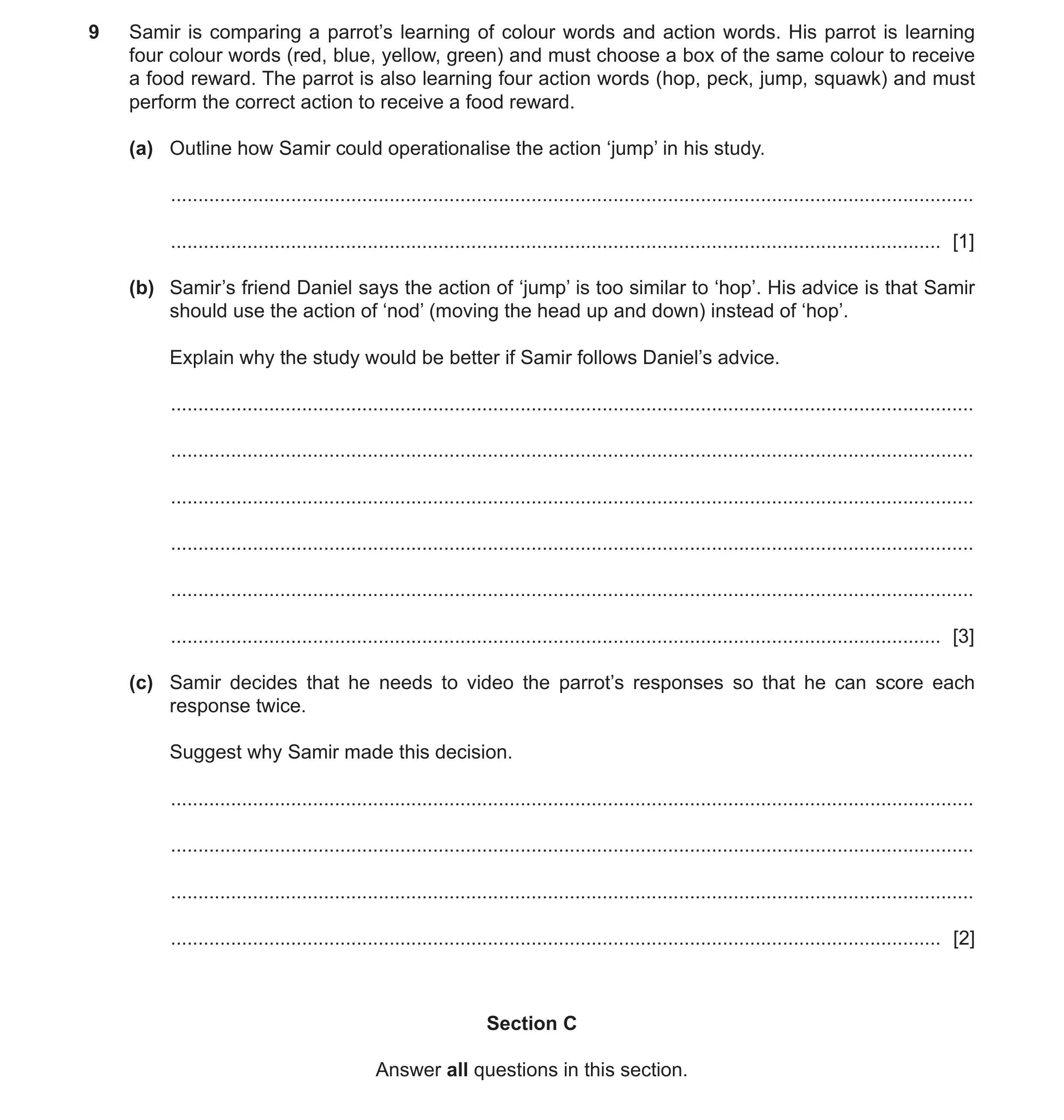 233 / 368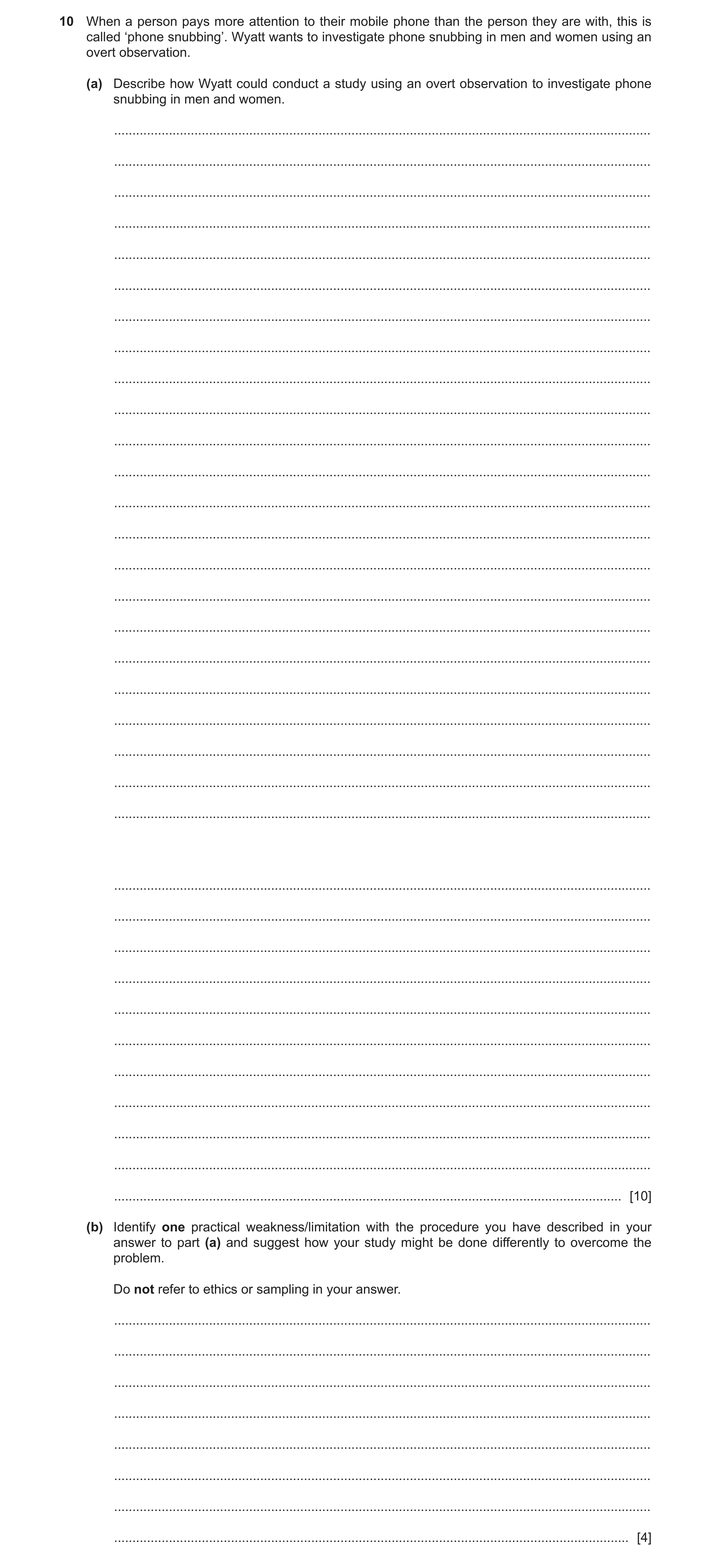
 235 / 368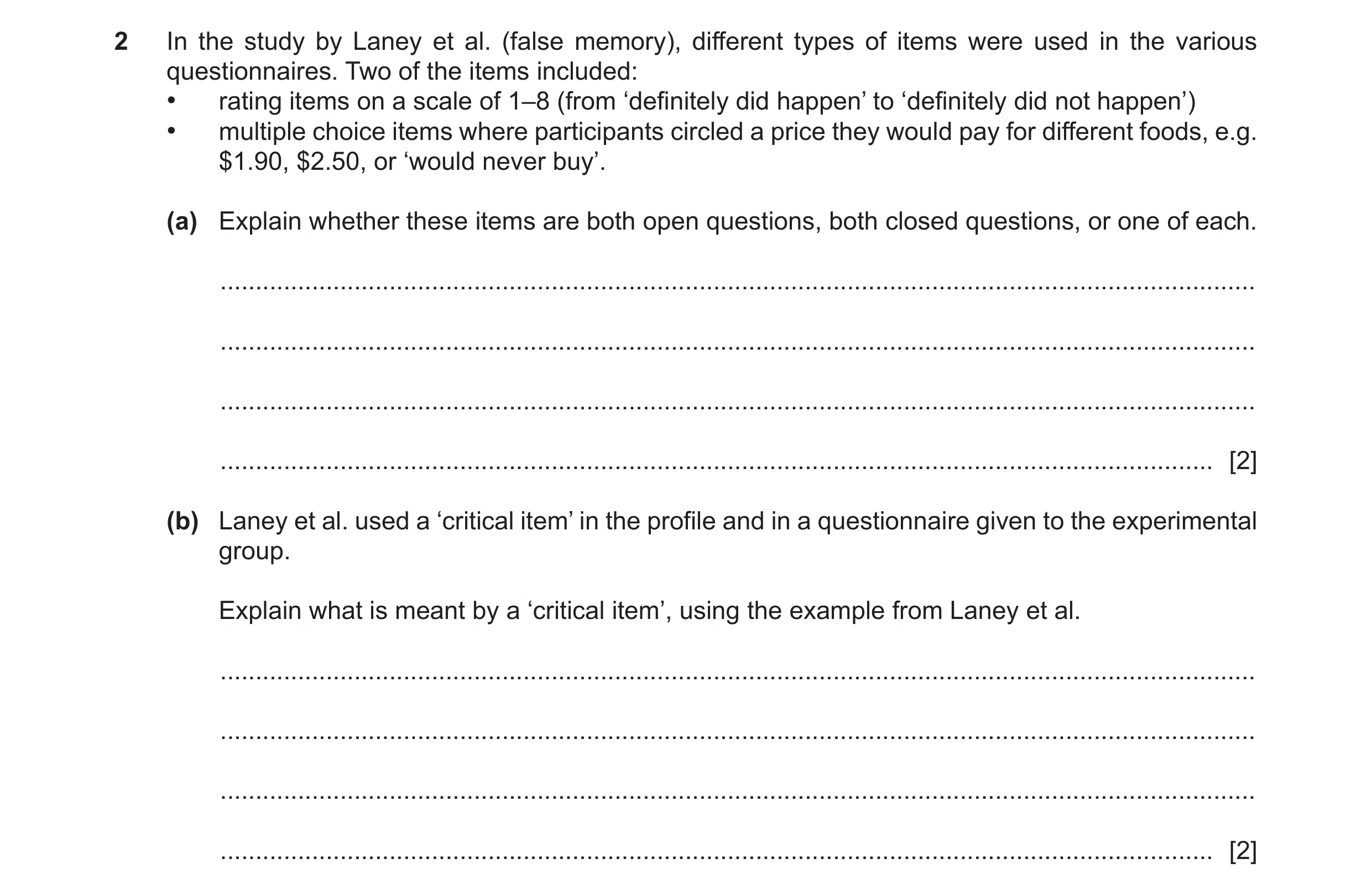
 236 / 368
 237 / 368
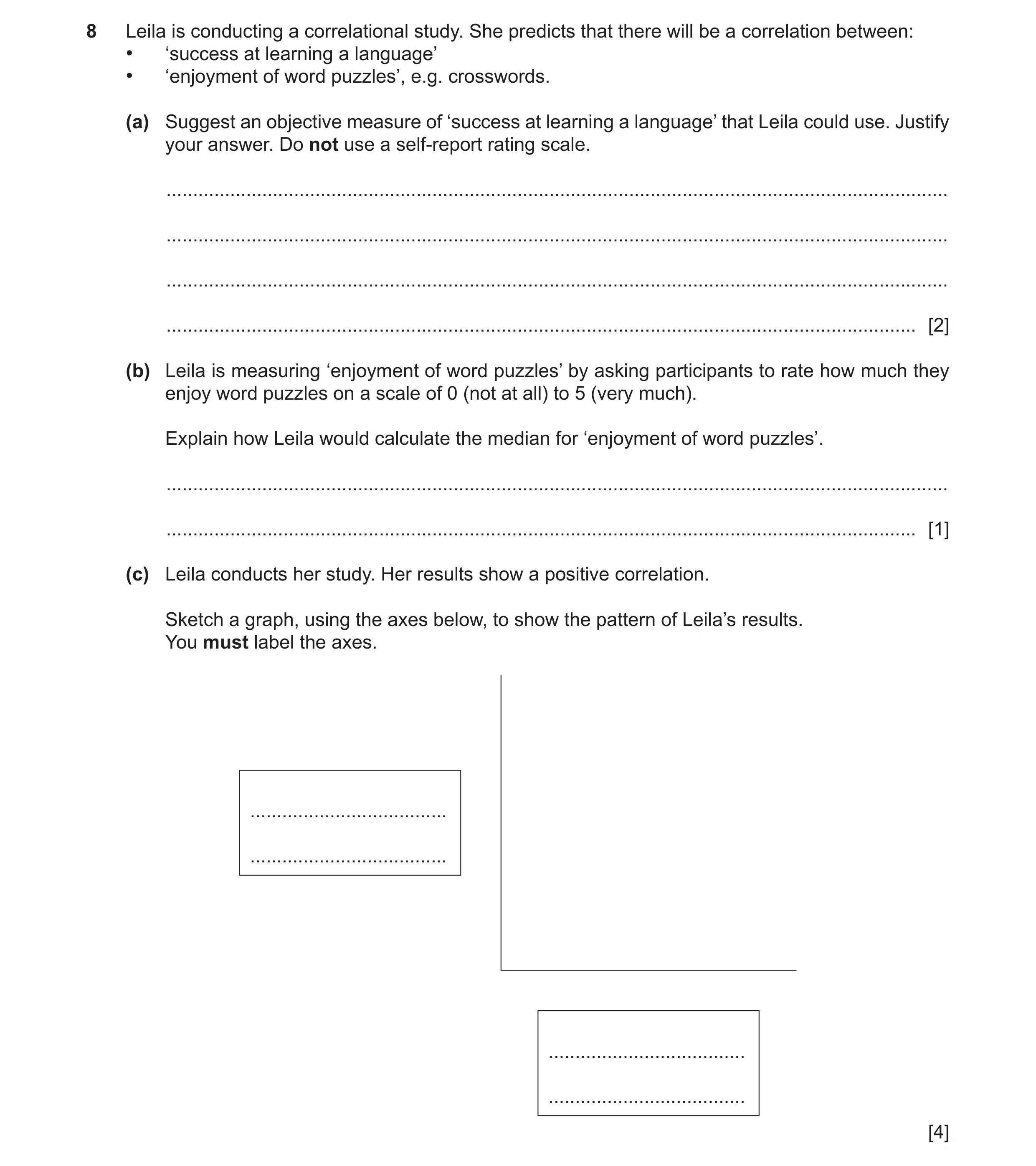 238 / 368
 239 / 368
 241 / 368
 242 / 368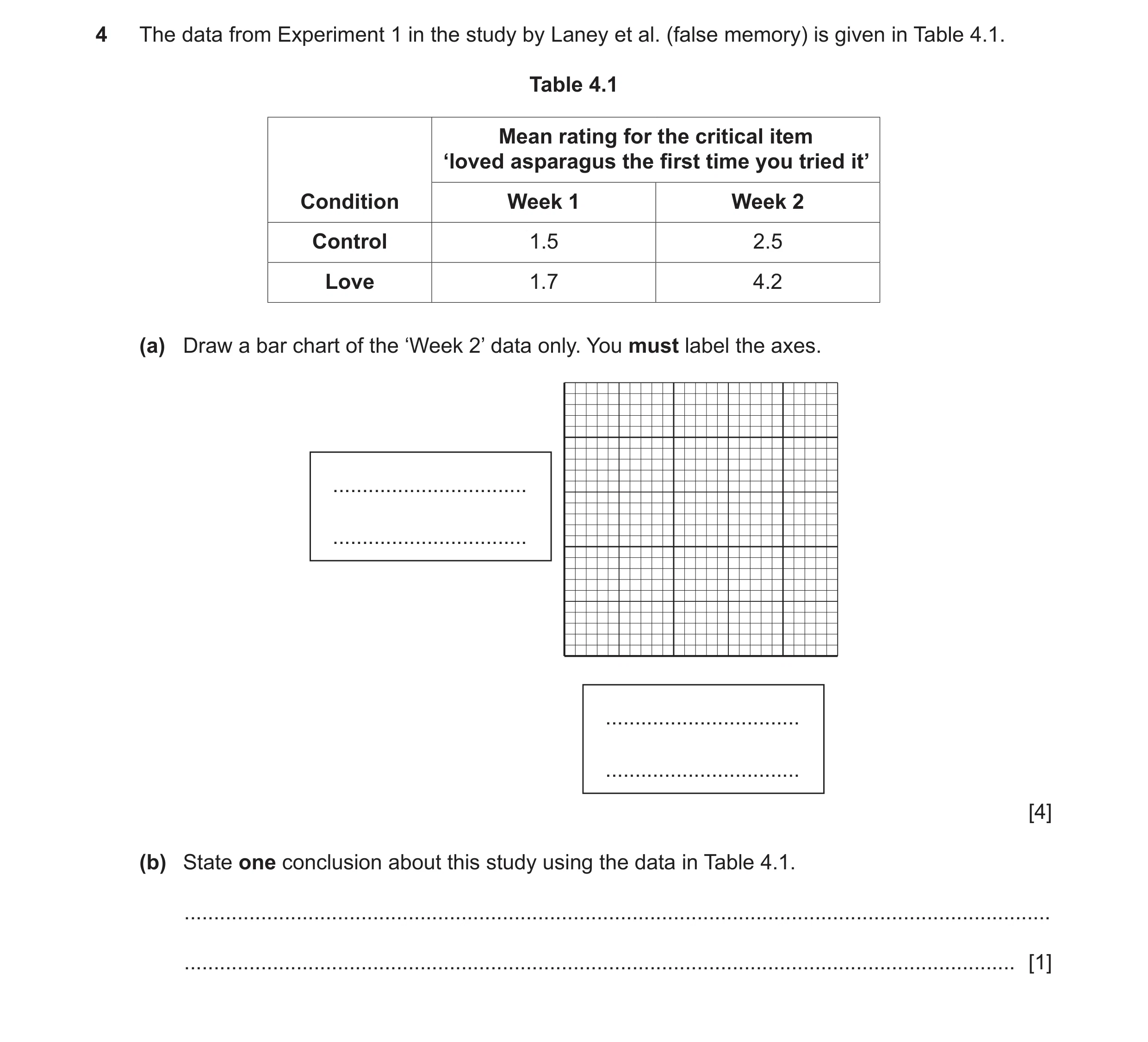
 243 / 368
 244 / 368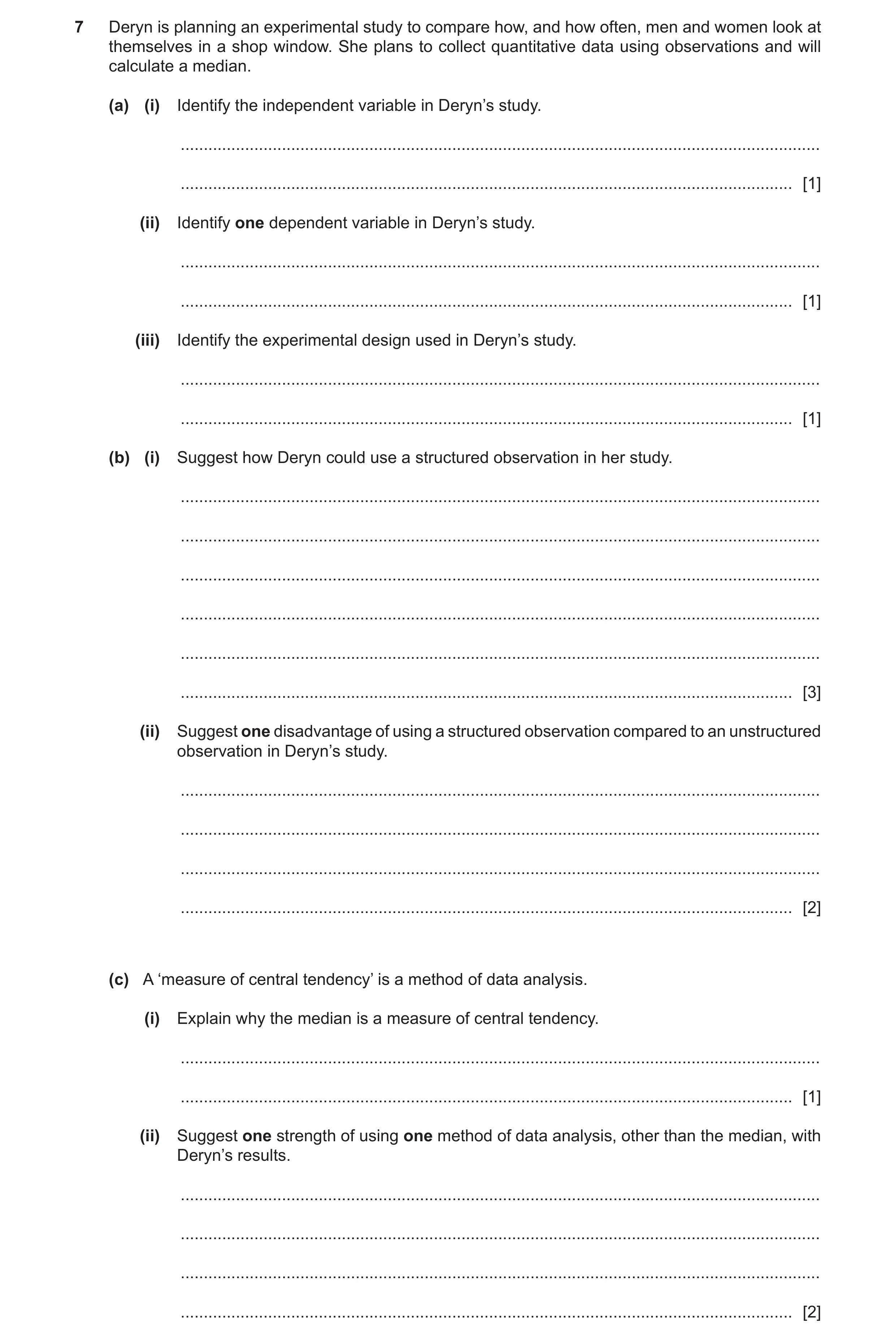
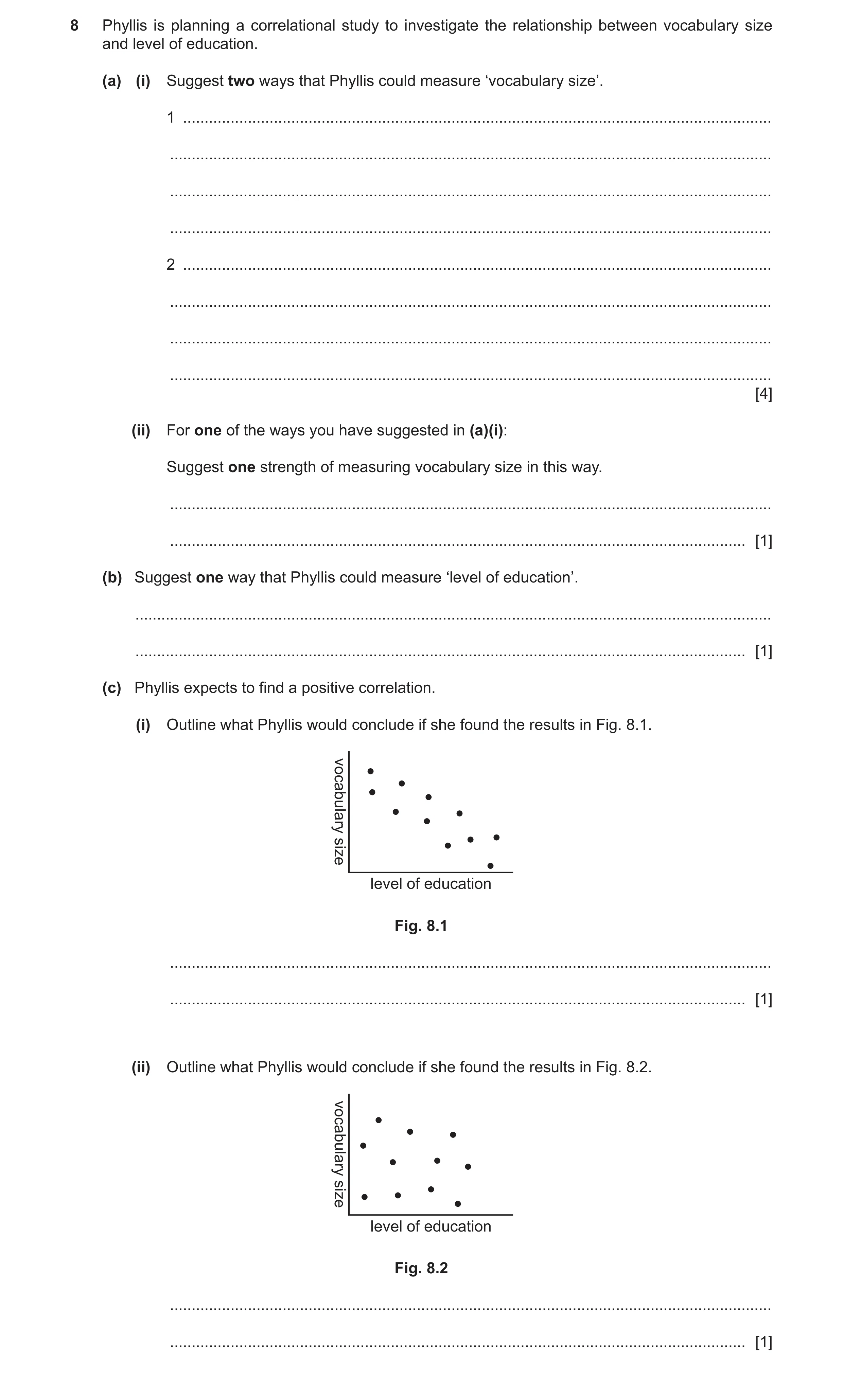
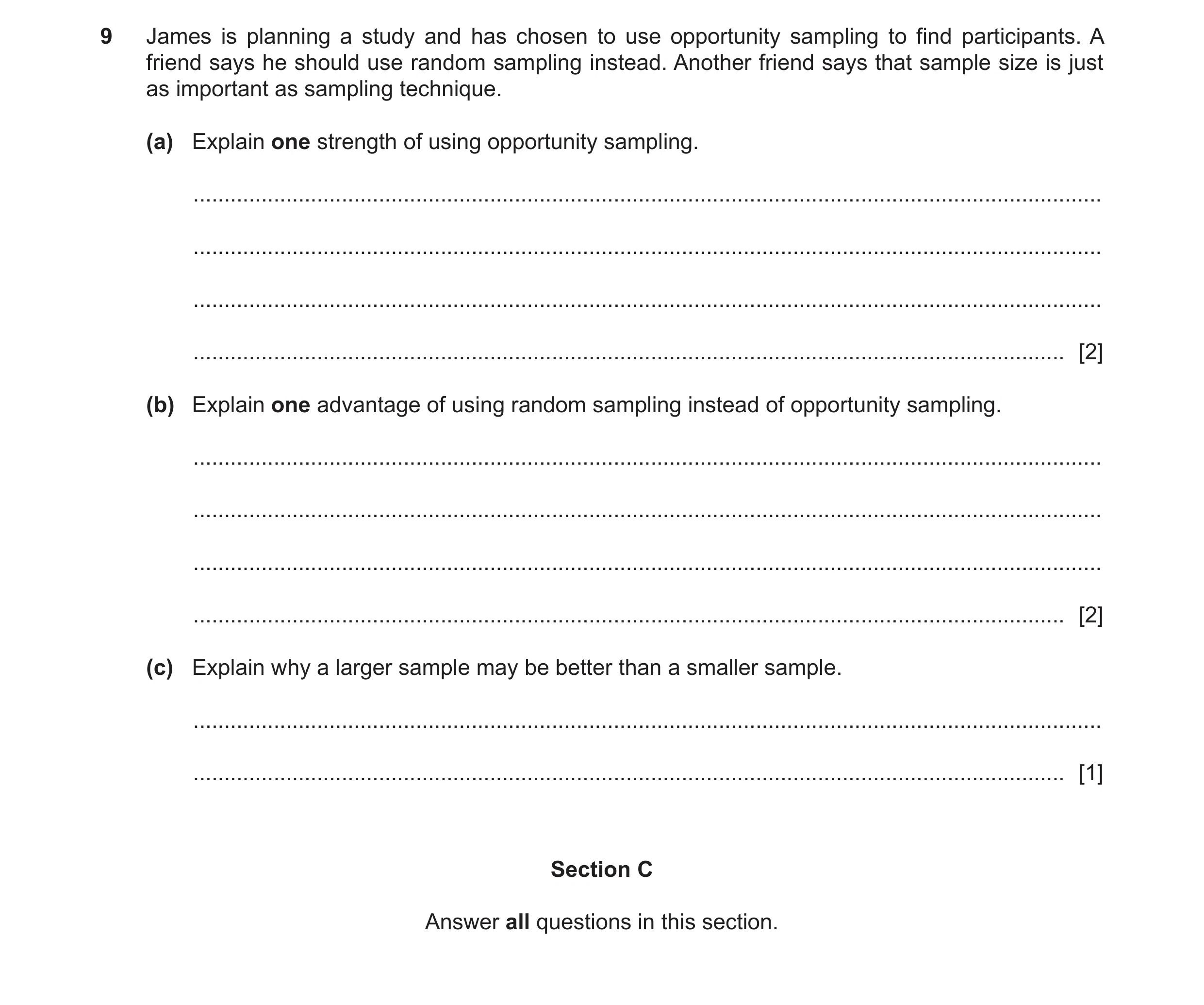 247 / 368
 249 / 368
 250 / 368
 251 / 368
 252 / 368
 253 / 368
 254 / 368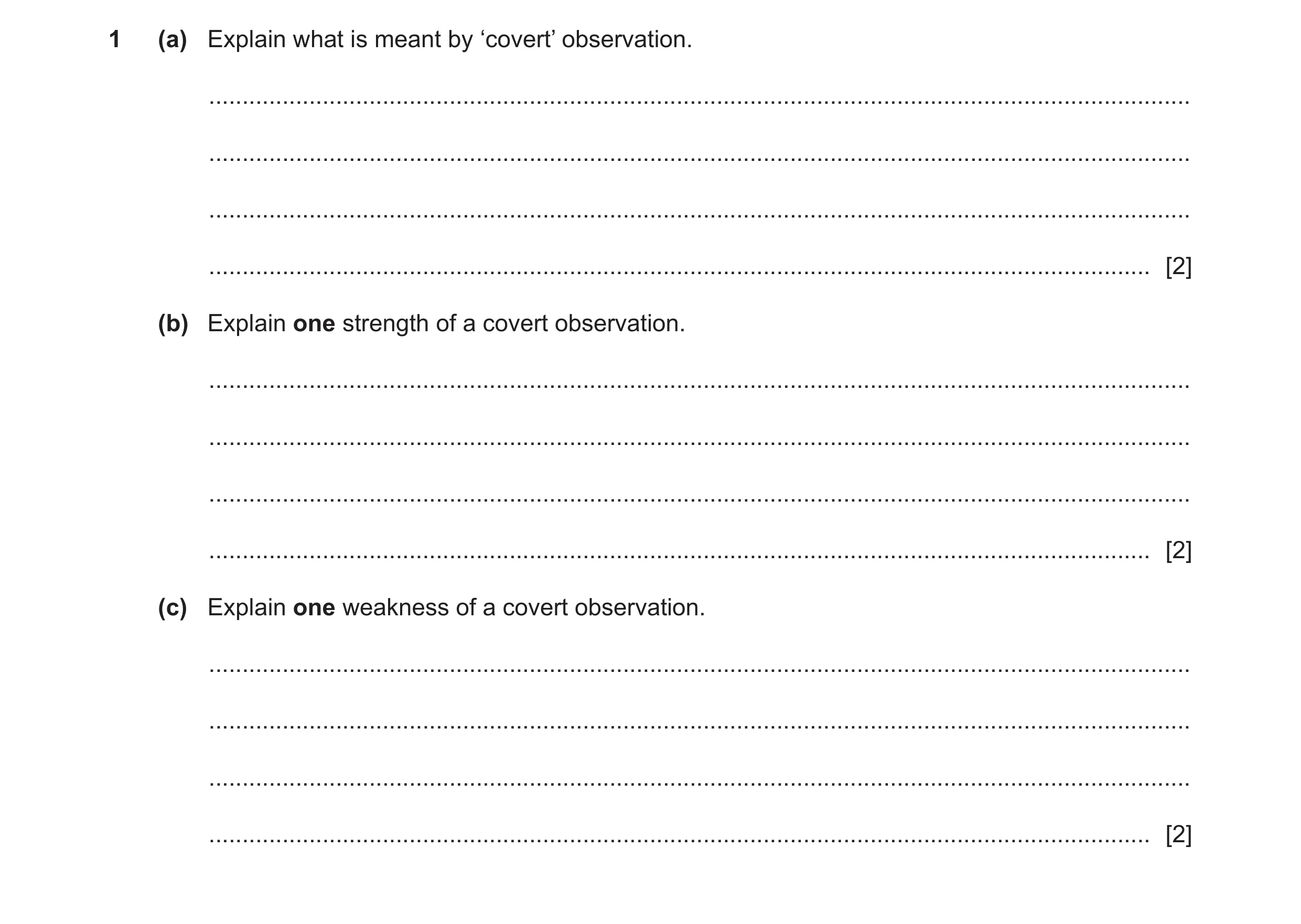
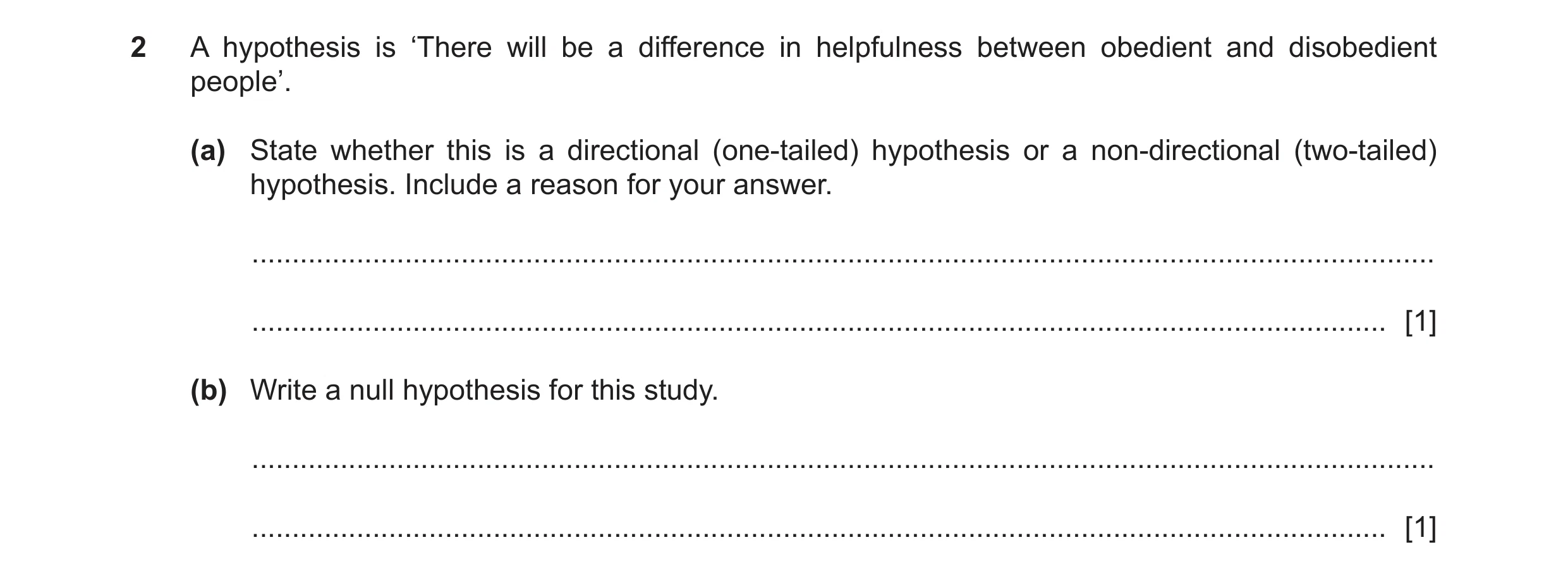 255 / 368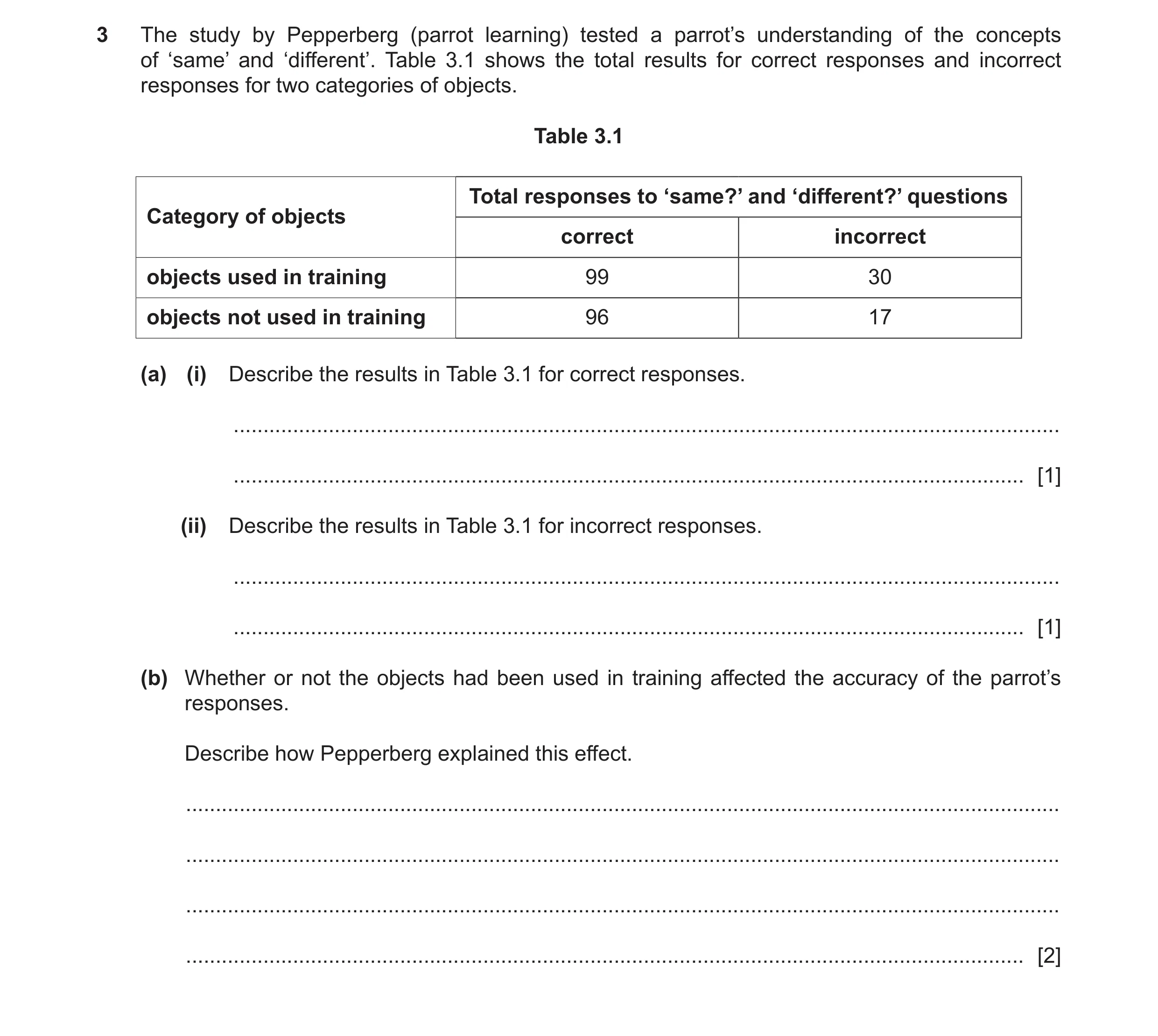
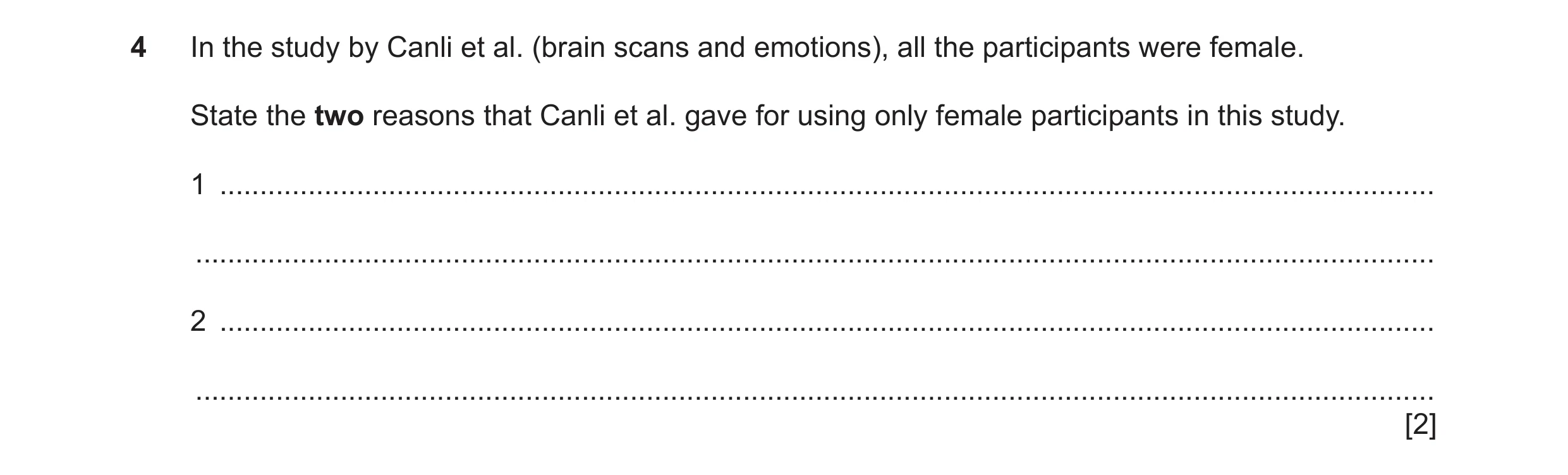 256 / 368
 257 / 368
 258 / 368
 259 / 368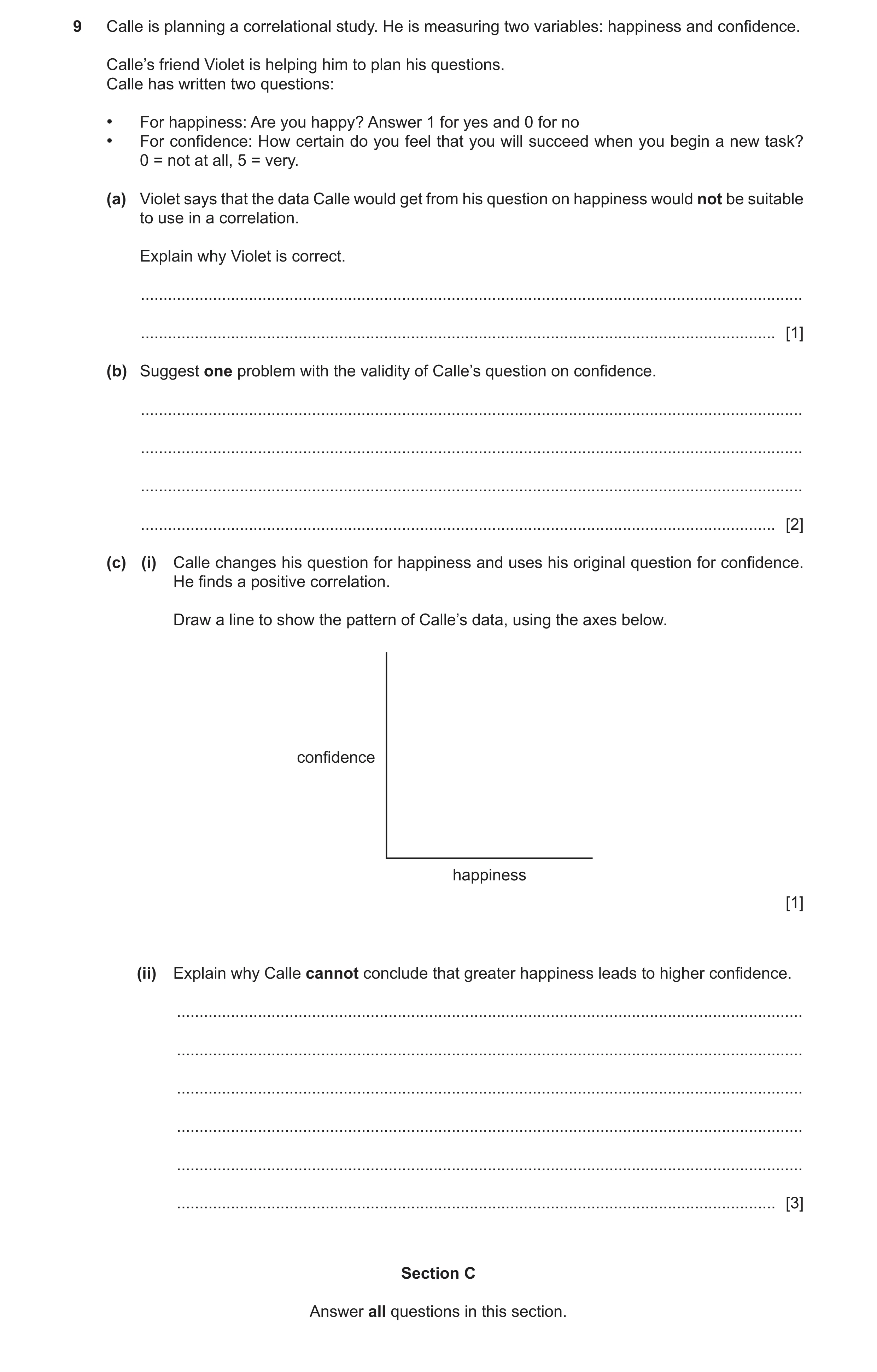
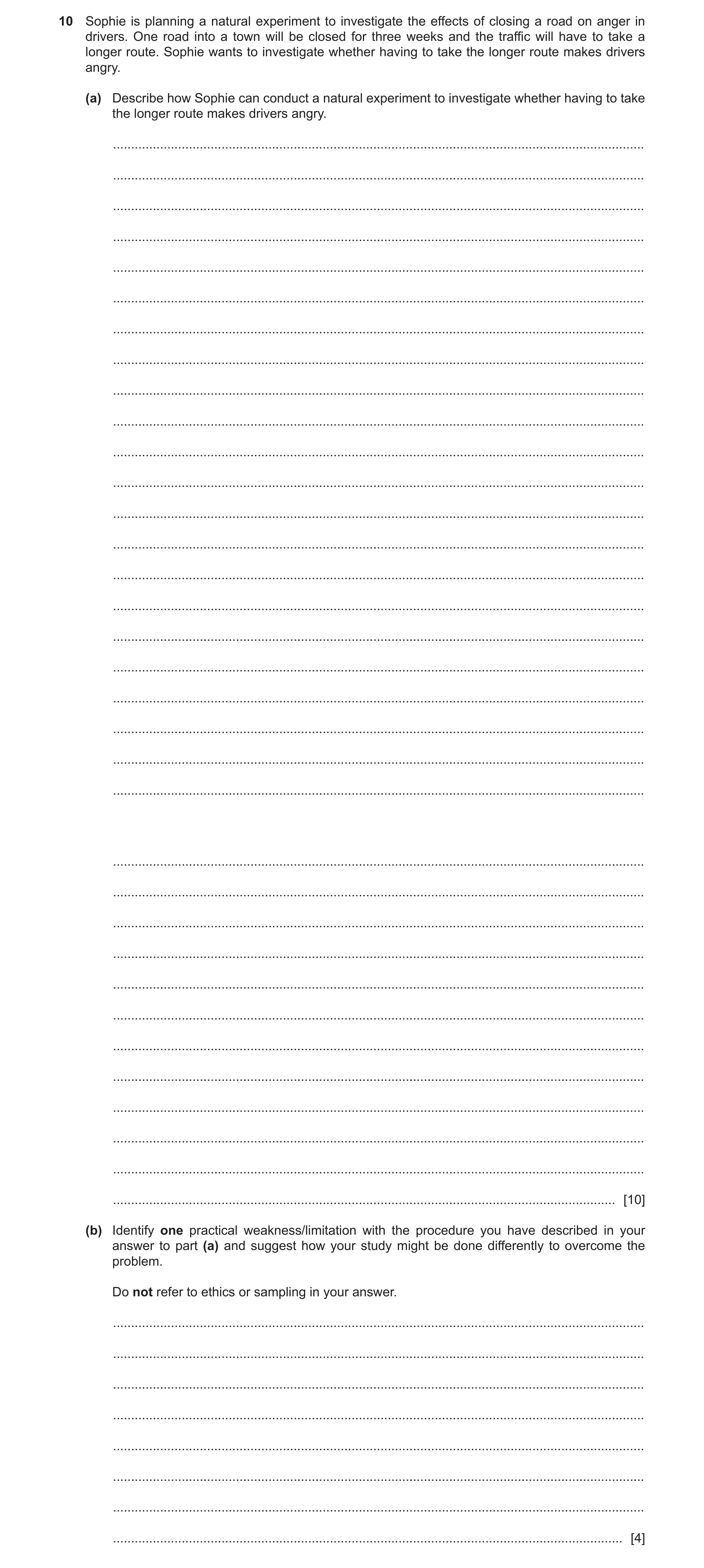
 263 / 368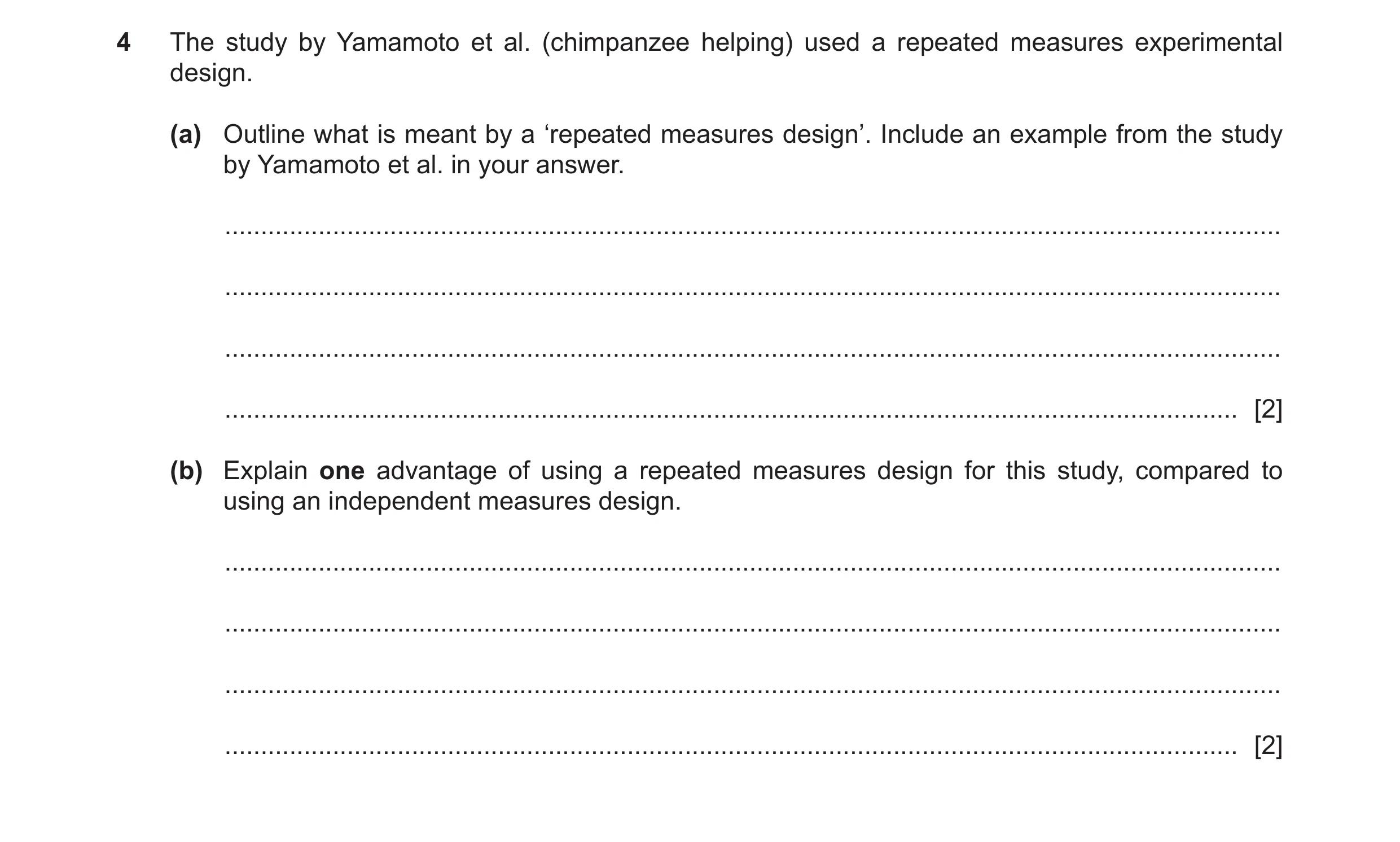
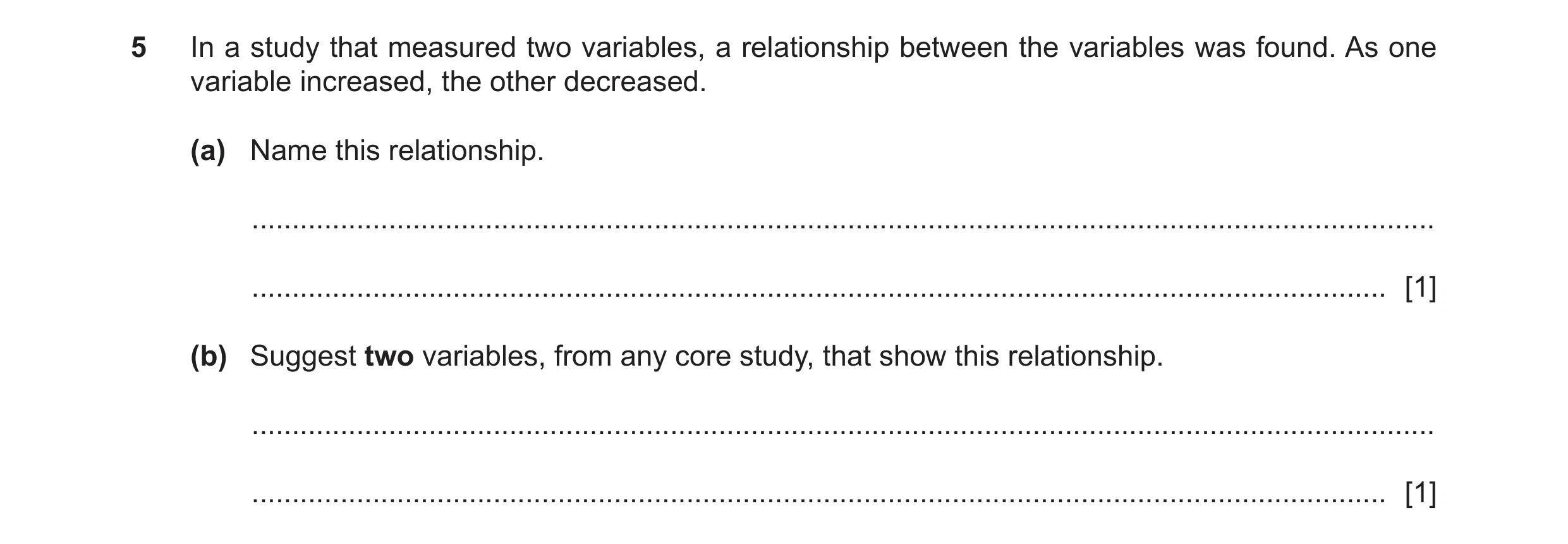 264 / 368
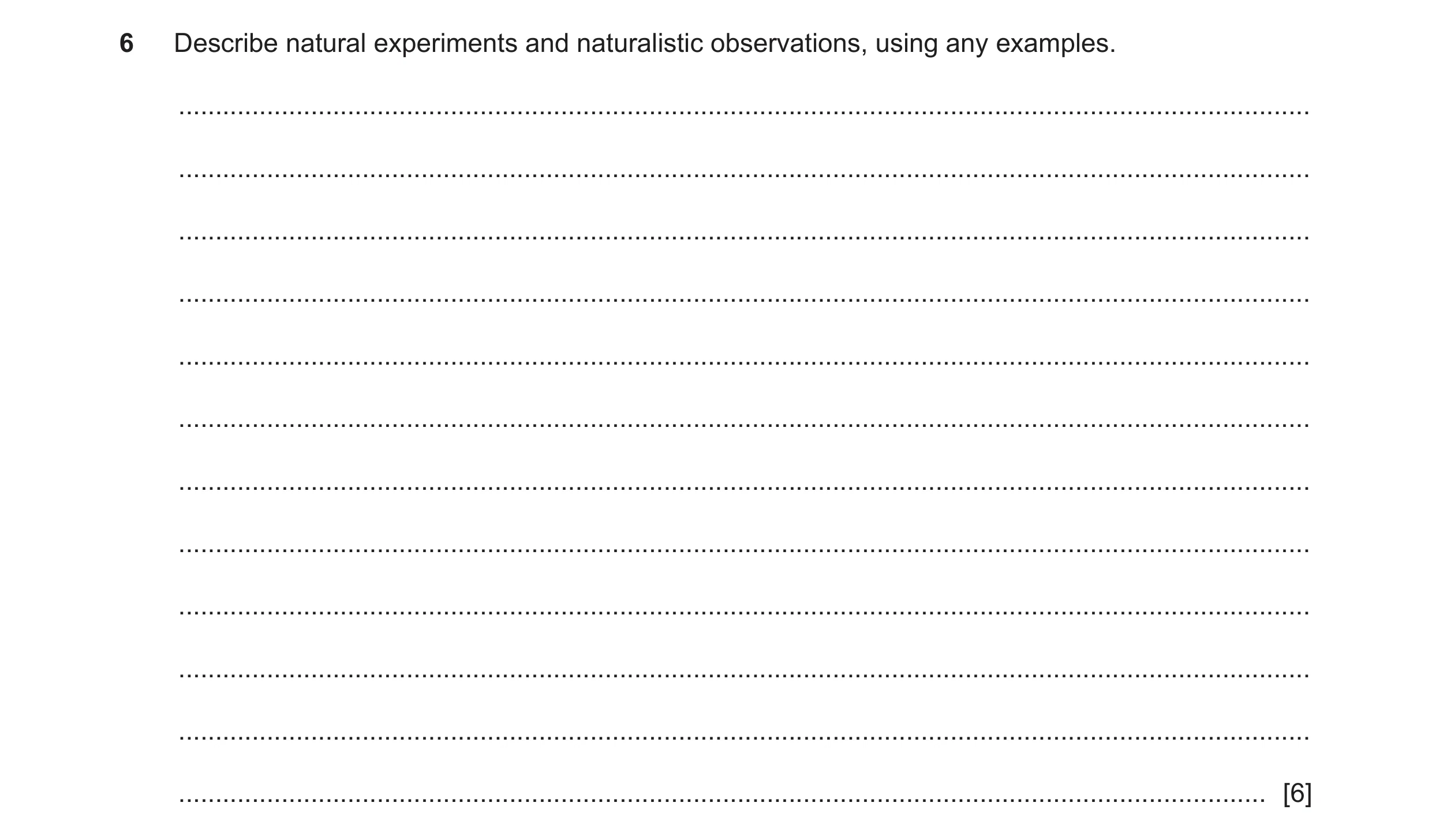 265 / 368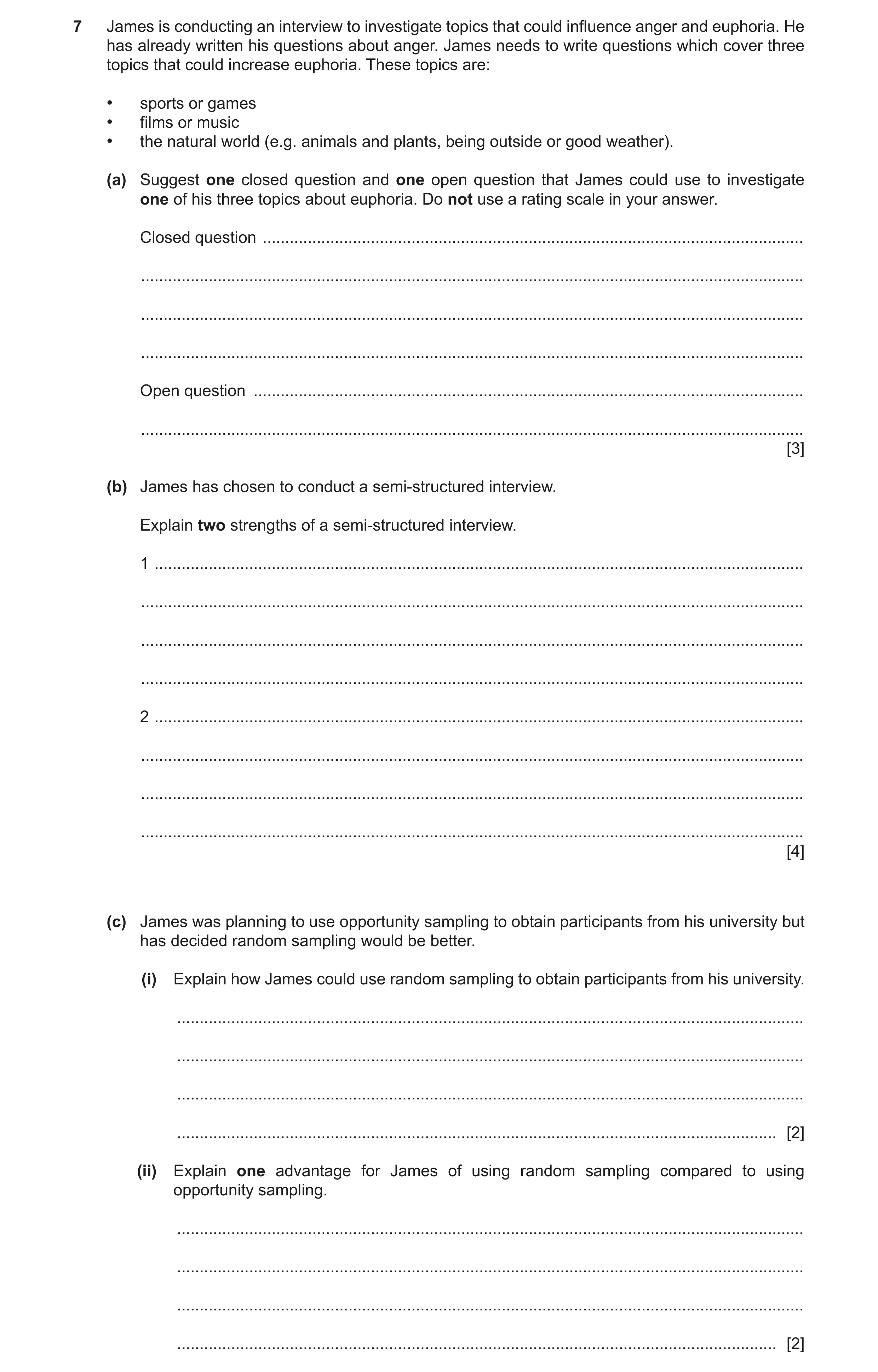
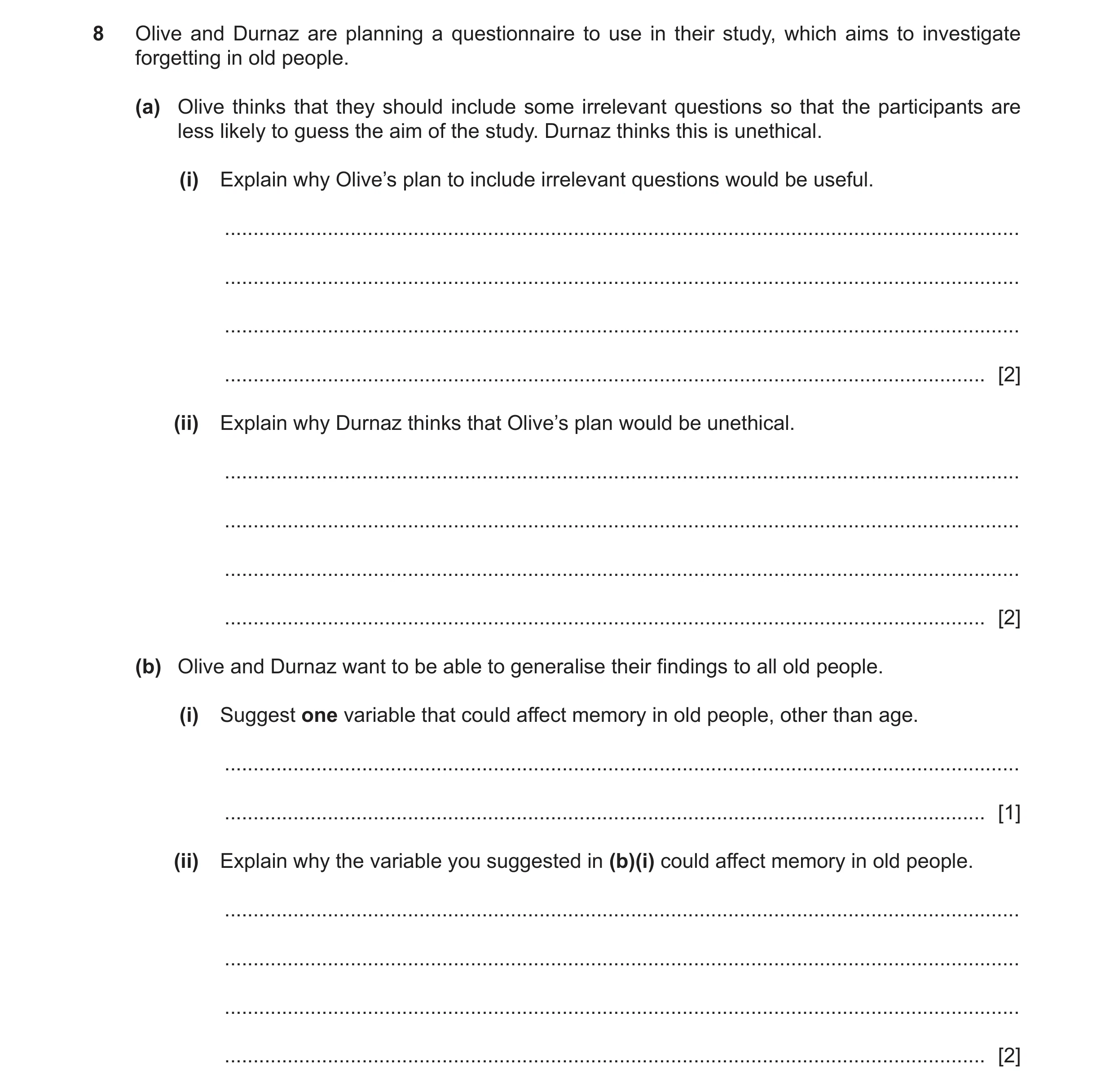 267 / 368
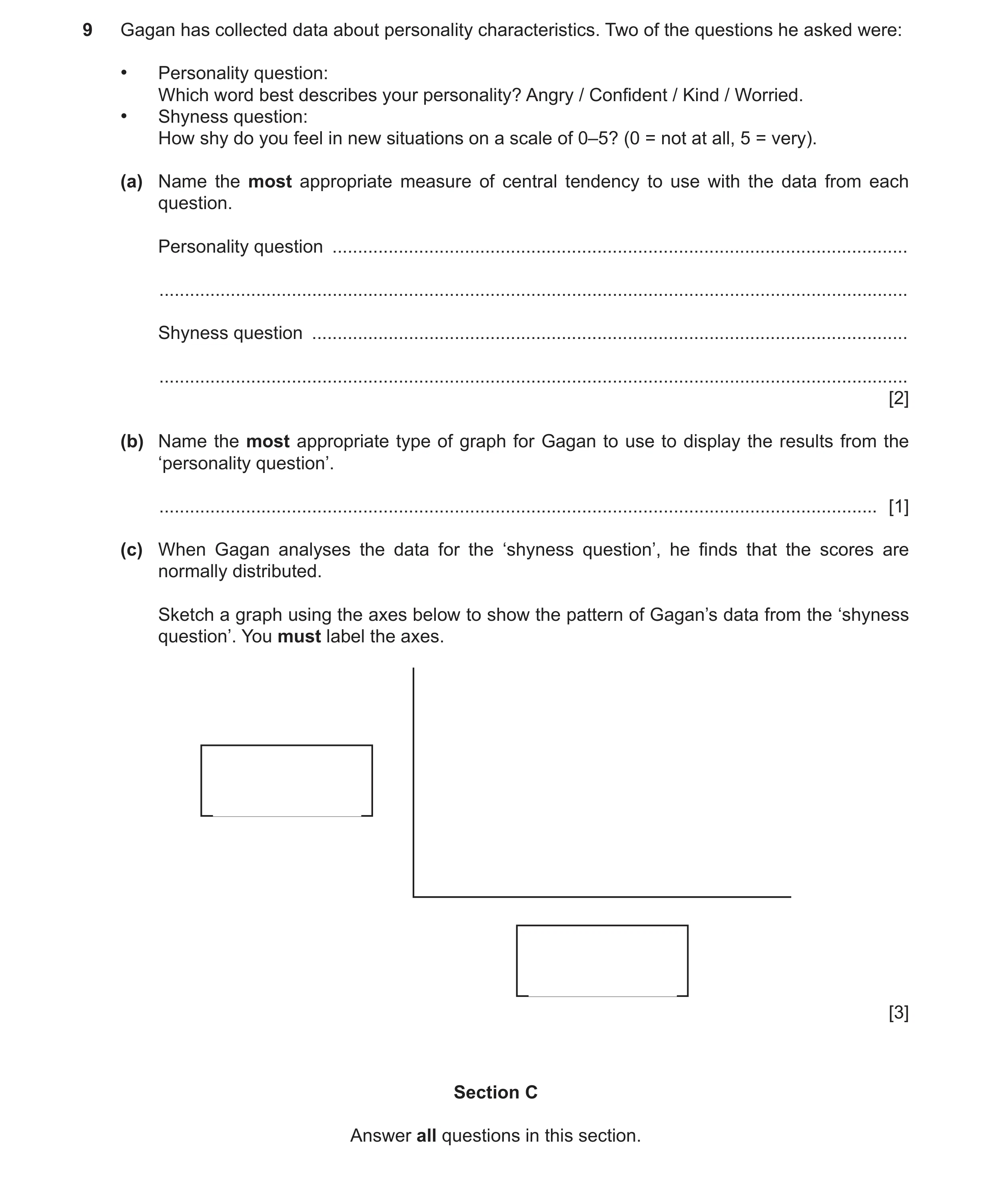 268 / 368
 270 / 368
 271 / 368
 272 / 368
 273 / 368
 274 / 368
 275 / 368
 279 / 368
 280 / 368
 281 / 368
 282 / 368
 283 / 368
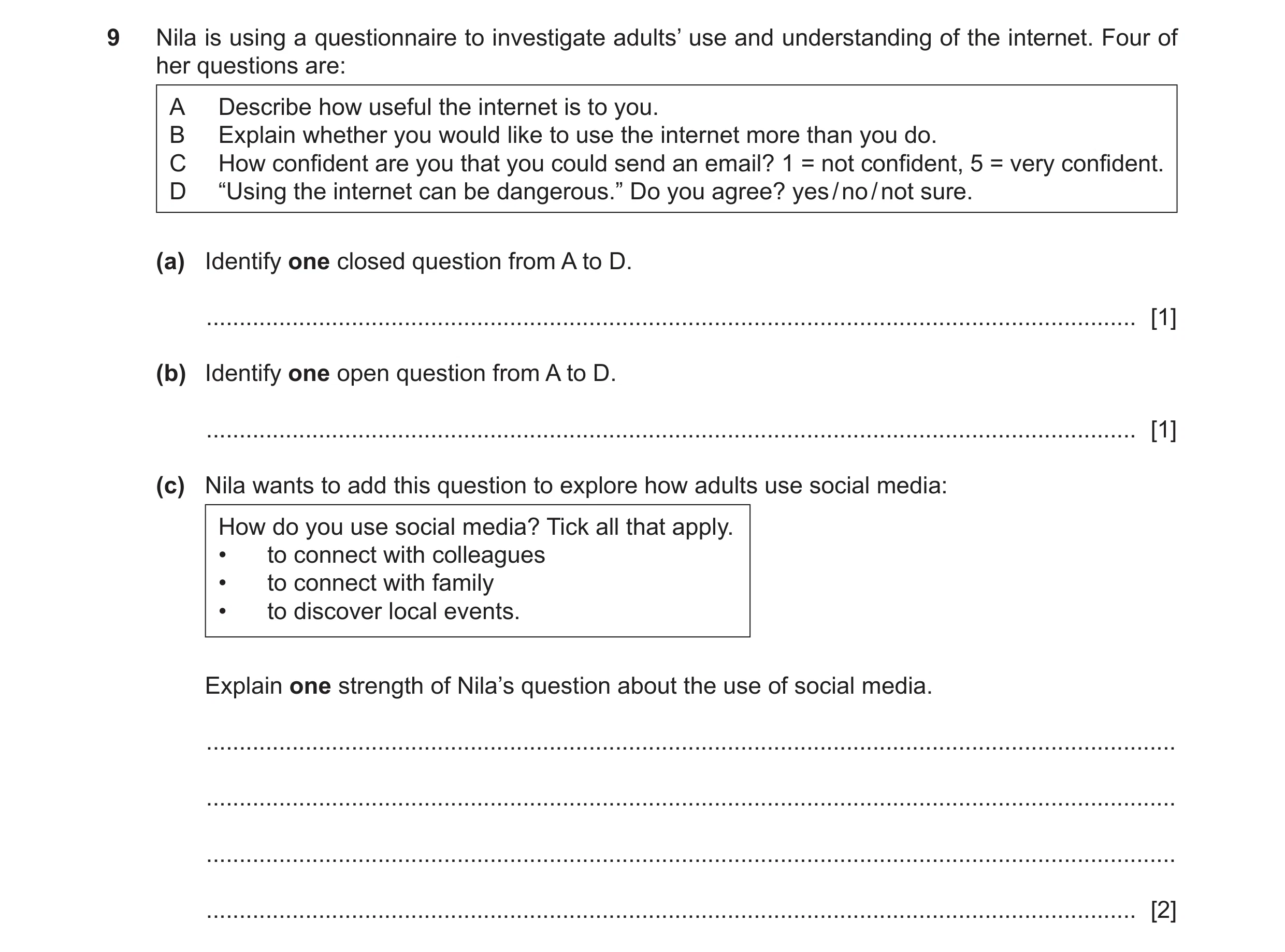 284 / 368
 286 / 368
 287 / 368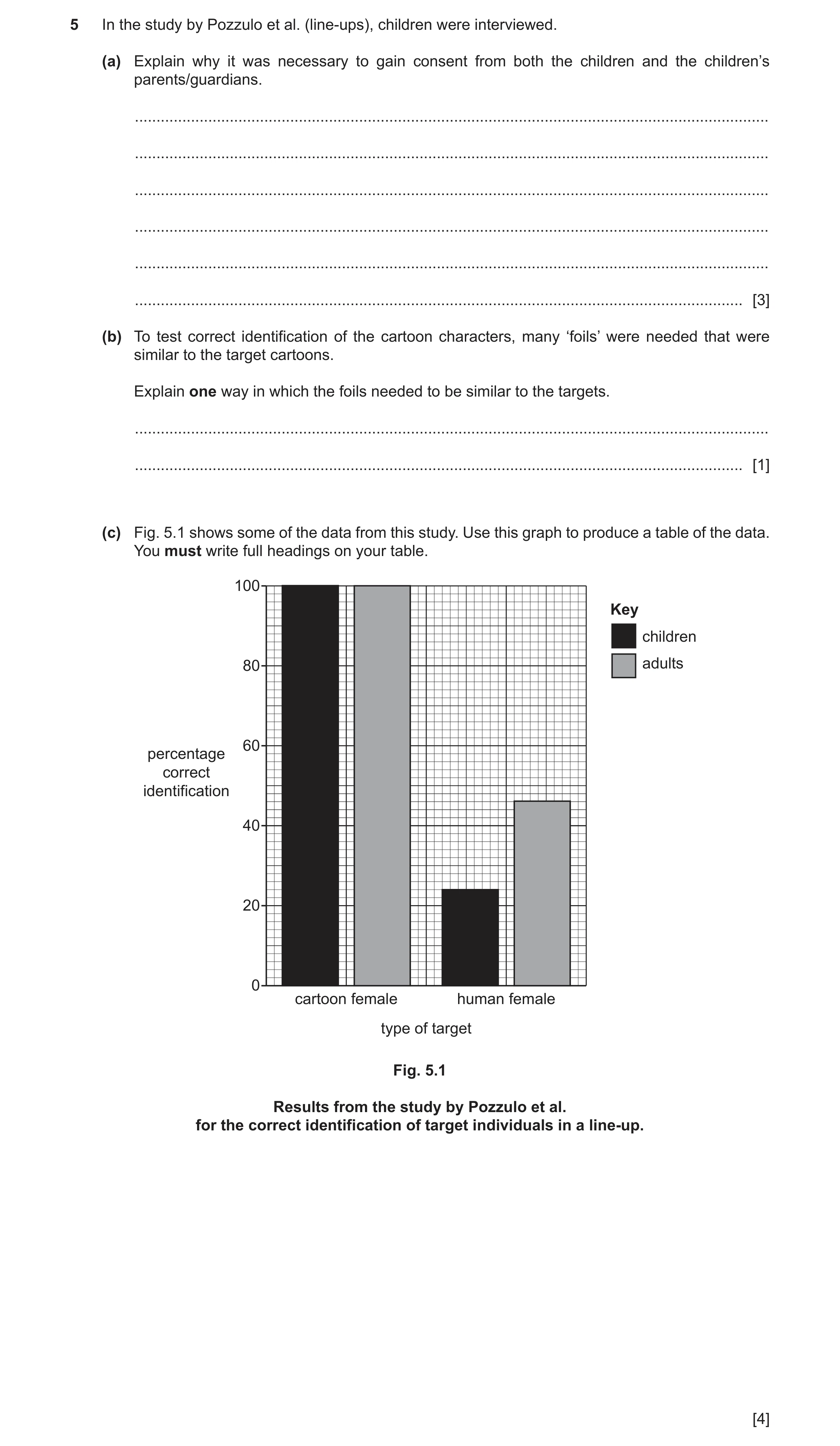
 289 / 368
 290 / 368
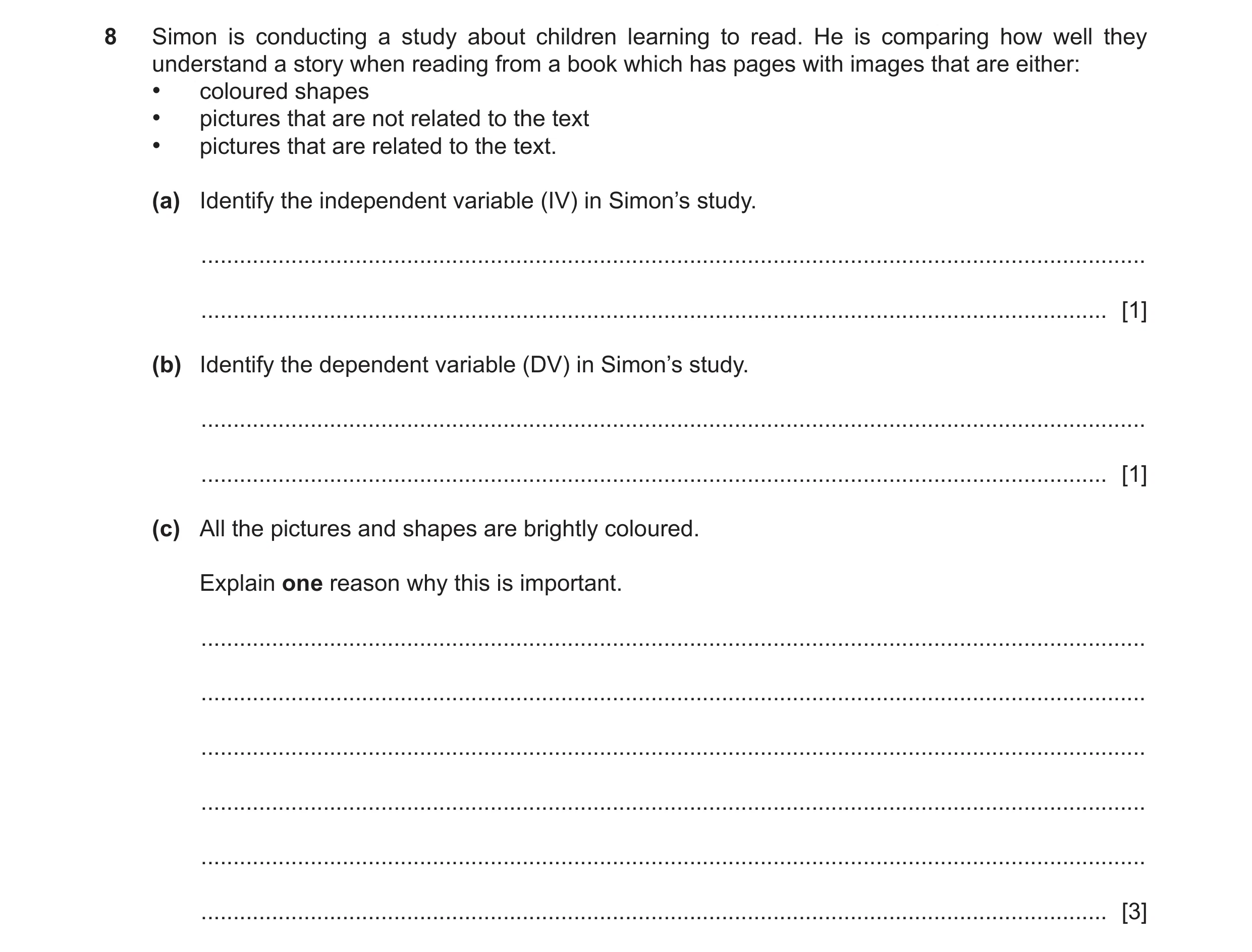 291 / 368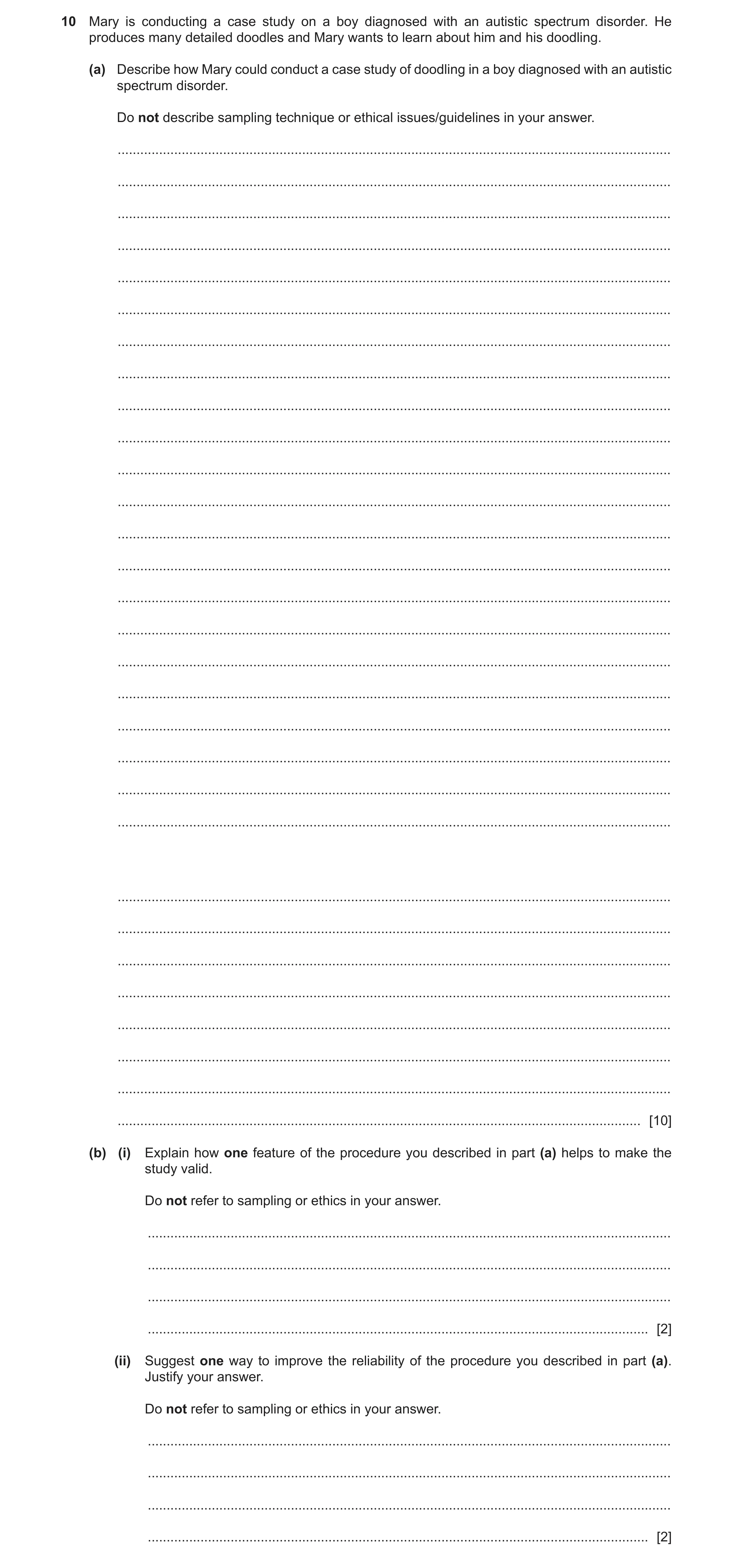
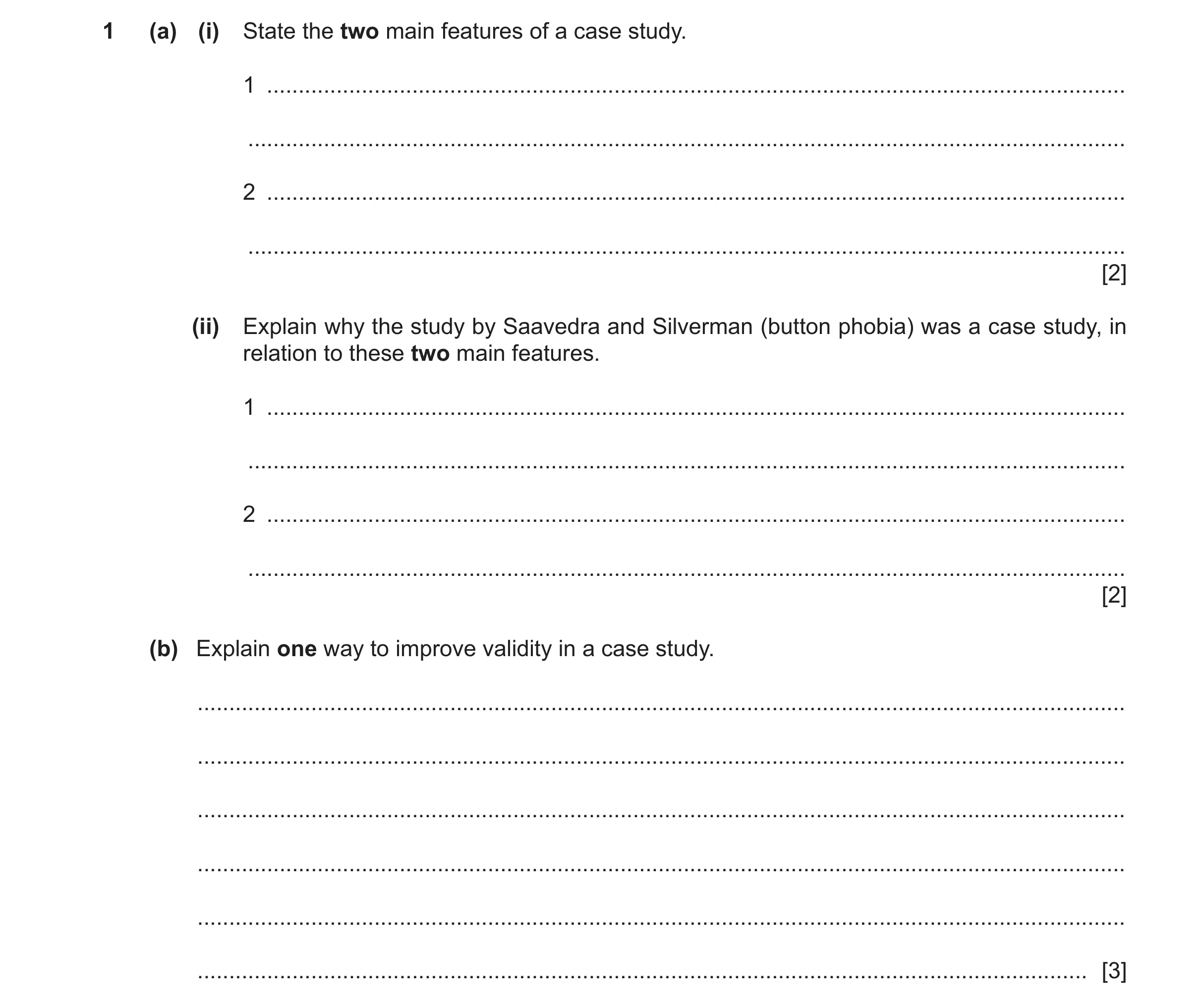 293 / 368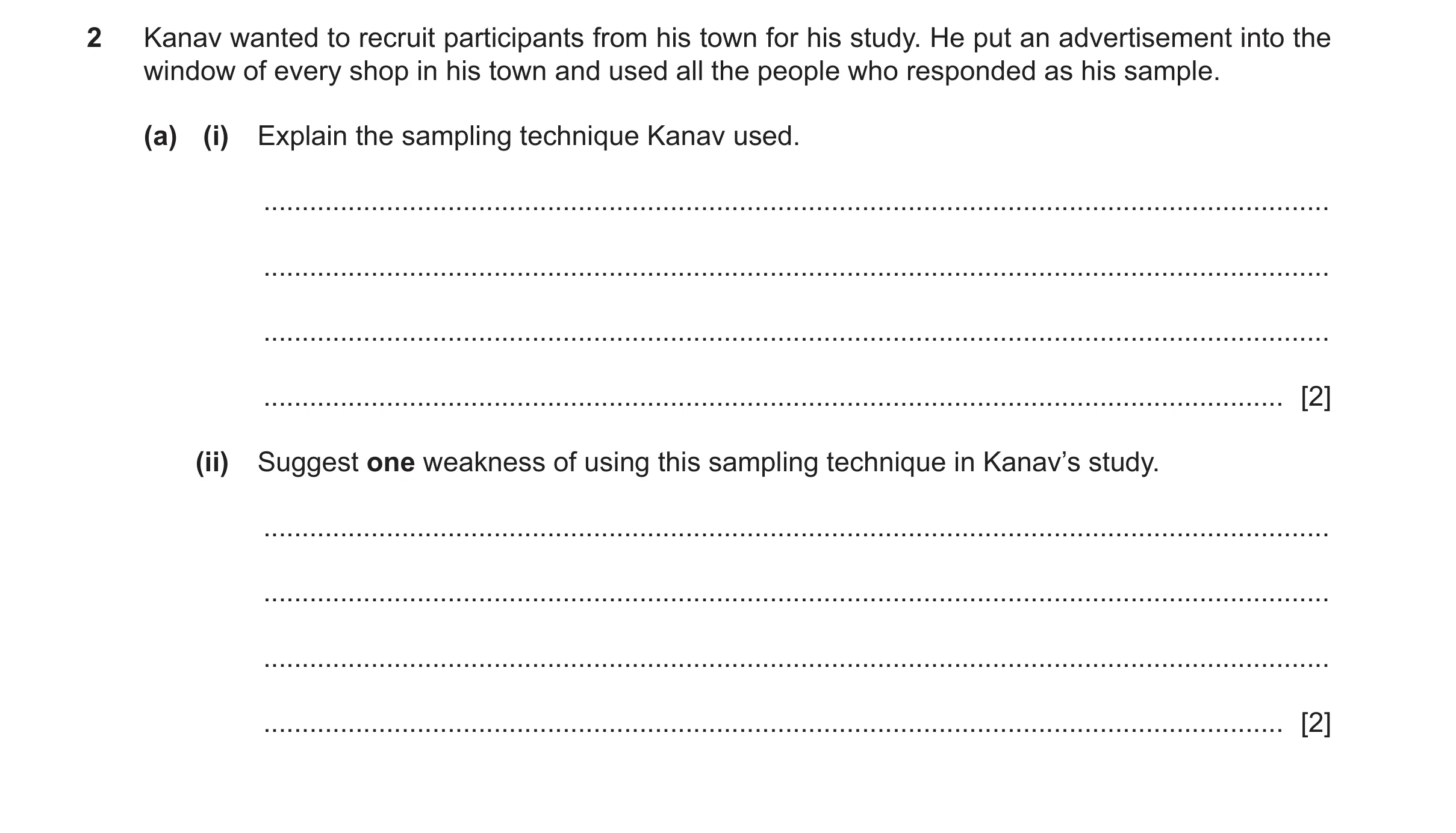
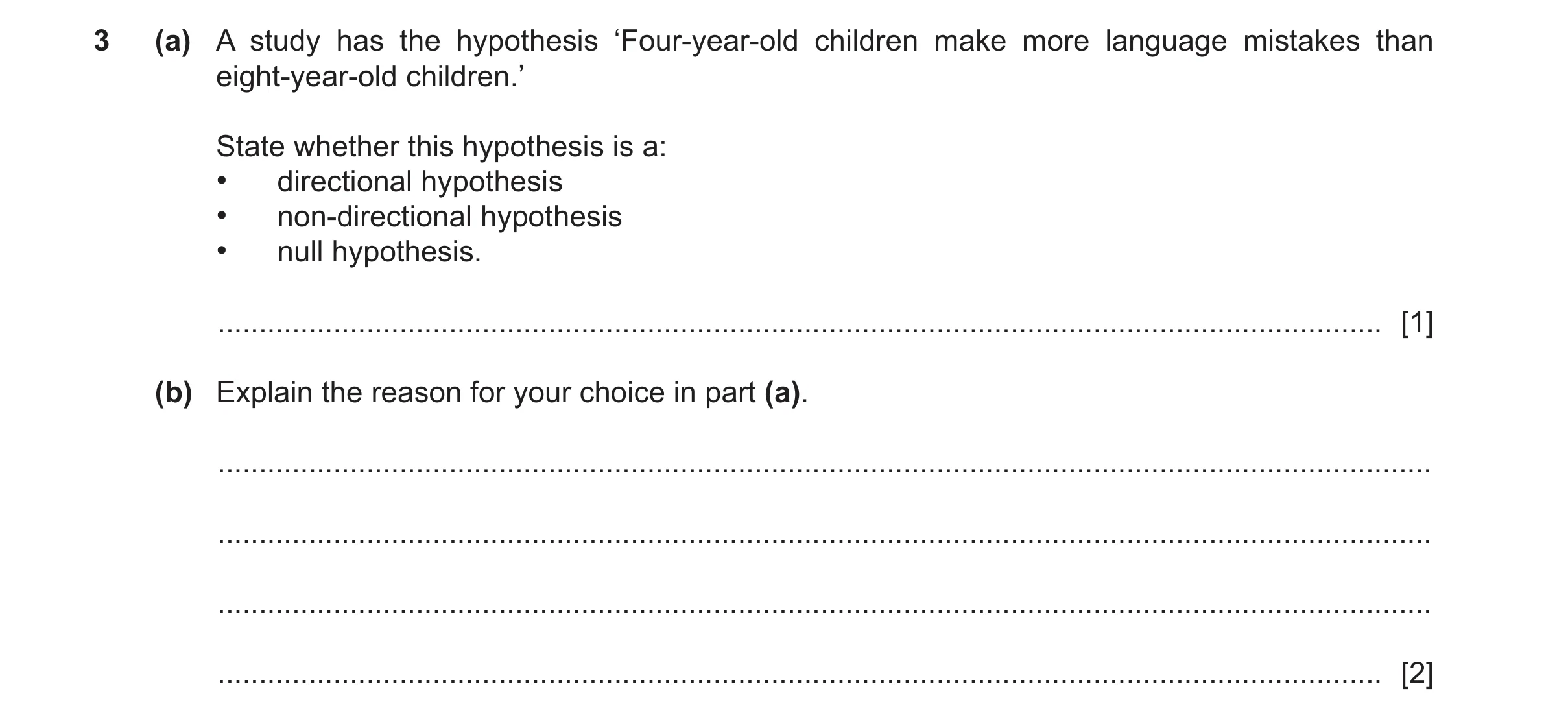 294 / 368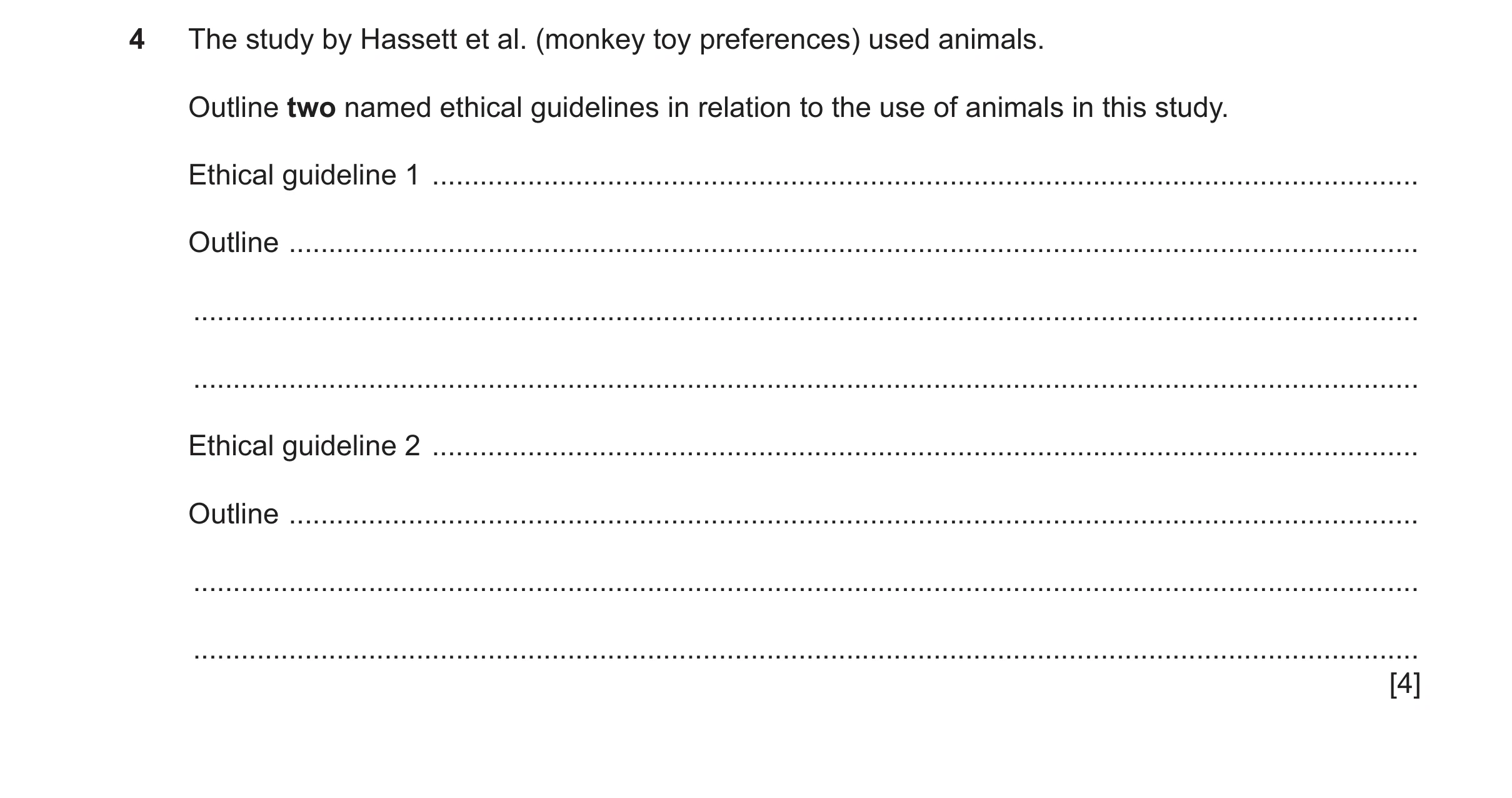
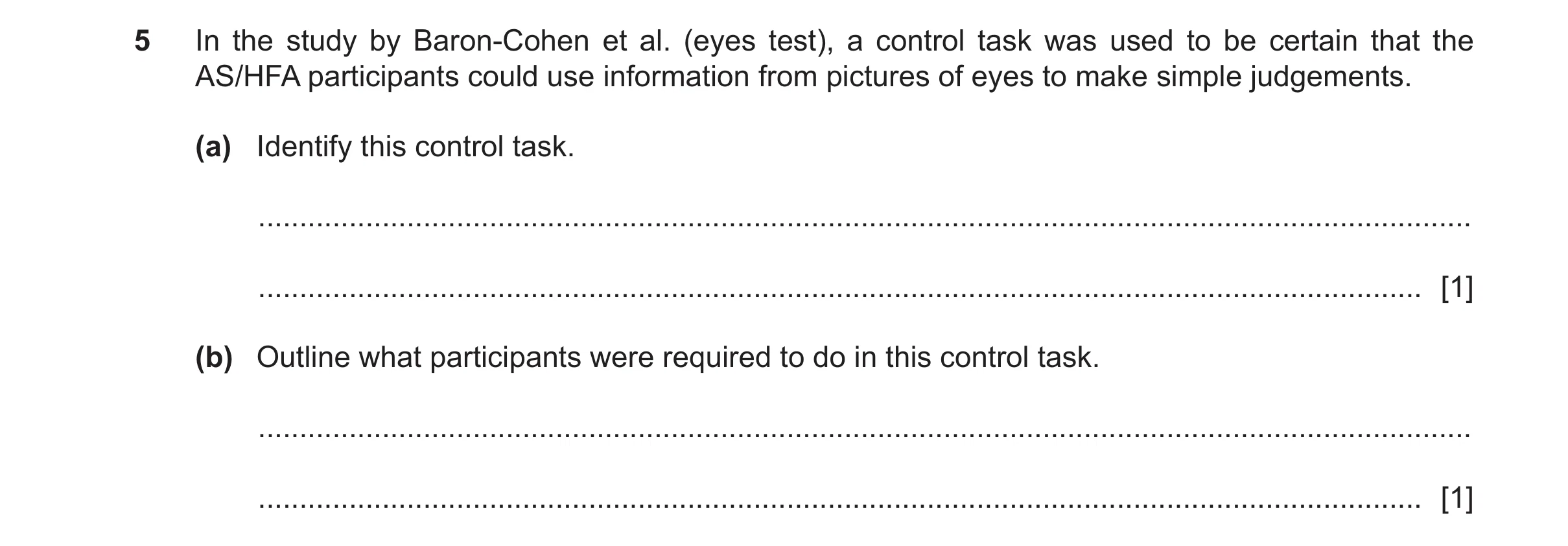 295 / 368
 296 / 368
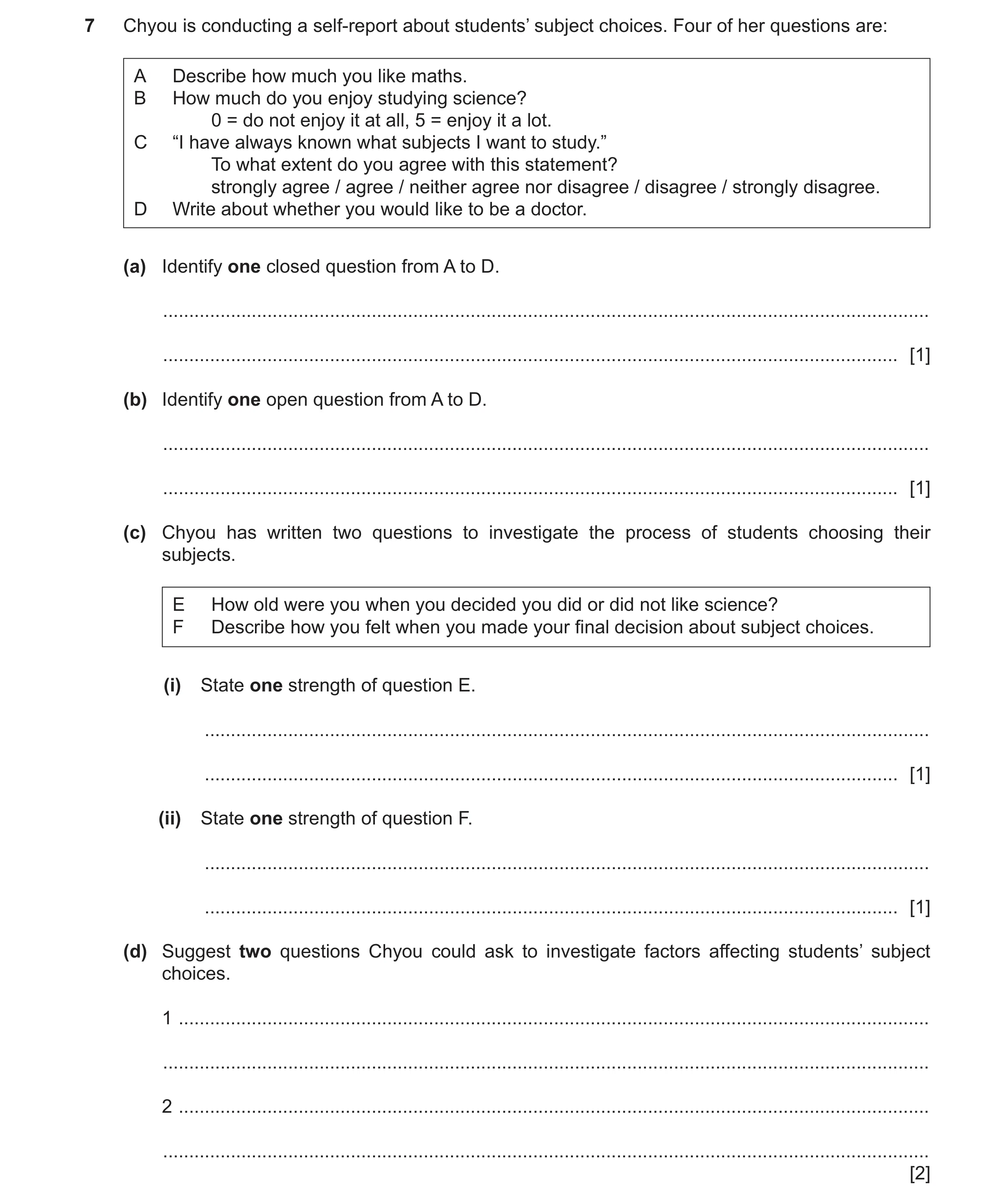 297 / 368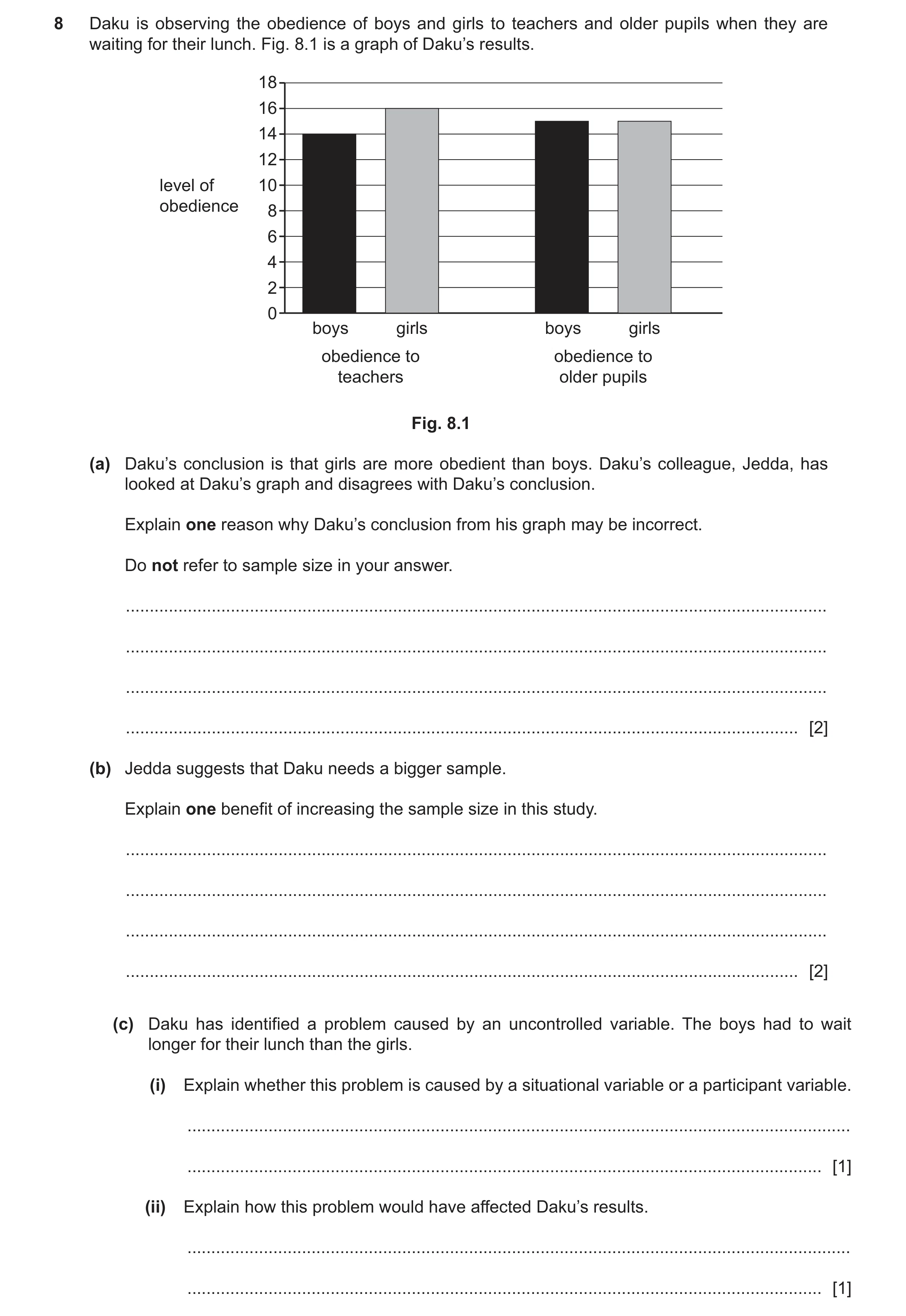
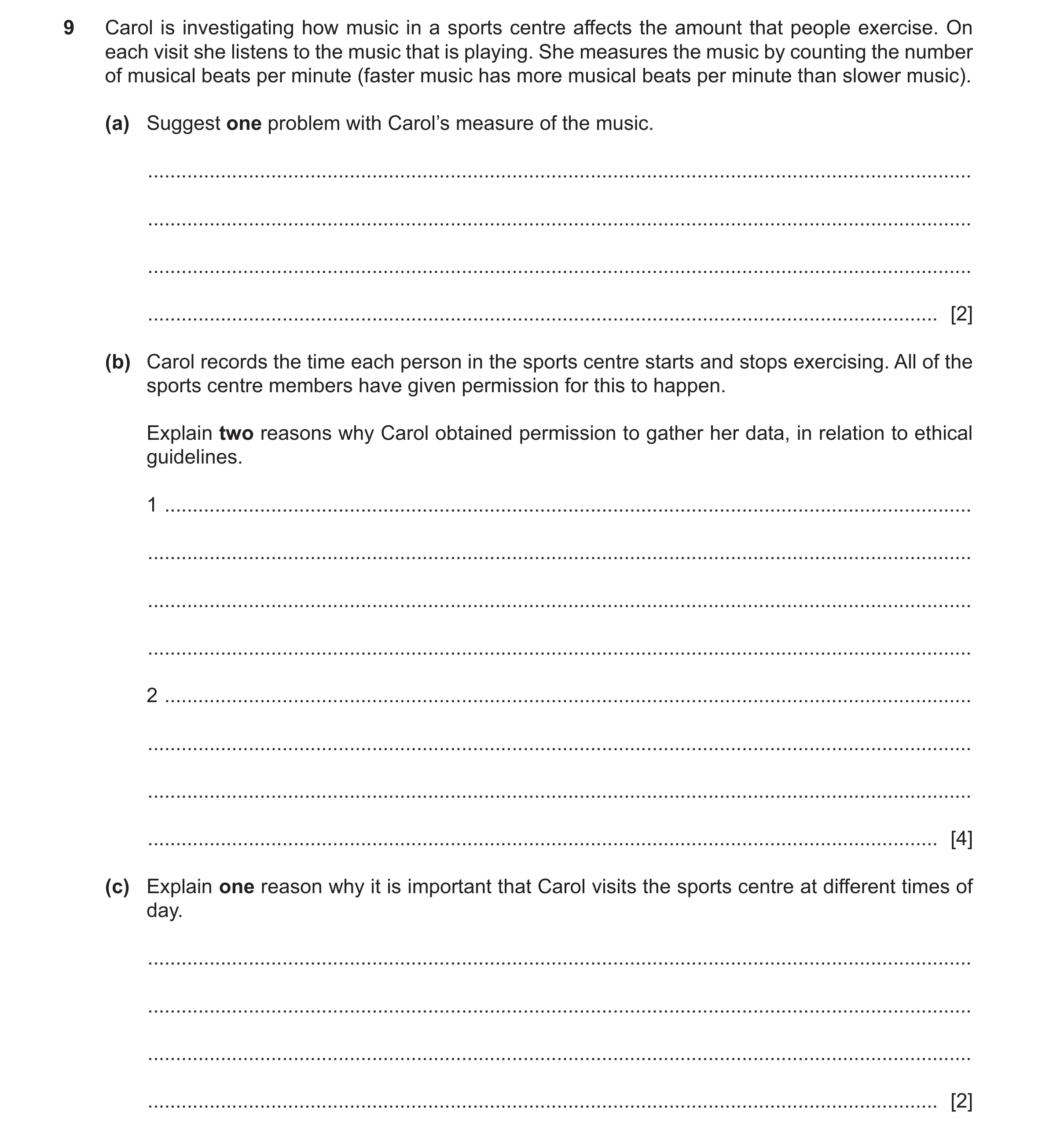 299 / 368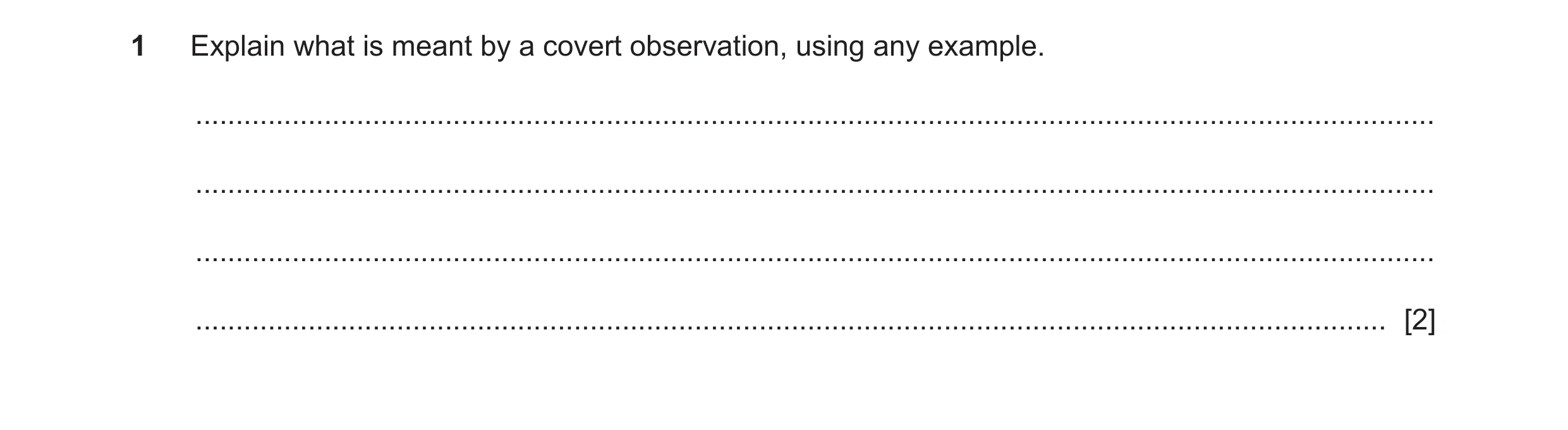
 300 / 368
 301 / 368
 302 / 368
 305 / 368
 306 / 368
 307 / 368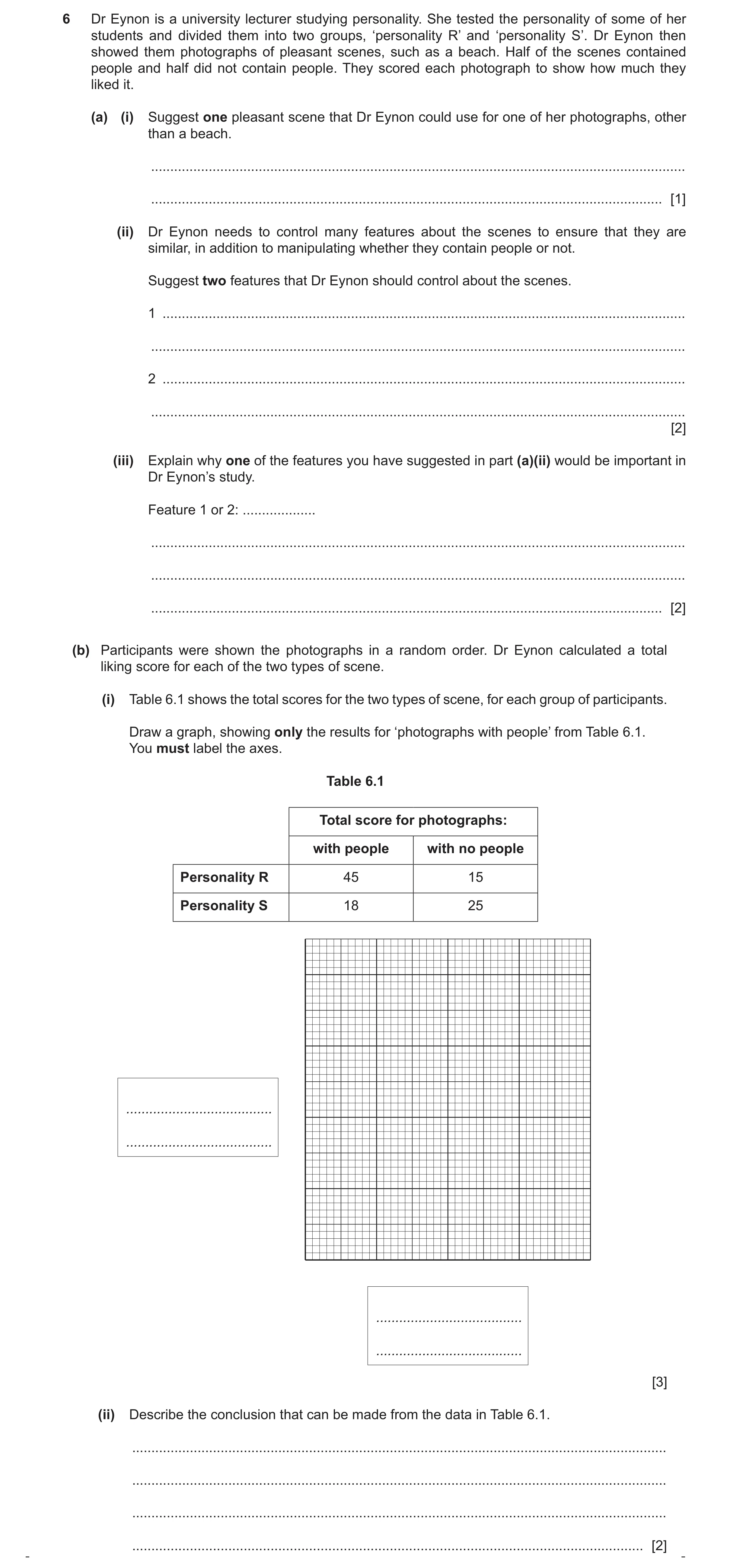
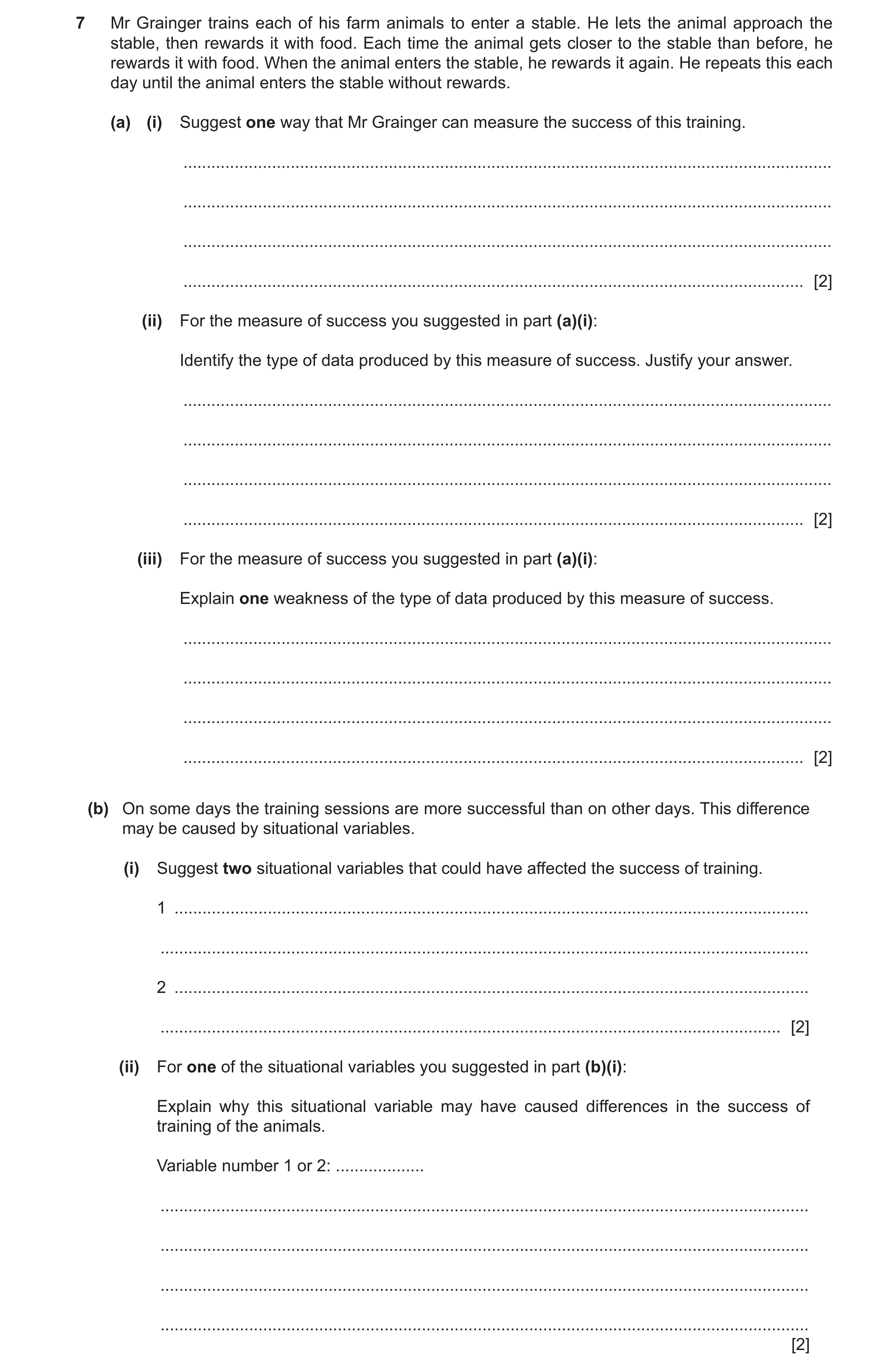
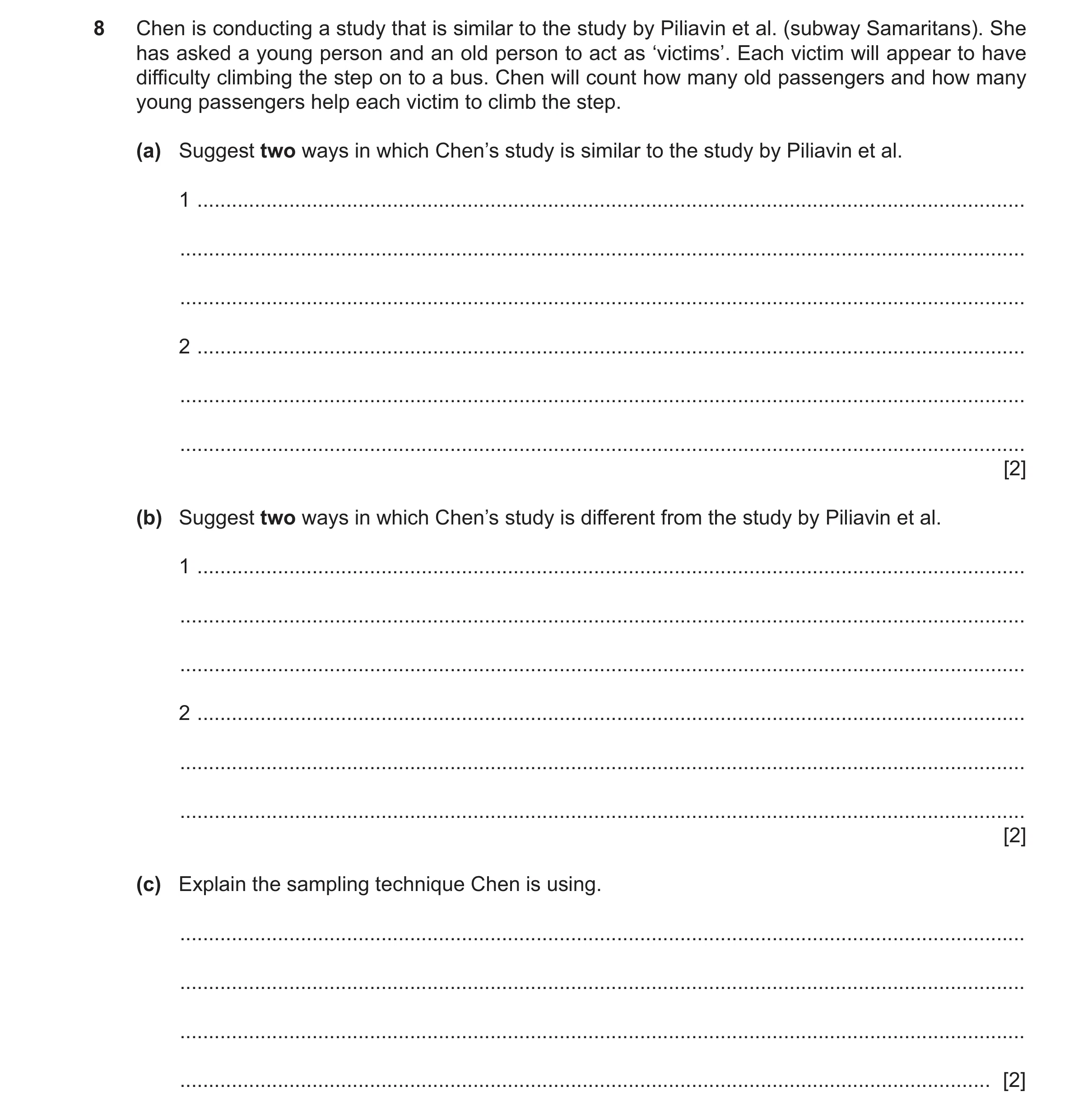 310 / 368
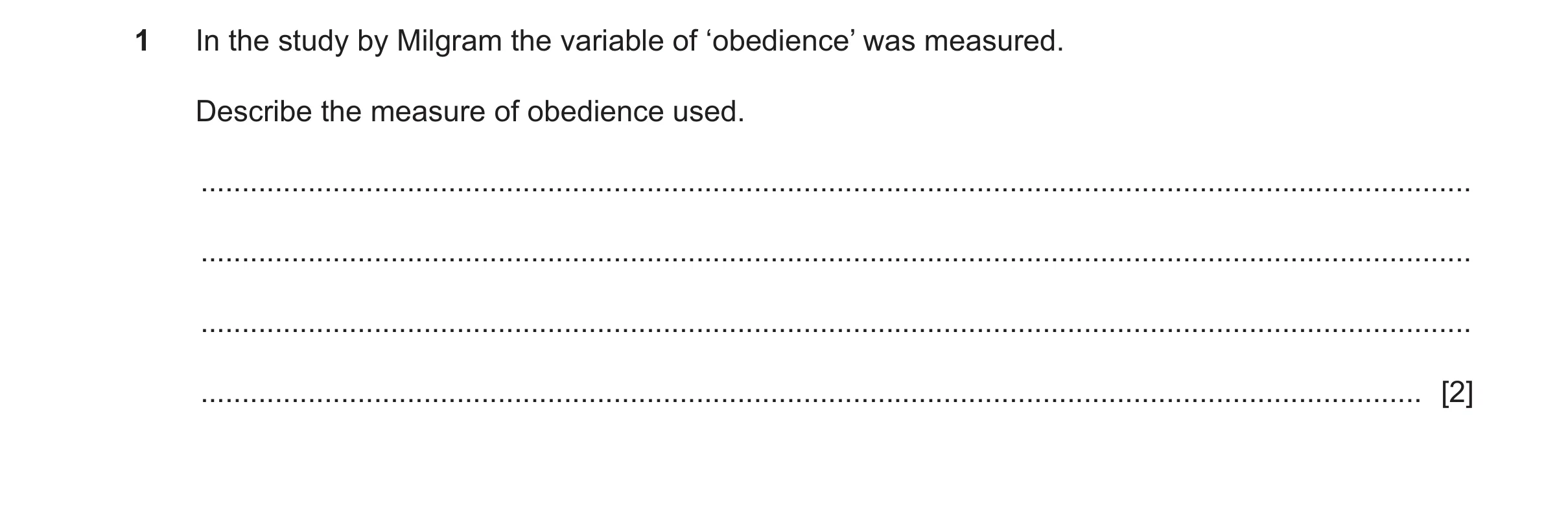 312 / 368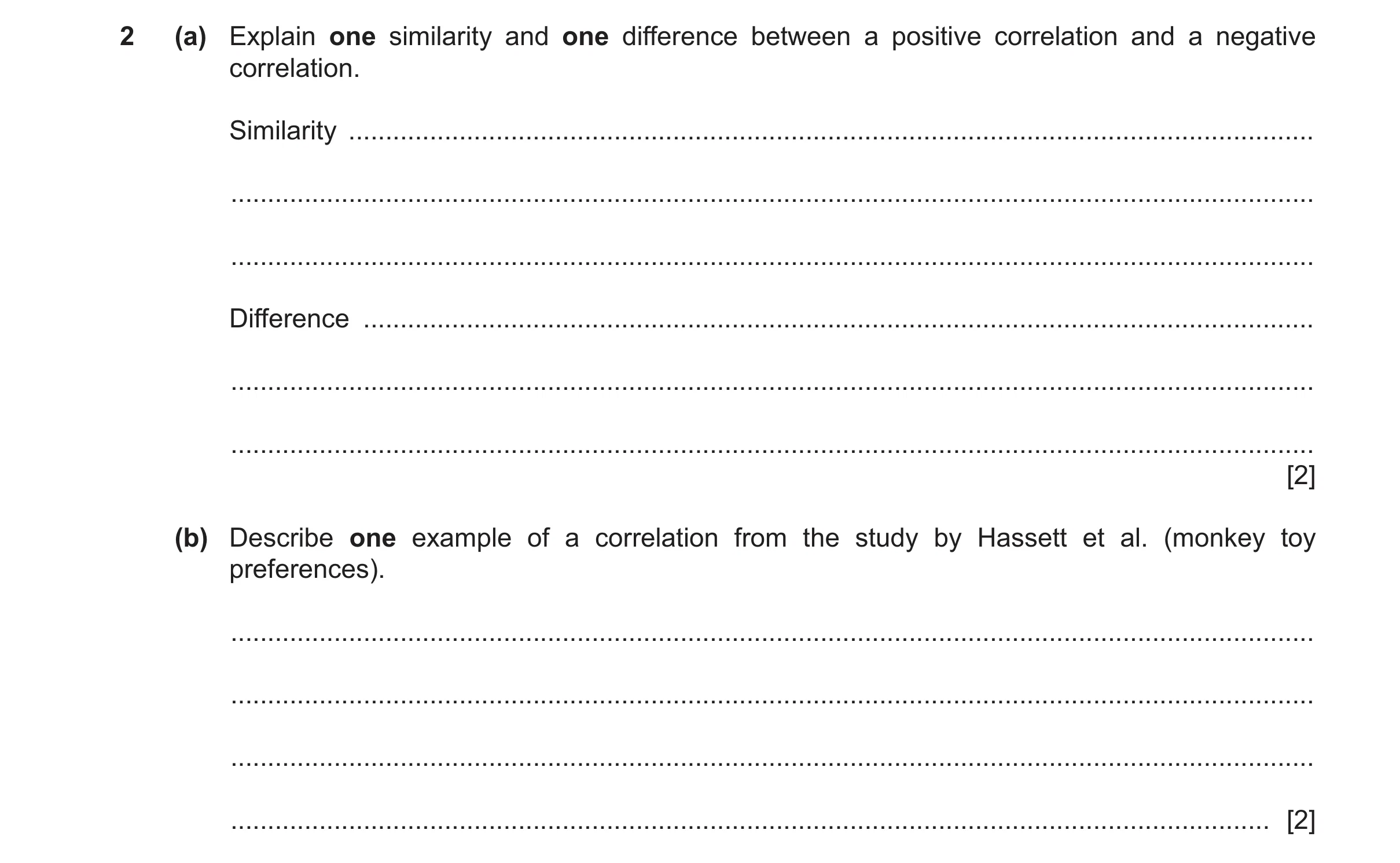
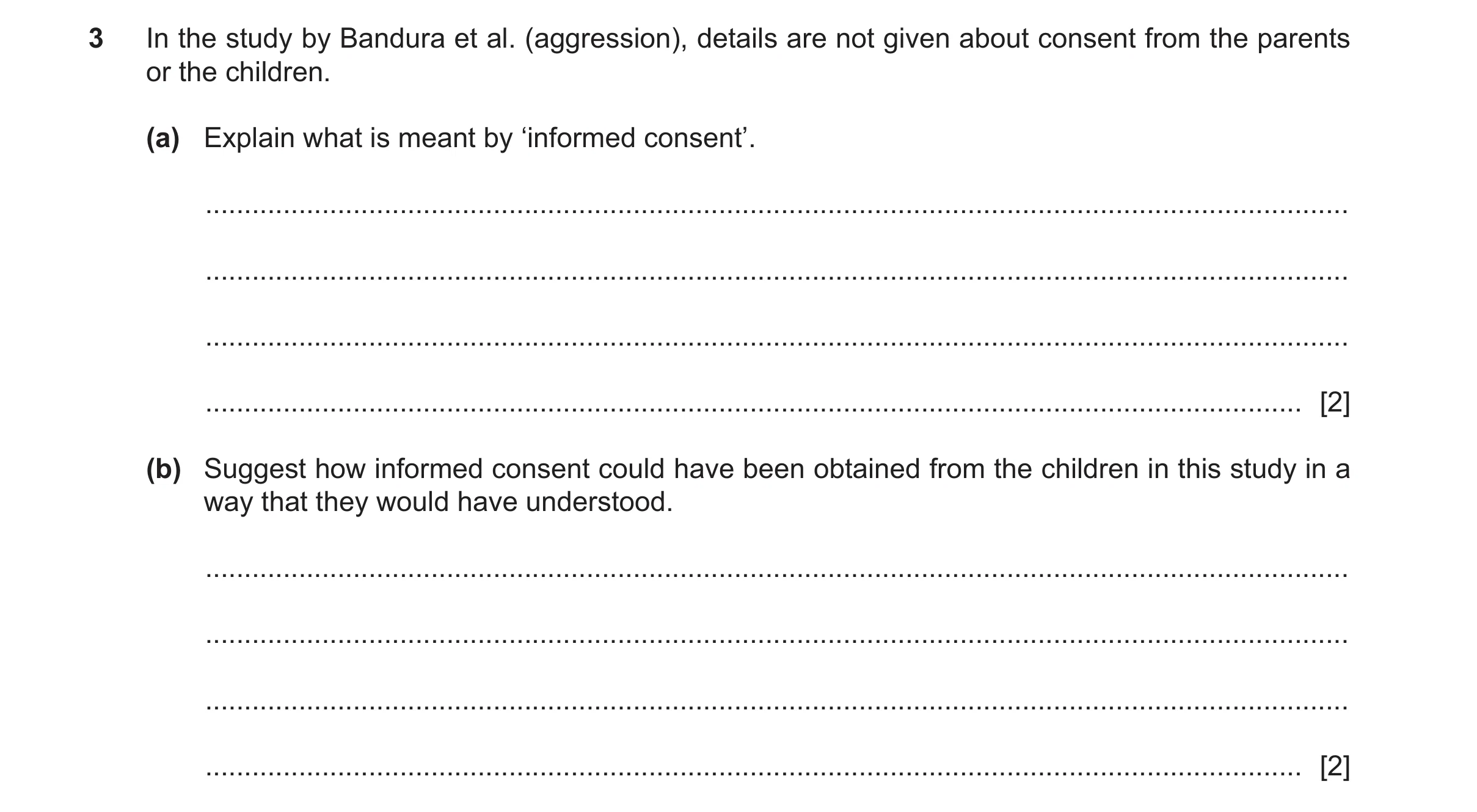 313 / 368
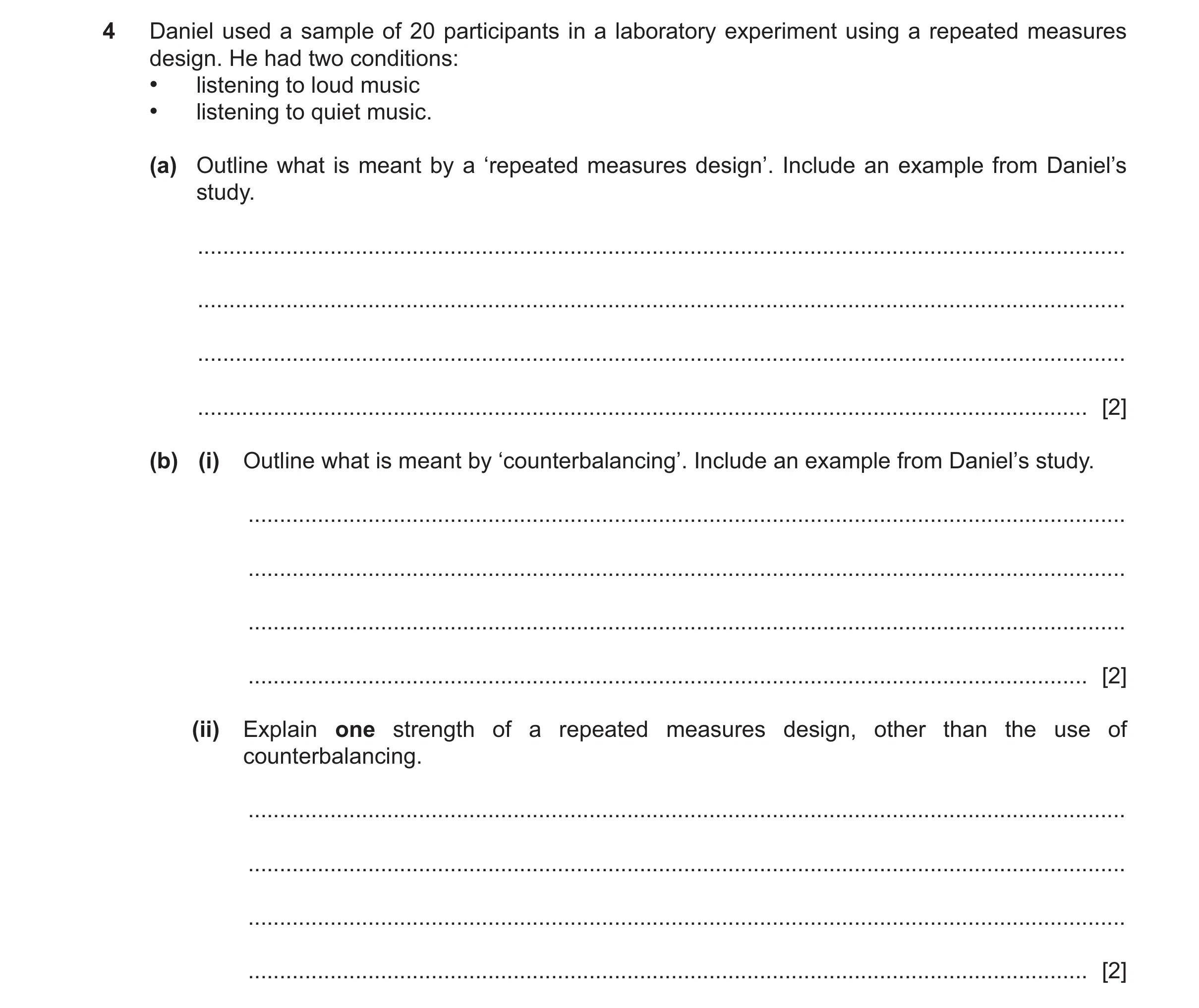 314 / 368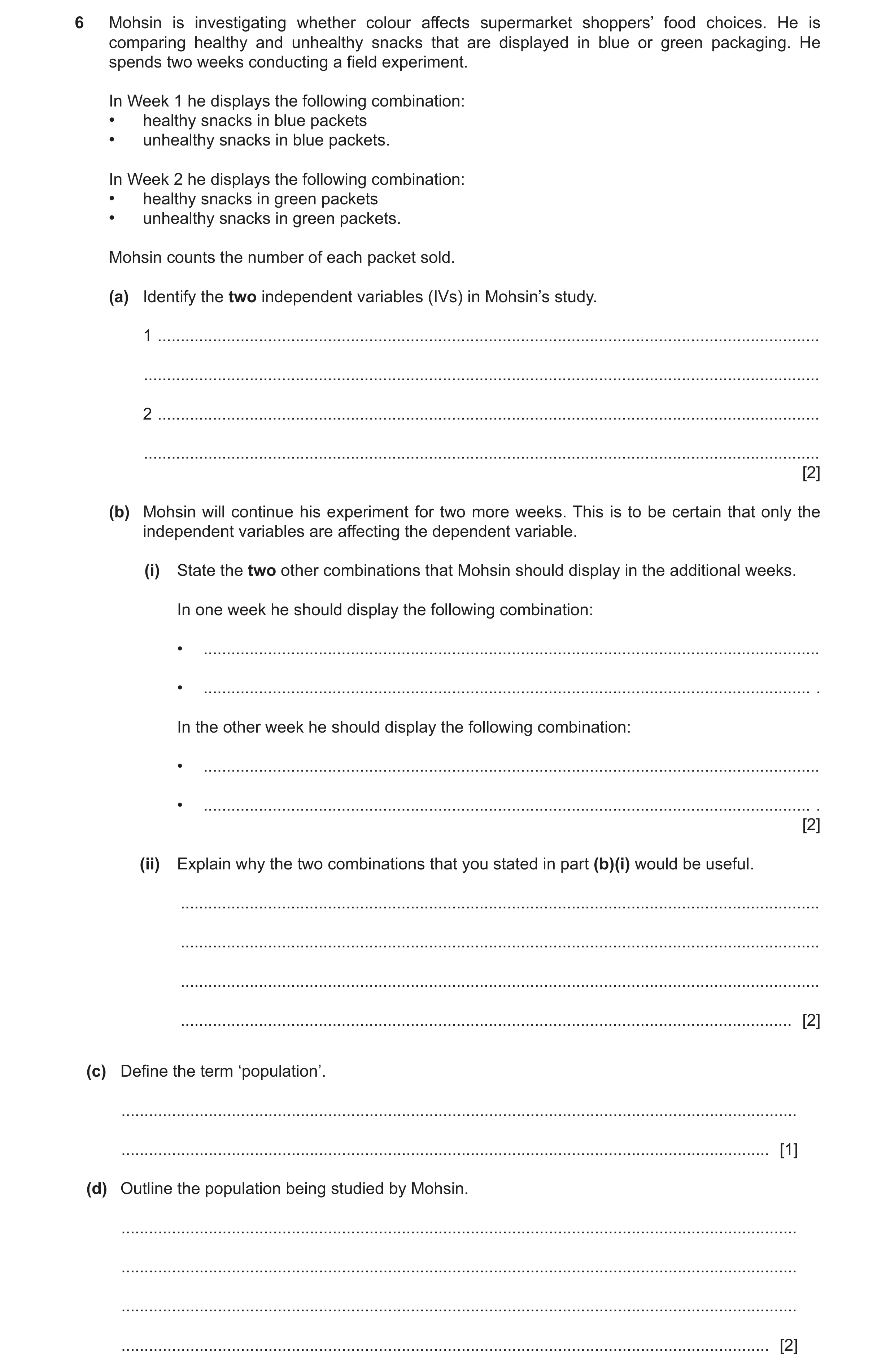
 316 / 368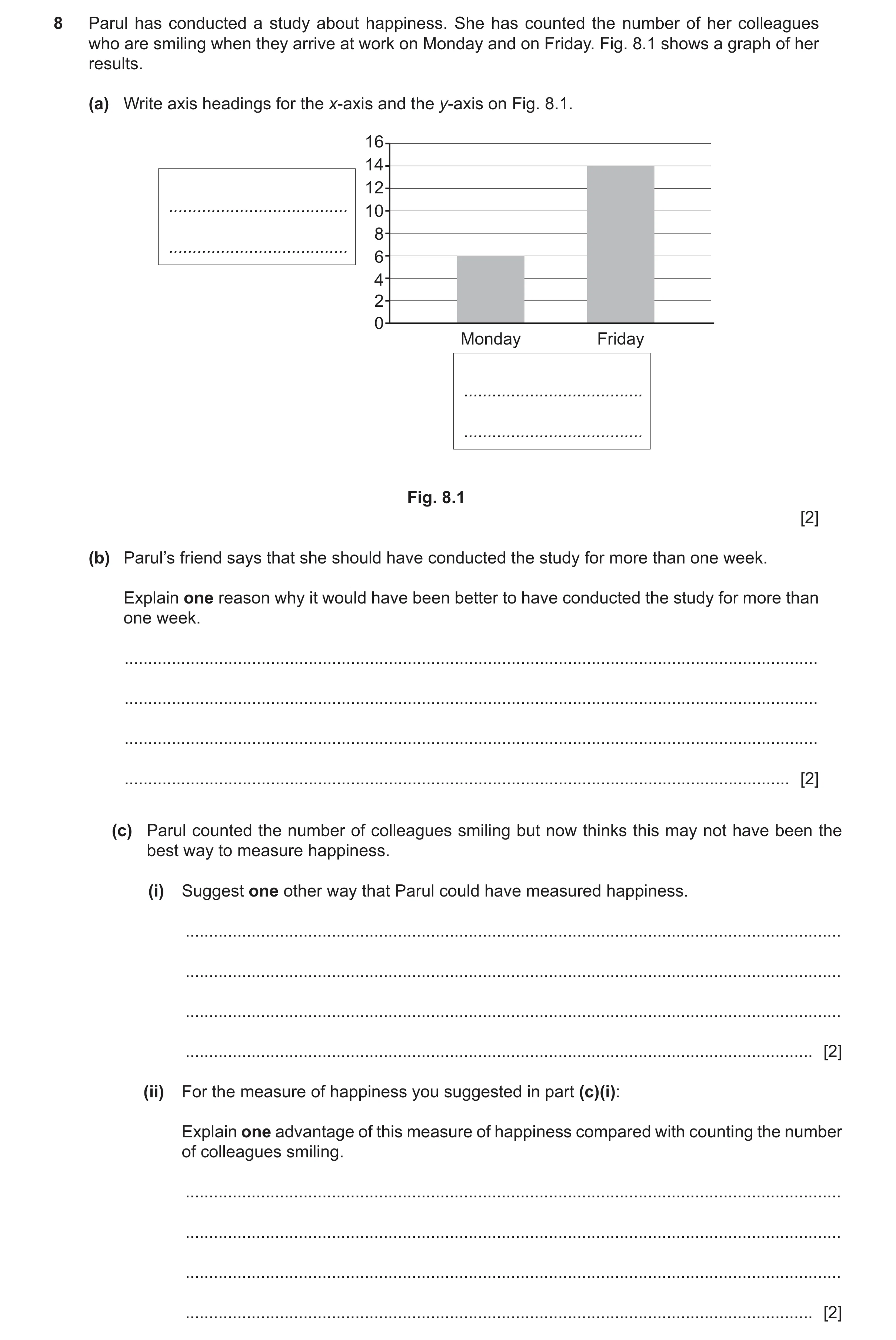
 319 / 368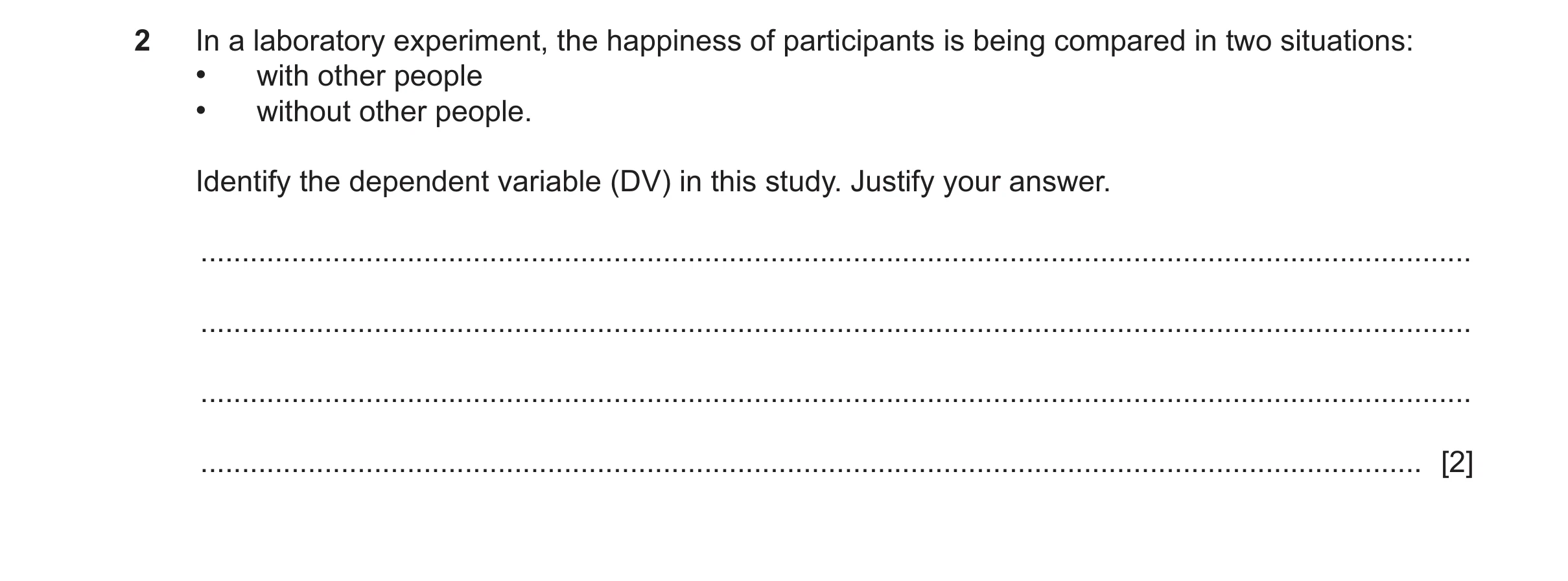
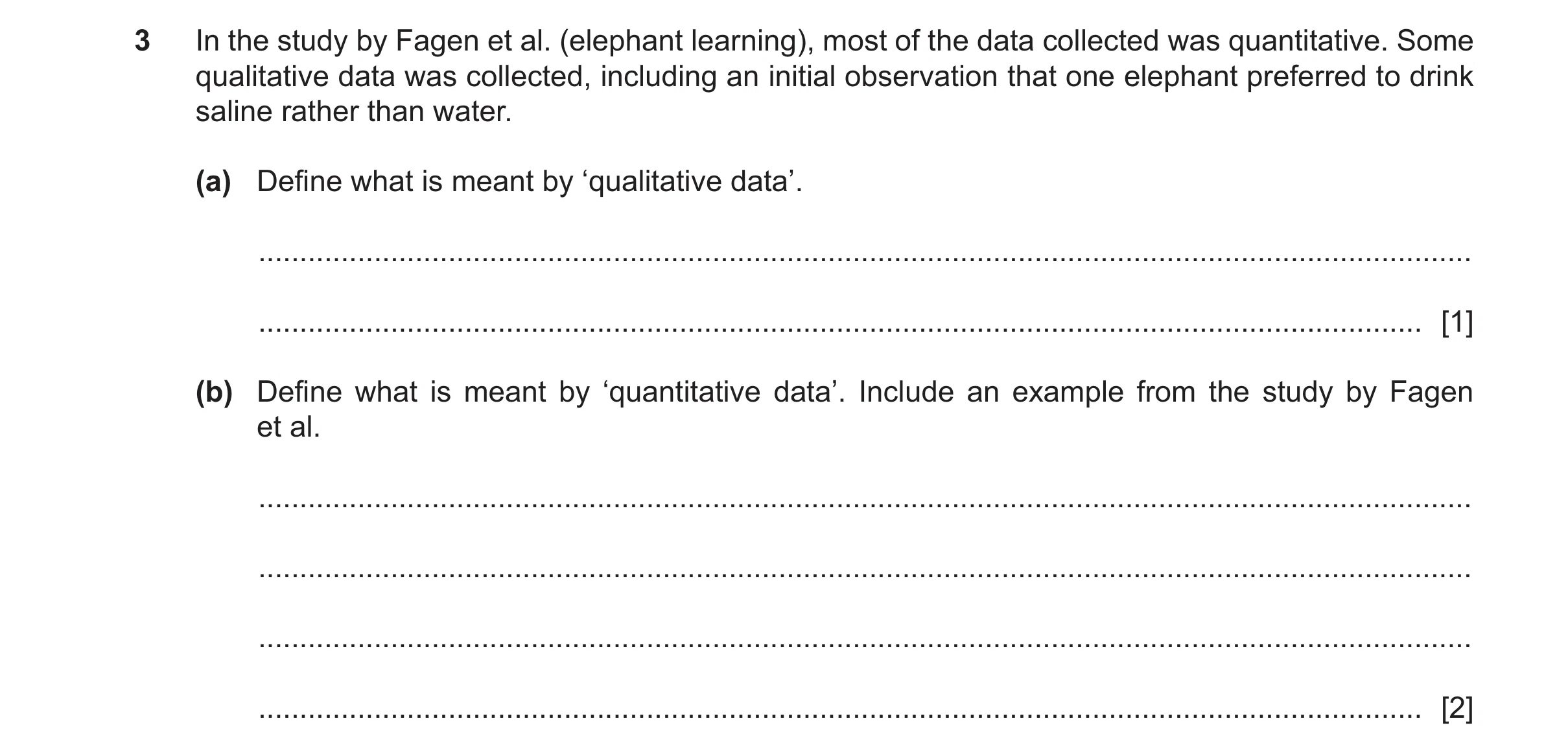 320 / 368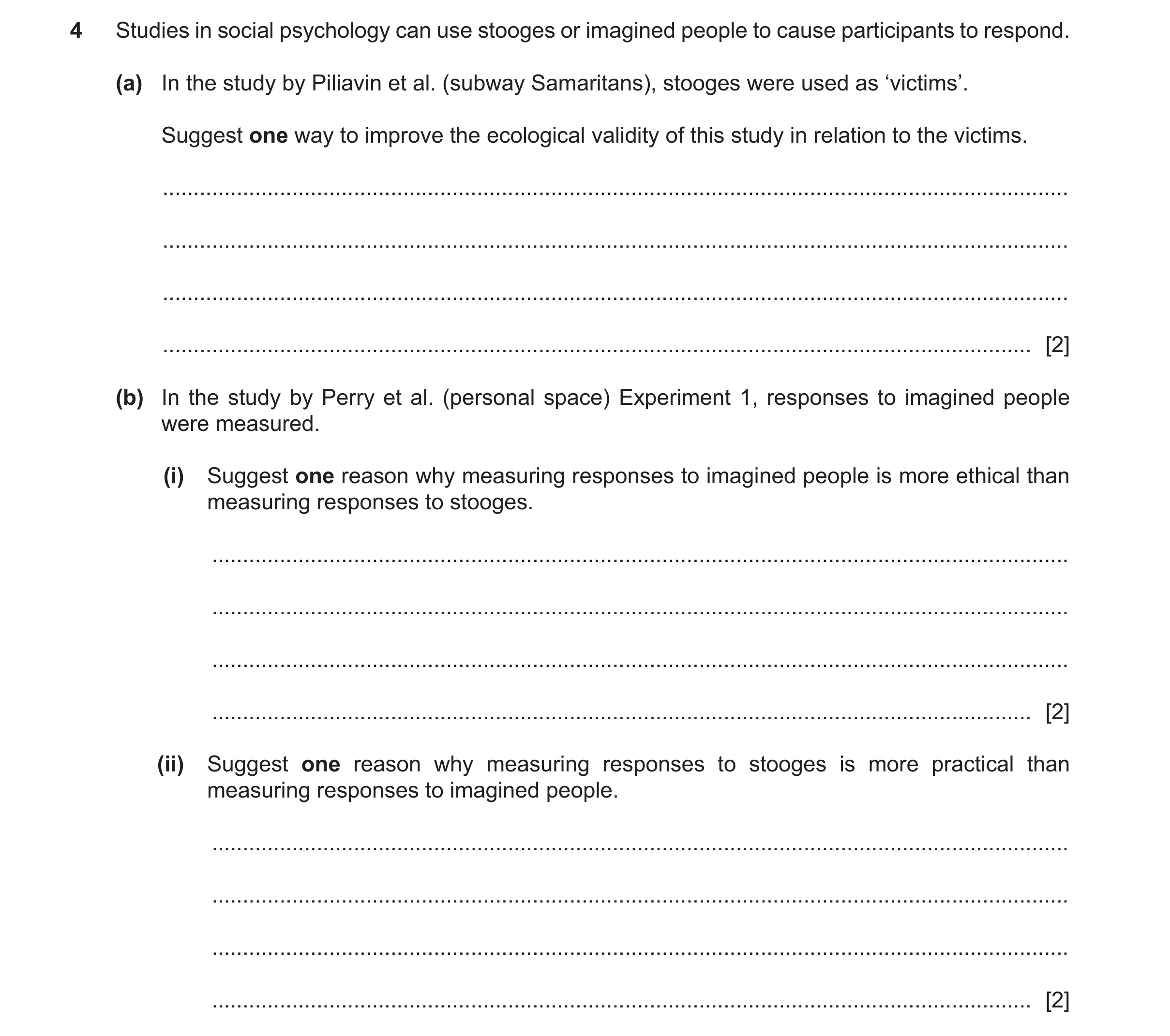
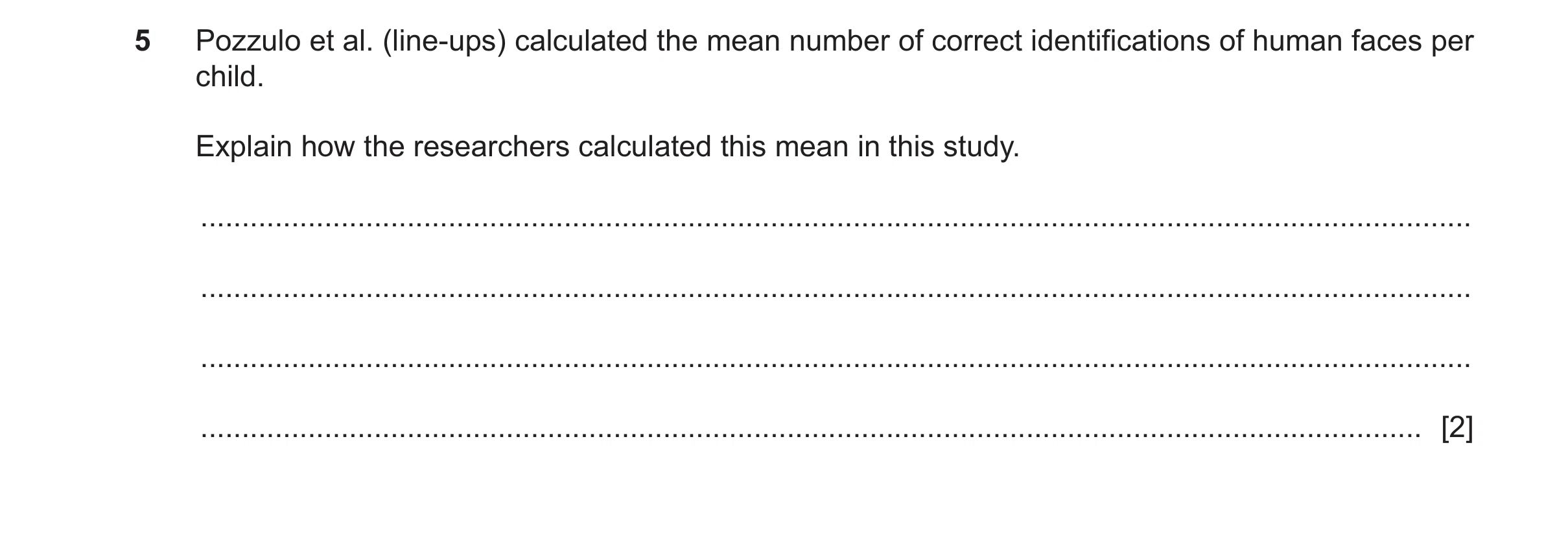 321 / 368
 322 / 368
 323 / 368
 324 / 368
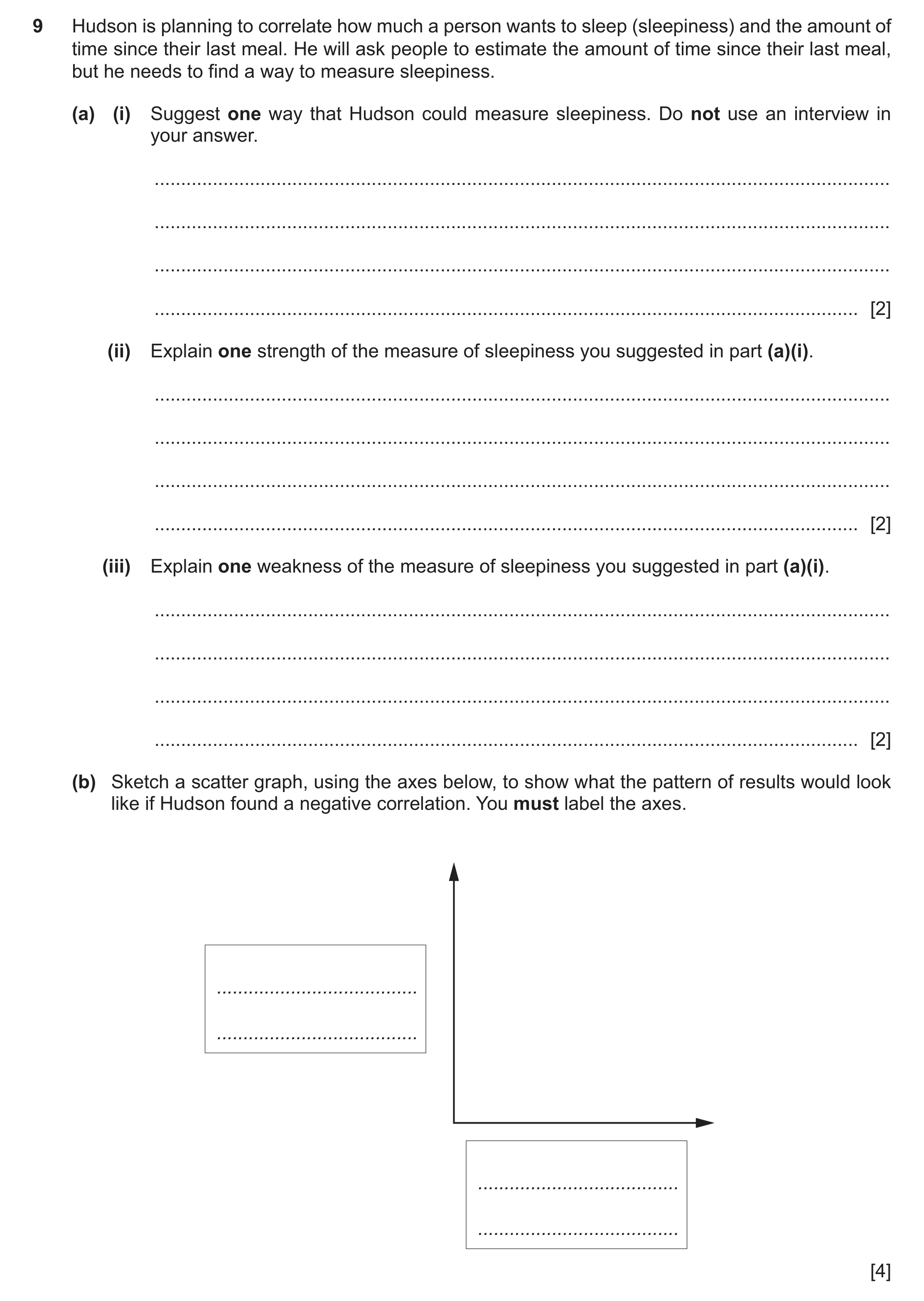 325 / 368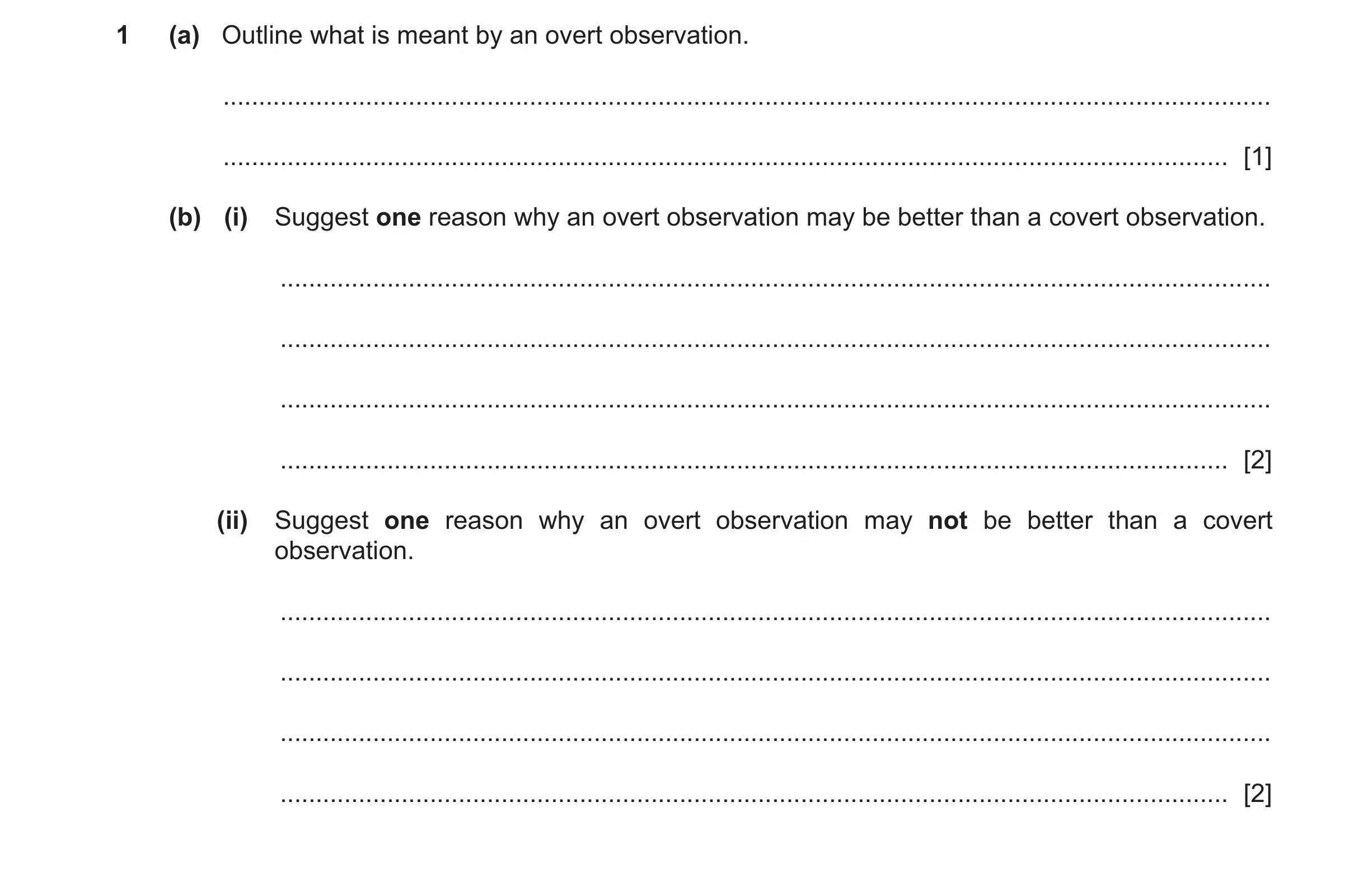
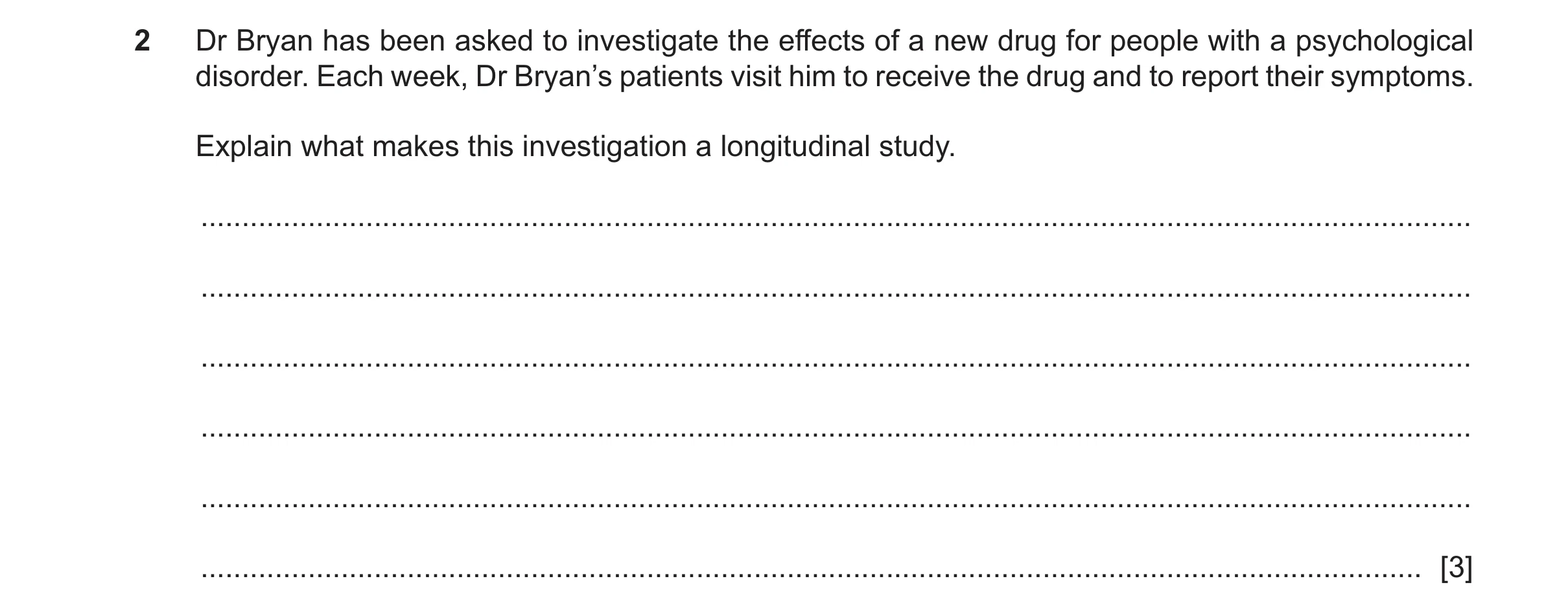 326 / 368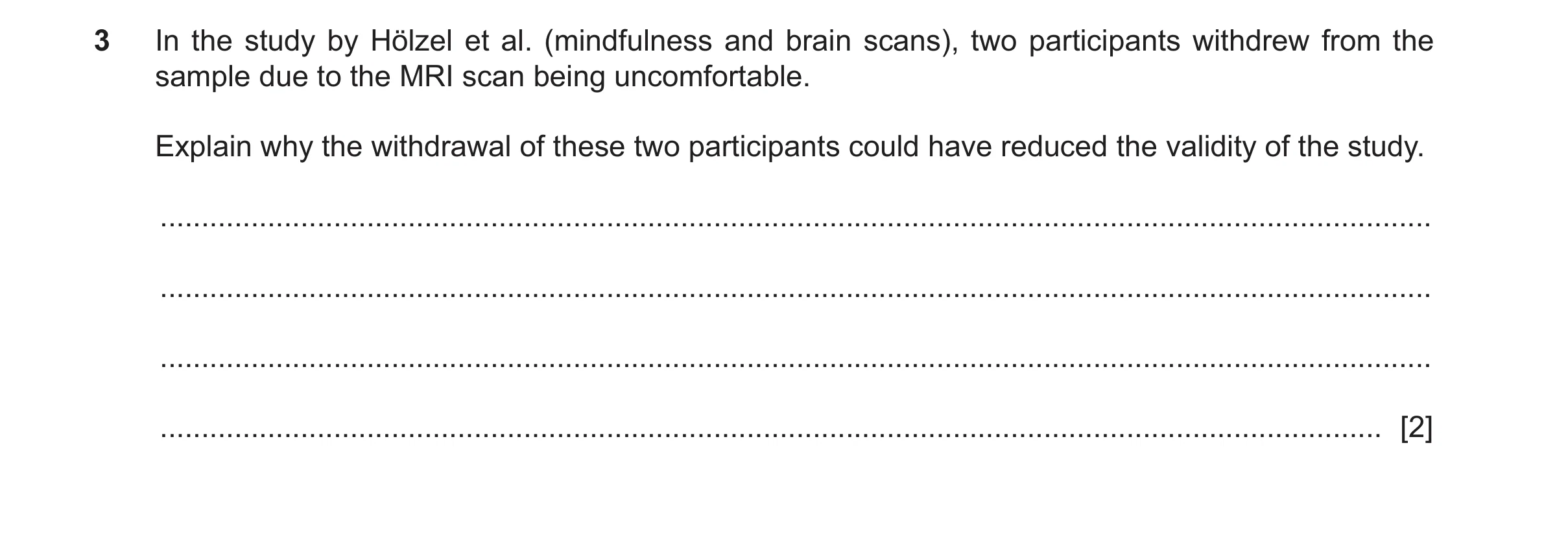
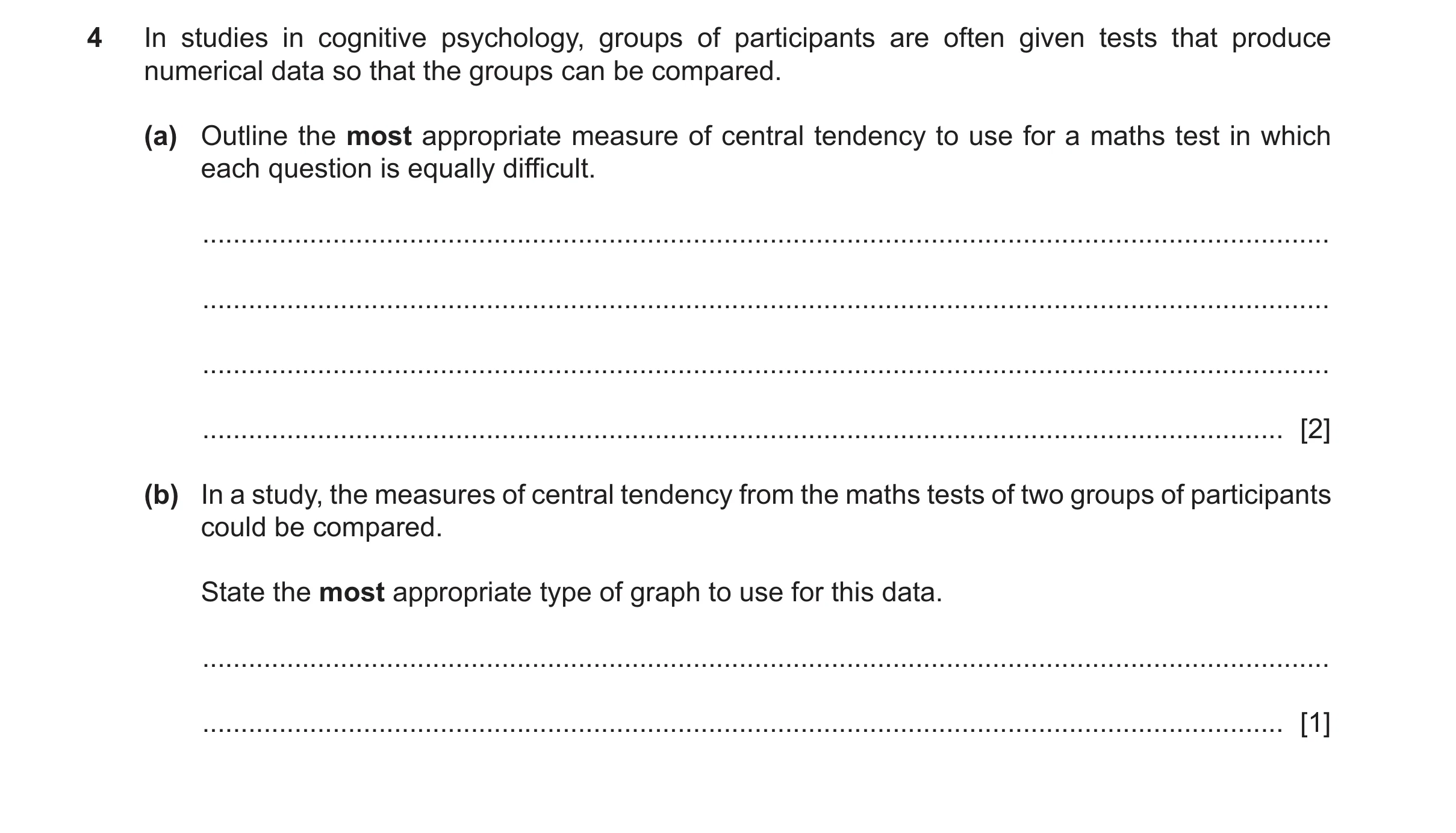 327 / 368
 328 / 368
 329 / 368
 331 / 368
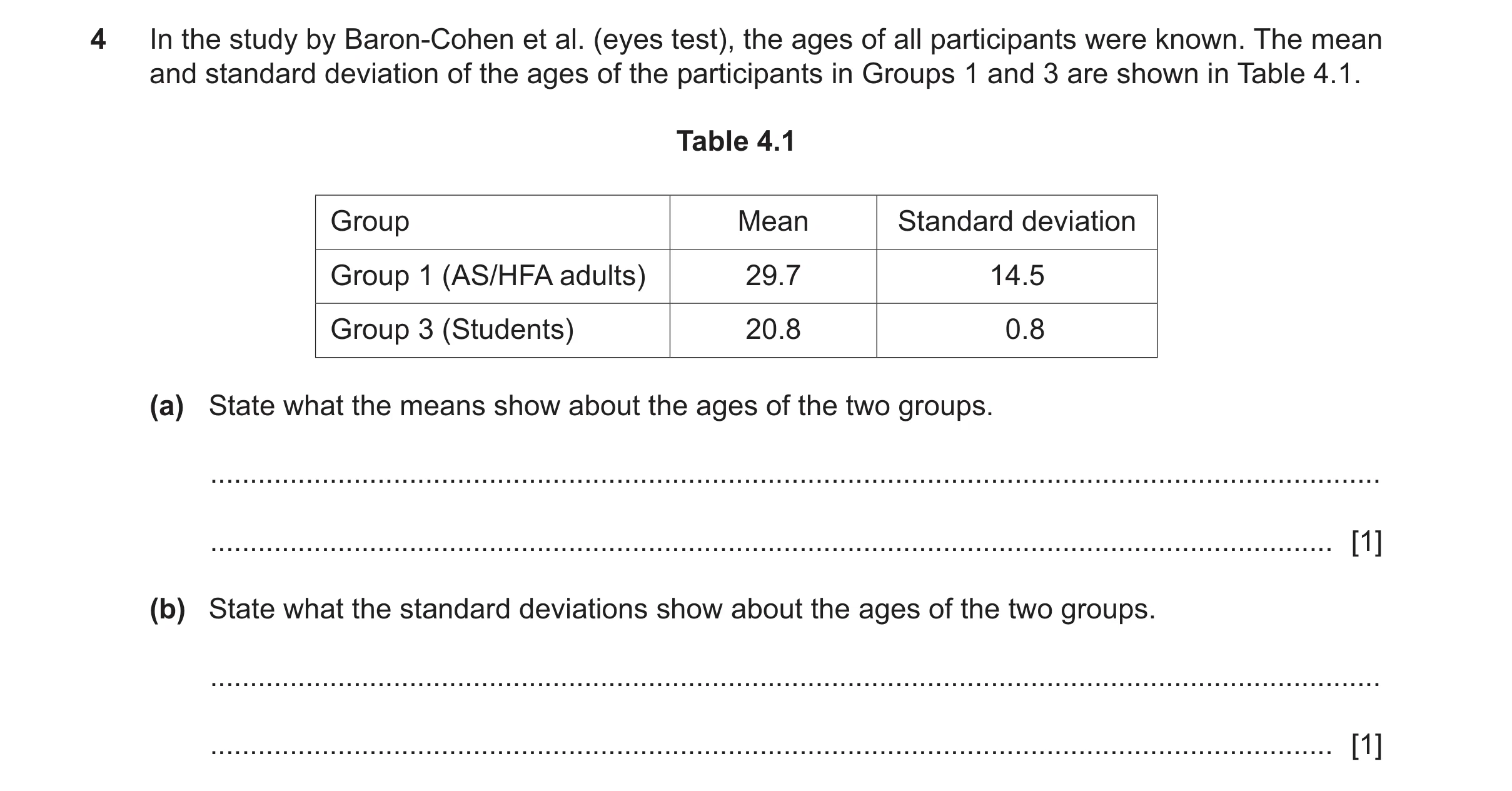 332 / 368
 333 / 368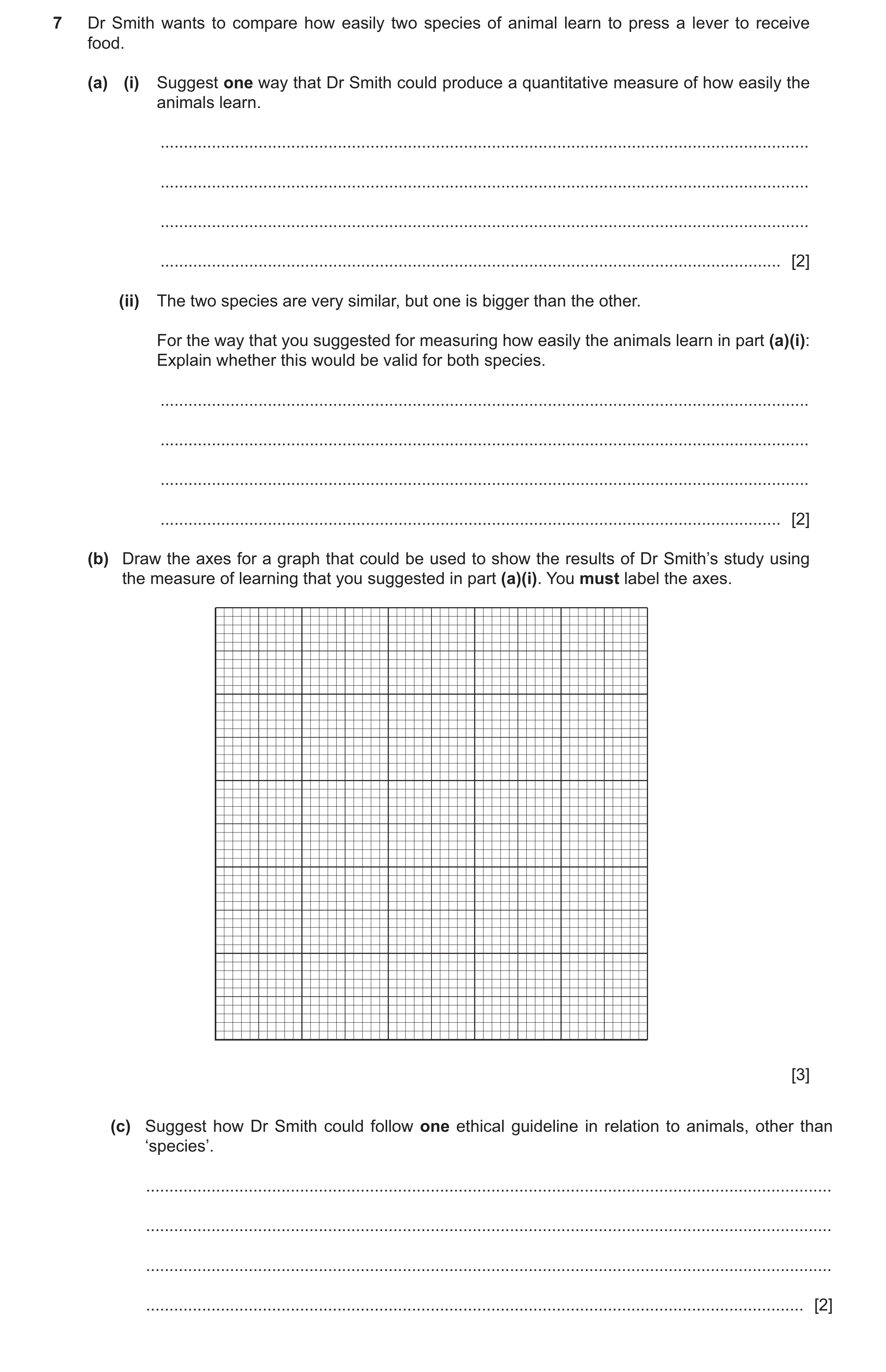
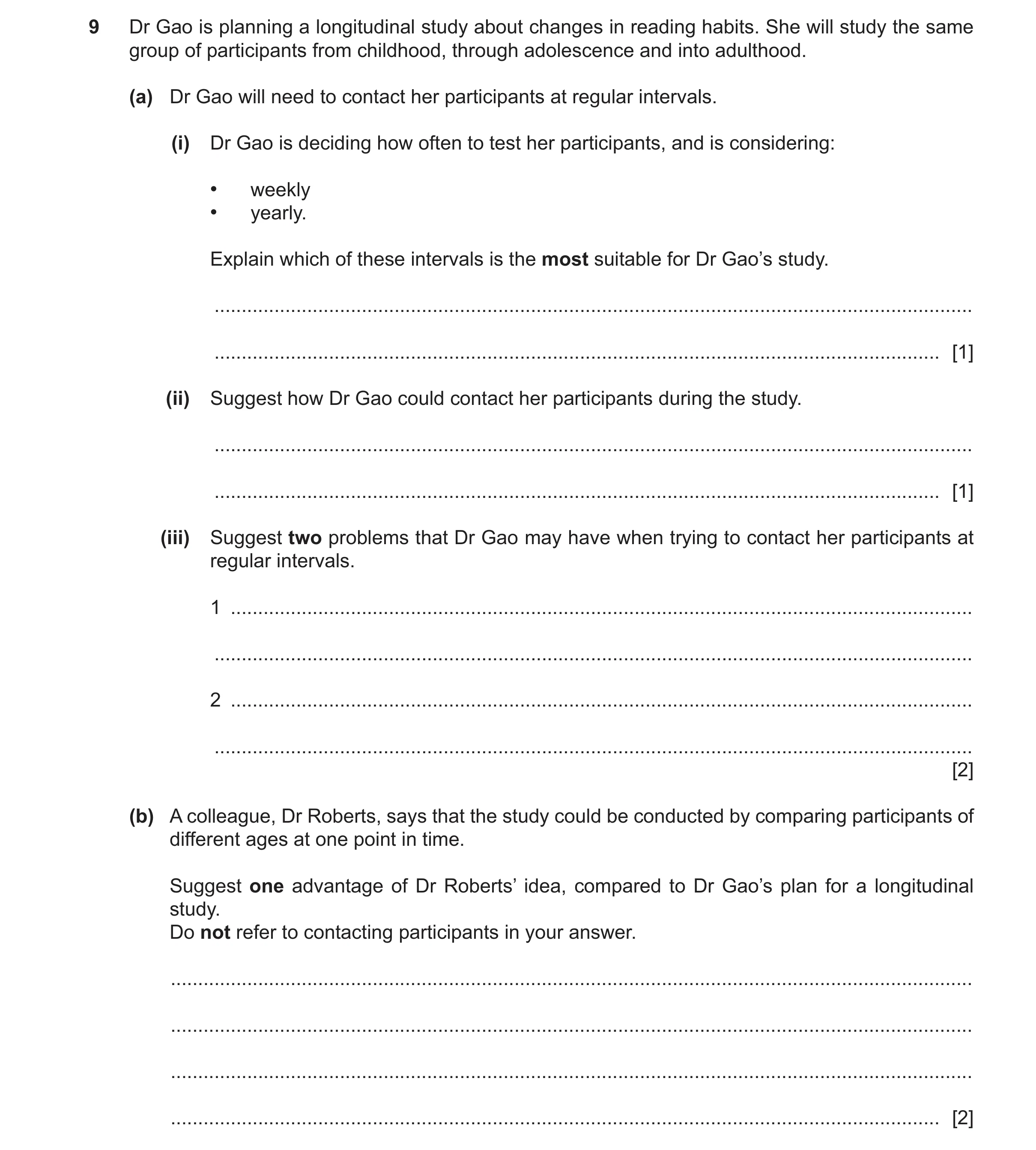 336 / 368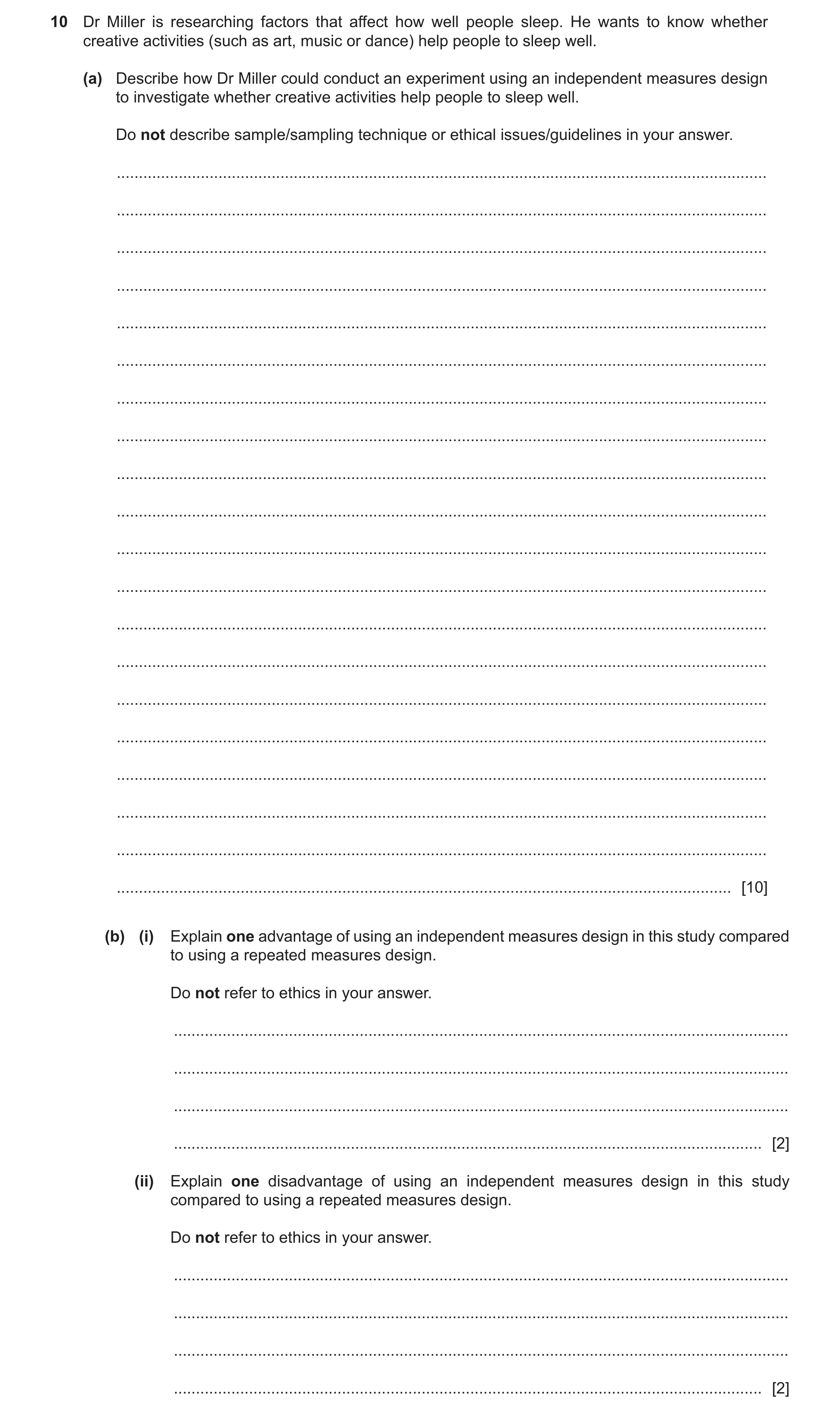
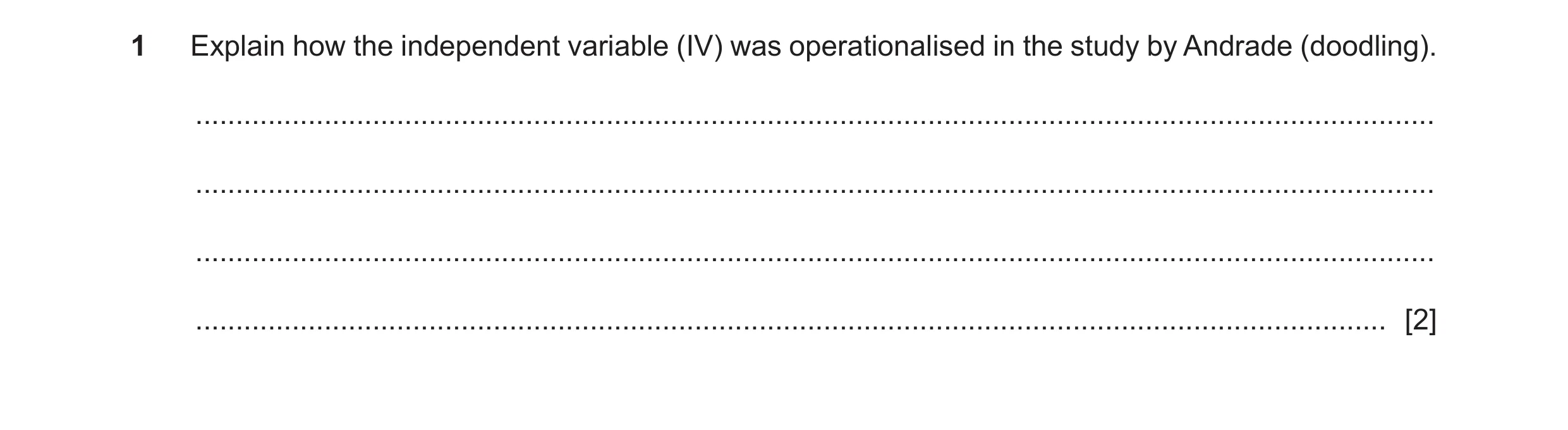
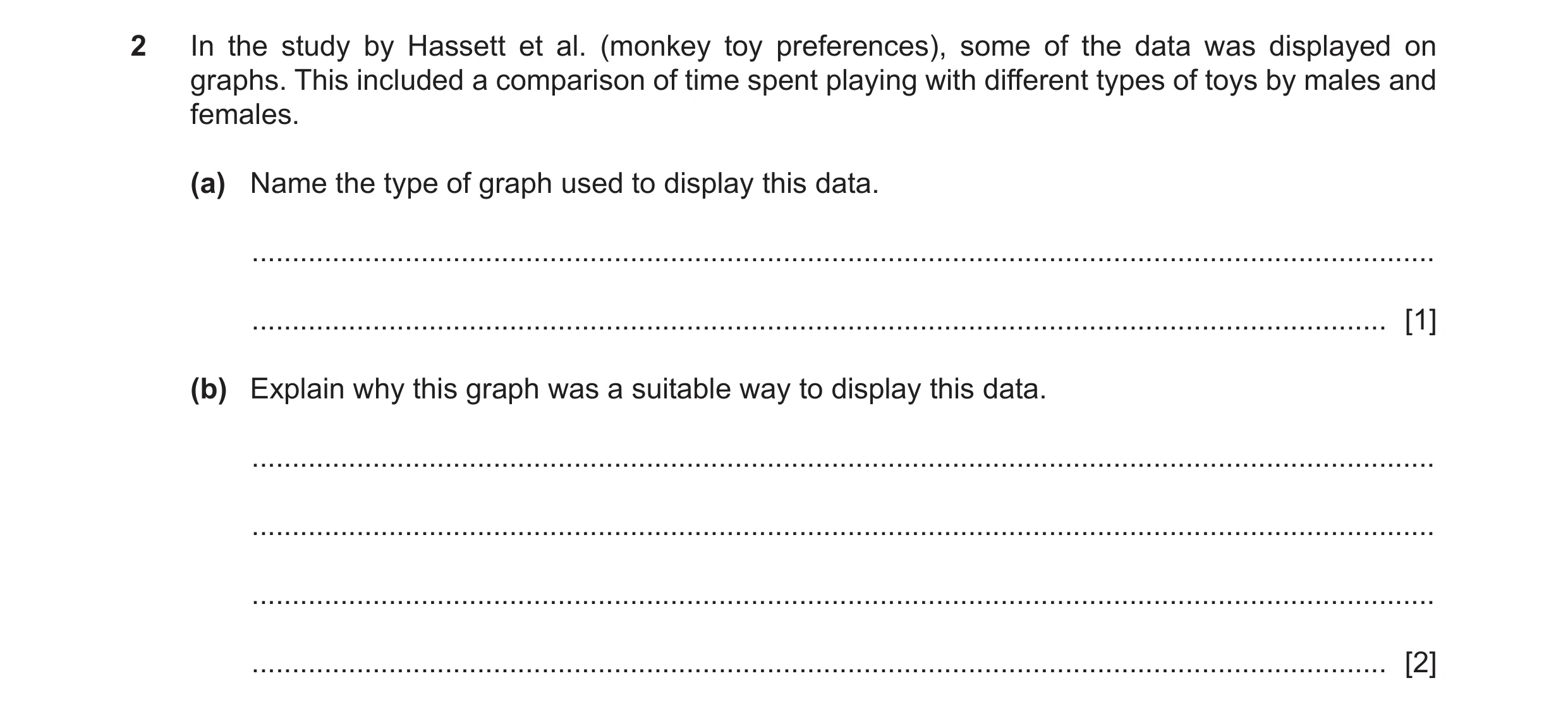 338 / 368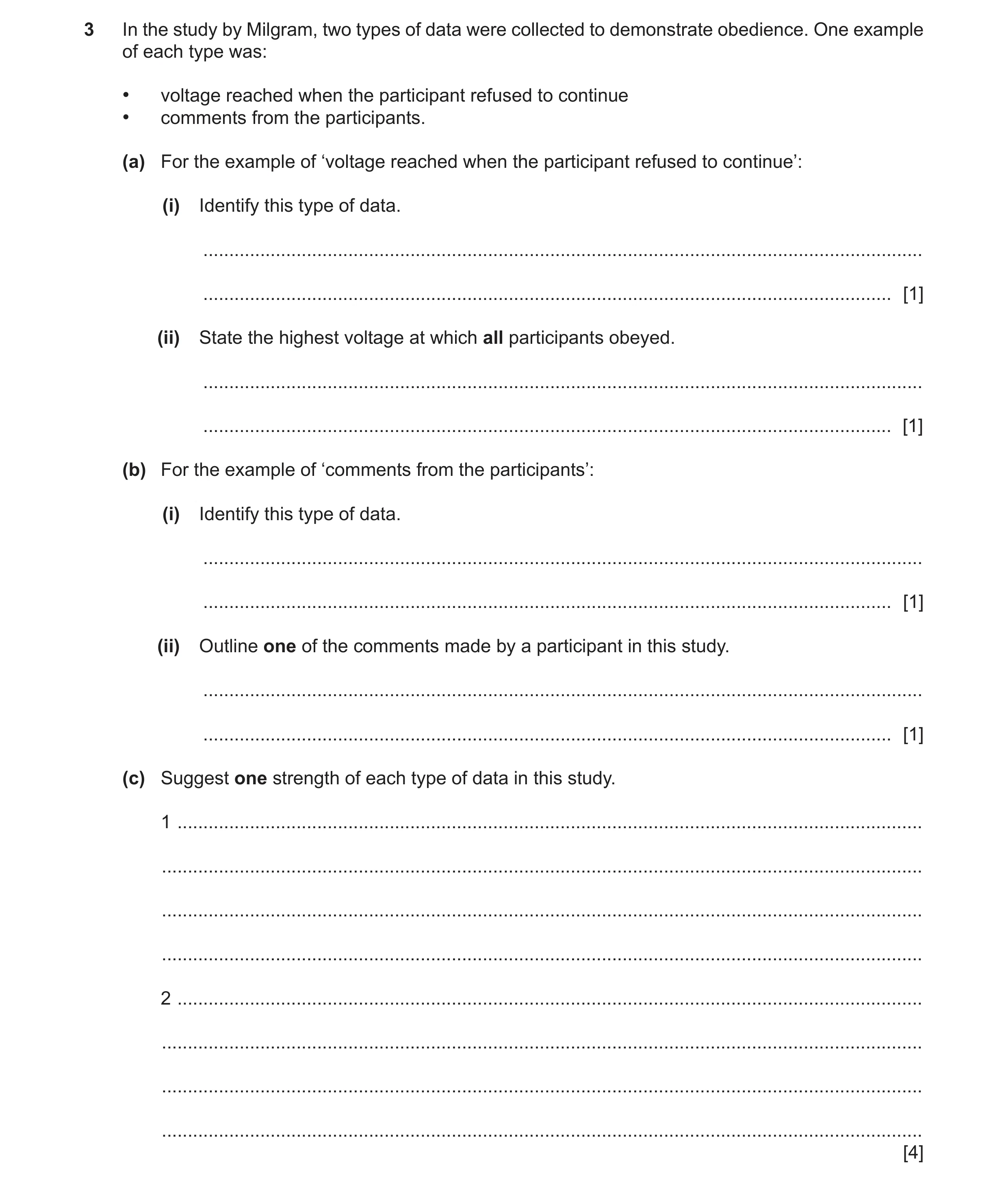
 339 / 368
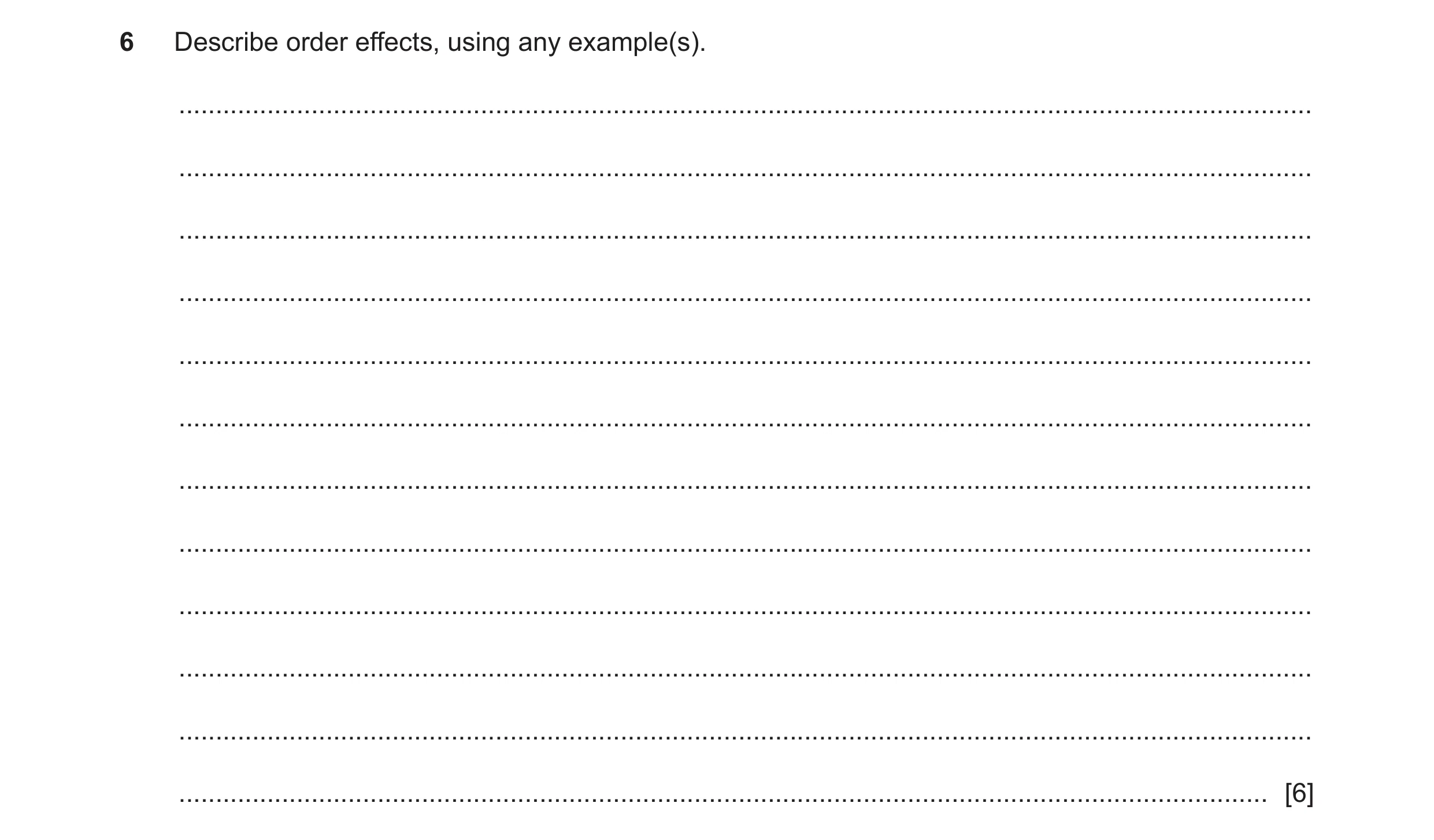 340 / 368
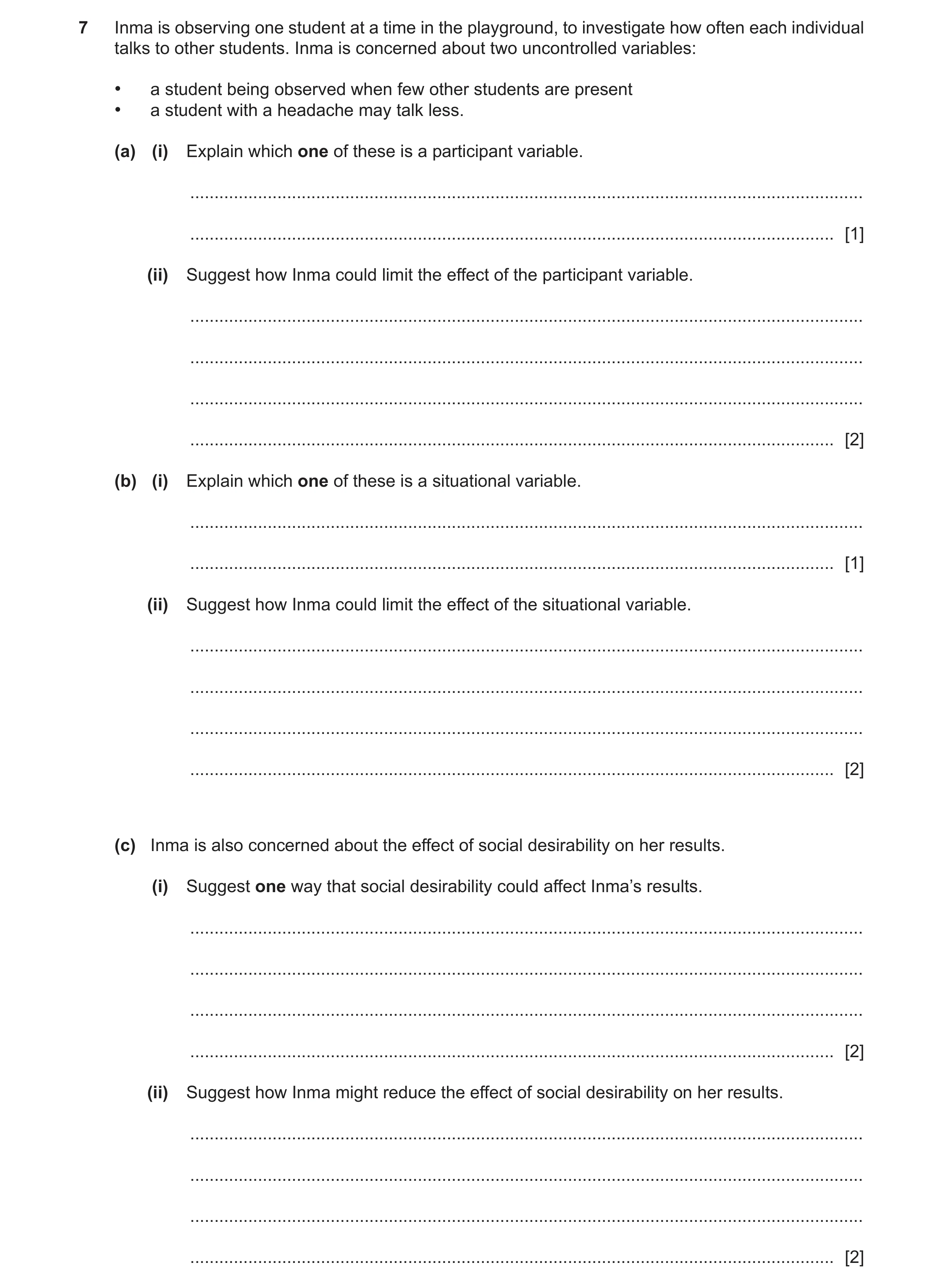 341 / 368
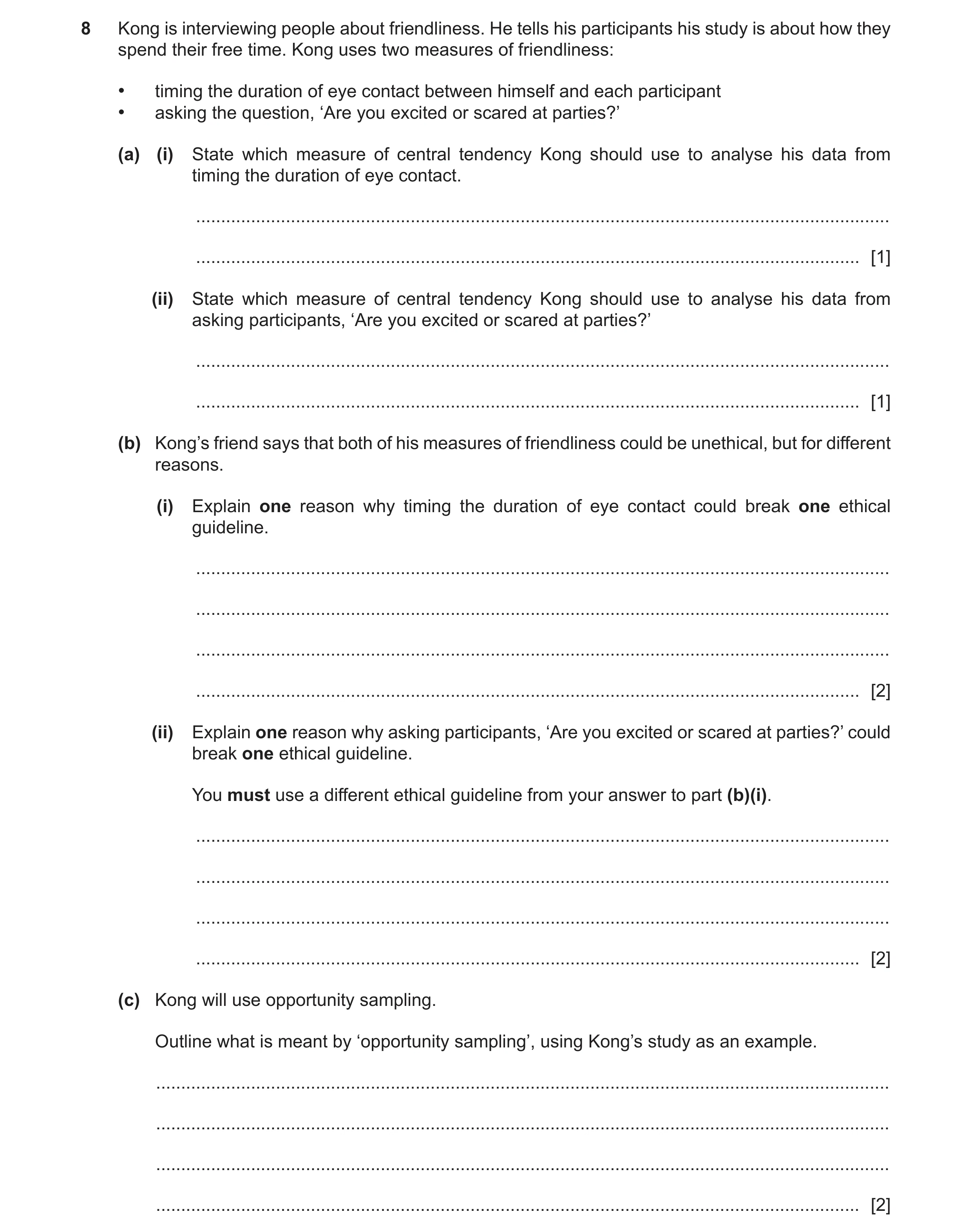 342 / 368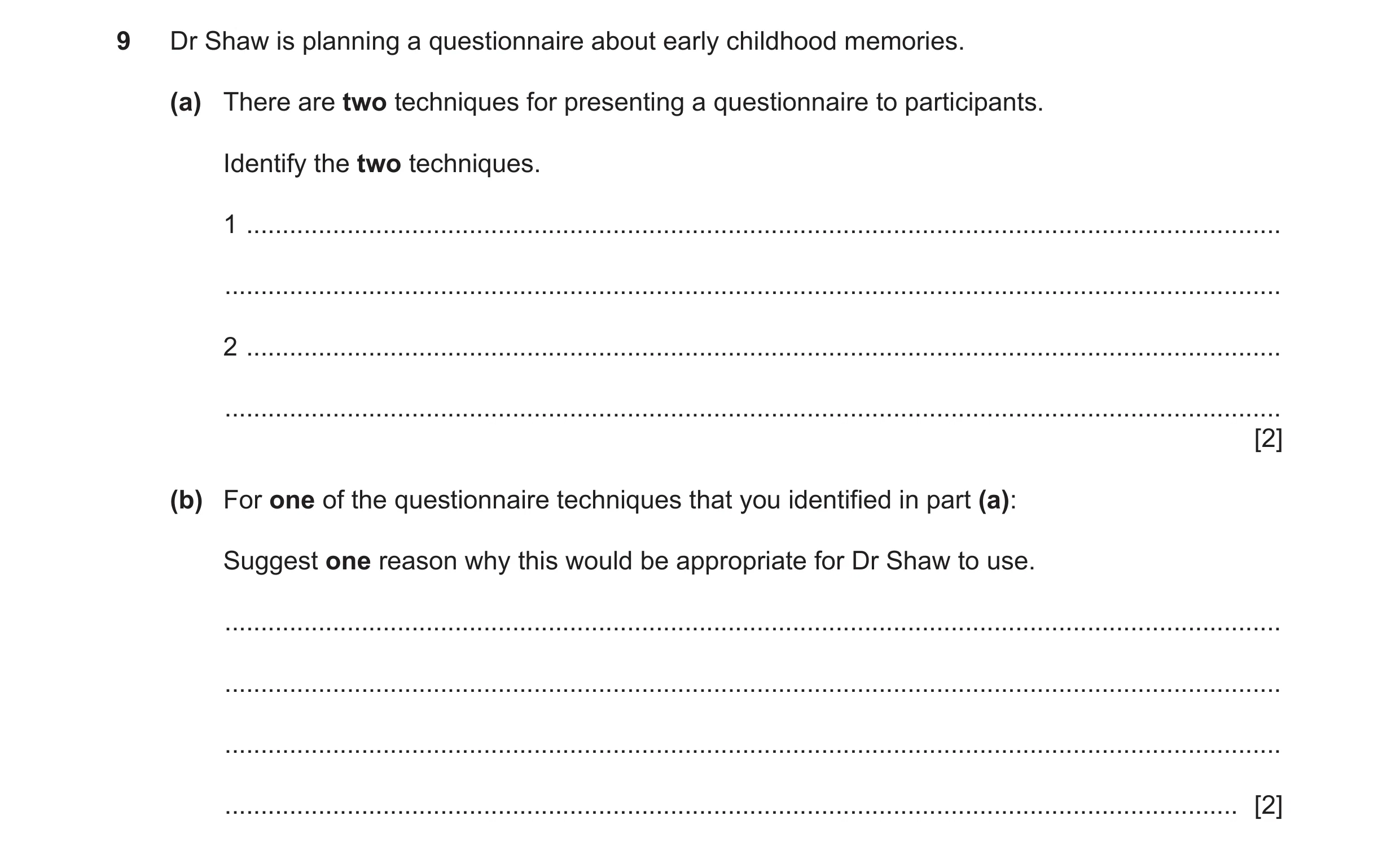
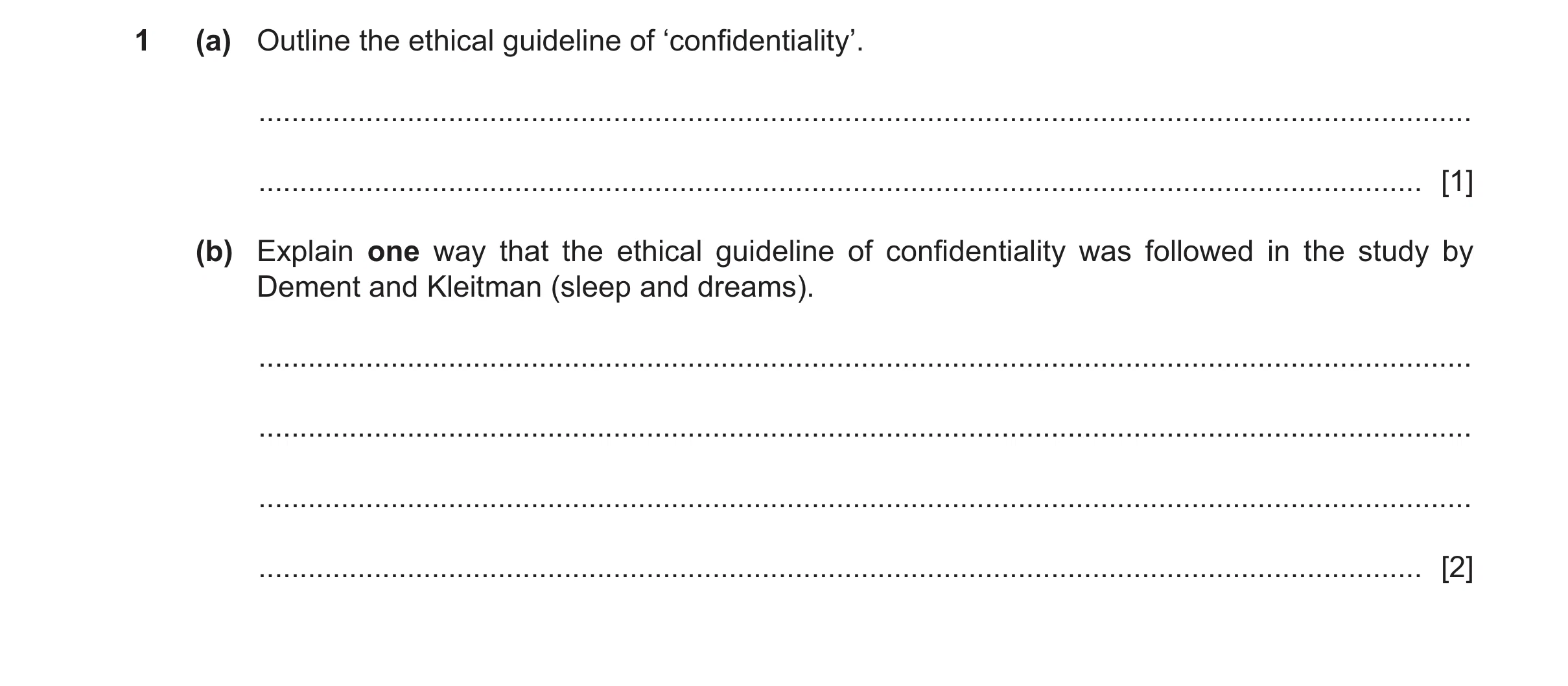 343 / 368
 344 / 368
 345 / 368
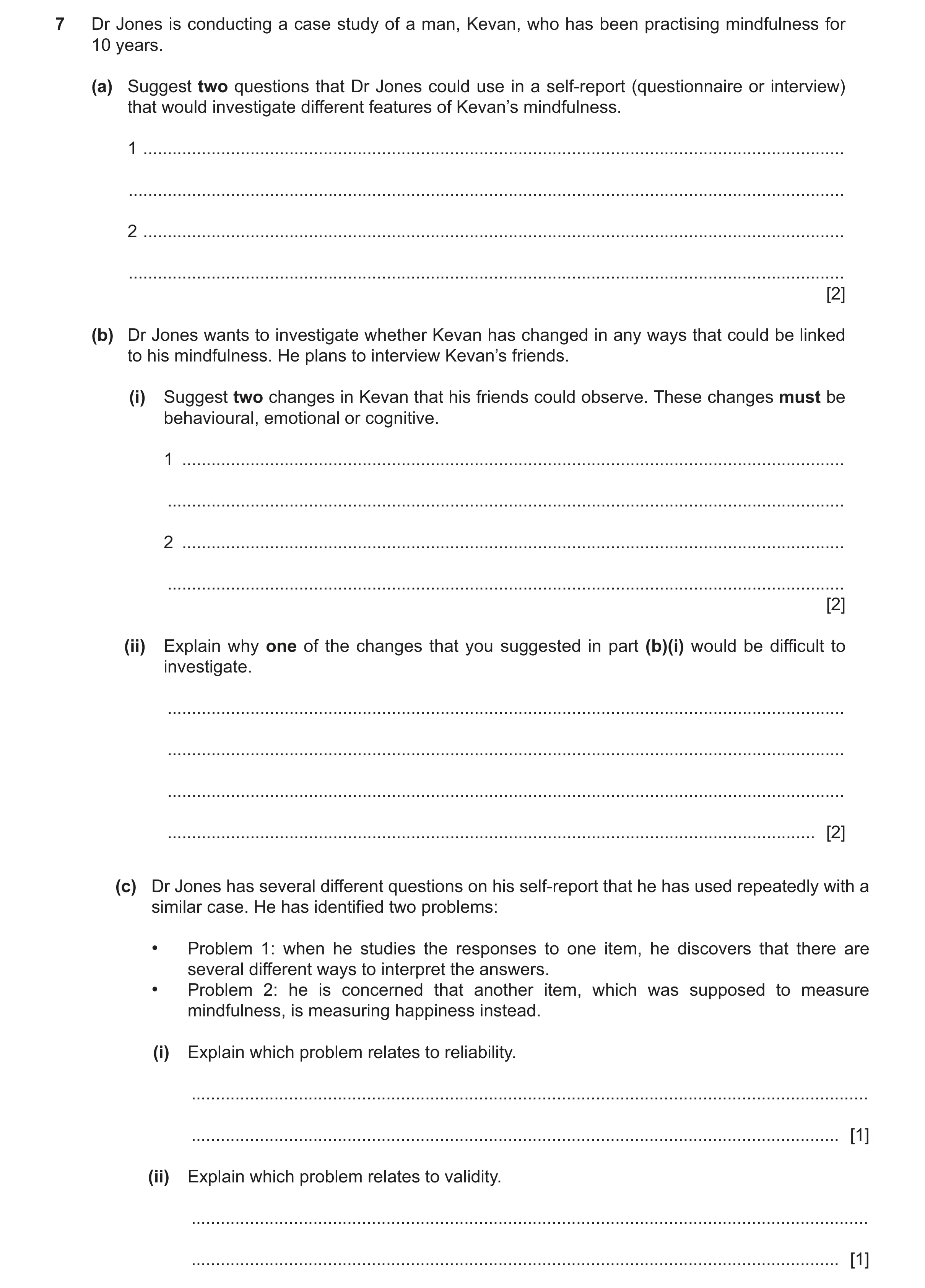 346 / 368
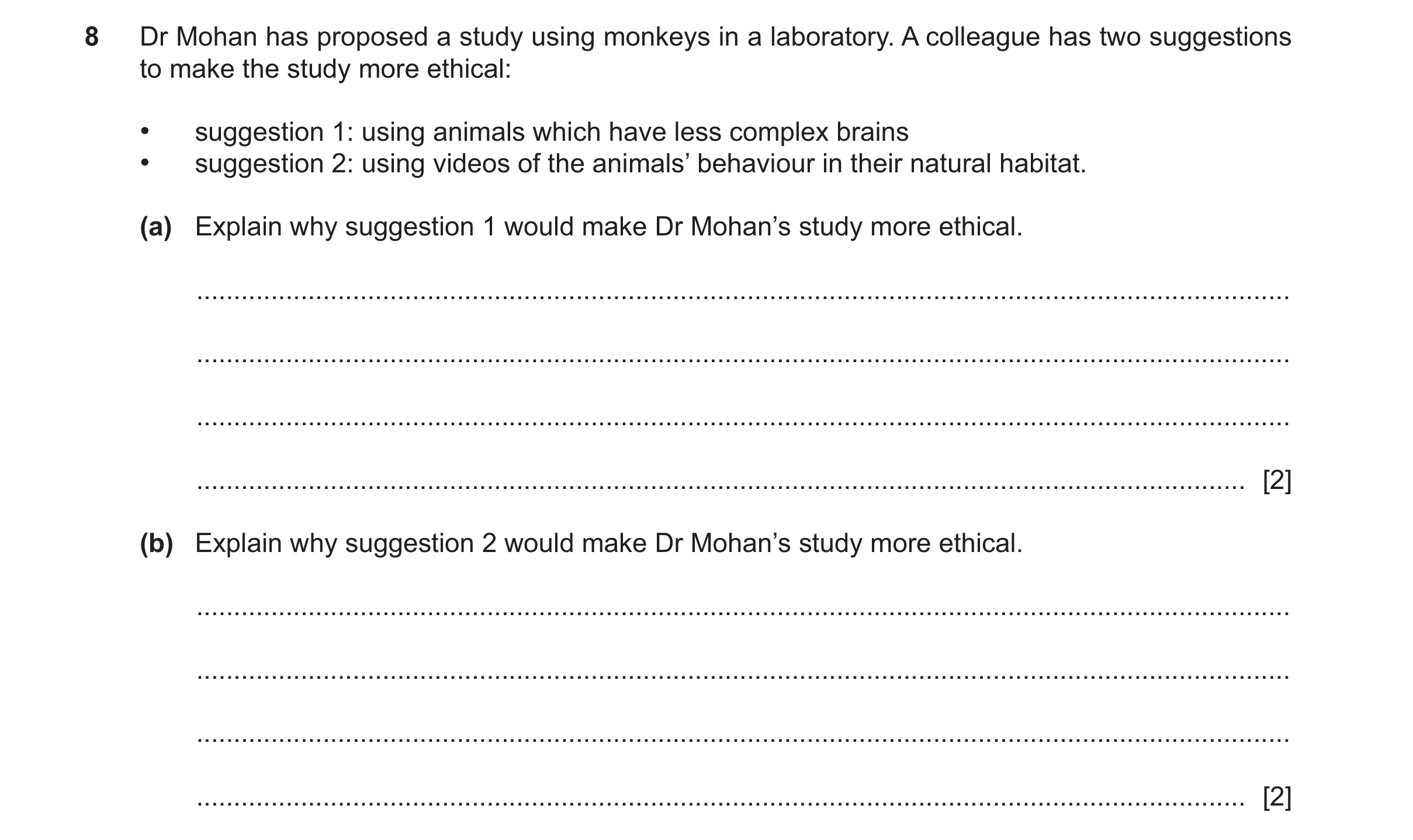 347 / 368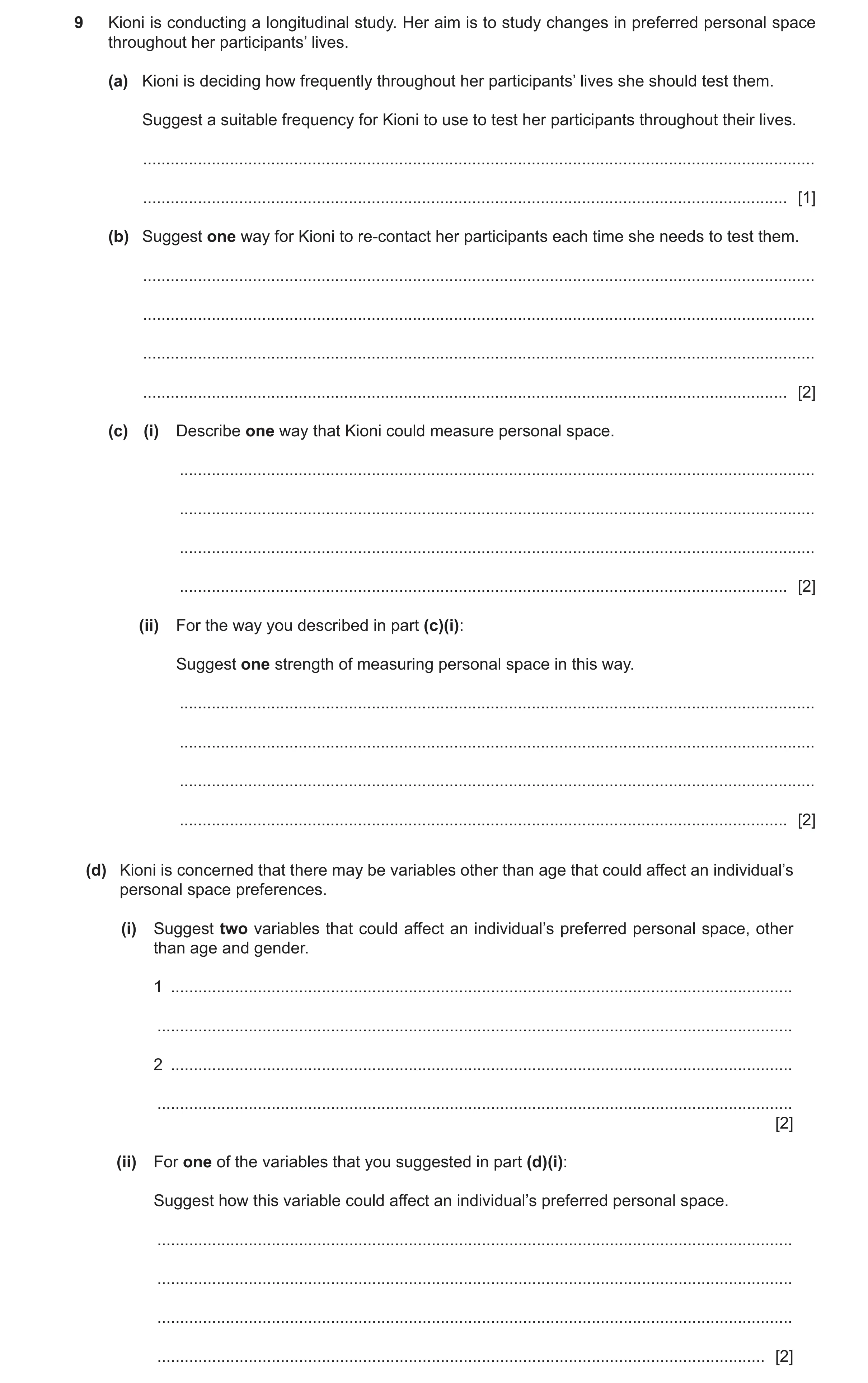
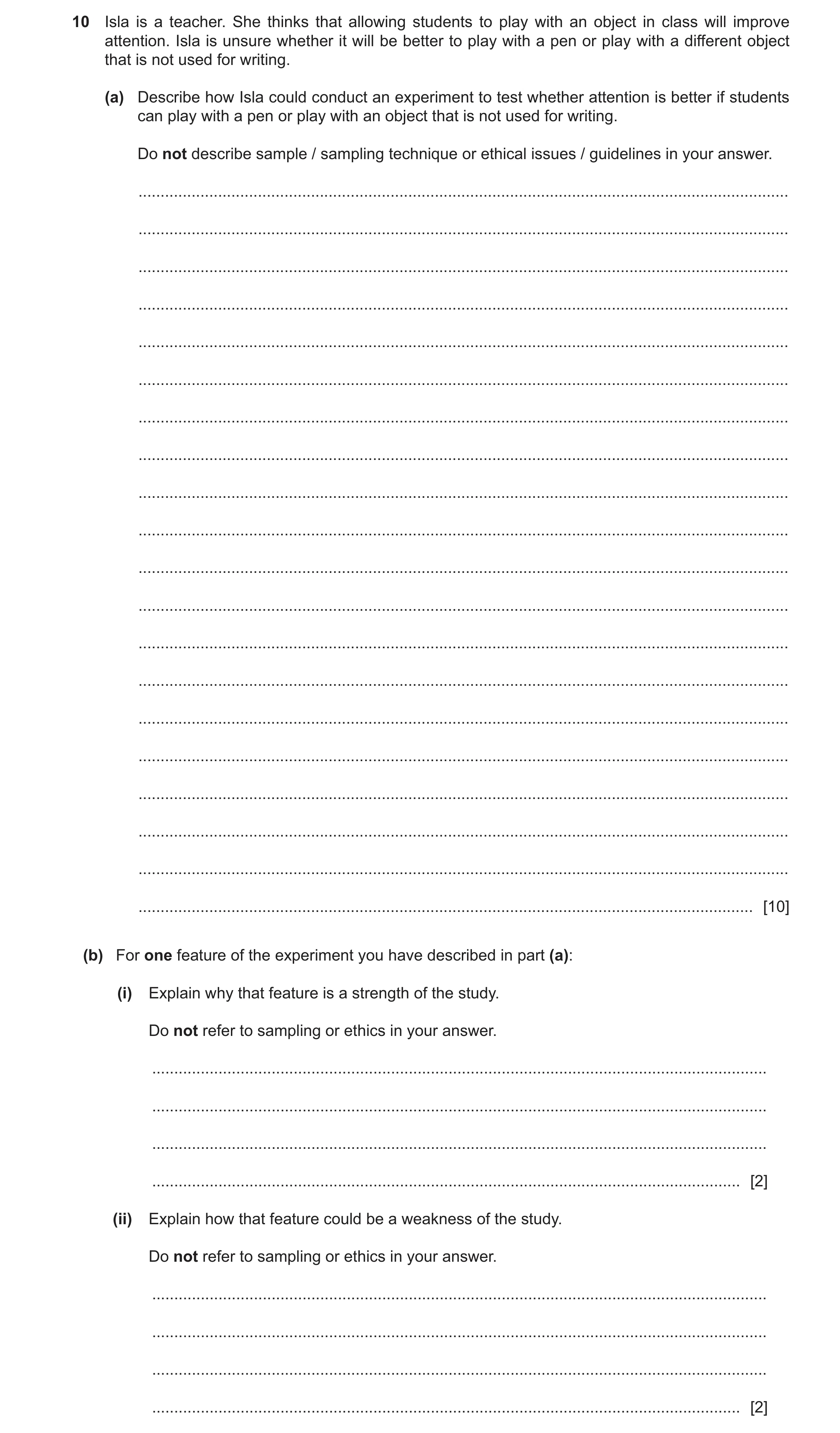
 350 / 368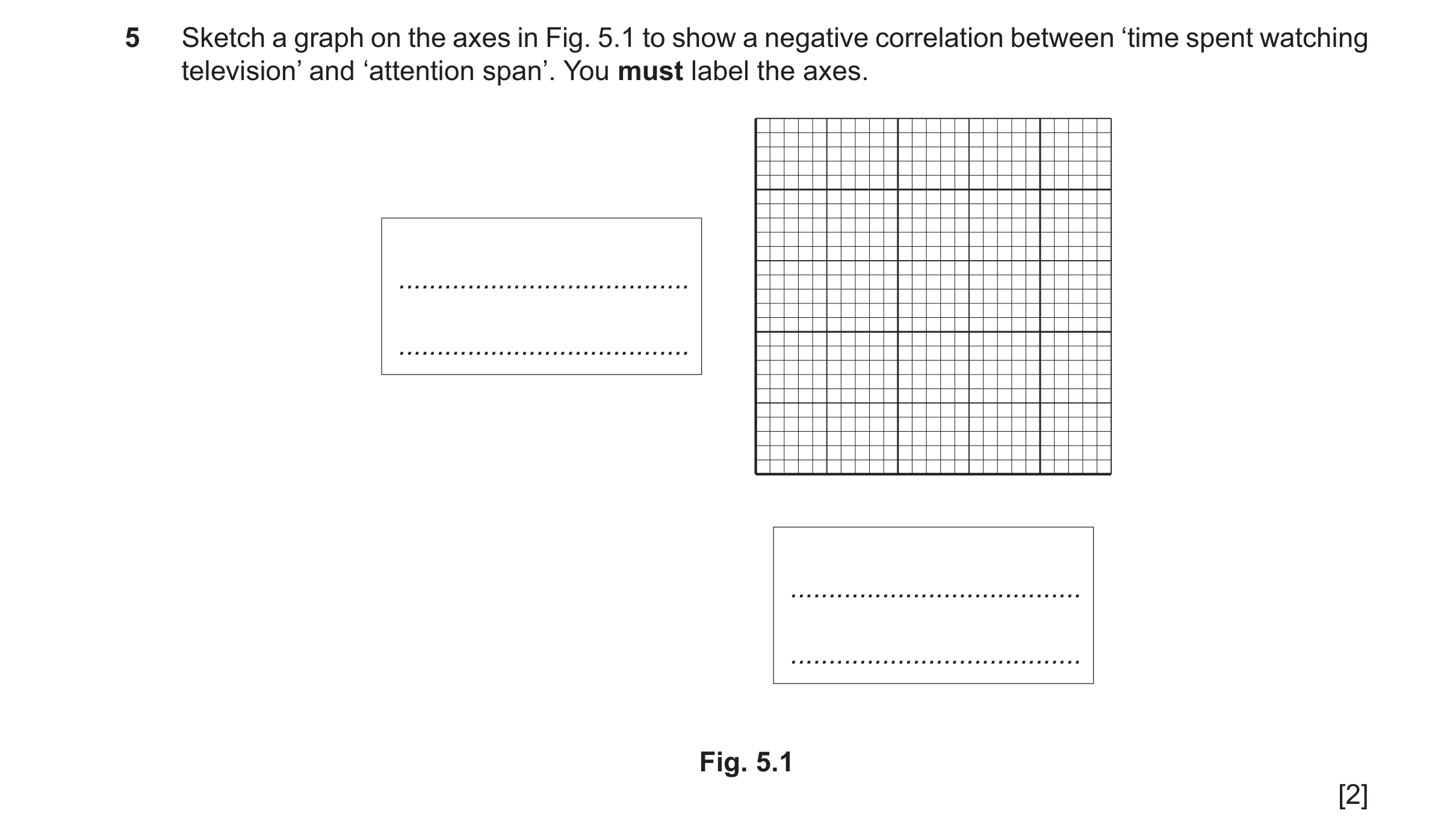
 351 / 368
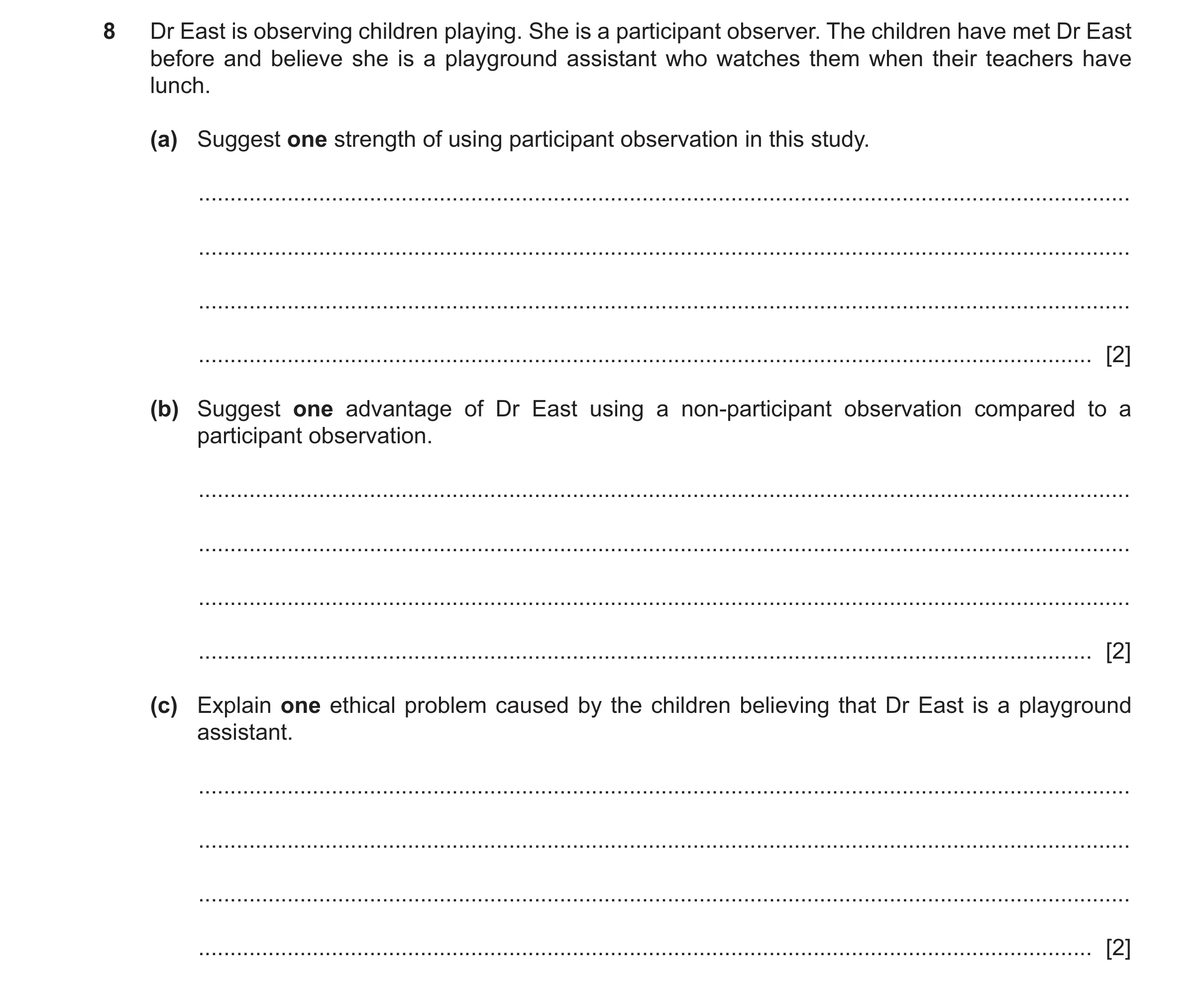 352 / 368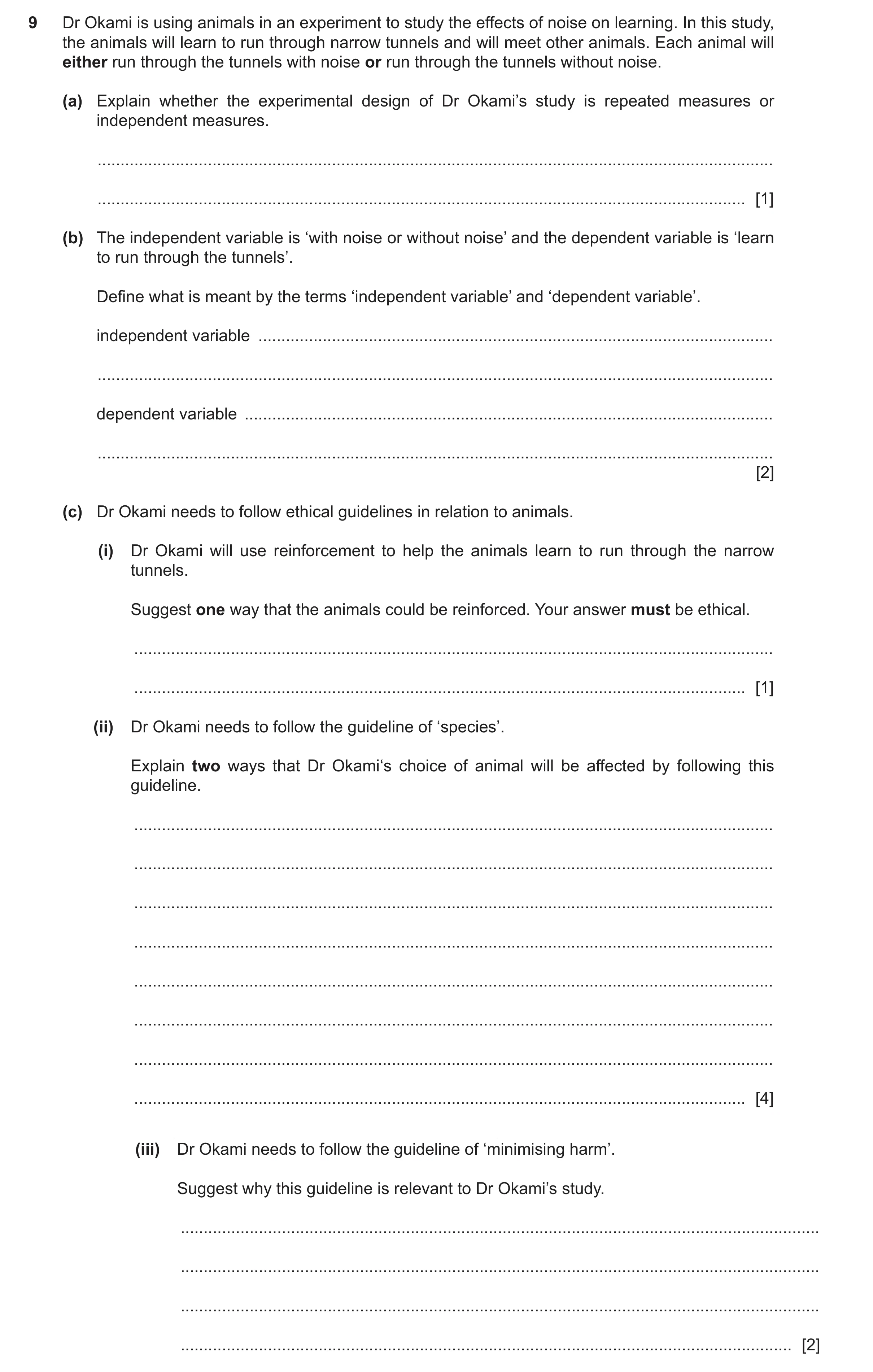
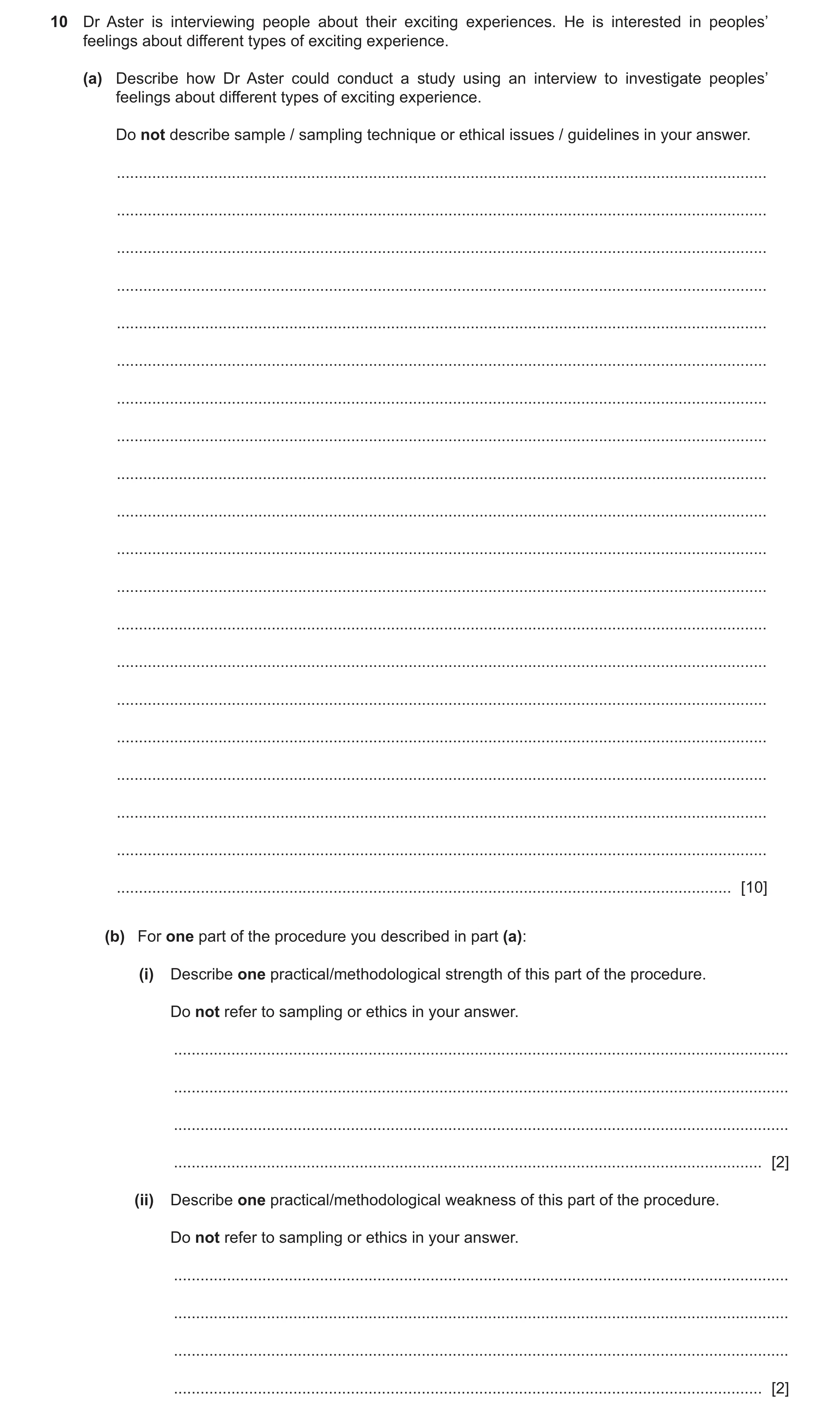
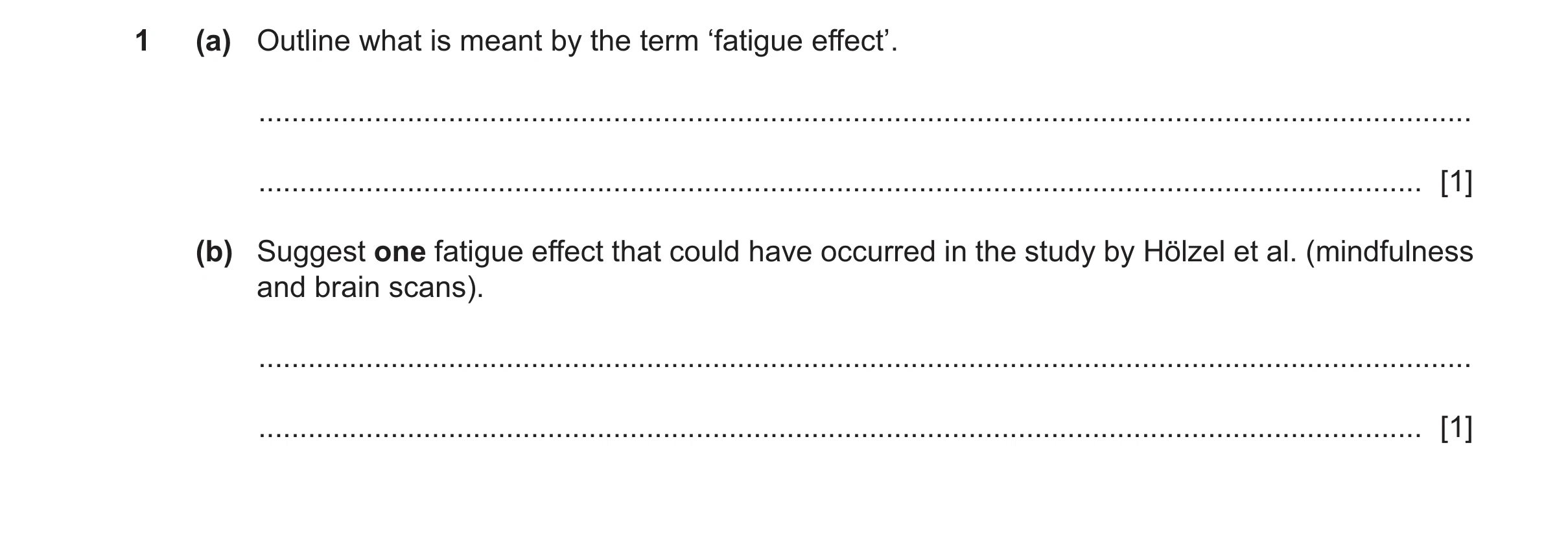
 355 / 368
 356 / 368
 357 / 368
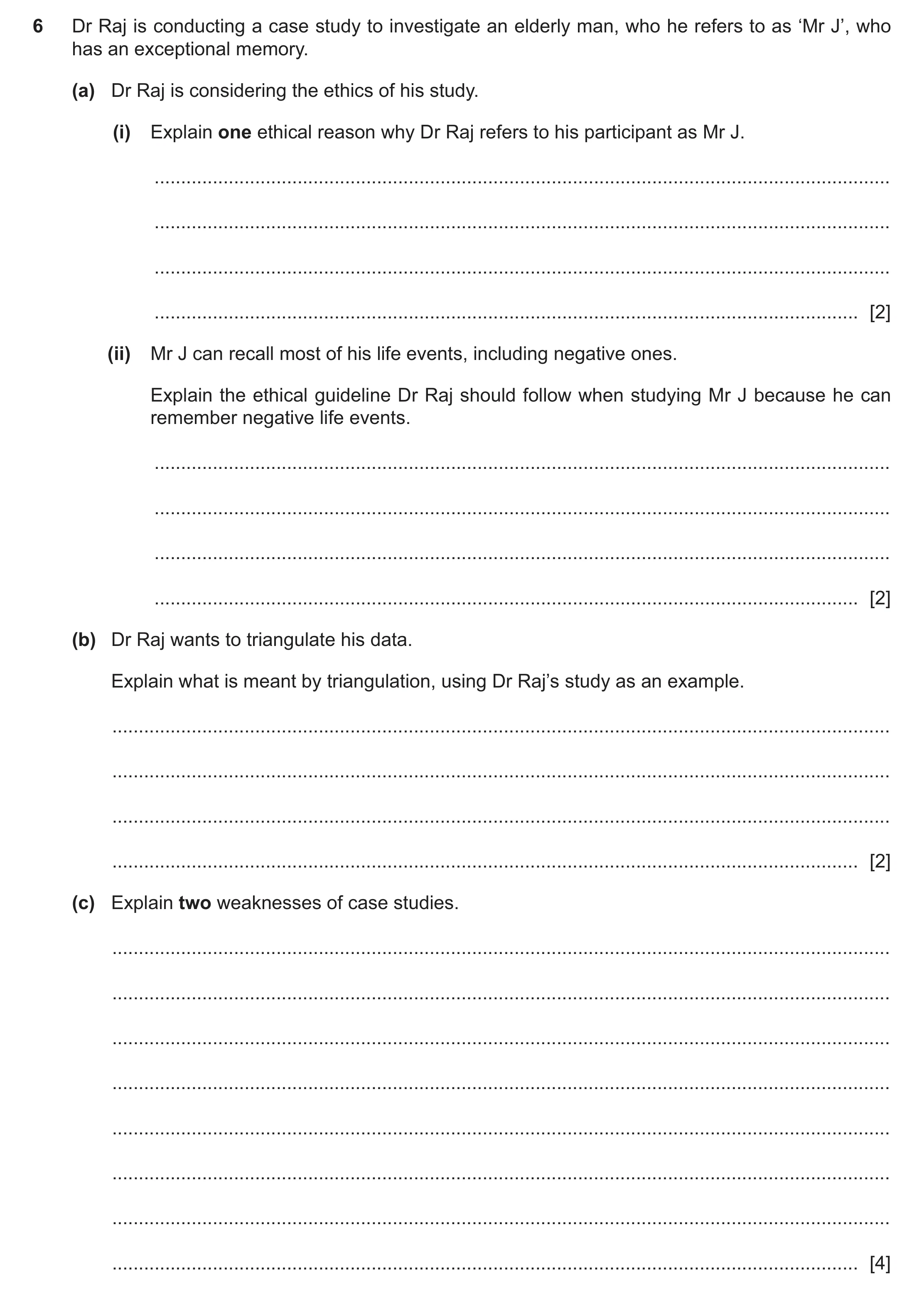 358 / 368
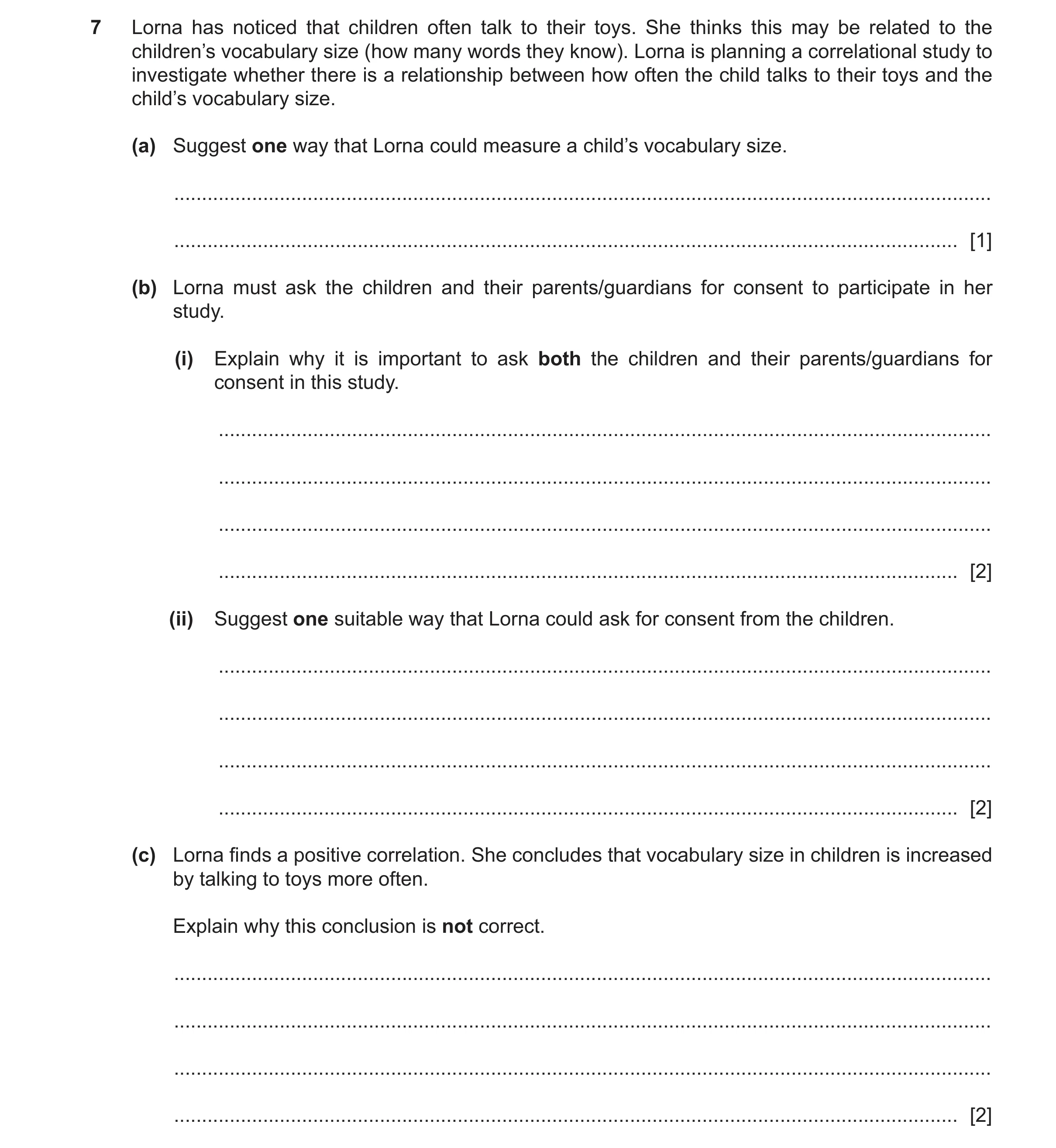 359 / 368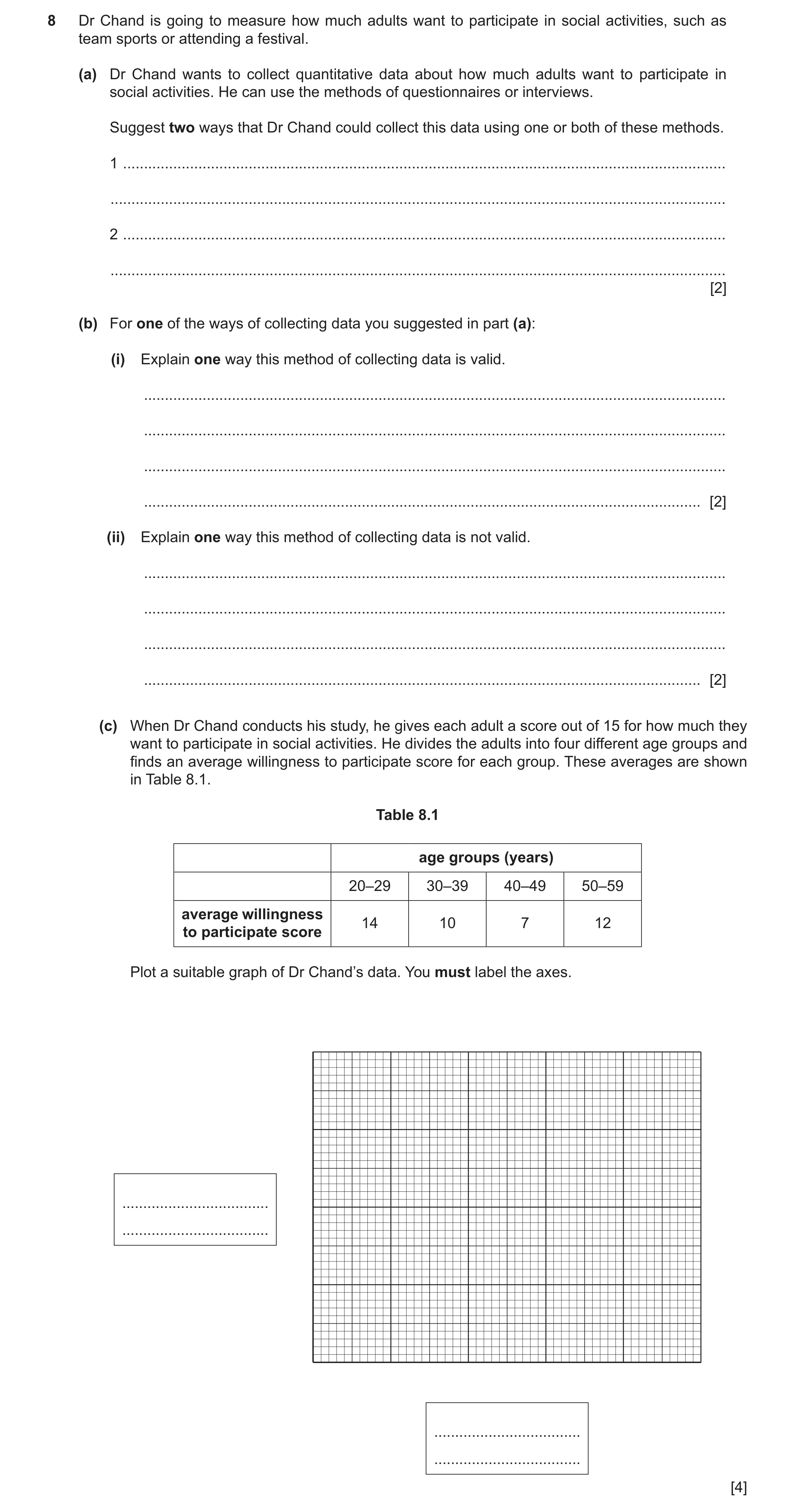
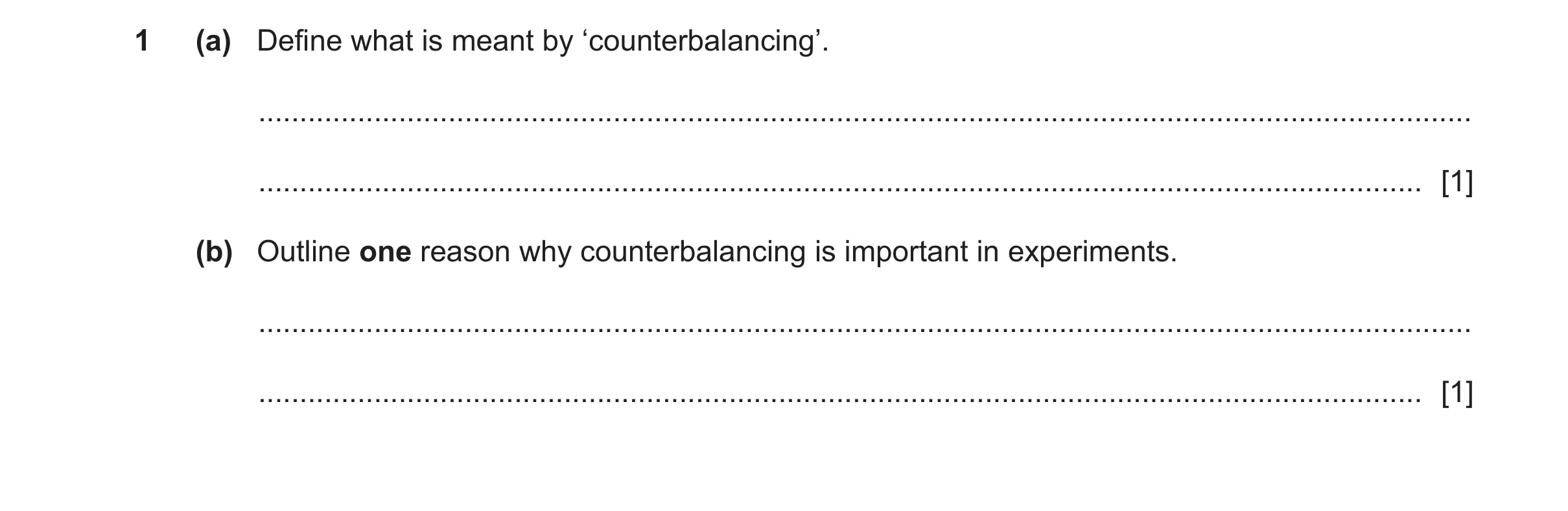
 361 / 368
 362 / 368
 363 / 368
 364 / 368
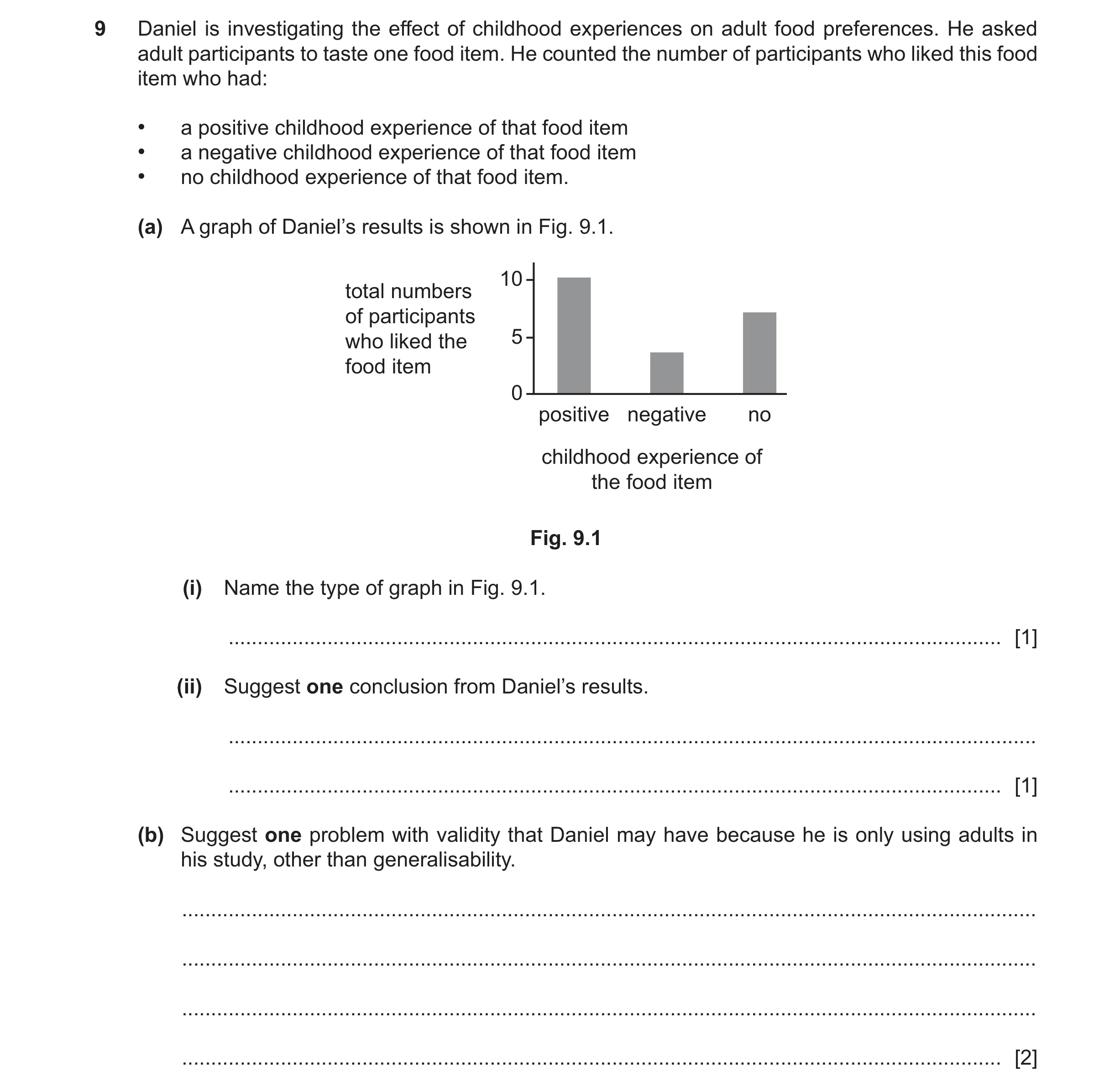 366 / 368
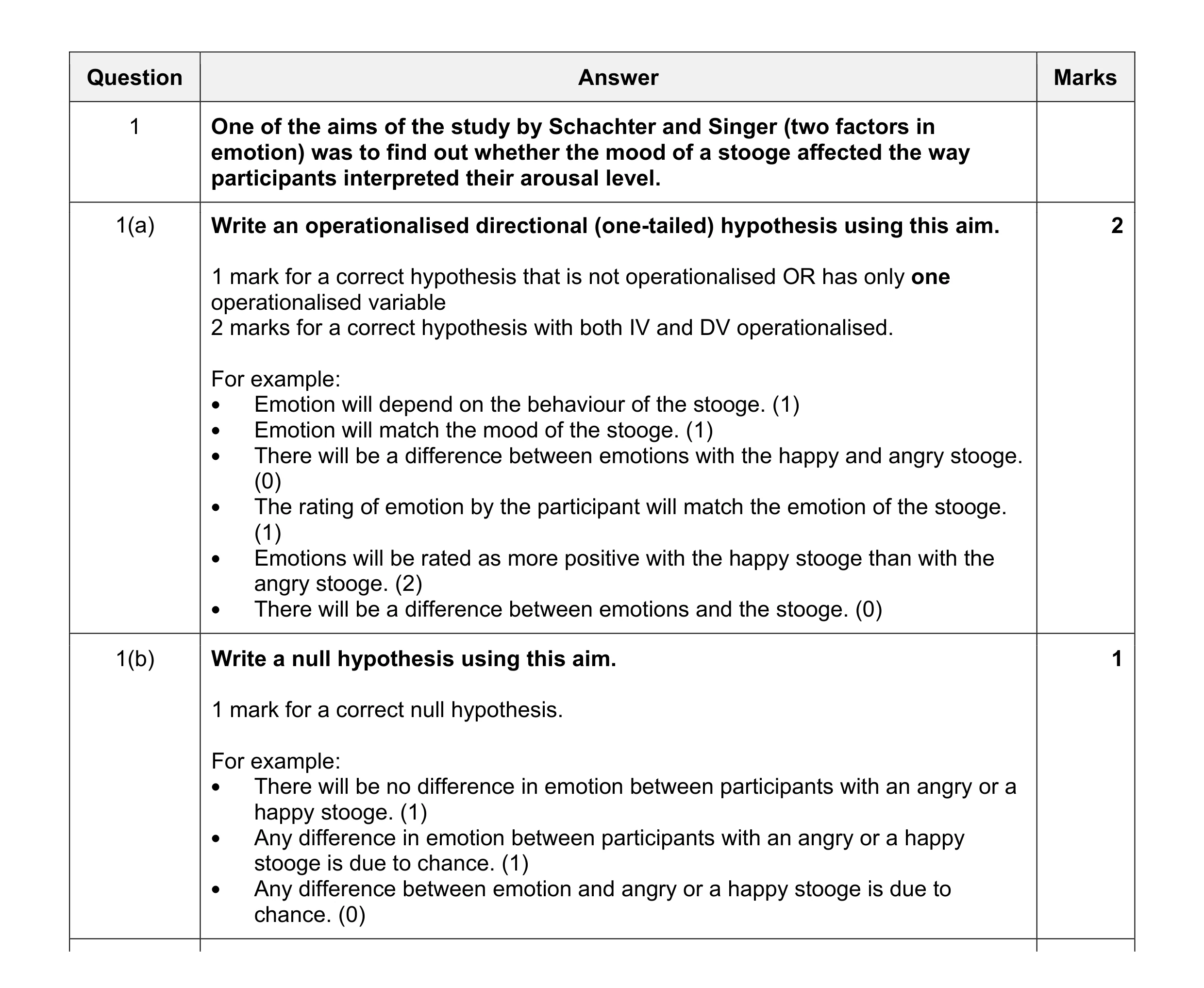 3
3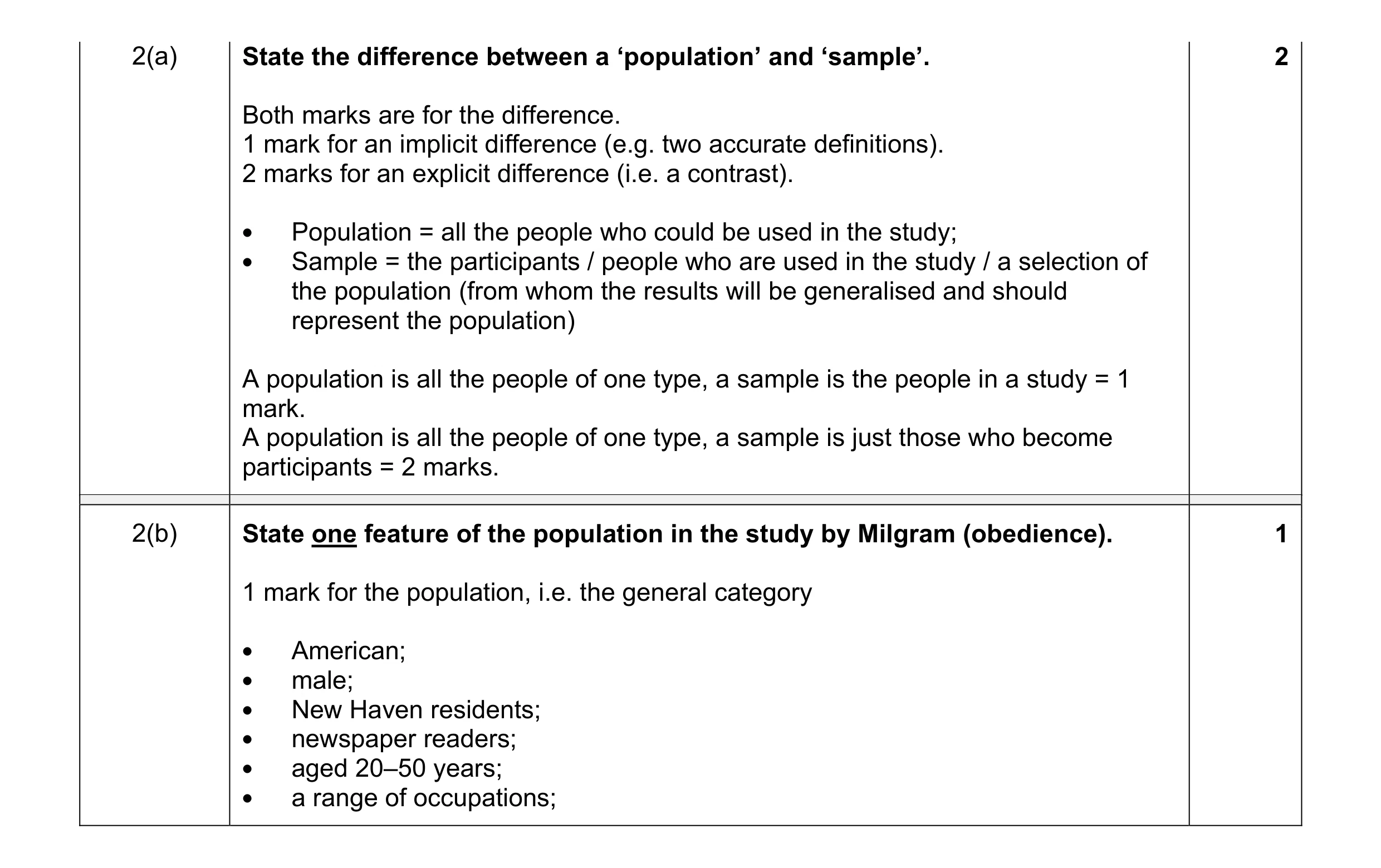 3
3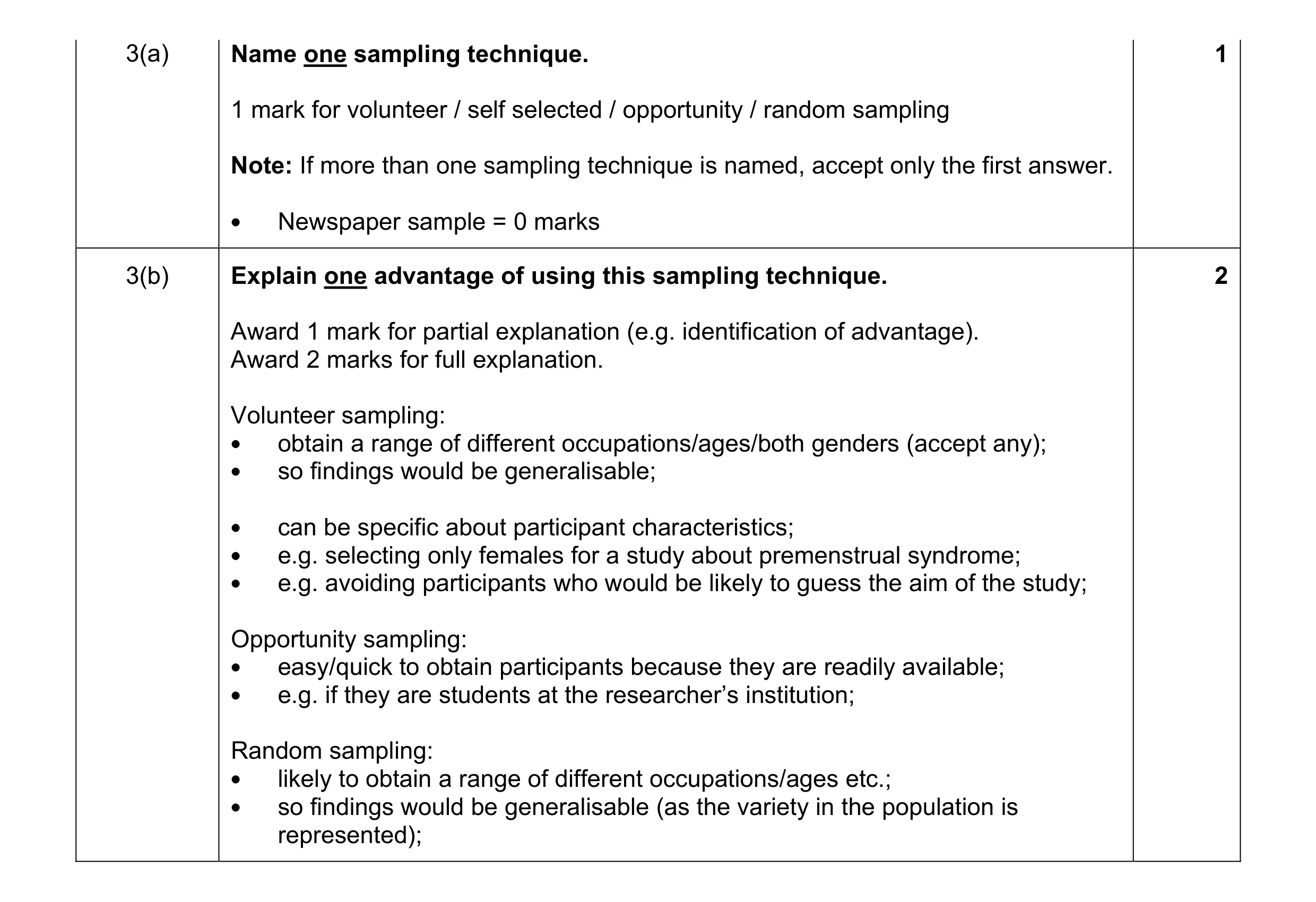 3
3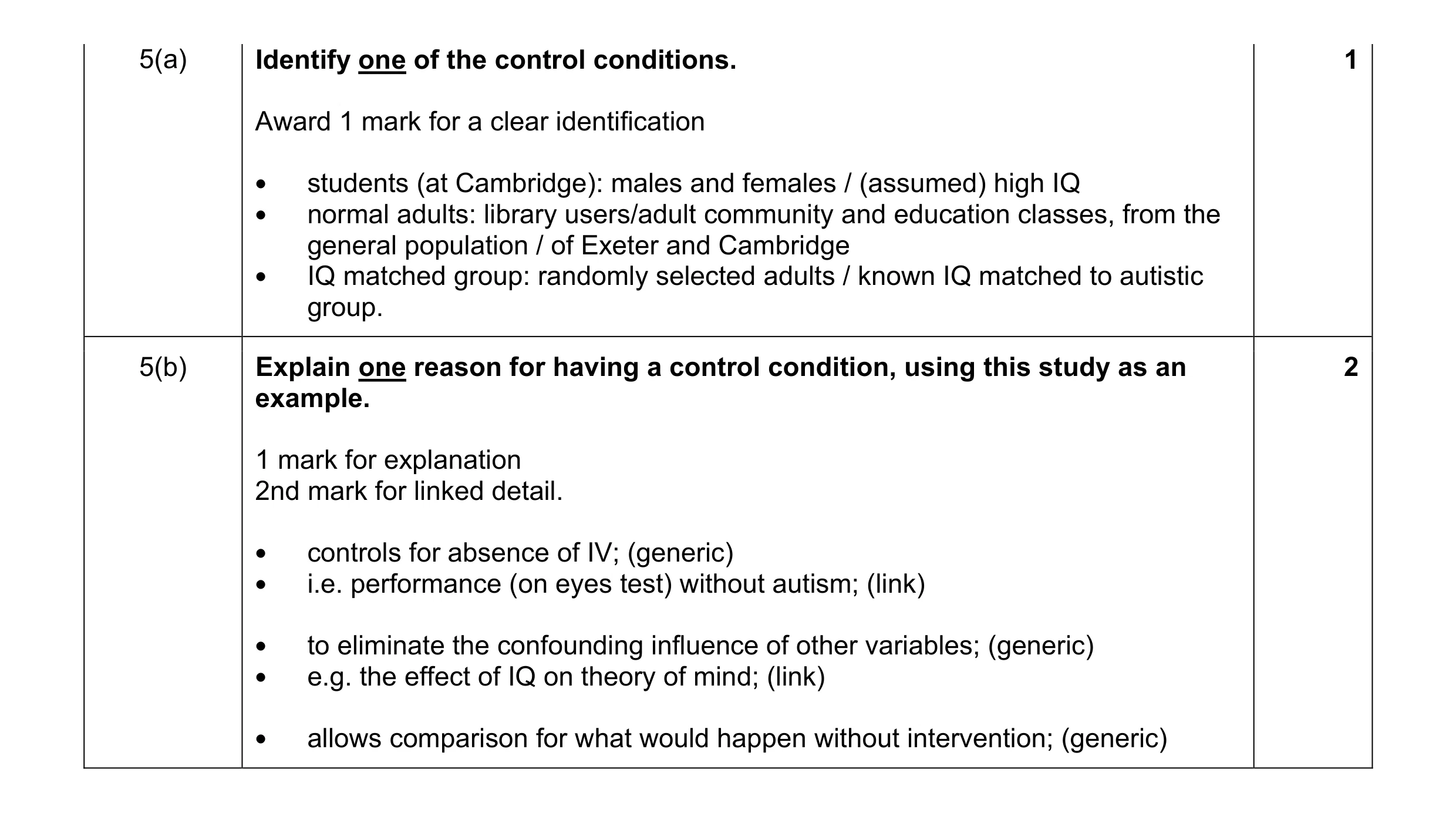 3
3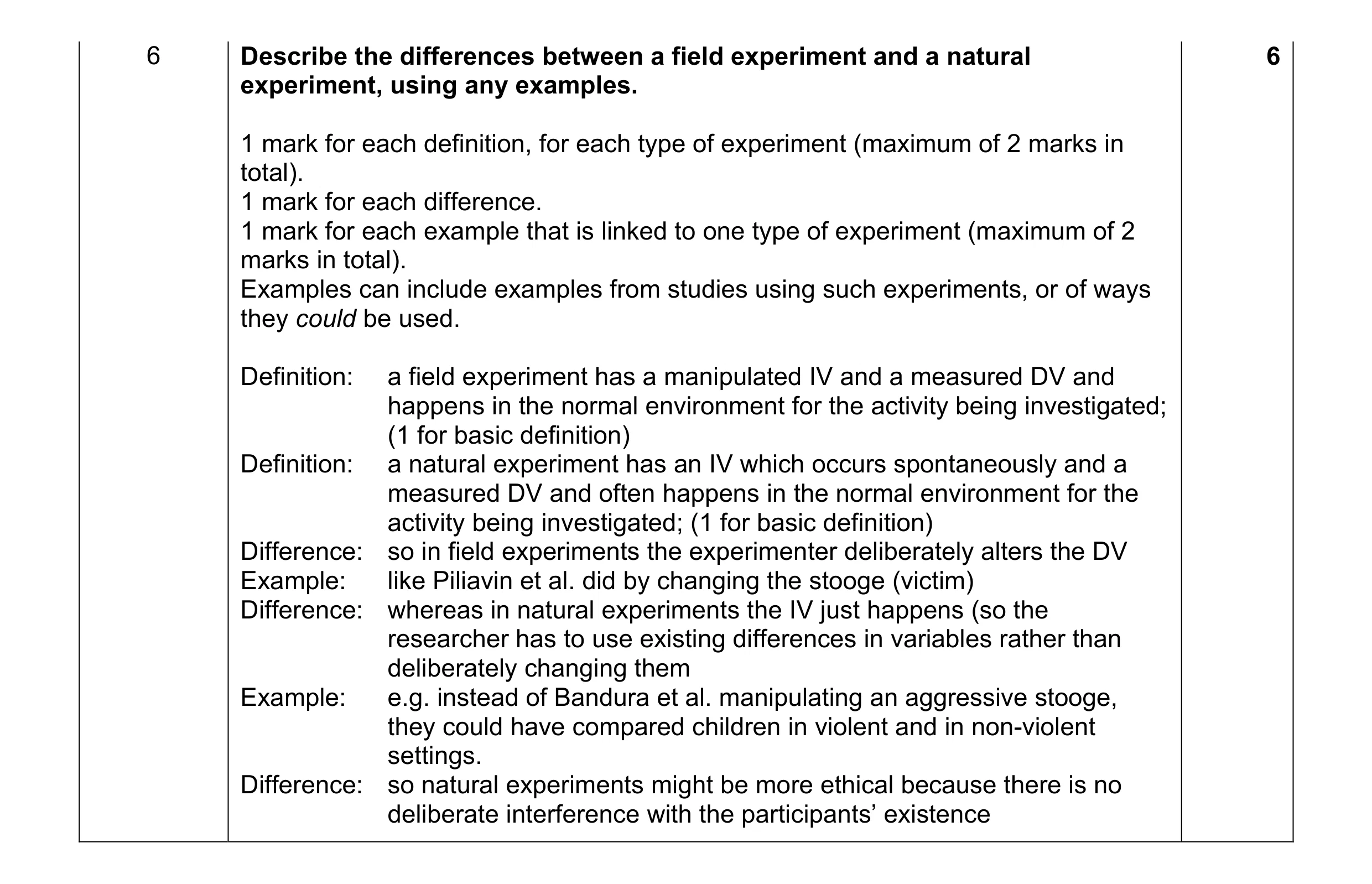 6
6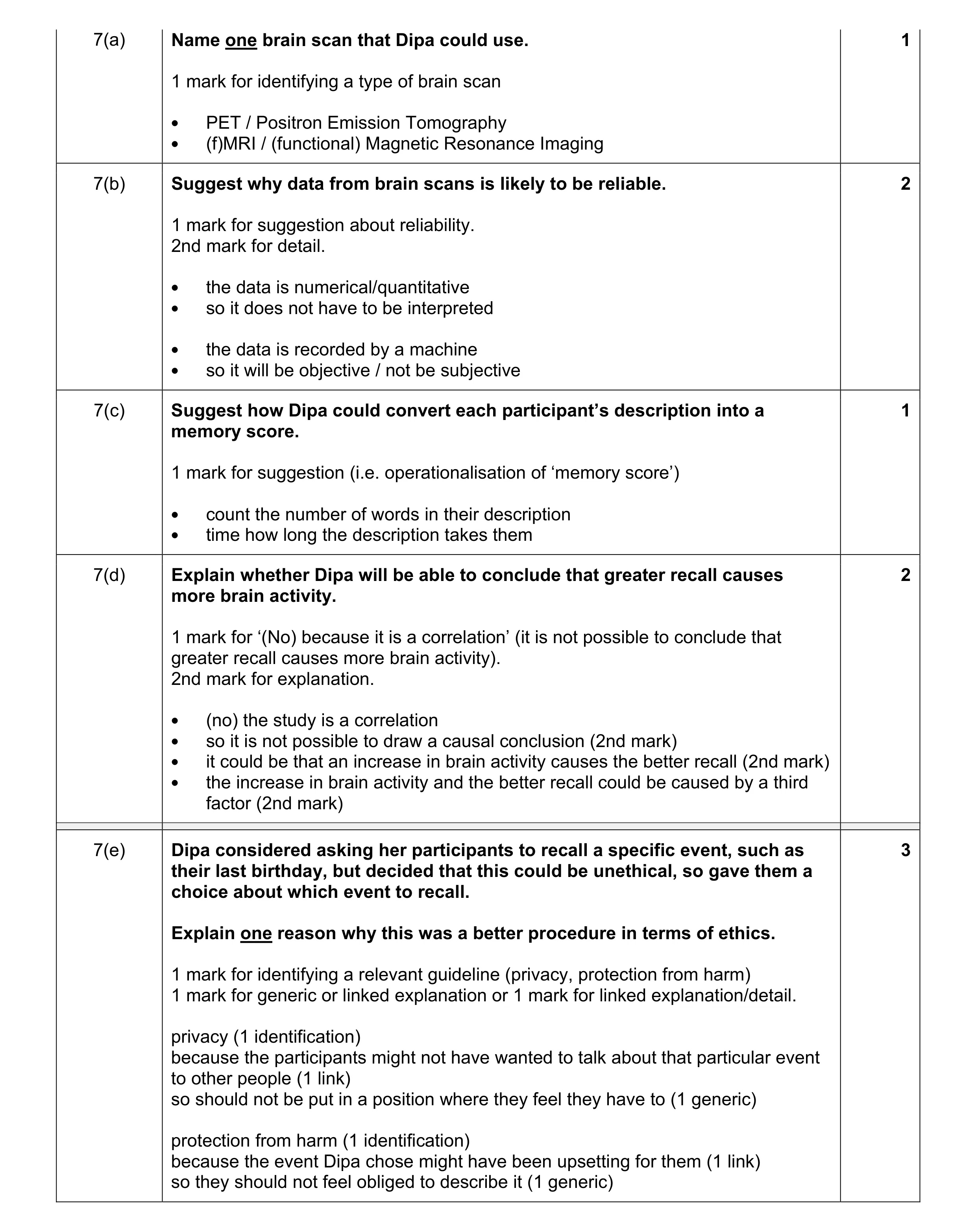 9
9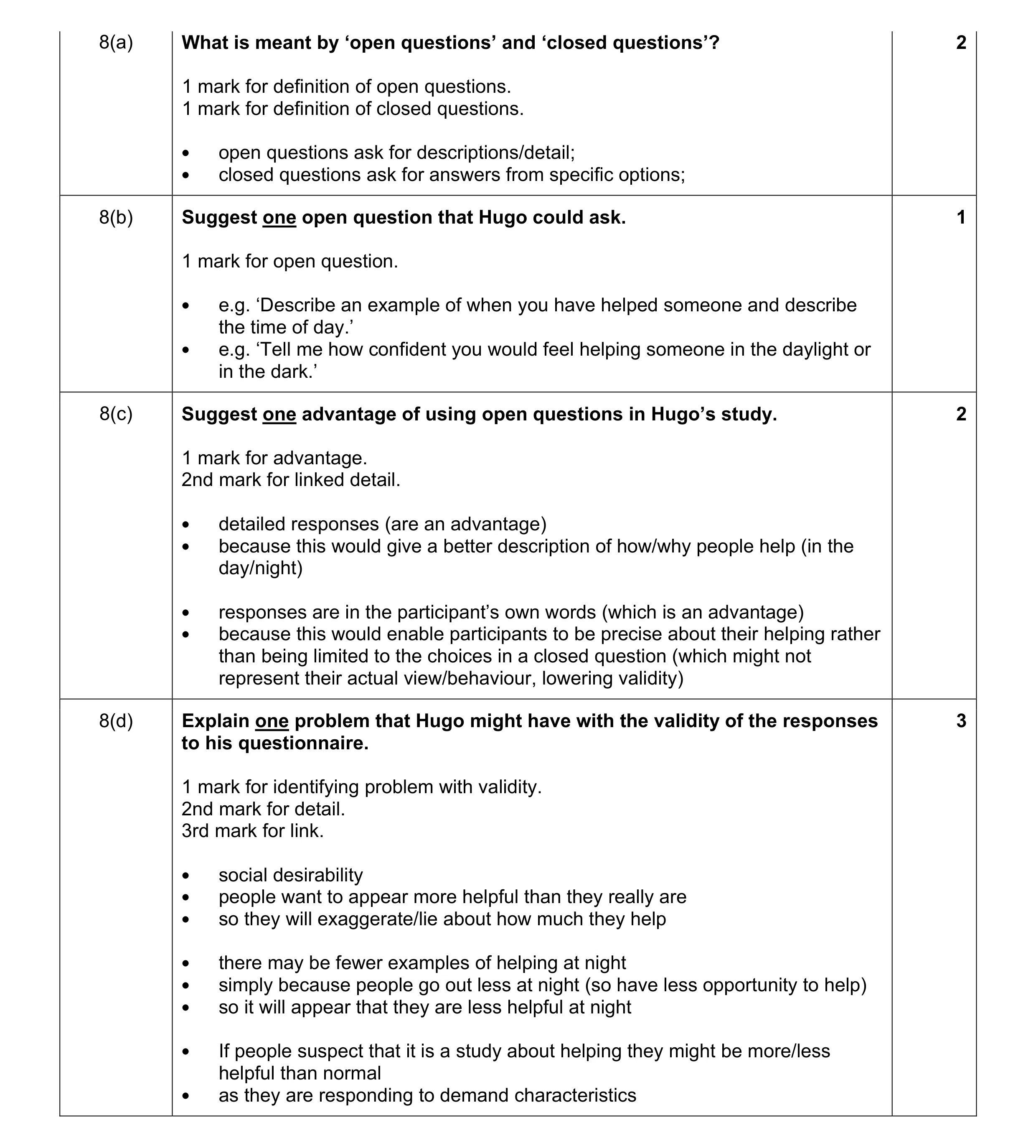 8
8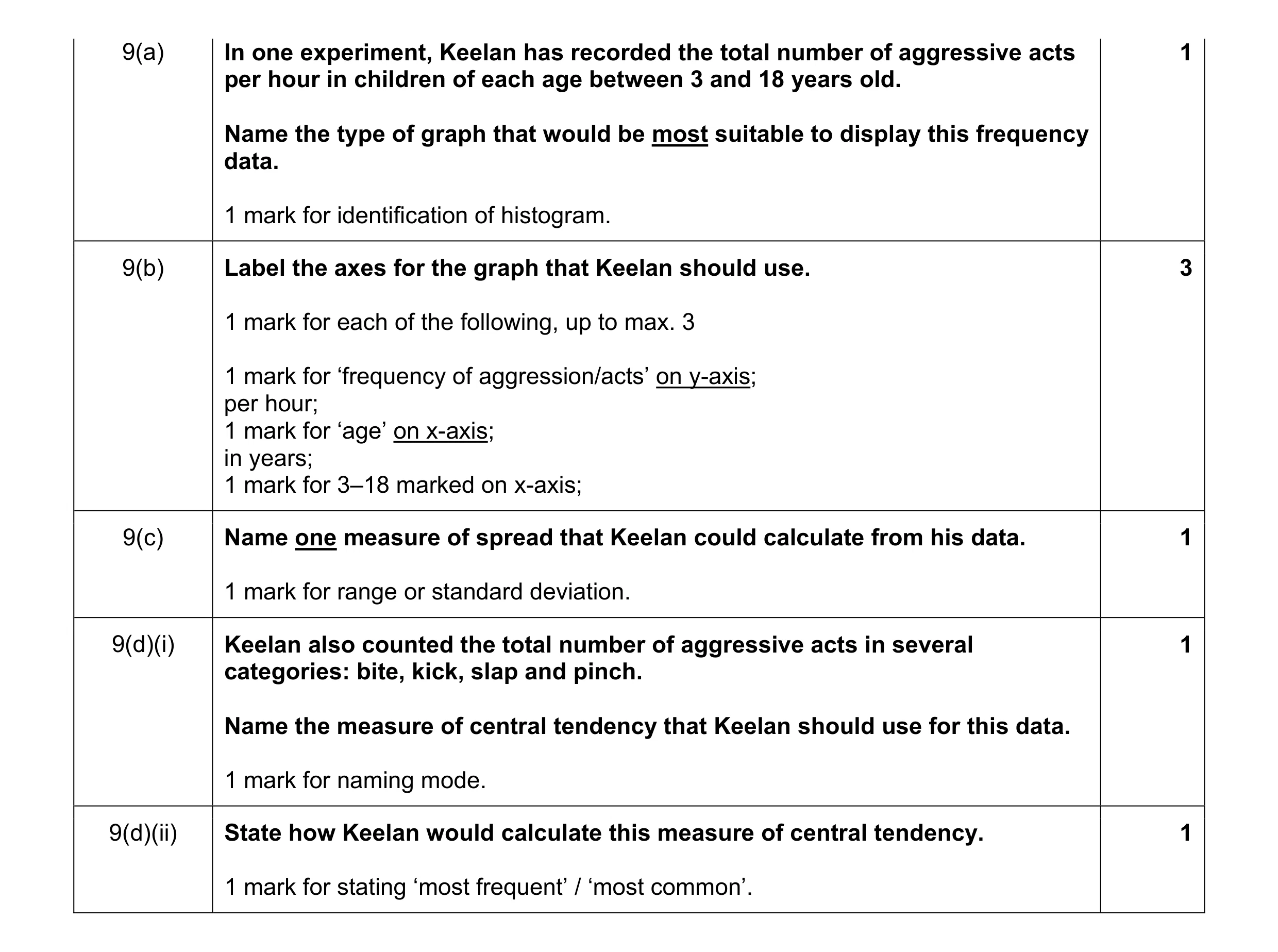 7
7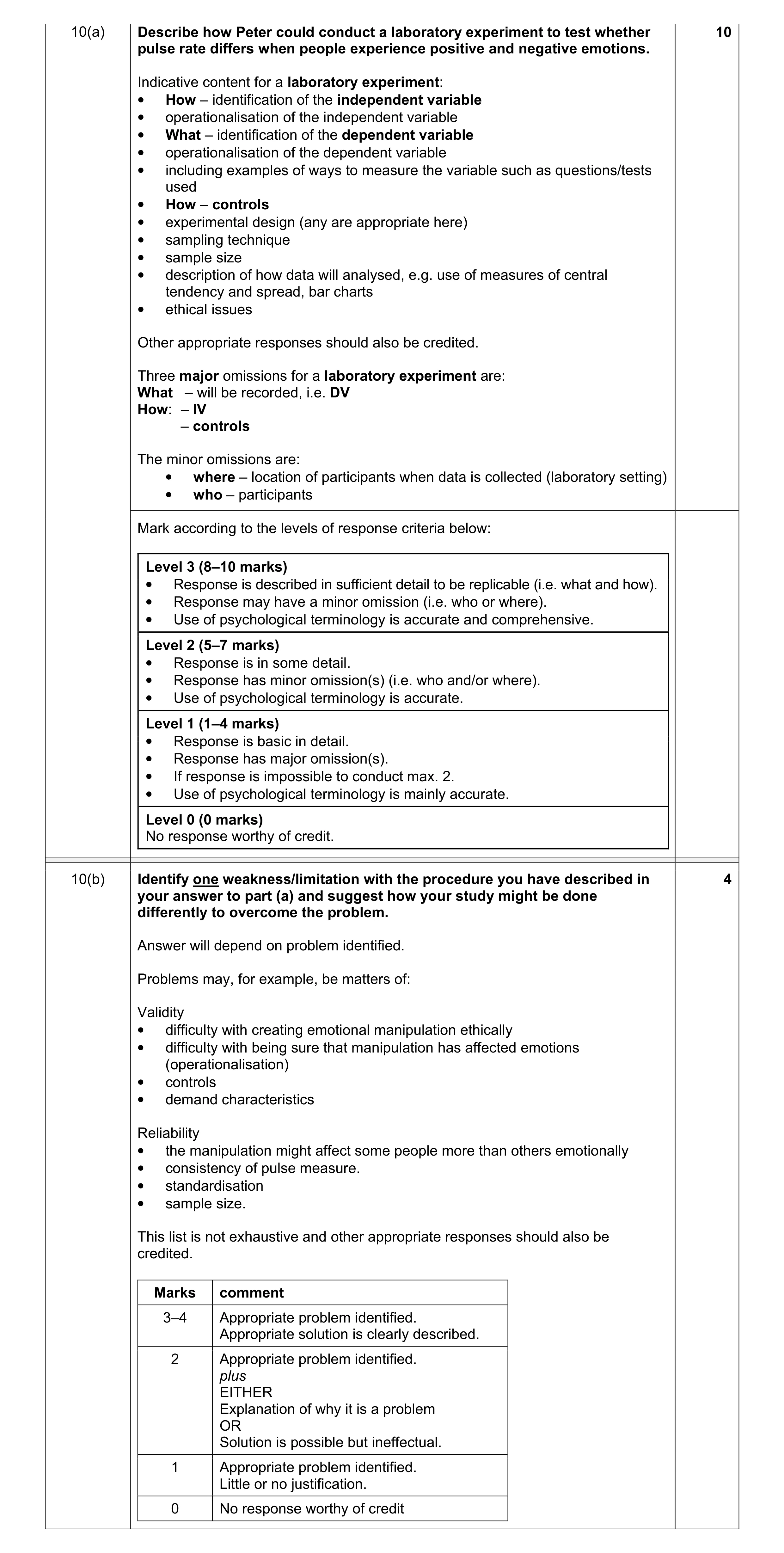 14
14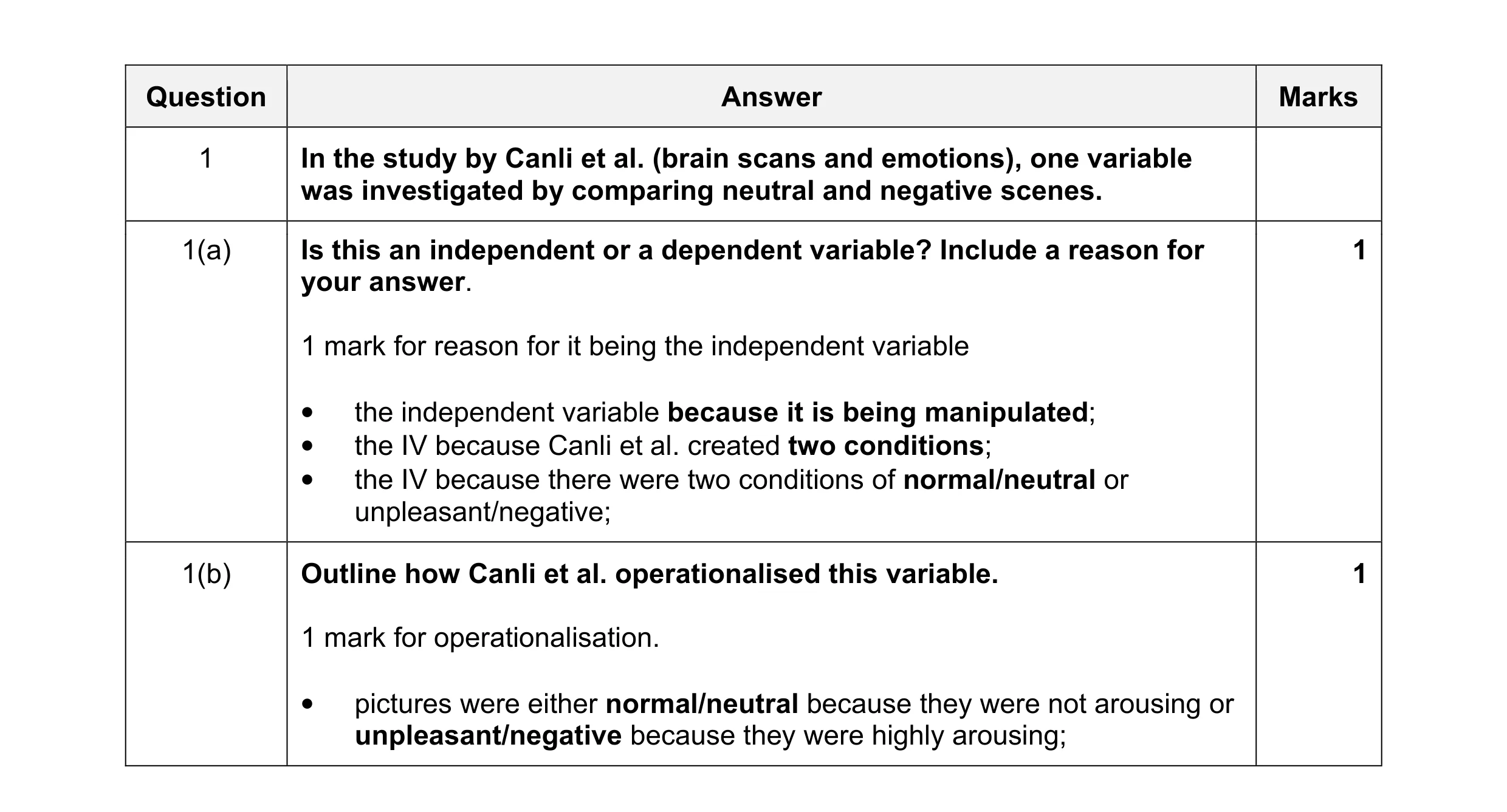 2
2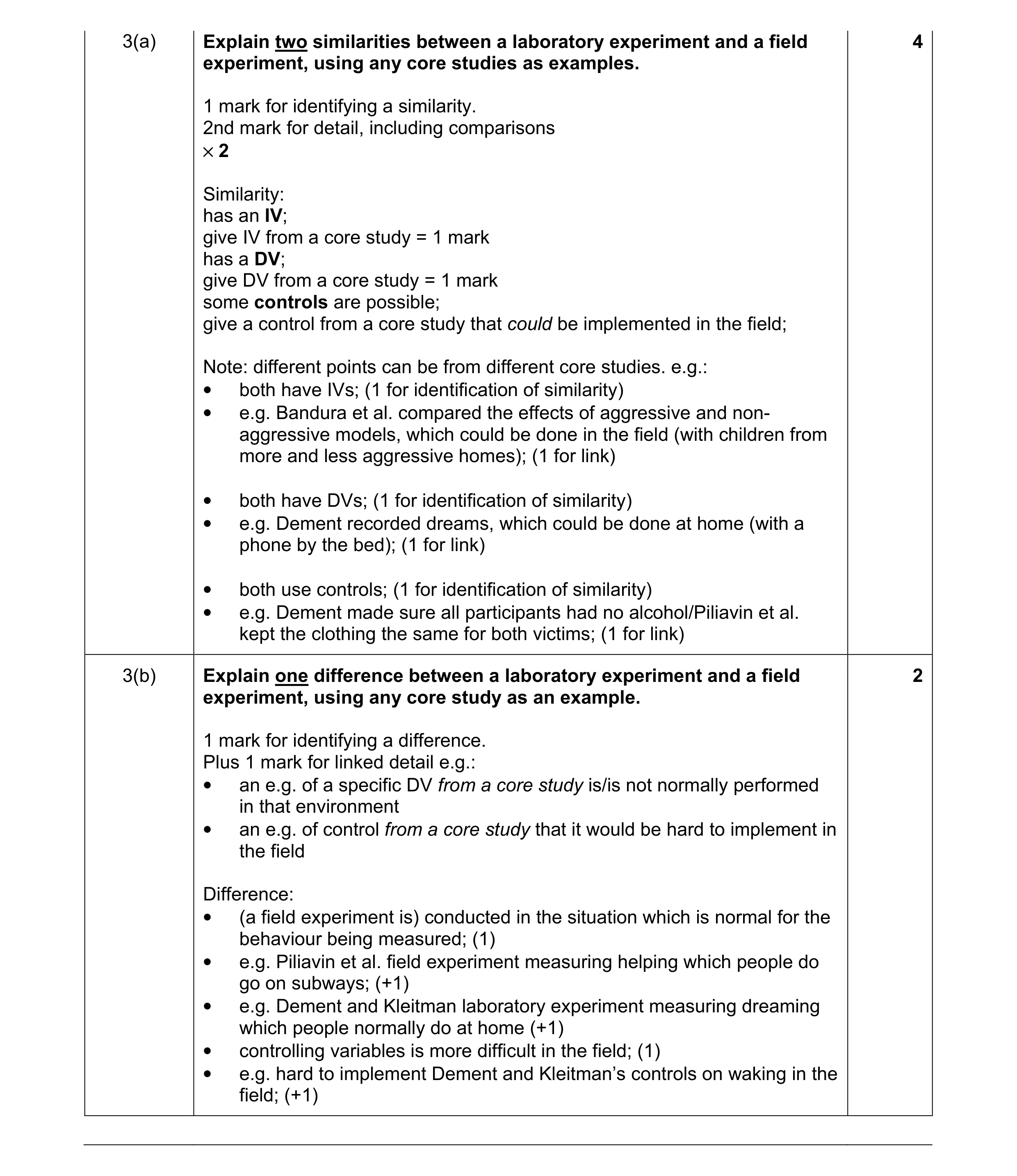 6
6 2
2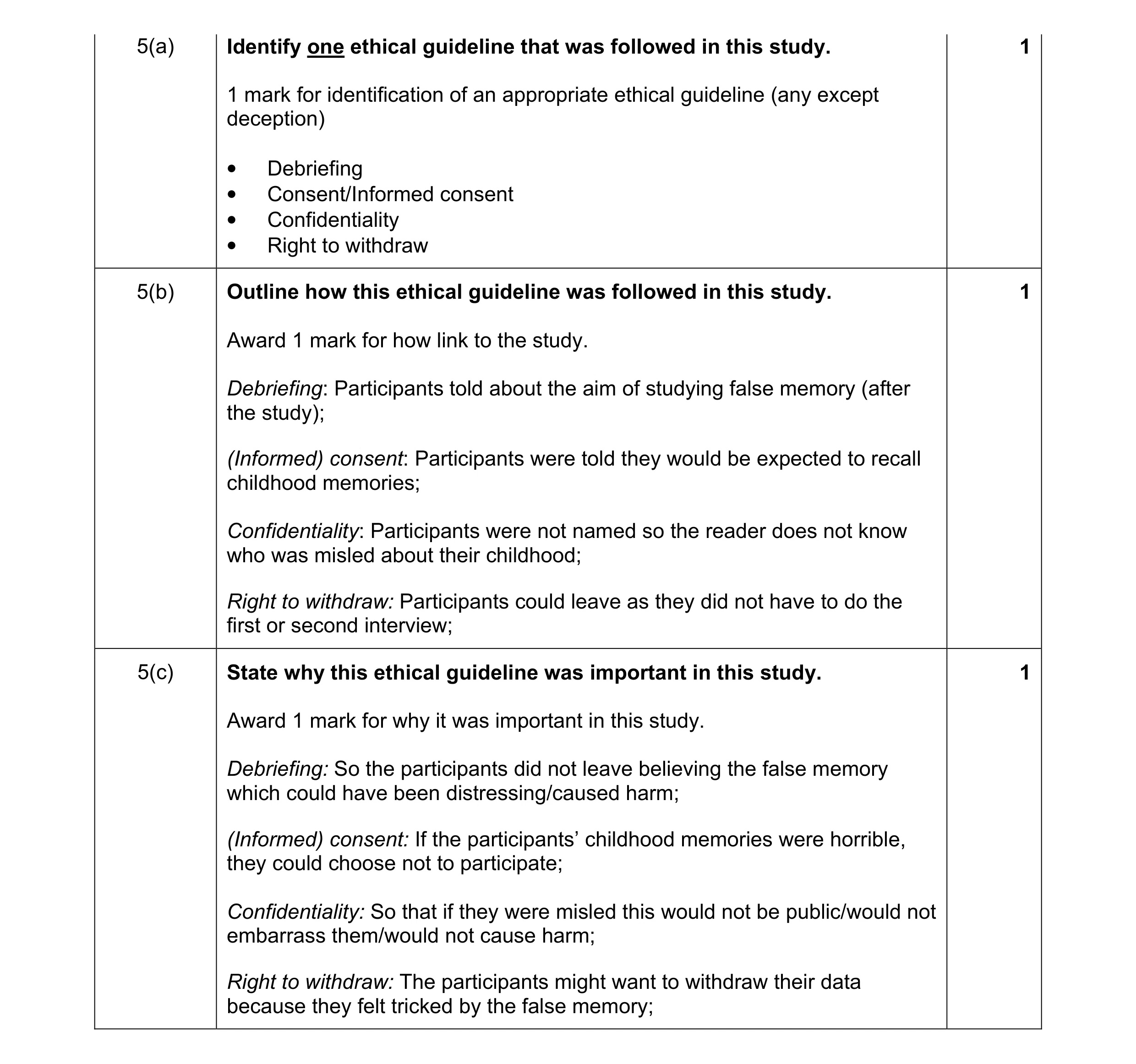 3
3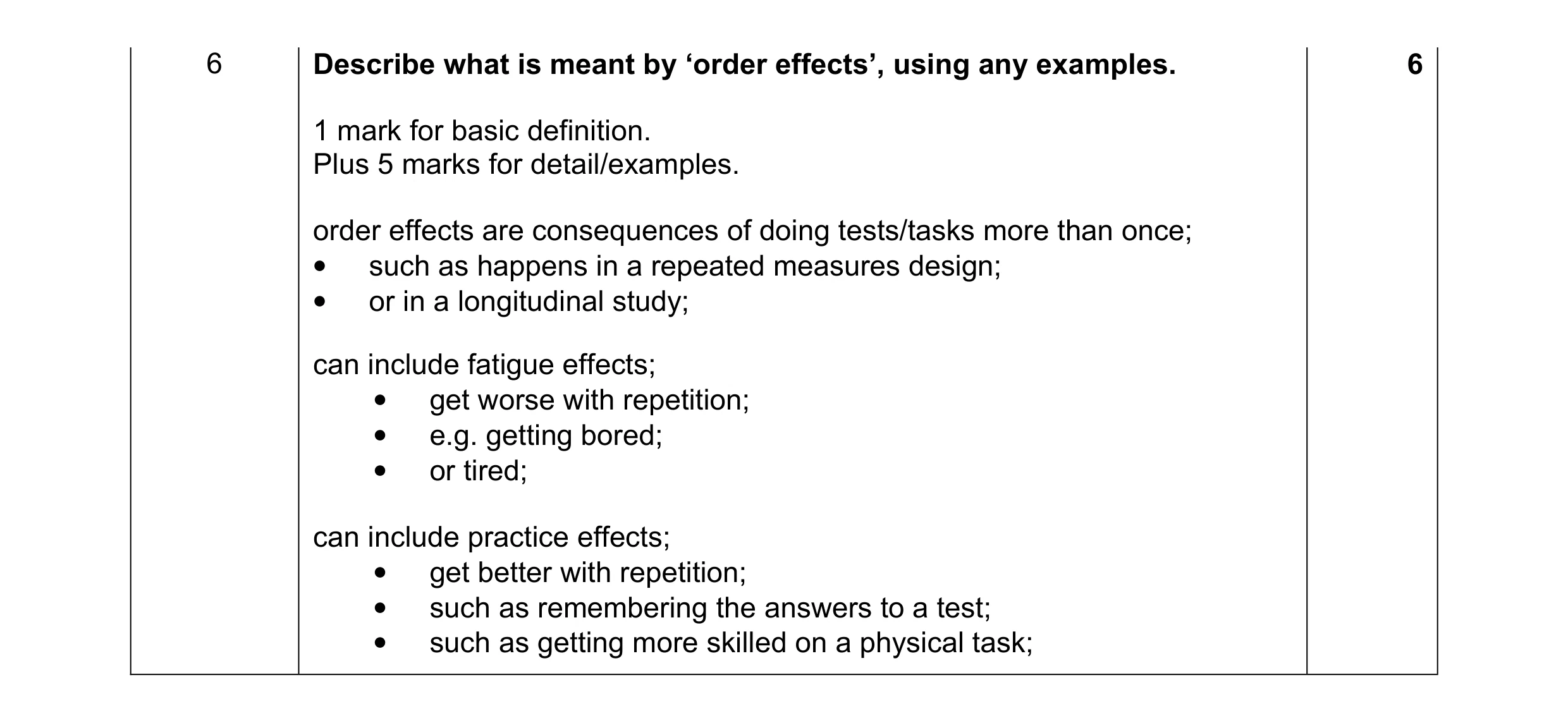 6
6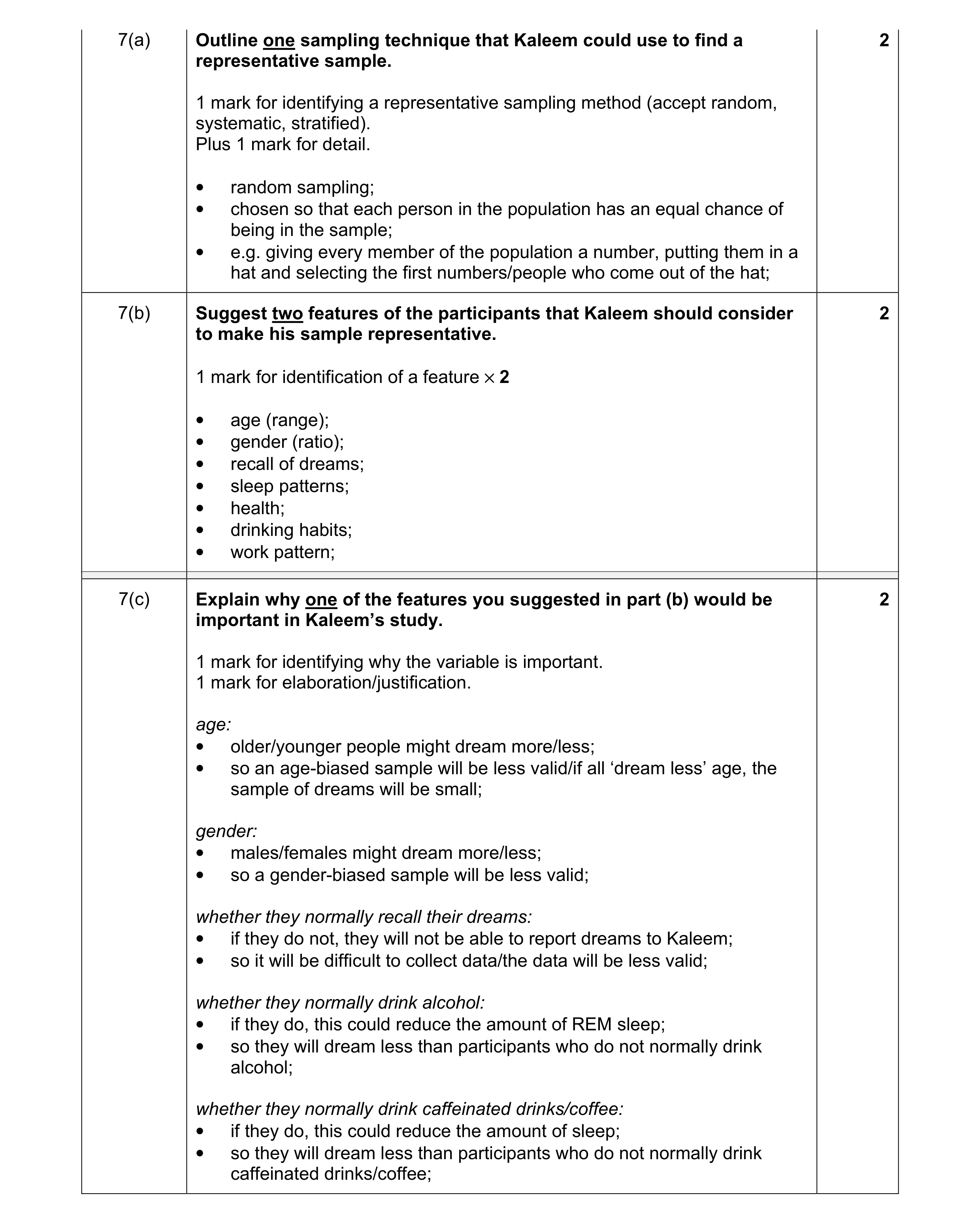 6
6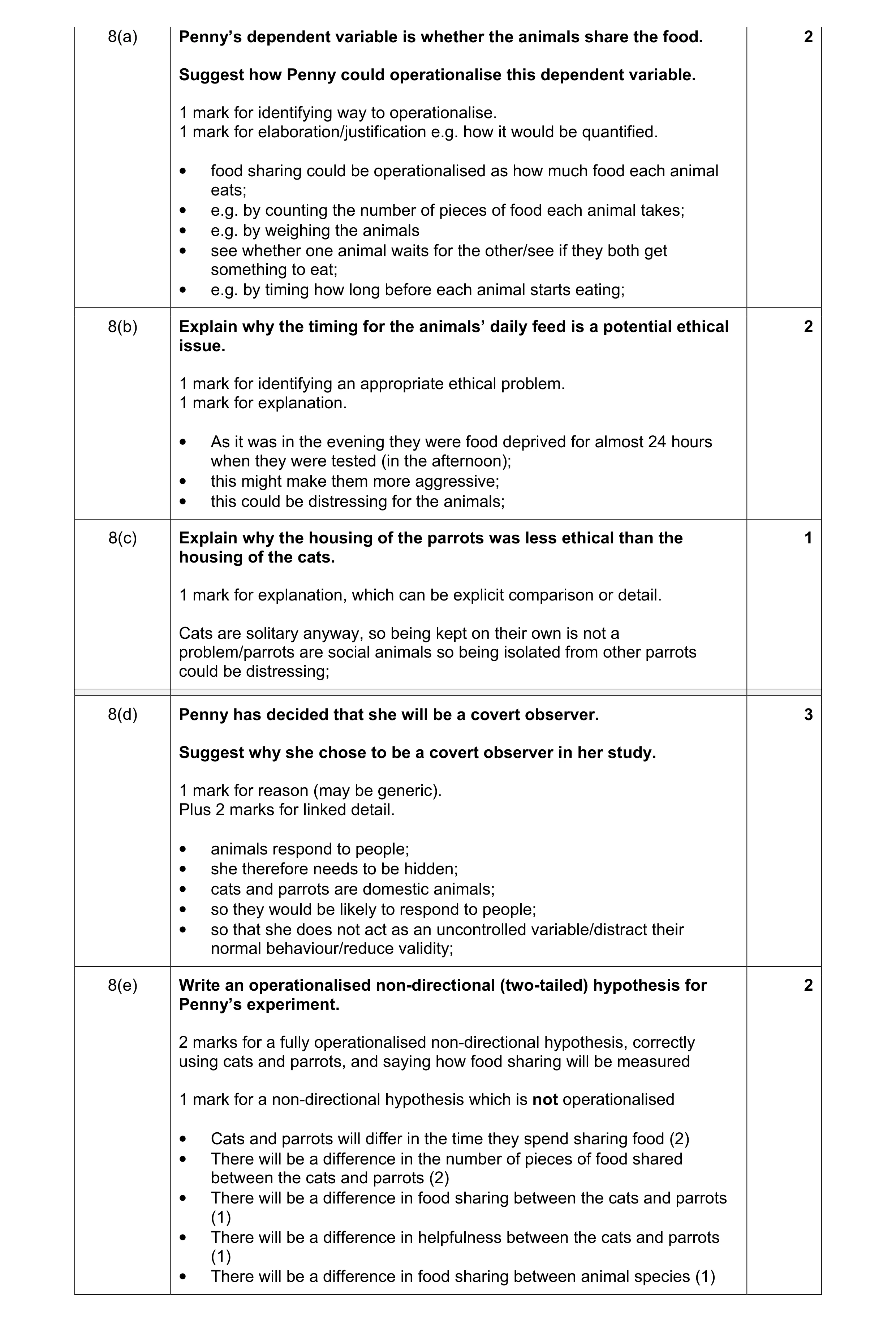 10
10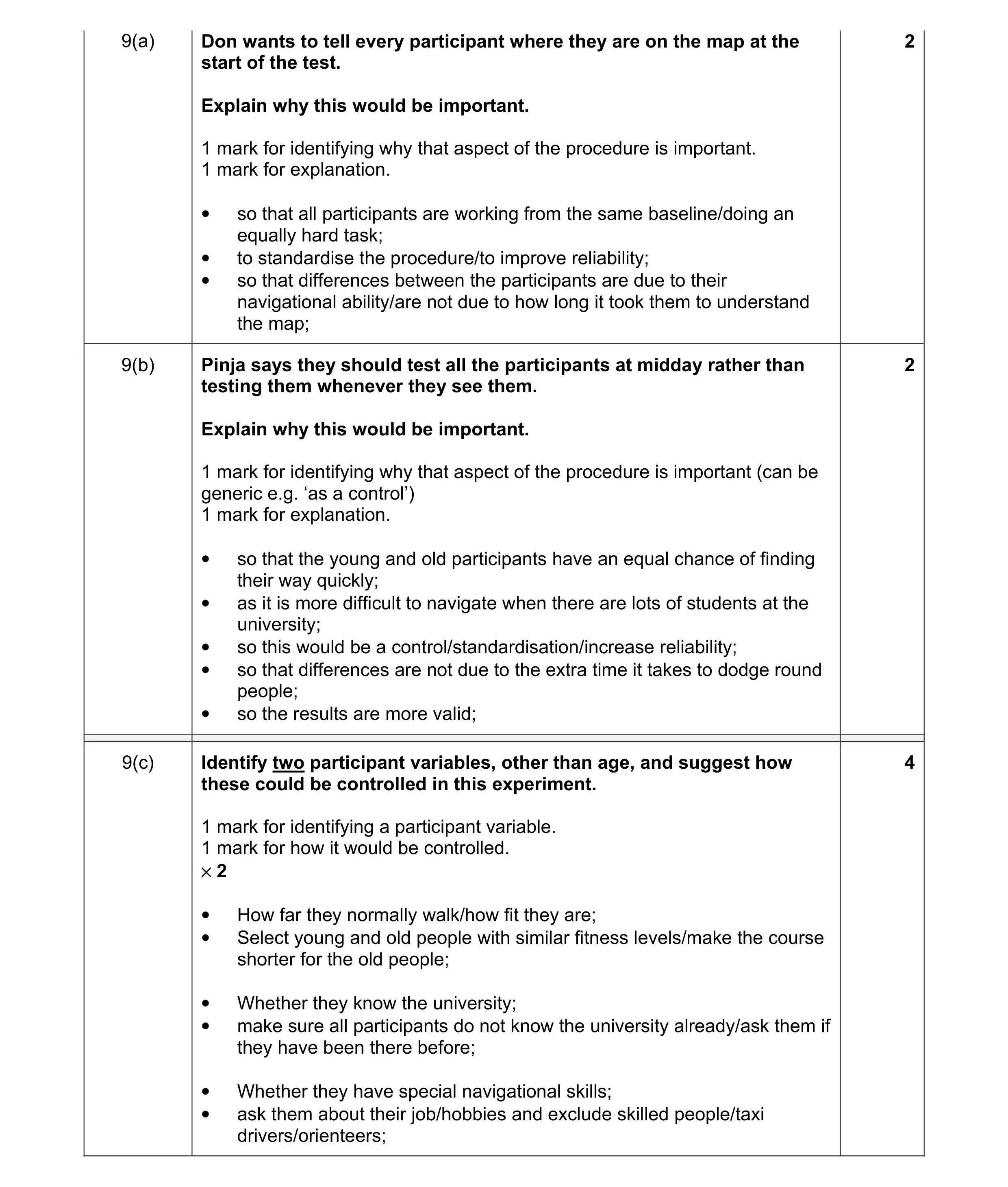 8
8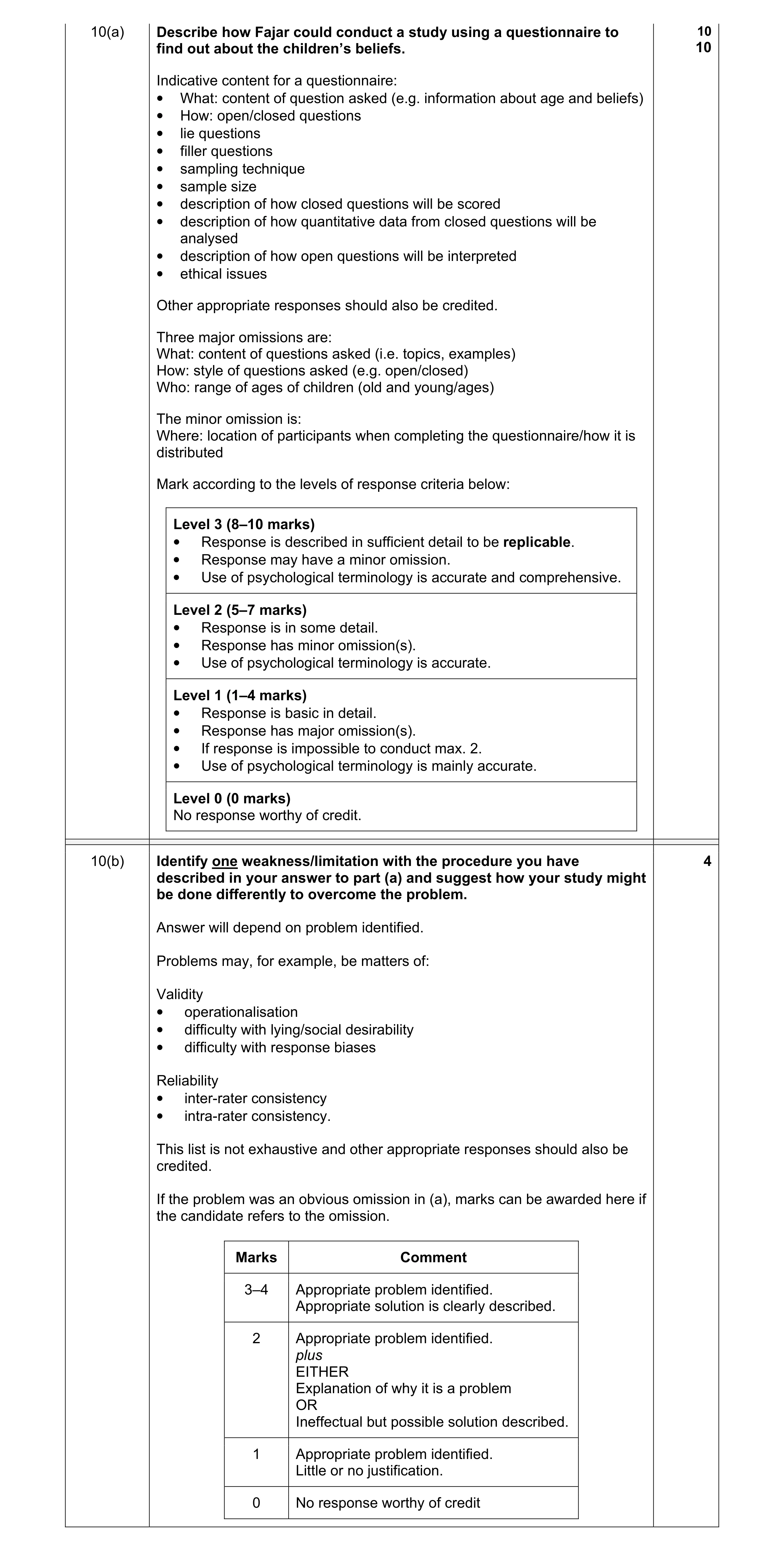 14
14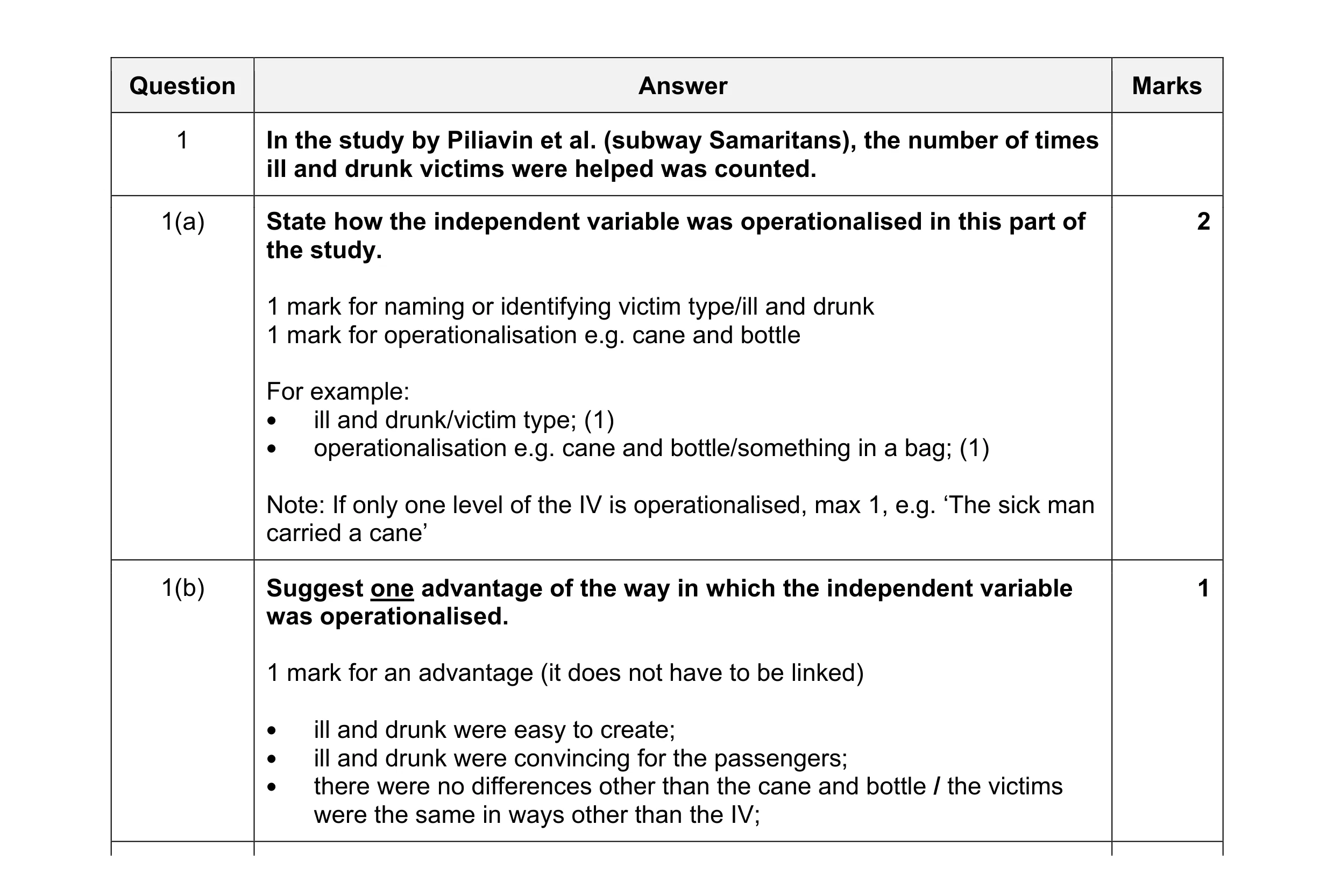 3
3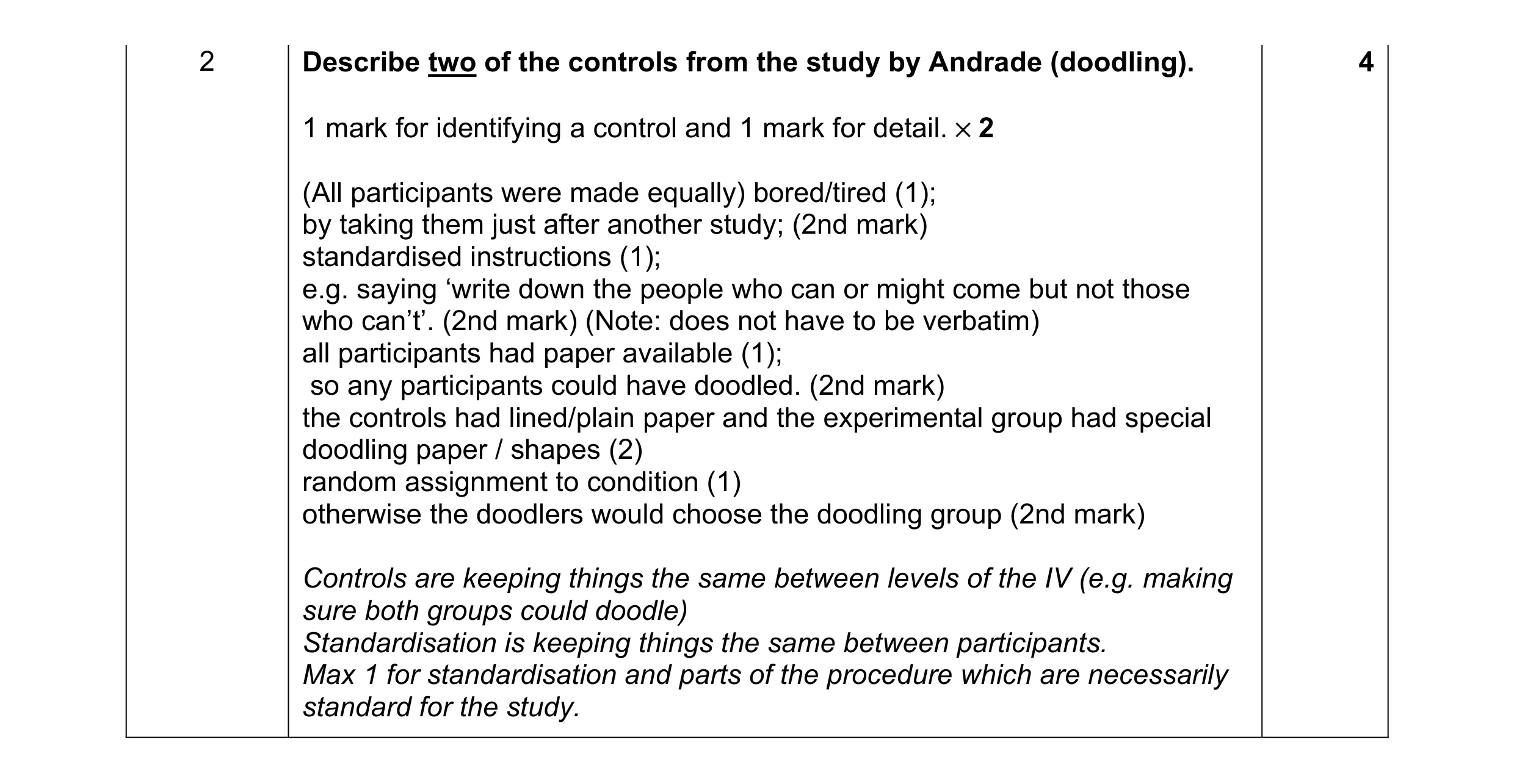 4
4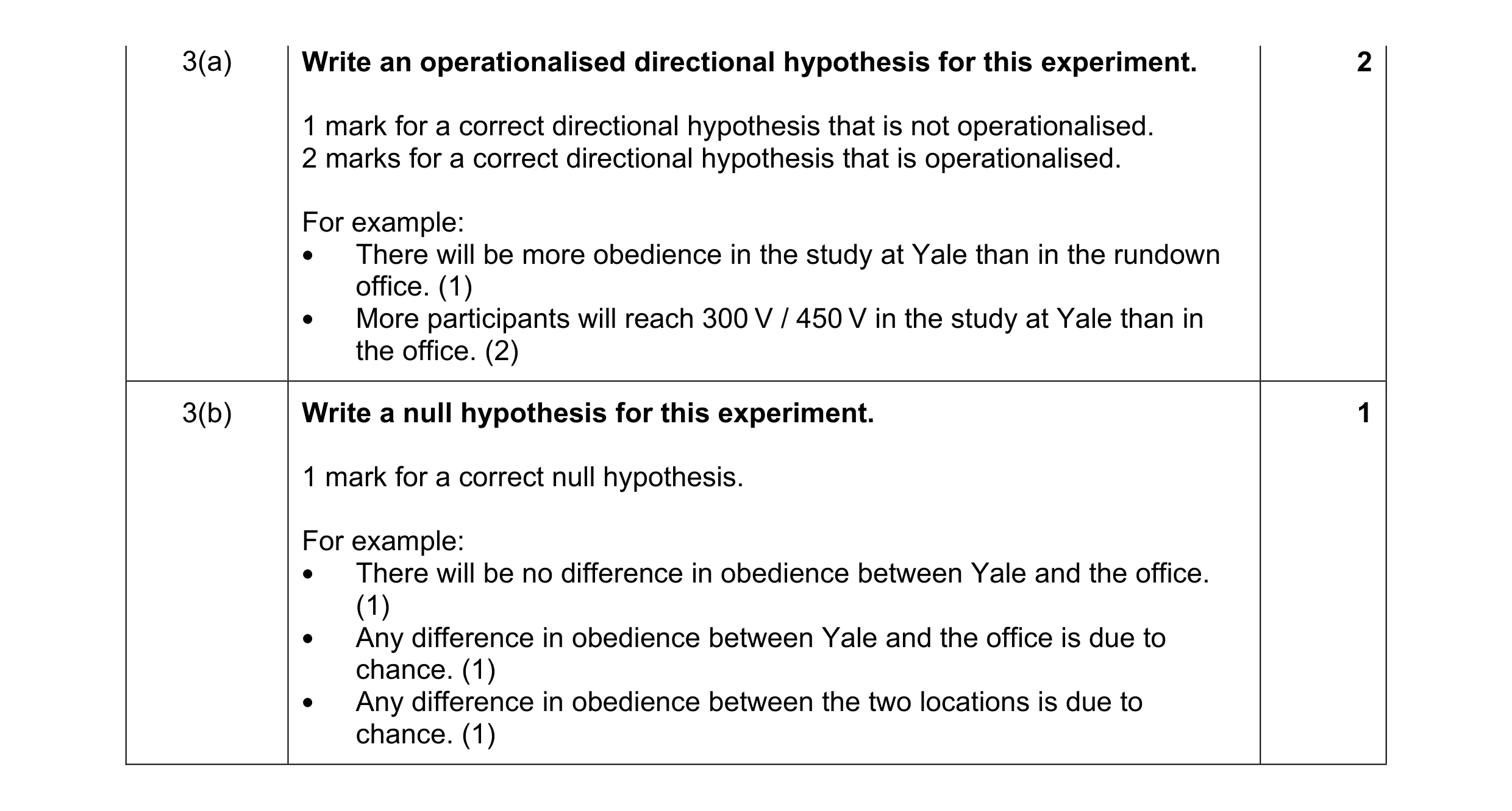 3
3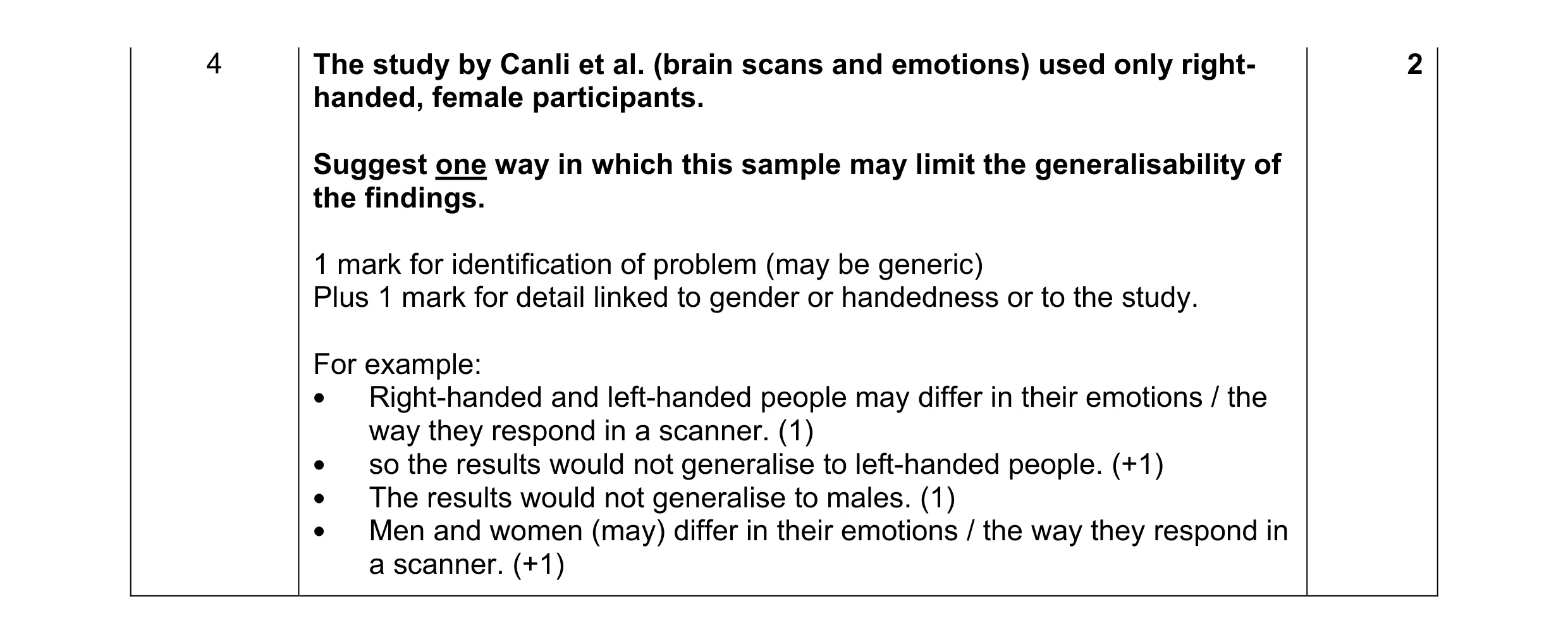 2
2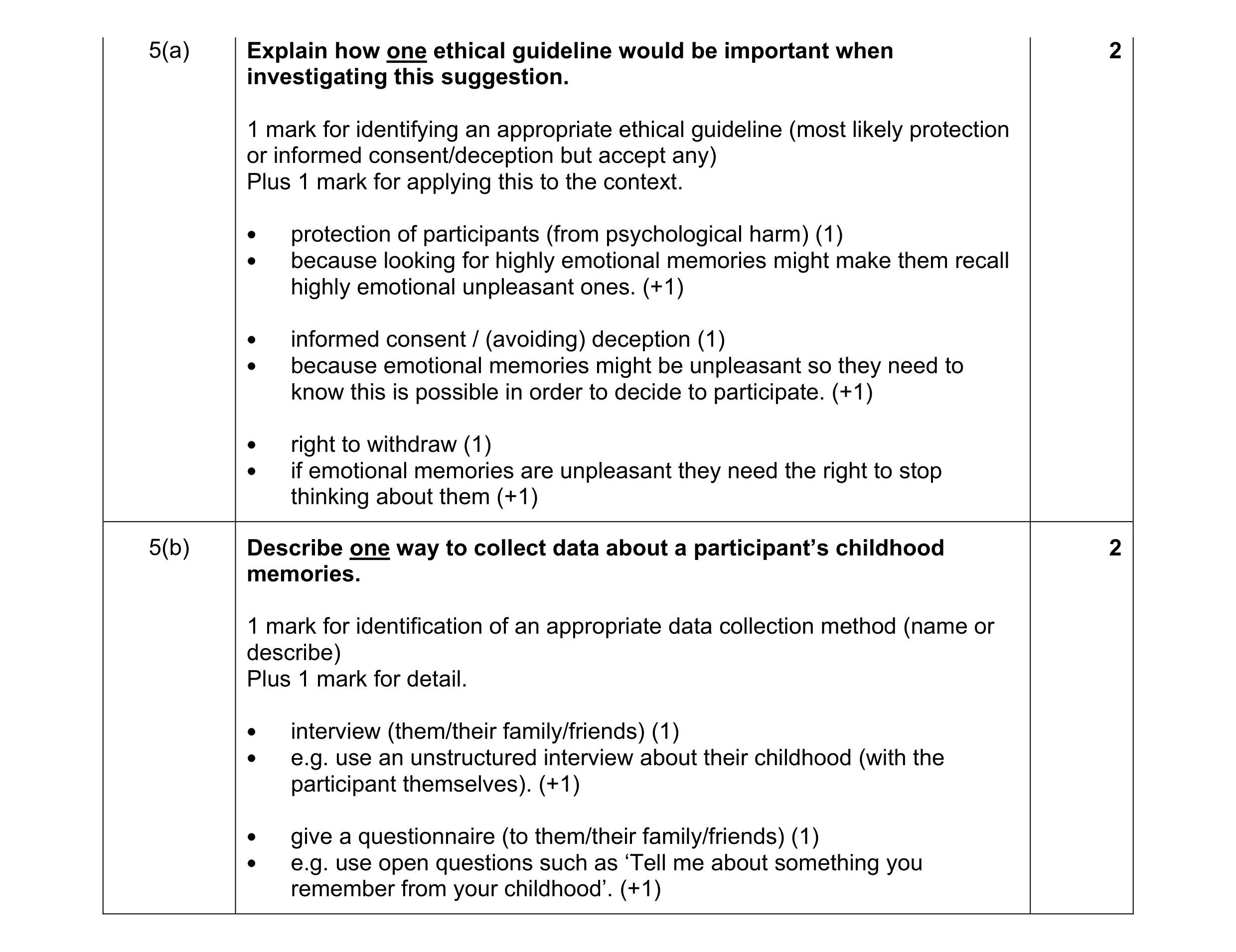 4
4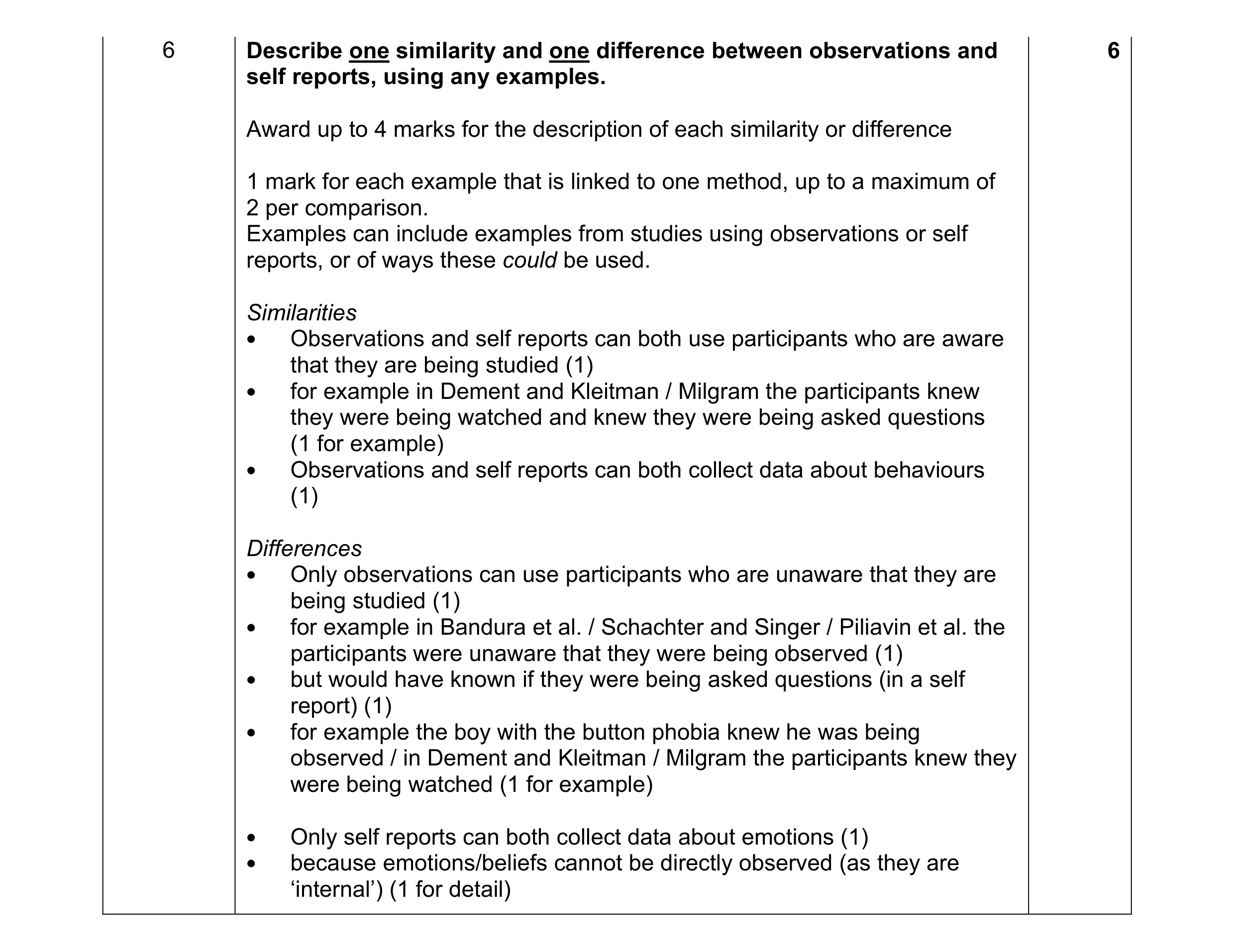 6
6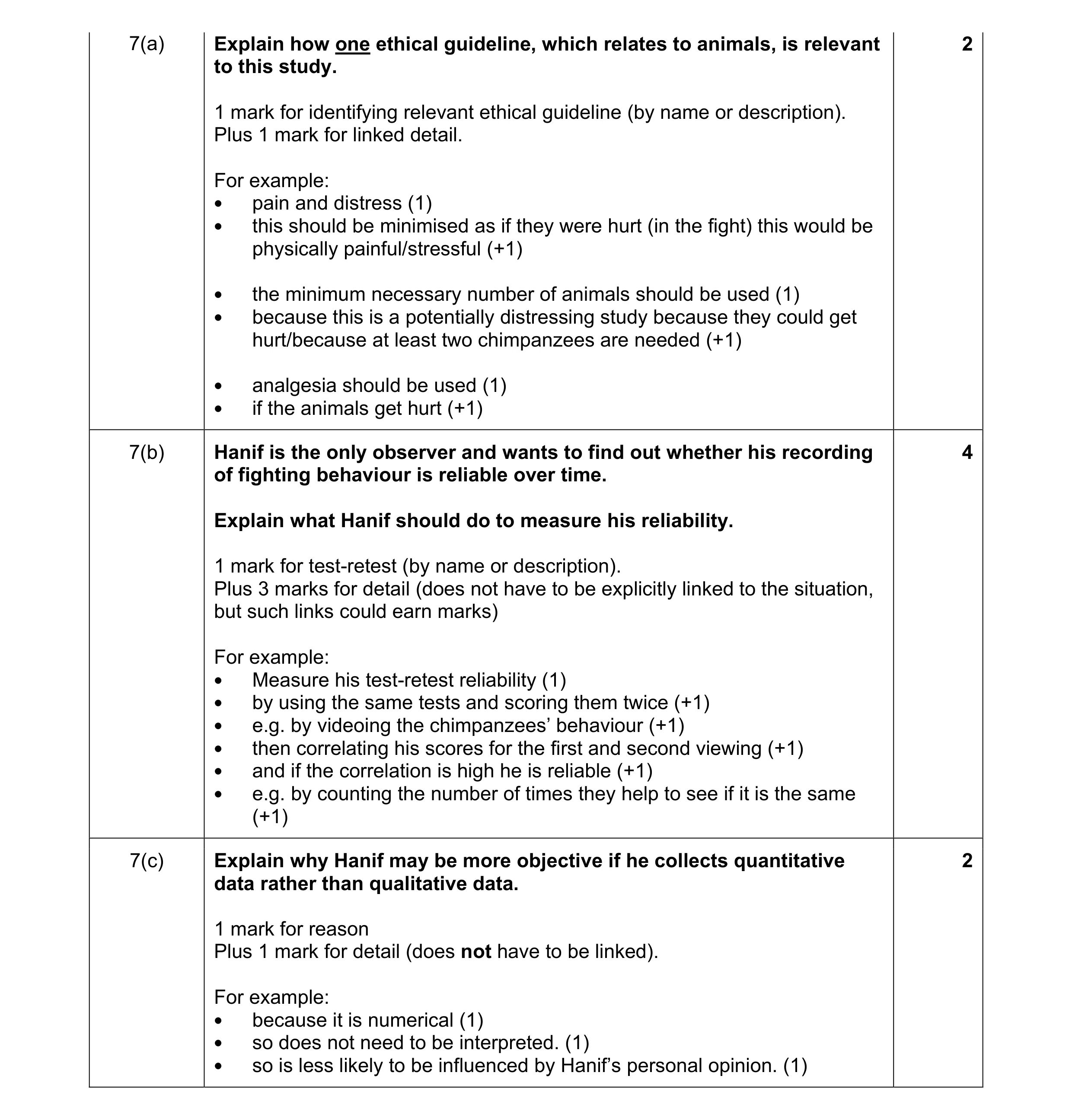 8
8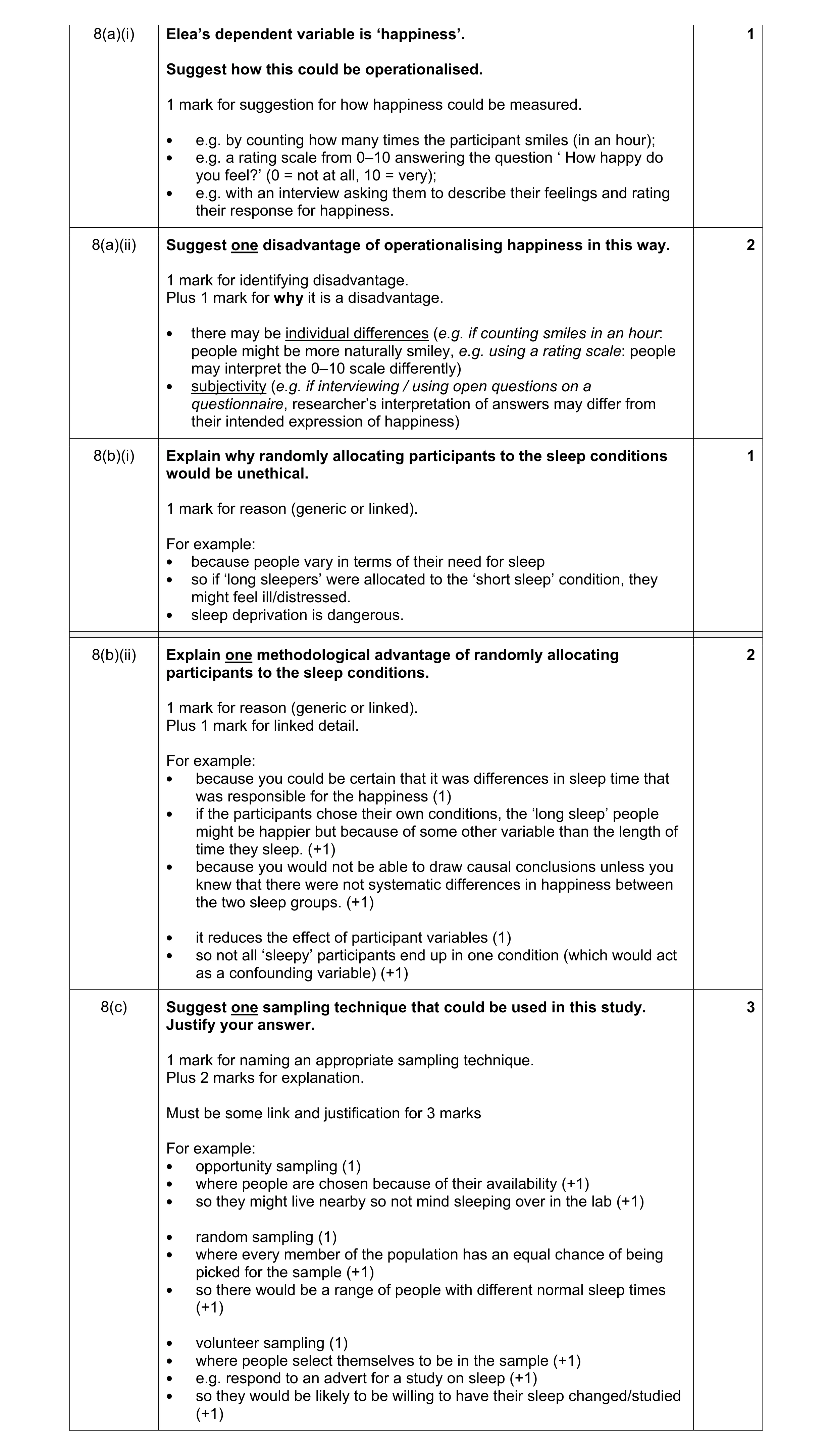 9
9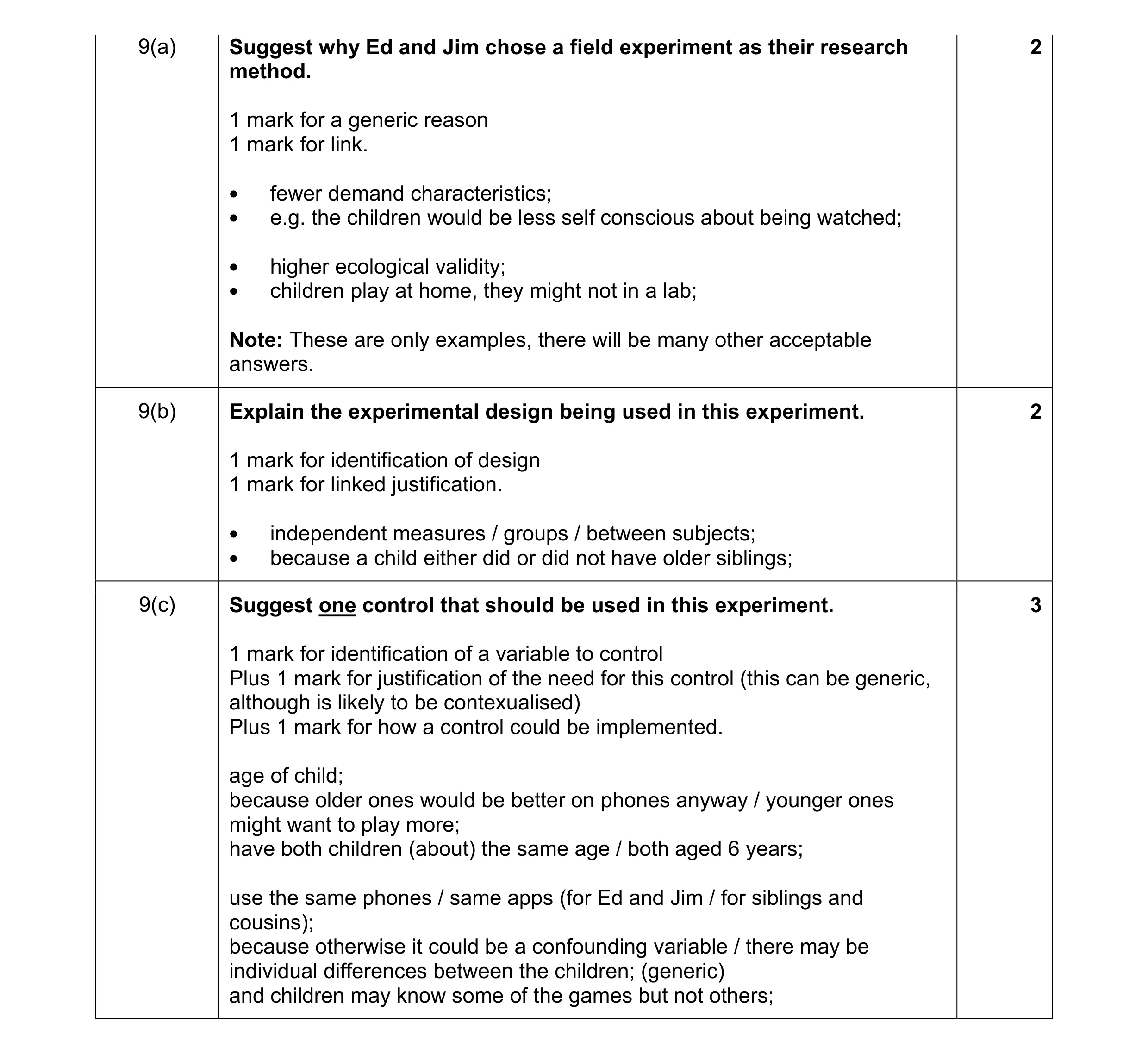 7
7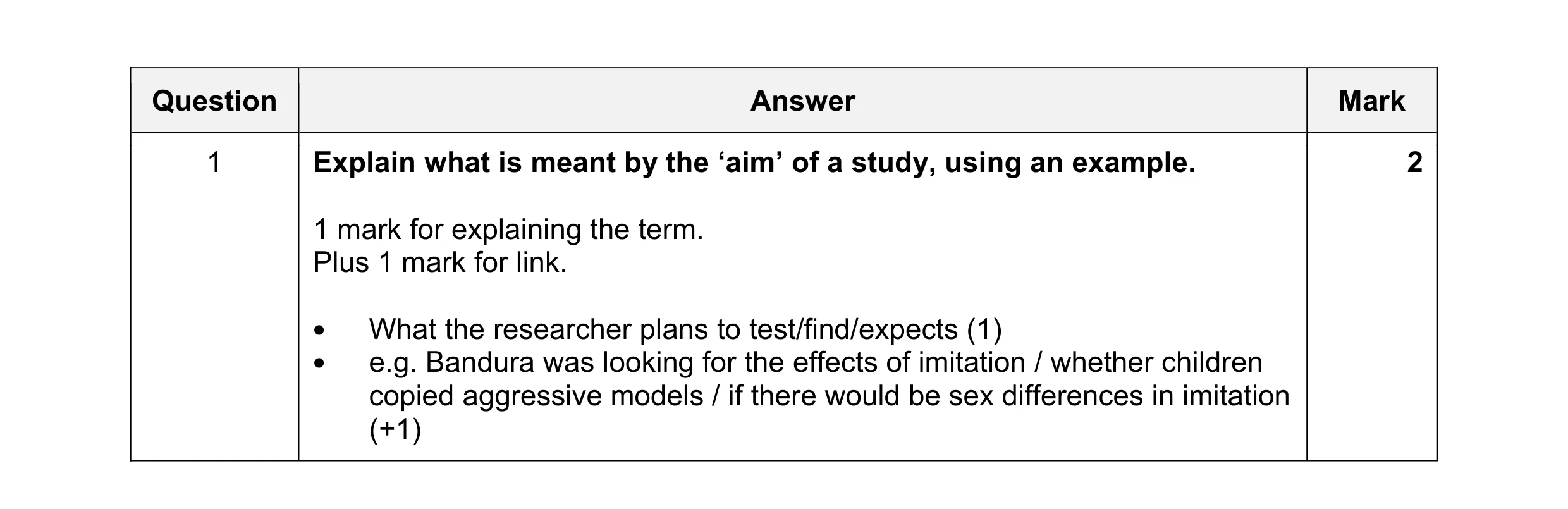 2
2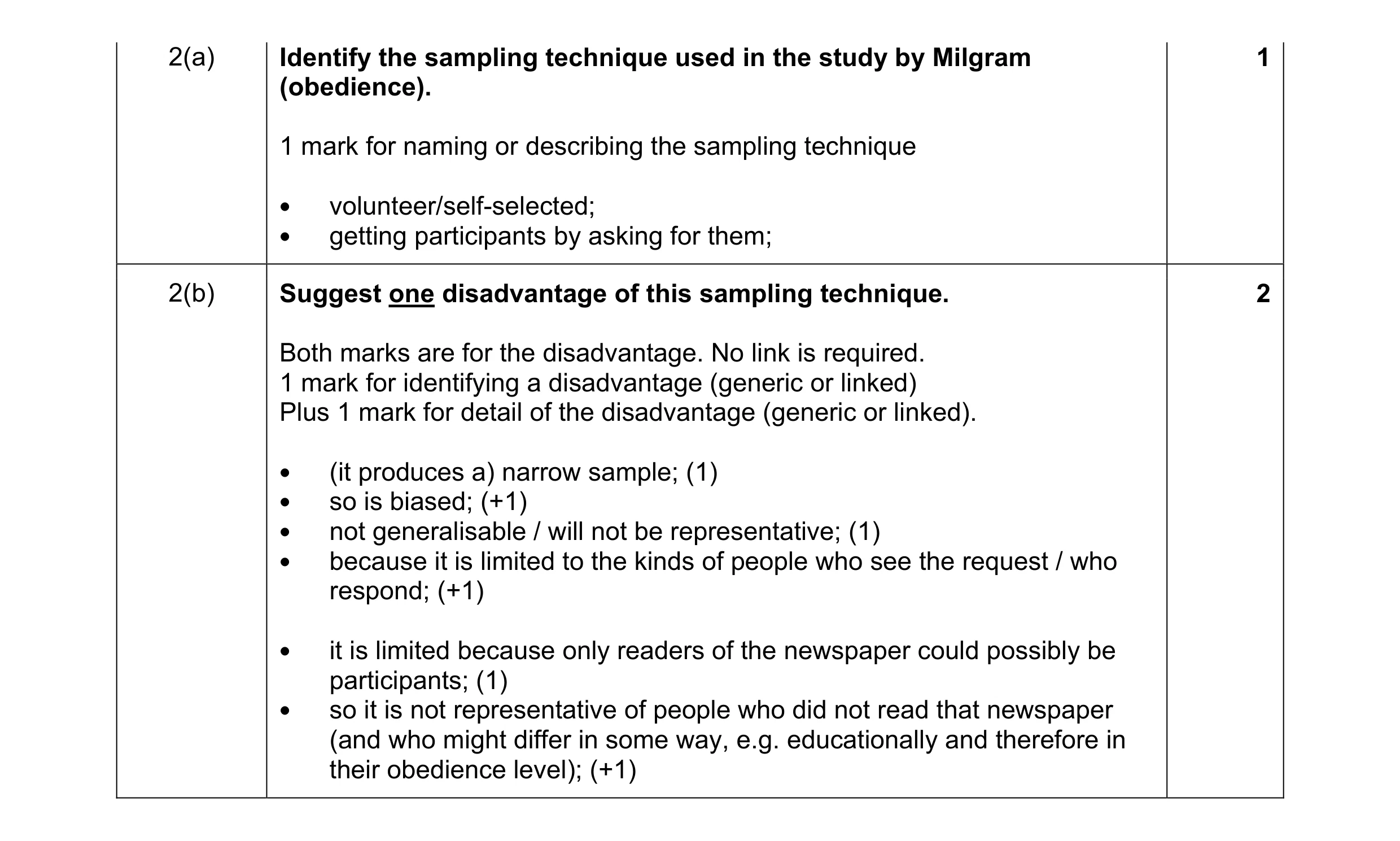 3
3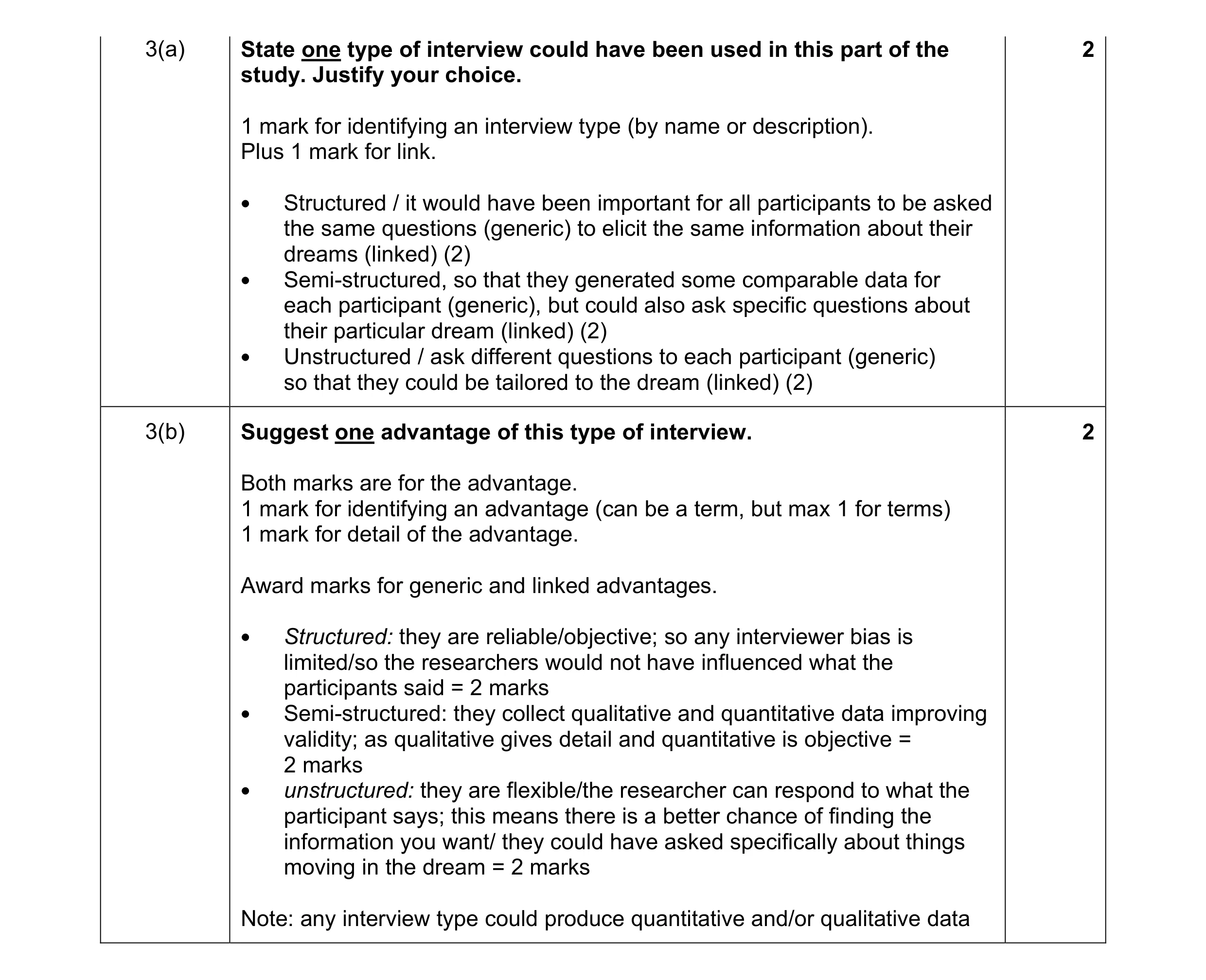 4
4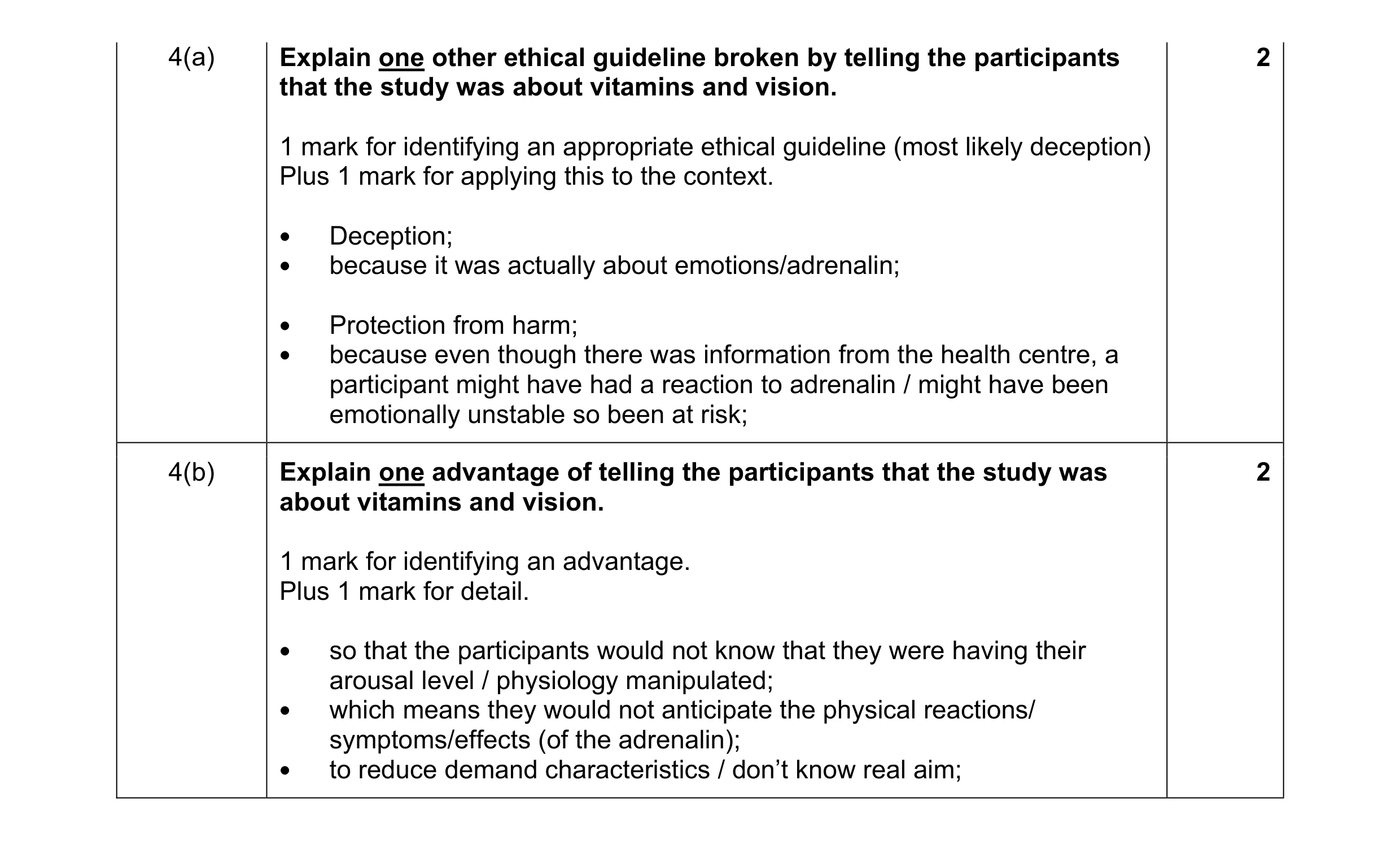 4
4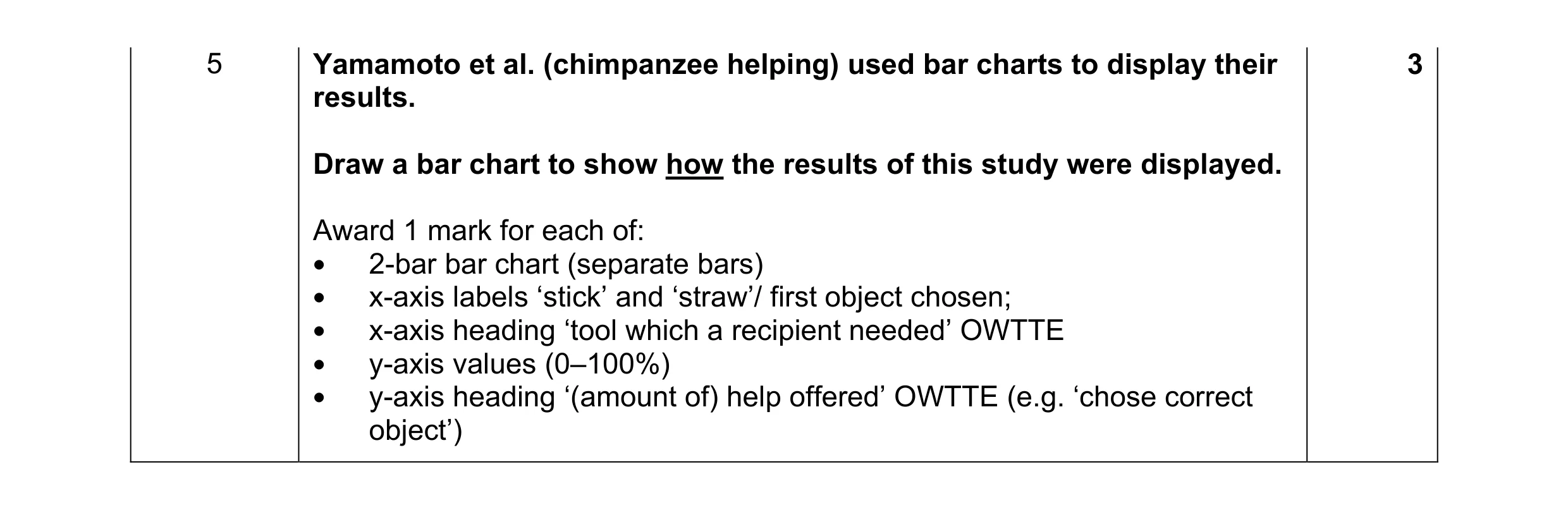 3
3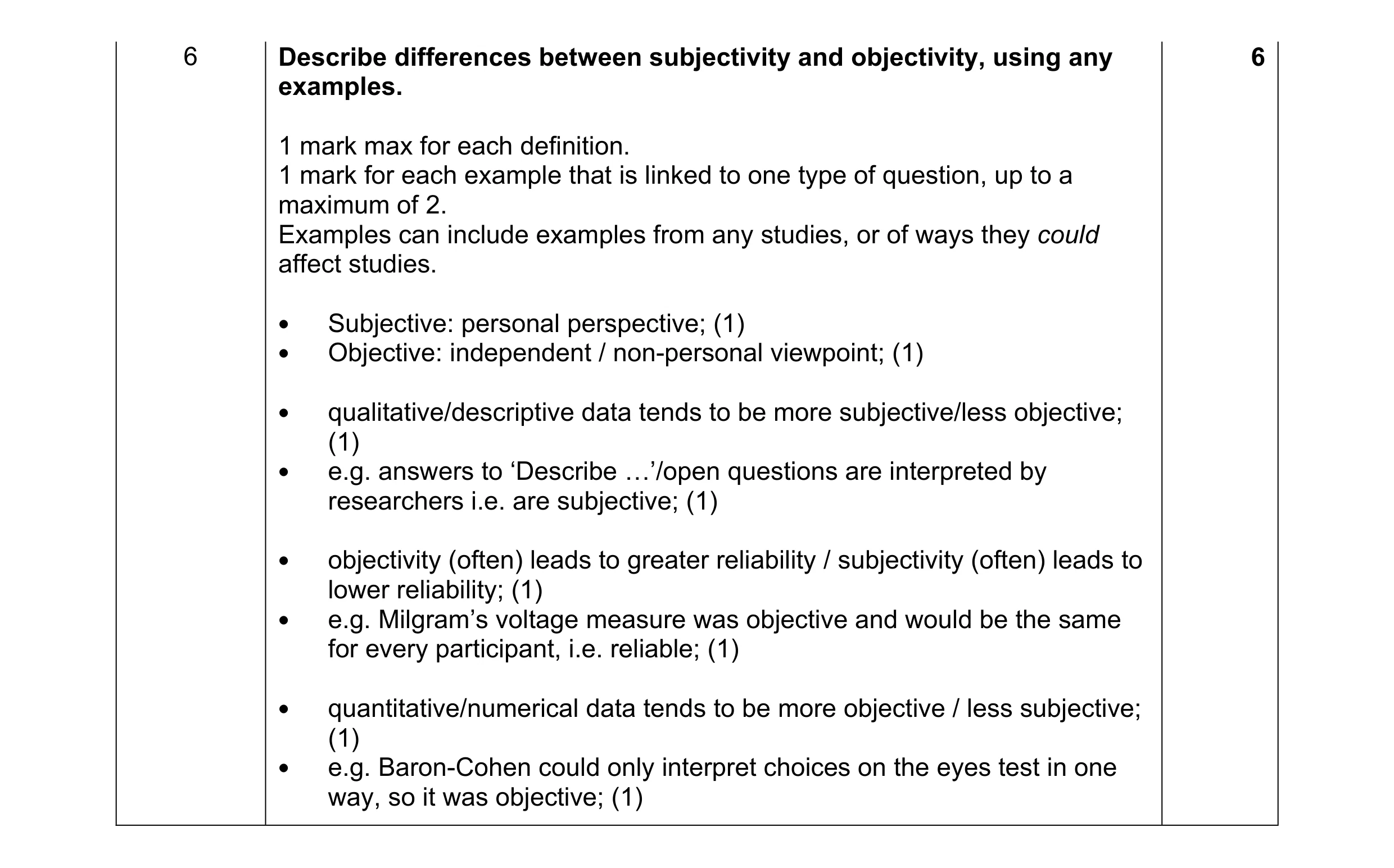 6
6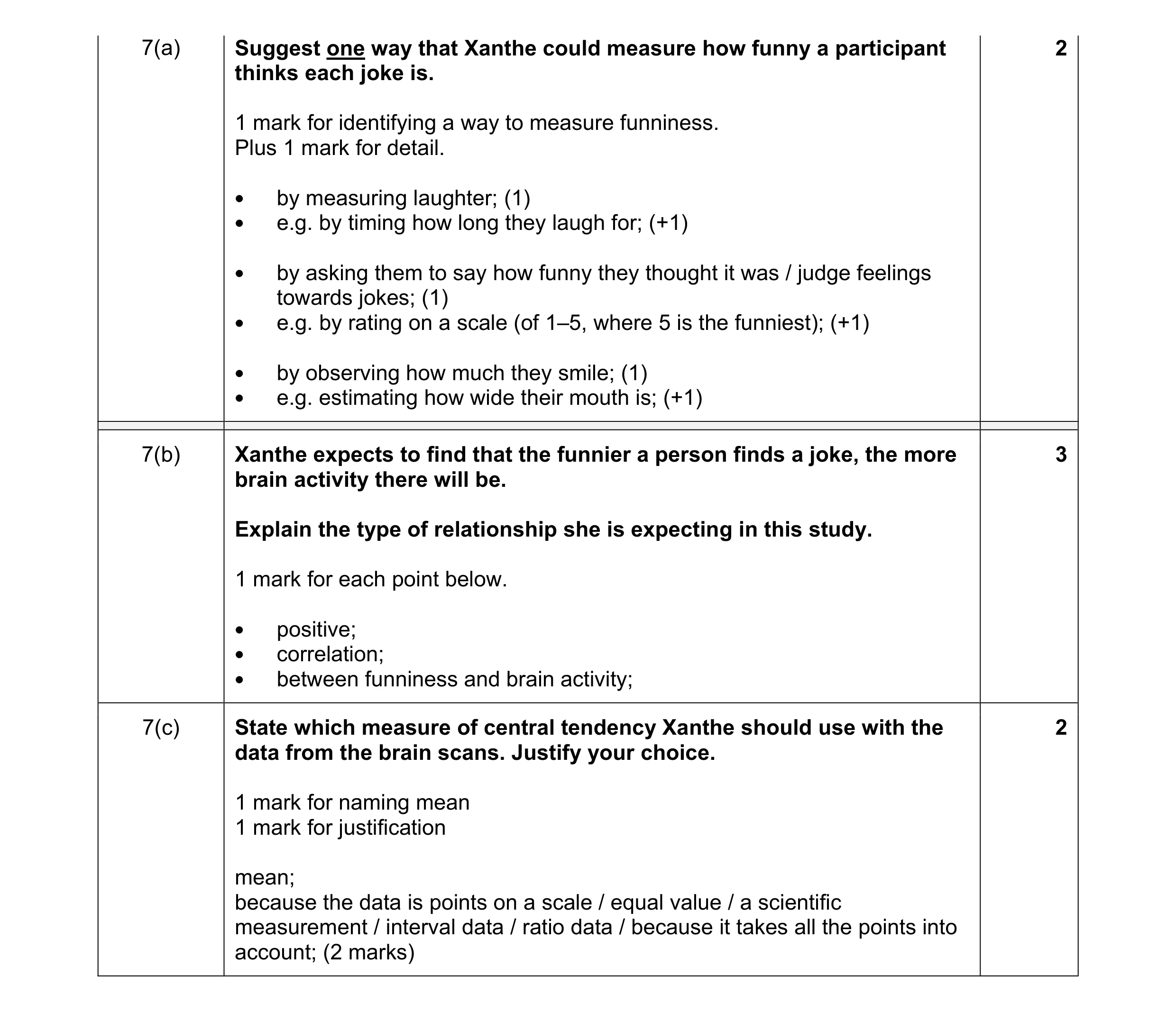 7
7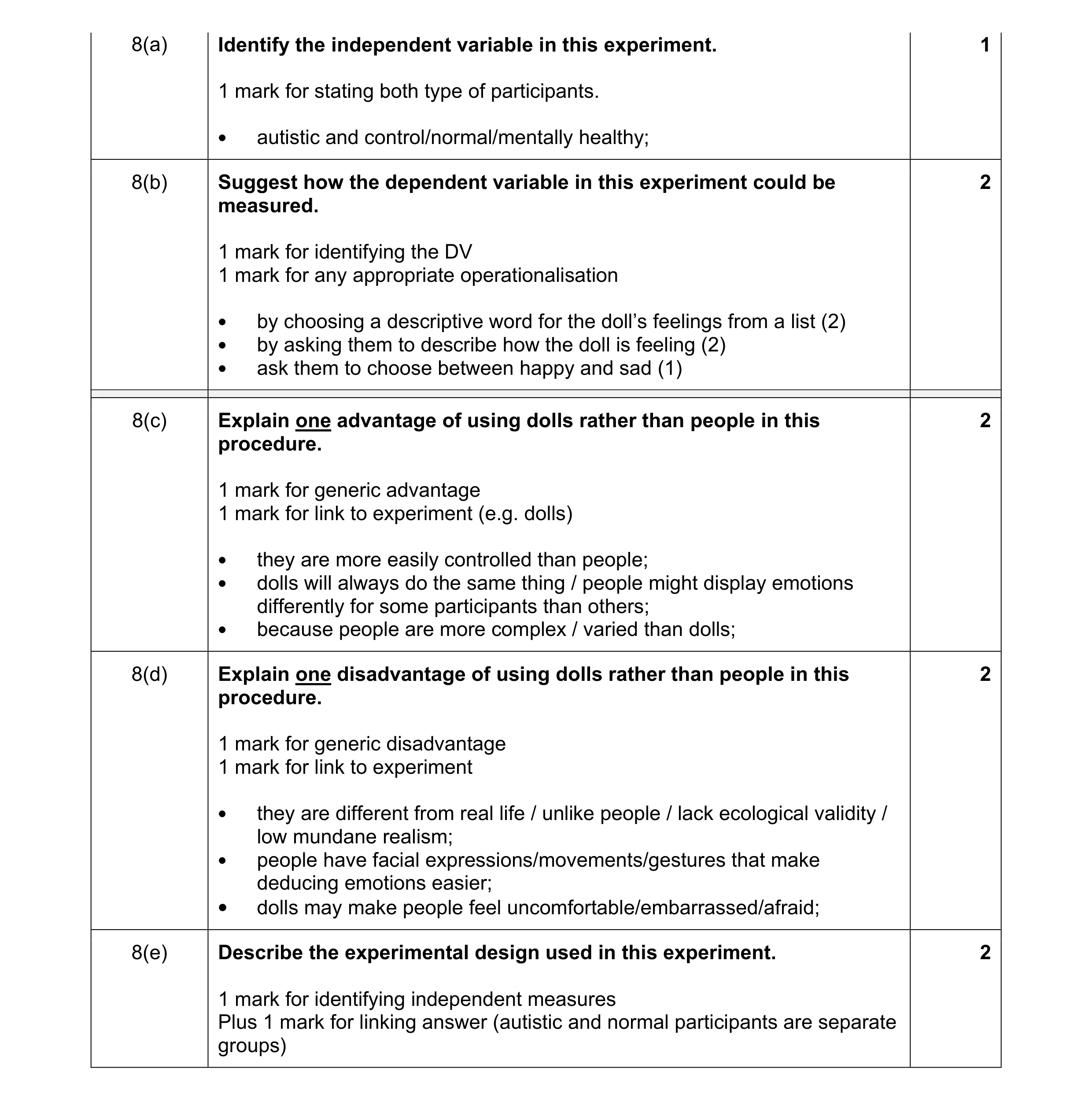 9
9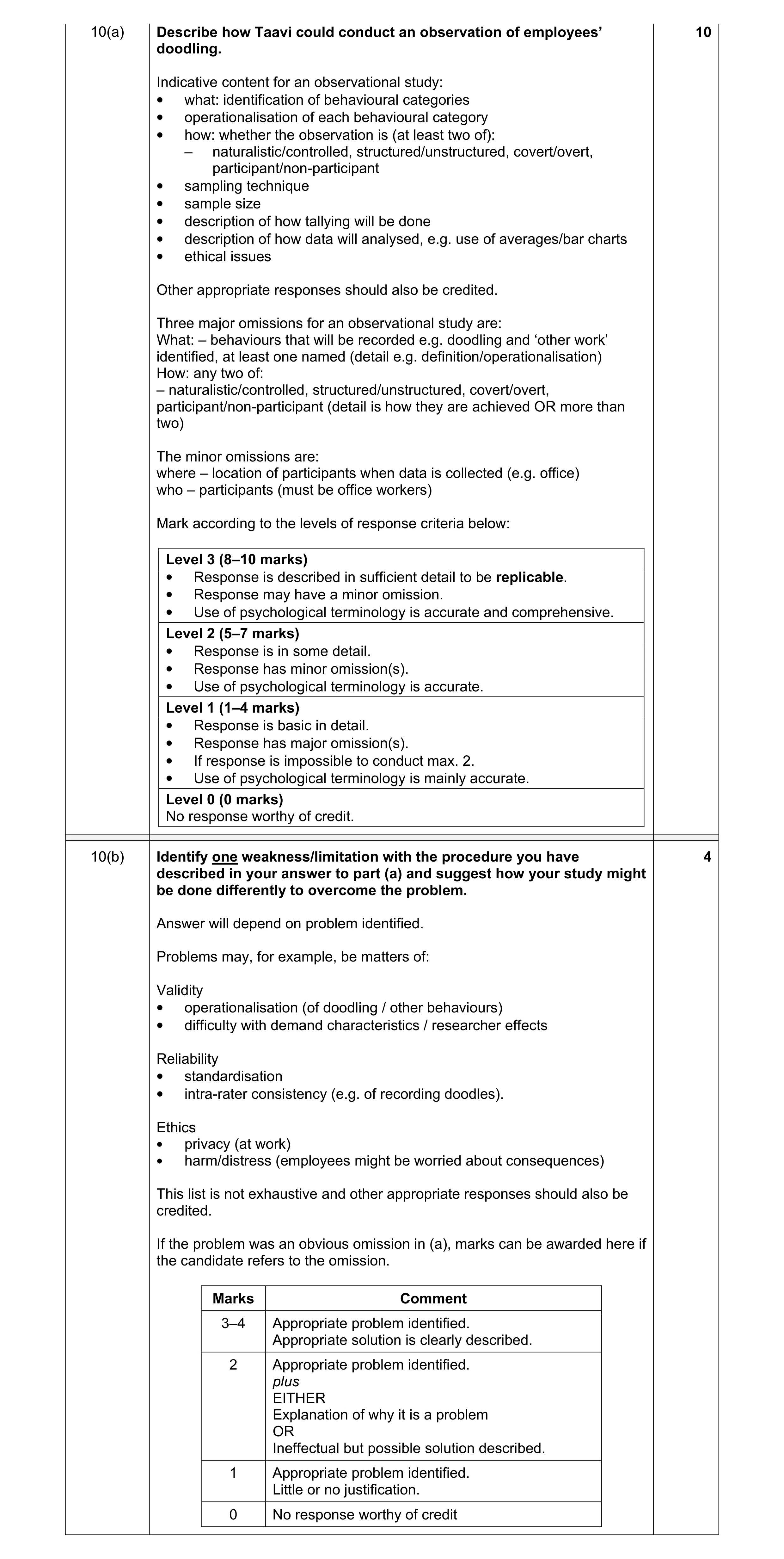 14
14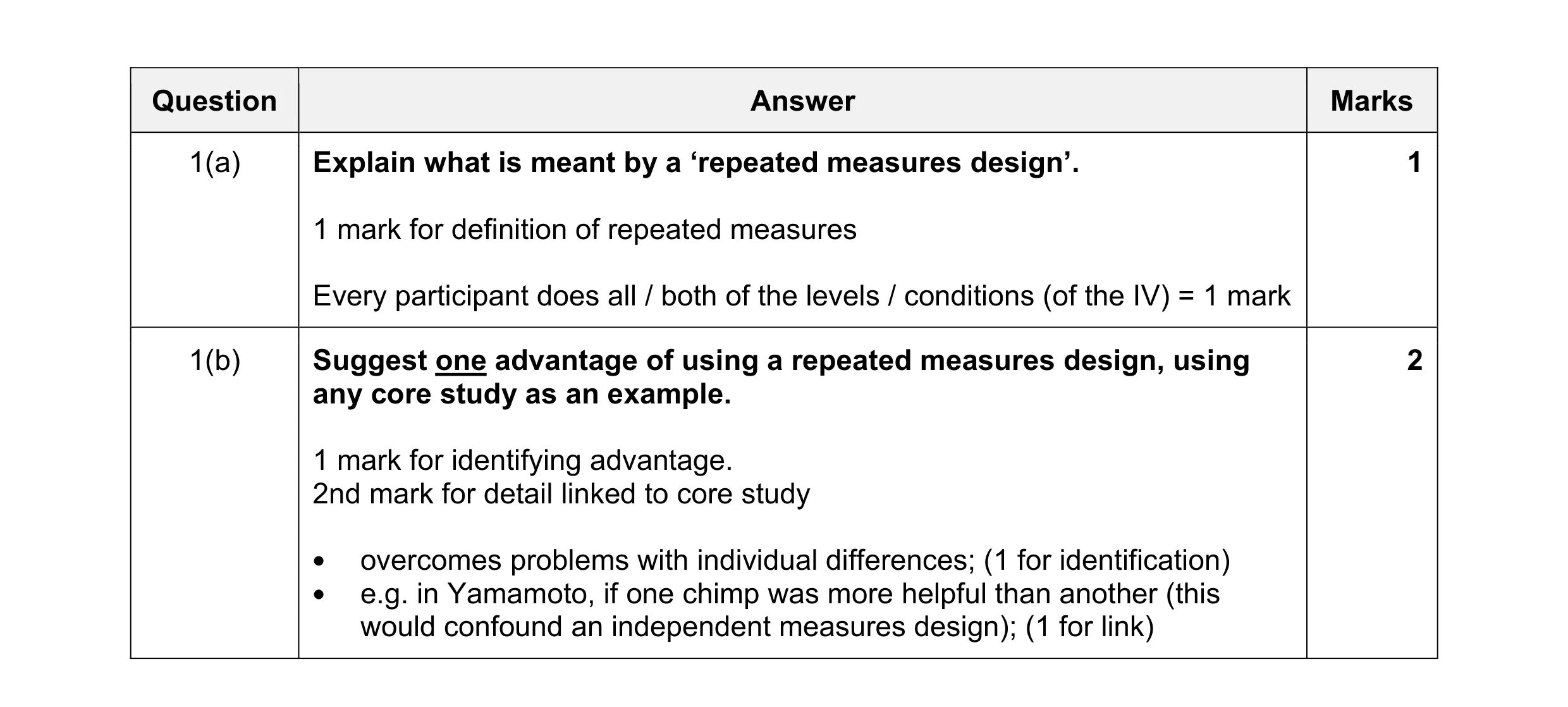 3
3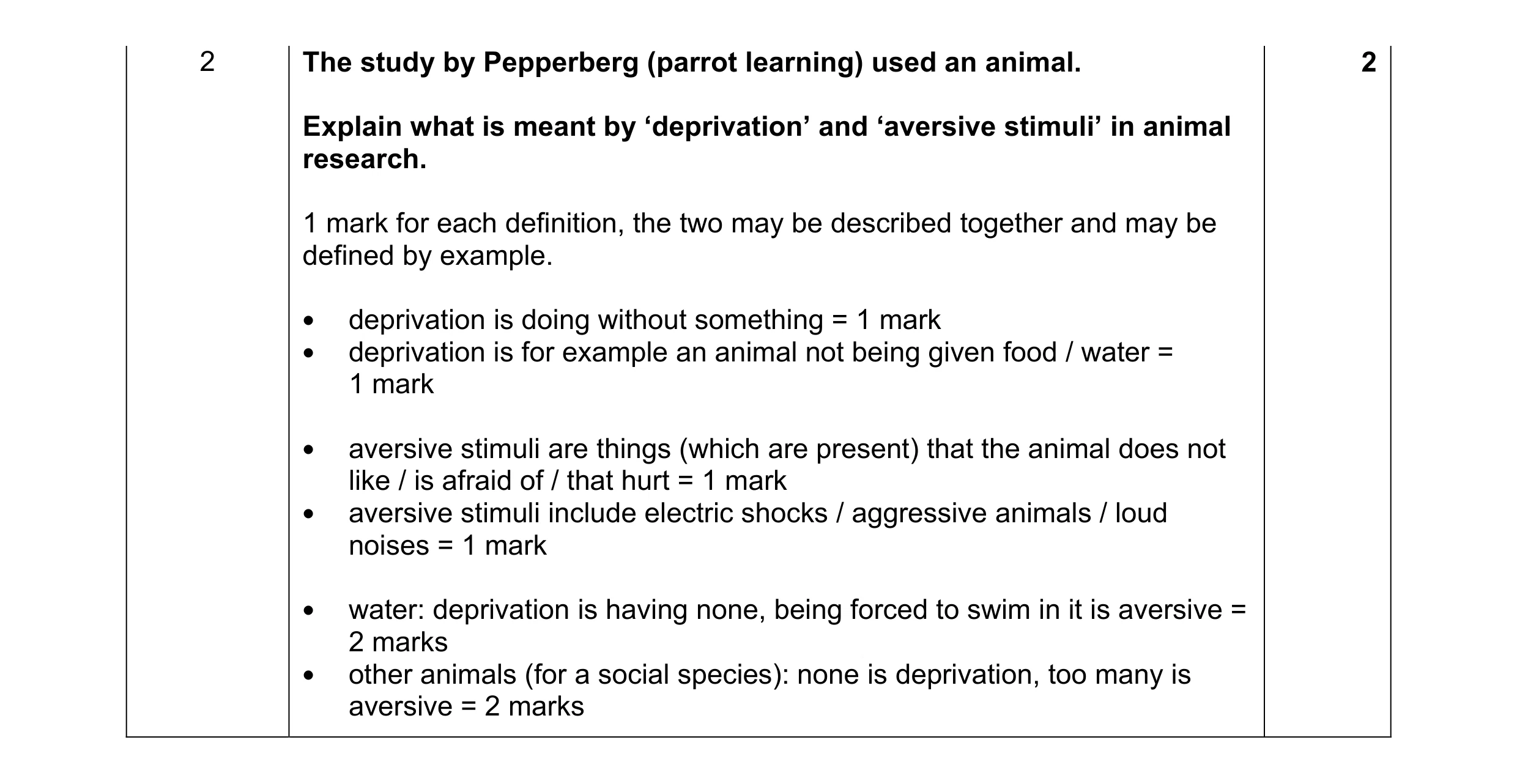 2
2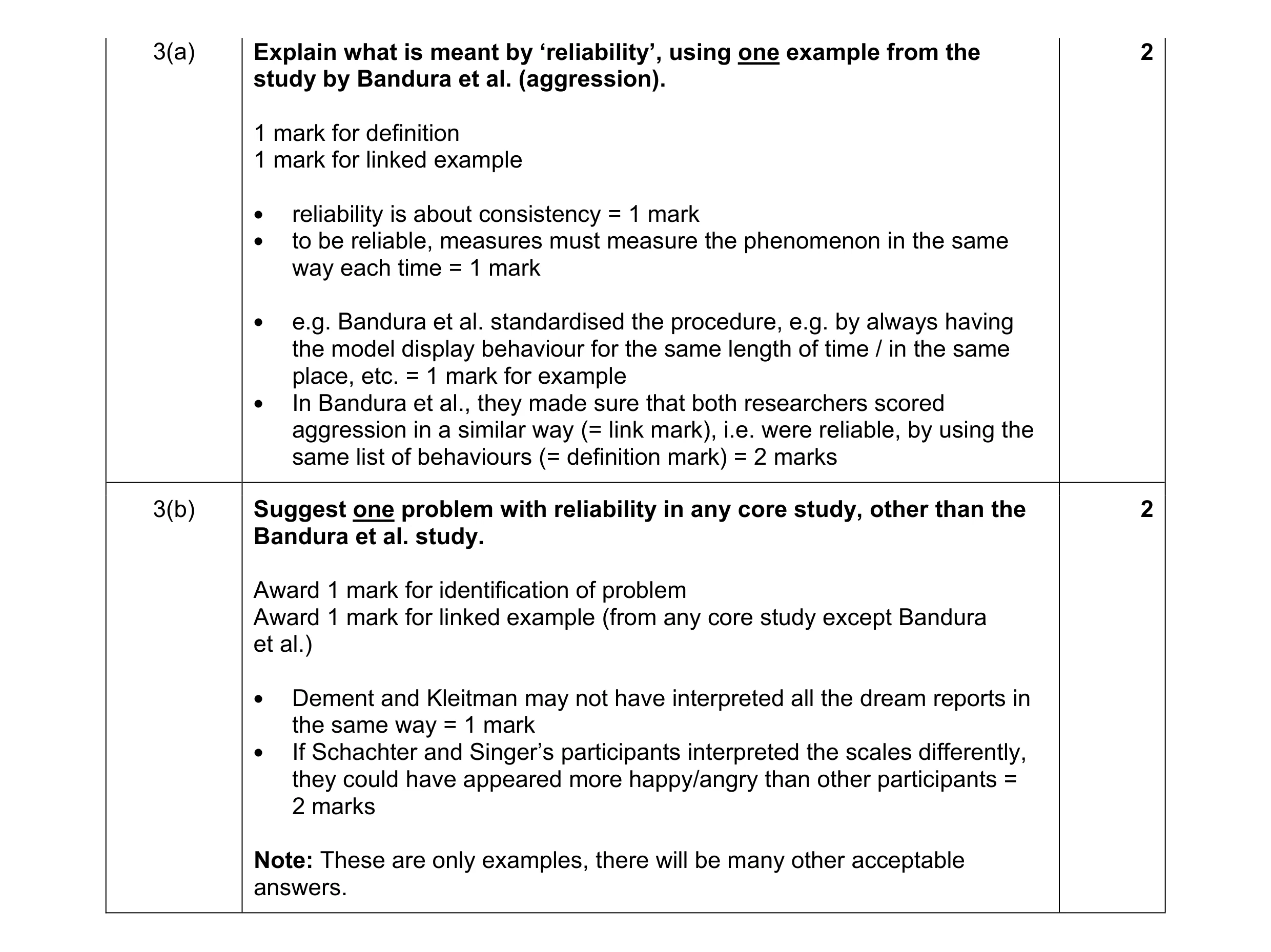 4
4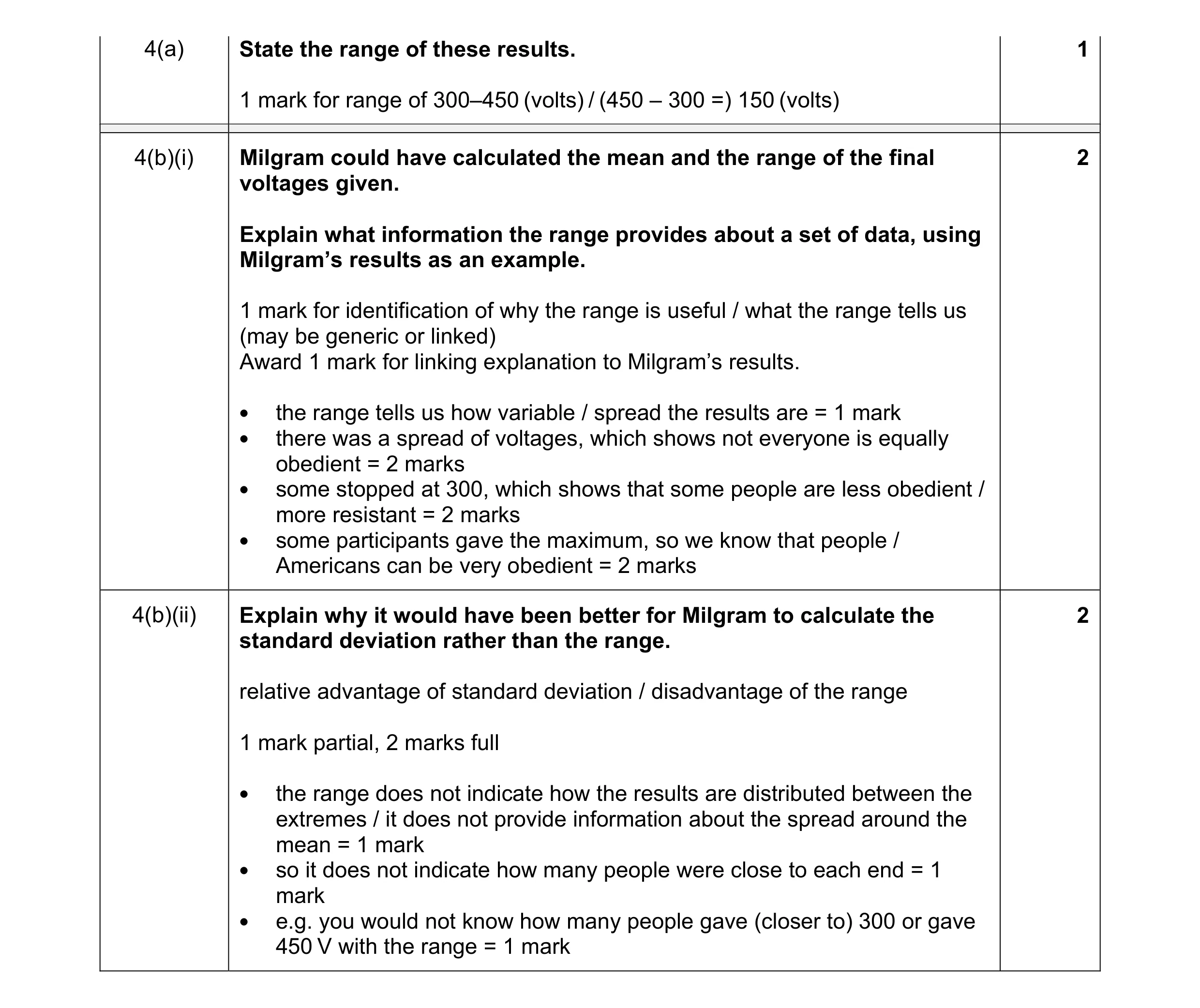 5
5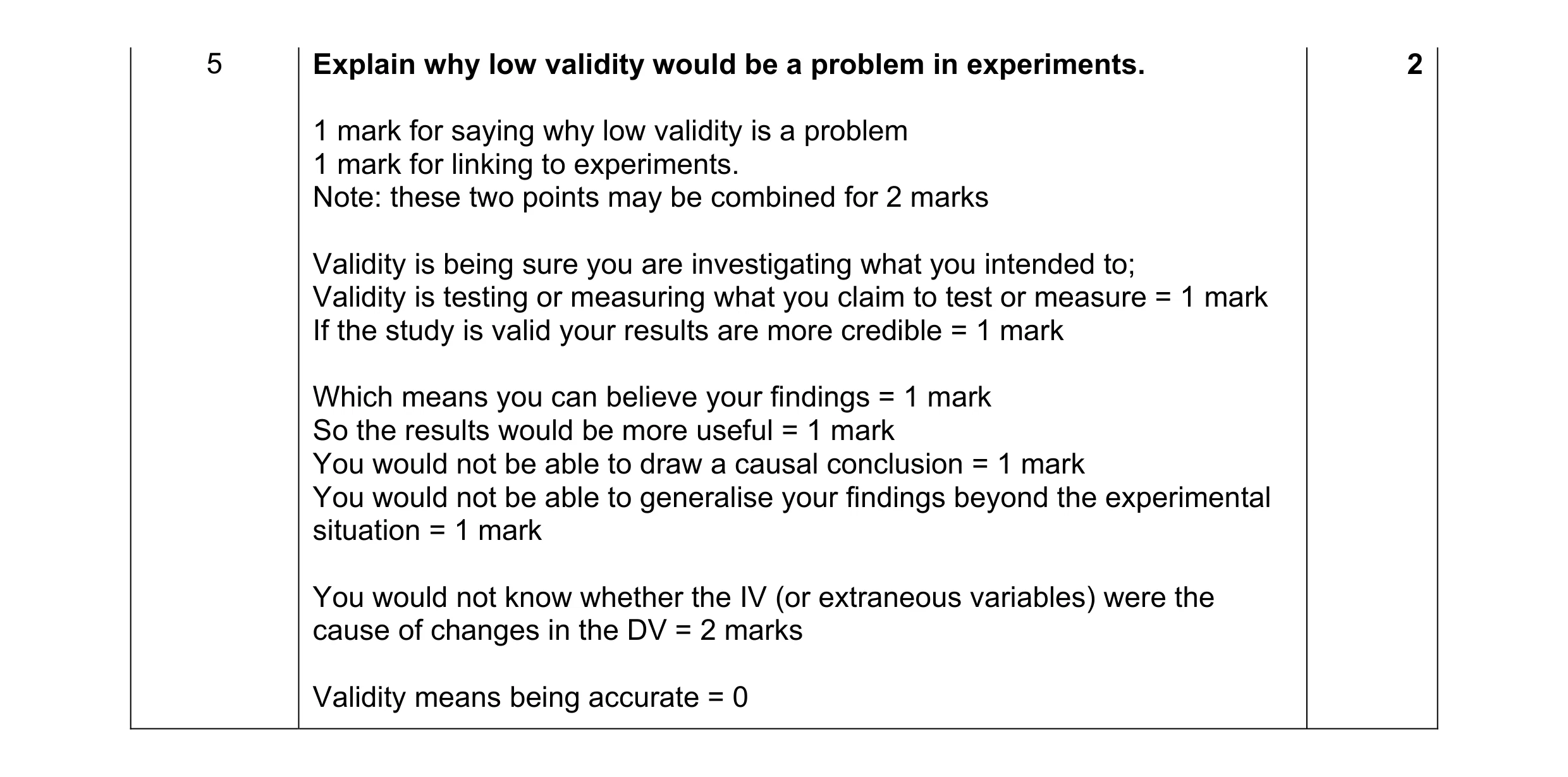 2
2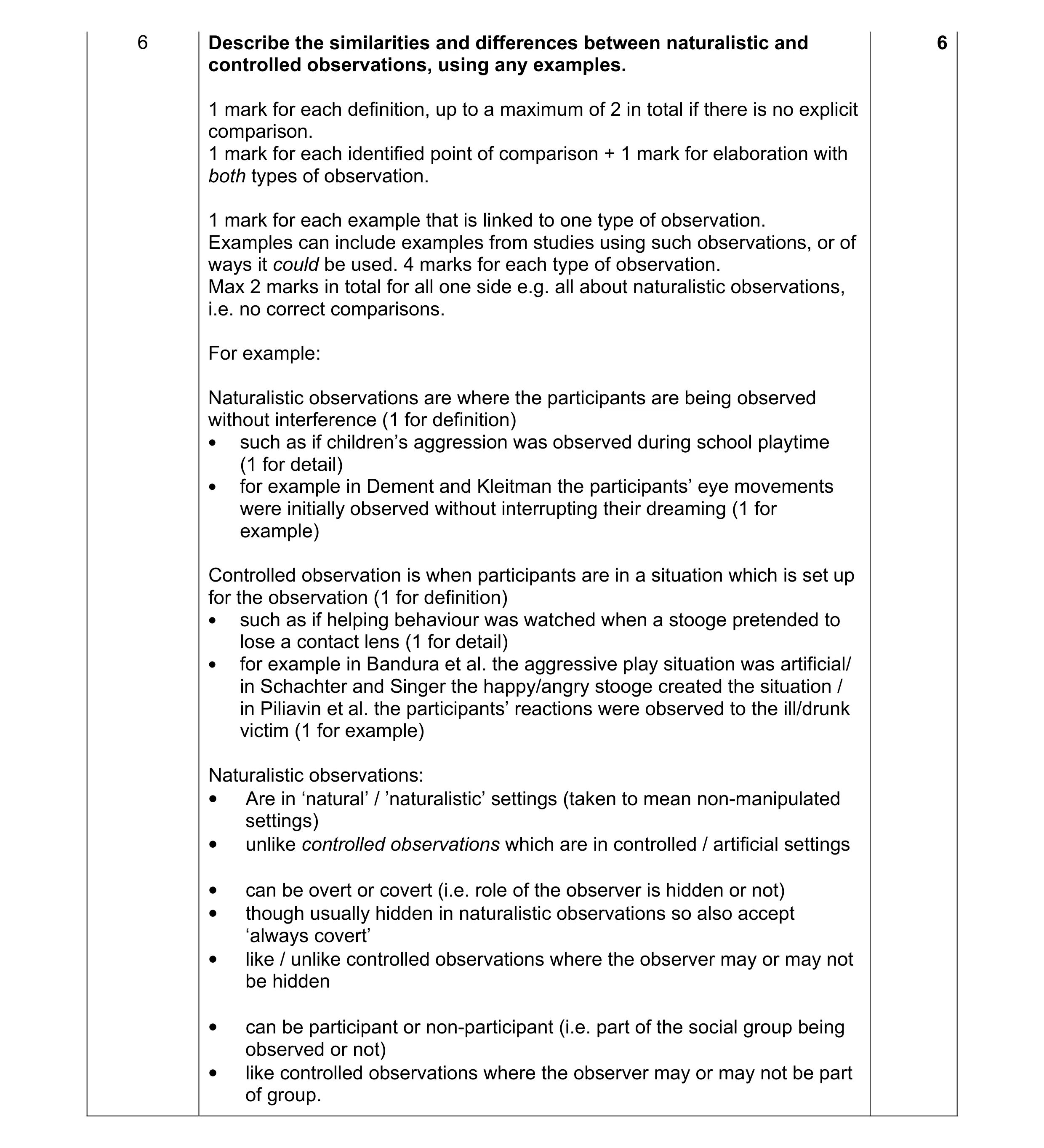 6
6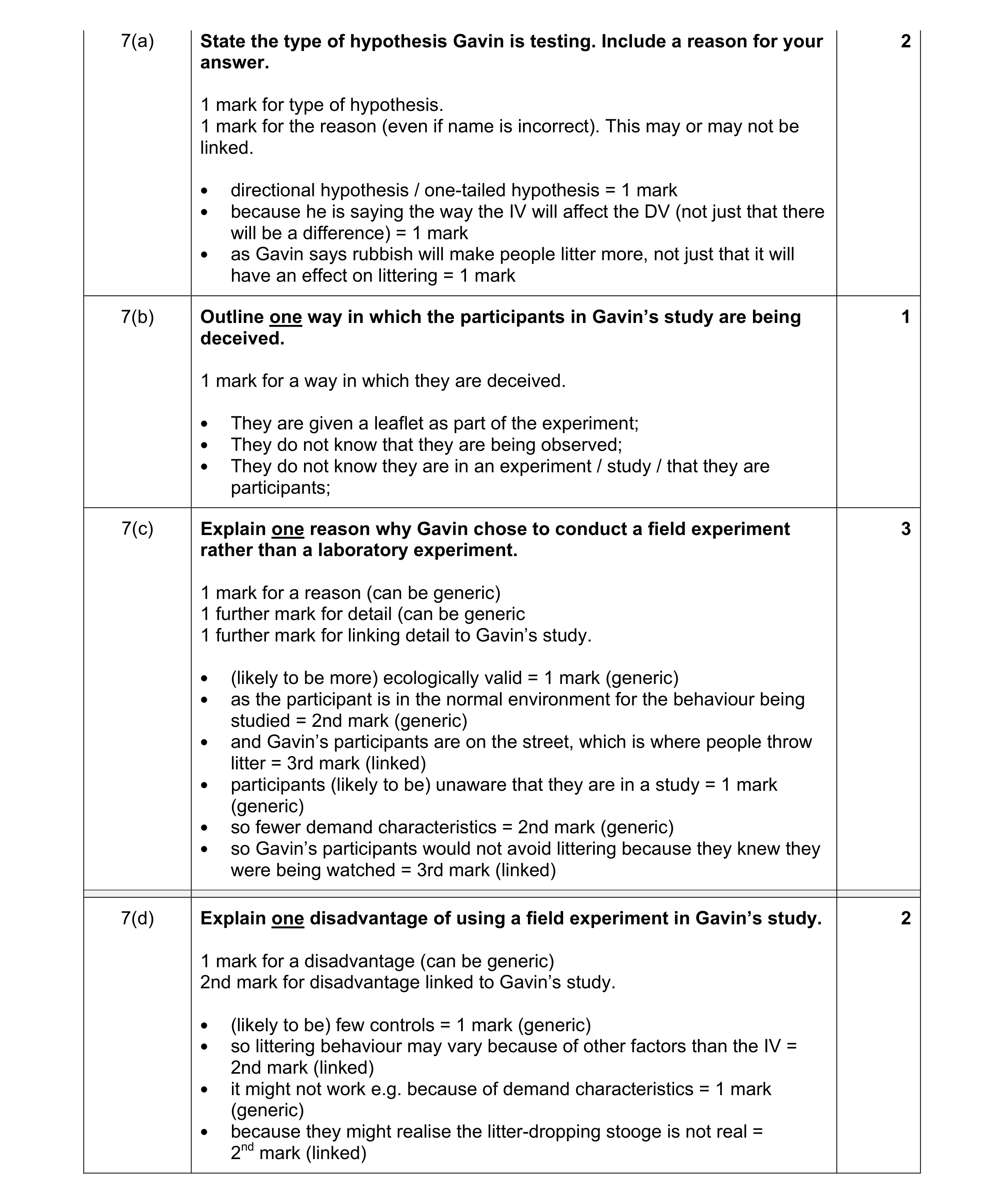 8
8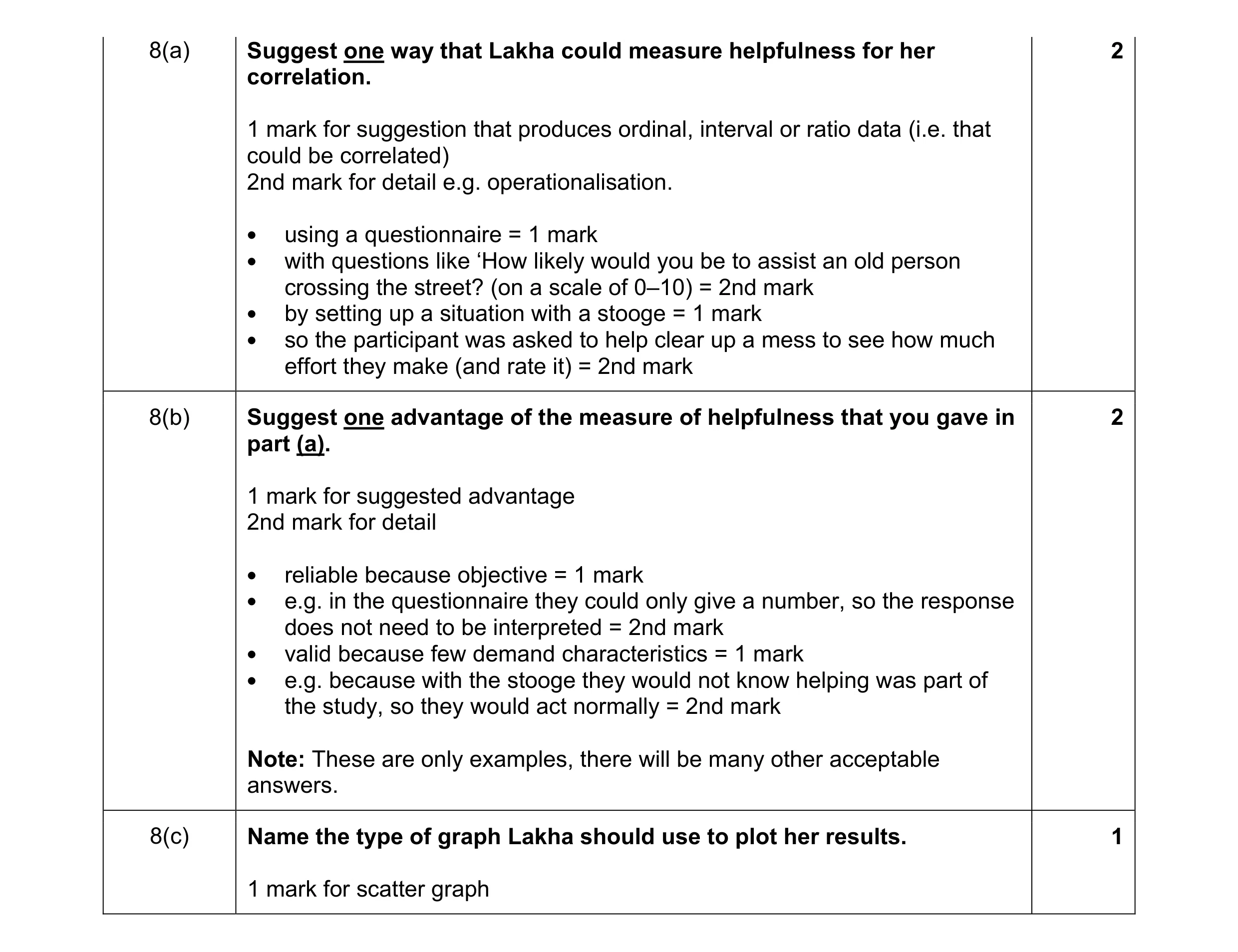 8
8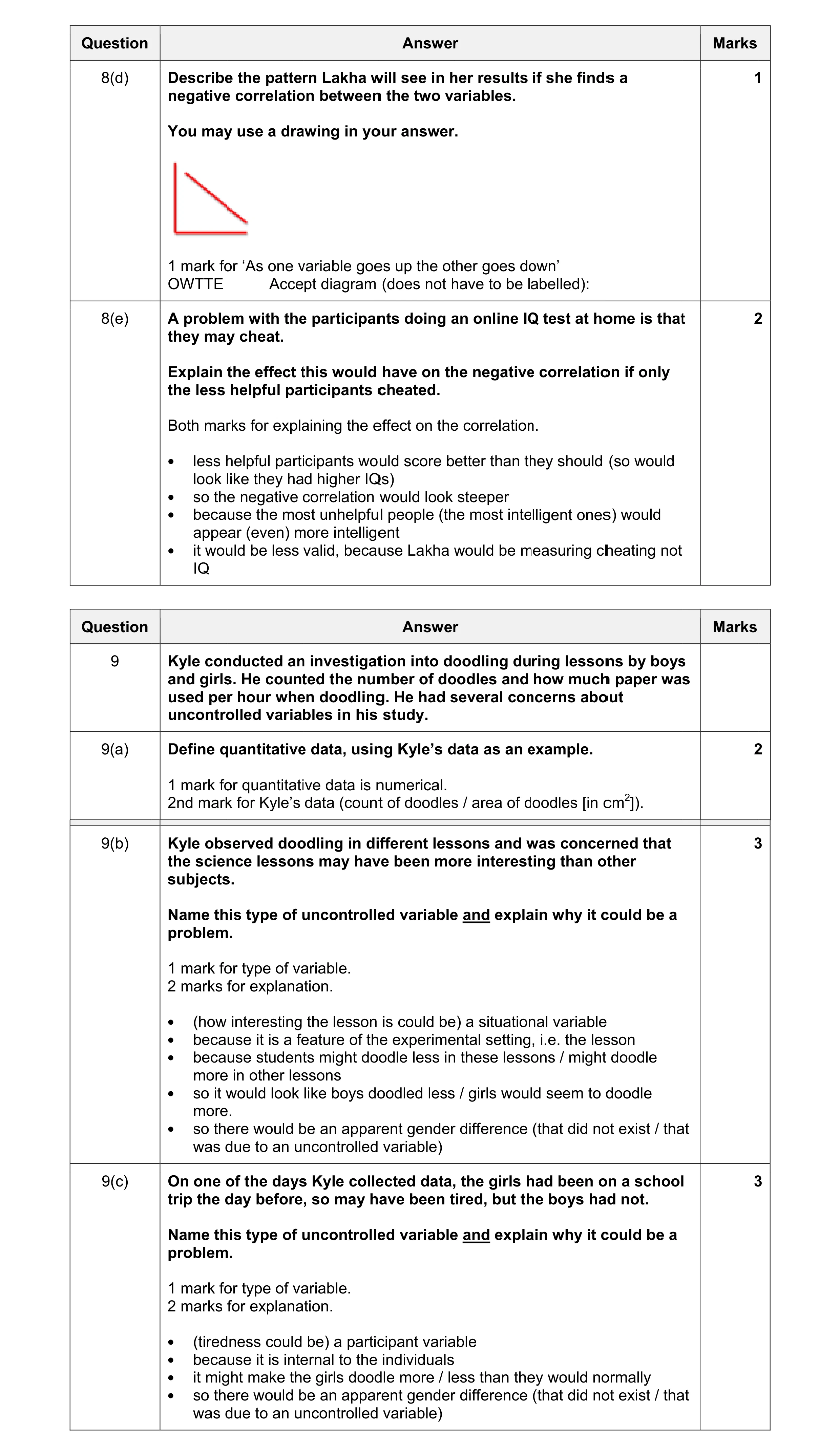 8
8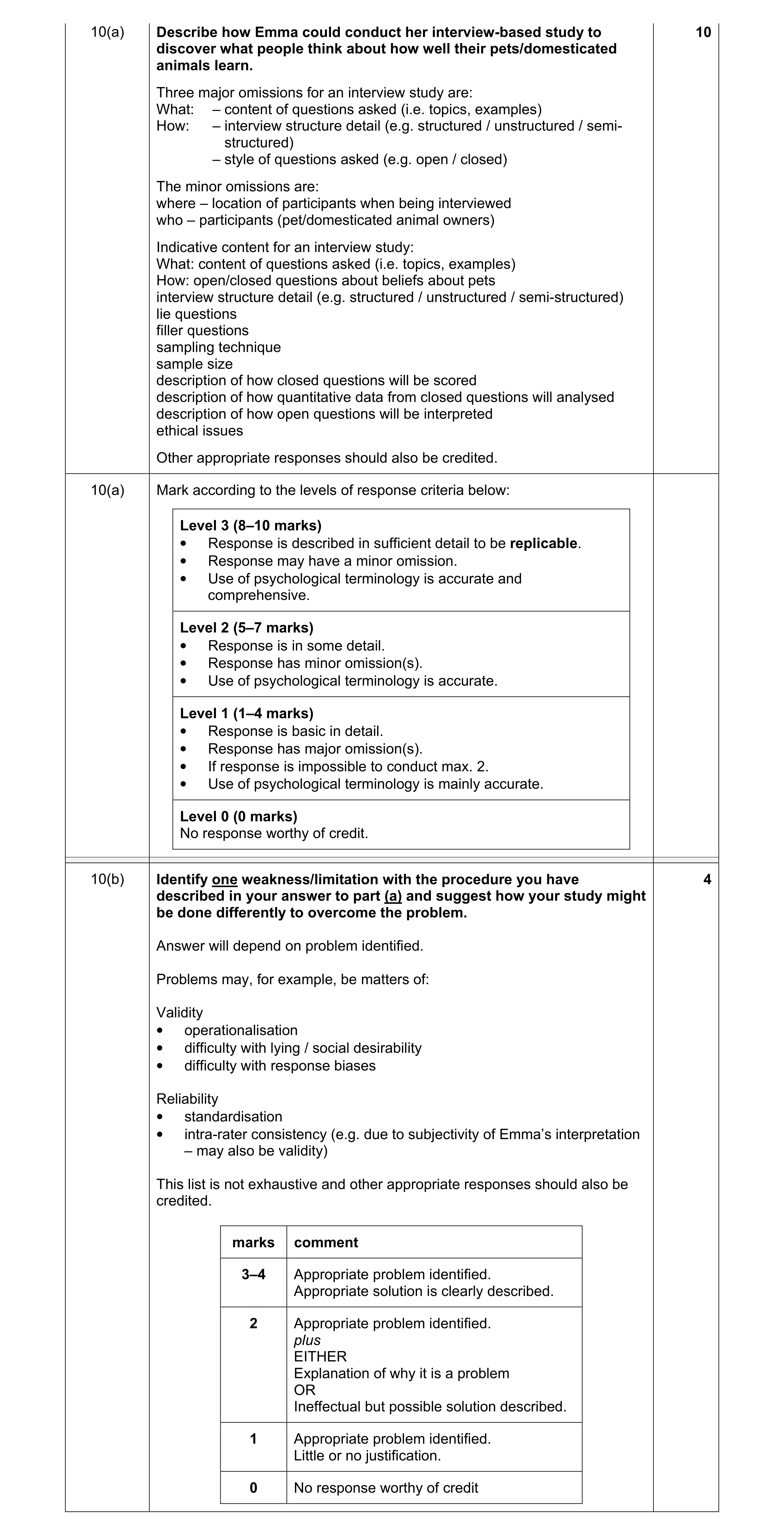 14
14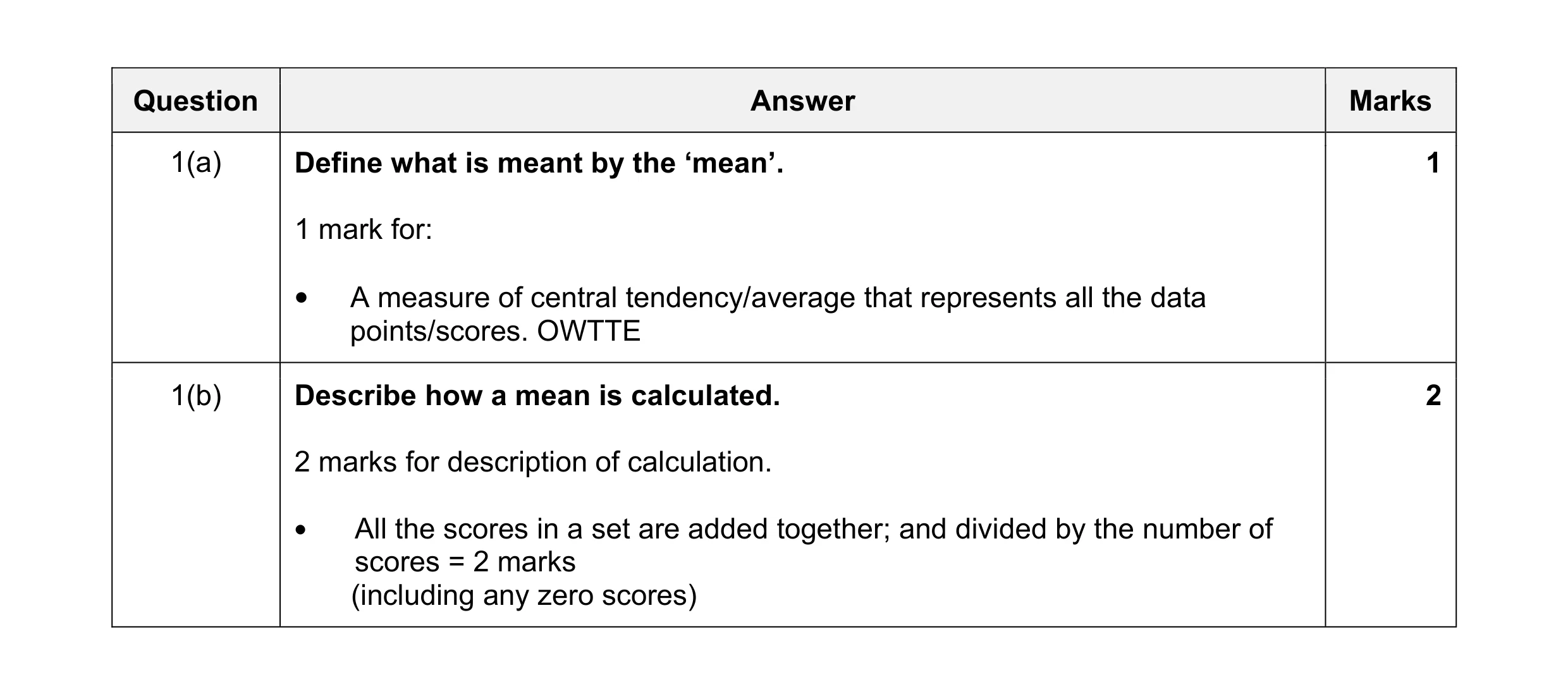 3
3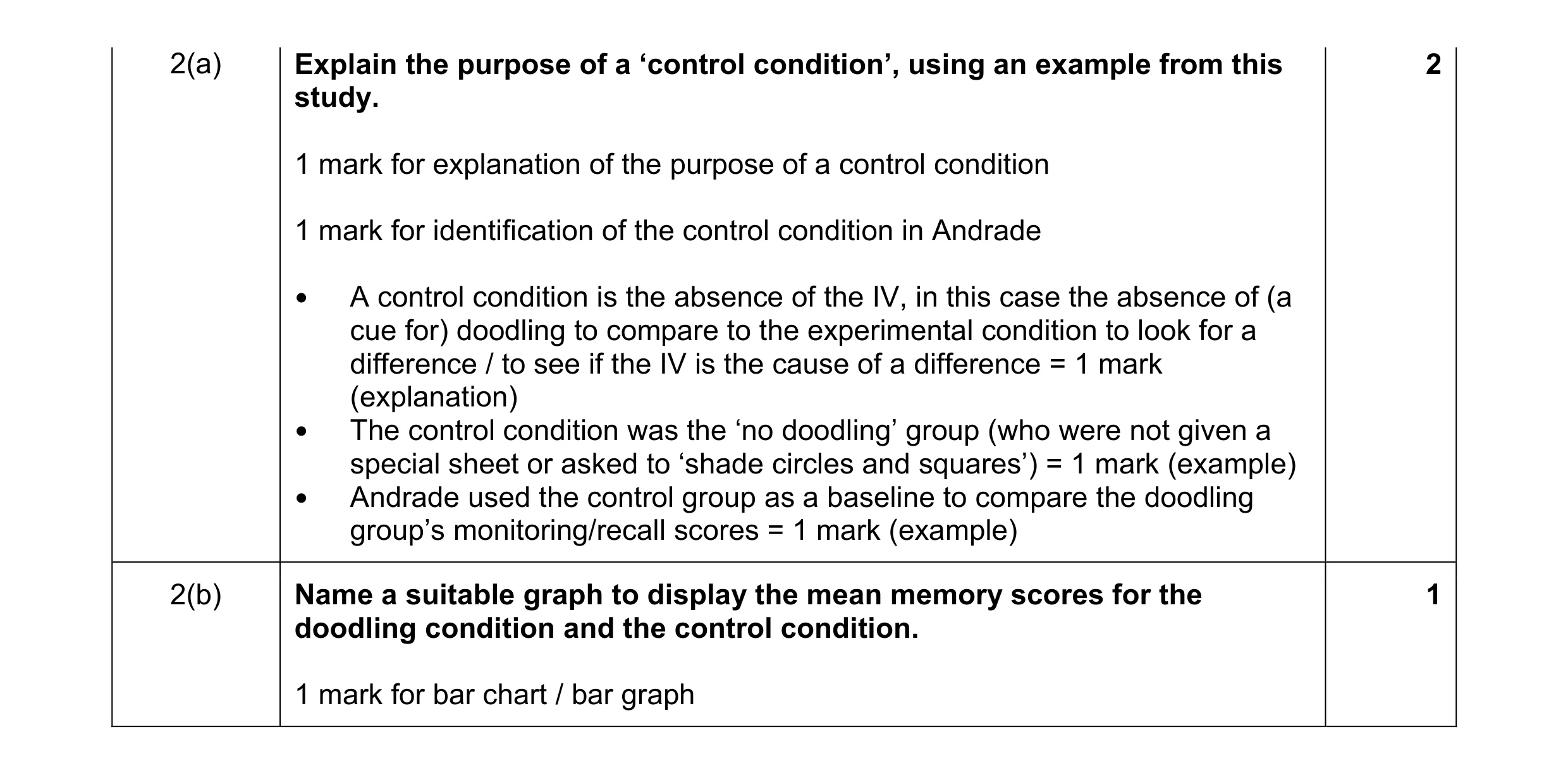 3
3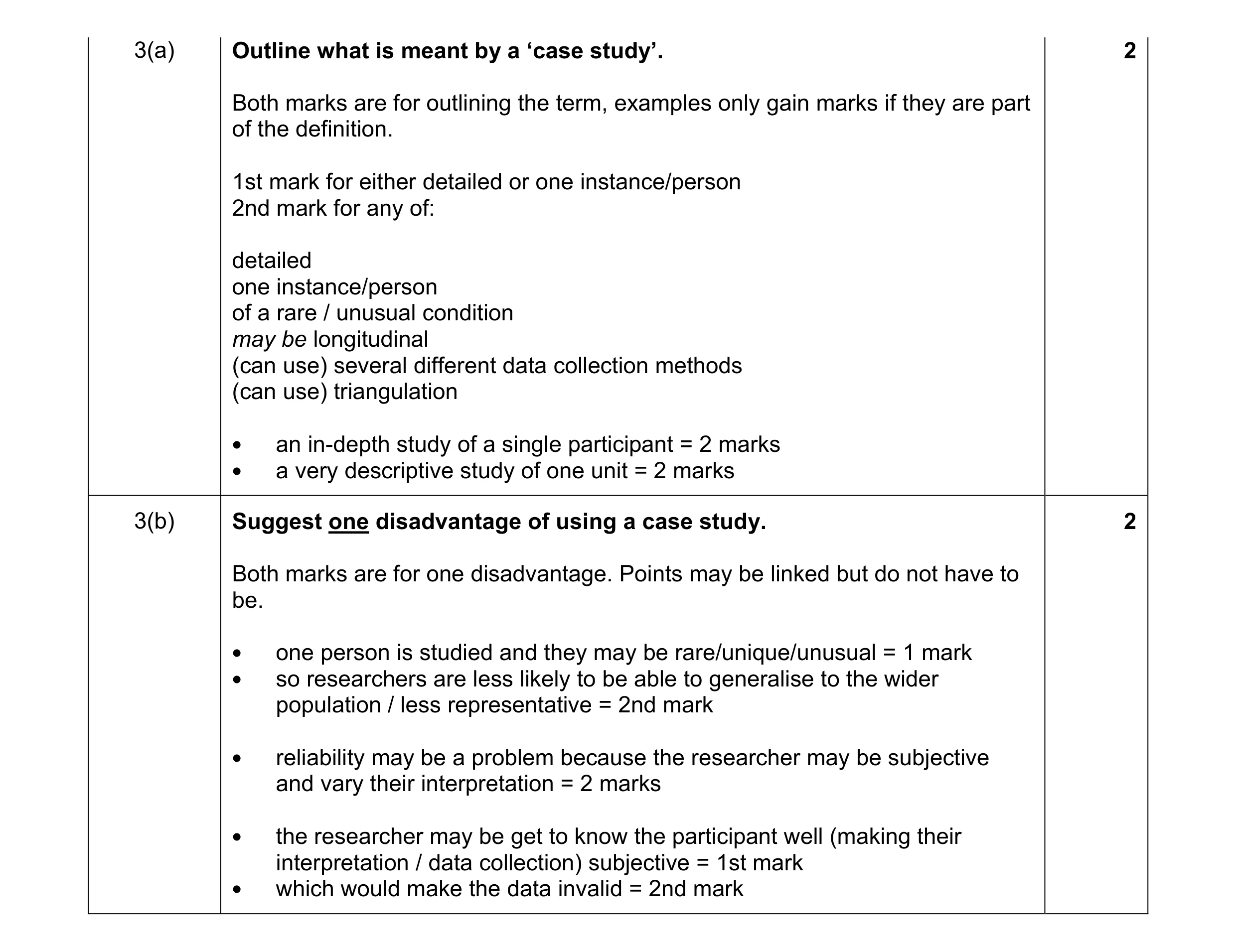 4
4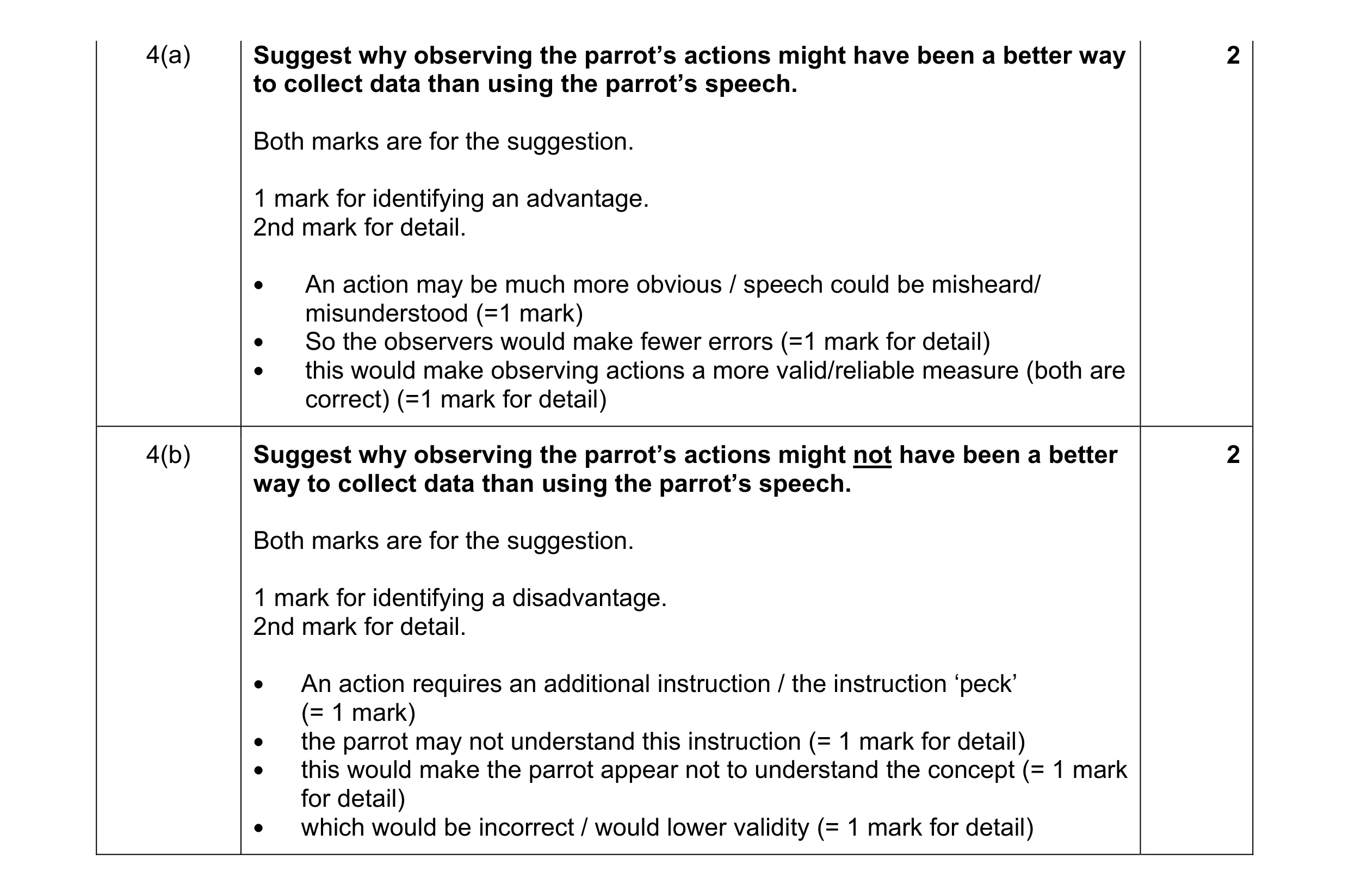 4
4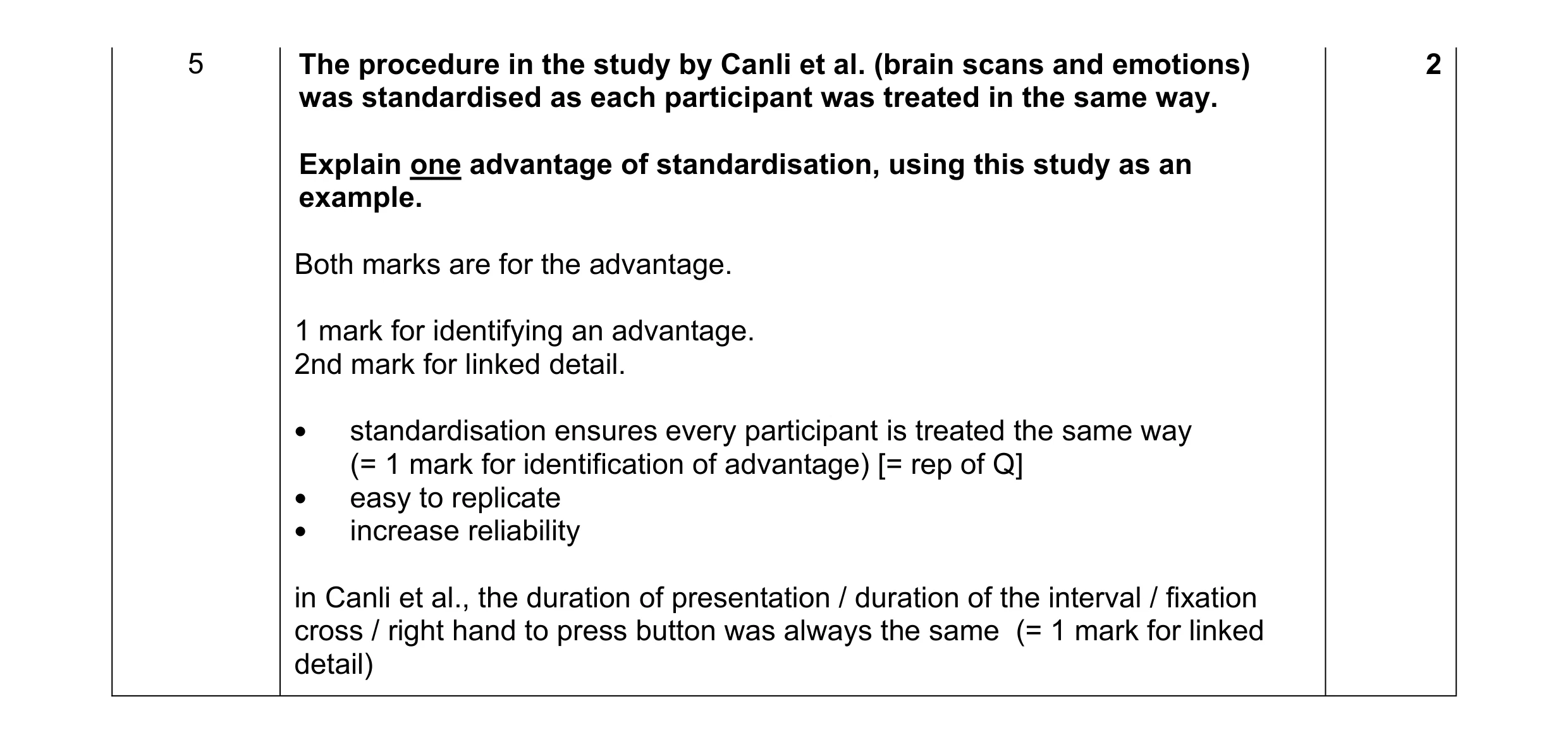 2
2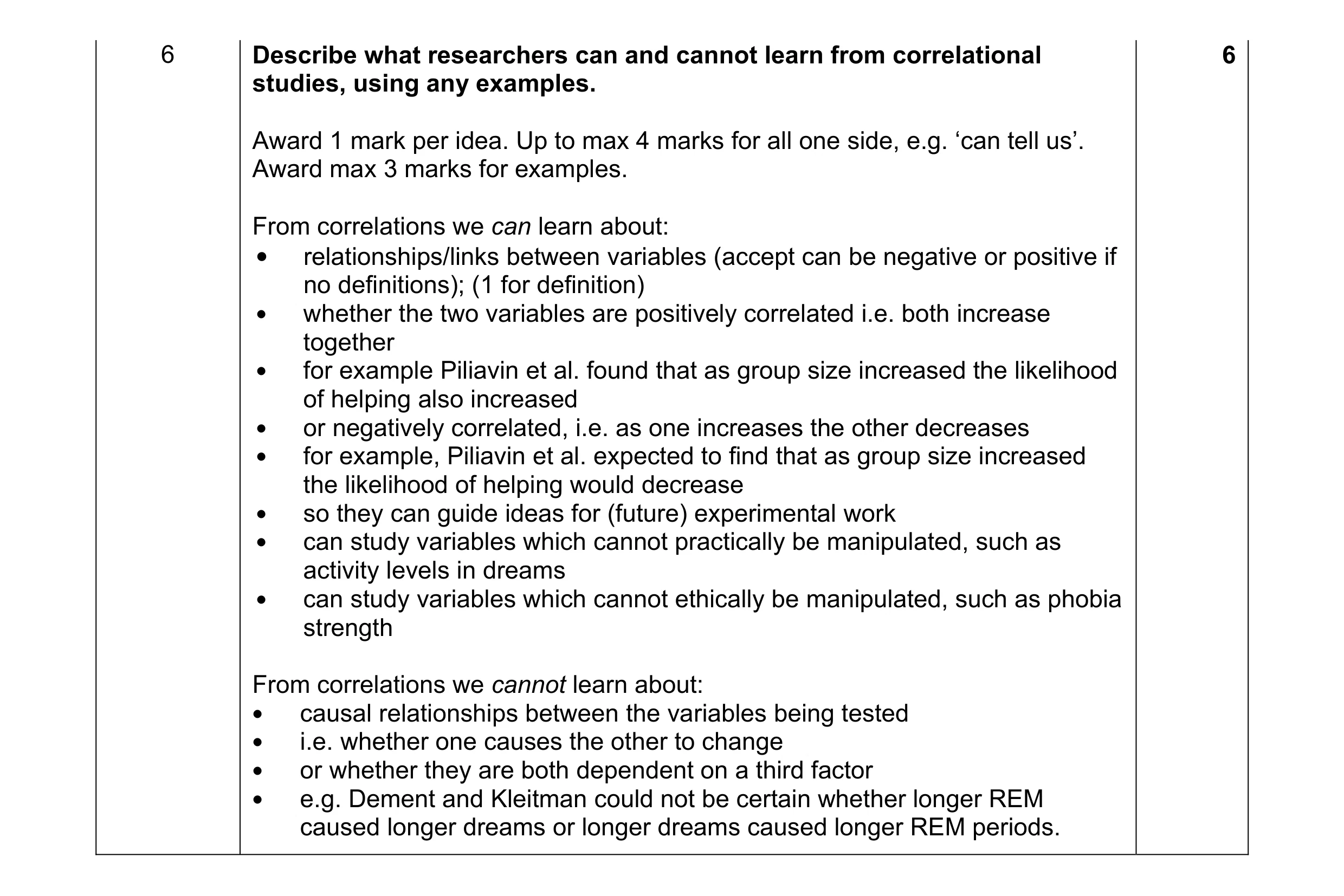 6
6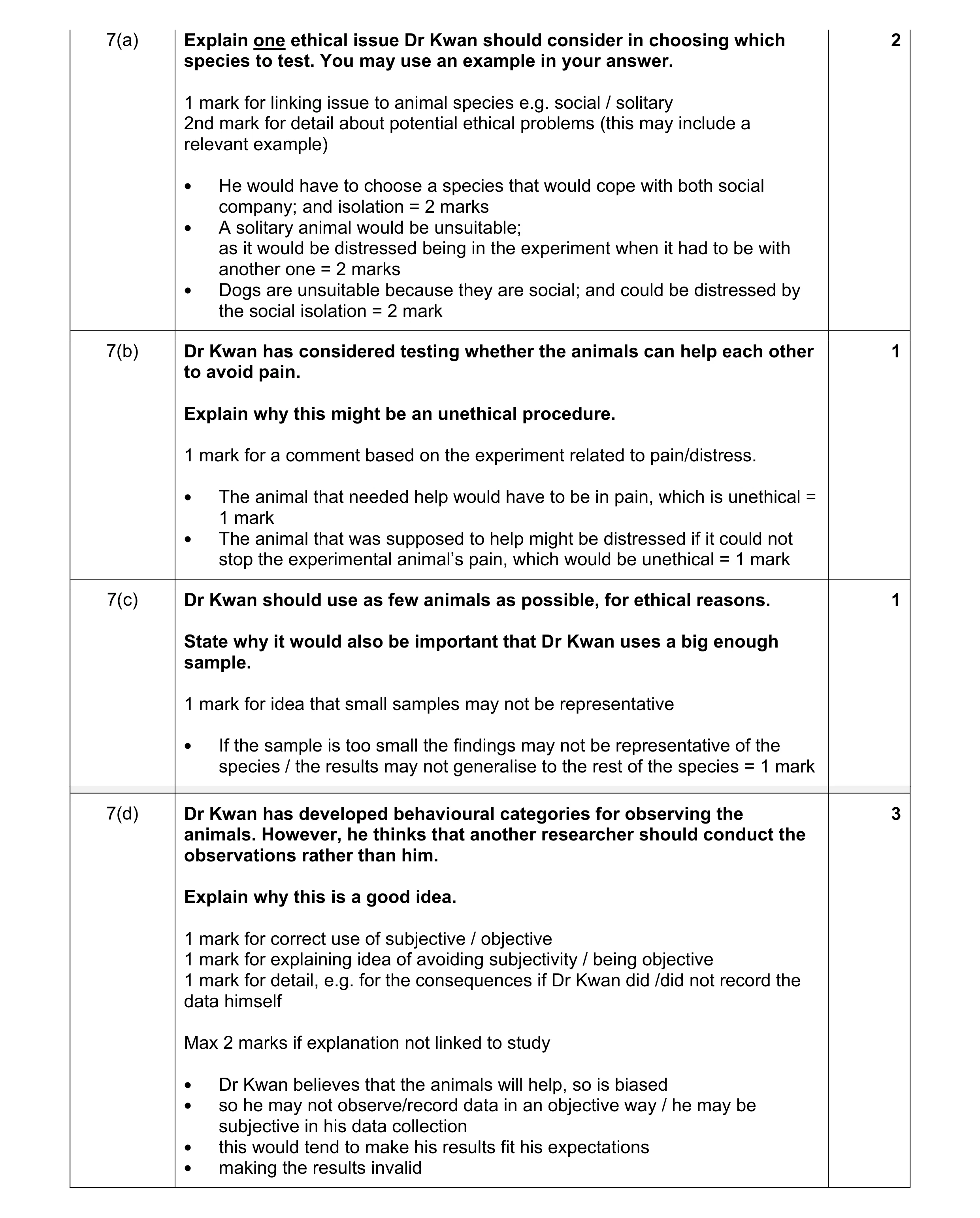 7
7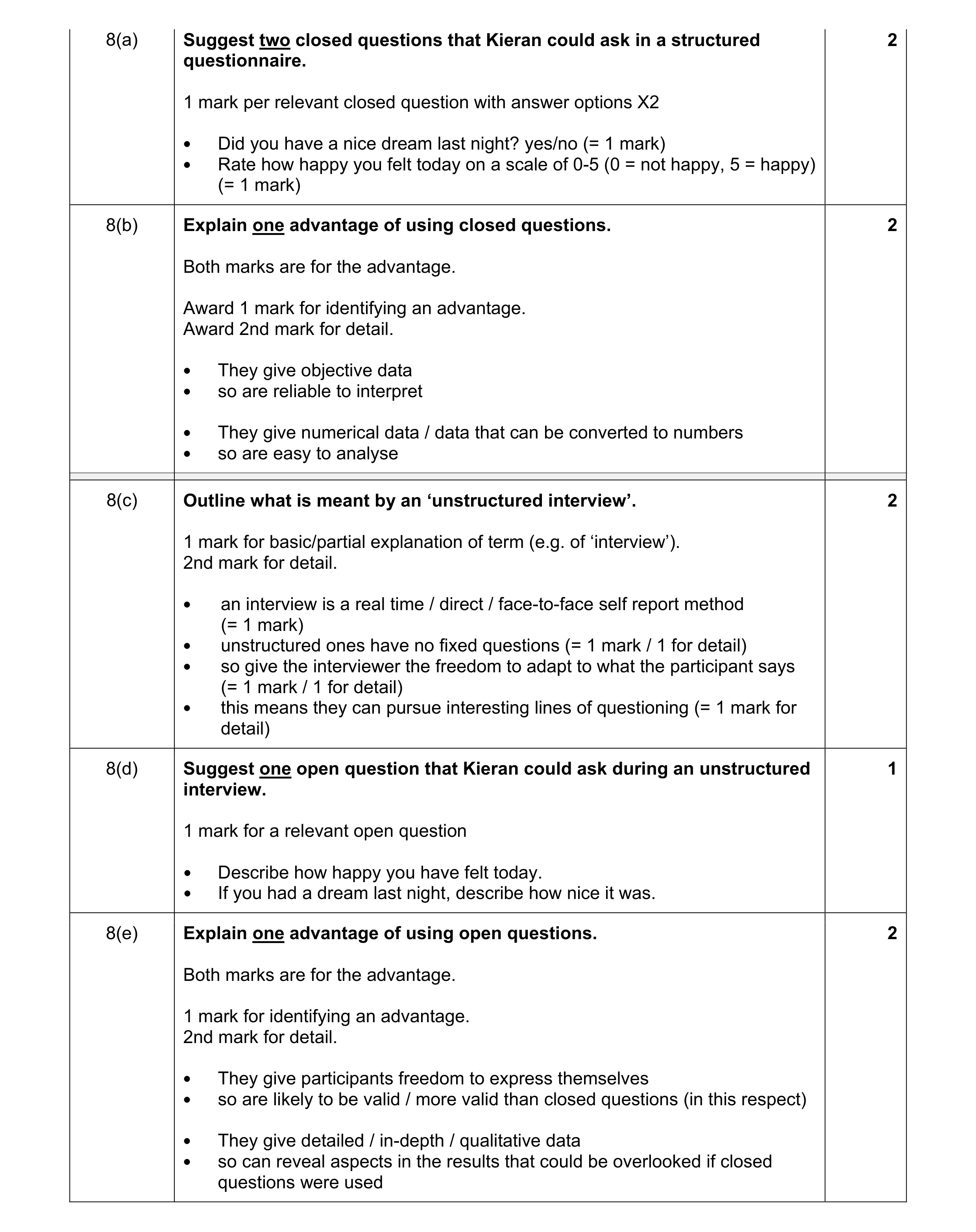 9
9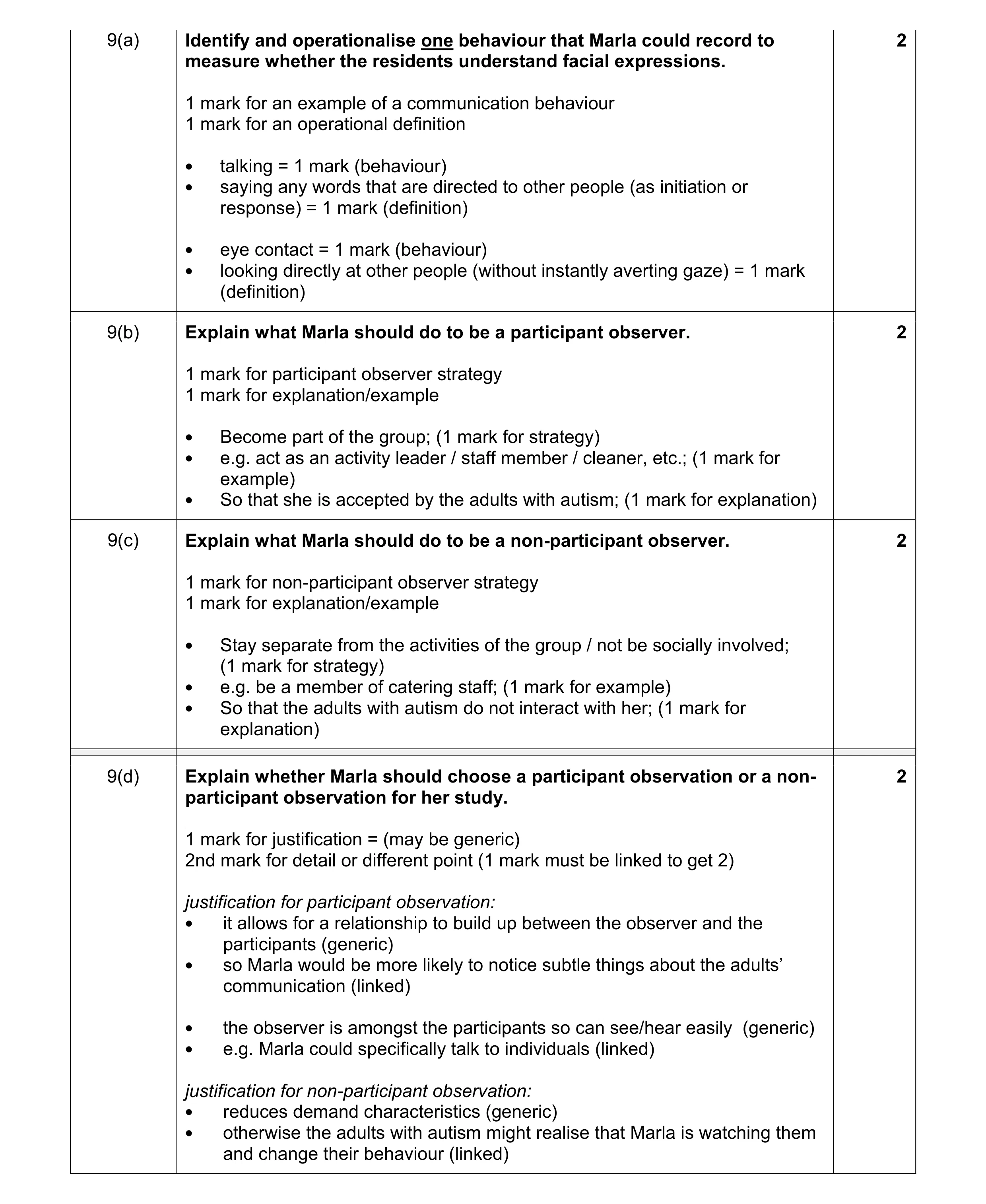 8
8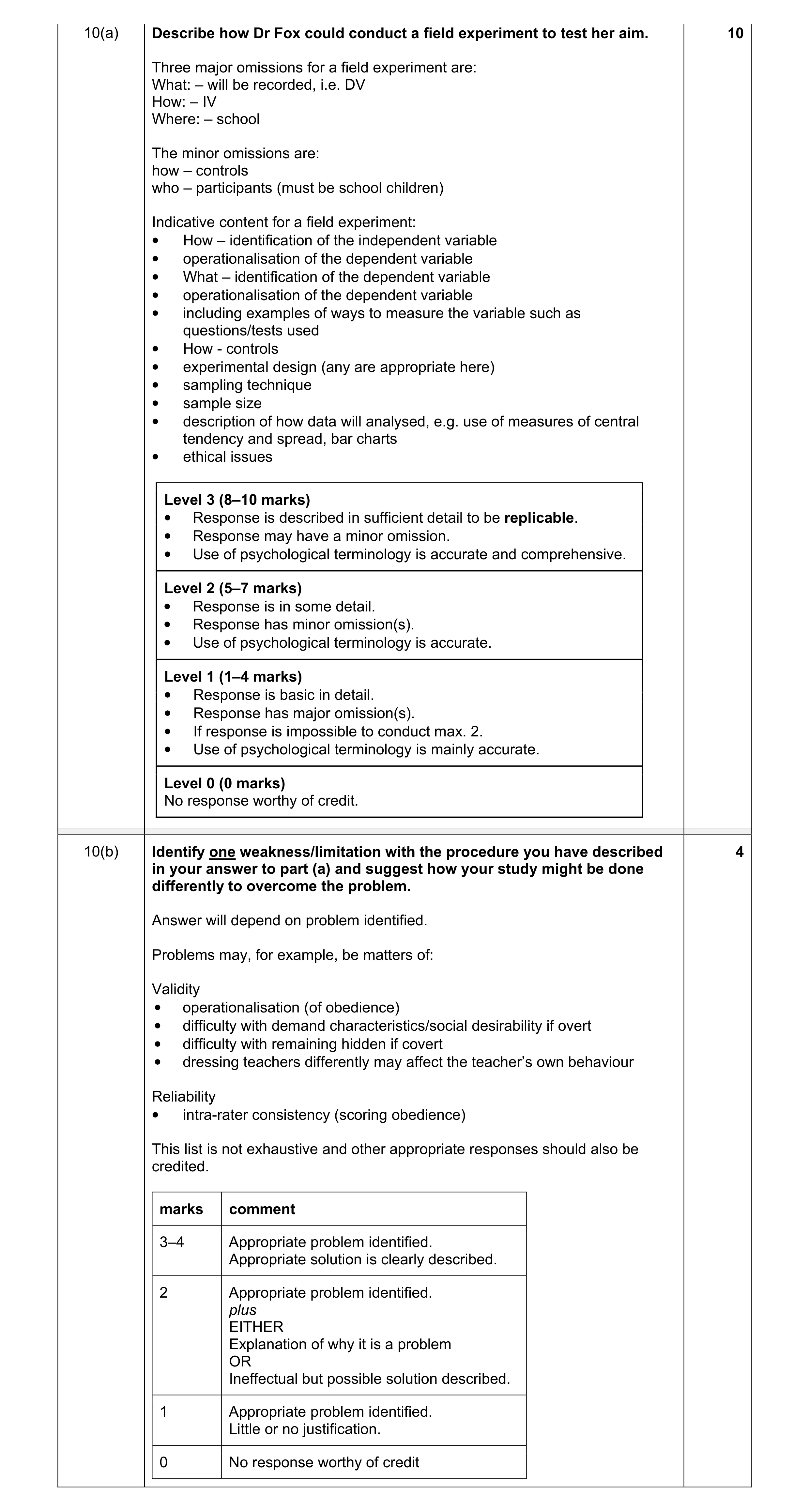 14
14 1
1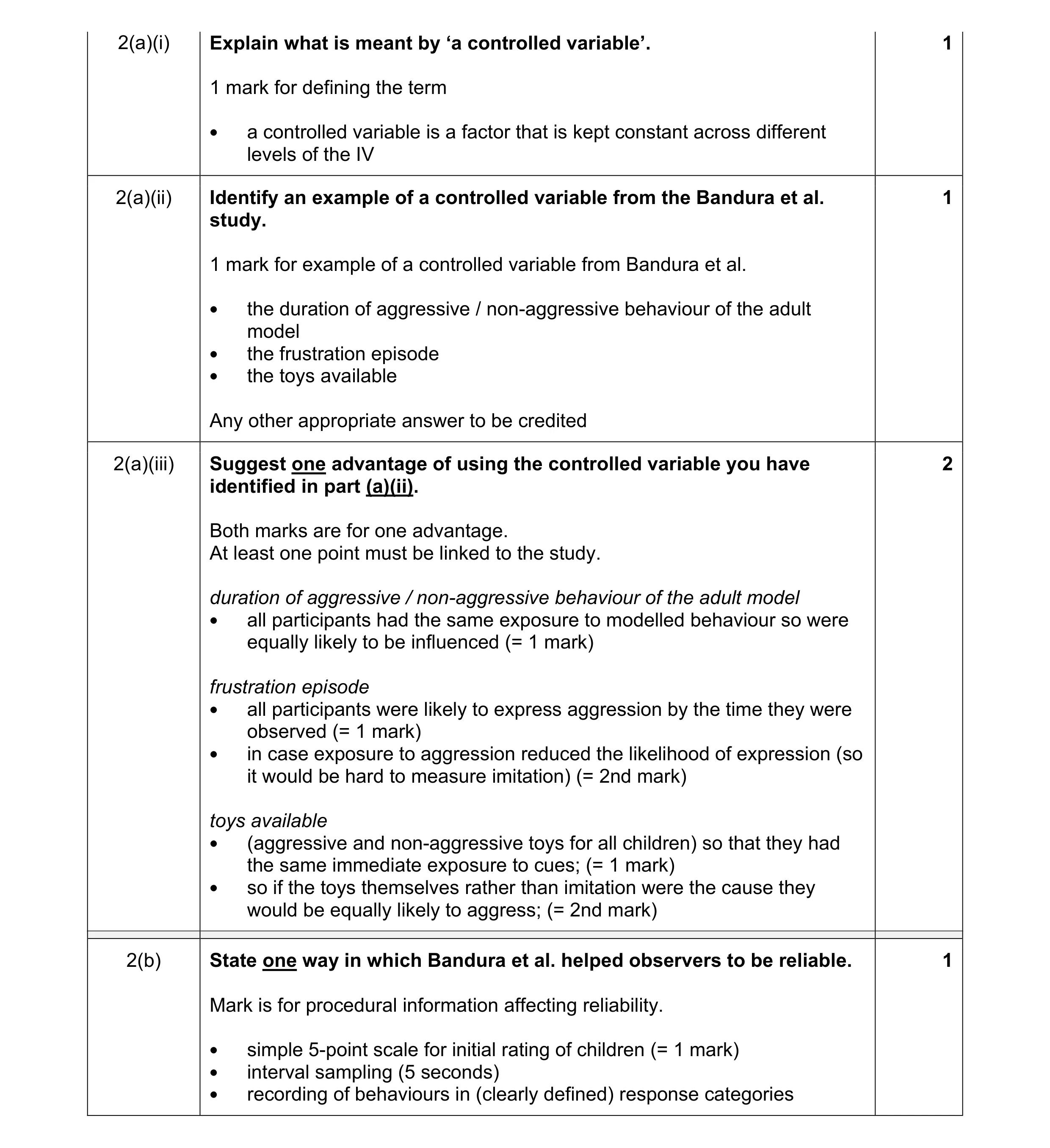 5
5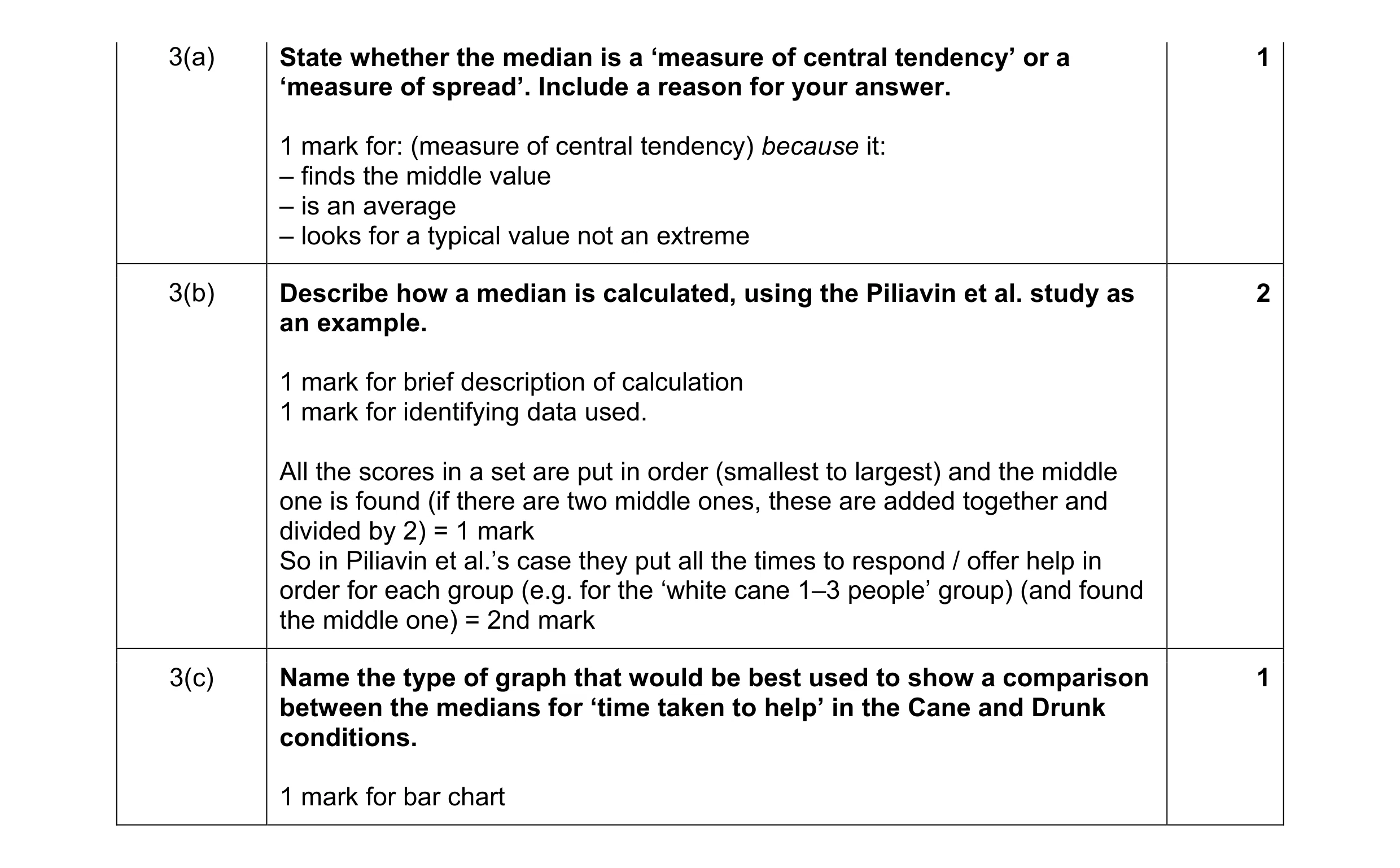 4
4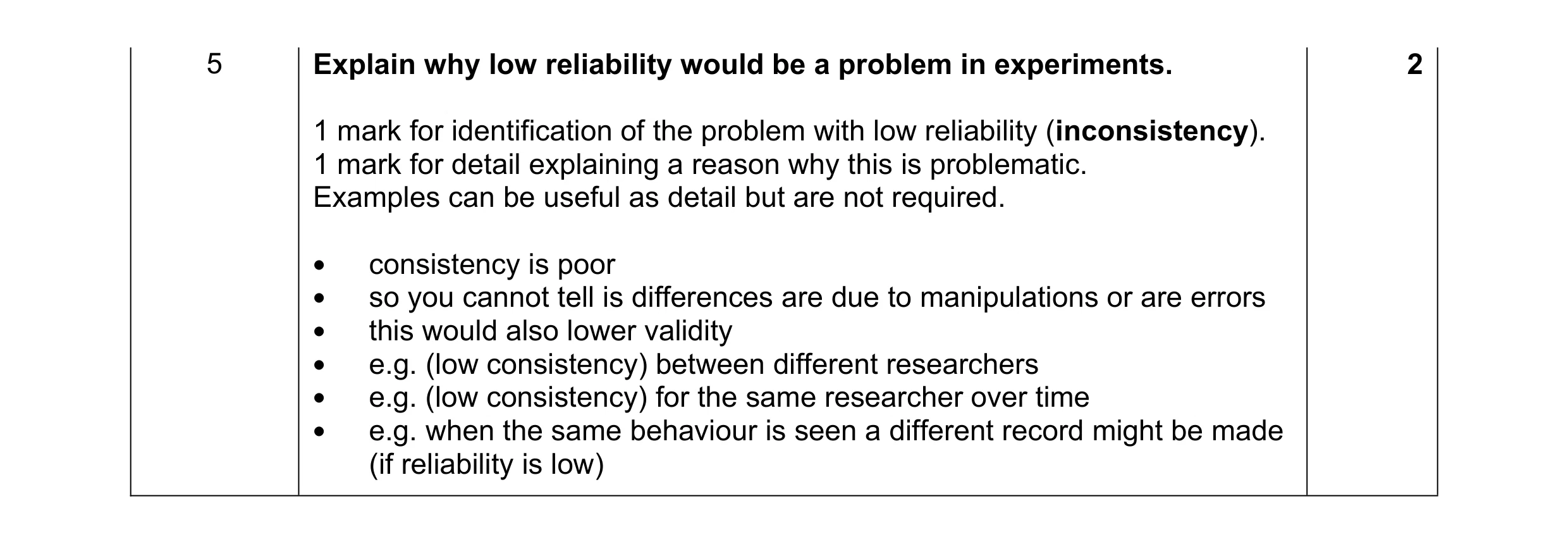 2
2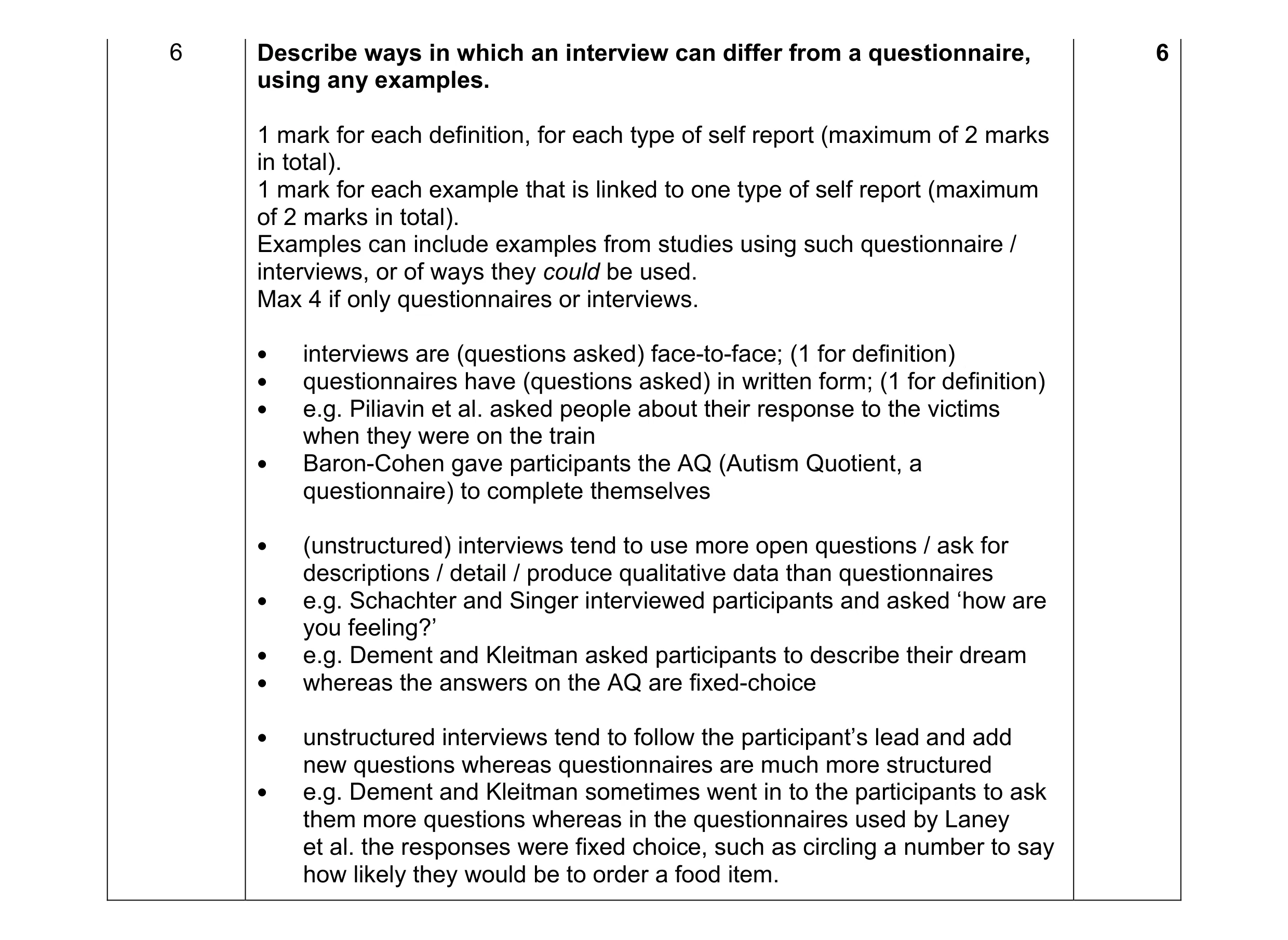 6
6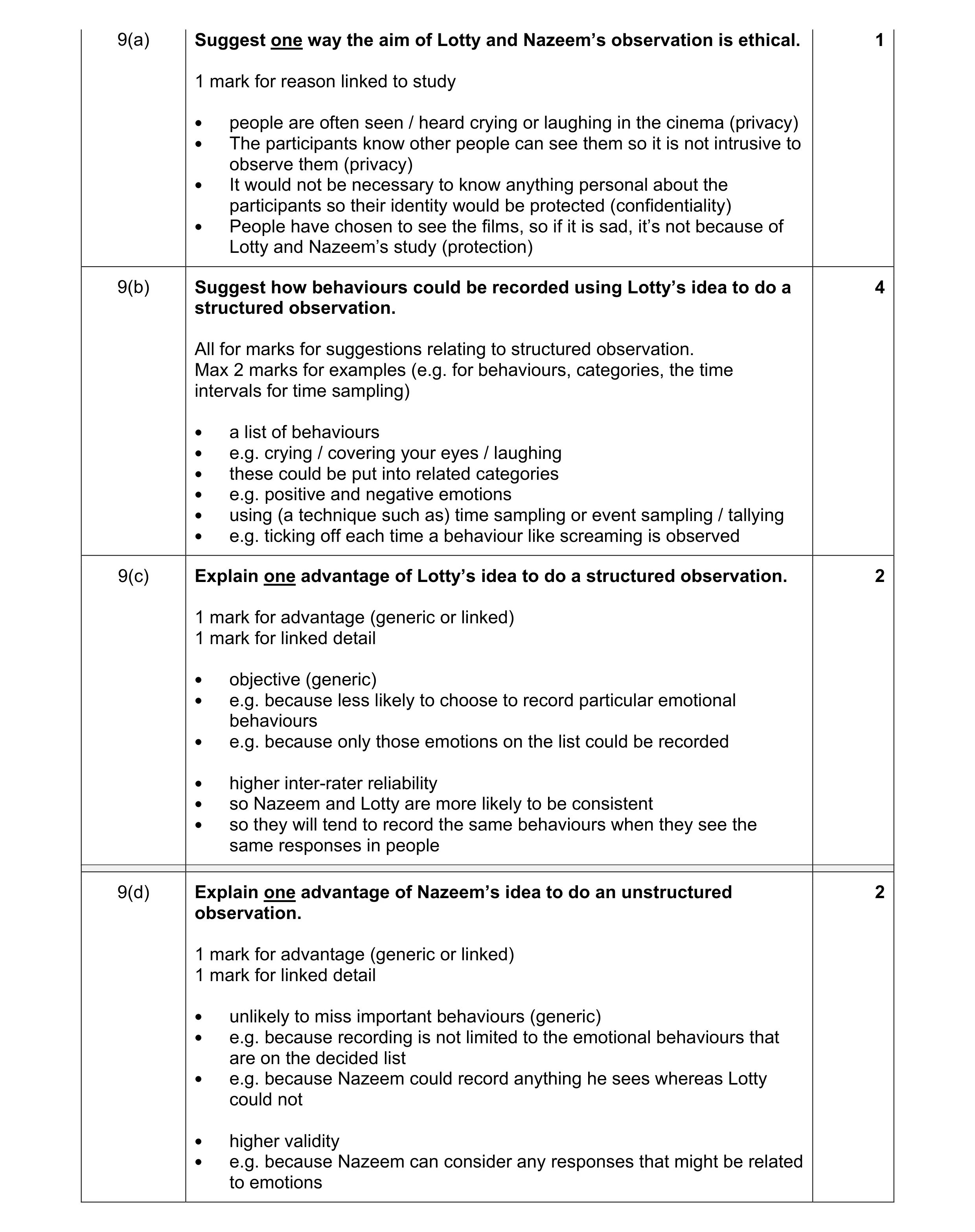 9
9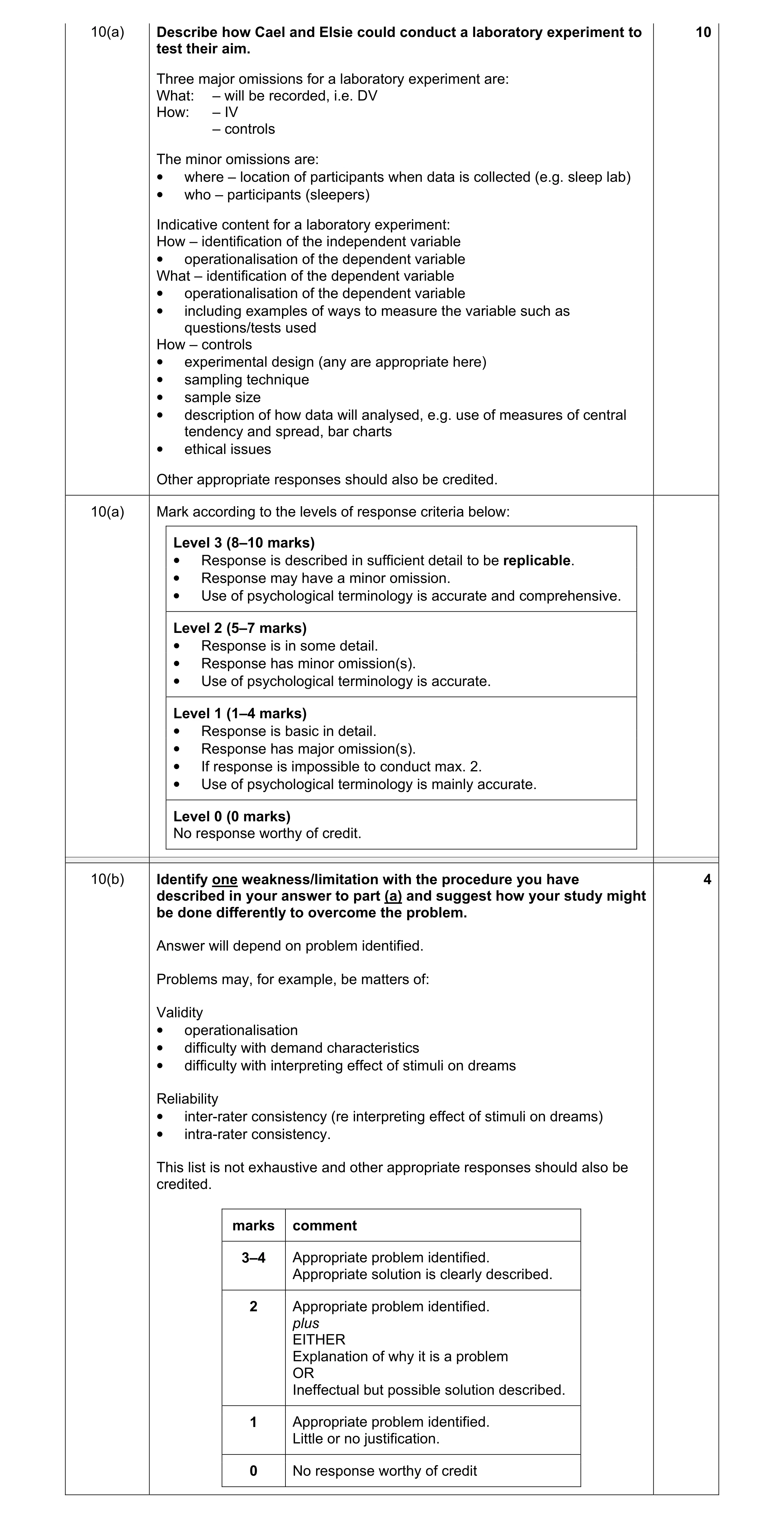 14
14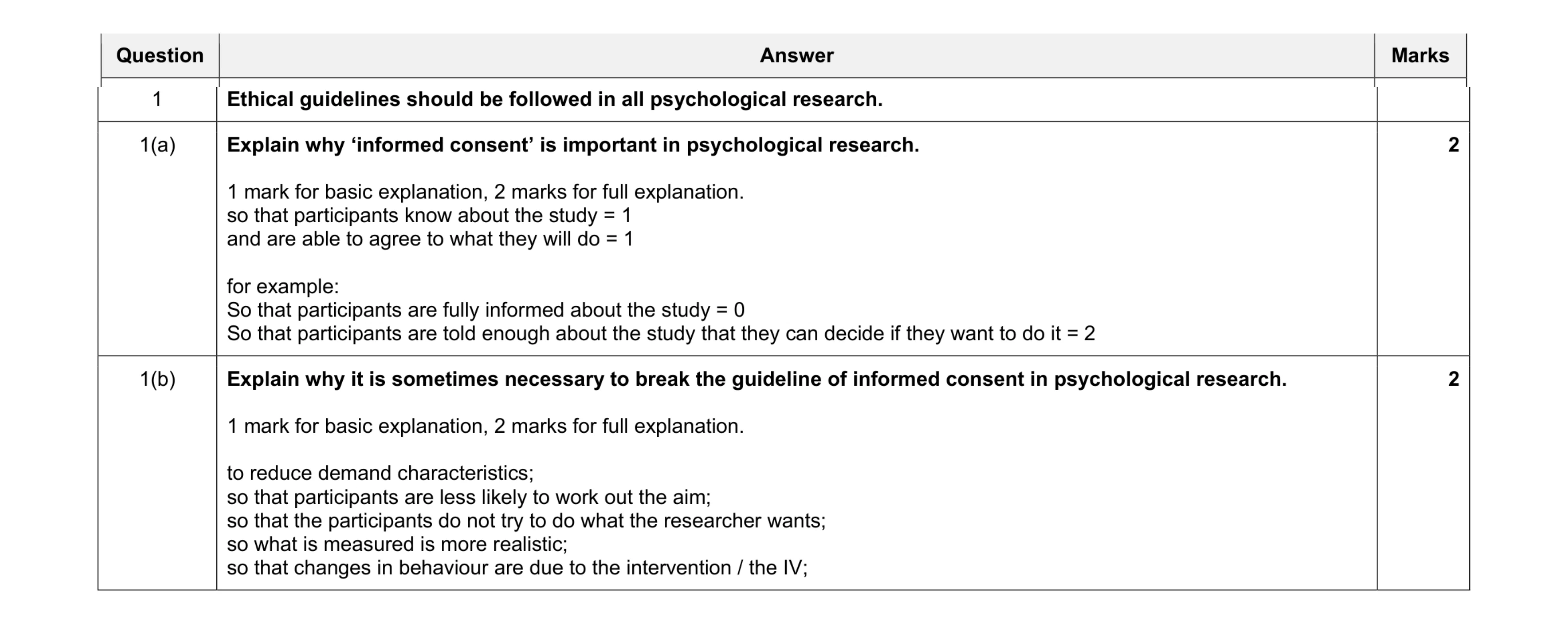 4
4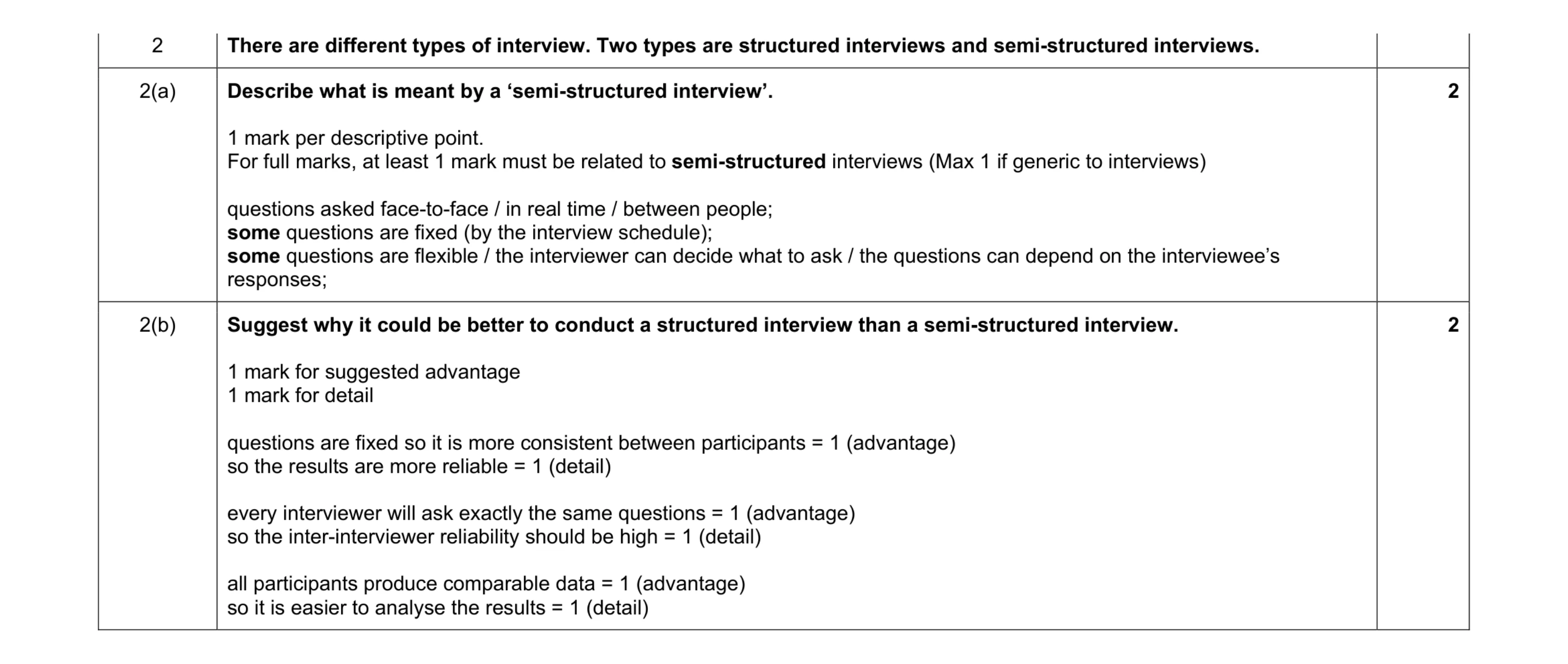 4
4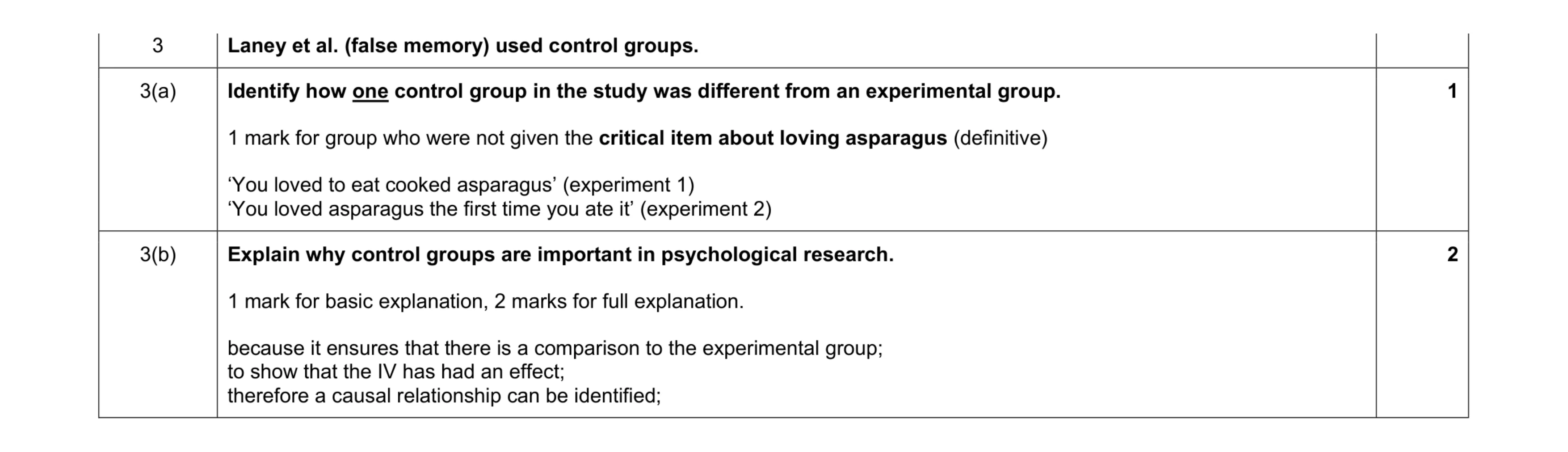 3
3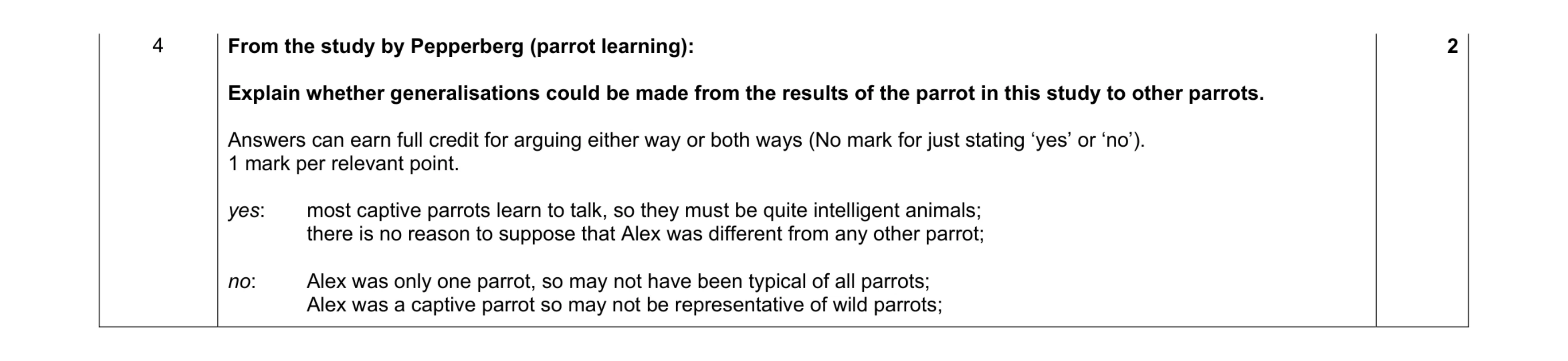 2
2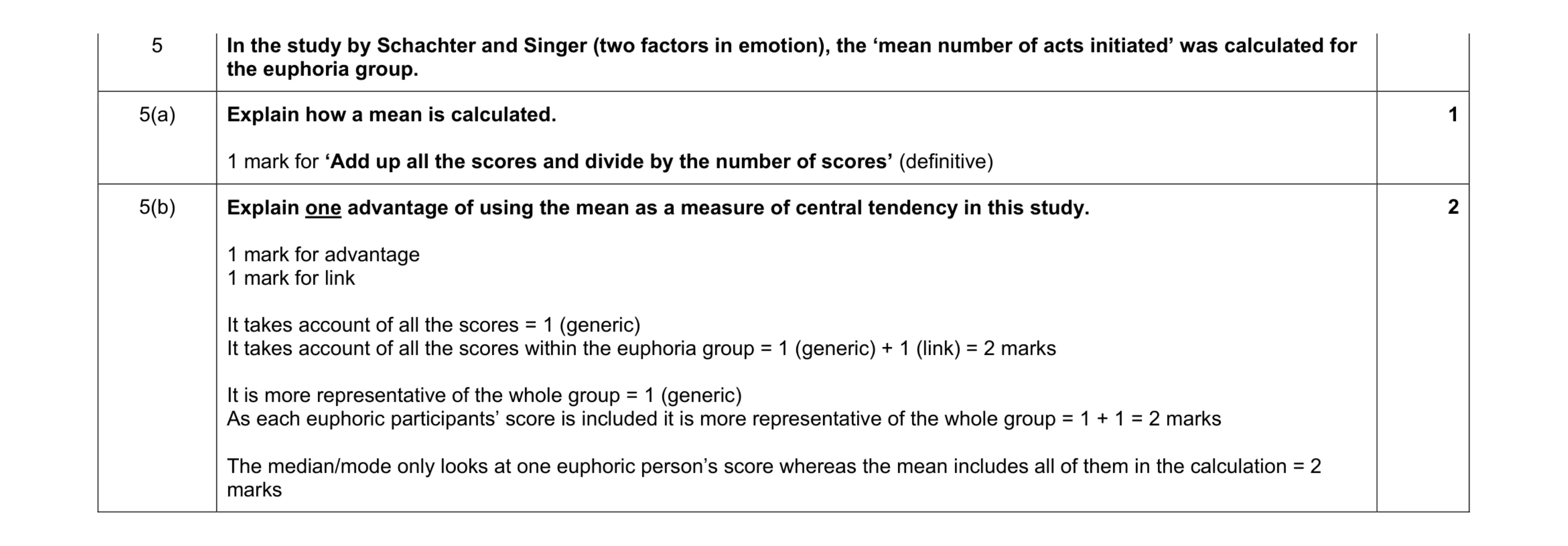 3
3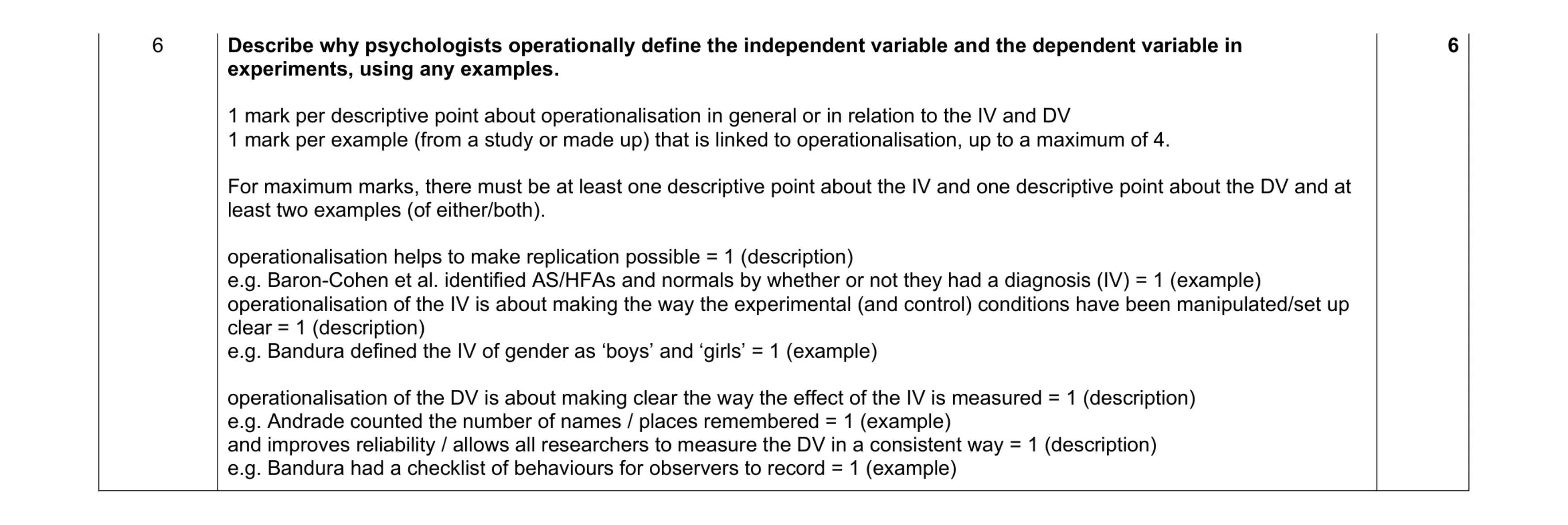 6
6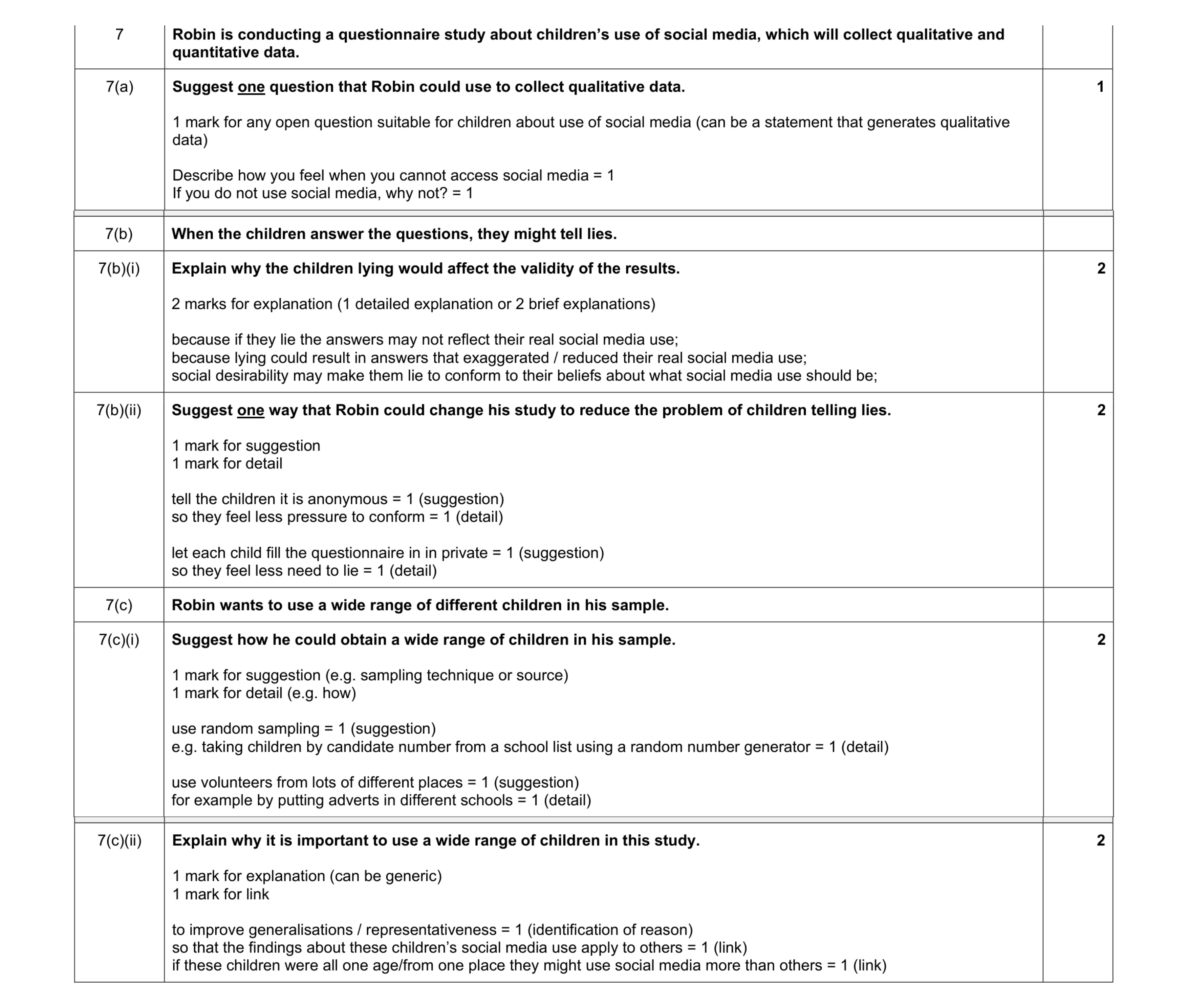 9
9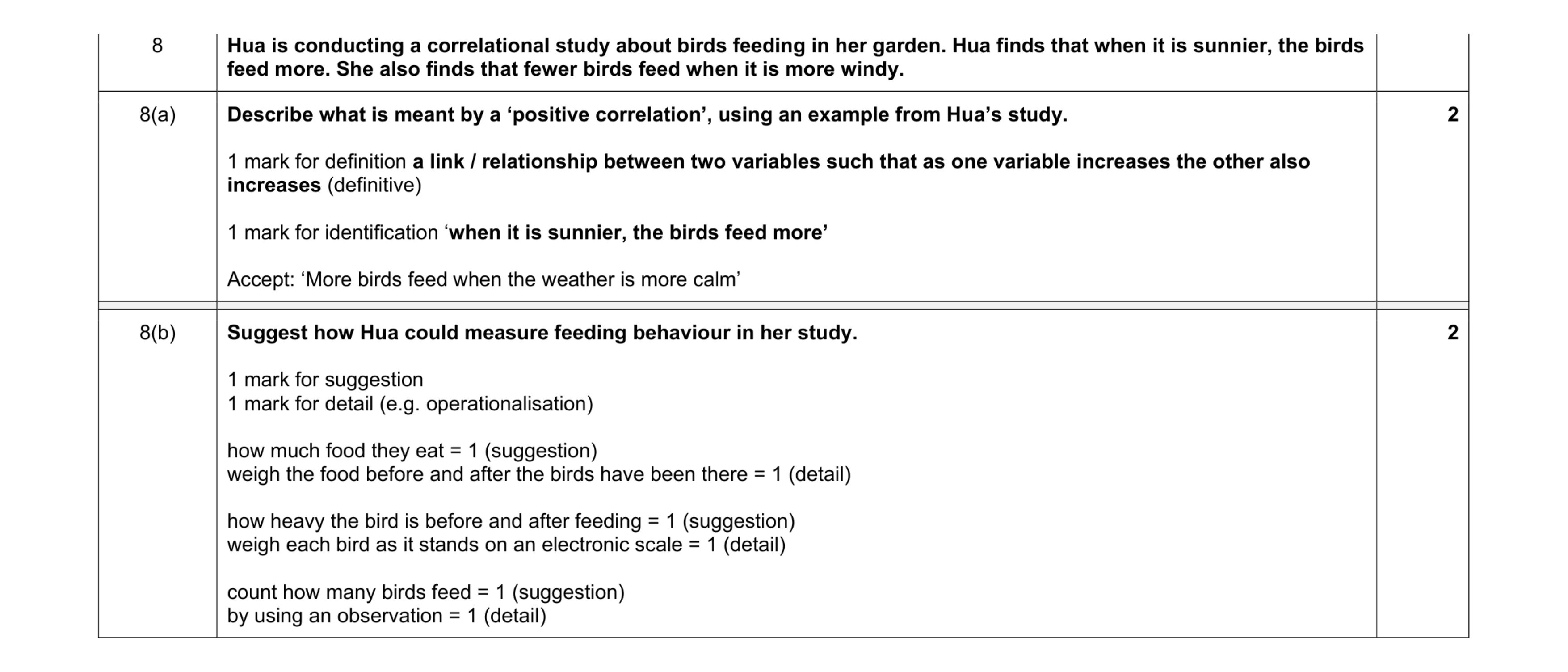 4
4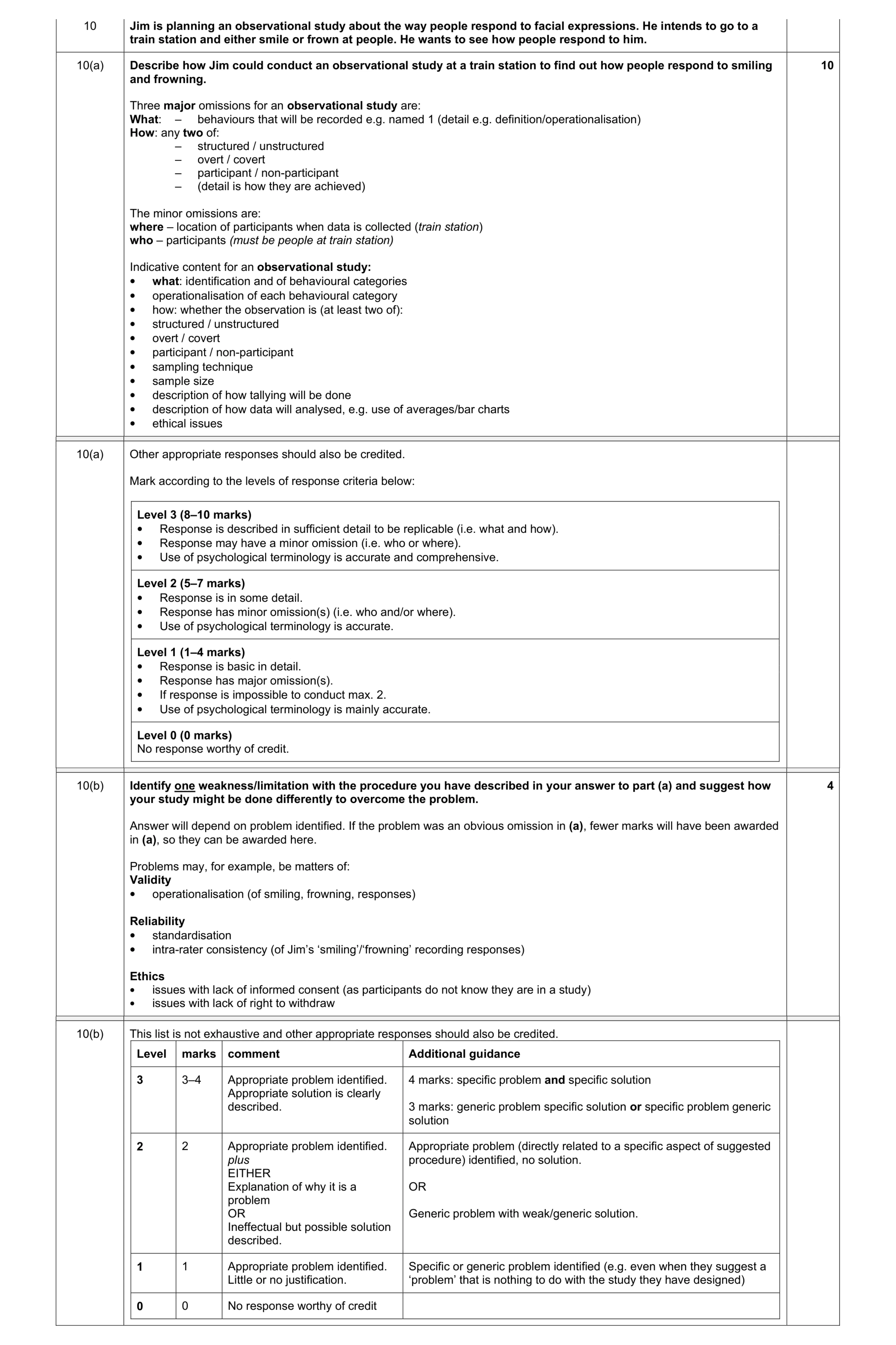 14
14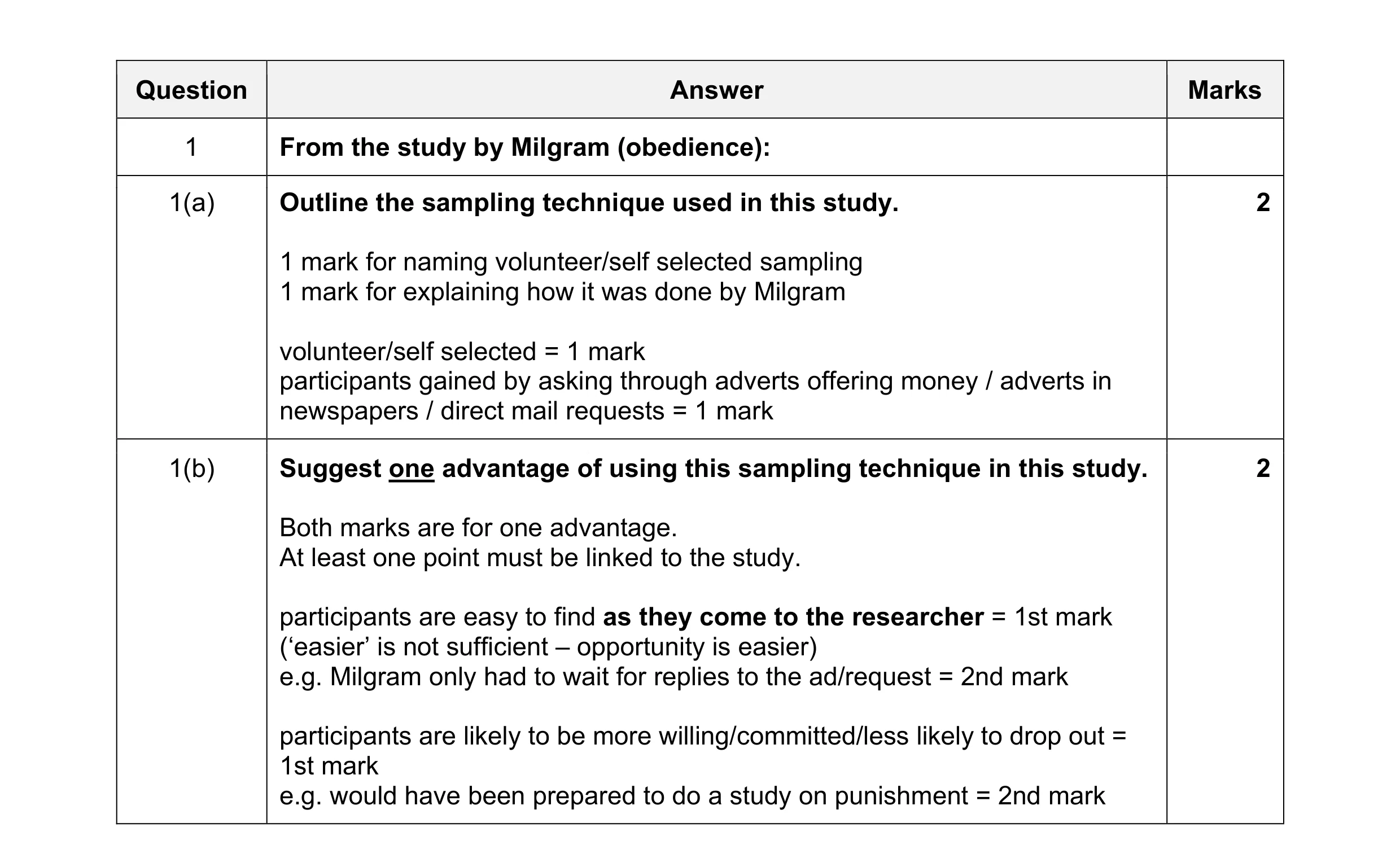 4
4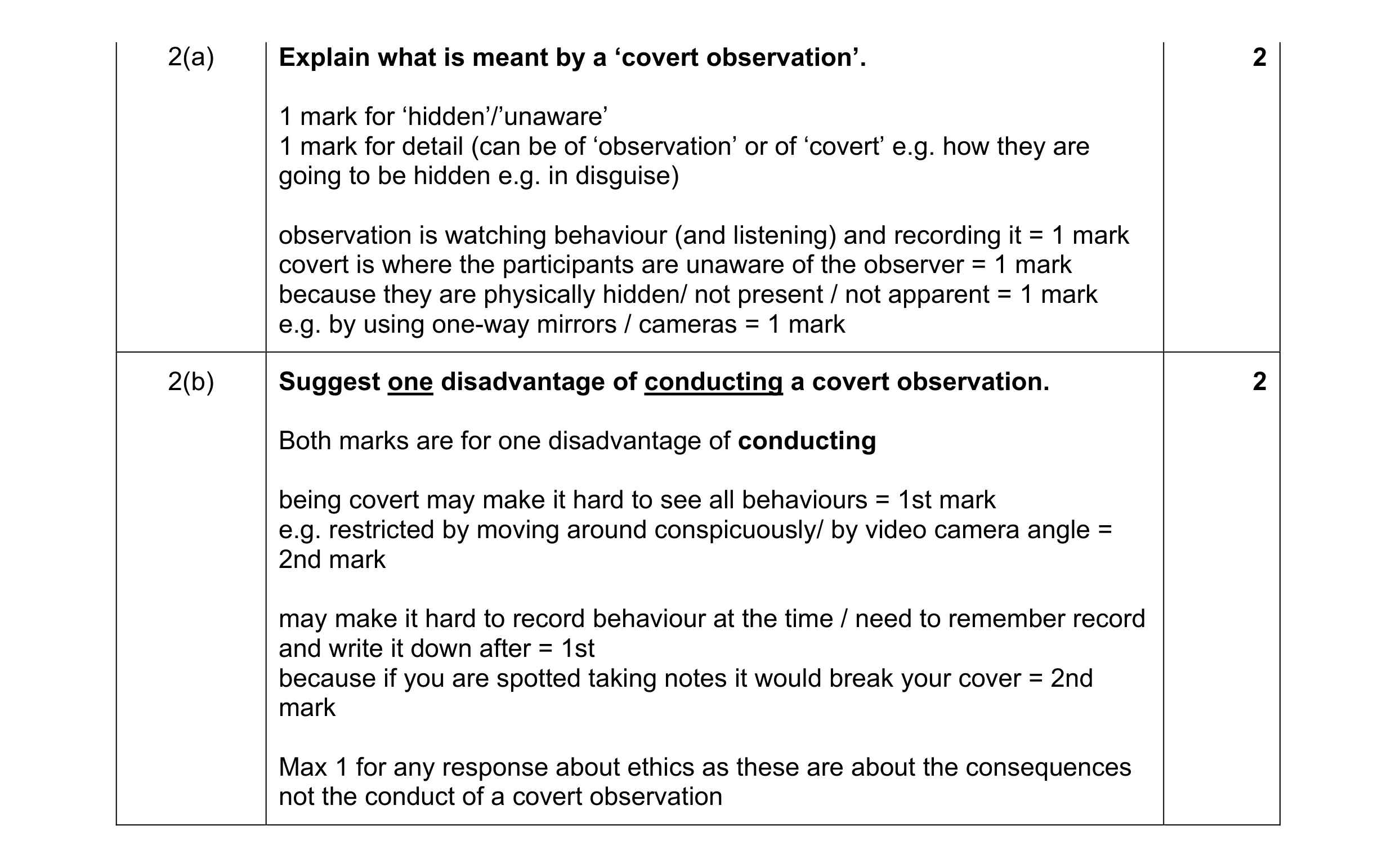 4
4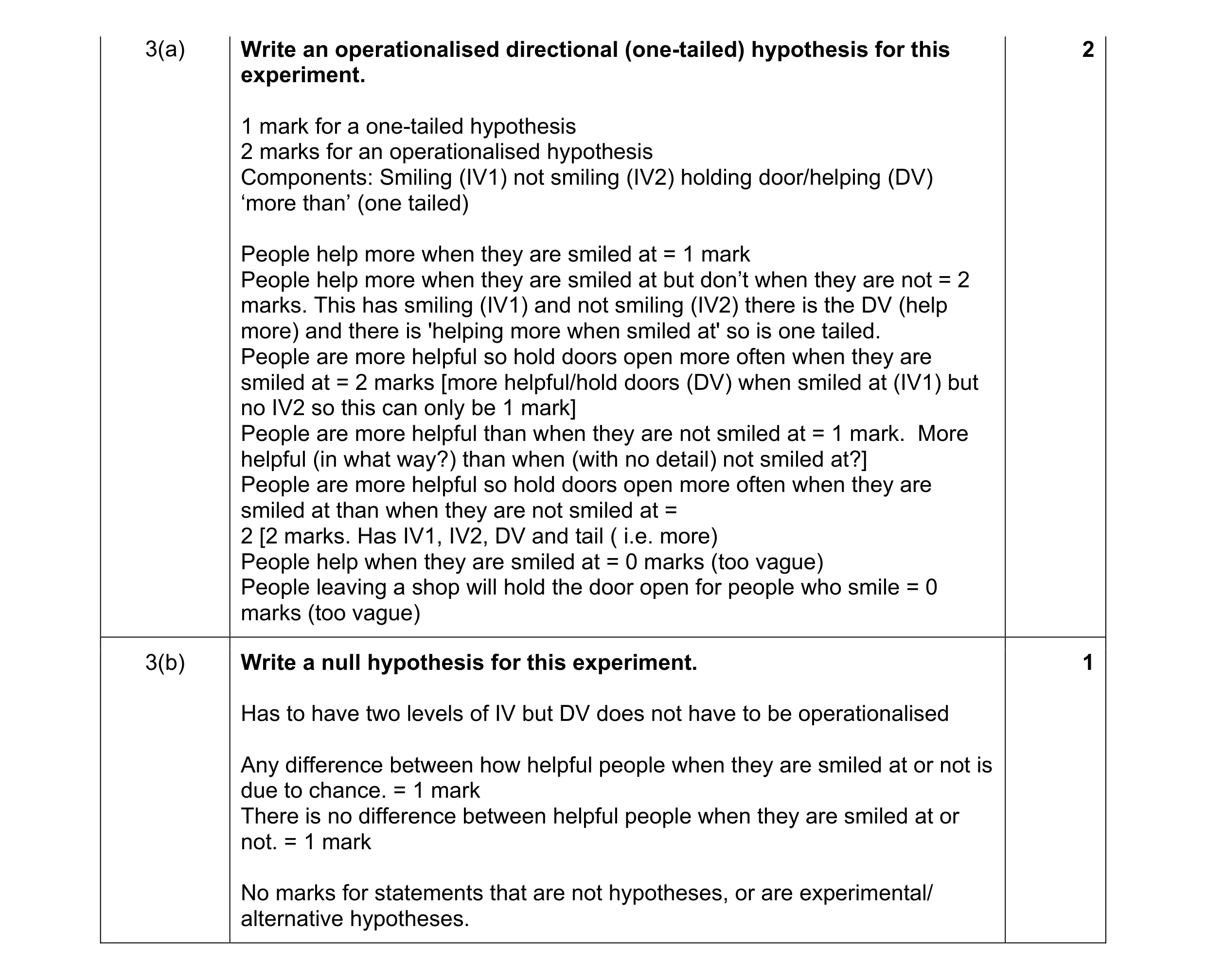 3
3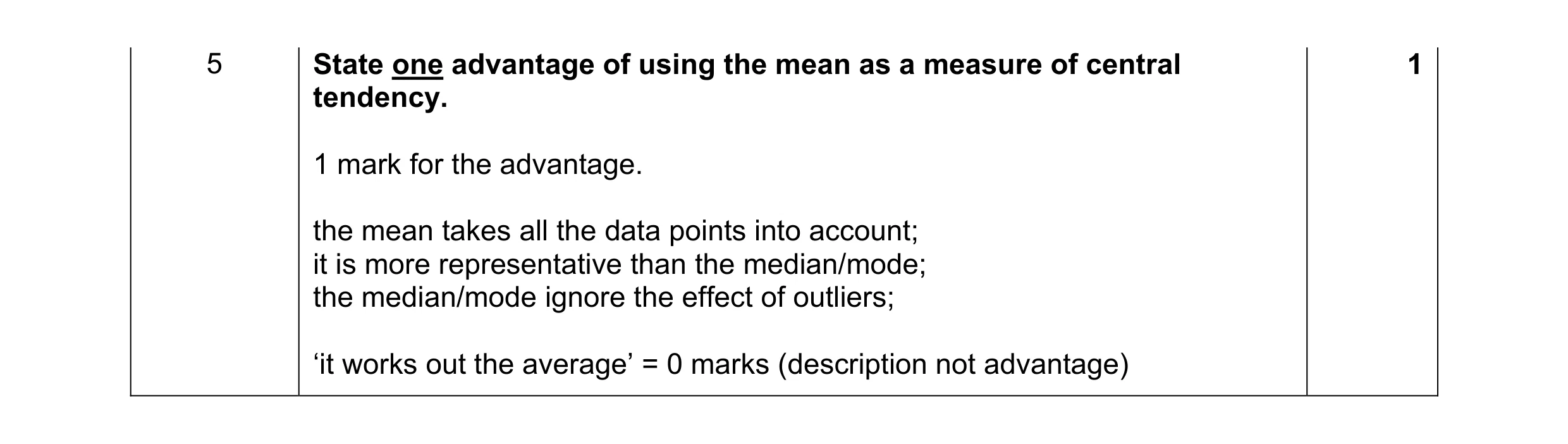 1
1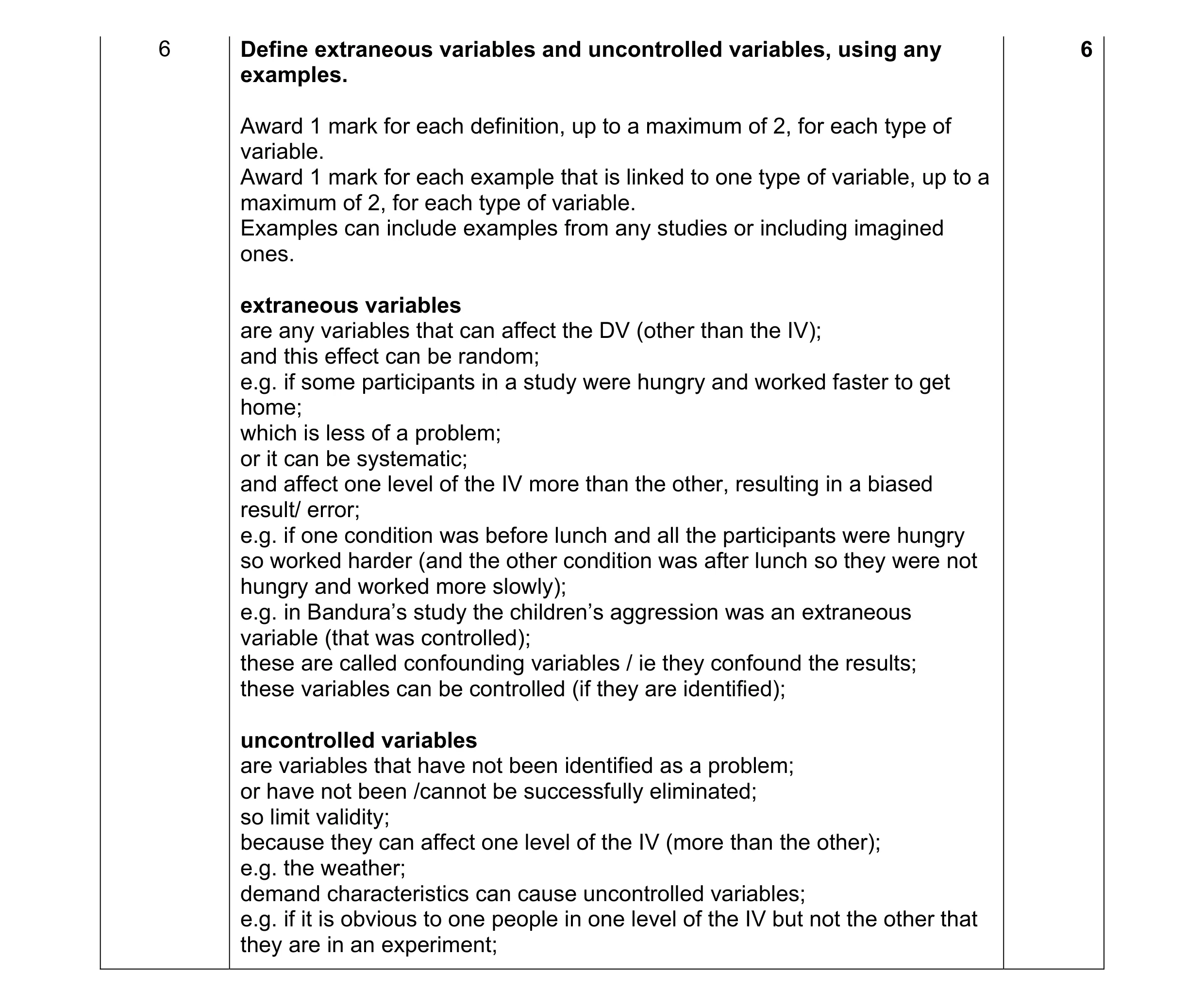 6
6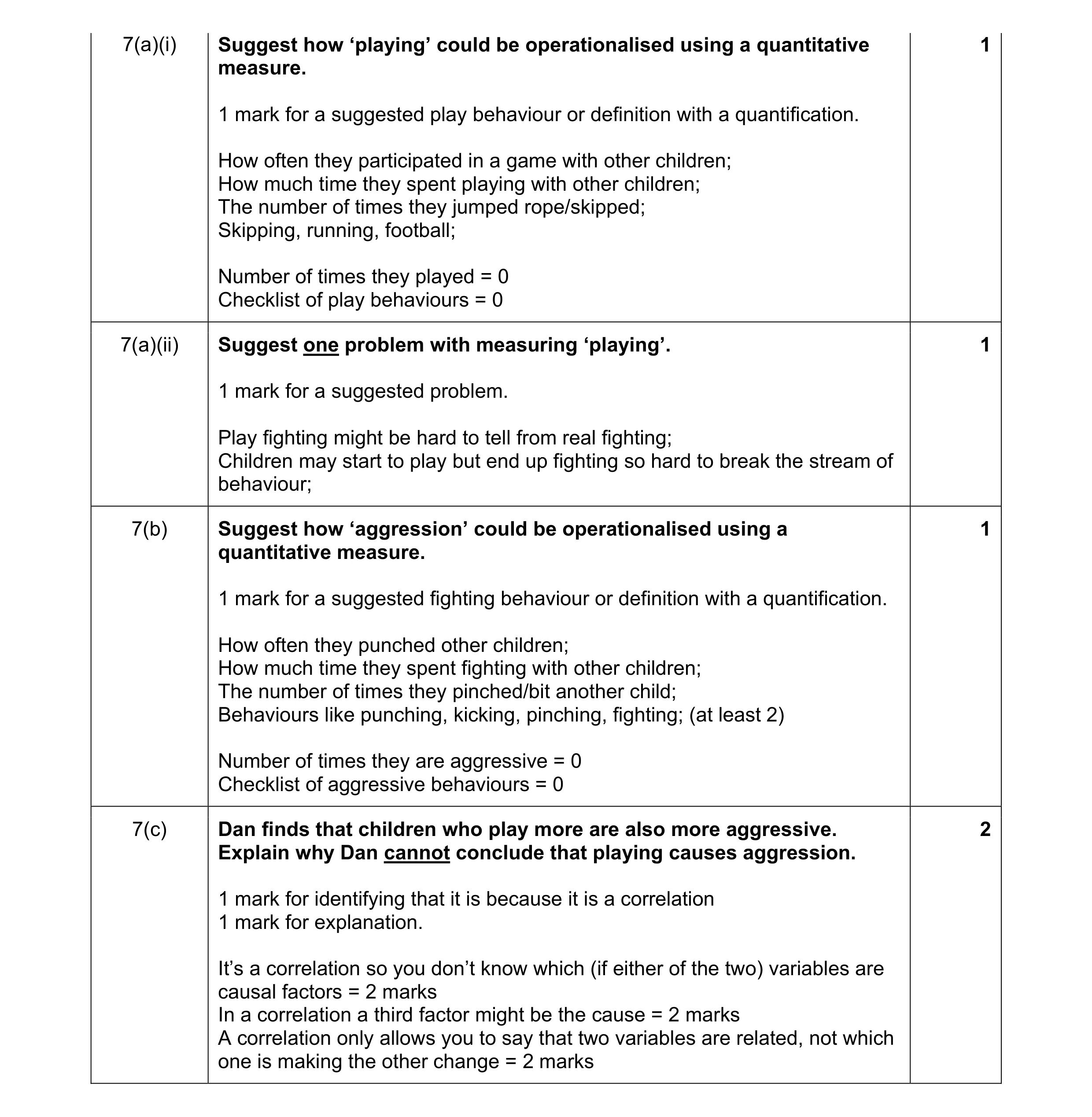 5
5 10
10 9
9 14
14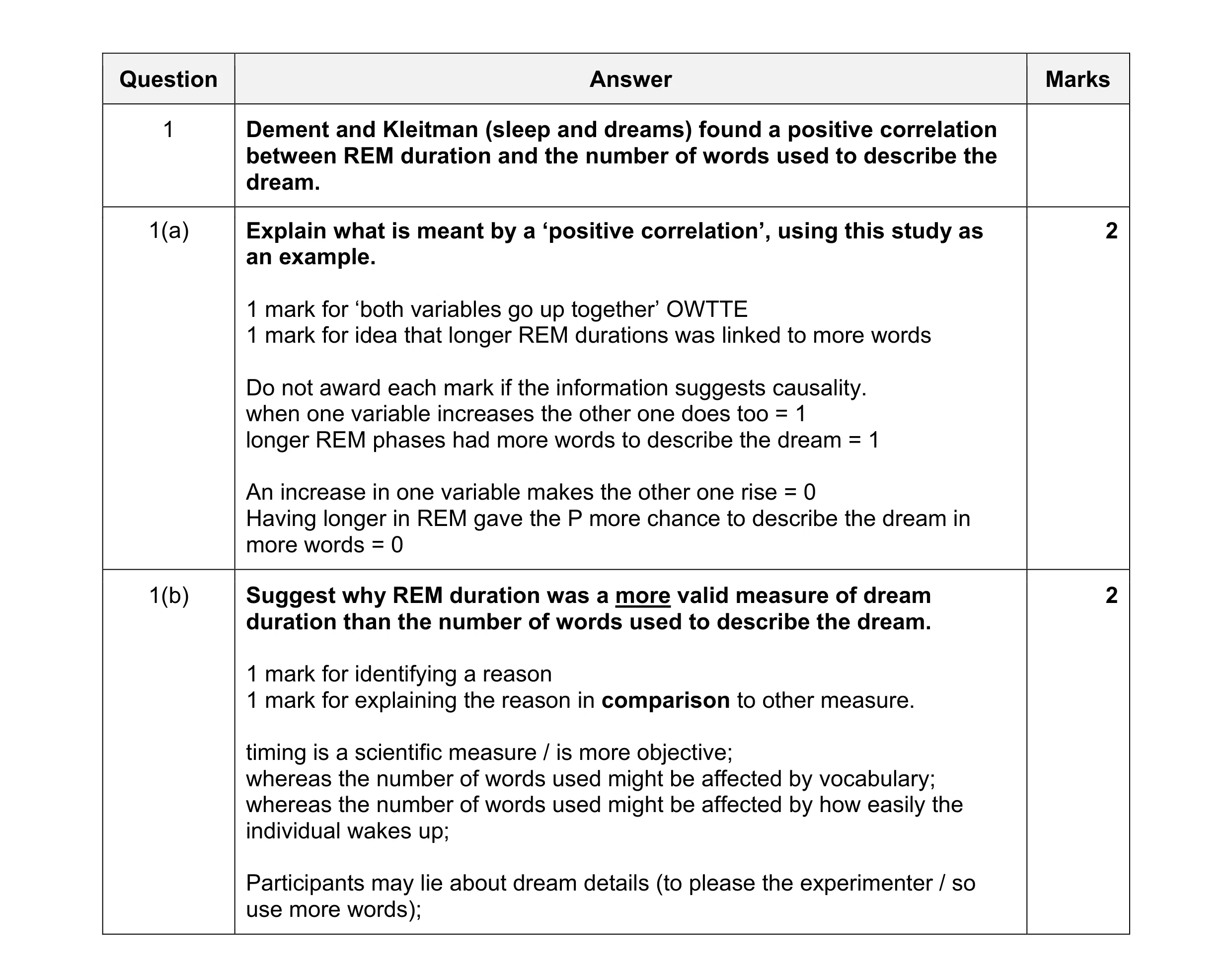 4
4 4
4 4
4 3
3 1
1 6
6 10
10 10
10 4
4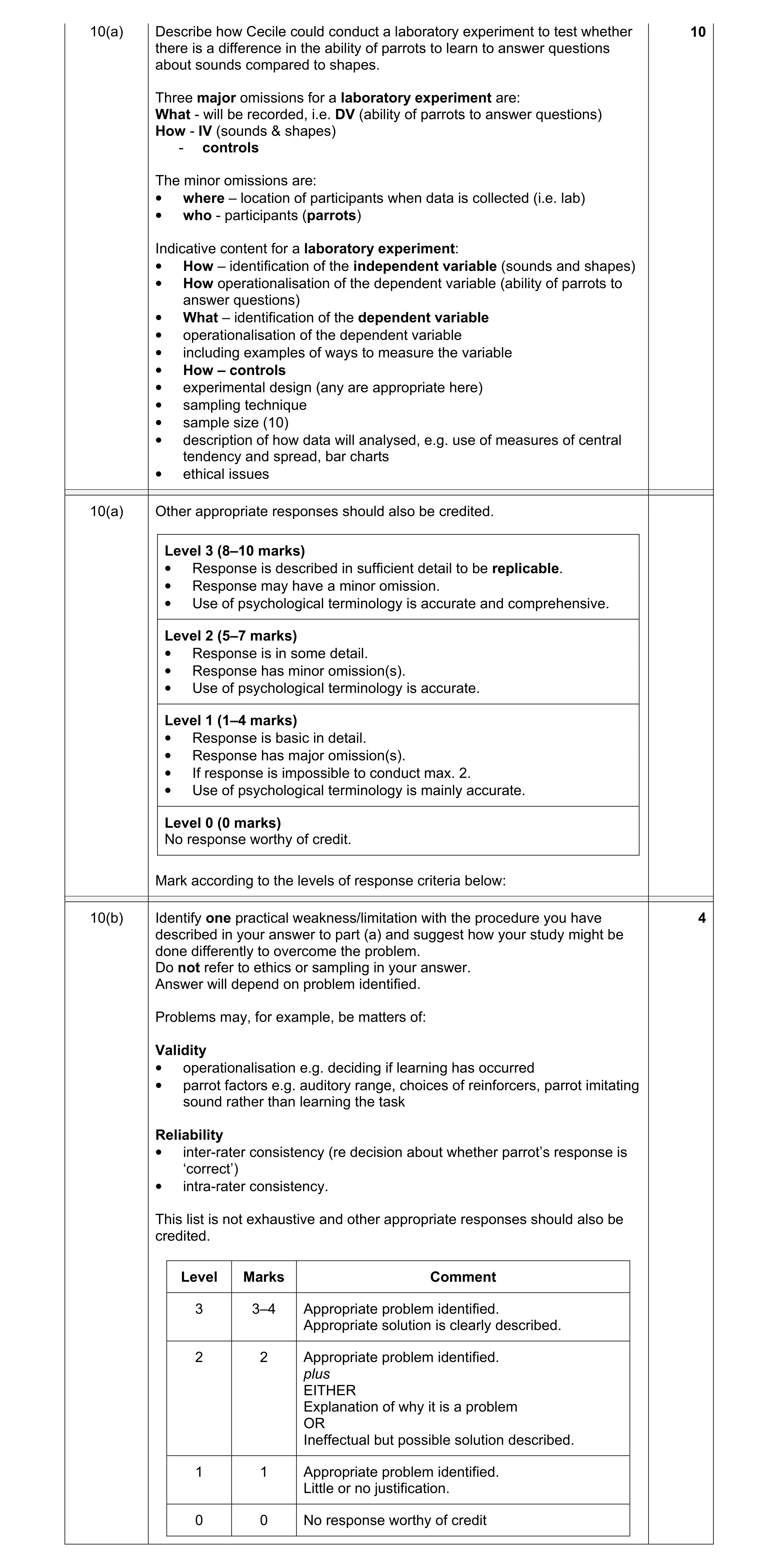 14
14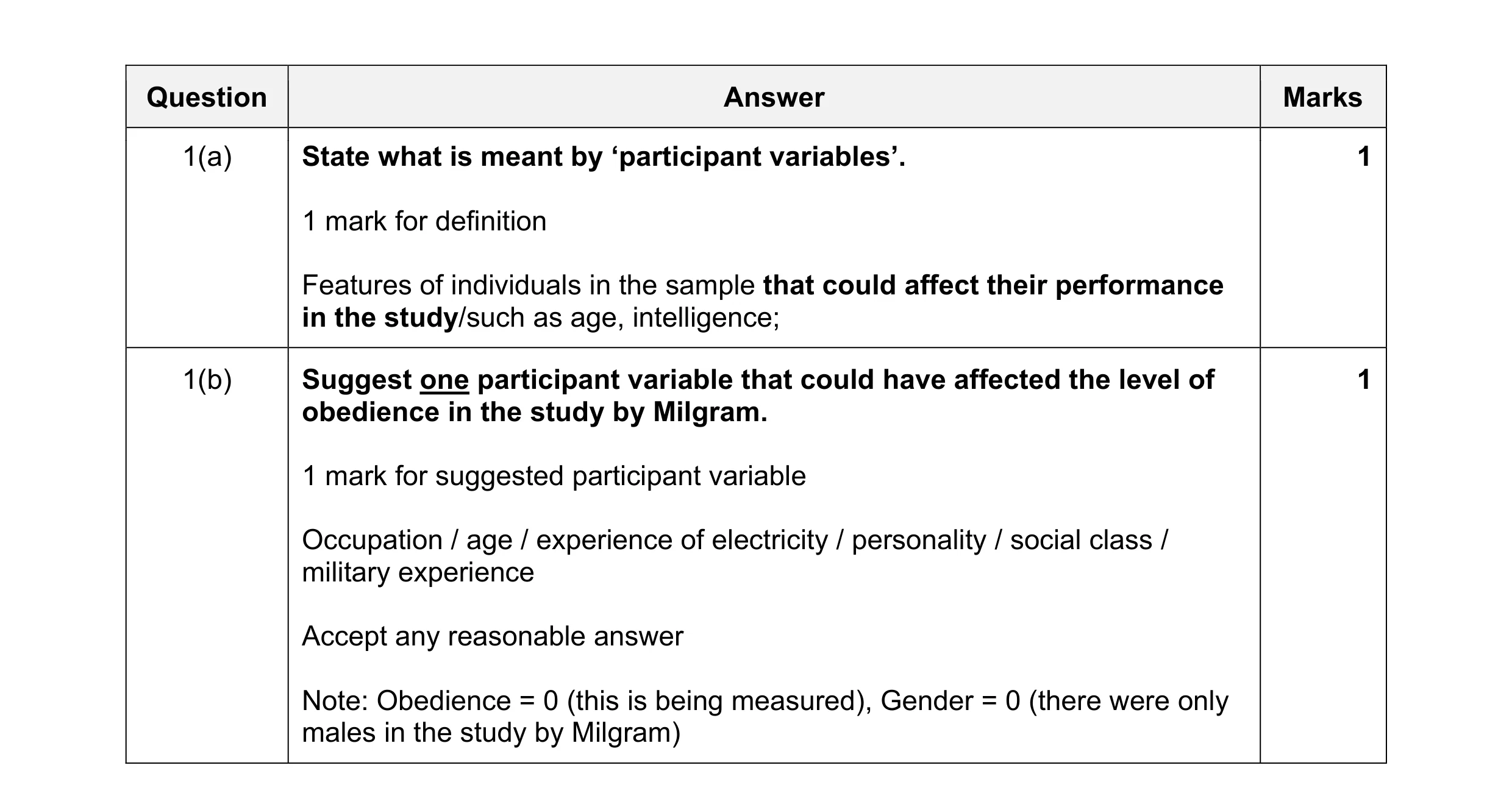 2
2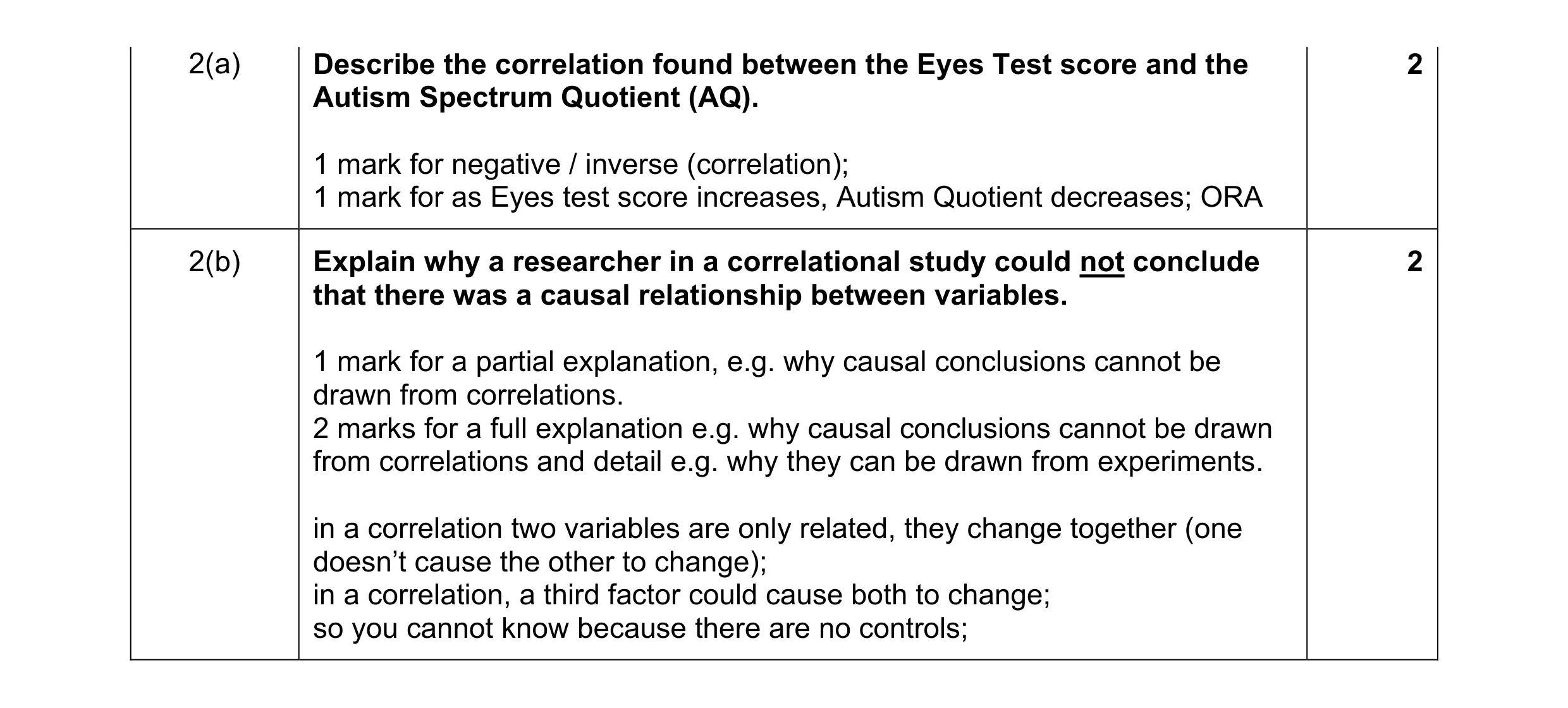 4
4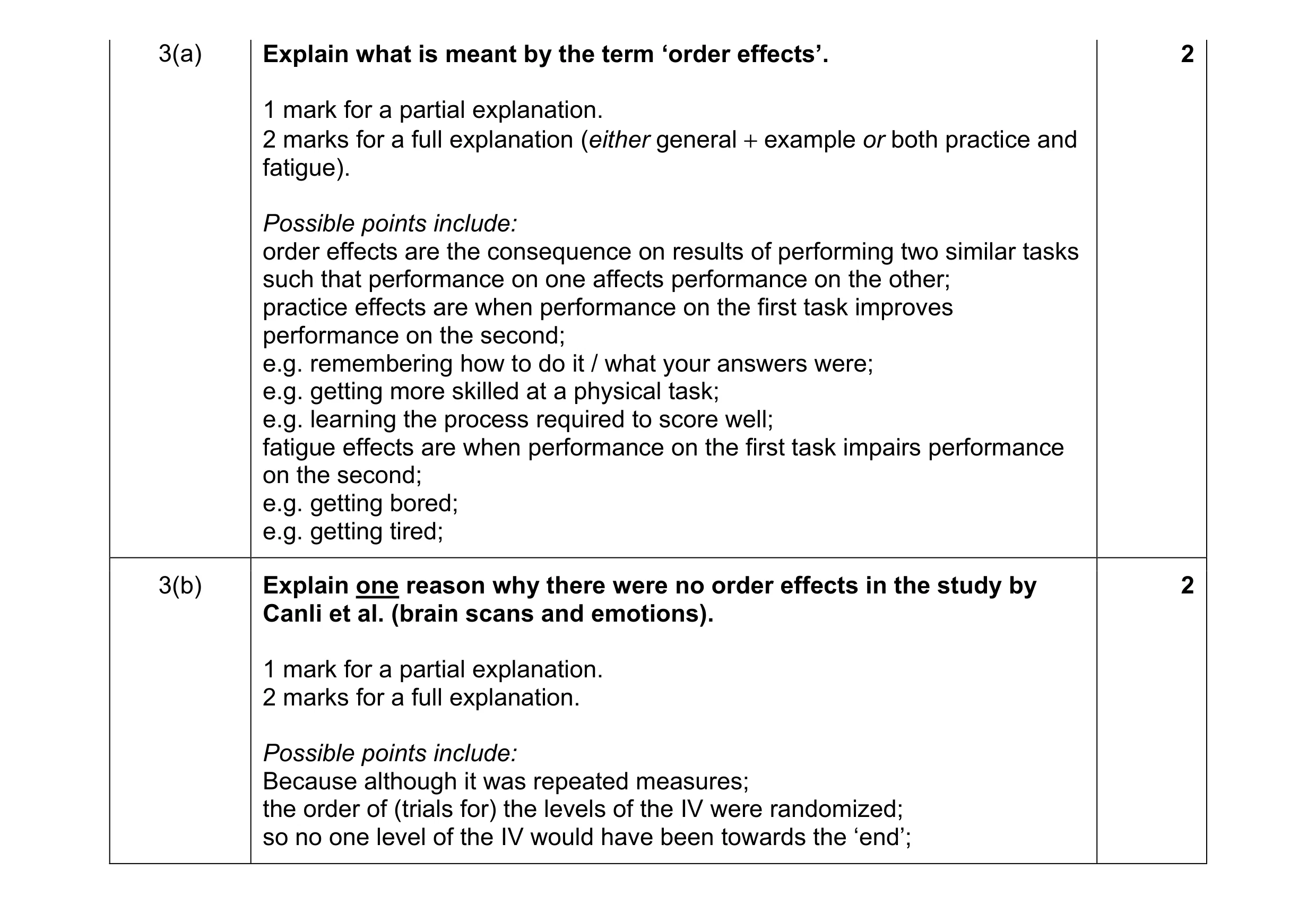 4
4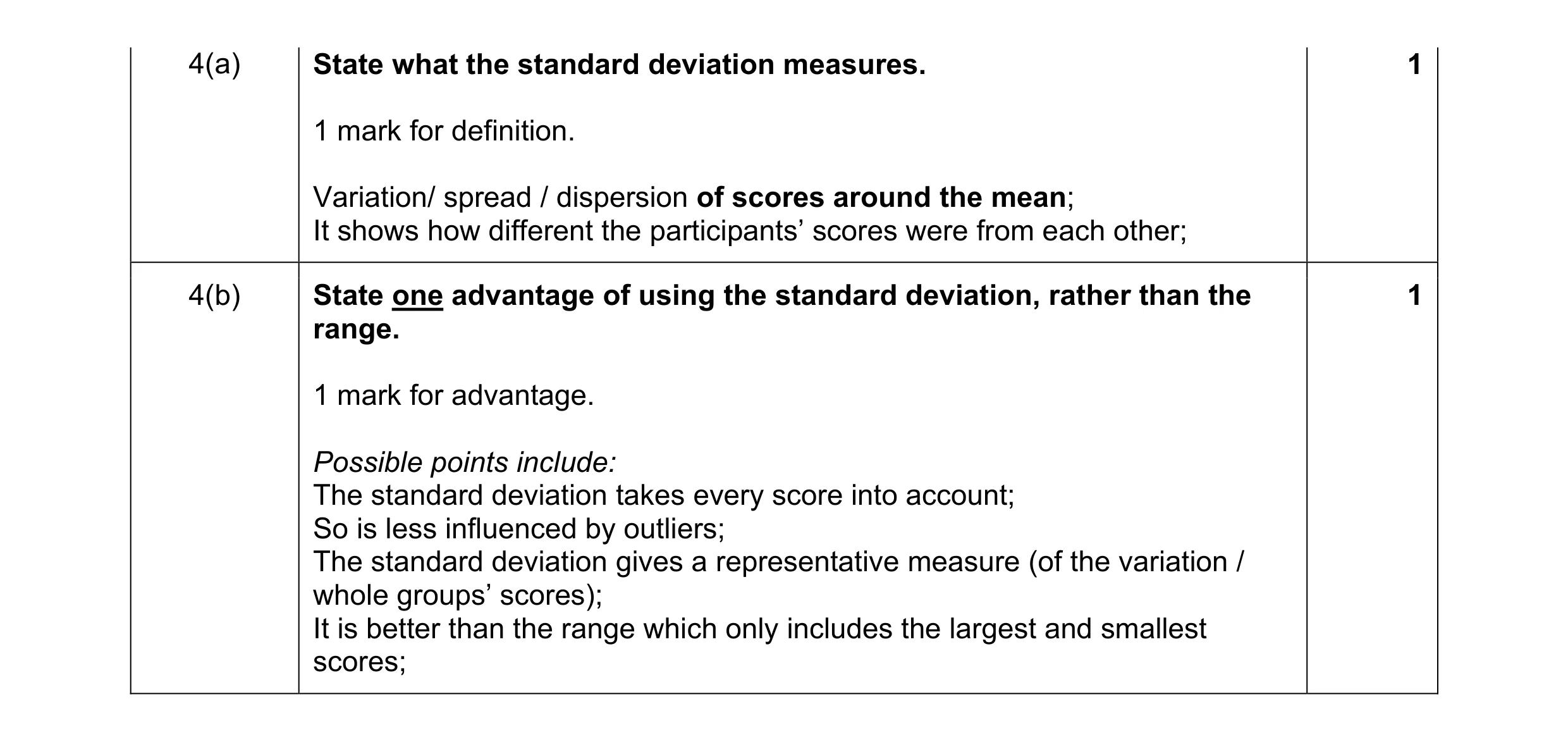 2
2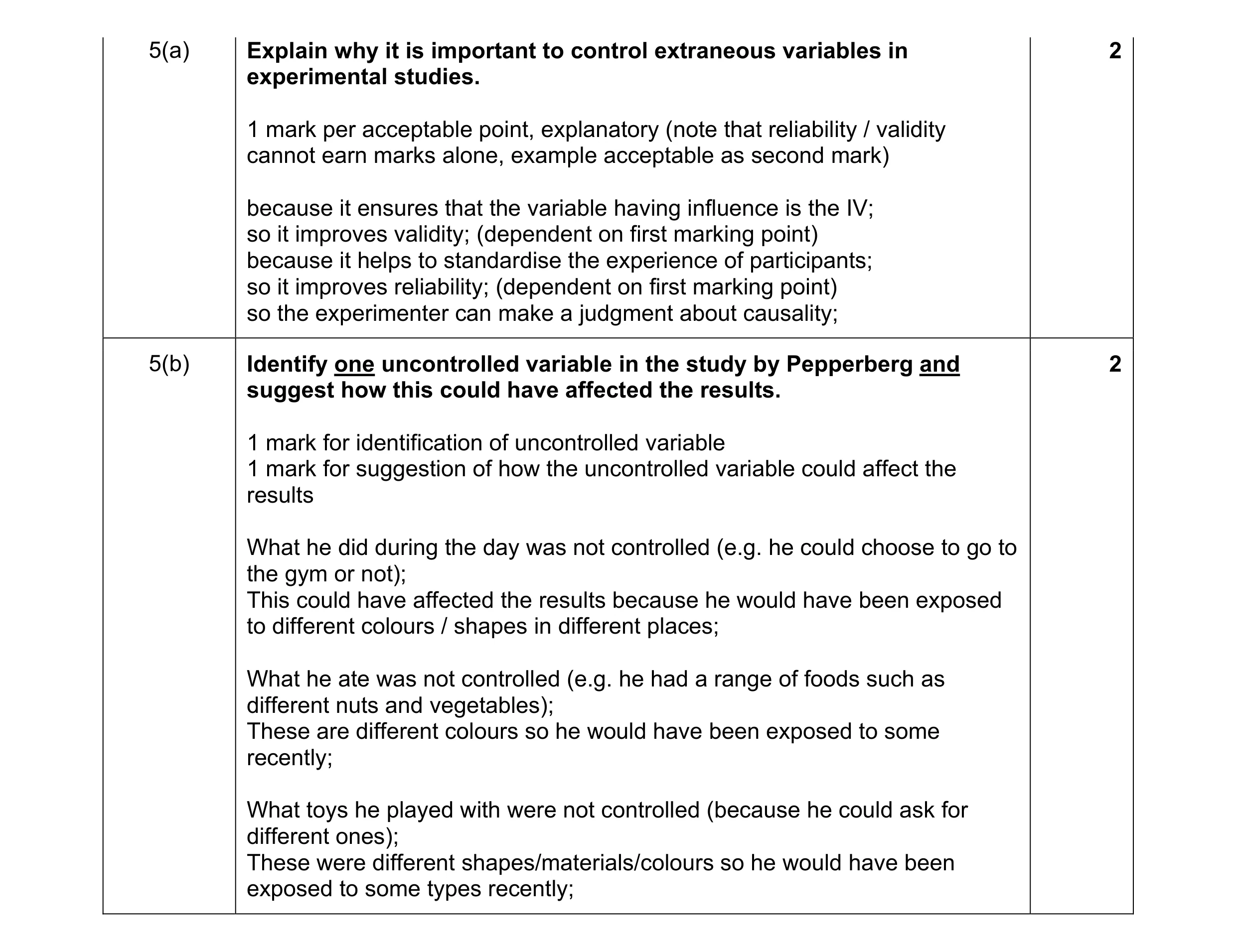 4
4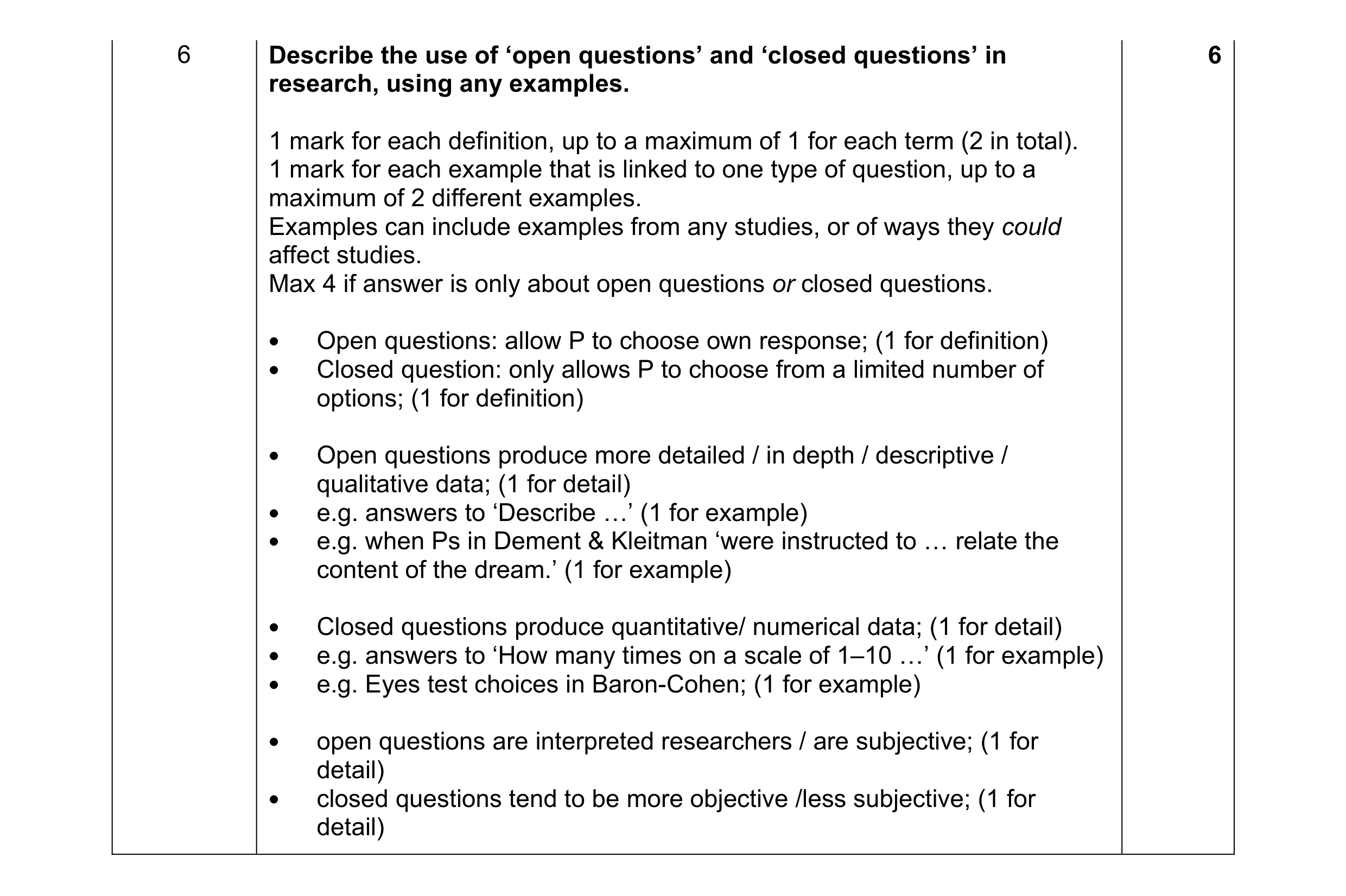 6
6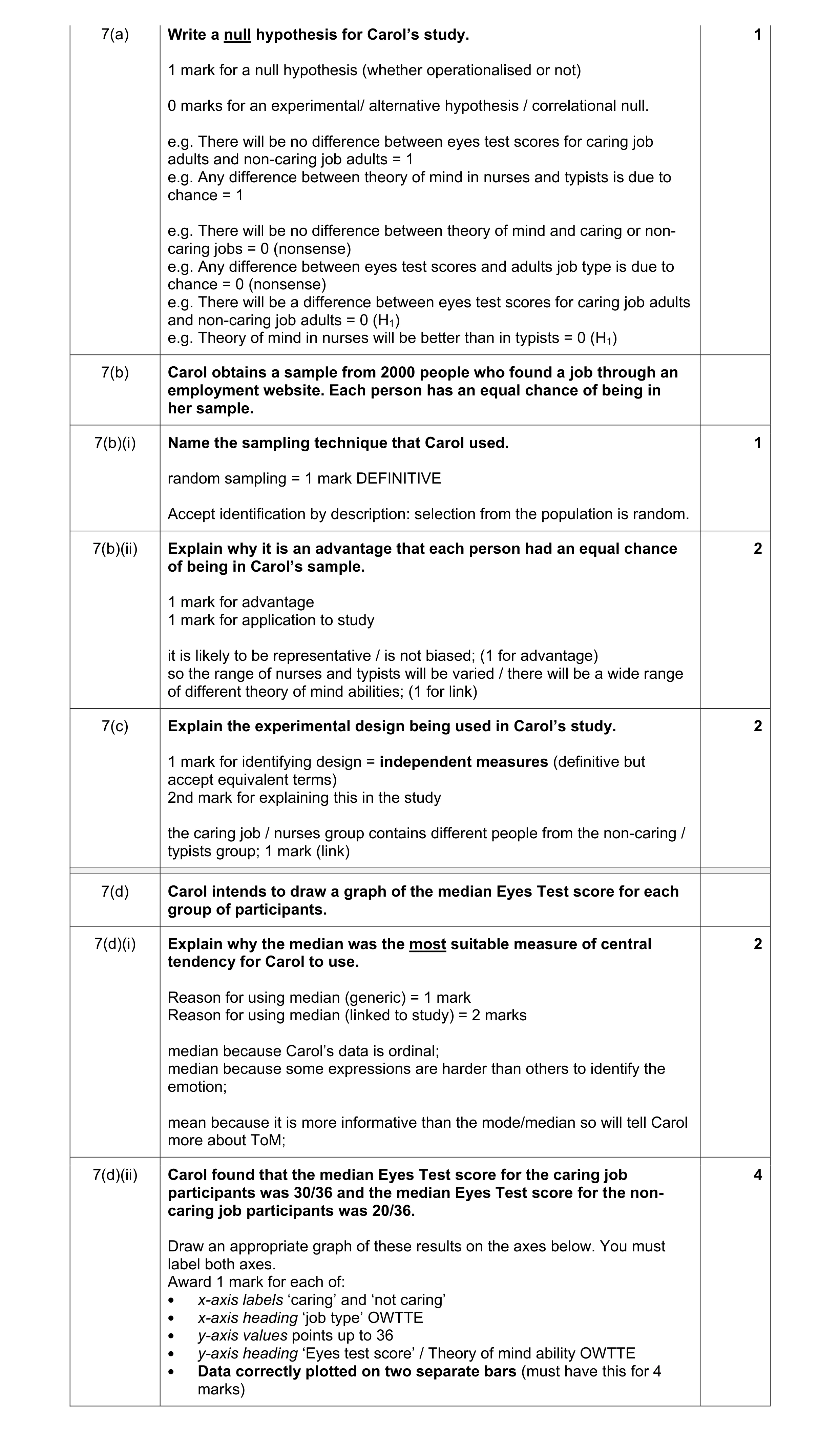 12
12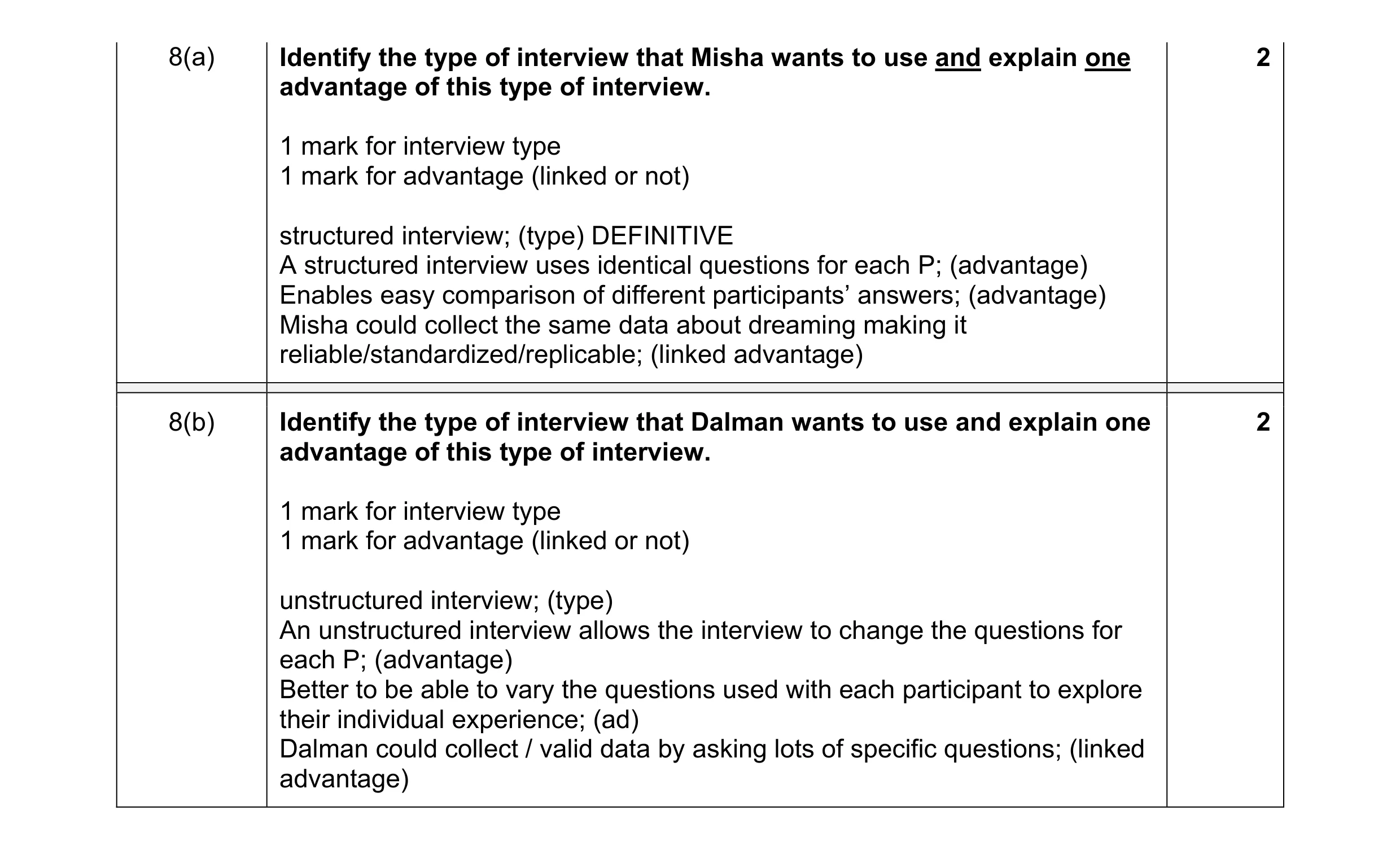 4
4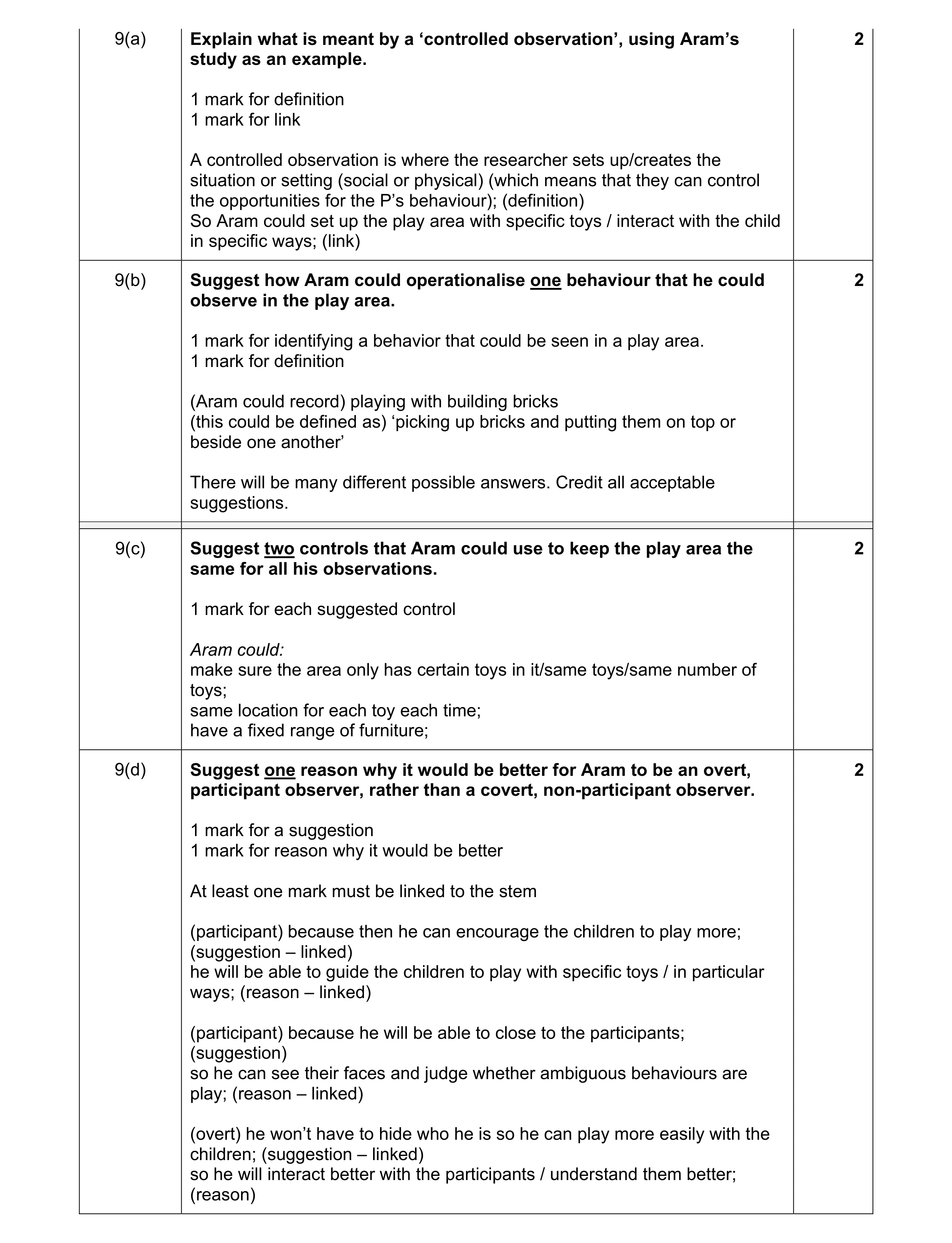 8
8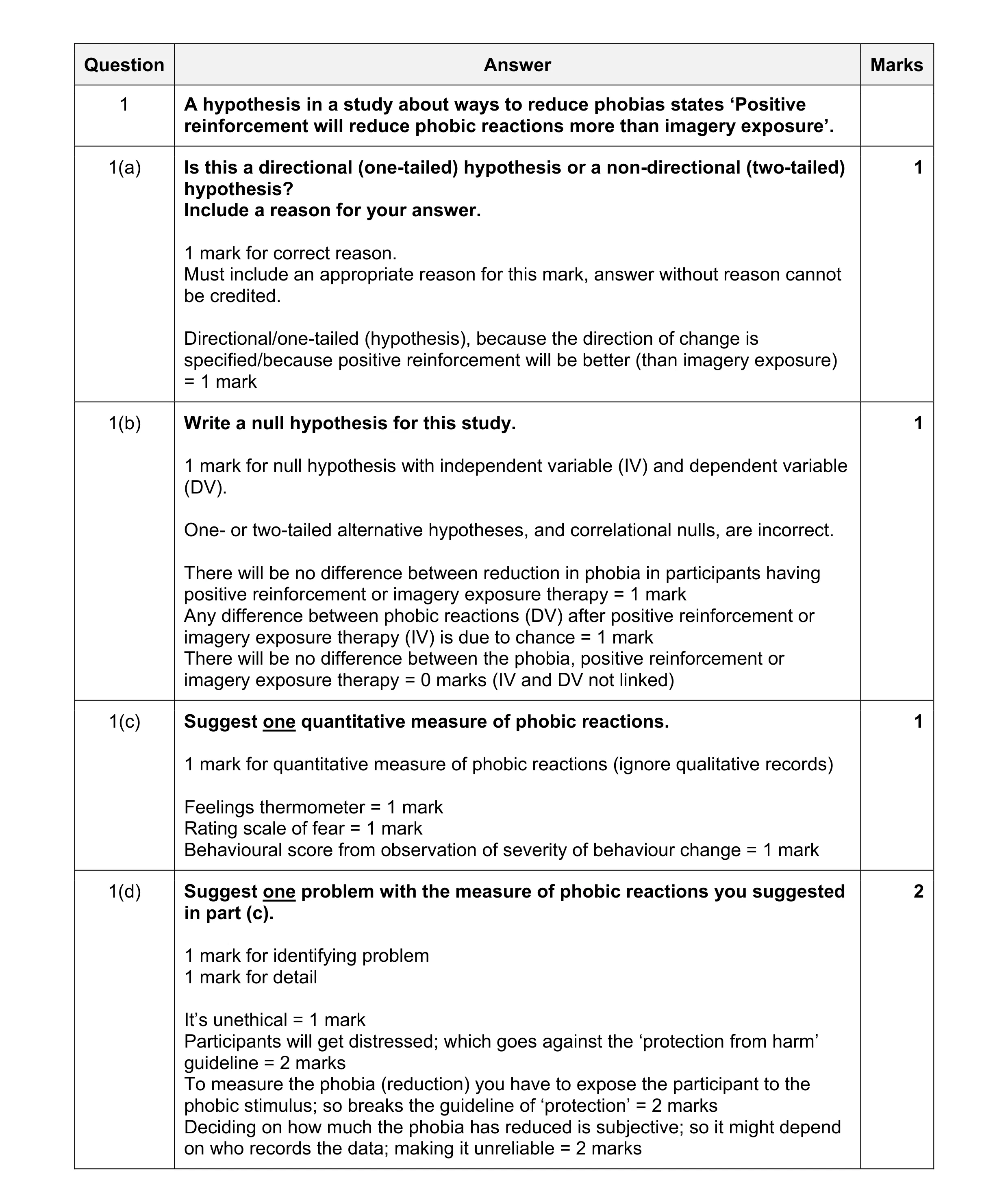 5
5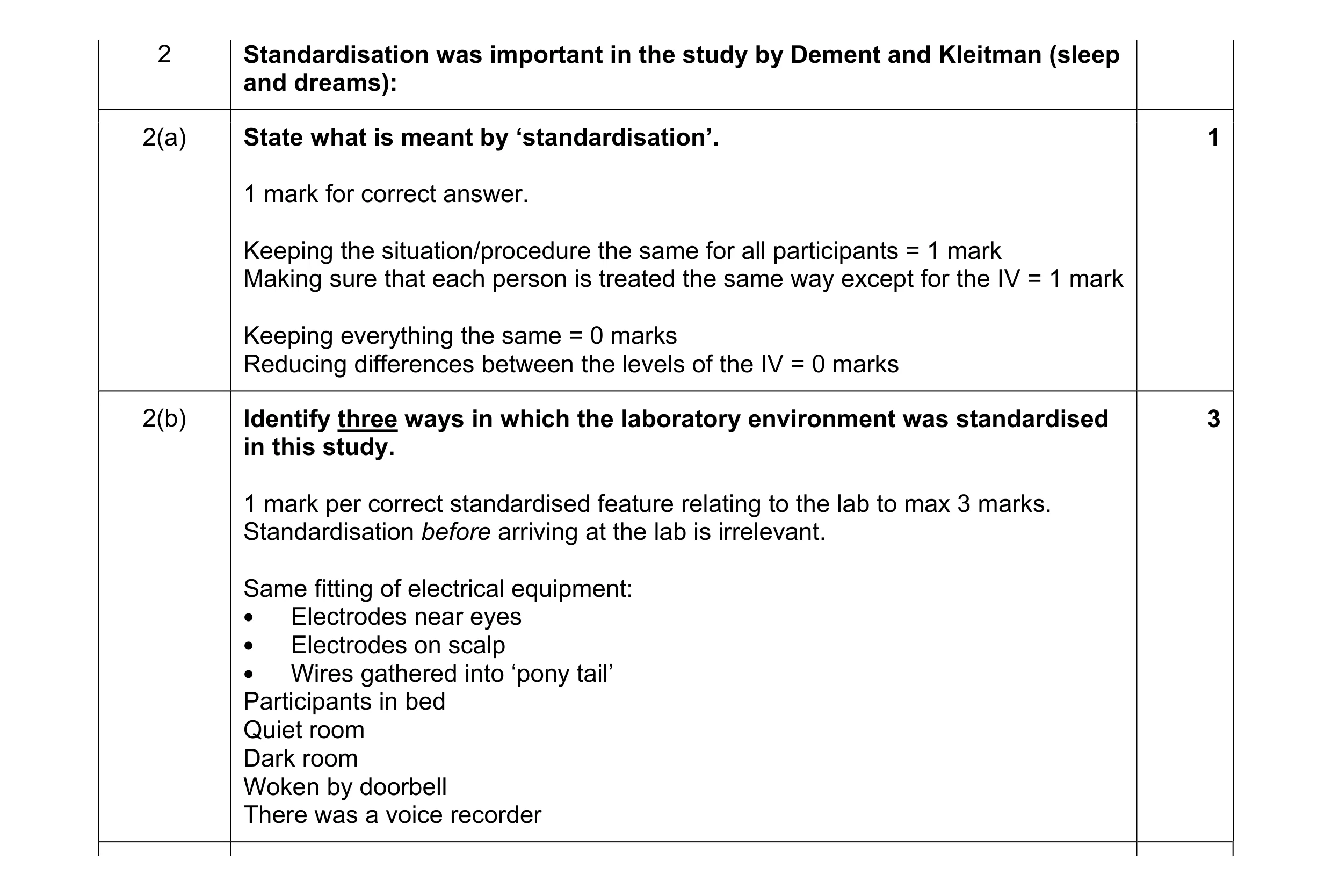 4
4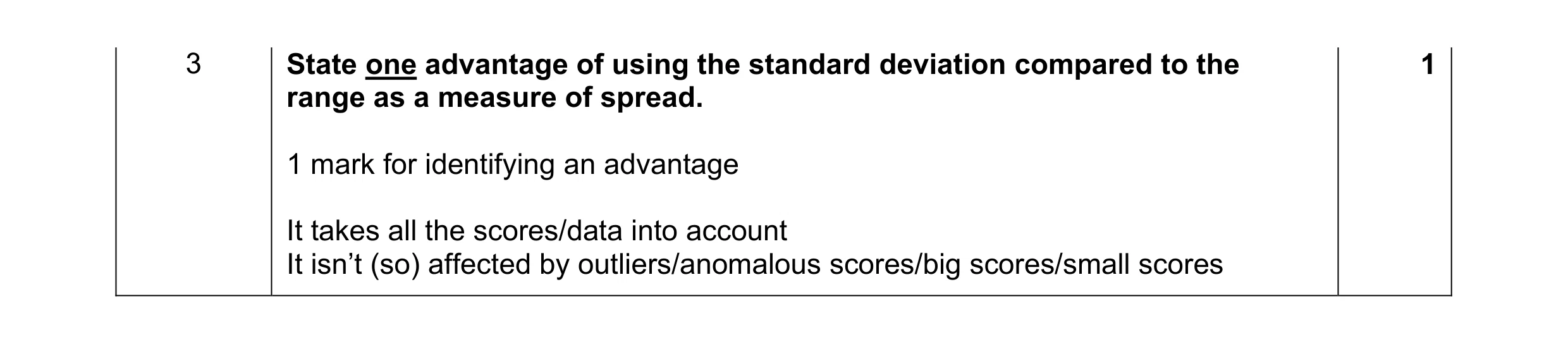 1
1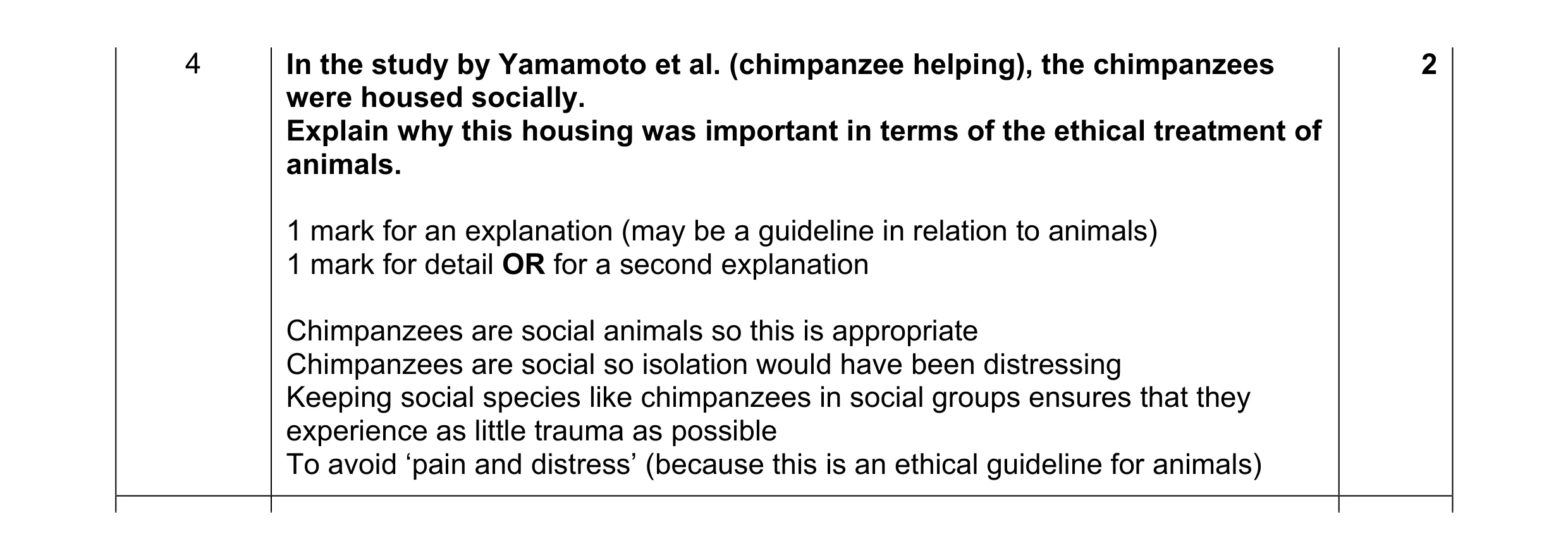 2
2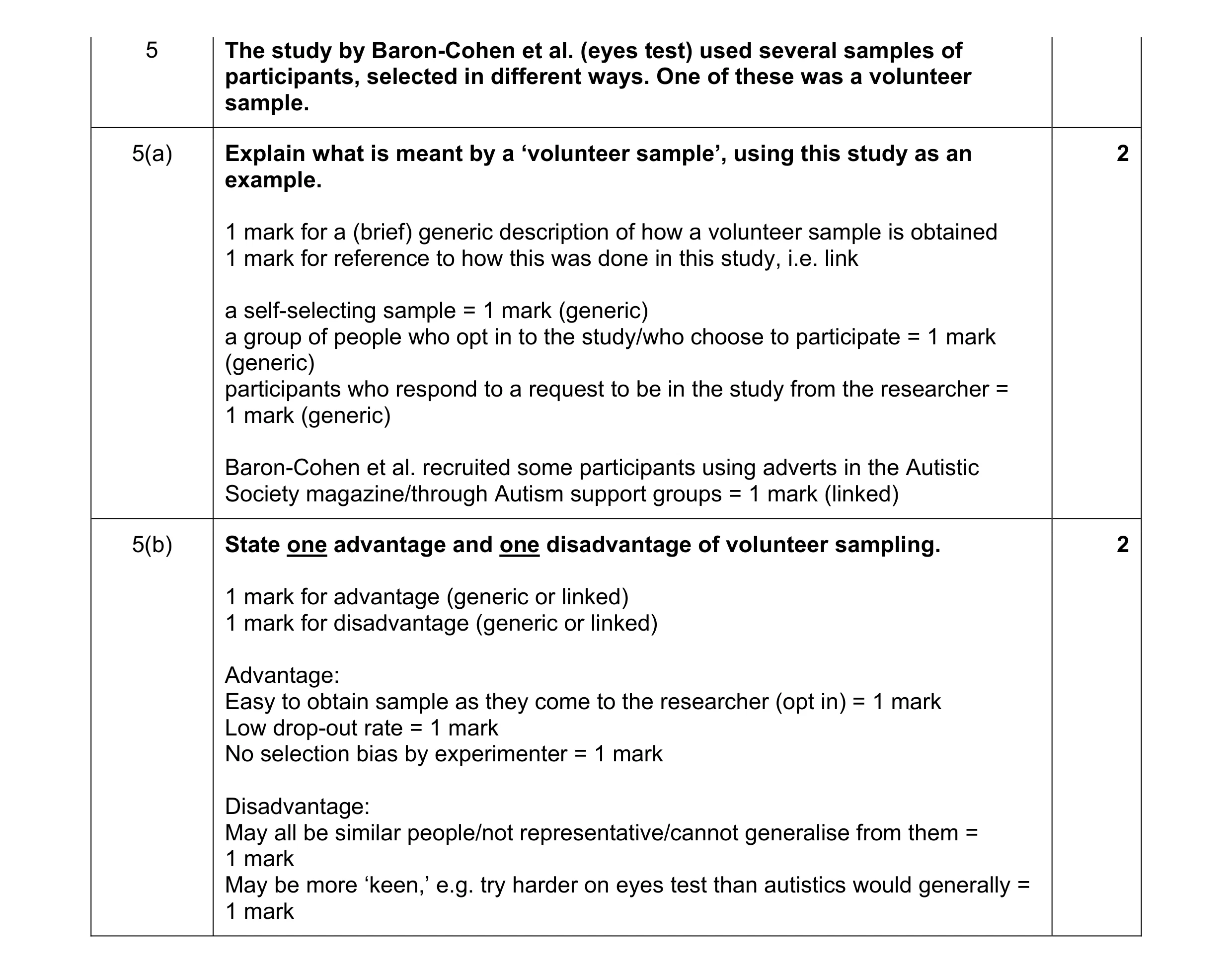 4
4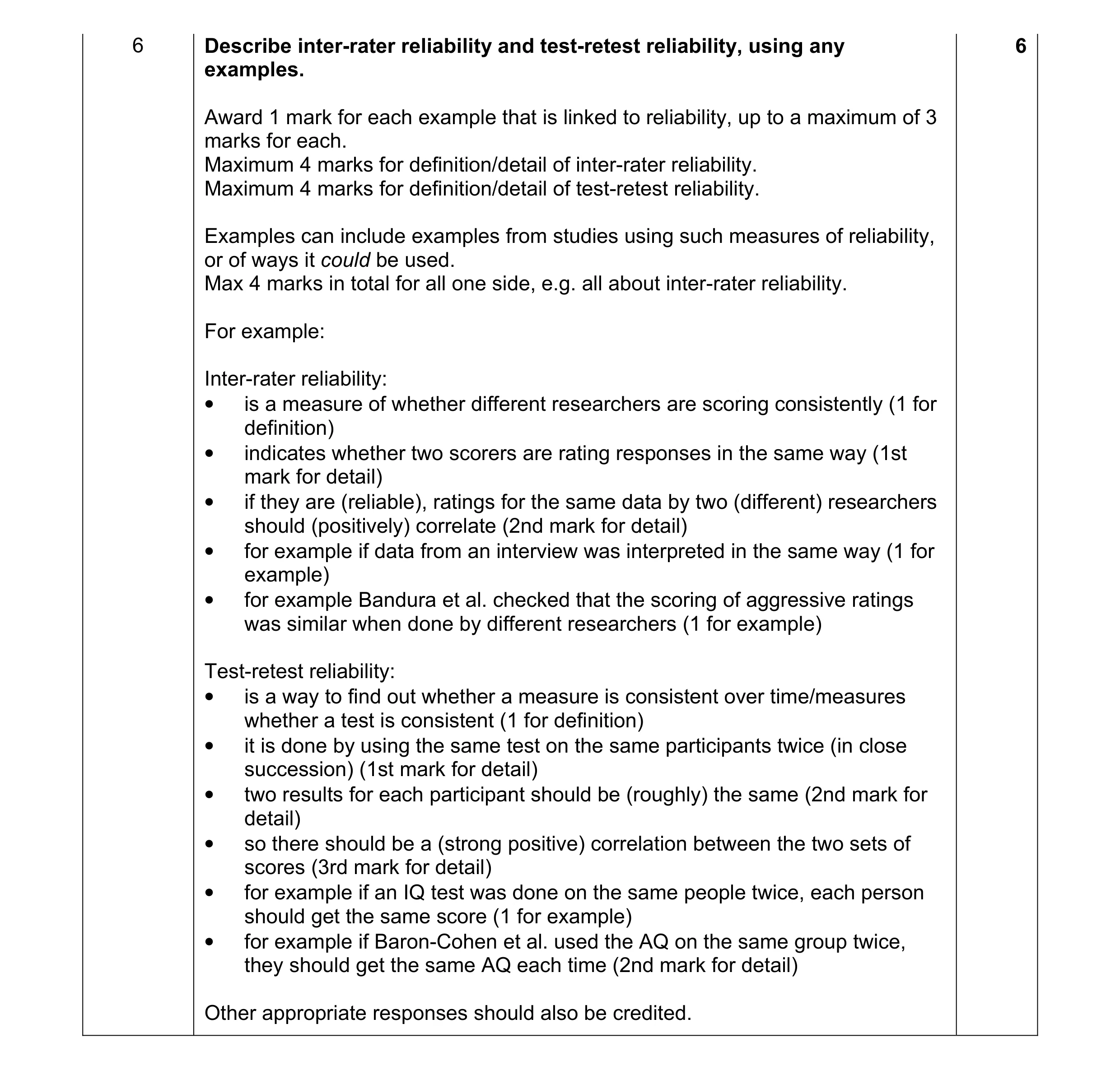 6
6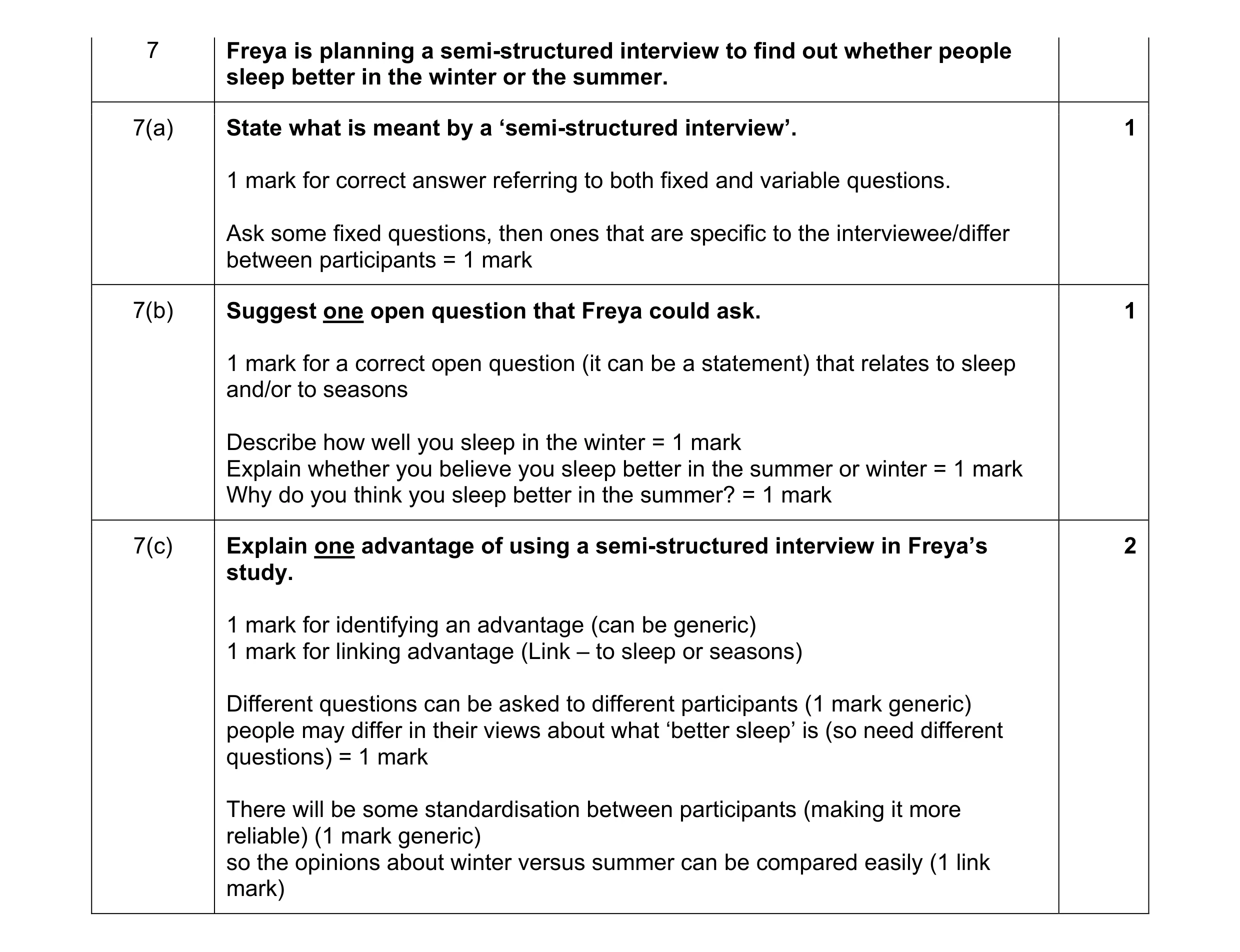 4
4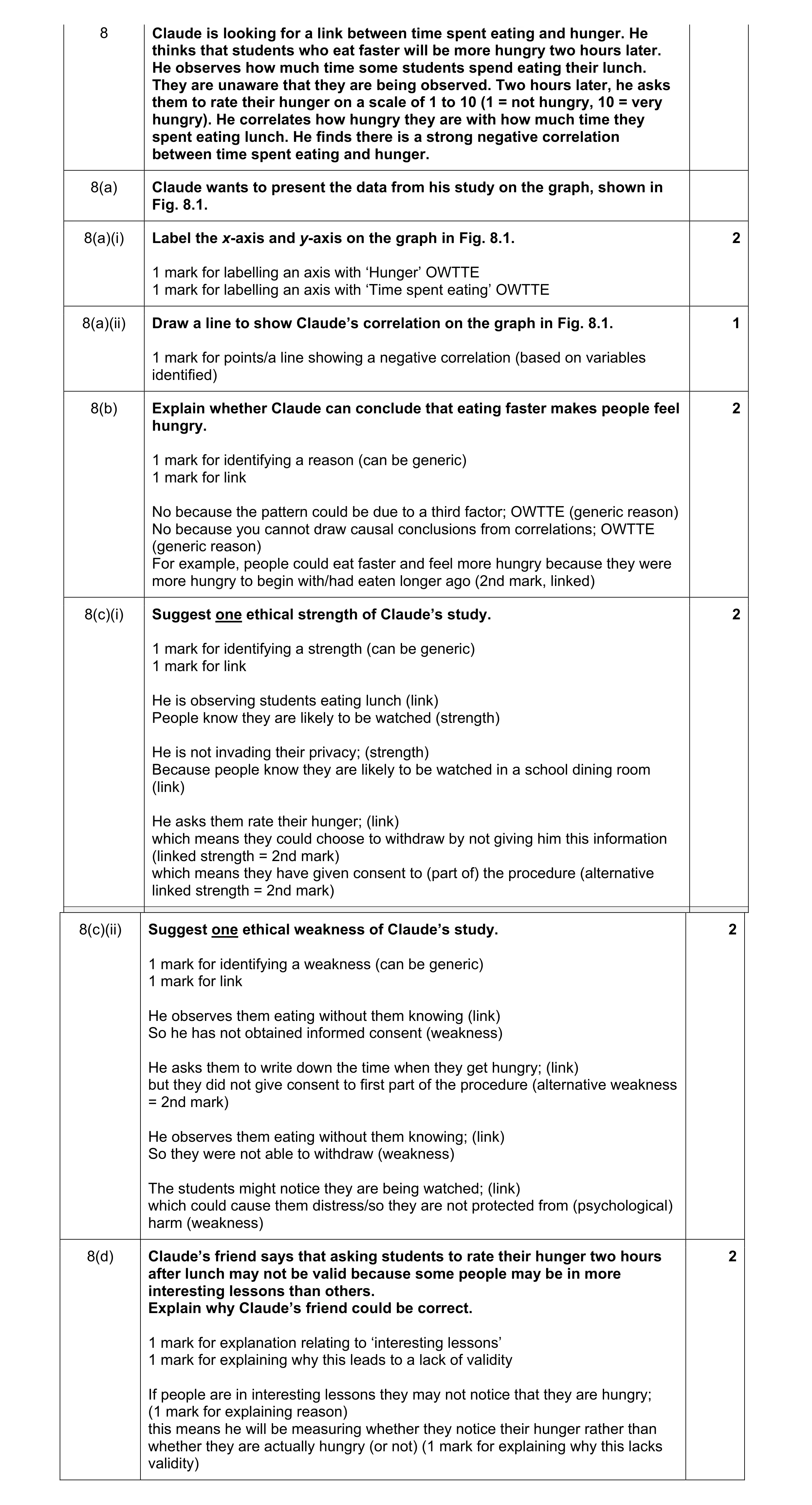 11
11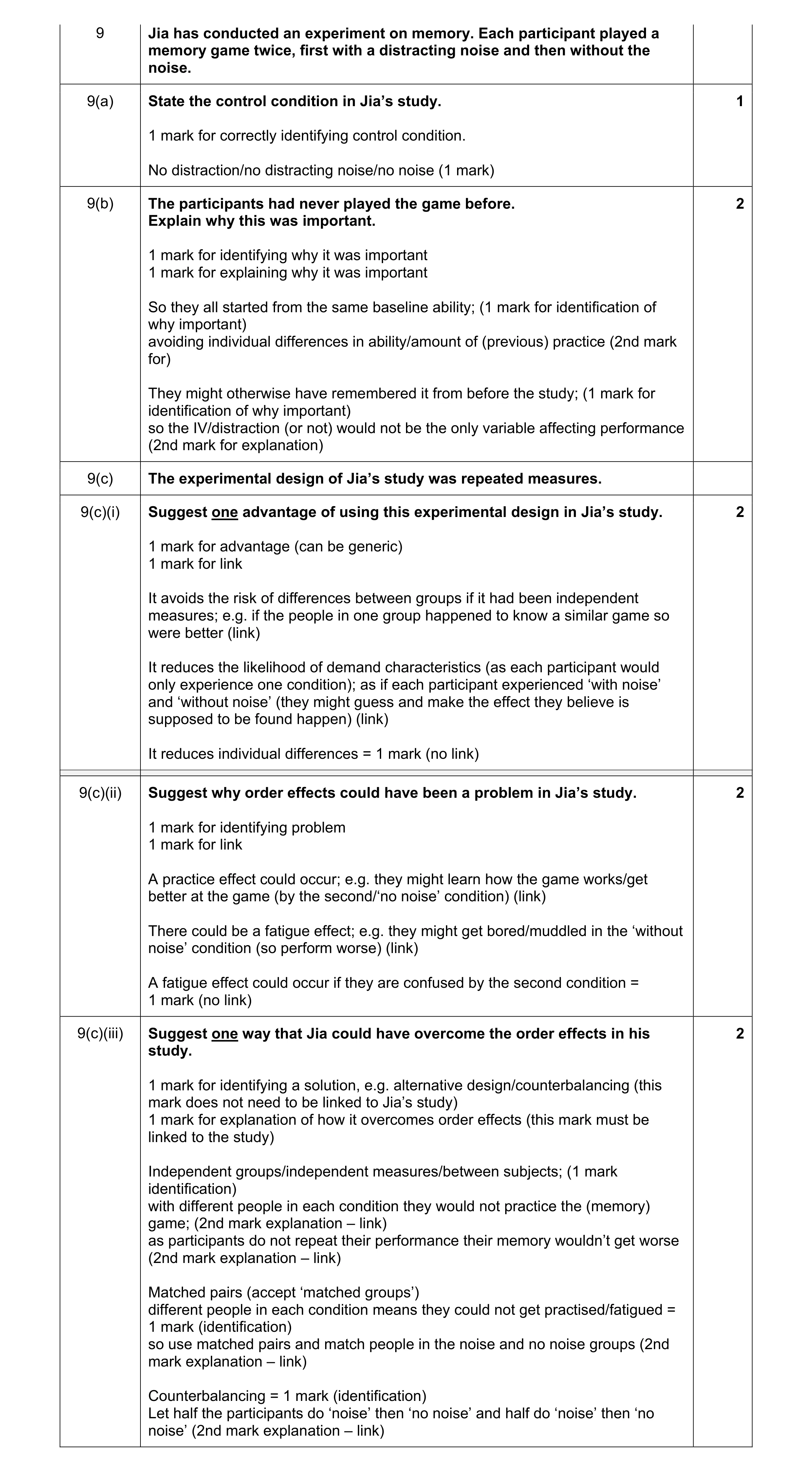 9
9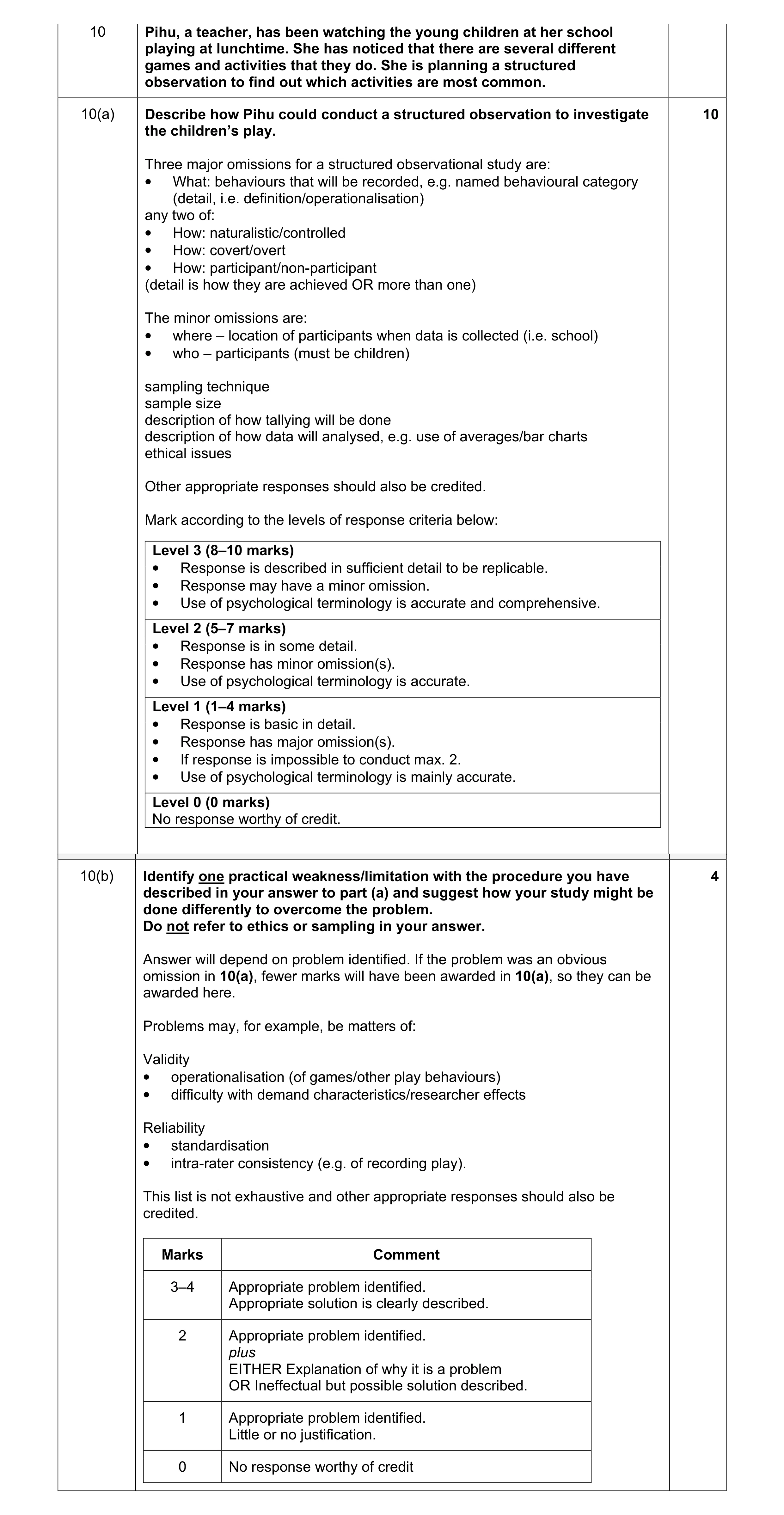 14
14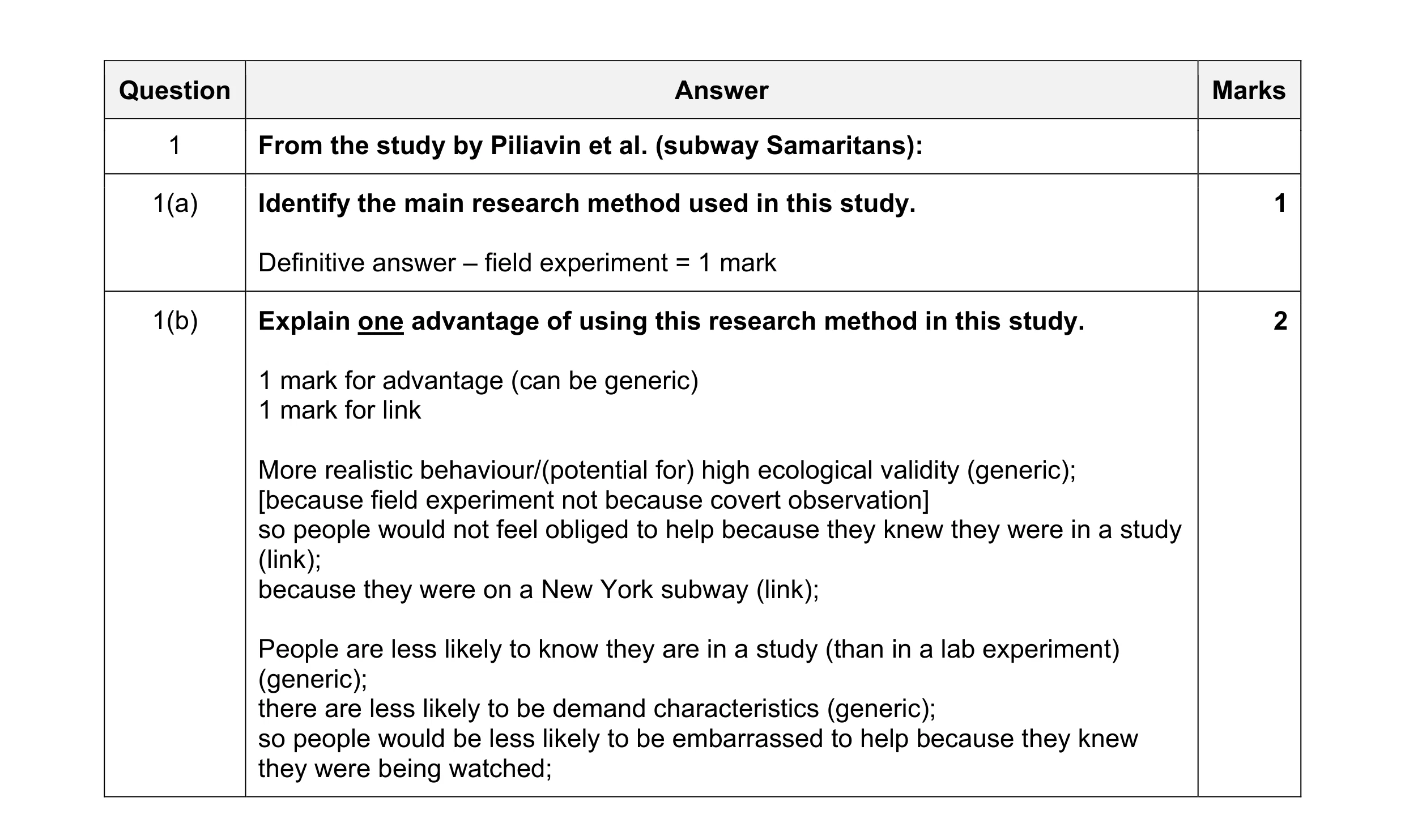 3
3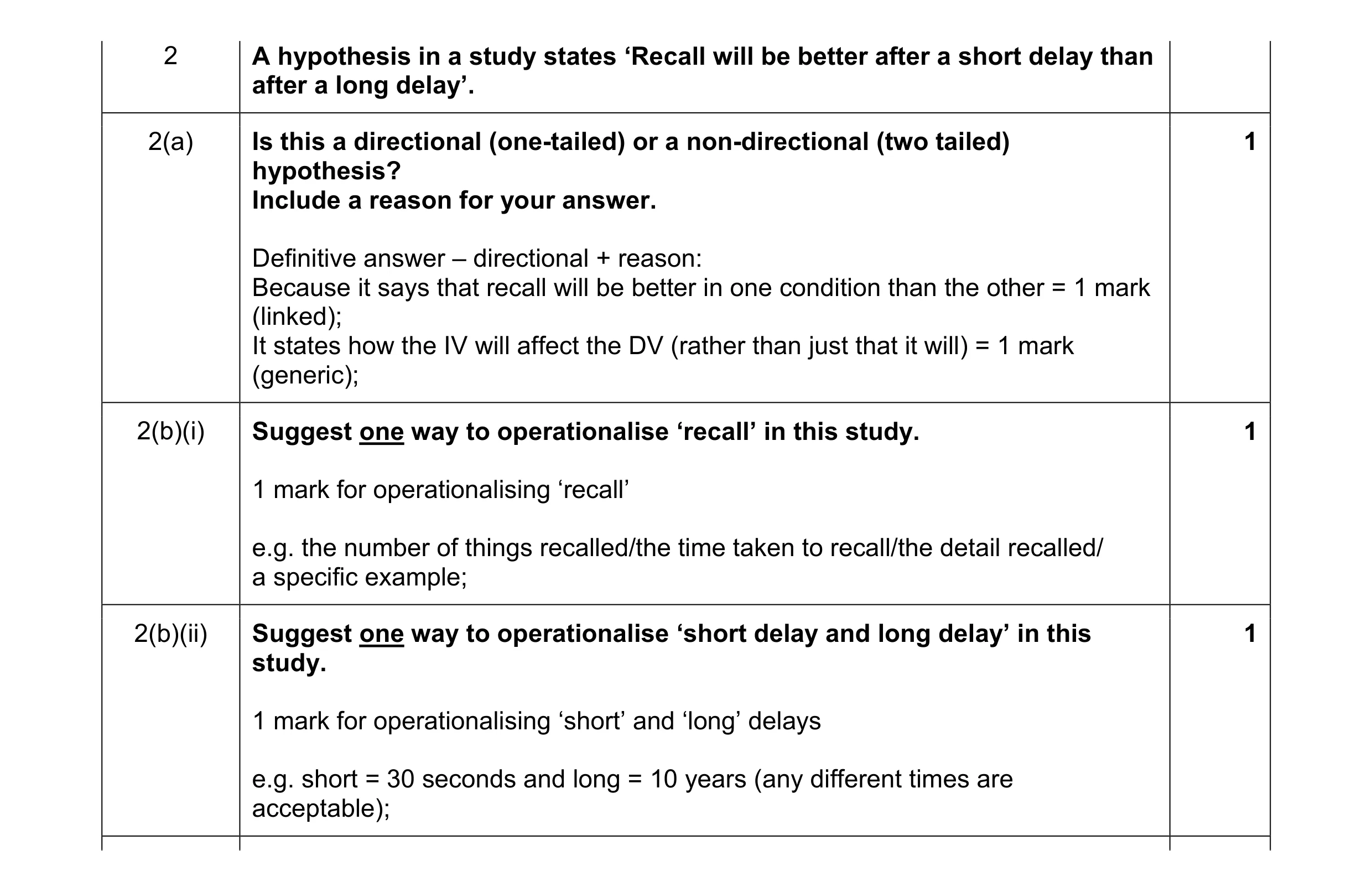 3
3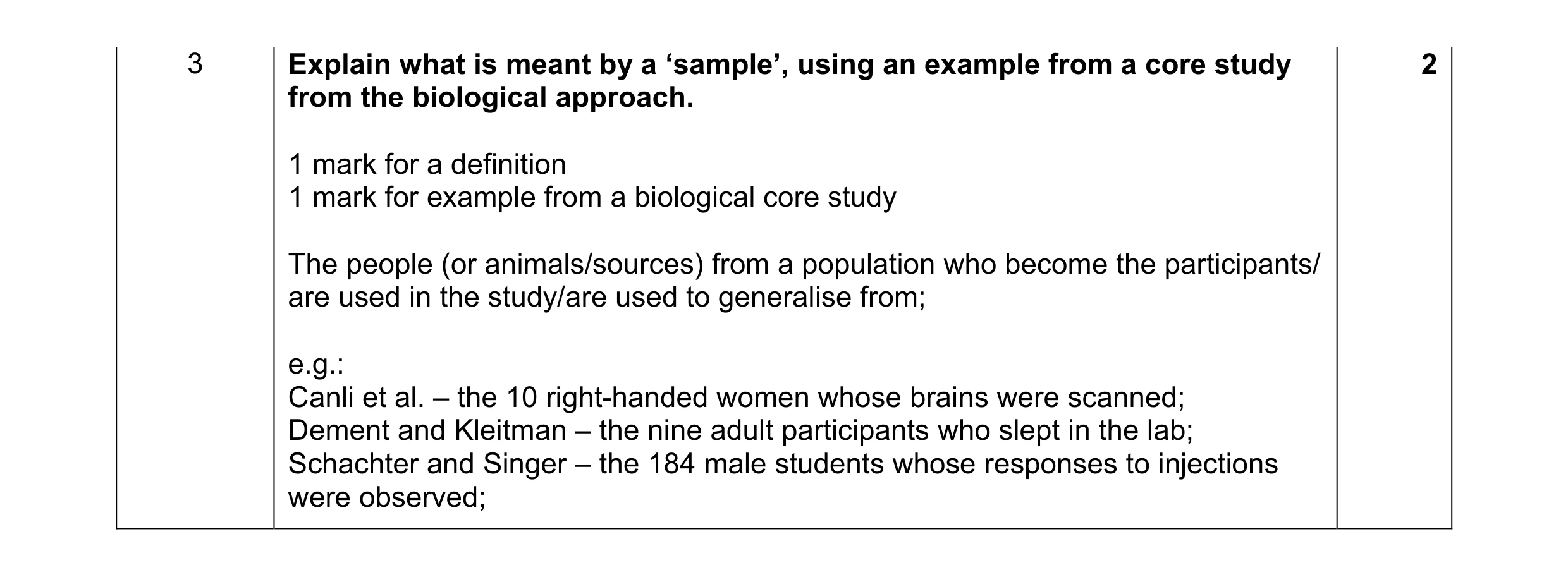 2
2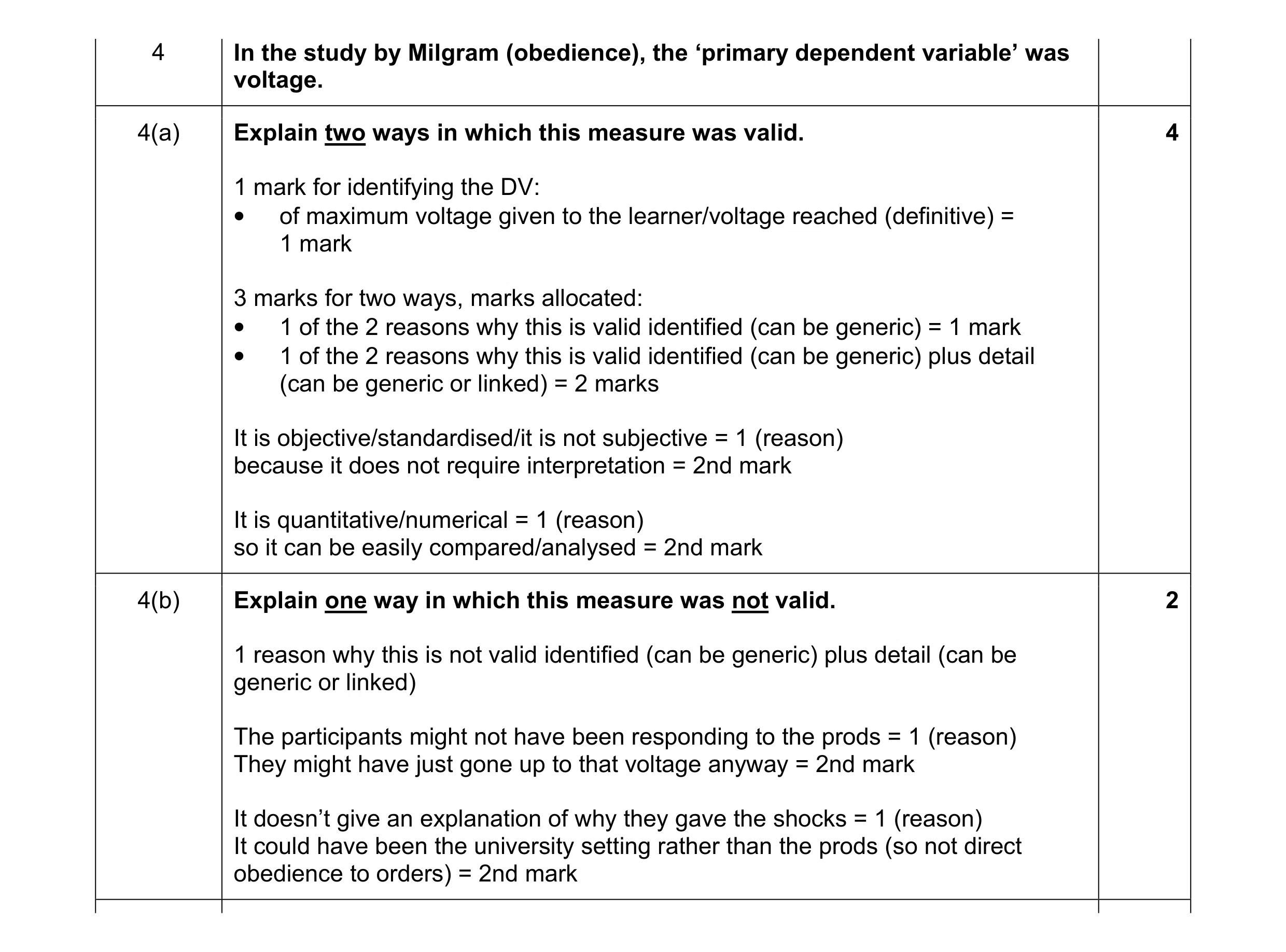 6
6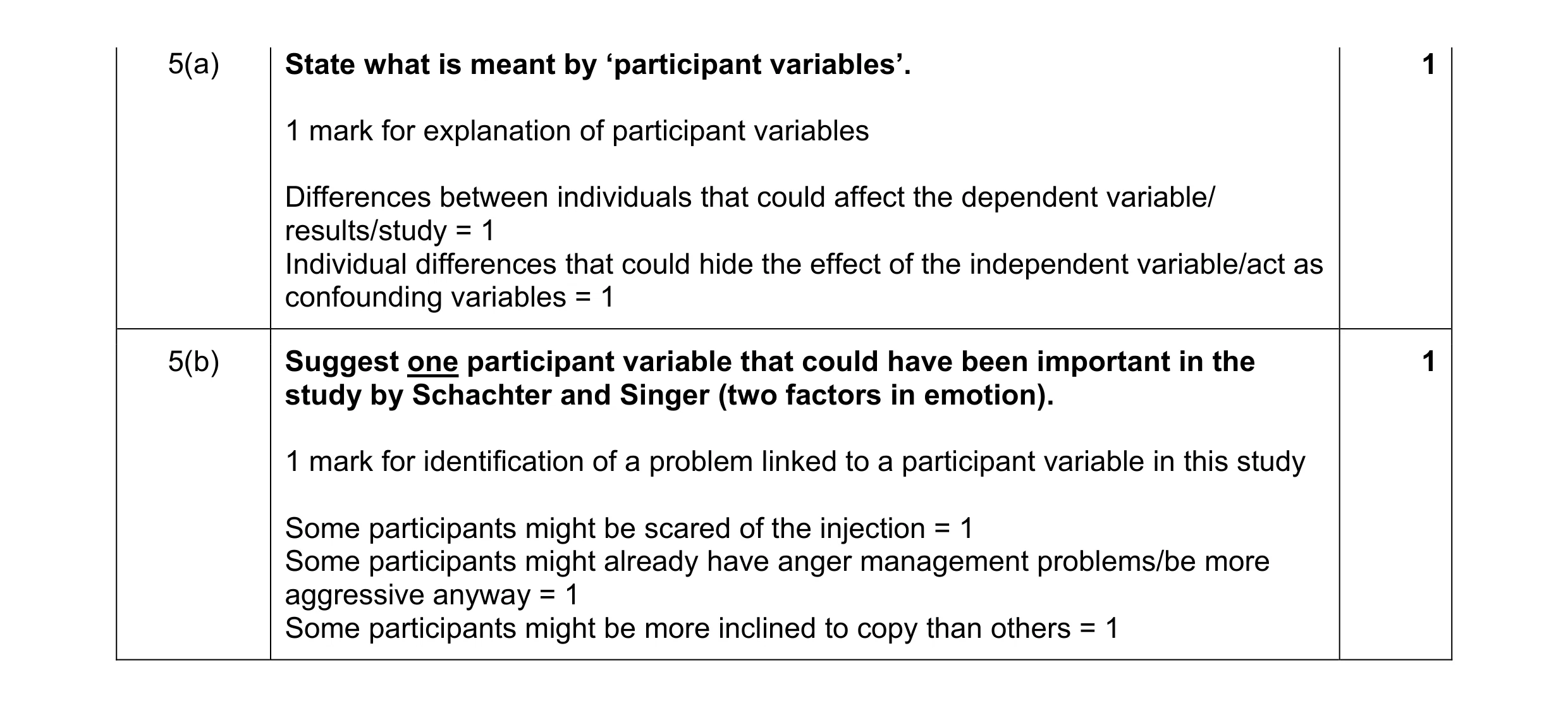 2
2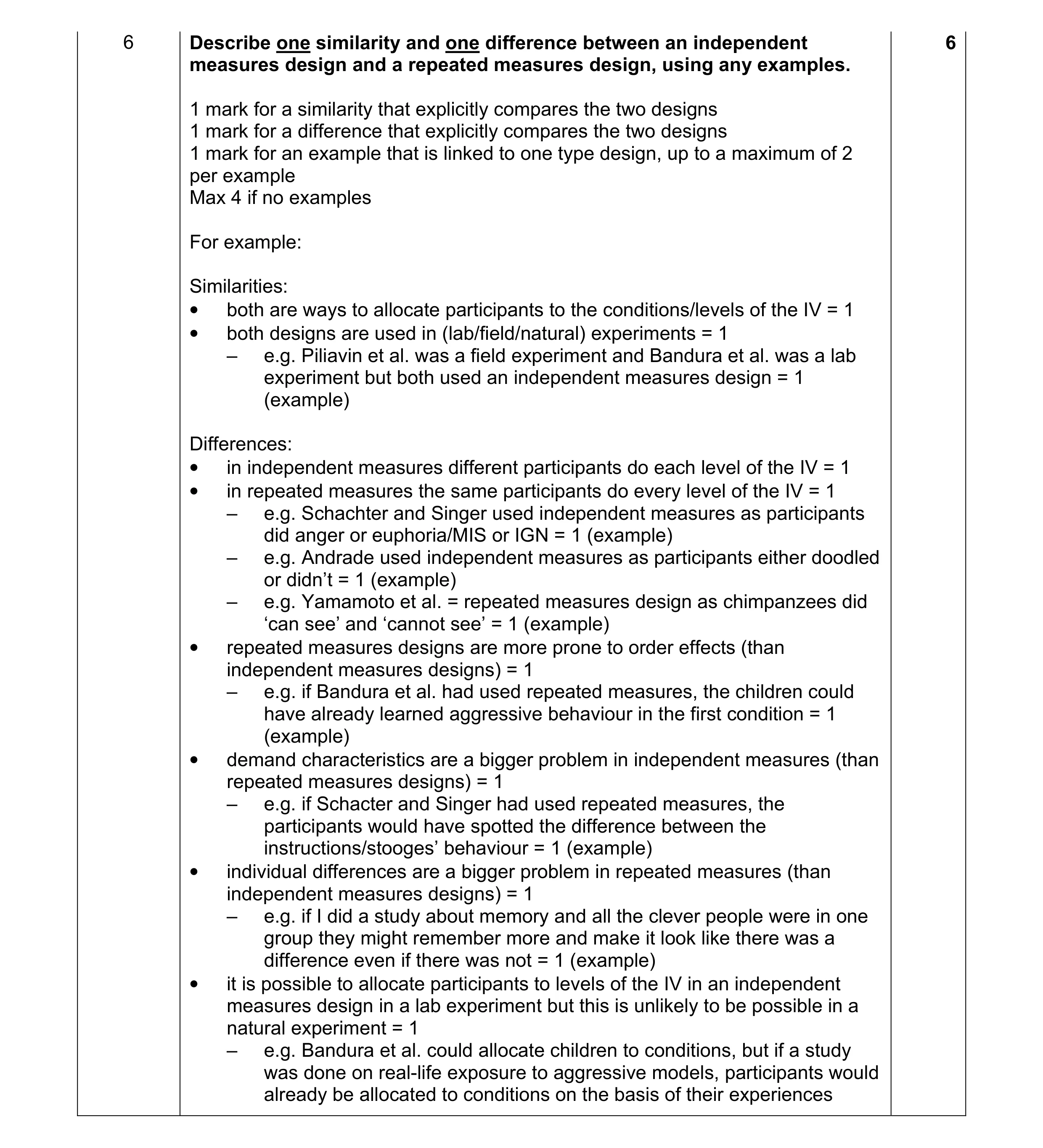 6
6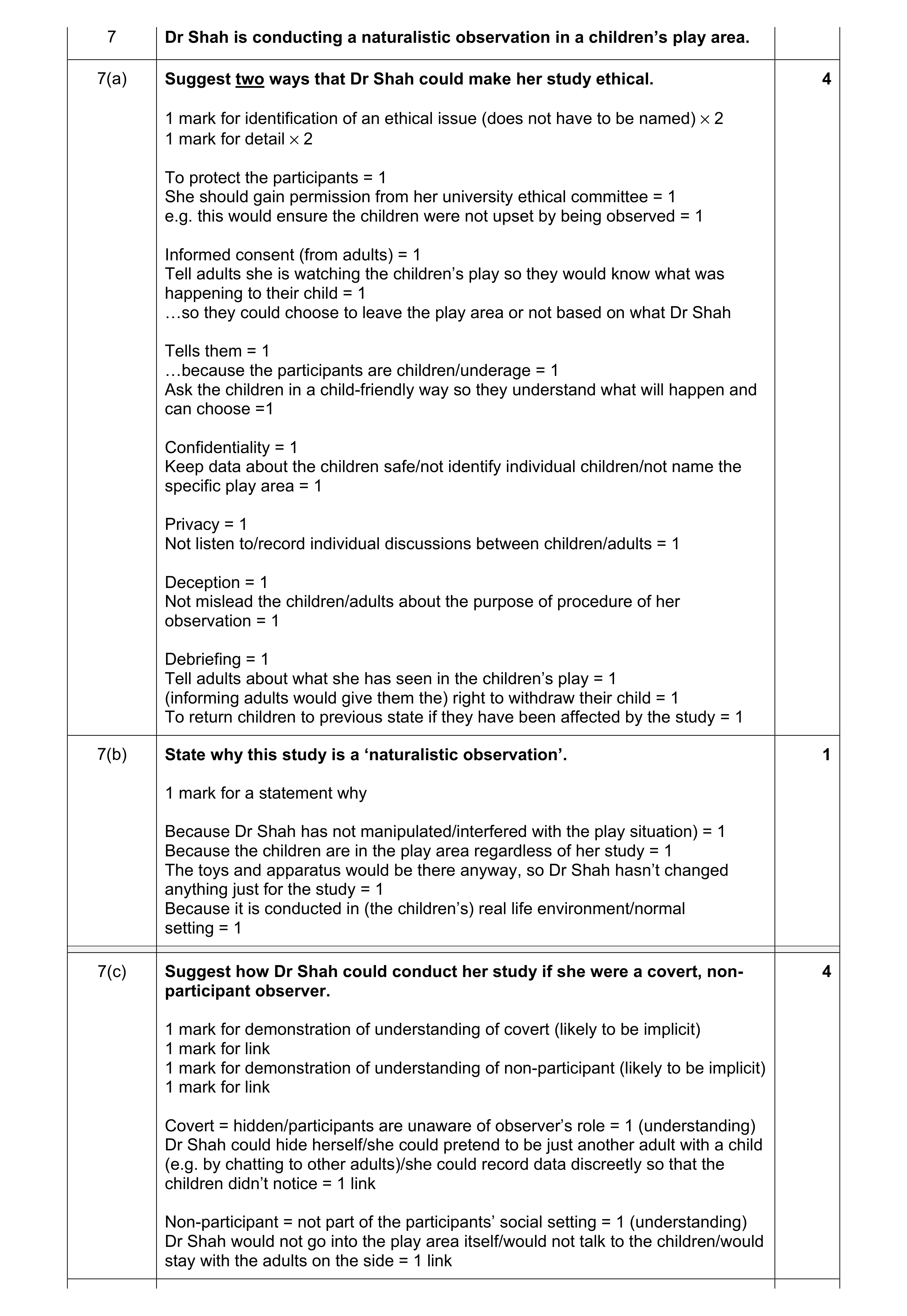 9
9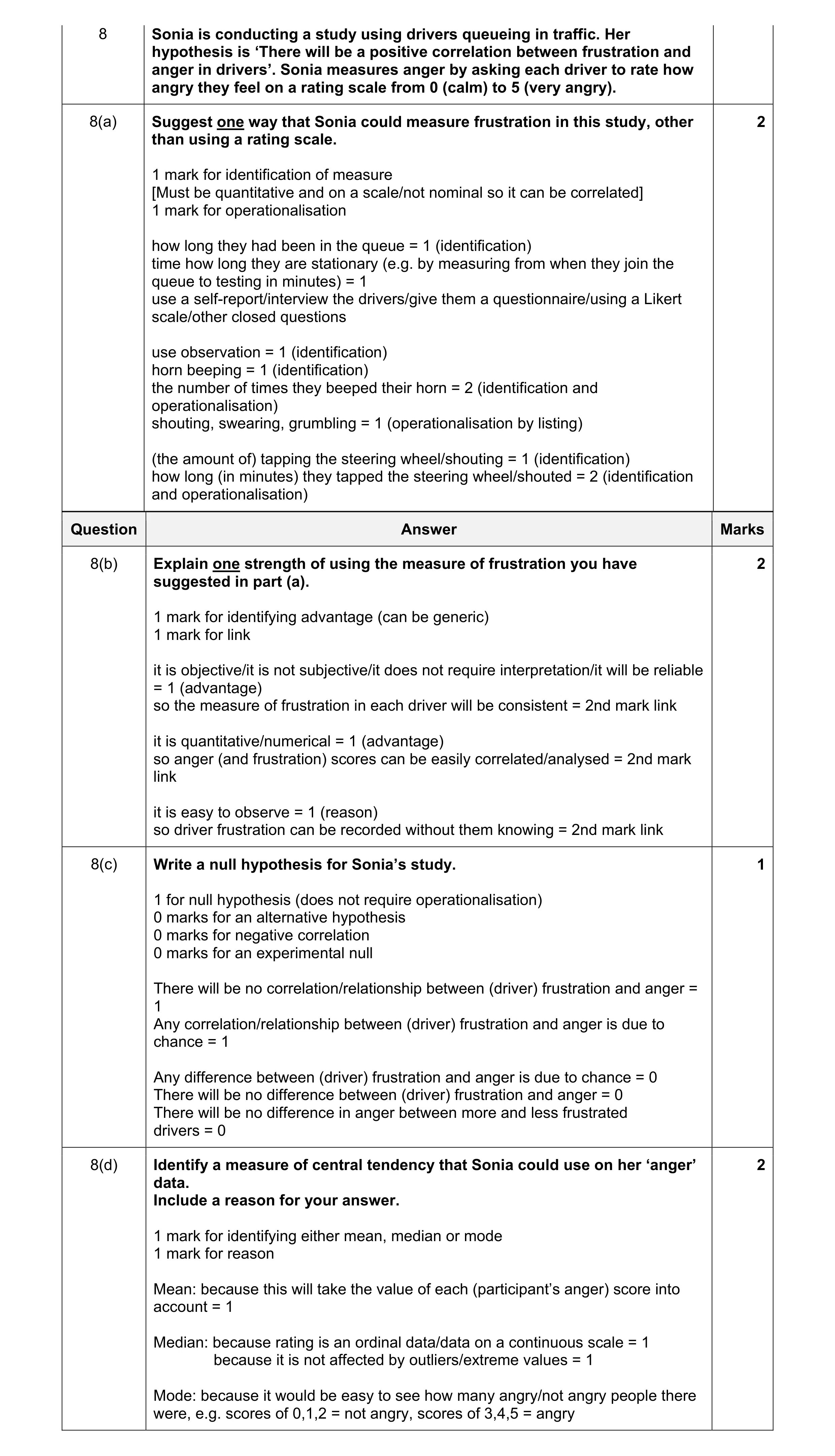 7
7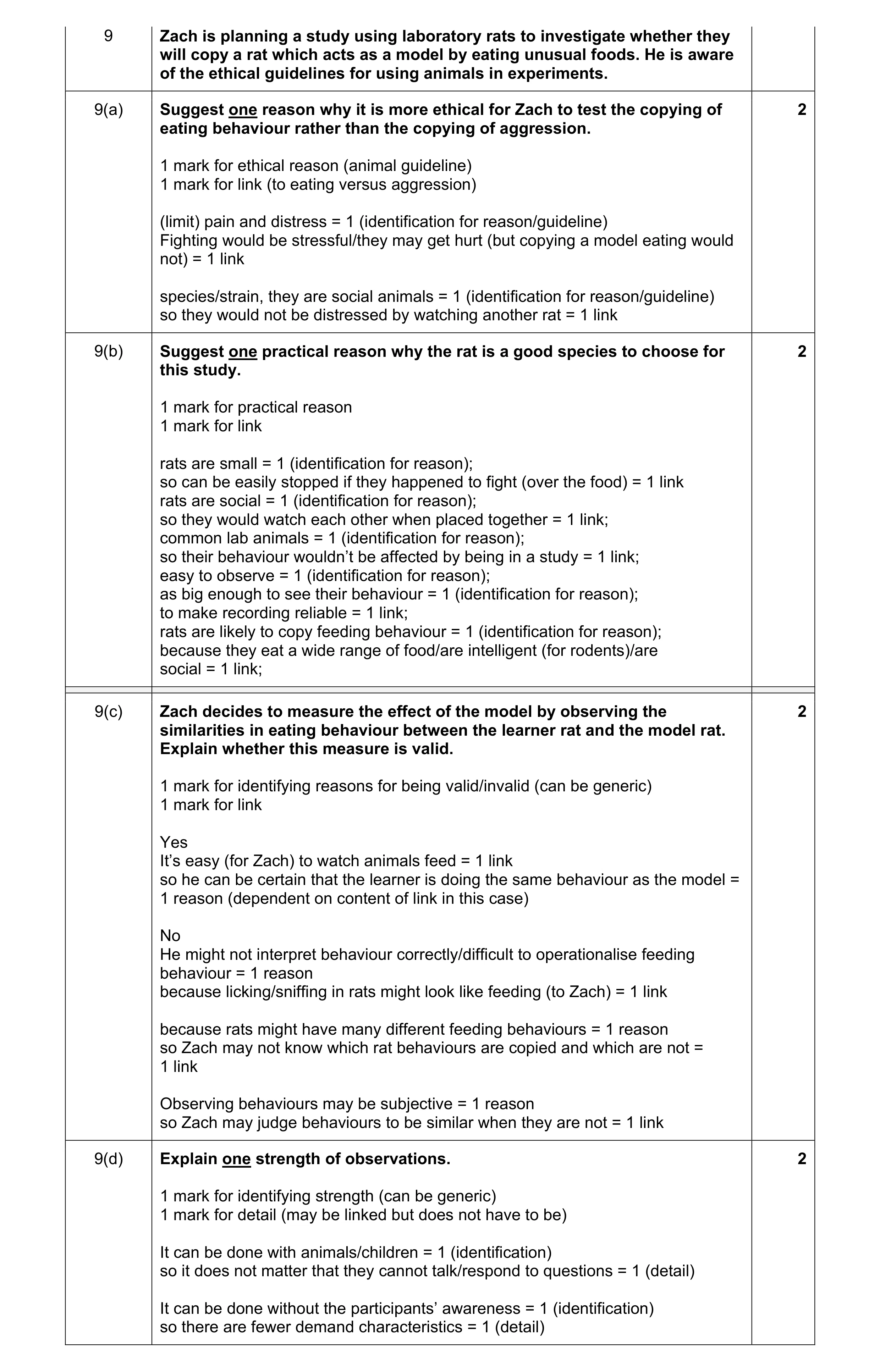 8
8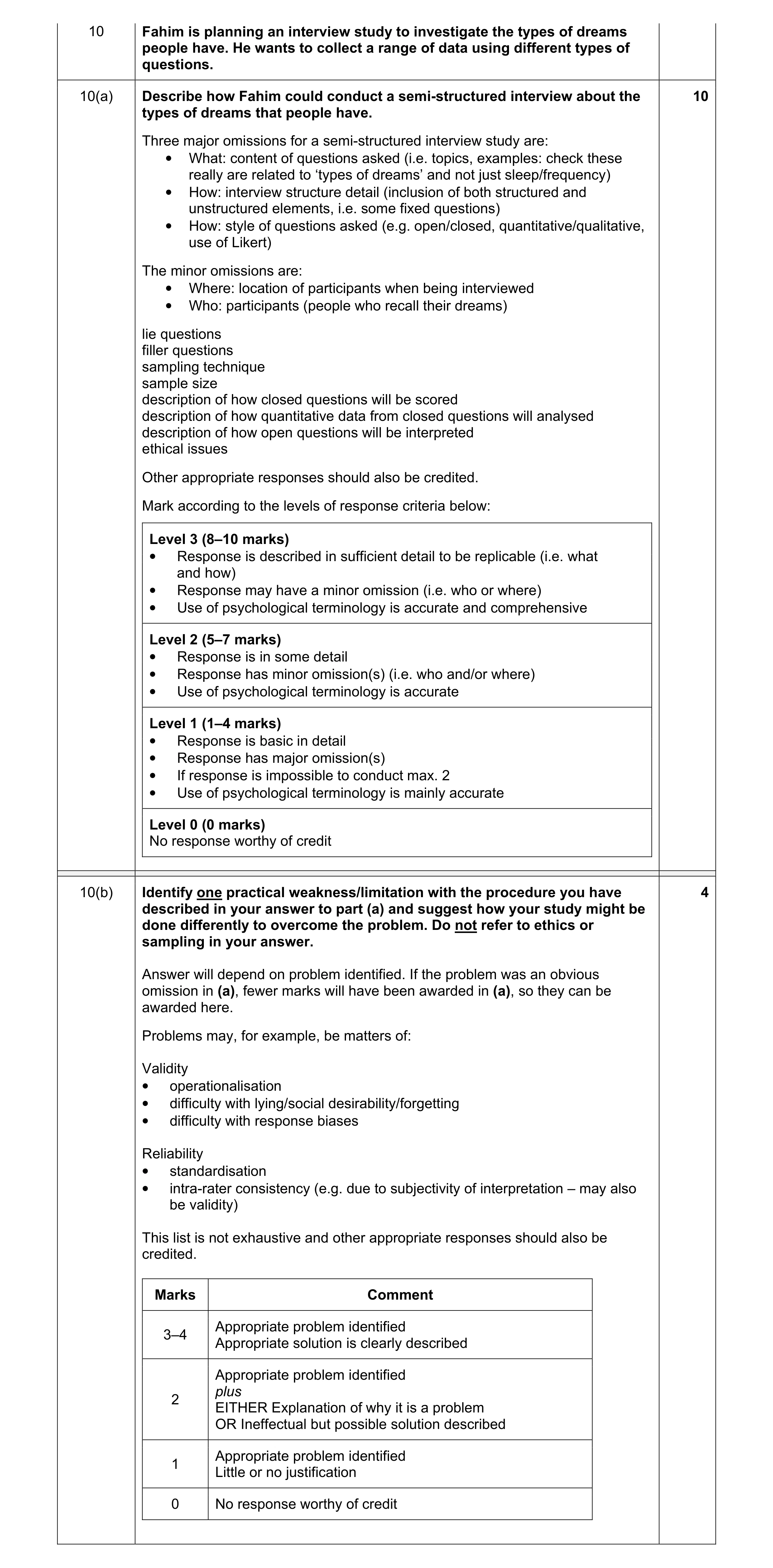 14
14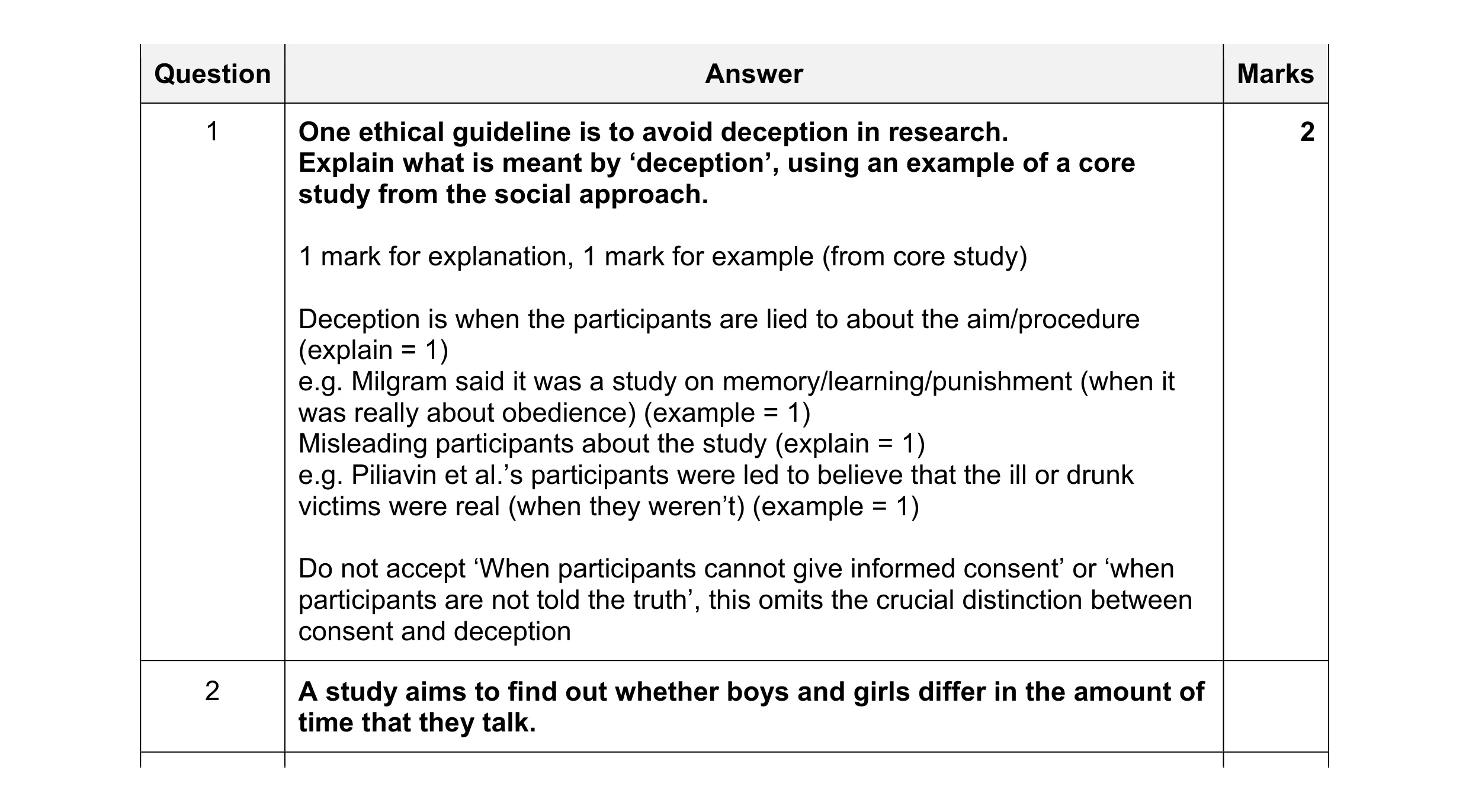 2
2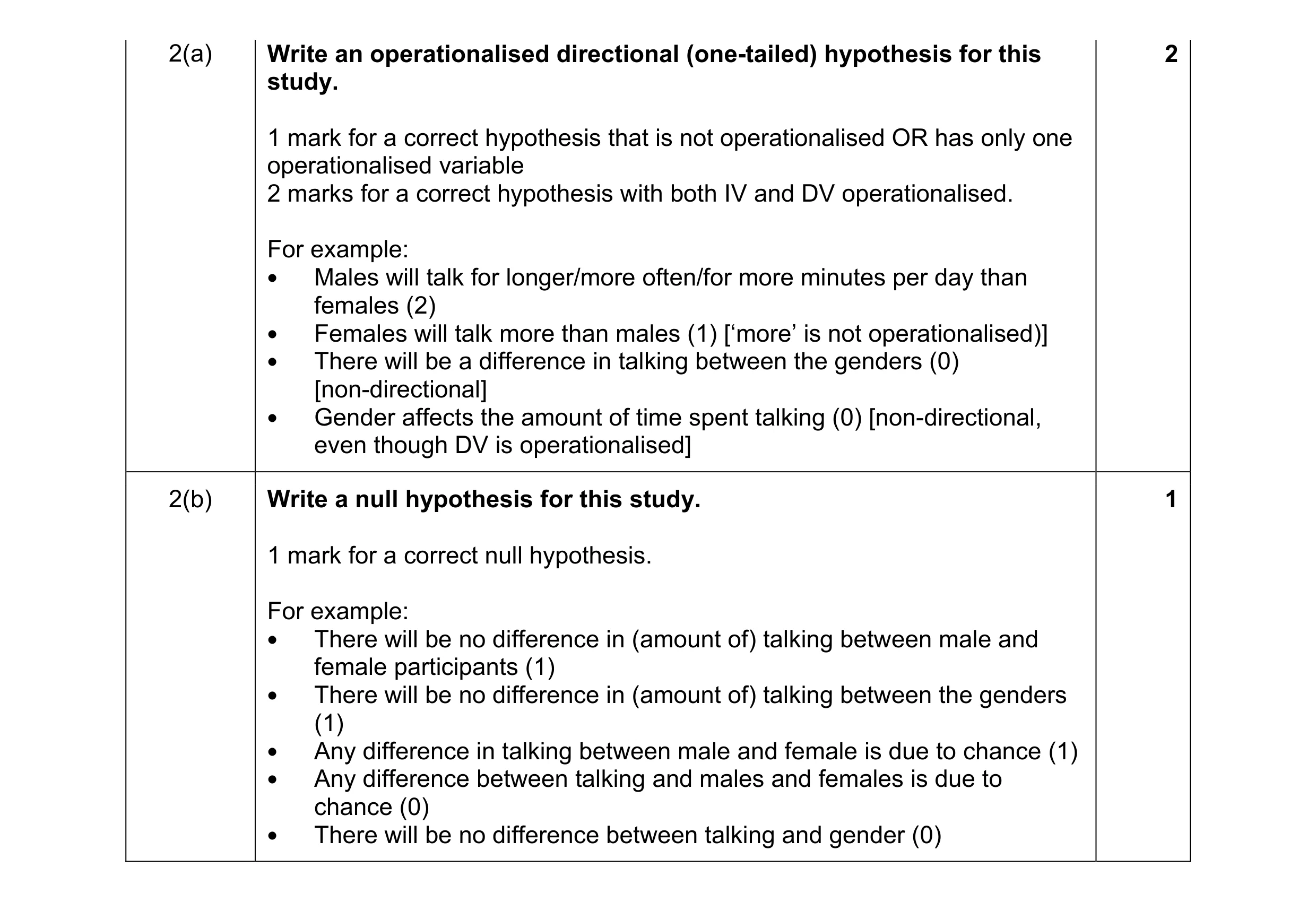 3
3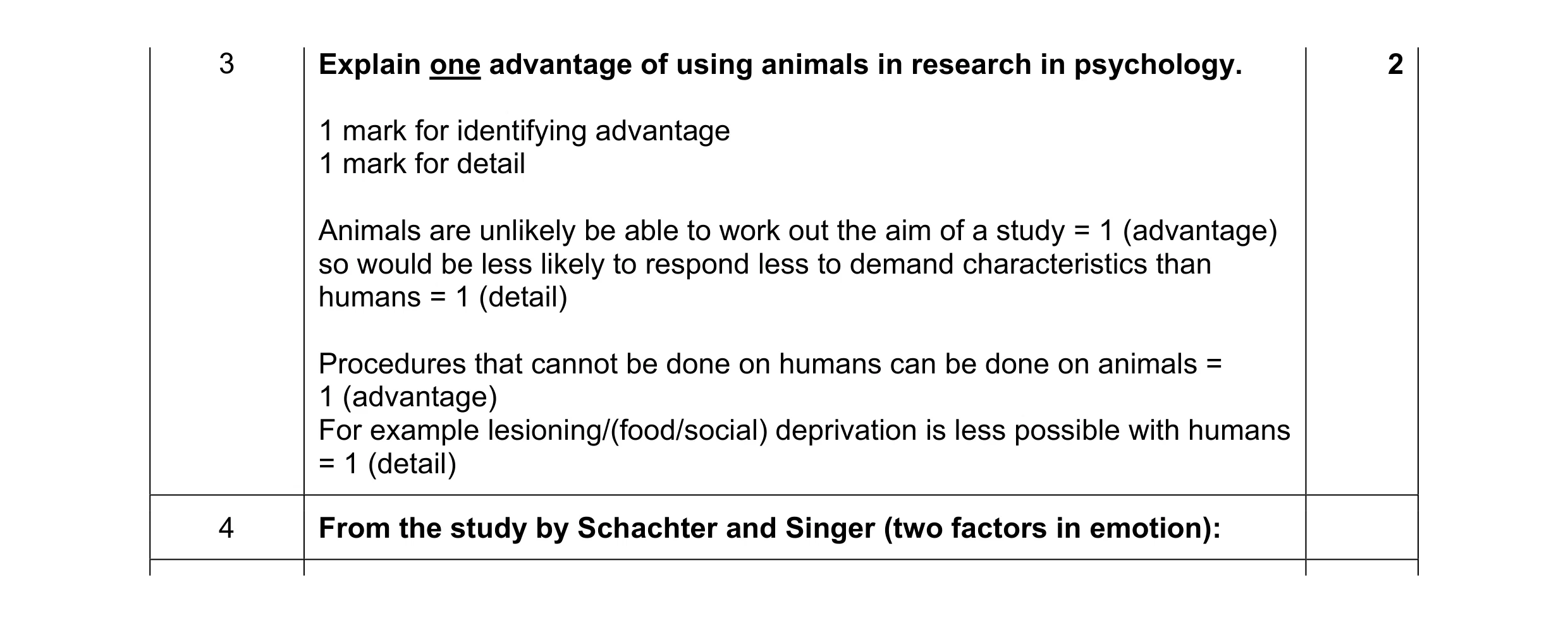 2
2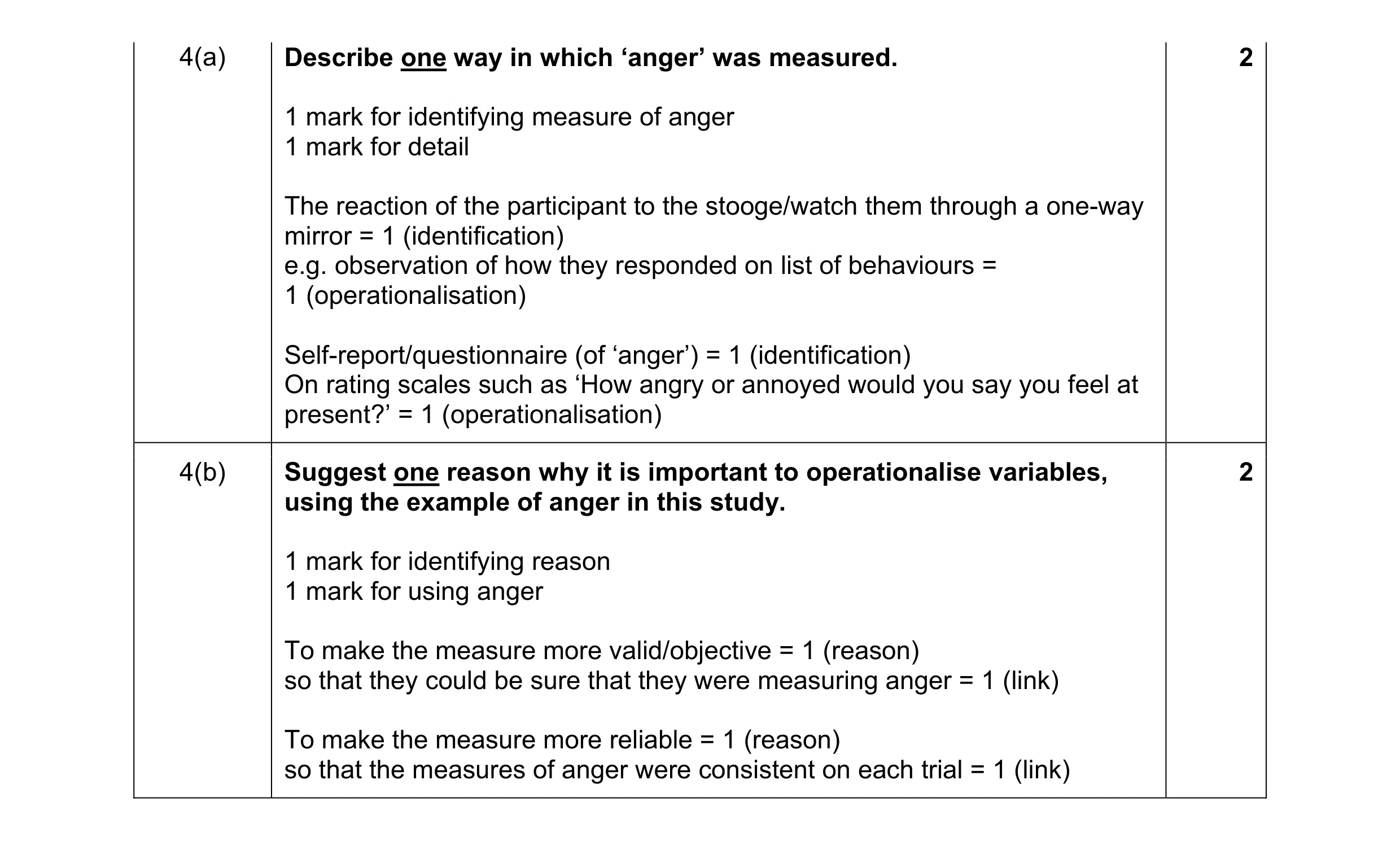 4
4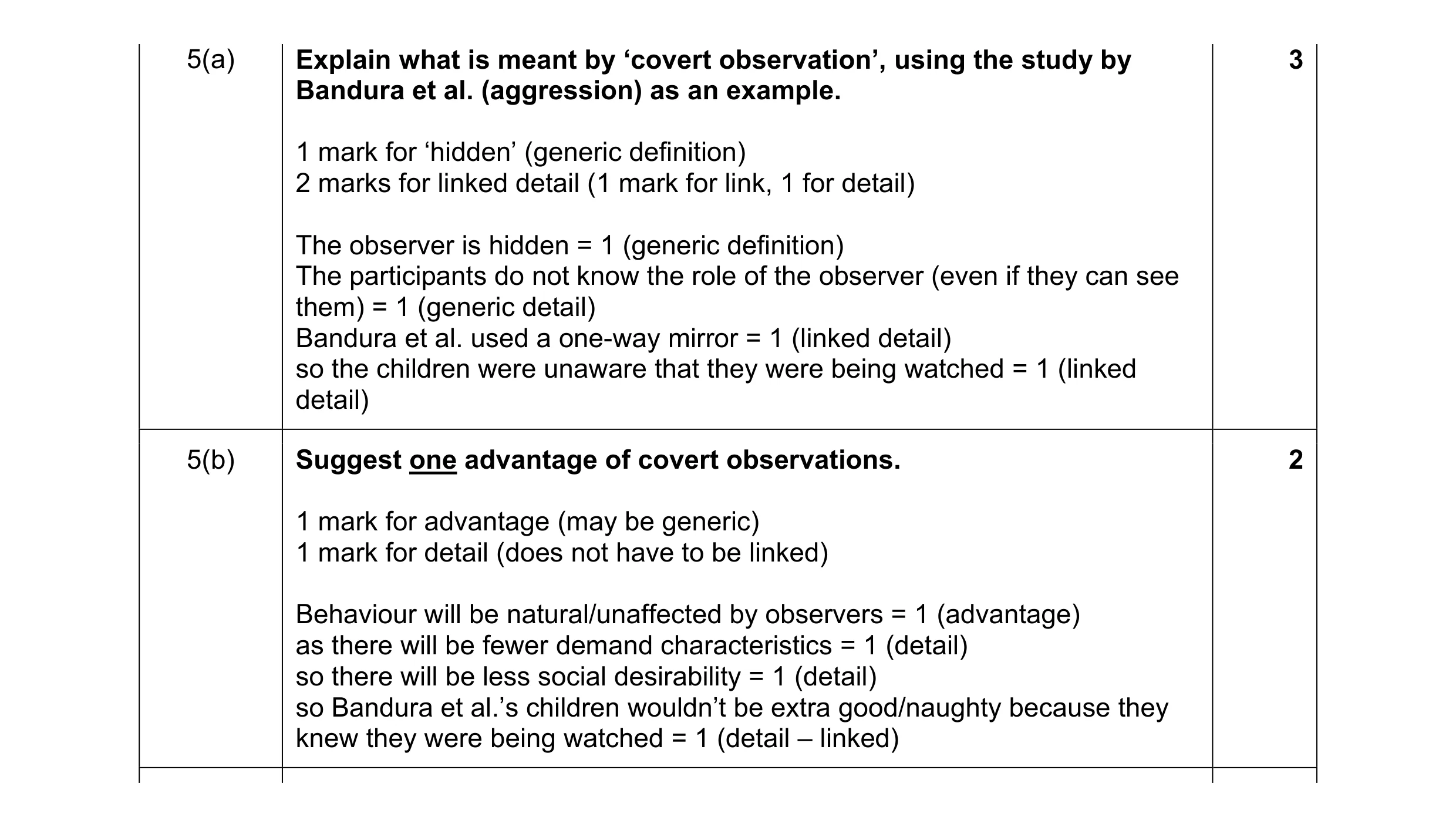 5
5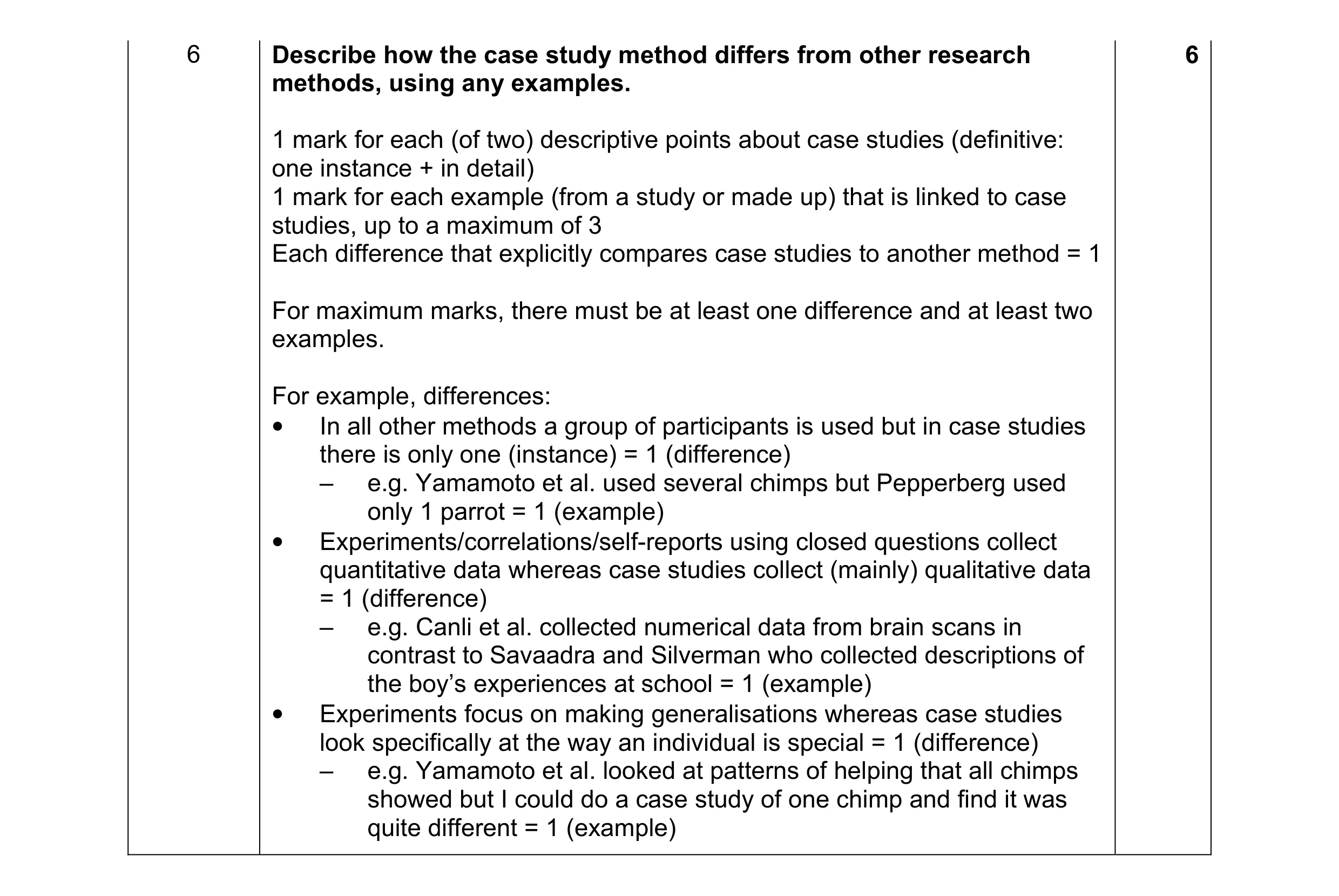 6
6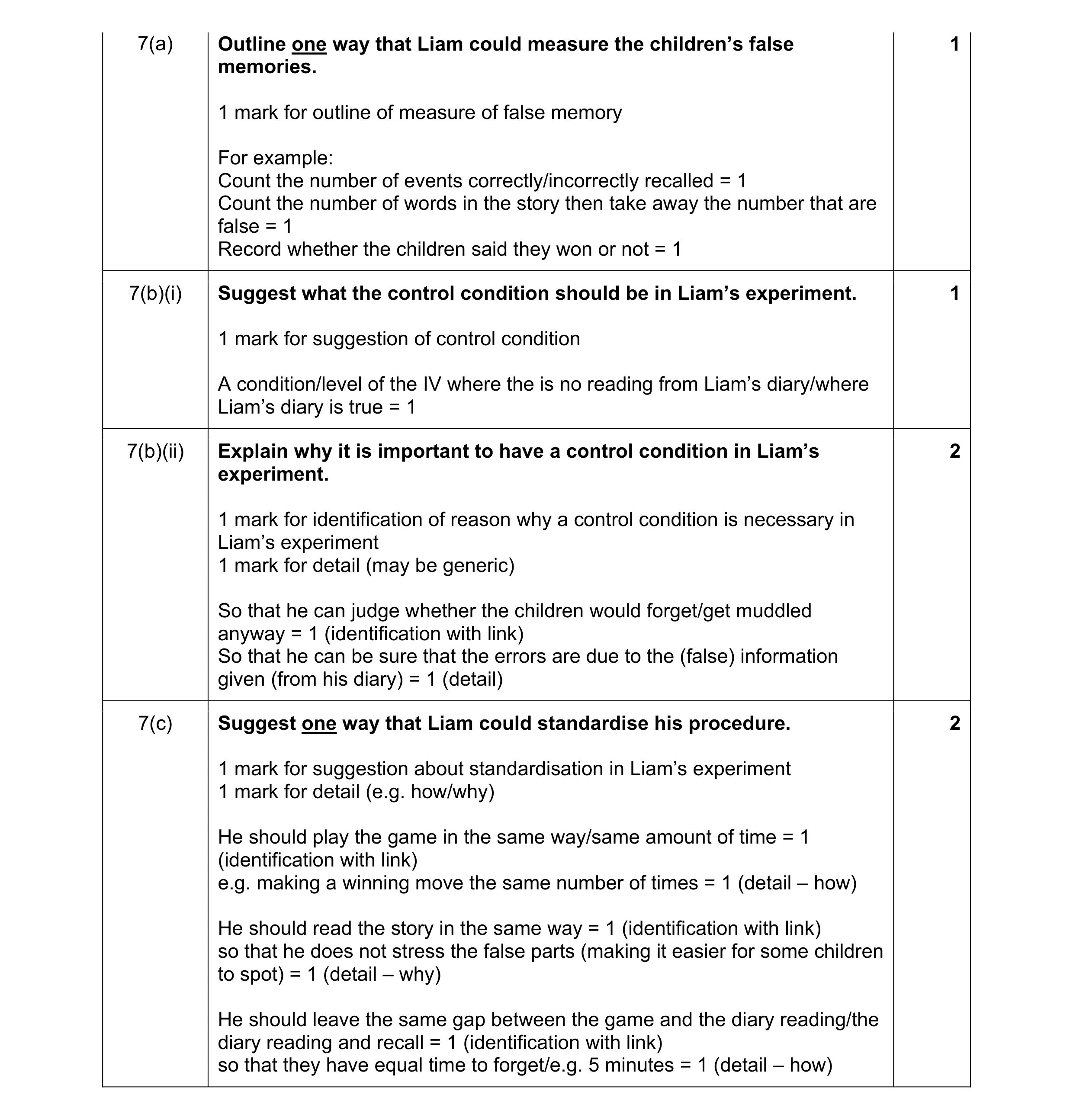 6
6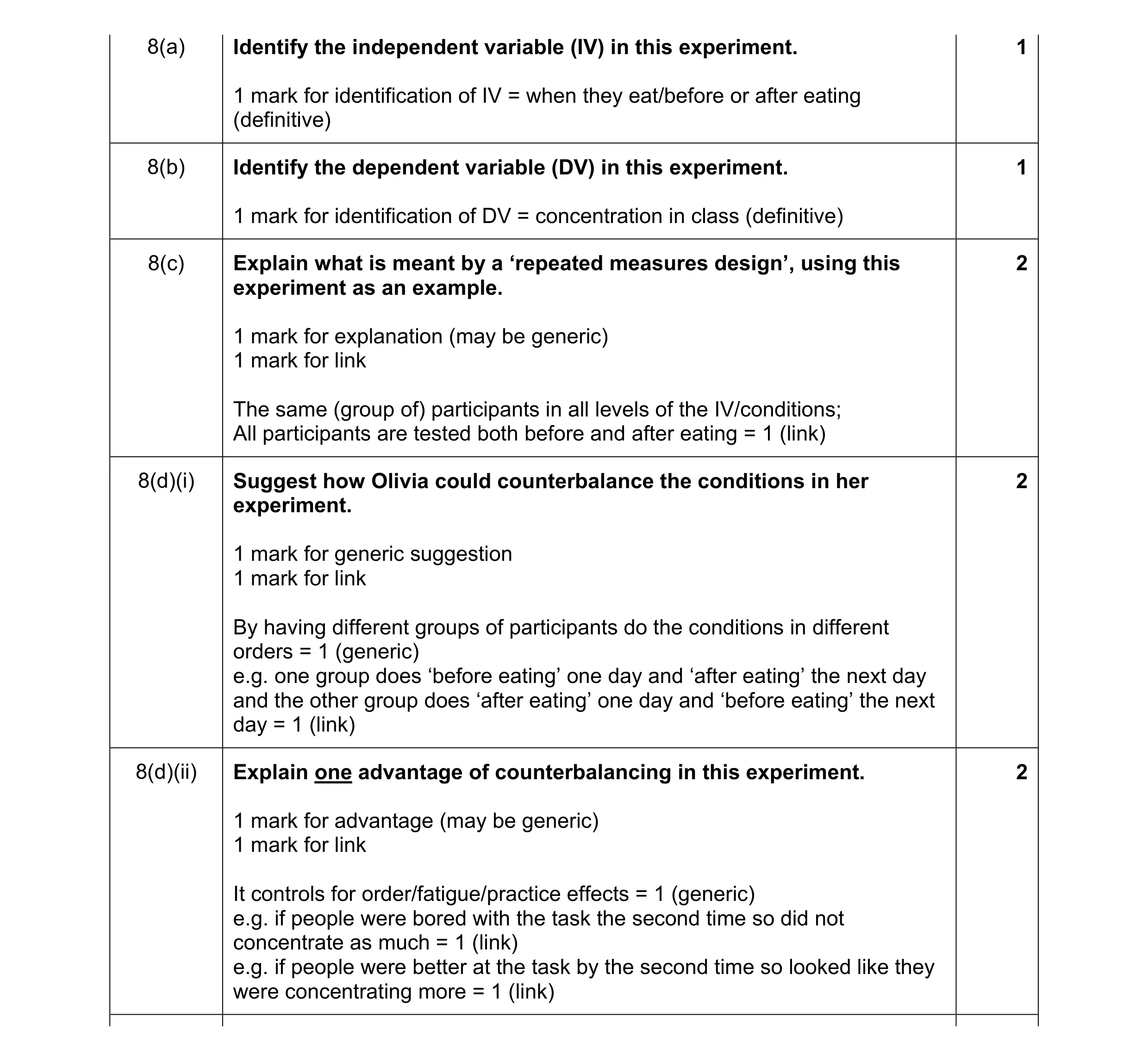 8
8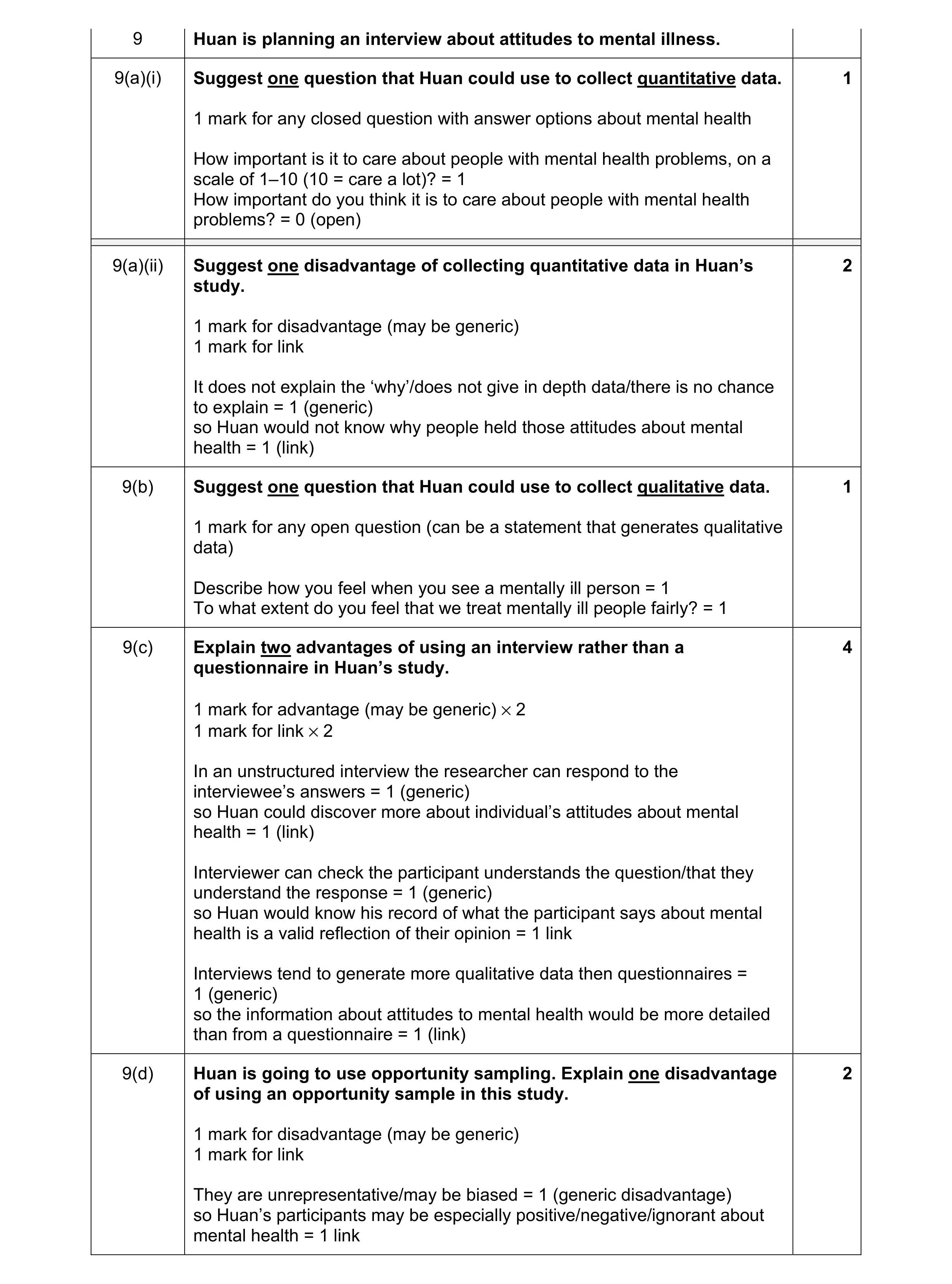 10
10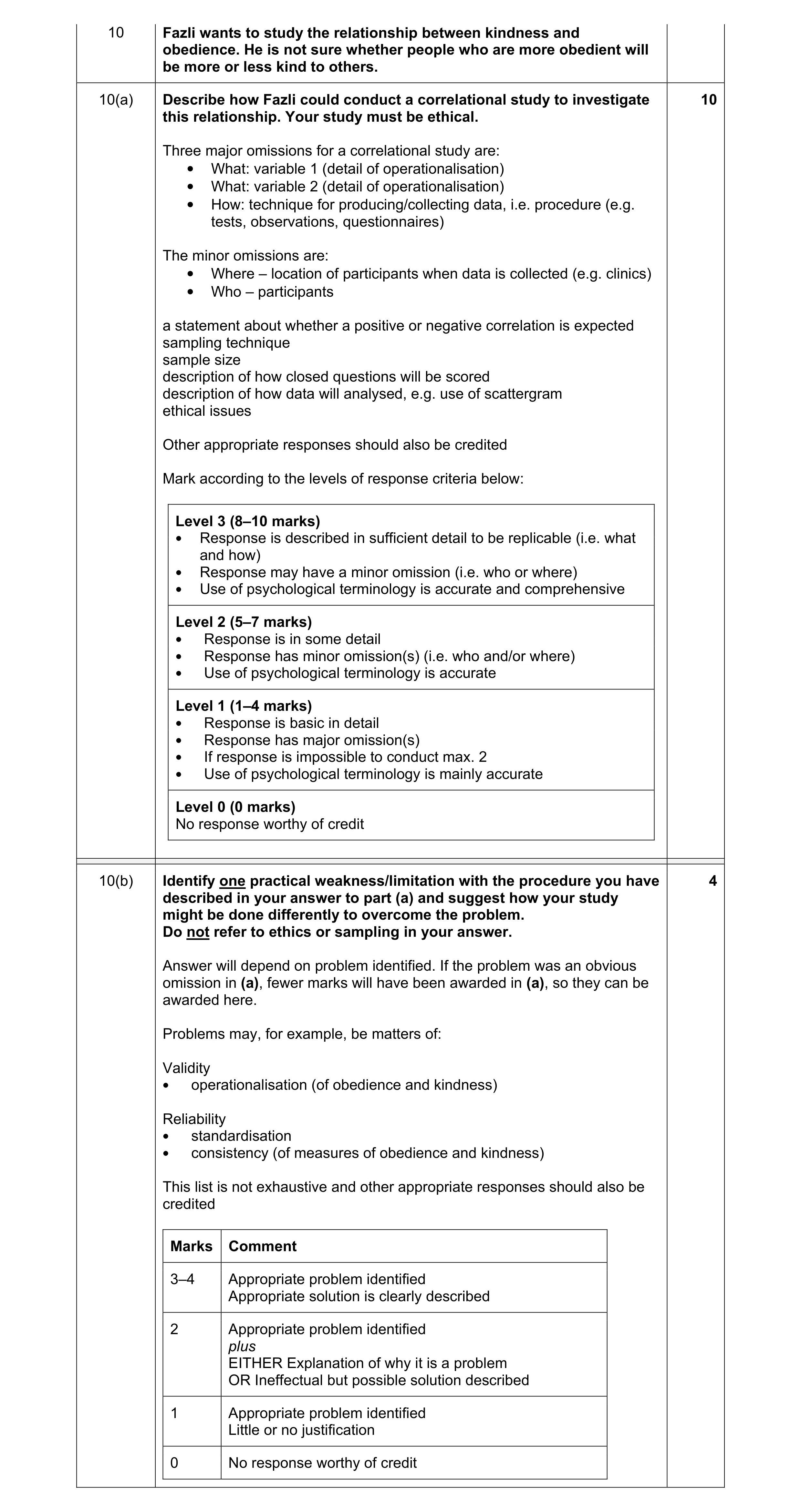 14
14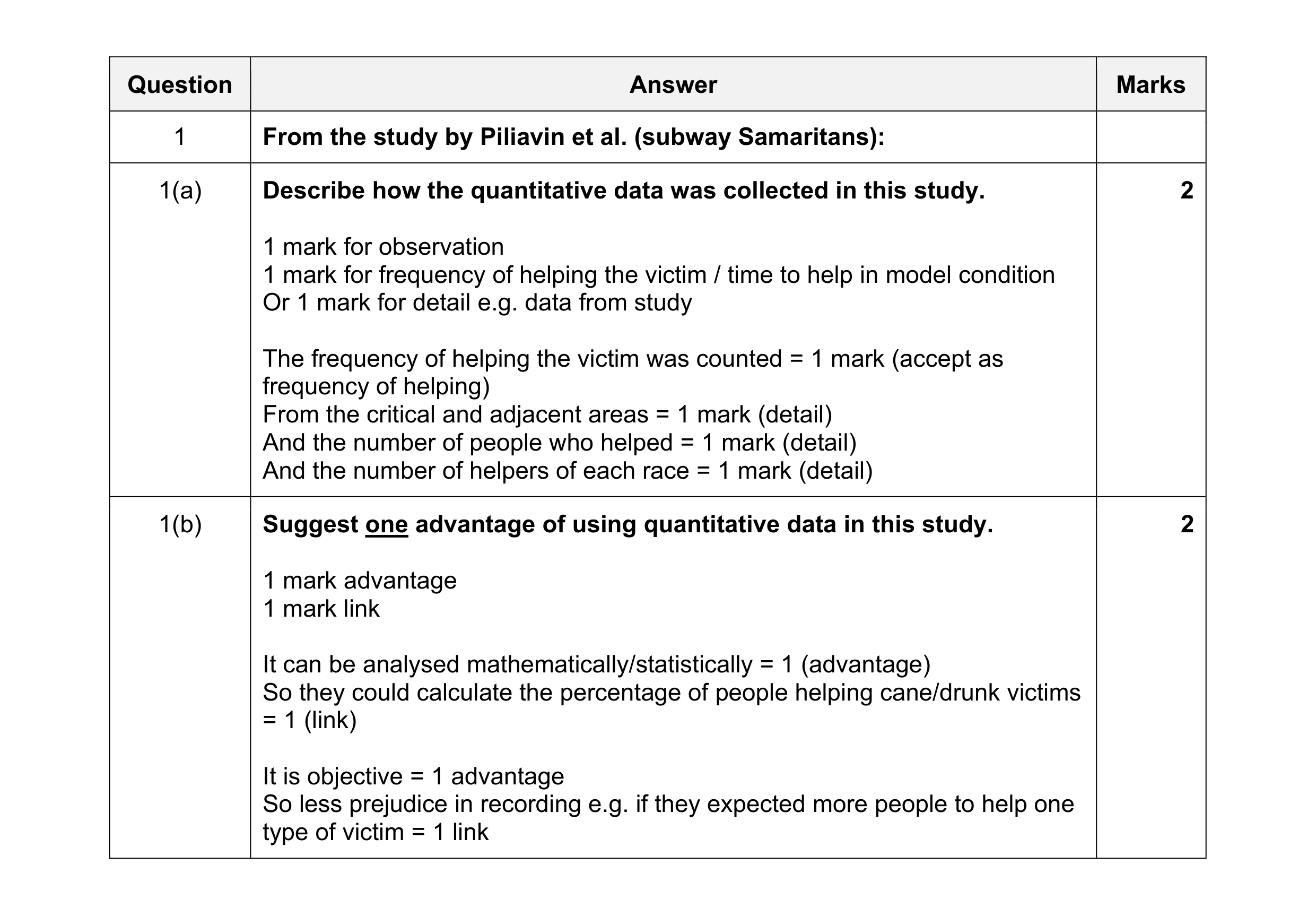 4
4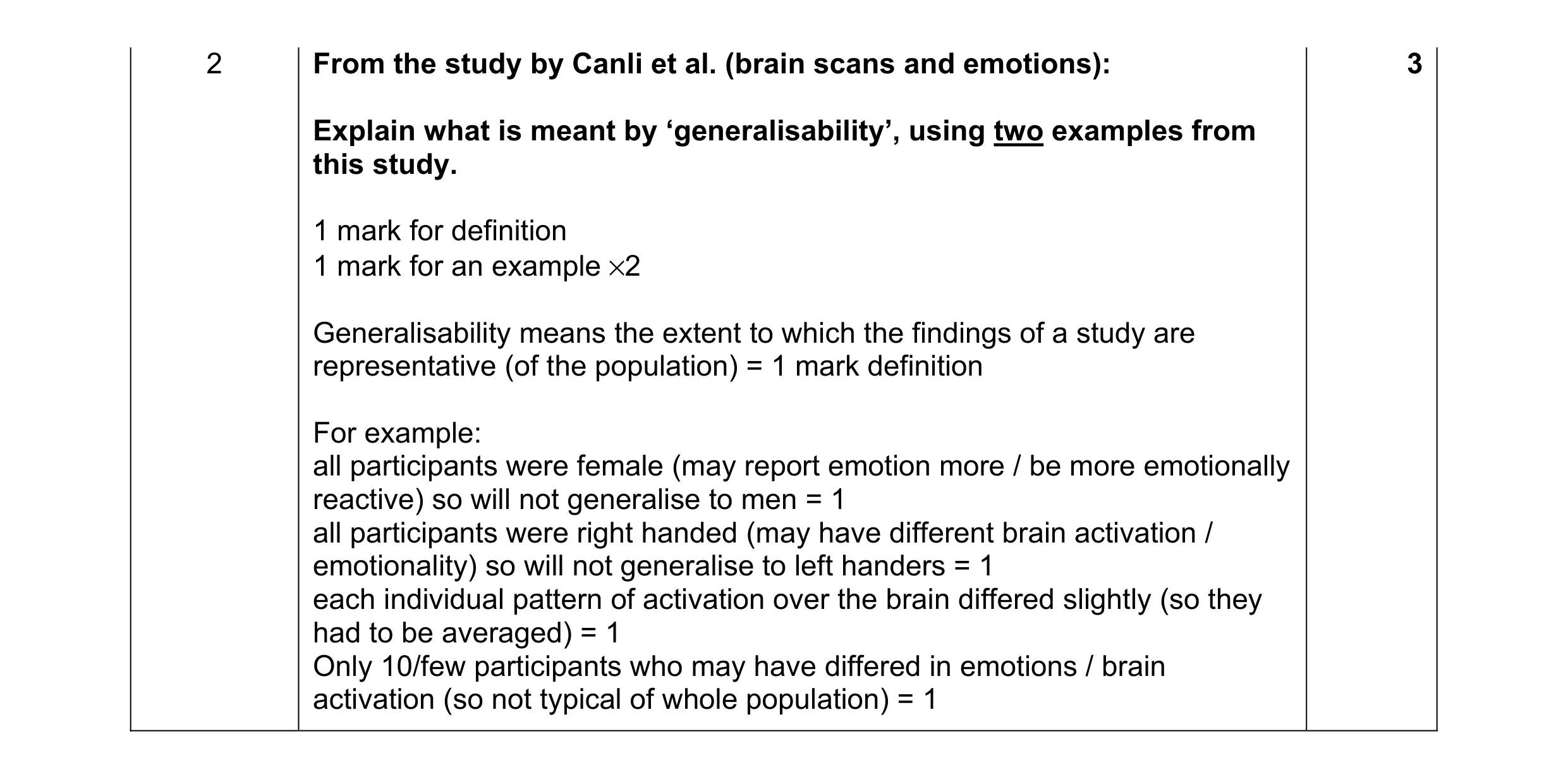 3
3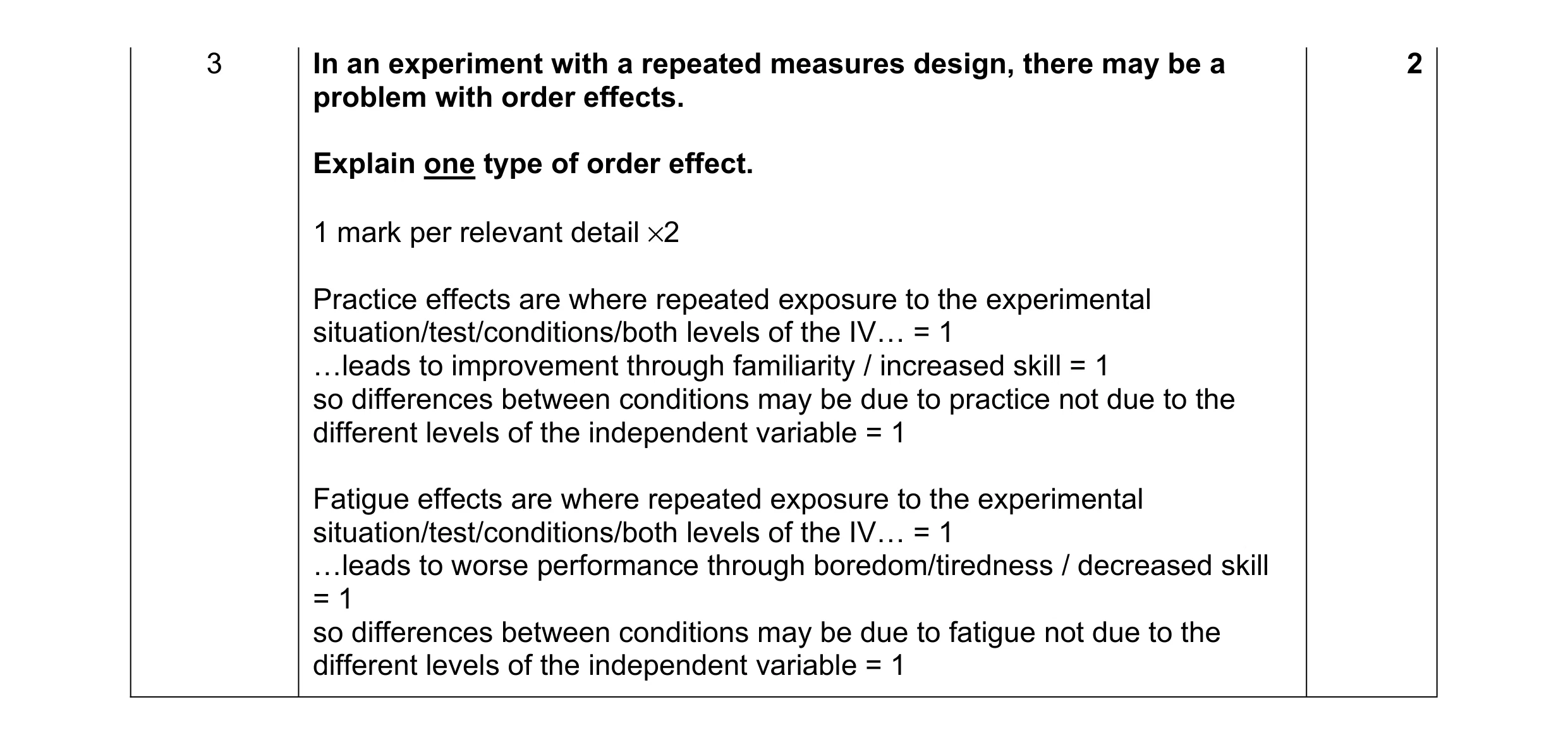 2
2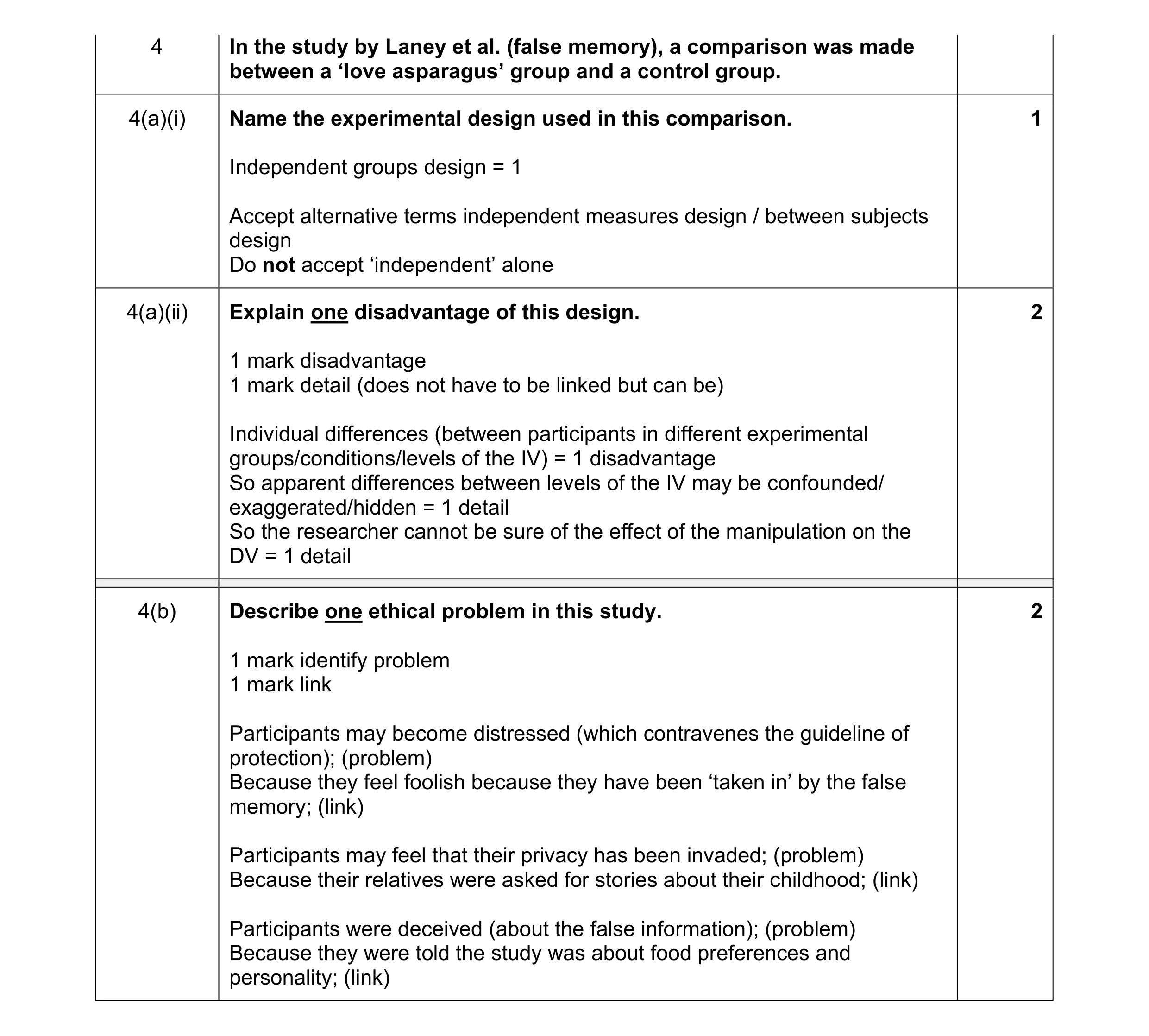 5
5 2
2 6
6 8
8 6
6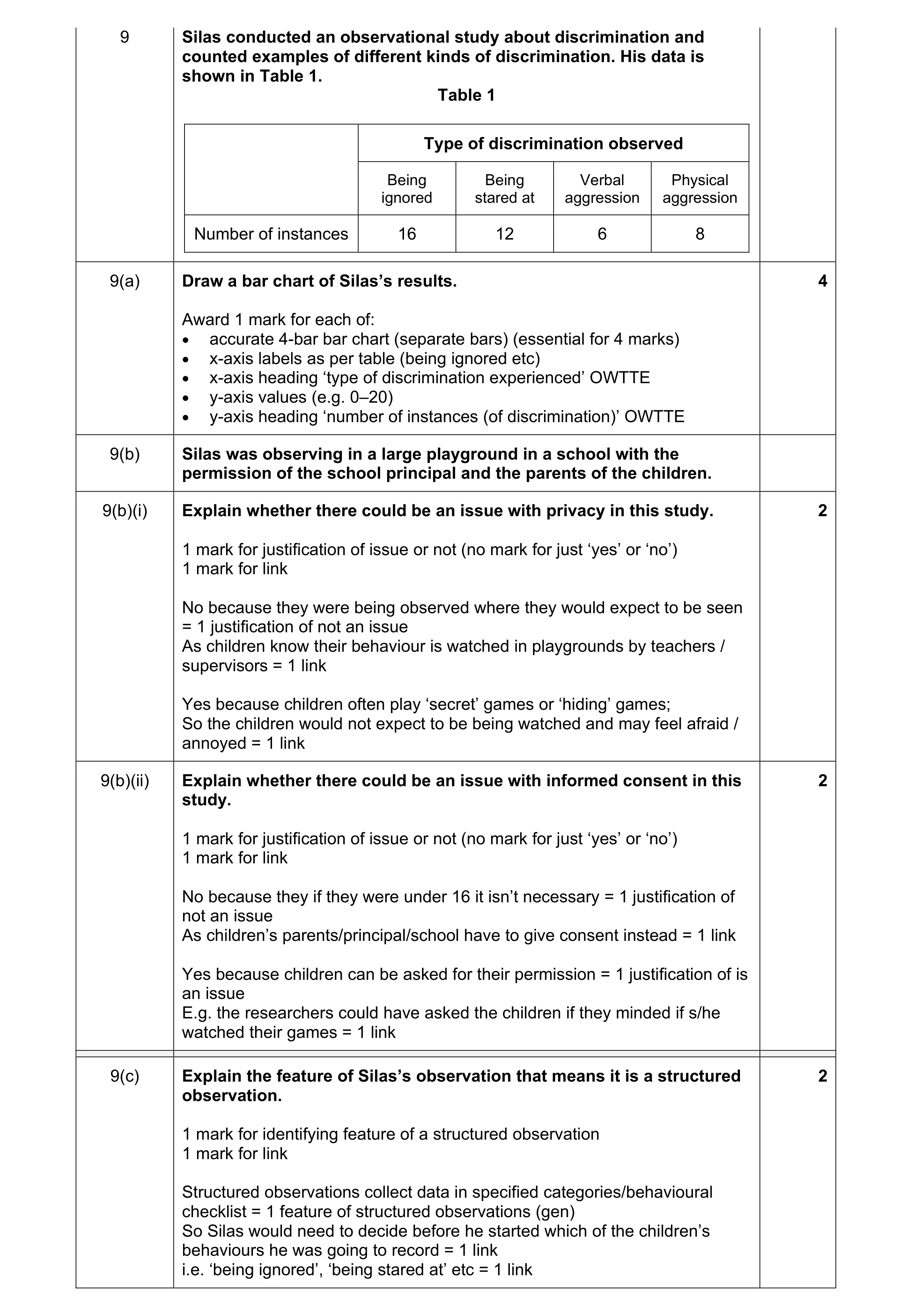 10
10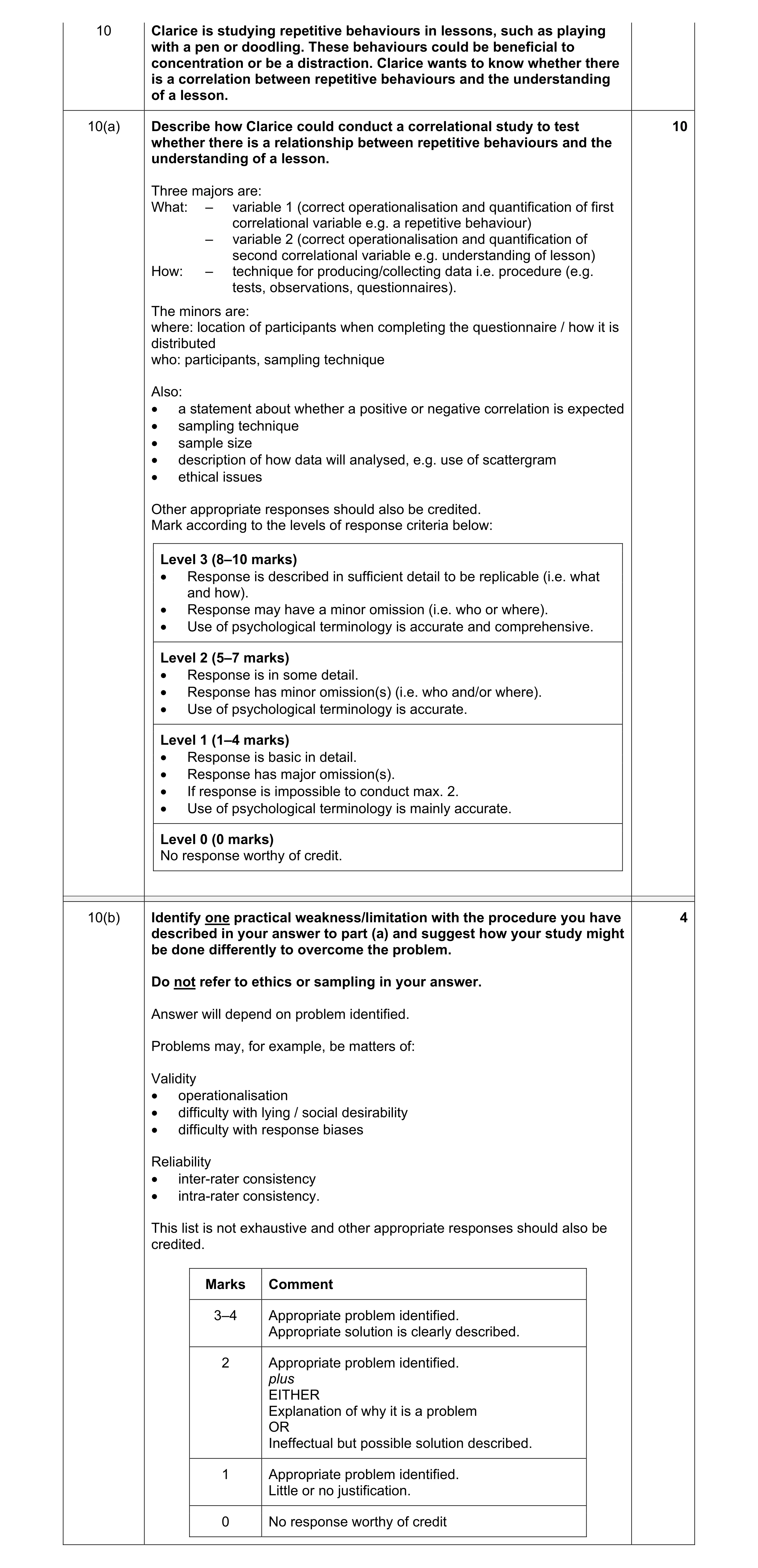 14
14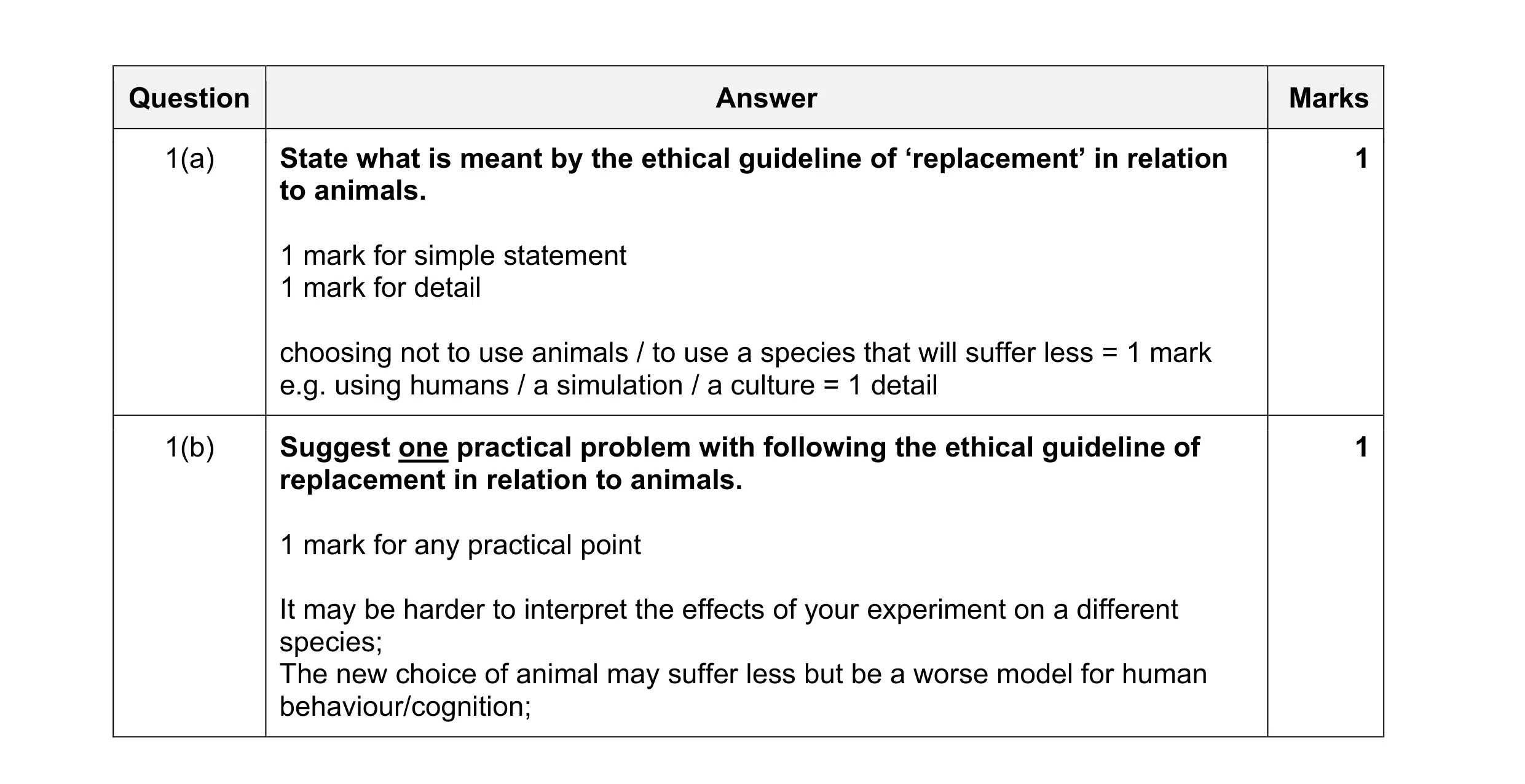 2
2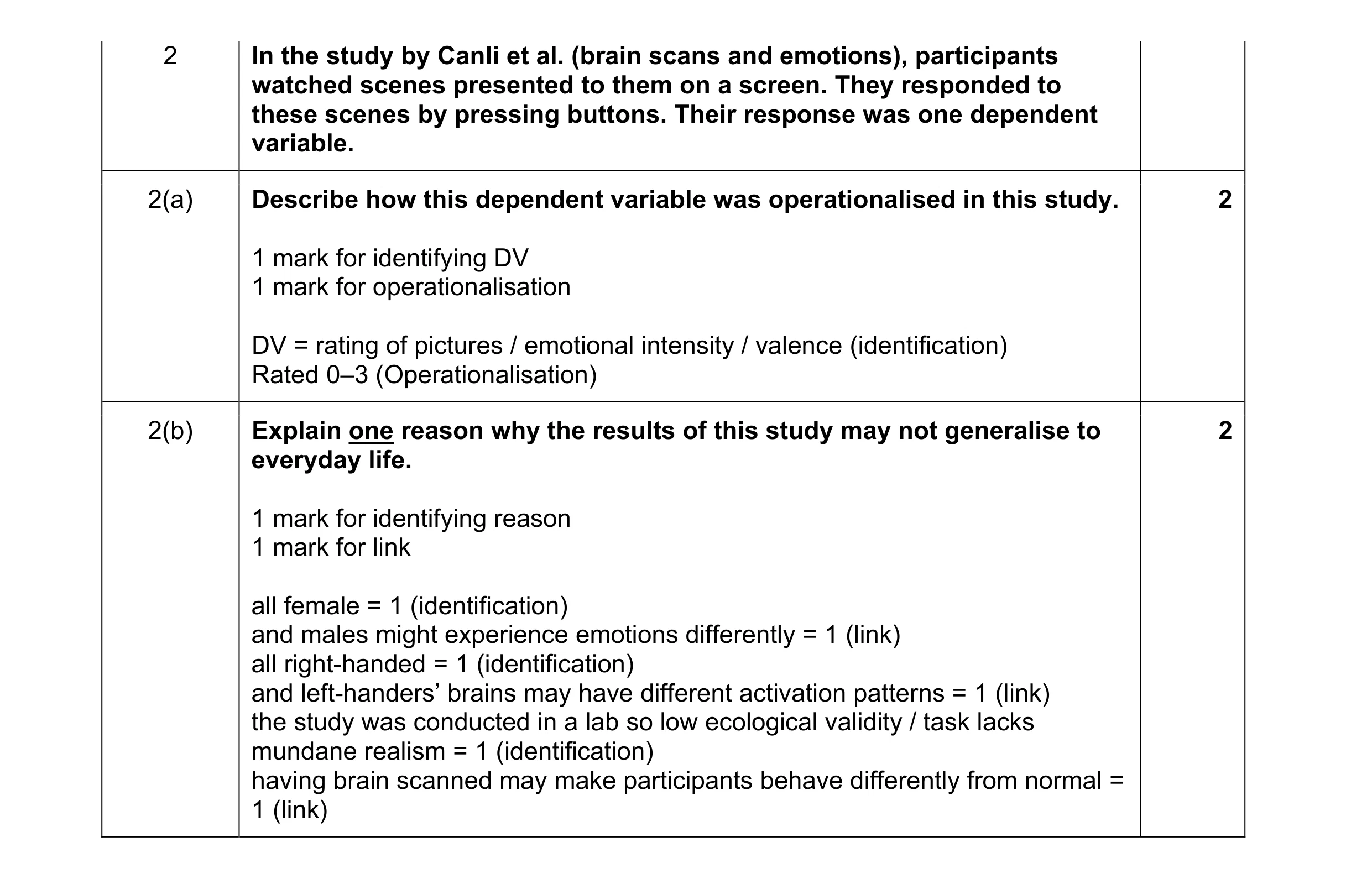 4
4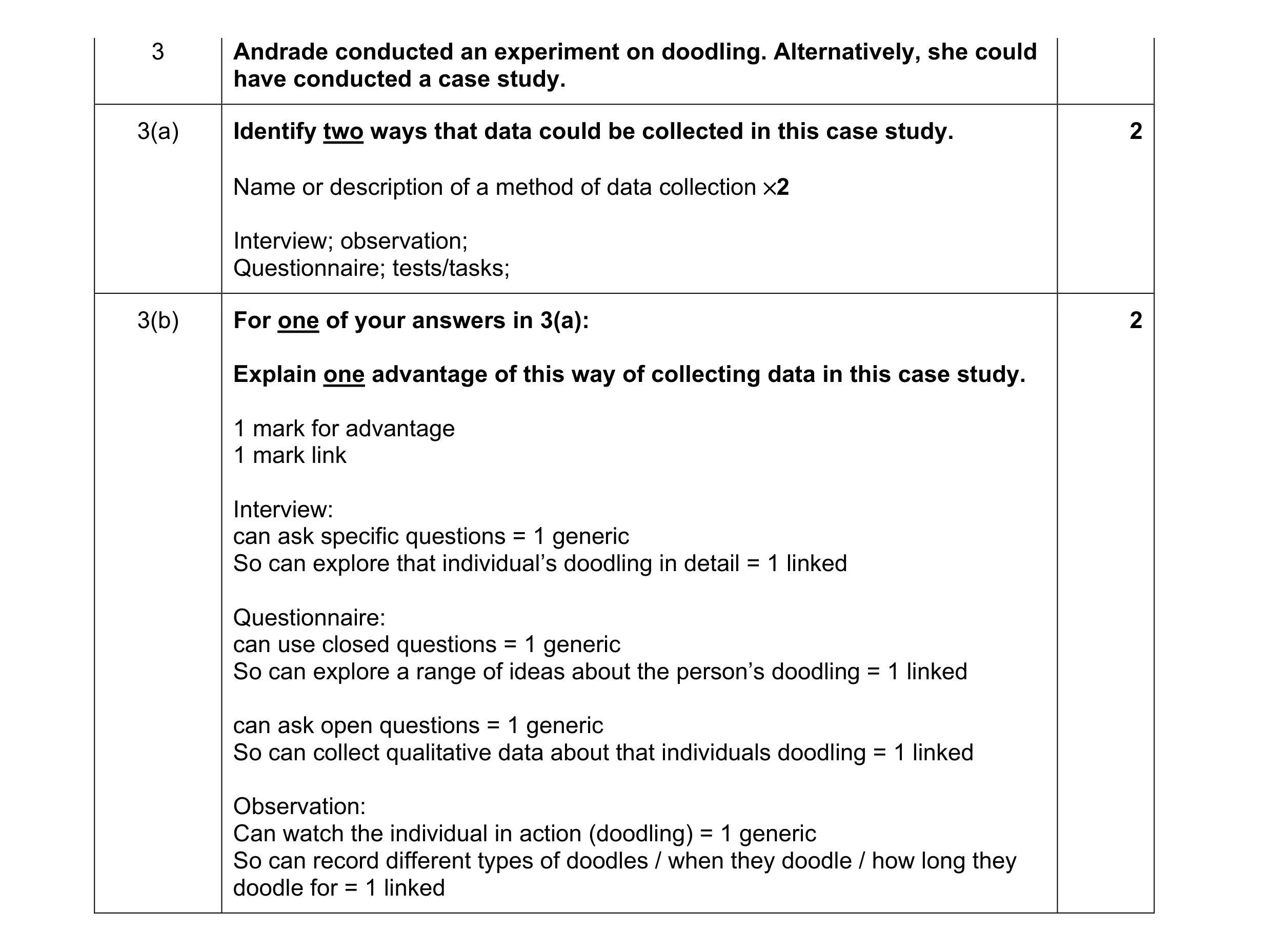 4
4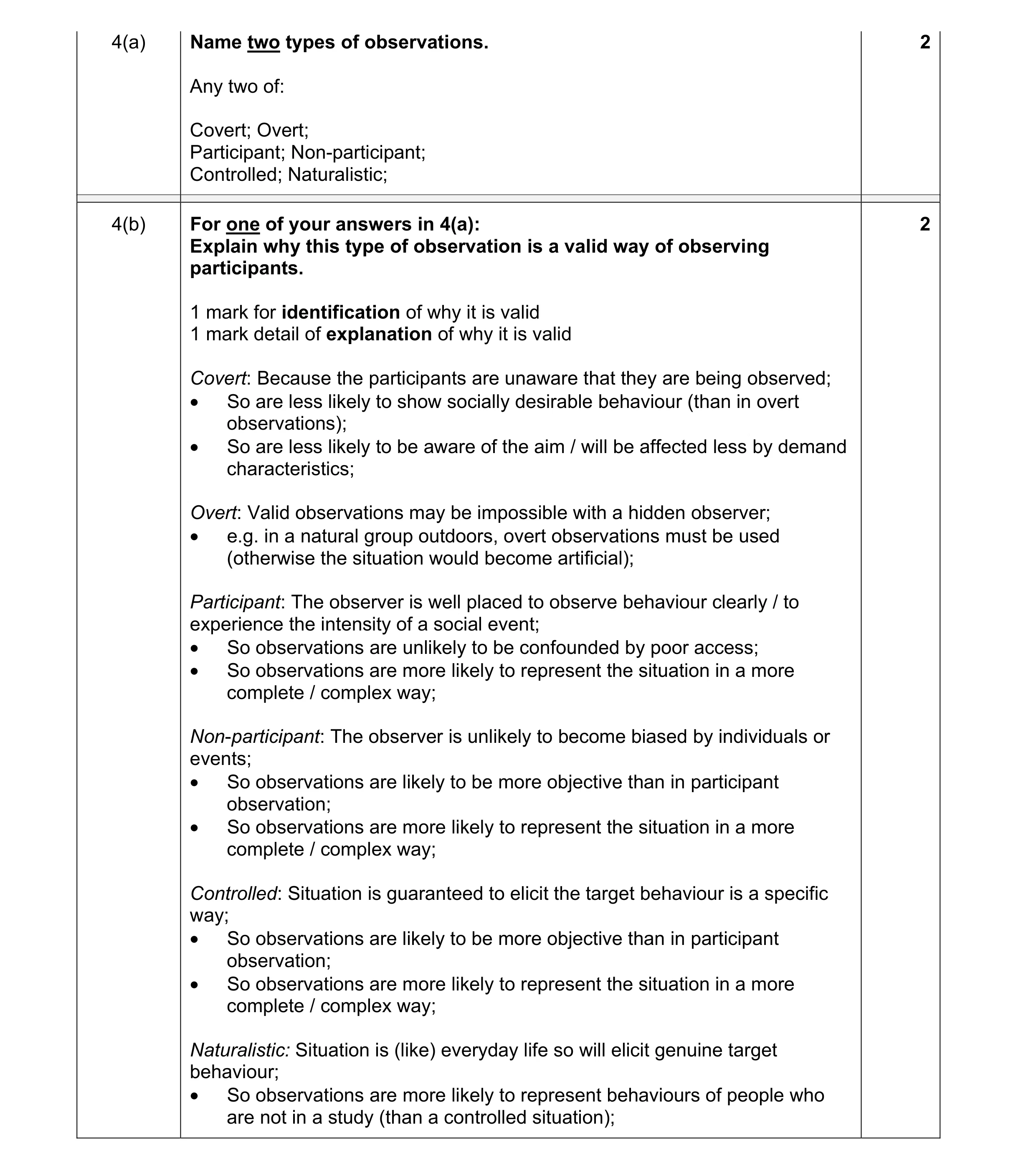 4
4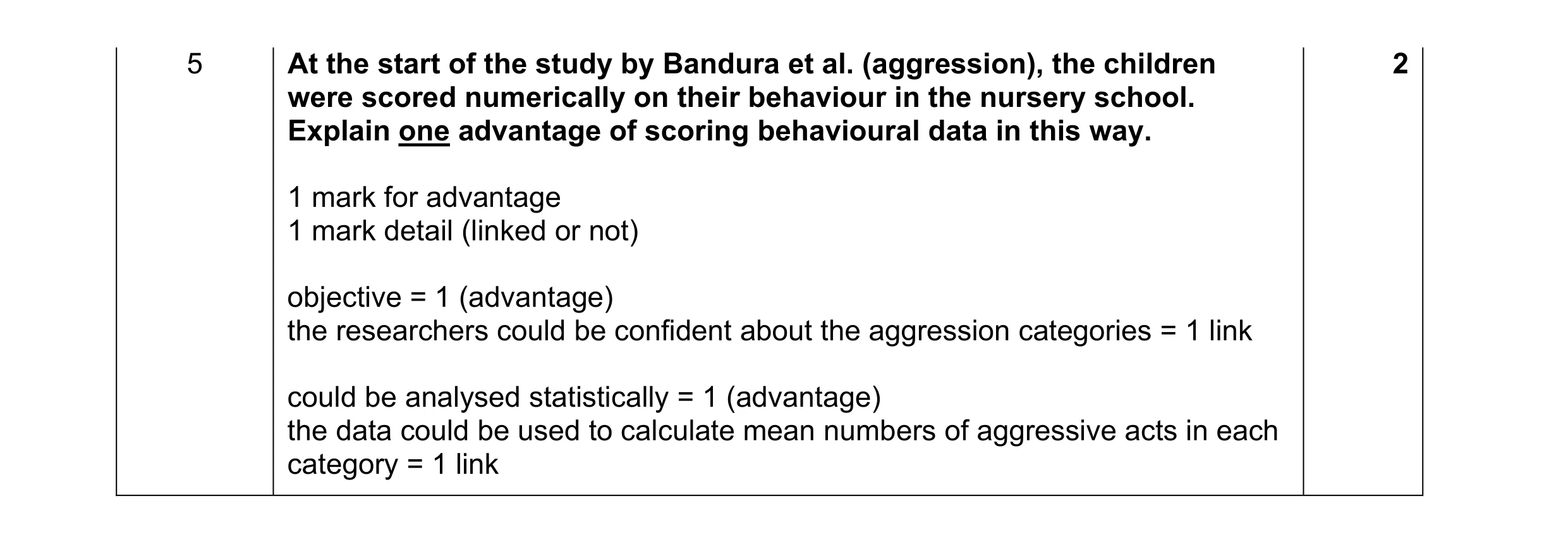 2
2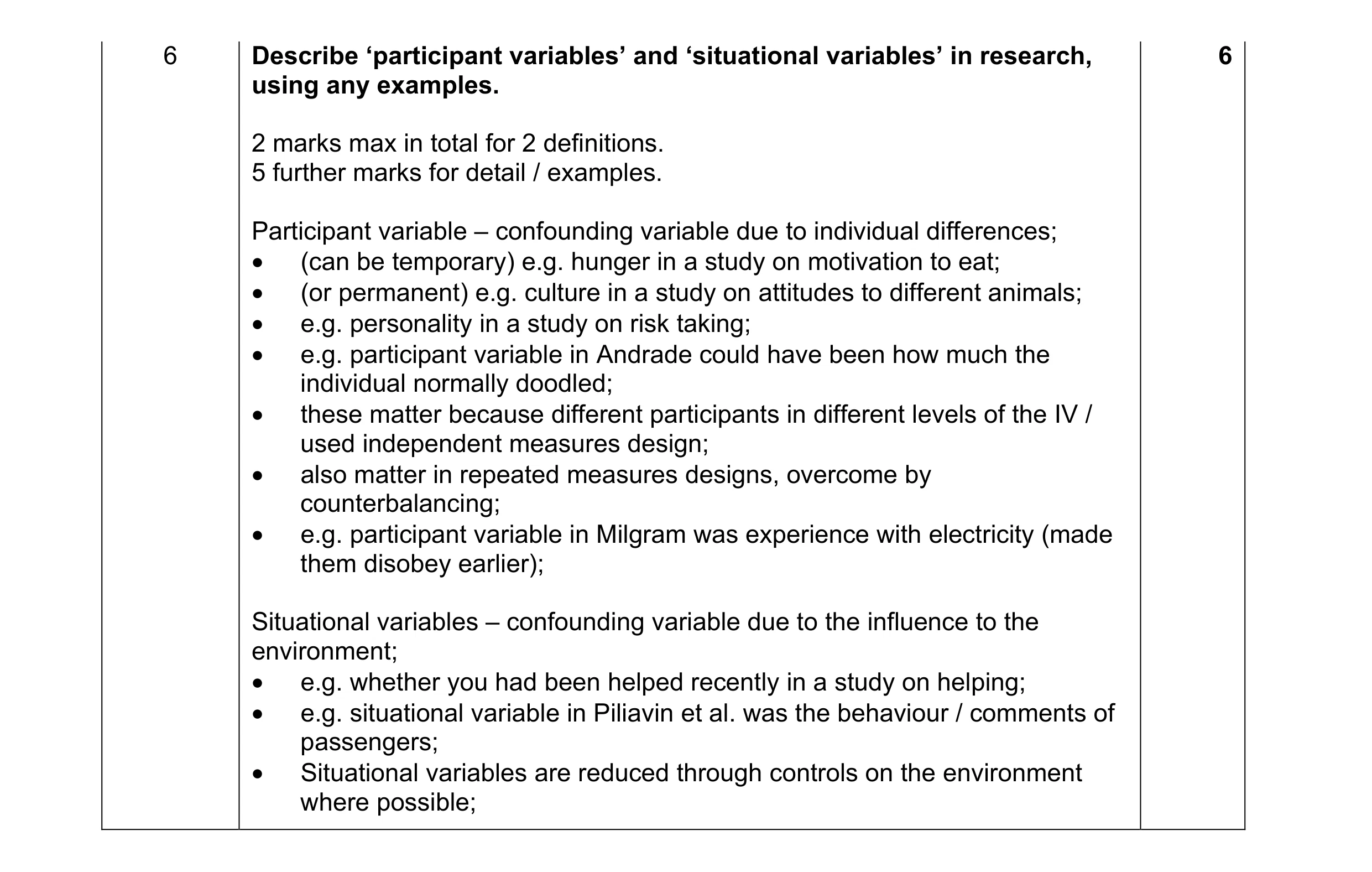 6
6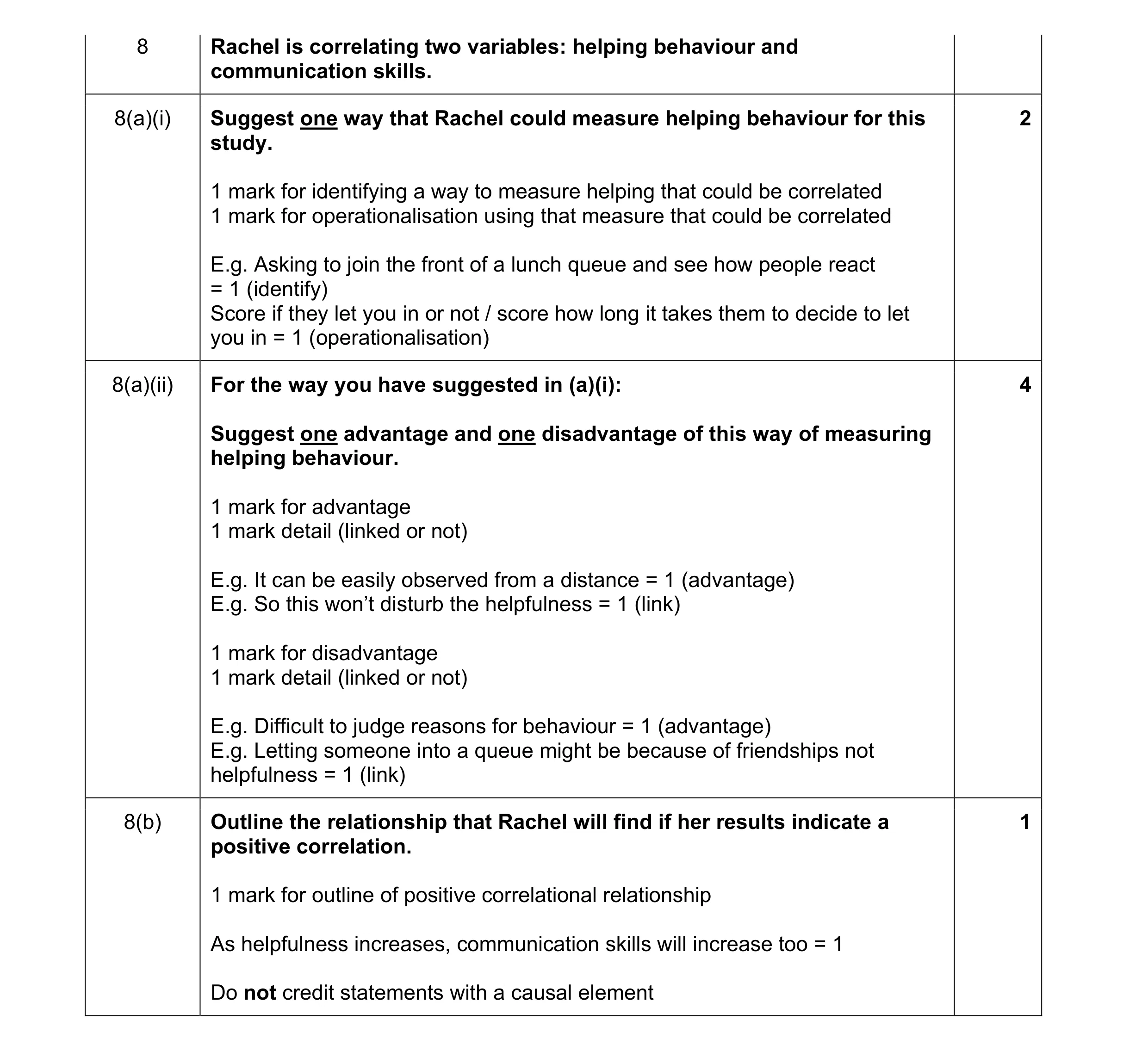 7
7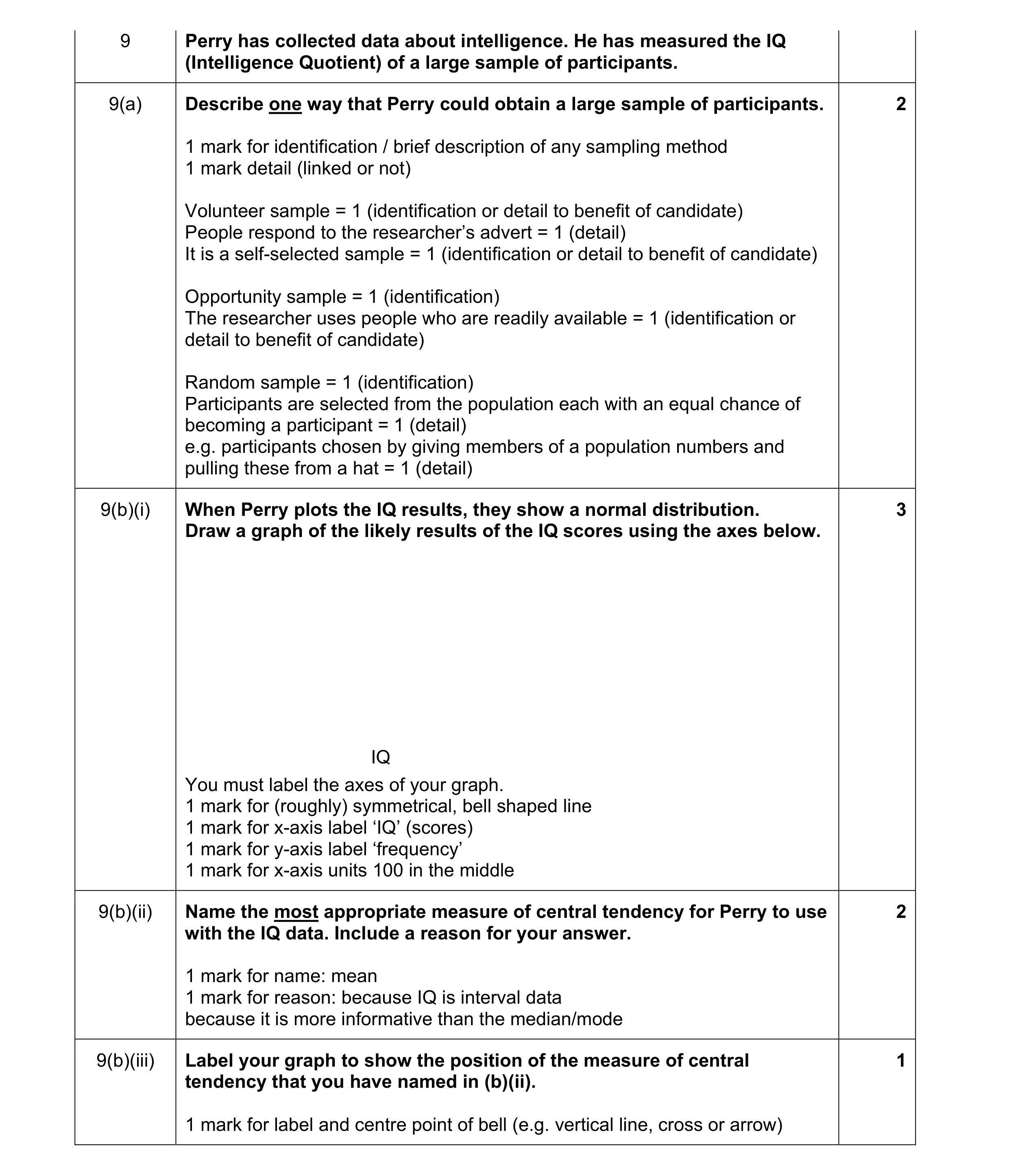 8
8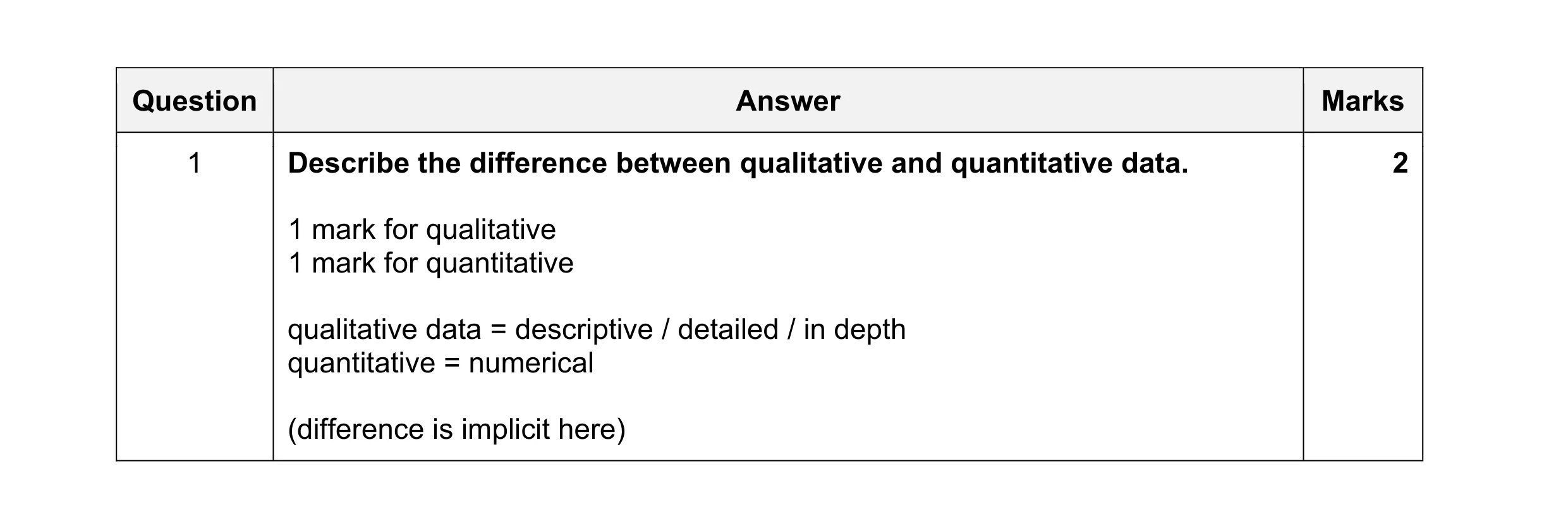 2
2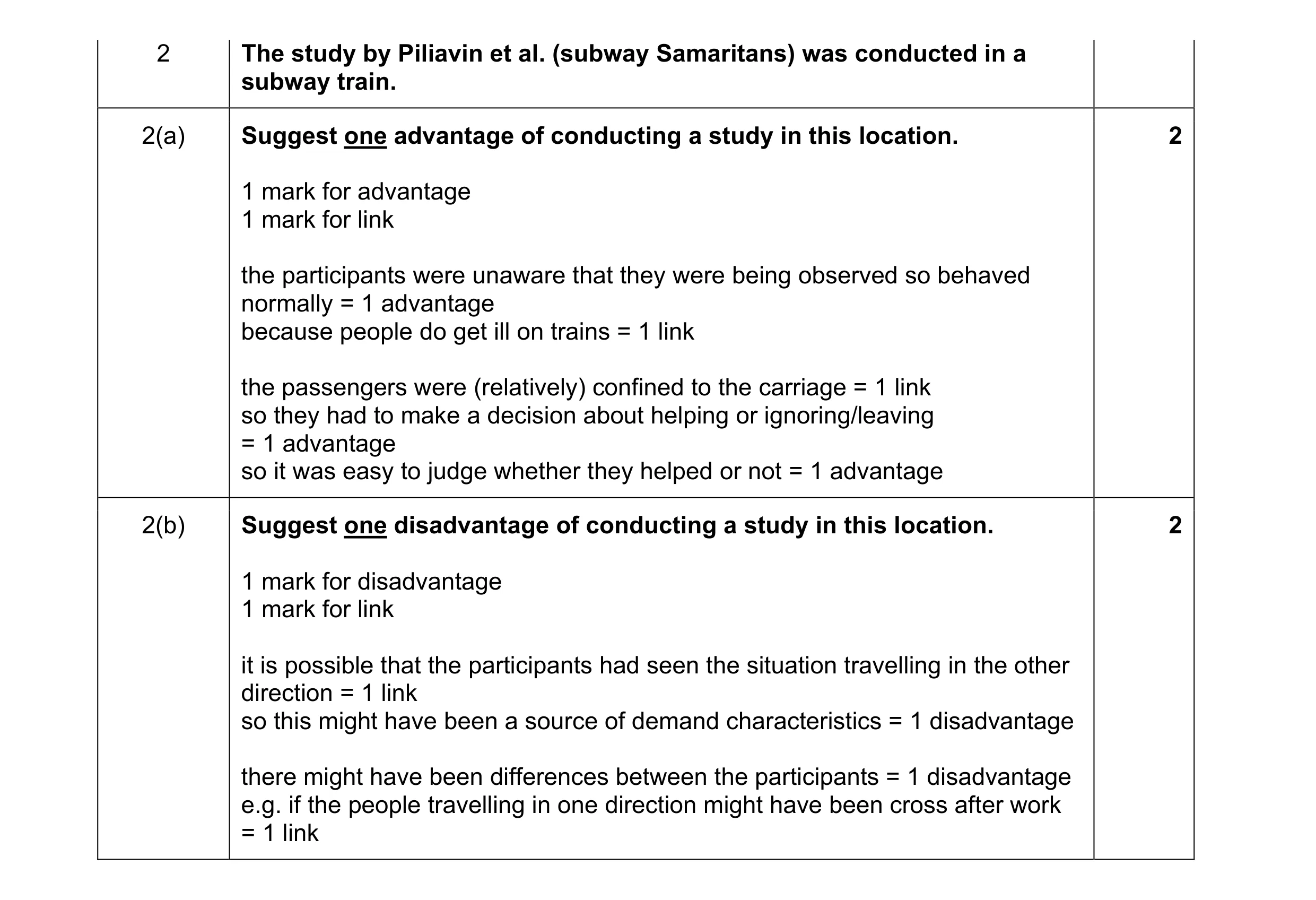 4
4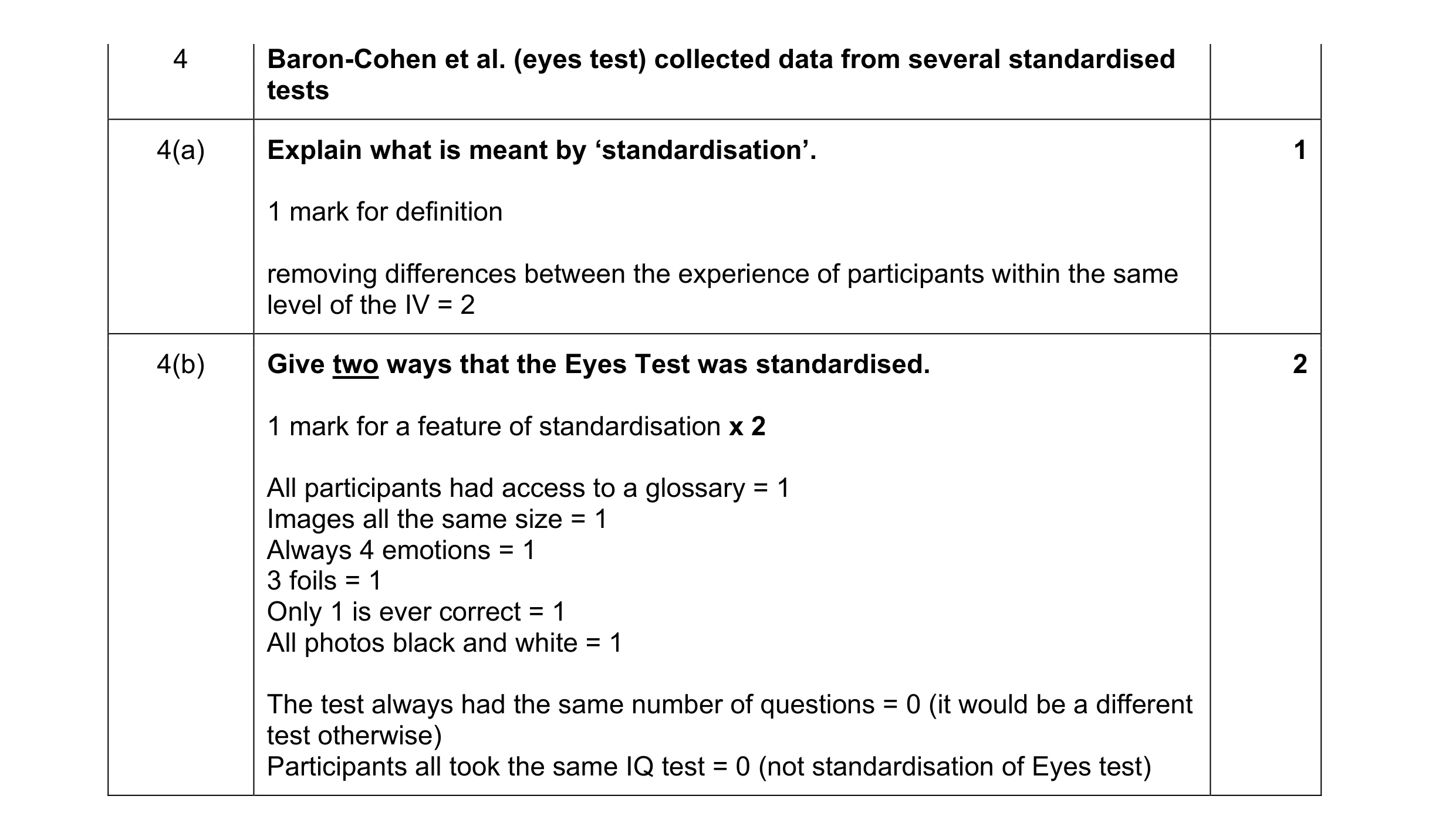 3
3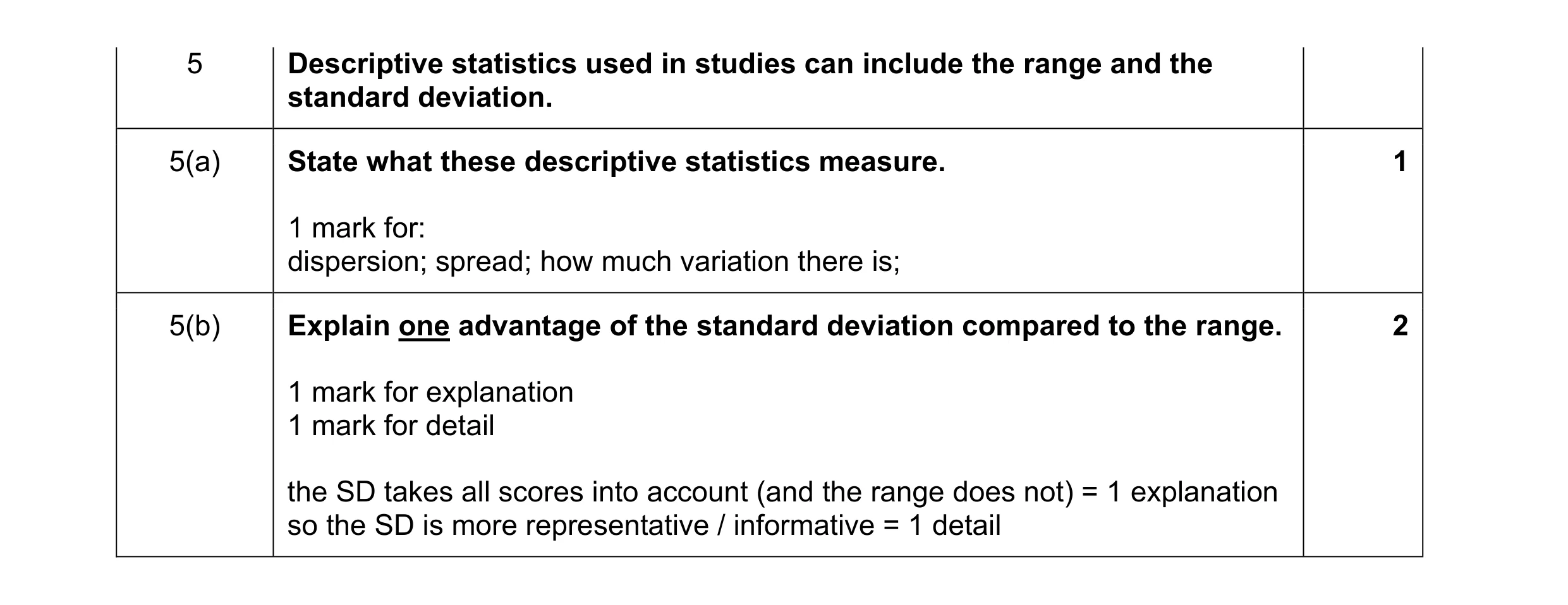 3
3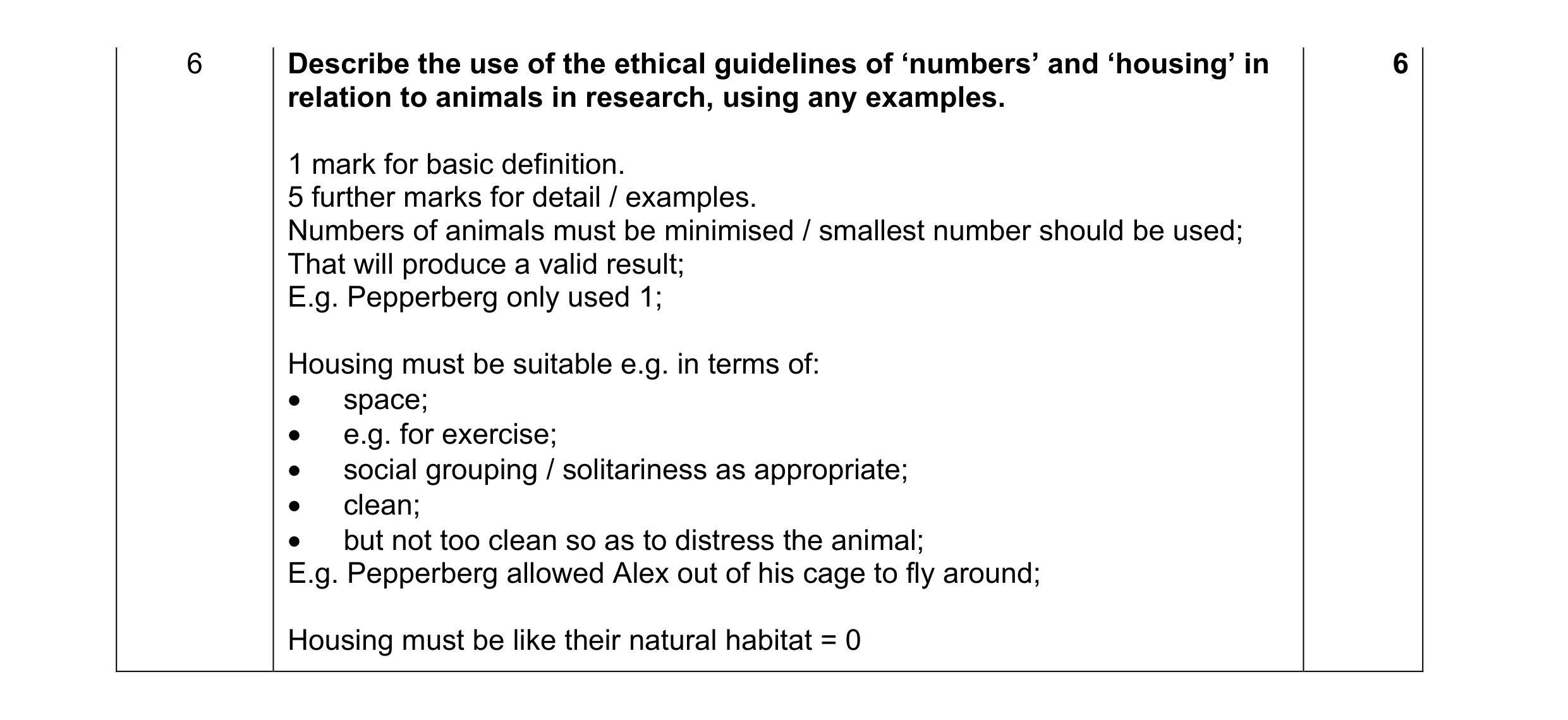 6
6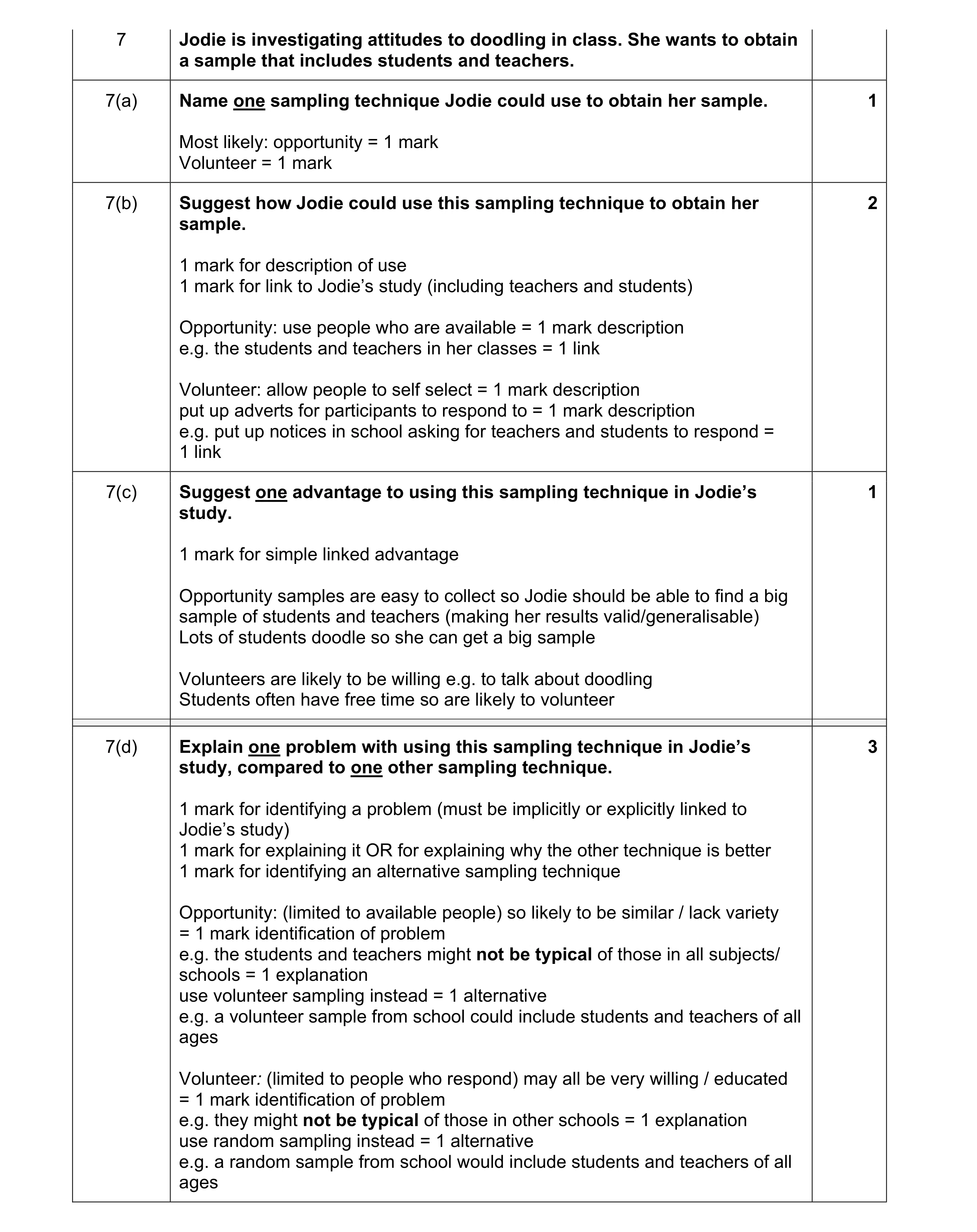 7
7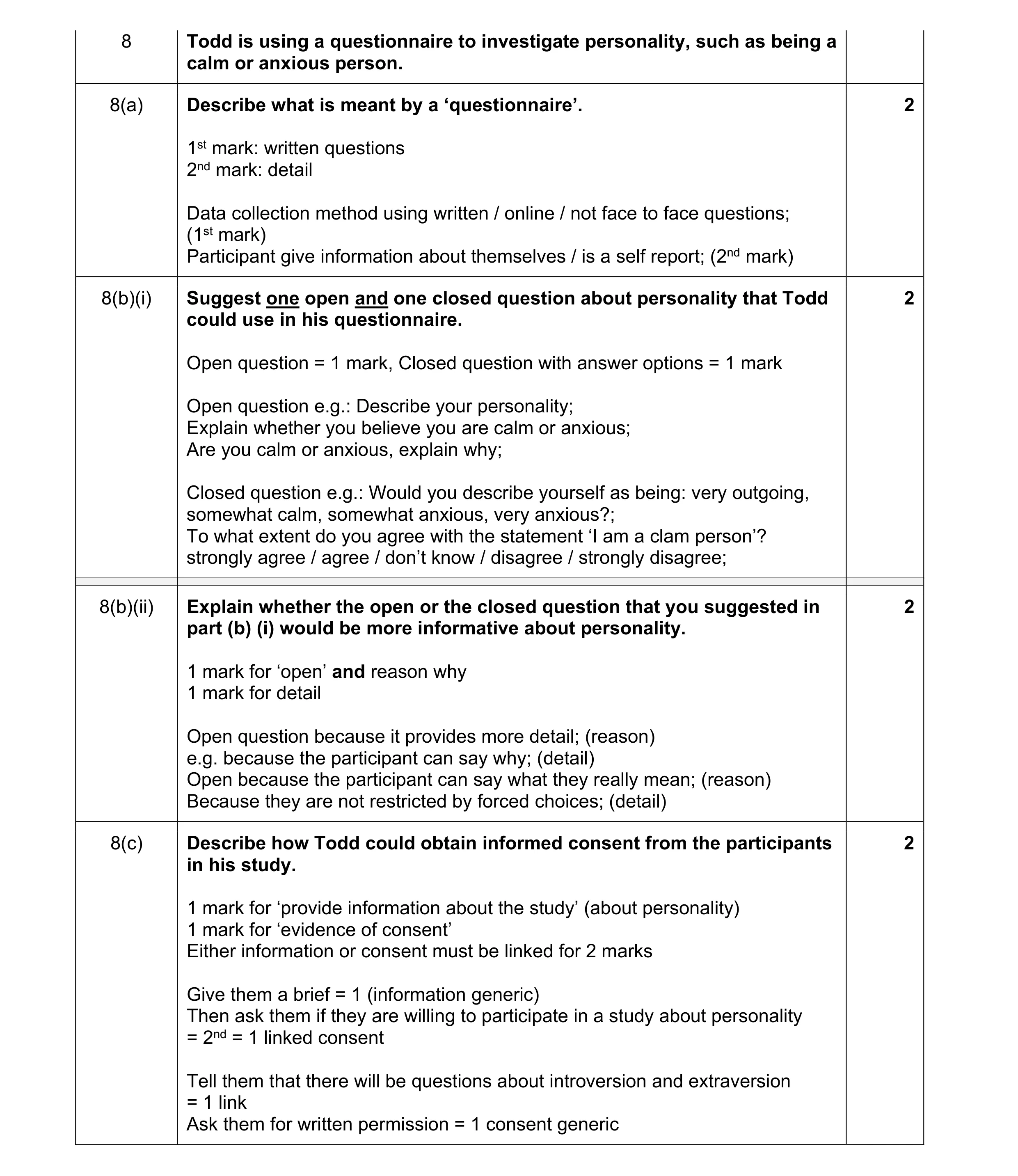 8
8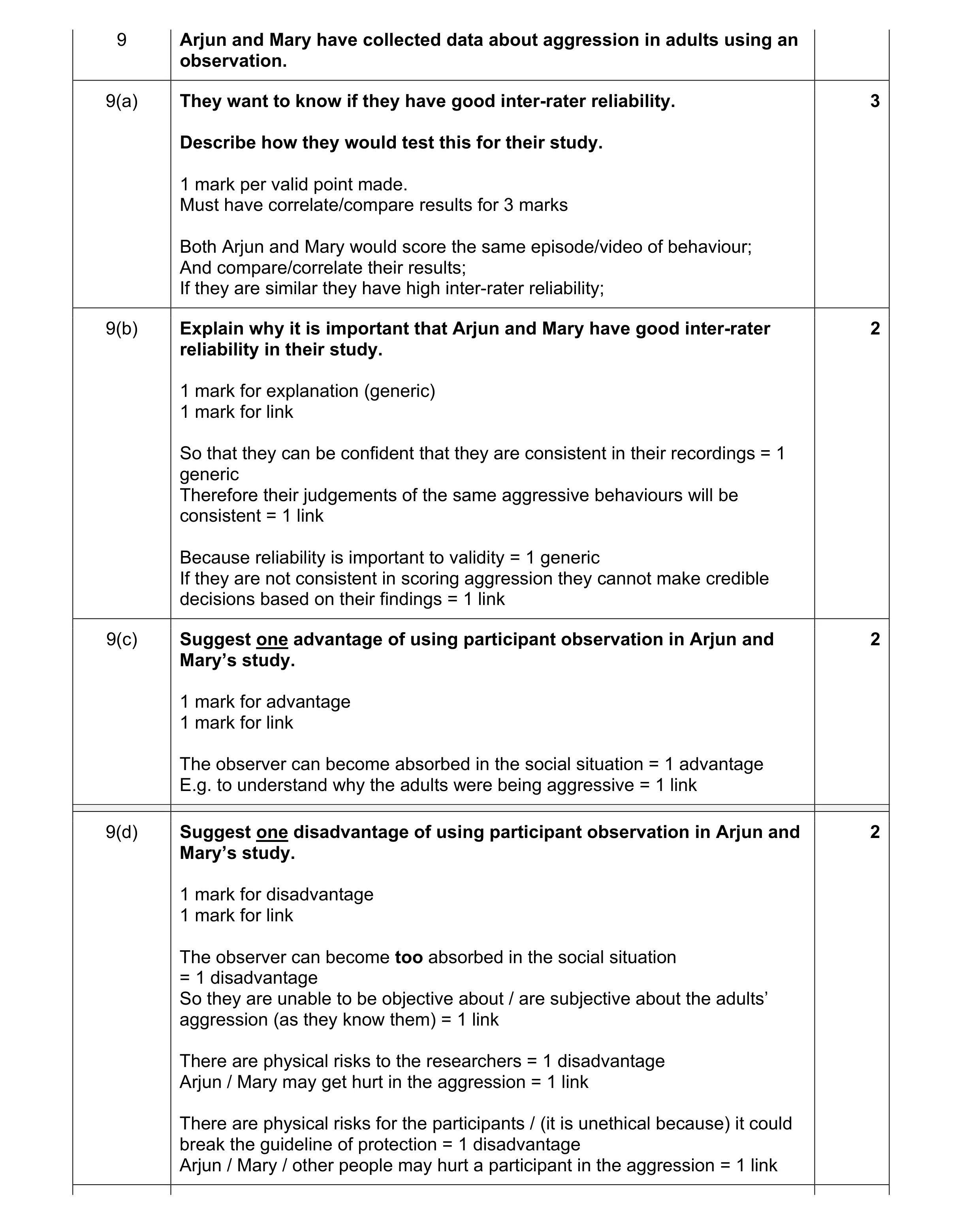 9
9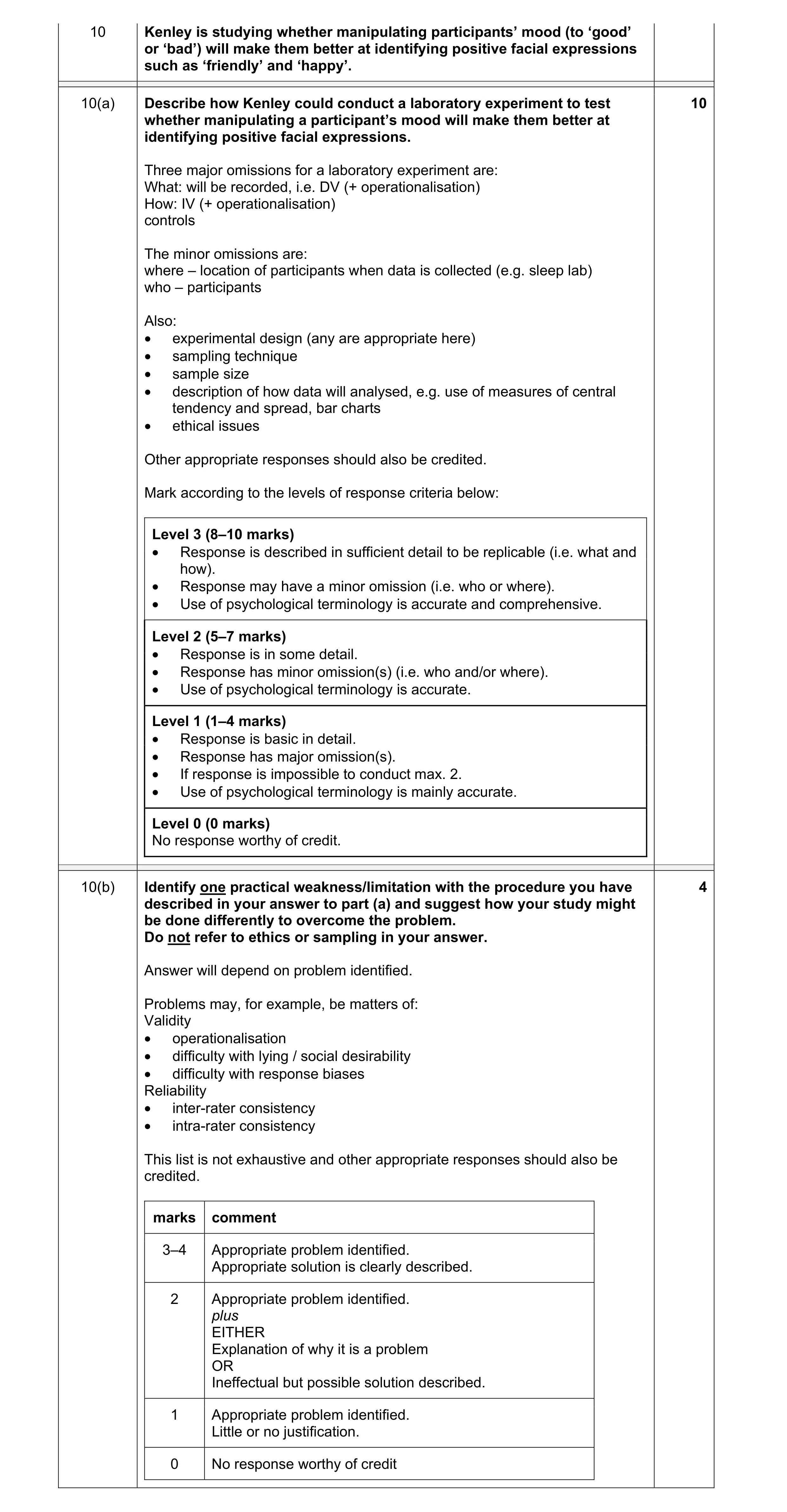 14
14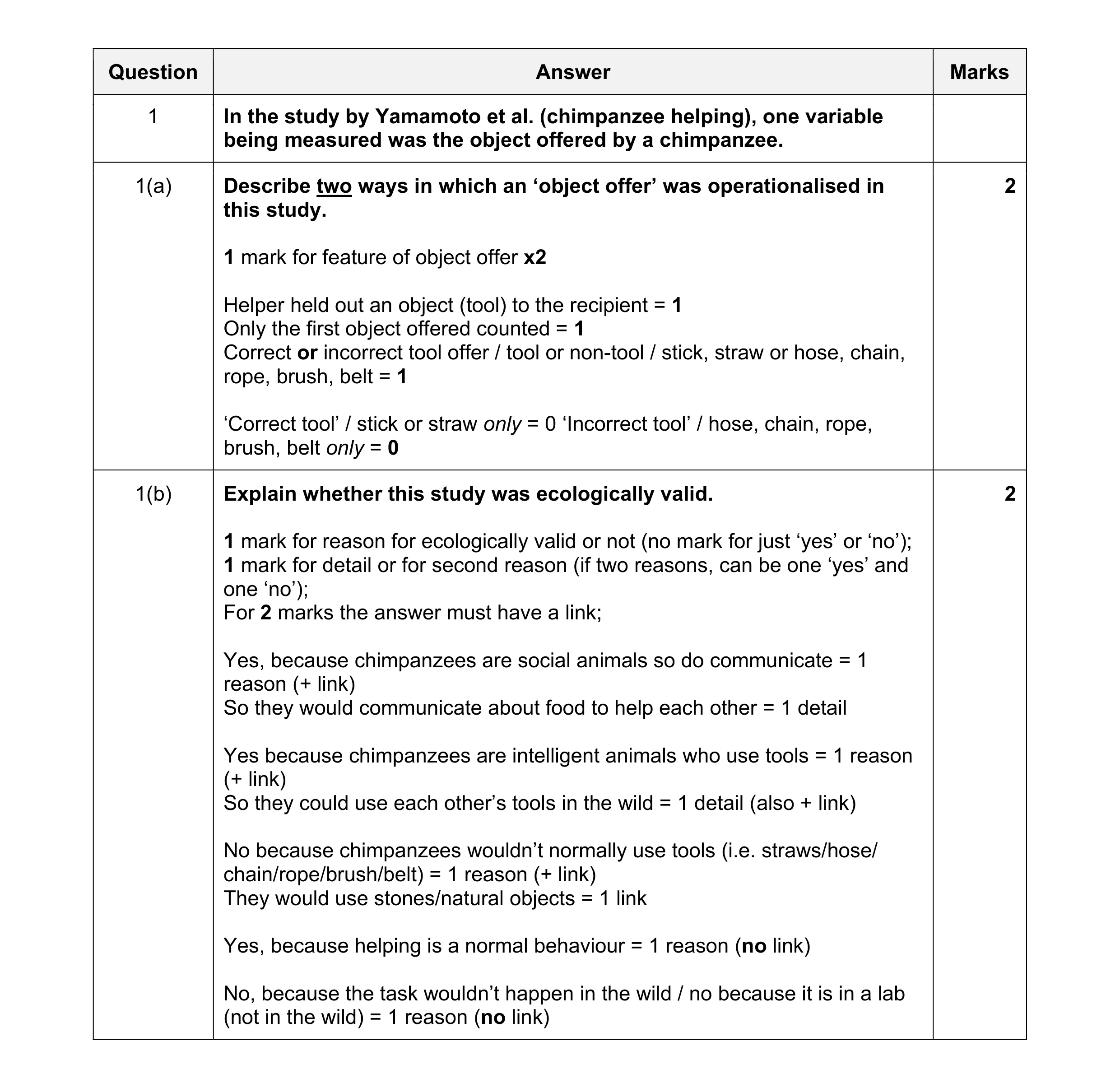 4
4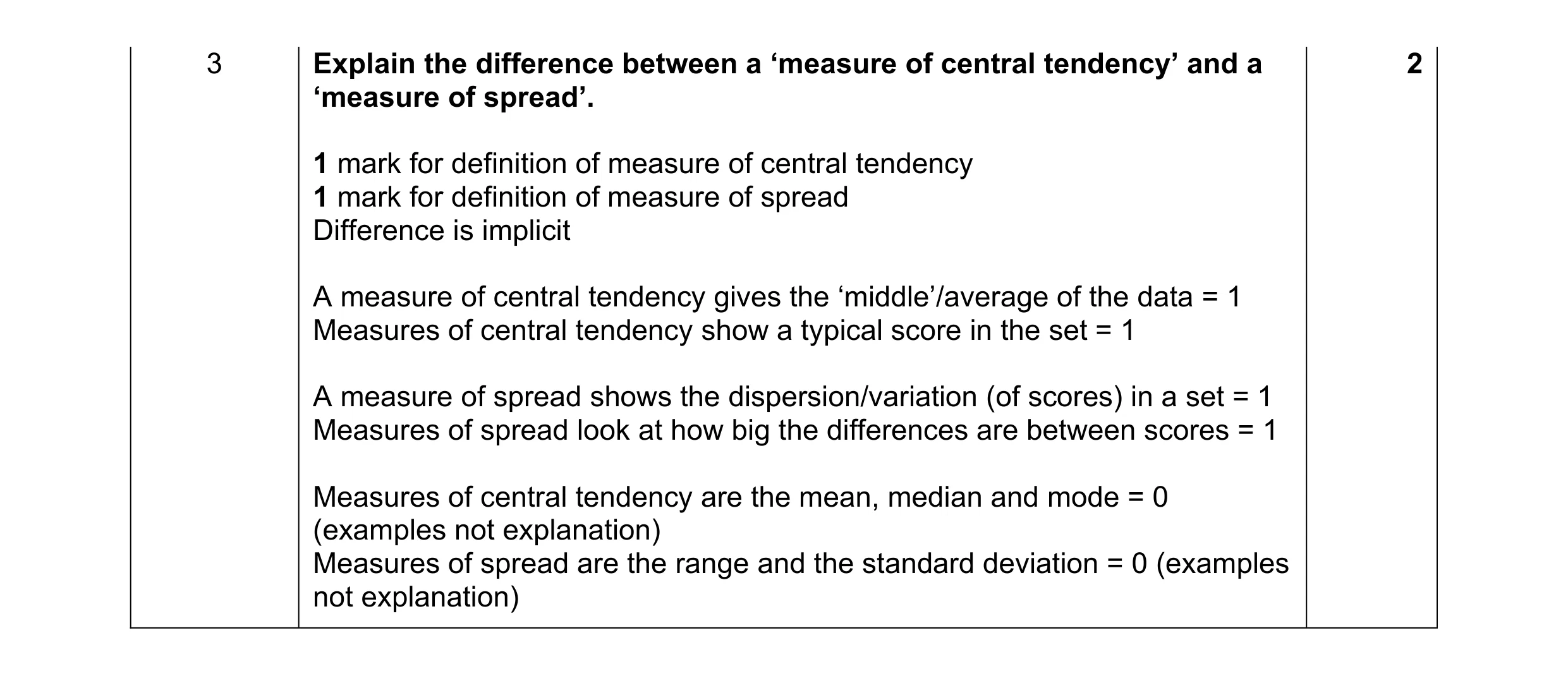 2
2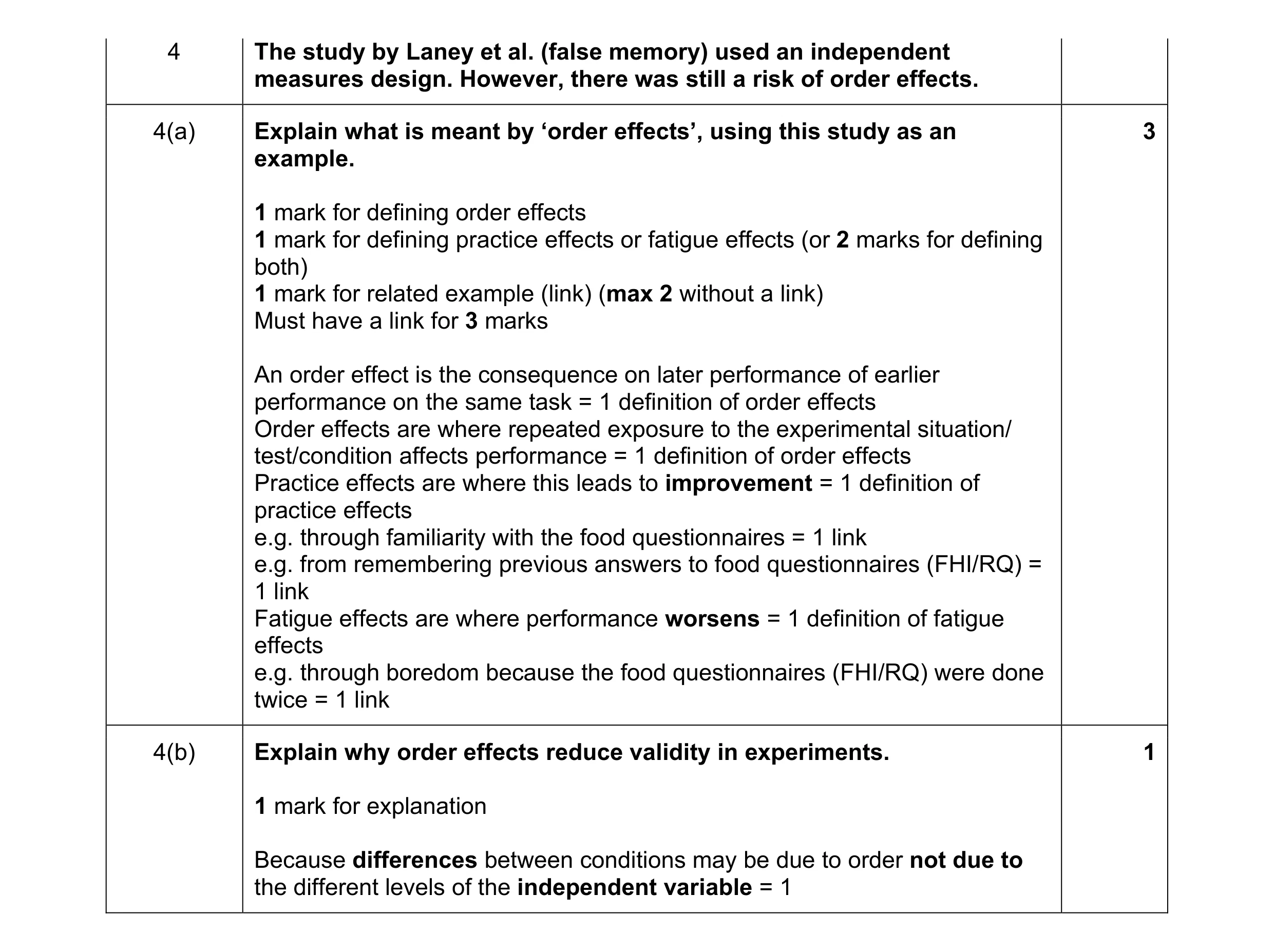 4
4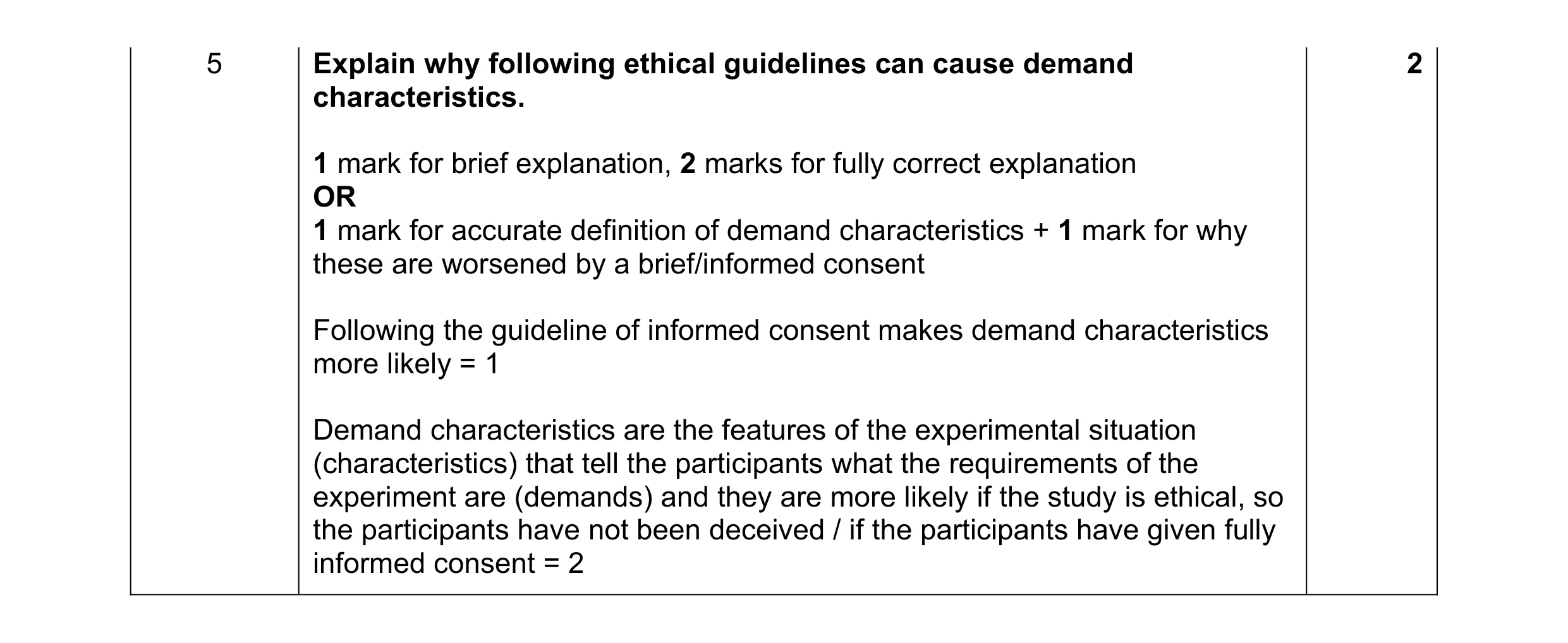 2
2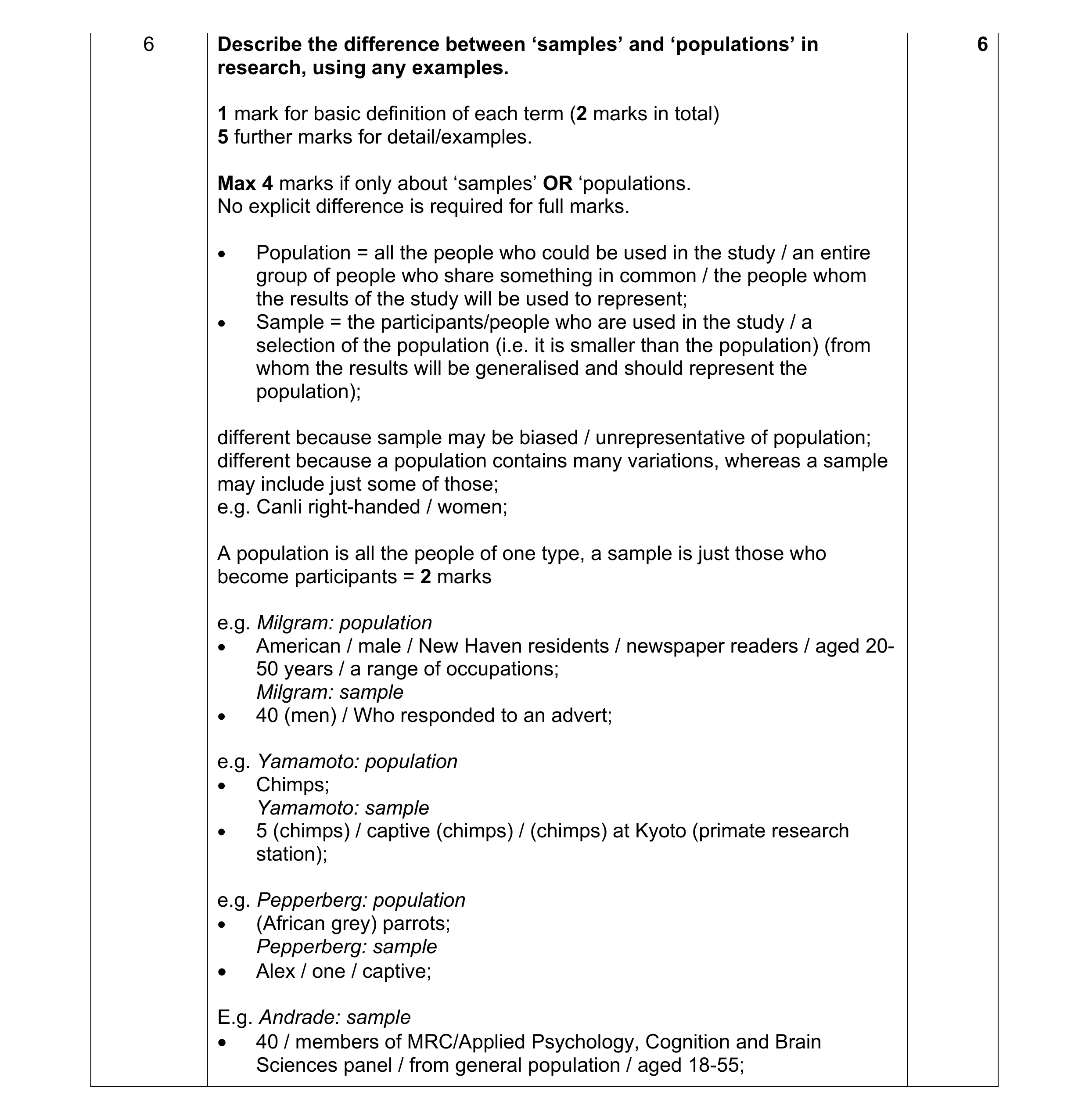 6
6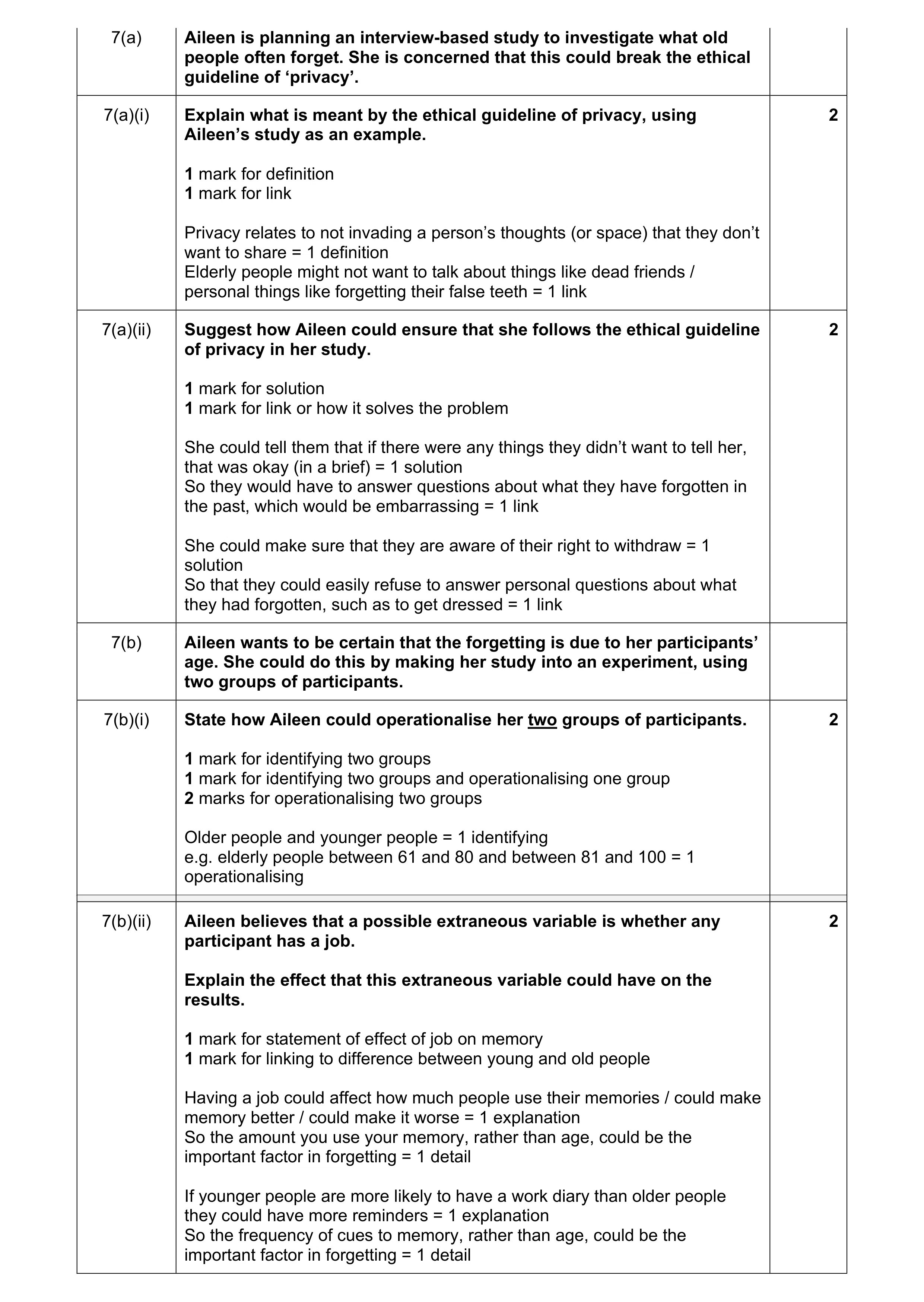 8
8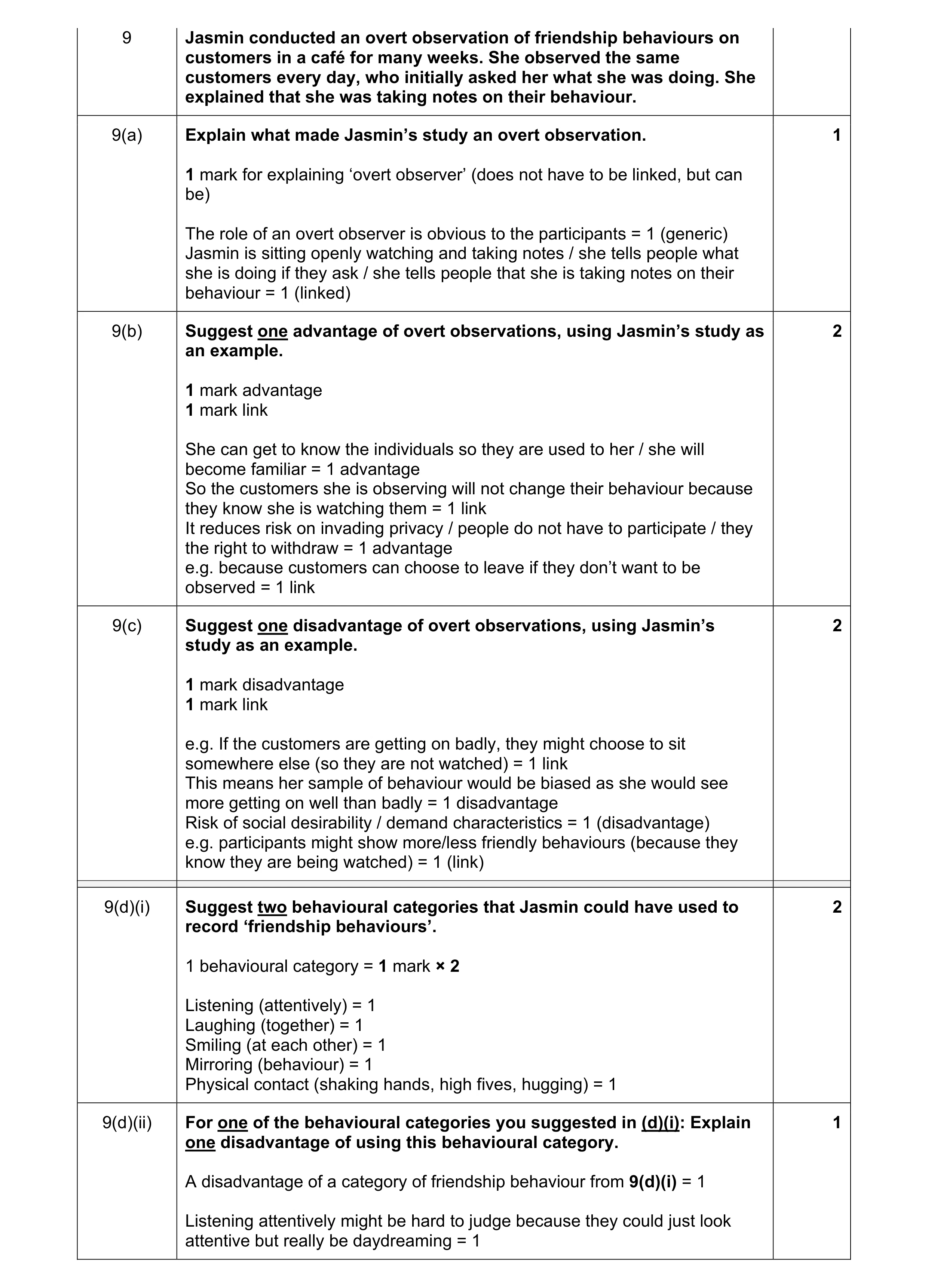 8
8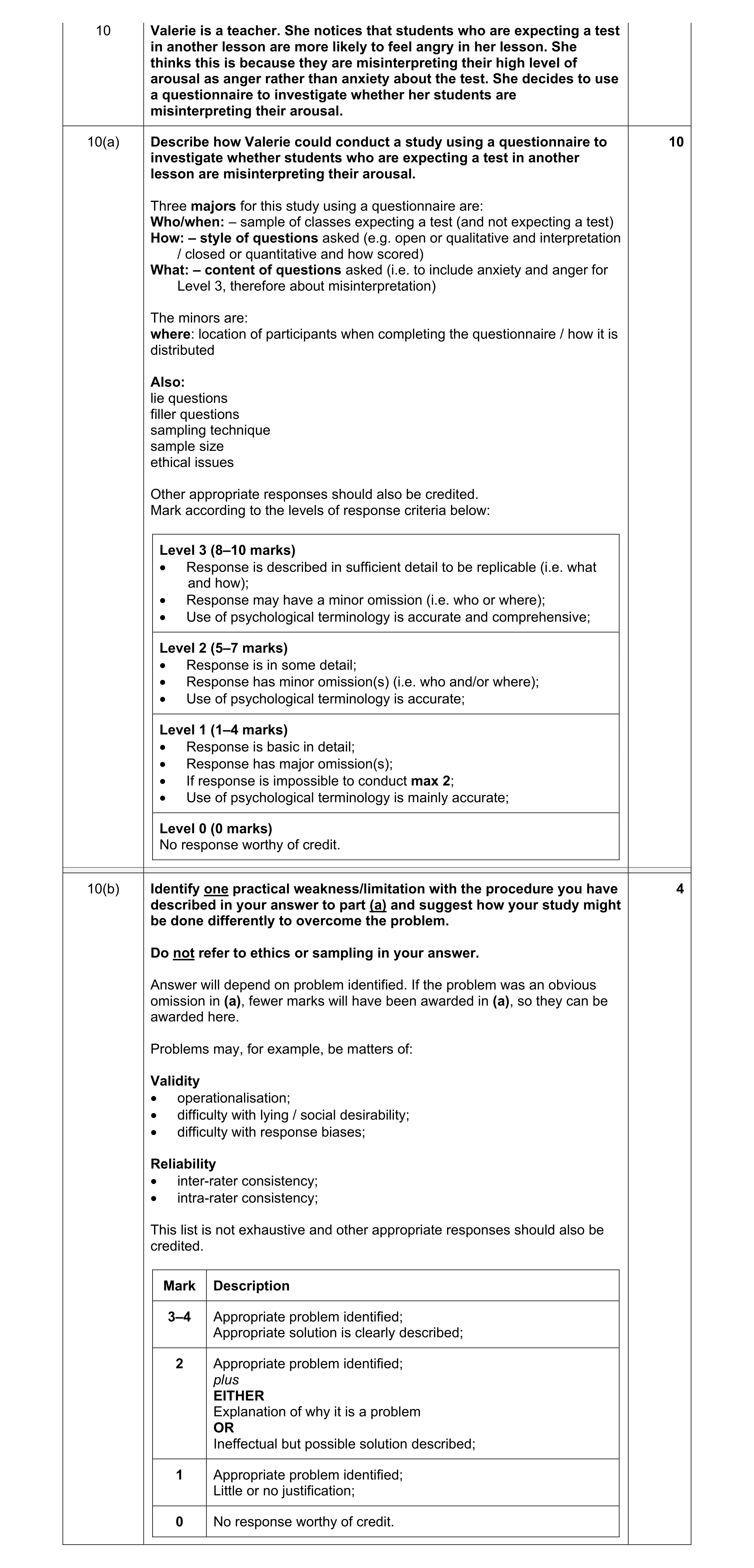 14
14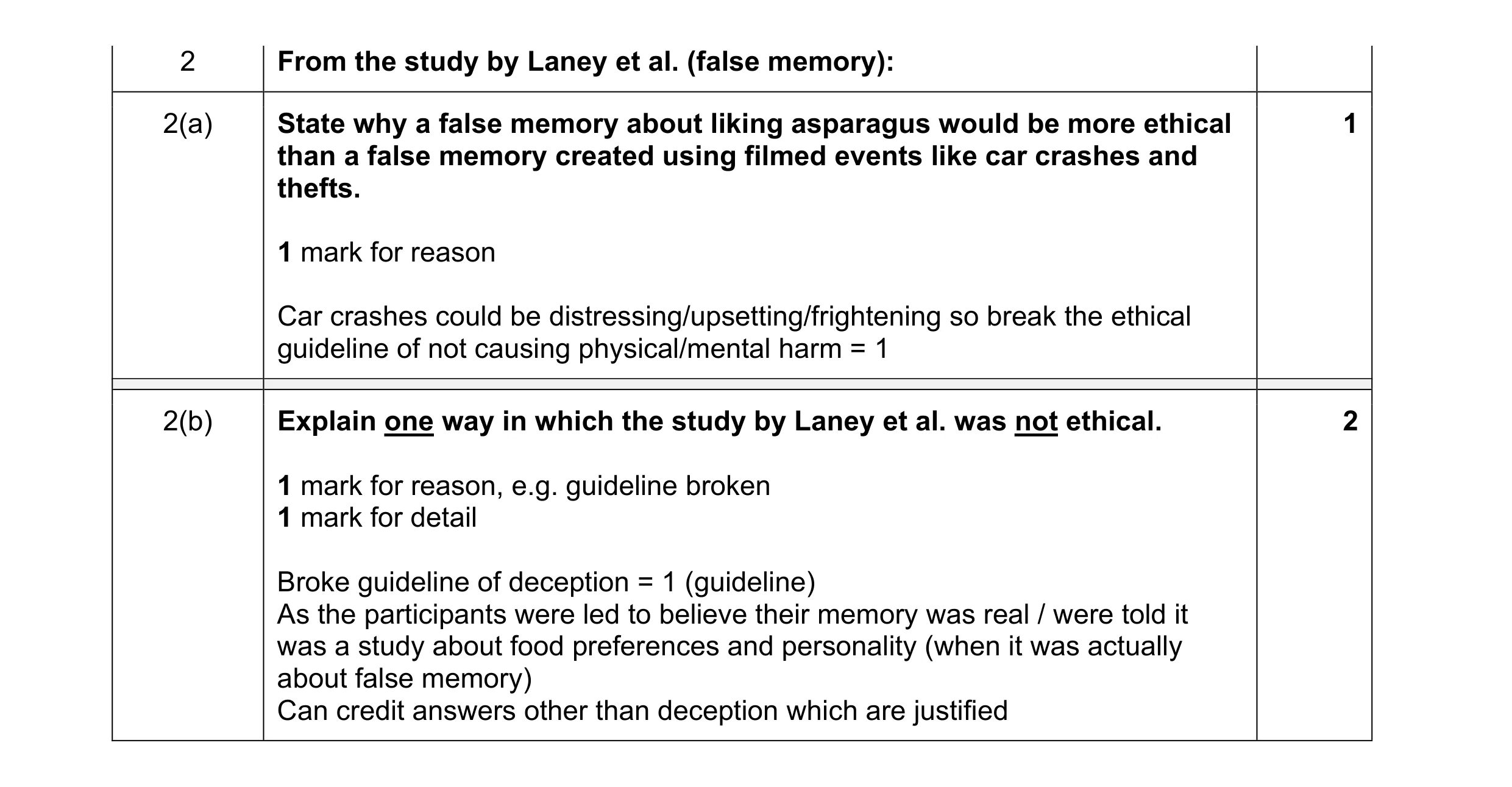 3
3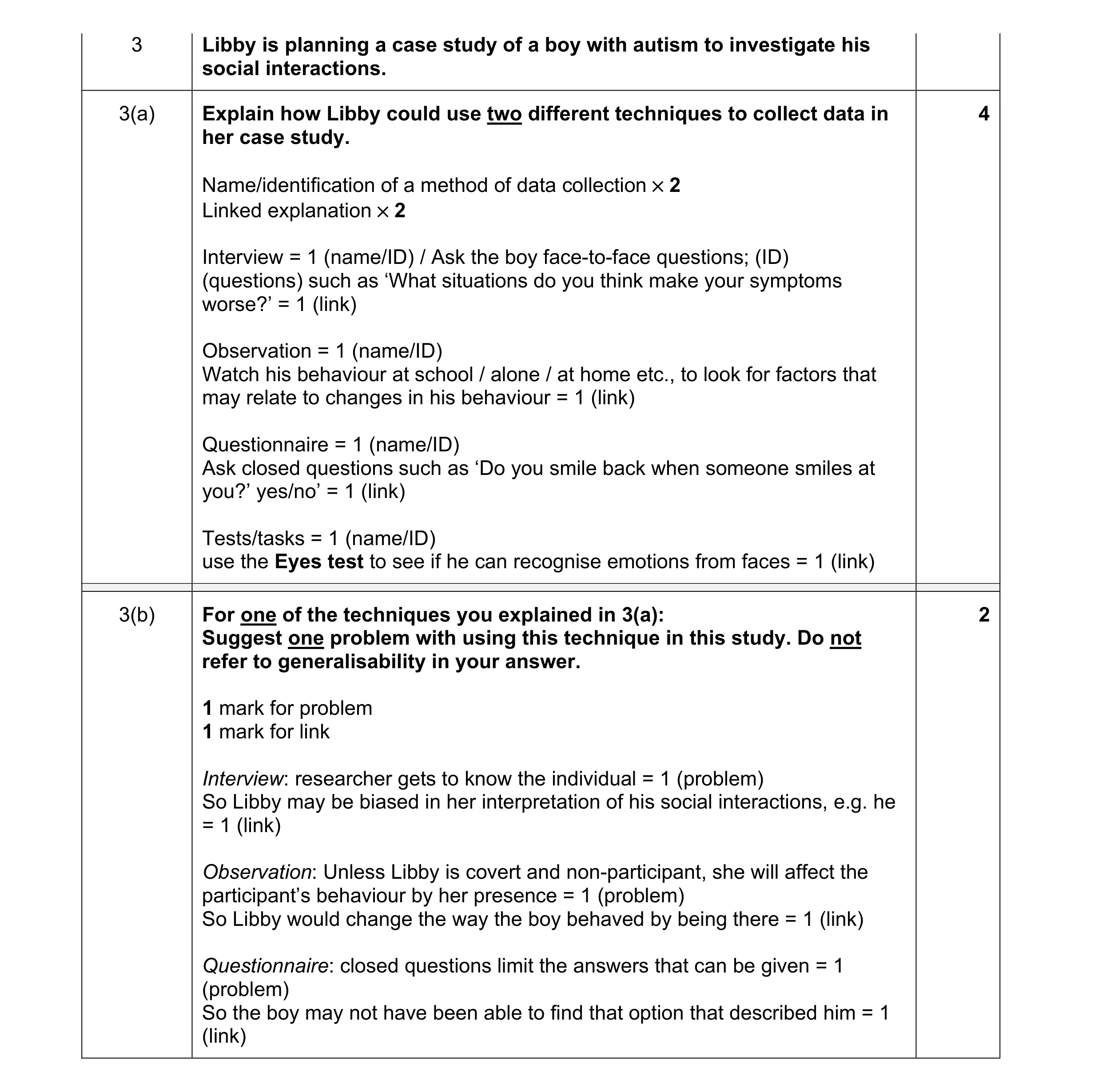 6
6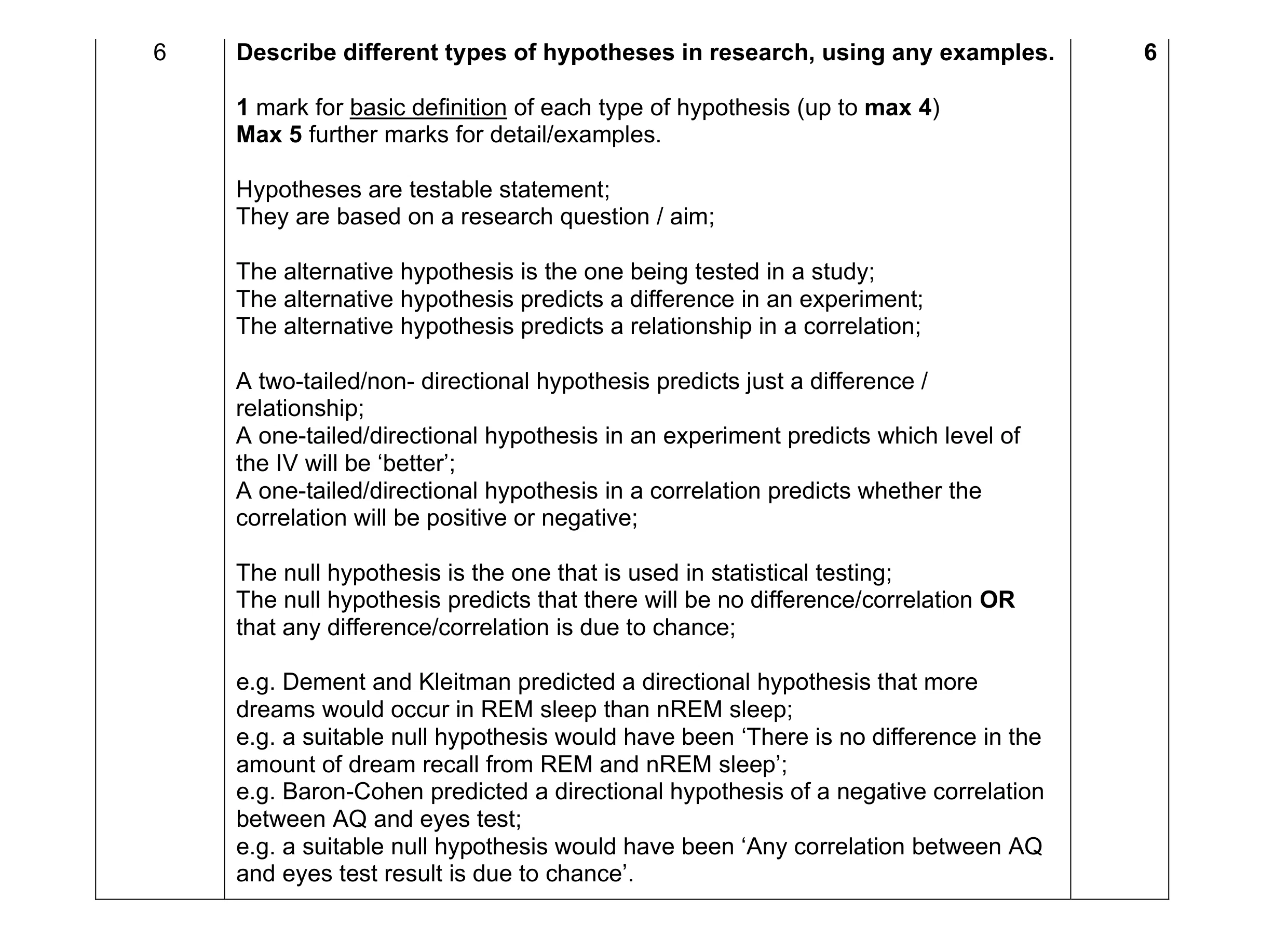 6
6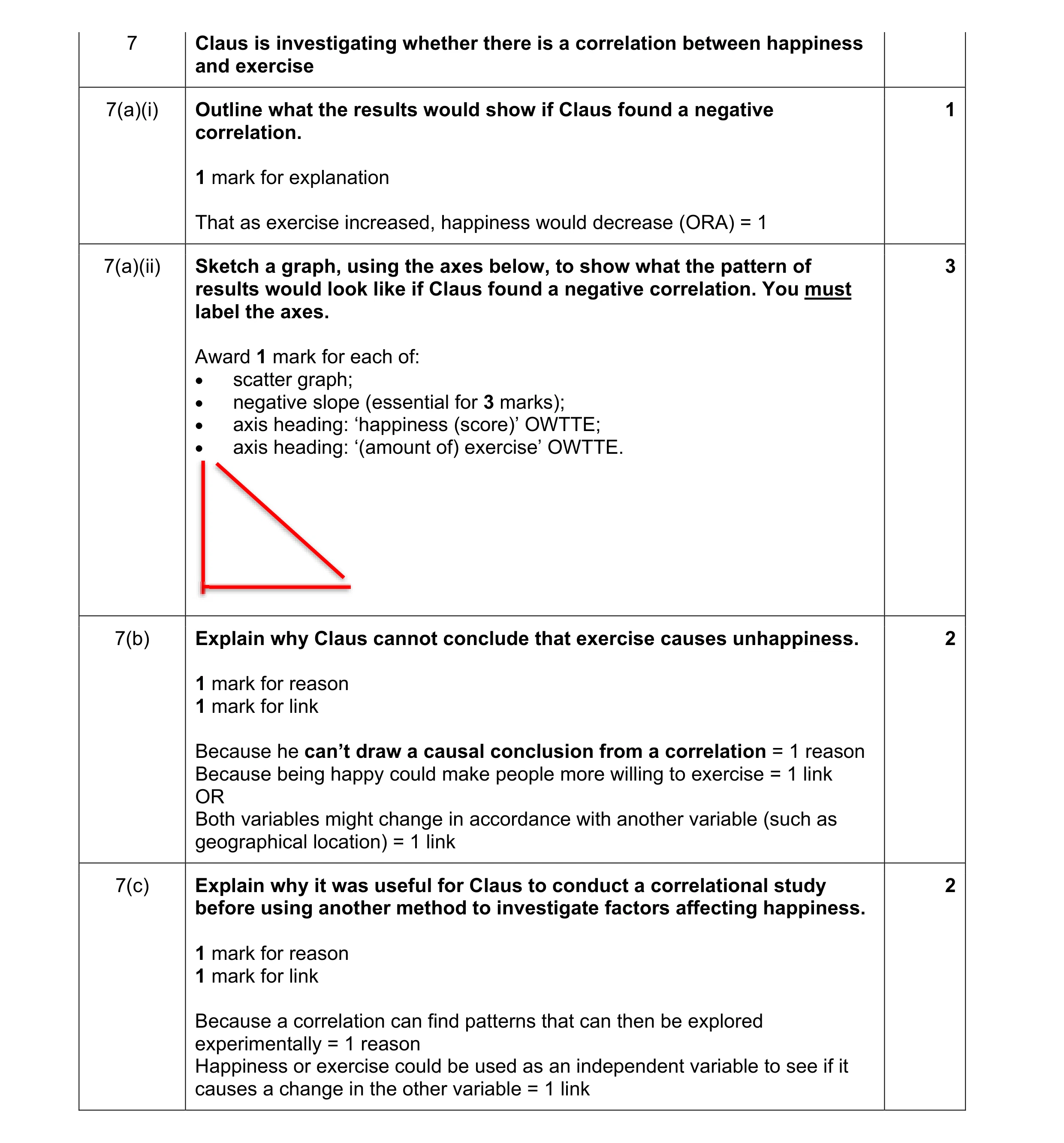 8
8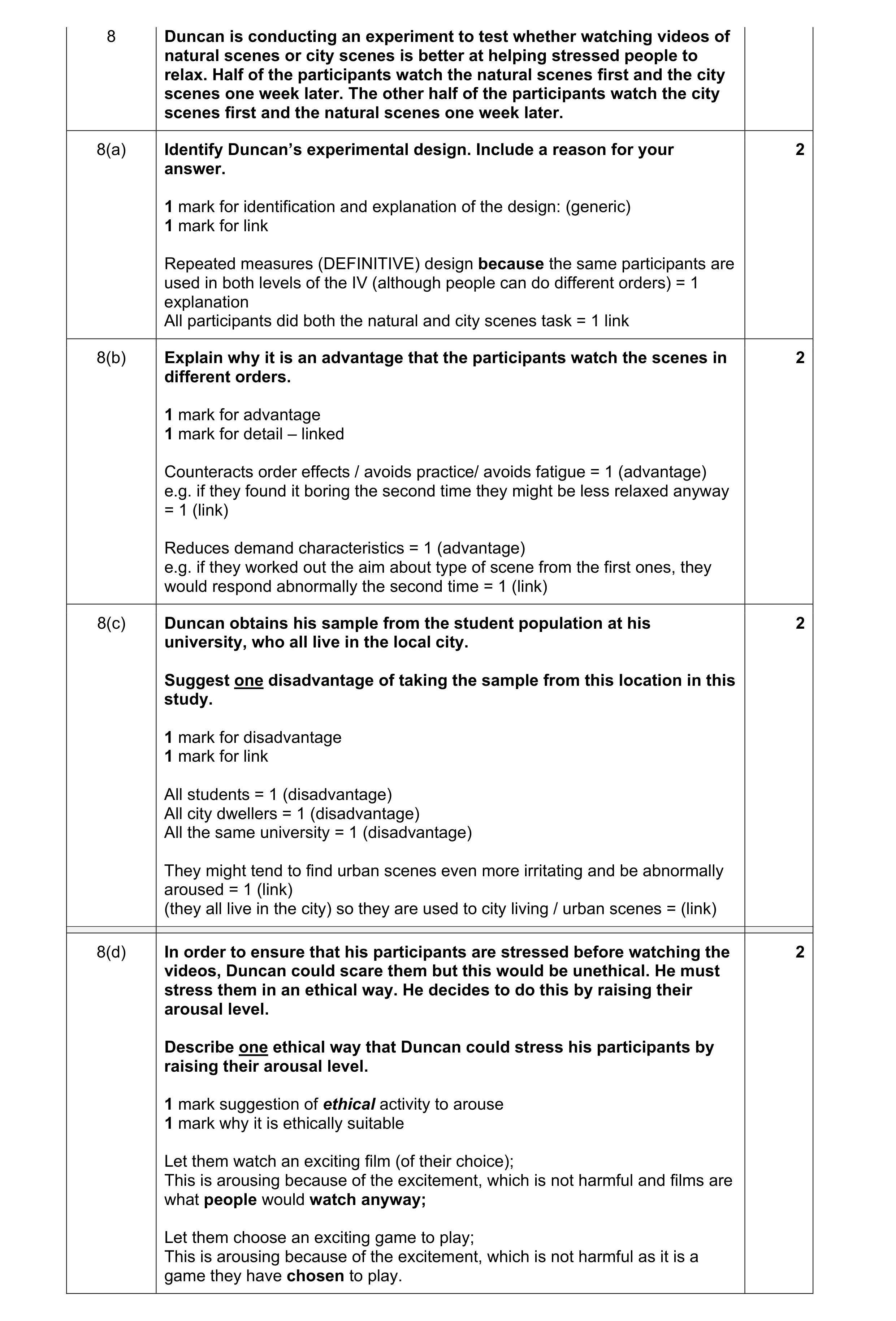 8
8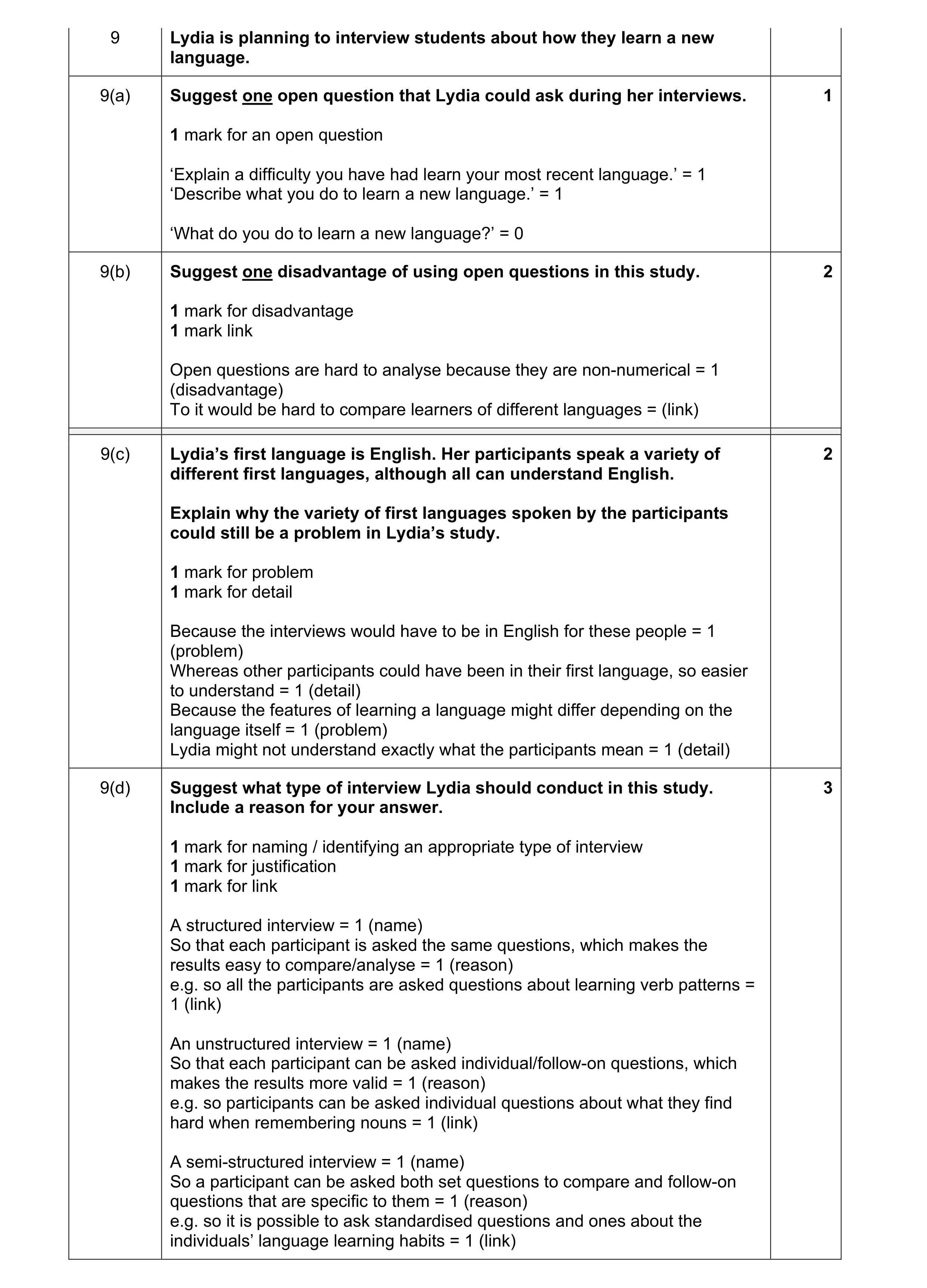 8
8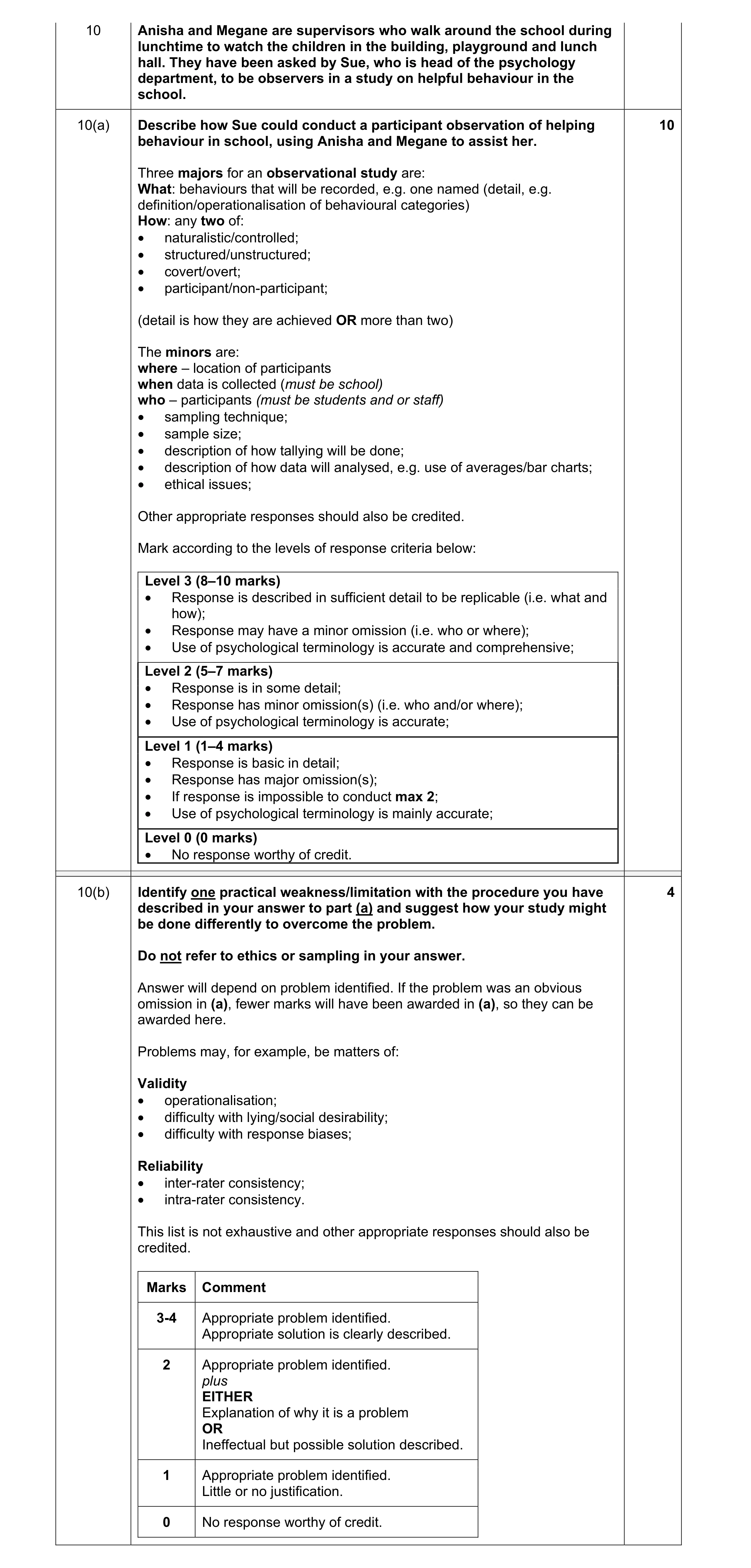 14
14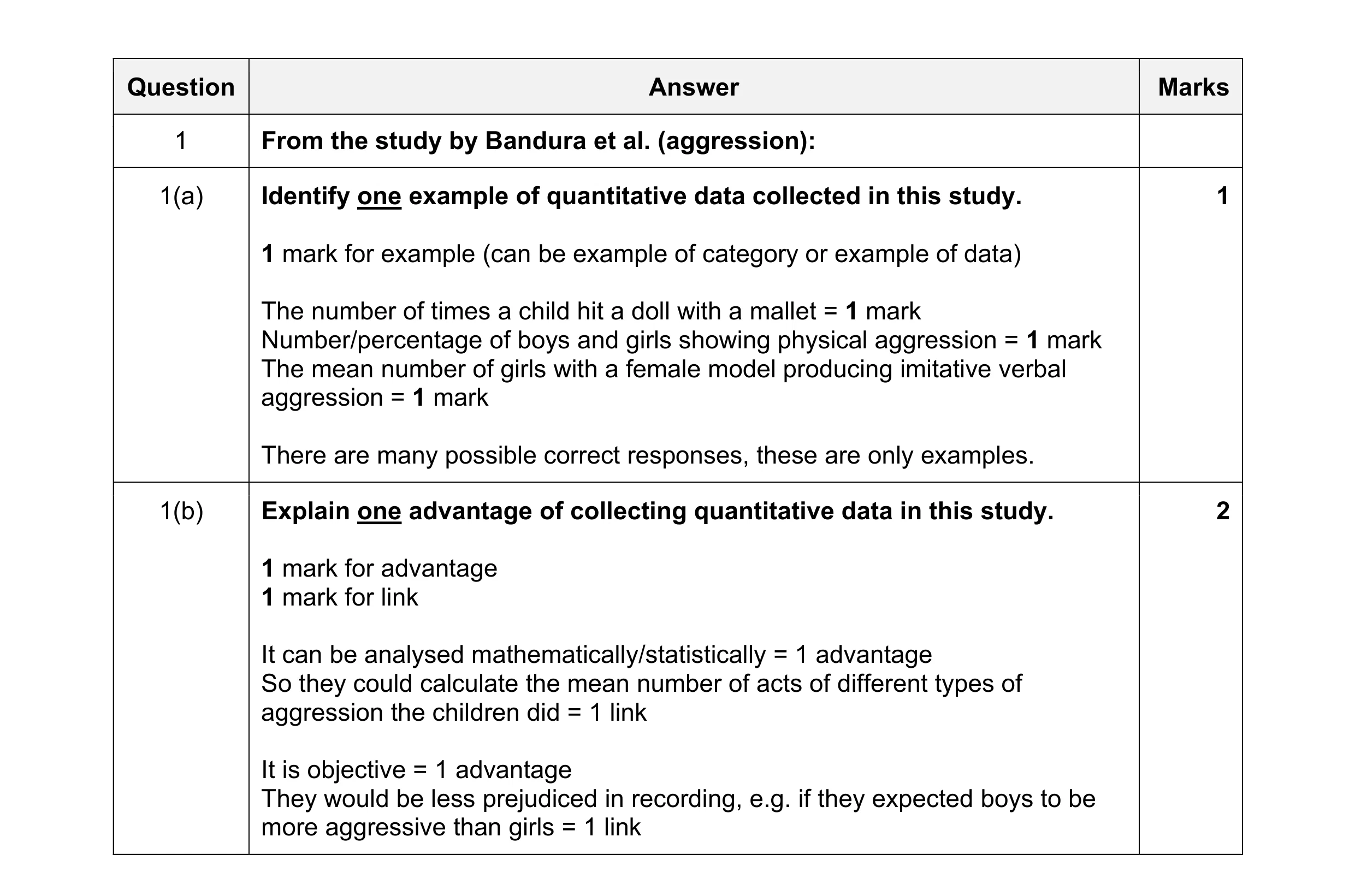 3
3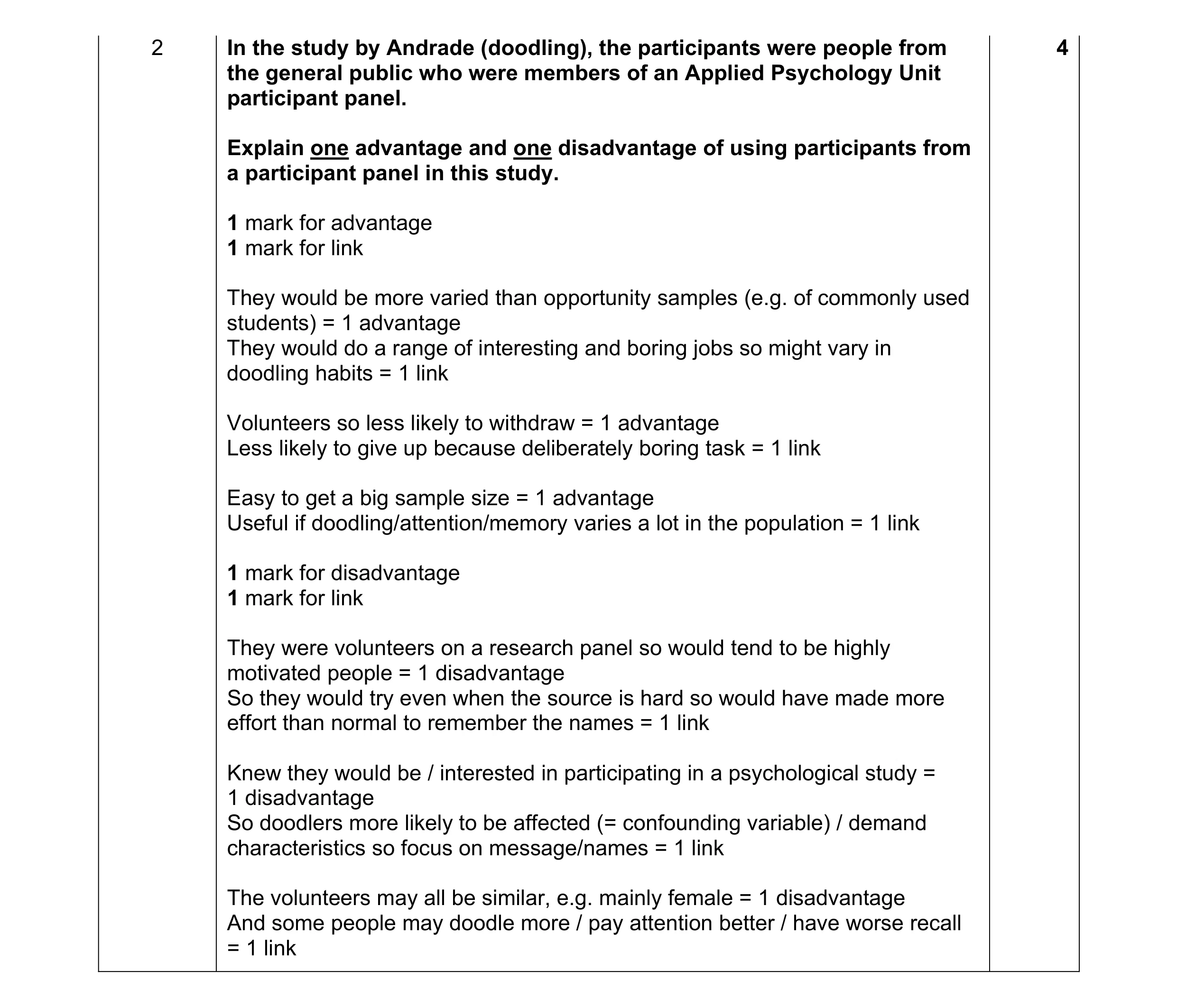 4
4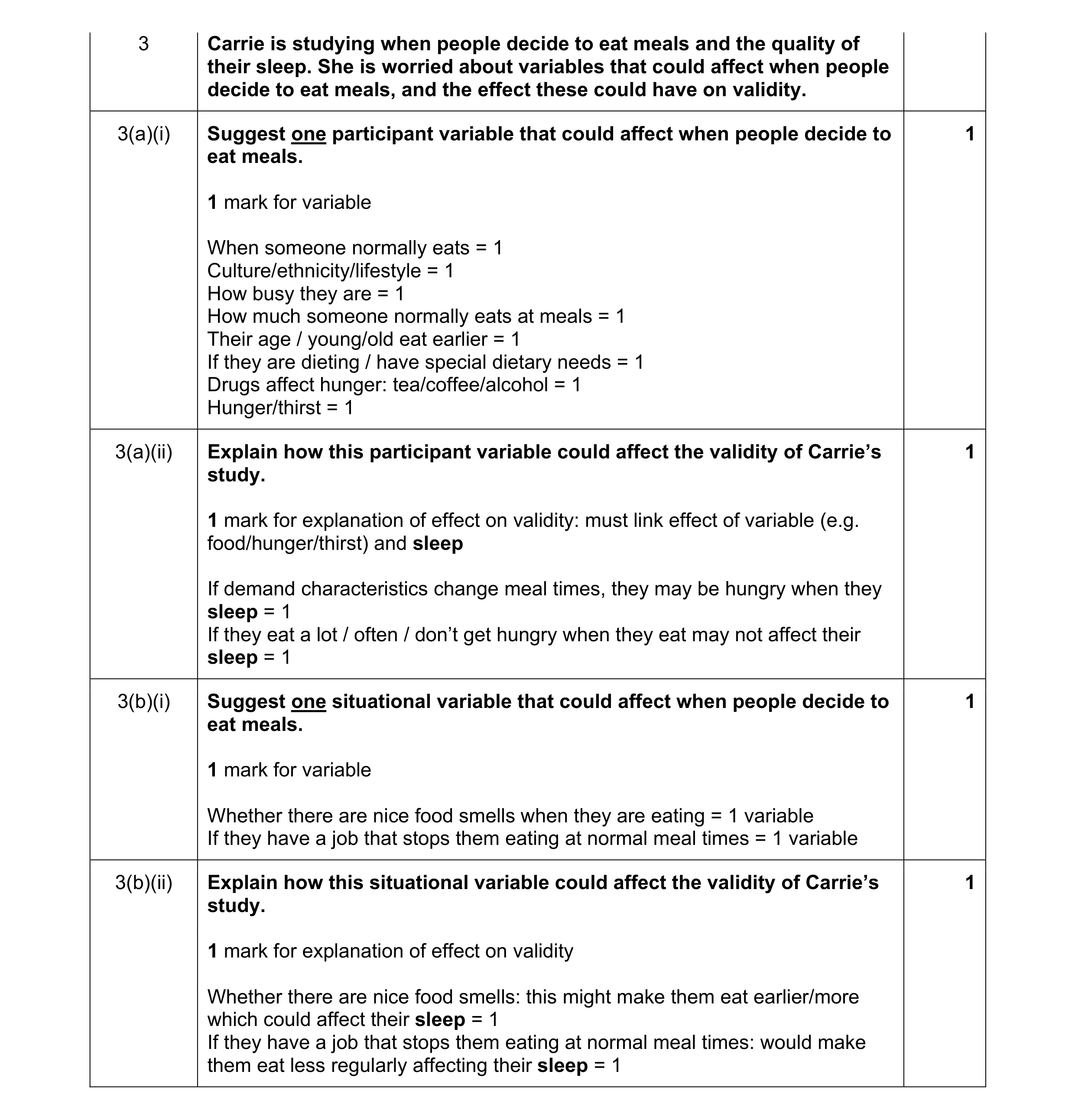 4
4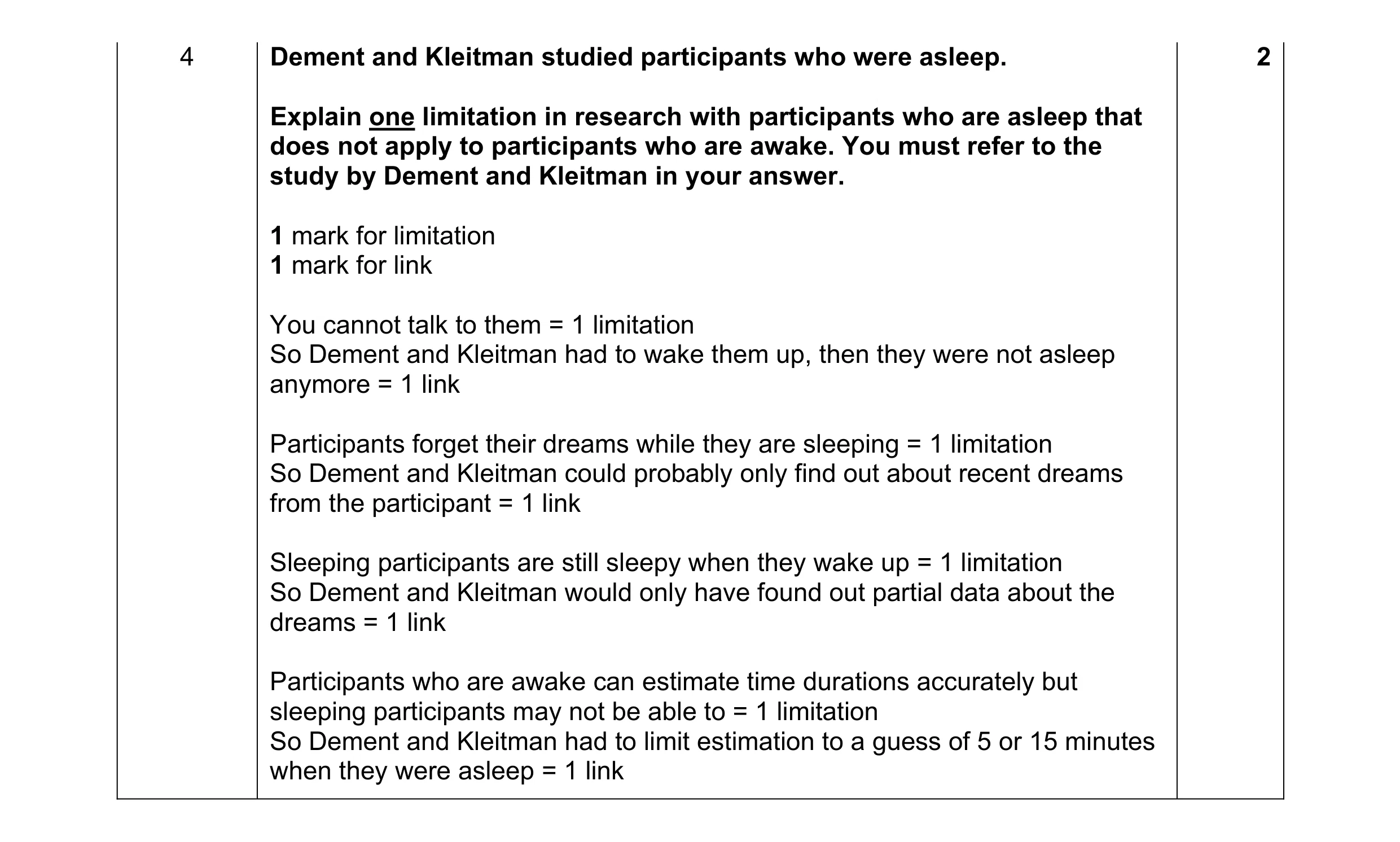 2
2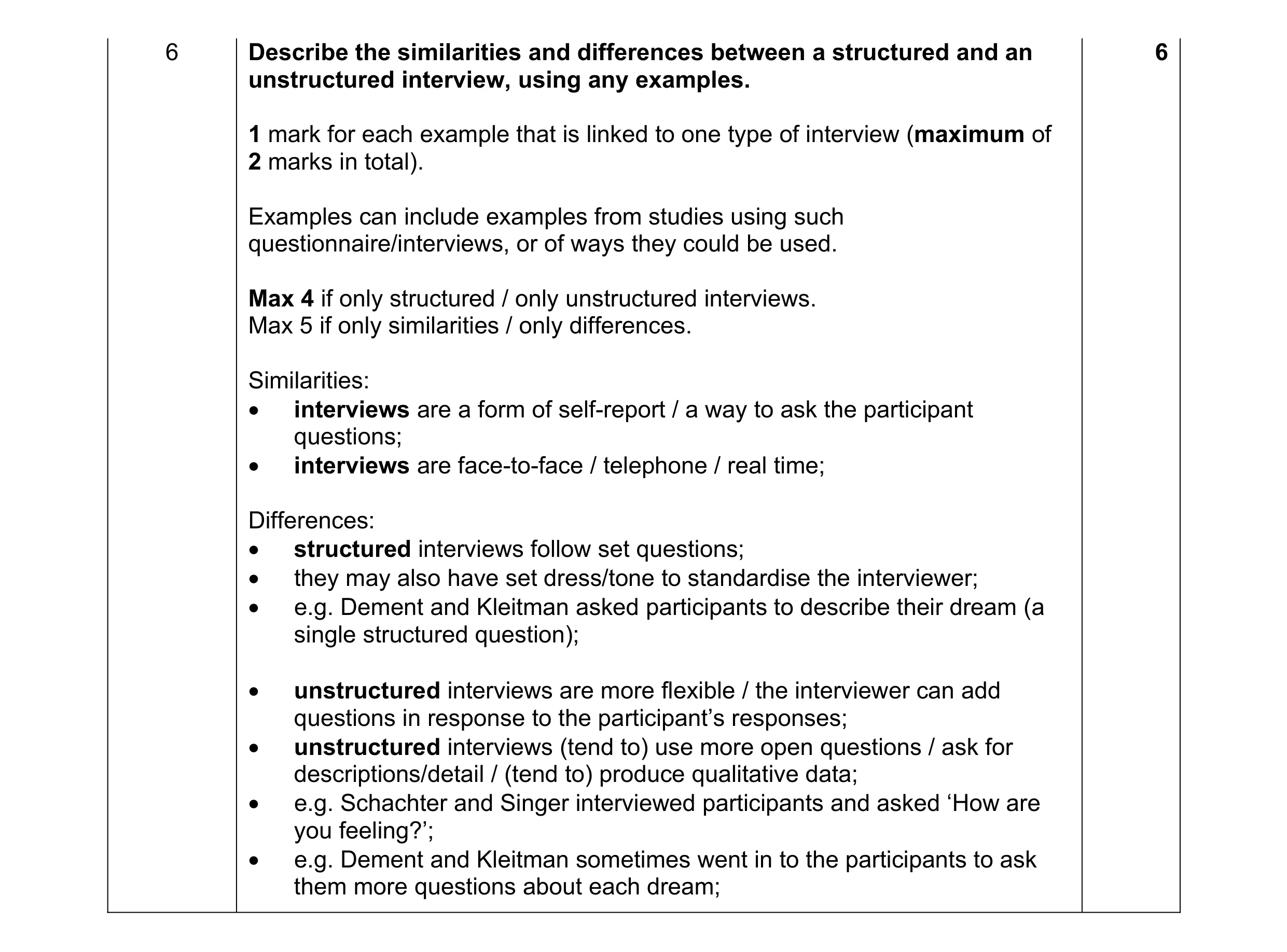 6
6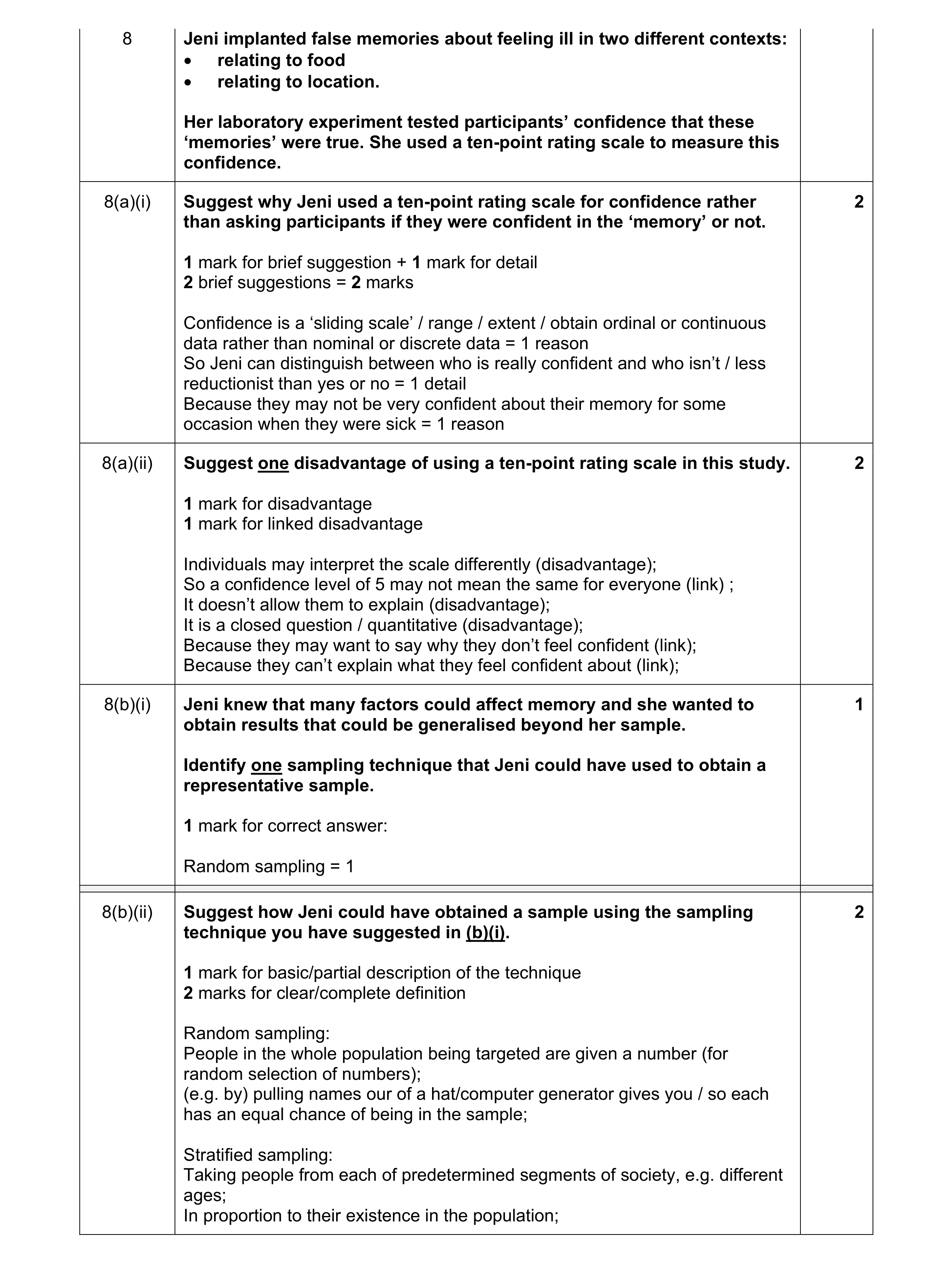 7
7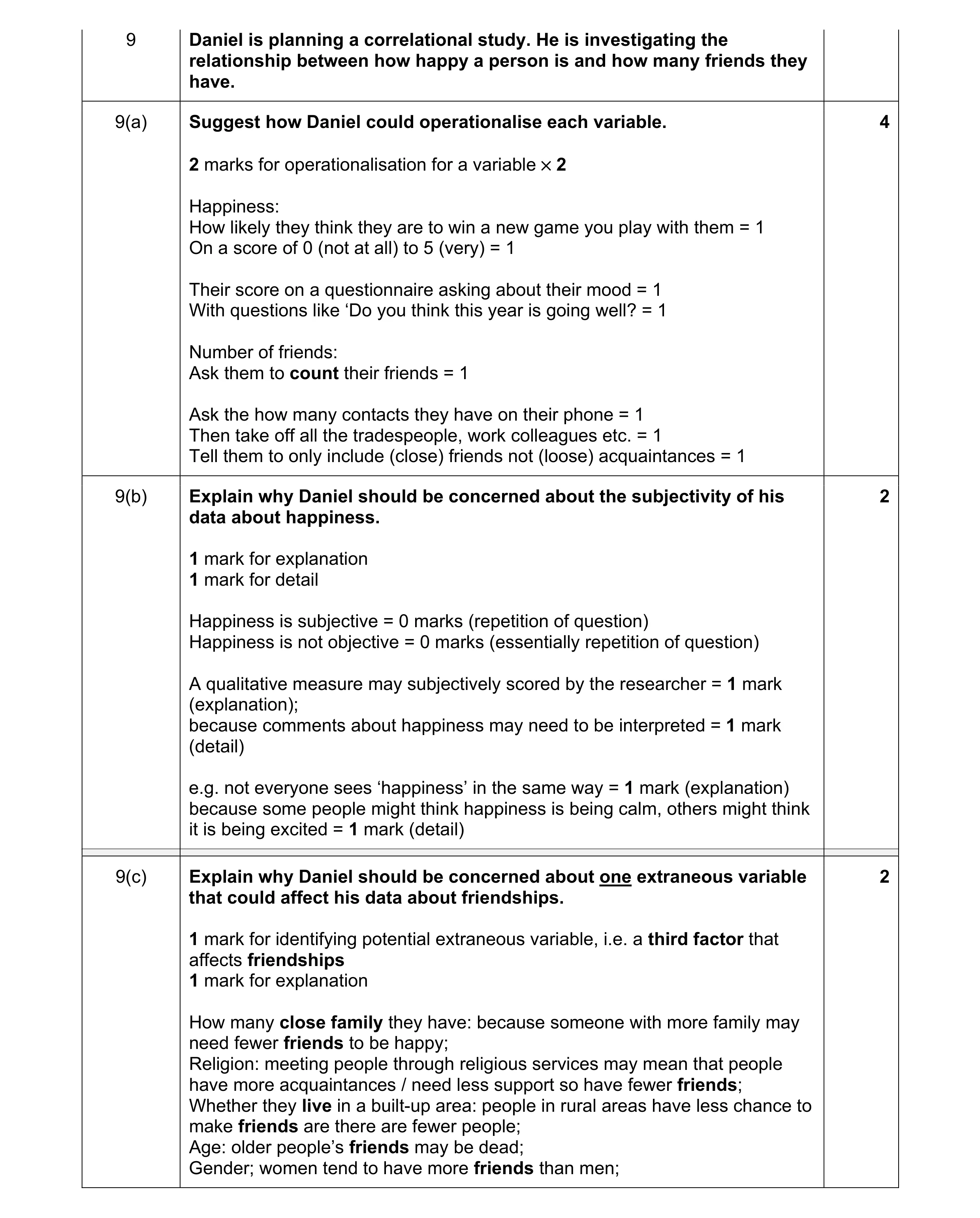 8
8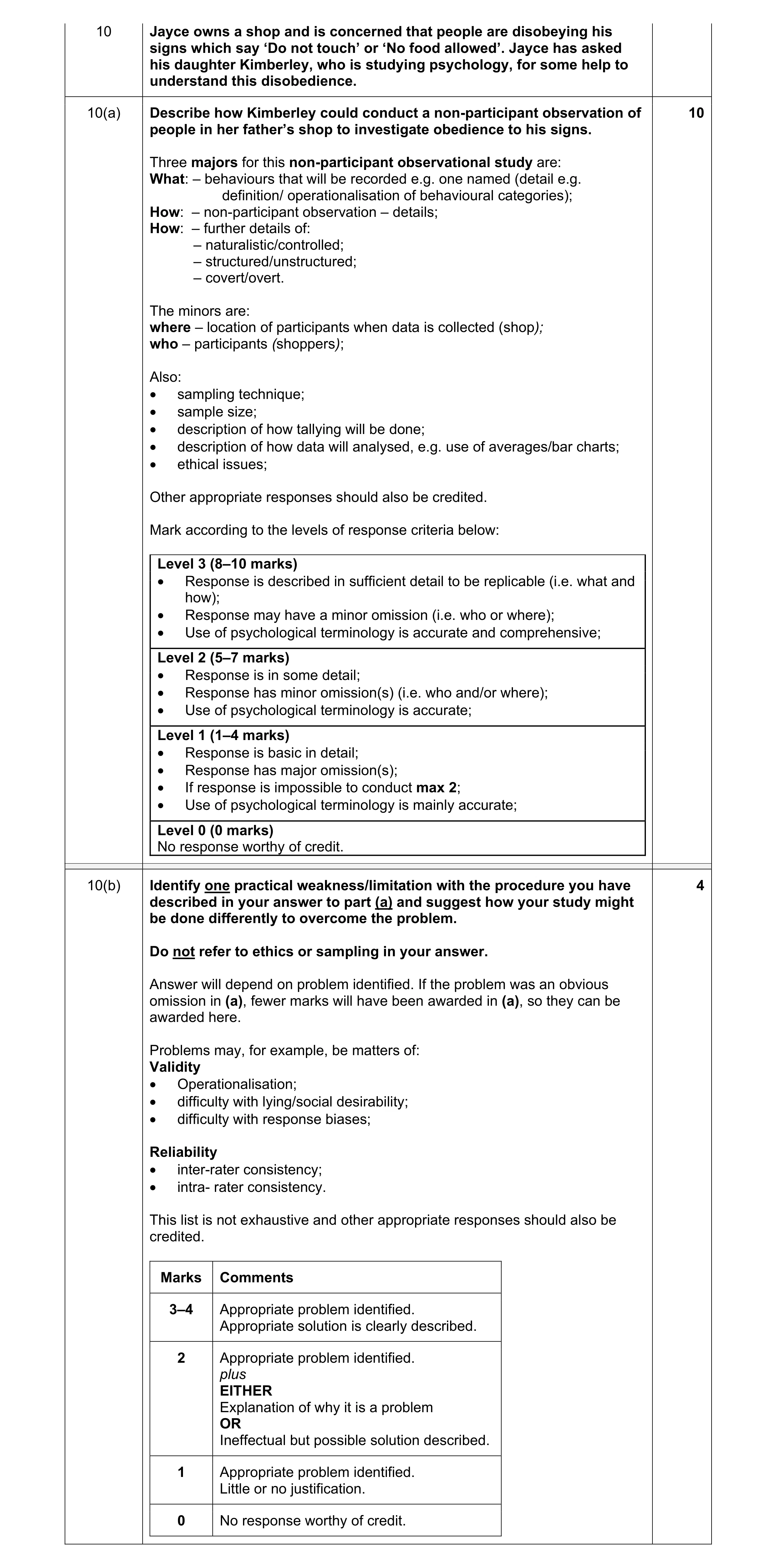 14
14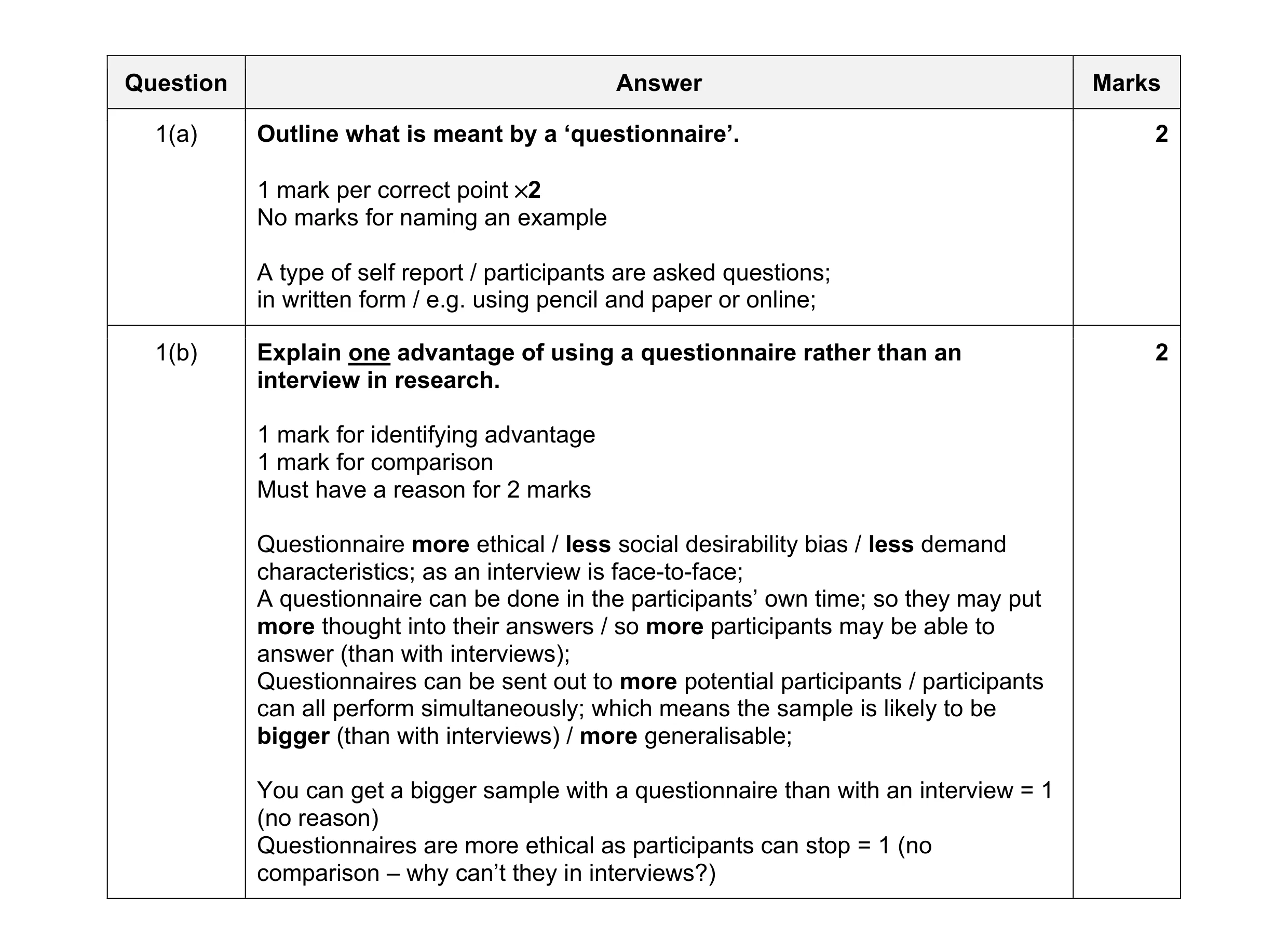 4
4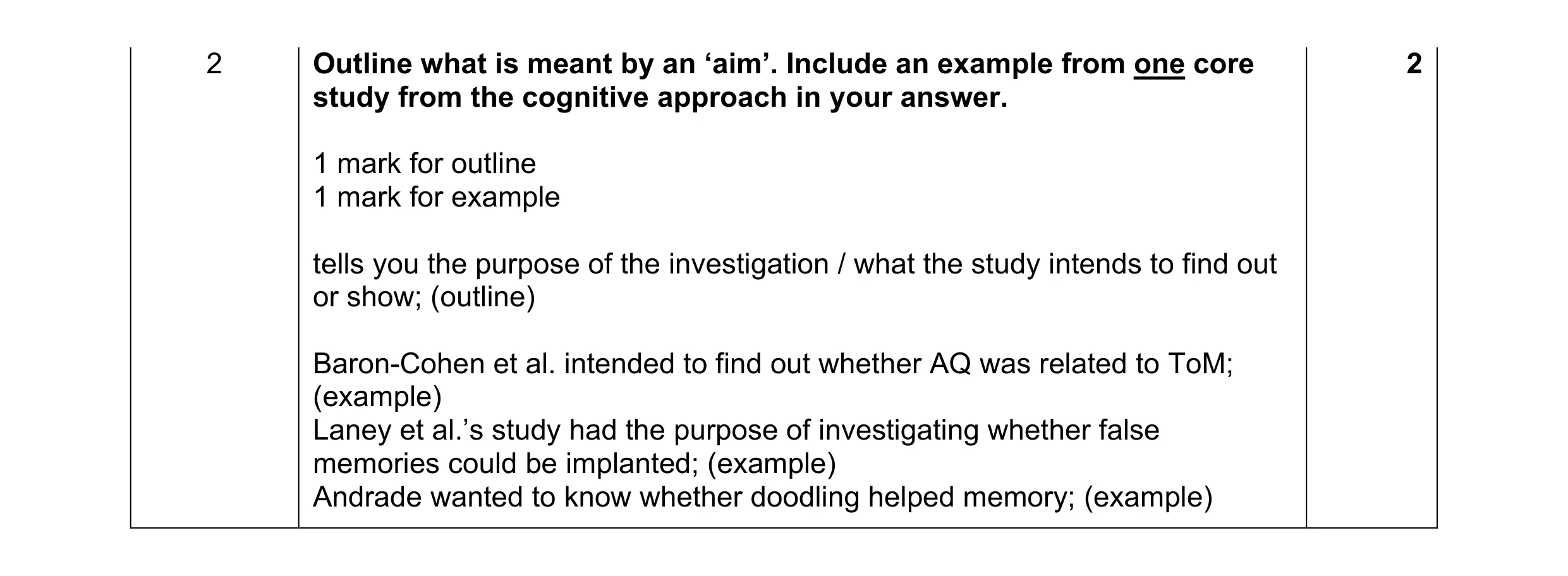 2
2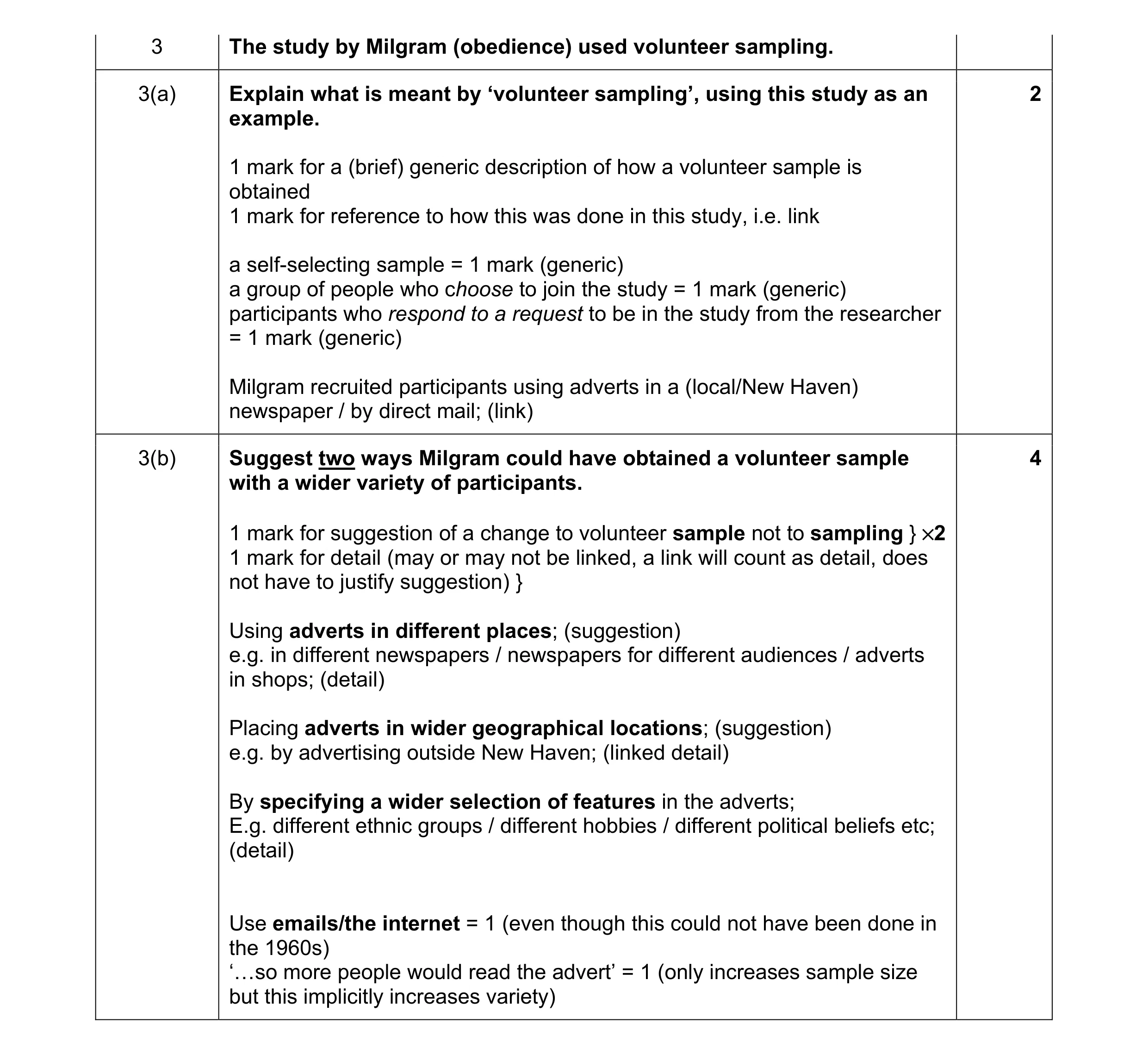 6
6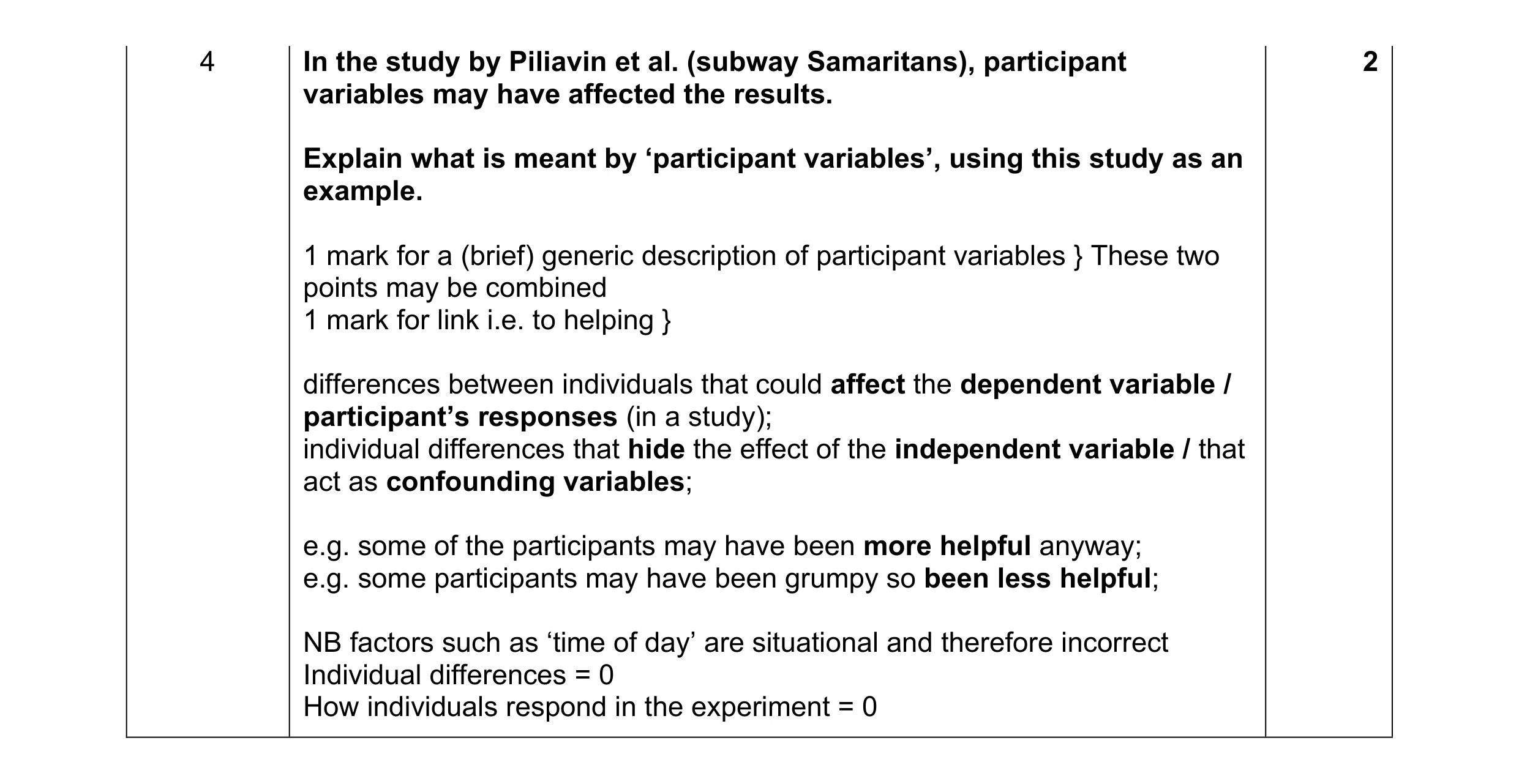 2
2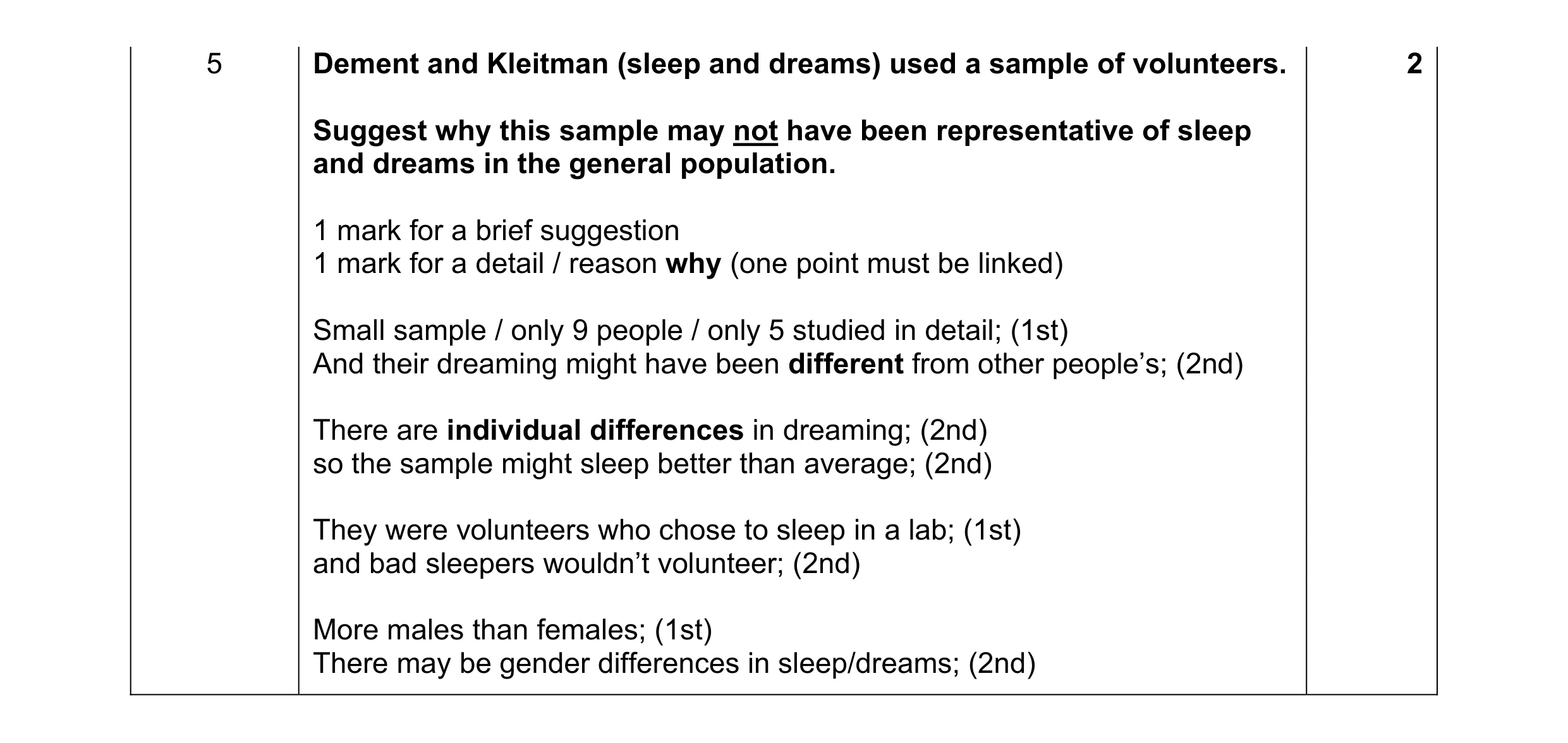 2
2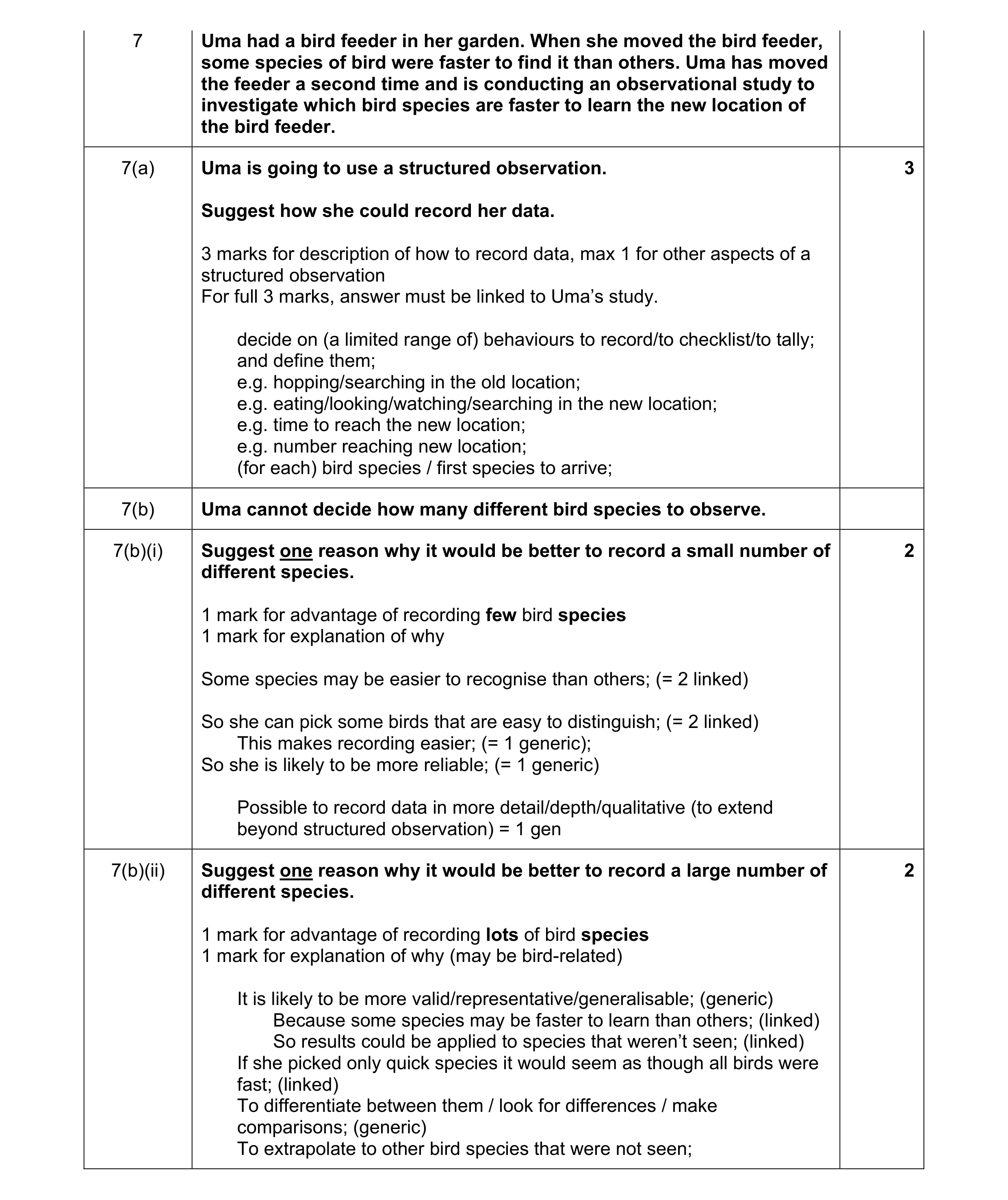 7
7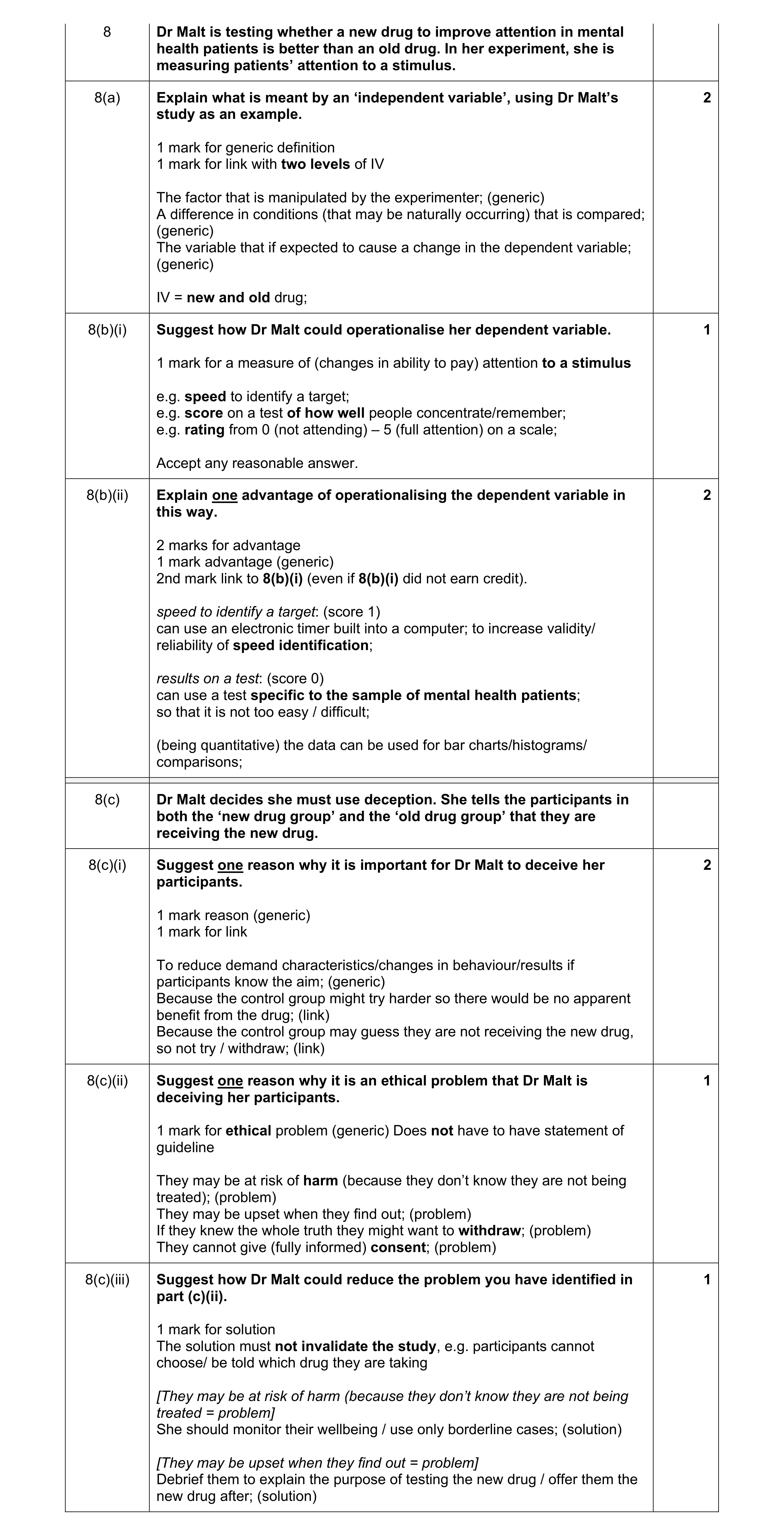 9
9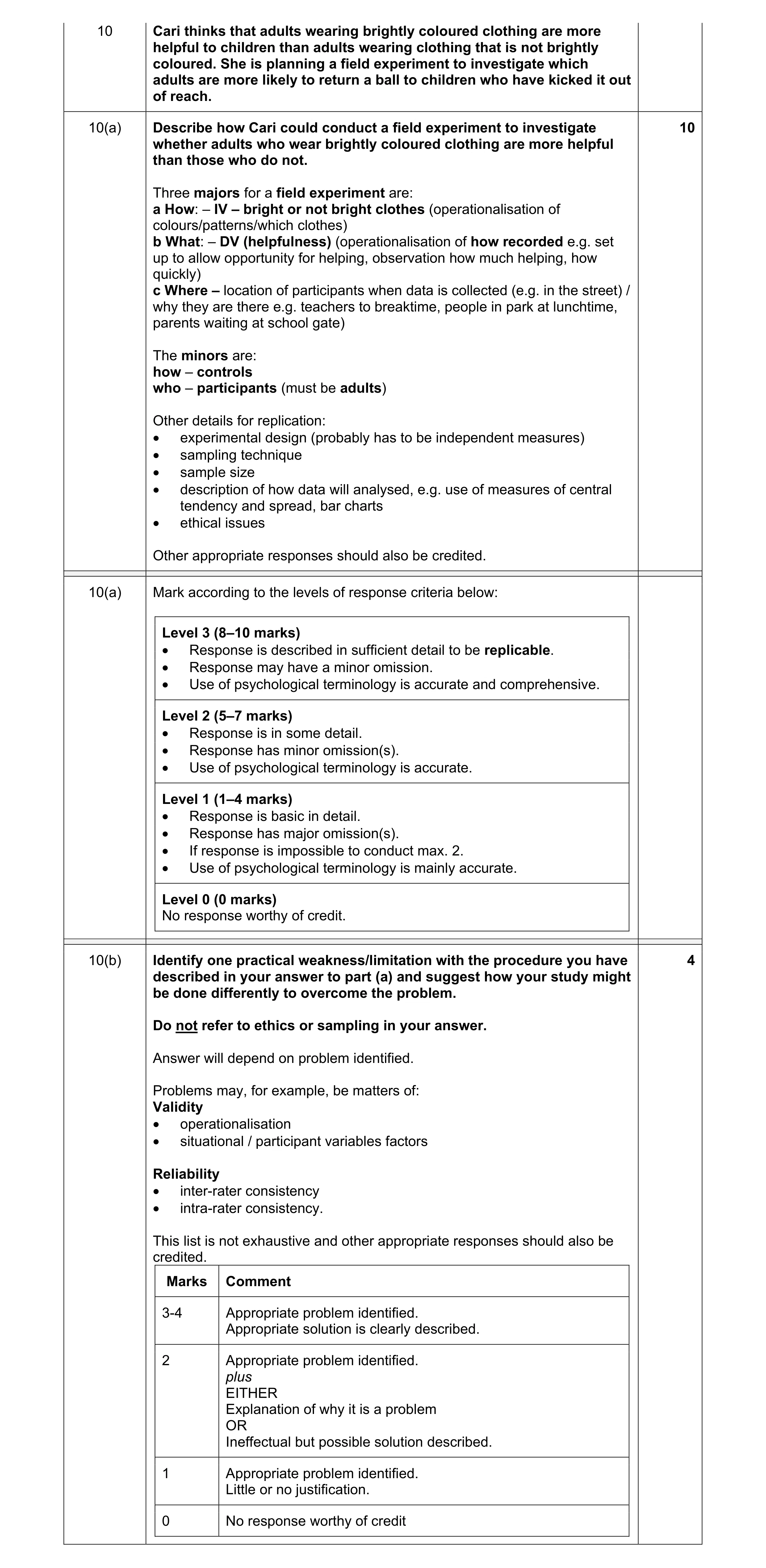 14
14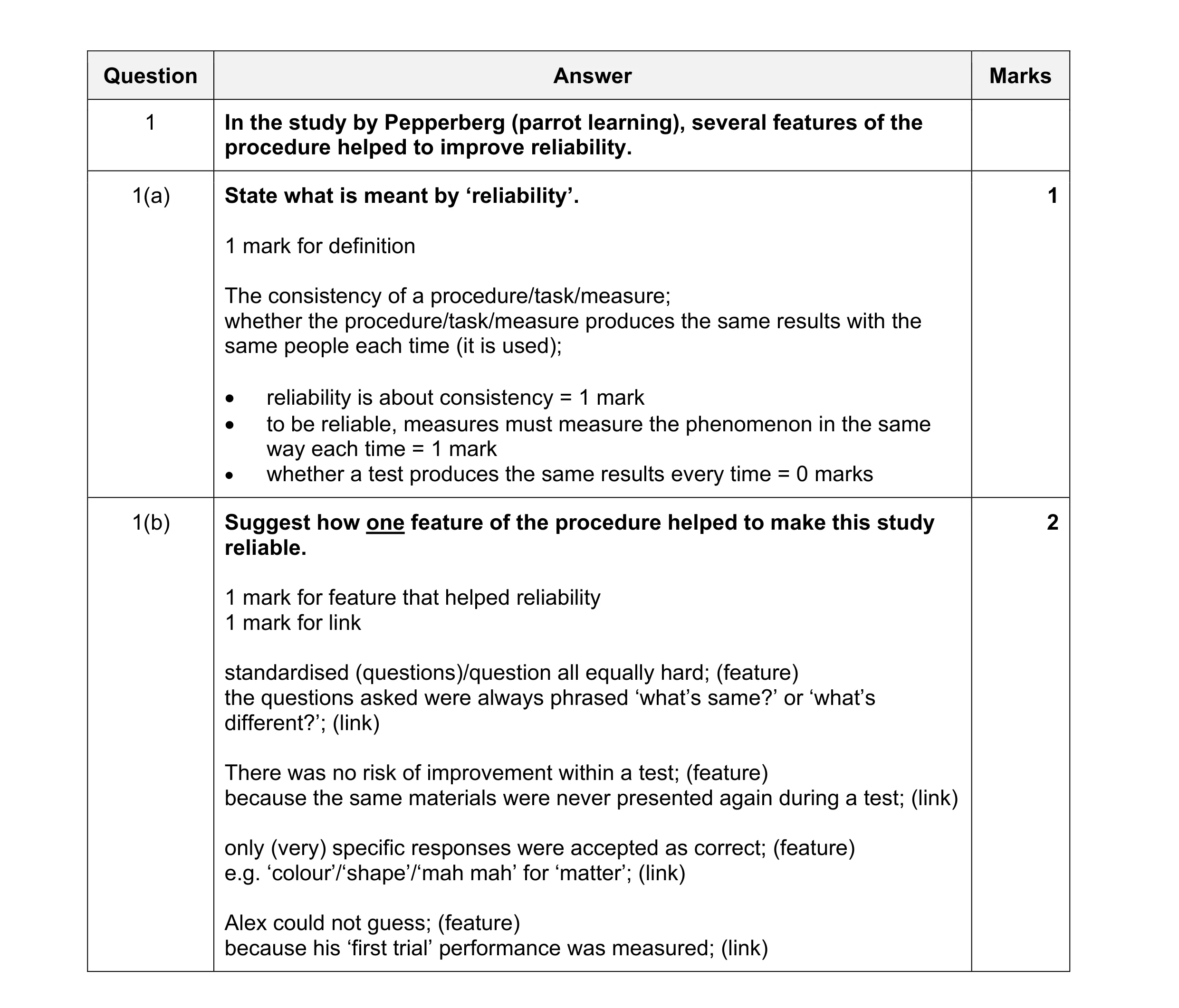 3
3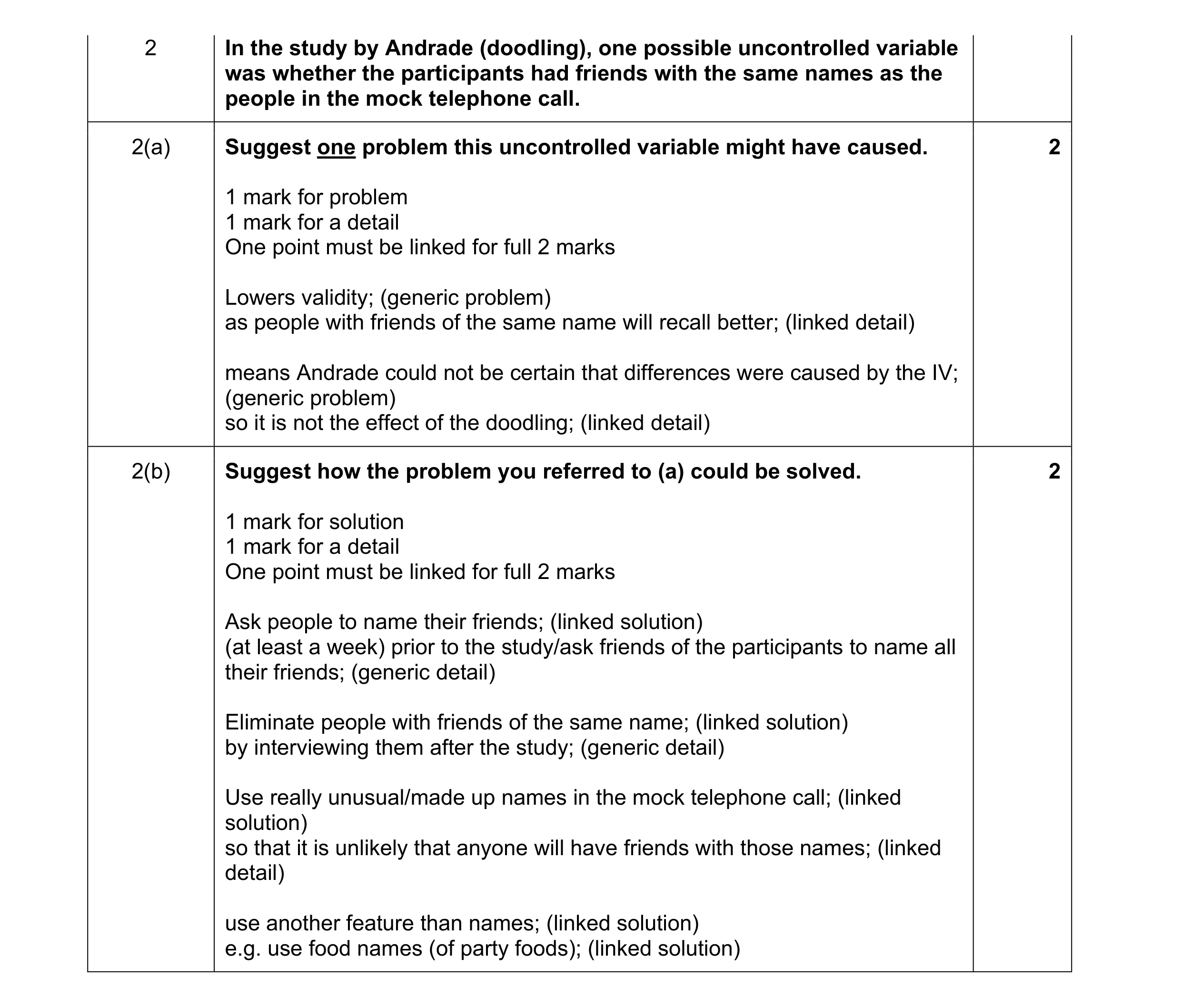 4
4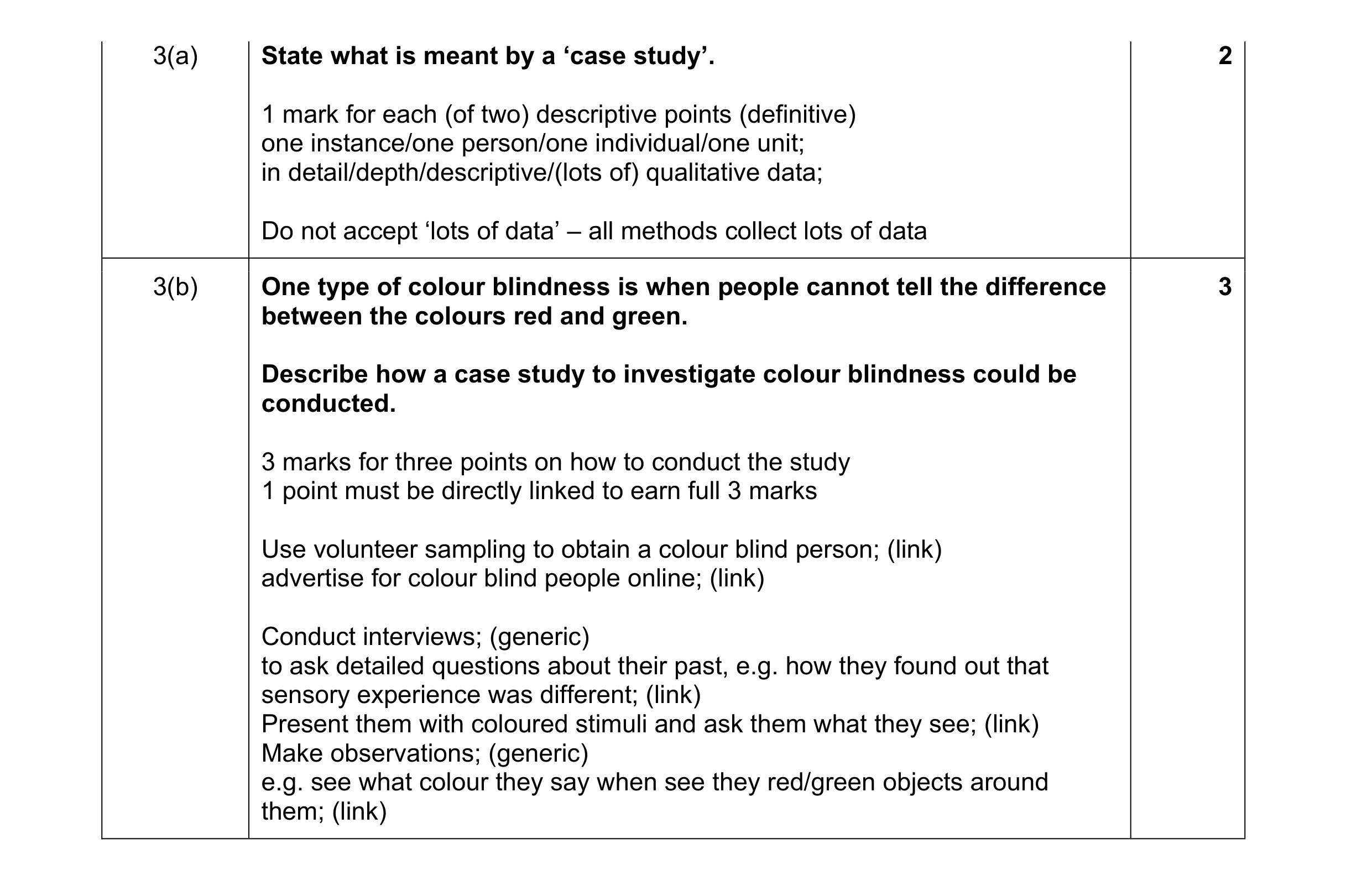 5
5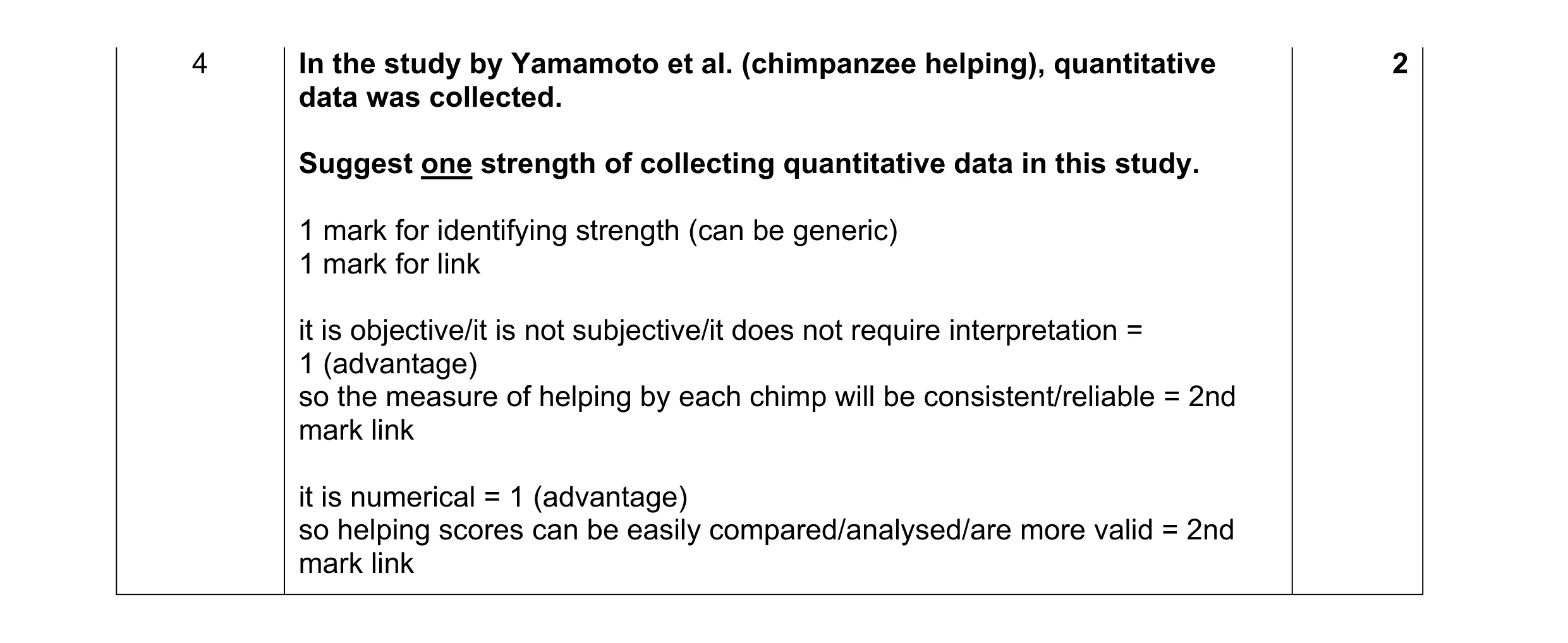 2
2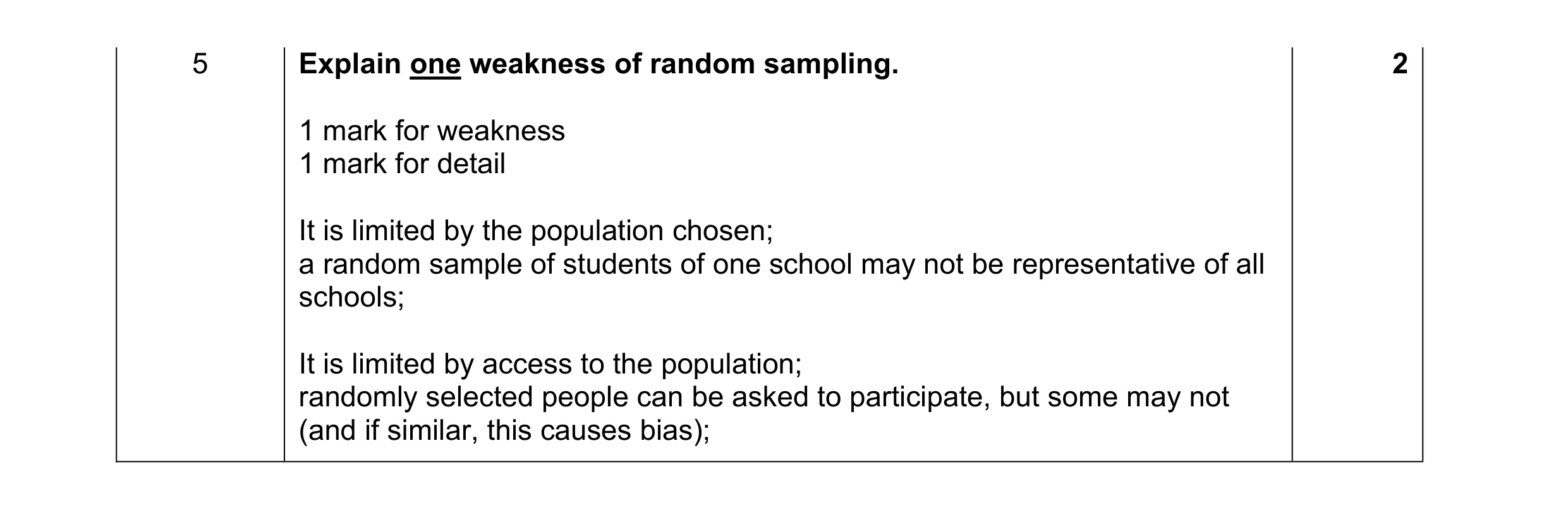 2
2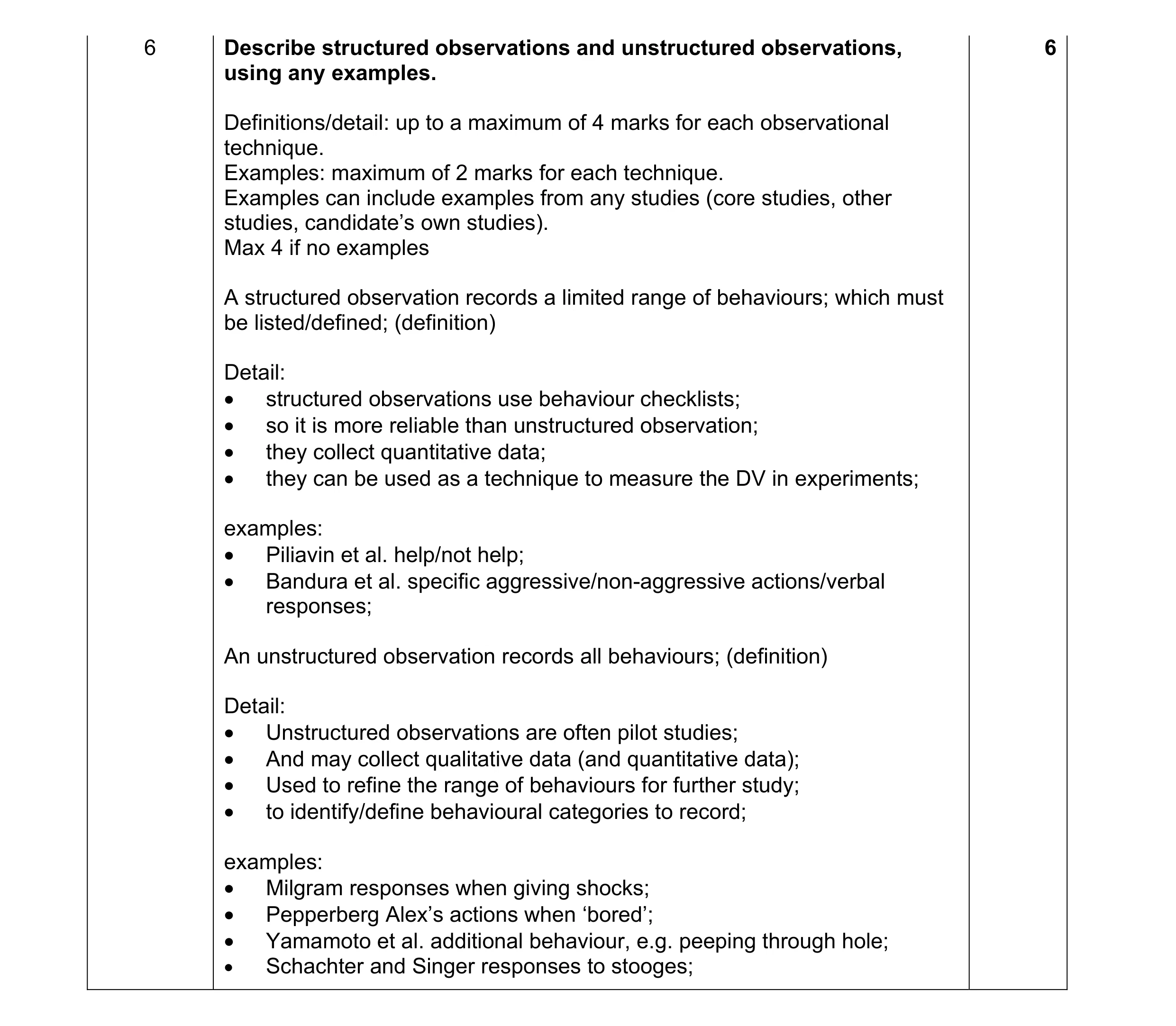 6
6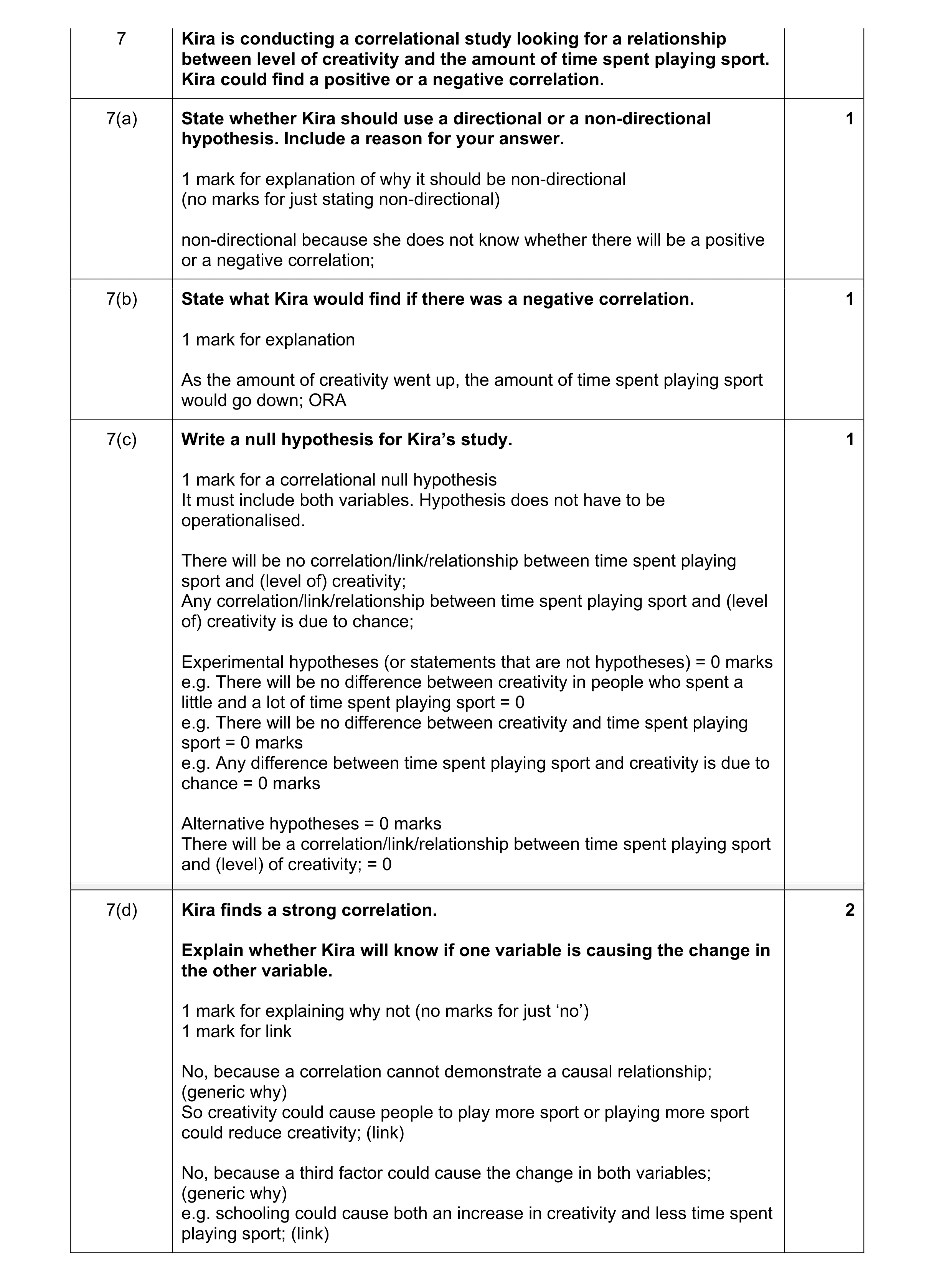 5
5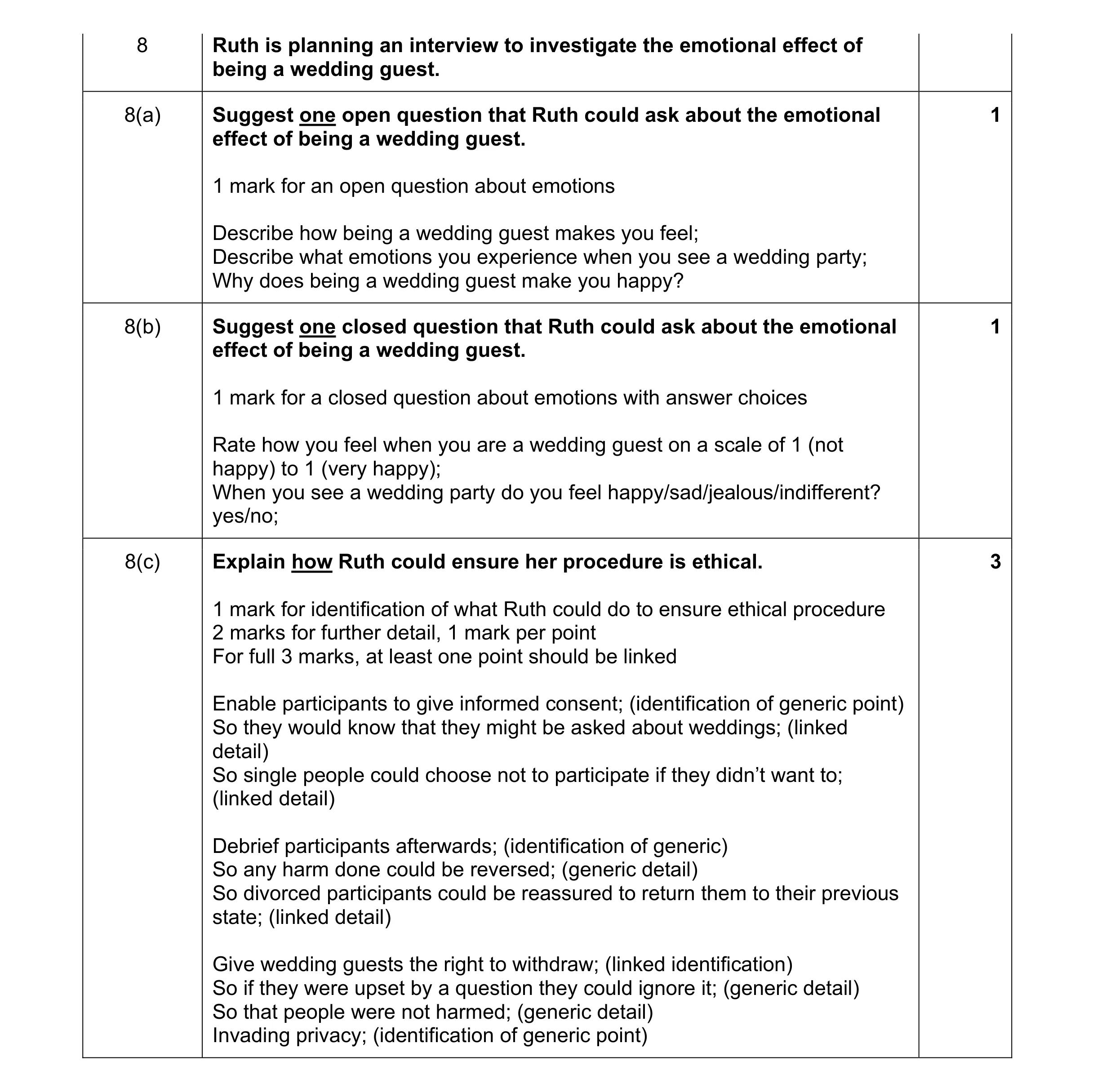 5
5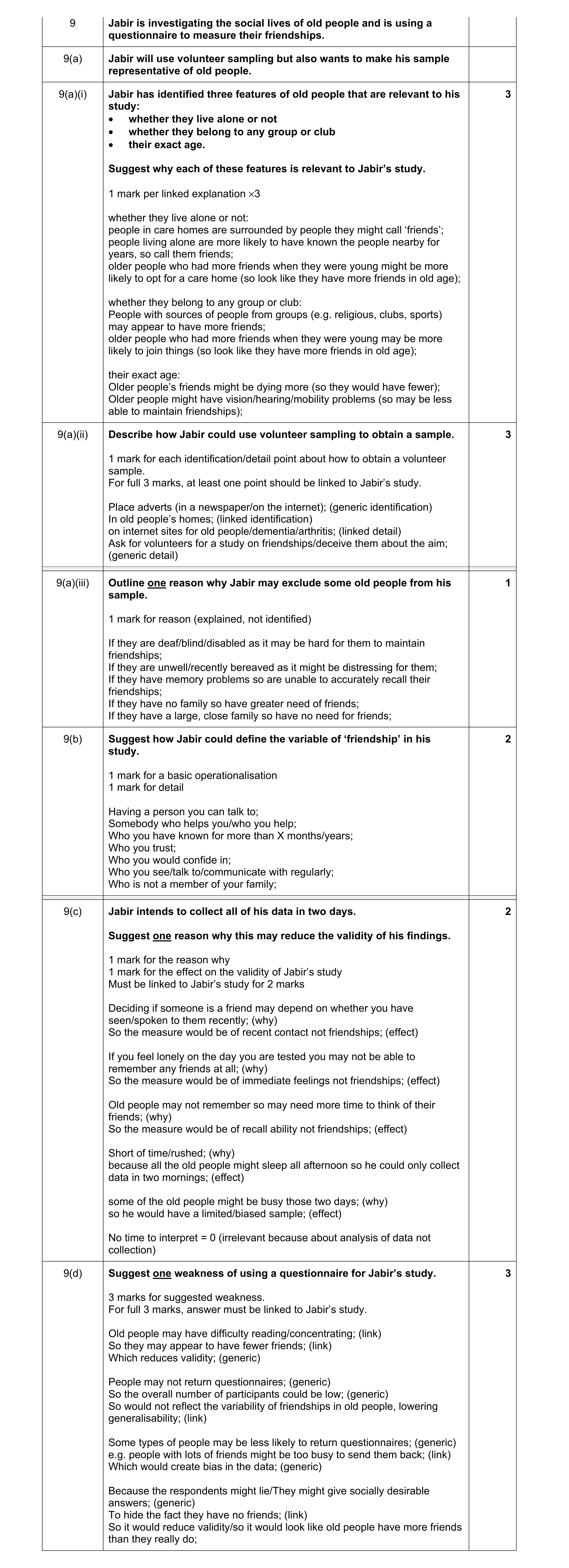 14
14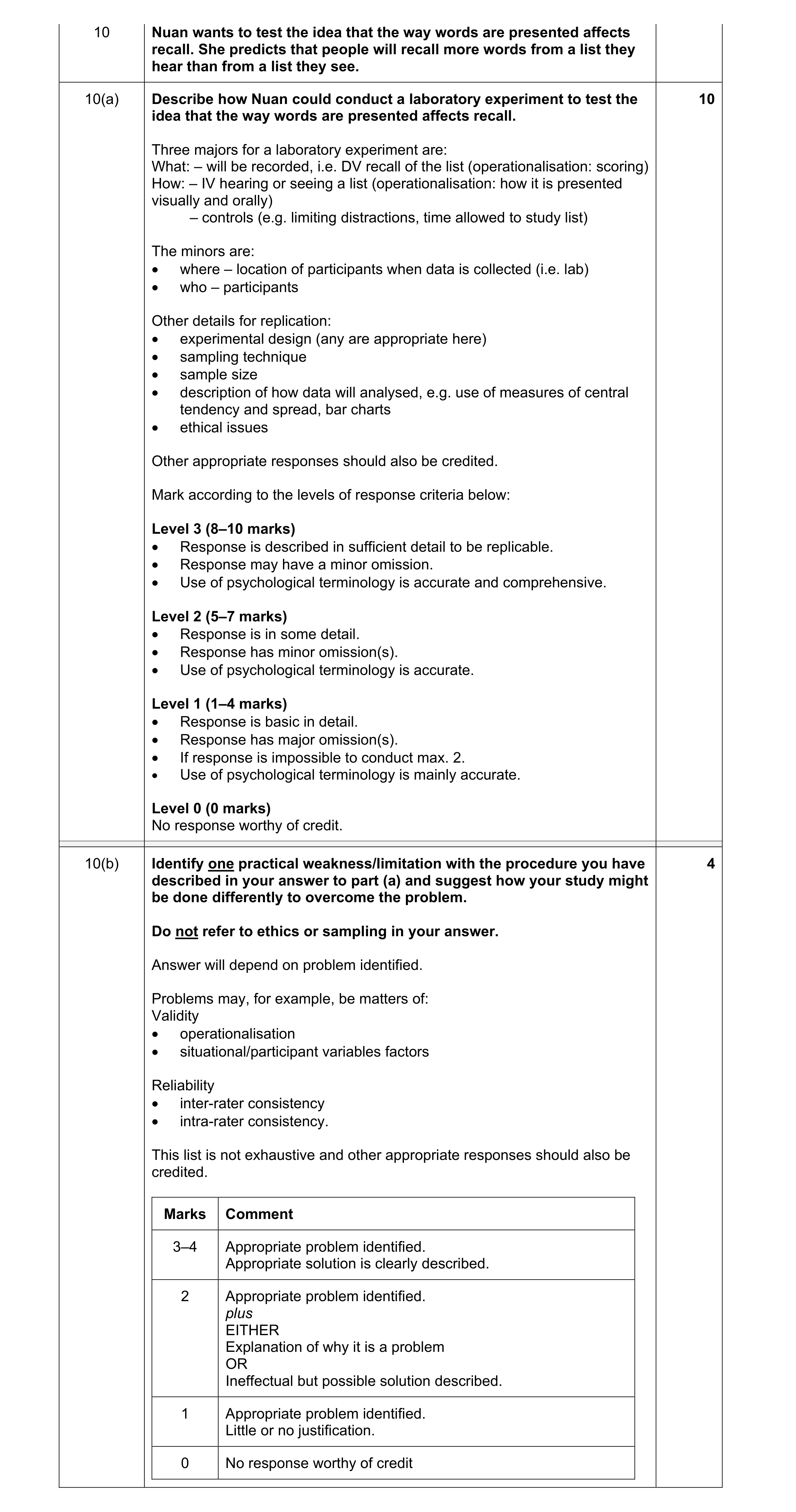 14
14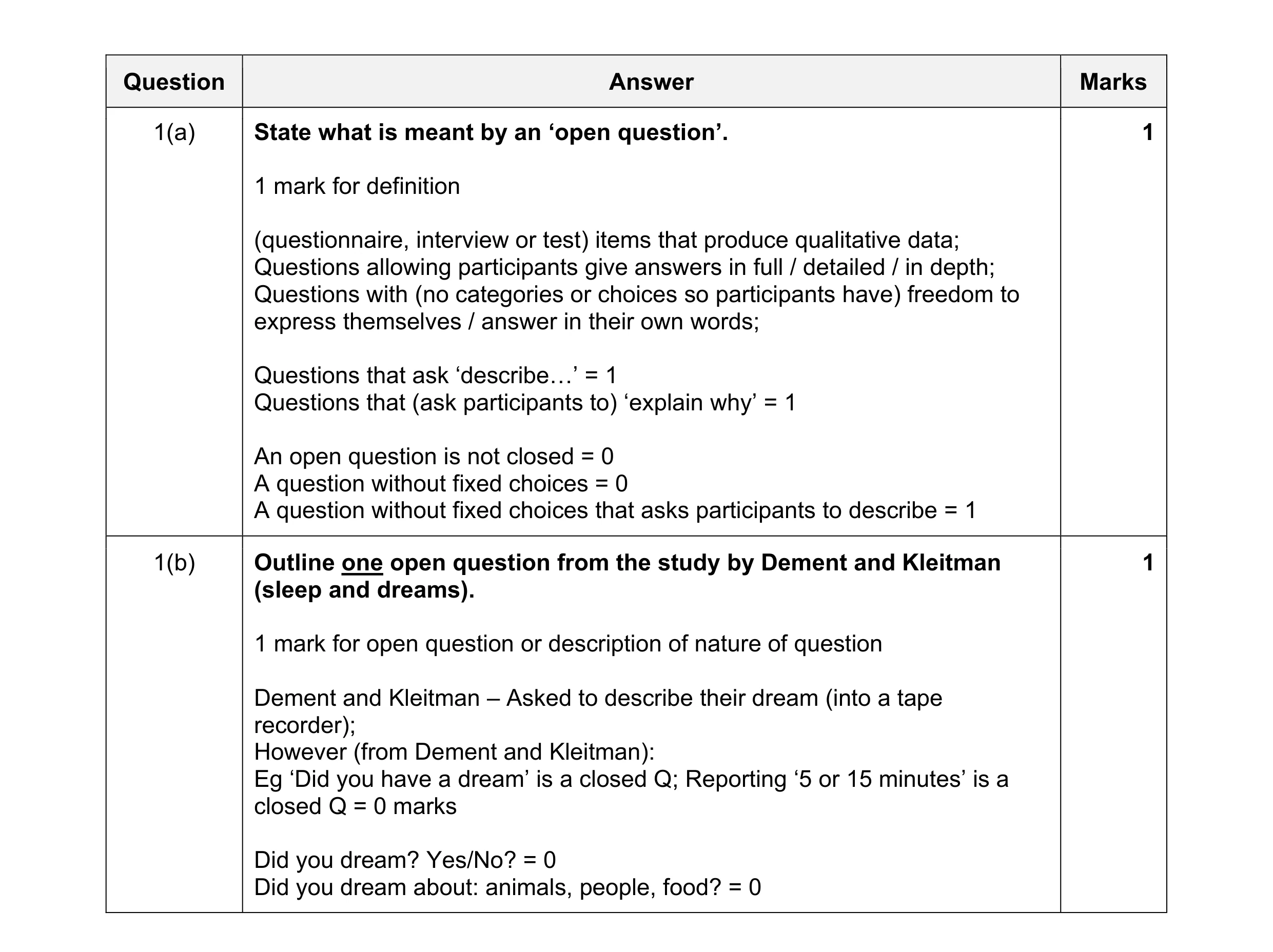 2
2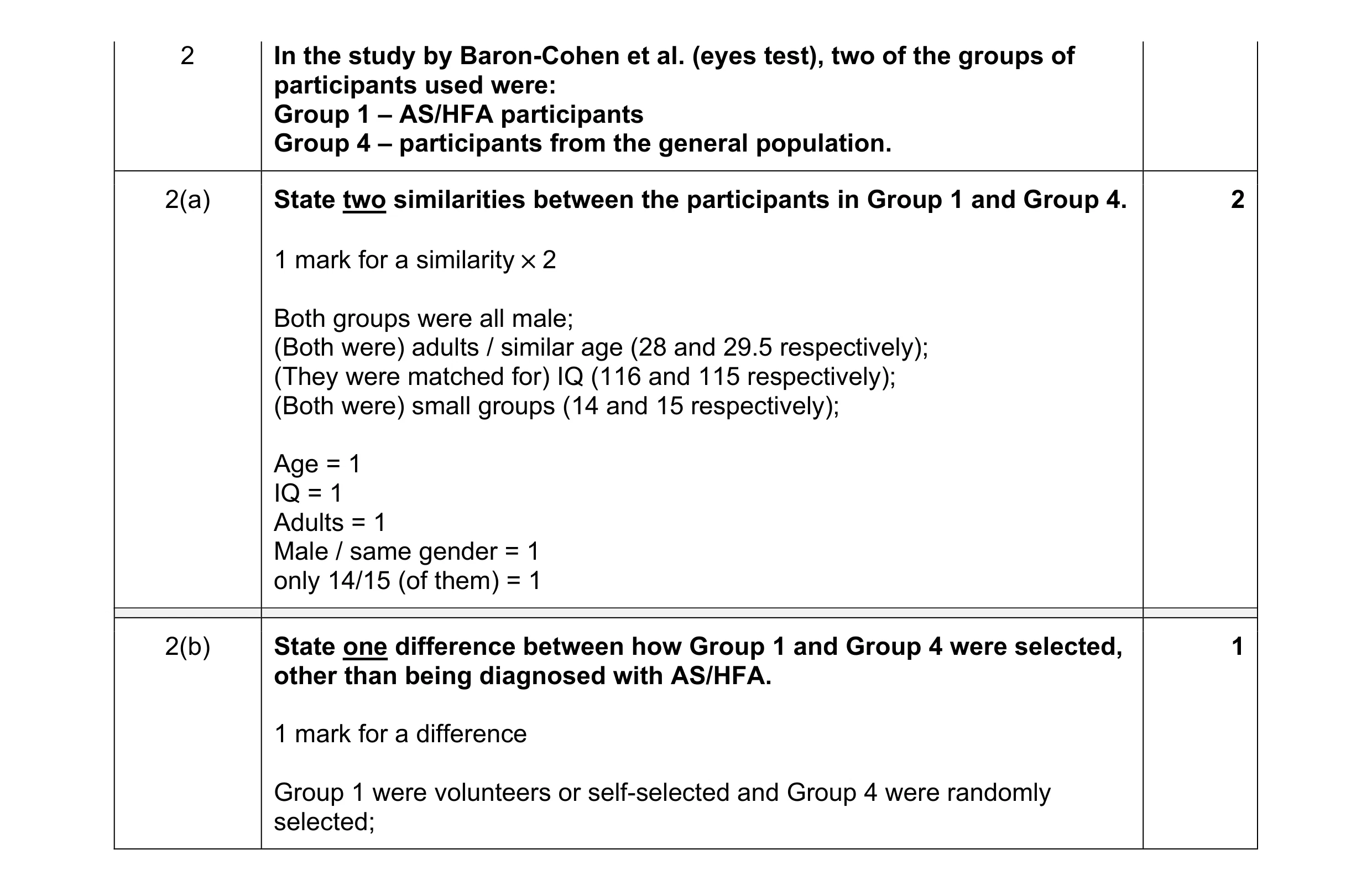 3
3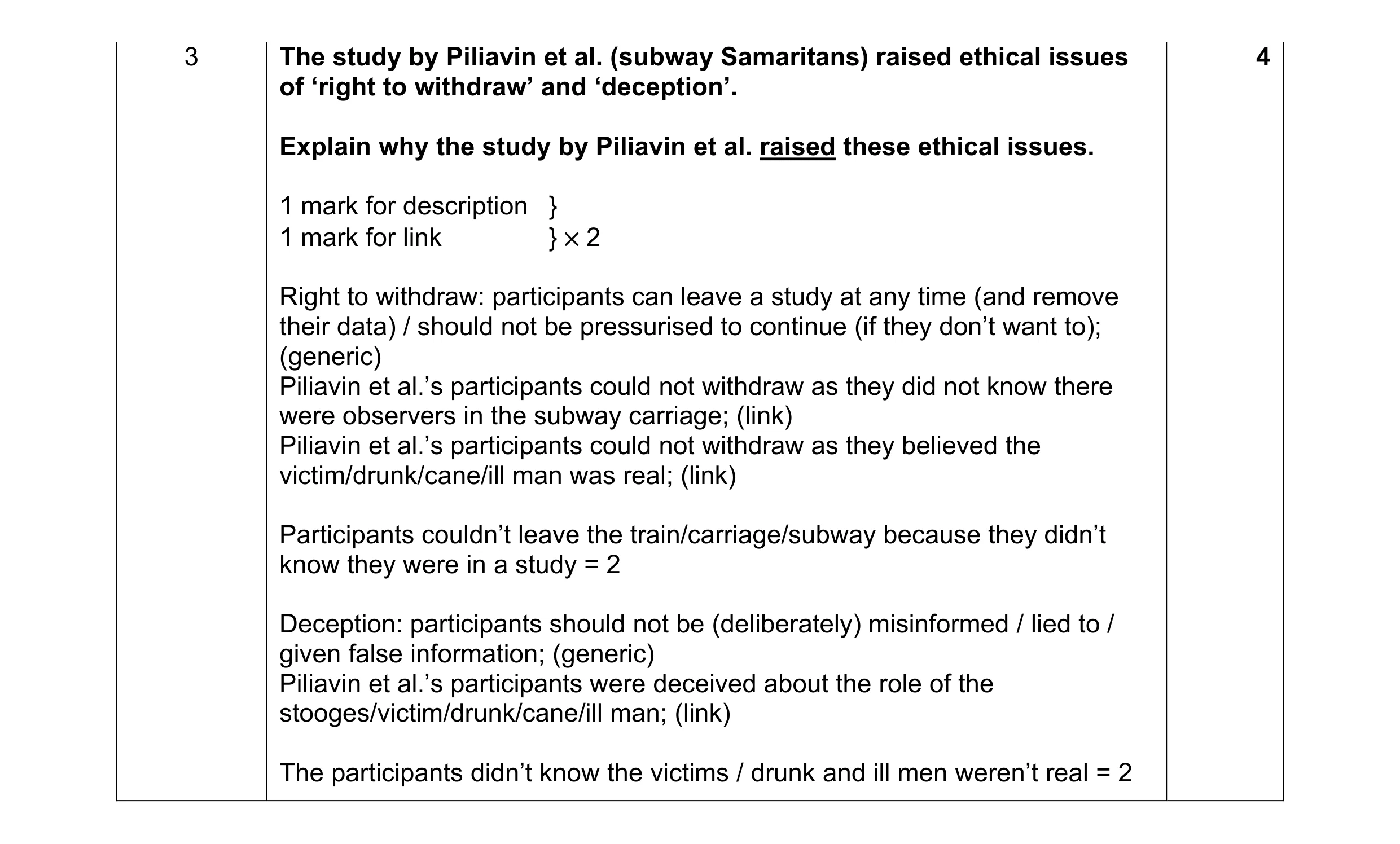 4
4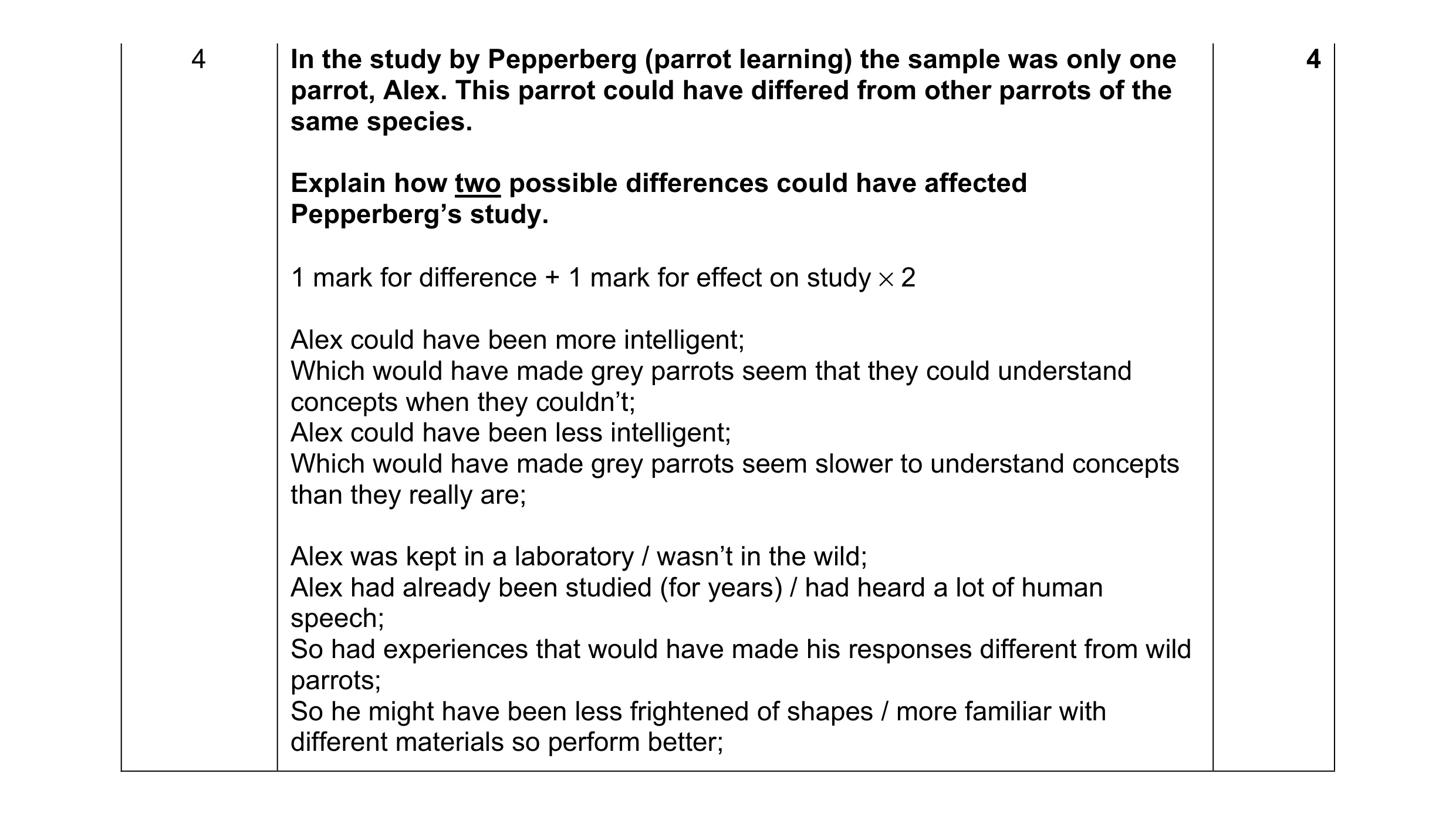 4
4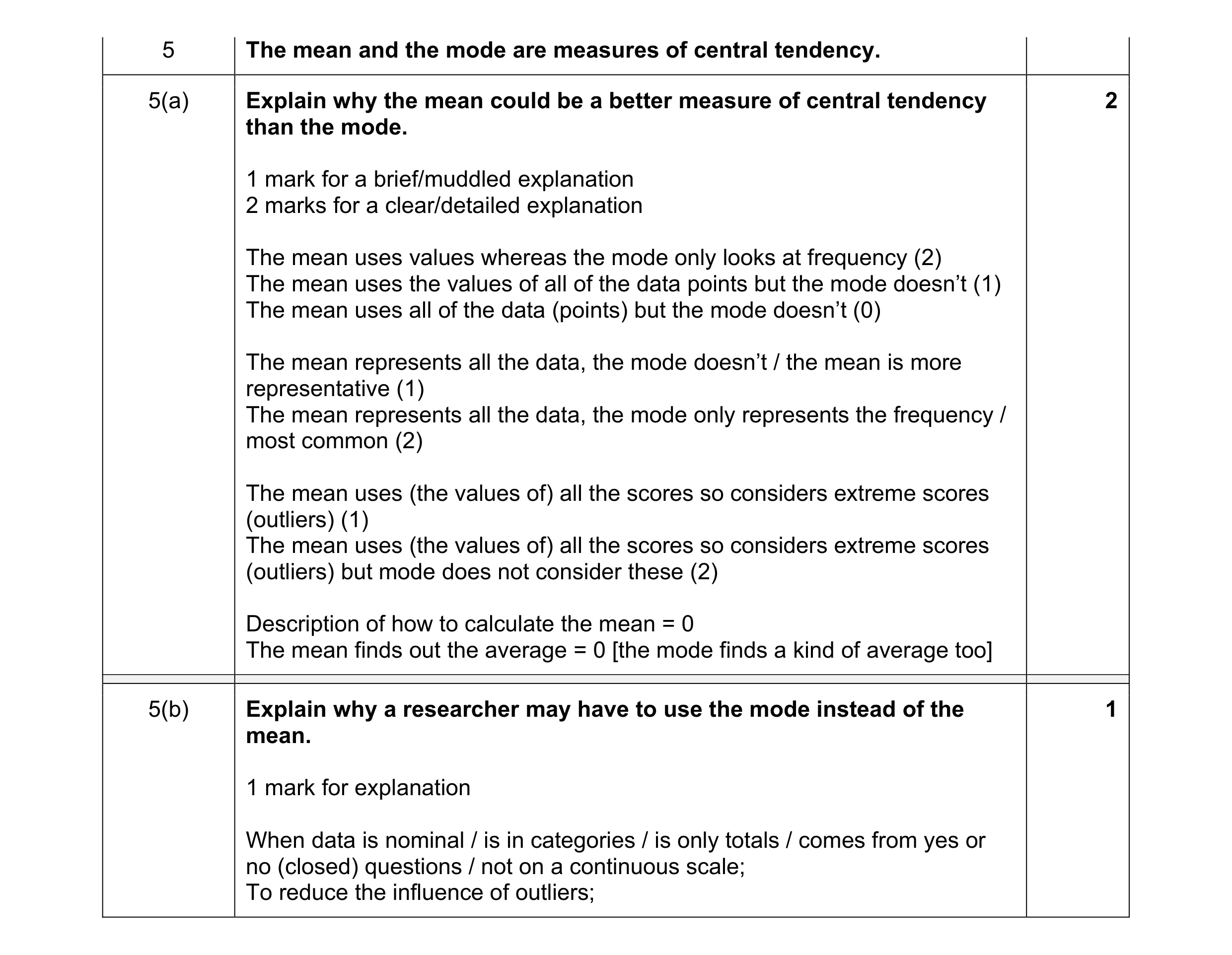 3
3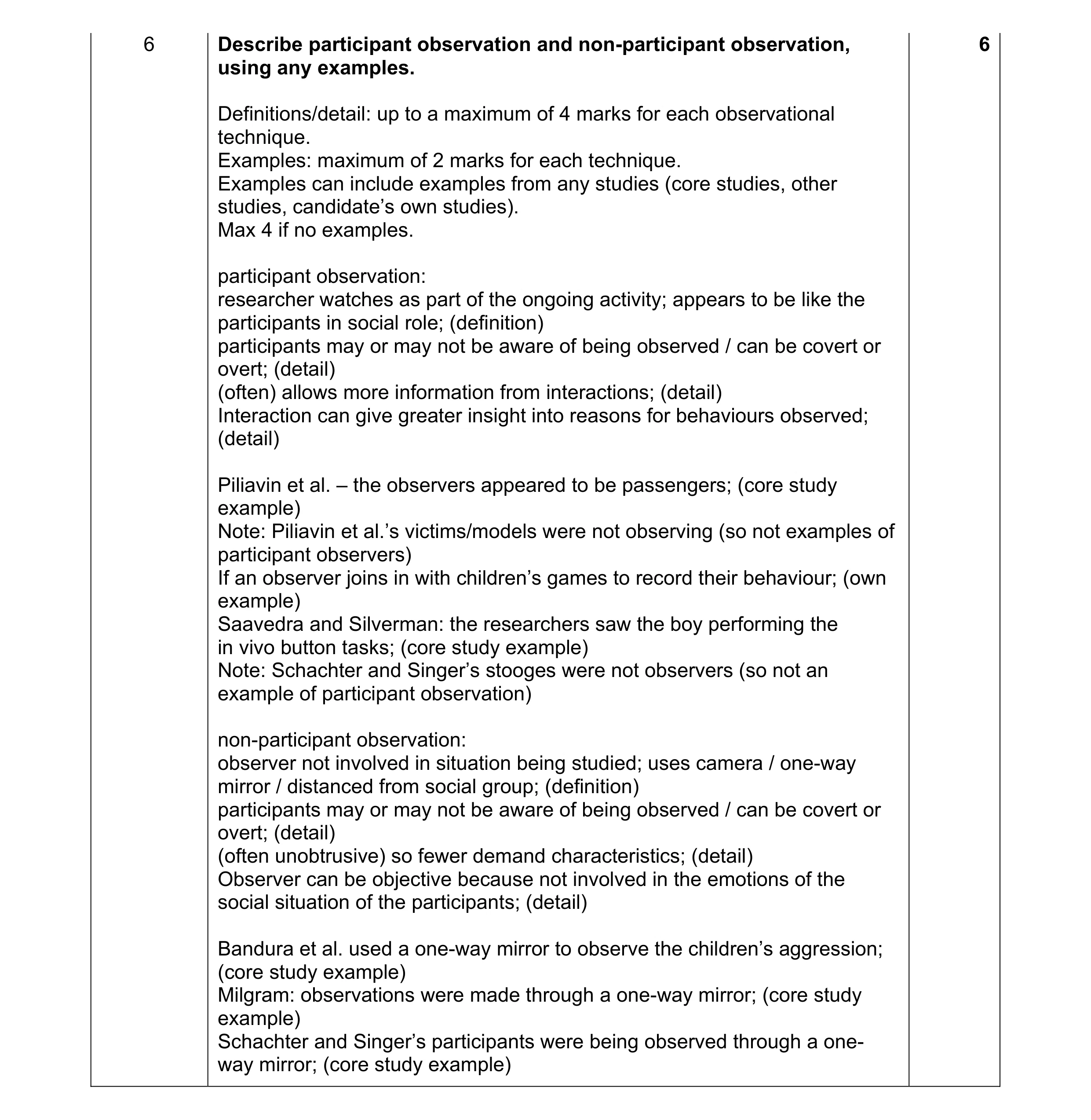 6
6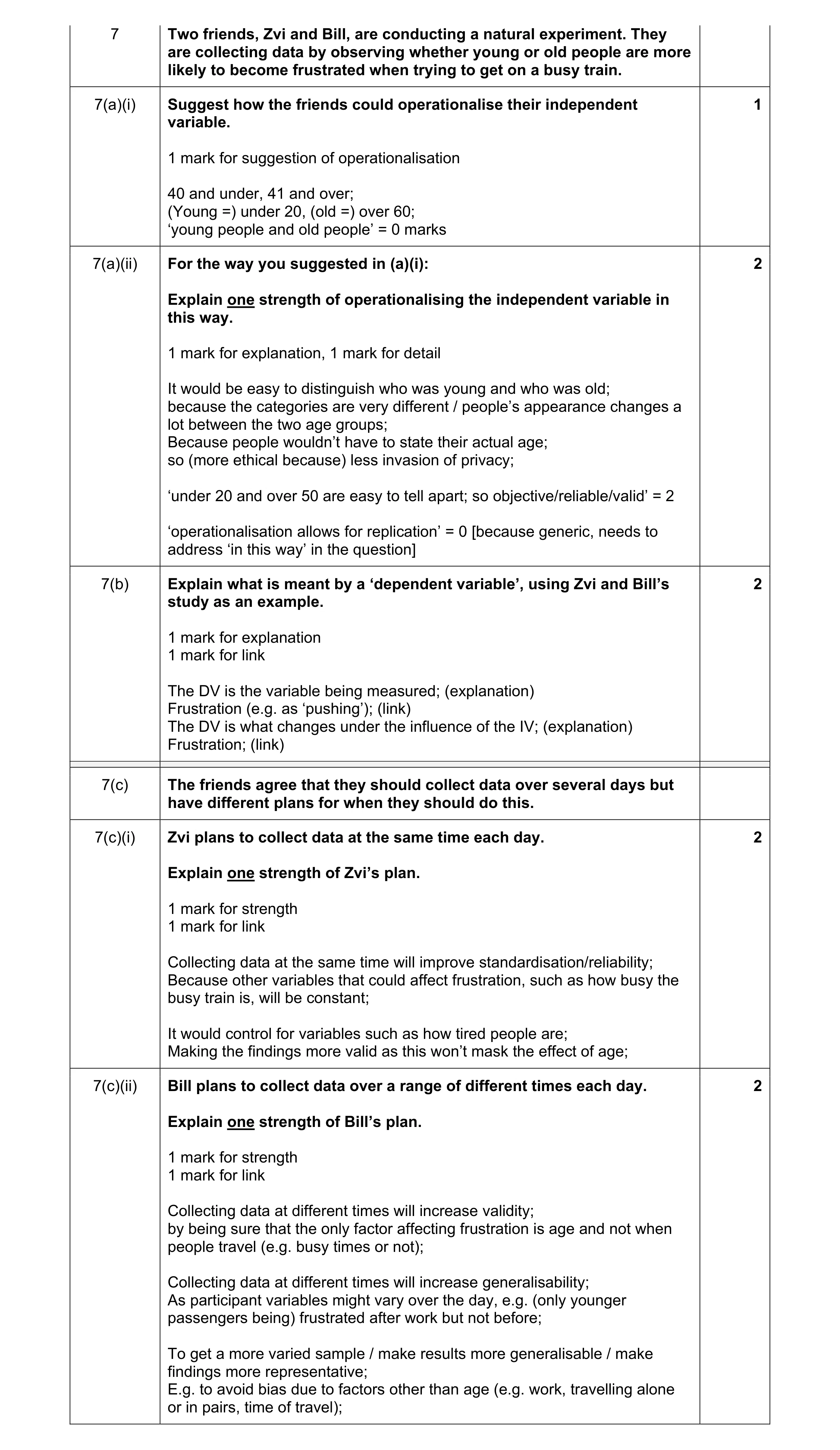 9
9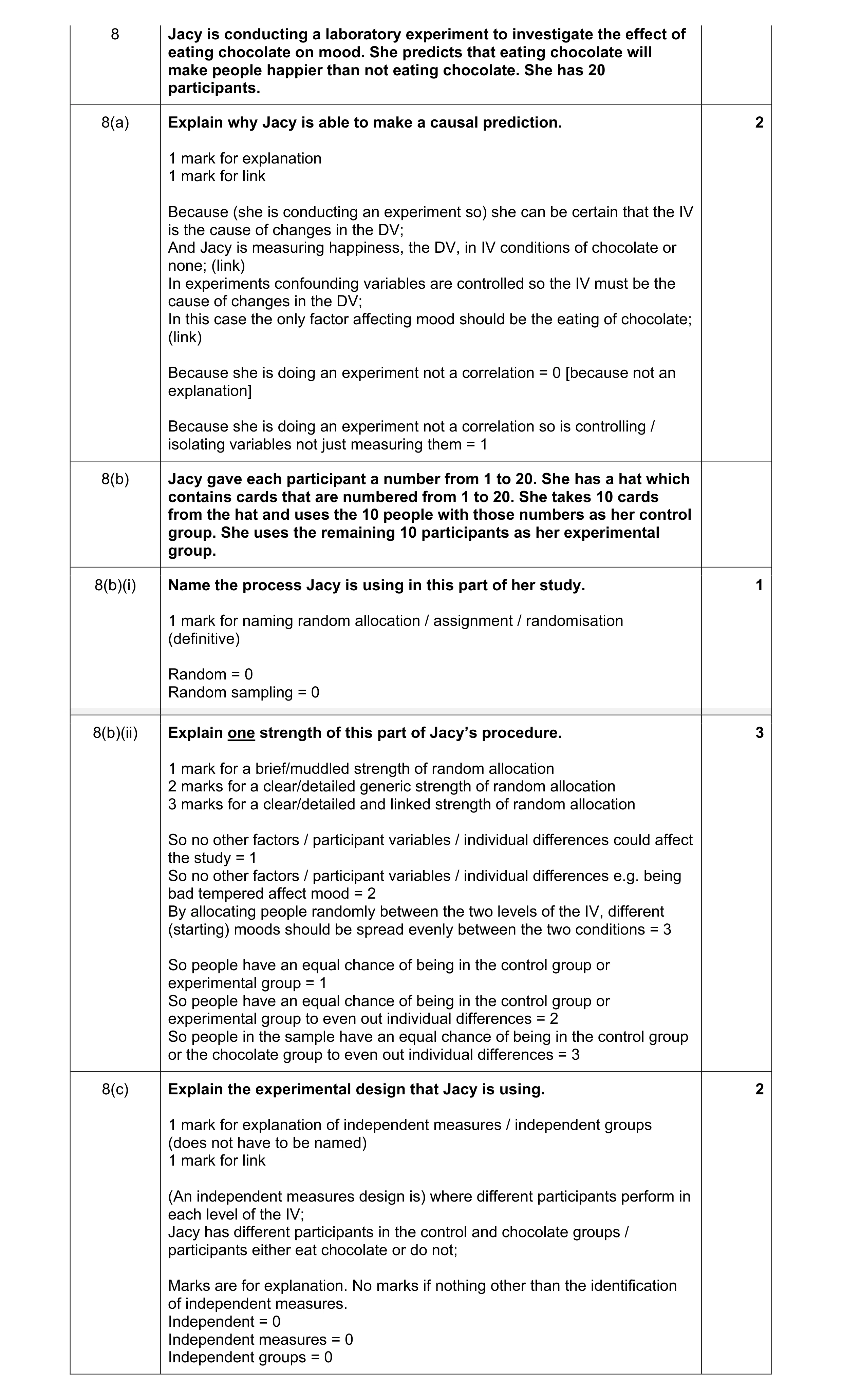 8
8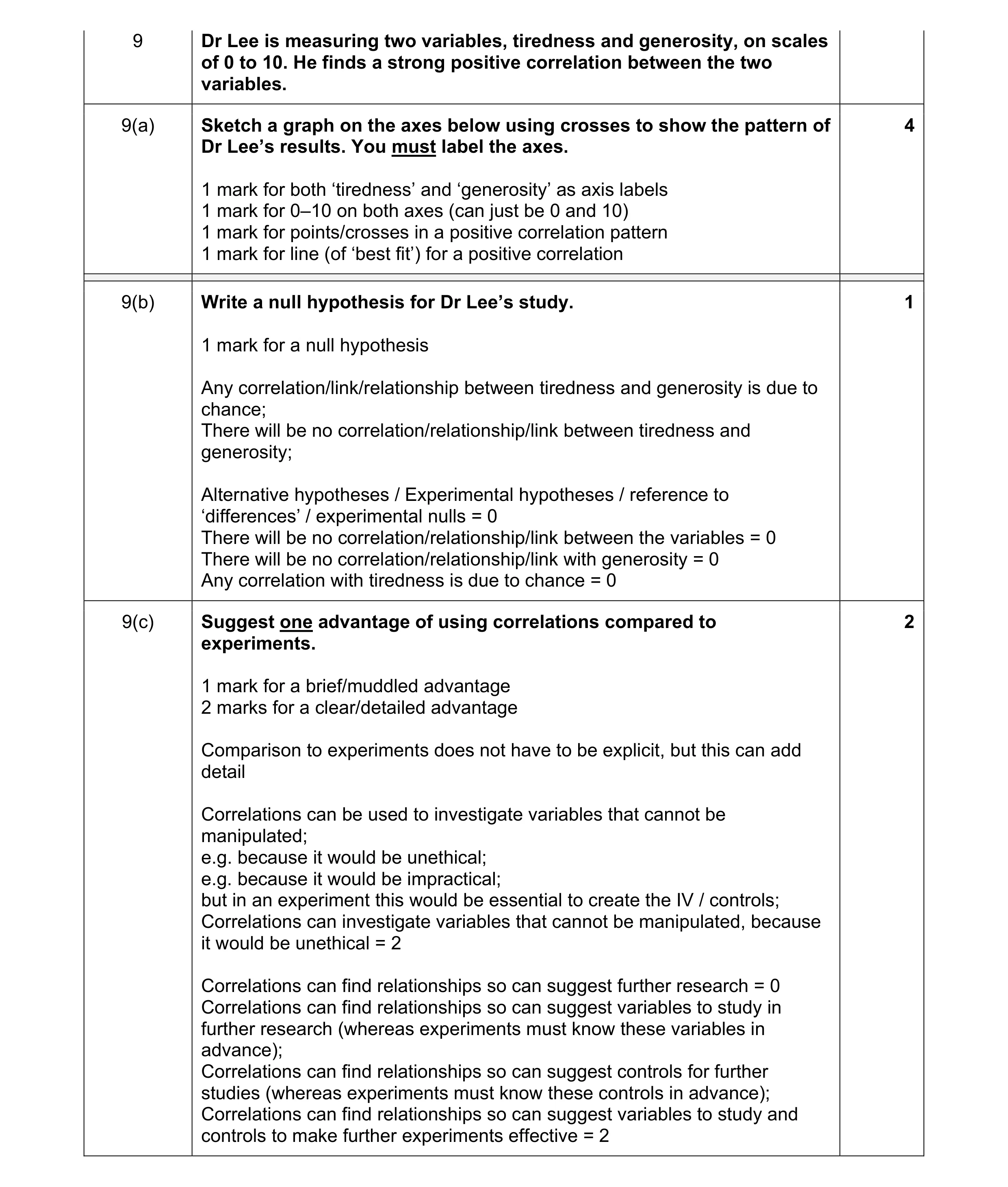 7
7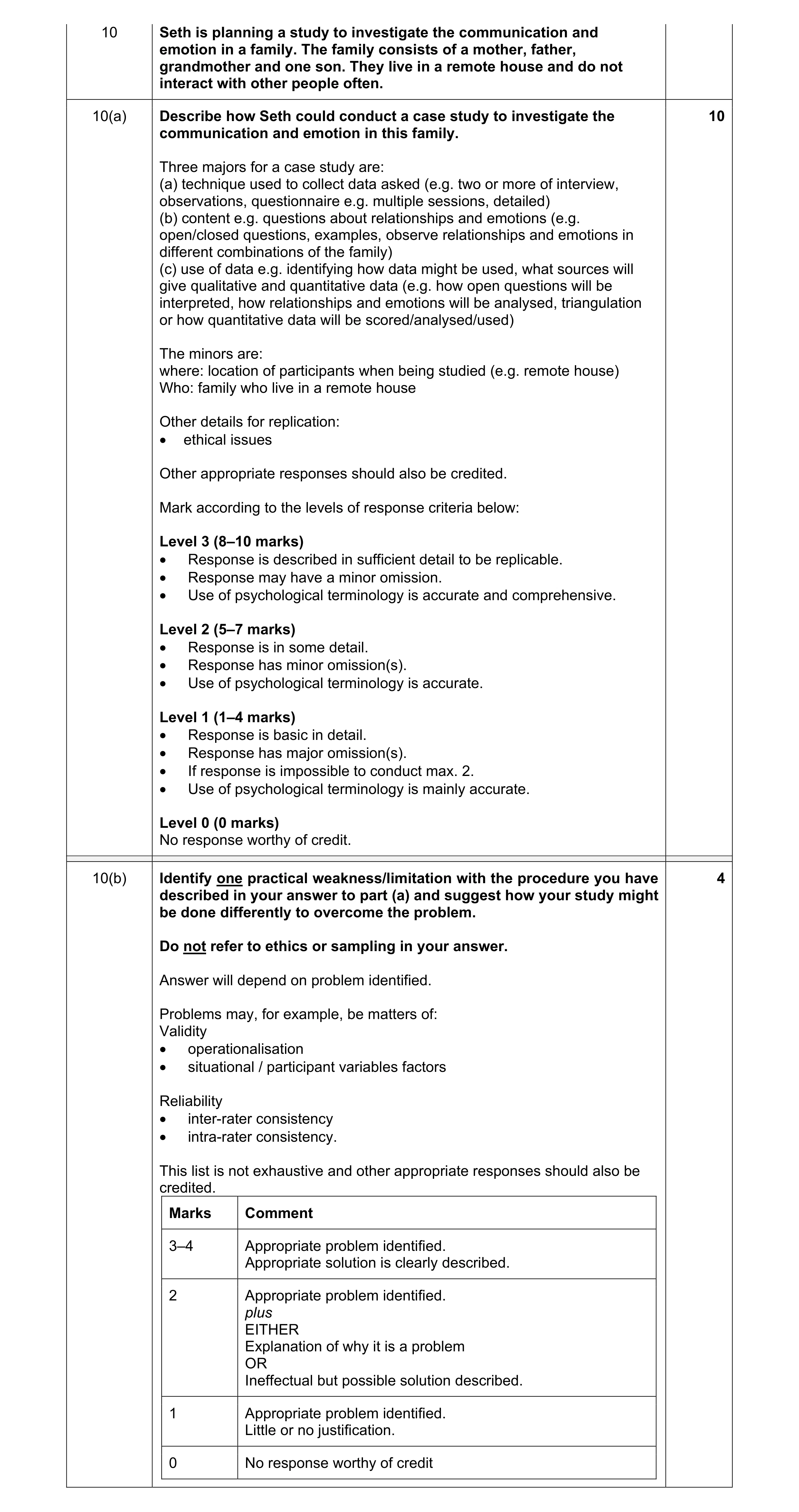 14
14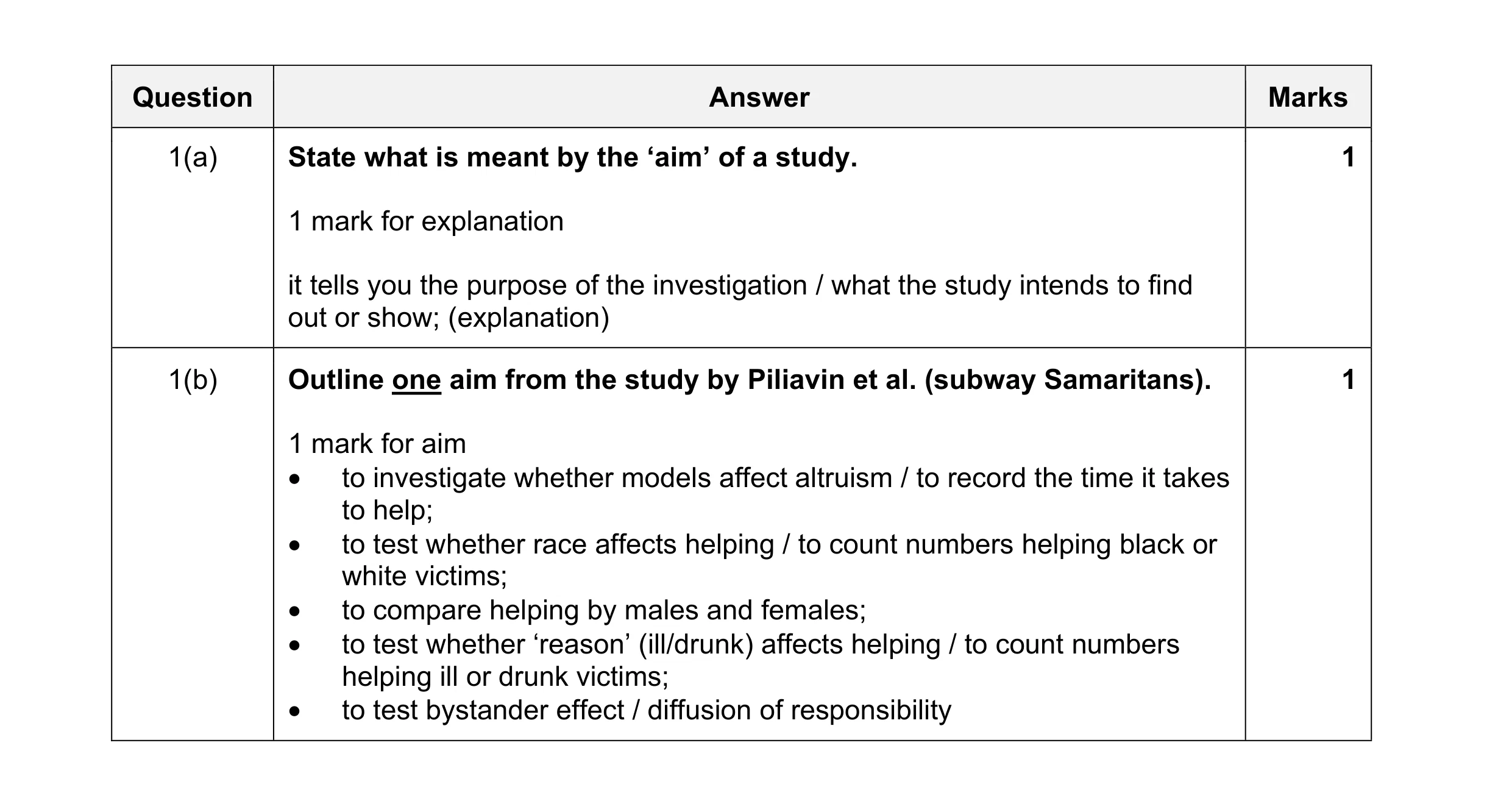 2
2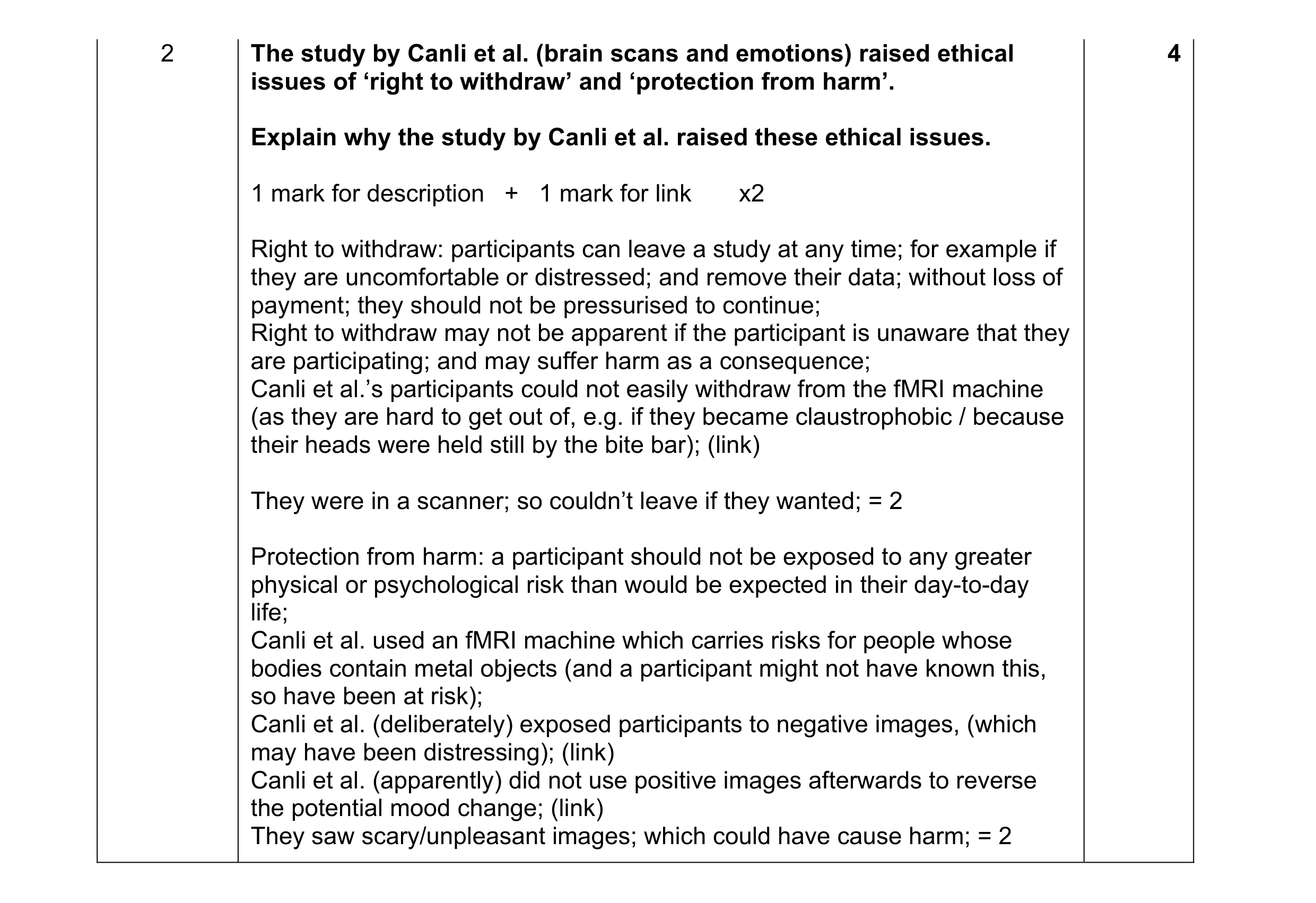 4
4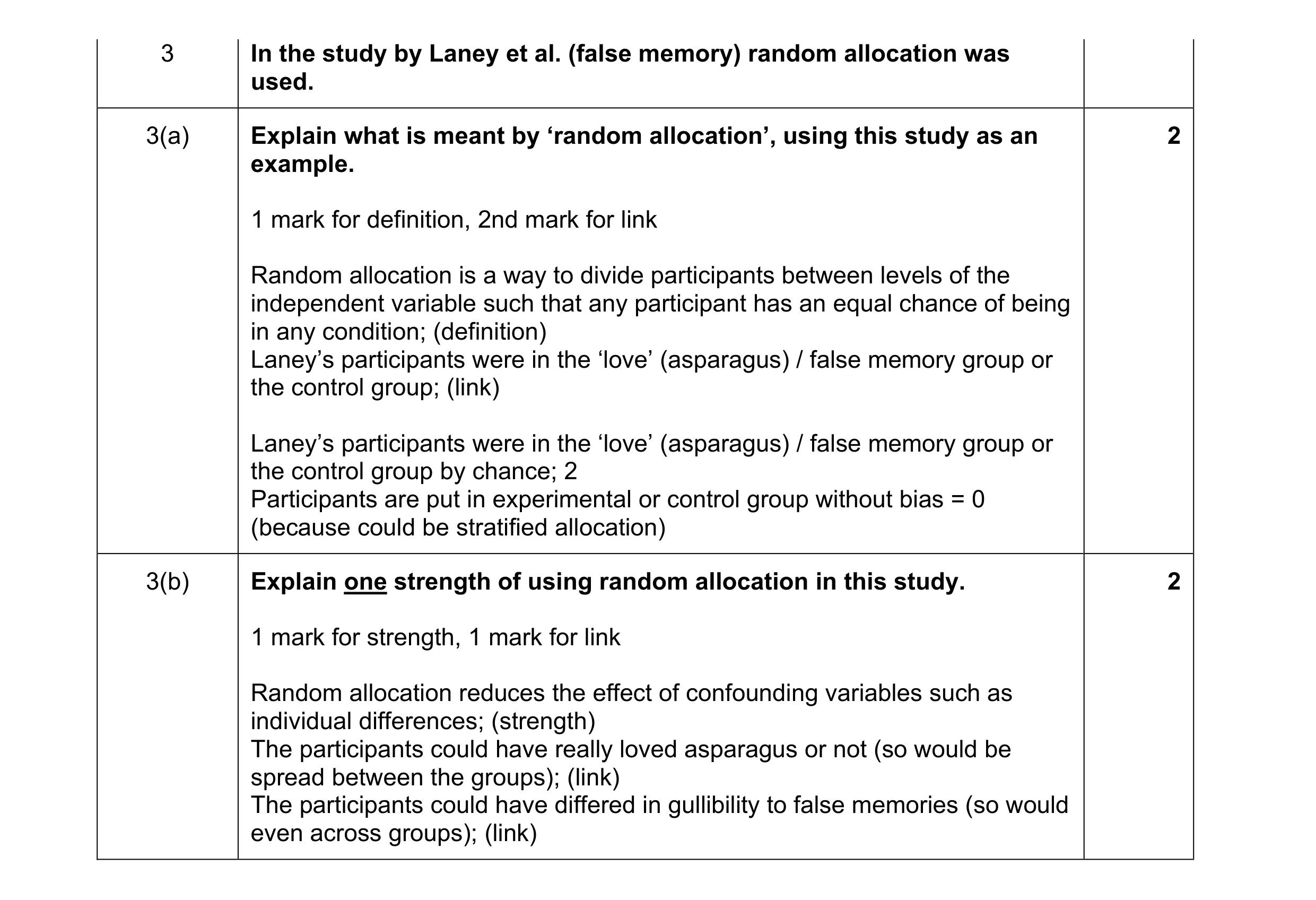 4
4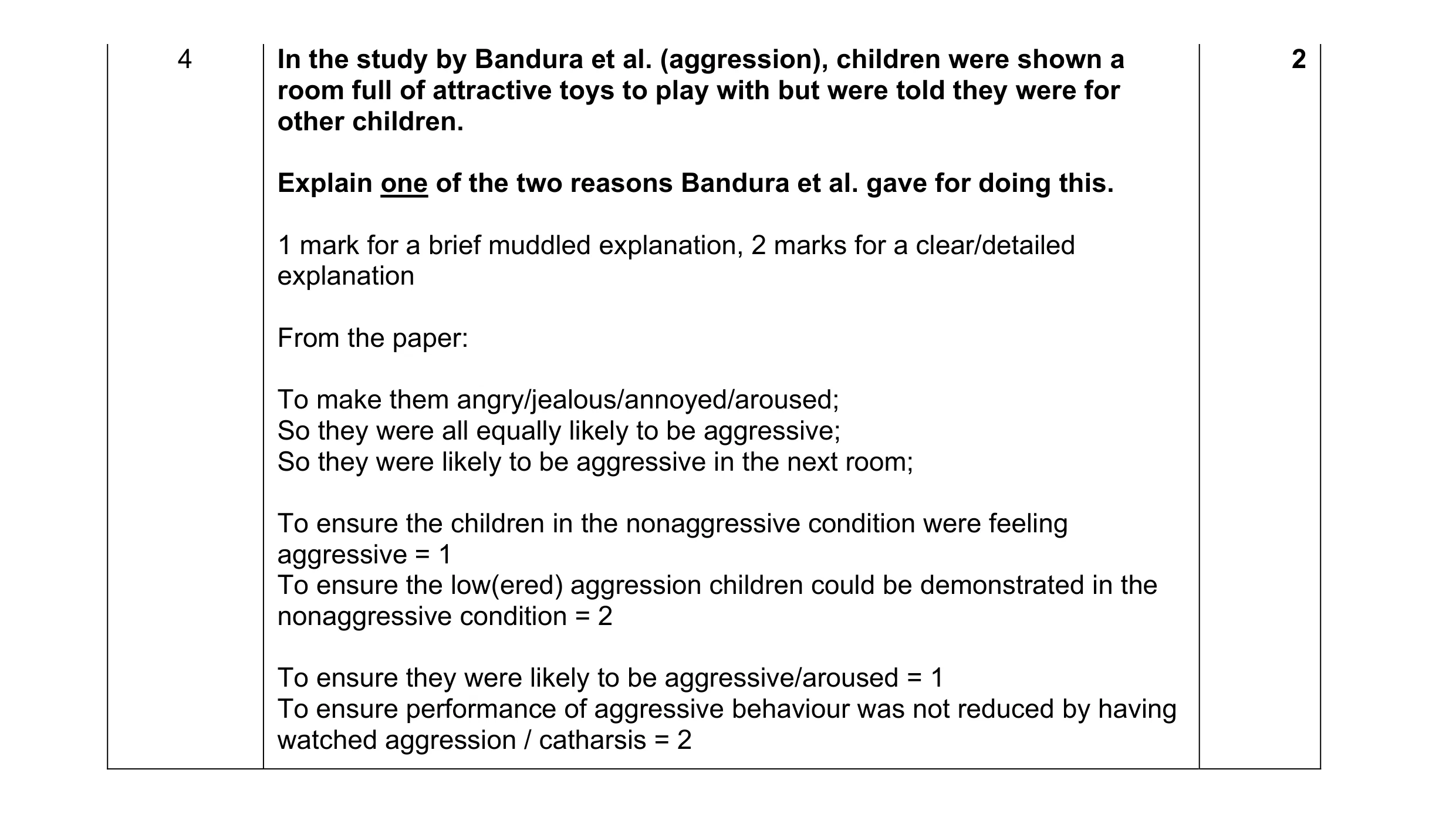 2
2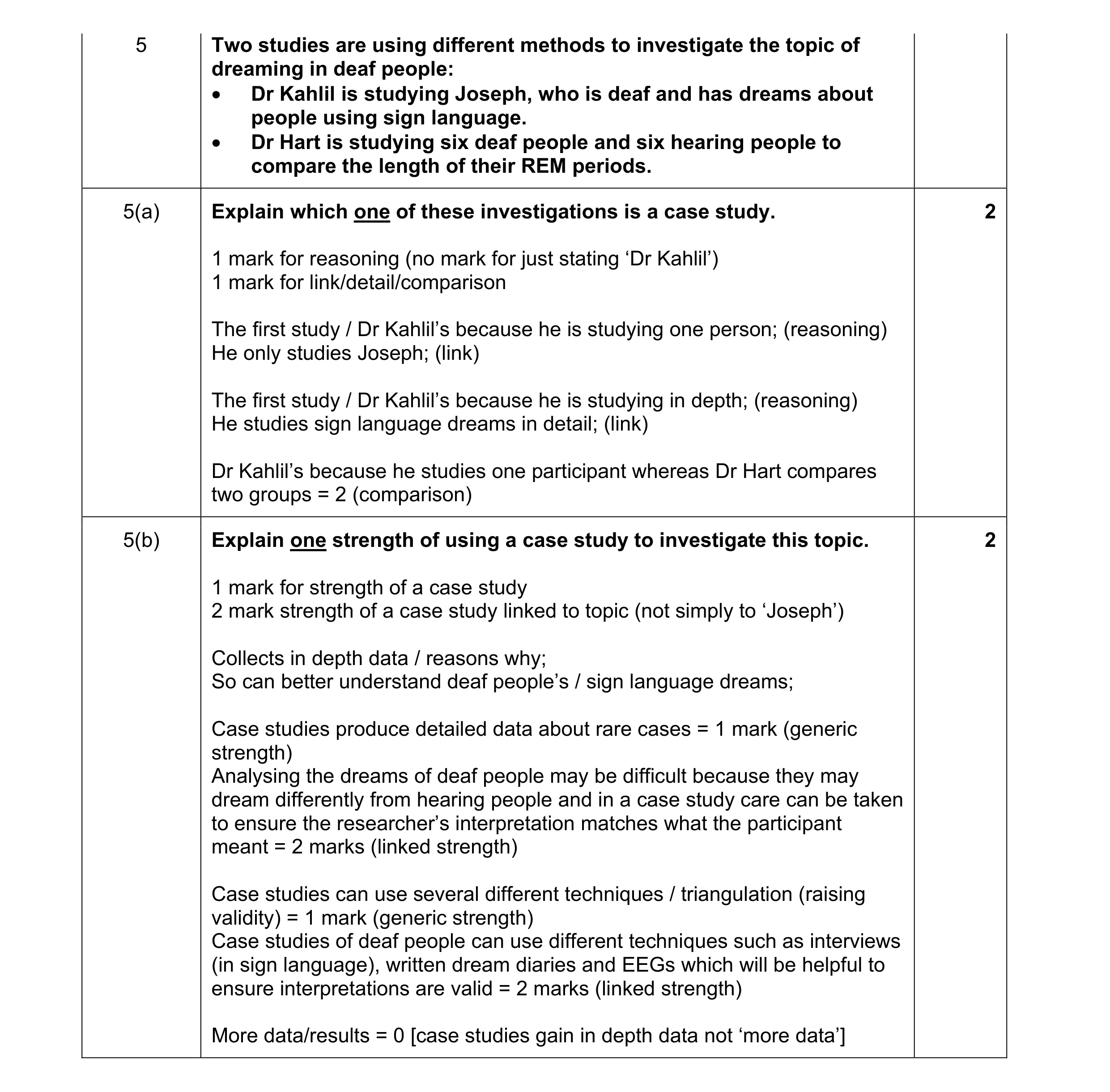 4
4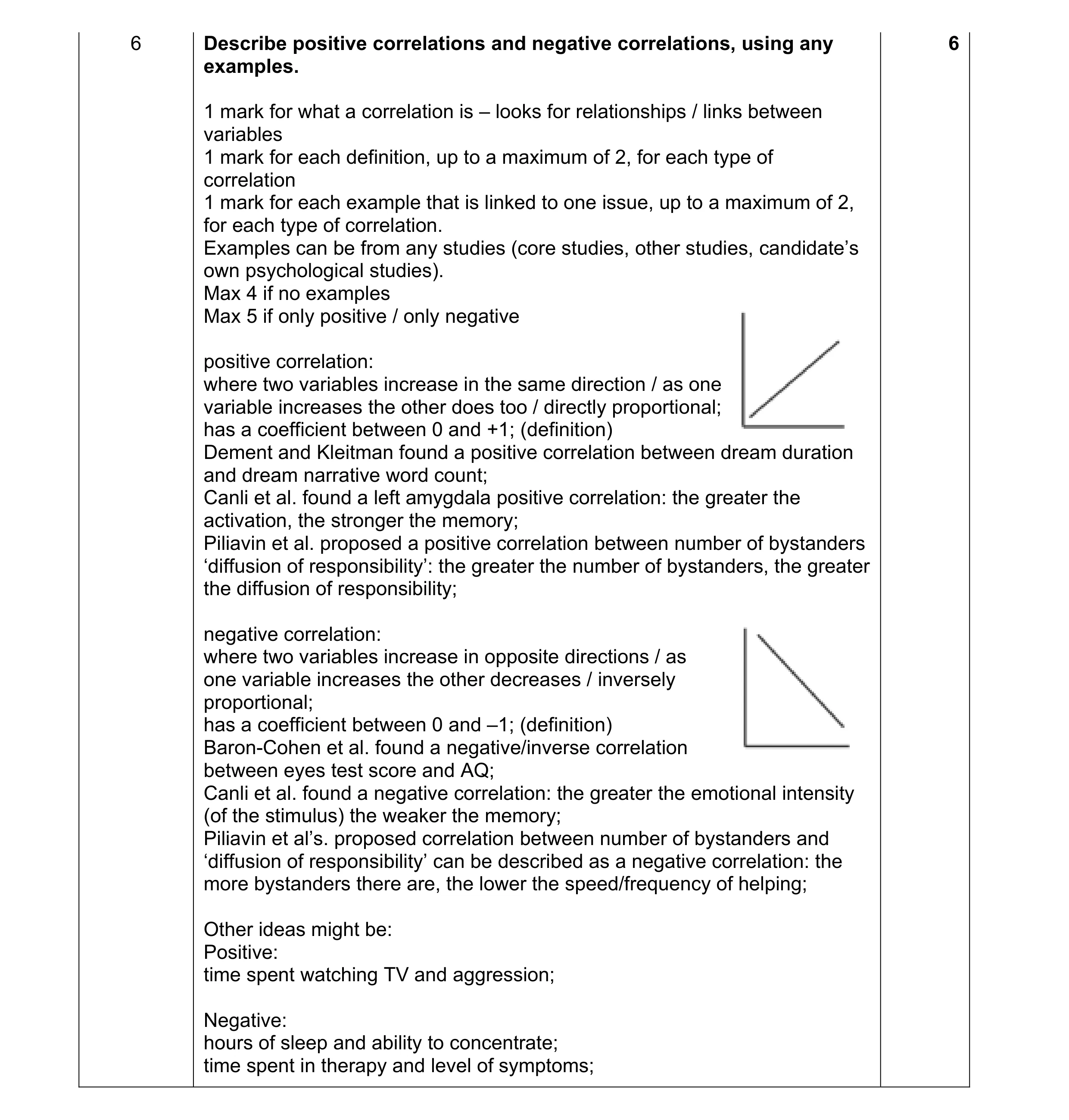 6
6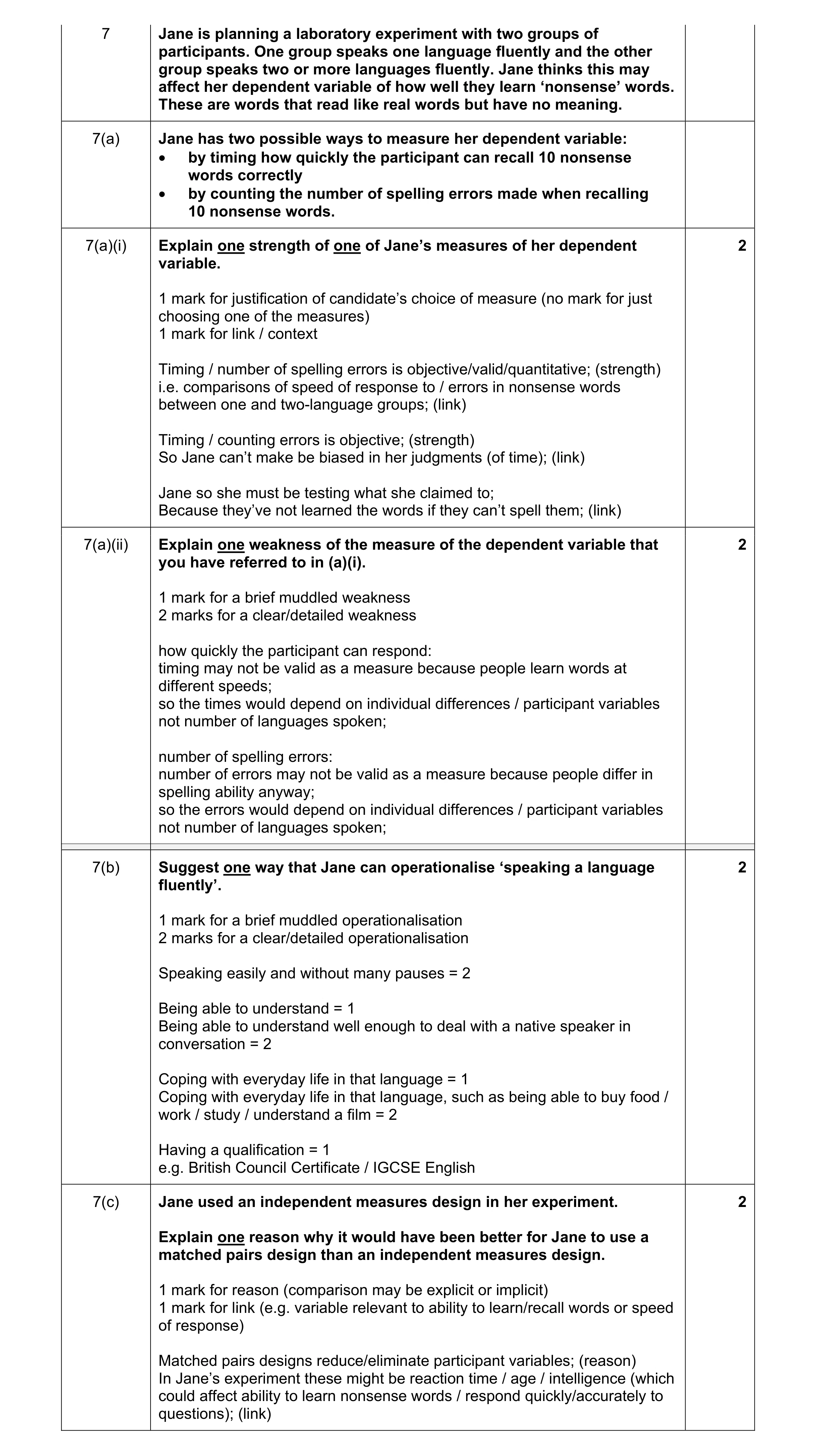 8
8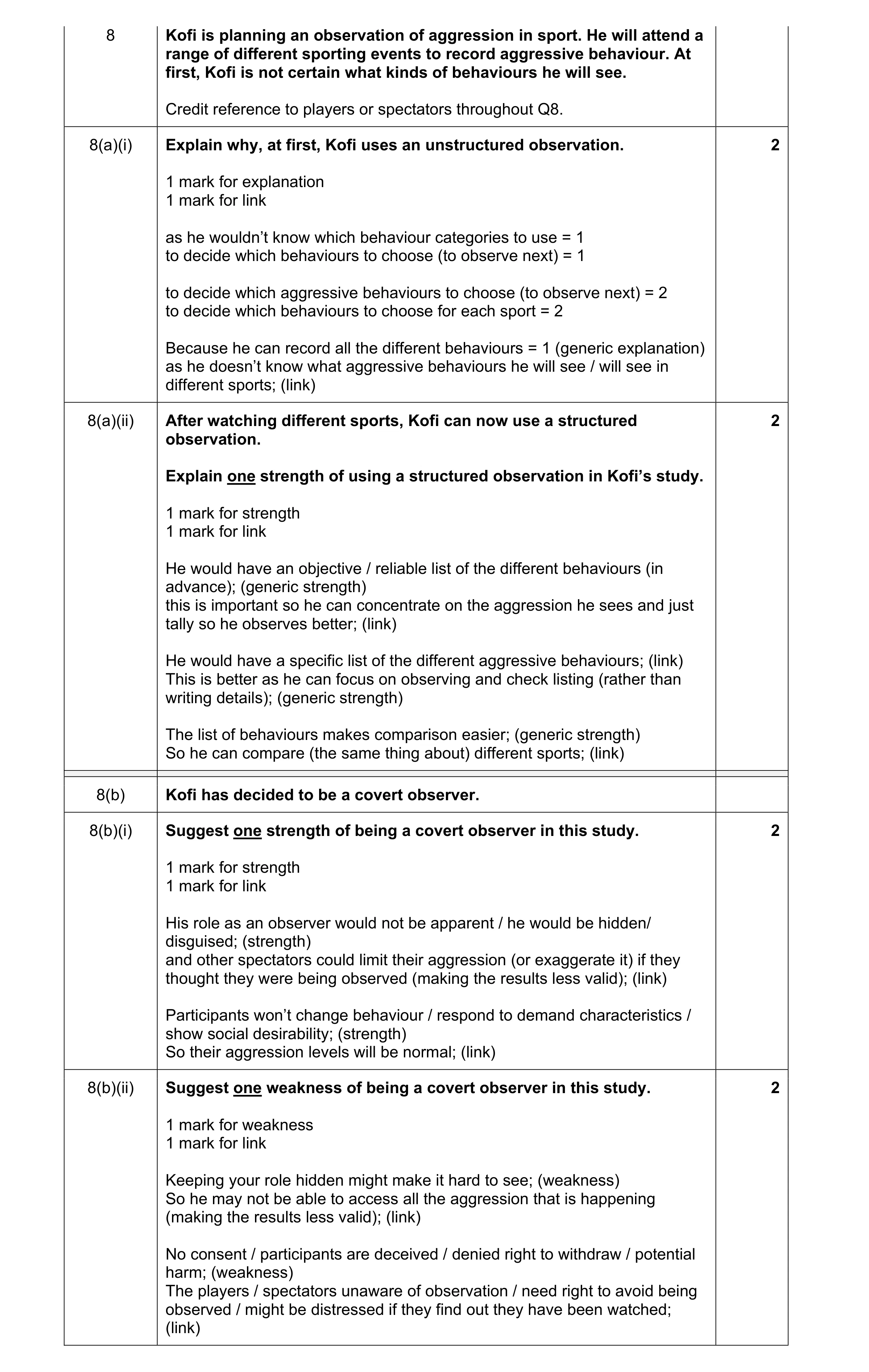 8
8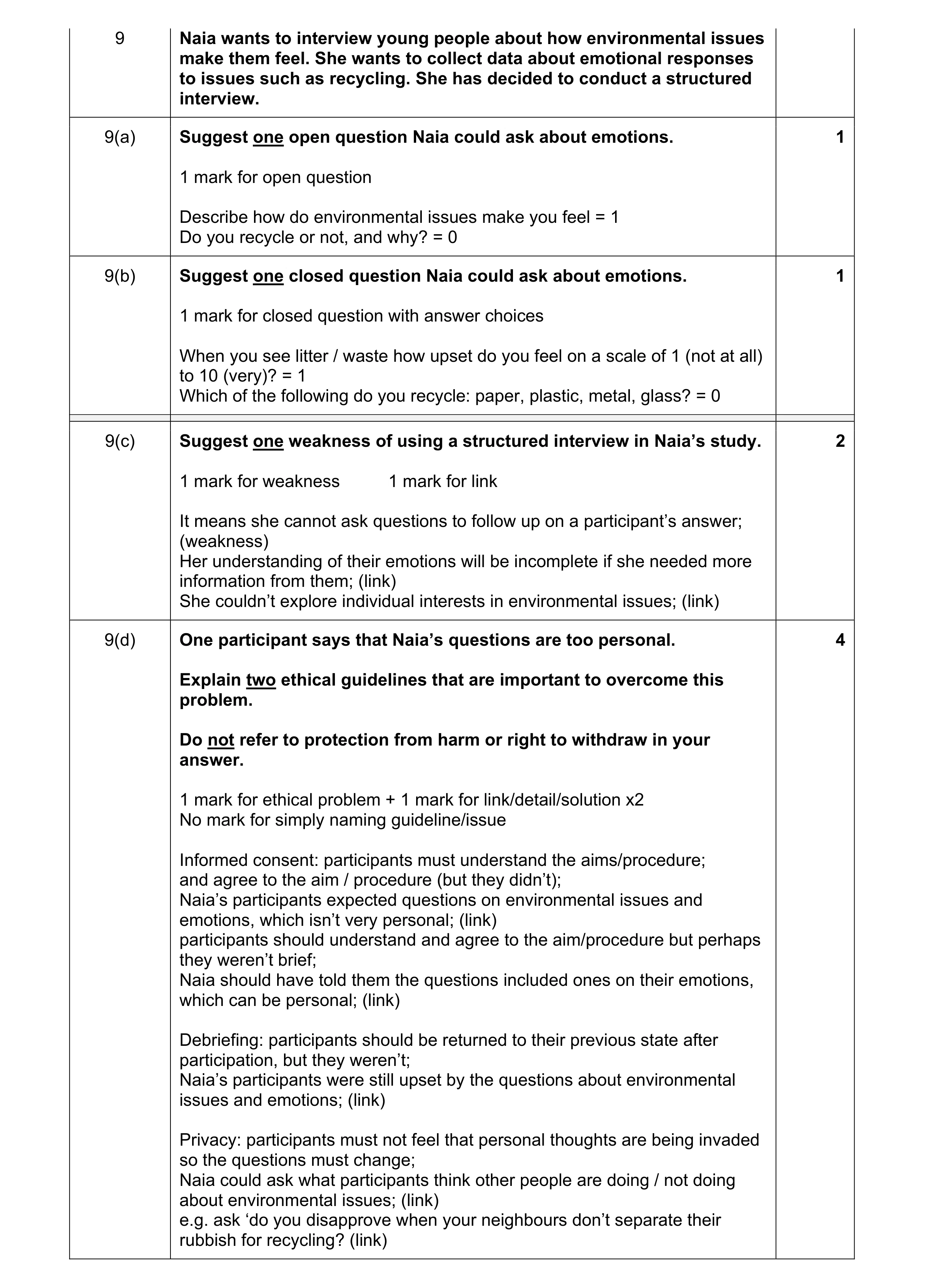 8
8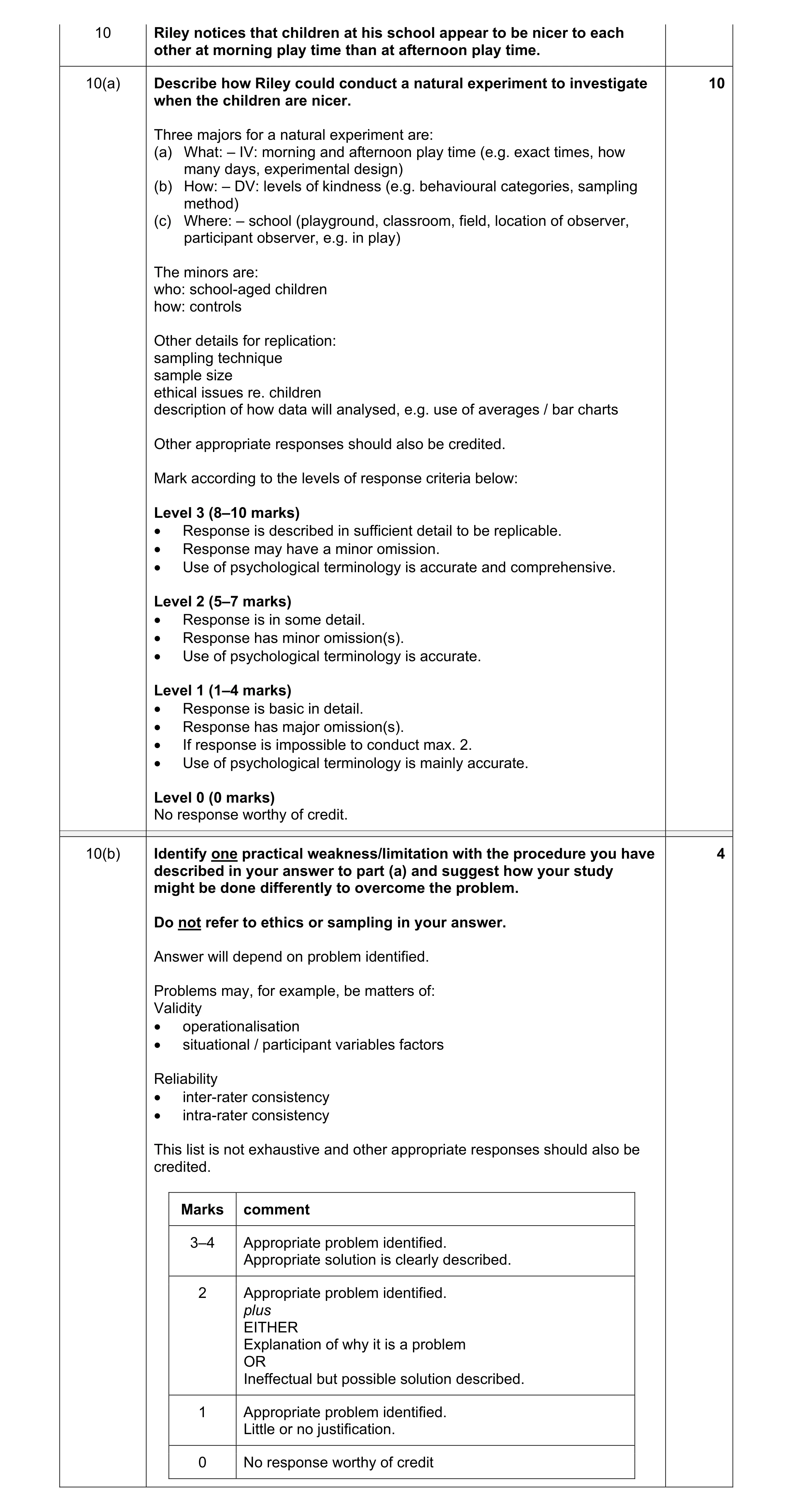 14
14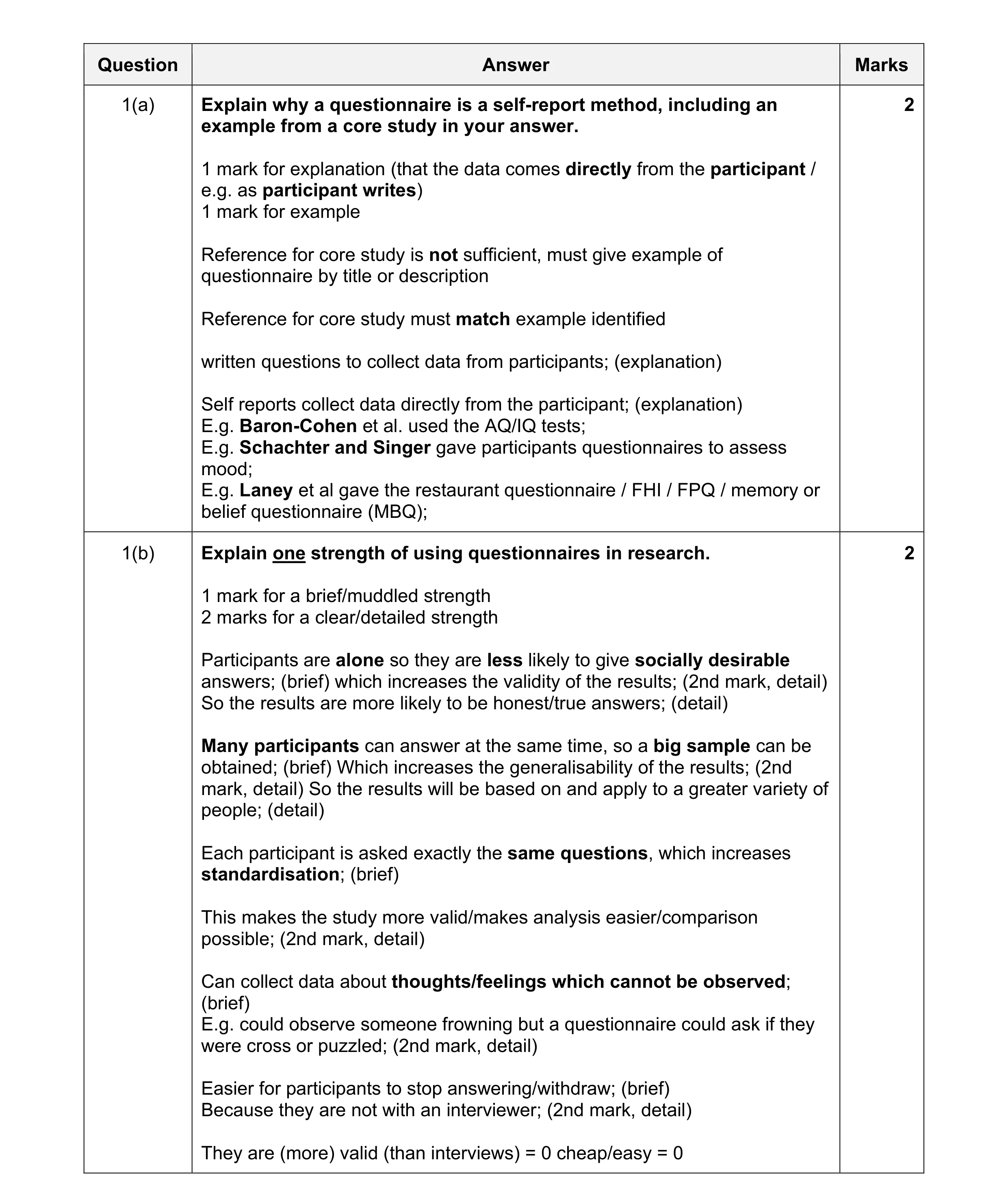 4
4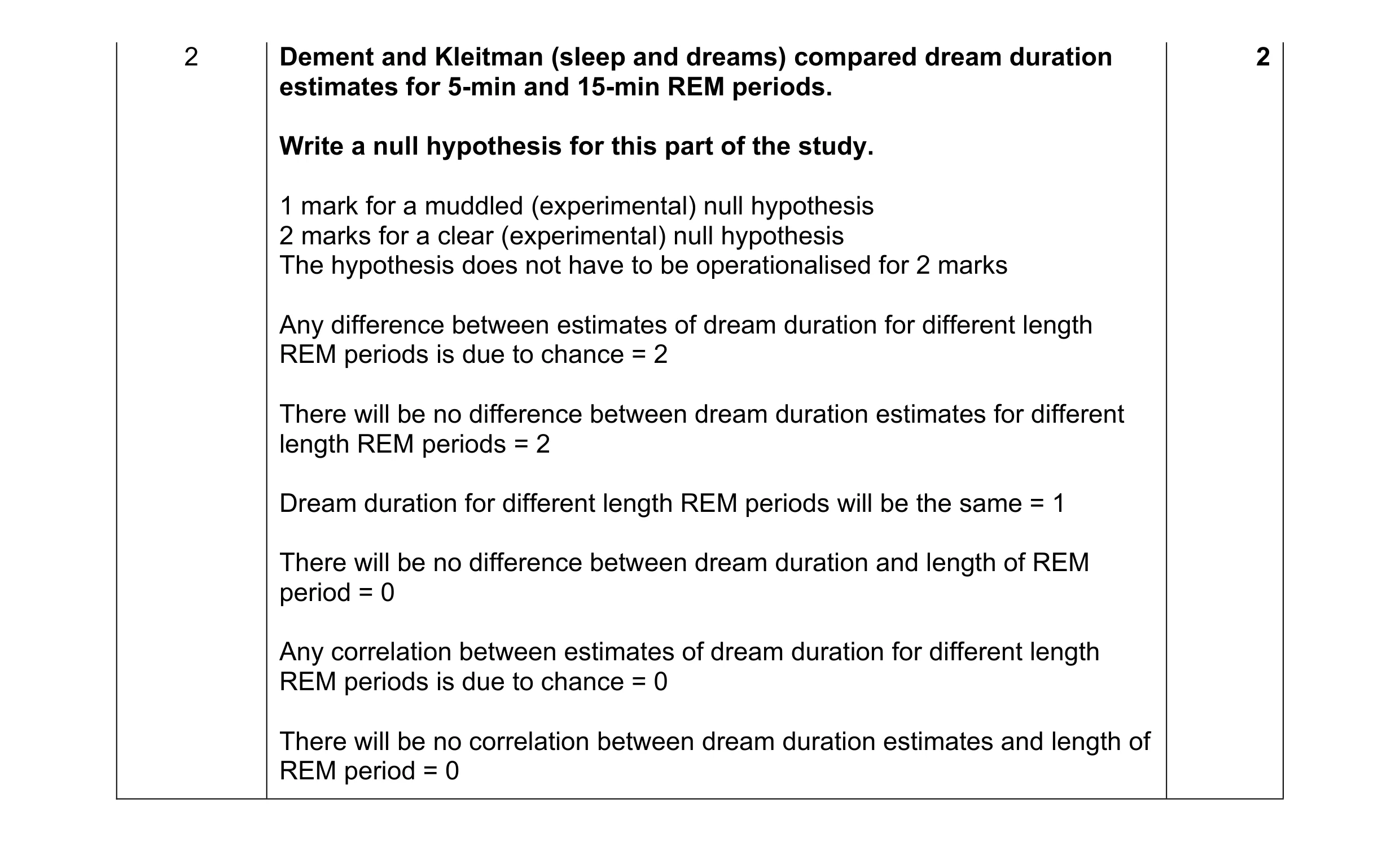 2
2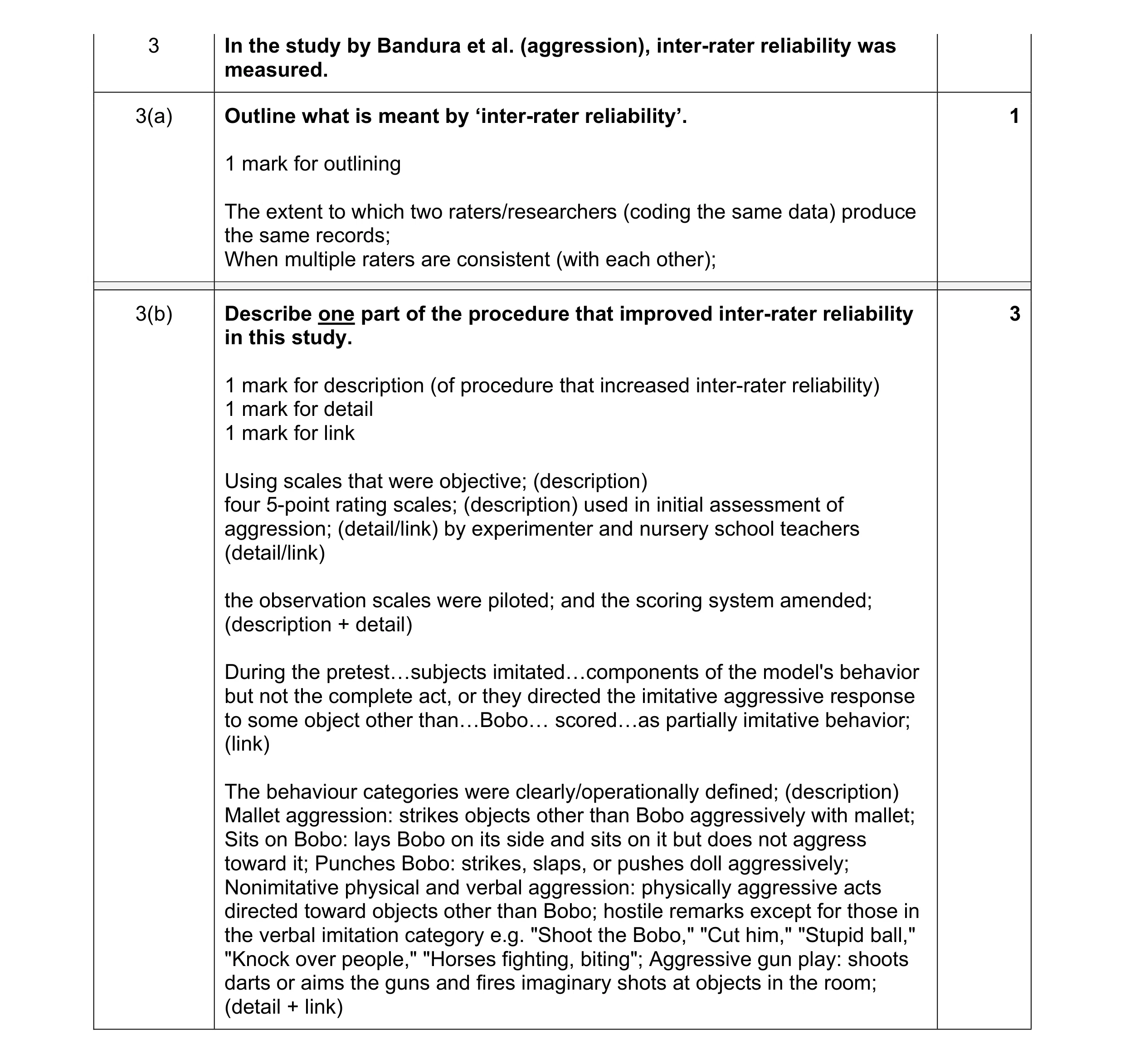 4
4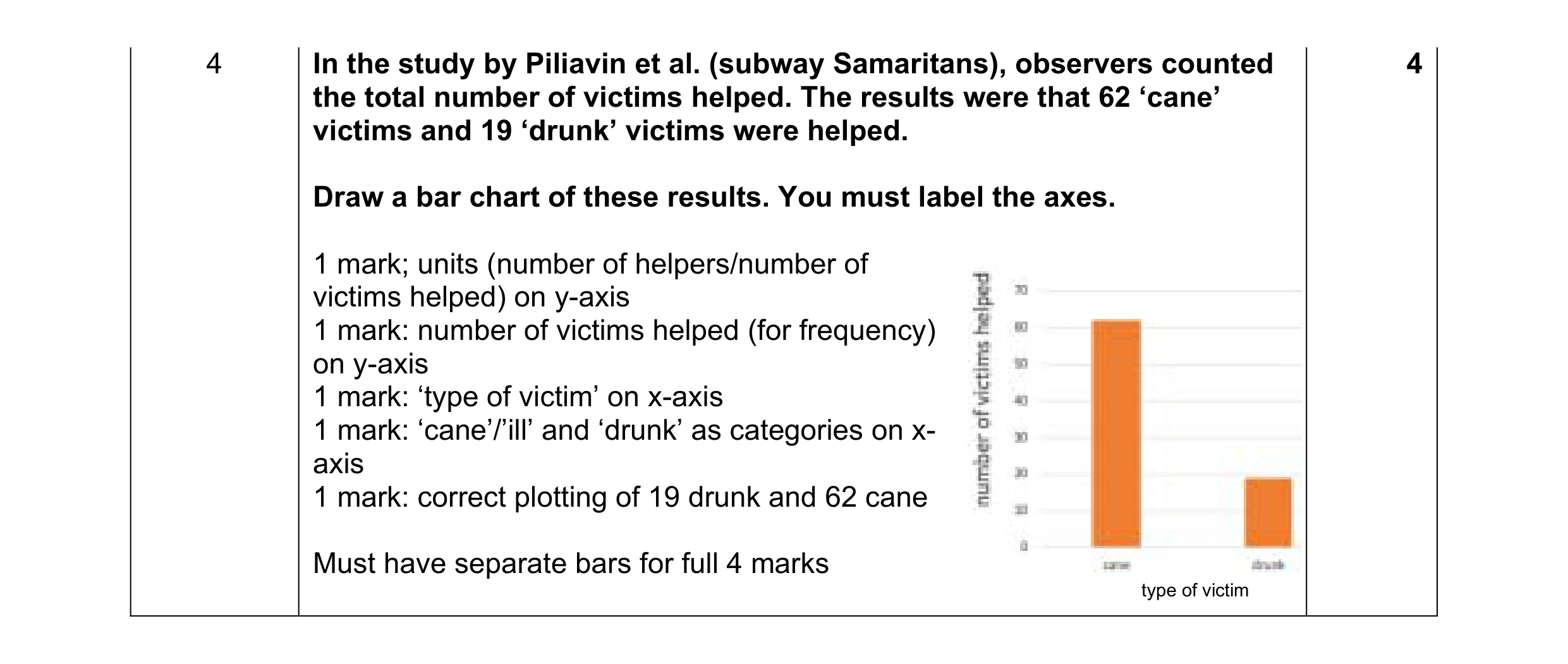 4
4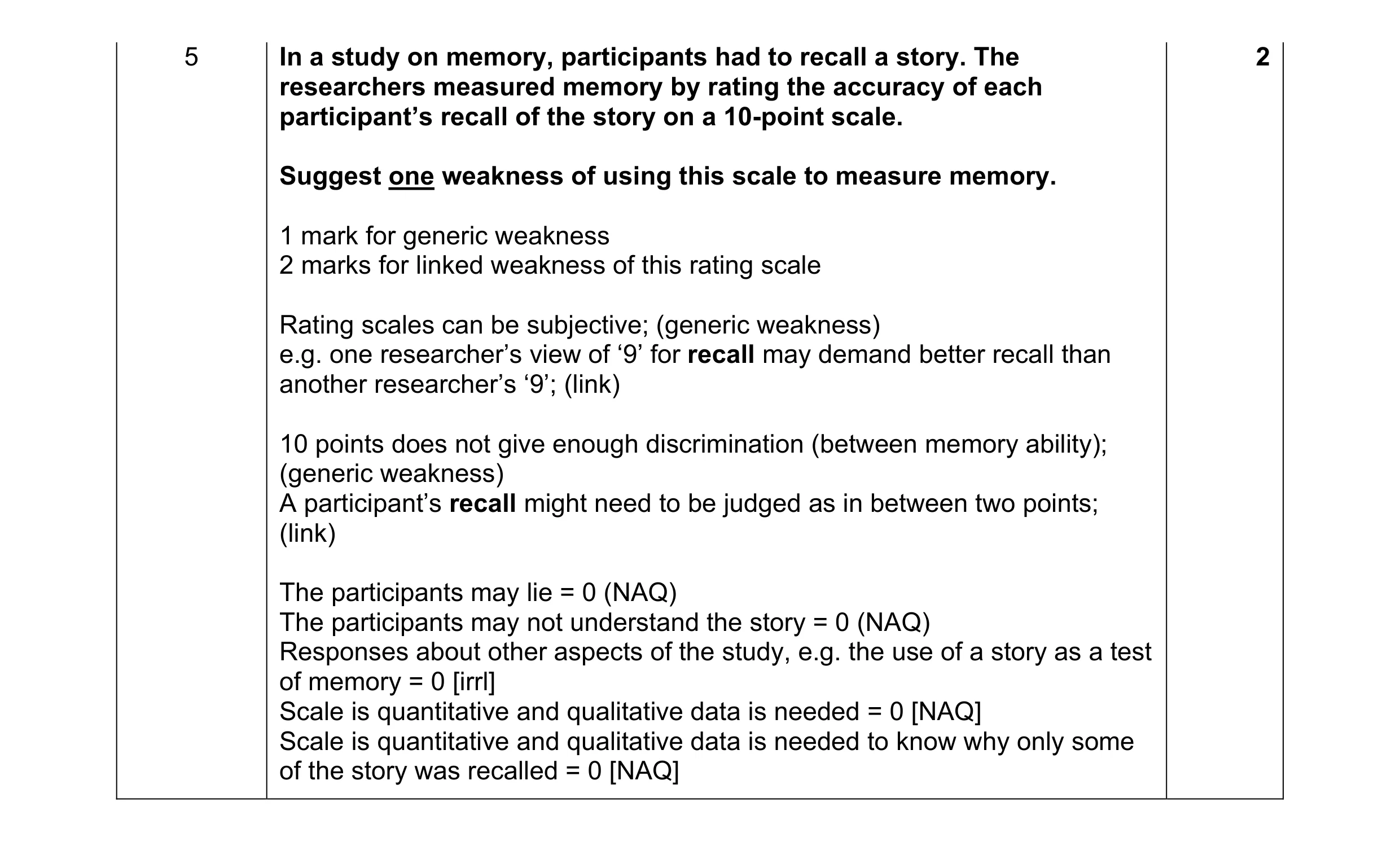 2
2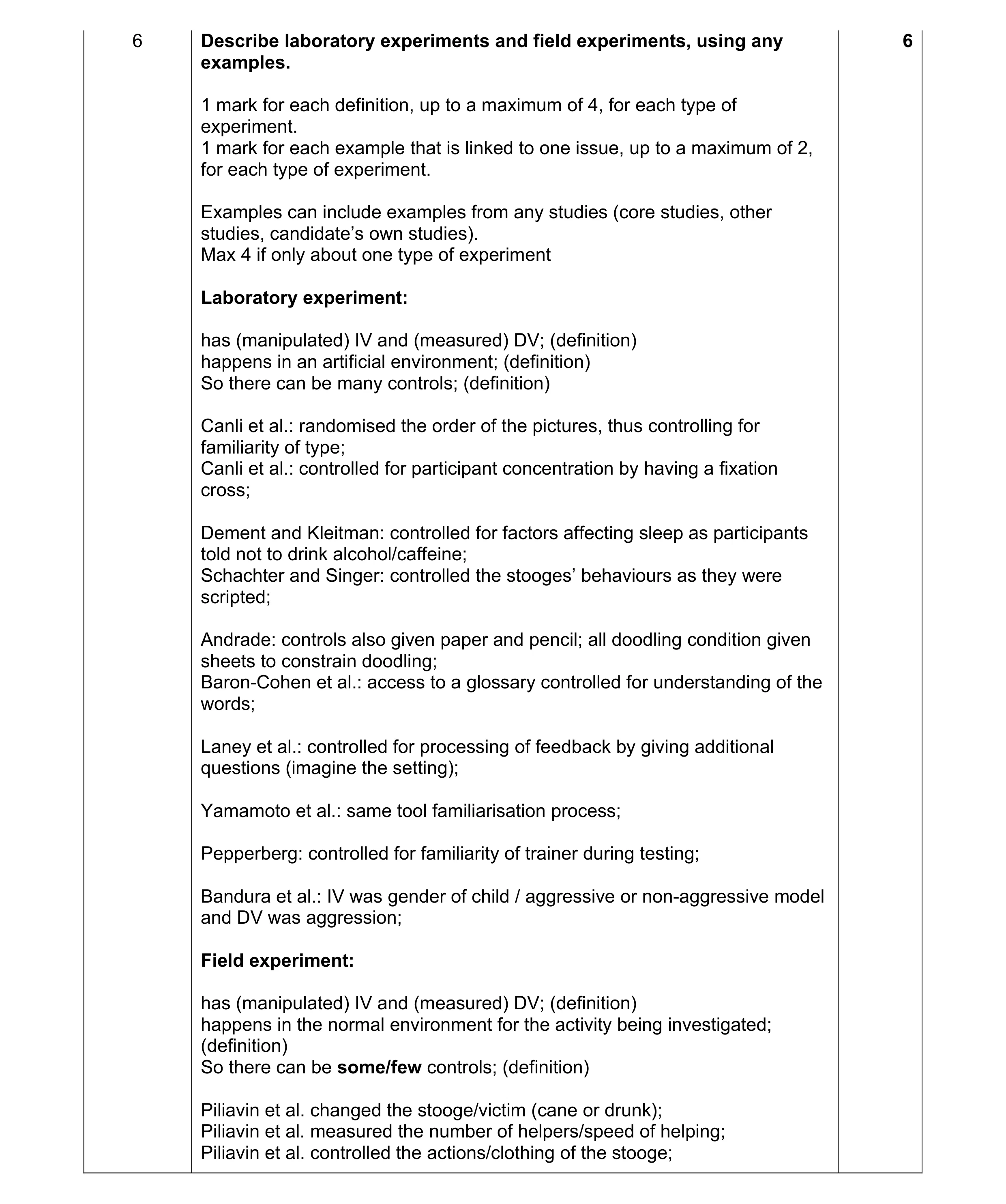 6
6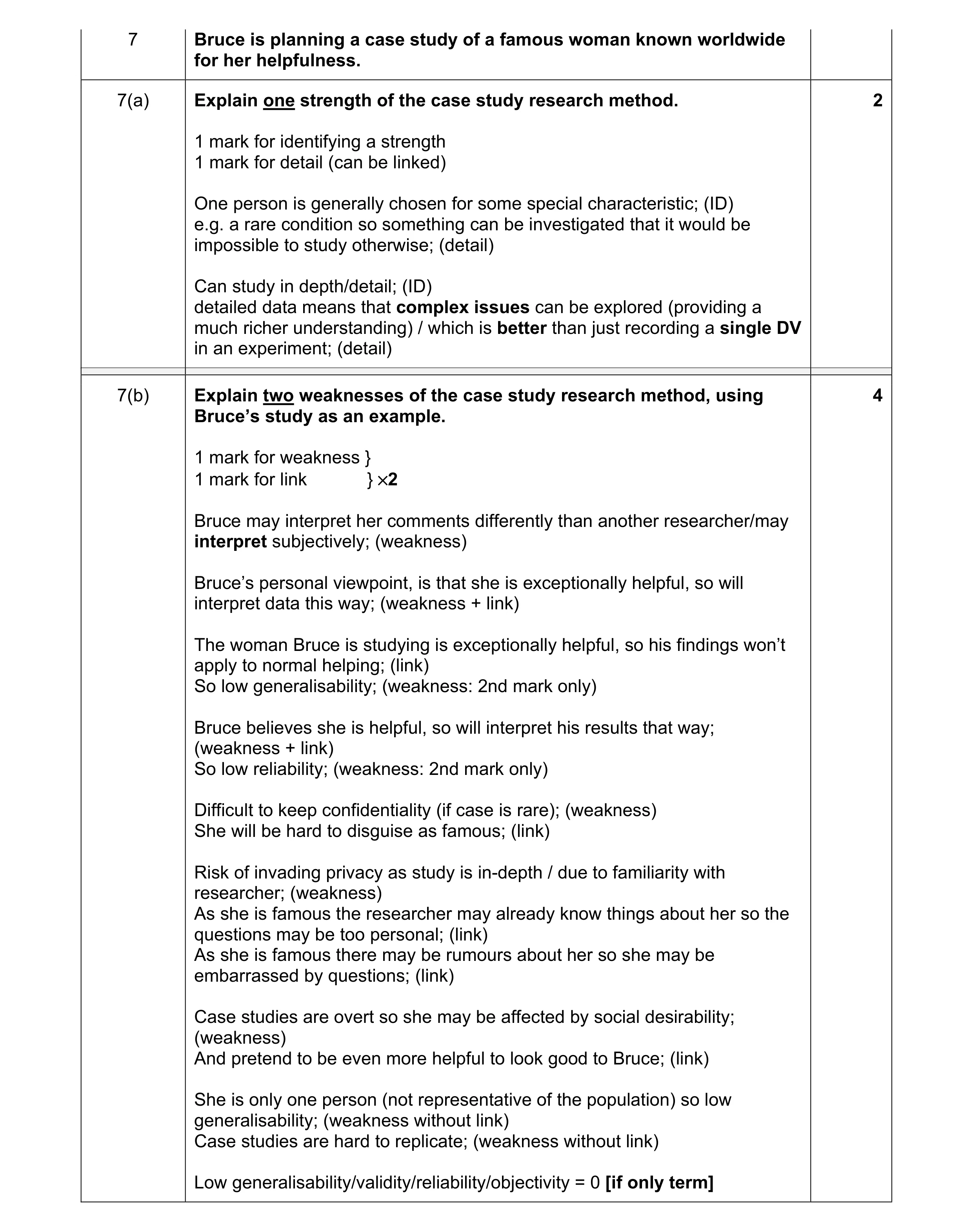 6
6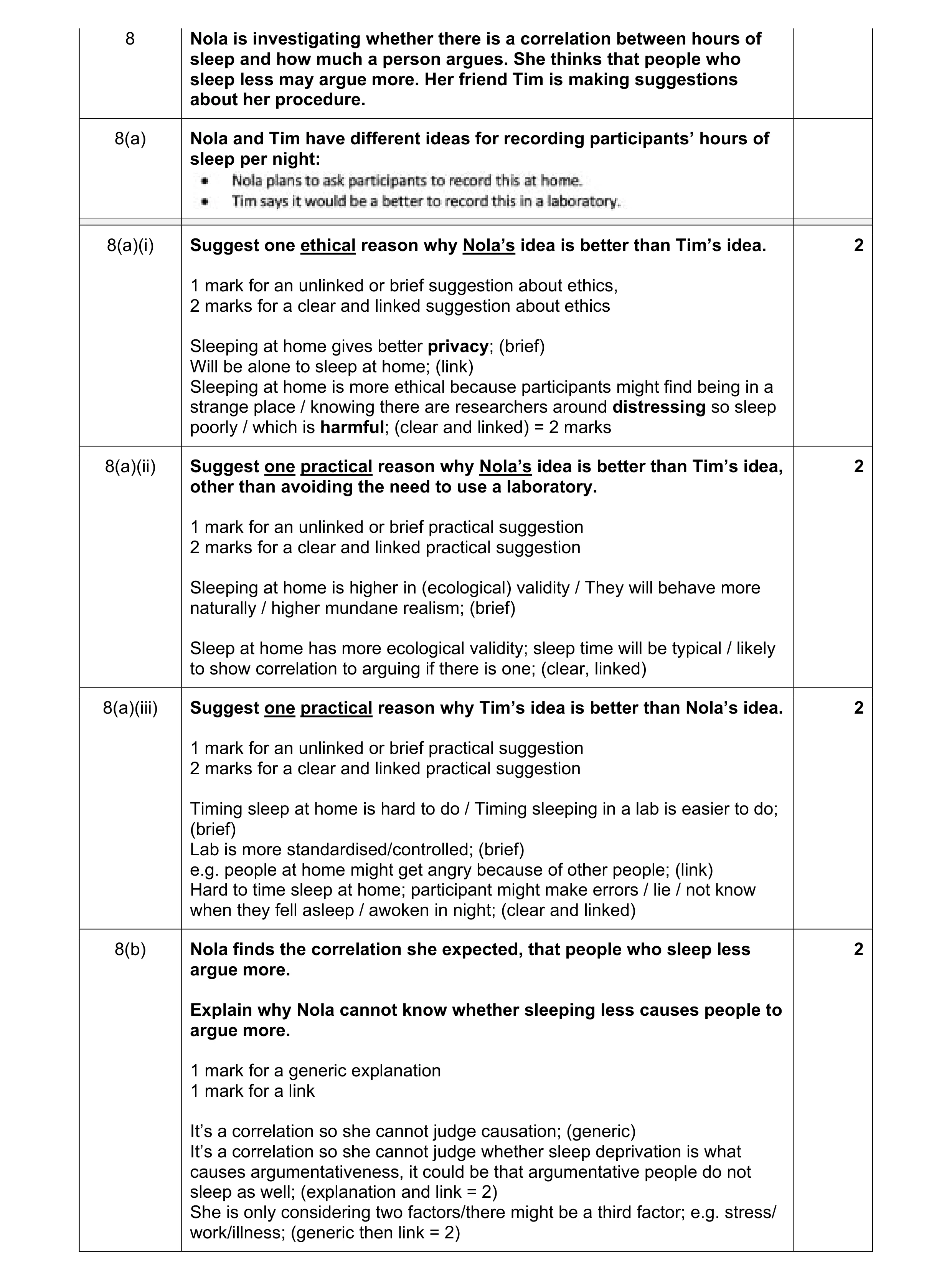 8
8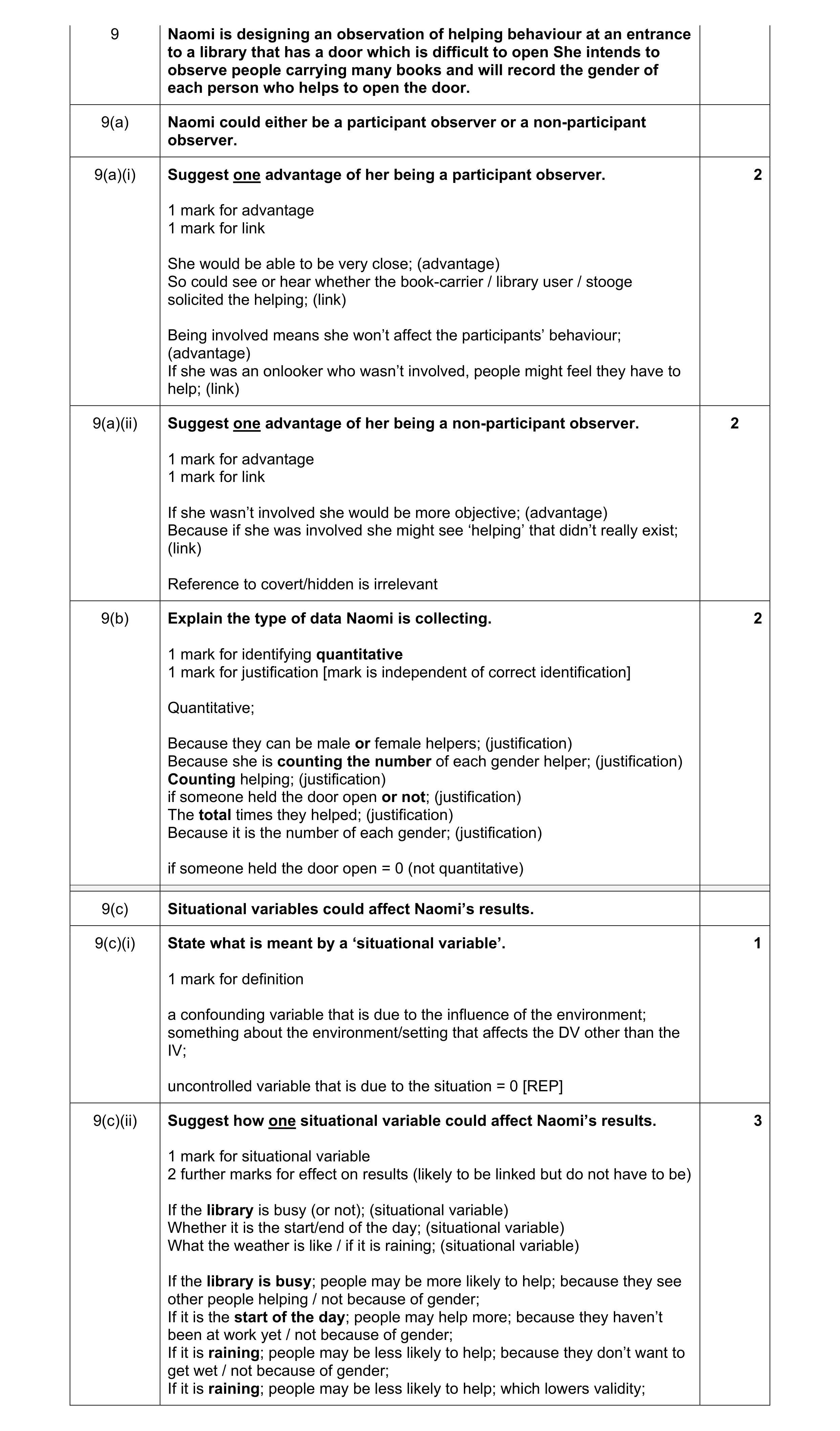 10
10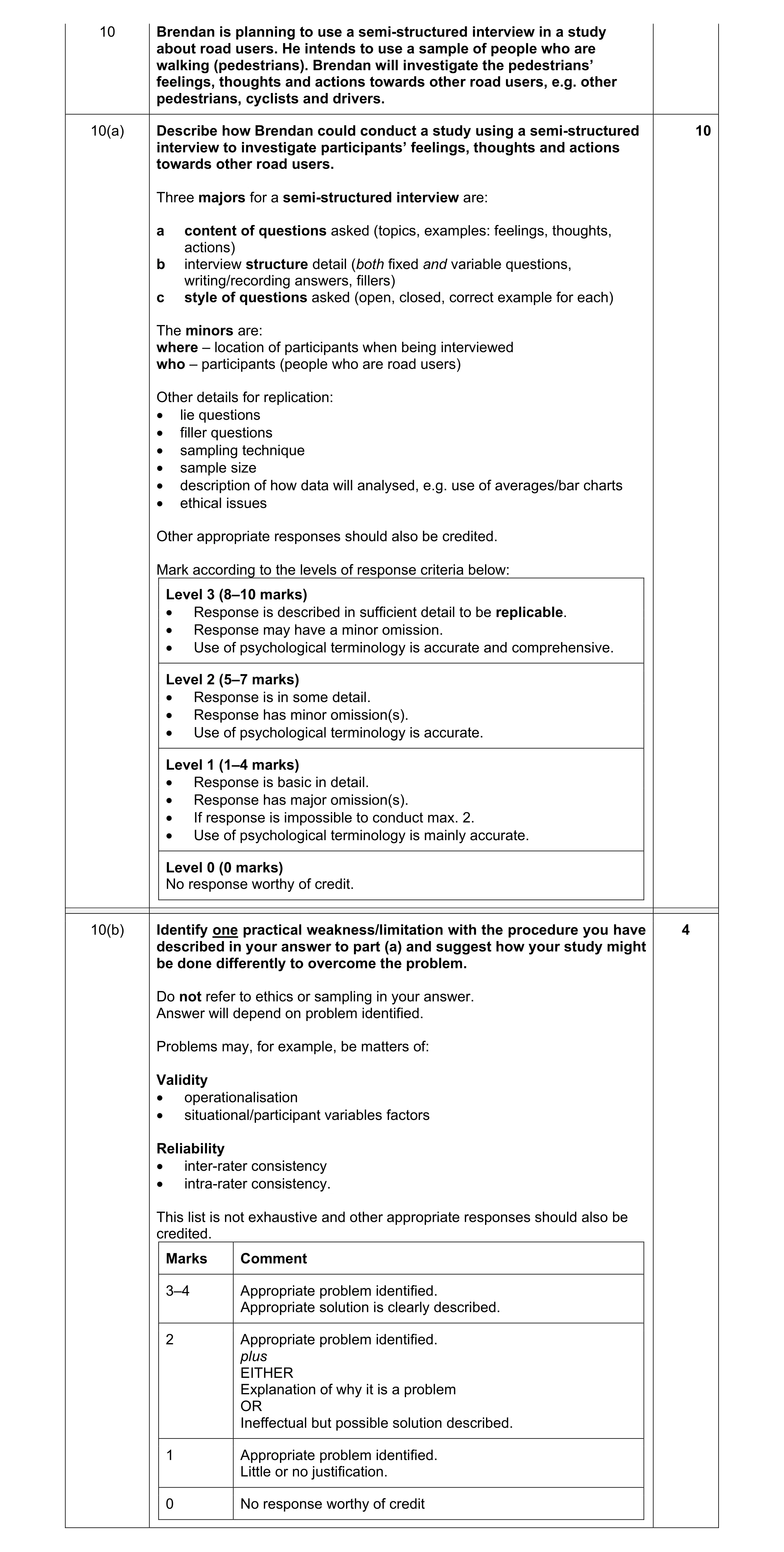 10
10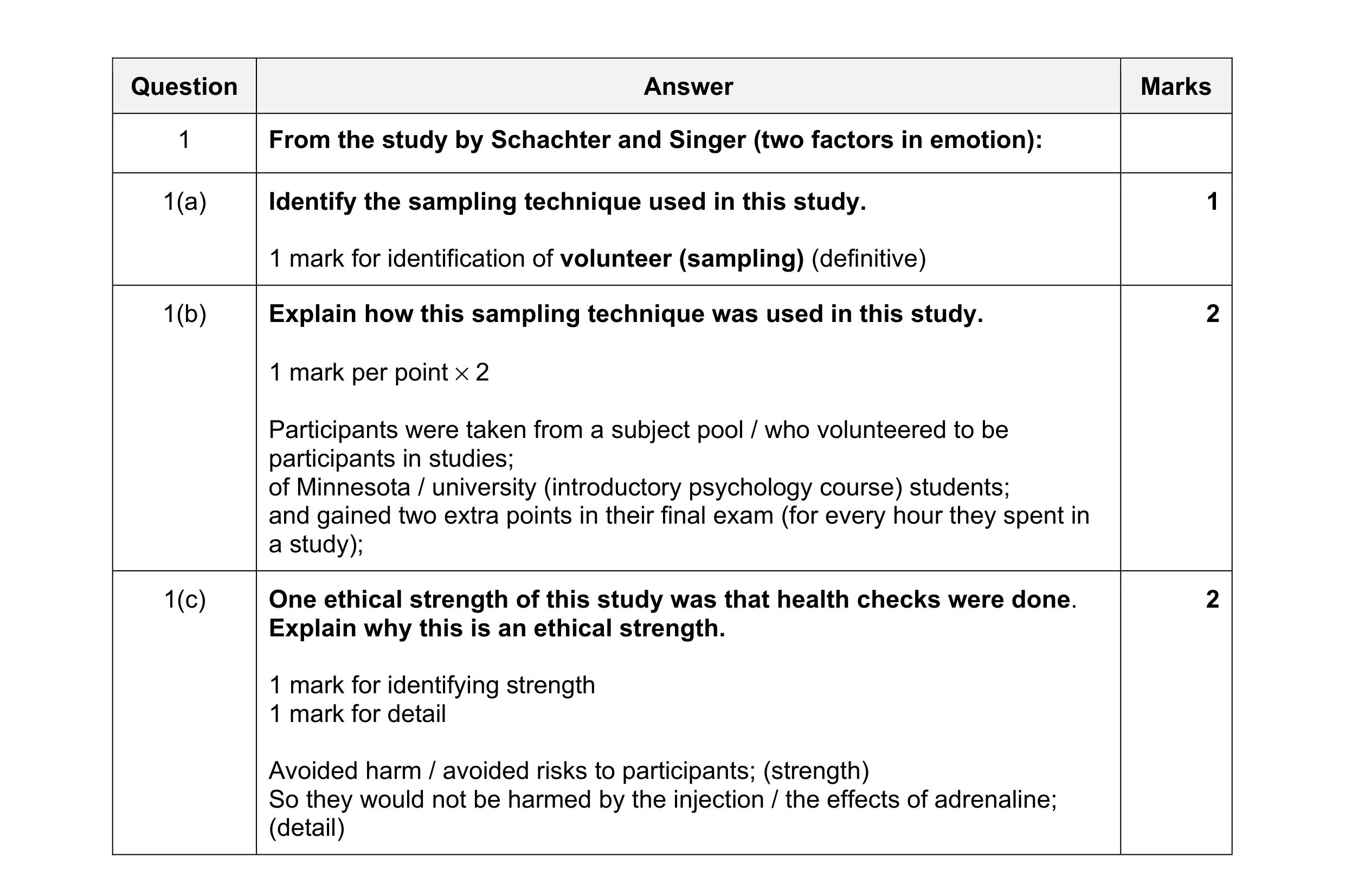 5
5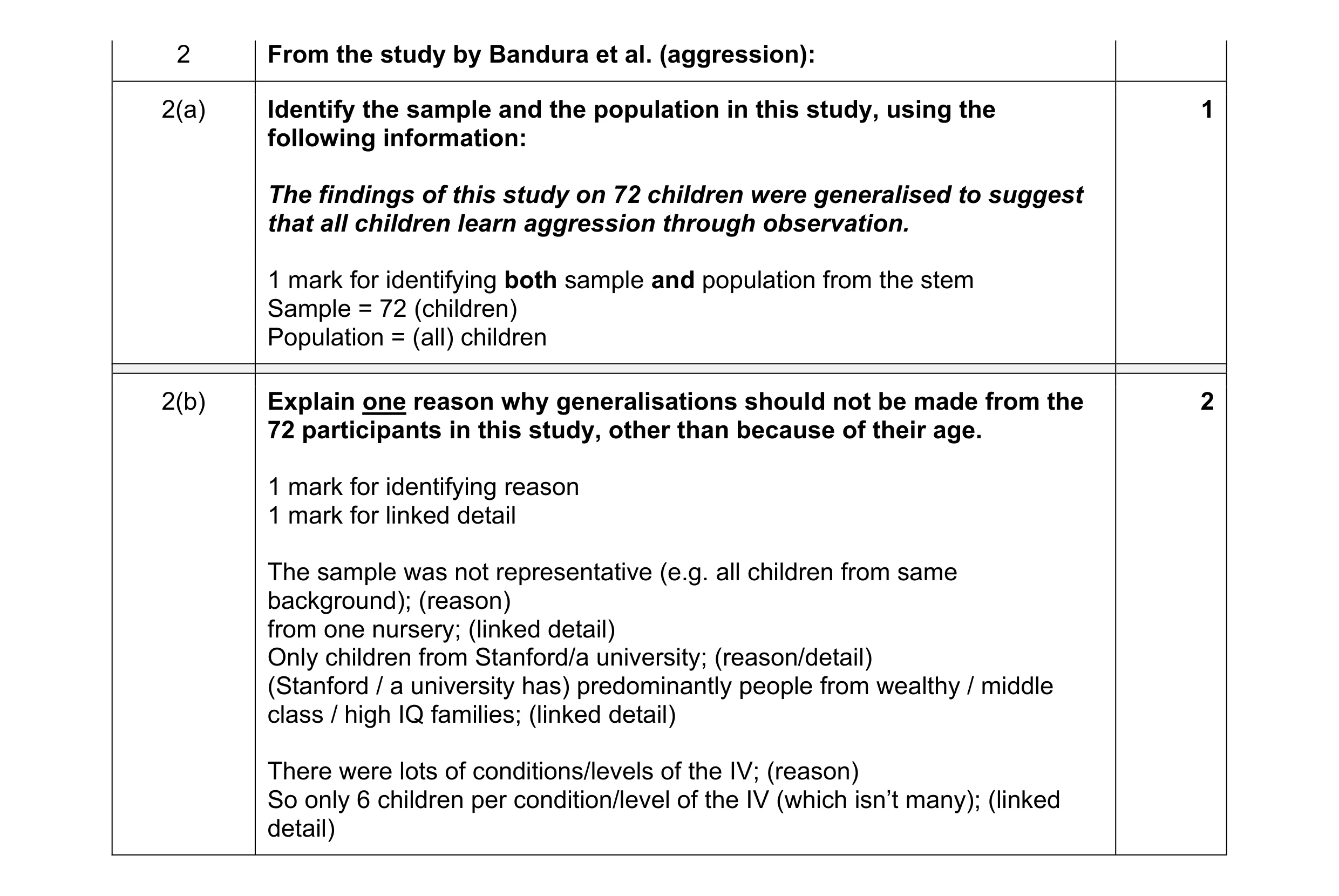 3
3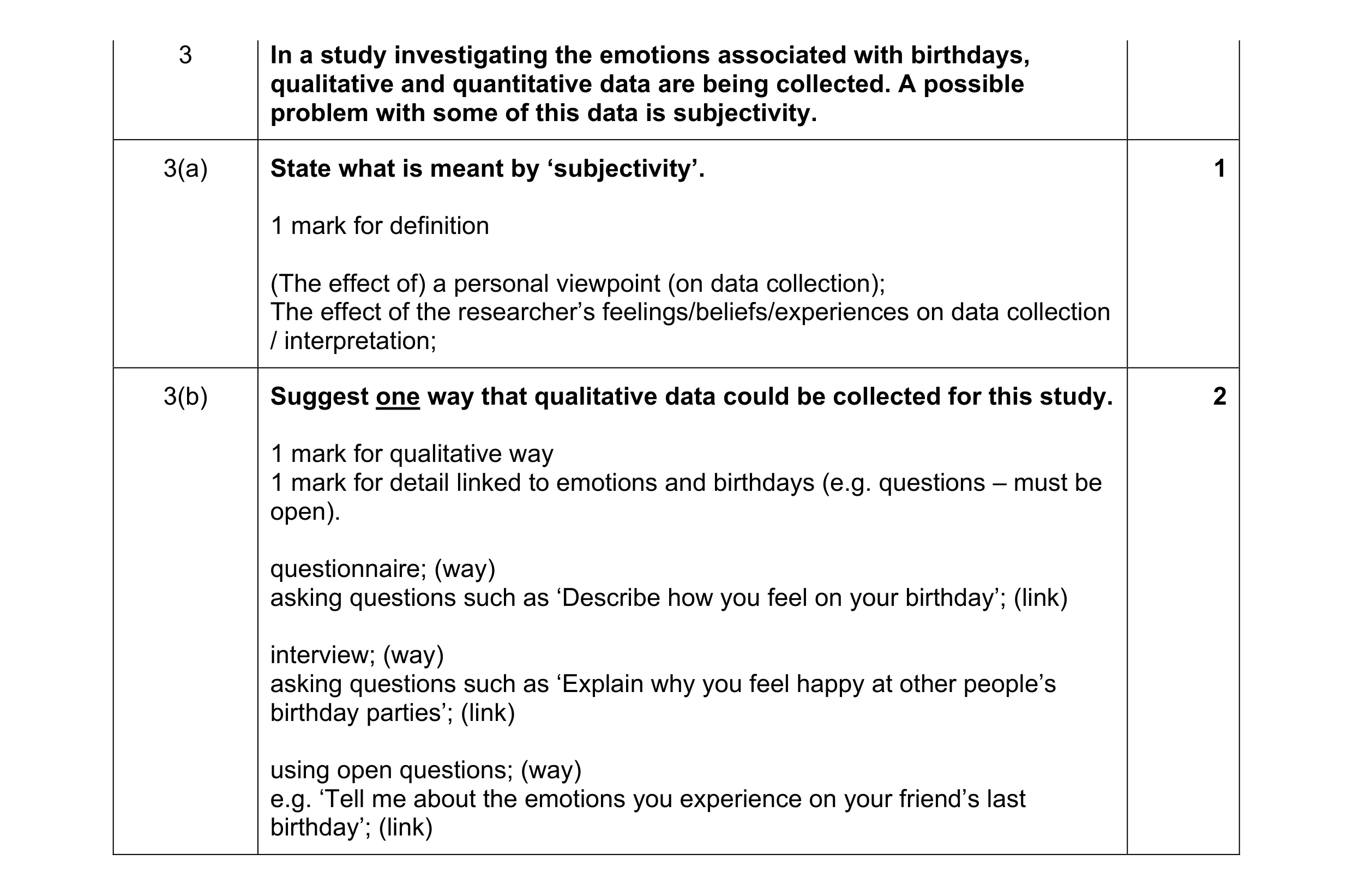 3
3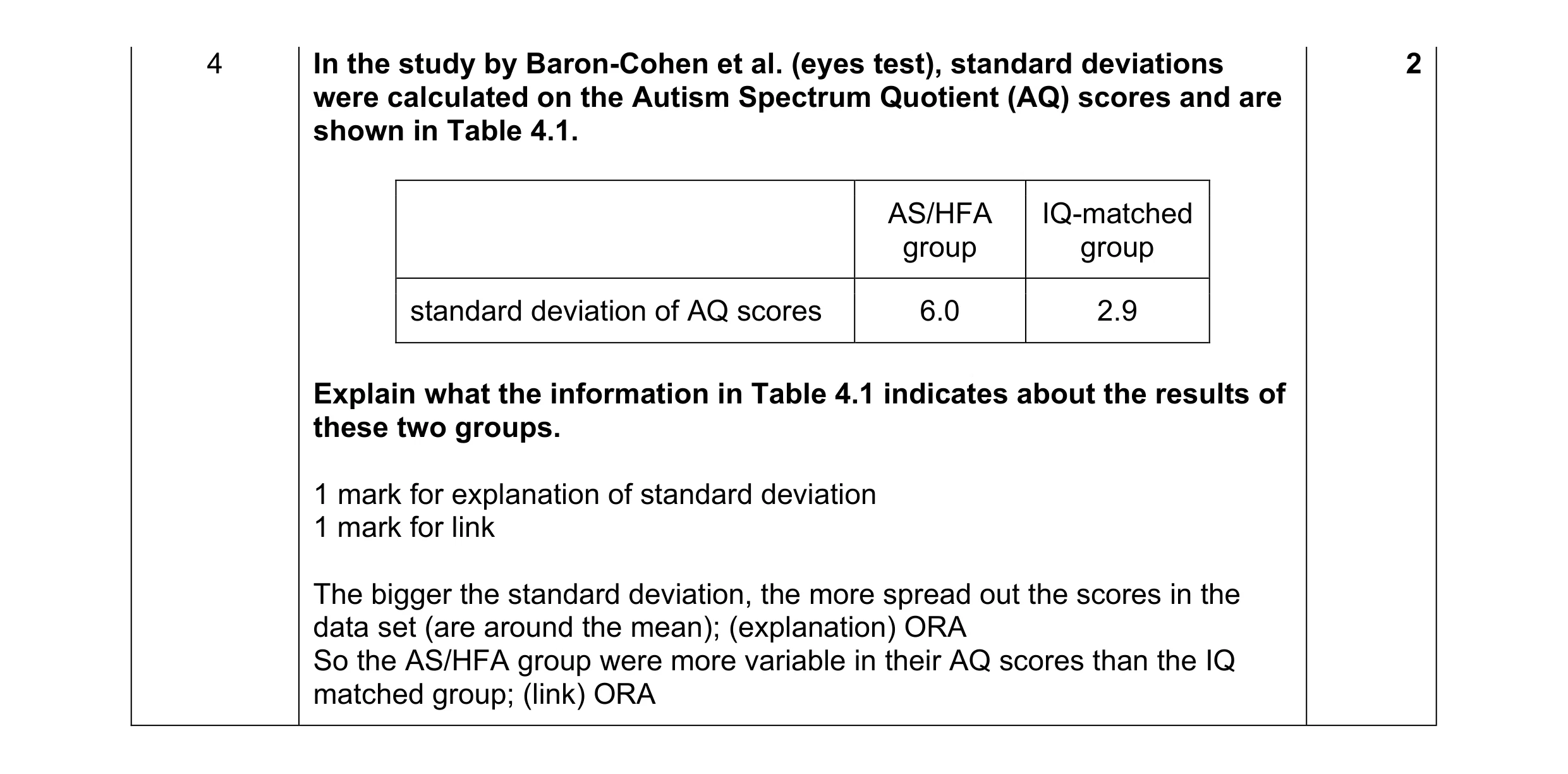 2
2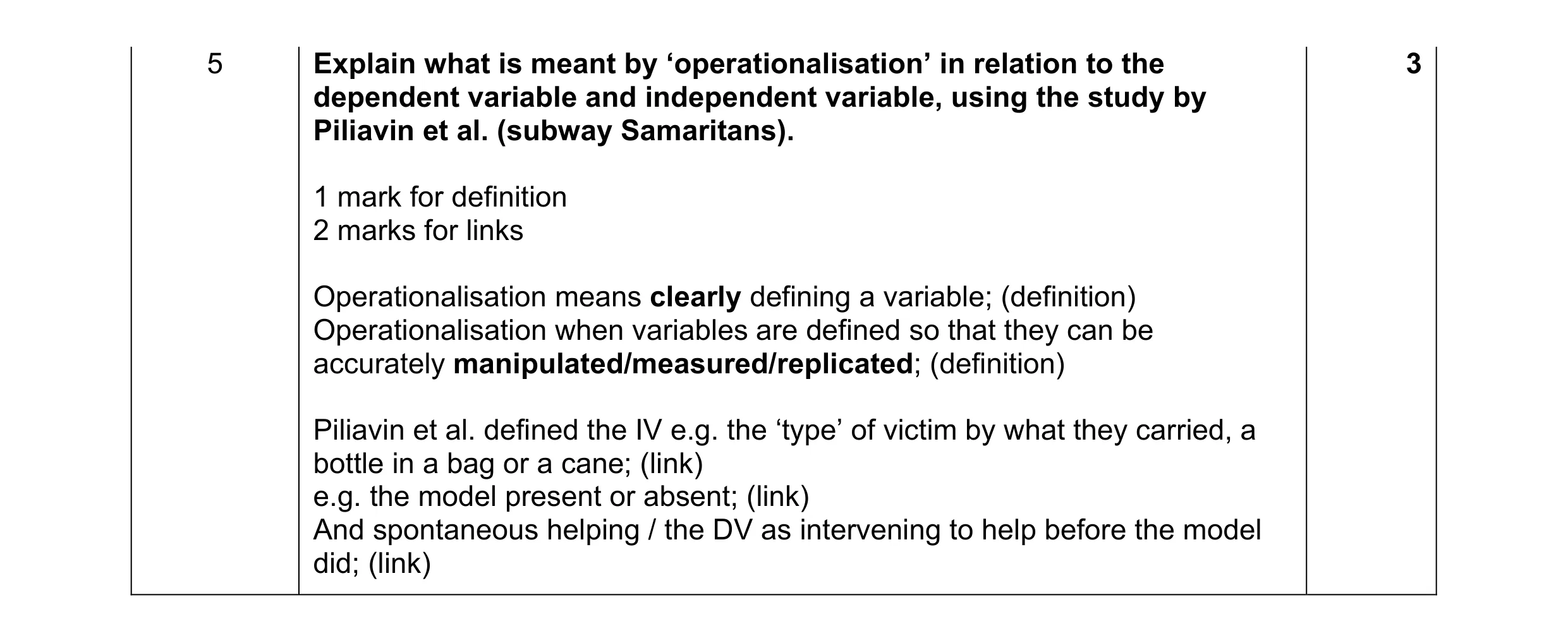 3
3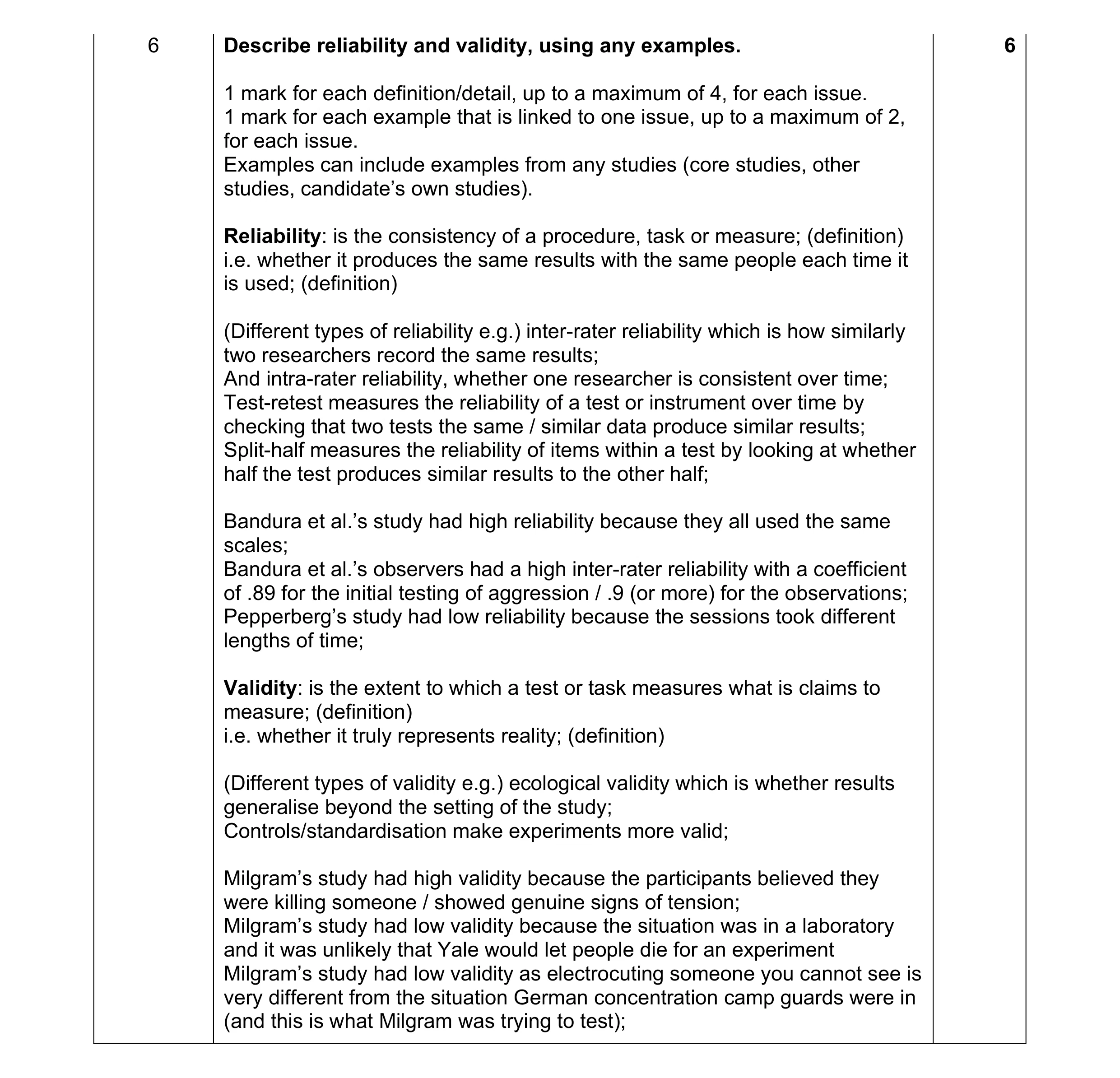 6
6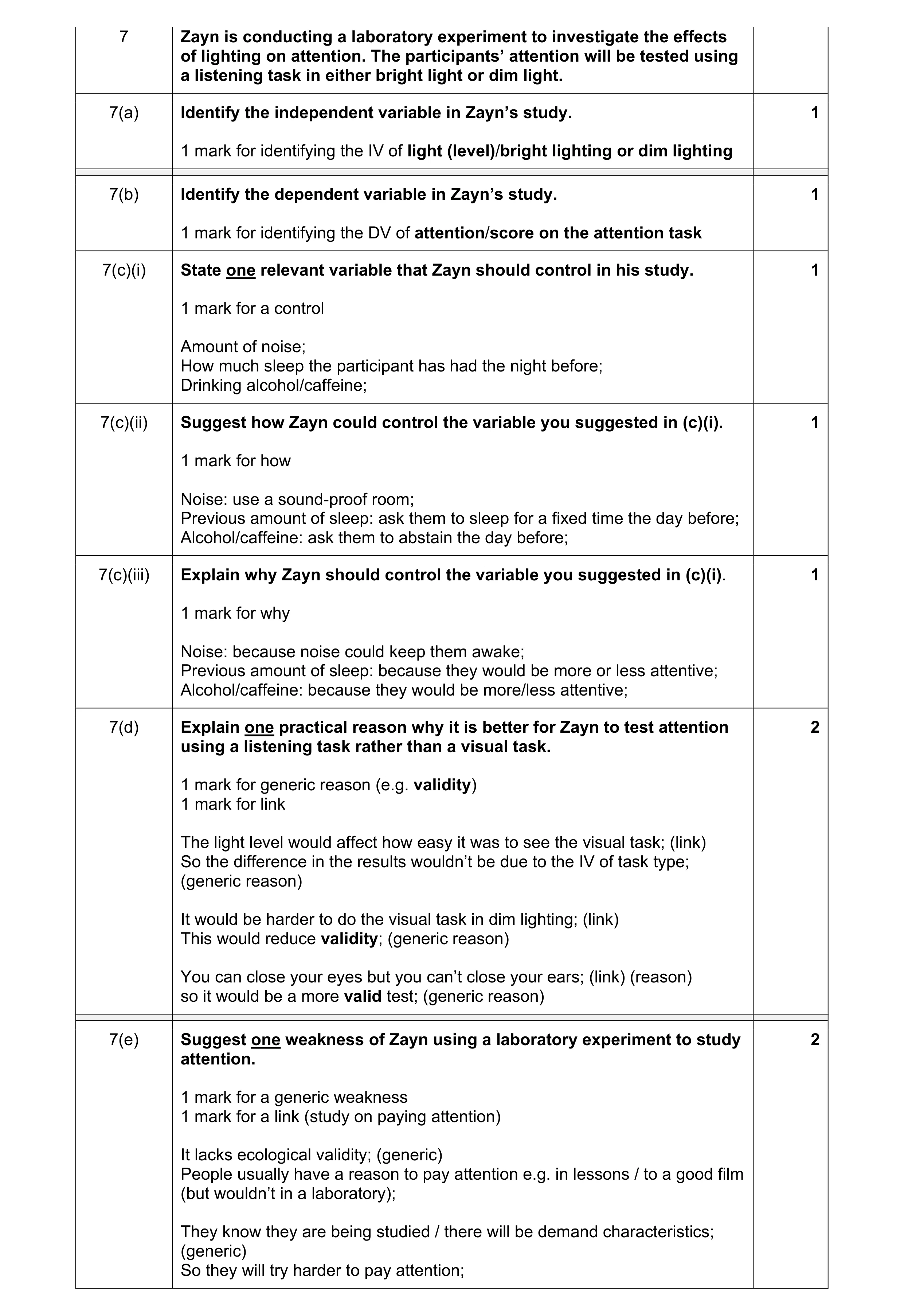 9
9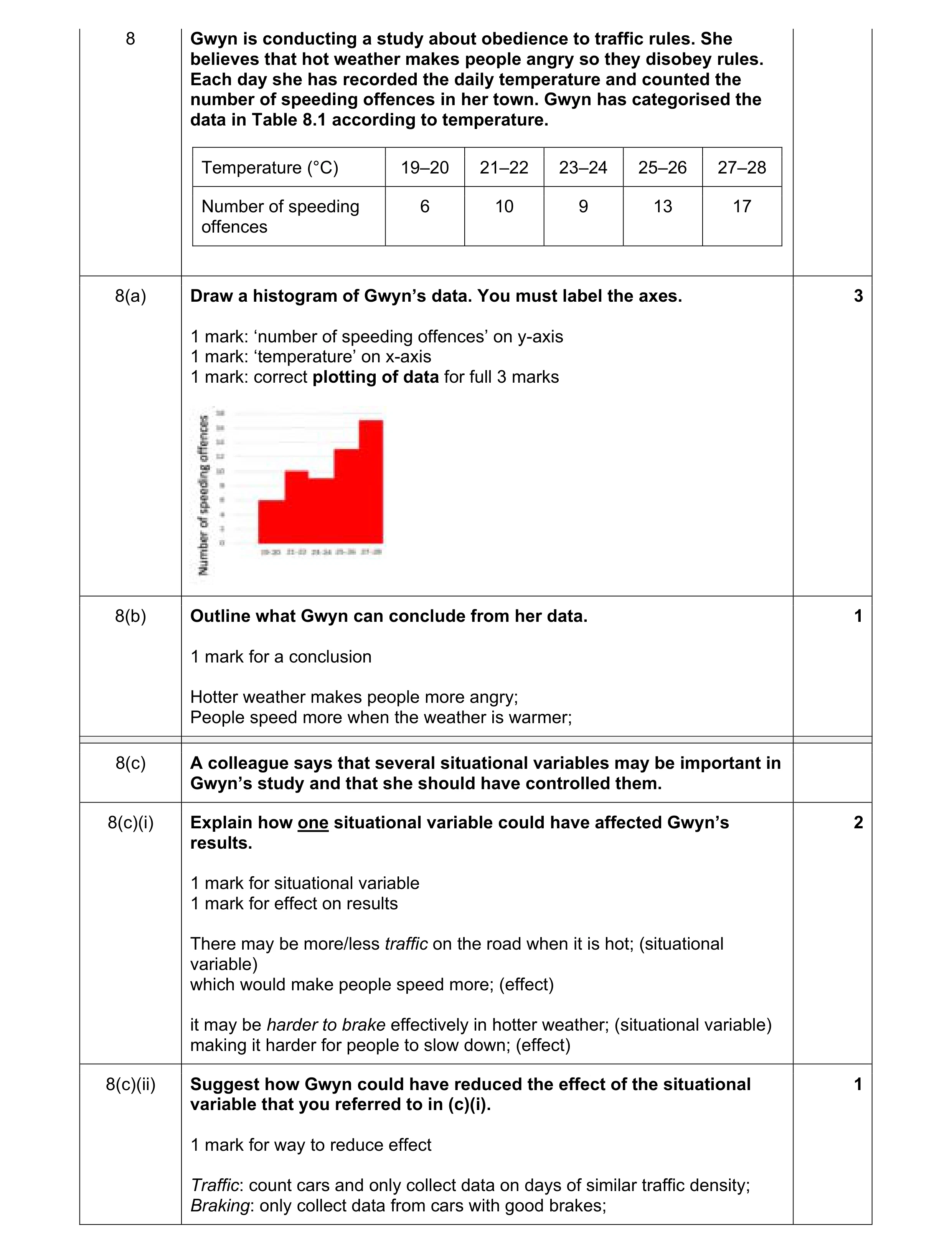 7
7 8
8 10
10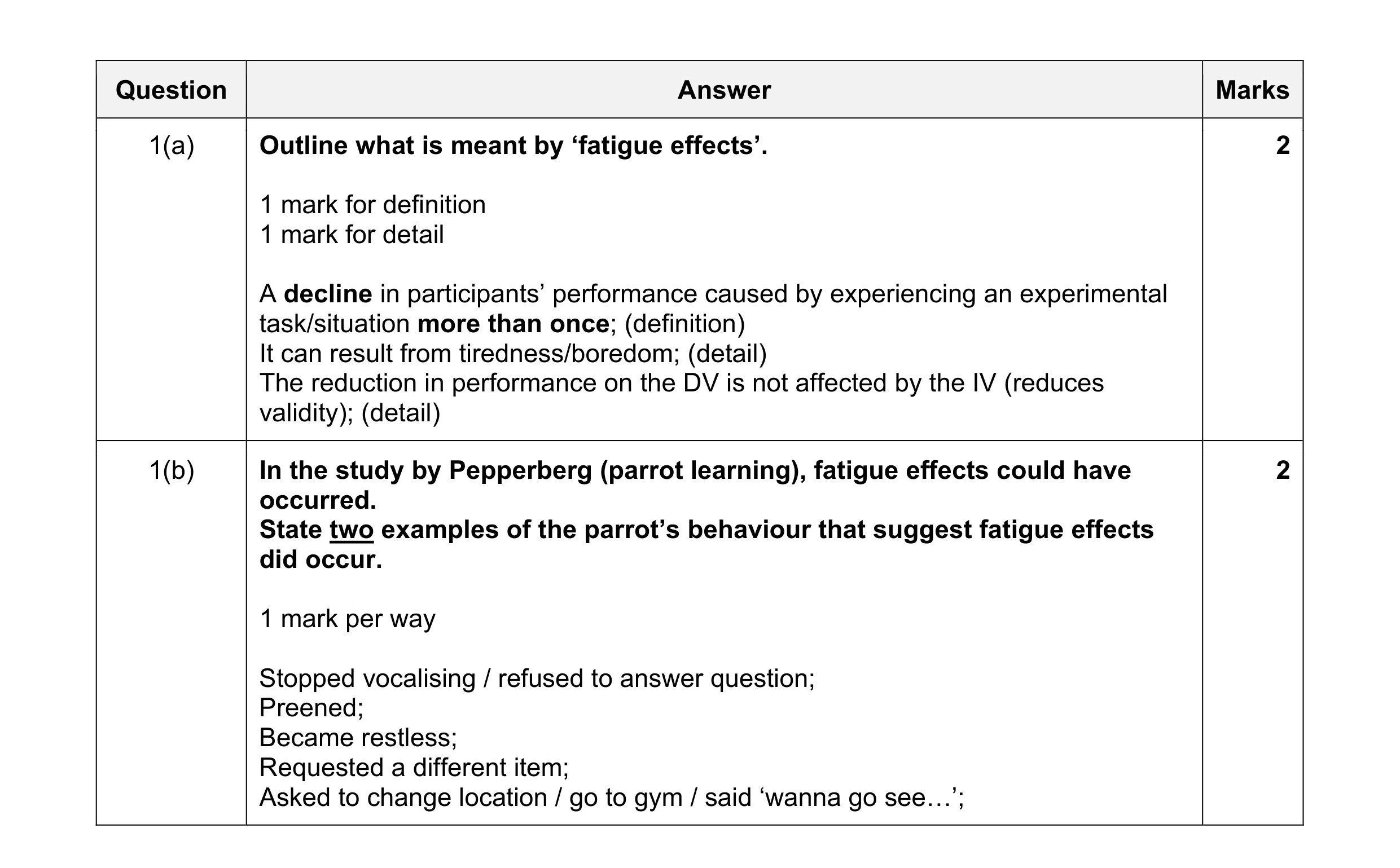 4
4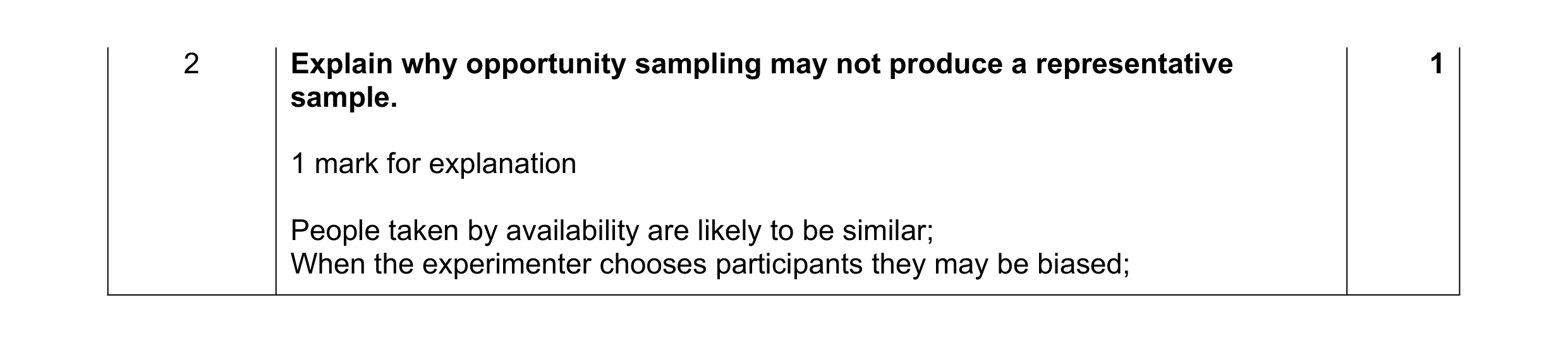 1
1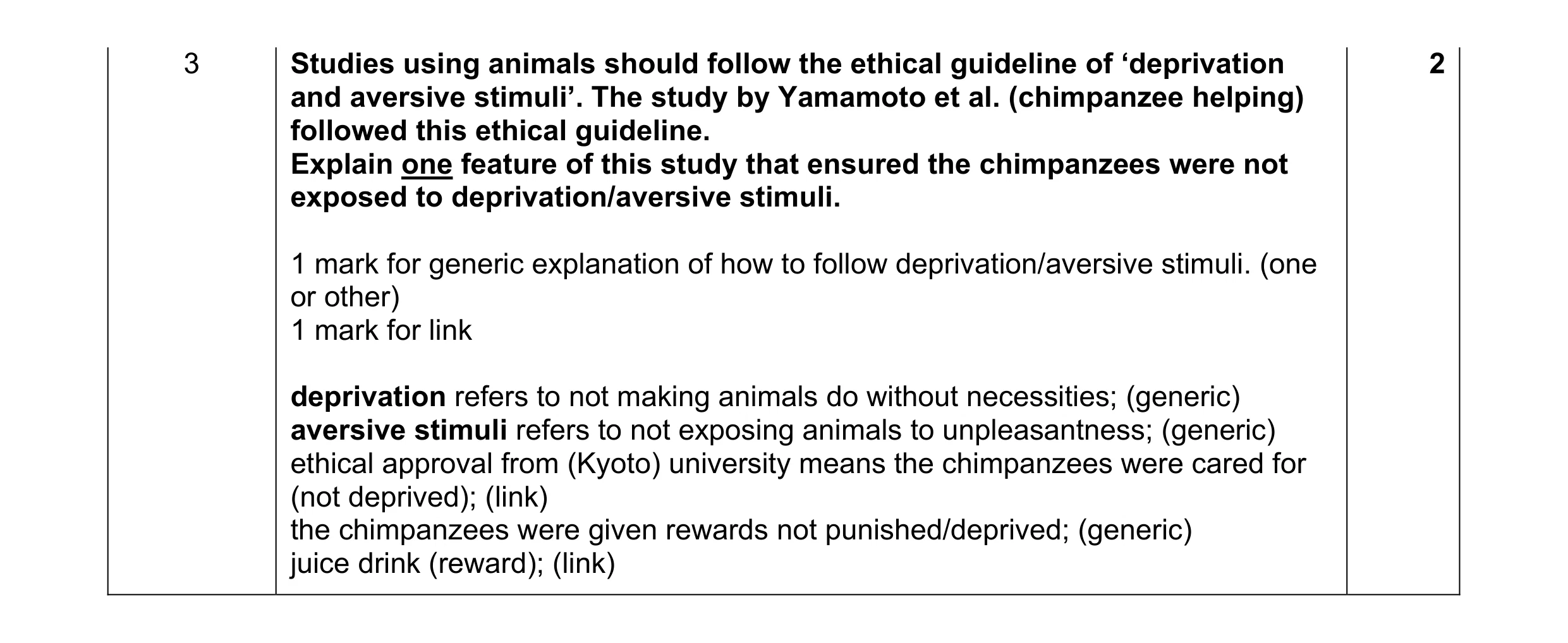 2
2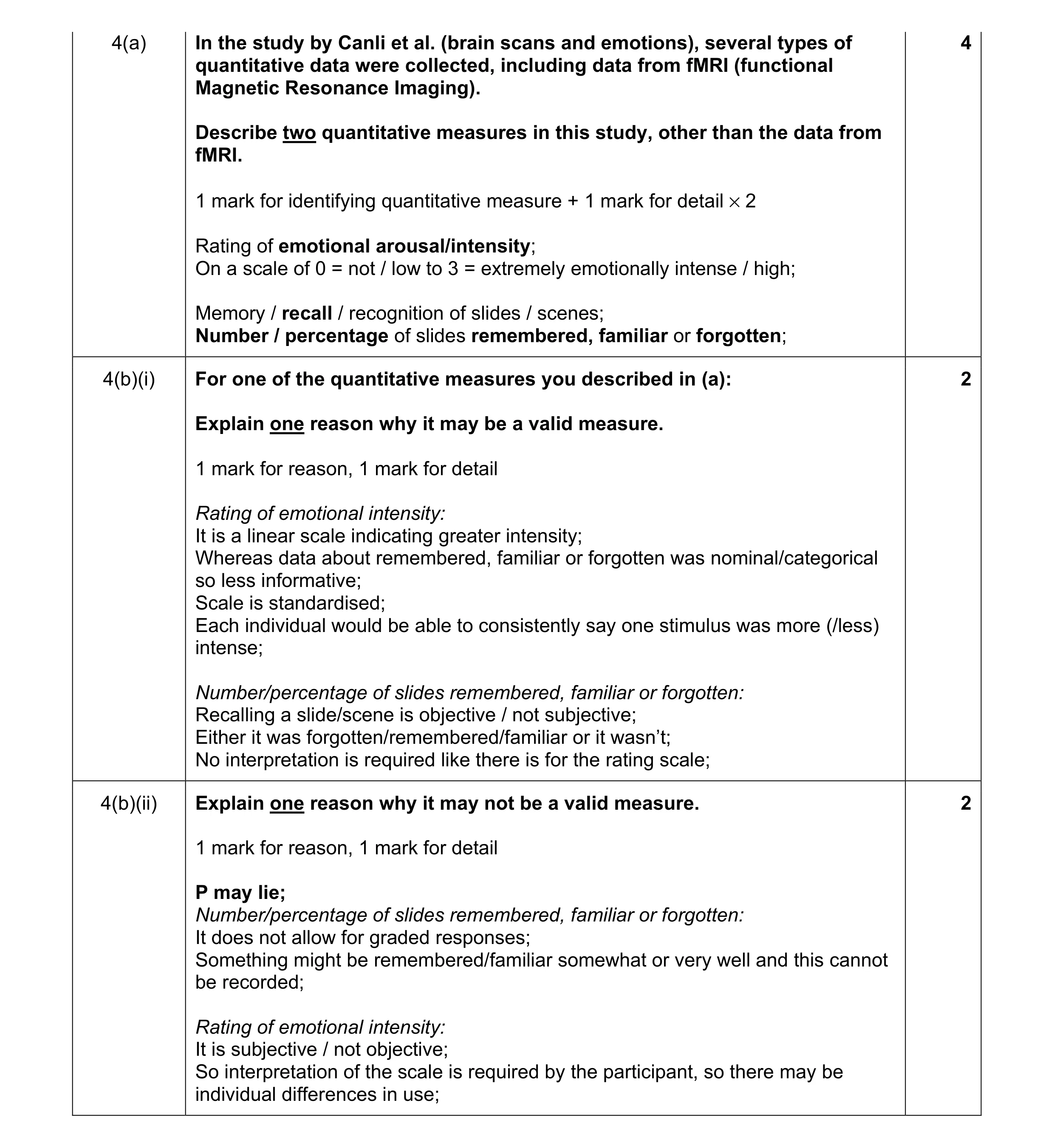 8
8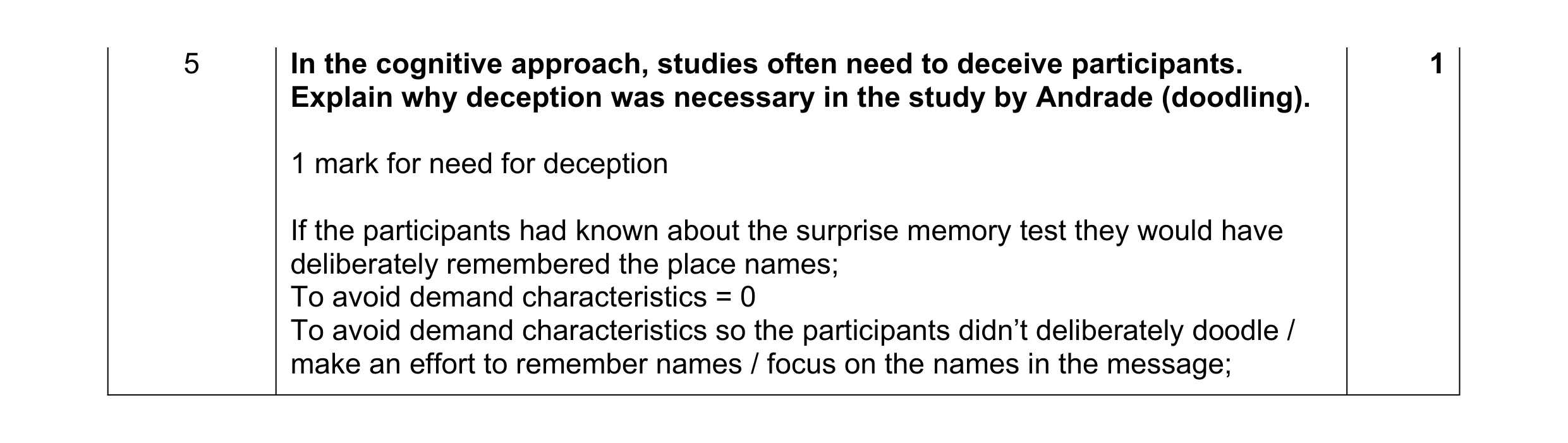 1
1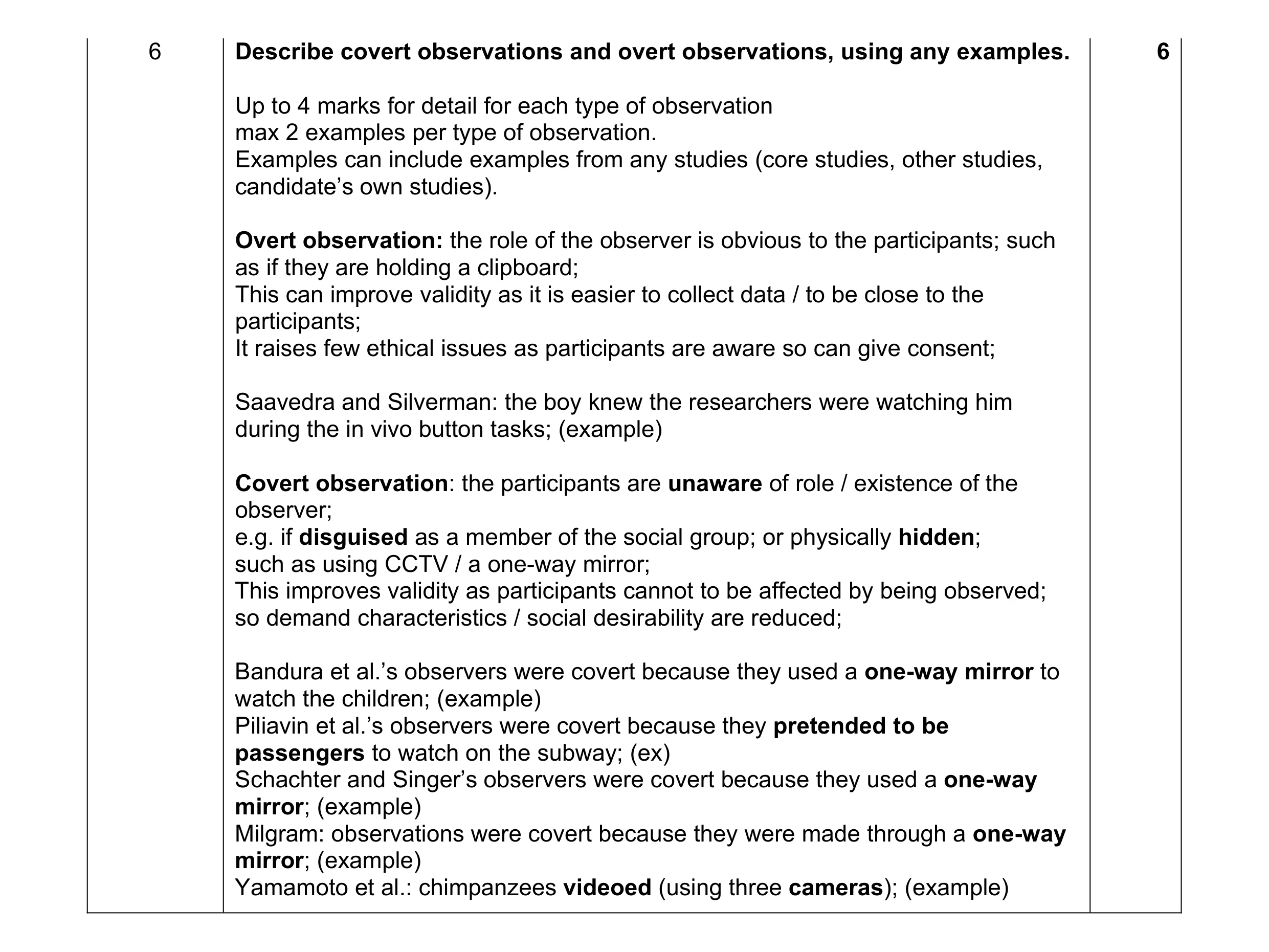 6
6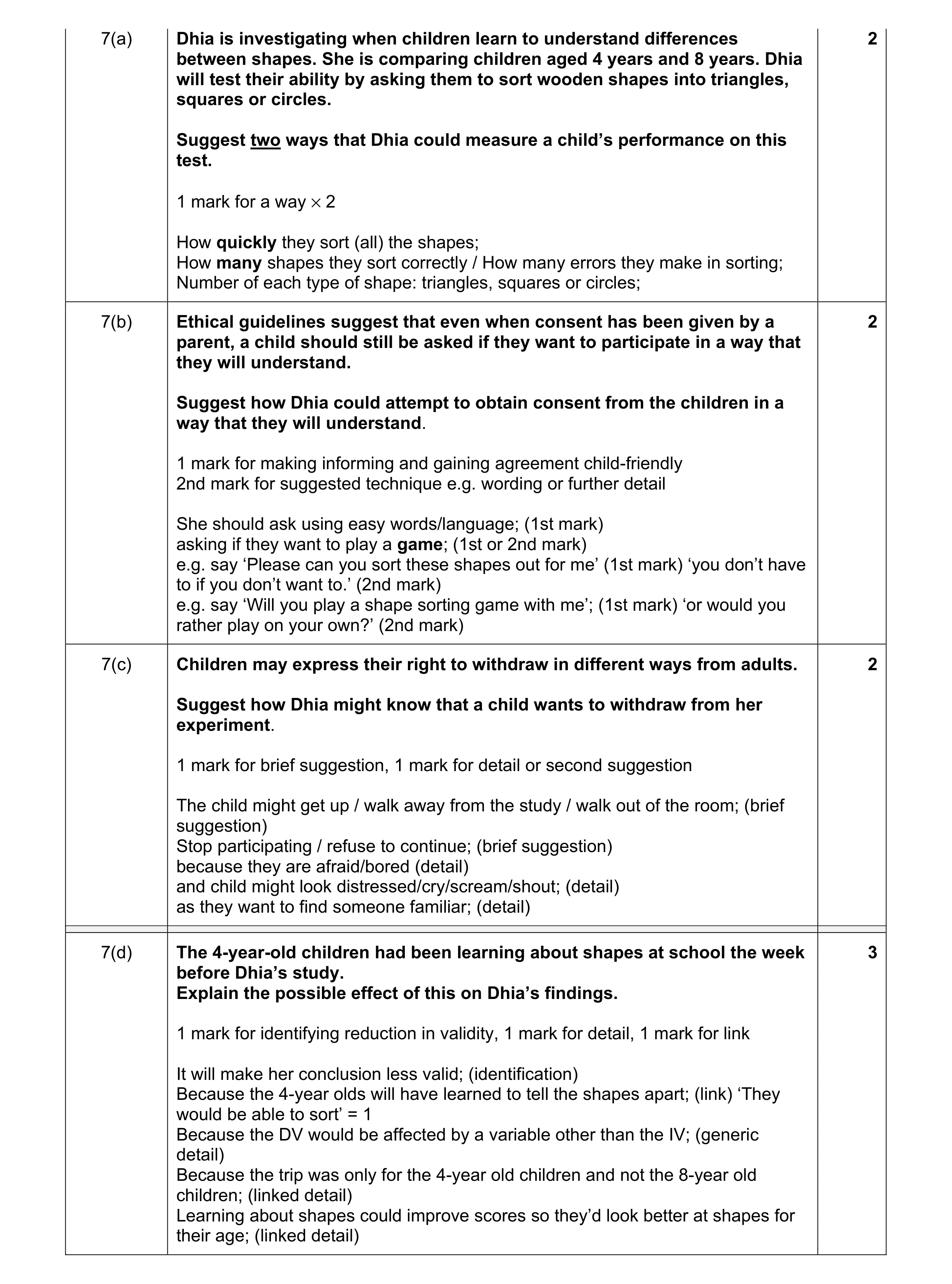 9
9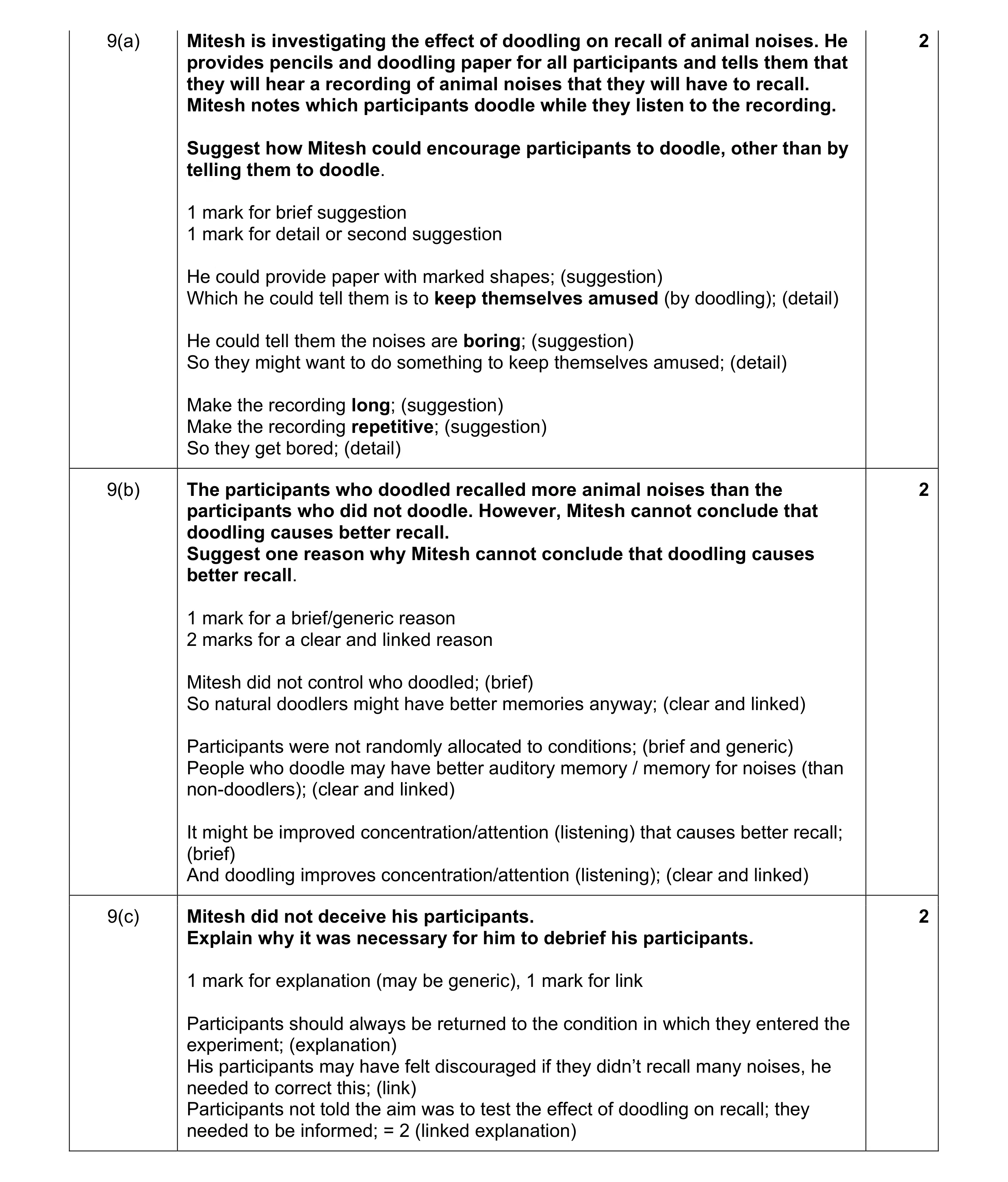 6
6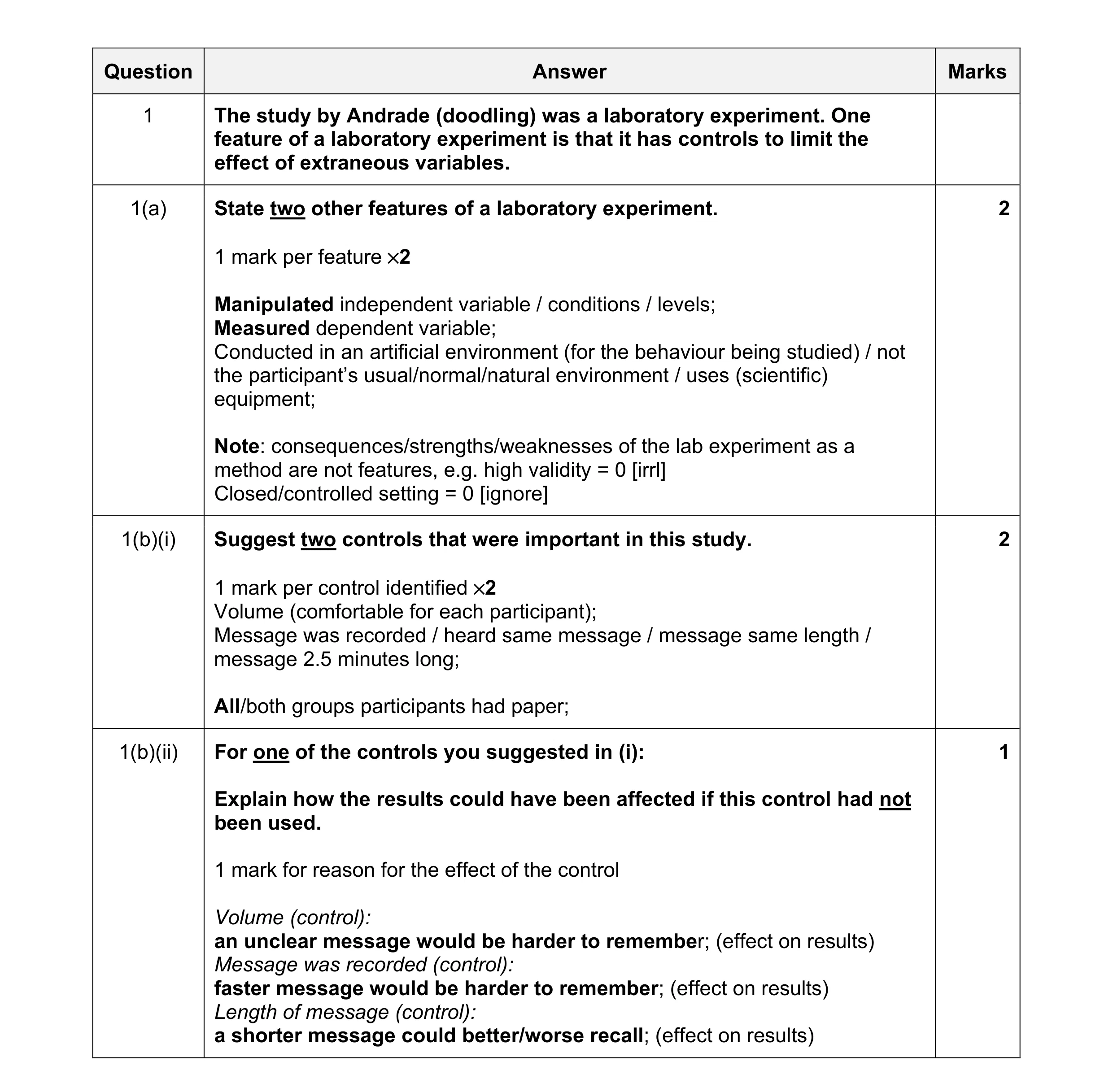 5
5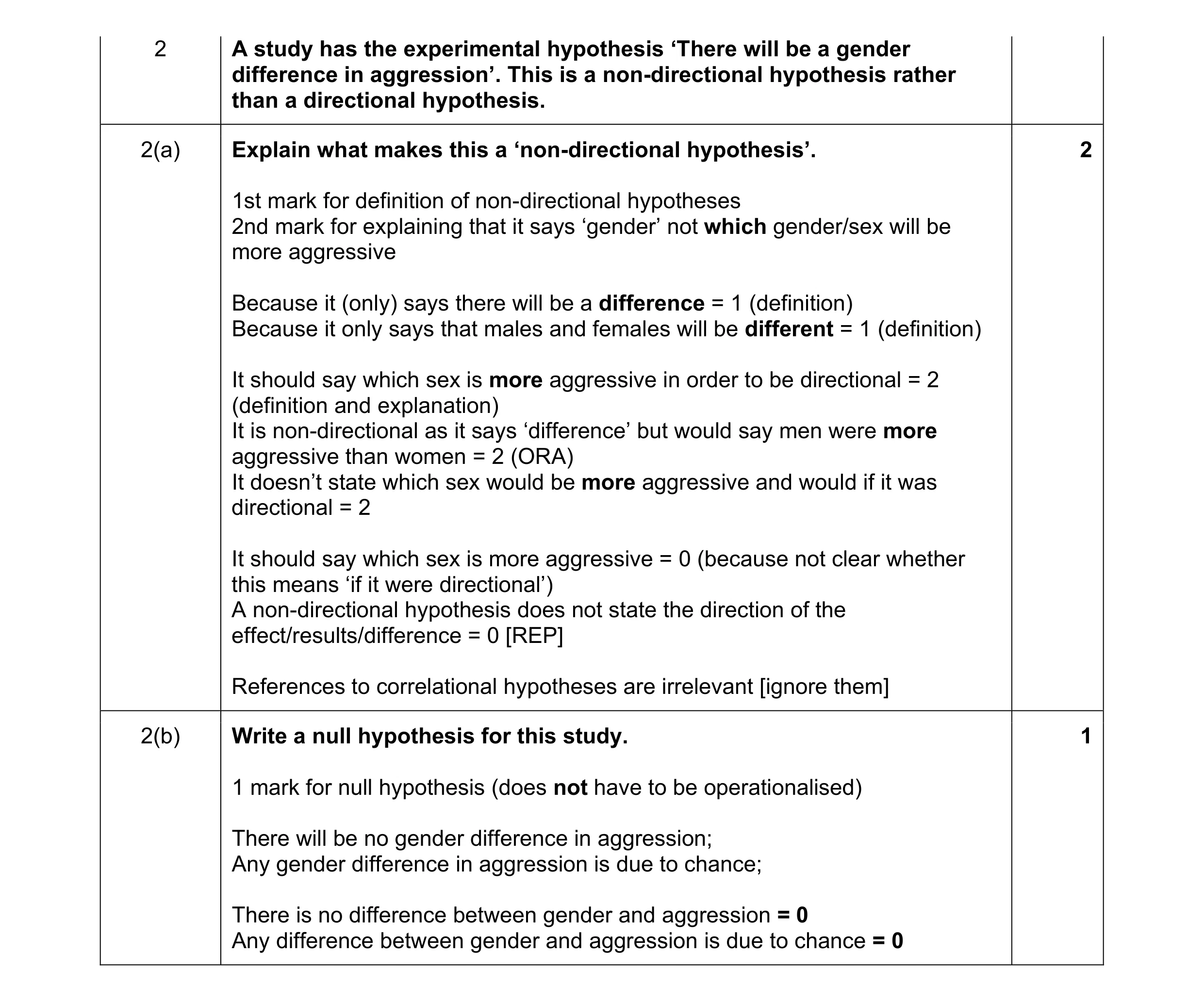 3
3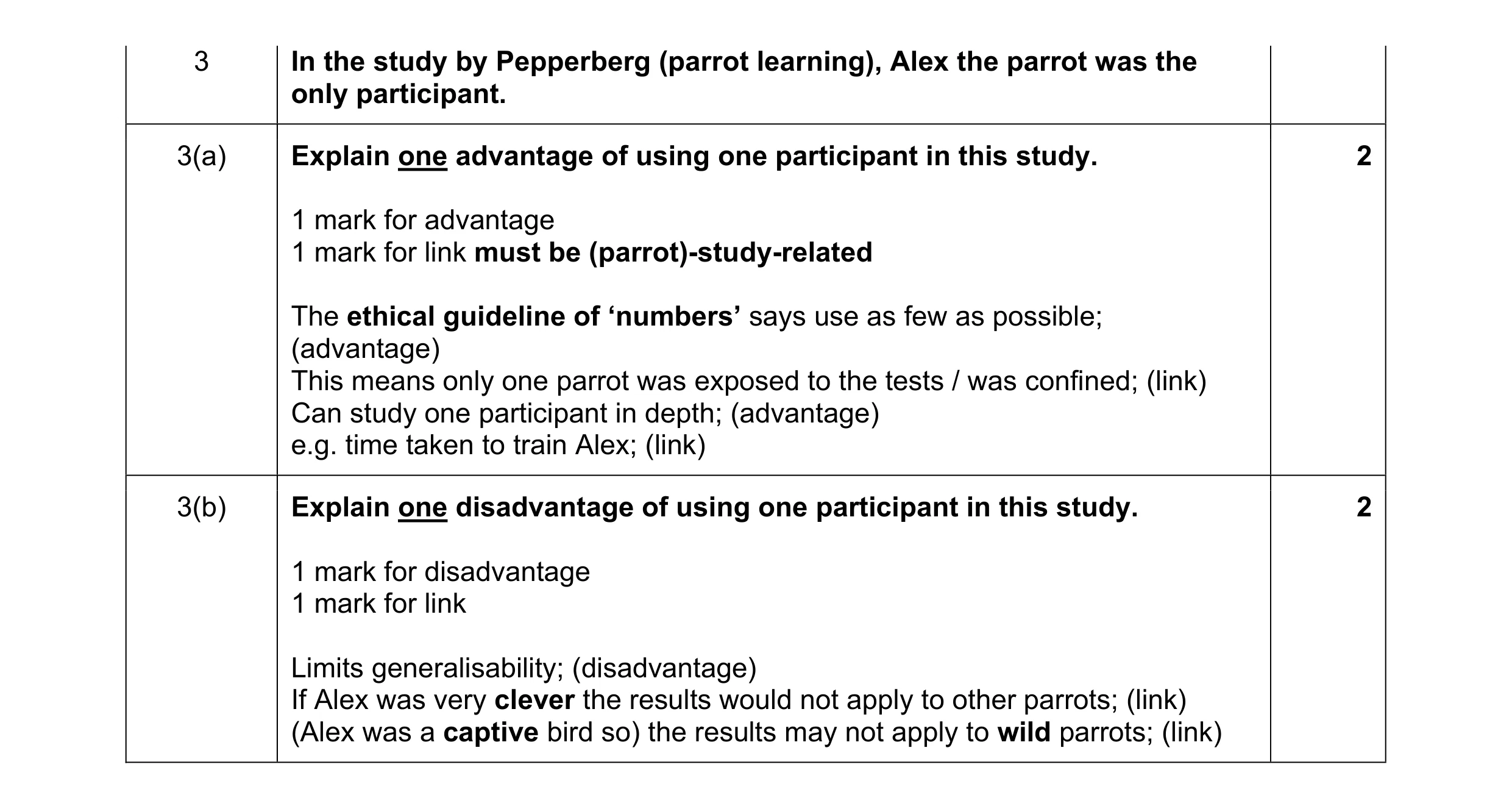 4
4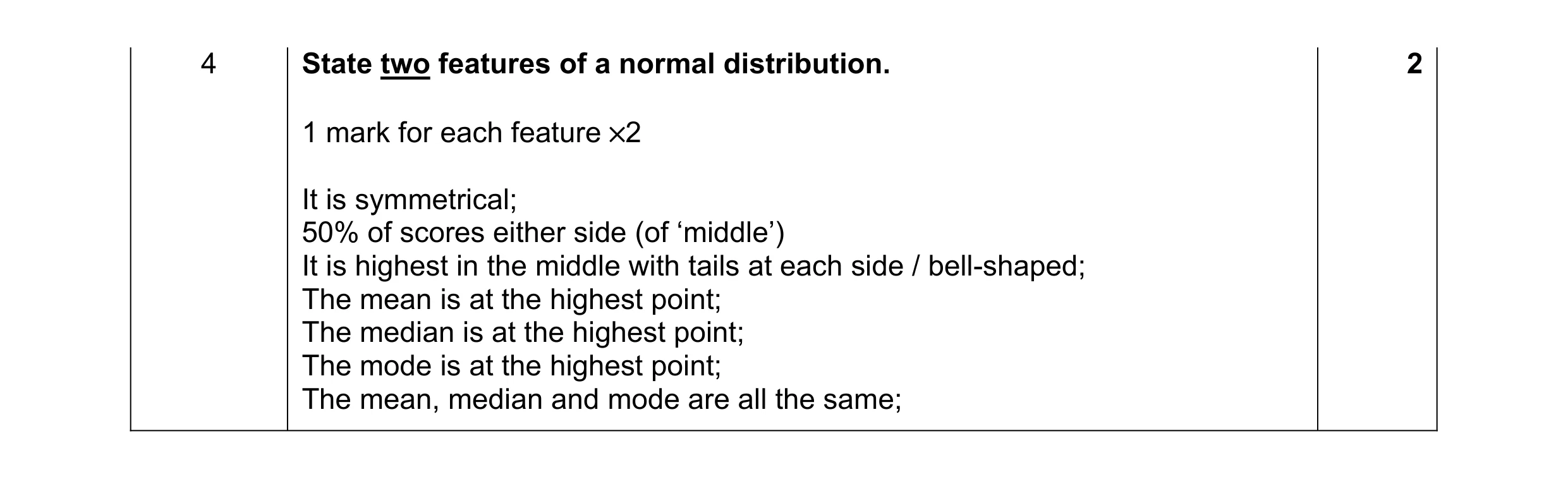 2
2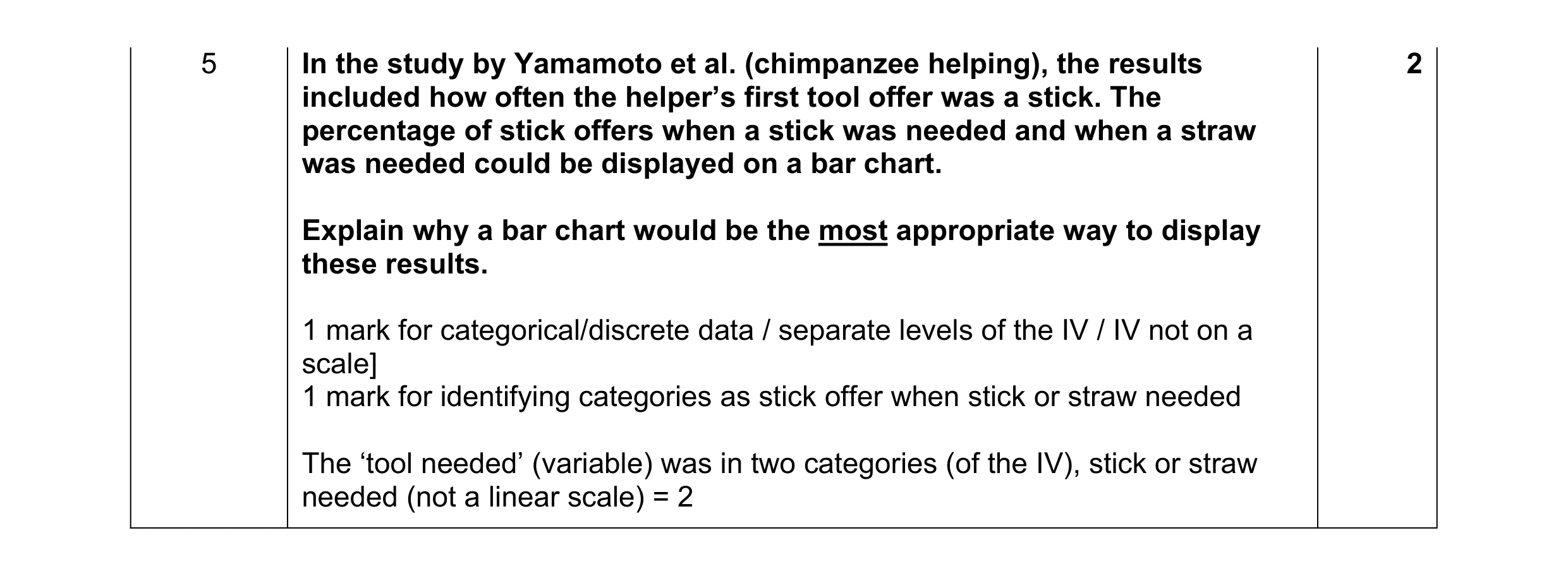 2
2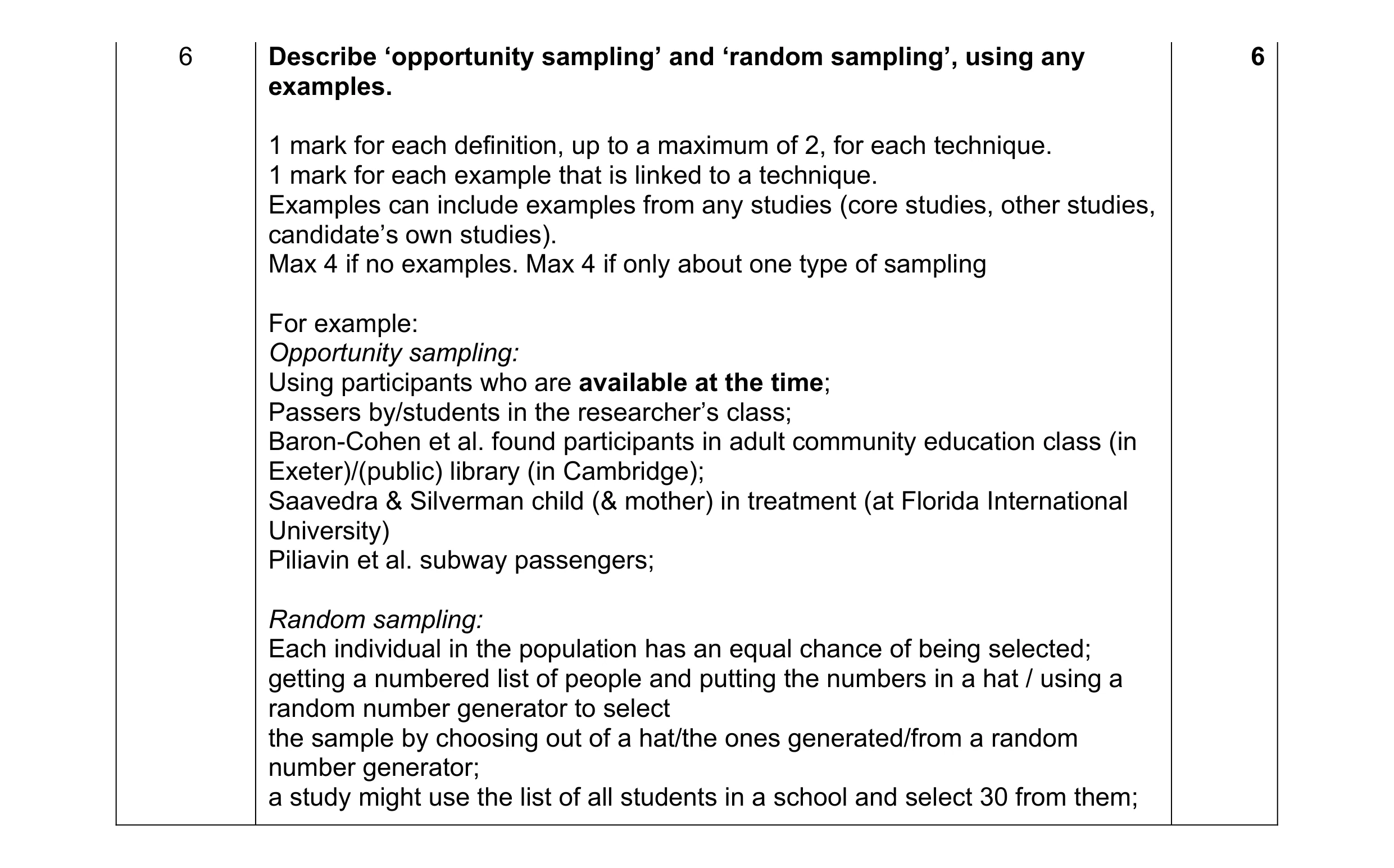 6
6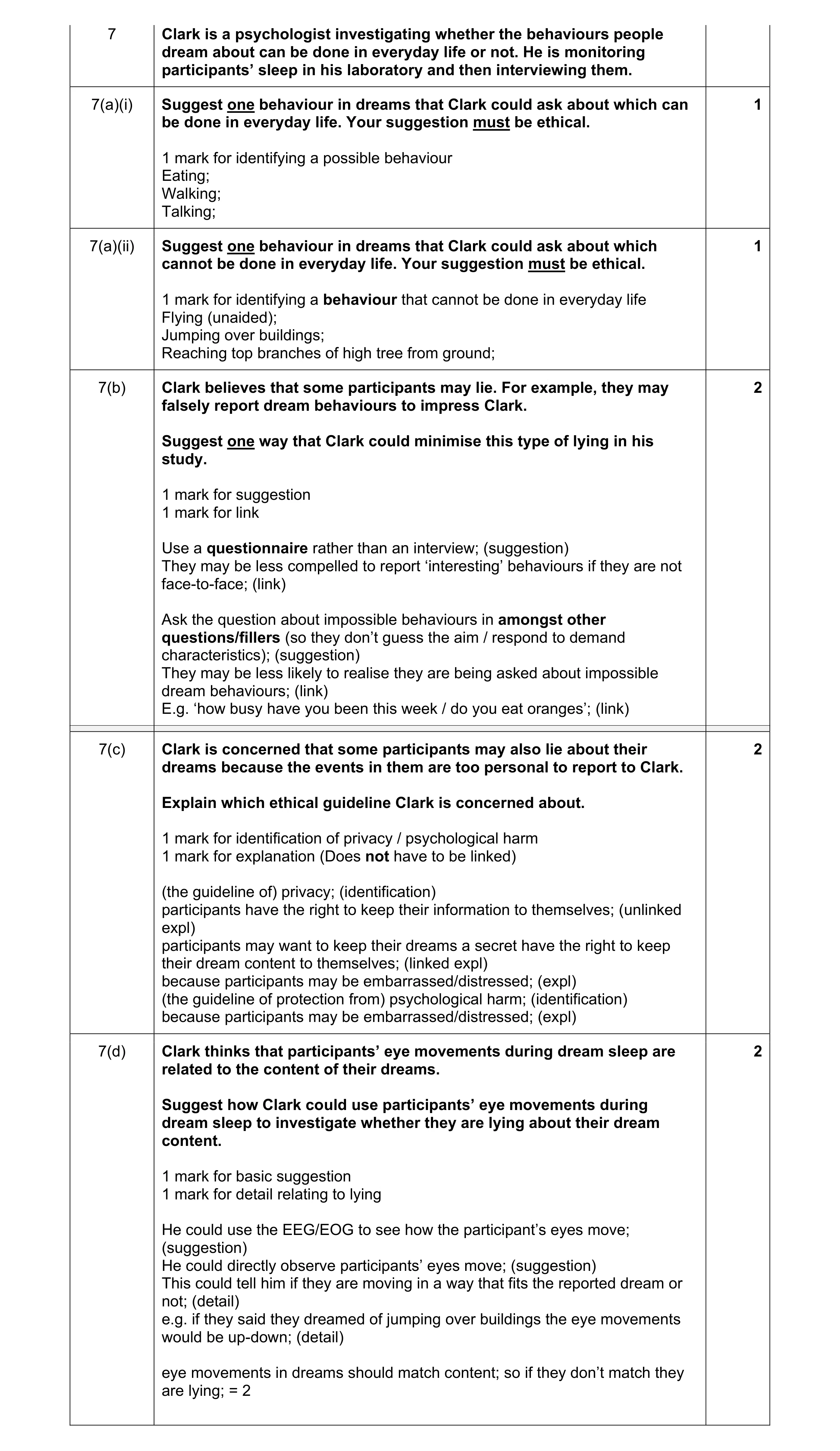 8
8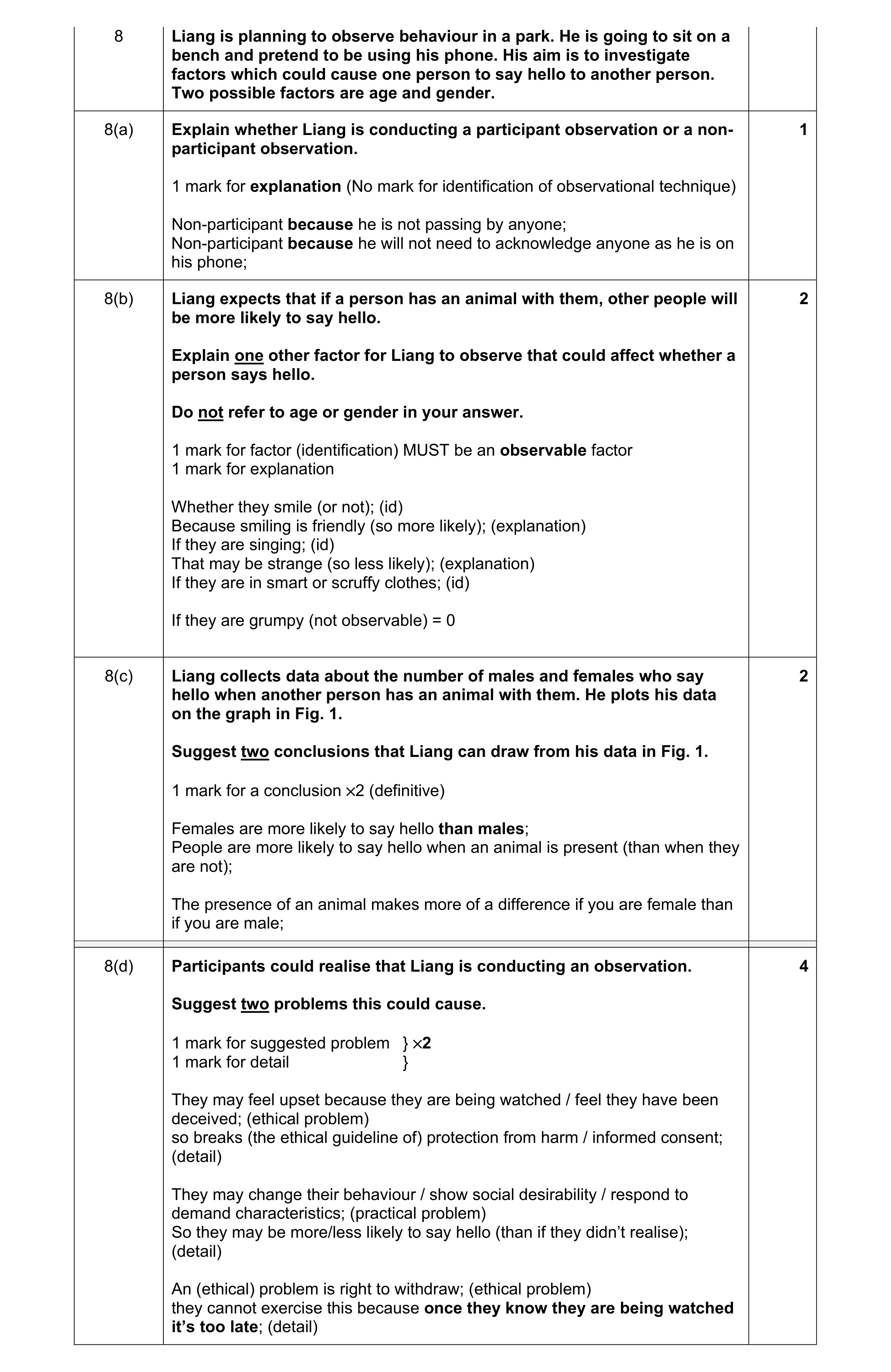 9
9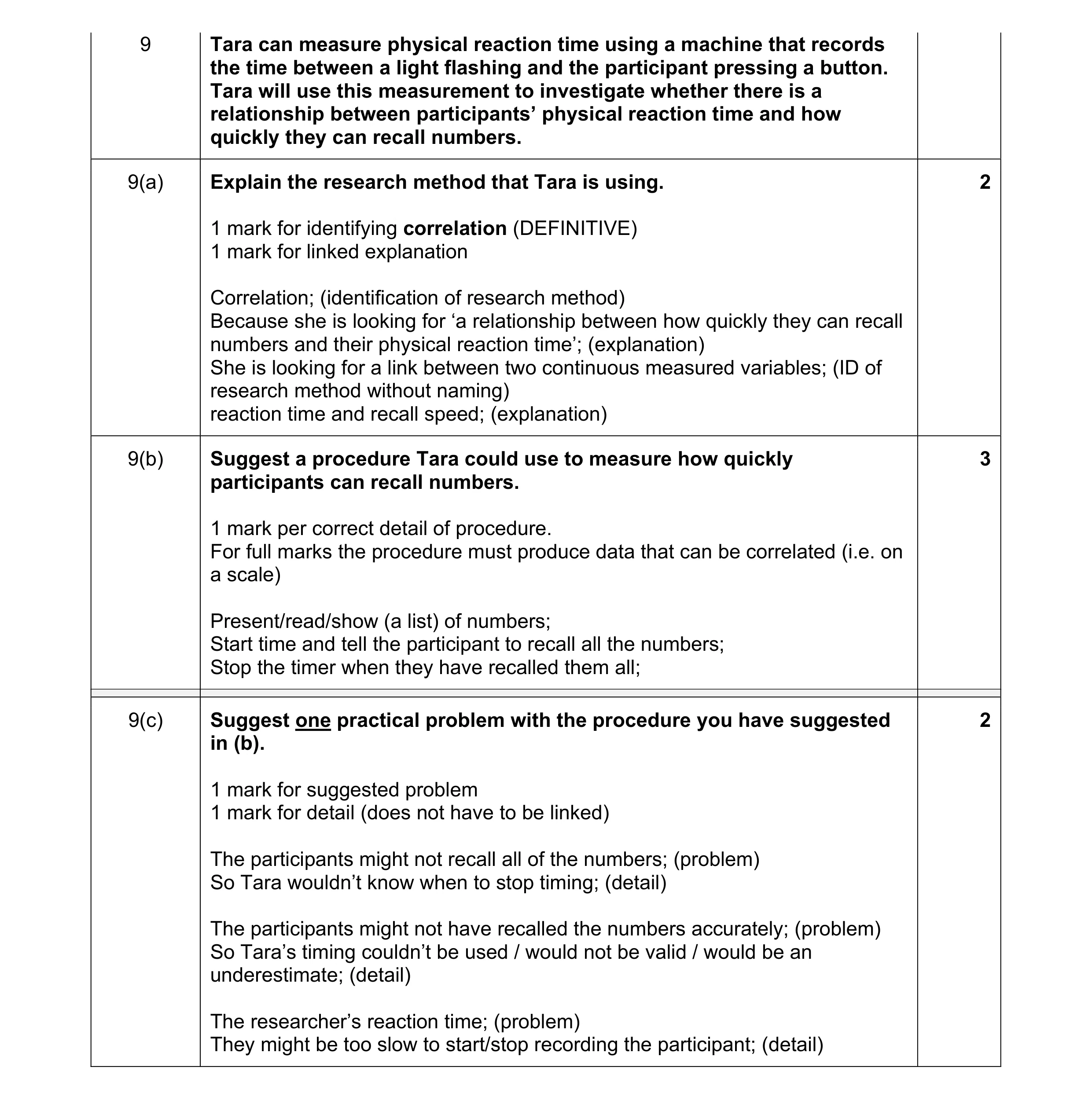 7
7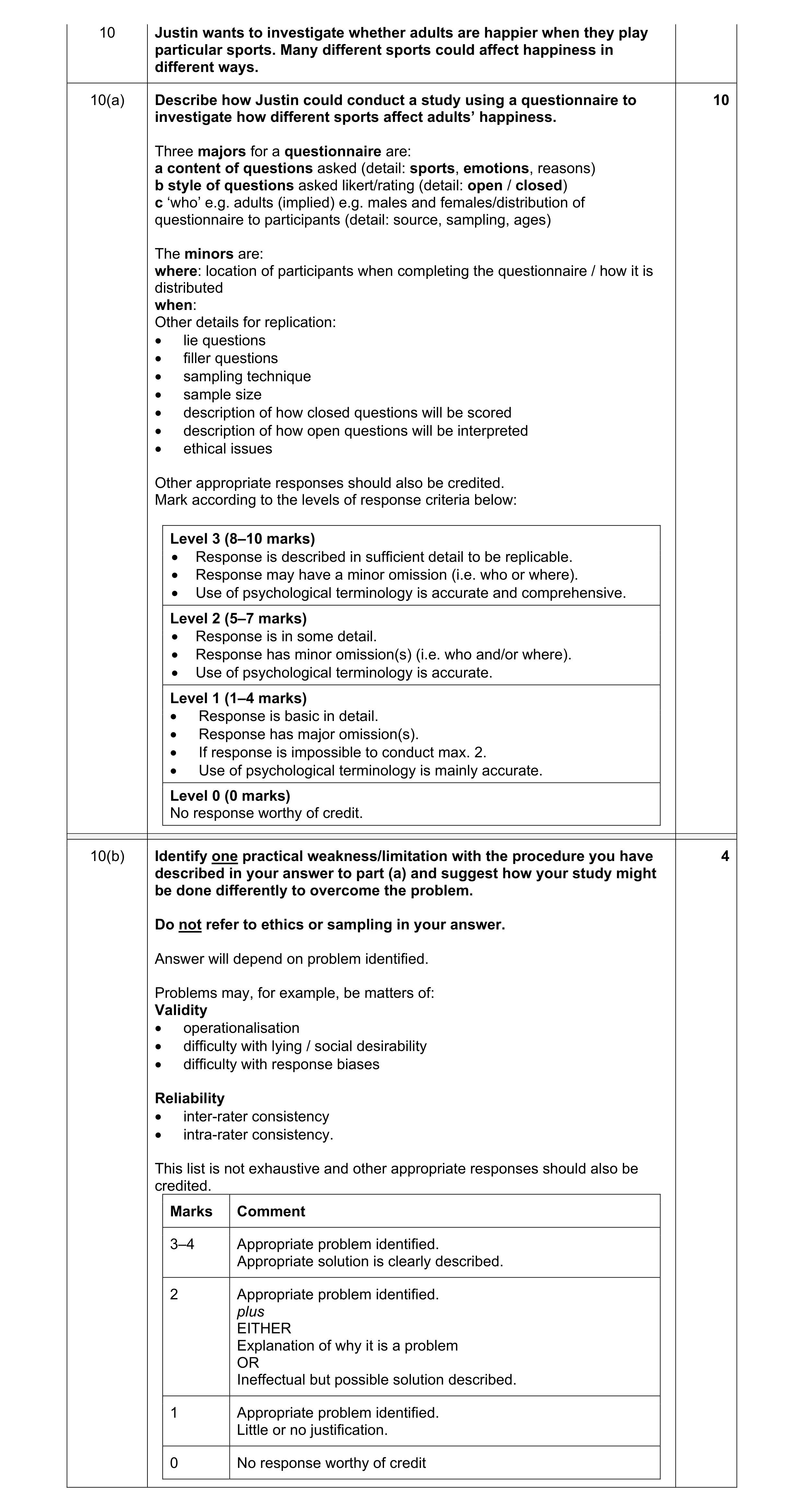 14
14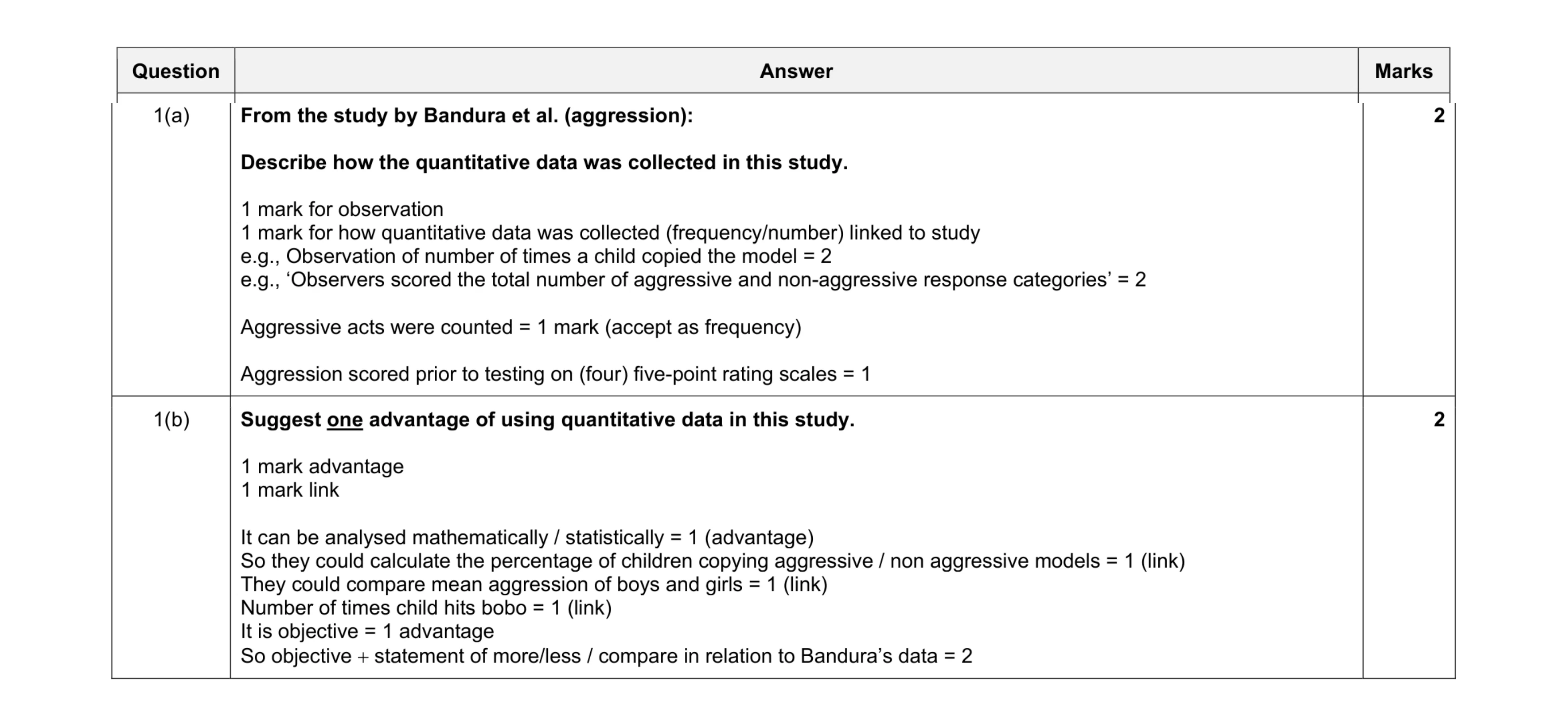 4
4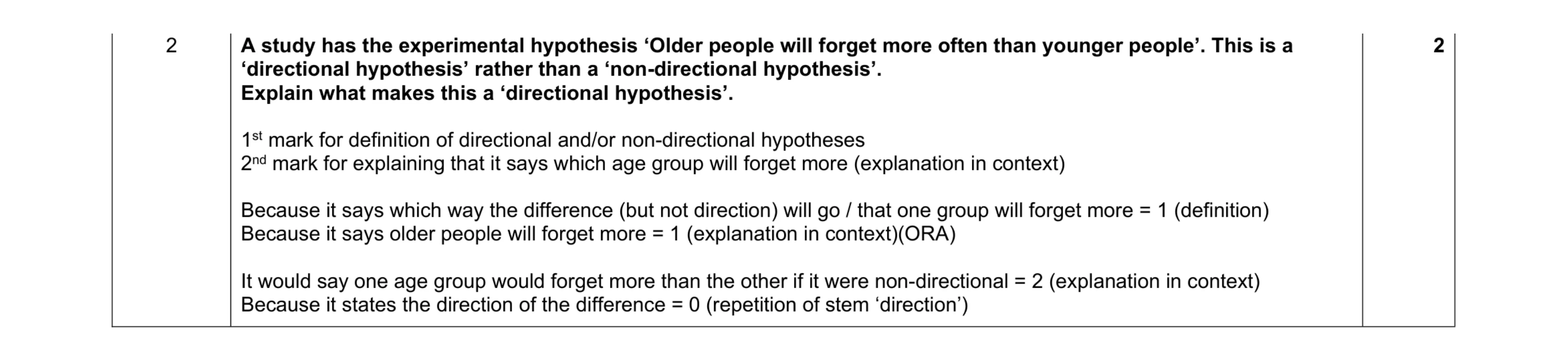 2
2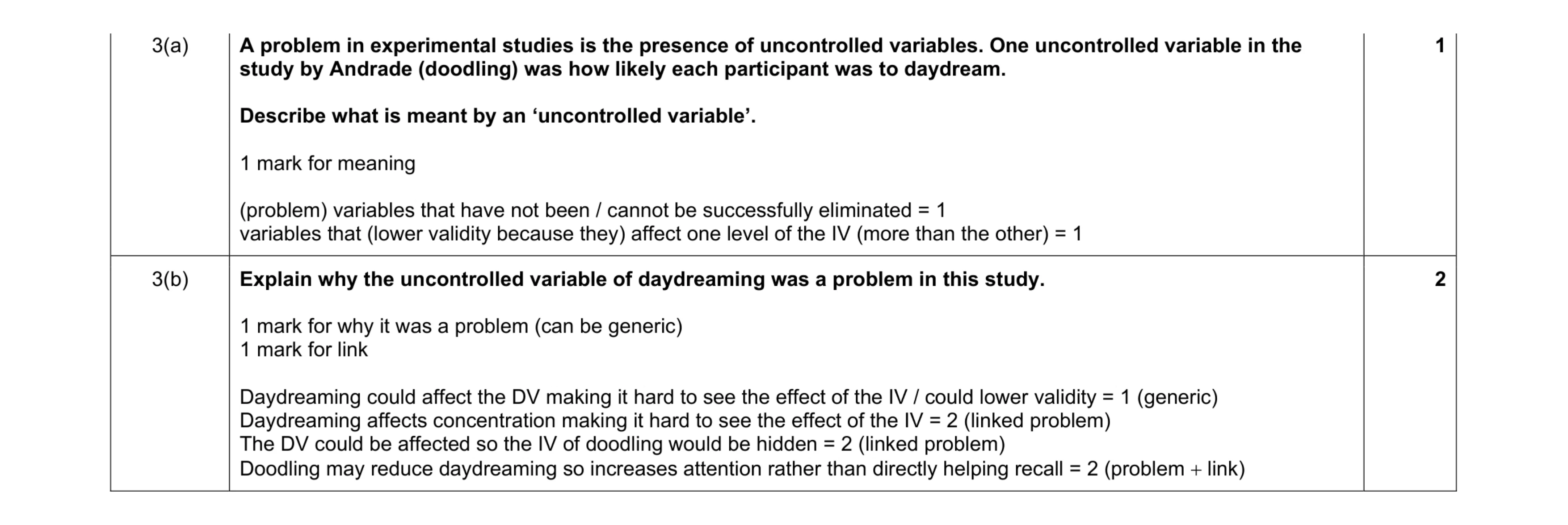 3
3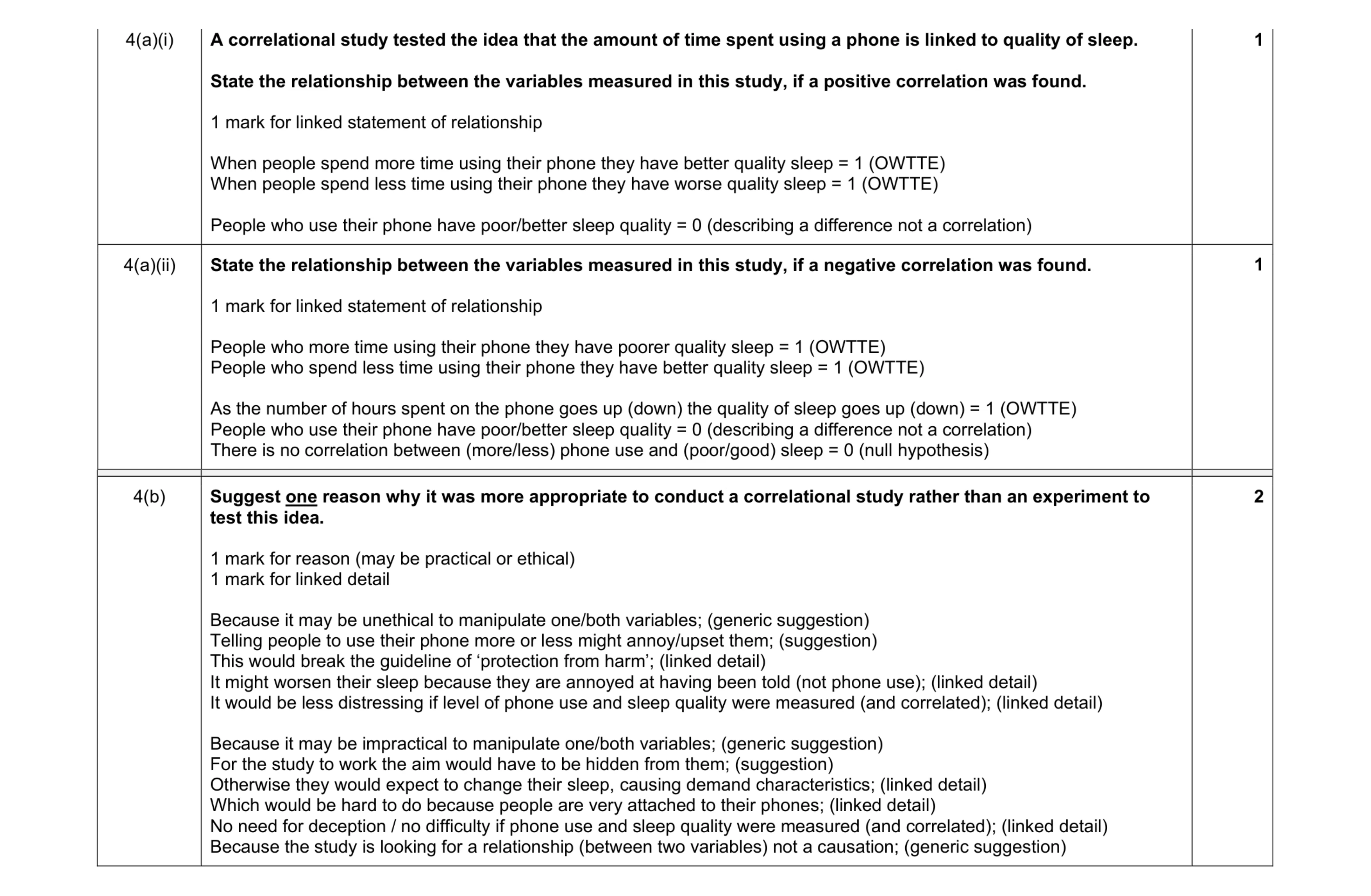 4
4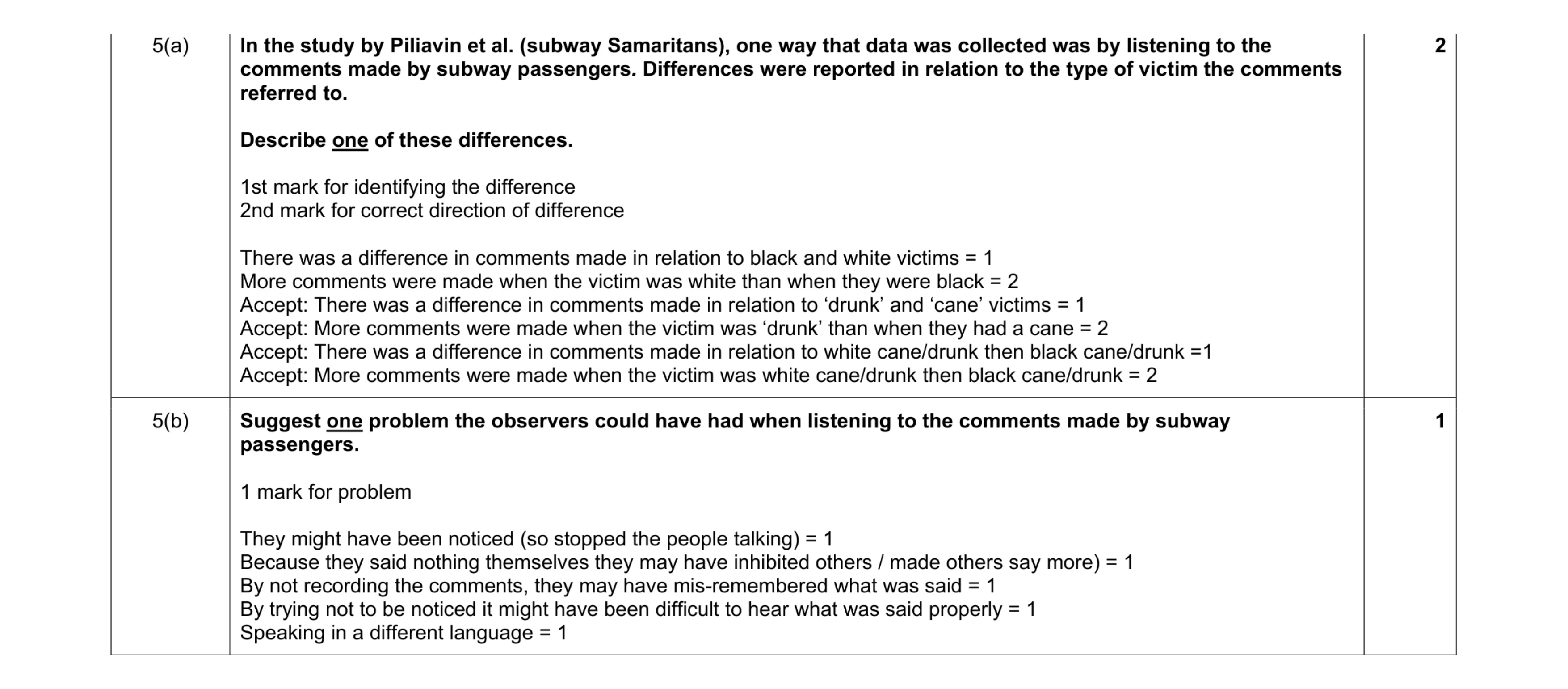 3
3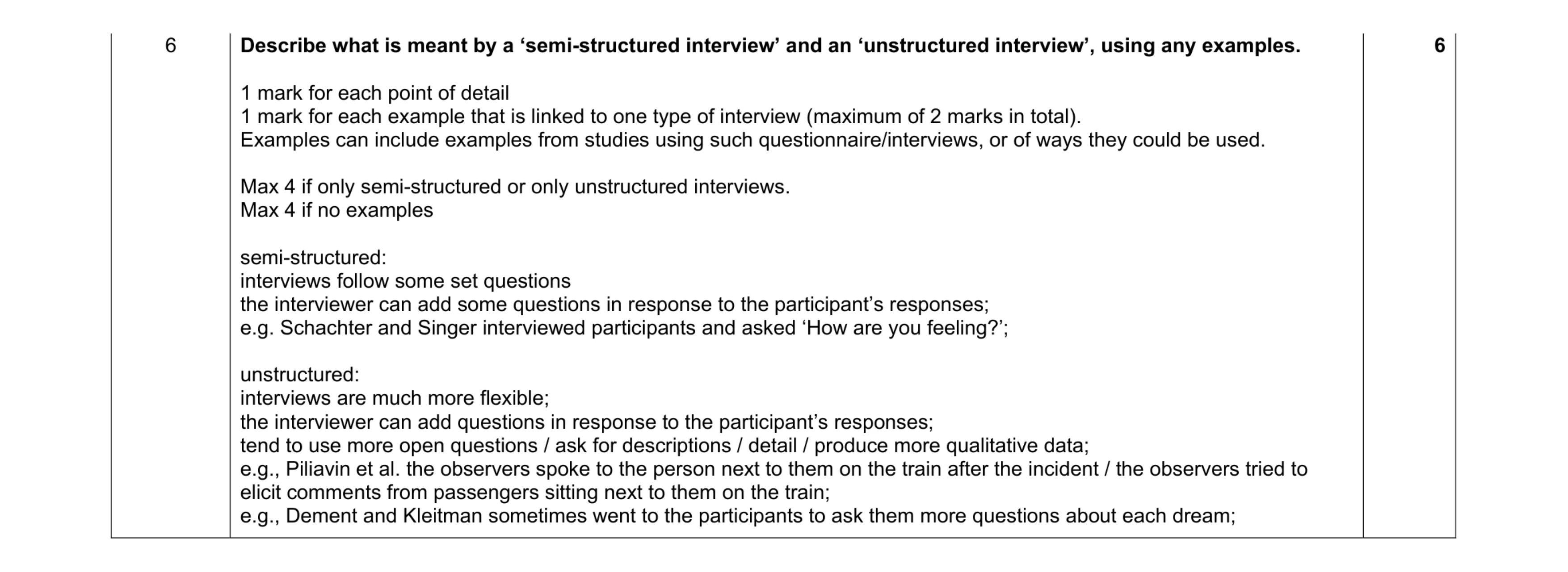 6
6 8
8 11
11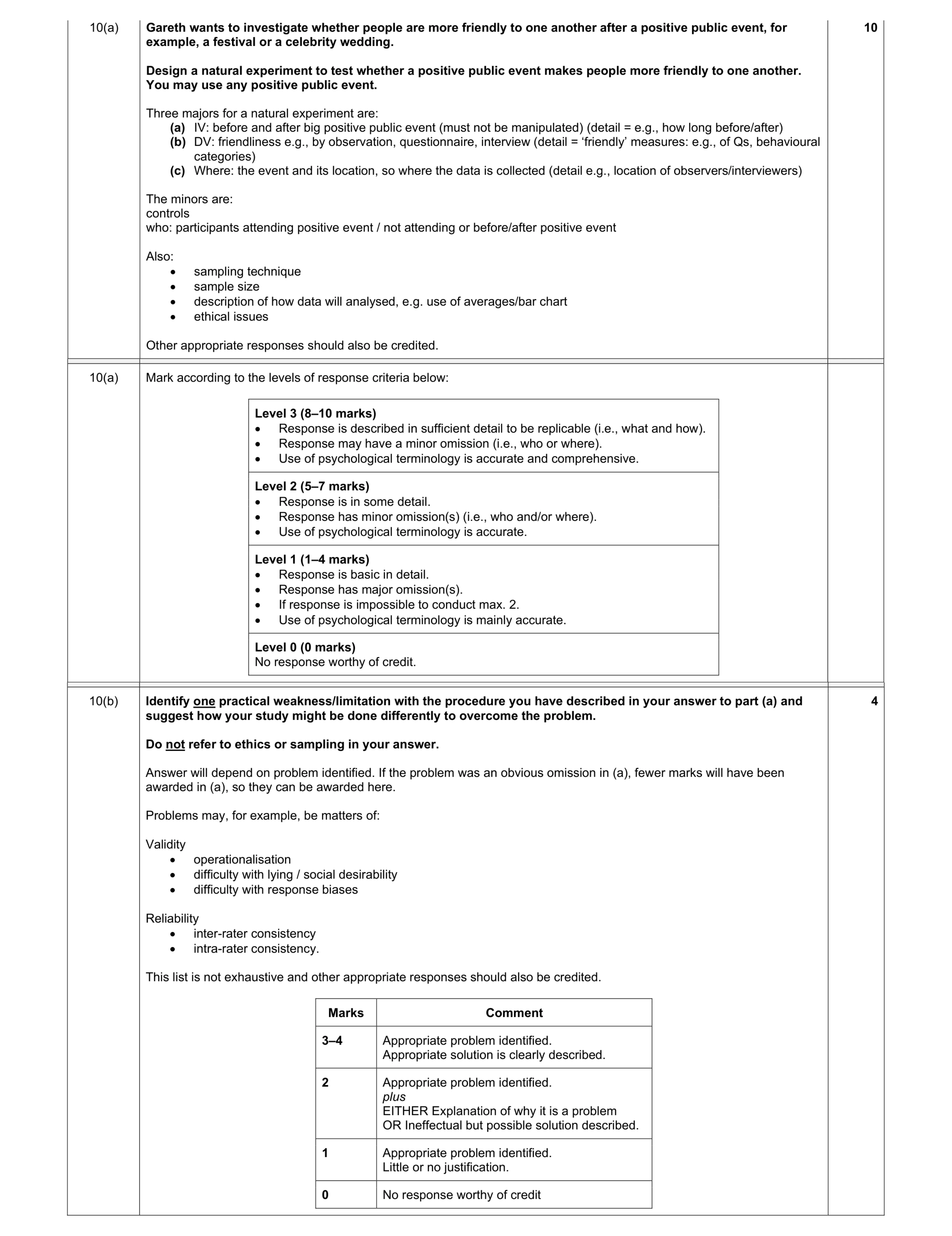 14
14 1
1 2
2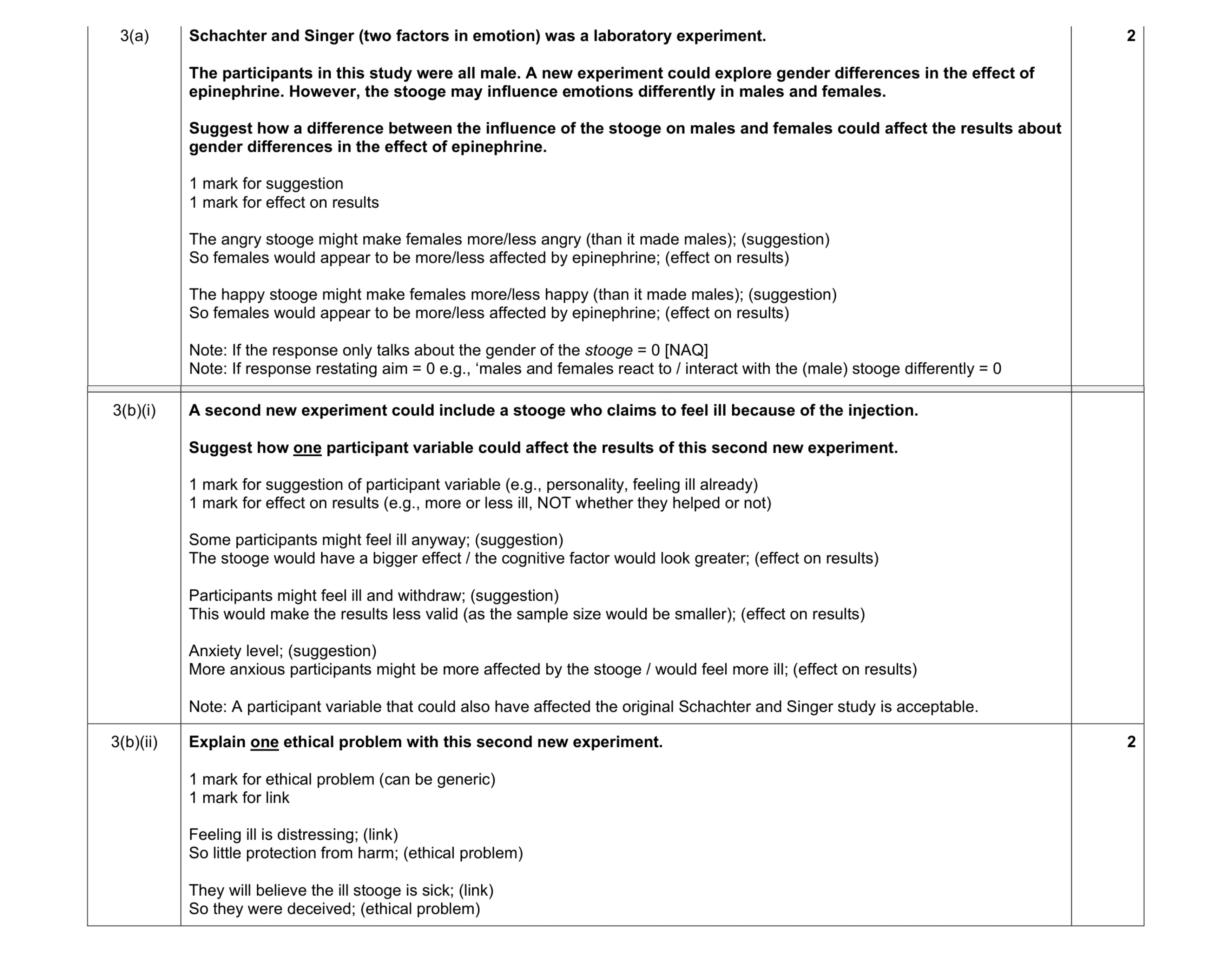 6
6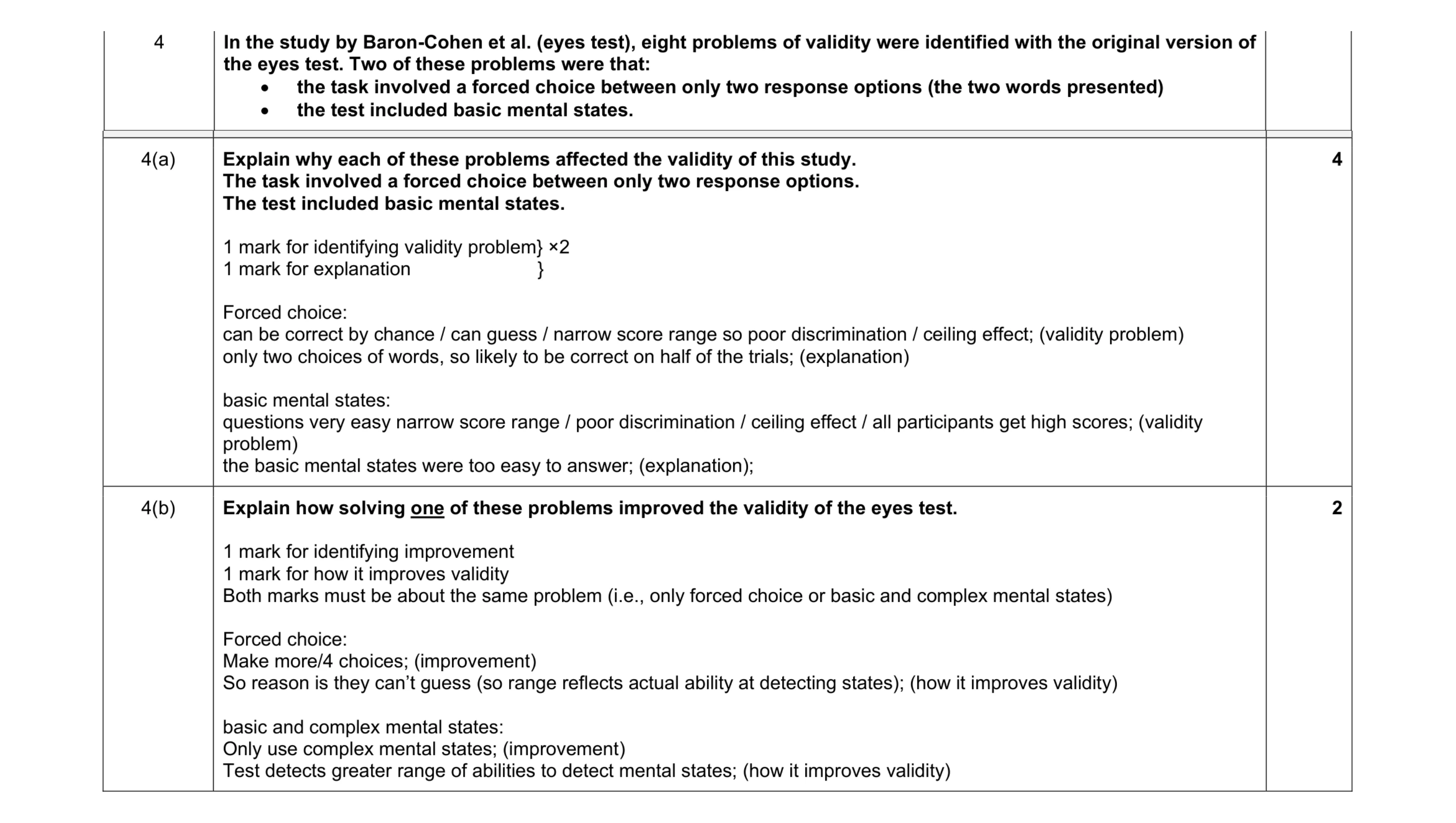 6
6 1
1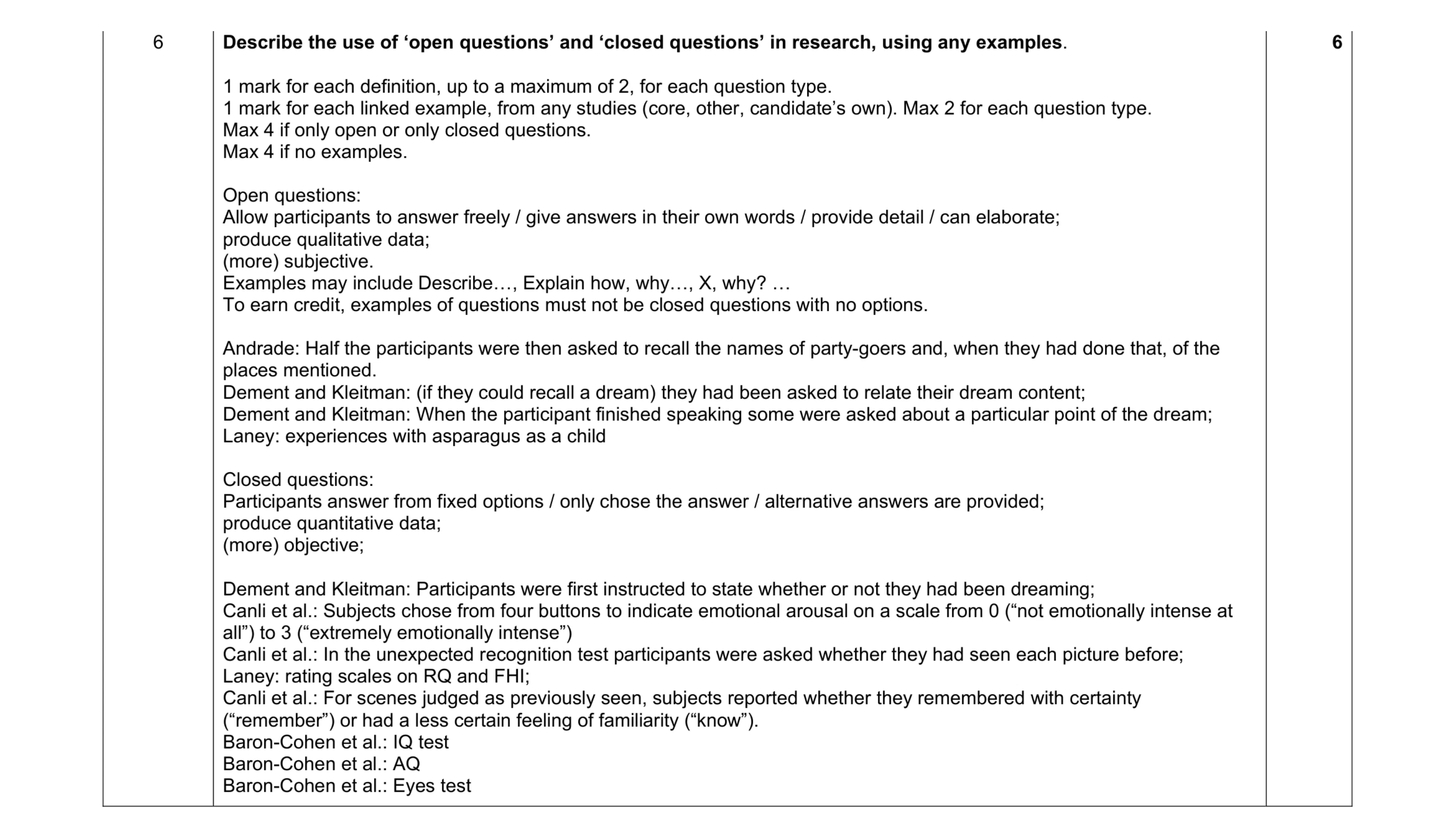 6
6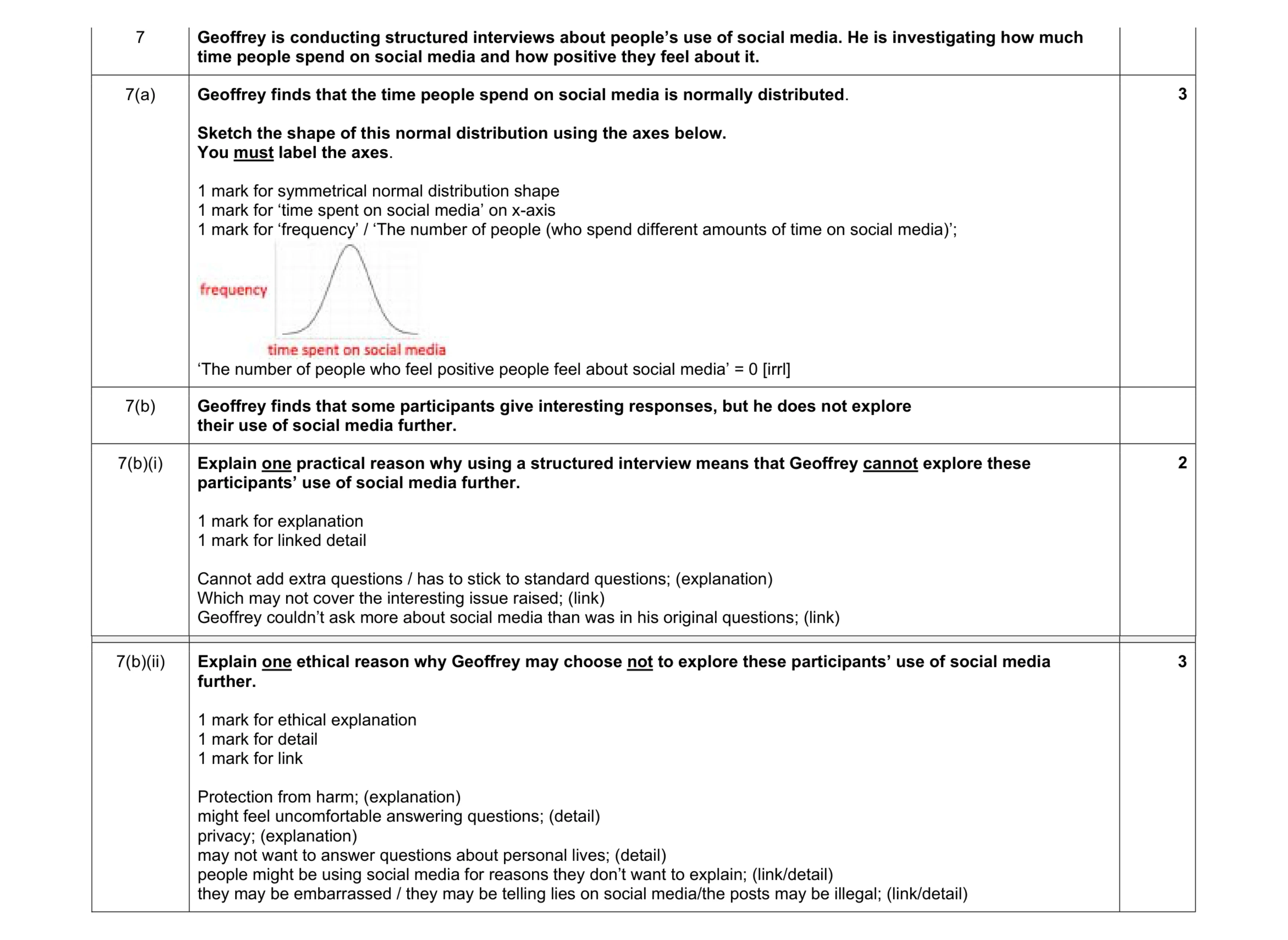 8
8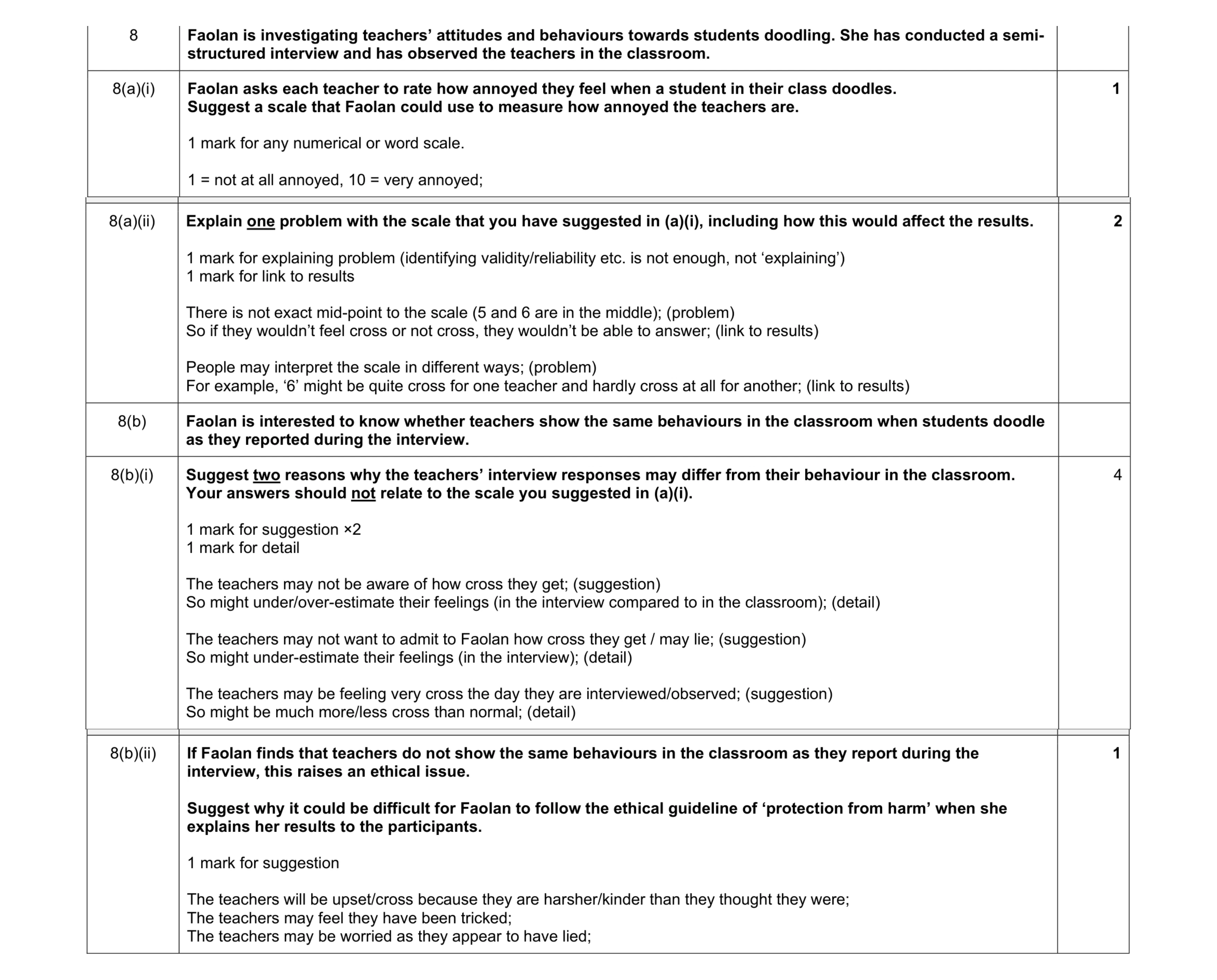 8
8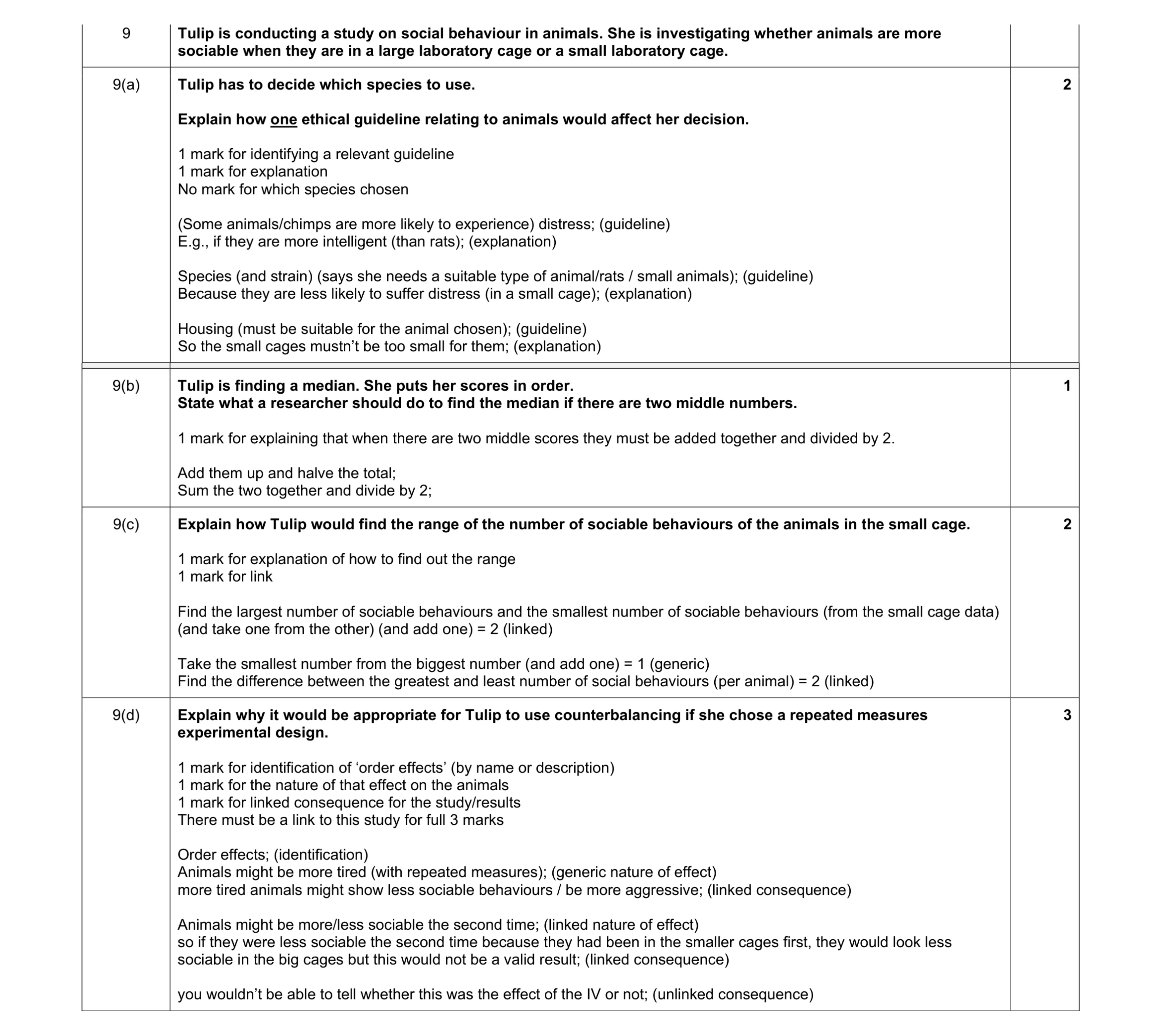 8
8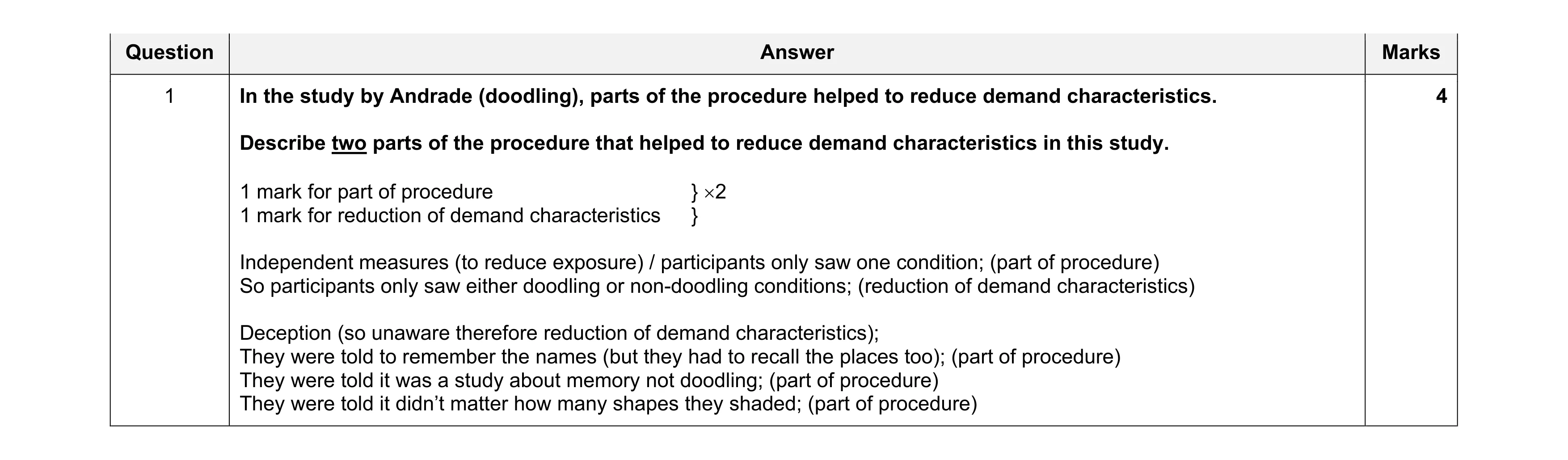 4
4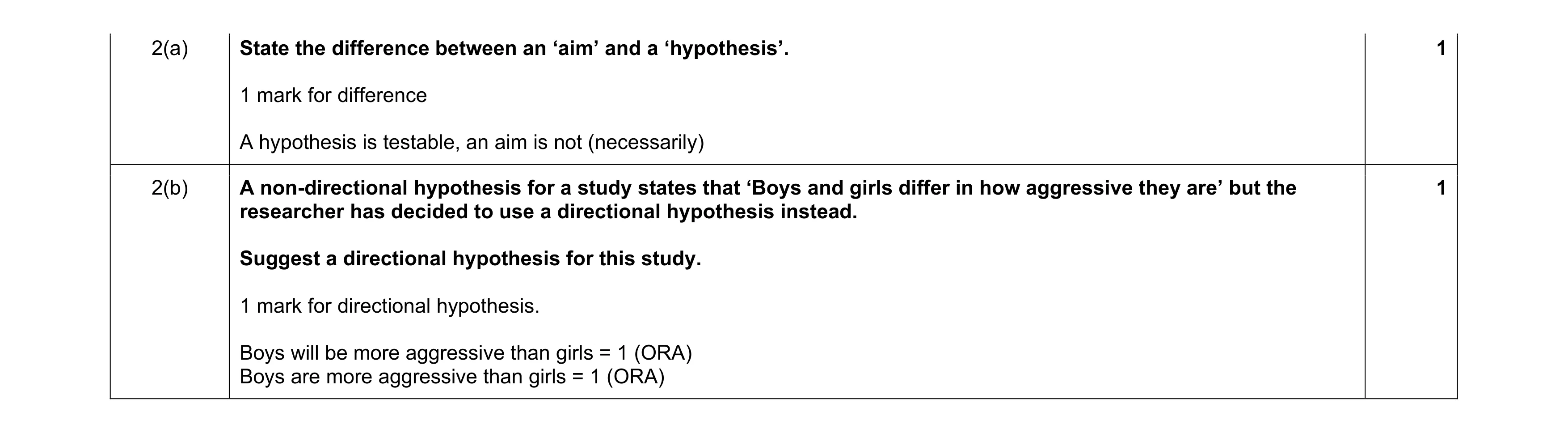 2
2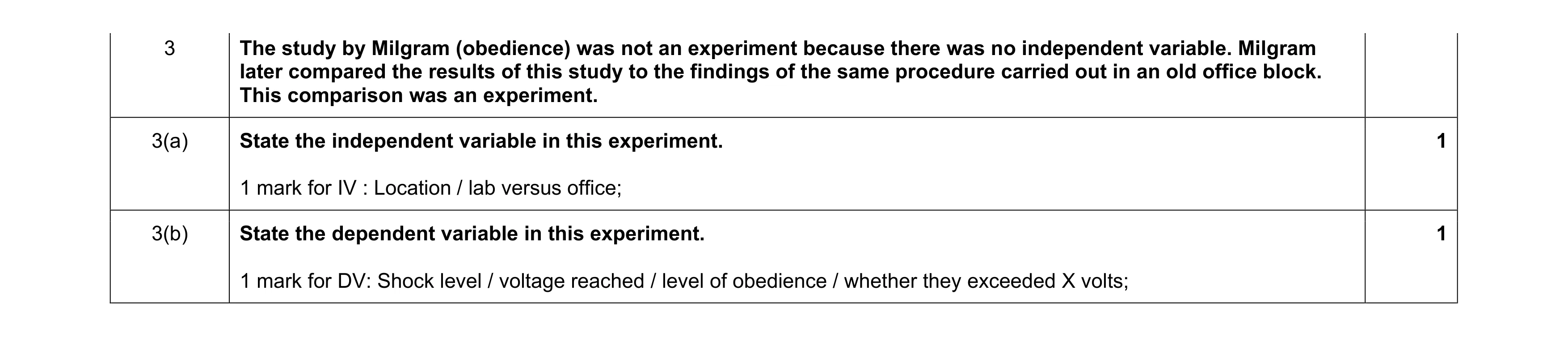 2
2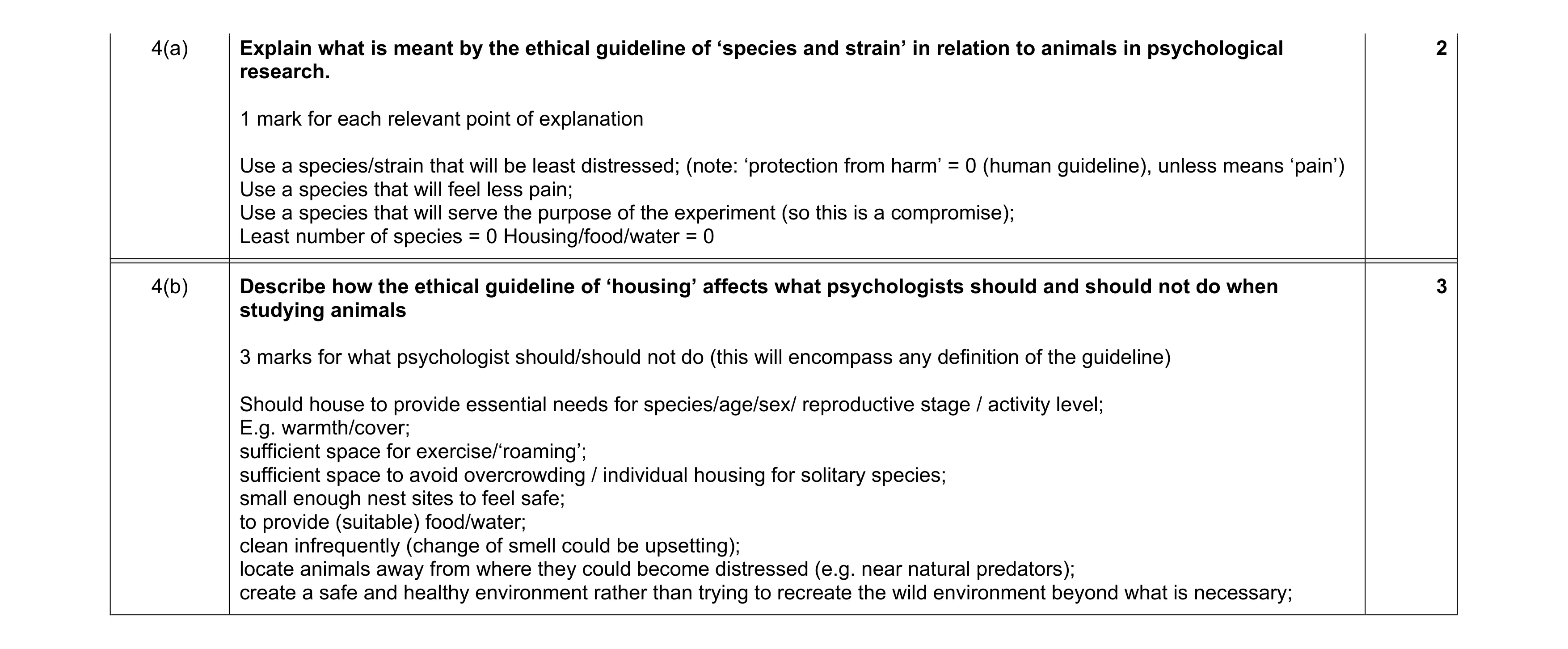 5
5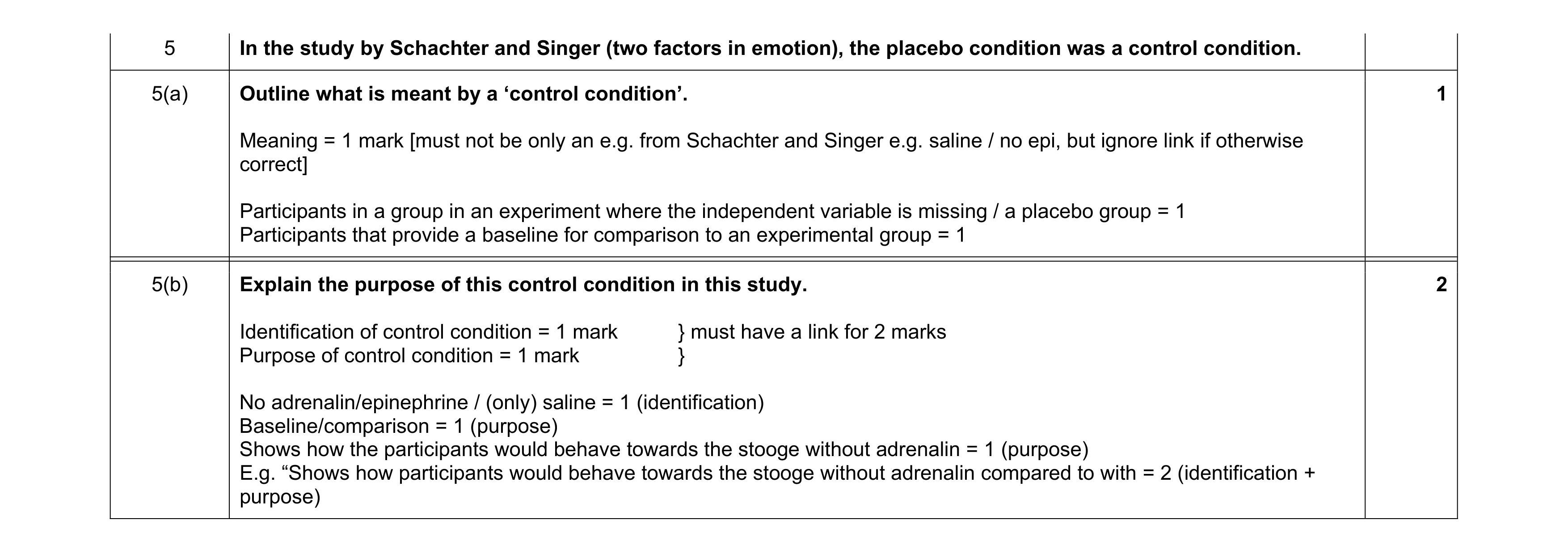 3
3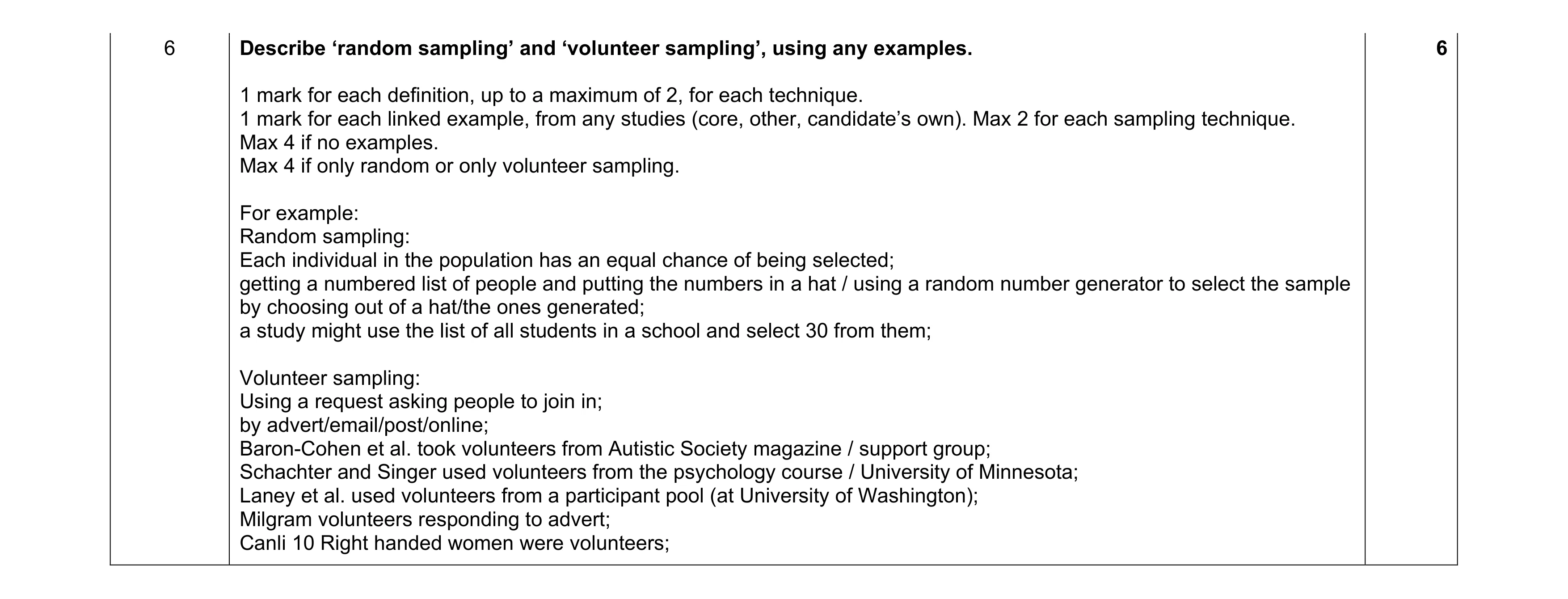 6
6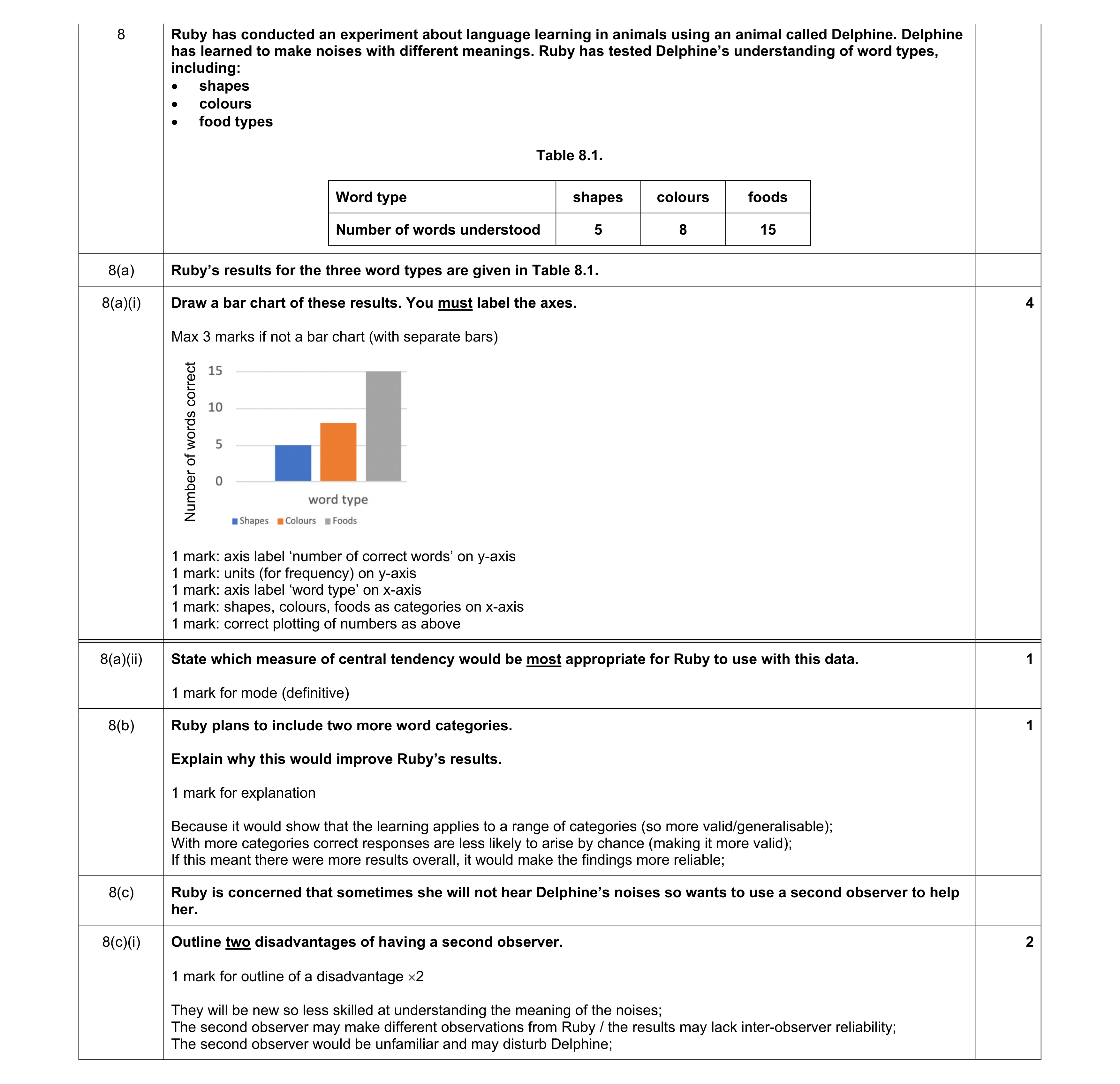 8
8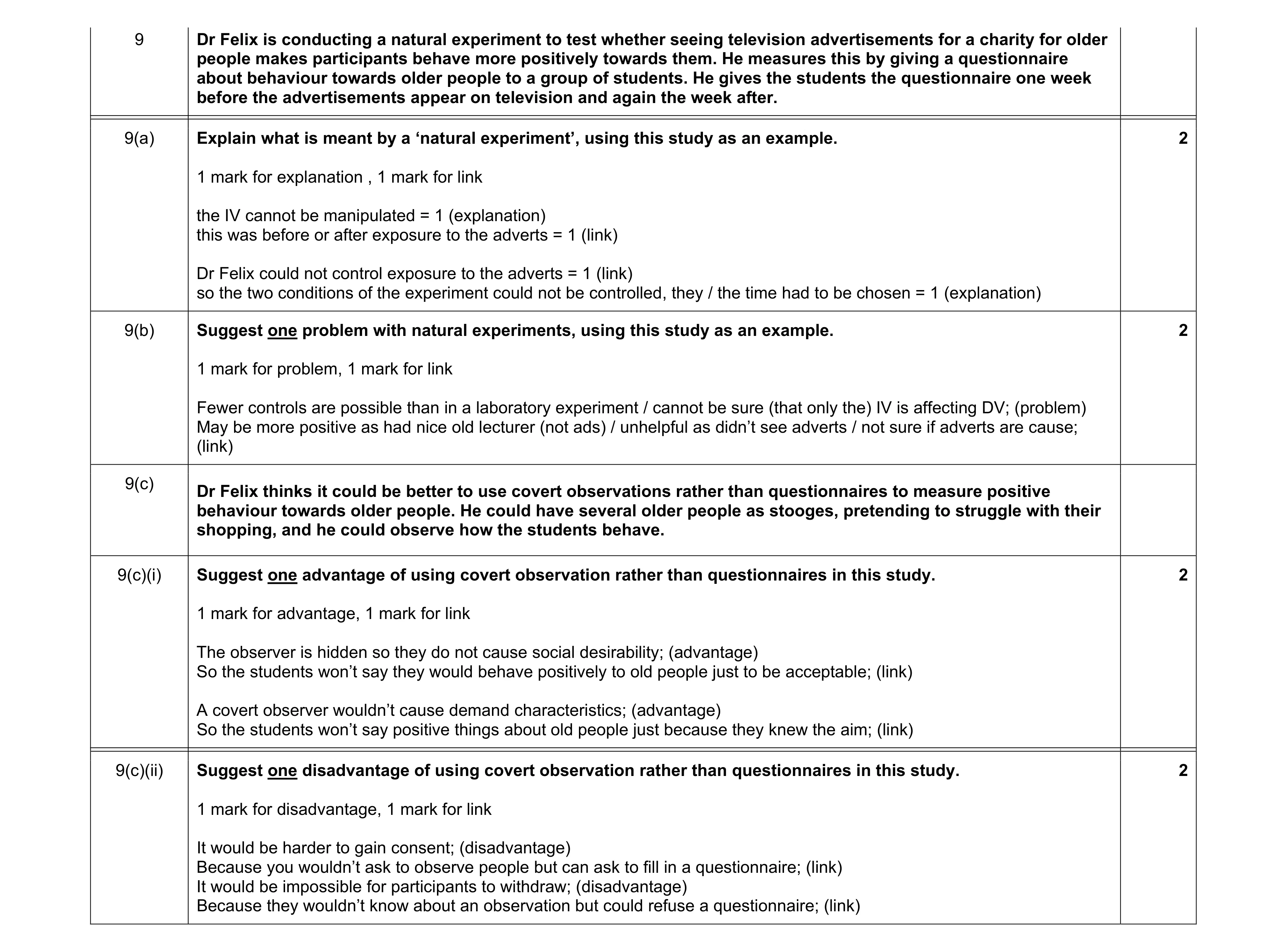 8
8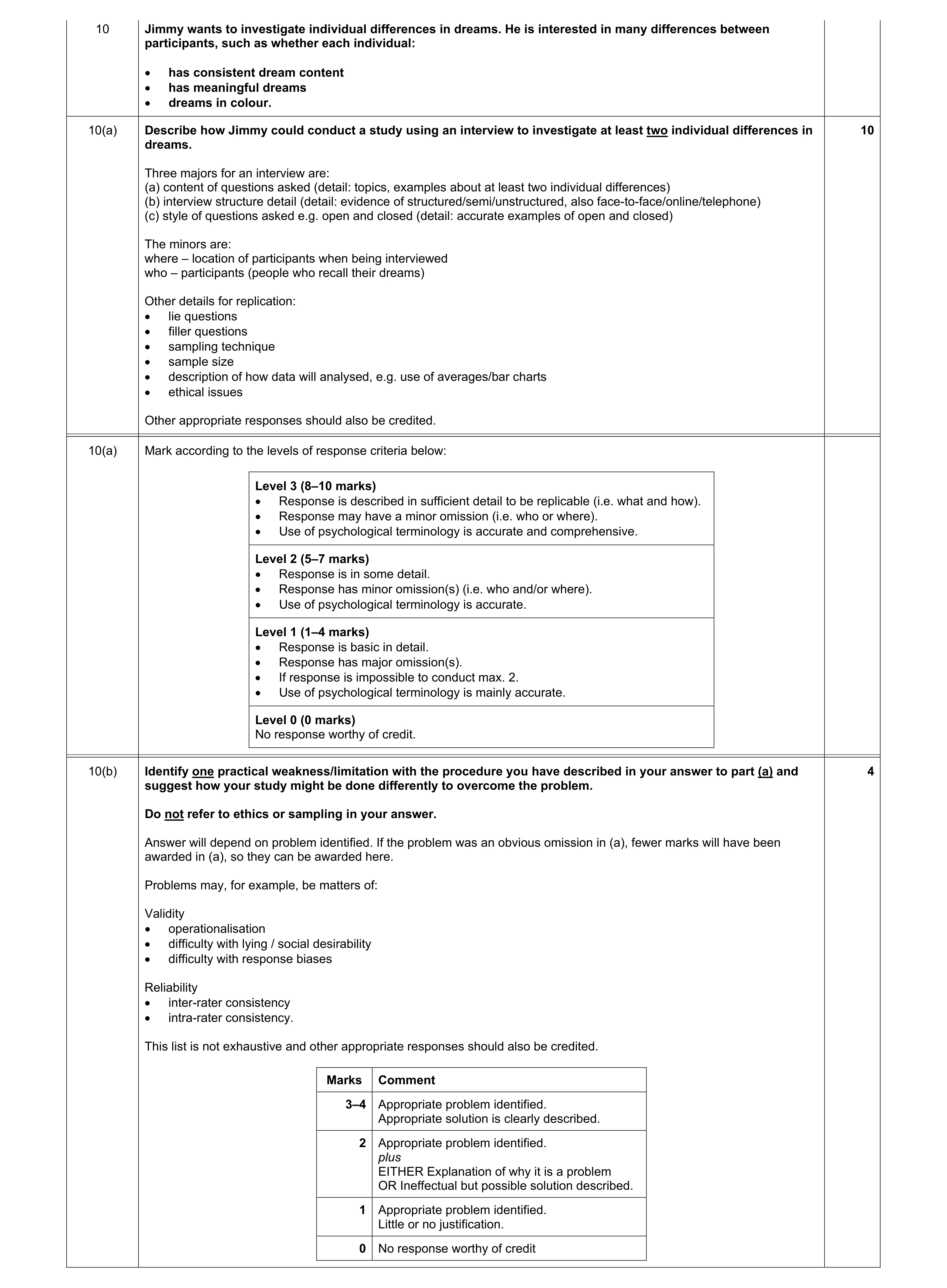 14
14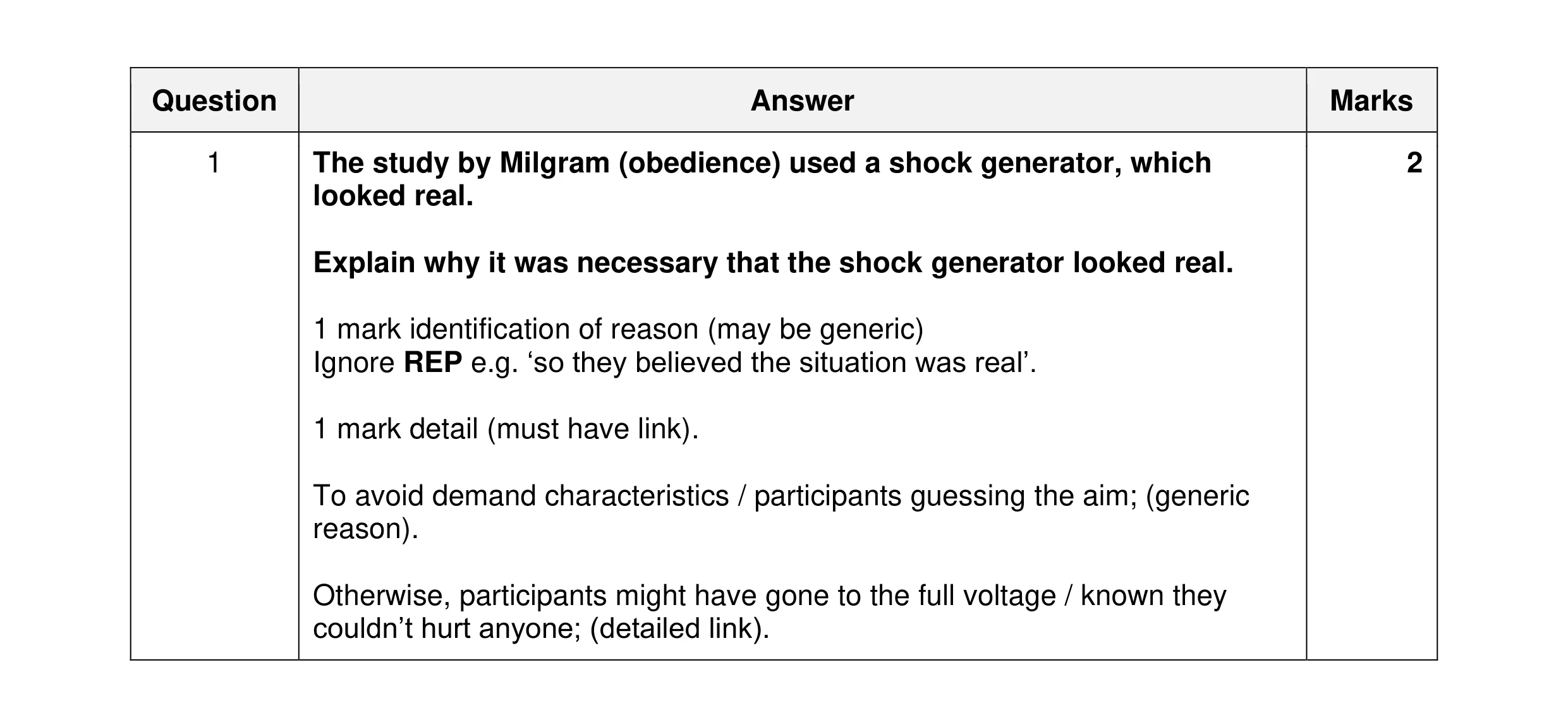 2
2 6
6 4
4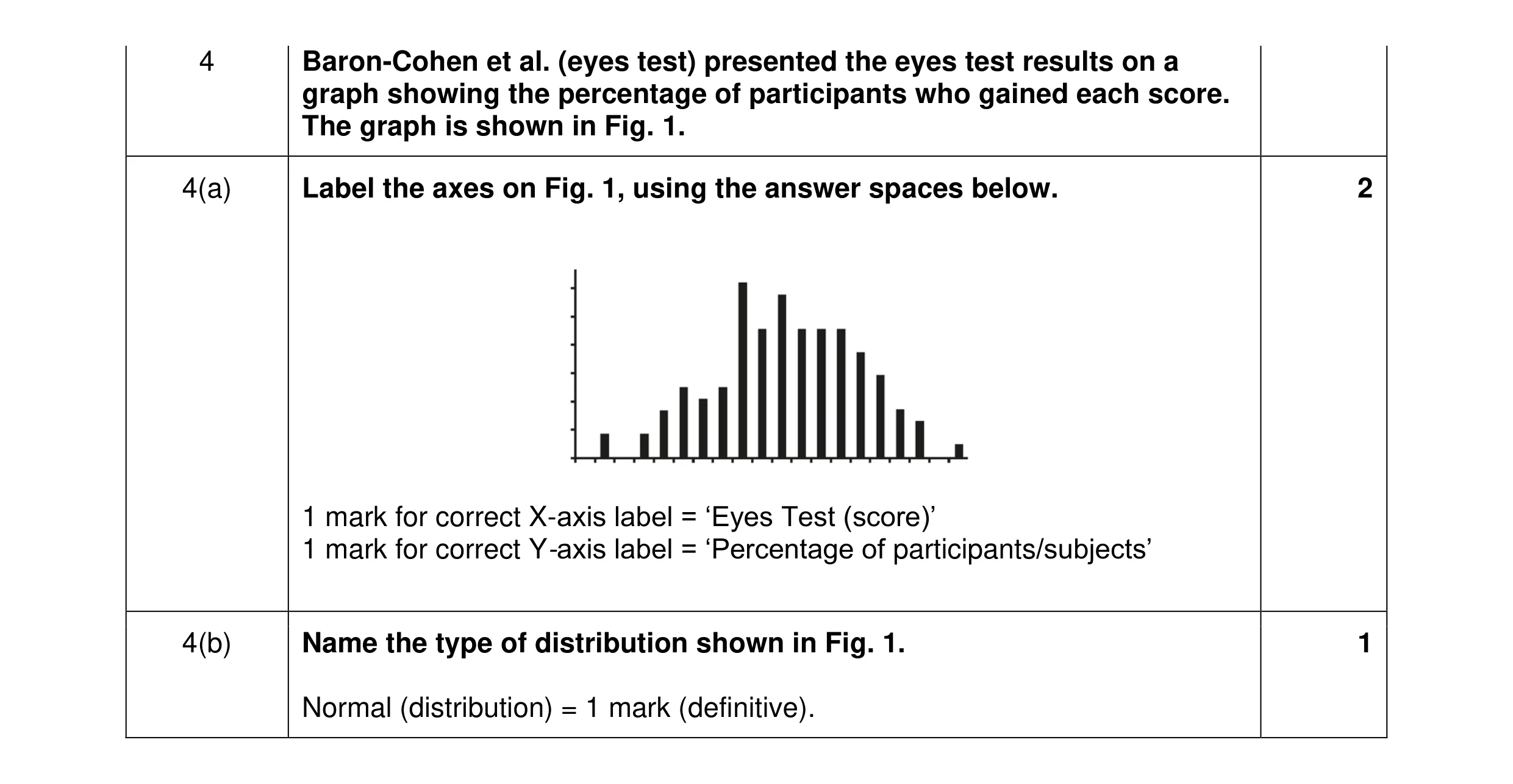 3
3 1
1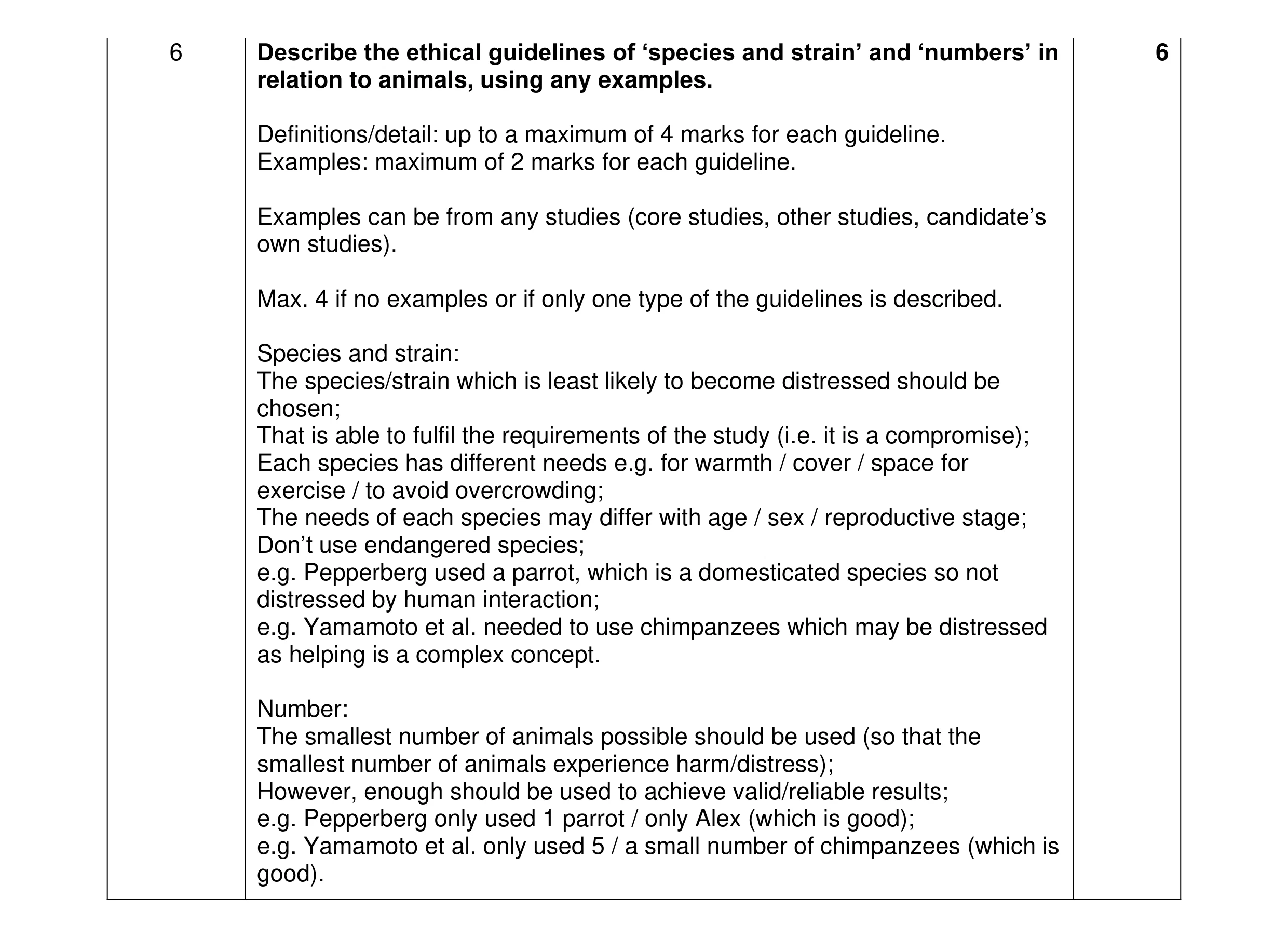 6
6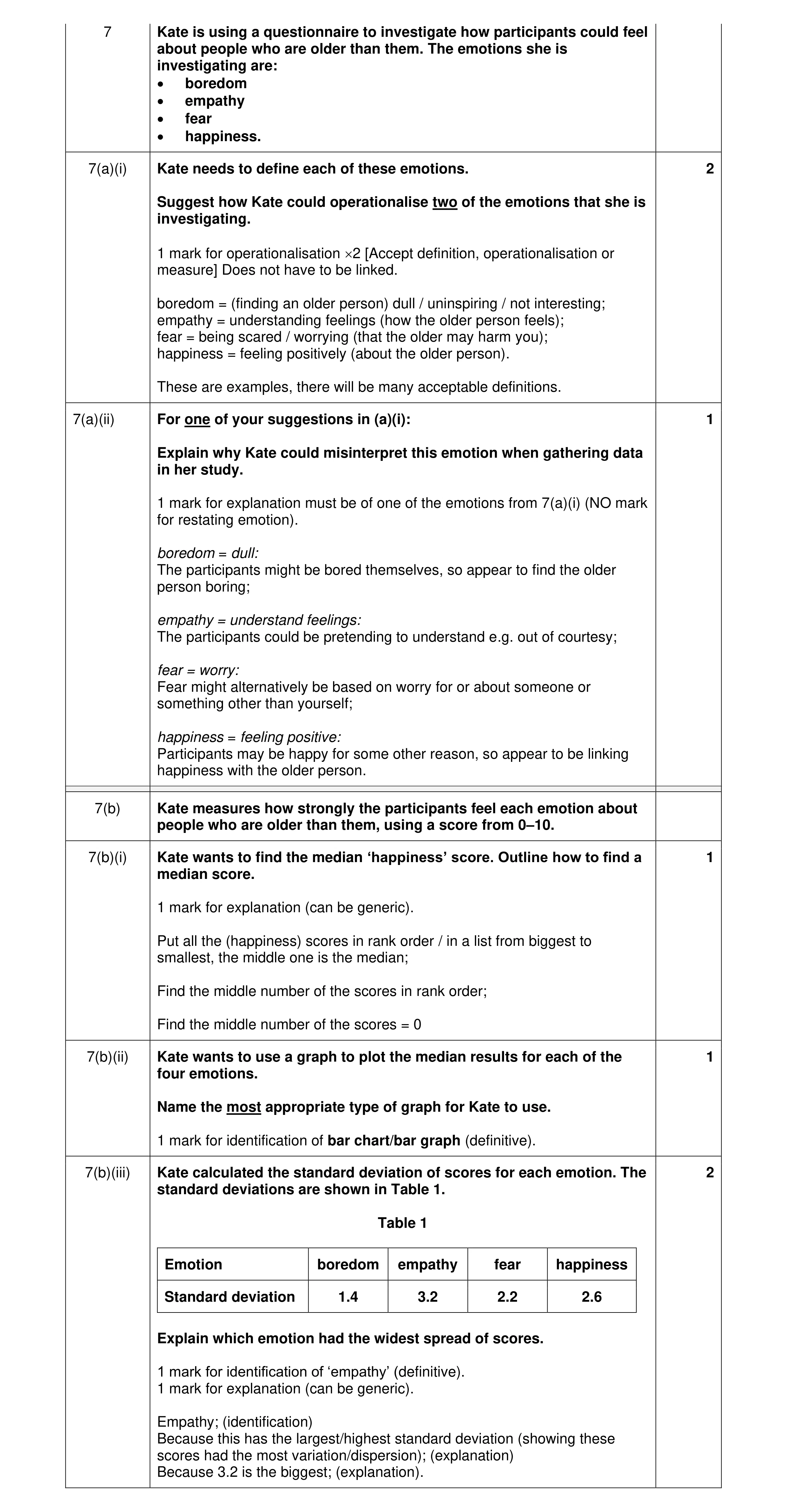 7
7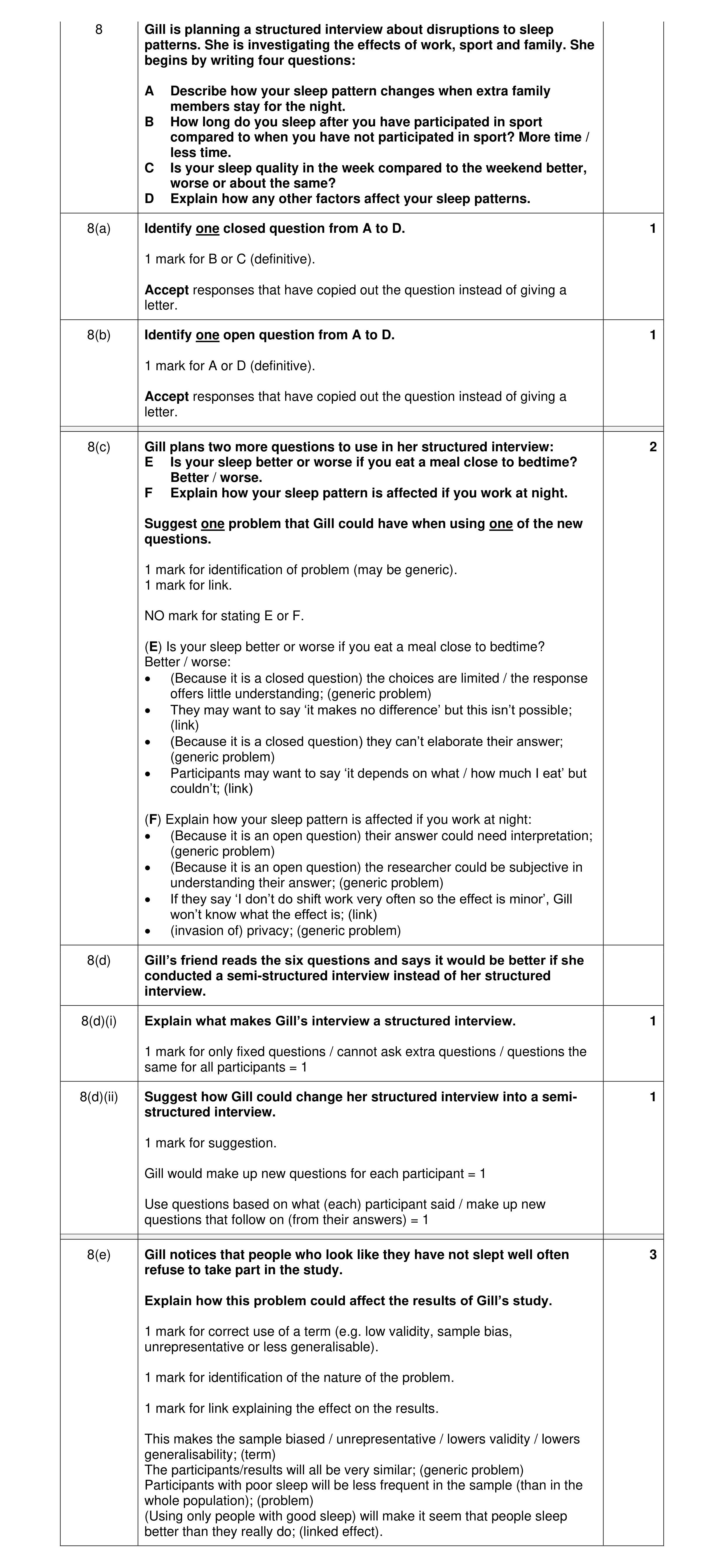 9
9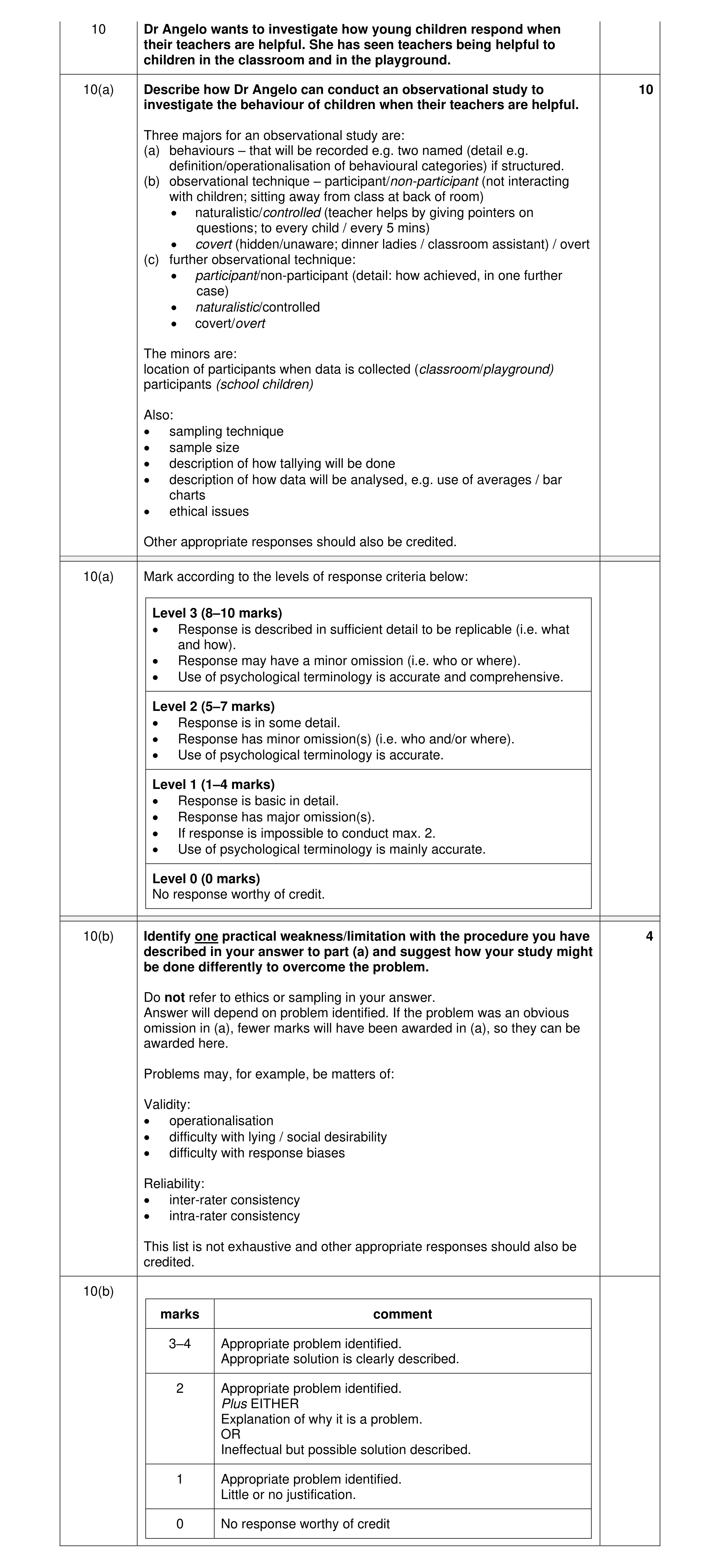 14
14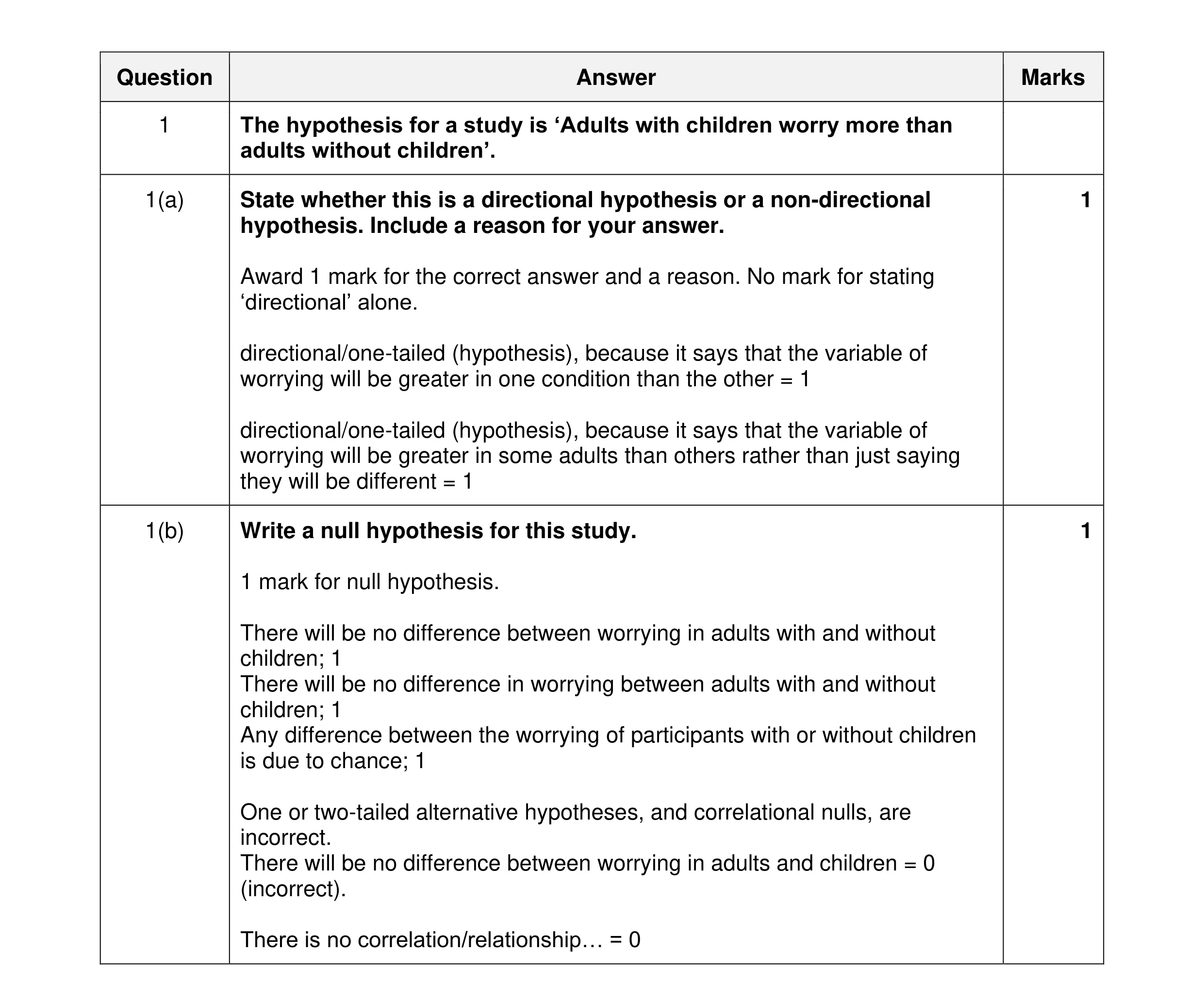 2
2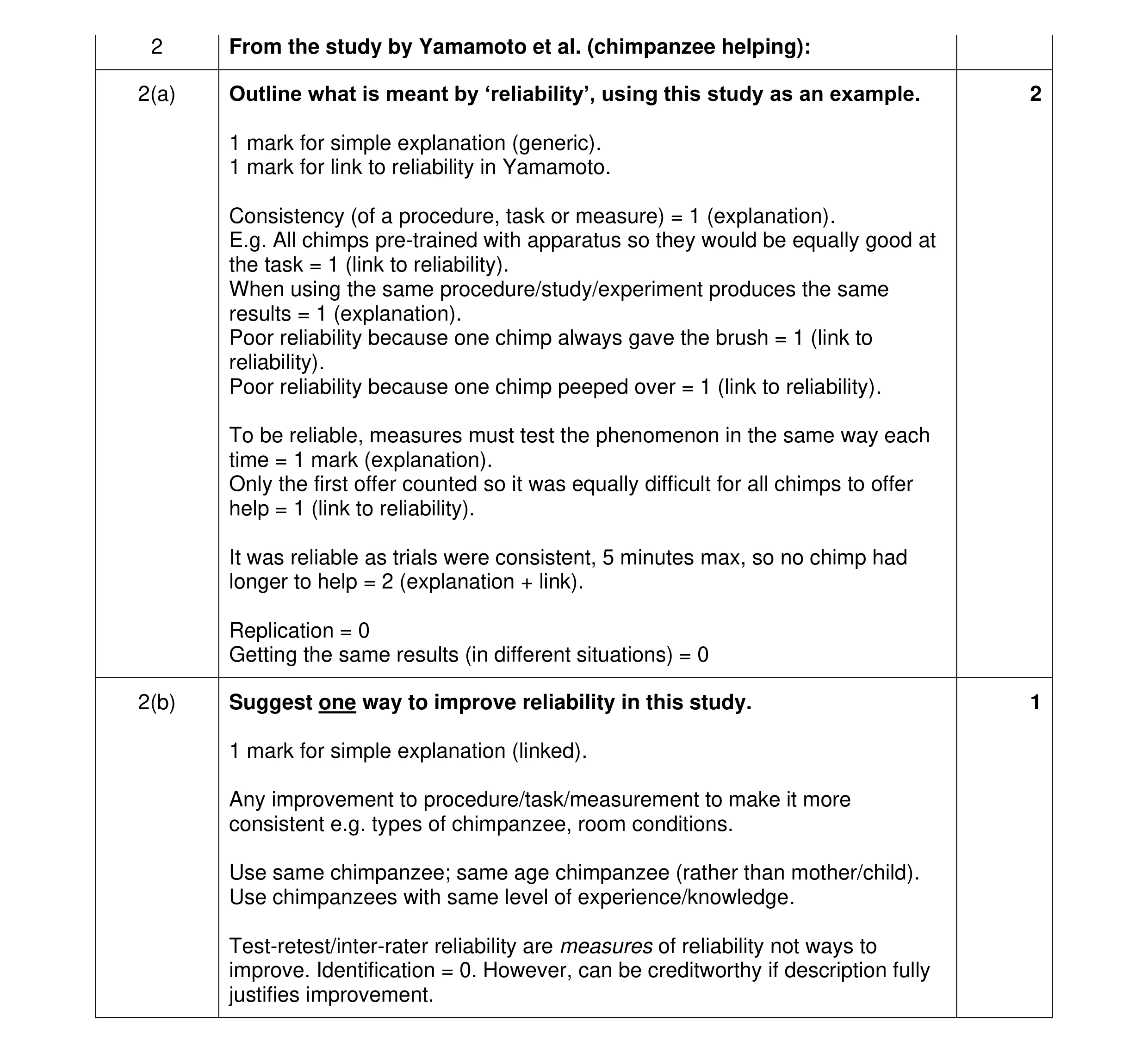 3
3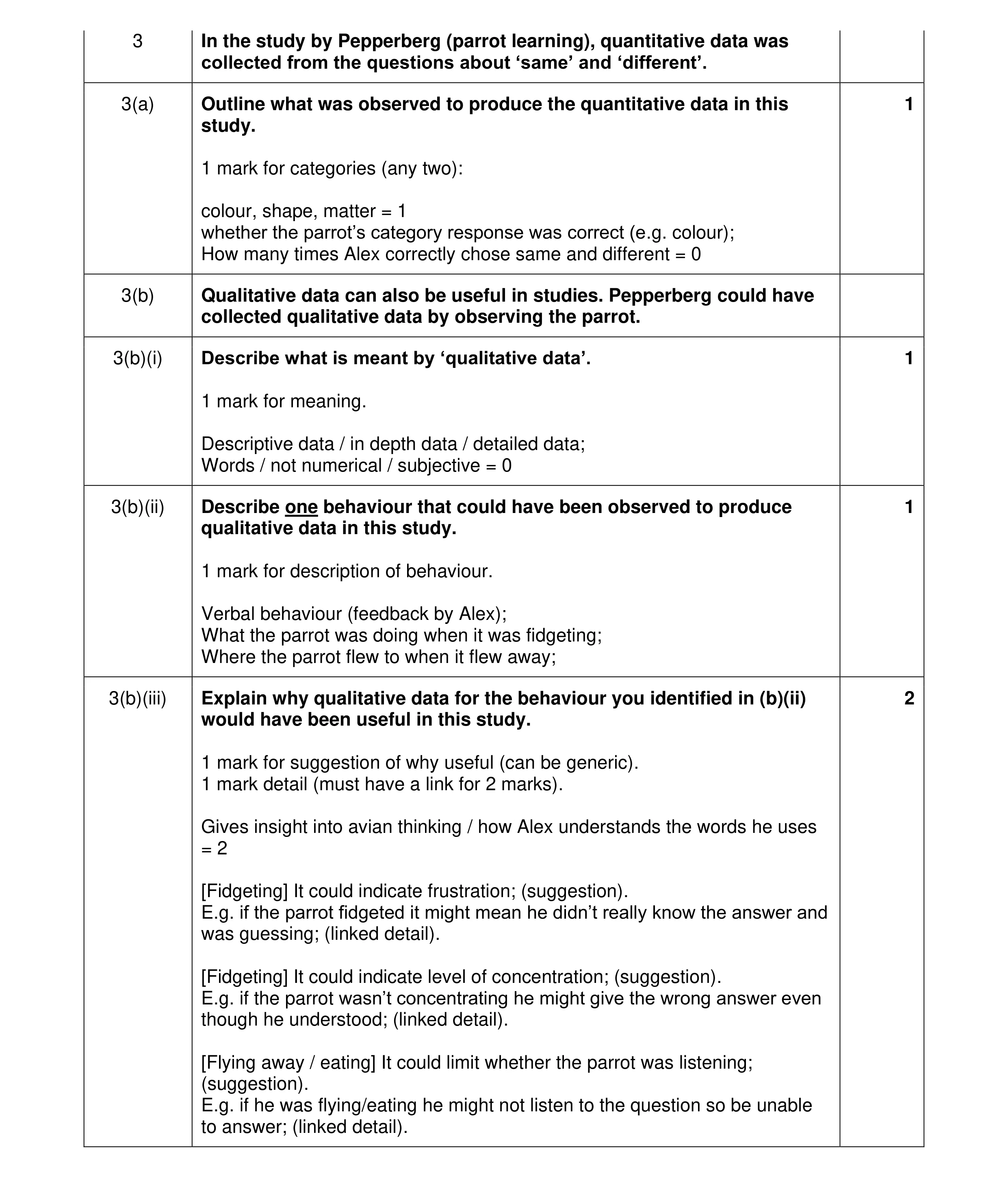 5
5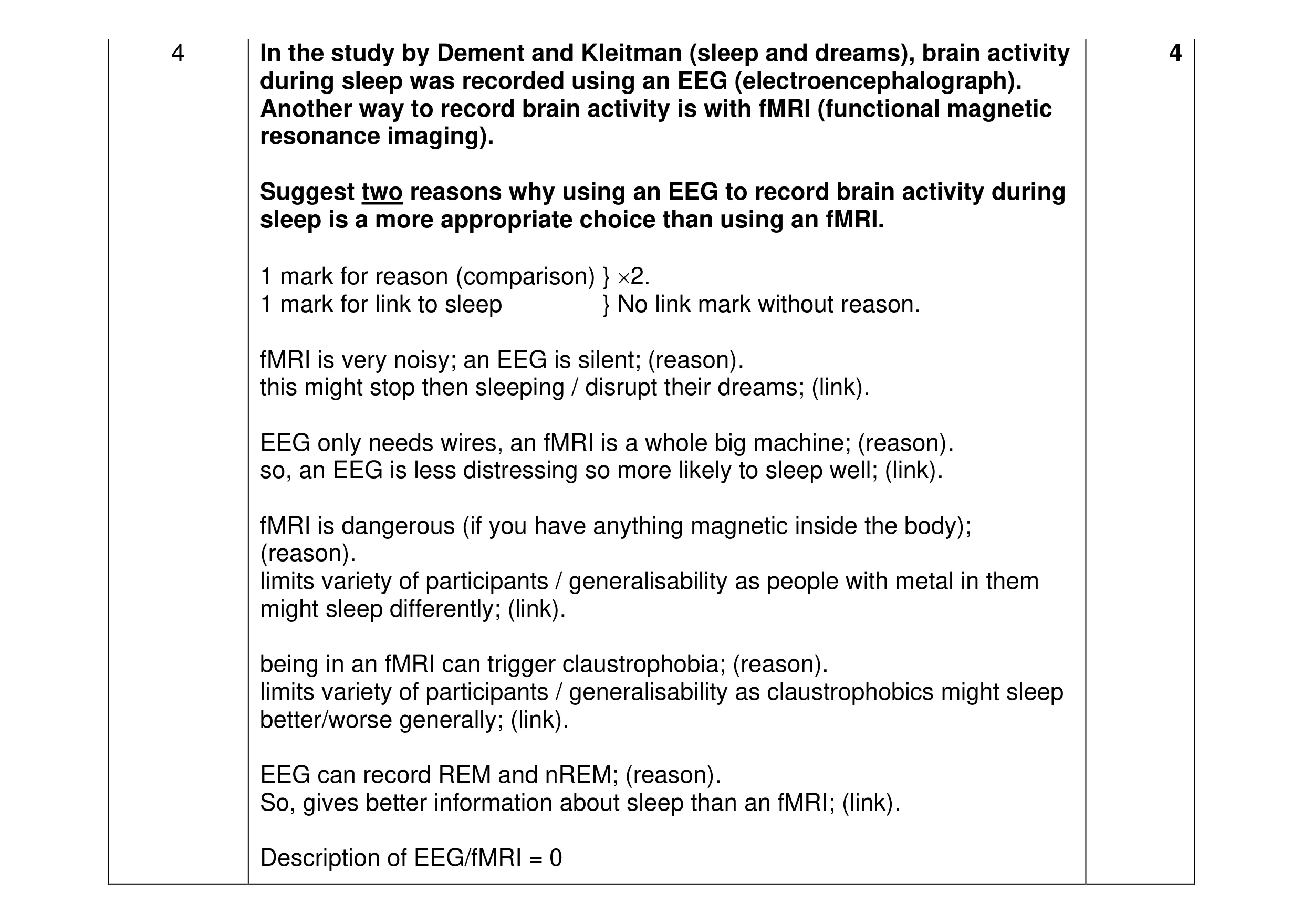 4
4 2
2 6
6 6
6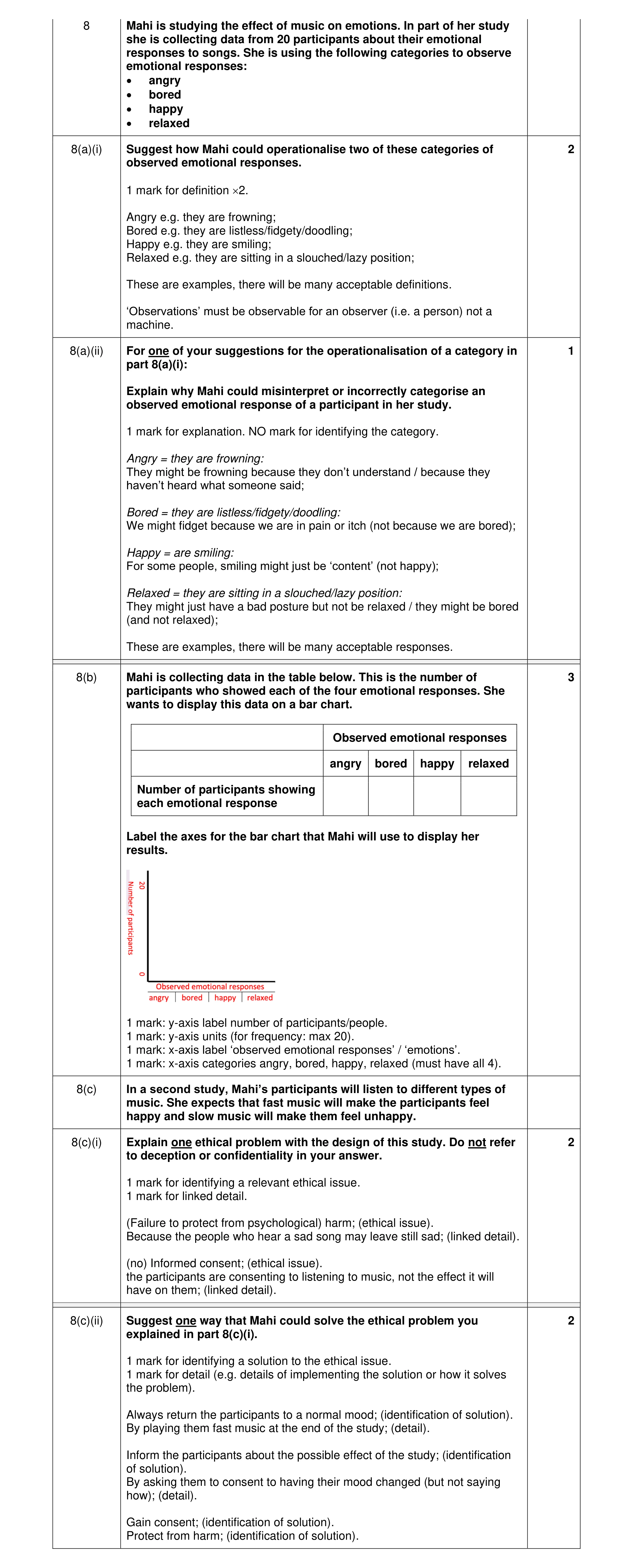 10
10 8
8 14
14 2
2 4
4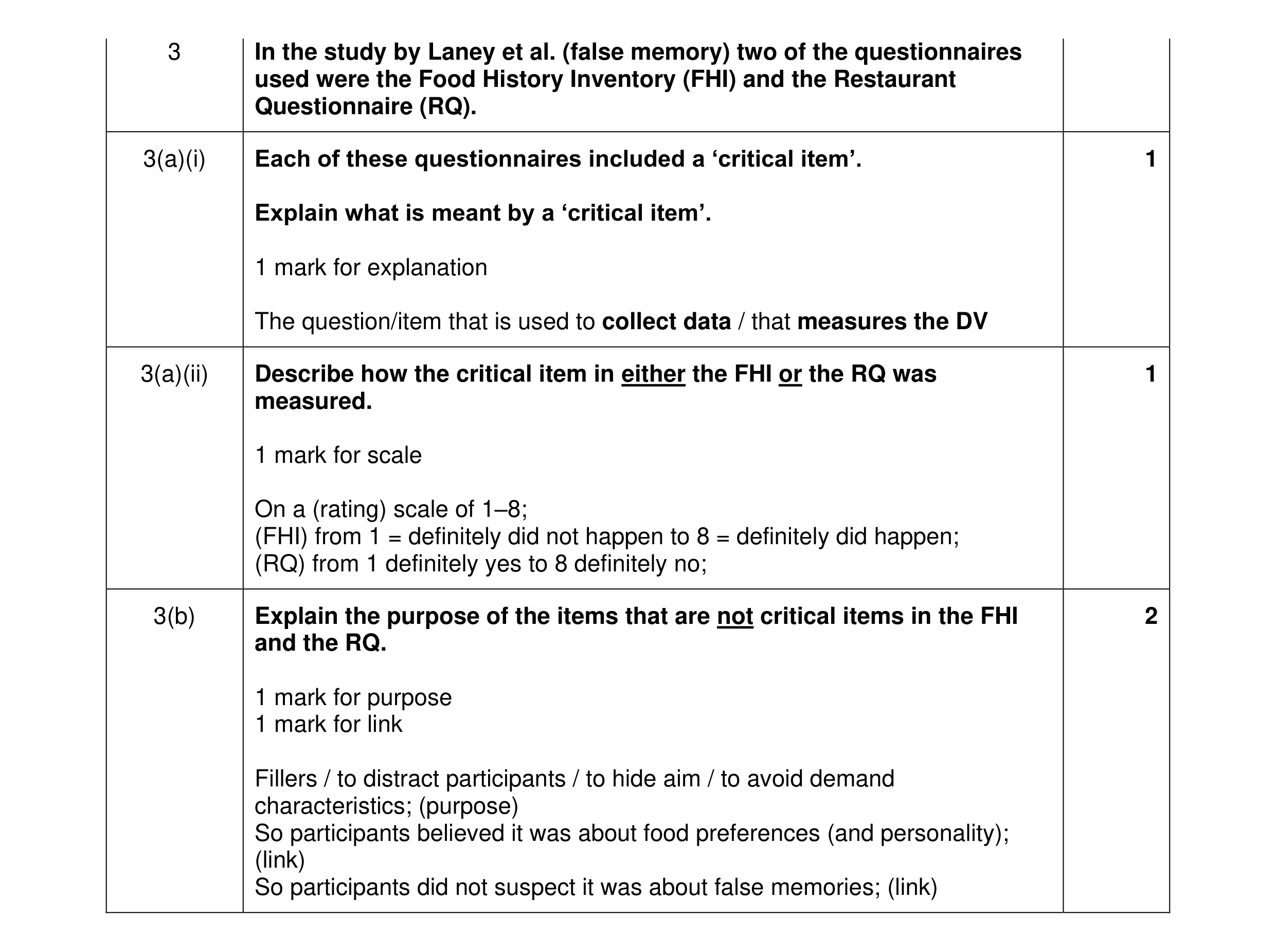 4
4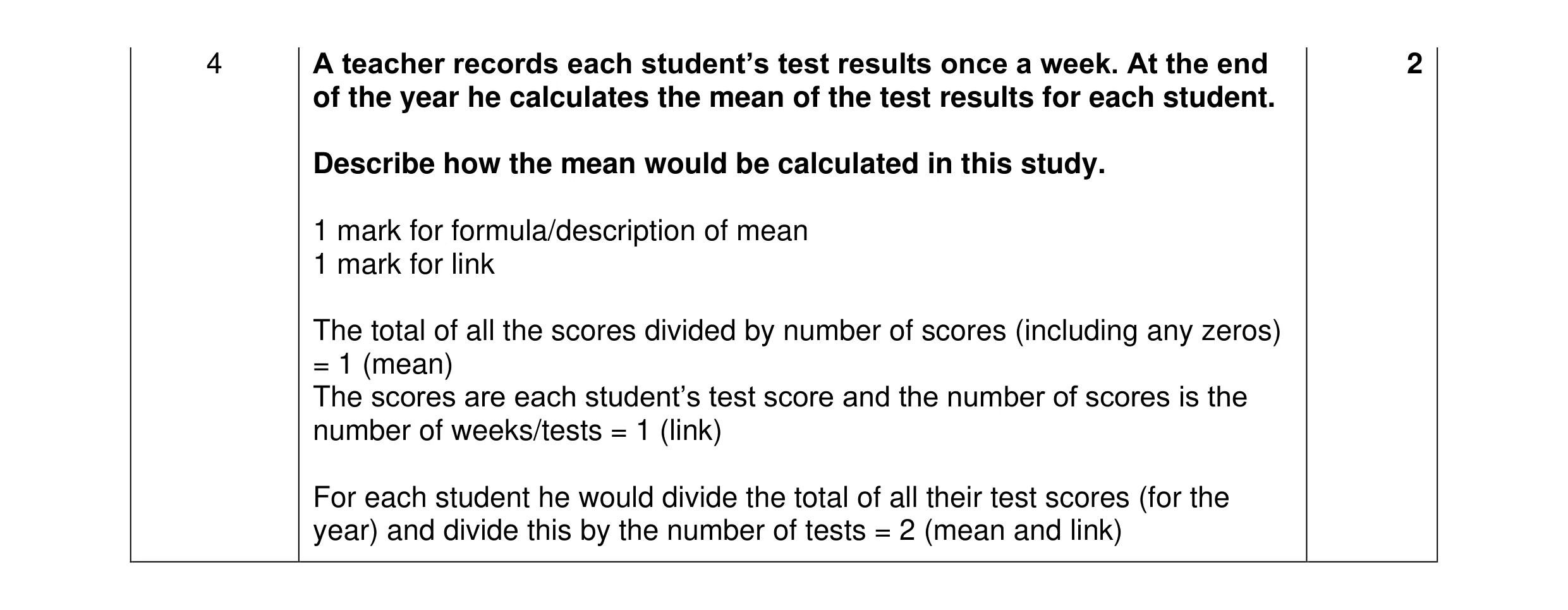 2
2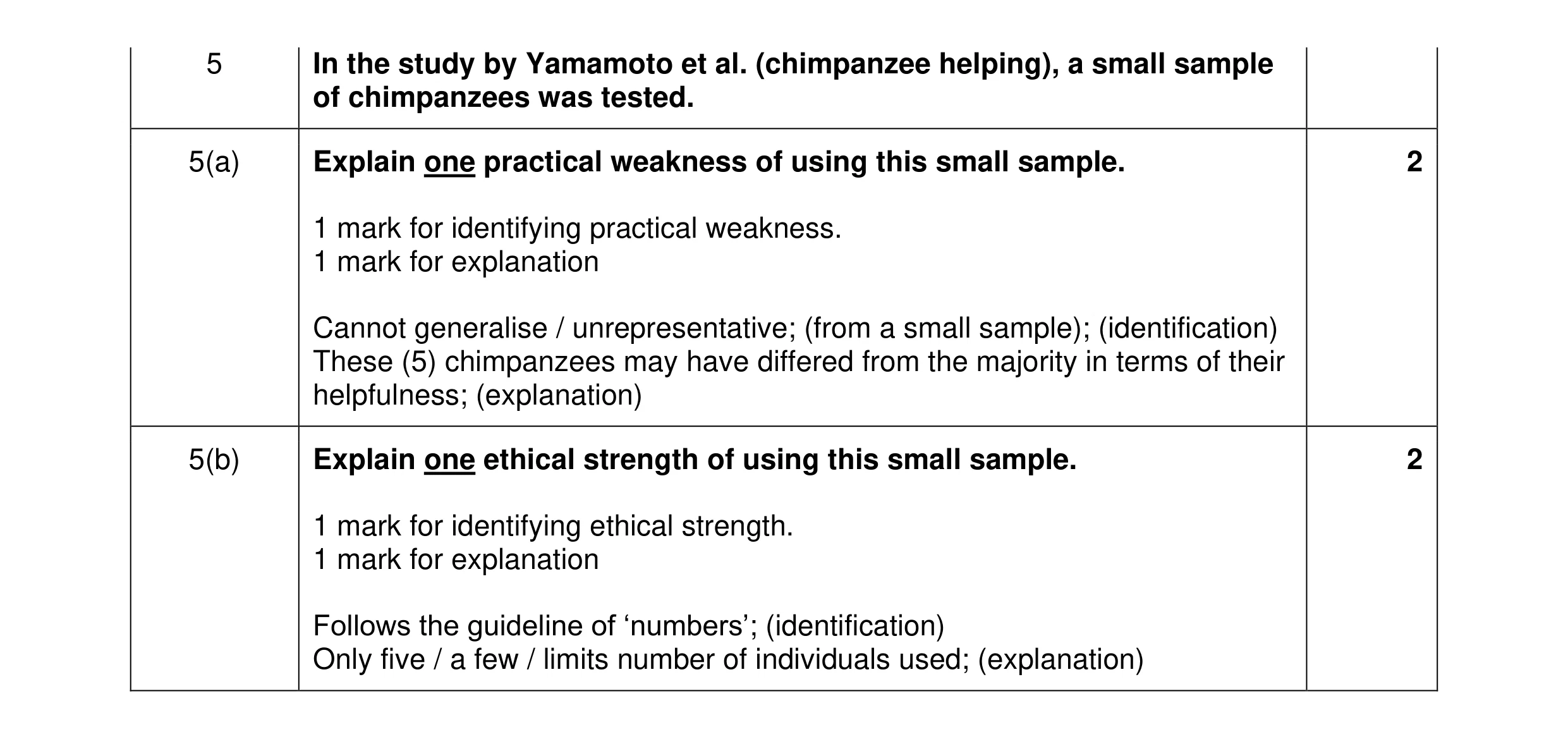 4
4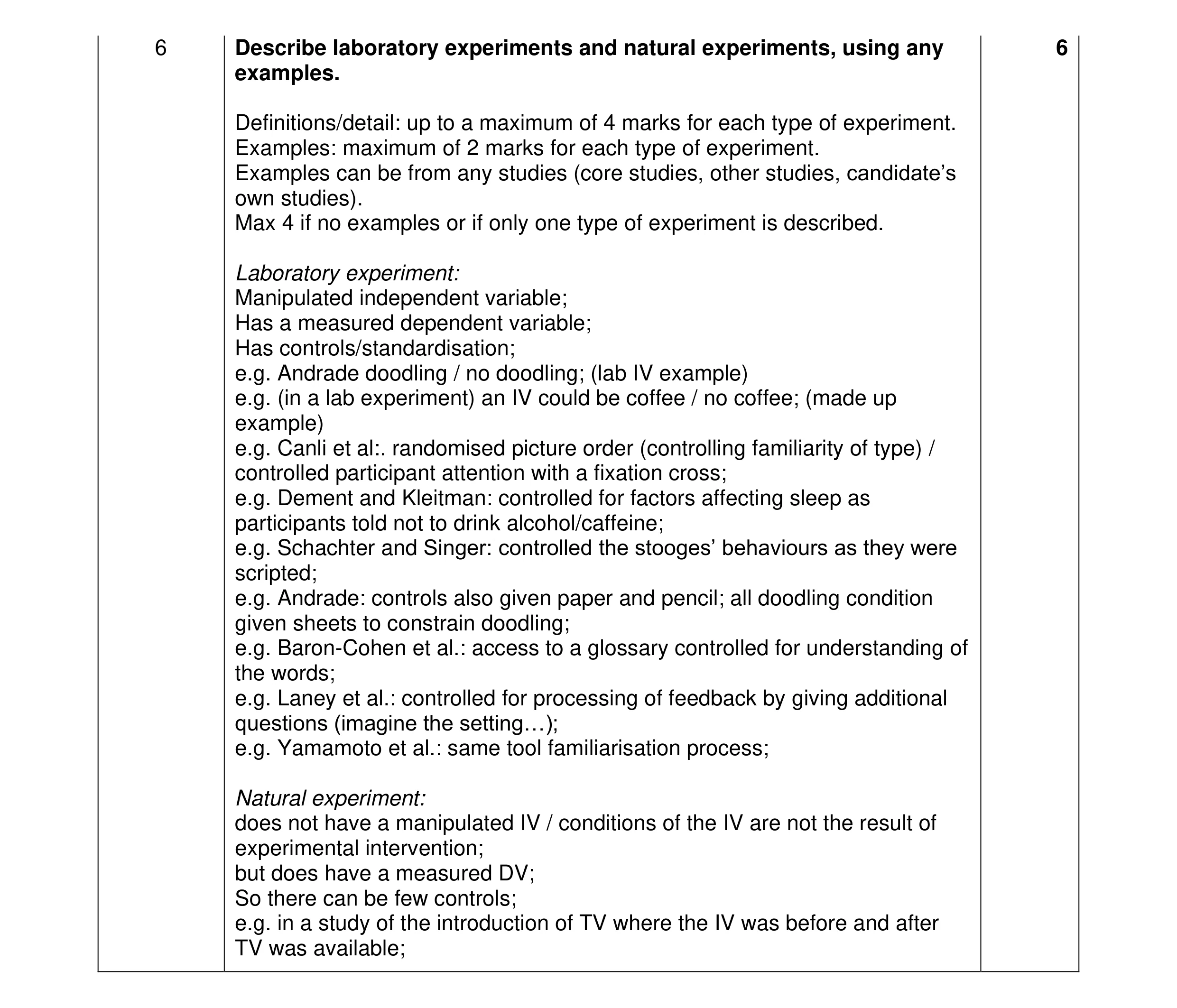 6
6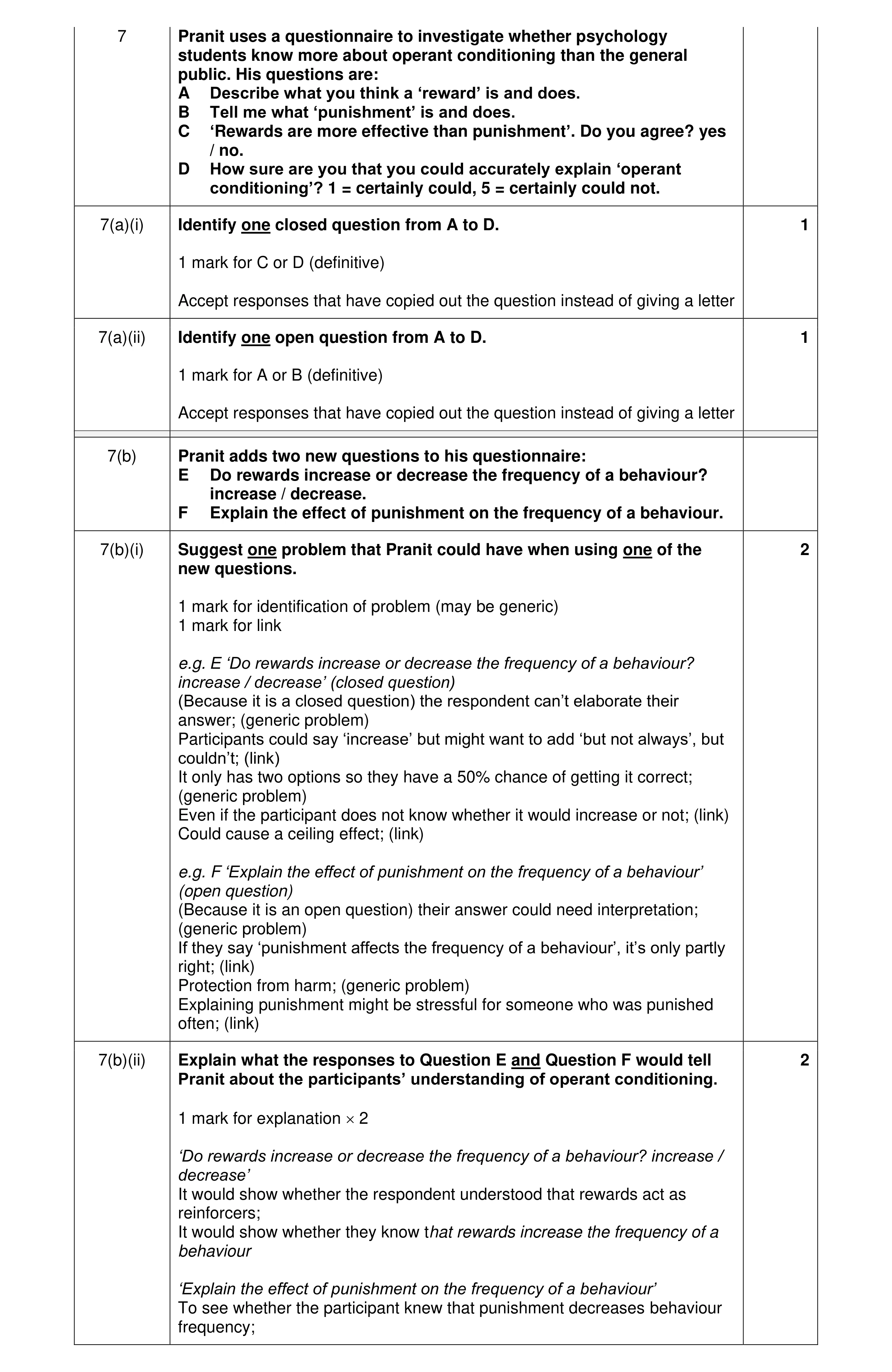 6
6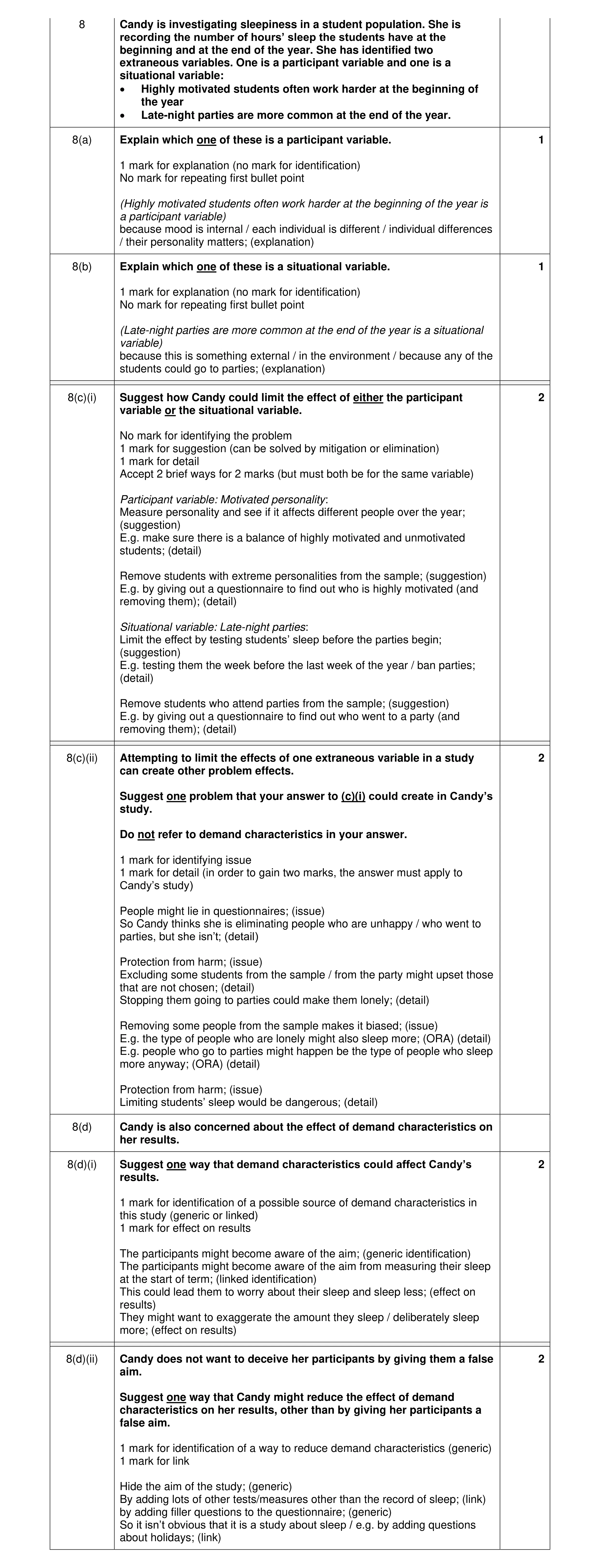 10
10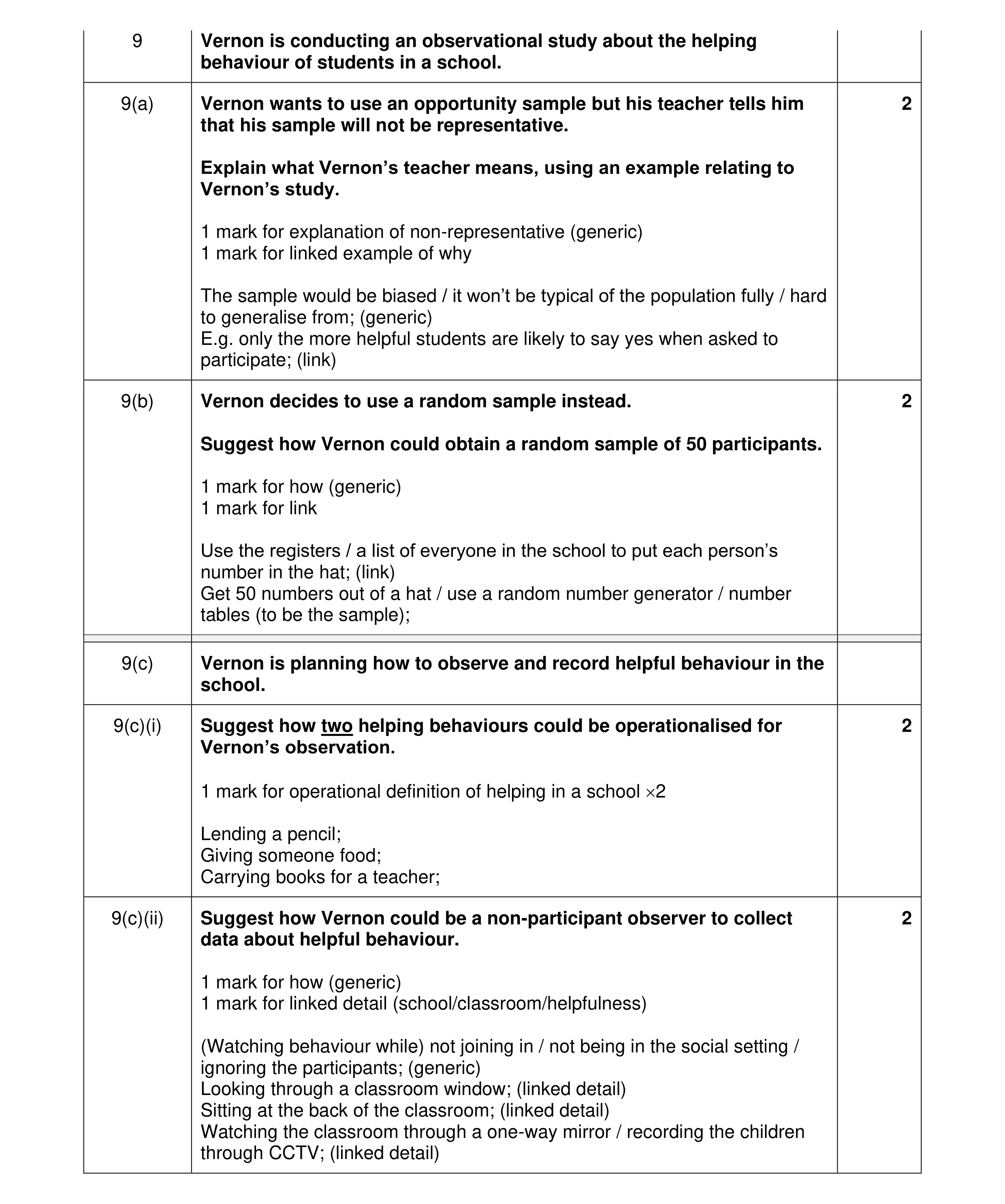 8
8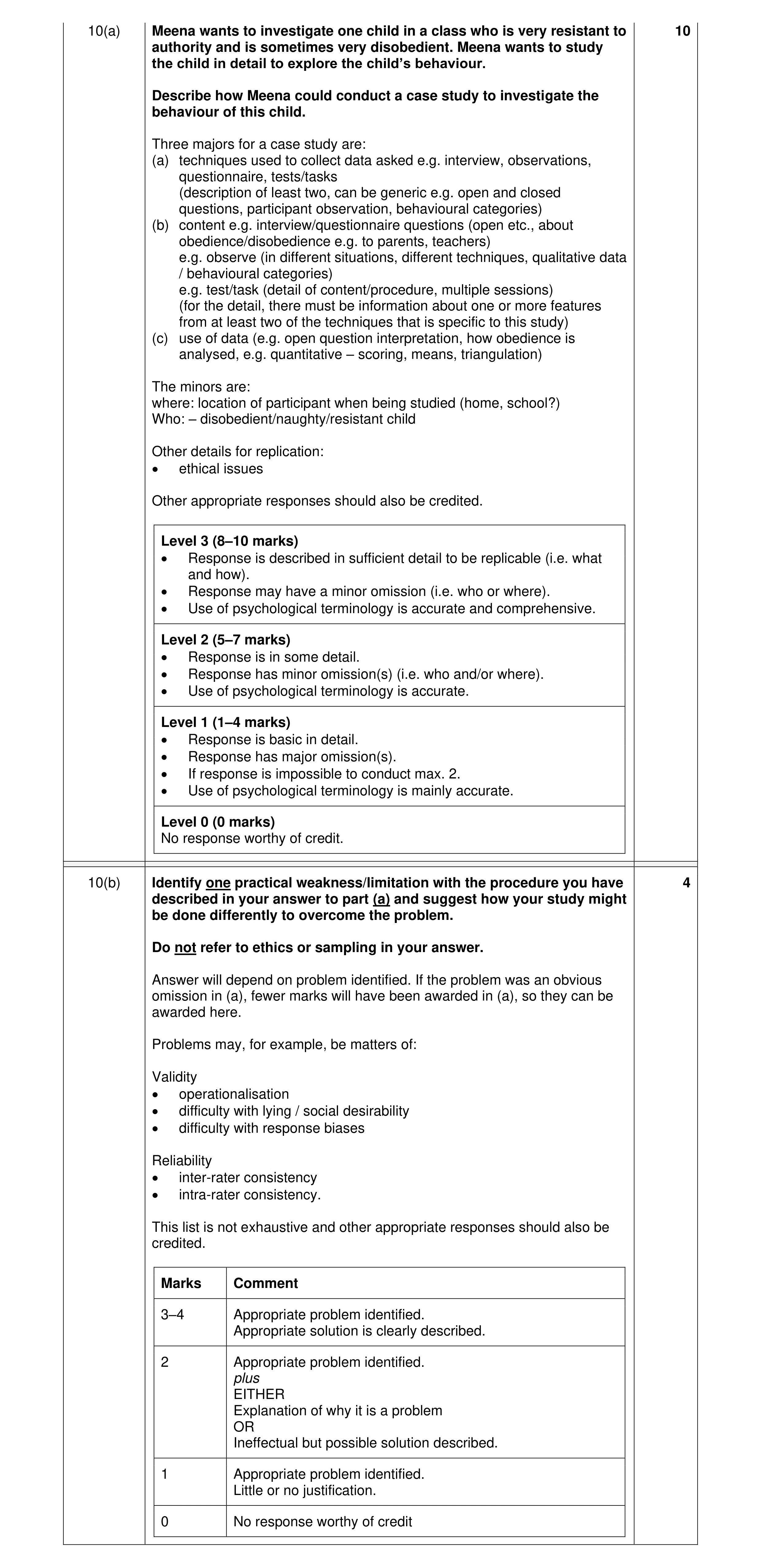 14
14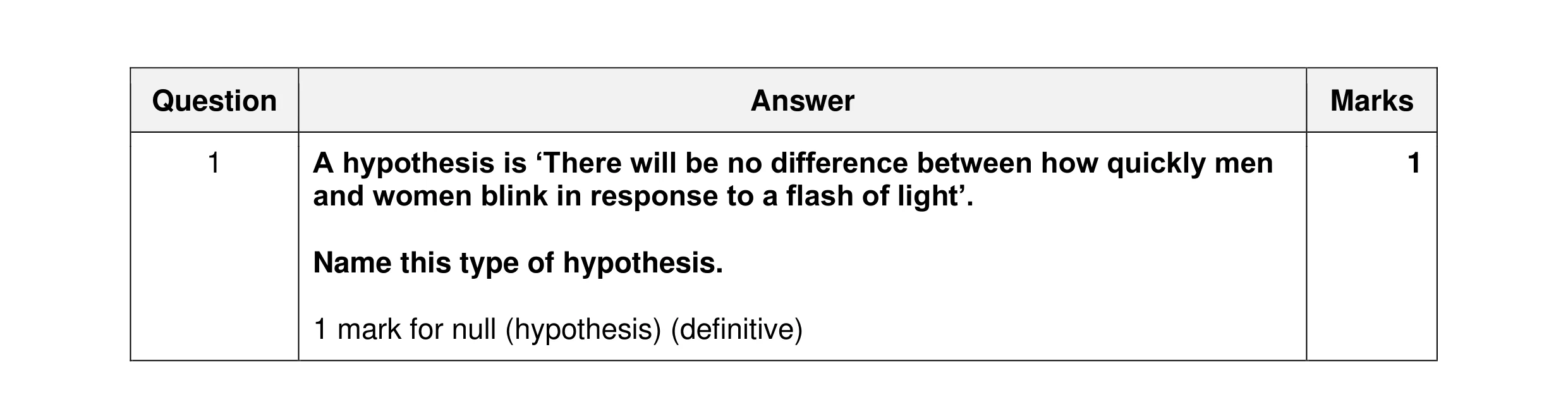 1
1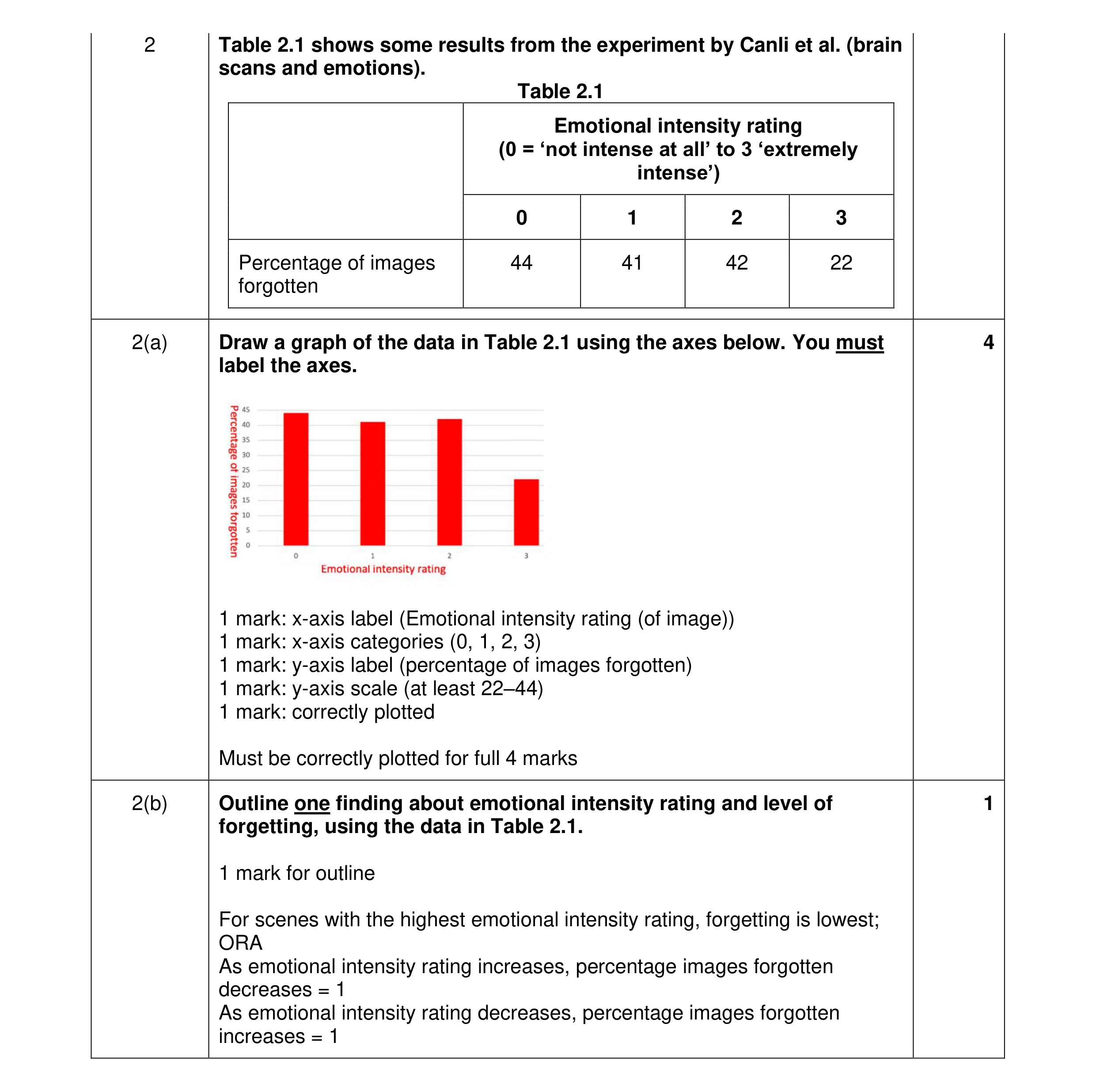 5
5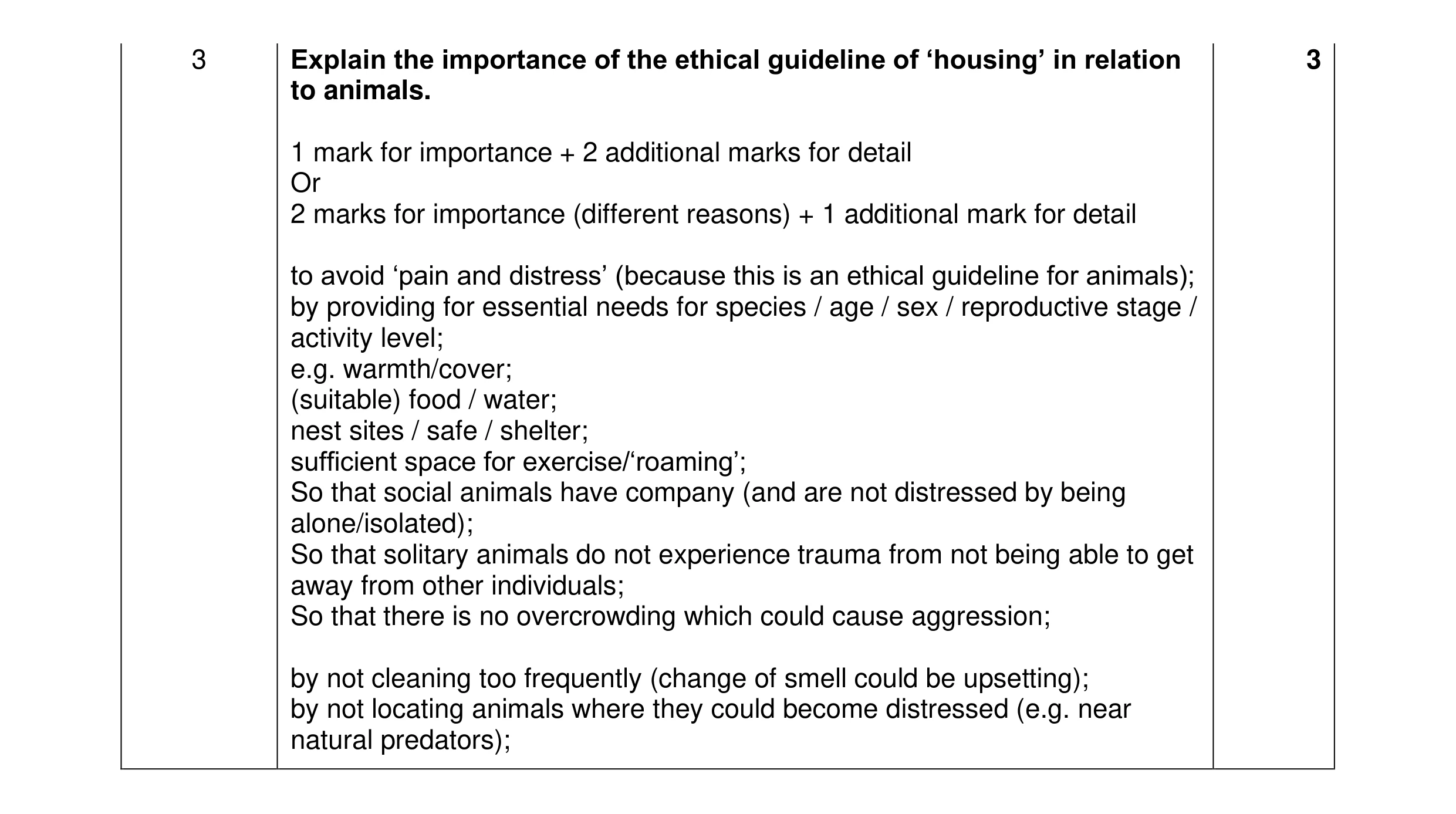 3
3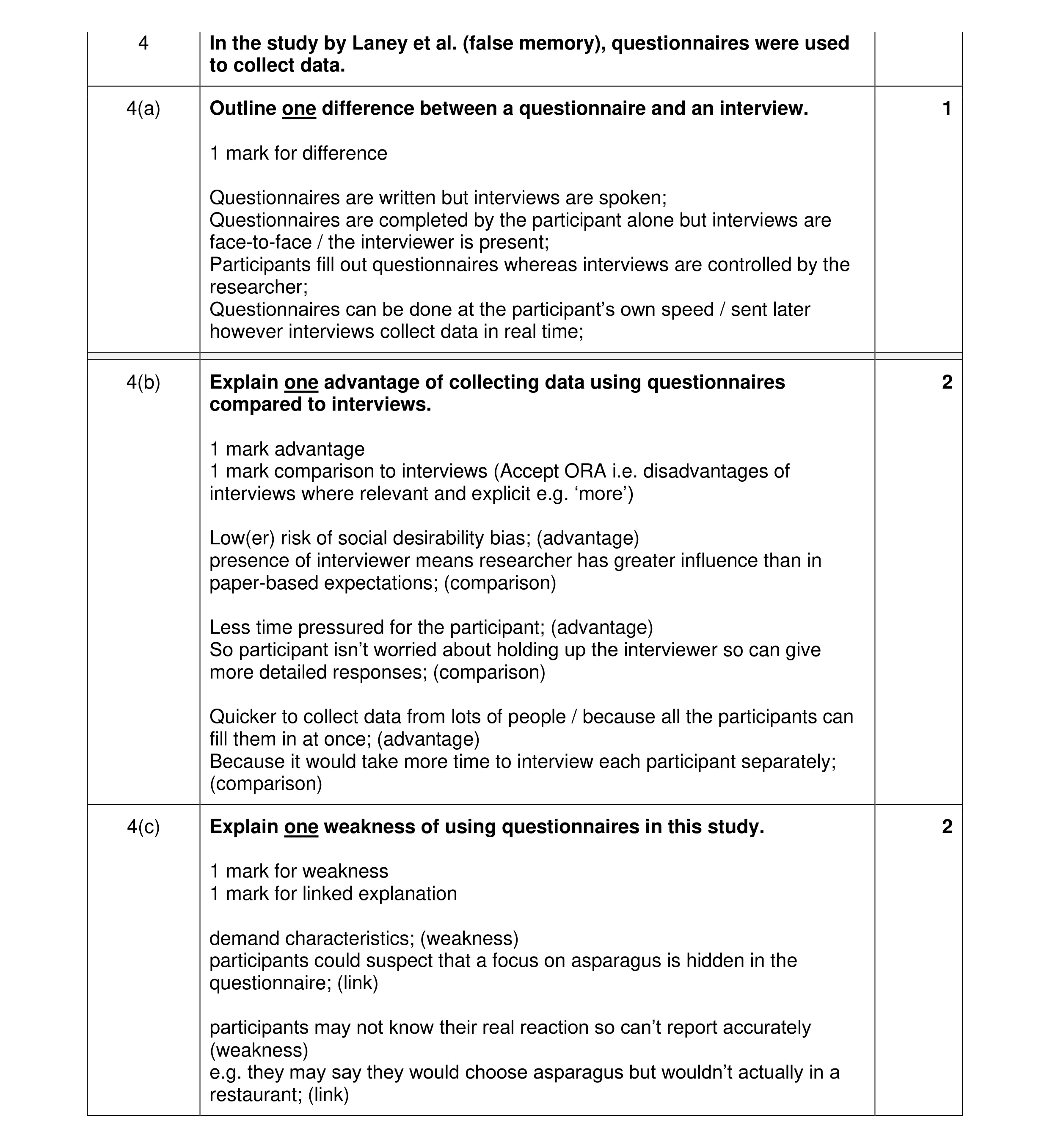 5
5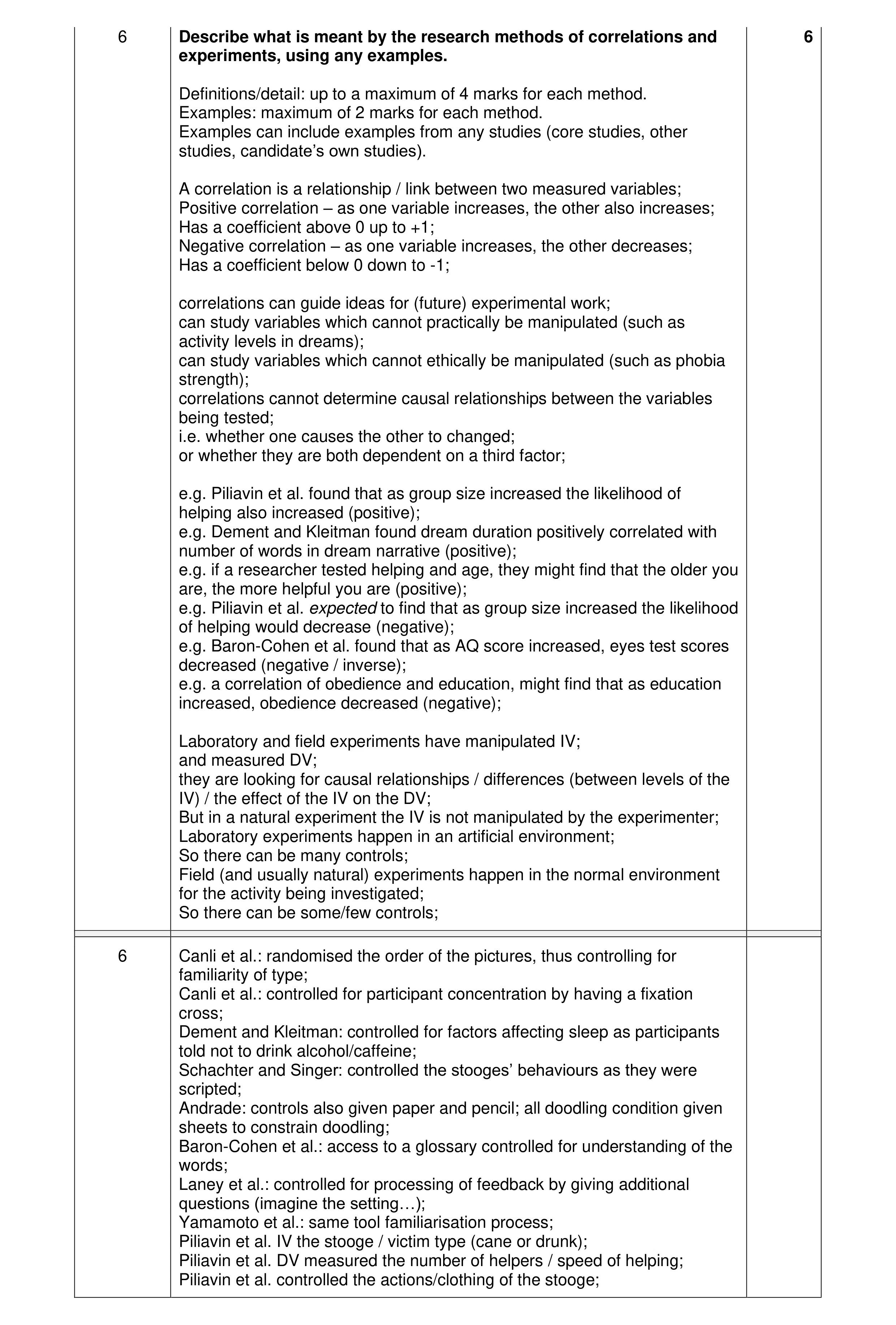 6
6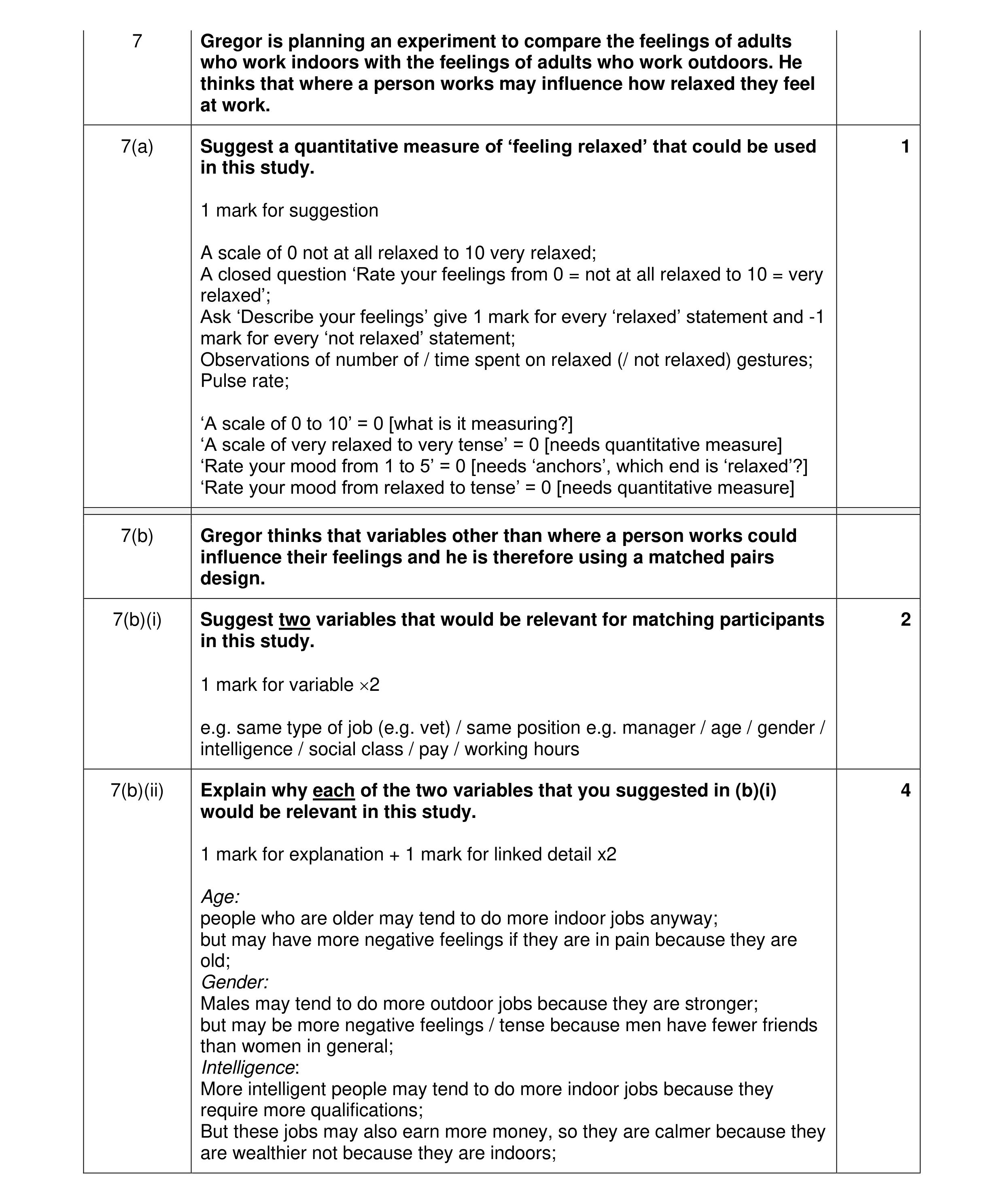 7
7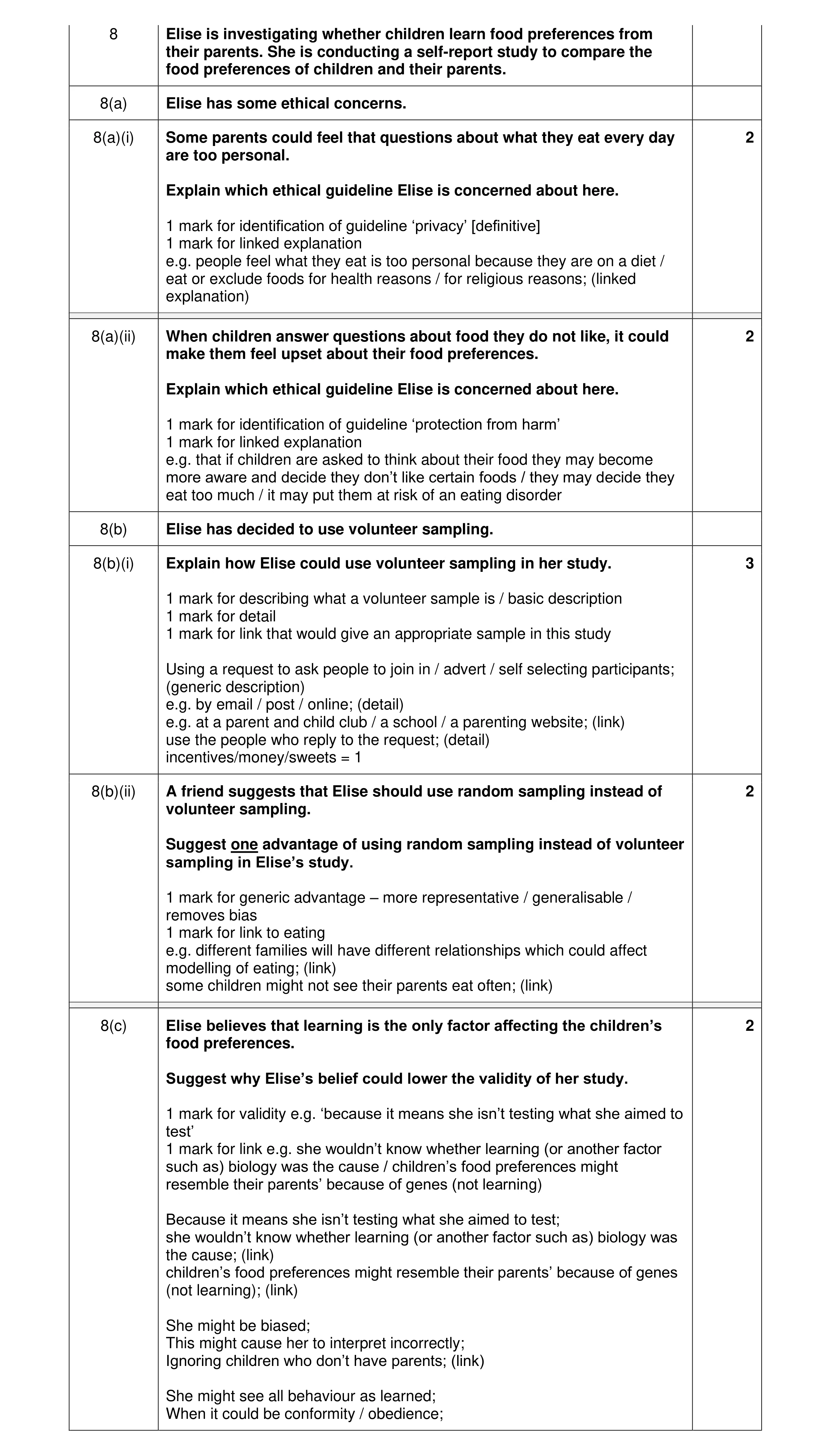 11
11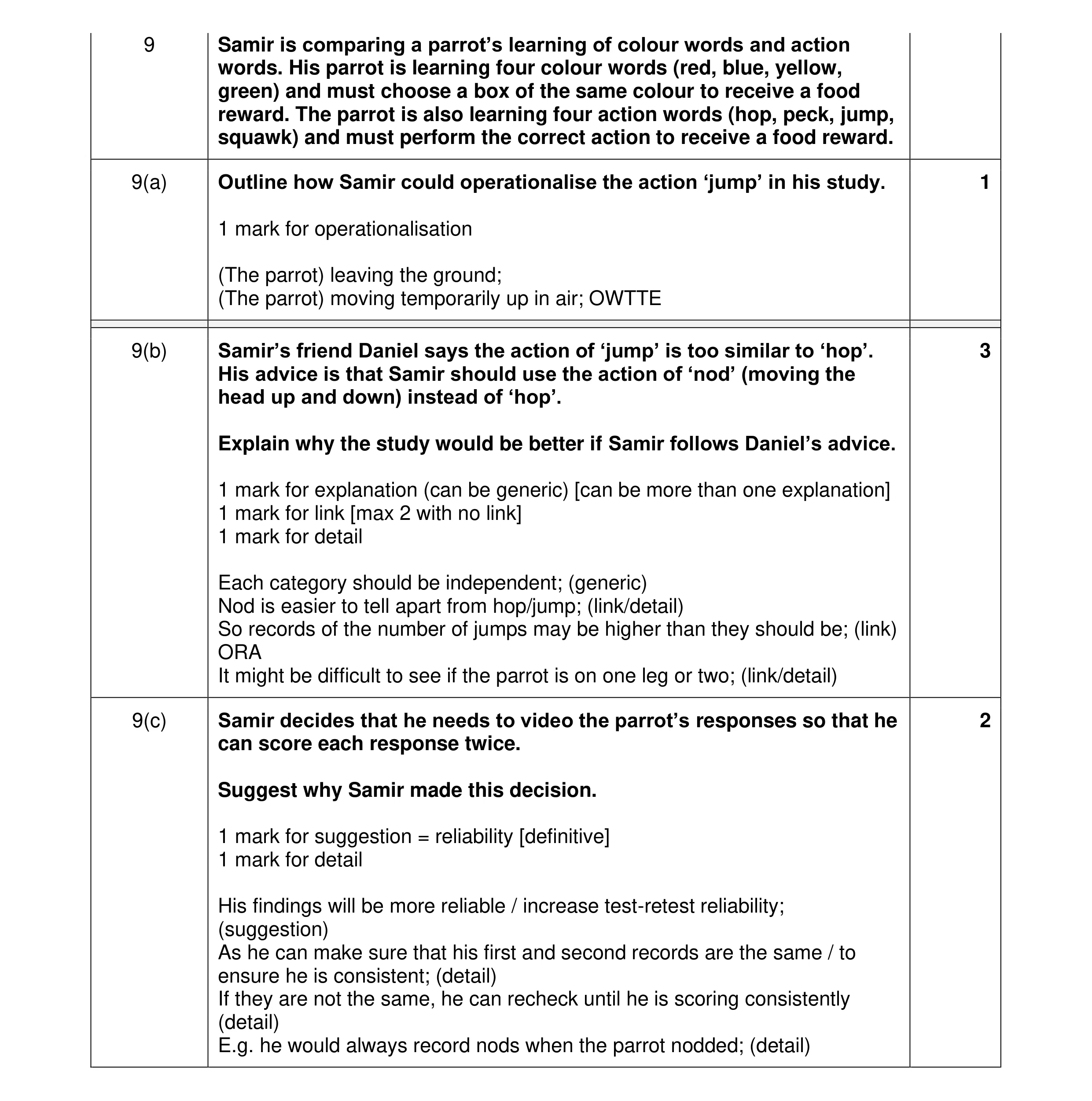 6
6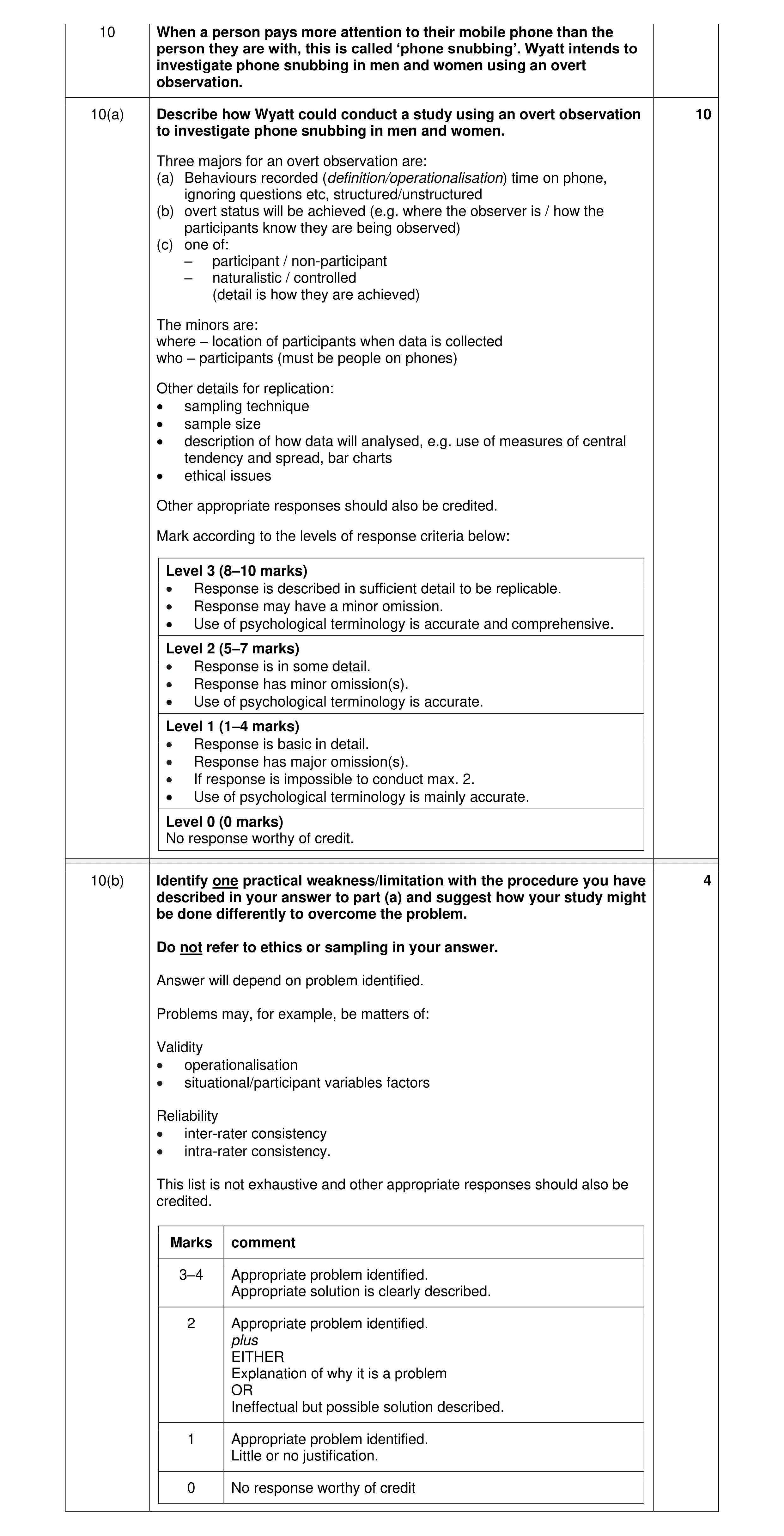 14
14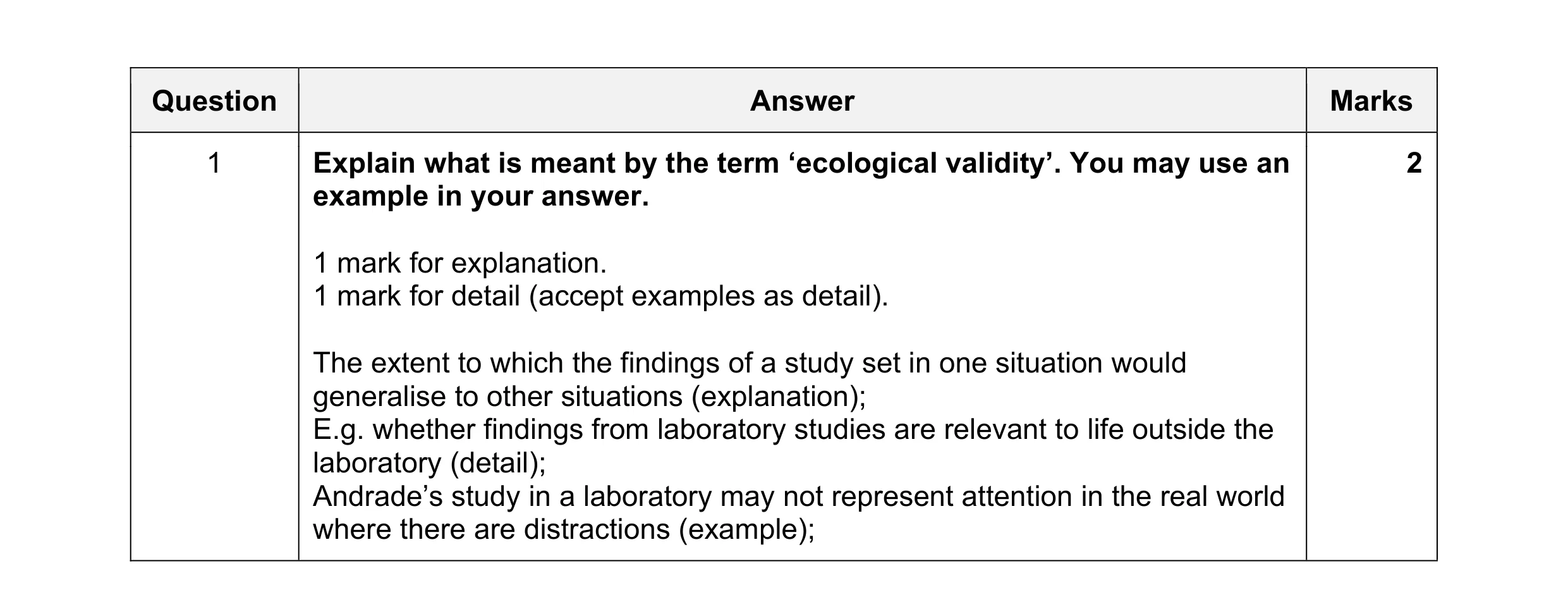 2
2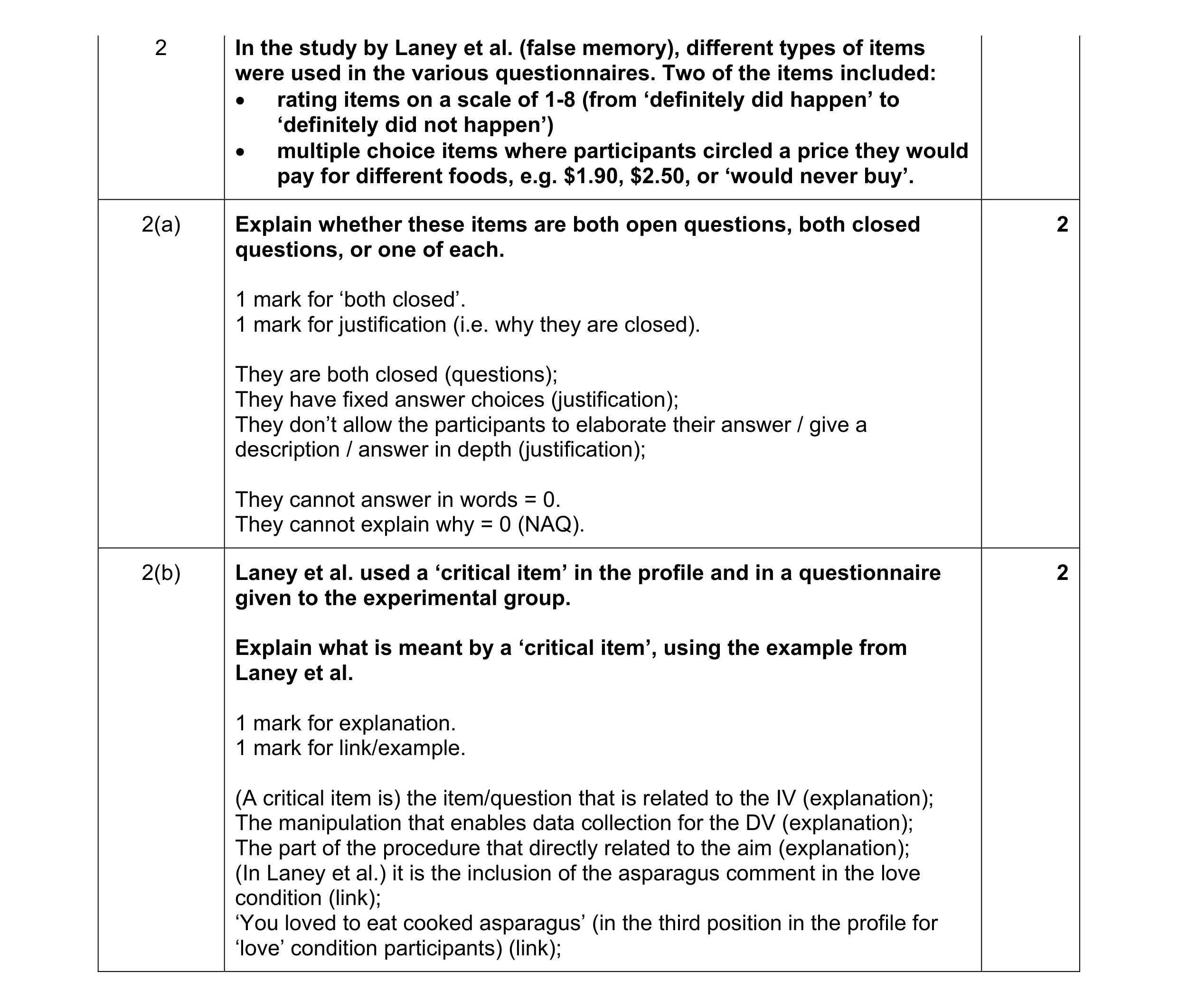 4
4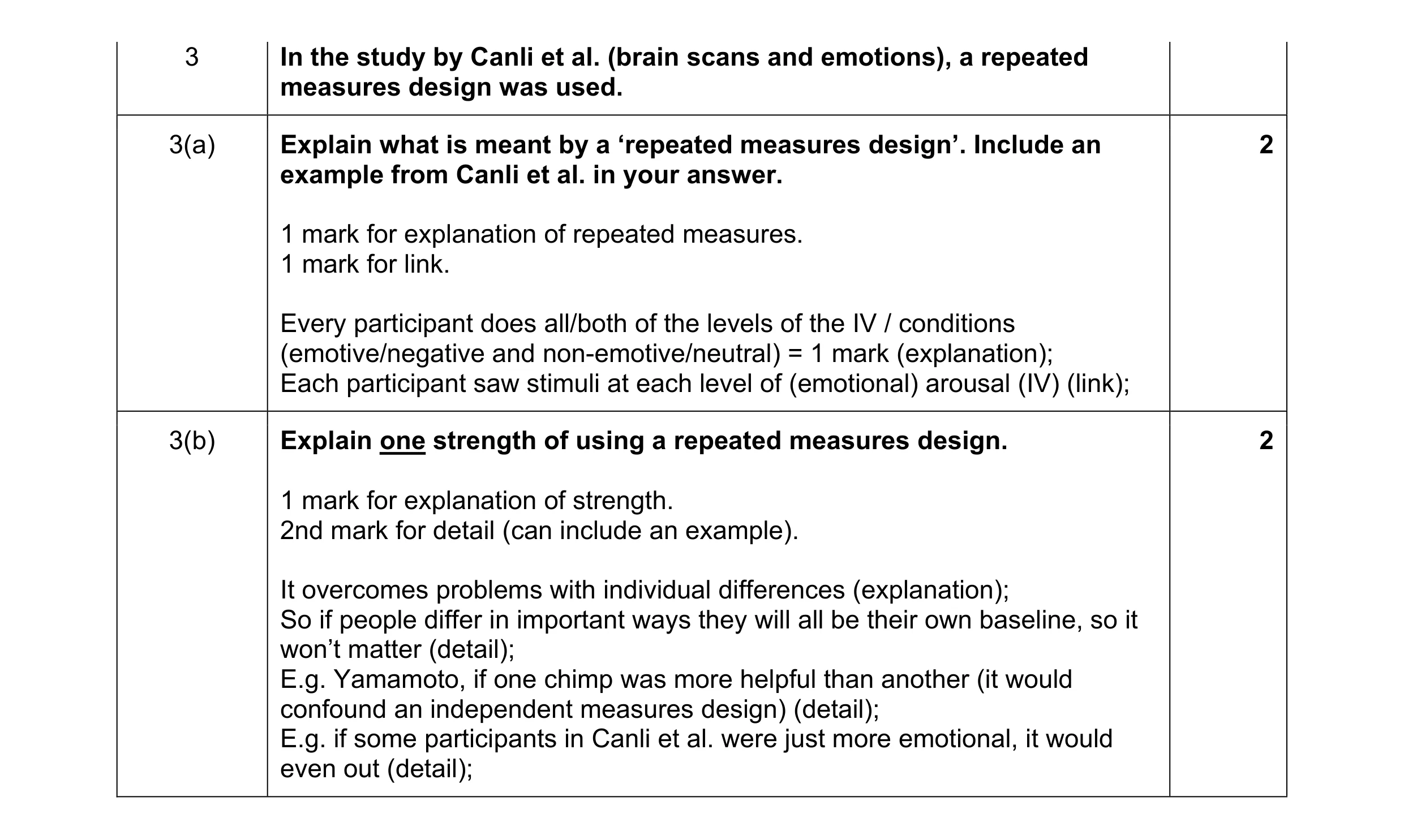 4
4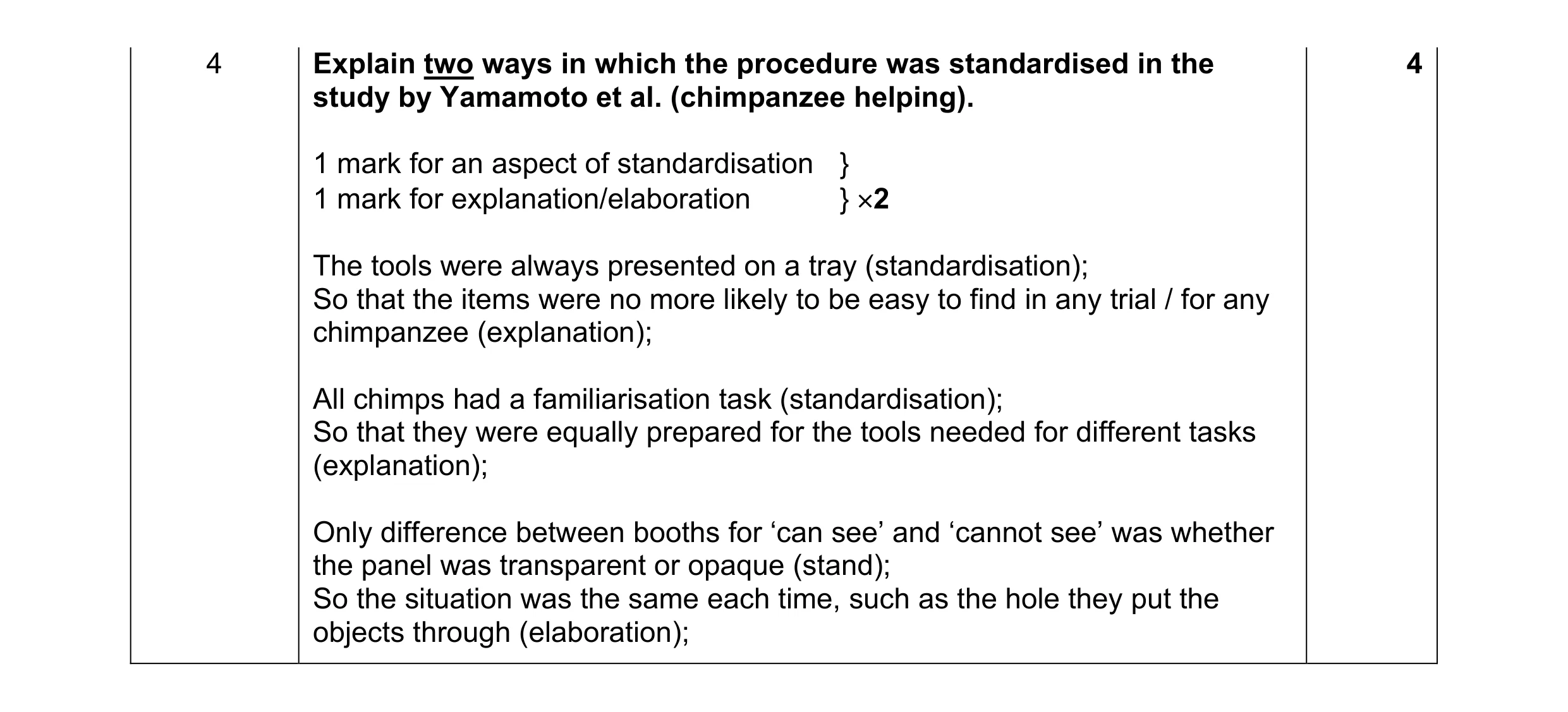 4
4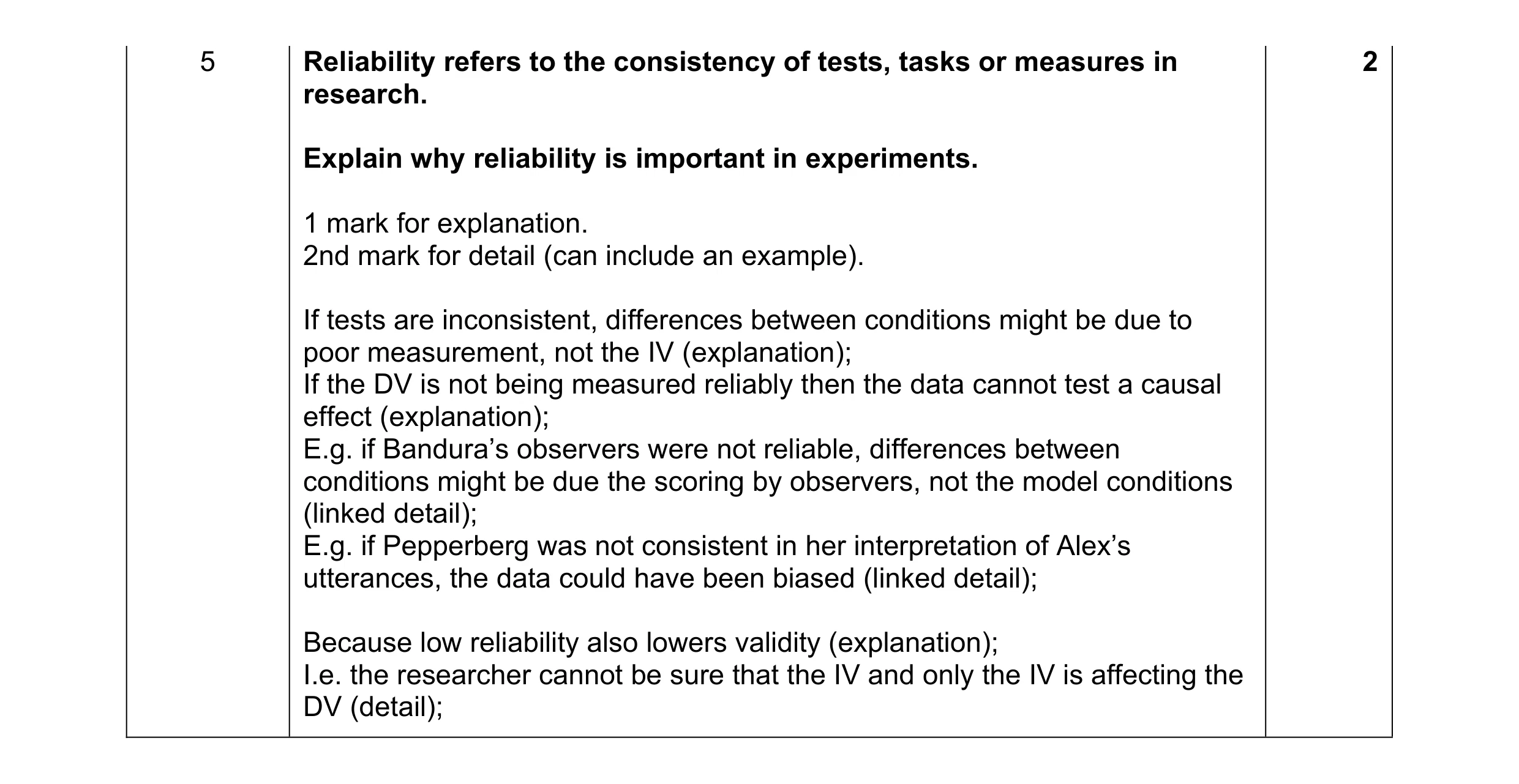 2
2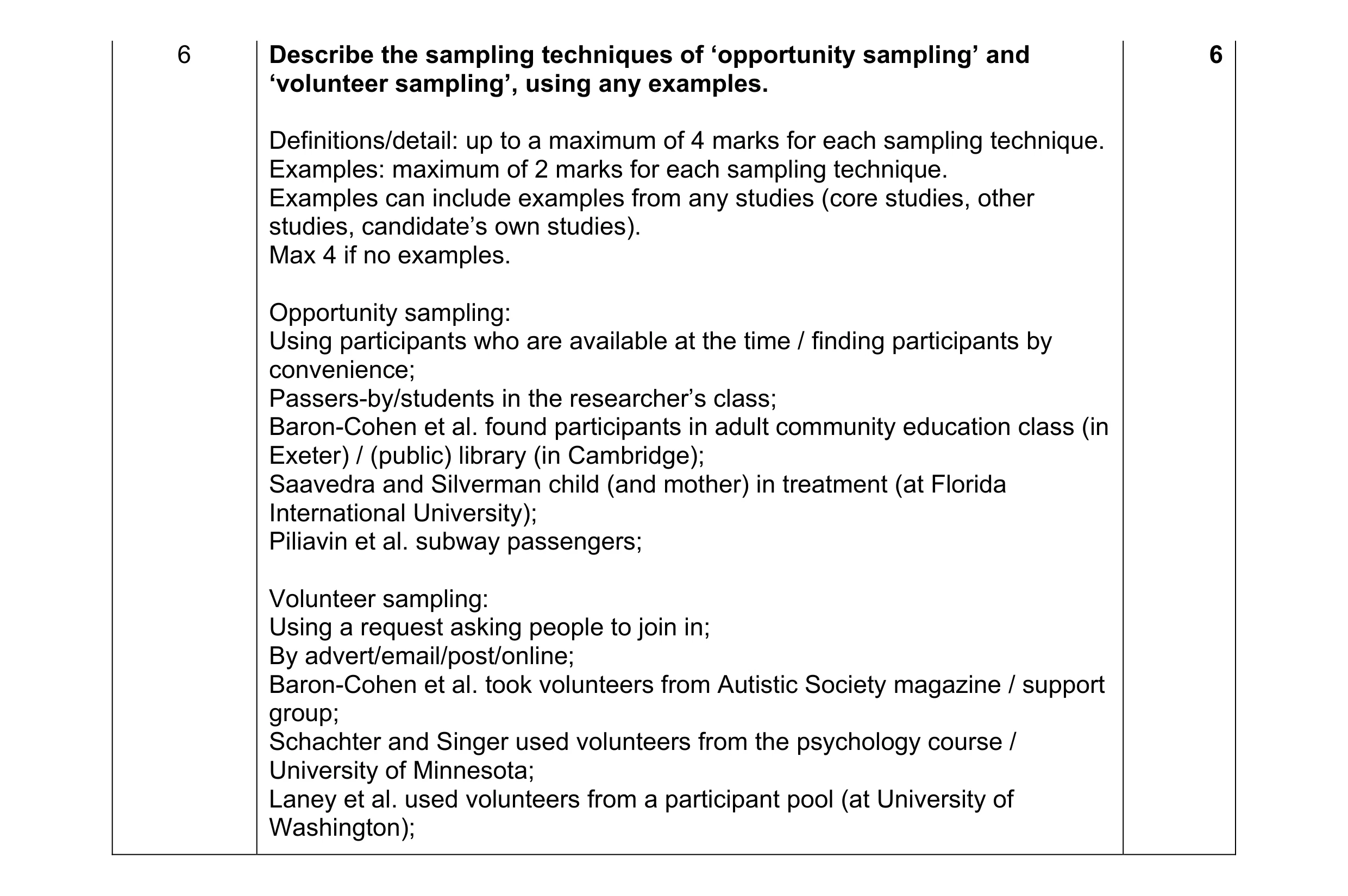 6
6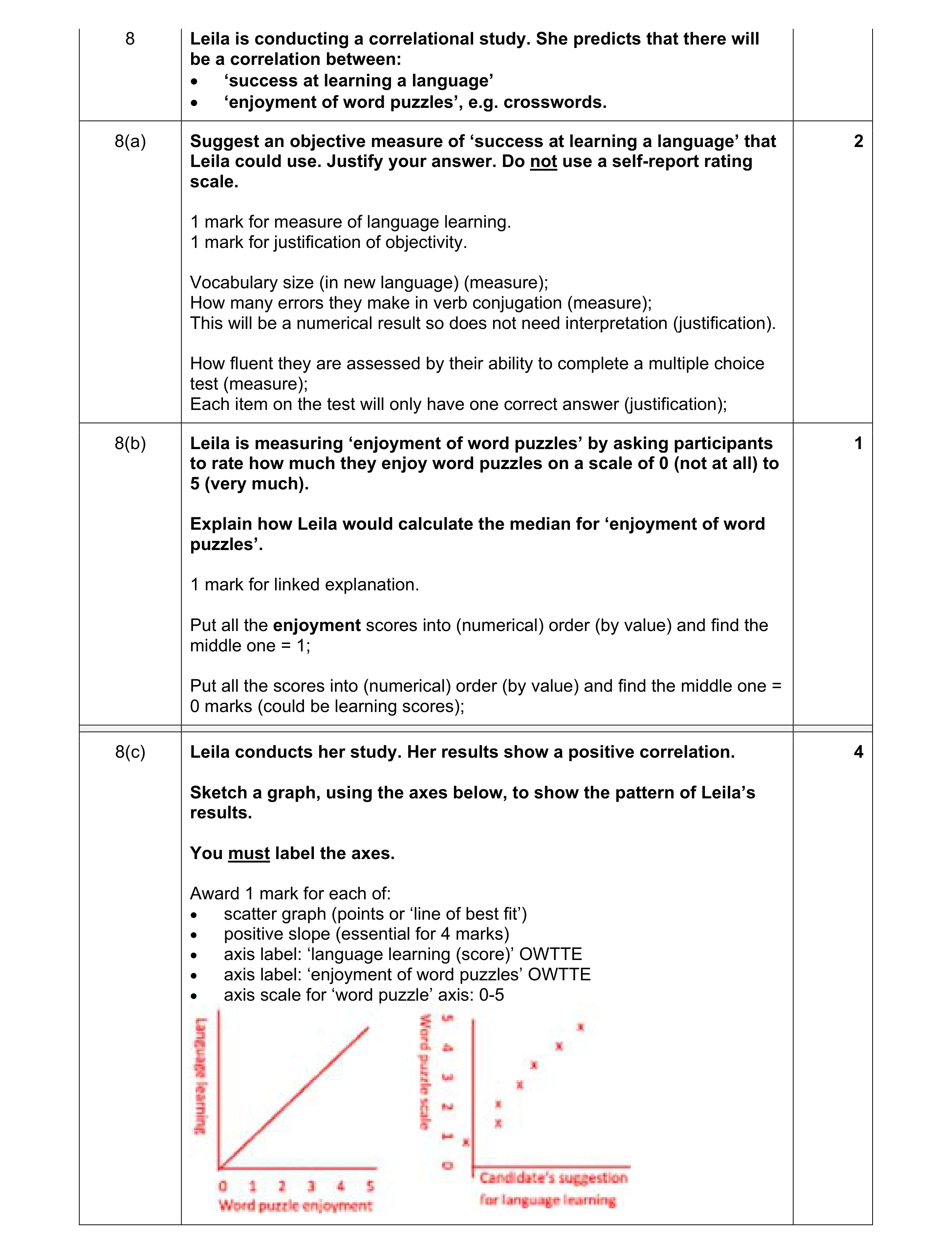 7
7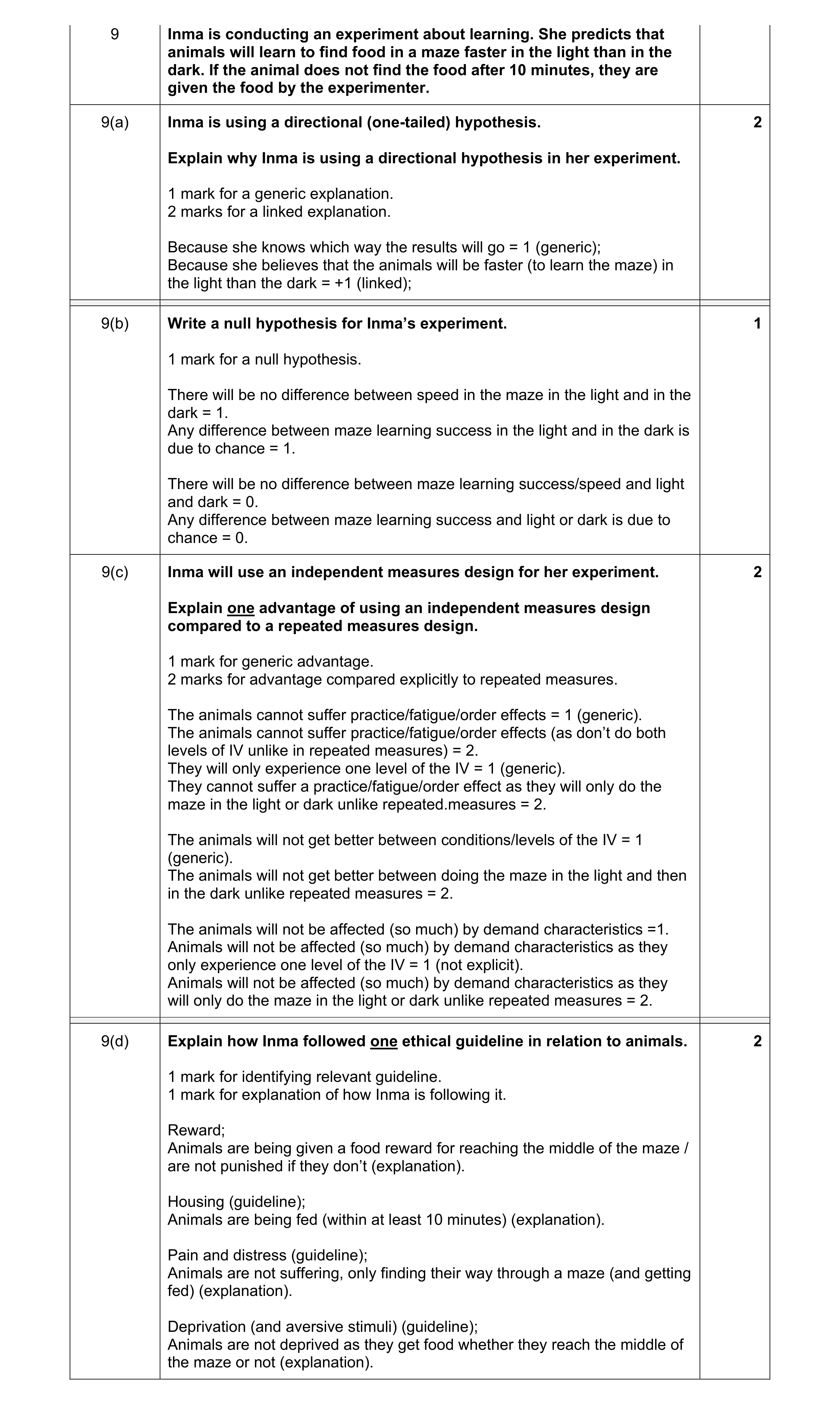 7
7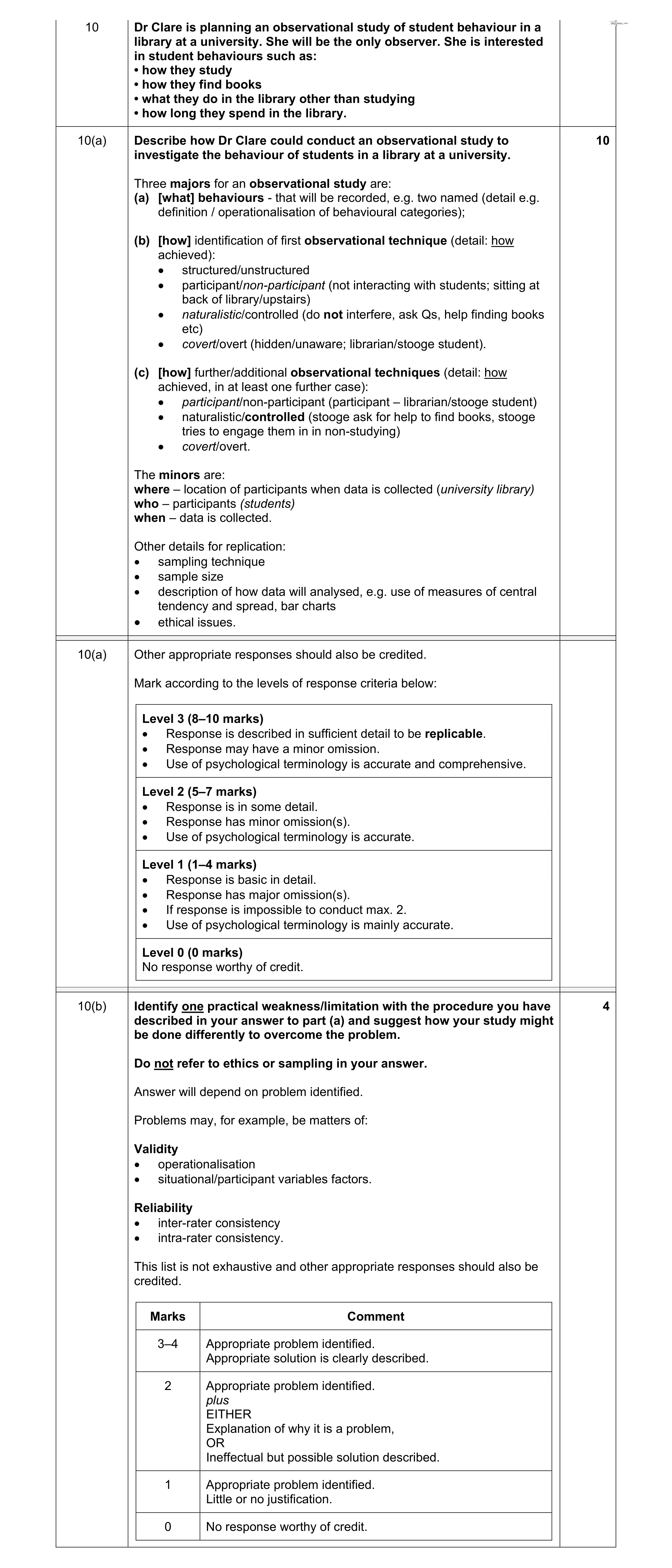 14
14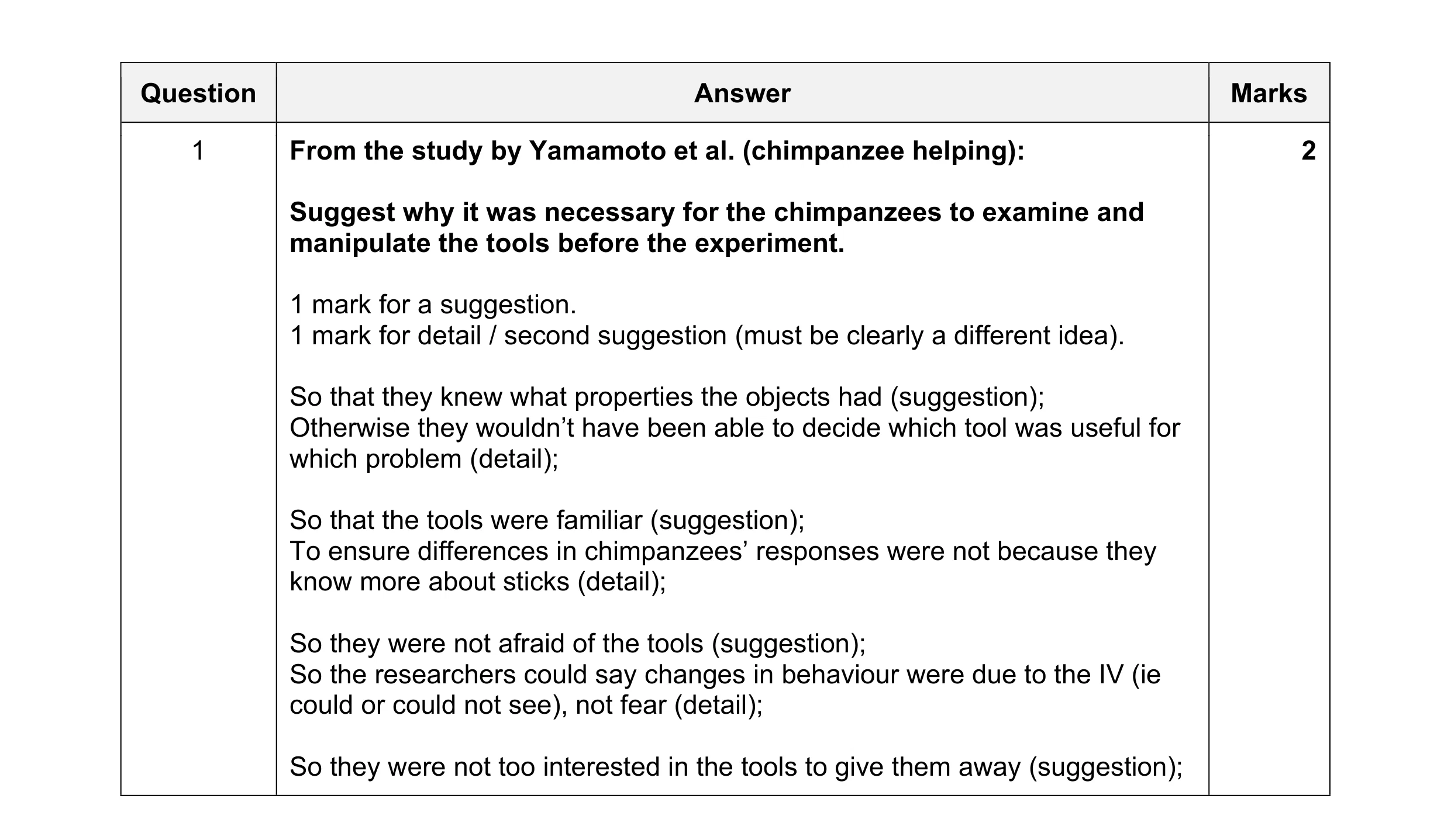 2
2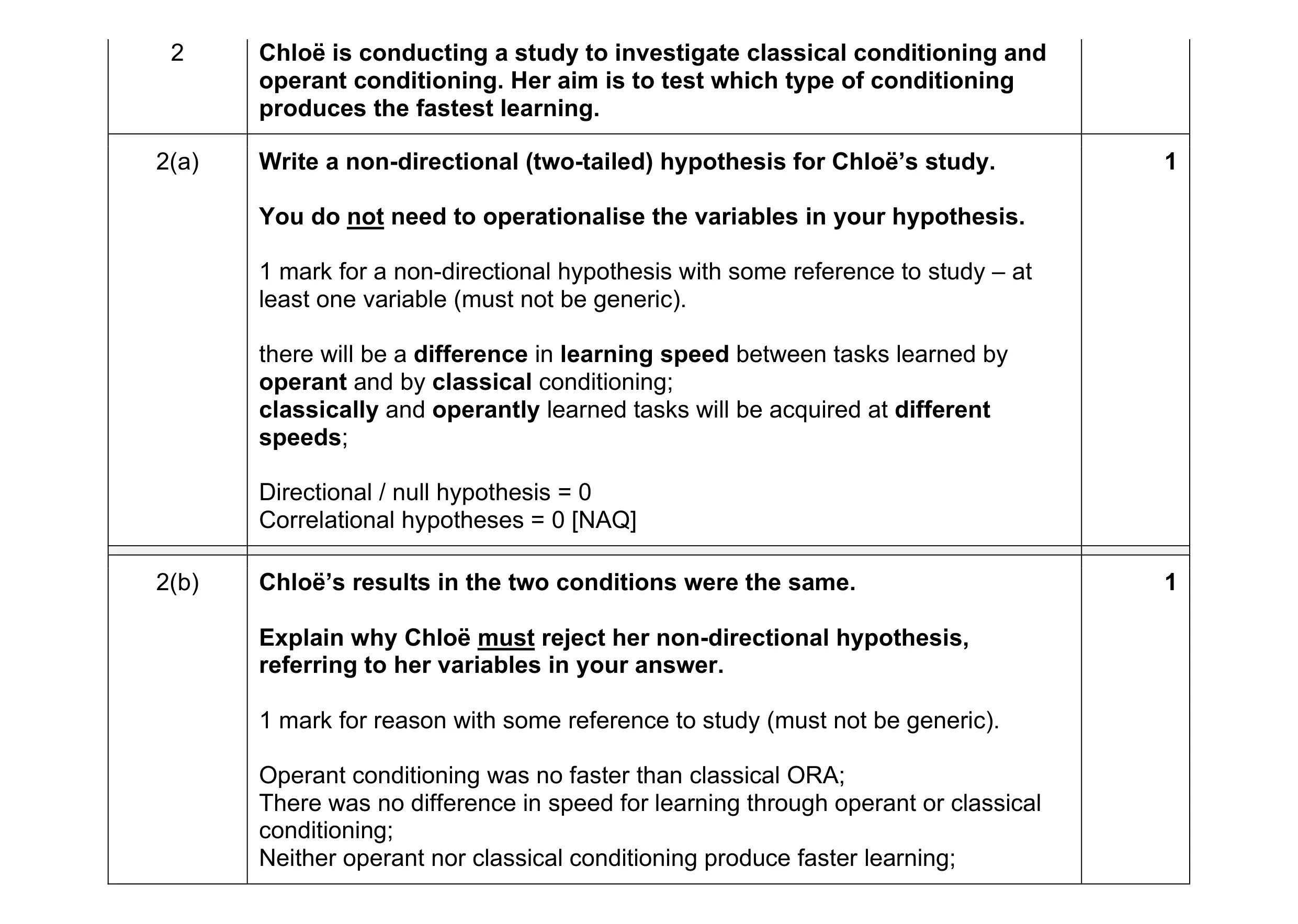 2
2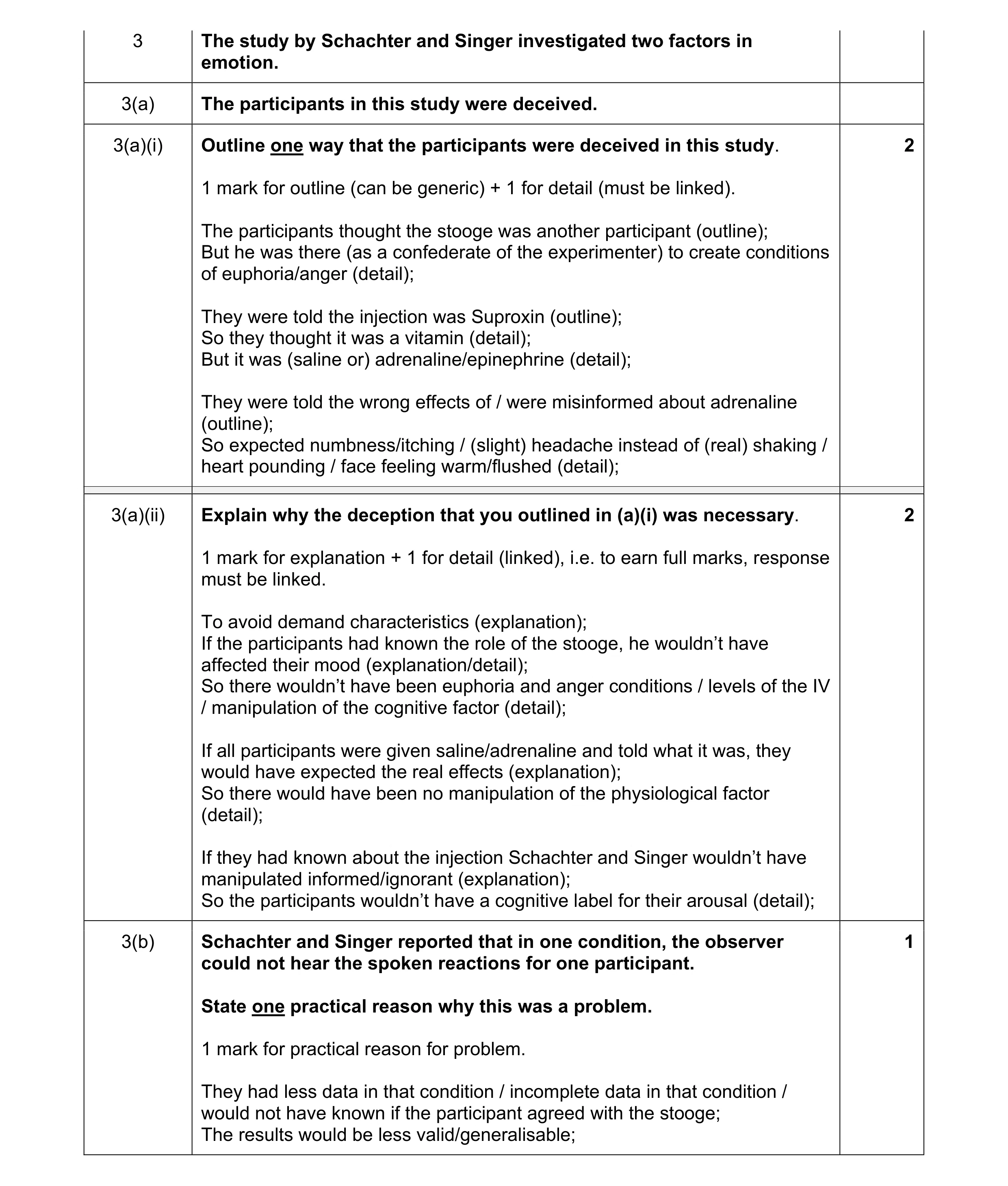 5
5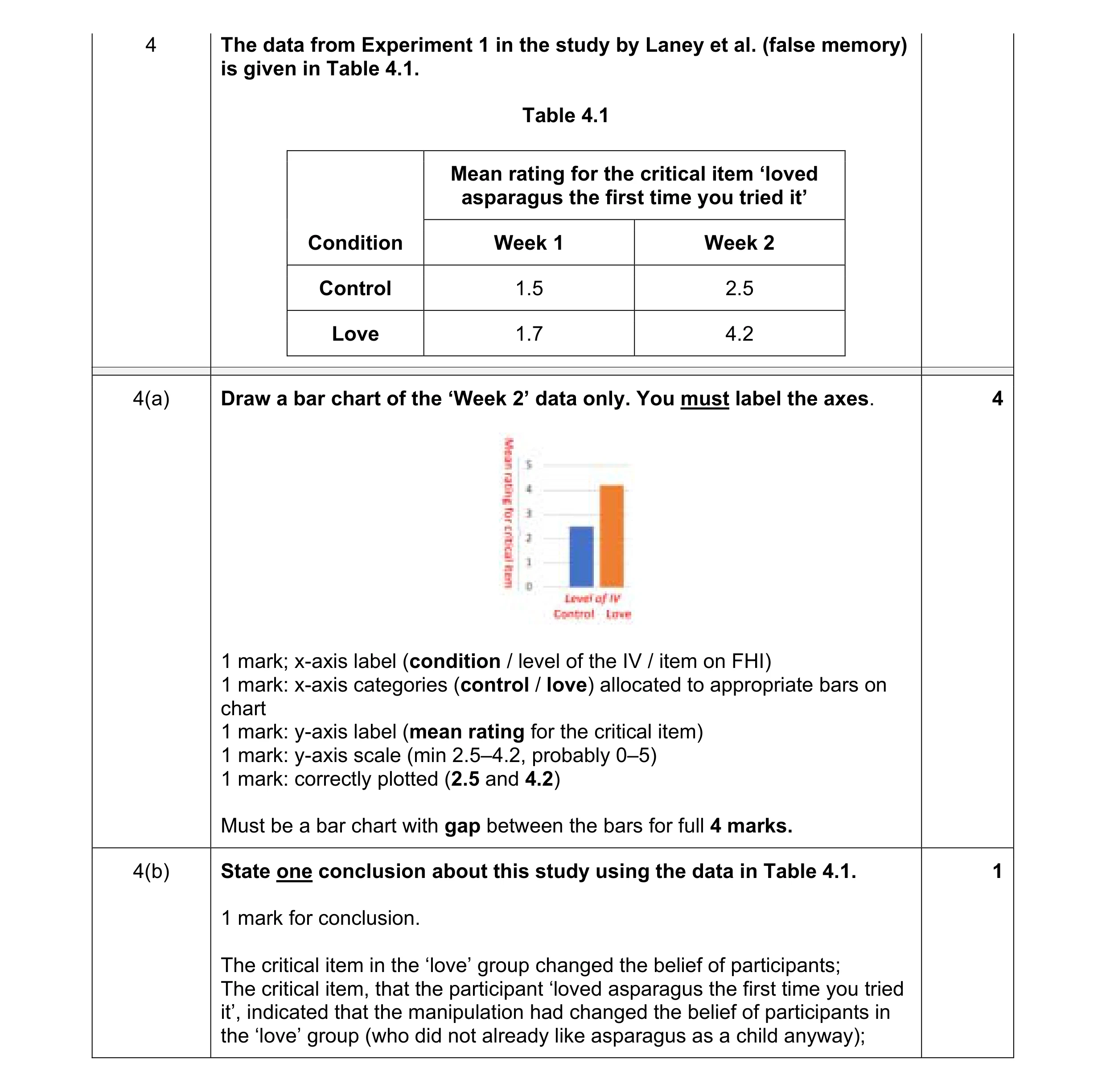 5
5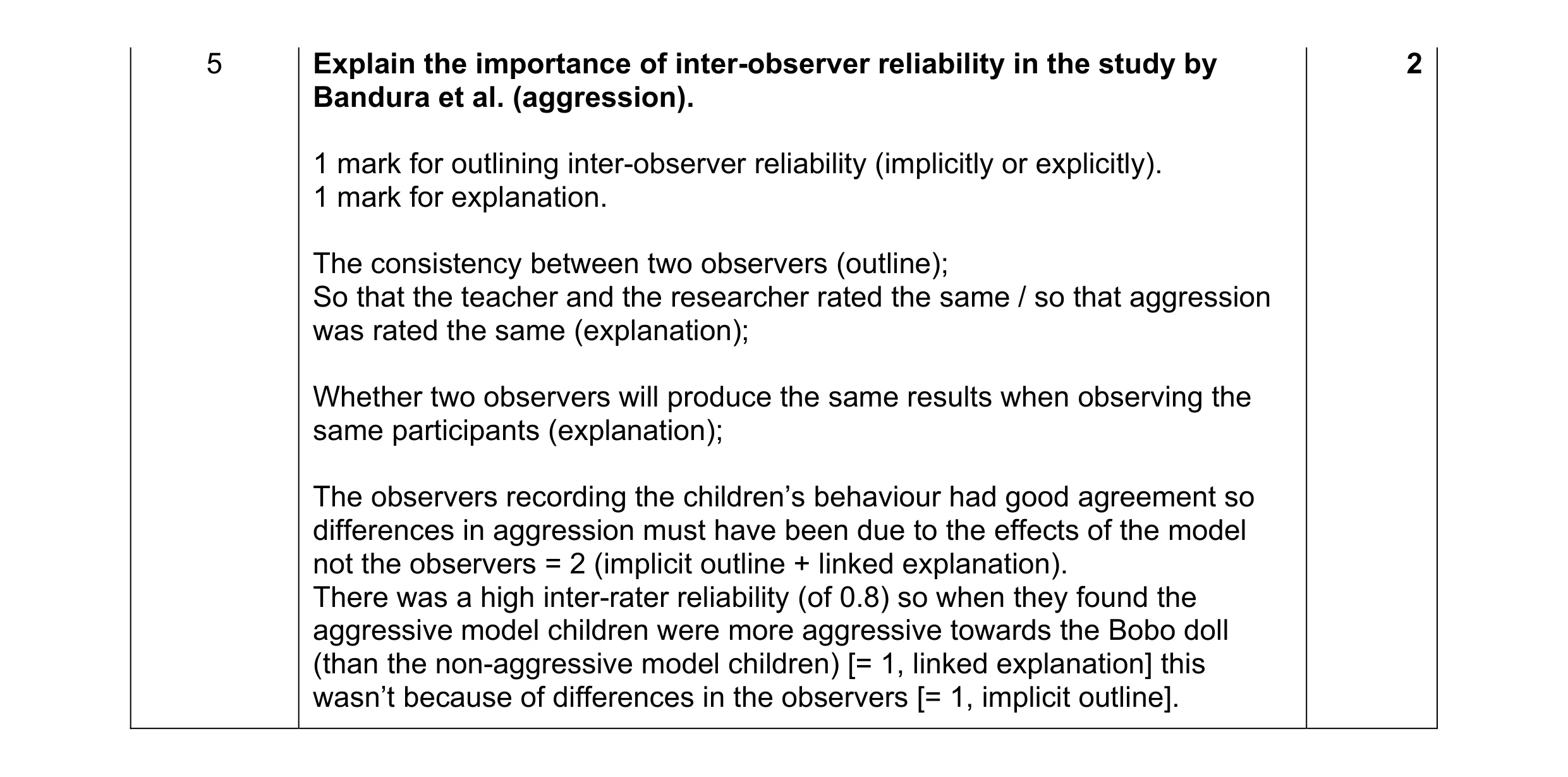 2
2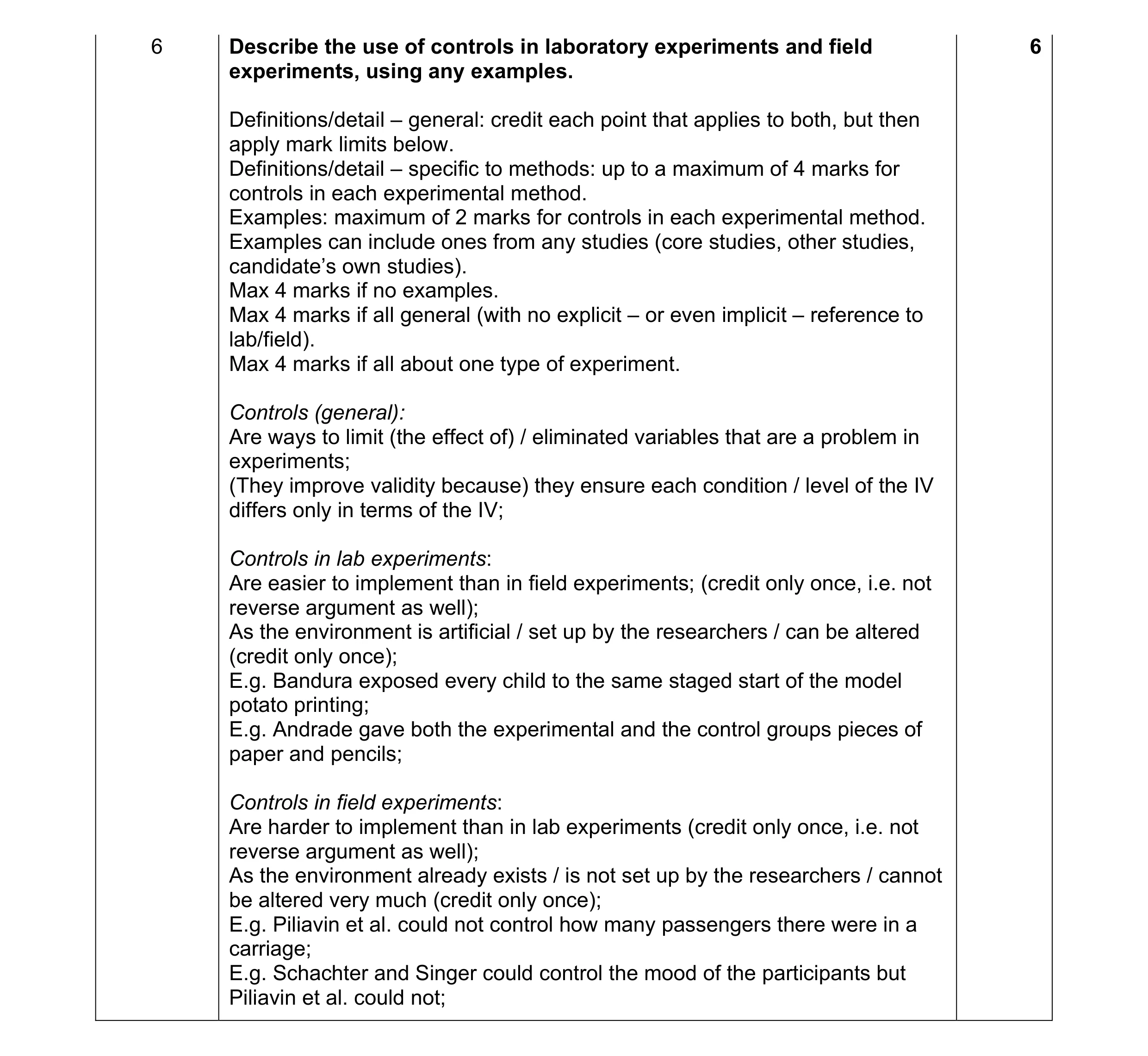 6
6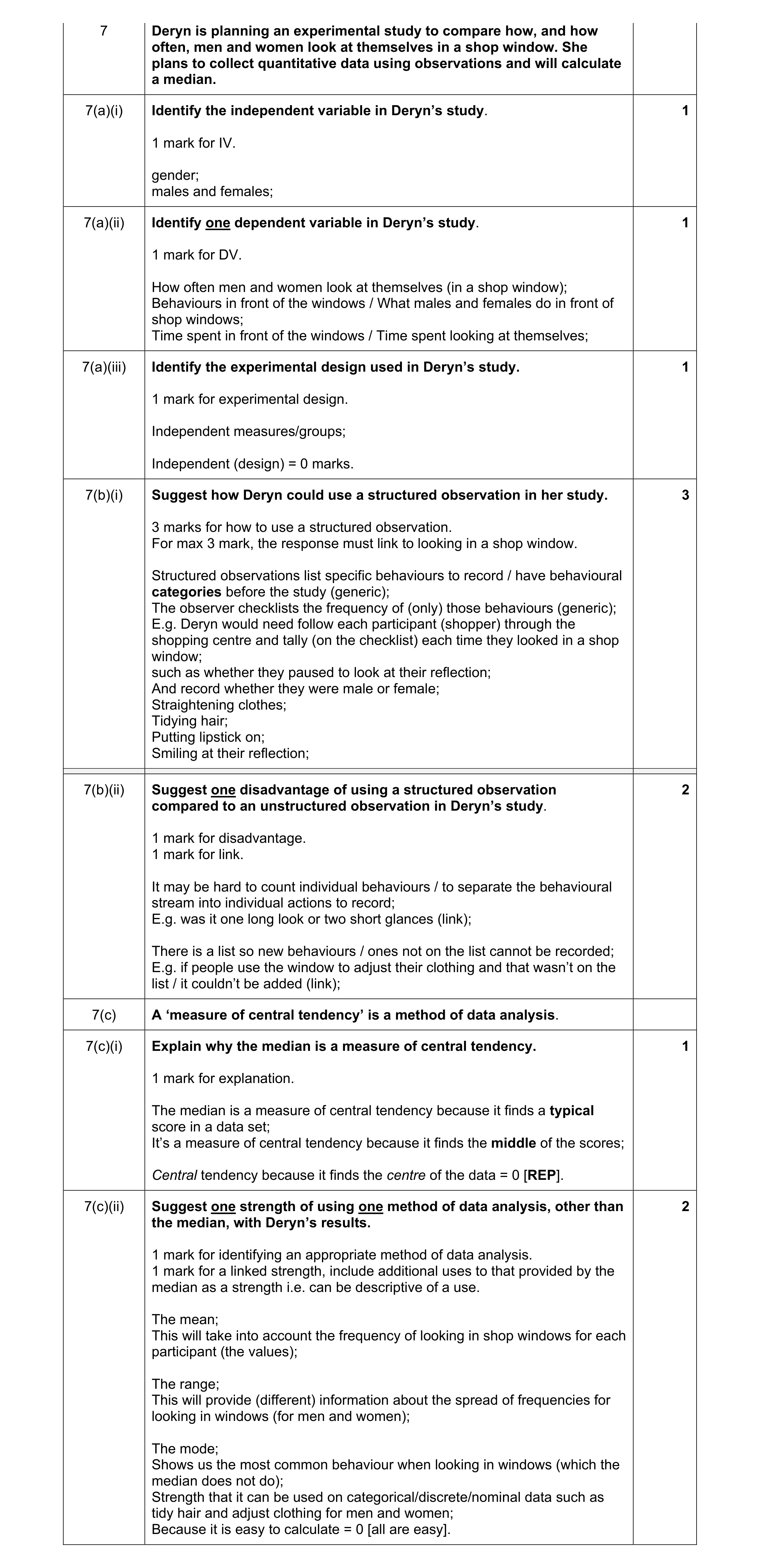 11
11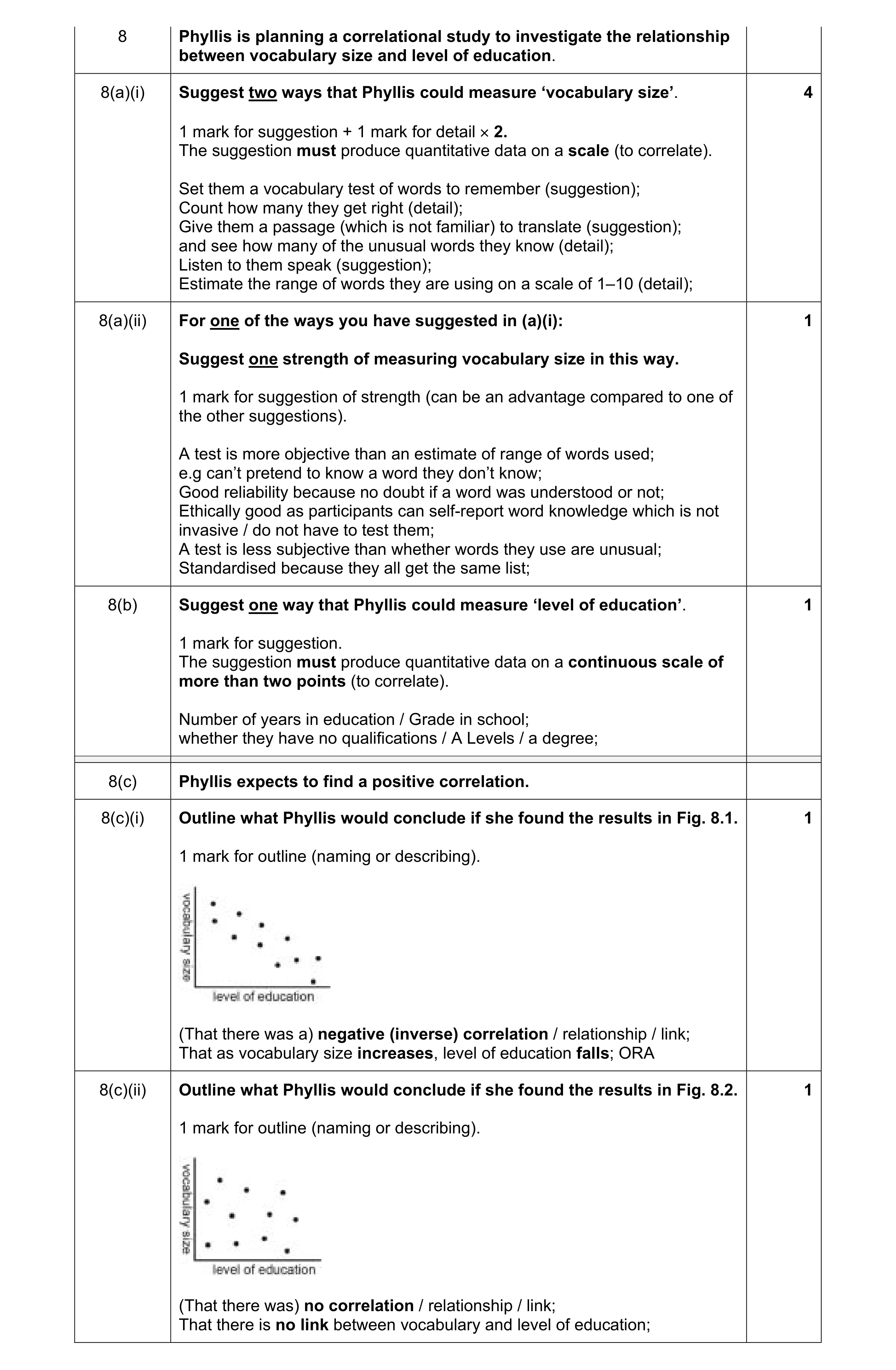 8
8 5
5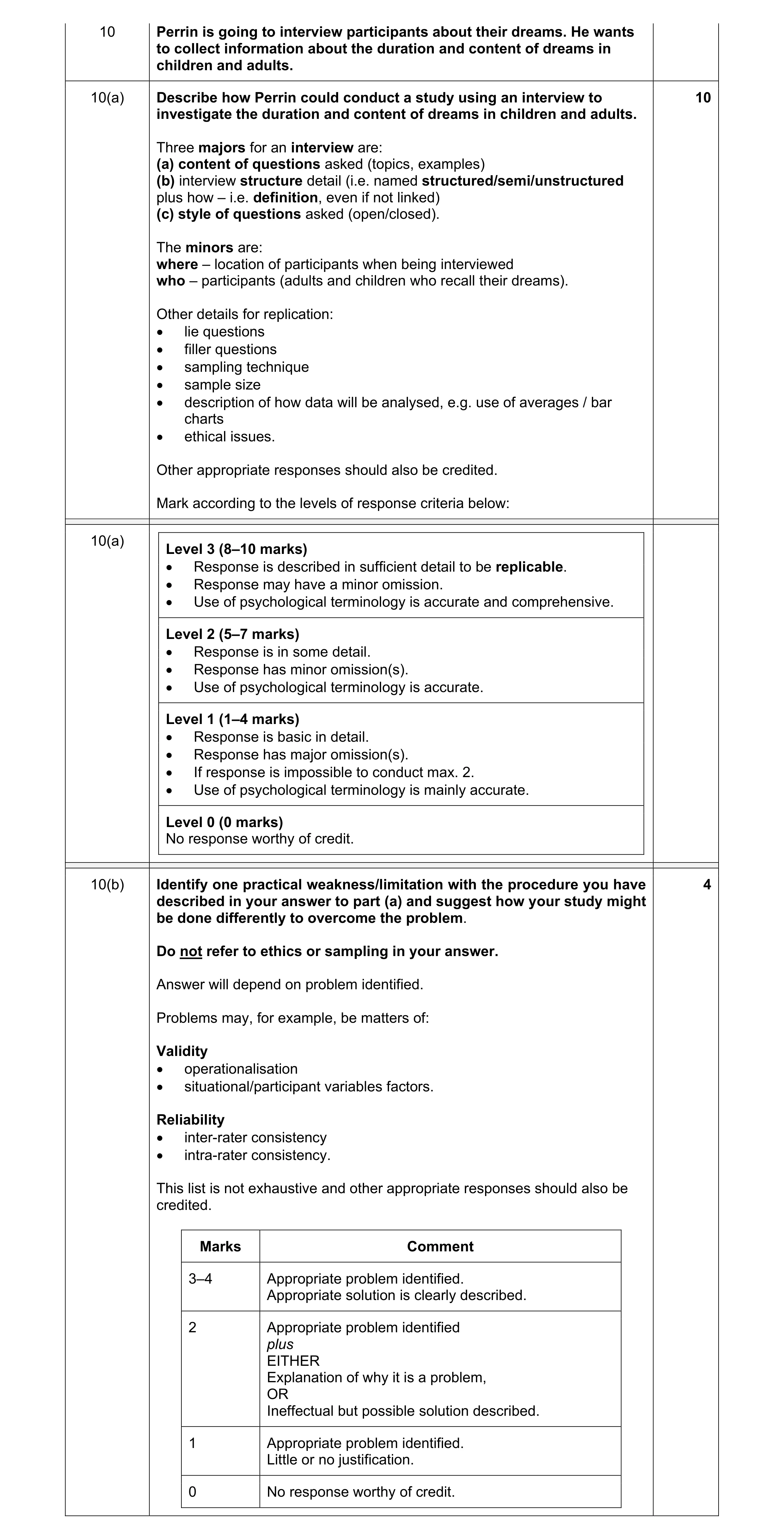 14
14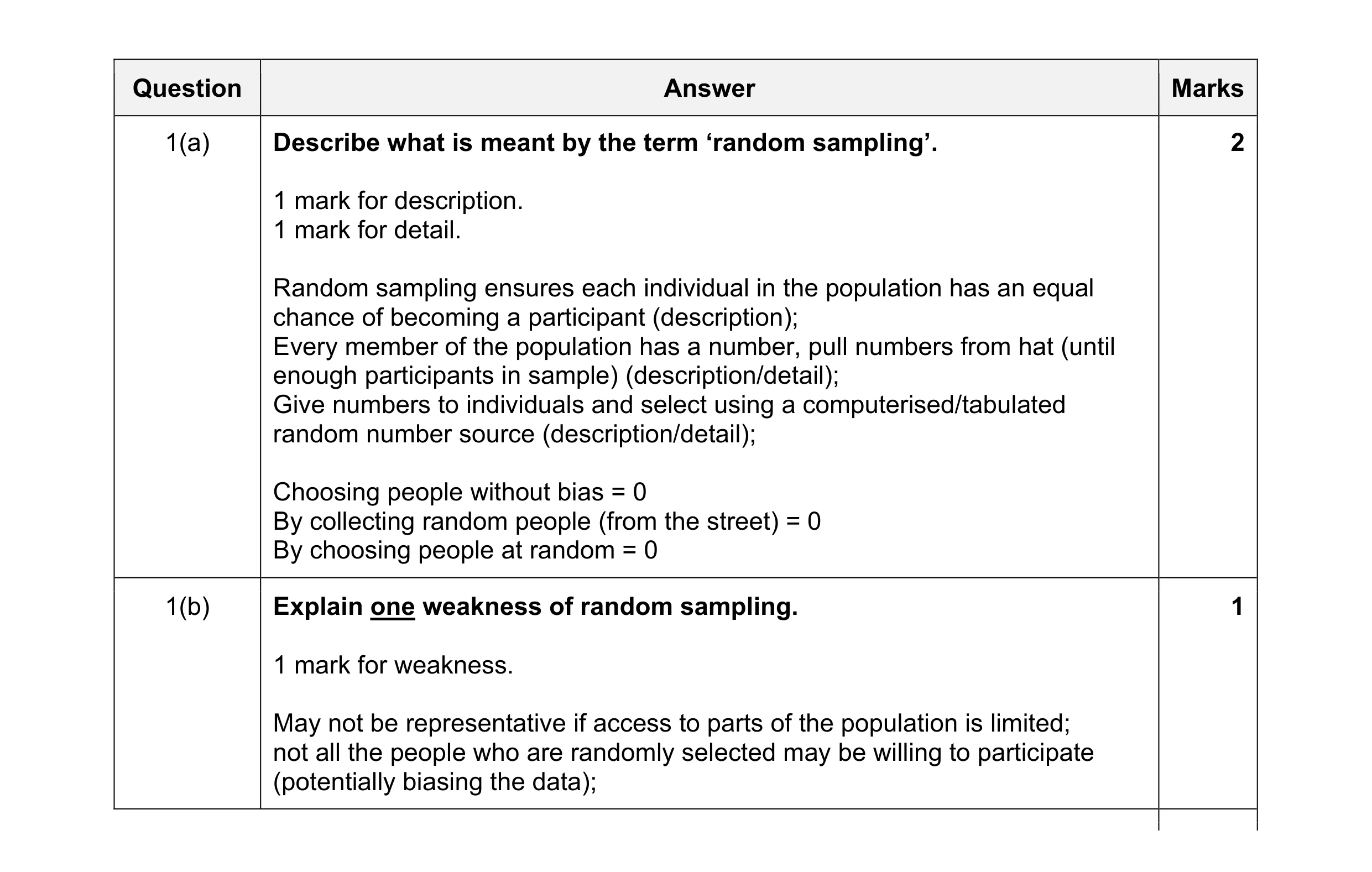 3
3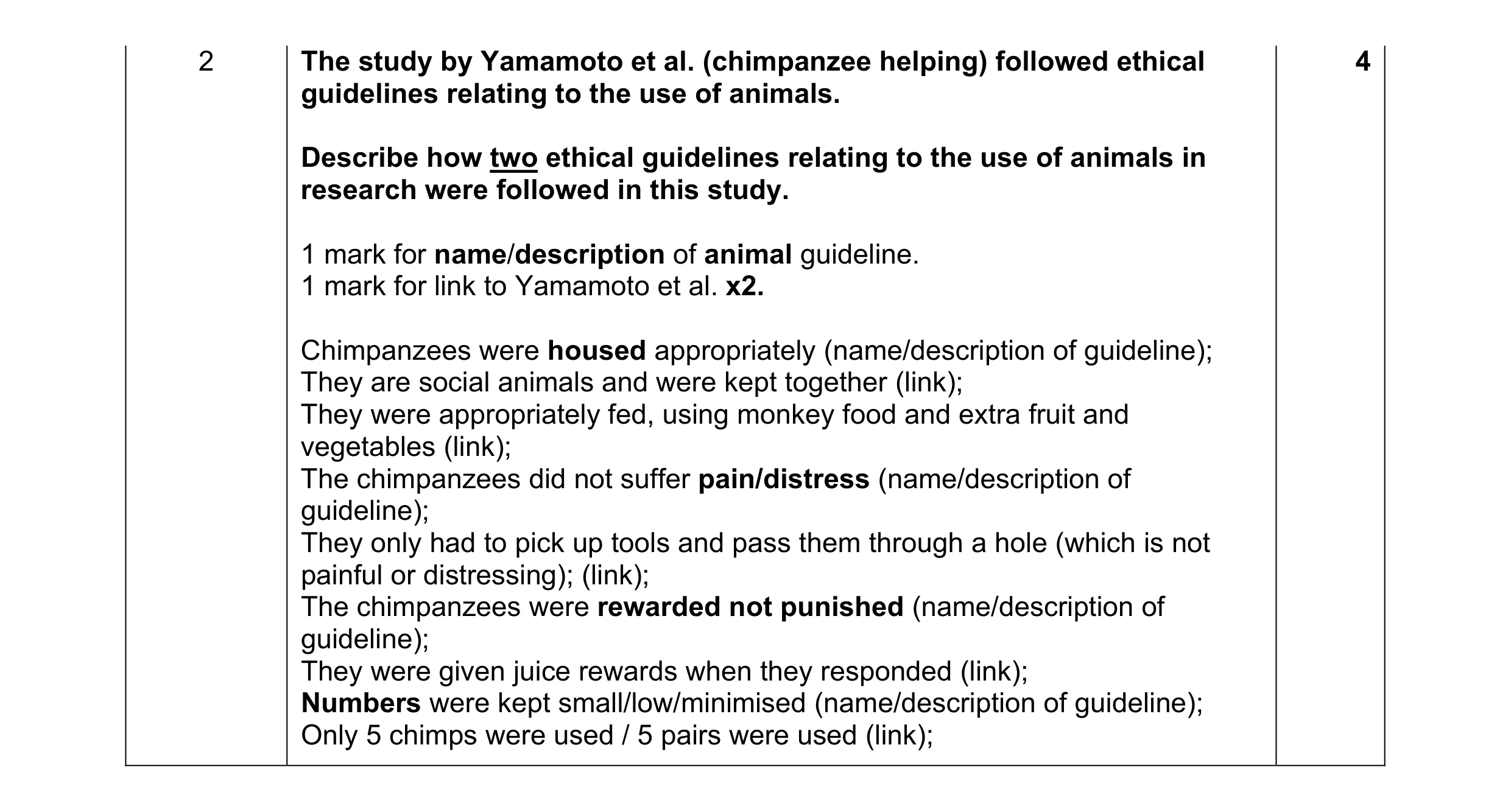 4
4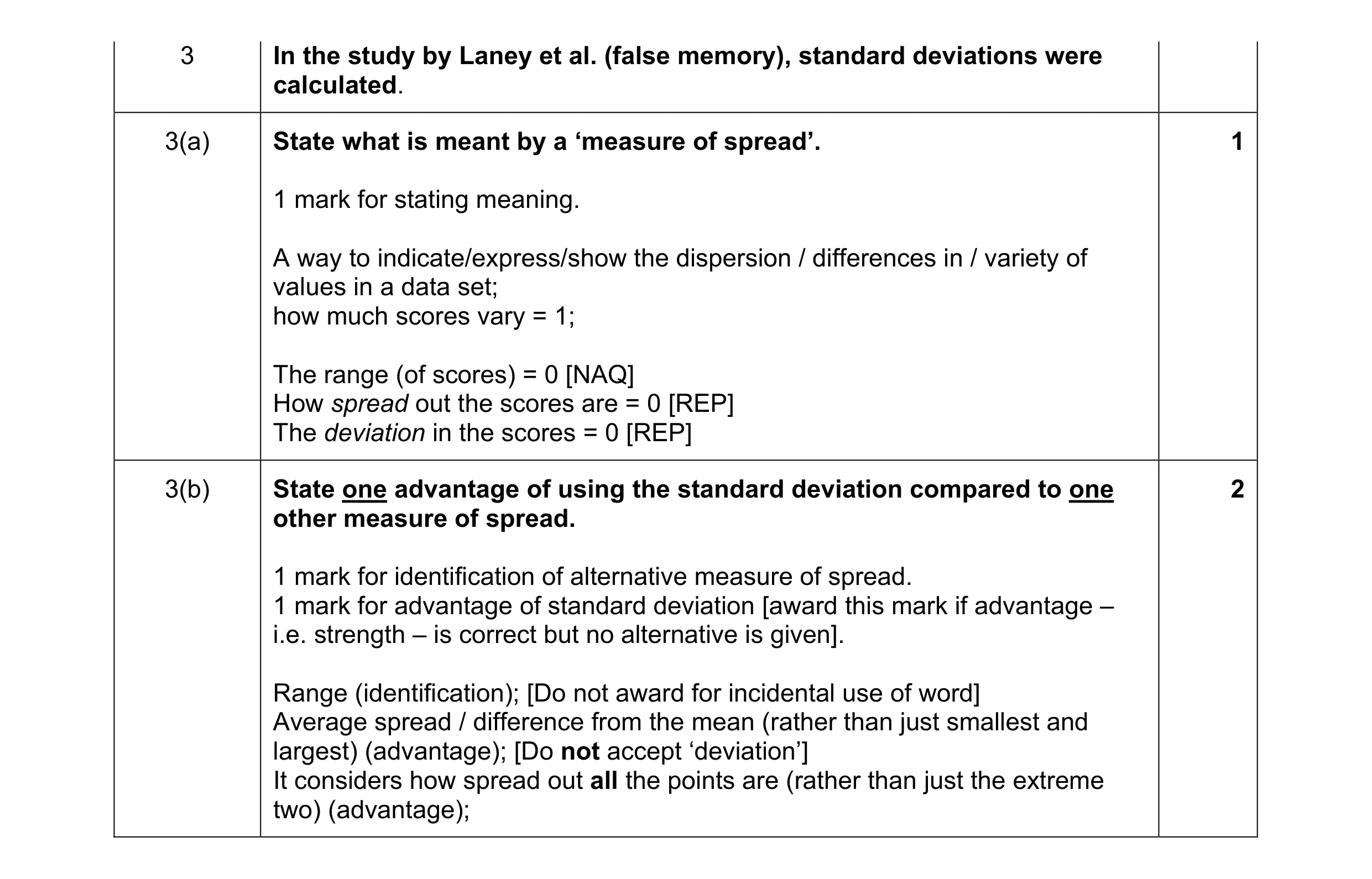 3
3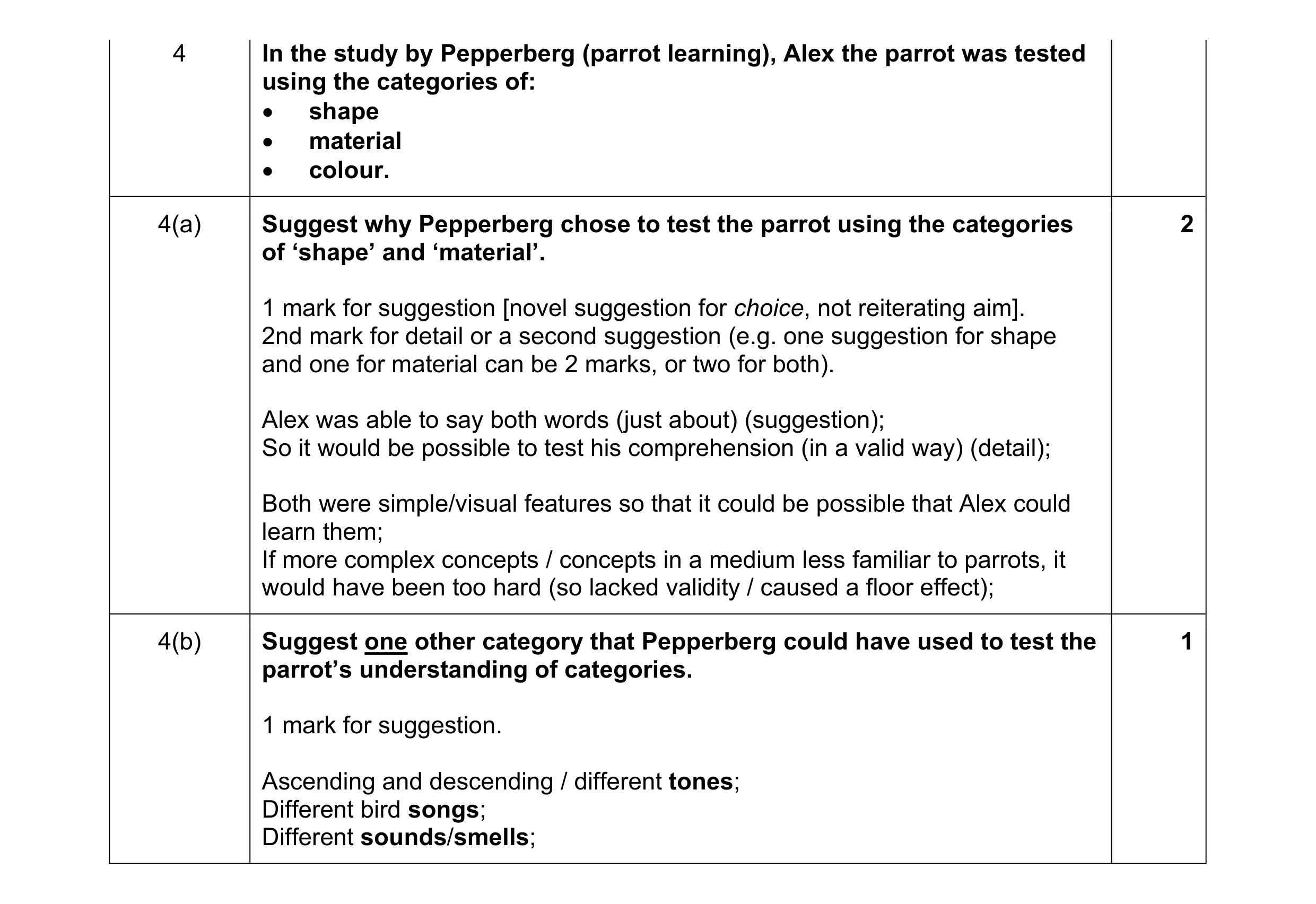 3
3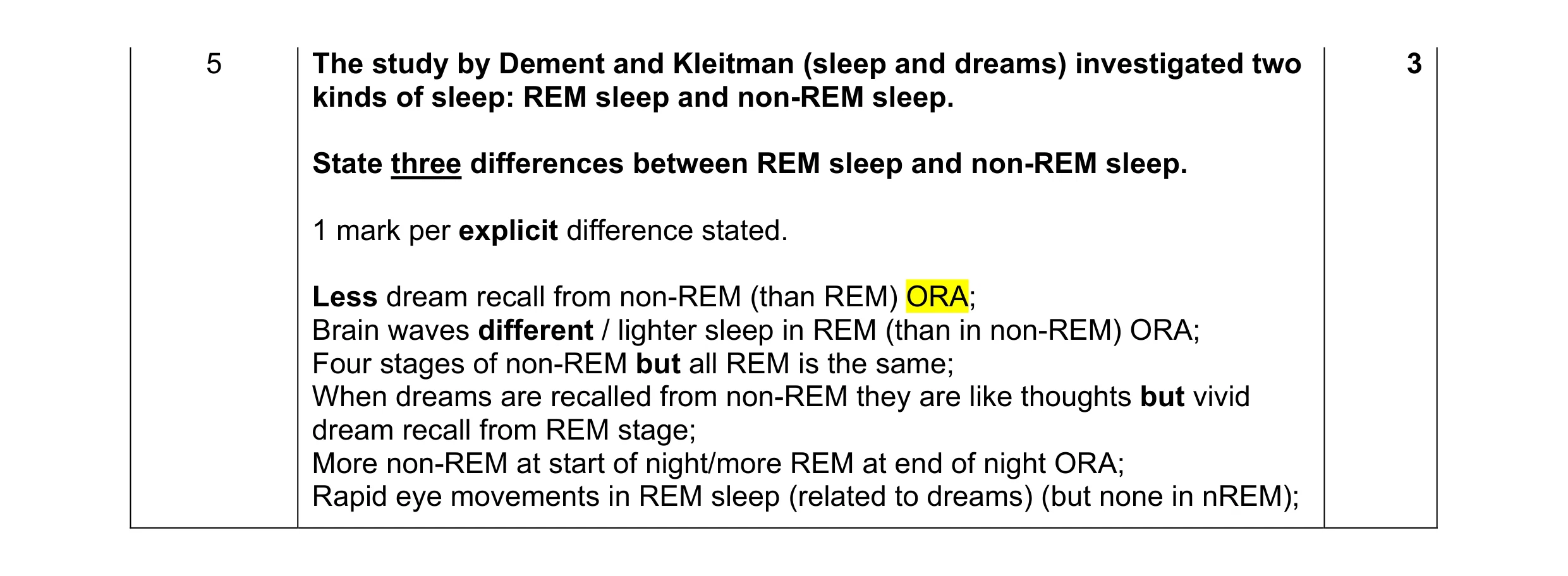 3
3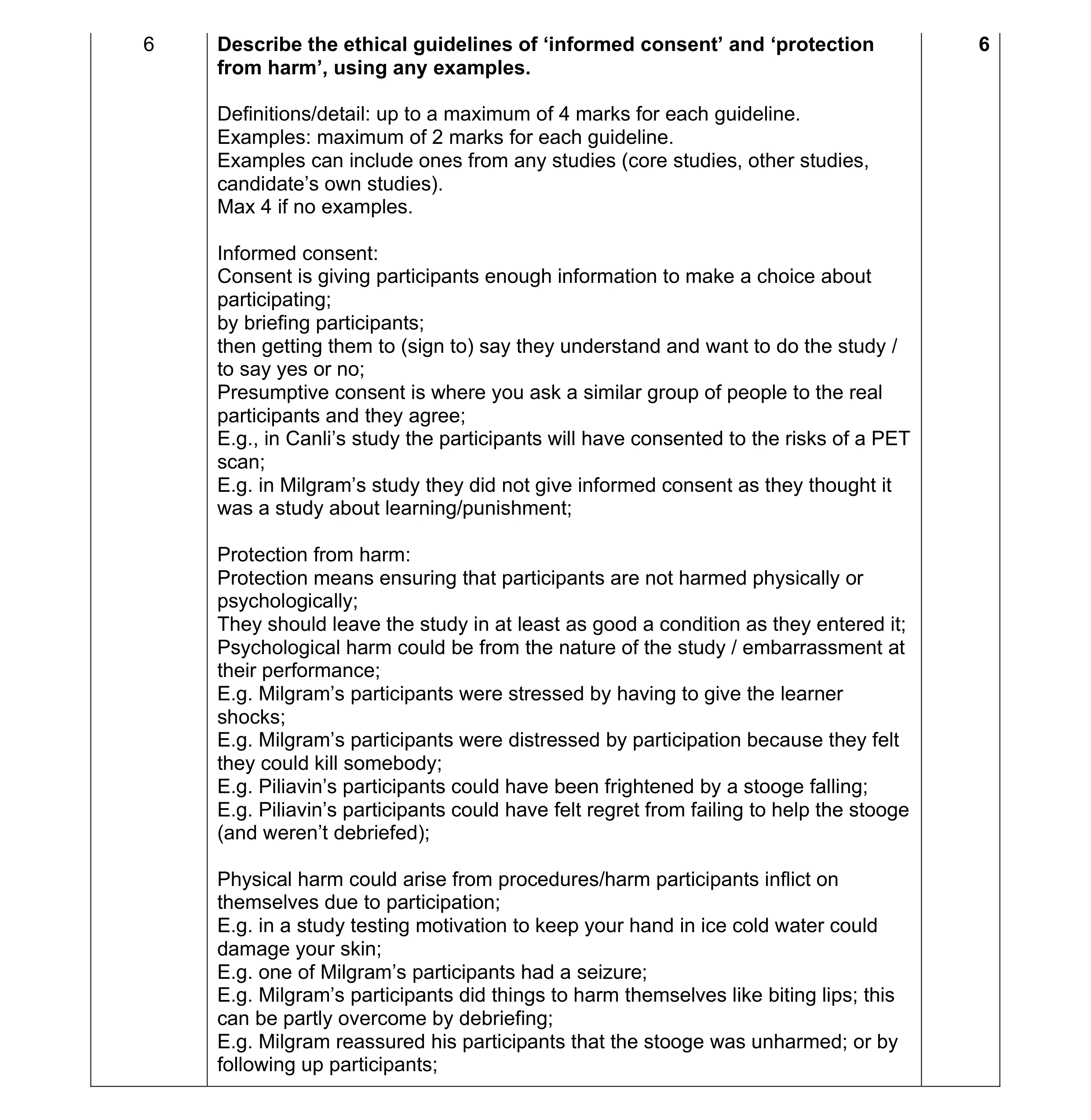 6
6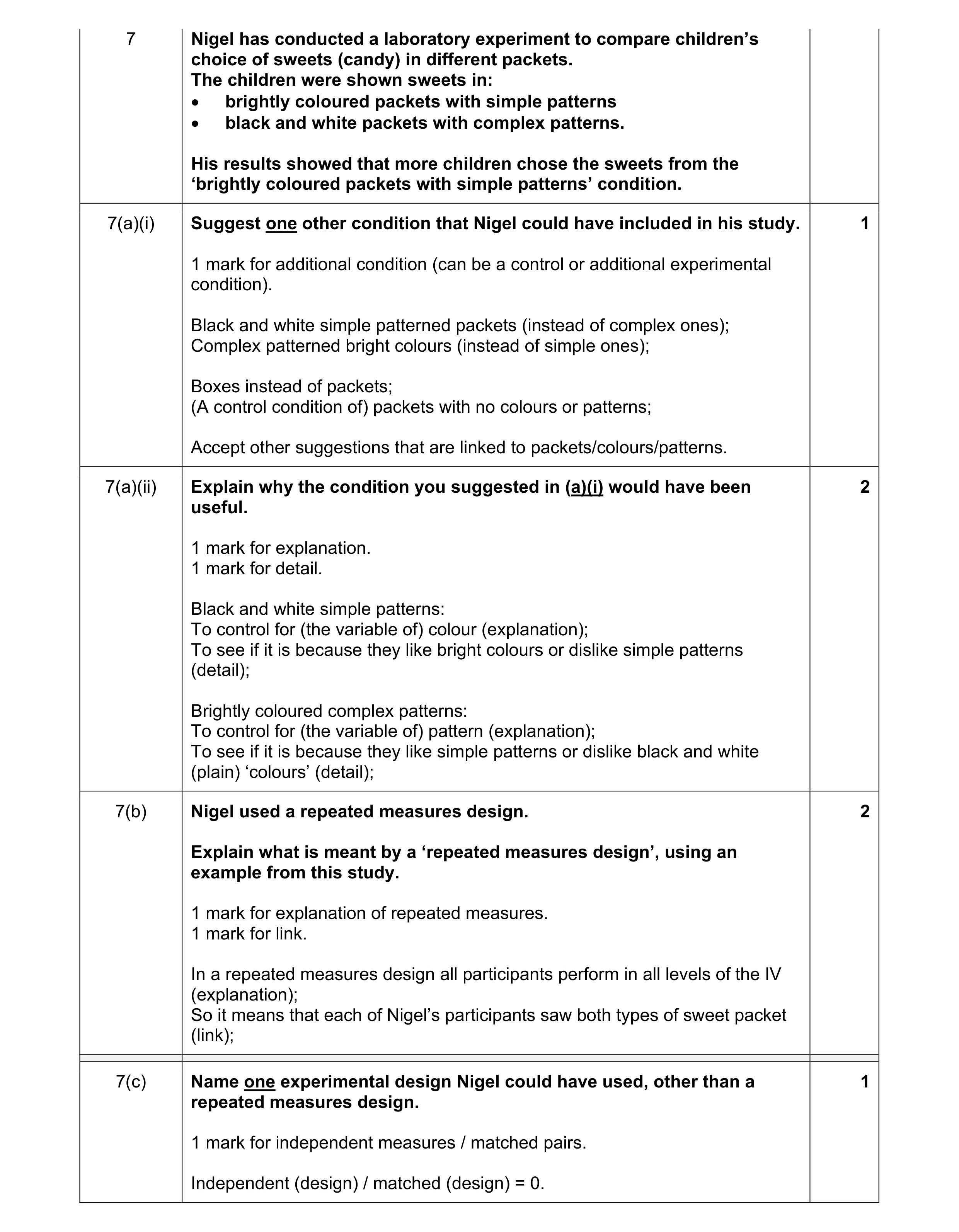 6
6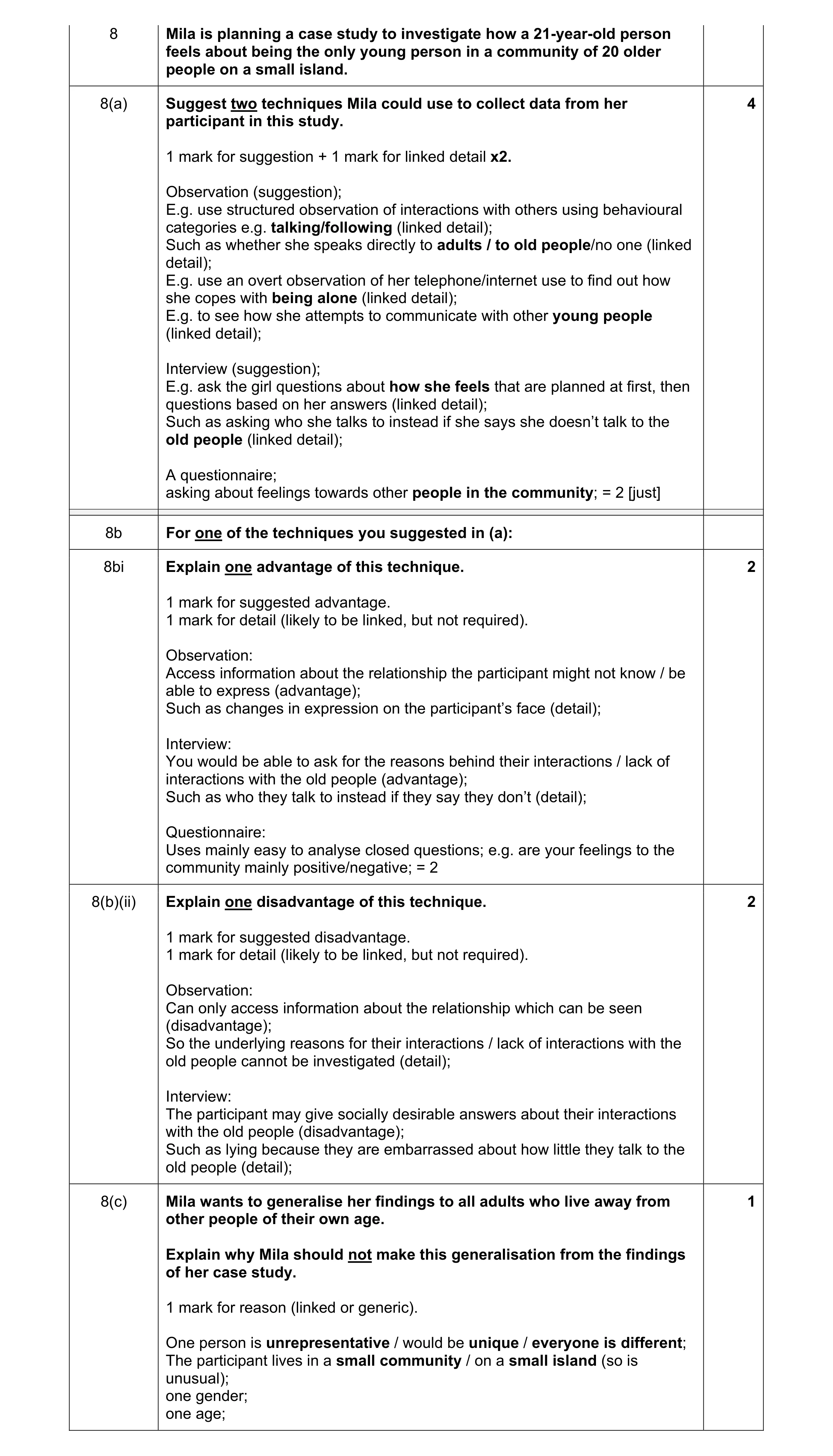 9
9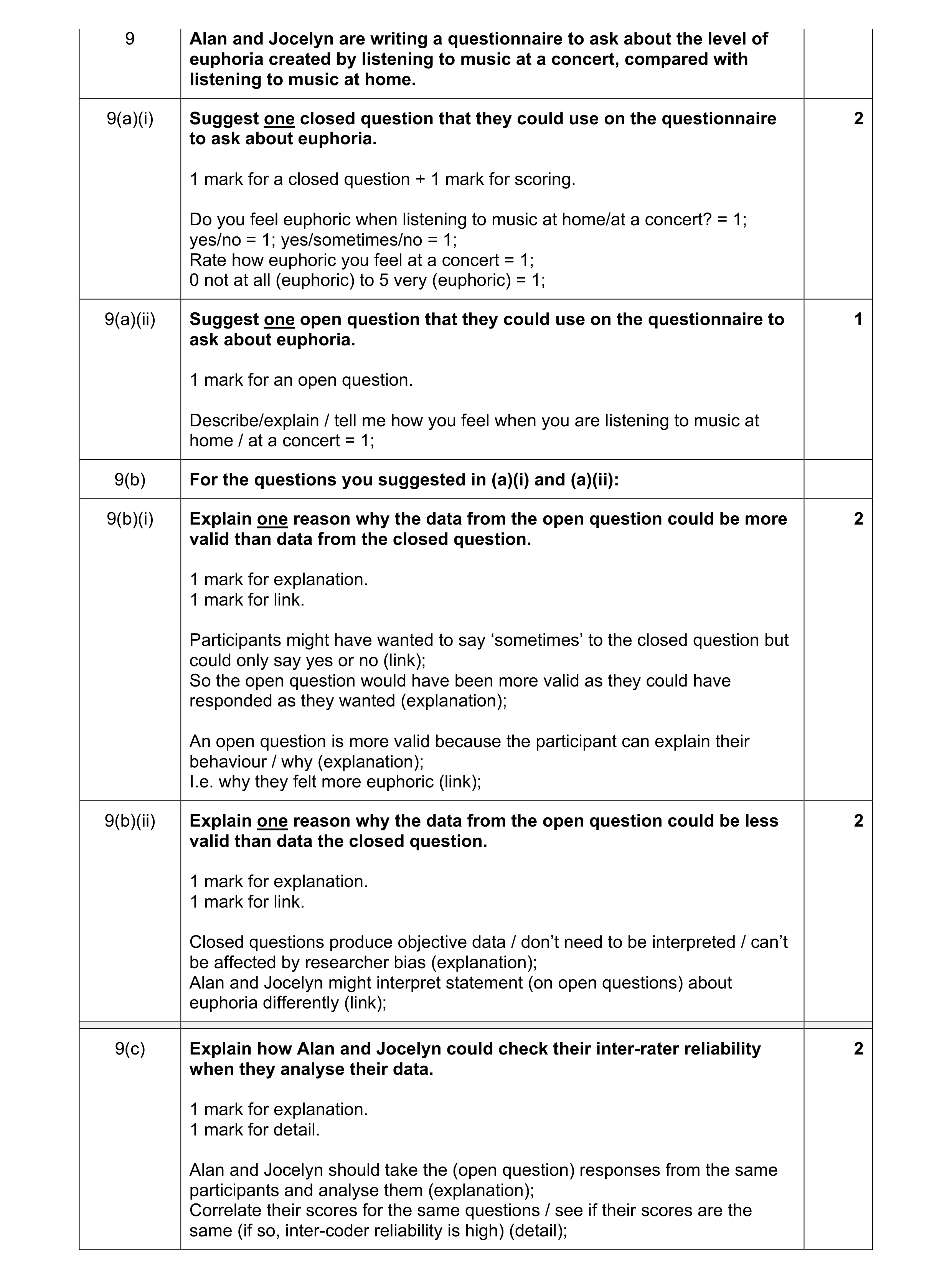 9
9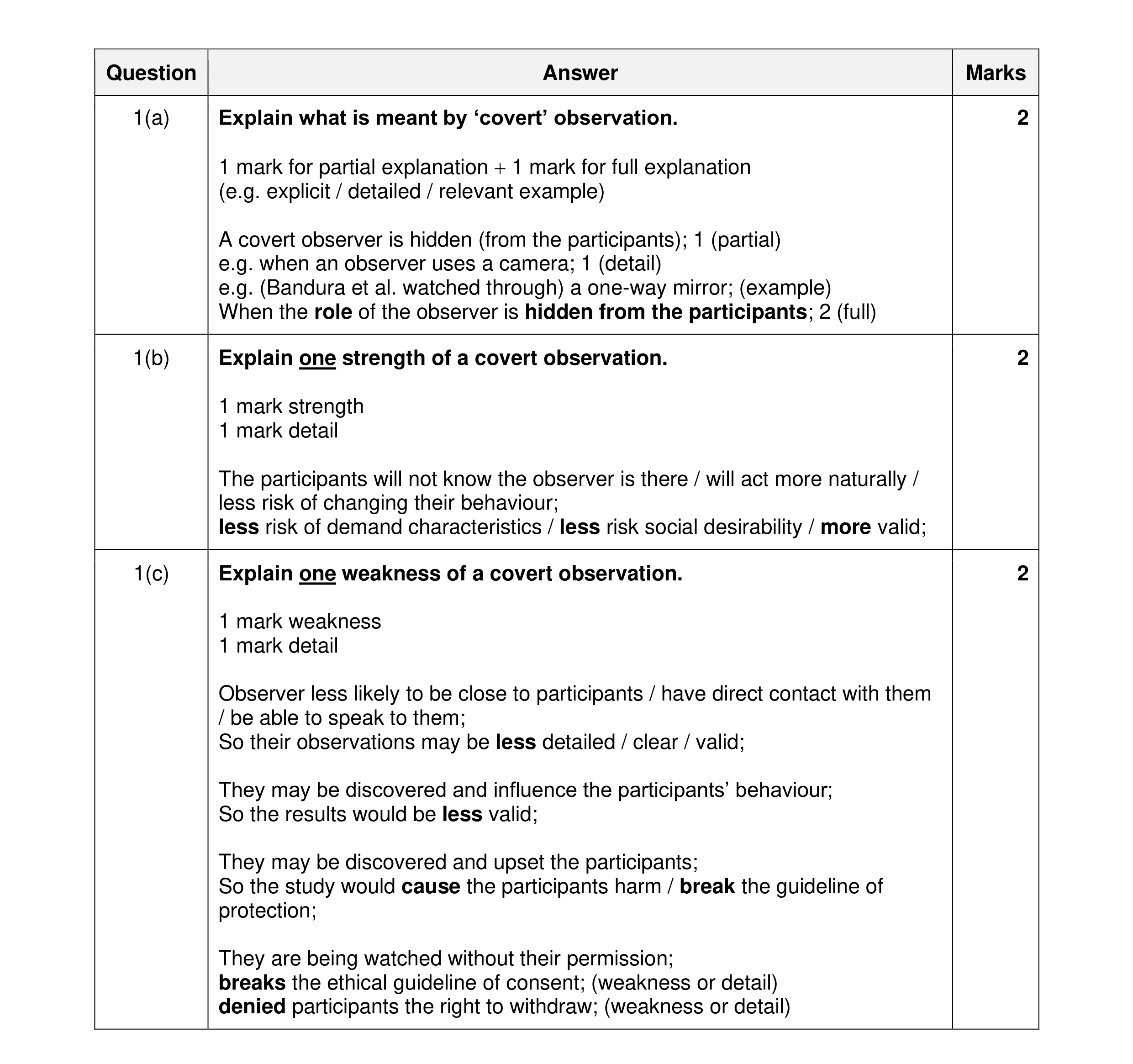 6
6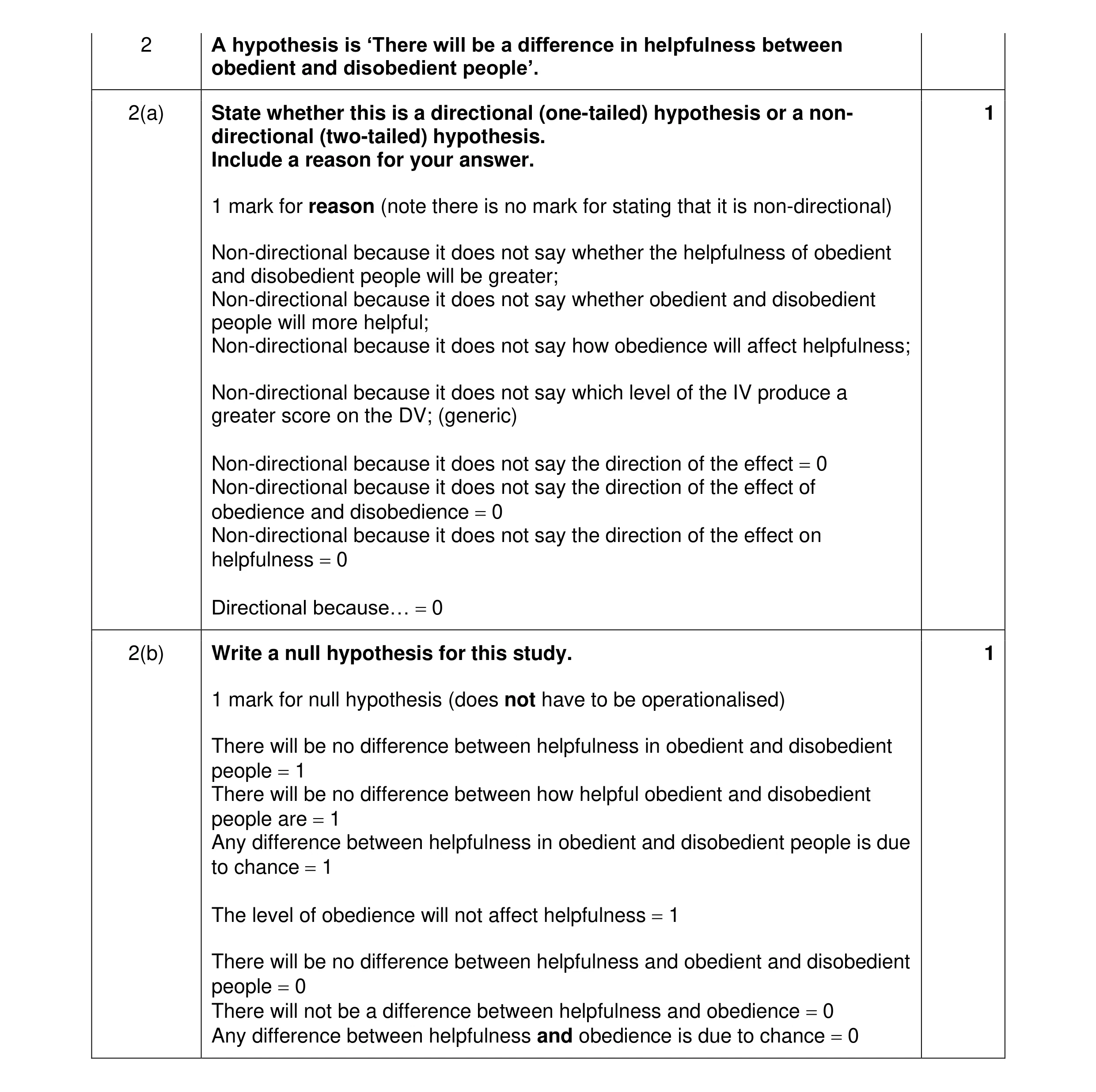 2
2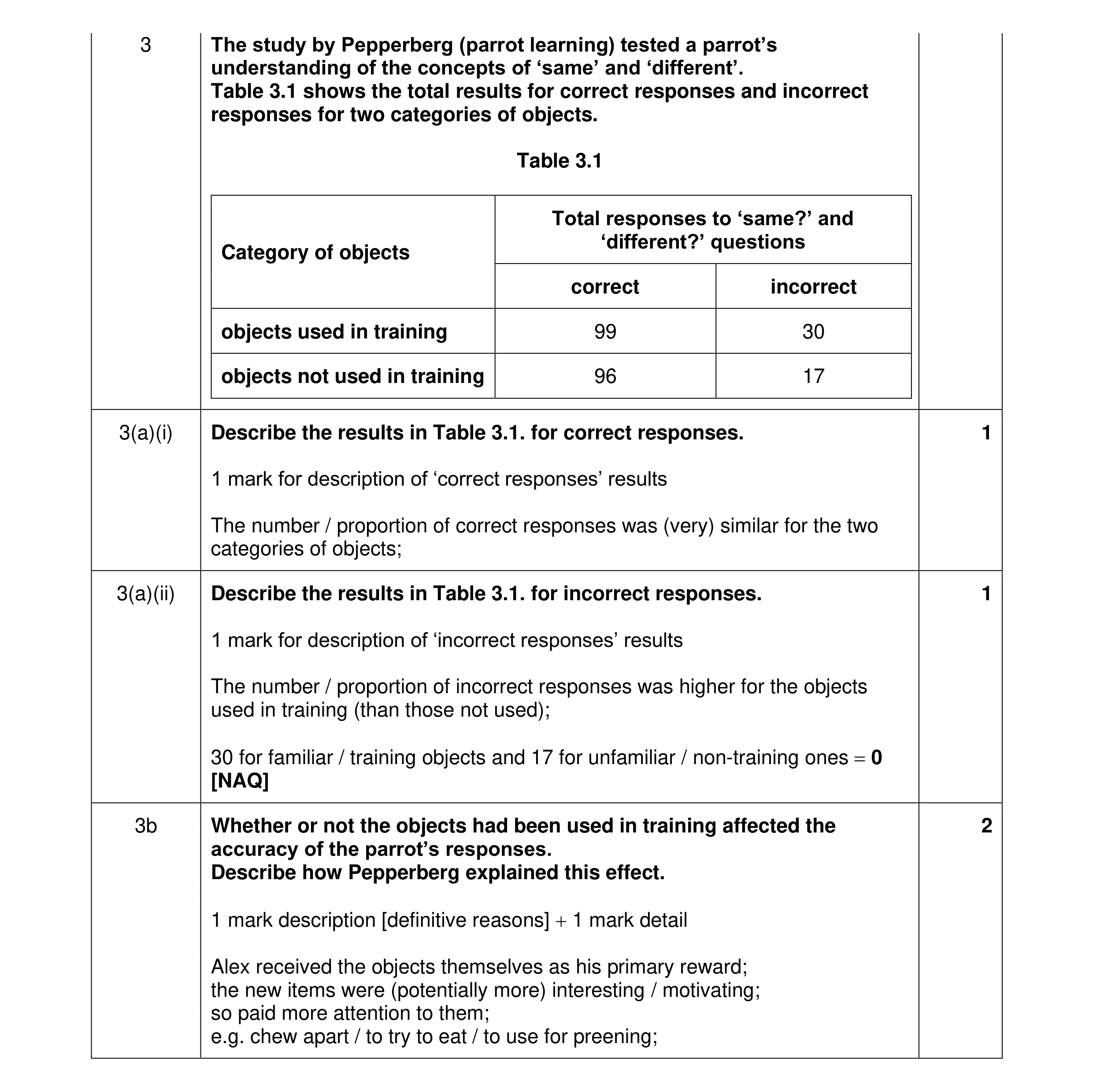 4
4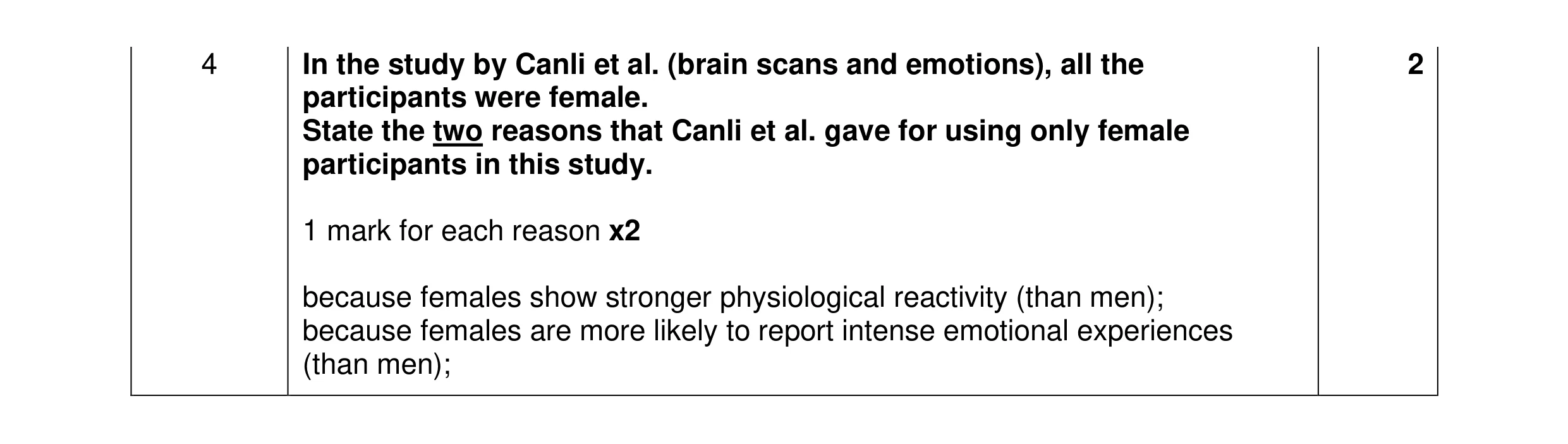 2
2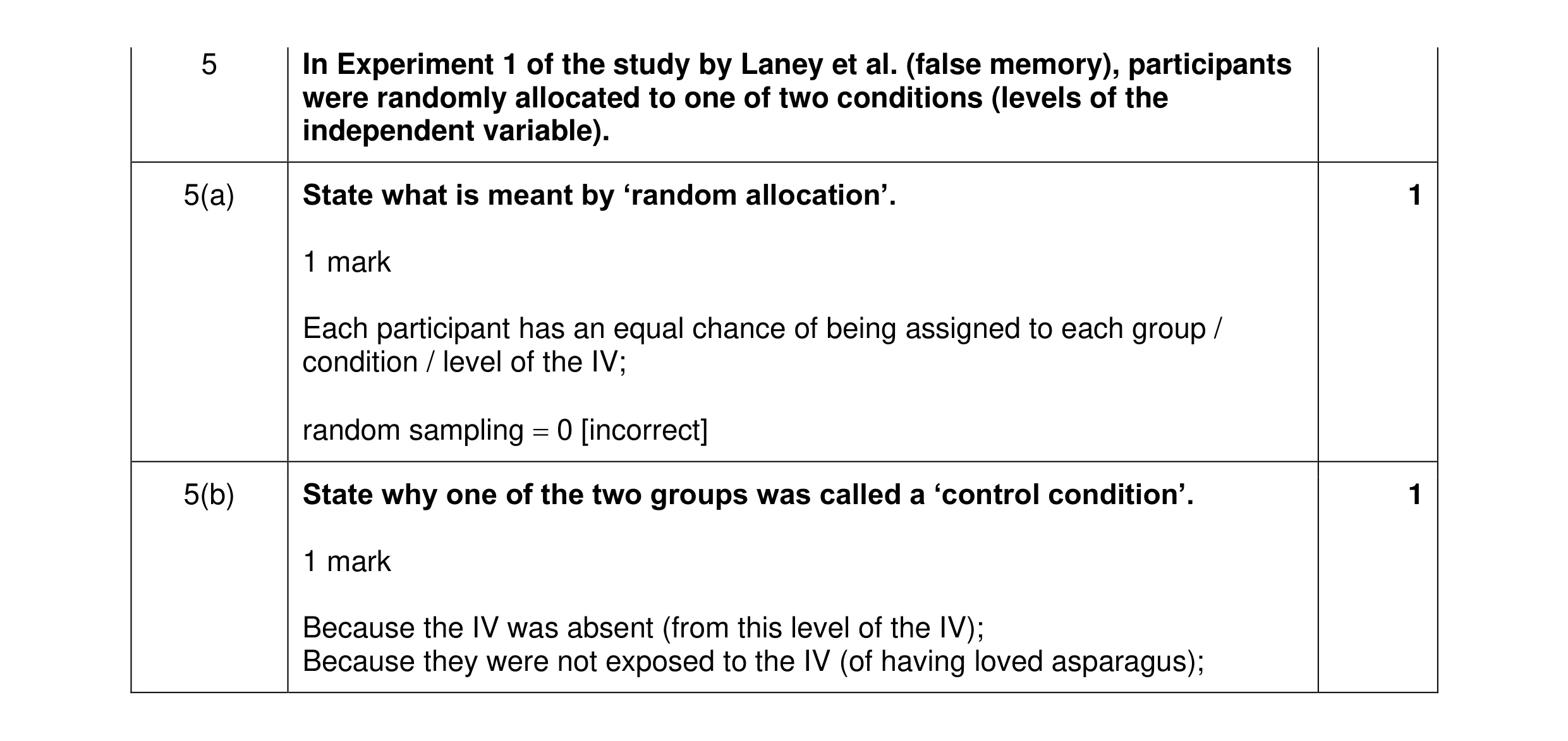 2
2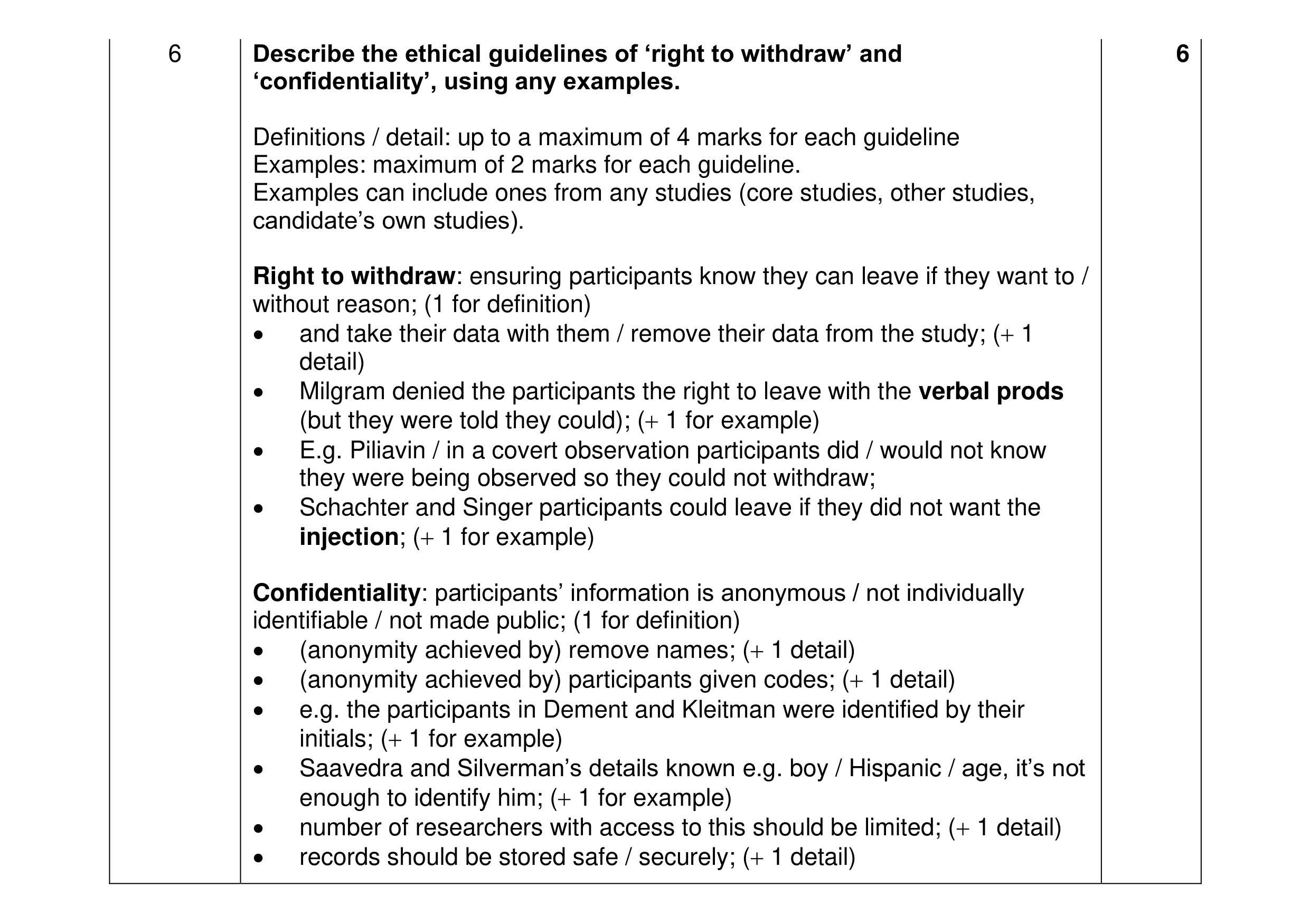 6
6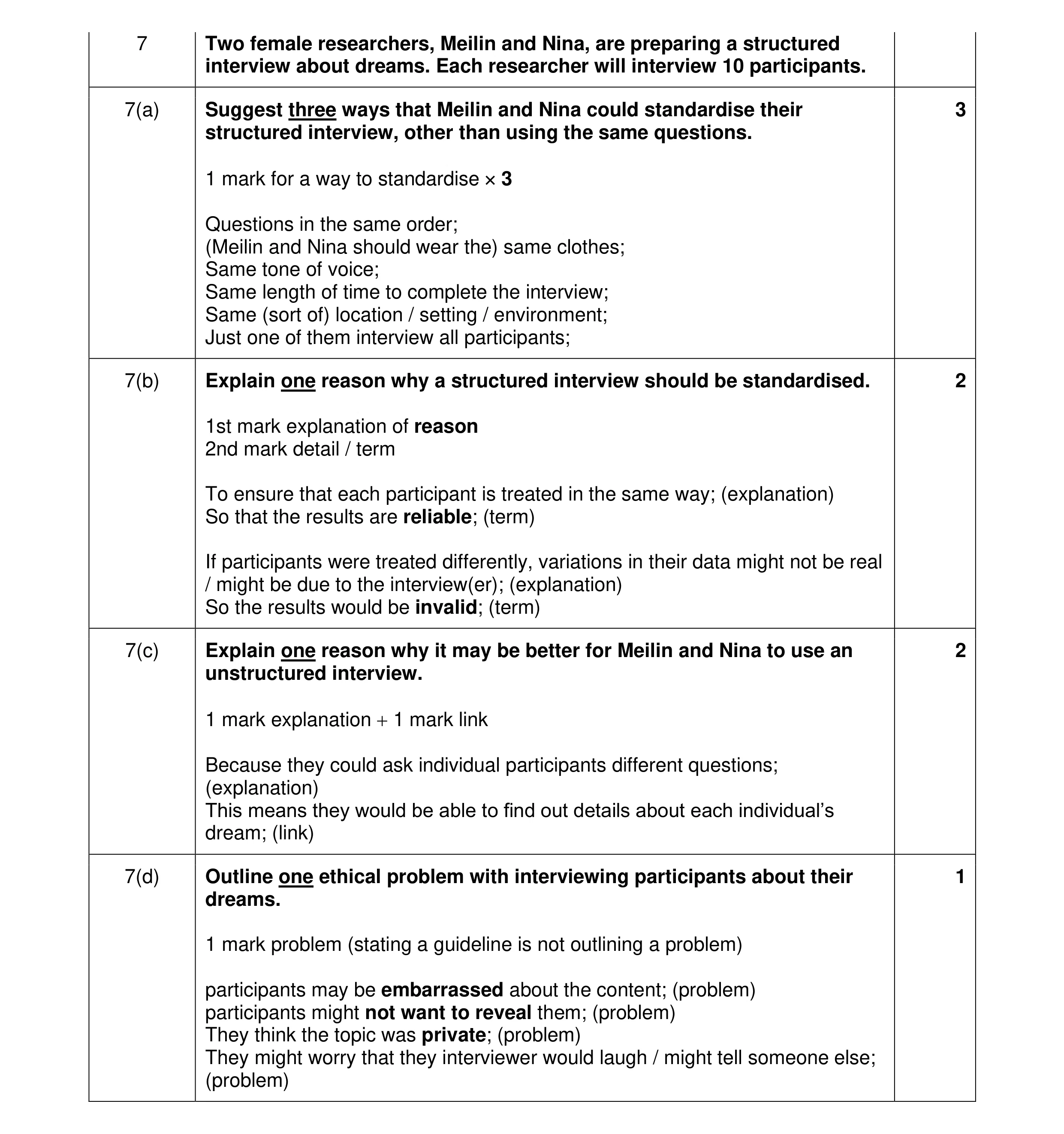 8
8 9
9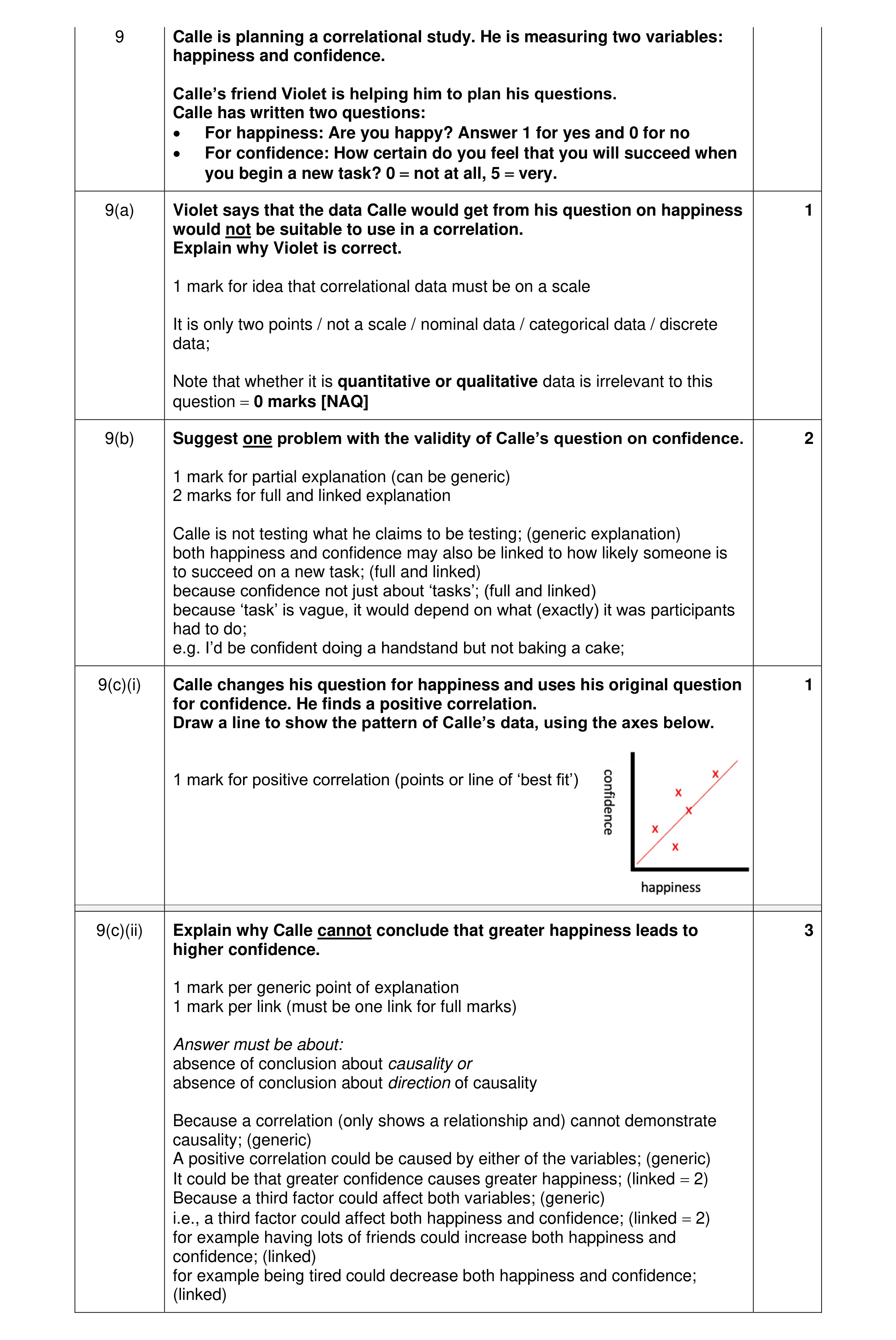 7
7 14
14 3
3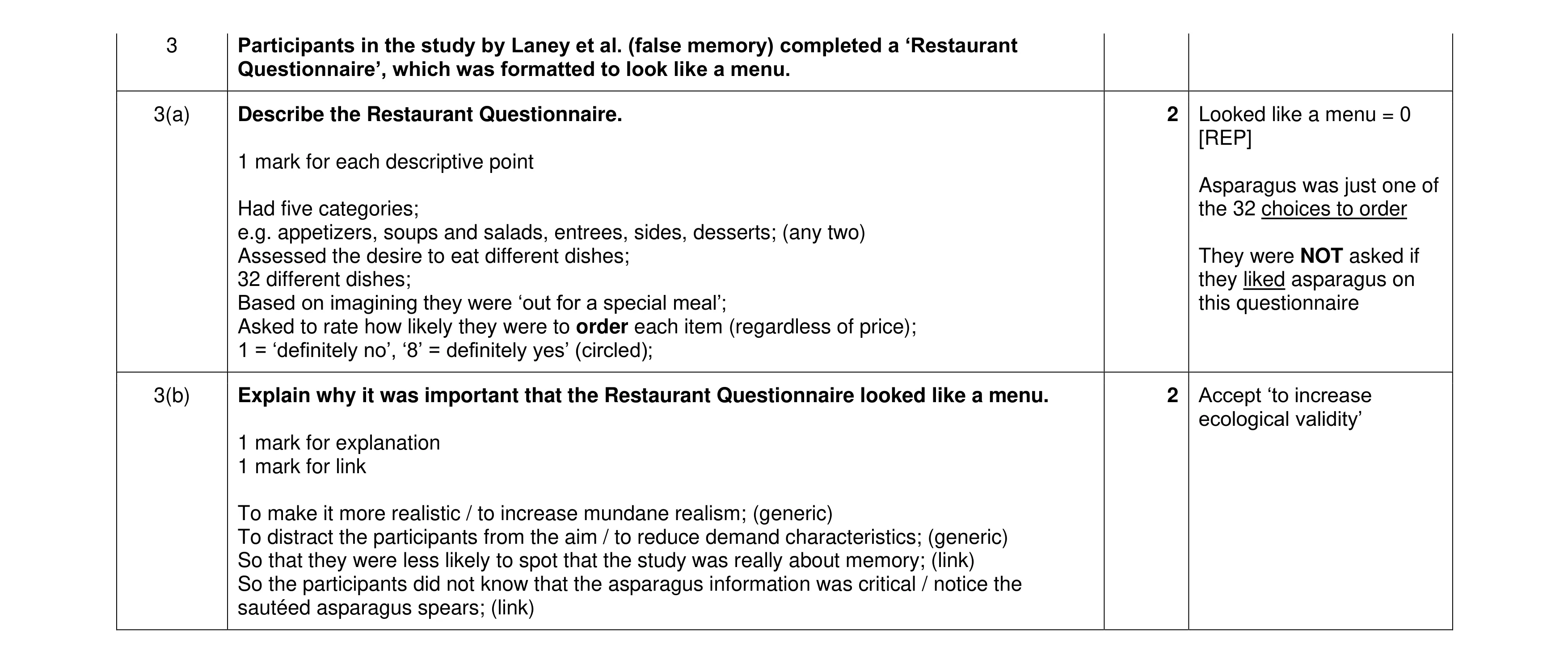 4
4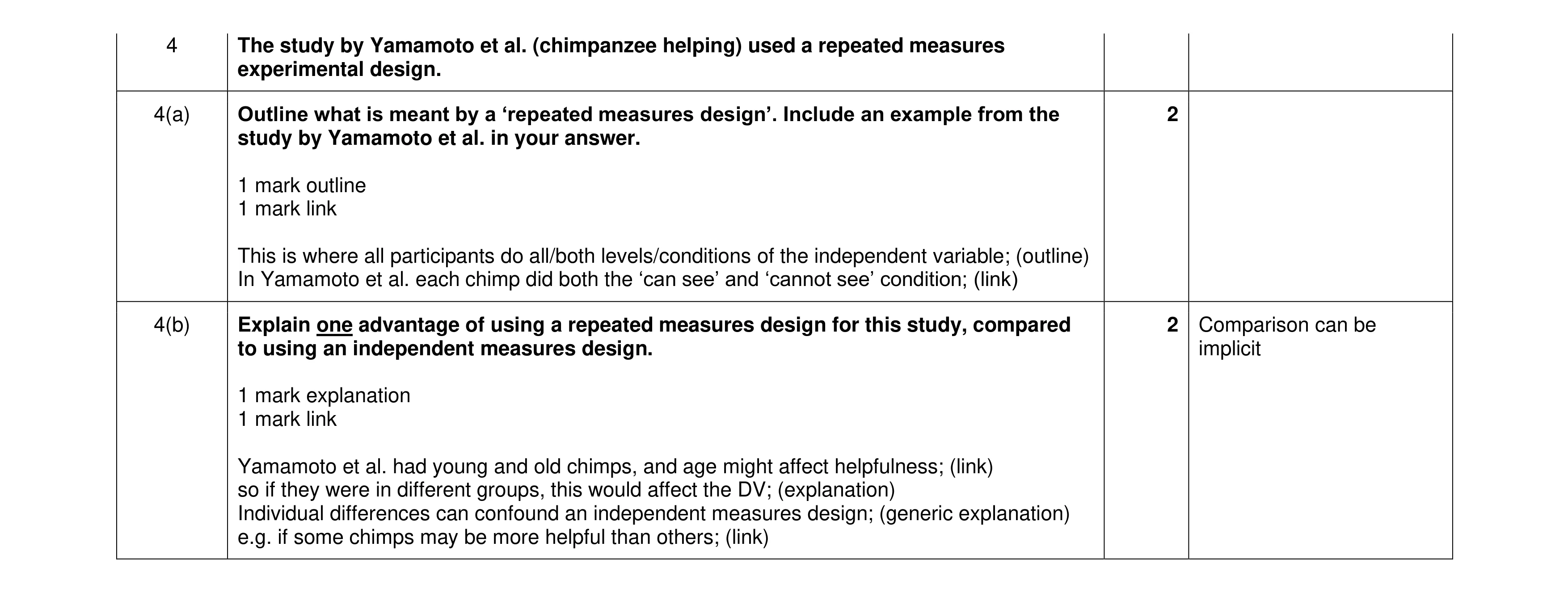 4
4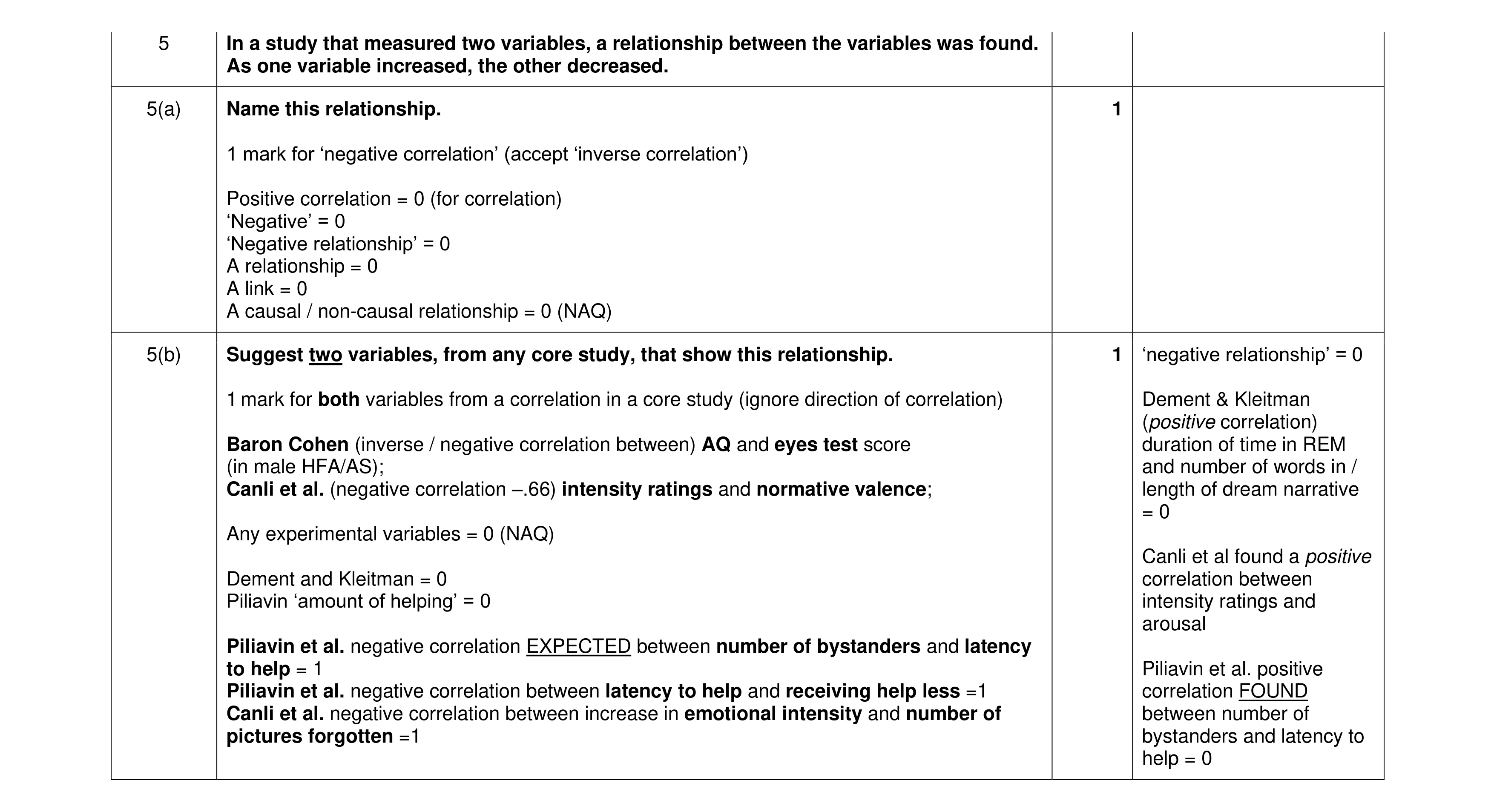 2
2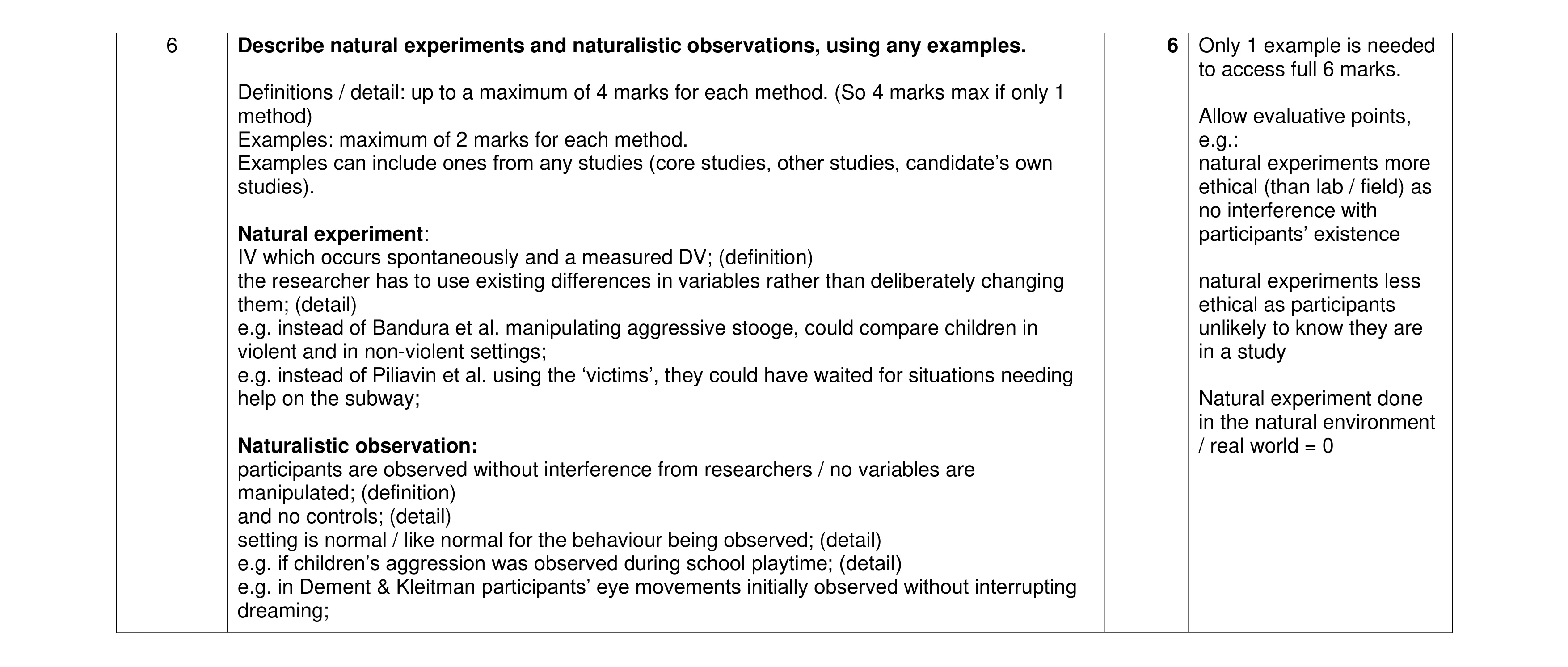 6
6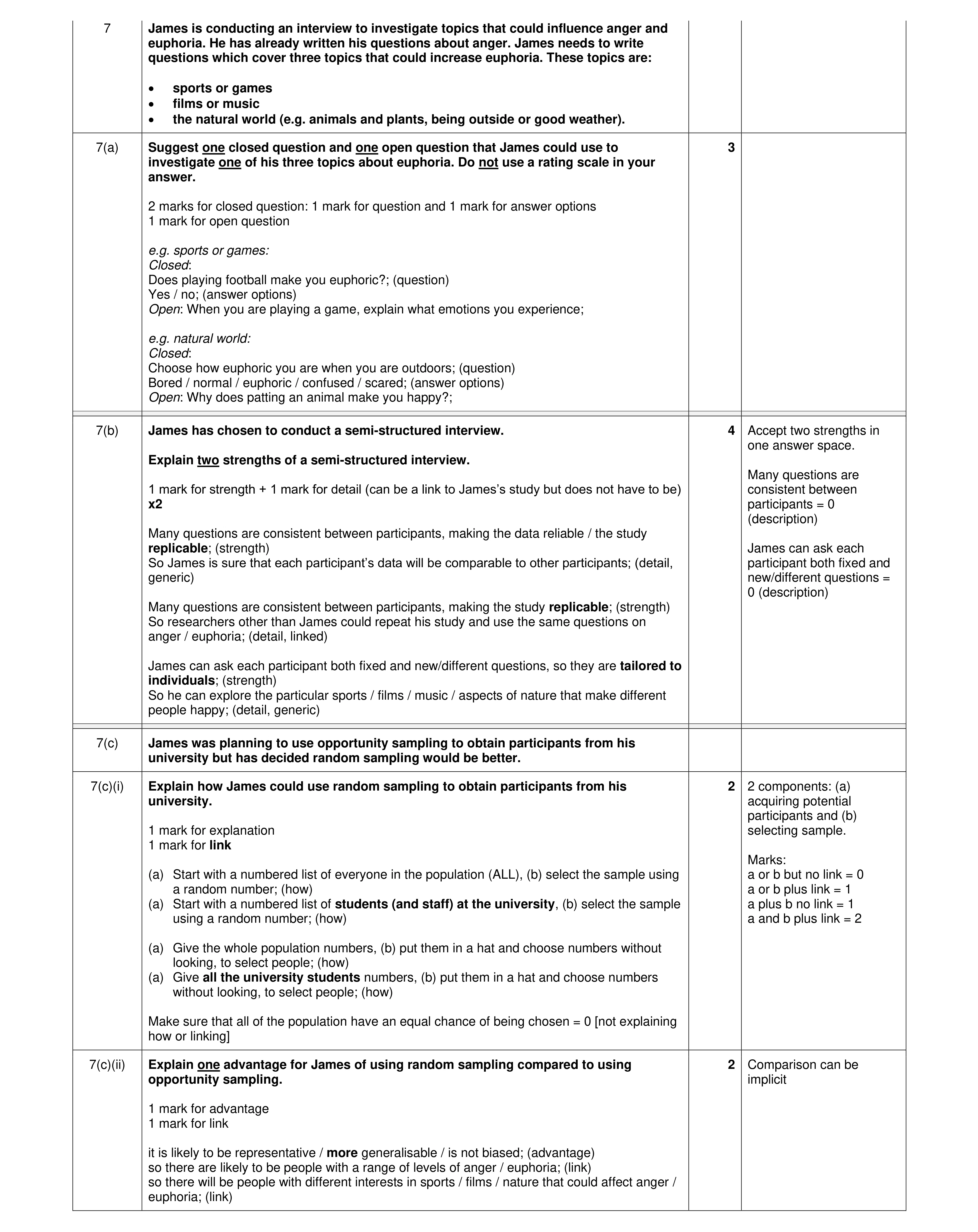 11
11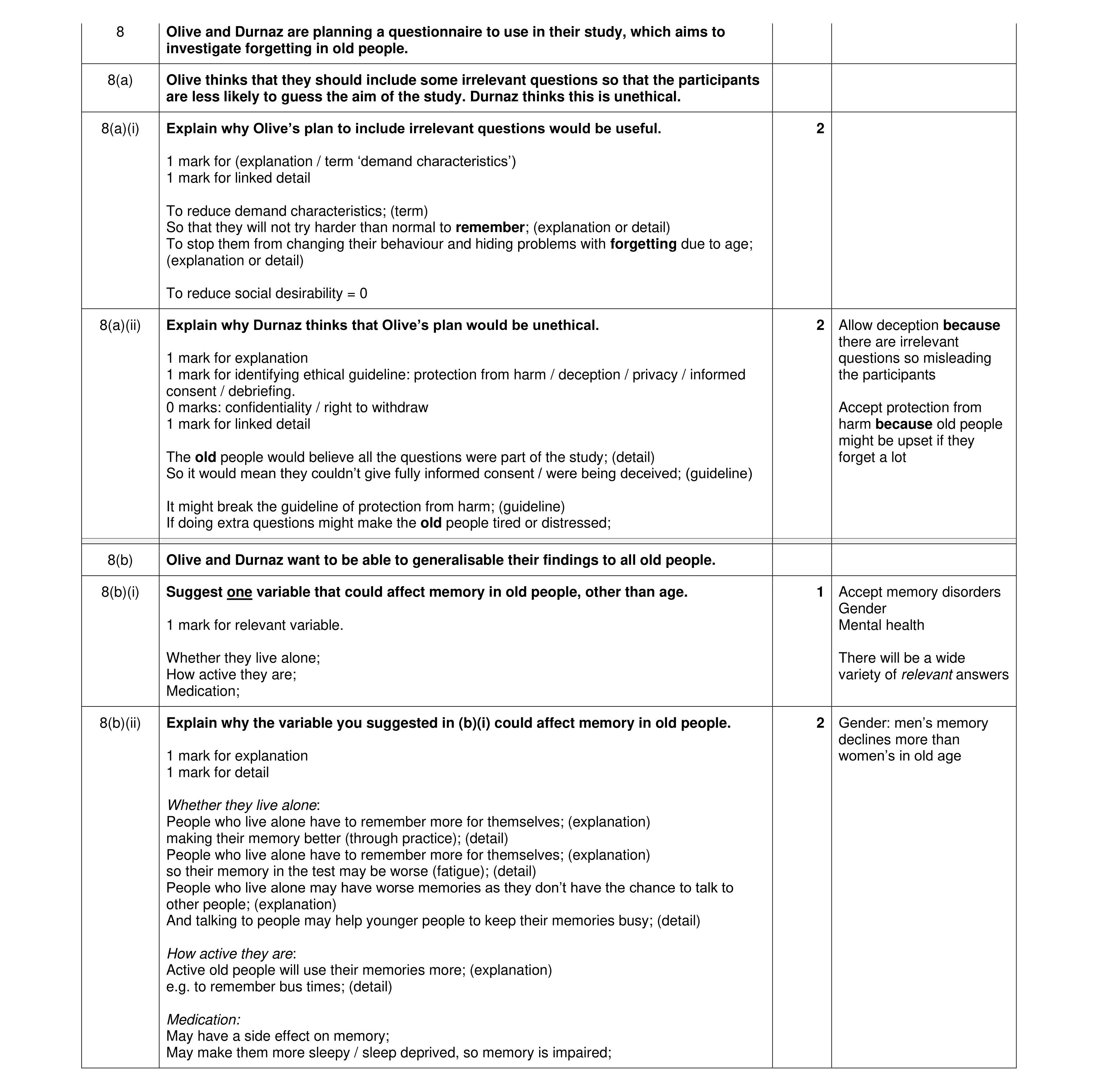 7
7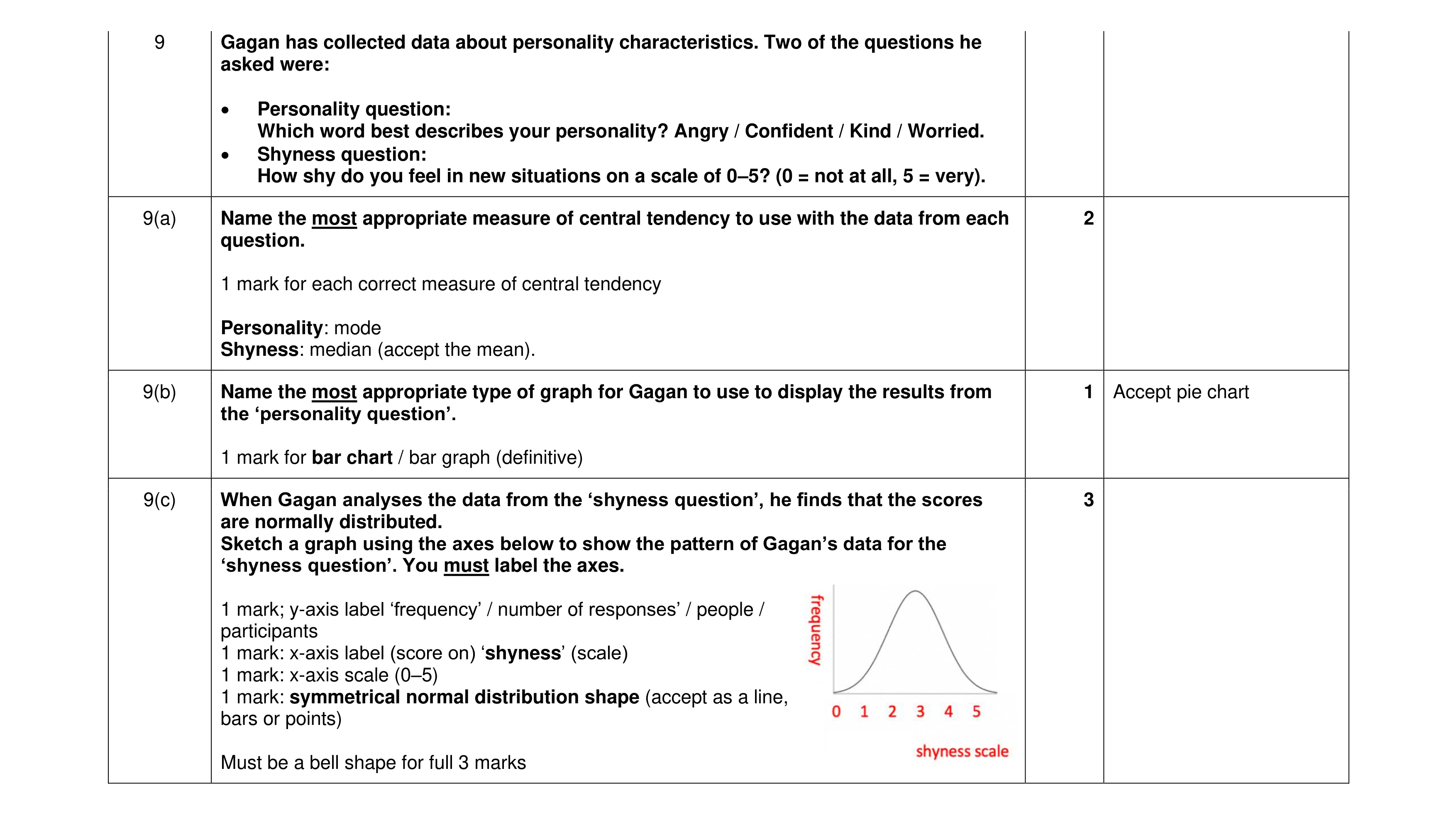 6
6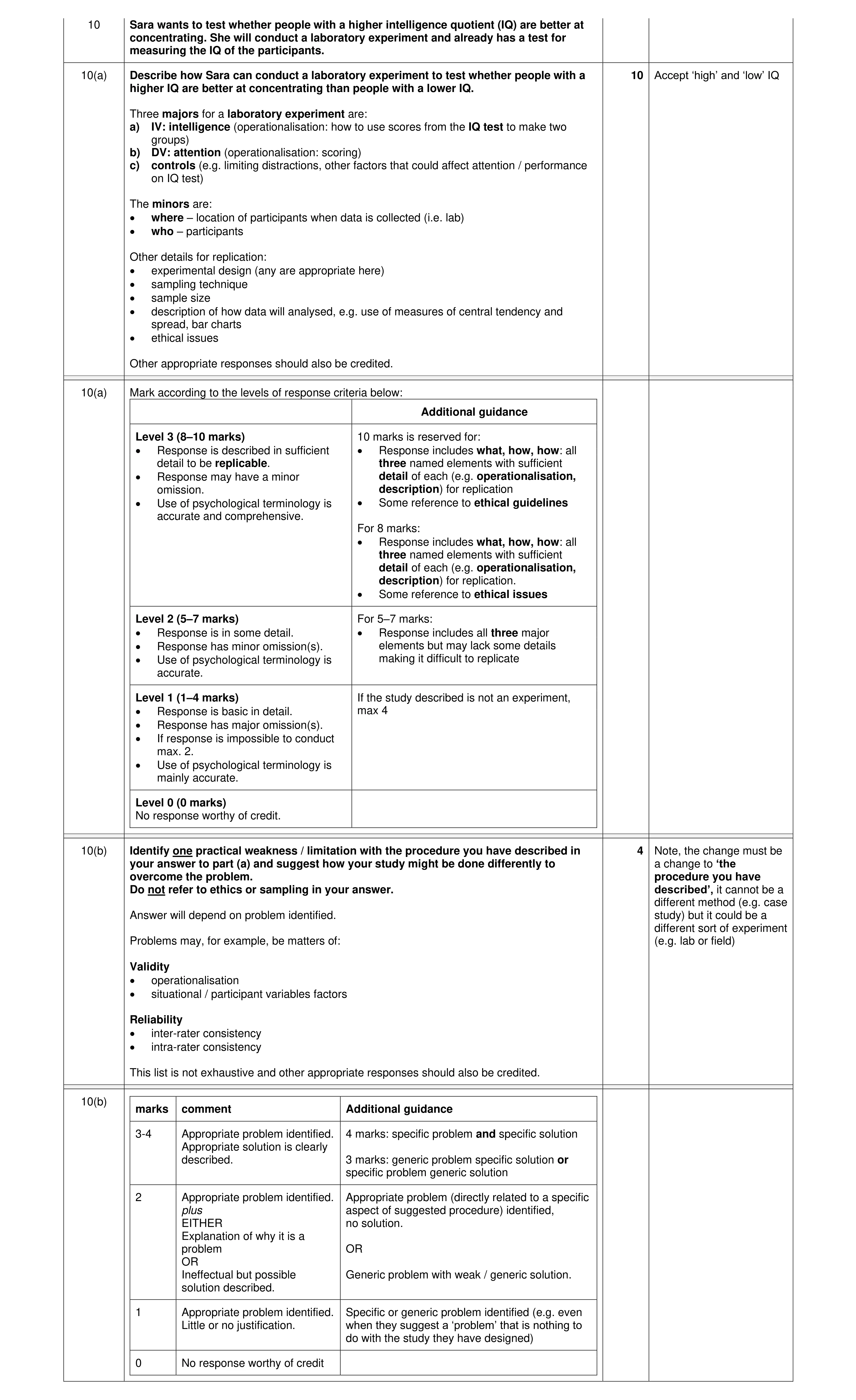 14
14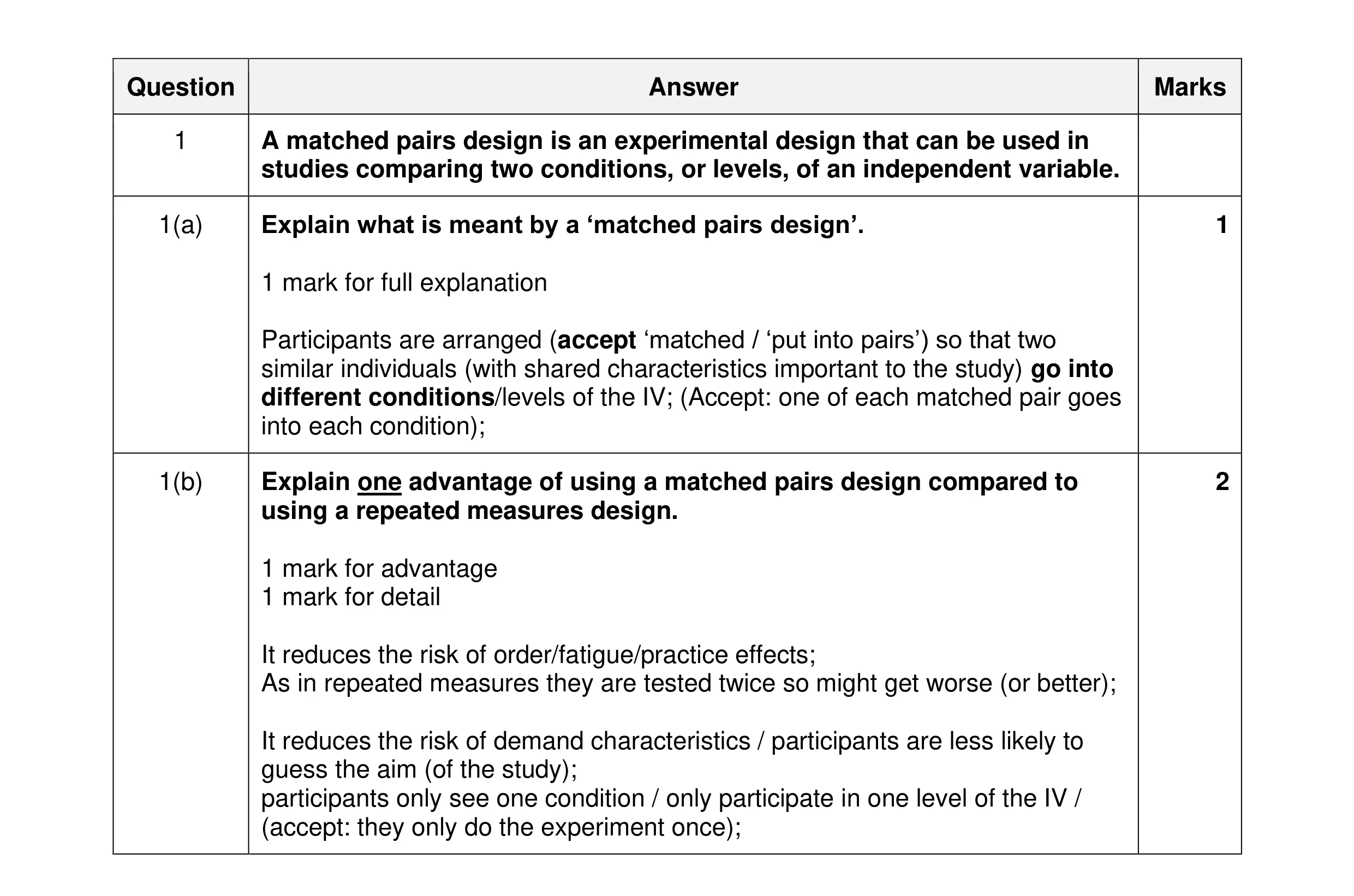 3
3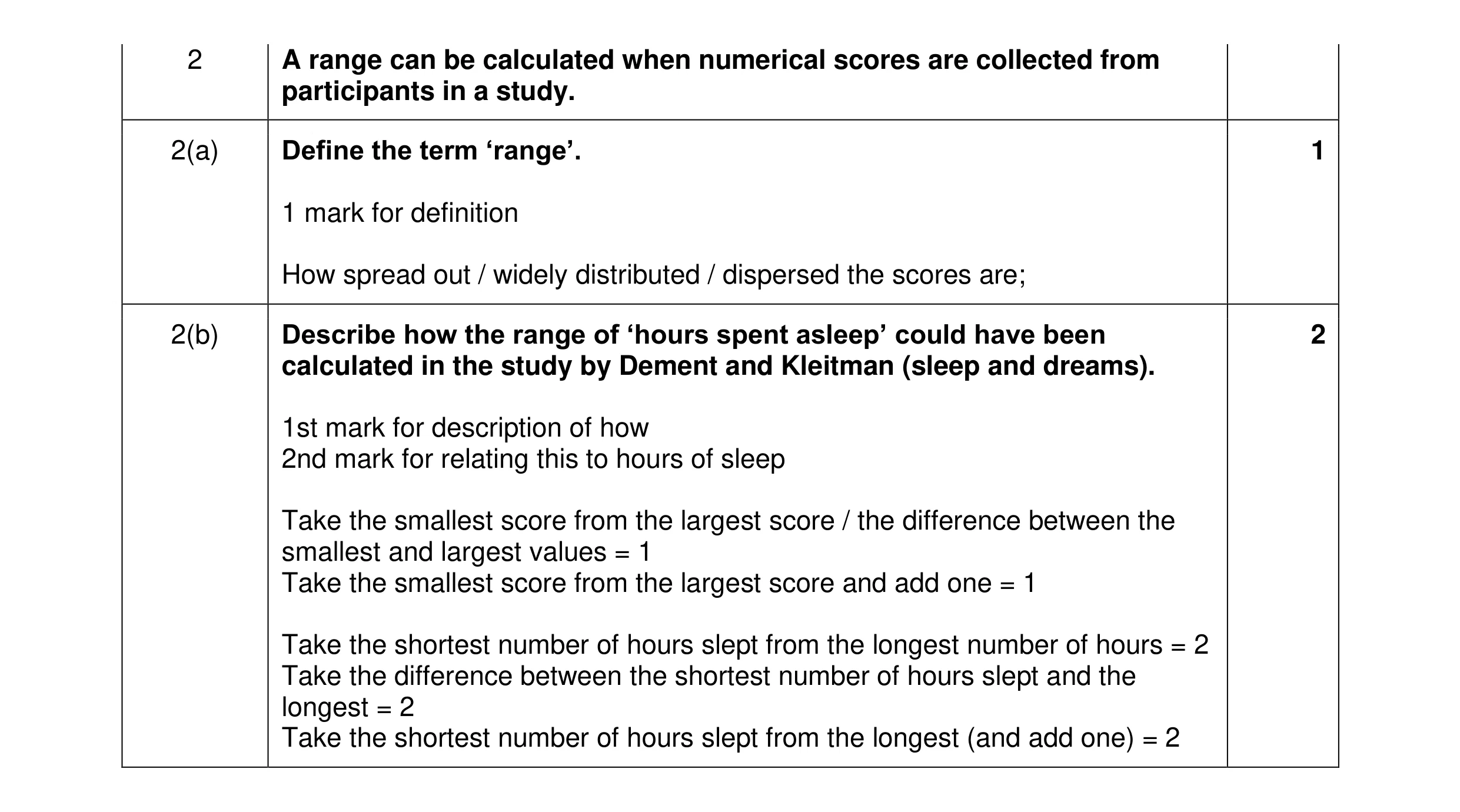 3
3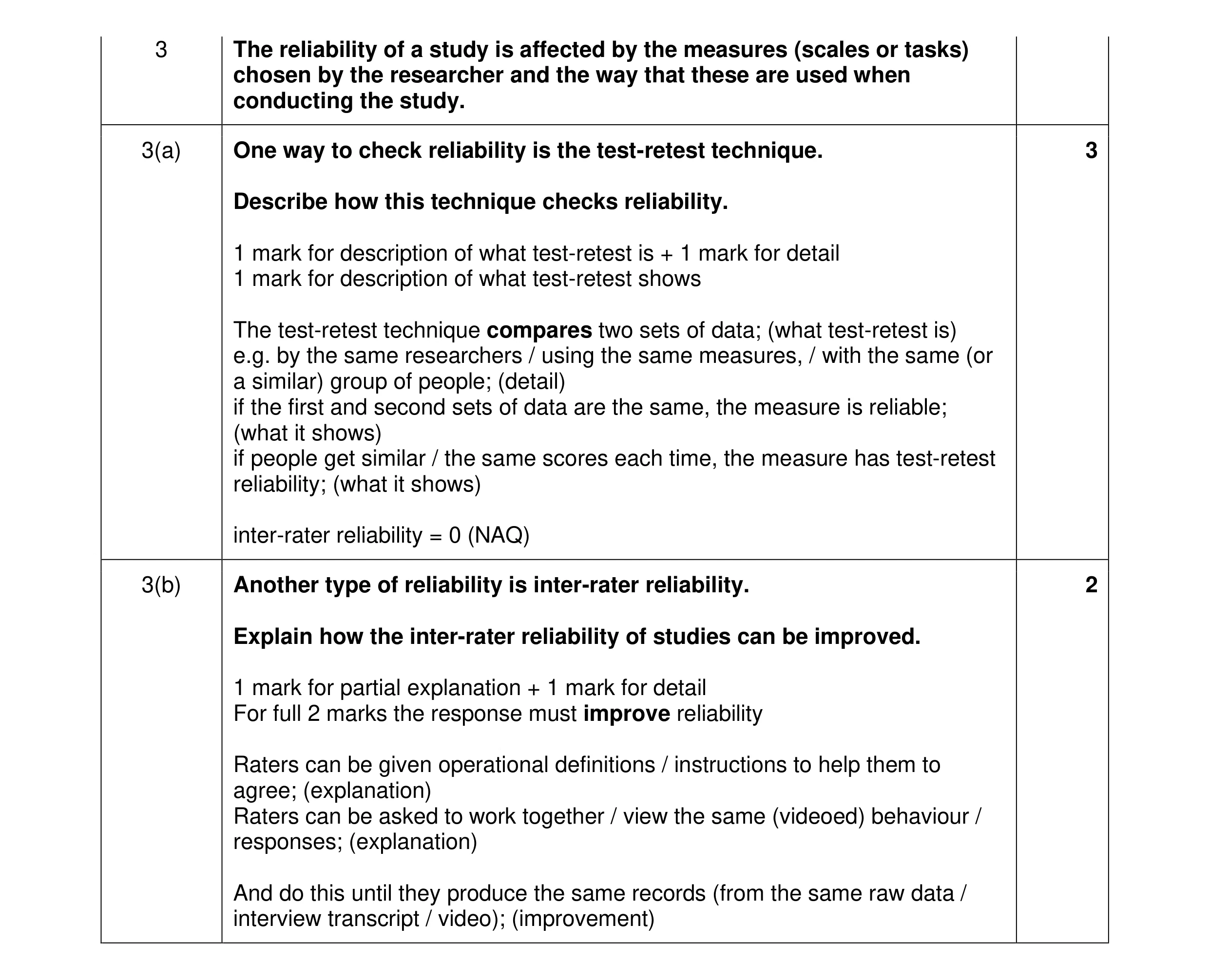 5
5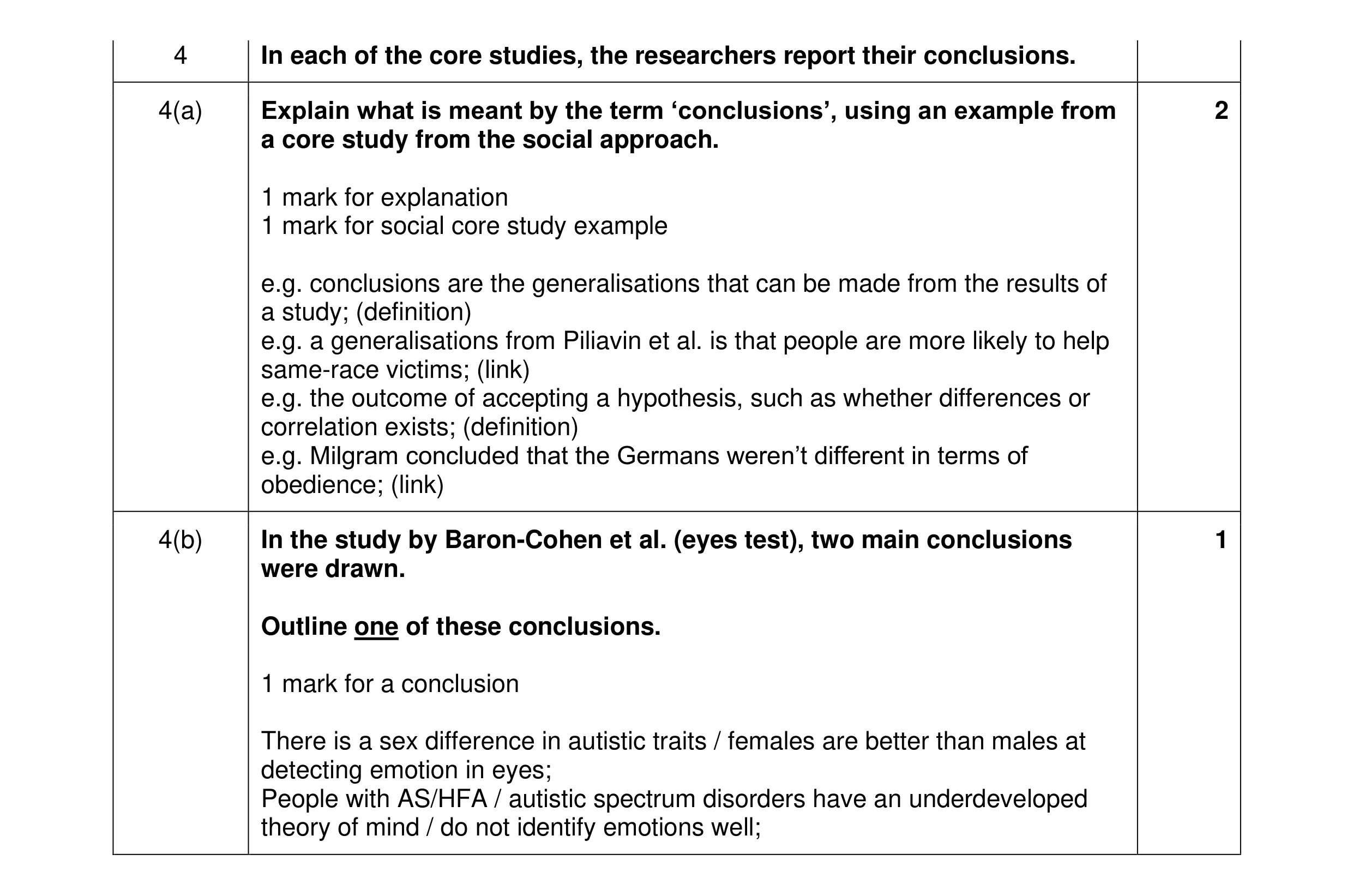 3
3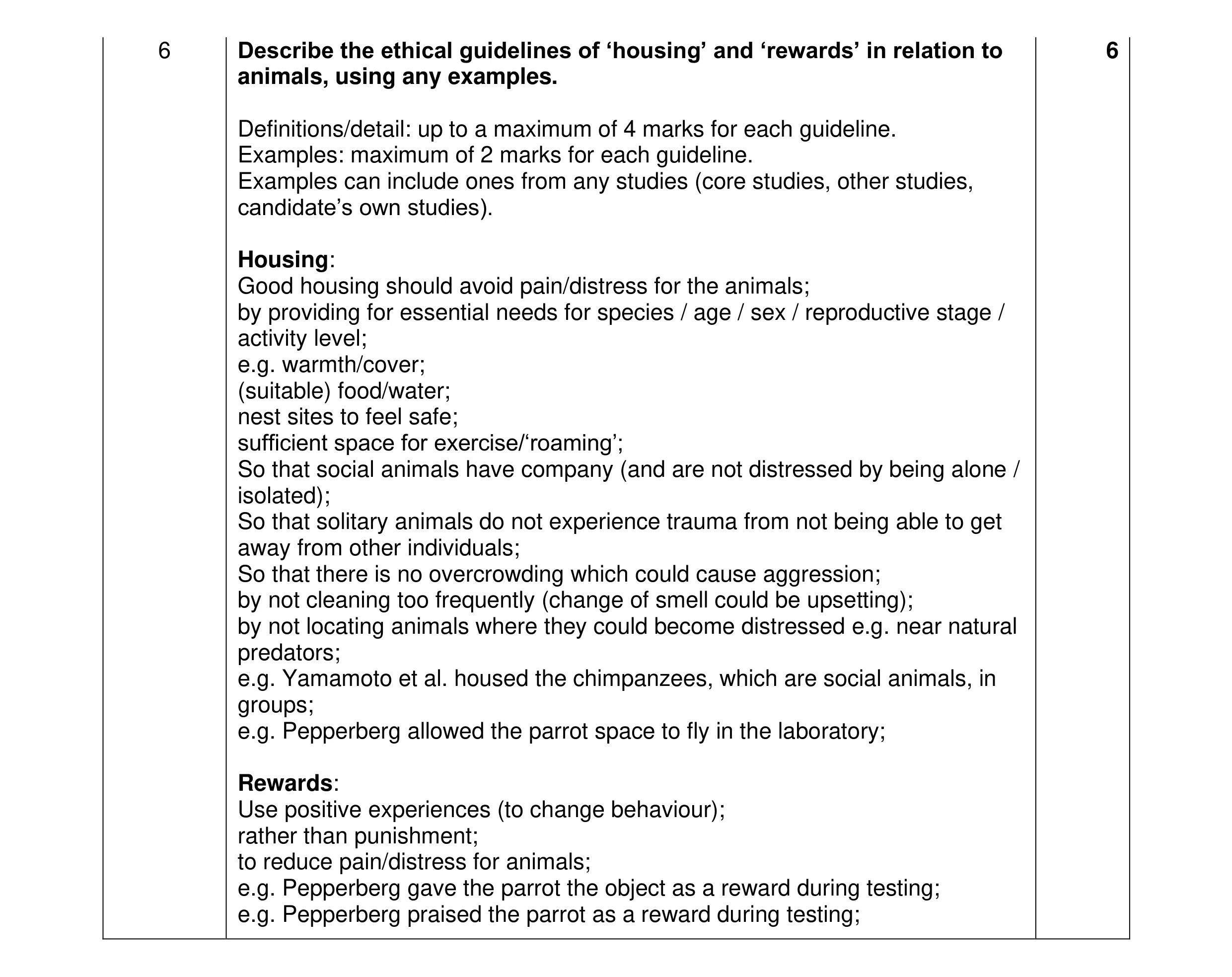 6
6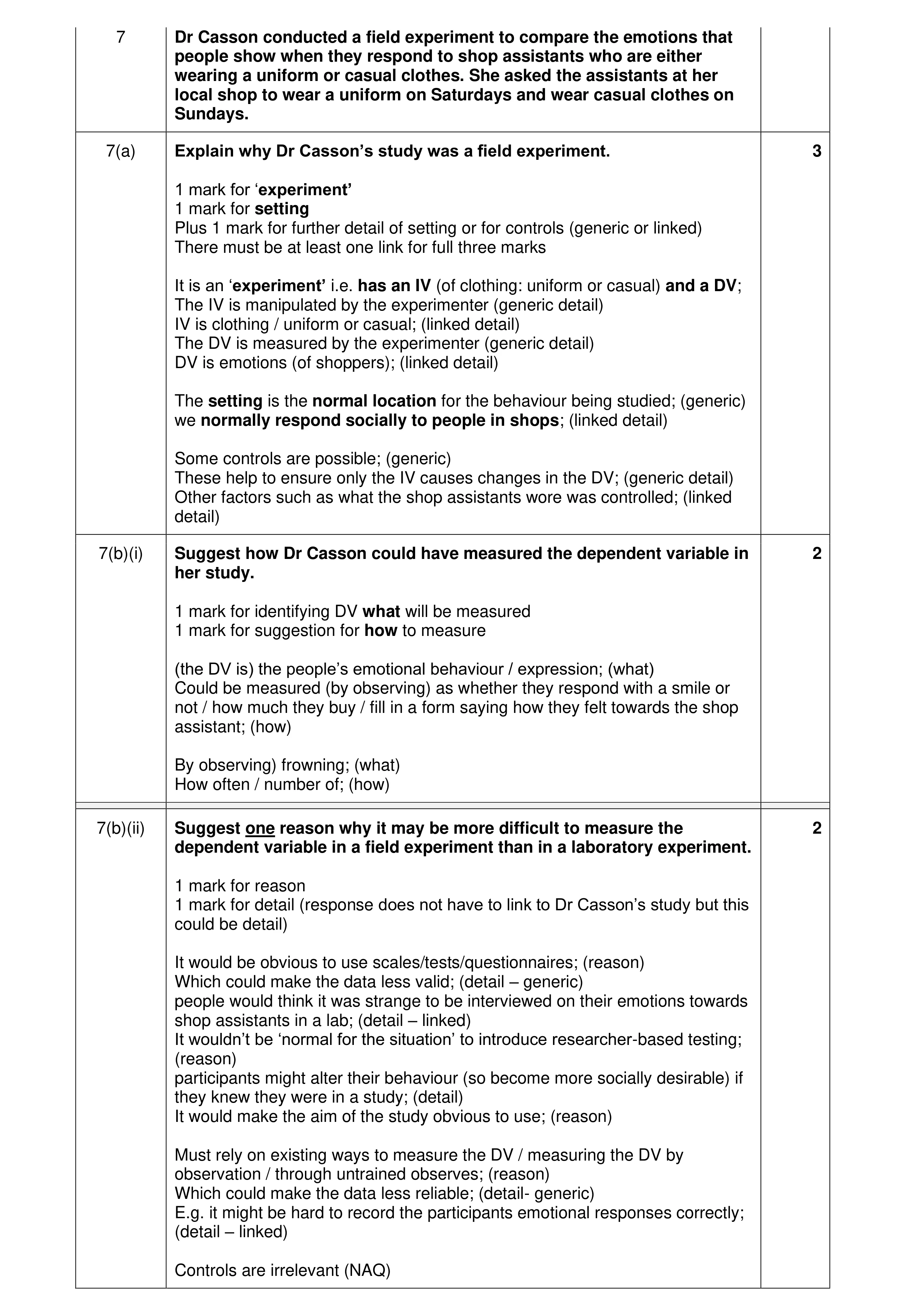 7
7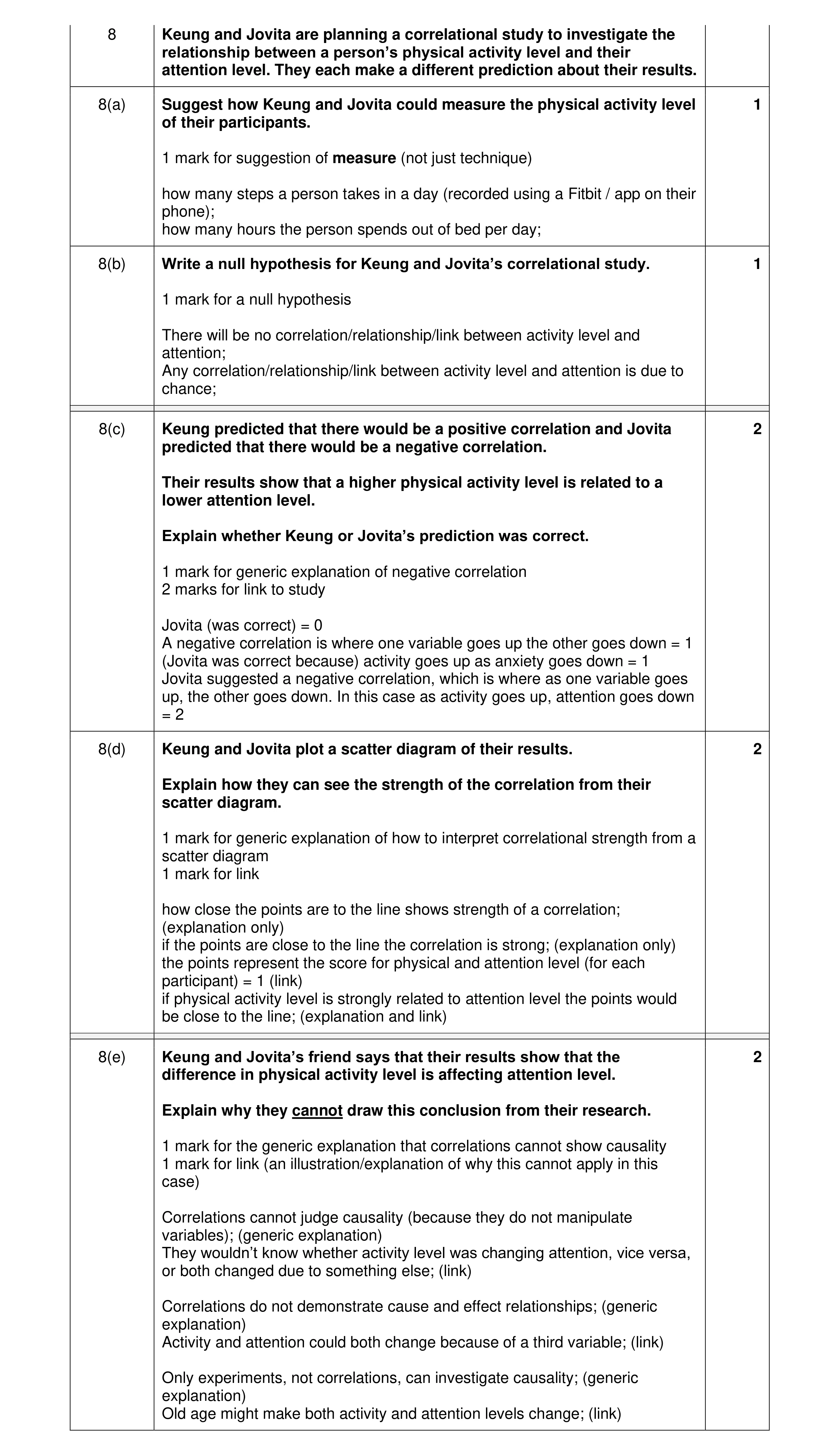 8
8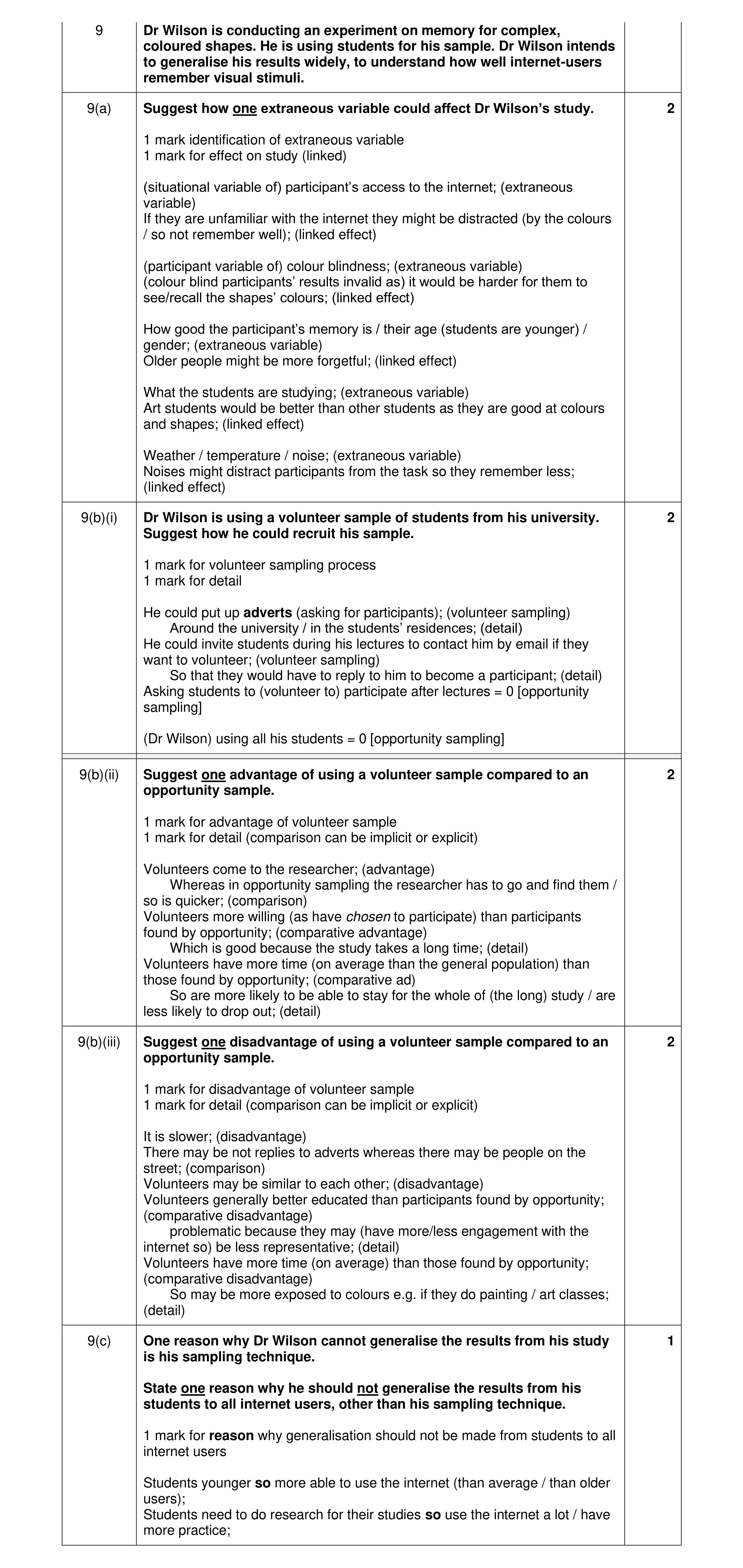 9
9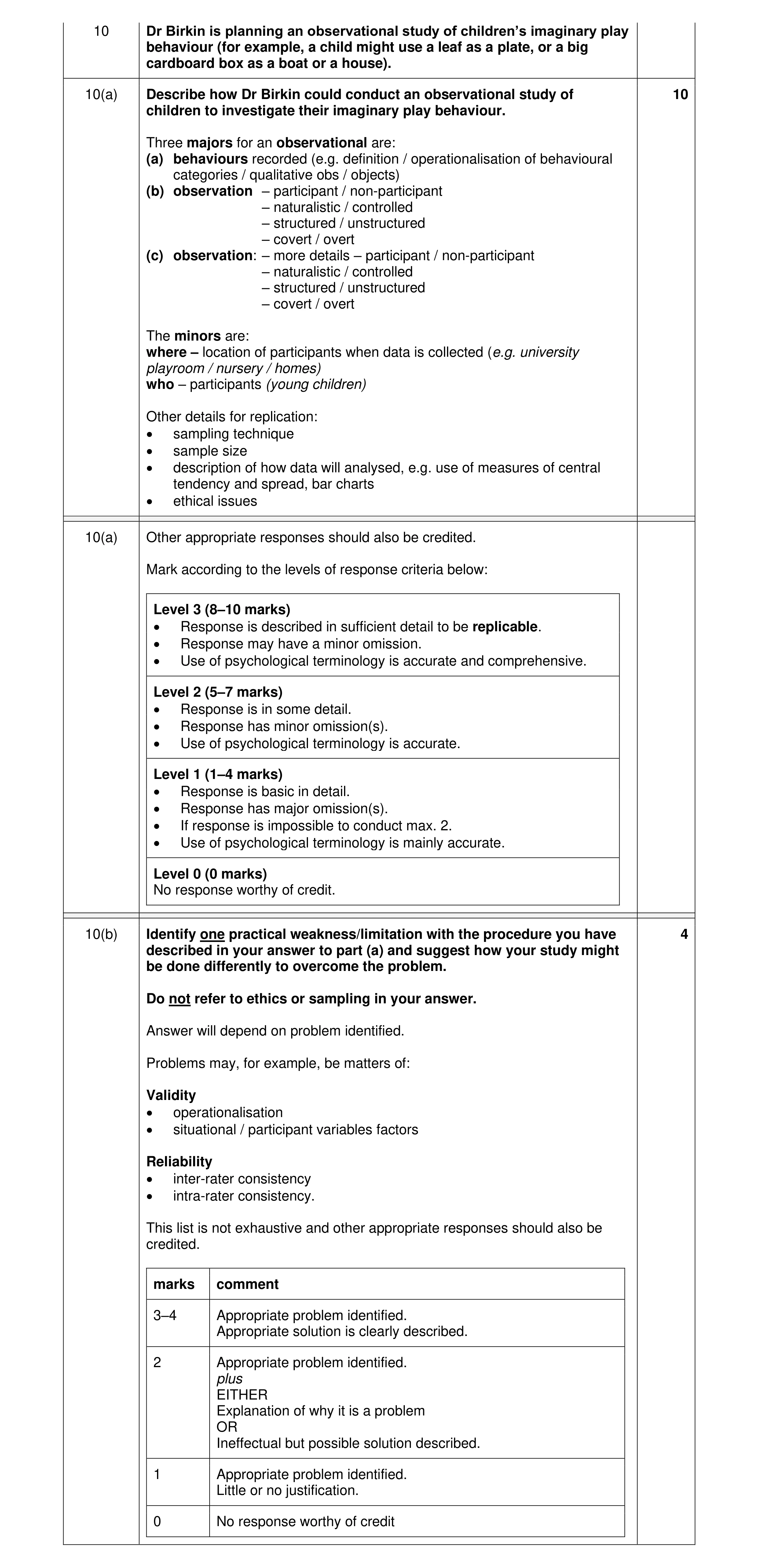 14
14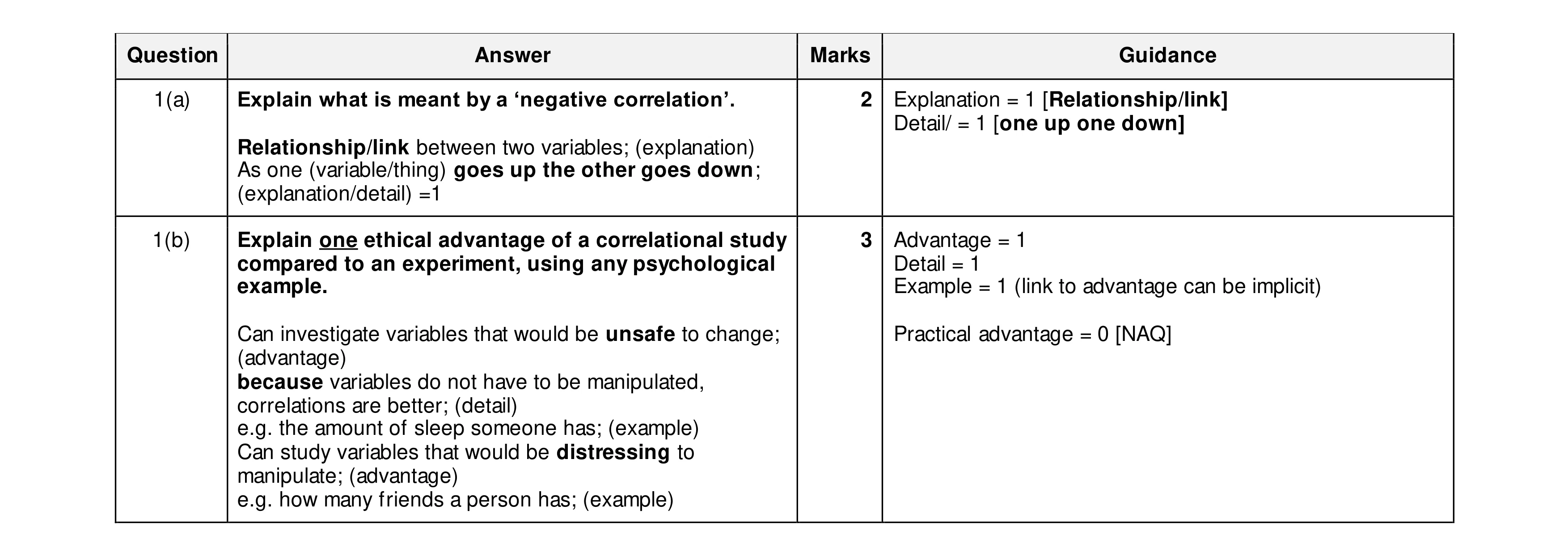 5
5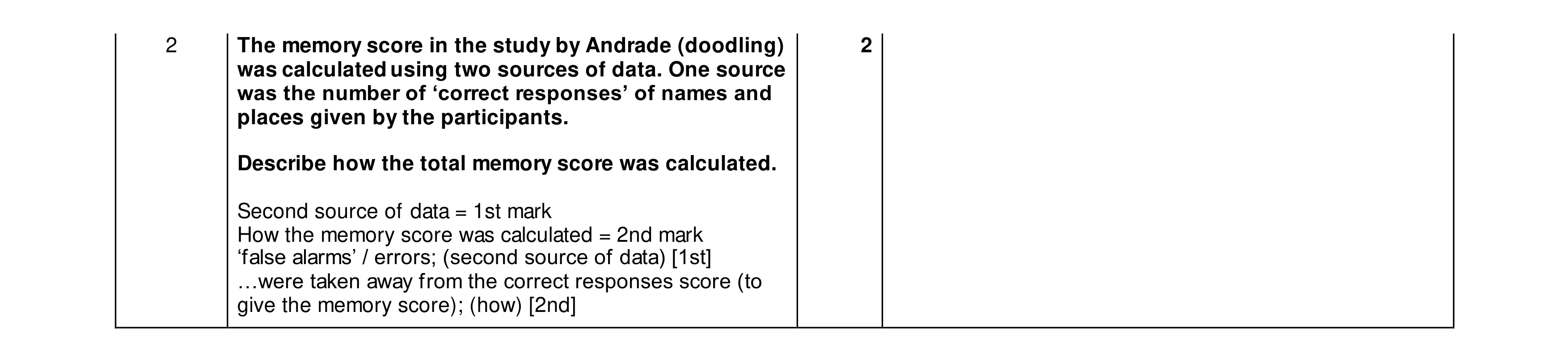 2
2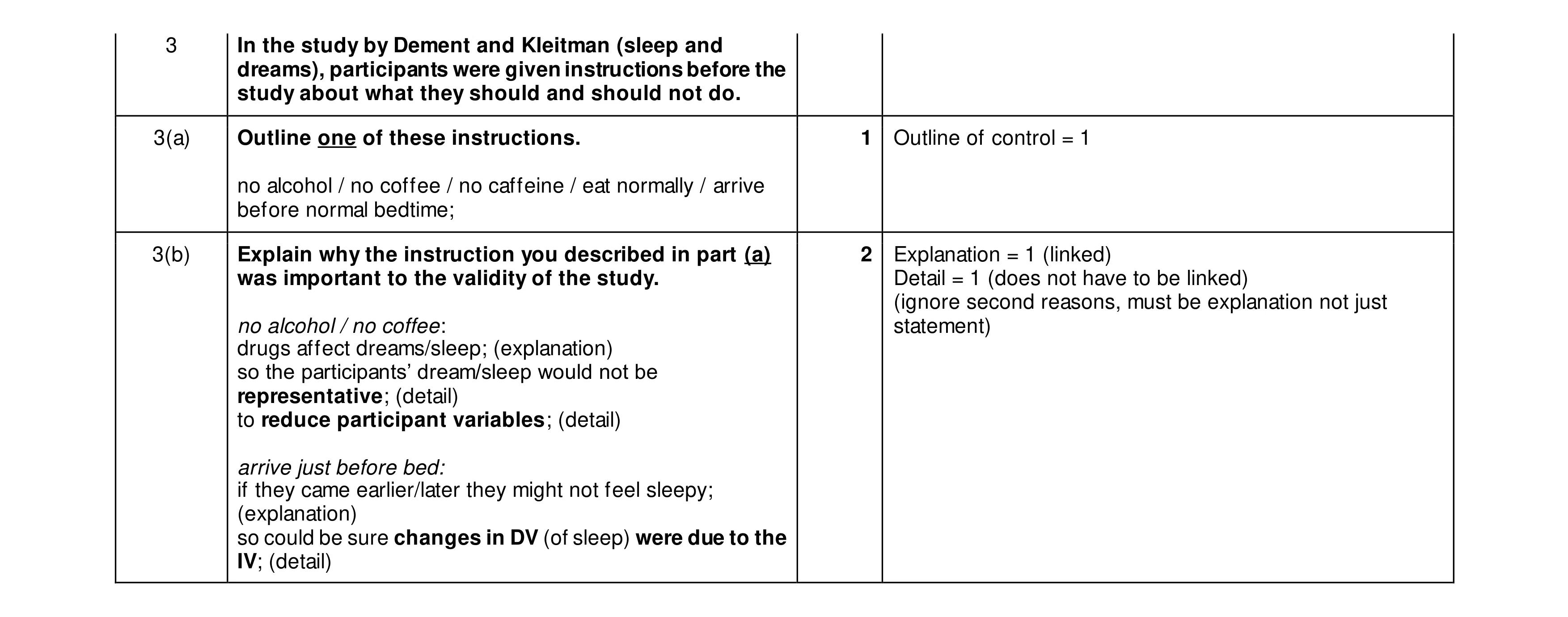 3
3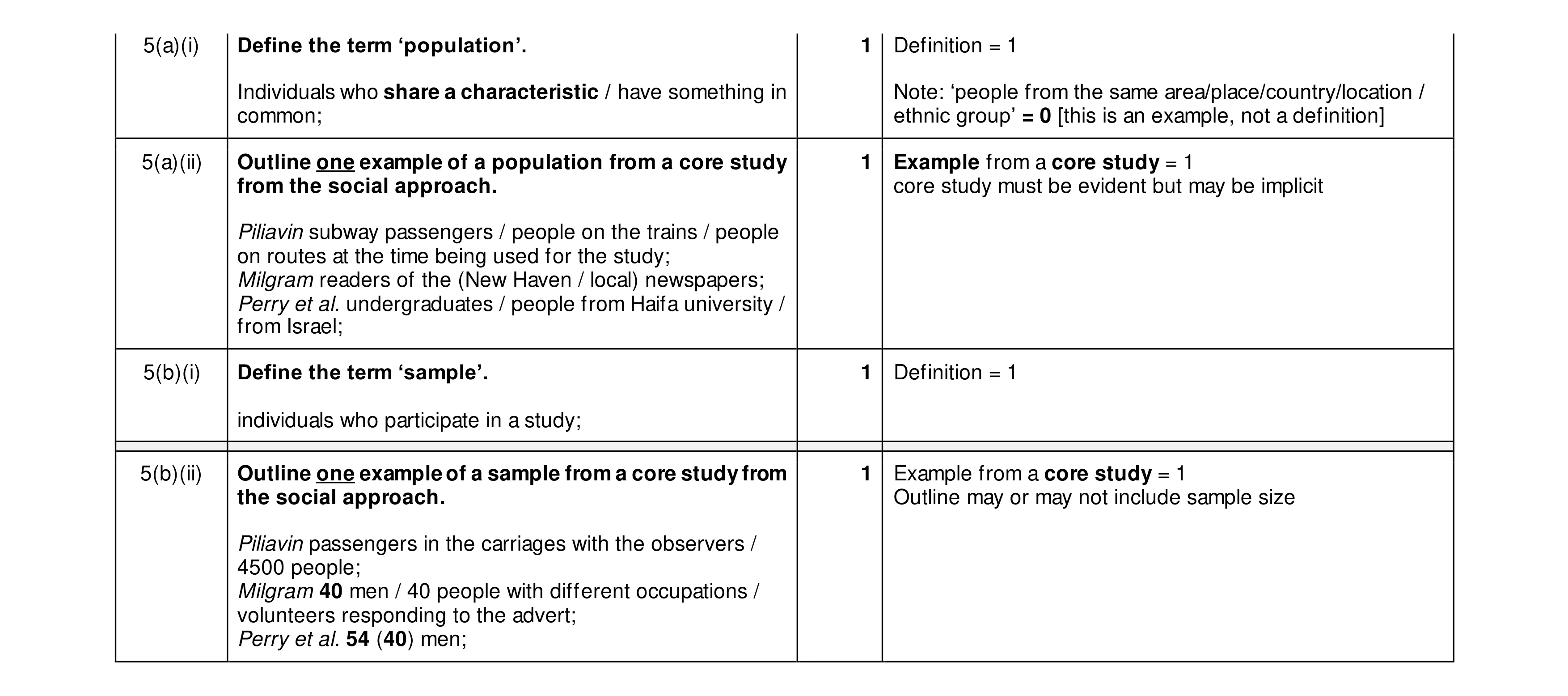 4
4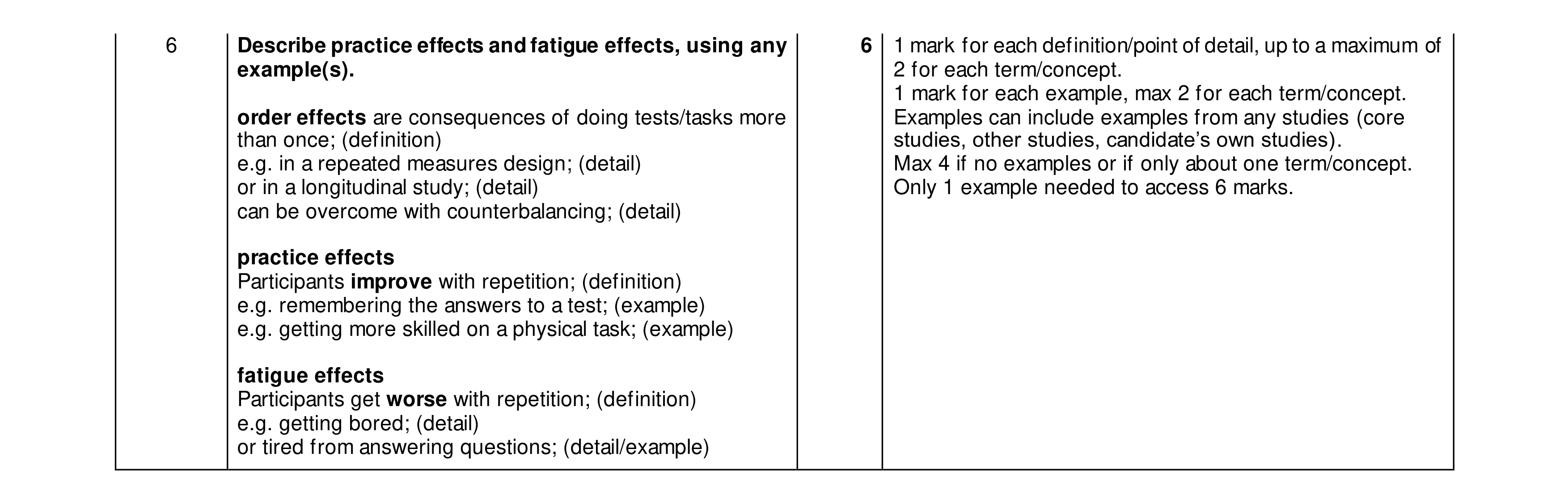 6
6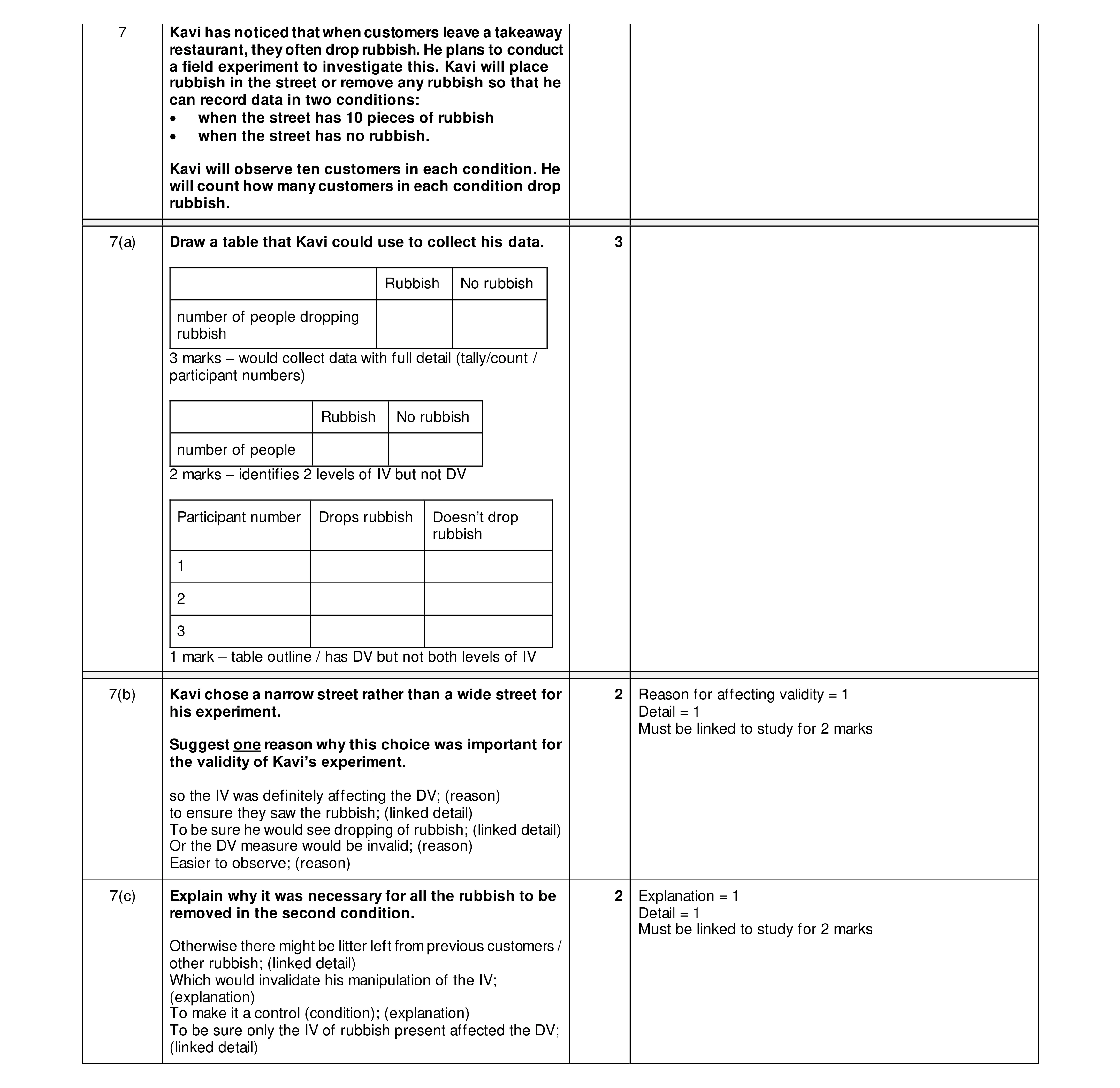 7
7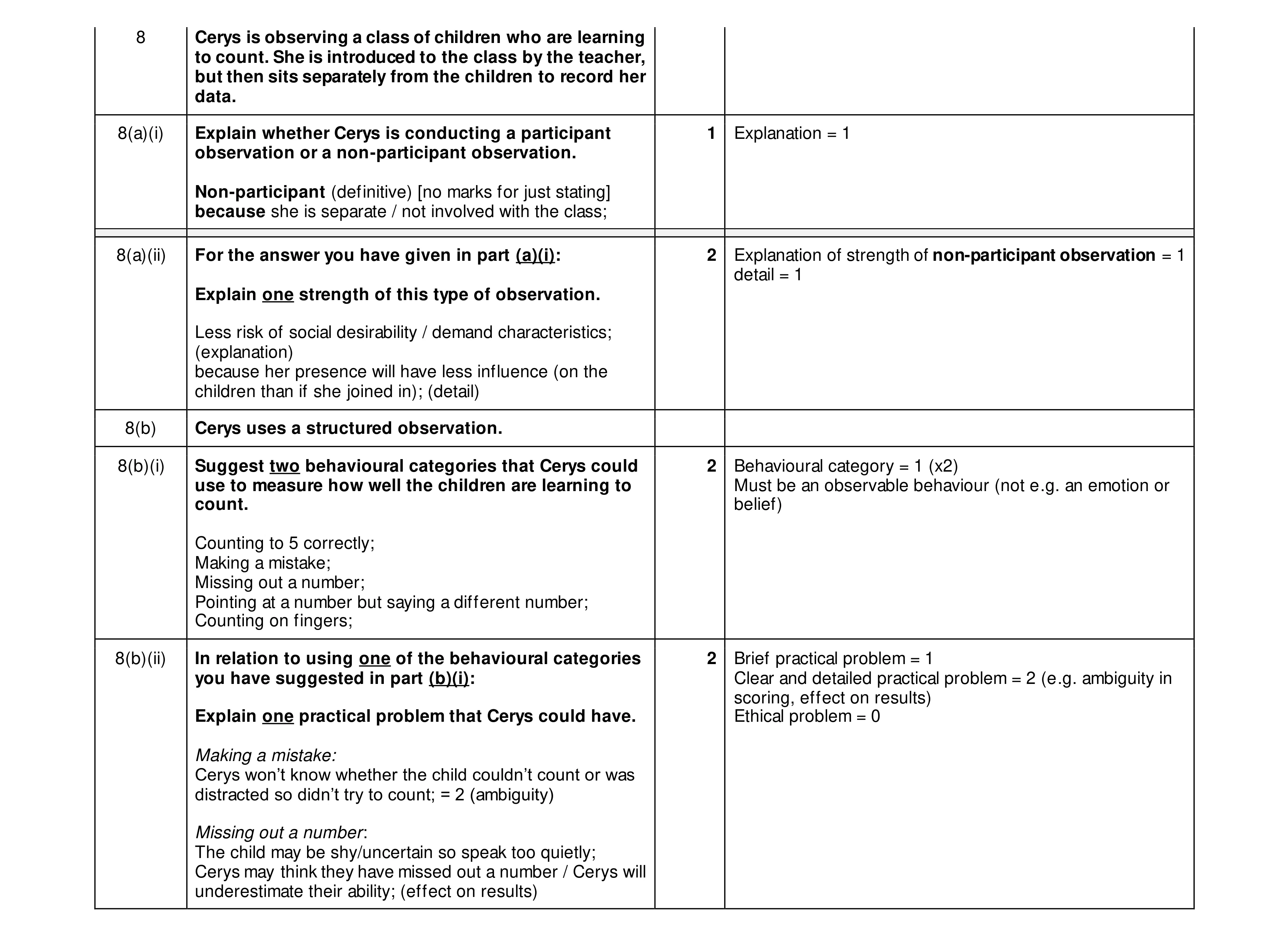 7
7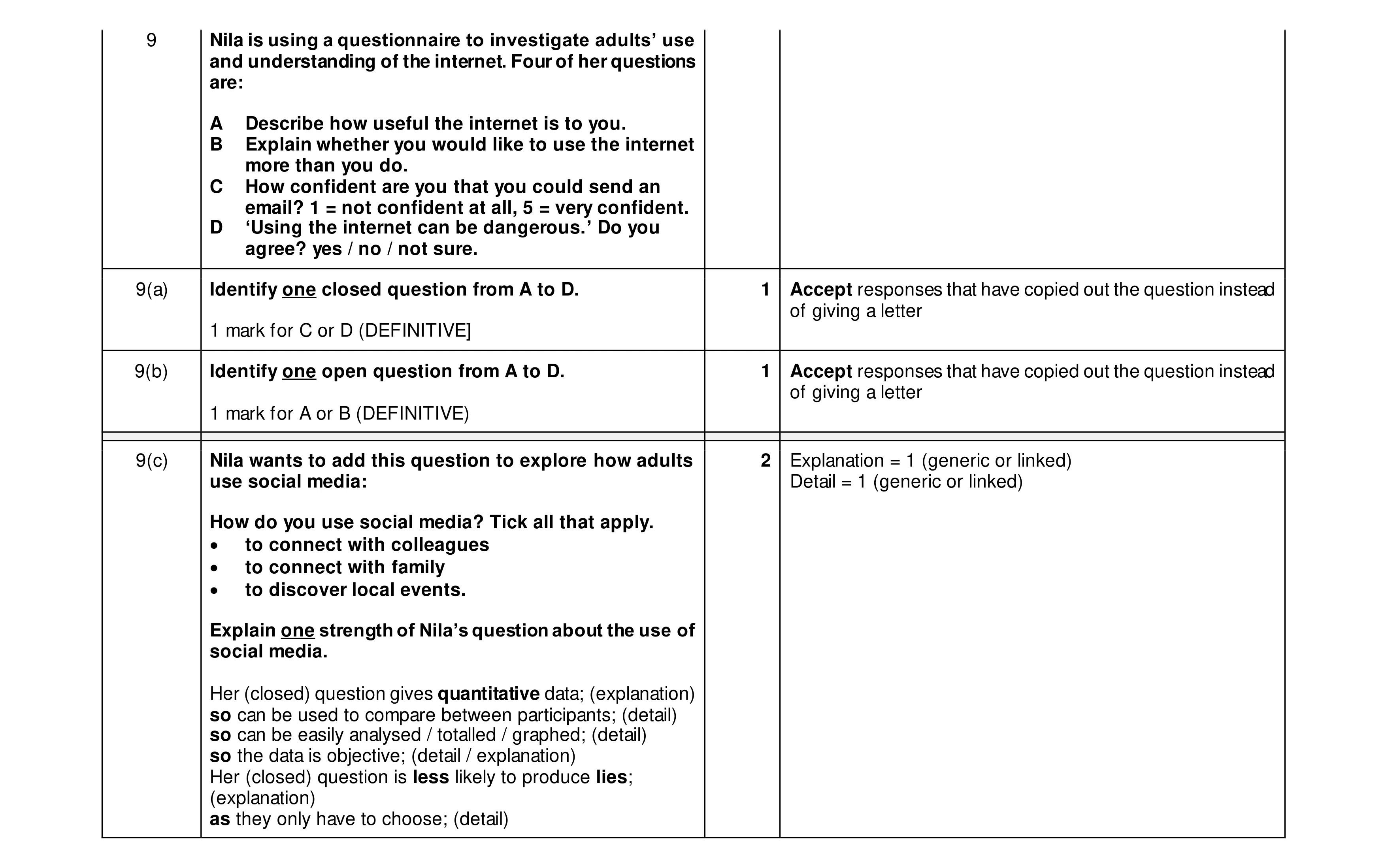 4
4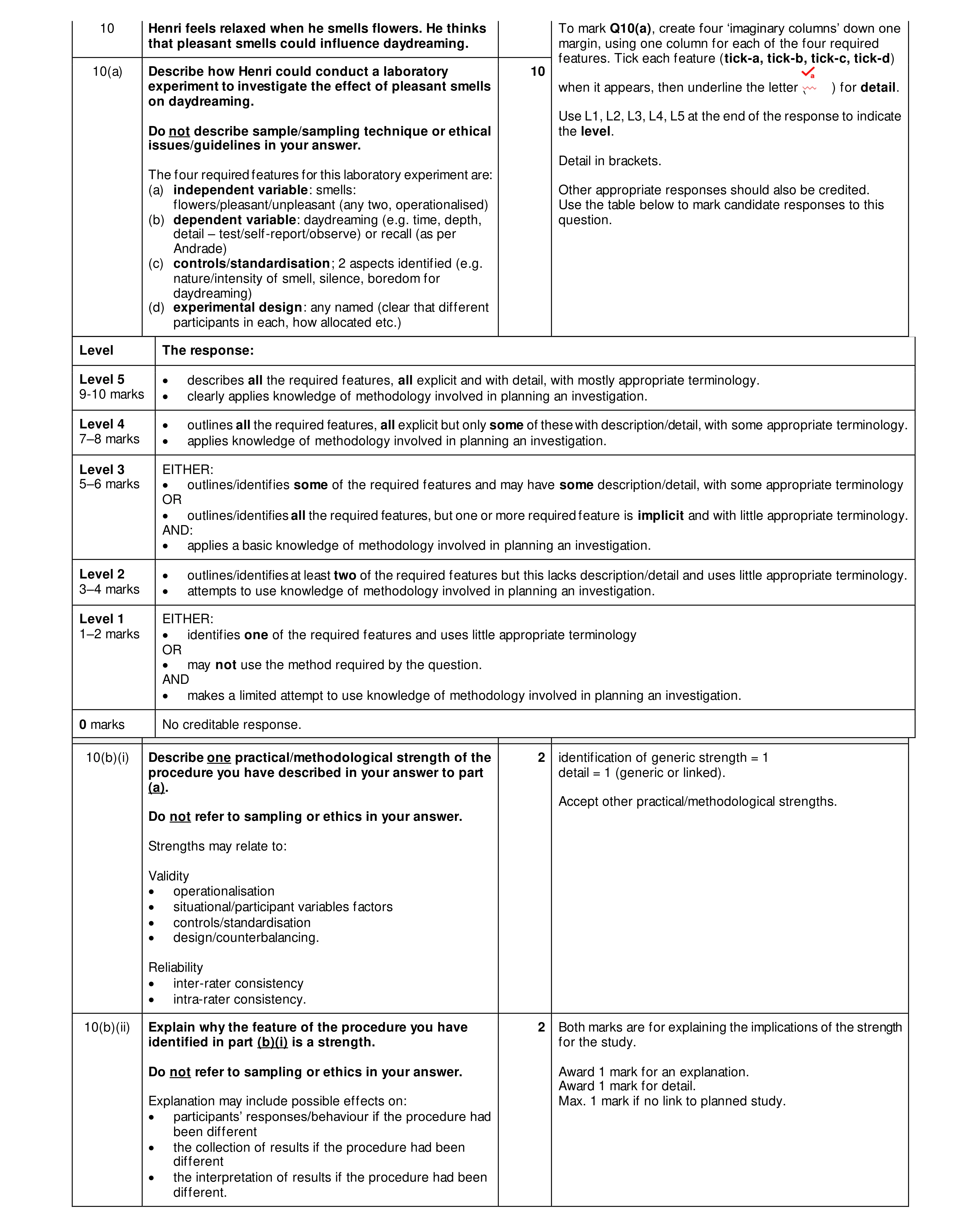 14
14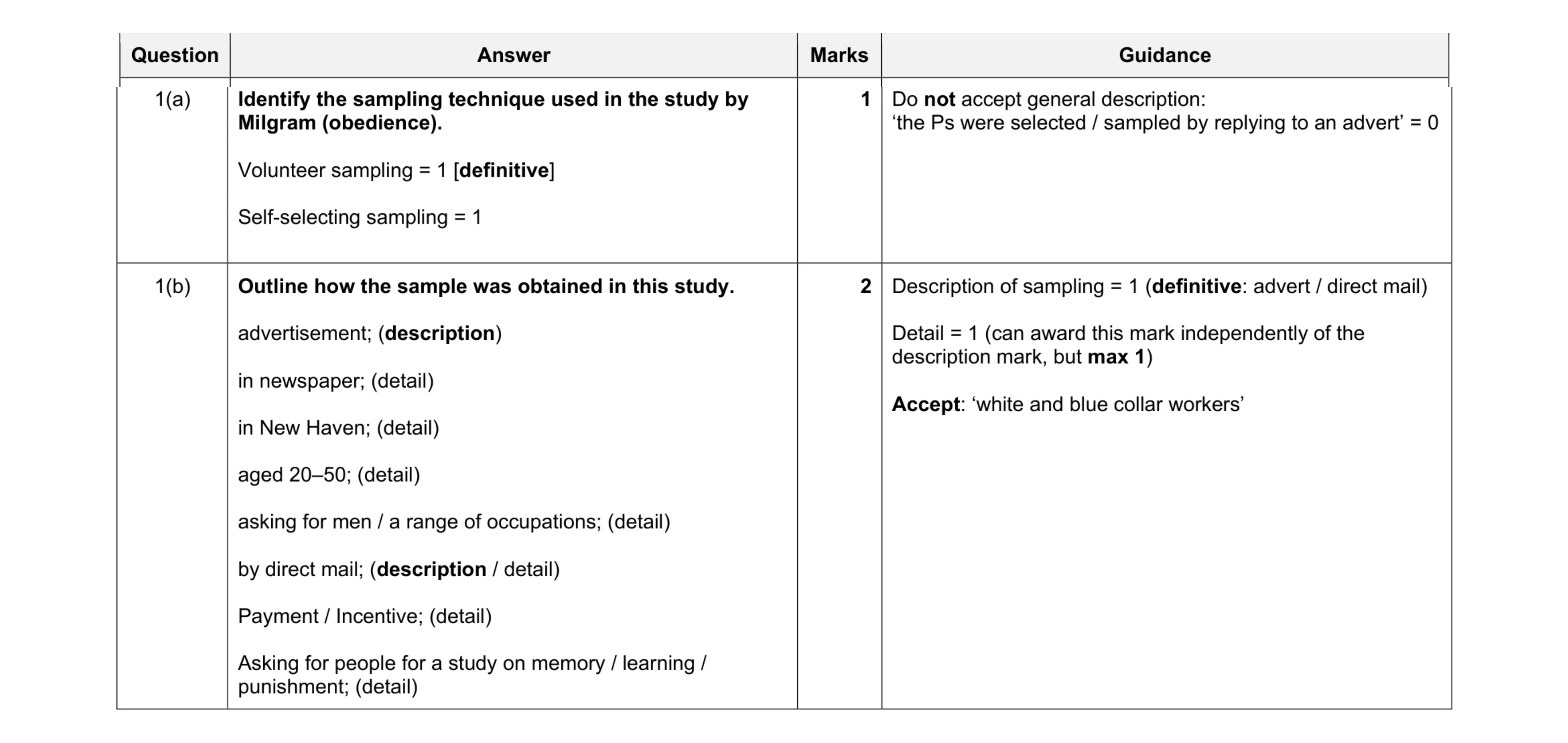 3
3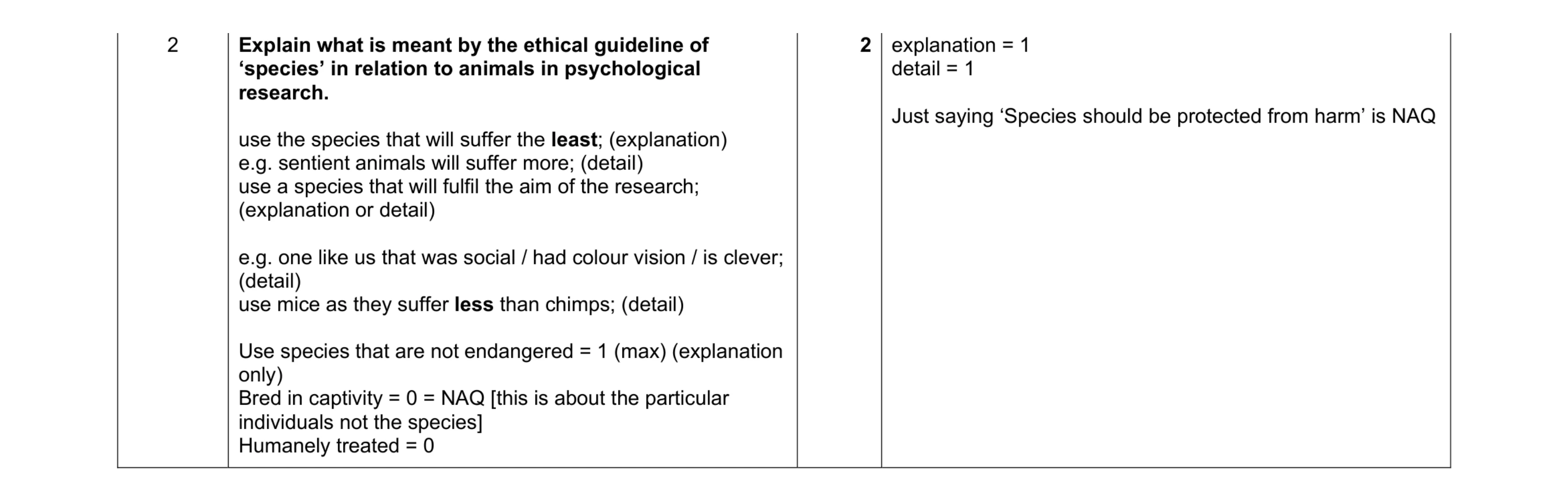 2
2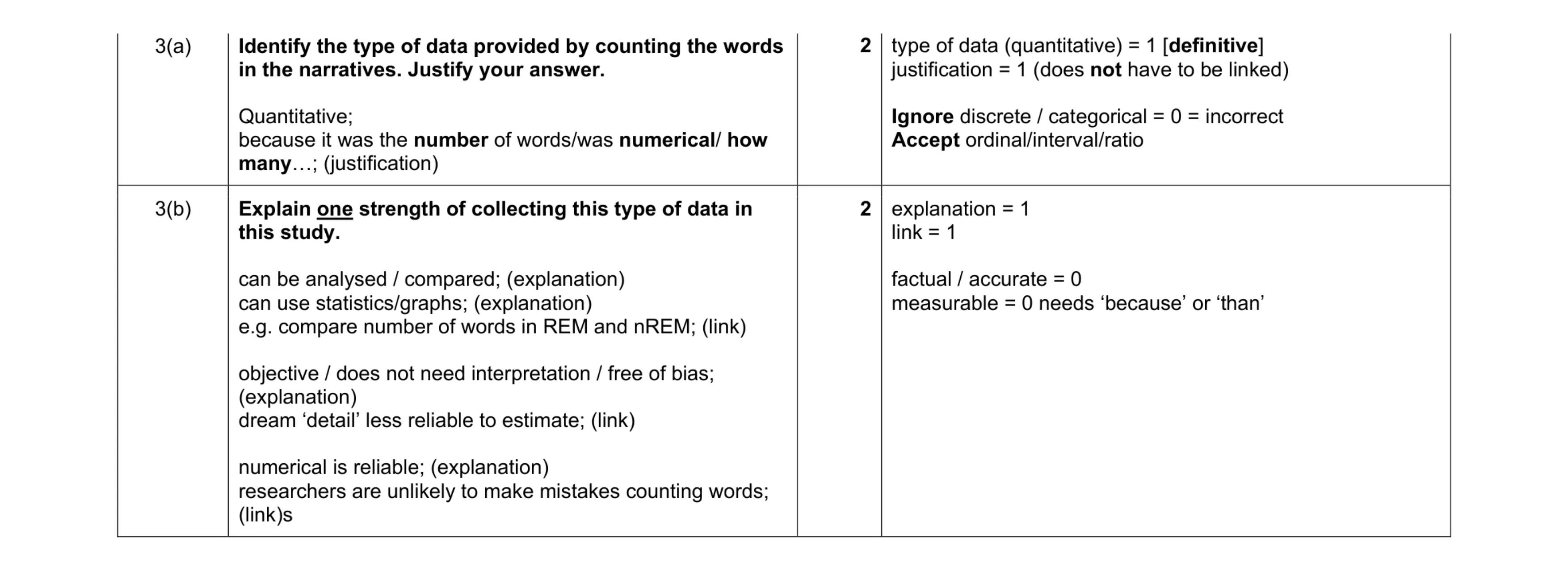 4
4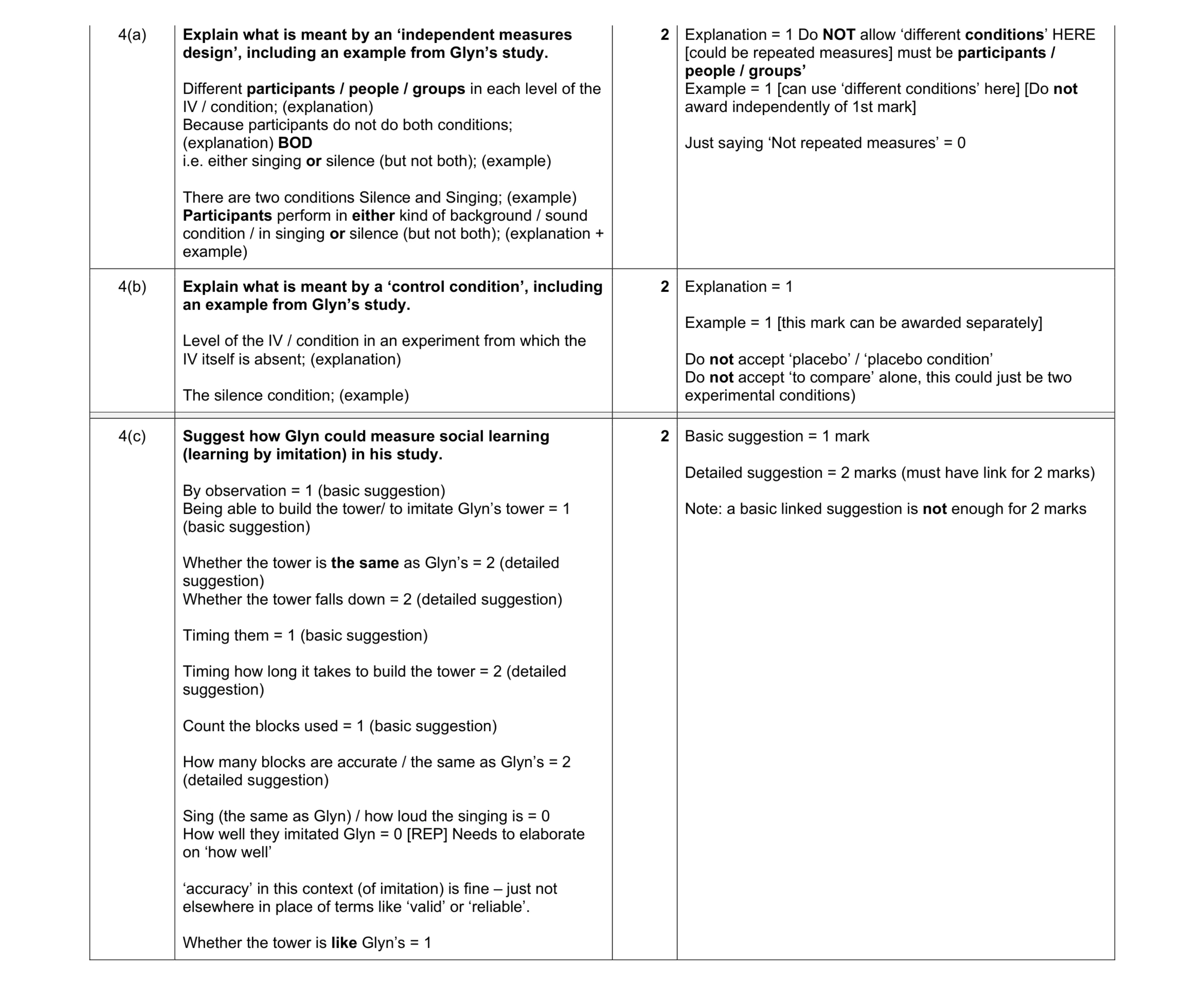 6
6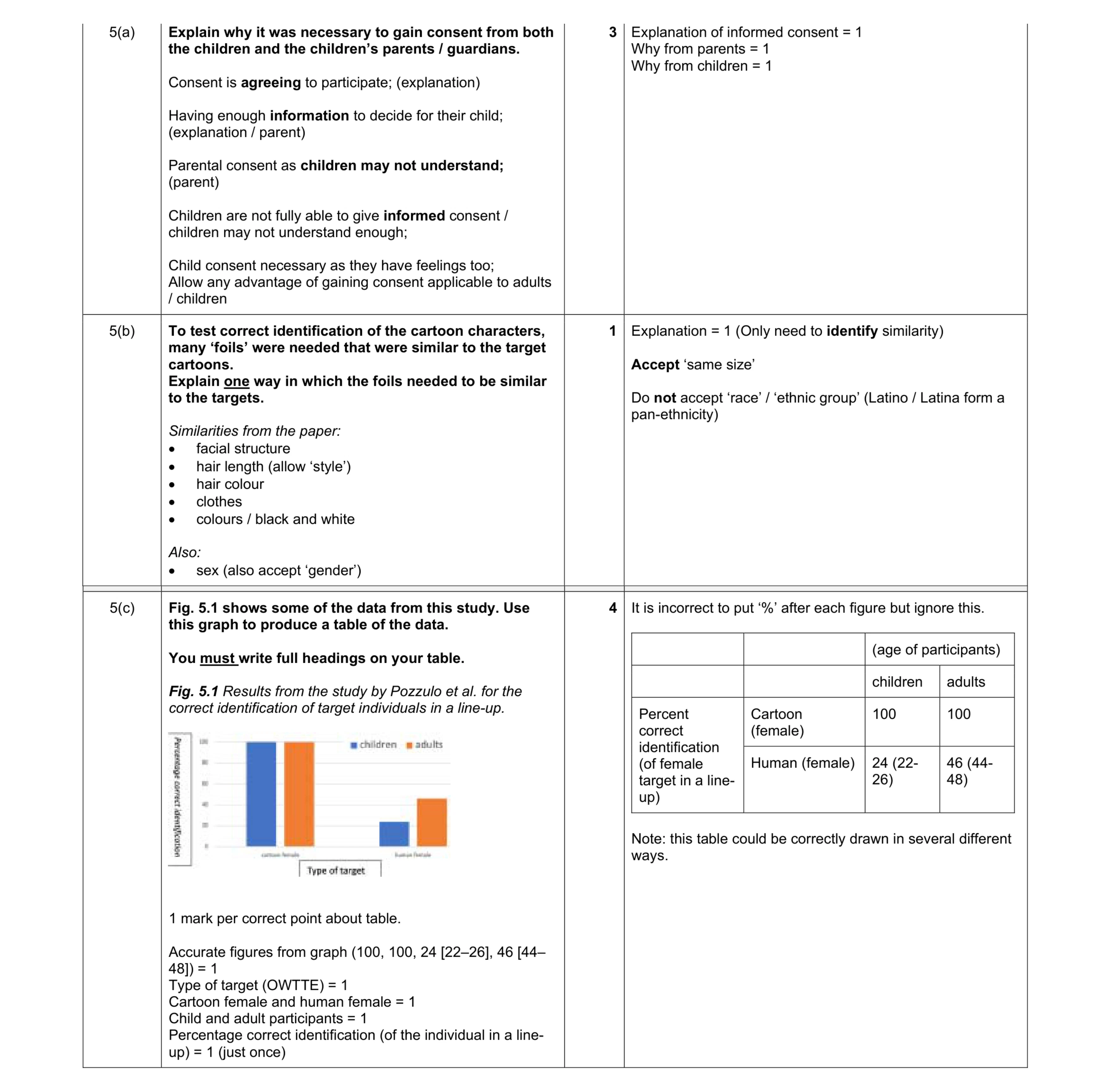 8
8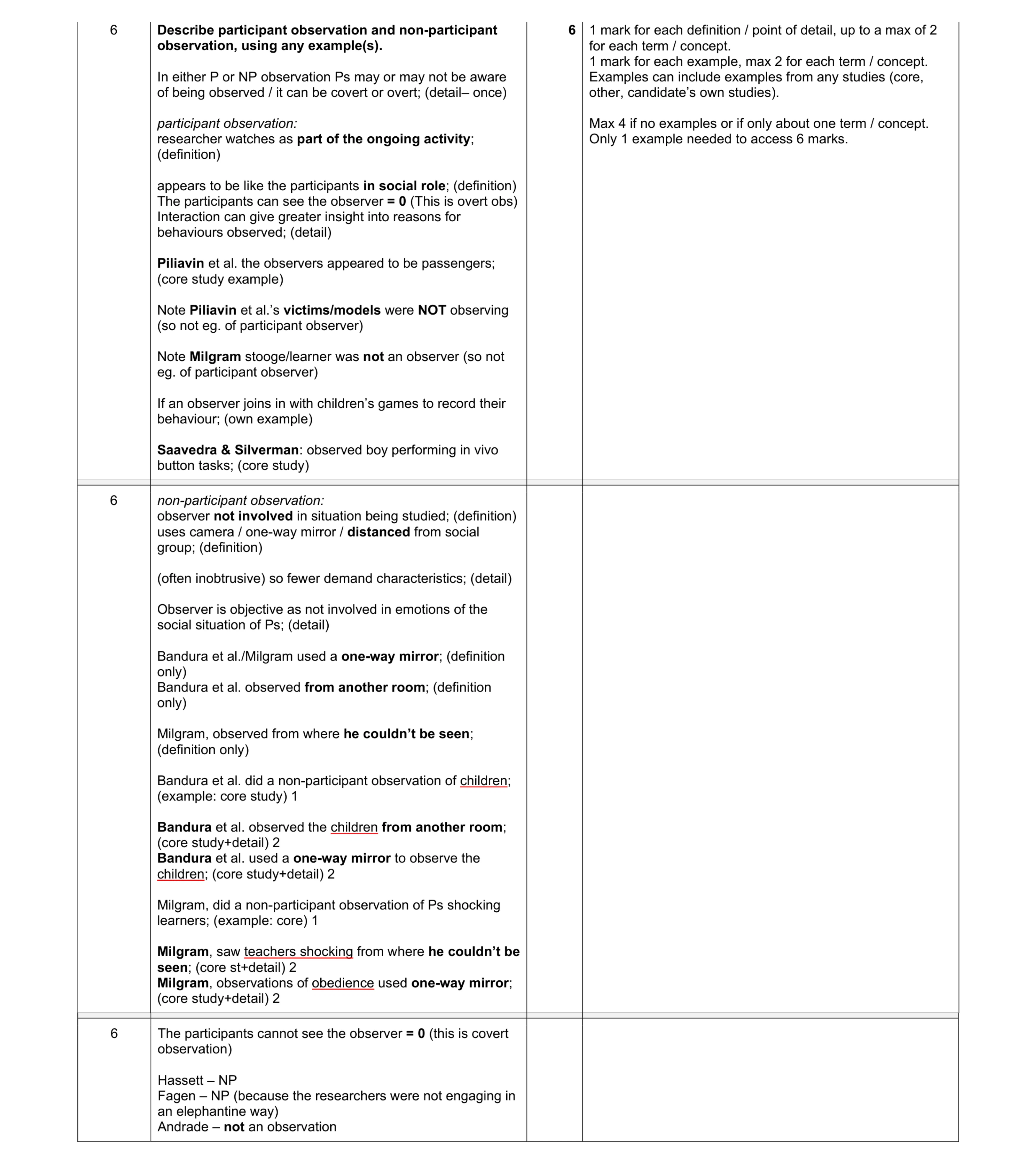 6
6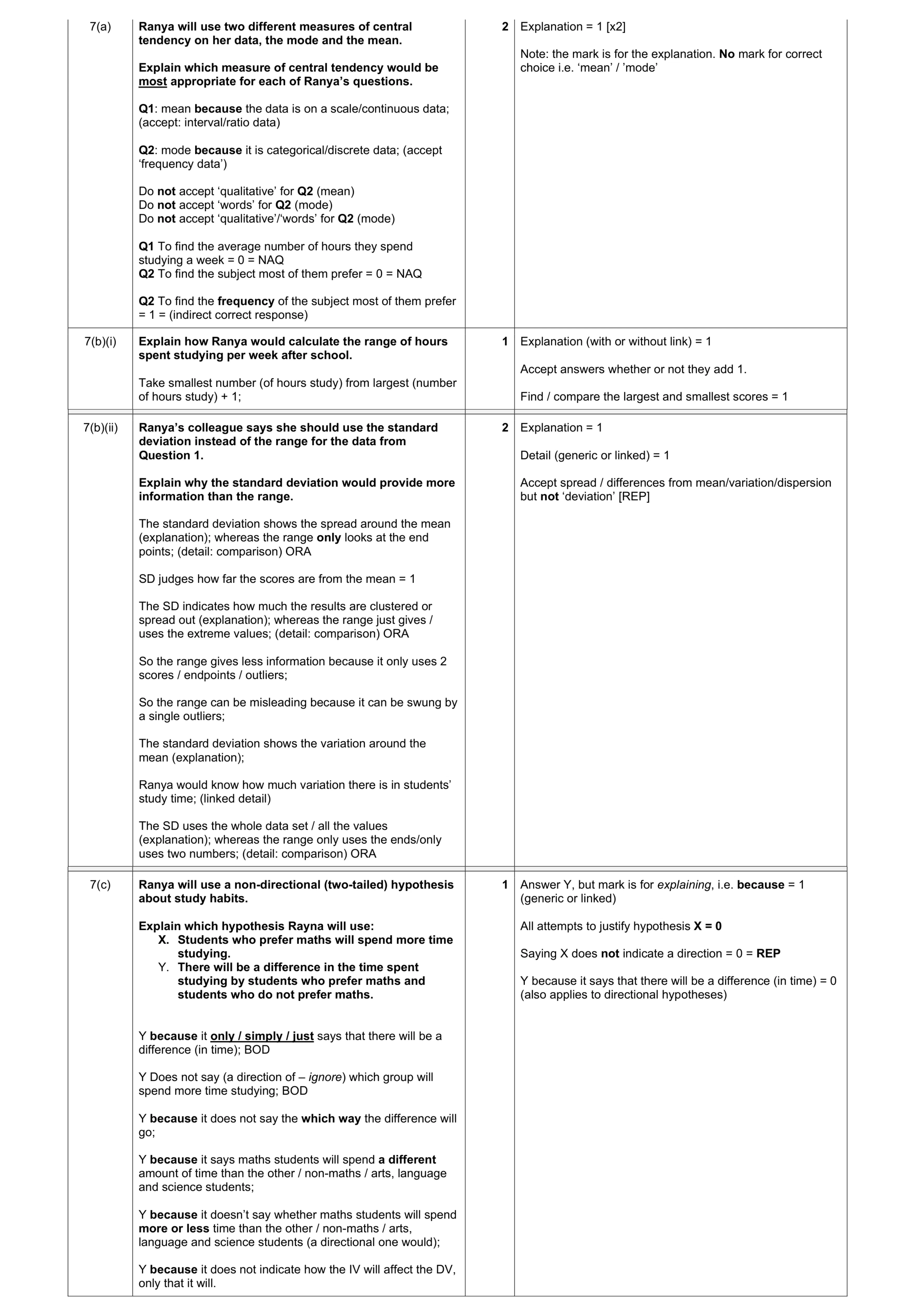 6
6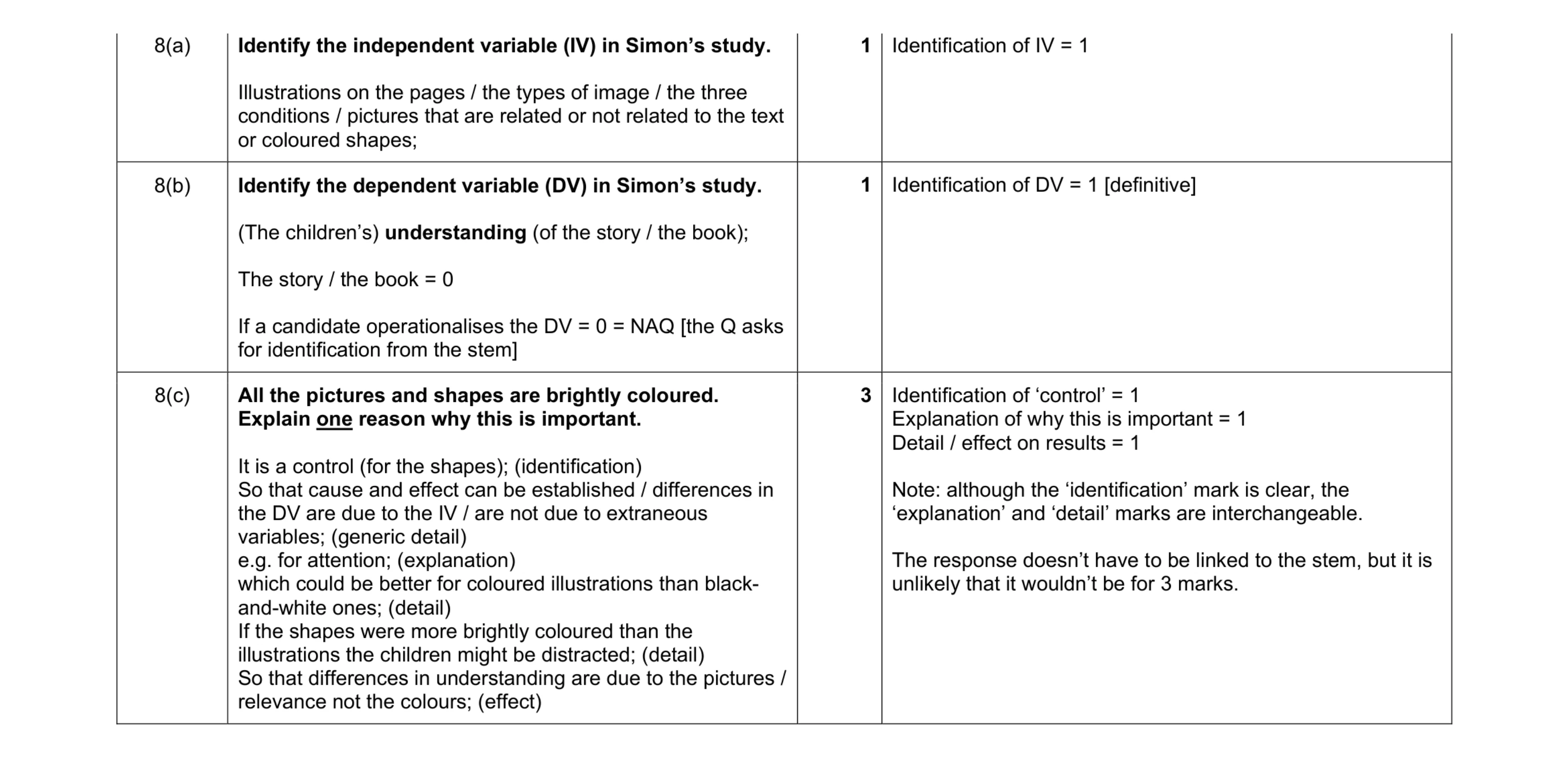 5
5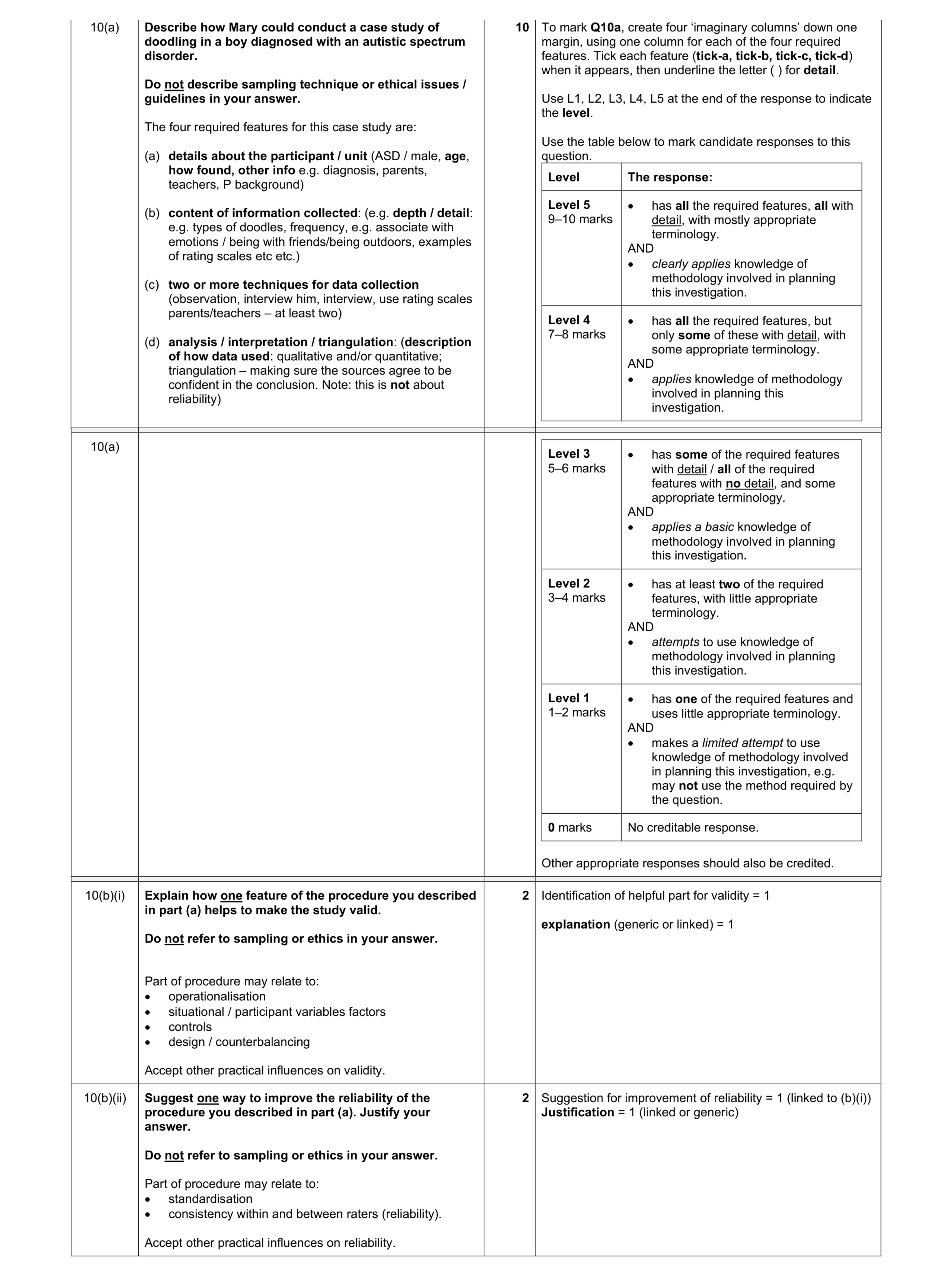 14
14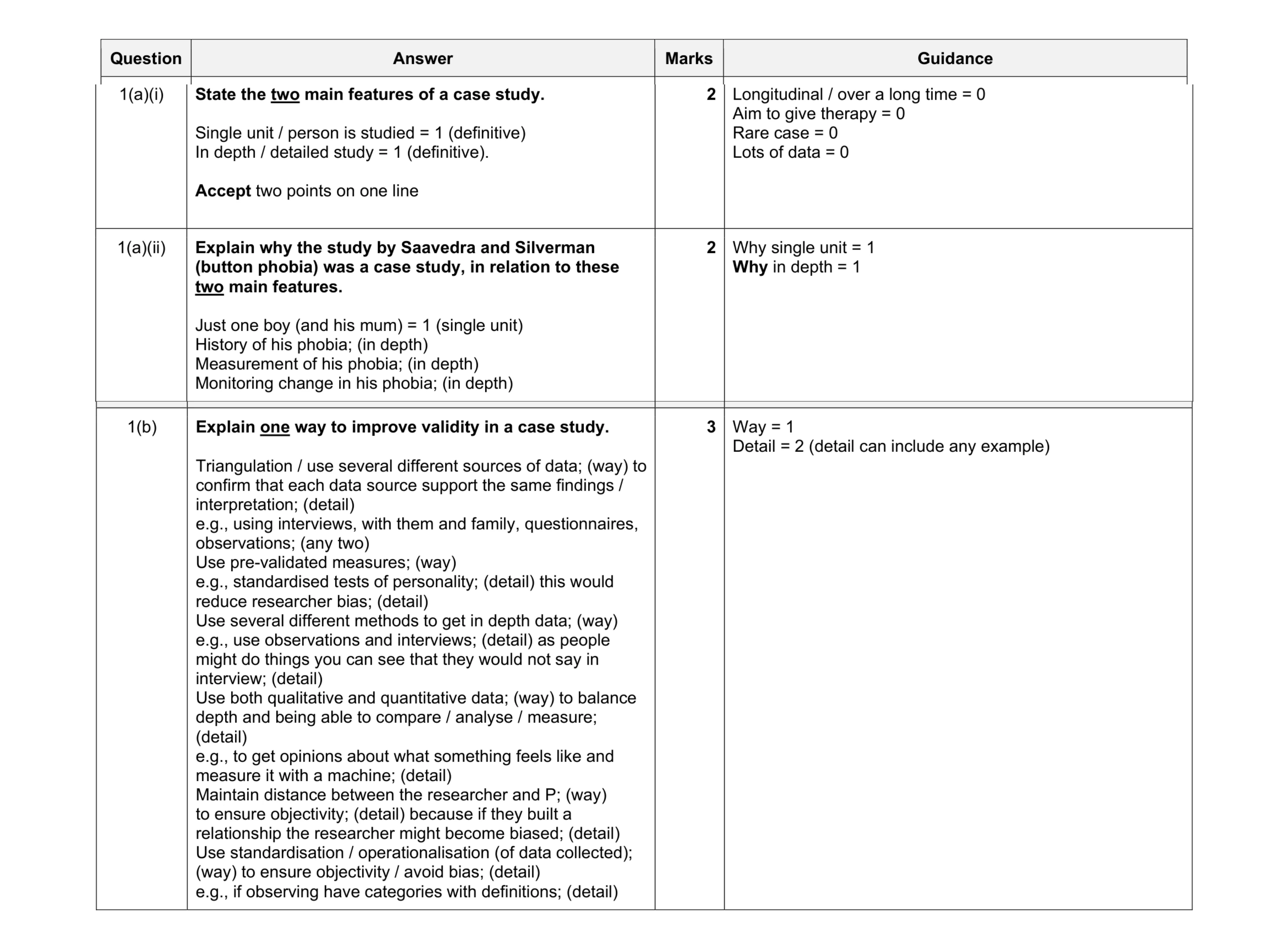 7
7 4
4 3
3 4
4 2
2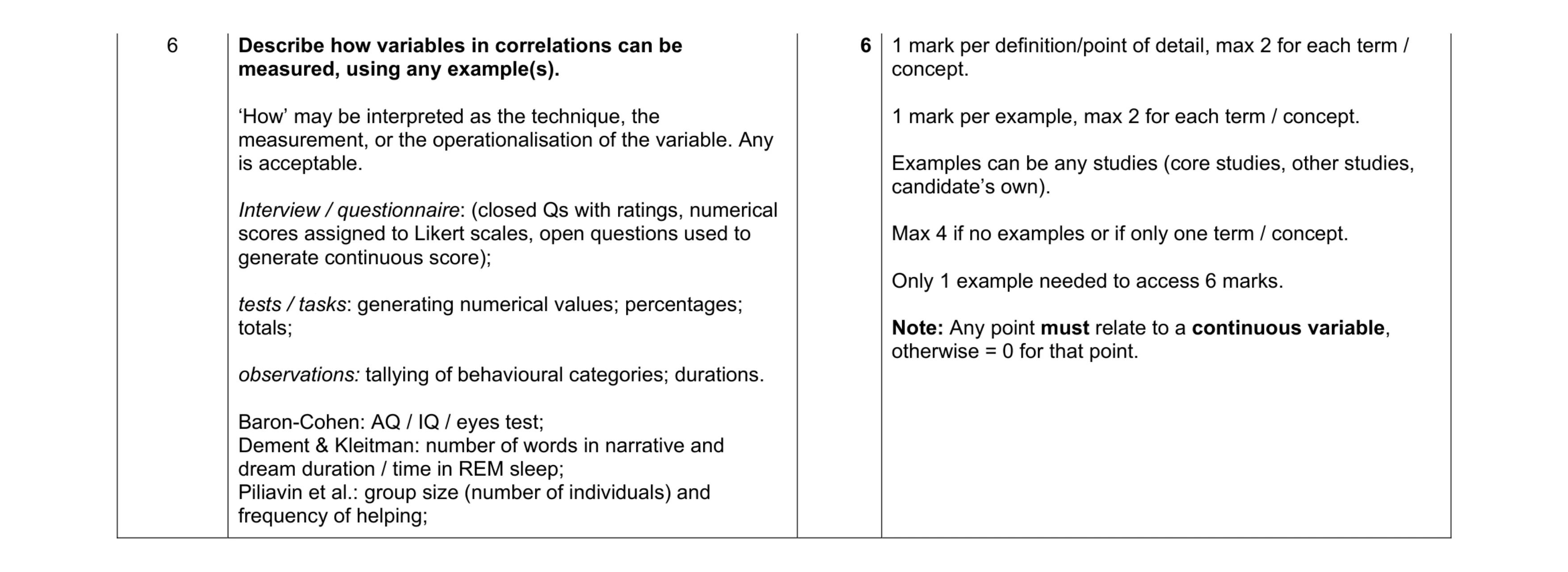 6
6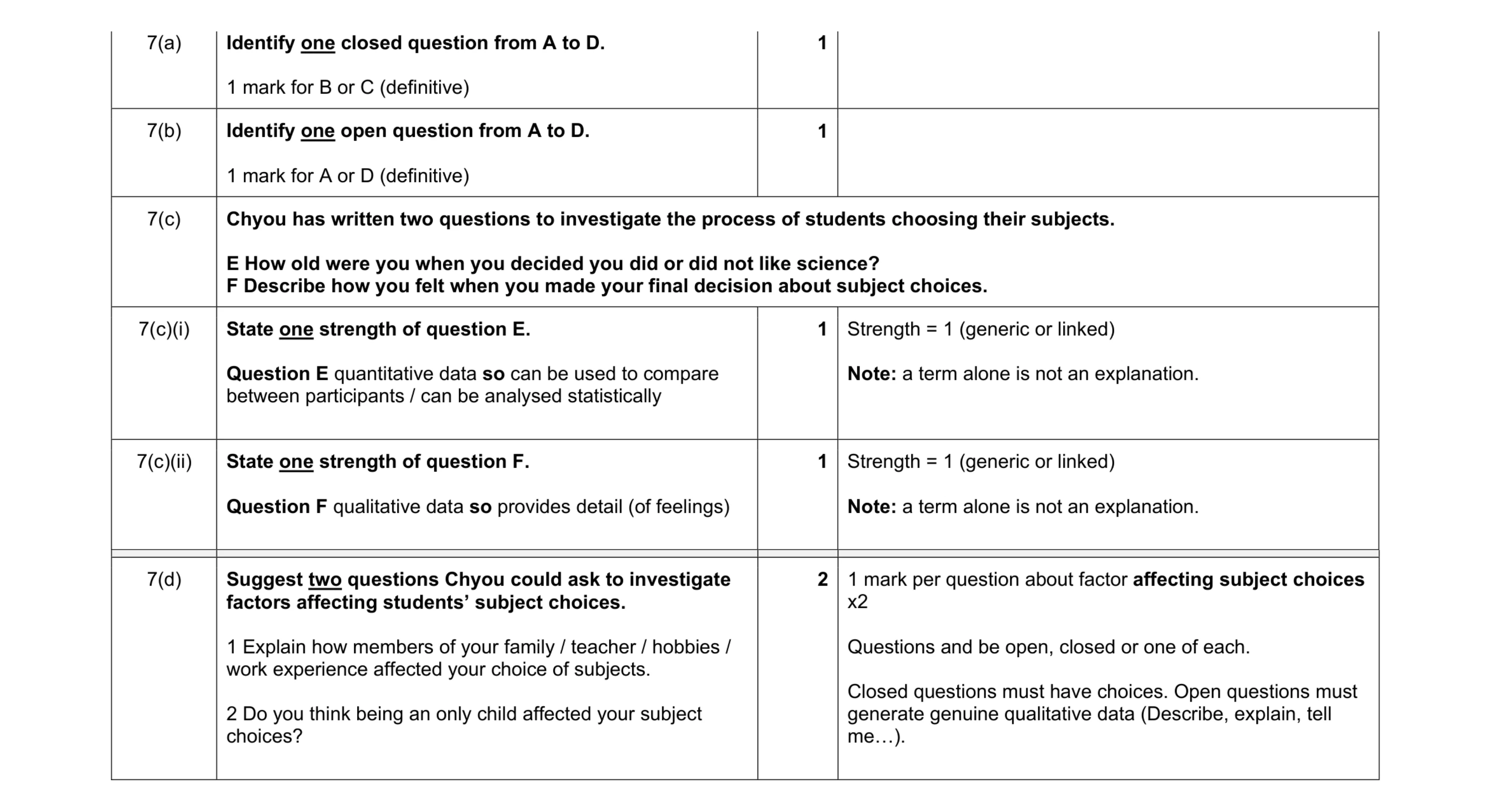 6
6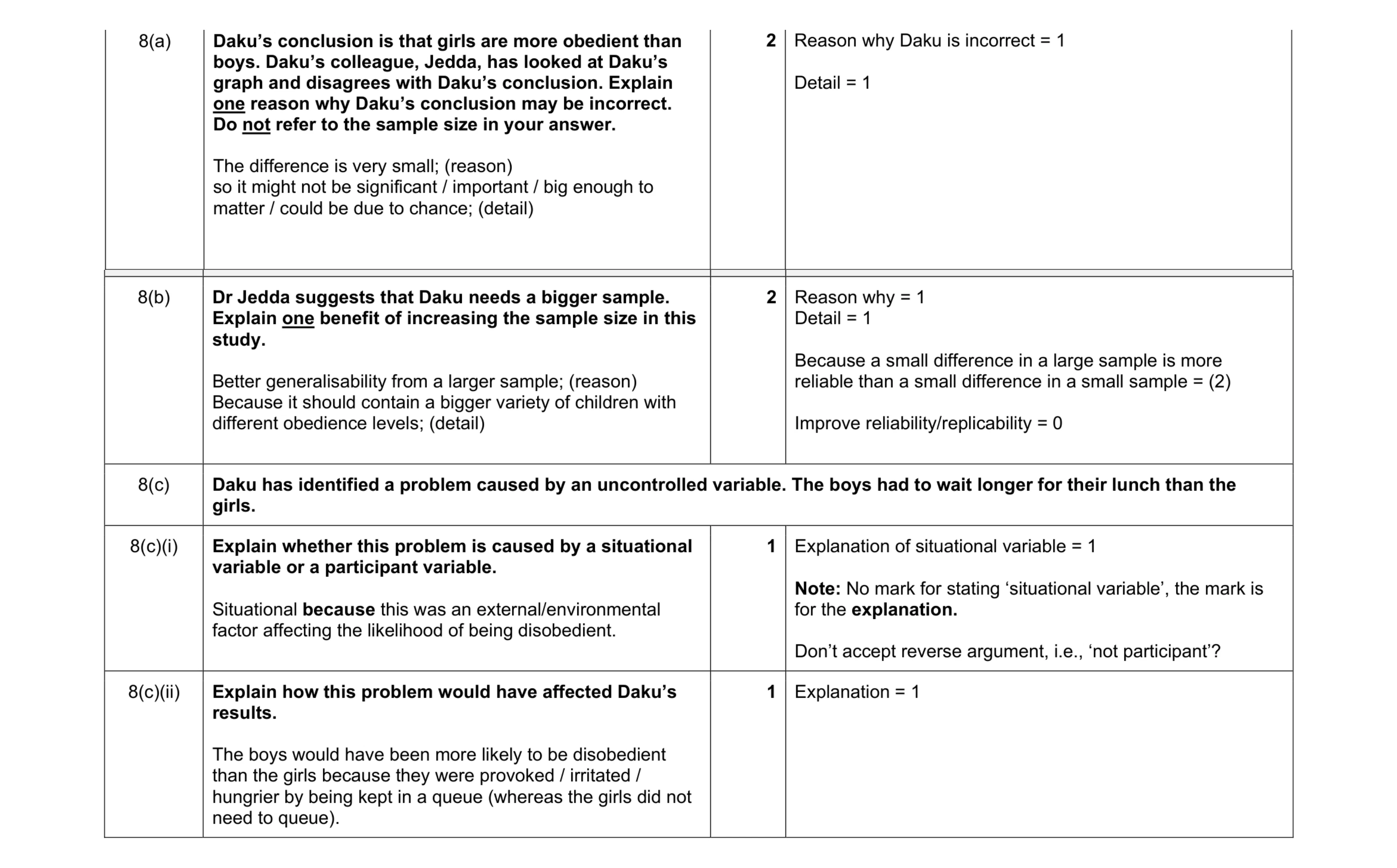 6
6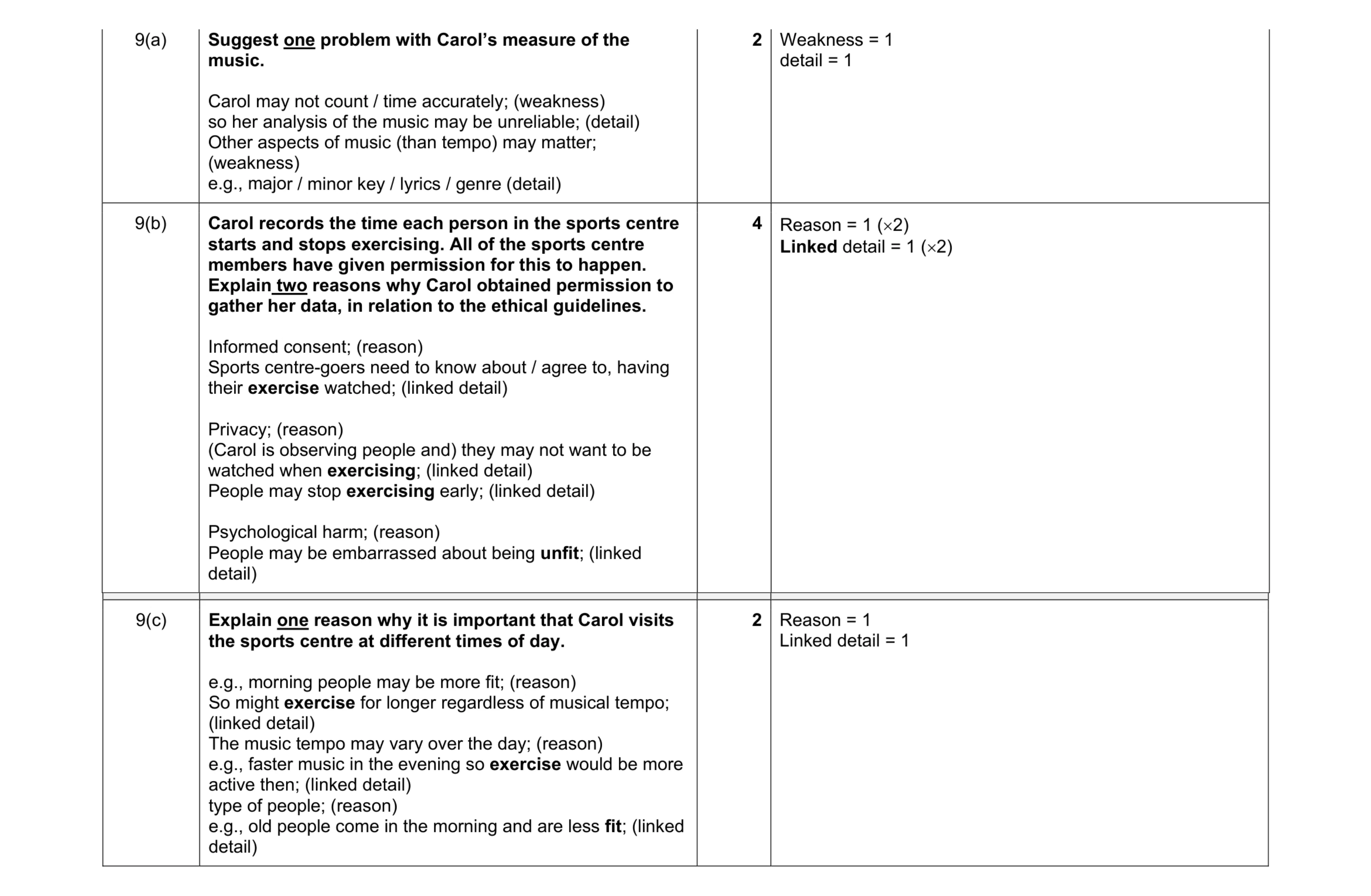 8
8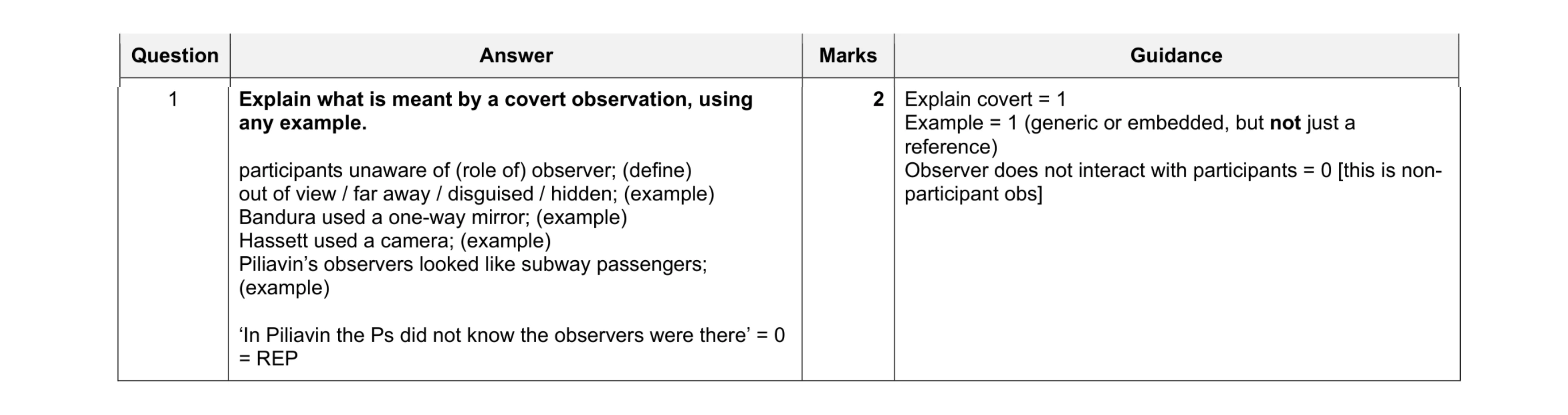 2
2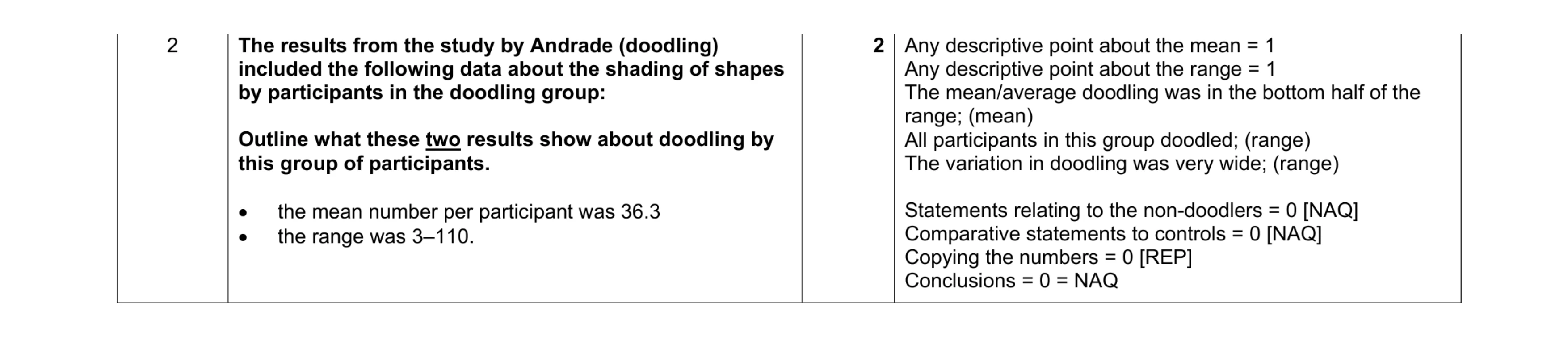 2
2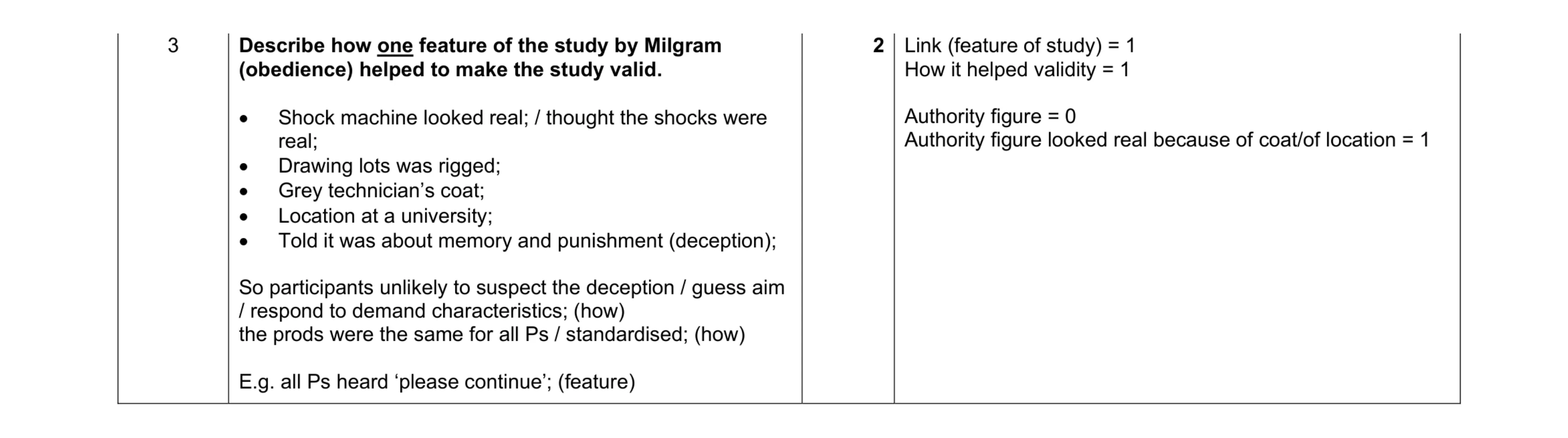 2
2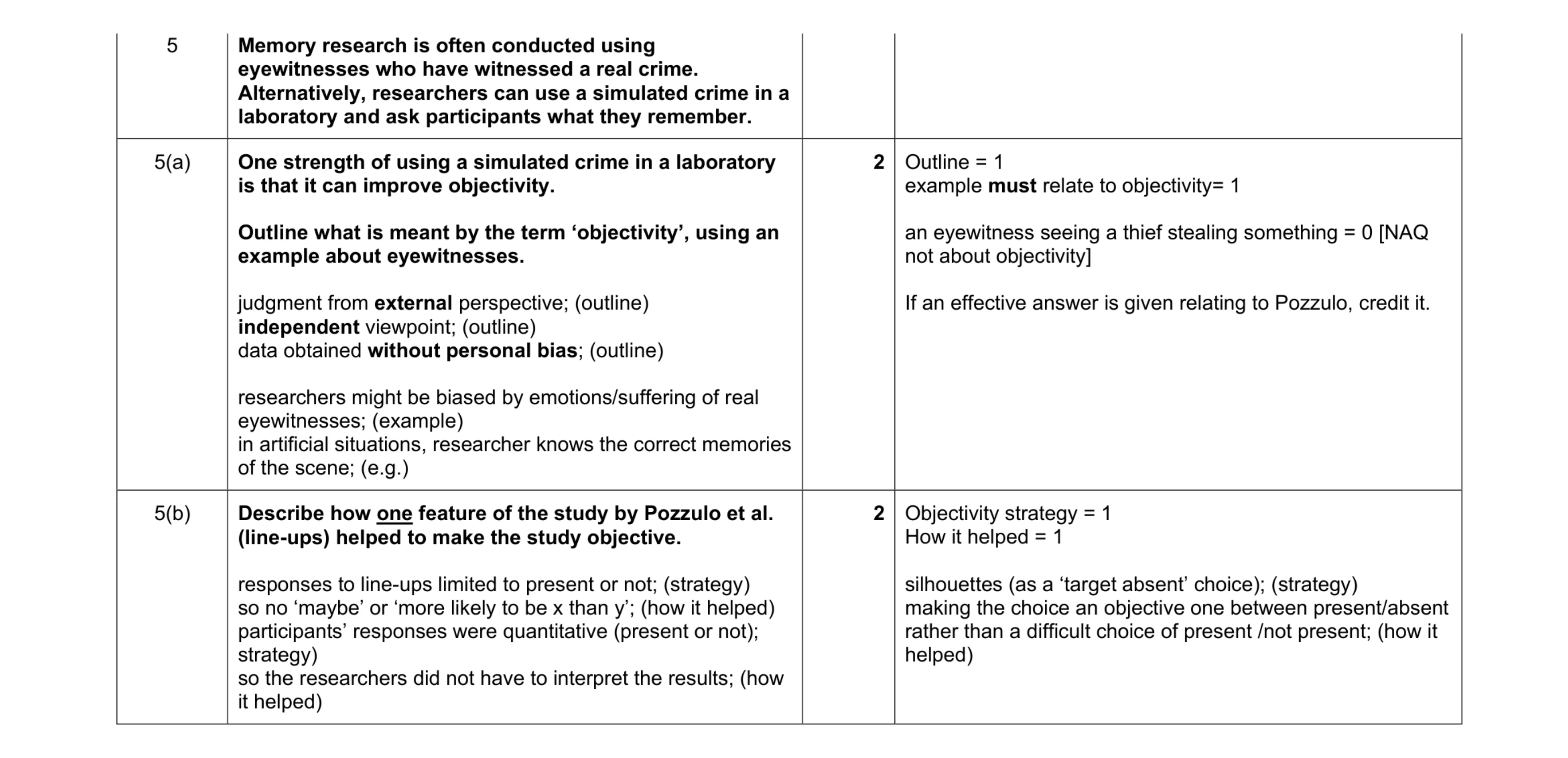 4
4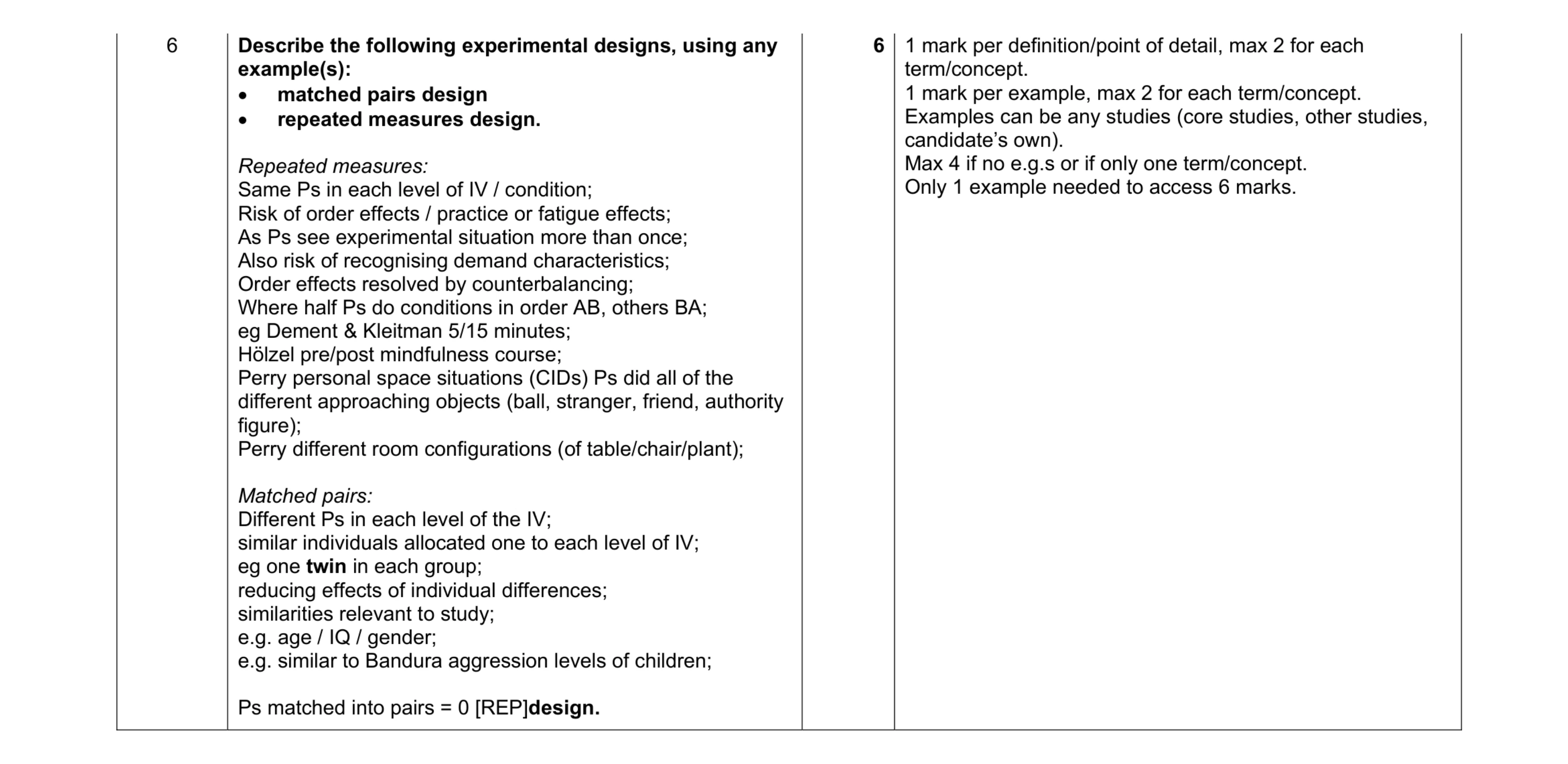 6
6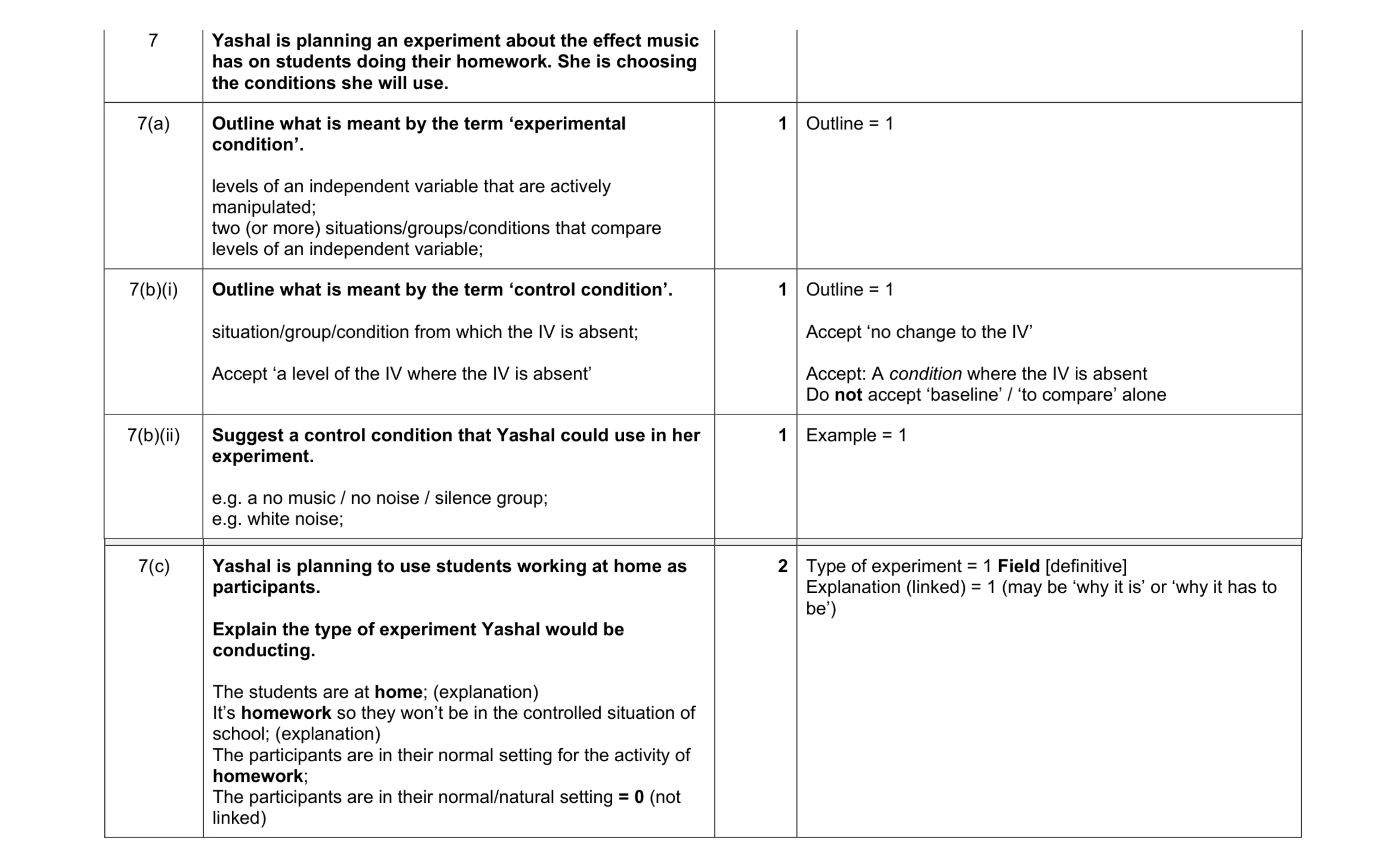 5
5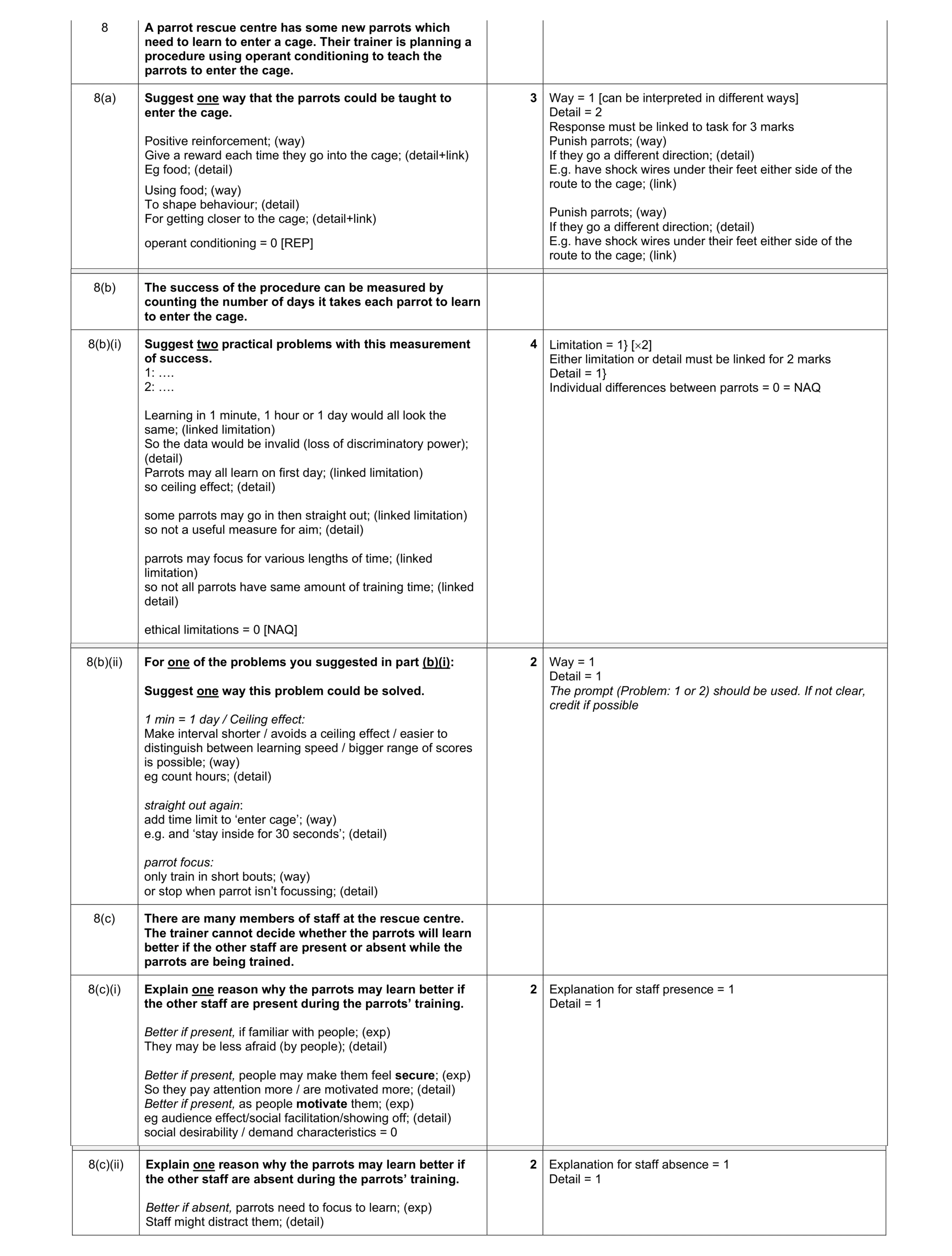 13
13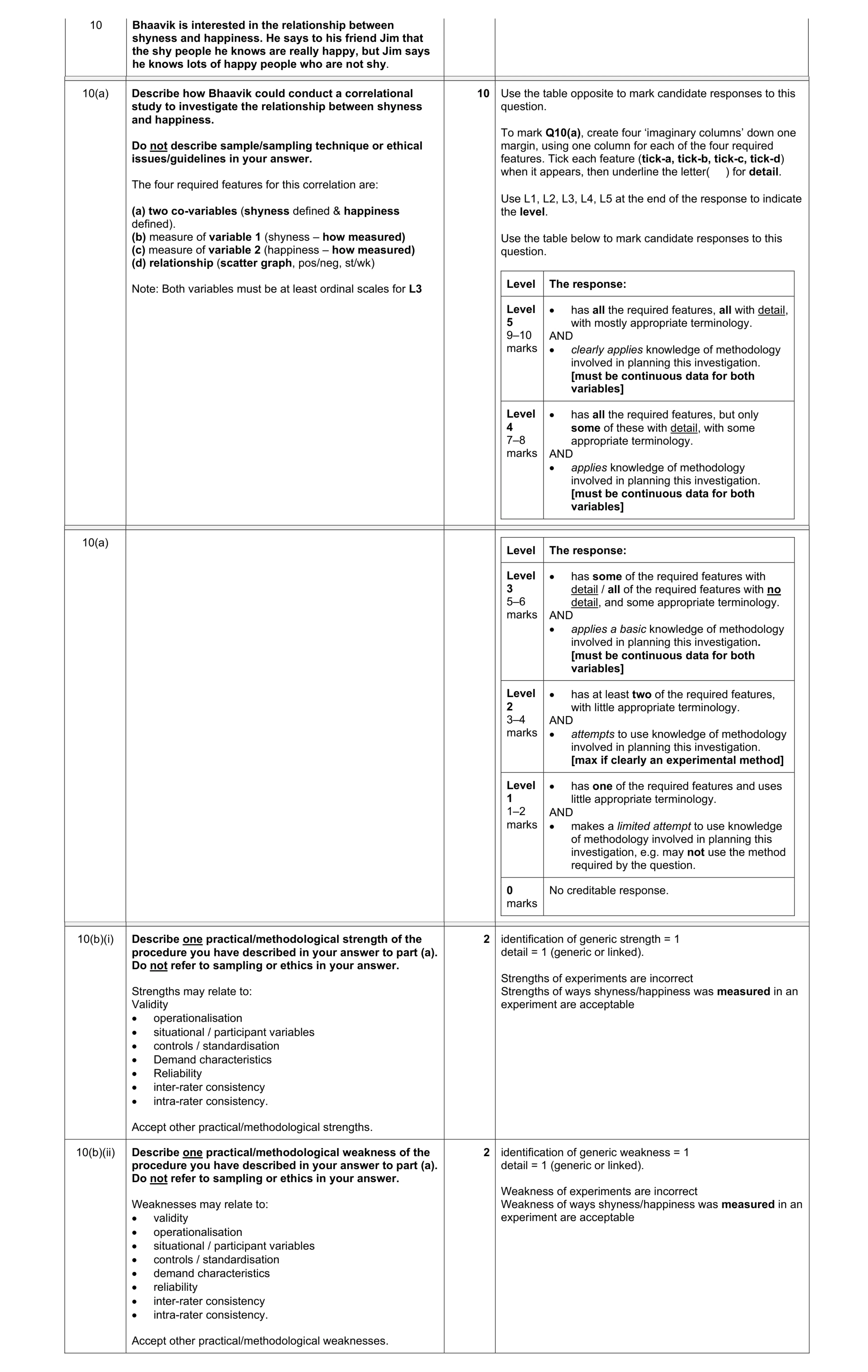 14
14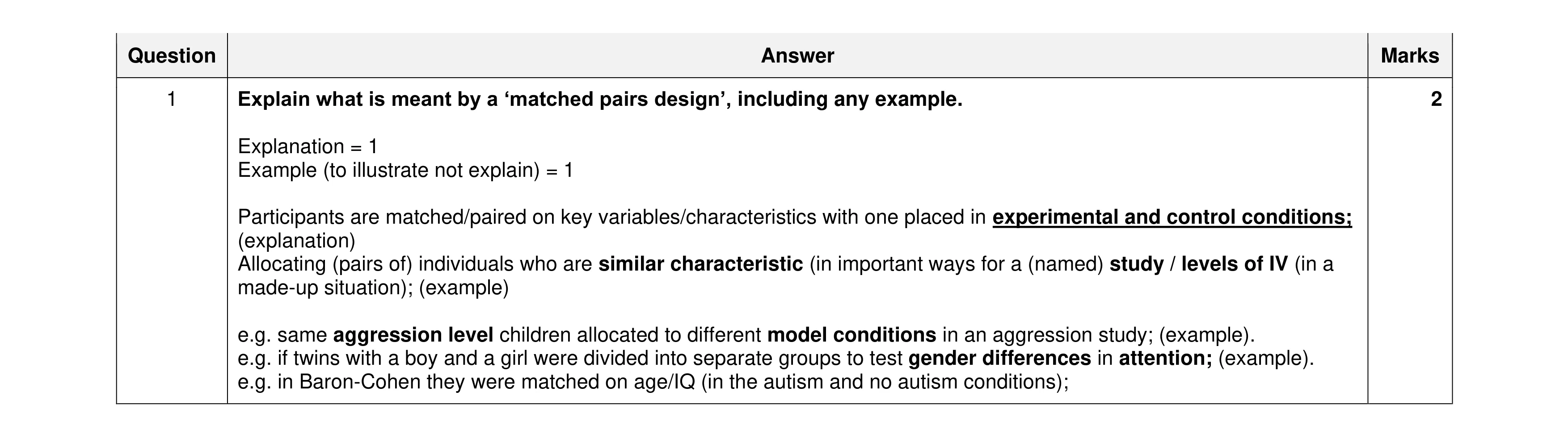 2
2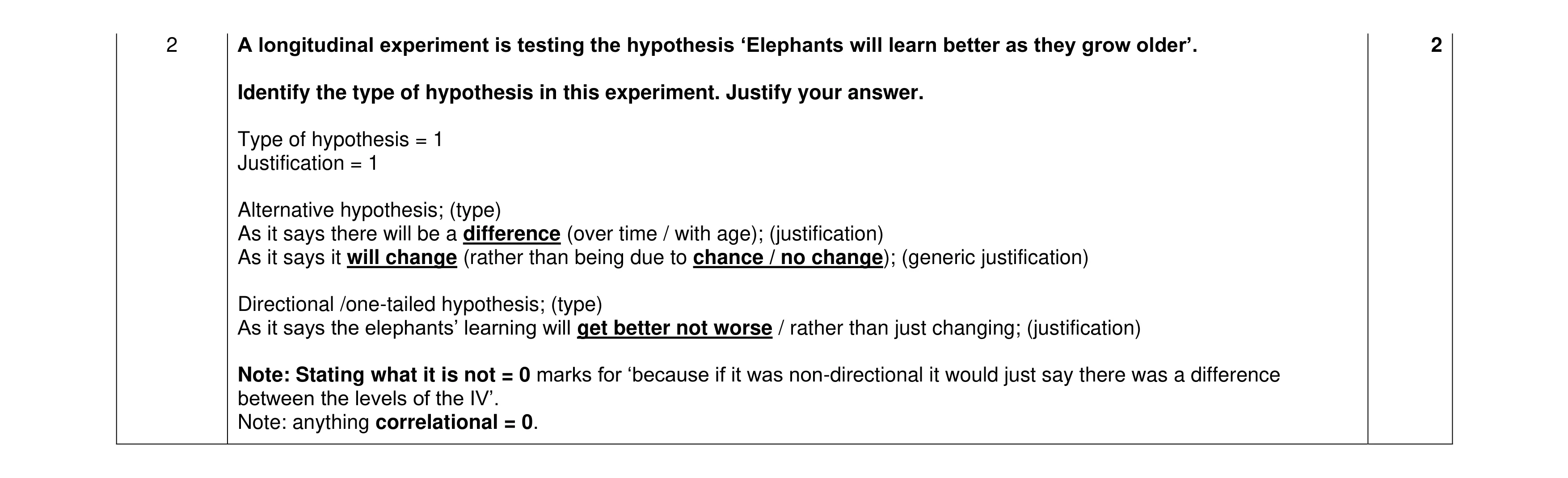 2
2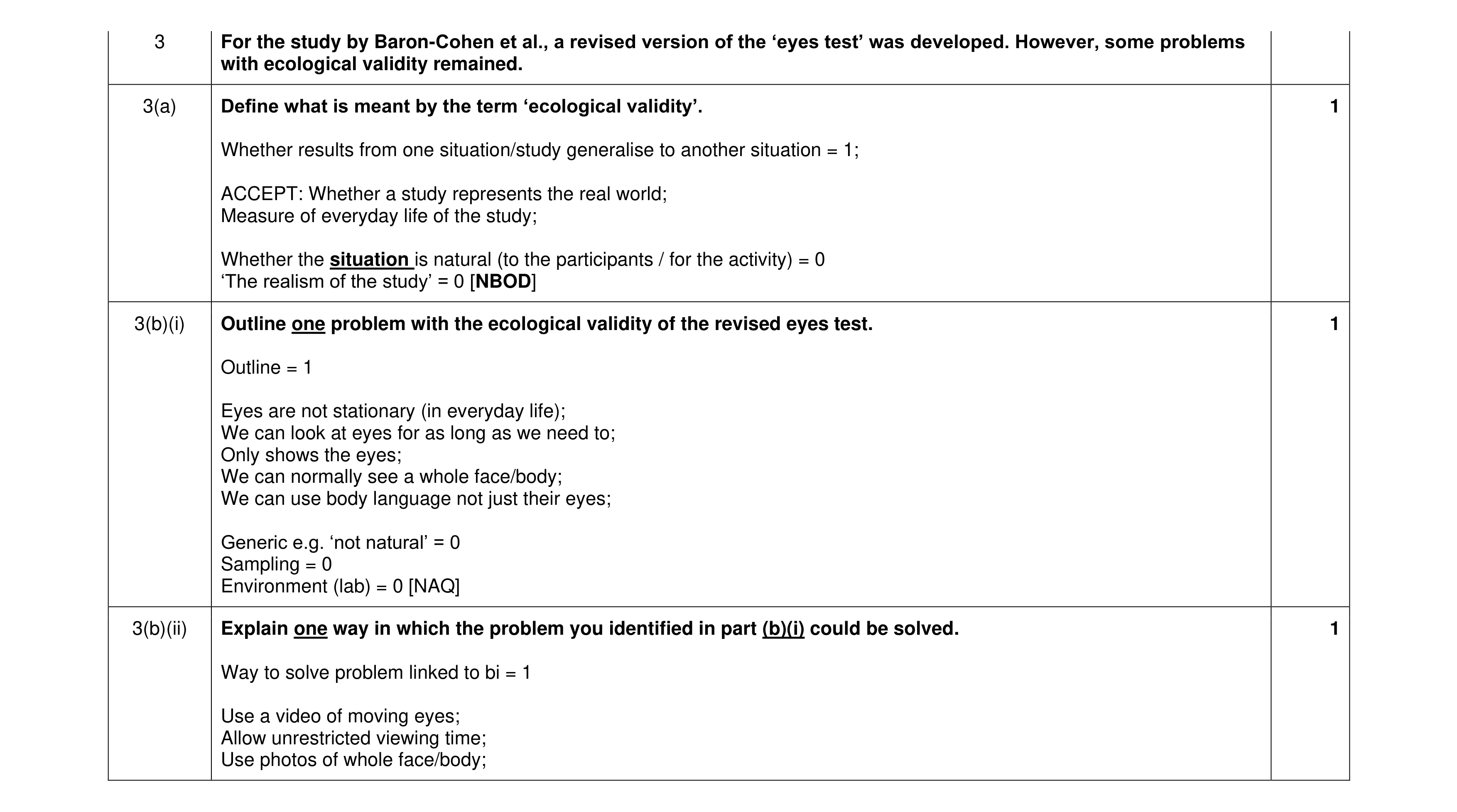 3
3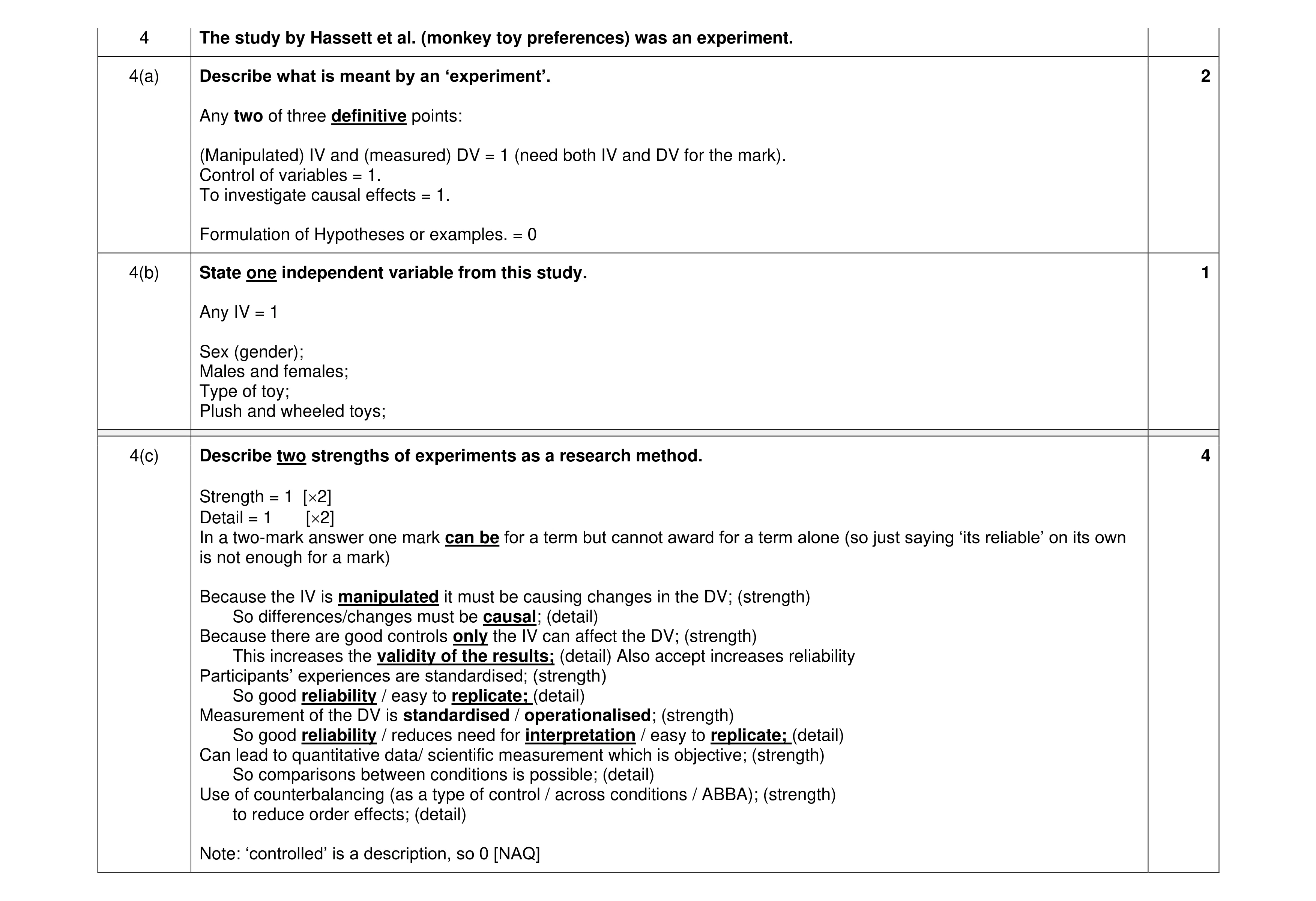 7
7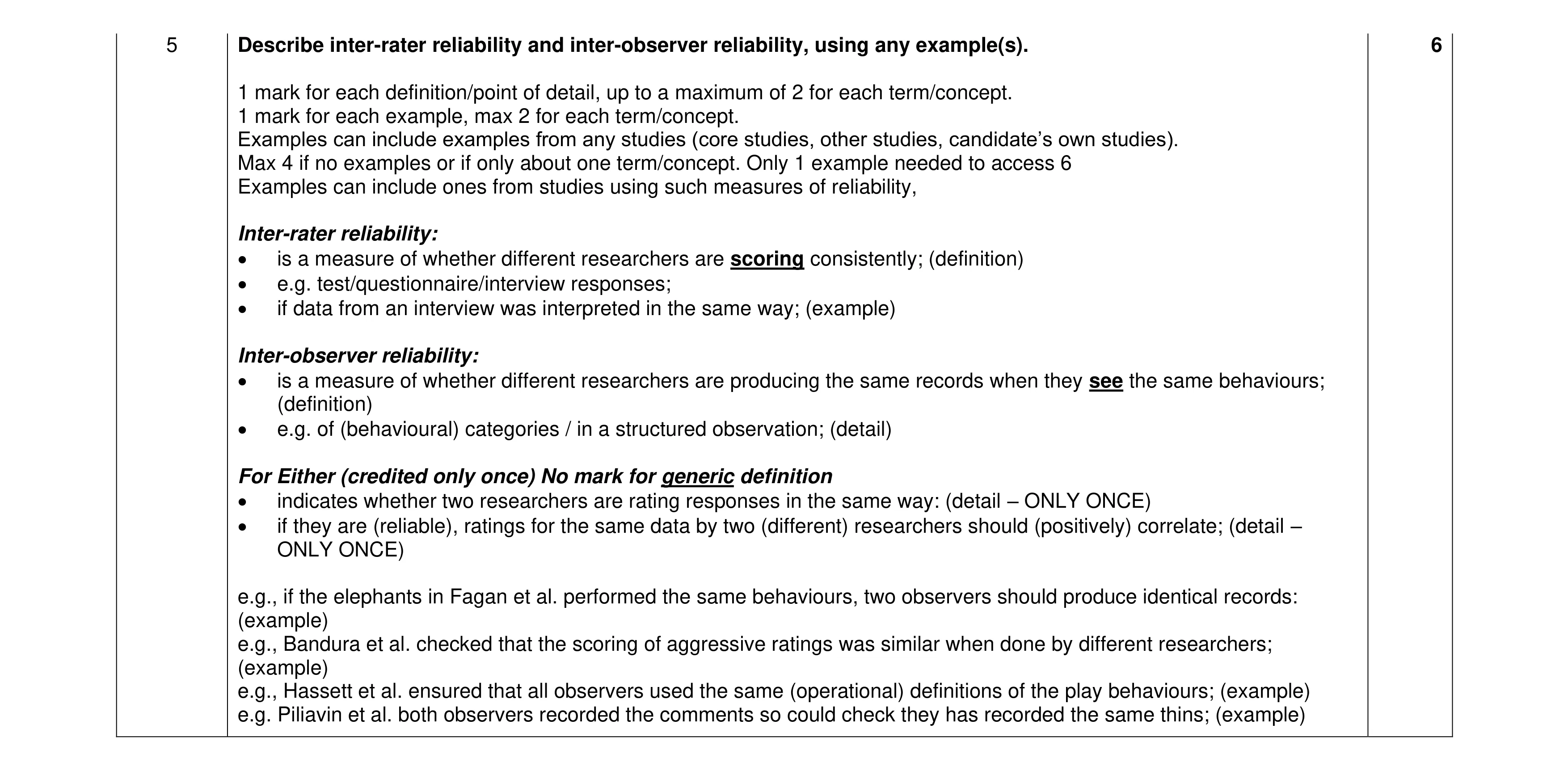 6
6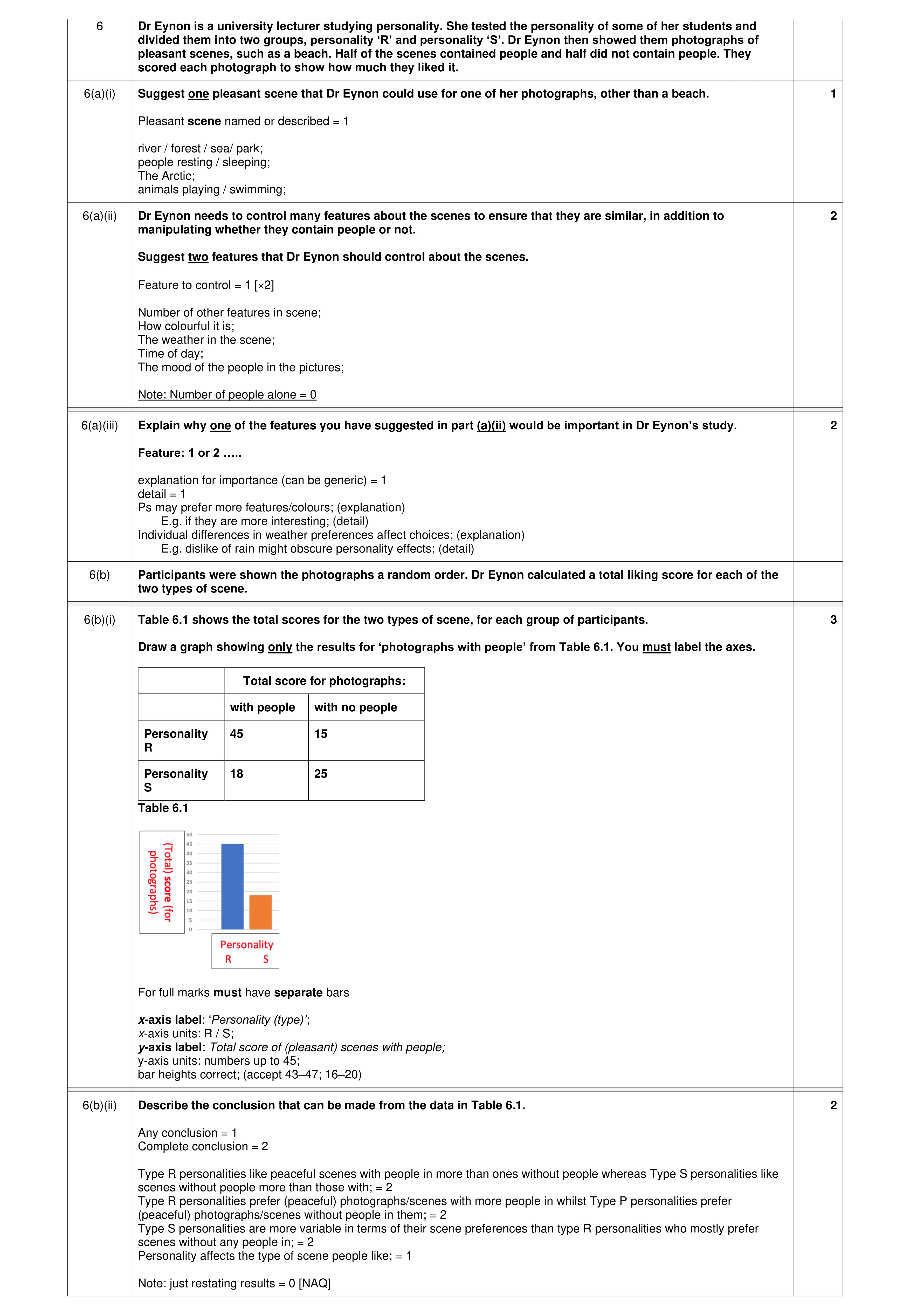 10
10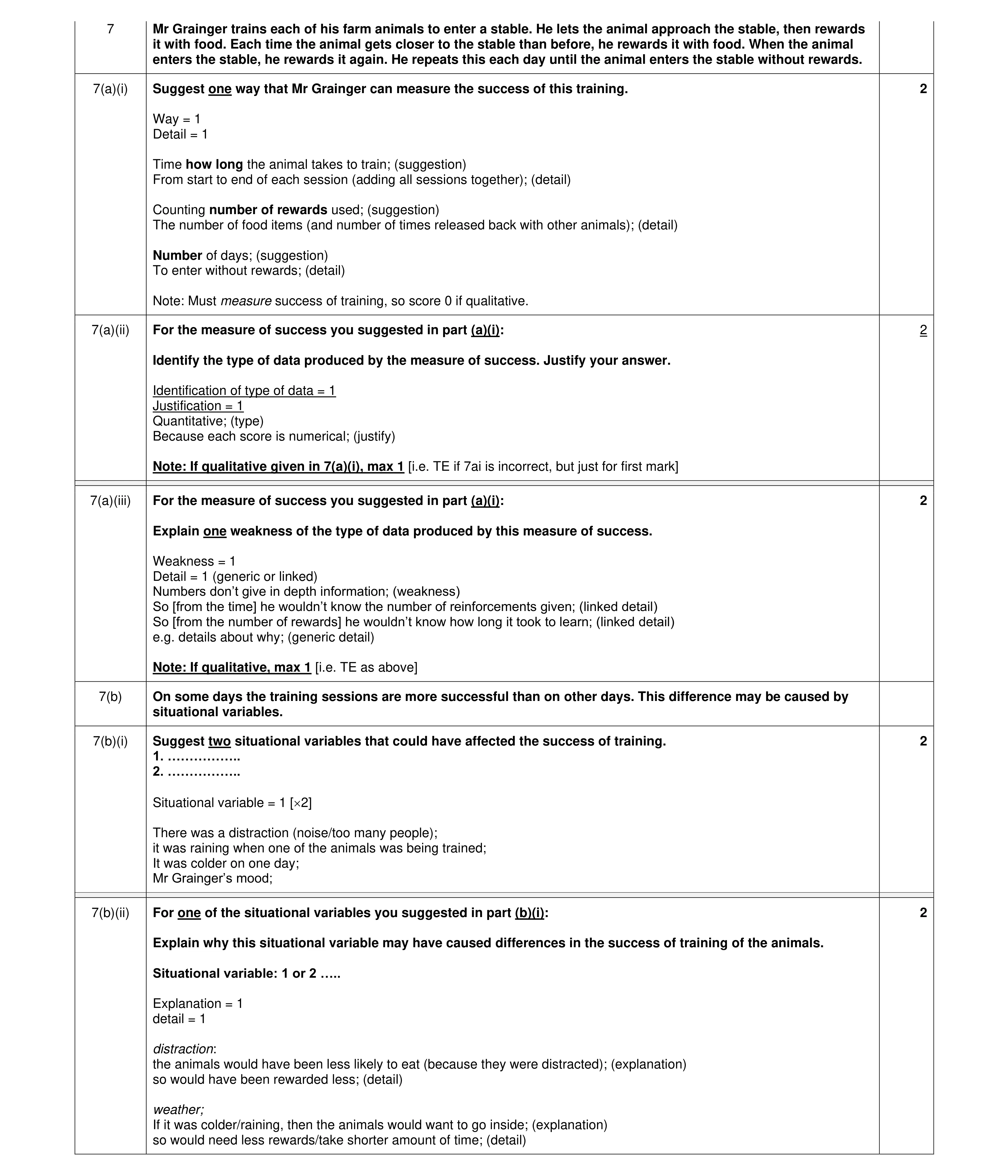 10
10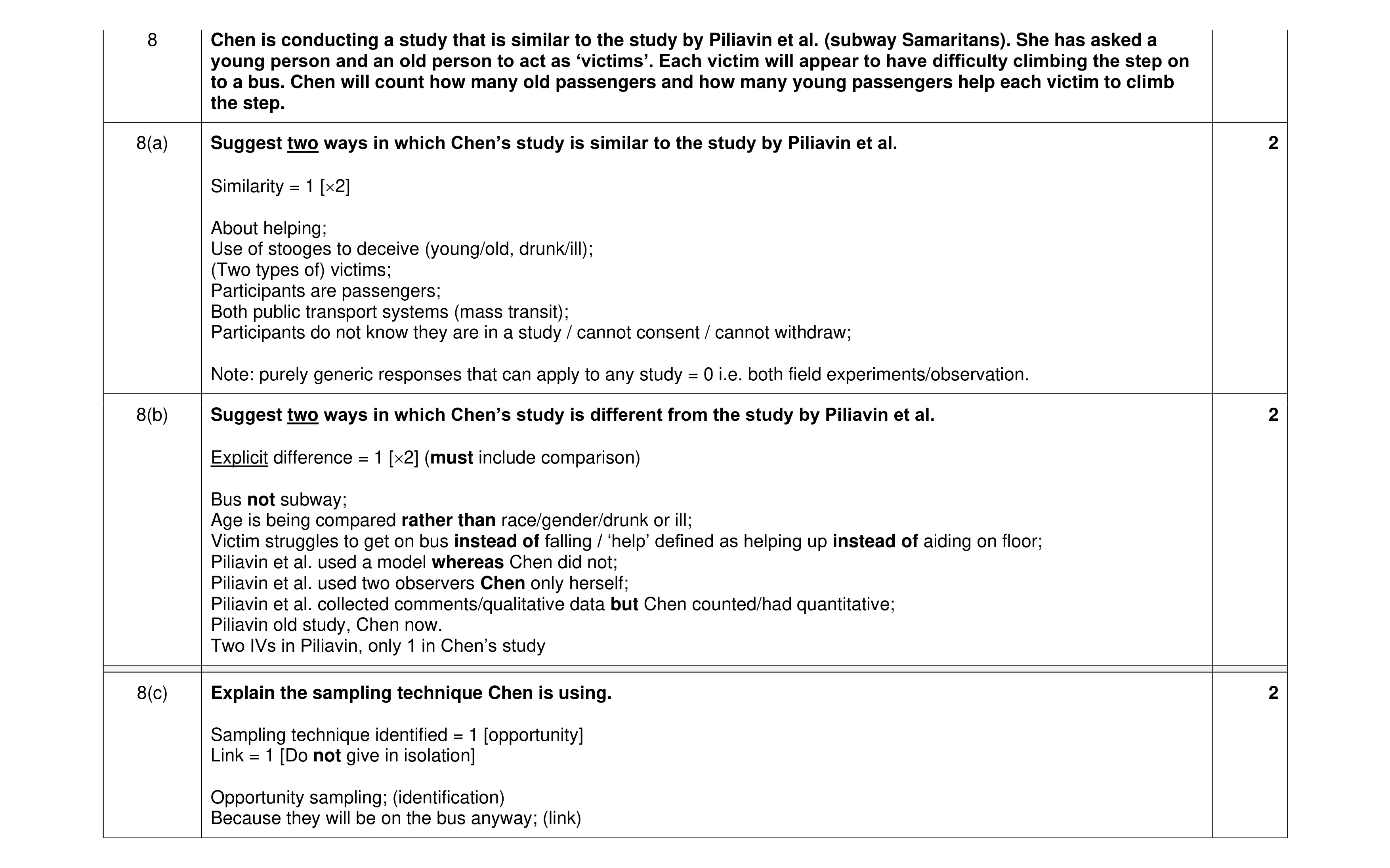 6
6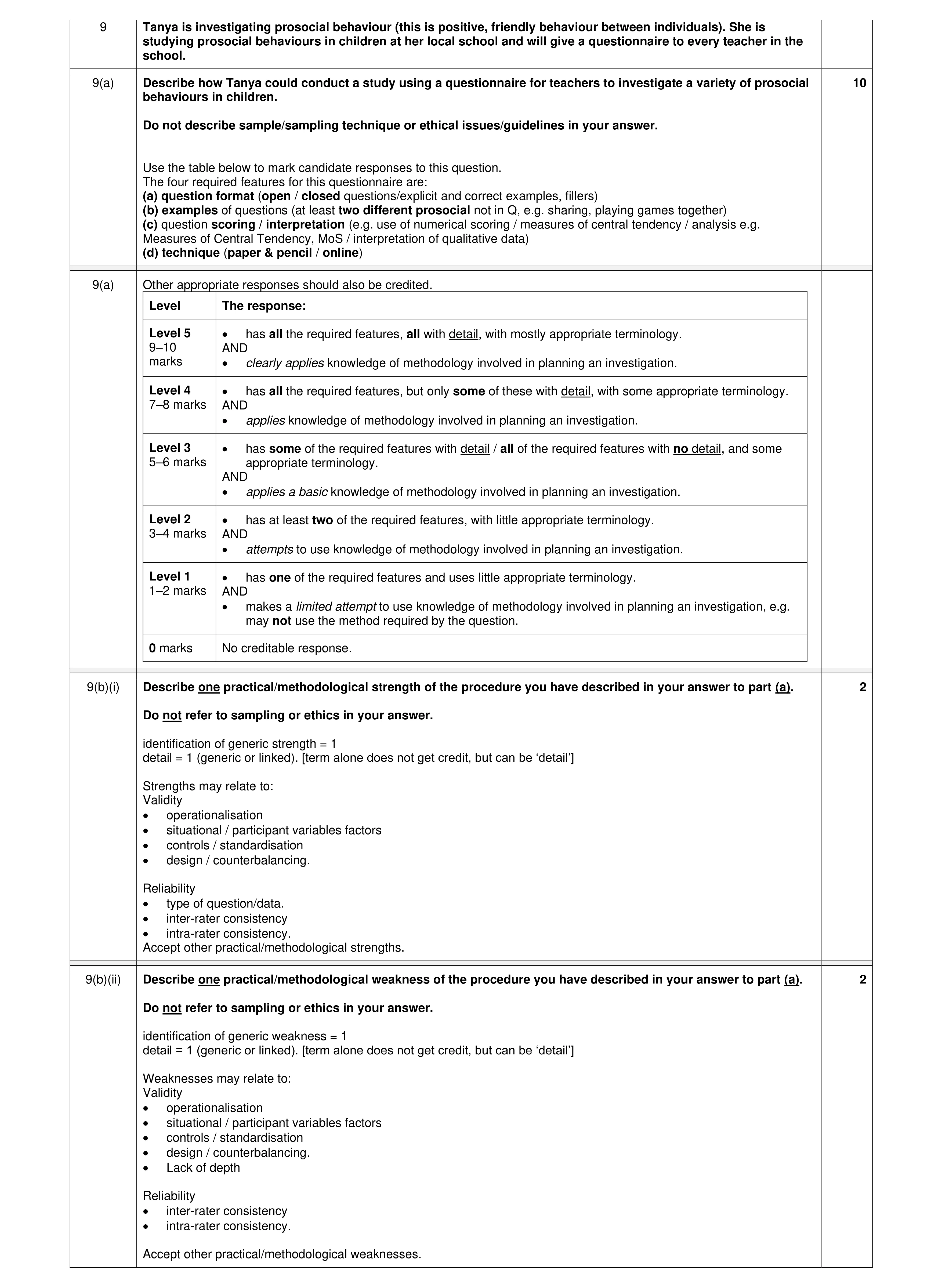 14
14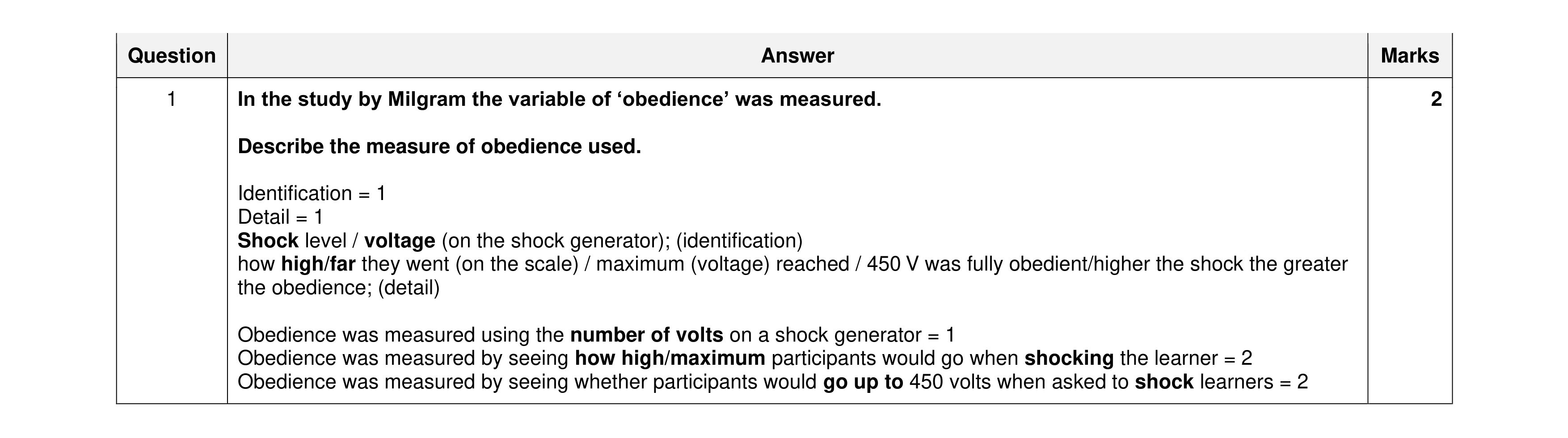 2
2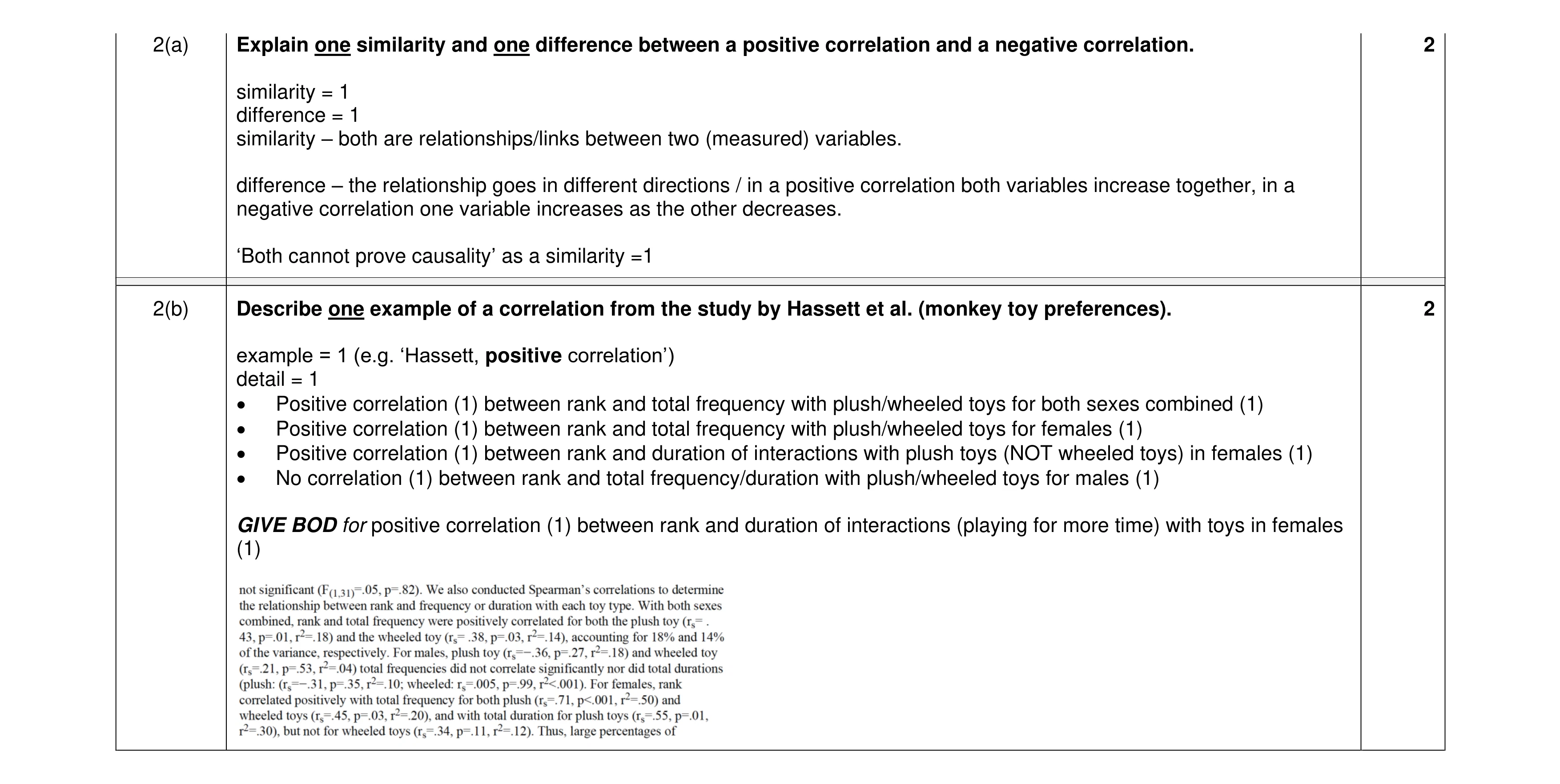 4
4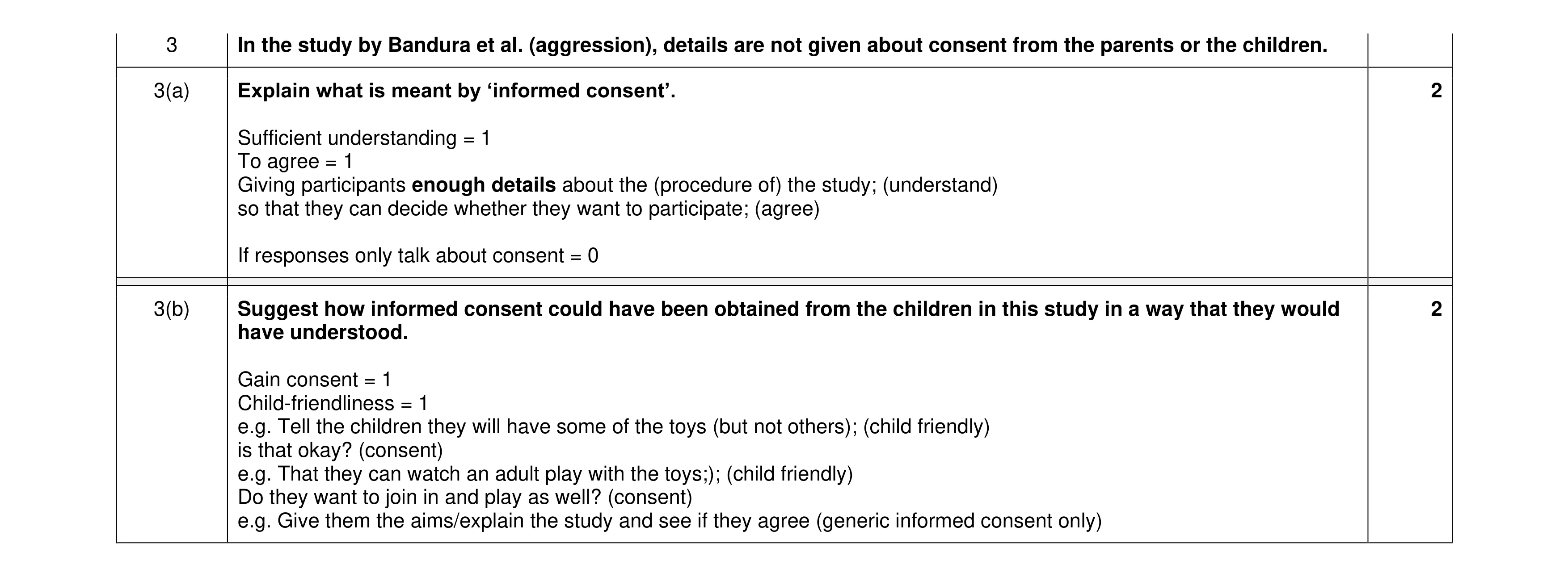 4
4 6
6 9
9 7
7 8
8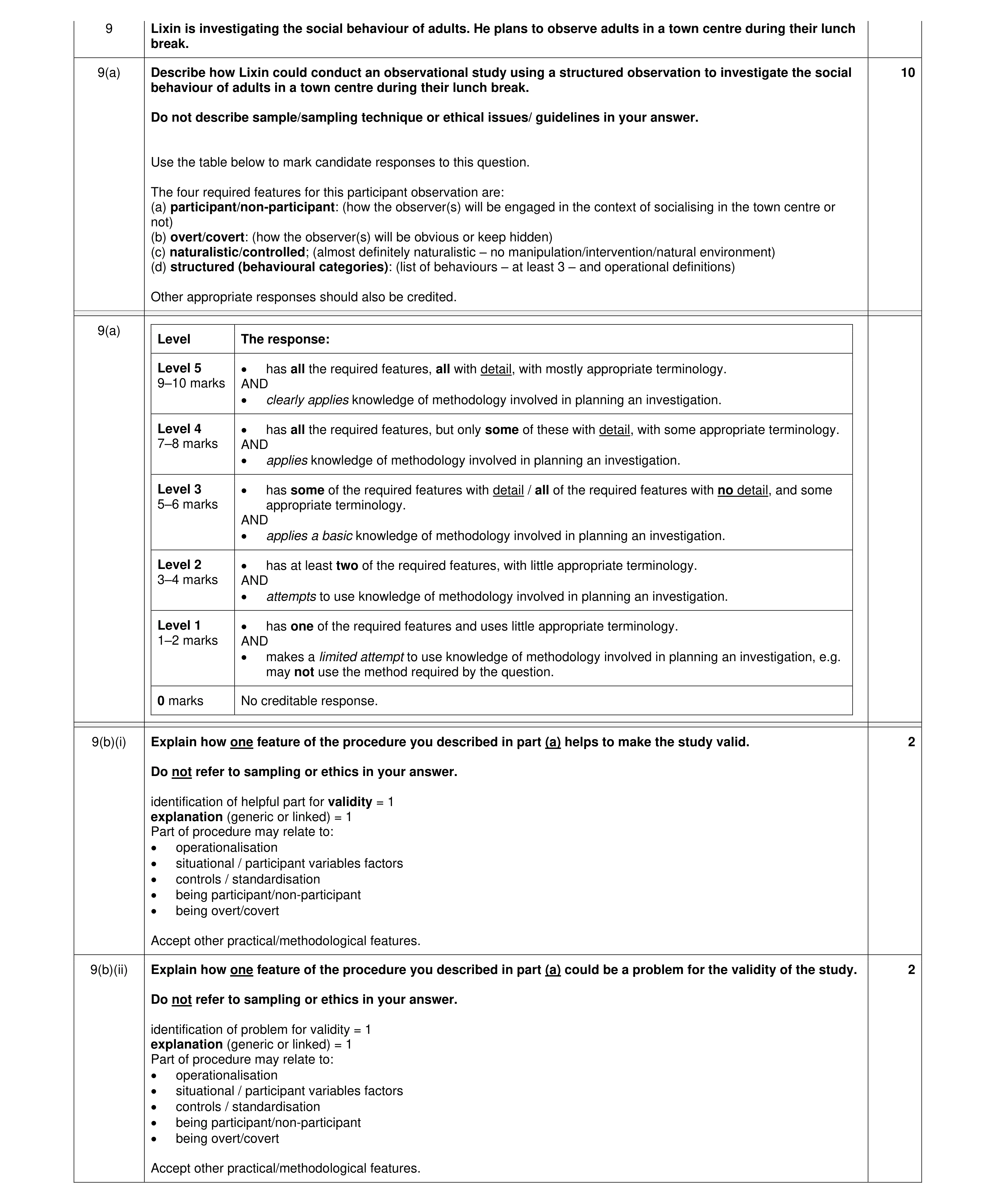 14
14 1
1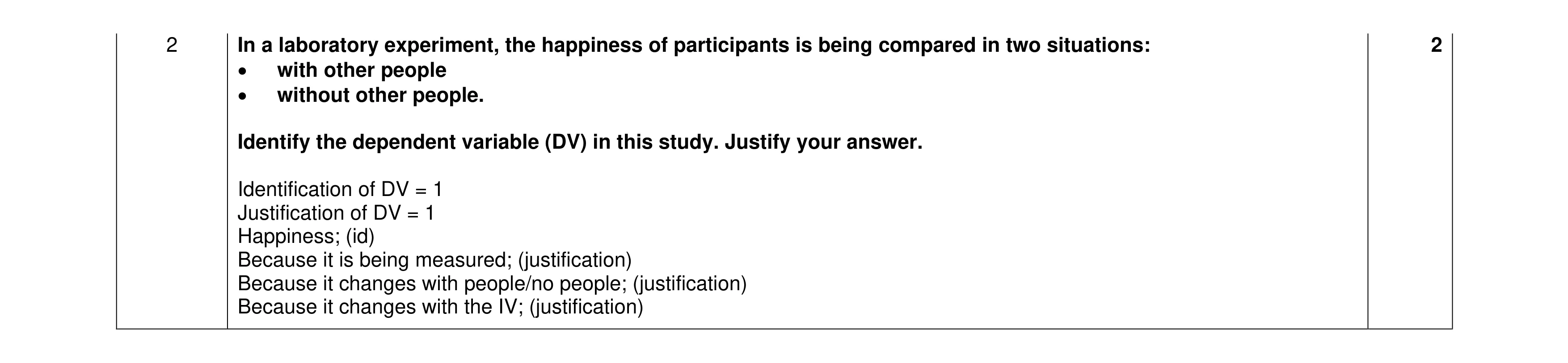 2
2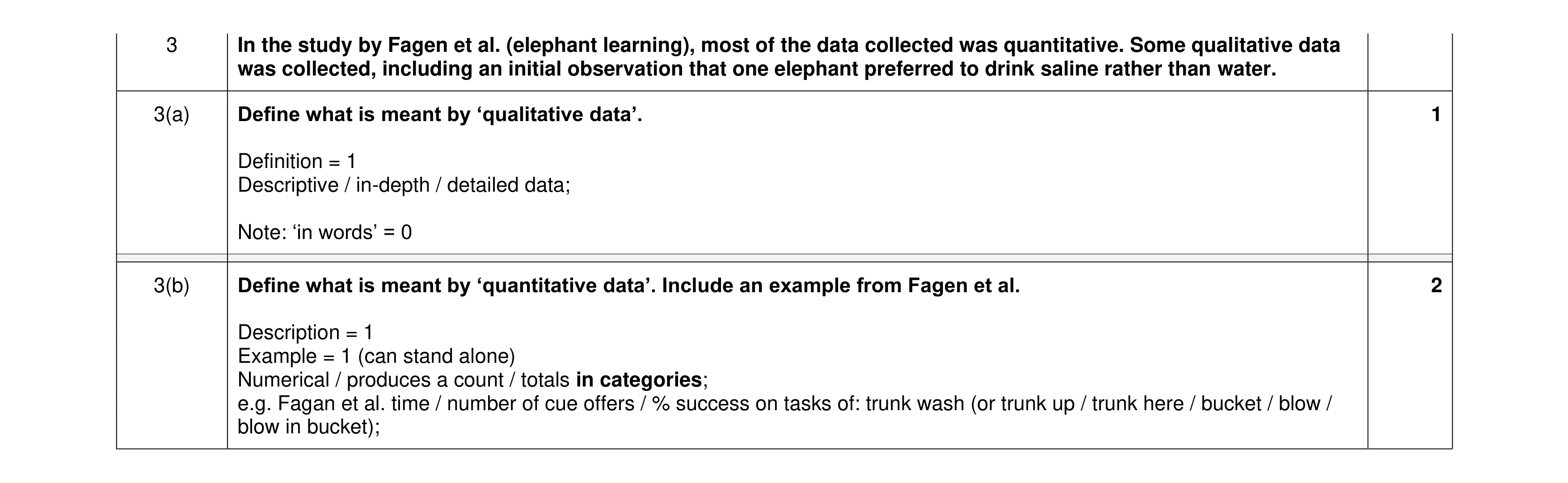 3
3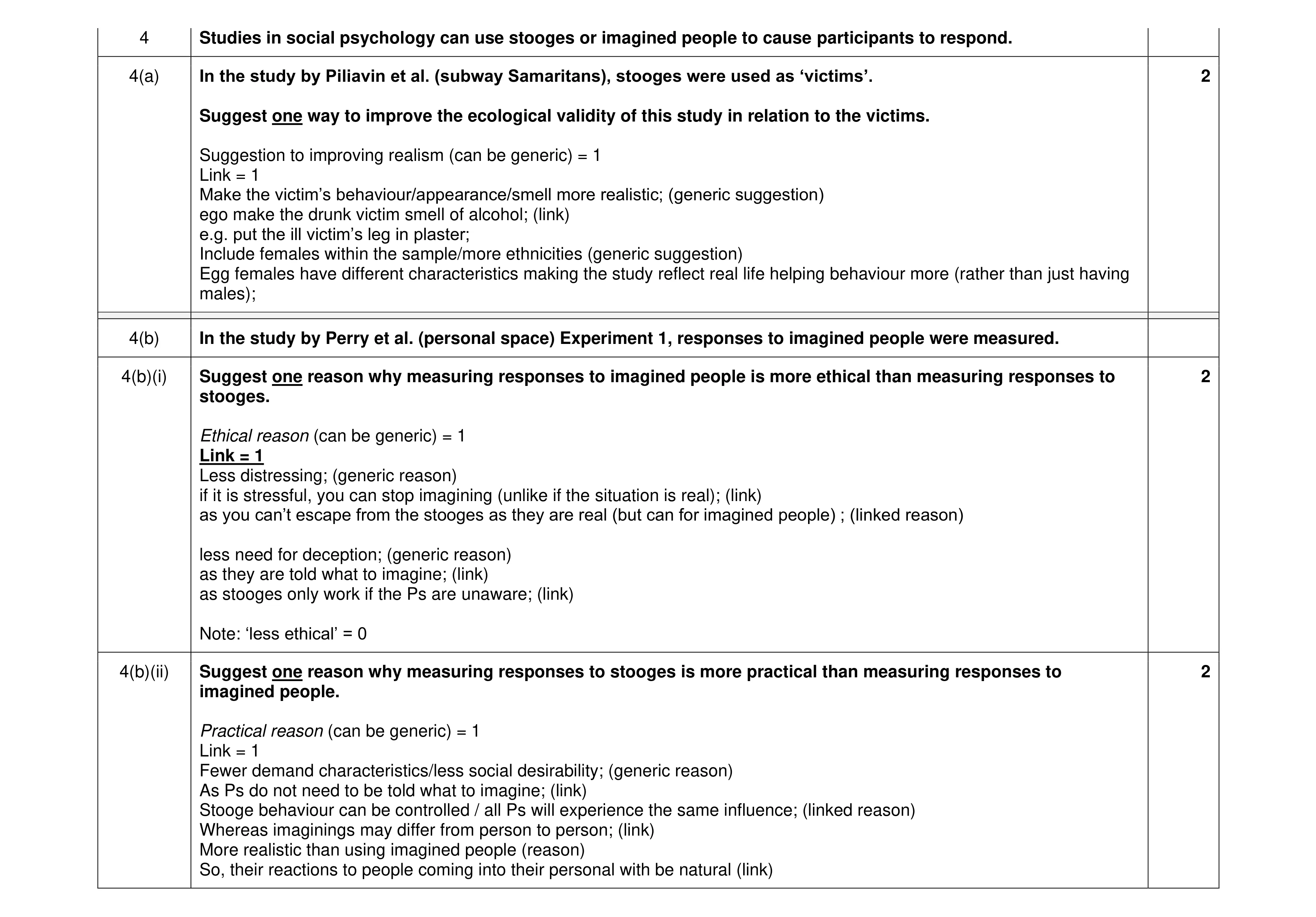 6
6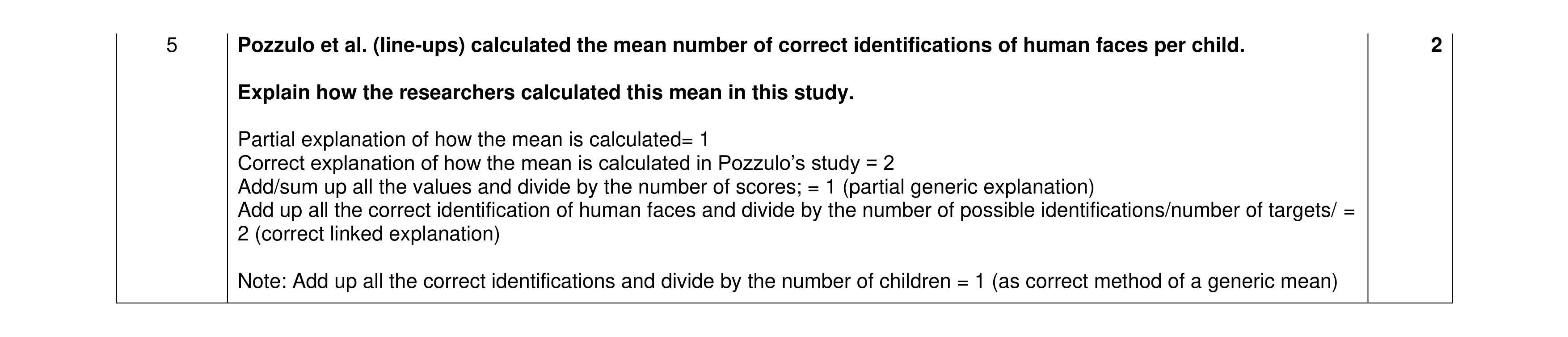 2
2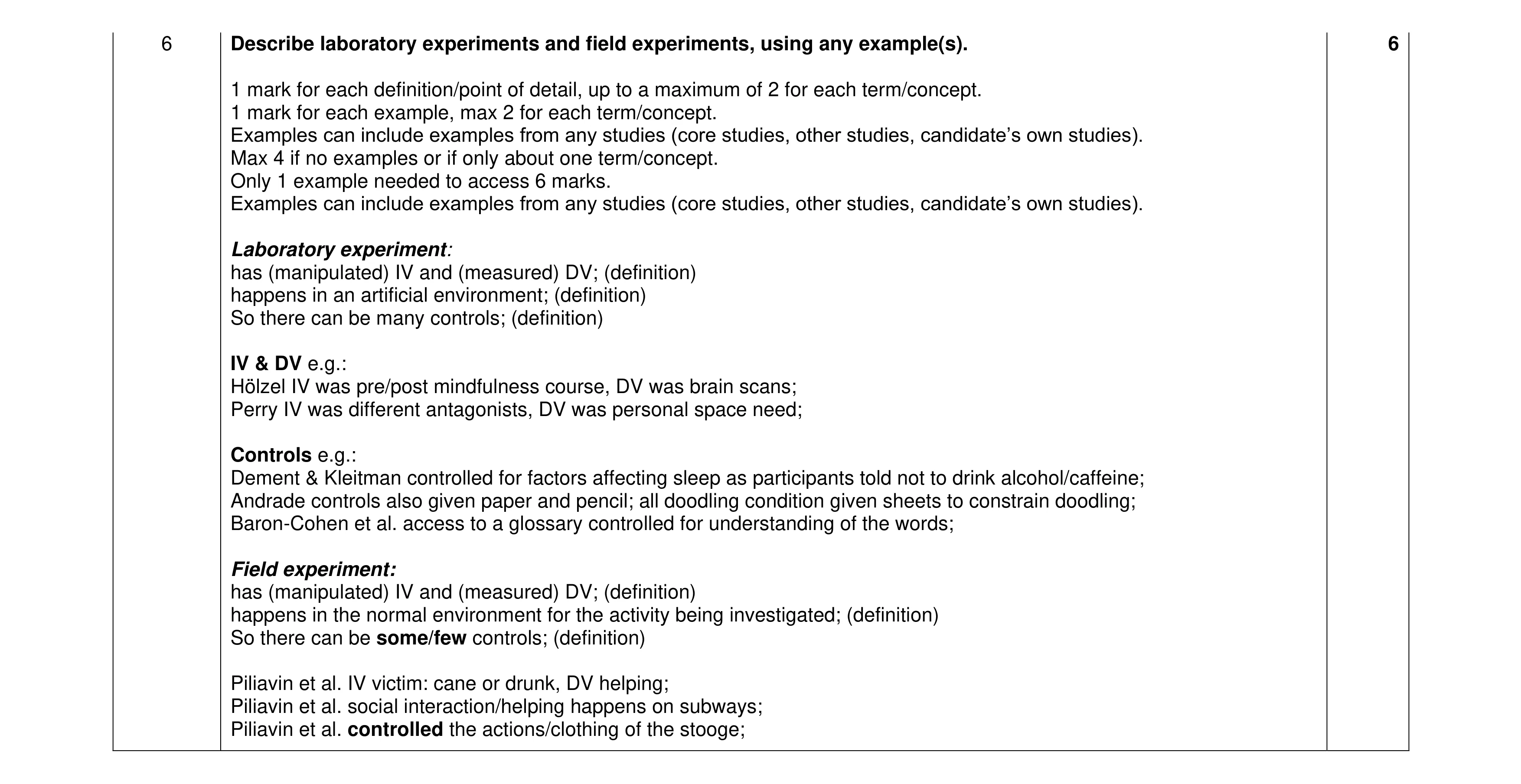 6
6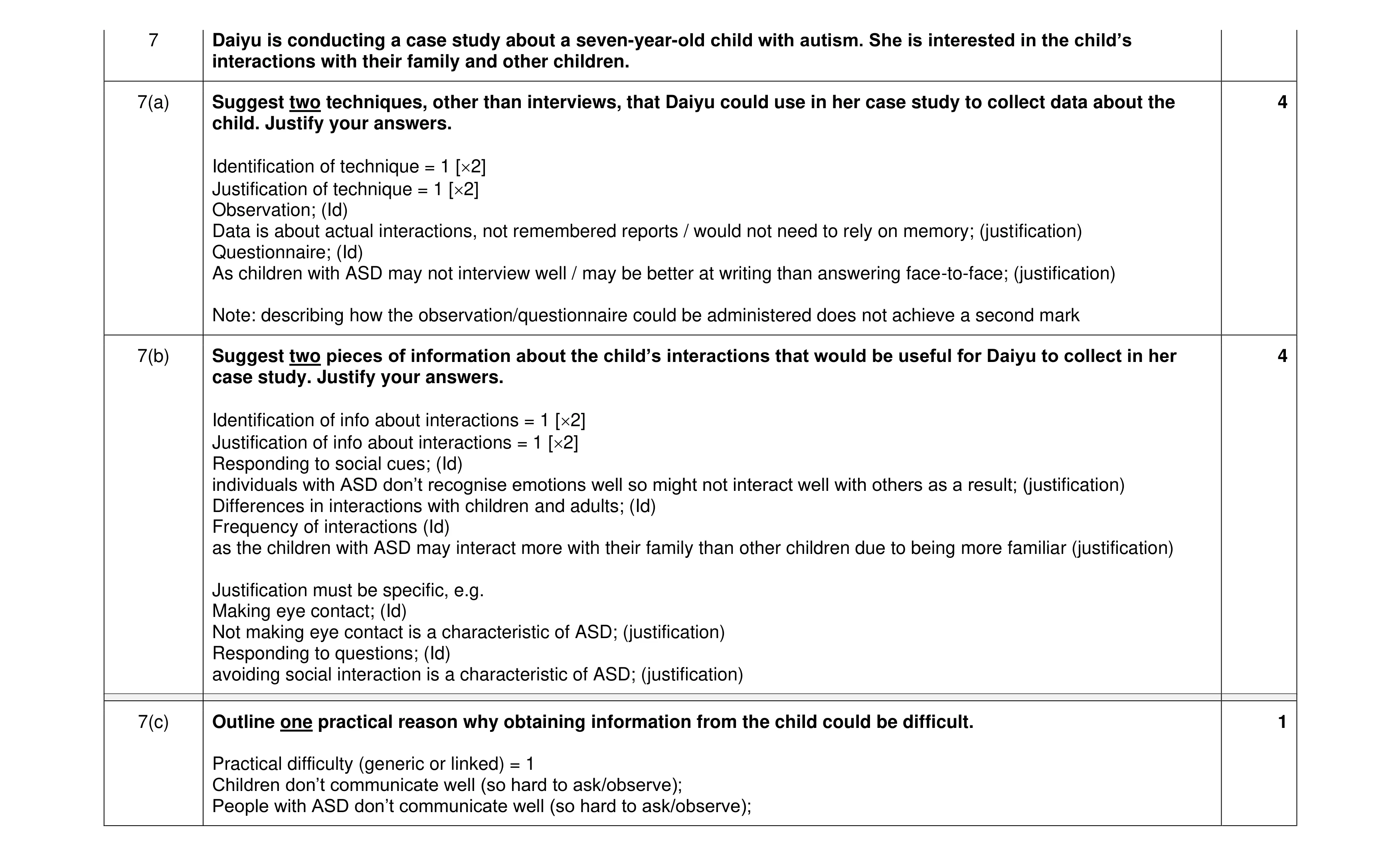 9
9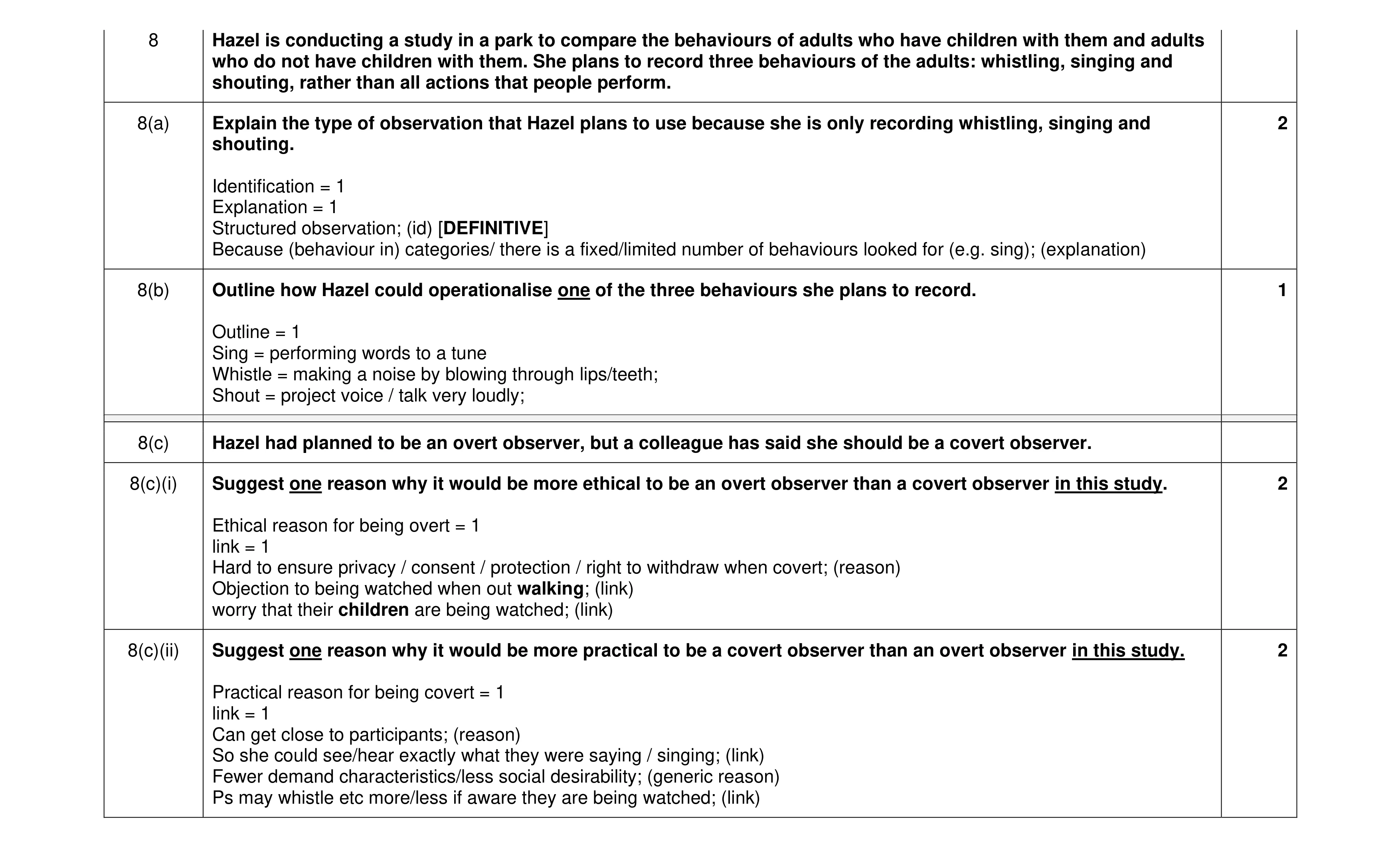 7
7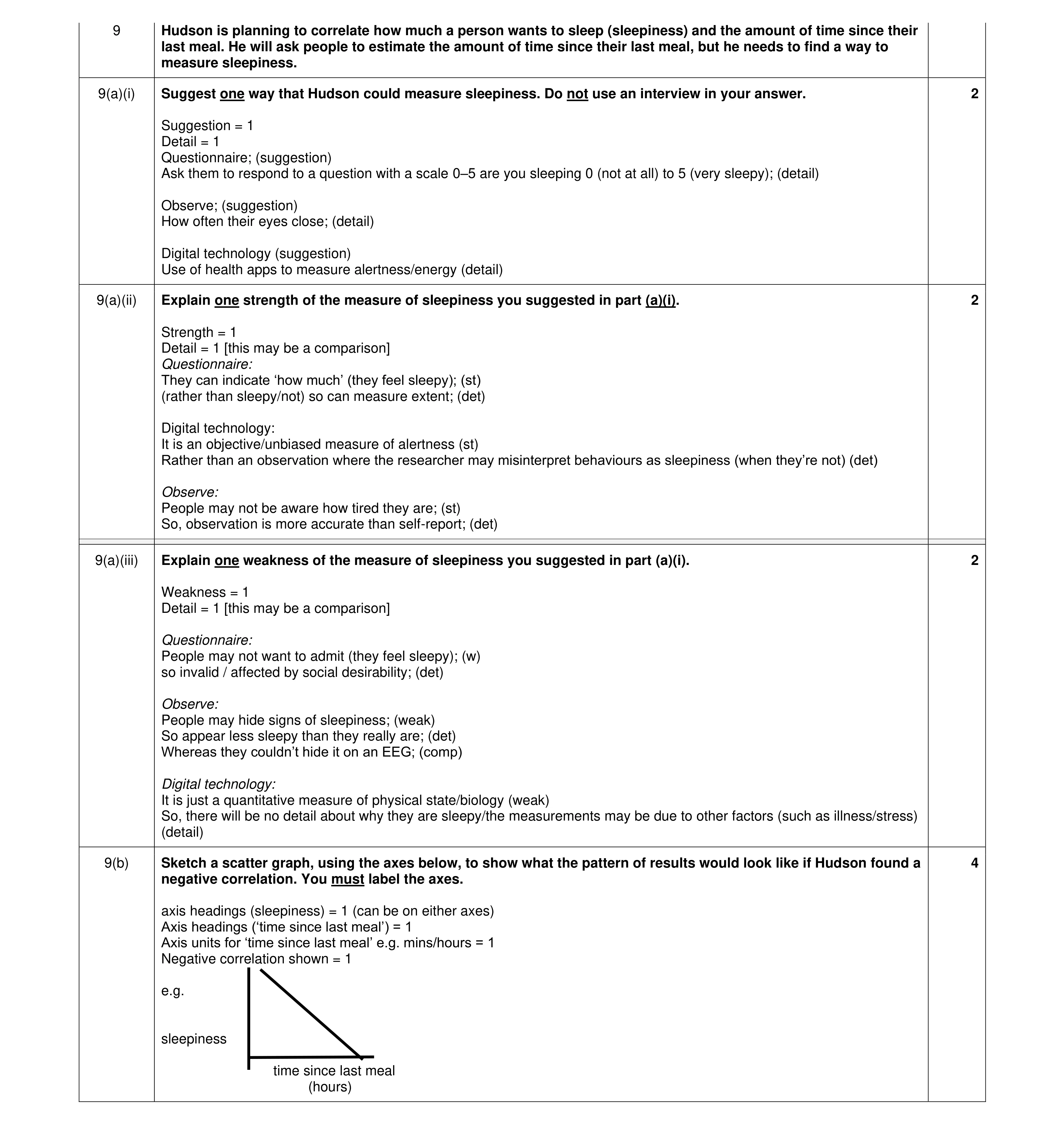 10
10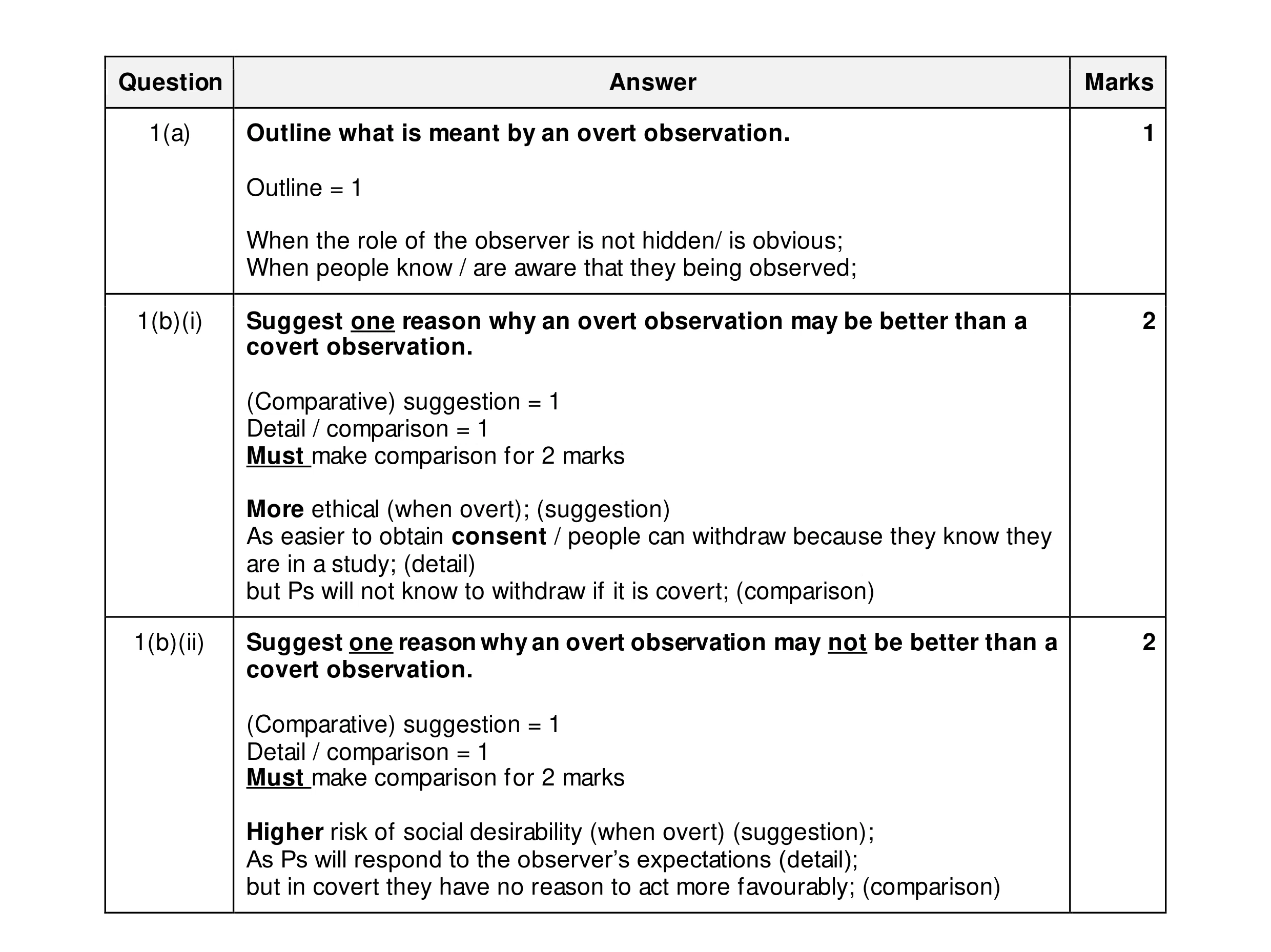 5
5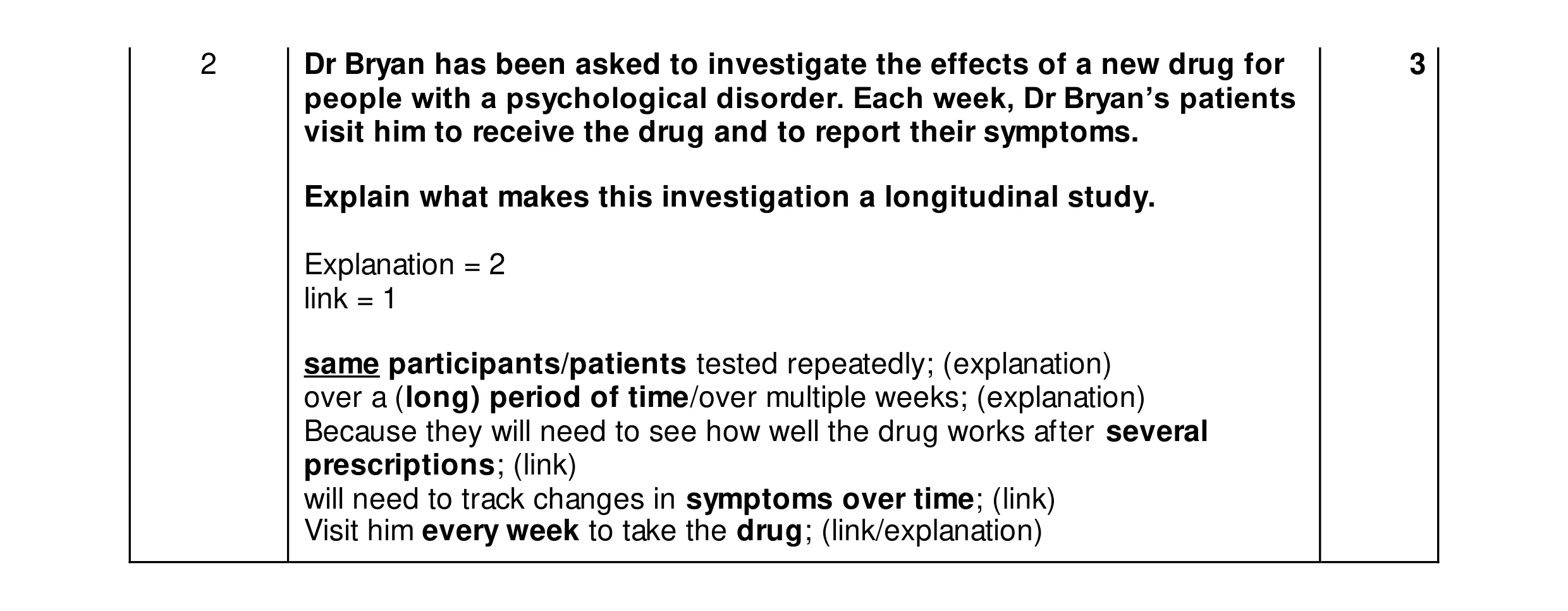 3
3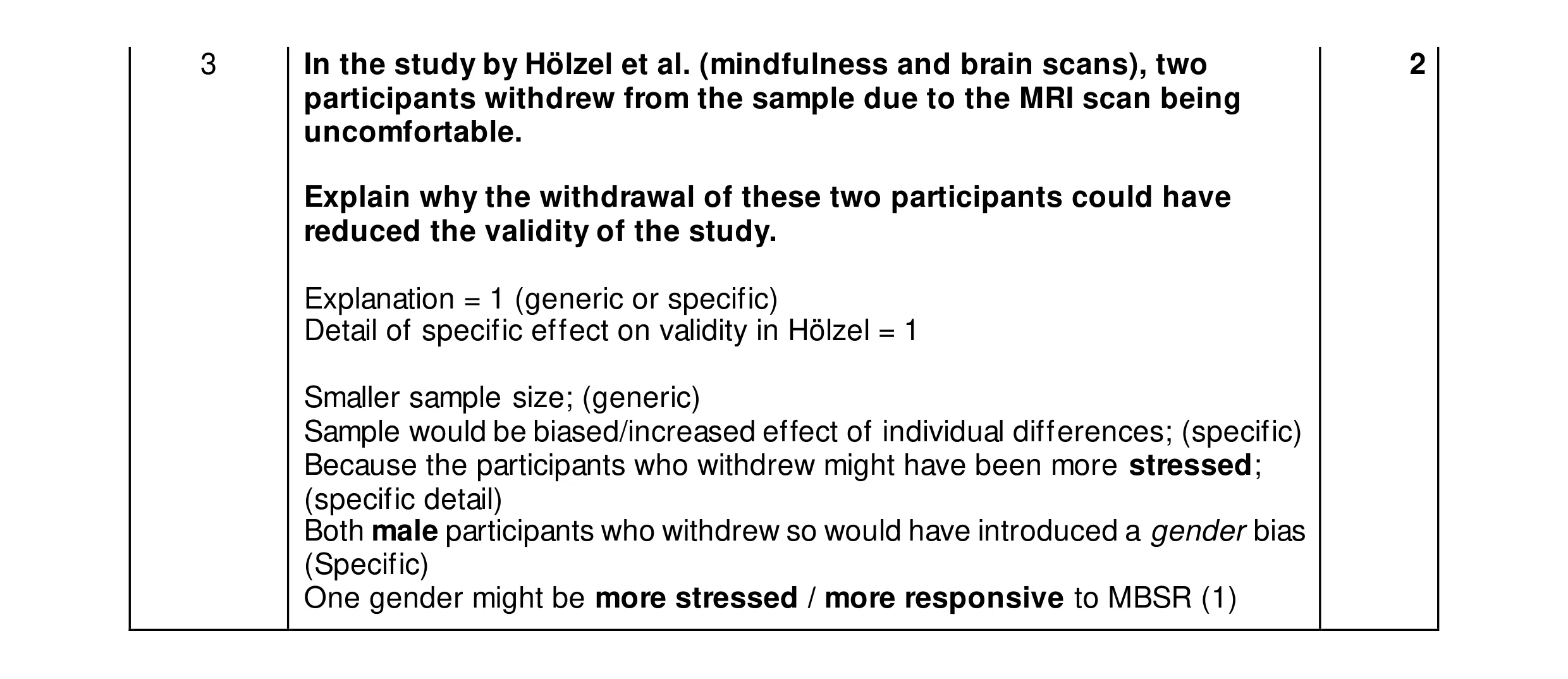 2
2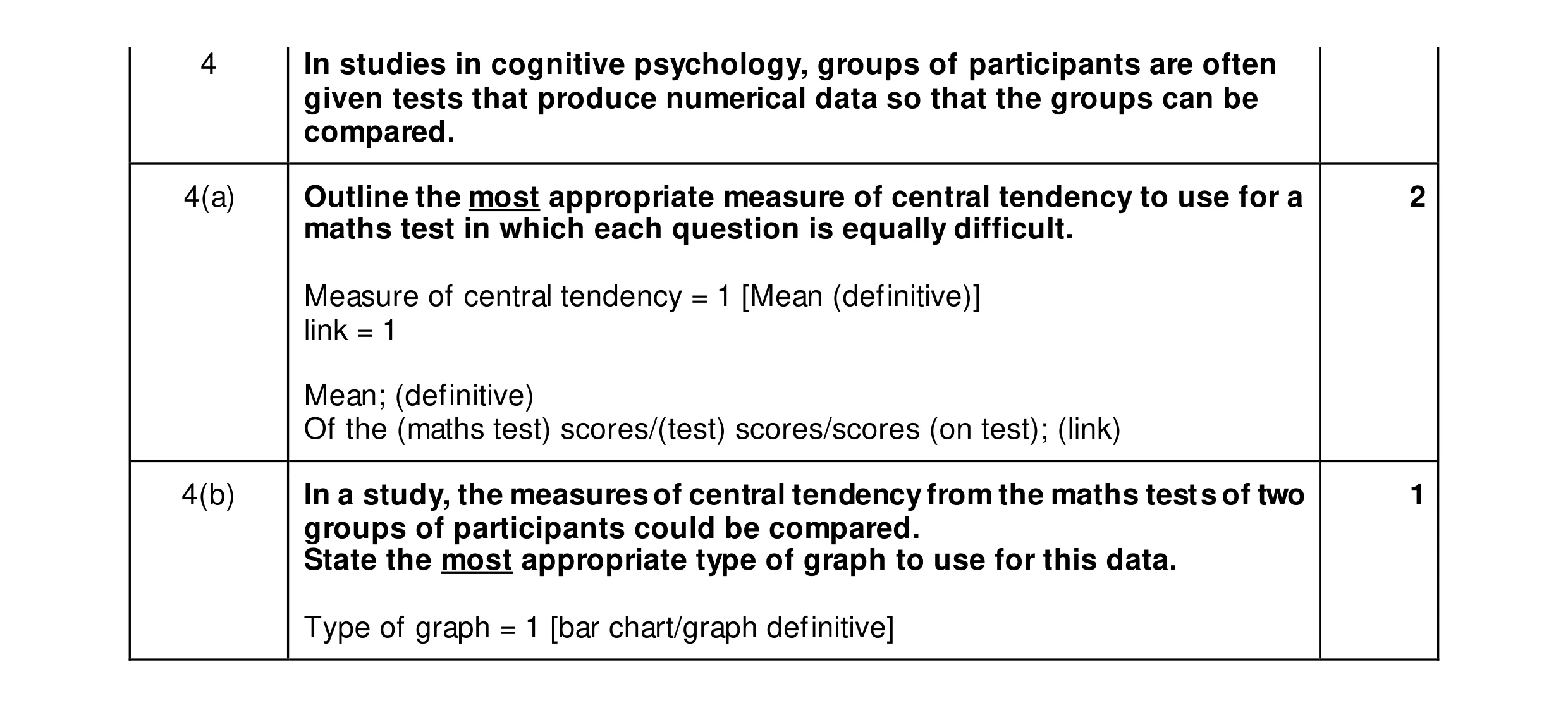 3
3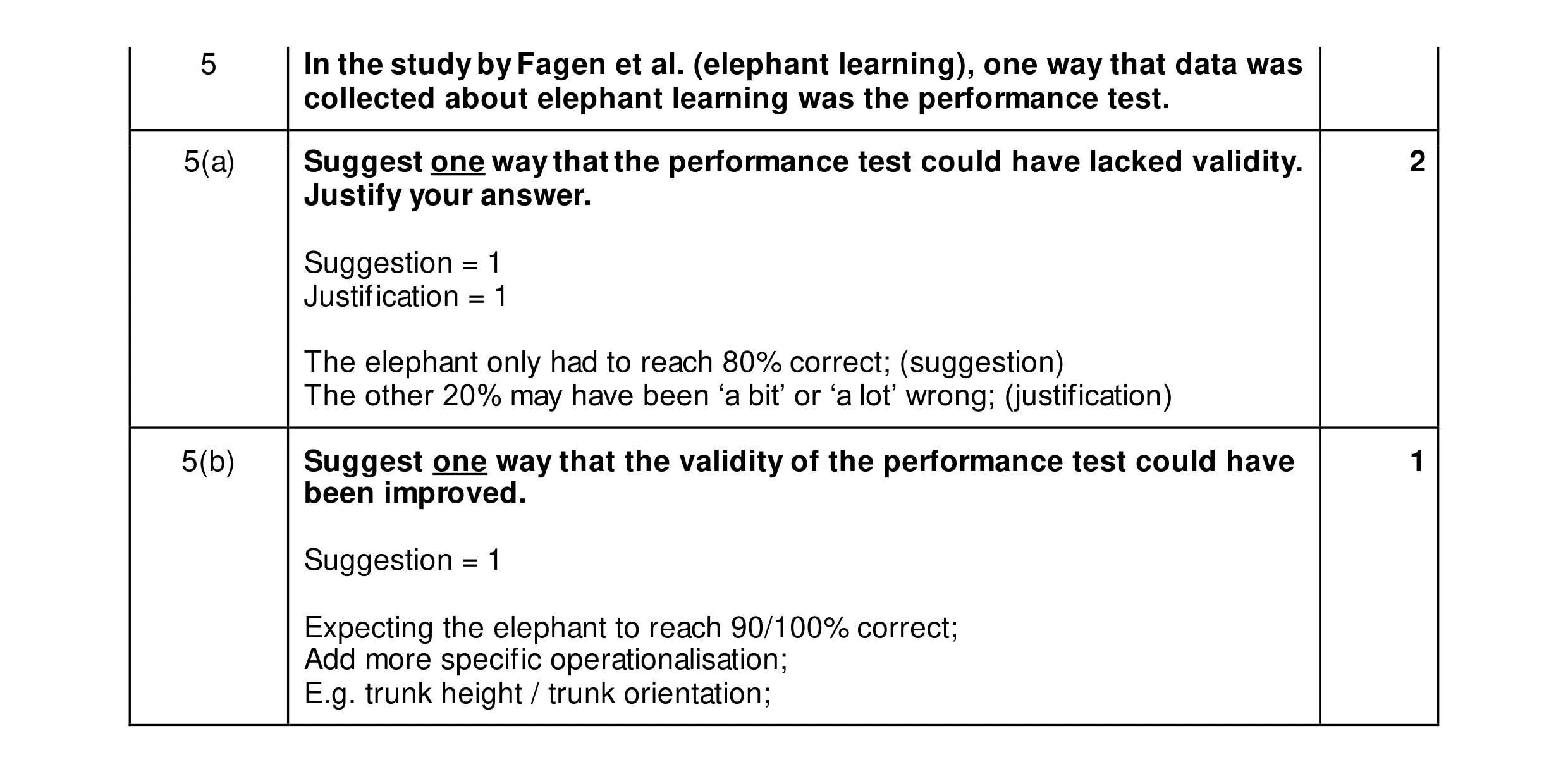 3
3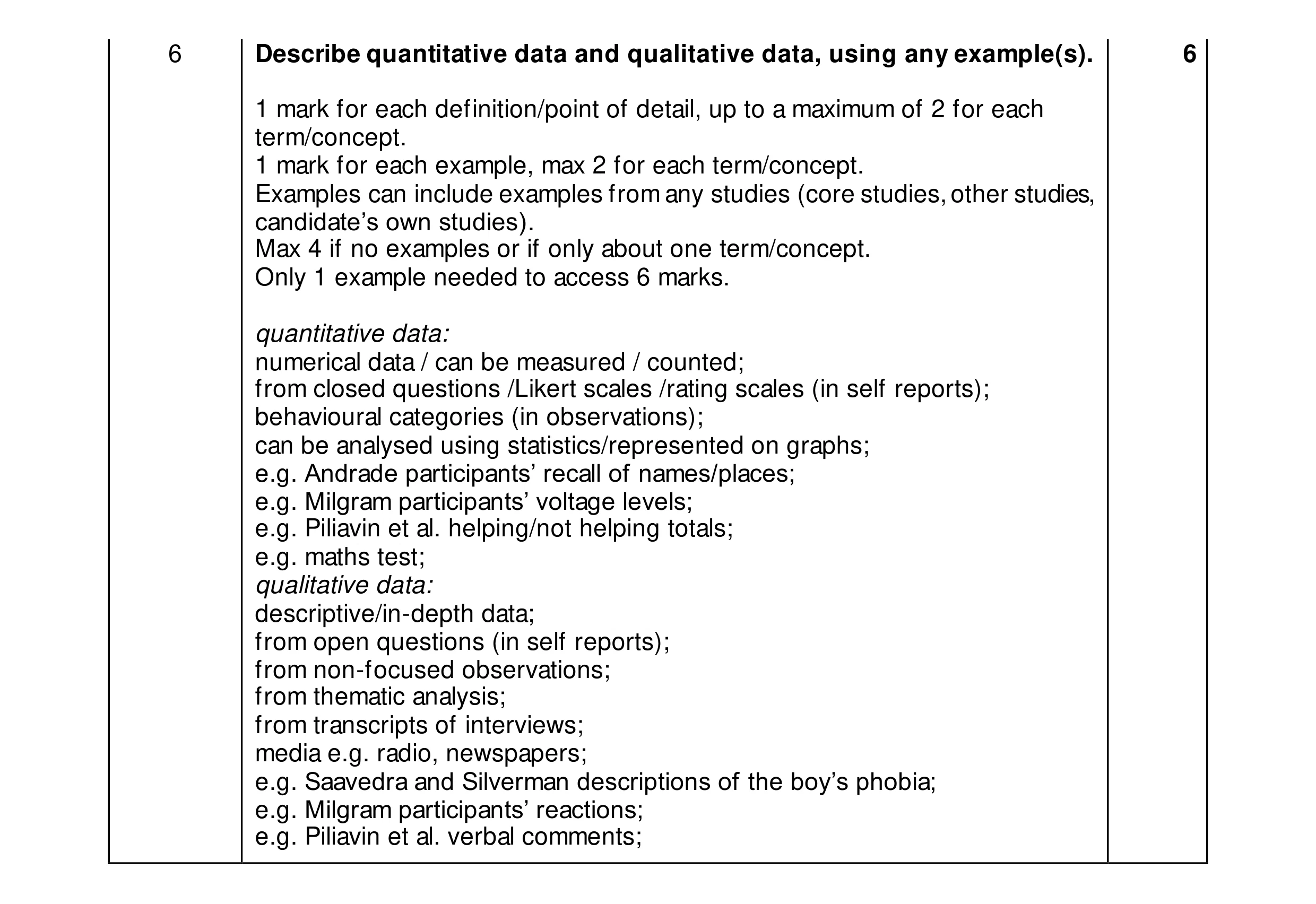 6
6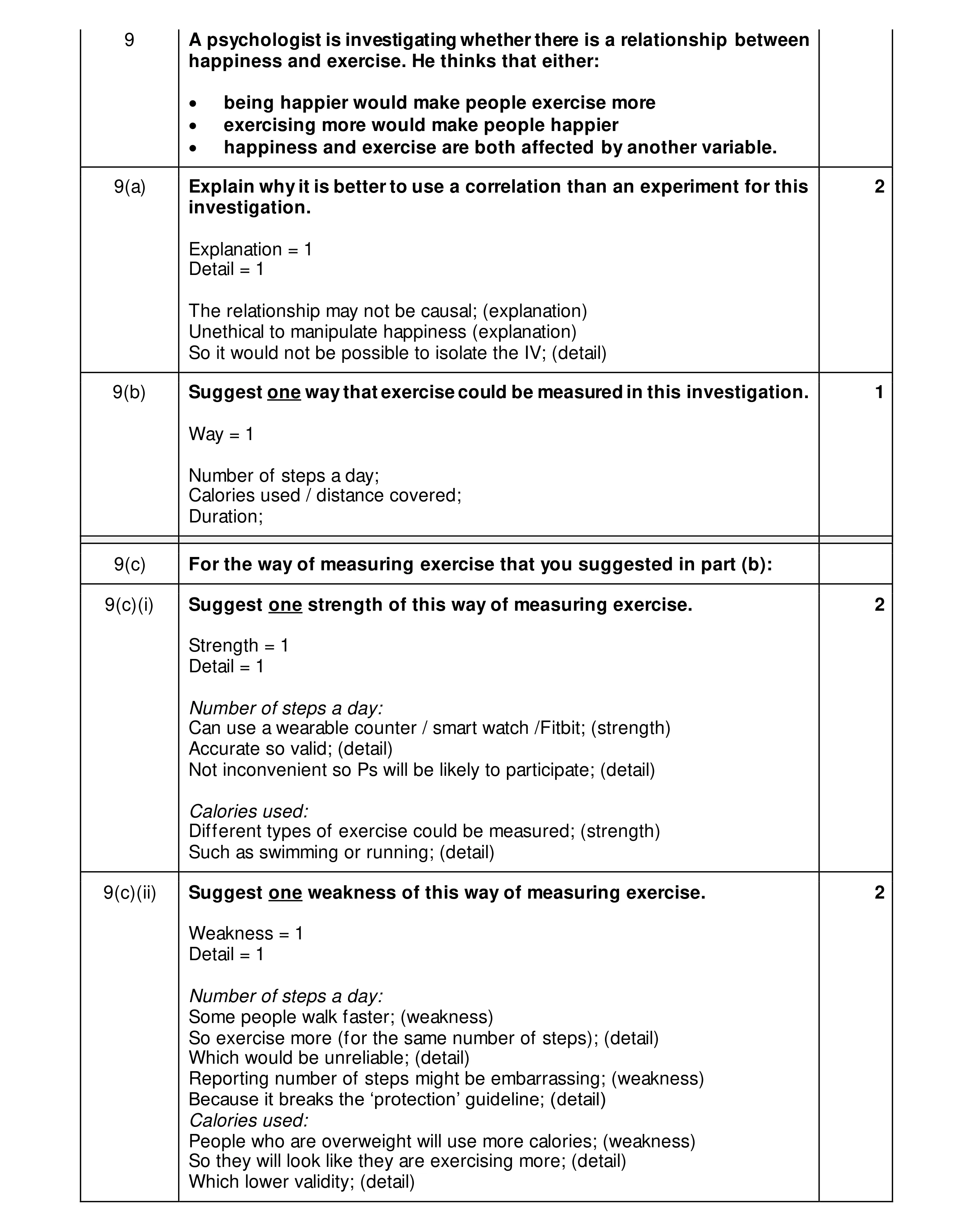 7
7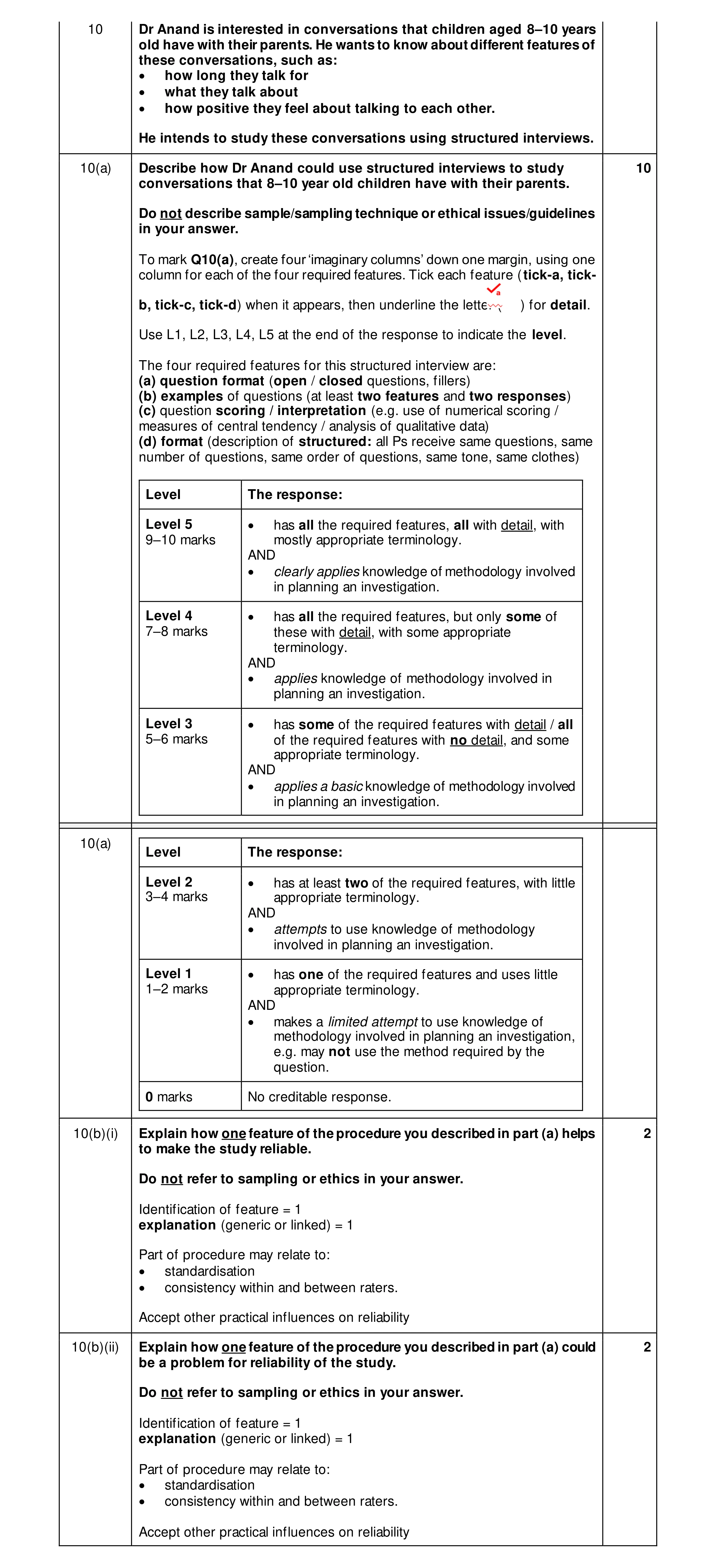 14
14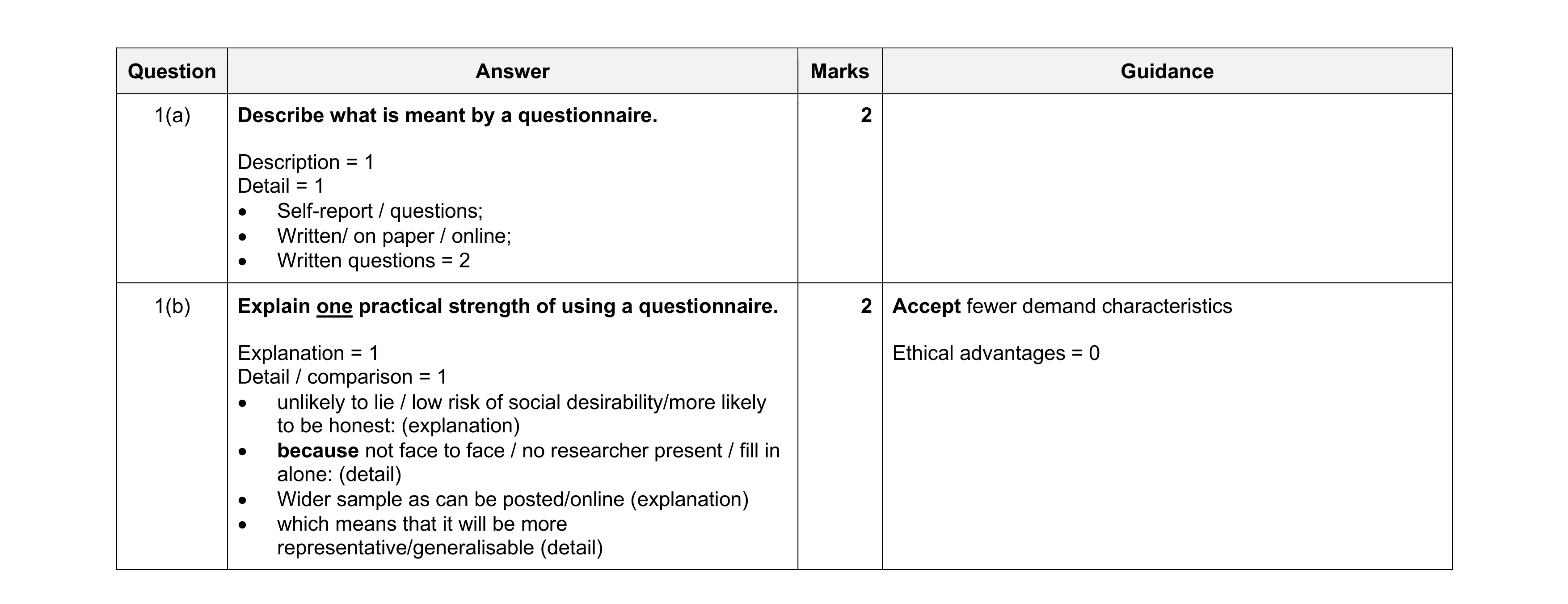 4
4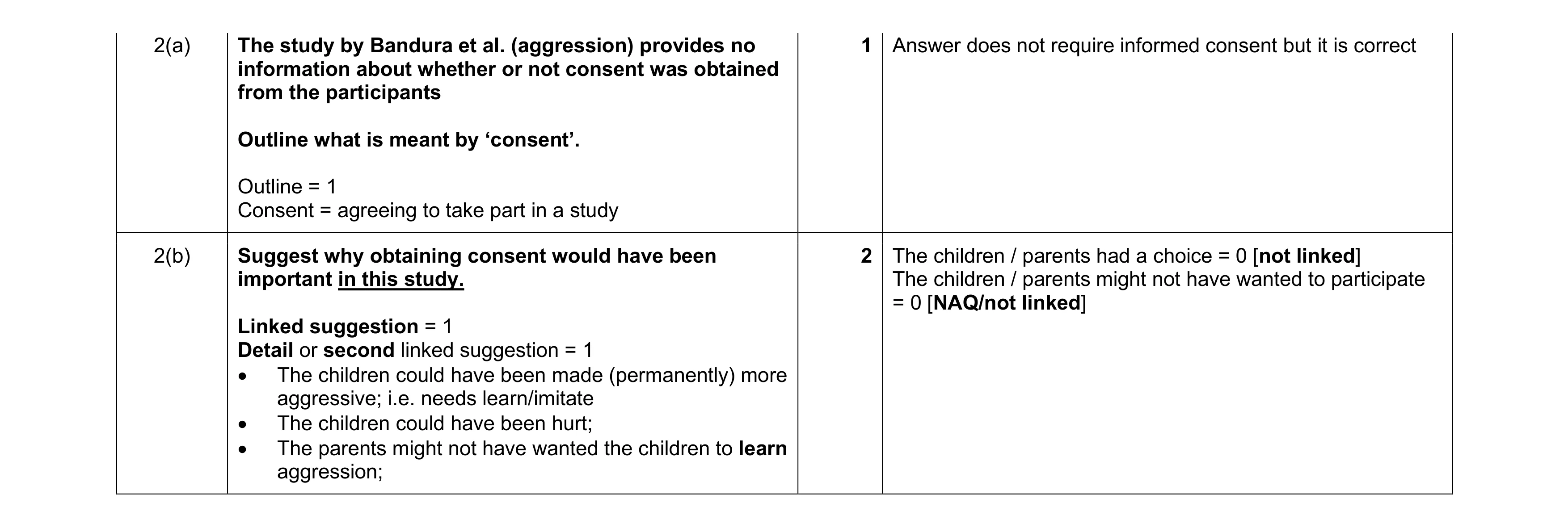 3
3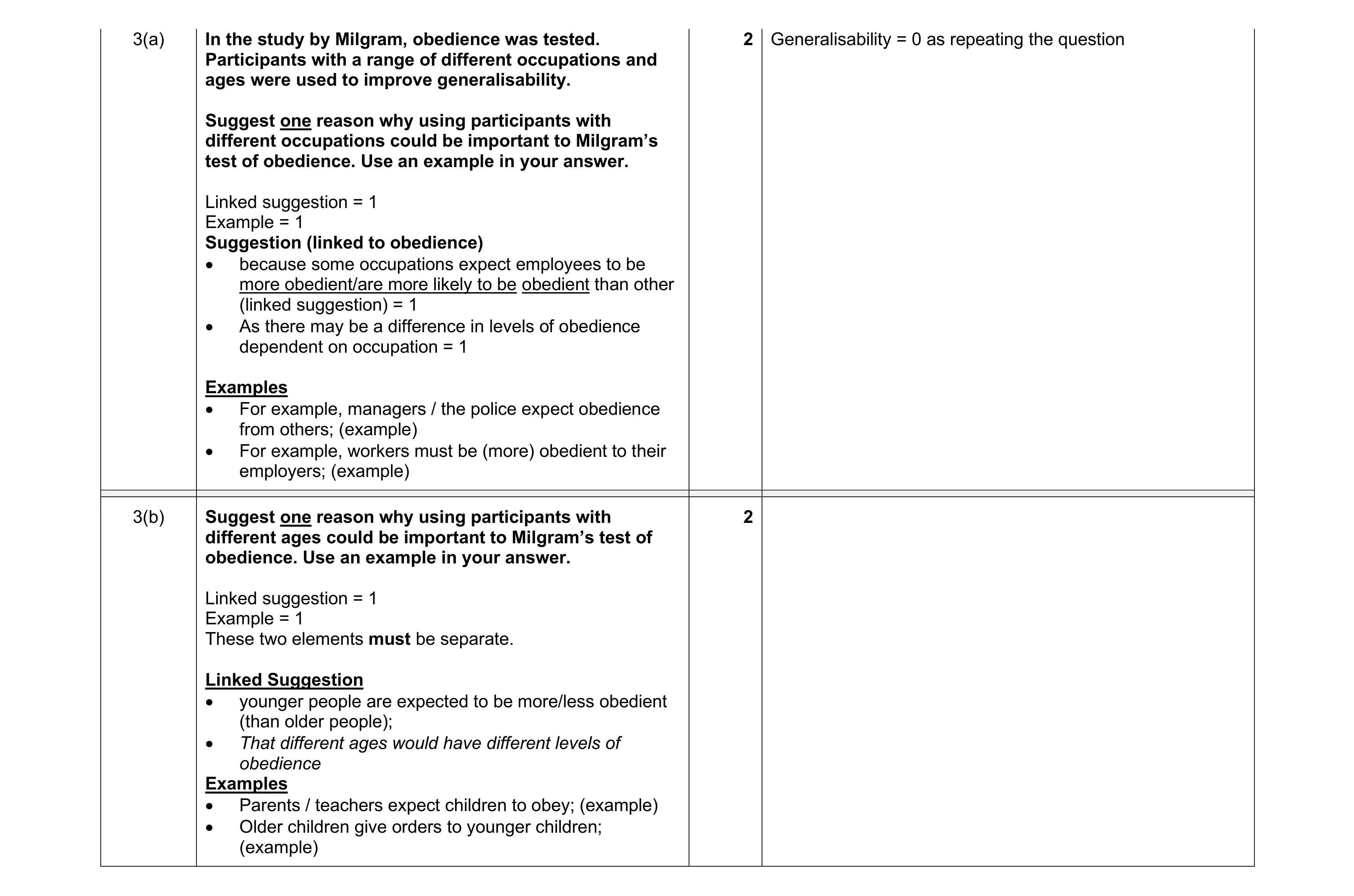 4
4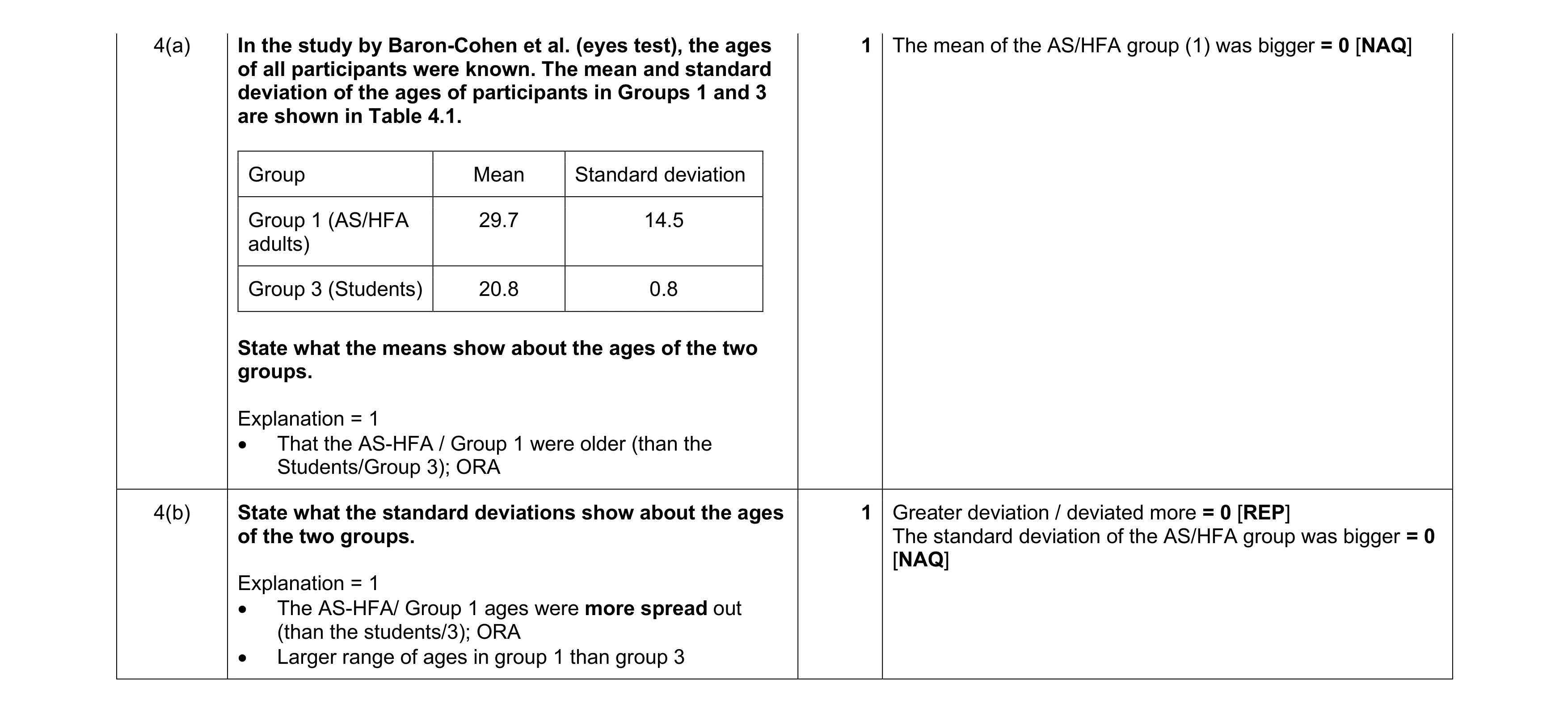 2
2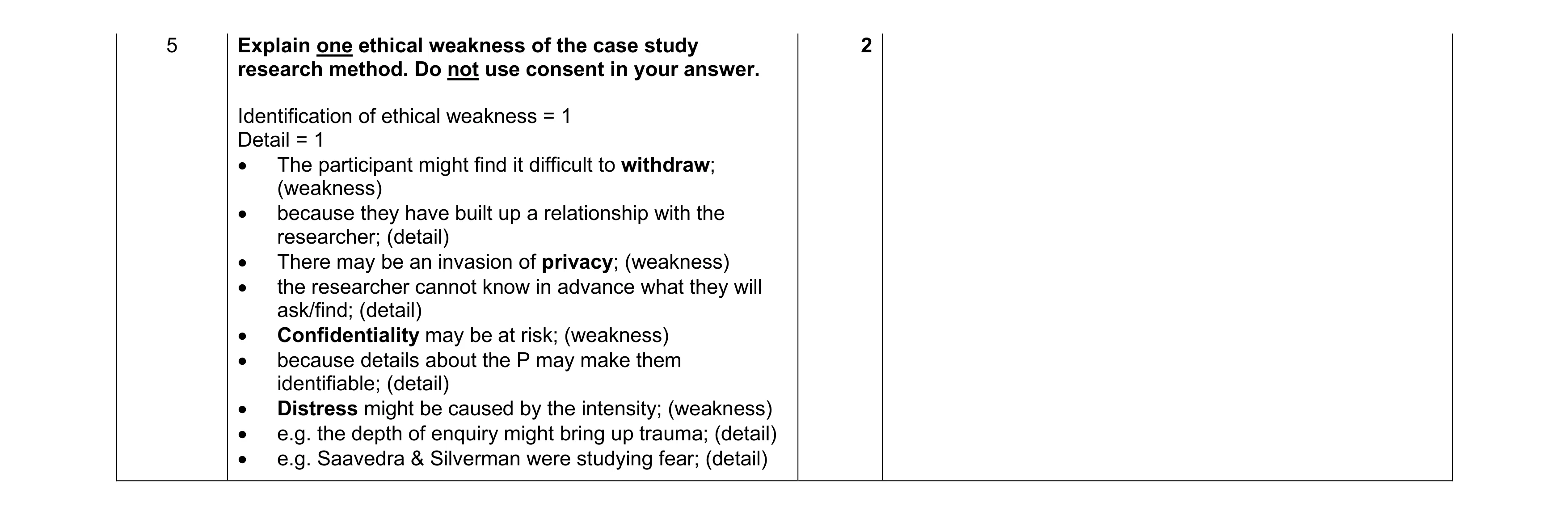 2
2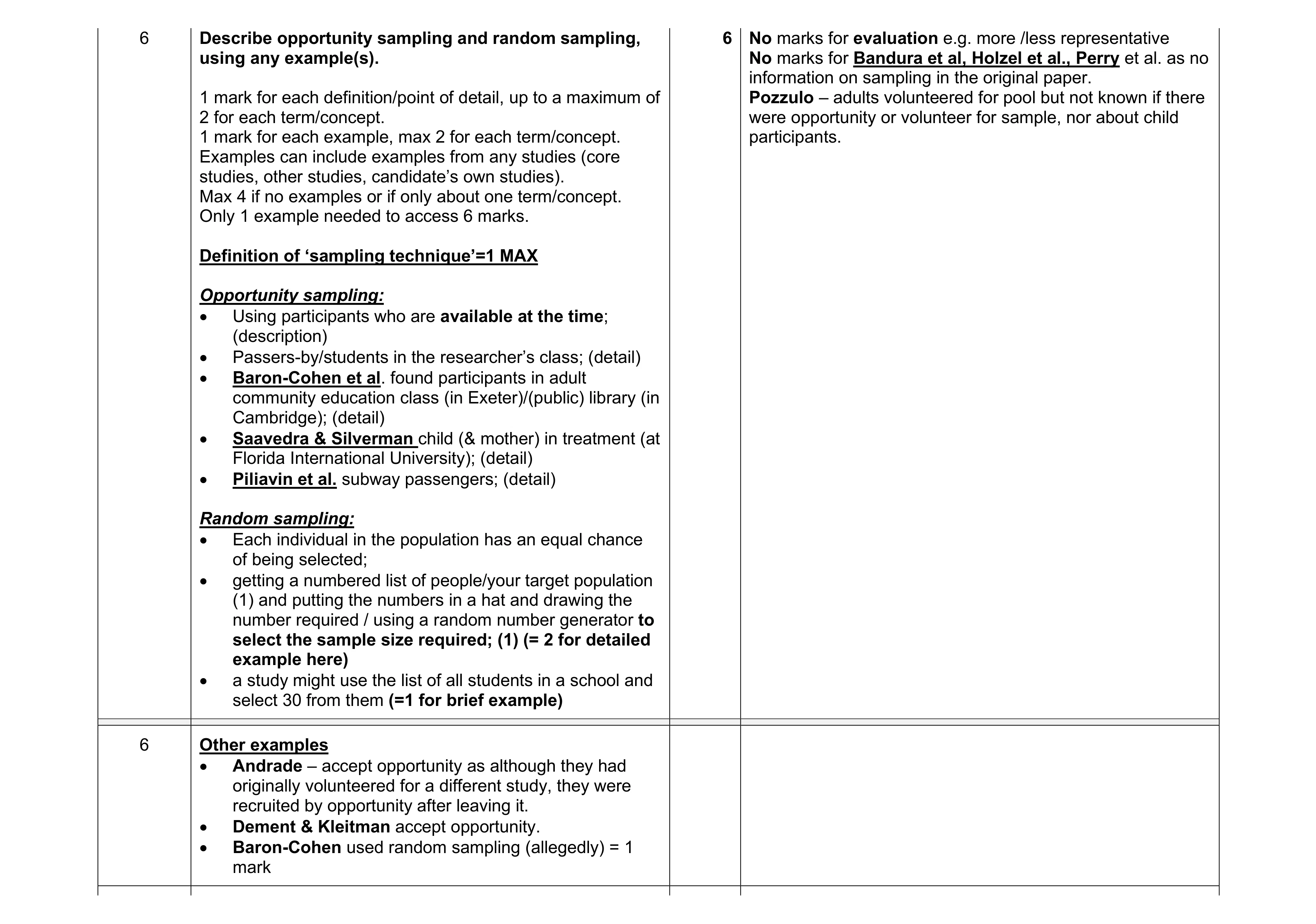 6
6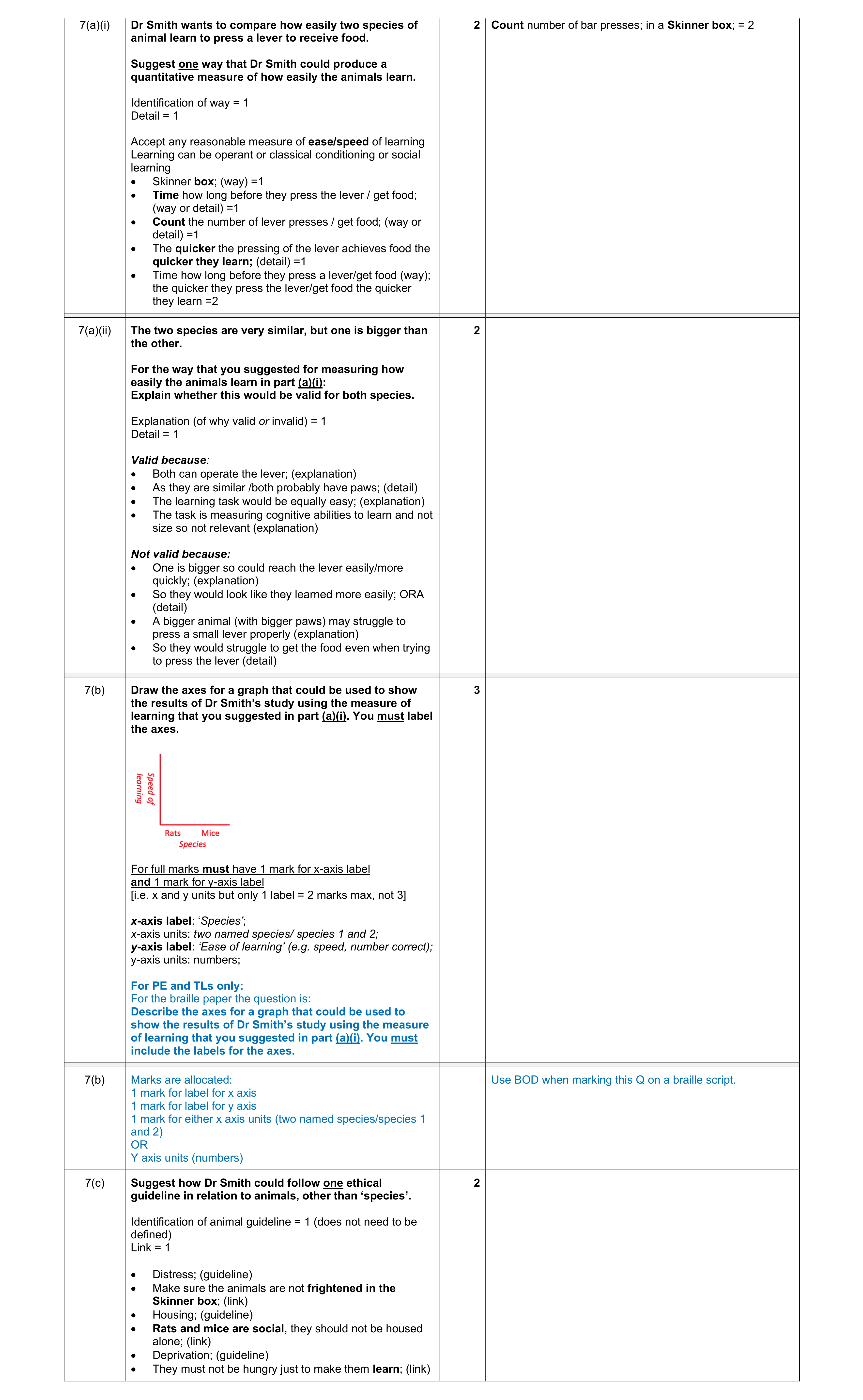 9
9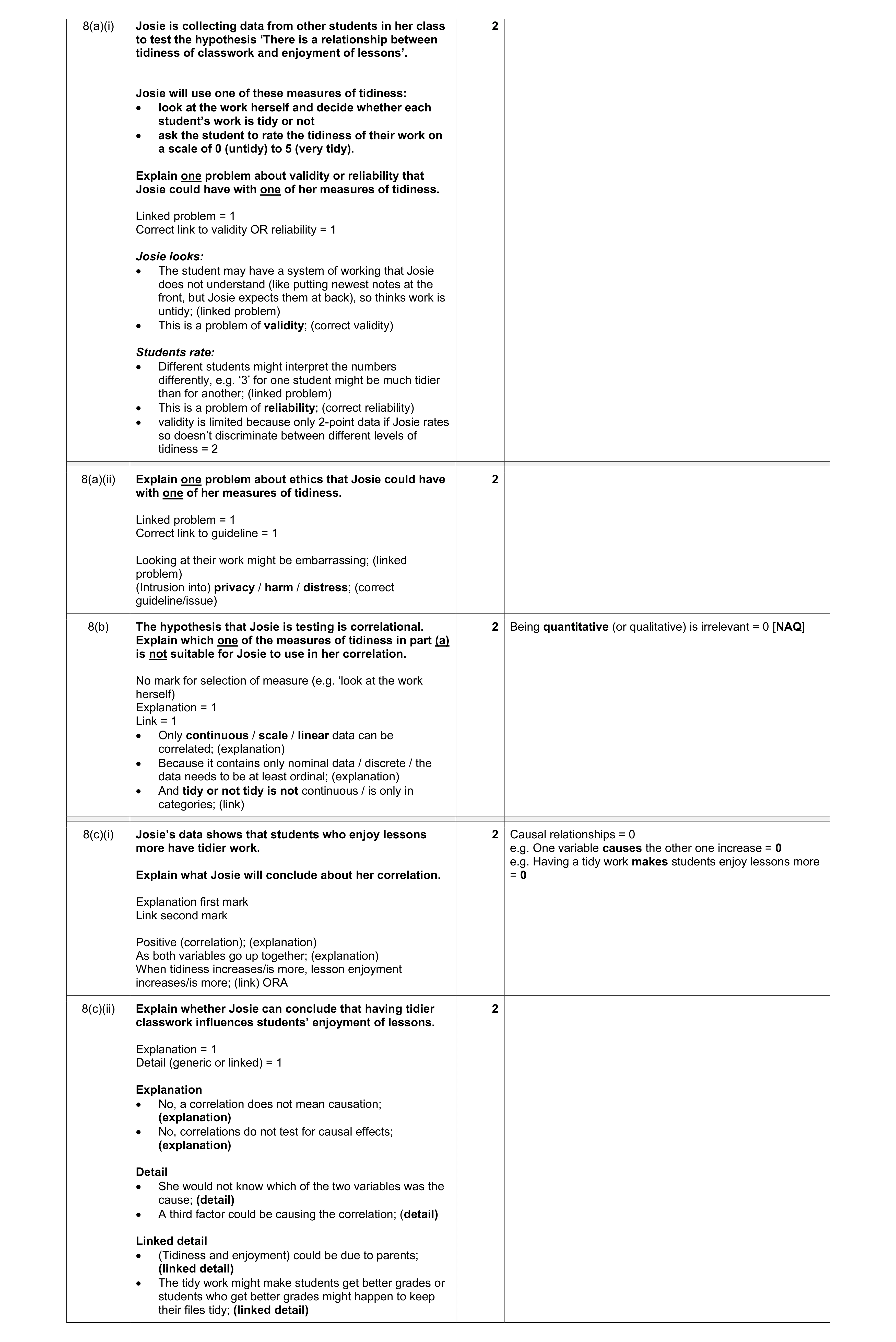 10
10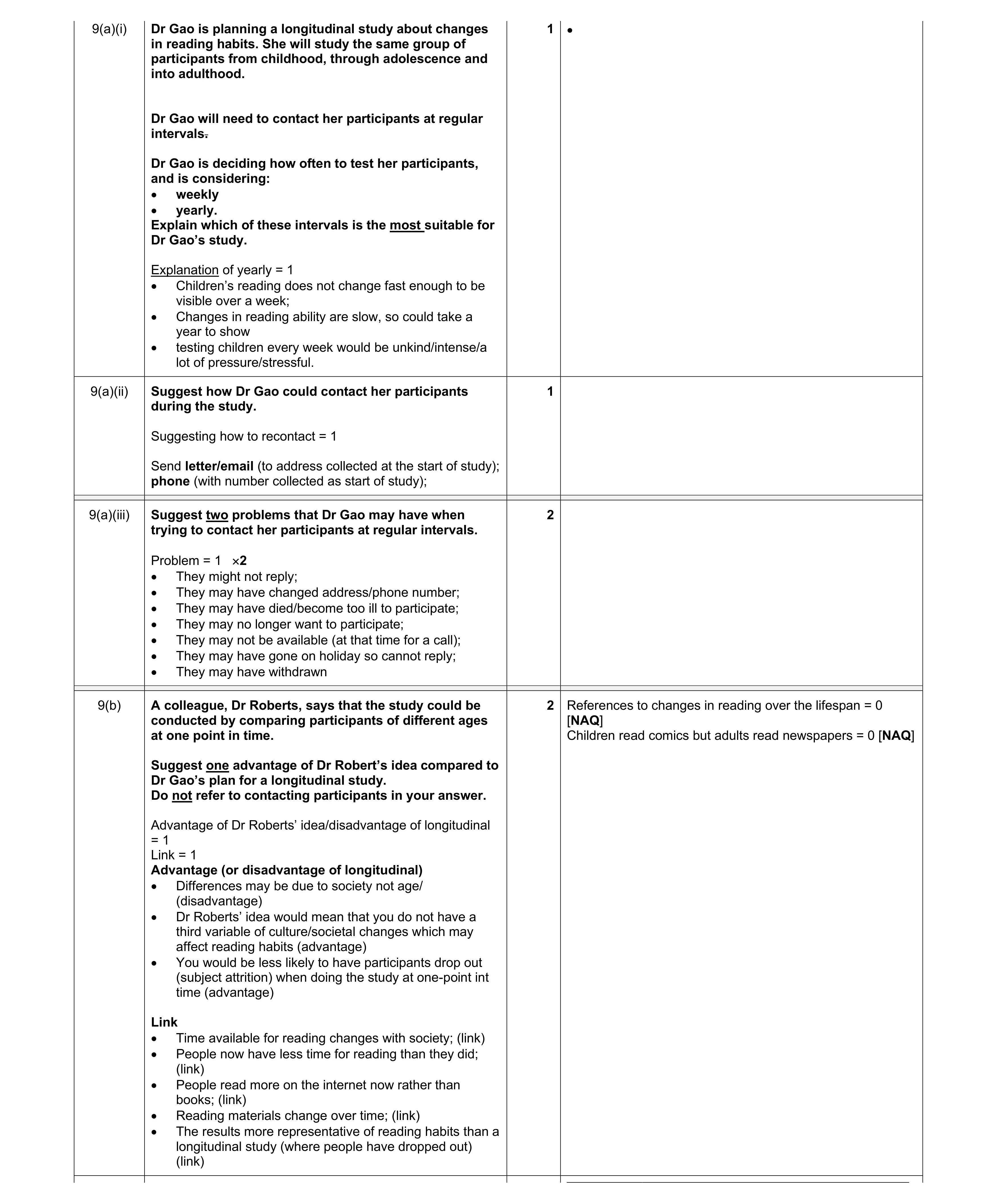 6
6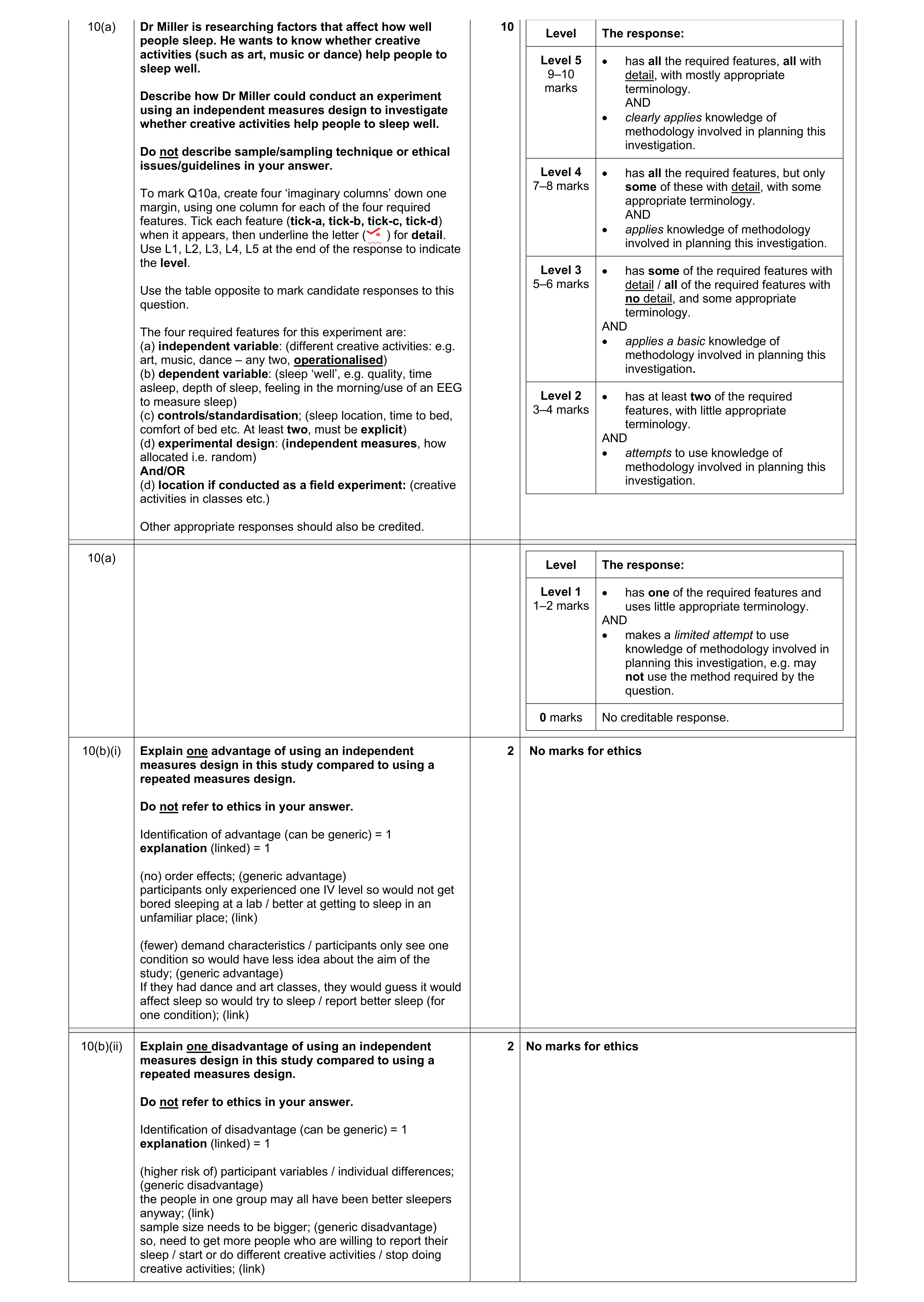 14
14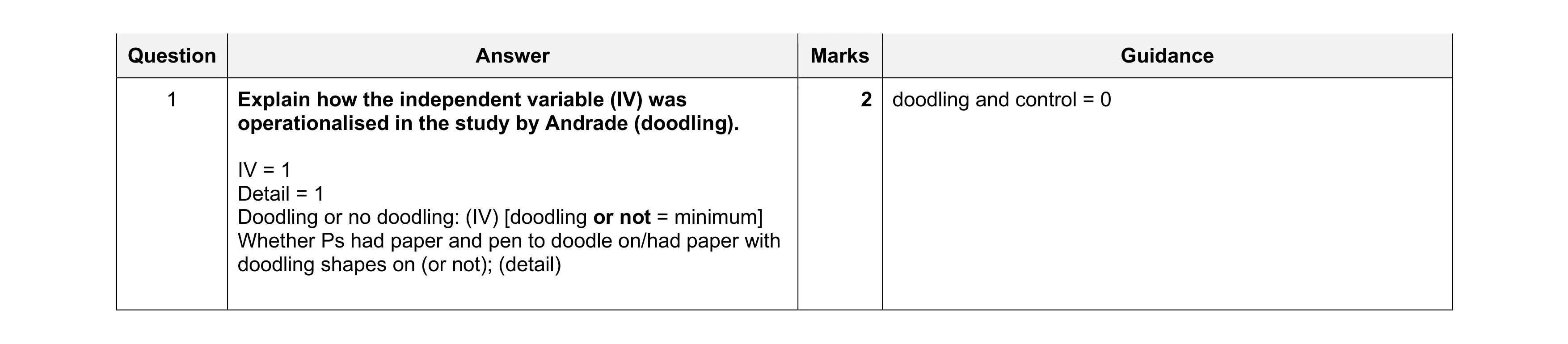 2
2 3
3 8
8 1
1 4
4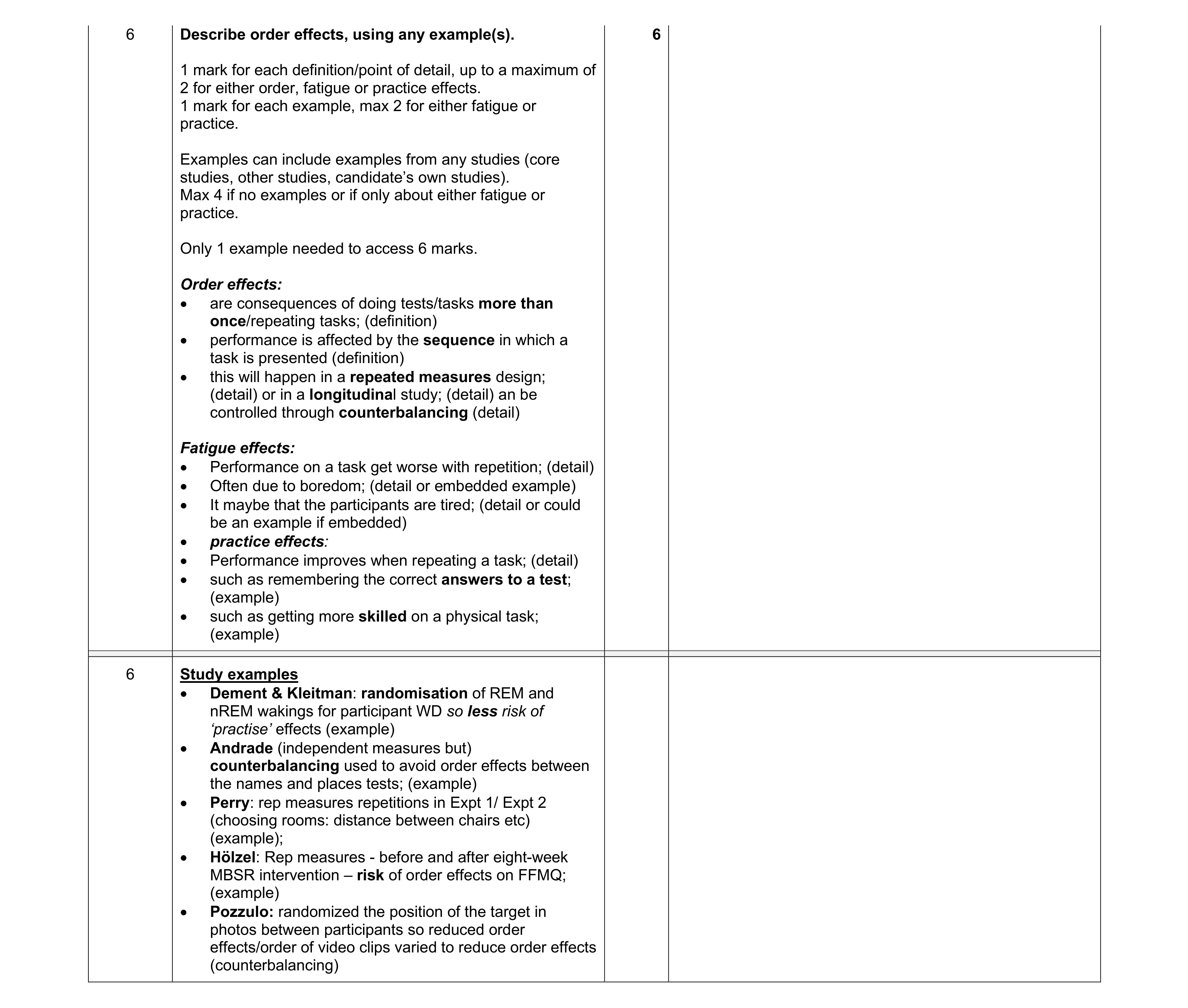 6
6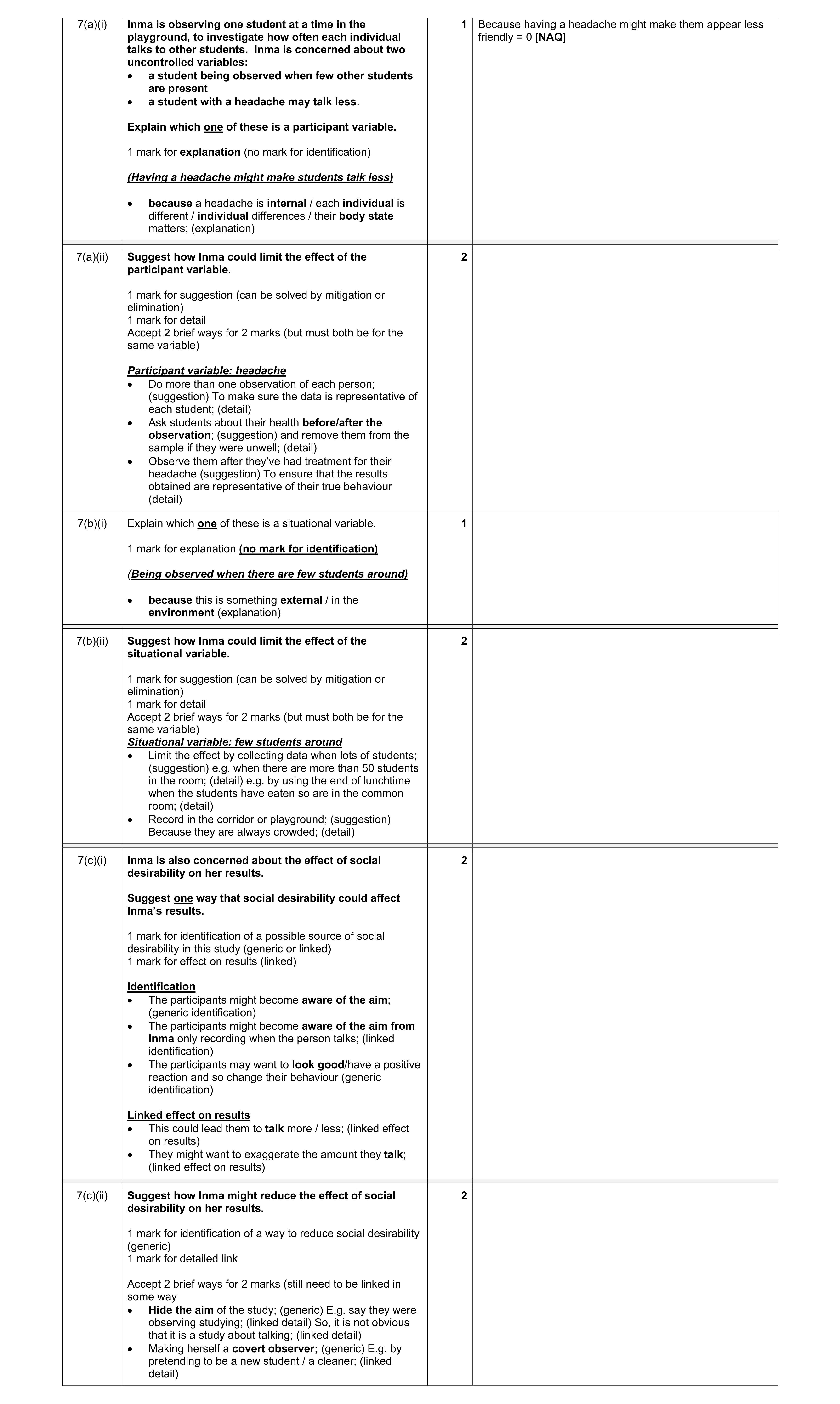 10
10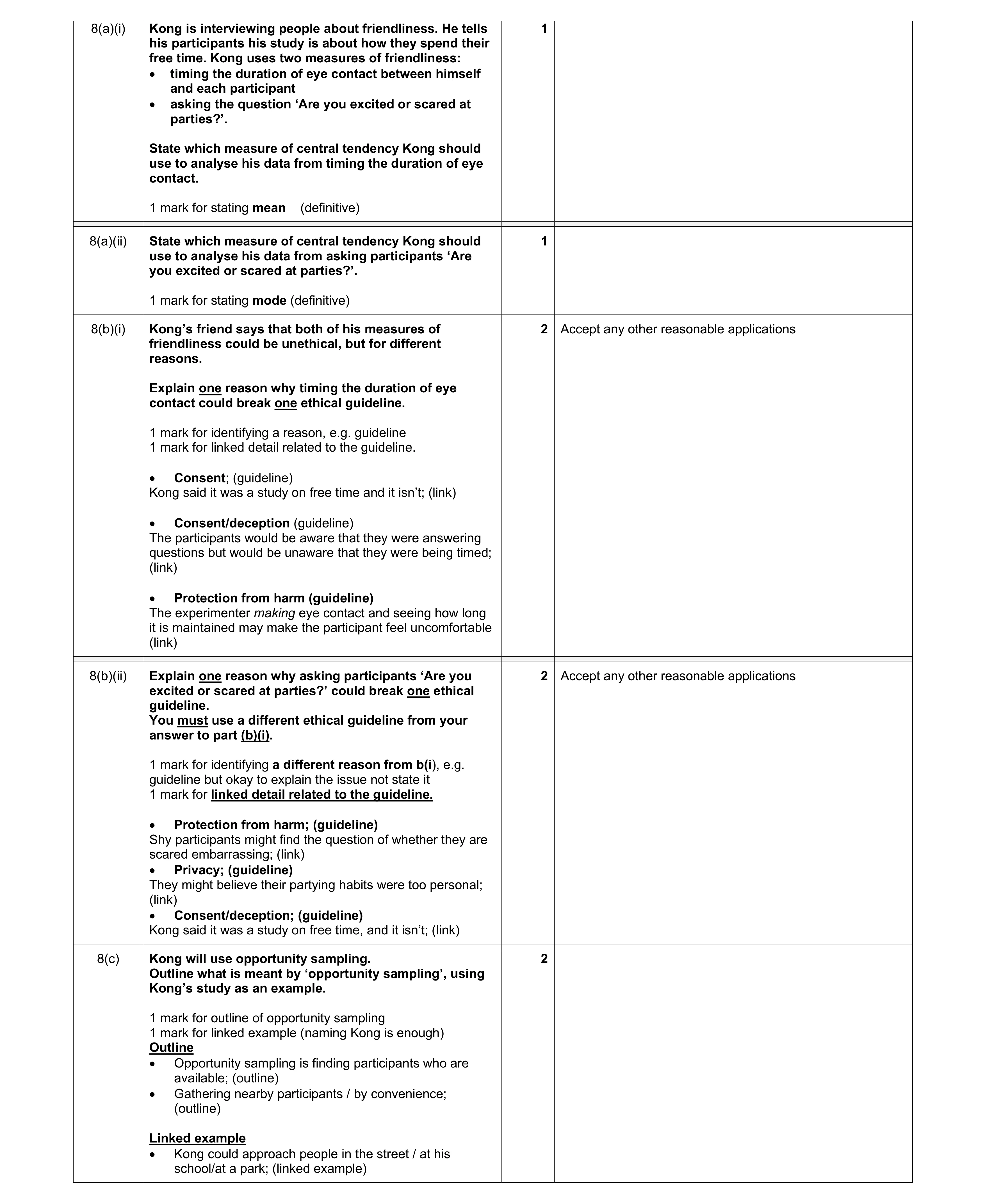 8
8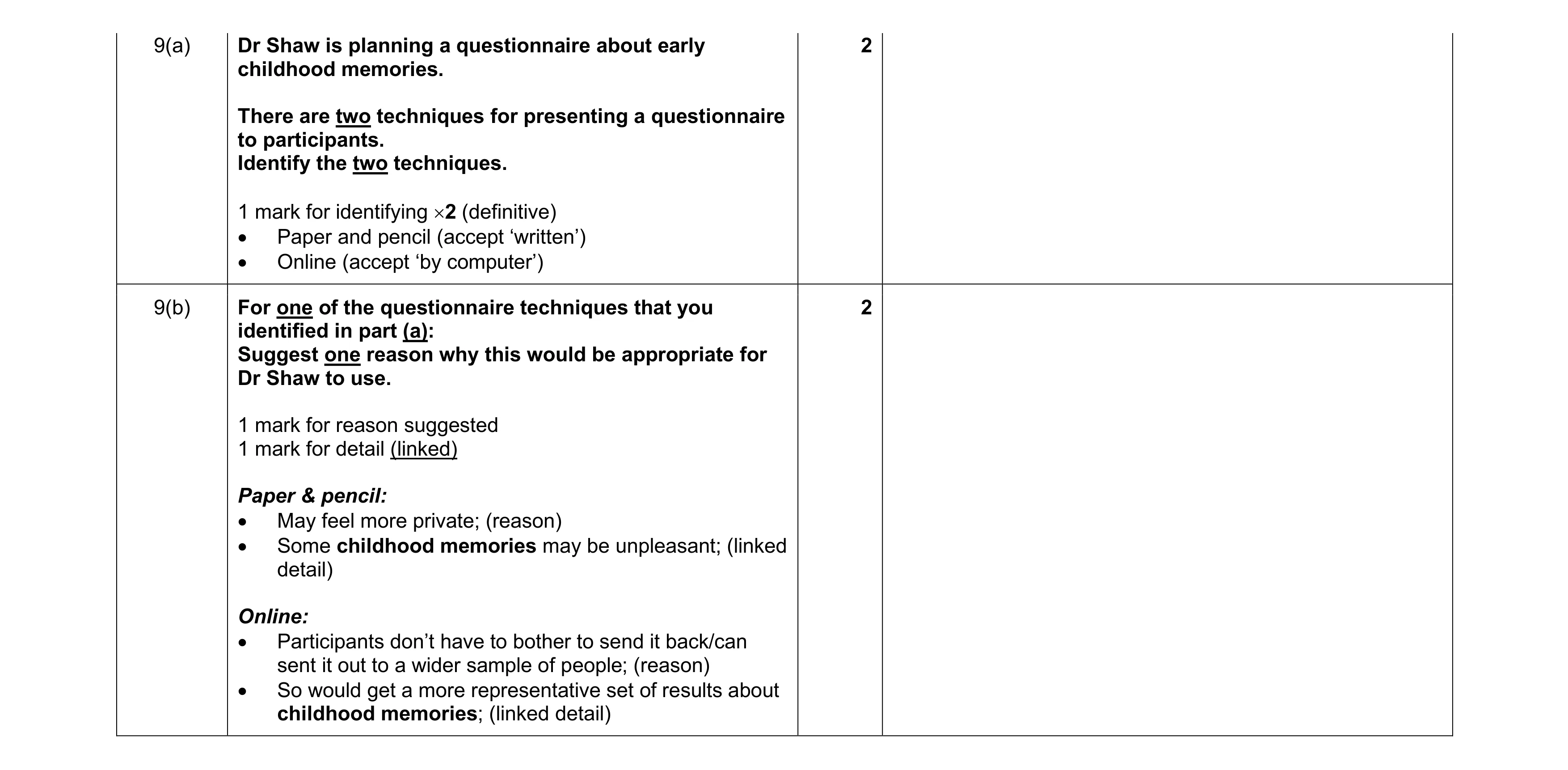 4
4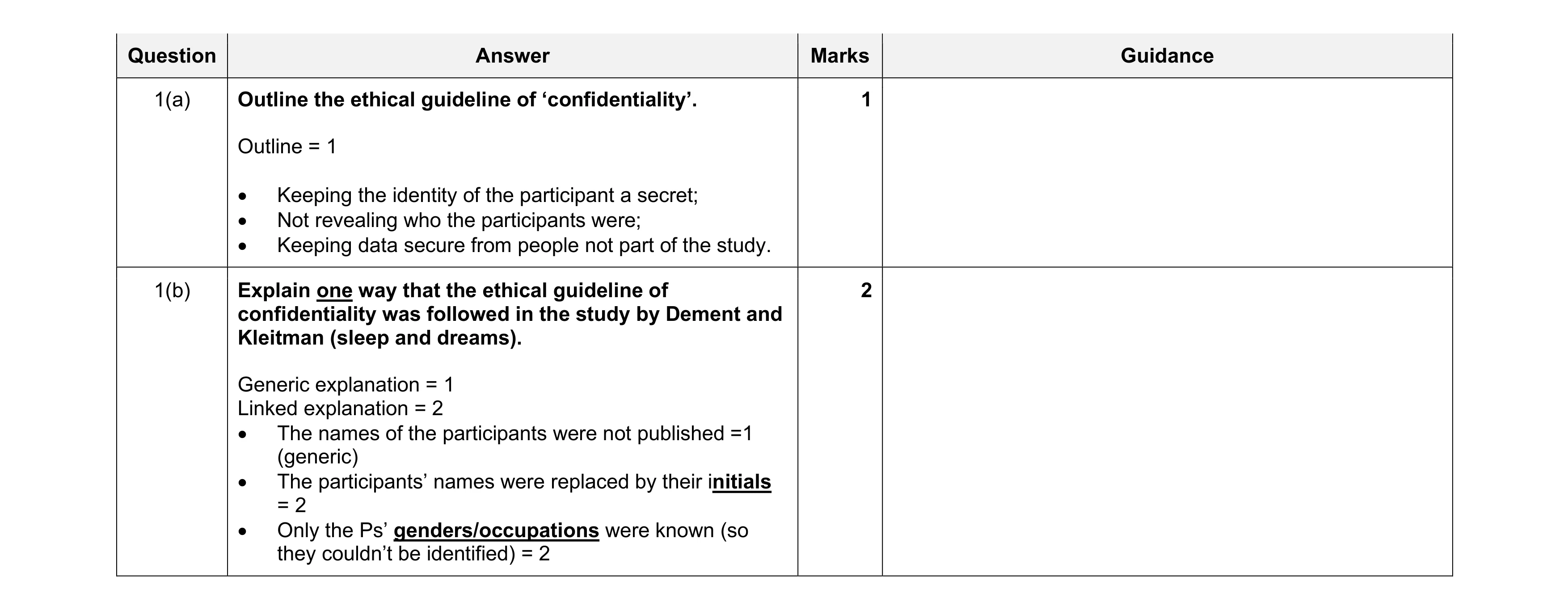 3
3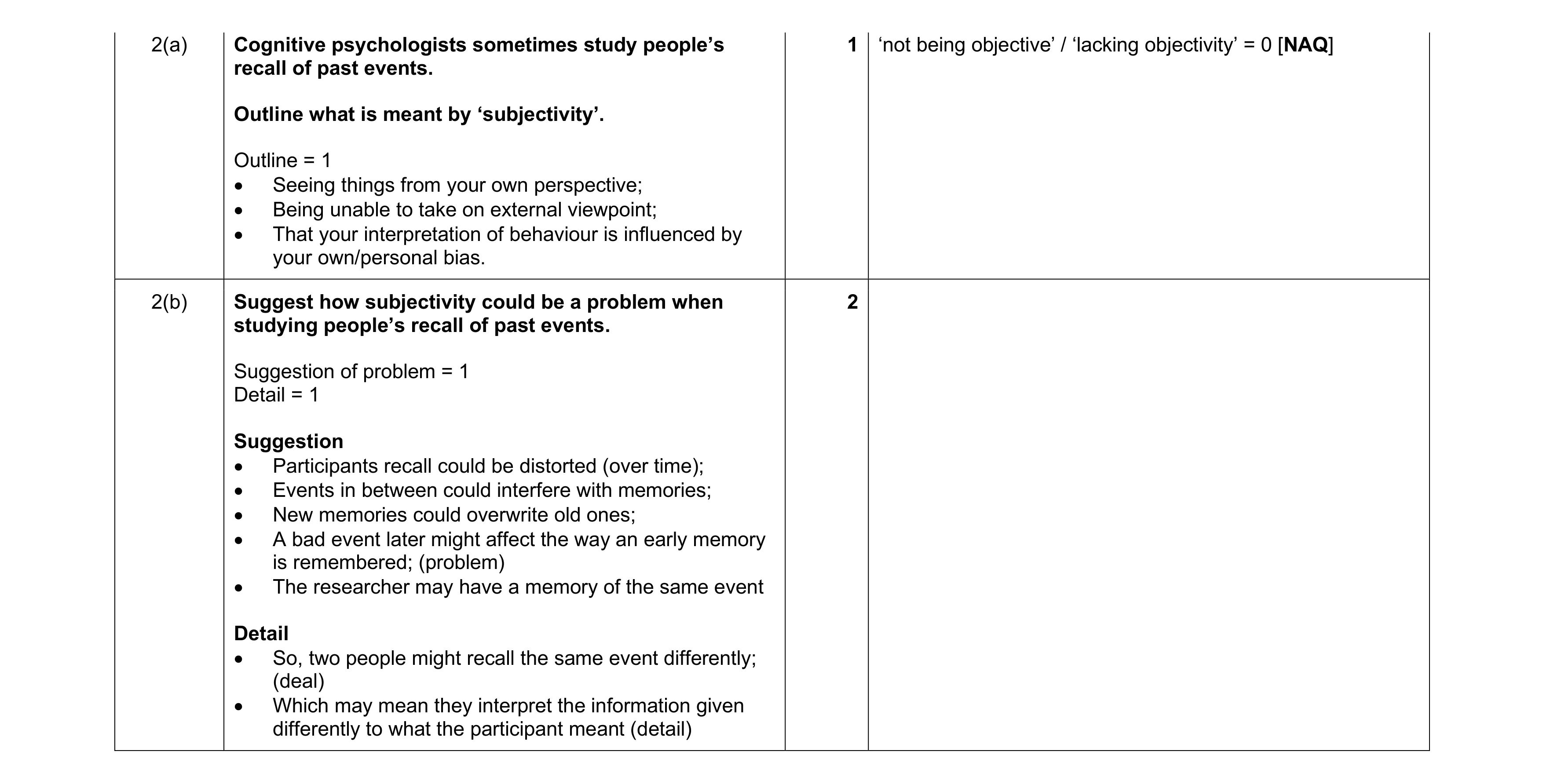 3
3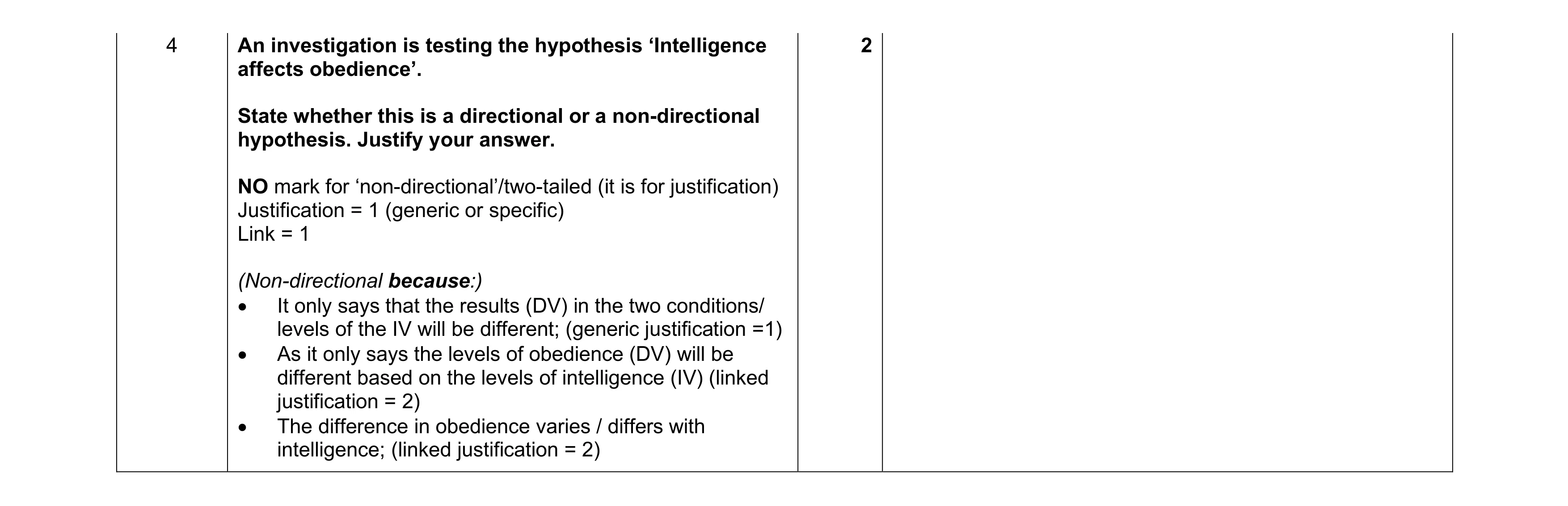 2
2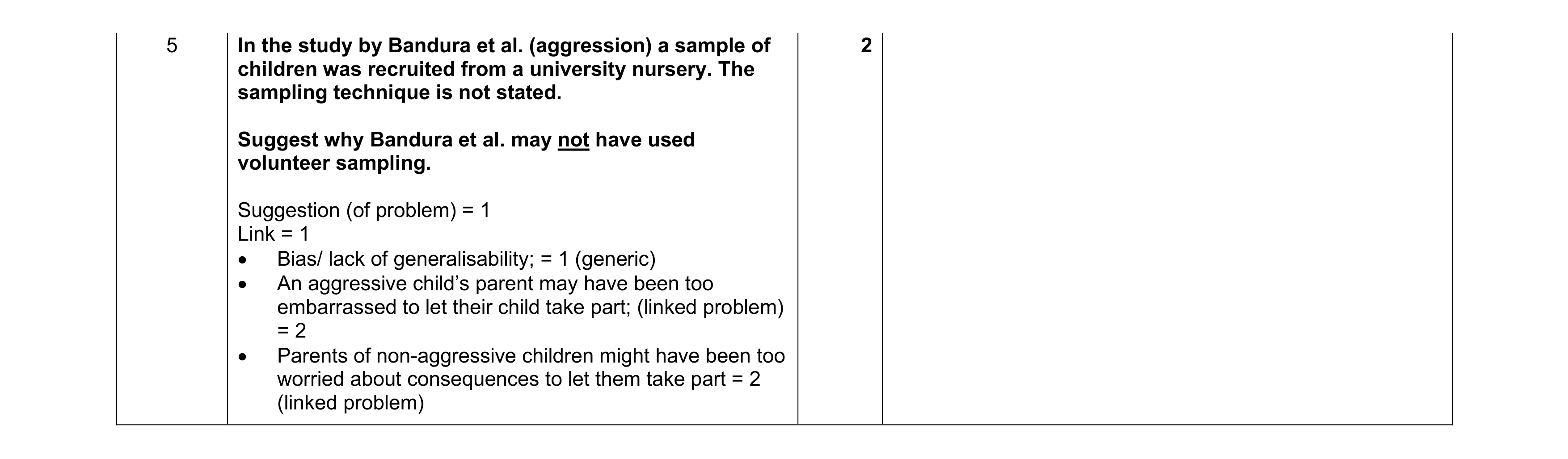 2
2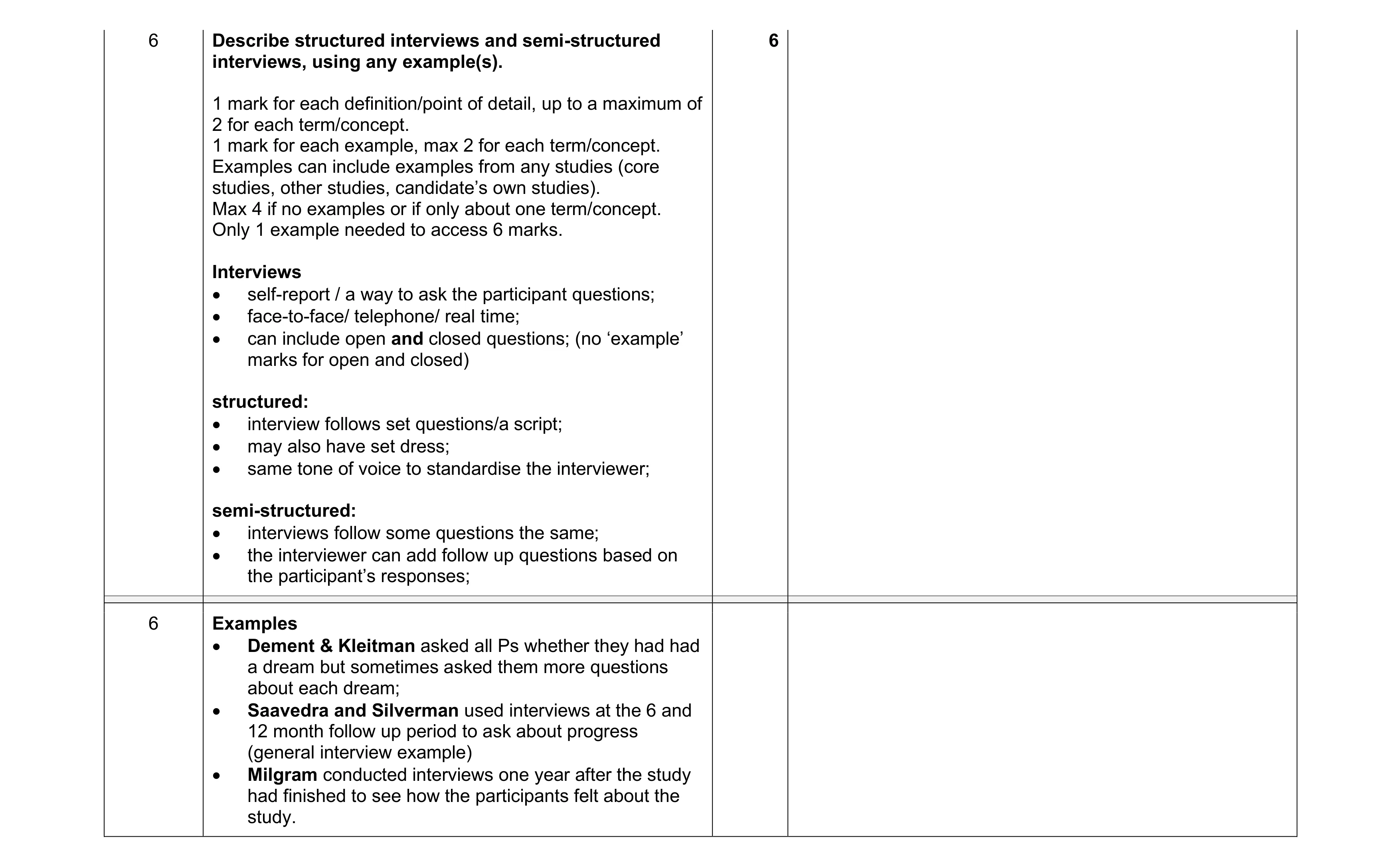 6
6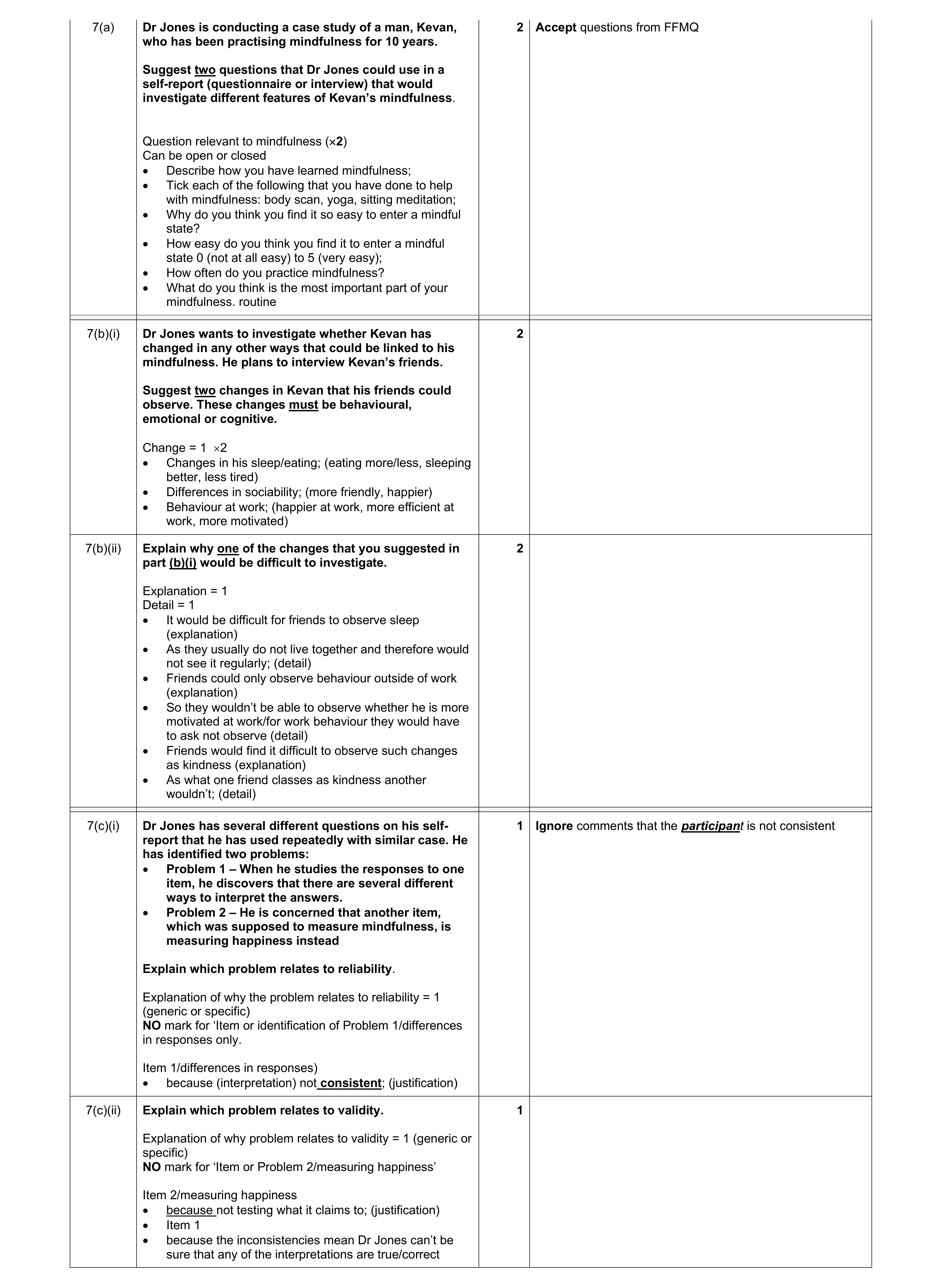 8
8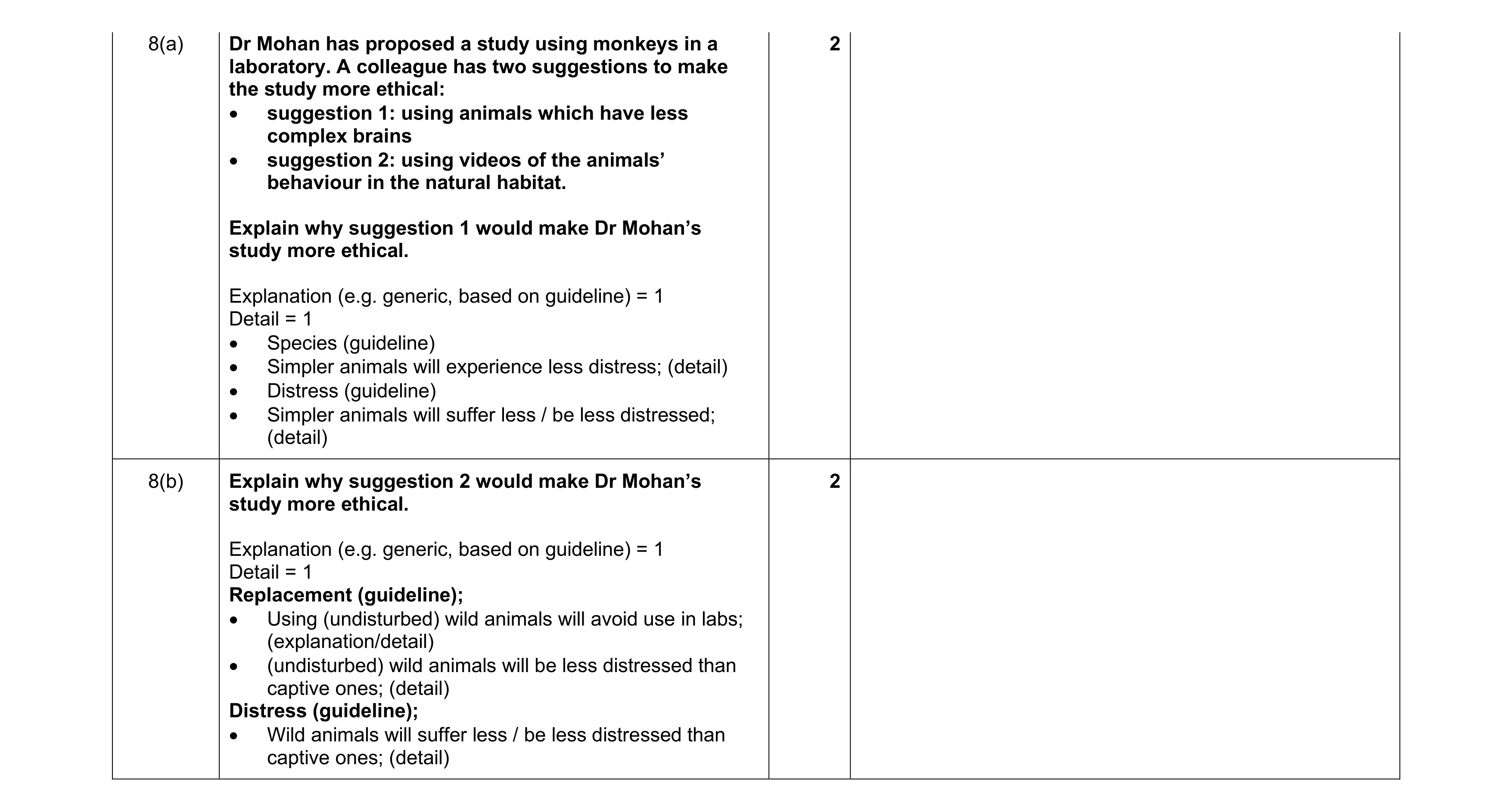 4
4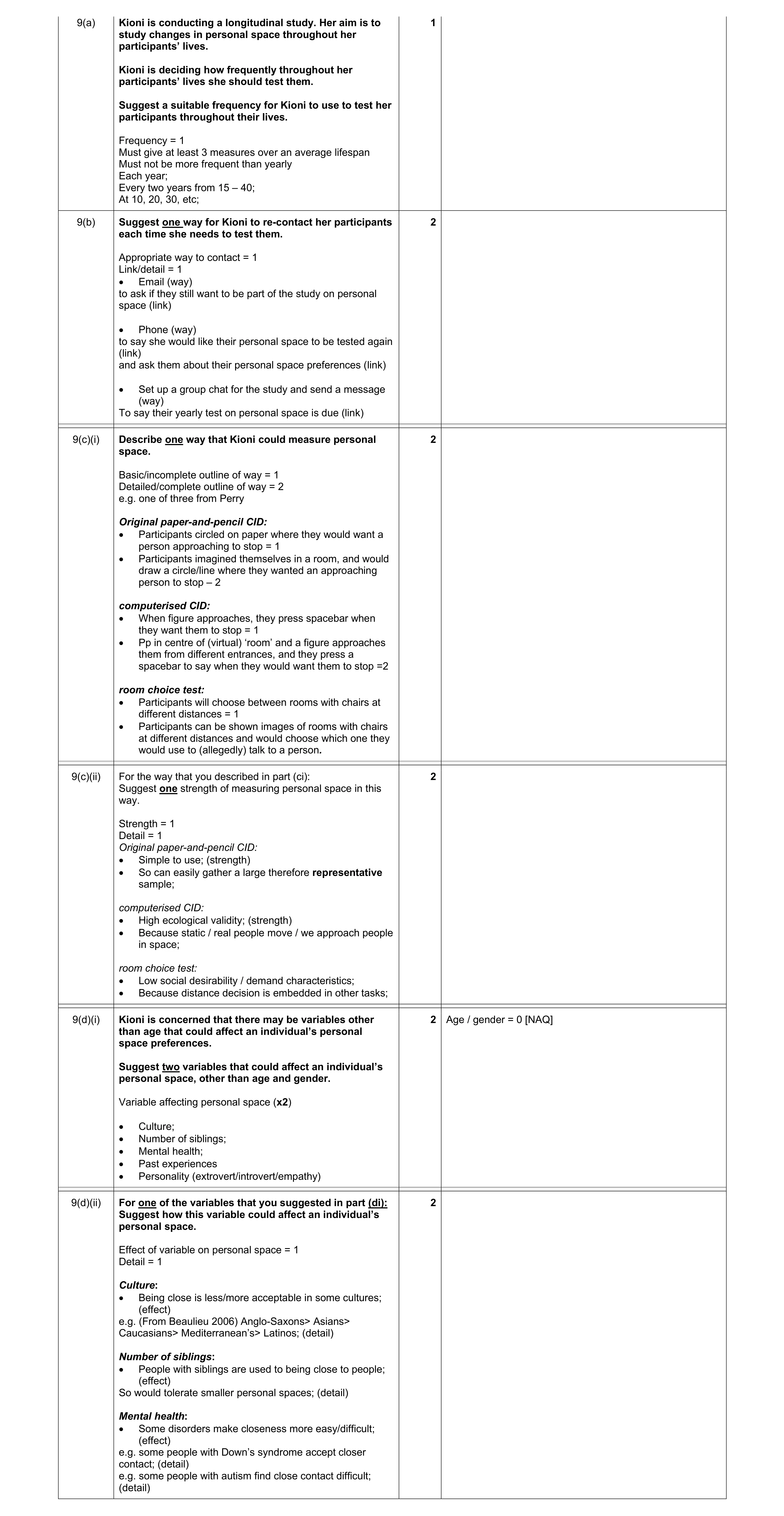 11
11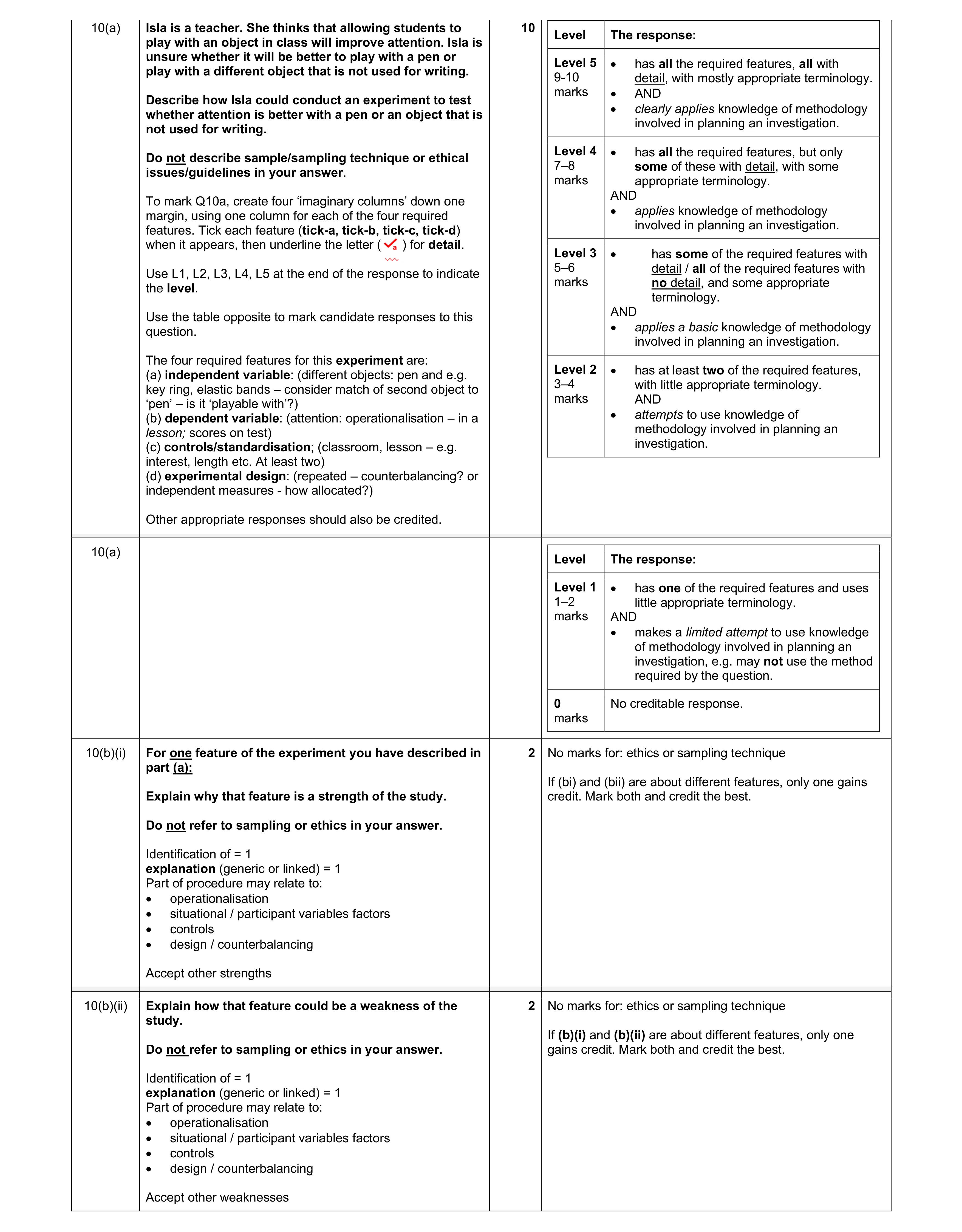 14
14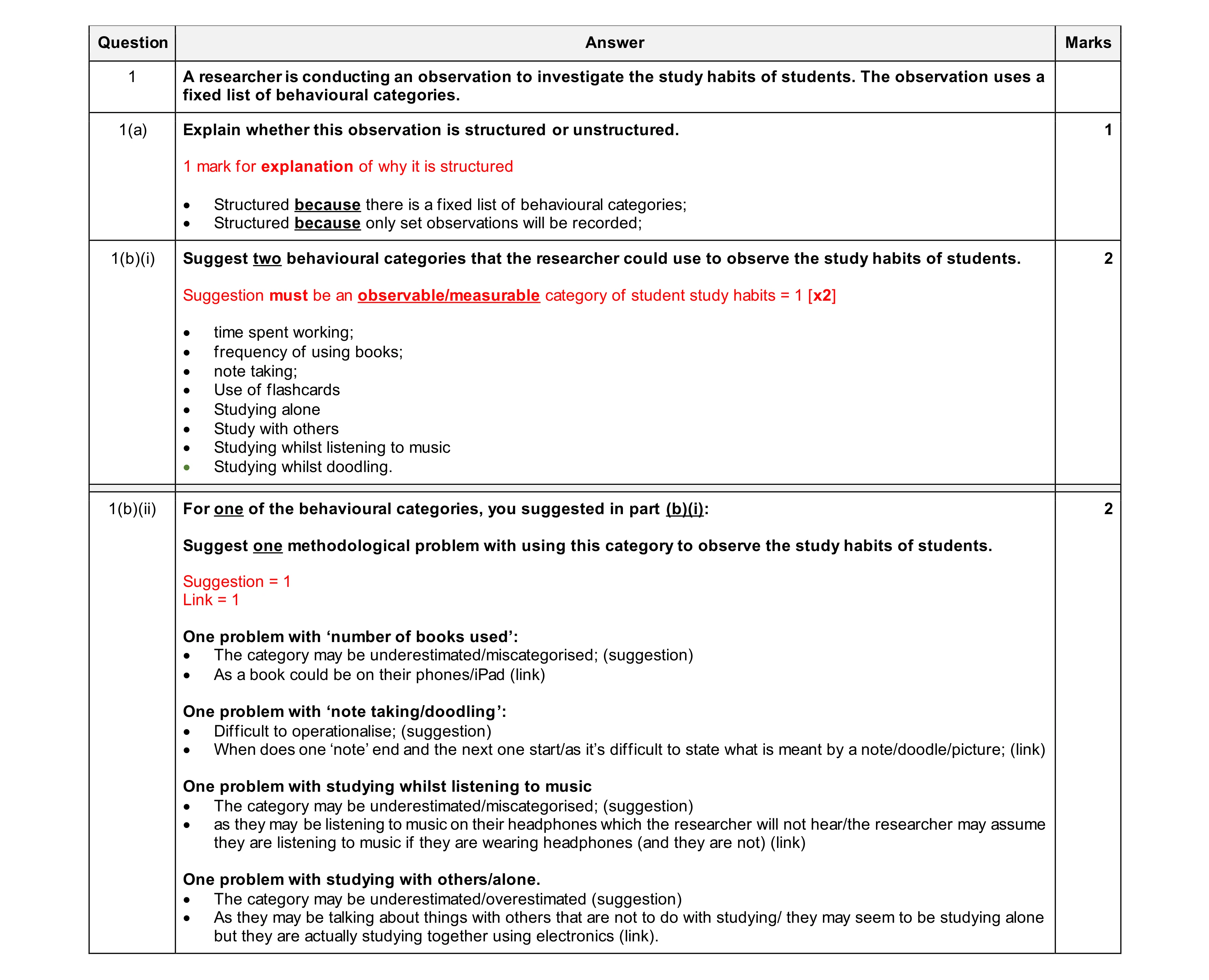 5
5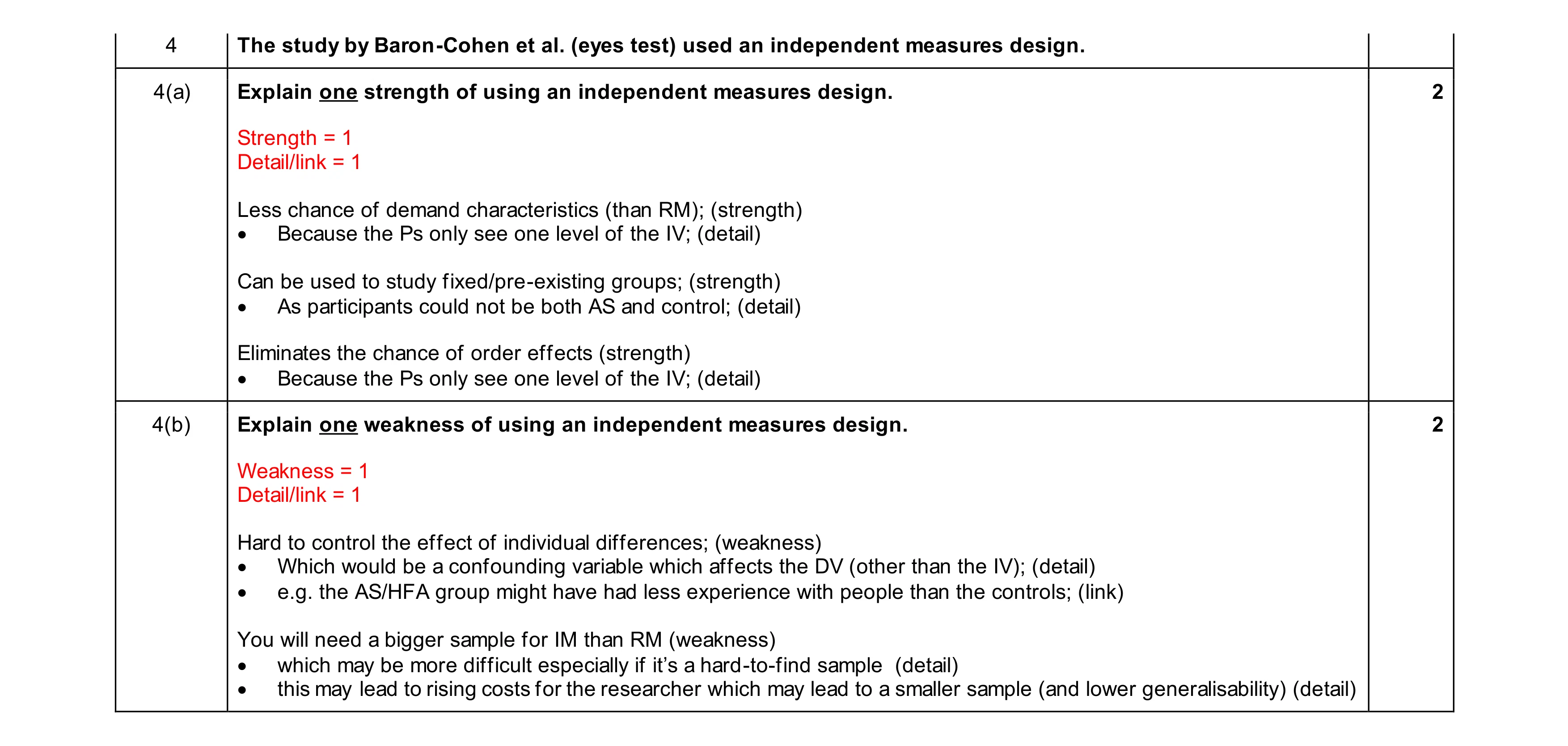 4
4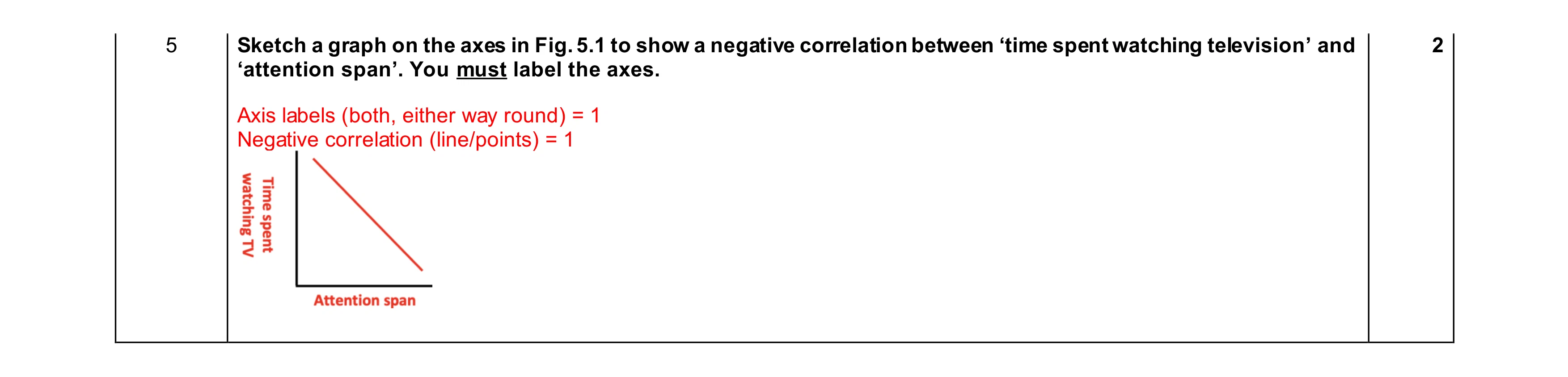 2
2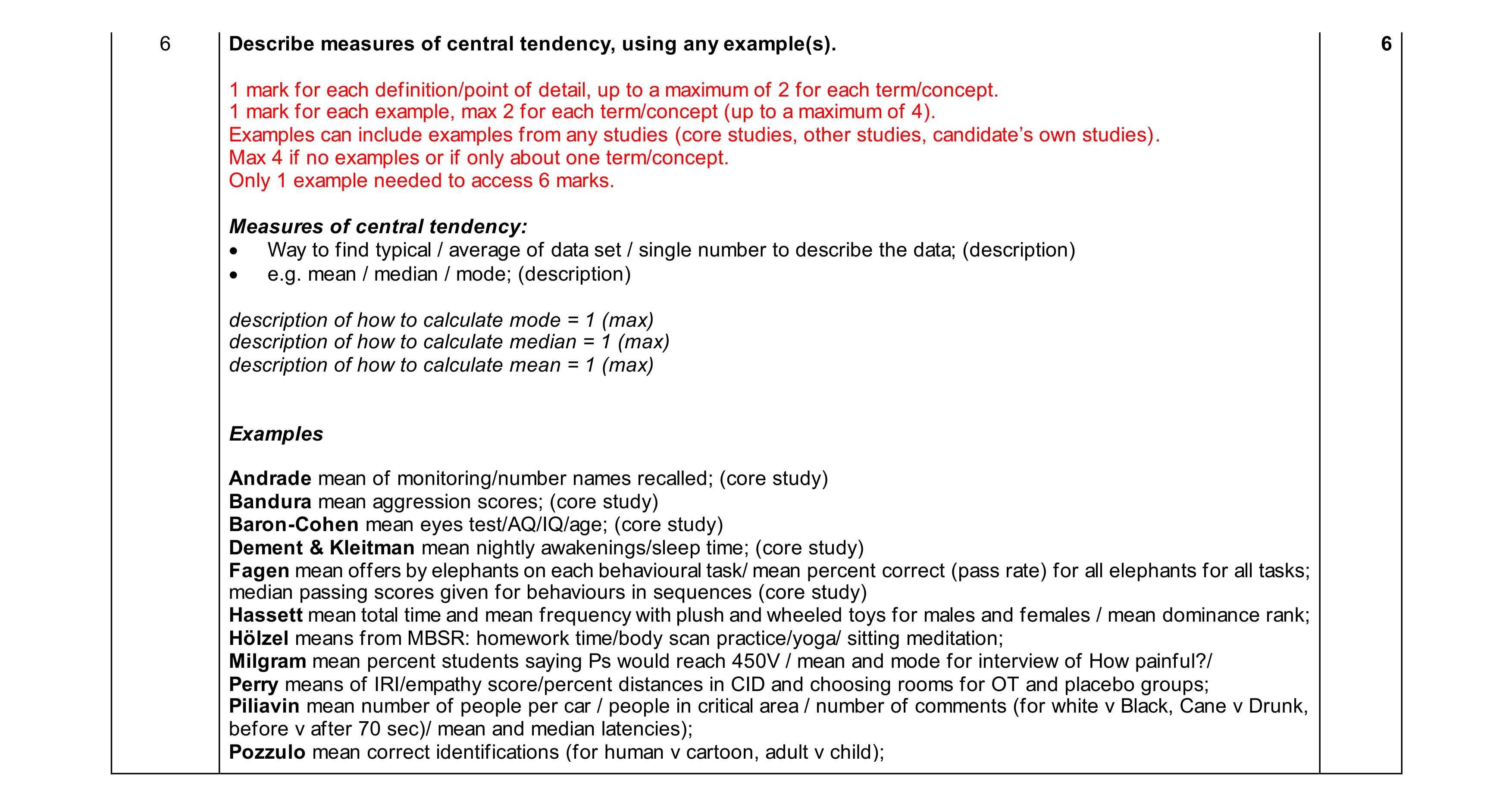 6
6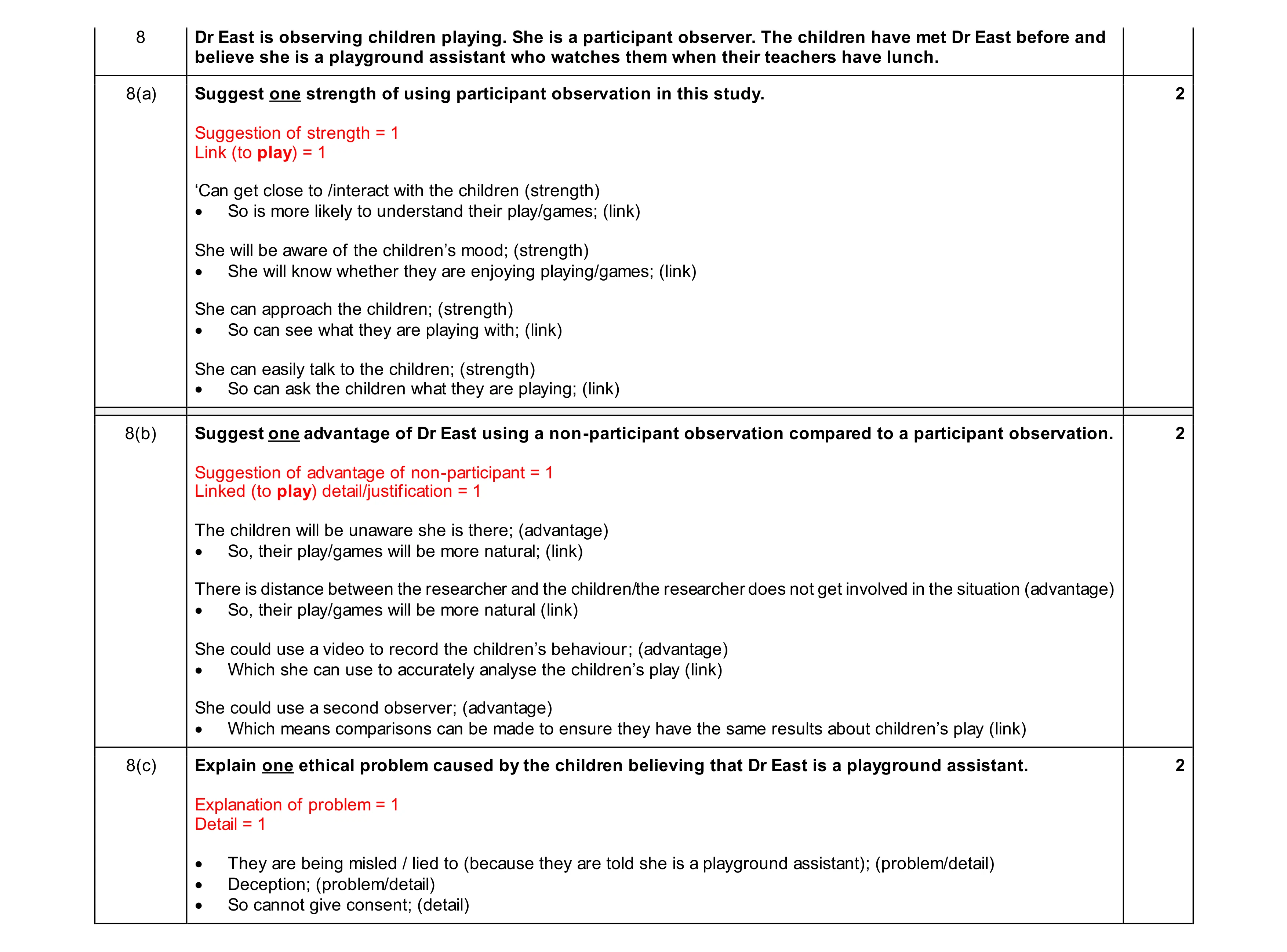 6
6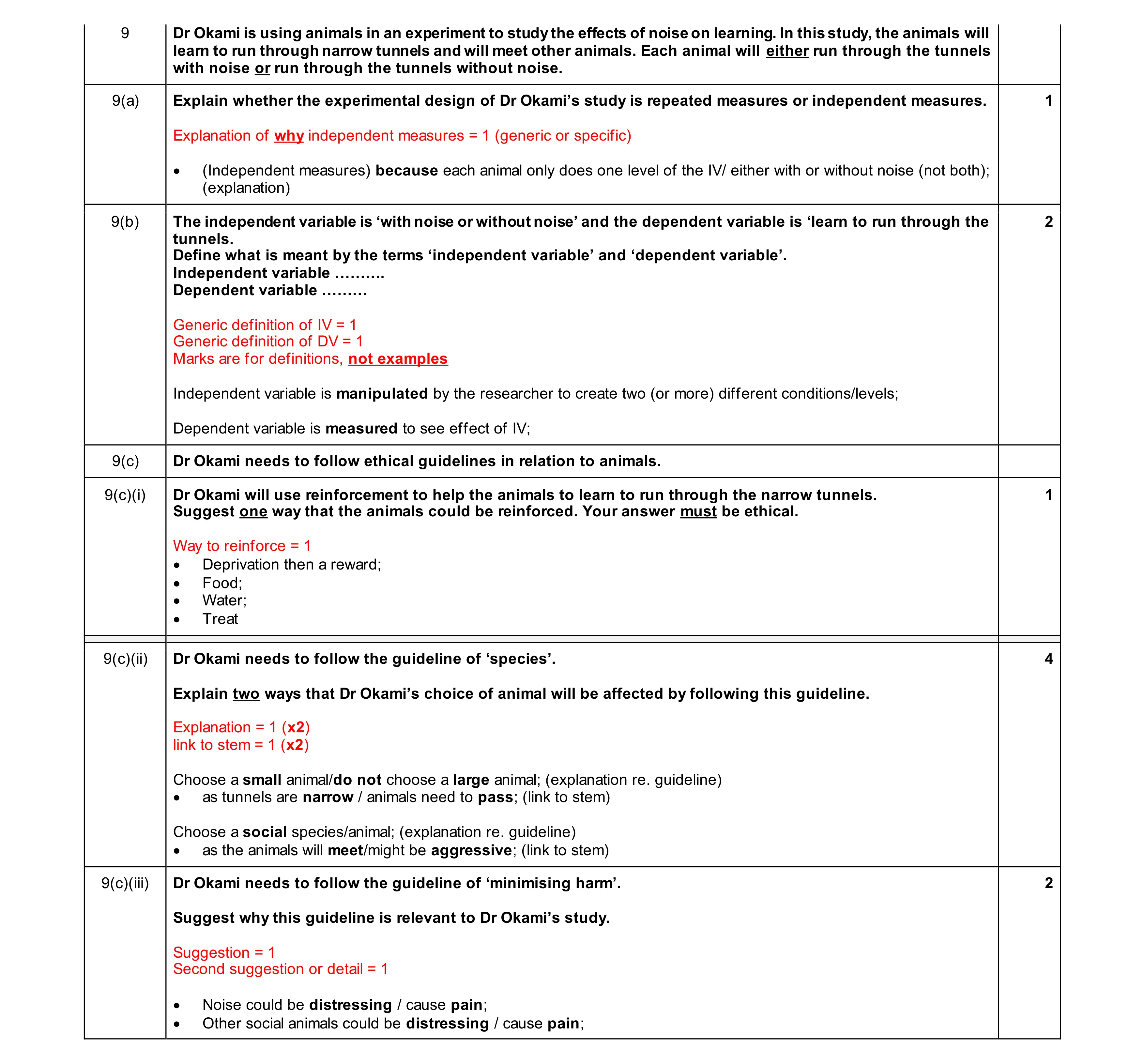 10
10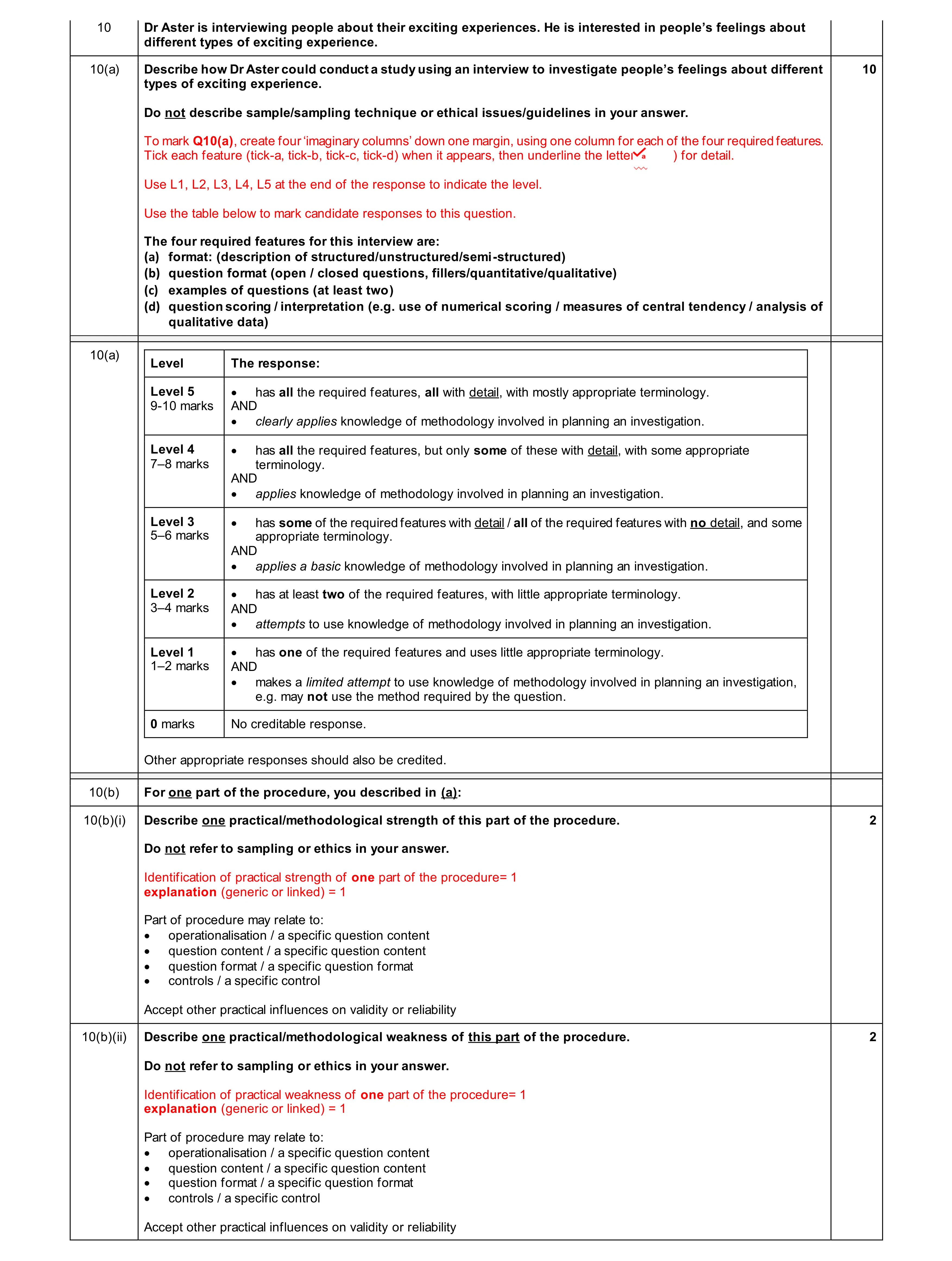 14
14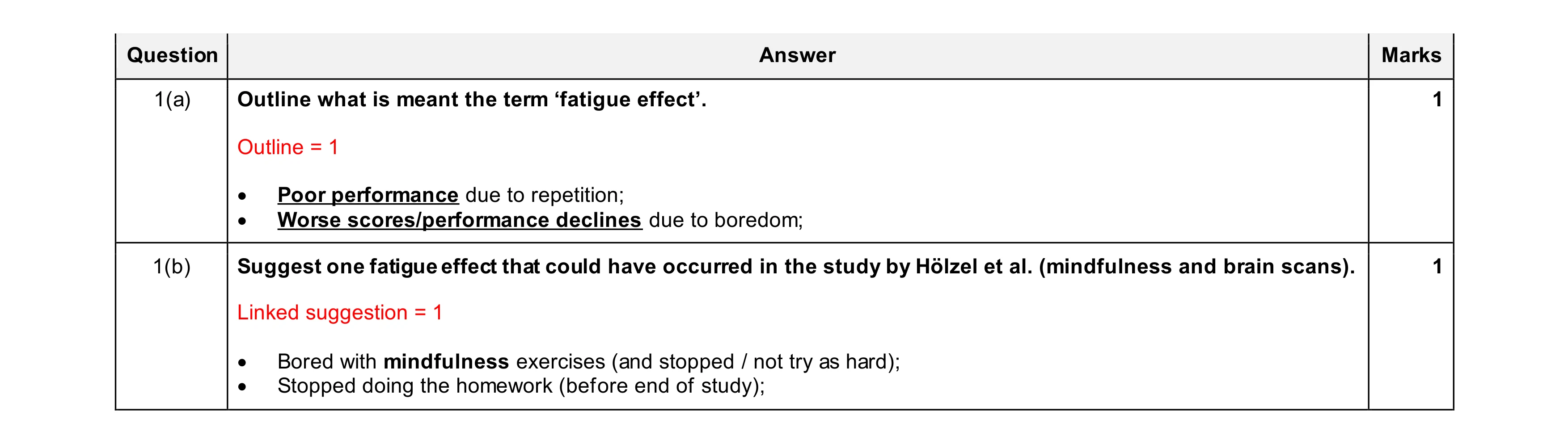 2
2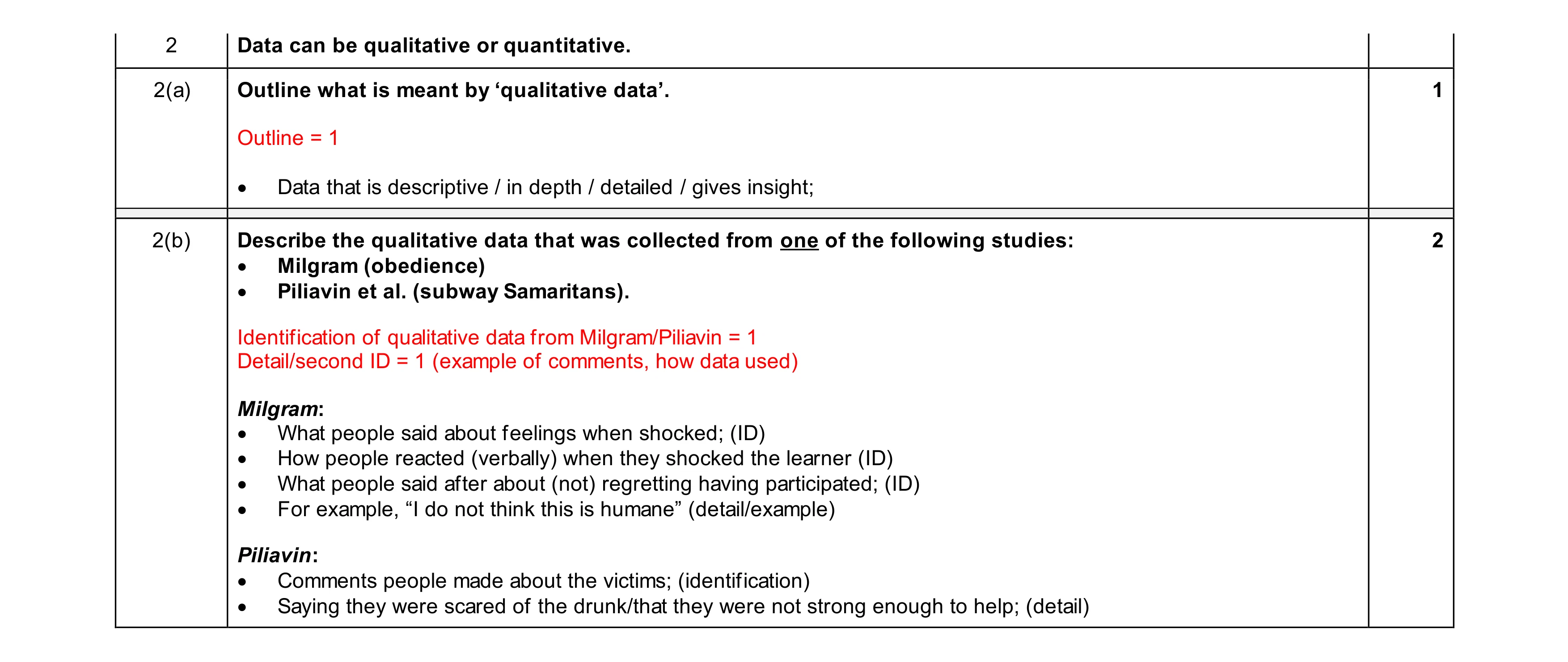 3
3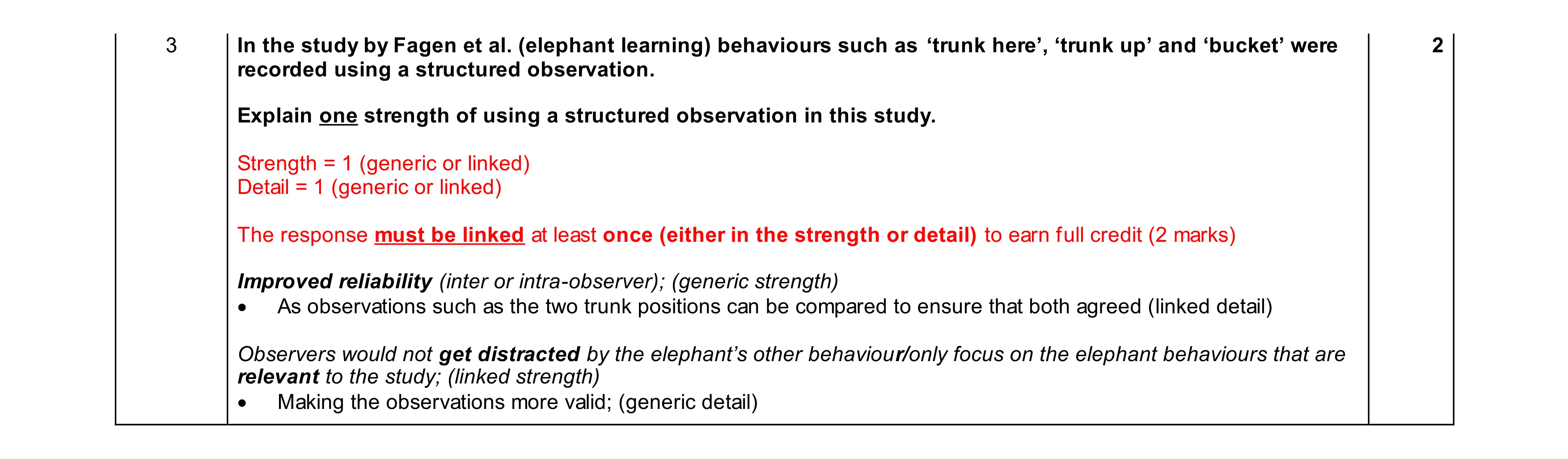 2
2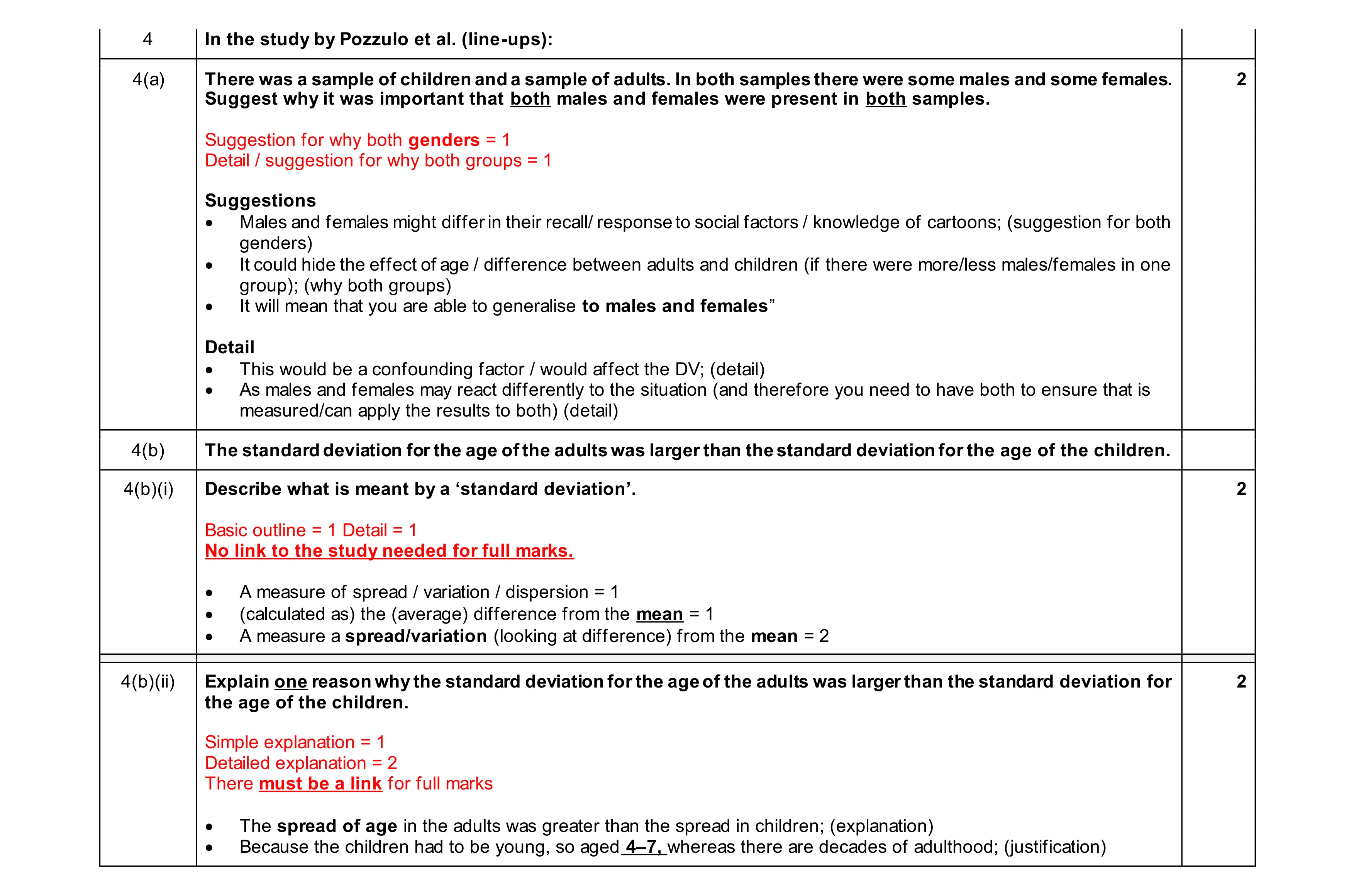 6
6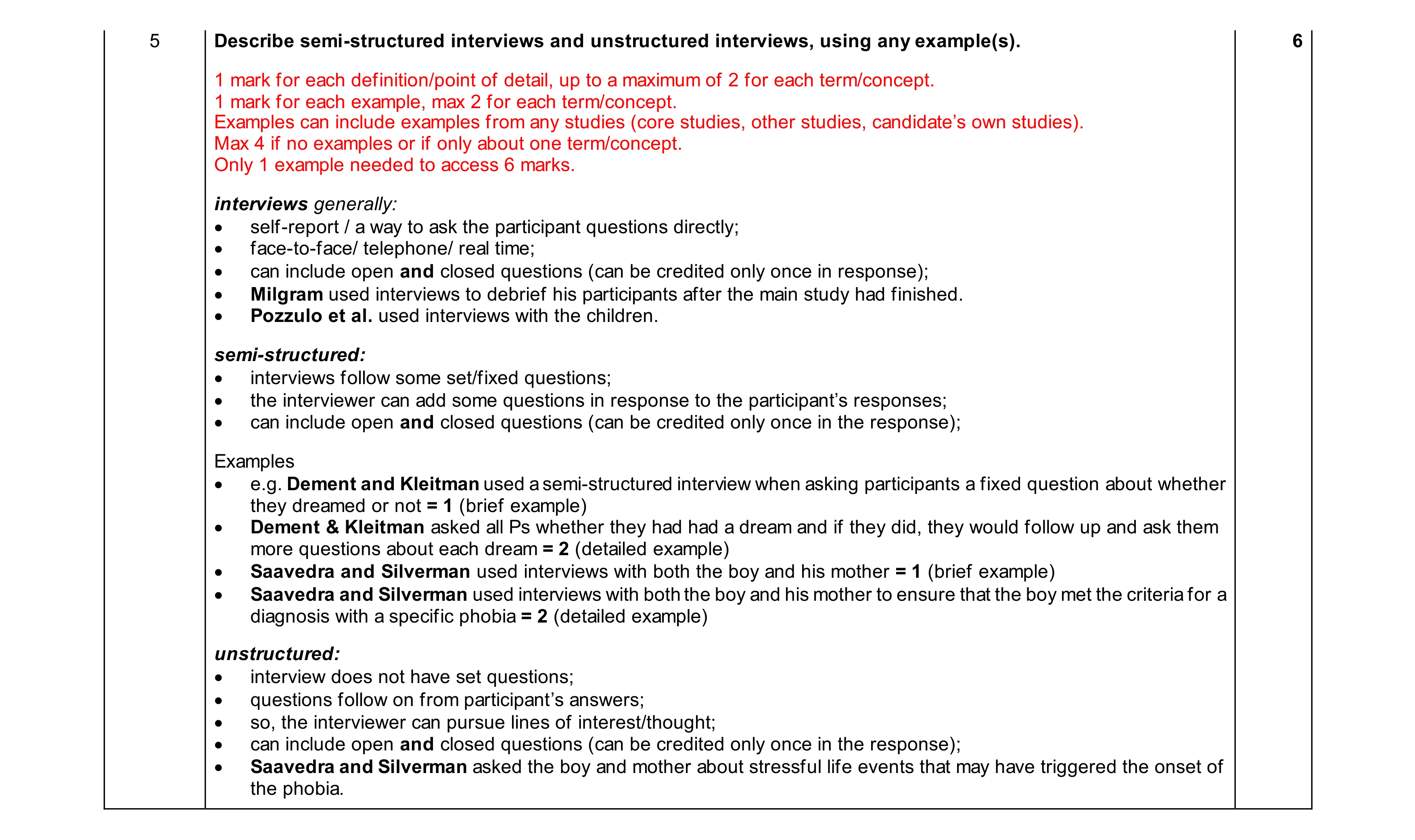 6
6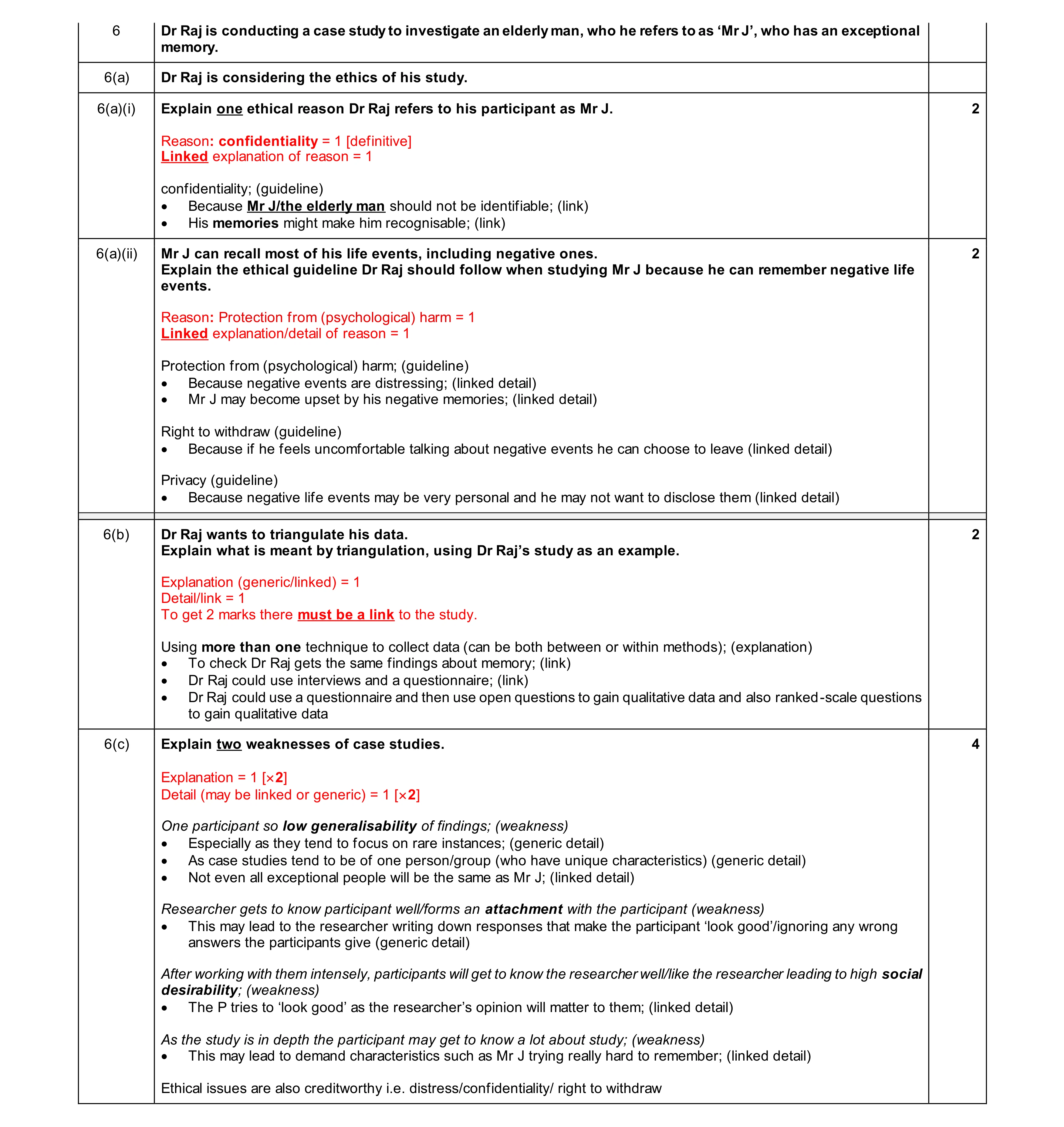 10
10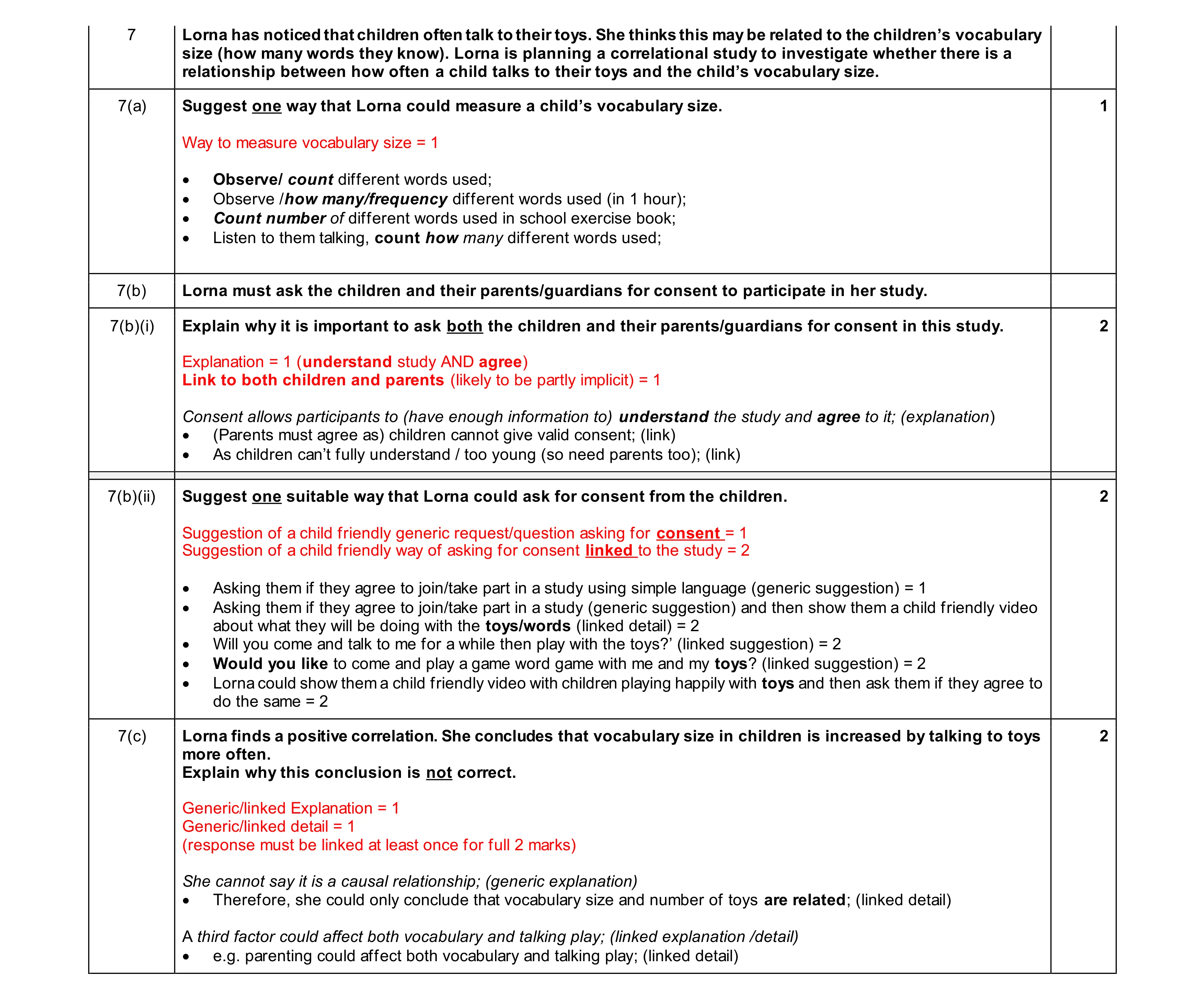 7
7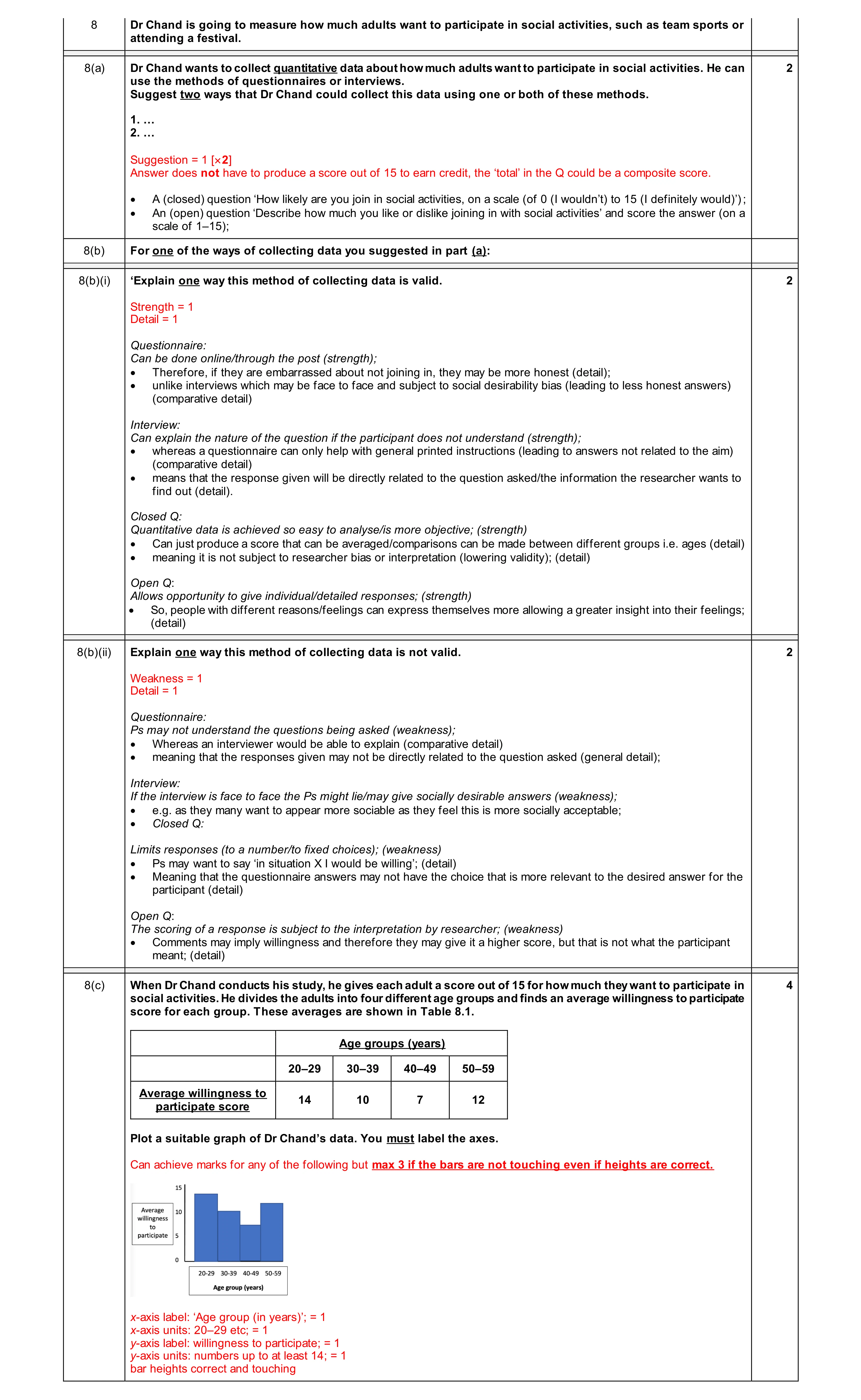 10
10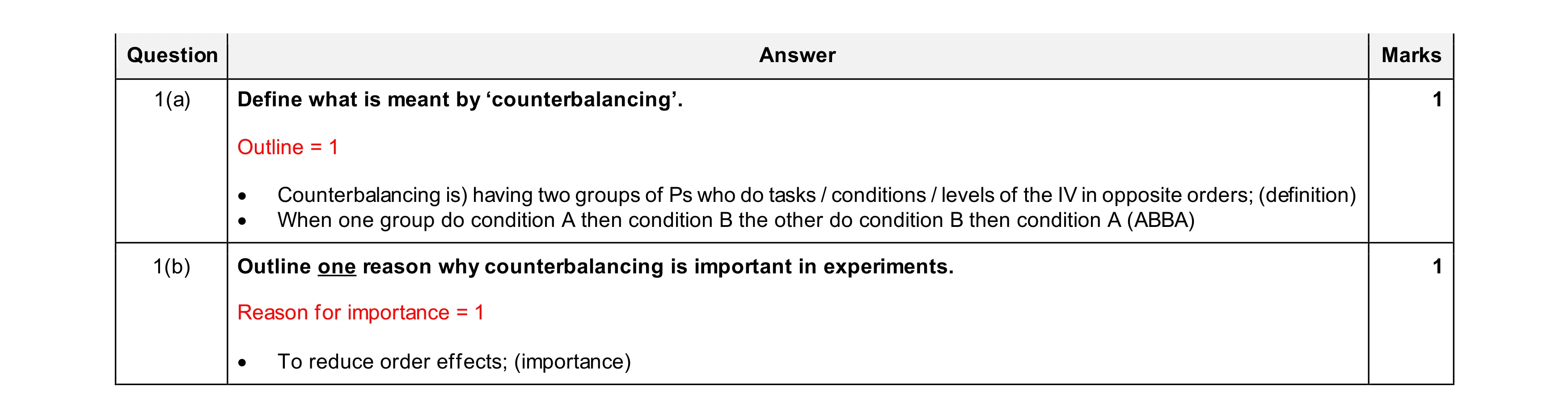 2
2 1
1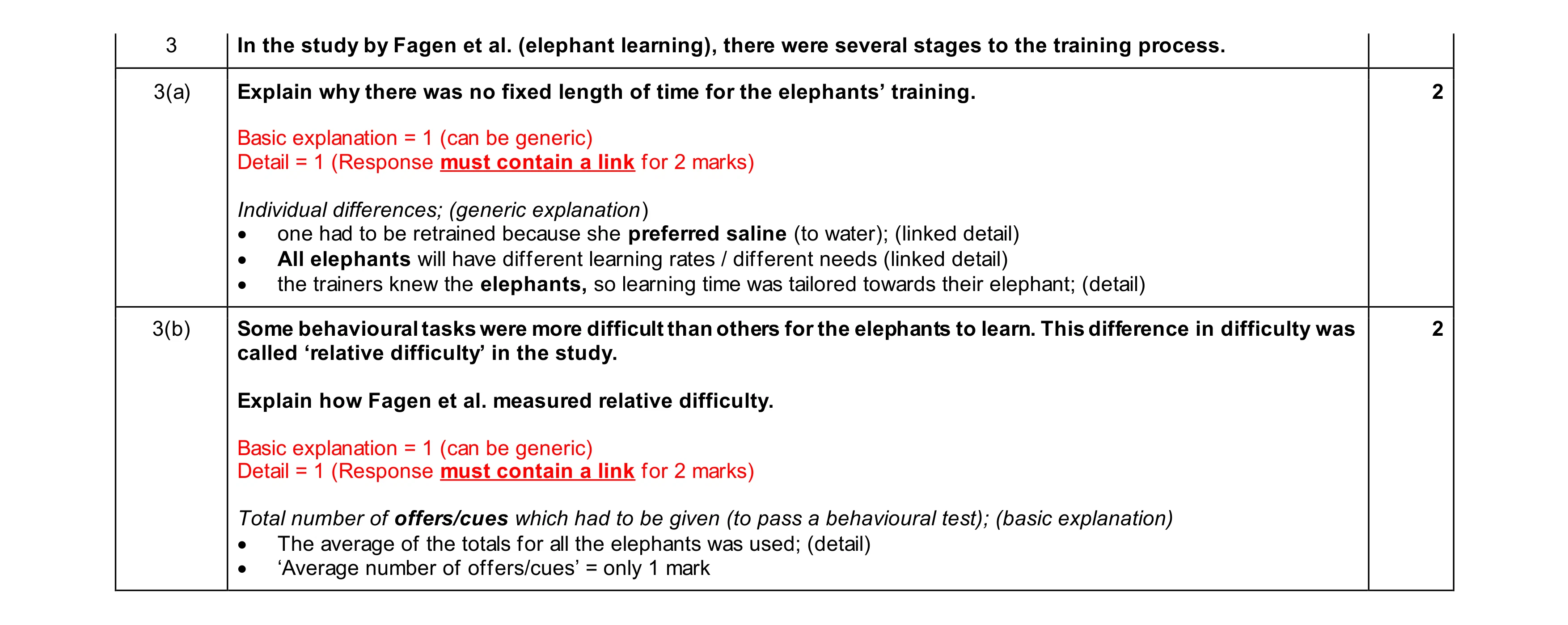 4
4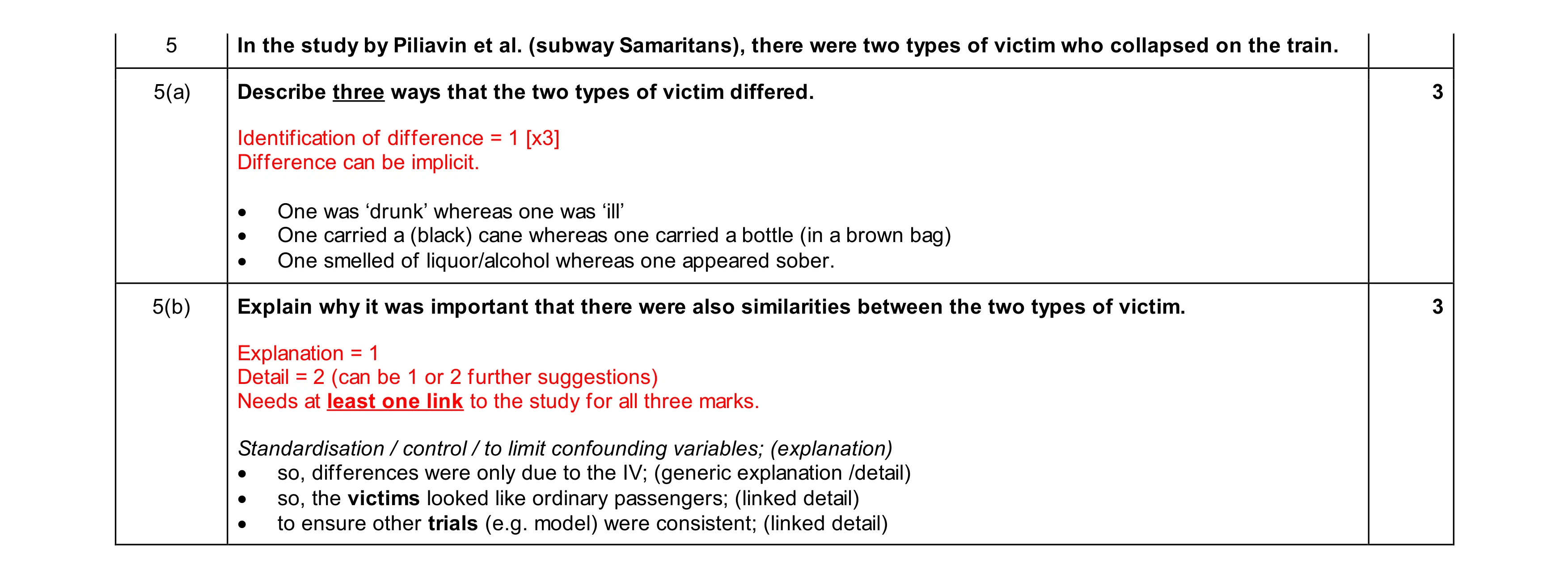 6
6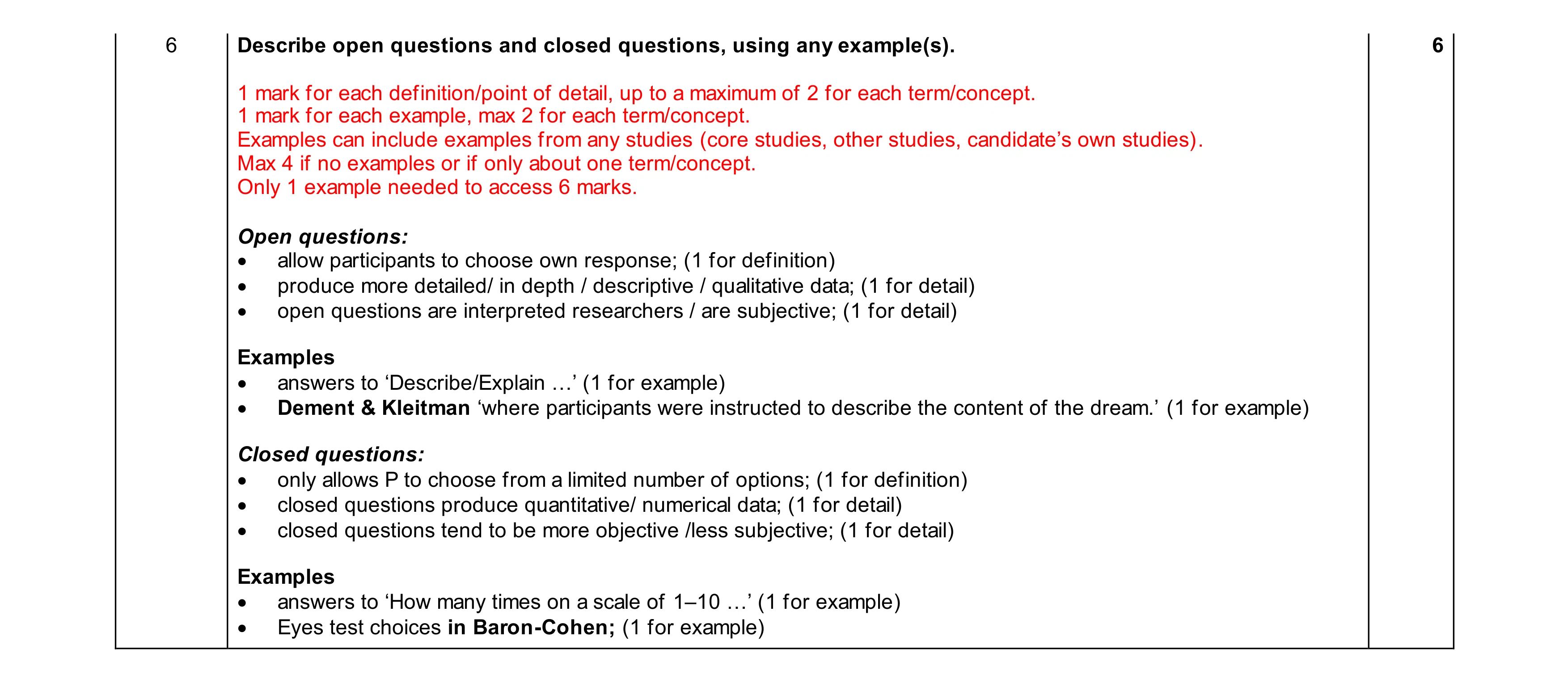 6
6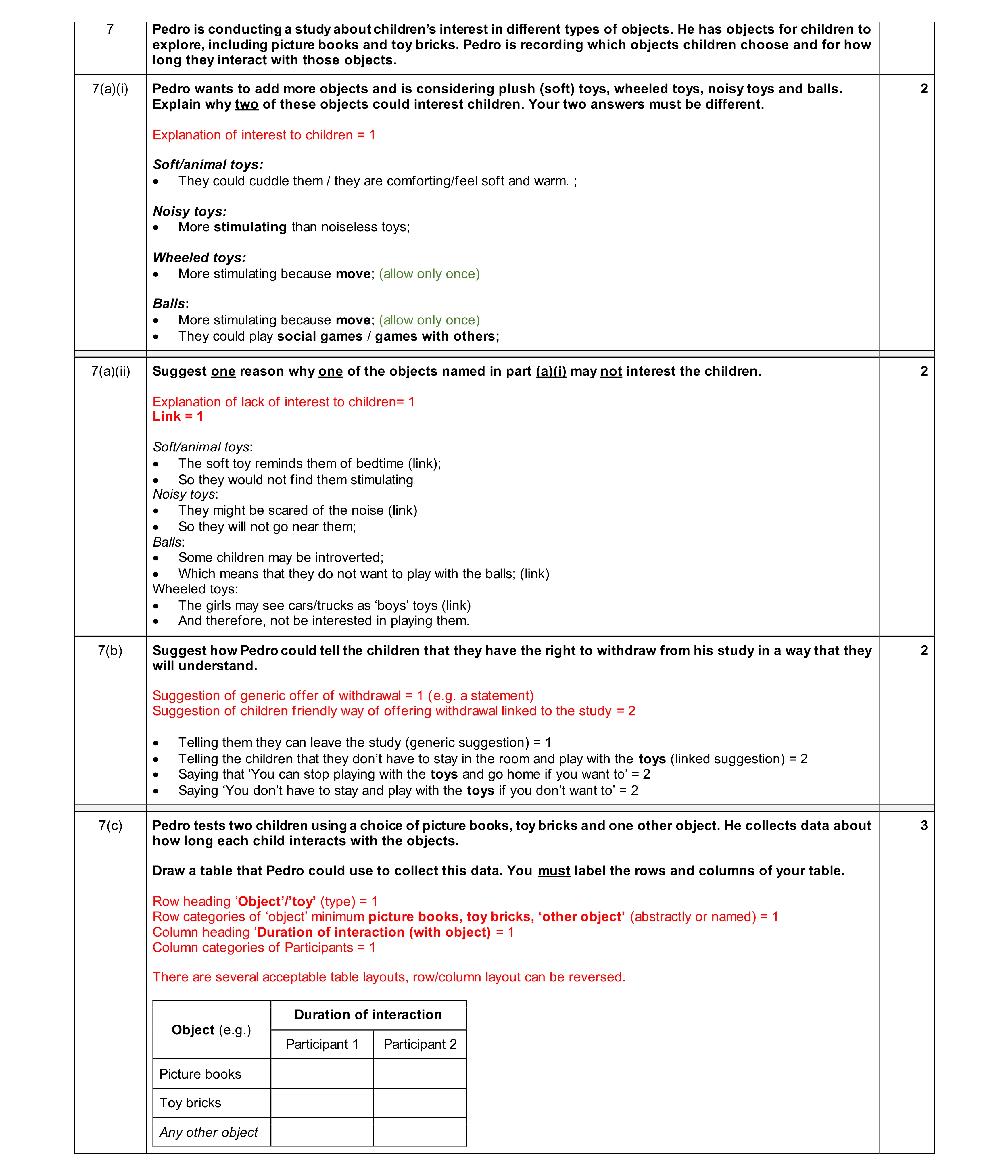 9
9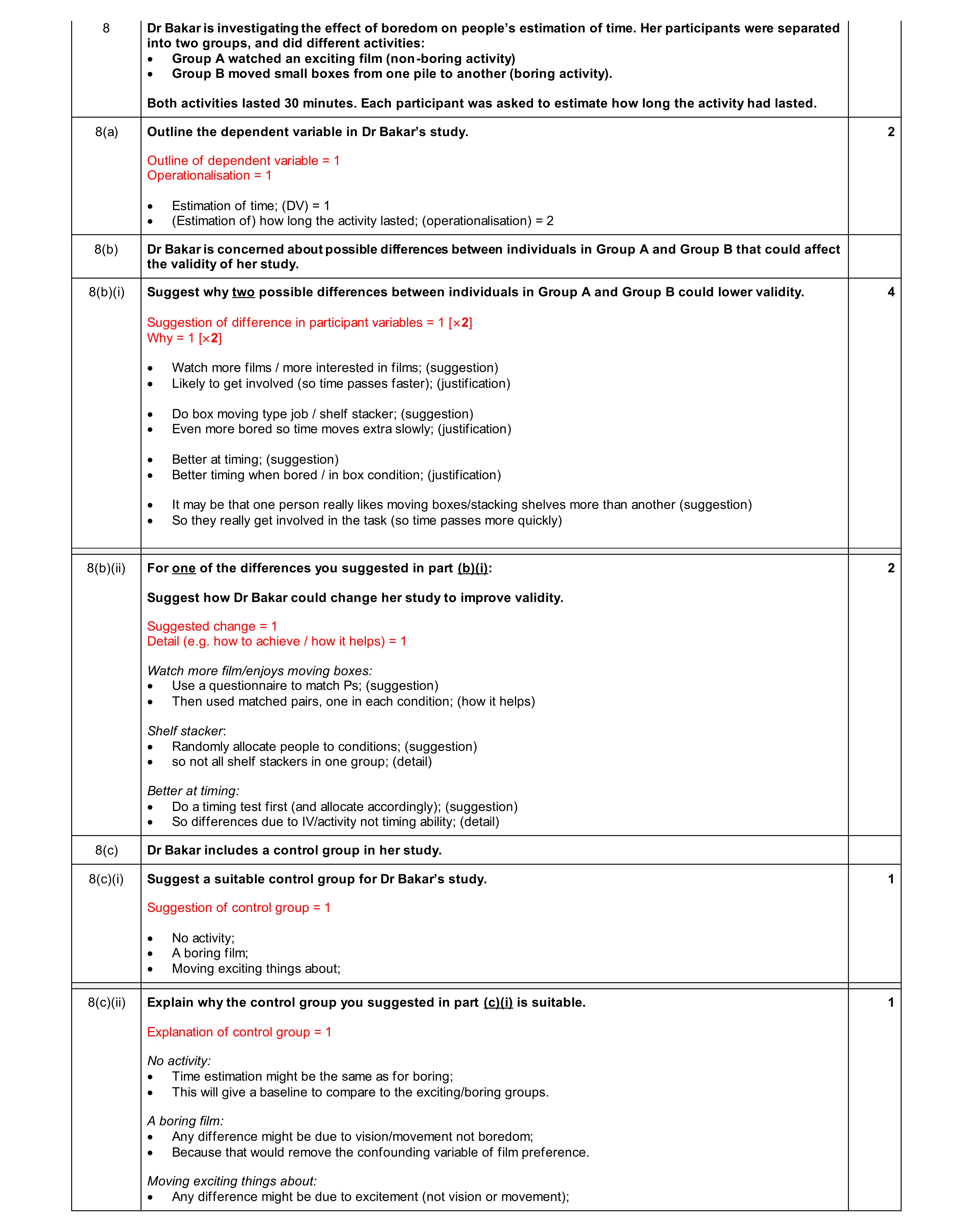 10
10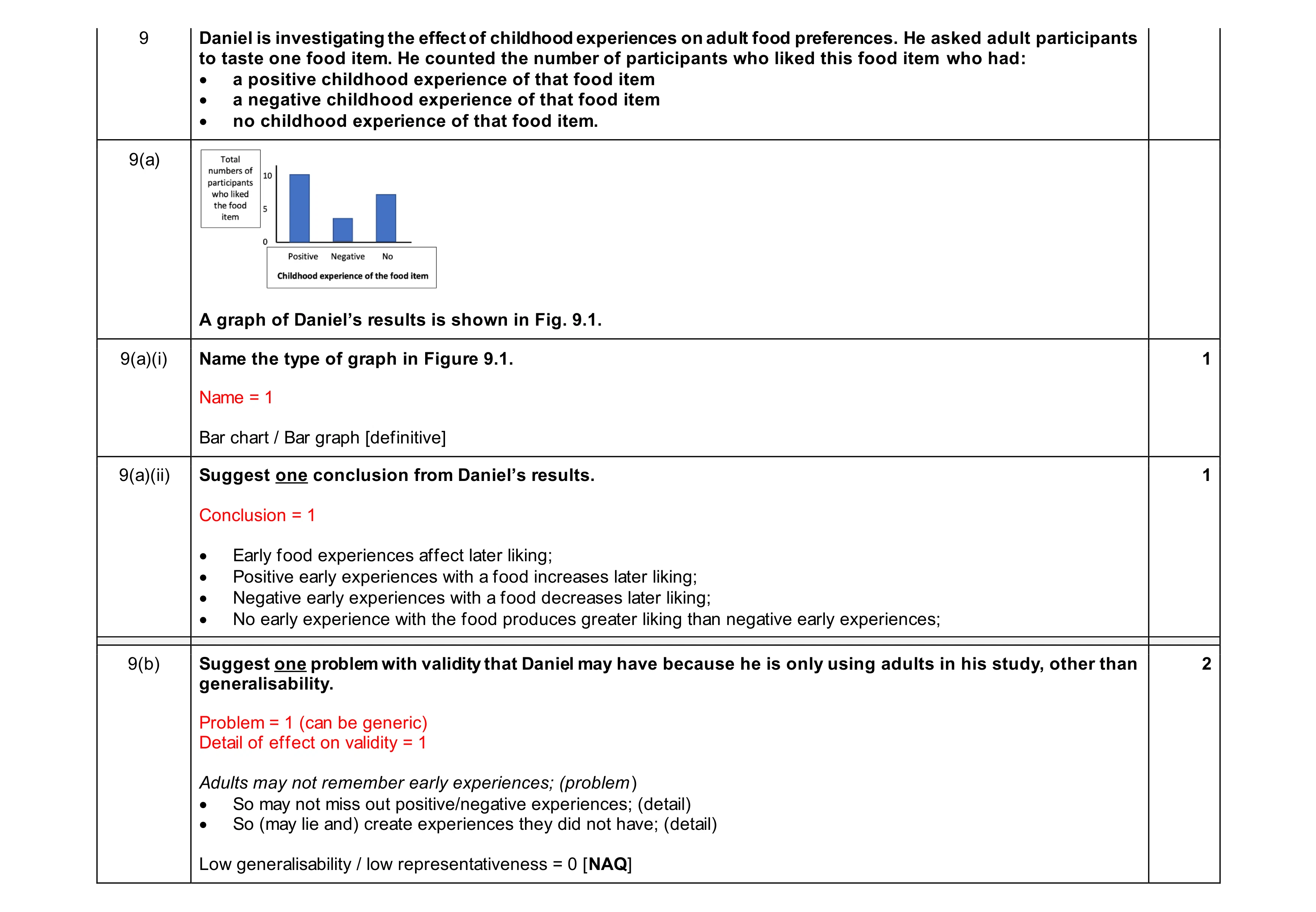 4
4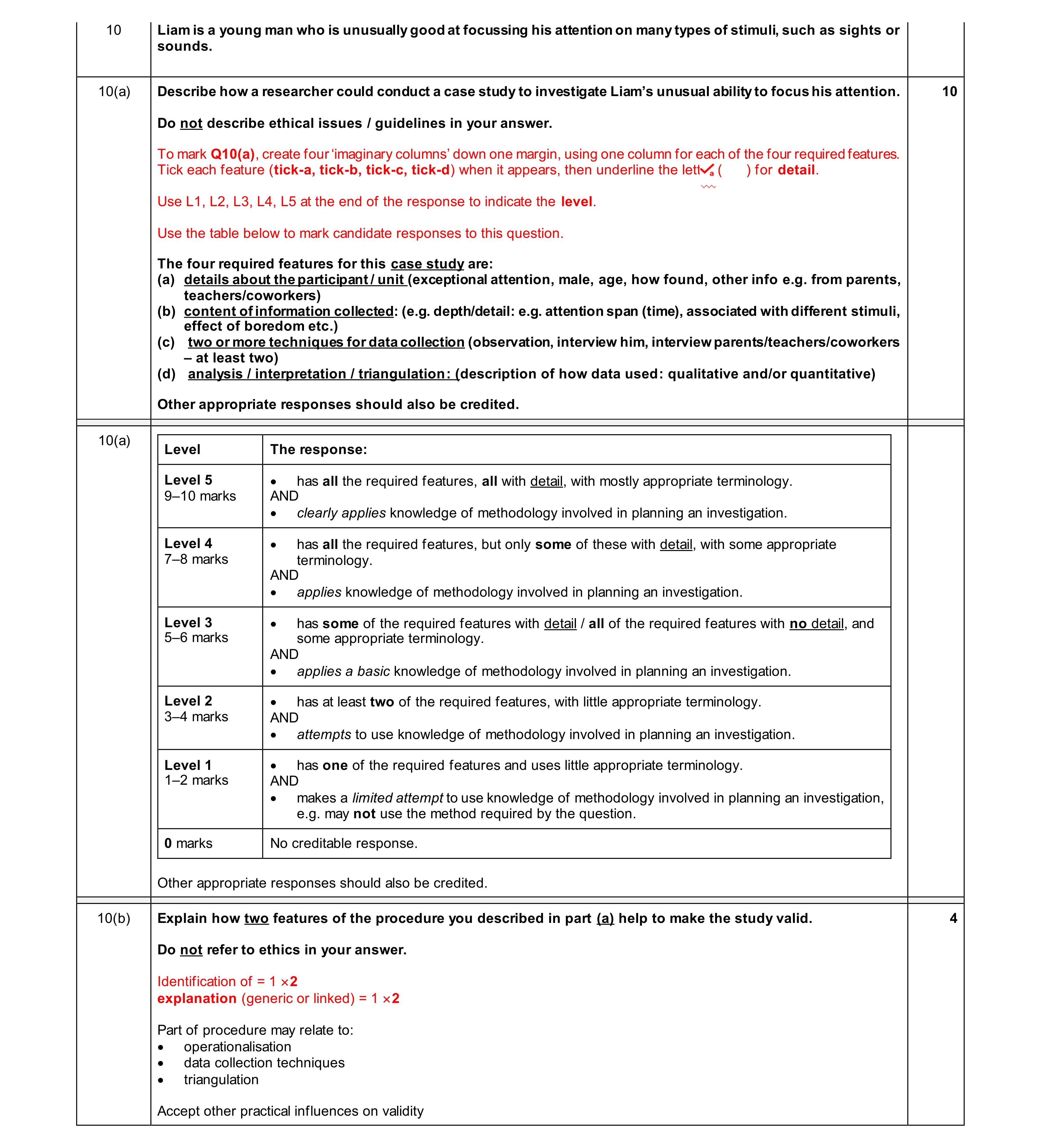 14
14