Questions as text
Q1 · Explain how a biochemical test can be used to measure non-adherence to medical advice 9990/32 May/June 2018
5 (a) Explain how a biochemical test can be used to measure non-adherence to medical advice. [2] (b) Describe two guidelines given by Ley (1988) for improving practitioner style that should improve adherence to medical advice. [4] (c) Explain one strength and one weakness of the guidelines given by Ley (1988). [6]
12 marks
Mark scheme: 5(a) Explain how a biochemical test can be used to measure non-adherence 2 to medical advice. Award 1 mark for a basic explanation of the term/concept. Award 2 marks for a detailed explanation of the term/concept. For example: A biomedical test used to measure non-adherence would be a blood test. Often tablets are taken to reduce a chemical in the body. The blood test would reveal whether this has occurred (e.g. taking insulin to reduce blood sugar levels). Also credit urine and saliva tests. Other appropriate responses should also be credited. 5(b) Describe two guidelines given by Ley (1988) for improving practitioner 4 style that should improve adherence to medical advice. Award 1–2 marks for a basic answer with some understanding of the topic area. Two guidelines as an attempt or one in detail. Award 3–4 marks for a detailed answer with clear understanding of the topic area. Two guidelines in depth for four marks and one in depth and the other as an attempt for three marks. For example: Satisfaction – including listening to the patient and finding out what their worries are, etc. Understanding and memory – avoiding jargon, encouraging feedback to increase recall of instructions, etc. Selecting content – being aware of the effect of what they say to the patient (e.g. will it cause fear, is the patient particularly vulnerable), etc. Use simple language, state the key information first, repeat key points (by summarising). Other appropriate responses should also be credited. 5(c) Explain one strength and one weakness of the guidelines given by Ley 6 (1988). Strengths could include • guidelines are clear and simple to enact, • reduced costs to health services if patients adhere to advice given, improved health of the patients which would also improve practitioners’ job satisfaction • Leads to healthier patients Weaknesses could include • difficult to measure if the guidelines once followed have worked, • there could be other reasons that the patient has for not following the advice that the practitioner cannot control (e.g. forgetfulness), • most practitioners have limited time to see the patient and therefore could not enact these guidelines fully Mark according to the levels of response criteria below: Level 3 (5–6 marks) • Candidates will show a clear understanding of the question and will discuss one strength and one weakness. • Candidates will provide a good explanation with clear detail. Level 2 (3–4 marks) • Candidates will show an understanding of the question and will discuss one appropriate weakness in detail or one appropriate strength in detail. OR one weakness and one strength in less detail. • Candidates will provide a good explanation. Level 1 (1–2 marks) • Candidates will show a basic understanding of the question and will attempt a discussion of either a strength or a weakness. There could also be a discussion of both a strength and a weakness but just as an attempt. • Candidates will provide a limited explanation. Level 0 (0 marks) No response worthy of credit. Other appropriate responses should also be credited.
This question in 9990/32 May/June 2018
Q2 · Explain what is meant by ‘practitioner and patient interpersonal skills’ 9990/32 Oct/Nov 2018
5 (a) Explain what is meant by ‘practitioner and patient interpersonal skills’. [2] (b) Describe the study by Robinson and West (1992) on disclosure of information to a practitioner. [4] (c) Explain one strength and one weakness of the study by Robinson and West (1992). [6]
12 marks
Mark scheme: 5(a) Explain what is meant by ‘practitioner and patient interpersonal skills’. 2 Award 1 mark for a basic explanation of the term/concept. Award 2 marks for a detailed explanation of the term/concept. For example: Abilities that effect the communication between the relationship between the patient and the practitioner. This can include both verbal and non-verbal communication. Other appropriate responses should also be credited. 5(b) Describe the study by Robinson and West (1992) on disclosure of 4 information to a practitioner. Award 1–2 marks for a basic answer with some understanding of the topic area. Award 3–4 marks for a detailed answer with clear understanding of the topic area. 69 patients were interviewed using either a paper questionnaire or a computerised interview and they were randomly allocated to one of the two conditions. Each patient was asked to complete their case history on either the computer or on paper. Following this each patient was assessed by the doctor and had a physical exam. Data was compared to the information given in the doctor’s notes. Both paper and computerised gained more information than the doctor assessment. Computer interview gained more symptoms than the paper questionnaire. Other appropriate responses should also be credited. 5(c) Explain one strength and one weakness of the study by Robinson and 6 West (1992). Likely strengths include – useful, qualitative data collected so in depth, ecologically valid, reliable as standard procedure, fairly good sample size, ethics, etc. Likely weaknesses include – lack of generalisability due to the study just looking at one type of illness, cultural bias as many countries do not have computer systems available, validity/social desirability (participants may not wish to disclose personal information), etc. Mark according to the levels of response criteria below: Level 3 (5–6 marks) • Candidates will show a clear understanding of the question and will discuss one strength and one weakness. • Candidates will provide a good explanation with clear detail. Level 2 (3–4 marks) • Candidates will show an understanding of the question and will discuss one appropriate weakness in detail or one appropriate strength in detail. • Candidates will provide a good explanation. Level 1 (1–2 marks) • Candidates will show a basic understanding of the question and will attempt a discussion of either a strength or a weakness. • Candidates will provide a limited explanation. Level 0 (0 marks) • No response worthy of credit. Other appropriate responses should also be credited.
This question in 9990/32 Oct/Nov 2018
Q3 · Explain what is meant by a ‘Type II error’ in relation to practitioner diagnosis 9990/32 Feb/March 2019
5 (a) Explain what is meant by a ‘Type II error’ in relation to practitioner diagnosis. [2] (b) Describe the procedure used in the study by McKinstry and Wang (1991) on the style of doctors’ clothing. [4] (c) Explain two strengths of the study by McKinstry and Wang (1991). [6]
12 marks
Mark scheme: 5(a) Explain what is meant by a ‘Type II error’ in relation to practitioner 2 diagnosis. Award 1 mark for a basic explanation of the term/concept. Award 2 marks for a detailed explanation of the term/concept. For example: A Type II error is when a practitioner declares that a patient is well when they are ill.(2) Only one mark to be awarded for ‘false negative’. Examples can achieve up to one mark on their own. Other appropriate responses should also be credited. 5(b) Describe the procedure used in the study by McKinstry and Wang 4 (1991) on the style of doctors’ clothing. Award 1–2 marks for a basic answer with some understanding of the topic area. Award 3–4 marks for a detailed answer with clear understanding of the topic area. For example: Patients asked to look at 8 photographs(1) – a man in five different styles and a woman in three different styles. White shirt over formal suite, formal suit white shirt and tie, denim jeans open neck and short sleeved shirt, etc. Woman – white coat over skirt and jumper, pink trousers jumper and gold earrings, etc.(2 marks maximum for examples of photographs) Asked ‘Which doctor would you be happiest about seeing the first time?’ Rated on 0-5 scale. (1) Also asked about confidence of ability of the doctor in pictures(1), whether they would be unhappy about consulting any of them(1) and which one looked most like their own doctor.(1) Finally, closed questions about doctors’ dress in general and attitudes about specific items of clothing.(1) Other appropriate responses should also be credited. 5(c) Explain two strengths of the study by McKinstry and Wang (1991). 6 Strengths could include: Large sample size considered over 30 doctors and 5 practices Good control as same doctor (and posed) used for male and female in both cases Ease of scoring items Variety of measures (reliability/validity) High proportion of patients interviewed (70%). Mark according to the levels of response criteria below: Level 3 (5–6 marks) • Candidates will show a clear understanding of the question and will discuss two strengths. • Candidates will provide a good explanation with clear detail. Level 2 (3–4 marks) • Candidates will show an understanding of the question and will discuss one appropriate strength in detail. OR will discuss both two strengths in less detail. • Candidates will provide a good explanation. Level 1 (1–2 marks) • Candidates will show a basic understanding of the question and will attempt a discussion of one or two strengths. • Candidates will provide a limited explanation. Level 0 (0 marks) No response worthy of credit. Other appropriate responses should also be credited
This question in 9990/32 Feb/March 2019
Q4 · Explain what is meant by ‘self-reports’ as a subjective measure of non-adherence to… 9990/31 Oct/Nov 2019
5 (a) Explain what is meant by ‘self-reports’ as a subjective measure of non-adherence to medical advice. [2] (b) From the health belief model by Becker and Rosenstock (1974): (i) State two beliefs of this model. [2] (ii) Explain how one of these beliefs applies to non-adherence to medical advice. [2] (c) Explain one strength and one weakness of the health belief model, as applied to non-adherence to medical advice. [6]
12 marks
Mark scheme: 5(a) Explain what is meant by 'self-reports' as a subjective measure of non- 2 adherence to medical advice. Award 1 mark for a basic explanation of the term/concept. Award 2 marks for a detailed explanation of the term/concept. For example: Asking the patient if they are following the medical advice (1) given to them by their practitioner (1). Asking the medical practitioner if the patient (1) is following the medical advice they have given to them (1). Other appropriate responses should also be credited. 5(b) From the health belief model by Becker and Rosenstock (1974): 5(b)(i) State two beliefs of this model. 2 Award one mark for each correct point, e.g. perceived vulnerability (1), costs and benefits (1), and perceived susceptibility (1). Other appropriate responses should also be credited. 5(b)(ii) Explain how one of these beliefs applies to non-adherence to medical 2 advice. Award 1 mark for a basic answer with some understanding of the topic area e.g. not clearly linking the model to an explanation of why patients don’t adhere to medical advice. Award 2 marks for a detailed answer with clear understanding of the topic area e.g. clear links to why patients don’t adhere to medical advice. For example: 2 mark responses Patients will weigh up cost and benefits of following medical advice. If the costs outweigh the benefits the patient is likely to not follow the medical advice. The patients might perceive that they are not vulnerable to getting that particular health problem and would therefore not follow medical advice to reduce their risk of developing the problem. For example, if they do not think they are vulnerable to heart problems the patient may choose to continue to eat in an unhealthy way and take no exercise. Other aspects of the model can be referred to. Credit can be given to examples. Other appropriate responses should also be credited. 5(c) Explain one strength and one weakness of the health belief model, as 6 applied to non-adherence to medical advice. Strengths • Does take into account individual differences as perceived costs and benefits will be different for every patient. • Could be used to suggest that practitioners emphasise both cost and benefits with their patients to try to get them to follow their advice more closely so has good applications. • Holistic model – provides a comprehensive model of reasons for adherence and non-adherence. Takes into account factors such as the individual’s perceptions and modifying factors to predict the likelihood of action. • Practical application for the patient. The patient could be made aware of the health belief model and apply this to their decisions about medical advice. Weaknesses • Theoretical model without evidence from non-adherence to medical advice to back it up. • Could be seen as culturally biased as it assumes a traditional practitioner– patient relationship and ignores alternative health practitioners and cultural variations that might affect adherence. Mark according to the levels of response criteria below: Level 3 (5–6 marks) • Candidates will show a clear understanding of the question and will discuss one strength and one weakness. • Candidates will provide a good explanation with clear detail. Level 2 (3–4 marks) • Candidates will show an understanding of the question and will discuss one appropriate weakness in detail or one appropriate strength in detail. OR one weakness and one strength in less detail. • Candidates will provide a good explanation. Level 1 (1–2 marks) • Candidates will show a basic understanding of the question and will attempt a discussion of either a strength or a weakness. There could also be a discussion of both a strength and a weakness but just as an attempt. • Candidates will provide a limited explanation. Level 0 (0 marks) No response worthy of credit. Other appropriate responses should also be credited.
This question in 9990/31 Oct/Nov 2019
Q5 · Describe what psychologists have discovered about patient and practitioner diagnosis and… 9990/31 Oct/Nov 2019
6 (a) Describe what psychologists have discovered about patient and practitioner diagnosis and style. [8] (b) Evaluate what psychologists have discovered about patient and practitioner diagnosis and style, including a discussion about validity. [10] Psychology and organisations Answer all questions.
18 marks
Mark scheme: 6(a) Describe what psychologists have discovered about patient and 8 practitioner diagnosis and style. Patient practitioner diagnosis and style, including the following – • Practitioner style: doctor and patient-centred (Byrne and Long, 1976, Savage and Armstrong, 1990). • Practitioner diagnosis: type I and type II errors. • Disclosure of information (Robinson and West, 1992). Doctor and patient-centred (Byrne and Long, 1976, Savage and Armstrong, 1990) Byrne and Long analysed 2500 recordings of medical consultations in a variety of countries, including England and Australia. They discovered the two distinctive practitioner styles. Features of the doctor-centred style: • Doctor asked closed questions (patient could only answer ‘yes’ or ‘no’). • Doctor ignored patients’ attempts to elaborate on their answers. • Doctor placed most focus on the first problem described by the patient. • Doctor made links between symptoms and their diagnosis without discussion or alternatives. • Everything was based on ‘fact’ rather than two-way communication. • Impersonal atmosphere. • Patient was overall passive during the consultation. Features of the patient-centred style: • Doctor asked open-ended questions. • Patient was given chances to give descriptions and elaborate on answers. • Doctor used less medical jargon; patient could understand diagnosis and treatment options. • Patient had the chance to participate in decision-making. • Personal atmosphere. • Patient was very active during the consultation. Savage and Armstrong (1990) Savage and Armstrong compared a patient-centred style (sharing consultative process) with the doctor-centred style (traditional doctor-led process). All the patients involved in the study reported that they were highly satisfied with the consultation. However, straight after the consultation and one week later, it was found that they preferred the doctor-led style. It is possible that this is due to people being more familiar with the traditional method; adjusting to a newer consultation style could take time for patients and their doctors. Practitioner diagnosis: type I and type II errors Type I error – well patient diagnosed as ill. Type II error – ill patient diagnosed as well. The Type I and II errors are also known as the ‘false positive’ and ‘false negative’, respectively. [Note that Rosenhan reversed these definitions.] 6(a) Disclosure of information (Robinson and West, 1992) Robinson and West conducted a study on patients at a genito-urinary clinic. They discovered that the patients gave more information to a computer than to the doctor they met afterwards. For example, they admitted to having more sexual partners and revealed more symptoms. This suggests that computers can be used to help patients communicate more comfortably and openly. Mark according to the levels of response descriptors in Table A. Other appropriate responses should also be credited. 6(b) Evaluate what psychologists have discovered about patient and 10 practitioner diagnosis and style, including a discussion about validity. • Named issue – Validity (probably around the data collection method used) e.g. self-report methods used in all three of the studies and collected primary data from the participants. It could be subjective, and also open to bias. Type I and type II error rely on the self-report of the patients which can be inaccurate. The doctor can also misinterpret the description of symptoms given by the patient. Patients may not be honest, show demand characteristics, etc. • Determinism. • Reliability of data collection methods. • Strengths and weaknesses of method and/or design. • Sampling and generalisations. • Situational/individual explanations. • Ethics. Mark according to the levels of response descriptors in Table B. Other appropriate responses should also be credited. Psychology and organisations
This question in 9990/31 Oct/Nov 2019
Q6 · Explain what is meant by ‘self-reports’ as a subjective measure of non-adherence to… 9990/32 Oct/Nov 2019
5 (a) Explain what is meant by ‘self-reports’ as a subjective measure of non-adherence to medical advice. [2] (b) From the health belief model by Becker and Rosenstock (1974): (i) State two beliefs of this model. [2] (ii) Explain how one of these beliefs applies to non-adherence to medical advice. [2] (c) Explain one strength and one weakness of the health belief model, as applied to non-adherence to medical advice. [6]
12 marks
Mark scheme: 5(a) Explain what is meant by 'self-reports' as a subjective measure of non- 2 adherence to medical advice. Award 1 mark for a basic explanation of the term/concept. Award 2 marks for a detailed explanation of the term/concept. For example: Asking the patient if they are following the medical advice (1) given to them by their practitioner (1). Asking the medical practitioner if the patient (1) is following the medical advice they have given to them (1). Other appropriate responses should also be credited. 5(b) From the health belief model by Becker and Rosenstock (1974): 5(b)(i) State two beliefs of this model. 2 Award one mark for each correct point, e.g. perceived vulnerability (1), costs and benefits (1), and perceived susceptibility (1). Other appropriate responses should also be credited. 5(b)(ii) Explain how one of these beliefs applies to non-adherence to medical 2 advice. Award 1 mark for a basic answer with some understanding of the topic area e.g. not clearly linking the model to an explanation of why patients don’t adhere to medical advice. Award 2 marks for a detailed answer with clear understanding of the topic area e.g. clear links to why patients don’t adhere to medical advice. For example: 2 mark responses Patients will weigh up cost and benefits of following medical advice. If the costs outweigh the benefits the patient is likely to not follow the medical advice. The patients might perceive that they are not vulnerable to getting that particular health problem and would therefore not follow medical advice to reduce their risk of developing the problem. For example, if they do not think they are vulnerable to heart problems the patient may choose to continue to eat in an unhealthy way and take no exercise. Other aspects of the model can be referred to. Credit can be given to examples. Other appropriate responses should also be credited. 5(c) Explain one strength and one weakness of the health belief model, as 6 applied to non-adherence to medical advice. Strengths • Does take into account individual differences as perceived costs and benefits will be different for every patient. • Could be used to suggest that practitioners emphasise both cost and benefits with their patients to try to get them to follow their advice more closely so has good applications. • Holistic model – provides a comprehensive model of reasons for adherence and non-adherence. Takes into account factors such as the individual’s perceptions and modifying factors to predict the likelihood of action. • Practical application for the patient. The patient could be made aware of the health belief model and apply this to their decisions about medical advice. Weaknesses • Theoretical model without evidence from non-adherence to medical advice to back it up. • Could be seen as culturally biased as it assumes a traditional practitioner– patient relationship and ignores alternative health practitioners and cultural variations that might affect adherence. Mark according to the levels of response criteria below: Level 3 (5–6 marks) • Candidates will show a clear understanding of the question and will discuss one strength and one weakness. • Candidates will provide a good explanation with clear detail. Level 2 (3–4 marks) • Candidates will show an understanding of the question and will discuss one appropriate weakness in detail or one appropriate strength in detail. OR one weakness and one strength in less detail. • Candidates will provide a good explanation. Level 1 (1–2 marks) • Candidates will show a basic understanding of the question and will attempt a discussion of either a strength or a weakness. There could also be a discussion of both a strength and a weakness but just as an attempt. • Candidates will provide a limited explanation. Level 0 (0 marks) No response worthy of credit. Other appropriate responses should also be credited.
This question in 9990/32 Oct/Nov 2019
Q7 · Describe what psychologists have discovered about patient and practitioner diagnosis and… 9990/32 Oct/Nov 2019
6 (a) Describe what psychologists have discovered about patient and practitioner diagnosis and style. [8] (b) Evaluate what psychologists have discovered about patient and practitioner diagnosis and style, including a discussion about validity. [10] Psychology and organisations Answer all questions.
18 marks
Mark scheme: 6(a) Describe what psychologists have discovered about patient and 8 practitioner diagnosis and style. Patient practitioner diagnosis and style, including the following – • Practitioner style: doctor and patient-centred (Byrne and Long, 1976, Savage and Armstrong, 1990). • Practitioner diagnosis: type I and type II errors. • Disclosure of information (Robinson and West, 1992). Doctor and patient-centred (Byrne and Long, 1976, Savage and Armstrong, 1990) Byrne and Long analysed 2500 recordings of medical consultations in a variety of countries, including England and Australia. They discovered the two distinctive practitioner styles. Features of the doctor-centred style: • Doctor asked closed questions (patient could only answer ‘yes’ or ‘no’). • Doctor ignored patients’ attempts to elaborate on their answers. • Doctor placed most focus on the first problem described by the patient. • Doctor made links between symptoms and their diagnosis without discussion or alternatives. • Everything was based on ‘fact’ rather than two-way communication. • Impersonal atmosphere. • Patient was overall passive during the consultation. Features of the patient-centred style: • Doctor asked open-ended questions. • Patient was given chances to give descriptions and elaborate on answers. • Doctor used less medical jargon; patient could understand diagnosis and treatment options. • Patient had the chance to participate in decision-making. • Personal atmosphere. • Patient was very active during the consultation. Savage and Armstrong (1990) Savage and Armstrong compared a patient-centred style (sharing consultative process) with the doctor-centred style (traditional doctor-led process). All the patients involved in the study reported that they were highly satisfied with the consultation. However, straight after the consultation and one week later, it was found that they preferred the doctor-led style. It is possible that this is due to people being more familiar with the traditional method; adjusting to a newer consultation style could take time for patients and their doctors. Practitioner diagnosis: type I and type II errors Type I error – well patient diagnosed as ill. Type II error – ill patient diagnosed as well. The Type I and II errors are also known as the ‘false positive’ and ‘false negative’, respectively. [Note that Rosenhan reversed these definitions.] 6(a) Disclosure of information (Robinson and West, 1992) Robinson and West conducted a study on patients at a genito-urinary clinic. They discovered that the patients gave more information to a computer than to the doctor they met afterwards. For example, they admitted to having more sexual partners and revealed more symptoms. This suggests that computers can be used to help patients communicate more comfortably and openly. Mark according to the levels of response descriptors in Table A. Other appropriate responses should also be credited. 6(b) Evaluate what psychologists have discovered about patient and 10 practitioner diagnosis and style, including a discussion about validity. • Named issue – Validity (probably around the data collection method used) e.g. self-report methods used in all three of the studies and collected primary data from the participants. It could be subjective, and also open to bias. Type I and type II error rely on the self-report of the patients which can be inaccurate. The doctor can also misinterpret the description of symptoms given by the patient. Patients may not be honest, show demand characteristics, etc. • Determinism. • Reliability of data collection methods. • Strengths and weaknesses of method and/or design. • Sampling and generalisations. • Situational/individual explanations. • Ethics. Mark according to the levels of response descriptors in Table B. Other appropriate responses should also be credited. Psychology and organisations
This question in 9990/32 Oct/Nov 2019
Q8 · Explain what is meant by ‘self-reports’ as a subjective measure of non-adherence to… 9990/33 Oct/Nov 2019
5 (a) Explain what is meant by ‘self-reports’ as a subjective measure of non-adherence to medical advice. [2] (b) From the health belief model by Becker and Rosenstock (1974): (i) State two beliefs of this model. [2] (ii) Explain how one of these beliefs applies to non-adherence to medical advice. [2] (c) Explain one strength and one weakness of the health belief model, as applied to non-adherence to medical advice. [6]
12 marks
Mark scheme: 5(a) Explain what is meant by 'self-reports' as a subjective measure of non- 2 adherence to medical advice. Award 1 mark for a basic explanation of the term/concept. Award 2 marks for a detailed explanation of the term/concept. For example: Asking the patient if they are following the medical advice (1) given to them by their practitioner (1). Asking the medical practitioner if the patient (1) is following the medical advice they have given to them (1). Other appropriate responses should also be credited. 5(b) From the health belief model by Becker and Rosenstock (1974): 5(b)(i) State two beliefs of this model. 2 Award one mark for each correct point, e.g. perceived vulnerability (1), costs and benefits (1), and perceived susceptibility (1). Other appropriate responses should also be credited. 5(b)(ii) Explain how one of these beliefs applies to non-adherence to medical 2 advice. Award 1 mark for a basic answer with some understanding of the topic area e.g. not clearly linking the model to an explanation of why patients don’t adhere to medical advice. Award 2 marks for a detailed answer with clear understanding of the topic area e.g. clear links to why patients don’t adhere to medical advice. For example: 2 mark responses Patients will weigh up cost and benefits of following medical advice. If the costs outweigh the benefits the patient is likely to not follow the medical advice. The patients might perceive that they are not vulnerable to getting that particular health problem and would therefore not follow medical advice to reduce their risk of developing the problem. For example, if they do not think they are vulnerable to heart problems the patient may choose to continue to eat in an unhealthy way and take no exercise. Other aspects of the model can be referred to. Credit can be given to examples. Other appropriate responses should also be credited. 5(c) Explain one strength and one weakness of the health belief model, as 6 applied to non-adherence to medical advice. Strengths • Does take into account individual differences as perceived costs and benefits will be different for every patient. • Could be used to suggest that practitioners emphasise both cost and benefits with their patients to try to get them to follow their advice more closely so has good applications. • Holistic model – provides a comprehensive model of reasons for adherence and non-adherence. Takes into account factors such as the individual’s perceptions and modifying factors to predict the likelihood of action. • Practical application for the patient. The patient could be made aware of the health belief model and apply this to their decisions about medical advice. Weaknesses • Theoretical model without evidence from non-adherence to medical advice to back it up. • Could be seen as culturally biased as it assumes a traditional practitioner– patient relationship and ignores alternative health practitioners and cultural variations that might affect adherence. Mark according to the levels of response criteria below: Level 3 (5–6 marks) • Candidates will show a clear understanding of the question and will discuss one strength and one weakness. • Candidates will provide a good explanation with clear detail. Level 2 (3–4 marks) • Candidates will show an understanding of the question and will discuss one appropriate weakness in detail or one appropriate strength in detail. OR one weakness and one strength in less detail. • Candidates will provide a good explanation. Level 1 (1–2 marks) • Candidates will show a basic understanding of the question and will attempt a discussion of either a strength or a weakness. There could also be a discussion of both a strength and a weakness but just as an attempt. • Candidates will provide a limited explanation. Level 0 (0 marks) No response worthy of credit. Other appropriate responses should also be credited.
This question in 9990/33 Oct/Nov 2019
Q9 · Describe what psychologists have discovered about patient and practitioner diagnosis and… 9990/33 Oct/Nov 2019
6 (a) Describe what psychologists have discovered about patient and practitioner diagnosis and style. [8] (b) Evaluate what psychologists have discovered about patient and practitioner diagnosis and style, including a discussion about validity. [10] Psychology and organisations Answer all questions.
18 marks
Mark scheme: 6(a) Describe what psychologists have discovered about patient and 8 practitioner diagnosis and style. Patient practitioner diagnosis and style, including the following – • Practitioner style: doctor and patient-centred (Byrne and Long, 1976, Savage and Armstrong, 1990). • Practitioner diagnosis: type I and type II errors. • Disclosure of information (Robinson and West, 1992). Doctor and patient-centred (Byrne and Long, 1976, Savage and Armstrong, 1990) Byrne and Long analysed 2500 recordings of medical consultations in a variety of countries, including England and Australia. They discovered the two distinctive practitioner styles. Features of the doctor-centred style: • Doctor asked closed questions (patient could only answer ‘yes’ or ‘no’). • Doctor ignored patients’ attempts to elaborate on their answers. • Doctor placed most focus on the first problem described by the patient. • Doctor made links between symptoms and their diagnosis without discussion or alternatives. • Everything was based on ‘fact’ rather than two-way communication. • Impersonal atmosphere. • Patient was overall passive during the consultation. Features of the patient-centred style: • Doctor asked open-ended questions. • Patient was given chances to give descriptions and elaborate on answers. • Doctor used less medical jargon; patient could understand diagnosis and treatment options. • Patient had the chance to participate in decision-making. • Personal atmosphere. • Patient was very active during the consultation. Savage and Armstrong (1990) Savage and Armstrong compared a patient-centred style (sharing consultative process) with the doctor-centred style (traditional doctor-led process). All the patients involved in the study reported that they were highly satisfied with the consultation. However, straight after the consultation and one week later, it was found that they preferred the doctor-led style. It is possible that this is due to people being more familiar with the traditional method; adjusting to a newer consultation style could take time for patients and their doctors. Practitioner diagnosis: type I and type II errors Type I error – well patient diagnosed as ill. Type II error – ill patient diagnosed as well. The Type I and II errors are also known as the ‘false positive’ and ‘false negative’, respectively. [Note that Rosenhan reversed these definitions.] 6(a) Disclosure of information (Robinson and West, 1992) Robinson and West conducted a study on patients at a genito-urinary clinic. They discovered that the patients gave more information to a computer than to the doctor they met afterwards. For example, they admitted to having more sexual partners and revealed more symptoms. This suggests that computers can be used to help patients communicate more comfortably and openly. Mark according to the levels of response descriptors in Table A. Other appropriate responses should also be credited. 6(b) Evaluate what psychologists have discovered about patient and 10 practitioner diagnosis and style, including a discussion about validity. • Named issue – Validity (probably around the data collection method used) e.g. self-report methods used in all three of the studies and collected primary data from the participants. It could be subjective, and also open to bias. Type I and type II error rely on the self-report of the patients which can be inaccurate. The doctor can also misinterpret the description of symptoms given by the patient. Patients may not be honest, show demand characteristics, etc. • Determinism. • Reliability of data collection methods. • Strengths and weaknesses of method and/or design. • Sampling and generalisations. • Situational/individual explanations. • Ethics. Mark according to the levels of response descriptors in Table B. Other appropriate responses should also be credited. Psychology and organisations
This question in 9990/33 Oct/Nov 2019
Q10 · Describe what psychologists have discovered about misusing health services 9990/32 Feb/March 2020
6 (a) Describe what psychologists have discovered about misusing health services. [8] (b) Evaluate what psychologists have discovered about misusing health services, including a discussion about practical applications. [10] Psychology and organisations Answer all questions.
18 marks
Mark scheme: 6(a) Describe what psychologists have discovered about misusing health 8 services. Misusing health services, including the following: • Delay in seeking treatment (Safer, 1979) • Misuse: hypochondriasis (Barlow and Durand, 1995) • Munchausen syndrome (Aleem and Ajarim, 1995) Delay in seeking treatment (Safer, 1979) There are three stages to this delay: appraisal, illness and utilisation. A variety of factors predict the length of the delay for each of the three stages. These include beliefs about symptoms and consequences of these symptoms, physical experiences of the illness and strategies used by the patient to resolve their own ailments. For example a patient who has an old illness and believes there are possible severe consequences of the illness may delay seeking treatment. Misuse: hypochondriasis (Barlow and Durand, 1995) According to DSM–IV–TR, the central feature of hypochondriasis is the preoccupation with fears of having a serious medical illness based on misinterpretations of benign (or minor) bodily sensations. Barlow and Durand – The patient experiences physical sensations in a distorted way, often take a ‘better safe than sorry’ approach with their symptoms. There is evidence the condition may have a genetic component. Stressful life events, especially those involving exposure to death or serious illness may be a precipitating factor in the onset of the disease. Many also experience significant family illnesses during childhood. Assuming the ‘sick role’ may also be reinforced during childhood. Munchausen syndrome (Aleem and Ajarim, 1995) Munchausen syndrome is a psychological disorder where someone pretends to be ill or deliberately produces symptoms of illness in themselves. Aleem and Ajarim report a case study of a 22 year old woman with Munchausen syndrome who reported with swelling on her body. She had been seen on numerous occasions in the hospital since she was 17 and given various treatments. Suspicions were raised by the hospital when it was felt that the ailments she had did not appear to have a physical cause. Upon admittance to the psychiatric ward the nursing staff eventually found a needle with faecal material in it. The patient left the hospital when confronted after becoming very angry and did not return again. Mark according to the levels of response descriptors in Table A. Other appropriate responses should also be credited. 6(b) Evaluate what psychologists have discovered about misusing health 10 services, including a discussion about practical applications. A range of issues could be used for evaluation here. These include: • Named issue – practical applications of theories about misuse of health service and various conditions. Can use Safer et al.’s findings to identify potential patients who might delay seeking treatment and target these type of patients with advertising via leaflets/letters/advertising to ensure that these patients do not delay seeking treatment. Helpful to practitioners as gives detailed symptoms of these disorders so that they can be spotted. Can also argue that the researchers do not give a treatment for the disorders and are therefore less useful e.g. Aleem and Ajarim – just state the patient left with no treatment put in place). • Generalisability • Usefulness (application of psychology to everyday life) • Evaluation of method for studies on delay in seeking treatment (interview) and Munchausen syndrome (case study) • Reliability/validity of diagnosis of hypochondriasis and Munchausen syndrome. • Reductionism • Determinism Mark according to the levels of response descriptors in Table B. Other appropriate responses should also be credited. Psychology and organisations
This question in 9990/32 Feb/March 2020
Q11 · Describe what psychologists have learned about types of non-adherence and reasons why… 9990/31 Oct/Nov 2020
6 (a) Describe what psychologists have learned about types of non-adherence and reasons why patients do not adhere to medical advice. [8] (b) Evaluate what psychologists have learned about types of non-adherence and reasons why patients do not adhere to medical advice, including a discussion of generalisability. [10] Psychology and organisations Answer all questions.
18 marks
Mark scheme: 6(a) Describe what psychologists have learned about types of non-adherence and reasons why patients do not adhere to medical advice. Types of non-adherence and reasons why patients don’t adhere, including the following: • Types of non-adherence (failure to follow treatment; failure to attend appointment) and problems caused by non- adherence • Why patients don’t adhere: rational non-adherence (Bulpitt, 1994). • The health belief model (Becker and Rosenstock, 1974) Types of non-adherence and problems Types of non-adherence include not wanting to make a change in lifestyle (e.g. change diet); not following advice in the short term (e.g. regime of pill-taking); not engaging in preventative measures linked to health (e.g. using condoms); and failing to attend further appointment or interview. Problems caused by non-adherence include a lack of improvement in health; becoming ill with a different health problem due to not taking drugs; financial costs when appointments are not kept and they are unavailable for others to take; danger due to untaken drugs being left within a child’s reach; wasted money on drugs. Why patients don’t adhere Rational non-adherence refers to the patient making a reasoned decision due to undertaking a cost-benefit analysis. It seems too costly to adhere. It is a complex interaction of a number of factors. Bulpitt (1994) asserted that people seem to be obsessed with risk but rarely consider benefits. Bulpitt looked at the risks and benefits of a drug treatment for hypertension (high blood pressure). Risks included increased diabetes, gout, and dry mouth but these were either not serious or at a very low rate. Benefits included reduction in strokes by 40% and coronary events by 44%. It seems people rationally decide not to take the medication because of the risks whilst ignoring the benefits. Health belief model The health belief model by Becker and Rosenstock (1979) predicts people will make health decisions rationally, based on the assumption that people are willing to change their behaviours depending on a number of factors. These include individual perceptions of perceived vulnerability to health problem, perceived severity of health problem, and self-efficacy beliefs. There are modifying factors like culture and educational level, perceived benefits of behaviour and perceived barriers to behaviour, together with perceived threat in relation to health problems and various cues to action such as pain or a media campaign. Together these interact to predict the likelihood of taking recommended preventive health actions. Mark according to the levels of response descriptors in Table A. Question Answer Marks 6(b) Evaluate what psychologists have learned about types of non-adherence and reasons why patients do not adhere to medical advice, including a discussion of generalisability. A range of issues could be used for evaluation here. These include: • Named issue – generalisability. Theories and research are based on a Western view of medicine and ignore the role of tradition and spirituality present in other cultures where alternative medicines may be employed. Level of trust in practitioners (and the status of practitioners) varies in different cultures. Wider research should be undertaken to understand adherence from a range of countries with differing levels of health provision. Some countries have free health services that all can access, in others insurance is necessary and physical access to care may be restricted due to geography. Research could have gender bias (Bulpitt looked at how impotence may affect non-adherence). Health belief model takes into account a large number of factors affecting adherence and non-adherence that affect generalisability. • Individual and situational • Cost effectiveness • Usefulness • Measuring non-adherence Mark according to the levels of response descriptors in Table B. Other appropriate responses should also be credited. 10
This question in 9990/31 Oct/Nov 2020
Q12 · Describe what psychologists have learned about types of non-adherence and reasons why… 9990/33 Oct/Nov 2020
6 (a) Describe what psychologists have learned about types of non-adherence and reasons why patients do not adhere to medical advice. [8] (b) Evaluate what psychologists have learned about types of non-adherence and reasons why patients do not adhere to medical advice, including a discussion of generalisability. [10] Psychology and organisations Answer all questions.
18 marks
Mark scheme: 6(a) Describe what psychologists have learned about types of non-adherence and reasons why patients do not adhere to medical advice. Types of non-adherence and reasons why patients don’t adhere, including the following: • Types of non-adherence (failure to follow treatment; failure to attend appointment) and problems caused by non- adherence • Why patients don’t adhere: rational non-adherence (Bulpitt, 1994). • The health belief model (Becker and Rosenstock, 1974) Types of non-adherence and problems Types of non-adherence include not wanting to make a change in lifestyle (e.g. change diet); not following advice in the short term (e.g. regime of pill-taking); not engaging in preventative measures linked to health (e.g. using condoms); and failing to attend further appointment or interview. Problems caused by non-adherence include a lack of improvement in health; becoming ill with a different health problem due to not taking drugs; financial costs when appointments are not kept and they are unavailable for others to take; danger due to untaken drugs being left within a child’s reach; wasted money on drugs. Why patients don’t adhere Rational non-adherence refers to the patient making a reasoned decision due to undertaking a cost-benefit analysis. It seems too costly to adhere. It is a complex interaction of a number of factors. Bulpitt (1994) asserted that people seem to be obsessed with risk but rarely consider benefits. Bulpitt looked at the risks and benefits of a drug treatment for hypertension (high blood pressure). Risks included increased diabetes, gout, and dry mouth but these were either not serious or at a very low rate. Benefits included reduction in strokes by 40% and coronary events by 44%. It seems people rationally decide not to take the medication because of the risks whilst ignoring the benefits. Health belief model The health belief model by Becker and Rosenstock (1979) predicts people will make health decisions rationally, based on the assumption that people are willing to change their behaviours depending on a number of factors. These include individual perceptions of perceived vulnerability to health problem, perceived severity of health problem, and self-efficacy beliefs. There are modifying factors like culture and educational level, perceived benefits of behaviour and perceived barriers to behaviour, together with perceived threat in relation to health problems and various cues to action such as pain or a media campaign. Together these interact to predict the likelihood of taking recommended preventive health actions. Mark according to the levels of response descriptors in Table A. Question Answer Marks 6(b) Evaluate what psychologists have learned about types of non-adherence and reasons why patients do not adhere to medical advice, including a discussion of generalisability. A range of issues could be used for evaluation here. These include: • Named issue – generalisability. Theories and research are based on a Western view of medicine and ignore the role of tradition and spirituality present in other cultures where alternative medicines may be employed. Level of trust in practitioners (and the status of practitioners) varies in different cultures. Wider research should be undertaken to understand adherence from a range of countries with differing levels of health provision. Some countries have free health services that all can access, in others insurance is necessary and physical access to care may be restricted due to geography. Research could have gender bias (Bulpitt looked at how impotence may affect non-adherence). Health belief model takes into account a large number of factors affecting adherence and non-adherence that affect generalisability. • Individual and situational • Cost effectiveness • Usefulness • Measuring non-adherence Mark according to the levels of response descriptors in Table B. Other appropriate responses should also be credited. 10
This question in 9990/33 Oct/Nov 2020
Q13 · Describe what psychologists have discovered about improving adherence to medical advice 9990/32 Oct/Nov 2021
6 (a) Describe what psychologists have discovered about improving adherence to medical advice. [8] (b) Evaluate what psychologists have discovered about improving adherence to medical advice, including a discussion of experiments. [10] Psychology and organisations Answer all questions.
18 marks
Mark scheme: 6(a) Describe what psychologists have discovered about improving 8 adherence to medical advice. Adherence to medical advice, including the following: • improve practitioner style (Ley, 1988) • behavioural techniques (Yokley and Glenwick, 1984; Watt et al., 2003) Improve practitioner style (Ley, 1988) Review study of GP and hospital patients. 28% in UK had low satisfaction with treatment received. 41% low satisfaction with treatment and interaction with doctor. Patients = ‘information seekers’ Improving practitioner style will lead to greater adherence and suggests: Satisfaction – including listening to the patient and finding out what their worries are, etc. Understanding and memory – avoiding jargon, encouraging feedback to increase recall of instructions (have patient repeat instructions back), etc. Selecting content – being aware of the effect of what they say to the patient (e.g. will it cause fear, is the patient particularly vulnerable), etc. Use simple language, state the key information first, repeat key points (by summarising), use written information or combination of oral and written through using diagrams, etc. Behavioural techniques (Yokley and Glenwick, 1984) The aim was to evaluate the relative impact of 4 conditions for motivating parents to take their children to be immunised. The conditions were: – mailed general prompt – mailed specific prompt – mailed specific prompt plus expanded clinic hours (increased access, convenience condition) – mailed specific prompt plus monetary incentive (i.e. lottery) The target population consisted of children 5 years or younger who needed one or more inoculations for diphtheria, tetanus, polio etc. The entire population of a medium-sized mid-west city (population ~300 000) were used. 6(a) The conditions in detail were: 1 General prompt group (195 participants) – general inoculation information and a prompt to get their child inoculated following 2 Specific prompt group (190 participants) – client specific inoculation information sent and told inoculations would be free. 3 Increased access group (185 participants) – also received a specific prompt and told about special extra clinic opening times as well as free childcare facilities (snacks, movies and games). 4 Monetary incentive group (183 participants) – received specific prompt and told there would be cash prizes drawn through a lottery if they had their child inoculated 1 Contact control group (189 participants) – received telephone contact requesting basic information. 2 No contact group (191 participants) – no contact made with these families for the entire study. The impact of the different prompts was measured over the following 12 weeks to assess how many of each group would attend the clinics for the immunisation injections. The results showed that the monetary incentive group had the biggest impact on attendance, followed by the increased access group, specific prompt group and general prompt group respectively. Watt et al. (2003) A sample of 32 Australian children (10 m, 22 f, age range 1.5–6 years; mean age 3.2 years) suffering from asthma for a mean duration of 2.2 years. Questionnaires were completed after the use of the Breath-a-Tech (current market leader in Australia used as a ‘spacer’ for asthma drug dispensing and then after use of the Funhaler over sequential two weeks. The Funhaler provides the child with an incentive to take their medication as correct usage ‘rewards’ the child with a spinning disc and a whistle. There was no significant difference in the quantity of medication delivered by the two devices. In terms of adherence to the drug, 38% more parents medicated their child on the previous day using the Funhaler compared to those using the standard Breath-a-Tech method. 60% more children adhered to the recommended dosage of 4 or more cycles of drug deliver with the Funhaler compared to the traditional method. Mark according to the levels of response descriptors in Table A. 6(b) Evaluate what psychologists have discovered about improving 10 adherence to medical advice, including a discussion of experiments. A range of issues could be used for evaluation here. These include: • Named issue – experiments – Yokley is independent measures design, Watt is repeated measures design but both could be classed as field experiments. Some variables hard to control in both studies. However, standard procedure used and clear manipulation of IV so could be seen as both valid and reliable. It can be difficult to measure levels of adherence as the patient’s parents can lie and say their children did adhere more than they actually did. However, the Yokley study did keep records on the actual number of immunisations so is free from this bias. In addition, the Watt et al. study was able to objectively compare how much of the asthma medication was actually used by both the funhaler device and a traditional device which is also more objective. • Ethics • Generalisability • Usefulness • Reductionism • Determinism Mark according to the levels of response descriptors in Table B. Other appropriate responses should also be credited. Psychology and organisations
This question in 9990/32 Oct/Nov 2021
Q14 · Describe what psychologists have discovered about practitioner and patient interpersonal… 9990/32 Feb/March 2022
6 (a) Describe what psychologists have discovered about practitioner and patient interpersonal skills (non-verbal communications and verbal communications). [8] (b) Evaluate what psychologists have discovered about practitioner and patient interpersonal skills (non-verbal communications and verbal communications), including a discussion of generalisability. [10] Psychology and organisations Answer all questions.
18 marks
Mark scheme: 6(a) Describe what psychologists have discovered about practitioner and patient interpersonal skills (non-verbal communications and verbal communications). Practitioner and patient interpersonal skills, including the following: • Non-verbal communication – McKinstry and Wang, 1991 • Verbal Communications – McKinlay, 1975 • Verbal Communications – Ley, 1988 Non-verbal communication (McKinstry and Wang, 1991) 475 patients attending 30 doctors in 5 general practices in Lothian, Scotland. Patients asked to look at 8 photographs – a man in five different styles and a woman in three different styles. White shirt over formal suit, formal suit white shirt and tie, denim jeans open neck and short sleeved shirt, etc. Woman – white coat over skirt and jumper, pink trousers jumper and gold earrings, etc. Asked ‘Which doctor would you be happiest about seeing the first time?’ Rated on 0-5 scale. Also asked about confidence of ability of the doctor in pictures, whether they would be unhappy about consulting any of them and which one looked most like their own doctor. Finally, closed questions about doctors’ dress in general and attitudes about specific items of clothing. 28% of patients said they would be unhappy about consulting one of the doctors shown, usually the ones informally dressed. Majority thought way doctor dresses is important. 41% said they would have more confidence in the ability of their doctor based on their appearance. Male doctor in suit and tie most preferred and the female doctor in white coat. Verbal Communication – McKinlay (1975) – Lower class and under-users of maternity services in Aberdeen, Scotland were interviewed about words used by practitioners. Scored independently. Those who did not use the maternity services very frequently had the lowest level of understanding although only for two words. The women often had a better understanding of the words than was anticipated by the practitioners. Verbal Communication – Ley (1988) The frequency of patients’ forgetting of practitioner advice linked to order of info, amount of info, nature of info, and perceived importance of info together with patient facts such as age, anxiety level, and medical knowledge. Ley proposed practitioner should use simple language, give key info first, give concrete and specific advice that is categorised (diagnosis, treatment, prognosis etc) and repeat key points but summarising info at the end of the consultation. Mark according to the levels of response descriptors in Table A. Other appropriate responses should also be credited. Question Answer Marks 6(b) Evaluate what psychologists have discovered about practitioner and patient interpersonal skills (non-verbal communications and verbal communications), including a discussion of generalisability. A range of issues could be used for evaluation here. These include: Named issue – Generalisability – McKinstry and Wang large sample (475) but all from same area (Lothian, Scotland). Also potentially loss of temporal validity. McKinlay all female sample of patients from one socioeconomic class and one area (Aberdeen, Scotland). Only 2 physicians used. Ley could apply to all physicians. • Quantitative and qualitative data • Practical Applications • Methods • Reliability and Validity Mark according to the levels of response descriptors in Table B. Other appropriate responses should also be credited. 10
This question in 9990/32 Feb/March 2022
Q15 · Describe what psychologists have discovered about patient and practitioner diagnosis and… 9990/31 Oct/Nov 2022
6 (a) Describe what psychologists have discovered about patient and practitioner diagnosis and style (practitioner style, practitioner diagnosis, disclosure of information). [8] (b) Evaluate what psychologists have discovered about patient and practitioner diagnosis and style (practitioner style, practitioner diagnosis, disclosure of information), including a discussion of field experiments. [10] Psychology and organisations Answer all questions.
18 marks
Mark scheme: 6(a) Describe what psychologists have discovered about patient and 8 practitioner diagnosis and style (practitioner style, practitioner diagnosis, disclosure of information). Patient practitioner diagnosis and style, including the following: • Practitioner style: doctor and patient-centred (Byrne and Long, 1976, Savage and Armstrong, 1990) • Practitioner diagnosis: type I and type II errors • Disclosure of information (Robinson and West, 1992) Doctor and patient-centred (Byrne and Long, 1976, Savage and Armstrong, 1990). Byrne and Long analysed 2500 recordings of medical consultations in a variety of countries, including England and Australia. They discovered the two distinctive practitioner styles. Features of the doctor-centred style: • Doctor asked closed questions (patient could only answer ‘yes’ or ‘no’) • Doctor ignored patients’ attempts to elaborate on their answers • Doctor placed most focus on the first problem described by the patient • Doctor made links between symptoms and their diagnosis without discussion or alternatives • Everything was based on ‘fact’ rather than two-way communication • Impersonal atmosphere • Patient was overall passive during the consultation Features of the patient-centred style: • Doctor asked open-ended questions • Patient was given chances to give descriptions and elaborate on answers • Doctor used less medical jargon; patient could understand diagnosis and treatment options • Patient had the chance to participate in decision-making • Personal atmosphere • Patient was very active during the consultation Savage and Armstrong (1990) Using a field experiment, Savage and Armstrong compared a patient- centred style (sharing consultative process) with the doctor-centred style (traditional doctor-led process). All the patients involved in the study reported that they were highly satisfied with the consultation. However, straight after the consultation and one week later, it was found that they preferred the doctor-led style. It is possible that this is due to people being more familiar with the traditional method; adjusting to a newer consultation style could take time for patients and their doctors. 6(a) Practitioner diagnosis: type I and type II errors. Type I error – Doctor diagnoses a physically/psychologically healthy person as ‘sick’. This is also called a false positive. Type II error – Doctor diagnoses a sick person as ‘healthy’. This is a false negative. Also, credit reference to Rosenhan study where Type I and Type II errors described (incorrectly) the other way round. Disclosure of information (Robinson and West, 1992). Robinson and West conducted a study on 69 patients at a genito-urinary clinic. They discovered that the patients gave more information to a computer than to the doctor they met afterwards. For example, they admitted to having more sexual partners and revealed more symptoms. This suggests that computers can be used to help patients communicate more comfortably and openly. Mark according to the levels of response descriptors in Table A. Other appropriate responses should also be credited. 6(b) Evaluate what psychologists have discovered about patient and 10 practitioner diagnosis and style (practitioner style, practitioner diagnosis, disclosure of information), including a discussion of field experiments. A range of issues could be used for evaluation here. These include: • Named issue – field experiments. Both Savage and Armstrong and Robinson and West are field experiments because Robinson and West used independent measures in genito-urinary clinic and Savage and Armstrong used participants at a doctor’s surgery, also independent measures. Strength of field studies is increase in ecological validity – these are genuine patients with specific medical needs. Weakness is that this can result in lack of control. There will be a huge variety of participant variables and these cannot be controlled. Could also discuss strengths/weaknesses of the design (independent measures makes it more difficult to compare across conditions however participants could not take part in both conditions of IV). • Determinism • Validity • Methods • Sampling and generalisations • Situational/individual explanations • Ethics Mark according to the levels of response descriptors in Table B. Other appropriate responses should also be credited. Psychology and organisations
This question in 9990/31 Oct/Nov 2022
Q16 · Describe what psychologists have discovered about patient and practitioner diagnosis and… 9990/33 Oct/Nov 2022
6 (a) Describe what psychologists have discovered about patient and practitioner diagnosis and style (practitioner style, practitioner diagnosis, disclosure of information). [8] (b) Evaluate what psychologists have discovered about patient and practitioner diagnosis and style (practitioner style, practitioner diagnosis, disclosure of information), including a discussion of field experiments. [10] Psychology and organisations Answer all questions.
18 marks
Mark scheme: 6(a) Describe what psychologists have discovered about patient and 8 practitioner diagnosis and style (practitioner style, practitioner diagnosis, disclosure of information). Patient practitioner diagnosis and style, including the following: • Practitioner style: doctor and patient-centred (Byrne and Long, 1976, Savage and Armstrong, 1990) • Practitioner diagnosis: type I and type II errors • Disclosure of information (Robinson and West, 1992) Doctor and patient-centred (Byrne and Long, 1976, Savage and Armstrong, 1990). Byrne and Long analysed 2500 recordings of medical consultations in a variety of countries, including England and Australia. They discovered the two distinctive practitioner styles. Features of the doctor-centred style: • Doctor asked closed questions (patient could only answer ‘yes’ or ‘no’) • Doctor ignored patients’ attempts to elaborate on their answers • Doctor placed most focus on the first problem described by the patient • Doctor made links between symptoms and their diagnosis without discussion or alternatives • Everything was based on ‘fact’ rather than two-way communication • Impersonal atmosphere • Patient was overall passive during the consultation Features of the patient-centred style: • Doctor asked open-ended questions • Patient was given chances to give descriptions and elaborate on answers • Doctor used less medical jargon; patient could understand diagnosis and treatment options • Patient had the chance to participate in decision-making • Personal atmosphere • Patient was very active during the consultation Savage and Armstrong (1990) Using a field experiment, Savage and Armstrong compared a patient- centred style (sharing consultative process) with the doctor-centred style (traditional doctor-led process). All the patients involved in the study reported that they were highly satisfied with the consultation. However, straight after the consultation and one week later, it was found that they preferred the doctor-led style. It is possible that this is due to people being more familiar with the traditional method; adjusting to a newer consultation style could take time for patients and their doctors. 6(a) Practitioner diagnosis: type I and type II errors. Type I error – Doctor diagnoses a physically/psychologically healthy person as ‘sick’. This is also called a false positive. Type II error – Doctor diagnoses a sick person as ‘healthy’. This is a false negative. Also, credit reference to Rosenhan study where Type I and Type II errors described (incorrectly) the other way round. Disclosure of information (Robinson and West, 1992). Robinson and West conducted a study on 69 patients at a genito-urinary clinic. They discovered that the patients gave more information to a computer than to the doctor they met afterwards. For example, they admitted to having more sexual partners and revealed more symptoms. This suggests that computers can be used to help patients communicate more comfortably and openly. Mark according to the levels of response descriptors in Table A. Other appropriate responses should also be credited. 6(b) Evaluate what psychologists have discovered about patient and 10 practitioner diagnosis and style (practitioner style, practitioner diagnosis, disclosure of information), including a discussion of field experiments. A range of issues could be used for evaluation here. These include: • Named issue – field experiments. Both Savage and Armstrong and Robinson and West are field experiments because Robinson and West used independent measures in genito-urinary clinic and Savage and Armstrong used participants at a doctor’s surgery, also independent measures. Strength of field studies is increase in ecological validity – these are genuine patients with specific medical needs. Weakness is that this can result in lack of control. There will be a huge variety of participant variables and these cannot be controlled. Could also discuss strengths/weaknesses of the design (independent measures makes it more difficult to compare across conditions however participants could not take part in both conditions of IV). • Determinism • Validity • Methods • Sampling and generalisations • Situational/individual explanations • Ethics Mark according to the levels of response descriptors in Table B. Other appropriate responses should also be credited. Psychology and organisations
This question in 9990/33 Oct/Nov 2022
Q17 · Describe what psychologists have discovered about types of non-adherence to medical… 9990/32 Feb/March 2023
6 (a) Describe what psychologists have discovered about types of non-adherence to medical advice, reasons why patients do not adhere, and the health belief model. [8] (b) Evaluate what psychologists have discovered about types of non-adherence to medical advice, reasons why patients do not adhere, and the health belief model, including a discussion about individual and situational explanations. [10] Psychology and organisations Answer all questions.
18 marks
Mark scheme: 6(a) Describe what psychologists have discovered about types of non- 8 adherence to medical advice, reasons why patients do not adhere, and the health belief model. Types of non-adherence and reasons why patients don’t adhere, including the following: • Types of non-adherence (failure to follow treatment; failure to attend appointment) and problems caused by non-adherence • Why patients don’t adhere: rational non-adherence (Bulpitt, 1994). • The health belief model (Becker and Rosenstock, 1974) Types of non-adherence and problems Types of non-adherence include not wanting to make a change in lifestyle (e.g. change diet); not following advice in the short term (e.g. regime of pill- taking); not engaging in preventative measures linked to health (e.g. using condoms); and failing to attend further appointment or interview. Problems caused by non-adherence include a lack of improvement in health; becoming ill with a different health problem due to not taking drugs; financial costs when appointments are not kept and they are unavailable for others to take; danger due to untaken drugs being left within a child’s reach; wasted money on drugs. Why patients don’t adhere Rational non-adherence refers to the patient making a reasoned decision due to undertaking a cost-benefit analysis. It seems too costly to adhere. It is a complex interaction of a number of factors. Bulpitt (1994) asserted that people seem to be obsessed with risk but rarely consider benefits. Bulpitt looked at the risks and benefits of a drug treatment for hypertension (high blood pressure). Risks included increased diabetes, gout, and dry mouth but these were either not serious or at a very low rate. Benefits included reduction in strokes by 40% and coronary events by 44%. It seems people rationally decide not to take the medication because of the risks whilst ignoring the benefits. Health belief model The health belief model by Becker and Rosenstock (1979) predicts people will make health decisions rationally, based on the assumption that people are willing to change their behaviours depending on a number of factors. These include individual perceptions of perceived vulnerability to health problem, perceived severity of health problem, and self-efficacy beliefs. There are modifying factors like culture and educational level, perceived benefits of behaviour and perceived barriers to behaviour, together with perceived threat in relation to health problems and various cues to action such as pain or a media campaign. Together these interact to predict the likelihood of taking recommended preventive health actions. Mark according to the levels of response descriptors in Table A. Other appropriate responses should also be credited. 6(b) Evaluate what psychologists have discovered about types of non- 10 adherence to medical advice, reasons why patients do not adhere, and the health belief model, including a discussion about individual and situational explanations. A range of issues could be used for evaluation here. These include: • Named issue – Individual and situational explanations – Types of non-adherence can be seen to have an individual explanation as patients may have individual reasons for not following a doctor’s advice (e.g. they are forgetful) but there might also be a situational explanation (e.g. the cost of following the treatment regime is too high). The health belief model includes the importance of environmental and demographic factors such as education and cues to action which are situational. The cost-benefit analysis identified by Bulpitt can be seen to have an individual explanation as the individual is weighing up the costs and benefits relevant to them and then making a decision to follow treatment or not. It can also be seen to be influenced by situational factors as the costs and/or benefits could be caused by factors in the situation (e.g. the side effects of the medication are explained well or not by the practitioner). • Generalisability of research • Validity of research • Cost effectiveness • Usefulness • Strengths and weaknesses of measuring non-adherence Mark according to the levels of response descriptors in Table B. Other appropriate responses should also be credited. Psychology and organisations
This question in 9990/32 Feb/March 2023
Q18 · Practitioners may make type I or type II errors in diagnosis 9990/31 May/June 2023
5 (a) Practitioners may make type I or type II errors in diagnosis. Outline one of these types of error, including an example in your answer. [2] (b) Describe the procedure of the study by Robinson and West (1992) on disclosure of information to a practitioner. [4] (c) Explain two weaknesses of the study by Robinson and West. [6]
12 marks
Mark scheme: 5(a) Practitioners may make type I or type II errors in diagnosis. 2 Outline one of these types of error, including an example in your answer. Award 1 mark for a basic outline of the term/concept. Award 2 marks for a detailed outline of the term/concept. For example – A Type I error is when a practitioner declares that a patient is ill when they are well. For example, diagnosing someone with schizophrenia when they are mentally healthy. (2) A Type II error is when a practitioner declares that a patient is well when they are ill. For example, declaring someone healthy when they have heart disease. (2) Award one mark to be awarded for ‘false negative’ or ‘false positive’. Examples can achieve up to one mark on their own. Other appropriate responses should also be credited. 5(b) Describe the procedure of the study by Robinson and West (1992) on 4 disclosure of information to a practitioner. Award 1–2 marks for a basic answer with some understanding of the topic area. Award 3–4 marks for a detailed answer with clear understanding of the topic area. For example - 69 patients were interviewed from a GU clinic in northern UK. (1) The patients used either a paper questionnaire or a computerised interview (1) and they were randomly allocated to one of the two conditions. (1) Each patient was asked to complete their case history on either the computer or on paper. (1) Following this each patient was assessed by the doctor and had a physical exam. (1) Data was compared to the information given in the doctor’s notes. (1) Other appropriate responses should also be credited. 5(c) Explain two weaknesses of the study by Robinson and West. 6 Likely weaknesses include – Lack of generalisability due to the study just looking at one type of illness and in one GU clinic in northern UK Cultural bias as the data collected could be inappropriate in other cultures. Validity / social desirability (participants may not wish to disclose personal information) Reliability of data collection e.g. number of symptoms reported were counted. The practitioner could have counted symptoms differently for each patient. It is very difficult to reliable transform qualitative data (the patient’s case history) into quantitative data. Social desirability / lack of objective data– e.g. exaggerated or reduced the number of sexual partners for example Mark according to the levels of response criteria below: Level 3 (5–6 marks) Candidates will show a clear understanding of the question and will explain two weaknesses. Candidates will provide a good explanation with clear detail. Level 2 (3–4 marks) Candidates will show an understanding of the question and will explain one appropriate weakness in detail. OR two weaknesses in less detail. Level 1 (1–2 marks) Candidates will show a basic understanding of the question and will attempt an explanation of a weakness. They could include two weaknesses but just as an attempt. Candidates will provide a limited explanation. Level 0 (0 marks) No response worthy of credit. Other appropriate responses should also be credited
This question in 9990/31 May/June 2023
Q19 · Practitioners may make type I or type II errors in diagnosis 9990/33 May/June 2023
5 (a) Practitioners may make type I or type II errors in diagnosis. Outline one of these types of error, including an example in your answer. [2] (b) Describe the procedure of the study by Robinson and West (1992) on disclosure of information to a practitioner. [4] (c) Explain two weaknesses of the study by Robinson and West. [6]
12 marks
Mark scheme: 5(a) Practitioners may make type I or type II errors in diagnosis. 2 Outline one of these types of error, including an example in your answer. Award 1 mark for a basic outline of the term/concept. Award 2 marks for a detailed outline of the term/concept. For example – A Type I error is when a practitioner declares that a patient is ill when they are well. For example, diagnosing someone with schizophrenia when they are mentally healthy. (2) A Type II error is when a practitioner declares that a patient is well when they are ill. For example, declaring someone healthy when they have heart disease. (2) Award one mark to be awarded for ‘false negative’ or ‘false positive’. Examples can achieve up to one mark on their own. Other appropriate responses should also be credited. 5(b) Describe the procedure of the study by Robinson and West (1992) on 4 disclosure of information to a practitioner. Award 1–2 marks for a basic answer with some understanding of the topic area. Award 3–4 marks for a detailed answer with clear understanding of the topic area. For example - 69 patients were interviewed from a GU clinic in northern UK. (1) The patients used either a paper questionnaire or a computerised interview (1) and they were randomly allocated to one of the two conditions. (1) Each patient was asked to complete their case history on either the computer or on paper. (1) Following this each patient was assessed by the doctor and had a physical exam. (1) Data was compared to the information given in the doctor’s notes. (1) Other appropriate responses should also be credited. 5(c) Explain two weaknesses of the study by Robinson and West. 6 Likely weaknesses include – Lack of generalisability due to the study just looking at one type of illness and in one GU clinic in northern UK Cultural bias as the data collected could be inappropriate in other cultures. Validity / social desirability (participants may not wish to disclose personal information) Reliability of data collection e.g. number of symptoms reported were counted. The practitioner could have counted symptoms differently for each patient. It is very difficult to reliable transform qualitative data (the patient’s case history) into quantitative data. Social desirability / lack of objective data– e.g. exaggerated or reduced the number of sexual partners for example Mark according to the levels of response criteria below: Level 3 (5–6 marks) Candidates will show a clear understanding of the question and will explain two weaknesses. Candidates will provide a good explanation with clear detail. Level 2 (3–4 marks) Candidates will show an understanding of the question and will explain one appropriate weakness in detail. OR two weaknesses in less detail. Level 1 (1–2 marks) Candidates will show a basic understanding of the question and will attempt an explanation of a weakness. They could include two weaknesses but just as an attempt. Candidates will provide a limited explanation. Level 0 (0 marks) No response worthy of credit. Other appropriate responses should also be credited
This question in 9990/33 May/June 2023
Q20 · Outline one behavioural technique used to improve adherence to medical advice 9990/32 Oct/Nov 2023
5 (a) Outline one behavioural technique used to improve adherence to medical advice. [2] (b) Describe the study on repeat prescriptions by Sherman et al. (2000). [4] (c) Explain two strengths of the study by Sherman et al. [6]
12 marks
Mark scheme: 5(a) Outline one behavioural technique used to improve 2 1 mark for technique, 1 mark for reference to adherence adherence to medical advice. Names of researchers not needed Award 1 mark for a basic outline of the term/concept. Award 2 marks for a detailed outline of the term/concept. Any appropriate behavioural technique is creditworthy so long as it (a) is practical (b) would improve adherence to Most likely answers: medication. It does not need to be in the syllabus but needs to be clearly behavioural (e.g. a reward is given to • Use of positive reinforcement in whistle and/or spinner encourage adherence). for correct use of Funhaler (Watt et al). Improved uptake of asthma medication in children. Do not credit • Mail prompt for immunisation in children in addition to Formal attire either free clinic access or childcare during additional Avoid jargon clinic time enabling parents to go out or monetary incentive (entering into lottery to win a possible £175 prize or telephone call reminder (Yokley and Glenwick) Other appropriate responses should also be credited. 5(b) Describe the study on repeat prescriptions by Sherman 4 For full marks – either objective or result – filling of et al. (2000). prescription is a better measure of adherence than what the doctor reports. Also needs how data was collected (must Award 1–2 marks for a basic answer with some mention that they contacted pharmacies). understanding of the topic area. Award 3–4 marks for a detailed answer with clear understanding of the topic area. For example: 116 children with asthma (medicated). (1) Clinician interviewed patients, carers or both to obtain adherence level (using checklist). (1) Nurse asked carers where they obtained the prescribed medication and then telephoned the 66 pharmacies who supplied the patients to obtain number of repeat prescriptions filled.(1) Data recorded as a percentage of possible adherence over a mean time of 163 days (~5 months).(1) Accuracy of refill info checked using Medicaid records.(1) Info provided by pharmacies 92% accurate.(1) Adherence rates for the various prescribed asthma drugs varied from 38% to 72%.(1) 49% of patients had less than 50% adherence rate to longer-term (preventative) medications (1). Researchers concluded that physicians were unable to identify which patients had poor adherence. Checking prescription refills is an accurate and practical method of identifying these patients.(1) Other appropriate responses should also be credited. 5(c) Explain two strengths of the study by Sherman et al. 6 Good population validity for sample size (116) Good ethics eg informed consent, no harm Strengths could include: • High validity as both adherence levels recorded and compared with those obtained by pharmacy phone call. • High accuracy of records from pharmacy (checked against Medicaid records) – 92% accurate. • Three types of drugs compared; all of a preventative type; allowing for comparison. Results might suggest that some medications are more appropriate to dispense (because they are more likely to be adhered to) increasing the application of the results. • High ecological validity. The results from this study are important as non-adherence to medication in asthma patients is very problematic. All of the children had asthma that required the administration of preventative drugs, not just relievers. • Practical application – the results show that clinicians are not good judges of whether or not adherence rates are high or not. This allows a different (more accurate) method to find adherence rate, allowing practitioners to target strategies to improve adherence to the patients most in need. • Results gathered over a long period of time (on average 5 months, but up to a year) – in other words a number of potential refills (prescriptions were for a month’s worth of medication) enabling one-off missed prescriptions to be evened-out amongst sample. • Use of controls – patients who had received free samples were excluded from the sample to ensure only the refilled medication prescribed by the doctor and filled by the pharmacy were taken into account. 5(c) Mark according to the levels of response criteria below: Level 3 (5–6 marks) • Candidates will show a clear understanding of the question and will explain two strengths. • Candidates will provide a good explanation with clear detail. Level 2 (3–4 marks) • Candidates will show an understanding of the question and will explain one appropriate strength in detail. OR two strengths in less detail. Level 1 (1–2 marks) • Candidates will show a basic understanding of the question and will attempt an explanation of a strength. They could include two strengths but just as an attempt. • Candidates will provide a limited explanation. Level 0 (0 marks) No response worthy of credit. Other appropriate responses should also be credited.
This question in 9990/32 Oct/Nov 2023
Q21 · Outline what is meant by the determinism versus free-will debate 9990/31 May/June 2024
2 (a) Outline what is meant by the determinism versus free-will debate. [2] (b) Explain one strength of applying the determinism side of the determinism versus free-will debate to the biochemical explanation for depressive disorder (unipolar). [2]
4 marks
This question in 9990/31 May/June 2024
Q22 · A professor wants to improve doctors’ verbal communication with patients 9990/31 May/June 2024
9 A professor wants to improve doctors’ verbal communication with patients. (a) Suggest one way to improve the doctors’ verbal communication with patients. [2] (b) Explain why your suggestion in part (a) would be better for these patients. [2]
4 marks
Mark scheme: 9(a) A professor wants to improve doctors’ verbal communication with patients. Suggest one way to improve the doctors’ verbal communication with patients. For the suggestion: Award 2 marks for an outline of the way to ensure effective verbal communication. Award 1 mark for a basic outline/identification of the way to ensure effective verbal communication. Syllabus content: verbal communications with a focus on understanding medical terminology (e.g. McKinlay,1975) doctor-centred (directed) and patient-centred (sharing) consultation (Key study – Savage and Armstrong, 1990) Example: One way would be to train the doctors to give details of both their diagnosis and treatment to their patients at the clinic. (1) Any terminology that is used must be clearly explained in terms that the patient will understand for both the diagnosis and treatment. (1) The doctors should adopt a doctor-centred (directed) style of consultation. (1) This is where the doctor takes an authoritarian approach and tells the patient what their diagnosis is and outlines the treatment that they should follow. (1) Other appropriate responses should also be credited. Question Answer Marks Guidance 9(b) Explain why your suggestion in part (a) would be better for these patients. Award 2 marks for explanation of why suggestion would be better for patients. Award 1 mark for a basic outline of explanation of why suggestion would be better for patients For example: Using simple language without medical terminology means that the patients will understand the diagnosis/treatment. (1) Therefore, when the patient uses the treatment at home they will know how to carry it out correctly (e.g. how to use medical equipment such as an inhaler). (1) The findings of Savage and Armstrong show that patients prefer a doctor-centred (directing) style of consultation. (1) Patients reported they felt the doctor understood their problem and the quality of the explanation given were better in the doctor-centre style compared to the sharing style of consultation. (1) Other appropriate responses should also be credited. 2 Outline why it would be better for patients. (e.g. understand what the doctor is saying, feel the doctor is professional) = 1 mark Effect of this on the patient (e.g. less anxious/embarrassed, can carry out treatment correctly ) linked to the suggestion = 1 mark
This question in 9990/31 May/June 2024
Q23 · Outline what is meant by the nature versus nurture debate 9990/31 May/June 2024
10 (a) Outline what is meant by the nature versus nurture debate. [2] (b) Explain one strength of the gate control theory of pain, from the nurture side of the debate. [2]
4 marks
Mark scheme: 10(a) Outline what is meant by the nature versus nurture debate. Award 2 marks for an outline of the term/concept in the context of the debate. Award 1 mark each for a basic outline of the term/concept. Example: The extent to which human behaviour is a result of our innate traits or our environment. (2) OR Nature is where behaviour is caused by inborn/genetic traits. (1) Nurture is where behaviour is caused by the environment / is learned. (1) Other appropriate responses should also be credited. 2 Question Answer Marks Guidance 10(b) Explain one strength of the gate control theory of pain, from the nurture side of the debate. Award 2 marks for a detailed explanation of the strength in context. Award 1 mark for a basic outline/identification of strength. Strengths might include: Application to everyday life: This theory suggests that when someone experiences pain, they have some control over this perception. Techniques such as imagery and attention diversion can be learned and used to help close the gate and reduce pain. Free will: Pain is something that people have control over. The perception of pain is not something we are born with but something where we can exert some control through learning (nurture) techniques to reduce this pain (close the gate). Holistic: Gate control theory is a more holistic explanation of pain by extending specificity theory to include psychological gates. These psychological gates can be due to learning. For example, a young child will often look to their carer when they hurt themselves. The child often cries more if their carer seems concerned about their injury. Example: Gate control theory suggests that pain can be controlled through learning how to close the psychological gates which will reduce the perception of pain. (1) This has good applications to everyday life as patients can be taught techniques such as imagery or attention diversion to reduce their experience of pain. (1) Other appropriate responses should also be credited. 2 Context = gate control theory of pain
This question in 9990/31 May/June 2024
Q24 · Outline what is meant by ‘individual and situational explanations’ 9990/32 May/June 2024
6 (a) Outline what is meant by ‘individual and situational explanations’. [2] (b) Explain one reason why ‘overload’ in relation to personal space supports the situational side of the debate about individual and situational explanations. [2]
4 marks
Mark scheme: 6(a) Outline what is meant by ‘individual and situational explanations’. Award 1 mark for each outline of the terms/concepts. Example: An individual explanation is the view that behaviour is caused by an innate trait / due to personality. (1) Situational explanation is the view that behaviour is caused by the environment the person is in. (1) Other appropriate responses should also be credited. the situation = 0 marks. Individual – behaviour due to specific features/personal choices of the person. 6(b) Explain one reason why ‘overload’ in relation to personal space supports the situational side of the debate about individual and situational explanations. Award 2 marks for an explanation of why overload supports situational side. Award 1 mark for a basic explanation of why overload supports situational side. Example: Overload occurs when personal space is invaded, and it causes stress. (1) The behaviour (stress) is caused by factors in the environment/situation such as the smell, touch and body heat of other people who invade our personal space. (1) Other appropriate responses should also be credited. 2 What is overload = 1 mark Why it is situational = 1 mark Overload is where personal space is invaded due to too much information coming in/leads to stress/anxiety/desire to leave. No credit for PS is invaded on its own.
This question in 9990/32 May/June 2024
Q25 · Outline what is meant by ‘application to everyday life’, including a measure of… 9990/32 May/June 2024
10 (a) Outline what is meant by ‘application to everyday life’, including a measure of non-adherence as an example. [2] (b) Explain one problem with measuring non-adherence in everyday life. [2]
4 marks
Mark scheme: 10(a) Outline what is meant by ‘application to everyday life’, including a measure of non-adherence as an example. Award 2 marks for an outline of the term/concept in the context. Award 1 mark each for a basic outline of the term/concept. Example: The extent to which something has a practical application/whether it is useful. (1) For example, blood and urine samples have good practical applications as they will indicate to the practitioner if the patient is following their medical regime or if the medical regime is working. (1) Other appropriate responses should also be credited. Also accept the extent to which something can be applied in the real world for definition. Measures: clinical interviews and semi- structured interviews pill counting and medication dispensers e.g. TrackCap blood and urine sample Identifying what the measure is e.g. Trackcap = 0 marks Question Answer Marks Guidance 10(b) Explain one problem with measuring non-adherence in everyday life. Award 2 marks for an explanation of the problem in context. Award 1 mark for a basic outline of problem. Problems might include: Patient not being honest (clinical interviews and semi-structured interviews). Patient may not remember if they have fully adhered to the medical advice. Blood/urine tests are not available to test all types of medical conditions and therefore rely on self-report or tracking pill usage. Patient may have removed medication from bottle/Track cap bottle but then not taken it. Example: One problem with measuring non-adherence in everyday life is that it is not possible to do an objective test for all medical conditions so the practitioner must rely on self-report. (1) A patient may feel embarrassed that they haven’t fully followed the treatment and therefore lie to their practitioner that they have adhered (therefore measure is less valid). (1) Other appropriate responses should also be credited. 2 Context = measure of non-adherence. Measures: clinical interviews and semi- structured interviews pill counting and medication dispensers e.g. TrackCap blood and urine sample
This question in 9990/32 May/June 2024
Q26 · Outline what is meant by the determinism versus free-will debate 9990/33 May/June 2024
2 (a) Outline what is meant by the determinism versus free-will debate. [2] (b) Explain one strength of applying the determinism side of the determinism versus free-will debate to the biochemical explanation for depressive disorder (unipolar). [2]
4 marks
This question in 9990/33 May/June 2024
Q27 · A professor wants to improve doctors’ verbal communication with patients 9990/33 May/June 2024
9 A professor wants to improve doctors’ verbal communication with patients. (a) Suggest one way to improve the doctors’ verbal communication with patients. [2] (b) Explain why your suggestion in part (a) would be better for these patients. [2]
4 marks
Mark scheme: 9(a) A professor wants to improve doctors’ verbal communication with patients. Suggest one way to improve the doctors’ verbal communication with patients. For the suggestion: Award 2 marks for an outline of the way to ensure effective verbal communication. Award 1 mark for a basic outline/identification of the way to ensure effective verbal communication. Syllabus content: verbal communications with a focus on understanding medical terminology (e.g. McKinlay,1975) doctor-centred (directed) and patient-centred (sharing) consultation (Key study – Savage and Armstrong, 1990) Example: One way would be to train the doctors to give details of both their diagnosis and treatment to their patients at the clinic. (1) Any terminology that is used must be clearly explained in terms that the patient will understand for both the diagnosis and treatment. (1) The doctors should adopt a doctor-centred (directed) style of consultation. (1) This is where the doctor takes an authoritarian approach and tells the patient what their diagnosis is and outlines the treatment that they should follow. (1) Other appropriate responses should also be credited. Question Answer Marks Guidance 9(b) Explain why your suggestion in part (a) would be better for these patients. Award 2 marks for explanation of why suggestion would be better for patients. Award 1 mark for a basic outline of explanation of why suggestion would be better for patients For example: Using simple language without medical terminology means that the patients will understand the diagnosis/treatment. (1) Therefore, when the patient uses the treatment at home they will know how to carry it out correctly (e.g. how to use medical equipment such as an inhaler). (1) The findings of Savage and Armstrong show that patients prefer a doctor-centred (directing) style of consultation. (1) Patients reported they felt the doctor understood their problem and the quality of the explanation given were better in the doctor-centre style compared to the sharing style of consultation. (1) Other appropriate responses should also be credited. 2 Outline why it would be better for patients. (e.g. understand what the doctor is saying, feel the doctor is professional) = 1 mark Effect of this on the patient (e.g. less anxious/embarrassed, can carry out treatment correctly ) linked to the suggestion = 1 mark
This question in 9990/33 May/June 2024
Q28 · Outline what is meant by the nature versus nurture debate 9990/33 May/June 2024
10 (a) Outline what is meant by the nature versus nurture debate. [2] (b) Explain one strength of the gate control theory of pain, from the nurture side of the debate. [2]
4 marks
Mark scheme: 10(a) Outline what is meant by the nature versus nurture debate. Award 2 marks for an outline of the term/concept in the context of the debate. Award 1 mark each for a basic outline of the term/concept. Example: The extent to which human behaviour is a result of our innate traits or our environment. (2) OR Nature is where behaviour is caused by inborn/genetic traits. (1) Nurture is where behaviour is caused by the environment / is learned. (1) Other appropriate responses should also be credited. 2 Question Answer Marks Guidance 10(b) Explain one strength of the gate control theory of pain, from the nurture side of the debate. Award 2 marks for a detailed explanation of the strength in context. Award 1 mark for a basic outline/identification of strength. Strengths might include: Application to everyday life: This theory suggests that when someone experiences pain, they have some control over this perception. Techniques such as imagery and attention diversion can be learned and used to help close the gate and reduce pain. Free will: Pain is something that people have control over. The perception of pain is not something we are born with but something where we can exert some control through learning (nurture) techniques to reduce this pain (close the gate). Holistic: Gate control theory is a more holistic explanation of pain by extending specificity theory to include psychological gates. These psychological gates can be due to learning. For example, a young child will often look to their carer when they hurt themselves. The child often cries more if their carer seems concerned about their injury. Example: Gate control theory suggests that pain can be controlled through learning how to close the psychological gates which will reduce the perception of pain. (1) This has good applications to everyday life as patients can be taught techniques such as imagery or attention diversion to reduce their experience of pain. (1) Other appropriate responses should also be credited. 2 Context = gate control theory of pain
This question in 9990/33 May/June 2024
Q29 · Describe explanations of why patients do not adhere to medical advice (rational… 9990/31 Oct/Nov 2024
12 (a) Describe explanations of why patients do not adhere to medical advice (rational non-adherence and Health Belief Model). [6] (b) Evaluate explanations of why patients do not adhere to medical advice (rational non-adherence and Health Belief Model), including a discussion of applications to everyday life. Evaluation in your answer can include strengths, weaknesses and a discussion of issues and debates. [10] Section D: Organisational Psychology Answer all questions.
16 marks
Mark scheme: 12(a) Describe explanations of why patients do not adhere to medical advice (rational 6 Award up to 4 marks where the non-adherence and Health Belief Model). response has described only part of the question even if the Use Table A: AO1 Knowledge and understanding to mark candidate responses to this response otherwise meets the question. criteria for Level 3. Candidates must discuss both explanations for non-adherence, which are rational non- Laba – 161 Australian men – adherence and Health Belief Model. For rational non-adherence a study may be online survey (3 sections – included but it need not be the Laba et al. example from the syllabus current medication, attitudes to medication and 10 hypothetical Syllabus content situations – taking 2 meds for • Rational non-adherence, including a study, e.g., Laba et al. (2012) long term conditions and asked • Health Belief Model which happiest to continue to take (symptom severity, Why patients don’t adhere frequency of symptoms, chance • Rational non-adherence refers to the patient making a reasoned decision due to of death, severity of med. side undertaking a cost-benefit analysis. It seems too costly to adhere. It is a complex effects, how to take meds, interaction of a number of factors. A number of issues can be considered including alcohol restrictions, monthly cost the level of severity of the illness, side effects (both long and short-term), probability and change of future unwanted of cure / mortality in a certain number of years, cost, frequency or dose, interactions meds. side effects). with other medicines or alcohol. Factors influencing decision: • For example, Laba et al. (2012) used a survey and varied a number of the above Symptom severity and alcohol factors with adult participants from Australia. They found that a large number of restrictions didn’t influence factors seemed to affect decision-making. Taking into account demographics, they choice. found, for example that those without health insurance were more likely to be Monthly cost = significant for influenced by the cost of the medication. It seems that participants do appear to non-adherence for those without make quite rational decisions in choosing to adhere to medication. insurance. ‘Trade offs’ – more willing to • For example, Bulpitt (1994) asserted that people seem to be obsessed with risk but continue if taking it once a day than four times a day. rarely consider benefits. Bulpitt looked at the risks and benefits of a drug treatment for hypertension (high blood pressure). Risks included increased diabetes, gout, and dry mouth but these were either not serious or at a very low rate. Benefits included reduction in strokes by 40% and coronary events by 44%. It seems people rationally decide not to take the medication because of the risks whilst ignoring the benefits. 12(a) Health belief model Would continue with meds four • The health belief model (by Becker and Rosenstock, 1979) predicts people will times a day if reduced unwanted make health decisions rationally, based on the assumption that people are willing to side effects by more than 20%. change their behaviours depending on a number of factors. These include Individual Current harm (side effects) of perceptions of perceived vulnerability to health problem, perceived severity of health meds more important problem, and self-efficacy beliefs. There are modifying factors like culture and consideration than future harm. educational level, perceived benefits of behaviour and perceived barriers to Harm more important than behaviour, together with perceived threat in relation to health problems and various benefit. cues to action such as pain or a media campaign. Together these interact to predict Reducing chance of death very the likelihood of taking recommended preventive health actions. important. Other appropriate responses should also be credited. 12(b) Evaluate explanations of why patients do not adhere to medical advice (rational 10 non-adherence and Health Belief Model), including a discussion of applications to everyday life. Use Table B: AO3 Analysis and evaluation to mark candidate responses to this question. A range of issues could be used for evaluation here. These include: • Named issue – applications to everyday life • Understanding of the reasons why patients do or do not adhere could have major implications for the health care profession in finding ways to improve adherence to medication e.g., making more medication affordable, research to reduce side- effects, more alternatives that offer better outcomes despite greater side-effects (recognising individual differences), improved education. Credit examples. • Recognition that there are individual differences so finding ways to improve adherence for all could be impractical. • Credit reference to improving adherence as long as it clearly links to reasons for non-adherence, health belief model, rational non-adherence or the study described. • Has potential benefit as training tool for practitioners, who need to develop sensitivity as to why their patients may or may not adhere and how to increase the chances of them doing so Individual and situational explanations A situational explanation stresses the importance of environmental and demographic facts such as education and cues to action, present in the health belief model. An individual explanation would put more emphasis on personality of the individual (including their level of self-efficacy). Reductionism versus holism Both take a reductionist view of decision-making, breaking down the processes into either a series of steps or an accumulation of costs and benefits. This enables factors to be varied (as Laba et al aimed to do, in order to find the relative effect of these difference factors). However, people are not always rational in their decision-making so sometimes a more holistic view would be preferable in terms of application to individuals. 12(b) Idiographic versus nomothetic Both take a nomothetic perspective by the measurement of probabilities of taking medication to establish general laws. The advantage of this is that it can be used to solve the issue of a lack of adherence by reducing the effects of these factors. Generalisations from findings Theories and research are based on a Western view of medicine and ignore the role of tradition and spirituality present in other cultures where alternative medicines may be employed. Level of trust in practitioners (and the status of practitioners) varies in different cultures. Wider research should be undertaken to understand adherence from a range of countries with differing levels of health provision. Some countries have free health services that all can access, in others insurance is necessary and physical access to care may be restricted due to geography. Research could have gender bias (Bulpitt looked at how impotence may affect non-adherence). Health belief model takes into account a large number of factors affecting adherence and non-adherence that affect generalisability as does Laba et al. study. Laba study used a survey so may lack ecological validity. Other issues could include: • Ecological validity • Cost effectiveness • Measuring non-adherence (must be linked to reasons for non-adherence) • Methodological issues from the example study (must be linked to reasons for non- adherence) Other appropriate responses should also be credited. Section D: Organisational Psychology
This question in 9990/31 Oct/Nov 2024
Q30 · Outline the idiographic versus nomothetic debate 9990/32 Oct/Nov 2024
2 (a) Outline the idiographic versus nomothetic debate. [2] (b) Explain one strength of using an idiographic approach to diagnosing schizophrenia. [2]
4 marks
Mark scheme: 2(a) Outline the idiographic versus nomothetic debate. 2 Idiographic collects qualitative data(1) and nomothetic collects quantitative data.(1) Award 2 marks for an outline of the term/concept in context. Award 1 mark for a basic outline of the term/concept. Idiographic tends to do case studies. (1) Nomothetic does lab studies/controlled Example: studies. (1) The extent to which psychology seeks to capture the uniqueness of an individual and their subjective experience (idiographic) or establishes Can award 1 mark for two poorly outlined generalisations/laws that apply to all people (nomothetic). (2) definitions. OR An idiographic approach focuses on individual unique experiences often using qualitative data. (1) A nomothetic approach aims to establish laws that apply universally using psychometrics and quantitative data. (1) Other appropriate responses should also be credited. 2(b) Explain one strength of using an idiographic approach to diagnosing 2 For full marks it needs to refer to schizophrenia. something about schizophrenia specifically (e.g. symptoms) Award 2 marks for an explanation of a strength in context. Award 1 mark for a basic outline/identification of strength. If candidate refers to strength of treatment, only creditworthy if links to diagnosis first. Strengths might include: • People are unique and quantitative measures cannot capture the full experience of a complex condition like schizophrenia. • Diagnosis of schizophrenia is not a simple matter of quantities of a series of symptoms and needs to look at the subjective experience of the individual. • Idiographic techniques such as unstructured interviews can give insight into the experiences of the individual patient, giving greater insight. • Descriptions given of specific delusions or the way positive or negative characteristics have impacted their lives allows the practitioner to diagnose better. Example: One strength of an idiographic approach is that the practitioner can use an unstructured interview (1) with the patient in order to ascertain the quality of their experience with delusions/hallucinations or other symptoms, potentially arriving at a clearer diagnosis of schizophrenia. (1) Other appropriate responses should also be credited.
This question in 9990/32 Oct/Nov 2024
Q31 · Describe explanations of why patients do not adhere to medical advice (rational… 9990/33 Oct/Nov 2024
12 (a) Describe explanations of why patients do not adhere to medical advice (rational non-adherence and Health Belief Model). [6] (b) Evaluate explanations of why patients do not adhere to medical advice (rational non-adherence and Health Belief Model), including a discussion of applications to everyday life. Evaluation in your answer can include strengths, weaknesses and a discussion of issues and debates. [10] Section D: Organisational Psychology Answer all questions.
16 marks
Mark scheme: 12(a) Describe explanations of why patients do not adhere to medical advice (rational 6 Award up to 4 marks where the non-adherence and Health Belief Model). response has described only part of the question even if the Use Table A: AO1 Knowledge and understanding to mark candidate responses to this response otherwise meets the question. criteria for Level 3. Candidates must discuss both explanations for non-adherence, which are rational non- Laba – 161 Australian men – adherence and Health Belief Model. For rational non-adherence a study may be online survey (3 sections – included but it need not be the Laba et al. example from the syllabus current medication, attitudes to medication and 10 hypothetical Syllabus content situations – taking 2 meds for • Rational non-adherence, including a study, e.g., Laba et al. (2012) long term conditions and asked • Health Belief Model which happiest to continue to take (symptom severity, Why patients don’t adhere frequency of symptoms, chance • Rational non-adherence refers to the patient making a reasoned decision due to of death, severity of med. side undertaking a cost-benefit analysis. It seems too costly to adhere. It is a complex effects, how to take meds, interaction of a number of factors. A number of issues can be considered including alcohol restrictions, monthly cost the level of severity of the illness, side effects (both long and short-term), probability and change of future unwanted of cure / mortality in a certain number of years, cost, frequency or dose, interactions meds. side effects). with other medicines or alcohol. Factors influencing decision: • For example, Laba et al. (2012) used a survey and varied a number of the above Symptom severity and alcohol factors with adult participants from Australia. They found that a large number of restrictions didn’t influence factors seemed to affect decision-making. Taking into account demographics, they choice. found, for example that those without health insurance were more likely to be Monthly cost = significant for influenced by the cost of the medication. It seems that participants do appear to non-adherence for those without make quite rational decisions in choosing to adhere to medication. insurance. ‘Trade offs’ – more willing to • For example, Bulpitt (1994) asserted that people seem to be obsessed with risk but continue if taking it once a day than four times a day. rarely consider benefits. Bulpitt looked at the risks and benefits of a drug treatment for hypertension (high blood pressure). Risks included increased diabetes, gout, and dry mouth but these were either not serious or at a very low rate. Benefits included reduction in strokes by 40% and coronary events by 44%. It seems people rationally decide not to take the medication because of the risks whilst ignoring the benefits. 12(a) Health belief model Would continue with meds four • The health belief model (by Becker and Rosenstock, 1979) predicts people will times a day if reduced unwanted make health decisions rationally, based on the assumption that people are willing to side effects by more than 20%. change their behaviours depending on a number of factors. These include Individual Current harm (side effects) of perceptions of perceived vulnerability to health problem, perceived severity of health meds more important problem, and self-efficacy beliefs. There are modifying factors like culture and consideration than future harm. educational level, perceived benefits of behaviour and perceived barriers to Harm more important than behaviour, together with perceived threat in relation to health problems and various benefit. cues to action such as pain or a media campaign. Together these interact to predict Reducing chance of death very the likelihood of taking recommended preventive health actions. important. Other appropriate responses should also be credited. 12(b) Evaluate explanations of why patients do not adhere to medical advice (rational 10 non-adherence and Health Belief Model), including a discussion of applications to everyday life. Use Table B: AO3 Analysis and evaluation to mark candidate responses to this question. A range of issues could be used for evaluation here. These include: • Named issue – applications to everyday life • Understanding of the reasons why patients do or do not adhere could have major implications for the health care profession in finding ways to improve adherence to medication e.g., making more medication affordable, research to reduce side- effects, more alternatives that offer better outcomes despite greater side-effects (recognising individual differences), improved education. Credit examples. • Recognition that there are individual differences so finding ways to improve adherence for all could be impractical. • Credit reference to improving adherence as long as it clearly links to reasons for non-adherence, health belief model, rational non-adherence or the study described. • Has potential benefit as training tool for practitioners, who need to develop sensitivity as to why their patients may or may not adhere and how to increase the chances of them doing so Individual and situational explanations A situational explanation stresses the importance of environmental and demographic facts such as education and cues to action, present in the health belief model. An individual explanation would put more emphasis on personality of the individual (including their level of self-efficacy). Reductionism versus holism Both take a reductionist view of decision-making, breaking down the processes into either a series of steps or an accumulation of costs and benefits. This enables factors to be varied (as Laba et al aimed to do, in order to find the relative effect of these difference factors). However, people are not always rational in their decision-making so sometimes a more holistic view would be preferable in terms of application to individuals. 12(b) Idiographic versus nomothetic Both take a nomothetic perspective by the measurement of probabilities of taking medication to establish general laws. The advantage of this is that it can be used to solve the issue of a lack of adherence by reducing the effects of these factors. Generalisations from findings Theories and research are based on a Western view of medicine and ignore the role of tradition and spirituality present in other cultures where alternative medicines may be employed. Level of trust in practitioners (and the status of practitioners) varies in different cultures. Wider research should be undertaken to understand adherence from a range of countries with differing levels of health provision. Some countries have free health services that all can access, in others insurance is necessary and physical access to care may be restricted due to geography. Research could have gender bias (Bulpitt looked at how impotence may affect non-adherence). Health belief model takes into account a large number of factors affecting adherence and non-adherence that affect generalisability as does Laba et al. study. Laba study used a survey so may lack ecological validity. Other issues could include: • Ecological validity • Cost effectiveness • Measuring non-adherence (must be linked to reasons for non-adherence) • Methodological issues from the example study (must be linked to reasons for non- adherence) Other appropriate responses should also be credited. Section D: Organisational Psychology
This question in 9990/33 Oct/Nov 2024
Q32 · Research conducted has shown the effect of product placement in films on choice for both… 9990/32 Feb/March 2025
6 Research conducted has shown the effect of product placement in films on choice for both adults and children. (a) Outline one explanation for why product placement in films affects choice. [2] (b) Explain why it is important to follow ethical guidelines when using children in psychological research. [2]
4 marks
Mark scheme: 6 Research conducted has shown the effect of product placement in films on choice for both adults and children. 6(a) Outline one explanation for why product placement in films affects choice. 2 No credit for a result from A&L without explaining why the result Award 2 marks for an outline of the concept occurred. Award 1 mark for a basic outline/identification of the /concept. Likely answers (2 mark answers) • Repeated / mere exposure to a product leads to increased positive feelings towards it. Those watching the film often don’t realise they are being shown a branded product. Even though it is unconscious the positive feeling could lead the customer to buy the product they saw in the film. • Reminder of a product. People are already familiar with the product but seeing it in a film reminds them of the branded product. They will also have positive feelings about the product. • Credit reference to Auty and Lewis study as an example of reminder of a product. This was seen in the participants who had seen the film before and were in the experimental condition where the main character drank Pepsi. These participants were more likely to choose Pepsi compared to the control group (milk) Therefore, the product placement affects choice as those in the Pepsi condition were reminded of the product. Other appropriate responses should also be credited. 6(b) Explain why it is important to follow ethical guidelines when using children in 2 No credit to cannot get consent psychological research. from children without stating that consent can be obtained from Award 2 marks for an explanation about why following ethical guidelines when using parent/carer. children is important. Award 1 mark for a basic explanation of about why following ethical guidelines when using children is important. Likely answers– Children are vulnerable and need to be protected. Children don’t understand what it means to be in a psychology study so the parent/caregiver must give consent. Even when the parents give their consent, the nature of the study/instructions must be clearly explained so that the children feel comfortable in the study. Many children are anxious in an unfamiliar environment or around strangers so it may be necessary for the parent to stay with them OR often the study will be done in a room at the school the children attend so they will feel safe and comfortable. Example: One reason it is important to follow ethical guidelines when using children is that they are too young to give consent as they do not understand what it means to be in a psychology study. (1) Therefore, their parents give consent once the study is fully explained to them. (1) Other appropriate responses should also be credited.
This question in 9990/32 Feb/March 2025
Q33 · Outline what is meant by the idiographic approach, using an example from non-adherence to… 9990/32 Feb/March 2025
10 (a) Outline what is meant by the idiographic approach, using an example from non-adherence to medical advice. [2] (b) Explain one weakness of taking an idiographic approach to understanding non-adherence to medical advice. [2]
4 marks
Mark scheme: 10(a) Outline what is meant by the idiographic approach, using an example from non- 2 Context – why a patient might adherence to medical advice. not adhere to medical advice. Award 2 marks for an outline of the term/concept in context. Award 1 mark for a basic 1 = definition idiographic outline of the term/concept. 1 = linking idiographic to non- adherence to medical advice. Likely content Rational non-adherence Health Belief Model Example: The extent to which psychology seeks to capture the uniqueness of an individual and their subjective experience. (1) A patient might not adhere because they weigh up the costs and benefits of treatment and the costs are too high. This is idiographic as every patient will have their own unique sets of costs (e.g. side effects can affect patients differently). Other appropriate responses should also be credited. 10(b) Explain one weakness of taking an idiographic approach to understanding non- 2 Context – why a patient might adherence to medical advice. not adhere to medical advice. Award 2 marks for an explanation of a weakness in context. Award 1 mark for a basic outline of weakness. Weaknesses might include: • Unable to produce general laws/predictions about human behaviour. • Requires identifying each individual’s costs and benefits which may not be possible/time-consuming to obtain. • Difficult to devise a practical application to reduce non-adherence as every patient has their own unique reasons for not following treatment. • Cannot be studied scientifically. Example: One weakness of an idiographic approach is that it cannot produce general laws about human behaviour. (1) Psychology will not be able to create a theory about why patient’s do not adhere to medical advice as each patient will be unique in their reasons. (1) Other appropriate responses should also be credited.
This question in 9990/32 Feb/March 2025
Q34 · Outline what is meant by the nature versus nurture debate 9990/31 May/June 2025
14 (a) Outline what is meant by the nature versus nurture debate. [2] (b) Explain one reason why Scouller’s levels of leadership theory supports the nurture side of the nature versus nurture debate. [2]
4 marks
Mark scheme: 14(a) Outline what is meant by the nature versus nurture 2 If identified incorrectly but has outlined debate can award 2. debate. Award 2 marks for an outline of the term/concept in the context of the debate. Award 1 mark each for a basic outline of the term/concept. Example: The extent to which human behaviour is a result of our innate traits or our environment. (2) OR Nature is where behaviour is caused by in-born/genetic traits. (1) Nurture is where behaviour is caused by the environment/is learned. (1) Other appropriate responses should also be credited. 14(b) Explain one reason why Scouller’s levels of leadership 2 1 mark – why levels of leadership support nurture (e.g. theory supports the nurture side of the nature versus leader interacts with others and learns from it) nurture debate. 1 mark – an example of this from one or more of the levels. Award 2 marks for an explanation of one reason why (learns appropriate behaviour with individuals as opposed to Scouller’s levels of leadership supports nurture. a group (private versus public) Award 1 mark for a basic explanation of one reason why Scouller’s levels of leadership supports nurture. Explanations might include: • The leader interacts with people (publicly or privately) and learns through these interactions what leader characteristics work well with larger and/or smaller groups. • Personal leadership is where the leader reflects on their experiences leading groups/individuals and can use these experiences/learning to hone their leadership skills (therefore due to nurture). • Scouller argues that leaders can develop their presence, know-how and skill. He does not suggest this is something leaders are born with but instead can be learned through experience. • Scouller argues that the leader behaves in a certain way with groups/individuals who then respond to this behaviour in either a positive or negative way. The leader will learn from the groups’ response. Example: Scouller’s levels of leadership can be considered to be due to nurture as the leader is learning how to change their behaviour depending on the level of interaction with people (public, private or personal) (1) rather than due to their innate leadership characteristics. (1) Other appropriate responses should also be credited.
This question in 9990/31 May/June 2025
Q35 · Outline what is meant by the nature versus nurture debate 9990/33 May/June 2025
14 (a) Outline what is meant by the nature versus nurture debate. [2] (b) Explain one reason why Scouller’s levels of leadership theory supports the nurture side of the nature versus nurture debate. [2]
4 marks
Mark scheme: 14(a) Outline what is meant by the nature versus nurture 2 If identified incorrectly but has outlined debate can award 2. debate. Award 2 marks for an outline of the term/concept in the context of the debate. Award 1 mark each for a basic outline of the term/concept. Example: The extent to which human behaviour is a result of our innate traits or our environment. (2) OR Nature is where behaviour is caused by in-born/genetic traits. (1) Nurture is where behaviour is caused by the environment/is learned. (1) Other appropriate responses should also be credited. 14(b) Explain one reason why Scouller’s levels of leadership 2 1 mark – why levels of leadership support nurture (e.g. theory supports the nurture side of the nature versus leader interacts with others and learns from it) nurture debate. 1 mark – an example of this from one or more of the levels. Award 2 marks for an explanation of one reason why (learns appropriate behaviour with individuals as opposed to Scouller’s levels of leadership supports nurture. a group (private versus public) Award 1 mark for a basic explanation of one reason why Scouller’s levels of leadership supports nurture. Explanations might include: • The leader interacts with people (publicly or privately) and learns through these interactions what leader characteristics work well with larger and/or smaller groups. • Personal leadership is where the leader reflects on their experiences leading groups/individuals and can use these experiences/learning to hone their leadership skills (therefore due to nurture). • Scouller argues that leaders can develop their presence, know-how and skill. He does not suggest this is something leaders are born with but instead can be learned through experience. • Scouller argues that the leader behaves in a certain way with groups/individuals who then respond to this behaviour in either a positive or negative way. The leader will learn from the groups’ response. Example: Scouller’s levels of leadership can be considered to be due to nurture as the leader is learning how to change their behaviour depending on the level of interaction with people (public, private or personal) (1) rather than due to their innate leadership characteristics. (1) Other appropriate responses should also be credited.
This question in 9990/33 May/June 2025
Q36 · Outline what is meant by ‘cultural differences’ 9990/31 Oct/Nov 2025
2 (a) Outline what is meant by ‘cultural differences’. [2] (b) Explain one reason why cultural differences could affect the diagnosis of an anxiety disorder. [2]
4 marks
Mark scheme: 2(a) Outline what is meant by ‘cultural differences’. 2 Differences between cultures 1 mark – definition of culture = no credit 1 mark – detail of how differences may occur / example of a difference. Candidates should define culture and describe how/why cultures differ. They may use an example. Annotate with ticks to show where marks awarded Examples: • Culture is a shared set of beliefs within a group (society) (1). • The set of beliefs may not be the same between different cultures (1). • Recognising that research conducted in one culture may not apply to another (1) because of the difference in societal norms (1). • Different common practices in one society can affect findings and may not be applicable universally, e.g. One culture may view hearing voices as something desirable (hearing voices of ancestors), whereas within another society this could be seen as a symptom of schizophrenia. (2) Other appropriate responses should also be credited. 2(b) Explain one reason why cultural differences could affect the diagnosis of an anxiety 2 disorder. 1 mark – Basic reason given (could have little reference to anxiety disorder). 1 mark – Reason with both cultural differences and anxiety disorder referenced. Candidates may focus on how cultural differences affect diagnosis of an anxiety disorder OR on the implications of that diagnosis within their culture. Annotate with ticks to show where marks awarded Examples: Being aware of the background of the individual gives information as to how debilitating their anxiety disorder is likely to be in terms of failure to function adequately and deviation from social norms (1). Diagnosing someone with a fear of snakes would be more significant (and presumably common) in a culture where snakes are more common and/or venomous (1). It will give the clinician a better understanding of appropriate treatment (1). One difference might be seen with the diagnosis of agoraphobia (1). In some cultures the fear of being outside the home could be linked to social norms of not leaving home frequently / being out alone (1). This could lead to agoraphobia as being seen as more acceptable in society (1). Fear of flying is much more likely to be diagnosed in those from wealthier nations (1). If an individual is unlikely to take a plane, then they are unlikely to be burdened by this phobia (1). More affluent people would be affected more as plane flights needed for travel (1). Other appropriate responses should also be credited.
This question in 9990/31 Oct/Nov 2025
Q37 · A university student, Chloe, thinks that she has less chance of becoming ill than other… 9990/31 Oct/Nov 2025
9 A university student, Chloe, thinks that she has less chance of becoming ill than other students. She also thinks that she has more chance of living longer than other students. This suggests unrealistic optimism in Chloe’s health beliefs. Suggest two reasons why Chloe may have unrealistic optimism in her health beliefs. [4]
4 marks
Mark scheme: 9 A university student, Chloe, thinks that she has less chance of becoming ill than other 4 1 = has not experienced students. She also thinks that she has more chance of living longer than other students. serious illness/injury before. This suggests unrealistic optimism in Chloe’s health beliefs. Suggest two reasons why Chloe may have unrealistic optimism in her heath beliefs. Syllabus content: Unrealistic optimism: reason for disregarding positive health advice, including a study, e.g., Weinstein (1980) For each suggestion: 1 mark – basic outline 1 mark – detail and context/example of health belief. Annotate with ticks to show where marks awarded Suggestions could include • Intensity of the positive or negative outcome • The perceived probability of the event occurring • Personal experience of the event • Perceived controllability of the event • Perceived stereotype about the type of person who is likely to be affected Examples: The students may believe that the probability of something bad happening to them is lower than it is for others (1). For example, they may think that eating an unhealthy diet will have little effect on them at the moment (1). This could be because they are young and it is only older people whose health is at risk from a poor diet (1). A female student may believe that she is at low risk of having a heart attack and so takes few measures to look after her heart health (1) such as taking regular cardiovascular exercise and maintaining a healthy diet (1). This is because people that she perceives to be at risk from heart attack are middle-aged men (she does not fit that stereotype) (1).
This question in 9990/31 Oct/Nov 2025
Q38 · Outline what is meant by the debate between individual and situational explanations 9990/31 Oct/Nov 2025
10 (a) Outline what is meant by the debate between individual and situational explanations. [2] (b) Explain why one strategy for improving health has a situational explanation. [2]
4 marks
Mark scheme: 10(a) Outline what is meant by the debate between individual and situational explanations. 2 Do not credit definitions that simply use the words 1 mark – definition of individual explanation individual or situations 1 mark – definition of situational explanation Annotate with ticks to show where marks awarded An individual explanation suggests that behaviour is due to internal/dispositional factors. A situational explanation suggests that behaviour is due to environmental or external factors. The debate is about the extent to which behaviour is individual or situational. Example: The extent to which behaviour is due to internal i.e., individual factors as opposed to external/environmental i.e., situational factors (2) Individual factors are those that are internal such as their personality, but situational factors include external sources such as reinforcement (1). The debate looks at how far behaviour is affected by internal as opposed to external factors (1). How much people are affected by their individual make-up or their situation (1). 10(b) Explain why one strategy for improving health has a situational explanation. 2 Allow examples from improving health such as Strategies named in the syllabus: token economy and healthy Fear arousal and providing information eating programs like Tapper. 1 mark – outline of a health strategy Identification of health 1 mark – why that health strategy is situational strategy on its own = 0. Annotate with ticks to show where marks awarded Exercise is creditworthy. Reasons could include: External source is a situational factor and assumes all individuals react in a similar way. External source or reinforcement is not under the control of the individual. External sources do not depend on the personality or disposition. Example: The use of photographs of those with mouth cancers on cigarette packaging is used as fear arousal (1), which is a situational way to prevent someone smoking (1). This method assumes that all individuals will react in a similar way, which is why it is not individual (1). If people are provided with information in the form of pamphlets for how to improve their health this is situational (1) as the individual is not in control of the content of that leaflet and as a result can only use individual factors to choose to ignore or accept the information (1). Everyone receiving the information has received the same external material (1). Other appropriate responses should also be credited.
This question in 9990/31 Oct/Nov 2025
Q39 · Outline the nomothetic approach, including an example from the effect of sound on… 9990/32 Oct/Nov 2025
6 (a) Outline the nomothetic approach, including an example from the effect of sound on consumer behaviour. [2] (b) Explain one strength of using a nomothetic approach in psychology. [2]
4 marks
Mark scheme: 6(a) Outline the nomothetic approach, including an example from the effect of sound on 2 Collection of quantitative data consumer behaviour. is acceptable as definition of nomothetic approach. 1 mark – definition of nomothetic 1 mark – example from effect of sound on consumer behaviour. Example: A nomothetic approach uses large samples of participants to establish general laws of behaviour (1). For example, experimental evidence shows that the taste is perceived as less intense in noisy conditions than quiet ones (1). Other appropriate responses should also be credited. 6(b) Explain one strength of using a nomothetic approach in psychology. 2 ‘Data is quantitative’ is not a strength. 1 mark for identifying strength. 1 mark for detail linking strength to nomothetic approach. ‘Quantitative data means comparisons are easier to Likely answers: make’ = 1 • Use of large numbers of participants makes finding more likely to be generalisable • Findings that apply to large numbers of participants are likely to be more useful particularly in terms of predictive value • The establishing of general laws of high predictive value makes psychology be seen as more scientific • Scientific and predictive theories can be seen to be more credible increasing the status of psychology Example: One strength of using a nomothetic approach in psychology is that the laws established will have come from a large number of participants (1). As a result, these laws will have high predictive value (1). This means they could potentially be used to help people, e.g., research on the success of therapies that establishes that they work with large numbers of people could be used with even more people, potentially making their lives better (1). Other appropriate responses should also be credited.
This question in 9990/32 Oct/Nov 2025
Q40 · Dr Jones knows that some of his adult patients do not take their medication every day 9990/32 Oct/Nov 2025
9 Dr Jones knows that some of his adult patients do not take their medication every day. He wants to improve daily adherence in his patients. Suggest two ways that Dr Jones could use prompts to improve daily adherence to medication in his patients. [4]
4 marks
Mark scheme: 9 Dr Jones knows that some of his adult patients do not take their medication every 4 day. He wants to improve daily adherence in his patients. Suggest two ways that Dr Jones could use prompts to improve daily adherence to medication in his patients. For each suggestion: Award 2 marks for a way to use prompts in context. Award 1 mark for a basic outline of how to use prompts. Syllabus content: Improving adherence – individual behavioural techniques: contracts, prompts, customizing treatment. Suggestions could include: • Text message • Phone call • Message on medication box • Mailed specific prompt Any others from Yokley and Glenwick (1984) that are relevant. As long as the suggestions are different then they can be credited. Examples: One prompt that could be used would be to add a sticker to the medication box containing the medication that includes the words “Remember to take me first thing in the morning” with perhaps a cartoon of the sun (2). Dr Jones could set up a text message service (1). Each morning at 10am the patients could be texted with the message, ‘Have you remembered to take your medication?’ (1). Other appropriate responses should also be credited.
This question in 9990/32 Oct/Nov 2025
Q41 · Outline what is meant by the determinism versus free-will debate 9990/32 Oct/Nov 2025
10 (a) Outline what is meant by the determinism versus free-will debate. [2] (b) Explain why free-will is important for one way to manage stress. [2]
4 marks
Mark scheme: 10(a) Outline what is meant by the determinism versus free-will debate. 2 1 mark definition determinism. 1 mark definition of free-will. Example: The determinism versus free-will debate examines the extent to which behaviour is due to internal or external forces (1) or within our own personal control (1). Other appropriate responses should also be credited. 10(b) Explain why free will is important for one way to manage stress. 2 1 mark for one way to manage stress. 1 mark for why this way is free-will or why it is important Ways to manage stress include: • Biofeedback • Use of imagery • Stress inoculation training Example: Biofeedback is a method for managing stress based upon learning to control some of the body’s reactions to stress (1). This uses free-will because it is within the control of the individual to respond to the information given (1) and learn how to relax muscles or slow breathing to slow down the beeping noise (1). Other appropriate responses should also be credited.
This question in 9990/32 Oct/Nov 2025
Q42 · Outline what is meant by the debate between individual and situational explanations 9990/33 Oct/Nov 2025
10 (a) Outline what is meant by the debate between individual and situational explanations. [2] (b) Explain why one strategy for improving health has a situational explanation. [2]
4 marks
Mark scheme: 10(a) Outline what is meant by the debate between individual and situational explanations. 2 Do not credit definitions that simply use the words 1 mark – definition of individual explanation individual or situations 1 mark – definition of situational explanation Annotate with ticks to show where marks awarded An individual explanation suggests that behaviour is due to internal/dispositional factors. A situational explanation suggests that behaviour is due to environmental or external factors. The debate is about the extent to which behaviour is individual or situational. Example: The extent to which behaviour is due to internal i.e., individual factors as opposed to external/environmental i.e., situational factors (2) Individual factors are those that are internal such as their personality, but situational factors include external sources such as reinforcement (1). The debate looks at how far behaviour is affected by internal as opposed to external factors (1). How much people are affected by their individual make-up or their situation (1). 10(b) Explain why one strategy for improving health has a situational explanation. 2 Allow examples from improving health such as Strategies named in the syllabus: token economy and healthy Fear arousal and providing information eating programs like Tapper. 1 mark – outline of a health strategy Identification of health 1 mark – why that health strategy is situational strategy on its own = 0. Annotate with ticks to show where marks awarded Exercise is creditworthy. Reasons could include: External source is a situational factor and assumes all individuals react in a similar way. External source or reinforcement is not under the control of the individual. External sources do not depend on the personality or disposition. Example: The use of photographs of those with mouth cancers on cigarette packaging is used as fear arousal (1), which is a situational way to prevent someone smoking (1). This method assumes that all individuals will react in a similar way, which is why it is not individual (1). If people are provided with information in the form of pamphlets for how to improve their health this is situational (1) as the individual is not in control of the content of that leaflet and as a result can only use individual factors to choose to ignore or accept the information (1). Everyone receiving the information has received the same external material (1). Other appropriate responses should also be credited.
This question in 9990/33 Oct/Nov 2025
![Question 1: (a) Explain how a biochemical test can be used to measure non-adherence to medical advice. [2] (b) Describe two guidelines given by Ley (19…](https://img.pastlit.com/crops/705a3e9e-198f-4515-838b-6245e8cf46df/q5.webp)
![Question 2: (a) Explain what is meant by ‘practitioner and patient interpersonal skills’. [2] (b) Describe the study by Robinson and West (1992) on dis…](https://img.pastlit.com/crops/3c29d4c6-f995-4018-9bf4-8406b8e7ea17/q5.webp)
![Question 3: (a) Explain what is meant by a ‘Type II error’ in relation to practitioner diagnosis. [2] (b) Describe the procedure used in the study by M…](https://img.pastlit.com/crops/5e875e8a-07bc-4ad9-a9b0-07d874711d31/q5.webp)
![Question 4: (a) Explain what is meant by ‘self-reports’ as a subjective measure of non-adherence to medical advice. [2] (b) From the health belief mode…](https://img.pastlit.com/crops/1bc7412b-5971-4418-ba9c-ca2ebf58cd56/q5.webp)
![Question 5: (a) Describe what psychologists have discovered about patient and practitioner diagnosis and style. [8] (b) Evaluate what psychologists hav…](https://img.pastlit.com/crops/1bc7412b-5971-4418-ba9c-ca2ebf58cd56/q6.webp) 1 / 8
1 / 8![Question 6: (a) Explain what is meant by ‘self-reports’ as a subjective measure of non-adherence to medical advice. [2] (b) From the health belief mode…](https://img.pastlit.com/crops/f06d084c-dc4a-4a2b-a19f-83c4e6d34f37/q5.webp)
![Question 7: (a) Describe what psychologists have discovered about patient and practitioner diagnosis and style. [8] (b) Evaluate what psychologists hav…](https://img.pastlit.com/crops/f06d084c-dc4a-4a2b-a19f-83c4e6d34f37/q6.webp)
![Question 8: (a) Explain what is meant by ‘self-reports’ as a subjective measure of non-adherence to medical advice. [2] (b) From the health belief mode…](https://img.pastlit.com/crops/aba1a7ed-7ac2-4fc3-8e0b-e6dde8e1bedd/q5.webp)
![Question 9: (a) Describe what psychologists have discovered about patient and practitioner diagnosis and style. [8] (b) Evaluate what psychologists hav…](https://img.pastlit.com/crops/aba1a7ed-7ac2-4fc3-8e0b-e6dde8e1bedd/q6.webp) 2 / 8
2 / 8![Question 10: (a) Describe what psychologists have discovered about misusing health services. [8] (b) Evaluate what psychologists have discovered about m…](https://img.pastlit.com/crops/2038e619-0365-4f2b-b919-1de8d74c953d/q6.webp)
![Question 11: (a) Describe what psychologists have learned about types of non-adherence and reasons why patients do not adhere to medical advice. [8] (b)…](https://img.pastlit.com/crops/bff6ef9b-ac44-4ea0-9f85-9d4854e7ca38/q6.webp)
![Question 12: (a) Describe what psychologists have learned about types of non-adherence and reasons why patients do not adhere to medical advice. [8] (b)…](https://img.pastlit.com/crops/b59fd7b2-138f-475b-b96f-77dbf50cba87/q6.webp)
![Question 13: (a) Describe what psychologists have discovered about improving adherence to medical advice. [8] (b) Evaluate what psychologists have disco…](https://img.pastlit.com/crops/0bba3915-f998-4157-aa3f-6c02e605fdde/q6.webp) 3 / 8
3 / 8
 4 / 8
4 / 8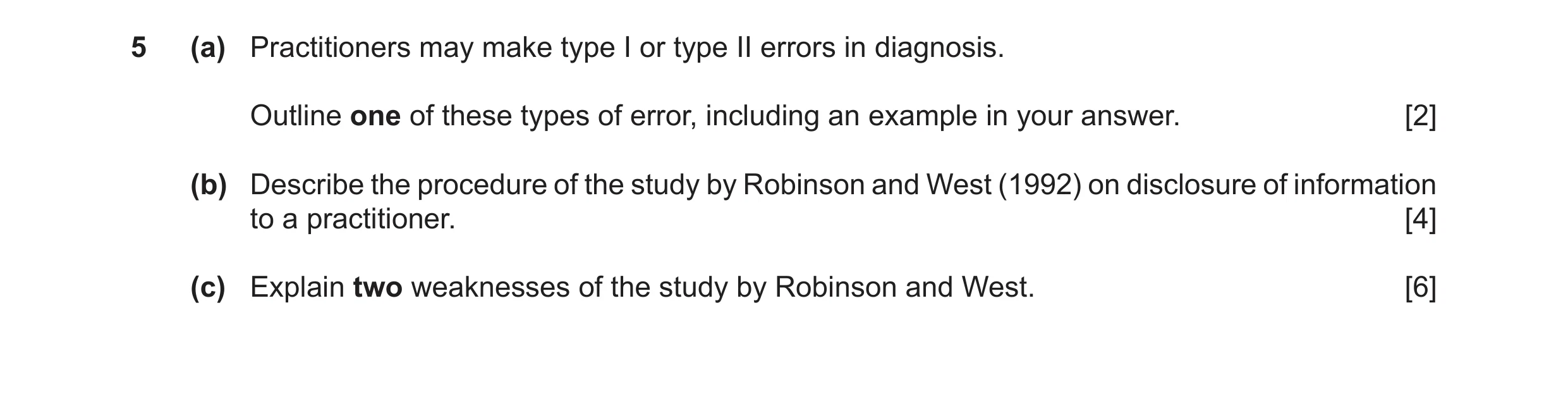
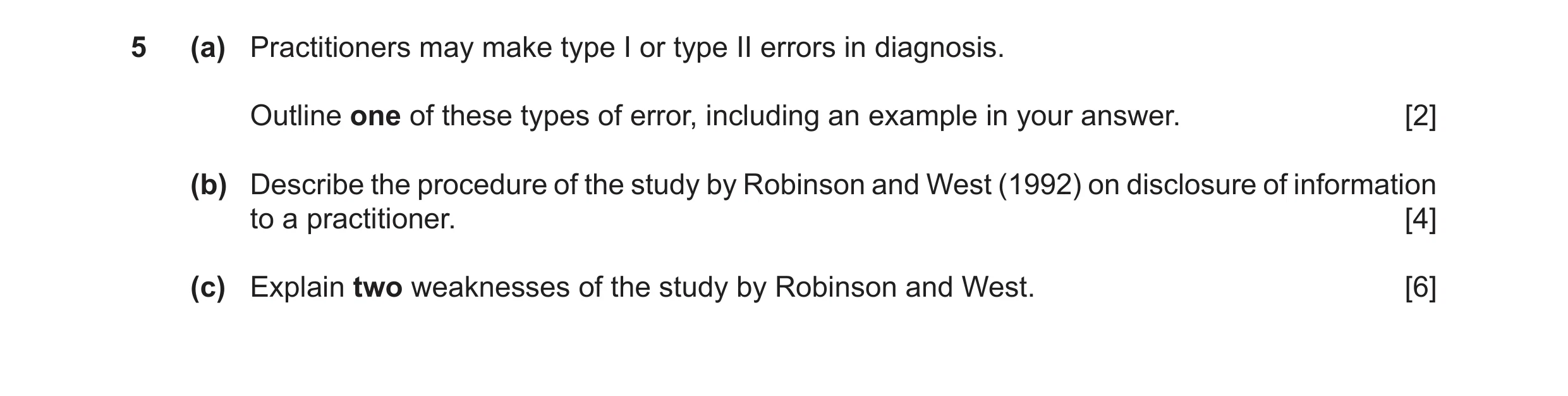
![Question 20: (a) Outline one behavioural technique used to improve adherence to medical advice. [2] (b) Describe the study on repeat prescriptions by Sh…](https://img.pastlit.com/crops/67c97c59-fe86-41c0-b8f7-5bf6b458ce84/q5.webp)
![Question 21: (a) Outline what is meant by the determinism versus free-will debate. [2] (b) Explain one strength of applying the determinism side of the …](https://img.pastlit.com/crops/da4e28f5-6bc7-4dd1-acc8-579a4cf852f3/q2.webp)

![Question 23: (a) Outline what is meant by the nature versus nurture debate. [2] (b) Explain one strength of the gate control theory of pain, from the nu…](https://img.pastlit.com/crops/da4e28f5-6bc7-4dd1-acc8-579a4cf852f3/q10.webp) 5 / 8
5 / 8![Question 24: (a) Outline what is meant by ‘individual and situational explanations’. [2] (b) Explain one reason why ‘overload’ in relation to personal s…](https://img.pastlit.com/crops/9f47f029-0ba4-49d7-b5ca-31bbe632d30e/q6.webp)
![Question 25: (a) Outline what is meant by ‘application to everyday life’, including a measure of non-adherence as an example. [2] (b) Explain one proble…](https://img.pastlit.com/crops/9f47f029-0ba4-49d7-b5ca-31bbe632d30e/q10.webp)
![Question 26: (a) Outline what is meant by the determinism versus free-will debate. [2] (b) Explain one strength of applying the determinism side of the …](https://img.pastlit.com/crops/d851c39d-19cf-40d1-8c47-6b2ea1e43cb7/q2.webp)

![Question 28: (a) Outline what is meant by the nature versus nurture debate. [2] (b) Explain one strength of the gate control theory of pain, from the nu…](https://img.pastlit.com/crops/d851c39d-19cf-40d1-8c47-6b2ea1e43cb7/q10.webp)
![Question 29: (a) Describe explanations of why patients do not adhere to medical advice (rational non-adherence and Health Belief Model). [6] (b) Evaluat…](https://img.pastlit.com/crops/db9a5a92-c176-42b8-aac7-4534476124eb/q12.webp) 6 / 8
6 / 8![Question 30: (a) Outline the idiographic versus nomothetic debate. [2] (b) Explain one strength of using an idiographic approach to diagnosing schizophr…](https://img.pastlit.com/crops/b8366ef4-e3f7-4cd7-aeea-7a2d2c81d04e/q2.webp)
![Question 31: (a) Describe explanations of why patients do not adhere to medical advice (rational non-adherence and Health Belief Model). [6] (b) Evaluat…](https://img.pastlit.com/crops/f18b9c25-5711-42ba-89a5-71d306fd858c/q12.webp)
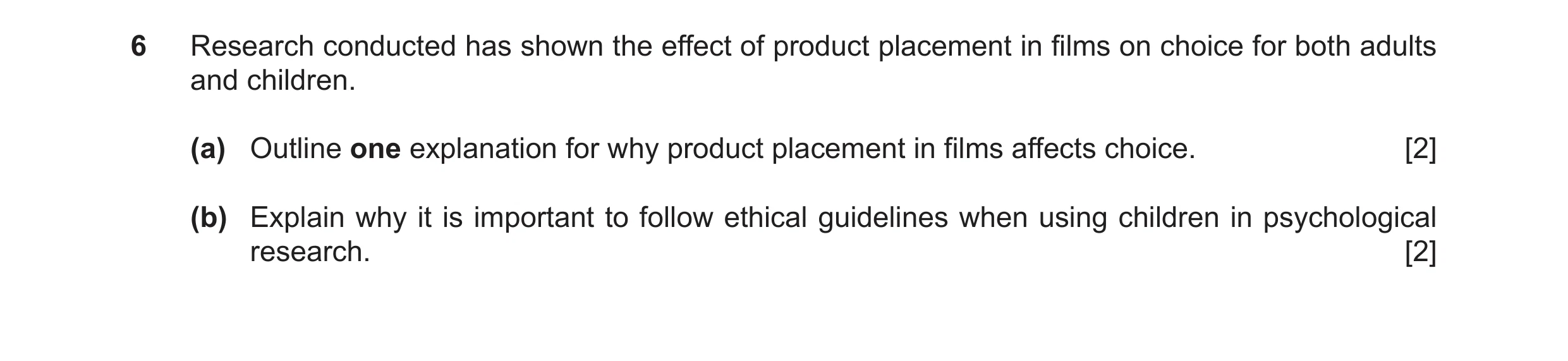
![Question 33: (a) Outline what is meant by the idiographic approach, using an example from non-adherence to medical advice. [2] (b) Explain one weakness …](https://img.pastlit.com/crops/fd272d35-be54-4559-950f-83ab5103f98c/q10.webp)
![Question 34: (a) Outline what is meant by the nature versus nurture debate. [2] (b) Explain one reason why Scouller’s levels of leadership theory suppor…](https://img.pastlit.com/crops/0936810b-6075-4b2b-b0c6-c5e08199a719/q14.webp)
![Question 35: (a) Outline what is meant by the nature versus nurture debate. [2] (b) Explain one reason why Scouller’s levels of leadership theory suppor…](https://img.pastlit.com/crops/3243291a-af55-484c-b515-1f970209370f/q14.webp) 7 / 8
7 / 8![Question 36: (a) Outline what is meant by ‘cultural differences’. [2] (b) Explain one reason why cultural differences could affect the diagnosis of an a…](https://img.pastlit.com/crops/d8bdfb41-d21c-473b-8895-607374ab9f82/q2.webp)

![Question 38: (a) Outline what is meant by the debate between individual and situational explanations. [2] (b) Explain why one strategy for improving hea…](https://img.pastlit.com/crops/d8bdfb41-d21c-473b-8895-607374ab9f82/q10.webp)
![Question 39: (a) Outline the nomothetic approach, including an example from the effect of sound on consumer behaviour. [2] (b) Explain one strength of u…](https://img.pastlit.com/crops/f9c34e1d-b432-4a74-b63e-d57843345cb1/q6.webp)

![Question 41: (a) Outline what is meant by the determinism versus free-will debate. [2] (b) Explain why free-will is important for one way to manage stre…](https://img.pastlit.com/crops/f9c34e1d-b432-4a74-b63e-d57843345cb1/q10.webp)
![Question 42: (a) Outline what is meant by the debate between individual and situational explanations. [2] (b) Explain why one strategy for improving hea…](https://img.pastlit.com/crops/a7d1c7ff-3d82-4e87-a1a8-df3814fe3333/q10.webp) 8 / 8
8 / 8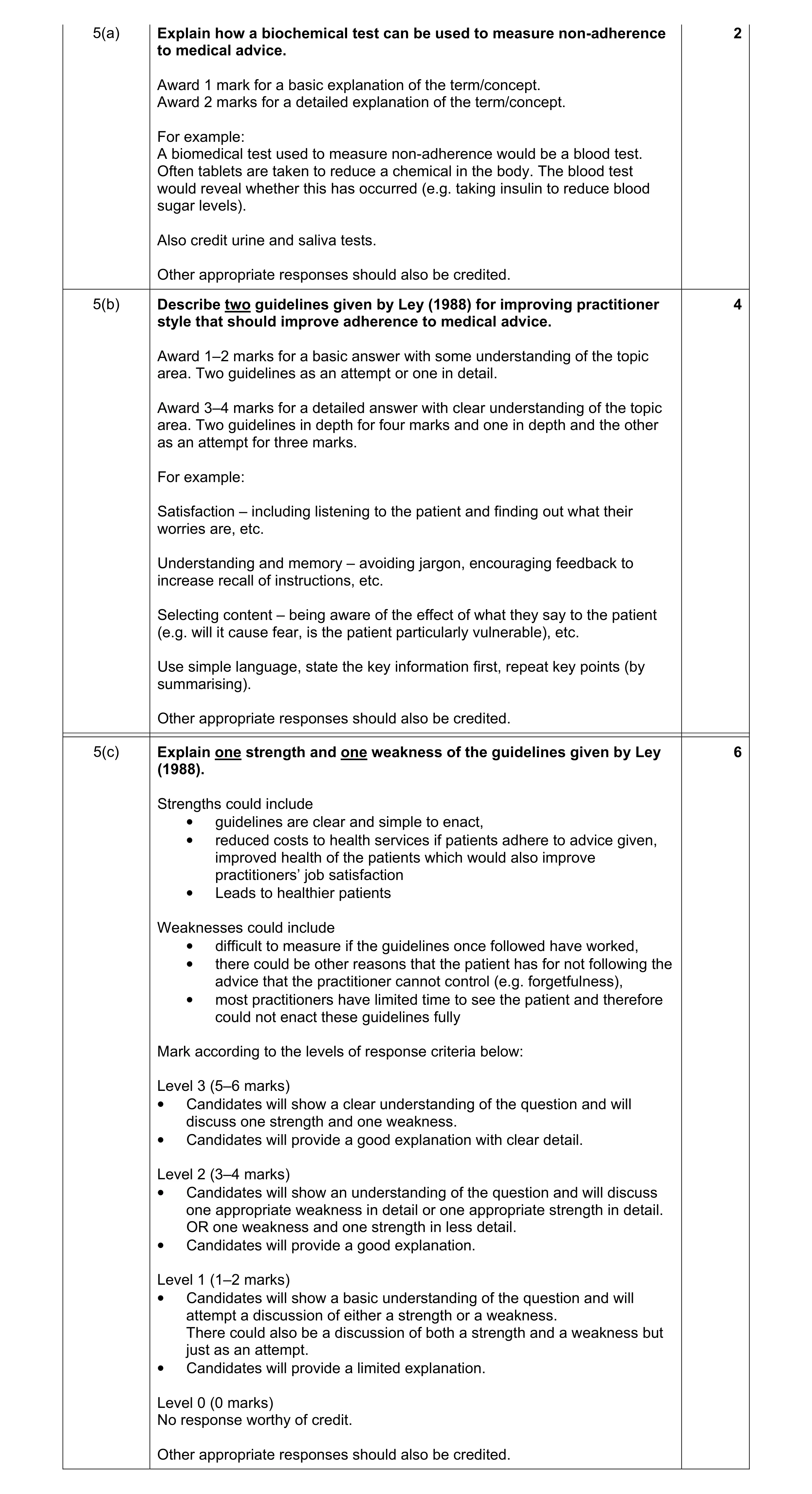 12
12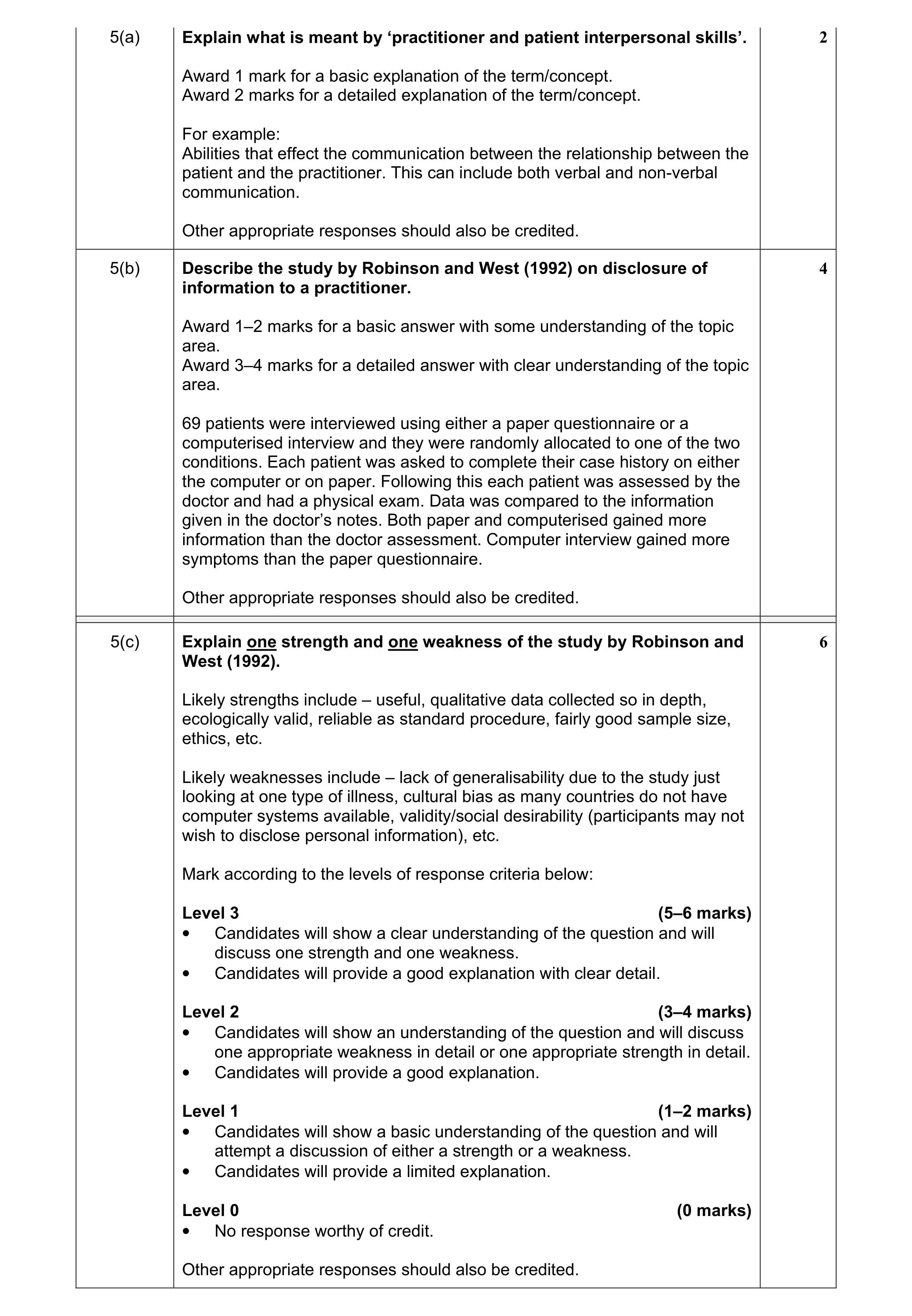 12
12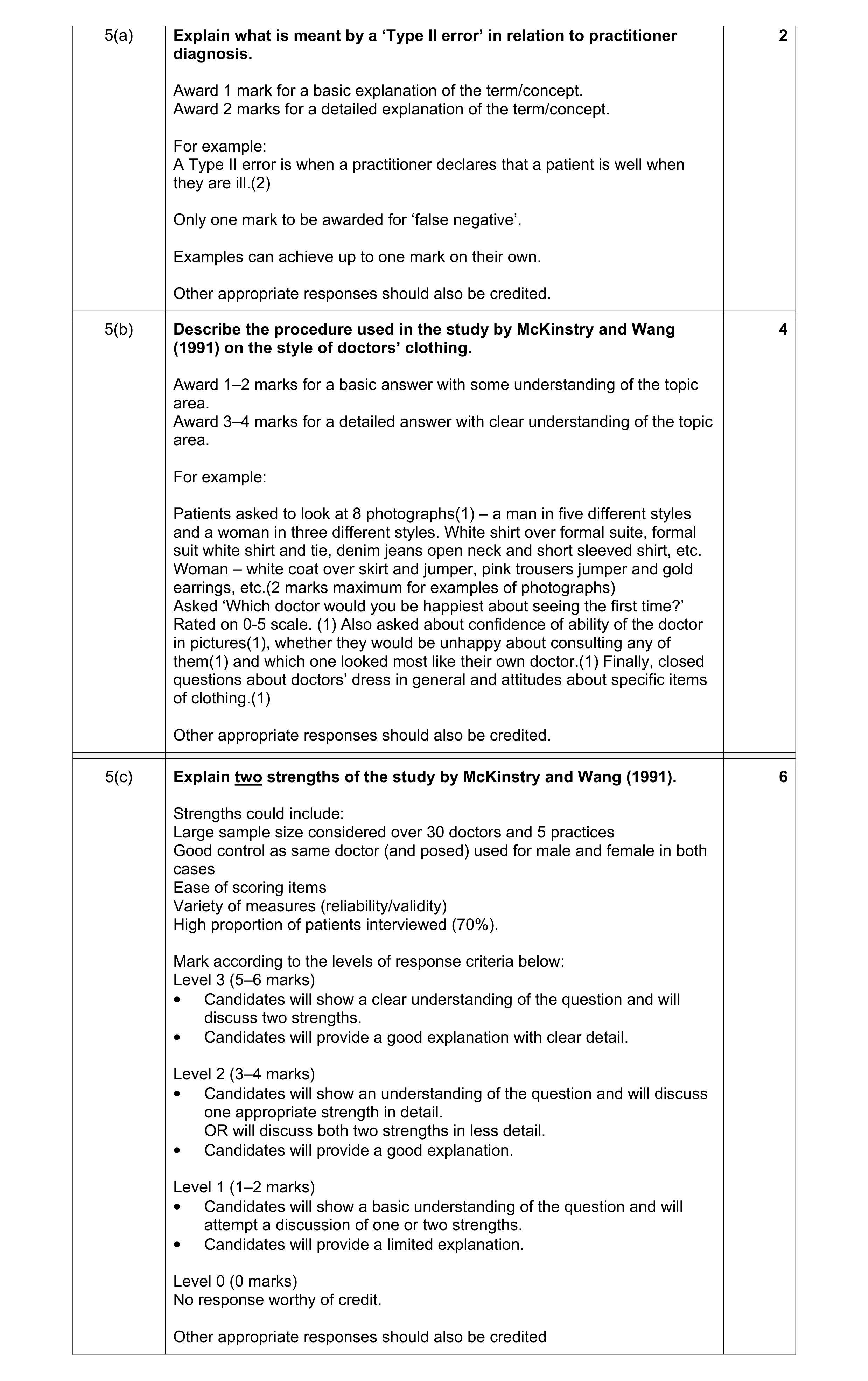 12
12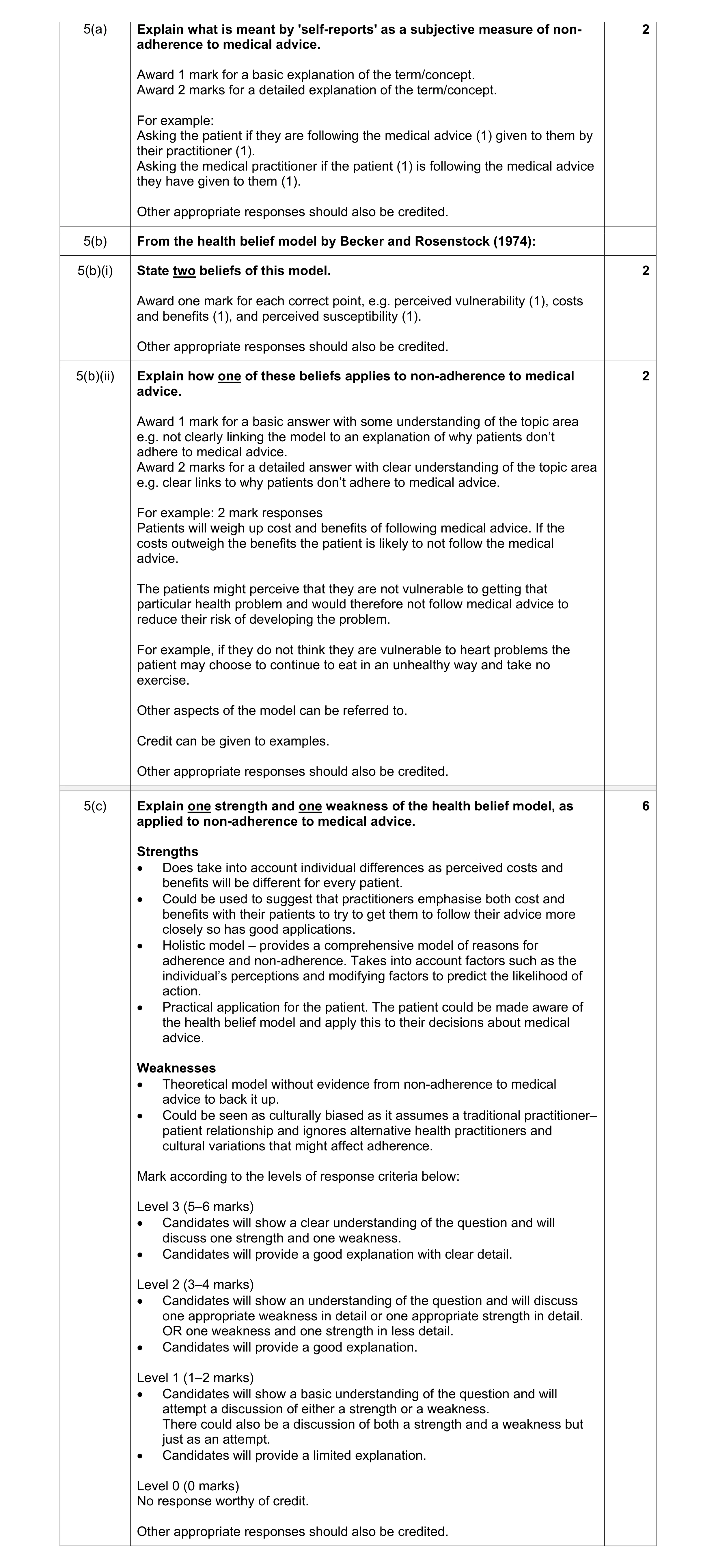 12
12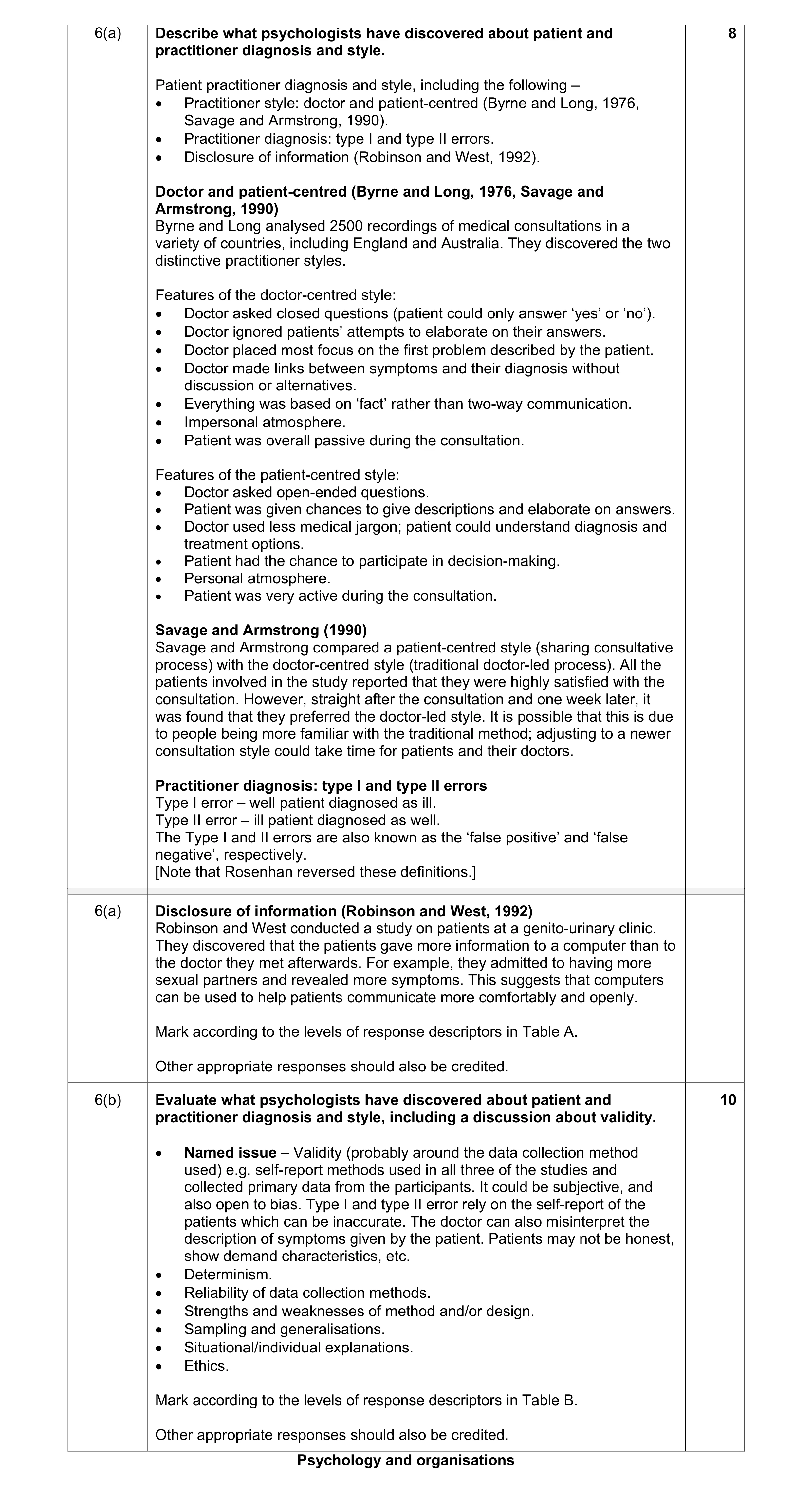 18
18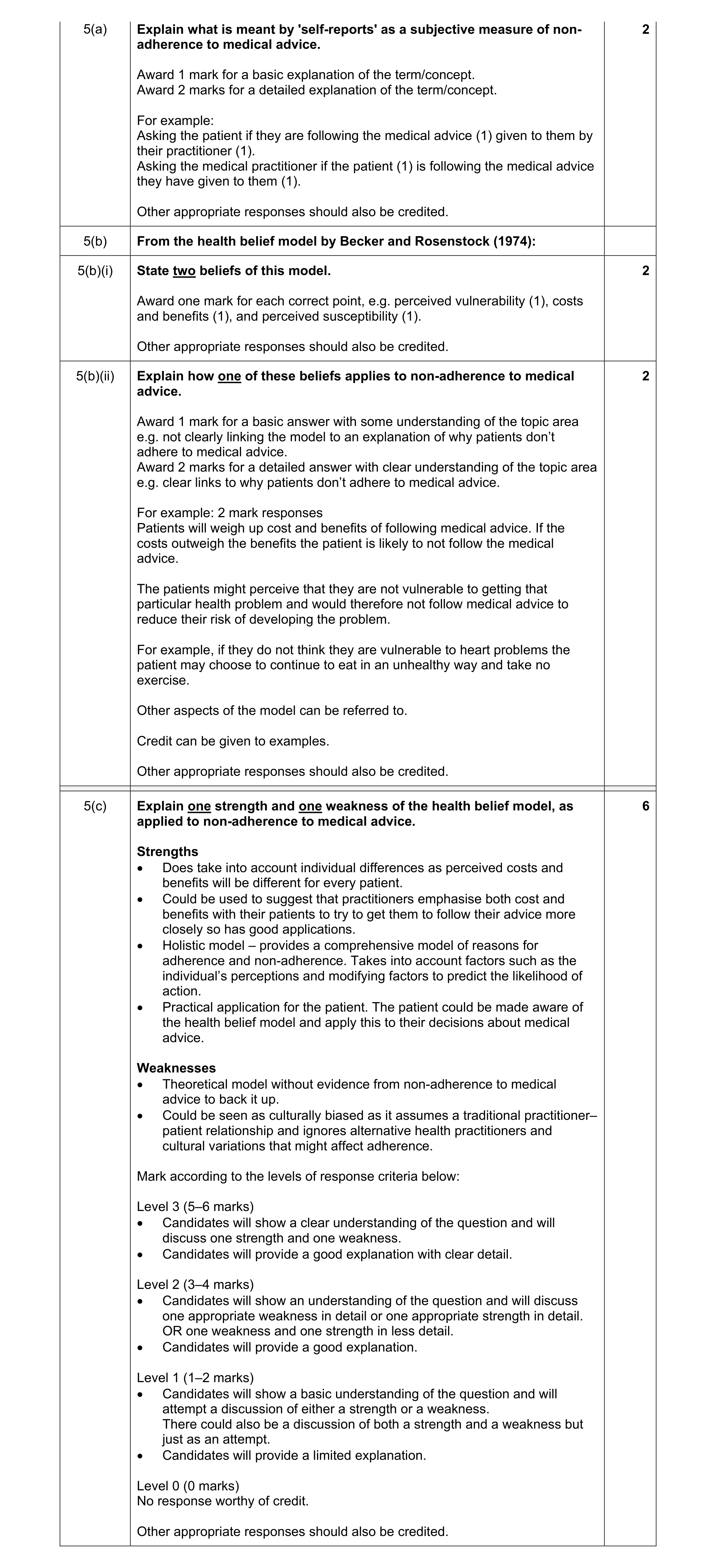 12
12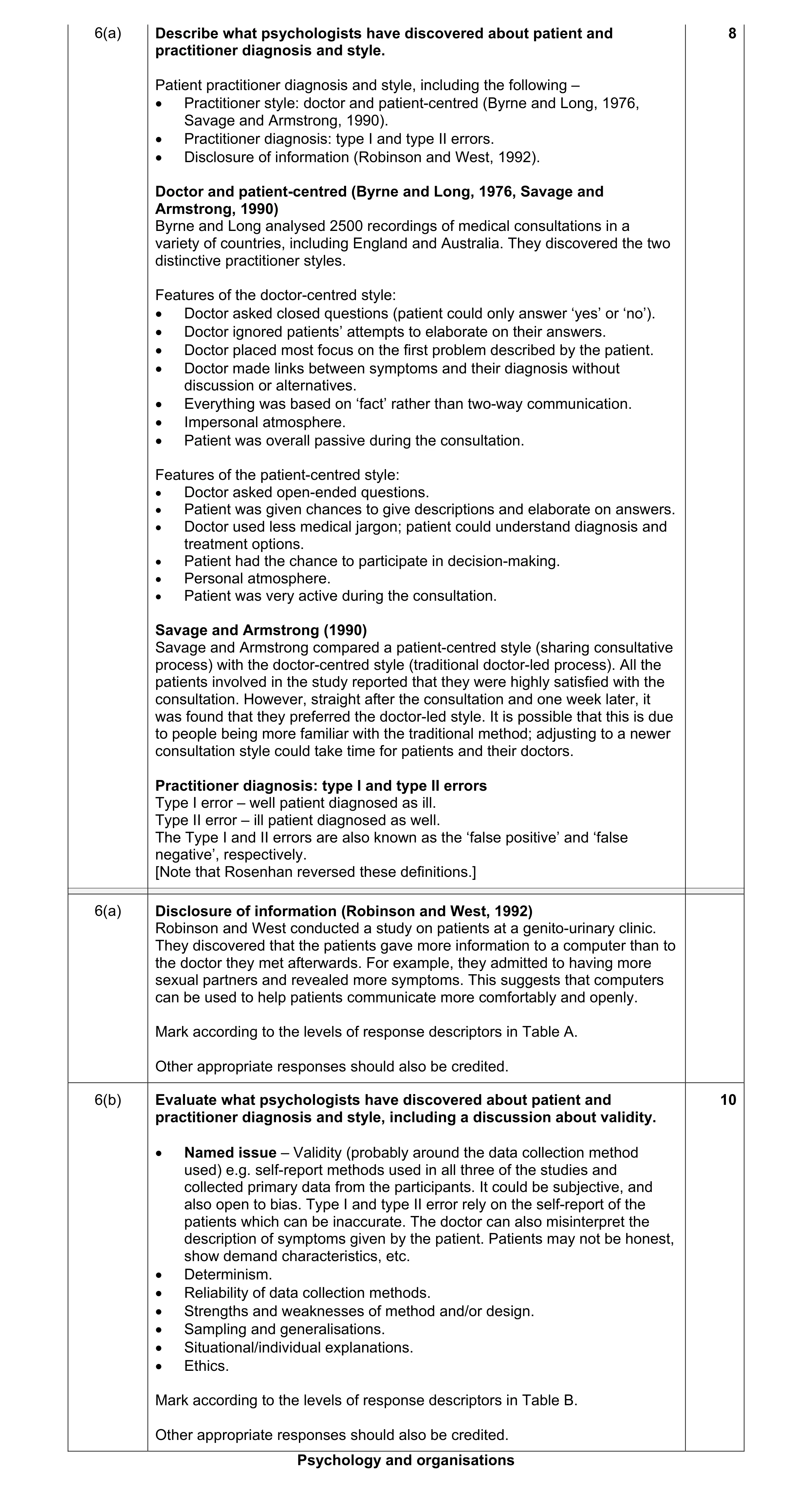 18
18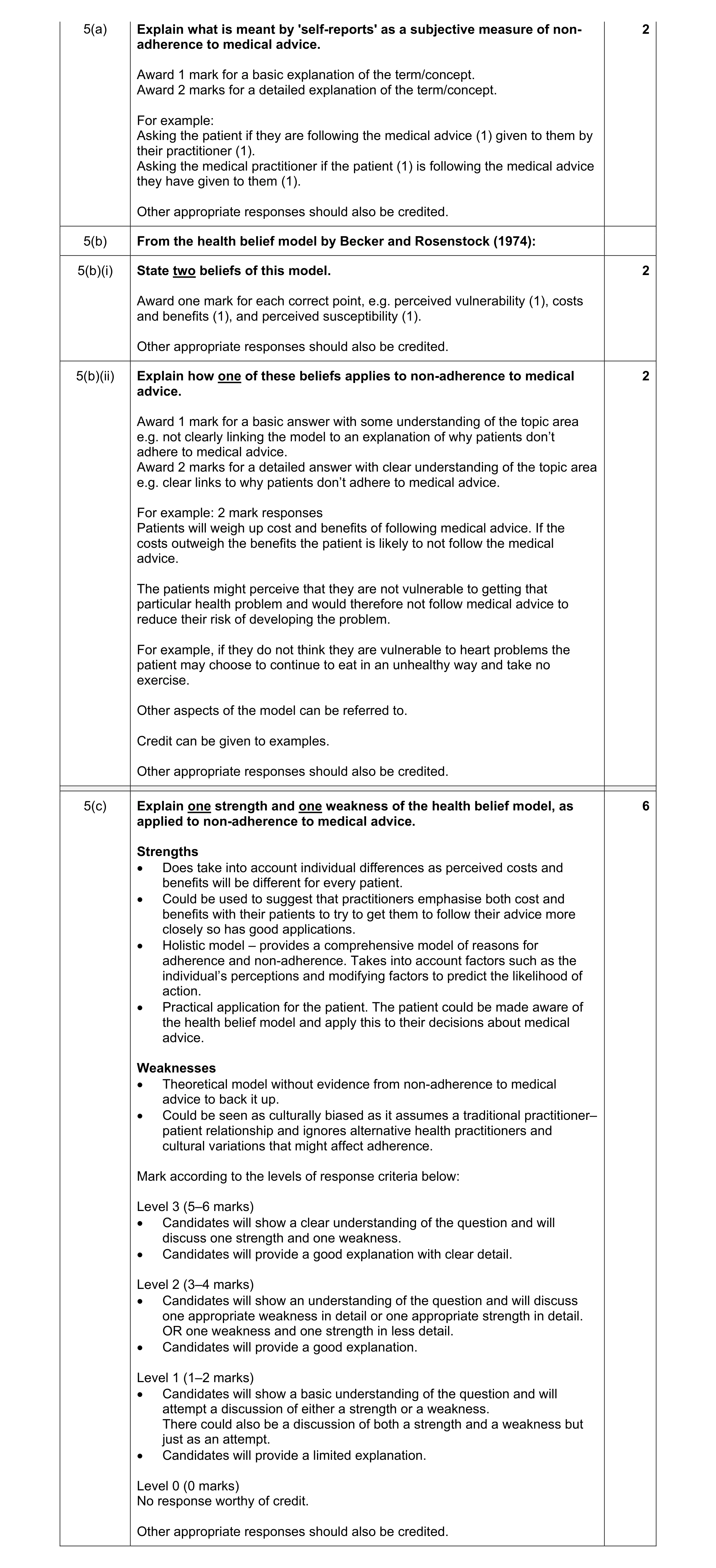 12
12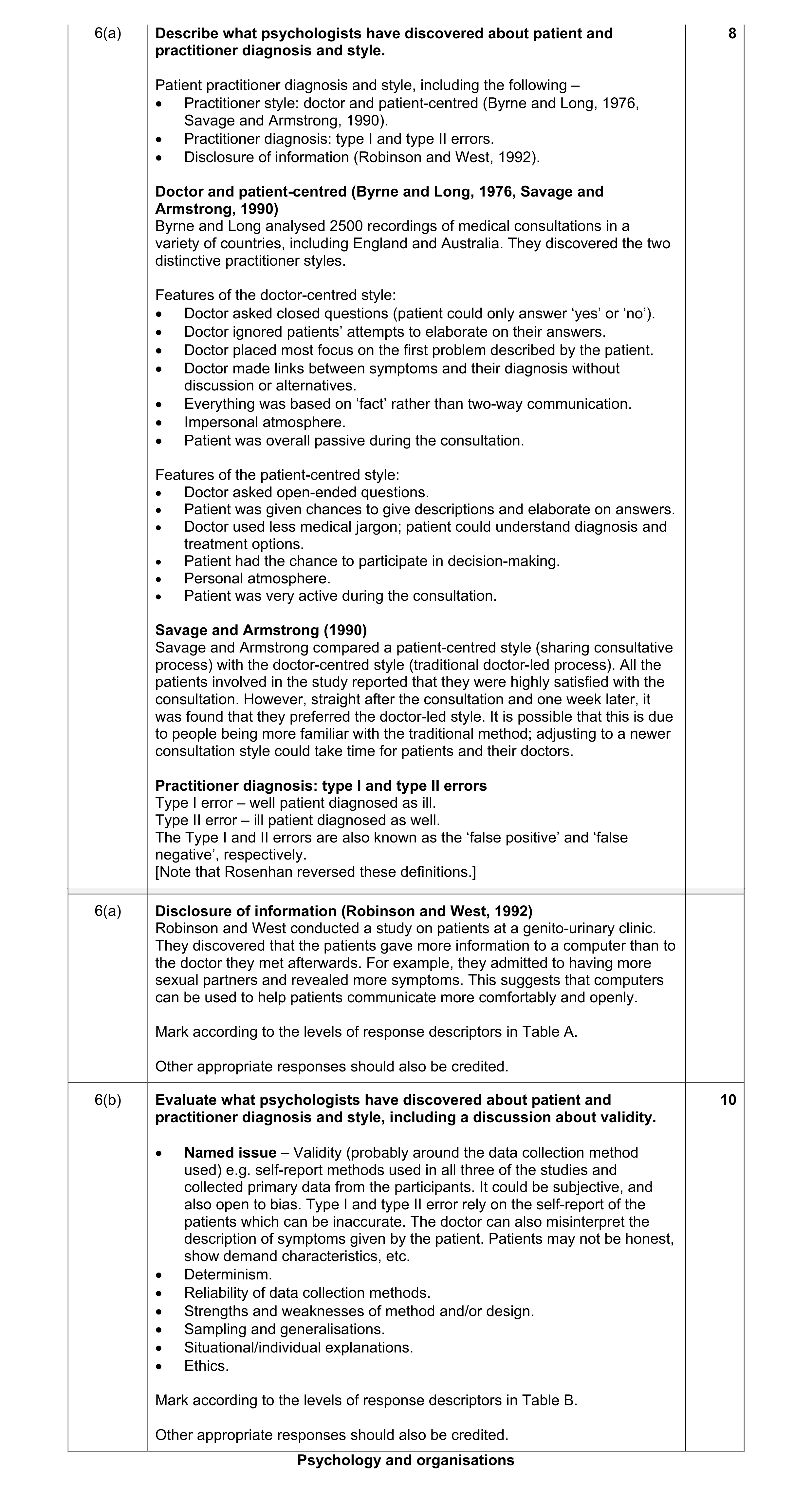 18
18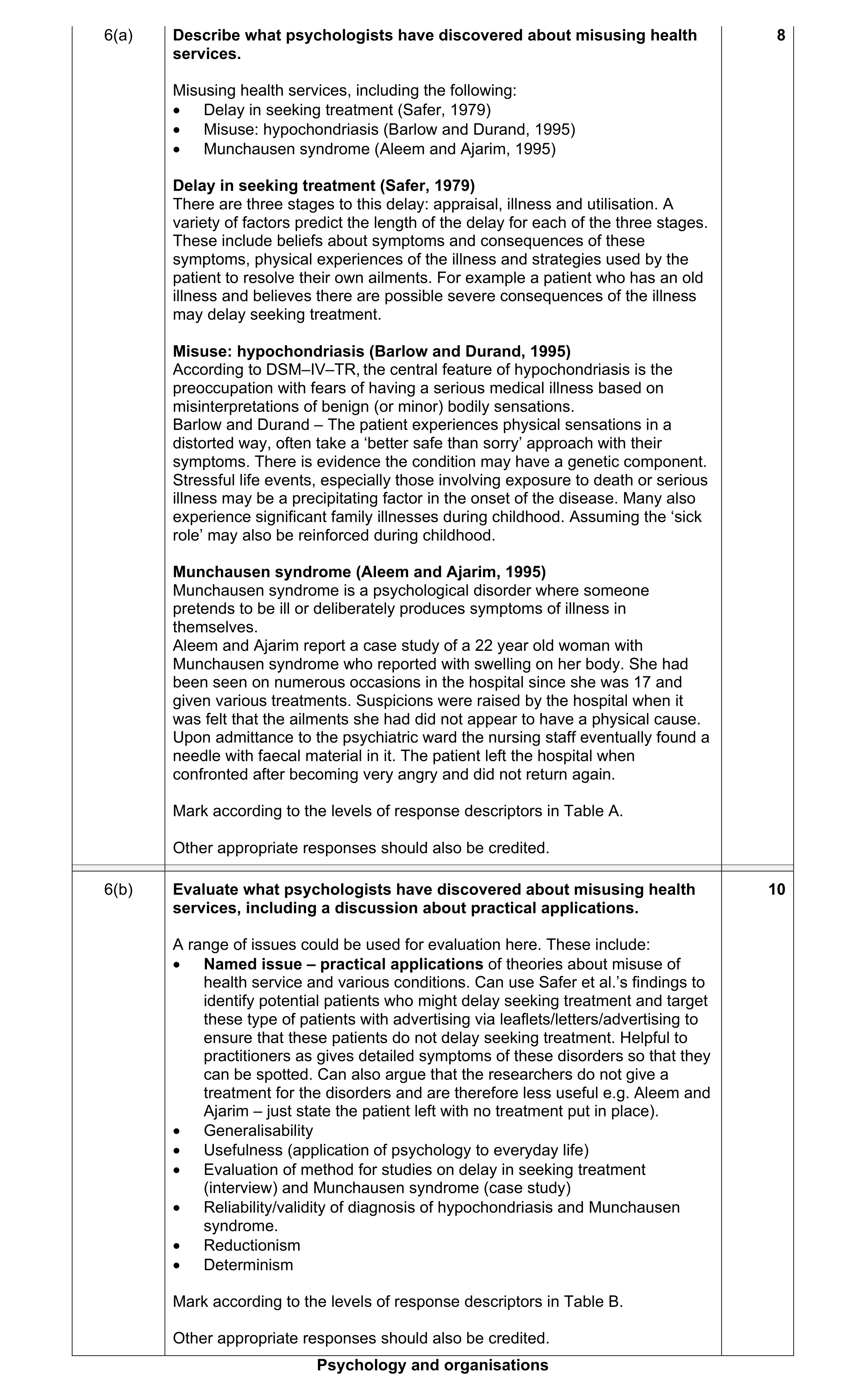 18
18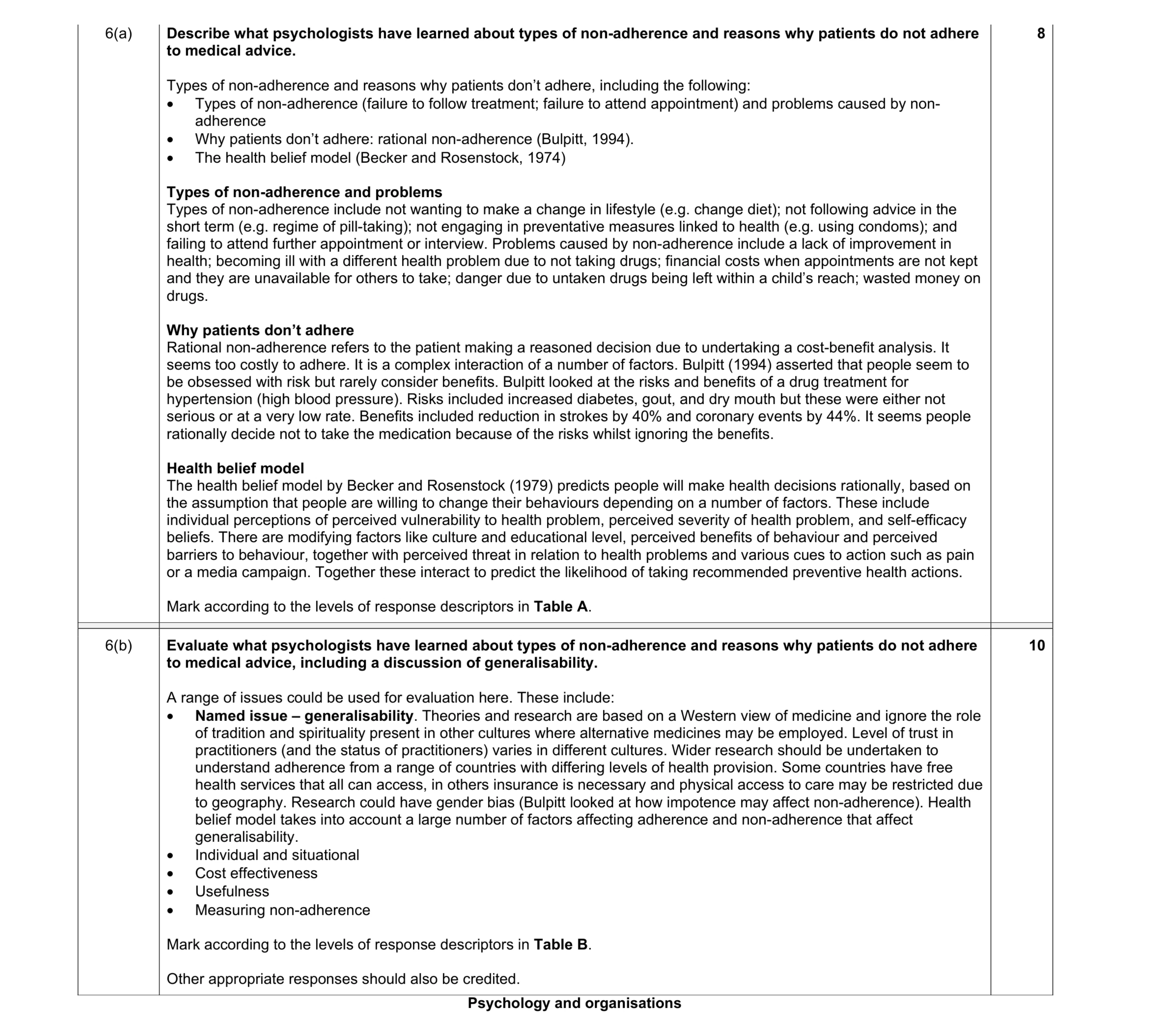 18
18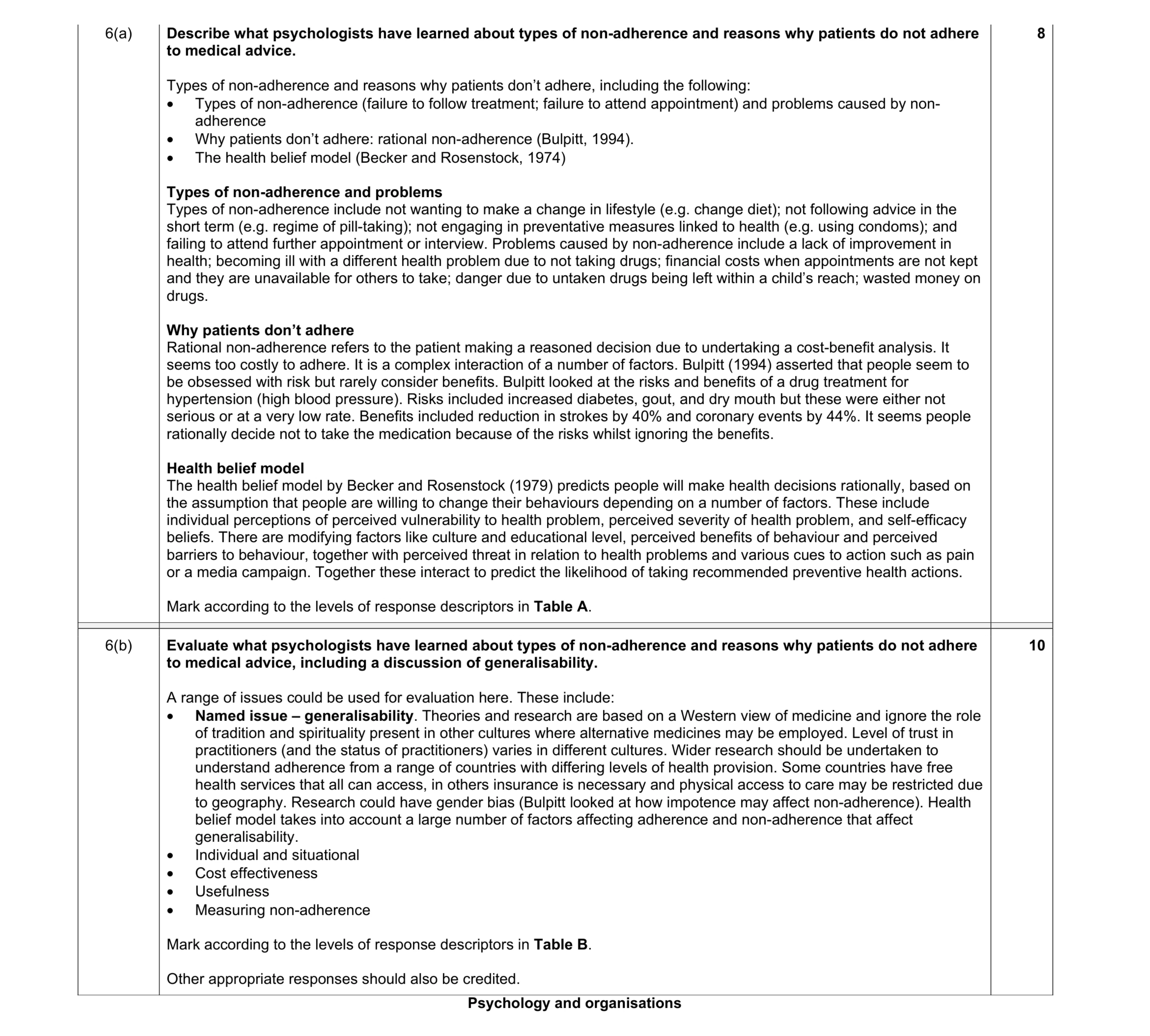 18
18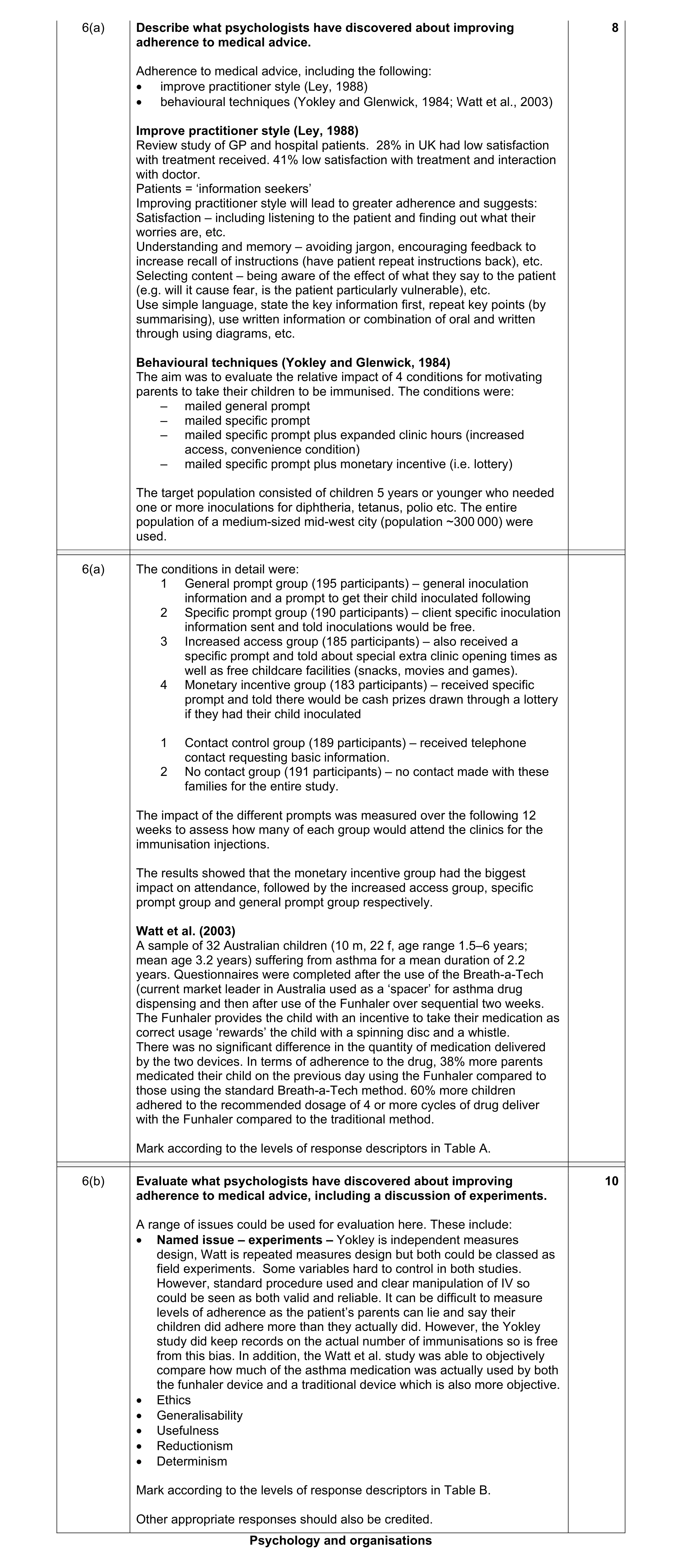 18
18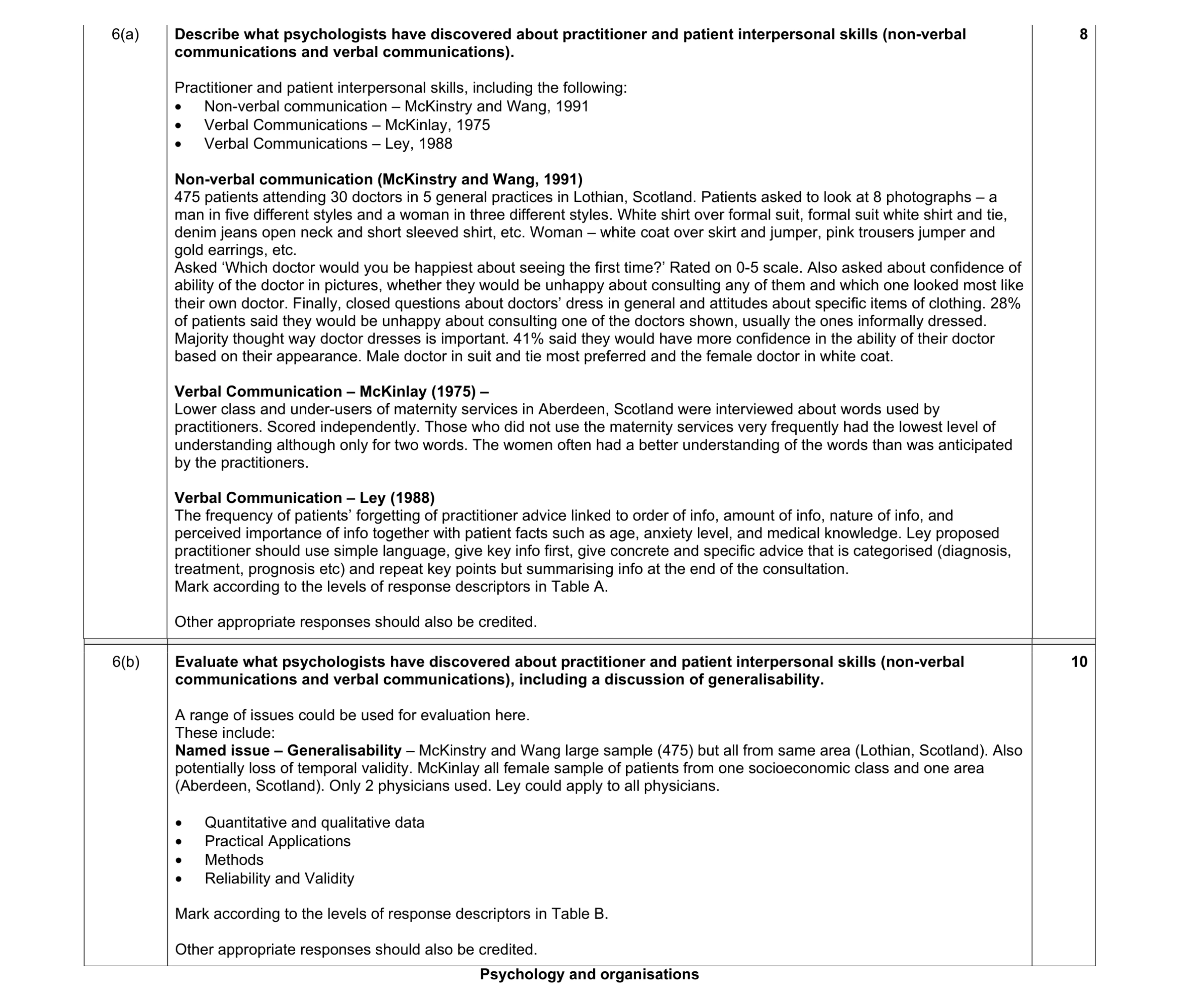 18
18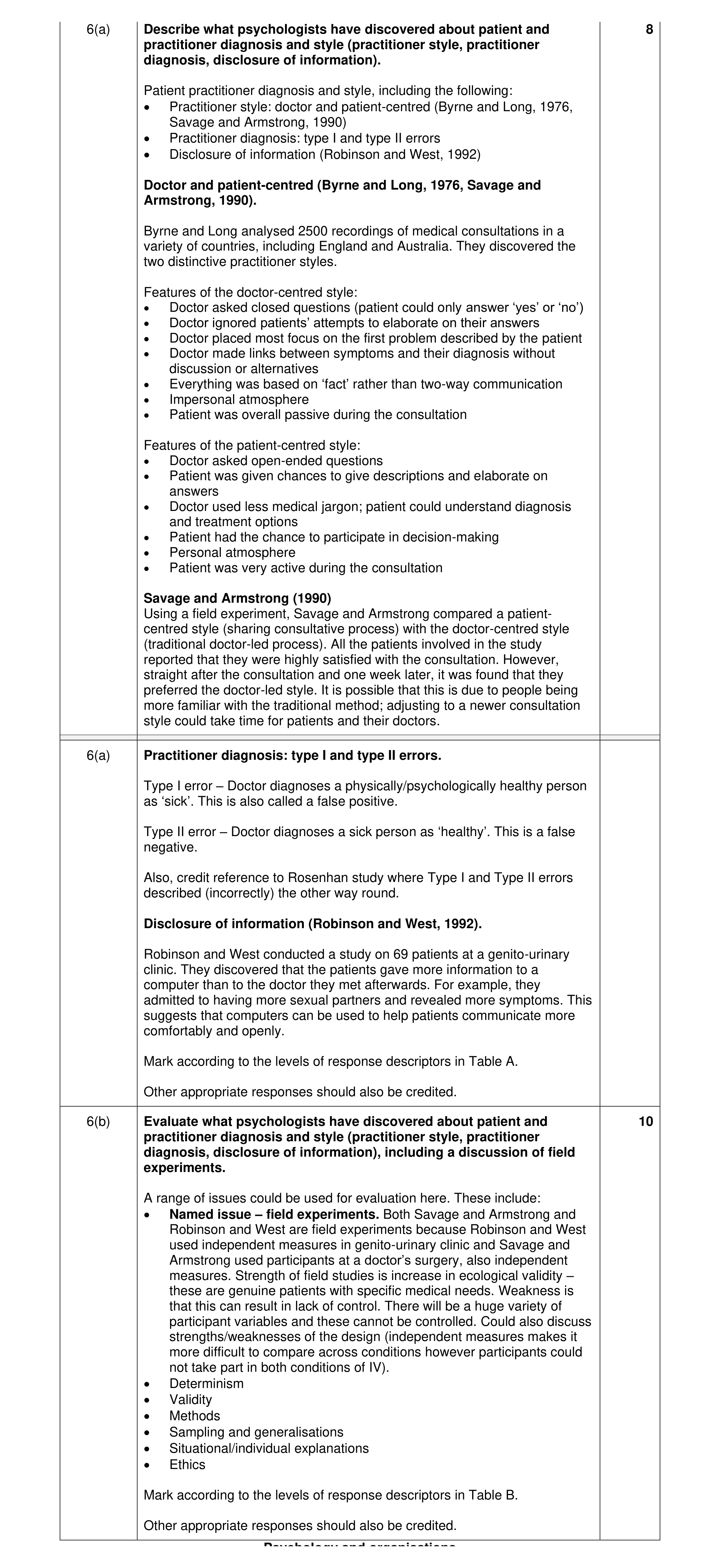 18
18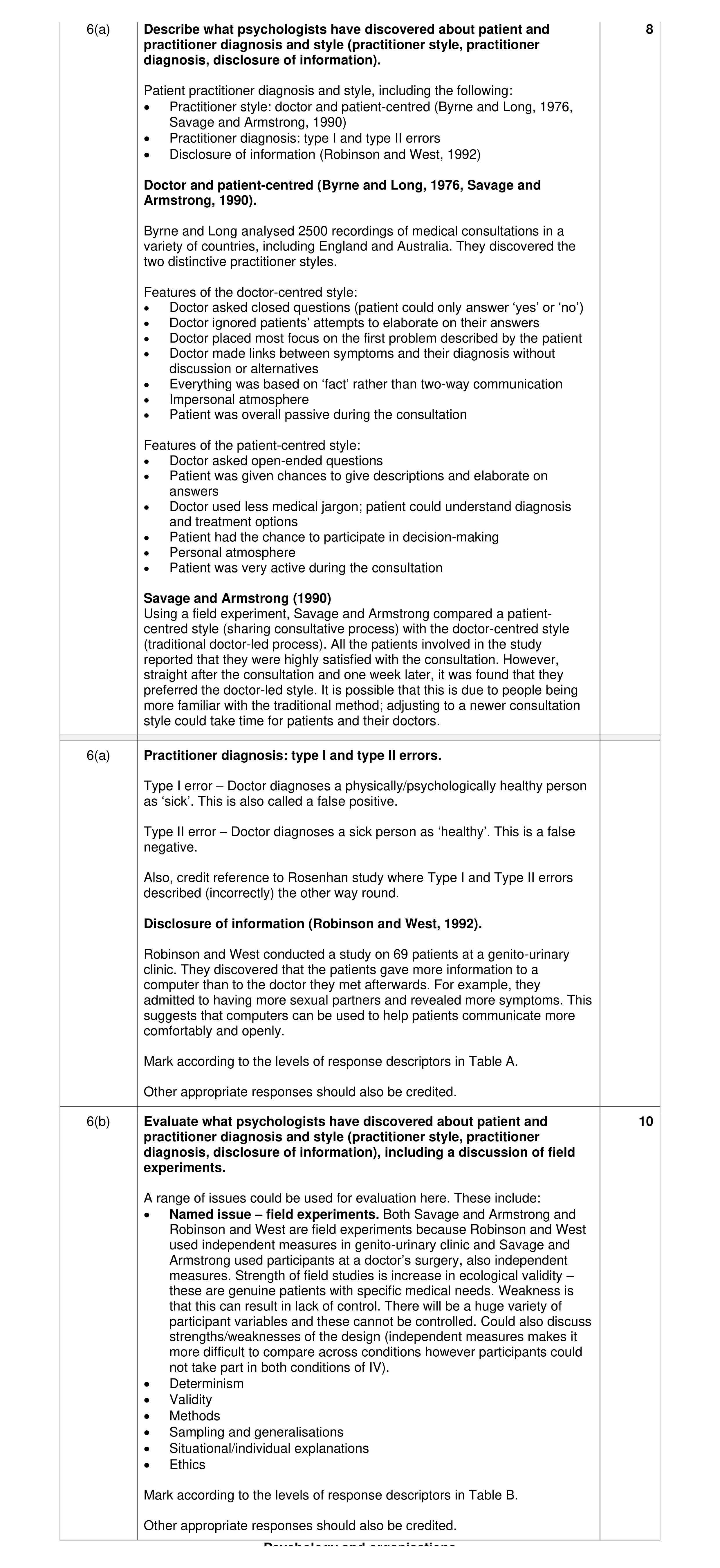 18
18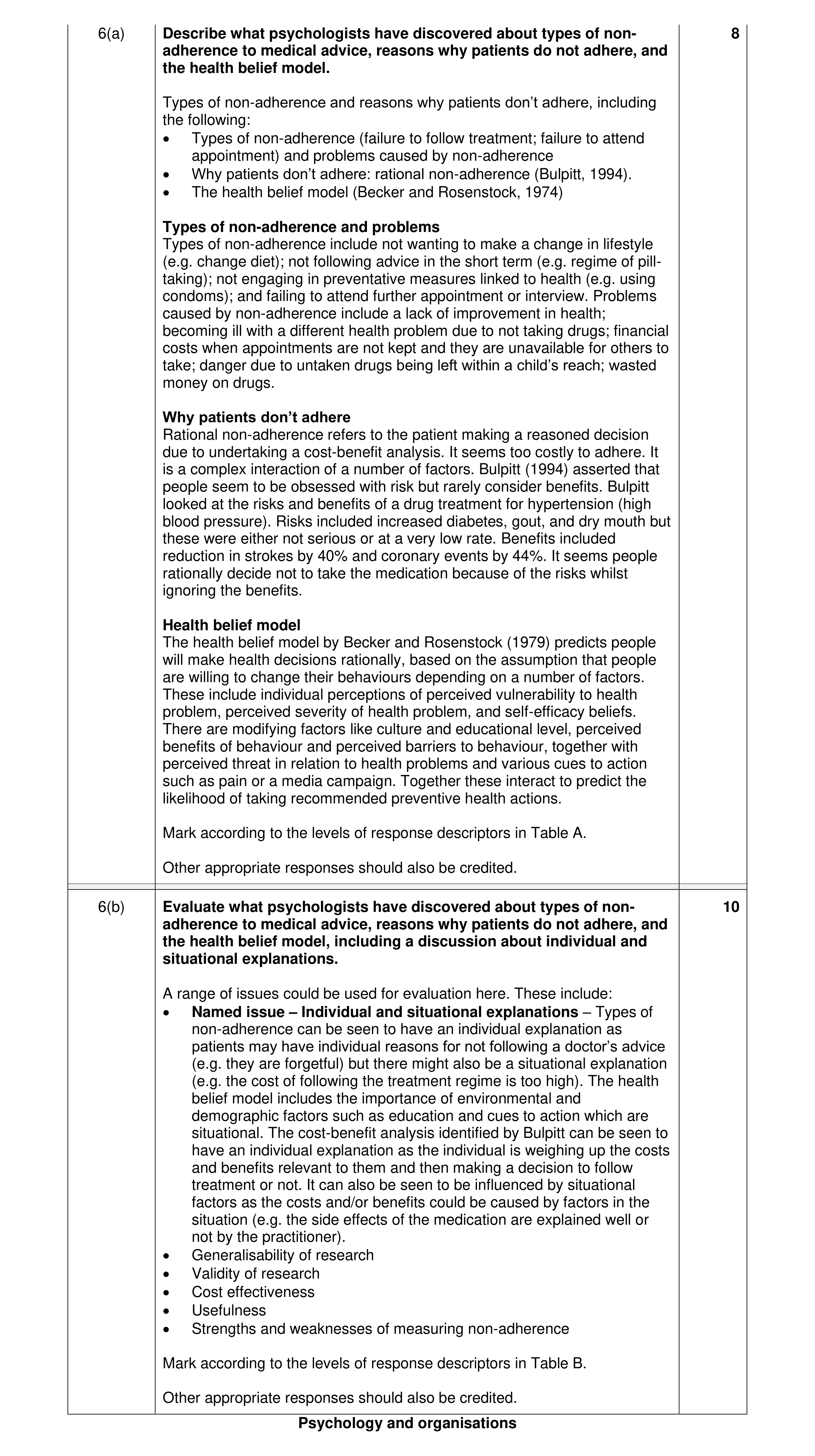 18
18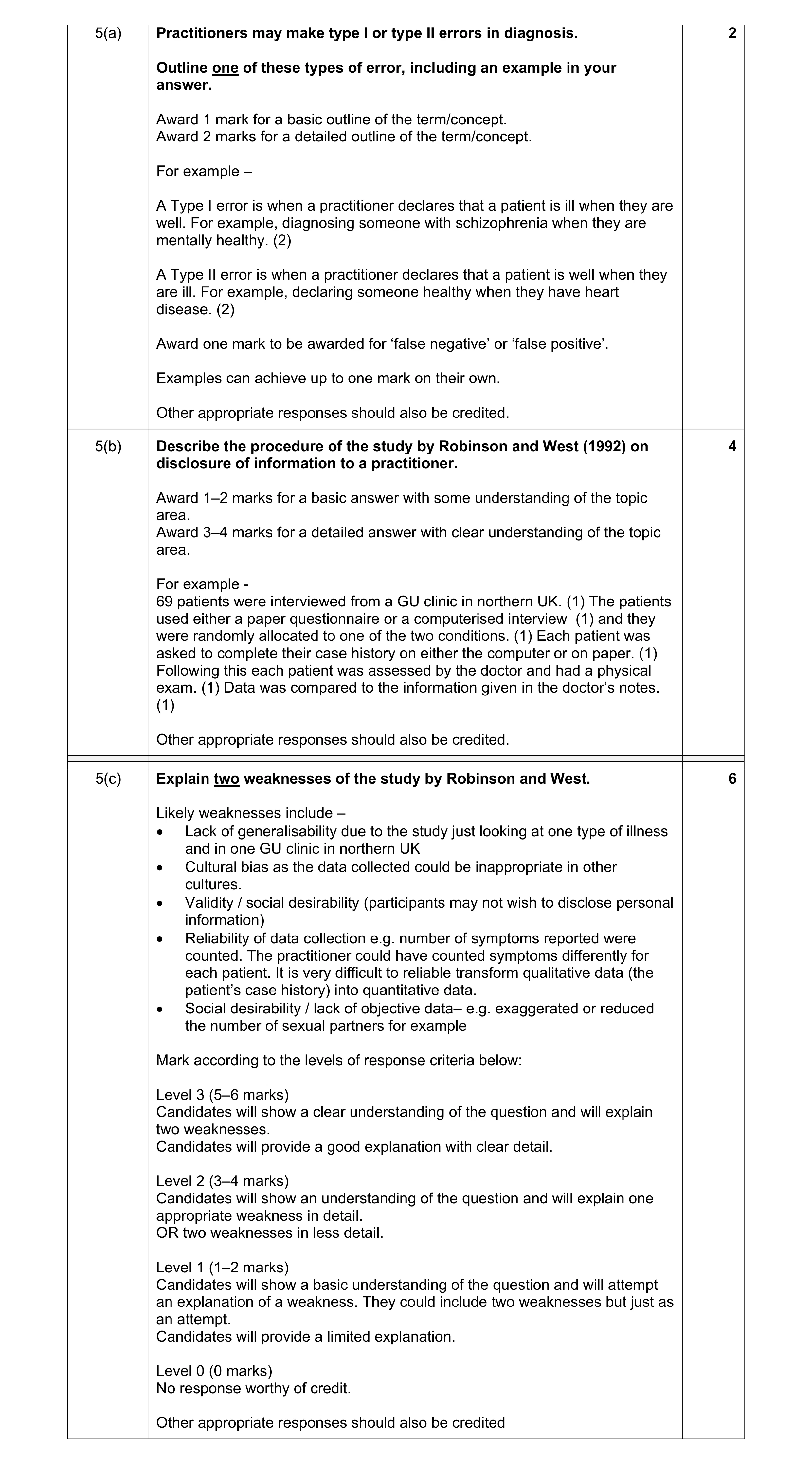 12
12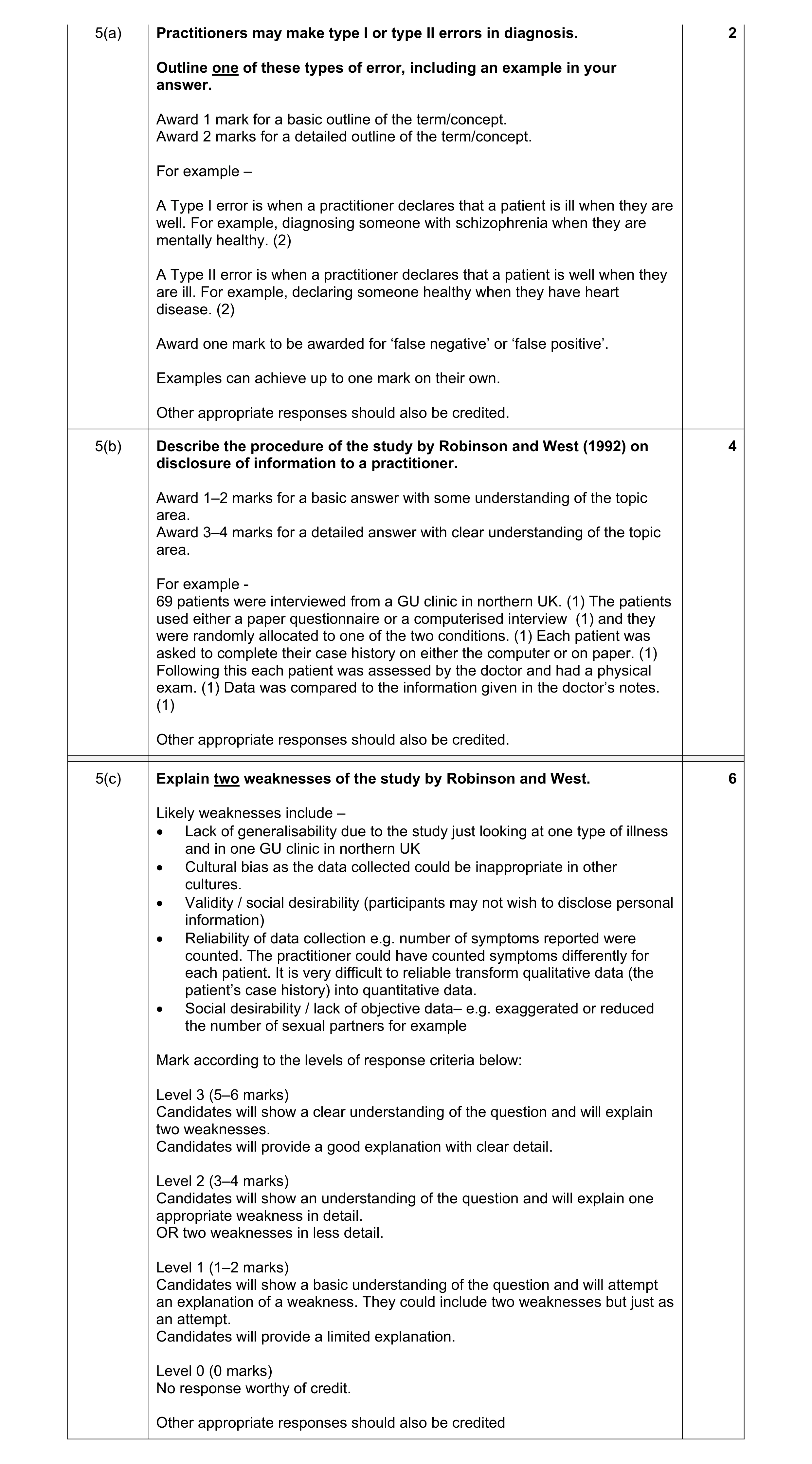 12
12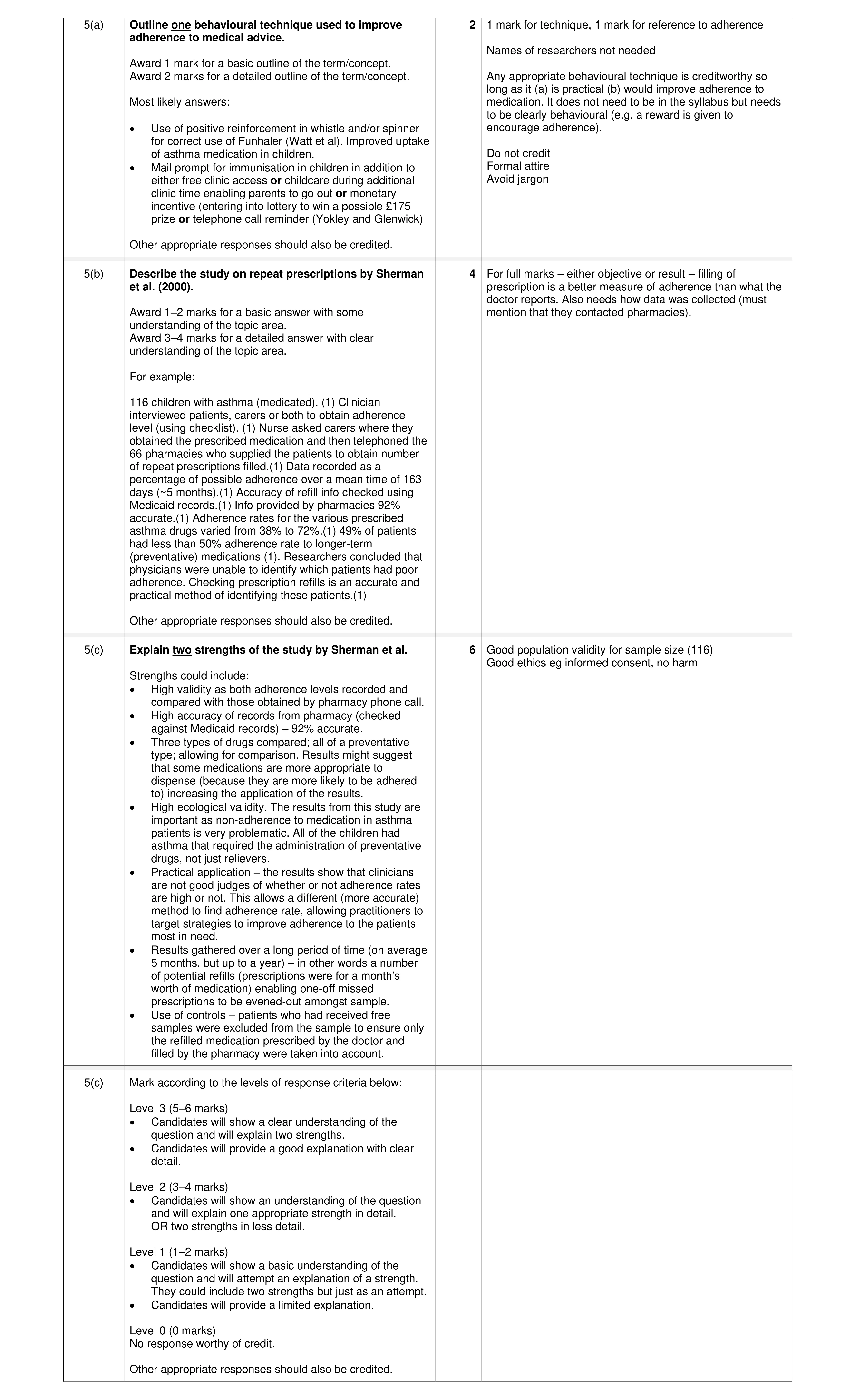 12
12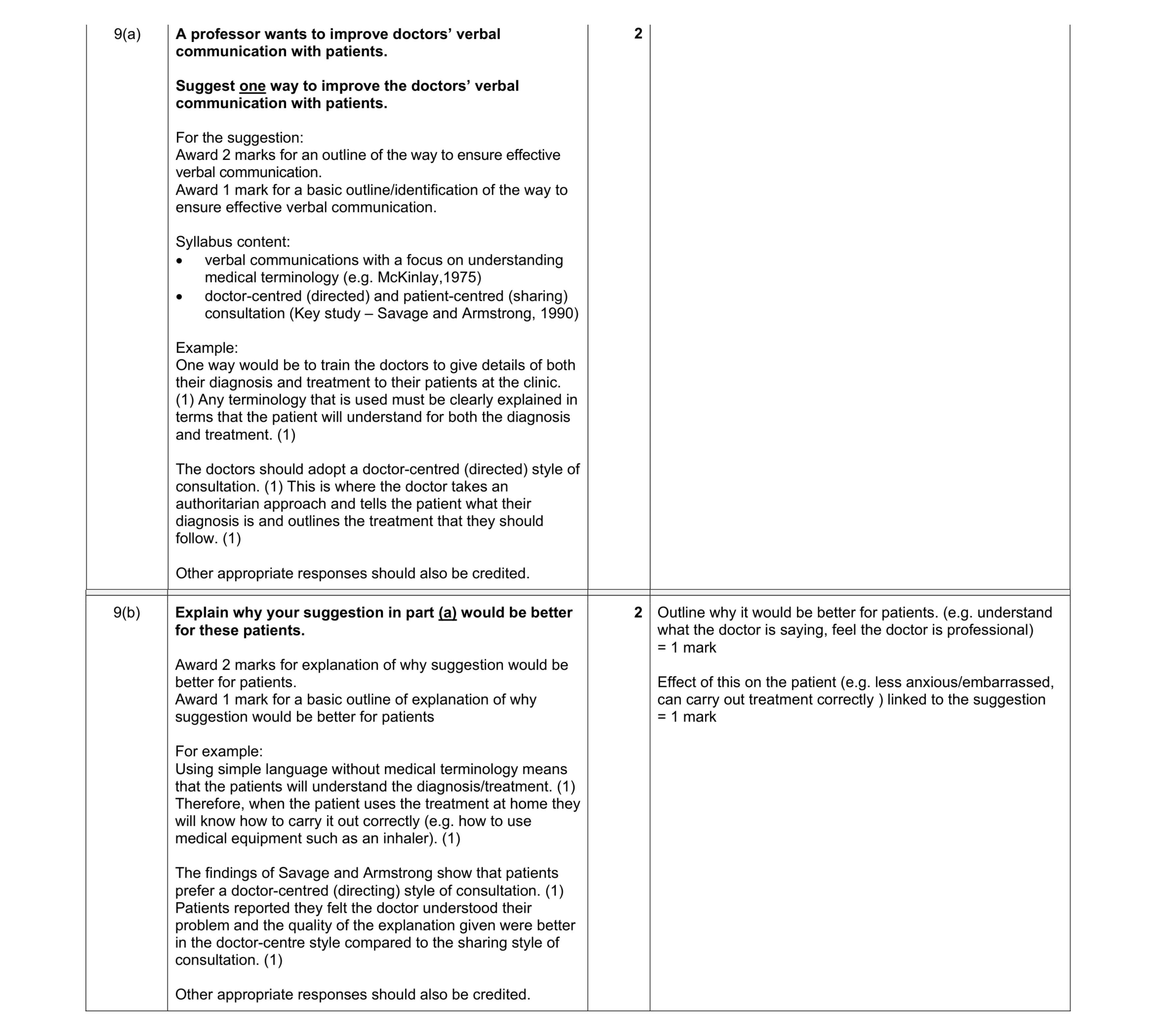 4
4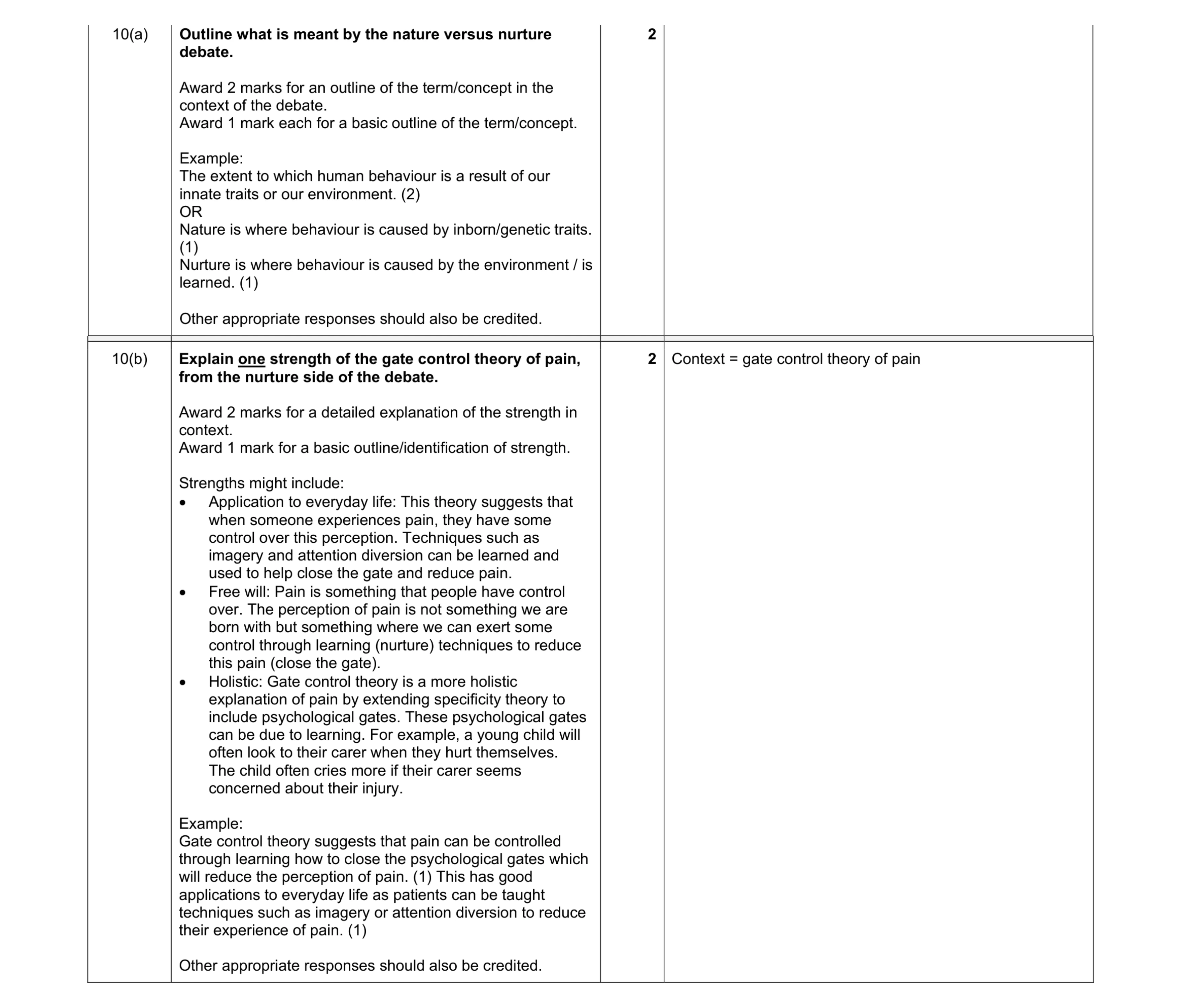 4
4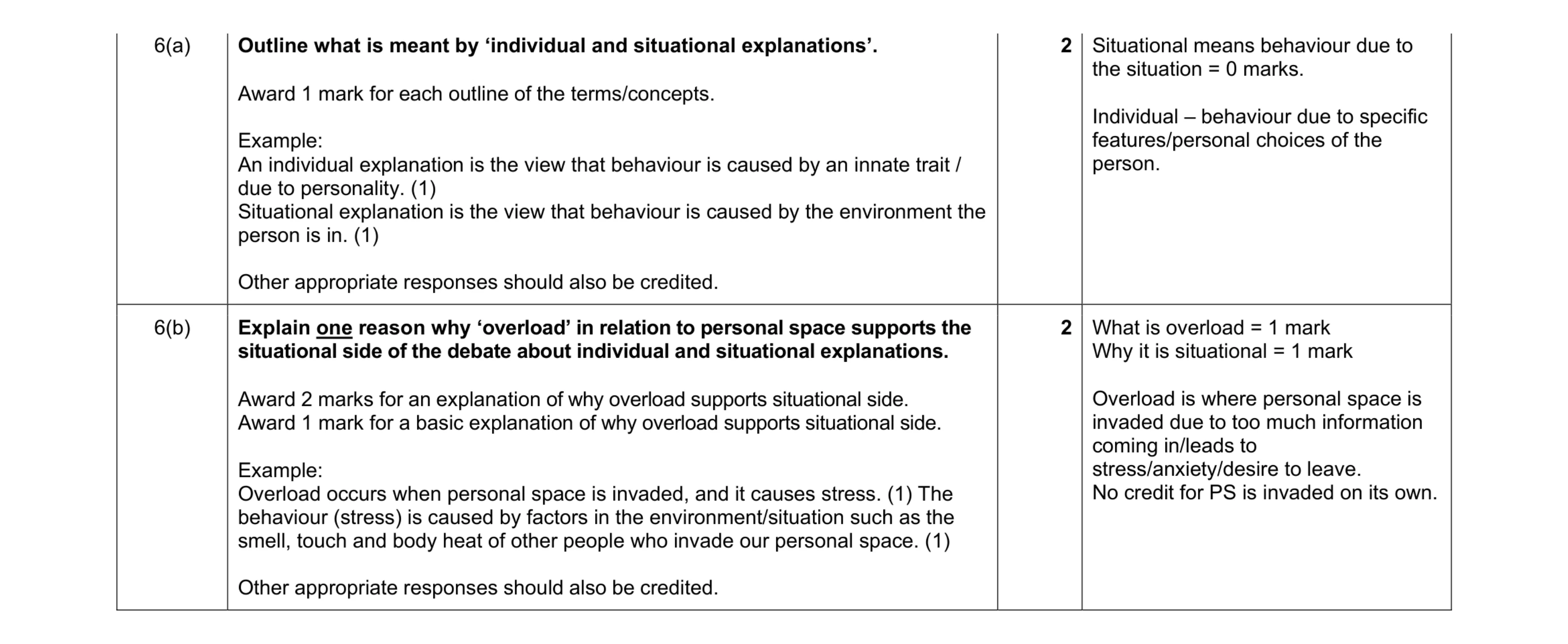 4
4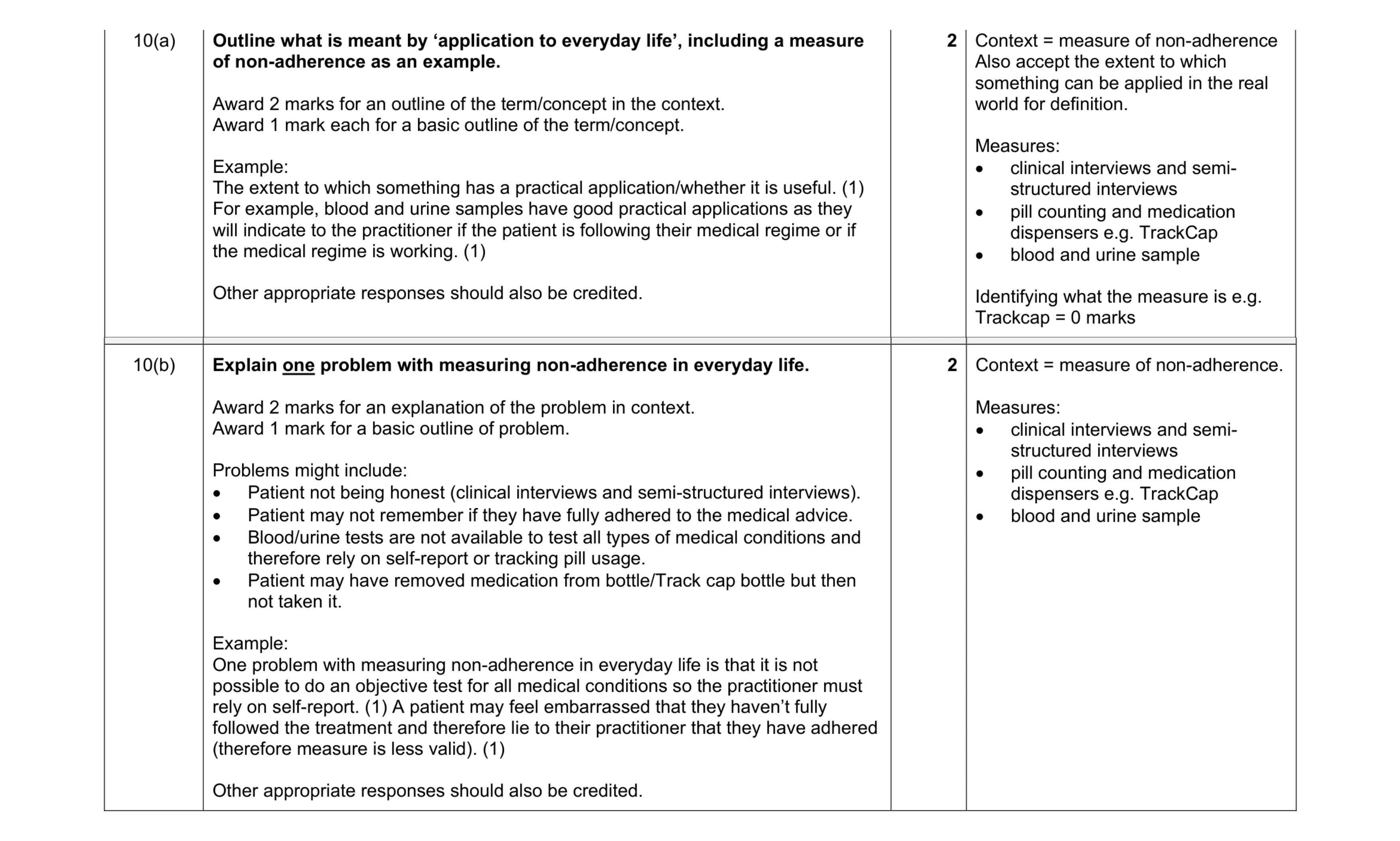 4
4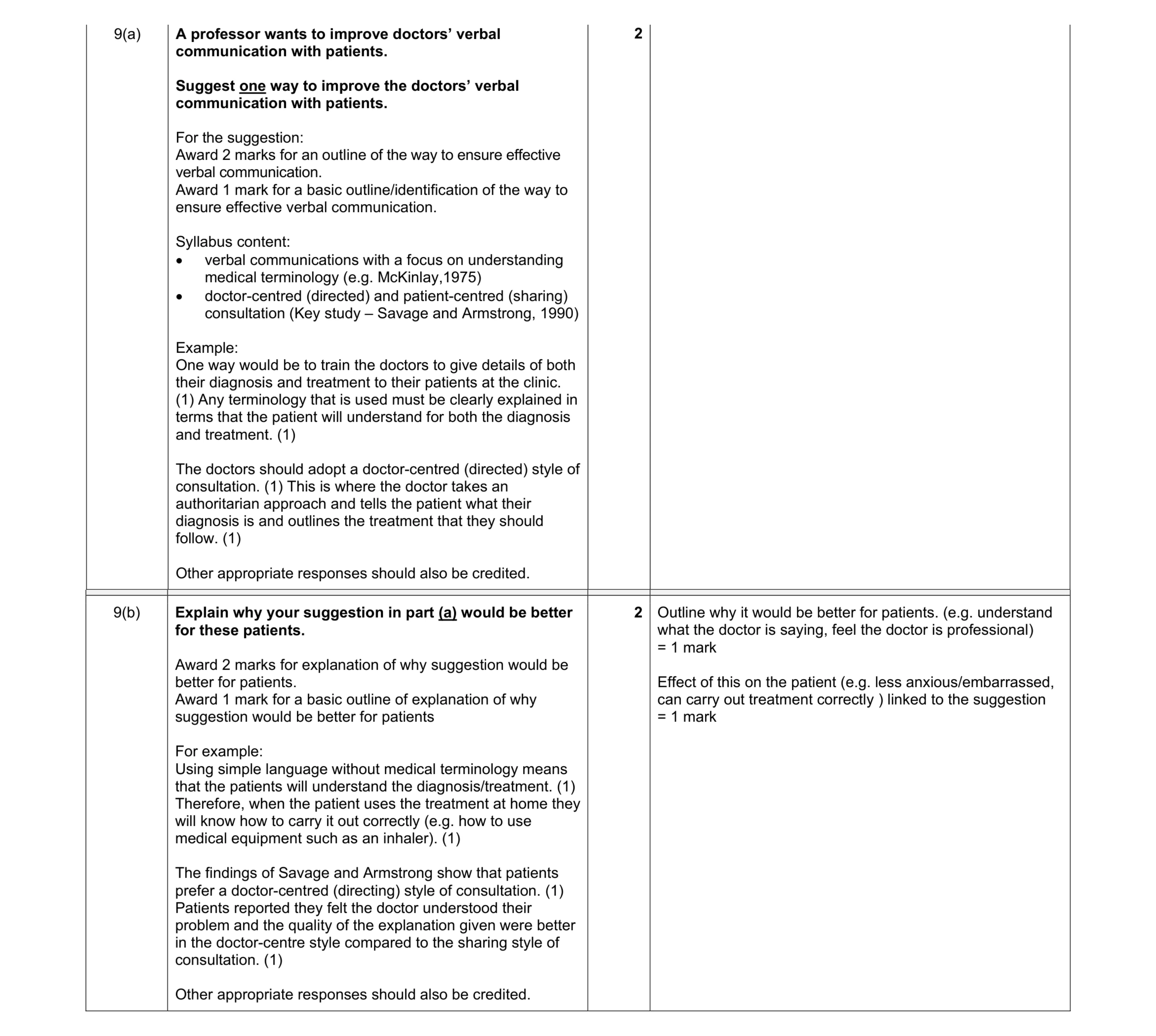 4
4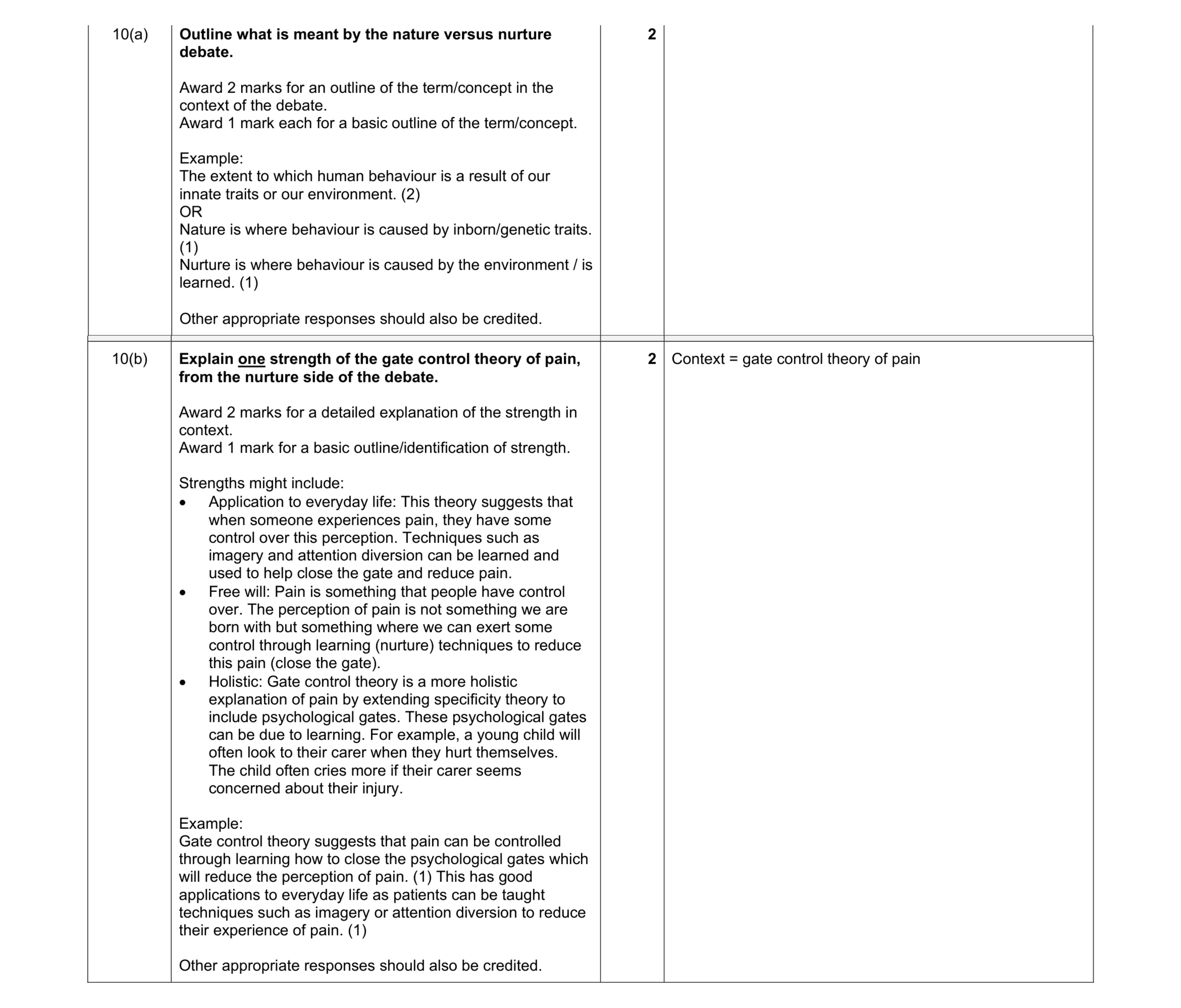 4
4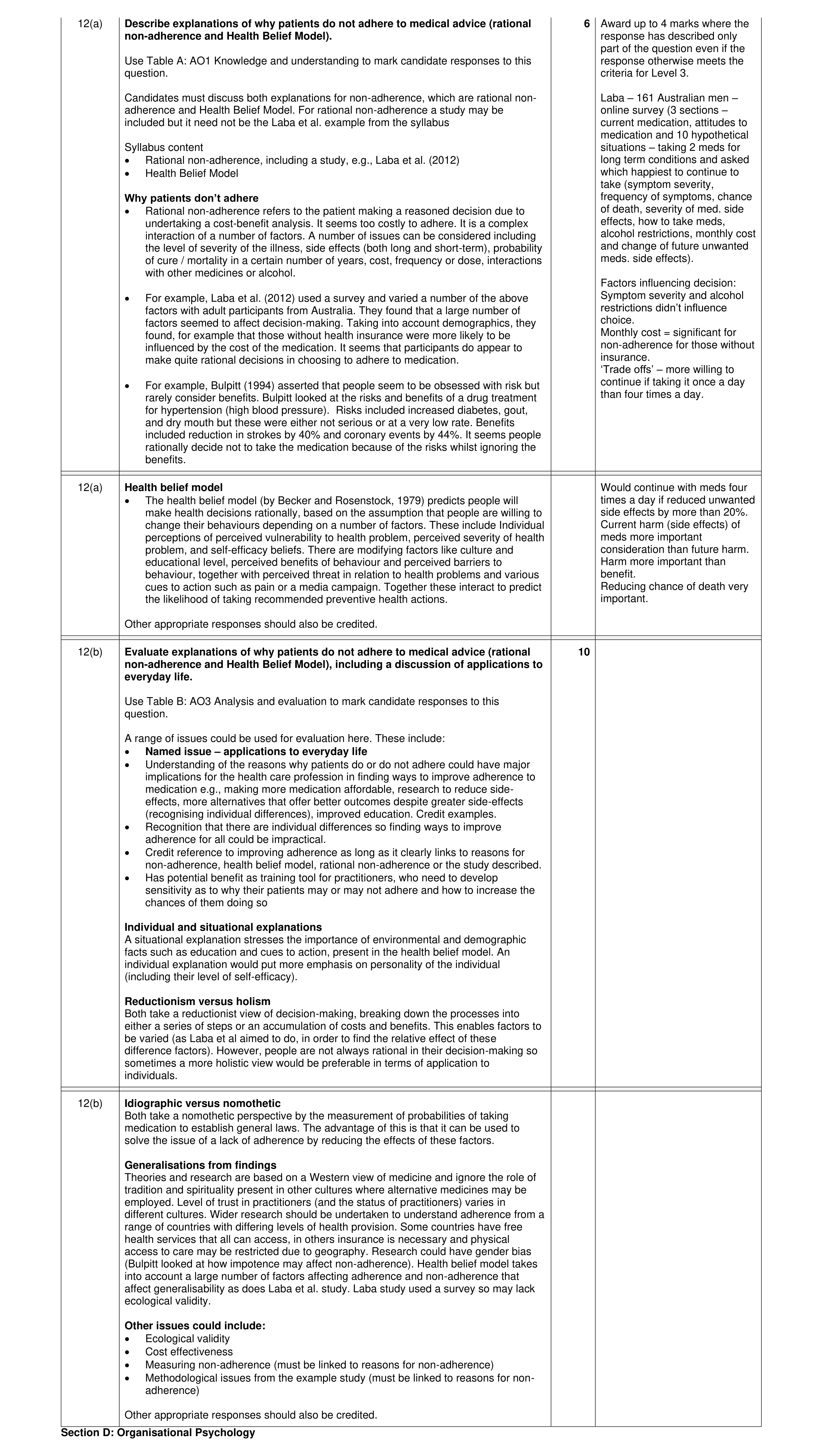 16
16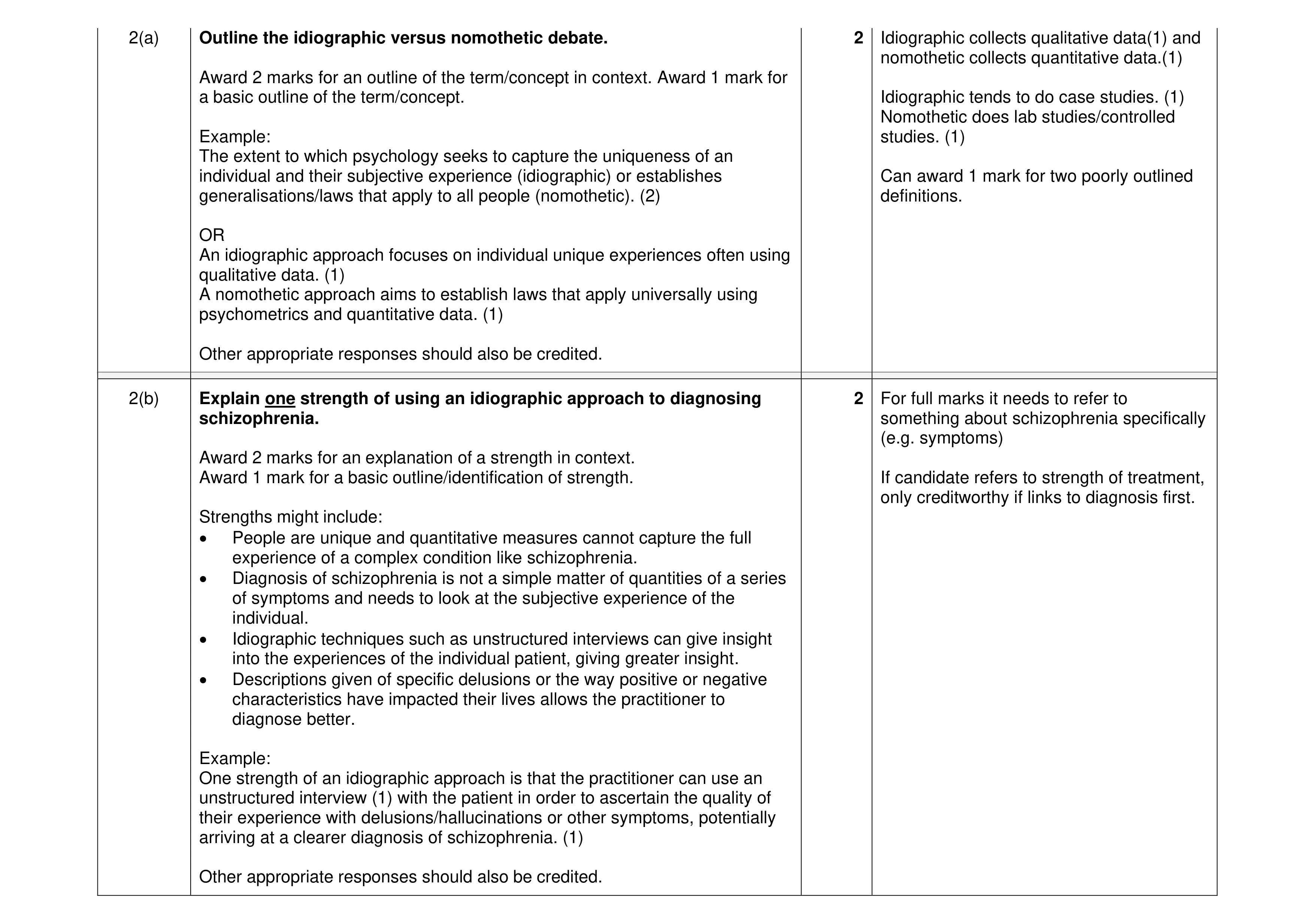 4
4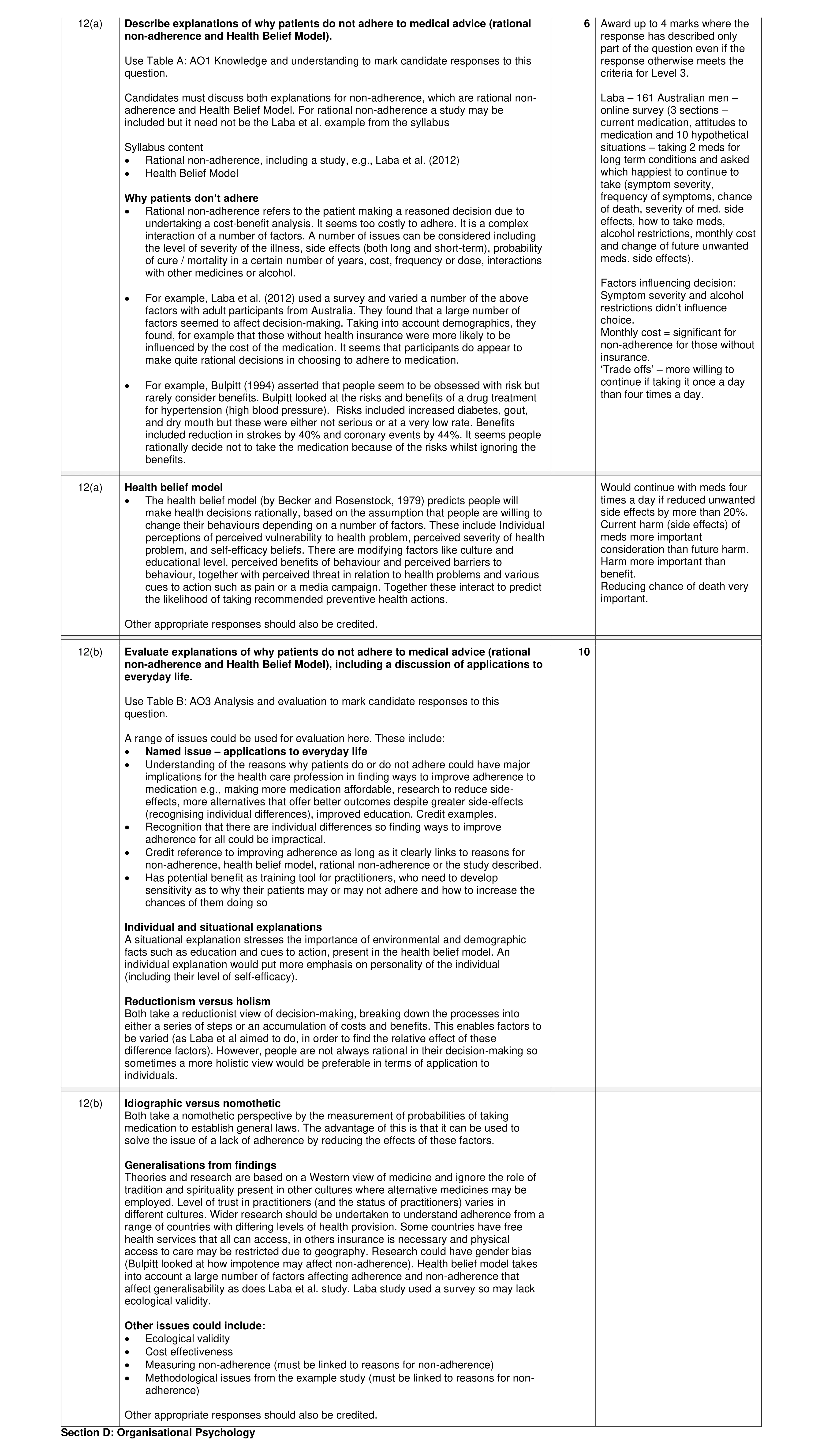 16
16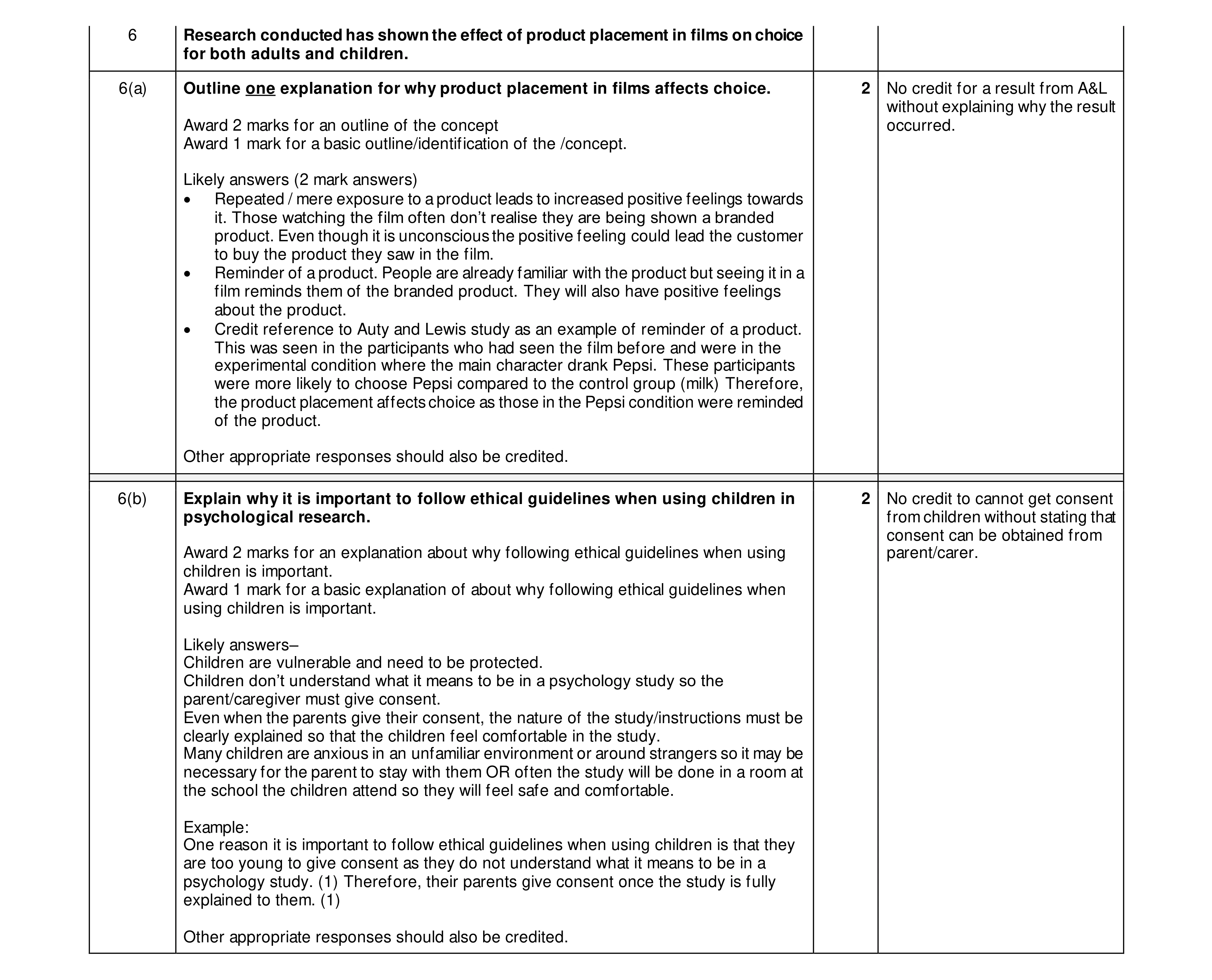 4
4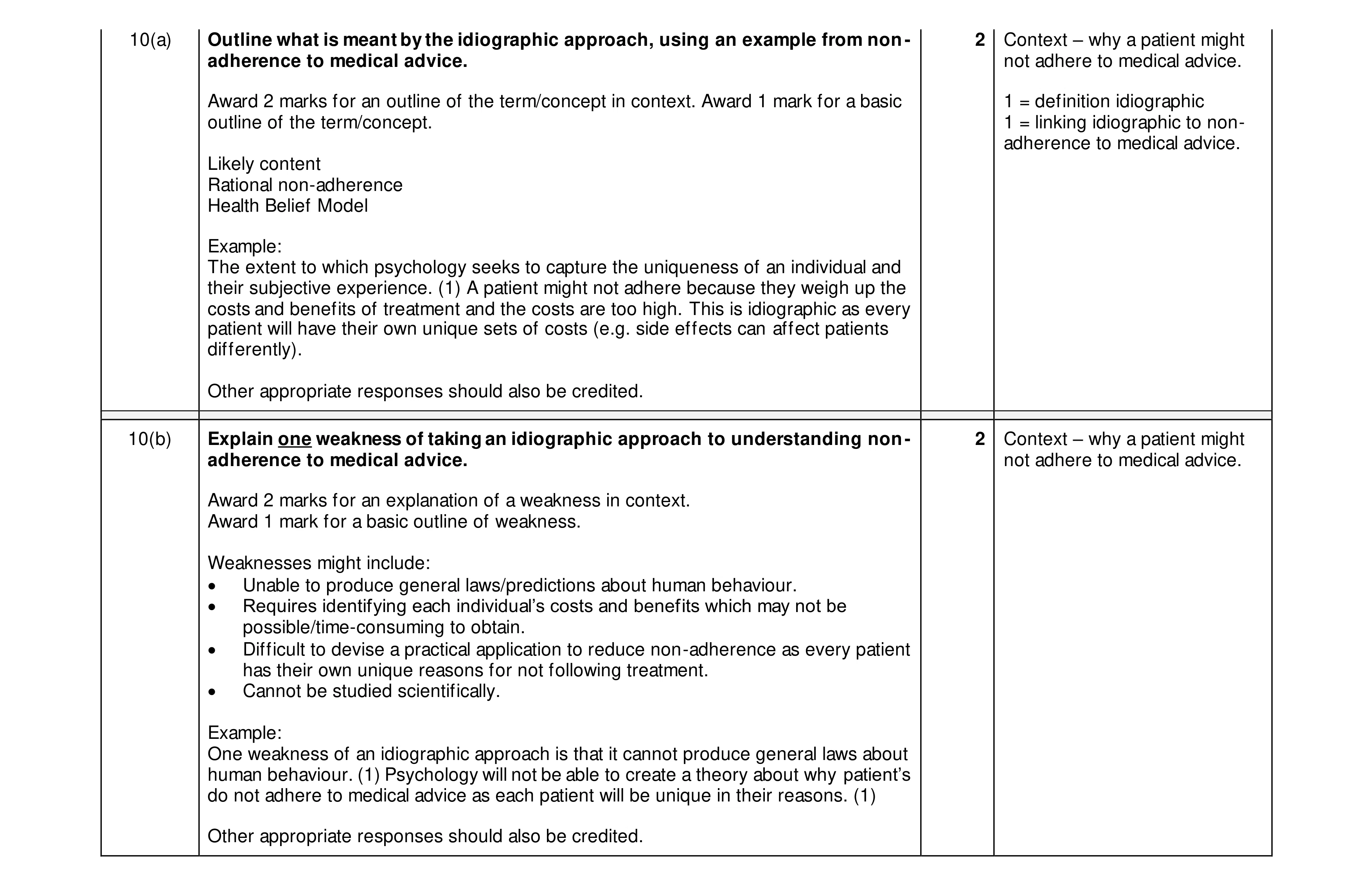 4
4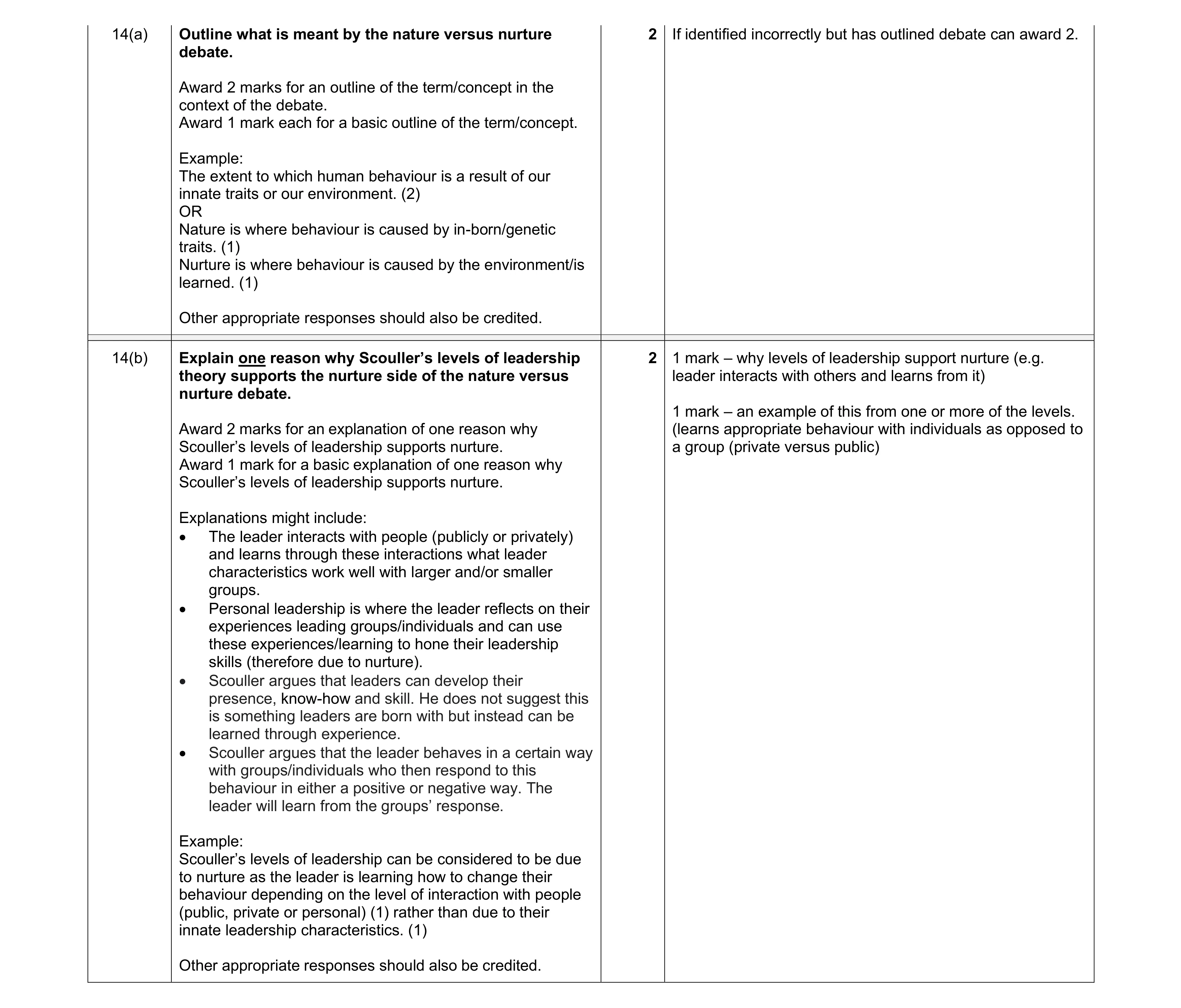 4
4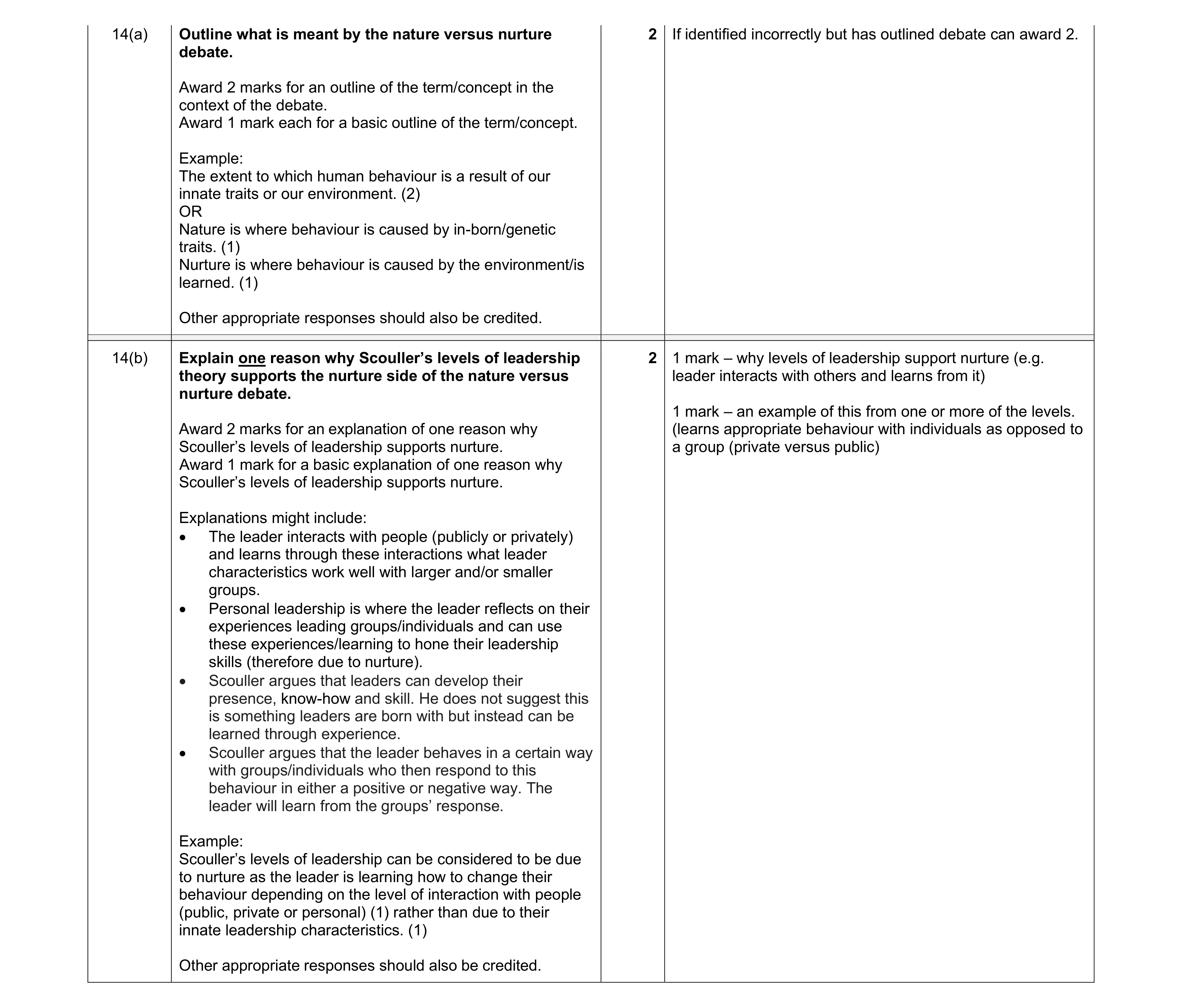 4
4 4
4 4
4 4
4 4
4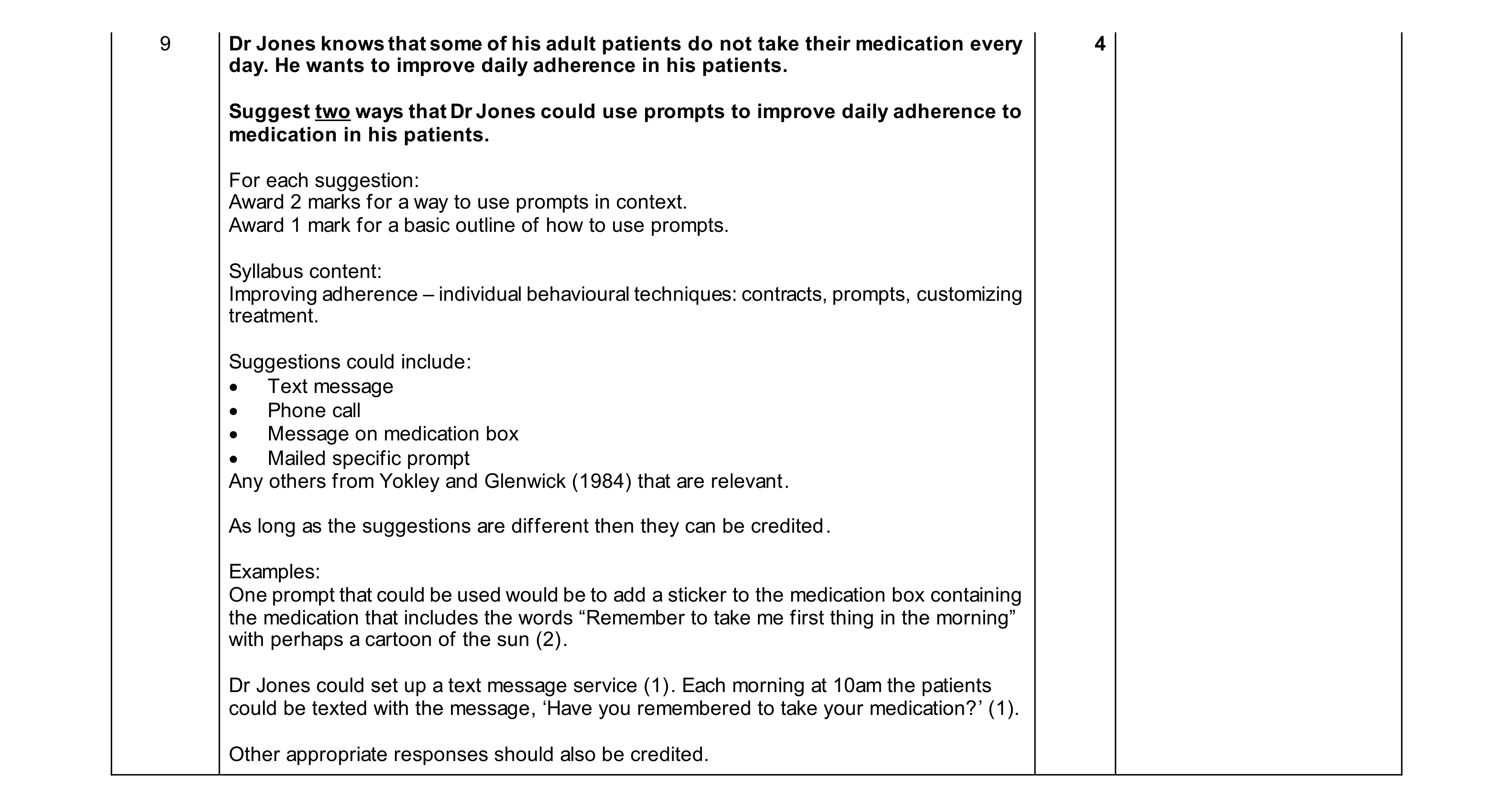 4
4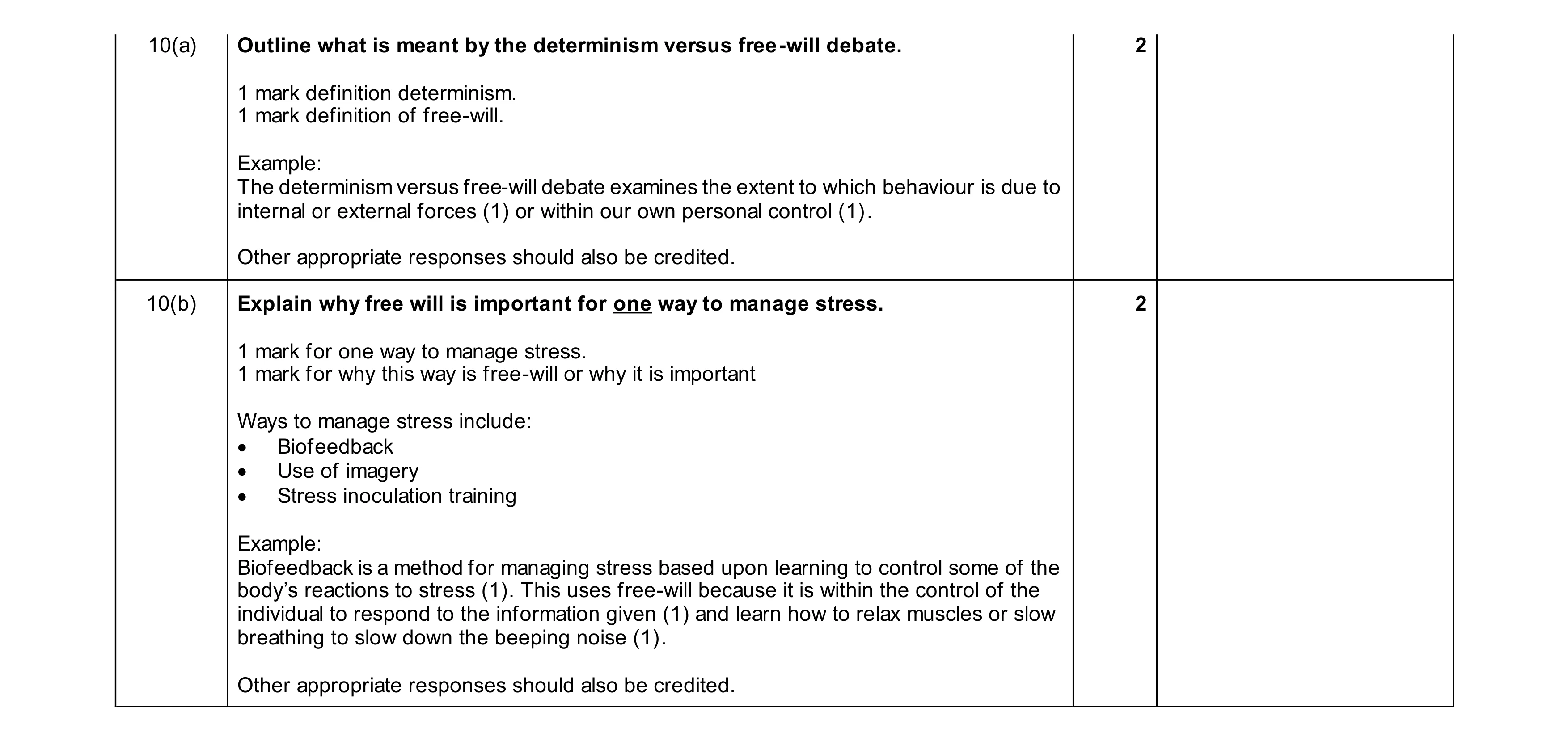 4
4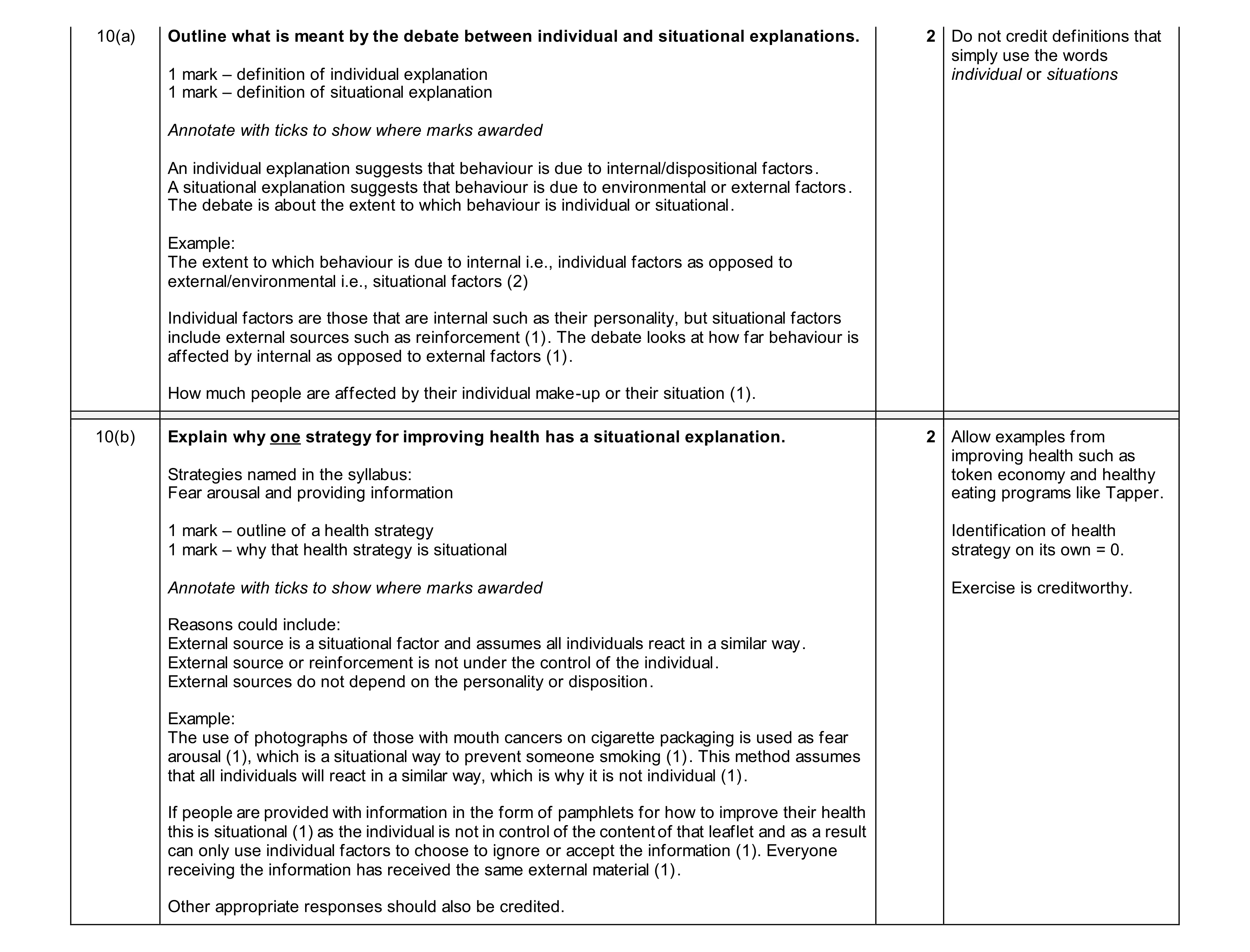 4
4