Questions as text
Q1 · For y Examiner's Use 6 5 4 D 3 A 2 1 _7 _6 _5 _4 _3 _2 _1 0 1 2 3 4 5 6 7 x _1 _2 C _3 _4… 0580/31 Oct/Nov 2004
2 For y Examiner's Use 6 5 4 D 3 A 2 1 _7 _6 _5 _4 _3 _2 _1 0 1 2 3 4 5 6 7 x _1 _2 C _3 _4 B _5 _6 (a) Describe fully the single transformation that maps triangle A onto triangle B. Answer(a) [3] (b) Describe fully the single transformation that maps triangle A onto triangle C. Answer(b) [3] (c) Find the centre and the scale factor of the enlargement that maps triangle A onto triangle D. Answer(c) centre ( , ) scale factor [2] (d) On the grid (i) draw the image of triangle A under a reflection in the line x = −1, [2] (ii) draw the image of triangle B under a rotation of 180° about (−4, −3). [2]
12 marks
Mark scheme: 2 a) translation 1 must be single transformation − 6 1 SC1 for correct vector inverted, or − 7 1 − 12 , or for correct row − 14 vector, or co-ordinates. Condone missing brackets b) rotation M1 must be single transformation -90 or 90 clockwise o.e. A1 about (0, 0) o.e. A1 IGCSE EXAMINATIONS – NOVEMBER 2004 0580/0581 3 c) (0, 0) 1 1.5 o.e. 1 not 3:2 etc. d) i) correct triangle drawn 2 SC1 for reflection of A in any vertical line or in y = -1 ii) correct triangle drawn 2 SC1 for 180o rotation about any point or SC1 for rotation ± 90o about (-4,-3) 12
This question in 0580/31 Oct/Nov 2004
Q2 · For y Examiner's Use 4 3 A 2 1 B –5 –4 –3 –2 –1 0 1 2 3 4 5 6 x –1 C –2 –3 D –4 6 − 3 (a)… 0580/31 May/June 2005
4 For y Examiner's Use 4 3 A 2 1 B –5 –4 –3 –2 –1 0 1 2 3 4 5 6 x –1 C –2 –3 D –4 6 − 3 (a) A translation is given by + . 3 − 4 (i) Write this translation as a single column vector. Answer(a)(i) [2] (ii) On the grid, draw the translation of triangle A using this vector. [2] 1 (b) Another translation is given by –2 − 1 (i) Write this translation as a single column vector. Answer(b)(i) [2] (ii) On the grid, draw the translation of triangle B using this vector. [2] (c) Describe fully the single transformation that maps shape C onto shape D. Answer(c) [3] (d) For y Examiner's Use x O The triangle in the diagram above is isosceles. (i) How many lines of symmetry does this triangle have? Answer(d)(i) [1] (ii) Write down the order of rotational symmetry of this triangle. Answer(d)(ii) [1] (iii) On the grid above, draw the rotation of this triangle about O through 180o. [2] (iv) Describe fully another single transformation that maps this triangle onto your answer for part (d)(iii). Answer(d)(iv) [2]
17 marks
Mark scheme: 4 (a) (i) 3 1 –1 1 (ii) correct translation 1 f.t. } f.t. where possible (i.e. still on the grid) drawn 1 f.t. } condone inaccuracy/unruled if intention is clear } if ½ scale used then penalise first occurence only (–1) (b) (i) –2 1 2 1 (ii) correct translation 1 f.t. } f.t. where possible (i.e. still on the grid) drawn 1 f.t. } condone inaccuracy/unruled if intention is clear (c) enlargement 1 } (centre) (0,0) o.e. 1 } must be a single transformation (scale factor) 2 1 } (d) (i) 1 1 (ii) 1 1 (iii) correct rotation 2 SC1 for 180 rotation about any other point drawn SC1 for ± 90 rotation about O (iv) reflection M1 } must be a single transformation in the x-axis oe B1(dep) } condone inaccuracy/unruled if intention is clear } enlargement, s.f. = –1, centre (0,0) is B2 17
This question in 0580/31 May/June 2005
Q3 · Draw accurately the reflection of the letter E in the mirror line m 0580/31 Oct/Nov 2005
1 (a) Draw accurately the reflection of the letter E in the mirror line m. For Examiner's Use m [2] (b) Each diagram below shows a shaded letter and its image. In each case describe fully the single transformation which maps the shaded figure onto its image. Mark and label any points you need in your descriptions. (i) Answer(b)(i) [3] (ii) Answer(b)(ii) [3] (iii) y 4 2 x –6 –4 –2 0 2 4 6 –2 –4 Answer(b)(iii) [3]
11 marks
Mark scheme: IGCSE NOVEMBER 2005 0580/0581 3 Question Answer Marks Comments Total 1 (a) Reflection drawn, 1 any recognisable reflected E in any vertical mirror line, allow correctly in mirror line 1 good freehand (b) (i) Rotation M1 or turn or rotated 90° clockwise or –90 A1 centre of rotation marked or described unambiguously A1 (ii) enlargement M1 or enlarged scale factor 3 A1 centre of enlargement marked or described SC1 for “made 3 times larger” unambiguously A1 etc. (iii) translation 1 B1 SC1 for both values correct but inverted, or − 7 B1 correct values with other imperfection, for − 5 example given as coordinates. [11]
This question in 0580/31 Oct/Nov 2005
Q4 · For y Examiner's Use 5 4 3 2 A C 1 x 4 3 2 1 0 1 2 3 4 5 6 7 8 1 2 3 B 4 5 (a) Describe… 0580/31 Oct/Nov 2006
4 For y Examiner's Use 5 4 3 2 A C 1 x 4 3 2 1 0 1 2 3 4 5 6 7 8 1 2 3 B 4 5 (a) Describe fully the single transformation that maps (i) triangle A onto triangle B, Answer(a) (i) [3] (ii) triangle A onto triangle C. Answer(a) (ii) [2] (b) On the grid above draw 2 (i) the translation of A by the vector , [2] −3 (ii) the rotation of B through 180° about the point (−1, −2). [2]
9 marks
Mark scheme: 4 (a) (i) Enlargement B1 . (Scale Factor) 3 B1 (Centre) (2, 4) B1 (ii) Reflection B1 (in the line) x = 4 B1 (b) (i) Correct translation drawn 2 SC1 for translation by the vector. − 3 1 2 k 2 − 1 . 5 k − 3 (ii) Correct rotation drawn 2 SC1 for any 180° rotation. SC1 for 90° or 270° rotation about (–1, –2) 9 IGCSE - OCT/NOV 2006 0580, 0581 3
This question in 0580/31 Oct/Nov 2006
Q5 · For l Examiner's Use DD CC AA BB O A quadrilateral ABCD, a line l and a point O are shown… 0580/31 May/June 2007
7 For l Examiner's Use DD CC AA BB O A quadrilateral ABCD, a line l and a point O are shown on the grid above. (a) Write down the mathematical name for the quadrilateral ABCD. Answer(a) [1] (b) On the grid above, draw the images of the quadrilateral ABCD under the following transformations. 9 (i) Translation by the vector . Label this image P. [2] − 3 (ii) Reflection in the line l. Label this image Q. [2] (iii) Rotation, centre A, through 90° anti-clockwise. Label this image R. [2] (iv) Enlargement, centre O and scale factor 3. Label this image S. [3]
10 marks
Mark scheme: 7 (a) Trapezium B1 − 3 (b) (i) Translation 9 across, 3 down B2 B1 for 9 across or 3 down or 9 (ii) Correct reflection B2 B1 any reflection of ABCD in a line parallel to l. (iii) Correct rotation B2 B1 90° clockwise rotation of ABCD about A (iv) Correct enlargement B3 B1 any enlargement of ABCD and B1 any enlargement of ABCD SF 3 or B1 any enlargement of ABCD centre O (not penalise lack of labelling provided intention clear) [10]
This question in 0580/31 May/June 2007
Q6 · For y Examiner's Use 7 6 5 4 3 2 T 1 x –7 –6 –5 –4 –3 –2 –1 0 1 2 3 4 5 6 7 –1 –2 –3 –4… 0580/31 Oct/Nov 2007
2 For y Examiner's Use 7 6 5 4 3 2 T 1 x –7 –6 –5 –4 –3 –2 –1 0 1 2 3 4 5 6 7 –1 –2 –3 –4 –5 –6 –7 _6 (a) Draw the image of triangle T after translation by the vector . Label it A. [2] 3 (b) Draw the image of triangle T after reflection in the line y = −1. Label it B. [2] (c) Draw the image of triangle T after rotation through 180° about the point (0, 0). Label it C. [2] (d) Draw the image of triangle T after enlargement, centre (0, 0), scale factor 2. Label it D. [2] (e) Describe clearly the single transformation which maps triangle D onto triangle T. Answer(e) [3]
11 marks
Mark scheme: 2 all within 1 mm (a) translation B2 (–5,4), (–3,4), (–4,5) drawn SC1 for any other translation not parallel to a axis (b) reflection B2 (1,–3), (3,–3), (2,–4) drawn SC1 for reflection in x=–1 or any y=k (c) rotation B2 (–1,–1), (–3,–1), (–2,–2) drawn SC1 for any 180 rotation or +90, –90 about (0,0) (d) enlargement B2 (2,2), (6,2), (4,4) drawn SC1 for any other enlargement sf=2 or centre (0,0) (e) enlargement B1 (sf=) 1/2 B1 (centre) (0,0) B1 accept O [11] IGCSE – October/November 2007 0580 and 0581 3
This question in 0580/31 Oct/Nov 2007
Q7 · For y Examiner's Use 5 4 3 2 D C 1 x –6 –5 –4 –3 –2 –1 0 1 2 3 4 5 6 –1 A –2 –3 E –4 –5 B… 0580/31 May/June 2008
2 For y Examiner's Use 5 4 3 2 D C 1 x –6 –5 –4 –3 –2 –1 0 1 2 3 4 5 6 –1 A –2 –3 E –4 –5 B –6 –7 Describe fully the single transformation which maps (a) A onto B, Answer(a) [3] (b) C onto D, Answer(b) [2] (c) A onto C, Answer(c) [3] (d) C onto E. Answer(d) [3]
11 marks
Mark scheme: 2 (a) translation B1 col.vector 2 -4 B1 B1 SC1 for col.vectors 4 -8 or -4 2 or for (2, -4) (b) reflection B1 (in) x = 0 or y axis B1 (c) rotation B1 90º (anticlockwise) oe B1 i.e. 1/4, 270 clockwise, - 270 (about) origin oe B1 accept (0,0), O (d) enlargement B1 (scale factor) -2 B1 SC1 for enlargement, SF=2, about origin (oe) and (centre) origin oe B1 rotation of 180 about the origin (oe) [11]
This question in 0580/31 May/June 2008
Q8 · For y Examiner's Use 6 5 4 3 C 2 1 B x –6 –5 –4 –3 –2 –1 0 1 2 3 4 5 6 –1 –2 A –3 –4 –5… 0580/31 Oct/Nov 2008
8 For y Examiner's Use 6 5 4 3 C 2 1 B x –6 –5 –4 –3 –2 –1 0 1 2 3 4 5 6 –1 –2 A –3 –4 –5 Triangle ABC is drawn on the grid. (a) (i) Write down the coordinates of A. Answer(a)(i) ( , ) [1] (ii) Write AB and BC as column vectors. Answer(a)(ii) AB = BC = [2] 4 (b) Translate triangle ABC by the vector _ . Label the image T. [2] 3 (c) AP = 2AB and AQ = 2AC. (i) Plot the points P and Q on the grid. [2] (ii) Describe fully the single transformation which maps triangle ABC onto triangle APQ. Answer(c)(ii) [3] (d) Rotate triangle ABC through 180° about the midpoint of the side AB. Label the image R. [2]
12 marks
Mark scheme: 8 (a) (i) (−3, −2) W1 (ii) 2 2 4 − 3 (AB =) , (BC =) SC1 for and W1, 4 −3 2 2 W1 (b) (1, −5), (5, −3), (2, −1) W2 W1 for 2 correct points plotted Must join points, with straight lines, for both marks. (c) (i) P( 5, 2), Q( −1, 6) W1, W1 (ii) Enlargement W1 (Scale factor) 2 W1 (Centre ) A or (−3, −2) W1ft Ft their (a)(i) Zero if not a single transformation (d) ( 0, −4) marked W1 Joined to A and B W1ft Their image of C joined to A and B.
This question in 0580/31 Oct/Nov 2008
Q9 · For Examiner's y Use 10 A B 8 6 4 2 x –10 –8 –6 –4 –2 0 2 4 6 8 10 –2 –4 –6 –8 –10 (a)… 0580/31 May/June 2009
5 For Examiner's y Use 10 A B 8 6 4 2 x –10 –8 –6 –4 –2 0 2 4 6 8 10 –2 –4 –6 –8 –10 (a) Two different single transformations can map shape A onto shape B. Describe each transformation fully. Answer(a) or [4] (b) Reflect shape A in the x axis. Draw the image and label it C. [2] (c) Rotate shape B through 90° clockwise about the origin. Draw the image and label it D. [2] (d) Describe fully the single transformation which maps shape C onto shape B. Answer(d) [3] 1 (e) Draw the enlargement of shape A, centre (– 4, 8), with scale factor . 2 Label the image E. [2]
13 marks
Mark scheme: 5 (a) Reflection in y axis or x = 0 2 W1 transformation W1 Line 8 Translation or 8 right (only) 2 W1 transformation 0 W1 vector or description (b) 2 SC1 A reflected in a horizontal line, not the x Correct reflected pentagon axis (c) 2 SC1 B rotated anti-clockwise 90° about the Correct rotated pentagon origin or 90° clockwise about any other point. (d) 3 W1 rotation, W1 180, W1 origin Rotation, 180, (About) origin oe SC3 Enlargement (SF) –1 origin Accept (0, 0) for origin. (e) 2 W1 for any enlargement of A with a scale factor Correct enlarged pentagon of 12 . IGCSE – May/June 2009 0580, 0581 03
This question in 0580/31 May/June 2009
Q10 · Examiner's y Use 7 6 5 4 S R C D 3 W Q 2 B 1 P V U T A x –7 –6 –5 –4 –3 –2 –1 0 1 2 3 4 5… 0580/31 May/June 2010
5 Examiner's y Use 7 6 5 4 S R C D 3 W Q 2 B 1 P V U T A x –7 –6 –5 –4 –3 –2 –1 0 1 2 3 4 5 6 7 –1 –2 –3 –4 (a) On the grid, draw the image of 4 (i) the flag ABCD after translation by , [2] −3 (ii) the flag ABCD after enlargement, scale factor 2, centre the origin, [2] (iii) the flag ABCD after reflection in the x-axis. [2] (b) Describe fully the single transformation which maps ABCD onto PQRS. [2] (c) Describe fully the single transformation which maps ABCD onto TUVW. [3]
11 marks
Mark scheme: 4 k − 3 5 (a) (i) correct image 2 B1 for translation by k or −3 or 4 (ii) correct image 2 B1 for figure of correct size and orientation in wrong position (iii) correct image 2 B1 for reflection in y-axis or in any horizontal line. (b) Reflection, x = −2 2 B1 each (c) Rotation, origin, 90° (anti-clockwise or 3 B1 each +90°) accept 270° clockwise, −270°,1/4 IGCSE – May/June 2010 0580 31
This question in 0580/31 May/June 2010
Q11 · For y Examiner's Use 6 5 4 3 2 Q P 1 x –7 –6 –5 –4 –3 –2 –1 0 2 3 4 5 6 7 –1 R –2 –3 –4… 0580/31 Oct/Nov 2010
8 For y Examiner's Use 6 5 4 3 2 Q P 1 x –7 –6 –5 –4 –3 –2 –1 0 2 3 4 5 6 7 –1 R –2 –3 –4 –5 Shapes P, Q, and R are shown on the grid. (a) On the grid, draw the image of shape P after (i) a rotation through 180° about the origin, [2] (ii) a reflection in the line y = 3, [2] −5 (iii) a translation by the vector . [2] 3 (b) Describe fully the single transformation which maps (i) shape P onto shape Q, Answer(b)(i) [2] (ii) shape P onto shape R . Answer(b)(ii) [3]
11 marks
Mark scheme: 8 (a) (i) Rotated 180° about origin 2 B1 for correct shape and orientation in wrong position (ii) Reflected in y = 3 2 B1 for reflection in x = 3 or y = k k 5 − 5 − (iii) Translated by 3 2 B1 for translation by 3 or k 3 or −5 (b) (i) Reflection 1 x = –1 1 (ii) Enlargement only 1 B1 for each (sf) 3 1 Independent (centre) (1, 3) 1 Independent
This question in 0580/31 Oct/Nov 2010
Q12 · For y Examiner's Use 12 11 10 9 8 7 6 G H 5 4 3 F I 2 1 x –5 –4 –3 –2 –1 0 1 2 3 4 5 6 7… 0580/33 Oct/Nov 2010
3 For y Examiner's Use 12 11 10 9 8 7 6 G H 5 4 3 F I 2 1 x –5 –4 –3 –2 –1 0 1 2 3 4 5 6 7 8 9 10 –1 –2 –3 (a) Describe fully the single transformation that maps (i) flag F onto flag G, Answer(a)(i) [2] (ii) flag F onto flag H, Answer(a)(ii) [2] (iii) flag F onto flag I. Answer(a)(iii) [3] (b) On the grid, draw (i) the reflection of flag F in the y-axis, [2] (ii) the enlargement of flag F, centre (0, 0) and scale factor 4. [2]
11 marks
Mark scheme: 5 3 (a) (i) Translation 1, 1 3 (ii) Reflection in line y = 4 1, 1 Line can be labelled on diagram (iii) Rotation, (2, 2.5), 180° or half- 1, 1, 1 Centre could be labelled on diagram turn (b) (i) Correct reflection in y-axis 2 SC1 for reflection in x-axis (ii) Correct enlargement, (0, 0), 2 SC1 for any enlargement centre (0, 0) or factor 4 factor 4 IGCSE – October/November 2010 0580 33
This question in 0580/33 Oct/Nov 2010
Q13 · For B Examiner's Use T P A (i) Reflect triangle T in the line AB 0580/31 May/June 2011
7 (a) For B Examiner's Use T P A (i) Reflect triangle T in the line AB. Label your image X. [1] (ii) Rotate triangle T through 90° clockwise about the point P. Label your image Y. [2] y (b) 8 7 R 6 5 4 3 Q 2 P 1 x –1 0 1 2 3 4 5 6 7 8 9 10 11 12 –1 Describe the single transformation which maps (i) flag P onto flag Q, Answer(b)(i) [3] (ii) flag P onto flag R. Answer(b)(ii) [2]
8 marks
Mark scheme: (ii) 3 ft B2 for 5 or 6 points correct 7 points correct B1 for 3 or 4 points correct 1 Must be close to parabolic in shape smooth curve (iii) 1 −1.5 to −1.3 cao 1 1.3 to 1.5 cao (c) 1, 1 (−1, −1) and (3, 7) cao IGCSE – May/June 2011 0580 31 6 (a) (i) 144 1 (ii) 125 1 (iii) 103 1 (iv) 159 1
This question in 0580/31 May/June 2011
Q14 · For y Examiner's Use 6 5 4 A 3 2 1 x –6 –5 –4 –3 –2 –1 0 1 2 3 4 5 6 –1 B –2 –3 –4 –5 –6… 0580/32 May/June 2011
2 For y Examiner's Use 6 5 4 A 3 2 1 x –6 –5 –4 –3 –2 –1 0 1 2 3 4 5 6 –1 B –2 –3 –4 –5 –6 The diagram shows two triangles drawn on a 1 cm square grid. (a) (i) Describe fully the single transformation which maps triangle A onto triangle B. Answer(a)(i) [3] (ii) Calculate the area of triangle A. Answer(a)(ii) cm2 [2] (iii) Find the perimeter of triangle A. Answer(a)(iii) cm [1] (b) Reflect triangle A in the x-axis. Label the image P. [1] (c) Rotate triangle A through 90° clockwise about (0, 0). Label the image Q. [2] (d) Describe fully the single transformation which maps triangle P onto triangle Q. Answer(d) [2]
11 marks
Mark scheme: 2 (a) (i) Enlargement 1 (Scale factor) − 12 1 Independent marks 1 (centre) origin oe (ii) 12 2 M1 for 0.5 × 6 × 4 or SC1 for –12 (iii) 15.7 to 16.5(cm) 1 (b) Image (0, −2), (−6, −2) and (−4, −6) 1 (c) Image (2, 0), (2, 6) and (6, 4) 2 SC1 rotation 90° anti-clockwise or 90° clockwise about any other point (d) Reflection 1 Independent marks y = −x oe 1 if no equation given then accept correct line drawn on diagram IGCSE – May/June 2011 0580 32
This question in 0580/32 May/June 2011
Q15 · For y Examiner's Use 8 7 6 5 4 C 3 2 B A 1 x –8 –7 –6 –5 –4 –3 –2 –1 0 1 2 3 4 5 6 7 8 9… 0580/33 May/June 2011
8 For y Examiner's Use 8 7 6 5 4 C 3 2 B A 1 x –8 –7 –6 –5 –4 –3 –2 –1 0 1 2 3 4 5 6 7 8 9 –1 –2 –3 –4 (a) On the grid, draw the images of the following transformations of shape A. (i) Reflection in the x-axis [1] 3 (ii) Translation by the vector [2] 4 (iii) Rotation, centre (0, 0), through 180° [2] (b) Describe fully the single transformation that maps (i) shape A onto shape B, Answer(b)(i) [2] (ii) shape A onto shape C. Answer(b)(ii) [3]
10 marks
Mark scheme: 8 (a) (i) Image at (3, –1), (5, –1), (5, –2), (3, –3) 1 3 k − 3 (ii) Image at (6, 5), (8, 5), (8, 6), (6,7) 2 SC1 for translation by or or k 4 − 4 (iii) Image at (–3, –1), (–5, –1), (–5, –2), 2 SC1 for 180° rotation not about (0, 0) (–3, –3) (b) (i) Reflection, x = –1 1, 1 Allow clearly labelled line in place of x = –1 (ii) Enlargement, (factor) 3, (centre) (6, 1) 1, 1, 1 Allow centre clearly labelled
This question in 0580/33 May/June 2011
Q16 · For y Examiner's Use 6 5 4 3 A 2 1 x –6 –5 –4 –3 –2 –1 0 1 2 3 4 5 6 –1 –2 –3 B –4 –5 –6… 0580/31 Oct/Nov 2011
8 For y Examiner's Use 6 5 4 3 A 2 1 x –6 –5 –4 –3 –2 –1 0 1 2 3 4 5 6 –1 –2 –3 B –4 –5 –6 The diagram shows two shapes A and B. (a) Describe fully the single transformation which maps A onto B. Answer(a) [2] (b) On the grid, draw the line x = 2. [1] (c) On the grid, draw the image of shape A after the following transformations. (i) Reflection in the line x = 2. Label the image C. [1] (ii) Enlargement, scale factor 2, centre (0, 0). Label the image D. [2]
6 marks
Mark scheme: 0 8 (a) Translation 2 B1 for translation B1 for column vector −6 (b) Correct line drawn 1 Continuous full line. Accept freehand. (c) (i) Correct reflection 1ft Their (b) (ii) Correct enlargement 2 B1 for any other enlargement scale factor 2
This question in 0580/31 Oct/Nov 2011
Q17 · For Examiner's Use W C l On the grid, (i) draw the reflection of W in the line l, [2]… 0580/33 Oct/Nov 2011
4 (a) For Examiner's Use W C l On the grid, (i) draw the reflection of W in the line l, [2] (ii) rotate W anticlockwise through 90°, about the point C. [2] (b) y 3 2 1 P R x –5 –4 –3 –2 –1 0 1 2 3 4 5 6 7 Q –1 –2 –3 –4 (i) Describe fully the single transformation that maps P onto Q. Answer(b)(i) [2] (ii) Describe fully the single transformation that maps P onto R. Answer(b)(ii) [3]
9 marks
Mark scheme: 4 (a) (i) Correct reflection 2 B1 if reflected in other vertical line (ii) Correct rotation 2 B1 if rotated about C but clockwise through 90° or correct rotation about their reflected C − 9 (b) (i) Translation, 2 B1 for translation − 1 B1 for column vector (ii) Enlargement , (centre) (0, 0), 3 B1 B1 B1 1 (sf) 2
This question in 0580/33 Oct/Nov 2011
Q18 · For y Examiner's Use 8 6 4 A 2 x –6 –4 –2 0 2 4 6 8 –2 D –4 –6 –8 Two shapes A and D are… 0580/31 May/June 2012
2 For y Examiner's Use 8 6 4 A 2 x –6 –4 –2 0 2 4 6 8 –2 D –4 –6 –8 Two shapes A and D are shown on the grid. (a) (i) Reflect shape A in the line x = 0. Label this image B. [2] (ii) Rotate shape A through 180° about (2, 4). Label this image C. [2] (iii) Enlarge shape A with scale factor 2 and centre (3, 7). Label this image E. [2] (b) Describe fully the single transformation that maps shape D onto (i) shape B, Answer(b)(i) [2] (ii) shape C. Answer(b)(ii) [2]
10 marks
Mark scheme: 2 (a) (i) Image at (–5,2), (–2,2), (–2,4), 2 B1 correct reflection in x = k, k ≠ 0 (–3,4), (–3,3), (–5,3) SC1 for totally correct reflection in x axis (ii) Image at (2,4), (2,6), (–1,6), (–1,5), 2 SC1 for 180° rotation not about (2,4) (1,5), (1,4) (iii) Image at (1,1), (3,1), (3, –1), 2 SC1 for correct size and orientation (7, –1), (7, –3), (1, –3) (b) (i) Reflection, y = 0 or x axis 1ft, 1ft Ft their (a)(i) 4 (ii) Translation, 1ft, 1ft Strict ft 8 Allow 4 right and 8 up IGCSE – May/June 2012 0580 31 1
This question in 0580/31 May/June 2012
Q19 · For y Examiner's Use 8 A 6 4 2 x –8 –6 –4 –2 0 2 4 6 8 –2 C D B –4 –6 –8 (a) Describe… 0580/32 May/June 2012
2 For y Examiner's Use 8 A 6 4 2 x –8 –6 –4 –2 0 2 4 6 8 –2 C D B –4 –6 –8 (a) Describe fully the single transformation that maps A onto (i) B, Answer(a)(i) [2] (ii) C, Answer(a)(ii) [3] (iii) D. Answer(a)(iii) [2] 1 (b) On the grid, draw the enlargement of A, scale factor , centre (0, 0). [2] 2
9 marks
Mark scheme: 2 (a) (i) Reflection 1 1 y = −1 (ii) Rotation 1 180 or ½ turn 1 (centre) (0, 0) or O or origin 1 (iii) Translation 1 7 1 −9 (b) Enlargement scale factor 0.5 drawn at 2 B1 for 0.5 enlargement at incorrect position. the correct position.
This question in 0580/32 May/June 2012
Q20 · Draw all the lines of symmetry on this rectangle 0580/33 May/June 2012
5 (a) Draw all the lines of symmetry on this rectangle. For Examiner's Use [2] (b) Shade one square so that the shaded shape has rotational symmetry of order 2. [1] (c) On the grid below, draw an enlargement of the triangle with a scale factor of 2. [2] (d) For y Examiner's Use 6 5 4 3 A 2 1 x –6 –5 –4 –3 –2 –1 0 1 2 3 4 5 6 –1 –2 D –3 –4 P –5 –6 (i) Write down the co-ordinates of the point P. Answer(d)(i) ( , ) [1] (ii) Reflect triangle A in the y-axis. Label the image B. [1] 1 (iii) Translate triangle A by the vector . −3 Label the image C. [2] (iv) Describe the single transformation that maps triangle A onto triangle D. Answer(d)(iv) [3]
12 marks
Mark scheme: 5 (a) two correct ruled lines 1,1 SC1 correct but freehand or fully correct with one extra line (b) correct square shaded 1 (c) correct enlargement 2 1 for a correct side (d) (i) 1, –5 1 (ii) correct reflection 1 (iii) correct translation 2 B1 for either direction e.g. 1 to the right or 3 down SC1 for complete correct 3 left and 1 up triangle (iv) rotation, (centre) (0,0) 3 1 for rotation, 1 for (centre) (0,0), 1 for angle 180 angle 180 IGCSE – May/June 2012 0580 33
This question in 0580/33 May/June 2012
Q21 · For y Examiner's Use 8 7 6 5 C 4 3 A 2 B 1 x –6 –5 –4 –3 –2 –1 0 1 2 3 4 5 6 –1 –2 –3 –4… 0580/31 Oct/Nov 2012
10 For y Examiner's Use 8 7 6 5 C 4 3 A 2 B 1 x –6 –5 –4 –3 –2 –1 0 1 2 3 4 5 6 –1 –2 –3 –4 –5 –6 –7 –8 Shapes A, B and C are shown on the grid. (a) Describe fully the single transformation which maps (i) shape A onto shape B, Answer(a)(i) [3] (ii) shape A onto shape C. Answer(a)(ii) [3] (b) On the grid, draw the image of shape A after 3 (i) translation by the vector , [2] −4 (ii) reflection in the line y = –1. [2]
10 marks
Mark scheme: 10 (a) (i) Rotation, 3 B1 for each 90° anticlockwise oe, (centre) (0, 0), origin, O (ii) Enlargement, 3 B1 for each (scale factor) 2, (centre) (–1, 1) (b) (i) correct translation 2 B1 for 3 right or 4 down (ii) correct reflection 2 B1 for reflection in any line parallel to x-axis or for correct reflection in x = –1
This question in 0580/31 Oct/Nov 2012
Q22 · For l Examiner's Use C B A F E D P (a) Describe fully the single transformation that maps… 0580/32 Oct/Nov 2012
3 For l Examiner's Use C B A F E D P (a) Describe fully the single transformation that maps triangle ABC onto triangle DEF. Answer(a) [2] (b) (i) Reflect triangle ABC in the line l. Label the image M. [1] (ii) Rotate triangle ABC through 90° clockwise about vertex A. Label the image T. [2] (c) Triangle DEF is enlarged by scale factor 2. The image of vertex D is the point labelled P on the grid. Mark the image of vertex E. Label this point Q. Mark the image of vertex F. Label this point R. [2]
7 marks
Mark scheme: 3 (a) Translation 1 − 6 1 − 5 (b) (i) Correct reflection 1 (ii) Correct rotation 2 SC1 for 90° anti-clockwise about A or 90° clockwise about any other point. (c) Points Q and R 1, 1
This question in 0580/32 Oct/Nov 2012
Q23 · For y Examiner's Use 8 7 6 5 4 3 A 2 1 x –6 –5 –4 –3 –2 –1 0 1 2 3 4 5 6 7 8 9 10 –1 –2 B… 0580/33 Oct/Nov 2012
5 For y Examiner's Use 8 7 6 5 4 3 A 2 1 x –6 –5 –4 –3 –2 –1 0 1 2 3 4 5 6 7 8 9 10 –1 –2 B –3 –4 –5 –6 (a) What special type of quadrilateral is shape A? Answer(a) [1] (b) Describe fully the single transformation which maps shape A onto shape B. Answer(b) [3] (c) On the grid (i) reflect shape A in the y-axis and label the image C, [2] − 6 (ii) translate shape A by and label the image D, [2] − 4 (iii) enlarge shape A by scale factor 2, with centre (0, 0) and label the image E. [2]
10 marks
Mark scheme: 5 (a) Parallelogram 1 (b) Rotation, 90° clockwise, about origin 1,1,1 (c) (i) Correct reflection 2 B1 reflection in the x axis (ii) Correct translation 2 B1 for translation –6,k or k,–4 (iii) Correct enlargement 2 B1 Correct size, wrong position
This question in 0580/33 Oct/Nov 2012
Q24 · On each of the following shapes draw any lines of symmetry 0580/31 May/June 2013
3 (a) On each of the following shapes draw any lines of symmetry. For Examiner′s Use (i) [1] (ii) [2] (b) Complete this shape by shading one square so that it has rotational symmetry of order 2. [1] (c) For Examiner′s y Use 7 6 B 5 4 3 A 2 T 1 x –7 –6 –5 –4 –3 –2 –1 0 1 2 3 4 5 6 7 –1 –2 –3 –4 –5 –6 –7 On the grid, draw the image of triangle T after a (i) refl ection in the line x = 4, [2] -5 (ii) translation by the vector , [2] -4 e o (iii) rotation, centre (4, 1) through 180°. [2] (d) Describe fully the single transformation that maps (i) triangle T onto triangle A, Answer(d)(i) … [3] (ii) triangle T onto triangle B. Answer(d)(ii) … [2] _____________________________________________________________________________________
15 marks
Mark scheme: 3 (a) (i) one correct line 1 (ii) only two correct lines 2 B1 for either correct line with at most one incorrect (b) correct square 1 (c) (i) correct reflection 2 B1 for reflection in x = k or y = 4 (ii) correct translation 2 B1 for 5 left or 4 down − 4 SC for translation of − 5 (iii) correct rotation 2 B1 for a correct rotation about the wrong centre (d) (i) rotation 1 centre (0,0) 1 angle 90° 1 [anticlockwise] 1 (ii) translation − 6 1 3
This question in 0580/31 May/June 2013
Q25 · For Examiner′s y Use 9 8 7 6 5 B A 4 3 2 1 x –8 –7 –6 –5 –4 –3 –2 –1 0 1 2 3 4 5 6 7 8 –1… 0580/33 May/June 2013
3 For Examiner′s y Use 9 8 7 6 5 B A 4 3 2 1 x –8 –7 –6 –5 –4 –3 –2 –1 0 1 2 3 4 5 6 7 8 –1 –2 –3 –4 –5 –6 –7 –8 –9 (a) Write down the order of rotational symmetry of shape A. Answer(a) … [1] (b) Describe fully the single transformation which maps shape A onto shape B. Answer(b) … [2] - 7 (c) (i) Translate shape A by the vector . -5 e o Label the image C. [2] (ii) Rotate shape A through 90° clockwise about the origin. Label the image D. [2] (d) Triangle LMN is drawn on the 1 cm2 grid below. For Examiner′s Use (i) Enlarge triangle LMN by scale factor 3 from the centre P. N L M P [2] (ii) Write down the length of the base, LM, and the height of triangle LMN. Answer(d)(ii) LM = … cm Height = … cm [2] (iii) Calculate the area of triangle LMN. Answer(d)(iii) … cm2 [2] (iv) Find the area of the enlarged triangle. Answer(d)(iv) … cm2 [2] _____________________________________________________________________________________
15 marks
Mark scheme: 3 (a) 2 1 (b) Reflection 1 x = –1 1 − 7 B1 for 7 left or 5 down 2 (c) (i) Translation − 5 SC1 for translation − 5 − 7 (ii) Rotation 90° clockwise about 2 B1 for any other rotation of 90° about other the origin shown. point (d) (i) Correct enlargement shown 2 B1 for an enlargement with any correct scale factor and/or correct shape incorrect position (ii) 3, 2 1, 1 SC1 for 2, 3 (iii) 3 2ft M1 their LM × their height ÷ 2 (iv) 27 2ft M1 their base × their height ÷ 2 from their enlarged triangle.
This question in 0580/33 May/June 2013
Q26 · For Examiner′s North Use C B D North A Scale: 1 cm to 12 km The diagram shows four towns… 0580/33 May/June 2013
5 (a) For Examiner′s North Use C B D North A Scale: 1 cm to 12 km The diagram shows four towns, A, B, C and D, joined by straight roads AB, BC and BD. The scale is 1 centimetre represents 12 kilometres. (i) Measure the bearing of B from A. Answer(a)(i) … [1] (ii) Work out the distance in kilometres from A to B. Answer(a)(ii) … km [2] (iii) Saraswati takes 1 hour 30 minutes to drive from A to B. Calculate her average speed, in kilometres per hour, for this journey. Answer(a)(iii) … km/h [1] (b) At B, Saraswati follows another straight road which is equidistant from BC and BD. For Examiner′s Use Using a straight edge and compasses only and leaving in all your construction lines, construct the line of this road on the diagram. [2] (c) Another motorist, Leah, leaves C and drives on a bearing of 165° to meet Saraswati at town E. Town E is on the road in part (b). Show Leah’s journey on the diagram and mark the town E. [1] (d) Saraswati travelled from B to E at an average speed of 55 km/h. Calculate the time, in hours and minutes, that she took. Answer(d) … h … min [4] (e) There is a speed limit of 50 km/h on all roads within 30 km of town D. On the diagram, show the boundary of the region where this speed limit applies. [2] _____________________________________________________________________________________
13 marks
Mark scheme: 5 (a) (i) (0)35 to (0)39 1 (ii) 117.6 to 122.4 [km] 2 B1 for (10 ± 0.2) cm seen (iii) 80 or 78.4 to 81.6 1ft ft their (a)(ii) ÷ 1.5 (b) Bisector of angle CBD with 2 2 B1 correct line (±2°), some or all arcs absent correct pairs of arcs. (c) Ruled line from C to BD on a 1 bearing of 165° (d) 1 [h] 18 [min] to 1 [h] 26 [min] 4 B1ft measure BE www M1 change to kilometres. M1 for their distance ÷ 55 (e) Circle, centre D, with radius 2 M1 for 2.5 ± 0.2 soi. 2.5 ± 0.2 cm SC1 for circle, centre D, incorrect radius or freehand ‘correct’ circle IGCSE – May/June 2013 0580 33
This question in 0580/33 May/June 2013
Q27 · For Examiner′s y Use 8 7 6 5 B 4 3 C 2 1 x –6 –5 –4 –3 –2 –1 0 1 2 3 4 5 6 7 8 –1 –2 –3 A… 0580/31 Oct/Nov 2013
4 For Examiner′s y Use 8 7 6 5 B 4 3 C 2 1 x –6 –5 –4 –3 –2 –1 0 1 2 3 4 5 6 7 8 –1 –2 –3 A –4 –5 –6 (a) (i) Describe fully the single transformation which maps shape B onto shape A. Answer(a)(i) … … [2] (ii) Describe fully the single transformation which maps shape B onto shape C. Answer(a)(ii) … … [3] (b) (i) Refl ect shape B in the y-axis. Label the image D. [1] (ii) Rotate shape B through 90° anticlockwise about the origin. Label the image E. [2] _____________________________________________________________________________________
8 marks
Mark scheme: 4 (a) (i) Translation 1 − 7 8 − 1 Accept 7 left and 8 down (ii) Enlargement 1 [Scale factor] 0.5 1 [Centre] (0, 0) 1 (b) (i) D at ( –2, 4) (–4 , 4) (–3 , 6) 1 (ii) E at ( –4, 2) ( –4 , 4) ( –6 ,3) 2 B1 for correct orientation, incorrect centre or 90° rotation clockwise about (0,0). IGCSE – October/November 2013 0580 31
This question in 0580/31 Oct/Nov 2013
Q28 · For Examiner′s y Use 8 7 6 5 B 4 3 A 2 1 x –6 –5 –4 –3 –2 –1 0 1 2 3 4 5 6 7 8 –1 –2 C –3… 0580/32 Oct/Nov 2013
1 For Examiner′s y Use 8 7 6 5 B 4 3 A 2 1 x –6 –5 –4 –3 –2 –1 0 1 2 3 4 5 6 7 8 –1 –2 C –3 –4 –5 –6 –7 –8 Triangles A, B and C are shown on a 1 cm2 grid. (a) Write down the mathematical name for triangle A. Answer(a) … [1] (b) Complete the following statement. Triangles A, B and C are … triangles because they are the same shape and size. [1] (c) Describe fully the single transformation that maps For Examiner′s Use (i) triangle A onto triangle B, Answer(c)(i) … … [2] (ii) triangle A onto triangle C. Answer(c)(ii) … … [3] (d) Refl ect triangle A in the x-axis. Label the image P. [1] (e) Enlarge triangle A, scale factor 2, centre (0, 0). Label the image Q. [2] (f) Calculate the area of triangle Q. Answer(f) … cm2 [2] _____________________________________________________________________________________
12 marks
Mark scheme: 1 (a) Scalene [triangle] 1 1 (b) Congruent (c) (i) translation 1 − 6 1 Accept 6 left and 2 up. 2 (ii) rotation 1 SC1, 1, 1 for 180° 1 Enlargement, [SF=] –1,(0,0) [Centre] ( 0,0 ) 1 (d) Image (1, –2), (4, –2), (2, –3) 1 (e) Image (2, 4), (8, 4), (4, 6) 2 B1 for 2 times enlargement, incorrect centre (f) 6 2FT M1 for 0.5 × their base × their height IGCSE – October/November 2013 0580 32 5 80
This question in 0580/32 Oct/Nov 2013
Q29 · The diagram shows four quadrilaterals drawn on a 1 cm2 grid 0580/33 Oct/Nov 2013
2 The diagram shows four quadrilaterals drawn on a 1 cm2 grid. For Examiner′s Use y 8 7 X 6 5 A 4 3 2 1 x –8 –7 –6 –5 –4 –3 –2 –1 0 1 2 3 4 5 6 7 8 –1 –2 –3 B C –4 –5 –6 –7 –8 (a) Write down the mathematical name of the quadrilateral X. Answer(a) … [1] (b) Describe fully the single transformation that maps quadrilateral X onto quadrilateral For Examiner′s Use (i) A, Answer(b)(i) … … [3] (ii) B, Answer(b)(ii) … … [2] (iii) C. Answer(b)(iii) … … [3] (c) (i) Calculate the length of the longest side of quadrilateral X. Show that your answer rounds to 3.16 cm, correct to 3 signifi cant fi gures. Answer(c)(i) [2] (ii) Calculate the perimeter of quadrilateral X. Answer(c)(ii) … cm [3] (iii) Find the perimeter of quadrilateral C. Answer(c)(iii) … cm [1] _____________________________________________________________________________________
15 marks
Mark scheme: 2 (a) Kite 1 (b) (i) Rotation 1 90° clockwise (or 270° anti- 1 clockwise) oe [centre] origin oe 1 (ii) Translation 1 − 2 Accept 2 left and 10 down oe 1 − 10 IGCSE – October/November 2013 0580 33 (iii) Enlargement 1 [Scale Factor] –3 1 [centre] (–3, 4) 1 (c) (i) [x2 =] 32 + 12 M1 M1 for 32 + 12 or better [x =] 3 2 + 1 2 or [x = 9 + 1 Needs a value to 3 or more decimal places M1dep or 10 and = 3.162… (ii) 9.15 3 B1 for 2 or 1.41 or better seen M1 for 2 x 3.16 + 2 x their 1.41... soi by 9.14 If zero scored SC1 if answer in range 8.6 to 9.6 (iii) 27.45 to 27.5 1FT their (c)(ii) ×3
This question in 0580/33 Oct/Nov 2013
Q30 · Y 10 9 8 7 6 5 4 S 3 2 1 P x –8 –7 –6 –5 –4 –3 –2 –1 0 1 2 3 4 5 6 7 8 –1 –2 T –3 –4 –5… 0580/31 May/June 2014
3 y 10 9 8 7 6 5 4 S 3 2 1 P x –8 –7 –6 –5 –4 –3 –2 –1 0 1 2 3 4 5 6 7 8 –1 –2 T –3 –4 –5 –6 –7 –8 –9 –10 The diagram shows two shapes, S and T, on a 1 cm2 grid. P is the point (–2, 0). (a) (i) Write down the mathematical name of shape S. Answer(a)(i) … [1] (ii) How many lines of symmetry does shape S have? Answer(a)(ii) … [1] (b) Describe the single transformation that maps shape S onto shape T. Answer(b) … … [2] (c) On the grid, (i) draw the refl ection of shape S in the y-axis, [2] (ii) draw the rotation of shape S about (0, 0) through 90° anti-clockwise. [2] (d) On the grid, draw the enlargement of shape S with scale factor 2 and centre P (–2, 0). Label the image E. [2] (e) (i) Work out the area of shape S. Answer(e)(i) … cm2 [2] (ii) How many shapes, identical to shape S, will fi ll shape E completely? Answer(e)(ii) … [1] (iii) Work out the area of shape E. Answer(e)(iii) … cm2 [1] __________________________________________________________________________________________
14 marks
Mark scheme: 3 (a) (i) Parallelogram 1 (ii) 0 1 (b) Translation 1 9 1 Independent Accept 9 right, 6 down −6 (c) (i) (1, 4), (4, 4), (5, 2), (2, 2). 2 SC1 for reflection in x-axis (ii) (−4, −1), (−4, −4), (−2, −5), (−2, −2) 2 SC1 for rotation 90° clockwise or correct rotation any centre (d) (–6,8), (0,8), (–8,4), (–2,4) 2 SC1 for enlargement of S, scale factor 2, wrong position (e) (i) 6 2 M1 for 3 × 2 (ii) 4 1 (iii) 24 1FT FT their(e)(i) × their (e)(ii) Or FT area of their (d) if a parallelogram and not congruent to S.
This question in 0580/31 May/June 2014
Q31 · Y 10 9 8 7 6 5 4 B 3 2 A 1 x –7 –6 –5 –4 –3 –2 –1 0 1 2 3 4 5 6 7 –1 –2 –3 –4 –5 (a) On… 0580/32 May/June 2014
9 y 10 9 8 7 6 5 4 B 3 2 A 1 x –7 –6 –5 –4 –3 –2 –1 0 1 2 3 4 5 6 7 –1 –2 –3 –4 –5 (a) On the grid, draw the image of triangle A after the following transformations. (i) Refl ection in the x-axis. [1] (ii) Rotation about (0, 0) through 180°. [2] -5 (iii) Translation by the vector [2] e 3 o. (b) Describe fully the single transformation that maps triangle A onto triangle B. Answer(b) … … [3]
8 marks
Mark scheme: 9 (a) (i) correct reflection at (1,–1), 1 (3,–1) and (3,–5) (ii) correct rotation at (–1,–1), 2 SC1 for correct rotation any centre (–3,–1) and (–3,–5) (iii) correct translation at (–4,4), 2 B1 for one direction correct, i.e. 5 left or 3 up (–2,4) and (–2,8) (b) enlargement 1 [ centre ] (0,1) 1 [ scale factor] 2 1
This question in 0580/32 May/June 2014
Q32 · Y 9 8 7 6 5 4 3 P 2 1 x –8 –7 –6 –5 –4 –3 –2 –1 0 1 2 3 4 5 6 –1 –2 –3 –4 –5 H –6 G –7 –8… 0580/31 Oct/Nov 2014
2 y 9 8 7 6 5 4 3 P 2 1 x –8 –7 –6 –5 –4 –3 –2 –1 0 1 2 3 4 5 6 –1 –2 –3 –4 –5 H –6 G –7 –8 –9 Two congruent quadrilaterals, G and H, and a point P are shown on this 1 cm2 grid. (a) (i) Write down the mathematical name of the shaded quadrilateral. Answer(a)(i) … [1] (ii) Calculate the area of the shaded quadrilateral. Give the units of your answer. Answer(a)(ii) … … [3] (b) Describe fully the single transformation that maps quadrilateral G onto quadrilateral H. Answer(b) … … [3] (c) On the grid, draw the images of quadrilateral G after the following transformations. (i) Refl ection in the line y = 0. [2] -5 (ii) Translation by the vector [2] e 7 o. (iii) Enlargement by scale factor 0.5 with centre P. [2] (d) On quadrilateral H mark, with an arc, an obtuse angle. [1] __________________________________________________________________________________________
14 marks
Mark scheme: 2 (a) (i) Trapezium 1 (ii) 16 2 M1 for ½(2 + 6) × 4 oe cm2 1 (b) Rotation B1 Independent marks 90°[anti-clockwise] oe B1 [centre] (–2, –8) B1 (c) (i) Correct reflection in y = 0 2 SC1 for correct reflection in x = 0 (ii) Translation 5 left and 7 up 2 SC1 for one of 5 left or 7 up (iii) Correct Enlargement 2 SC1 for enlargement, SF ½, but incorrectly placed. (d) Obtuse angle marked 1
This question in 0580/31 Oct/Nov 2014
Q33 · O A B (a) Describe fully two single transformations that each map the shaded triangle… 0580/32 Oct/Nov 2014
3 O A B (a) Describe fully two single transformations that each map the shaded triangle onto the unshaded triangle. Answer(a) Transformation 1 … … Transformation 2 … … [5] (b) On the grid, draw the image of -2 (i) the shaded triangle after a translation by the vector [2] e 7 o, (ii) the shaded triangle after an enlargement with scale factor 3 and centre O. [2] (c) Draw the line of symmetry of the enlarged triangle in part (b)(ii). [1] __________________________________________________________________________________________
10 marks
Mark scheme: 3 (a) Reflection 1 [in] AB 1 Rotation 1 180o oe 1 Midpoint of AB oe 1 (b) (i) Translation 2 left and 7 up 2 SC1 for one of 7 up or 2 left (ii) Correct Enlargement 2 SC1 for enlargement scale factor 3 but incorrectly placed (c) Correct line of symmetry 1FT FT is their (b)(ii)
This question in 0580/32 Oct/Nov 2014
Q34 · Y 6 5 4 3 C A 2 1 x –6 –5 –4 –3 –2 –1 0 1 2 3 4 5 6 7 8 9 10 –1 –2 D –3 B –4 –5 The… 0580/31 May/June 2015
2 y 6 5 4 3 C A 2 1 x –6 –5 –4 –3 –2 –1 0 1 2 3 4 5 6 7 8 9 10 –1 –2 D –3 B –4 –5 The diagram shows four shapes A, B, C and D. (a) Describe fully the single transformation that maps shape A onto (i) shape B, Answer(a)(i) … … [3] (ii) shape C, Answer(a)(ii) … … [2] (iii) shape D. Answer(a)(iii) … … [2] (b) On the grid, draw the enlargement of shape A by scale factor 2 and centre (–1 , 2). [2] __________________________________________________________________________________________
9 marks
Mark scheme: 2 (a) (i) rotation 1 [centre] (0, 0) oe 1 90° clockwise oe 1 (ii) reflection 1 y-axis or x = 0 1 (iii) translation 1 − 8 1 − 5 (b) correct enlargement shown 2 B1 for enlargement of sf 2 anywhere on the grid
This question in 0580/31 May/June 2015
Q35 · Y 10 9 8 7 6 5 4 3 C 2 1 x –7 –6 –5 –4 –3 –2 –1 0 1 2 3 4 5 6 7 –1 –2 –3 –4 A –5 –6 B –7… 0580/32 May/June 2015
5 y 10 9 8 7 6 5 4 3 C 2 1 x –7 –6 –5 –4 –3 –2 –1 0 1 2 3 4 5 6 7 –1 –2 –3 –4 A –5 –6 B –7 –8 –9 –10 (a) For the shaded quadrilateral, write down (i) its mathematical name, Answer(a)(i) … [1] (ii) the number of lines of symmetry. Answer(a)(ii) … [1] (b) The quadrilaterals are drawn on a 1 cm2 grid. Work out the area of the shaded quadrilateral. Answer(b) … cm2 [1] (c) Describe fully the single transformation that maps the shaded quadrilateral onto (i) quadrilateral A, Answer(c)(i) … … [2] (ii) quadrilateral B, Answer(c)(ii) … … [2] (iii) quadrilateral C. Answer(c)(iii) … … [3] (d) On the grid, draw the image of the shaded quadrilateral after a rotation of 90° clockwise about the origin. [2] __________________________________________________________________________________________
12 marks
Mark scheme: 5 (a) (i) Kite 1 (ii) 1 1 (b) 12 1 (c) (i) Translation 1 7 1 −9 (ii) Reflection 1 y = −1 oe 1 (iii) Enlargement 1 1 1 [Scale Factor] 2 1 [Centre] (−6, 0) (d) Correct rotation 2 B1 for a ‘correct’ rotation of 90° anti- clockwise or correct orientation but wrong position 1 1 6 (a) (i) 3 × 60 [= 195] 4 (ii) 22 45 2 B1 for [Total time =] 6 [hours] 30 [minutes] or 1 6 [hours] or 390 [minutes] 2 or M1 for adding to 16 15 their attempt at 1 1 3 + 2 + 45 4 2 (iii) 13 : 10 : 3 2 B1 for 3 1 : 2 1 : 3 or 195 : 150 : 45 or 4 2 4 better or SC1 for 13,10,3 in the wrong order in a ratio (b) (i) 78 1 (ii) 30 1 (iii) 87 1FT 195 – (their (b)(i) + their (b)(ii)) 22 5. − 20 7. (c) 8 3 M2 for × 100 or better 22 5. or B1 for 22.5 – 20.7
This question in 0580/32 May/June 2015
Q36 · Y 6 5 4 3 2 B 1 C x –6 –5 –4 –3 –2 –1 0 1 2 3 4 5 6 –1 A –2 –3 –4 –5 –6 (a) Reflect… 0580/33 May/June 2015
11 y 6 5 4 3 2 B 1 C x –6 –5 –4 –3 –2 –1 0 1 2 3 4 5 6 –1 A –2 –3 –4 –5 –6 (a) Reflect triangle A in the line y = –3. [2] - 5 (b) Translate triangle A by the vector e o . [2] 4 (c) Describe fully the single transformation that maps (i) triangle A onto triangle B, Answer(c)(i) … … [3] (ii) triangle C onto triangle B. Answer(c)(ii) … … [3]
10 marks
Mark scheme: 11 (a) correct reflection, points at 2 B1 for reflection in y = k (1, –4), (4, –4) and (1, –5) − 5 k (b) correct translation, points at 2 B1 for translation or (–4, 2), (–1, 2) and (–4, 3) k 4 (c) (i) rotation 3 B1 for each part [centre] (0, 0) oe 90° (anti-clockwise) oe (ii) enlargement 3 B1 for each part [centre] (–4, –1) [sf] 2
This question in 0580/33 May/June 2015
Q37 · Y 9 8 7 6 5 4 A 3 2 D 1 x –5 –4 –3 –2 –1 0 1 2 3 4 5 6 7 8 9 10 11 –1 –2 –3 C –4 B –5 –6… 0580/32 Oct/Nov 2015
8 y 9 8 7 6 5 4 A 3 2 D 1 x –5 –4 –3 –2 –1 0 1 2 3 4 5 6 7 8 9 10 11 –1 –2 –3 C –4 B –5 –6 –7 –8 The diagram shows four shapes A, B, C and D. (a) Describe fully the single transformation that maps shape A onto (i) shape B, Answer(a)(i) … … [3] (ii) shape C, Answer(a)(ii) … … [3] (iii) shape D. Answer(a)(iii) … … [2] (b) On the grid, draw the reflection of shape A in the line x = 5. [2]
10 marks
Mark scheme: 8 (a) (i) Enlargement 1 [Centre] (1, 8) 1 [Scale factor] 3 1 (ii) Rotation 1 [Centre] (0, 0) oe 1 180° 1 (iii) Translation 1 − 5 1 − 2 (b) Correct reflection drawn 2 B1 for reflection in x = k If zero scored SC1 for reflection in y = 5
This question in 0580/32 Oct/Nov 2015
Q38 · Y 5 4 X 3 2 1 B x –6 –5 –4 –3 –2 –1 0 1 2 3 4 5 6 7 8 9 –1 Y –2 A –3 –4 –5 (a) (i) Rotate… 0580/33 Oct/Nov 2015
9 y 5 4 X 3 2 1 B x –6 –5 –4 –3 –2 –1 0 1 2 3 4 5 6 7 8 9 –1 Y –2 A –3 –4 –5 (a) (i) Rotate triangle A through 180° about (0, 0). [2] (ii) Reflect triangle A in the line x = –1. [2] (iii) Describe fully the single transformation that maps triangle A onto triangle B. Answer(a)(iii) … … [3] (b) (i) Write down the co-ordinates of point Y. Answer(b)(i) ( … , … ) [1] (ii) Write XY as a column vector. Answer(b)(ii) [1] f p -5 (iii) XZ = c 1 m On the grid, plot the point Z. [1] __________________________________________________________________________________________ Question 10 is printed on the next page.
10 marks
Mark scheme: 9 (a) (i) Correct rotation 2 B1 for correct rotation with incorrect centre used (ii) Correct reflection 2 B1 for reflection in x = k or y = –1 (iii) Enlargement 1 [Scale factor] 0.5 oe 1 [Centre] (7, 4) 1 (b) (i) (5, −2 ) 1 − 3 (ii) 1 − 5 (iii) Z plotted at (3,4) 1
This question in 0580/33 Oct/Nov 2015
Q39 · Y 12 11 10 9 8 B 7 C A 6 5 4 3 2 D 1 x –5 –4 –3 –2 –1 0 1 2 3 4 5 6 7 8 9 10 The diagram… 0580/32 Feb/March 2016
2 y 12 11 10 9 8 B 7 C A 6 5 4 3 2 D 1 x –5 –4 –3 –2 –1 0 1 2 3 4 5 6 7 8 9 10 The diagram shows four shapes A, B, C and D. (a) Describe fully the single transformation that maps shape A onto (i) shape B, … … [3] (ii) shape C, … … [2] (iii) shape D. … … [3] - 3 (b) On the grid, draw the image of shape A after a translation by the vector . [2] c 2m
10 marks
Mark scheme: 2 (a) (i) rotation 1 or enlargement [centre] (6, 7) 1 SF = –1 180° oe 1 centre (6, 7) (ii) reflection 1 x = 1 1 (iii) enlargement 1 [centre] (6, 11) 1 scale factor 2 1 −3 k (b) correct translation shown 2 B1 for translation by or k 2 2
This question in 0580/32 Feb/March 2016
Q40 · Y 8 7 6 5 B A 4 3 2 1 x –8 –7 –6 –5 –4 –3 –2 –1 0 1 2 3 4 5 6 7 8 –1 –2 –3 C –4 –5 –6 –7… 0580/31 May/June 2016
7 y 8 7 6 5 B A 4 3 2 1 x –8 –7 –6 –5 –4 –3 –2 –1 0 1 2 3 4 5 6 7 8 –1 –2 –3 C –4 –5 –6 –7 –8 -2 (a) On the grid, draw the image of shape A after a translation by the vector [2] e -6 o. (b) (i) On the grid, draw the image of shape A after an enlargement, scale factor 2, centre (4, 4). [2] (ii) Write down the scale factor of the enlargement that maps the image in part (b)(i) back onto shape A. … [1] (c) Describe fully the single transformation that maps shape A onto shape B. … … [2] (d) Describe fully the single transformation that maps shape A onto shape C. … … [3]
10 marks
Mark scheme: 7 (a) Correct image, points at 2 B1 for one correct movement either horizontal (0,–3), (0,–1), (2,–3) and (4,–1) or vertical (b) (i) Correct image, points at 2 B1 for correct scale factor and orientation but (0, 6), (8, 6), (4, 2) and (0, 2) incorrect centre (ii) 1 1 2 (c) Reflection 1 [in mirror line] x = –1 oe 1 (d) Rotation 1 [centre] (0, 0) oe 1 [angle] 180° oe 1 SC1,1,1 for Enlargement , SF = −1, centre (0, 0)
This question in 0580/31 May/June 2016
Q41 · Y 6 5 C 4 3 2 A 1 x 0 –7 –6 –5 –4 –3 –2 –1 1 2 3 4 5 6 7 –1 –2 –3 B –4 –5 –6 –7 –8 (i) On… 0580/32 May/June 2016
8 (a) y 6 5 C 4 3 2 A 1 x 0 –7 –6 –5 –4 –3 –2 –1 1 2 3 4 5 6 7 –1 –2 –3 B –4 –5 –6 –7 –8 (i) On the grid, draw the image of triangle A after a reflection in the line y = −2. [2] (ii) Describe fully the single transformation that maps triangle A onto triangle B. … … [2] (iii) Describe fully the single transformation that maps triangle A onto triangle C. … … [3] 1 (b) On the grid, draw the image of shape S after an enlargement with scale factor 3 , centre C. C S [2]
9 marks
Mark scheme: 8 (a) (i) Correct reflection 2 B1 for reflection in y = k vertices (4, –5), (5, –5) and (4, –7) (ii) Translation 1 −7 1 −5 (iii) Rotation 1 90° [anticlockwise] oe 1 [centre] (0, 0) oe 1 (b) Correct enlargement 2 B1 for correct size and orientation, incorrect position
This question in 0580/32 May/June 2016
Q42 · Y 6 5 A 4 3 2 1 x –6 –5 –4–4 –3 –2 –1 0 1 2 3 4 5 6 –1 –2 B –3 –4 –5 –6 The diagram shows… 0580/31 Oct/Nov 2016
4 y 6 5 A 4 3 2 1 x –6 –5 –4–4 –3 –2 –1 0 1 2 3 4 5 6 –1 –2 B –3 –4 –5 –6 The diagram shows two trapeziums, A and B, on a 1 cm2 grid. (a) Find the area of trapezium A. Give the units of your answer. … … [2] (b) (i) Describe fully the single transformation that maps trapezium A onto trapezium B. … … [3] 5 (ii) On the grid, translate trapezium A by the vector [2] 2 f- p. (iii) On the grid, enlarge trapezium A with centre (0, 0) and scale factor 0.5 . [2]
9 marks
Mark scheme: 4 (a) 3 1 cm2 1 (b) (i) Rotation 1 90° [anticlockwise] oe 1 [Centre] (0,0) oe 1 5 k (ii) Correct trapezium 2 B1 for translation of or k −2 (iii) Correct trapezium 2 B1 for correct size and orientation but incorrect position
This question in 0580/31 Oct/Nov 2016
Q43 · Y 6 5 H 4 3 G 2 F 1 x –6 –5 –4 –3 –2 –1 0 1 2 3 4 5 6 –1 –2 –3 –4 –5 –6 (a) Reflect flag… 0580/33 Oct/Nov 2016
7 y 6 5 H 4 3 G 2 F 1 x –6 –5 –4 –3 –2 –1 0 1 2 3 4 5 6 –1 –2 –3 –4 –5 –6 (a) Reflect flag H in the x-axis. [1] 1 (b) Translate flag G by the vector [2] c- 3m. (c) Describe fully the single transformation that maps flag G onto flag H. … … [3] (d) Describe fully the single transformation that maps flag F onto flag G. … … [3]
9 marks
Mark scheme: 7 (a) Correct reflection 1 (b) Correct translation 2 B1 for either correct horizontal or vertical movement (c) Rotation 1 [about] (0,0) oe 1 90° [anti-clockwise] oe 1 (d) Enlargement 1 [centre] (0,0) oe 1 [sf] 2 1
This question in 0580/33 Oct/Nov 2016
Q44 · Y 6 5 4 3 2 A B 1 x –9 –8 –7 –6 –5 –4 –3 –2 –1 0 1 2 3 4 5 6 –1 –2 –3 –4 –5 –6 –7 –8 The… 0580/32 Feb/March 2017
2 y 6 5 4 3 2 A B 1 x –9 –8 –7 –6 –5 –4 –3 –2 –1 0 1 2 3 4 5 6 –1 –2 –3 –4 –5 –6 –7 –8 The diagram shows two shapes A and B. (a) Describe fully the single transformation that maps shape A onto shape B. … … [2] (b) (i) Reflect shape B in the line y = 0 and label this shape C. [2] (ii) Describe fully the single transformation that maps shape A onto shape C. … … [3] (c) (i) Enlarge shape A by scale factor 3, centre (– 2, 5). Label this shape D. [2] (ii) How many times bigger is the area of shape D than the area of shape A? … [2]
11 marks
Mark scheme: 2 (a) reflection 1 y-axis oe 1 (b) (i) correct reflection at 2 SC1 reflection in y = k (2, −1), (4, −1), (4, −5), (3, −5), (3, −2), (2, −2) (ii) rotation 1 [centre] (0, 0) oe 1 180° 1 (c) (i) correct enlargement at 2 SC1 for enlargement sf 3 in wrong position (−8, 5), (−5, 5), (−5, −4), (−2, −4), or for enlargement sf k using correct centre (−2, −7), (−8, −7) (ii) 9 2 M1 for 3 × 3 or 32 or 45 seen If zero scored SC1 for (correct area of their enlargement) ÷ 5
This question in 0580/32 Feb/March 2017
Q45 · Y 10 8 6 4 A 2 x –10 –8 –6 –4 –2 0 2 4 6 8 10 –2 –4 –6 B –8 –10 (a) Write down the… 0580/31 May/June 2017
2 y 10 8 6 4 A 2 x –10 –8 –6 –4 –2 0 2 4 6 8 10 –2 –4 –6 B –8 –10 (a) Write down the mathematical name of the shaded polygon. … [1] (b) Describe fully the single transformation that maps the shaded polygon onto polygon A. … … [3] (c) Describe fully the single transformation that maps the shaded polygon onto polygon B. … … [2] (d) On the grid, draw the reflection of the shaded polygon in the line x = 2. [2] (e) On the grid, draw the rotation of the shaded polygon through 90° anti-clockwise about the origin. [2]
10 marks
Mark scheme: 2(a) Quadrilateral 1 2(b) Enlargement 1 [Scale factor] 3 1 [Centre] (–3, –1) 1 2(c) Translation 1 10 1 −7 2(d) Vertices (6, 2), (7, −1), 2 B1 for a correct reflection in x = k or y = 2 (8, −1), (9, 1) 2(e) Vertices (−2, −2), (1, −3), 2 B1 for a ‘correct’ 90° clockwise rotation about the (1, −4), (−1, −5) origin If zero scored, SC1 for correct size and orientation but wrong position
This question in 0580/31 May/June 2017
Q46 · Y 9 8 7 6 5 C 4 A 3 B 2 1 x 0 –9 –8 –7 –6 –5 –4 –3 –2 –1 1 2 3 4 5 6 7 8 9 –1 –2 –3 –4 –5… 0580/32 May/June 2017
5 y 9 8 7 6 5 C 4 A 3 B 2 1 x 0 –9 –8 –7 –6 –5 –4 –3 –2 –1 1 2 3 4 5 6 7 8 9 –1 –2 –3 –4 –5 –6 –7 –8 –9 (a) Describe fully the single transformation that maps triangle A onto triangle B. … … [3] (b) Describe fully the single transformation that maps triangle A onto triangle C. … … [3] (c) On the grid, draw the image of (i) triangle C after a reflection in the x-axis, [1] - 2 (ii) triangle B after a translation by the vector , [2] c 3m (iii) triangle A after a rotation of 180° about centre (0, 0). [2]
11 marks
Mark scheme: 5(a) Rotation 1 (0, 0) oe 1 90° [anticlockwise] oe 1 5(b) Enlargement 1 (0, 2) 1 [sf=]2 1 5(c)(i) Correct reflection points at 1 (4, –2), (8, –2) and (4, –8) 5(c)(ii) Correct translation points at 2 −2 k (–7, 5), (–4, 5) and (–4, 7) B1 for or k 3 5(c)(iii) Correct rotation points at 2 B1 for rotation of 180° about the wrong centre (–2, –2), (–4, –2) and (–2, –5)
This question in 0580/32 May/June 2017
Q47 · Y 8 7 6 5 4 3 A B 2 1 x 0 –7 –6 –5 –4 –3 –2 –1 1 2 3 4 5 6 7 8 9 –1 –2 C –3 –4 (a) (i)… 0580/33 May/June 2017
9 y 8 7 6 5 4 3 A B 2 1 x 0 –7 –6 –5 –4 –3 –2 –1 1 2 3 4 5 6 7 8 9 –1 –2 C –3 –4 (a) (i) Describe fully the single transformation that maps triangle A onto triangle B. … … [2] (ii) Describe fully the single transformation that maps triangle A onto triangle C. … … [2] (b) On the grid, draw the image of (i) triangle A after a rotation of 270° clockwise about (4, 5), [2] (ii) triangle A after an enlargement with scale factor 2, centre (4, 7). [2]
8 marks
Mark scheme: 9(a)(i) Reflection 1 x = 1 oe 1 9(a)(ii) Translation 1 − 10 1 −5 9(b)(i) Correct rotation 2 SC1 for correct rotation, wrong centre or 90º clockwise rotation about (4, 5) 9(b)(ii) Correct enlargement 2 SC1 for correct enlargement, wrong centre
This question in 0580/33 May/June 2017
Q48 · The diagram shows a triangle, A, on a 1 cm2 grid 0580/31 Oct/Nov 2017
9 (a) The diagram shows a triangle, A, on a 1 cm2 grid. A (i) Find the area of triangle A. … cm2 [2] (ii) On the grid, draw an enlargement of triangle A with scale factor 2. [2] (b) y 7 6 5 4 3 B 2 1 x 0 –7 –6 –5 –4 –3 –2 –1 1 2 3 4 5 6 7 –1 –2 C –3 –4 –5 –6 –7 (i) Describe fully the single transformation that maps triangle B onto triangle C. … … [3] (ii) Reflect triangle B in the line y = –1. [2] 5 (iii) Translate triangle B by the vector [2] f 1 p. Question 10 is printed on the next page.
11 marks
Mark scheme: 9(a)(i) 7.5 2 M1 for 12 × 5 × 3 or evidence of counting squares 9(a)(ii) Correct enlargement 2 B1 for one line correctly scaled 9(b)(i) Rotation 3 B1 for each [centre] (0,0) oe 180° 9(b)(ii) Correct reflection with points 2 B1 for reflection in y = k or x = –1 (–3,–3), (–1,–5) and (–6,–6) 9(b)(iii) Correct translation with points 2 B1 for a correct horizontal translation (5 to the right) (4,4), (2,2) and (–1,5) or a correct vertical translation (1 up)
This question in 0580/31 Oct/Nov 2017
Q49 · Write down the order of rotational symmetry of each shape 0580/32 Oct/Nov 2017
3 (a) Write down the order of rotational symmetry of each shape. … … [2] (b) y 8 7 6 B 5 4 3 A 2 1 x –6 –5 –4 –3 –2 –1 0 1 2 3 4 5 6 7 8 –1 –2 –3 –4 –5 (i) On the grid, reflect triangle A in the line x = −1. [2] (ii) On the grid, enlarge triangle A by scale factor 2, centre (0, 0). [2] (iii) Describe fully the single transformation that maps triangle A onto triangle B. … … [2]
8 marks
Mark scheme: 3(a) 2, 6 2 B1 mark for each 3(b)(i) Triangle at (–3, 1) (–5, 3) (–3, 3) 2 B1 for reflection in x = k or y = –1 3(b)(ii) Triangle at (2, 2) (2, 6) (6, 6) 2 B1 for correct size and orientation, incorrect centre 3(b)(iii) Translation 1 − 5 1 3
This question in 0580/32 Oct/Nov 2017
Q50 · The diagram shows two triangles A and B and point P on a 1 cm2 grid 0580/33 Oct/Nov 2017
4 The diagram shows two triangles A and B and point P on a 1 cm2 grid. y 7 6 5 4 3 A 2 1 P x 0 –6 –5 –4 –3 –2 –1 1 2 3 4 5 6 7 8 –1 B –2 –3 –4 –5 (a) Write down the mathematical name for triangle A. … [1] (b) Describe fully the single transformation that maps triangle A onto triangle B. … … [2] (c) Rotate triangle A by 90° clockwise about (0, 0). [2] (d) (i) Work out the area of triangle A. … cm2 [1] (ii) Enlarge triangle A with scale factor 2 and centre P. [2] (iii) Complete the statement. The area of the enlarged triangle is … times the area of triangle A. [2]
10 marks
Mark scheme: 4(a) Scalene 1 4(b) Translation 1 −5 1 −4 4(c) Correct rotation 2 B1 for correct orientation but Vertices (2, –1), (2, –4), (3, –2) wrong position or for rotation of 90° anticlockwise about origin 4(d)(i) 1.5 oe 1 4(d)(ii) Correct enlargement 2 B1 for correct size and orientation, Vertices (1, 3), (3, 5), (7, 3) incorrect position 4(d)(iii) 4 2 1 M1 for × 6 × 2 soi by 6 2 or correct method to find area of their triangle
This question in 0580/33 Oct/Nov 2017
Q51 · Y 8 7 6 5 4 3 2 1 x 0 –8 –7 –6 –5 –4 –3 –2 –1 1 2 3 4 5 6 7 8 –1 A –2 –3 –4 –5 –6 (a)… 0580/32 May/June 2018
2 y 8 7 6 5 4 3 2 1 x 0 –8 –7 –6 –5 –4 –3 –2 –1 1 2 3 4 5 6 7 8 –1 A –2 –3 –4 –5 –6 (a) Write down the mathematical name of the shaded quadrilateral shown on the grid. … [1] (b) Describe fully the single transformation that maps the shaded quadrilateral onto quadrilateral A. … … [3] (c) Complete this statement with a fraction in its simplest form. The area of quadrilateral A is … of the area of the shaded quadrilateral. [3] (d) On the grid, draw the image of - 4 (i) shape A after a translation by the vector , [2] c 7 m (ii) shape A after a rotation of 180° about the origin, [2] (iii) shape A after a reflection in the line x = 2. [2]
13 marks
Mark scheme: 2(a) Trapezium 1 2(b) Enlargement 3 B1 for each 1 [Scale factor] oe 3 [Centre] (−5, −5) 2(c) 1 3 1 2 B2 for 9 3 or B1 for [shaded area] 13.5 or [area of A] 1.5 seen 1.5 M1 for oe their13.5 2(d)(i) Image at (−6, 6),(−5, 6),(−5, 5), 2 − 4 k (−7, 5) B1 for image of A at or k 7 2(d)(ii) Image at (1, 1), (1, 2), (3, 2), (2, 1) 2 B1 for 180° rotation with incorrect centre 2(d)(iii) Image at (5, −2), (5, −1), (6, −1), 2 B1 for reflection in y = 2 or in x = k (7, −2)
This question in 0580/32 May/June 2018
Q52 · The diagram shows three triangles A, B and C 0580/33 May/June 2018
7 The diagram shows three triangles A, B and C. y 8 7 6 5 4 B 3 2 1 C x 0 –8 –7 –6 –5 –4 –3 –2 –1 1 2 3 4 5 6 7 8 –1 A –2 –3 –4 –5 –6 –7 –8 (a) Describe fully the single transformation that maps triangle A onto triangle B. … … [3] (b) Describe fully the single transformation that maps triangle A onto triangle C. … … [3] (c) Draw the image of - 6 (i) triangle A after a translation by the vector [2] c 5m, (ii) triangle A after a reflection in the line y =- 3 . [2]
10 marks
Mark scheme: 7(a) Enlargement 3 B1 for each [centre] (3, –1) [s.f.] 2 7(b) Rotation 3 B1 for each [centre] (0, 0) oe 180° oe 7(c)(i) Correct translation 2 B1 for a correct horizontal or vertical points (–4, 3), (–1, 3), (–3, 7) − 6 k movement i.e. by or k 5 7(c)(ii) Correct reflection 2 B1 for a correct reflection in y = k points (2, –4), (5, –4), (3, –8)
This question in 0580/33 May/June 2018
Q53 · Triangles A, B and C are shown on the grid 0580/32 Oct/Nov 2018
4 Triangles A, B and C are shown on the grid. y 6 5 C 4 3 2 1 x –6 –5 –4 –3 –2 –1 0 1 2 3 4 5 6 –1 –2 –3 B A –4 –5 –6 (a) Describe fully the single transformation that maps triangle A onto triangle B. … … [3] (b) Describe fully the single transformation that maps triangle A onto triangle C. … … [3] 2 (c) Translate triangle A by the vector [2] e5 o. (d) Reflect triangle A in the line x = 3. [2]
10 marks
Mark scheme: 4(a) Enlargement 3 B1 for each [centre] (6, –5) [sf] 2 4(b) Rotation 3 B1 for each [centre] (0, 0) oe 180° 4(c) Correct translation to (3, 3), (3, 0), 2 2 k (5, 0) B1 for a translation by or k 5 4(d) Correct reflection to (3, –5), 2 B1 for correct reflection in x = k (5, –2),(5, –5)
This question in 0580/32 Oct/Nov 2018
Q54 · Shapes A, B and C are shown on the 1 cm2 grid 0580/33 Oct/Nov 2018
2 Shapes A, B and C are shown on the 1 cm2 grid. y 10 9 8 B 7 6 5 4 3 A 2 1 x –6 –5 –4 –3 –2 –1 0 1 2 3 4 5 6 7 8 –1 –2 C –3 –4 (a) Shape A is a special type of quadrilateral. Write down the mathematical name for shape A. … [1] (b) Describe fully the single transformation that maps (i) shape A onto shape B, … … [3] (ii) shape A onto shape C. … … [3] (c) On the grid, 8 (i) translate shape A by the vector , [2] c- 4m (ii) reflect shape A in the line x = 2. [2] (d) Find the area of shape B. … cm2 [1]
12 marks
Mark scheme: 2(a) Trapezium 1 2(b)(i) Enlargement 3 B1 for each [SF] 3 [centre] (−5, 0) 2(b)(ii) Rotation 3 B1 for each 180° [centre] (0, 0) oe 2(c)(i) Shape with vertices at (6, −1) (5, –1) 2 k 8 (6, −2) (5, −3) B1 for or − 4 k 2(c)(ii) Shape with vertices at (7, 3) (6, 3) (6, 2) 2 B1 for reflection in x = k or y = 2 (7, 1) 2(d) 13.5 1
This question in 0580/33 Oct/Nov 2018
Q55 · Y 9 8 7 6 C 5 4 3 2 1 – 9 – 8 – 7 – 6 – 5 – 4 – 3 – 2 – 1 0 1 2 3 4 5 6 7 8 9 x – 1 – 2 A… 0580/31 May/June 2019
7 y 9 8 7 6 C 5 4 3 2 1 – 9 – 8 – 7 – 6 – 5 – 4 – 3 – 2 – 1 0 1 2 3 4 5 6 7 8 9 x – 1 – 2 A – 3 B – 4 – 5 – 6 – 7 – 8 – 9 (a) Describe fully the single transformation that maps shape A onto shape B. … … [3] (b) Describe fully the single transformation that maps shape A onto shape C. … … [3] 3 (c) On the grid, draw the image of shape A after a translation by the vector [2] e1o. (d) On the grid, draw the image of shape B after a reflection in the line y = 1. [2]
10 marks
Mark scheme: 7(a) Rotation 3 B1 for each [centre] (0, 0) oe 90[°] clockwise oe 7(b) Enlargement 3 B1 for each [centre] (5, −7) [sf=] 3 7(c) Correct shape plotted with points 2 3 k (6, −1) (8, −1) (6, −3) (8, −3) B1 for a correct translation of or k 1 (6, −5) 7(d) Correct shape plotted with points 2 B1 for reflection in y = k or x = 1 (−2, 5) (−6, 5) (−2, 7) (−4, 5) (−4, 7)
This question in 0580/31 May/June 2019
Q56 · Three quadrilaterals are shown on a 1 cm2 grid 0580/33 May/June 2019
2 Three quadrilaterals are shown on a 1 cm2 grid. y 8 7 6 5 4 3 2 1 – 7 – 6 – 5 – 4 – 3 – 2 – 1 0 1 2 3 4 5 6 7 8 x – 1 – 2 – 3 A – 4 B – 5 – 6 – 7 – 8 (a) Write down the mathematical name of the shaded quadrilateral. … [1] (b) For the shaded quadrilateral (i) measure the perimeter, … cm [1] (ii) work out the area. … cm2 [1] (c) Describe fully the single transformation that maps the shaded quadrilateral onto (i) quadrilateral A, … … [2] (ii) quadrilateral B. … … [3] (d) On the grid, (i) reflect the shaded quadrilateral in the line x = 1, [2] 1 (ii) enlarge the shaded quadrilateral by scale factor , centre (- 1, 0) . [2] 2
12 marks
Mark scheme: 2(a) Trapezium 1 2(b)(i) 16 or 15.8 to 16.2 1 2(b)(ii) 14 1 2(c)(i) Translation 2 B1 for each −9 −8 2(c)(ii) Rotation 3 B1 for each 90˚ clockwise oe [about] (0, 0) oe 2(d)(i) Correct shape 2 B1 for reflection in x = k or y = 1 Vertices (−1, 4), (−1, 6), (−5, 6), (−5, 1) 2(d)(ii) Correct shape 2 B1 for any enlargement, SF 12 with different Vertices centre (3, 0.5), (3, 3), (1, 3), (1, 2)
This question in 0580/33 May/June 2019
Q57 · Triangles A, B and C are shown on the grid 0580/31 Oct/Nov 2019
5 Triangles A, B and C are shown on the grid. y 8 7 6 5 A B 4 C 3 2 1 x – 6 – 5 – 4 – 3 – 2 – 1 0 1 2 3 4 5 6 7 8 – 1 – 2 – 3 – 4 – 5 – 6 (a) Describe fully the single transformation that maps (i) triangle A onto triangle B, … … [3] (ii) triangle A onto triangle C. … … [3] (b) On the grid, 6 (i) translate triangle A by the vector [2] e- 2o, (ii) reflect triangle A in the line y = 1. [2]
10 marks
Mark scheme: 5(a)(i) Rotation 3 B1 for each 90° clockwise oe [centre] (0, 0) oe 5(a)(ii) Enlargement 3 B1 for each [sf] 0.5 oe [centre] (1, 2) 5(b)(i) Triangle at (3, 2) (1, 5) (1, 2) 2 6 k B1 for translation of or k −2 5(b)(ii) Triangle at (–3, –2) (–5, –2) (–5, –5) 2 B1 for reflection in y = k or x = 1
This question in 0580/31 Oct/Nov 2019
Q58 · Y 6 5 C 4 3 2 A 1 x – 6 – 5 – 4 – 3 – 2 – 1 0 1 2 3 4 5 6 – 1 – 2 – 3 B – 4 – 5 – 6 (a)… 0580/33 Oct/Nov 2019
3 y 6 5 C 4 3 2 A 1 x – 6 – 5 – 4 – 3 – 2 – 1 0 1 2 3 4 5 6 – 1 – 2 – 3 B – 4 – 5 – 6 (a) Describe fully the single transformation that maps triangle A onto triangle B. … … [2] (b) Describe fully the single transformation that maps triangle A onto triangle C. … … [3] - 2 (c) On the grid, draw the image of triangle A after a translation by the vector [2] e- 3o. (d) On the grid, draw the image of triangle A after a rotation of 180° about (2, 1). [2]
9 marks
Mark scheme: 3(a) Reflection 2 B1 for each y = −1 3(b) Rotation 3 B1 for each [centre] (0, 0) oe 90° [anticlockwise] oe 3(c) Correct triangle vertices (0, −2), (3, −2) 2 − 2 k and (3, 0) B1 for translation of or k − 3 3(d) Correct triangle vertices (2, 1), (−1, 1) 2 B1 for a correct 180° rotation with and (−1, −1) incorrect centre
This question in 0580/33 Oct/Nov 2019
Q59 · Y 8 7 6 D 5 C 4 3 2 1 0 x –7 –6 –5 –4 –3 –2 –1 1 2 3 4 5 6 7 –1 –2 –3 –4 –5 A B –6 –7 –8… 0580/32 Feb/March 2020
6 (a) y 8 7 6 D 5 C 4 3 2 1 0 x –7 –6 –5 –4 –3 –2 –1 1 2 3 4 5 6 7 –1 –2 –3 –4 –5 A B –6 –7 –8 –9 (i) On the grid, draw the image of - 5 [2] (a) shape A after an enlargement with scale factor 12 , centre ,3 ` j, (b) shape B after a reflection in the line y =- 3 . [2] (ii) Describe fully the single transformation that maps triangle C onto triangle D. … … [3] (b) X E G F H J K L For the triangles shown on the grid, write down the letter of each triangle that is (i) congruent to triangle X, … [1] (ii) similar to triangle X. … [2]
10 marks
Mark scheme: 6(a)(i)(a) Correct enlargement 2 B1 for correct enlargement wrong position (3, –3), (4.5, –6), (3, –7), (1.5, –6) 6(a)(i)(b) Correct reflection (–6, –2), (–6, 0), 2 B1 for reflection in y = k , k ≠−3 or in x = − 3 (–5, –1), (–4, 2) 6(a)(ii) Rotation 3 B1 for each [Centre] (–4, 4) 90° clockwise oe 6(b)(i) J 1 6(b)(ii) F, H, [J] 2 B1 for F or H and no errors or all correct and 1 error
This question in 0580/32 Feb/March 2020
Q60 · The grid shows a point E and four quadrilaterals, A, B, C and D 0580/31 May/June 2020
2 The grid shows a point E and four quadrilaterals, A, B, C and D. y 7 6 B 5 4 D 3 2 1 – 7 – 6 – 5 – 4 – 3 – 2 – 1 0 1 2 3 4 5 6 7 8 x – 1 – 2 – 3 A C – 4 – 5 – 6 E – 7 (a) Write down the mathematical name of shape A. … [1] (b) Describe fully the single transformation that maps (i) shape A onto shape B, … … [2] (ii) shape A onto shape C, … … [2] (iii) shape A onto shape D. … … [3] (c) (i) Write down the coordinates of the point E. ( … , … ) [1] (ii) On the grid, draw the image of shape A after an enlargement by scale factor 3, centre E. [2]
11 marks
Mark scheme: 2(a) Kite 1 2(b)(i) Translation 2 B1 for each 4 9 2(b)(ii) Reflection 2 B1 for each x = 0.5 oe 2(b)(iii) Rotation 3 B1 for each 90° clockwise oe [centre] (0, 0) oe 2(c)(i) (−5, −6) 1 2(c)(ii) Image at (−5, 0), (−2, 3), (7, 0),(−2, −3) 2 B1 for correct size, wrong position or correct shape with incorrect scale factor
This question in 0580/31 May/June 2020
Q61 · Y 6 5 4 3 B 2 A 1 -6 -5 -4 -3 -2 -1 0 1 2 3 4 5 6 x -1 C -2 -3 D -4 -5 -6 (a) Describe… 0580/32 May/June 2020
8 y 6 5 4 3 B 2 A 1 -6 -5 -4 -3 -2 -1 0 1 2 3 4 5 6 x -1 C -2 -3 D -4 -5 -6 (a) Describe fully the single transformation that maps (i) triangle A onto triangle B, … … [3] (ii) triangle A onto triangle C, … … [2] (iii) triangle A onto triangle D. … … [3] (b) On the grid, draw the image of triangle A after a reflection in the line y =- 1. [2]
10 marks
Mark scheme: 8(a)(i) Rotation 3 B1 for each [centre] (0, 0) oe 90° [anticlockwise] oe 8(a)(ii) Translation 2 B1 for each − 6 − 3 8(a)(iii) Enlargement 3 B1 for each [centre] (6, 4) [sf] 3 8(b) Correct reflection 2 B1 for correct reflection in y = k (2, −3), (2, −4), (5, −3)
This question in 0580/32 May/June 2020
Q62 · Y 6 5 4 3 D 2 C 1 0 x – 6 – 5 – 4 – 3 – 2 – 11 1 2 3 4 5 6 ––11 A ––22 – 3 – 4 B – 5 – 6… 0580/31 Oct/Nov 2020
8 y 6 5 4 3 D 2 C 1 0 x – 6 – 5 – 4 – 3 – 2 – 11 1 2 3 4 5 6 ––11 A ––22 – 3 – 4 B – 5 – 6 (a) Describe fully the single transformation that maps (i) triangle A onto triangle B, … … [3] (ii) triangle A onto triangle C, … … [2] (iii) triangle A onto triangle D. … … [3] (b) On the grid, draw the image of triangle A after a reflection in the line x =- 2 . [2]
10 marks
Mark scheme: 8(a)(i) Rotation 3 B1 for each [centre] (2, −2) 90° [anticlockwise] oe 8(a)(ii) Translation 2 B1 for each − 4 3 8(a)(iii) Enlargement 3 B1 for each [centre] (−2, −5) [sf] 2 8(b) Correct reflection of triangle 2 B1 for correct reflection in lines x = k points at (−3, 0) (−3, −2) (−6, −2) or y = −2
This question in 0580/31 Oct/Nov 2020
Q63 · Y 8 7 6 5 4 D B 3 2 1 – 7 – 6 – 5 – 4 – 3 – 2 – 1 0 1 2 3 4 5 6 7 8 9 10 x – 1 – 2 – 3 A… 0580/32 Oct/Nov 2020
7 y 8 7 6 5 4 D B 3 2 1 – 7 – 6 – 5 – 4 – 3 – 2 – 1 0 1 2 3 4 5 6 7 8 9 10 x – 1 – 2 – 3 A C – 4 – 5 (a) Describe fully the single transformation that maps (i) triangle A onto triangle B, … … [3] (ii) triangle A onto triangle C, … … [2] (iii) triangle A onto triangle D. … … [2] (b) On the grid, enlarge triangle A by scale factor 0.5, centre (4, 0). [2]
9 marks
Mark scheme: 7(a)(i) Rotation 3 B1 for each 180° [centre] (0, 0) 7(a)(ii) Reflection 2 B1 for each x = 0 or y axis 7(a)(iii) Translation 2 B1 for each −1 7 7(b) Triangle at (–1, –2) (1, –2) (1, –1) 2 B1 for correct scale factor in wrong position
This question in 0580/32 Oct/Nov 2020
Q64 · Y 8 7 6 C 5 A 4 3 2 B 1 – 7 – 6 – 5 – 4 – 3 – 2 – 1 0 1 2 3 4 5 6 x – 1 – 2 – 3 – 4 – 5… 0580/33 Oct/Nov 2020
6 (a) y 8 7 6 C 5 A 4 3 2 B 1 – 7 – 6 – 5 – 4 – 3 – 2 – 1 0 1 2 3 4 5 6 x – 1 – 2 – 3 – 4 – 5 (i) On the grid, draw the image of 3 (a) triangle A after a translation by the vector [2] e- 7o, (b) triangle A after a reflection in the line x = 3 . [2] (ii) Describe fully the single transformation that maps triangle A onto triangle B. … … [3] (iii) Describe fully the single transformation that maps triangle A onto triangle C. … … [3] 3 5 - 1 (b) a = b = c = e- 2o e7o e 4o Work out. (i) a + b [1] f p (ii) b - 2c [2] f p - 4 (c) Point P has coordinates (6, - 2 ) and PQ = e 5o. Find the coordinates of point Q. ( … , … ) [1]
14 marks
Mark scheme: 6(a)(i)(a) Triangle at (4, –2) (5, –2) (5, –4) 2 3 k B1 for or k − 7 6(a)(i)(b) Triangle at (4, 5) (5, 5) (4, 3) 2 B1 for reflection in x = k or y = 3 6(a)(ii) Rotation 3 B1 for each 90° [anticlockwise] oe [centre] (0, 0) oe 6(a)(iii) Enlargement 3 B1 for each [SF =] 3 [centre] (4, 4) 6(b)(i) 8 1 5 6b(ii) 7 2 5 −2 5 2 B1 for − or + − 1 7 8 7 −8 7 k or answer or k −1 6(c) (2, 3) 1
This question in 0580/33 Oct/Nov 2020
Q65 · The diagram shows three triangles A, B and C on a grid 0580/32 Feb/March 2021
3 The diagram shows three triangles A, B and C on a grid. Triangle A is shaded. y 11 10 9 8 7 w 6 5 4 A 3 B 2 1 x – 7 – 6 – 5 – 4 – 3 – 2 – 1 0 1 2 3 4 5 6 7 – 1 – 2 – 3 C – 4 – 5 – 6 – 7 – 8 – 9 (a) Measure angle w. Angle w = … [1] (b) Explain why triangle B is congruent to triangle C. … [1] (c) Describe fully the single transformation that maps (i) triangle A onto triangle B, … … [3] (ii) triangle B onto triangle C. … … [3] (d) On the grid, draw the image of 7 (i) shape A after a translation by the vector [2] e- 1o, (ii) shape A after a reflection in the line y =- 1. [2]
12 marks
Mark scheme: 3(a) 72 1 3(b) Correct reason 1 3(c)(i) Enlargement 3 B1 for each [centre] ( −3, 4) [scale factor] 3 3(c)(ii) Rotation 3 B1 for each [centre] (0,0) oe 180° oe 3(d)(i) Correct translation 2 7 k B1 for translation or ( 3,2 ) , ( 4,4 ) , ( 6,2 ) k −1 3(d)(ii) Correct reflection 2 B1 for reflection in y = k , k ≠− 1 ( − 1, −),5 ( − 3, −),7 ( −4,–5) or in x = −1
This question in 0580/32 Feb/March 2021
Q66 · The diagram shows three triangles, A, B and C, on a 1 cm2 grid 0580/31 May/June 2021
6 The diagram shows three triangles, A, B and C, on a 1 cm2 grid. y 44 33 C 22 11 x –– 99 –– 88 –– 77 –– 66 –– 55 –– 44 –– 33 –– 22 –– 11 0 11 22 33 44 55 –– 11 –– 22 B –– 33 –– 44 A b –– 55 –– 66 –– 77 (a) Describe fully the single transformation that maps (i) triangle A onto triangle B, … … [3] (ii) triangle A onto triangle C. … … [3] (b) On the grid, draw the image of - 5 (i) triangle A after a translation by the vector [2] e 4o, (ii) triangle A after a reflection in the line x =- 4.5 . [2] (c) The diagram also shows an angle b in triangle B. Use trigonometry to show that angle b is 63.4°, correct to 1 decimal place. [2] (d) D B E 63.4° 63.4° Two new triangles, D and E, are made from triangle B, as shown in the diagram. Are all three triangles similar? Give a reason for your answer. … because … … [2]
14 marks
Mark scheme: 6(a)(i) Enlargement 3 B1 for each [centre] ( − 4, − 5) [scale factor] 4 6(a)(ii) Rotation 3 B1 for each [centre] (0, 0) oe 90° clockwise oe 6(b)(i) Correct translation 2 k −5 ( −7,1) ,( −−7, 1) , ( −−8, 1) B1 for translation or 4 k 6(b)(ii) Correct reflection 2 B1 for reflection in x = k , k ≠−4.5 = − 4.5 ( −−6, 5) ,( −−7, 3) , ( −−7, 5) or in y 6(c) 8 M1 tan b = oe 4 63.43… A1 6(d) Yes correct reason 2 B1 for evidence that all three triangles each have angles 63.4°, 26.6° and 90° B1 for yes and statement that triangles are similar because they have the same 3 angles oe
This question in 0580/31 May/June 2021
Q67 · The diagram shows four polygons on a 1 cm 2 grid 0580/32 May/June 2021
2 The diagram shows four polygons on a 1 cm 2 grid. y 1111 1010 99 A 88 77 66 55 44 C 33 22 11 0 x –– 77 –– 66 –– 55 –– 44 –– 33 –– 22 –– 11 11 22 33 44 55 66 77 –– 11 –– 22 –– 33 –– 44 B –– 55 –– 66 –– 77 –– 88 –– 99 (a) Write down the mathematical name of the shaded polygon. … [1] (b) Find the area of the shaded polygon. … cm2 [2] (c) Describe fully the single transformation that maps (i) the shaded polygon onto polygon A, … … [2] (ii) the shaded polygon onto polygon B, … … [3] (iii) the shaded polygon onto polygon C. … … [3] (d) On the grid, draw the image of the shaded polygon after a reflection in the line y = 0 . [2]
13 marks
Mark scheme: 2(a) Pentagon 1 2(b) 12 2 B1 for 10 to 14 2(c)(i) Translation 2 B1 for each 7 4 2(c)(ii) Rotation 3 B1 for each [centre] (0, 0) oe 180° 2(c)(iii) Enlargement 3 B1 for each [centre] (4, 2) [scale factor] 0.5 oe 2(d) Correct reflection 2 B1 for a correct reflection in x = 0 or in (−2, −2), (−1, −4), (−2, −6), (−4, −6) y = k k ≠ 0 or for 4 correct points (−6, −4)
This question in 0580/32 May/June 2021
Q68 · The diagram shows four triangles on a grid 0580/33 May/June 2021
10 The diagram shows four triangles on a grid. y 5 4 3 2 A T C 1 0 x – 6 – 5 – 4 – 3 – 2 – 1 1 2 3 4 5 6 – 1 B – 2 – 3 – 4 – 5 2 (a) On the grid, translate triangle T by the vector [2] e- 5o. (b) Describe fully the single transformation that maps (i) triangle T onto triangle A, … … [2] (ii) triangle T onto triangle B, … … [3] (iii) triangle T onto triangle C. … … [3]
10 marks
Mark scheme: 10(a) Correct translation 2 2 B1 for a correct translation of or vertices at (4, –4), (6, –4), (4, –1) k k −5 10(b)(i) Reflection 2 B1 for each x = 0 oe 10(b)(ii) Rotation 3 B1 for each [centre] (0, 0) oe 180° 10(b)(iii) Enlargement 3 B1 for each [centre] (0, 0) oe [sf] 12 oe
This question in 0580/33 May/June 2021
Q69 · Y 8 7 B 6 5 A 4 3 2 1 - 6 - 5 - 4 - 3 - 2 - 1 0 1 2 3 4 5 6 7 8 9 x - 1 - 2 - 3 - 4 (a)… 0580/31 Oct/Nov 2021
9 y 8 7 B 6 5 A 4 3 2 1 - 6 - 5 - 4 - 3 - 2 - 1 0 1 2 3 4 5 6 7 8 9 x - 1 - 2 - 3 - 4 (a) On the grid, draw the image of (i) triangle A after a rotation of 90° clockwise about the origin, [2] (ii) triangle A after a reflection in the line x = 5 , [2] (iii) triangle A after an enlargement, scale factor 2, centre (7, 7). [2] (b) Describe fully the single transformation that maps triangle A onto triangle B. … … [2]
8 marks
Mark scheme: 9(a)(i) Triangle at (2, –3), (5, –3), (5, –2) 2 B1 for correct size and orientation but wrong position or for correct 90° anticlockwise about the origin 9(a)(ii) Triangle at (7, 2), (7, 5), (8, 5) 2 B1 for reflection in y = 5 or x = k (k ≠ 5) 9(a)(iii) Triangle at (–3, 3), (–1, 3), (–1, –3) 2 B1 for correct size and orientation but wrong centre 9(b) Translation 2 B1 for each − 7 oe 2
This question in 0580/31 Oct/Nov 2021
Q70 · Triangles A, B and T are shown on the grid 0580/32 Oct/Nov 2021
9 Triangles A, B and T are shown on the grid. y 8 7 6 5 A 4 3 2 T 1 – 2 – 1 0 1 2 3 4 5 6 7 8 9 10 x – 1 B – 2 – 3 – 4 – 5 (a) Describe fully the single transformation that maps triangle T onto triangle A. … … [3] (b) Describe fully the single transformation that maps triangle T onto triangle B. … … [3] 5 (c) On the grid, draw the image of triangle T after a translation by the vector [2] e- 3o.
8 marks
Mark scheme: 9(a) Enlargement 3 B1 for each [centre] (−1, −1) [sf] 2 9(b) Rotation 3 B1 for each [centre] (0, 0) 90 clockwise oe 9(c) Triangle at (6, 0), (6, –2) (9, –2) 2 5 k B1 for either translation by or k − 3
This question in 0580/32 Oct/Nov 2021
Q71 · Write down the order of rotational symmetry of each shape 0580/33 Oct/Nov 2021
3 (a) Write down the order of rotational symmetry of each shape. … … [2] (b) Triangles A, B and C are shown on the grid. y 8 7 6 5 C 4 3 2 1 x – 8 – 7 – 6 – 5 – 4 – 3 – 2 – 1 0 1 2 3 4 5 6 7 8 9 10 – 1 – 2 – 3 B A – 4 – 5 – 6 (i) Describe fully the single transformation that maps (a) triangle A onto triangle B, … … [3] (b) triangle A onto triangle C. … … [3] (ii) On the grid, reflect triangle C in the line x =- 1. [2] 5 (iii) On the grid, translate triangle C by the vector [2] e- 1o.
12 marks
Mark scheme: 3(a) 8 2 B1 for each 4 3(b)(i)(a) Enlargement 3 B1 for each [centre] (–7, –5) [sf] 2 3(b)(i)(b) Rotation 3 B1 for each [centre] (0, 0) oe 180° 3(b)(ii) Triangle at (–3, 5), (–5, 5), (–5, 2) 2 B1 for correct reflection in x = k k ≠ –1 3(b)(iii) Triangle at (6, 4), (8, 4), (8, 1) 2 5 k B1 for a translation by or k –1
This question in 0580/33 Oct/Nov 2021
Q72 · The grid shows three shapes, A, B and C 0580/32 May/June 2022
9 The grid shows three shapes, A, B and C. y 4 3 2 1 0 x – 5 – 4 – 3 – 2 – 1 1 2 3 4 5 6 7 8 9 10 11 12 13 14 – 1 – 2 A – 3 – 4 – 5 C – 6 B – 7 – 8 – 9 – 10 (a) Describe fully the single transformation that maps (i) shape A onto shape B, … … [2] (ii) shape A onto shape C. … … [3] (b) On the grid, draw the image of shape A after a rotation, 90° clockwise, centre (6, -3). [2]
7 marks
Mark scheme: 9(a)(i) Translation 2 B1 for each 7 4 9(a)(ii) Enlargement 3 B1 for each [centre] ( 1,0) [scale factor] 2 9(b) Shape correctly drawn 2 B1 for correct 90° anticlockwise rotation about (6, 3) at (6, –3) (7, –3) (7, 1) (4, 1) or correct orientation but rotated about the wrong centre (4, –1) (5, –1) (5, 0) (6, 0)
This question in 0580/32 May/June 2022
Q73 · The diagram shows three quadrilaterals on a 1 cm 2 grid 0580/33 May/June 2022
1 The diagram shows three quadrilaterals on a 1 cm 2 grid. y 10 9 8 7 B 6 5 A 4 3 2 1 x – 8 – 7 – 6 – 5 – 4 – 3 – 2 – 1 0 1 2 3 4 5 6 7 8 – 1 – 2 – 3 – 4 – 5 C – 6 – 7 – 8 – 9 – 10 (a) Write down the mathematical name of quadrilateral A. … [1] (b) Find the area of quadrilateral A. … cm2 [1] (c) Describe fully the single transformation that maps quadrilateral A onto (i) quadrilateral B, … … [3] (ii) quadrilateral C. … … [2] (d) On the grid, draw the image of (i) quadrilateral C after a 90° anticlockwise rotation about the origin, [2] (ii) quadrilateral C after a reflection in the line x = 1. [2]
11 marks
Mark scheme: Question Answer Marks Partial Marks 1(a) Kite 1 1(b) 4 1 1(c)(i) Enlargement 3 B1 for each [centre] (−8, 2) [scale factor] 2 1(c)(ii) Translation 2 B1 for each 0 10 OR Reflection in y = –1 oe 1(d)(i) Correct rotation 2 B1 for a correct 90° clockwise rotation about (6, −1), (7, −4), (6, −5), (5, −4) (0, 0) or correct orientation, incorrect position 1(d)(ii) Correct reflection 2 B1 for a correct reflection in y = 1 or in (3, −6), (6, −5), (7, −6), (6, −7) x = k, k ≠ 1
This question in 0580/33 May/June 2022
Q74 · Triangles A, B and C are shown on the grid 0580/31 Oct/Nov 2022
2 Triangles A, B and C are shown on the grid. y 6 5 4 3 A 2 C 1 - 6 - 5 - 4 - 3 - 2 - 1 0 1 2 3 4 5 6 x - 1 - 2 B - 3 - 4 - 5 - 6 (a) Describe fully the single transformation that maps (i) triangle A onto triangle B, … … [3] (ii) triangle A onto triangle C. … … [3] (b) On the grid, (i) reflect triangle A in the line y = 0 , [2] - 7 (ii) translate triangle A by the vector [2] e 1o.
10 marks
Mark scheme: 2(a)(i) Rotation 3 B1 for each 180° (0, 0) 2(a)(ii) Enlargement 3 B1 for each 0.5 oe (–1, 1) 2(b)(i) Shape drawn at (3, –1), (5, –1), (3, –5) 2 B1 for reflection in x = 0 or y = k 2(b)(ii) Shape drawn at (–4, 2), (–2, 2), (–4, 6) 2 −7 k B1 for a translation by or k 1
This question in 0580/31 Oct/Nov 2022
Q75 · The diagram shows four flags, F, A, B and C, on a grid 0580/32 Oct/Nov 2022
6 The diagram shows four flags, F, A, B and C, on a grid. y 8 7 A 6 5 4 3 F 2 1 – 6 – 5 – 4 – 3 – 2 – 1 0 1 2 3 4 5 6 7 8 x – 1 B – 2 – 3 – 4 – 5 – 6 C – 7 – 8 (a) Describe fully the single transformation that maps (i) flag F onto flag A, … … [3] (ii) flag F onto flag B, … … [3] (iii) flag F onto flag C. … … [2] 3 (b) On the grid, draw the image of flag F after a translation by the vector [2] e- 4o.
10 marks
Mark scheme: 6(a)(i) Enlargement 3 B1 for each (–5, 1) 3 6(a)(ii) Rotation 3 B1 for each (0, 0) 90° [anti-clockwise] 6(a)(iii) Reflection 2 B1 for each y = −2 6(b) Flag with outline at (1, –3), (1, –2), 2 k (1, –1), (2, –1) and (2, –2) B1 for correct translation −4 3 or k
This question in 0580/32 Oct/Nov 2022
Q76 · Y 10 9 8 7 6 C 5 4 3 2 A 1 – 8 – 7 – 6 – 5 – 4 – 3 – 2 – 1 0 1 2 3 4 5 6 x – 1 B – 2 – 3… 0580/33 Oct/Nov 2022
8 (a) y 10 9 8 7 6 C 5 4 3 2 A 1 – 8 – 7 – 6 – 5 – 4 – 3 – 2 – 1 0 1 2 3 4 5 6 x – 1 B – 2 – 3 – 4 – 5 – 6 (i) Draw the image of shape A after a reflection in the line y =- 1. [2] (ii) Describe fully the single transformation that maps shape A onto shape B. … … [3] (iii) Describe fully the single transformation that maps shape A onto shape C. … … [3] (iv) Complete this statement. The area of shape C is … times bigger than the area of shape A. [2] (b) y 8 B 6 4 2 A 0 2 4 6 8 10 12 x (i) Write AB as a column vector. [1] f p 4 (ii) BC = e- 5o On the grid, plot point C. [1] 5 4 (c) p = t = e- 12o e7o Work out (i) 3p , [1] f p (ii) t - p . [1] f p
14 marks
Mark scheme: 8(a)(i) Shape drawn at (–4, –3), (–3, –3), 2 B1 for reflection in y = k, k ≠ –1 (–4, –5), (–3, –4) or in x = –1 8(a)(ii) Rotation 3 B1 for each 180 (0, 0) oe 8(a)(iii) Enlargement 3 B1 for each 3 (–7, 0) 8(a)(iv) 9 2 B1 for [area C = ]13.5 8(b)(i) 3 1 4 8(b)(ii) Point C plotted at (10, 1) 1 8(c)(i) 15 1 −36 8(c)(ii) −1 1 19
This question in 0580/33 Oct/Nov 2022
Q77 · The diagram shows three triangles, A, B and C, on a 1 cm 2 grid 0580/32 Feb/March 2023
5 The diagram shows three triangles, A, B and C, on a 1 cm 2 grid. y 10 9 8 7 6 5 A 4 3 2 B 1 – 5 – 4 – 3 – 2 – 1 0 1 2 3 4 5 6 7 8 9 x – 1 c – 2 – 3 – 4 C – 5 – 6 – 7 – 8 – 9 – 10 – 11 (a) Measure angle c. Angle c = … [1] (b) hypotenuse equilateral isosceles acute congruent obtuse trigonometry cosine reflex Complete these statements using two different words from the box. (i) Angle c is … [1] (ii) Triangles A and C are … [1] (c) Work out the area of triangle A. Give the units of your answer. … … [3] (d) Describe fully the single transformation that maps (i) triangle A onto triangle B … … [3] (ii) triangle A onto triangle C. … … [3] (e) On the grid, draw the image of 3 (i) triangle A after a translation by the vector [2] e- 10o (ii) triangle A after a reflection in the line x = 4 . [2]
16 marks
Mark scheme: 5(a) 18 1 5(b)(i) Acute 1 5(b)(ii) Congruent 1 5(c) 9 2 6 3 M1 for oe 2 cm2 1 5(d)(i) Enlargement 3 B1 for each [centre] ( −4, 0 ) 1 [scale factor] 3 5(d)(ii) Rotation 3 B1 for each [centre] (2,0) 180° 5(e)(i) Correct translation vertices at 2 3 ( 8, −1) , ( 5, −4 ) , ( 5, −10 ) B1 for a translation of or k k −10 5(e)(ii) Correct reflection vertices at 2 B1 for a reflection in x = k or ( 3, 9 ) , ( 6, 6 ) , ( 6, 0 ) y = 4
This question in 0580/32 Feb/March 2023
Question 78 0580/31 May/June 2023
2 (a) Complete this statement. The mathematical name of any polygon with 4 sides is a … [1] (b) Three of these shapes are shown on the grid. y 8 7 6 5 A 4 3 2 1 x – 7 – 6 – 5 – 4 – 3 – 2 – 1 0 1 2 3 4 5 6 7 8 – 1 – 2 B – 3 – 4 – 5 – 6 – 7 – 8 – 9 Describe fully the single transformation that maps (i) the shaded shape onto shape A … … [3] (ii) the shaded shape onto shape B. … … [3] (c) On the grid, draw the image of 9 (i) the shaded shape after a translation by the vector [2] e- 6o (ii) the shaded shape after a reflection in the line y =- 1. [2]
11 marks
Mark scheme: 2(a) Quadrilateral 1 2(b)(i) Rotation 3 B1 for each 90° clockwise oe (centre) (0, 0) oe 2(b)(ii) Enlargement 3 B1 for each (scale factor) 12 oe (centre) (7, −8) oe 2(c)(i) Correct translation 2 k (4, 0), (7, −2), (7, −5), (3, −4) B1 for a translation of or 6 9 k 2(c)(ii) Correct reflection 2 B1 for a reflection in y = k or in (−2, −3), (−2, −6), (−5, −8), (−6, −4) x = −1
This question in 0580/31 May/June 2023
Q79 · For each quadrilateral, draw any lines of symmetry and write down its mathematical name 0580/32 May/June 2023
6 (a) For each quadrilateral, draw any lines of symmetry and write down its mathematical name. (i) Name … [3] (ii) Name … [2] (b) The diagram shows three triangles A, B and C, on a grid. y 7 6 5 4 3 A 2 1 – 7 – 6 – 5 –– 44 – 3 – 2 – 1 0 1 2 3 4 5 6 7 x – 1 C – 2 – 3 B – 4 – 5 – 6 – 7 (i) Describe fully the single transformation that maps (a) triangle A onto triangle B … … [3] (b) triangle A onto triangle C. … … [3] (ii) On the grid, reflect triangle A in the line x =- 1. [2]
13 marks
Mark scheme: 6(a)(i) Two correct diagonals 2 B1 for one accurate diagonal and no extra or two correct and one extra rhombus 1 6(a)(ii) 1 correct diagonal 1 kite 1 6(b)(i)(a) Enlargement 3 B1 for each (sf=) 3 oe (centre) (4, 6) oe 6(b)(i)(b) Rotation 3 B1 for each 90° clockwise oe (centre) (0, 0) oe 6(b)(ii) Correct reflection, points (–3, 2) 2 B1 for a correct reflection in y = −1 (–6, 2) (–3, 4) or in x = k
This question in 0580/32 May/June 2023
Q80 · Y 10 9 8 7 6 5 4 A 3 2 1 B x - 8 - 7 - 6 - 5 - 4 - 3 - 2 - 1 0 1 2 3 4 5 6 7 8 - 1 C - 2… 0580/31 Oct/Nov 2023
6 y 10 9 8 7 6 5 4 A 3 2 1 B x - 8 - 7 - 6 - 5 - 4 - 3 - 2 - 1 0 1 2 3 4 5 6 7 8 - 1 C - 2 - 3 - 4 - 5 - 6 (a) Describe fully the single transformation that maps triangle A onto triangle B. … … [2] (b) Describe fully the single transformation that maps triangle A onto triangle C. … … [3] (c) On the grid, draw the image of triangle A after a reflection in the line y = 6 . [2]
7 marks
Mark scheme: 6(a) Translation 2 B1 for each 2 −3 6(b) Enlargement 3 B1 for each (sf = ) 3 (centre = ) (4, 6) 6(c) Correct reflection 2 B1 for correct reflection in line y = k points (1, 7), (1, 9), (5, 9)
This question in 0580/31 Oct/Nov 2023
Q81 · Triangles A, B and C are shown on the grid 0580/32 Oct/Nov 2023
9 Triangles A, B and C are shown on the grid. y 6 5 C 4 B 3 2 1 A -6 -5 -4 -3 -2 -1 0 1 2 3 4 5 6 x -1 -2 -3 -4 -5 -6 -7 (a) Describe fully the single transformation that maps triangle A onto triangle B. … … [3] (b) Describe fully the single transformation that maps triangle A onto triangle C. … … [3] 6 (c) On the grid, translate triangle A by the vector [2] e- 4o. (d) On the grid, reflect triangle A in the line y =- 2 . [2]
10 marks
Mark scheme: 9(a) Rotation 3 B1 for each (Centre) (0, 0) 90º clockwise 9(b) Enlargement 3 B1 for each (Scale factor) 1.5 (Centre) (–1, –7) 9(c) Correct translation 2 k 6 Vertices (2, –3), (2, –5), (5, –3) B1 for translation by or –4 k 9(d) Correct reflection 2 B1 for reflection in x = –2 or y = k Vertices at (–4, –3), (–4, –5), (–1, –5)
This question in 0580/32 Oct/Nov 2023
Q82 · The diagram shows a point, P, three triangles, A, B and C, and part of triangle D on a 1… 0580/31 May/June 2024
6 The diagram shows a point, P, three triangles, A, B and C, and part of triangle D on a 1 cm2 grid. y 10 9 D 8 7 6 5 4 3 A 2 a 1 0 x 1 2 3 4 5 6 7 8 9 10 11 12 13 14 – 1 B – 2 – 3 C –– 34 P – 5 – 6 (a) On the grid, mark the image of point P after a reflection in the line y = 0 . [1] (b) Use trigonometry to calculate angle a. Angle a = … [2] (c) Describe fully the single transformation that maps (i) triangle A onto triangle B … … [3] (ii) triangle A onto triangle C. … … [2] (d) Triangle A has been enlarged with centre (1, 0) to give triangle D. The grid is only large enough to show one vertex and part of two of the sides of triangle D. (i) Write down the scale factor of the enlargement. … [1] (ii) Find the coordinates of the other two vertices of triangle D. ( … , … ) and ( … , … ) [2]
11 marks
Mark scheme: 6(a) P plotted at (13,4) 1 6(b) 36.9 or 36.86 to36.87 2 M1 for tan a 3 oe 4 or sin a 3 or cos a 4 oe 5 5 6(c)(i) Rotation 3 B1 for each [centre] (0,0) 90° clockwise 6(c)(ii) Translation 2 B1 for each 6 5 6(d)(i) 7 1 6(d)(ii) (1,28), (29,7) 2 B1FT for each
This question in 0580/31 May/June 2024
Q83 · The diagram shows four quadrilaterals, A, B, C and D, on a 1 cm 2 grid 0580/32 May/June 2024
3 The diagram shows four quadrilaterals, A, B, C and D, on a 1 cm 2 grid. y 12 11 10 9 8 7 6 5 4 D 3 A 2 1 – 8 – 7 – 6 – 5 – 4 – 3 – 2 – 1 0 1 2 3 4 5 6 7 8 x – 1 – 2 – 3 – 4 B – 5 – 6 – 7 – 8 C – 9 – 10 – 11 (a) Write down the mathematical name of quadrilateral A. … [1] (b) (i) Find the area of quadrilateral A. … cm2 [1] (ii) Measure the perimeter of quadrilateral A. … cm [1] (c) Describe fully the single transformation that maps (i) quadrilateral A onto quadrilateral B … … [2] (ii) quadrilateral A onto quadrilateral C … … [2] (iii) quadrilateral A onto quadrilateral D. … … [3] (d) On the grid, enlarge quadrilateral A by scale factor 2, centre ( - 3, - 3) . [2]
12 marks
Mark scheme: 3(a) Trapezium 1 3(b)(i) 7.5 1 3(b)(ii) 11 to 11.4 1 3(c)(i) Translation 2 B1 for each 9 7 3(c)(ii) Reflection 2 B1 for each y = −3 oe 3(c)(iii) Rotation 3 B1 for each (0, 0) 90° clockwise 3(d) Trapezium drawn at 2 B1 for correct enlargement, scale factor (−1, 5),(−7, 5),(−7, 11),(−3, 11) 2, but in the wrong position.
This question in 0580/32 May/June 2024
Q84 · A parallelogram ABCD has sides 8 cm and 6 cm 0580/31 Oct/Nov 2024
4 (a) A parallelogram ABCD has sides 8 cm and 6 cm. Lines AB and BC have been drawn. By constructing triangle ACD, complete the parallelogram. Use a ruler and compasses only and leave in your construction arcs. A 6 cm B 8 cm C [2] (b) y 7 6 5 B 4 3 A 2 1 – 6 – 5 – 4 – 3 – 2 – 1 0 1 2 3 4 5 6 7 8 x – 1 – 2 – 3 – 4 – 5 – 6 (i) Describe fully the single transformation that maps shape A onto shape B. … … [2] (ii) On the grid, draw the image of shape A after a rotation, 90° anticlockwise, centre (5, 1). [2]
6 marks
Mark scheme: 4(a) Correct parallelogram 2 B1 for triangle constructed onto given pair of lines with one correct and one incorrect arc or correct triangle with no arcs or for no triangle but two correct arcs only. If 0 scored SC1 for triangle constructed onto given pair of lines with arcs but lines interchanged 4(b)(i) Translation 2 B1 for each −6 2 4(b)(ii) Correct shape with coordinates 2 B1 for correct 90 clockwise rotation (5, 1) (5, –3) (2, –3) (2, –1) (4, –1) (4, 1) about (5, 1) or correct orientation, wrong centre
This question in 0580/31 Oct/Nov 2024
Q85 · Y 6 5 4 3 B 2 T 1 -6 -5 -4 -3 -2 -1 0 1 2 3 4 5 6 x -1 -2 -3 A -4 -5 -6 - 5 (a) On the… 0580/32 Oct/Nov 2024
9 y 6 5 4 3 B 2 T 1 -6 -5 -4 -3 -2 -1 0 1 2 3 4 5 6 x -1 -2 -3 A -4 -5 -6 - 5 (a) On the grid, translate triangle T by the vector e o. [2] - 4 (b) Describe fully the single transformation that maps triangle T onto triangle A. … … [2] (c) Describe fully the single transformation that maps triangle T onto triangle B. … … [3]
7 marks
Mark scheme: 9(a) Correct translation to (–4, –3), 2 −5 k (–1, –3) and (–2, –1) B1 for translation by or k −4 9(b) Reflection 2 B1 for each y = −1 oe 9(c) Rotation 3 B1 for each [centre] (0,0) 90° [anti-clockwise]
This question in 0580/32 Oct/Nov 2024
Q86 · Shapes A, B and C are shown on the grid 0580/33 Oct/Nov 2024
9 Shapes A, B and C are shown on the grid. y 5 4 A 3 B 2 1 x – 5 – 4 – 3 – 2 – 1 0 1 2 3 4 5 – 1 C – 2 – 3 – 4 – 5 (a) Write down the mathematical name of shape A. … [1] (b) Describe fully the single transformation that maps shape A onto shape B. … … [3] (c) Describe fully the single transformation that maps shape A onto shape C. … … [2] (d) Draw the image of shape A after a rotation, 90° clockwise, centre (0, 0). [2] (e) Draw the image of shape A after a reflection in the line x = 1. [2]
10 marks
Mark scheme: 9(a) Trapezium 1 9(b) Enlargement 3 B1 for each [SF] 0.5 [Centre] ( 2,1) 9(c) Translation 2 B1 for each –7 –5 9(d) Correct rotation, vertices at 2 B1 for correct 90 anticlockwise rotation (3, – 3) ( 3, –5) (4, –3)(4, –4) about the origin or correct orientation, wrong centre 9(e) Correct reflection, Vertices at 2 B1 for reflection in x = k, or y = 1 (–3, 3) (–2, 4)(–1, 4) (–1, 3)
This question in 0580/33 Oct/Nov 2024
Q87 · Y 8 7 6 5 4 A 3 B 2 1 C – 6 – 5 – 4 – 3 – 2 – 1 0 1 2 3 4 5 6 7 x – 1 – 2 – 3 – 4 (a) Sue… 0580/33 May/June 2025
17 y 8 7 6 5 4 A 3 B 2 1 C – 6 – 5 – 4 – 3 – 2 – 1 0 1 2 3 4 5 6 7 x – 1 – 2 – 3 – 4 (a) Sue describes the single transformation that maps shape A onto shape B as a translation by the 7 vector e o. 1 Explain why Sue is incorrect. … … [1] (b) On the grid, draw the image of shape A after a rotation of 90° anticlockwise about (0, 0). [2] (c) Describe fully the single transformation that maps shape A onto shape C. … … [3]
6 marks
Mark scheme: 17(a) She counted 1 up instead of 1 down oe 1 17(b) Correct shape drawn at 2 B1 for correct shape drawn 90 clockwise (–4,–1), (–2,–1), (–5,–2), (–2,–2) about the origin or for correct orientation, wrong centre 17(c) Enlargement 3 B1 for each [scale factor] 2 [centre] (–5, 7)
This question in 0580/33 May/June 2025
Q88 · Shapes A and B are shown on the grid 0580/31 Oct/Nov 2025
15 Shapes A and B are shown on the grid. y 5 4 3 2 1 – 5 – 4 – 3 – 2 – 1 0 1 2 3 4 5 x – 1 – 2 B – 3 A – 4 – 5 – 6 (a) Describe fully the single transformation that maps shape A onto shape B. … … [3] 6 (b) On the grid, draw the image of shape A after a translation by the vector e o. [2] 7
5 marks
Mark scheme: 15(a) Enlargement 3 B1 for each [centre] (0,0) [scale factor] 0.5 15(b) Triangle at (2,2) (4,2) (2,5) 2 k 6 B1 for translation by or 7 k
This question in 0580/31 Oct/Nov 2025
Q89 · The diagram shows shapes A and B 0580/33 Oct/Nov 2025
21 The diagram shows shapes A and B. y 5 4 3 A B 2 1 – 5 – 4 – 3 – 2 – 1 0 1 2 3 4 5 x – 1 – 2 – 3 – 4 – 5 (a) Describe fully the single transformation that maps shape A onto shape B. … … [3] (b) On the grid, draw the image of shape A after a reflection in the line y = 0 . [2]
5 marks
Mark scheme: 21(a) Rotation 3 B1 for rotation [centre] (0,0) 90 clockwise B2 90 clockwise and centre (0,0) or 90 [anticlockwise] and centre (0,5) OR B1 for 90 clockwise or 90 [anticlockwise] or centre (0,0) or centre (0,5) 21(b) Points plotted at 2 B1 for reflection in y = k or in x = 0 (–4, 2) (–2, –2) (–3,–3) (–1, –3)
This question in 0580/33 Oct/Nov 2025
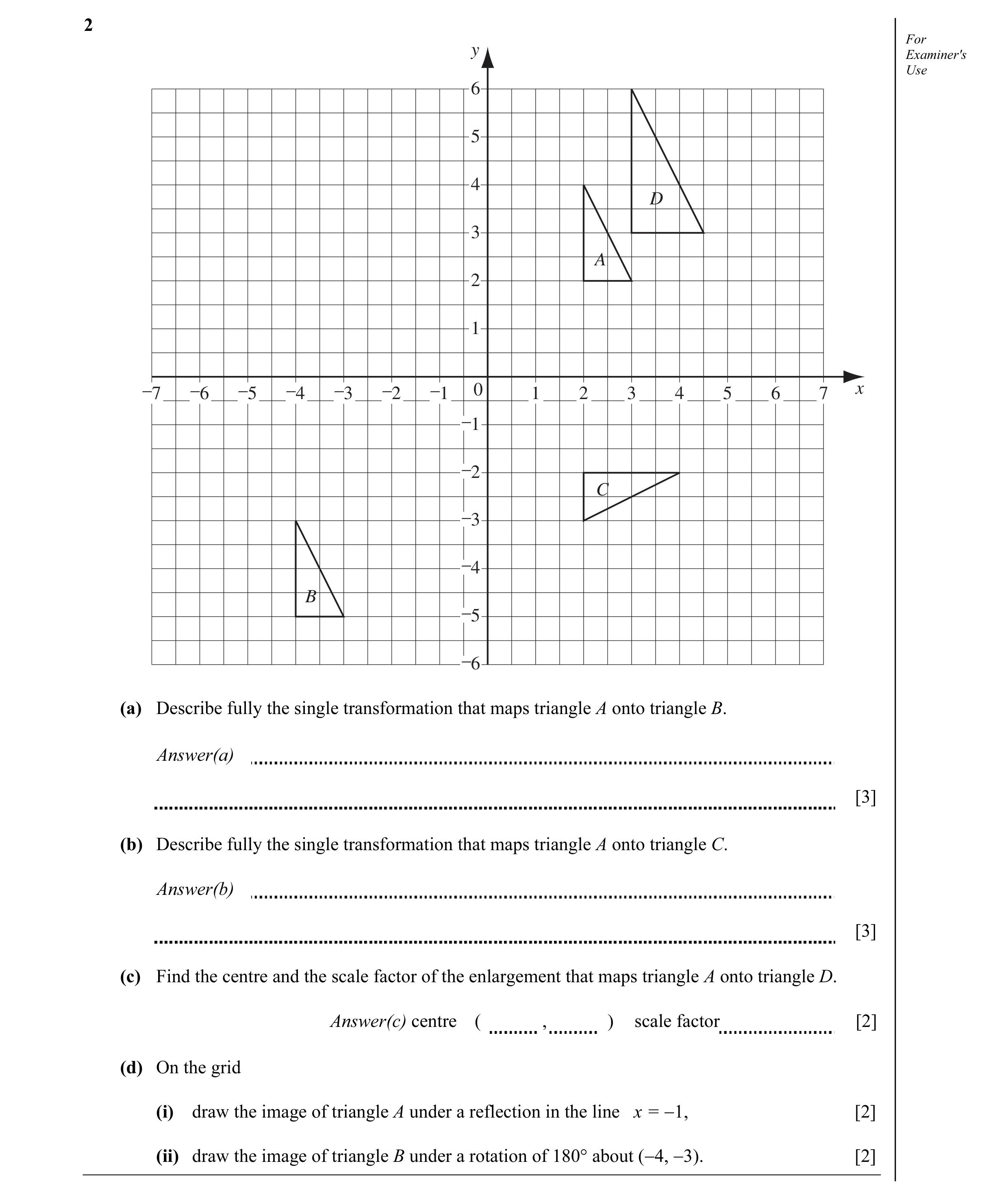 1 / 114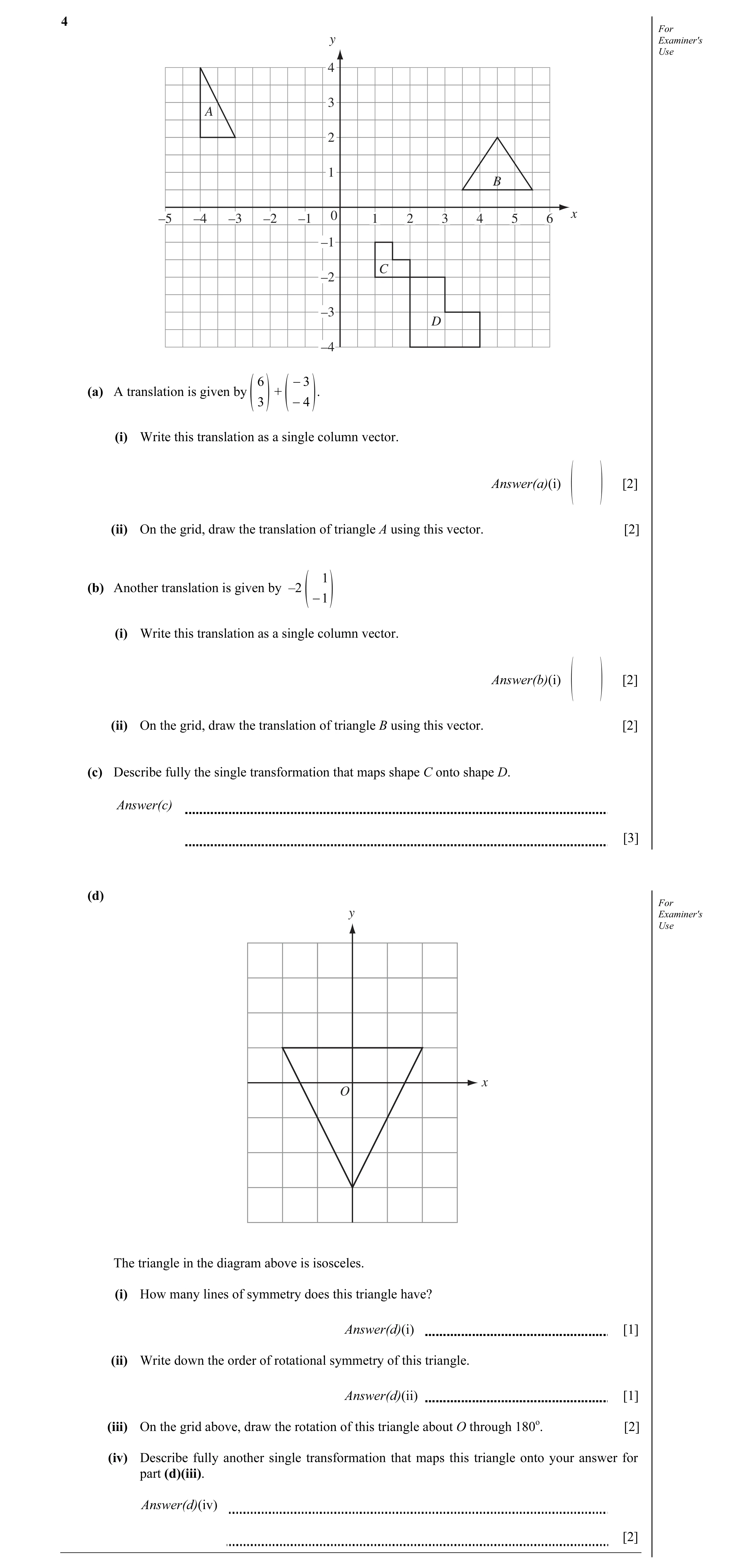
![Question 3: (a) Draw accurately the reflection of the letter E in the mirror line m. For Examiner's Use m [2] (b) Each diagram below shows a shaded let…](https://img.pastlit.com/crops/a2536d50-57dd-4461-a9f3-f29219ca4f28/q1.webp) 4 / 114
4 / 114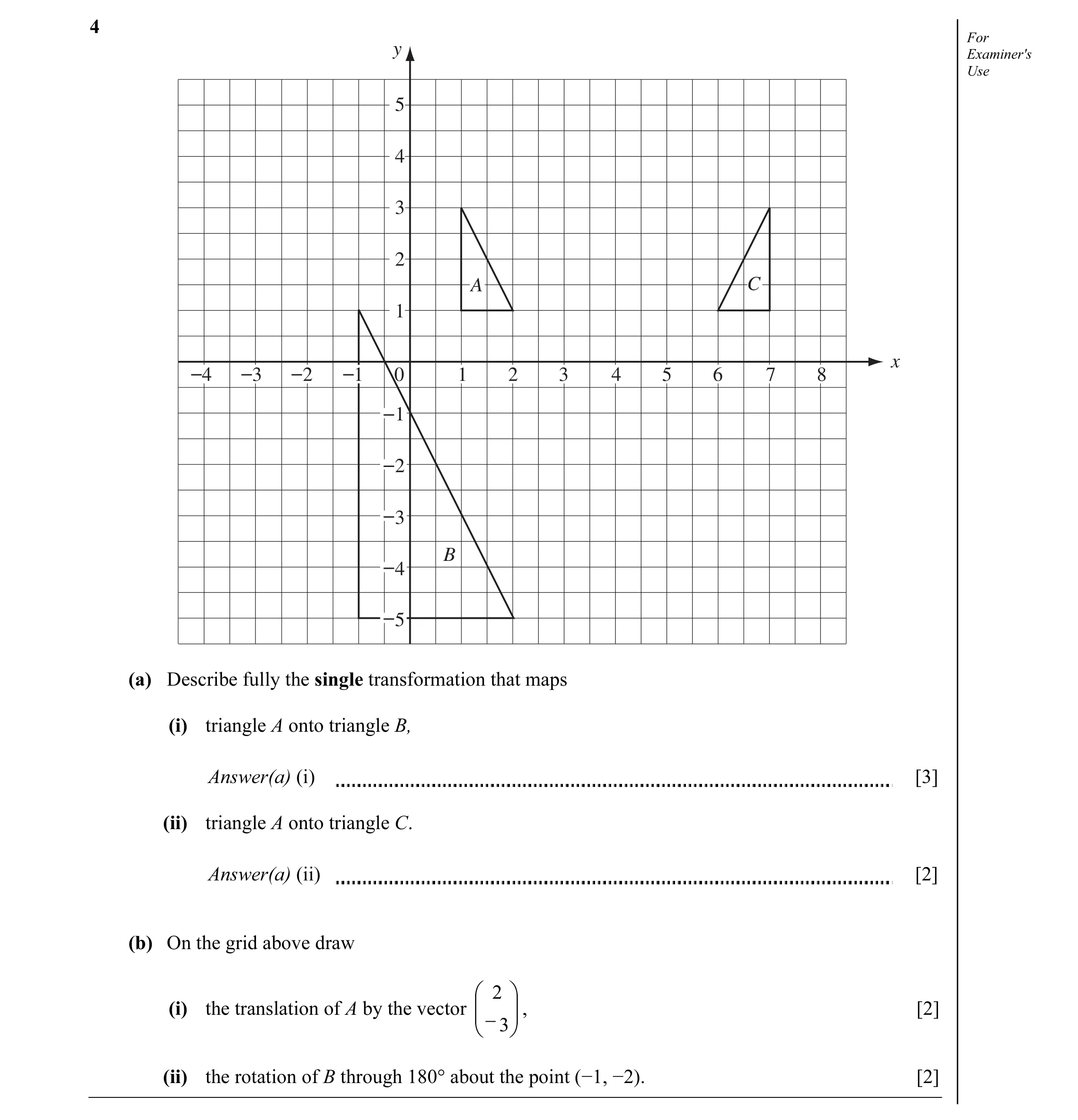 5 / 114
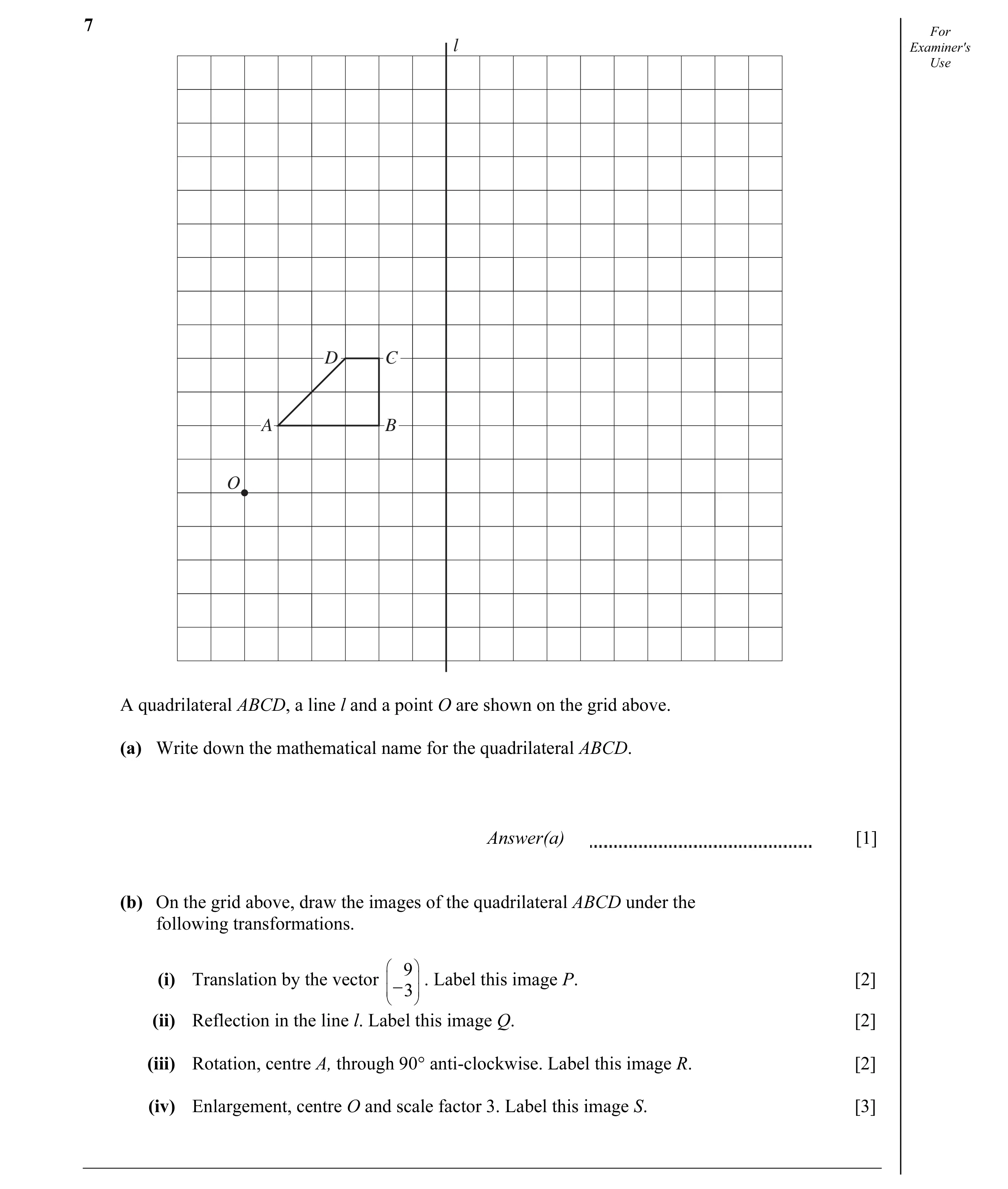 6 / 114
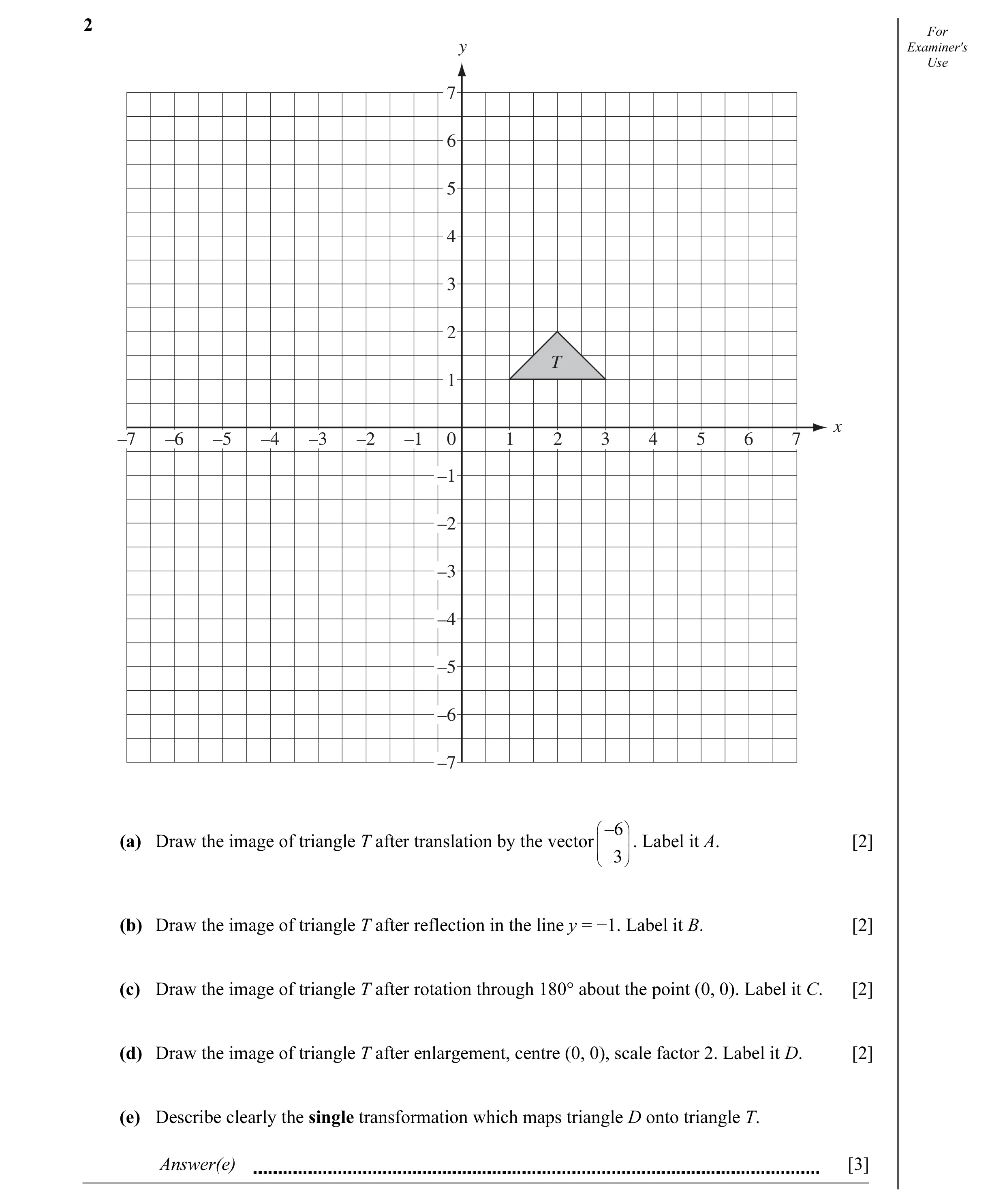 7 / 114
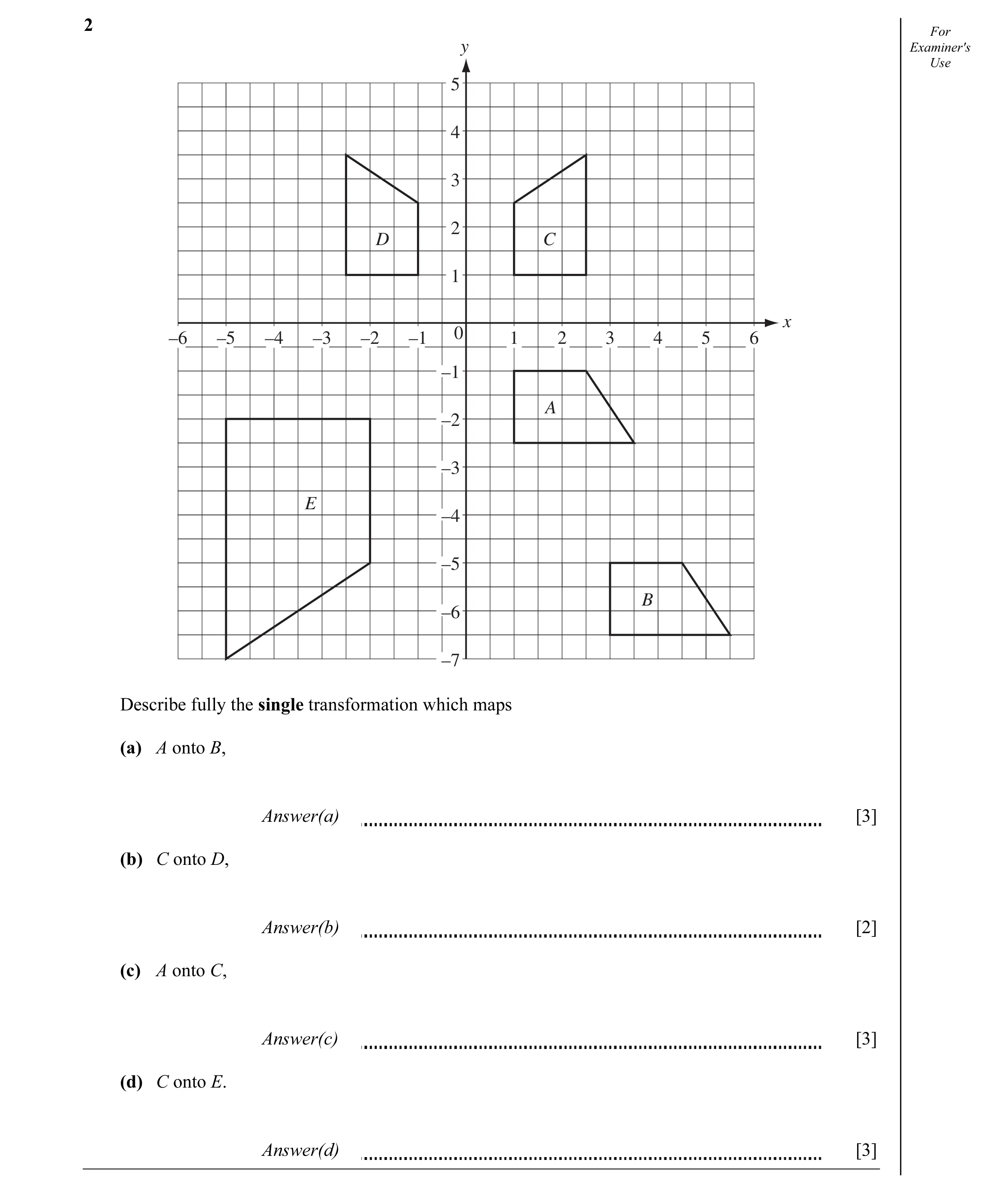 8 / 114
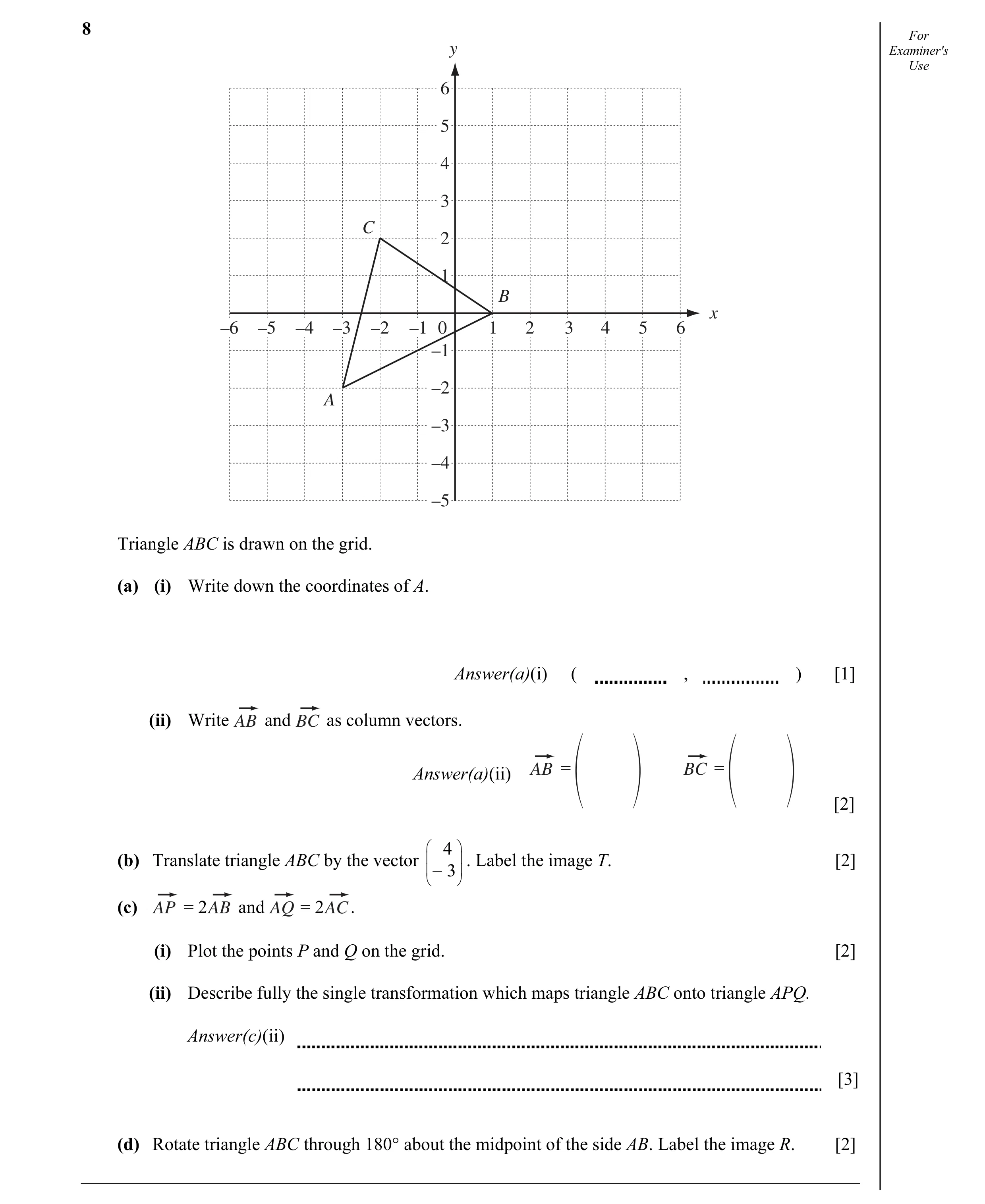 9 / 114
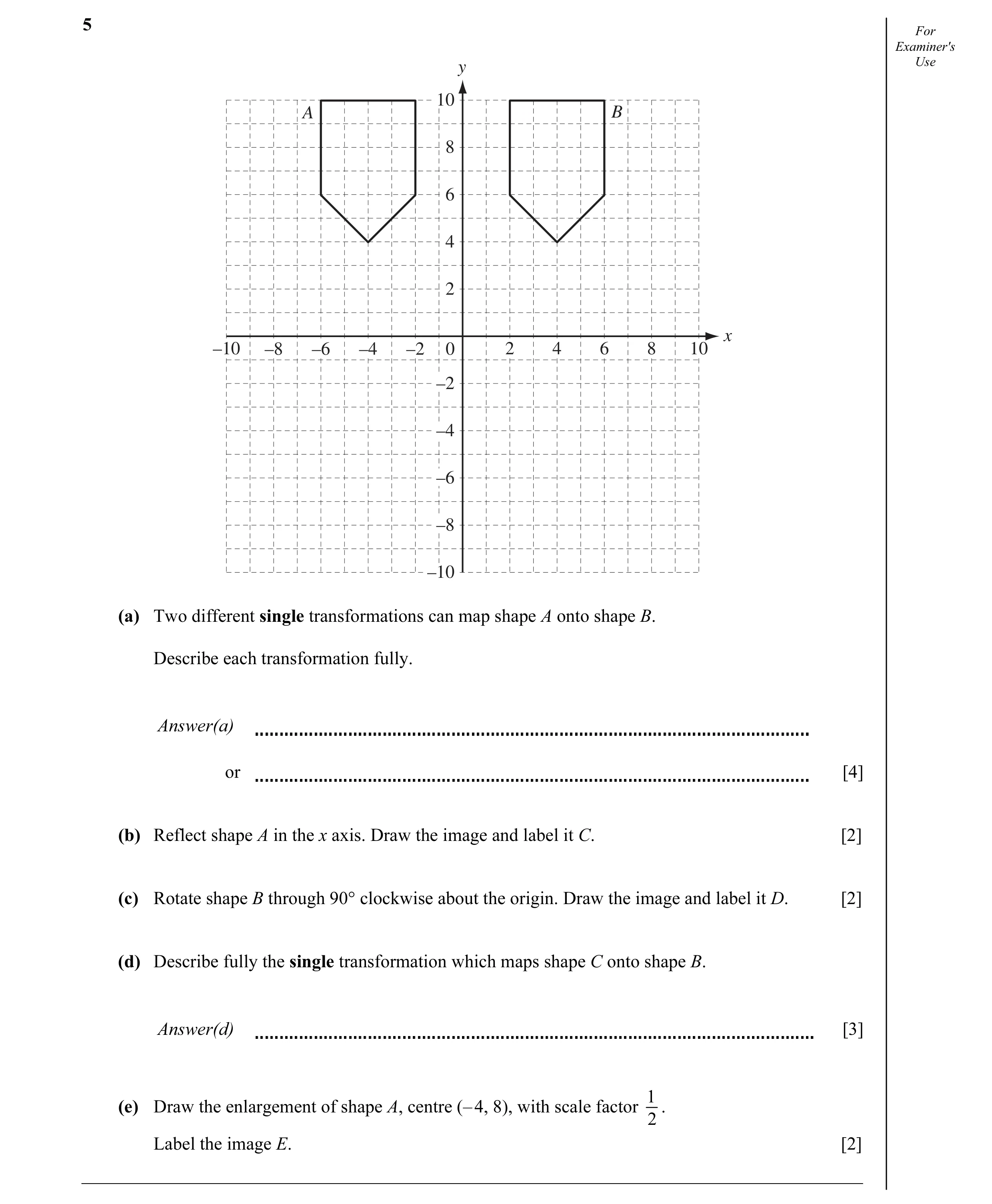 10 / 114
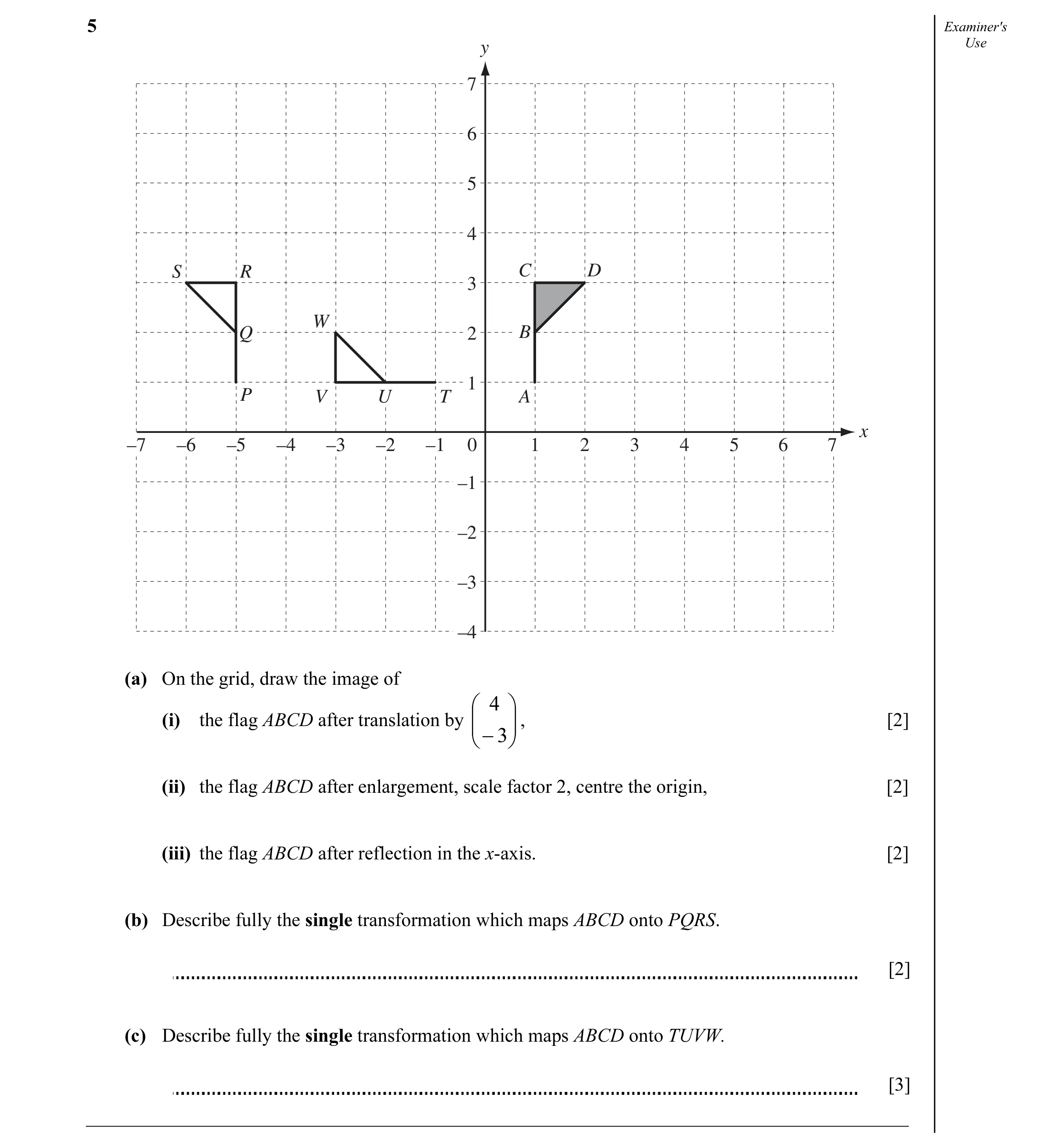 11 / 114
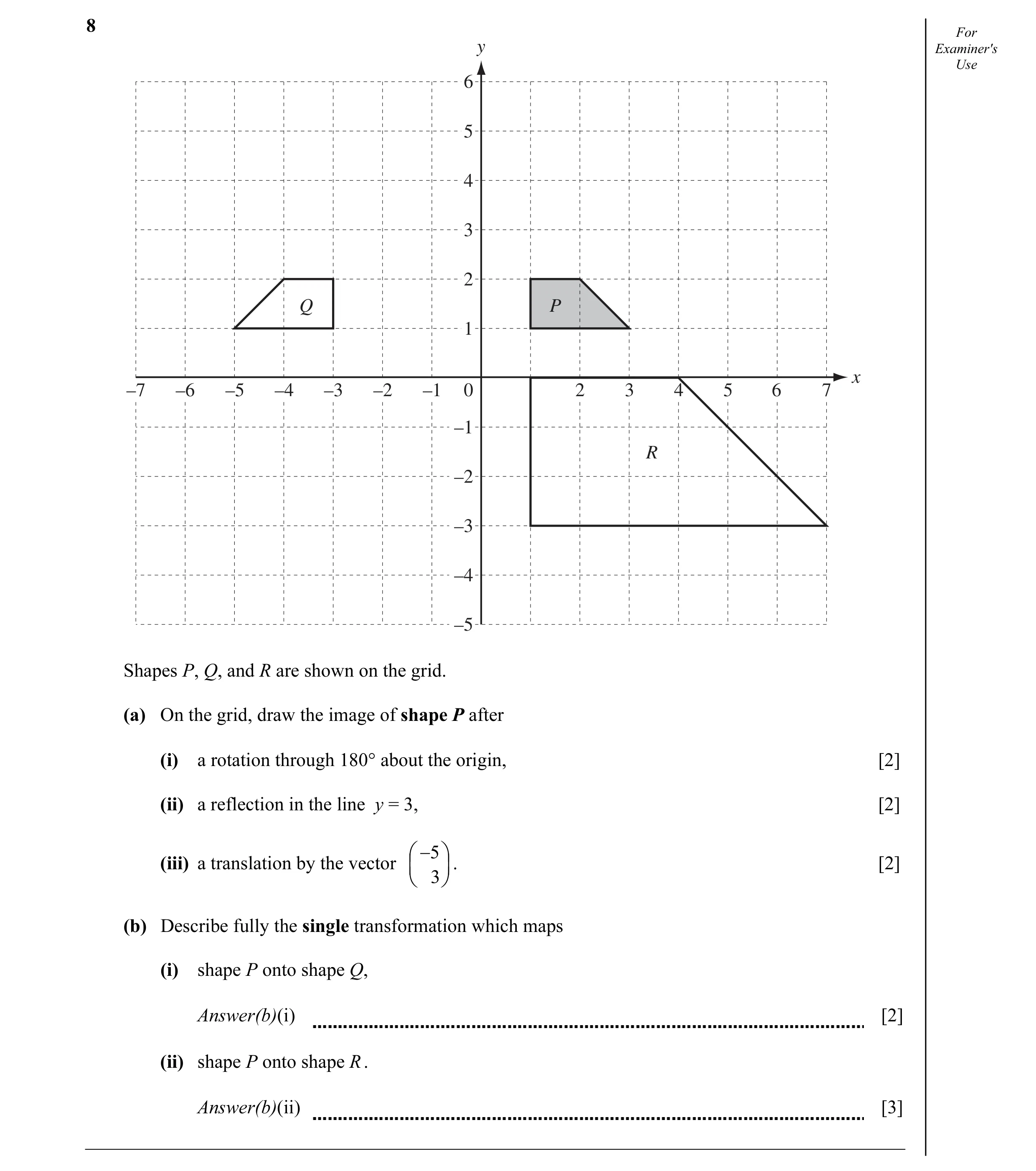 12 / 114
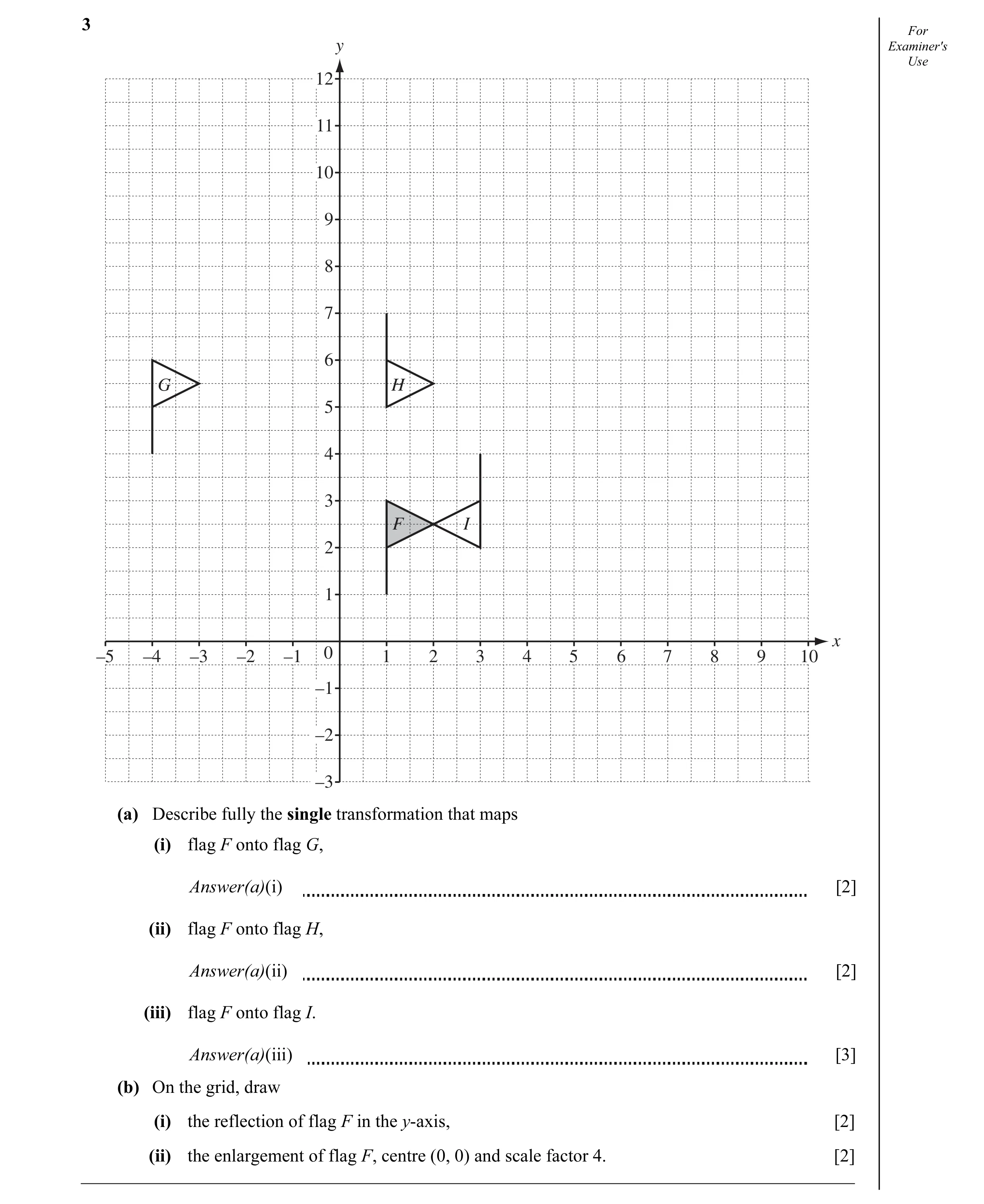 13 / 114
![Question 13: (a) For B Examiner's Use T P A (i) Reflect triangle T in the line AB. Label your image X. [1] (ii) Rotate triangle T through 90° clockwise …](https://img.pastlit.com/crops/8f076d7a-753c-4108-90c3-d38d7c2fa2c9/q7.webp) 14 / 114
14 / 114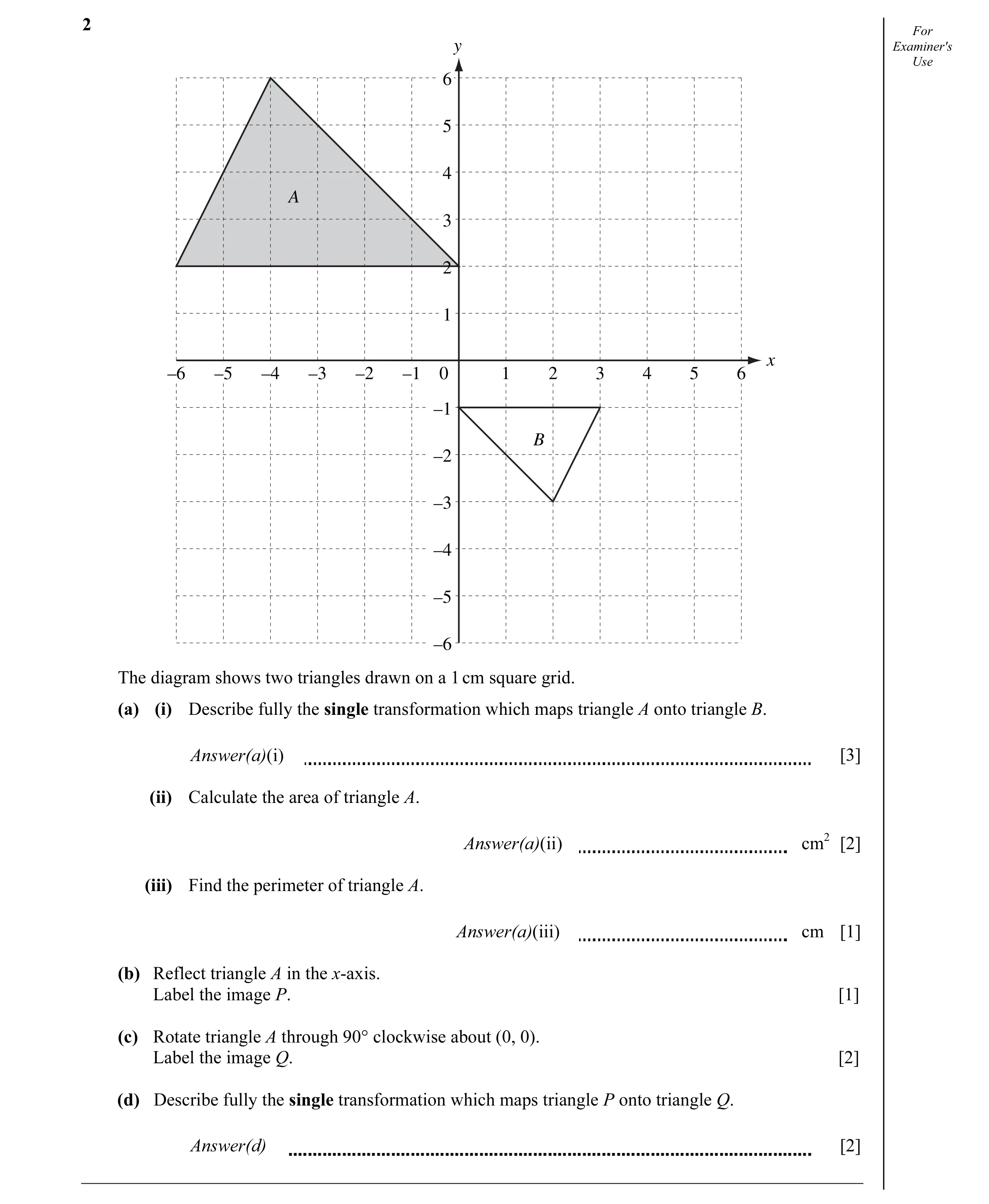 15 / 114
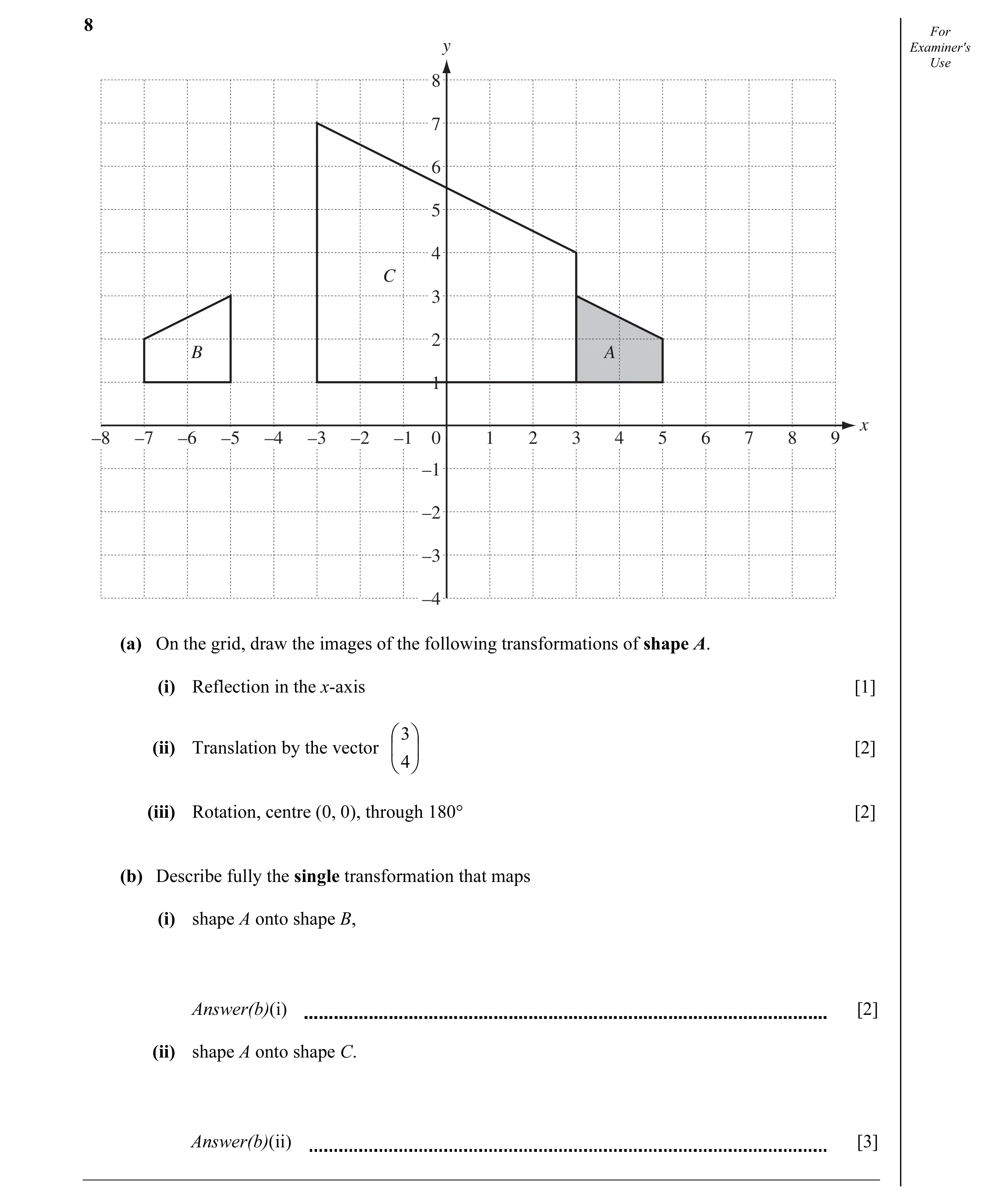 16 / 114
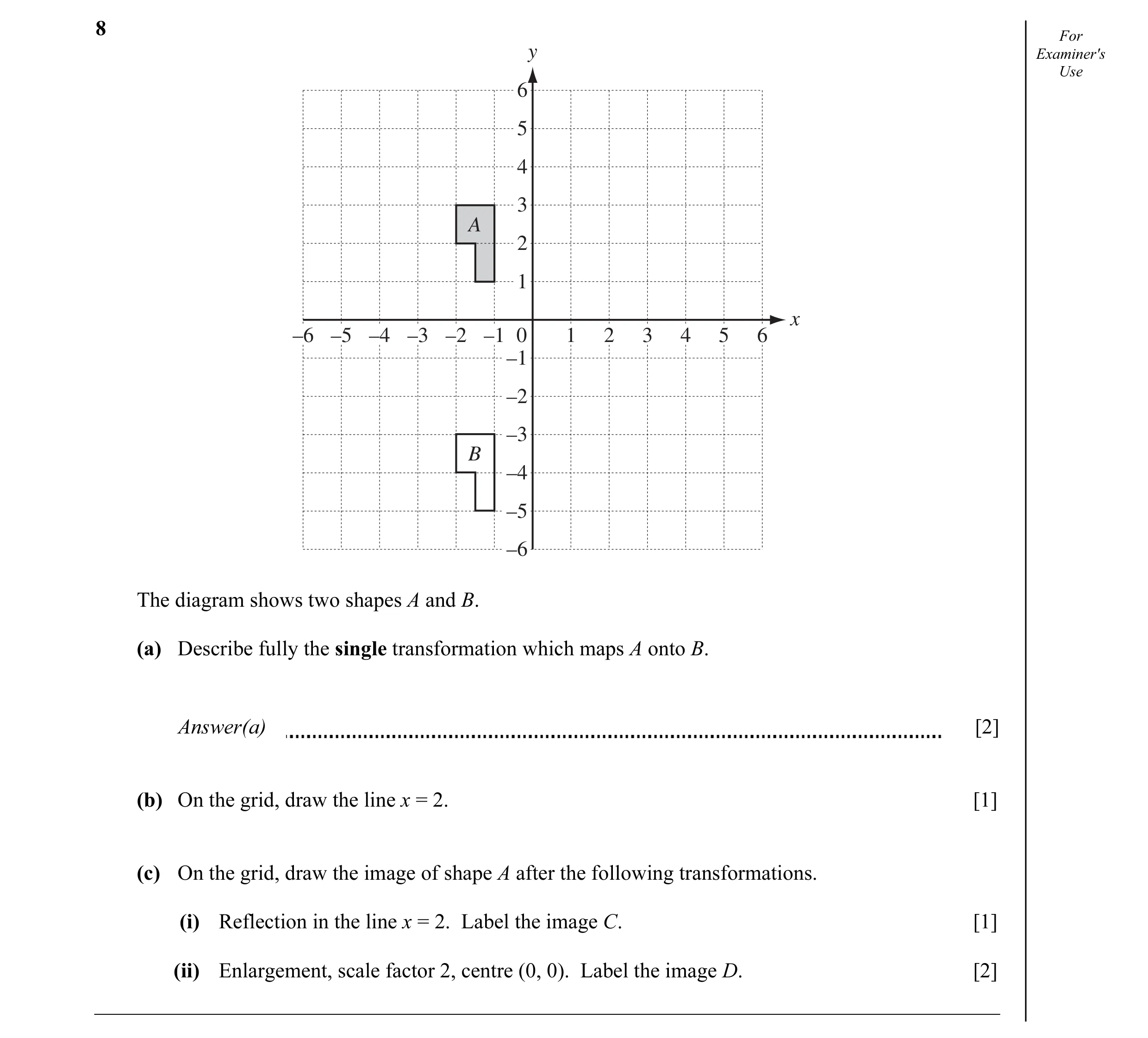 17 / 114
![Question 17: (a) For Examiner's Use W C l On the grid, (i) draw the reflection of W in the line l, [2] (ii) rotate W anticlockwise through 90°, about th…](https://img.pastlit.com/crops/58b77b12-f225-4208-94e9-35104d68f7c8/q4.webp) 18 / 114
18 / 114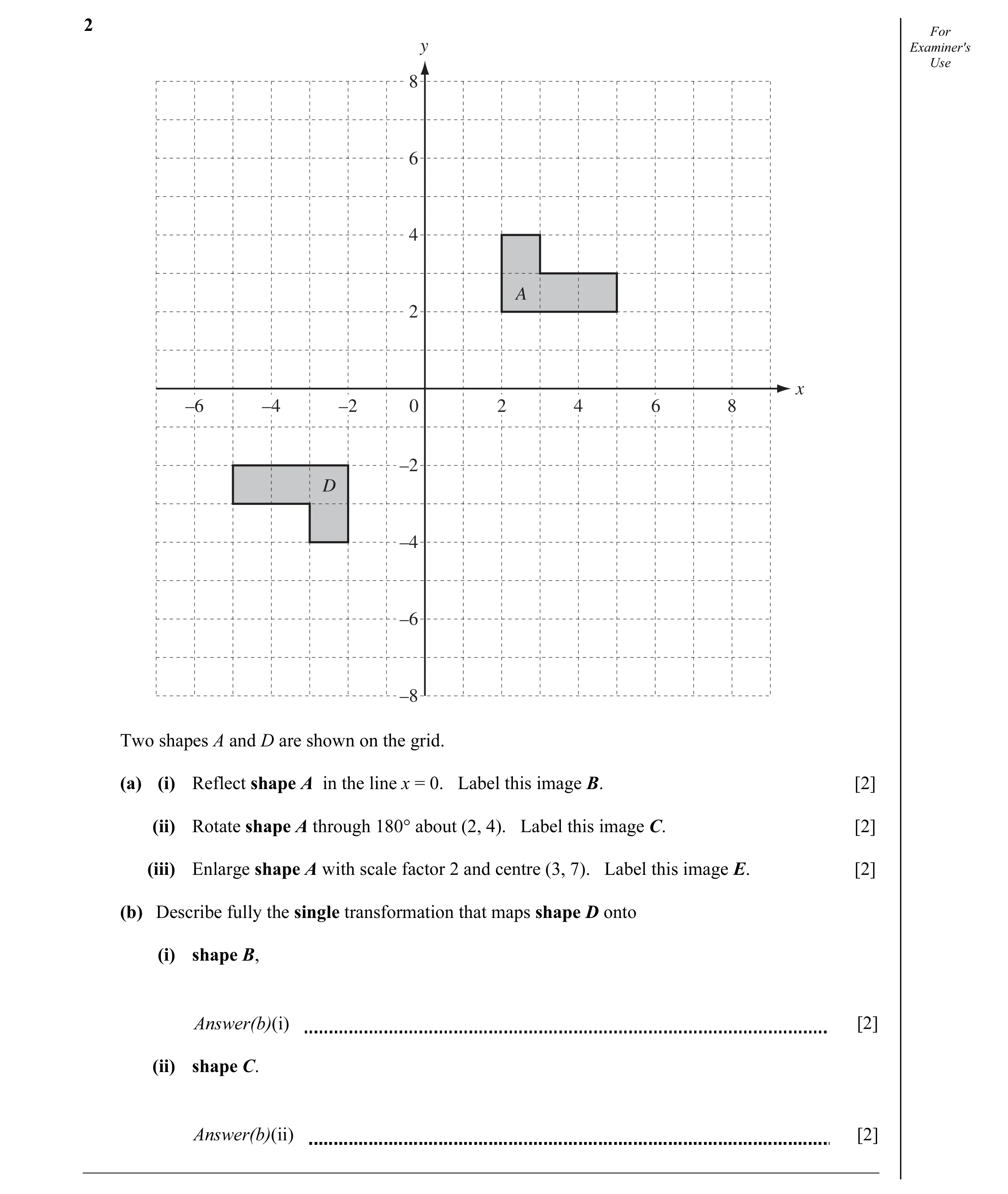 19 / 114
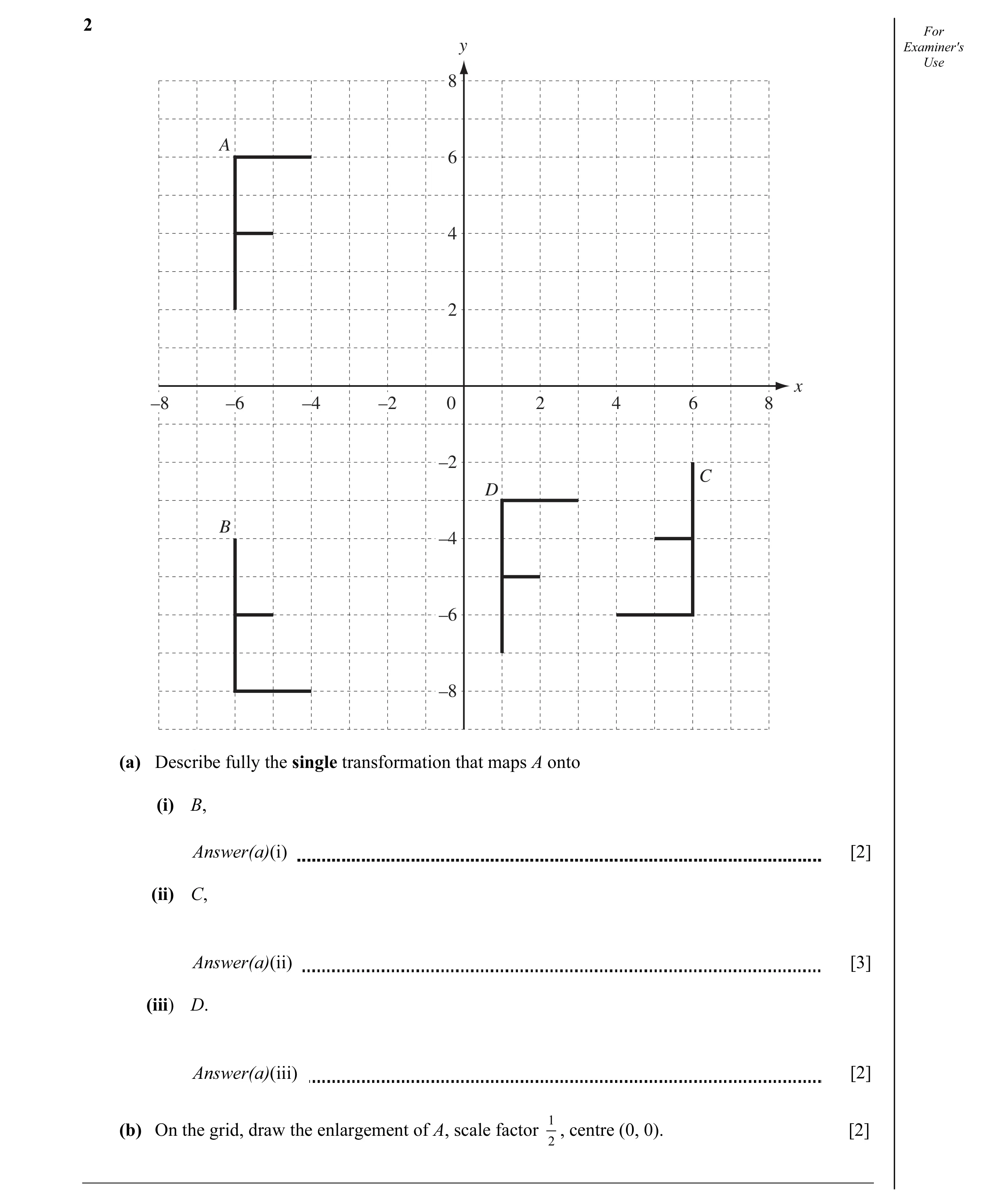 20 / 114
![Question 20: (a) Draw all the lines of symmetry on this rectangle. For Examiner's Use [2] (b) Shade one square so that the shaded shape has rotational s…](https://img.pastlit.com/crops/d231724f-1a92-4cda-abe4-d37dbe391c0d/q5.webp)
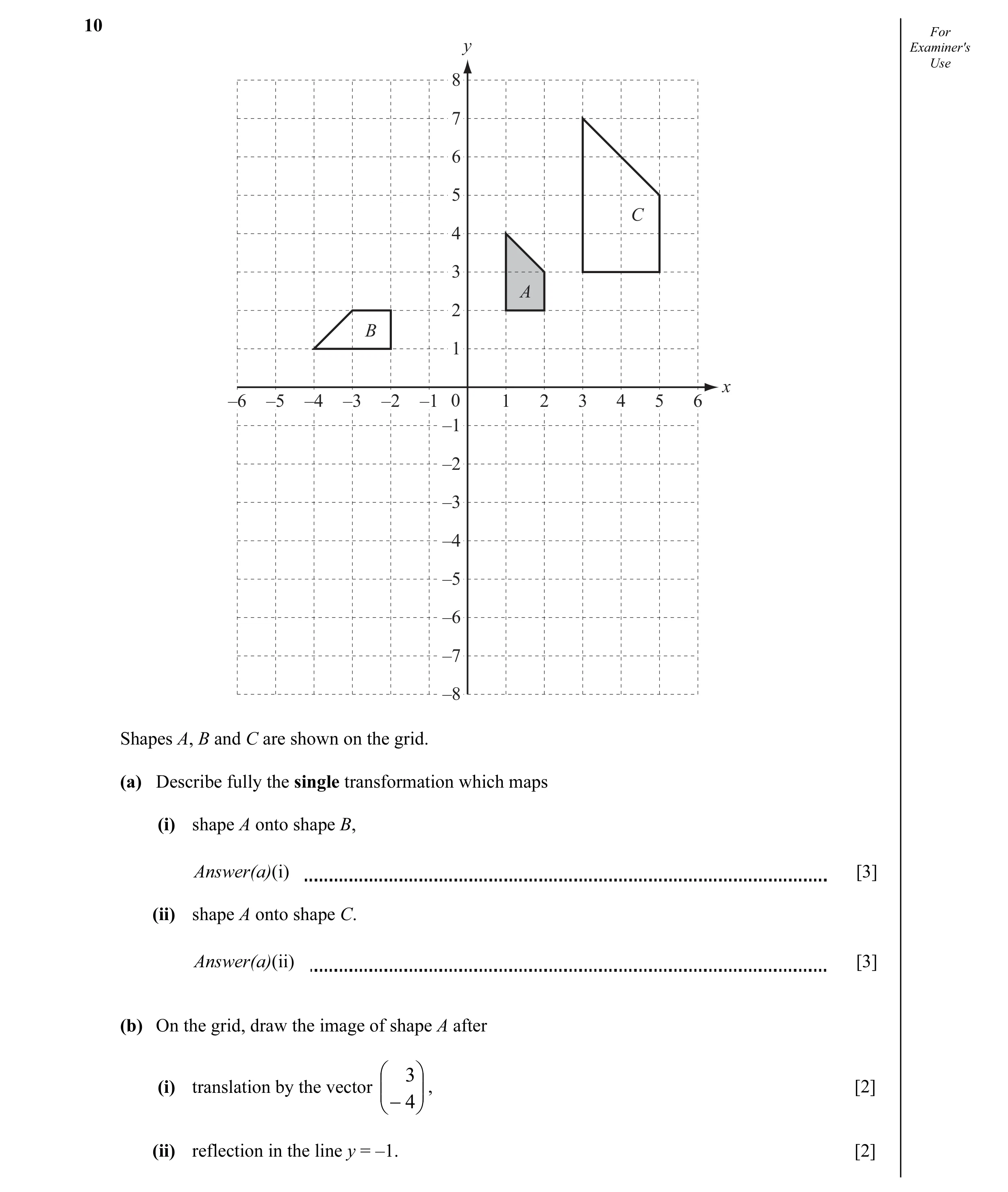 23 / 114
![Question 22: For l Examiner's Use C B A F E D P (a) Describe fully the single transformation that maps triangle ABC onto triangle DEF. Answer(a) [2] (b)…](https://img.pastlit.com/crops/852e1f2a-0205-4b70-a3e9-ac0e77d730db/q3.webp) 24 / 114
24 / 114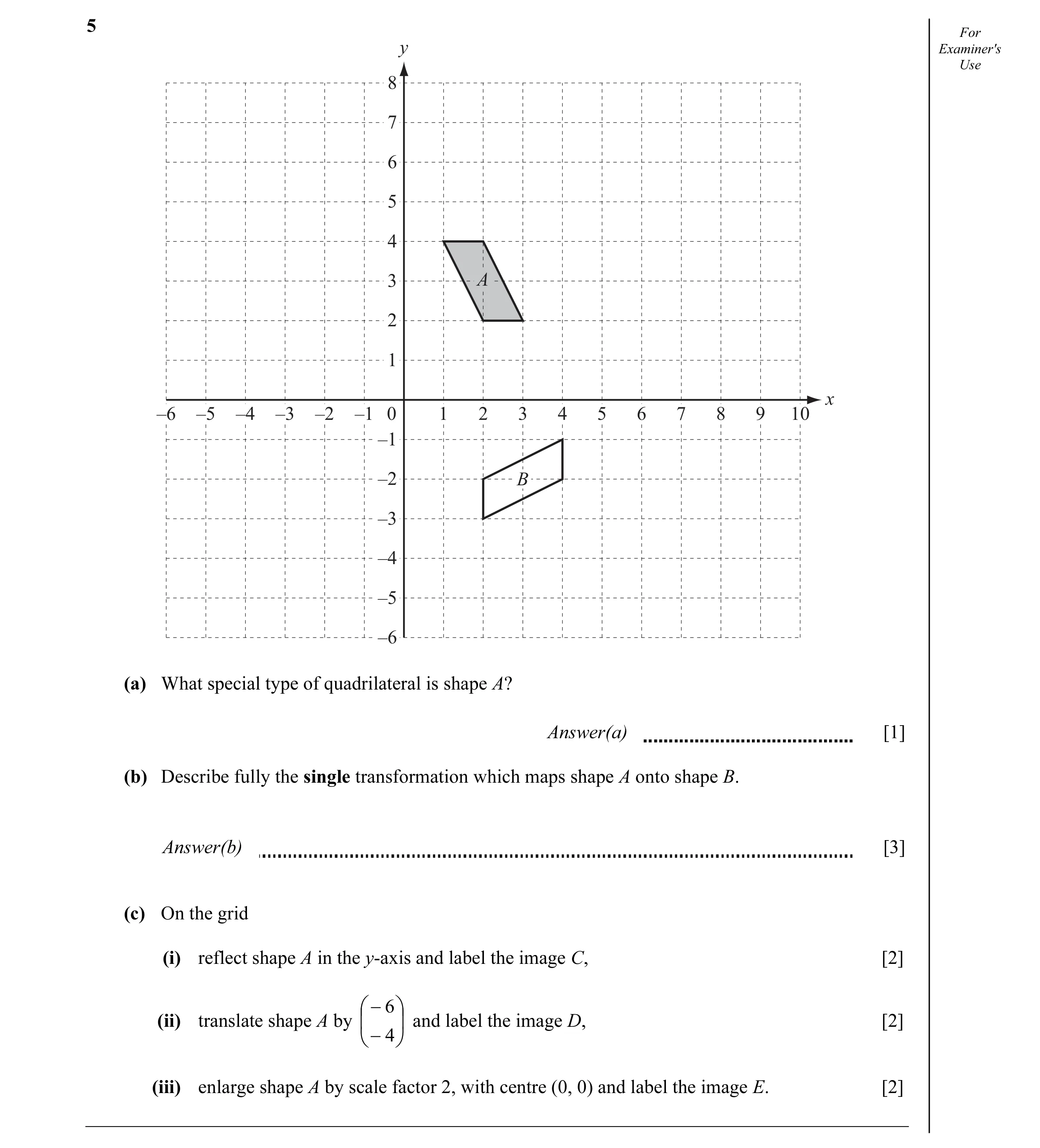 25 / 114
![Question 24: (a) On each of the following shapes draw any lines of symmetry. For Examiner′s Use (i) [1] (ii) [2] (b) Complete this shape by shading one …](https://img.pastlit.com/crops/9ddabebd-6b26-4cc6-bbf2-3841d2b58c69/q3.webp)
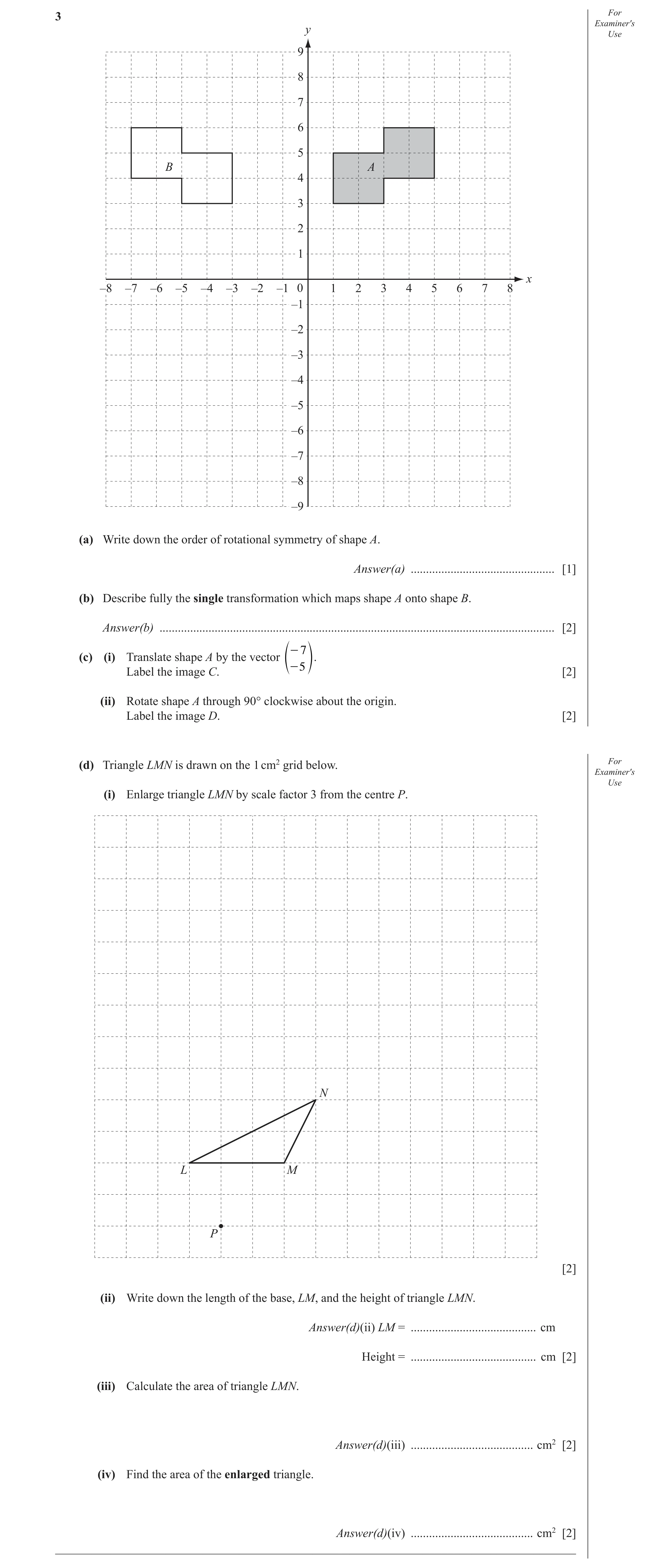
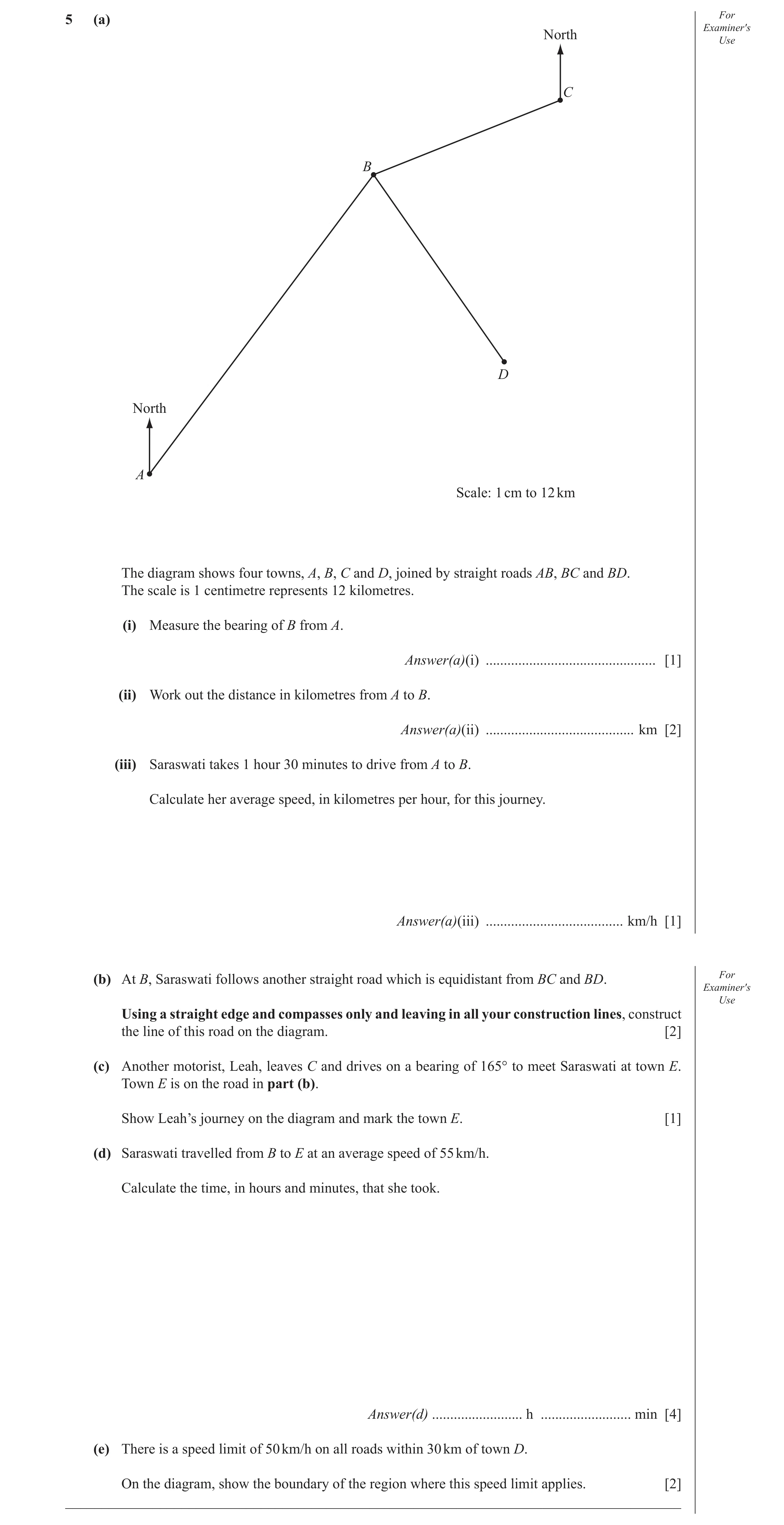
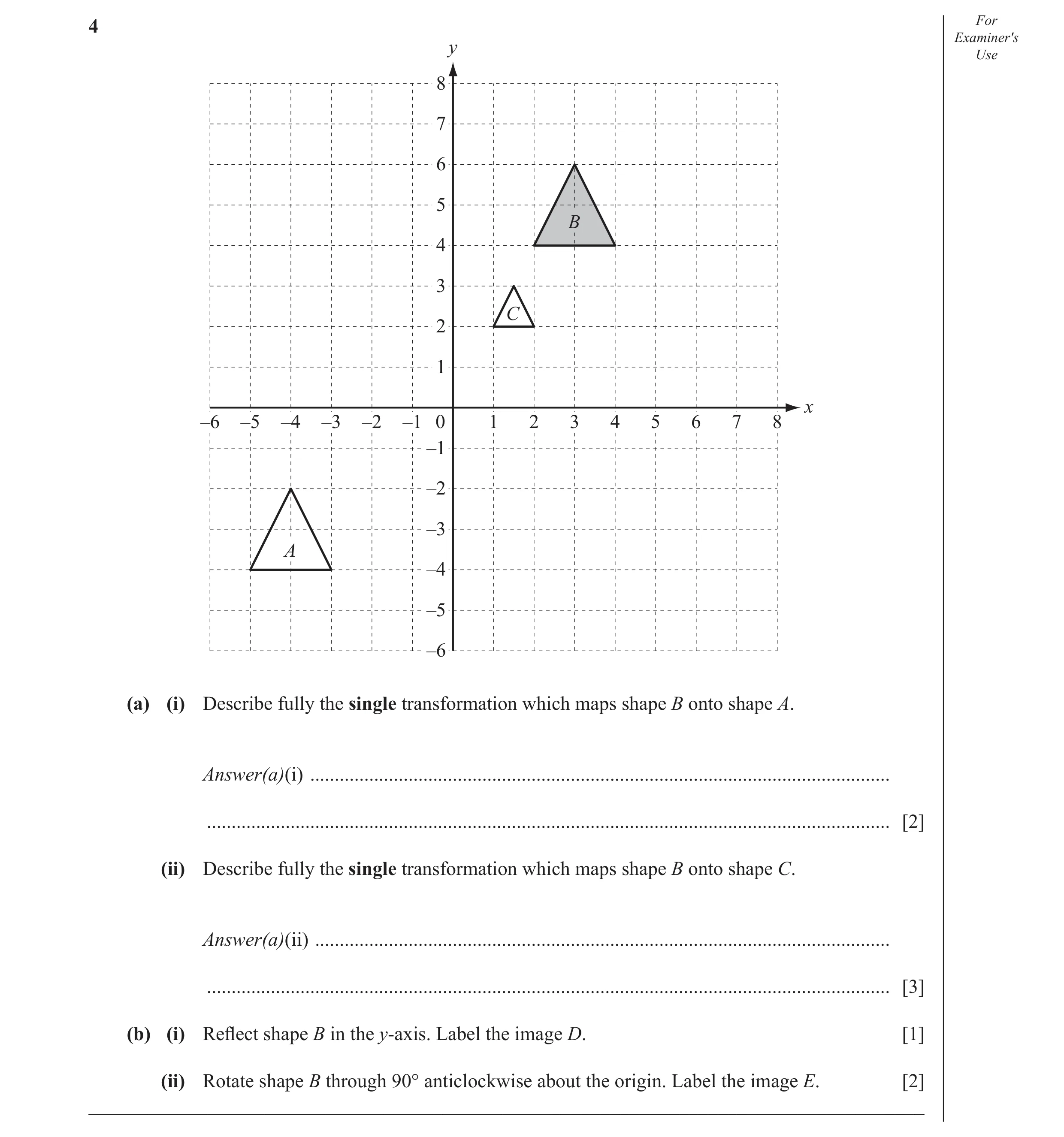 32 / 114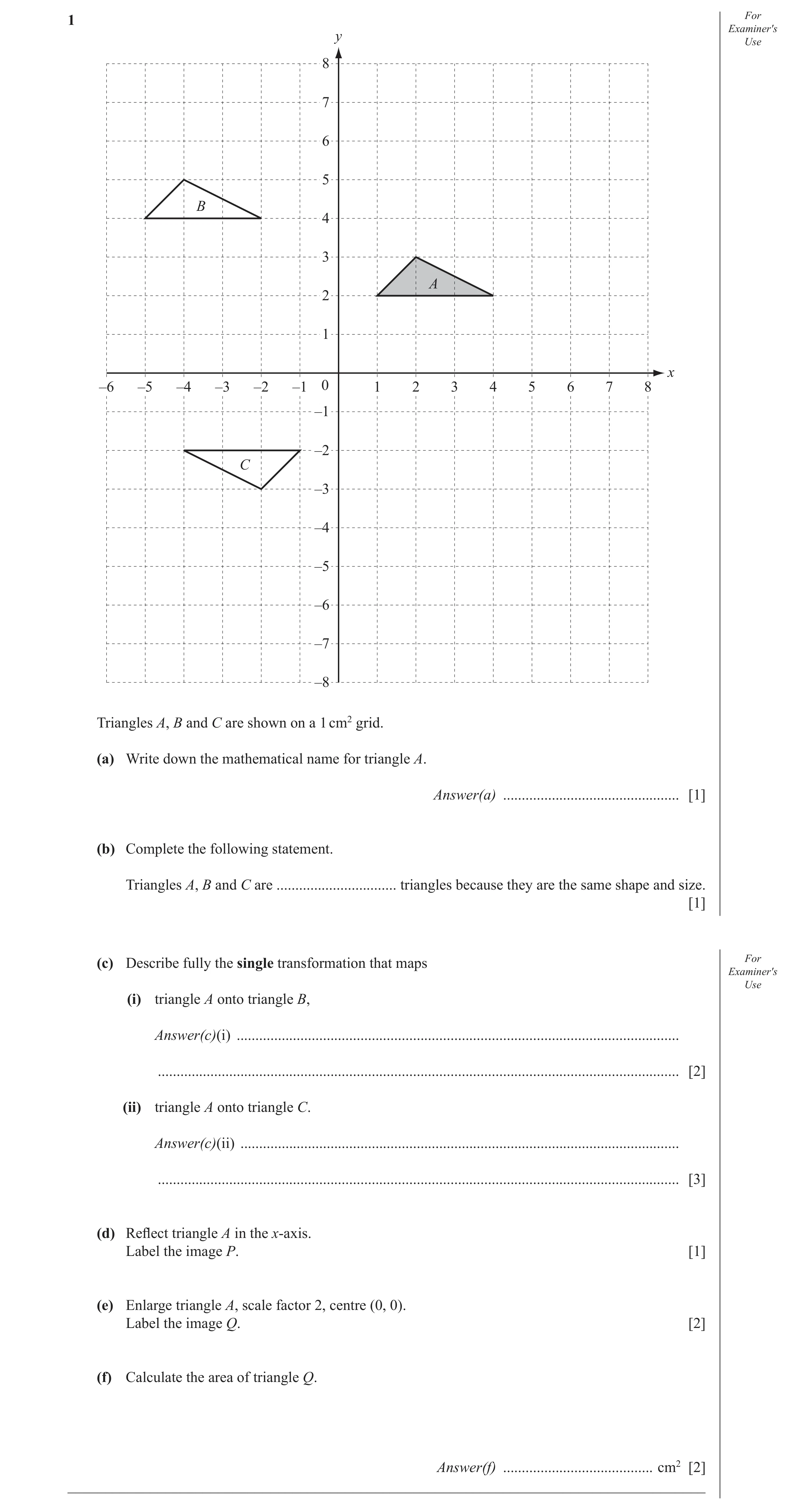
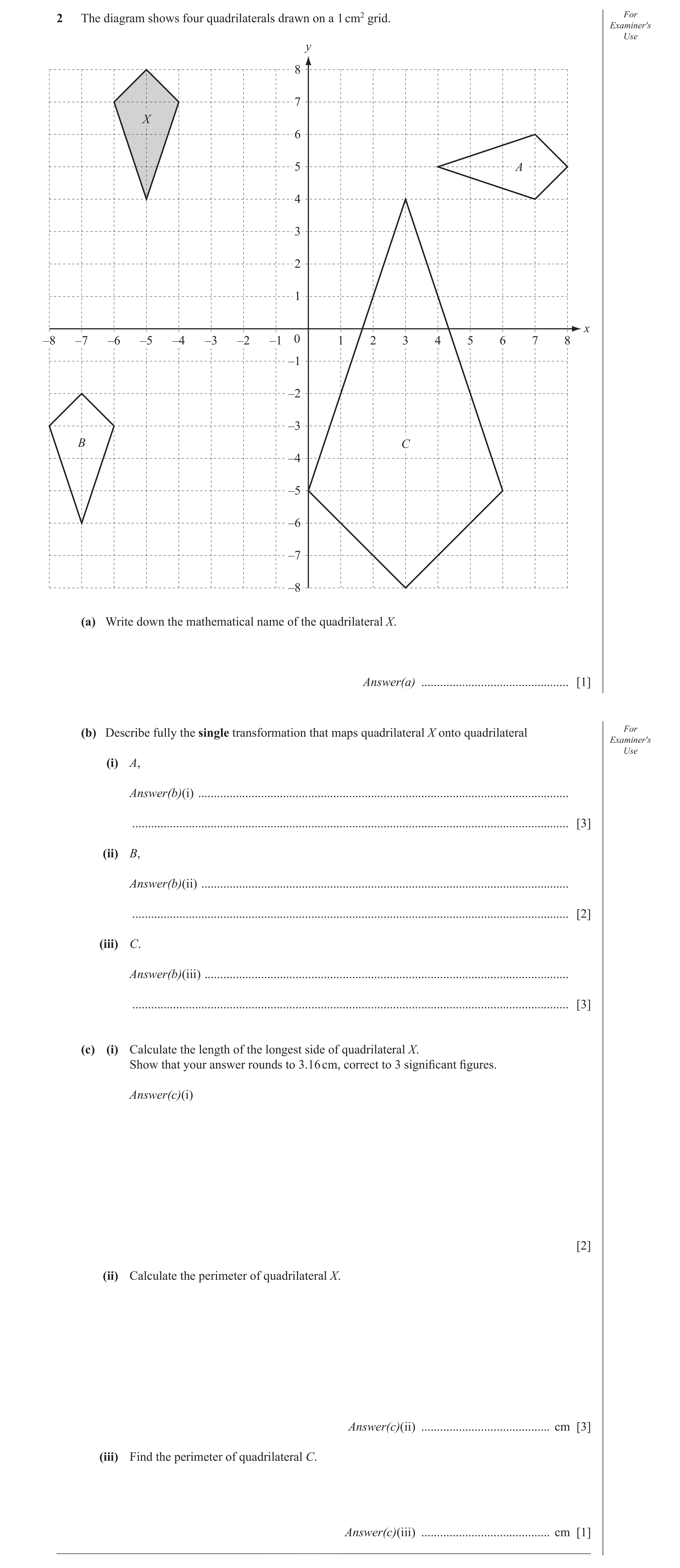
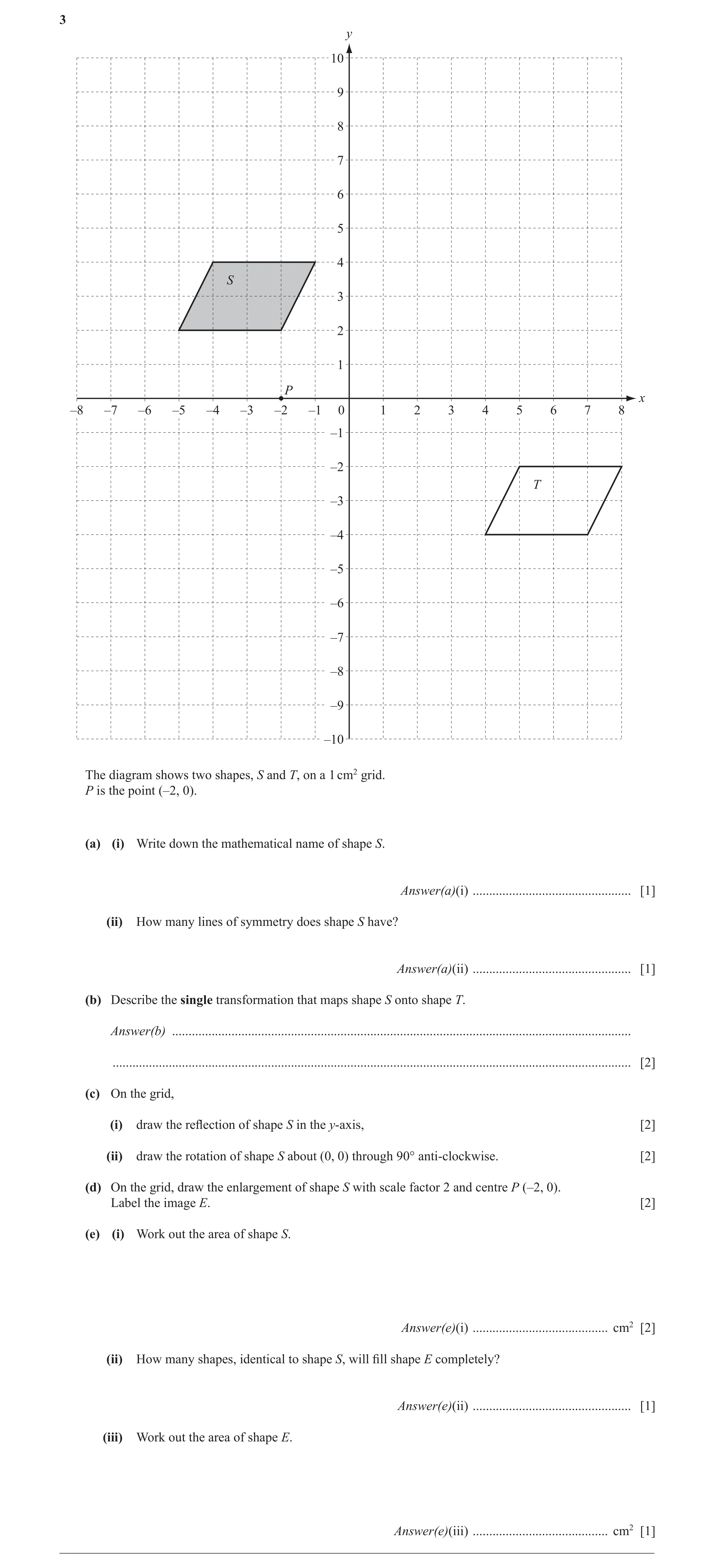
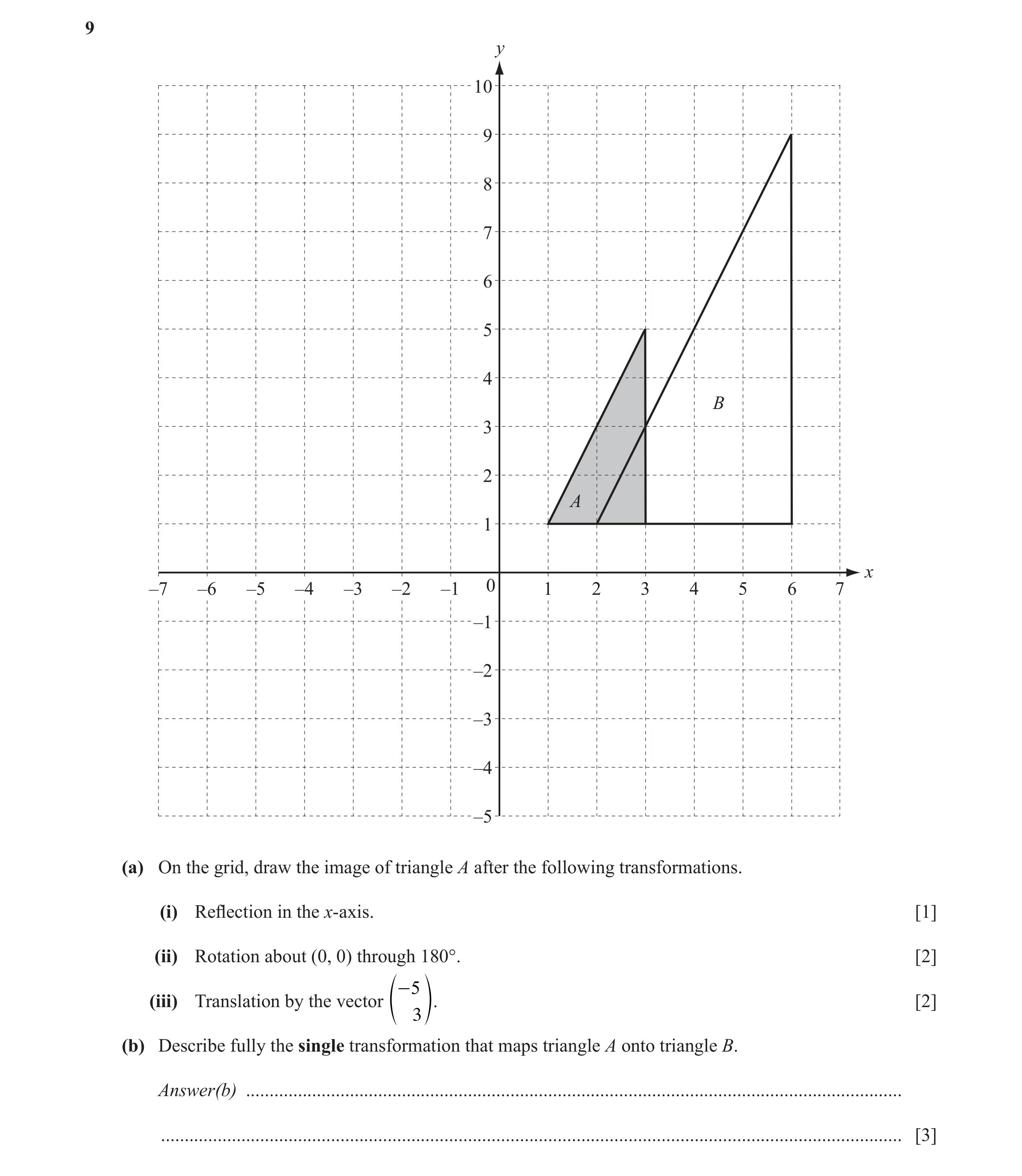 39 / 114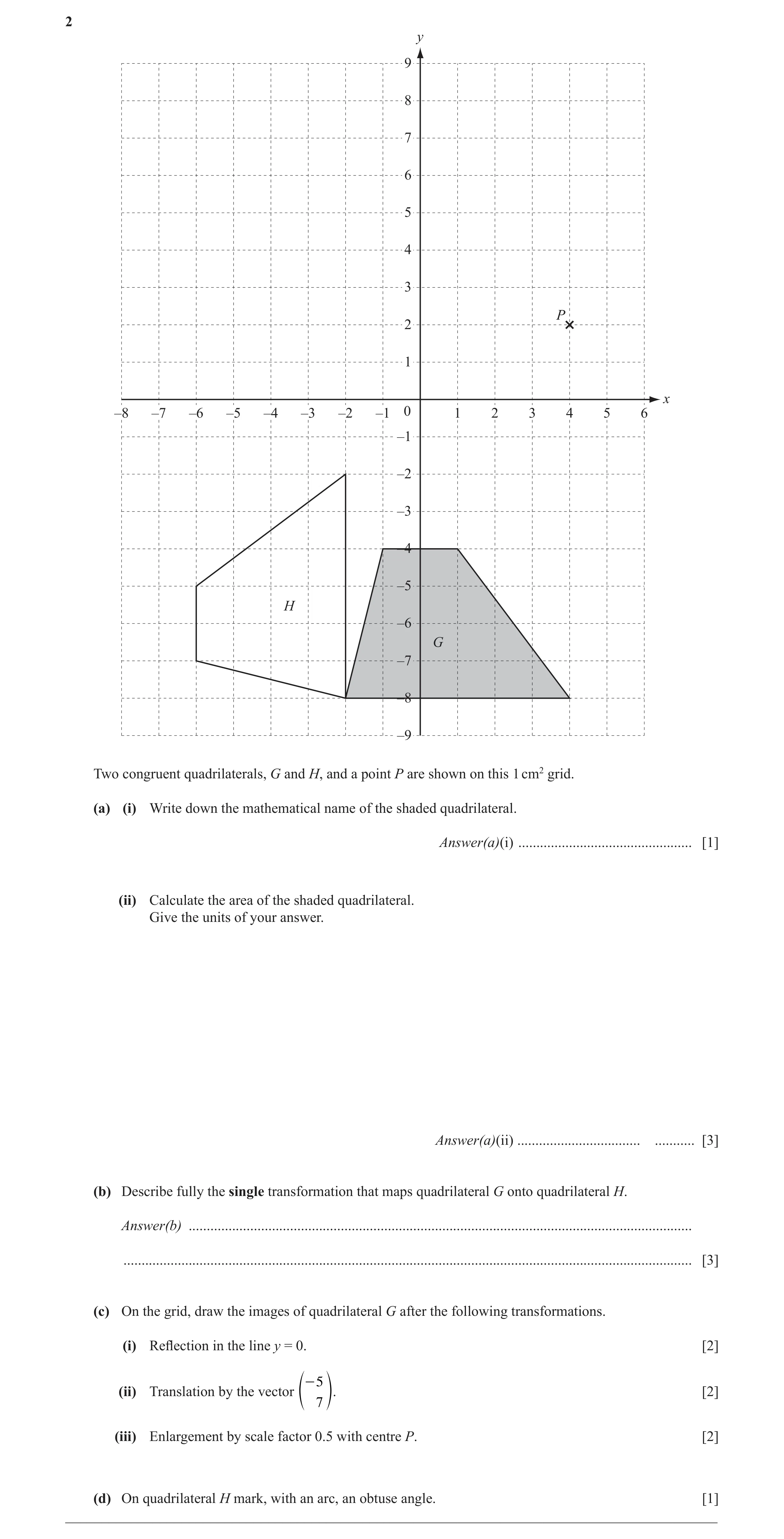
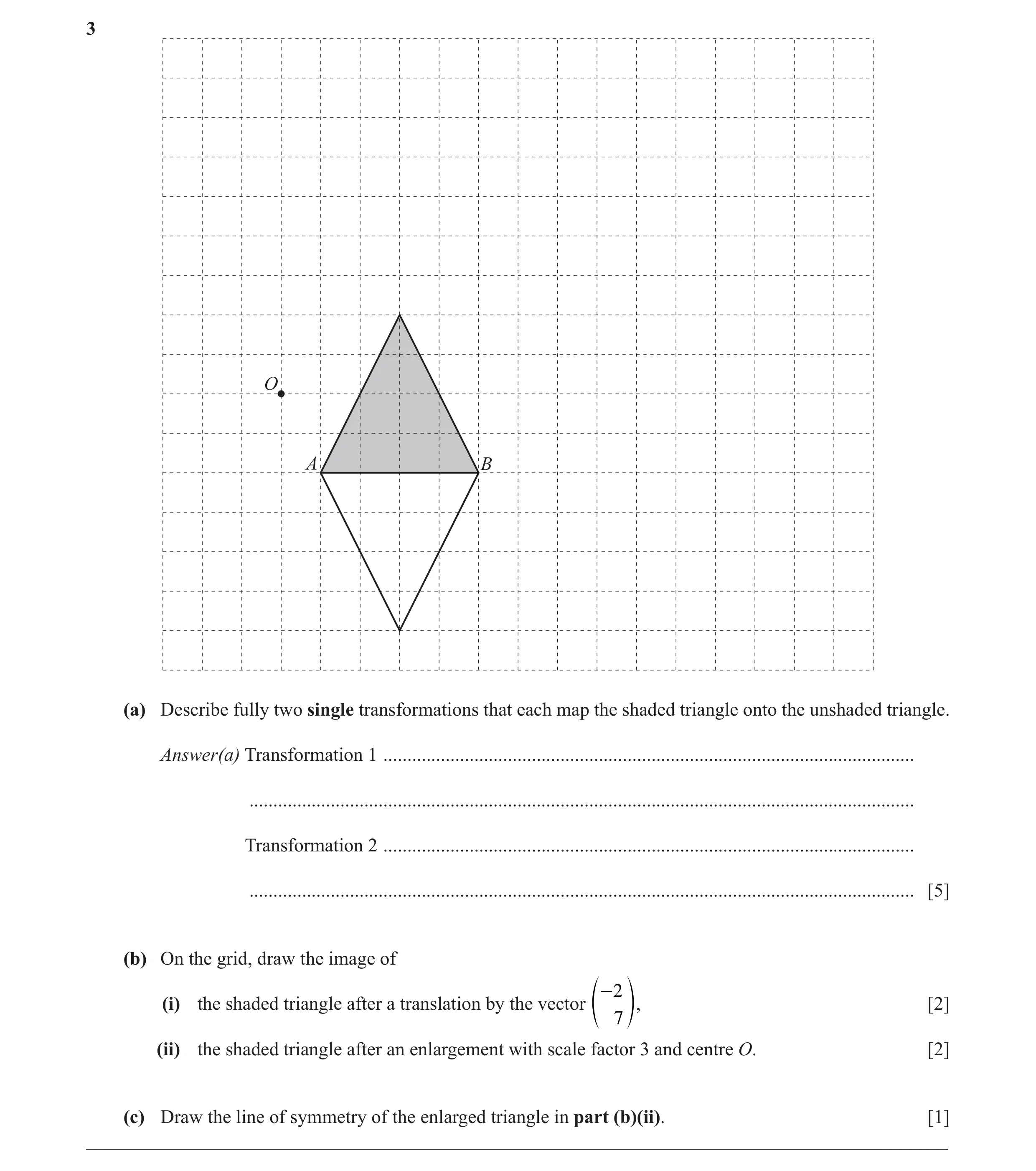 42 / 114
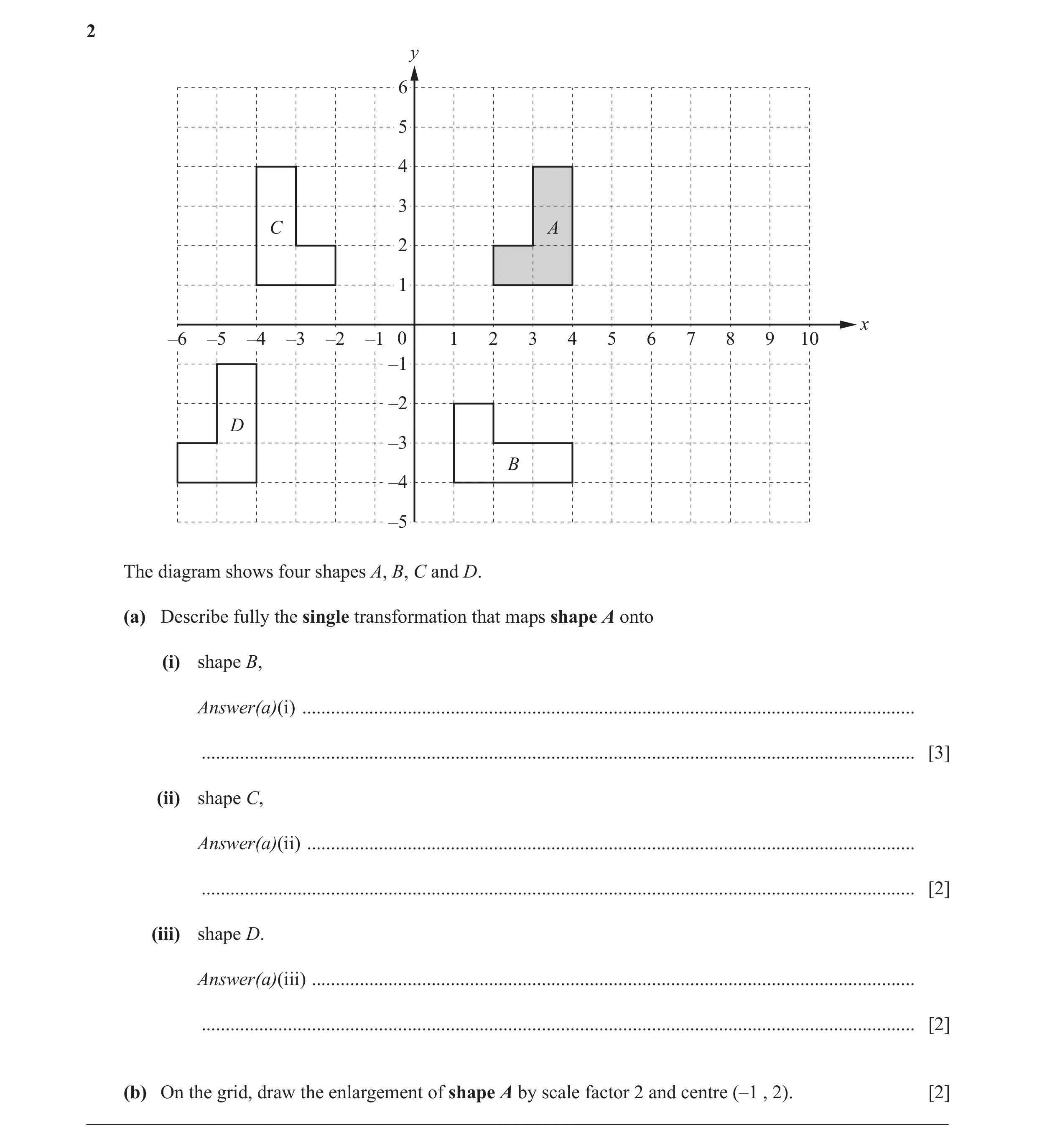 43 / 114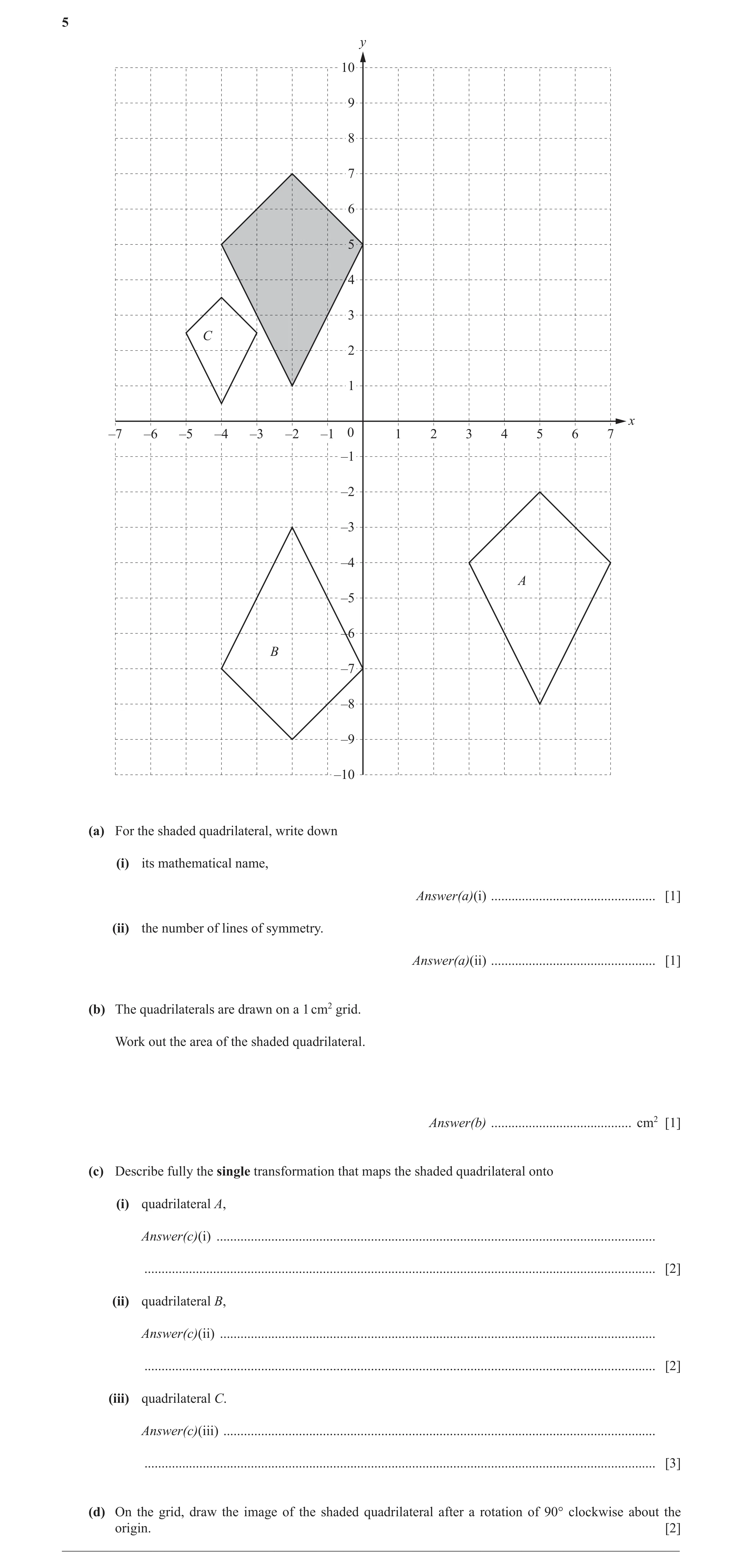
![Question 36: y 6 5 4 3 2 B 1 C x –6 –5 –4 –3 –2 –1 0 1 2 3 4 5 6 –1 A –2 –3 –4 –5 –6 (a) Reflect triangle A in the line y = –3. [2] - 5 (b) Translate tr…](https://img.pastlit.com/crops/2f446b52-72a3-4e00-80ab-fd4fa60d451e/q11.webp) 46 / 114
46 / 114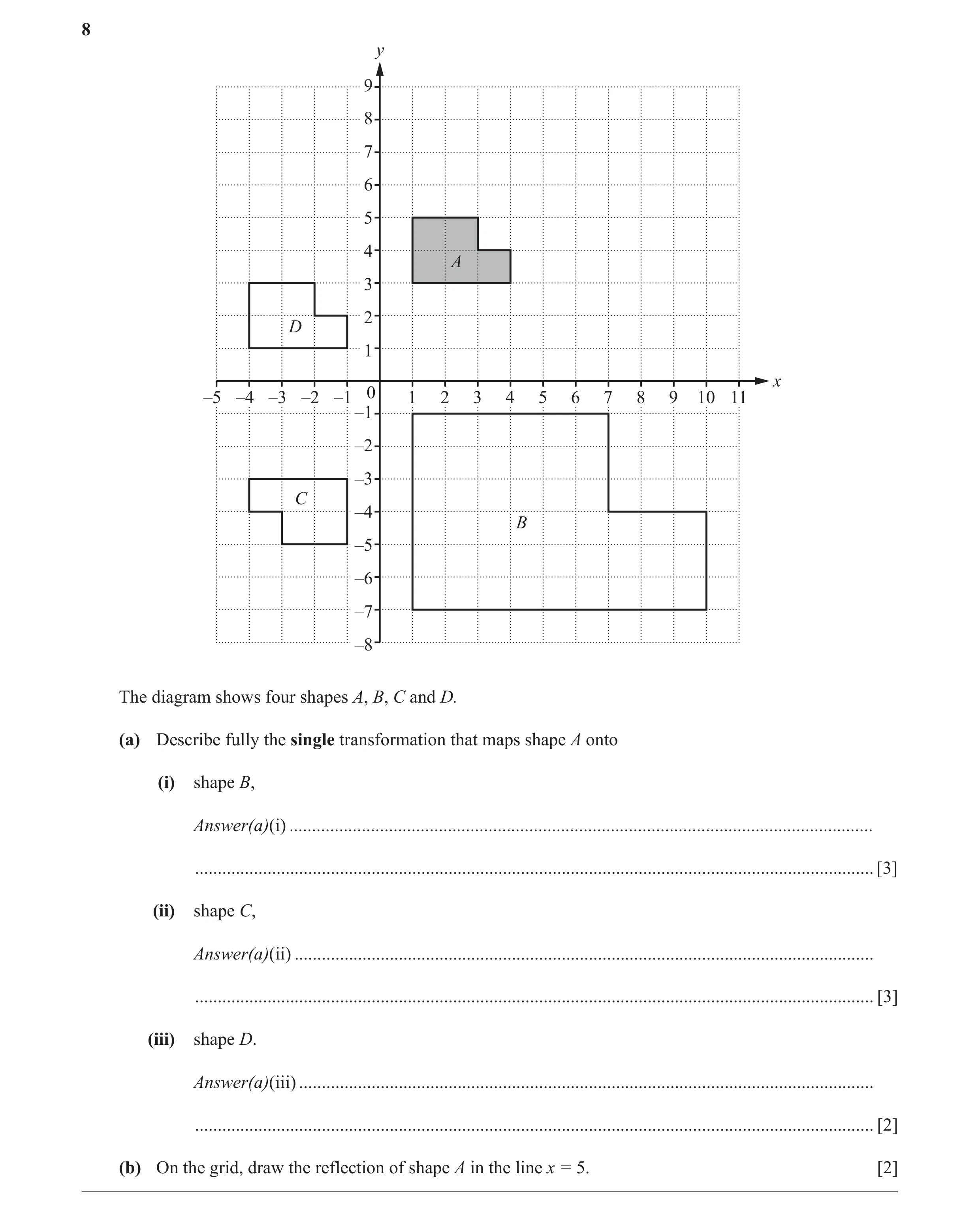 47 / 114
![Question 38: y 5 4 X 3 2 1 B x –6 –5 –4 –3 –2 –1 0 1 2 3 4 5 6 7 8 9 –1 Y –2 A –3 –4 –5 (a) (i) Rotate triangle A through 180° about (0, 0). [2] (ii) Re…](https://img.pastlit.com/crops/cadcf558-bfdb-4f26-91da-1d6c59f96385/q9.webp) 48 / 114
48 / 114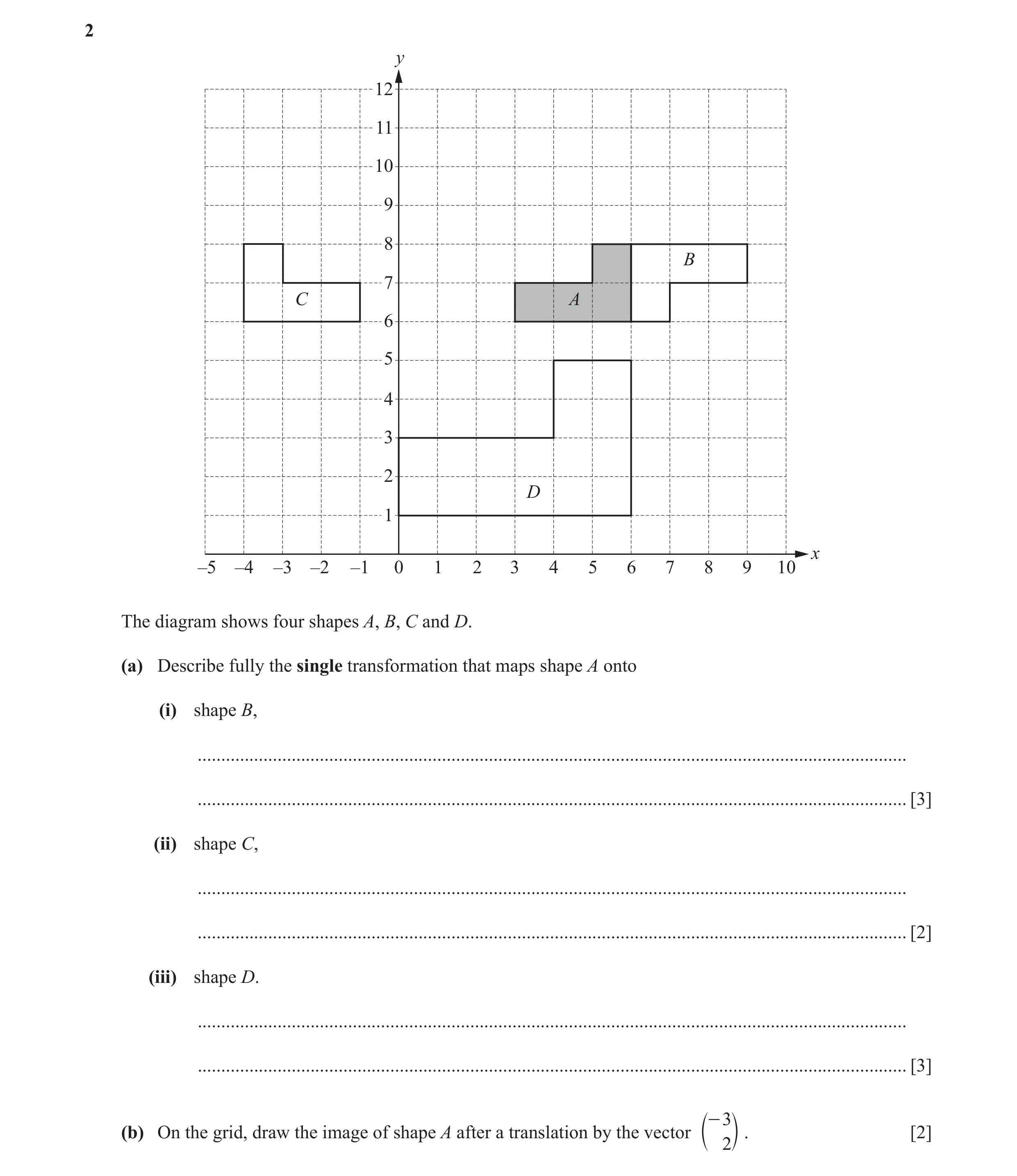 49 / 114
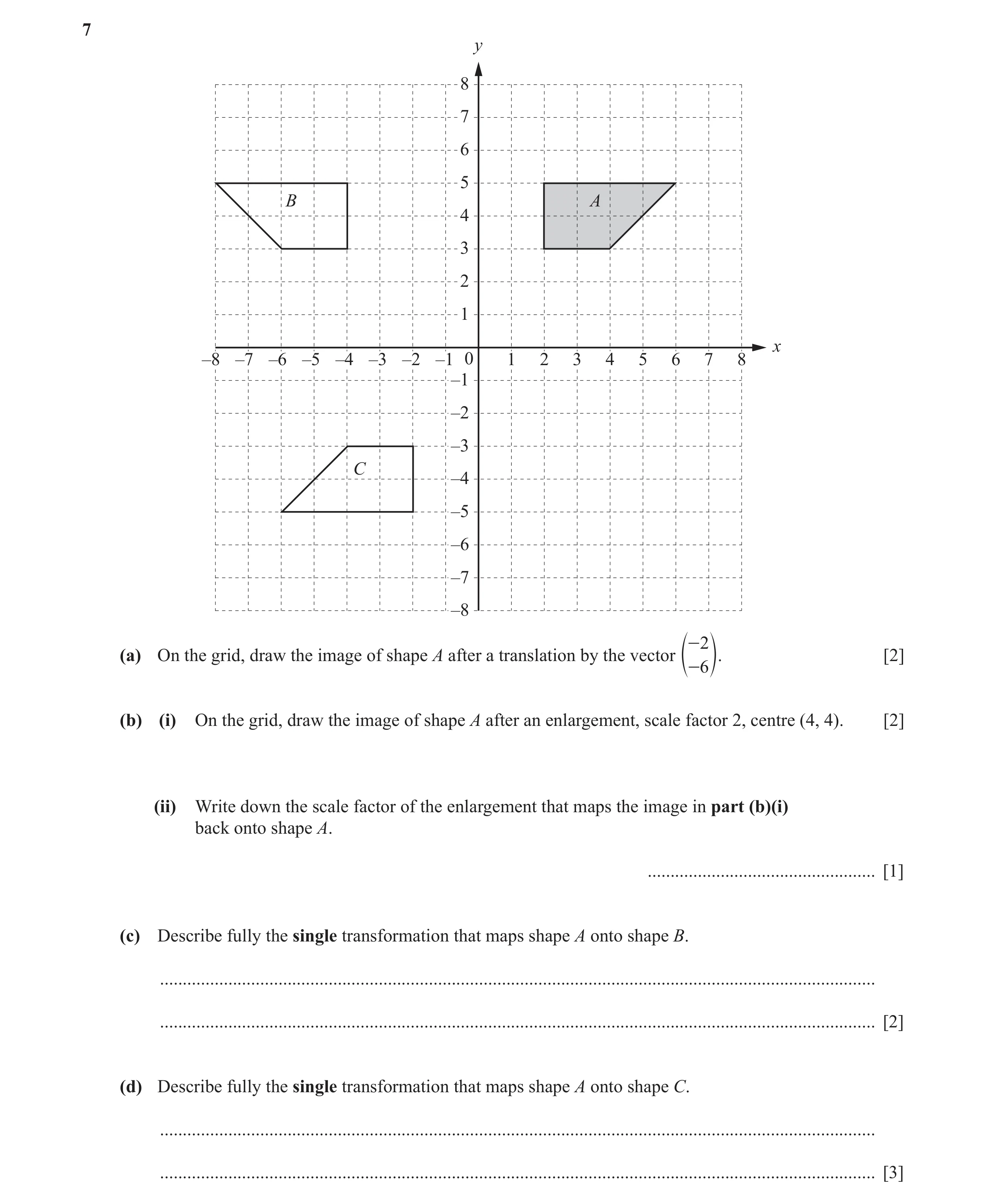 50 / 114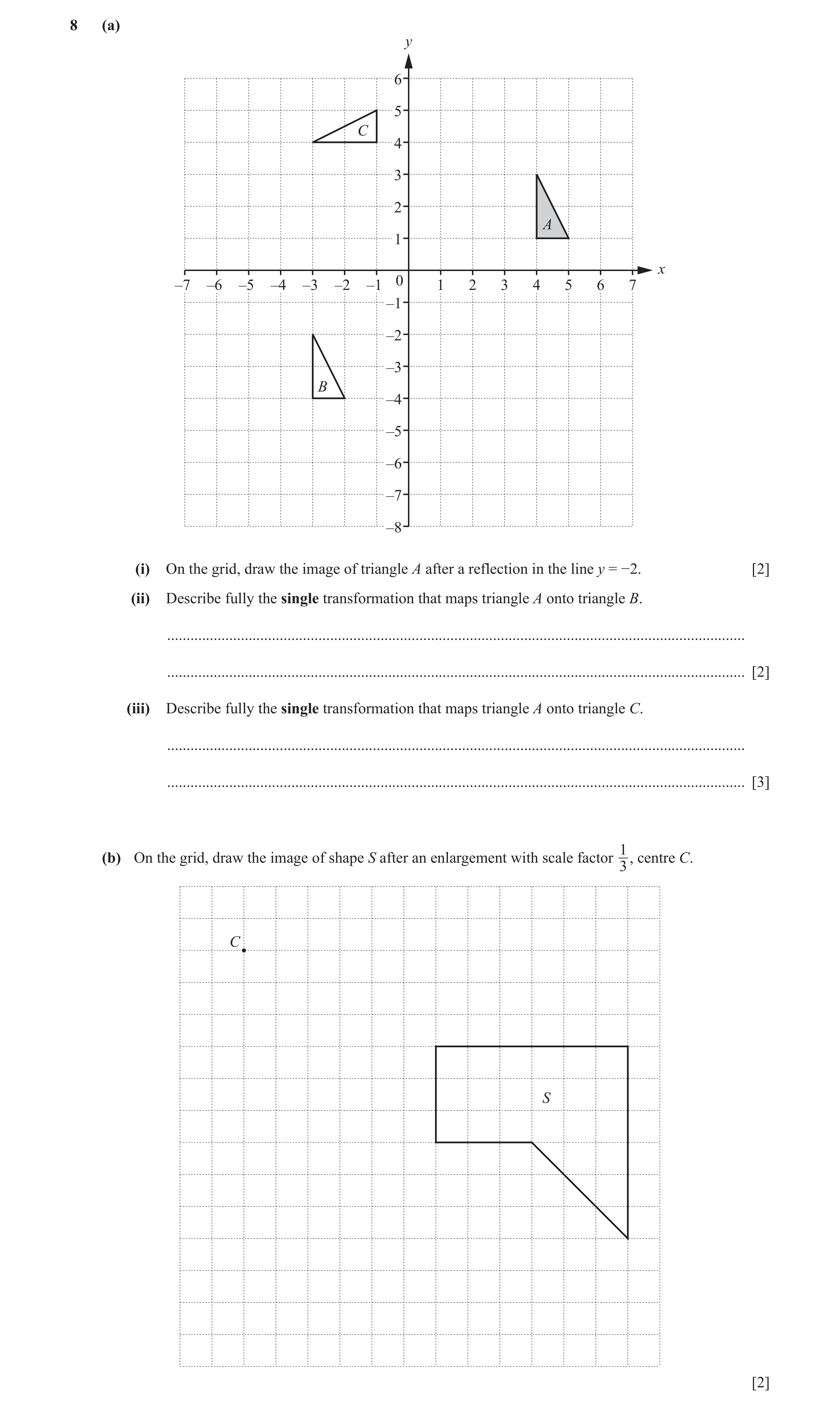
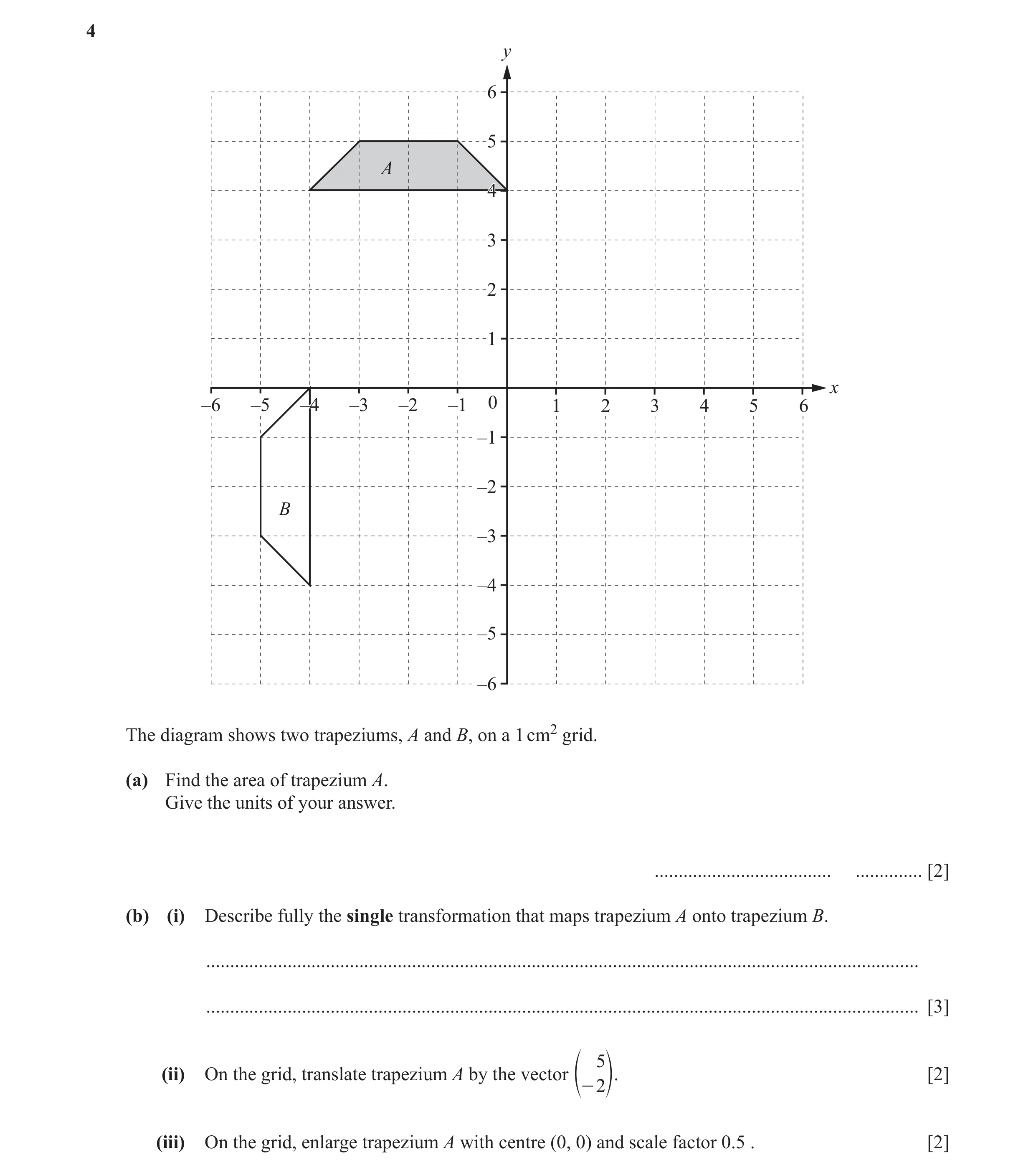 53 / 114
![Question 43: y 6 5 H 4 3 G 2 F 1 x –6 –5 –4 –3 –2 –1 0 1 2 3 4 5 6 –1 –2 –3 –4 –5 –6 (a) Reflect flag H in the x-axis. [1] 1 (b) Translate flag G by the…](https://img.pastlit.com/crops/fbff0075-c89e-4a95-abc2-32df09bbcfba/q7.webp) 54 / 114
54 / 114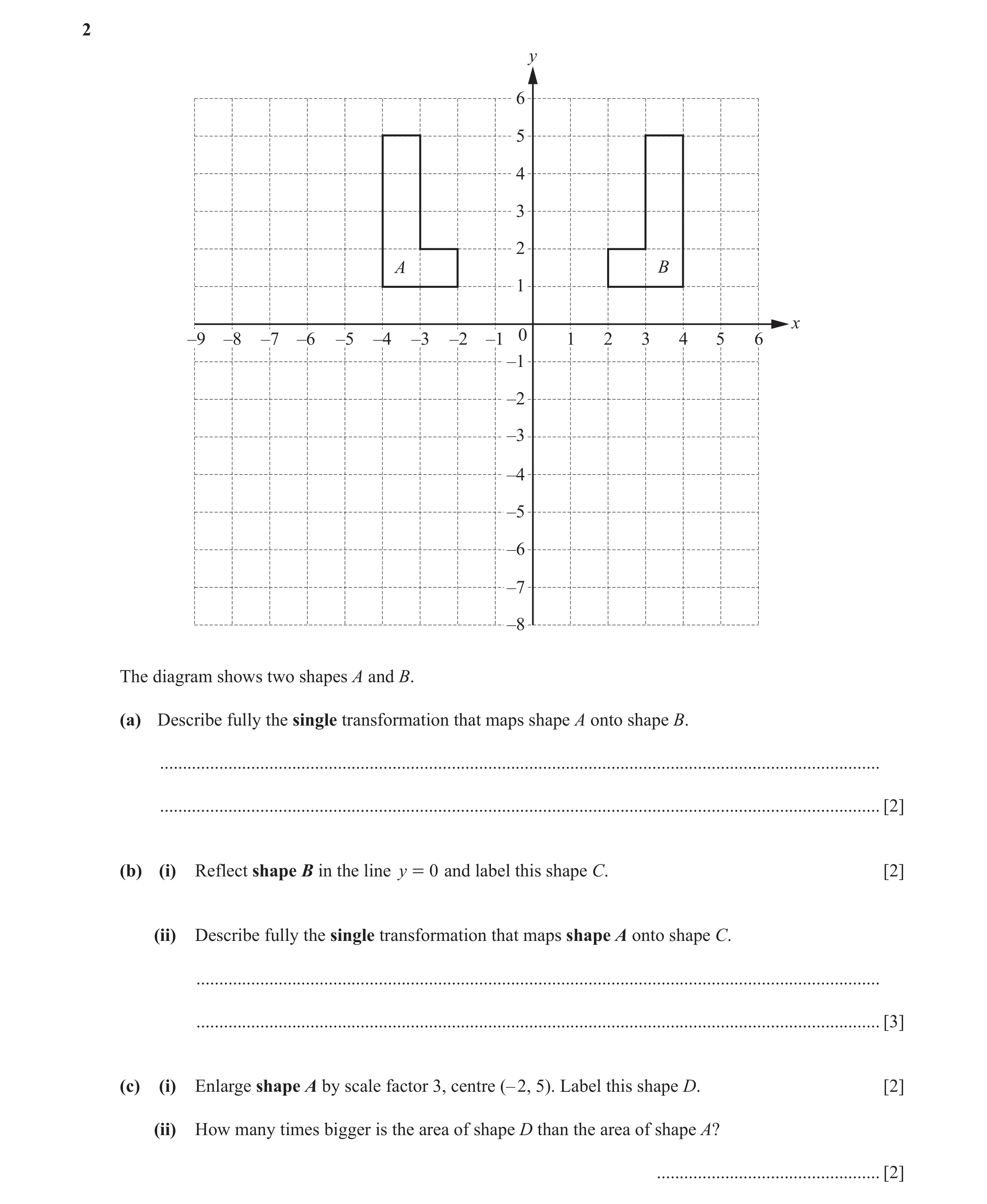 55 / 114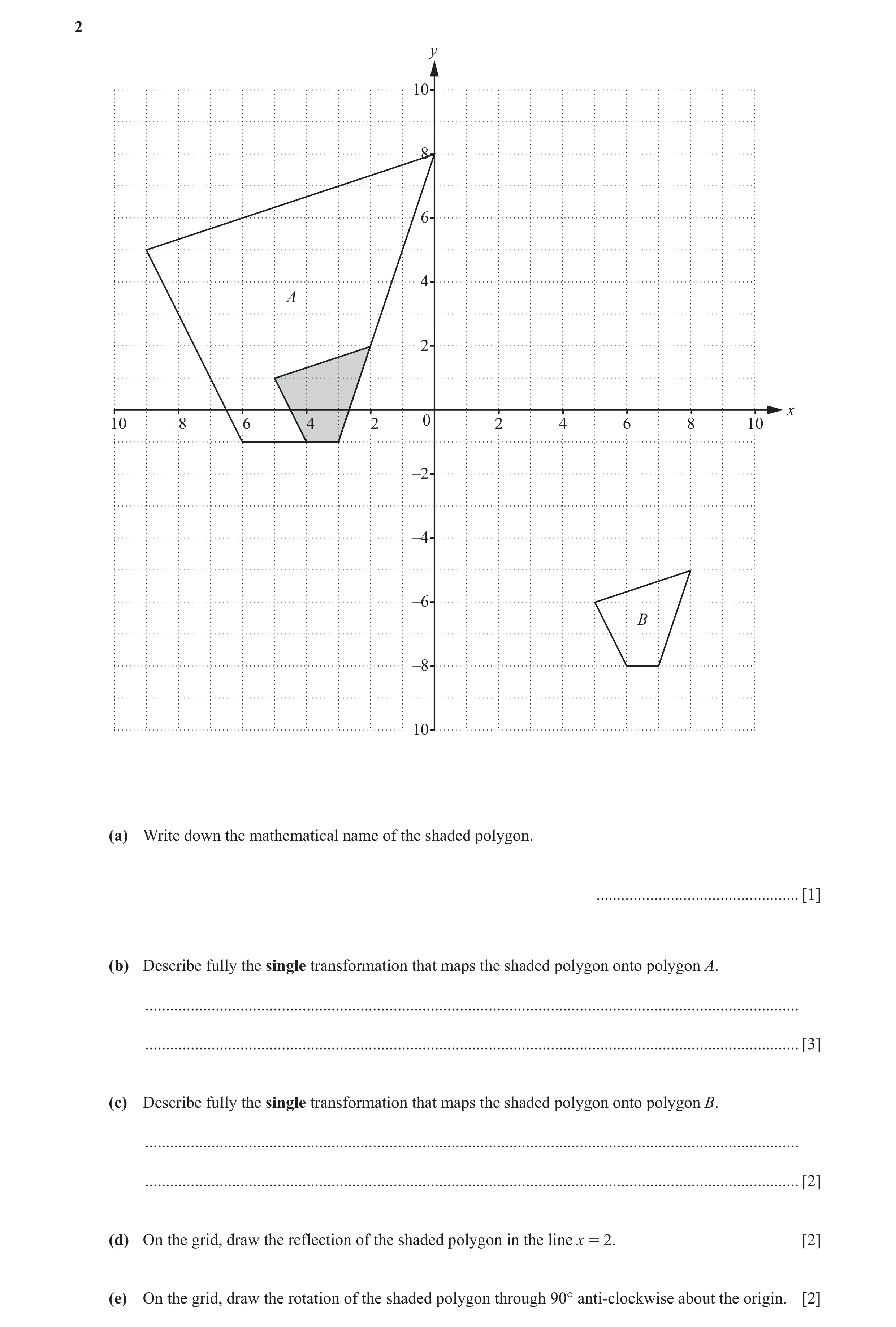
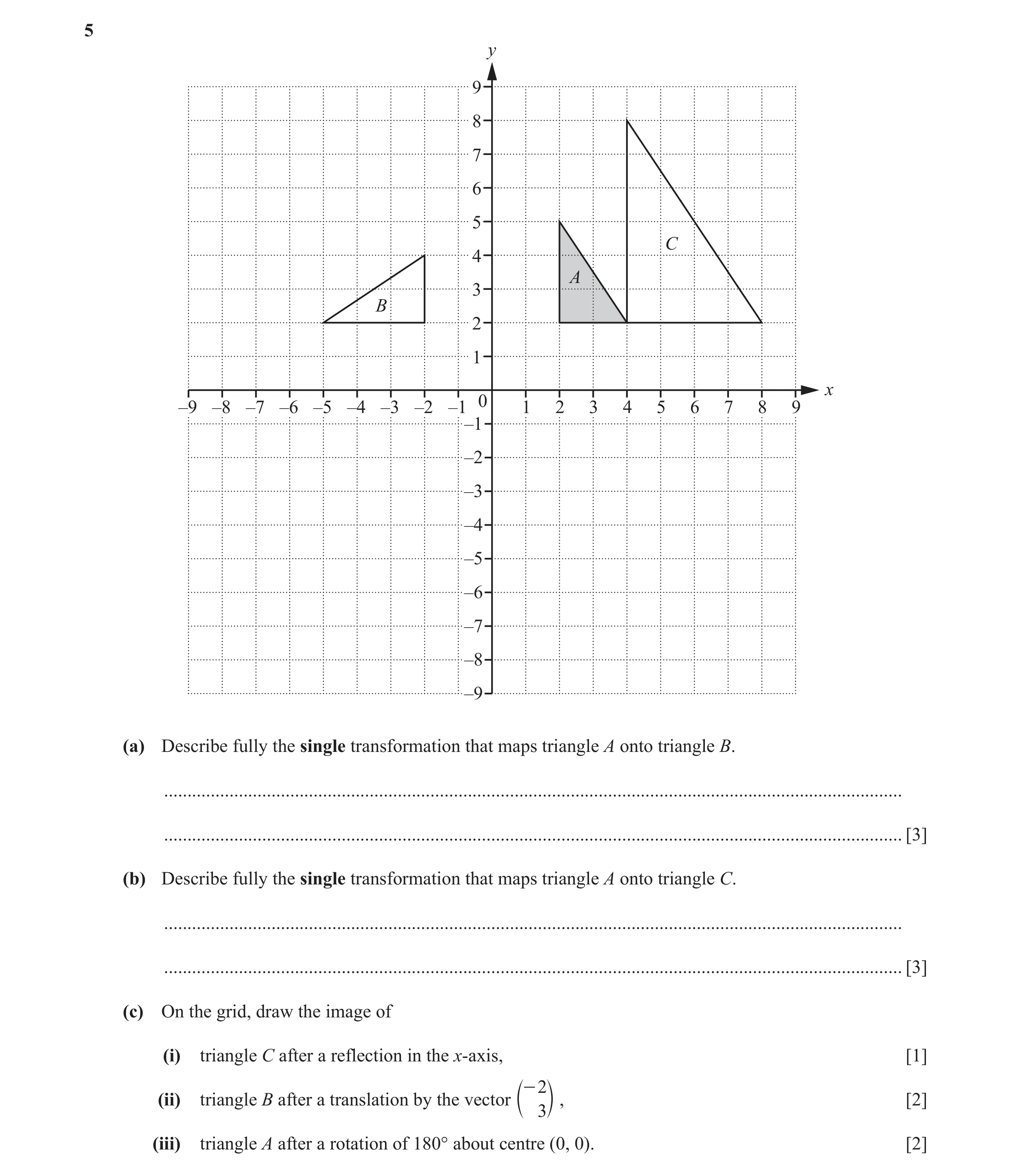 58 / 114
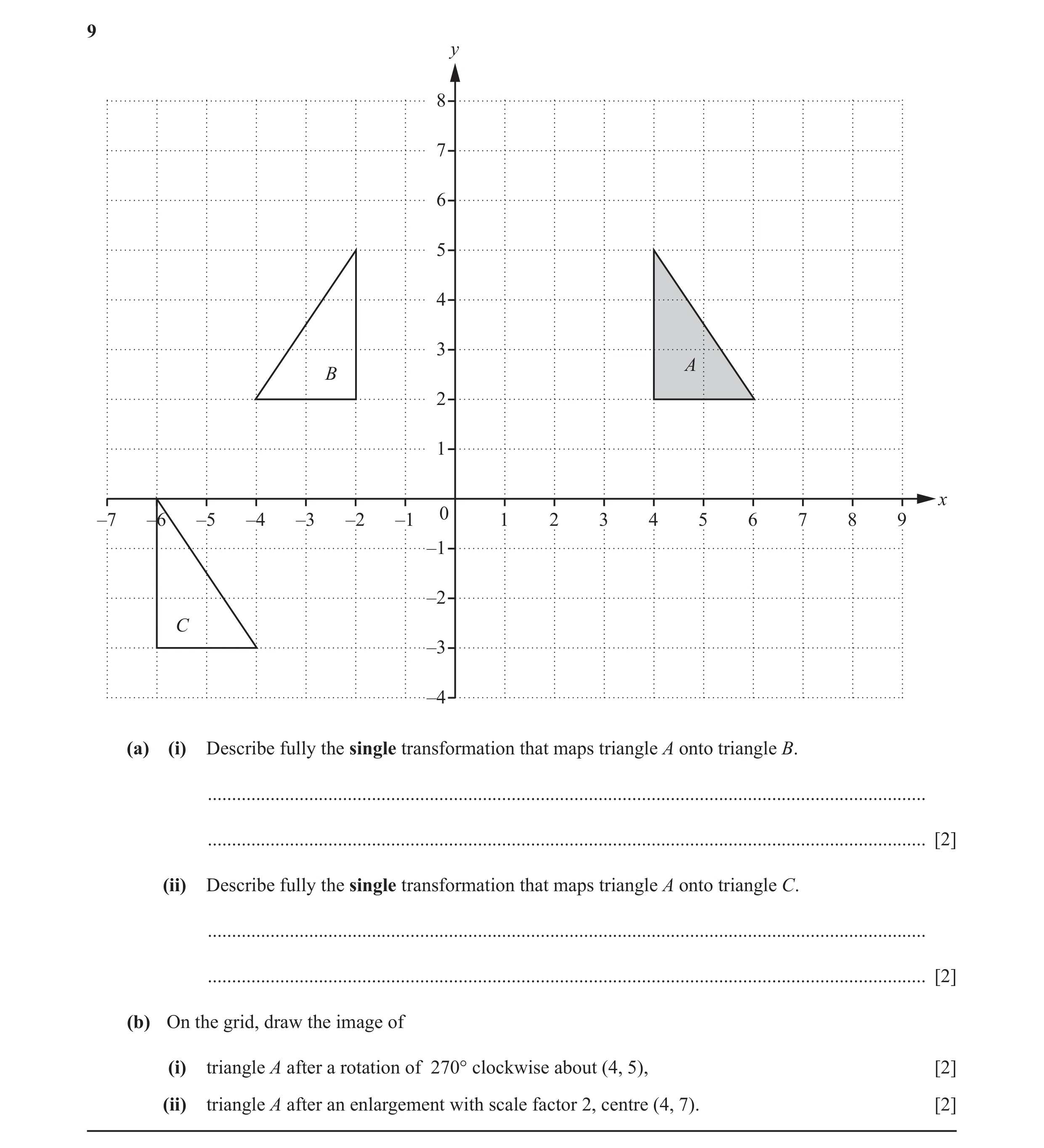 59 / 114
![Question 48: (a) The diagram shows a triangle, A, on a 1 cm2 grid. A (i) Find the area of triangle A. ..........................................cm2 [2] …](https://img.pastlit.com/crops/43c56002-14ed-403f-be73-7f519e6c0974/q9.webp)
![Question 49: (a) Write down the order of rotational symmetry of each shape. ....................... ....................... [2] (b) y 8 7 6 B 5 4 3 A 2 …](https://img.pastlit.com/crops/af508e64-f88e-4bd2-ad49-d439108a3563/q3.webp) 62 / 114
62 / 114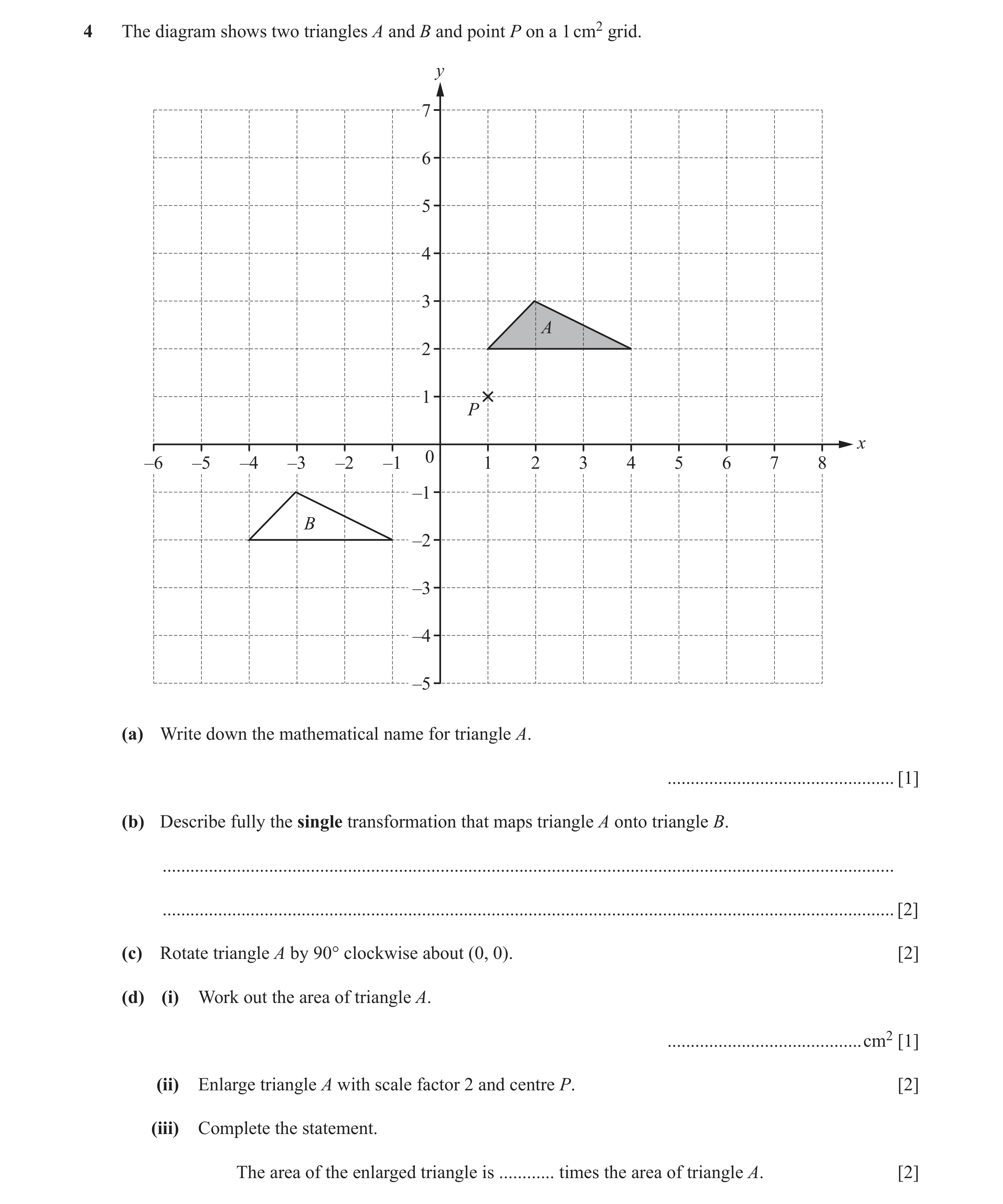 63 / 114
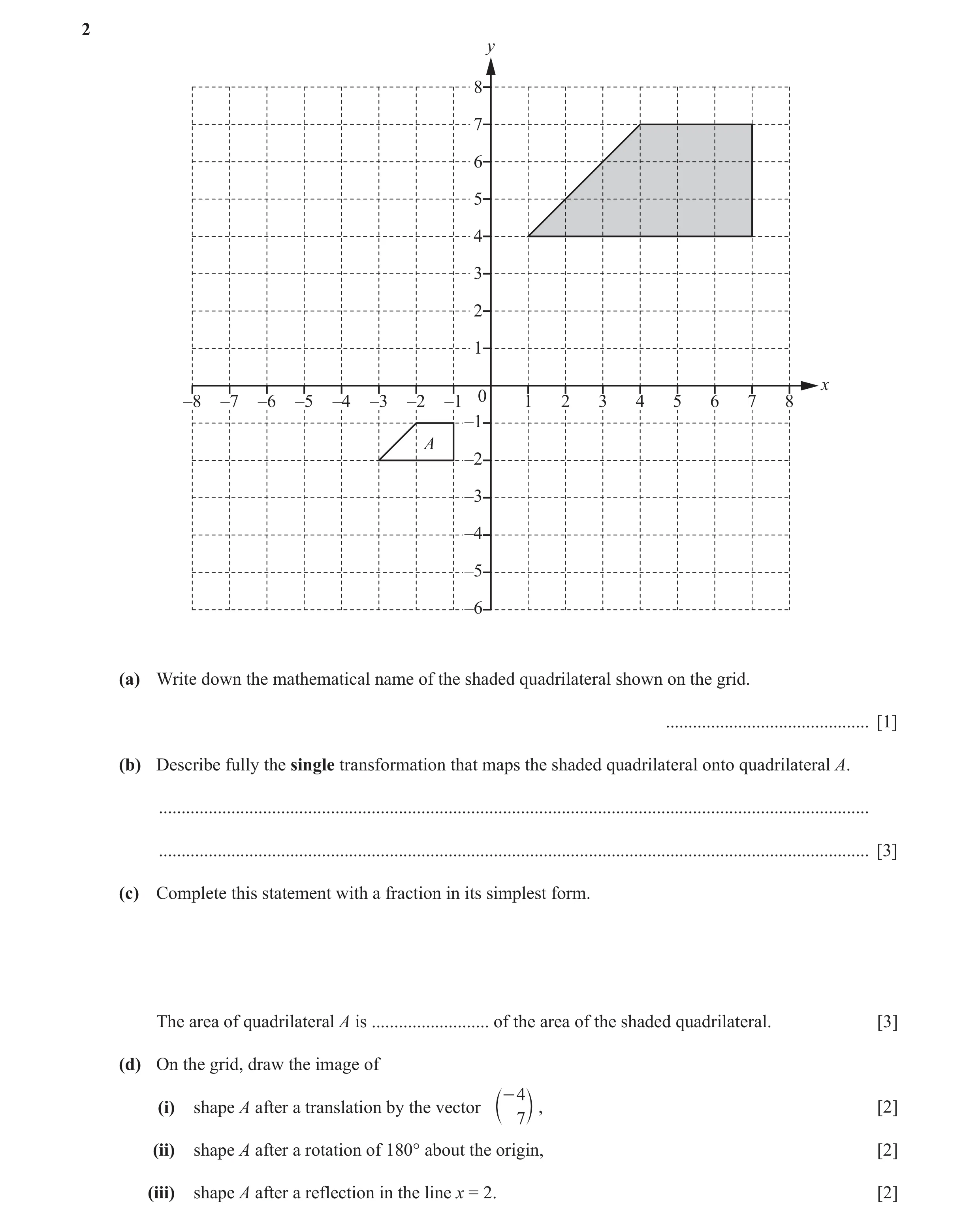 64 / 114
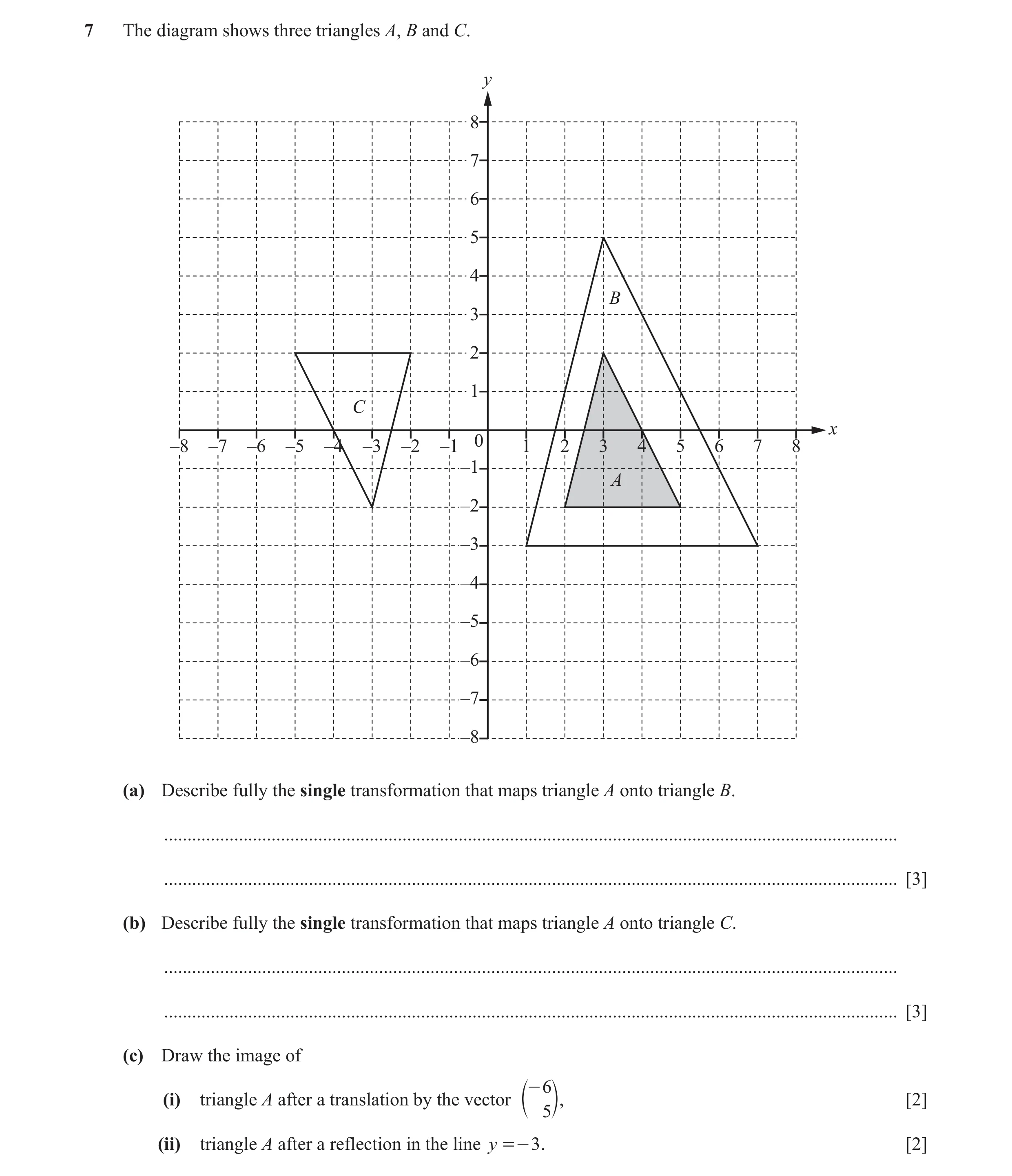 65 / 114
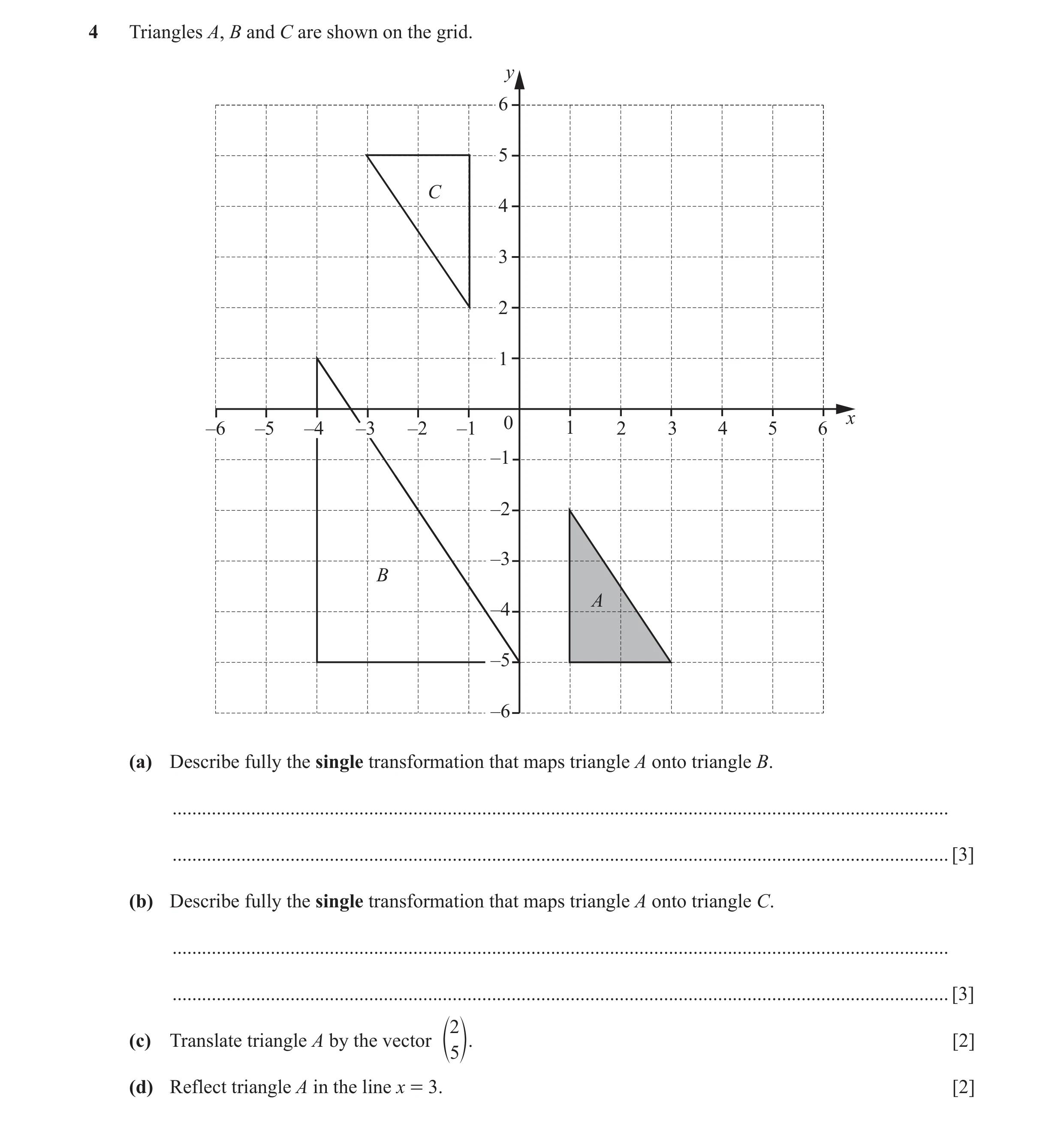 66 / 114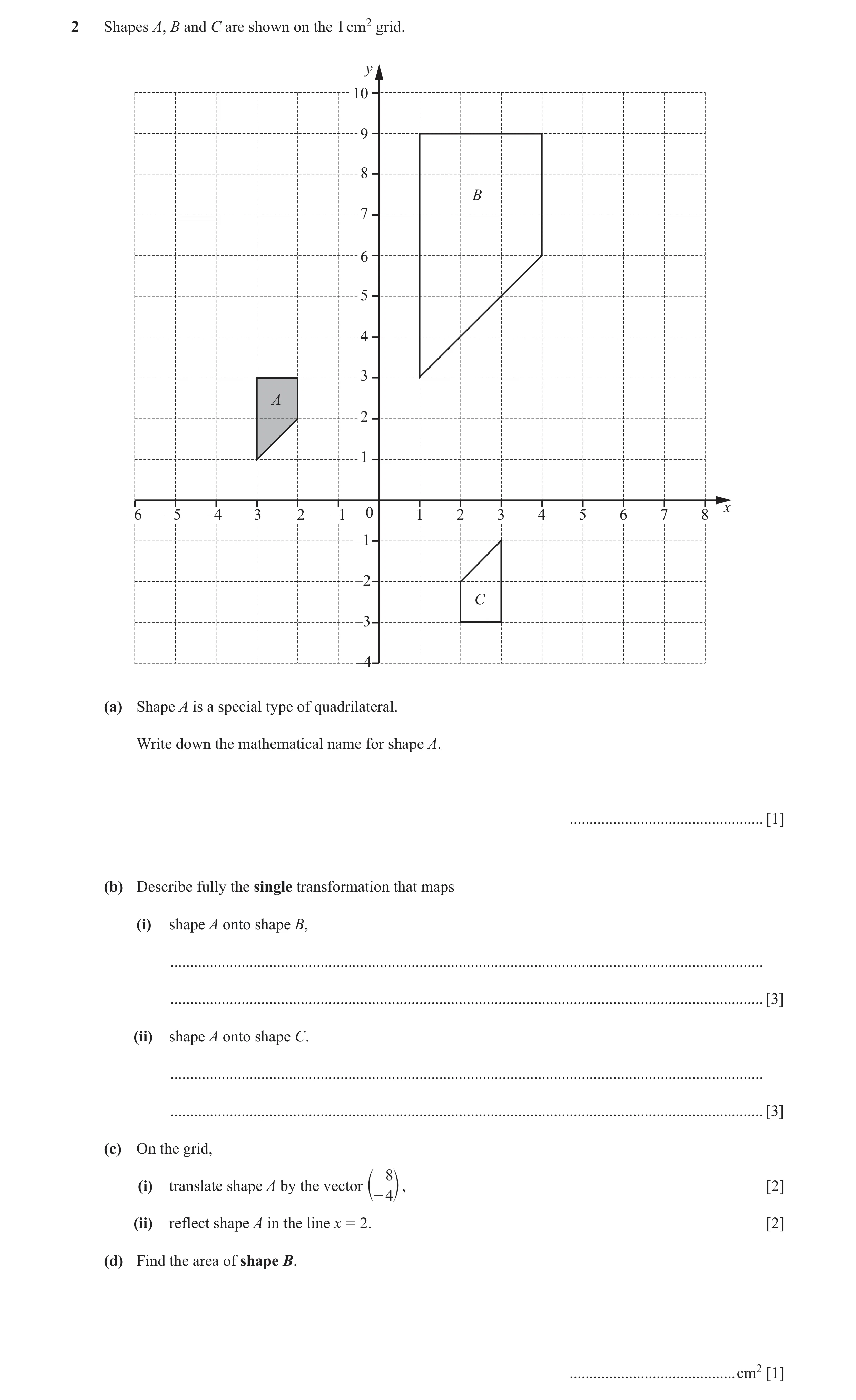
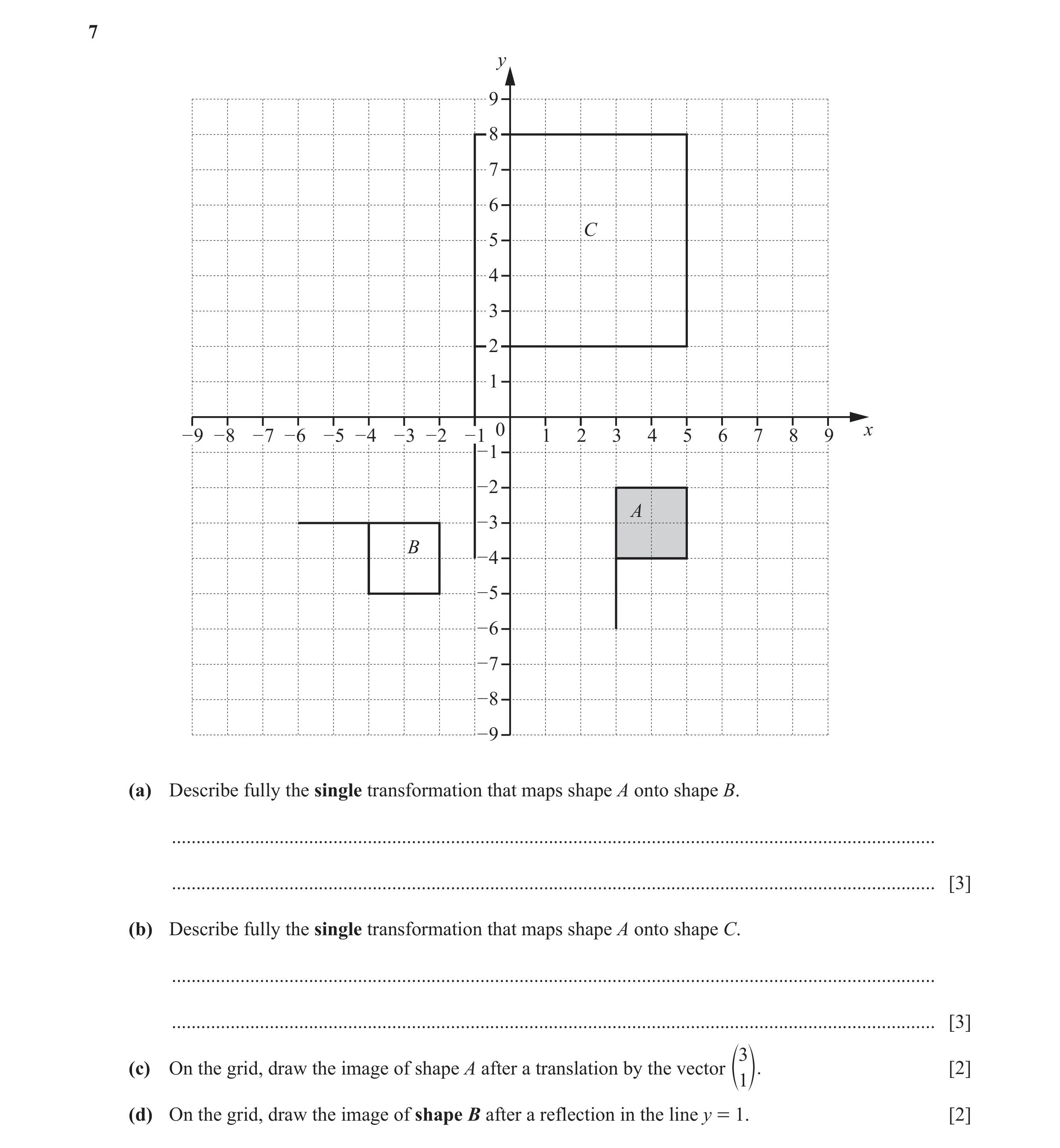 68 / 114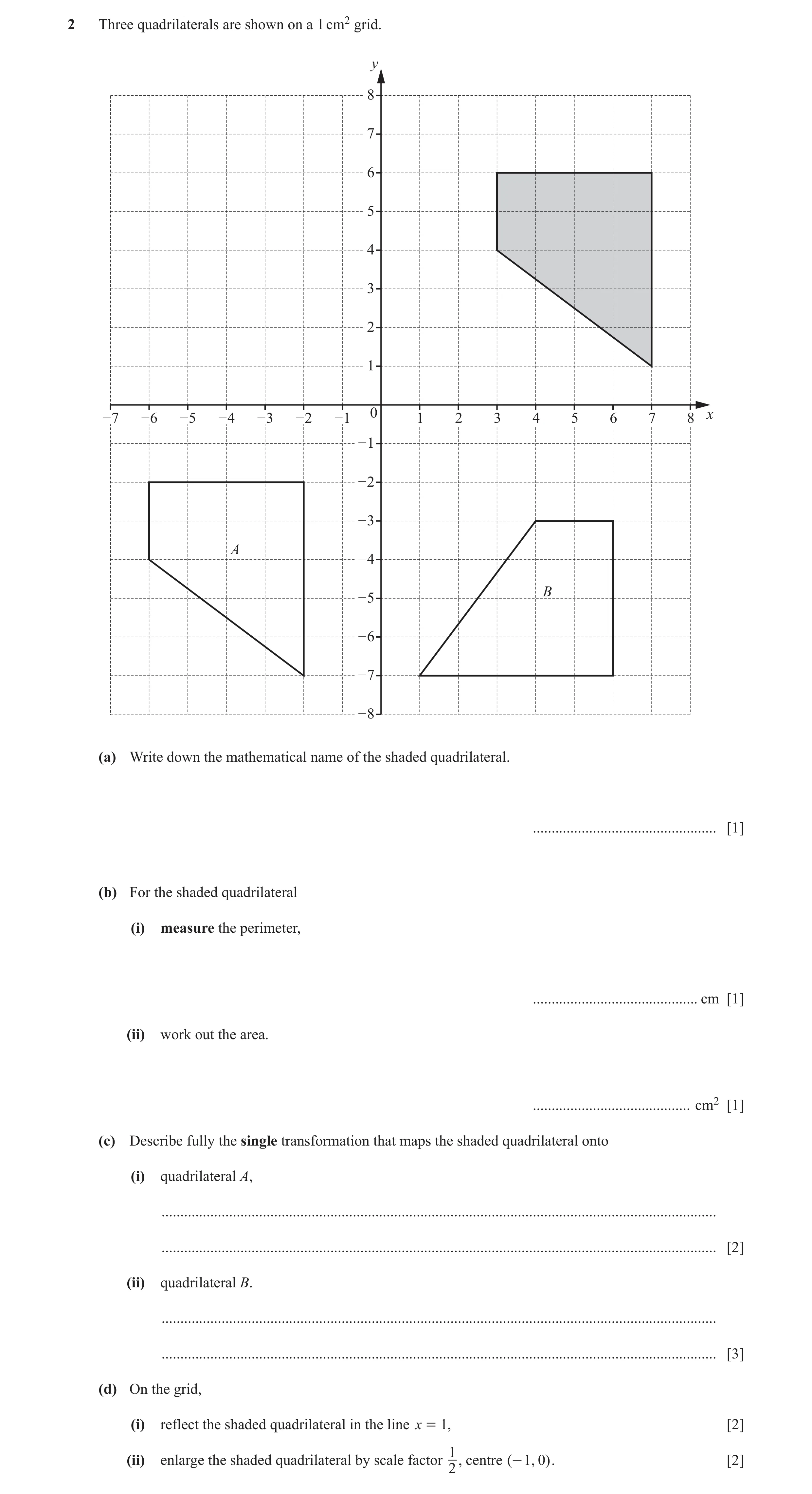
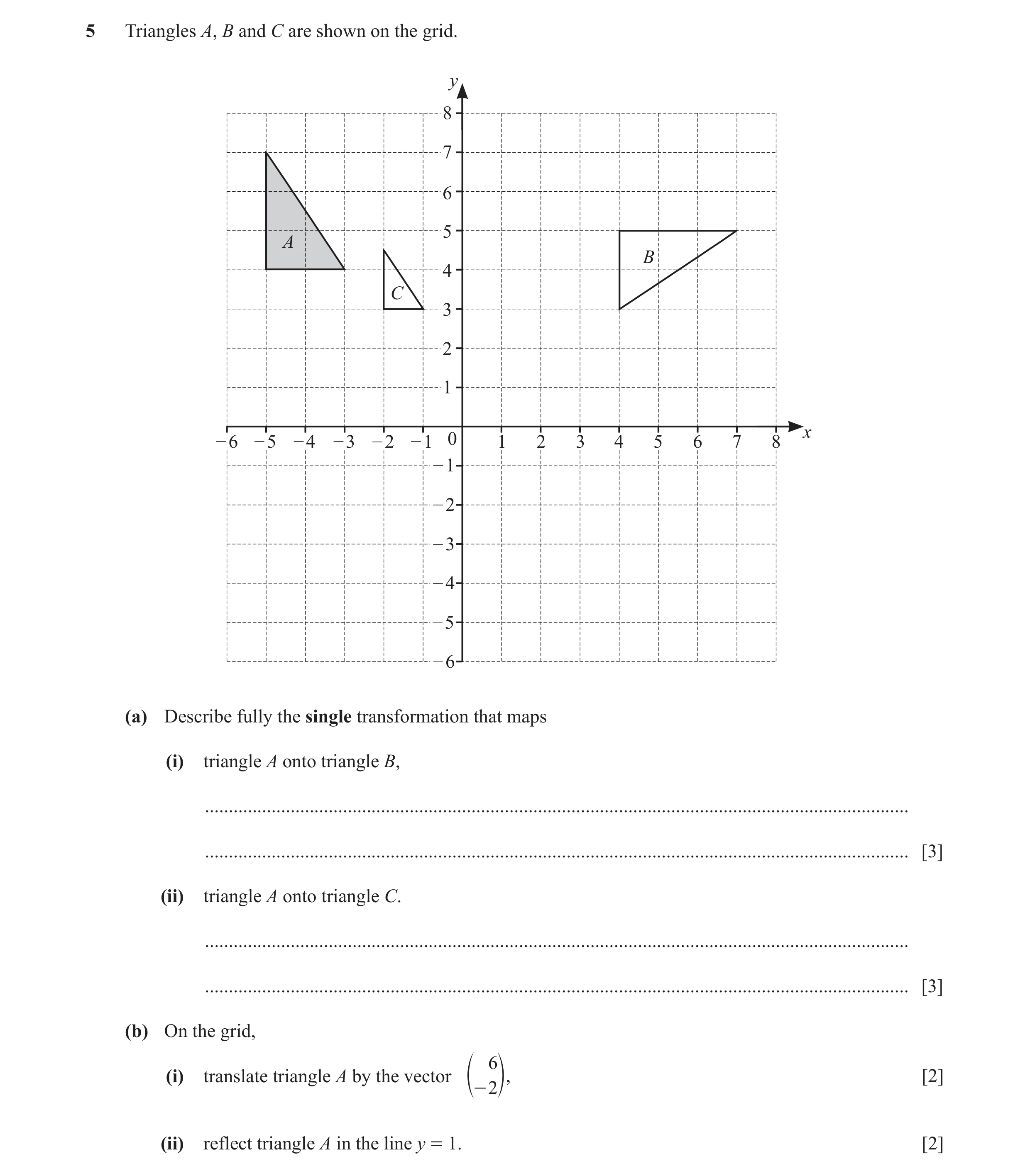 71 / 114
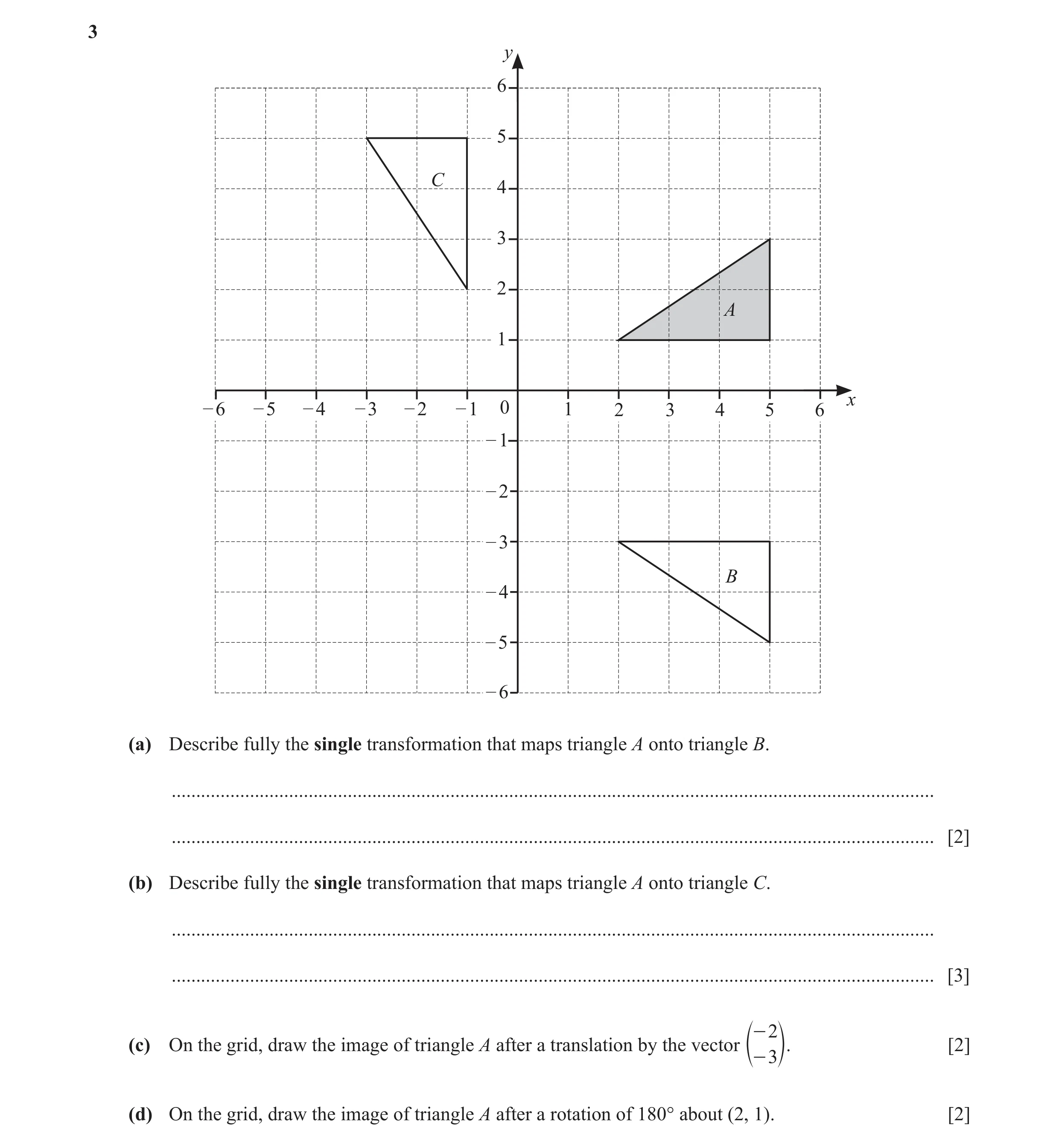 72 / 114
![Question 59: (a) y 8 7 6 D 5 C 4 3 2 1 0 x –7 –6 –5 –4 –3 –2 –1 1 2 3 4 5 6 7 –1 –2 –3 –4 –5 A B –6 –7 –8 –9 (i) On the grid, draw the image of - 5 [2] …](https://img.pastlit.com/crops/7fa0bb4d-65a3-46d8-b8d9-7702ec6a3dbe/q6.webp)
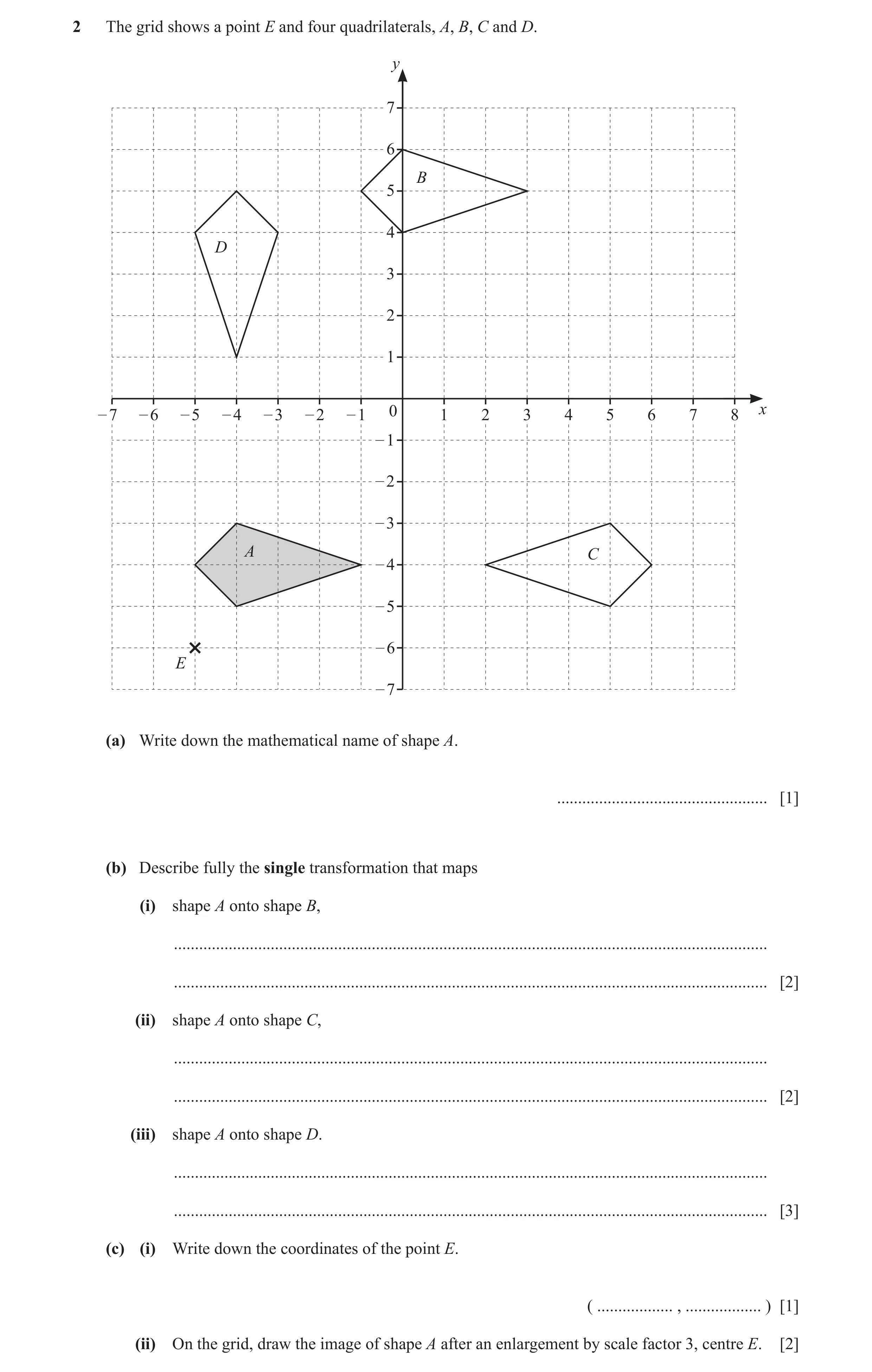
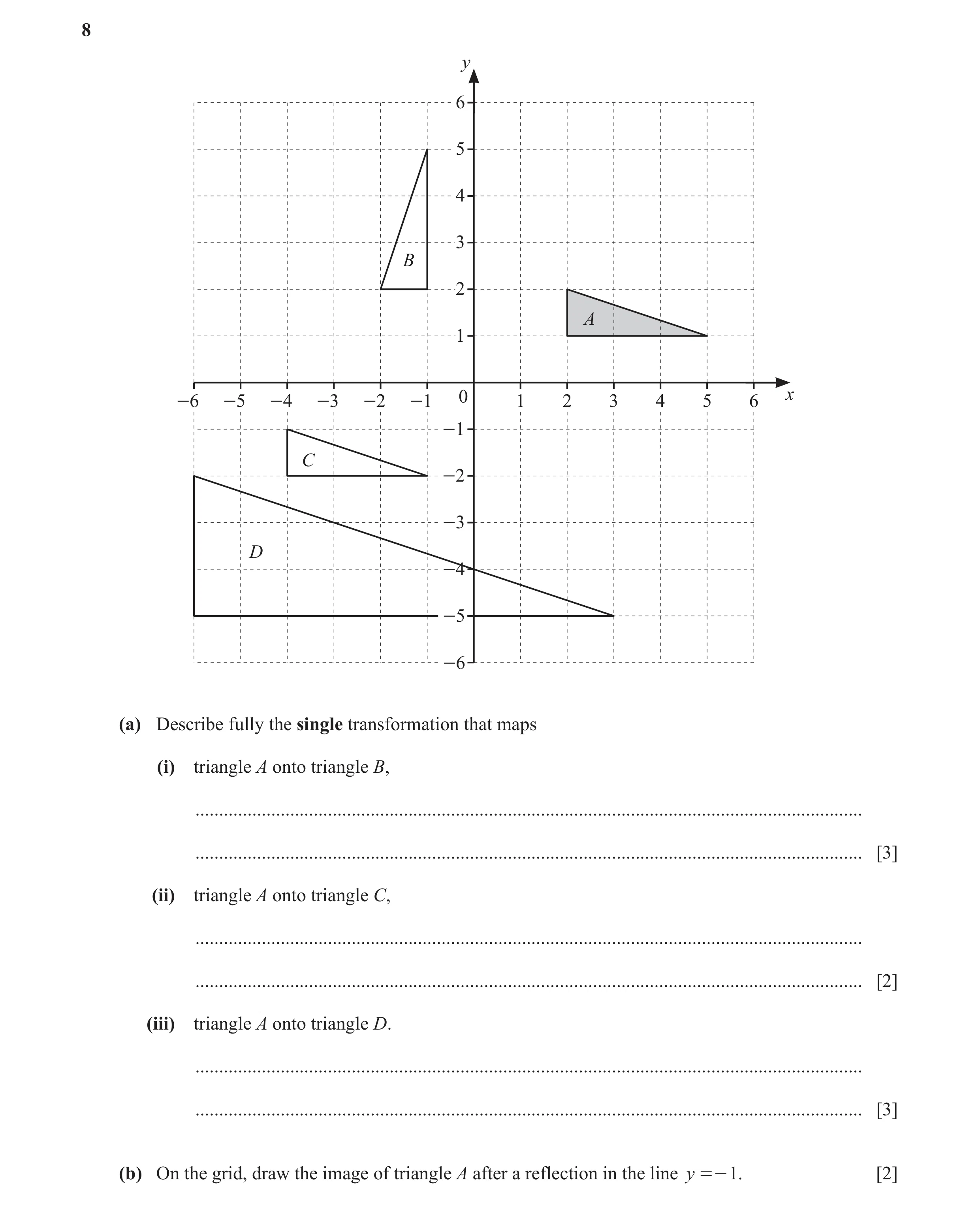 77 / 114
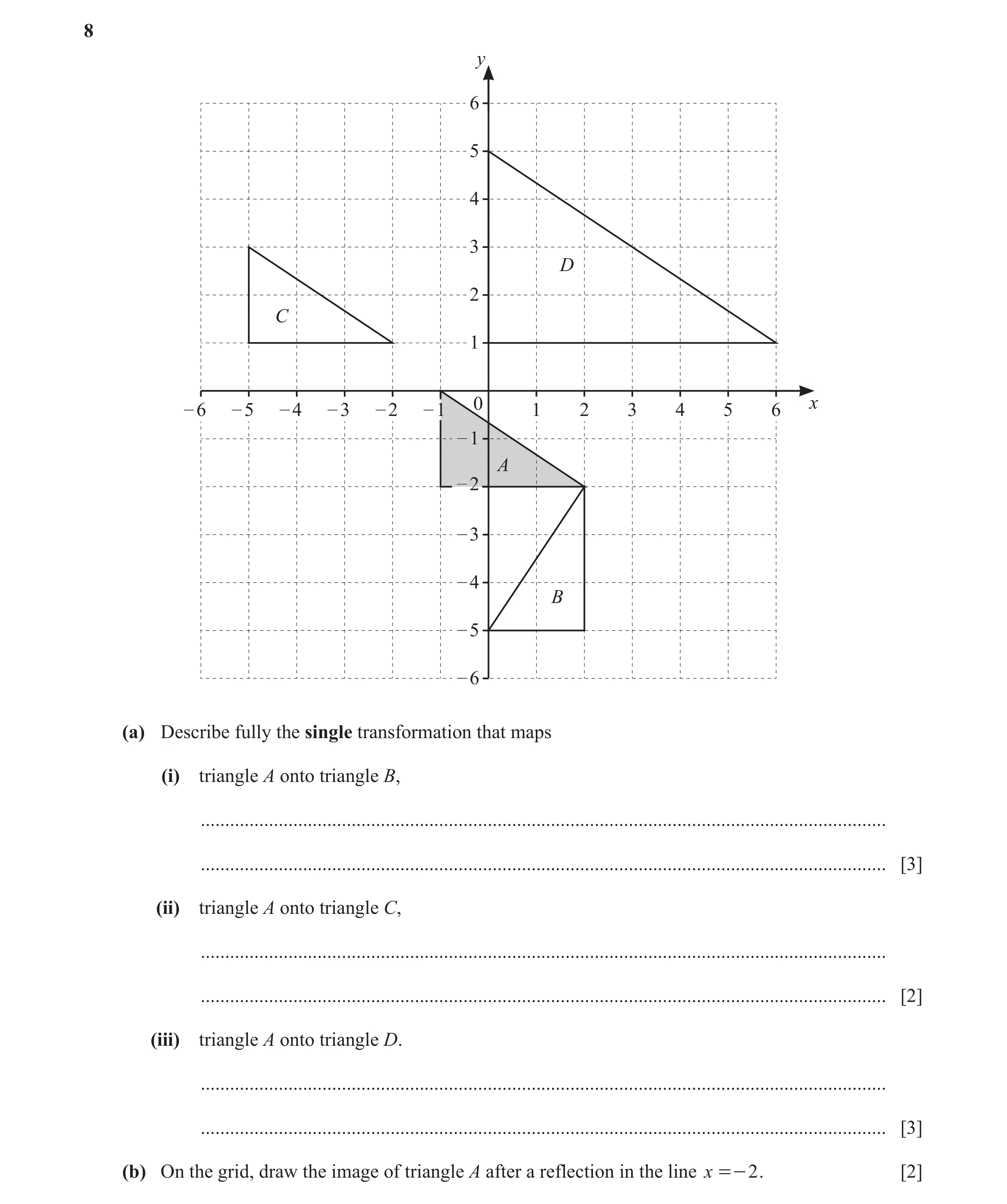 78 / 114
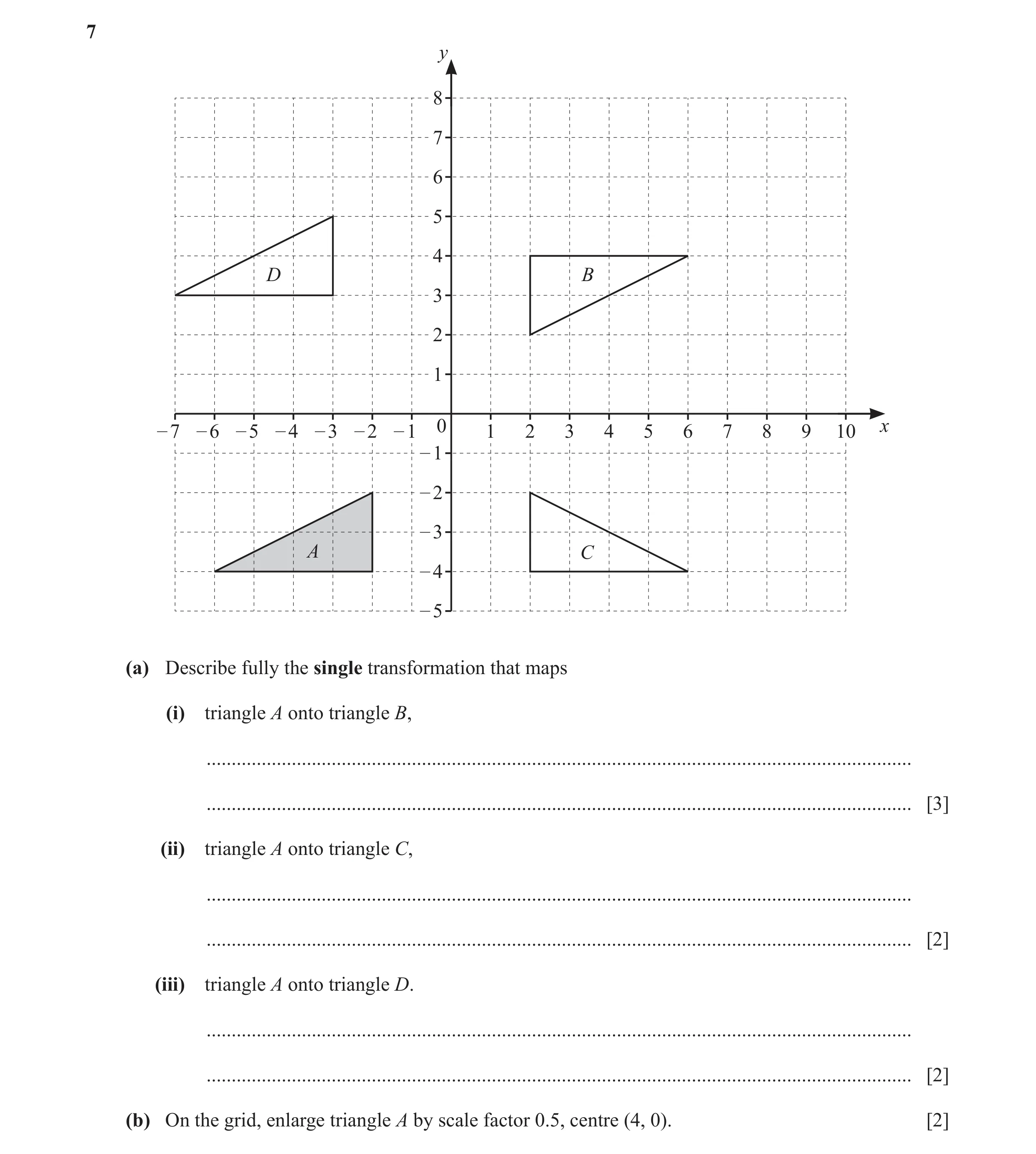 79 / 114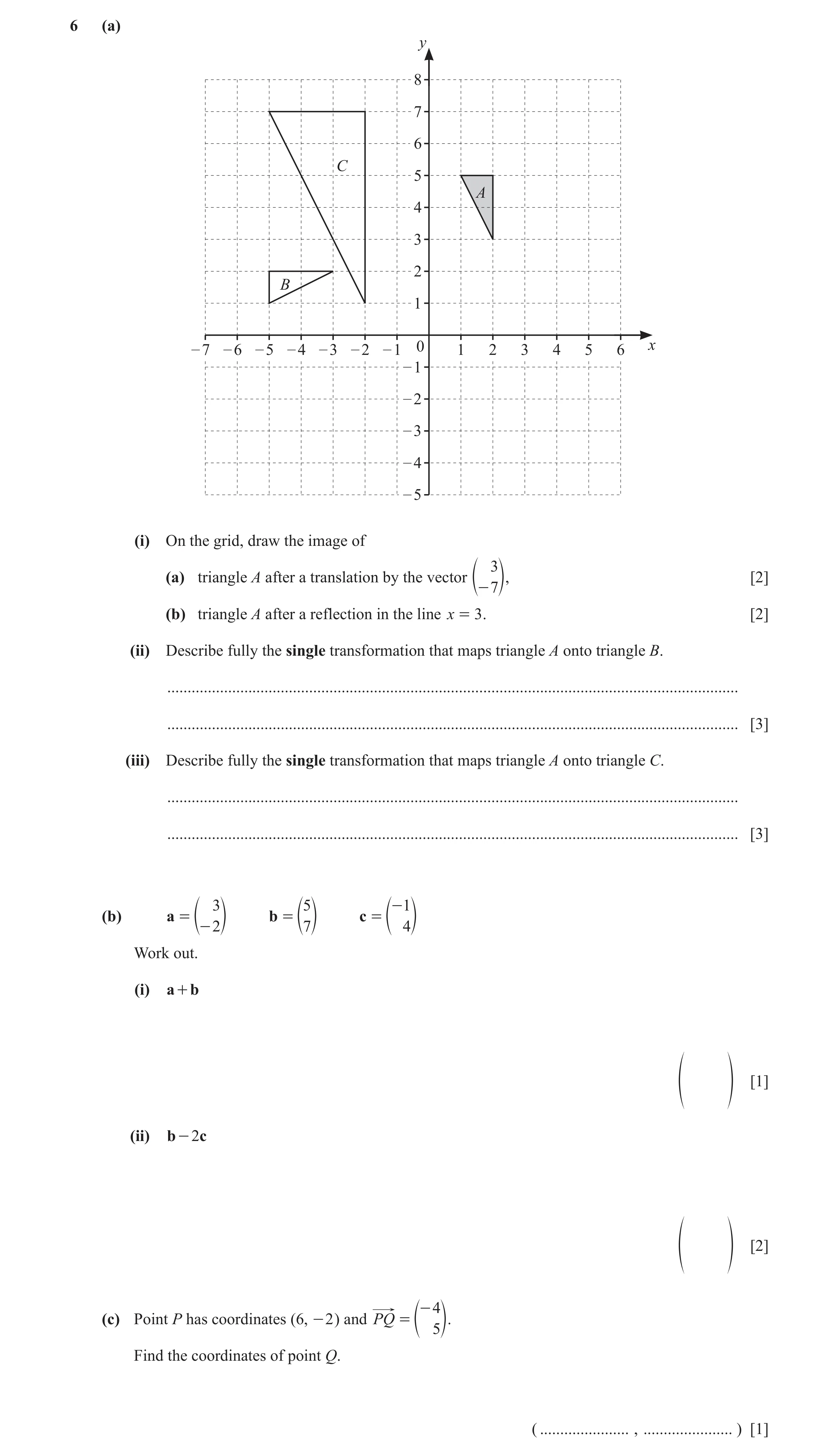
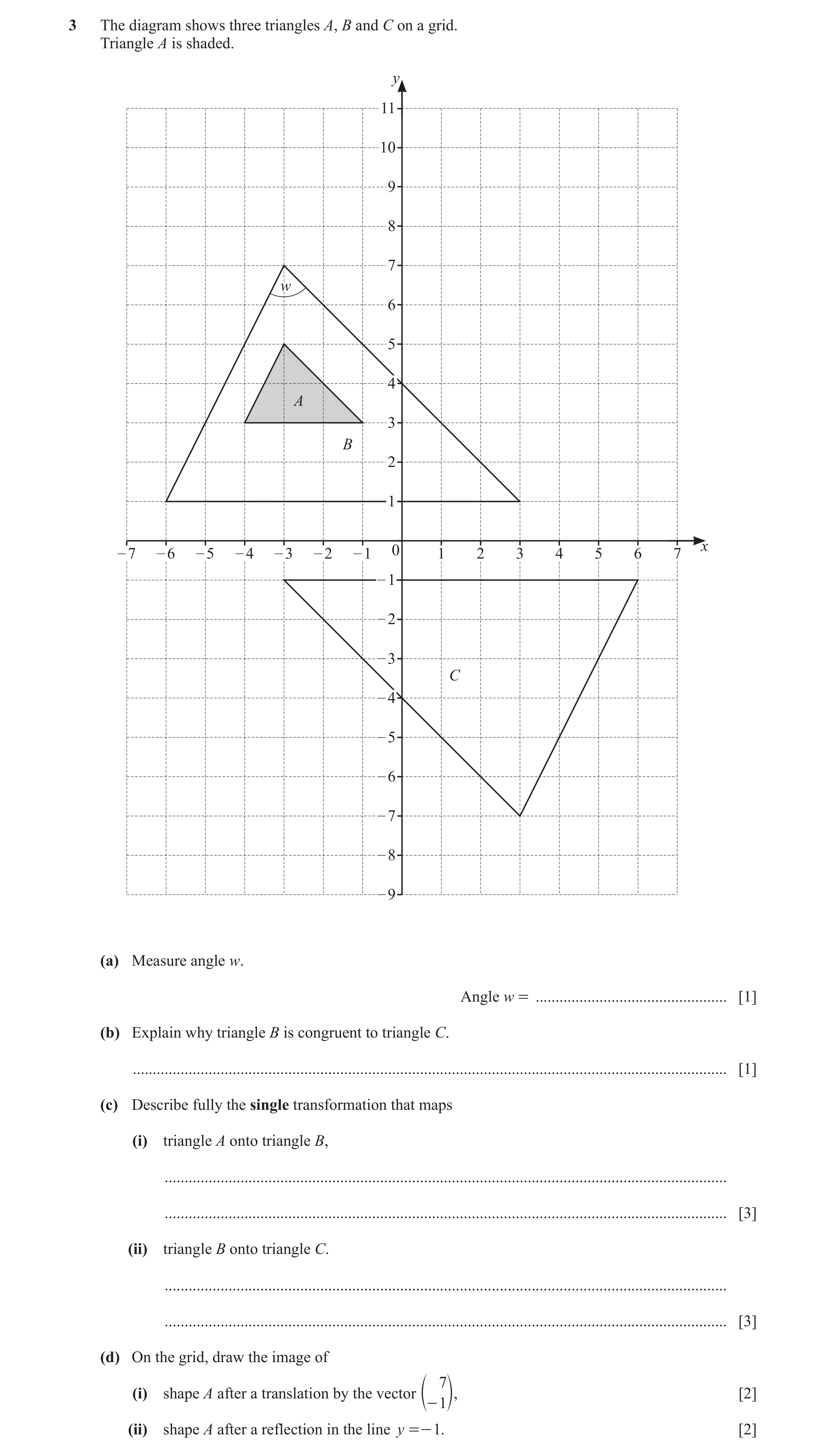
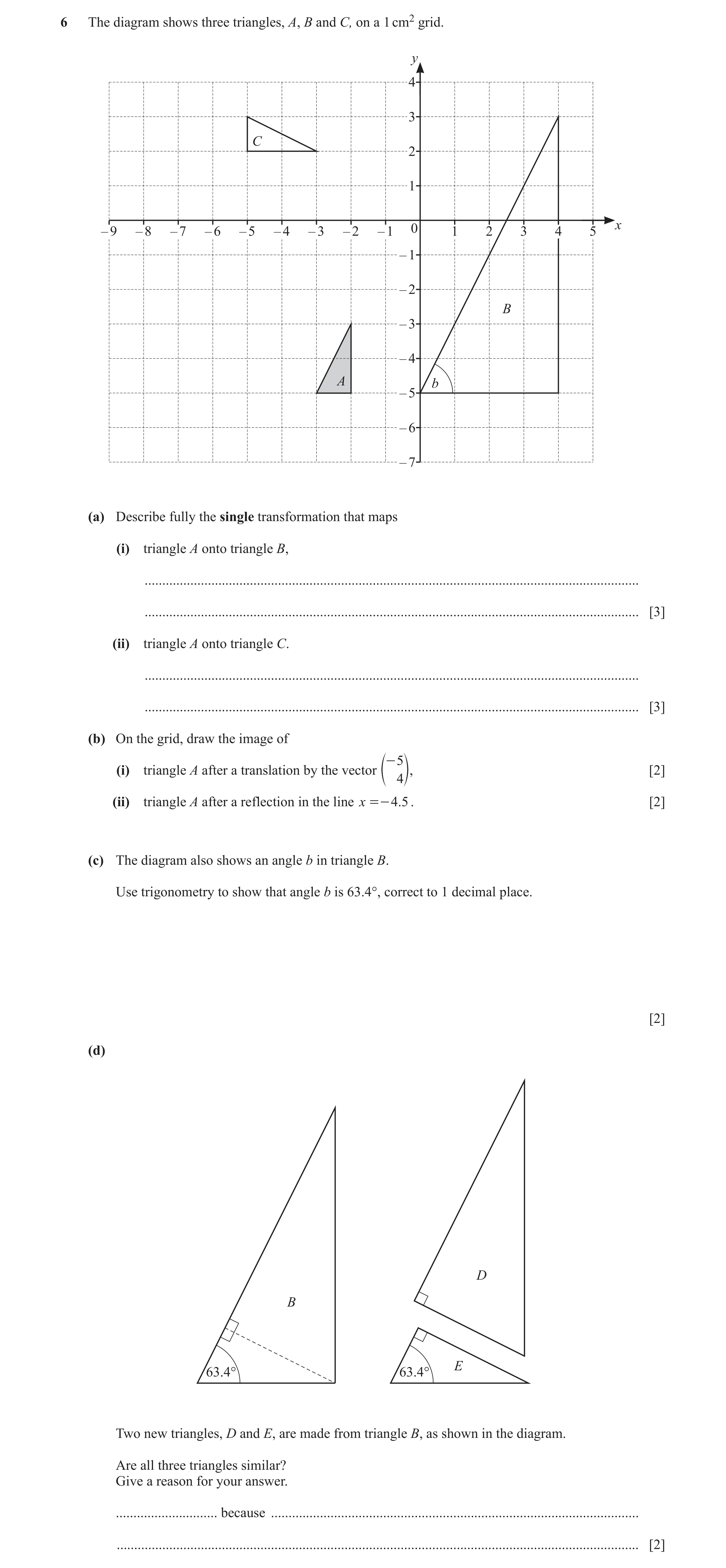
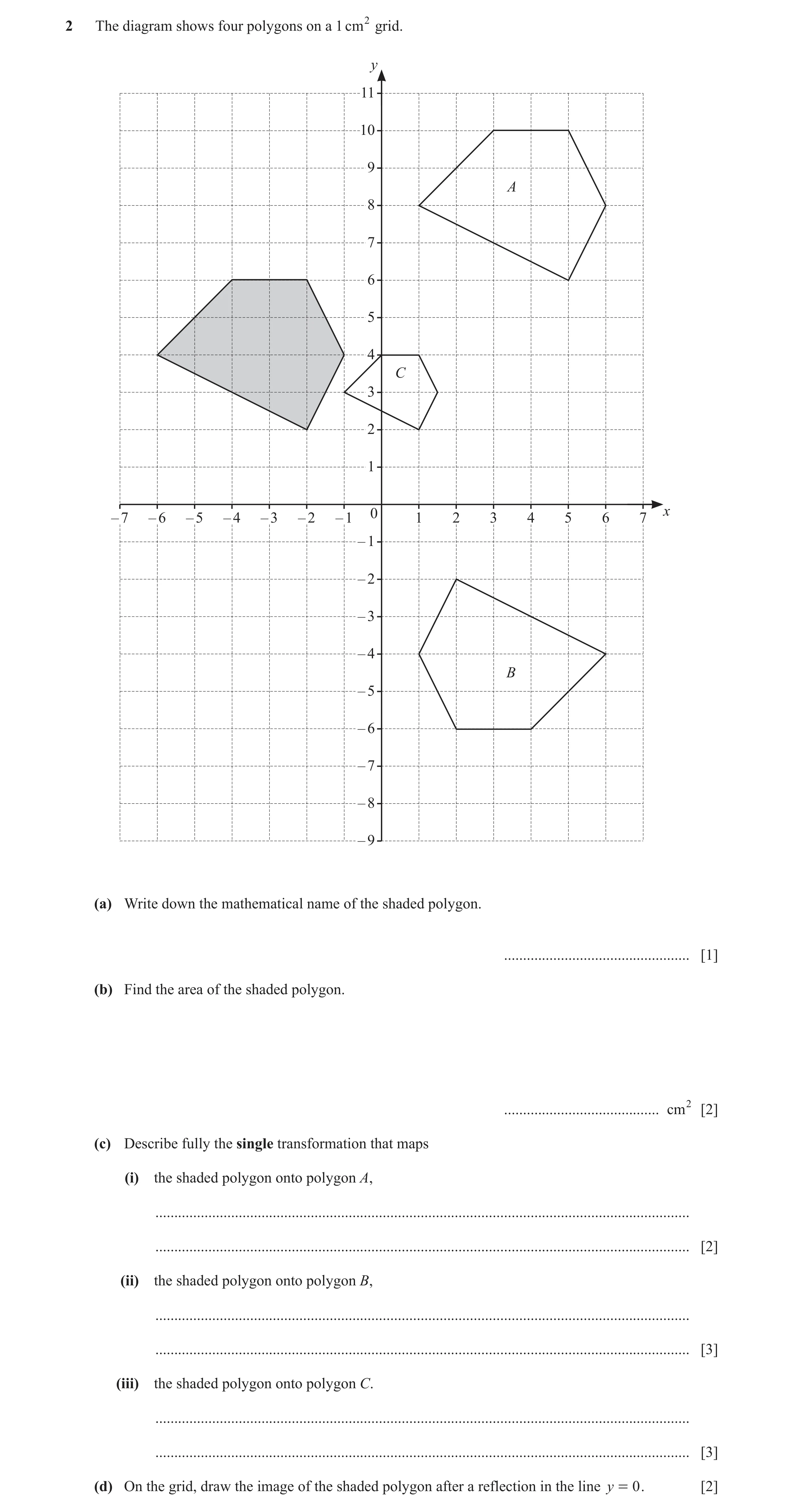
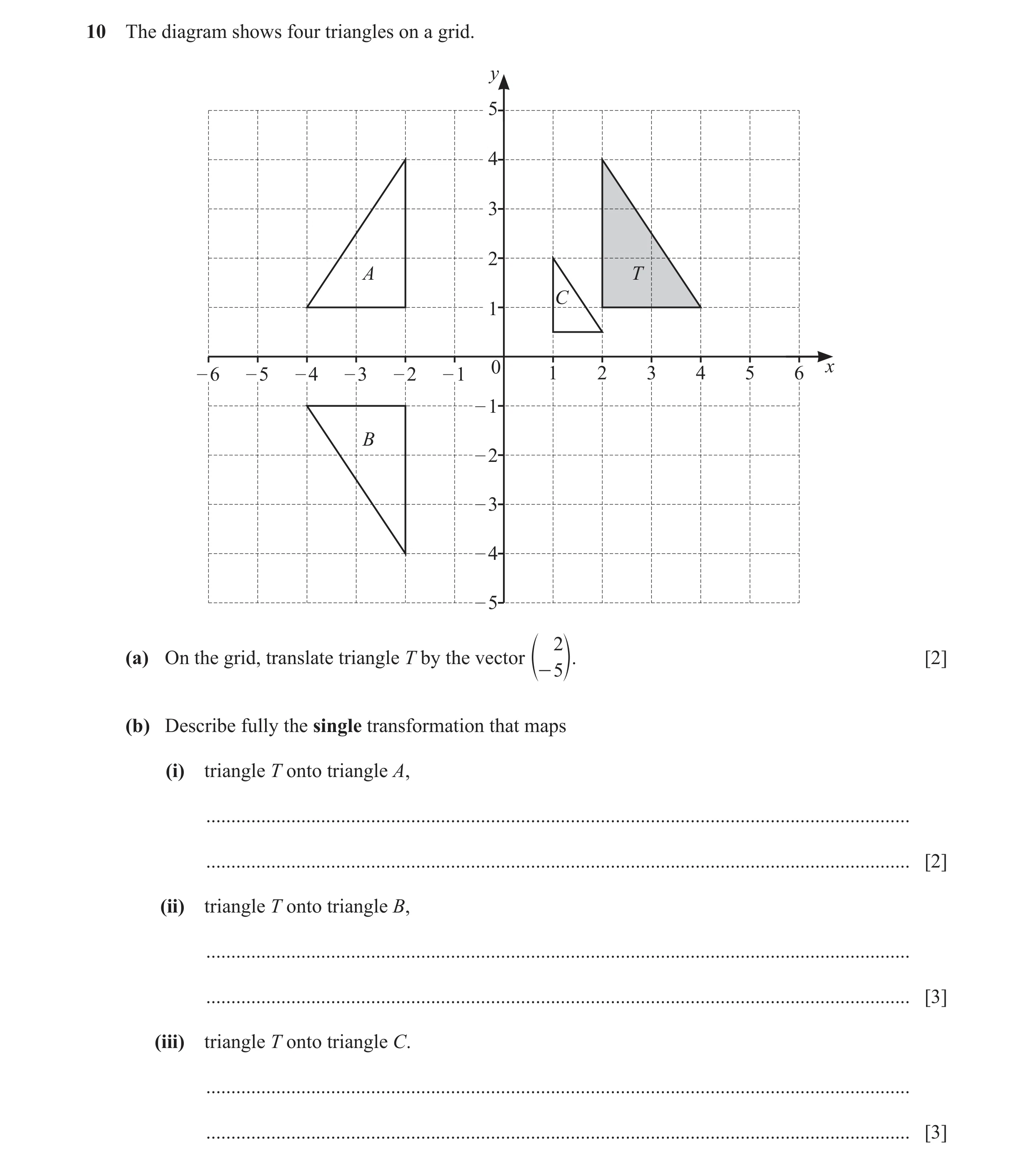 87 / 114
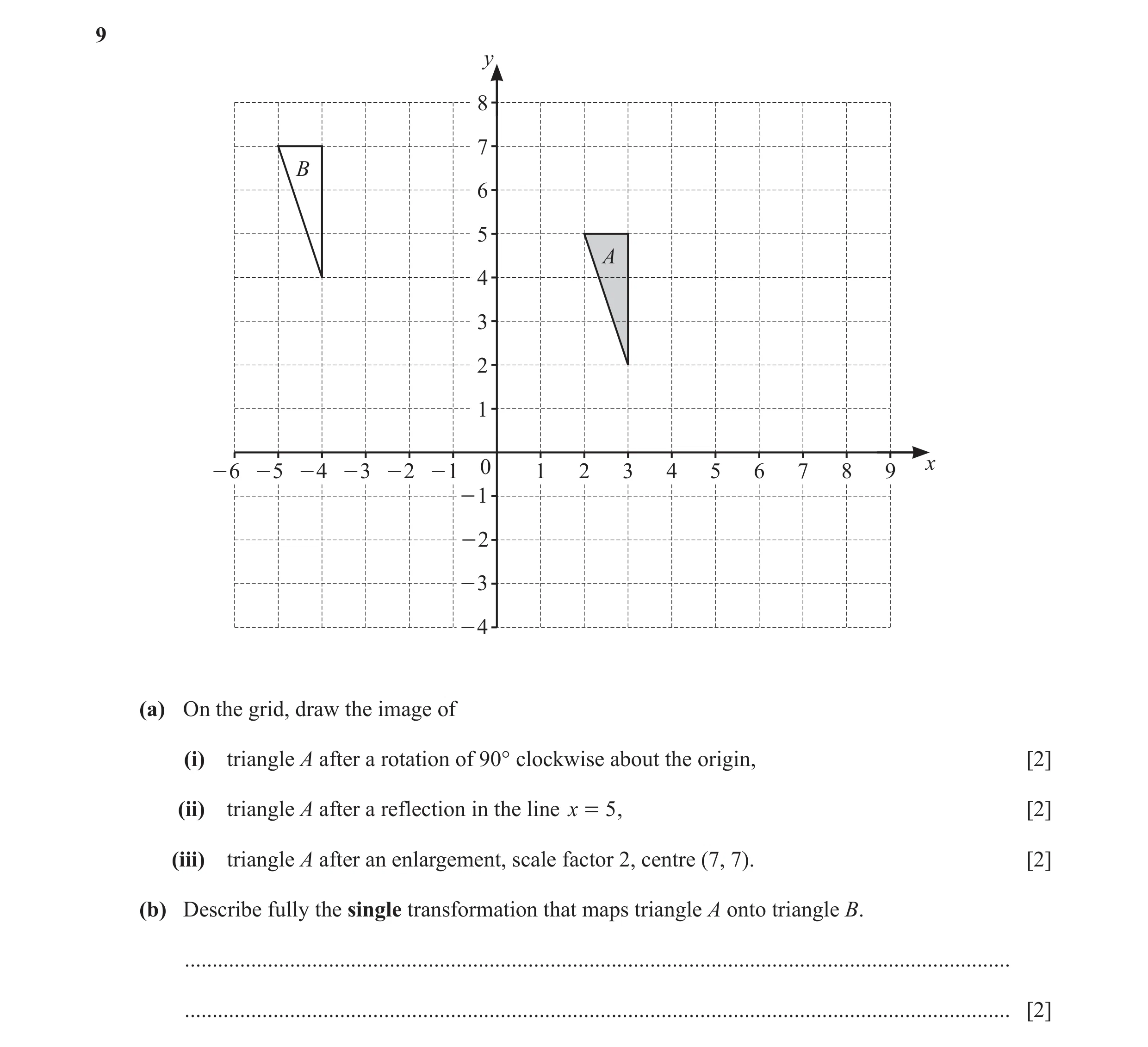 88 / 114
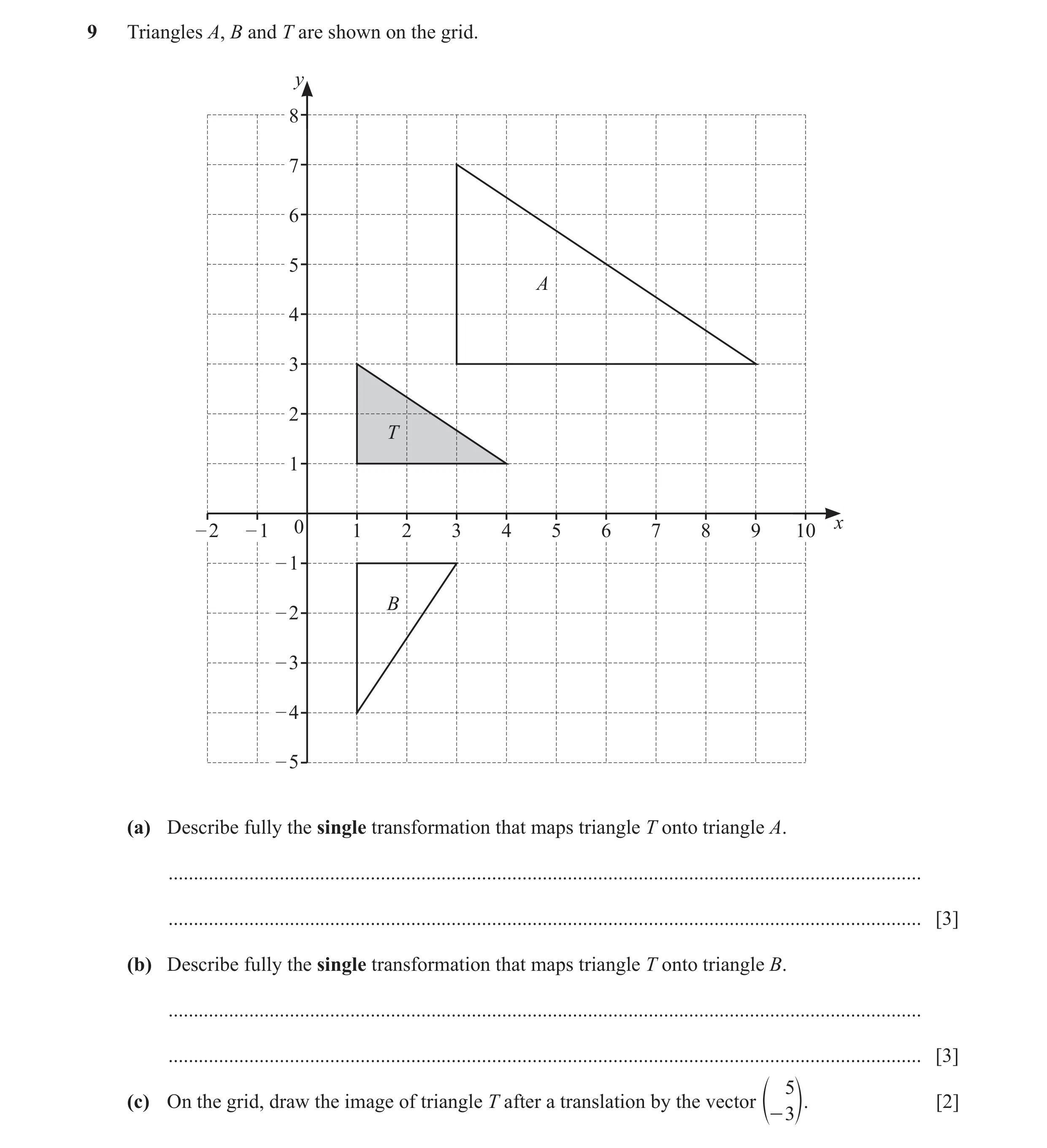 89 / 114
![Question 71: (a) Write down the order of rotational symmetry of each shape. .................... .................... [2] (b) Triangles A, B and C are s…](https://img.pastlit.com/crops/61379cd6-b627-47dc-935f-94e6ad969515/q3.webp) 90 / 114
90 / 114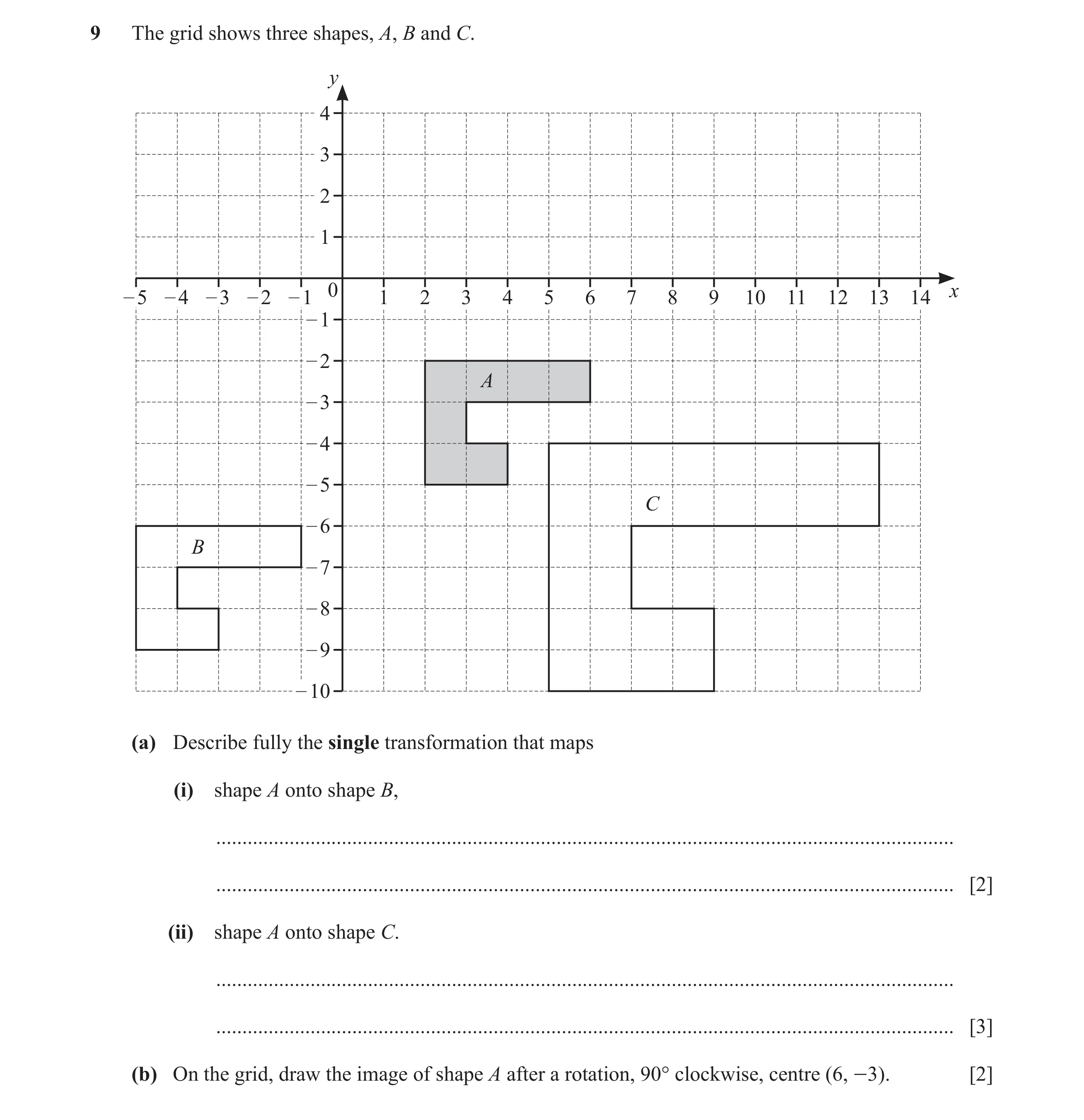 91 / 114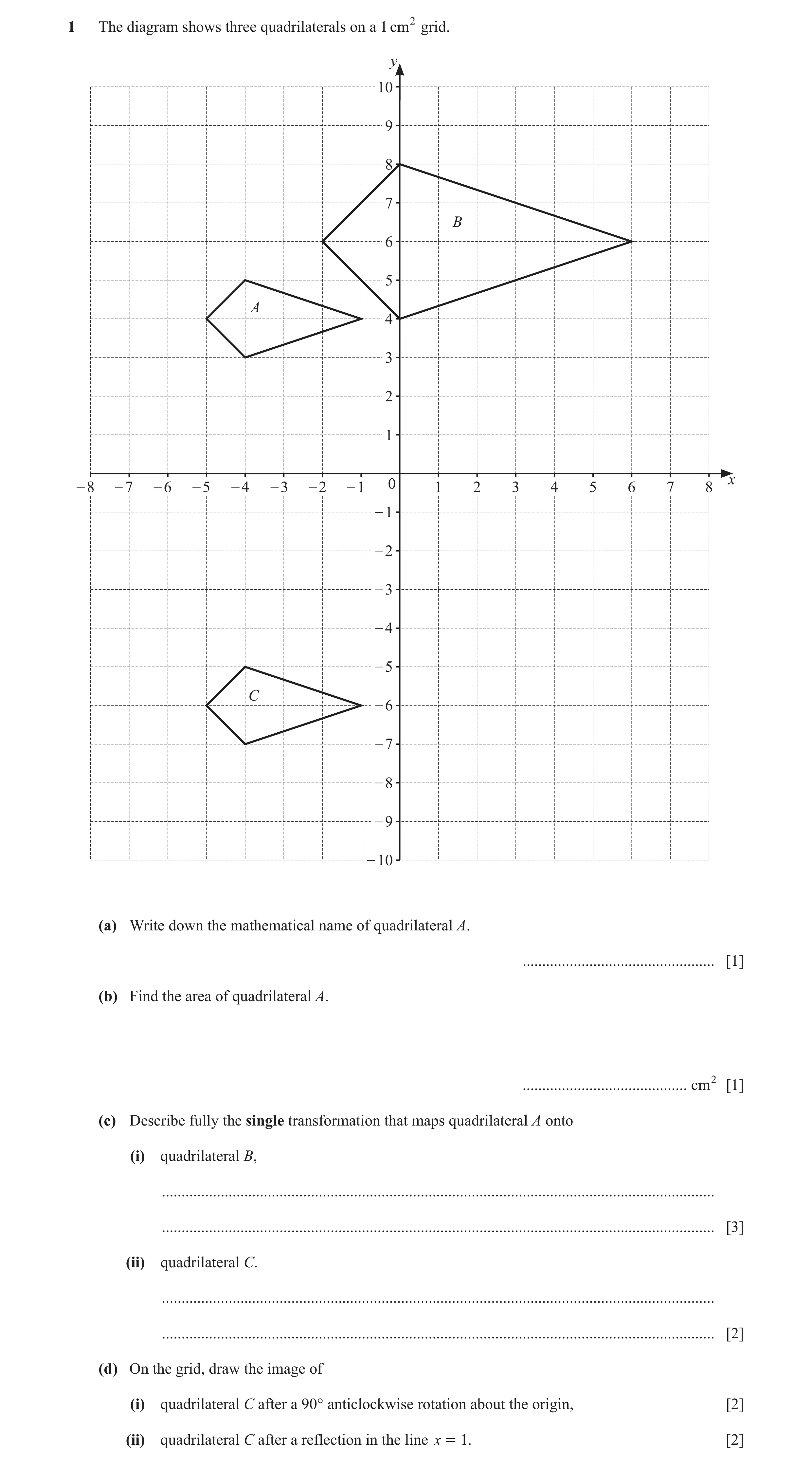
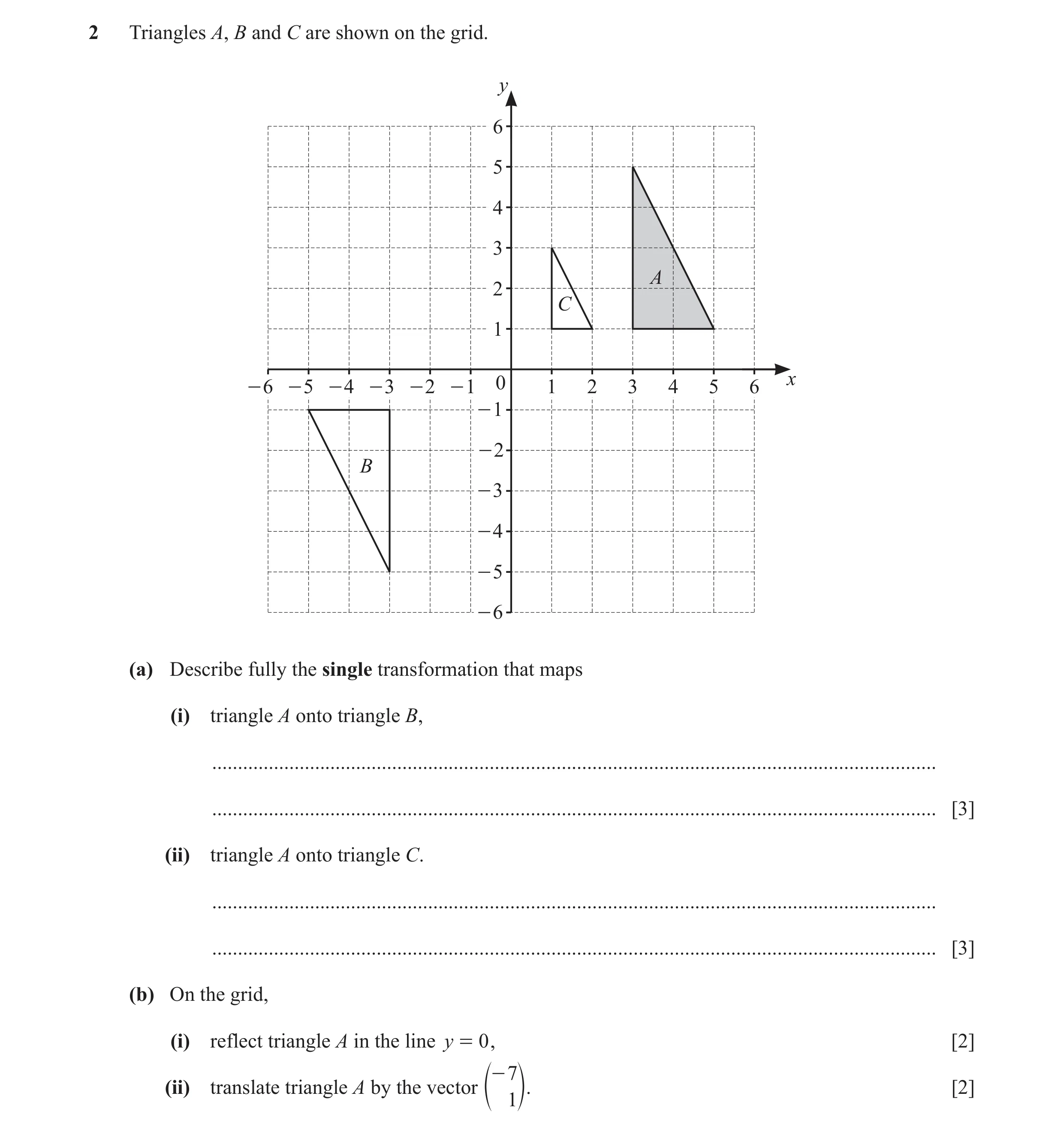 94 / 114
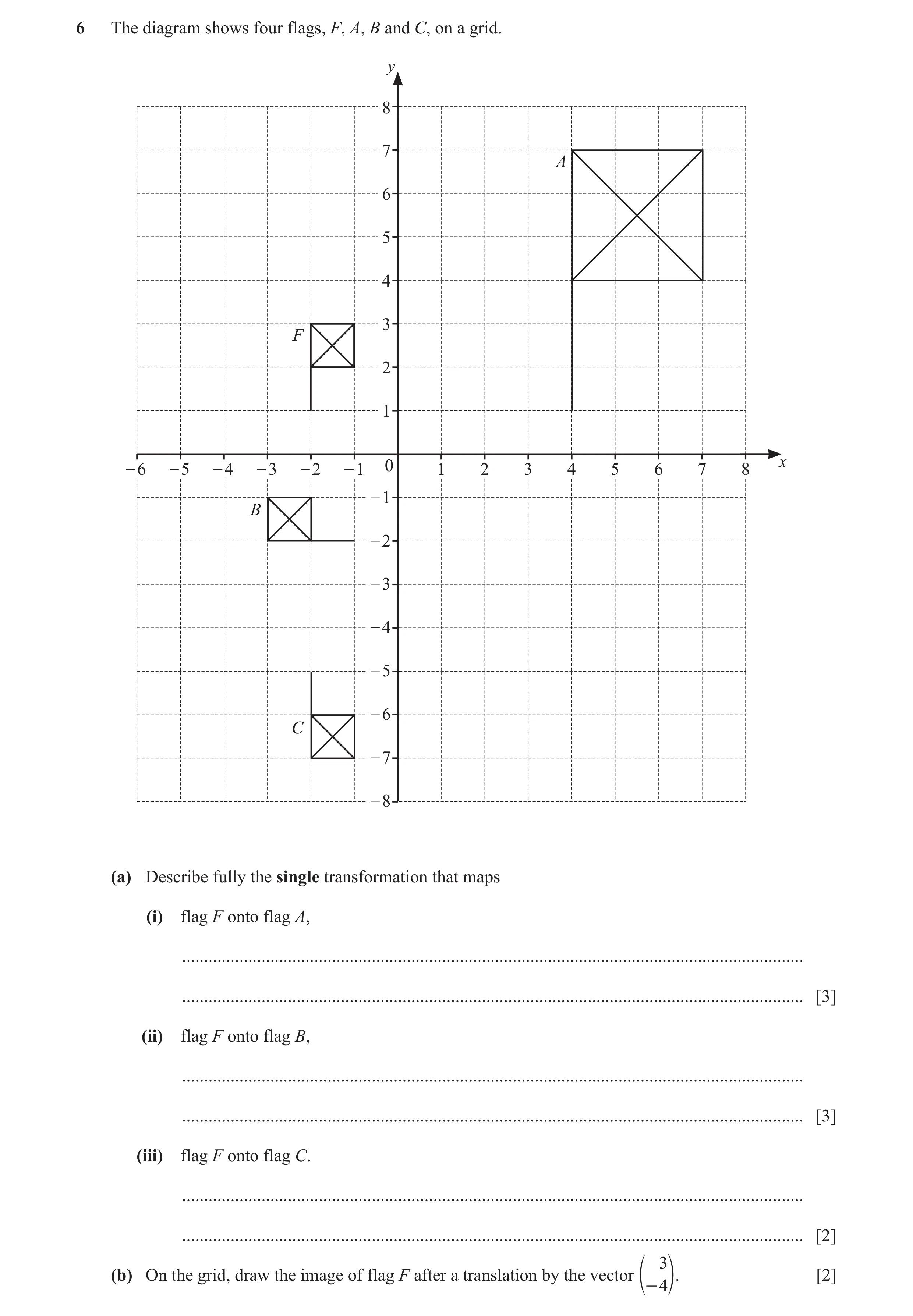 95 / 114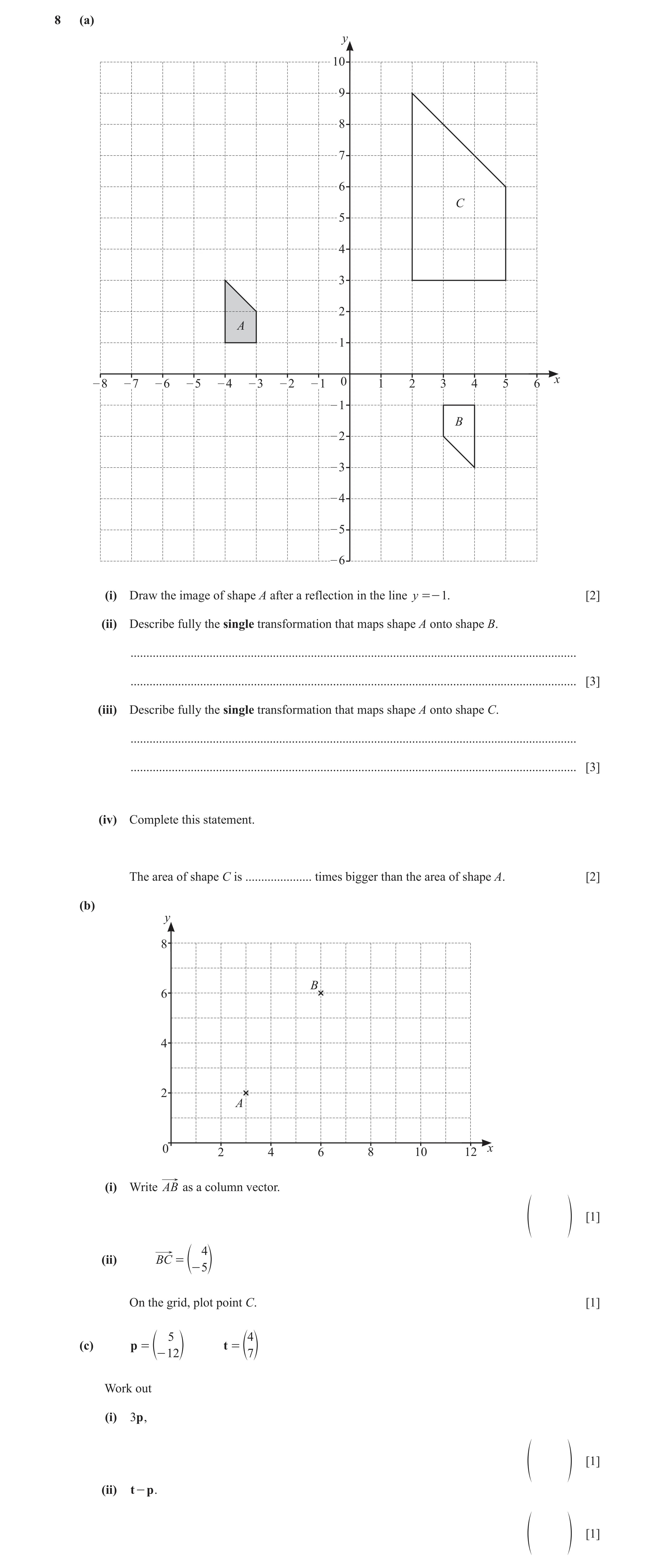
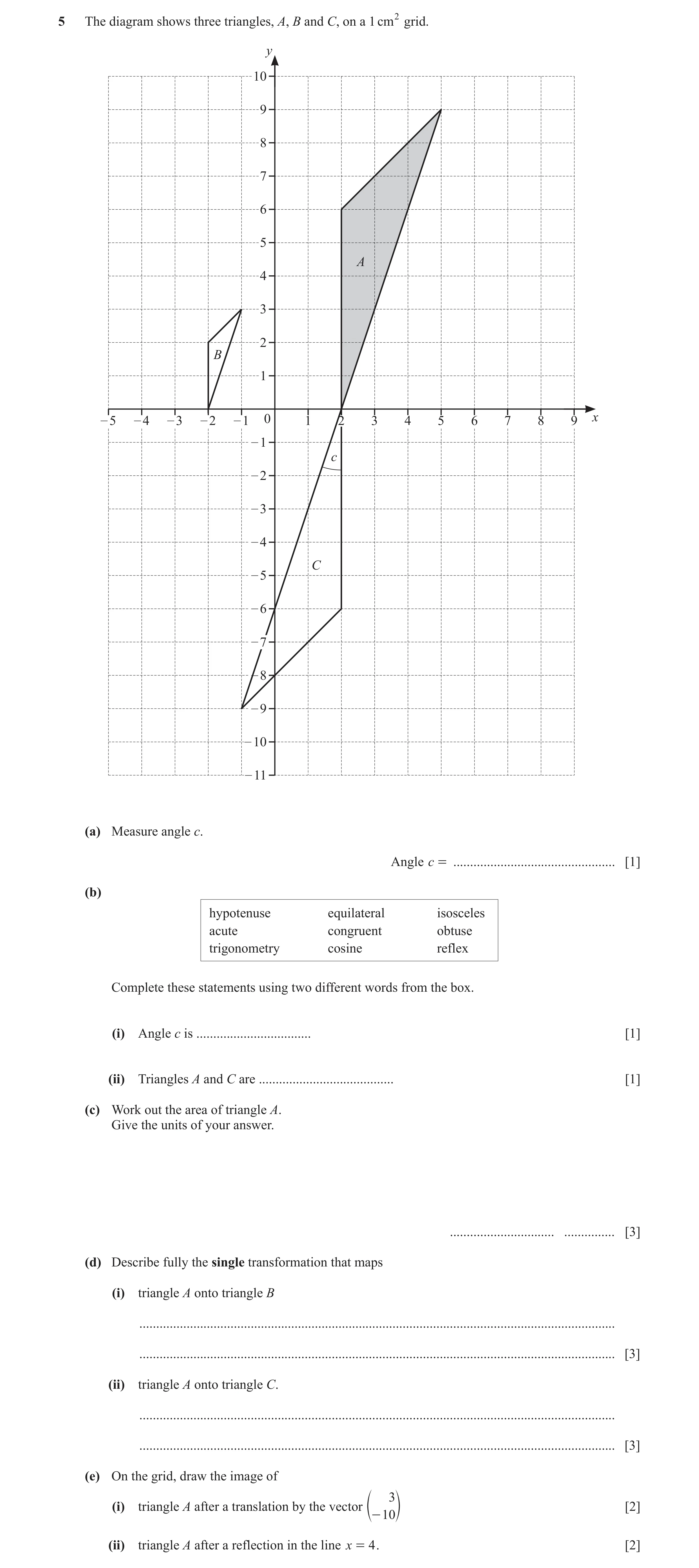
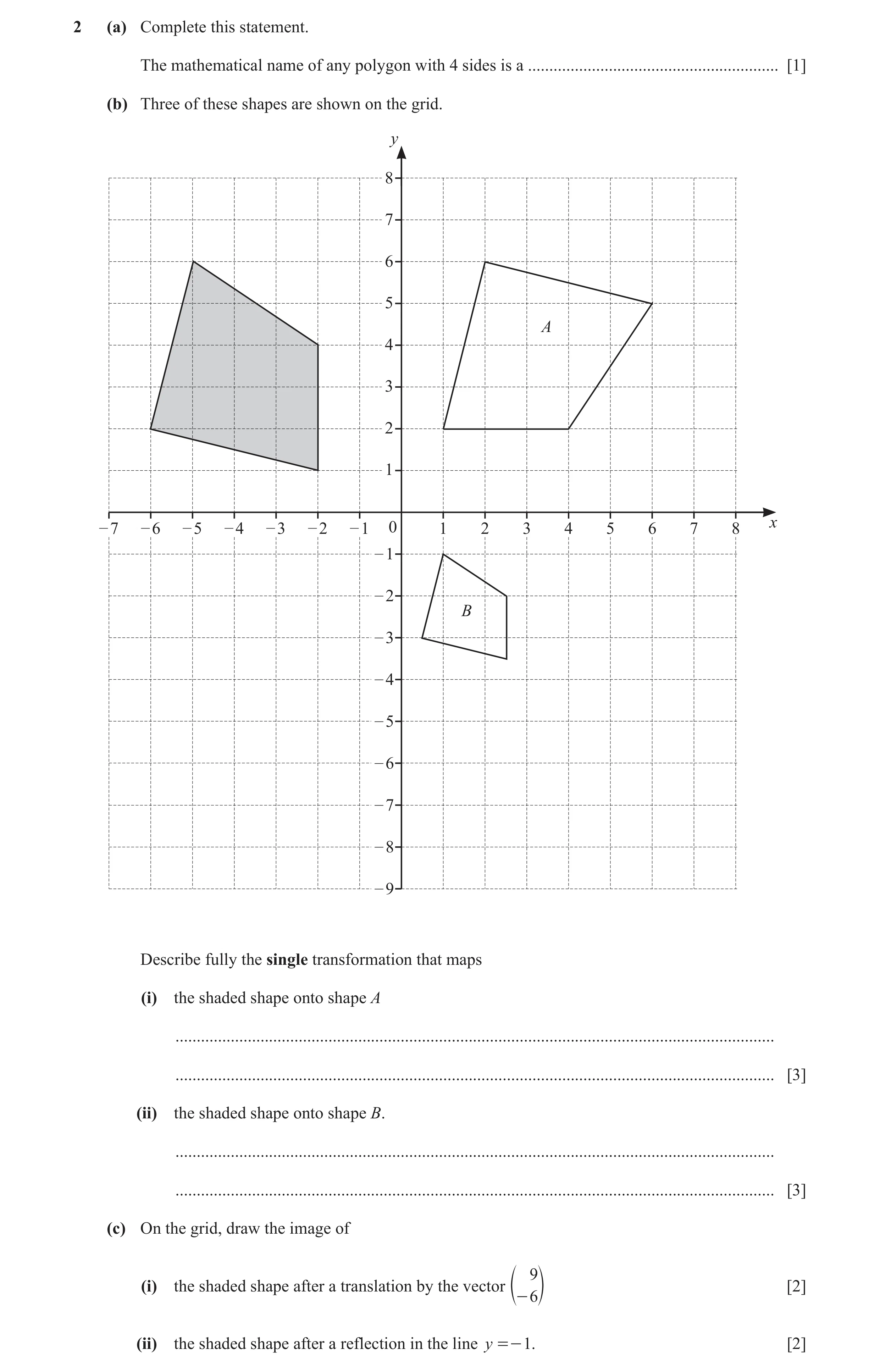
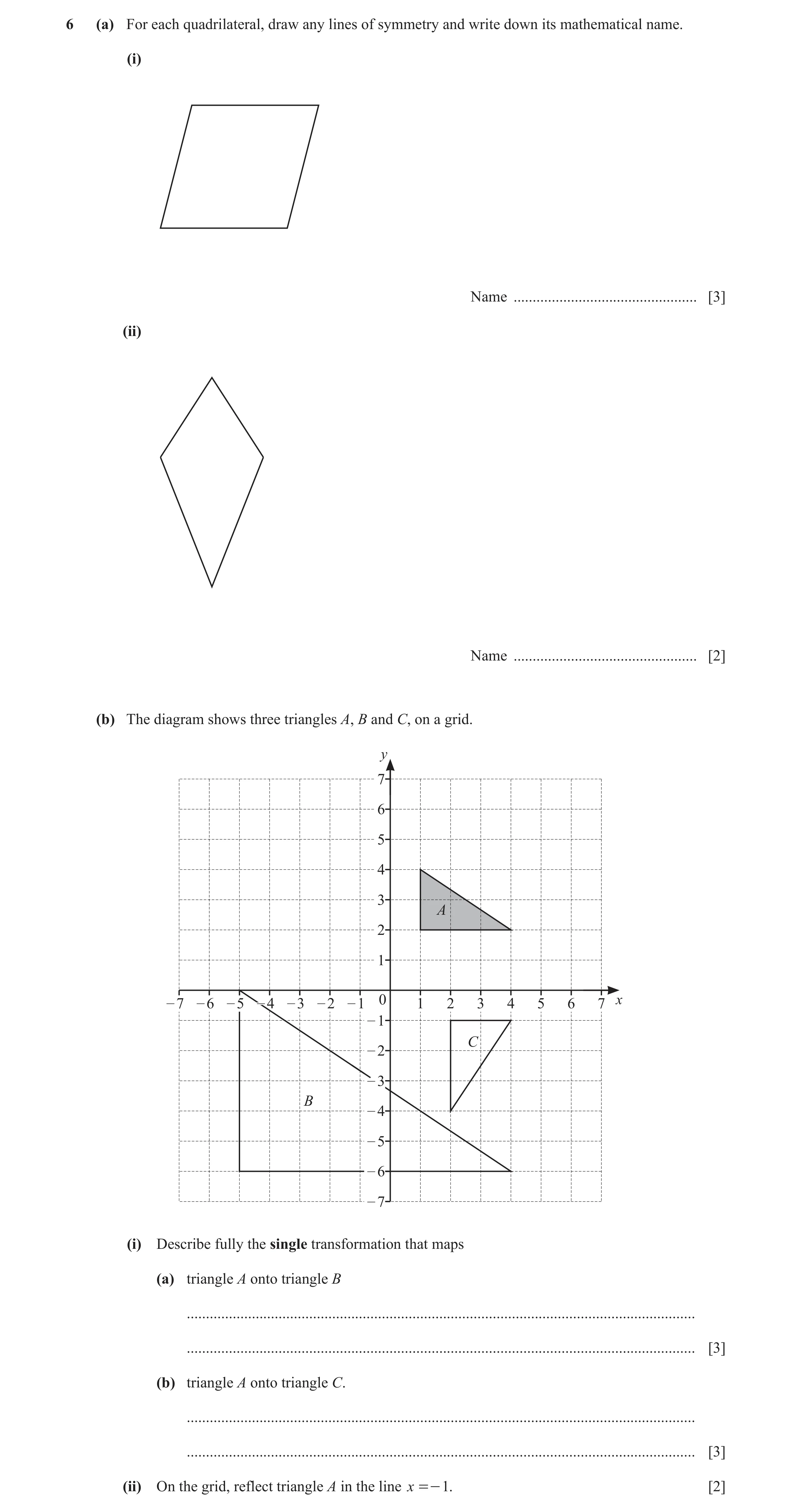
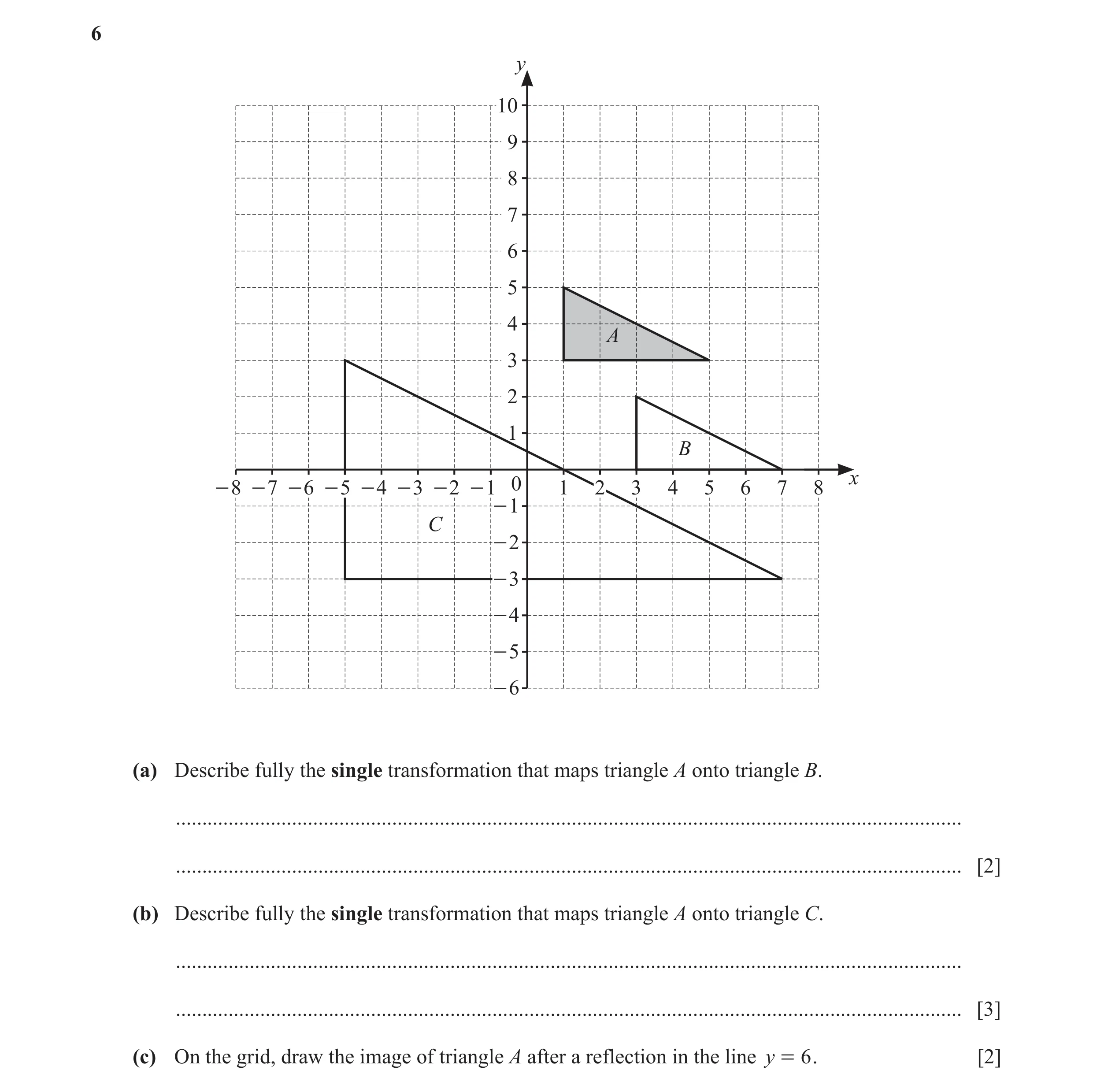 103 / 114
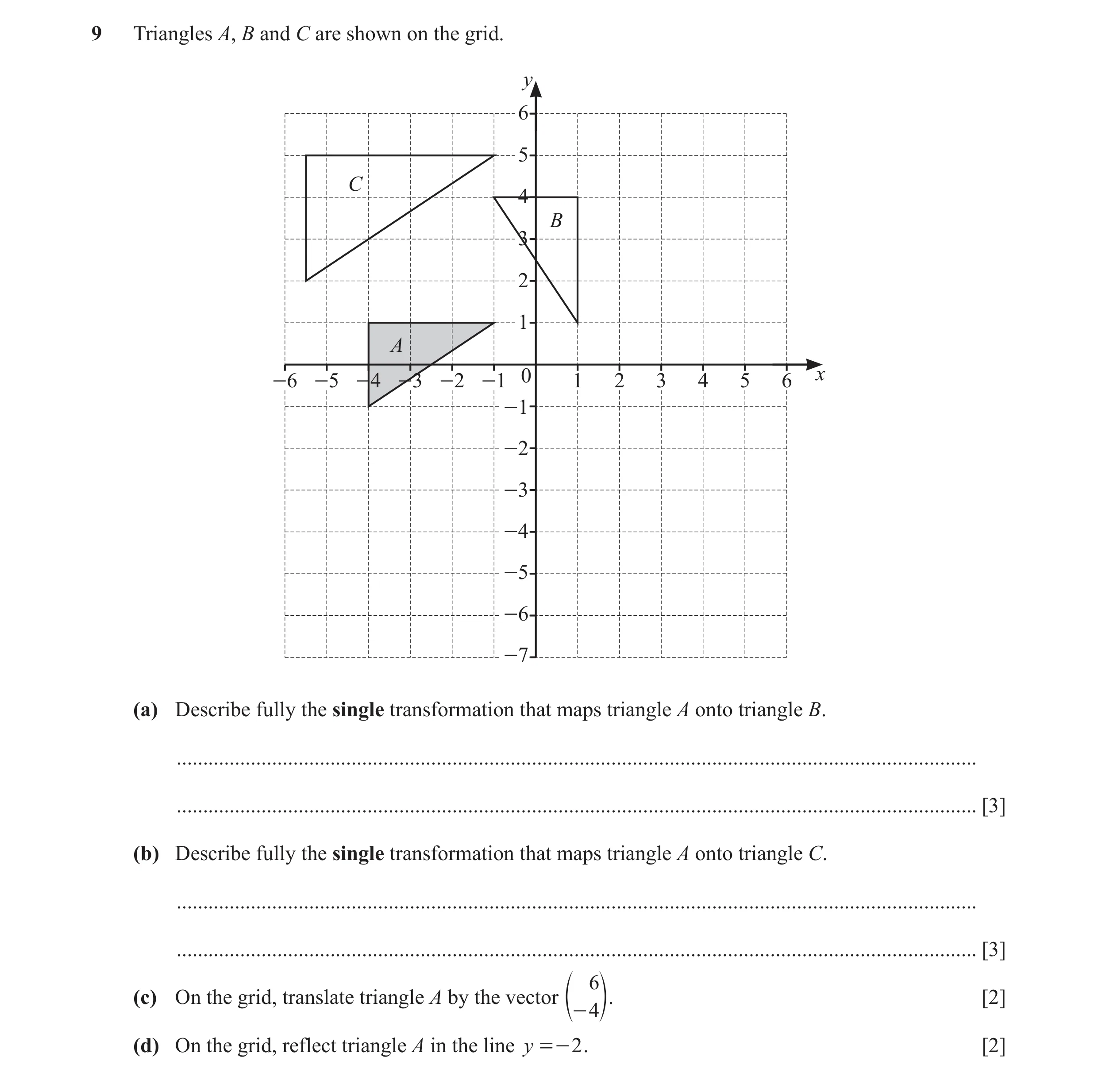 104 / 114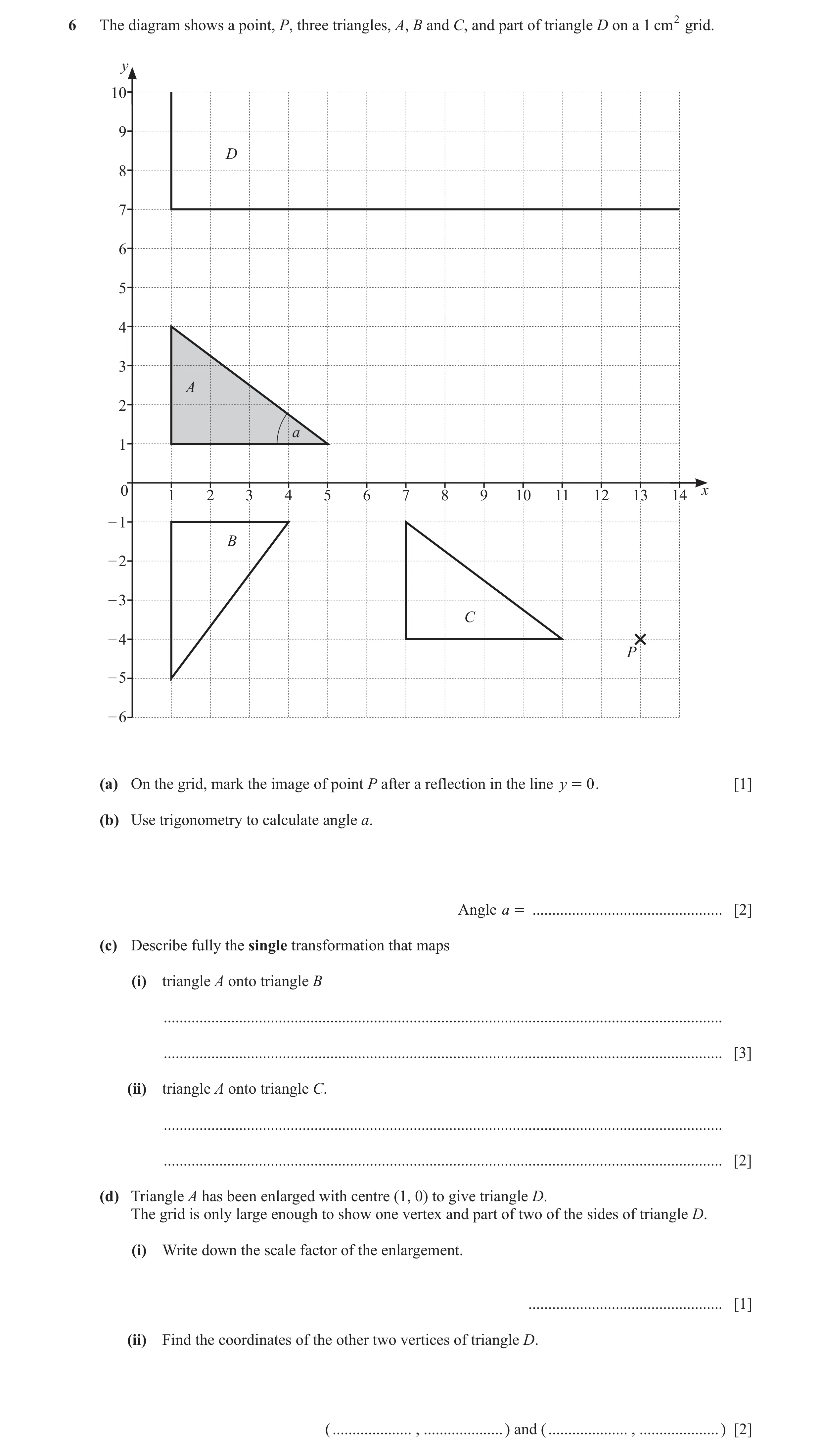
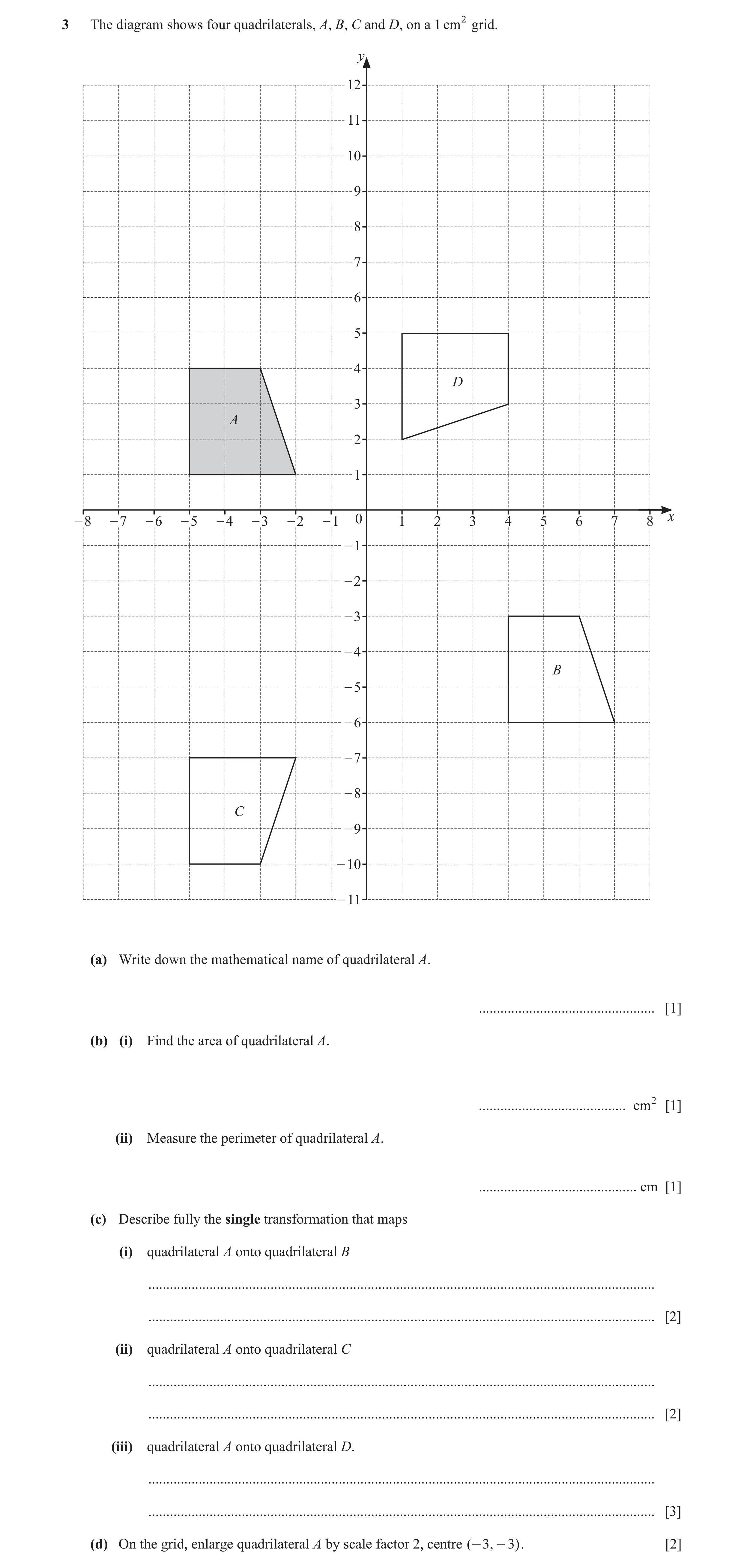
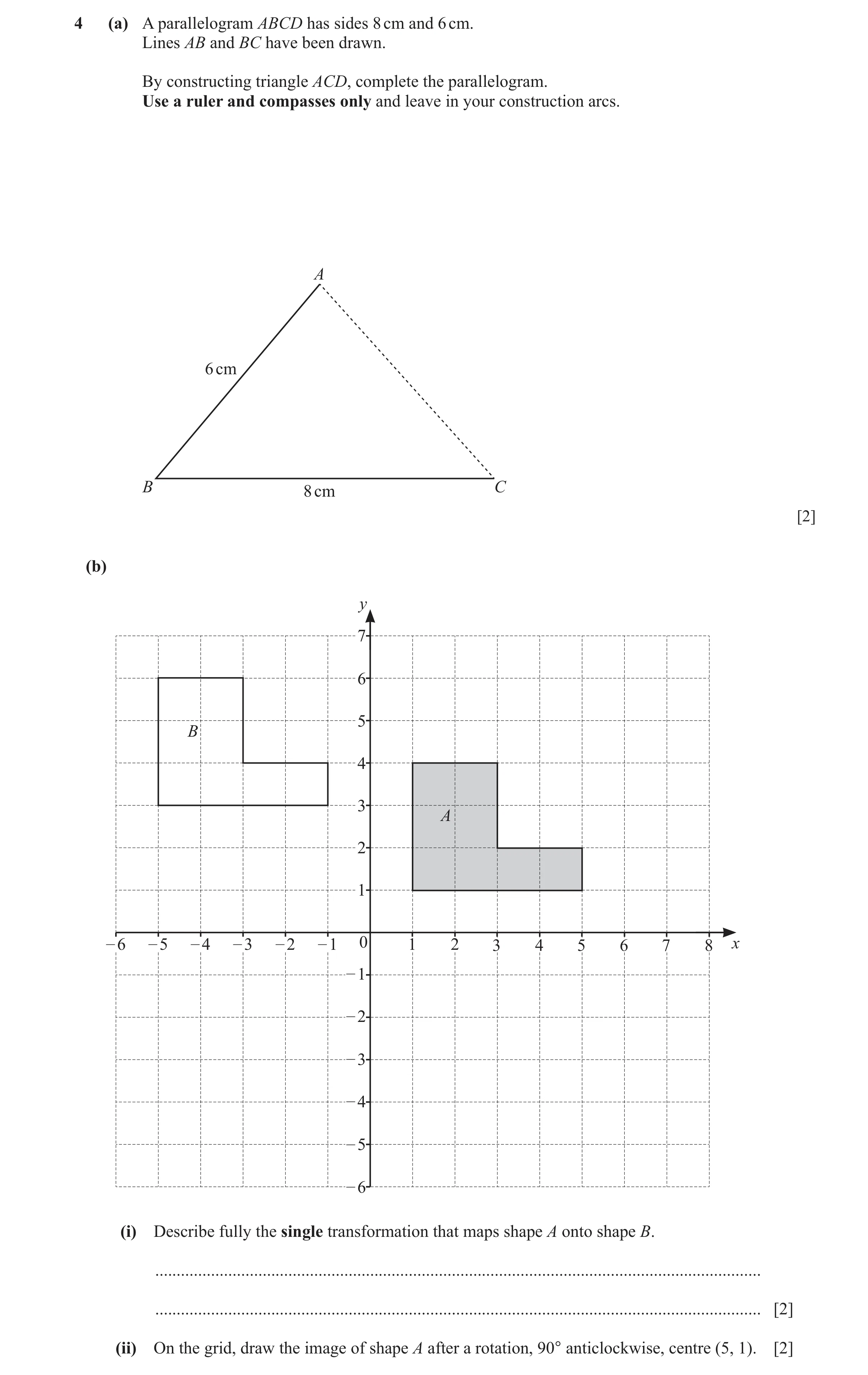
![Question 85: y 6 5 4 3 B 2 T 1 -6 -5 -4 -3 -2 -1 0 1 2 3 4 5 6 x -1 -2 -3 A -4 -5 -6 - 5 (a) On the grid, translate triangle T by the vector e o. [2] - …](https://img.pastlit.com/crops/c8ad130c-4f12-4a33-ba01-607046251534/q9.webp) 110 / 114
110 / 114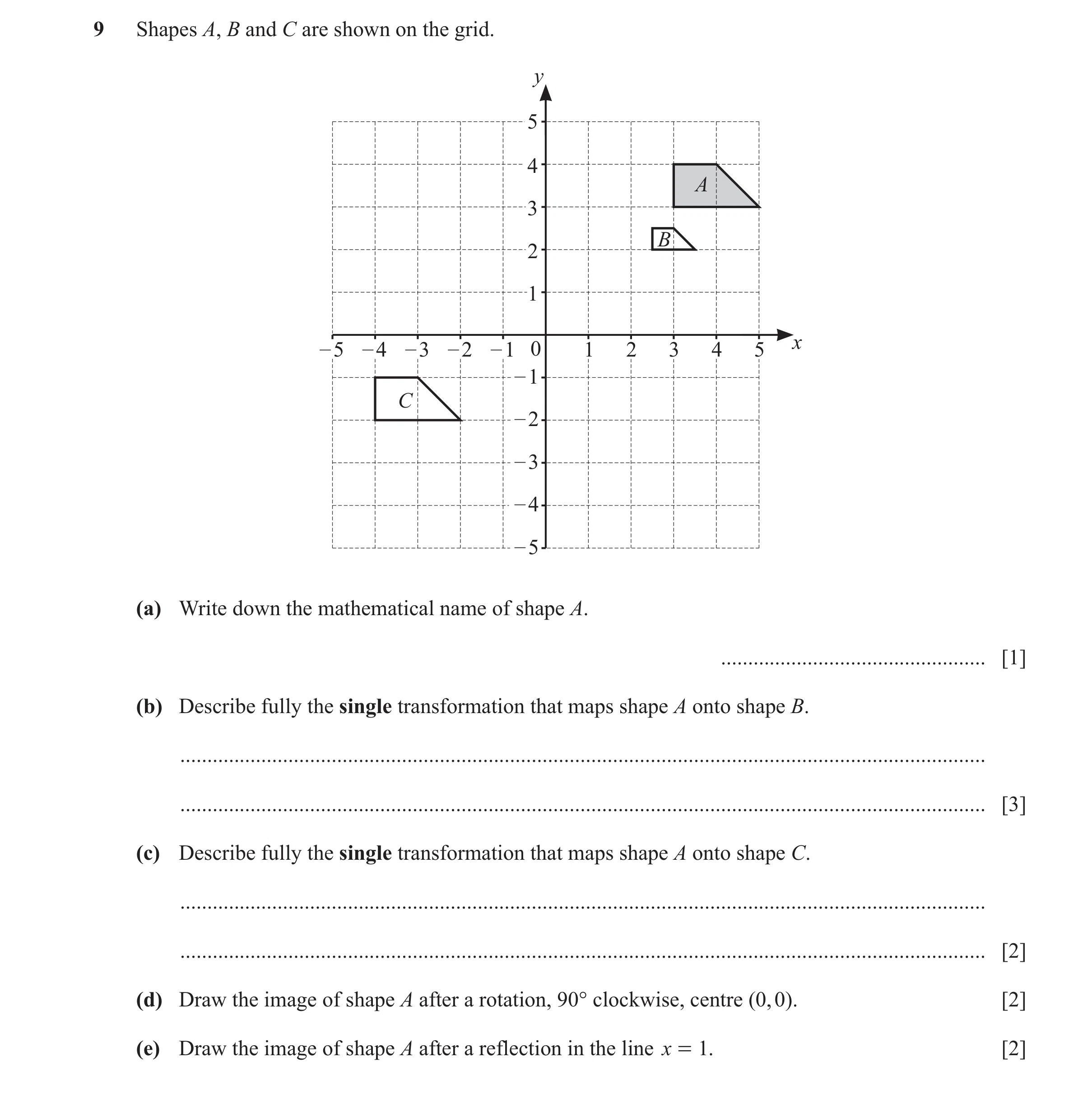 111 / 114
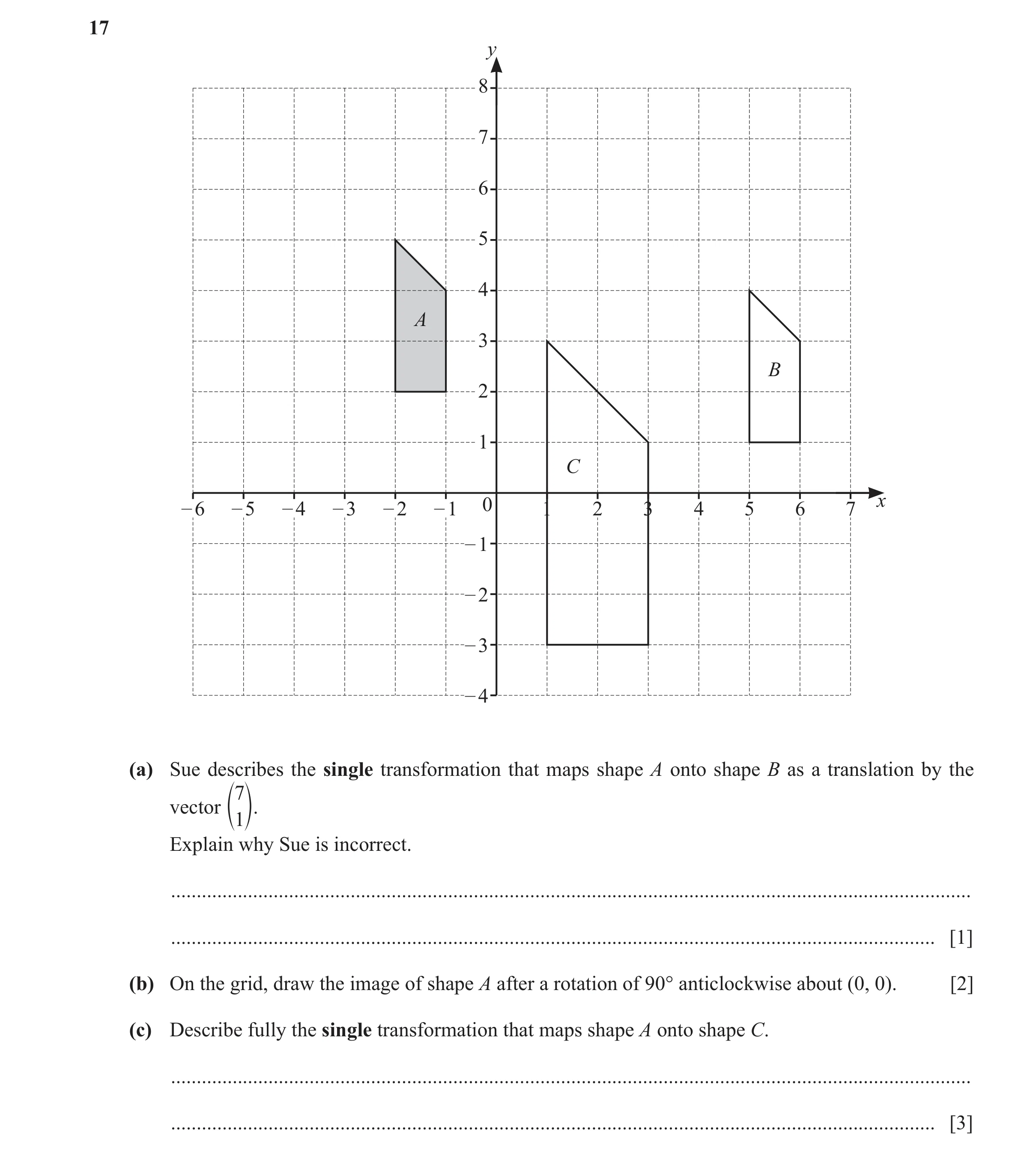 112 / 114
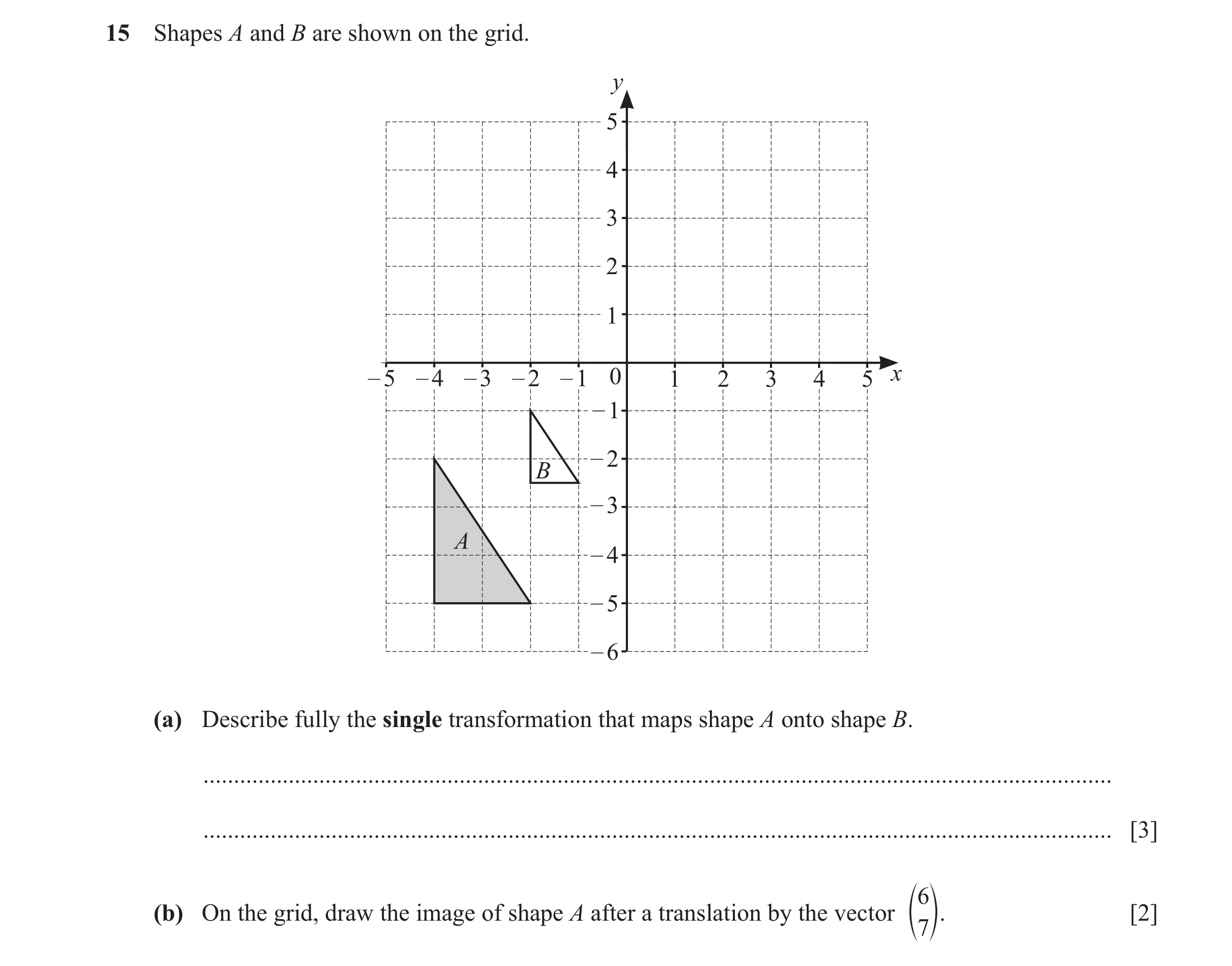 113 / 114
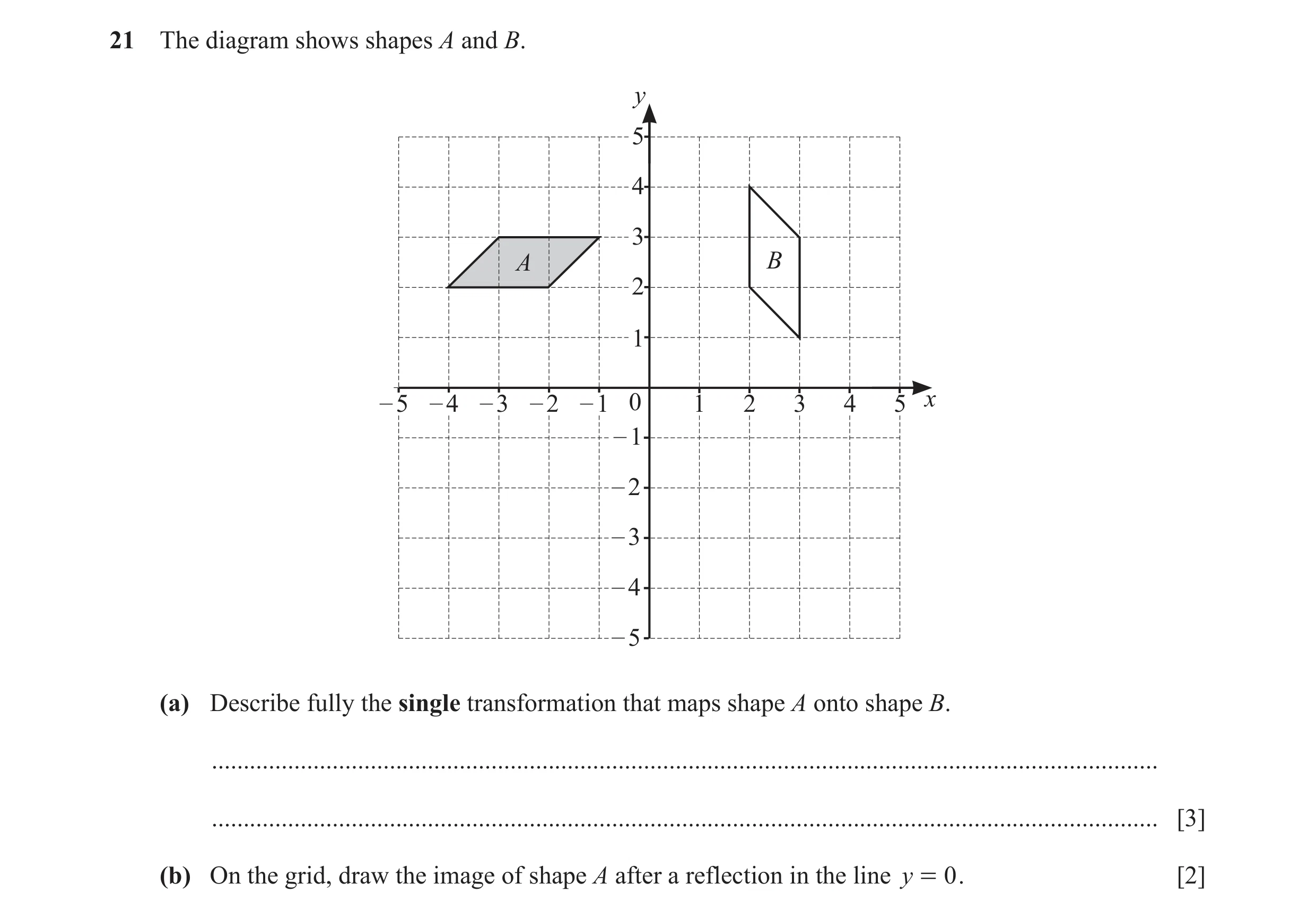 114 / 114
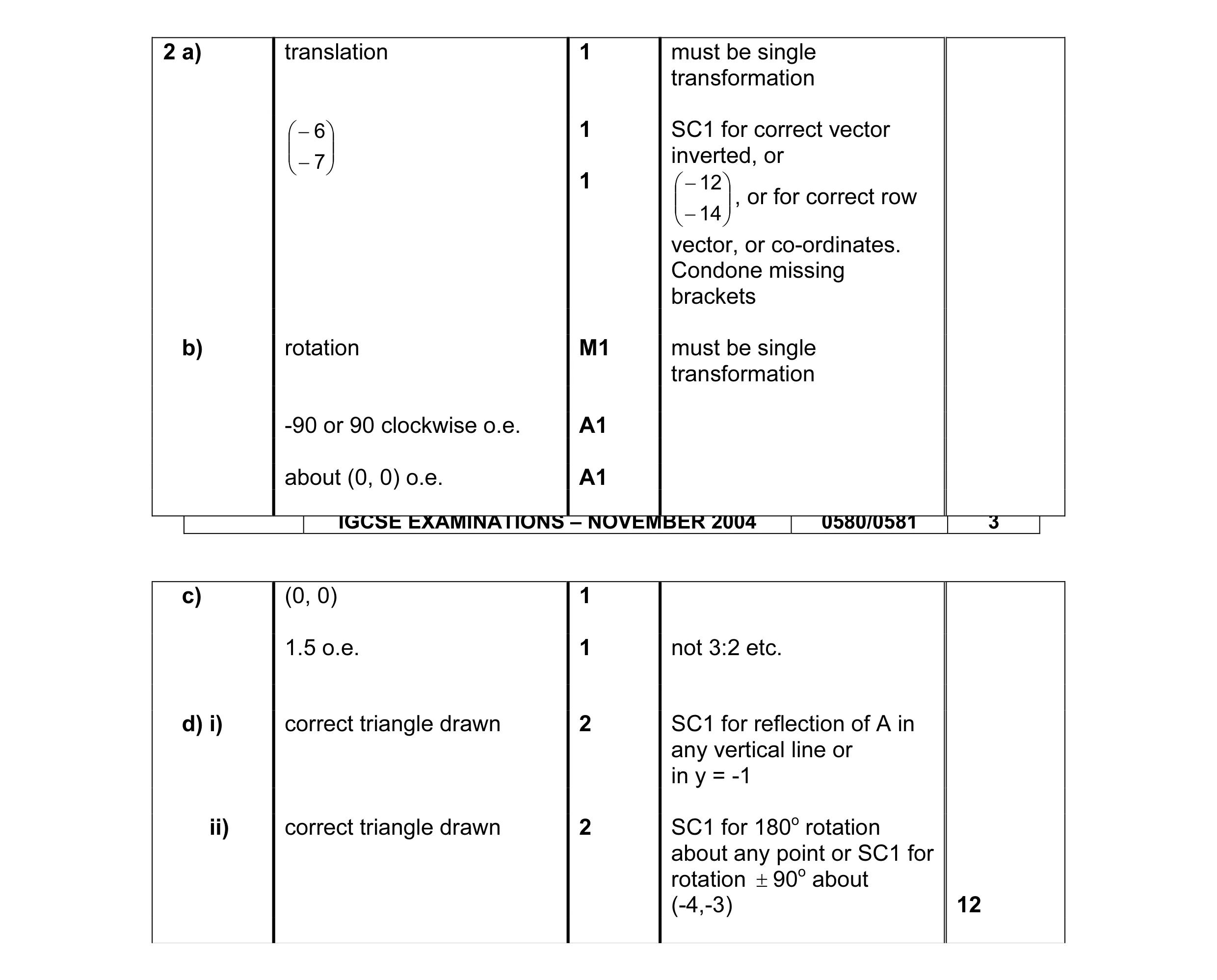 12
12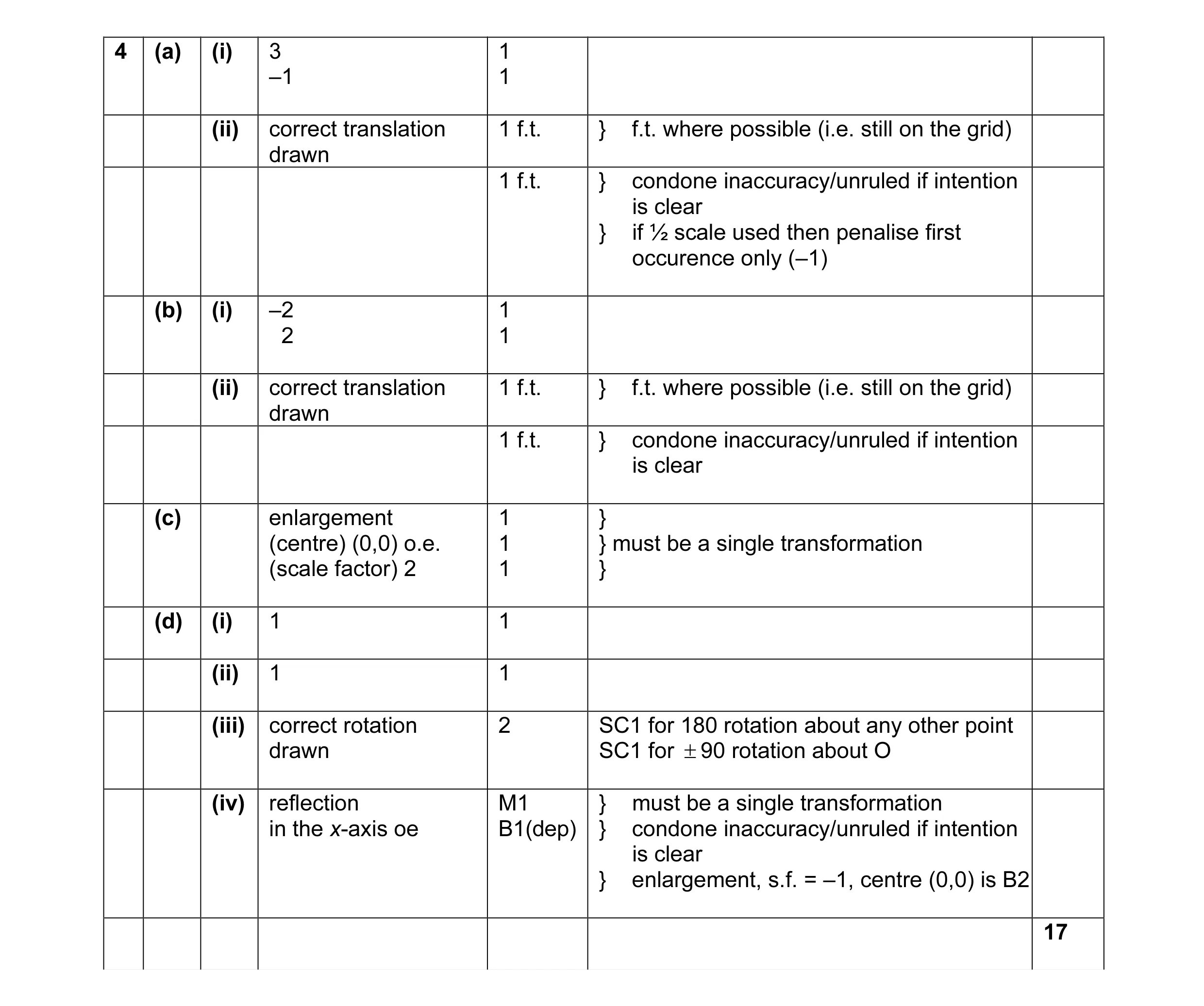 17
17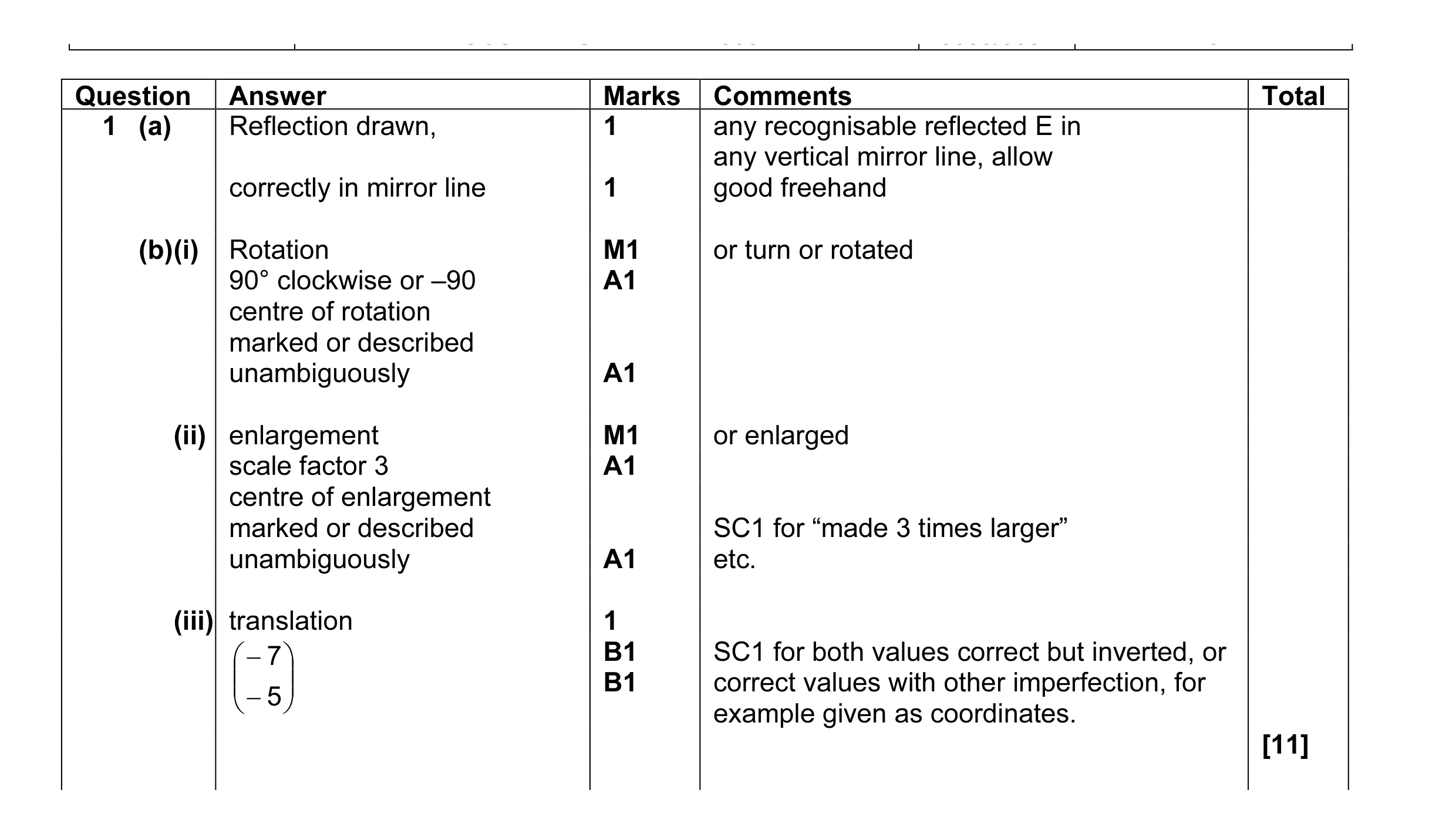 11
11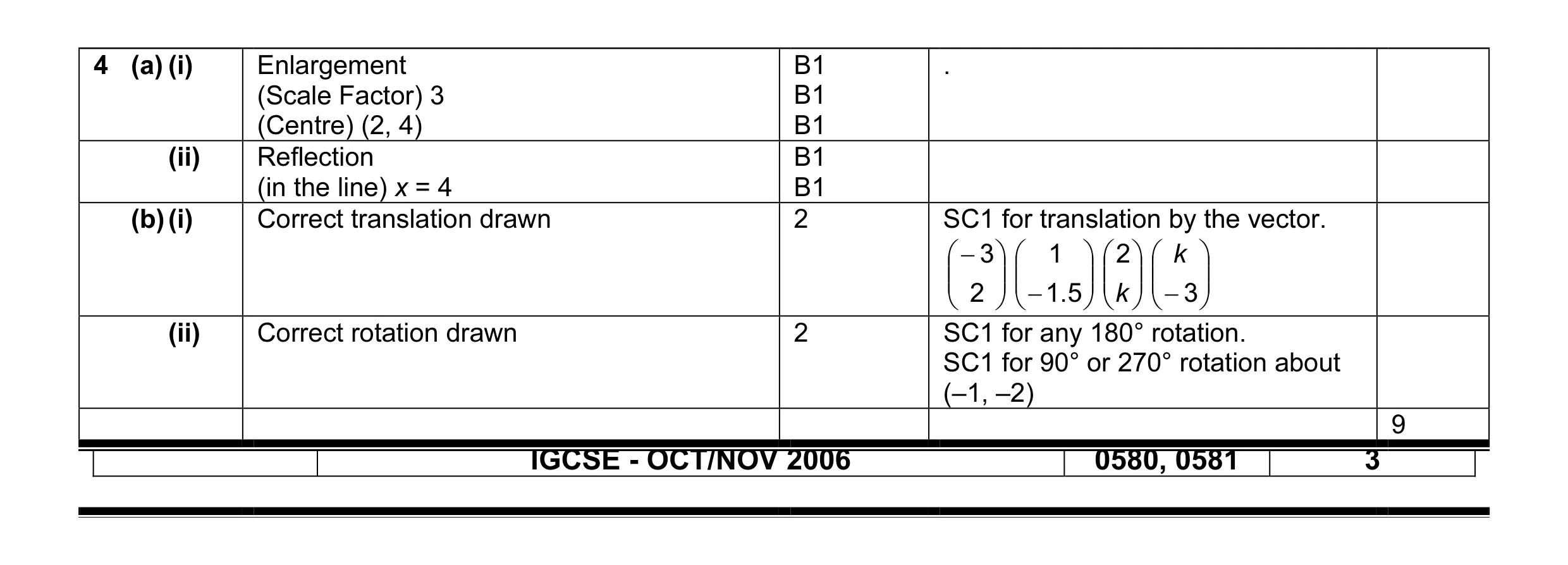 9
9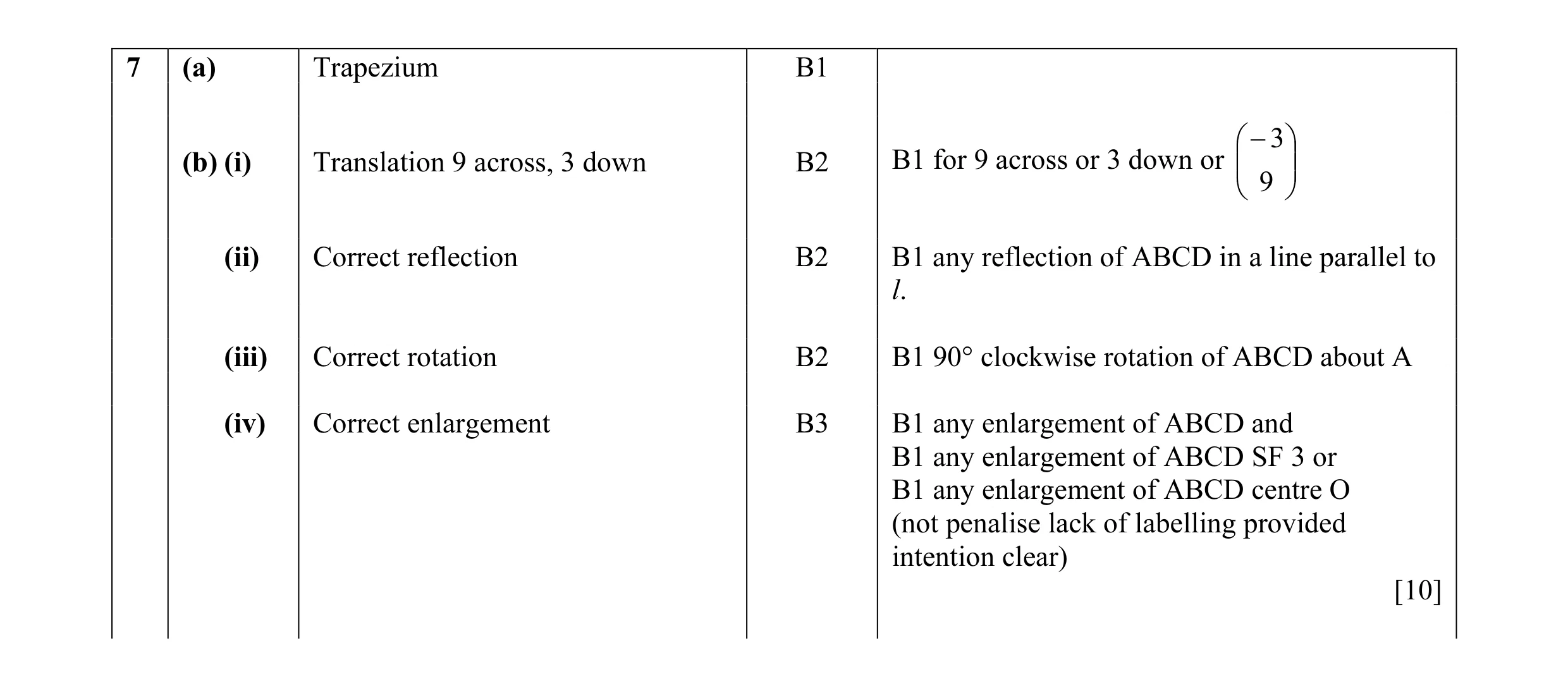 10
10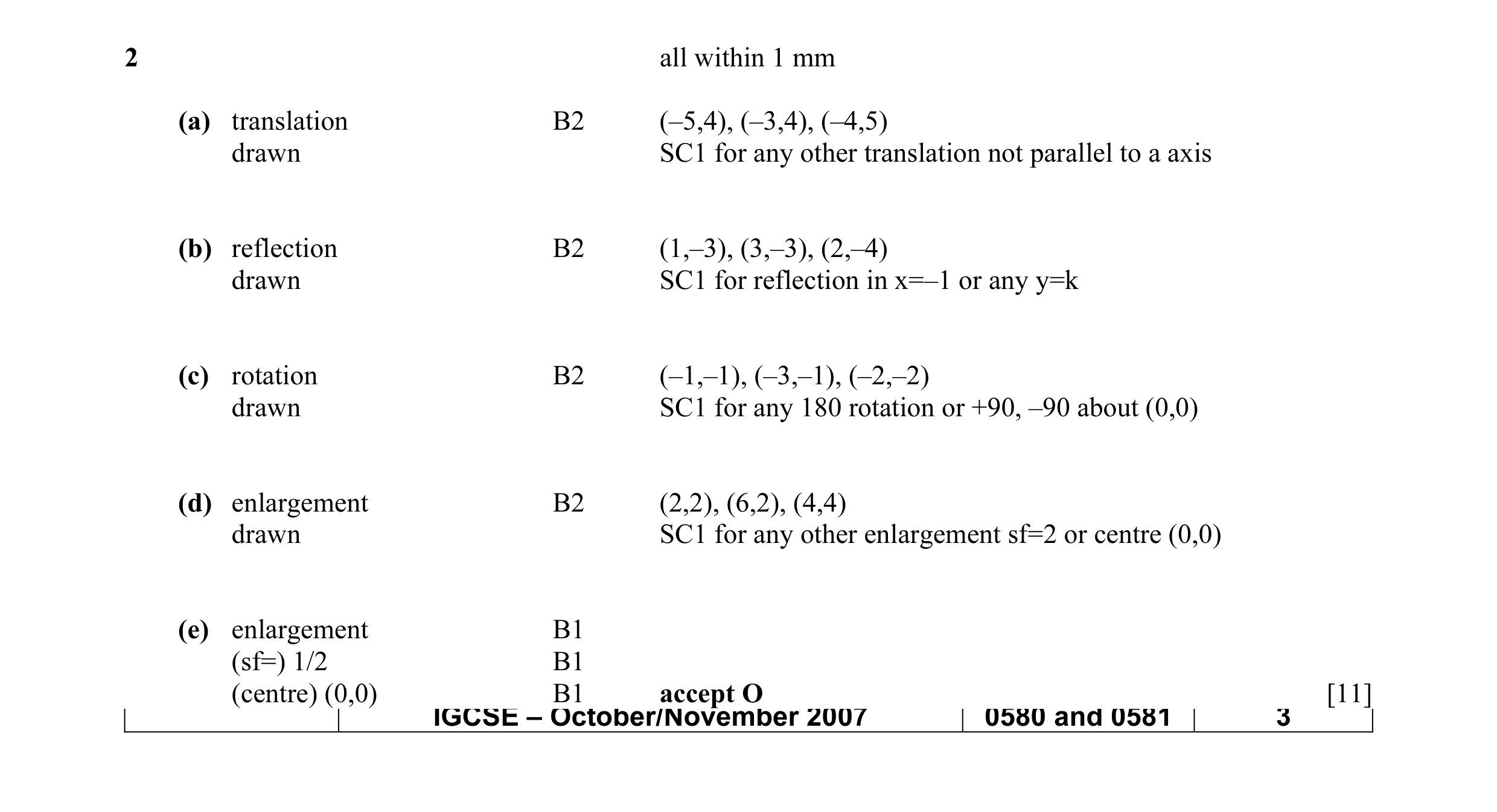 11
11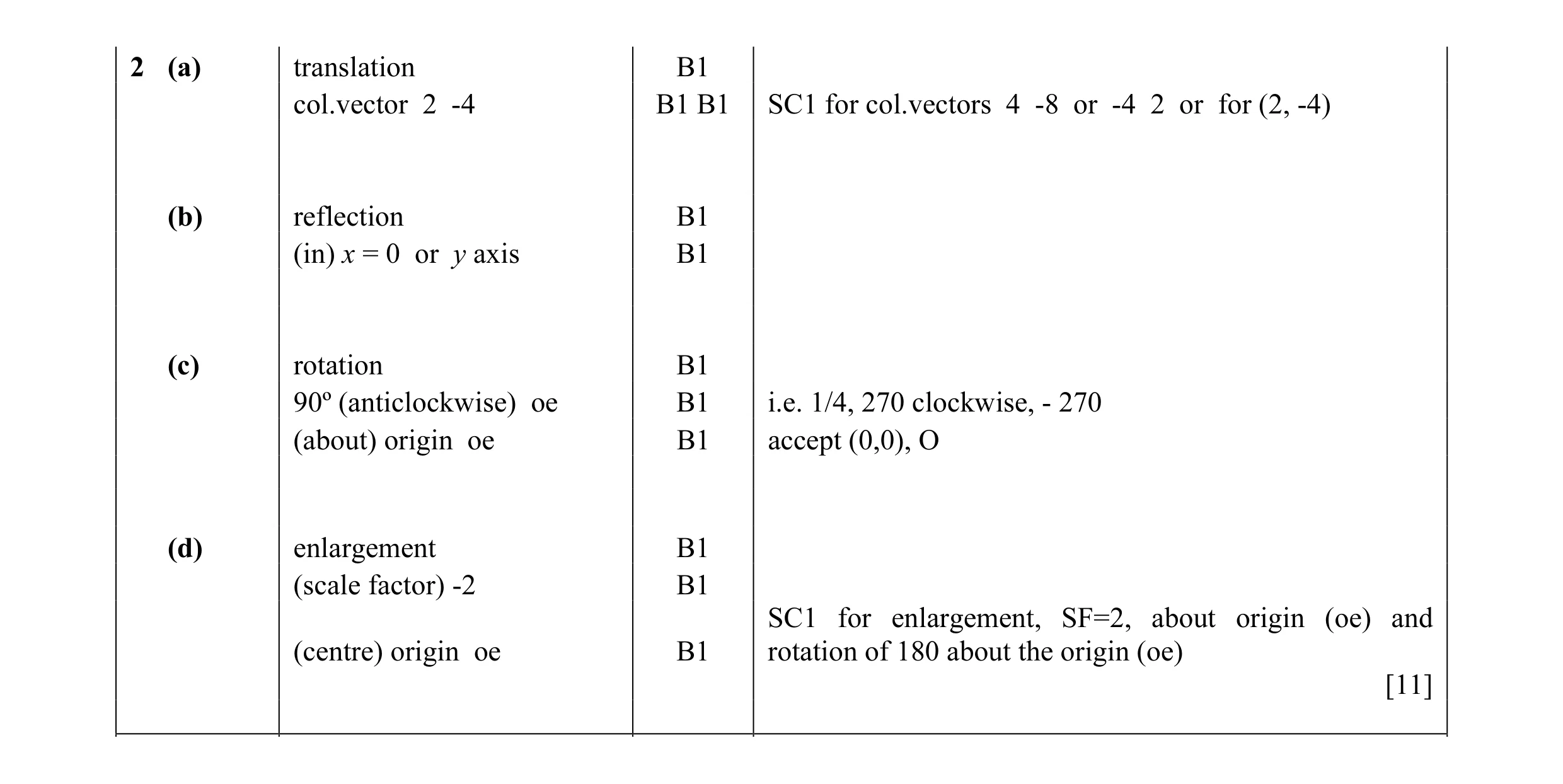 11
11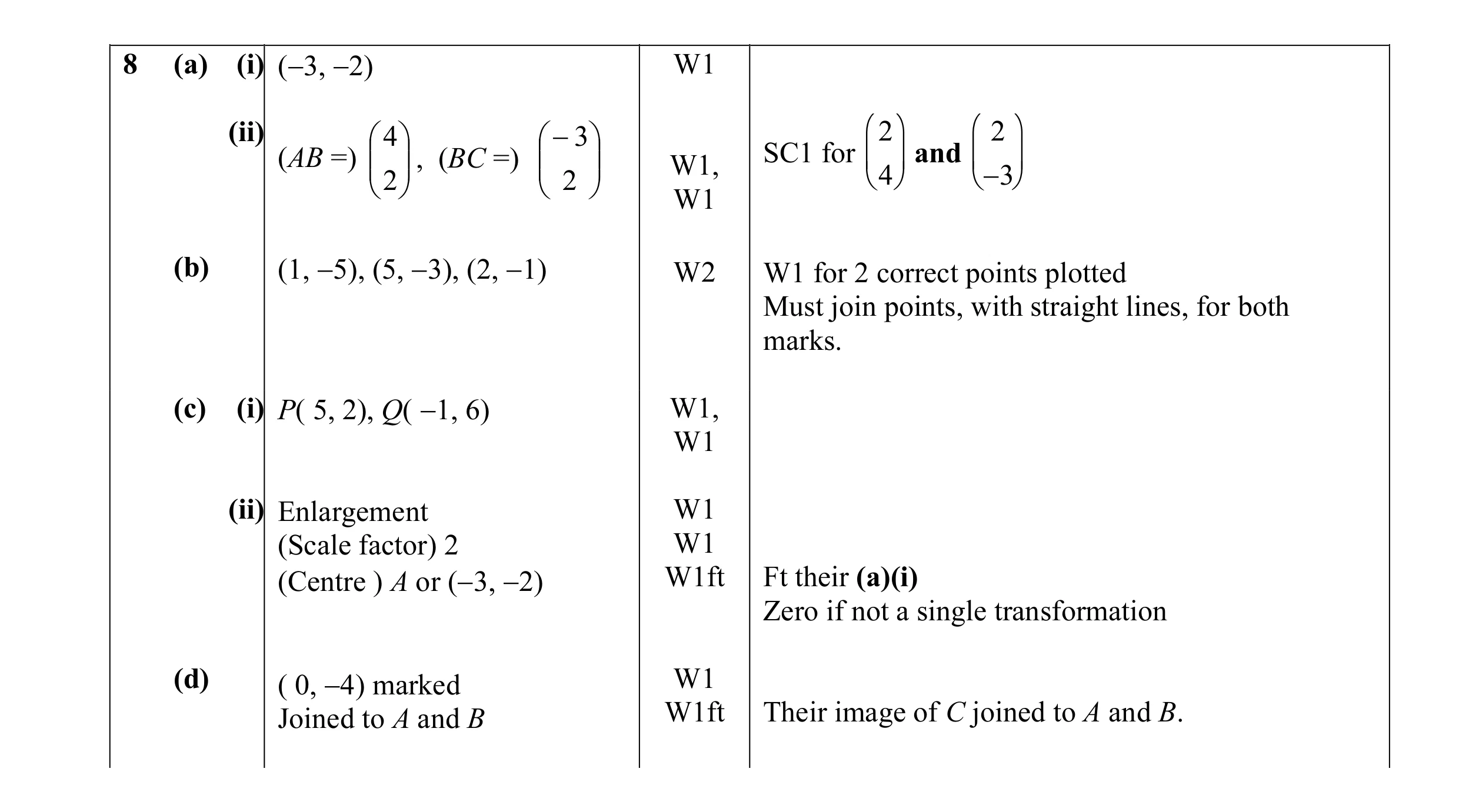 12
12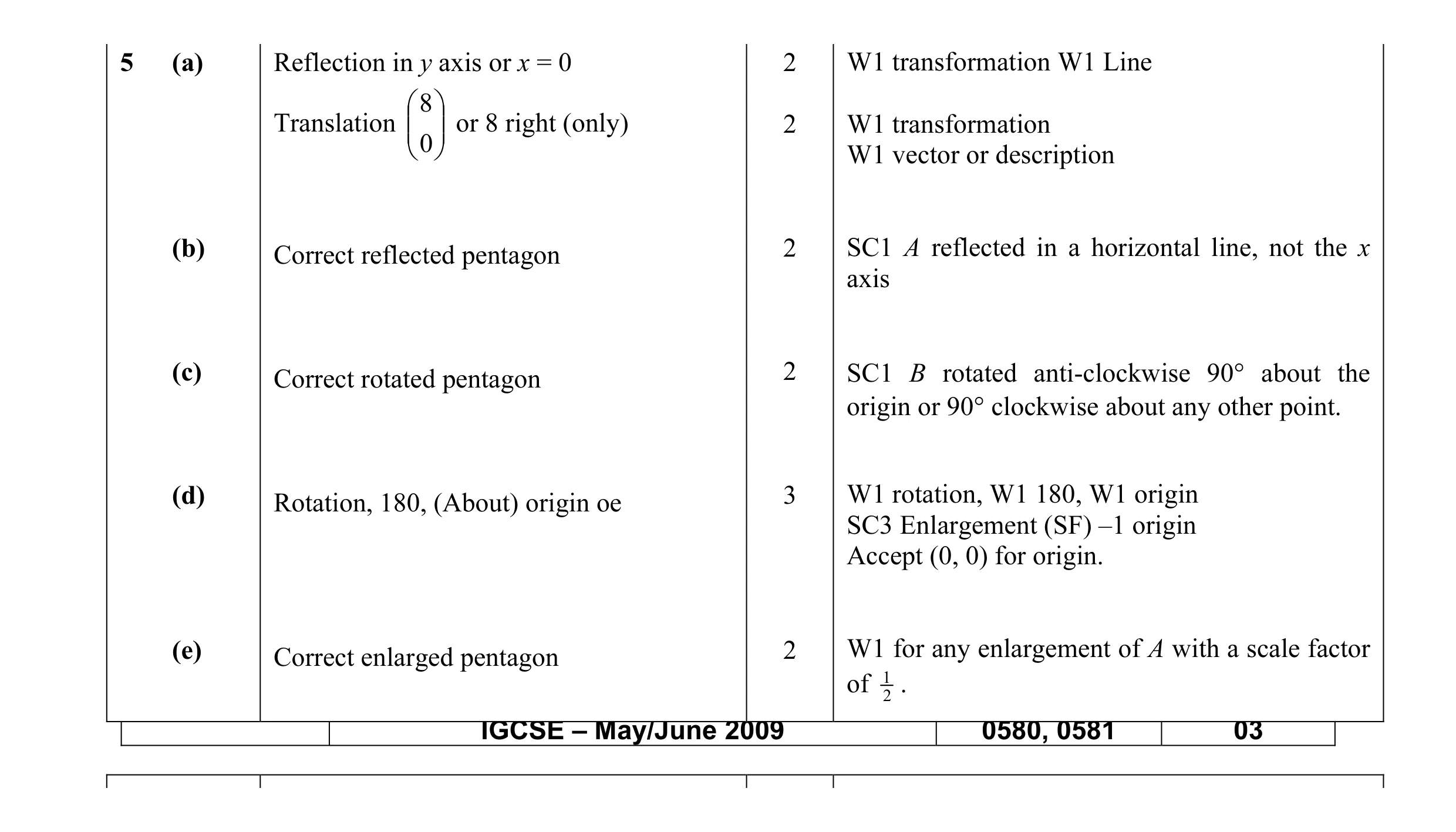 13
13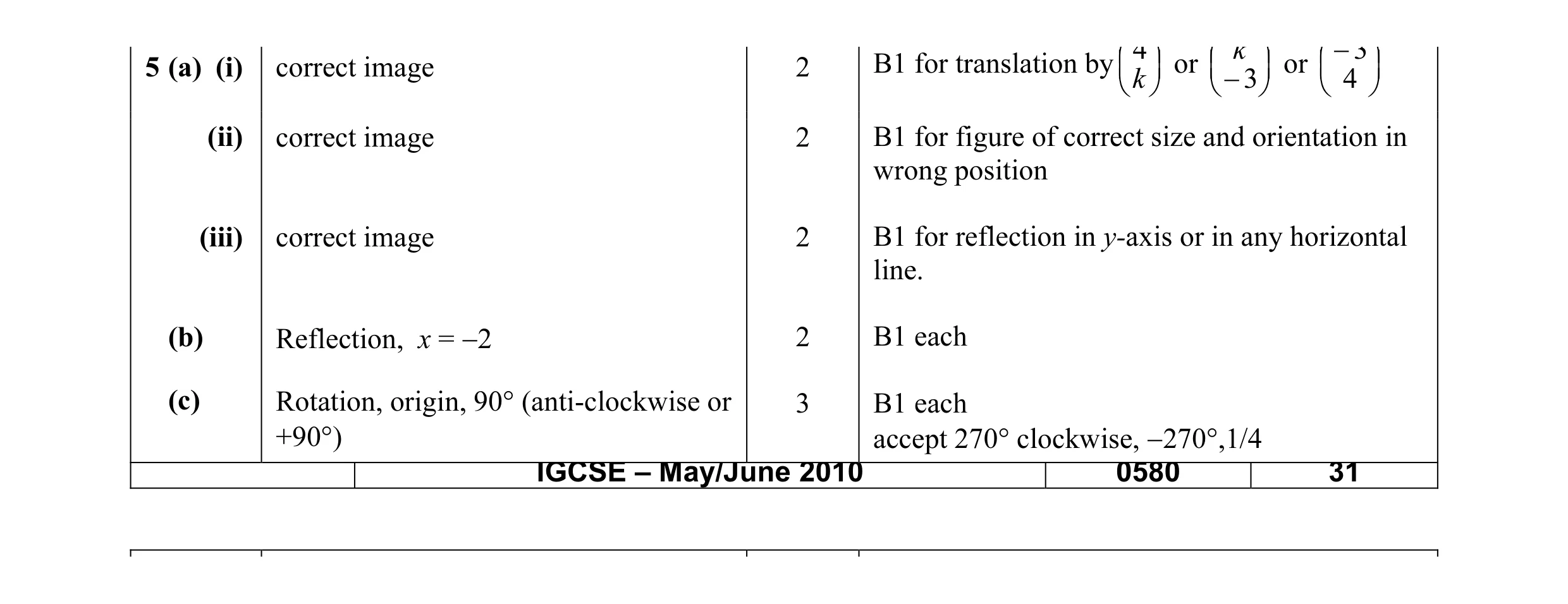 11
11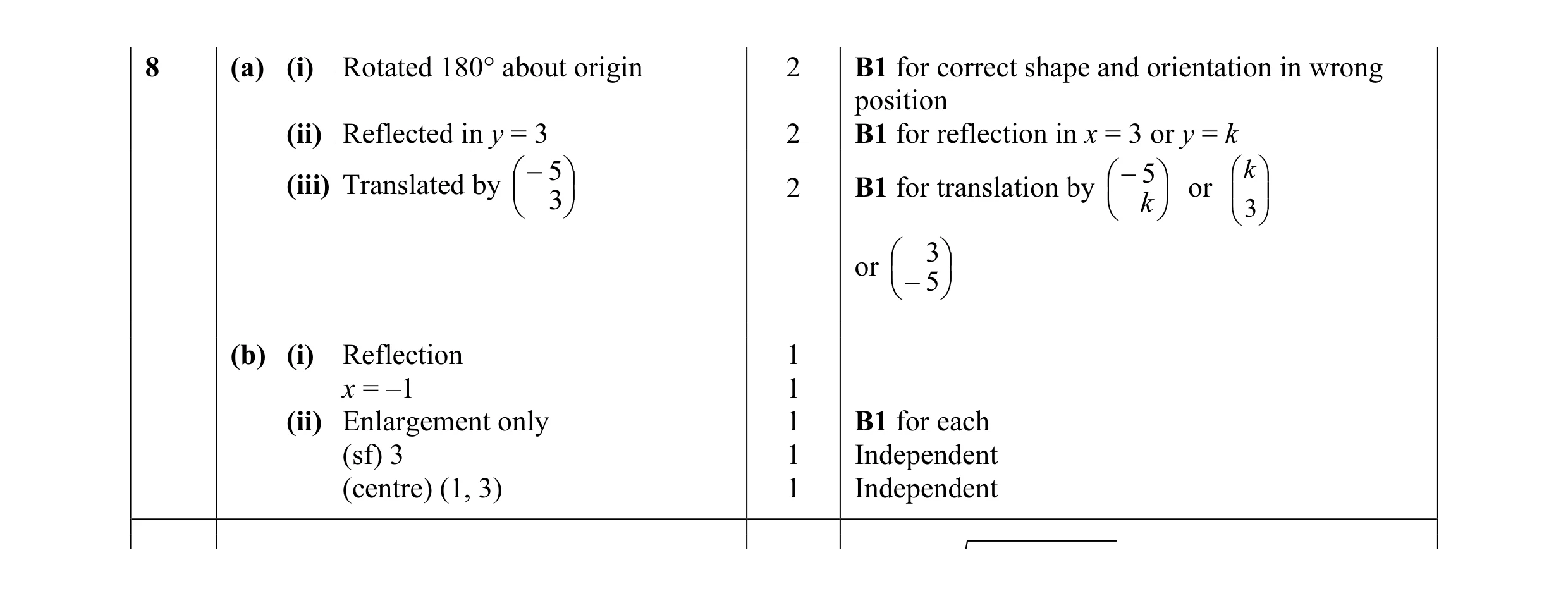 11
11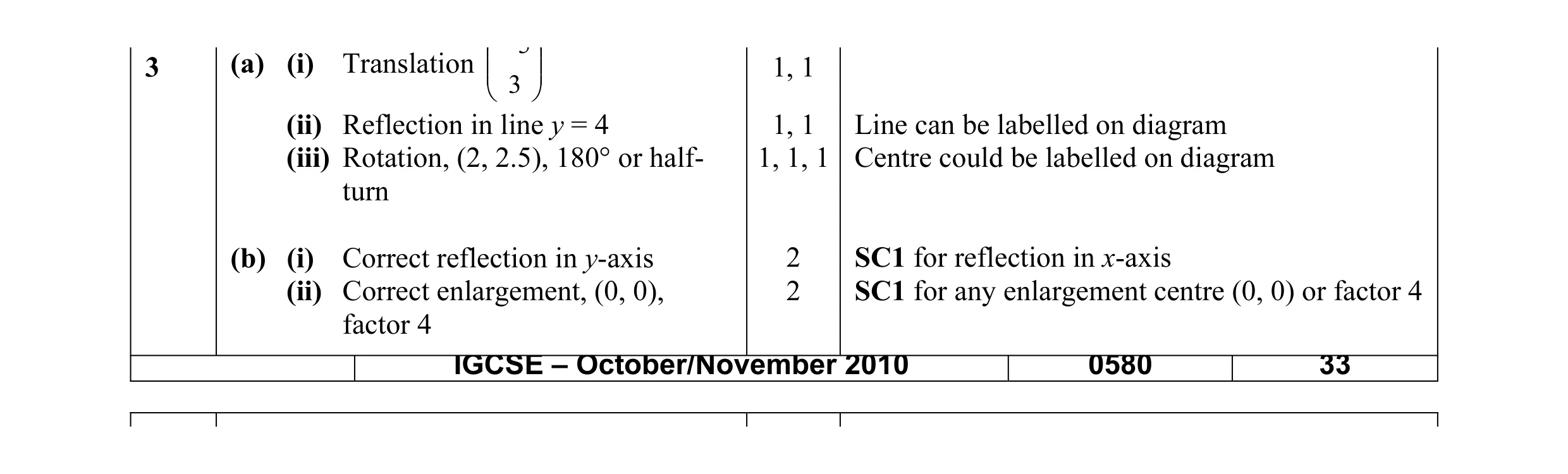 11
11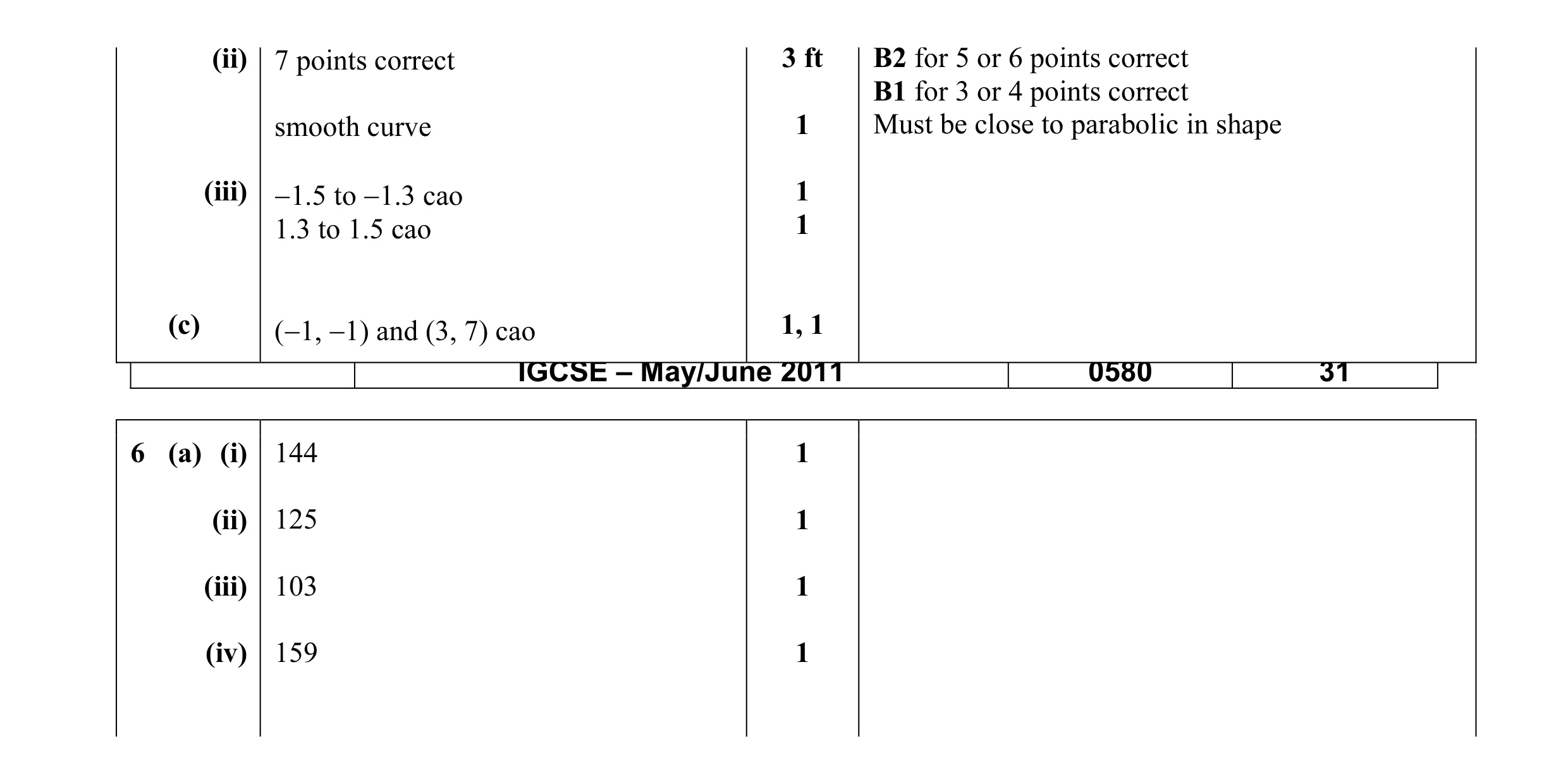 8
8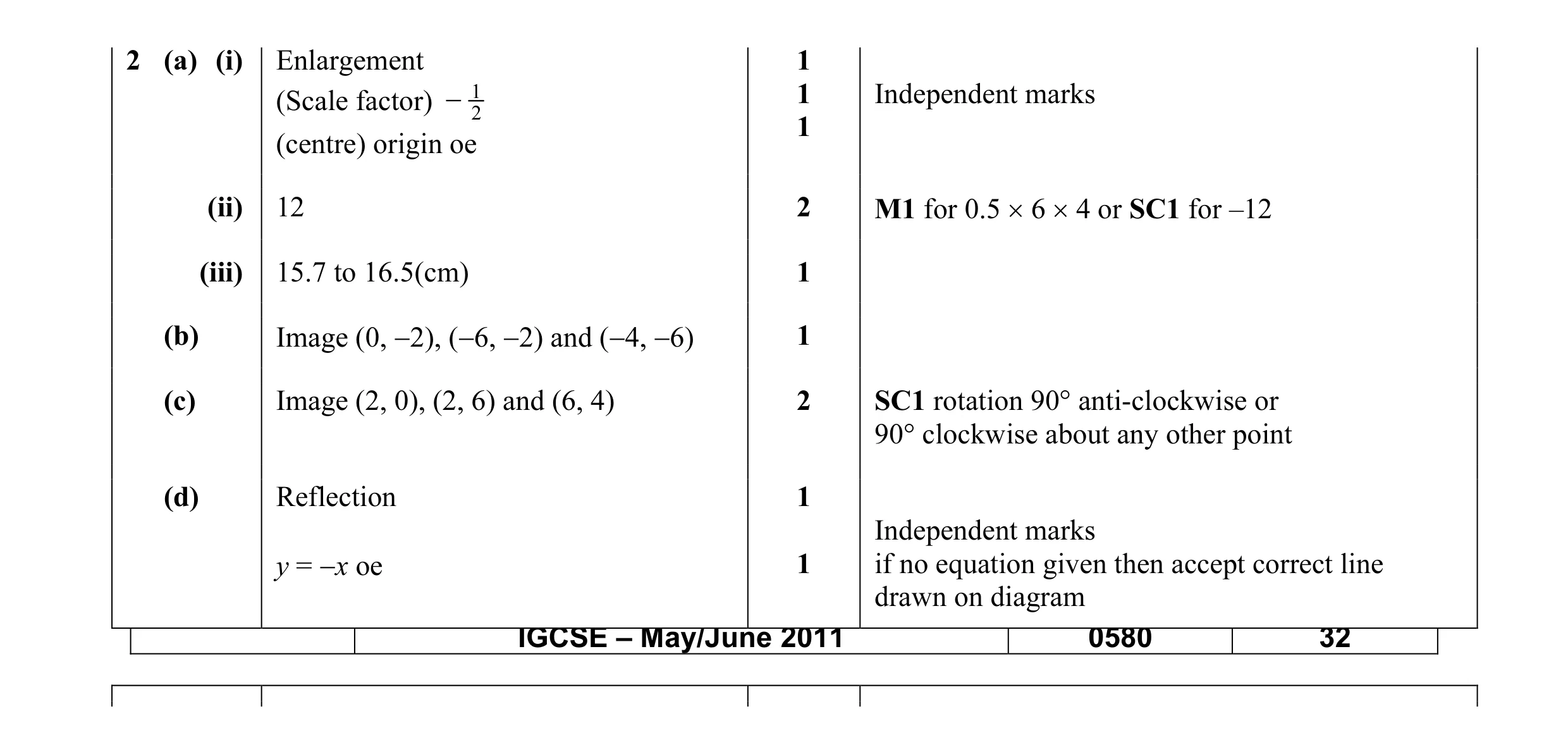 11
11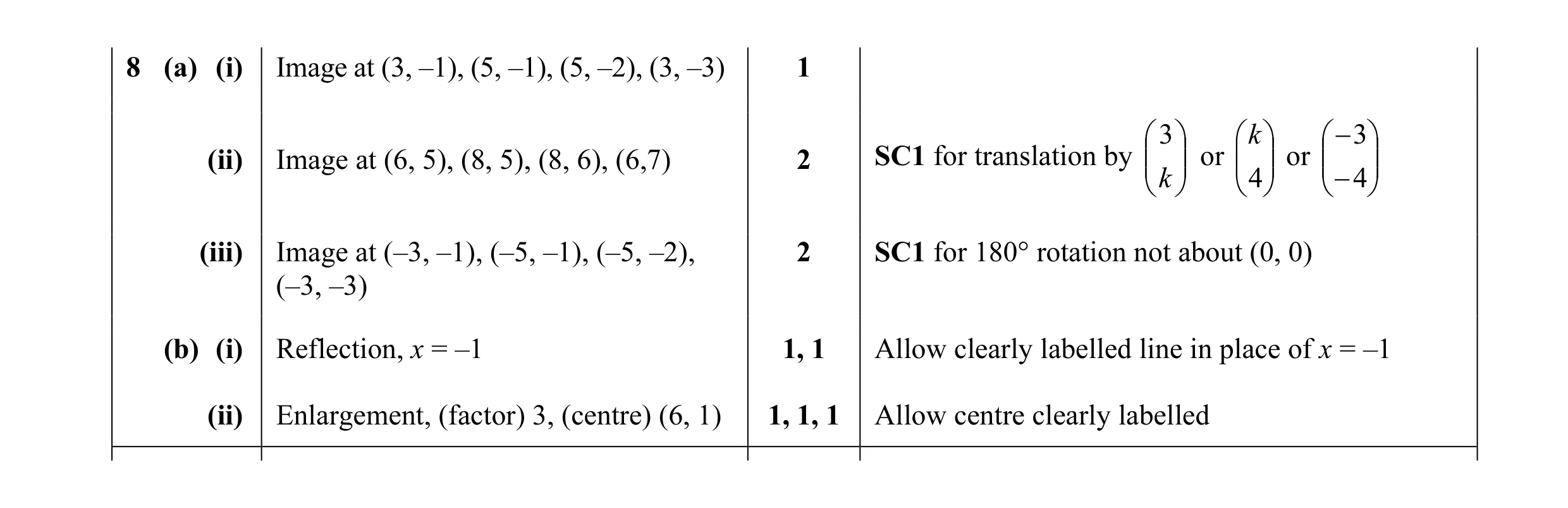 10
10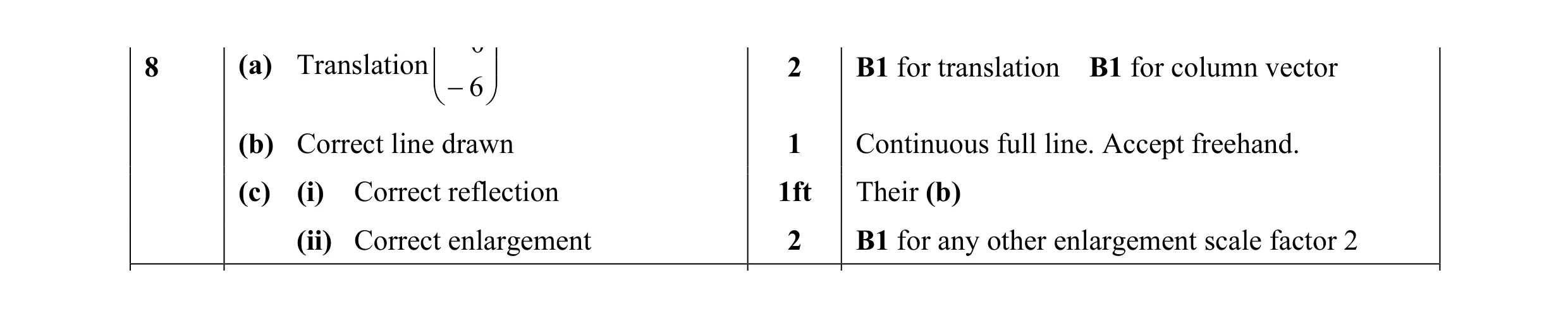 6
6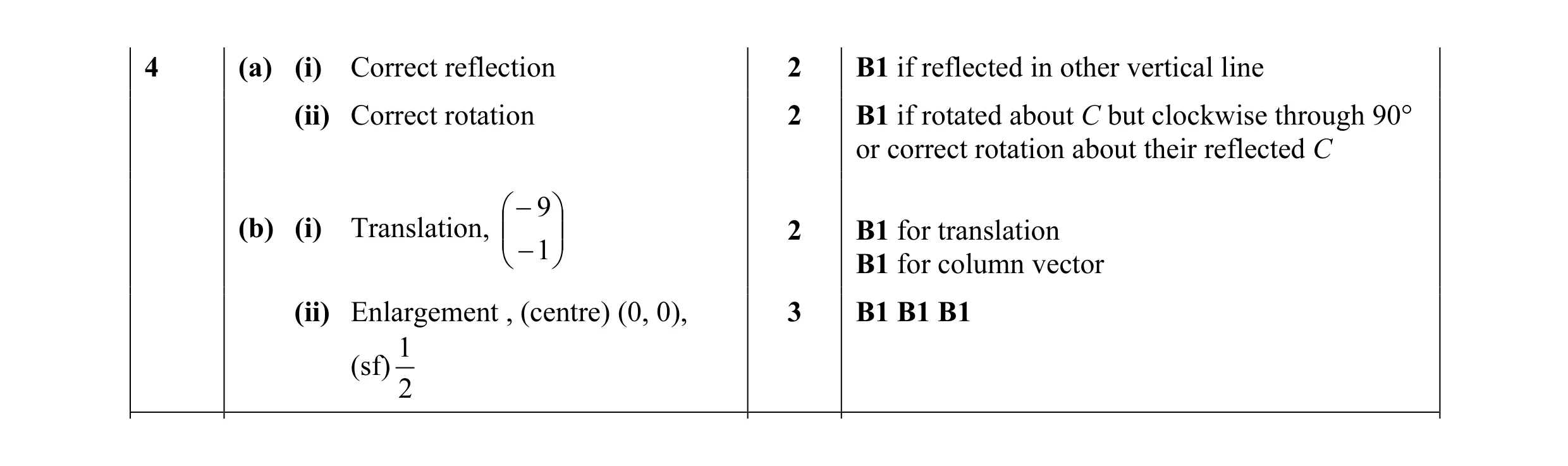 9
9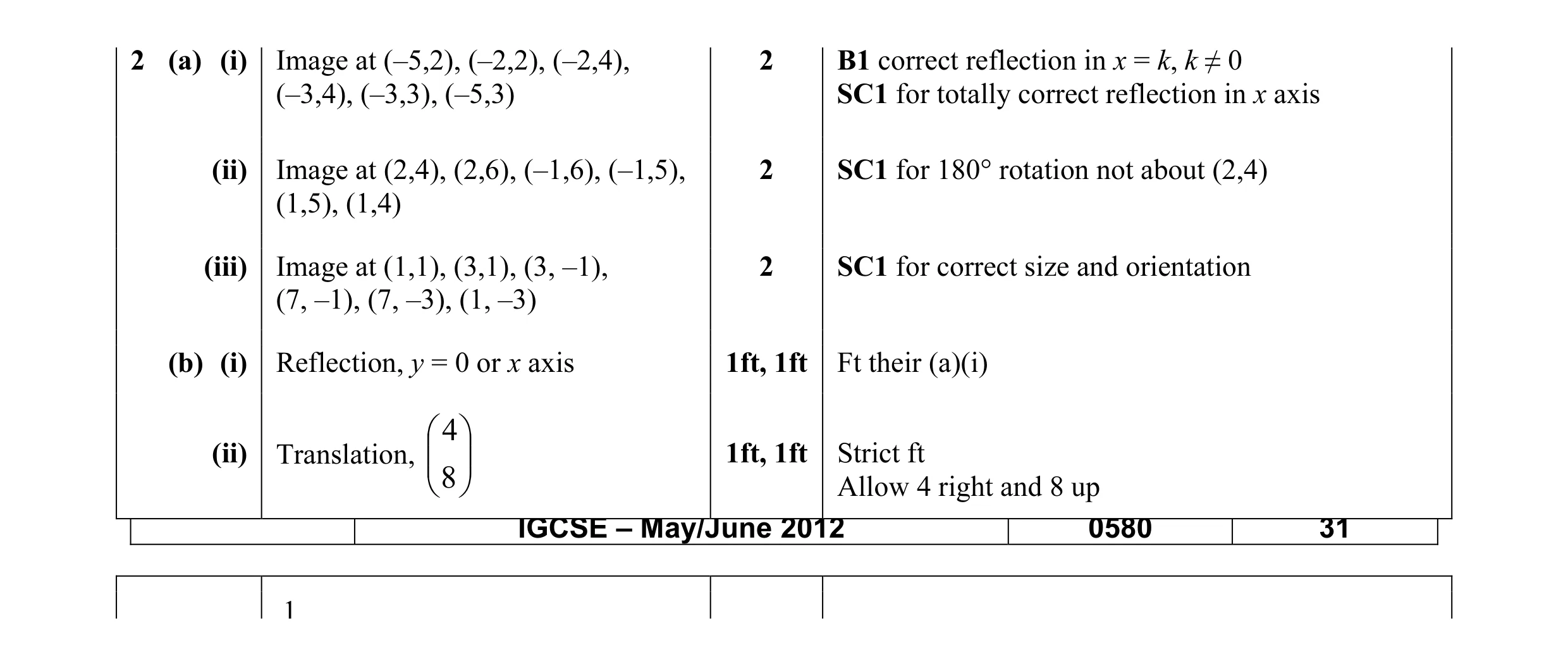 10
10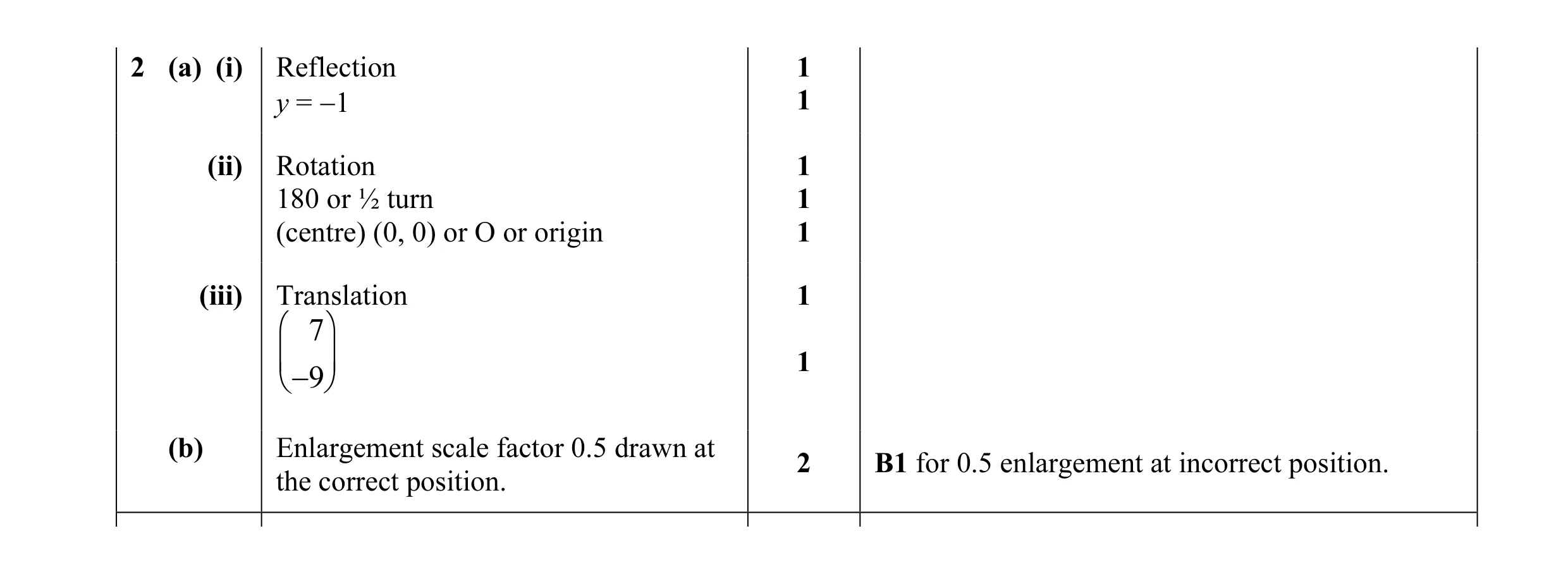 9
9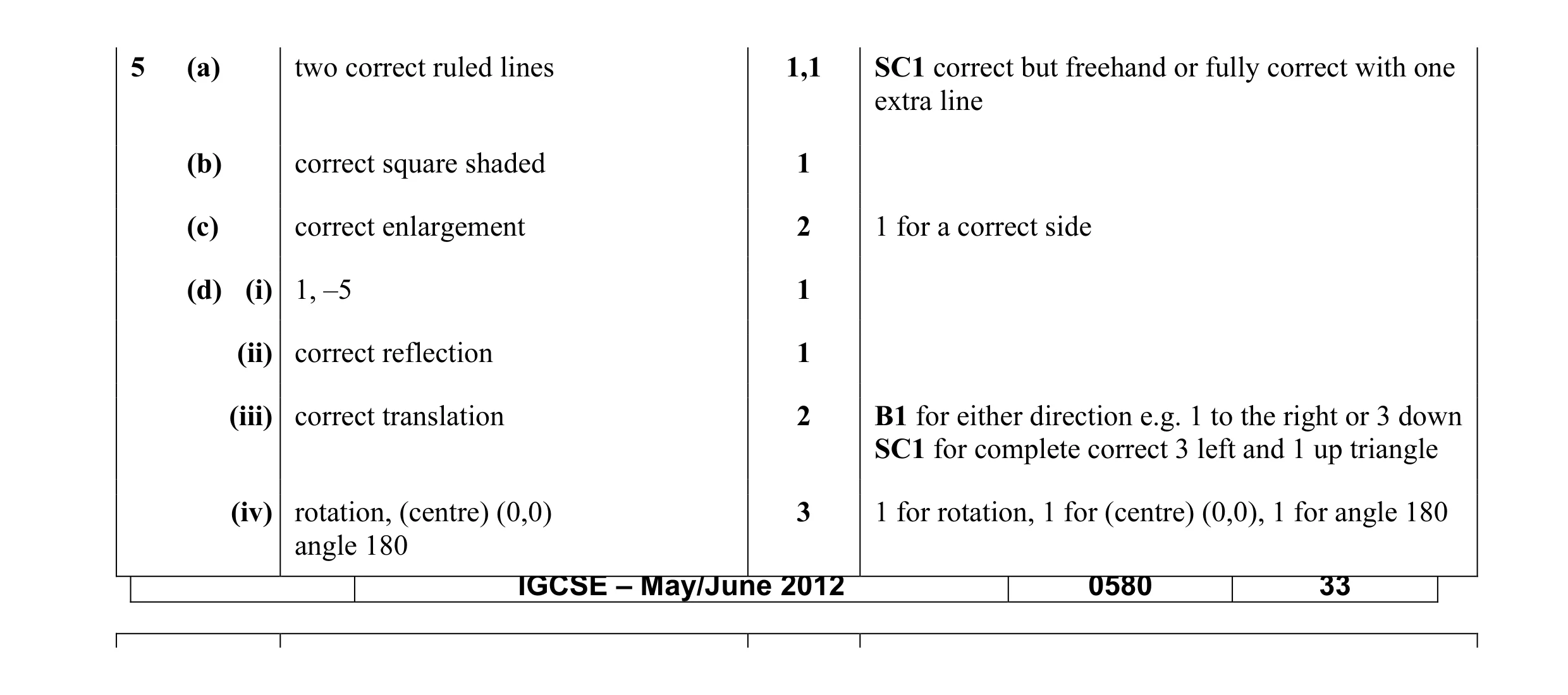 12
12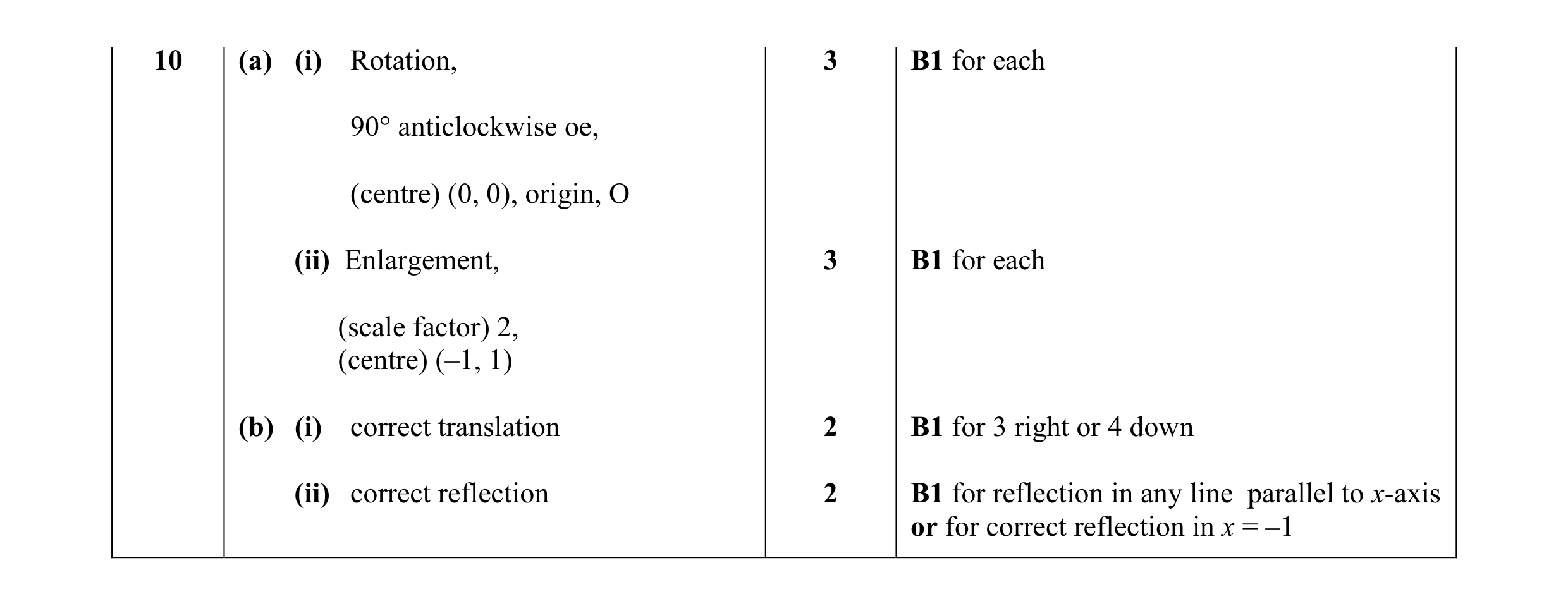 10
10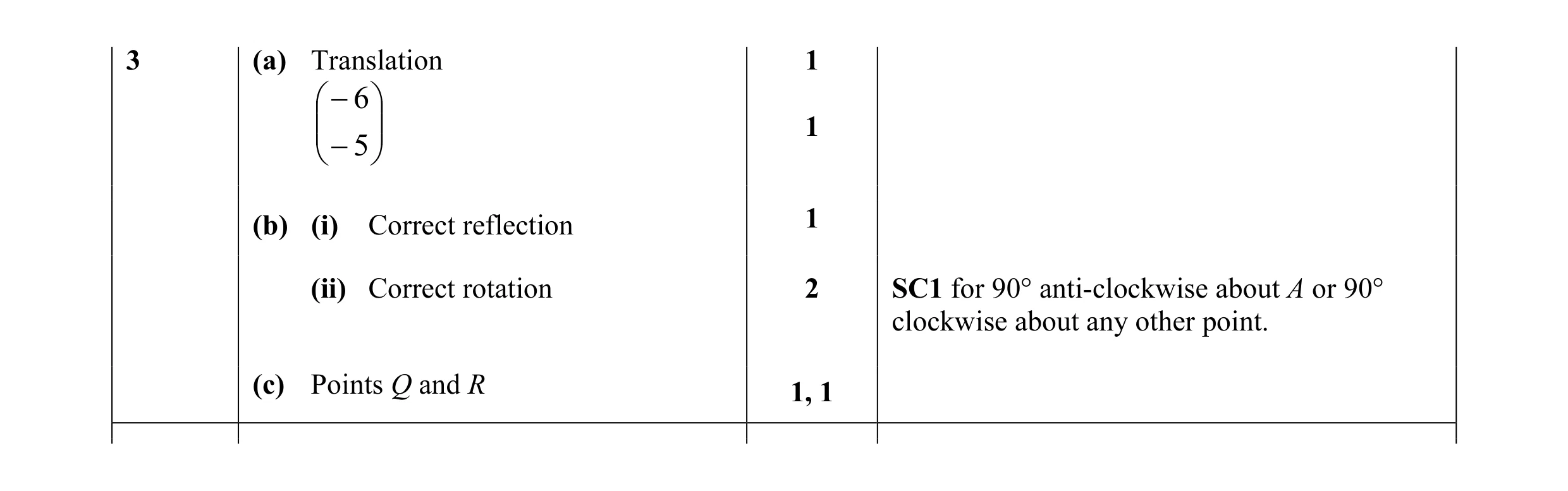 7
7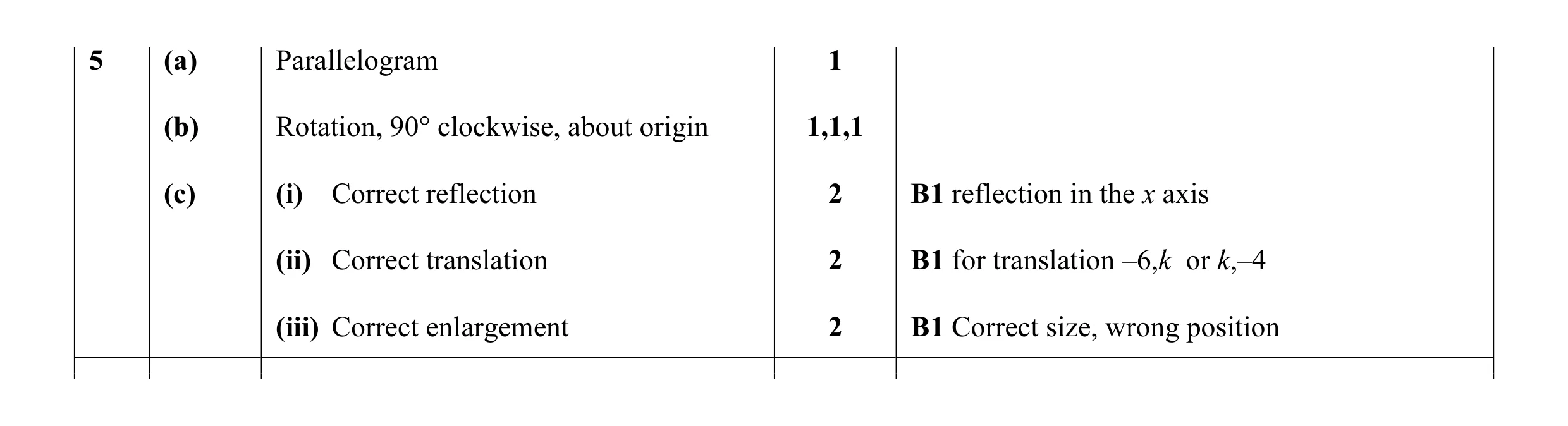 10
10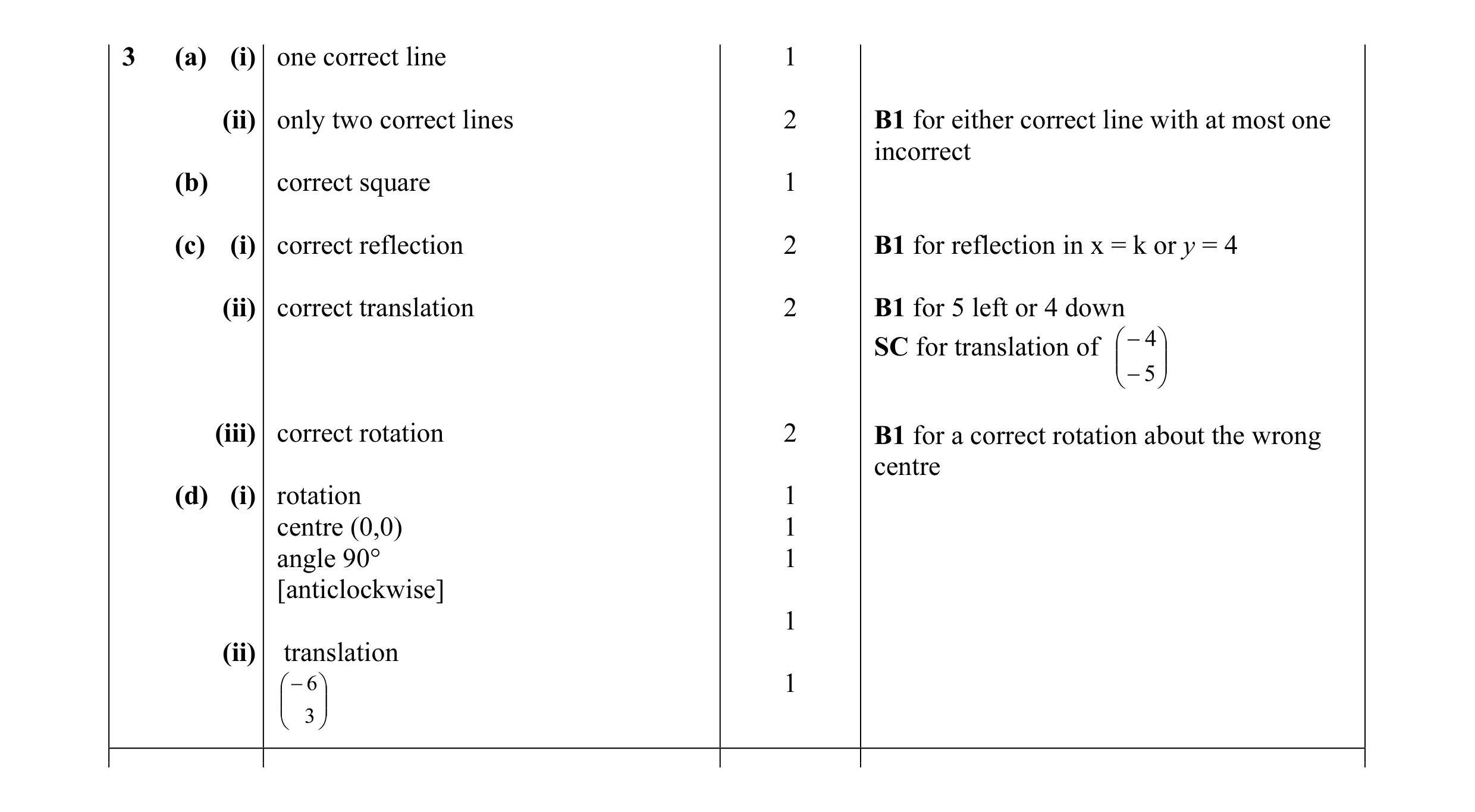 15
15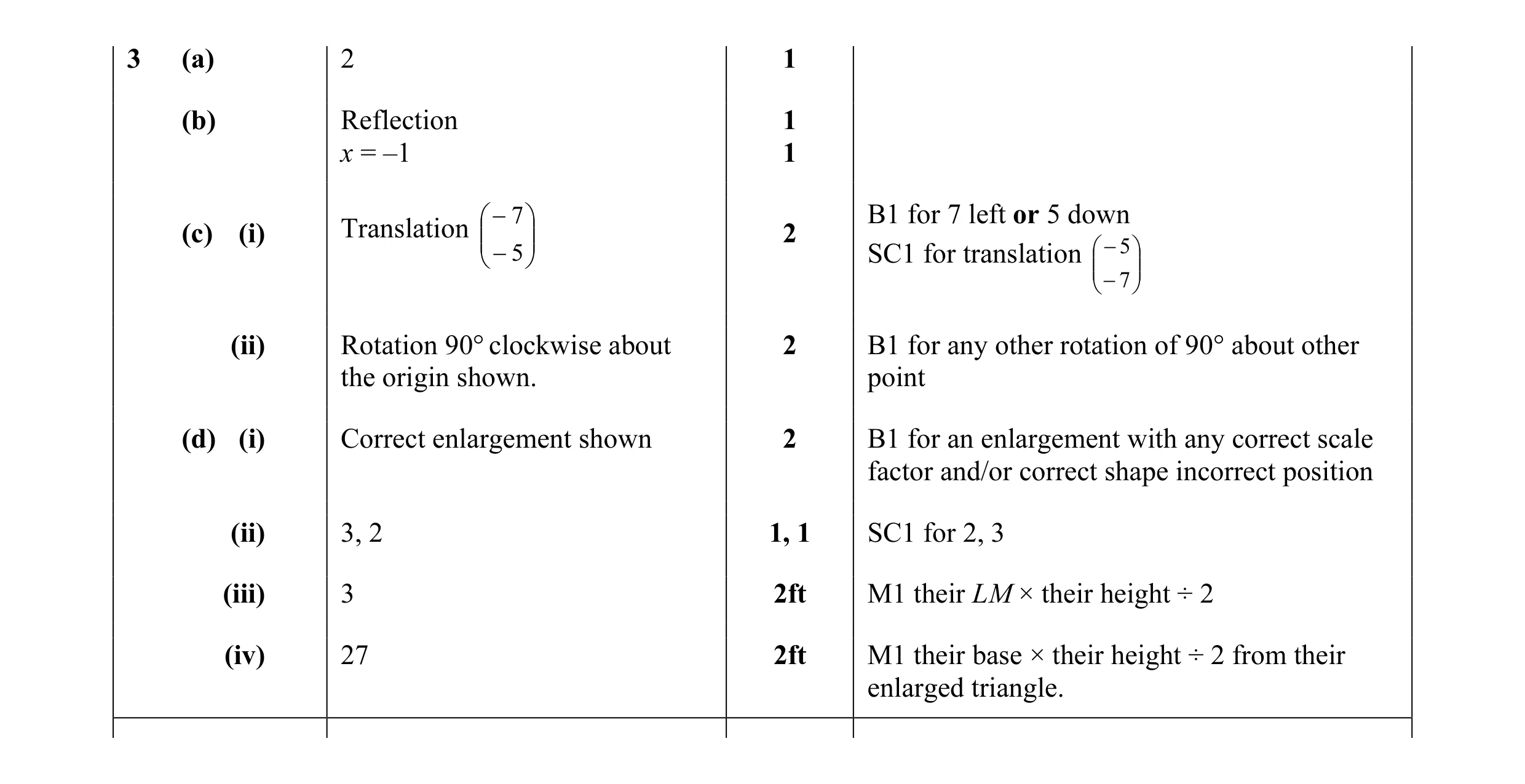 15
15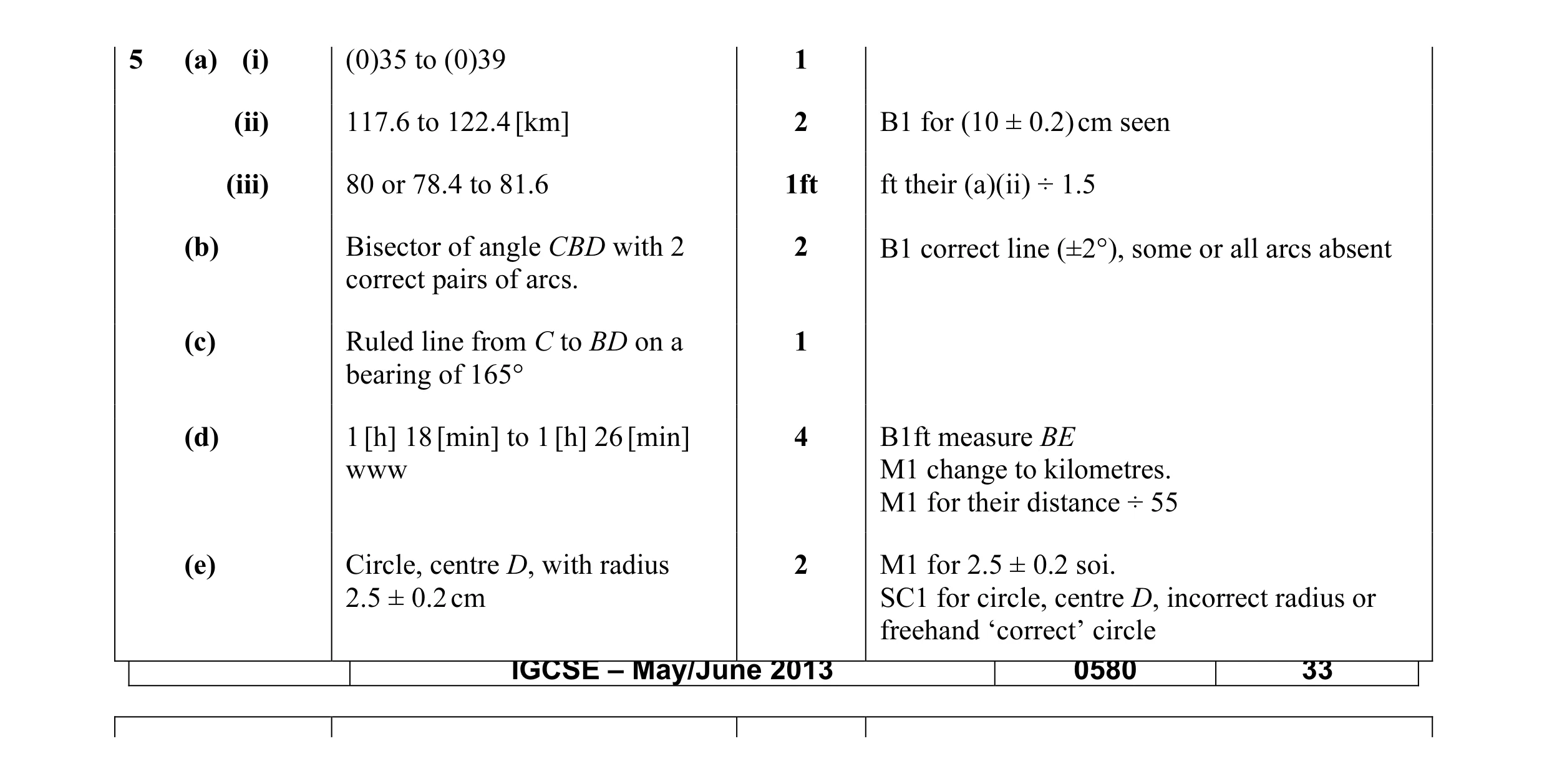 13
13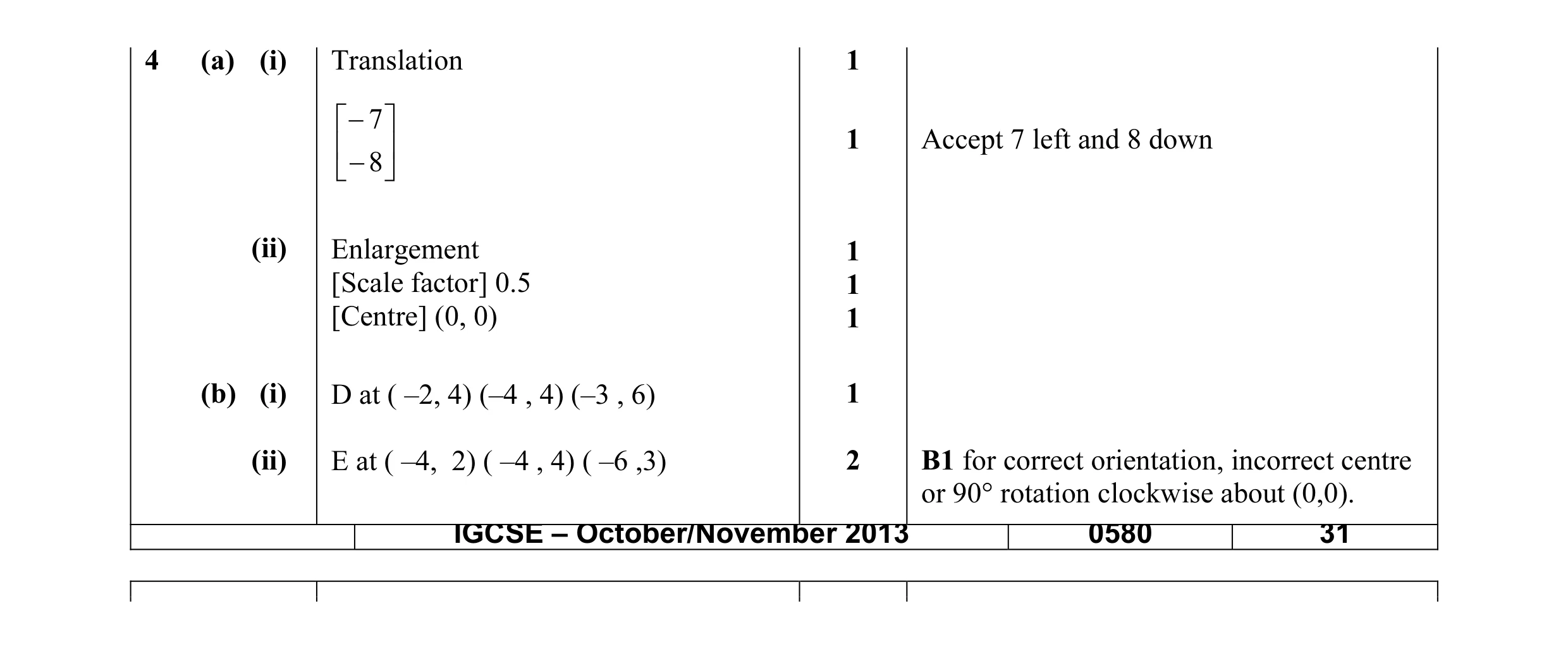 8
8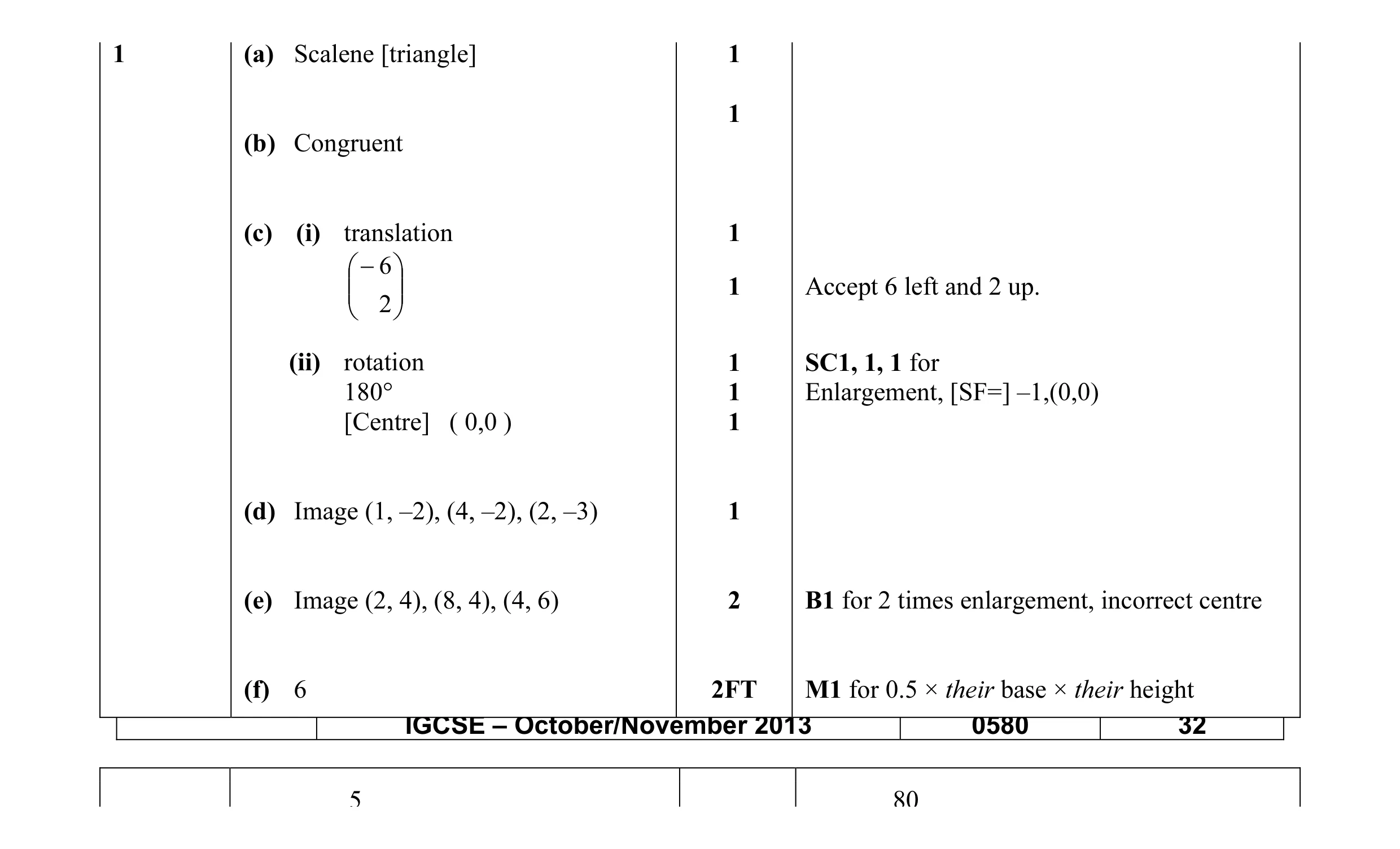 12
12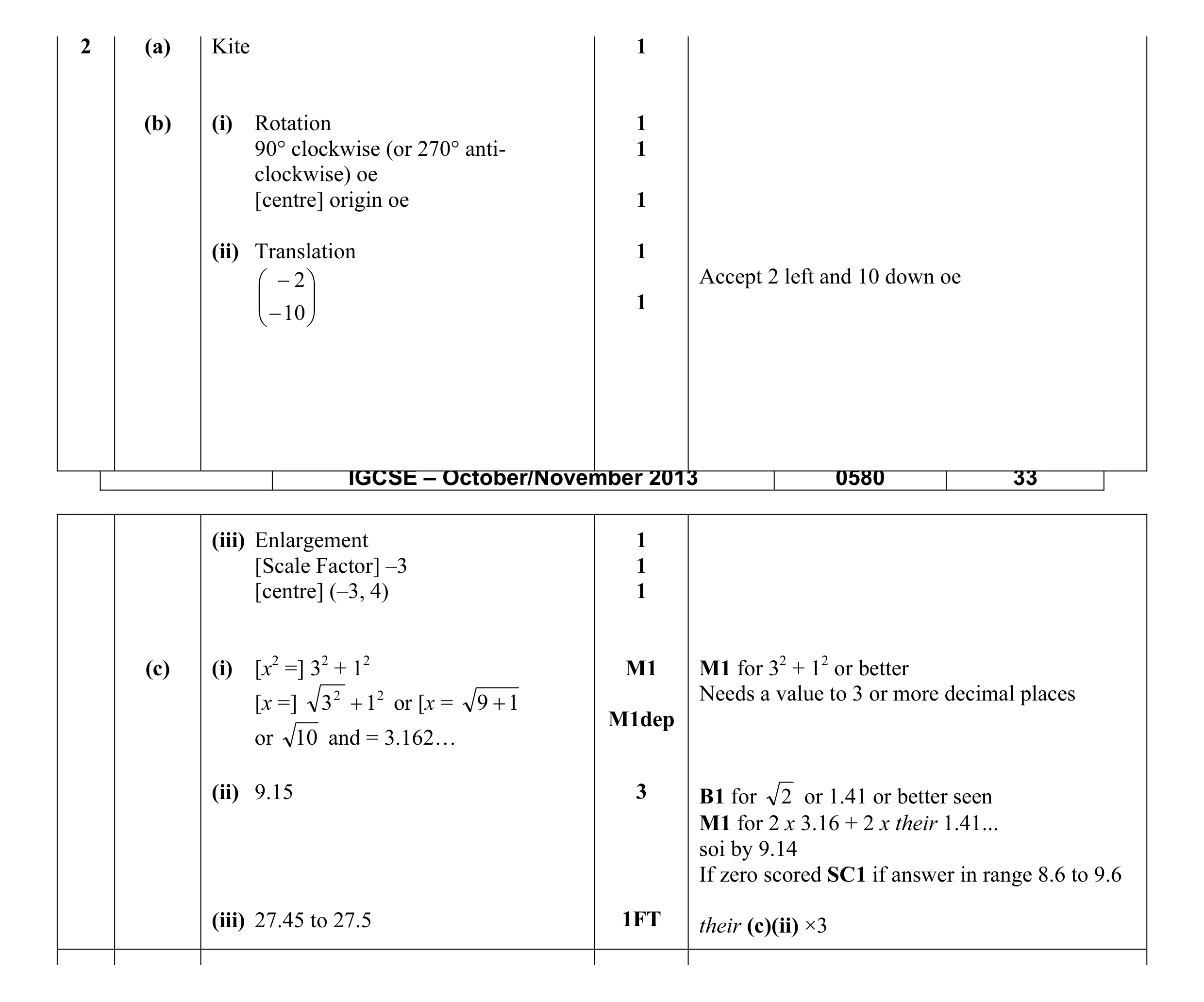 15
15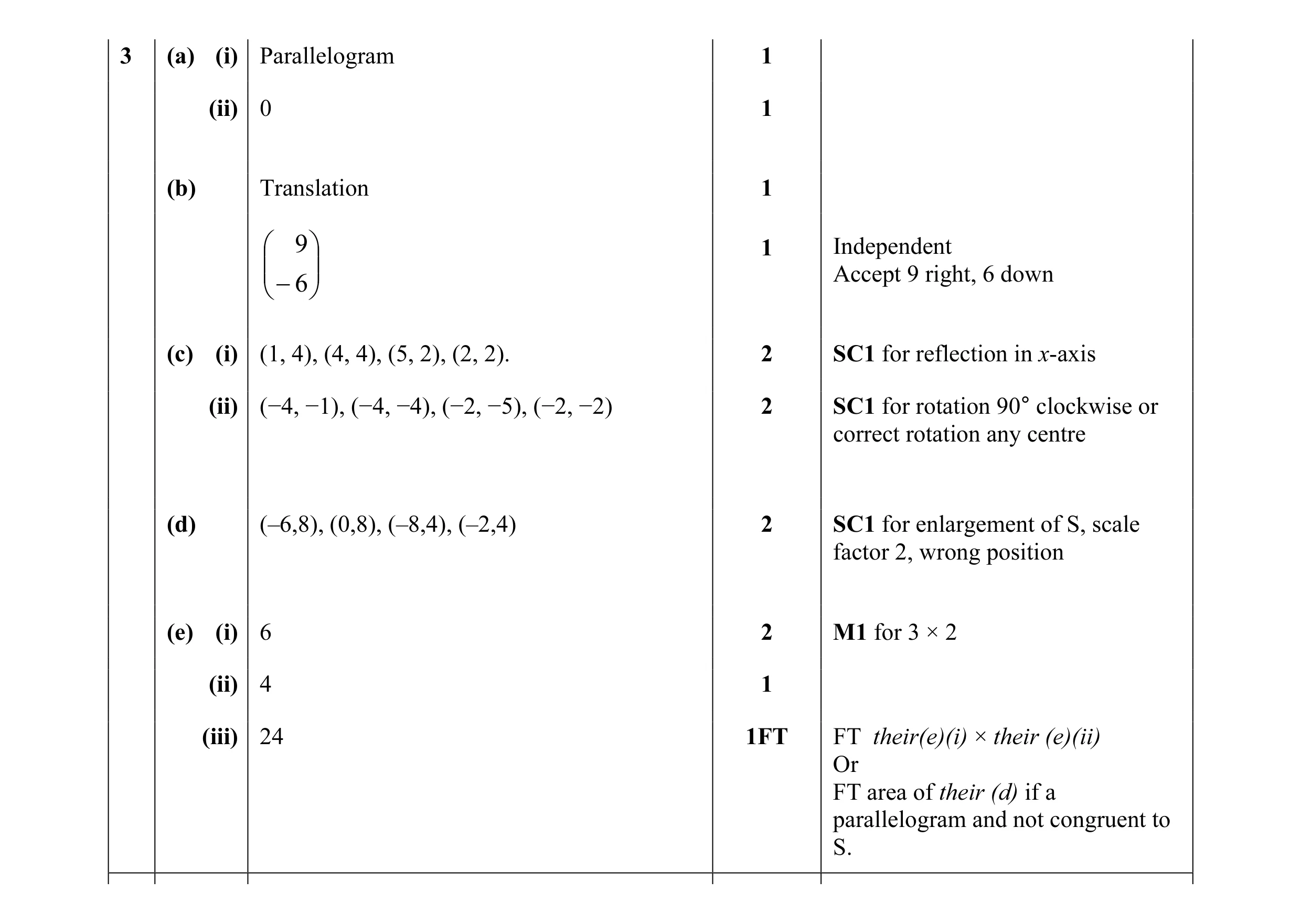 14
14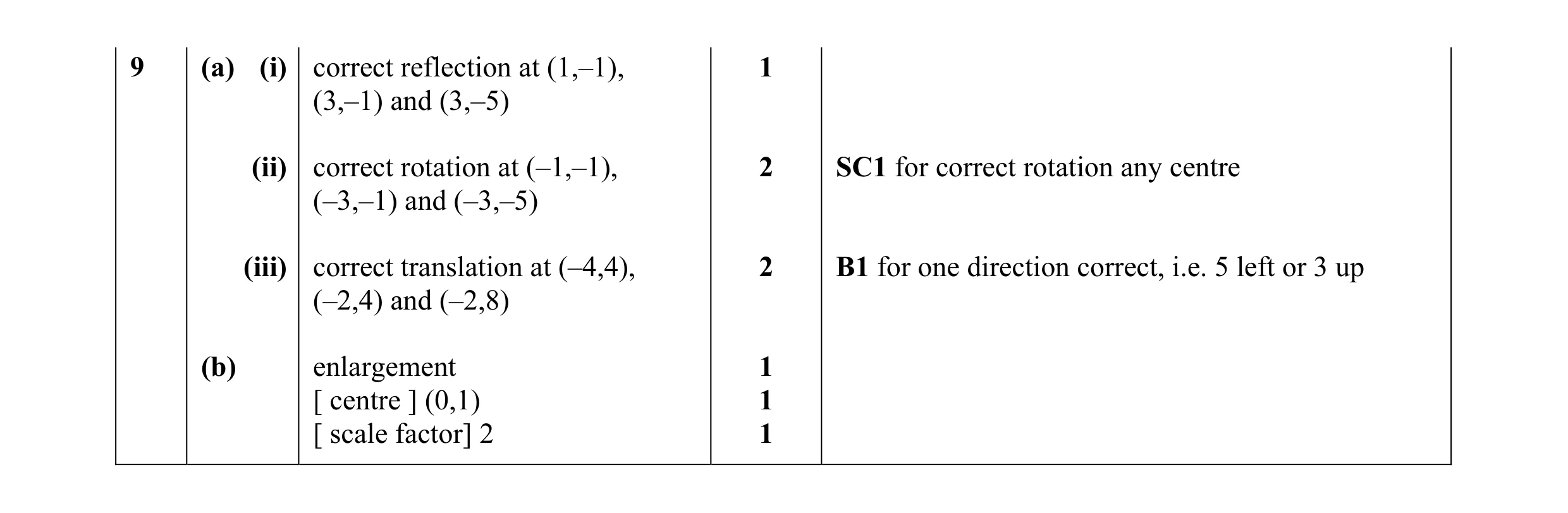 8
8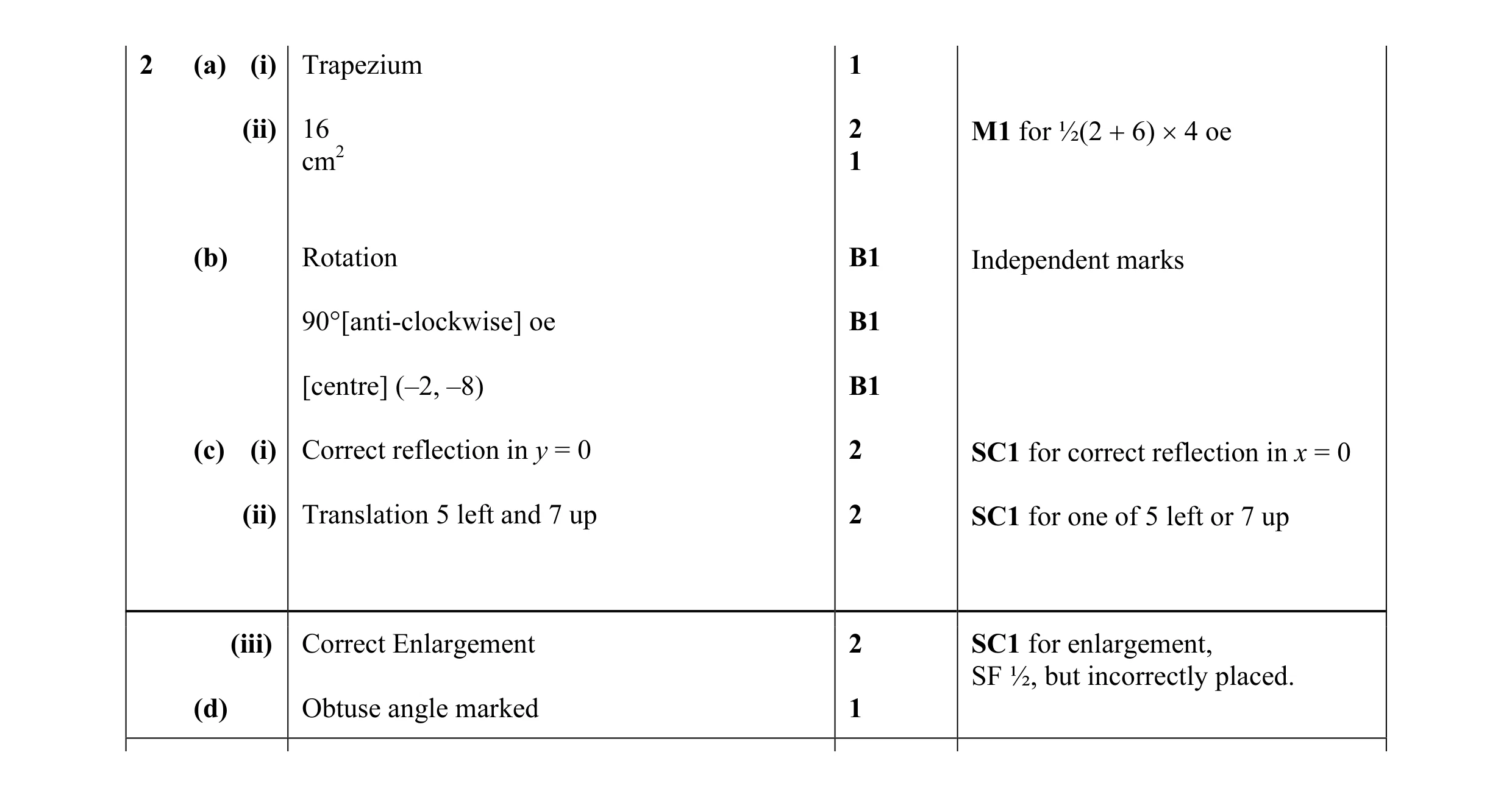 14
14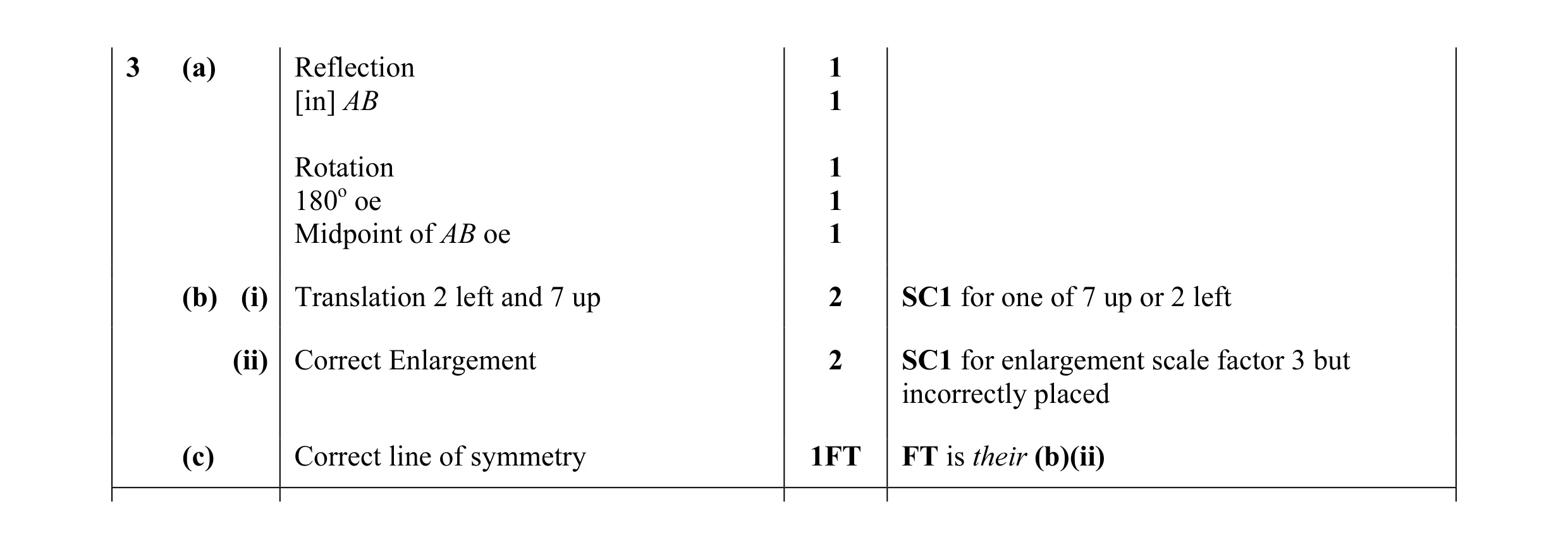 10
10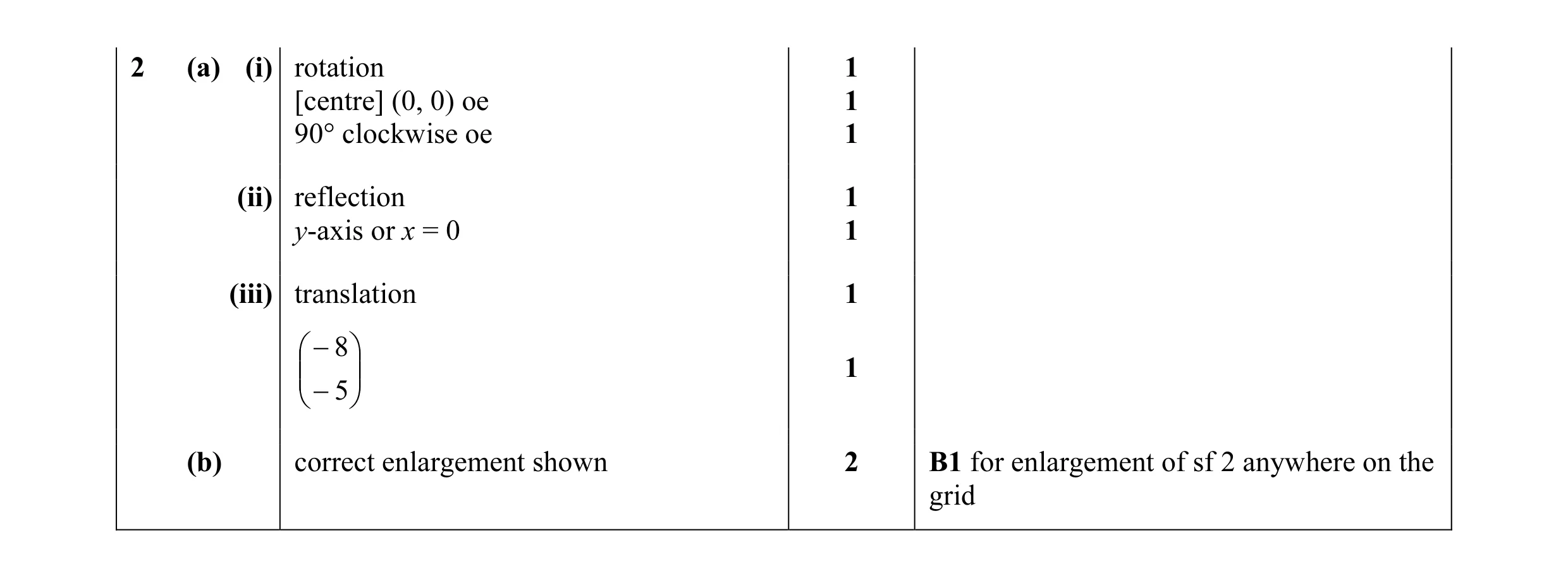 9
9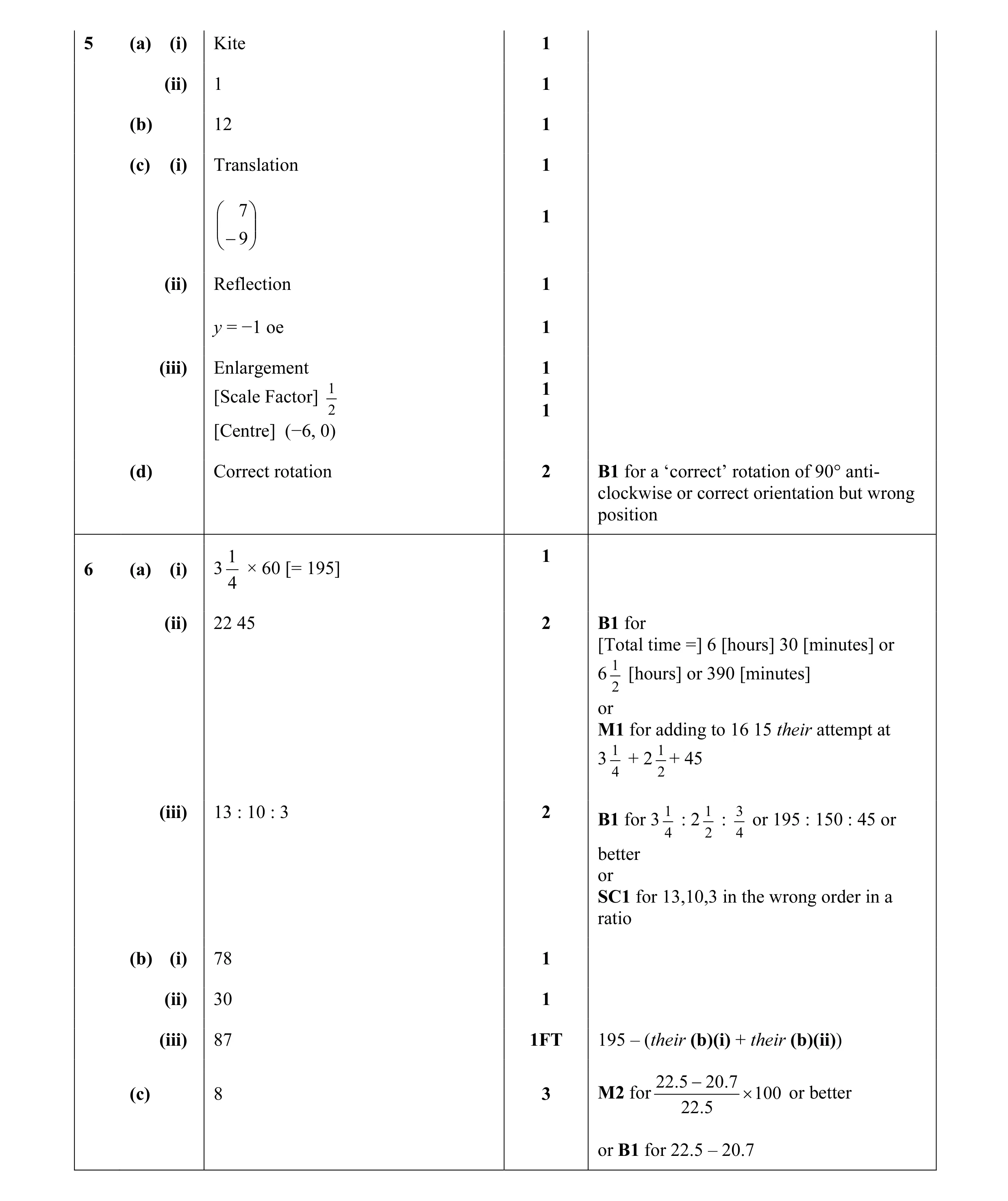 12
12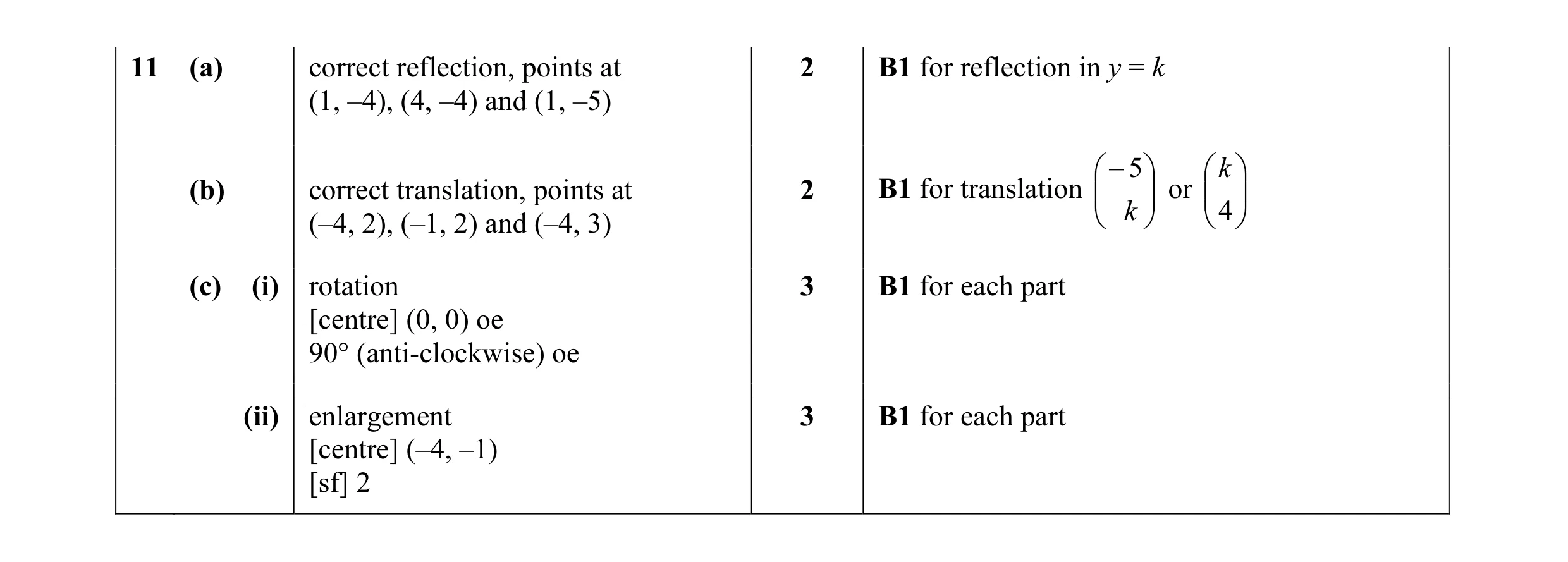 10
10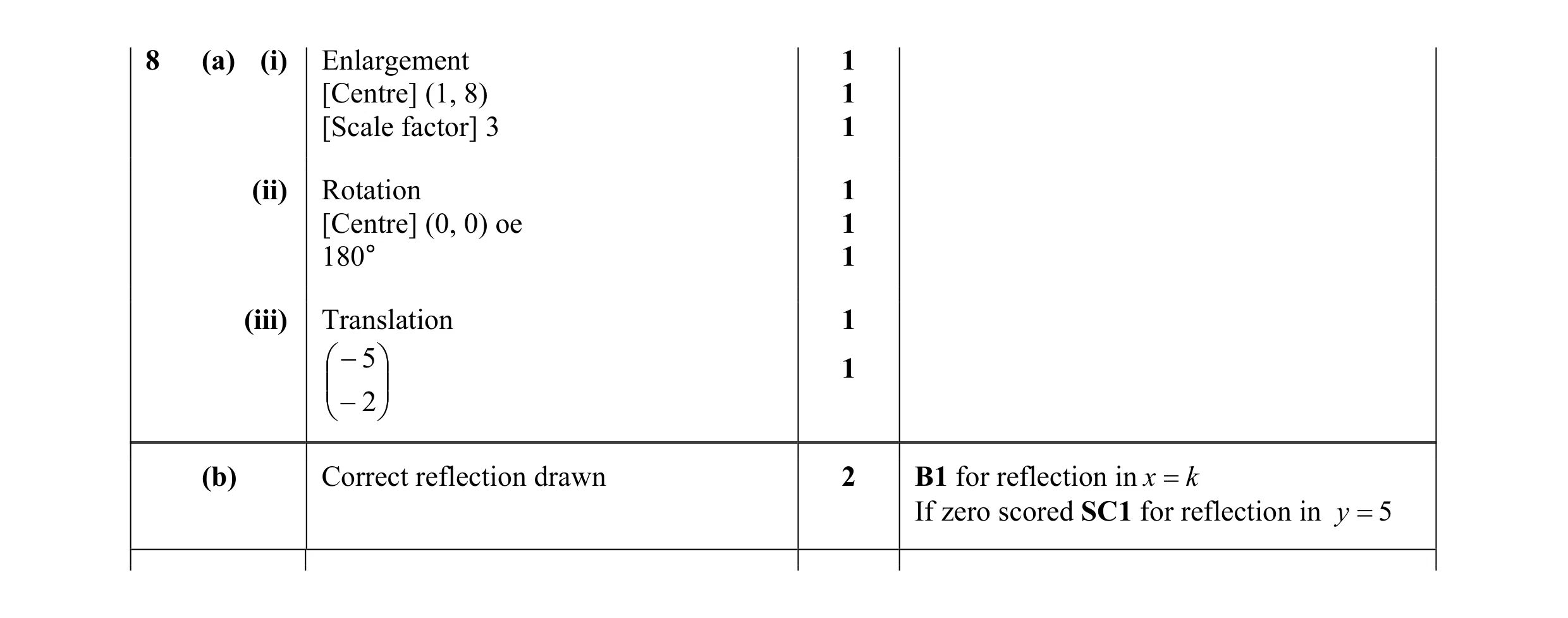 10
10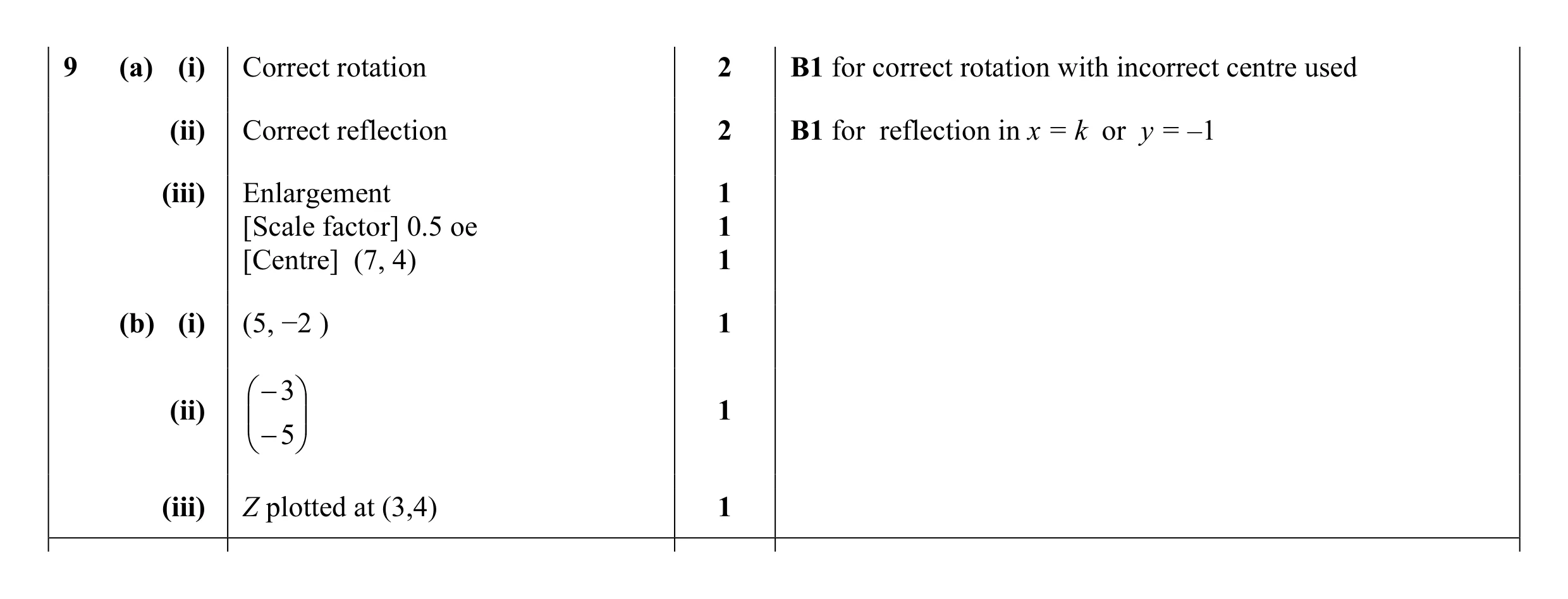 10
10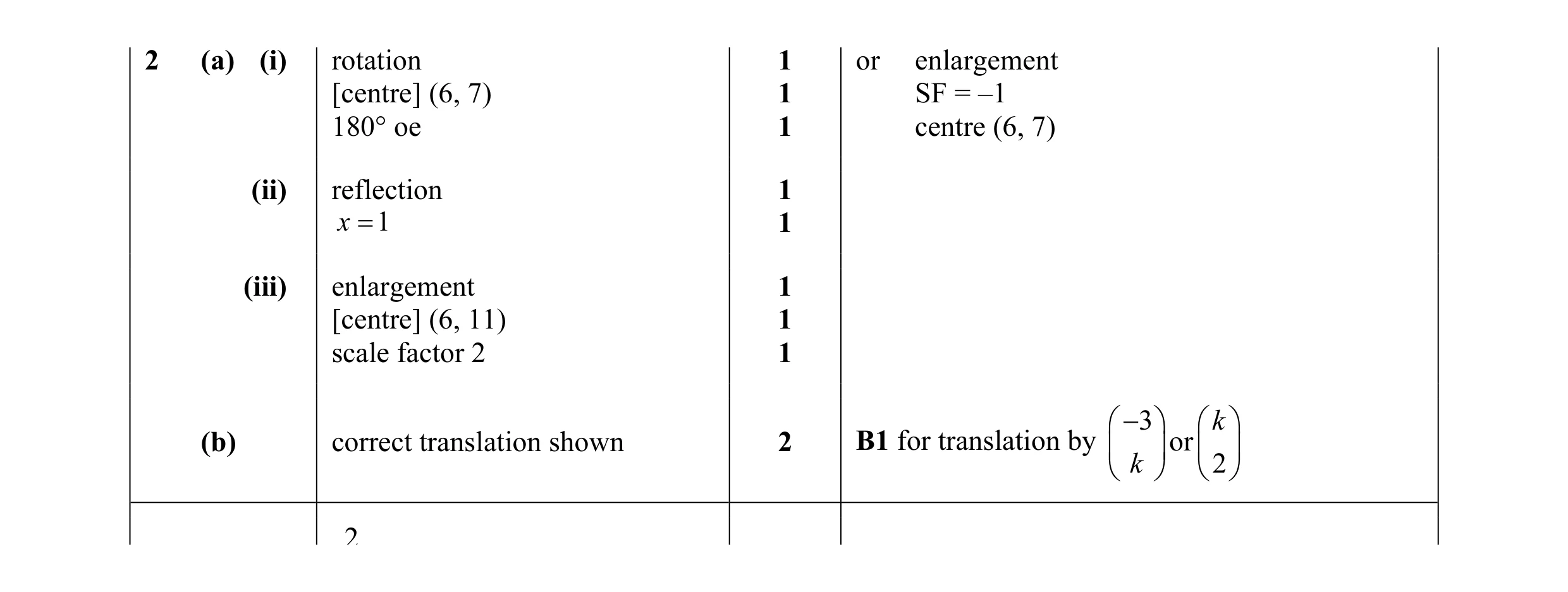 10
10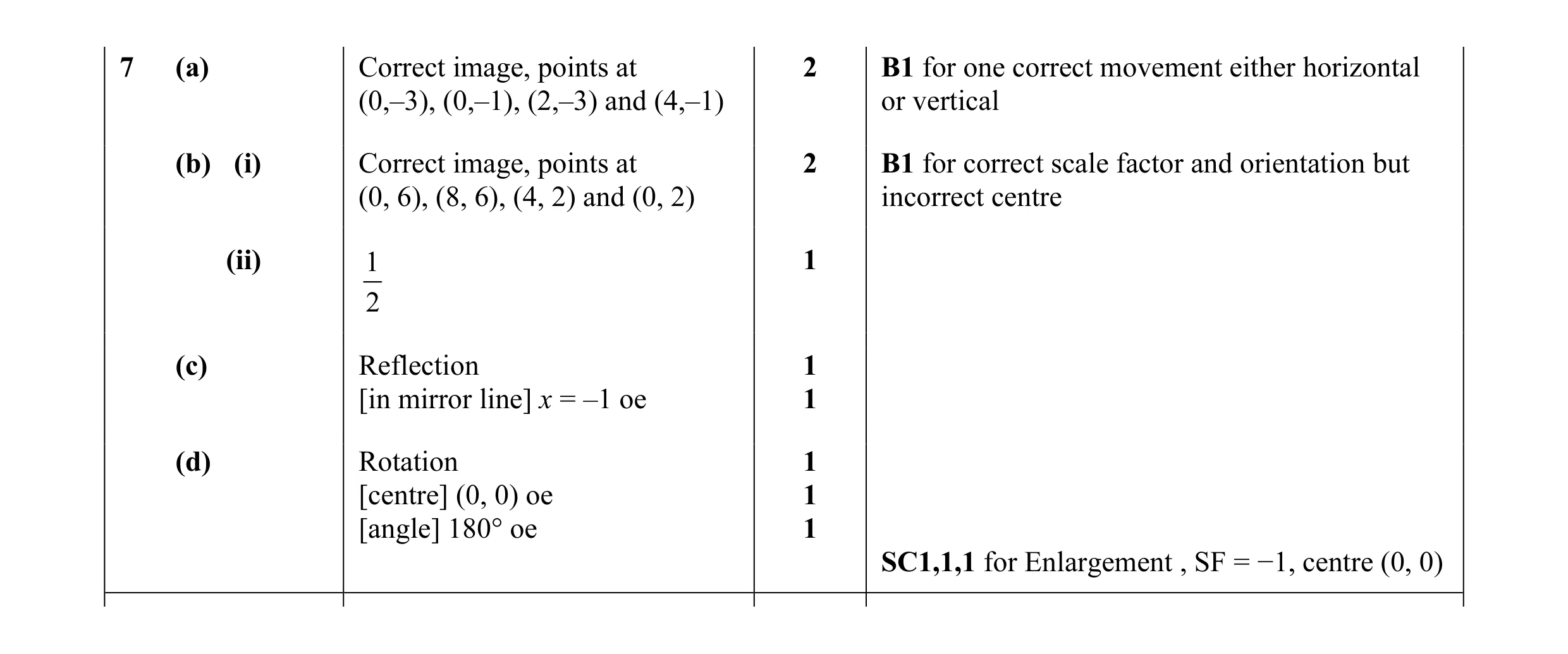 10
10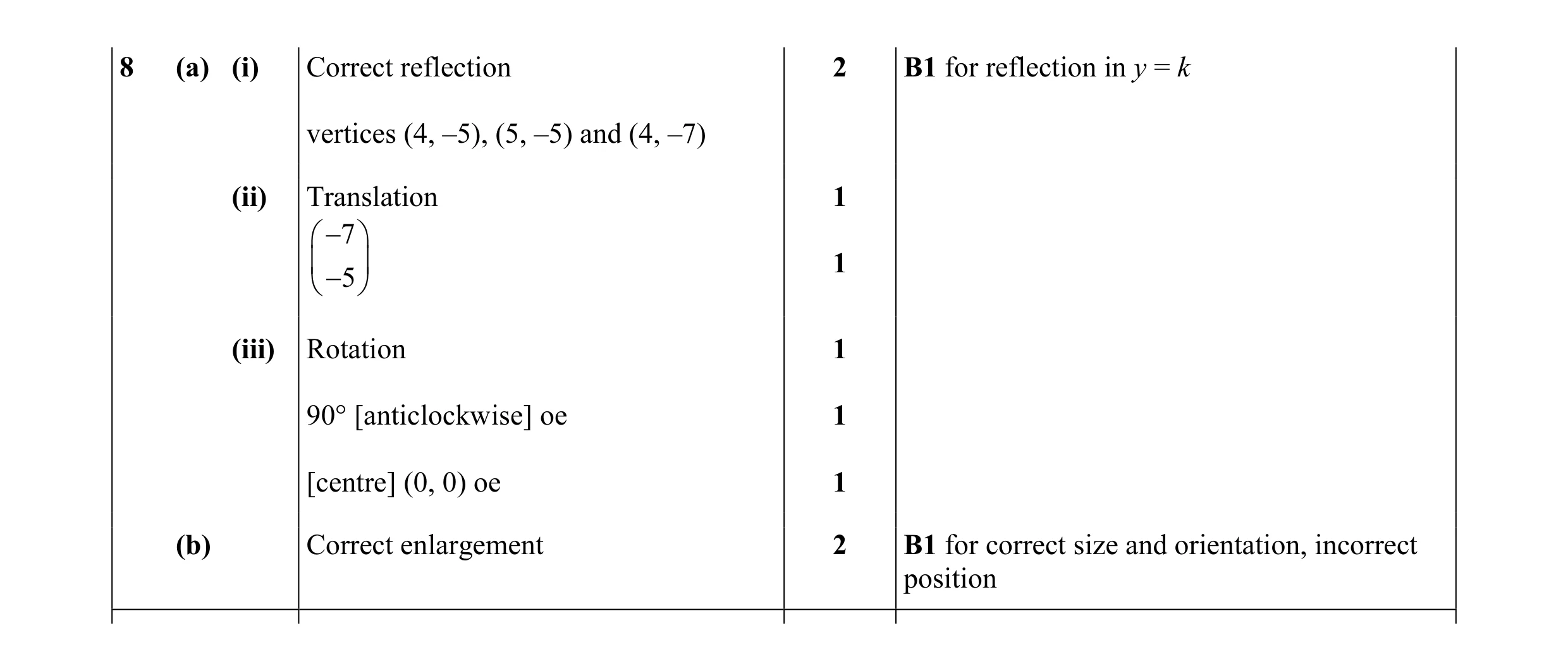 9
9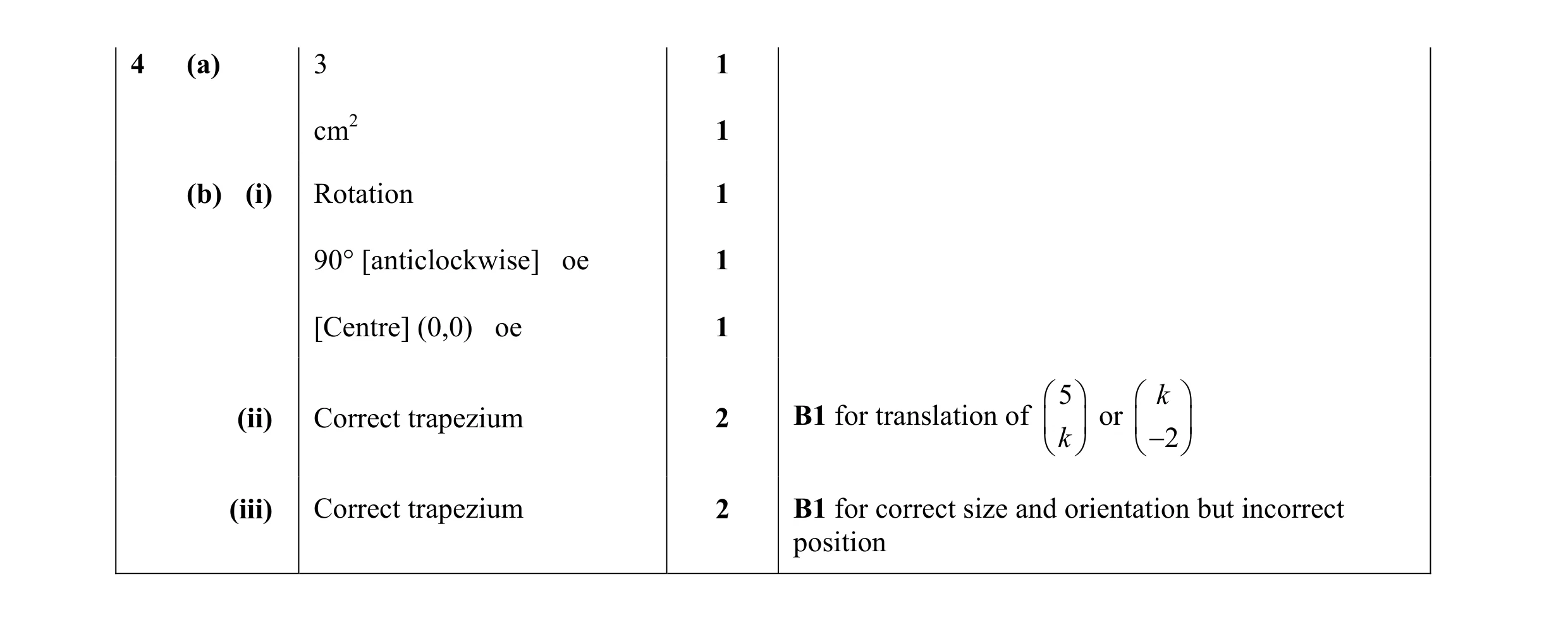 9
9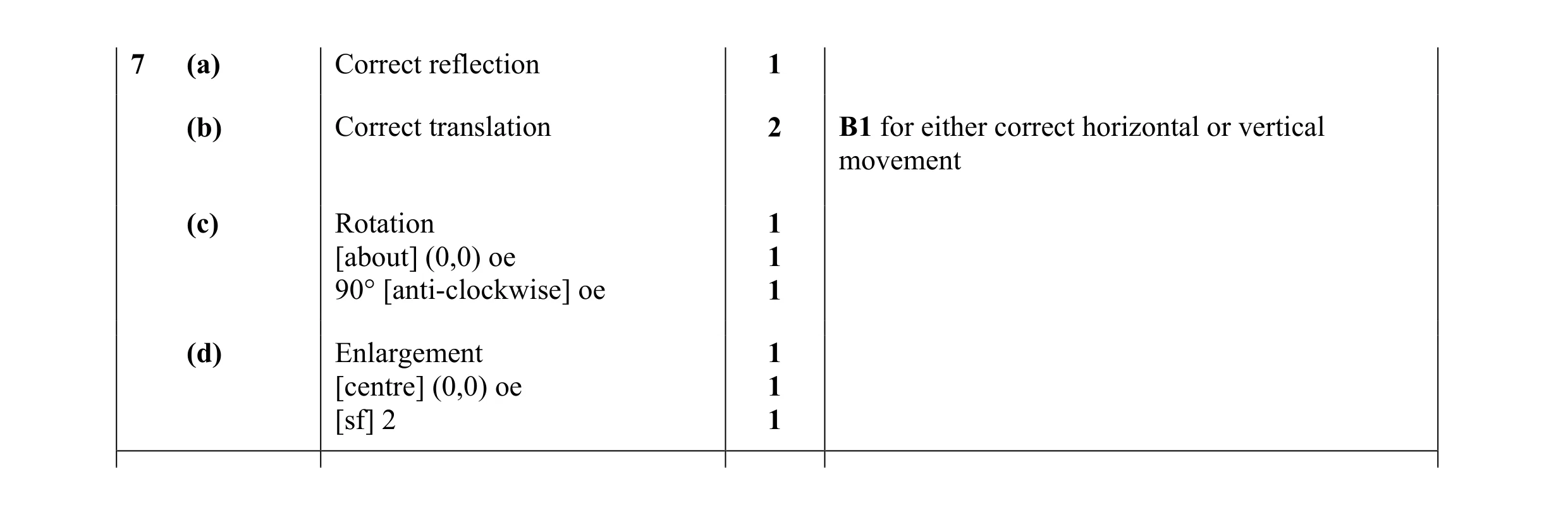 9
9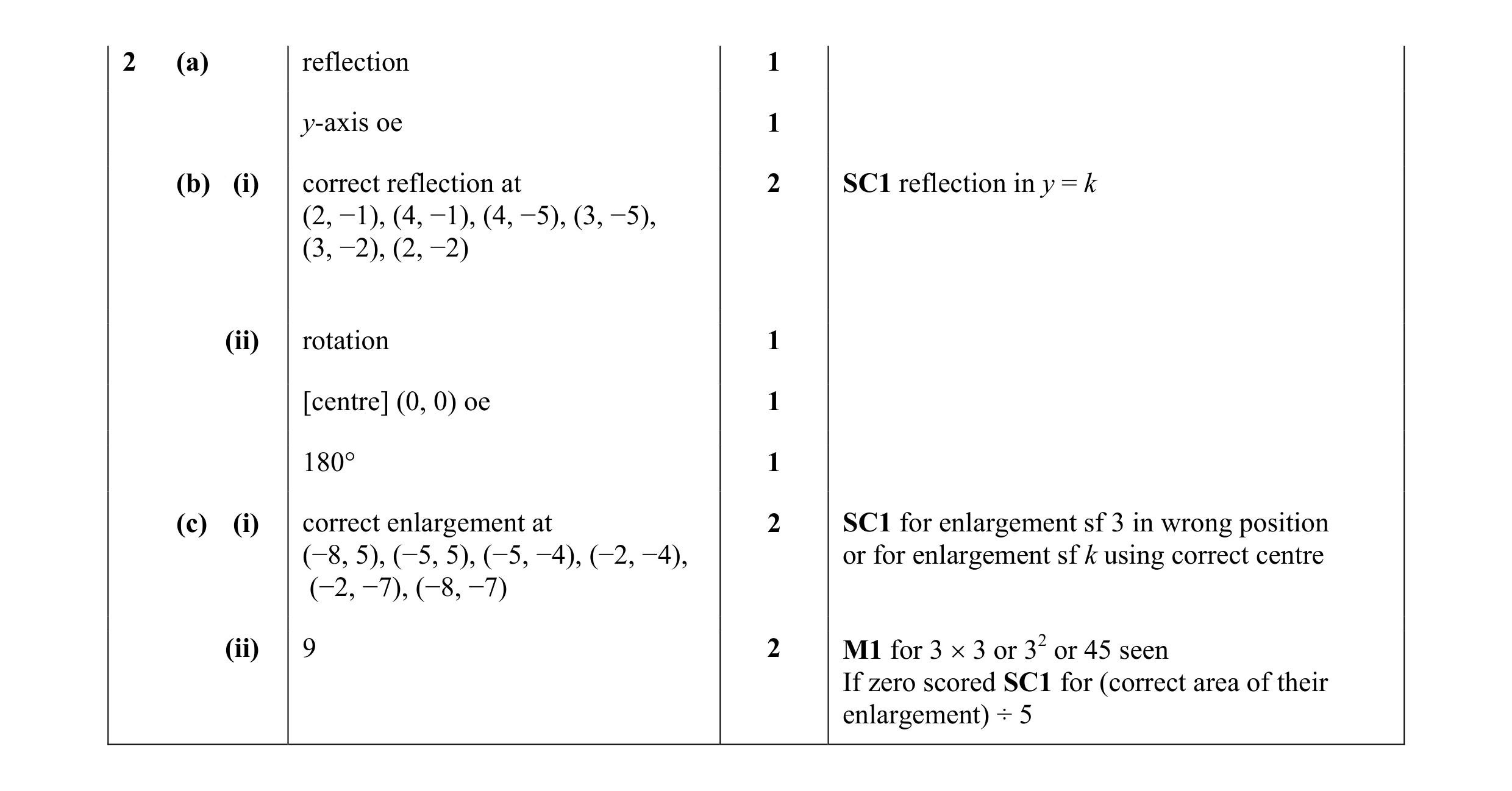 11
11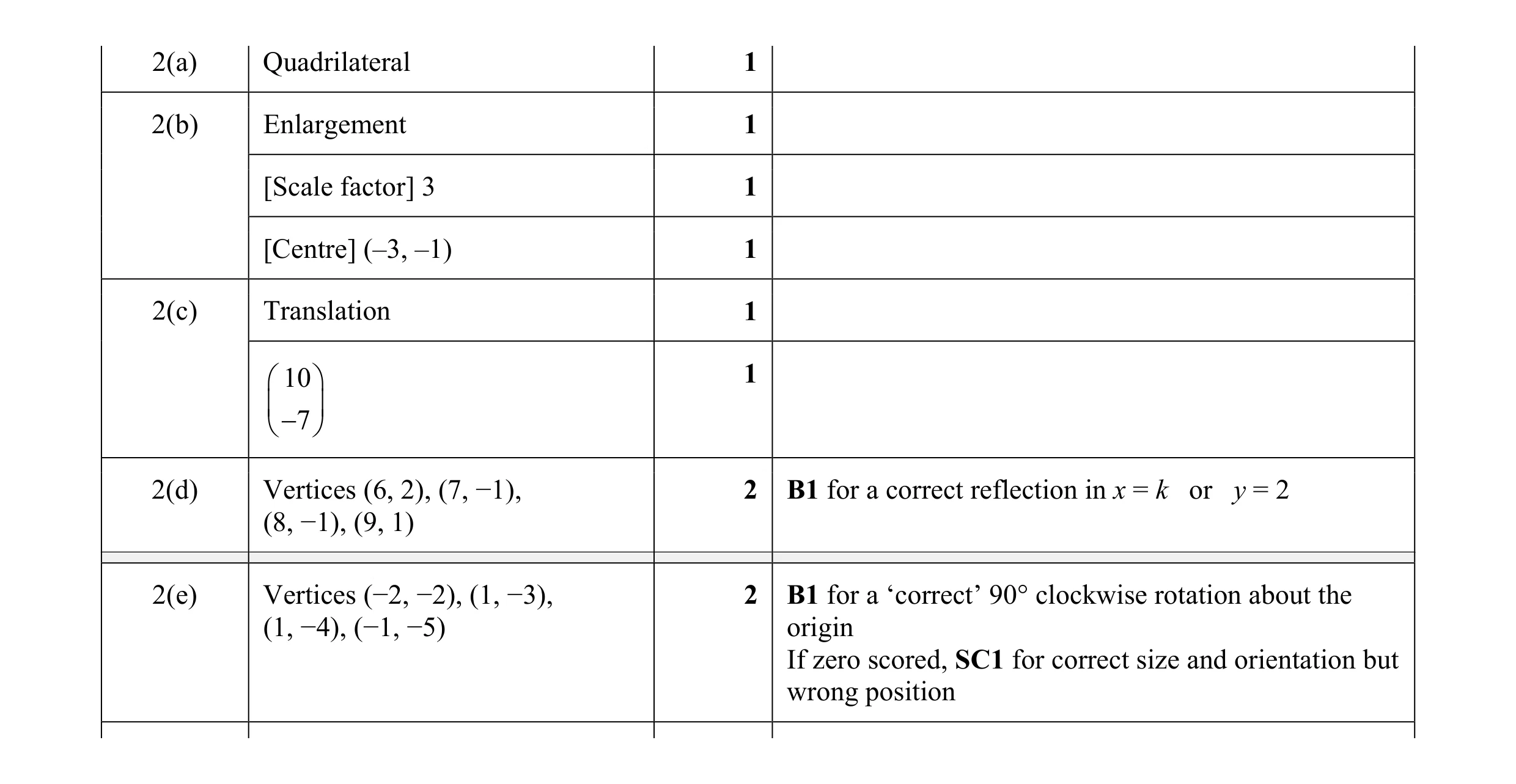 10
10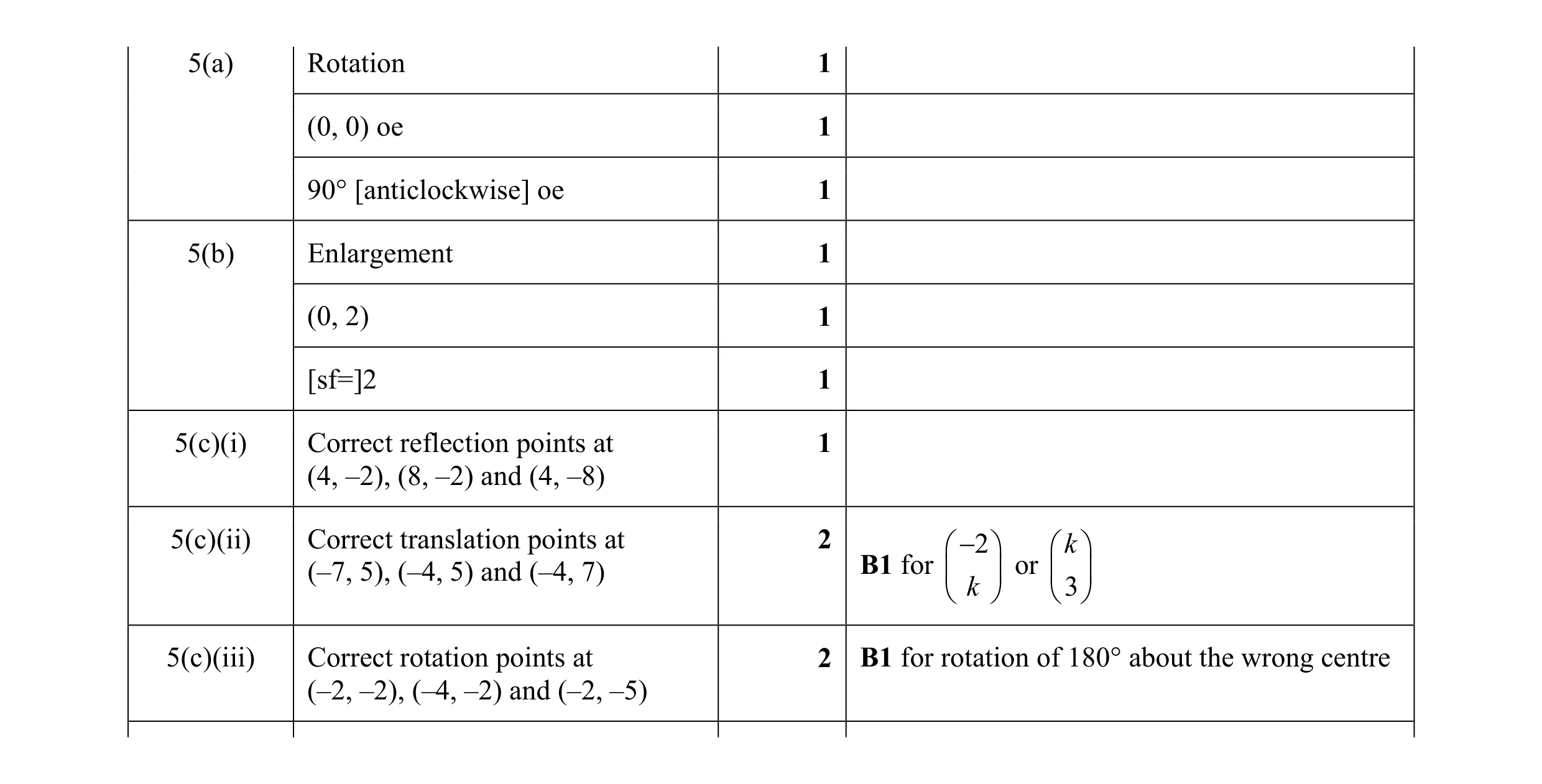 11
11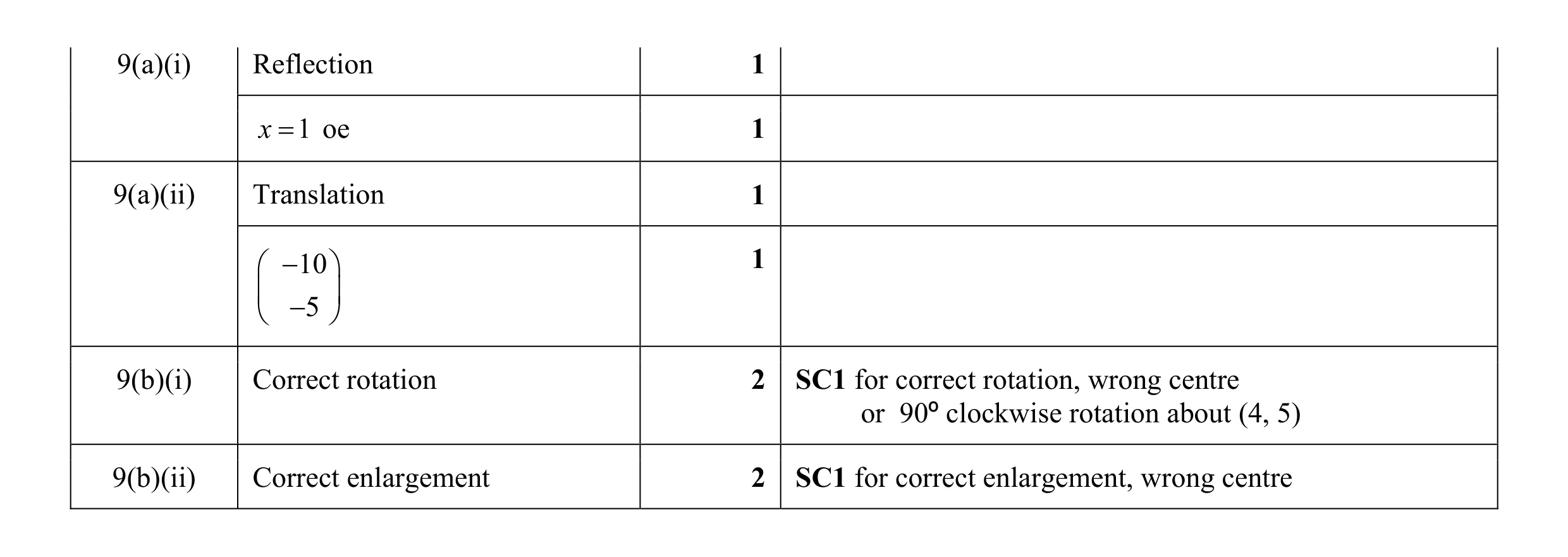 8
8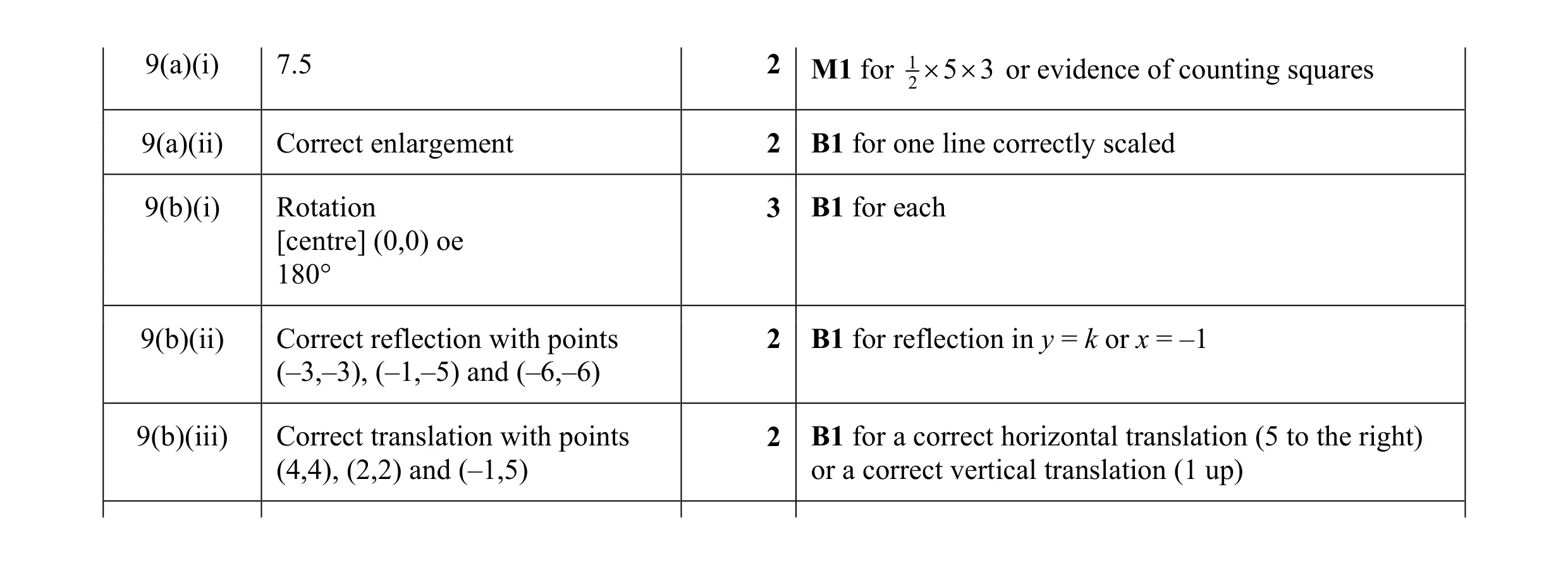 11
11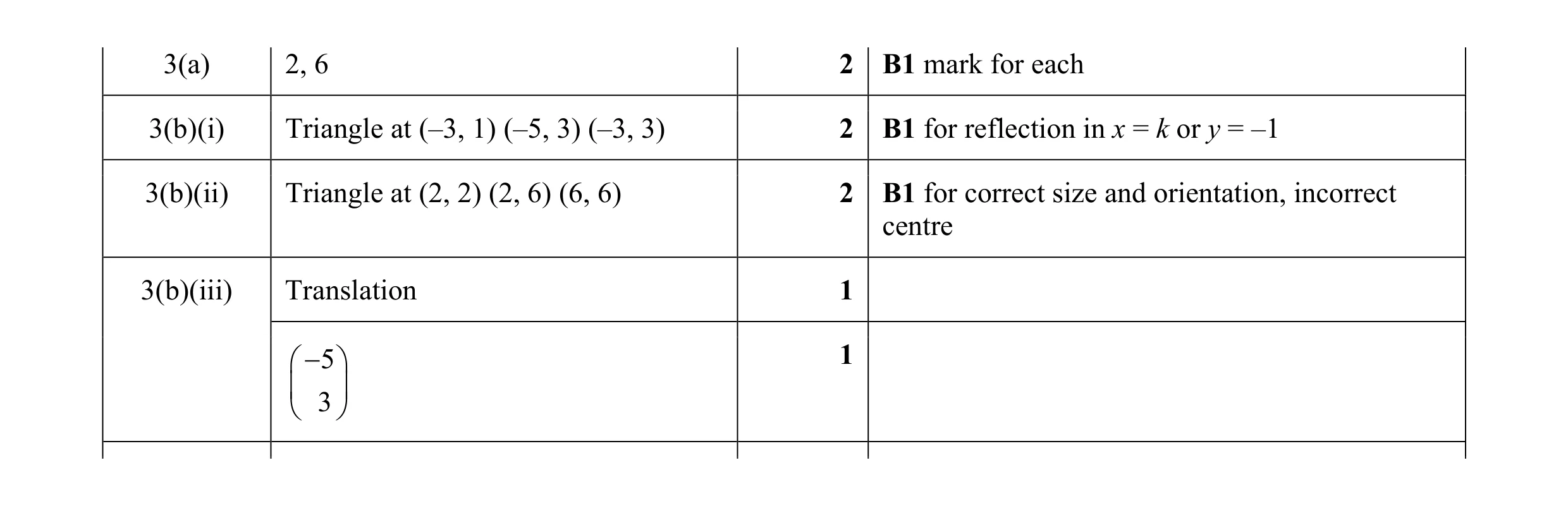 8
8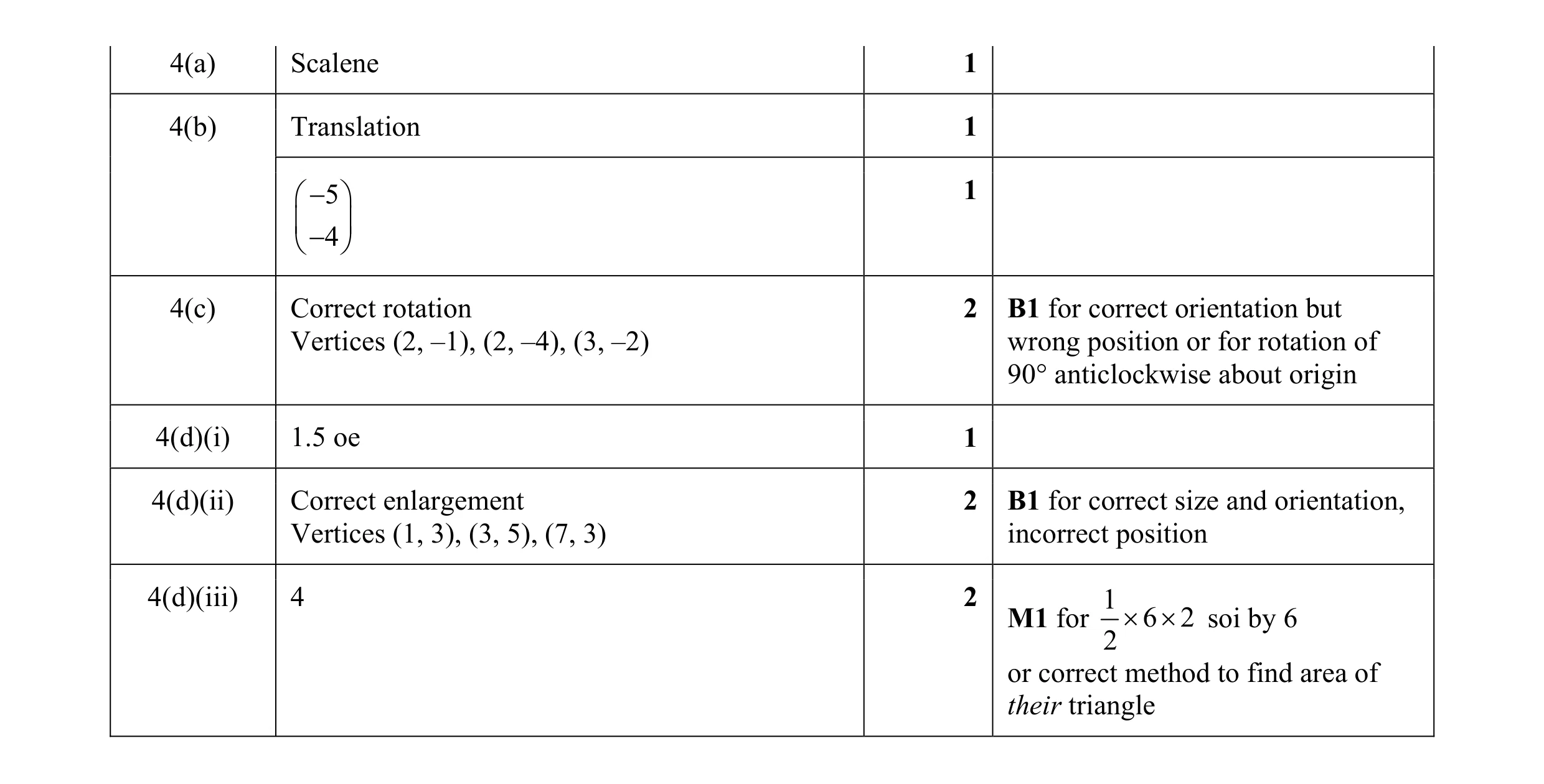 10
10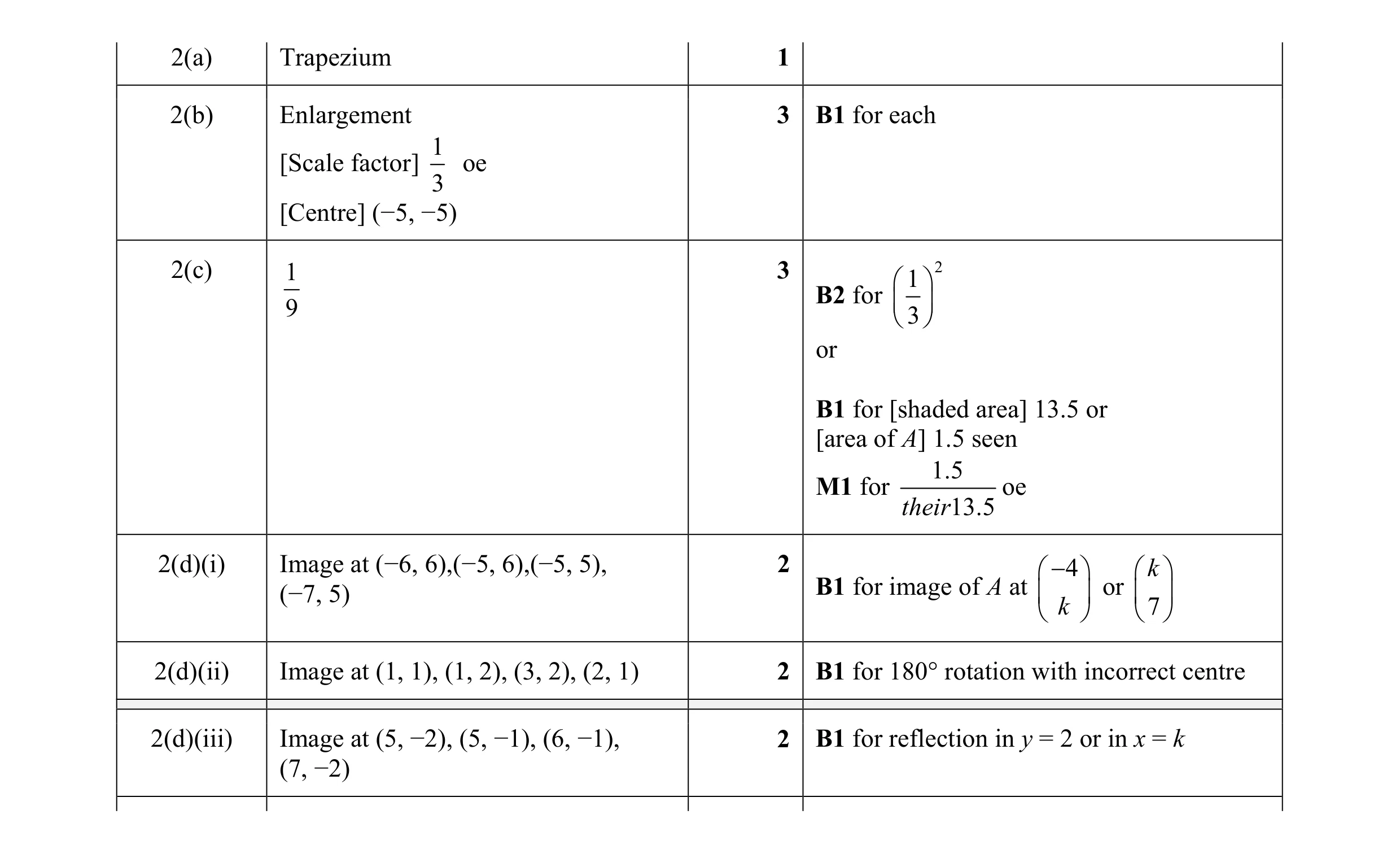 13
13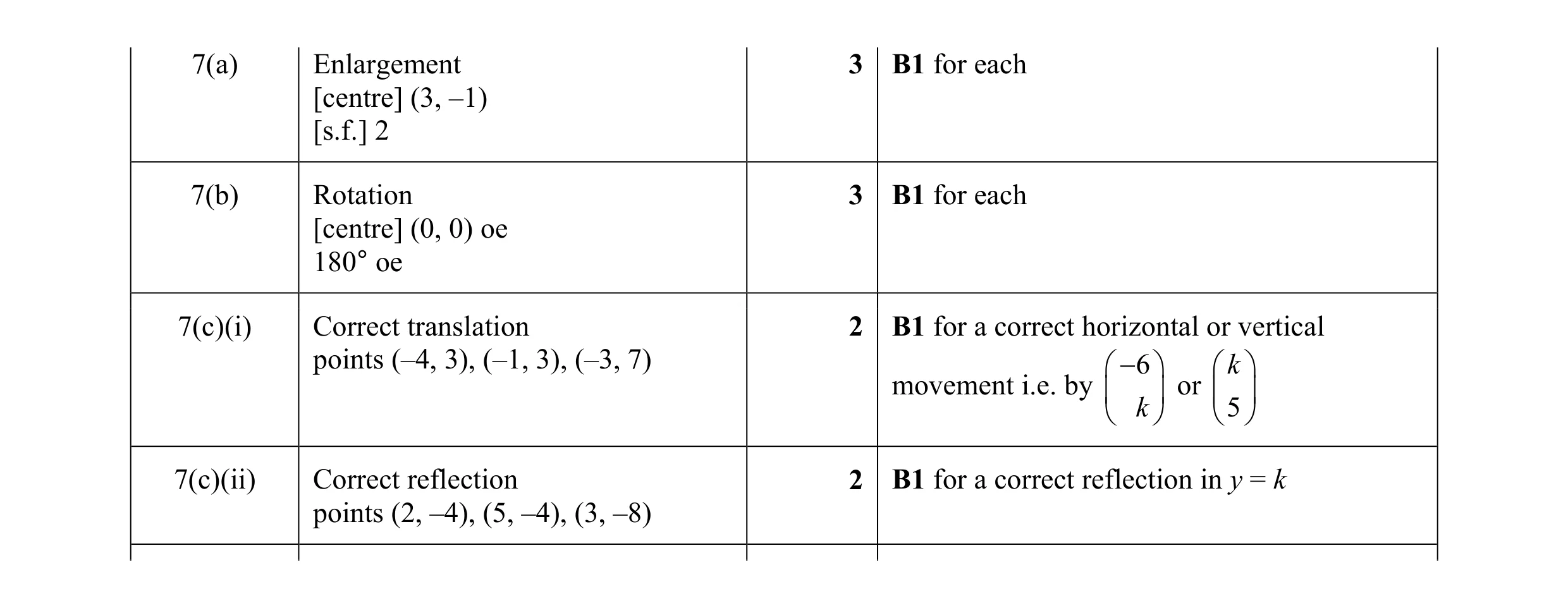 10
10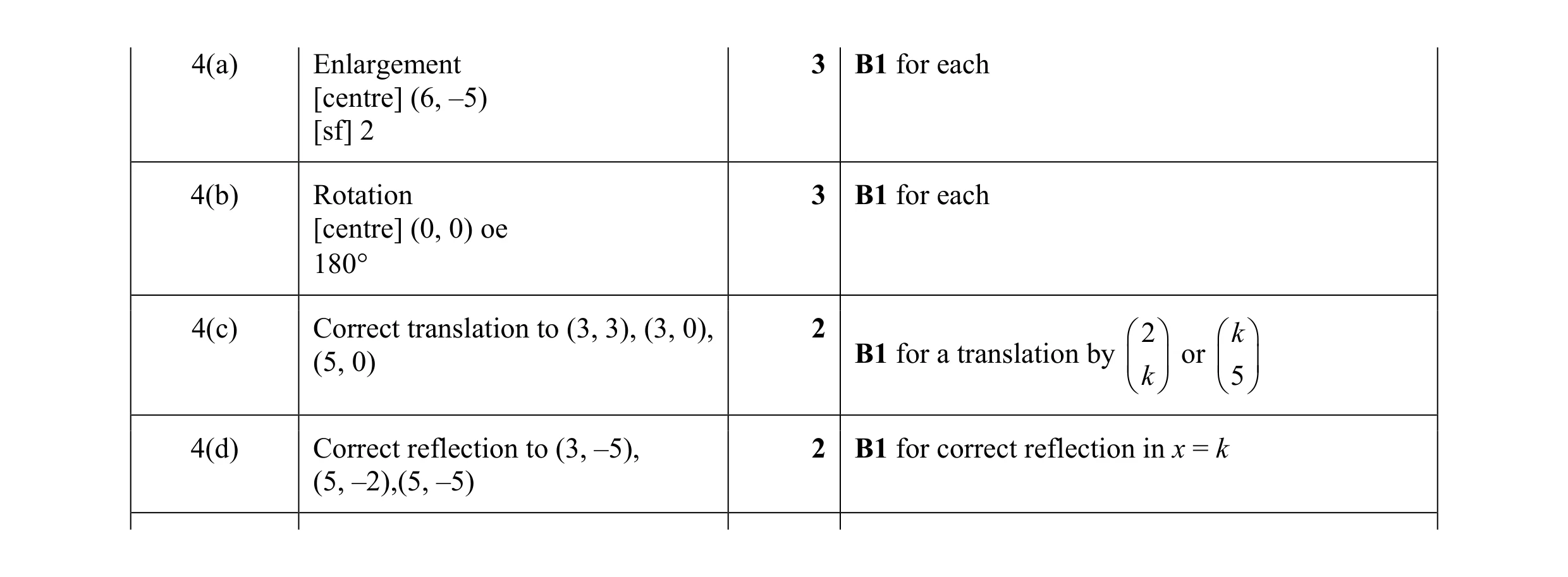 10
10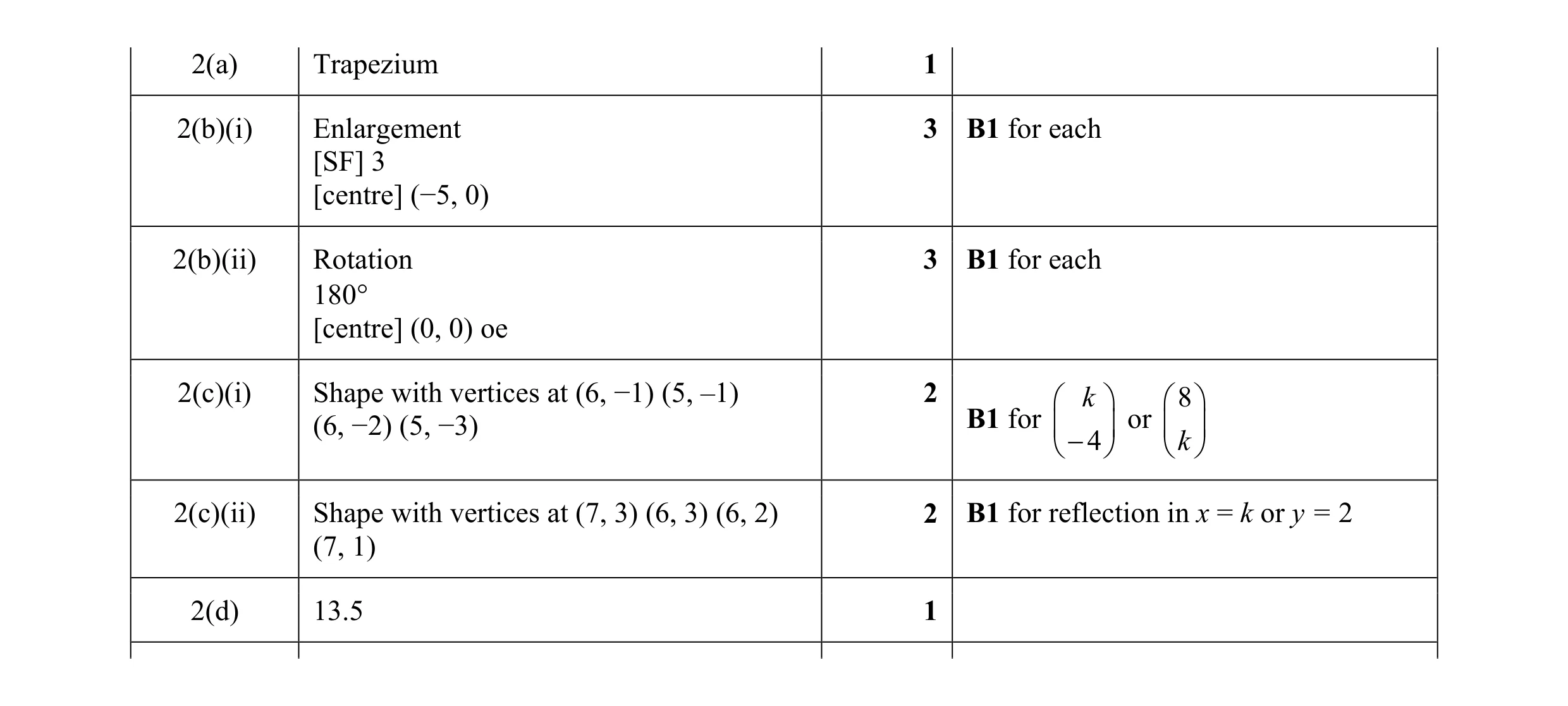 12
12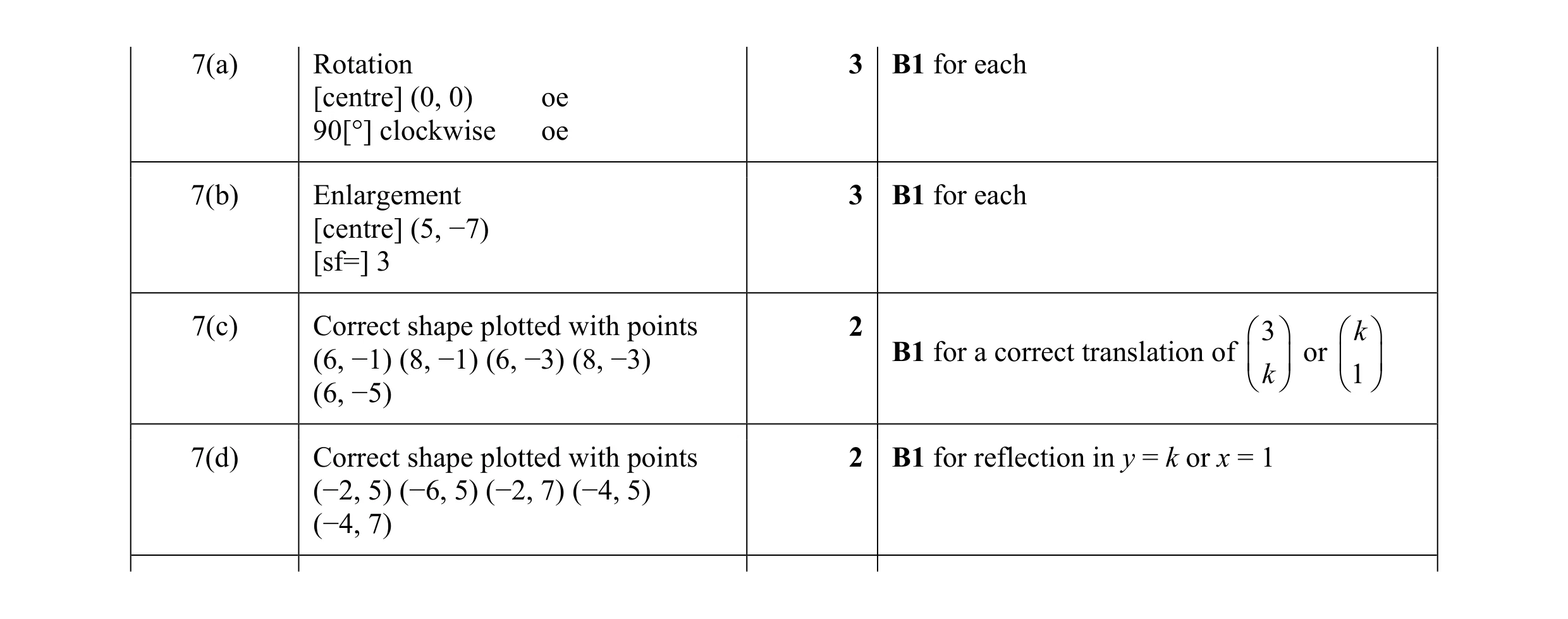 10
10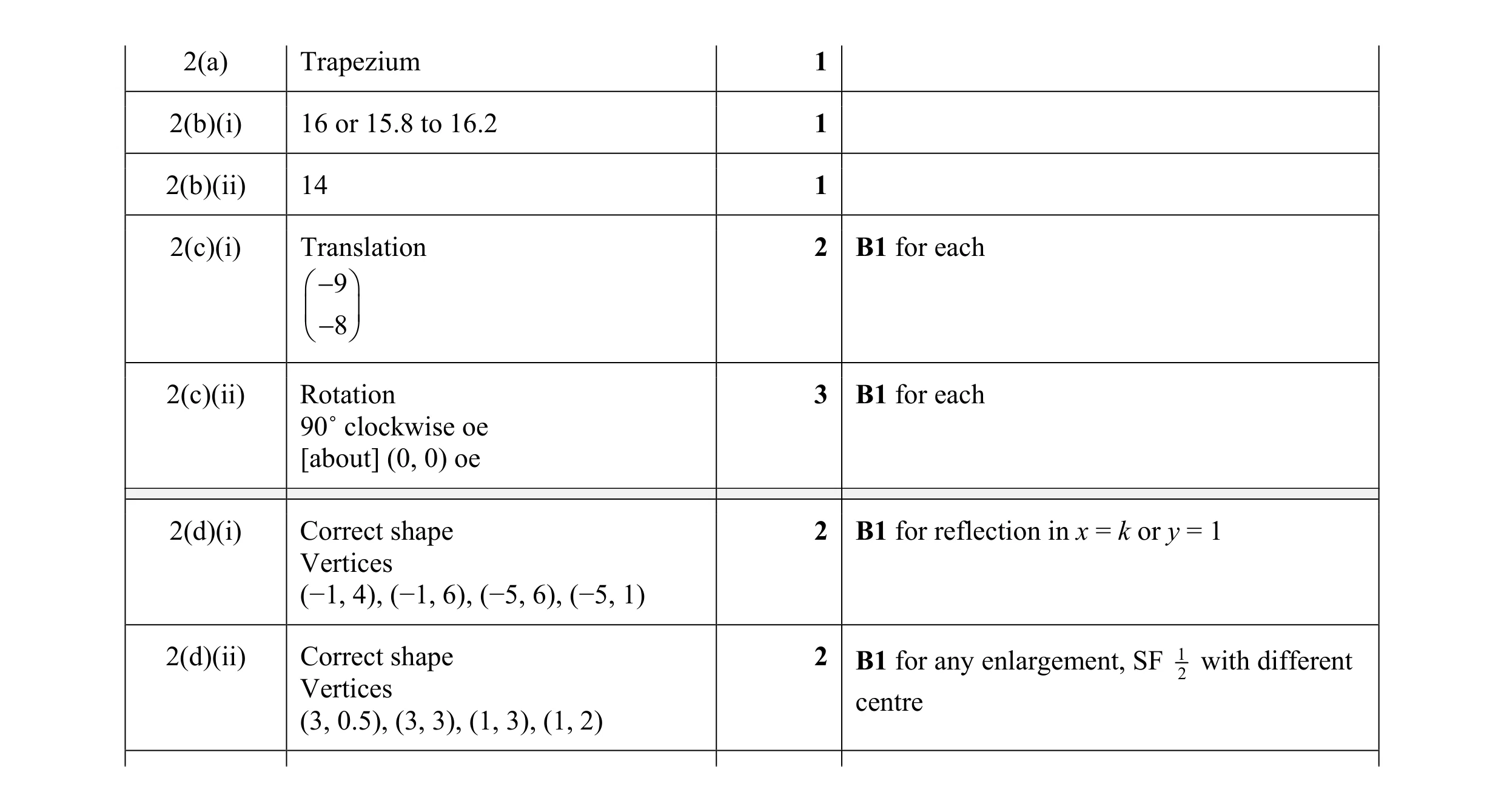 12
12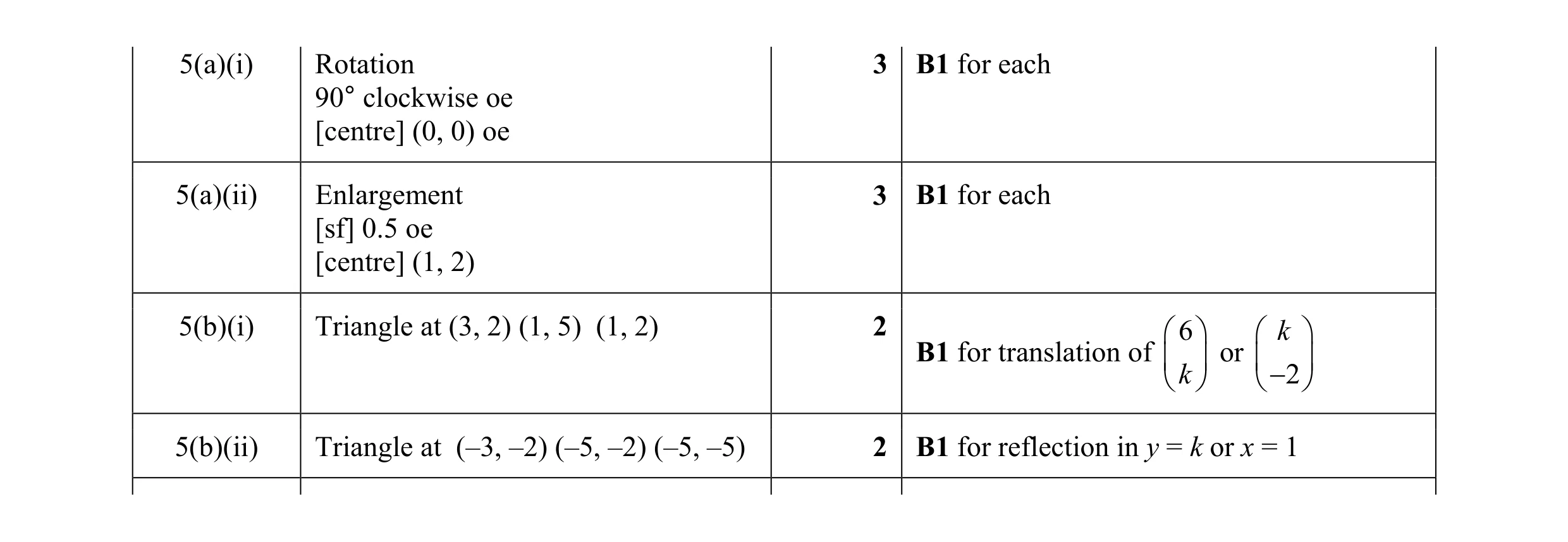 10
10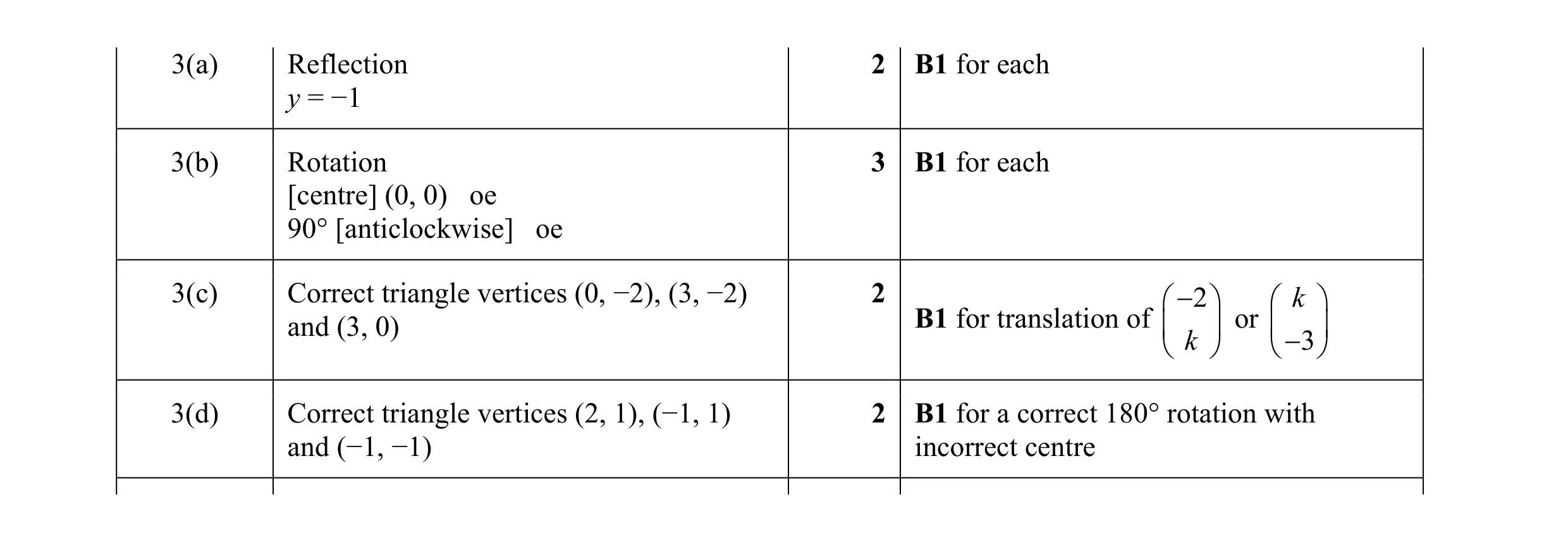 9
9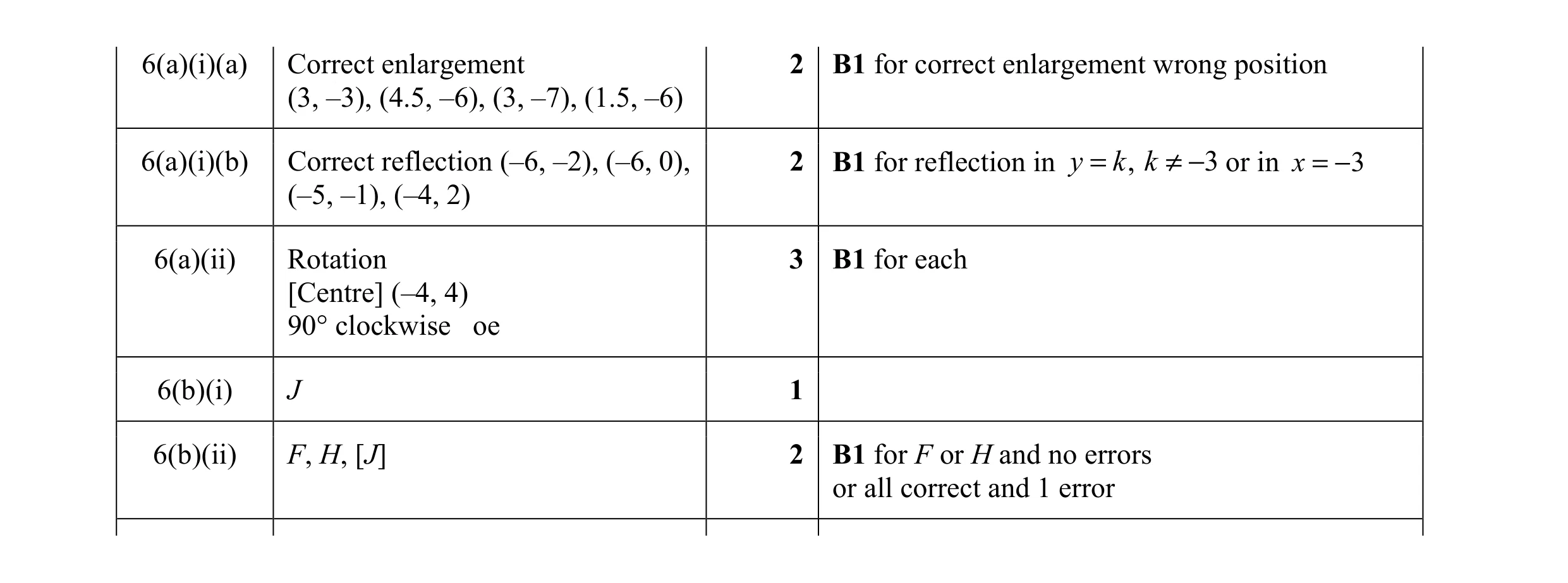 10
10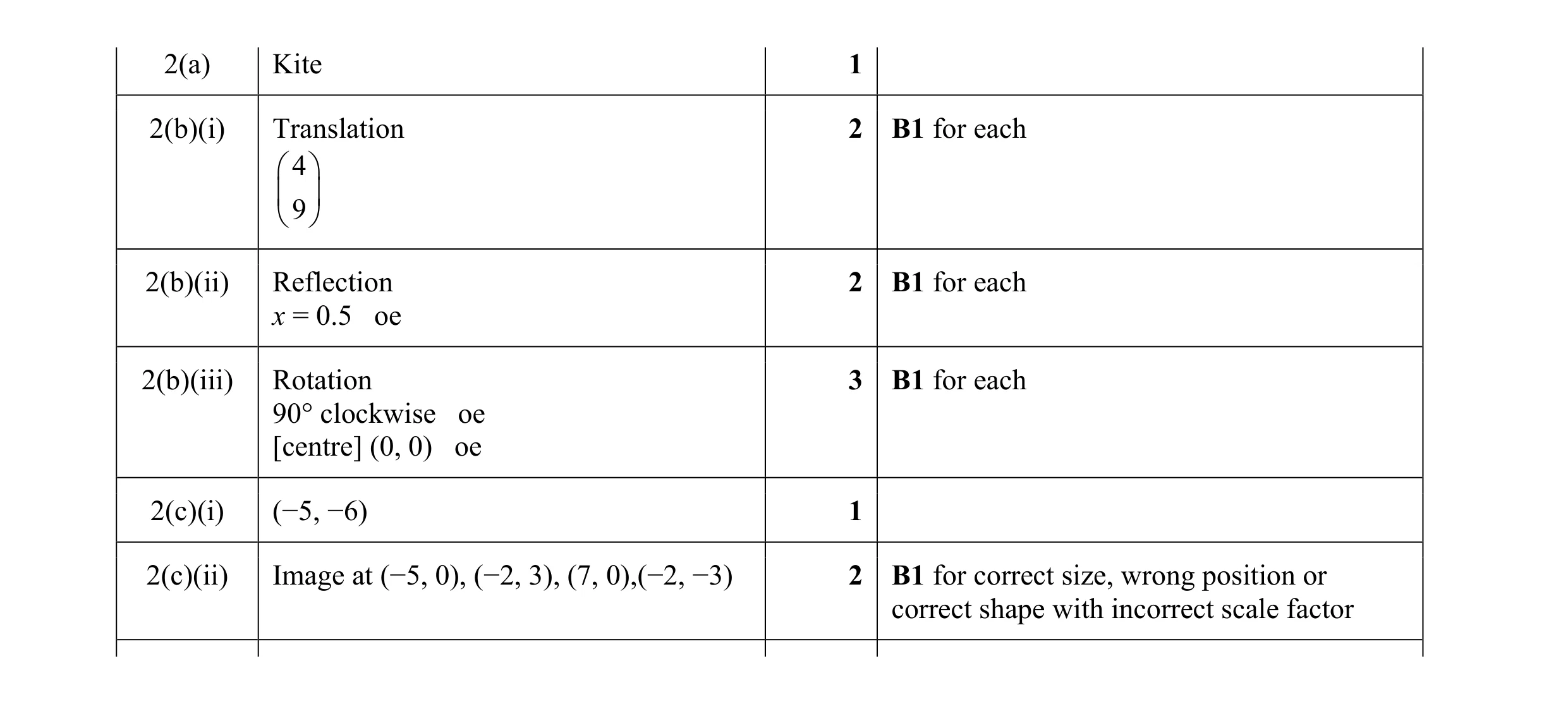 11
11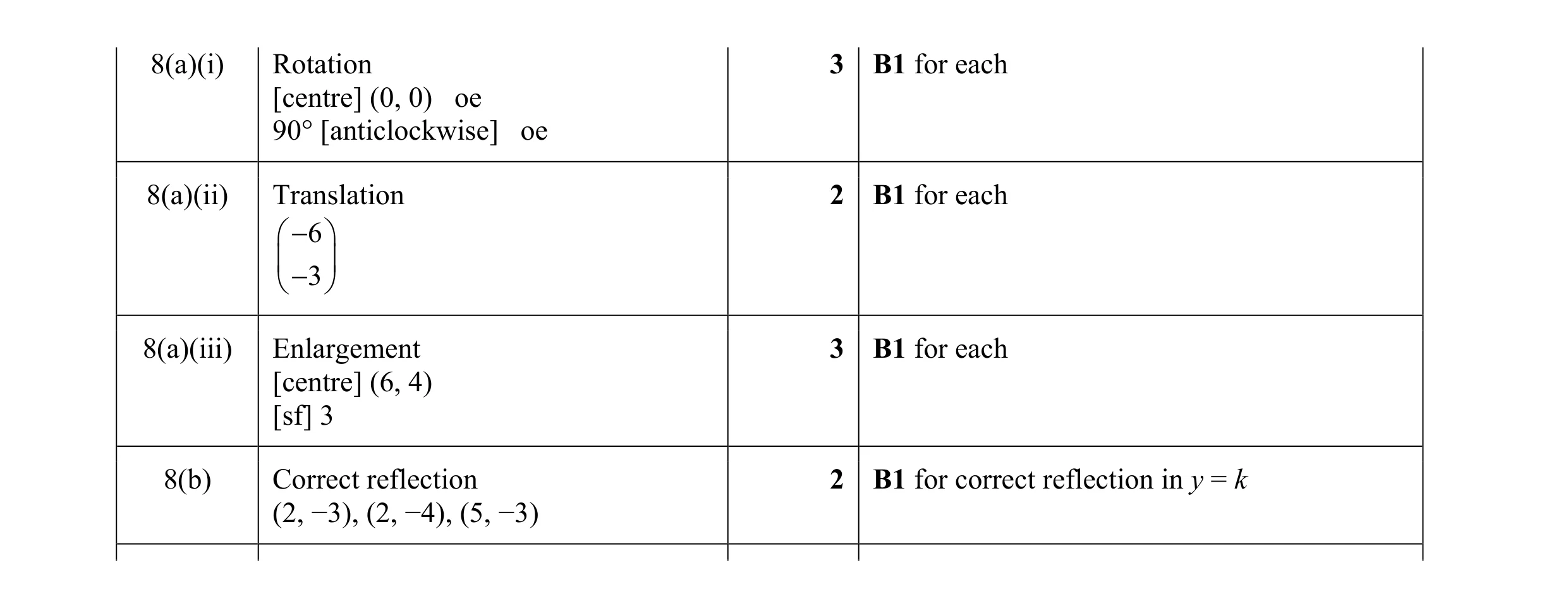 10
10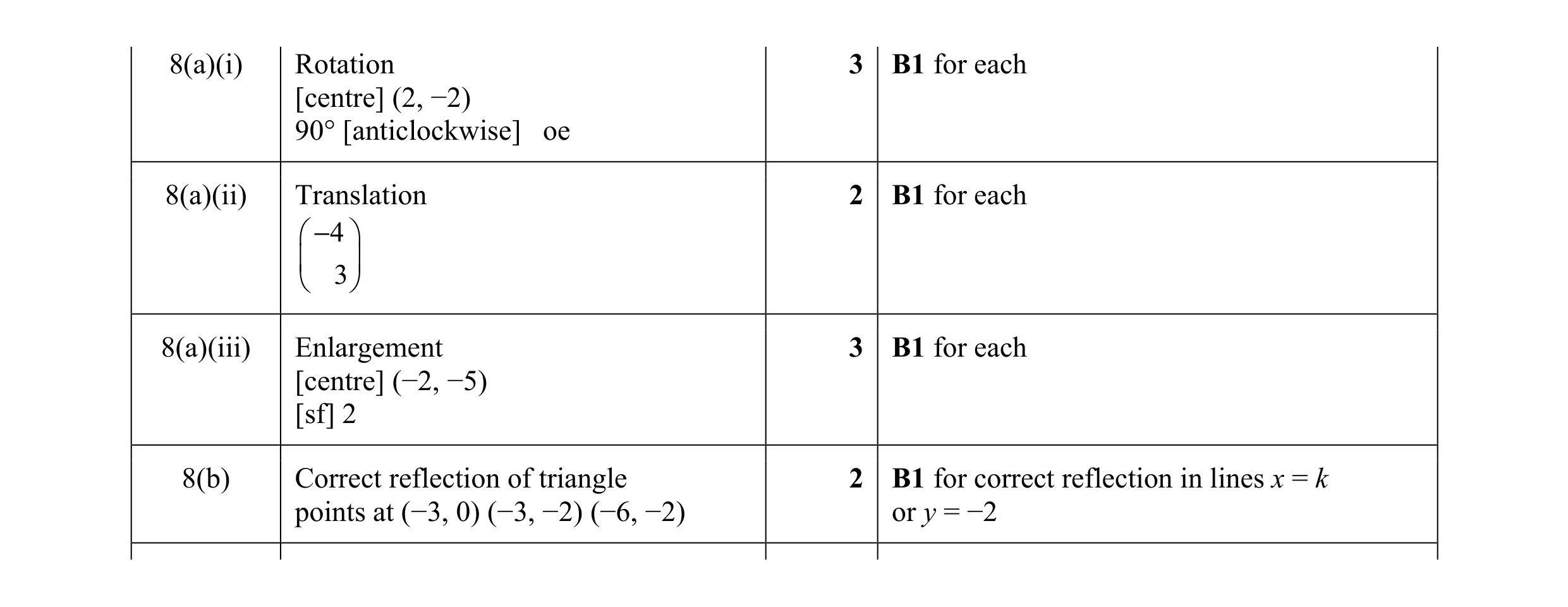 10
10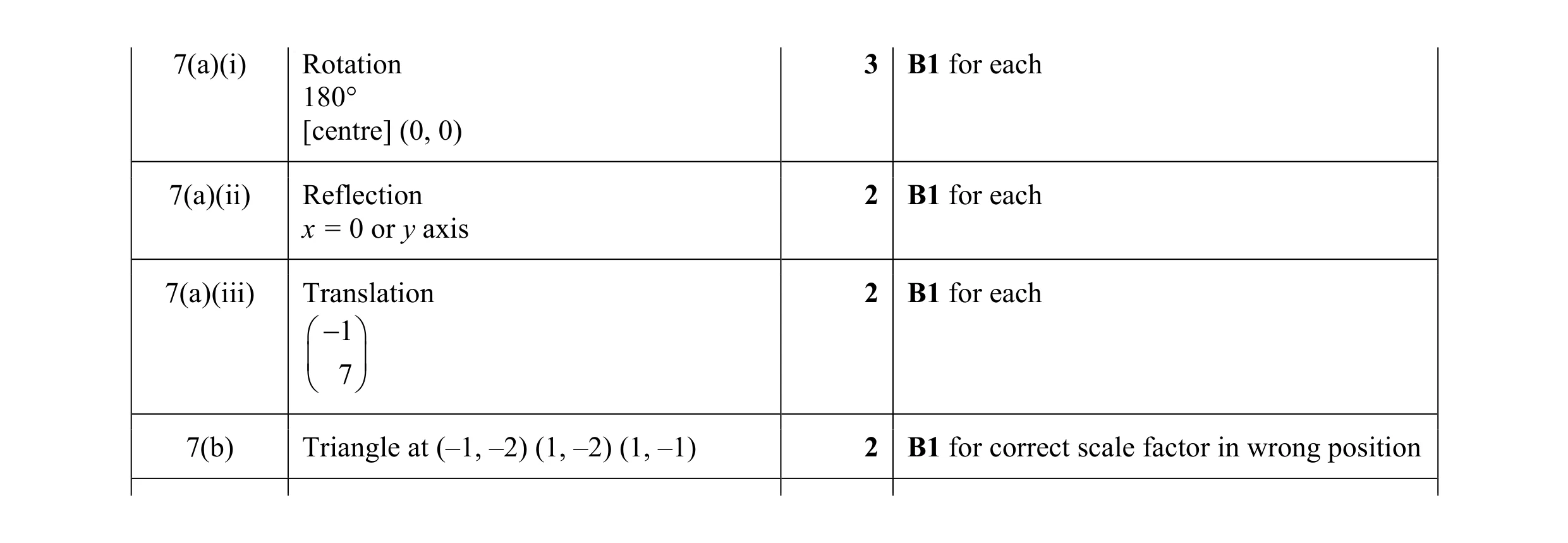 9
9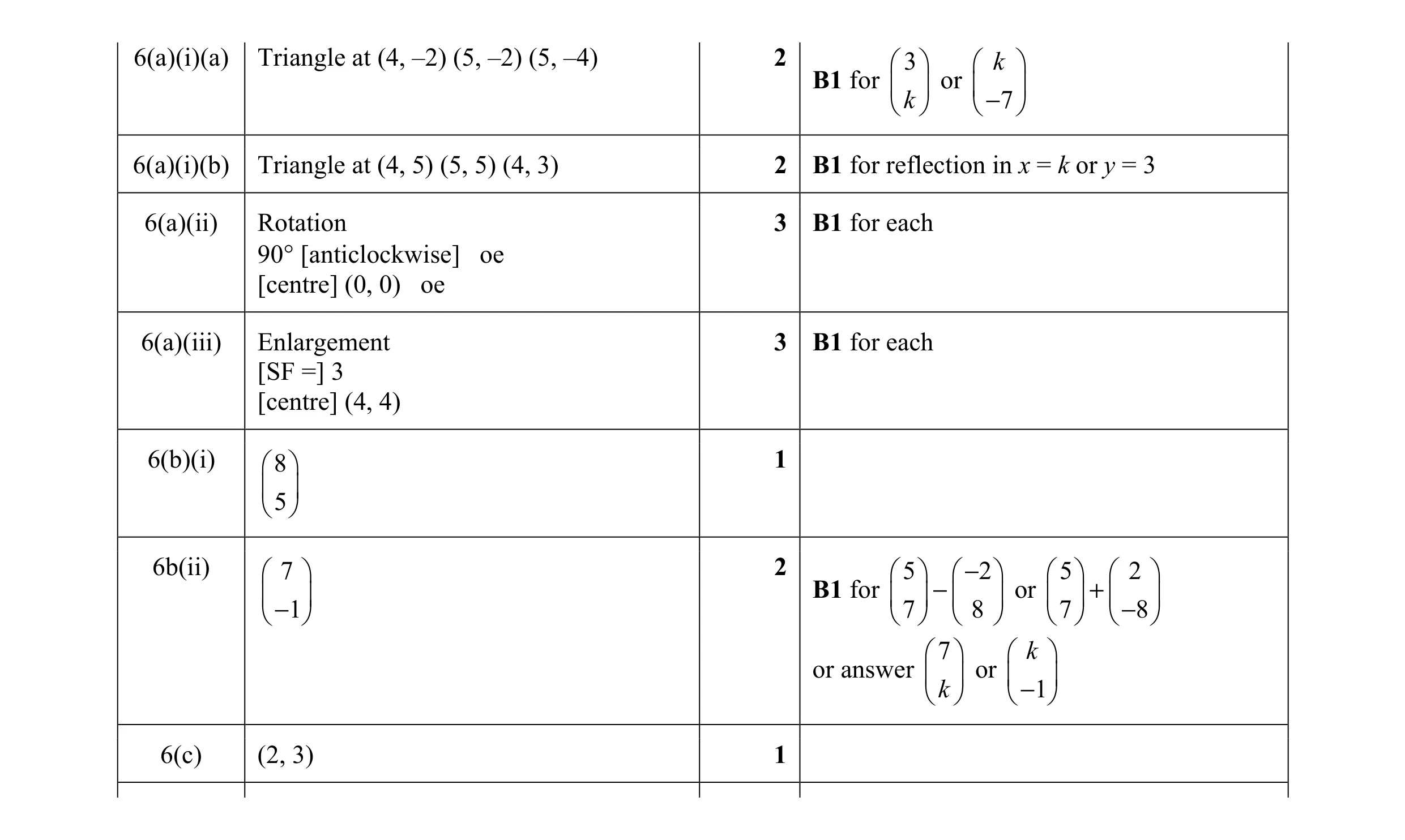 14
14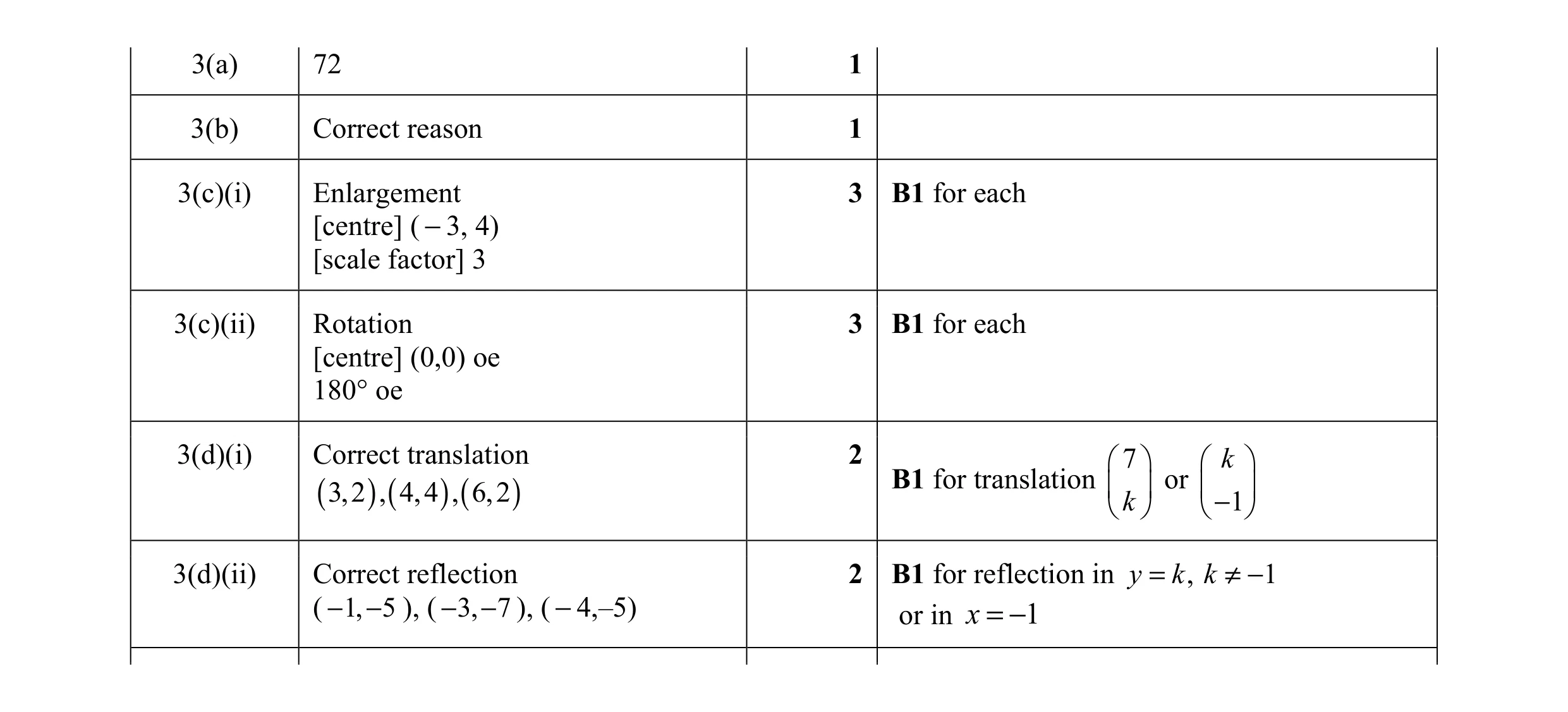 12
12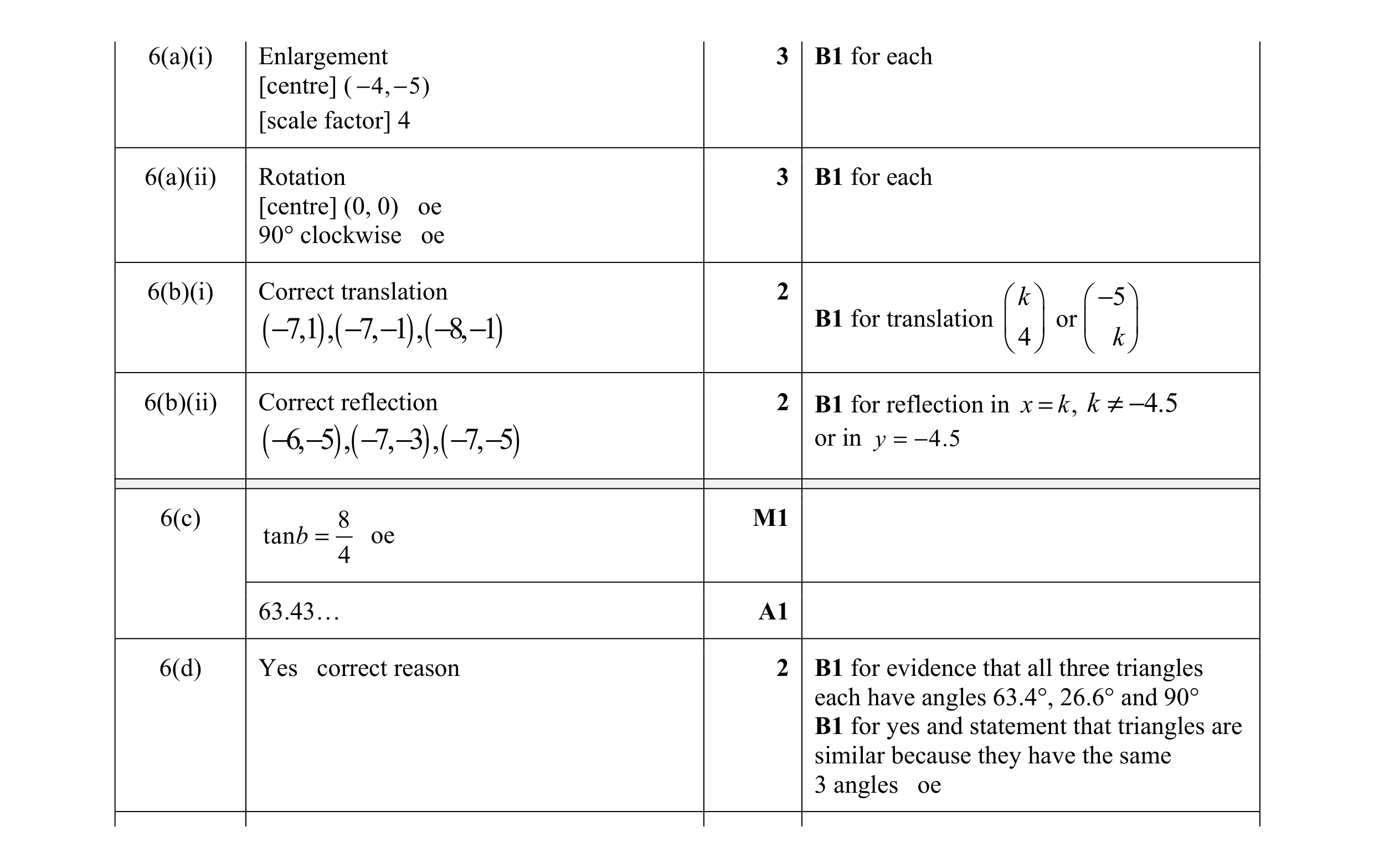 14
14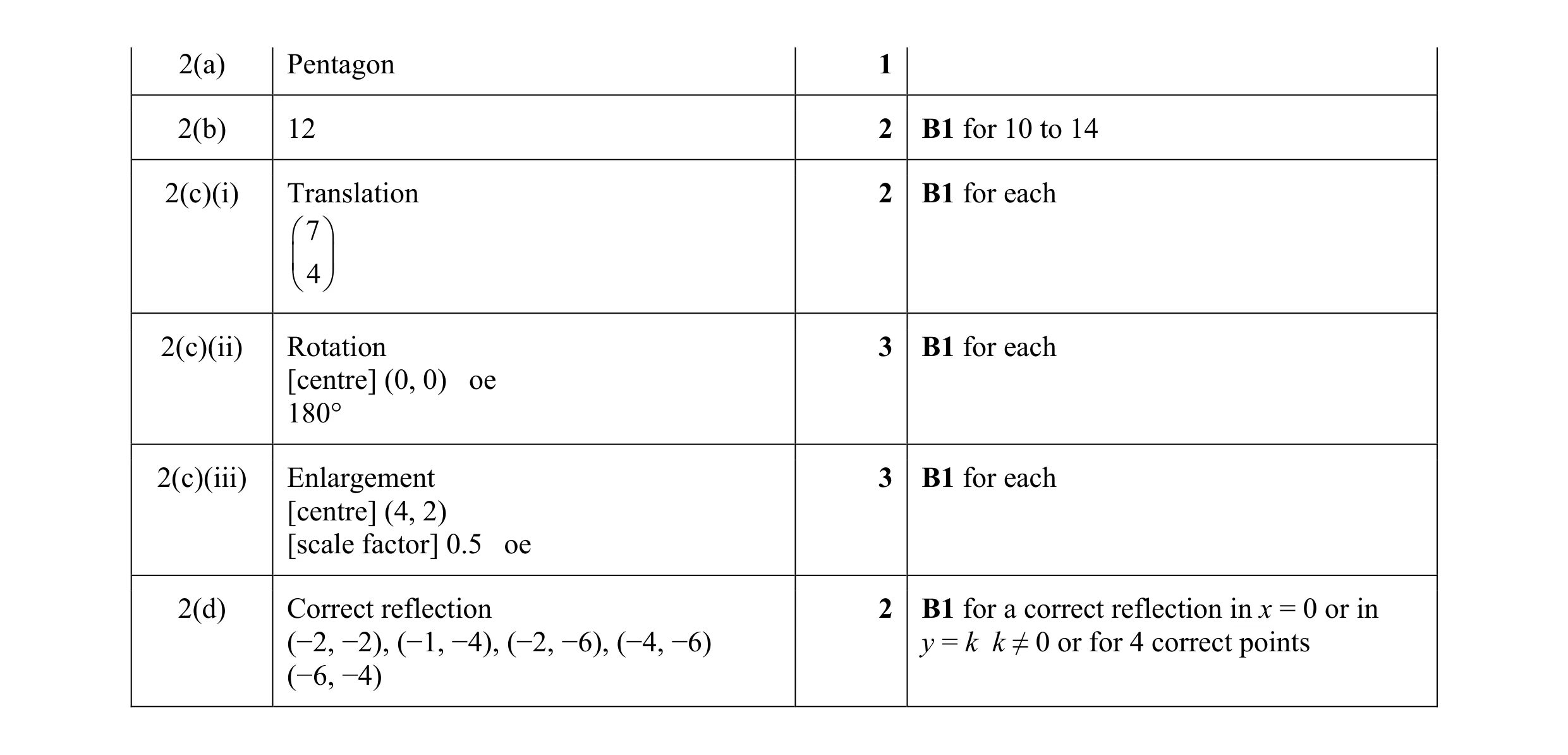 13
13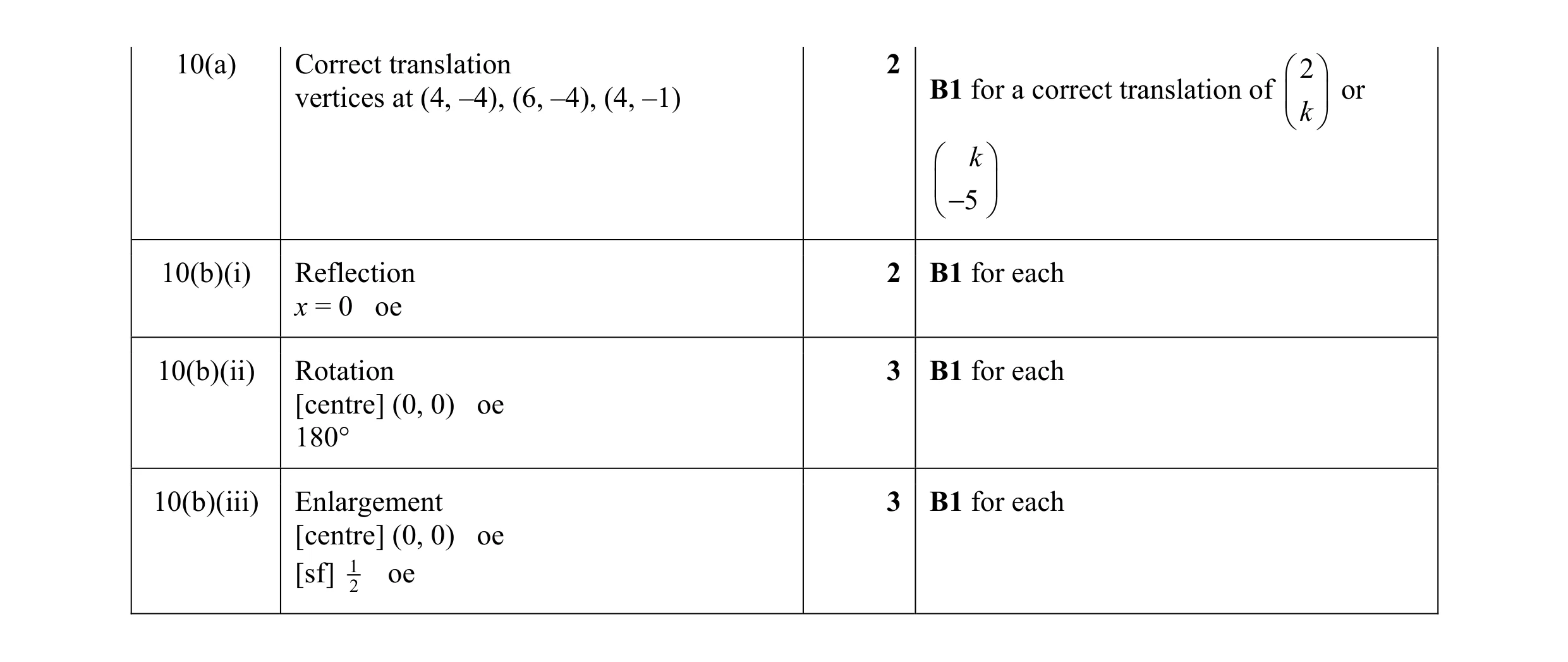 10
10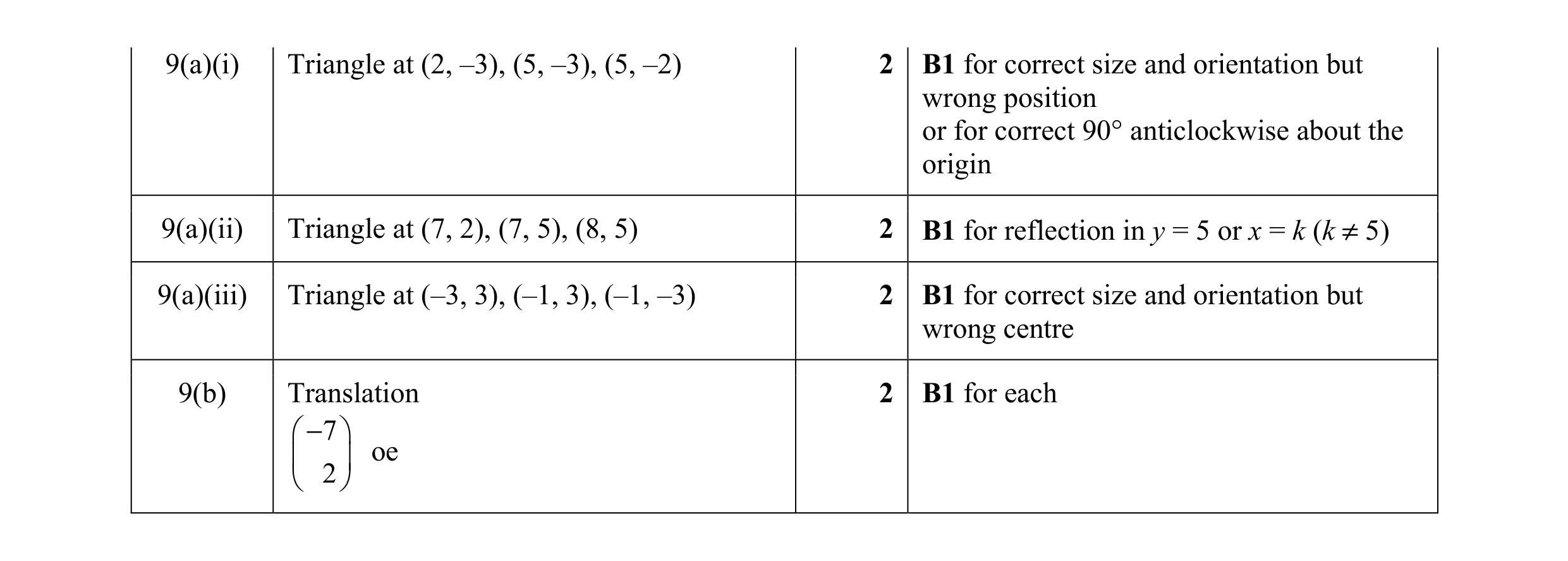 8
8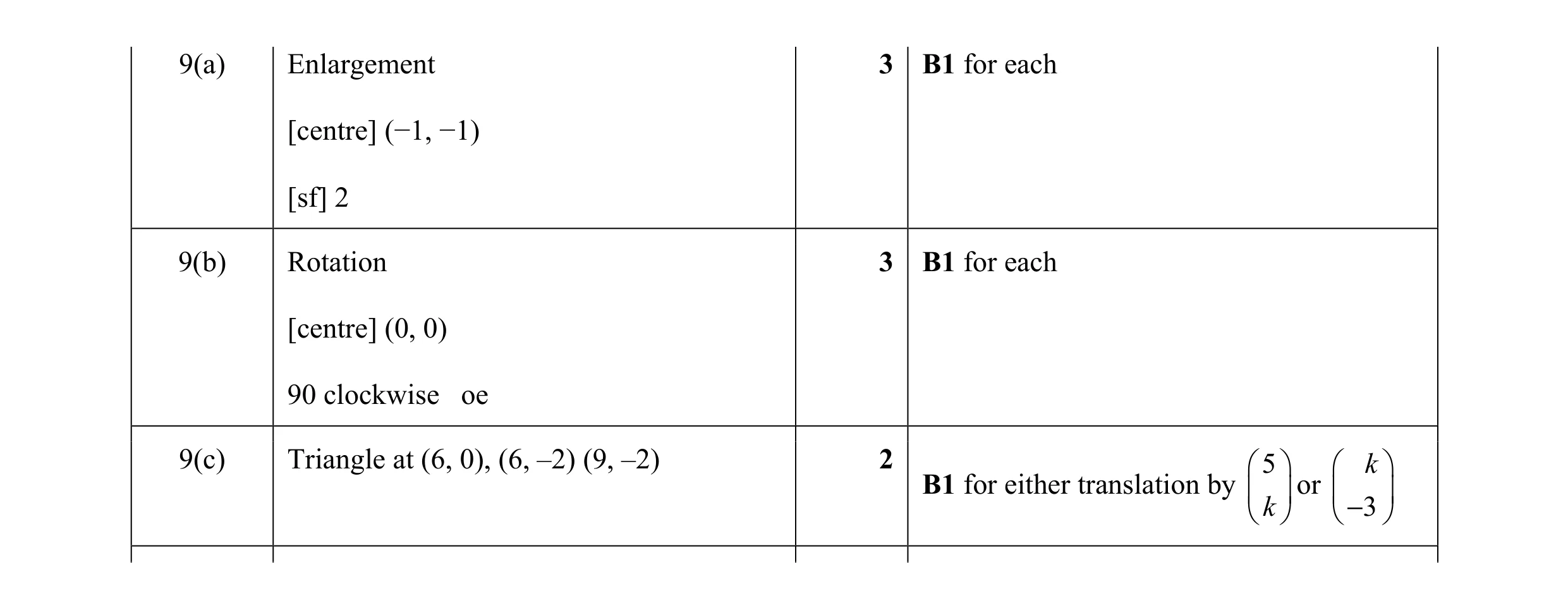 8
8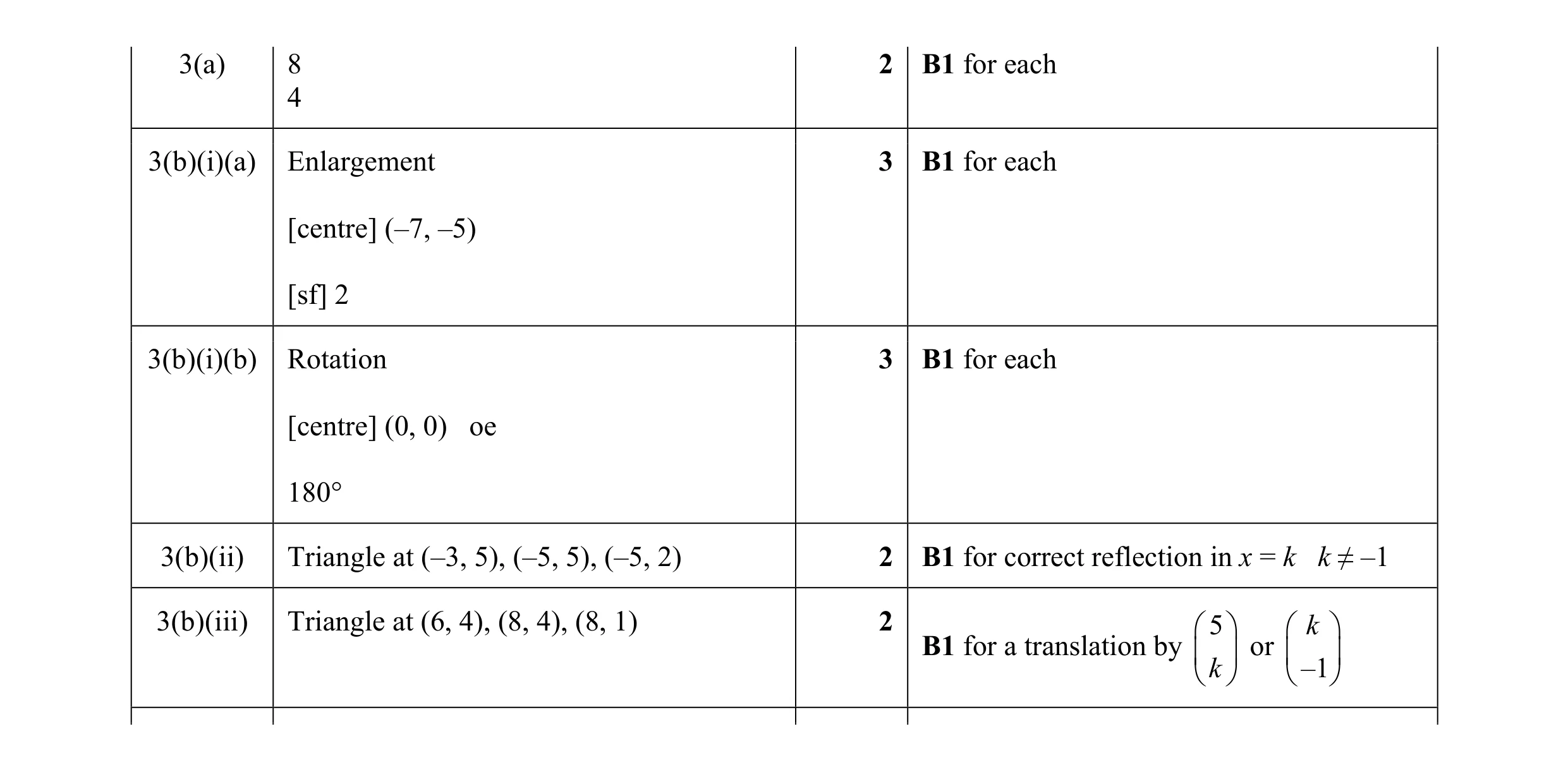 12
12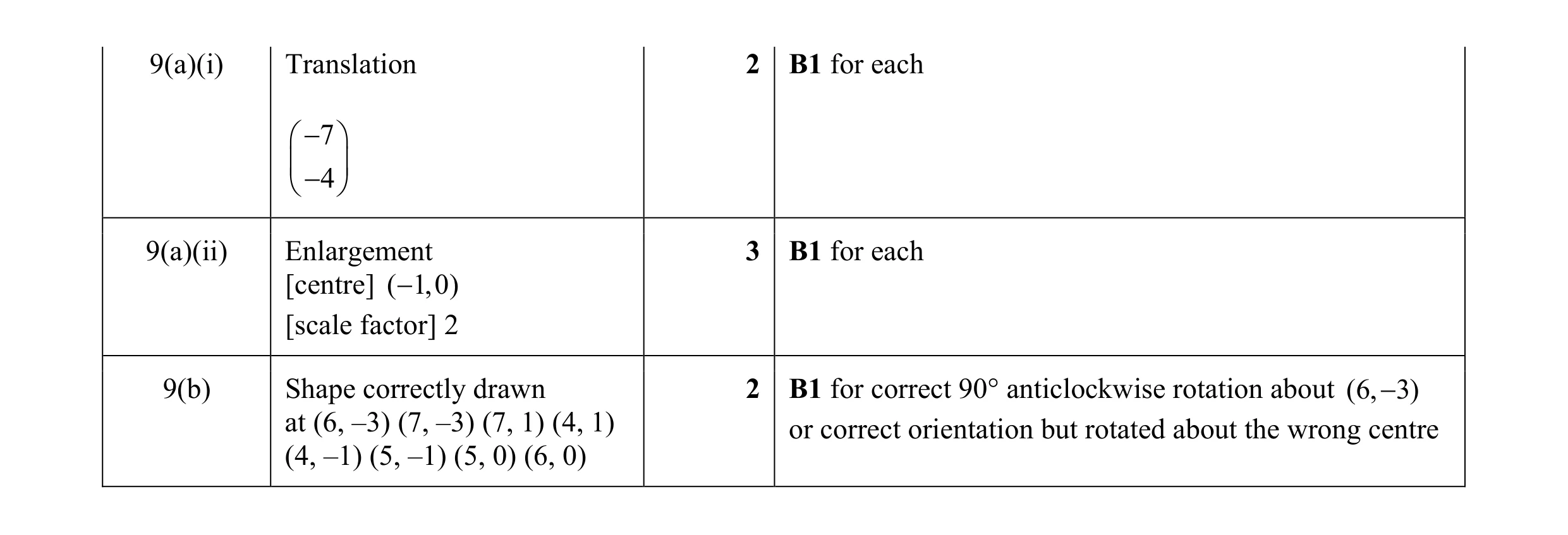 7
7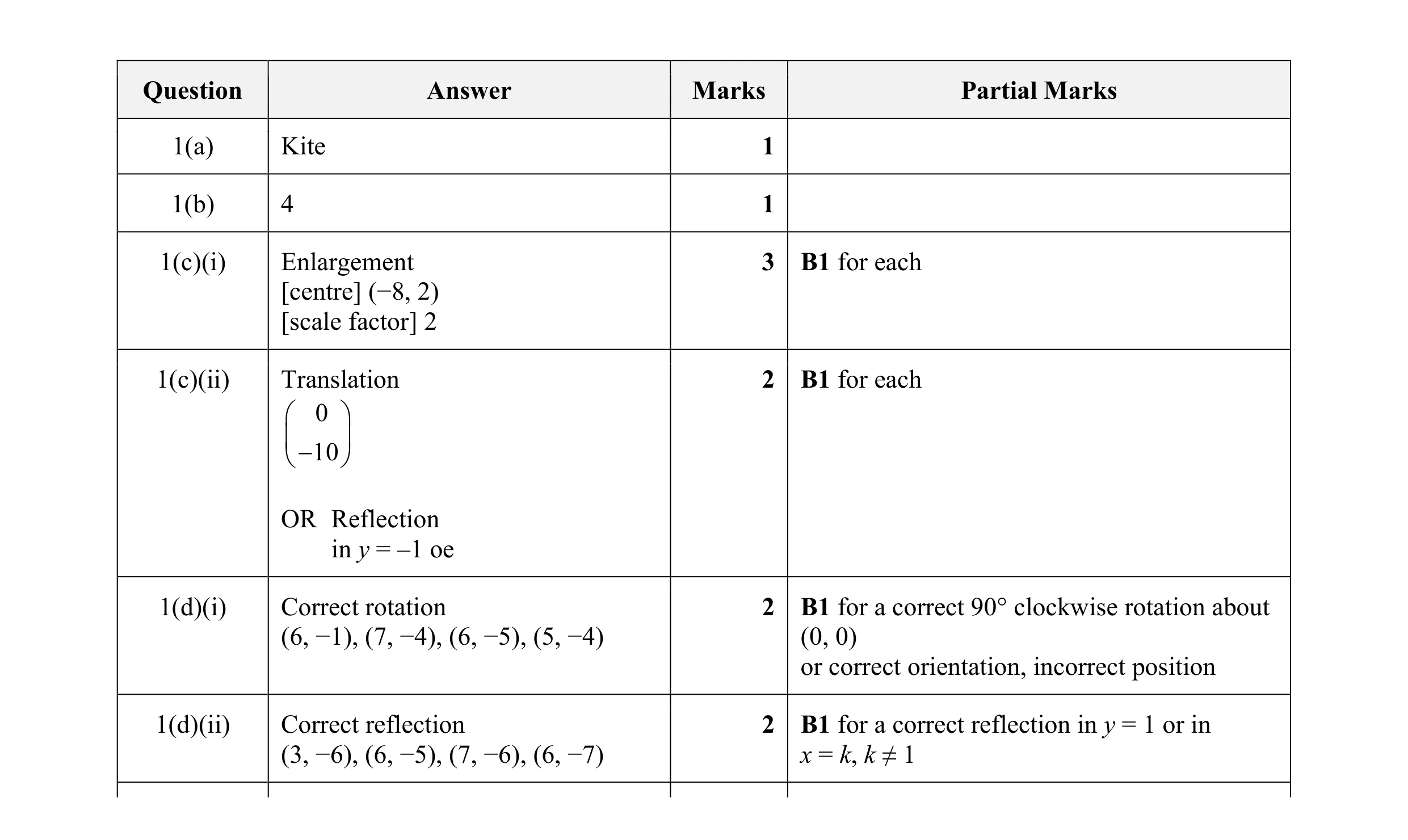 11
11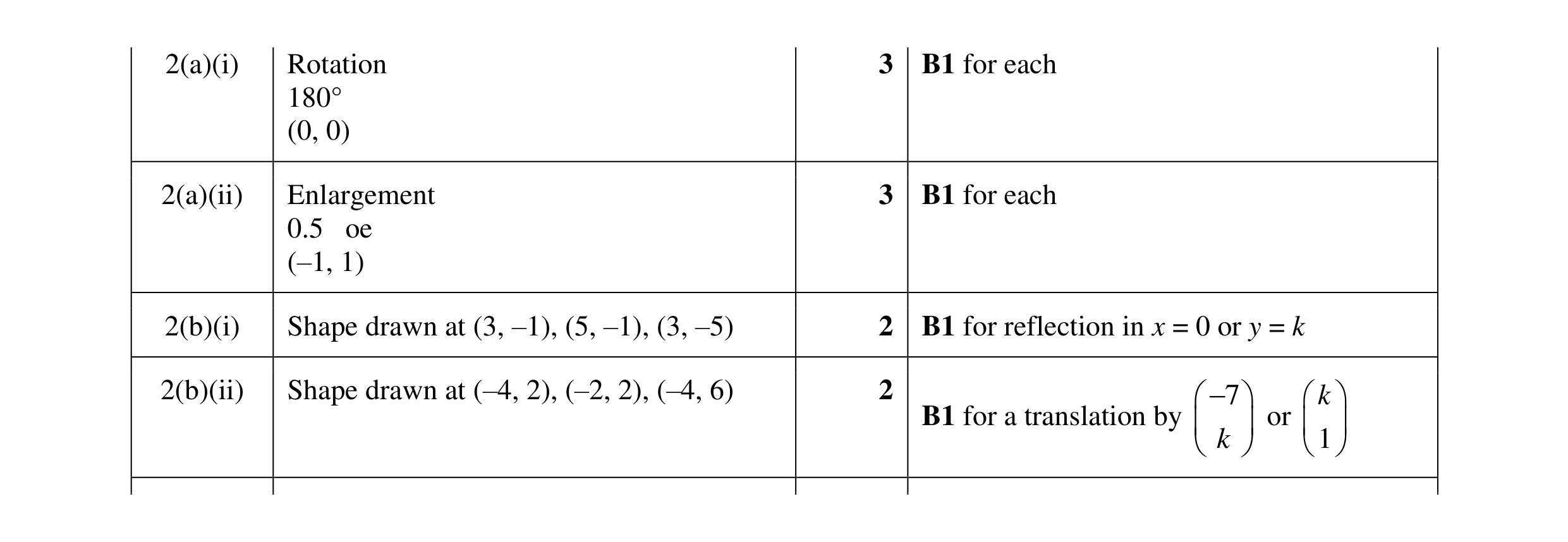 10
10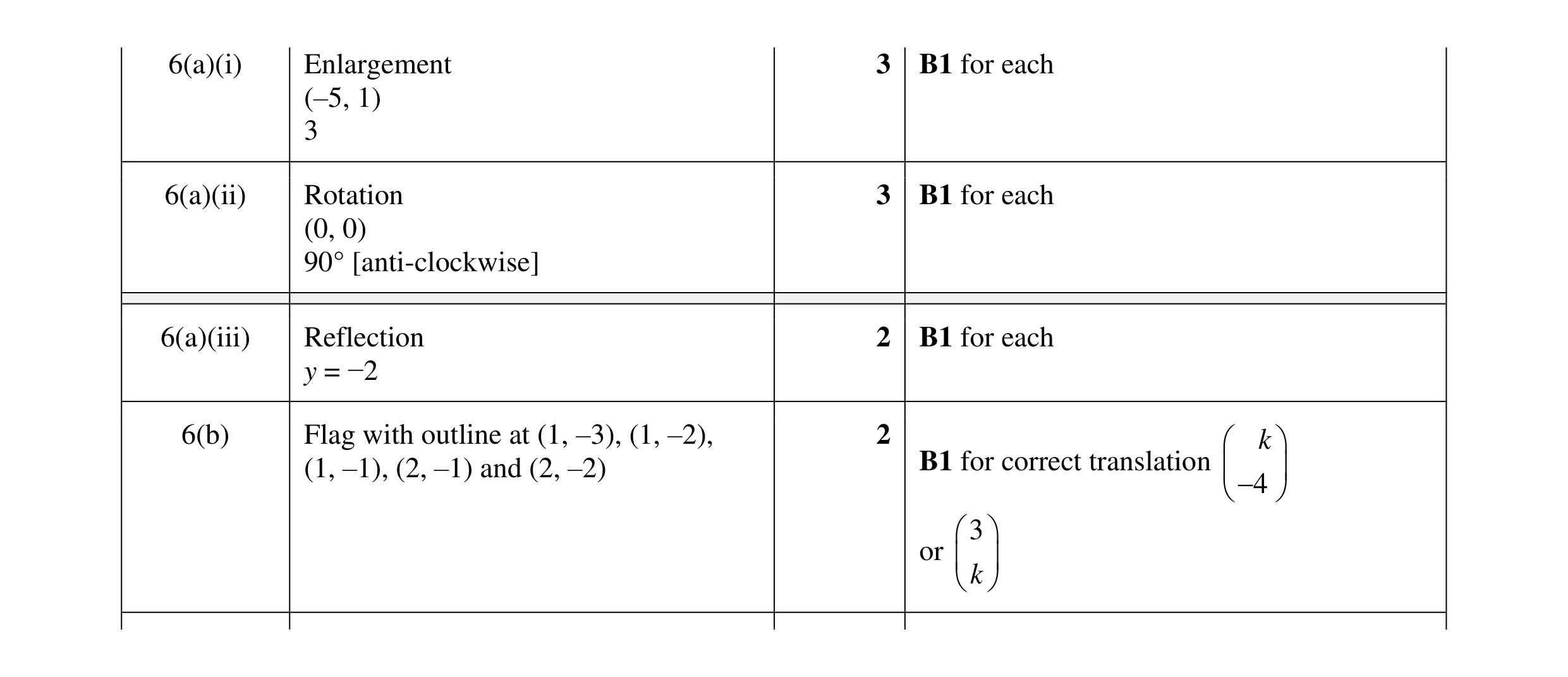 10
10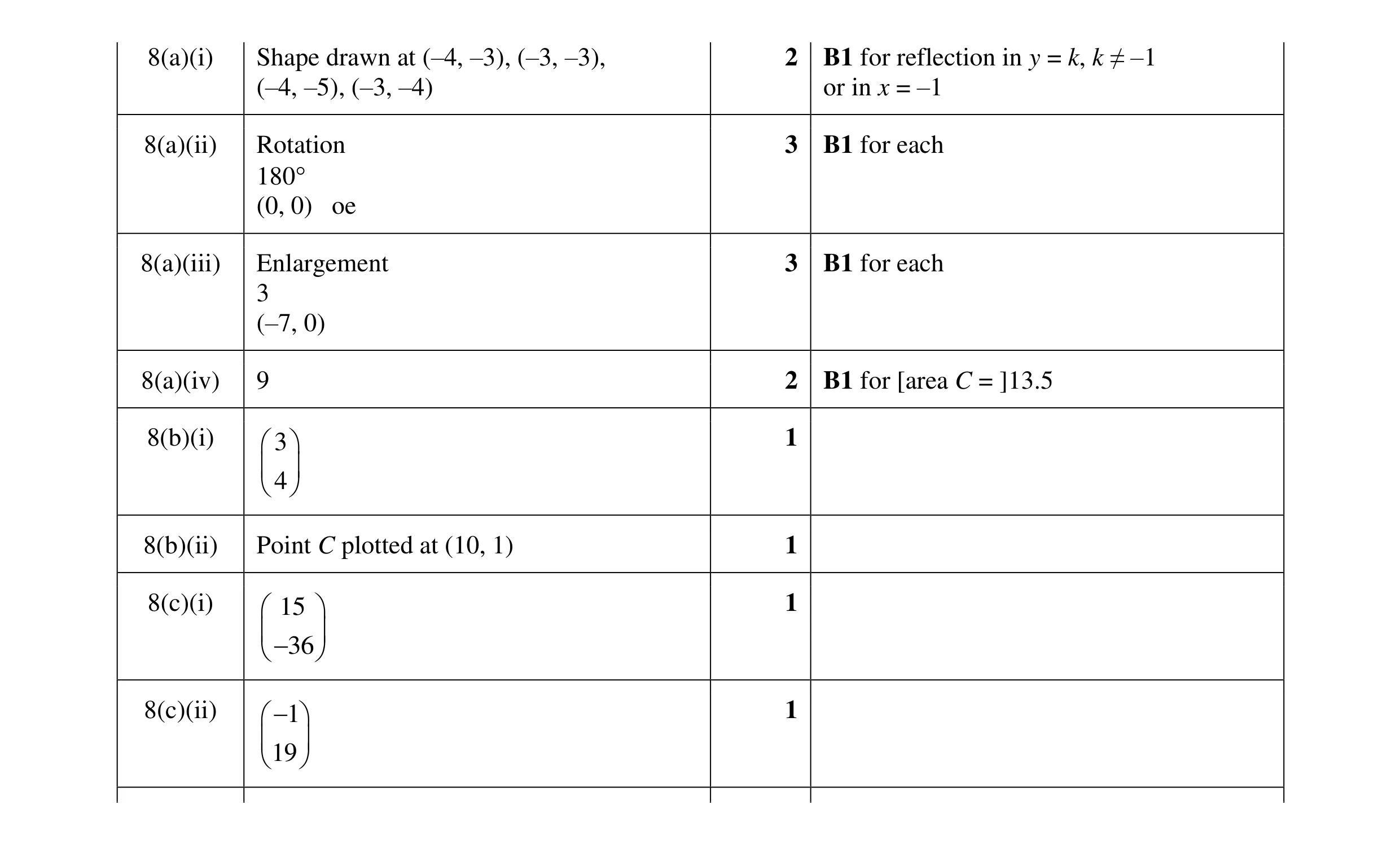 14
14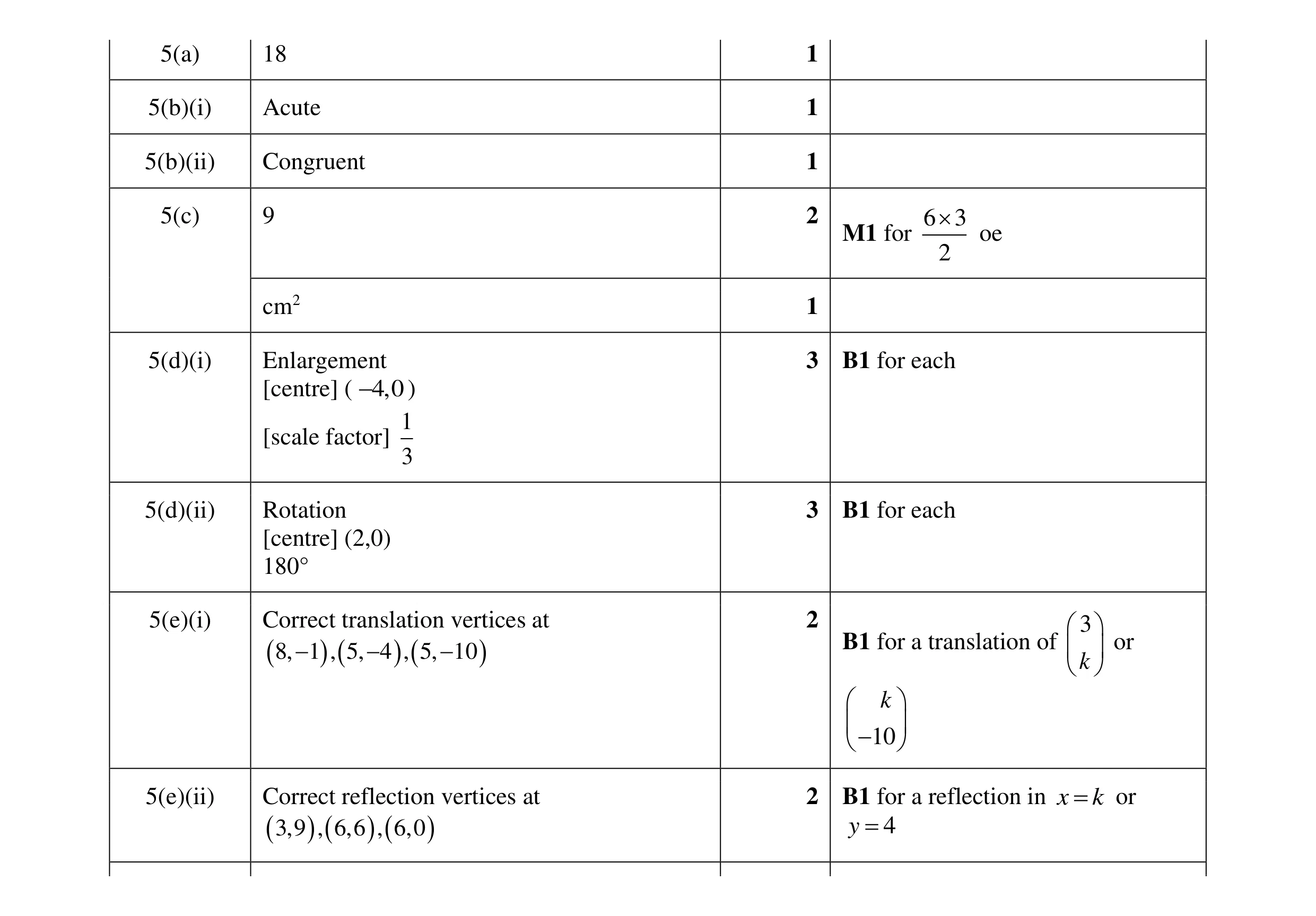 16
16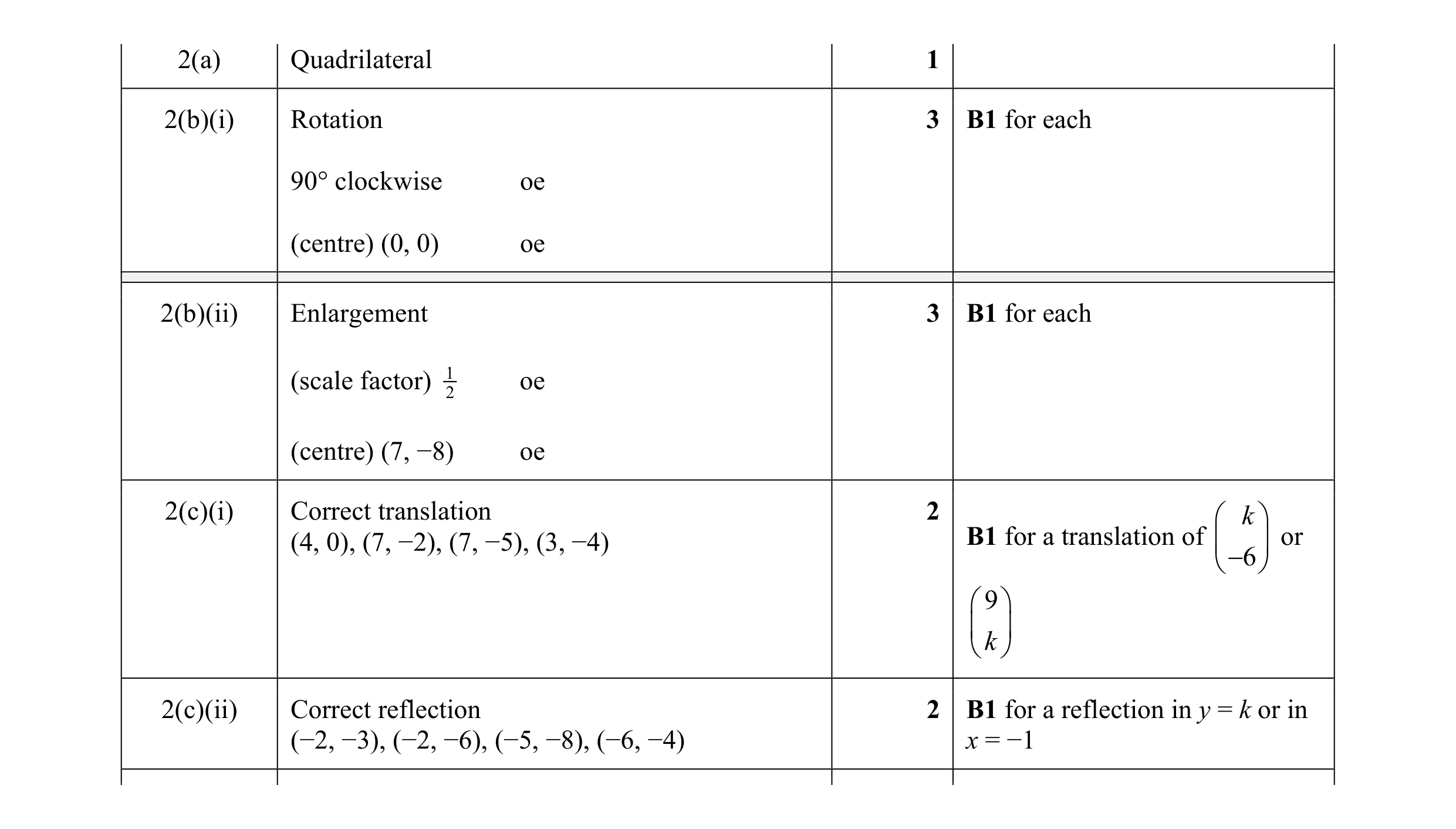 11
11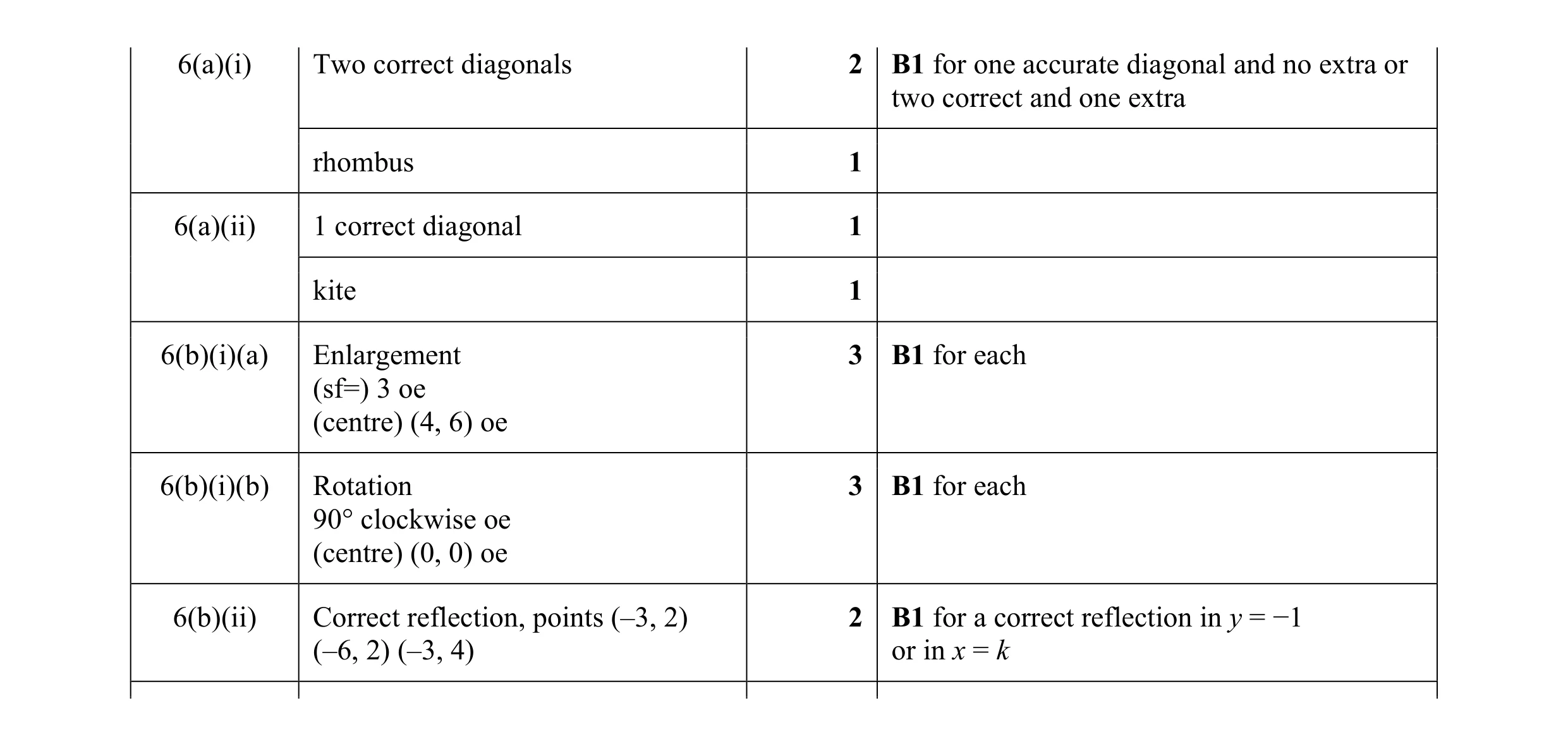 13
13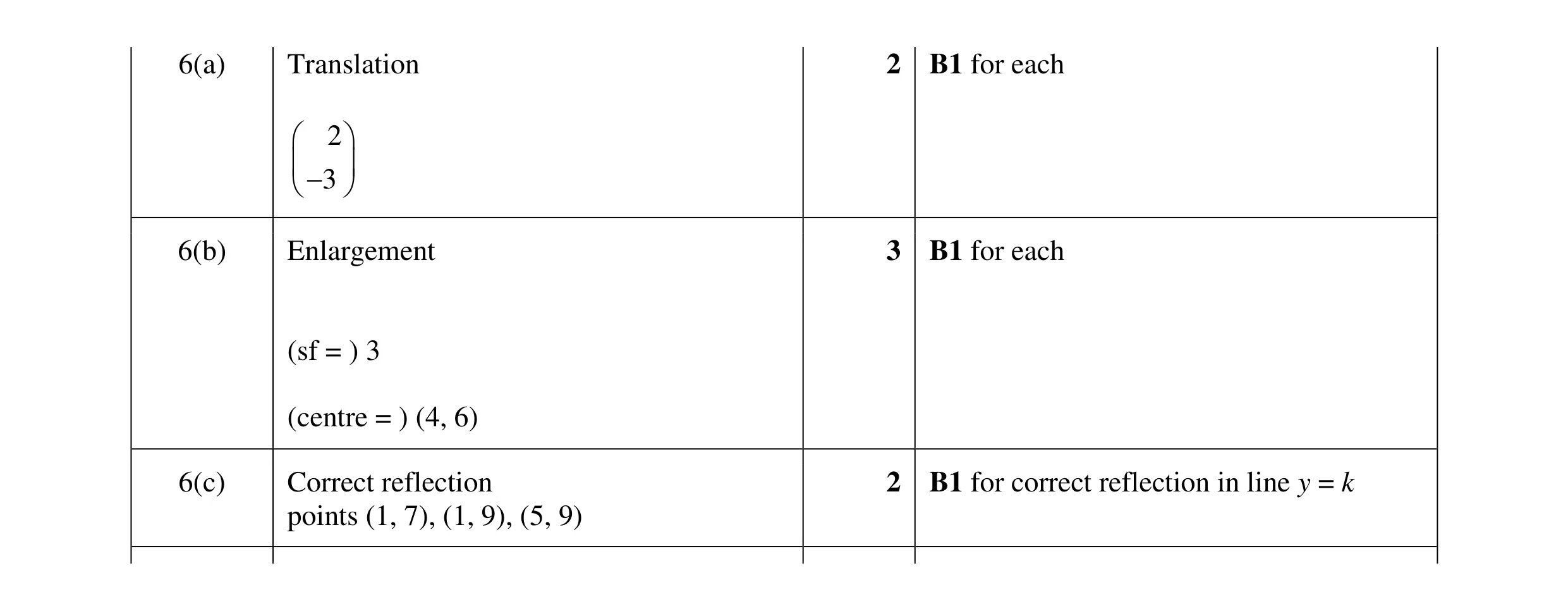 7
7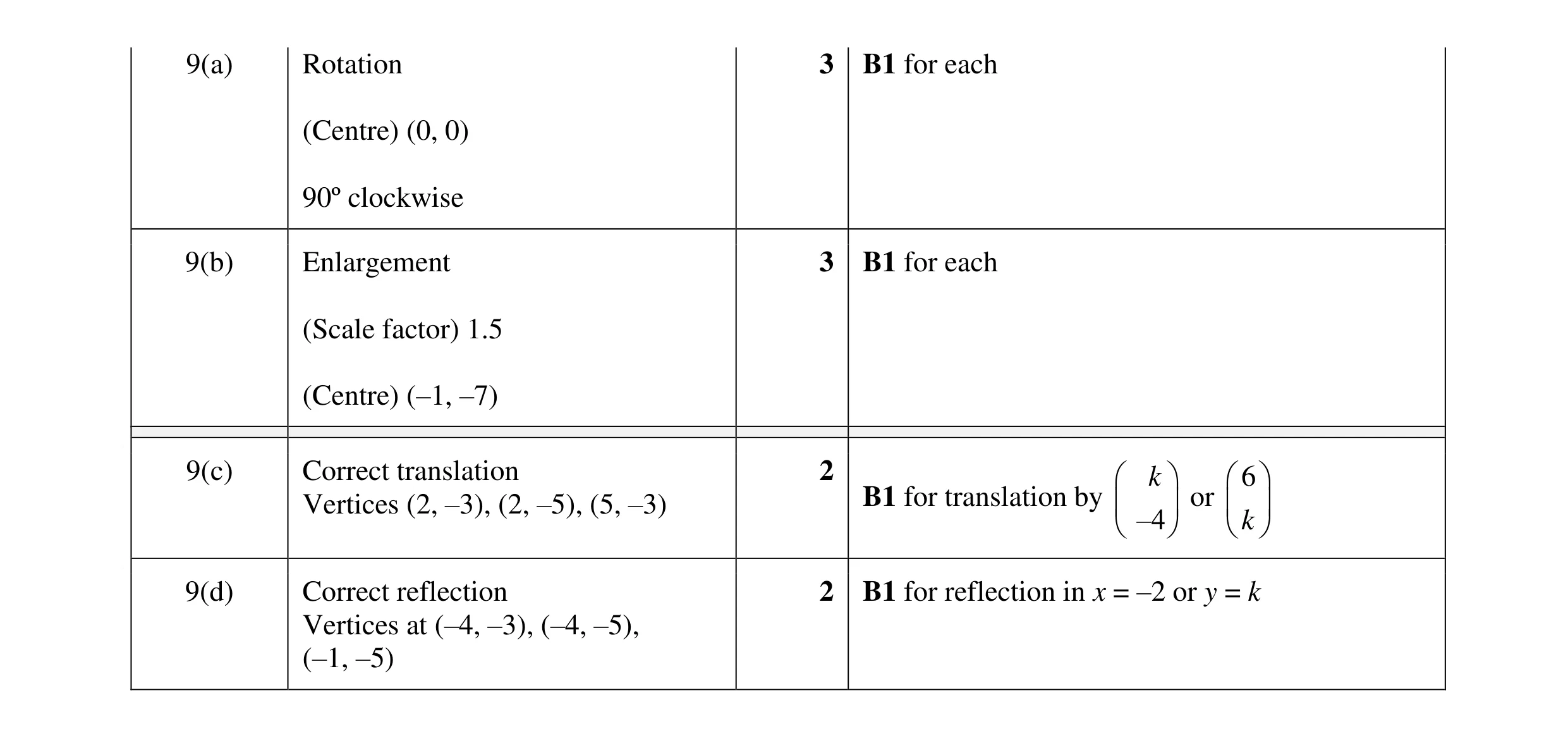 10
10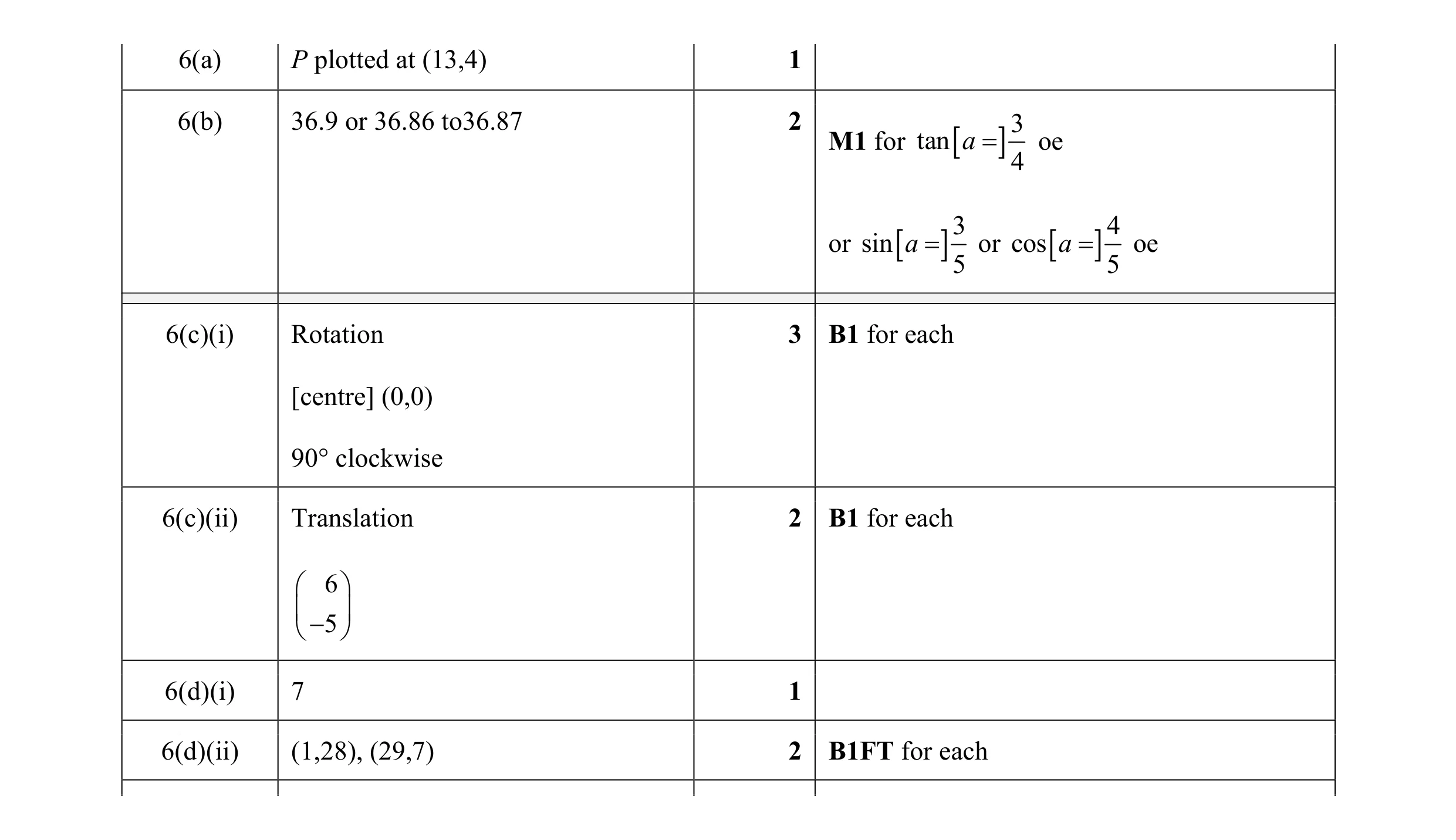 11
11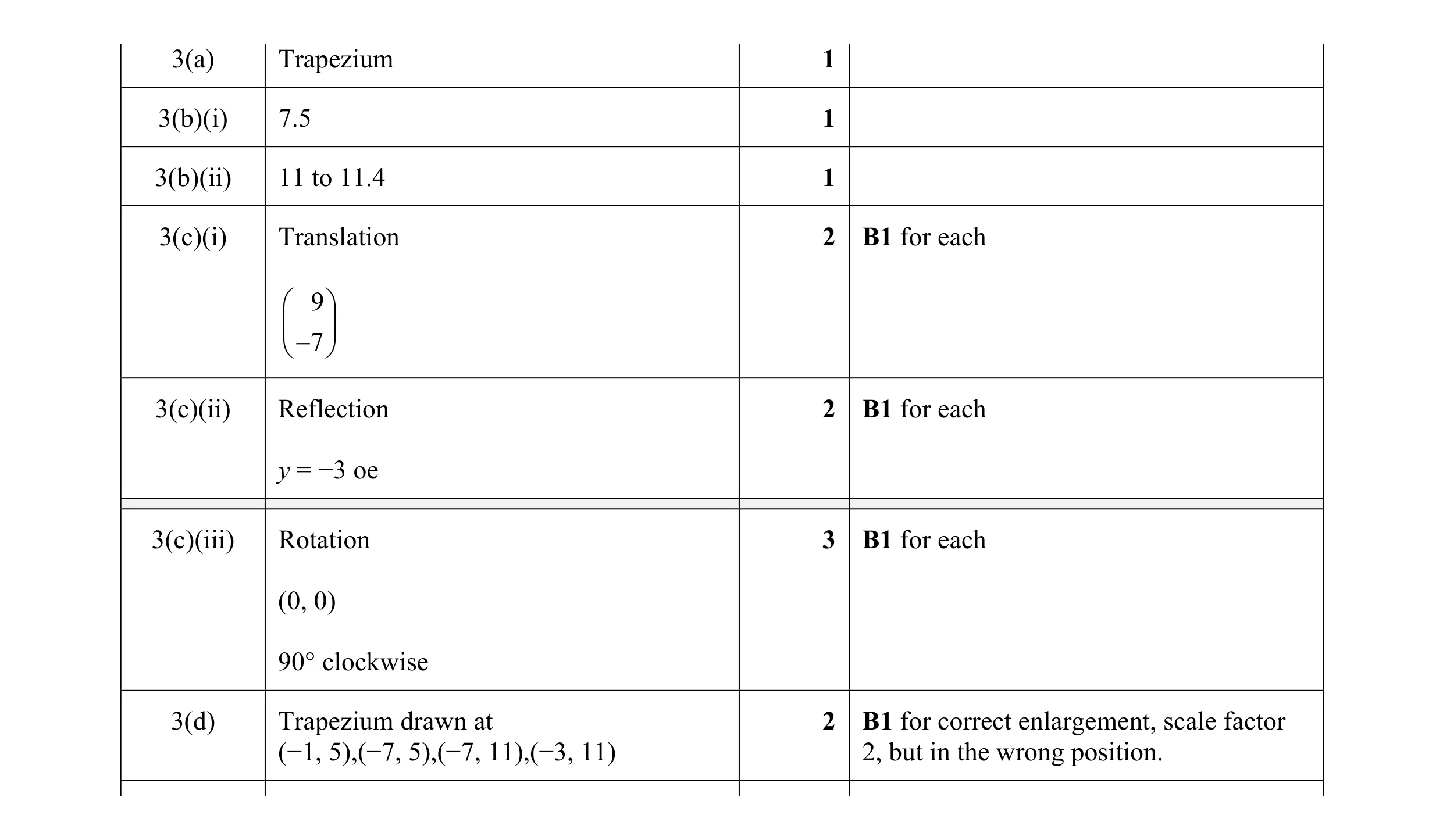 12
12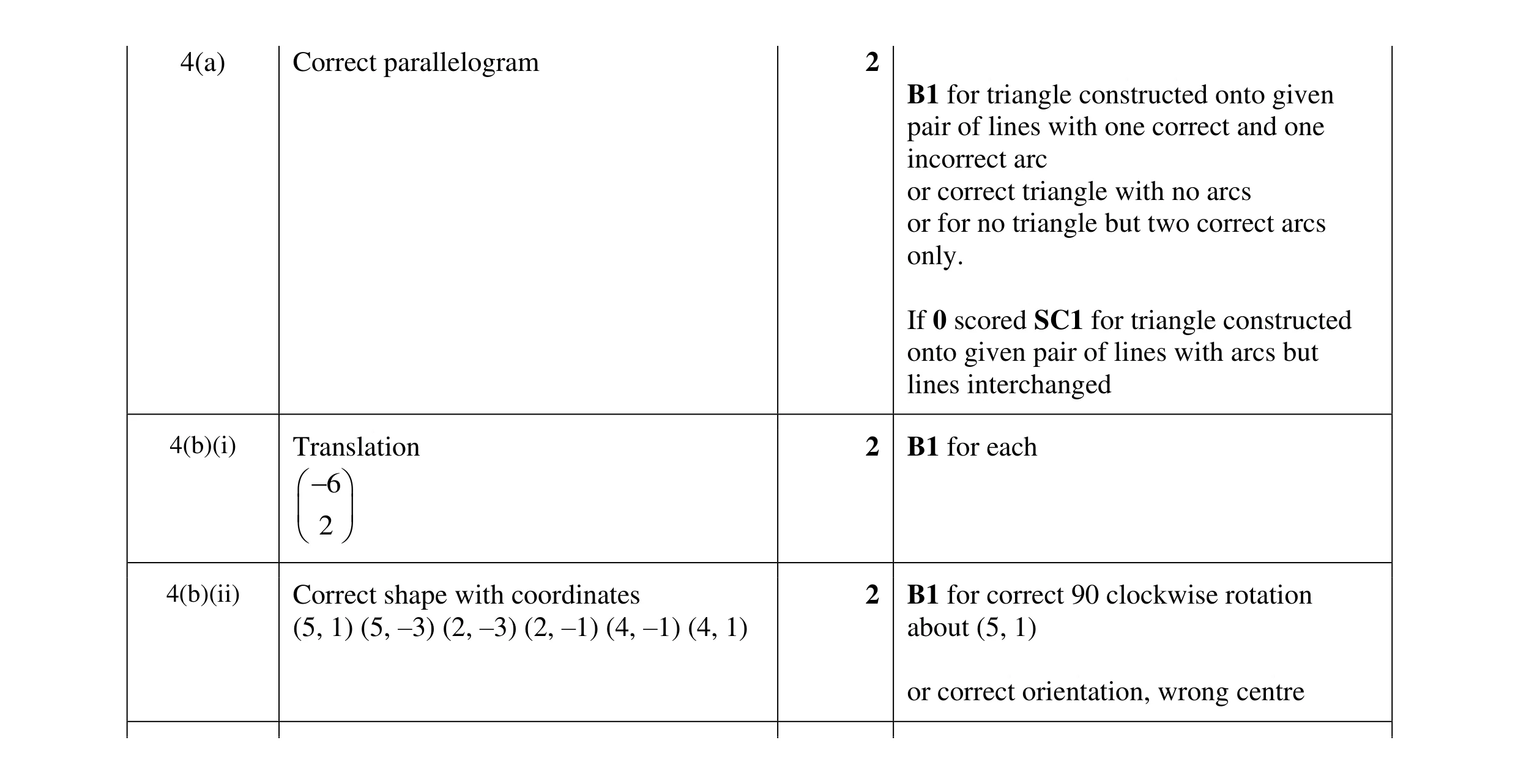 6
6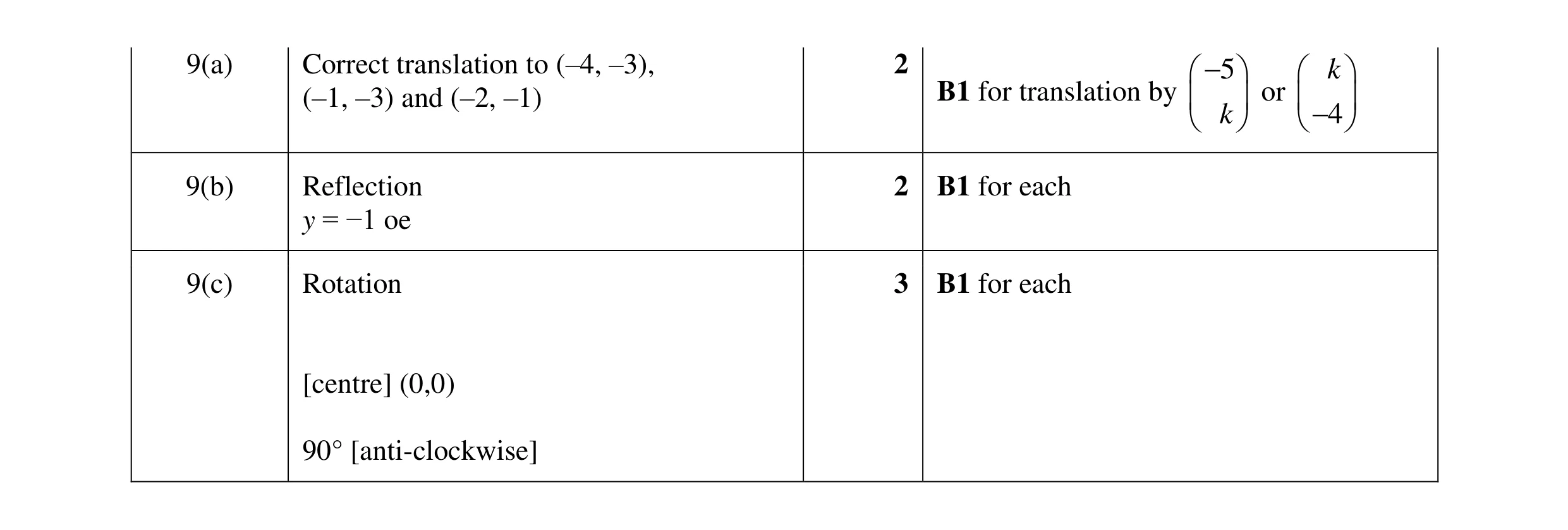 7
7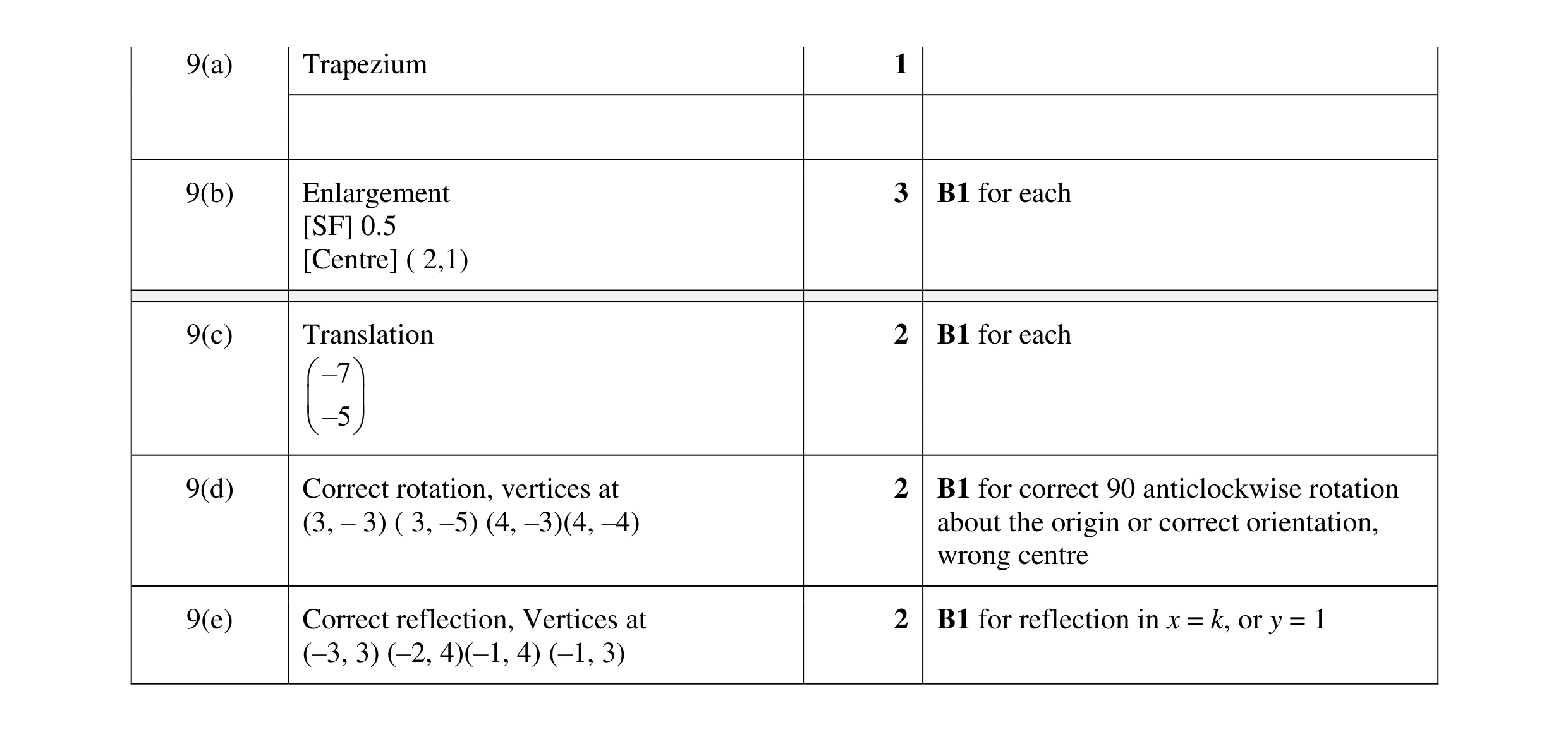 10
10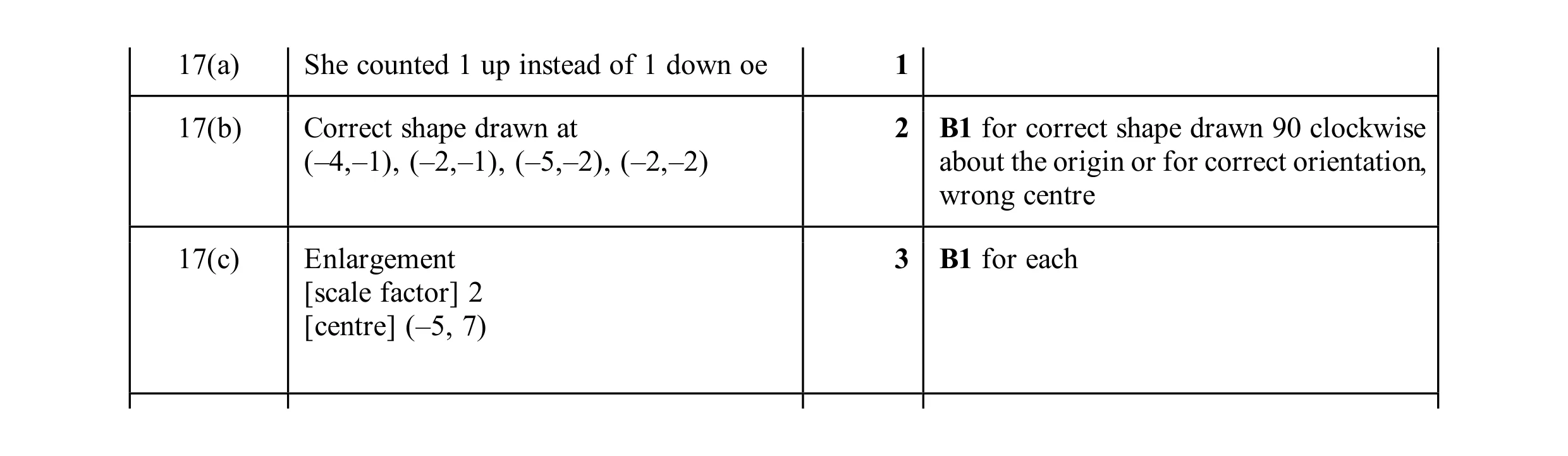 6
6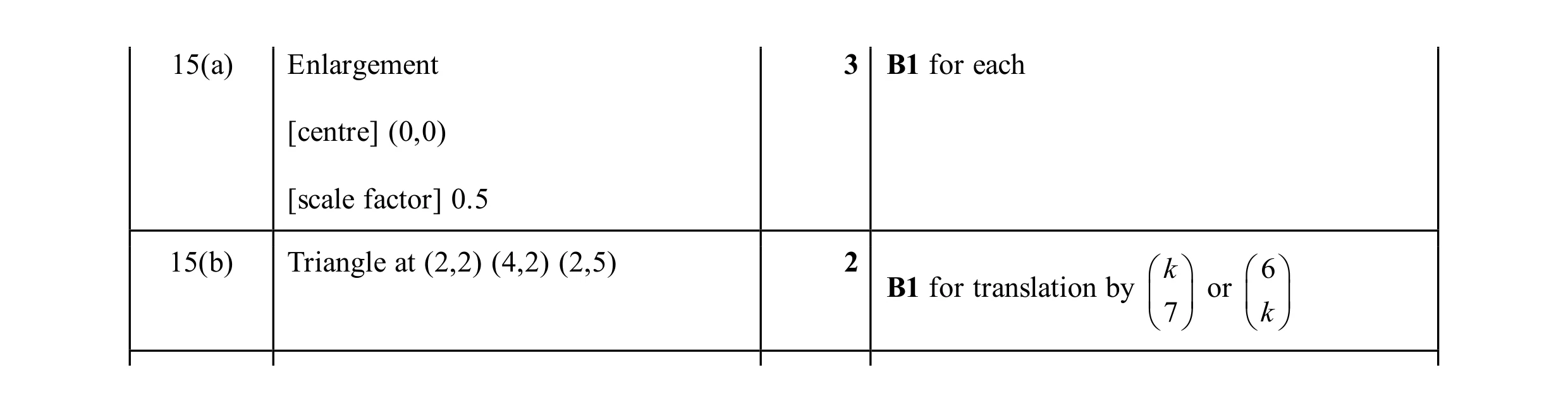 5
5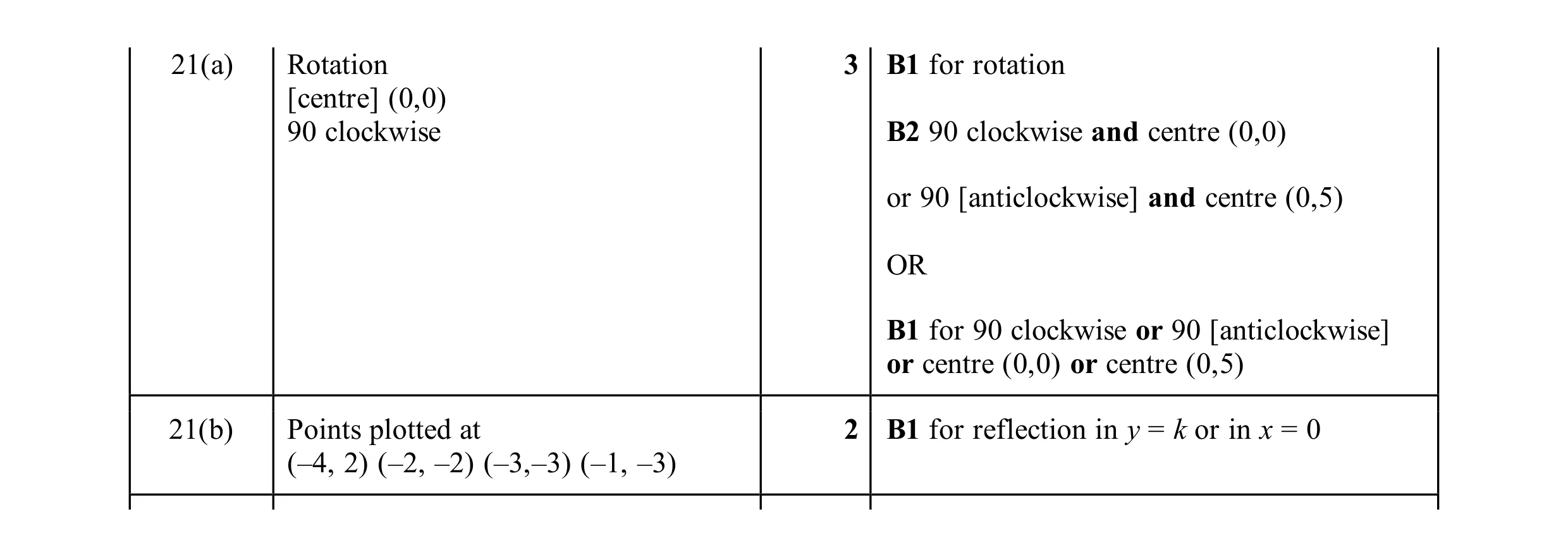 5
5