Questions as text
Q1 · Two particles P and Q, of masses 1.7 kg and 0.3 kg respectively, are connected by a light… 9709/41 Oct/Nov 2004
1 Two particles P and Q, of masses 1.7 kg and 0.3 kg respectively, are connected by a light inextensible string. P is held on a smooth horizontal table with the string taut and passing over a small smooth pulley fixed at the edge of the table. Q is at rest vertically below the pulley. P is released. Find the acceleration of the particles and the tension in the string. [5]
5 marks
Mark scheme: 1 M1 For applying Newton's second law to one of the particles T = 1.7a A1 0.3g – T = 0.3a A1 Alternative for either of the A marks; 0.3g = (1.7 + 0.3)a B1 M1 For finding a or T Acceleration is 1.5 ms-2 and A1 5 tension is 2.55 N
This question in 9709/41 Oct/Nov 2004
Q2 · A car of mass 1250 kg travels down a straight hill with the engine working at a power of… 9709/41 Oct/Nov 2004
3 A car of mass 1250 kg travels down a straight hill with the engine working at a power of 22 kW. The hill is inclined at 3◦to the horizontal and the resistance to motion of the car is 1130 N. Find the speed of the car at an instant when its acceleration is 0.2 m s−2. [5]
5 marks
Mark scheme: 3 M1 For using Newton’s second law; equation must contain F (or P/v) and ma terms Equation A1 F – 1130 + 1250gsin3o = 1250 x 0.2 contains not more than one error Equation is correct A1 22000 = 725.8v M1 For using P = Fv Speed is 30.3 ms-1 A1 5
This question in 9709/41 Oct/Nov 2004
Q3 · Particles P and Q start from points A and B respectively, at the same instant, and move… 9709/41 Oct/Nov 2004
5 Particles P and Q start from points A and B respectively, at the same instant, and move towards each other in a horizontal straight line. The initial speeds of P and Q are 5 m s−1 and 3 m s−1 respectively. The accelerations of P and Q are constant and equal to 4 m s−2 and 2 m s−2 respectively (see diagram). (i) Find the speed of P at the instant when the speed of P is 1.8 times the speed of Q. [4] (ii) Given that AB = 51 m, find the time taken from the start until P and Q meet. [4]
8 marks
Mark scheme: 5 (i) M1 For using v = u + at and vP = 1.8vQ • 5 + 4t = 1.8 (3 + 2t) or A1 • 1.8vQ = 5 + 4t and vQ = 3 + 2t or • vP = 5 + 4t and (5/9)vP = 3 + 2t A1 t = 1 or vQ = 5 or correct equation in vP only [eg (10/9 – 1)vP = 6 – 5] A1ft 4 Speed of P = 9ms-1 (ii) M1 For using s = ut + ½ at2 and sP + sQ = 51 5t + ½ 4t2 + 3t + ½ 2t2 = 51 A1 3t2 + 8t – 51 = 0 M1 For attempting to solve the →(3t + 17)(t – 3) resulting quadratic equation Time is 3 s A1 4
This question in 9709/41 Oct/Nov 2004
Q4 · A particle starts from rest at the point A and travels in a straight line until it… 9709/41 Oct/Nov 2004
7 A particle starts from rest at the point A and travels in a straight line until it reaches the point B. The velocity of the particle t seconds after leaving A is v m s−1, where v = 0.009t2 −0.0001t3. Given that the velocity of the particle when it reaches B is zero, find (i) the time taken for the particle to travel from A to B, [2] (ii) the distance AB, [4] (iii) the maximum velocity of the particle. [4]
10 marks
Mark scheme: 7 (i) t2 (0.009 – 0.0001t) = 0 M1 For attempting to solve v(t) = 0 for t ≠ 0 Time is 90 s A1 2 (ii) M1 For attempting to integrate v(t) s = 0.003t3 – 0.000025t4 (+ C) A1 (2187 – 1640.25) – (0 – 0) M1 For attempting to find s(ans i) – s(0) [the subtraction of s(0) is implied if C is found to be zero or if C is absent] Distance is 547 m A1 4 (iii) 0.018t – 0.0003t2 = 0 ➔ M1 For obtaining v& and attempting to solve v& = 0 t(0.018 – 0.0003t) = 0 t = 60 (may be implied) A1 32.4 – 21.6 M1 For attempting to find v(60) Maximum speed is 10.8 ms-1 A1 4
This question in 9709/41 Oct/Nov 2004
Q5 · A and B are points on the same line of greatest slope of a rough plane inclined at 30◦to… 9709/41 May/June 2005
3 A and B are points on the same line of greatest slope of a rough plane inclined at 30◦to the horizontal. A is higher up the plane than B and the distance AB is 2.25 m. A particle P, of mass m kg, is released from rest at A and reaches B 1.5 s later. Find the coefficient of friction between P and the plane. [6]
6 marks
Mark scheme: 3 2.25 = ½ a(1.52) M1 For using s = ½ at2 a = 2 A1 R = mgcos30o B1 For applying Newton’s second M1 law (3 terms) and F = µ R mgsin30o - µ mgcos30o = 2m A1 ft ft incorrect a or R or consistent sin/cos mix Coefficient of friction is 0.346 A1 6 OR 3 M1 For using (0 + v)/2 = s/t to find vB and hence KE gain from ½ mvB2 KE gain = ½ m32 A1 R = mgcos30o B1 M1 For using F = µ R and 2.25F = PE loss – KE gain 2.25 µ mgcos30o = A1ft ft incorrect vB or R or consistent mg(2.25sin30o) – ½ m32 sin/cos mix Coefficient of friction is 0.346 A1 6
This question in 9709/41 May/June 2005
Q6 · The diagram shows the velocity-time graph for a lift moving between floors in a building 9709/41 May/June 2005
6 The diagram shows the velocity-time graph for a lift moving between floors in a building. The graph consists of straight line segments. In the first stage the lift travels downwards from the ground floor for 5 s, coming to rest at the basement after travelling 10 m. (i) Find the greatest speed reached during this stage. [2] The second stage consists of a 10 s wait at the basement. In the third stage, the lift travels upwards until it comes to rest at a floor 34.5 m above the basement, arriving 24.5 s after the start of the first stage. The lift accelerates at 2 m s−2 for the first 3 s of the third stage, reaching a speed of V m s−1. Find (ii) the value of V, [2] (iii) the time during the third stage for which the lift is moving at constant speed, [3] (iv) the deceleration of the lift in the final part of the third stage. [2]
9 marks
Mark scheme: 6 (i) For using the idea that the area of the relevant triangle ½ 5vmax = ± 10 M1 represents distance Greatest speed is 4 ms-1 A1 2 (ii) For using the idea that the gradient represents acceleration V/3 = 2 or V = 0 + 2×3 M1 or v = 0 + at V = 6 A1 2 (iii) For an attempt to find the area of the trapezium in terms of T M1 (or of t) and equate with 34.5 ½ (T + 9.5)6 = 34.5 or A1 ft Any correct form of equation in ½ (t – 18 + 9.5)6 = 34.5 T (ot t) Time is 2 s A1 3 (iv) 6 For using the idea that minus d = 24 . 5 − ( 18 + 2 ) M1 the gradient represents deceleration Deceleration is 4/3 ms-2 A1ft 2 A AND AS LEVEL – JUNE 2005 9709 4
This question in 9709/41 May/June 2005
Q7 · A car of mass 1200 kg travels along a horizontal straight road 9709/41 May/June 2005
7 A car of mass 1200 kg travels along a horizontal straight road. The power provided by the car’s engine is constant and equal to 20 kW. The resistance to the car’s motion is constant and equal to 500 N. The car passes through the points A and B with speeds 10 m s−1 and 25 m s−1 respectively. The car takes 30.5 s to travel from A to B. (i) Find the acceleration of the car at A. [4] (ii) By considering work and energy, find the distance AB. [8]
12 marks
Mark scheme: 7 (i) Driving force = 20 000/10 B1 DF – R = ma M1 For using Newton’s second law (3 terms needed) 2000 – 500 = 1200a A1 ft Acceleration is 1.25ms-1 A1 4 (ii) KE change = M1 For using KE change ½ 1200 (252 – 102) = ½ m(v2 – u2) Difference in KE is 315 000 J A1 May be implied 20 000 = WD by car’s For using engine/30.5 M1 (constant)Power = WD/Time Work done is 610 000 J A1 May be implied M1 For using 610 000 =315 000 + WD by car’s engine = Increase WD against resistance in KE + WD against resistance M1 For using WD against resistance = Resistance×AB 500(AB) = 295 000 A1 ft Distance is 590 m A1 8
This question in 9709/41 May/June 2005
Q8 · A car travels in a straight line with constant acceleration a m s−2 9709/41 Oct/Nov 2005
1 A car travels in a straight line with constant acceleration a m s−2. It passes the points A, B and C, in this order, with speeds 5 m s−1, 7 m s−1 and 8 m s−1 respectively. The distances AB and BC are d1 m and d2 m respectively. (i) Write down an equation connecting (a) d1 and a, (b) d2 and a. [2] (ii) Hence find d1 in terms of d2. [2]
4 marks
Mark scheme: 1 (i) M1 For using v2 = u2 + 2as (a) 72 – 52 = 2ad1, A1 2 (b) 82 – 72 = 2ad2 (ii) 24 d 1 M1 For eliminating a = 15 d 2 A1 2 d1 = 1.6d2 2
This question in 9709/41 Oct/Nov 2005
Q9 · The diagram shows the displacement-time graph for a car’s journey 9709/41 Oct/Nov 2005
5 The diagram shows the displacement-time graph for a car’s journey. The graph consists of two curved parts AB and CD, and a straight line BC. The line BC is a tangent to the curve AB at B and a tangent to the curve CD at C. The gradient of the curves at t = 0 and t = 600 is zero, and the acceleration of the car is constant for 0 < t < 80 and for 560 < t < 600. The displacement of the car is 400 m when t = 80. (i) Sketch the velocity-time graph for the journey. [3] (ii) Find the velocity at t = 80. [2] (iii) Find the total distance for the journey. [2] (iv) Find the acceleration of the car for 0 < t < 80. [2]
9 marks
Mark scheme: 5 (i) v For 3 straight line segments; v(t) positive for 0 < t < 600, continuous M1 and single valued. A1 End points (t = 0, t = 600) on t axis t A1 3 +ve, zero and –ve gradients in order 80 560 600 (ii) For using the idea that the area of the ½ 80v = 400 triangle represents distance, or for M1 using [(0) + v]÷ 2 = s ÷ t Velocity is 10 ms-1 A1 2 (iii) For using the idea that the area of the D = ½ (600 + 480)10 M1 trapezium represents total distance Total distance is 5400 m A1ft 2 (iv) For using the idea that gradient represents acceleration, or for using M1 v = (0) + at Acceleration is 0.125 ms-2 for 0 < t < 80 A1ft 2
This question in 9709/41 Oct/Nov 2005
Q10 · A particle P starts from rest at O and travels in a straight line 9709/41 Oct/Nov 2005
6 A particle P starts from rest at O and travels in a straight line. Its velocity v m s−1 at time t s is given 54 by v = 8t −2t2 for 0 ≤t ≤3, and v = for t > 3. Find t2 (i) the distance travelled by P in the first 3 seconds, [4] (ii) an expression in terms of t for the displacement of P from O, valid for t > 3, [3] (iii) the value of v when the displacement of P from O is 27 m. [3]
10 marks
Mark scheme: 6 (i) M1 in (i) or (ii) For using s = ∫ vdt s = 4t2 – 2t3/3 (+C) A1 s = 4×9 – (2/3)27 M1 For using limits 0, 3 or equivalent (may be implied by absence of C and substituting t = 3) Distance is 18 m A1 4 (ii) s = -54/t (+C) B1 18 = -54/3 + C M1 For using s(3) = ans(i) Displacement is 36 – 54/t A1 3 (iii) 36 – 54/t = 27 t = 6 M1* For solving s(t) = 27 and v = 54/36 M1*dep For substituting value of t found into v(t) v = 1.5 A1 3 GCE A/AS LEVEL – November 2005 9709 04
This question in 9709/41 Oct/Nov 2005
Q11 · Two particles A and B, of masses 0.3 kg and 0.2 kg respectively, are attached to the ends… 9709/41 Oct/Nov 2005
7 Two particles A and B, of masses 0.3 kg and 0.2 kg respectively, are attached to the ends of a light inextensible string which passes over a smooth fixed pulley. Particle B is held on the horizontal floor and particle A hangs in equilibrium. Particle B is released and each particle starts to move vertically with constant acceleration of magnitude a m s−2. (i) Find the value of a. [4] Particle A hits the floor 1.2 s after it starts to move, and does not rebound upwards. (ii) Show that A hits the floor with a speed of 2.4 m s−1. [1] (iii) Find the gain in gravitational potential energy by B, from leaving the floor until reaching its greatest height. [5] Every reasonable effort has been made to trace all copyright holders where the publishers (i.e. UCLES) are aware that third-party material has been reproduced. The publishers would be pleased to hear from anyone whose rights they have unwittingly infringed. University of Cambridge International Examinations is part of the University of Cambridge Local Examinations Syndicate (UCLES), which is itself a department of the University of Cambridge.
10 marks
Mark scheme: 7 (i) M1 For applying Newton’s second law to either particle 0.3g – T = 0.3a, T – 0.2g = 0.2a A1 0.3g – 0.2g = 0.3a + 0.2a M1 For eliminating T a = 2 A1 4 Alternatively: m1 − m 2 For using a = g M2 m1 + m 2 a = 2 A2 (ii) v = 2×1.2; Speed is 2.4 ms-1 B1 1 (iii) s1 = ½ (0 + 2.4)1.2 B1 2.42 = 2gs2 or M1 For using u2 = 2gs or for using ‘gain PE gain while string is slack = in PE = loss in KE’ ½ 0.2×2.42 (s1 + s2) = 1.728 or PE gain while string is slack =0.576J A1 May be implied by final answer. Total PE gain = 0.2g×1.728 M1 For using PE gain = mg(s1 + s2) (or PE gain while string is taut = (or PE gain while string is taut = 0.2g×1.44) mgs1 , in the case where PE gain while string is slack is calculated separately) Total PE gain = 3.456 J A1 5
This question in 9709/41 Oct/Nov 2005
Q12 · A particle slides up a line of greatest slope of a smooth plane inclined at an angle α◦to… 9709/41 May/June 2007
1 A particle slides up a line of greatest slope of a smooth plane inclined at an angle α◦to the horizontal. The particle passes through the points A and B with speeds 2.5 m s−1 and 1.5 m s−1 respectively. The distance AB is 4 m (see diagram). Find (i) the deceleration of the particle, [2] (ii) the value of α. [2]
4 marks
Mark scheme: 1 (i) [1.52 = 2.52 + 2a × 4] M1 For using v2 = u2 + 2as Deceleration is 0.5 ms-2 A1 2 Accept a = -0.5 (ii) M1 For using Newton’s second law or a = (-)gsinα or ½ m(vB2 – vA2 ) = mg(AB)sinα α = 2.9 A1ft 2 ft α = sin-1(-0.1a)
This question in 9709/41 May/June 2007
Q13 · Particles P and Q, of masses 0.6 kg and 0.2 kg respectively, are attached to the ends of… 9709/41 May/June 2007
4 Particles P and Q, of masses 0.6 kg and 0.2 kg respectively, are attached to the ends of a light inextensible string which passes over a smooth fixed peg. The particles are held at rest with the string taut. Both particles are at a height of 0.9 m above the ground (see diagram). The system is released and each of the particles moves vertically. Find (i) the acceleration of P and the tension in the string before P reaches the ground, [5] (ii) the time taken for P to reach the ground. [2]
7 marks
Mark scheme: 4 (i) M1 For applying Newton’s second law to P or to Q (3 terms) 0.6 g – T = 0.6a A1 T – 0.2 g = 0.2a A1 Allow B1 for 0.6 g – 0.2 g = (0.6 + 0.2)a as an alternative for either of the above A marks Acceleration is 5 ms-2 B1 Tension is 3 N A1 5 (ii) [0.9 = ½ 5t2] M1 For using s = ut + ½ at2 Time taken is 0.6 s A1ft 2 ft 1.8/a GCE A/AS LEVEL – May/June 2007 9709 04 5 (i) M1 For using KE = ½ mv2 Increase in KE A1 = ½ 12500(252 – 172) Special case for candidates who assume the acceleration is constant (max 1 mark out of 2) 252 – 172 = 2ad, F = 12500×168/d, KE gain = WD in increasing speed = Fd = 12500×168 B1 [WD = 2100 + 5000] M1 For using WD by DF = KE gain + WD v res Work done by driving force is A1ft 4 ft only when units are consistent and 7100 kJ (or 7100 000 J) both M marks are scored (ii) M1 For an equation with PE gain, WD by DF and WD v res (and KE loss if appropriate) in linear combination PE gain = (7100 + 3300) – A1ft Or equivalent in joules (5000 + 4800×500 ÷ 1000) or PE gain = 3300 + 2100 – 4800×500 ÷ 1000 [3000 000 = 12500×10h] M1 For solving mgh = gain PE found Height is 24m A1 4 Special case for candidates who assume the acceleration is constant (max 3 marks out of 4) 3300000/500 – 4800 – 12500×10sinθ = 12500(-0.336) B1 For using h = 500sinθ M1 Height is 24 m A1 6 (i) dt Q M1 For using s Q = ∫ v sQ = 1.5t2 – 0.1t3 (+ C) A1 M1 For using limits 0 to 10 or equivalent (or 0 to 5 if the candidate states or implies that that vQ is symmetric about t = 5) sQ (10) = 50 (or sQ(5) = 25) A1ft May be implied in subsequent working M1 For using ½ 10vmax = sQ (10) (or ½ 5vmax = sQ (5)) Greatest velocity is 10 ms-1 A1 6 AG Special case for final 2 marks (max 1 mark out of 2) 5v = 50 → v = 10 B1 (ii) aP = 10/5 B1 [3 – 0.6t = 2] M1 For differentiating to find aQ(t) and equating to aP t = 1.67 (or 12/3) A1 3 GCE A/AS LEVEL – May/June 2007 9709 04 7 (i) Tcos60° = 75cos30° → T = 130 B1 Accept 75 3 M1 For resolving forces vertically (4 terms) Tsin60° + 75sin30° + R = 20g A1ft ft consistent sin/cos mix [130sin60° + 75sin30° + R = 200] M1 For substituting for T and solving for R Magnitude is 50 N A1 5 Accept 49.9 (ii) M1 For resolving forces horizontally Tcos60° + 25 = 75cos30° A1ft ft consistent sin/cos mix (T = 14.4) (T = 79.9) [79.9sin60° + 75sin30° + R = 200] M1 For resolving forces vertically (4 terms) and substituting for T R = 93.3 A1 May be implied by final answer [µ= 25/93.3] M1 For using µ = 25/R Coefficient is 0.268 (= 2 – 3 ) A1ft 6 ft for µ = value obtained from 25/candidate’s R, including her/his answer in (i) but excluding R = 20 g
This question in 9709/41 May/June 2007
Q14 · A particle is projected vertically upwards from a point O with initial speed 12.5 m s−1 9709/41 Oct/Nov 2007
2 A particle is projected vertically upwards from a point O with initial speed 12.5 m s−1. At the same instant another particle is released from rest at a point 10 m vertically above O. Find the height above O at which the particles meet. [5]
5 marks
Mark scheme: 2 M1 For applying s = ut + ½ at2 or (u + at)2 = u2 +2as with a = ± g (either particle) s1 = 12.5t – ½ gt2, s2 = ± ½ gt2 or A1 (12.5 – gt)2 = 12.52 – 2gs1 and (gt)2 = 2gs2 [12.5t – ½ gt2 + ½ gt2 = 10] M1 For using s1 + s2 = 10 t = 0.8s or A1 2s1 = 25 2 − 0 . 2 s 1 − ( 20 − 2 s 1 ) (or better) Height is 6.8m A1ft 5 ft for 12.5t – 5t2 or 10 – 5t2 with candidate’s t (requires both M marks) 2 2 2
This question in 9709/41 Oct/Nov 2007
Q15 · A man walks in a straight line from A to B with constant acceleration 0.004 m s−2 9709/41 Oct/Nov 2007
6 (i) A man walks in a straight line from A to B with constant acceleration 0.004 m s−2. His speed at A is 1.8 m s−1 and his speed at B is 2.2 m s−1. Find the time taken for the man to walk from A to B, and find the distance AB. [3] (ii) A woman cyclist leaves A at the same instant as the man. She starts from rest and travels in a straight line to B, reaching B at the same instant as the man. At time t s after leaving A the cyclist’s speed is k(200t −t2) m s−1, where k is a constant. Find (a) the value of k, [4] (b) the cyclist’s speed at B. [1] (iii) Sketch, using the same axes, the velocity-time graphs for the man’s motion and the woman’s motion from A to B. [3]
11 marks
Mark scheme: 6 (i) [2.2 = 1.8 + 0.004t] M1 For using v = u + at (or v2 = u2 + 2as) Time taken is 100s A1 (or Distance is 200 m) Distance is 200 m A1ft 3 ft s = 2t or 1.8t + 0.002t2 (or t = s/2) (or Time taken is 100s) (ii) (a) M1 For integrating v(t) to find s(t) s = k(100t2 – t3/3) (+C) A1 [k(100x1002 – 1003/3) = 200] DM1 For using s(0) = 0 (may be implied) and s(100) = 200 k = 0.0003 A1 4 (b) Speed is 3 ms-1 B1ft 1 ft candidate’s t and/or k. (iii) M1 For straight line segment, v(t) +ve and increasing throughout (including at t = 0) M1 For parabolic segment through origin, with +ve slope Parabolic segment has decreasing A1 3 Depends on both M marks slope; sketches correct relative to each other (line crosses curve once) GCE A/AS LEVEL – October/November 2007 9709 04
This question in 9709/41 Oct/Nov 2007
Q16 · A rough inclined plane of length 65 cm is fixed with one end at a height of 16 cm above… 9709/41 Oct/Nov 2007
7 A rough inclined plane of length 65 cm is fixed with one end at a height of 16 cm above the other end. Particles P and Q, of masses 0.13 kg and 0.11 kg respectively, are attached to the ends of a light inextensible string which passes over a small smooth pulley at the top of the plane. Particle P is held at rest on the plane and particle Q hangs vertically below the pulley (see diagram). The system is released from rest and P starts to move up the plane. (i) Draw a diagram showing the forces acting on P during its motion up the plane. [1] (ii) Show that T −F > 0.32, where T N is the tension in the string and F N is the magnitude of the frictional force on P. [4] The coefficient of friction between P and the plane is 0.6. (iii) Find the acceleration of P. [6]
11 marks
Mark scheme: 7 (i) R B1 1 The components F and R may be represented by a single contact force, which must be T shown at an acute angle to the downward slope. F W (ii) M1 For finding the resultant upward force (RUF) (3 terms required) T – F – 0.13g (16/65) A1 [T – F – 0.13g (16/65) > 0] M1 For use of RUF > 0 (since P starts to move upwards). T – F > 0.32 A1 4 AG (iii) R = 0.13g(63/65) or B1ft ft 0.13g cos 75.7….. 0.13g cos14.25… (= 1.26) F = 0.6 x 1.26 (= 0.756) M1 For using F = µ R M1 For applying Newton’s second law to P (4 terms required) or to Q (3 terms required) or for using WQ - WPsinα - F = (mP + mQ)a T – F – 0.32 = 0.13a and A1ft ft1.26 instead of 0.32 following a consistent 0.11g – T = 0.11a sin/cos mix throughout (i) and (ii) or 0.11g – F – 0.32 = (0.13 + 0.11)a M1 For substituting for F and solving for a. Acceleration is 0.1 ms-2 A1 6
This question in 9709/41 Oct/Nov 2007
Q17 · A particle slides down a smooth plane inclined at an angle of α◦to the horizontal 9709/41 May/June 2008
1 A particle slides down a smooth plane inclined at an angle of α◦to the horizontal. The particle passes through the point A with speed 1.5 m s−1, and 1.2 s later it passes through the point B with speed 4.5 m s−1. Find (i) the acceleration of the particle, [2] (ii) the value of α. [2]
4 marks
Mark scheme: 1 (i) [4.5 = 1.5 + 1.2a] M1 For using v = u + at Acceleration is 2.5 ms-2 A1 [2] (ii) M1 For using (m)gsin α ° = (m)a α = 14.5 A1 [2]
This question in 9709/41 May/June 2008
Q18 · B 3 m C A A block B of mass 0.6 kg and a particle A of mass 0.4 kg are attached to… 9709/41 May/June 2008
5 B 3 m C A A block B of mass 0.6 kg and a particle A of mass 0.4 kg are attached to opposite ends of a light inextensible string. The block is held at rest on a rough horizontal table, and the coefficient of friction between the block and the table is 0.5. The string passes over a small smooth pulley C at the edge of the table and A hangs in equilibrium vertically below C. The part of the string between B and C is horizontal and the distance BC is 3 m (see diagram). B is released and the system starts to move. (i) Find the acceleration of B and the tension in the string. [6] (ii) Find the time taken for B to reach the pulley. [2]
8 marks
Mark scheme: 5 (i) F = 0.5(0.6g) B1 M1 For applying Newton’s second law to A or to B 0.4g – T = 0.4a A1 Alternative to either of the above equations:- T – F = 0.6a A1 0.4g – F = (0.4 + 0.6)a B1 SR in lieu of the previous 3 marks (max. mark 1/3) 0.4g – T = 0.4ga and T – F = 0.6ga B1 M1 For substituting for F and solving for a or for T Acceleration is 1ms-2 and tension is 3.6N A1 [6] (ii) M1 For using s = (0) + ½ at2 Time taken is 2.45s A1ft [2] ft t = (6/a)½ 2
This question in 9709/41 May/June 2008
Q19 · A particle P of mass 0.6 kg is projected vertically upwards with speed 5.2 m s−1 from a… 9709/41 May/June 2008
6 A particle P of mass 0.6 kg is projected vertically upwards with speed 5.2 m s−1 from a point O which is 6.2 m above the ground. Air resistance acts on P so that its deceleration is 10.4 m s−2 when P is moving upwards, and its acceleration is 9.6 m s−2 when P is moving downwards. Find (i) the greatest height above the ground reached by P, [3] (ii) the speed with which P reaches the ground, [2] (iii) the total work done on P by the air resistance. [4]
9 marks
Mark scheme: 6 (i) M1 For using 0 = u2 + 2as, or 0 = u + at and s = ut + ½ at2, or 0 = u + at and s = (u + 0)t/2 0 = 5.22 – 2x10.4s1 or s1 = 5.2x0.5 - ½ 10.4x0.52 or s1 = (5.2 + 0)x0.5/2 A1 Greatest height is 7.5m A1 [3] (ii) [v2 = 2x9.6x7.5, v = 9.6x1.25, For using v2 = 0 + 2as, or v = 2x7.5/1.25] M1 s = ½ at2 and v = at, or s = ½ at2 and 0 + v = 2s/t Speed is 12ms-1 A1 [2] (iii) PE loss = 0.6g x 6.2 (= 37.2) or Initial total energy = 0.6gx6.2 + ½ 0.6x5.22 (= 45.312) or Energy loss upward = ½ 0.6x5.22 – 0.6gx1.3 (= 0.312) B1 KE gain = ½ 0.6(122 – 5.22) (= 35.088) or Final total energy = ½ 0.6x122 (= 43.2) Energy loss downward = - ½ 0.6x122 + 0.6gx7.5 (=1.8) B1ft ft ans (ii) For using WD = PE loss from the start – KE gain from the start or WD = Initial total energy – final total energy [WD = 37.2 – 35.088 or 45.312 – 43.2 or M1 WD = energy loss upward + 0.312 + 1.8] energy loss downward Work done is 2.11(2) J A1 [4] Accept exact or 3sf GCE A/AS LEVEL – May/June 2008 9709 04 Alternatively [0.6g + Rup = 0.6x10.4 or 0.6g - Rdown = M1 For applying Newton’s second law to the 0.6x9.6] upward motion or to the downward motion, and attempting to find Rup or Rdown Rup = 0.24 or Rdown = 0.24 A1 May be implied by final answer. M1 For using WD(upward) = 1.3Rup or WD(downward) = ans(i)Rdown Work done is 2.11(2) J A1ft [4] ft ans (i)
This question in 9709/41 May/June 2008
Q20 · A 0.5 kg B m kg Particles A and B, of masses 0.5 kg and m kg respectively, are attached… 9709/41 Oct/Nov 2008
5 A 0.5 kg B m kg Particles A and B, of masses 0.5 kg and m kg respectively, are attached to the ends of a light inextensible string which passes over a smooth fixed pulley. Particle B is held at rest on the horizontal floor and particle A hangs in equilibrium (see diagram). B is released and each particle starts to move vertically. A hits the floor 2 s after B is released. The speed of each particle when A hits the floor is 5 m s−1. (i) For the motion while A is moving downwards, find (a) the acceleration of A, [2] (b) the tension in the string. [3] (ii) Find the value of m. [3]
8 marks
Mark scheme: 5 (i) (a) [5 = 0 + 2a] M1 For using v = u + at with u = 0 Acceleration is 2.5ms–2 A1 [2] (b) M1 For applying Newton’s second law to A (3 terms): (can be scored in (ii) by applying Newton’s second law to B instead) 0.5g – T = 0.5x2.5 A1ft Tension is 3.75N A1 [3] (ii) T – mg = 2.5m B1ft ft from T – 0.5g = 0.5x2.5 in (i) (b) to allow mg – T = 2.5m or mg – 0.5g = or 0.5g – mg = 0.5x2.5 + 2.5m 0.5x2.5 + 2.5m [(10 + 2.5)m = 3.75] M1 For solving 3 term equation for m m = 0.3 A1 [3]
This question in 9709/41 Oct/Nov 2008
Q21 · A train travels from A to B, a distance of 20 000 m, taking 1000 s 9709/41 Oct/Nov 2008
6 A train travels from A to B, a distance of 20 000 m, taking 1000 s. The journey has three stages. In the first stage the train starts from rest at A and accelerates uniformly until its speed is V m s−1. In the second stage the train travels at constant speed V m s−1 for 600 s. During the third stage of the journey the train decelerates uniformly, coming to rest at B. (i) Sketch the velocity-time graph for the train’s journey. [2] (ii) Find the value of V. [3] (iii) Given that the acceleration of the train during the first stage of the journey is 0.15 m s−2, find the distance travelled by the train during the third stage of the journey. [4]
9 marks
Mark scheme: 6 (i) • v is single valued, continuous and M1 For sketching a graph consisting of 3 positive for 0 < t < 1000. straight line segments, for which (see • 1st segment has +ve slope left): And two or more of • v(0) = 0 • v(1000) = 0 • 2nd segment has zero slope • 3rd segment has -ve slope Correct sketch A1 [2] (ii) M1 For using ‘area under graph’ represents distance of 20000m ½ (600 + 1000)V = 20 000 A1 V = 25 A1 [3] SR for candidates who assume 1st and 3rd time intervals are each 200 s (max 2/3) ½ Vx200 + Vx600 + ½ Vx200 = 20000 B1 V = 25 B1 GCE A/AS LEVEL – October/November 2008 9709 04 (iii) [V/t1 = 0.15 t1 = 166.6…] M1 For using the gradient property for acceleration (or v = 0 + at) to find t1. t3 = 233.3… A1ft ft 400 – V/0.15 [s3 = ½ 233.3...x25] DM1 For using the area property for distance or (u + v)/2 = s/t. Depends on previous M1 Distance is 2920m A1 [4] Alternatively For using V2 = 2x0.15s1 M1 [ s1 = 2083.3..] s2 = 15000 B1ft (ft 600V) For s3 = 20000 – s1 – s2 DM1 Distance is 2920m A1 2 2
This question in 9709/41 Oct/Nov 2008
Q22 · A particle P is held at rest at a fixed point O and then released 9709/41 Oct/Nov 2008
7 A particle P is held at rest at a fixed point O and then released. P falls freely under gravity until it reaches the point A which is 1.25 m below O. (i) Find the speed of P at A and the time taken for P to reach A. [3] The particle continues to fall, but now its downward acceleration t seconds after passing through A is (10 −0.3t) m s−2. (ii) Find the total distance P has fallen, 3 s after being released from O. [7]
10 marks
Mark scheme: 7 (i) [v2 = 2x10x1.25 or ½ mv2 = mg(1.25), M1 For using s = 1.25 and a = 10 to 1.25 = ½ 10t2] find either v or t Speed of P is 5ms–1 A1 Time taken is 0.5s A1 [3] (ii) M1 For using v = ∫ a (t ) dt v = 10t – 0.15t2 (+C) A1 v = 10t – 0.15t2 + 5 A1ft ft wrong answer in (i) M1 For using x = ∫ v (t ) dt x = 5t2 – 0.05t3 + 5t A1ft [x = 5x2.52 – 0.05x2.53 + 5x2.5 (= 42.97)] DM1 For substituting t = 3 – t1 in x(t). Depends on both previous M1s. Distance OP is 44.2m A1 [7]
This question in 9709/41 Oct/Nov 2008
Q23 · A particle P of mass 0.6 kg moves upwards along a line of greatest slope of a plane… 9709/41 Oct/Nov 2009
5 A particle P of mass 0.6 kg moves upwards along a line of greatest slope of a plane inclined at 18◦to the horizontal. The deceleration of P is 4 m s−2. (i) Find the frictional and normal components of the force exerted on P by the plane. Hence find the coefficient of friction between P and the plane, correct to 2 significant figures. [6] After P comes to instantaneous rest it starts to move down the plane with acceleration a m s−2. (ii) Find the value of a. [2] [Questions 6 and 7 are printed on the next page.]
8 marks
Mark scheme: 5 (i) M1 For using Newton’s second law – F – 0.6gsin 18o = 0.6(–4) A1 Frictional component is 0.546N A1 [R = 0.6gcos18o] M1 For resolving forces normal to the plane Normal component is 5.71N A1 Coefficient is 0.096 B1ft 6 (ii) 0.6gsin18o – 0.546 = 0.6a or 2(0.6gsin18o) = 0.6(a + 4) B1ft a = 2.18 B1 2 SR For candidates who use ‘a’ for the upwards acceleration , instead of as defined in the question. –0.6gsin18o + 0.546 = 0.6a a = –2.18 B1 a = 2.18 accompanied by satisfactory explanation for dropping the minus sign. B1 GCE A/AS LEVEL – October/November 2009 9709 41
This question in 9709/41 Oct/Nov 2009
Q24 · P Q 5 m Particles P and Q, of masses 0.55 kg and 0.45 kg respectively, are attached to… 9709/41 Oct/Nov 2009
6 P Q 5 m Particles P and Q, of masses 0.55 kg and 0.45 kg respectively, are attached to the ends of a light inextensible string which passes over a smooth fixed pulley. The particles are held at rest with the string taut and its straight parts vertical. Both particles are at a height of 5 m above the ground (see diagram). The system is released. (i) Find the acceleration with which P starts to move. [3] The string breaks after 2 s and in the subsequent motion P and Q move vertically under gravity. (ii) At the instant that the string breaks, find (a) the height above the ground of P and of Q, [2] (b) the speed of the particles. [1] (iii) Show that Q reaches the ground 0.8 s later than P. [4]
10 marks
Mark scheme: 6 (i) For using Newton’s second law to P or M − m M1 Q, or for using a = g M + m 0.55g – T = 0.55a and T – 0.45g = 0.45a or a = [(0.55 – 0.45)/(0.55+ 0.45)]g A1 Acceleration is 1ms–2 A1 3 (ii) (a) For using s = 5 – ½ a22 for P or M1 s = 5 + ½ a22 for Q Height of P is 3m and height of Q is 7m A1ft 2 ft 5 – 2a and 5 + 2a (b) Speed is 2ms–1 B1ft 1 ft 2a (iii) For using s = ut + ½ gt2 for P or for Q [3 = 2tP + 5tP2, 7 = –2tQ + 5tQ2] M1 (NB a = g) tP = 0.6 A1 Accept tQ = 0.2 + 1.2 following consideration of upward and downward tQ = 1.4 A1 motion under gravity of Q separately Q is 0.8s later than P A1 4 AG
This question in 9709/41 Oct/Nov 2009
Q25 · A particle P starts from rest at the point A at time t = 0, where t is in seconds, and… 9709/41 Oct/Nov 2009
7 A particle P starts from rest at the point A at time t = 0, where t is in seconds, and moves in a straight line with constant acceleration a m s−2 for 10 s. For 10 ≤t ≤20, P continues to move along the line 800 with velocity v m s−1, where v = −2. Find t2 (i) the speed of P when t = 10, and the value of a, [2] (ii) the value of t for which the acceleration of P is −a m s−2, [4] (iii) the displacement of P from A when t = 20. [6]
12 marks
Mark scheme: 7 (i) Speed is 6ms–1 B1 a = 0.6 B1ft 2 ft v/10 (ii) M1 For differentiating v(t) a(t) = –1600/t3 (second stage) A1 [0.6 = 1600/t3 t3 = (1600/0.6)] M1 For attempting to solve a(t) = –0.6 t = 13.9 A1 4 SR in parts (i) and (ii) (treated as a single entity) for candidates who assume there is necessarily continuity of acceleration at t = 10 (max 5/6) Speed is 6ms–1 B1 For differentiating v(t) M1 a(t) = –1600/t3 A1 a = a(10) = –1.6 B1 − 1600 For t = 3 B1 6.1 (iii) s1 = 30m B1 M1 For integrating v(t) s = (800t–1)/(–1) – 2t (+ C) A1 For using limits 10, 20 or for using s(10) = s1 to find c (= 130) and M1 evaluating s(20). s2 = (–40 – 40) – (–80 – 20) or s = –40 – 40 + 130 A1 Any correct form Displacement from A is 50m A1 6
This question in 9709/41 Oct/Nov 2009
Q26 · A car of mass 1250 kg travels along a horizontal straight road with increasing speed 9709/42 Oct/Nov 2009
3 A car of mass 1250 kg travels along a horizontal straight road with increasing speed. The power provided by the car’s engine is constant and equal to 24 kW. The resistance to the car’s motion is constant and equal to 600 N. (i) Show that the speed of the car cannot exceed 40 m s−1. [3] (ii) Find the acceleration of the car at an instant when its speed is 15 m s−1. [3]
6 marks
Mark scheme: 3 (i) [DF = 600 at max speed] M1 For using DF = R at max. speed [DF = 24000/v] M1 For using DF = P/v Speed cannot exceed 40 ms–1 A1 3 AG (ii) DF – R = ma] M1 For using Newton’s second law 24000/15 – 600 = 1250a A1 Acceleration is 0.8 ms–2 A1 3
This question in 9709/42 Oct/Nov 2009
Q27 · A particle moves up a line of greatest slope of a rough plane inclined at an angle α to… 9709/42 Oct/Nov 2009
4 A particle moves up a line of greatest slope of a rough plane inclined at an angle α to the horizontal, where cos α = 0.96 and sin α = 0.28. (i) Given that the normal component of the contact force acting on the particle has magnitude 1.2 N, find the mass of the particle. [2] (ii) Given also that the frictional component of the contact force acting on the particle has magnitude 0.4 N, find the deceleration of the particle. [3] The particle comes to rest on reaching the point X. (iii) Determine whether the particle remains at X or whether it starts to move down the plane. [2]
7 marks
Mark scheme: 4 (i) [1.2 = mg cosα] M1 For resolving forces normal to the plane Mass is 0.125 kg A1 2 (ii) [–mg sinα – F = ma] M1 For using Newton’s second law – 0.125 × 10 × 0.28 – 0.4 = 0.125a A1ft ft incorrect mass a = –6 deceleration is 6 ms–2 A1 3 (iii) M1 For comparing magnitudes of µR (0.4) and mg sinα (0.35) µR > mg sinα particle remains at rest A1 2 GCE A/AS LEVEL – October/November 2009 9709 42
This question in 9709/42 Oct/Nov 2009
Q28 · 15 N 30° 30° 15 N 12 N 12 N Fig 9709/42 Oct/Nov 2009
5 15 N 30° 30° 15 N 12 N 12 N Fig. 1 Fig. 2 A small ring of weight 12 N is threaded on a fixed rough horizontal rod. A light string is attached to the ring and the string is pulled with a force of 15 N at an angle of 30◦to the horizontal. (i) When the angle of 30◦is below the horizontal (see Fig. 1), the ring is in limiting equilibrium. Show that the coefficient of friction between the ring and the rod is 0.666, correct to 3 significant figures. [5] (ii) When the angle of 30◦is above the horizontal (see Fig. 2), the ring is moving with acceleration a m s−2. Find the value of a. [4] [Questions 6 and 7 are printed on the next page.]
9 marks
Mark scheme: 5 (i) M1 For resolving forces vertically 12 + 15sin30o = R A1 F = 15cos30o B1 [µ = 15cos30o/(12 + 15sin30o] M1 For using µ = F/R Coefficient is 0.666 A1 5 AG (ii) F = 0.666(12 – 15sin30o) B1 M1 For using Newton’s second law 15cos30o – F = 1.2a A1 Acceleration is 8.33 ms–2 A1 4
This question in 9709/42 Oct/Nov 2009
Q29 · B 0.7 kg 0.3 kg A Particles A and B, of masses 0.3 kg and 0.7 kg respectively, are… 9709/42 Oct/Nov 2009
6 B 0.7 kg 0.3 kg A Particles A and B, of masses 0.3 kg and 0.7 kg respectively, are attached to the ends of a light inextensible string which passes over a smooth fixed pulley. Particle A is held on the horizontal floor and particle B hangs in equilibrium. Particle A is released and both particles start to move vertically. (i) Find the acceleration of the particles. [3] The speed of the particles immediately before B hits the floor is 1.6 m s−1. Given that B does not rebound upwards, find (ii) the maximum height above the floor reached by A, [3] (iii) the time taken by A, from leaving the floor, to reach this maximum height. [3]
9 marks
Mark scheme: 6 (i) For applying Newton’s second law to A or to B or for using M1 (M + m)a = (M – m)g T – 0.3g = 0.3a and 0.7g – T = 0.7a or A1 (0.7 + 0.3)a = (0.7 – 0.3)g Acceleration is 4 ms–2 A1 3 (ii) s1 = 1.62/(2 × 4) B1ft ft acceleration M1 For using 02 = 1.62 – 2gs2 Height is 0.448 m A1 3 From s1 + s2 = 0.32 + 0.128 (iii) t1 = 1.6/4 B1ft ft acceleration (can be scored in (ii)) M1 For using 0 = 1.6 – gt2 Time taken is 0.56 s A1 3 From t1 + t2 = 0.4 + 0.16 . . . . . . . . . . . . . . . . . . . . . . . . . . . . . . . . . (Alternative for part (iii)) For observing that the average speed is the same for each of the two phases and equal to M1 (0 + 1.6)/2 ms–1 t1 + t2 = (s1 + s2)/0.8 A1 Time taken is 0.56 s A1 3 [Similarly for finding s1 + s2 if ans(iii) is found before ans(ii)] . . . . . . . . . . . . . . . . . . . . . . . . . . . . . . . . . (Alternatively for parts ii and iii using v–t graph) M1 Use of gradient to find t1 or t2 t1 = 1.6/4 and t2 = 1.6/10 A1 Time taken is 0.56s A1 For use of area to find M1 s1 or s2 or s1 + s2 s1 = 0.4 × 1.6/2 or s2 = 0.16 × 1.6/2 or s1 + s2 = (0.4 + 0.16) × 1.6/2 A1 Height is 0.448m A1 6 GCE A/AS LEVEL – October/November 2009 9709 42
This question in 9709/42 Oct/Nov 2009
Q30 · A motorcyclist starts from rest at A and travels in a straight line 9709/42 Oct/Nov 2009
7 A motorcyclist starts from rest at A and travels in a straight line. For the first part of the motion, the motorcyclist’s displacement x metres from A after t seconds is given by x = 0.6t2 −0.004t3. (i) Show that the motorcyclist’s acceleration is zero when t = 50 and find the speed V m s−1 at this time. [5] For t ≥50, the motorcyclist travels at constant speed V m s−1. (ii) Find the value of t for which the motorcyclist’s average speed is 27.5 m s−1. [5]
10 marks
Mark scheme: 7 (i) M1 For using v(t) = s& (t) v = 1.2t – 0.012t2 A1 For using a(t) = v& (t) and evaluating [a(50) = 1.2 – 0.024 × 50] M1 a(50) a = 0 A1 AG V = 30 B1 5 (ii) s1 = 0.6 × 502 – 0.004 × 503 (= 1000) B1 1000 + s 2 For using ‘average speed = total distance M1 /total time’ 50 + t 2 = 27 . 5 For substituting s2 = Vt2 and attempting [1000 + 30t2 = 27.5(50 + t2)] M1 to solve for t2 t2 = 150 A1 t = 200 A1 5 ft 50 + t2 (requires both M marks) . . . . . . . . . . . . . . . . . . . . . . . . . . . . . . . . . (Alternative for part (ii)) s1 = 0.6 × 502 – 0.004 × 503 (= 1000) B1 For using ‘average speed = total distance [(1000 + s2)/t = 27.5] M1 /total time’ with t2 = t – 50 (1000 + 30(t – 50))/t = 27.5 A1ft (ft V and s1) [27.5t = 1000 + 30(t – 50)] M1 For attempting to solve for t t = 200 A1 5
This question in 9709/42 Oct/Nov 2009
Q31 · A car of mass 1150 kg travels up a straight hill inclined at 1.2◦to the horizontal 9709/41 May/June 2010
1 A car of mass 1150 kg travels up a straight hill inclined at 1.2◦to the horizontal. The resistance to motion of the car is 975 N. Find the acceleration of the car at an instant when it is moving with speed 16 m s−1 and the engine is working at a power of 35 kW. [4]
4 marks
Mark scheme: 1 DF = 35000/16 B1 M1 For using Newton’s second law DF – 1150g sin1.2o – 975 = 1150a A1 Acceleration is 0.845 ms-2 A1 [4] 2
This question in 9709/41 May/June 2010
Q32 · V (m s–1 ) 0.18 t (s) O 2 6 8 11 The diagram shows the velocity-time graph for the motion… 9709/41 May/June 2010
2 v (m s–1 ) 0.18 t (s) O 2 6 8 11 The diagram shows the velocity-time graph for the motion of a machine’s cutting tool. The graph consists of five straight line segments. The tool moves forward for 8 s while cutting and then takes 3 s to return to its starting position. Find (i) the acceleration of the tool during the first 2 s of the motion, [1] (ii) the distance the tool moves forward while cutting, [2] (iii) the greatest speed of the tool during the return to its starting position. [2]
5 marks
Mark scheme: 2 (i) Acceleration is 0.09 ms–2 B1 [1] (ii) [D = ½ (8 + 4)0.18 or M1 For using the idea that area represents D = (0 + ½ 0.09 × 22) + (0.18 × 4 + ½ 0 × 42) distance or for repeated use of + (0.18 × 2 – ½ 0.09 × 22)] s = ut + ½ at2 Distance is 1.08 m A1 [2] (iii) [½ 3V = 1.08] M1 For using area of triangle = area of trapezium Greatest speed is 0.72 ms–1 A1 [2] SR (max 1 out of 2) for candidates who assume (implicitly) that speed is greatest at a specific time (t = 11 or t = 9.5) 0.72 ms–1 B1 from ½ (0 + V) × 3 = 1.08 or from ½ (0 + V) × 1.5 = ½ 1.08
This question in 9709/41 May/June 2010
Q33 · 2.1 m A B 2 m Particles A and B, of masses 0.2 kg and 0.45 kg respectively, are connected… 9709/41 May/June 2010
6 2.1 m A B 2 m Particles A and B, of masses 0.2 kg and 0.45 kg respectively, are connected by a light inextensible string of length 2.8 m. The string passes over a small smooth pulley at the edge of a rough horizontal surface, which is 2 m above the floor. Particle A is held in contact with the surface at a distance of 2.1 m from the pulley and particle B hangs freely (see diagram). The coefficient of friction between A and the surface is 0.3. Particle A is released and the system begins to move. (i) Find the acceleration of the particles and show that the speed of B immediately before it hits the floor is 3.95 m s−1, correct to 3 significant figures. [7] (ii) Given that B remains on the floor, find the speed with which A reaches the pulley. [4]
11 marks
Mark scheme: 6 (i) M1 For applying Newton’s second law to A or to B or using (M + m)a = Mg – F 0.45a = 0.45g – T and 0.2a = T – F or A1 (0.45 + 0.2)a = 0.45g – F F = 0.3 × 0.2g B1 M1 For substituting for F and solving for a Acceleration is 6 ms–2 A1 [v2 = 2 × 6 × [2 – (2.8 – 2.1)] M1 For using v2 = (02) + 2as (s must be less than 2) Speed is 3.95 ms–1 A1 AG [7] (ii) 0.2a2 = –0.06g B1ft ft incorrect F M1 For using v2 = 3.952 + 2a2[2.1 – distance moved by B] v2 = 15.6 + 2(–3)(0.8) A1 Speed is 3.29 ms–1 A1 [4] Alternative for 6(ii) WD against friction = 0.06g × [2.1 – (2 – 0.7)] B1 M1 For using KE loss = WD against friction ½ 0.2 × 3.952 – ½ 0.2v2 = 0.48 A1 Speed is 3.29 ms–1 A1 GCE AS/A LEVEL – May/June 2010 9709 41
This question in 9709/41 May/June 2010
Q34 · A car of mass 1150 kg travels up a straight hill inclined at 1.2◦to the horizontal 9709/42 May/June 2010
1 A car of mass 1150 kg travels up a straight hill inclined at 1.2◦to the horizontal. The resistance to motion of the car is 975 N. Find the acceleration of the car at an instant when it is moving with speed 16 m s−1 and the engine is working at a power of 35 kW. [4]
4 marks
Mark scheme: 1 DF = 35000/16 B1 M1 For using Newton’s second law DF – 1150g sin1.2o – 975 = 1150a A1 Acceleration is 0.845 ms-2 A1 [4] 2
This question in 9709/42 May/June 2010
Q35 · V (m s–1 ) 0.18 t (s) O 2 6 8 11 The diagram shows the velocity-time graph for the motion… 9709/42 May/June 2010
2 v (m s–1 ) 0.18 t (s) O 2 6 8 11 The diagram shows the velocity-time graph for the motion of a machine’s cutting tool. The graph consists of five straight line segments. The tool moves forward for 8 s while cutting and then takes 3 s to return to its starting position. Find (i) the acceleration of the tool during the first 2 s of the motion, [1] (ii) the distance the tool moves forward while cutting, [2] (iii) the greatest speed of the tool during the return to its starting position. [2]
5 marks
Mark scheme: 2 (i) Acceleration is 0.09 ms–2 B1 [1] (ii) [D = ½ (8 + 4)0.18 or M1 For using the idea that area represents D = (0 + ½ 0.09 × 22) + (0.18 × 4 + ½ 0 × 42) distance or for repeated use of + (0.18 × 2 – ½ 0.09 × 22)] s = ut + ½ at2 Distance is 1.08 m A1 [2] (iii) [½ 3V = 1.08] M1 For using area of triangle = area of trapezium Greatest speed is 0.72 ms–1 A1 [2] SR (max 1 out of 2) for candidates who assume (implicitly) that speed is greatest at a specific time (t = 11 or t = 9.5) 0.72 ms–1 B1 from ½ (0 + V) × 3 = 1.08 or from ½ (0 + V) × 1.5 = ½ 1.08
This question in 9709/42 May/June 2010
Q36 · 2.1 m A B 2 m Particles A and B, of masses 0.2 kg and 0.45 kg respectively, are connected… 9709/42 May/June 2010
6 2.1 m A B 2 m Particles A and B, of masses 0.2 kg and 0.45 kg respectively, are connected by a light inextensible string of length 2.8 m. The string passes over a small smooth pulley at the edge of a rough horizontal surface, which is 2 m above the floor. Particle A is held in contact with the surface at a distance of 2.1 m from the pulley and particle B hangs freely (see diagram). The coefficient of friction between A and the surface is 0.3. Particle A is released and the system begins to move. (i) Find the acceleration of the particles and show that the speed of B immediately before it hits the floor is 3.95 m s−1, correct to 3 significant figures. [7] (ii) Given that B remains on the floor, find the speed with which A reaches the pulley. [4]
11 marks
Mark scheme: 6 (i) M1 For applying Newton’s second law to A or to B or using (M + m)a = Mg – F 0.45a = 0.45g – T and 0.2a = T – F or A1 (0.45 + 0.2)a = 0.45g – F F = 0.3 × 0.2g B1 M1 For substituting for F and solving for a Acceleration is 6 ms–2 A1 [v2 = 2 × 6 × [2 – (2.8 – 2.1)] M1 For using v2 = (02) + 2as (s must be less than 2) Speed is 3.95 ms–1 A1 AG [7] (ii) 0.2a2 = –0.06g B1ft ft incorrect F M1 For using v2 = 3.952 + 2a2[2.1 – distance moved by B] v2 = 15.6 + 2(–3)(0.8) A1 Speed is 3.29 ms–1 A1 [4] Alternative for 6(ii) WD against friction = 0.06g × [2.1 – (2 – 0.7)] B1 M1 For using KE loss = WD against friction ½ 0.2 × 3.952 – ½ 0.2v2 = 0.48 A1 Speed is 3.29 ms–1 A1 GCE AS/A LEVEL – May/June 2010 9709 42
This question in 9709/42 May/June 2010
Q37 · A vehicle is moving in a straight line 9709/42 May/June 2010
7 A vehicle is moving in a straight line. The velocity v m s−1 at time t s after the vehicle starts is given by v = A(t −0.05t2) for 0 ≤t ≤15, B v = for t ≥15, t2 where A and B are constants. The distance travelled by the vehicle between t = 0 and t = 15 is 225 m. (i) Find the value of A and show that B = 3375. [5] (ii) Find an expression in terms of t for the total distance travelled by the vehicle when t ≥15. [3] (iii) Find the speed of the vehicle when it has travelled a total distance of 315 m. [3]
11 marks
Mark scheme: 7 (i) M1 For integrating v1 to find s1 15 dt = 225 A1 1 ∫ 0 v A[(152/2 – 0.05 × 153/3) – (0 – 0)] = 225 A = 4 A1 [4(15 – 0.05 × 152) = B/152] M1 For using v1(15) = v2(15) B = 3375 A1 AG [5] (ii) s2(t) = Bt–1/(–1) (+ C) B1 [–3375/15 + C = 225] M1 For using s2(15) = 225 to find C Distance travelled is [450 – 3375/t] m A1 (for t [ 15) [3] (iii) [450 – 3375/t = 315] M1 For attempting to solve s2(t) = 315 [v = 3375/252] M1 For substituting into v = 3375/t2 Speed is 5.4 ms–1 A1 [3] Alternative for 7(ii) t − 2 1 1 s = ∫ 3375 t dt = − 3375 ( t − 15 ) B1 15 = 225 – 3375/t Distance travelled = 225 + (225 – 3375/t) M1 Distance travelled is [450 – 3375/t] m A1 (for t [ 15)
This question in 9709/42 May/June 2010
Q38 · A particle starts at a point O and moves along a straight line 9709/43 May/June 2010
2 A particle starts at a point O and moves along a straight line. Its velocity t s after leaving O is (1.2t −0.12t2) m s−1. Find the displacement of the particle from O when its acceleration is 0.6 m s−2. [5]
5 marks
Mark scheme: 2 [1.2 – 0.24t = 0.6] M1 For using a = dv/dt and attempting to solve a = 0.6 t = 2.5 A1 [s = 0.6t2 – 0.04t3] M1 For using s = ∫ vdt s = (0.6 × 2.52 – 0.04 × 2.53) – (0 – 0) DM1 For using limits 0 to 2.5 or equivalent (dependent on integration) Displacement is 3.125 m A1 Accept 3.12 or 3.13 [5]
This question in 9709/43 May/June 2010
Q39 · A ball moves on the horizontal surface of a billiards table with deceleration of constant… 9709/43 May/June 2010
5 A ball moves on the horizontal surface of a billiards table with deceleration of constant magnitude d m s−2. The ball starts at A with speed 1.4 m s−1 and reaches the edge of the table at B, 1.2 s later, with speed 1.1 m s−1. (i) Find the distance AB and the value of d. [3] AB is at right angles to the edge of the table containing B. The table has a low wall along each of its edges and the ball rebounds from the wall at B and moves directly towards A. The ball comes to rest at C where the distance BC is 2 m. (ii) Find the speed with which the ball starts to move towards A and the time taken for the ball to travel from B to C. [3] (iii) Sketch a velocity-time graph for the motion of the ball, from the time the ball leaves A until it comes to rest at C, showing on the axes the values of the velocity and the time when the ball is at A, at B and at C. [2]
8 marks
Mark scheme: 5 (i) For using s = ½ (u + v)t to find AB [s = ½ (1.4 + 1.1) × 1.2; 1.1 = 1.4 + (–d) × 1.2] M1 or v = u + at to find d AB = 1.5 m or d = 0.25 A1 d = 0.25 or AB = 1.5 m B1ft [3] GCE AS/A LEVEL – May/June 2010 9709 43 (ii) [0 = u2 + 2(–0.25)2; M1 For using 0 = u2 + 2(–d)s to find u or 2 = 0 – ½ (–0.25)t2 ] s = 0 – ½ (–d)t2 to find t Speed is 1 ms-1 or time is 4 s A1 Time is 4 s or speed is 1 ms-1 B1ft [3] (iii) For line joining (0, 1.4) and (1.2, 1.1) B1 For line joining (1.2, –1) and (5.2, 0) B1ft ft wrong answer(s) in (ii) [2] SR (max 1/2) For two correct lines and values missing B1ft
This question in 9709/43 May/June 2010
Q40 · Particles P and Q move on a line of greatest slope of a smooth inclined plane 9709/43 May/June 2010
6 Particles P and Q move on a line of greatest slope of a smooth inclined plane. P is released from rest at a point O on the line and 2 s later passes through the point A with speed 3.5 m s−1. (i) Find the acceleration of P and the angle of inclination of the plane. [4] At the instant that P passes through A the particle Q is released from rest at O. At time t s after Q is released from O, the particles P and Q are 4.9 m apart. (ii) Find the value of t. [5]
9 marks
Mark scheme: 6 (i) [2a = 3.5] M1 For using v = 0 + at Acceleration is 1.75 ms-2 A1 [1.75 = gsin α] or M1 For using a = gsin α [0.5 × 3.52 = gh; s = 0.5 × 3.5 × 2 and or for using ½mv2 = mgh, s = ½vt and sinα = h/s] sinα = h/s Angle is 10.1o or 0.176c A1 [4] (ii) [sP = ½ a22 + {(a2)t + ½ at2}] M1 For constructing an expression in t for sp or [sP = ½ a (t + 2)2] [sP – sQ = ½ a22 + (a2)t + ½ at2 – ½ at2] M1 For constructing an expression in t for sP – sQ 2 × 1.75 + 2 × 1.75t A1 Correct expression for sP – sQ [4.9 = 2a + 2at] M1 For using sP – sQ = 4.9 to construct an equation in t t = 0.4 A1 [5]
This question in 9709/43 May/June 2010
Q41 · A P N B Two rectangular boxes A and B are of identical size 9709/43 May/June 2010
7 A P N B Two rectangular boxes A and B are of identical size. The boxes are at rest on a rough horizontal floor with A on top of B. Box A has mass 200 kg and box B has mass 250 kg. A horizontal force of magnitude P N is applied to B (see diagram). The boxes remain at rest if P ≤3150 and start to move if P > 3150. (i) Find the coefficient of friction between B and the floor. [3] The coefficient of friction between the two boxes is 0.2. Given that P > 3150 and that no sliding takes place between the boxes, (ii) show that the acceleration of the boxes is not greater than 2 m s−2, [3] (iii) find the maximum possible value of P. [3]
9 marks
Mark scheme: 7 (i) R = 4500 N B1 3150 = µ4500 M1 For using limiting equilibrium of boxes P = µR Coefficient is 0.7 A1 [3] (ii) M1 For resolving forces horizontally on A when A is about to slide 0.2 × 200g = 200a A1 AG No sliding a Y 2 A1 [3] (iii) [P – F = 450a; P – F – F2 = 250a] M1 For applying Newton’s second law to A and B combined or to B Pmax = 3150 + 450 × 2 or A1 Pmax = 3150 + 0.2 × 2000 + 250 × 2 Pmax = 4050 N A1 [3]
This question in 9709/43 May/June 2010
Q42 · V (m s–1 ) V P t (s) O 2 4 Q Two particles P and Q move vertically under gravity 9709/41 Oct/Nov 2010
1 v (m s–1 ) V P t (s) O 2 4 Q Two particles P and Q move vertically under gravity. The graphs show the upward velocity v m s−1 of the particles at time t s, for 0 ≤t ≤4. P starts with velocity V m s−1 and Q starts from rest. (i) Find the value of V. [2] Given that Q reaches the horizontal ground when t = 4, find (ii) the speed with which Q reaches the ground, [1] (iii) the height of Q above the ground when t = 0. [2]
5 marks
Mark scheme: 1 (i) M1 For using –g = (0 – V)/(2 – 0) or 0 = V – gt V = 20 A1 [2] (ii) Speed is 40 ms–1 B1 [1] (iii) M1 For using h = ½ 4 × 40 or h = ½g × 42 or 402 = 2gh Height is 80 m A1 [2]
This question in 9709/41 Oct/Nov 2010
Q43 · A particle P starts from a fixed point O at time t = 0, where t is in seconds, and moves… 9709/41 Oct/Nov 2010
4 A particle P starts from a fixed point O at time t = 0, where t is in seconds, and moves with constant acceleration in a straight line. The initial velocity of P is 1.5 m s−1 and its velocity when t = 10 is 3.5 m s−1. (i) Find the displacement of P from O when t = 10. [2] Another particle Q also starts from O when t = 0 and moves along the same straight line as P. The acceleration of Q at time t is 0.03t m s−2. (ii) Given that Q has the same velocity as P when t = 10, show that it also has the same displacement from O as P when t = 10. [5]
7 marks
Mark scheme: 4 (i) (1.5 + 3.5)/2 = s/10 B1 For using (u + v)/2 = s/t Displacement is 25 m B1 [2] (ii) M1 For using v = ∫ adt v = 0.015t2 (+ C) A1 [3.5 = 0.015 × 100 + C → C = 2] B1 [s = 0.005t3 + 2t + (0)] M1 For using s = ∫ vdt Displacement is 25 m, same as P. A1 [5] GCE AS/A LEVEL – October/November 2010 9709 41 2 2 2 2
This question in 9709/41 Oct/Nov 2010
Q44 · A particle of mass 0.8 kg slides down a rough inclined plane along a line of greatest… 9709/41 Oct/Nov 2010
5 A particle of mass 0.8 kg slides down a rough inclined plane along a line of greatest slope AB. The distance AB is 8 m. The particle starts at A with speed 3 m s−1 and moves with constant acceleration 2.5 m s−2. (i) Find the speed of the particle at the instant it reaches B. [2] (ii) Given that the work done against the frictional force as the particle moves from A to B is 7 J, find the angle of inclination of the plane. [4] When the particle is at the point X its speed is the same as the average speed for the motion from A to B. (iii) Find the work done by the frictional force for the particle’s motion from A to X. [3]
9 marks
Mark scheme: 5 (i) [v2 = 32 + 2 × 2.5 × 8] M1 For using v2 = u2 + 2as Speed is 7 ms–1 A1 [2] (ii) KE gain = ½ 0.8(72 – 32) (= 16) B1ft ft incorrect speed PE loss = 16 + 7 B1ft ft incorrect expression for KE [0.8 × 10 × 8sinα = 23] M1 For using PE loss = mgLsinα Angle is 21.1° or 0.368c A1 [4] (ii) ALTERNATIVELY F = 7/8 B1 [0.8 × 10sinα – F = 0.8 × 2.5] M1 For using Newton’s second law 0.8 × 10sinα – 0.875 = 0.8 × 2.5 A1 Angle is 21.1° or 0.368c A1 (iii) 52 = 32 + 2 × 2.5s (s = 3.2) B1 [WD/7 = 3.2/8 M1 For using WD proport’l to dist. or WD = 0.875 × 3.2 or WD = F(AX) or WD = 8 × 3.2 × (23/64) or WD = PE loss – KE gain – ½ 0.8(52 – 32)] Work done is 2.8 J A1 [3]
This question in 9709/41 Oct/Nov 2010
Q45 · 3.2 N Q 30° P Particles P and Q, of masses 0.2 kg and 0.5 kg respectively, are connected… 9709/41 Oct/Nov 2010
7 3.2 N Q 30° P Particles P and Q, of masses 0.2 kg and 0.5 kg respectively, are connected by a light inextensible string. The string passes over a smooth pulley at the edge of a rough horizontal table. P hangs freely and Q is in contact with the table. A force of magnitude 3.2 N acts on Q, upwards and away from the pulley, at an angle of 30◦to the horizontal (see diagram). (i) The system is in limiting equilibrium with P about to move upwards. Find the coefficient of friction between Q and the table. [6] The force of magnitude 3.2 N is now removed and P starts to move downwards. (ii) Find the acceleration of the particles and the tension in the string. [4]
10 marks
Mark scheme: 7 (i) M1 For resolving forces on Q vertically R + 3.2sin30° = 0.5g A1 M1 For resolving forces on Q horizontally and using T = WP F + 0.2g = 3.2cos30° A1 [µ = (3.2cos30° – 2)/(5 – 3.2sin30°)] M1 For using F = µR Coefficient is 0.227 A1 [6] (ii) 2 – T = 0.2a B1 T – 0.227 × 5 = 0.5a B1ft Allow B1ft for 2 – 0.227 × 5 = (0.2 + 0.5)a instead of one of the above equations M1 For solving for a or T Acceleration is 1.24 ms–2 and tension is A1 Allow a = 1.25 1.75 N [4]
This question in 9709/41 Oct/Nov 2010
Q46 · A cyclist, working at a constant rate of 400 W, travels along a straight road which is… 9709/42 Oct/Nov 2010
2 A cyclist, working at a constant rate of 400 W, travels along a straight road which is inclined at 2◦to the horizontal. The total mass of the cyclist and his cycle is 80 kg. Ignoring any resistance to motion, find, correct to 1 decimal place, the acceleration of the cyclist when he is travelling (i) uphill at 4 m s−1, (ii) downhill at 4 m s−1. [5]
5 marks
Mark scheme: 2 Driving force = 400/4 B1 M1 For using Newton’s second law (either case) – 3 terms needed DF – 80 g sin2° = 80a (i) or A1 DF + 80 g sin2° = 80a (ii) Acceleration is 0.9 ms–2 (i) or A1 Accept 0.90 or 0.901 and 1.60 Acceleration is 1.6 ms–2 (ii) Acceleration is 1.6 ms–2 (ii) and Acceleration is 0.9 ms–2 (i) B1ft [5] ft Ans (i) + (ii) = 2.5 SR(max. 3/5) for candidates who have sin and cos interchanged Driving force = 400/4 B1 M1 For using Newton’s second law (either case) – 3 terms needed a = –8.74 (i) and a = 11.2 (ii) A1
This question in 9709/42 Oct/Nov 2010
Q47 · Particles P and Q are projected vertically upwards, from different points on horizontal… 9709/42 Oct/Nov 2010
5 Particles P and Q are projected vertically upwards, from different points on horizontal ground, with velocities of 20 m s−1 and 25 m s−1 respectively. Q is projected 0.4 s later than P. Find (i) the time for which P’s height above the ground is greater than 15 m, [3] (ii) the velocities of P and Q at the instant when the particles are at the same height. [5]
8 marks
Mark scheme: 5 (i) [15 = 20t – 5t2 5(t2 – 4t + 3) = 0] M1 For use of h = ut – ½ gt2 t = 1, 3 A1 Duration is 2 s (accept 1 < t < 3) B1ft [3] ft t2 – t1 (ii) M1 For using hP = hQ at time t after P’s (or Q’s) projection 20t – 5t2 = 25(t – 0.4) – 5(t – 0.4)2 (or 20(t + 0.4) – 5(t + 4)2 = 25t – 5t2 or (20 x 0.4 – 5 x 0.42) + 16t – 5t2 = 25t – 5t2) A1 t = 1.2 (or t = 0.8) A1 [vP = 20 – 10x1.2; vQ = 25 – 10x(1.2 – 0.4) M1 For using v = u – gt for both vP and vQ (or vP = 20 – 10x(0.8 + 0.4); vQ = 25 – 10x0.8)] Velocities are 8 ms–1 and 17 ms–1 A1 [5]
This question in 9709/42 Oct/Nov 2010
Q48 · V (m s –1) V t (s) O 2.5 4.5 14.5 The diagram shows the velocity-time graph for a… 9709/42 Oct/Nov 2010
6 v (m s –1) V t (s) O 2.5 4.5 14.5 The diagram shows the velocity-time graph for a particle P which travels on a straight line AB, where v m s−1 is the velocity of P at time t s. The graph consists of five straight line segments. The particle starts from rest when t = 0 at a point X on the line between A and B and moves towards A. The particle comes to rest at A when t = 2.5. (i) Given that the distance XA is 4 m, find the greatest speed reached by P during this stage of the motion. [2] In the second stage, P starts from rest at A when t = 2.5 and moves towards B. The distance AB is 48 m. The particle takes 12 s to travel from A to B and comes to rest at B. For the first 2 s of this stage P accelerates at 3 m s−2, reaching a velocity of V m s−1. Find (ii) the value of V, [2] (iii) the value of t at which P starts to decelerate during this stage, [3] (iv) the deceleration of P immediately before it reaches B. [2]
9 marks
Mark scheme: 6 (i) [½ 2.5(speedmax) = 4] M1 For using area property for distance Greatest speed is 3.2 ms–1 A1 [2] SR (max. 1/2) for candidates who (implicitly) make the unjustifiable assumption that speedmax occurs when t = 1.25 Greatest speed is 3.2 ms–1 from B1 2 x ½ 1.25(speedmax)v = 4 (ii) [V = 3x2] M1 For using a = (V – 0)/(4.5 – 2.5) or V = 0 + at V = 6 A1 [2] (iii) M1 For using area property for distance from t = 2.5 to t = 14.5 ½ 6(12 + T) = 48 or ½ 6x2 + 6T + ½ 6(10 – T) = 48 or ½ 6x2 + 6(10 – τ) + ½ 6τ = 48 A1ft t = 8.5 A1 [3] from 4.5 + T or 14.5 – τ (iv) M1 For using a = (0 – V)/(14.5 – 8.5) or 0 = V + a(14.5 – 8.5) Deceleration is 1 ms–2 A1ft [2] GCE AS/A LEVEL – October/November 2010 9709 42 2
This question in 9709/42 Oct/Nov 2010
Q49 · A particle P is released from rest at a point on a smooth plane inclined at 30◦to the… 9709/43 Oct/Nov 2010
1 A particle P is released from rest at a point on a smooth plane inclined at 30◦to the horizontal. Find the speed of P (i) when it has travelled 0.9 m, (ii) 0.8 s after it is released. [4]
4 marks
Mark scheme: 1 a = gsin30o B1 2 [(i) v1 = 2(gsin30o)0.9 M1 For using v2 = 2as 2 or ½ mv1 = mg(0.9sin30o) or 1/2 mv2 = mgh or (ii) v2 = (gsin30o)0.8] or v = at (i) Speed is 3 ms–1 or (ii) Speed is 4ms–1 A1 (ii) Speed is 4ms–1 or (i) Speed is 3 ms–1 B1 [4] 2 2
This question in 9709/43 Oct/Nov 2010
Q50 · A particle starts from rest at a point X and moves in a straight line until, 60 seconds… 9709/43 Oct/Nov 2010
4 A particle starts from rest at a point X and moves in a straight line until, 60 seconds later, it reaches a point Y. At time t s after leaving X, the acceleration of the particle is 0.75 m s−2 for 0 t 4, < < 0 m s−2 for 4 t 54, < < −0.5 m s−2 for 54 < t < 60. (i) Find the velocity of the particle when t 4 and when t 60, and sketch the velocity-time graph. = = [5] (ii) Find the distance XY. [2]
7 marks
Mark scheme: 4 (i) v(4) = 0.75x4 B1 v(54) = v(4) and v(60) = v(54) – 0.5(60 – 54) B1 Velocity is 3 ms–1 when t = 4 and 0 when B1 t = 60 M1 Graph consists of 3 straight line segments with 1st and 3rd having +ve and –ve slopes respectively; v is single valued and continuous throughout, and v(0) = 0. 2nd segment has zero slope; end points of ft incorrect value(s) for v(4) and v(60) segments are seen to be correct{(0,0), (4,3), (54,3), (60,0)} A1ft [5] (ii) [XY = ½ (60 + 50)x3 M1 For using area property for distance 2 or or s1 = ½ a1t12, s2 = u2t2, s3 = ½ a3t3 XY = ½ x0.75x42 + 3x50 – ½ x0.5x62] and XY= s1 + s2 – s3 Distance is 165 m A1 [2] GCE AS/A LEVEL – October/November 2010 9709 43 2 2 2 2 2 2
This question in 9709/43 Oct/Nov 2010
Q51 · A train starts from rest at a station A and travels in a straight line to station B… 9709/41 May/June 2011
5 A train starts from rest at a station A and travels in a straight line to station B, where it comes to rest. The train moves with constant acceleration 0.025 m s−2 for the first 600 s, with constant speed for the next 2600 s, and finally with constant deceleration 0.0375 m s−2. (i) Find the total time taken for the train to travel from A to B. [4] (ii) Sketch the velocity-time graph for the journey and find the distance AB. [3] (iii) The speed of the train t seconds after leaving A is 7.5 m s−1. State the possible values of t. [1]
8 marks
Mark scheme: 5 (i) v(600) = 0.025 × 600 B1 M1 For using 0 = v(600 + 2600) – 0.0375t3 and v(600 + 2600) = v(600) 0 = 15 – 0.0375t3 A1 Total time is 3600 s A1 [4] (ii) For correct graph M1 Shape only [d = ½ (2600 + 3600) × 15 or d = ½ 0.025 × 6002 + 2600 × 15 + A1ft For method of finding distance ½ 0.0375 × 4002] Distance is 46500 A1ft [3] (iii) Values of t are 300 and 3400 B1 [1] GCE AS/A LEVEL – May/June 2011 9709 41 ∫dt
This question in 9709/41 May/June 2011
Q52 · A particle travels in a straight line from a point P to a point Q 9709/41 May/June 2011
6 A particle travels in a straight line from a point P to a point Q. Its velocity t seconds after leaving P The distance PQ is 64 m. is v m s−1, where v = 4t −116t3. (i) Find the time taken for the particle to travel from P to Q. [5] (ii) Find the set of values of t for which the acceleration of the particle is positive. [4]
9 marks
Mark scheme: 6 (i) M1 For using s = ∫vdt s = 2t2 – t4/64 (+ C) A1 [t4 – 128t2 + 642 = 0] M1 For attempting to solve s(t) = 64 (t2 – 64)2 = 0 A1 Time taken is 8 s A1 [5] (ii) M1 For using a = dv/dt a = 4 – 3t2/16 A1 8 8 a is positive for 0 < t < or B2 [4] SR: Allow B1 for t < 3 3 0 < t < 4.62 8 SR: B1 for 0 ≤ t ≤ or 4.62 3
This question in 9709/41 May/June 2011
Q53 · Loads A and B, of masses 1.2 kg and 2.0 kg respectively, are attached to the ends of a… 9709/41 May/June 2011
7 Loads A and B, of masses 1.2 kg and 2.0 kg respectively, are attached to the ends of a light inextensible string which passes over a fixed smooth pulley. A is held at rest and B hangs freely, with both straight parts of the string vertical. A is released and starts to move upwards. It does not reach the pulley in the subsequent motion. (i) Find the acceleration of A and the tension in the string. [4] (ii) Find, for the first 1.5 metres of A’s motion, (a) A’s gain in potential energy, (b) the work done on A by the tension in the string, (c) A’s gain in kinetic energy. [3] B hits the floor 1.6 seconds after A is released. B comes to rest without rebounding and the string becomes slack. (iii) Find the time from the instant the string becomes slack until it becomes taut again. [4]
11 marks
Mark scheme: 7 (i) M1 For applying Newton’s second law to A or to B T – 12 = 1.2a and 20 –T = 2a A1 Accept (2 – 1.2)g = (2.0 + 1.2)a as an alternative for one of these equations Acceleration is 2.5 ms-2 B1 Tension is 15 N A1 [4] (ii) (a) PE gain = 12 × 1.5 = 18 J B1 (b) WD on A = 15 × 1.5 = 22.5J B1 (c) Gain in KE = ans(b) – ans(a) = 4.5 J B1ft [3] alt: KE = ½ 1.2(2 × 2.5 × 1.5) = 4.5J (iii) v = 1.6 × 2.5 B1ft M1 For using v = u – gt t = 0.4 s A1 May be implied Total time taken is 0.8 s A1 [4]
This question in 9709/41 May/June 2011
Q54 · V (m s–1 ) 50 8 0 t (s) 0 5 12 102 The velocity-time graph shown models the motion of a… 9709/42 May/June 2011
3 v (m s–1 ) 50 8 0 t (s) 0 5 12 102 The velocity-time graph shown models the motion of a parachutist falling vertically. There are four stages in the motion: • falling freely with the parachute closed, • decelerating at a constant rate with the parachute open, • falling with constant speed with the parachute open, • coming to rest instantaneously on hitting the ground. (i) Show that the total distance fallen is 1048 m. [2] The weight of the parachutist is 850 N. (ii) Find the upward force on the parachutist due to the parachute, during the second stage. [5]
7 marks
Mark scheme: 3 (i) [ ½ 5 × 50 + ½ 7(8 + 50) + 90 × 8] M1 For using the area property for distance or s = ½ (u + v)t Distance is 1048 m A1 [2] AG (ii) M1 For use of the gradient property for acceleration (deceleration) a = (8 – 50)/(12 – 5) or d = (50 – 8)/(12 – 5) A1 M1 For using Newton’s second law (3 terms) 850 – F = 85a (or –85d) A1 Upward force is 1360 N A1 [5] GCE AS/A LEVEL – May/June 2011 9709 42
This question in 9709/42 May/June 2011
Q55 · Two particles P and Q are projected vertically upwards from horizontal ground at the same… 9709/42 May/June 2011
5 Two particles P and Q are projected vertically upwards from horizontal ground at the same instant. The speeds of projection of P and Q are 12 m s−1 and 7 m s−1 respectively and the heights of P and Q above the ground, t seconds after projection, are hP m and hQ m respectively. Each particle comes to rest on returning to the ground. (i) Find the set of values of t for which the particles are travelling in opposite directions. [3] (ii) At a certain instant, P and Q are above the ground and 3hP = 8hQ. Find the velocities of P and Q at this instant. [5]
8 marks
Mark scheme: 5 (i) M1 For using 0 = u – gt to find times at maximum heights. Times to max. height are 1.2s and 0.7s A1 Range of values is 0.7 < t < 1.2 A1 [3] (ii) M1 For using h = ut – ½ gt2 and attempting to solve 3hA = 8hB for t 36t – 1.5gt2 = 56t – 4gt2 A1 t = 8/g A1 M1 For using v = u – gt Velocities are 4m–1 and –1ms–1 A1 [5] Alternative for part 5(ii) For using 3hP = 8hQ → 3(vP2 – 144) ÷ (–20) = 8(vQ2 – 49)÷(–20) → 3vP2 – 8vQ2 B1 = 40 For using vP = 12 – 10t and vQ = 7 – 10t → vP – vQ = 5 B1 For eliminating vQ (or vP) and solving for vP (or vQ). M1 vP2 – 16vP + 48 = 0 → vP = 4 (or 4, 12) A1 Upward velocities are 4 ms–1 and –1 ms–1 A1 [5]
This question in 9709/42 May/June 2011
Q56 · A walker travels along a straight road passing through the points A and B on the road… 9709/42 May/June 2011
7 A walker travels along a straight road passing through the points A and B on the road with speeds 0.9 m s−1 and 1.3 m s−1 respectively. The walker’s acceleration between A and B is constant and equal to 0.004 m s−2. (i) Find the time taken by the walker to travel from A to B, and find the distance AB. [3] A cyclist leaves A at the same instant as the walker. She starts from rest and travels along the straight road, passing through B at the same instant as the walker. At time t s after leaving A the cyclist’s speed is kt3 m s−1, where k is a constant. (ii) Show that when t = 64.05 the speed of the walker and the speed of the cyclist are the same, correct to 3 significant figures. [5] (ii) Find the cyclist’s acceleration at the instant she passes through B. [2]
10 marks
Mark scheme: 7 (i) [1.3 = 0.9 + 0.004T, M1 For using v = u + at or v2 = u2 + 2as 1.32 = 0.92 + 2 × 0.004S] Time is 100 s (or distance is 110 m) A1 Distance is 110 m (or time is 100 s) B1 [3] = ¼ kt4 B1 (ii) ∫ kt 3 dt [k( ¼ 1004 – 0) = 110] M1 For using limits 0 to T and equating definite integral to S k = 4.4 × 10⁻⁶ A1 [vW = 0.9 + 0.004 × 64.05, M1 For attempting to find the speed of the vC = 4.4 × 10–6 × 64.053] walker and of the cyclist. Both are equal to 1.16 ms–1 correct to 3 sf. A1 [5] (iii) Acceleration = 3kt2 B1 Acceleration at B is 0.132 ms–2 B1 [2]
This question in 9709/42 May/June 2011
Q57 · A car of mass 1250 kg is travelling along a straight horizontal road with its engine… 9709/43 May/June 2011
2 A car of mass 1250 kg is travelling along a straight horizontal road with its engine working at a constant rate of P W. The resistance to the car’s motion is constant and equal to R N. When the speed of the car is 19 m s−1 its acceleration is 0.6 m s−2, and when the speed of the car is 30 m s−1 its acceleration is 0.16 m s−2. Find the values of P and R. [6]
6 marks
Mark scheme: 2 M1 For using DF = P/v M1 For using Newton’s second law when v = 19 or when v = 30 P/19 – R = 1250 × 0.6 and A1 P/30 – R = 1250 × 0.16 [19R + 19 × 1250 × 0.6 M1 For attempting to eliminate P or R = 30R + 30 × 1250 × 0.16] R = 750 or P = 28500 A1 P = 28500 or R = 750 B1ft ft wrong answer for R or P substituted [6] into a correct linear equation.
This question in 9709/43 May/June 2011
Q58 · Q P u m s–1 3.2 m 6.4 m 30° A particle P is projected from the top of a smooth ramp with… 9709/43 May/June 2011
3 Q P u m s–1 3.2 m 6.4 m 30° A particle P is projected from the top of a smooth ramp with speed u m s−1, and travels down a line of greatest slope. The ramp has length 6.4 m and is inclined at 30◦to the horizontal. Another particle Q is released from rest at a point 3.2 m vertically above the bottom of the ramp, at the same instant that P is projected (see diagram). Given that P and Q reach the bottom of the ramp simultaneously, find (i) the value of u, [4] (ii) the speed with which P reaches the bottom of the ramp. [2]
6 marks
Mark scheme: 3 (i) aP = gsin30o B1 2 3.2 = ½ gtq B1 [6.4 = u(0.8) + ½ 5 × (0.8)2] M1 For applying s = ut + ½ at2 to P u = 6 A1 [4] (ii) [v = 6 + 5 × 0.8 or v2 = 36 + 2×5×6.4] M1 For using v = u + at or v2 = u2 + 2as for P Speed of P is 10 ms–1 A1 [2] Alternative for Parts (i) and (ii) when a is not used: Part (i) 2 3.2 = ½ gtq B1 For using KE gain = PE loss to obtain an equation in u and v [ ½ (v2 – u2) = 6.4gsin30o] M1 For using s = ½ (u + v)t to obtain a second equation in u and v [6.4 = ½ (u + v) × 0.8] DM1 u = 6 A1 [4] Part (ii) Substitutes for u to find v M1 Speed is 10 ms–1 A1 [2] GCE AS/A LEVEL – May/June 2011 9709 43
This question in 9709/43 May/June 2011
Q59 · V (m s–1 ) 4 2.5 Particle P Particle Q t (s) O 20 T The diagram shows the velocity-time… 9709/43 May/June 2011
4 v (m s–1 ) 4 2.5 Particle P Particle Q t (s) O 20 T The diagram shows the velocity-time graphs for the motion of two particles P and Q, which travel in the same direction along a straight line. P and Q both start at the same point X on the line, but Q starts to move T s later than P. Each particle moves with speed 2.5 m s−1 for the first 20 s of its motion. The speed of each particle changes instantaneously to 4 m s−1 after it has been moving for 20 s and the particle continues at this speed. (i) Make a rough copy of the diagram and shade the region whose area represents the displacement of P from X at the instant when Q starts. [1] It is given that P has travelled 70 m at the instant when Q starts. (ii) Find the value of T. [2] (iii) Find the distance between P and Q when Q’s speed reaches 4 m s−1. [2] (iv) Sketch a single diagram showing the displacement-time graphs for both P and Q, with values shown on the t-axis at which the speed of either particle changes. [2] [Questions 5, 6 and 7 are printed on the next page.]
7 marks
Mark scheme: 4 (i) For correct shading composite figure B1 [1] consisting of 2 rectangles: 1st has boundaries t = 0 & t = 20, v = 0 and v = 2.5; 2nd has boundaries t = 20 & t = T, v = 0 and v = 4 (ii) [50 + 4(T – 20) = 70 or 4T – 30 = 70] M1 For attempt to find equation in T T = 25 A1 [2] (iii) [Distance = 70 + (4 – 2.5)20 or M1 For identifying and using area 50 + 4[(T – 20) + 20] – 50] representing required distance Distance between P and Q is 100 m A1ft [2] ft 4T (iv) For 2 straight line segments B1 representing P, 1st with +ve slope and 2nd with steeper slope, t = 20 indicated appropriately For Q, 1st & 2nd segments parallel to P’s B1ft ft T and T + 20 and displaced to the right, t = 25 and t = 45 indicated appropriately [2]
This question in 9709/43 May/June 2011
Q60 · 4.8 N 6.1 N q 5 N A small block of mass 1.25 kg is on a horizontal surface 9709/43 May/June 2011
5 4.8 N 6.1 N q 5 N A small block of mass 1.25 kg is on a horizontal surface. Three horizontal forces, with magnitudes and directions as shown in the diagram, are applied to the block. The angle θ is such that cos θ = 0.28 and sin θ = 0.96. A horizontal frictional force also acts on the block, and the block is in equilibrium. (i) Show that the magnitude of the frictional force is 7.5 N and state the direction of this force. [4] (ii) Given that the block is in limiting equilibrium, find the coefficient of friction between the block and the surface. [2] The force of magnitude 6.1 N is now replaced by a force of magnitude 8.6 N acting in the same direction, and the block begins to move. (iii) Find the magnitude and direction of the acceleration of the block. [3]
9 marks
Mark scheme: 5 (i) M1 For resolving forces in the x direction or the y direction Fx – 6.1 – 5 × 0.28 = 0 and Fy + 4.8 – 5 × 0.96 = 0 A1 Frictional force acts parallel to x axis and to the right A1 Fy = 0 → F = Fx → Frictional force has magnitude 7.5 N A1 [4] AG (ii) [ µ = 7.5/(1.25 × 10)] M1 For using F = µ R and R = mg Coefficient is 0.6 A1 [2] (iii) [7.5 – 8.6 – 1.4 = 1.25a → a = –2] M1 For applying Newton’s second law Magnitude of acceleration is 2 ms–2 A1 Direction of acceleration is parallel to x axis and to the left B1 [3] GCE AS/A LEVEL – May/June 2011 9709 43
This question in 9709/43 May/June 2011
Q61 · A particle travels in a straight line from A to B in 20 s 9709/43 May/June 2011
7 A particle travels in a straight line from A to B in 20 s. Its acceleration t seconds after leaving A is It is given that the particle comes to rest at B. a m s−2, where a = 160t23 − 800t3.1 (i) Show that the initial speed of the particle is zero. [4] (ii) Find the maximum speed of the particle. [2] (iii) Find the distance AB. [4]
10 marks
Mark scheme: 7 (i) M1 For using v(t) = ∫adt 1 3 1 4 v = t − t (+ C1) A1 160 3200 [0 = 8000/160 – 160000/3200 + C1 M1 For using v(20) = 0 → C1 = 0] Initial speed is zero A1 [4] AG (ii) [t2/800(15 – t) = 0] M1 For solving a = 0 vmax = v(15) = 5.27 ms–1 A1 [2] (iii) M1 For using s(t) = ∫vdt 1 4 1 5 s = t − t (+ C2) A1ft 640 16000 [250 – 200] M1 For using limits 0 and 20 (or equivalent) Distance AB is 50 m A1 [4]
This question in 9709/43 May/June 2011
Q62 · A m s–2 u m s–1 A 1.76 m B 2.16 m q° C A, B and C are three points on a line of greatest… 9709/41 Oct/Nov 2011
4 a m s–2 u m s–1 A 1.76 m B 2.16 m q° C A, B and C are three points on a line of greatest slope of a smooth plane inclined at an angle of θ◦to the horizontal. A is higher than B and B is higher than C, and the distances AB and BC are 1.76 m and 2.16 m respectively. A particle slides down the plane with constant acceleration am s−2. The speed of the particle at A is u m s−1 (see diagram). The particle takes 0.8 s to travel from A to B and takes 1.4 s to travel from A to C. Find (i) the values of u and a, [6] (ii) the value of θ. [2]
8 marks
Mark scheme: 4 (i) 1.76 = 0.8u + 0.32a M1 For using s = ut + ½ at2 for AB A1 [1.76 + 2.16 = (0.8 + 0.6)u + ½ (0.8 + 0.6)2a or M1 For using s = ut + ½ at2 for AC or 2.16 = (u + 0.8a)0.6 + ½0.62a] v = u + at for AB and s = ut + ½ at2 for BC 3.92 = 1.4u + 0.98a or 2.16 = 0.6u + 0.66a A1 u = 1.4 and a = 2 M1 For solving for u and a A1 6 (ii) [2 = 10sinθ] M1 For using a = gsinθ θ = 11.5 A1 2
This question in 9709/41 Oct/Nov 2011
Q63 · A particle P starts from a point O and moves along a straight line 9709/41 Oct/Nov 2011
7 A particle P starts from a point O and moves along a straight line. P’s velocity t s after leaving O is v m s−1, where 2 v = 0.16t 3 −0.016t2. P comes to rest instantaneously at the point A. (i) Verify that the value of t when P is at A is 100. [1] (ii) Find the maximum speed of P in the interval 0 < t < 100. [4] (iii) Find the distance OA. [3] (iv) Find the value of t when P passes through O on returning from A. [2]
10 marks
Mark scheme: 7 (i) v(100) = 0.16 × 1000 – 0.016 × 10000 = 0 B1 1 AG 2 − .0 032t M1 For using a = dv/dt (ii) a = 5.1 × .0 16t 1 A1 [ 2t 3 = 0.24/0.032 t = 56.25 M1 For solving a = 0 and subst into v(t) vmax = 0.16 × 421.875 – 0.016 × 3164.0625] Maximum speed is 16.9 ms–1 (or 16 78 ms–1) A1 4 (iii) s = 2/5 × .0 16t 5 2 – 0.016 3t /3 M1 For using s = ∫vdt A1 Distance is 1070 m A1 3 5 (iv) 1 t 2 ( 0 . 192 − 0 . 016 t ) = 0 M1 For attempting to solve s(t) = 0 3 Value of t is 144 A1 2
This question in 9709/41 Oct/Nov 2011
Q64 · A racing cyclist, whose mass with his cycle is 75 kg, works at a rate of 720 W while… 9709/42 Oct/Nov 2011
1 A racing cyclist, whose mass with his cycle is 75 kg, works at a rate of 720 W while moving on a straight horizontal road. The resistance to the cyclist’s motion is constant and equal to R N. (i) Given that the cyclist is accelerating at 0.16 m s−2 at an instant when his speed is 12 m s−1, find the value of R. [3] (ii) Given that the cyclist’s acceleration is positive, show that his speed is less than 15 m s−1. [2]
5 marks
Mark scheme: 1 (i) F = 720/12 B1 [F – R = 75 × 0.16] M1 For use of Newton’s second law R = 48 A1 3 (ii) [720/v > 48] M1 For using P/v – R = ma and a > 0 → P/v > R v < 15 i.e. speed is less than 15 ms–1 A1 2
This question in 9709/42 Oct/Nov 2011
Q65 · A block of mass 6 kg is sliding down a line of greatest slope of a plane inclined at 8◦to… 9709/42 Oct/Nov 2011
2 A block of mass 6 kg is sliding down a line of greatest slope of a plane inclined at 8◦to the horizontal. The coefficient of friction between the block and the plane is 0.2. (i) Find the deceleration of the block. [3] (ii) Given that the initial speed of the block is 3 m s−1, find how far the block travels. [2]
5 marks
Mark scheme: 2 (i) F = 0.2 × 6g cos8 B1 [6g sin8 – F = 6a] M1 For use of Newton’s second law Deceleration is 0.589 ms–2 A1 3 Accept a = –0.589 (ii) M1 For use of 0 = u2 + 2as Distance is 7.64 m A1 2 i ∫d
This question in 9709/42 Oct/Nov 2011
Q66 · A particle P moves in a straight line 9709/42 Oct/Nov 2011
3 A particle P moves in a straight line. It starts from a point O on the line with velocity 1.8 m s−1. The acceleration of P at time t s after leaving O is 0.8t−0.75 m s−2. Find the displacement of P from O when t = 16. [6]
6 marks
Mark scheme: 3 M1 For using v = ∫adt v = (0.8/0.25) t0.25 + (C) A1 C = 1.8 B1 M1 For using s = ∫vdt s = (3.2/1.25)t1.25 + 1.8t + (K) A1ft ft only from an incorrect non-zero value of C Distance is 111 m A1 6
This question in 9709/42 Oct/Nov 2011
Q67 · Particles A and B, of masses 0.9 kg and 0.6 kg respectively, are attached to the ends of… 9709/42 Oct/Nov 2011
5 Particles A and B, of masses 0.9 kg and 0.6 kg respectively, are attached to the ends of a light inextensible string. The string passes over a fixed smooth pulley. The system is released from rest with the string taut, with its straight parts vertical and with the particles at the same height above the horizontal floor. In the subsequent motion, B does not reach the pulley. (i) Find the acceleration of A and the tension in the string during the motion before A hits the floor. [4] After A hits the floor, B continues to move vertically upwards for a further 0.3 s. (ii) Find the height of the particles above the floor at the instant that they started to move. [4]
8 marks
Mark scheme: 5 (i) M1 For applying Newton’s second law to A or to B 0.9g – T = 0.9a or T – 0.6g = 0.6a A1 T – 0.6g = 0.6a or 0.9g – T = 0.9a or B1 (0.9 – 0.6)g = (0.9 + 0.6)a Acceleration is 2 ms–2 and tension is 7.2 N A1 4 (ii) M1 For using 0 = u – gt u = 3 A1 [32 = 2 × 2 h] M1 For using v2 = 02 + 2ah with [½ (0.9 + 0.6)32 = (0.9 – 0.6)gh] vtaut = uslack or for using KE gain = PE loss while the string is in tension Height is 2.25 m A1 4 2 2
This question in 9709/42 Oct/Nov 2011
Q68 · A tractor travels in a straight line from a point A to a point B 9709/42 Oct/Nov 2011
7 A tractor travels in a straight line from a point A to a point B. The velocity of the tractor is v m s−1 at time t s after leaving A. (i) v (m s–1 ) 9 1 t (s) O 400 800 The diagram shows an approximate velocity-time graph for the motion of the tractor. The graph consists of two straight line segments. Use the graph to find an approximation for (a) the distance AB, [2] (b) the acceleration of the tractor for 0 < t < 400 and for 400 < t < 800. [2] (ii) The actual velocity of the tractor is given by v = 0.04t −0.000 05t2 for 0 ≤t ≤800. (a) Find the values of t for which the actual acceleration of the tractor is given correctly by the approximate velocity-time graph in part (i). [3] For the interval 0 ≤t ≤400, the approximate velocity of the tractor in part (i) is denoted by v1 m s−1. (b) Express v1 in terms of t and hence show that v1 −v = 0.000 05(t −200)2 −1. [2] (c) Deduce that −1 ≤v1 −v ≤1. [2]
11 marks
Mark scheme: 7 (i) (a) [ 2 × ½ (1 + 9)400] M1 For using area property for distance Approximation is 4000 m A1 2 (b) M1 For using the gradient property for acceleration Accelerations are 0.02 ms–2 and – 0.02 ms–2 A1 2 Accept deceleration is 0.02 ms–2 (ii) (a) M1 For using a = dv/dt and attempting to solve a= 0.02 or a = –0.02. 0.04 – 0.0001t = ± 0.02 A1ft Values of t are 200 and 600 A1 3 (b) v1 – v = 0.02t + 1 – 0.04t + 0.00005t2 B1 v1 – v = [0.00005t2 – 0.02t + 2 – 1] = 0.00005(t2 – 400t + 40000) – 1 = 0.00005(t – 200)2 – 1 B1 2 AG (c) For using (v1 – v)min occurs when t = 200 → –1 ≤ v1 – v B1 For using (v1 – v)max occurs when t = 0 and when t = 400 → v1 – v ≤ 1 B1 2
This question in 9709/42 Oct/Nov 2011
Q69 · V (m s–1) 2.1 1.5 52 60 t (s) O 30 40 –2.2 A woman walks in a straight line 9709/43 Oct/Nov 2011
1 v (m s–1) 2.1 1.5 52 60 t (s) O 30 40 –2.2 A woman walks in a straight line. The woman’s velocity t seconds after passing through a fixed point A on the line is v m s−1. The graph of v against t consists of 4 straight line segments (see diagram). The woman is at the point B when t = 60. Find (i) the woman’s acceleration for 0 < t < 30 and for 30 < t < 40, [3] (ii) the distance AB, [2] (iii) the total distance walked by the woman. [1]
6 marks
Mark scheme: 1 (i) M1 For using the gradient property for acceleration or v = u + at Acceleration is 0.02 ms–2 A1 Acceleration is – 0.21 ms–2 A1 3 (ii) [½ (1.5 + 2.1) ×30 + ½ 2.1 × 10 – ½ 2.2 × 20] M1 For using the area property for displacement Distance AB is 42.5 m A1 2 (iii) Total distance walked is 86.5 m B1ft 1 ft error in ’64.5’or ’22.0’ or both
This question in 9709/43 Oct/Nov 2011
Q70 · Particles P and Q are attached to opposite ends of a light inextensible string which… 9709/43 Oct/Nov 2011
3 Particles P and Q are attached to opposite ends of a light inextensible string which passes over a fixed smooth pulley. The system is released from rest with the string taut, with its straight parts vertical, and with both particles at a height of 2 m above horizontal ground. P moves vertically downwards and does not rebound when it hits the ground. At the instant that P hits the ground, Q is at the point X, from where it continues to move vertically upwards without reaching the pulley. Given that P has mass 0.9 kg and that the tension in the string is 7.2 N while P is moving, find the total distance travelled by Q from the instant it first reaches X until it returns to X. [6]
6 marks
Mark scheme: 3 M1 For using Newton’s second law 0.9g – 7.2 = 0.9a (a = 2) A1 [v2 = 2 × (0.9g – 7.2)/0.9 × 2] (v = 8 ) M1 For using v2 = (02) + 2ah uslack = vtaut = 2 g − 8 B1ft ft incorrect equation for a [distance = 4 – 32/g] M1 For using (02) = u2 – 2gh and distance = 2h Distance is 0.8 m A1 6 GCE AS/A LEVEL – October/November 2011 9709 43
This question in 9709/43 Oct/Nov 2011
Q71 · A particle P moves in a straight line 9709/43 Oct/Nov 2011
5 A particle P moves in a straight line. It starts from rest at A and comes to rest instantaneously at B. The velocity of P at time t seconds after leaving A is v m s−1, where v = 6t2 −kt3 and k is a constant. (i) Find an expression for the displacement of P from A in terms of t and k. [2] (ii) Find an expression for t in terms of k when P is at B. [1] Given that the distance AB is 108 m, find (iii) the value of k, [2] (iv) the maximum value of v when the particle is moving from A towards B. [3]
8 marks
Mark scheme: 5 (i) M1 For using s = ∫vdt Displacement is 2t3 – kt4/4 A1 2 (ii) t = 6/k B1 1 (iii) [2 × 216/k3 – k × 1296/4k4 = 108 For substituting for t in displacement → 2 × 216 – 1296/4 = 108k3] dM1 and equating to 108 k = 1 A1 2 (iv) dv/dt = 12t – 3kt2 B1 = 0 when t = (0), 4 B1 maximum value is 32 B1 3
This question in 9709/43 Oct/Nov 2011
Q72 · A car of mass 880 kg travels along a straight horizontal road with its engine working at… 9709/41 May/June 2012
1 A car of mass 880 kg travels along a straight horizontal road with its engine working at a constant rate of P W. The resistance to motion is 700 N. At an instant when the car’s speed is 16 m s−1 its acceleration is 0.625 m s−2. Find the value of P. [4]
4 marks
Mark scheme: 1 M1 For using Newton’s 2nd law DF – 700 = 880 × 0.625 A1 [P = 1250 × 16] M1 For using P = (DF)v P = 20 000 A1 [4]
This question in 9709/41 May/June 2012
Q73 · 1.25 m s–1 A 160 kg 20 m O A load of mass 160 kg is pulled vertically upwards, from rest… 9709/41 May/June 2012
3 1.25 m s–1 A 160 kg 20 m O A load of mass 160 kg is pulled vertically upwards, from rest at a fixed point O on the ground, using a winding drum. The load passes through a point A, 20 m above O, with a speed of 1.25 m s−1 (see diagram). Find, for the motion from O to A, (i) the gain in the potential energy of the load, [1] (ii) the gain in the kinetic energy of the load. [2] The power output of the winding drum is constant while the load is in motion. (iii) Given that the work done against the resistance to motion from O to A is 20 kJ and that the time taken for the load to travel from O to A is 41.7 s, find the power output of the winding drum. [3]
6 marks
Mark scheme: 3 (i) PE gain is 32 000 J B1 [1] (ii) [KE gain = ½ 160 × 1.252] M1 For using KE gain = ½ mv2 KE gain is 125 J A1 [2] (iii) WD by drum = 32 000 + 125 + 20 000 B1ft [P = 52 125 ÷ 41.7] M1 For using P = ∆(WD) ÷ ∆ T Power is 1250 W A1 [3] 2
This question in 9709/41 May/June 2012
Q74 · A particle P starts at the point O and travels in a straight line 9709/41 May/June 2012
4 A particle P starts at the point O and travels in a straight line. At time t seconds after leaving O the velocity of P is v m s−1, where v = 0.75t2 −0.0625t3. Find (i) the positive value of t for which the acceleration is zero, [3] (ii) the distance travelled by P before it changes its direction of motion. [5]
8 marks
Mark scheme: 4 (i) [a = 1.5t – 0.1875t2] M1 For using a = dv/dt [0.1875t(8 – t) = 0] DM1 For attempting to solve dv/dt = 0 Acceleration is zero when t = 8 A1 [3] (ii) Changes direction when t = 12 B1 M1 For using s = ∫ vdt s = 0.25t3 – 0.0625t4 ÷ 4 (+ C) A1 [s = 0.25 × 1728 – 0.0625 × 20736 ÷ 4] DM1 For using limits 0 to (12) or equivalent Distance is 108 m A1 [5] GCE AS/A LEVEL – May/June 2012 9709 41
This question in 9709/41 May/June 2012
Q75 · O 10 m A 10 m a B The diagram shows the vertical cross-section OAB of a slide 9709/41 May/June 2012
5 O 10 m A 10 m a B The diagram shows the vertical cross-section OAB of a slide. The straight line AB is tangential to the curve OA at A. The line AB is inclined at α to the horizontal, where sin α = 0.28. The point O is 10 m higher than B, and AB has length 10 m (see diagram). The part of the slide containing the curve OA is smooth and the part containing AB is rough. A particle P of mass 2 kg is released from rest at O and moves down the slide. (i) Find the speed of P when it passes through A. [3] The coefficient of friction between P and the part of the slide containing AB is 12.1 Find (ii) the acceleration of P when it is moving from A to B, [3] (iii) the speed of P when it reaches B. [2]
8 marks
Mark scheme: 5 (i) PE loss = 2g(10 – 10 × 0.28) B1 [ ½ 2v2 = 144] M1 For using ½ mv2 = PE loss Speed is 12 ms–1 A1 [3] (ii) R = 2g x 0.96 B1 [2g × 0.28 – 2g × 0.96 ÷ 12 = 2a] M1 For using Newton’s 2nd law Acceleration is 2 ms–1 A1 [3] (iii) [v2 = 122 + 2 × 2 × 10] M1 For using v2 = u2 + 2as Speed is 13.6 ms–1 A1 [2] d
This question in 9709/41 May/June 2012
Q76 · P Q q q Particles P and Q, of masses 0.6 kg and 0.4 kg respectively, are attached to the… 9709/41 May/June 2012
6 P Q q q Particles P and Q, of masses 0.6 kg and 0.4 kg respectively, are attached to the ends of a light inextensible string. The string passes over a small smooth pulley which is fixed at the top of a vertical cross-section of a triangular prism. The base of the prism is fixed on horizontal ground and each of the sloping sides is smooth. Each sloping side makes an angle θ with the ground, where sin θ = 0.8. Initially the particles are held at rest on the sloping sides, with the string taut (see diagram). The particles are released and move along lines of greatest slope. (i) Find the tension in the string and the acceleration of the particles while both are moving. [5] The speed of P when it reaches the ground is 2 m s−1. On reaching the ground P comes to rest and remains at rest. Q continues to move up the slope but does not reach the pulley. (ii) Find the time taken from the instant that the particles are released until Q reaches its greatest height above the ground. [4]
9 marks
Mark scheme: 6 (i) M1 For using Newton’s 2nd law for P or for Q; or for using (M – m)g × 0.8 = (M + m)a 0.6g × 0.8 – T = 0.6a and T – 0.4g × 0.8 = 0.4a or (0.6 – 0.4)g × 0.8 = (0.6 + 0.4)a A1 M1 For solving for T or for a Tension is 3.84 N or acceleration is 1.6ms–2 A1 Acceleration is 1.6 ms–2 or tension is 3.84 N A1 [5] (ii) 2 = 1.6t1 (t1 = 1.25) B1ft M1 For using 0 + u + at with a = –0.8g 0 = 2 – 0.8gt2 (t2 = 0.25) A1 Time taken in 1.5 s A1ft [4] ft incorrect acceleration in (i) GCE AS/A LEVEL – May/June 2012 9709 41
This question in 9709/41 May/June 2012
Q77 · A particle P moves in a straight line, starting from the point O with velocity 2 m s−1 9709/42 May/June 2012
3 A particle P moves in a straight line, starting from the point O with velocity 2 m s−1. The acceleration 2 of P at time t s after leaving O is 2t 3 m s−2. (i) Show that t 5 3 = 5 when the velocity of P is 3 m s−1. [4] 6 (ii) Find the distance of P from O when the velocity of P is 3 m s−1. [3]
7 marks
Mark scheme: 3 (i) M1 For an attempt to find v(t) using integration of a(t) v = 1.2t5/3 + 2 A1 DM1 For attempting to solve v(t) = 3 for t5/3 or For confirming v = 3 by substituting t5/3 = 5/6 into the expression found for v(t) t5/3 = 5/6 A1 [4] AG (ii) M1 For integrating and using s(0) = 0 (may be implied by absence of +C) to find s(t) s = 0.45t8/3 + 2t A1 Distance is 2.13 m A1 [3]
This question in 9709/42 May/June 2012
Q78 · O S2 B 2 kg S1 A 3 kg A block A of mass 3 kg is attached to one end of a light… 9709/42 May/June 2012
5 O S2 B 2 kg S1 A 3 kg A block A of mass 3 kg is attached to one end of a light inextensible string S1. Another block B of mass 2 kg is attached to the other end of S1, and is also attached to one end of another light inextensible string S2. The other end of S2 is attached to a fixed point O and the blocks hang in equilibrium below O (see diagram). (i) Find the tension in S1 and the tension in S2. [2] The string S2 breaks and the particles fall. The air resistance on A is 1.6 N and the air resistance on B is 4 N. (ii) Find the acceleration of the particles and the tension in S1. [5]
7 marks
Mark scheme: 5 (i) Tension in S1 is 30 N B1 Tension in S2 is 50 N B1 [2] (ii) M1 For applying Newton’s second law to A or to B 3g – T – 1.6 = 3a (or 2g + T – 4 = 2a) A1 2g + T – 4 = 2a (or 3g – T – 1.6 = 3a) or (3g + 2g) – (1.6 + 4) = (3 + 2)a B1 Acceleration is 8.88 ms–2 B1 Tension is 1.76 N A1 [5] SR (max. 1 / 2) for candidates who do not give numerical answers in (i). Allow B1 for Tension in S1 is 3g and Tension in S2 is 5g GCE AS/A LEVEL – May/June 2012 9709 42
This question in 9709/42 May/June 2012
Q79 · 3 m s–1 X Z Y The frictional force acting on a small block of mass 0.15 kg, while it is… 9709/42 May/June 2012
7 3 m s–1 X Z Y The frictional force acting on a small block of mass 0.15 kg, while it is moving on a horizontal surface, has magnitude 0.12 N. The block is set in motion from a point X on the surface, with speed 3 m s−1. It hits a vertical wall at a point Y on the surface 2 s later. The block rebounds from the wall and moves directly towards X before coming to rest at the point Z (see diagram). At the instant that the block hits the wall it loses 0.072 J of its kinetic energy. The velocity of the block, in the direction from X to Y, is v m s−1 at time t s after it leaves X. (i) Find the values of v when the block arrives at Y and when it leaves Y, and find also the value of t when the block comes to rest at Z. Sketch the velocity-time graph. [9] (ii) The displacement of the block from X, in the direction from X to Y, is s m at time t s. Sketch the displacement-time graph. Show on your graph the values of s and t when the block is at Y and when it comes to rest at Z. [4]
13 marks
Mark scheme: 7 (i) [– 0.12 = 0.15a] M1 For using Newton’s 2nd law a = –0.8 ms–2 A1 [v = 3 – 0.8 × 2] M1 For using v = u + at to find speed of approach vapproach = 1.4 A1 2 2 [½ 0.15(1.42 – vr )] M1 For using KE loss = ½ m(va – vr2) vreturn = – 1 A1 M1 For using 0 = vreturn + a(t – 2) t = 3.25 s when block comes to rest A1 Alternative for the M1 A1 immediately above. tYZ = 1.25 B1 t =3.25s when block is at rest B1ft ft incorrect values of v and t (although For correct sketch B1ft [9] vreturn must be negative) (ii) [XY = ½ (3 + 1.4) × 2, YZ = ½ 1.25 × 1] M1 For using area property (or equivalent) to find distances XY and YZ s = 4.4 at Y and 3.775 at Z, stated or on A1 (accept 3.77 or 3.78) graph Curve starts at origin, s increases, slope B1ft ft incorrect value for s(2) decreases (convex upwards) for 0 < t < 2, value of s(2) shown Curve starts at (2, 4.4), s decreases, magnitude of slope decreases to zero at (3.25, 3.775) B1ft [4] ft incorrect values of s and t
This question in 9709/42 May/June 2012
Q80 · A particle P travels from a point O along a straight line and comes to instantaneous rest… 9709/43 May/June 2012
3 A particle P travels from a point O along a straight line and comes to instantaneous rest at a point A. The velocity of P at time t s after leaving O is v m s−1, where v = 0.027(10t2 −t3). Find (i) the distance OA, [4] (ii) the maximum velocity of P while moving from O to A. [3]
7 marks
Mark scheme: 3 (i) M1 For using s = v∫dt s = 0.027(10t3/3 – t4/4) (+C) A1 s = 0.027[10 000/3 – 10000/4] DM1 For finding the value of t at A and using limits or equivalent Distance is 22.5 m A1 [4] (ii) [0.027(20t – 3t2) = 0 t = 20/3]] M1 For using dv/dt = 0 vmax = 0.027(4000/9 – 8000/27) A1ft ft incorrect t in 0.027(10t2 – t3) Maximum speed is 4 ms–1 A1 [3] GCE AS/A LEVEL – May/June 2012 9709 43
This question in 9709/43 May/June 2012
Q81 · A car of mass 1230 kg increases its speed from 4 m s−1 to 21 m s−1 in 24.5 s 9709/43 May/June 2012
4 A car of mass 1230 kg increases its speed from 4 m s−1 to 21 m s−1 in 24.5 s. The table below shows corresponding values of time t s and speed v m s−1. t 0 0.5 16.3 24.5 v 4 6 19 21 (i) Using the values in the table, find the average acceleration of the car for 0 < t < 0.5 and for 16.3 < t < 24.5. [2] While the car is increasing its speed the power output of its engine is constant and equal to P W, and the resistance to the car’s motion is constant and equal to R N. (ii) Assuming that the values obtained in part (i) are approximately equal to the accelerations at v = 5 and at v = 20, find approximations for P and R. [5]
7 marks
Mark scheme: 4 (i) [When 4 < v < 6, aave = (6 – 4)/(0.5 – 0); ∆v For using a ≈ when 19 < v <21 ∆t aave = (21 – 19)/(24.5 – 16.3)] M1 Average accelerations are 4 ms–2 and 0.244 ms–2 A1 [2] (ii) DF(5) = P/5 and DF(20) = P/20 B1 [DF – R = ma] M1 For using Newton’s 2nd law P/5 – R = 1230 × 4 and A1ft ft incorrect average a values P/20 – R = 1230 × 0.244 P = 30800 (or R = 1240) B1 R = 1240 (or P = 30800) B1ft [5] ft P/5 – 1230a1 or P/20 – 1230a2 or 5(1230a1 + R) or 20(1230a2 + R)
This question in 9709/43 May/June 2012
Q82 · A B 0.65 m Two particles A and B have masses 0.12 kg and 0.38 kg respectively 9709/43 May/June 2012
7 A B 0.65 m Two particles A and B have masses 0.12 kg and 0.38 kg respectively. The particles are attached to the ends of a light inextensible string which passes over a fixed smooth pulley. A is held at rest with the string taut and both straight parts of the string vertical. A and B are each at a height of 0.65 m above horizontal ground (see diagram). A is released and B moves downwards. Find (i) the acceleration of B while it is moving downwards, [2] (ii) the speed with which B reaches the ground and the time taken for it to reach the ground. [3] B remains on the ground while A continues to move with the string slack, without reaching the pulley. The string remains slack until A is at a height of 1.3 m above the ground for a second time. At this instant A has been in motion for a total time of T s. (iii) Find the value of T and sketch the velocity-time graph for A for the first T s of its motion. [3] (iv) Find the total distance travelled by A in the first T s of its motion. [2]
10 marks
Mark scheme: 7 (i) For using Newton’s second law [T – 0.12g = 0.12a & 0.38g – T = 0.38a; M − m for A and B or for using a = g .038 − .012 M + m a = g ] M1 .038 + .012 Acceleration is 5.2 ms–2 A1 [2] (ii) [v2 = 2 × 5.2 × 0.65; 0.65 = ½ 5.2TB2] M1 For using v2 = 2ah or s = ½ at2 Speed of B is 2.6ms–1 or TB = 0.5 A1ft ft incorrect a TB = 0.5 or Speed of B is 2.6ms–1 B1 [3] (iii) [– 2.6 = 2.6 – 10(T – 0.5)] M1 For using –V = V – g(T – TB) or equivalent T = 1.02 A1ft ft incorrect V and/or TB Correct graph for 0 < t < 1.02 B1ft [3] ft incorrect values of V, T and TB 0.5 1.02 (iv) [0.65 + 0.5(1.02 – 0.5)2.6] M1 For using ‘total distance T A − T B = ½ (VTB) + 2 x ½ V 2 Total distance is 1.326 m (accept 1.33) A1 [2]
This question in 9709/43 May/June 2012
Q83 · An object is released from rest at a height of 125 m above horizontal ground and falls… 9709/41 Oct/Nov 2012
1 An object is released from rest at a height of 125 m above horizontal ground and falls freely under gravity, hitting a moving target P. The target P is moving on the ground in a straight line, with constant acceleration 0.8 m s−2. At the instant the object is released P passes through a point O with speed 5 m s−1. Find the distance from O to the point where P is hit by the object. [4]
4 marks
Mark scheme: 1 [125 = ½ 10t2 M1 For using h = ½ gt2 t = 5 s A1 [s = 5 × 5 ½ 0.8 × 52] M1 For using s = ut + ½ at2 Distance is 35 m A1 4 d
This question in 9709/41 Oct/Nov 2012
Q84 · Particle P travels along a straight line from A to B with constant acceleration 0.05 m s−2 9709/41 Oct/Nov 2012
5 Particle P travels along a straight line from A to B with constant acceleration 0.05 m s−2. Its speed at A is 2 m s−1 and its speed at B is 5 m s−1. (i) Find the time taken for P to travel from A to B, and find also the distance AB. [3] Particle Q also travels along the same straight line from A to B, starting from rest at A. At time t s after leaving A, the speed of Q is kt3 m s−1, where k is a constant. Q takes the same time to travel from A to B as P does. (ii) Find the value of k and find Q’s speed at B. [5]
8 marks
Mark scheme: 5 (i) [5 = 2 + 0.05t or 25 = 4 + 2 × 0.05(AB)] M1 For using v = u + at or v2 = u2 + 2as Time taken is 60 s (or Distance is 210 m) A1 Distance is 210 m (or Time taken is 60 s) B1 3 (ii) s = kt4/4 (+C) B1 C = 0 (may be implied by its absence) B1 [210 = k × 604/4] M1 For using s = 210 when t = 60 k = 7/108000 or 0.0000648 A1 Speed of Q at B is 14 ms-1 B1ft 5 ft k × 603 GCE AS/A LEVEL – October/November 2012 9709 41 2 2
This question in 9709/41 Oct/Nov 2012
Q85 · A car of mass 1200 kg moves in a straight line along horizontal ground 9709/41 Oct/Nov 2012
7 A car of mass 1200 kg moves in a straight line along horizontal ground. The resistance to motion of the car is constant and has magnitude 960 N. The car’s engine works at a rate of 17 280 W. (i) Calculate the acceleration of the car at an instant when its speed is 12 m s−1. [3] The car passes through the points A and B. While the car is moving between A and B it has constant speed V m s−1. (ii) Show that V = 18. [2] At the instant that the car reaches B the engine is switched off and subsequently provides no energy. The car continues along the straight line until it comes to rest at the point C. The time taken for the car to travel from A to C is 52.5 s. (iii) Find the distance AC. [5]
10 marks
Mark scheme: 7 (i) DF = 17280/12 (= 1440 N) B1 [DF – R = ma 1440 – 960 = 1200a] M1 For using Newton’s 2nd law Acceleration is 0.4 ms–2 A1 3 (ii) [17280/V – 960 = 0] M1 For using P/v – R = 0 V = 18 A1 2 AG (iii) For BC, –960 = 1200a (a = –0.8) B1 M1 For using 0 = 18 +at and 0 = 182 + 2as for BC tBC = (0 – 18)/(–0.8) and sBC = (0 – 182)/(–1.6) (= 22.5 s and 202.5 m) A1 Distance AB = 18(52.5 – 22.5) B1 Distance is AC is 742.5 m A1 5 Accept 742 or 743
This question in 9709/41 Oct/Nov 2012
Q86 · Particles A and B of masses m kg and (1 −m) kg respectively are attached to the ends of a… 9709/42 Oct/Nov 2012
2 Particles A and B of masses m kg and (1 −m) kg respectively are attached to the ends of a light inextensible string which passes over a fixed smooth pulley. The system is released from rest with the straight parts of the string vertical. A moves vertically downwards and 0.3 seconds later it has speed 0.6 m s−1. Find (i) the acceleration of A, [2] (ii) the value of m and the tension in the string. [4]
6 marks
Mark scheme: 2 (i) [0.6 = 0 + 0.3a] M1 For using v = 0 + at Acceleration is 2 ms–2 A1 2 (ii) [mg – T = 2m, T – (1 – m)g For applying Newton’s 2nd law to A = 2(1 – m)] M1 or to B [m = T/8 T – (10 – 1.25T) = 2 – 0.25T or T = 8m 8m – (10 – 10m) = 2 – 2m] M1 For eliminating or evaluating m T + 1.25T + 0.25T = 10 + 2 or m = 0.6 and T = 8m A1 m = 0.6 and tension is 4.8 N A1 4 Alternative for part (ii) [{m + (1 – m)} × 2 = {m – (1 – m)} × g] M1 For using (mA + mB)a = (mA – mB)g m = 0.6 A1 [mg – T = 2m or T – (1 – m)g = 2(1 – m)] M1 For applying Newton’s 2nd law to A or to B, substituting for m and solving for T Tension is 4.8 N A1 GCE AS/A LEVEL – October/November 2012 9709 42 2
This question in 9709/42 Oct/Nov 2012
Q87 · A car travels along a straight road with constant acceleration am s−2 9709/42 Oct/Nov 2012
3 A car travels along a straight road with constant acceleration am s−2. It passes through points A, B and C; the time taken from A to B and from B to C is 5 s in each case. The speed of the car at A is u m s−1 and the distances AB and BC are 55 m and 65 m respectively. Find the values of a and u. [6]
6 marks
Mark scheme: 3 For using s = ut + ½ at2 for AB or AC M1 55 = 5u + 12.5a A1 (55 + 65) = 10 u + 50a or 65 = 5vB + 12.5a and vB = u + 5a A1 M1 For solving for a or u a = 0.4 (or u = 10) A1 u = 10 (or a = 0.4) A1ft 6 Alternative vB = (55 + 65) ÷ (5 + 5) For calculating the speed at B as the mean speed for the motion from A to M1 C. vB = 12ms–1 A1 For calculating the speed at X, where X is the point where the car passes 2.5 s after passing through A, as 55 ÷ 5 = 11ms–1 B1 [a = (12 – 11) ÷ 2.5] M1 For using a = (vB – vX) ÷ 2.5 a = 0.4 A1 u = vX – a × 2.5 = 11 – 0.4 × 2.5 = 10 B1 2 2 2 2 2 2 2 2 2
This question in 9709/42 Oct/Nov 2012
Q88 · A, B and C are three points on a line of greatest slope of a plane which is inclined at… 9709/42 Oct/Nov 2012
5 A, B and C are three points on a line of greatest slope of a plane which is inclined at θ◦to the horizontal, with A higher than B and B higher than C. Between A and B the plane is smooth, and between B and C the plane is rough. A particle P is released from rest on the plane at A and slides down the line ABC. At time 0.8 s after leaving A, the particle passes through B with speed 4 m s−1. (i) Find the value of θ. [3] At time 4.8 s after leaving A, the particle comes to rest at C. (ii) Find the coefficient of friction between P and the rough part of the plane. [5]
8 marks
Mark scheme: 5 (i) Acceleration for t < 0.8 is 4/0.8 B1 [5 = 10sin θ] M1 For using a = gsin θ θ = 30 ° A1 3 Alternative for part (i) (i) [mgh = ½ m42 and s = {(0 + 4) ÷ 2} × 0.8] For using PE loss = KE gain and s ÷ t M1 = (u + v) ÷ 2 (A to B) sinθ = 0.8/1.6 A1 θ = 30o A1 (ii) Acceleration for 0.8 < t < 4.8 is –4/(4.8 – 0.8) B1 [mgsin30o – F = m(–1)] M1 For using Newton’s second law M1 For using µ = F / R mg sin 30 o + m µ = o ft following a wrong answer for θ in mg cos 30 A1ft part (i) Coefficient is 0.693 A1 5 Accept 0.69 GCE AS/A LEVEL – October/November 2012 9709 42
This question in 9709/42 Oct/Nov 2012
Q89 · A particle P starts to move from a point O and travels in a straight line 9709/42 Oct/Nov 2012
7 A particle P starts to move from a point O and travels in a straight line. The velocity of P is k(60t2 −t3) m s−1 at time t s after leaving O, where k is a constant. The maximum velocity of P is 6.4 m s−1. (i) Show that k = 0.0002. [3] P comes to instantaneous rest at a point A on the line. Find (ii) the distance OA, [5] (iii) the magnitude of the acceleration of P at A, [2] (iv) the speed of P when it subsequently passes through O. [2]
12 marks
Mark scheme: 7 (i) dv/dt = k(120t – 3t2) B1 [v(40) = k(60 × 402 – 403) = 6.4] M1 For finding vmax as the value of v when dv/dt = 0 and t ≠0 and equating with 6.4 k = 0.0002 A1 3 AG (ii) t = 60 at A B1 M1 For integrating v(t) to find s(t) s(t) = 0.0002(20t3 – t4/4) (+ C) A1 [OA = 0.0002 × (20 × 603 – 604/4)] M1 For using limits 0 to 60 or evaluating s(t) when t = 60 with C = 0 (which may be implied by its absence) Distance is 216 m A1 5 (iii) [dv/dt = 0.0002(120 × 60 – 3 × 602)] M1 For evaluating dv/dt when t = 60 Magnitude of acceleration is 0.72 ms–2 A1 2 Accept a = –0.72 ms–2 (iv) [20t3 – 0.25 t4 = 0, M1 For attempting to solve s(t) = 0 for v = 0.0002(60 × 802 – 803)] non-zero t and substituting into v(t). Speed is 25.6 ms–1 A1 2
This question in 9709/42 Oct/Nov 2012
Q90 · A particle moves in a straight line 9709/43 Oct/Nov 2012
2 A particle moves in a straight line. Its velocity t seconds after leaving a fixed point O on the line is v m s−1, where v = 0.2t + 0.006t2. For the instant when the acceleration of the particle is 2.5 times its initial acceleration, (i) show that t = 25, [3] (ii) find the displacement of the particle from O. [3]
6 marks
Mark scheme: 2 (i) [a = 0.2 + 0.012t] M1 For differentiating to find a(t). [0.2 + 0.012t = 2.5 × 0.2]] M1 For attempting to solve a(t) = 2.5a(0) t = 25 A1 3 AG (ii) [s = 0.1t2 + 0.002t3 (+ C)] M1 For integrating to find s(t) For using limits 0 to 25 or evaluating s(t) with C = 0 (which [s = 0.1 × 625 + 0.002 × 15625] DM1 may be implied by its absence) Displacement is 93.75 (accept 93.7 or A1 3 93.8) 2 2
This question in 9709/43 Oct/Nov 2012
Q91 · A particle P is projected vertically upwards, from a point O, with a velocity of 8 m s−1 9709/43 Oct/Nov 2012
3 A particle P is projected vertically upwards, from a point O, with a velocity of 8 m s−1. The point A is the highest point reached by P. Find (i) the speed of P when it is at the mid-point of OA, [4] (ii) the time taken for P to reach the mid-point of OA while moving upwards. [2]
6 marks
Mark scheme: 3 (i) [0 = 82 – 2gs] M1 For using 0 = u2 – 2gs Maximum height is 3.2 m A1 [v2 = 82 – 2g × 1.6] M1 For using v2 = u2 – 2gs Speed is 5.66 ms–1 A1 4 (ii) [5.65685... = 8 – 10t] M1 For using v = u – gt Time is 0.234 s A1 2
This question in 9709/43 Oct/Nov 2012
Q92 · An object of mass 12 kg slides down a line of greatest slope of a smooth plane inclined… 9709/43 Oct/Nov 2012
5 An object of mass 12 kg slides down a line of greatest slope of a smooth plane inclined at 10◦to the horizontal. The object passes through points A and B with speeds 3 m s−1 and 7 m s−1 respectively. (i) Find the increase in kinetic energy of the object as it moves from A to B. [2] (ii) Hence find the distance AB, assuming there is no resisting force acting on the object. [3] The object is now pushed up the plane from B to A, with constant speed, by a horizontal force. (iii) Find the magnitude of this force. [3]
8 marks
Mark scheme: 2 5 (i) [ ½ 12(72 – 32)] M1 For using KE = ½ m(vB – vA2) Increase is 240 J A1 2 (ii) M1 For using mgh = KE gain 12g × ABsin10o = 240 A1ft Distance is 11.5 m A1 3 SR for candidates who avoid ‘hence’ (max 2/3) For using Newton’s Second Law and v2 = u2 + 2as [12gsin 10o=12a 72 = 32 + 2(gsin10o × AB)] M1 11.5 m A1 (iii) For using F(AB)cos10o = PE gain or for using Newton’s 2nd law with M1 a = 0. F x 11.5cos10o = 240 or Fcos10o – 12gsin10o = 0 A1ft Magnitude is 21.2 N A1 3
This question in 9709/43 Oct/Nov 2012
Q93 · 1.4 m B A 0.98 m Particles A and B have masses 0.32 kg and 0.48 kg respectively 9709/43 Oct/Nov 2012
7 1.4 m B A 0.98 m Particles A and B have masses 0.32 kg and 0.48 kg respectively. The particles are attached to the ends of a light inextensible string which passes over a small smooth pulley fixed at the edge of a smooth horizontal table. Particle B is held at rest on the table at a distance of 1.4 m from the pulley. A hangs vertically below the pulley at a height of 0.98 m above the floor (see diagram). A, B, the string and the pulley are all in the same vertical plane. B is released and A moves downwards. (i) Find the acceleration of A and the tension in the string. [5] A hits the floor and B continues to move towards the pulley. Find the time taken, from the instant that B is released, for (ii) A to reach the floor, [2] (iii) B to reach the pulley. [3]
10 marks
Mark scheme: 7 (i) For applying Newton’s 2nd law to A M1 or to B. 0.32g – T = 0.32a (or T = 0.48a) A1 T = 0.48a (or 0.32g – T = 0.32a) OR 0.32g = (0.32 + 0.48)a B1 M1 For solving for a and T Acceleration is 4 ms–2 and tension is 1.92 A1 5 N (ii) [0.98 = ½ 4t2] M1 For using s = ½ at2 Time taken is 0.7 s A1 2 (iii) For using v = at for taut stage and t M1 = d/v for slack stage v = 4 × 0.7 and t = (1.4 – 0.98)/v (= 0.15) A1ft ft a from (i) and /or t from (ii) (a>0, a≠g) Time taken is 0.85 s A1 3
This question in 9709/43 Oct/Nov 2012
Q94 · A train of mass 400 000 kg is moving on a straight horizontal track 9709/41 May/June 2013
4 A train of mass 400 000 kg is moving on a straight horizontal track. The power of the engine is constant and equal to 1500 kW and the resistance to the train’s motion is 30 000 N. Find (i) the acceleration of the train when its speed is 37.5 m s−1, [4] (ii) the steady speed at which the train can move. [2]
6 marks
Mark scheme: 4 (i) DF = 1500 000/37.5 (= 40 000) B1 [DF – R = ma] M1 For using Newton’s second law DF – 30 000 = 400 000a A1 Acceleration is 0.025 ms–2 A1 [4] (ii) [1500 000/v – 30 000 = 0] M1 For using Newton’s 2nd law with a = 0 Steady speed is 50 ms–1 A1 [2]
This question in 9709/41 May/June 2013
Q95 · A B a A light inextensible string has a particle A of mass 0.26 kg attached to one end… 9709/41 May/June 2013
5 A B a A light inextensible string has a particle A of mass 0.26 kg attached to one end and a particle B of mass 0.54 kg attached to the other end. The particle A is held at rest on a rough plane inclined at angle ! to the horizontal, where sin ! = 13.5 The string is taut and parallel to a line of greatest slope of the plane. The string passes over a small smooth pulley at the top of the plane. Particle B hangs at rest vertically below the pulley (see diagram). The coefficient of friction between A and the plane is 0.2. Particle A is released and the particles start to move. (i) Find the magnitude of the acceleration of the particles and the tension in the string. [6] Particle A reaches the pulley 0.4 s after starting to move. (ii) Find the distance moved by each of the particles. [2]
8 marks
Mark scheme: 5 (i) R = 2.6 × (12 ÷ 13) (= 2.4) B1 [F = 0.2 × 2.4] M1 For using F = µR [T – 2.6(5 ÷ 13) – F = 0.26a, 5.4 – T = For applying Newton’s 2nd law to A or to B. 0.54a] M1 For any two of T – 1 – 0.48 = 0.26a, 5.4 – T = 0.54a or (5.4 – 1 – 0.48) = (0.54 + 0.26)a A1 Acceleration is 4.9 ms–2 B1 Tension is 2.75 N (2.754 exact) A1 [6] (ii) [s = ½ 4.9 × 0.42] M1 For using s = ½ at2 Distance is 0.392 m A1 [2]
This question in 9709/41 May/June 2013
Q96 · Y F N 2.5 N q P b x a 2.6 N A particle P of mass 0.5 kg lies on a smooth horizontal plane 9709/41 May/June 2013
6 y F N 2.5 N q P b x a 2.6 N A particle P of mass 0.5 kg lies on a smooth horizontal plane. Horizontal forces of magnitudes F N, 2.5 N and 2.6 N act on P. The directions of the forces are as shown in the diagram, where tan ! = 12 5 and tan " = 24.7 (i) Given that P is in equilibrium, find the values of F and tan 1. [6] (ii) The force of magnitude F N is removed. Find the magnitude and direction of the acceleration with which P starts to move. [3] [Question 7 is printed on the next page.]
9 marks
Mark scheme: 6 (i) M1 For resolving forces in the x and y directions (or for sketching a marked triangle of forces) Fcosθ = 2.5 × 24 ÷ 25 + 2.6 × 5 ÷ 13 A1 (= 3.4) Fsinθ = 2.6 × 12 ÷ 13 – 2.5 × 7 ÷ 25 A1 (= 1.7) For using F2 = (Fcosθ)2 + (Fsinθ)2 to find F or M1 tanθ = Fsinθ ÷ Fcosθ to find θ For F = 3.80 N or tanθ = 0.5 A1 For tanθ = 0.5 or F = 3.80 N B1 [6] GCE AS/A LEVEL – May/June 2013 9709 41 (ii) [3.80 = 0.5a] For using Newton’s 2nd law with the magnitude of M1 the resultant force equal to the value of F found. Acceleration is 7.60 ms–2 A1ft ft value of F found in (i) Direction is 26.6o clockwise from +ve ft value of tanθ found in (i) x-axis. B1ft [3] 2 3
This question in 9709/41 May/June 2013
Q97 · A string is attached to a block of weight 30 N, which is in contact with a rough… 9709/42 May/June 2013
1 A string is attached to a block of weight 30 N, which is in contact with a rough horizontal plane. When the string is horizontal and the tension in it is 24 N, the block is in limiting equilibrium. (i) Find the coefficient of friction between the block and the plane. [2] The block is now in motion and the string is at an angle of 30 upwards from the plane. The tension in the string is 25 N. (ii) Find the acceleration of the block. [4]
6 marks
Mark scheme: 1 (i) [24 = µ30] M1 For using R = W, F = T and F = µR Coefficient is 0.8 A1 [2] (ii) M1 For resolving forces vertically and using F = µR F = 0.8(30 – 25sin30°) (=14) A1 [25 cos 30° – F = (30 ÷ g)a] M1 For using of Newton’s 2nd law Acceleration is 2.55 ms–2 A1 [4]
This question in 9709/42 May/June 2013
Q98 · A particle P is released from rest at the top of a smooth plane which is inclined at an… 9709/42 May/June 2013
4 A particle P is released from rest at the top of a smooth plane which is inclined at an angle to the horizontal, where sin = 1665. The distance travelled by P from the top to the bottom is S metres, and the speed of P at the bottom is 8 m s−1. (i) Find the value of S and hence find the speed of P when it has travelled 12S metres. [5] The time taken by P to travel from the top to the bottom of the plane is T seconds. (ii) Find the distance travelled by P at the instant when it has been moving for 12T seconds. [2]
7 marks
Mark scheme: 4 (i) a = (16 ÷ 65)g B1 [82 = 2(16 ÷ 65)gS] M1 For using v2 = 2as to find S S = 13 A1 [v2 = 2(16 ÷ 65)g × 6.5 M1 For using v2 = 2a(½S) or v2 ÷ 82 = ½] or v2 α s Speed is 5.66 ms–1 A1 [5] (ii) [s = ½ a × (64 ÷ 4a2) M1 For using or s ÷ 13 = (½)2] 8 = 0 + aT and s = ½a(T/2)2 or s α t2 Distance is 3.25 m A1 [2] Alternative Marking Scheme 4 (i) [½ m v2 = mgh and S = h ÷ sin α M1 For using KE gain = PE loss S = (82 ÷ 20) ÷ (16 ÷ 65) A1 Or AEF S = 13 A1 ½ m v2 = mg(½ 13 × (16/65)) M1 Or AEF Speed is 5.66 ms–1 A1 [5] (ii) M1 For eliminating at2 from s = ½at2 and 13 = ½a(2t)2 Distance is 3.25 m A1 [2]
This question in 9709/42 May/June 2013
Q99 · A car of mass 1000 kg is travelling on a straight horizontal road 9709/42 May/June 2013
5 A car of mass 1000 kg is travelling on a straight horizontal road. The power of its engine is constant and equal to P kW. The resistance to motion of the car is 600 N. At an instant when the car’s speed is 25 m s−1, its acceleration is 0.2 m s−2. Find (i) the value of P, [4] (ii) the steady speed at which the car can travel. [3]
7 marks
Mark scheme: 5 (i) Driving force = 1000P/25 B1 GCE AS/A LEVEL – May/June 2013 9709 42 M1 For using Newton’s 2nd law 1000P/25 – 600 = 1000 × 0.2 A1 P = 20 A1 [4] (ii) M1 For using Newton’s 2nd law with a = 0 20000/vmax – 600 = 0 A1ft ft for their P in (i) Steady speed is 33.3 ms–1 A1 [3]
This question in 9709/42 May/June 2013
Q100 · A particle P moves in a straight line 9709/42 May/June 2013
6 A particle P moves in a straight line. It starts from rest at a point O and moves towards a point A on the line. During the first 8 seconds P’s speed increases to 8 m s−1 with constant acceleration. During the next 12 seconds P’s speed decreases to 2 m s−1 with constant deceleration. P then moves with constant acceleration for 6 seconds, reaching A with speed 6.5 m s−1. (i) Sketch the velocity-time graph for P’s motion. [2] The displacement of P from O, at time t seconds after P leaves O, is s metres. (ii) Shade the region of the velocity-time graph representing s for a value of t where 20 ≤t ≤26. [1] (iii) Show that, for 20 ≤t ≤26, s = 0.375t2 −13t + 202.
3 marks
Mark scheme: 6 (i) For sketch of single valued, continuous graph consisting of 3 straight line segments with +ve, then –ve, then +ve slope B1 Sketch appears to show v(0) = 0 and v(8) > v(26) >v(20) B1 [2] (ii) For shading the triangle from t = 0 to t = 8, the trapezium from t = 8 to t = 20 and the trapezium from t = 20 to a value of t seen to be between 20 and 26 B1 [1] (iii) M1 For using area property to find s(20) s(20) = ½(8 × 8) + ½(8 + 2) × 12 (= 92) A1 M1 For using the gradient property to find acceleration in 3rd phase a = (6.5 – 2)/6 (= 0.75) A1 [s(t) = 92 + 2(t – 20) + 0.375(t – 20)2 M1 Displacement is 0.375t2 – 13t + 202 metres A1 [6] Alternative Marking Scheme for final 2 marks of Q6 [v(t) = 2 + 0.75(t – 20) For finding v(t), integrating and s(t) = 0.375t2 – 13t + A where using s(20) = 92 92 = 0.375 × 400 – 13 × 20 + A] M1 Displacement is 0.375t2 – 13t + 202 metres A1 6 (iii) First Alternative Marking Scheme for part (iii) of Q6 a = (6.5 – 2) / (26 – 20) = 0.75 B1 v = 0.75t (+ C1) M1 Integrating v = 0.75t – 13 A1 Using v(20) = 2 or v(26) = 6.5 GCE AS/A LEVEL – May/June 2013 9709 42 s(20) = 92 or s(26 ) = 117.5 B1 Using area in diagram s = 0.375t2 – 13t (+ C2) M1 Integrating s = 0.375t2 – 13t + 202 A1 [6] Using s(20) or s(26) to find C2 = 202 6 (iii) Second Alternative Marking Scheme for part (iii) of Q6 s = 0.375t2 – 13t + 202 Given v = 0.75t – 13 M1 Differentiating a = 0.75 M1 Differentiating a = (6.5–2)/(26–20) = 0.75 B1 Check agreement from graph v(20) = 0.75(20) – 13 = 2 or B1 Check v agrees at a point between t = v(26) = 0.75(26) – 13 = 6.5 20 and t = 26 Show s(20) = 92 or s(26) = 117.5 B1 Using area under graph s(20) = 0.375(20)2 – 13(20) + 202 = 92 or B1 Check s agrees at a point between t = s(26) = 0.375(26)2 – 13(26) + 202 = 117.5 20 and t = 26 d
This question in 9709/42 May/June 2013
Q101 · P 2.5m B A 0.6 m Particles A of mass 0.26 kg and B of mass 0.52 kg are attached to the… 9709/42 May/June 2013
7 P 2.5m B A 0.6 m Particles A of mass 0.26 kg and B of mass 0.52 kg are attached to the ends of a light inextensible string. The string passes over a small smooth pulley P which is fixed at the top of a smooth plane. The plane is inclined at an angle to the horizontal, where sin = 16 and cos = 63 A is held at rest 65 65. at a point 2.5 metres from P, with the part AP of the string parallel to a line of greatest slope of the plane. B hangs freely below P at a point 0.6 m above the floor (see diagram). A is released and the particles start to move. Find (i) the magnitude of the acceleration of the particles and the tension in the string, [5] (ii) the speed with which B reaches the floor and the distance of A from P when A comes to instantaneous rest. [6]
11 marks
Mark scheme: 7 (i) M1 For applying Newton’s 2nd law to A or B T – 0.26g(16÷65) = 0.26a or A1 0.52g – T = 0.52a For {0.52g – T = 0.52a or T – 0.26g(16 ÷ 65) = 0.26a} or 0.52g – 0.26g(16 ÷ 65) = (0.52 + 0.26)a B1 Acceleration is 5.85 ms–2 B1 Tension is 2.16 N A1 [5] (ii) [v2 = 2 × (76/13) × 0.6] M1 For using v2 = 2as Speed is 2.65 ms–1 A1 2 0 = 91.2/13 – 2(160/65)s M1 For using 0 = vB – 2(g sinα)s S = 57/40 (= 1.425) A1 For using [AP = 2.5 – 0.6 – 1.425] M1 AP = 2.5 – 0.6 – s Distance AP is 0.475 m A1 [6]
This question in 9709/42 May/June 2013
Q102 · A straight ice track of length 50 m is inclined at 14Å to the horizontal 9709/43 May/June 2013
1 A straight ice track of length 50 m is inclined at 14Å to the horizontal. A man starts at the top of the track, on a sledge, with speed 8 m s−1. He travels on the sledge to the bottom of the track. The coefficient of friction between the sledge and the track is 0.02. Find the speed of the sledge and the man when they reach the bottom of the track. [4]
4 marks
Mark scheme: 1 [(W / g) a = W sin α – 0.02 W cos α] M1 For using Newton’s second law a = (sin 14o – 0.02 cos 14o) g (= 2.225 … ) A1 [v2 = 82 + 2 × 2.225 … × 50] M1 For using v2 = u2 + 2 a s Speed is 16.9 m s-1 A1 [4] Alternative Scheme 1 WD against friction = 0.02 W cos α × 50 B1 PE loss = W × 50 sin α B1 For using Gain in KE = Loss in PE M1 – WD against friction Speed is 16.9 m s-1 A1 [4]
This question in 9709/43 May/June 2013
Q103 · B 3.24 m q A Particle A of mass 1.6 kg and particle B of mass 2 kg are attached to… 9709/43 May/June 2013
2 B 3.24 m q A Particle A of mass 1.6 kg and particle B of mass 2 kg are attached to opposite ends of a light inextensible string. The string passes over a small smooth pulley fixed at the top of a smooth plane, which is inclined at angle 1, where sin 1 = 0.8. Particle A is held at rest at the bottom of the plane and B hangs at a height of 3.24 m above the level of the bottom of the plane (see diagram). A is released from rest and the particles start to move. (i) Show that the loss of potential energy of the system, when B reaches the level of the bottom of the plane, is 23.328 J. [3] (ii) Hence find the speed of the particles when B reaches the level of the bottom of the plane. [2]
5 marks
Mark scheme: 2 (i) M1 PE loss = B’s loss – A’s gain Loss of PE = 2g × 3.24 – 1.6 g (3.24 × 0.8) A1 Loss is 23.328 J. A1 [3] AG (ii) ½ (1.6 + 2) v2 = 23.328 B1 Speed is 3.6 m s-1 B1 [2] SR (max 1/2) for using Newton’s second law and v2 = u2 + 2 a s 2 g – T = 2 a and T – 1.6g × 0.8 = 1.6a a = 2 v2 = 2 × 2 × 3.24 v = 3.6 B1
This question in 9709/43 May/June 2013
Q104 · A car has mass 800 kg 9709/43 May/June 2013
3 A car has mass 800 kg. The engine of the car generates constant power P kW as the car moves along a straight horizontal road. The resistance to motion is constant and equal to R N. When the car’s speed is 14 m s−1 its acceleration is 1.4 m s−2, and when the car’s speed is 25 m s−1 its acceleration is 0.33 m s−2. Find the values of P and R. [6]
6 marks
Mark scheme: 3 M1 For using DF = P / v For using Newton’s 2nd law for M1 both speeds / accelerations 1000 P / 14 – R = 800 x 1.4 and 1000 P / 25 – R = 800 x 0.33 A1 M1 For solving for P P = 27.2 A1 R = 825 B1 [6] Accept 825.5 GCE AS/A LEVEL – May/June 2013 9709 43
This question in 9709/43 May/June 2013
Q105 · An aeroplane moves along a straight horizontal runway before taking off 9709/43 May/June 2013
4 An aeroplane moves along a straight horizontal runway before taking off. It starts from rest at O and has speed 90 m s−1 at the instant it takes off. While the aeroplane is on the runway at time t seconds after leaving O, its acceleration is 1.5 + 0.012t m s−2. Find (i) the value of t at the instant the aeroplane takes off, [4] (ii) the distance travelled by the aeroplane on the runway. [3]
7 marks
Mark scheme: 4 (i) M1 For integrating a (t) to obtain v (t) V (t) = 1.5 t + 0.006 t2 A1 Constant of integration zero or absent [0.006 t2 + 1.5 t - 90 = 0 t2 + 250t – 15000 = 0] For using v (t) = 90 and solving for (t – 50) (t + 300) = 0] DM1 t (dependent on integration) Leaves the ground when t = 50 A1 [4] (ii) M1 For integrating v (t) and using limits 0 to candidate’s answer for part (i) s = 0.75 t2 + 0.002 t3 A1ft ft if there is a non-zero constant of integration C in part (i) s = 0.75 t2 + 0.002 t3 + C t Distance is 2125 m A1ft [3] Accept 2120 or 2130 ft t from part (i) in 0.75 t2 + 0.002 t3
This question in 9709/43 May/June 2013
Q106 · A particle P is projected vertically upwards from a point on the ground with speed 17 m… 9709/43 May/June 2013
5 A particle P is projected vertically upwards from a point on the ground with speed 17 m s−1. Another particle Q is projected vertically upwards from the same point with speed 7 m s−1. Particle Q is projected T seconds later than particle P. (i) Given that the particles reach the ground at the same instant, find the value of T. [2] (ii) At a certain instant when both P and Q are in motion, P is 5 m higher than Q. Find the magnitude and direction of the velocity of each of the particles at this instant. [6]
8 marks
Mark scheme: 5 (i) T = 2 x time to max. height for P – [T = 2 x 1.7 – 2 x 0.7] 2 x time to max. height for Q [for P 17 t – 5 t2 = 0 or For using T = time for P to and return to ground – time for Q to for Q 7 t = 5 t2 = 0] M1 return to ground T = 2 A1 [2] SR (max 1/2) for candidates who find difference in time to maximum height T = 1.7 – 0.7 = 1 B1 (ii) M1 For using hP – hQ = 5 and s = u t – 5 t2 for both P and Q 17(t + 2) – 5(t + 2)2 – (7t – 5t2) = 5 or 17t – 5t2 – 7(t - 2) + 5(t – 2)2 = 5 A1 ft ft T from part (i) t = 0.9 or t = 2.9 A1 M1 For using v = u – 10 t for P and Q GCE AS/A LEVEL – May/June 2013 9709 43 vP = 17 – 10 (0.9 + 2), vQ = 7 – 10 × 0.9 Magnitudes are 12 m s-1 & 2 m s-1 A1 ft ft using tP and tP – T or using tQ and tQ + T The direction for both is vertically downwards A1 [6]
This question in 9709/43 May/June 2013
Q107 · A 0.48 m P B 0.45 m Particle A of mass 1.26 kg and particle B of mass 0.9 kg are attached… 9709/43 May/June 2013
7 A 0.48 m P B 0.45 m Particle A of mass 1.26 kg and particle B of mass 0.9 kg are attached to the ends of a light inextensible string. The string passes over a small smooth pulley P which is fixed at the edge of a rough horizontal table. A is held at rest at a point 0.48 m from P, and B hangs vertically below P, at a height of 0.45 m above the floor (see diagram). The coefficient of friction between A and the table is 7.2 A is released and the particles start to move. (i) Show that the magnitude of the acceleration of the particles is 2.5 m s−2 and find the tension in the string. [5] (ii) Find the speed with which B reaches the floor. [2] (iii) Find the speed with which A reaches the pulley. [4]
11 marks
Mark scheme: 7 (i) M1 For applying Newton’s 2nd law to A or to B T – (2 / 7) 1.26 g = 1.26 a or A1 0.9 g - T = 0.9 a 0.9g – T = 0.9 a or T – (2 / 7) 1.26 g = 1.26 a or 0.9 g – (2 / 7) 1.26 g = (0.9 + 1.26) a B1 Acceleration is 2.5 m s-2 B1 AG Tension is 6.75 N A1 [5] (ii) [v2 = 2 × (2.5) × 0.45] M1 For using v2 = 2 a h Speed is 1.5 m s-1 A1 [2] (iii) [– (2 / 7) 1.26 g = 1.26 a] M1 For applying Newton’s 2nd law to A a = – 20 / 7 A1 [v2 = 2.25 + 2 (–20 / 7) (0.03)] M1 For using v2 = vB2 + 2 a s Speed is 1.44 m s-1 A1 [4]
This question in 9709/43 May/June 2013
Q108 · A cyclist exerts a constant driving force of magnitude F N while moving up a straight… 9709/41 Oct/Nov 2013
3 A cyclist exerts a constant driving force of magnitude F N while moving up a straight hill inclined at an angle ! to the horizontal, where sin ! = 325.36 A constant resistance to motion of 32 N acts on the cyclist. The total weight of the cyclist and his bicycle is 780 N. The cyclist’s acceleration is −0.2 m s−2. (i) Find the value of F. [4] The cyclist’s speed is 7 m s−1 at the bottom of the hill. (ii) Find how far up the hill the cyclist travels before coming to rest. [2]
6 marks
Mark scheme: 3 (i) For applying Newton’s 2nd law to the M1 bicycle/cyclist F – 780 × (36÷325) – 32 A2 (A2 for all correct, A1 for one error, A0 for = 78 × (–0.2) more than one error) F = 103 (102.8 exact) A1 4 (ii) [0 = 72 + 2(–0.2)s] M1 For using 0 = u2 + 2as Distance is 122.5 m (accept 122 or 123) A1 2 d
This question in 9709/41 Oct/Nov 2013
Q109 · Particles P and Q are moving in a straight line on a rough horizontal plane 9709/41 Oct/Nov 2013
4 Particles P and Q are moving in a straight line on a rough horizontal plane. The frictional forces are the only horizontal forces acting on the particles. (i) Find the deceleration of each of the particles given that the coefficient of friction between P and the plane is 0.2, and between Q and the plane is 0.25. [2] At a certain instant, P passes through the point A and Q passes through the point B. The distance AB is 5 m. The velocities of P and Q at A and B are 8 m s−1 and 3 m s−1, respectively, both in the direction AB. (ii) Find the speeds of P and Q immediately before they collide. [5]
7 marks
Mark scheme: 4 (i) For using Newton’s 2nd law, [– µmg = ma] M1 F = µR and R = mg Decelerations of P and Q are 2 ms–2 and 2.5 ms–2. A1 2 (ii) For using s = ut + ½ at2 M1 and sP = sQ + 5 8t – t2 = 3t – 1.25t2 +5 A1 t = √120 – 10 (=0.95445…) A1 For using v = u + at for both P and Q M1 Speed of P = 6.09 ms–1, speed of Q = 0.614 ms–1 A1 5 GCE AS/A LEVEL – October/November 2013 9709 41
This question in 9709/41 Oct/Nov 2013
Q110 · A B 0.52 m Particles A and B, of masses 0.3 kg and 0.7 kg respectively, are attached to… 9709/41 Oct/Nov 2013
6 A B 0.52 m Particles A and B, of masses 0.3 kg and 0.7 kg respectively, are attached to the ends of a light inextensible string. The string passes over a fixed smooth pulley. A is held at rest and B hangs freely, with both straight parts of the string vertical and both particles at a height of 0.52 m above the floor (see diagram). A is released and both particles start to move. (i) Find the tension in the string. [4] When both particles are moving with speed 1.6 m s−1 the string breaks. (ii) Find the time taken, from the instant that the string breaks, for A to reach the floor. [5] [Question 7 is printed on the next page.]
9 marks
Mark scheme: 6 (i) For applying Newton’s 2nd law to A or to B M1 T – 0.3g = 0.3a or 0.7g – T = 0.7a A1 0.7g – T = 0.7a or T – 0.3g = 0.3a or 0.7g – 0.3g = (0.7 + 0.3)a B1 Tension is 4.2 N A1 4 (ii) a = 4 B1 May be scored in (i) staut = 1.62/(2 × 4) (= 0.32) B1 [(0.52 + 0.32) = –1.6t + 5t2] M1 For using s = ut + ½ gt2 For solving the resultant quadratic [(t – 0.6)(5t + 1.4) = 0] M1 equation. Time taken is 0.6 s A1 5 Alternative Marking Scheme for the last three marks 02 = 1.62 – 2gsup, For using kinematic formulae to find tup tup = 2sup/(1.6 + 0) (= 0.16) M1 2 0.52 + staut + sup = 0 + ½ gtdown For using kinematic formulae to find tdown (tdown = 0.44) M1 Time taken = tup + tdown = 0.6 s B1 GCE AS/A LEVEL – October/November 2013 9709 41
This question in 9709/41 Oct/Nov 2013
Q111 · A particle P starts from rest at a point O and moves in a straight line 9709/41 Oct/Nov 2013
7 A particle P starts from rest at a point O and moves in a straight line. P has acceleration 0.6t m s−2 at time t seconds after leaving O, until t = 10. (i) Find the velocity and displacement from O of P when t = 10. [5] After t = 10, P has acceleration −0.4t m s−2 until it comes to rest at a point A. (ii) Find the distance OA. [7]
12 marks
Mark scheme: 7 (i) For integrating 0.6t and using v(0) = 0 (may be implied by absence of constant of M1 integration) v(t) = 0.3t2 A1 For integrating v(t) and using s(0) = 0 (may be implied by absence of constant of integration) M1 s(t) = 0.1t3 A1 Velocity is 30 ms–1 and displacement is 100 m A1 5 (ii) For integrating –0.4t and using v(10) = 30 M1 v(t ) = –0.2t2 + 50 A1 At A, –0.2t2 + 50 = 0 t = √250 B1 For integrating v(t) and using s(10) = 100 M1 s(t) = –t3/15 + 50t – 1000/3 A1 M1 For finding s(√250) Distance OA is 194 m A1 7
This question in 9709/41 Oct/Nov 2013
Q112 · V (m s –1) 0.4 t (s) O 5 24 28 An elevator is pulled vertically upwards by a cable 9709/42 Oct/Nov 2013
7 v (m s –1) 0.4 t (s) O 5 24 28 An elevator is pulled vertically upwards by a cable. The velocity-time graph for the motion is shown above. Find (i) the distance travelled by the elevator, [2] (ii) the acceleration during the first stage and the deceleration during the third stage. [2] The mass of the elevator is 800 kg and there is a box of mass 100 kg on the floor of the elevator. (iii) Find the tension in the cable in each of the three stages of the motion. [3] (iv) Find the greatest and least values of the magnitude of the force exerted on the box by the floor of the elevator. [3]
10 marks
Mark scheme: 7 (i) [s = ½ 5 × 0.4 + 19 × 0.4 + ½ 4 × 0.4] For using the area property for M1 distance Distance = 9.4 A1 2 (ii) Acceleration is 0.08 ms–2 B1 Deceleration is 0.1ms–2 B1 2 (iii) [T – (800 + 100) g = (800 +100)a] For applying Newton’s 2nd law to M1 the elevator and box T – 900g = 900a A1 T = 9072 N in 1st stage T = 9000 N in 2nd stage T = 8910 N in 3rd stage A1 3 (iv) [R – 100g = 100a] For applying Newton’s 2nd law to M1 the box For obtaining the greatest value of R = 1008 N A1 the force on the box For obtaining the least value of the R = 990 N A1 3 force on the box
This question in 9709/42 Oct/Nov 2013
Q113 · A particle moves up a line of greatest slope of a rough plane inclined at an angle ! 9709/43 Oct/Nov 2013
1 A particle moves up a line of greatest slope of a rough plane inclined at an angle ! to the horizontal, where sin ! = 0.28. The coefficient of friction between the particle and the plane is 3.1 (i) Show that the acceleration of the particle is −6 m s−2. [3] (ii) Given that the particle’s initial speed is 5.4 m s−1, find the distance that the particle travels up the plane. [2]
5 marks
Mark scheme: 1 (i) [–(1 ÷ 3)(Wcosα) – Wsinα = (W/g)a] M1 For using Newton’s 2nd law and F = µR (–0.32 – 0.28)g = a A1 a = –6. A1 3 AG (ii) [0 = 5.42 + 2(–6)s] or M1 For using 0 = u2 + 2as or [mgs(0.28) = ½ m(5.4)2 –mgs(0.96)/3] for using PE gain = KE loss – WD against friction Distance is 2.43 m A1 2
This question in 9709/43 Oct/Nov 2013
Q114 · A car travels in a straight line from A to B, a distance of 12 km, taking 552 seconds 9709/43 Oct/Nov 2013
5 A car travels in a straight line from A to B, a distance of 12 km, taking 552 seconds. The car starts from rest at A and accelerates for T1 s at 0.3 m s−2, reaching a speed of V m s−1. The car then continues to move at V m s−1 for T2 s. It then decelerates for T3 s at 1 m s−2, coming to rest at B. (i) Sketch the velocity-time graph for the motion and express T1 and T3 in terms of V. [3] (ii) Express the total distance travelled in terms of V and show that 13V2 −3312V + 72 000 = 0. Hence find the value of V. [5]
8 marks
Mark scheme: 5 (i) The sketch requires three straight line segments with +ve, zero and – ve slopes in order, which together with a segment of the t axis form a B1 trapezium. For using v = at for T1 or M1 u = –at for T3 T1 = V ÷ 0.3, T3 = V A1 3 (ii) [S = ½ T1V + T2V + ½ T3V] M1 For using the area property for the distance travelled M1 For substituting for T1, T2 and T3 in terms of V S = 552V – V {0.5(T1 + T3)} = 552V – 13V2/6 A1 13V2 – 3312V + 72000=0 B1 AG V = 24 B1 5
This question in 9709/43 Oct/Nov 2013
Q115 · 4 m P P1 P2 1 m A B A light inextensible string of length 5.28 m has particles A and B… 9709/42 May/June 2014
7 4 m P P1 P2 1 m A B A light inextensible string of length 5.28 m has particles A and B, of masses 0.25 kg and 0.75 kg respectively, attached to its ends. Another particle P, of mass 0.5 kg, is attached to the mid-point of the string. Two small smooth pulleys P1 and P2 are fixed at opposite ends of a rough horizontal table of length 4 m and height 1 m. The string passes over P1 and P2 with particle A held at rest vertically below P1, the string taut and B hanging freely below P2. Particle P is in contact with the table halfway between P1 and P2 (see diagram). The coefficient of friction between P and the table is 0.4. Particle A is released and the system starts to move with constant acceleration of magnitude a m s−2. The tension in the part AP of the string is TA N and the tension in the part PB of the string is TB N. (i) Find TA and TB in terms of a. [3] (ii) Show by considering the motion of P that a = 2. [3] (iii) Find the speed of the particles immediately before B reaches the floor. [2] (iv) Find the deceleration of P immediately after B reaches the floor. [2]
10 marks
Mark scheme: 7 (i) [ TA – 2.5 = 0.25 × a ] [ 7.5 – TB = 0.75 × a ] M1 For applying Newton’s 2nd law to either particle A or particle B TA = 2.5 + 0.25a A1 TB = 7.5 – 0.75a A1 3 (ii) F = 0.4 × 5 B1 [TB – TA – F = 0.5a] M1 For using Newton’s 2nd law for P with friction and both tensions represented (4 terms) 7.5 – 0.75a – (2.5 + 0.25a) – 2 = 0.5a a = 2 A1 3 AG GCE AS/A LEVEL – May/June 2014 9709 42 Alternative method for (ii) (ii) F = 0.4 × 5 B1 a = 2 used to find TA = 3, TB = 6 and used in TB – TA – F = 0.5 × a M1 Assume given value of a, find TA and TB and use the values in 4 term Newton’s 2nd law a = 2 A1 Justify the value a = 2 (iii) [v2 = 2 × 2 × 0.36] M1 For using v2 = 2as with s = 1 – ½ (5.28 – 4) Speed is 1.2 ms–1 A1 2 (iv) – TA – 2 = 0.5a and TA – 2.5 = 0.25a M1 For applying Newton’s 2nd law to particle P and substituting for TA Deceleration is 6 ms–2 A1 2 a = – 6 or d = 6
This question in 9709/42 May/June 2014
Q116 · B P Q A small block B of mass 0.25 kg is attached to the mid-point of a light… 9709/41 Oct/Nov 2014
5 B P Q A small block B of mass 0.25 kg is attached to the mid-point of a light inextensible string. Particles P and Q, of masses 0.2 kg and 0.3 kg respectively, are attached to the ends of the string. The string passes over two smooth pulleys fixed at opposite sides of a rough table, with B resting in limiting equilibrium on the table between the pulleys and particles P and Q and block B are in the same vertical plane (see diagram). (i) Find the coefficient of friction between B and the table. [3] Q is now removed so that P and B begin to move. (ii) Find the acceleration of P and the tension in the part PB of the string. [6]
9 marks
Mark scheme: 5 (i) M1 For resolving forces horizontally on B, including the frictional force and using tensions in PB and BQ being equal to the weights of P and Q respectively. Frictional force = µ × 0.25g B1 0.3g = 0.2g + µ0.25g Coefficient of friction is 0.4 A1 3 (ii) M1 For applying Newton’s 2nd law to P or to B 0.2g – T = 0.2a or T – 0.4 × 0.25g = 0.25a A1 T – 0.4 × 0.25g = 0.25a or 0.2g – T = 0.2a or 0.2g – µ0.25g = (0.2 + 0.25)a B1 M1 For solving for a and for T Acceleration is 2.22 ms–2 B1 Tension is 1.56 N A1 6
This question in 9709/41 Oct/Nov 2014
Q117 · A particle of mass 3 kg falls from rest at a point 5 m above the surface of a liquid… 9709/41 Oct/Nov 2014
6 A particle of mass 3 kg falls from rest at a point 5 m above the surface of a liquid which is in a container. There is no instantaneous change in speed of the particle as it enters the liquid. The depth of the liquid in the container is 4 m. The downward acceleration of the particle while it is moving in the liquid is 5.5 m s−2. (i) Find the resistance to motion of the particle while it is moving in the liquid. [2] (ii) Sketch the velocity-time graph for the motion of the particle, from the time it starts to move until the time it reaches the bottom of the container. Show on your sketch the velocity and the time when the particle enters the liquid, and when the particle reaches the bottom of the container. [7]
9 marks
Mark scheme: 6 (i) [3g – R = 3 × 5.5] M1 For using Newton’s 2nd law Resistance is 13.5 N A1 2 (ii) Graph consists of two line segments; the first starts at the origin and has a positive gradient. B1 The second starts where first one ends and has positive but less steep gradient. B1 2 (iii) [vS2 = 2 × 10 × 5 = 100 or M1 For using v2 = u2 + 2as (for either stage) 2 2 vB = vT + 2 × 5.5 × 4] vS = 10 ms-1 at surface and vB = 12 ms-1 at bottom – both shown on sketch A1 [10 = 0 + 10t1 or For using v = u + at (for either stage) 12 = 10 + 5.5(t2 – t1)] M1 t1 = 1 s at surface and shown on sketch A1 t2 = 1.36 s at bottom and shown on sketch. A1 5
This question in 9709/41 Oct/Nov 2014
Q118 · A particle P is projected vertically upwards with speed 11 m s−1 from a point on… 9709/42 Oct/Nov 2014
1 A particle P is projected vertically upwards with speed 11 m s−1 from a point on horizontal ground. At the same instant a particle Q is released from rest at a point h m above the ground. P and Q hit the ground at the same instant, when Q has speed V m s−1. (i) Find the time after projection at which P hits the ground. [2] (ii) Hence find the values of h and V. [2]
4 marks
Mark scheme: 1 (i) [–11 = 11 – 10t] M1 For using v = u – gt (or equivalent method) to find the duration of motion Time after projection is 2.2 seconds A1 2 (ii) h = 0 + ½ g × 2.22 = 24.2 B1 V = 0 + g × 2.2 = 22 B1 2
This question in 9709/42 Oct/Nov 2014
Q119 · ABC is a line of greatest slope of a plane inclined at angle ! 9709/42 Oct/Nov 2014
6 ABC is a line of greatest slope of a plane inclined at angle ! to the horizontal, where sin ! = 0.28 and cos ! = 0.96. The point A is at the top of the plane, the point C is at the bottom of the plane and the length of AC is 5 m. The part of the plane above the level of B is smooth and the part below the level of B is rough. A particle P is released from rest at A and reaches C with a speed of 2 m s−1. The coefficient of friction between P and the part of the plane below B is 0.5. Find (i) the acceleration of P while moving (a) from A to B, (b) from B to C, [3] (ii) the distance AB, [3] (iii) the time taken for P to move from A to C. [3]
9 marks
Mark scheme: 6 (i) (a) (a) Acceleration is 2.8 ms–2 B1 Using acceleration = g sin α (b) [mg × 0.28 – 0.5mg × 0.96 = ma] M1 For using Newton’s 2nd law Acceleration is – 2 ms–2 A1 3 (ii) For using v2 = u2 + 2as for AB and M1 for BC and using AB + BC = 5 2 vB = 2 × 2.8(AB) and 22 = 5.6(AB) – 2 × 2(5 – AB) A1 ft incorrect answers in (i) Distance is 2.5 m A1 3 Alternative method for (ii) [mg × 5 × 0.28 = ½ m 22 + M1 For using Loss in PE = Gain in KE µ × mg × 0.96 × BC] + WD against Friction for the motion from A to C 14 = 2 + 4.8 × BC A1 Correct equation BC = 12/4.8 = 2.5 m A1 3 (iii) M1 For using t = 2s ÷ (u + v) for AB and BC T = 2 × 2.5 ÷ (0 + √14) + 2 × 2.5 ÷ (√14+ 2) A1 Time taken is 2.21 s A1 3
This question in 9709/42 Oct/Nov 2014
Q120 · V m s−1 O t s 3 5 15 The diagram shows the velocity-time graph for the motion of a… 9709/42 Oct/Nov 2014
7 v m s−1 O t s 3 5 15 The diagram shows the velocity-time graph for the motion of a particle P which moves on a straight line BAC. It starts at A and travels to B taking 5 s. It then reverses direction and travels from B to C taking 10 s. For the first 3 s of P’s motion its acceleration is constant. For the remaining 12 s the velocity of P is v m s−1 at time t s after leaving A, where v = −0.2t2 + 4t −15 for 3 ≤t ≤15. (i) Find the value of v when t = 3 and the magnitude of the acceleration of P for the first 3 s of its motion. [3] (ii) Find the maximum velocity of P while it is moving from B to C. [3] (iii) Find the average speed of P, (a) while moving from A to B, (b) for the whole journey. [6]
12 marks
Mark scheme: 7 (i) v = – 4.8 B1 [± 4.8 = 3a] M1 For using v = 0 + at Magnitude of acceleration is 1.6 ms–2 A1 3 (ii) [–0.4t + 4 (= 0 when t = 10)] M1 For finding the value of t when dv/dt = 0 M1 For evaluating v(10) as vmax (the graph excludes the possibility of v(10) as vmin) vmax = –0.2 × 100 + 4 × 10 – 15 → Maximum velocity is 5 ms–1 A1 3 (iii) (a) Distance 0 to 3 s = ½ × 3 × 4.8 ( = 7.2) B1 d t M1 Attempt to integrate and use limits 2.0t 2 + 4t − 15 ) Distance 3 to 5s = − ∫35(− Distance = ± 4.5333…m A1 Average speed = (7.2 + 4.533) ÷ 5 = 2.35 ms–1 B1 (b) Distance BC M1 ft for errors in coefficients in cubic 2.0t 3 2 15 expression = − + 2t − 15t 3 5 and Av speed = (AB + BC) ÷ 15 Av speed = (45.066 ÷ 15) = 3.00 ms–1 A1 6
This question in 9709/42 Oct/Nov 2014
Q121 · A car of mass 1400 kg moves on a horizontal straight road 9709/43 Oct/Nov 2014
1 A car of mass 1400 kg moves on a horizontal straight road. The resistance to the car’s motion is constant and equal to 800 N and the power of the car’s engine is constant and equal to P W. At an instant when the car’s speed is 18 m s−1 its acceleration is 0.5 m s−2. (i) Find the value of P. [3] The car continues and passes through another point with speed 25 m s−1. (ii) Find the car’s acceleration at this point. [2]
5 marks
Mark scheme: 1 (i) DF = P ÷ 18 B1 [P ÷ 18 – 800 = 1400 × 0.5] M1 For using DF – R = ma P = 27000 A1 3 (ii) [1080 – 800 = 1400a] M1 For using DF = P ÷ 25 and DF – R = ma Acceleration is 0.2 ms–2 A1 2
This question in 9709/43 Oct/Nov 2014
Q122 · A particle P starts from rest and moves in a straight line for 18 seconds 9709/43 Oct/Nov 2014
4 A particle P starts from rest and moves in a straight line for 18 seconds. For the first 8 seconds of the motion P has constant acceleration 0.25 m s−2. Subsequently P’s velocity, v m s−1 at time t seconds after the motion started, is given by v = −0.1t2 + 2.4t −k, where 8 ≤t ≤18 and k is a constant. (i) Find the value of v when t = 8 and hence find the value of k. [2] (ii) Find the maximum velocity of P. [2] (iii) Find the displacement of P from its initial position when t = 18. [3]
7 marks
Mark scheme: 4 (i) v(8) = 0.25 × 8 = 2 B1 2 = –6.4 + 19.2 – k k = 10.8 B1 2 ft (12.8 – v) (ii) [dv/dt = –0.2t + 2.4 (= 0 when t = 12) M1 For finding t when vmax = –0.1 × 144 + 2.4 × 12 – 10.8] dv/dt = 0 and substituting into v(t) Maximum speed is 3.6 ms–1 A1 2 ft (14.4 – incorrect k) (iii) Displacement s1 = ½ 0.25 × 82 (= 8) B1 [Displacement M1 For using displacement 18 18 d t (− 1.0t 2 + 4.2t − 10 8. ) s2 = [–0.1t3/3 + 1.2t2 – 10.8t]8 s 2 = ∫8 (=26.7)] Displacement is 34.7 m A1 3
This question in 9709/43 Oct/Nov 2014
Q123 · V m s−1 4 Particle P O t s 1.0 1.4 1.8 P Q Particle Q h m −4 Fig 9709/43 Oct/Nov 2014
6 v m s−1 4 Particle P O t s 1.0 1.4 1.8 P Q Particle Q h m −4 Fig. 1 Fig. 2 Particles P and Q have a total mass of 1 kg. The particles are attached to opposite ends of a light inextensible string which passes over a smooth fixed pulley. P is held at rest and Q hangs freely, with both straight parts of the string vertical. Both particles are at a height of h m above the floor (see Fig. 1). P is released from rest and the particles start to move with the string taut. Fig. 2 shows the velocity-time graphs for P’s motion and for Q’s motion, where the positive direction for velocity is vertically upwards. Find (i) the magnitude of the acceleration with which the particles start to move and the mass of each of the particles, [5] (ii) the value of h, [1] (iii) the greatest height above the floor reached by particle P. [2] [Question 7 is printed on the next page.]
8 marks
Mark scheme: 6 (i) M1 For using the gradient property for acceleration Acceleration is 4 ms–2 A1 M1 For applying Newton’s 2nd law to both particles or using the formula (M + m)a = (M – m)g and for using m + M = 1 For T – mg = 4m and (1 – m)g – T = 4(1 – m) or 4 = (1 – m – m)g A1 P has mass 0.3 kg and Q has mass 0.7 kg A1 5 (ii) For using the area property of the graph or h = ½ at2 to obtain h = 2 B1 1 (iii) Distance travelled upwards by B1 P = ½ 1.4 × 4 Height is 4.8 m B1 2
This question in 9709/43 Oct/Nov 2014
Q124 · 35 N s−1 m 4 A m 12.5 O A small block of mass 3 kg is initially at rest at the bottom O… 9709/43 Oct/Nov 2014
7 35 N s−1 m 4 A m 12.5 O A small block of mass 3 kg is initially at rest at the bottom O of a rough plane inclined at an angle to the horizontal, where sin = 0.6 and cos = 0.8. A force of magnitude 35 N acts on the block at an angle above the plane, where sin = 0.28 and cos = 0.96. The block starts to move up a line of greatest slope of the plane and passes through a point A with speed 4 m s−1. The distance OA is 12.5 m (see diagram). (i) For the motion of the block from O to A, find the work done against the frictional force acting on the block. [4] (ii) Find the coefficient of friction between the block and the plane. [3] At the instant that the block passes through A the force of magnitude 35 N ceases to act. (iii) Find the distance the block travels up the plane after passing through A. [4]
11 marks
Mark scheme: 7 (i) 42 = 02 + 2a × 12.5 a = 0.64 B1 [35 × 0.96 – 3g × 0.6 – F = 3 × 0.64] M1 For using Newton’s 2nd law to find F F = 13.68 A1 WD against F = 13.68 × 12.5 = 171 J B1 4 (ii) Rfrom O to A = 3g × 0.8 – 35 × 0.28 B1 [µ = 13.68 ÷ 14.2 (= 0.96338)] M1 For using µ = F ÷ R Coefficient is 0.963 (accept 0.96) A1 3 (iii) [–3g × 0.6 – 0.96338 × (3g × 0.8) = 3a] M1 For applying Newton’s 2nd law to the block to find a Acceleration is –13.7 ms–2 A1 [0 = 16 + 2(–13.7)s] M1 For using v2 = u2 + 2as to find s Distance travelled is 0.584 m A1 4 Alternative for part (i) (i) Gain in KE = ½ 3 × 42 ( = 24 J) B1 Gain in PE = 3g × 12.5 × 0.6 ( = 225 J) B1 [WD = 35 × 12.5 × 0.96 – ½ 3 × 42 – M1 For using WD against F 3g × 12.5 × 0.6] = WD by applied force – KE gain – PE gain WD against F is 171 J A1 4 Alternative for part (iii) WD against F = 0.96(338..) × 3g × 0.8s B1 M1 For using KE loss = PE gain + WD against friction ½ 3 × 42 = 3gs(0.6) + 0.96(338..) × 3g × 0.8s A1 Distance travelled is 0.584 m A1 4
This question in 9709/43 Oct/Nov 2014
Q125 · A block of weight 6.1 N slides down a slope inclined at tan−1 11 to the horizontal 9709/41 May/June 2015
3 A block of weight 6.1 N slides down a slope inclined at tan−1 11 to the horizontal. The coefficient of 60 friction between the block and the slope is 1 The block passes through a point A with speed 2 m s−1. 4. Find how far the block moves from A before it comes to rest. [5]
5 marks
Mark scheme: 2 3 500 0.05t 0.0001t − A1 2 3 0 Distance = 0.025 × 5002 – 0.0001 × 5003 ÷ 3 = 2083 m A1 Accept 2080 For using area property of graph or 1 1 s = (u + v)t or s = ut + at2 2 2 M1 to find distance travelled by B
This question in 9709/41 May/June 2015
Q126 · A particle P starts from rest at a point O on a horizontal straight line 9709/42 May/June 2015
5 A particle P starts from rest at a point O on a horizontal straight line. P moves along the line with constant acceleration and reaches a point A on the line with a speed of 30 m s−1. At the instant that P leaves O, a particle Q is projected vertically upwards from the point A with a speed of 20 m s−1. Subsequently P and Q collide at A. Find (i) the acceleration of P, [4] (ii) the distance OA. [2]
6 marks
Mark scheme: 1 = u2 + 2as s = 3.0 × 5 + 5.0 × 5 2 2 M1 (u + v ) or s = t [v = 0.3 + 0.5 × 5 = 2.8m] 2 Complete method for finding s required 1 or s = vt – at2 2 Distance = 7.75 m A1 2 (ii) [WD = 8 × 7.75 × 0.5] M1 For using WD = Tdcos60o Work done is 31 J A1 2 2 (i) P P
This question in 9709/42 May/June 2015
Q127 · V (m s−1) 2 O t (s) 0.5 P Q h m −2 Fig 9709/42 May/June 2015
6 v (m s−1) 2 O t (s) 0.5 P Q h m −2 Fig. 1 Fig. 2 Two particles P and Q have masses m kg and 1 −m kg respectively. The particles are attached to the ends of a light inextensible string which passes over a smooth fixed pulley. P is held at rest with the string taut and both straight parts of the string vertical. P and Q are each at a height of h m above horizontal ground (see Fig. 1). P is released and Q moves downwards. Subsequently Q hits the ground and comes to rest. Fig. 2 shows the velocity-time graph for P while Q is moving downwards or is at rest on the ground. (i) Find the value of h. [2] (ii) Find the value of m, and find also the tension in the string while Q is moving. [6] (iii) The string is slack while Q is at rest on the ground. Find the total time from the instant that P is released until the string becomes taut again. [3] [Question 7 is printed on the next page.]
11 marks
Mark scheme: 6 (i) 1 M1 For using area property of the graph or h = × 5.0 × 2 2 constant acceleration formulae h = 0.5 A1 2 (ii) [a = 2 ÷ 0.5] B1 State the value of a using the gradient property of the graph [T – mg = ma M1 For applying both and • Newton’s 2nd law to P (while Q (1 – m)g – T = (1 – m)a is moving) • Newton’s 2nd law to Q (while Q or is moving) a = {(1 – 2m) ÷ (1 – m + m)}g] or using a = [(M – m) ÷ (M + m)]g M1 For eliminating T or rearranging to find m m = 0.3 A1 [T – 0.3 × 10 = 4 × 0.3 or M1 For substituting a and m into 0.7 × 10 – T = 4 × 0.7] • Newton’s 2nd law to P (while Q is moving) • Newton’s 2nd law to Q (while Q is moving) to find T (tension) Tension is 4.2 N A1 6 (iii) M1 For using the gradient property of the graph with acceleration –g (–2 – 2) ÷ (t – 0.5) = –10 A1 T = 0.9 A1 3 First Alternative method for (iii) (iii) [–2 = 2 –10t] M1 For using v = u + at to find the total time that string is slack t = 0.4 A1 Required time = 0.5 + 0.4 = 0.9 A1 3 Second Alternative method for (iii) (iii) t = 0.2 s B1 Obtaining the time taken from v = 0 to v = 2 OR v = 0 to v = –2 t = 0.2 × 2 = 0.4 s B1 Obtaining the total time that the string is slack. Total time = 0.9 s B1 3 For completing the solution using 0.4 + 0.5 = 0.9 s
This question in 9709/42 May/June 2015
Q128 · A particle of mass 0.5 kg starts from rest and slides down a line of greatest slope of a… 9709/41 Oct/Nov 2015
2 A particle of mass 0.5 kg starts from rest and slides down a line of greatest slope of a smooth plane. The plane is inclined at an angle of 30Å to the horizontal. (i) Find the time taken for the particle to reach a speed of 2.5 m s−1. [3] When the particle has travelled 3 m down the slope from its starting point, it reaches rough horizontal ground at the bottom of the slope. The frictional force acting on the particle is 1 N. (ii) Find the distance that the particle travels along the ground before it comes to rest. [3]
6 marks
Mark scheme: 2 (i) a = gsin30 = 5 B1 2.5 = 0 + 5t M1 Using v = u + at t = 0.5 Time = 0.5 s A1 3 (ii) v2 = 0 + 2 × 5 × 3 = 30 B1 –1 = 0.5a → a = –2 For applying Newton’s second law to the particle and using 0 = 30 + 2 × (–2) × s M1 v2 = u2 + 2as Distance = 7.5 m A1 3 First alternative method for 2(ii) v2 = 0 + 2 × 5 × 3 = 30 B1 0.5 × 0.5 × 30 = 1 × distance M1 KE lost = WD against Friction Distance = 7.5 m A1 3 Second alternative method for 2(ii) PE lost = 0.5 × 10 × 3 sin30 = 7.5 B1 Using PE lost = mgh 7.5 = 1 × distance M1 PE lost = WD against Friction Distance = 7.5 m A1 3
This question in 9709/41 Oct/Nov 2015
Q129 · A lorry of mass 24 000 kg is travelling up a hill which is inclined at 3Å to the… 9709/41 Oct/Nov 2015
3 A lorry of mass 24 000 kg is travelling up a hill which is inclined at 3Å to the horizontal. The power developed by the lorry’s engine is constant, and there is a constant resistance to motion of 3200 N. (i) When the speed of the lorry is 25 m s−1, its acceleration is 0.2 m s−2. Find the power developed by the lorry’s engine. [4] (ii) Find the steady speed at which the lorry moves up the hill if the power is 500 kW and the resistance remains 3200 N. [2]
6 marks
Mark scheme: 3 (i) M1 For applying Newton’s second law to the lorry up the hill F – 24000g sin 3 – 3200 = 24000 × (0.2) A1 [F = 20561] Power = Fv = 20561 × 25 M1 Using P = Fv Power = 514 kW A1 4 (ii) DF = 3200 + 24000g sin 3 Using Newton’s second law up the hill in [=15761] M1 the steady case v = 500000 / 15761 = 31.7 ms–1 A1 2 P = Fv so v = P / F
This question in 9709/41 Oct/Nov 2015
Q130 · A particle P moves in a straight line, starting from a point O 9709/41 Oct/Nov 2015
6 A particle P moves in a straight line, starting from a point O. The velocity of P, measured in m s−1, at time t s after leaving O is given by v = 0.6t −0.03t2. (i) Verify that, when t = 5, the particle is 6.25 m from O. Find the acceleration of the particle at this time. [4] (ii) Find the values of t at which the particle is travelling at half of its maximum velocity. [6]
10 marks
Mark scheme: 6 (i) s = 0.3t2 – 0.01t3 M1 For integration s(5) = 0.3 × 52 – 0.01 × 53 = 6.25 A1 a = 0.6 – 0.06t M1 For differentiation a(5) = 0.6 – 0.0 × 5 = 0.3 ms–2 A1 4 (ii) Maximum velocity is when M1 For setting a = 0 0.6 – 0.06t = 0 [t = 10] M1 For solving a = 0 Max velocity = 3 ms–1 A1 0.6t – 0.03t2 = 1.5 Setting velocity = half its maximum and attempting to solve a three term quadratic [t2 – 20t + 50 = 0] M1 Times are 2.93 s A1 and 17.07 s A1 6
This question in 9709/41 Oct/Nov 2015
Q131 · A cyclist starts from rest at point A and moves in a straight line with acceleration 0.5… 9709/41 Oct/Nov 2015
7 A cyclist starts from rest at point A and moves in a straight line with acceleration 0.5 m s−2 for a distance of 36 m. The cyclist then travels at constant speed for 25 s before slowing down, with constant deceleration, to come to rest at point B. The distance AB is 210 m. (i) Find the total time that the cyclist takes to travel from A to B. [5] 24 s after the cyclist leaves point A, a car starts from rest from point A, with constant acceleration 4 m s−2, towards B. It is given that the car overtakes the cyclist while the cyclist is moving with constant speed. (ii) Find the time that it takes from when the cyclist starts until the car overtakes her. [5]
10 marks
Mark scheme: 7 (i) 36 = 0 + 0.5 × 0.5t2 t = 12 B1 v2 = 0 + 2 × 0.5 × 36 v = 6 B1 s = 6 × 25 remaining distance = 210 – 36 – 150 = 24 B1 24 = (6 + 0) / 2 × t M1 Using s = (u + v)t / 2 t = 8 Total Time = 12 + 25 + 8 = 45 s A1 5 (ii) Distance travelled by cyclist For attempting distance travelled by = 36 + 6(t – 12) M1 cyclist for t > 12 Distance travelled by car For attempting distance travelled by car = 0.5 × 4 × (t – 24)2 M1 2t2 – 96t + 1152 Equating expressions and attempting to = 36 + 6t – 72 solve a three term quadratic equation [t2 – 51t + 594 = 0] M1 t = 33 or t = 18 A1 Time = 33 s B1 5 Choosing the correct solution
This question in 9709/41 Oct/Nov 2015
Q132 · 2.5 m P 0.7 m Q A smooth inclined plane of length 2.5 m is fixed with one end on the… 9709/42 Oct/Nov 2015
5 2.5 m P 0.7 m Q A smooth inclined plane of length 2.5 m is fixed with one end on the horizontal floor and the other end at a height of 0.7 m above the floor. Particles P and Q, of masses 0.5 kg and 0.1 kg respectively, are attached to the ends of a light inextensible string which passes over a small smooth pulley fixed at the top of the plane. Particle Q is held at rest on the floor vertically below the pulley. The string is taut and P is at rest on the plane (see diagram). Q is released and starts to move vertically upwards towards the pulley and P moves down the plane. (i) Find the tension in the string and the magnitude of the acceleration of the particles before Q reaches the pulley. [5] At the instant just before Q reaches the pulley the string breaks; P continues to move down the plane and reaches the floor with a speed of 2 m s−1. (ii) Find the length of the string. [3] [Questions 6 and 7 are printed on the next page.]
8 marks
Mark scheme: 5 (i) For applying Newton 2nd law to P or to Q or for applying N2 to the system M1 7 Any two correct 0.5g × – T = 0.5a Allow sin 16.3 for 7 / 25 25 T – 0.1g = 0.1a 1.4 – 1 = 0.6a A1 For eliminating T and obtaining 2 a = ms–2 B1 3 M1 For substituting for a to find T Tension is 1.07 N A1 5 Allow T = 16 / 15 N (ii) 2 For using v2 = u2 + 2as to find the speed of [v2 = 2 × × 0.7] the particles immediately before the string 3 breaks M1 2 For applying v2 = u2 + 2as for the motion of [22 = 2 × × 0.7 + 2 × 0.28g × s] P when the string is slack and s is the 3 distance travelled by P after the break until it reaches the floor M1 Length of string = 2.5 – s = 1.95 m A1 3 Allow length = 41 / 21 m
This question in 9709/42 Oct/Nov 2015
Q133 · 0.195 N 1 1 0.195 N Fig 9709/42 Oct/Nov 2015
6 0.195 N 1 1 0.195 N Fig. 1 Fig. 2 A small ring of mass 0.024 kg is threaded on a fixed rough horizontal rod. A light inextensible string is attached to the ring and the string is pulled with a force of magnitude 0.195 N at an angle of 1 with the horizontal, where sin 1 = 13.5 When the angle 1 is below the horizontal (see Fig. 1) the ring is in limiting equilibrium. (i) Find the coefficient of friction between the ring and the rod. [6] When the angle 1 is above the horizontal (see Fig. 2) the ring moves. (ii) Find the acceleration of the ring. [4]
10 marks
Mark scheme: 6 (i) [0.195 cos θ = F] M1 For resolving forces horizontally 12 F = 0.195cos 22.6 = 0.195 × 13 9 A1 = 0.18 = 50 [R = 0.24 + 0.195 sin θ] M1 For resolving forces vertically R = 0.24 + 0.195sin 22.6 = 5 0.24 + 0.195 × = 0.315 13 63 = A1 200 M1 For using µ = F / R Coefficient µ = 4 / 7 or 0.571 A1 6 (ii) R = 0.24 – 0.195sin 22.6 5 = 0.24 – 0.195 × 13 33 = 0.165 = B1 200 For using Newton’s second law for motion M1 along the rod 12 4 0.195 × – × 0.165 13 7 = 0.024a A1 Acceleration is 3.57 ms–2 A1 4 Allow acceleration = 25 / 7
This question in 9709/42 Oct/Nov 2015
Q134 · A car of mass 1600 kg moves with constant power 14 kW as it travels along a straight… 9709/42 Oct/Nov 2015
7 A car of mass 1600 kg moves with constant power 14 kW as it travels along a straight horizontal road. The car takes 25 s to travel between two points A and B on the road. (i) Find the work done by the car’s engine while the car travels from A to B. [2] The resistance to the car’s motion is constant and equal to 235 N. The car has accelerations at A and B of 0.5 m s−2 and 0.25 m s−2 respectively. Find (ii) the gain in kinetic energy by the car in moving from A to B, [5] (iii) the distance AB. [3]
10 marks
Mark scheme: 7 (i) [WD = 14000 × 25] M1 For using P = WD÷∆t Work done is 350 kJ or 350 000 J A1 2 (ii) For using DF = P / v and Newton’s 2nd law to find the speed of the car at A or at B M1 14000 / vA – 235 = 1600 × 0.5 → vA = 2800 / 207 vA = 13.53 ms–1 A1 14000 / vB – 235 = 1600 × 0.25 → vB = 2800 / 127 vB = 22.05 ms–1 A1 [KE gain = For using KE gain 2 1 1 2 1600(22.052 – 13.532)] M1 = 2 m(vB – vA2) KE gain = 242.5 kJ or 242 500 J A1 5 (iii) For using WD by DF M1 = KE gain + resistance × AB 350 000 = 242 500 + 235 × AB A1 Distance AB is 457 m A1 3
This question in 9709/42 Oct/Nov 2015
Q135 · A straight hill AB has length 400 m with A at the top and B at the bottom and is inclined… 9709/43 Oct/Nov 2015
7 A straight hill AB has length 400 m with A at the top and B at the bottom and is inclined at an angle of 4Å to the horizontal. A straight horizontal road BC has length 750 m. A car of mass 1250 kg has a speed of 5 m s−1 at A when starting to move down the hill. While moving down the hill the resistance to the motion of the car is 2000 N and the driving force is constant. The speed of the car on reaching B is 8 m s−1. (i) By using work and energy, find the driving force of the car. [5] On reaching B the car moves along the road BC. The driving force is constant and twice that when the car was on the hill. The resistance to the motion of the car continues to be 2000 N. Find (ii) the acceleration of the car while moving from B to C, [3] (iii) the power of the car’s engine as the car reaches C. [3]
11 marks
Mark scheme: 7 (i) Gain in KE = 1 2 1250(82 – 52) B1 Loss in PE = 1250g × 400sin4o B1 For using WD by DF = Gain in KE – Loss in PE + WD by resistance M1 400(DF) = 1 2 1250 (82 – 52) – 1250g × 400sin4o + 2000 × 400 A1 Driving force is 1189 N or 1190 N A1 5 SR for using Newton’s second law (max 2 / 5) DF + 1250gsin4o – 2000 = 1250a B1 a = (82–52) / 2 × 400 → DF = 1190 N B1 (ii) For using Newton’s second law to find acceleration or for finding vC and using M1 v2 = u2 + 2as to find acceleration 1189 × 2 – 2000 = 1250a or 22.752 = 82 + 2a × 750 A1 DF from part (i) Acceleration is 0.302 ms–2 A1 3 (iii) vc 2 = 64 + 2 × 0.302 × 750 B1 acceleration from part (ii) [P / 22.75 – 2000 = 1250 × 0.302] M1 Power is 54.1 kW or 54100 W A1 3
This question in 9709/43 Oct/Nov 2015
Q136 · A particle P of mass 0.8 kg is placed on a rough horizontal table 9709/42 Feb/March 2016
4 A particle P of mass 0.8 kg is placed on a rough horizontal table. The coefficient of friction between P and the table is -. A force of magnitude 5 N, acting upwards at an angle ! above the horizontal, where tan ! = 34, is applied to P. The particle is on the point of sliding on the table. (i) Find the value of -. [4] (ii) The magnitude of the force acting on P is increased to 10 N, with the direction of the force remaining the same. Find the acceleration of P. [3]
7 marks
Mark scheme: 4 (i) 5cos α = F [F = 4] M1 For resolving forces horizontally Allow use of α = 36.9o throughout R + 5sin α = 8 [R = 5] M1 For resolving forces vertically 4 = 5µ M1 For using F = µR µ = 0.8 A1 4 (ii) R + 10sin α = 8 [R = 2] For resolving forces vertically to find the and new value of R F = 0.8 × R [F =1.6] B1 and using F = µR 10cos α – F = 0.8a M1 For resolving horizontally a = 8 ms–2 A1 3
This question in 9709/42 Feb/March 2016
Q137 · A car of mass 1200 kg is pulling a trailer of mass 800 kg up a hill inclined at an angle ! 9709/42 Feb/March 2016
5 A car of mass 1200 kg is pulling a trailer of mass 800 kg up a hill inclined at an angle ! to the horizontal, where sin ! = 0.1. The system of the car and the trailer is modelled as two particles connected by a light inextensible cable. The driving force of the car’s engine is 2500 N and the resistances to the car and trailer are 100 N and 150 N respectively. (i) Find the acceleration of the system and the tension in the cable. [4] (ii) When the car and trailer are travelling at a speed of 30 m s−1, the driving force becomes zero. The cable remains taut. Find the time, in seconds, before the system comes to rest. [3]
7 marks
Mark scheme: 5 (i) [2500 – 2000g × 0.1 – 250 For using Newton’s 2nd law for the = 2000a] system or for applying Newton’s 2nd law to the car and to the trailer and for solving for a M1 Allow use of α = 5.7o throughout a = 1/8 = 0.125 ms–2 A1 2500 – T – 100 – 1200g × 0.1 For applying Newton’s 2nd law either to = 1200 × 0.125 the car or to the trailer to set up an or equation for T T – 150 – 800g × 0.1 = 800 × 0.125 M1 T = 1050 N A1 4 (ii) –2000g × 0.1 – 250 = 2000a For applying Newton’s 2nd law to the system with no driving force to set up an [a = – 1.125] M1 equation for a 0 = 30 – 1.125t M1 For using v = u + at t = 26.7 s A1 3 Allow t = 80/3 s Alternative method for 5(ii) (ii) Apply work/energy equation to find s the [½ (2000) 302 = distance travelled up the plane with no 250s + 2000 × g × 0.1s] driving force (3 terms) as: → s = 400 M1 KE loss = WD against F + PE gain [400 = ½ (30 + 0)t] M1 For using x = ½(u + v)t t = 26.7 s A1 3 Allow t = 80/3 s
This question in 9709/42 Feb/March 2016
Q138 · Two particles A and B, of masses 0.8 kg and 0.2 kg respectively, are connected by a light… 9709/42 Feb/March 2016
6 Two particles A and B, of masses 0.8 kg and 0.2 kg respectively, are connected by a light inextensible string. Particle A is placed on a horizontal surface. The string passes over a small smooth pulley P fixed at the edge of the surface, and B hangs freely. The horizontal section of the string, AP, is of length 2.5 m. The particles are released from rest with both sections of the string taut. (i) Given that the surface is smooth, find the time taken for A to reach the pulley. [5] (ii) Given instead that the surface is rough and the coefficient of friction between A and the surface is 0.1, find the speed of A immediately before it reaches the pulley. [5]
10 marks
Mark scheme: 6 (i) [T = 0.8a for A For applying Newton’s 2nd law either to 2 – T = 0.2a for B particle A or to particle B or to the system 0.2g = (0.2 + 0.8)a system] M1 For applying N2 to a second particle (if M1 needed) and solving for a [a = 2] A1 [2.5 = ½ × 2 × t2] A complete method for finding t such as M1 using s = ut + ½at2 1 t = 1.58 s A1 5 Allow t = 10 2 First Alternative Method for 6(i) (i) [0.2 × g × 2.5 or ½(0.2 + 0.8)v2] M1 Finding PE loss or KE gain (system) [0.2 × g × 2.5 = ½(0.2 + 0.8)v2] M1 Using PE loss = KE gain and find v [v2 = 10] A1 [2.5 = ½ (0 + √10)t] M1 For using s = ½(u + v)t 1 t = 1.58 s A1 5 Allow t = 10 2 Second Alternative Method for 6(i) (i) [T = 0.8a 2 – T = 0.2a Apply N2 to A and B and solve for T → T = 1.6 N] M1 [T × 2.5 = ½ (0.8) v2] M1 Use WD by T = KE gain by A, find v [v2 = 10] A1 [2.5 = ½ (0 + √10)t] M1 Using s = ½(u + v)t 1 t = 1.58 s A1 5 Allow t = 10 2 (ii) N = 8 and F = 0.1 × N = 0.8 B1 T – 0.8 = 0.8a and 2 – T = 0.2a For applying N2 to both particles or to the or 0.2g – 0.8 = (0.2 + 0.8)a M1 system and solving for a a = 1.2 A1 v2 = 0 + 2 × 1.2 × 2.5 M1 For using v2 = u2 + 2as v = √6 = 2.45 ms–1 A1 5 First Alternative Method for 6(ii) (ii) N = 8 and F = 0.1 × N = 0.8 B1 [0.2 ×g × 2.5 = Apply work/energy to the system as ½ (0.8 + 0.2) v2 + 0.8 × 2.5] PE loss = M1 KE gain + WD against resistance A1 Correct Work/Energy equation M1 For solving for v v = √6 = 2.45 ms–1 A1 5 Second Alternative Method for 6(ii) (ii) N = 8 and F = 0.1 × N = 0.8 B1 T – 0.8 = 0.8a and 2 – T = 0.2a M1 Use N2 for A and B and solve for T T = 1.76 N A1 [T × 2.5 = 0.8 × 2.5 + ½ (0.8) v2] M1 Apply Work/Energy equation to A v = √6 = 2.45 ms–1 A1 5
This question in 9709/42 Feb/March 2016
Q139 · A particle P moves in a straight line 9709/42 Feb/March 2016
7 A particle P moves in a straight line. The velocity v m s−1 at time t s is given by v = 5t t −2 for 0 ≤t ≤4, v = k for 4 ≤t ≤14, v = 68 −2t for 14 ≤t ≤20, where k is a constant. (i) Find k. [1] (ii) Sketch the velocity-time graph for 0 ≤t ≤20. [3] (iii) Find the set of values of t for which the acceleration of P is positive. [2] (iv) Find the total distance travelled by P in the interval 0 ≤t ≤20. [5]
11 marks
Mark scheme: 7 (i) k = 40 B1 1 (ii) Correct for 0 ⩽ t ⩽ 4 Quadratic curve with minimum at t = 1 approximately, v = 0 at t = 2 and B1 v = k at t = 4. ft on k Correct for 4 ⩽ t ⩽ 14 B1 Horizontal line at v = k. ft on k Correct 14 ⩽ t ⩽ 20 Line with negative gradient from (14, k) B1 3 to (20, 28). ft on k (iii) For 0 ⩽ t ⩽ 4 a = 10t – 10 M1 Attempting to differentiate to find a 1 < t ⩽ 4 A1 2 (iv) ∫ (5t 2 − 10t ) dt = For attempting to integrate the given quadratic expression and attempting to 5 3 2 3t − 5t M1 apply limits over the interval t = 0 to t = 4 2 5 3 2 A = t − 5t = Use of limits to obtain A, the integral from 3 0 t = 0 to t = 2 and B, the integral from t = 2 to t = 4 5 3 2 2 −×5 2 Full evaluation of A not necessary at this 3 stage 20 5 3 2 A = − − 0 −×5 0 3 3 4 5 3 2 B = t − 5t = 3 2 Full evaluation of B not necessary at this stage 100 5 3 2 B = 4 −×5 4 3 3 5 3 2 − 2 −×5 2 3 A1 For finding the distance travelled in the C = (40 × 10) + interval t = 4 to t = 20 using area 0.5 × (40 + 28) × 6 B1 properties or integration. ft on k –A + B + C = For attempting to evaluate the total [20/3 + 100/3 + 400 + 204] distance travelled by P in the interval t = 0 to t = 20. The distance travelled in the first 4 seconds must have been found using M1 integration methods. Total distance travelled = 644 m A1 5
This question in 9709/42 Feb/March 2016
Q140 · A lift moves upwards from rest and accelerates at 0.9 m s−2 for 3 s 9709/41 May/June 2016
1 A lift moves upwards from rest and accelerates at 0.9 m s−2 for 3 s. The lift then travels for 6 s at constant speed and finally slows down, with a constant deceleration, stopping in a further 4 s. (i) Sketch a velocity-time graph for the motion. [3] (ii) Find the total distance travelled by the lift. [2]
5 marks
Mark scheme: Part Qu Answer Marks Guidance Mark 1 (i) Trapezium seen B1 v–t graph with three straight lines, with positive, zero and negative gradients, continuous 0, 3, 9, 13 shown on the t axis B1 v = 2.7 soi in either part B1 [3] (ii) [0.5 × (6 + 13) × 2.7] M1 Using area of trapezium Total distance = 25.65 m A1 [2] Allow Distance = 513/20 m Alternative method for 1(ii) (ii) Stage 1 M1 Complete method to find the total s1 = 0.5 × 0.9 × 32 = 4.05 distance travelled by the lift using Stage 2 constant acceleration equations s2 = 2.7 × 6 = 16.2 for all three stages Stage 3 s3 = 0.5 × (2.7 + 0) × 4 = 5.4 Total distance = 25.65 m A1 [2]
This question in 9709/41 May/June 2016
Q141 · A car of mass 1000 kg is moving along a straight horizontal road against resistances of… 9709/41 May/June 2016
3 A car of mass 1000 kg is moving along a straight horizontal road against resistances of total magnitude 300 N. (i) Find, in kW, the rate at which the engine of the car is working when the car has a constant speed of 40 m s−1. [3] (ii) Find the acceleration of the car when its speed is 25 m s−1 and the engine is working at 90% of the power found in part (i). [3]
6 marks
Mark scheme: 3 (i) Driving Force = 300 B1 Using DF = Resistance P = 300 × 40 M1 Using P = Fv P = 12000 W = 12 kW A1 [3] Must give answer in kW (ii) P = 0.9 × 12000 = 10800 B1 ft on 12000 10 800 − 300 = 1000 a M1 Applying Newton’s second law 25 with 3 terms to the car a = 132/1000 = 0.132 ms–2 A1 [3]
This question in 9709/41 May/June 2016
Q142 · 10 kg 5 kg ! 9709/41 May/June 2016
5 10 kg 5 kg ! Two particles of masses 5 kg and 10 kg are connected by a light inextensible string that passes over a fixed smooth pulley. The 5 kg particle is on a rough fixed slope which is at an angle of ! to the horizontal, where tan ! = 34. The 10 kg particle hangs below the pulley (see diagram). The coefficient of friction between the slope and the 5 kg particle is 12. The particles are released from rest. Find the acceleration of the particles and the tension in the string. [7]
7 marks
Mark scheme: 5 R = 5g cos α = 4g B1 For finding the normal reaction R F = 0.5 × 4g = 2g acting on the 5 kg particle and using F = µR M1 For applying Newton’s second law to one or both particles or to the system T – 2g – 5gsin α = 5a→ System equation is T – 5g = 5a A1 10g –5g sin α –2g = 5g = 15a 10g – T = 10a A1 [5g = 15a] M1 For eliminating T and solve for a a = g/3 = 3.33 ms–2 A1 T = 10g – 10(g/3) = 20g/3 = 66.7 N B1 [7]
This question in 9709/41 May/June 2016
Q143 · A particle P moves in a straight line 9709/41 May/June 2016
6 A particle P moves in a straight line. It starts at a point O on the line and at time t s after leaving O it has a velocity v m s−1, where v = 6t2 −30t + 24. (i) Find the set of values of t for which the acceleration of the particle is negative. [2] (ii) Find the distance between the two positions at which P is at instantaneous rest. [4] (iii) Find the two positive values of t at which P passes through O. [3]
9 marks
Mark scheme: 6 (i) a = 12t – 30 M1 For differentiating v to find a t< 2.5 A1 [2] (ii) v = 0 at t = 1 and t = 4 B1 Using v = 6(t – 4)(t – 1) s = ∫ ( 6t 2 − 30t + 24 ) dt M1 For using integration to find s 6 3 30 2 = t − t + 24t 3 2 3 2 4 M1 For using limits s = 2t − 15t + 24t 1 Distance = 27 m A1 [4] (iii) 3 2 2t − 15t + 24t = 0 M1 State s = 0 2t 2 − 15t + 24 = 0 M1 Reduce to a quadratic and attempt to solve t = 2.31 and t = 5.19 A1 [3]
This question in 9709/41 May/June 2016
Q144 · A particle of mass 30 kg is on a plane inclined at an angle of 20Å to the horizontal 9709/41 May/June 2016
7 A particle of mass 30 kg is on a plane inclined at an angle of 20Å to the horizontal. Starting from rest, the particle is pulled up the plane by a force of magnitude 200 N acting parallel to a line of greatest slope. (i) Given that the plane is smooth, find (a) the acceleration of the particle, [2] (b) the change in kinetic energy after the particle has moved 12 m up the plane. [2] (ii) It is given instead that the plane is rough and the coefficient of friction between the particle and the plane is 0.12. (a) Find the acceleration of the particle. [4] (b) The direction of the force of magnitude 200 N is changed, and the force now acts at an angle of 10Å above the line of greatest slope. Find the acceleration of the particle. [4]
12 marks
Mark scheme: 7 (i) (a) 200 – 30g sin 20 = 30a M1 For applying Newton’s second law with 3 terms parallel to the plane a = 3.25 ms–2 A1 [2] [a = 3.2465] (b) [v2 = 2 × 3.2465 × 12 = 77.9] M1 For using v2 = u2 + 2as and attempting to find KE change KE change = 0.5 × 30 × 77.9 = 1170 J A1 [2] [KE = 1168.7 J] Alternative method for 7(i)(b) (b) KE change = M1 Using KE gain = 200 × 12 – 30g × 12 sin 20 WD by DF – PE gain KE change = 1170 J A1 [2] (ii) (a) N = 30g cos 20 B1 [N = 281.9] F = 0.12 × 30g cos 20 [= 33.8] M1 Using F = µNa 200 – 30g sin 20 – 33.8 = 30a M1 For using Newton’s second law with 4 terms applied to the particle a = 2.12 ms–2 A1 [4] (b) N + 200 sin 10 = 30g cos 20 M1 For resolving forces [N = 247.2] perpendicular to the plane. Three term equation. F = 0.12 N [= 0.12 × 247.2 = 29.66] M1 N must be from a 3 term equation 200 cos 10 – 29.66 – 30g sin 20 = 30a M1 For using Newton’s second law with 4 terms applied to the particle a = 2.16 ms–2 A1 [4]
This question in 9709/41 May/June 2016
Q145 · A particle P moves in a straight line, starting from a point O 9709/42 May/June 2016
2 A particle P moves in a straight line, starting from a point O. At time t s after leaving O, the velocity of P, v m s−1, is given by v = 4t2 −8t + 3. (i) Find the two values of t at which P is at instantaneous rest. [2] (ii) Find the distance travelled by P between these two times. [3]
5 marks
Mark scheme: 2 (i) 4t 2 − 8t + 3 = 0 M1 Set v = 0 and attempt to factorise or ( 2t − 3 )( 2t − 1) use the quadratic formula or completing the square. t = 0.5 and t = 1.5 A1 2 (ii) s = −∫ (4t 2 − 8t + 3)d t M1 Integrating v to find s. Allow minus sign omitted. 1.5 Attempted integration with limits 4 3 2 − t − 4t + 3t M1 substituted and then subtracted but 3 0.5 not necessarily fully evaluated. [= – (0 – 2/3)] Allow first minus sign omitted Distance travelled =2/3 m A1 3 Must justify sign of answer
This question in 9709/42 May/June 2016
Q146 · V (m s−1) 8.2 V t (s) O 6 42 52 A sprinter runs a race of 400 m 9709/42 May/June 2016
4 v (m s−1) 8.2 V t (s) O 6 42 52 A sprinter runs a race of 400 m. His total time for running the race is 52 s. The diagram shows the velocity-time graph for the motion of the sprinter. He starts from rest and accelerates uniformly to a speed of 8.2 m s−1 in 6 s. The sprinter maintains a speed of 8.2 m s−1 for 36 s, and he then decelerates uniformly to a speed of V m s−1 at the end of the race. (i) Calculate the distance covered by the sprinter in the first 42 s of the race. [2] (ii) Show that V = 7.84. [3] (iii) Calculate the deceleration of the sprinter in the last 10 s of the race. [2]
7 marks
Mark scheme: 4 (i) ½ × 6 × 8.2 + 36 × 8.2 M1 For using Or½ × 8.2 × (36 + 42) distance = total area under graph Distance = 319.8 m A1 2 (ii) s = 80.2 B1 Distance from t = 42 to t = 52 8.2 + V For equating remaining distance to 80.2 = × 10 M1 2 total area under graph between t = 42 and t = 52 V = 7.84 A1 3 AG (iii) M1 Use gradient property for deceleration 8.2 − 7.84 d = = 0.036 A1 2 10 Alternative for 4(iii) (iii) 80.2 = 8.2 × 10 + ½ a × 102 M1 For using s = ut +½at2 between t = 42 and t = 52 a = –0.036 ms–2 or d = 0.036 ms–2 A1 2
This question in 9709/42 May/June 2016
Q147 · A car of mass 1100 kg is moving on a road against a constant force of 1550 N resisting… 9709/42 May/June 2016
6 A car of mass 1100 kg is moving on a road against a constant force of 1550 N resisting the motion. (i) The car moves along a straight horizontal road at a constant speed of 40 m s−1. (a) Calculate, in kW, the power developed by the engine of the car. [2] (b) Given that this power is suddenly decreased by 22 kW, find the instantaneous deceleration of the car. [3] (ii) The car now travels at constant speed up a straight road inclined at 8Å to the horizontal, with the engine working at 80 kW. Assuming the resistance force remains the same, find this constant speed. [3]
8 marks
Mark scheme: 6 (i) (a) Power = 1550 × 40 W M1 Using Power = Fv where F = Resistance force Power = 62000 W = 62 kW A1 2 Answer must be in kW (b) (62000 – 22000) = DF × 40 B1ft For stating P – 22000 = DF × 40 [DF = 1000] to find the new driving force. ft on Power found in (i)(a) DF – 1550 = 1100a M1 For applying Newton’s second law to the car (3 terms) a = –0.5 ms–2 or d = 0.5 ms–2 A1 3 (ii) DF = 1100g sin 8 + 1550 M1 For stating the equilibrium of the [= 3081] three forces 80000 = 3081v M1 For using P = Fv with F involving a weight and a resistance term v = 26(.0) ms–1 A1 3
This question in 9709/42 May/June 2016
Q148 · A P B 0.5 m A particle A of mass 1.6 kg rests on a horizontal table and is attached to… 9709/42 May/June 2016
7 A P B 0.5 m A particle A of mass 1.6 kg rests on a horizontal table and is attached to one end of a light inextensible string. The string passes over a small smooth pulley P fixed at the edge of the table. The other end of the string is attached to a particle B of mass 2.4 kg which hangs freely below the pulley. The system is released from rest with the string taut and with B at a height of 0.5 m above the ground, as shown in the diagram. In the subsequent motion A does not reach P before B reaches the ground. (i) Given that the table is smooth, find the time taken by B to reach the ground. [5] (ii) Given instead that the table is rough and that the coefficient of friction between A and the table is 38, find the total distance travelled by A. You may assume that A does not reach the pulley. [7]
12 marks
Mark scheme: 7 (i) [2.4g– T= 2.4aT = 1.6a M1 For applying Newton’s second law to or the system equation one of the particles or to the 2.4g = (1.6 + 2.4)a] combined system M1 For applying Newton’s second law to a second particle if needed and/or solving for a a = 6 ms–2 A1 0.5 = ½ × 6 × t2 M1 For using s = ut +½at2 t = 0.408 s A1 5 Accept t =√6/6 Alternative for 7(i) (i) [PE loss = 2.4 × g × 0.5 = 12 M1 For attempting to find PE and KE as KE gain = ½(1.6 + 2.4)v2 = 2v2] B reaches the ground [12= 2v2] M1 Using PE loss = KE gain v2 = 6→v = 2.45 ms–1 A1 [0.5 = ½ × (0 + 2.45) × t] M1 Using s = ½(u + v)t t = 0.408 s A1 5 Accept t =√6/6 (ii) R = 1.6g = 16andF = 3/8 R = 6 B1 System is M1 For using Newton’s second law for [2.4g – 6 = (1.6 + 2.4)a] both particles or the system 2.4g – T = 2.4aandT – 6 = 1.6a A1 Both or system equation [a = 4.5] M1 For finding a and using v2 = u2 + 2as to find v as B reaches the ground v = 2 × 4.5 × 0.5 = 4.5 = 2.12 ms–1 A1 –6 = 1.6a → a = –3.75 ms–2 M1 For finding the deceleration of A and using v2 = u2 + 2as to find s the total 0 = 4.5 + 2 × (–3.75) × (s – 0.5) distance travelled by A s = 1.1 m A1 7 Part Qu Answer Mark Notes Marks First Alternative for 7(ii) (ii) R = 1.6g = 16andF = 3/8 R = 6 B1 M1 For attempting PE loss and KE gain as B reaches the ground PE loss = 2.4 × g × 0.5[= 12] A1 For both PE and KE correct KE gain = ½ × (1.6 + 2.4) × v2[= 2v2] M1 For using PE loss = KE gain + WD against F 12 = 2v2 + 6 × 0.5 → v2 = 4.5 → v = A1 2.12 Loss of KE = WD against F M1 For considering the motion of A after B reaches the ground to find s the [½ × 1.6 × 4.5 = 6 × (s – 0.5)] total distance travelled s = 1.1 m A1 7
This question in 9709/42 May/June 2016
Q149 · Alan starts walking from a point O, at a constant speed of 4 m s−1, along a horizontal… 9709/43 May/June 2016
2 Alan starts walking from a point O, at a constant speed of 4 m s−1, along a horizontal path. Ben walks along the same path, also starting from O. Ben starts from rest 5 s after Alan and accelerates at 1.2 m s−2 for 5 s. Ben then continues to walk at a constant speed until he is at the same point, P, as Alan. (i) Find how far Ben has travelled when he has been walking for 5 s and find his speed at this instant. [2] (ii) Find the distance OP. [3]
5 marks
Mark scheme: 2 (i) sB = ½ × 1.2 × 52 Distance travelled is 15 m B1 vB = 1.2 × 5 Speed is 6 ms-1 B1 2 (ii) [4T = 15 + 6(T – 10)] M1 For using sA = sB after T or seconds or after T + 5 seconds [4(T + 5) = 15 + 6(T – 5)] or after or T + 10 seconds [4(T + 10) = 15 + 6T] T = 22.5or T = 17.5or T = 12.5 A1 Distance OP = 4 × 22.5 = 90 m B1 3
This question in 9709/43 May/June 2016
Q150 · The motion of a car of mass 1400 kg is resisted by a constant force of magnitude 650 N 9709/43 May/June 2016
5 The motion of a car of mass 1400 kg is resisted by a constant force of magnitude 650 N. (i) Find the constant speed of the car on a horizontal road, assuming that the engine works at a rate of 20 kW. [2] (ii) The car is travelling at a constant speed of 10 m s−1 up a hill inclined at an angle of 1 to the horizontal, where sin 1 = 17. Find the power of the car’s engine. [3] (iii) The car descends the same hill with the engine working at 80% of the power found in part (ii). Find the acceleration of the car at an instant when the speed is 20 m s−1. [3]
8 marks
Mark scheme: 5 (i) For using DF = P/v and for resolving forces along the [20000/v = 650] M1 direction of motion Speed is 30.8 ms−1 A1 2 (ii) For resolving forces along the [DF = 650 + 1400g × 1/7] M1 direction of motion P/10 = 650 + 1400g × 1/7 M1 For using DF = P/v Power is 26500 W A1 3 (iii) P = 0.8 × 26500(21200) B1 ft 0.8 × P from (ii) [21200/20 + 1400g × 1/7 – 650 = For using Newton’s Second 1400a] M1 Law Acceleration is 1.72 ms−2 A1 3
This question in 9709/43 May/June 2016
Q151 · Two particles of masses 1.3 kg and 0.7 kg are connected by a light inextensible string… 9709/43 May/June 2016
6 Two particles of masses 1.3 kg and 0.7 kg are connected by a light inextensible string that passes over a fixed smooth pulley. The particles are held at the same vertical height with the string taut. The distance of each particle above a horizontal plane is 2 m, and the distance of each particle below the pulley is 4 m. The particles are released from rest. (i) Find (a) the tension in the string before the particle of mass 1.3 kg reaches the plane, (b) the time taken for the particle of mass 1.3 kg to reach the plane. [6] (ii) Find the greatest height of the particle of mass 0.7 kg above the plane. [4]
10 marks
Mark scheme: 6 (i) (a) For applying Newton’s Second Law to one particle or for using M1 m1g - m2g = (m1 + m2)a 1.3g – T=1.3a and T – 0.7g=0.7a or 1.3g – 0.7g=(1.3 + 0.7)a and either 1.3g – T=1.3a or T – 0.7g=0.7a A1 Tension is 9.1 N B1
This question in 9709/43 May/June 2016
Q152 · A particle P moves in a straight line 9709/43 May/June 2016
7 A particle P moves in a straight line. At time t s, the displacement of P from O is s m and the acceleration of P is a m s−2, where a = 6t −2. When t = 1, s = 7 and when t = 3, s = 29. (i) Find the set of values of t for which the particle is decelerating. [2] (ii) Find s in terms of t. [5] (iii) Find the time when the velocity of the particle is 10 m s−1. [3]
10 marks
Mark scheme: 7 (i) [6t – 2 < 0 t < … ] M1 For solving a(t) < 0 0 < t < 1/3 A1 2 (ii) [v = 3t2 – 2t + c] M1 For using v(t) = ∫a(t)dt M1 For using s(t) = ∫v(t)dt s = t3 – t2 + ct + d A1 For using t=1, s=7 and t=3, [c + d = 7 s=29 to form and solve 3c + d = 11 c = ... , d = ... ] M1 simultaneous equations s = t3 – t2 + 2t + 5 A1 5 (iii) [3t2 – 2t + 2 = 10] M1 For using v(t) = 10 For solving 3 term quadratic DM1 v(t) = 10 t = 2 A1 3
This question in 9709/43 May/June 2016
Q153 · A particle of mass 2 kg is initially at rest on a rough horizontal plane 9709/42 Oct/Nov 2016
1 A particle of mass 2 kg is initially at rest on a rough horizontal plane. A force of magnitude 10 N is applied to the particle at 15Å above the horizontal. It is given that 10 s after the force is applied, the particle has a speed of 3.5 m s−1. (i) Show that the magnitude of the frictional force is 8.96 N, correct to 3 significant figures. [3] (ii) Find the coefficient of friction between the particle and the plane. [3]
6 marks
Mark scheme: 1 (i) 3.5 = 10a → a = 0.35 ms-2 B1 Allow a = 3.5 / 10 [10cos15 – F = 2 × 0.35] For applying Newton’s 2nd law to M1 the particle F = 8.96 N AG A1 [3] Alternative to 1(i) s = ½ (0 + 3.5) × 10 = 17.5 m B1 Distanced moved in 10 secs [10cos15 × 17.5= F × 17.5 + ½ 2 (3.5)2] Work done by 10 N force M1 = WD against F + KE gain F = 8.96 N AG A1 [3] (ii) [R = 2 g – 10sin15] M1 Resolving forces vertically [µ = 8.96 / (2g – 10sin15)] M1 Using F = µR µ = 0.515 A1 [3] 0
This question in 9709/42 Oct/Nov 2016
Q154 · A particle moves in a straight line 9709/42 Oct/Nov 2016
2 A particle moves in a straight line. Its displacement t s after leaving a fixed point O on the line is s m, 3 where s = 2t2 −80 t 2. 3 (i) Find the time at which the acceleration of the particle is zero. [4] (ii) Find the displacement and velocity of the particle at this instant. [2]
6 marks
Mark scheme: 2 (i) [v = 4t – 40t0.5] M1* For differentiating s to find v [a = 4 – 20t –0.5] M1* For differentiating v to find a [4 – 20t –0.5 = 0] For setting a = 0 DM1 and attempt to solve to find t t = 25 s A1 [4] (ii) Substitute their t into s or v M1 Displacement= –2083.3 m(= –2080 3sf) or Displacement = – 6250 / 3 and Velocity = –100 ms-1 A1 [2]
This question in 9709/42 Oct/Nov 2016
Q155 · A car starts from rest and moves in a straight line from point A with constant… 9709/42 Oct/Nov 2016
7 A car starts from rest and moves in a straight line from point A with constant acceleration 3 m s−2 for 10 s. The car then travels at constant speed for 30 s before decelerating uniformly, coming to rest at point B. The distance AB is 1.5 km. (i) Find the total distance travelled in the first 40 s of motion. [3] When the car has been moving for 20 s, a motorcycle starts from rest and accelerates uniformly in a straight line from point A to a speed V m s−1. It then maintains this speed for 30 s before decelerating uniformly to rest at point B. The motorcycle comes to rest at the same time as the car. (ii) Given that the magnitude of the accelerationa m s−2 of the motorcycle is three times the magnitude of its deceleration, find the value of a. [6] (iii) Sketch the displacement-time graph for the motion of the car. [3]
12 marks
Mark scheme: 7 (i) v = 3 × 10 = 30 ms–1 B1 Velocity after 10 seconds [s = ½ (30 + 40) × 30 ] For determining distance travelled or equivalent complete method M1 in first 40 seconds Total distance = 1050 m A1 [3] (ii) [Distance = 450 m For finding distance covered in Time taken = 450 / 15 = 30 s] M1 deceleration stage and time taken for this stage Total time of motion for car = 70 s May be implied by time for A1 motorcycle = 50 s [Motorcycle takes 50 s to travel 1500 m For setting up an equation for 1500 = ½ (30 + 50) × V distance travelled by M / C (v–t or 1500 = 30 V + 0.5 × 20 V ] M1 graph or other) involving V or a and up to one other variable. V = 37.5 ms–1 A1 [20 s is split between 5 s accelerating and 15 s For finding time taken to accelerate decelerating] M1 to speed V a = 37.5 / 5 = 7.5 ms–2 A1 [6] (iii) Displacement-time graph B1 Two of the three graph stages correct with correct curvature All three stages of the graph correct B1 with correct curvature Correct graph, fully labelled B1 [3] t=10,40,70s = 150,1050, 1500
This question in 9709/42 Oct/Nov 2016
Q156 · 0.5 m P Q 0.4 m Floor Particles P and Q, of masses 7 kg and 3 kg respectively, are… 9709/43 Oct/Nov 2016
3 0.5 m P Q 0.4 m Floor Particles P and Q, of masses 7 kg and 3 kg respectively, are attached to the two ends of a light inextensible string. The string passes over two small smooth pulleys attached to the two ends of a horizontal table. The two particles hang vertically below the two pulleys. The two particles are both initially at rest, 0.5 m below the level of the table, and 0.4 m above the horizontal floor (see diagram). (i) Find the acceleration of the particles and the speed of P immediately before it reaches the floor. [4] (ii) Determine whether Q comes to instantaneous rest before it reaches the pulley directly above it. [2]
6 marks
Mark scheme: 3 (i) [7g – T=7 a and T – 3 g = 3 a] M1 For applying Newton’s second law to P or [7 g – 3 g = 10 a] and to Q or for using mPg – mQg = (mP + mQ)a Acceleration is 4 ms−2 A1 [v2 = 0 + 2 × 4 × 0.4] (v2 = 3.2) M1 For using v2 = u2 + 2as Speed is 1.79 ms−1 A1 [4] (ii) [0 = 3.2 + 2 × (–g) × s] (s = 0.16) M1 For using 0 = u2 + 2(–g)s 0.16 + 0.4 = 0.56 So particle Q does not come to rest before it reaches the pulley A1 [2] Alternative [v2 = 3.2 + 2 × (–g) × 0.1] M1 For using v2 = u2 + 2(–g)(0.1) v = √1.2 (= 1.10) So particle Q does not come to rest before it reaches the pulley A1 [2] 2
This question in 9709/43 Oct/Nov 2016
Q157 · A ball A is released from rest at the top of a tall tower 9709/43 Oct/Nov 2016
4 A ball A is released from rest at the top of a tall tower. One second later, another ball B is projected vertically upwards from ground level near the bottom of the tower with a speed of 20 m s−1. The two balls are at the same height 1.5 s after ball B is projected. (i) Show that the height of the tower is 50 m. [3] (ii) Find the length of time for which ball B has been in motion when ball A reaches the ground. Hence find the total distance travelled by ball B up to the instant when ball A reaches the ground. [5]
8 marks
Mark scheme: 4 (i) sA = ½ g × 2.52 (= 31.25) B1 [sB = 20 × 1.5 – ½ g × 1.52] (= 18.75) M1 For using s = ut + ½ at2 ½ g × 2.52 + 20 × 1.5 – ½ g × 1.52 Height is 50 m AG A1 [3] (ii) 50 = 0.5 gtA2 (tA = 3.16) B1 For using s = ½ at2 tB = √10 – 1 = 2.16 B1 To top, 02 = 202 – 2 gsB → sB=20 B1 To top, [0 = 20 – gtB] → tB = 2 M1 For using v = u + at to find time to top for Downwards, B and s = ½ at2 to find downwards [sB = ½ g(0.16)2] (= 0.13) distance for B Total distance is 20.1 m A1 [5] 2
This question in 9709/43 Oct/Nov 2016
Q158 · A particle P starts from a fixed point O and moves in a straight line 9709/43 Oct/Nov 2016
5 A particle P starts from a fixed point O and moves in a straight line. At time t s after leaving O, the velocity v m s−1 of P is given by v = 6t −0.3t2. The particle comes to instantaneous rest at point X. (i) Find the distance OX. [4] A second particle Q starts from rest from O, at the same instant as P, and also travels in a straight line. The acceleration a m s−2 of Q is given by a = k −12t, where k is a constant. The displacement of Q from O is 400 m when t = 10. (ii) Find the value of k. [4]
8 marks
Mark scheme: 5 (i) 6t – 0.3t2 = 0 → t = 20 (or 0) B1 [s = 6t2/2 – 0.3t3/3 (+C)] M1 For integrating v(t) to obtain s(t) [s = 6(20)2/2 – 0.3(20)3/3] DM1 For evaluating s(t) when v=0 Distance OX is 400 m A1 [4] (ii) [v = kt – 6t2 (+C)] M1* For integrating a(t) to obtain v(t) [s = kt2/2 – 6t3/3] M1* For integrating v(t) to obtain s(t) and for using s(0) = 0 [400 = 0.5k × 102 – 2 × 10³] DM1 For using t = 10 and s = 400 to form equation in k k = 48 A1 [4]
This question in 9709/43 Oct/Nov 2016
Q159 · A cyclist is cycling with constant power of 160 W along a horizontal straight road 9709/43 Oct/Nov 2016
6 A cyclist is cycling with constant power of 160 W along a horizontal straight road. There is a constant resistance to motion of 20 N. At an instant when the cyclist’s speed is 5 m s−1, his acceleration is 0.15 m s−2. (i) Show that the total mass of the cyclist and bicycle is 80 kg. [3] The cyclist comes to a hill inclined at 2Å to the horizontal. When the cyclist starts climbing the hill, he increases his power to a constant 300 W. The resistance to motion remains 20 N. (ii) Show that the steady speed up the hill which the cyclist can maintain when working at this power is 6.26 m s−1, correct to 3 significant figures. [2] (iii) Find the acceleration at an instant when the cyclist is travelling at 90% of the speed in part (ii). [4]
9 marks
Mark scheme: 6 (i) Driving force = 160/5 (= 32 N) B1 [160/5 – 20 = m × 0.15] M1 For using Newton’s Second Law Total mass is 80 kg AG A1 [3] (ii) [300/v – 20 – 80 g sin2° = 0] M1 For resolving up hill Speed is 6.26 ms−1 AG A1 [2] (iii) Driving force = 300/(0.9 × 6.26) (= 53.2 N) B1 M1 For using Newton’s Second Law 300/(0.9 × 6.26) – 20 – 80 g sin2° =80a A1 Acceleration is 0.0666 ms−2 A1 [4]
This question in 9709/43 Oct/Nov 2016
Q160 · A box of mass 50 kg is at rest on a plane inclined at 10Å to the horizontal 9709/43 Oct/Nov 2016
7 A box of mass 50 kg is at rest on a plane inclined at 10Å to the horizontal. (i) Find an inequality for the coefficient of friction between the box and the plane. [2] In fact the coefficient of friction between the box and the plane is 0.19. (ii) A girl pushes the box with a force of 50 N, acting down a line of greatest slope of the plane, for a distance of 5 m. She then stops pushing. Use an energy method to find the speed of the box when it has travelled a further 5 m. [5] The box then comes to a plane inclined at 20Å below the horizontal. The box moves down a line of greatest slope of this plane. The coefficient of friction is still 0.19 and the girl is not pushing the box. (iii) Find the acceleration of the box. [2]
9 marks
Mark scheme: 7 (i) R = 50 g cos 10° and F = 50 g sin 10° B1 µ ⩾ 0.176 B1 [2] µ ⩾ F ÷ R Allow µ ⩾ tan 10° (ii) PE loss = 50g × dsin10o B1 d = 5 or d = 10 WD against friction = 0.19 × 50 g cos10° × d B1 d =5 or d = 10 M1 For using WD by 50 N force + PE loss – WD against friction = KE gain 50 × 5 + 50 g × 10 sin 10° – 0.19 × 50 g cos 10° × 10 = 0.5 × 50v2 A1 Speed is 2.70 ms–1 A1 [5] SC for candidates using Newton’s Second law: max 2/5 B1 v = 2.94 ms–1 after 5 m B1 Speed is 2.70 ms–1 (iii) 50 g sin 20o – M1 For using Newton’s Second Law 0.19 × 50 g cos 20o = 50 a Acceleration is 1.63 ms−2 A1 [2]
This question in 9709/43 Oct/Nov 2016
Q161 · A car of mass 900 kg is moving on a straight horizontal road ABCD 9709/42 Feb/March 2017
4 A car of mass 900 kg is moving on a straight horizontal road ABCD. There is a constant resistance of magnitude 800 N in the sections AB and BC, and a constant resistance of magnitude R N in the section CD. The power of the car’s engine is a constant 36 kW. (i) The car moves from A to B at a constant speed in 120 s. Find the speed of the car and the distance AB. [3] … … … … … The car’s engine is switched offat B. (ii) The distance BC is 450 m. Find the speed of the car at C. [3] … … … … … … … … … … … … … … … (iii) The car comes to rest at D. The distance AD is 6637.5 m. Find the deceleration of the car and the value of R. [4] … … … … … … … … … … … … … … … … … … … … … … … … …
10 marks
Mark scheme: 4(i) 36000 = 800v M1 Using P = Fv v = 45 m s–1 A1 Speed of the car AB = 45 × 120 = 5400 m A1 Total: 3 4(ii) −800 = 900a [a = –8/9] M1 Using Newton’s 2nd law 2 2 16 M1 Using v 2 = u 2 + 2 as v = 45 − × 450 9 v = 35 m s–1 A1 Speed of the car at C Total: 3 Alternative method for Question 4(ii) 0.5 × 900 × (45 – v2) M1 Attempt change in KE 0.5 × 900 × (45 – v2) = 800 × 450 M1 KE loss = WD against Friction v = 35 m s–1 A1 Speed of the car at C Total: 3 4(iii) CD = 6637.5 – 5400 – 450 = 787.5 B1 0 = 352 – 2d × 787.5 M1 Using v 2 = u 2 + 2 as , a = –d d = 7/9 = 0.778 m s–2 A1 d = deceleration P = 900 × (7/9) = 700 A1 Using F = ma Total: 4
This question in 9709/42 Feb/March 2017
Q162 · 1.2 kg 0.8 kg 0.64 m Two particles of masses 1.2 kg and 0.8 kg are connected by a light… 9709/42 Feb/March 2017
6 1.2 kg 0.8 kg 0.64 m Two particles of masses 1.2 kg and 0.8 kg are connected by a light inextensible string that passes over a fixed smooth pulley. The particles hang vertically. The system is released from rest with both particles 0.64 m above the floor (see diagram). In the subsequent motion the 0.8 kg particle does not reach the pulley. (i) Show that the acceleration of the particles is 2 m s−2 and find the tension in the string. [4] … … … … … … … … … … … … … … … … … (ii) Find the total distance travelled by the 0.8 kg particle during the first second after the particles are released. [8] … … … … … … … … … … … … … … … … … … … … … … … … …
12 marks
Mark scheme: 6(i) M1 Apply Newton’s law to either of the particles 12 – T = 1.2a and T – 8 = 0.8a A1 Both equations correct M1 Solve for a and T a = 2 m s–2 and T = 9.6 N A1 Total: 4 6(ii) [0.64 = ½ × 2 × t1 2] M1 Attempt to find time t1 taken for 1.2 kg [v = 2t1] particle to reach ground and/or its speed v at the ground t1 = 0.8 A1 v = 2 × 0.8 = 1.6 A1 [0 = 1.6 – 10t2] M1 For attempting to find the time t2 [1.62 = 2 × 10 × s2] and/or distance travelled s2 as 0.8 kg particle comes to rest t2 = 0.16 A1 s2 = 0.128 A1 t3 = 1 – 0.8 – 0.16 = 0.04 B1 Finding the distance s3 travelled s3 = ½ × 10 × 0.042 downwards in t3 seconds Total distance travelled = B1 0.64 + 0.128 + 0.008 = 0.776 m Total: 8
This question in 9709/42 Feb/March 2017
Q163 · A particle of mass 0.8 kg is projected with a speed of 12 m s−1 up a line of greatest… 9709/41 May/June 2017
2 A particle of mass 0.8 kg is projected with a speed of 12 m s−1 up a line of greatest slope of a rough plane inclined at an angle of 10Å to the horizontal. The coefficient of friction between the particle and the plane is 0.4. (i) Find the acceleration of the particle. [4] … … … … … … … … … … … … … … (ii) Find the distance the particle moves up the plane before coming to rest. [2] … … … … … … … …
6 marks
Mark scheme: 2(i) R = 0.8g cos 10 [= 7.88] B1 F = 0.4 × 8 cos 10 [= 3.15] M1 Use F = µR –8 sin 10 – 3.2 cos 10 = 0.8a M1 Newton 2 along the plane a = –5.68 ms–2 A1 Total: 4 2(ii) 0 = 12 2 – 2 × 5.68 × s M1 Using v2 = u2 + 2as s = 144/(2 × 5.68) = 12.7 m A1 Total: 2 Question Answer Mark Guidance 3 EITHER: (M1 Resolve horizontally and/or vertically at the 25 N weight A cos 30 + B cos 40 = 25 A1 A sin 30 = B sin 40 A1 M1 Solve for A and/or B A = 17.1 A1 B = 13.3 A1) OR: (M1 Attempt Lami’s theorem 25 sin 70 sin140 sin150 = = A B A1 One correct equation A1 A second correct equation M1 Solve for A and/or B A = 17.1 A1 B = 13.3 A1) Total: 6
This question in 9709/41 May/June 2017
Q164 · A particle P moves in a straight line ABCD with constant deceleration 9709/41 May/June 2017
5 A particle P moves in a straight line ABCD with constant deceleration. The velocities of P at A, B and C are 20 m s−1, 12 m s−1 and 6 m s−1 respectively. (i) Find the ratio of distances AB : BC. [4] … … … … … … … … … … … … … … … … … … … … … … … … (ii) The particle comes to rest at D. Given that the distance AD is 80 m, find the distance BC. [3] … … … … … … … … … … … … … … … … … … … … … … … … …
7 marks
Mark scheme: 5(i) 6 2 = 12 2 – 2a × BC] M1 for AB or BC where a is the deceleration AB = 128/a A1 BC = 54/a A1 AB : BC = 64:27 A1 Allow equivalent unsimplified ratio Total: 4 Question Answer Mark Guidance 5(ii) 0 = 20 2 – 2a × 80 → a = 2.5 M1 Use v 2 = u 2 + 2(–a)AD to find a BC = 54/2.5 M1 Use a to find BC BC = 21.6 m A1 Total: 3
This question in 9709/41 May/June 2017
Q165 · A particle P moves in a straight line passing through a point O 9709/41 May/June 2017
6 A particle P moves in a straight line passing through a point O. At time t s, the velocity of P, v m s−1, is given by v = qt + rt2, where q and r are constants. The particle has velocity 4 m s−1 when t = 1 and when t = 2. (i) Show that, when t = 0.5, the acceleration of P is 4 m s−2. [4] … … … … … … … … … … … … … … … (ii) Find the values of t when P is at instantaneous rest. [2] … … … … … … … (iii) The particle is at O when t = 3. Find the distance of P from O when t = 0. [4] … … … … … … … … … … … … … … … … … … … … … … … … …
10 marks
Mark scheme: 6(i) [q + r = 4 and 2q + 4r = 4] M1 Use v = 4 at t = 1 and t = 2 q = 6 and r = –2 so v = 6t – 2t 2 A1 a = 6 – 4t M1 Differentiation used for a At t = 0.5, a = 4 A1 AG Total: 4 6(ii) v = 6t – 2t 2 = 0 M1 Set v = 0 and solve for t t = 0 and t = 3 A1 Total: 2 Question Answer Mark Guidance 6(iii) EITHER: s = ∫(6t – 2t 2) dt (M1 Attempt to integrate v to find s s = 3t 2 – ⅔t 3 + C A1 0 = 3 × 32 – ⅔ × 33 + C M1 Use s = 0 when t = 3 to find C C = –9 so distance = 9 m A1) Valid argument OR: ( ) 3 2 0 6 2 d = − ∫ s t t t (M1 Attempt integration with limits 3 2 3 0 2 3 3 − t t A1 Correct integration and correct limits but no evaluation [27 – 18 = 9] M1 Evaluation of integral between limits Distance from O at t = 0 is 9 m A1) With explanation Total: 4
This question in 9709/41 May/June 2017
Q166 · A 5 m O B D 30Å 6 m C The diagram shows a wire ABCD consisting of a straight part AB of… 9709/42 May/June 2017
2 A 5 m O B D 30Å 6 m C The diagram shows a wire ABCD consisting of a straight part AB of length 5 m and a part BCD in the shape of a semicircle of radius 6 m and centre O. The diameter BD of the semicircle is horizontal and AB is vertical. A small ring is threaded onto the wire and slides along the wire. The ring starts from rest at A. The part AB of the wire is rough, and the ring accelerates at a constant rate of 2.5 m s−2 between A and B. (i) Show that the speed of the ring as it reaches B is 5 m s−1. [1] … … … … … The part BCD of the wire is smooth. The mass of the ring is 0.2 kg. (ii) (a) Find the speed of the ring at C, where angle BOC = 30Å. [4] … … … … … … … … … … … (b) Find the greatest speed of the ring. [2] … … … … … … … … … … … …
7 marks
Mark scheme: 2(i) 2 2.5 5 = × × v (ms–1) B1 AG Using 2 2 2 = + v u as Total: 1 2(ii)(a) M1 Attempting PE loss or KE gain PE loss = 0.2 × 10 × 6 sin 30 [= 6] and KE gain = 0.5 × 0.2 × (v 2 – 5 2) A1 Both PE and KE correct both unsimplified [6 = 0.1(v 2 – 52)] M1 PE loss = KE gain (3 terms) v 2 = 85 → v = 9.22 ms–1 A1 Total: 4 Question Answer Marks Guidance 2(ii)(b) Max velocity at lowest point [0.2 × 10 × 6 = 0.5 × 0.2 × (v 2 – 5 2)] M1 PE loss = KE gain v 2 = 145 → v = 12(.0) ms–1 A1 Total: 2
This question in 9709/42 May/June 2017
Q167 · A particle A moves in a straight line with constant speed 10 m s−1 9709/42 May/June 2017
3 A particle A moves in a straight line with constant speed 10 m s−1. Two seconds after A passes a point O on the line, a particle B passes through O, moving along the line in the same direction as A. Particle B has speed 16 m s−1 at O and has a constant deceleration of 2 m s−2. (i) Find expressions, in terms of t, for the displacement from O of each particle t s after B passes through O. [3] … … … … … … … … … … (ii) Find the distance between the particles when B comes to instantaneous rest. [3] … … … … … … … … … … … (iii) Find the minimum distance between the particles. [3] … … … … … … … … … … … … … … … … … … … … … … … … …
9 marks
Mark scheme: 3(i) M1 Attempt sA as sA = k + 10t (any k) sA = 20 + 10t A1 sB = 16t + ½(–2)t 2 [= 16t – t 2] B1 FT Allow FT only if sA = 10t and sB = 16(t – 2) + ½(–2)(t – 2) 2 i.e. t measured from when A passes O Total: 3 3(ii) vB = 16 – 2t → vB = 0, t = 8 B1 s = sA – sB [= 20 + 10t + t2 – 16t = t 2 – 6t + 20] M1 Finding distance between A and B at time t = T ( T > 0 ) found from a valid method for vB = 0 t = 8, s = 36 (m) A1 Total: 3 Question Answer Marks Guidance 3(iii) d 2 6 d = − s t t or s = t 2 – 6t + 20 = (t – 3) 2 + 11 M1 Either use differentiation or complete the square, or state value of t when speeds are the same [t = 3] M1 Solve for t and evaluate sA – sB at this value of t s = sA – sB = 11 m A1 Total: 3 [P = 850 × 42]
This question in 9709/42 May/June 2017
Q168 · A P B 1Å The diagram shows a fixed block with a horizontal top surface and a surface which… 9709/42 May/June 2017
6 A P B 1Å The diagram shows a fixed block with a horizontal top surface and a surface which is inclined at an angle of 1Å to the horizontal, where sin 1 = 35. A particle A of mass 0.3 kg rests on the horizontal surface and is attached to one end of a light inextensible string. The string passes over a small smooth pulley P fixed at the edge of the block. The other end of the string is attached to a particle B of mass 1.5 kg which rests on the sloping surface of the block. The system is released from rest with the string taut. (i) Given that the block is smooth, find the acceleration of particle A and the tension in the string. [5] … … … … … … … … … … … … … … … … … (ii) It is given instead that the block is rough. The coefficient of friction between A and the block is - and the coefficient of friction between B and the block is also -. In the first 3 seconds of the motion, A does not reach P and B does not reach the bottom of the sloping surface. The speed of the particles after 3 s is 5 m s−1. Find the acceleration of particle A and the value of -. [9] … … … … … … … … … … … … … … … … … … … … … … … …
14 marks
Mark scheme: 6(i) A [T = 0.3a] B [1.5g sin θ – T = 1.5a] System [1.5g sin θ = 1.8a] M1 Apply Newton’s second law to A or to B or to the system A1 Any two correct equations M1 Solve 2 simultaneous equations for a and/or T or use the system equation. a = 9/1.8 = 5 ms–2 A1 T = 1.5 N A1 Total: 5 Question Answer Marks Guidance 6(ii) [5 = 3a] M1 v = u + at used with t = 3, u = 0, v = 5 a = 5/3 = 1.67 A1 RA = 3 RB = 15 cos 36.9 = 12 B1 For either reaction [FA = 3µ FB = 12µ] M1 Use F = µR for either term EITHER: A [T – FA = 0.3a] B [15 sin 36.9 – T – FB = 1.5a] System equation is [1.5g sin 36.9 – FA – FB = 1.8a] (M1 Apply Newton’s second law to A or to B or to the system A2/1/0 A1 Correct equation for A or B A2 Correct equations for A and B OR A2 Correct system equation [9 – 15µ = 3] M1 Solve for µ from equations with correct number of terms µ = 0.4 = 2/5 A1) OR: s = ½ (5/3) × 32 = 7.5 (B1 Find distance travelled in 3 secs PE loss = 1.5 × 10 × 7.5 × (3/5) = 67.5 B1 KE gain = ½ (1.8) × 52 = 22.5 B1 [67.5 = 22.5 + 3µ × 7.5 + 12µ × 7.5] M1 Use Work/Energy equation µ = 2/5 = 0.4 A1) Total: 9
This question in 9709/42 May/June 2017
Q169 · A block of mass 3 kg is initially at rest on a smooth horizontal floor 9709/41 Oct/Nov 2017
1 A block of mass 3 kg is initially at rest on a smooth horizontal floor. A force of 12 N, acting at an angle of 25Å above the horizontal, is applied to the block. Find the distance travelled by the block in the first 5 seconds of its motion. [4] … … … … … … … … … … … … … … … …
4 marks
Mark scheme: Question Answer Marks Guidance 1 [12 cos 25 = 3a] M1 For use of Newton’s second law a = 4 cos 25 = 3.625 A1 [s = ½ × 4cos 25 × 52] M1 For use of s = ut + ½at2 OE Distance = 45.3 m A1 4
This question in 9709/41 Oct/Nov 2017
Q170 · A tractor of mass 3700 kg is travelling along a straight horizontal road at a constant… 9709/41 Oct/Nov 2017
2 A tractor of mass 3700 kg is travelling along a straight horizontal road at a constant speed of 12 m s−1. The total resistance to motion is 1150 N. (i) Find the power output of the tractor’s engine. [1] … … … … … The tractor comes to a hill inclined at 4Å above the horizontal. The power output is increased to 25 kW and the resistance to motion is unchanged. (ii) Find the deceleration of the tractor at the instant it begins to climb the hill. [3] … … … … … … … … … … … … … (iii) Find the constant speed that the tractor could maintain on the hill when working at this power. [2] … … … … … … … … …
6 marks
Mark scheme: 2(i) Power = 1150 × 12 = 13 800W B1 For use of P = F × v Allow 13.8 kW 1 2(ii) 25000 B1 P Driving force = Using F = 12 v 25000 M1 For applying Newton’s 2nd law up the – 1150 – 3700g sin 4 = 3700a slope, 4 terms 12 a = –0.445 m s–2 A1 3 2(iii) 25000 M1 For stating the equation for constant v, – 1150 – 3700gsin 4 = 0 with 3 terms, and solving for v v v = 6.70 m s-1 A1 2
This question in 9709/41 Oct/Nov 2017
Q171 · V (m s−1) V 10 t (s) 0 1.5 3.5 6 10 T −15 The diagram shows the velocity-time graph of a… 9709/41 Oct/Nov 2017
4 v (m s−1) V 10 t (s) 0 1.5 3.5 6 10 T −15 The diagram shows the velocity-time graph of a particle which moves in a straight line. The graph consists of 5 straight line segments. The particle starts from rest at a point A at time t = 0, and initially travels towards point B on the line. (i) Show that the acceleration of the particle between t = 3.5 and t = 6 is −10 m s−2. [1] … … … (ii) The acceleration of the particle between t = 6 and t = 10 is 7.5 m s−2. When t = 10 the velocity of the particle is V m s−1. Find the value of V. [2] … … … … (iii) The particle comes to rest at B at time T s. Given that the total distance travelled by the particle between t = 0 and t = T is 100 m, find the value of T. [4] … … … … … …
7 marks
Mark scheme: 4(i) ( − 25) B1 AG Acceleration = = –10 m s–2 2.5 1 4(ii) V = –15 + 7.5 × 4 M1 Using v–t graph OE V = 15 m s–1 A1 2 4(iii) Using v = 0 at t = 4.5 and t = 8 B1 M1 Attempting to use area to find total distance travelled ½ × (4.5 + 2) × 10 M1 For setting up an equation for total + ½ × (8 – 4.5) × 15 distance travelled and solving for T + ½ × (T – 8) × 15 = 100 T = 13.5 A1 4
This question in 9709/41 Oct/Nov 2017
Q172 · A particle starts from a point O and moves in a straight line 9709/41 Oct/Nov 2017
5 A particle starts from a point O and moves in a straight line. The velocity of the particle at time t s after leaving O is v m s−1, where v = 1.5 + 0.4t for 0 ≤t ≤5, 100 v = −0.1t for t ≥5. t2 (i) Find the acceleration of the particle during the first 5 seconds of motion. [1] … … … … … … … (ii) Find the value of t when the particle is instantaneously at rest. [2] … … … … … … … … … … … … … (iii) Find the total distance travelled by the particle in the first 10 seconds of motion. [5] … … … … … … … … … … … … … … … … … … … … … … … … …
8 marks
Mark scheme: 5(i) Acceleration = 0.4 m s–2 B1 1 5(ii) 100 M1 For setting v = 0 and solving for t – 0.1t = 0 t 2 t = 10 s A1 2 5(iii) Distance t = 0 to t = 5 is B1 Trapezium rule or integration ½ (1.5 + 3.5) × 5 = 12.5 100 M1 For integration 0.1t dt s ( t ) = ∫ 2 − t 100 2 A1 Correct integration = − − 0.05t ( + C ) t s (10 ) − s ( 5 ) M1 Use limits 5 and 10 used or find + C Total distance = 12.5 + 6.25 = 18.75 m A1 5
This question in 9709/41 Oct/Nov 2017
Q173 · B A 2.5 N 1Å 25Å Two particles A and B of masses 0.9 kg and 0.4 kg respectively are… 9709/41 Oct/Nov 2017
7 B A 2.5 N 1Å 25Å Two particles A and B of masses 0.9 kg and 0.4 kg respectively are attached to the ends of a light inextensible string. The string passes over a fixed smooth pulley which is attached to the top of two inclined planes. The particles are initially at rest with A on a smooth plane inclined at angle 1Å to the horizontal and B on a plane inclined at angle 25Å to the horizontal. The string is taut and the particles can move on lines of greatest slope of the two planes. A force of magnitude 2.5 N is applied to B acting down the plane (see diagram). (i) For the case where 1 = 15 and the plane on which B rests is smooth, find the acceleration of B. [5] … … … … … … … … … … … … … … … … … … (ii) For a different value of 1, the plane on which B rests is rough with coefficient of friction between the plane and B of 0.8. The system is in limiting equilibrium with B on the point of moving in the direction of the 2.5 N force. Find the value of 1. [5] … … … … … … … … … … … … … … … … … … … … … … … …
10 marks
Mark scheme: 7(i) M1 For applying Newton’s 2nd law to either particle (correct number of terms) T – 0.9 g sin 15 = 0.9a A1 2.5 + 0.4 g sin 25 – T = 0.4a A1 1.3a = 1.86… M1 Solving simultaneously for a a = 1.43 m s–2 A1 5 7(ii) F = 0.8 × 0.4g cos 25 B1 2.5 + 0.4 g sin 25 – T – F = 0 M1 For using equilibrium of forces acting on particle B with 4 terms T – 0.9 g sin θ = 0 M1 For using equilibrium of forces acting on particle A with 2 terms M1 For solving for θ θ = 8.2º A1 5
This question in 9709/41 Oct/Nov 2017
Q174 · A particle of mass 0.2 kg is resting in equilibrium on a rough plane inclined at 20Å to… 9709/42 Oct/Nov 2017
1 A particle of mass 0.2 kg is resting in equilibrium on a rough plane inclined at 20Å to the horizontal. (i) Show that the friction force acting on the particle is 0.684 N, correct to 3 significant figures. [1] … … … … … … The coefficient of friction between the particle and the plane is 0.6. A force of magnitude 0.9 N is applied to the particle down a line of greatest slope of the plane. The particle accelerates down the plane. (ii) Find this acceleration. [4] … … … … … … … … … … … … … … …
5 marks
Mark scheme: Question Answer Marks Guidance 1(i) F = 0.2g sin 20 = 0.684 N B1 AG 1 1(ii) R = 0.2g cos 20 B1 F = µR [= 0.6 × 0.2g cos 20] M1 Using F = µR F = 1.1276… [0.9 + 0.2g sin 20 – F = 0.2a] M1 Use of Newton’s 2nd law along the plane (4 relevant terms) a = 2.28 ms-2 A1 4
This question in 9709/42 Oct/Nov 2017
Q175 · A car travels along a straight road with constant acceleration 9709/42 Oct/Nov 2017
3 A car travels along a straight road with constant acceleration. It passes through points A, B and C. The car passes point A with velocity 14 m s−1. The two sections AB and BC are of equal length. The times taken to travel along AB and BC are 5 s and 3 s respectively. (i) Write down an expression for the distance AB in terms of the acceleration of the car. Write down a similar expression for the distance AC. Hence show that the acceleration of the car is 4 m s−2. [4] … … … … … … … … … … … … … … (ii) Find the speed of the car as it passes point C. [2] … … … … … … …
6 marks
Mark scheme: 3(i) sAB = 14 × 5 + ½a × 52 B1 or sAB = ½(14 + 14 + 5a) × 5 OE sAC = 14 × 8 + ½a × 82 B1 or sAC = ½(14 + 14 + 8a) × 8 OE [112 + 32a = 2(70 + 12.5a)] M1 Using AC = 2AB and solving for a or for substituting a = 4 and finding AB and AC a = 4 m s–2 A1 AG, If substituting a = 4 must show AB = 120 and AC = 240 OE 4 3(ii) [v = 14 + 4 × 8] M1 Use of v = u + at or any complete method to find v Velocity = 46 m s-1 A1 2
This question in 9709/42 Oct/Nov 2017
Q176 · A particle P is projected vertically upwards from horizontal ground with speed 12 m s−1 9709/42 Oct/Nov 2017
4 A particle P is projected vertically upwards from horizontal ground with speed 12 m s−1. (i) Find the time taken for P to return to the ground. [2] … … … … … The time in seconds after P is projected is denoted by t. When t = 1, a second particle Q is projected vertically upwards with speed 10 m s−1 from a point which is 5 m above the ground. Particles P and Q move in different vertical lines. (ii) Find the set of values of t for which the two particles are moving in the same direction. [4] … … … … … … … … … … … … … … … …
6 marks
Mark scheme: 4(i) [12t – ½gt2 = 0] M1 Using s = ut + ½at2 or equivalent such as or finding time T to highest point and [0 = 12 – gT] with t = 2T used doubling. t = 2.4 s A1 2 4(ii) Critical point at t = 1.2 B1 Seen in 4(ii) Critical point at t = 2 B1 Seen in 4(ii) Both moving in same direction B1 1 < t < 1.2 Both moving in same direction B1 2 < t < 2.4 4
This question in 9709/42 Oct/Nov 2017
Question 177 9709/42 Oct/Nov 2017
6 P ! Q Two particles P and Q, each of mass m kg, are attached to the ends of a light inextensible string. The string passes over a fixed smooth pulley which is attached to the edge of a rough plane. The plane is inclined at an angle ! to the horizontal, where tan ! = 24.7 Particle P rests on the plane and particle Q hangs vertically, as shown in the diagram. The string between P and the pulley is parallel to a line of greatest slope of the plane. The system is in limiting equilibrium. (i) Show that the coefficient of friction between P and the plane is 43. [5] … … … … … … … … … … … … … … … … … A force of magnitude 10 N is applied to P, acting up a line of greatest slope of the plane, and P accelerates at 2.5 m s−2. (ii) Find the value of m. [5] … … … … … … … … … … … … … … … … … … … … … … … …
10 marks
Mark scheme: 6(i) R = mg cos α (R = 9.6m) B1 Allow use of α = 16.3º throughout [T = mg M1 For resolving forces on P and Q and F = mg sin α + T ] eliminating T or for considering the equilibrium of the system F = mg sin α + mg A1 (F = 12.8m) M1 For use of F = µR 4 A1 AG so must be from exact working Coefficient of friction = 1⅓ = 3 5 6(ii) EITHER: (*M1 For applying Newton’s 2nd law to P equation is P (5 terms) or Q (3 terms) 10 – mg sin α – F – T = 2.5 m Q equation is T – mg = 2.5m *M1 For applying Newton’s 2nd law to the other particle and eliminate T 10 – mg sin α – µmg cos α A1 If evaluated then this is – mg = 2m (2.5) 10 – 2.8m – 12.8m – 10m = 5m DM1 For solving this equation for m as far as m = Dependent on one or other of the previous M marks having been scored m = 0.327 A1) 50 Allow m = 153 OR: (*M1 For applying Newton’s 2nd law to the [10 – mg sin α –F – mg = m(2.5 + 2.5)] system. Allow with 5 terms *M1 System equation with all 6 terms 10 – mg sin α – µmg cos α A1 – mg = 2m (2.5) DM1 For solving this equation for m as far as m = Dependent on one or other of the previous M marks having been scored m = 0.327 A1) 50 Allow m = 153 5
This question in 9709/42 Oct/Nov 2017
Q178 · A lorry of mass 7850 kg travels on a straight hill which is inclined at an angle of 3Å to… 9709/43 Oct/Nov 2017
2 A lorry of mass 7850 kg travels on a straight hill which is inclined at an angle of 3Å to the horizontal. There is a constant resistance to motion of 1480 N. (i) Find the power of the lorry’s engine when the lorry is going up the hill at a constant speed of 10 m s−1. [3] … … … … … … … … … … (ii) Find the power of the lorry’s engine at an instant when the lorry is going down the hill at a speed of 15 m s−1 with an acceleration of 0.8 m s−2. [3] … … … … … … … … … … …
6 marks
Mark scheme: 2(i) [F = 1480 + 7850g sin 3] ( = 5588) M1 P M1 Using P = Fv and solving for P [10 = 1480 + 7850g sin 3] →P = … Power = 55 900 W A1 3 2(ii) [F + 7850g sin 3 – 1480 = 7850 × 0.8] M1 Use of Newton’s Second Law (F = 3652) P M1 Using P = Fv and solving for P [15 + 7850g sin 3 – 1480 = 7850 × 0.8] →P = … Power = 54800 W A1 3
This question in 9709/43 Oct/Nov 2017
Q179 · Two particles A and B have masses 0.35 kg and 0.45 kg respectively 9709/43 Oct/Nov 2017
4 Two particles A and B have masses 0.35 kg and 0.45 kg respectively. The particles are attached to the ends of a light inextensible string which passes over a small fixed smooth pulley which is 1 m above horizontal ground. Initially particle A is held at rest on the ground vertically below the pulley, with the string taut. Particle B hangs vertically below the pulley at a height of 0.64 m above the ground. Particle A is released. (i) Find the speed of A at the instant that B reaches the ground. [5] … … … … … … … … … … … … … … (ii) Assuming that B does not bounce after it reaches the ground, find the total distance travelled by A between the instant that B reaches the ground and the instant when the string becomes taut again. [2] … … … … … …
7 marks
Mark scheme: 4(i) EITHER: (M1 Applies Newton’s Second Law to one of [T – 0.35g = 0.35a the particles or forms system equation in or 0.45g – T = 0.45a a (mBg – mAg = (mA + mB)a) or 0.45g – 0.35g = 0.8a] [0.45g – T = 0.45a M1 Applies Newton’s Second Law to form or T – 0.35g = 0.35a] →a = … second equation in T and a and solves for a or solves system equation for a a = 1.25 m s–2 A1 [v2 = 2 × 1.25 × 0.64] (= 1.6) M1 Using v2 = u2 + 2as Velocity = 1.26 ms–1 A1) OR: (M1 Attempts PE loss [PE loss = 0.45g × 0.64 – 0.35g × 0.64] [KE gain = ½ (0.35 + 0.45) v2] M1 Attempts KE gain PE loss = 0.45g × 0.64 – 0.35g × 0.64 A1 and KE gain = ½ (0.35 + 0.45) v2 [½ (0.8) v2 = 0.1g × 0.64] (v2 = 1.6) M1 Using PE loss = KE gain Velocity = 1.26 ms–1 A1) 5 4(ii) EITHER: (M1 Using v2 = u2 + 2as [0 = 1.6 – 2 gs] (s = 0.08) Distance = 0.16 m A1) OR: (M1 Using PE gain = KE loss for particle A [0.35gh = ½ (0.35) × 1.6] (h = 0.08) Distance = 0.16 m A1) 2
This question in 9709/43 Oct/Nov 2017
Q180 · A particle starts from a fixed origin with velocity 0.4 m s−1 and moves in a straight line 9709/43 Oct/Nov 2017
5 A particle starts from a fixed origin with velocity 0.4 m s−1 and moves in a straight line. The acceleration a m s−2 of the particle t s after it leaves the origin is given by a = k 3t2 −12t + 2 , where k is a constant. When t = 1, the velocity of P is 0.1 m s−1. (i) Show that the value of k is 0.1. [5] … … … … … … … … … … … … … … … … … … … … … … … (ii) Find an expression for the displacement of the particle from the origin in terms of t. [2] … … … … … … … … … … … … … … … (iii) Hence verify that the particle is again at the origin at t = 2. [1] … … … … … … … … …
8 marks
Mark scheme: 5(i) v = ∫ k(3t2 – 12t + 2) dt *M1 Use of v = ∫ a dt = k(3t3/3 – 12t2/2 + 2t) + C v = k t 3 − 6t 2 + 2t + C A1 Condone C missing ( ) C = 0.4 B1 0.1 = k(1 – 6 +2) + 0.4 [–0.3 = –3k] DM1 Substitutes t = 1, v = 0.1 k = 0.1 A1 AG 5 5(ii) [s = ∫ 0.1(t3 – 6t2 +2t) + 0.4 dt M1 Use of s = ∫ v dt = 0.1(t4/4 – 6t3/3 + 2t2/2) + 0.4t + C] s = 0.025t4 – 0.2t3 + 0.1t2 + 0.4t A1 C = 0 seen or implied 2 5(iii) Substitutes t = 2 to show s = 0 B1 AG 1
This question in 9709/43 Oct/Nov 2017
Q181 · V (m s−1) V Q t (s) 0 2 6 10 12 T −6 P The diagram shows the velocity-time graphs for two… 9709/43 Oct/Nov 2017
6 v (m s−1) V Q t (s) 0 2 6 10 12 T −6 P The diagram shows the velocity-time graphs for two particles, P and Q, which are moving in the same straight line. The graph for P consists of four straight line segments. The graph for Q consists of three straight line segments. Both particles start from the same initial position O on the line. Q starts 2 seconds after P and both particles come to rest at time t = T. The greatest velocity of Q is V m s−1. (i) Find the displacement of P from O at t = 10. [1] … … … … … (ii) Find the velocity of P at t = 12. [2] … … … … … … … … (iii) Given that the total distance covered by P during the T seconds of its motion is 49.5 m, find the value of T. [3] … … … … … … … … … … … … (iv) Given also that the acceleration of Q from t = 2 to t = 6 is 1.75 m s−2, find the value of V and hence find the distance between the two particles when they both come to rest at t = T. [3] … … … … … … … … … … …
9 marks
Mark scheme: 6(i) [Area = ½ (10 + 4) × 6 = 42 m] B1 Displacement = 42 m 1 6(ii) v 6 M1 Using similar triangles or using = acceleration = gradient and v = u + at 2 4 or [gradient =1.5, v = 6 + 1.5 × 6] v = 3 ms–1 A1 2 6(iii) Total distance travelled B1 FT Area found with FT distance from (i) and = 42 + ½ (T – 10) × 3 FT speed from (ii) [42 + ½ (T – 10) × 3 = 49.5] →T= … M1 For equation and solving for T T = 15 s A1 3 6(iv) V = 1.75 × 4 = 7 ms-1 B1 Q travels [½ (13 + 6) × 7 = 66.5 m] M1 Finding area for Q and interpreting total Distance apart = [66.5 + 42 – 7.5] distance between particles Distance between P and Q = 101 m A1 3
This question in 9709/43 Oct/Nov 2017
Q182 · A small rocket is fired vertically upwards, starting from rest at ground level, and moves… 9709/42 Feb/March 2018
5 A small rocket is fired vertically upwards, starting from rest at ground level, and moves with constant acceleration. The rocket reaches a height of 200 m after 10 s. (i) Show that the speed of the rocket after 10 s is 40 m s−1 and find the acceleration of the rocket during the first 10 s. [4] … … … … … … … … … … … … … … (ii) After 10 s, the rocket’s fuel stops burning and there is no upward force acting on the rocket. Find the maximum height above ground level reached by the rocket. [2] … … … … … … … (iii) Find the total time from the instant the rocket is fired until it returns to the ground. [4] … … … … … … … … … … … … … … … … … … … … … … … … …
10 marks
Mark scheme: 5(i) 200 = ½ × (0 + v) × 10 M1 Use of suvat v = 40 m s–1 A1 AG 200 = ½ × a × 102 M1 Second use of suvat a = 4 m s–2 A1 4 5(ii) 0 = 402 – 2 × g × s M1 Use of suvat with a = g s = 80 so height above ground = 280 m A1 2 5(iii) EITHER: (M1 Use of suvat to find extra time to 0 = 40 – gt1 highest point t1 = 4 A1 280 = ½gt2 2 M1 Use of suvat to find time from highest point to ground t2 = √56 = 7.48... so total time = 21.5 s A1) OR: (M1 Use of s = ut + ½at2 −200 = 40t3 − ½gt3 2 with 200, 40 and g used 5t32 – 40t3 – 200 = 0 o.e. A1 Correct quadratic for time under [t3 2 – 8t3 – 40 = 0] gravity [t3 = 4 ± √56 = 4 ± 7.48] M1 Solution of relevant 3-term quadratic t3 = 11.48 so total time is 21.5 s A1) 4
This question in 9709/42 Feb/March 2018
Q183 · A particle P moves in a straight line 9709/42 Feb/March 2018
7 A particle P moves in a straight line. The velocity v m s−1 at time t s is given by v = 4 + 0.2t for 0 ≤t ≤10, 800 v = −2 + for 10 ≤t ≤20. t2 (i) Find the acceleration of P during the first 10 s. [1] … … … … (ii) Find the acceleration of P when t = 20. [2] … … … … … … (iii) Sketch the velocity-time graph for 0 ≤t ≤20. [3] (iv) Find the total distance travelled by P in the interval 0 ≤t ≤20. [5] … … … … … … … … … … … … … … … … … … … … … … … … …
11 marks
Mark scheme: 7(i) 0.2 (m s–2) B1 1 7(ii) a = −1600t −3 M1 For attempted differentiation of 800 −+2 t 2 Acceleration at t = 20 is –0.2 (m s–2) A1 2 7(iii) Straight line joining B1 t = 0, v = 4 to t = 10, v = 6 Curve with correct concavity joining end of B1 line to t = 20, v = 0 Correct labelling on axes provided the curves B1 pass through (0,4), (10,6), (20,0) 3 7(iv) Trapezium area = 50 B1 or from integration of 4 + 0.2t ∫−+2 800t − 2 d t = − 2t − 800t − 1 M1 Integration attempted ( ) A1 Correct indefinite integral −1 20 M1 Correct use of the limits −2t − 800t 10 t = 10 and t = 20 = −40 − 40 + 20 + 80 Distance is 50 + 20 = 70 m A1 Correct total 5
This question in 9709/42 Feb/March 2018
Q184 · A particle P is projected vertically upwards with speed 24 m s−1 from a point 5 m above… 9709/41 May/June 2018
1 A particle P is projected vertically upwards with speed 24 m s−1 from a point 5 m above ground level. Find the time from projection until P reaches the ground. [3] … … … … … … … … … … … … … … … … … … … … … … … … …
3 marks
Mark scheme: Question Answer Marks Guidance 1 –5 = 24t – 5t 2 M1 1 Use s = ut + at 2 2 5t 2 – 24t – 5 = 0 M1 Solve relevant 3 term quadratic t = 5 A1 3 Alternative scheme for Question 1 0 = 24 – 10t1 → t1 = 2.4 M1 Attempt to find the time taken to reach the highest point 0 = 242 + 2 × (–10) × h → h = 28.8 M1 Find total height h reached and attempt to 1 2 find time taken from highest point to And 33.8 = gt2 → t2 = 2.6 ground level 2 t = t1 + t2 = 5 A1
This question in 9709/41 May/June 2018
Q185 · 100 N P 1Å 30Å A particle P of mass 8 kg is on a smooth plane inclined at an angle of 30Å… 9709/41 May/June 2018
3 100 N P 1Å 30Å A particle P of mass 8 kg is on a smooth plane inclined at an angle of 30Å to the horizontal. A force of magnitude 100 N, making an angle of 1Å with a line of greatest slope and lying in the vertical plane containing the line of greatest slope, acts on P (see diagram). (i) Given that P is in equilibrium, show that 1 = 66.4, correct to 1 decimal place, and find the normal reaction between the plane and P. [4] … … … … … … … … … … … … … … … … … … … … … … … … … … … (ii) Given instead that 1 = 30, find the acceleration of P. [2] … … … … … … … … … … … … … … …
6 marks
Mark scheme: 3(i) M1 Attempt to resolve forces along the plane (2 terms) 100 cos θ = 8 g sin 30 → θ = 66.4 A1 [R = 8 g cos 30 + 100 sin θ] M1 Resolve forces perpendicular to the plane (3 terms) R = 161 A1 4 3(ii) 100 cos 30 – 8g sin 30 = 8a M1 Apply Newton’s 2nd law parallel to the plane (3 terms) a = 5.83 A1 2
This question in 9709/41 May/June 2018
Q186 · A sprinter runs a race of 200 m 9709/41 May/June 2018
5 A sprinter runs a race of 200 m. His total time for running the race is 20 s. He starts from rest and accelerates uniformly for 6 s, reaching a speed of 12 m s−1. He maintains this speed for the next 10 s, before decelerating uniformly to cross the finishing line with speed V m s−1. (i) Find the distance travelled by the sprinter in the first 16 s of the race. Hence sketch a displacement- time graph for the 20 s of the sprinter’s race. [6] … … … … … … … … displacement (m) 200 0 time (s) 0 20 (ii) Find the value of V. [2] … … … … … … … … … … … … … … … … … … … … … … … … …
8 marks
Mark scheme: 5(i) 1 M1 Use constant acceleration equations or [s1 = (0 + 12) × 6] find area in (t,v) graph to find the distance 2 s1 travelled in the first 6 seconds [s2 = 10 × 12] M1 Use constant acceleration equations or find area in (t,v) graph to find s2 the distance travelled between 6s and 16s Distance for first 16 s is A1 36 + 10 × 12 = 156 Curve concave up for 0 < t < 6 B1 Co-ordinates refer to (t,s) in a starting at (0 , 0) ending at (6 , 36) displacement-time graph Line, positive gradient, 6 < t < 16 starts at B1 (6 , 36) ends at (16 , 156) Curve concave down, 16 < t < 20 from B1 (16 , 156) to (20 , 200) 6 5(ii) 1 M1 Use relevant constant acceleration [44 = (12 + V) × 4] equations or the area property of a v–t 2 graph V = 10 A1 2
This question in 9709/41 May/June 2018
Q187 · P A B 0.8 kg 1.2 kg 45Å 30Å The diagram shows a triangular block with sloping faces… 9709/41 May/June 2018
7 P A B 0.8 kg 1.2 kg 45Å 30Å The diagram shows a triangular block with sloping faces inclined to the horizontal at 45Å and 30Å. Particle A of mass 0.8 kg lies on the face inclined at 45Å and particle B of mass 1.2 kg lies on the face inclined at 30Å. The particles are connected by a light inextensible string which passes over a small smooth pulley P fixed at the top of the faces. The parts AP and BP of the string are parallel to lines of greatest slope of the respective faces. The particles are released from rest with both parts of the string taut. In the subsequent motion neither particle reaches the pulley and neither particle reaches the bottom of a face. (i) Given that both faces are smooth, find the speed of A after each particle has travelled a distance of 0.4 m. [6] … … … … … … … … … … … … … … … … (ii) It is given instead that both faces are rough. The coefficient of friction between each particle and a face of the block is -. Find the value of - for which the system is in limiting equilibrium. [6] … … … … … … … … … … … … … … … … … … … … … … … … …
12 marks
Mark scheme: 7(i) A T – 0.8 g sin 45 = 0.8a M1 Apply Newton 2nd law to either A or to B B 1.2g sin 30 – T = 1.2a or to the system System 1.2 g sin 30 – 0.8 g sin 45 = 2a A1 One correct equation A1 A second correct equation a = 0.171 M1 Solve for a v2 = 2 × a × 0.4 M1 Use v2 = u2 + 2as with u = 0 v = 0.370 so speed of A is 0.370 ms–1 A1 6 Alternative scheme for Question 7(i) M1 Attempt KE gain or PE loss 1 1 A1 v is the required speed of A KE gain = × 0.8 × v2 + × 1.2 × v2 2 2 PE loss = A1 1.2 g × 0.4 sin 30 – 0.8 g × 0.4 sin 45 1 1 M1 4 term energy equation × 0.8 × v2 + × 1.2 × v2 = 2 2 1.2 g × 0.4 sin 30 – 0.8 g × 0.4 sin 45 M1 Solving for v v = 0.370 so speed of A is 0.370 ms–1 A1 7(ii) RA = 0.8 g cos45 = 4 2 B1 For either RA or RB RB = 1.2 g cos30 = 6 3 FA = 4 2 µ and FB = 6 3 µ M1 Either FA or FB used A 0.8 g sin 45 + FA = T M1 Resolve parallel to the plane either for B 1.2 g sin 30 – FB = T both particles A and B or for the system or system equation: equation 12 sin 30 – 8 sin 45 = FA + FB Correct equation(s) A1 M1 Eliminate T and solve for µ A1 6 − 4 2 ( ) µ = 6 3 + 4 √ 2 ( ) = 0.0214 6
This question in 9709/41 May/June 2018
Q188 · A particle P moves in a straight line ABCD with constant acceleration 9709/42 May/June 2018
4 A particle P moves in a straight line ABCD with constant acceleration. The distances AB and BC are 100 m and 148 m respectively. The particle takes 4 s to travel from A to B and also takes 4 s to travel from B to C. (i) Show that the acceleration of P is 3 m s−2 and find the speed of P at A. [6] … … … … … … … … … … … … … … … … … … … … … … … … … … … … … … (ii) P reaches D with a speed of 61 m s−1. Find the distance CD. [3] … … … … … … … … … … … … … … … … …
9 marks
Mark scheme: 4(i) For example 100 = 4u + 8a or 100 = 1 2 (u + v) × 4 or 148 = 4v + 8a or any equation in two of the variables u, v, w, a M1 two of the variables below a is acceleration u is speed at A v is speed at B w is speed at C A1 One correct equation For example 248 = 8u + 32a or two further correct equations in 3 unknowns such as 148 = 4v + 8a and v = u + 4a or 148 = 1 2 (v + w) × 4 and 248 = 1 2 (u + w) × 8 A1 A second correct equation in the same two variables or two further correct equations leading to three equations in three of the unknowns u, v, w, a M1 Attempt to solve for a or u This must reach a = ... or u = ... a = 3 A1 AG u = 19 B1 6 Question Answer Marks Guidance 4(ii) 2 2 61 19 2 3 = + × × s M1 Attempt equation for s = AD [ 560 = s → CD = 560 – 248] M1 Attempt to find CD Distance CD is 312 A1 3 Alternative method for 4(ii) Speed at C is 19 + 8 × 3 [= 43] M1 Attempt to find speed at C 2 2 61 43 2 3 = + × × CD M1 Attempt to find CD Distance CD is 312 A1
This question in 9709/42 May/June 2018
Q189 · A particle P moves in a straight line passing through a point O 9709/42 May/June 2018
6 A particle P moves in a straight line passing through a point O. At time t s, the acceleration, a m s−2, of P is given by a = 6 −0.24t. The particle comes to instantaneous rest at time t = 20. (i) Find the value of t at which the particle is again at instantaneous rest. [5] … … … … … … … … … … … … … … … … … … … … … … … … (ii) Find the distance the particle travels between the times of instantaneous rest. [3] … … … … … … … … … … … … … … … … … … … … … … … … …
8 marks
Mark scheme: 6(i) M1 Attempt to integrate a v = 6t – 0.12t2 (+ c) A1 0 = 6 × 20 – 0.12 × 202 + c DM1 Substitute v = 0, t = 20 in an equation with arbitrary constant 0.12t2 – 6t + 72 = 0 DM1 Substitute v = 0 and attempt to solve a 3-term quadratic t = 30 A1 5 6(ii) s = 3t2 – 0.04t3 – 72t (+ k) M1 Attempt to integrate v s(30) – s(20) = –540 – (–560) DM1 Use of limits 20 and their 30 Distance travelled = 20 A1 3
This question in 9709/42 May/June 2018
Q190 · A 1.6 kg 2.5 m P B 2.4 kg 1 m 30Å As shown in the diagram, a particle A of mass 1.6 kg… 9709/42 May/June 2018
7 A 1.6 kg 2.5 m P B 2.4 kg 1 m 30Å As shown in the diagram, a particle A of mass 1.6 kg lies on a horizontal plane and a particle B of mass 2.4 kg lies on a plane inclined at an angle of 30Å to the horizontal. The particles are connected by a light inextensible string which passes over a small smooth pulley P fixed at the top of the inclined plane. The distance AP is 2.5 m and the distance of B from the bottom of the inclined plane is 1 m. There is a barrier at the bottom of the inclined plane preventing any further motion of B. The part BP of the string is parallel to a line of greatest slope of the inclined plane. The particles are released from rest with both parts of the string taut. (i) Given that both planes are smooth, find the acceleration of A and the tension in the string. [5] … … … … … … … … … … … … … … … … … (ii) It is given instead that the horizontal plane is rough and that the coefficient of friction between A and the horizontal plane is 0.2. The inclined plane is smooth. Find the total distance travelled by A. [9] … … … … … … … … … … … … … … … … … … … … … … … …
14 marks
Mark scheme: 7(i) [T = 1.6a, 2.4g sin 30 – T = 2.4a] System is 2.4g sin 30 = 4a M1 A1 Two correct equations M1 Solve for a or T a = 3 A1 T = 4.8 A1 5 7(ii) Friction force on A is F = 0.2 × 1.6g [= 3.2] B1 From F = µR T – F = 1.6a 2.4g sin 30 – T = 2.4a System is 2.4g sin 30 – F = 4a M1 Attempt Newton’s 2nd law for both particles or for the system A1 Correct equations for A and B or correct system equation M1 Attempt to solve for a a = 2.2 A1 v2 = 2 × 2.2 × 1 M1 Attempt to find v or v2 when B reaches the barrier Subsequent acceleration of A is –2 B1 4.4 = 2 × 2 × s M1 Attempt to find distance A travels while decelerating to v = 0 Total distance travelled is 2.1 m A1 9 Question Answer Marks Guidance 7(ii) Alternative method for Q7 [Work-Energy applied to A and B] F = 0.2 × 1.6g [= 3.2] B1 From F = µR = 0.2 × 1.6g = 3.2 M1 Attempt PE loss as B reaches the barrier PE loss = 2.4g sin 30 [= 12] A1 M1 Attempt KE gain for both A and B KE gain = 1 2 (1.6 + 2.4)v2 [= 2v2] A1 [2.4g sin 30 = 1 2 × 4 × v2 + 3.2 × 1] [v2 = 4.4] M1 Apply work-energy equation for the motion until B reaches the barrier (Three relevant terms) KE loss = 1 2 × 1.6 × 4.4 B1 Find KE loss as A comes to rest after B has stopped [ 1 2 × 1.6 × 4.4 = 3.2d] [d = 1.1] M1 Apply work-energy equation where d is the extra distance travelled by A leading to a positive value for d Total distance = 2.1 m A1 Distance = d + 1 Question Answer Marks Guidance 7(ii) Alternative scheme for first 6 marks of 7(ii) [Work-energy applied to A] Friction = 0.2 × 1.6g [= 3.2] B1 [2.4g sin 30 – T = 2.4a T – F = 1.6a] M1 Apply Newton’s 2nd law to A and B and solve for T T = 6.72 A1 [ 1 2 × 1.6 × v2] M1 Attempt KE for A only A1 Correct KE for A [6.72 × 1 = 1 2 × 1.6 × v2 + 3.2 × 1] M1 Use work/energy equation for A Alternative scheme for first 6 marks of 7(ii) [Work-energy applied to B] Friction = 0.2 × 1.6g [= 3.2] B1 [2.4g sin 30 – T = 2.4a T – F = 1.6a] M1 Apply Newton’s 2nd law to A and B and solve for T T = 6.72 A1 M1 Find energy loss/gain for B Allow either term ±( 1 2 × 2.4 × v2 – 2.4g sin 30) A1 2.4g sin 30 = 1 2 × 2.4 × v2 + 6.72 × 1 M1 Use work/energy equation for B
This question in 9709/42 May/June 2018
Q191 · V m s−1 16 0 t (s) 0 40 600 The diagram shows the velocity-time graph for a train which… 9709/43 May/June 2018
1 v m s−1 16 0 t (s) 0 40 600 The diagram shows the velocity-time graph for a train which travels from rest at one station to rest at the next station. The graph consists of three straight line segments. The distance between the two stations is 9040 m. (i) Find the acceleration of the train during the first 40 s. [1] … … … (ii) Find the length of time for which the train is travelling at constant speed. [2] … … … … … … (iii) Find the distance travelled by the train while it is decelerating. [2] … … … … …
5 marks
Mark scheme: 1(i) Total: 1 1(ii) [ 1 2 9040 (600 ) 16 T = + × ] M1 Equating area of the trapezium to the total distance or using s = ½ (u + v)t or equivalent Time is 530 (s) A1 Total: 2 1(iii) [ 1 2 (600 530 40) 16 s = × − − × ] M1 Use of triangular area, or equivalent Distance is 240 (m) A1 Total: 2
This question in 9709/43 May/June 2018
Q192 · A small ball is projected vertically downwards with speed 5 m s−1 from a point A at a… 9709/43 May/June 2018
2 A small ball is projected vertically downwards with speed 5 m s−1 from a point A at a height of 7.2 m above horizontal ground. The ball hits the ground with speed V m s−1 and rebounds vertically upwards with speed 12V m s−1. The highest point the ball reaches after rebounding is B. Find V and hence find the total time taken for the ball to reach the ground from A and rebound to B. [5] … … … … … … … … … … … … … … … … … … … … … … … …
5 marks
Mark scheme: 2 [ 2 2 5 2 7.2 V g = + × × ] 13 V = A1 [13 = 5 + gt t = ….. ] 0.8 (s) M1 Use of uvast to find time for A to reach ground [0 = 6.5 – gt t = ….. ] 0.65 (s) M1 Use of uvast to find time from ground to B Total time is 1.45 (s) A1 Total: 5
This question in 9709/43 May/June 2018
Q193 · P A 1.6 kg B 0.8 kg 1 Two particles A and B, of masses 0.8 kg and 1.6 kg respectively… 9709/43 May/June 2018
4 P A 1.6 kg B 0.8 kg 1 Two particles A and B, of masses 0.8 kg and 1.6 kg respectively, are connected by a light inextensible string. Particle A is placed on a smooth plane inclined at an angle 1 to the horizontal, where sin 1 = 35. The string passes over a small smooth pulley P fixed at the top of the plane, and B hangs freely (see diagram). The section AP of the string is parallel to a line of greatest slope of the plane. The particles are released from rest with both sections of the string taut. Use an energy method to find the speed of the particles after each particle has moved a distance of 0.5 m, assuming that A has not yet reached the pulley. [6] … … … … … … … … … … … … … … … … … … … … … … … … … … … … … … … … … … … … … … … … … …
6 marks
Mark scheme: 4 [ 1 2 × 0.8 × v2] or [ 1 2 × 1.6 × v2] Gain in KE 2 2 1 1 2 2 0.8 1.6 v v = × × + × × A1 Total KE [Gain in PEA= 0.8 g × 0.5 × sinθ ] or [Loss in PEB= 1.6 g × 0.5] M1 For PE change of either particle (irrespective of sign) Loss in PE = 1.6 g × 0.5 – 0.8 g × 0.5 × 0.6 A1 Change of PE [ 2 1.2 8 2.4 v = − ] M1 Energy equation originating from 4 terms Speed is 2.16 (m s–1) A1 Total: 6 SC for using Newton II equations and v2 = u2 + 2as (max 2/6) [16 – T = 1.6a and T – 8sinθ = 0.8a] → a = 4.67 (ms–2) B1 [v2 = 2 × 14 3 × 0.5] → speed is 2.16 (ms–1) B1 Alternative method 1 for Question 4 [ 1 2 × 0.8 × v2] or [0.8 g × 0.5 × sinθ ] M1 For KE gain or PE gain of particle A 1 2 × 0.8 × v2 + 0.8 g × 0.5 × 0.6 A1 Total energy gain for particle A [16 – T =1.6a and T – 8sinθ = 0.8a → T = … ] 8.53 M1 Forms and solves Newton II equations to find tension T WDT = 128 15 × 0.5 A1 Finds WDTension [ 1 2 × 0.8 × v2 + 0.8 g × 0.5 × 0.6 = 128 15 × 0.5] M1 Energy equation (3 terms) Question Answer Marks Guidance 4 Speed is 2.16 (m s–1) A1 Total: 6 Alternative method 2 for Question 4 [ 1 2 × 1.6 × v2] or [1.6 g × 0.5] M1 For KE gain or PE loss of particle B 1.6 g × 0.5 – 1 2 × 1.6 × v2 A1 Energy change for particle B [16 – T = 1.6a and T – 8sinθ = 0.8a → T = … ] 8.53 M1 Forms and solves Newton II equations to find tension T WDT = 128 15 × 0.5 A1 Finds WDTension 1.6 g × 0.5 – 1 2 × 1.6 × v2 = 128 15 × 0.5] M1 Energy equation (3 terms) Speed is 2.16 (m s–1) A1 Total: 6
This question in 9709/43 May/June 2018
Q194 · A car of mass 1400 kg travelling at a speed of v m s−1 experiences a resistive force of… 9709/43 May/June 2018
6 A car of mass 1400 kg travelling at a speed of v m s−1 experiences a resistive force of magnitude 40v N. The greatest possible constant speed of the car along a straight level road is 56 m s−1. (i) Find, in kW, the greatest possible power of the car’s engine. [2] … … … … … … … (ii) Find the greatest possible acceleration of the car at an instant when its speed on a straight level road is 32 m s−1. [3] … … … … … … … … … … … … … … … (iii) The car travels down a hill inclined at an angle of 1Å to the horizontal at a constant speed of 50 m s−1. The power of the car’s engine is 60 kW. Find the value of 1. [4] … … … … … … … … … … … … … … … … … … … … … … … … …
9 marks
Mark scheme: 6(i) [ 40 56 56 × ] M1 For equating Power Velocity to Resistance, or equivalent Power is 125 (kW) A1 Total: 2 6(ii) Driving force is 125 440 32 B1ft Follow through their power from (i) [ 125 440 40 32 1400 32 a − × = ] M1 For 3-term Newton II equation 2 1.89 (m s ) − = a A1 Total: 3 Question Answer Marks Guidance 6(iii) [ 60 000 1400 sin 40 50 0 50 g θ + − × = ] M1 For 3-term Newton II equation A1 Correct equation [ 800 sin 14 000 θ° = ] M1 3.3 θ = A1 Total: 4
This question in 9709/43 May/June 2018
Q195 · A particle of mass 0.2 kg moving in a straight line experiences a constant resistance… 9709/41 Oct/Nov 2018
1 A particle of mass 0.2 kg moving in a straight line experiences a constant resistance force of 1.5 N. When the particle is moving at speed 2.5 m s−1, a constant force of magnitude F N is applied to it in the direction in which it is moving. Given that the speed of the particle 5 seconds later is 4.5 m s−1, find the value of F. [4] … … … … … … … … … … … … … … … … … … … … … … … …
4 marks
Mark scheme: 1 a = 0.4 A1 F – 1.5 = 0.2a M1 For use of Newton’s second law F = 1.58 A1 4
This question in 9709/41 Oct/Nov 2018
Q196 · A particle is projected from a point P with initial speed u m s−1 up a line of greatest… 9709/41 Oct/Nov 2018
6 A particle is projected from a point P with initial speed u m s−1 up a line of greatest slope PQR of a rough inclined plane. The distances PQ and QR are both equal to 0.8 m. The particle takes 0.6 s to travel from P to Q and 1 s to travel from Q to R. (i) Show that the deceleration of the particle is 2 m s−2 and hence find u, giving your answer as an 3 exact fraction. [6] … … … … … … … … … … … … … … … … … … … … … … … (ii) Given that the plane is inclined at 3Å to the horizontal, find the value of the coefficient of friction between the particle and the plane. [4] … … … … … … … … … … … … … … … … … … … … … … … … …
10 marks
Mark scheme: 6(i) M1 For using constant acceleration equations such as 2 1 2 = + s ut at or equivalent complete methods to find expressions for PQ or QR or PR For PQ 0.8 = 0.6u + 0.18a A1 For PR 1.6 = 1.6u + 1.28a A1 or for QR 0.8 = (u + a × 0.6) × 1 + 0.5a M1 Solving simultaneously two relevant equations in u and a Deceleration = 2 3 ms–2 A1 AG 23 15 = u B1 6 Question Answer Marks Guidance 6(ii) R = mg cos 3 B1 F = µmg cos 3 M1 For use of F = µR 2 sin3 cos3 3 µ − − × = × − mg mg m M1 For using Newton’s second law (3 terms) µ = 0.0144 (0.014350…) A1 4
This question in 9709/41 Oct/Nov 2018
Q197 · A particle moves in a straight line starting from rest from a point O 9709/41 Oct/Nov 2018
7 A particle moves in a straight line starting from rest from a point O. The acceleration of the particle at time t s after leaving O is a m s−2, where a = 5.4 −1.62t. (i) Find the positive value of t at which the velocity of the particle is zero, giving your answer as an exact fraction. [4] … … … … … … … … … … (ii) Find the velocity of the particle at t = 10 and sketch the velocity-time graph for the first ten seconds of the motion. [3] … … (iii) Find the total distance travelled during the first ten seconds of the motion. [5] … … … … … … … … … … … … … … … … … … … … … … … … …
12 marks
Mark scheme: 7(i) 5.4 1.62 d = ∫ − v t t ( ) 2 5.4 0.81 = − + v t t C A1 2 5.4 0.81 0 − = t t M1 For solving v = 0 2 20 6 3 3 = = t s A1 4 7(ii) v(10) = –27 ms–1 B1 Inverted parabola B1 v = 0 at t = 0, negative at t = 10 and through 2 6 ,0 3 B1 3 Question Answer Marks Guidance 7(iii) ( ) 2 5.4 0.81 = ∫ − s t t dt M1 For using integration of v to find s ( ) 2 3 2.7 0.27 = − + s t t C A1 At t = 6 2 3 , displacement = 40 M1 For evaluating the integral at the time when v = 0 At t = 10 displacement = 0 M1 For evaluating the integral at time t = 10 Total distance = 80 m A1 5
This question in 9709/41 Oct/Nov 2018
Q198 · V m s−1 V t s 0 2 4 6 10 T −2 The velocity of a particle moving in a straight line is v m… 9709/42 Oct/Nov 2018
3 v m s−1 V t s 0 2 4 6 10 T −2 The velocity of a particle moving in a straight line is v m s−1 at time t seconds. The diagram shows a velocity-time graph which models the motion of the particle from t = 0 to t = T. The graph consists of four straight line segments. The particle reaches its maximum velocity V m s−1 at t = 10. (i) Find the acceleration of the particle during the first 2 seconds. [1] … … … … (ii) Find the value of V. [2] … … … … … … … … … At t = 6, the particle is instantaneously at rest at the point A. At t = T, the particle comes to rest at the point B. At t = 0 the particle starts from rest at a point one third of the way from A to B. (iii) Find the distance AB and hence find the value of T. [4] … … … … … … … … … … … … … … … … … … … … … … … …
7 marks
Mark scheme: 3(i) B1 1 3(ii) [V/4 = 1 or (V + 2)/6 = 1] M1 Use of gradient of line between t = 4 and t = 10 or use of similar triangles to find V V = 4 A1 2 3(iii) [Distance = Area = ½ (6 + 2) × 2 = 8] M1 Attempt distance travelled in first 6 seconds Distance AB = 3 × 8 = 24 m A1 [½ × (T – 6) × 4 = 24] M1 Attempt to find the distance travelled from t = 6 to t = T and set up an equation for T T = 18 A1 4
This question in 9709/42 Oct/Nov 2018
Q199 · P 0.4 kg Q 0.7 kg ! 9709/42 Oct/Nov 2018
4 P 0.4 kg Q 0.7 kg ! Two particles P and Q, of masses 0.4 kg and 0.7 kg respectively, are attached to the ends of a light inextensible string. The string passes over a fixed smooth pulley which is attached to the edge of a rough plane. The coefficient of friction between P and the plane is 0.5. The plane is inclined at an angle ! to the horizontal, where tan ! = 34. Particle P lies on the plane and particle Q hangs vertically. The string between P and the pulley is parallel to a line of greatest slope of the plane (see diagram). A force of magnitude X N, acting directly down the plane, is applied to P. (i) Show that the greatest value of X for which P remains stationary is 6.2. [4] … … … … … … … … … … … … … … … … … (ii) Given instead that X = 0.8, find the acceleration of P. [4] … … … … … … … … … … … … … … … … … … … … … … … … …
8 marks
Mark scheme: 4(i) T = 0.7g B1 R = 0.4g × 4/5 [ = 16/5 = 3.2] B1 Normal reaction on particle P [X + 0.4g × 3/5 – F – T = 0] M1 Attempt to resolve forces along the plane X = 6.2 A1 AG 4 4(ii) [0.7g – T = 0.7a] [T – 0.8 – 0.4g × 3/5 – F = 0.4a] [0.7g – 0.8 – 0.4g × 3/5 – F = (0.7 + 0.4)a] System M1 For using Newton’s 2nd law for both particle P and particle Q or the system equation A1 Both equations correct or system equation correct M1 Solve either the system equation or solve two simultaneous equations to find a a = 2 m s–2 A1 4
This question in 9709/42 Oct/Nov 2018
Q200 · A particle moves in a straight line starting from a point O with initial velocity 1 m s−1 9709/42 Oct/Nov 2018
5 A particle moves in a straight line starting from a point O with initial velocity 1 m s−1. The acceleration of the particle at time t s after leaving O is a m s−2, where 1 a = 1.2t 2 −0.6t. (i) At time T s after leaving O the particle reaches its maximum velocity. Find the value of T. [2] … … … … … … … … … (ii) Find the velocity of the particle when its acceleration is maximum (you do not need to verify that the acceleration is a maximum rather than a minimum). [6] … … … … … … … … … … … … … … … … … … … … … … … … … … … … … … … … … … … … …
8 marks
Mark scheme: 5(i) M1 Attempt to find time of maximum v, set a = 0 and solve for T T1/2 = 2 → T = 4 A1 2 5(ii) [da/dt = 0.6t1/2 – 0.6] M1 Attempt to differentiate a t = 1 A1 Solve da/dt = 0 and find t [v = 0.8t 3/2 – 0.3t2 (+ C)] M1 Attempt to integrate a to find v A1 Correct integration [C = 1] M1 Use v = 1 at t = 0 either finding C or by using limits as v(1) – v(0) = [0.8(1)3/2 – 0.3(1)2] – [0.8(0)3/2 – 0.3(0)2] Velocity when acceleration is max is 1.5 ms-1 A1 v = 1.5 6
This question in 9709/42 Oct/Nov 2018
Q201 · A car of mass 1200 kg is driving along a straight horizontal road at a constant speed of… 9709/42 Oct/Nov 2018
6 A car of mass 1200 kg is driving along a straight horizontal road at a constant speed of 15 m s−1. There is a constant resistance to motion of 350 N. (i) Find the power of the car’s engine. [1] … … … … … The car comes to a hill inclined at 1Å to the horizontal, still travelling at 15 m s−1. (ii) The car starts to descend the hill with reduced power and with an acceleration of 0.12 m s−2. Given that there is no change in the resistance force, find the new power of the car’s engine at the instant when it starts to descend the hill. [3] … … … … … … … … … … … … … … … (iii) When the car is travelling at 20 m s−1 down the hill, the power is cut offand the car gradually slows down. Assuming that the resistance force remains 350 N, find the distance travelled from the moment when the power is cut offuntil the speed of the car is reduced to 18 m s−1. [4] … … … … … … … … … … … … … … … … … … … … … … … …
8 marks
Mark scheme: 6(i) B1 1 6(ii) B1 Using Driving force DF = P/15 DF + 1200g sin 1 – 350 = 1200 × 0.12 M1 For using Newton’s 2nd law down the slope P = 4270 W (4268.56...) A1 3 6(iii) [1200g sin 1 – 350 = 1200a] M1 Using Newton’s 2nd law down the slope A1 Correct equation [182 = 202 + 2as] M1 Using constant acceleration formulae with a complete method to find distance, s, travelled. Distance travelled s = 324 m (324.39) A1 Question Answer Marks Guidance 6(iii) Alternative method for Q6(iii) PE loss = 1200g × s sin 1 KE loss = ½ × 1200 × (202 – 182) M1 Attempt either PE loss or KE loss A1 Both PE loss and KE loss correct [1200g × s sin 1 + ½ × 1200 × (202 – 182) = 350s] M1 Apply work-energy equation to the car Distance travelled s = 324 m (324.39) A1 4
This question in 9709/42 Oct/Nov 2018
Q202 · A particle of mass 0.3 kg is released from rest above a tank containing water 9709/42 Oct/Nov 2018
7 A particle of mass 0.3 kg is released from rest above a tank containing water. The particle falls vertically, taking 0.8 s to reach the water surface. There is no instantaneous change of speed when the particle enters the water. The depth of water in the tank is 1.25 m. The water exerts a force on the particle resisting its motion. The work done against this resistance force from the instant that the particle enters the water until it reaches the bottom of the tank is 1.2 J. (i) Use an energy method to find the speed of the particle when it reaches the bottom of the tank. [4] … … … … … … … … … … When the particle reaches the bottom of the tank, it bounces back vertically upwards with initial speed 7 m s−1. As the particle rises through the water, it experiences a constant resistance force of 1.8 N. The particle comes to instantaneous rest t seconds after it bounces on the bottom of the tank. (ii) Find the value of t. [7] … … … … … … … … … … … … … … … … … … … … … … … … … … … … … … … … …
11 marks
Mark scheme: 7(i) or 0.3g × ½ (0 + v) × 0.8 = ½ (0.3) v2 → v = 8 B1 Using constant acceleration equation v = u + at or PE loss = KE gain PE lost in water = 0.3g × 1.25 [ = 3.75] B1 [½ × 0.3 × (82 – v2) + 0.3g × 1.25 = 1.2] M1 Using work-energy for downward motion in the tank PE loss + KE loss = Work done against resistance v = 9 m s–1 A1 Alternative method for Q7(i) Height above tank = ½ × g × 0.82 [= 3.2] B1 Total PE loss = 0.3g × (3.2 + 1.25) [= 13.35] B1 [0.3g × (3.2 + 1.25) = ½ × 0.3 × v2 + 1.2] M1 Work-energy equation for the total downward motion v = 9 m s–1 A1 4 Question Answer Marks Guidance 7(ii) [–0.3g – 1.8 = 0.3a] M1 Using Newton’s 2nd law for the upward motion in the tank a = –16 A1 [1.25 = 7T + ½ × (–16) × T2] M1 Using constant acceleration equations to find the time, T, for the particle to travel from the bottom to the surface of the liquid T = 0.25 (or 0.625, on the way down) A1 [v at surface = 7 + (–16) × 0.25 = 3] B1 Using v = u + aT or equivalent to find v at surface [0 = 3 – gt → t = 0.3] M1 Attempt to find the time, t, taken for the particle to travel from the surface to reach maximum height using their v ≠ 7 Total time = T + t = 0.55 s A1 Question Answer Marks Guidance 7(ii) Alternative method for Q7(ii) [–0.3g – 1.8 = 0.3a] M1 Using Newton’s 2nd law for the upward motion in the tank a = –16 A1 v2 = 72 + 2 × (–16) × 1.25 = 9 → v = 3 B1 Using constant acceleration equations to find v at the surface 1.25 = ½ (7 + 3) × T or 3 = 7 + (–16) × T M1 Using s = ½ (u + v) × T or v = u + aT to find the time, T, for the particle to travel from the bottom to the surface of the liquid T = 0.25 A1 [0 = 3 – gt → t = 0.3] M1 Attempt to find the time, t, taken for the particle to travel from the surface to reach maximum height using their v ≠ 7 Total time = T + t = 0.55 s A1 Question Answer Marks Guidance 7(ii) Second Alternative method for Q7(ii) [½ × 0.3 × (72 – v2) = 0.3g × 1.25 + 1.8 × 1.25] M1 Work-energy equation for motion from bottom to surface A1 Correct equation v = 3 B1 Find v at surface from rearrangement of work-energy [1.25 = ½ (7 + 3) × T] M1 Using s = ½ (u + v) × T to find the time T, for the particle to travel from the bottom to the surface of the liquid T = 0.25 A1 [0 = 3 – 10t → t = 0.3] M1 Attempt to find the time, t, taken for the particle to travel from the surface to reach maximum height using their v ≠ 7 Total time = T + t = 0.55 s A1 7
This question in 9709/42 Oct/Nov 2018
Q203 · A runner sets offfrom a point P at time t = 0, where t is in seconds 9709/43 Oct/Nov 2018
4 A runner sets offfrom a point P at time t = 0, where t is in seconds. The runner starts from rest and accelerates at 1.2 m s−2 for 5 s. For the next 12 s the runner moves at constant speed before decelerating uniformly over a period of 3 s, coming to rest at Q. A cyclist sets offfrom P at time t = 10 and accelerates uniformly for 10 s, before immediately decelerating uniformly to rest at Q at time t = 30. (i) Sketch the velocity-time graph for the runner and show that the distance PQ is 96 m. [4] v (m s−1) t (s) 0 10 20 30 … … … … … … … … … … (ii) Find the magnitude of the acceleration of the cyclist. [3] … … … … … … … … … … … … … … … … … … … … … … … … …
7 marks
Mark scheme: 4(i) B1 v = 6 m s–1, t = 5 s and t = 17 s B1 Correct trapezium with key values [½ × 6 × (12 + 20)] or [½ × 5 × 6 + 12 × 6 + ½ × 3 × 6] M1 Use of trapezium area or use of suvat formulae Total distance = 96 m A1 AG 4 Question Answer Marks Guidance 4(ii) [½ × 20 × v = 96] M1 Uses area of triangle = 96 or uses s = ut + ½ at2 to form equation in a v = 9.6 m s–1 or 48 = ½ a (10)2 A1 Acceleration = 9.6 / 10 = 0.96 m s–2 A1 3
This question in 9709/43 Oct/Nov 2018
Q204 · P Q 0.3 kg 0.5 kg h m Two particles P and Q, of masses 0.3 kg and 0.5 kg respectively… 9709/43 Oct/Nov 2018
5 P Q 0.3 kg 0.5 kg h m Two particles P and Q, of masses 0.3 kg and 0.5 kg respectively, are attached to the ends of a light inextensible string. The string passes over a fixed smooth pulley with the particles hanging freely below it. Q is held at rest with the string taut at a height of h m above a horizontal floor (see diagram). Q is now released and both particles start to move. The pulley is sufficiently high so that P does not reach it at any stage. The time taken for Q to reach the floor is 0.6 s. (i) Find the acceleration of Q before it reaches the floor and hence find the value of h. [6] … … … … … … … … … … … … … … … … Q remains at rest when it reaches the floor, and P continues to move upwards. (ii) Find the velocity of P at the instant when Q reaches the floor and the total time taken from the instant at which Q is released until the string becomes taut again. [3] … … … … … … … … … … … … … … … … … … … … … … … …
9 marks
Mark scheme: 5(i) M1 use of a = (mQ – mP)g / (mP + mQ) T – 0.3g = 0.3a and 0.5g – T = 0.5a or a = (0.5g – 0.3g) / (0.5 + 0.3) A1 [0.5g – 0.3g = 0.8a] M1 Solve for a a = 2.5 A1 [h = 0 + ½ × 2.5 × 0.62] M1 For use of s = ut + ½at2 h = 0.45 A1 6 Question Answer Marks Guidance 5(ii) Velocity of P when Q reaches floor = 0 + 0.6 × 2.5 = 1.5 m s–1 B1ft ft a from (i) × 0.6 [0 = 1.5 – gt → t = …] (t = 0.15) M1 Use of suvat to find time to highest point Total time = 2 × 0.15 + 0.6 = 0.9 s A1 3
This question in 9709/43 Oct/Nov 2018
Q205 · A particle moves in a straight line 9709/43 Oct/Nov 2018
7 A particle moves in a straight line. The particle is initially at rest at a point O on the line. At time t s after leaving O, the acceleration a m s−2 of the particle is given by a = 25 −t2 for 0 ≤t ≤9. (i) Find the maximum velocity of the particle in this time period. [4] … … … … … … … … … … … … … (ii) Find the total distance travelled until the maximum velocity is reached. [2] … … … … … … … … … The acceleration of the particle for t > 9 is given by a = −3t−12. (iii) Find the velocity of the particle when t = 25. [4] … … … … … … … … … … … … … … … … … … … … … … … …
10 marks
Mark scheme: 7(i) B1 [v = 25t – ⅓t3] M1 Use of integration [Max speed = 25 × 5 – ⅓× 53] M1 Substitution for t Max speed = 83⅓ m s–1 A1 4 Question Answer Marks Guidance 7(ii) [s = 12½t2 – 1/12t4] M1 Use of integration Distance = 260 m (260.4166…) A1 2 7(iii) At t = 9, v = 25 × 9 – ⅓ × 93 = –18 B1ft ft v from (i) [ s = 25 1 2 9 3 − − ∫ t dt = 1 2 6 − t ] M1 Use of integration [Change in velocity from t = 9 to t = 25 = 1 2 6 − t = –6 × 5 + 6×3 = –12] M1 Substituting limits Velocity at t = 25 is –18 – 12 = –30 m s–1 A1 4 OR: 7(iii) At t = 9, v = 25 × 9 – 1/3 × 93 = –18 B1ft ft v from (i) [ s = ∫ –3t –½ dt = –6t ½ (+ C)] M1 Use of integration [t = 9, v = –18 → C = 0, t = 25, v = –6 × 25 ½ ] M1 Finds C and substitutes t = 25 Velocity at t = 25 is –30 m s–1 A1 4
This question in 9709/43 Oct/Nov 2018
Q206 · A particle is projected vertically upwards with speed 30 m s−1 from a point on horizontal… 9709/42 Feb/March 2019
2 A particle is projected vertically upwards with speed 30 m s−1 from a point on horizontal ground. (i) Show that the maximum height above the ground reached by the particle is 45 m. [2] … … … … … … … (ii) Find the time that it takes for the particle to reach a height of 33.75 m above the ground for the first time. Find also the speed of the particle at this time. [4] … … … … … … … … … … … … … … …
6 marks
Mark scheme: 2(i) M1 u = 30 and a = –g For any complete method for finding maximum height s s = maximum height = 900/20 = 45 m A1 AG 2 Question Answer Marks Guidance 2(ii) [33.75 = 30t – ½ gt2] M1 Applying s = ut + ½at2 with s = 33.75, u = 30 and a = –g [5t2 – 30t + 33.75 = 0 or 4t2 – 24t + 27 = 0] M1 Solve a 3-term quadratic for t t = 1.5 (reject t = 4.5) A1 v = 30 – 1.5g = 15 B1ft Use v = u + at with u = 30 and t = 1.5 ft on t value found Alternative method for question 2(ii) v2 = 302 – 2g(33.75) = 225 → v = 15 B1 Use v2 = u2 + 2as with u = 30, a = –g and s = 33.75 to find v [33.75 = ½ (30 + 15) × t] or [15 = 30 – 10t] M1 Use s = ½ (u + v) × t with s = 33.75, u = 30 and v as found. or Use v = u – gt with u = 30 and v as found M1 Solve for t t = 1.5 A1ft ft on v value found 4
This question in 9709/42 Feb/March 2019
Q207 · A car of mass 1500 kg is pulling a trailer of mass 300 kg along a straight horizontal… 9709/42 Feb/March 2019
4 A car of mass 1500 kg is pulling a trailer of mass 300 kg along a straight horizontal road at a constant speed of 20 m s−1. The system of the car and trailer is modelled as two particles, connected by a light rigid horizontal rod. The power of the car’s engine is 6000 W. There are constant resistances to motion of R N on the car and 80 N on the trailer. (i) Find the value of R. [2] … … … … … … … … … … … … … … … … … … … … … … … The power of the car’s engine is increased to 12 500 W. The resistance forces do not change. (ii) Find the acceleration of the car and trailer and the tension in the rod at an instant when the speed of the car is 25 m s−1. [5] … … … … … … … … … … … … … … … … … … … … … … … …
7 marks
Mark scheme: 4(i) B1 Using F = P/v R = 300 – 80 = 220 B1ft Net force on system = 300 – R – 220 = 0 ft on DF found 2 Question Answer Marks Guidance 4(ii) [New driving force DF = 12500/25 = 500 N Car: DF – T – R = 1500a Trailer: T – 80 = 300a System: DF – 80 – R = 1800a] M1 Any one equation from the following: Apply Newton’s 2nd law to the car Apply Newton’s 2nd law to the trailer Apply Newton’s 2nd law to the system of car and trailer. Two correct equations A1ft Correct DF = 500 must be used. ft on R value found M1 EITHER solve two dimensionally correct simultaneous equations in a and T to find a or T OR solve the system equation to find a a = 0.111 m s–2 A1 Allow a = 1/9 T = 113 N (= 113.3333...) A1 Allow T = 340/3 5
This question in 9709/42 Feb/March 2019
Q208 · V (m s−1) 7 0 t (s) 0 3 5 8 16 V The velocity of a particle moving in a straight line is… 9709/42 Feb/March 2019
5 v (m s−1) 7 0 t (s) 0 3 5 8 16 V The velocity of a particle moving in a straight line is v m s−1 at time t seconds after leaving a fixed point O. The diagram shows a velocity-time graph which models the motion of the particle from t = 0 to t = 16. The graph consists of five straight line segments. The acceleration of the particle from t = 0 to t = 3 is 3 m s−2. The velocity of the particle at t = 5 is 7 m s−1 and it comes to instantaneous rest at t = 8. The particle then comes to rest again at t = 16. The minimum velocity of the particle is V m s−1. (i) Find the distance travelled by the particle in the first 8 s of its motion. [3] … … … … … … … … … … … … … (ii) Given that when the particle comes to rest at t = 16 its displacement from O is 32 m, find the value of V. [4] … … … … … … … … … … … … … … … … … … … … … … … … …
7 marks
Mark scheme: 5(i) Velocity at t = 3 is 3 × 3 = 9 B1 [½ × 3 × 9 + ½ (9 + 7) × 2 + ½ × 3 × 7] M1 Attempt distance travelled in the first 8 seconds using Distance = area under graph. Distance = 40 m A1 3 Question Answer Marks Guidance 5(ii) [32 = 40 + area of triangle] M1 Use given displacement to set up equation for area of triangle or attempt to find distance or displacement from t = 8 to t = 16 Area of triangle or displacement/distance = (–)8 A1 [Distance = ½ × 8 × V = (–)8] M1 Set up an equation for the area of triangle involving V or use suvat equations to set up an equation involving V V = –2 A1 4
This question in 9709/42 Feb/March 2019
Q209 · A particle moves in a straight line 9709/42 Feb/March 2019
6 A particle moves in a straight line. It starts from rest at a fixed point O on the line. Its acceleration at 1 time t s after leaving O is a m s−2, where a = 0.4t3 −4.8t 2. (i) Show that, in the subsequent motion, the acceleration of the particle when it comes to instantaneous rest is 16 m s−2. [6] … … … … … … … … … … … … … … … … … … … … … … … (ii) Find the displacement of the particle from O at t = 5. [3] … … … … … … … … … … … … … … … … … … … … … … … … …
9 marks
Mark scheme: 6(i) [ 1 3 2 0.4 – 4.8 d ∫ t t t ] M1 v = 0.1t4 – 3.2 3 2t (+ c) A1 [v = 0 → 0.1t4 – 3.2 3 2t = 0] DM1 Attempt to solve v = 0, and reach the form ta/b = k [ 5 2t = 32] M1 Attempt to solve an equation of the form ta/b = k t = 4 A1 a = 16 m s–2 B1 6 6(ii) [s = 3 4 2 0.1 – 3.2 ∫ t t dt] M1 Attempt to integrate v Displacement = 5 5 5 2 0 0.02 1.28 − t t A1 Correct integration. Displacement = –9.05 m (–9.05417...) A1 3
This question in 9709/42 Feb/March 2019
Q210 · A particle P is projected vertically upwards with speed 25 m s−1 from a point 3 m above… 9709/41 May/June 2019
2 A particle P is projected vertically upwards with speed 25 m s−1 from a point 3 m above horizontal ground. (i) Find the time taken for P to reach its greatest height. [2] … … … … … … … … … … … … … (ii) Find the length of time for which P is higher than 23 m above the ground. [3] … … … … … … … … … … … … … … … … … … … … … (iii) P is higher than h m above the ground for 1 second. Find h. [2] … … … … … … … … … … … …
7 marks
Mark scheme: 2(i) [0 = 25 – 10t] or other complete method for finding t to highest point t = 2.5 A1 3 Question Answer Mark Guidance 2(ii) [20 = 25t – ½ gt2] M1 Applying s = ut + ½at2 with s = 20, u = 25 [t = 1 and t = 4] M1 Solve a 3-term quadratic for t, factorising or formula Required time = 4 – 1 = 3 seconds A1 Alternative method for question 2(ii) [v2 = 252 + 2 × (-10) × 20 → v = ± 15] M1 Using v2 = u2 + 2as with u = 25, s = 20 and a = –g [-15 = 15 – 10T] or equivalent M1 Use v at s = 20 to find the time, T, taken to reach the maximum height and to return to s = 20 Required time = 1.5 + 1.5 = 3 seconds A1 3 2(iii) Max height reached at 2.5 s, hence reaches h after 2 s h – 3 = 25 × 2 – 5 × 22 M1 Using their t from 2(i) – 0.5 in s = ut + ½at2 Allow finding h without taking note of the additional 3 m h = 33 m A1 Alternative method for question 2(iii) Maximum height = ½ × (25 + 0) × 2.5 [= 31.25] o.e. In 0.5 s it falls distance ½ × 10 × 0.52 [= 1.25] M1 For attempting to find both the maximum height and the distance fallen in 0.5 seconds h = 31.25 – 1.25 + 3 = 33 m A1 2
This question in 9709/41 May/June 2019
Q211 · A particle of mass 1.3 kg rests on a rough plane inclined at an angle 1 to the… 9709/41 May/June 2019
4 A particle of mass 1.3 kg rests on a rough plane inclined at an angle 1 to the horizontal, where tan 1 = 12 . The coefficient of friction between the particle and the plane is -. 5 (i) A force of magnitude 20 N parallel to a line of greatest slope of the plane is applied to the particle and the particle is on the point of moving up the plane. Show that - = 1.6. [4] … … … … … … … … … … … … … … … … … … … … … … … The force of magnitude 20 N is now removed. (ii) Find the acceleration of the particle. [2] … … … … … … … … … … … (iii) Find the work done against friction during the first 2 s of motion. [3] … … … … … … … … … … … …
9 marks
Mark scheme: 4(i) R = 13 cos 67.4 = 13 (5/13) [R = 5] B1 Resolve forces perpendicular to plane. Allow 67.4 used F + 13 sin 67.4 = F + 13(12/13) = 20 [F = 8] B1 Resolve forces parallel to plane. Allow 67.4 used M1 Use F = µR µ = 8/5 = 1.6 A1 AG Must be from exact working here 4 Question Answer Mark Guidance 4(ii) 13 sin 67.4 – F = 1.3a F = µR = 8 → [4 = 1.3a] M1 For applying Newton’s second law along the plane and also using F = µR (3 terms) a = 3.08 ms-2 A1 Allow a = 40/13 2 4(iii) s = 0 + 0.5 × (40/13) × 22 [= 80/13 = 6.15] M1 Use s = ut + ½at2 with u = 0 and their a ≠ ±g to find the distance moved in the first 2 seconds WD = 8 × 6.15 M1 WD = F × d WD = 49.2 J A1 Allow WD = 640/13 J Alternative method for question 4(iii) s = 0 + 0.5 × (40/13) × 22 [= 80/13 = 6.15] M1 [v = (40/13) × 2] and [WD = 1.3g(80/13)(12/13) – ½ × 1.3 × (80/13)2] M1 Finding v after 2 seconds and using WD = PE loss – KE gain WD = 49.2 J A1 Allow WD = 640/13 J 3
This question in 9709/41 May/June 2019
Q212 · P A 0.2 kg B 0.4 kg 0.5 m 1Å Two particles A and B, of masses 0.4 kg and 0.2 kg… 9709/41 May/June 2019
6 P A 0.2 kg B 0.4 kg 0.5 m 1Å Two particles A and B, of masses 0.4 kg and 0.2 kg respectively, are connected by a light inextensible string. Particle A is held on a smooth plane inclined at an angle of 1Å to the horizontal. The string passes over a small smooth pulley P fixed at the top of the plane, and B hangs freely 0.5 m above horizontal ground (see diagram). The particles are released from rest with both sections of the string taut. (i) Given that the system is in equilibrium, find 1. [3] … … … … … … … … … … … … … … … … … (ii) It is given instead that 1 = 20. In the subsequent motion particle A does not reach P and B remains at rest after reaching the ground. (a) Find the tension in the string and the acceleration of the system. [4] … … … … … … … … … … … … … … … (b) Find the speed of A at the instant B reaches the ground. [2] … … … … … … … [Question 6 continues on the next page.] (c) Use an energy method to find the total distance A moves up the plane before coming to instantaneous rest. [5] … … … … … … … … … … … … … … … … … … … … … … … … …
14 marks
Mark scheme: 6(i) Particle A: T = 4 sin θ Particle B: T = 2 M1 Eliminate T and solve for θ θ = 30 A1 3 6(ii)(a) A: T – 4 sin 20 = 0.4a B: 2 – T = 0.2a System: 2 – 4 sin 20 = (0.4 + 0.2)a M1 Apply Newton’s second law to A or to B or to the system A1 Two correct equations M1 Solve for a or T T = 1.79 and a = 1.05 A1 Both correct 4 6(ii)(b) v2 = 2 × 1.053 × 0.5 = 1.053 M1 Attempt to find v using their a ≠ ±g v = 1.03 ms–1 A1 2 Question Answer Mark Guidance 6(ii)(c) Loss in KE = ½ × 0.4 × 1.053 = 0.2106 Gain in PE = 0.4 × 10 × d sin 20 M1 Attempt KE loss or PE gain for particle A only after particle B hits the ground. A1ft Both correct, d is distance moved up the plane after B hits ground ½ × 0.4 × 1.053 = 0.4 × 10 × d sin 20 M1 Apply KE loss = PE gain A1 FT Correct energy equation Total dist A moves up plane = 0.5 + d = 0.654 m A1 5
This question in 9709/41 May/June 2019
Q213 · A car moves in a straight line with initial speed u m s−1 and constant acceleration a m… 9709/42 May/June 2019
2 A car moves in a straight line with initial speed u m s−1 and constant acceleration a m s−2. The car takes 5 s to travel the first 80 m and it takes 8 s to travel the first 160 m. Find a and u. [6] … … … … … … … … … … … … … … … … … … … … … … … … …
6 marks
Mark scheme: 2 Possible equations include: t = 0 to t = 5 → 80 = 5u + 12.5a t = 0 to t = 8 → 160 = 8u + 32a t = 5 to t = 8 → 80 = 3(u + 5a) + 4.5a i.e. 80 = 3u + 19.5a M1 Use the equation s = ut + ½at 2 to set up one equation in u and a or using speeds as u (at t = 0), u + 5a (at t = 5), u + 8a (at t = 8) and then apply s = ½ × (u + v) × t 80 = 5u + ½ × a × 52 → 5u + 12.5a = 80 A1 One correct equation in a and u 160 = 8u + 0.5a × 82 → 8u + 32a = 160 A1 Second correct equation in a and u M1 Attempt to solve a pair of valid simultaneous equations for a or u a = 8 3 A1 Allow a = 2.67 u = 28 3 A1 Allow u = 9.33 6
This question in 9709/42 May/June 2019
Q214 · A B 0.4 kg 0.2 kg 0.5 m Two particles A and B, of masses 0.4 kg and 0.2 kg respectively… 9709/42 May/June 2019
5 A B 0.4 kg 0.2 kg 0.5 m Two particles A and B, of masses 0.4 kg and 0.2 kg respectively, are connected by a light inextensible string which passes over a fixed smooth pulley. Both A and B are 0.5 m above the ground. The particles hang vertically (see diagram). The particles are released from rest. In the subsequent motion B does not reach the pulley and A remains at rest after reaching the ground. (i) For the motion before A reaches the ground, show that the magnitude of the acceleration of each particle is 10 m s−2 and find the tension in the string. [4] 3 … … … … … … … … … … … … … … … (ii) Find the maximum height of B above the ground. [4] … … … … … … … … … … … … … … … … … … … … … … … … …
8 marks
Mark scheme: 5(i) A: 4 – T = 0.4a B: T – 2 = 0.2a System: 4 – 2 = (0.4 + 0.2)a M1 Apply Newton’ second law to particle A (3 terms) or to particle B (3 terms) or to the system (4 terms implied) A1 Two correct equations M1 Either solve the system equation for a or solve two simultaneous equations for a or T or verify the given value of a by finding the same T value in both equations a = 10 3 , T = 8 3 A1 Both correct AG 4 5(ii) M1 Apply v 2 = u 2 +2as to particle A or particle B with a = 10/3 v2 = 0 + 2 × 10/3 × 0.5 A1 [v = 1.83 but not needed specifically] 0 = 10/3 – 2 × 10 × s [s = 1 6 ] M1 Apply v 2 = u 2 + 2as to particle B to find s, the distance travelled by B after A has hit the ground Maximum height = 7 6 = 1.17 m A1 Maximum height = 1/2 + 1/2 + 1/6 = 7/6 = 1.17 4
This question in 9709/42 May/June 2019
Q215 · A bus moves in a straight line between two bus stops 9709/43 May/June 2019
1 A bus moves in a straight line between two bus stops. The bus starts from rest and accelerates at 2.1 m s−2 for 5 s. The bus then travels for 24 s at constant speed and finally slows down, with a constant deceleration, stopping in a further 6 s. Sketch a velocity-time graph for the motion and hence find the distance between the two bus stops. [5] … … … … … … … … … … … …
5 marks
Mark scheme: 1 Trapezium B1 Includes (0,0) and (...,0) (t = 0), t = 5, t = 29, t = 35 B1 Correct trapezium with key time values vmax = 2.1 × 5 = 10.5 ms–1 B1 [½ × (24 + 35) × 10.5] or [½ × 5 × 10.5 + 24 × 10.5 + ½ × 6 × 10.5] M1 Use of area property to find distance 309.75 m or 310 m A1 5
This question in 9709/43 May/June 2019
Q216 · A car of mass 1400 kg is travelling up a hill inclined at an angle of 4Å to the horizontal 9709/43 May/June 2019
3 A car of mass 1400 kg is travelling up a hill inclined at an angle of 4Å to the horizontal. There is a constant resistance to motion of magnitude 1550 N acting on the car. (i) Given that the engine of the car is working at 30 kW, find the speed of the car at an instant when its acceleration is 0.4 m s−2. [4] … … … … … … … … … … … … … … … … … … … … … … … (ii) The greatest possible constant speed at which the car can travel up the hill is 40 m s−1. Find the maximum possible power of the engine. [3] … … … … … … … … … … … … … … … … … … … … … … … … …
7 marks
Mark scheme: 3(i) M1 Use of Newton’s Second Law (4 terms) DF – 1550 – 1400gsin4° = 1400 × 0.4 A1 (DF = 3086.59...) [30000 = (1400 × 0.4 + 1550 +1400gsin4°)v] M1 Use of P = Fv v = 9.72 ms–1 A1 4 3(ii) [DF – 1550 – 1400gsin4° = 0] M1 (DF = 2526.59...) Resolving up the hill [Pmax = (1550 + 1400gsin4°) × 40] M1 Use of P = Fv P = 101000 W or 101 kW A1 (P = 101063.6...) 3
This question in 9709/43 May/June 2019
Q217 · 1.3 kg A B 0.7 kg 1.75 m 1 m Two particles A and B, of masses 1.3 kg and 0.7 kg… 9709/43 May/June 2019
4 1.3 kg A B 0.7 kg 1.75 m 1 m Two particles A and B, of masses 1.3 kg and 0.7 kg respectively, are connected by a light inextensible string which passes over a smooth fixed pulley. Particle A is 1.75 m above the floor and particle B is 1 m above the floor (see diagram). The system is released from rest with the string taut, and the particles move vertically. When the particles are at the same height the string breaks. (i) Show that, before the string breaks, the magnitude of the acceleration of each particle is 3 m s−2 and find the tension in the string. [4] … … … … … … … … … … … … … … … (ii) Find the difference in the times that it takes the particles to hit the ground. [6] … … … … … … … … … … … … … … … … … … … … … … … … …
10 marks
Mark scheme: 4(i) Particle A: [1.3g – T = 1.3a] or Particle B: [T – 0.7g = 0.7a] M1 Use of Newton’s Second law for A or B or use of a = (mA – mB)g/(mA + mB) 1.3g – T = 1.3a and T – 0.7g = 0.7a OR a = ( ) ( ) 1.3 0.7 1.3 0.7 − + g and 1.3g – T = 1.3a or T – 0.7g = 0.7a A1 Two correct equations [6 = 2a, a=3] or [1.3 0.7 1.3 0.7 − − = g T T g , T = 9.1] M1 Solves for a or for T a = 3 ms–2 and T = 9.1 N A1 (a = 3) 4 4(ii) Distance while connected = 0.375 m B1 [v 2 = 02 + 2 × 3 × 0.375 → v = ...] M1 Use of suvat to find v at ‘break’ (v 2 = 2as) v = 1.5 ms–1 A1 Correct value or expression for v [A: 1.375 = 1.5t + ½ gt 2 → t = 0.395...] M1 Finds one time ‘from break to floor’ [B: 1.375 = –1.5t + ½ gt 2 or –1.375 = 1.5t – ½ gt 2 → t = 0.695...] M1 Finds second time ‘from break to floor’ Difference in times = 0.3 s A1 Alternative Method 1 for 4(ii) (last 3 marks) [uB = 1.5, vB = 0, a = –g, 0 = 1.5 – gt → t = 0.15] M1 Finds tB from ‘break’ to maximum height Difference in times = 2 × 0.15 M1 Difference in times = 0.3 s A1
This question in 9709/43 May/June 2019
Q218 · 36 N 5 kg B 4 kg A ! 9709/41 Oct/Nov 2019
4 36 N 5 kg B 4 kg A ! Two blocks A and B of masses 4 kg and 5 kg respectively are joined by a light inextensible string. The blocks rest on a smooth plane inclined at an angle ! to the horizontal, where tan ! = 24.7 The string is parallel to a line of greatest slope of the plane with B above A. A force of magnitude 36 N acts on B, parallel to a line of greatest slope of the plane (see diagram). (i) Find the acceleration of the blocks and the tension in the string. [5] … … … … … … … … … … … … … … … … … … … … … … … … … … … (ii) At a particular instant, the speed of the blocks is 1 m s−1. Find the time, after this instant, that it takes for the blocks to travel 0.65 m. [2] … … … … … … … … … … … … … …
7 marks
Mark scheme: 4(i) Apply Newton’s second law to either or to the system M1 Block A: T – 4g × 7 25 = 4a Block B: 36 – T – 5g × 7 25 = 5a System: 36 – 5g × 7 25 – 4g × 7 25 = 9a A1 Any two correct. Allow α = 16.3 used. Either solving the system for a or solving a pair of simultaneous equations for either a or T M1 a = 1.2 ms–2 A1 T = 16 N A1 5 4(ii) 2 1 0.65 1 1.2 2 = × + × t t M1 Use constant acceleration equation(s) with u = 1 and solve a 3 term quadratic equation to find t t = 0.5 s A1 Alternative method for question 4(ii) v2 = 12 + 2 × 1.2 × 0.65 [v = 1.6] and ( ) 1 0.65 1 2 = + × v t M1 Use relevant constant acceleration equations with u = 1 in a complete method to find t t = 0.5 s A1 2
This question in 9709/41 Oct/Nov 2019
Q219 · F N 4.5 N P 1Å 20Å A B 60Å 7.5 N A small ring P is threaded on a fixed smooth horizontal… 9709/41 Oct/Nov 2019
5 F N 4.5 N P 1Å 20Å A B 60Å 7.5 N A small ring P is threaded on a fixed smooth horizontal rod AB. Three horizontal forces of magnitudes 4.5 N, 7.5 N and F N act on P (see diagram). (i) Given that these three forces are in equilibrium, find the values of F and 1. [6] … … … … … … … … … … … … … … … … … … … … … … … … … … … … (ii) It is given instead that the values of F and 1 are 9.5 and 30 respectively, and the acceleration of the ring is 1.5 m s−2. Find the mass of the ring. [2] … … … … … … … … … … … …
8 marks
Mark scheme: 5(i) Resolve forces either horizontally or vertically M1 7.5cos60 + 4.5cos20 = Fcosθ [= 7.97861] A1 7.5sin60 – 4.5sin20 = Fsinθ [= 4.95609] A1 ( ) 2 2 7.98 4.96 = + F M1 Use Pythagoras or use the value found for θ to find F θ = tan–1( 4.96 7.98 ) M1 Use trigonometry or the value found for F to find θ F = 9.39 and θ = 31.8 A1 Alternative method for question 5(i) ( ) ( ) 4.5 7.5 sin80 sin 120 sin 160 θ θ = = + − F M1 Attempt to use Lami A1 One correct pair of terms A1 A second correct pair of terms [4.5sin(160 – θ) = 7.5sin(120 + θ)] M1 Attempt to solve for θ Use the θ value found by valid trigonometry to find F M1 F = 9.39 and θ = 31.8 A1 Question Answer Marks Guidance 5(i) Alternative method for question 5(i) Forces 4.5, 7.5, F opposite angles 60 – θ, θ + 20, 100 M1 Illustrate a triangle of forces [F2 = 4.52 + 7.52 – 2 × 4.5 × 7.5 × cos100] M1 For application of cosine rule to find F A1 Correct equation ( ) ( ) 9.39 4.5 7.5 sin100 sin 60 sin 20 θ θ = = − + M1 One application of the sine rule to find θ A1 Correct equation F = 9.39 and θ = 31.8 A1 6 5(ii) 9.5cos30 – 7.5cos60 – 4.5cos20 = m × 1.5 M1 Apply Newton’s second law to the ring along AB (4 terms) m = 0.166 kg A1 2
This question in 9709/41 Oct/Nov 2019
Q220 · A particle of mass 0.4 kg is released from rest at a height of 1.8 m above the surface of… 9709/41 Oct/Nov 2019
6 A particle of mass 0.4 kg is released from rest at a height of 1.8 m above the surface of the water in a tank. There is no instantaneous change of speed when the particle enters the water. The water exerts an upward force of 5.6 N on the particle when it is in the water. (i) Find the velocity of the particle at the instant when it reaches the surface of the water. [2] … … … … … … … … (ii) Find the time that it takes from the instant when the particle enters the water until it comes to instantaneous rest in the water. You may assume that the tank is deep enough so that the particle does not reach the bottom of the tank. [4] … … … … … … … … … … … … … … … … … … … … … … … (iii) Sketch a velocity-time graph for the motion of the particle from the instant at which it is released until it comes to instantaneous rest in the water. [3]
9 marks
Mark scheme: 6(i) 2 1 0.4 1.8 0.4 2 × = × × g v M1 KE gain = PE lost v = 6 ms–1 A1 Alternative method for question 6(i) v2 = 02 + 2 × g × 1.8 M1 Use constant acceleration equation(s) with a = g to find v v = 6 ms–1 A1 2 6(ii) 0.4g – 5.6 = 0.4a M1 Use Newton’s second law for the particle in the vertical (3 terms) a = –4 ms–2 A1 0 = 6 – 4t M1 Use of constant acceleration equation(s) such as v = u + at to find t t = 1.5 s A1 4 6(iii) Straight line starting at (0,0) with positive gradient B1 Second straight line starting at end of the first line with negative gradient and ending with v = 0 B1 All correct, start at (0, 0) with max velocity v = 6 at t = 0.6 i.e. (0.6, 6) and finishing at (2.1, 0) B1FT FT on their v from (i) and/or their t from (ii) 3
This question in 9709/41 Oct/Nov 2019
Q221 · A particle moves in a straight line, starting from rest at a point O, and comes to… 9709/41 Oct/Nov 2019
7 A particle moves in a straight line, starting from rest at a point O, and comes to instantaneous rest at a point P. The velocity of the particle at time t s after leaving O is v m s−1, where v = 0.6t2 −0.12t3. (i) Show that the distance OP is 6.25 m. [5] … … … … … … … … … … … … … … … … … … … … … … … On another occasion, the particle also moves in the same straight line. On this occasion, the displacement of the particle at time t s after leaving O is s m, where s = kt3 + ct5. It is given that the particle passes point P with velocity 1.25 m s−1 at time t = 5. (ii) Find the values of the constants k and c. [5] … … … … … … … … … … … … … … … … (iii) Find the acceleration of the particle at time t = 5. [2] … … … … …
12 marks
Mark scheme: 7(i) M1 For attempting to solve v = 0 (t = 0 or) t = 5 A1 ∫v dt = 0.2t3 – 0.03t4 *M1 For integrating the velocity OP = [0.2 × 53 – 0.03 × 54] – [0] DM1 Use limits to find OP Distance = 6.25 m A1 AG 5 7(ii) k × 53 + c × 55 = 6.25 B1 Using s = 6.25 at t = 5 to set up equation in k and c v = 3kt2 + 5ct4 *M1 For differentiating s to find v 1.25 = 3k × 52 + 5c × 54 DM1 For using the given value of v = 1.25 in the expression for v 125k + 3125c = 6.25 75k + 3125c = 1.25 M1 For attempting to solve a pair of simultaneous equations in k and c and finding a value of either k or c k = 0.1, c = –0.002 A1 5 7(iii) a = 0.6t – 0.04t3 M1 For differentiating their expression for v At t = 5, a = –2 Acceleration = –2 ms–2 A1 2
This question in 9709/41 Oct/Nov 2019
Q222 · V (m s−1) 12 V U 0 t (s) 0 5 30 35 50 The diagram shows a velocity-time graph which… 9709/42 Oct/Nov 2019
2 v (m s−1) 12 V U 0 t (s) 0 5 30 35 50 The diagram shows a velocity-time graph which models the motion of a tractor. The graph consists of four straight line segments. The tractor passes a point O at time t = 0 with speed U m s−1. The tractor accelerates to a speed of V m s−1 over a period of 5 s, and then travels at this speed for a further 25 s. The tractor then accelerates to a speed of 12 m s−1 over a period of 5 s. The tractor then decelerates to rest over a period of 15 s. (i) Given that the acceleration of the tractor between t = 30 and t = 35 is 0.8 m s−2, find the value of V. [2] … … … … … (ii) Given also that the total distance covered by the tractor in the 50 seconds of motion is 375 m, find the value of U. [3] … … … … … … …
5 marks
Mark scheme: 2(i) ( ) 12 0.8 35 30 − = − V or 12 = V + 0.8 × 5 an equation in V V = 8 A1 2 2(ii) ( ) 1 25 8 5 10 15 6 8 5 375 2 × + × + × + × + × = U M1 Attempt to find total distance travelled by the tractor in 50s to set up an equation for U using EITHER areas OR suvat equations OR a combination of areas and suvat In either case total distance must be attempted A1FT Correct equation FT on their V from (i) U = 6 A1 3
This question in 9709/42 Oct/Nov 2019
Q223 · A lorry of mass 25 000 kg travels along a straight horizontal road 9709/42 Oct/Nov 2019
4 A lorry of mass 25 000 kg travels along a straight horizontal road. There is a constant force of 3000 N resisting the motion. (i) Find the power required to maintain a constant speed of 30 m s−1. [2] … … … … … … … … … … … The lorry comes to a straight hill inclined at 2Å to the horizontal. The driver switches offthe engine of the lorry at the point A which is at the foot of the hill. Point B is further up the hill. The speeds of the lorry at A and B are 30 m s−1 and 25 m s−1 respectively. The resistance force is still 3000 N. (ii) Use an energy method to find the height of B above the level of A. [5] … … … … … … … … … … … … … … … … … … … … … … … … … … … … … … … … … …
7 marks
Mark scheme: 4(i) M1 Use of P = Fv with F = resistance P = 90000 W = 90kW A1 2 4(ii) PE gained = 25000gh B1 Correct expression for PE Allow PE = 25 000 g d sin 2 Initial 2 1 KE 25000 30 2 = × × [= 11 250 000] Final 2 1 KE 25000 25 2 = × × [= 7 812 500] B1 For either correct [KE loss = 3 437 500] Initial KE = Final KE + 25000gh + 3000 sin2 h OR Initial KE = Final KE + 25000gdsin2 + 3000d M1 For a 4 term work-energy equation, correct dimensions A1 Correct work-energy equation involving h or d h = 10.2 m (10.2318…) A1 5
This question in 9709/42 Oct/Nov 2019
Q224 · Two particles A and B move in the same vertical line 9709/42 Oct/Nov 2019
5 Two particles A and B move in the same vertical line. Particle A is projected vertically upwards from the ground with speed 20 m s−1. One second later particle B is dropped from rest from a height of 40 m. (i) Find the height above the ground at which the two particles collide. [4] … … … … … … … … … … … … … … … … … … … … … … … (ii) Find the difference in the speeds of the two particles at the instant when the collision occurs. [3] … … … … … … … … … … … … … … … … … … … … … … … … …
7 marks
Mark scheme: 5(i) 2 1 20 10 2 A h t t = − × or ( ) 2 1 10 1 2 B h t = ± × − B1 OE ( ) ( ) 2 1 20 1 10 1 2 A h T T = + − × + or 2 1 10 2 B h T = ± × [Meet when ( ) 2 2 1 1 20 10 10 1 40 2 2 t t t − × + × − = ] *M1 Set up an equation using their hA, their hB and 40 10t – 35 = 0 DM1 Solve for t and attempt to find the height at collision. t = 3.5 so height at collision = 8.75 m A1 T = 2.5 and height at collision = 8.75 m Alternative method for question 5(i) 2 1 20 1 10 1 15, 20 10 1 10 2 A h v = × − × × = = − × = B1 Finding distance travelled by A and its speed after 1 second HA + HB = 25 2 2 1 1 10 10 10 25 2 2 T T T − × × + × × = *M1 T is the time beyond 1s until the particles reach same level HA and HB are distances travelled by A and B in T seconds. [10T = 25 → T = 2.5] DM1 Solve for T and attempt to find the height at collision t = 3.5 so height = 8.75 m A1 4 Question Answer Mark Guidance 5(ii) vA = 20 – gt = –15 or vA2 = 202 + 2(–g)(8.75) M1 Use of their t or their h ⩽ 20 from 5(i) in a constant acceleration formula which would lead to finding vA vB = – g(t – 1) = –25 or vB2 = 2(g)(40 – 8.75) M1 Use of their t ± 1 or their 40 – h from 5(i) in a constant acceleration formula which would lead to finding vB Difference = 10 ms–1 A1 CWO 3
This question in 9709/42 Oct/Nov 2019
Q225 · A block of mass 3 kg is initially at rest on a rough horizontal plane 9709/42 Oct/Nov 2019
6 A block of mass 3 kg is initially at rest on a rough horizontal plane. A force of magnitude 6 N is applied to the block at an angle of 1 above the horizontal, where cos 1 = 2425. The force is applied for a period of 5 s, during which time the block moves a distance of 4.5 m. (i) Find the magnitude of the frictional force on the block. [4] … … … … … … … … … … … … … … (ii) Show that the coefficient of friction between the block and the plane is 0.165, correct to 3 significant figures. [3] … … … … … … … … … … … … … (iii) When the block has moved a distance of 4.5 m, the force of magnitude 6 N is removed and the block then decelerates to rest. Find the total time for which the block is in motion. [4] … … … … … … … … … … … … … … … … … …
11 marks
Mark scheme: 6(i) 2 1 4.5 0 5 2 a = + × × M1 For use of 2 1 2 s ut at = + to find a a = 0.36 A1 24 6 3 0.36 25 F × − = × M1 Resolving horizontally. Allow use of θ = 16.3 F = 4.68 N A1 4 6(ii) [ ] 7 3 6sin16.3 3 6 28.32 25 R g g = − = −× = B1 4.68 = µ × 28.32 M1 Use of F = µR µ = 0.165 (0.165254…) A1 AG. Allow µ 39 236 = 3 Question Answer Mark Guidance 6(iii) v = 5 × 0.36 [= 1.8] or ( )[ ] 2 0.36 4.5 1.8 v = × × = B1FT For velocity at t = 5 ft on their a from 6(i) 3a = –0.165 × 3g M1 Using Newton’s second law with new frictional force 0 = 1.8 – 0.165gt (t = 1.09) M1 Using constant acceleration equations which would lead to a positive value of t Total time = 5 + 1.09 = 6.09 s A1 4
This question in 9709/42 Oct/Nov 2019
Q226 · Q 0.2 kg P 0.3 kg 0.8 m 1 Two particles P and Q, of masses 0.3 kg and 0.2 kg… 9709/42 Oct/Nov 2019
7 Q 0.2 kg P 0.3 kg 0.8 m 1 Two particles P and Q, of masses 0.3 kg and 0.2 kg respectively, are attached to the ends of a light inextensible string. The string passes over a fixed smooth pulley which is attached to the edge of a smooth plane. The plane is inclined at an angle 1 to the horizontal, where sin 1 = 35. P lies on the plane and Q hangs vertically below the pulley at a height of 0.8 m above the floor (see diagram). The string between P and the pulley is parallel to a line of greatest slope of the plane. P is released from rest and Q moves vertically downwards. (i) Find the tension in the string and the magnitude of the acceleration of the particles. [5] … … … … … … … … … … … … … … … Q hits the floor and does not bounce. It is given that P does not reach the pulley in the subsequent motion. (ii) Find the time, from the instant at which P is released, for Q to reach the floor. [2] … … … … … … (iii) When Q hits the floor the string becomes slack. Find the time, from the instant at which P is released, for the string to become taut again. [4] … … … … … … … … … … … … … … … …
11 marks
Mark scheme: 7(i) M1 Use of Newton’s second law for P or Q or the system For P: 3 0.3 0.3 sin36.9 0.3 5 T g T g a − × = − = For Q: 0.2g – T = 0.2a System: ( ) 3 0.2 0.3 0.2 0.3 5 g g a − × = + or 0.2g – 0.3g sin 36.9 = (0.2 + 0.3)a A1 Two correct equations Allow use of θ = 36.9 [0.2g – 0.18g = 0.5a] M1 For solving either the system for a or for solving a pair of simultaneous equations for a or T a = 0.4 ms–2 A1 T = 1.92 N A1 5 Question Answer Mark Guidance 7(ii) 2 1 0.8 0 0.4 2 t = + × × a M1 For use of the constant acceleration equations with their a from 7(i) and a ≠ ± g for a complete method to find t t = 2 s A1 2 7(iii) Speed when Q hits the floor = 2 × 0.4 (= 0.8) or ( )[ ] 2 0.4 0.8 0.8 v = × × = B1FT Using v = u + at with u = 0 Allow FT for their unsimplified v = at or v2 = 2as with a from (i), t from (ii) and s = 0.8 3 0.3 0.3 sin36.9 0.3 5 g g a − × = − = [a = –6] M1 Using Newton’s second law for P to find a ≠ ± g ( ) ( ) 2 1 0 0.8 6 0.2666... 2 t t t = + × − = or 0 = 0.8 – 6T (T = 0.13333 = 2 15 and t = 2T = 0.26666 = 4 15 ) M1 Use of the constant acceleration equation(s) to find the time taken for P to return to the position where the string first became slack. Total time = 2 + 0.266... = 2 + 4 15 = 2.27 = 34 15 s A1 4
This question in 9709/42 Oct/Nov 2019
Q227 · A car travels along a straight road with constant acceleration 9709/43 Oct/Nov 2019
4 A car travels along a straight road with constant acceleration. It passes through points P, Q, R and S. The times taken for the car to travel from P to Q, Q to R and R to S are each equal to 10 s. The distance QR is 1.5 times the distance PQ. At point Q the speed of the car is 20 m s−1. (i) Show that the acceleration of the car is 0.8 m s−2. [3] … … … … … … … … … … … … … … … … … … … … … … … (ii) Find the distance QS and hence find the average speed of the car between Q and S. [3] … … … … … … … … … … … … … … … … … … … … … … … … …
6 marks
Mark scheme: 4(i) 2 20 10 0.5 10 PQ s a = × − × or 2 20 10 0.5 10 QR s a = × + × M1 For use of 2 1 2 = − s vt at or 2 1 2 = + s ut at OE suvat to find PQ or QR s = 200–50a and 1.5s = 200 + 50a A1 OE 1.5(200 – 50a) = 200 + 50a Æ 100 = 125a Æ a = 0.8 ms–2 B1 AG 3 4(ii) Distance 2 1 20 20 0.8 20 2 = × + × × QS M1 Using 2 1 2 = + s ut at Distance=560 m A1 Average speed between Q and 1 560 28ms 20 − = = S B1 3
This question in 9709/43 Oct/Nov 2019
Q228 · A cyclist is travelling along a straight horizontal road 9709/43 Oct/Nov 2019
5 A cyclist is travelling along a straight horizontal road. The total mass of the cyclist and his bicycle is 80 kg. His power output is a constant 240 W. His acceleration when he is travelling at 6 m s−1 is 0.3 m s−2. (i) Show that the resistance to the cyclist’s motion is 16 N. [3] … … … … … … … … … … … … … … … (ii) Find the steady speed that the cyclist can maintain if his power output and the resistance force are both unchanged. [2] … … … … … … (iii) The cyclist later ascends a straight hill inclined at 3Å to the horizontal. His power output and the resistance force are still both unchanged. Find his acceleration when he is travelling at 4 m s−1. [3] … … … … … … … … … … … … … … … … … … … … … … … …
8 marks
Mark scheme: 5(i) Driving force 240 6 = (= 40 N) B1 [40 – R = 80 × 0.3] M1 Use of Newton’s Second Law (3 terms) Resistance is 16 N A1 AG 3 5(ii) 240 16 = v M1 Use of P=Fv with DF=resistance Steady speed is 15 ms–1 A1 2 5(iii) Use of Newton’s Second Law M1 (4 terms) 240 16 80 sin3 80 4 − − = g a A1 Acceleration is 0.0266 ms–2 A1 3
This question in 9709/43 Oct/Nov 2019
Q229 · A B m kg km kg 0.81 m Two particles A and B have masses m kg and km kg respectively… 9709/43 Oct/Nov 2019
7 A B m kg km kg 0.81 m Two particles A and B have masses m kg and km kg respectively, where k > 1. The particles are attached to the ends of a light inextensible string. The string passes over a fixed smooth pulley and the particles hang vertically below it. Both particles are at a height of 0.81 m above horizontal ground (see diagram). The system is released from rest and particle B reaches the ground 0.9 s later. The particle A does not reach the pulley in its subsequent motion. (i) Find the value of k and show that the tension in the string before B reaches the ground is equal to 12m N. [7] … … … … … … … … … … … … … … … At the instant when B reaches the ground, the string breaks. (ii) Show that the speed of A when it reaches the ground is 5.97 m s−1, correct to 3 significant figures, and find the time taken, after the string breaks, for A to reach the ground. [4] … … … … … … … … … … … … … … … (iii) Sketch a velocity-time graph for the motion of particle A from the instant when the system is released until A reaches the ground. [2]
13 marks
Mark scheme: 7(i) 2 1 0.81 0 0.9 2 = + × × a M1 For use of 2 1 2 = + s ut at a = 2 A1 T – mg = ma or kmg – T = kma M1 Use of Newton’s Second Law for A or B or use of ( ) ( ) − = + B A B A m m g a m m T – mg = ma and kmg – T = kma or ( ) ( ) − = + km m g a km m A1 ( ) ( ) 2 ... 1 kg g a k k − = = → = + M1 Solves to find k k = 1.5 A1 T = 10m + 2m = 12m N B1 AG 7 7(ii) Velocity of A when string breaks = 2 × 0.9 (=1.8 ms–1 upwards) B1FT For use of v=u+at ft a from (i) v2=1.82+2g×1.62 → v=... M1 For use of suvat to find vA at ground Speed is 5.97 ms–1 A1 AG Time taken ( ) 1.8 5.97 0.777 + = = s g (0.7769...) B1 4 Question Answer Marks Guidance 7(iii) Straight line from (0, 0) to (0.9, 1.8) B1 Straight line from (0.9, 1.8) to approx. (1.7, –6) B1FT FT 0.9 + t from (ii) for 1.7 2
This question in 9709/43 Oct/Nov 2019
Q230 · A particle P of mass 0.4 kg is on a rough horizontal floor 9709/42 Feb/March 2020
2 A particle P of mass 0.4 kg is on a rough horizontal floor. The coefficient of friction between P and the floor is -. A force of magnitude 3 N is applied to P upwards at an angle ! above the horizontal, where tan ! = 34. The particle is initially at rest and accelerates at 2 m s−2. (a) Find the time it takes for P to travel a distance of 1.44 m from its starting point. [2] … … … … … … … … (b) Find -. [4] … … … … … … … … … … … … … …
6 marks
Mark scheme: 2(a) M1 For using a complete method which would lead to an equation for finding a value of t such as s = ut + ½ at2 with u = 0, s = 1.44 and a = 2 t = 1.2 s A1 2 2(b) R = 0.4g – 3 × 3 5 = 0.4g – 3 sin 36.9 [= 2.2] B1 [3 × 4 5 – F = 3 cos 36.9 – F = 0.4 × 2] [F = 1.6] M1 Use Newton’s 2nd law, 3 terms, to find F. 4 5 3 5 3 0.4 2 1.6 0.4 3 2.2 g μ × − × = = −× M1 Use of F R μ = μ = 0.727 A1 Allow μ = 8 11 4
This question in 9709/42 Feb/March 2020
Q231 · A cyclist travels along a straight road with constant acceleration 9709/42 Feb/March 2020
4 A cyclist travels along a straight road with constant acceleration. He passes through points A, B and C. The cyclist takes 2 seconds to travel along each of the sections AB and BC and passes through B with speed 4.5 m s−1. The distance AB is 4 of the distance BC. 5 (a) Find the acceleration of the cyclist. [5] … … … … … … … … … … … … … … … … … … … … … … … … … … … … … … (b) Find AC. [2] … … … … … … … … … … … … … … … … …
7 marks
Mark scheme: 4(a) Use the constant acceleration equations to obtain an expression for either sAB or sBC in terms of a M1 sAB = 2 × 4.5 – ½ × a × 22 A1 or sAB = ½(vA + vB) × 2 = 9 – 2a sBC = 2 × 4.5 + ½ × a × 22 A1 or sBC = ½(vB + vC) × 2 = 9 + 2a [2 × 4.5 – ½a × 22 = 4 5 (2 × 4.5 + ½a × 22)] M1 Use the given information to find a valid equation for a a = 0.5 ms–2 A1 Alternative method for question 4(a) [4.5 = u + 2a, sAC = 4u + 8a, sAB = 2u + 2a] M1 Any two relevant equations in u, a, sAB and sAC where u is the velocity at A Two correct equations A1 Three correct equations A1 [2(4.5 – 2a) + 6a = 5 4 {2(4.5 – 2a) + 2a}] M1 Use the given information that BC = 5/4AB to find a valid equation such as the one shown OE involving a only a = 0.5 ms–2 A1 Alternative method for question 4(a) [AC = 4.5 × 4] M1 Using AC = vB × 4 since vB is the average velocity over AC BC = 5/9 × AC or AB = 4/9 × AC M1 BC = 10 or AB = 8 A1 [10 = 4.5 × 2 + 2a or 8 = 4.5 × 2 – 2a] M1 Using s = ut + ½ at2 for BC or s = vt – ½ at2 for AB a = 0.5 ms–2 A1 Question Answer Marks Guidance 5 4(b) sAB = 2 × 4.5 – ½ × 0.5 × 22 = 8 OR sBC = 2 × 4.5 + ½ × 0.5 × 22 = 10 M1 Attempt to find the value of sAB or sBC OR attempt to find sAB directly as sAC = 3.5 × 4 + ½ × a × 42 or ½ (4.5 – 2a + 4.5 + 2a) × 4 or add the 2 expressions found in 4(a) for sAB and sBC sAC = 8 + 5/4 × 8 = 18 m OR sAC = 10 + 4/5 × 10 = 18 m A1 2
This question in 9709/42 Feb/March 2020
Q232 · On a straight horizontal test track, driverless vehicles (with no passengers) are being… 9709/42 Feb/March 2020
6 On a straight horizontal test track, driverless vehicles (with no passengers) are being tested. A car of mass 1600 kg is towing a trailer of mass 700 kg along the track. The brakes are applied, resulting in a deceleration of 12 m s−2. The braking force acts on the car only. In addition to the braking force there are constant resistance forces of 600 N on the car and of 200 N on the trailer. (a) Find the magnitude of the force in the tow-bar. [2] … … … … … … … … … … … (b) Find the braking force. [2] … … … … … … … … … … (c) At the instant when the brakes are applied, the car has speed 22 m s−1. At this instant the car is 17.5 m away from a stationary van, which is directly in front of the car. Show that the car hits the van at a speed of 8 m s−1. [2] … … … … … … … … … … … (d) After the collision, the van starts to move with speed 5 m s−1 and the car and trailer continue moving in the same direction with speed 2 m s−1. Find the mass of the van. [3] … … … … … … … … … …
9 marks
Mark scheme: 6(a) [T – 200 = 700 × –12] Car: –T – 600 – F = 1600 × –12 System: –600 – 200 – F = 2300 × –12 the car and to the system and eliminate the braking force, F. Magnitude of T = 8200 N A1 2 6(b) Car [T – F – 600 = 1600 × –12] or System [–600 – 200 – F = 2300 × –12] M1 Apply Newton’s second law either to the car or to the system with braking force = F and use of their T from 6(a) Braking force F = 26800 N A1 2 6(c) [v2 = 222 + 2 × –12 × 17.5] M1 A complete method using constant acceleration equations which would lead to an equation for finding v, using u = 22, s = 17.5 and a = –12 v = 8 ms–1 A1 AG 2 6(d) [2300 × 8 + m × 0 = 2300 × 2 + m × 5] M1 For applying the conservation of momentum equation to the system of car, trailer and van, where m = mass of the van A1 Correct equation m = 2760 kg A1 3
This question in 9709/42 Feb/March 2020
Q233 · A car of mass 1800 kg is towing a trailer of mass 400 kg along a straight horizontal road 9709/41 May/June 2020
2 A car of mass 1800 kg is towing a trailer of mass 400 kg along a straight horizontal road. The car and trailer are connected by a light rigid tow-bar. The car is accelerating at 1.5 m s−2. There are constant resistance forces of 250 N on the car and 100 N on the trailer. (a) Find the tension in the tow-bar. [2] … … … … … … … … … … (b) Find the power of the engine of the car at the instant when the speed is 20 m s−1. [3] … … … … … … … … … … … …
5 marks
Mark scheme: 2(a) [T – 100 = 400 × 1.5] M1 T = 700 N A1 2 2(b) F – 250 – 100 = 2200 × 1.5 (F = 3650 N) (M1 for using Newton’s second law for the system or for the car using the result from 2(a)) M1 For use of power =Fv M1 73 000 W or 73 kW A1 3
This question in 9709/41 May/June 2020
Q234 · A particle P is projected vertically upwards with speed 5 m s−1 from a point A which is… 9709/41 May/June 2020
3 A particle P is projected vertically upwards with speed 5 m s−1 from a point A which is 2.8 m above horizontal ground. (a) Find the greatest height above the ground reached by P. [3] … … … … … … … … … … … (b) Find the length of time for which P is at a height of more than 3.6 m above the ground. [4] … … … … … … … … … … …
7 marks
Mark scheme: 3(a) s = 1.25 A1 [Height above ground =] 4.05 m A1 3 3(b) Use of s = ut + ½ at2 M1 0.8 = 5t – 5t2 A1 t = 0.2 or 0.8 M1 Length of time = 0.6 s A1 4
This question in 9709/41 May/June 2020
Q235 · A tram starts from rest and moves with uniform acceleration for 20 s 9709/42 May/June 2020
1 A tram starts from rest and moves with uniform acceleration for 20 s. The tram then travels at a constant speed, V m s−1, for 170 s before being brought to rest with a uniform deceleration of magnitude twice that of the acceleration. The total distance travelled by the tram is 2.775 km. (a) Sketch a velocity-time graph for the motion, stating the total time for which the tram is moving. [2] … … (b) Find V. [2] … … … … … … (c) Find the magnitude of the acceleration. [2] … … … … … …
6 marks
Mark scheme: 1(a) Trapezium, deceleration steeper than acceleration B1 Time from 0 to 200 B1 2 1(b) 0.5(170 200) 2775 v + = M1 15 v = A1 2 1(c) 15 20 a = ÷ M1 0.75 a = A1 2
This question in 9709/42 May/June 2020
Q236 · A particle P moves in a straight line 9709/42 May/June 2020
6 A particle P moves in a straight line. The velocity v m s−1 at time t s is given by v = 2t + 1 for 0 ≤t ≤5, v = 36 −t2 for 5 ≤t ≤7, v = 2t −27 for 7 ≤t ≤13.5. (a) Sketch the velocity-time graph for 0 ≤t ≤13.5. [3] (b) Find the acceleration at the instant when t = 6. [2] … … … … … … … … … (c) Find the total distance travelled by P in the interval 0 ≤t ≤13.5. [5] … … … … … … … … … … … … … … … … … … … … … … … … …
10 marks
Mark scheme: 6(a) Correct for 0 5 t ≤≤ B1 Correct for 5 7 t ≤≤ B1 Correct for 7 13.5 t ≤≤ B1 3 6(b) 2 a t = − by differentiating M1 12 a = − A1 2 6(c) 5 6 7 13.5 2 2 0 5 6 7 (2 1)d (36 )d (36 )d (2 27)d s t t t t t t t t = + + − + − + − M1 5 6 7 13.5 2 2 0 5 6 7 (2 1)d (36 )d (36 )d (2 27)d s t t t t t t t t = + + − + − + − A1 3 2 2 [ ] [36 ] 27 3 t s t t t t t = + + − + − M1 All correct A1 84.25 s = A1 5
This question in 9709/42 May/June 2020
Q237 · A car starts from rest and moves in a straight line with constant acceleration a m s−2… 9709/43 May/June 2020
4 A car starts from rest and moves in a straight line with constant acceleration a m s−2 for a distance of 50 m. The car then travels with constant velocity for 500 m for a period of 25 s, before decelerating to rest. The magnitude of this deceleration is 2a m s−2. (a) Sketch the velocity-time graph for the motion of the car. [1] v (m s−1) t (s) (b) Find the value of a. [3] … … … … … … … (c) Find the total time for which the car is in motion. [3] … … … … … … …
7 marks
Mark scheme: 4(a) Trapezium shape with gradient of right-hand side approximately 2 times left side B1 1 4(b) Constant velocity = 500/25 = 20 ms–1 B1 202 = 0 + 2a × 50 M1 a = 4 A1 3 4(c) Time to accelerate = 20/4 = 5 s B1 Deceleration time = 2.5 s B1 So total time = 5 + 25 + 2.5 = 32.5 s B1 3
This question in 9709/43 May/June 2020
Q238 · A block B of mass 4 kg is pushed up a line of greatest slope of a smooth plane inclined… 9709/43 May/June 2020
5 A block B of mass 4 kg is pushed up a line of greatest slope of a smooth plane inclined at 30Å to the horizontal by a force applied to B, acting in the direction of motion of B. The block passes through points P and Q with speeds 12 m s−1 and 8 m s−1 respectively. P and Q are 10 m apart with P below the level of Q. (a) Find the decrease in kinetic energy of the block as it moves from P to Q. [2] … … … … … (b) Hence find the work done by the force pushing the block up the slope as the block moves from P to Q. [3] … … … … … … … … … … … … … … … … (c) At the instant the block reaches Q, the force pushing the block up the slope is removed. Find the time taken, after this instant, for the block to return to P. [4] … … … … … … … … … … … … … … … … … … … … … … … …
9 marks
Mark scheme: 5(a) Decrease in KE = 1 2 × 4 × (122 – 82) 160 J A1 2 5(b) PE gained = 4g × 10sin30 (= 200) B1 Total work done = 200 – 160 M1 Total work done = 40 J A1 FT 3 5(c) –4gsin30 = 4a M1 a = –5 A1 –10 = 8t – 1 2 × 5t2 M1 t = 4.16 s A1 4
This question in 9709/43 May/June 2020
Q239 · A particle travels in a straight line PQ 9709/43 May/June 2020
6 A particle travels in a straight line PQ. The velocity of the particle t s after leaving P is v m s−1, where v = 4.5 + 4t −0.5t2. (a) Find the velocity of the particle at the instant when its acceleration is zero. [3] … … … … … … … … … … … … … … … … … … … … … … … The particle comes to instantaneous rest at Q. (b) Find the distance PQ. [6] … … … … … … … … … … … … … … … … … … … … … … … …
9 marks
Mark scheme: 6(a) (M1 for differentiation) M1 When a = 0, t = 4 A1 At t = 4, v = 12.5 A1 3 6(b) Velocity = 0 when 4.5 + 4t – 0.5t2 = 0 M1 t = 9 (reject t = –1) A1 2 (4.5 4 0.5 ) t t dt + − M1 2 3 1 4.5 2 6 t t t + − [+ c] A1 Apply limits (0 and 9) M1 Distance = 81 m A1 6
This question in 9709/43 May/June 2020
Q240 · A 3m kg 1 2m kg B 0.8 m Two particles A and B, of masses 3m kg and 2m kg respectively… 9709/43 May/June 2020
7 A 3m kg 1 2m kg B 0.8 m Two particles A and B, of masses 3m kg and 2m kg respectively, are attached to the ends of a light inextensible string. The string passes over a fixed smooth pulley which is attached to the edge of a plane. The plane is inclined at an angle 1 to the horizontal. A lies on the plane and B hangs vertically, 0.8 m above the floor, which is horizontal. The string between A and the pulley is parallel to a line of greatest slope of the plane (see diagram). Initially A and B are at rest. (a) Given that the plane is smooth, find the value of 1 for which A remains at rest. [3] … … … … … … It is given instead that the plane is rough, 1 = 30Å and the acceleration of A up the plane is 0.1 m s−2. (b) Show that the coefficient of friction between A and the plane is 1 3. [5] 10 … … … … … … … … … … … … … (c) When B reaches the floor it comes to rest. Find the length of time after B reaches the floor for which A is moving up the plane. [You may assume that A does not reach the pulley.] [4] … … … … … … … … … … … … … … … …
12 marks
Mark scheme: 7(a) B1 3mg sin θ – T = 0 (M1 for resolving forces parallel to the plane and solving for θ) M1 θ = 41.8 (41.810...) A1 3 7(b) R = 3mgcos30 B1 Use of F = μR M1 2mg – T = 0.1 × 2m OR T – 3mg sin30 –μ × 3mg cos30 = 0.1 × 3m M1 2mg – 0.2m – 3mg sin30 – μ × 3mg cos30 = 0.1 × 3m M1 3 10 μ = A1 5 7(c) v2 = 0 + 2 × 0.1 × 0.8 (v = 0.4) M1 –3mg sin30 – μ × 3mg cos30 = 3ma (a = –6.5) M1 0 = –0.4 – 6.5t M1 t = 0.4/6.5 = 0.0615 s A1 4
This question in 9709/43 May/June 2020
Q241 · A car of mass 1400 kg is moving along a straight horizontal road against a resistance of… 9709/41 Oct/Nov 2020
2 A car of mass 1400 kg is moving along a straight horizontal road against a resistance of magnitude 350 N. (a) Find, in kW, the rate at which the engine of the car is working when it is travelling at a constant speed of 20 m s−1. [2] … … … … … … … … … (b) Find the acceleration of the car when its speed is 20 m s−1 and the engine is working at 15 kW. [3] … … … … … … … … … … … …
5 marks
Mark scheme: 2(a) P = 350 × 20 M1 Using P = Fv P = 7 kW A1 2 2(b) 15 000 = DF × 20 [DF = 750] B1 Using P = Fv DF – 350 = 1400a M1 Use Newton’s 2nd law, 3 terms a = 2 7 ms–2 A1 a = 0.286 3
This question in 9709/41 Oct/Nov 2020
Q242 · A particle P moves in a straight line 9709/41 Oct/Nov 2020
4 A particle P moves in a straight line. It starts from rest at a point O on the line and at time t s after leaving O it has acceleration a m s−2, where a = 6t −18. Find the distance P moves before it comes to instantaneous rest. [6] … … … … … … … … … … … … … … … … … … … … … … … …
6 marks
Mark scheme: 4 *M1 Attempt to integrate a [s = t3 – 9t2 (+ C)] #M1 Attempt to integrate v v = 3t2 – 18t s = t3 – 9t2 A1 Both integrals correct v = 0, 3t2 – 18t = 0 [t = 6] *DM1 Attempt to find t when v = 0 s = 63 – 9 × 62 – [0] #DM1 Substitute limits correctly into s s = 108 m A1 Answer must be positive 6
This question in 9709/41 Oct/Nov 2020
Q243 · 0.8 kg 0.2 kg 0.5 m Two particles of masses 0.8 kg and 0.2 kg are connected by a light… 9709/41 Oct/Nov 2020
5 0.8 kg 0.2 kg 0.5 m Two particles of masses 0.8 kg and 0.2 kg are connected by a light inextensible string that passes over a fixed smooth pulley. The system is released from rest with both particles 0.5 m above a horizontal floor (see diagram). In the subsequent motion the 0.2 kg particle does not reach the pulley. (a) Show that the magnitude of the acceleration of the particles is 6 m s−2 and find the tension in the string. [4] … … … … … … … … … … … … … … … … (b) When the 0.8 kg particle reaches the floor it comes to rest. Find the greatest height of the 0.2 kg particle above the floor. [3] … … … … … … … … … … … … … … … … … … … … … … … …
7 marks
Mark scheme: 5(a) 0.8g – T = 0.8a, T – 0.2g = 0.2a, For system: 0.8g – 0.2g = (0.8 + 0.2)a A1 Any 2 correct equations Attempt to solve for either a or T M1 a = 6 ms–2 and T = 3.2 N A1 AG. Both correct 4 5(b) v2 = 2 × 6 × 0.5 M1 Attempt to find v or v2 as 0.8 kg particle reaches the ground using a from 5(a) 0 = 6 – 20s M1 Attempt to find the extra height reached by 0.2 kg particle using v2 from previous M1 mark Greatest height = 0.5 + 0.5 + 0.3 = 1.3 m A1 3
This question in 9709/41 Oct/Nov 2020
Q244 · A car of mass 1500 kg is pulling a trailer of mass 750 kg up a straight hill of length… 9709/41 Oct/Nov 2020
6 A car of mass 1500 kg is pulling a trailer of mass 750 kg up a straight hill of length 800 m inclined at an angle of sin−1 0.08 to the horizontal. The resistances to the motion of the car and trailer are 400 N and 200 N respectively. The car and trailer are connected by a light rigid tow-bar. The car and trailer have speed 30 m s−1 at the bottom of the hill and 20 m s−1 at the top of the hill. (a) Use an energy method to find the constant driving force as the car and trailer travel up the hill. [5] … … … … … … … … … … … … … … … … … … … … … … After reaching the top of the hill the system consisting of the car and trailer travels along a straight level road. The driving force of the car’s engine is 2400 N and the resistances to motion are unchanged. (b) Find the acceleration of the system and the tension in the tow-bar. [4] … … … … … … … … … … … … … … … … … … … … … … … …
9 marks
Mark scheme: 6(a) KE (initial) = ½ × 1500 × 302 + ½ × 750 × 302 PE gain = 2250 × 10 × 800 × 0.08 B1 WD against friction = 600 × 800 B1 ½ × 2250 × 302 + DF × 800 = 600 × 800 + ½ × 2250 × 202 + 2250 × 10 × 800 × 0.08 M1 Use energy equation. DF = 1700 N A1 DF = 1696.875 N 5 Question Answer Marks Guidance 6(b) 2400 – 600 = 2250a or T – 200 = 750a and 2400 – 400 – T = 1500a M1 Apply Newton’s second law to the system or to each of the car and trailer separately A1 Two correct equations Attempting to solve for a or for T M1 T = 800 N and a = 0.8 ms–2 A1 4
This question in 9709/41 Oct/Nov 2020
Q245 · A car of mass 1800 kg is travelling along a straight horizontal road 9709/42 Oct/Nov 2020
2 A car of mass 1800 kg is travelling along a straight horizontal road. The power of the car’s engine is constant. There is a constant resistance to motion of 650 N. (a) Find the power of the car’s engine, given that the car’s acceleration is 0.5 m s−2 when its speed is 20 m s−1. [3] … … … … … … … … … … … … … (b) Find the steady speed which the car can maintain with the engine working at this power. [2] … … … … … … … … …
5 marks
Mark scheme: 2(a) DF – 650 = 1800 × 0.5 [DF = 1550] M1 Apply Newton’s second law, 3 terms 650 1800 0.5 20 P − = × B1 [Power P = 1550 × 20 =] 31 000 W or 31 kW A1 3 2(b) 31000 650 0 v − = M1 Use P = Fv with F = 650 v = 47.7 ms–1 A1 FT FT on their P ≠ 13 000 Allow 620 13 2
This question in 9709/42 Oct/Nov 2020
Q246 · V (m s−1) 20 V 00 T t (s) The diagram shows a velocity-time graph which models the motion… 9709/42 Oct/Nov 2020
4 v (m s−1) 20 V 00 T t (s) The diagram shows a velocity-time graph which models the motion of a car. The graph consists of four straight line segments. The car accelerates at a constant rate of 2 m s−2 from rest to a speed of 20 m s−1 over a period of T s. It then decelerates at a constant rate for 5 seconds before travelling at a constant speed of V m s−1 for 27.5 s. The car then decelerates to rest at a constant rate over a period of 5 s. (a) Find T. [1] … … … … … … … … … … … … … … … (b) Given that the distance travelled up to the point at which the car begins to move with constant speed is one third of the total distance travelled, find V. [4] … … … … … … … … … … … … … … … … … … … … … … … … …
5 marks
Mark scheme: 4(a) 20 2 T = → T = 10 B1 1 4(b) Distance travelled before constant speed = ½ × 10 × 20 + ½ × (20 + V) × 5 ½ × 10 × 20 + ½ × (20 – V) × 5 + 5V [= 150 + 2.5V] B1 FT May be implied if seen within total distance FT on T value from 4(a) Distance travelled after constant speed = 27.5V + ½ × 5V [= 30V] B1 May be implied if seen within total distance ½ × 10 × 20 + ½ × (20 + V) × 5 = ⅓ [½ × 10 × 20 + ½ × (20 + V) × 5 + 27.5V + ½ × 5V] M1 For attempting to use 1 2 or 1 3 correctly and for obtaining an equation for V which includes all parts of the journey. or ½ × 10 × 20 + ½ × (20 + V) × 5 = ½ [27.5V + ½ × 5V] V = 12 A1 4
This question in 9709/42 Oct/Nov 2020
Q247 · A particle is projected vertically upwards with speed 40 m s−1 alongside a building of… 9709/42 Oct/Nov 2020
5 A particle is projected vertically upwards with speed 40 m s−1 alongside a building of height h m. (a) Given that the particle is above the level of the top of the building for 4 s, find h. [4] … … … … … … … … … … … … … … … … … … … … … … … … (b) One second after the first particle is projected, a second particle is projected vertically upwards from the top of the building with speed 20 m s−1. Denoting the time after projection of the first particle by t s, find the value of t for which the two particles are at the same height above the ground. [4] … … … … … … … … … … … … … … … … … … … … … … …
8 marks
Mark scheme: 5(a) 40 – gt = 0 [t = 4] M1 Using v = u + at with u = 40, v = 0 and a = –g to find the time taken to reach the highest point. Time to top of building = 4 – ½(4) = 2 A1 May see t = 4 + 2 = 6 for A1 h = 40 × 2 – ½ × 10 × 22 h = 40 × 6 – ½ × 10 × 62 M1 Using s = ut + ½ at2 with u = 40, a = -g and t = 2 or t = 6 to set up an equation which enables the value of h, the height of the building, to be found. h = 60 A1 Alternative method for question 5(a) 0 = 402 + 2 × (–10) × H M1 For using v2 = u2 + 2as with u = 40, v = 0 and a = –g in order to find H, the greatest height achieved H = 80 A1 s = ½ × 10 × 22 M1 Use either s = vt – ½ at2 with v = 0, a = -g, t = 2 or use s = ut + ½ at2 with u = 0, a = g, t = 2 to find the distance travelled either in the final 2 seconds going up or the first 2 seconds going down s = 20 and so h = 80 – 20 = 60 A1 4 Question Answer Mark Guidance 5(b) Height of first particle above ground = 40t – ½ × 10t2 B1 Height of second particle above top of building = 20(t – 1) – ½ × 10 × (t – 1)2 B1 60 + 20(t – 1) – ½ × 10 × (t – 1)2 = 40t – ½ × 10t2 M1 Set up an equation involving expressions for displacement to enable the time at which the particles reach the same height to be found. t = 3.5 seconds A1 Alternative method for question 5(b) h1 = 40 × 1 – 5 × 12 [= 35] and v1 = 40 – 10 × 1 [= 30] B1 Distance travelled and speed of first particle after 1 second H1 = 30T – 5 × T2, H2 = 20T – 5 × T2 B1 Distance travelled by both particles, T seconds after the second particle is projected. 30T – 5 × T2 = 20T – 5 × T2 + (60 – 35) M1 Set up an equation in T involving expressions for displacement to enable the time at which the particles are at the same height to be found. T = 2.5 and so time to meet = 2.5 + 1 = 3.5 seconds A1 4
This question in 9709/42 Oct/Nov 2020
Q248 · A particle P moves in a straight line, starting from a point O with velocity 1.72 m s−1 9709/42 Oct/Nov 2020
7 A particle P moves in a straight line, starting from a point O with velocity 1.72 m s−1. The acceleration 3 a m s−2 of the particle, t s after leaving O, is given by a = 0.1t 2. (a) Find the value of t when the velocity of P is 3 m s−1. [4] … … … … … … … … … … … … … … … … … … … … … … … (b) Find the displacement of P from O when t = 2, giving your answer correct to 2 decimal places. [3] … … … … … … … … … … … … … … … … … … … … … … … … …
7 marks
Mark scheme: 7(a) 3/2 0.1 t dt 5/2 0.04 = v t +1.72 A1 5/2 0.04 1.72 3 + = t DM1 For attempting to solve the equation v = 3, to obtain t t = 4 A1 4 Question Answer Mark Guidance 7(b) ( ) 5/2 0.04 1.72 + t dt [ ( ) 7/2 2 1.72 ' 175 = + + s t t C ] *M1 For integrating v which itself has come from integration For using correct limits correctly DM1 Displacement when t = 2 is 3.57 m A1 3
This question in 9709/42 Oct/Nov 2020
Q249 · A particle P is projected vertically upwards with speed v m s−1 from a point on the ground 9709/43 Oct/Nov 2020
1 A particle P is projected vertically upwards with speed v m s−1 from a point on the ground. P reaches its greatest height after 3 s. (a) Find v. [1] … … … … … … … (b) Find the greatest height of P above the ground. [2] … … … … … … … … … … … … … … …
3 marks
Mark scheme: 1(a) v = 30 B1 Use v = u + at (or equivalent suvat) with v = 0, a = –g and t = 3 1 1(b) [0 = 302 + 2(–10)s] M1 Using v2 = u2 + 2as with a = –g, v = 0 and u = value from 1(a), or equivalent suvat method Greatest height is 45 m A1 2
This question in 9709/43 Oct/Nov 2020
Q250 · A particle P moves in a straight line 9709/43 Oct/Nov 2020
5 A particle P moves in a straight line. It starts at a point O on the line and at time t s after leaving O it has velocity v m s−1, where v = 4t2 −20t + 21. (a) Find the values of t for which P is at instantaneous rest. [2] … … … … … … … (b) Find the initial acceleration of P. [2] … … … … … … … (c) Find the minimum velocity of P. [2] … … … … … … … (d) Find the distance travelled by P during the time when its velocity is negative. [4] … … … … … … … … … … … … … … … … … … … … … … … … …
10 marks
Mark scheme: 5(a) M1 For setting v = 0 and attempting to solve v = 0 t = 1.5 and t = 3.5 A1 2 5(b) a = 8t – 20, a(0) = … M1 For using a = dv/dt and evaluating for t = 0 a = –20 A1 2 Question Answer Marks Guidance 5(c) 8t – 20 = 0, t = 2.5 → v = … or v = (2t – 5)2 – 4, vmin = … M1 For setting a = 0, attempting to solve for t and substituting to obtain v, or for attempting to complete the square on the expression for v vmin = −4 ms–1 A1 2 5(d) s = ∫(4t2 – 20t + 21) dt M1 For using s = ∫v dt and attempting integration ( ) 3 2 4 10 21 3 = − + + s t t t c A1 Correct integration 49 27 6 2 − M1 Substitute their limits (1.5 and 3.5) into their integral Distance = 16 3 = 5.33 m A1 4
This question in 9709/43 Oct/Nov 2020
Q251 · A B 2 kg 3 kg P Q 10Å 20Å As shown in the diagram, particles A and B of masses 2 kg and 3… 9709/43 Oct/Nov 2020
7 A B 2 kg 3 kg P Q 10Å 20Å As shown in the diagram, particles A and B of masses 2 kg and 3 kg respectively are attached to the ends of a light inextensible string. The string passes over a small fixed smooth pulley which is attached to the top of two inclined planes. Particle A is on plane P, which is inclined at an angle of 10Å to the horizontal. Particle B is on plane Q, which is inclined at an angle of 20Å to the horizontal. The string is taut, and the two parts of the string are parallel to lines of greatest slope of their respective planes. (a) It is given that plane P is smooth, plane Q is rough, and the particles are in limiting equilibrium. Find the coefficient of friction between particle B and plane Q. [5] … … … … … … … … … … … … … … … … … … (b) It is given instead that both planes are smooth and that the particles are released from rest at the same horizontal level. Find the time taken until the difference in the vertical height of the particles is 1 m. [You should assume that this occurs before A reaches the pulley or B reaches the bottom of plane Q.] [6] … … … … … … … … … … … … … … … … … … … … … … …
11 marks
Mark scheme: 7(a) [T = 2g sin 10] or [3g sin 20 = F + T] M1 Resolve forces parallel to plane P for particle A or parallel to plane Q for Particle B T = 2g sin 10 and 3g sin 20 = F + T A1 R = 30 cos 20 (= 28.19...) B1 Resolving forces perpendicular to plane Q for particle B 3 sin 20 2 sin10 30cos20 μ − = g g M1 Using µ = F/R µ = 0.241 (=0.2407…) A1 5 7(b) 3g sin 20 – T = 3a or T – 2g sin 10 = 2a or System: 3g sin 20 – 2g sin 10 = 5a M1 For applying Newton’s second law to either A or to B or to the system ( ) 3 sin 20 2 sin10 5 g g a − = M1 For applying Newton’s second law to the second particle and/or solving for a a = 1.3575… A1 h1 = x sin 20 h2 = x sin 10 x sin 20 + x sin 10 = 1 B1 Using expressions for height change of each particle after each moves a distance x along the plane, to obtain equation in x 2 1 1 0 1.3575 sin10 sin 20 2 = + × × + t M1 For using s = ut + ½at2 for either particle with s = x, u = 0 and using their a (= 1.3575) t = 1.69 A1 6
This question in 9709/43 Oct/Nov 2020
Q252 · A car of mass 1400 kg is travelling at constant speed up a straight hill inclined at ! 9709/42 Feb/March 2021
2 A car of mass 1400 kg is travelling at constant speed up a straight hill inclined at ! to the horizontal, where sin ! = 0.1. There is a constant resistance force of magnitude 600 N. The power of the car’s engine is 22 500 W. (a) Show that the speed of the car is 11.25 m s−1. [3] … … … … … … … … … … The car, moving with speed 11.25 m s−1, comes to a section of the hill which is inclined at 2Å to the horizontal. (b) Given that the power and resistance force do not change, find the initial acceleration of the car up this section of the hill. [3] … … … … … … … … … …
6 marks
Mark scheme: 2(a) Driving force = DF 22500 v = B1 DF – 1400g × 0.1 – 600 = 0 M1 Apply Newton’s 2nd law to the car with a = 0, three relevant terms. May see term 1400g sin 5.7° . v = 11.25 m s-1 A1 AG From exact working only, may be implied if using 5.7°. 3 Question Answer Marks Guidance 2(b) DF – 1400g sin 2 – 600 = 1400a M1 Use of Newton’s second law for the car, 4 relevant terms. 22500 11.25 – 1400g sin 2 – 600 = 1400a A1 a = 0.651 m s-2 (3sf) A1 3
This question in 9709/42 Feb/March 2021
Q253 · V (m s−1) 2 0 t (s) 0 1.5 6 7 13 15 20 21.5 −V An elevator moves vertically, supported by… 9709/42 Feb/March 2021
4 v (m s−1) 2 0 t (s) 0 1.5 6 7 13 15 20 21.5 −V An elevator moves vertically, supported by a cable. The diagram shows a velocity-time graph which models the motion of the elevator. The graph consists of 7 straight line segments. The elevator accelerates upwards from rest to a speed of 2 m s−1 over a period of 1.5 s and then travels at this speed for 4.5 s, before decelerating to rest over a period of 1 s. The elevator then remains at rest for 6 s, before accelerating to a speed of V m s−1 downwards over a period of 2 s. The elevator travels at this speed for a period of 5 s, before decelerating to rest over a period of 1.5 s. (a) Find the acceleration of the elevator during the first 1.5 s. [1] … … … … (b) Given that the elevator starts and finishes its journey on the ground floor, find V. [2] … … … … … … … (c) The combined weight of the elevator and passengers on its upward journey is 1500 kg. Assuming that there is no resistance to motion, find the tension in the elevator cable on its upward journey when the elevator is decelerating. [3] … … … … … … … … … … … … … … … … … … … … … … … …
6 marks
Mark scheme: 4(a) Acceleration = 4 3 m s–2 1 4(b) ( ) ( ) 1 1 7 4.5 2 8.5 5 2 2 + × = + ×V M1 Equate expressions for the two areas (distances) leading to an equation in V. V = 1.7[0] (3sf) A1 Allow V = 46 27 . 2 4(c) Acceleration = −2 m s–2 B1 Or Deceleration = 2. T – 1500g = 1500× (−2) M1 Apply Newton’s second law to the lift, using an acceleration 4 ( 3 ≠ or their 4(a)). Correct dimensions and number of relevant terms. T = 12 000 N A1 3
This question in 9709/42 Feb/March 2021
Q254 · X N 30Å 5 kg A block of mass 5 kg is being pulled along a rough horizontal floor by a… 9709/42 Feb/March 2021
5 X N 30Å 5 kg A block of mass 5 kg is being pulled along a rough horizontal floor by a force of magnitude X N acting at 30Å above the horizontal (see diagram). The block starts from rest and travels 2 m in the first 5 s of its motion. (a) Find the acceleration of the block. [2] … … … … … … (b) Given that the coefficient of friction between the block and the floor is 0.4, find X. [4] … … … … … … … … … … … … … … … … … The block is now placed on a part of the floor where the coefficient of friction between the block and the floor has a different value. The value of X is changed to 25, and the block is now in limiting equilibrium. (c) Find the value of the coefficient of friction between the block and this part of the floor. [3] … … … … … … … … … … … … … … … … …
9 marks
Mark scheme: 5(a) [2 = 1 25 2 × × a ] a = 0.16 m s–2 A1 Allow a = 4 25 . 2 5(b) R = 5g – X sin 30 B1 X cos 30 – F = 5a M1 Apply Newton’s 2nd law to the block, using their a. X cos 30 – 0.4(5g – X sin 30) = 5 × 0.16 M1 Use F = 0.4R to obtain an equation in X only, using their R which must involve 5g and a component of X only. X = 19.5 (3sf) A1 4 5(c) R = (5g – 25 sin 30) [R = 37.5] B1 F = 25 cos 30 25 3 2 F = B1 µ = F R = 0.577 (3sf) B1 Allow µ = 3 3 or µ = 1 3 . 3
This question in 9709/42 Feb/March 2021
Q255 · A B m kg 0.1 kg 0.9 m Two particles A and B have masses m kg and 0.1 kg respectively… 9709/41 May/June 2021
2 A B m kg 0.1 kg 0.9 m Two particles A and B have masses m kg and 0.1 kg respectively, where m > 0.1. The particles are attached to the ends of a light inextensible string. The string passes over a fixed smooth pulley and the particles hang vertically below it. Both particles are at a height of 0.9 m above horizontal ground (see diagram). The system is released from rest, and while both particles are in motion the tension in the string is 1.5 N. Particle B does not reach the pulley. (a) Find m. [4] … … … … … … … … (b) Find the speed at which A reaches the ground. [2] … … … … … …
6 marks
Mark scheme: 2(a) 0.1 kg particle 0.1 0.1 − = T g a m kg particle − = mg T ma System ( ) 0.1 0.1 − = + mg g m a particle or to the system, correct number of terms A1 Two correct equations Solve for m [ ] 5 = a M1 From 2 equations with the correct number of relevant terms 0.3 = m A1 4 Question Answer Marks Guidance 2(b) 2 0 2 5 0.9 = + × × v M1 Use of 2 2 2 = + v u as with 0 = u , 0.9 = s and their ≠± a g 3 = v m s–1 A1 FT FT on 1.8a 2
This question in 9709/41 May/June 2021
Q256 · Two cyclists, Isabella and Maria, are having a race 9709/41 May/June 2021
4 Two cyclists, Isabella and Maria, are having a race. They both travel along a straight road with constant acceleration, starting from rest at point A. Isabella accelerates for 5 s at a constant rate a m s−2. She then travels at the constant speed she has reached for 10 s, before decelerating to rest at a constant rate over a period of 5 s. Maria accelerates at a constant rate, reaching a speed of 5 m s−1 in a distance of 27.5 m. She then maintains this speed for a period of 10 s, before decelerating to rest at a constant rate over a period of 5 s. (a) Given that a = 1.1, find which cyclist travels further. [5] … … … … … … … … … … … … (b) Find the value of a for which the two cyclists travel the same distance. [2] … … … … … … …
7 marks
Mark scheme: 4(a) Isabella [ ] 5 1.1 5.5 = × = v B1 Isabella’s constant speed for 10 seconds Use of s = ut + ½at2 or use of v–t graph to find total distance M1 For either Isabella or Maria, all sections included but allow one error in use of formulae [ ] 2 2 1 1 1.1 5 10 5.5 1.1 5 82.5 2 2 = × × + × + × × = Is or ( ) [ ] 1 20 10 5.5 82.5 2 = × + × = Is A1 For correct expression for Isabella, accept unsimplified [ ] 1 27.5 5 10 5 5 90 2 = + × + × × = M s A1 For correct expression for Maria, accept unsimplified Distances for Isabella = 82.5 and Maria = 90, so Maria goes further B1 5 4(b) 2 2 1 1 5 10 5 5 90 2 2 × + × + × = a a a or ( ) 1 20 10 5 90 2 × + × = a M1 Attempt total distance travelled by Isabella and set up an equation for a, using their value of 90. = M s All parts included, allow one error. a = 1.2 A1 2
This question in 9709/41 May/June 2021
Q257 · A particle moving in a straight line starts from rest at a point A and comes… 9709/41 May/June 2021
5 A particle moving in a straight line starts from rest at a point A and comes instantaneously to rest at a point B. The acceleration of the particle at time t s after leaving A is a m s−2, where 1 a = 6t 2 −2t. (a) Find the value of t at point B. [3] … … … … … … … … … … … … … … … … … … … … … … (b) Find the distance travelled from A to the point at which the acceleration of the particle is again zero. [5] … … … … … … … … … … … … … … … … … … … … … … … … …
8 marks
Mark scheme: 5(a) 1 2 6 2 d = − v t t t M1 For integration. = v at is M0. ( ) 3 2 2 4 v t t c = − + A1 Allow unsimplified coefficients. v = 0 leading to t = 0 or 1 2 4 t = leading to t = 16 A1 3 5(b) 1 2 6 2 0 t t − = M1 Attempt to solve a = 0, using valid algebra, reaching t = … t = 9 A1 3 2 2 4 d s t t t = − ( ) 5 3 2 8 1 5 3 s t t c = − + M1 For integration of their expression for v which includes a term with a fractional power. Allow unsimplified coefficients. = v at is M0 s = 3 5 2 8 1 5 3 t t − A1 For correct integral Distance = 145.8 m B1 Allow 729 5 or 146 to 3s.f. 5
This question in 9709/41 May/June 2021
Q258 · A ring of mass 0.3 kg is threaded on a horizontal rough rod 9709/42 May/June 2021
3 A ring of mass 0.3 kg is threaded on a horizontal rough rod. The coefficient of friction between the ring and the rod is 0.8. A force of magnitude 8 N acts on the ring. This force acts at an angle of 10Å above the horizontal in the vertical plane containing the rod. Find the time taken for the ring to move, from rest, 0.6 m along the rod. [6] … … … … … … … … … … … … … … … … … … … … … … …
6 marks
Mark scheme: 3 Resolving along or perpendicular to the rod M1 3 terms in either direction 8sin10 0.3 R g + = A1 8cos10 0.3 F a − = A1 0.8 F R = [ ] 1.61081 , 1.28865 R F = … = … M1 Using F = µR, where R is 2 terms involving weight and a component of 8 N. [ 21.966 a = …] 2 1 0.6 21.966 2 t = × × M1 Complete method leading to an equation in t such as s = ut + 1 2 at2 with s = 0.6, u = 0 and using their value of a found from a Newton’s second law with 3 terms, namely, component of 8 N, any friction and 0.3a. 0.234 t = seconds A1 Allow use of 22 a = for M1 and A1 Alternative method for Question 3 Resolving perpendicular to the rod M1 8sin10 0.3 R g + = A1 0.8 F R = [ ] 1.61081 , 1.28865 R F = … = … M1 Using F = µR, where R must involve 0.3g and a component of 8 N. Question Answer Marks Guidance 3 [ ] 2 1 8cos10 0.6 0.6 0.3 5.134 2 F v v × = × + × = B1 Work energy equation to find v after 0.6 metres. ( ) 1 0.6 0 5.134 2 t = + × M1 Using ( ) 1 2 s u v t = + to find t . 0.234 t = seconds A1 6
This question in 9709/42 May/June 2021
Q259 · A car of mass 1250 kg is pulling a caravan of mass 800 kg along a straight road 9709/42 May/June 2021
5 A car of mass 1250 kg is pulling a caravan of mass 800 kg along a straight road. The resistances to the motion of the car and caravan are 440 N and 280 N respectively. The car and caravan are connected by a light rigid tow-bar. (a) The car and caravan move along a horizontal part of the road at a constant speed of 30 m s−1. (i) Calculate, in kW, the power developed by the engine of the car. [2] … … … … … … … … … (ii) Given that this power is suddenly decreased by 8 kW, find the instantaneous deceleration of the car and caravan and the tension in the tow-bar. [4] … … … … … … … … … … … … (b) The car and caravan now travel along a part of the road inclined at sin−1 0.06 to the horizontal. The car and caravan travel up the incline at constant speed with the engine of the car working at 28 kW. (i) Find this constant speed. [3] … … … … … … … … … … … … (ii) Find the increase in the potential energy of the caravan in one minute. [2] … … … … … … … … … …
11 marks
Mark scheme: 5(a)(i) ( ) 440 280 30 P = + × M1 Using P = Fv with F as total resistance 720 30 21.6 P = × = kW A1 Answer must be in kW 2 Question Answer Marks Guidance 5(a)(ii) 21600 8000 P = − W 21600 8000 13600 DF 453.333.. 30 30 − = = = B1 FT Follow through on their power from 5(a)(i) Allow 8000 Driving Force (DF) 266.7 30 = = as the force due to solely to the change in power provided correct equation(s) used. Car: DF 440 1250 T a − − = Caravan: 280 800 T a − = System: ( ) DF 440 280 2050a − + = M1 Apply Newton’s 2nd law to either the car or to the caravan or to the system. Must be correct number of relevant terms. If 8000 DF 30 = is used then the equations must be either DF 2050a − = or 280 800 T a − = Solve for either a or T M1 Using equation(s) with no missing/extra terms, DF 720 ≠ . Solving for a either from the system equation or from the car AND caravan equation. OR solving for T from the car AND caravan equation. 0.13 a = − ms-2 and 176 T = N A1 4 Question Answer Marks Guidance 5(b)(i) System: [ ] DF 720 2050 0.06 1950 g = + × = Car: DF 440 1250 0.06 0 T g − − − × = Caravan: 280 800 0.06 0 T g − − × = M1 Apply Newton’s 2nd law with a = 0, either to the system OR by eliminating T between the equations for the car and the caravan, no extra or missing relevant terms, dimensionally correct, to find DF 1950 28000 v = B1 DF P v = × . 28000 v SOI. 14.4 v = ms–-1 A1 3 Question Answer Marks Guidance 5(b)(ii) PE 800 0.06 800 14.4 60 0.06 g d g = × × = × × × M1 Using PE = mgh with h being height gained in 60 s, using their v PE 414 000 = (J) or PE 414 = kJ A1 Using v = 560/39 = 14.359 Alternative method for Question 5(b)(ii) 28 000 60 PE of Caravan 1250 0.06 720 g d d × = + × × + × and 60 14.359 861.54 d = × = M1 For use of WD P t = × to find an expression for PE of caravan and the distance travelled up the incline in 1 minute. [ ] PE 28 000 60 1250 861.54 0.06 720 861.54 g = × − × × − × PE 414 000 = (J) or PE 414 = kJ A1 2
This question in 9709/42 May/June 2021
Q260 · A particle A is projected vertically upwards from level ground with an initial speed of… 9709/42 May/June 2021
6 A particle A is projected vertically upwards from level ground with an initial speed of 30 m s−1. At the same instant a particle B is released from rest 15 m vertically above A. The mass of one of the particles is twice the mass of the other particle. During the subsequent motion A and B collide and coalesce to form particle C. Find the difference between the two possible times at which C hits the ground. [8] … … … … … … … … … … … … … … … … … … … … … … … … … … … … … … … … … … … … … … … … … … … … … … … …
8 marks
Mark scheme: 6 ( ) 2 30 5 A s t t = ± − or 2 5 Bs t = ± B1 Use of constant acceleration equations to find expressions for displacements of A or B. 15 A B s s + = leading to 15 30t = leading to 0.5 t = B1 Use 15 A B s s + = to find time at which particles collide. 0.5 t = leading to 25 A v = ± and 5 B v = ± B1 Find speed of particles at t = 0.5 before collision. 0.5 t = leading to 2 1 30 0.5 0.5 13.75 2 A h g = ± × − × = ± B1 Find position of A or B at which collision occurs at t = 0.5 Alternatively allow 1.25 B h = ± as displacement of B ( ) ( ) ( ) 25 2 5 3 m m m v × − = → 1 15 v = ( ) ( ) ( ) 25 5 2 3 m m m v −× = → 2 5 v = M1 Use of conservation of momentum, either case, using their and 0 or 30 A B v v ≠ , with 3 terms. A1 Both values of v correct Question Answer Marks Guidance 6 Particle C1 2 13.75 15 5 t t − = − Particle C2 2 13.75 5 5 t t − = − M1 Use of s = ut + 1 2 at2 OE to find t, using either their numerical 1v or numerical 2 v from a relevant conservation of momentum equation. 1 2 , 3.74, 2.23 C C t t = leading to 1 5 3 1.50 T = + − = A1 Find 1 2 C C T t t = − from 1 3.736 Ct = and 2 2.232 Ct = 8 Subscripts 1 and 2 refer to the two cases. Alternative method for the final two marks 1 0 15 gt = − , 2 0 5 gt = − → 1 1.5 t = , 2 0.5 t = Total heights 1 13.75 11.25 25 h = + = Or 2 13.75 1.25 15 h = + = 2 1 25 5T = and 2 2 15 5T = → 1 5 T = , 2 3 T = M1 Use of v u gt = − to find time to highest point for either case and use of 2 2 2 v u gs = − to find total height reached for either case, using either their numerical 1v or numerical 2 v from a relevant conservation of momentum equation. Use 2 1 0 2 s gT = + to find time to reach ground (either case). ( ) 1.5 5 0.5 3 1 5 3 1.50 T = + − + = + − = A1 Find difference in total times ( ) ( ) 1 1 2 2 T t T t T = + − +
This question in 9709/42 May/June 2021
Q261 · A particle P moving in a straight line starts from rest at a point O and comes to rest 16… 9709/42 May/June 2021
7 A particle P moving in a straight line starts from rest at a point O and comes to rest 16 s later. At time t s after leaving O, the acceleration a m s−2 of P is given by a = 6 + 4t 0 ≤t < 2, a = 14 2 ≤t < 4, a = 16 −2t 4 ≤t ≤16. There is no sudden change in velocity at any instant. (a) Find the values of t when the velocity of P is 55 m s−1. [5] … … … … … … … … … … … … … … … … … … … … … (b) Complete the sketch of the velocity-time diagram. [2] v (m s−1) t (s) 0 2 4 16 (c) Find the distance travelled by P when it is decelerating. [3] … … … … … … … … … … … … … … … … …
10 marks
Mark scheme: 7(a) [ ] 2 6 2 v t t c = + + or [ ] 14 v t c = + M1 Attempt to integrate a in Stage 1 or Stage 2 or in Stage 2 for use of v u at = + 2 6 2 v t t = + and 14 8 v t = − or ( ) 2 20 v t = = ( ) 4 20 14 2 48 v t = = + × = A1 Velocity in Stage 1 and Stage 2 correct including correct constant Find v at 2 t = and use 14 v u t = + to find v at 4 t = [ ] 2 16 v t t c = − + *M1 Attempt to integrate a in Stage 3. 2 55 16t t = − DM1 Attempt to solve a relevant 3-term quadratic equation which comes from their 2 term v from Stage 3 equated to 55 and finding two values of t 5 and 11 t t = = only A1 Allow only if c = 0 has been shown correctly. Alternative method for Question 7(a) State or imply that only possible range is 4 ⩽ t ⩽ 16 B1 Allow this method if candidates only consider Stage 3 2 16 v t t c = − + M1 For attempt at integration. c = 0 shown A1 Using 𝑣= 0 at 𝑡= 16 Solve 2 55 16t t = − M1 Must find 2 values of 𝑡 and must be from equating their 2 term v to 55 5 and 11 t t = = only A1 Allow only if c = 0 has been shown correctly. 5 Question Answer Marks Guidance 7(b) Positive quadratic for 0 ⩽ t < 2 through (0,0) joining to the bottom of the given line or Negative quadratic for 4 ⩽ t ⩽ 16 going through the point (16,0) and joining the top of the given line B1 All correct with correct gradients (approx) B1 Negative quadratic must have a maximum. There must be no point of inflexion particularly near 16 t = . Ignore any curve drawn outside 0 ⩽ t ⩽ 16. 2 7(c) ( ) 2 16 d s t t t = − ( ) 2 3 1 8 3 t t c = − + M1 Attempt to integrate their v. 16 2 3 8 1 8 3 s t t = − 1 2 2048 1365 512 170 3 3 s = − − − A1 Correct integral and the correct limits used correctly to find an unsimplified expression for the distance from 8 t = to 16 t = only. 1 3 341 s = B1 Allow s = 341 to 3s.f. If no integration seen (calculator used) allow B1 (max 1 out of 3 marks) 3
This question in 9709/42 May/June 2021
Q262 · A cyclist is travelling along a straight horizontal road 9709/43 May/June 2021
2 A cyclist is travelling along a straight horizontal road. She is working at a constant rate of 150 W. At an instant when her speed is 4 m s−1, her acceleration is 0.25 m s−2. The resistance to motion is 20 N. (a) Find the total mass of the cyclist and her bicycle. [3] … … … … … … … … … … … … The cyclist comes to a straight hill inclined at an angle 1 above the horizontal. She ascends the hill at constant speed 3 m s−1. She continues to work at the same rate as before and the resistance force is unchanged. (b) Find the value of 1. [2] … … … … … … … …
5 marks
Mark scheme: 2(a) Forward force exerted by cyclist = 150 4 N [= 37.5 N] B1 OE. P = Fv used correctly. 150 20 0.25 4 m − = × M1 Use of Newton’s second law m = 70 kg A1 3 2(b) 150/3 – 20 – 70gsin θ = 0 M1 For resolving up the plane θ = 2.5° to 1d.p. A1 FT From 2.456…. FT θ = sin–1 3 m from (a) 2
This question in 9709/43 May/June 2021
Q263 · A particle is projected vertically upwards with speed u m s−1 from a point on horizontal… 9709/43 May/June 2021
4 A particle is projected vertically upwards with speed u m s−1 from a point on horizontal ground. After 2 seconds, the height of the particle above the ground is 24 m. (a) Show that u = 22. [2] … … … … … … … … (b) The height of the particle above the ground is more than h m for a period of 3.6 s. Find h. [4] … … … … … … … … … … … … …
6 marks
Mark scheme: 4(a) 24 = u × 2 − 1 2 g × 22 u = 22 A1 AG 2 Question Answer Marks Guidance 4(b) At maximum height 0 = 222 − 2gs M1 Use of v2 = u2 + 2as to find maximum height. Maximum height s = 24.2 m A1 Height down = 0.5g × 1.82 (=16.2) M1 Find distance travelled down in 1.8 s. h = 8 A1 Alternative method for Question 4(b) 0 = 22 – 10t M1 Use of v = u – gt with u = 22 and v = 0 to find time to reach maximum height t = 2.2 A1 h = 22 × (2.2 – 1.8) – 1 2 g × (2.2 – 1.8)2 M1 Use of s = ut + 1 2at2 to find value of h h = 8 A1 Alternative method for Question 4(b) 22t – 2 1 2 gt = 22 × (t + 3.6) – 1 2 g × (t + 3.6)2 M1 Use of s = ut + 1 2at2 for times t and t + 3.6 to find time taken to reach height h. t = 0.4 (or t + 3.6 = 4) A1 h = 22 × 0.4 – 1 2 g × 0.42 M1 Use s = ut + 1 2at2 to find value of h. h = 8 A1 4
This question in 9709/43 May/June 2021
Q264 · A car of mass 1400 kg is towing a trailer of mass 500 kg down a straight hill inclined at… 9709/43 May/June 2021
5 A car of mass 1400 kg is towing a trailer of mass 500 kg down a straight hill inclined at an angle of 5Å to the horizontal. The car and trailer are connected by a light rigid tow-bar. At the top of the hill the speed of the car and trailer is 20 m s−1 and at the bottom of the hill their speed is 30 m s−1. (a) It is given that as the car and trailer descend the hill, the engine of the car does 150 000 J of work, and there are no resistance forces. Find the length of the hill. [5] … … … … … … … … … … … … … … … … … … … … … … (b) It is given instead that there is a resistance force of 100 N on the trailer, the length of the hill is 200 m, and the acceleration of the car and trailer is constant. Find the tension in the tow-bar between the car and trailer. [4] … … … … … … … … … … … … … … … … … … … … … … … …
9 marks
Mark scheme: 5(a) B1 May be implied by energy equation. Loss of PE = 1900 × g × s sin 5 [= 1655.95s J] B1 May be implied by energy equation. 1900 × g × s sin 5 + 150 000 = ½ × 1900×302 – ½ × 1900 × 202 M1 For attempt at work/energy equation A1 Correct s = [Length of hill =] 196 m A1 5 5(b) 302 = 202 + 2a × 200 M1 Use of v2 = u2 + 2as a = 1.25 m s–2 A1 T – 100 + 500g sin 5 = 500a M1 For applying Newton’s second law to the trailer. T = 289 N A1 4
This question in 9709/43 May/June 2021
Q265 · A particle moves in a straight line and passes through the point A at time t = 0 9709/43 May/June 2021
6 A particle moves in a straight line and passes through the point A at time t = 0. The velocity of the particle at time t s after leaving A is v m s−1, where v = 2t2 −5t + 3. (a) Find the times at which the particle is instantaneously at rest. Hence or otherwise find the minimum velocity of the particle. [4] … … … … … … … … … … (b) Sketch the velocity-time graph for the first 3 seconds of motion. [3] (c) Find the distance travelled between the two times when the particle is instantaneously at rest. [3] … … … … … … … … … … … … … … … … … … … … … … … … …
10 marks
Mark scheme: 6(a) (2t – 3)(t – 1) = 0 leading to t = ….. M1 Attempt to solve v = 0 t = 1 or t = 1.5 A1 Minimum velocity when t = 1.25 leading to v = ….. or d d v t = 4t – 5 = 0 t = 1.25 leading to v = ….. or 2 5 25 2 3 4 16 v t = − − + leading to v = ….. M1 Uses roots or dv/dt=0 to find t for vmin and attempts substitution to obtain vmin. Alternatively completes square. Minimum velocity is −0.125 m s–1 A1 Allow 1 8 v = − 4 6(b) Quadratic curve (two roots and v(3) > v(0)) B1 Goes through (1.25, –0.125), (0, 3), (1, 0), (1.5, 0), (3,6) B1 3 of the 5 key points shown on axes or as coordinates All five points shown on a totally correct graph B1 3 6(c) s = 3 2 2 5 3 3 2 − + t t t M1 For use of s = ∫v dt ( ) ( ) ( ) 3 2 2 5 1.5 1.5 3 1.5 3 2 − + – ( ) ( ) ( ) 3 2 2 5 1 1 3 1 3 2 − + M1 Correct use of limits (their 1 and 1.5) Distance = 0.0417 m A1 A0 for –0.0417 3
This question in 9709/43 May/June 2021
Q266 · 4 N P 0.3 kg 1 A particle P of mass 0.3 kg rests on a rough plane inclined at an angle 1… 9709/43 May/June 2021
7 4 N P 0.3 kg 1 A particle P of mass 0.3 kg rests on a rough plane inclined at an angle 1 to the horizontal, where sin 1 = 25.7 A horizontal force of magnitude 4 N, acting in the vertical plane containing a line of greatest slope of the plane, is applied to P (see diagram). The particle is on the point of sliding up the plane. (a) Show that the coefficient of friction between the particle and the plane is 4.3 [4] … … … … … … … … … … The force acting horizontally is replaced by a force of magnitude 4 N acting up the plane parallel to a line of greatest slope. (b) Find the acceleration of P. [3] … … … … … … … … … … … … … (c) Starting with P at rest, the force of 4 N parallel to the plane acts for 3 seconds and is then removed. Find the total distance travelled until P comes to instantaneous rest. [3] … … … … … … … … … … … … … … … …
10 marks
Mark scheme: 7(a) R = 0.3g cos θ + 4 sin θ = 24 7 3 4 25 25 × + × [=4] F = 4 cos θ – 0.3g sin θ = 24 7 4 3 25 25 × − × [=3] M1 Resolving forces perpendicular to the plane or parallel to the plane. Allow use of θ = 16.3° A1 Two correct equations 3 = µ × 4 M1 For use of F = µR µ = 3 4 A1 AG Must be from correct and exact working, not using 16.3 4 7(b) F = µ× 0.3g cos θ = 3 4 × 3 × 24 25 54 2.16 25 = = B1 4 − 3 4 × 0.3g × 24 25 – 0.3g × 7 25 = 0.3a M1 Use of Newton’s second law a = 1 0 3 m s–2 A1 3 Question Answer Marks Guidance 7(c) s1 = 1 2 × 10 3 × 32 = 15 and v = 10 3 × 3 = 10 B1 FT Distance s1 in 3s and v after 3s; FT a from (b) –0.3g × sin θ – µ × 0.3g cos θ = 0.3a leading to a = –10 0 = 102 + 2 × (-10) × s2 M1 Apply Newton’s 2nd law after 4 N removed, find a and use v2 = u2 + 2as to find extra distance s2 [s2 = 5 leading to total distance = s1 + s2 = 15 + 5 =] 20 m A1 Alternative method for Question 7(c) Work done = 2 10 4 0.5 3 3 × × × [= 60 J] B1 FT WD = Fs and s = ½ at2 for 4 N force; FT a from (b) 60 = µ × 0.3g cos θ × d + 0.3g × d sin θ M1 WD by 4 N force = WD against F + PE gain d = 20 m A1 3
This question in 9709/43 May/June 2021
Q267 · A bus moves from rest with constant acceleration for 12 s 9709/41 Oct/Nov 2021
1 A bus moves from rest with constant acceleration for 12 s. It then moves with constant speed for 30 s before decelerating uniformly to rest in a further 6 s. The total distance travelled is 585 m. (a) Find the constant speed of the bus. [2] … … … … … … … … … … … … … … … … (b) Find the magnitude of the deceleration. [1] … … … … … …
3 marks
Mark scheme: 1(a) + + = ( ) 0.5 30 48 585 + = V Complete method to set up an equation in V using constant acceleration equations or correct area formula in v-t graph. Speed of the bus = 15 ms–1 A1 Must be positive. 2 1(b) Magnitude of deceleration = 2.5 B1 FT OE. Do not allow a = –2.5. 1
This question in 9709/41 Oct/Nov 2021
Q268 · A car of mass 1600 kg travels at constant speed 20 m s−1 up a straight road inclined at… 9709/41 Oct/Nov 2021
5 A car of mass 1600 kg travels at constant speed 20 m s−1 up a straight road inclined at an angle of sin−1 0.12 to the horizontal. (a) Find the change in potential energy of the car in 30 s. [3] … … … … … … … … … … … (b) Given that the total work done by the engine of the car in this time is 1960 kJ, find the constant force resisting the motion. [3] … … … … … … … … … … … (c) Calculate, in kW, the power developed by the engine of the car. [2] … … … … … … … … … … … (d) Given that this power is suddenly decreased by 15%, find the instantaneous deceleration of the car. [3] … … … … … … … … … … … …
11 marks
Mark scheme: 5(a) × PE change 1 600 s 0.12 = × × × g [ ] PE change 1 600 20 30 0.12 = × × × × g M1 Attempt change in PE. May use angle = 6.9º. Allow sin/cos error only. Change in PE 1152000 J = A1 3 5(b) 1960 000 PE = + res WD their [ ] 1960 000 1152 000 = + res WD [ ] 808 000 J = res WD M1 Using work-energy, allow sign error. 600 = ÷ res R WD B1 Using 600 = × res WD R . Force resisting motion 1350 N = = R to 3sf A1 Allow R = 4040 3 N. Allow R negative. Alternative method for question 5(b) 1600 0.12 0 − − × = DF R g M1 R is the resisting force. 196000 9800 20 30 3 DF = = × B1 Force resisting motion = 4040 1350 N 3 = = R to 3sf A1 Allow R negative. 3 Question Answer Marks Guidance 5(c) 4040 1600 0.12 20 3 P g = + × × × 196 000 3 = M1 For using = × P DF v . Allow use of their R. 65.3 = P kW A1 Alternative method for question 5(c) 1960 000 30 P = M1 For using Work done Time = ÷ P . P = 65.3 kW A1 Alternative method for question 5(c) 9800 20 3 = × P M1 For using = × P DF v . Allow use of their DF. P = 65.3 kW A1 2 Question Answer Marks Guidance 5(d) 196 000 0.85 20 3 × = × DF B1 FT 8330 3 P DF v DF = × = FT on their P. 1600 0.12 1600 − − × = DF R g a 8330 4040 1920 1600 3 3 − − = a M1 Newton’s 2nd law, four terms, allow sin/cos error, their R and their DF. [ ] 2 0.306 ms a − = − A1 [ ] [ ] 490 49 1600 160 a = - = - Alternative method for question 5(d) 9800 20 = × DF B1 FT Using the reduction in power as the cause of the deceleration. 9800 0.15 = × = × their P DF v 1600 = DF d 9800 1600 20 = d M1 [ ] 2 0.306 ms a − = − A1 [ ] [ ] 490 49 1600 160 a = - = - 3
This question in 9709/41 Oct/Nov 2021
Q269 · A particle P moves in a straight line starting from a point O and comes to rest 14 s later 9709/41 Oct/Nov 2021
6 A particle P moves in a straight line starting from a point O and comes to rest 14 s later. At time t s after leaving O, the velocity v m s−1 of P is given by v = pt2 −qt 0 ≤t ≤6, v = 63 −4.5t 6 ≤t ≤14, where p and q are positive constants. The acceleration of P is zero when t = 2. (a) Given that there are no instantaneous changes in velocity, find p and q. [3] … … … … … … … … … (b) Sketch the velocity-time graph. [3] (c) Find the total distance travelled by P during the 14 s. [5] … … … … … … … … … … … … … … … … … … … … … … … … …
11 marks
Mark scheme: 6(a) = − *M1 Attempt to differentiate v. 36 6 36 − = p q 4 0 − = p q DM1 For attempting to set up 2 equations using a = 0 at t = 2 and matching the velocities at t = 6 and solve for p or q . 3, 12 = = p q A1 Both correct. 3 6(b) Correct quadratic from t = 0 to t = 6 or Correct straight line from 6 to 14 B1 No labelling necessary for this mark. Both quadratic and straight line correct B1 Must join and no labelling needed. All correct and key points shown B1 All correct, labelled at (4, 0), (6, 36) and (14, 0). 3 6(c) Attempt to integrate v *M1 Allow in terms of p and q. 3 2 6 = − s t t A1 FT FT on their p and q values. ( ) 4 6 3 2 3 2 4 0 quadratic 6 6 = − + − s t t t t DM1 [ ] 32 32 = + Using limits correctly for t = 0 to t = 6. Allow in terms of p and q. ( ) 14 2 6 triangle 63 2.25 144 = − = s t t or area of triangle 144 = B1 Total distance travelled in 14 s = 208 m A1 5
This question in 9709/41 Oct/Nov 2021
Q270 · A 2 kg 3 kg B 0.45 m 18Å Two particles A and B of masses 2 kg and 3 kg respectively are… 9709/41 Oct/Nov 2021
7 A 2 kg 3 kg B 0.45 m 18Å Two particles A and B of masses 2 kg and 3 kg respectively are connected by a light inextensible string. Particle B is on a smooth fixed plane which is at an angle of 18Å to horizontal ground. The string passes over a fixed smooth pulley at the top of the plane. Particle A hangs vertically below the pulley and is 0.45 m above the ground (see diagram). The system is released from rest with the string taut. When A reaches the ground, the string breaks. Find the total distance travelled by B before coming to instantaneous rest. You may assume that B does not reach the pulley. [8] … … … … … … … … … … … … … … … … … … … … … … … … … … … … … … … … … … … … … … … … … …
8 marks
Mark scheme: 7 Particle A: 2 2 − = g T a Particle B: 3 sin18 9.27 3 − = − = T g T a System: ( ) 2 3 sin18 2 9.27 2 3 − = − = + g g g a or the system. Correct number of terms. A1 A and B correct or system correct. 2.145898034 a = [ ] 5 10.72949017 = a M1 Attempt to find a using equations with correct number of terms. 2 2 0.45 v a = × × M1 Use of constant acceleration equations with their ≠± a g to find v2 when A reaches the ground. 2 2 2.145898034 0.45 1.931308 v = × × = [ ] 1.389715162 = v A1 Allow unsimplified. 0, 3 sin18 3 = ± = T g a [ ] 3.0901699 = ± a M1 Attempt to find a for the motion of B when string becomes slack. Allow sin/cos error, no extra terms. [ ] 0 1.93 2 3.09 = −× ×s [ ] 0.312 = s M1 Use constant acceleration equations, using a new ≠± a g , to find the further distance, s, travelled by B before coming to rest. Total distance moved by B = 0.45 + 0.312 = 0.762 m A1 Alternative method for question 7 Attempt PE loss as A reaches the ground M1 Allow sin/cos error. PE loss = 2 0.45 3 0.45sin18 × − × g g [ ] 4.82827 = A1 Correct unsimplified. ( ) 2 1 2 0.45 3 0.45sin18 2 3 2 × − × = × + g g v *M1 Apply work-energy equation as PE loss = KE gain, allow sign error, sin/cos error, 4 terms implied. Question Answer Marks Guidance 7 Solve for v2 DM1 [ ] 2 1.931308 1.389715162 = … = v v A1 PE gain = 3 sin18 × g s M1 Attempt PE gain for B after string breaks, allow sign error, sin/cos mix, s = extra distance travelled by B along the plane. 1 3 sin18 3 1.931308 2 × = × × g s [ ] 0.312 = s M1 Work energy equation for B as PE gain = KE loss, 2 terms. Total distance moved by B = 0.45 + 0.312 = 0.762 m A1 8
This question in 9709/41 Oct/Nov 2021
Q271 · V (m s−1) 20 6 0 t (s) 0 5 25 30 T 50 60 The diagram shows a velocity-time graph which… 9709/42 Oct/Nov 2021
1 v (m s−1) 20 6 0 t (s) 0 5 25 30 T 50 60 The diagram shows a velocity-time graph which models the motion of a car. The graph consists of six straight line segments. The car accelerates from rest to a speed of 20 m s−1 over a period of 5 s, and then travels at this speed for a further 20 s. The car then decelerates to a speed of 6 m s−1 over a period of 5 s. This speed is maintained for a further T −30 s. The car then accelerates again to a speed of 20 m s−1 over a period of 50 −T s, before decelerating to rest over a period of 10 s. (a) Given that during the two stages of the motion when the car is accelerating, the accelerations are equal, find the value of T. [2] … … … … … … (b) Find the total distance travelled by the car during the motion. [2] … … … … … … …
4 marks
Mark scheme: 1(a) 20 6 20 50 5 T - = - or ( ) 20 20 6 5 50 T = + - Allow correct use of their incorrect 20 5 . T = 46.5 A1 2 1(b) Distance = 1 2 × 5 × 20 + 20 × 20 + 1 2 × 5 × (20 + 6) + + 6 × (T – 30) + 1 2 × (50 – T) × (20 + 6) + 1 2 × 10 × 20 [= 50 + 400 + 65 + 99 + 45.5 + 100] OR Distance = 1 2 × 20 × (60 + 45) – 1 2 × 14 × (25 + T – 30) [= 1050 – 290.5] M1 Attempt to find the total distance travelled using areas. Allow with T not yet substituted. Allow one error in use of area formulae or omission of only one of the areas: 0–5, 5–25, 25–30, 30–T, T–50, 50–-60. Total distance travelled = 759.5 m A1 FT FT their T value: Provided 30 50 < < T and distance 1085 7 = −T 2
This question in 9709/42 Oct/Nov 2021
Q272 · A van of mass 3600 kg is towing a trailer of mass 1200 kg along a straight horizontal… 9709/42 Oct/Nov 2021
2 A van of mass 3600 kg is towing a trailer of mass 1200 kg along a straight horizontal road using a light horizontal rope. There are resistance forces of 700 N on the van and 300 N on the trailer. (a) The driving force exerted by the van is 2500 N. Find the tension in the rope. [4] … … … … … … … … … … … … The driving force is now removed and the van driver applies a braking force which acts only on the van. The resistance forces remain unchanged. (b) Find the least possible value of the braking force which will cause the rope to become slack. [2] … … … … … … … …
6 marks
Mark scheme: 2(a) For van: 2500 – 700 – T = 3600a For trailer: T – 300 = 1200a For system: 2500 – 700 – 300 = (3600 + 1200)a M1 Apply Newton’s 2nd law to the van or to the trailer or to the system of van and trailer. Correct number of terms. A1 For any two correct. Obtain an equation in T only 5 0.3125 16 = = a M1 Tension in the rope = T = 675 N A1 4 2(b) For van: –F – 700 = 3600a For trailer: – 300 = 1200a System: ( ) 700 300 3600 1200 − − − = + F a M1 Apply Newton’s 2nd law to any two of the van, the trailer and the system with braking force F and with T = 0. Least possible value of braking force = F = 200 N A1 Allow F = –200 2
This question in 9709/42 Oct/Nov 2021
Q273 · A railway engine of mass 75 000 kg is moving up a straight hill inclined at an angle ! 9709/42 Oct/Nov 2021
5 A railway engine of mass 75 000 kg is moving up a straight hill inclined at an angle ! to the horizontal, where sin ! = 0.01. The engine is travelling at a constant speed of 30 m s−1. The engine is working at 960 kW. There is a constant force resisting the motion of the engine. (a) Find the resistance force. [3] … … … … … … … … … … … … … … … … … … … … … … … The engine comes to a section of track which is horizontal. At the start of the section the engine is travelling at 30 m s−1 and the power of the engine is now reduced to 900 kW. The resistance to motion is no longer constant, but in the next 60 s the work done against the resistance force is 46 500 kJ. (b) Find the speed of the engine at the end of the 60 s. [4] … … … … … … … … … … … … … … … … … … … … … … …
7 marks
Mark scheme: 5(a) Driving force = DF = 960 000 30 B1 Allow for 960 000 = DF × 30 75000 sin 0 α − × − = DF g R M1 Resolve forces along the slope. Must use a value for either sinα or α . Resistance force = R = 24 500 N A1 Allow correct work with 24500 to 3 sf. 3 5(b) WD by engine in 60 s = 900 000 × 60 [= 54000000] B1 2 1 75000 30 2 = × × init KE 2 1 75000 2 = × × final KE v B1 For either correct expression for KE. 2 2 1 1 900 000 60 75000 30 46 500 000 75000 2 2 v × + × × = + × × M1 For use of the work-energy equation with 4 terms, correct dimensions. Speed of engine after 60 s = v = 33.2 ms–1 A1 Allow v = 1100 10 11 = 4
This question in 9709/42 Oct/Nov 2021
Q274 · P m kg 6.4 m Q 2m kg ! 9709/42 Oct/Nov 2021
7 P m kg 6.4 m Q 2m kg ! Particles P and Q have masses m kg and 2m kg respectively. The particles are initially held at rest 6.4 m apart on the same line of greatest slope of a rough plane inclined at an angle ! to the horizontal, where sin ! = 0.8 (see diagram). Particle P is released from rest and slides down the line of greatest slope. Simultaneously, particle Q is projected up the same line of greatest slope at a speed of 10 m s−1. The coefficient of friction between each particle and the plane is 0.6. (a) Show that the acceleration of Q up the plane is −11.6 m s−2. [4] … … … … … … … … … (b) Find the time for which the particles are in motion before they collide. [5] … … … … … … … … … … … … … … … … … (c) The particles coalesce on impact. Find the speed of the combined particle immediately after the impact. [4] … … … … … … … … … … … …
13 marks
Mark scheme: 7(a) For Q: –2mg sin α – F = 2ma [–16m – 7.2m = 2ma] R = 2mg cos α [= 12m] M1 Apply Newton’s 2nd law along or perpendicular to the plane to particle Q. Must use values for α or sin α or cos α . A1 Both correct. F = 0.6 × 2mg cos α = 0.6 × 0.6 × 20m [= 7.2m] [2(m)a = –2(m)g (0.8) – 0.6 × 2(m)g (0.6)] M1 Using 0.6 = F R where R is a component of 2mg only Acceleration of Q up the plane while moving up the plane is a = –11.6 ms–2 A1 AG 4 7(b) For P: mg sin α – 0.6R = ma, leading to 8m – 3.6m = ma [ 2 cos 6 , 4.4 ms α − = = = R mg m a ] M1 Apply Newton’s 2nd law to attempt to find the acceleration of particle P. Must use values for α or sin α . Q comes to rest when 1 1 25 10 11.6 0, 0.862 29 − = = = T T M1 For using constant acceleration equations to attempt to determine when 0 = Q v . For P ( ) [ ] 2 1 down 1 4.4 1.635 2 = × × = Ps T For Q ( ) ( ) [ ] 2 1 1 up 1 10 11.6 4.31 2 = + × − × = Q s T T M1 Use constant acceleration equations to attempt to find either ( ) down Ps or ( ) up Q s at time 1T . ( ) ( ) [ ] 6.4 0.455 = − − = P down Q up d s s and to find [ ] 2 0.12 = T by using ( ) 2 2 1 2 4.4 = − = × P Q d s s T T [ 2 Ps and 2 Q s are distances travelled by P and Q in time 2 T ] M1 For attempting to find the extra distance [ ] 0.455 = d needed to reach 6.4 m and using 1 4.4 = P u T at 1T to find 2 T as ( ) 2 2 1 2 2 2 1 1 4.4 4.4 4.4 2 2 = + × − × d T T T T . Time before collision = [ ] 1 2 0.862 0.12 0.982 t T T = + = + = A1 0.98194357 = … t Question Answer Marks Guidance 7(b) Alternative method for Question 7(b) For P: mg sin α – 0.6R = ma, leading to 8m – 3.6m = ma [ 2 cos 6 , 4.4 ms α − = = = R mg m a ] M1 Apply Newton’s 2nd law to attempt to find the acceleration of particle P. Must use values for α or sin α Q comes to rest when 1 1 25 10 11.6 0, 0.862 29 − = = = T T M1 For using constant acceleration equations to attempt to determine when 0 = Q v For P ( ) 2 down 1 4.4 2 = × × Ps t For Q ( ) ( ) ( ) 2 2 1 1 1 up 1 1 10 11.6 4.4 2 2 = + × − − × − Q s T T t T M1 Use constant acceleration equations to attempt to find either ( ) down Ps or ( ) up Q s at time t where t is the total time before collision. ( ) 2 2 1 1 1 1 4.4 10 11.6 2 2 × + + × − t T T ( ) 2 1 1 4.4 2 − × − t T 6.4 = M1 For using ( ) ( ) down up 6.4 + = P Q s s and solving for t Time before collision is 0.982 t = s A1 0.98194357 = … t 5 Special case for those who do not take into account the fact that Q comes to rest and then changes its direction For P: mg sin α – 0.6R = ma, leading to 8m – 3.6m = ma [ 2 cos 6 , 4.4 ms α − = = = R mg m a ] M1 Apply Newton’s 2nd law to attempt to find the acceleration of particle P. Must use values for α or sin α . For P sp(down) = (±) 1 2 × 4.4t2 For Q sq(up) = (±) 10t + 1 2 × (–11.6)t2 M1 For using constant acceleration equations to attempt to find either sp(down) or sq(up). sp + sq = 6.4 leading to 1 2 × 4.4t2 + 10t + 1 2 × (–11.6)t2 = 6.4 M1 For applying (±) sp + (±) sq = 6.4 using their expressions for sp and sq to set up and solve a 3-term quadratic equation in t to obtain at least 1 solution. Question Answer Marks Guidance 7(b) Time that particles are in motion before collision = t = 1 s A1 Must reject t = 16/9 Maximum mark 4 out of 5 4 7(c) up(down) = 0 + 4.4 × 0.982 [= 4.3208] B1 FT Allow ±4.4. FT on their 4.4 and their 0.982 uq(down) = 4.4 × 0.12 [= 0.528] B1 FT Allow ±4.4. FT on their 4.4 and their 0.12 ±m × 4.3208 ± 2m × 0.528 = ± (m + 2m)v [Correct equation is m × 4.3208 + 2m × 0.528 = ± (m + 2m)v] M1 Apply conservation of momentum, 4 terms, using their up and uq values with m and 2m respectively. Velocity of P and Q after impact must be equal. Speed of combined particle immediately after impact = v = 1.79 ms–1 A1 Must be positive Special case for those who do not take into account the fact that Q comes to rest and then changes its direction up(down) = 0 + 4.4 × 1 [= 4.4] B1 FT Allow ±4.4, FT on their 1 and their 4.4 uq(up) = 10 – 11.6 × 1 [= –1.6] so uq(down) = 1.6 B1 FT Allow ± (10 – 11.6 × 1), FT on their 1 ± m × 4.4 ± 2m × 1.6 = ± (m + 2m)v M1 Apply conservation of momentum, 4 terms, using their up and uq values with m and 2m respectively. Velocity of P and Q after impact must be equal. Speed of combined particle immediately after impact = v = 2.53 ms–1 A1 Allow 38 15 v = . Must be positive. 4
This question in 9709/42 Oct/Nov 2021
Q275 · A particle P is projected vertically upwards from horizontal ground with speed ums−1 9709/42 Feb/March 2022
2 A particle P is projected vertically upwards from horizontal ground with speed ums−1. P reaches a maximum height of 20m above the ground. (a) Find the value of u. [2] … … … … … … … … … (b) Find the total time for which P is at least 15m above the ground. [3] … … … … … … … … … … … … …
5 marks
Mark scheme: 2(a) OR 0 = u – 10t and 2 1 2 20 10 vt t = + ´ ´ or 2 1 2 20 10 ut t = - ´ ´ or 0 20 2 u t + = ´ M1 Complete method to set up an equation in u only. Use of v2 = u2 + 2as or finding time to reach maximum height (t = 2) and using this value to set up another equation in u only. u = 20 A1 2 2(b) 2 1 15 20 10 2 = − × × t t M1 Use of 2 1 2 = + s ut at and attempt to set up an equation from which a relevant t value can be found. Must be using their u and 10 = − a t = 1 or t = 3 A1 Total time = 2 s A1 CWO Alternative method for question 2(b) 2 1 5 10 2 = × ×t M1 Use of 2 1 2 = + s ut at and attempt to set up an equation from which a relevant t value can be found. Must be using 0 = u and 10 = a t = 1 A1 Total time = 2 s A1 CWO 3
This question in 9709/42 Feb/March 2022
Q276 · A cyclist starts from rest at a fixed point O and moves in a straight line, before coming… 9709/42 Feb/March 2022
6 A cyclist starts from rest at a fixed point O and moves in a straight line, before coming to rest k seconds 1 2 −3 later. The acceleration of the cyclist at time t s after leaving O is ams−2, where a = 2t−1 5t 2 for 0 < t ≤k. (a) Find the value of k. [4] … … … … … … … … … … … … … … … (b) Find the maximum speed of the cyclist. [3] … … … … … … … … … … … … … … (c) Find an expression for the displacement from O in terms of t. Hence find the total distance travelled by the cyclist from the time at which she reaches her maximum speed until she comes to rest. [4] … … … … … … … … … … … … … … … …
11 marks
Mark scheme: 6(a) For an attempt at integration *M1 Power of at least one term increased by 1 and the coefficient changed. [ ] 1 3 2 2 2 4 5 = − + v t t C A1 Correct v 1 3 2 2 2 4 0 5 − = t t DM1 Equating their 2-term v to zero and attempt to solve for t or k. k = 10 A1 Final answer t = 10 is A0 4 6(b) Max speed when 1 1 2 2 3 2 0 5 −− = t t M1 Attempt to solve a = 0 and find a value of t. t = 10 3 A1 Maximum speed = 4.87 ms−1 to 3 sf B1 Allow maximum speed as 8 30 9 3 Question Answer Marks Guidance 6(c) For an attempt at integration of their v *M1 Power of at least one term increased by 1 and the coefficient changed. [ ] 3 5 2 2 8 4 3 25 = − + s t t C A1 Correct s Substitute their t = 10 3 and t = 10 DM1 Use their 10 = t and their ( ) 10 0 3 = ≠ t correctly. Distance = 20.7 m A1 Distance = 20.7479... 4
This question in 9709/42 Feb/March 2022
Q277 · A bead, A, of mass 0.1kg is threaded on a long straight rigid wire which is inclined at… 9709/42 Feb/March 2022
7 A bead, A, of mass 0.1kg is threaded on a long straight rigid wire which is inclined at sin−1 7 to 25 the horizontal. A is released from rest and moves down the wire. The coefficient of friction between A and the wire is -. When A has travelled 0.45m down the wire, its speed is 0.6ms−1. (a) Show that - = 0.25. [6] … … … … … … … … … … … … … … … … … … … … … … … Another bead, B, of mass 0.5kg is also threaded on the wire. At the point where A has travelled 0.45m down the wire, it hits B which is instantaneously at rest on the wire. A is brought to instantaneous rest in the collision. The coefficient of friction between B and the wire is 0.275. (b) Find the time from when the collision occurs until A collides with B again. [6] … … … … … … … … … … … … … … … … … … … … … … …
12 marks
Mark scheme: 7(a) a = 0.4 A1 R = 0.1g × cos α = 0.1g × 24 25 = 0.1g × cos 16.3° 24 0.96 25 R é ù ê ú = = ê ú ë û B1 Must use a value for cos α. 0.1g × 7 25 – F = 0.1 × 0.4 [0.28 – F = 0.04 → F = 0.24] M1 Newton’s second law, 3 terms. F = µ × 0.1g × 24 25 24 0.96 25 F μ μ é ù ê ú = = ê ú ë û M1 Use of F = µR, where R is a component of 0.1g µ = 0.25 A1 AG Must be from exact working µ = 0.25 only Question Answer Marks Guidance 7(a) Alternative scheme for question 7(a) Attempt PE loss or KE gain M1 Use of either PE = mgh or KE = ½ mv2 PE loss 7 63 0.1 0.45sin16.3 0.1 0.45 0.126 25 500 = × × = × × × = = g g KE gain 2 1 9 0.1 0.6 0.018 2 500 = × × = = A1 Both correct. R = 0.1g × cosα = 0.1g × 24 25 = 0.1g × cos 16.3° 24 0.96 25 R é ù ê ú = = ê ú ë û B1 Must use a value for cosα. 2 7 1 0.1 0.45 0.1 0.6 0.45 25 2 × × × = × × + × g F 63 9 54 500 500 125 μ = + × or [ ] 0.126 0.018 0.432 μ = + × M1 Use of work-energy equation as PE loss = KE gain + WD against friction F = µ × 0.1g × 24 25 24 0.96 25 F μ μ é ù ê ú = = ê ú ë û M1 Use of F = µR, where R is a component of 0.1g µ = 0.25 A1 AG Must be from exact working µ = 0.25 only 6 Question Answer Marks Guidance 7(b) 0.1 × 0.6 = 0.5v M1 Use of conservation of momentum, 2 terms. v = 0.12 A1 For B 0.5g × 7 25 – 0.275 × 0.5g × 24 25 = 0.5a [leading to a = 0.16] B1 Apply Newton’s second law for particle B, 3 terms. Allow correct unsimplified expression in a only. sA = 0 + 2 1 0.4 2 × t sB = 2 1 0.12 0.16 2 + × t t *M1 Attempt an expression for either sA or sB. Must see uA = 0 and uB ≠ 0 but uB must have been found from a momentum equation. For both sA and sB and attempt to solve sA = sB to find t DM1 Must be from 3 terms leading to a 2-term quadratic. If energy used in 7(a) then must find a = 0.4 for A. Their working must be leading to a positive t value. Required time is t = 1 s A1 6
This question in 9709/42 Feb/March 2022
Q278 · A car starts from rest and moves in a straight line with constant acceleration for a… 9709/41 May/June 2022
1 A car starts from rest and moves in a straight line with constant acceleration for a distance of 200m, reaching a speed of 25ms−1. The car then travels at this speed for 400m, before decelerating uniformly to rest over a period of 5s. (a) Find the time for which the car is accelerating. [2] … … … … … (b) Sketch the velocity–time graph for the motion of the car, showing the key points. [2] (c) Find the average speed of the car during its motion. [2] … … … … … …
6 marks
Mark scheme: 1(a) 0 25 200 2 t For use of 2 u v s t or other complete method to find t e.g. 2 2 2 v u as followed by v u at N.B. a = 1.5625 t = 16s A1 2 1(b) Trapezium B1 Through (0, 0) and positive t-axis All correct through (0, 0), (16, 25), (32, 25), (37, 0) B1 FT their value of t from part (a) (t +16 + 5) 2 1(c) Total distance = 1 200 400 25 5 2 [= 662.5] M1 Or trapezium 1 25 16 37 662.5 2 Or 25 0 200 400 5 2 Allow their value of t from part (a) in calculating 200 and their time from the constant speed section from part (b) in calculating 400 Allow their a from part (a) if used in calculating 200 Average speed = 662.5 37 = 17.9 m s−1 (3 s.f.) A1 Allow 1325 67 17 74 74 2
This question in 9709/41 May/June 2022
Q279 · Two particles P and Q, of masses 0.5kg and 0.3kg respectively, are connected by a light… 9709/41 May/June 2022
2 Two particles P and Q, of masses 0.5kg and 0.3kg respectively, are connected by a light inextensible string. The string is taut and P is vertically above Q. A force of magnitude 10N is applied to P vertically upwards. Find the acceleration of the particles and the tension in the string connecting them. [5] … … … … … … … … … … … … … … … … … … … … … … …
5 marks
Mark scheme: 2 Use of Newton’s second law for P or Q or system M1 Allow sign errors. Do not allow g missing For P: 10 – 0.5g – T = 0.5a, For Q: T – 0.3g = 0.3a, For system: 10 – 0.5g – 0.3g = 0.8a A1 For any two correct For attempt to solve for either a or T M1 From equation(s) with no missing or extra terms. Allow g missing. a = 2.5 ms–2 A1 T = 3.75 N A1 5
This question in 9709/41 May/June 2022
Q280 · A particle starts from a point O and moves in a straight line 9709/41 May/June 2022
6 A particle starts from a point O and moves in a straight line. The velocity vms−1 of the particle at time t s after leaving O is given by v = k 3t2 −2t3 , where k is a constant. (a) Verify that the particle returns to O when t = 2. [4] … … … … … … … … … … … … … … … … … … … … … … (b) It is given that the acceleration of the particle is −13.5ms−2 for the positive value of t at which v = 0. Find k and hence find the total distance travelled in the first two seconds of motion. [6] … … … … … … … … … … … … … … … … … … … … … … … …
10 marks
Mark scheme: 6(a) For attempt at integration *M1 The power of t must increase by 1 with a change of coefficient in at least 1 term. Allow if k is omitted. 3 4 1 2 k t t C A1 Allow unsimplified 1 8 16 0 2 k DM1 For use of limits 0 and 2 or substituting t = 2 OR equate to 0, then solve a quartic equation in t. Allow if k is omitted. 0 A1 AG, CWO including stating C = 0 if not using limits 4 Question Answer Marks Guidance 6(b) v = 0 when 2 3 3 2 0 k t t M1 For solving for t Leading to t = 1.5 [or t = 0] A1 A0 for other solutions not discarded 2 6 6 a k t t M1 For differentiation, the power of t must decrease by 1 with a change of coefficient in at least 1 term. Allow if k is omitted 2 [ 13.5 6 1.5 6 1.5 k ⇒ 13.5 9 13.5 k ⇒] k = 3 A1 Distance from t = 0 to t = 1.5 is 1.5 3 4 3 4 0 1 1 3 3 1.5 1.5 0 2 2 t t DM1 For use of limits. 1.5 0 2 or 2 15 2 or both integrals. Dependent on first M in part (a), unless they restart [= 2.53125] So total distance = 2 2.53125 = 5.06 m A1 Allow distance 81 1 5 16 16 If DM0 then SCB1 for 5.06 without working 6
This question in 9709/41 May/June 2022
Q281 · Two particles A and B, of masses 2.4kg and 1.2kg respectively, are connected by a light… 9709/42 May/June 2022
3 Two particles A and B, of masses 2.4kg and 1.2kg respectively, are connected by a light inextensible string which passes over a fixed smooth pulley. A is held at a distance of 2.1m above a horizontal plane and B is 1.5m above the plane. The particles hang vertically and are released from rest. In the subsequent motion A reaches the plane and does not rebound and B does not reach the pulley. (a) Show that the tension in the string before A reaches the plane is 16N and find the magnitude of the acceleration of the particles before A reaches the plane. [4] … … … … … … … … … … … … … … … … … … … … … … … … … … … … … … … (b) Find the greatest height of B above the plane. [3] … … … … … … … … … … … … … … …
7 marks
Mark scheme: 3(a) 1.2 1.2 T g a 2.4 1.2 2.4 1.2 g g a M1 Attempt at Newton’s second law on either particle or the system with correct number of terms; allow sign errors. A1 Any 2 consistent and correct May have an a in opposite direction to our a Attempt to solve for a or T M1 From equation(s) with correct number of relevant terms. If g missing then M0A0M1A0, maximum1/4. Must get a or T Must not assume 16 T . May attempt to verify a value of a using 16 T in 2 equations 16 T N and 10 3 a ms-2 A1 Both correct; allow 3.33 a . AG for 16 T . Assuming 16 T and only one equation is M1A0M0A0 maximum 1/4. Withhold A mark if 15.9... 16 T , but condone 1.2 3.33 12 16 T or 24 2.4 3.33 16 T 4 Question Answer Marks Guidance 3(b) 2 10 2 2.1 14 3 v 14 3.741 v OR 2 1 2.4 2.4 2.1 16 2.1 2 v g OR 2 2 1 1 2.4 1.2 2.4 2.1 1.2 2.1 2 2 v v g g M1 Use of suvat or use energy to find v or 2v , using their a g (unless 10 comes from their attempt at a ) from (a), 2.1 s 0 14 2 g s s or 2 1 1.2 14 1.2 2 g h h M1 Attempt to use 2 2 2 v u as (or other complete method), using a g , to find additional height after string slack, using their v or 2v . 1.5 2.1 0.7 4.3 s m A1 AWRT 4.3(0); Allow use of 3.33 a to give 4.2993 4.3 0 s Allow use of 3.74 v to give 4.29938 4.3 0 s Alternative for question 3(b) - using energy on particle B 16 2.1 1.2 gH M1 Apply energy to B, 2 terms 2.8 H A1 1.5 2.8 4.3 s m A1 3
This question in 9709/42 May/June 2022
Q282 · A particle A, moving along a straight horizontal track with constant speed 8ms−1, passes… 9709/42 May/June 2022
4 A particle A, moving along a straight horizontal track with constant speed 8ms−1, passes a fixed point O. Four seconds later, another particle B passes O, moving along a parallel track in the same direction as A. Particle B has speed 20ms−1 when it passes O and has a constant deceleration of 2ms−2. B comes to rest when it returns to O. (a) Find expressions, in terms of t, for the displacement from O of each particle t seconds after B passes O. [3] … … … … … … … … … … … … … … … … … … … … … … (b) Find the values of t when the particles are the same distance from O. [3] … … … … … … … … … … … … (c) On the given axes, sketch the displacement-time graphs for both particles, for values of t from 0 to 20. [3]
9 marks
Mark scheme: 4(a) Use suvat to find expressions for As or Bs As must be using 8 u and time of 4 t For Bs , using 2 1 2 s ut at with 20 u and 2 a 8 4 32 8 As t t A1 Any unsimplified expression; ISW 2 1 20 2 2 Bs t t A1 Any unsimplified expression; ISW If 0 marks scored then allow SC: B1 for 8 As t and B1 for 2 1 20 4 2 4 2 Bs t t maximum 2/3 3 Question Answer Marks Guidance 4(b) 2 1 8 4 20 2 2 t t t *M1 Equating their expressions for As and Bs to form an equation in t where As is of the form 8 32 t and Bs is of the form 2 1 20 2 2 t t Attempt to solve a 3-term quadratic to find at least one t value DM1 For reference 2 12 32 0 t t Allow if no working seen and have correct real solution(s) to their 3-term quadratic. If working shown and if using the formula, it must be using the correct formula. If factorising must have 3 of the 4 terms correct of 4 8 t t 4 t and 8 A1 If 0 marks scored then allow SC: M1 for 2 1 8 20 4 2 4 2 t t t and A1 for 8 t and 12 maximum 2/3. 3 Question Answer Marks Guidance 4(c) Straight line B1 FT Positive gradient, intersecting positive s axis. Full domain not required. FT if they get 8 As t using the SC in (a) Inverted quadratic, passing through origin. B1 FT Full domain not required but must clearly go beyond the maximum. FT if they get 2 1 20 4 2 4 2 Bs t t using the SC in (a), with curve though positive t axis before turning point. All correct, line through (0, 32), quadratic through (20, 0), intersections indicated at 4 t and 8 t . B1 Intersections must occur before the turning point. 3
This question in 9709/42 May/June 2022
Q283 · A particle P moves in a straight line 9709/42 May/June 2022
7 A particle P moves in a straight line. The velocity vms−1 at time t seconds is given by v = 0.5t for 0 ≤t ≤10, v = 0.25t2 −8t + 60 for 10 ≤t ≤20. (a) Show that there is an instantaneous change in the acceleration of the particle at t = 10. [3] … … … … … … … … … … … … … … … … … … … … … … … (b) Find the total distance covered by P in the interval 0 ≤t ≤20. [6] … … … … … … … … … … … … … … … … … … … … … … … … …
9 marks
Mark scheme: 7(a) d 0.5 d v a t Differentiate to get d 2 0.25 8 0.5 8 d v a t t t B1 Allow unsimplified 0.5 10 8 3 a B1 CWO. Do not award final B mark if more than 2 accelerations seen and not discarded, 2/3 maximum Ignore any comments, correct or incorrect 3 Question Answer Marks Guidance 7(b) Get distance in first 10 seconds as 25 B1 From suvat or from 10 0 0.5 d t t 0 v when 12 t and 20 t B1 SOI Attempt to integrate v 2 0.25 8 60 d s t t t *M1 For integration, the power of t must increase by 1 in at least 1 term with a change of coefficient in the same term. s vt is M0 3 2 3 2 0.25 8 1 60 4 60 3 2 12 s t t t c t t t c A1 Allow unsimplified Attempt to evaluate their 3 2 1 4 60 12 t t t for 10 t to 12 t and 12 t to 20 t DM1 Using the correct limits correctly 850 800 14 64 25 288 288 25 51 3 3 3 3 s m A1 Question Answer Marks Guidance 7(b) Special Case for those who use a calculator to integrate. Maximum 4/6 Get distance in first 10 seconds as 25 B1 From suvat or 10 0 0.5 d t t 0 v when 12 t and 20 t B1 SOI Either 12 2 10 14 0.25 8 60 d 4.67 3 s t t t Or 20 2 12 64 0.25 8 60 d 21.3 3 s t t t B1 Allow 20 2 10 0.25 8 60 d 26 t t t 14 64 25 51 3 3 s m B1 Allow if 12 t and 20 t not found for 3 marks 6
This question in 9709/42 May/June 2022
Q284 · A particle P is projected vertically upwards from horizontal ground 9709/43 May/June 2022
2 A particle P is projected vertically upwards from horizontal ground. P reaches a maximum height of 45m. After reaching the ground, P comes to rest without rebounding. (a) Find the speed at which P was projected. [2] … … … … … … … … (b) Find the total time for which the speed of P is at least 10ms−1. [3] … … … … … … … … … … … … … …
5 marks
Mark scheme: 2(a) 2 0 2 45 u g M1 For use of 2 2 2 v u as OE complete method that would lead to finding u Speed = 30 ms−1 A1 2 2(b) 10 30 gt leading to t = 2 M1 For use of v u at to find time to 10 ms–1 or use of ‘suvat’ to find time for one stage of motion 2 2 s M1 2 time to 10 ms–1 OE Total time = 4 s A1 3
This question in 9709/43 May/June 2022
Q285 · S (m) 240 D 200 160 C 120 80 B 40 A E 0 t (s) 0 5 10 15 20 The displacement of a particle… 9709/43 May/June 2022
3 s (m) 240 D 200 160 C 120 80 B 40 A E 0 t (s) 0 5 10 15 20 The displacement of a particle moving in a straight line is s metres at time t seconds after leaving a fixed point O. The particle starts from rest and passes through points P, Q and R, at times t = 5, t = 10 and t = 15 respectively, and returns to O at time t = 20. The distances OP, OQ and OR are 50 m, 150 m and 200 m respectively. The diagram shows a displacement-time graph which models the motion of the particle from t = 0 to t = 20. The graph consists of two curved segments AB and CD and two straight line segments BC and DE. (a) Find the speed of the particle between t = 5 and t = 10. [1] … … … … … … … … … … … (b) Find the acceleration of the particle between t = 0 and t = 5, given that it is constant. [2] … … … … … … … … … … … … (c) Find the average speed of the particle during its motion. [2] … … … … … … … … … … … …
5 marks
Mark scheme: 3(a) B1 1 3(b) 20 = 0 + a × 5 M1 Use of v u at OE a = 4 ms−2 A1 2 3(c) 50 100 50 200 20 + + + M1 Use of total distance total time OE Average speed = 20 ms−1 A1 2
This question in 9709/43 May/June 2022
Q286 · Two particles P and Q, of masses 0.3kg and 0.2kg respectively, are attached to the ends… 9709/43 May/June 2022
6 Two particles P and Q, of masses 0.3kg and 0.2kg respectively, are attached to the ends of a light inextensible string. The string passes over a fixed smooth pulley at B which is attached to two inclined planes. P lies on a smooth plane AB which is inclined at 60Å to the horizontal. Q lies on a plane BC which is inclined at 30Å to the horizontal. The string is taut and the particles can move on lines of greatest slope of the two planes (see diagram). (a) It is given that the plane BC is smooth and that the particles are released from rest. Find the tension in the string and the magnitude of the acceleration of the particles. [5] … … … … … … … … … … … … … … … … … … … … (b) It is given instead that the plane BC is rough. A force of magnitude 3N is applied to Q directly up the plane along a line of greatest slope of the plane. Find the least value of the coefficient of friction between Q and the plane BC for which the particles remain at rest. [5] … … … … … … … … … … … … … … …
10 marks
Mark scheme: 6(a) Attempt to use Newton’s Second law M1 For P: 0.3 sin60 0.3 g T a For Q: 0.2 sin30 0.2 T g a System: 0.3 sin60 0.2 sin30 0.5 g g a 0.3 60 0.2 30 0.3 0.2 g sin T g sin T A1 For any one equation A1 For any second equation 0.3 sin60 0.2 sin30 0.5 g g a a M1 For solving for a or T Magnitude of acceleration = 7.20 ms−2 Tension = 0.439 N A1 5 6(b) R = 0.2g cos 30 B1 3 3 0.3 sin60 0 2 g T T or T = 2.598... B1 Equilibrium for P 0.2 sin30 3 0 T g F M1 Equilibrium for Q on the point of moving down 3 3 0.2 sin30 0.2 30 3 0 2 g gcos M1 Use of F R 0.345 A1 5
This question in 9709/43 May/June 2022
Q287 · A block of mass 8kg is placed on a rough plane which is inclined at an angle of 18Å to… 9709/41 Oct/Nov 2022
4 A block of mass 8kg is placed on a rough plane which is inclined at an angle of 18Å to the horizontal. The block is pulled up the plane by a light string that makes an angle of 26Å above a line of greatest slope. The tension in the string is T N (see diagram). The coefficient of friction between the block and plane is 0.65. (a) The acceleration of the block is 0.2ms−2. Find T. [7] … … … … … … … … … … … … … … … … … … … … … … … … … … … … (b) The block is initially at rest. Find the distance travelled by the block during the fourth second of motion. [2] … … … … … … … … … … … …
9 marks
Mark scheme: 4(a) Attempt at N2L parallel to the plane *M1 4 terms. Allow sign errors, sin/cos mix, allow g missing. T cos26 − 8 g sin18 − F = 8 0.2 A1 Allow with their F . Attempt at resolving perpendicular to the plane *M1 3 terms Allow sign errors, sin/cos mix, allow g missing. R + T sin 26 = 8 g cos18 A1 Use of F = 0.65R to get an equation in T only DM1 R is a linear combination of a component of T and a component of weight. Using equations with no missing terms. Solve for T M1 Dependent on all 3 previous M marks. T = 64 (.0 ) N A1 7 4(b) Complete method to find s using constant acceleration formula(e) M1 Finding distance moved between t = 3 and t = 4 , must be using a = 0.2 1 2 1 2 1 1 s = 0.2 4 − 0.2 3 OR s = ( 0 + 0.2 4 ) −4 ( 0 + 0.2 3 ) 3 2 2 2 2 Distance = 0.7 m A1 If 0 marks scored then 1 2 SCB1 for s = 0.2 4 = 1.6 2 2
This question in 9709/41 Oct/Nov 2022
Q288 · A particle P moves on the x-axis from the origin O with an initial velocity of −20ms−1 9709/41 Oct/Nov 2022
5 A particle P moves on the x-axis from the origin O with an initial velocity of −20ms−1. The acceleration ams−2 at time t s after leaving O is given by a = 12 −2t. (a) Sketch a velocity-time graph for 0 ≤t ≤12, indicating the times when P is at rest. [5] … … … … … … … … … (b) Find the total distance travelled by P in the interval 0 ≤t ≤12. [5] … … … … … … … … … … … … … … … … … … … … … … … … …
10 marks
Mark scheme: 5(a) Attempt to integrate 12 −t2 M1 For integration, the power of t must increase by 1 in at least 1 term with a change of coefficient in the same term. No +c required for this mark. s = vt is M0. 2 A1 No +c required for this mark. 2t 2 = 12t − t ( + c ) Allow unsimplified. v = 12t − ( + c ) 2 Use boundary conditions to get c = −20 B1 Solve 12t − t 2 − 20 = 0 to get t = 2 and t = 10 B1 soi Ignore anything outside 0 t 12 . Correct graph inverted quadratic starting at ( 0, −20 ) and ending at (12, −20 ) B1 t = 2 and t = 10 need not be shown. 5 5(b) Attempt to integrate their 12t − t 2 − 20 *M1 Integrating their 2 or 3 term expression for v from (a) which has come from integration. For integration, the power of t must increase by 1 in at least 1 term with a change of coefficient in the same term. 12 2 1 3 2 1 3 A1ft ft their +c 0 . Allow unsimplified. s = t − t − 20t ( + d ) = 6t − t − 20t ( + d ) 2 3 3 2 1 3 DM1 Correct use of correct limits for one time Attempt to evaluate their 6t − t − 20t for any of t = 0 to t = their 2 or interval. 3 t = their 2 to t = their 10 or t = their 10 to t = 12 2 1 3 DM1 Correct use of correct limits for all 3 time Attempt to evaluate their 6t − t − 20t for all of t = 0 to t = their 2 or intervals, ignore signs here. 3 t = their 2 to t = their 10 or t = their 10 to t = 12 56 200 56 200 368 A1 Awrt 123 s = −− + −− − −0 48 − = 123 m 3 3 3 3 3 5(b) 2 B1 20 2 1 3 56 2 Either s = 6t − t − 20t dt = = 18.7 Allow 0.25t − 8t + 60 dt = 26 . 0 3 3 10 10 2 1 3 256 Or s = 6t − t − 20t dt = = 85.3 2 3 3 12 2 1 3 56 Or s = 6t − t − 20t dt = = 18.7 10 3 3 56 256 56 368 B1 Awrt 123 s = + + = 123 m 12 3 3 3 3 2 1 3 368 6t − t − 20t dt = 123 Allow s = 0 3 3 m for B2. 5
This question in 9709/41 Oct/Nov 2022
Q289 · A particle P of mass 0.4kg is in limiting equilibrium on a plane inclined at 30Å to the… 9709/42 Oct/Nov 2022
2 A particle P of mass 0.4kg is in limiting equilibrium on a plane inclined at 30Å to the horizontal. (a) Show that the coefficient of friction between the particle and the plane is 1 3. [3] 3 … … … … … … … … … … … A force of magnitude 7.2N is now applied to P directly up a line of greatest slope of the plane. (b) Given that P starts from rest, find the time that it takes for P to move 1m up the plane. [4] … … … … … … … … … … …
7 marks
Mark scheme: 2(a) R = 0.4g cos 30 = 2 3 or F or R = 0.4 g sin30 = 2 B1 Use of m instead of 0.4 condoned. 0.4g sin 30 – µ 0.4g cos 30 = 0 M1 For using F = µR. Allow sin/cos mix. Both must be different components of their weight only, not a 2 term R. Allow sign errors. Allow g omitted. = 4sin30 = 1 3 or 3 . A1 AG (exact answer only) If zero scored then SC B1 for [Angle of friction = 30° 4cos30 3 3 1 so] µ = tan 30 = 3 . 3 Allow full marks if using m in place of 0.4 or W in place of mg or 0.4g 1 A0 for = 0.577 = 3 , but A1(ISW) for 3 1 = 3 = 0.577 3 3 2(b) 7.2 – 0.4 g sin 30 – F = 0.4 a M1 Newton’s second law. Four terms. Second term must be a component of their weight. F ≠ 0 and F . Allow sin/cos mix. Allow sign errors. F must be a numerical expression May use their F from part (a). a = 8 A1 1 2 M1 For use of constant acceleration formula(e) and solving 1 = 0 + ( their positive 8 ) t for t. a 10, a g . 2 Allow if a is negative in part (a) and use |a | here. Time = 0.5 s A1 4
This question in 9709/42 Oct/Nov 2022
Q290 · A car of mass 1200kg is travelling along a straight horizontal road AB 9709/42 Oct/Nov 2022
4 A car of mass 1200kg is travelling along a straight horizontal road AB. There is a constant resistance force of magnitude 500N. When the car passes point A, it has a speed of 15ms−1 and an acceleration of 0.8ms−2. (a) Find the power of the car’s engine at the point A. [3] … … … … … … … … … … The car continues to work with this power as it travels from A to B. The car takes 53 seconds to travel from A to B and the speed of the car at B is 32ms−1. (b) Show that the distance AB is 1362.6m. [3] … … … … … … … … … …
6 marks
Mark scheme: 4(a) P = D × 15 B1 P For any D. OE including . 15 D – 500 = 1200 × 0.8 (⇒ D = 1460) M1 Attempt at Newton’s second law with three terms. Allow sign errors. Power = 21900 W A1 Allow 21900 without units or 21.9 kW, but not simply 21.9 without units or with wrong units. 3 4(b) 1 2 1 2 B1 Sight of both KEs. [Change in KE =] 1200 32 − 1200 15 2 2 = 614400 − 135000 = 479400 Work done by engine = 21900 × 53 ( = 1160700) B1ft WD OE e.g. 21900 = 53 FT their 21900. Distance AB = 1362.6 m B1 AG Must come from 1160700 – 500d = 479400 OE e.g. 500d = 681300 . 3
This question in 9709/42 Oct/Nov 2022
Q291 · A block A of mass 80kg is connected by a light, inextensible rope to a block B of mass… 9709/42 Oct/Nov 2022
5 A block A of mass 80kg is connected by a light, inextensible rope to a block B of mass 40kg. The rope joining the two blocks is taut and is parallel to a line of greatest slope of a plane which is inclined at an angle of 20Å to the horizontal. A force of magnitude 500N inclined at an angle of 15Å above the same line of greatest slope acts on A (see diagram). The blocks move up the plane and there is a resistance force of 50N on B, but no resistance force on A. (a) Find the acceleration of the blocks and the tension in the rope. [5] … … … … … … … … … … … … … … … … … … … … … … … … … … … (b) Find the time that it takes for the blocks to reach a speed of 1.2ms−1 from rest. [2] … … … … … … … … … … … … … …
7 marks
Mark scheme: 5(a) T – 40 g sin20 – 50 = 40a T − 136.8 − 50 = 40 a M1 Attempt at Newton’s second law for at least one case. Allow sign errors. Do not allow g missing. Correct 500 cos15 – 80 g sin20 –T = 80a 482.96 − 273.61− T = 80 a number of terms. Allow sin/cos mix. 500 cos15 – 80 g sin20 – 40 g sin20 − 50 = ( 80 + 40 ) a 482.96 − 273.61− 136.8− 50 = 120 a A1 Any 2 equations. For attempt to solve for T or a M1 From equation(s) with no missing/extra terms. Allow g missing. Must get to ‘T =’ or ‘α =’. Acceleration = 0.188 ms−2 A1 Allow AWRT 0.19. Tension = 194 N A1 5 5(b) [1.2 = 0 + 0.188t] M1 For use of constant acceleration formula(e) and solving for t with their positive a, leading to a positive value of t a 10, a g Allow if a is negative in part (a) and use |a | here. Time = 6.39 s A1 Allow 6.38 Allow 6.32 from a = 0.19 2
This question in 9709/42 Oct/Nov 2022
Q292 · Three particles A, B and C of masses 0.3kg, 0.4kg and mkg respectively lie at rest in a… 9709/42 Oct/Nov 2022
6 Three particles A, B and C of masses 0.3kg, 0.4kg and mkg respectively lie at rest in a straight line on a smooth horizontal plane. The distance between B and C is 2.1m. A is projected directly towards B with speed 2ms−1. After A collides with B the speed of A is reduced to 0.6ms−1, still moving in the same direction. (a) Show that the speed of B after the collision is 1.05ms−1. [2] … … … … … … After the collision between A and B, B moves directly towards C. Particle B now collides with C. After this collision, the two particles coalesce and have a combined speed of 0.5ms−1. (b) Find m. [2] … … … … … … … … … … … … … … (c) Find the time that it takes, from the instant when B and C collide, until A collides with the combined particle. [5] … … … … … … … … … … … … … … … … … … … … … … … … …
9 marks
Mark scheme: 6(a) 0.3 2 +0 = 0.3 0.6 + 0.4 v M1 For use of conservation of momentum. Must be 3 terms. Allow sign errors. Speed of B = 1.05 ms−1 A1 AG Allow M1 A0 if g included with the masses. 2 6(b) 0.4 1.05 +0 = ( 0.4 + m ) 0.5 M1 For use of conservation of momentum. Must be 3 terms. Allow sign errors. 11 A1 Allow M1 A0 if g included with the masses. m = 0.44 or 25 2 6(c) 1.2 [m] or 0.9 [m] B1 Must be a distance as some candidates get 1.2 from 0.6 . 0.5 0.5t B1 1 2 Seen but not + at unless later state that a = 0 . 2 B0 if only 0.5t = 2.1 (may see solving to find t = 3.5) . 0.6t B1 1 2 Seen but not + at unless later state that a = 0 . 2 Allow B2 in place of second and third B1 marks for ‘difference in speeds is 0.1 [ ms−1]’. Distances equal so 0.6t − 0.9 = 0.5t and solve for t M1 OE Must get to ‘ t = ’. Allow ± their 0.9 but not ±1.2 0.9 or ± 2.1 or 1.5 . Do not allow 0.6t + 0.5t = 0.9 . Or t = Do not allow M1 if either or both terms include 0.6 − 0.5 1 2 + at unless they state a = 0. 2 Time = 9 s A1 CWO 6(c) Alternative method for question 6(c) using time from start of motion 1 [m] or 1.1[m] B1 0.6T B1 1 2 Seen but not + aT unless later state that a = 0 . 2 0.5T B1 1 2 Seen but not + aT unless later state that a = 0 . 2 Allow B2 in place of second and third B1 marks for ‘difference in speeds is 0.1 [ ms−1]’. Distances equal so 0.6T − 1.1 = 0.5T and solve for T M1 OE Must get to ‘ T = ’. Allow ± their 1.1 but not ±1.0 1.1 or ± 2.1. Do not allow 0.6T + 0.5T = 1.1 . Or T = Do not allow M1 if either or both terms include 0.6 − 0.5 1 2 + aT unless they state a = 0 2 ⇒ Time from BC collision = 11 − 2 = 9 s A1 CWO 6(c) Alternative method for question 6(c) using distance travelled from time when B and C collide 1.2 [m] or 0.9 [m] B1 d + 0.9 B1 FT Allow ± their 0.9 but not ±1.2 or ± 2.1 or 1.5 . Time taken for A is 0.6 Or d + 0.9 = 0.6t d B1 Time taken for BC is 0.5 Or d = 0.5t d + 0.9 d 4.5 M1 Must get to ‘ t = ’. = d = 4.5 Time = Allow ± their 0.9 but not ±1.2 or ± 2.1. 0.6 0.5 0.5 Time = 9 s A1 CWO 5
This question in 9709/42 Oct/Nov 2022
Q293 · A particle P is projected vertically upwards with speed ums−1 from a point on the ground 9709/43 Oct/Nov 2022
1 A particle P is projected vertically upwards with speed ums−1 from a point on the ground. P reaches its greatest height after 3s. (a) Find u. [1] … … … … … … … … (b) Find the greatest height of P above the ground. [2] … … … … … … … … … … … … … …
3 marks
Mark scheme: Question Answer Marks Guidance 1(a) u = 30 B1 From v = u + at or equivalent. 1 1(b) 0 = 30 2 −2 10 s M1 Use of suvat formulae. Greatest height = 45m A1 FT FT u2/2g with their u from (a). 2
This question in 9709/43 Oct/Nov 2022
Q294 · A particle P travels in the positive direction along a straight line with constant… 9709/43 Oct/Nov 2022
4 A particle P travels in the positive direction along a straight line with constant acceleration. P travels a distance of 52m during the 2nd second of its motion and a distance of 64m during the 4th second of its motion. (a) Find the initial speed and the acceleration of P. [5] … … … … … … … … … … … … … … … … … … … … … … … … … … … … … … … … … … … … … (b) Find the distance travelled by P during the first 10 seconds of its motion. [2] … … … … … … … … … …
7 marks
Mark scheme: 4(a) 2 2 M1 Use of s = ut + ½ at2 or equivalent to form equation u (1) + 0.5 a (1) 52 = u ( 2 ) + 0.5a ( 2 ) - ( ) for 2nd or 4th second . or 64 = u ( 4 ) + 0.5a ( 4 ) 2 - (u ( 3 ) + 0.5a ( 3 ) 2 M1 Second equation in u and a. 52 = u + 1.5a and 64 = u + 3.5a A1 Two correct equations in u and a. 12 = 2a leading to a = 6 M1 Solves simultaneous equations to find either u or a. Initial speed = 43 ms−1 and acceleration = 6 ms−2 A1 5 4(b) s = 43 10 + 0.5 6 10 2 M1 Use of s = ut + ½ at2 or equivalent. Distance = 730m A1 FT FT 10u + 50a with u and a from part (a). 2
This question in 9709/43 Oct/Nov 2022
Q295 · Particles X and Y move in a straight line through points A and B 9709/43 Oct/Nov 2022
5 Particles X and Y move in a straight line through points A and B. Particle X starts from rest at A and moves towards B. At the same instant, Y starts from rest at B. At time t seconds after the particles start moving ³ the acceleration of X in the direction AB is given by 12t + 12 ms−2, ³ the acceleration of Y in the direction AB is given by 24t −8 ms−2. (a) It is given that the velocities of X and Y are equal when they collide. Calculate the distance AB. [6] … … … … … … … … … … … … … … … … … … … … … … … … … … … … … … (b) It is given instead that AB = 36m. Verify that X and Y collide after 3s. [2] … … … … … … … … … … … … …
8 marks
Mark scheme: 5(a) 24t − 8 dt , Yv = 12t 2 − 8t M1 Uses v = a dt . v = 12t + 12 dt , v X = 6t 2 + 12t or v = v X = 6t 2 + 12t Yv = 12t 2 − 8t A1 All correct. 2 2 10 B1 Solves v X = vY . 6t + 12t = 12t − 8t leading to t = 3 6t 2 + 12t dt s X = 2t 3 + 6t 2 *M1 Uses s = v d t . s X = 12t 2 − 8t dt Ys = 4t 3 − 4t 2 Ys = 10 3 10 2 10 3 10 2 DM1 10 s X = 2 + 6 sY = 4 − 4 Evaluates s for each particle. 3 3 3 3 3 3800 2800 1000 A1 AB = − = Distance AB = 37 m 27 27 27 6 5(b) AB = −2t 3 + 10t 2 = −2 33 + 10 32 M1 Calculates distance AB. [ t = 3 ], AB = 36 m A1 AG 2
This question in 9709/43 Oct/Nov 2022
Q296 · A car of mass 1750kg is pulling a caravan of mass 500kg 9709/43 Oct/Nov 2022
6 A car of mass 1750kg is pulling a caravan of mass 500kg. The car and the caravan are connected by a light rigid tow-bar. The resistances to the motion of the car and caravan are 650N and 150N respectively. (a) The car and caravan are moving along a straight horizontal road at a constant speed of 24ms−1. (i) Find the power of the car’s engine. [2] … … … … … … … (ii) The engine’s power is now suddenly increased to 40kW. Find the instantaneous acceleration of the car and caravan and find the tension in the tow-bar. [5] … … … … … … … … … … … … … … … … … … … … … … … (b) The car and caravan now travel up a straight hill, inclined at an angle sin−1 0.14 to the horizontal, at a constant speed of vms−1. The car’s engine is working at 31kW. The resistances to the motion of the car and caravan are unchanged. Find v. [3] … … … … … … … … … … … …
10 marks
Mark scheme: 6(a)(i) P = (650 + 150) 24 M1 Use of P = DF × v. 19 200 W or 19.2 kW A1 2 6(a)(ii) 40 000 = DF 24 B1 Correct use of P = DF × v. 40000 M1 Use of Newton’s Second Law for the system or for − 800 = 2250 a the caravan or for the car. 24 T − 150 = 500a A1 Two correct equations. 40000 M1 Solves for a or for T. a = − 800 2250 leading to a = 24 Acceleration = 0.385 ms− 2 and Tension = 343N A1 52 From a = = 0.38518…. and 135 9250 T = = 342.59… 27 5 6(b) DF = 800 + 2250 g 0.14 M1 Resolving up hill using DF = Total resistances. 31000 M1 Use of P = DF × v to form equation in v . = 800 + 2250 g 0.14 v v = 7.85 A1 620 From v = = 7.848… 79 3
This question in 9709/43 Oct/Nov 2022
Q297 · Particles of masses 1.5kg and 3kg lie on a plane which is inclined at an angle of ! 9709/43 Oct/Nov 2022
7 Particles of masses 1.5kg and 3kg lie on a plane which is inclined at an angle of ! to the horizontal, where tan ! = 34. The section of the plane from A to B is smooth and the section of the plane from B to C is rough. The 1.5kg particle is held at rest at A and the 3kg particle is in limiting equilibrium at B. The distance AB is xm and the distance BC is 4m (see diagram). (a) Show that the coefficient of friction between the particle at B and the plane is 0.75. [3] … … … … … … … … … … … … … … … … The 1.5kg particle is released from rest. In the subsequent motion the two particles collide and coalesce. The time taken for the combined particle to travel from B to C is 2s. The coefficient of friction between the combined particle and the plane is still 0.75. (b) Find x. [6] … … … … … … … … … … … … … … (c) Find the total loss of energy of the particles from the time the 1.5kg particle is released until the combined particle reaches C. [3] … … … … … … …
12 marks
Mark scheme: 7(a) R = 3 g cos = 3 10 0.8 B1 F = 3 g sin = 3 10 0.6 M1 Resolving parallel to plane. 18 3 g sin A1 F = = 0.75 or = = tan = 0.75 Uses = AG. 24 3 g cos R 3 7(b) a = g sin or PE loss = 1.5 gx sin for AB and a = 0 for BC B1 Accelerations for AB and BC. 4.5 g sin − 0.75 4.5 g cos= 4.5a leading to a = 0 v12 = 2 g sinx ] or [ 1.5 g x sin= 0.5 1.5 v12 M1 Uses ’suvat’ or PE loss = KE gain for AB. 2 A1 v1 = 20 x sin= 12 x leading to v1 = 12 x 1 M1 Conservation of momentum. 1.5 12 x + 0 = 4.5 v2 leading to v2 = 12 x 3 2 M1 Use of s = vt on BC since a = 0. 4 = 12 x 3 x = 3 A1 7(b) Alternative Method for 7(b) a = g sin or PE loss = 1.5 gx sin for AB and a = 0 for BC B1 Accelerations for AB and BC. 4.5 g sin− 0.75 4.5 g cos= 4.5a leading to a = 0 4 = 2v 2 leading to v2 = 2 M1 Uses s = vt on BC since a = 0. 1.5 v1 + 0 = 4.5 2 M1 Conservation of momentum. v1 = 6 A1 Velocity before collision. 6 2 = 2 g sin x or 1.5 g x sin = 0.5 1.5 6 2 M1 Uses suvat or PE loss = KE gain for AB. x = 3 A1 6 7(c) KE = 0.5 4.5 2 2 = 9J B1 KE gain for AC. 3 3 M1 Evaluates PE loss for AC. PE loss = 15 ( 4 + 3 ) + 30 4 = 135 J 5 5 Loss of energy = 126 J A1 3
This question in 9709/43 Oct/Nov 2022
Q298 · A crate of mass 200kg is being pulled at constant speed along horizontal ground by a… 9709/42 Feb/March 2023
1 A crate of mass 200kg is being pulled at constant speed along horizontal ground by a horizontal rope attached to a winch. The winch is working at a constant rate of 4.5kW and there is a constant resistance to the motion of the crate of magnitude 600N. (a) Find the time that it takes for the crate to move a distance of 15m. [2] … … … … … … … … … … The rope breaks after the crate has moved 15m. (b) Find the time taken, after the rope breaks, for the crate to come to rest. [3] … … … … … … … … … … …
5 marks
Mark scheme: Question Answer Marks Guidance 1(a) 600 15 M1 Use of power = ∆W / ∆t to get an equation in t . 4500 = May see 600v = 4500 =v 7.5 followed by 7.5t = 15 . t t = 2 s A1 2 1(b) 600 = 200 a a = 3 *M1 Use of Newton’s second law; 2 terms only. 15 DM1 Use of constant acceleration to set up an equation that would 0 = + ( their − 3) t lead to a positive t , e.g. v = u + at with their t = 2 and their their 2 negative a (and possibly their 7.5 from (a)). t = 2.5s A1 3
This question in 9709/42 Feb/March 2023
Q299 · A particle P is projected vertically upwards from horizontal ground with speed 15ms−1 9709/42 Feb/March 2023
2 A particle P is projected vertically upwards from horizontal ground with speed 15ms−1. (a) Find the speed of P when it is 10m above the ground. [2] … … … … … … … … … At the same instant that P is projected, a second particle Q is dropped from a height of 18m above the ground in the same vertical line as P. (b) Find the height above the ground at which the two particles collide. [3] … … … … … … … … … … … …
5 marks
Mark scheme: 2(a) Use constant acceleration in an attempt to find v or v 2 M1 e.g. v 2 = u 2 + 2 as with a = g . [v2 = 152 – 2g × 10] Speed = 5 m s-1 A1 2 2(b) 1 2 1 2 *B1 1 2 15t − gt gt Use of s = ut + at for either. ( Ps = ) , ( sQ = ) 2 2 2 Allow if a not substituted, need both expressions with opposite sign of 2t term and the same a . Use s P + sQ = 18 and solve for t DM1 Allow s P + sQ = 18 . Must have s P and s Q of the correct form. So height = 10.8 m A1 Alternative method for Question 2(b): Using relative velocity 15t *B1 Use of relative velocity (no acceleration). Use 15t = 18 and solve for t DM1 Allow 15t = 18 . So height = 10.8 m A1 Not from t = −1.2 made positive without justification. 3
This question in 9709/42 Feb/March 2023
Q300 · A particle moves in a straight line starting from rest from a point O 9709/42 Feb/March 2023
3 A particle moves in a straight line starting from rest from a point O. The acceleration of the particle 1 at time t s after leaving O is ams−2, where a = 4t 2. (a) Find the speed of the particle when t = 9. [2] … … … … … … … … … (b) Find the time after leaving O at which the speed (in metres per second) and the distance travelled (in metres) are numerically equal. [3] … … … … … … … … … … … … …
5 marks
Mark scheme: 3(a) Attempt to integrate M1 Increasing power by 1 and a change in coefficient in at least one 4 32 8 32 term; may be unsimplified. ( v = ) t = t ( + c ) v = at M0. 1.5 3 Substitute t = 9 to get speed = 72 m s–1 A1 Or use limits t = 0 and t = 9 . 2 3(b) Attempt at integration of their v *M1 Increasing power by 1 and a change in coefficient in at least one 8 5 term; may be unsimplified. 16 2 = ( s = ) = 3 t t 2 ( + c ' ) s = vt M0 2.5 15 Their v , which has come from integration in part (a). Equate their v and their s and attempt to solve for t DM1 Their v must have come from integration. 16 52 8 32 16 8 Allow if their c from (a) is not 0. t = t t − = 0 15 3 15 3 5 A1 5 time = s Must discard t = 0 and t = − . 2 2 3
This question in 9709/42 Feb/March 2023
Q301 · O A E 1.8 m F 1Å B 7.0 m C The diagram shows a smooth track which lies in a vertical plane 9709/42 Feb/March 2023
7 O A E 1.8 m F 1Å B 7.0 m C The diagram shows a smooth track which lies in a vertical plane. The section AB is a quarter circle of radius 1.8m with centre O. The section BC is a horizontal straight line of length 7.0m and OB is perpendicular to BC. The section CFE is a straight line inclined at an angle of 1Å above the horizontal. A particle P of mass 0.5kg is released from rest at A. Particle P collides with a particle Q of mass 0.1kg which is at rest at B. Immediately after the collision, the speed of P is 4ms−1 in the direction BC. You should assume that P is moving horizontally when it collides with Q. (a) Show that the speed of Q immediately after the collision is 10ms−1. [4] … … … … … … … … … … … … … … … … … When Q reaches C, it collides with a particle R of mass 0.4kg which is at rest at C. The two particles coalesce. The combined particle comes instantaneously to rest at F. You should assume that there is no instantaneous change in speed as the combined particle leaves C, nor when it passes through C again as it returns down the slope. (b) Given that the distance CF is 0.4m, find the value of 1. [4] … … … … … … … … … … … … … … … … … … … … … … [Question 7 continues on the next page.] (c) Find the distance from B at which P collides with the combined particle. [5] … … … … … … … … … … … … … … … … … … … … … … … … …
13 marks
Mark scheme: 7(a) Attempt to use conservation of energy M1 2 terms, dimensionally correct. 1 2 1 2 Do not allow from use of constant acceleration. 0.5v = 0.5 g 1.8 or mv = mg 1.8 2 2 v = 6 A1 Do not allow from use of constant acceleration. Attempt at conservation of momentum M1 3 terms; allow sign errors; allow their v = 6 or just v ; allow if 0.5 6 ( + 0 ) = 0.5 +4 0.1w using mgv (consistently in all terms). Speed of Q ( = w ) = 1 0 m s-1 A1 AG Do not allow from use of constant acceleration. Do not allow if using mgv. Use of constant acceleration gets M0 A0 M1 A0 maximum. 4 SC Assuming elastic collision 1 2 1 2 M1A1 0.5 g 1.8 = 0.1w + 0.5 4 2 2 M1 For attempt at conservation of energy, 3 terms; allow sign errors. B1 Speed of Q ( = w ) = 1 0 m s-1 7(b) Attempt at conservation of momentum *M1 3 terms, allow sign errors, allow if using mgv. 0.1 10 = ( 0.1 + 0.4 ) z ( z = 2 ) Attempt to use conservation of energy *DM1 Dependent on previous M mark. 1 2 4 terms, dimensionally correct. ( 0.1 + 0.4 ) ( their 2 ) = ( 0.1 + 0.4 ) gh ( h = 0.2 ) Do not allow from use of constant acceleration. 2 their 2 10 . Use trigonometry to get an equation in and solve for DM1 Dependent on previous 2 M marks. −1 their 0.2 Using their h and 0.4 . = sin Allow sin/cos mix. 0.4 θ = 30 A1 Do not allow if using mgv. Alternative method for Question 7(b): Using constant acceleration Attempt at conservation of momentum *M1 2 terms, allow sign errors, allow if using mgv. 0.1 10 = 0.5 z ( z = 2 ) Attempt at use of constant acceleration *DM1 Dependent on previous M mark. 0 2 = ( their 2 ) 2 2 a 0.4 ( a = 5 ) Uses constant acceleration with u = their 2 and s = 0.4 to get an equation in a ; their 2 10 . Use N2L to get an equation in leading to a positive value of DM1 Dependent on previous 2 M marks. and solve for Using their a ; May have m for 0.5 . ( 0.5 ) theira = ( 0.5 ) g sin Allow sin/cos mix. θ = 30 A1 Do not allow if using mgv. 4 7(c) Q takes 0.7 s to travel from B to C B1 ( their 2 ) + 0 B1FT SOI 0.4 = t =t 0.4 0.8 2 FT their 2 from (b), t = . their 2 u + v For use of s = t to get a time up the slope. 2 Allow for total time on slope from 1 2 0 = ( their 2 ) t − ( their a ) t =t 0.8 . 2 Distance between P moved is ( 0.7 + 0.8 ) 4 ( = 6 ) B1 Allow 1 m from point C. Set up equation in t using 4t , ( their 2 ) t and their 6 and solve for M1 Must have considered all parts of motion to find times from relevant equations. t 4t + ( their 2 ) t = ( their 1) OR ( their 6 ) + 4t + ( their 2 ) t = 7 2 A1 Distance from B = 6 m 3 7(c) Alternative method for last 3 marks of Question 7(c) b 7 − b B1 Where b is distance from B [Time for P = ] and [Time for QR = ] 4 2 OR Where c is distance from C. 7 − c c OR [Time for P = ] and [Time for QR = ] 4 2 Attempt to form an equation from use of total time and solve for b M1 Where b is distance from B (or c ) OR Where c is distance from C. Must have considered all parts of motion to find times from 7 − b b 2 relevant equations. + 0.7 + 0.4 + 0.4 = b = 6 2 4 3 c 7 − c 1 OR + 0.7 + 0.4 + 0.4 = c = 2 4 3 2 A1 Distance from B = 6 m 3 5
This question in 9709/42 Feb/March 2023
Q302 · A particle P of mass 0.4kg is projected vertically upwards from horizontal ground with… 9709/41 May/June 2023
2 A particle P of mass 0.4kg is projected vertically upwards from horizontal ground with speed 10ms−1. (a) Find the greatest height above the ground reached by P. [2] … … … … … … … When P reaches the ground again, it bounces vertically upwards. At the first instant that it hits the ground, P loses 7.2J of energy. (b) Find the time between the first and second instants at which P hits the ground. [4] … … … … … … … … … … … … … …
6 marks
Mark scheme: 2(a) 2 0 10 2( ) ... g s s 2 2 2 v u as with v = 0, 10 u and a g or 10 and solve for s (or any other complete SUVAT method). Or using an energy method: 2 1 0.4 (0.4)(10) 2 gh and solve for h (with two terms using correct given values – condone lack of masses in conservation of energy equation). Max. height = 5(m) A1 2 Question Answer Marks Guidance 2(b) KE before impact 2 1 0.4 10 [ 20] 2 B1FT Or loss of PE = 0.4 5 g using their maximum height from (a). 2 1 0.4 20 7.2[ 8] 2 v v or 0.4 20 7.2[ 3.2] gh h *M1 M1 for 2 1 0.4 KE/PE before impact 7.2 2 v (must be correct method of subtracting 7.2 (OE)). Or, for finding the maximum height after first impact. Need not solve for v (or h) for this mark. 8 8 ( ) ... g t t or 2 1 0 8 ... 2 t g t t DM1 For use of a complete method to find t. Condone sign errors but a g. If calculating the time to the maximum height between the first and second impacts, then candidates must double this answer (OE). E.g., 0 8 ( ) , 2 ... g T t T or 2 3.2 0 0.5 2 ... g T t T . Time = 1.6(s) A1 4
This question in 9709/41 May/June 2023
Q303 · V (m s−1) 0.9 0 t (s) 0 3 9 10 T The velocity of a particle at time t s after leaving a… 9709/41 May/June 2023
4 v (m s−1) 0.9 0 t (s) 0 3 9 10 T The velocity of a particle at time t s after leaving a fixed point O is vms−1. The diagram shows a velocity-time graph which models the motion of the particle. The graph consists of 5 straight line segments. The particle accelerates to a speed of 0.9ms−1 in a period of 3s, then travels at constant speed for 6s, and then comes instantaneously to rest 1s later. The particle then moves back and returns to rest at O at time T s. (a) Find the distance travelled by the particle in the first 10s of its motion. [2] … … … … … … … … … … … … … (b) Given that T = 12, find the minimum velocity of the particle. [2] … … … … … … … … … (c) Given instead that the greatest speed of the particle is 3ms−1, find the value of T and hence find the average speed of the particle for the whole of the motion. [4] … … … … … … … … … … … … … …
8 marks
Mark scheme: 4(a) Distance 1 (6 10) 0.9 2 M1 Completely correct method for finding the total area underneath the velocity-time graph from t = 0 to 10 only. Can be done as two triangles and a rectangle e.g., 1 1 3 0.9 (9 3) 0.9 1 0.9 2 2 (allow a slip in one value); need not see all three components added together. Distance = 7.2(m) A1 2 Question Answer Marks Guidance 4(b) min 1 (12 10) 7.2 2 v M1 Setting min 1 (12 10) 2 v equal to their (a). Minimum velocity = 7.2 (m s–1) A1 Must be negative – allow those who solve min 1 (12 10) 7.2 2 v and obtain min 7.2 v and then change to 7.2 without justification. SC B1 for assuming the triangle is isosceles. 2 4(c) 1 ( 10) 3 7.2 2 T or 1 3 7.2 2 t *M1 Correct method for finding T or t. Condone sign errors but must equate to their answer to (a). T = 14.8 A1 OE (e.g. from t + 10 = 4.8 + 10 = 14.8). 14.4 14.8 DM1 M1 for 2( ) their their T (a) or 2( ) 10 their their T (a) . Average speed = 36 37 (m s–1 ) A1 OE 0.973 [For reference: 0.97297…]. SC *B1 (for T = 14.8). DM1A1 for assuming the triangle is isosceles. 4
This question in 9709/41 May/June 2023
Q304 · P 2 kg A 0.8 m B 1.2 m C 30Å Q 0.25 kg Two particles P and Q, of masses 2kg and 0.25kg… 9709/42 May/June 2023
7 P 2 kg A 0.8 m B 1.2 m C 30Å Q 0.25 kg Two particles P and Q, of masses 2kg and 0.25kg respectively, are connected by a light inextensible string that passes over a fixed smooth pulley. Particle P is on an inclined plane at an angle of 30Å to the horizontal. Particle Q hangs below the pulley. Three points A, B and C lie on a line of greatest slope of the plane with AB = 0.8m and BC = 1.2m (see diagram). Particle P is released from rest at A with the string taut and slides down the plane. During the motion of P from A to C, Q does not reach the pulley. The part of the plane from A to B is rough, with coefficient of friction 0.3 between the plane and P. The part of the plane from B to C is smooth. (a) (i) Find the acceleration of P between A and B. [4] … … … … … … … … … … … … … … (ii) Hence, find the speed of P at C. [5] … … … … … … … … … … … … … … (b) Find the time taken for P to travel from A to C. [4] … … … … … … … … … …
13 marks
Mark scheme: 7(a)(i) Particle P: 2 sin30 2 10 2 g F T a F T a Particle Q: 0.25 0.25 T g a System: 2 sin30 0.25 2 0.25 g F g a M1 Newton’s second law on either particle or for the system with correct masses; correct number of terms, allow sin/cos mix, allow sign errors. Allow with their F. A1 Both particle equations correct (with the same T) or system equation correct. Allow with their F. If their a direction is different to ours, allow if their a is consistently used e.g. 2 sin30 2 ' g F T a and 0.25 0.25 ' g T a . 0.3 0.3 2 cos30 3 3 5.1961 . F R g M1 Use of F = 0.3R, where R is a component of weight. Acceleration from A to B = 1.02 m s–2 A1 Solving for the acceleration from A to B. Allow 10 4 3 3 ; AWRT 1.02 . May see 10 3 2.7559 3 T 4 Question Answer Marks Guidance 7(a)(ii) Use of suvat from A to B to get an equation in 2 v or v . *M1 Using 0 u and their a from (a)(i) to get a positive 2 v . E.g. 2 2 0.8 1.02 v their or 2 2 0.8 1.02 v their . 2 80 32 3 1.64 15 v OR 1.28 v A1 Not 1.29 v . Allow 2sf or better without wrong work, i.e. 2 1.6 v or 1.3 v . Find the acceleration from B to C: 2 sin30 0.25 2 0.25 g g a *M1 Resolving on both particles and eliminate T (if their a direction is different to ours, allow if their a is consistently used) OR for the system to get an equation in a only. Correct number of relevant terms, allow sin/cos mix, allow sign errors. For reference 10 3 a or 3.33 . May see 10 3 T . 2 2 10 1.28 2 1.2 3 v their their DM1 Use of suvat from B to C, allow their positive a g from (a)(ii) not their a from (a)(i) and their 1.28 . Dependent on previous two marks. Velocity = 3.1(0) m s–1 A1 AWRT 3.1(0) to 3sf. Question Answer Marks Guidance 7(a)(ii) Alternative Method for Question 7(a)(ii): using suvat in first stage and energy in second stage Use of suvat from A to B to get an equation in 2 v or v . *M1 Using their positive a from (a)(i) E.g. 2 2 0.8 1.02 v their . 2 80 32 3 1.64 15 v OR 1.28 v A1 Allow 2sf or better, i.e. 2 1.6 v or 1.3 v . Change in PE 2 1.2sin30 0.25 1.2 g g OR Change in KE 2 2 1 1 2 0.25 2 0.25 1.28 2 2 v their B1 2 2 1 1 2 0.25 2 0.25 1.28 2 1.2sin30 0.25 1.2 2 2 v their g g DM1 Use of work-energy 6 terms; dimensionally correct. Allow sign errors. Allow sin/cos mix on PE. Dependent on previous M. Velocity = 3.1(0) m s–1 A1 AWRT 3.1(0) to 3sf. Question Answer Marks Guidance 7(a)(ii) Alternative Method for Question 7(a)(ii): using energy for complete motion Change in PE 2 2sin30 0.25 2 g g B1 Work done against friction 0.3 2 cos30 0.8 g B1 Change in KE 2 1 2 0.25 2 v B1 2 1 2 0.25 0.3 2 cos30 0.8 2 2sin30 0.25 2 2 v g g g M1 Use of work-energy 5 terms; dimensionally correct. Must be considering both particles. Allow sign errors. Allow sin/cos mix on PE and/or WD against friction. Velocity = 3.1(0) m s–1 A1 AWRT 3.1(0) to 3sf. Question Answer Marks Guidance 7(a)(ii) Alternative Method for Question 7(a)(ii): using energy in two stages 2 1 2 0.25 0.3 2 cos30 0.8 2 0.8sin30 0.25 0.8 2 v g g g OR 2 1 2 2.7559 0.8 0.3 2 cos30 0.8 2 0.8sin30 2 v their g g OR 2 1 0.25 0.25 0.8 2.7559 0.8 2 v g their *M1 Use of work-energy 5 terms; dimensionally correct. Allow sign errors. Allow sin/cos mix on PE. OR Use of work-energy 4 terms; dimensionally correct. Allow sign errors. Allow sin/cos mix on PE. OR Use of work-energy 3 terms; dimensionally correct. Allow sign errors. 2 80 32 3 1.64 15 v OR 1.28 v A1 Allow 2sf or better, i.e. 2 1.6 v or 1.3 v . Change in PE 2 1.2sin30 0.25 1.2 g g OR Change in KE 2 2 1 1 2 0.25 2 0.25 1.28 2 2 v B1 2 2 1 1 2 0.25 2 0.25 1.28 2 1.2sin30 0.25 1.2 2 2 v g g DM1 Use of work-energy 6 terms; dimensionally correct. Allow sign errors. Allow sin/cos mix on PE. Dependent on previous 2 marks. Velocity = 3.1(0) m s–1 A1 AWRT 3.1(0) to 3sf. 5 Question Answer Marks Guidance 7(b) 1 0.8 0 2 (their positive answer to (a)(i)) t12 and solve for t1 OR 1 0.8 2 (0 + their positive 1.28 from (a)(ii)) t1 and solve for t1 OR (their positive 1.28 from (a)(ii)) = (their positive answer to (a)(i)) t1 and solve for 1t M1 Use of suvat from A to B to find 1t , using 0.8 s and their positive a g from (a)(i). Must get to 1t OR using their positive 1.28 . OR using their positive a g from (a)(i) and positive 1.28 . 1.2 = (their 1.28 from (a)(ii)) t2 + 2 2 1 10 2 3 their t and solve for 2t OR 1 1.2 2 ((their 1.28 from (a)(ii)) + (their answer to (a)(ii))) t2 and solve for 2t OR (their answer to (a)(ii)) = (their 1.28 from (a)(ii)) 2 10 3 their t and solve for 2t M1 Use of suvat from B to C to find 2t , using 1.2 s and their positive a g from (a)(ii) (not their a from (a)(i)) and their 1.28 which would lead to a positive 2t value. Must get to 2t OR using their 1.28 and/or their answer to (a)(ii) which would lead to a positive 2t value. OR using their 1.28 and/or their answer to (a)(ii) and their a g from (a)(ii) (not their a from (a)(i)) which would lead to a positive 2t value. 1 1.25 t or 2 0.547 t A1 These can be seen as an expression. Allow 1 0.8 0.64 t 2 1.2 2.19 t OE. Allow 2sf or better, e.g. 1 1.3 t or 1 0.55 t . Total time = 1.8(0) s A1 WWW. AWRT 1.8(0) to 3sf. 4
This question in 9709/42 May/June 2023
Q305 · A car of mass 1500kg is towing a trailer of mass mkg along a straight horizontal road 9709/43 May/June 2023
2 A car of mass 1500kg is towing a trailer of mass mkg along a straight horizontal road. The car and the trailer are connected by a tow-bar which is horizontal, light and rigid. There is a resistance force of FN on the car and a resistance force of 200N on the trailer. The driving force of the car’s engine is 3200N, the acceleration of the car is 1.25ms−2 and the tension in the tow-bar is 300N. Find the value of m and the value of F. [4] … … … … … … … … … … … … … … … … … … … … … … …
4 marks
Mark scheme: 2 Attempt to use Newton’s second law M1 Must have correct number of terms. Allow sign errors. Must use 300 and 1.25, not T and a. Trailer 300 200 1.25 m or Car 3200 300 1500 1.25 F System 3200 200 1500 1.25 F m A1 Any 2 equations. Third equation could be with their m substituted if found already. Solve for m or F M1 Must get to ‘m =’ or ‘F =’. Must have correct number of terms. Allow sign errors. Can be implied by correct answers. m = 80 and F = 1025 A1 4
This question in 9709/43 May/June 2023
Q306 · A lorry of mass 15000kg moves on a straight horizontal road in the direction from A to B 9709/43 May/June 2023
4 A lorry of mass 15000kg moves on a straight horizontal road in the direction from A to B. It passes A and B with speeds 20ms−1 and 25ms−1 respectively. The power of the lorry’s engine is constant and there is a constant resistance to motion of magnitude 6000N. The acceleration of the lorry at B is 0.5 times the acceleration of the lorry at A. (a) Show that the power of the lorry’s engine is 200kW, and hence find the acceleration of the lorry when it is travelling at 20ms−1. [5] … … … … … … … … … … … … … The lorry begins to ascend a straight hill inclined at 1Å to the horizontal. It is given that the power of the lorry’s engine and the resistance force do not change. (b) Find the steady speed up the hill that the lorry could maintain. [2] … … … … … …
7 marks
Mark scheme: 4(a) For use of 20 P F or 25 P F OE (e.g. 20 P F or 25 P F ). But not with wrong F substituted (e.g. 6000). Attempt to use Newton’s second law in at least one case M1 Must have 3 terms. Allow sign errors. Allow F. 1 6000 15000 and 6000 15000 20 25 2 P P a a A1 OE for both. Allow 2a’ and a’. Must be the same P for both. For solving simultaneously M1 Dependent on 2 equations of the correct form with the correct number of relevant terms. Must get to ‘P =’ or ‘a =’, but P = 200 kW or 200 000 W with no attempt at a gets M0. Must be the same P for both. Power [= 200 000W] = 200 kW, 4 15 a [m s-2] A1 AG. OE awrt 0.267. Do not allow 200 000 [W] as final answer. Must show some working when they find P. Alternative Method for Question 4(a): Using two expressions for P For use of P Fv B1 20 P F or 25 P F OE (e.g. 20 P F or 25 P F ). But not with wrong F substituted (e.g. 6000). For one expression for P in terms of a only M1 Allow sign errors. Need 2 term expression. 15000 6000 20 15000 0.5 6000 25 a a A1 Correct equation. For solving for a M1 Must get to ‘a =’. Power [= 200 000W] = 200 kW, 4 15 a [m s-2] A1 AG. OE awrt 0.267. Do not allow 200 000 [W] as final answer. Must show some working when they find P. Question Answer Marks Guidance 4(a) Alternative Method for Question 4(a): Using the given value of P = 200 kW For use of P Fv B1 e.g. 200 000 = 20F or 200 000 = 25F OE. e.g. 200000 10000 20 F or 200000 8000 25 F . Attempt to use Newton’s second law in at least one case M1 Must have 3 terms. Allow sign errors. Allow with F. Allow 200 in place of 200 000. 200000 200000 1 6000 15000 and 6000 15000 20 25 2 a a A1 For both. Allow 2a’ and a’ here. For solving for a in both cases. M1 For showing that both equations lead to 4 15 a [m s-2] A1 awrt 0.267. 5 4(b) For attempt at resolving up hill 200000 6000 15000 sin1 0 g v M1 Or 200000 6000 2618 0 v . May see 200 000 8618 . Must have correct number of terms. Allow sin/cos mix. Allow sign errors. Allow g missing, but not a different acceleration. Do not allow F. Steady speed = 23.2[m s–1] A1 2
This question in 9709/43 May/June 2023
Q307 · An elevator is pulled vertically upwards by a cable 9709/43 May/June 2023
6 An elevator is pulled vertically upwards by a cable. The elevator accelerates at 0.4ms−2 for 5s, then travels at constant speed for 25s. The elevator then decelerates at 0.2ms−2 until it comes to rest. (a) Find the greatest speed of the elevator and hence draw a velocity-time graph for the motion of the elevator. [3] … … … (b) Find the total distance travelled by the elevator. [2] … … … … … … … The mass of the elevator is 1200kg and there is a crate of mass mkg resting on the floor of the elevator. (c) Given that the tension in the cable when the elevator is decelerating is 12250N, find the value of m. [3] … … … … … … … … … … … (d) Find the greatest magnitude of the force exerted on the crate by the floor of the elevator, and state its direction. [3] … … … … … … … … … … …
11 marks
Mark scheme: 6(a) 0.4 5 B1 This can be seen on the graph and not stated explicitly. Trapezium shape B1 Sitting on t-axis, starting at origin. B1 All correct including height of 2 and t-values of 5, 30, 40 on the horizontal axis. Labels not needed. Does not need to be to scale. 3 6(b) Distance = 1 25 5 25 1 0 2 2 their their or 1 1 5 2 25 2 10 2 2 2 their their their their M1 Allow M1 for finding total area under their trapezium or appropriate ‘suvat’ in each phase. If presented as 3 areas, they do not need to be added for M1. Allow one wrong value but must represent all 3 phases of motion. Distance = 65[m] A1 2 6(c) Attempt at Newton’s second law M1 Must have correct number of terms (5). Allow sign errors. Allow g missing. Use of a = g is M0A0A0 but condone use of a = 0.4 (from wrong phase). 12250 1200 1200 0.2 g mg m Or 1200 12250 1200 0.2 g mg m A1 Correct equation. Note that taking a = 0.2 and omitting mg gets M0A0A0. m = 50 A1 3 −5 5 10 15 20 25 30 35 40 2 t v Question Answer Marks Guidance 6(d) Realise that this is when accelerating and attempt Newton’s second law for the crate only M1 Must have correct number of terms (3). Allow sign errors. Allow g missing. Must use a = ±0.4, M0A0A0 otherwise. 50 50 0.4 R g or 50 50 0.4 g R A1FT Correct equation using their 50. Force R = 520[N], upwards A1 Must include ‘upwards’ OE. 3
This question in 9709/43 May/June 2023
Q308 · V (m s−1) 12.6 0 t (s) 0 8 48 62 70 The diagram shows the velocity-time graph for the… 9709/41 Oct/Nov 2023
3 v (m s−1) 12.6 0 t (s) 0 8 48 62 70 The diagram shows the velocity-time graph for the motion of a bus. The bus starts from rest and accelerates uniformly for 8 seconds until it reaches a speed of 12.6ms−1. The bus maintains this speed for 40 seconds. It then decelerates uniformly in two stages. Between 48 and 62 seconds the bus decelerates at ams−2 and between 62 and 70 seconds it decelerates at 2ams−2 until coming to rest. (a) Find the distance covered by the bus in the first 8 seconds. [1] … … … … … (b) Find the value of a. [3] … … … … … … … … … … … … … (c) Find the average speed of the bus for the whole journey. [4] … … … … … … … … … … … … … … … … … … …
8 marks
Mark scheme: 3(a) Distance = 50.4m B1 252 Allow . 5 1 3(b) v1 = 12.6 − ( 62 − 48 ) a M1 Use of suvat for first section of deceleration. 12.6 (62 − 48) a only. 0 = v1 − 2 a ( 70 − 62 ) M1 Use of suvat for second section of deceleration. An expression for the velocity at 62 seconds must be 2 a (70 − 62). a = 0.42 A1 –0.42 scores A0. 3 3(c) Speed at time t = 62 is 6.72 m s-1 B1 This may be seen in part (b) but must be used in part (c) to get this mark. s2 = ( 48 − 8 ) 12.6 = 504 B2FT B2 FT for any 2 correct, B1 FT for any 1 correct – follow through their value of v1 where 0 v1 12.6 but must 3381 135.24 or oe s3 = 0.5 (12.6 + their 6.72 ) ( 62 − 48 ) = have come from the correct equations seen in part (b). 25 Allow correct value of 1v from a = −0.42 where or their 6.72 ( 62 − 48 ) + 0.5 ( 62 − 48 ) (12.6 − their 6.72 ) v1 = 12.6 + (62 − 48) a and v1 = −2 a (70 − 62). 672 26.88 or oe s4 = 0.5 their 6.72 ( 70 − 62 ) = 25 Average speed =10.236 m s-1 B1 2559 59 Allow 10.2 or better oe e.g. , 10 . 250 250 4
This question in 9709/41 Oct/Nov 2023
Q309 · Two particles P and Q, of masses 6kg and 2kg respectively, lie at rest 12.5m apart on a… 9709/41 Oct/Nov 2023
4 Two particles P and Q, of masses 6kg and 2kg respectively, lie at rest 12.5m apart on a rough horizontal plane. The coefficient of friction between each particle and the plane is 0.4. Particle P is projected towards Q with speed 20ms−1. (a) Show that the speed of P immediately before the collision with Q is 10 3ms−1. [3] … … … … … … … … … … In the collision P and Q coalesce to form particle R. (b) Find the loss of kinetic energy due to the collision. [4] … … … … … … … … … … … … … … … … … … … … … … The coefficient of friction between R and the plane is 0.4. (c) Find the distance travelled by particle R before coming to rest. [2] … … … … … … … … … … … …
9 marks
Mark scheme: 4(a) −0.4 6 g = 6 a *B1 Resolve horizontally using Newton’s second law; 2 relevant terms; must be either −0.4 6 g = 6 a or 0.4 6 g = 6a. v 2 = 202 + 2 −( 4 ) 12.5 DM1 Use complete suvat method to get an equation in v or v 2 – must be using u = 20, s = 12.5 and their a. v 2 = 300 v = 10 3 A1 AG. Condone correct expression for v or v2 followed by correct answer. Alternative method for Question 4(a) RF = 0.4 6 g *B1 Correct application of F = R for P. 0.5 6 20 2 − 0.5 6 v 2 = 12.5 (0.4 6 g ) DM1 3 relevant terms; dimensionally correct; allow sign errors only. v 2 = 300 v = 10 3 A1 AG. Condone correct expression for v or v2 followed by correct answer. 3 4(b) 6 10 3 = ( 6 + 2 ) v ' M1 For use of conservation of momentum, 3 non-zero terms, allow sign errors. Use of 20 is M0. v ' = 7.5 3 A1 12.99038… 1 2 B1 Either initial kinetic energy or final kinetic energy correct. Initial KE = 6 10 3 ( ) = 900 Allow unsimplified. 2 1 2 Final KE = 8 7.5 3 = 675 ( ) 2 Loss of KE = 225 J A1 4 4(c) 2 M1 Use complete suvat method to find distance. This must be 0 = their 7.5 3 + 2 ( their − 4 ) s ( ) using their v from part (b), so it is dependent on scoring the first M mark in part (b) and either their a from part (a), or from 0.4 8 g = 8a. [Distance =] 21.1 m A1 21.1 or better (21.09375). 2
This question in 9709/41 Oct/Nov 2023
Q310 · A particle moves in a straight line starting from a point O before coming to… 9709/41 Oct/Nov 2023
7 A particle moves in a straight line starting from a point O before coming to instantaneous rest at a point X. At time t s after leaving O, the velocity vms−1 of the particle is given by v = 7.2t2 0 ≤t ≤2, v = 30.6 −0.9t 2 ≤t ≤8, 1600 v = + kt 8 ≤t, t2 where k is a constant. It is given that there is no instantaneous change in velocity at t = 8. Find the distance OX. [9] … … … … … … … … … … … … … … … … … … … … … … … … … … … … … … … … … … … … … … … … … … … … …
9 marks
Mark scheme: 7 1600 *M1 Use velocity at t = 8 to set up a linear equation in k only. 30.6 − 0.9 =8 + 8k 2 Allow a slip in one value or sign only. 8 k = −0.2 A1 1600 DM1 Attempt to find the value of t when the particle comes to + ( their k ) =t 0 t = 2 rest using the correct expression for v, set equal to zero t with their negative value of k. Must find a positive value for t (for reference, t = 20). Attempt to integrate v for one of the 3 intervals *M1 Increase power by 1 and a change in coefficient in at least one term (which must be the same term); s = vt is M0. 7.2 3 A1 May be unsimplified (for reference, limits are from 0 to s = t ( + c ) 2). 3 0.9 2 A1 May be unsimplified (for reference, limits are from 2 to s = 30.6t − t ( + c ) 8). 2 1600 −1 k 2 A1FT May be unsimplified (for reference limits are from 8 to s = t + t ( + c ) −1 2 20). Follow through their value of k or just k only. Either 19.2 or 156.6 or 86.4 B1 One correct distance found. Allow unsimplified e.g. ( 216 − 59.4 ) or 1 ( 8 − 2 ) ( 28.8 + 23.4 ) etc. 2 B1 This mark can be awarded if no integration is shown oe. Distance = 19.2 + ( 216 − 59.4 ) + ( −120 −−( 206.4 ) ) = 262.2 m e.g. 1311. Condone 262 www. 5 9
This question in 9709/41 Oct/Nov 2023
Q311 · A particle P of mass 0.2kg lies at rest on a rough horizontal plane 9709/42 Oct/Nov 2023
4 A particle P of mass 0.2kg lies at rest on a rough horizontal plane. A horizontal force of 1.2N is applied to P. (a) Given that P is in limiting equilibrium, find the coefficient of friction between P and the plane. [3] … … … … … … … … (b) Given instead that the coefficient of friction between P and the plane is 0.3, find the distance travelled by P in the third second of its motion. [4] … … … … … … … … … … … … …
7 marks
Mark scheme: 4(a) R = 0.2g B1 1.2 = 0.2g M1 Resolve horizontally and using F = µR to get an equation in µ; 2 relevant terms. µ = 0.6 A1 oe 3 4(b) 1.2 − 0.3 0.2 g = 0.2a *M1 Resolve horizontally using Newton’s Second Law; 3 relevant terms; allow sign errors; R = 0.2 g only. a = 3 A1 0.6 = 0.2a only seen, allow with BOD, but if 0.6 as friction being used as resultant force, this is M0A0. 1 2 1 2 DM1 1 2 s3 = 0 + 3 3 = 13.5 s2 = 0 + 3 2 = 6 For use of s = ut + at (or a 2 2 2 complete method) to find a distance at least once with u = 0 and their positive a and t = 2 or t = 3 . Distance = 13.5 −=6 7.5 m A1 www 4
This question in 9709/42 Oct/Nov 2023
Q312 · A particle A of mass 0.5kg is projected vertically upwards from horizontal ground with… 9709/42 Oct/Nov 2023
5 A particle A of mass 0.5kg is projected vertically upwards from horizontal ground with speed 25ms−1. (a) Find the speed of A when it reaches a height of 20m above the ground. [2] … … … … … … … … … … When A reaches a height of 20m, it collides with a particle B of mass 0.3kg which is moving downwards in the same vertical line as A with speed 32.5ms−1. In the collision between the two particles, B is brought to instantaneous rest. (b) Show that the velocity of A immediately after the collision is 4.5ms−1 downwards. [2] … … … … … … … … … … … (c) Find the time interval between A and B reaching the ground. You should assume that A does not bounce when it reaches the ground. [4] … … … … … … … … … … … … … … … … … … … … … … … … …
8 marks
Mark scheme: 5(a) v 2 = 252 + 2 ( − g ) 20 M1 Use of v 2 = u 2 + 2 as with u = 25 , s = 20 and a = g . 1 2 1 2 OR using change in KE = change OR 0.5 v = 0.5 25 − 0.5 g 20 2 2 in PE. Speed = 15 m s-1 A1 2 5(b) Taking up as positive direction: 0.5 15 + 0.3 −( 32.5 ) = 0.5v + 0 or M1 For use of conservation of momentum, 3 non-zero terms, allow sign errors, using their speed Taking down as positive direction: 0.5 −( 15 ) + 0.3 32.5 = 0.5v + 0 15 m s-1. Must show how 2.25 is obtained. [Taking up as positive direction: velocity of A = −4.5 m s−1] A1 Any error seen in calculating v is [Taking down as positive direction: velocity of A = 4.5 m s−1] A0. Speed = 4.5 m s–1 direction downwards Must explicitly say 4.5 m s–1 and downwards. 2 5(c) 1 2 M1 Using constant acceleration Downwards to be positive, for A 20 = 4.5t A + gt A and solve for At formula(e) to get a correct equation 2 in At and solve for At . 1 2 Upwards to be positive, for A −20 = −4.5t A − gt A and solve for At If using quadratic formula, must be 2 the correct formula. If factorising, when brackets expanded, 2 terms correct. 1 2 M1 Using constant acceleration For B 20 = 0 + gt B t = 2 and solve for Bt formula(e) to get a correct equation 2 in Bt and solve for Bt . At = 1.6 or Bt = 2 A1 Difference = 0.4 s only A1 4
This question in 9709/42 Oct/Nov 2023
Q313 · A railway engine of mass 120000kg is towing a coach of mass 60000kg up a straight track… 9709/42 Oct/Nov 2023
6 A railway engine of mass 120000kg is towing a coach of mass 60000kg up a straight track inclined at an angle of ! to the horizontal where sin ! = 0.02. There is a light rigid coupling, parallel to the track, connecting the engine and coach. The driving force produced by the engine is 125000N and there are constant resistances to motion of 22000N on the engine and 13000N on the coach. (a) Find the acceleration of the engine and find the tension in the coupling. [5] … … … … … … … … … … … … … … … … … … … … … … … At an instant when the engine is travelling at 30ms−1, it comes to a section of track inclined upwards at an angle " to the horizontal. The power produced by the engine is now 4500000W and, as a result, the engine maintains a constant speed. (b) Assuming that the resistance forces remain unchanged, find the value of ". [4] … … … … … … … … … … … … … … … … … … … … … … …
9 marks
Mark scheme: 6(a) Engine: 125000 − 120000 g 0.02 − 22000 − T = 120000a *M1 Attempt at Newton’s second law at least once; correct number of 125000 − 120000 g sin (1.145..) − 22000 − T = 120000a relevant terms; allow sign errors; 125000 − 24000 − 22000 − T = 120000 a 79000 − T = 120000 a allow sin/cos mix; allow g missing; a value for or sin must Coach: T − 60000 g 0.02 − 13000 = 60000a be substituted. T − 60000 g sin (1.145 .. ) − 13000 = 60000 a Allow with = 1.1 or better = 1.145991998 . T − 12000 − 13000 = 60000 a T − 25000 = 60000 a A1 Any equations correct. System: 125000 − 120000 g 0.02 − 60000 g 0.02 − 22000 − 13000 = (120000 + 60000 ) a A1 Two equations correct. 125000 − 120000 g sin (1.145..) − 60000 g sin (1.145..) − 22000 − 13000 = (120000 + 60000 ) a If using separate equations for 125000 − 24000 − 12000 − 22000 − 13000 = ( 120000 + 60000 ) a 54000 = 180000a engine and coach and different T ’s, then allow M1A1A0 max. Solve for T or a DM1 Using equations with the correct number of relevant terms. If no working seen, must be solutions to their equation(s) to be awarded M1. Acceleration = 0.3 m s–2 A1 Allow 0.299 from use of = 1.15. and Awrt 43000 to 3sf from correct work. Tension = 43 000 N 5 6(b) 4500000 B1 P Driving force, DF = = 150000 Use of F = , 30 v oe e.g. DF 30 = 4500000 . Attempt to resolve parallel to the track once if using system equation, twice if using equations for M1 Correct number of relevant terms; engine and coach separately allow sign errors; allow sin/cos mix; allow g missing. Must be correct number of equations depending on method. System: 150000 − 120000 gsin− 60000 gsin− 22000 − 13000 = 0 A1 Allow DF or their DF. or for Engine: 150000 − 120000 gsin− 22000 − T ' = 0 Must be using same T ' . and Coach: T '− 60000 gsin− 13000 = 0 Solve to get = 3.7 A1 3.663058552 awrt 3.7° www. 4
This question in 9709/42 Oct/Nov 2023
Q314 · A particle is projected vertically upwards from horizontal ground with a speed of ums−1 9709/43 Oct/Nov 2023
1 A particle is projected vertically upwards from horizontal ground with a speed of ums−1. The particle has height sm above the ground at times 3 seconds and 4 seconds after projection. Find the value of u and the value of s. [3] … … … … … … … … … … … … … … … … … … … … … … … …
3 marks
Mark scheme: Question Answer Marks Guidance 1 Use of suvat to find expressions for s M1 𝑠= 3𝑢−5 × 9 A1 𝑠= 4𝑢−5 × 16 𝑢= 35, 𝑠= 60 A1 Alternative method for Question 1: Use of suvat to find expressions for u at max height M1 0 = 𝑢−10 × 3.5 A1 𝑢= 35, 𝑠= 60 A1 3
This question in 9709/43 Oct/Nov 2023
Q315 · 1.2 kg 0.004 kg A machine for driving a nail into a block of wood causes a hammerhead to… 9709/43 Oct/Nov 2023
2 1.2 kg 0.004 kg A machine for driving a nail into a block of wood causes a hammerhead to drop vertically onto the top of a nail. The mass of the hammerhead is 1.2kg and the mass of the nail is 0.004kg (see diagram). The hammerhead hits the nail with speed vms−1 and remains in contact with the nail after the impact. The combined hammerhead and nail move immediately after the impact with speed 40ms−1. (a) Calculate v, giving your answer as an exact fraction. [2] … … … … (b) The nail is driven 4cm into the wood. Find the constant force resisting the motion. [3] … … … … … … … … … …
5 marks
Mark scheme: 2(a) Attempt at conservation of momentum M1 [1.2𝑣= (1.2 + 0.004) × 40] 602 A1 oe 𝑣= 15 2 2(b) 2 2 M1 Use of a ‘suvat’ method to get an equation in a. Allow 0 = ( 40 ) + 2 0.04 a a = −20000 sign errors. Allow 20000 . 0 + 40 or 0.04 = t gets t = 0.002, so 0 = 40 + 0.002 a a = −20000 Do not allow 4 in place of 0.04. 2 602 Allow use of 40.1 or for velocity in place of 40. 15 Attempt to use Newton’s Second Law vertically. M1 Must have the correct number of relevant terms. Allow − R + ( 1.2 + 0.004 ) g = (1.2 + 0.004 ) a sign errors, but terms including masses must be effectively added. Do not allow any mass other than (1.2 − R + 12.04 = 1.204 a + 0.004). 602301 A1 WWW. R = 24 100 N [24 092.04 = ] 25 Note: use of wrong sign for g leads to answers 24 067.96 which gets max M1M1A0. Note: Missing weight term gets 24 080 which gets Max M1M0A0. 3 2(b) Alternative method for Question 2(b) using energy [Change in PE =] 1.204 g 0.04 = 0.4816 B1 602 Allow use of 40.1 or for velocity in place of 40. 15 1 2 or [change in KE =] 1.204 ( 40 ) = 963.2 B0 for kinetic energy, if extra kinetic energy terms 2 present. 1 2 M1 Attempt at work energy equation. Must have correct 1.204 g 0.04 + 1.204 ( 40 ) = 0.04 R 2 number of relevant terms. dimensionally correct; allow sign errors. Do not allow 4 in place of 0.04. 602 Allow use of 40.1 or for velocity in place of 40. 15 602301 A1 WWW R = 24 100 N [24 092.04 = ] 25 Note: use of wrong sign for g leads to answers 24 067.96 which gets max B1M1A0. Note: Missing potential energy term gets 24 080, which gets maximum of B1M0A0.
This question in 9709/43 Oct/Nov 2023
Q316 · A block of mass 8kg slides down a rough plane inclined at 30Å to the horizontal, starting… 9709/43 Oct/Nov 2023
3 A block of mass 8kg slides down a rough plane inclined at 30Å to the horizontal, starting from rest. The coefficient of friction between the block and the plane is -. The block accelerates uniformly down the plane at 2.4ms−2. (a) Draw a diagram showing the forces acting on the block. [1] (b) Find the value of -. [4] … … … … … … … … … … (c) Find the speed of the block after it has moved 3m down the plane. [1] … … … …
6 marks
Mark scheme: 3(a) Correct force diagram with 3 forces in the correct directions. B1 No labels required on the 3 forces and ignore wrong labels. Arrows needed. Allow either or both components of weight if fully labelled. Allow sin/cos mix. If forces are not connected to the block, then the line of action of each force must go through the block. 1 3(b) R = 8 g cos30 = 40 3 = 69.282 B1 Resolving perpendicular to the plane. Resolving parallel to the plane and attempt to apply Newton’s second law. M1* 3 terms. Allow sign errors, sin/cos mix. Allow g 8 g sin30 − F = 8 2.4 F = 20.8 missing, otherwise dimensionally correct. Use of F = R to get an equation in only. DM1 Allow g missing in either or both of F and R. Allow sign errors, consistent sin/cos mix. 8 g sin30 − 8 gcos30 = 8 2.4 40 − 40 3= 19.2 R must be a single component of a force. Allow the 3 masses to be cancelled. 20.8 20.8 A1 13 3 104 3 = 0.3 0 May first see or Allow exact value or oe. 40 3 69.282 75 600 4 3(c) B1 3.79473… (3.8 without a more accurate value seen gets 2 6 10 [ v = 2 2.4 3 greatest speed =] 3.79 ms–1 = B0 and should be annotated SF). 5 1
This question in 9709/43 Oct/Nov 2023
Q317 · A car has mass 1600kg 9709/43 Oct/Nov 2023
4 A car has mass 1600kg. (a) The car is moving along a straight horizontal road at a constant speed of 24ms−1 and is subject to a constant resistance of magnitude 480N. Find, in kW, the rate at which the engine of the car is working. [2] … … … … The car now moves down a hill inclined at an angle of 1 to the horizontal, where sin 1 = 0.09. The engine of the car is working at a constant rate of 12kW. The speed of the car is 24ms−1 at the top of the hill. Ten seconds later the car has travelled 280m down the hill and has speed 32ms−1. (b) Given that the resistance is not constant, use an energy method to find the total work done against the resistance during the ten seconds. [5] … … … … … … … … … … … … … … …
7 marks
Mark scheme: 4(a) P M1 P P = 480 24 or, e.g. − 480 = 0 For − F = 0 or P = Fv oe. 24 v P = 11.52 [kW] A1 Allow 11.5 M1A0 for 11 520 or 11 500. 2 4(b) 1 2 B1 For either correct. = 460800 KE before = 1600 24 2 1 2 Do not allow 1600 ( 32 − 24 ) . 1 2 2 = 819200 KE after = 1600 32 2 PE loss = 1600 g 280 0.09 = 1600 g 25.2 = 403200 B1 Allow 1600 g 280 sin5.16 or 1600 g 280 sin5.2 but not simply 1600 g 280 sin (unless implied by correct final answer). Total WD = 12000 10 = 120000 B1 WD oe, e.g. 12 000 = . 10 4(b) Work done against resistance = or 280F = or WD = or W = oe M1 Attempt at work energy equation with 5 relevant terms (4 relevant terms plus work done against resistance); 1 2 1 2 12000 10 + 1600 g 280 0.09 − 1600 32 + 1200 24 dimensionally correct. Allow sign errors. 2 2 M0 for use of constant acceleration. = 120000 + 403200 − 819200 + 460800 1 2 Do not allow 1600 ( 32 − 24 ) . 2 WD = 164 800 [J] A1 Or 164.8 kJ CAO but condone 165 kJ or 165 000 [J] Not from use of constant acceleration or Newton’s second law. ISW attempt to find force after correct WD found. 5
This question in 9709/43 Oct/Nov 2023
Q318 · A particle moves in a straight line 9709/43 Oct/Nov 2023
6 A particle moves in a straight line. At time t s, the acceleration, ams−2, of the particle is given by a = 36 −6t. The velocity of the particle is 27ms−1 when t = 2. (a) Find the values of t when the particle is at instantaneous rest. [4] … … … … … … … … … … … … … … … … … … … … … … … … (b) Find the total distance the particle travels during the first 12 seconds. [4] … … … … … … … … … … … … … … … … … … … … … … … … …
8 marks
Mark scheme: 6(a) Attempt to integrate a M1* The power of t must increase by 1 with a change of coefficient in the 2t term. Do not penalise missing c. Use of v = at scores M0. 2 6t 2 A1 Condone an integral sign in front of correct answer. v = 36t − 3t + c or v = 36t − + c 2 0 = 36t − 3t 2 − 33 DM1 Use t = 2 and v = 27 to find c . 2 Must get to c = and set 3 term quadratic equal to zero. 27 = 36 −2 3 2 + c c = −33 Solve 0 = 36t − 3t 2 − 33 to get t = 1 and t = 11 A1 Allow t = 1 or t = 11 ; t = 1 , t = 11 oe. 4 6(b) 2 M1* The power of t must increase by 1 with a change of Attempt to integrate an expression of the form at + bt +c with non-zero a coefficient in the same term. Use of s = vt scores M0. and b. 36t 2 3t 3 2 3 If correct s = − − 33t + c ' or s =18t − t − 33t +c ' 2 3 Attempt to evaluate their 18t 2 − t 3 − 33t for t = 0 to t = 1 or DM1 Attempt using their limits (at least one strictly between 0 and 12) correctly. t = 1 to t = 11 or t = 11 to t = 12 0 to 1: –16 – 0 = –16 1 to 11: 484 – (–16) = 500 11 to 12: 468 – 484 = –16 For all three DM1 Allow 11 to 12 implied by symmetry instead of found separately. Distance = 16 + 500 + 16 = 532 m A1 4
This question in 9709/43 Oct/Nov 2023
Q319 · B A 3.3 kg 2.4 kg 1 m 1Å Particles A and B, of masses 2.4kg and 3.3kg respectively, are… 9709/43 Oct/Nov 2023
7 B A 3.3 kg 2.4 kg 1 m 1Å Particles A and B, of masses 2.4kg and 3.3kg respectively, are connected by a light inextensible string that passes over a smooth pulley which is fixed to the top of a rough plane. The plane makes an angle of 1Å with horizontal ground. Particle A is on the plane and the section of the string between A and the pulley is parallel to a line of greatest slope of the plane. Particle B hangs vertically below the pulley and is 1m above the ground (see diagram). The coefficient of friction between the plane and A is -. (a) It is given that 1 = 30 and the system is in equilibrium with A on the point of moving directly up the plane. Show that - = 1.01 correct to 3 significant figures. [5] … … … … … … … … … … … … … … … … (b) It is given instead that 1 = 20 and - = 1.01. The system is released from rest with the string taut. Find the total distance travelled by A before coming to instantaneous rest. You may assume that A does not reach the pulley and that B remains at rest after it hits the ground. [8] … … … … … … … … … … … … … … … … … … … … … … … …
13 marks
Mark scheme: 7(a) Resolving for both particles or for the system to form equation(s) M1* Must have correct number of terms. Allow sign errors. Allow sin/cos mix. Allow g missing. M0 if acceleration included unless subsequently equated to zero. Masses must be appropriate for their equation(s). Forces must have components (or not) as required. Either T − F − 2.4 g sin30 = 0 AND 3.3 g − T = 0 A1 Both correct or system correct. May get F = 21. Can be with a wrong non-zero F. Or 3.3 g − F − 2.4 g sin30 = 0 R = 2.4 g cos30 = 12 3 = 20.7846 B1 Use of F = R to get an equation in only DM1 Must be from F dimensionally correct and single term R which is equal to a component the 2.4 kg weight. Allow 3.3 g − 2.4 g cos30 − 2.4 g sin30 = 0 consistent sin/cos mix but must be different components of weight. F and R must be numerical expressions. = 1.01 [sight of 1.01036… or 1.0104] A1 AG perhaps from one of 3.3 g − 24sin30 33 − 12 21 7 3 21 = = = = = 2.4 g cos30 12 3 12 3 12 20.7846 21 = 20.8 Do not allow unless evidence of 30 substituted for . E.g.: sight of 1.01036… or 1.0104. 5 7(b) Using Newton’s second law for both particles or the system M1* Must have correct number of terms. Allow sign errors. Allow sin/cos mix. Allow g missing. Masses must be appropriate for their equation(s). Forces must have components (or not) as required. Either 3.3 g − T = 3.3a and T − F − 2.4 g sin20 = 2.4a A1 Both correct or system equation correct. T − 22.778 − 8.208 = 2.4 a or T − 30.986 = 2.4 a Can be with a wrong non-zero F. or 3.3 g − F − 2.4 g sin 20 = ( 2.4 + 3.3 ) a 2.013367 = 5.7a F = 1.01 2.4 g cos20 = 22.778 B1 For correct expression for F. Attempt to solve for a a = 0.353 [0.353222…] DM1 Using their F Must get to ‘a =’. If sin/cos mix must be consistent. v 2 = 2 0.353 1 [= 0.706444…] or v = 0.841 A1FT FT their value of a g to get an expression for v 2 or 1 2 v. Or 1 = 0 + 0.353t =t 2.3795 v = 0.353 2.38 2 Can be implied by awrt 0.84 for v or awrt 0.71 for v 2 . This mark does not depend on previous A or B mark, but both Ms must have been awarded. Using Newton’s second law on A after B reaches the ground M1* Must have correct number of terms. Allow sign errors. − F − 2.4 g sin20 = 2.4a Allow sin/cos mix. Allow g missing. a = −12.911 −1.01 2.4 g cos20 − 2.4 g sin 20 = 2.4 a −22.78814 − 8.20848 = 2.4a Use of suvat to find s DM1 Using their a g . 0 = their 0.8412 + 2 their − 12.911 s =s 0.027358. Must get to ‘s =’. May find and use t = 0.0651. 7(b) Total distance = 1.03 m A1 8 Alternative method using energy for first 5 marks 1 2 2 B1 = 2.85v KE gained = ( 2.4 + 3.3 ) v 2 PE lost = 3.3 g −1 2.4 g 1sin 20 = 24.791 = B1 Allow omission of 1 in either or both terms. [Friction =] 1.01 2.4 g cos20 = 22.778 B1 For correct expression for F. 1 2 M1 For attempt at energy equation. Allow sign errors, allow ( 2.4 + 3.3 ) v = 3.3 g −1 2.4 g 1sin20 − 1.01 2.4 g cos20 1 2 sin/cos mix but must have sin/cos where needed. Correct 2 number of terms, dimensionally correct. Or 2.85v = 24.791− 22.778 Allow omission of 1 in any or all the three relevant terms. Must have cos 20 and sin 20. To get a correct expression for v 2 A1 Can be implied by awrt 0.84 for v or awrt 0.71 for v 2 if v 2 = 0.706444 or v = 0.841 expression not seen. 7(b) Alternative method using energy for final 3 marks 1 2 M1 Using their v 2 . KE = 2.4 0.841 2 1 2 M1 For attempt at 3 term energy equation and solved to get 1.01 2.4 g cos20 +s 2.4 g sin20 =s 2.4 0.841 2 to ‘s =’. Allow sign errors, allow consistent sin/cos mix s = 0.027358.. but must have sin/cos where needed. Correct number of terms, dimensionally correct. Total distance = 1.03 m A1
This question in 9709/43 Oct/Nov 2023
Q320 · A car starts from rest and accelerates at 2 ms -2 for 10 s 9709/41 May/June 2024
1 A car starts from rest and accelerates at 2 ms -2 for 10 s. It then travels at a constant speed for 30 s. The car then uniformly decelerates to rest over a period of 20 s. (a) Sketch a velocity-time graph for the motion of the car. [2] (b) Find the total distance travelled by the car. [2] … … … … … … … … … … … … … …
4 marks
Mark scheme: 1(a) Trapezium on the t-axis starting at (0, 0) B1 Fully correct with correct labels B1 With height 20, intersecting the t-axis at 60, horizontal line segment between 10 and 40. Axis need not be labelled with t and v but if they are they must be correct. If not labelled, then must assume t is on the horizontal axis. 2 1(b) Area = 1 30 60 20 2 or Area 1 1 10 20 30 20 20 20 2 2 M1 Must be considering the area of a trapezium. Allow a single slip in one term only. Must be adding all terms together if considering two triangles and a rectangle. Using their 20 from (a). If no value for the height shown on the graph in (a), then it must be correct. = 900 m A1FT FT their 20 45 20 their but A0 FT if using 2. 2
This question in 9709/41 May/June 2024
Q321 · A car of mass 1700 kg is pulling a trailer of mass 300 kg along a straight horizontal road 9709/41 May/June 2024
4 A car of mass 1700 kg is pulling a trailer of mass 300 kg along a straight horizontal road. The car and trailer are connected by a light inextensible cable which is parallel to the road. There are constant resistances to motion of 400 N on the car and 150 N on the trailer. The power of the car’s engine is 14 000 W. Find the acceleration of the car and the tension in the cable when the speed is 20 ms -1 . [6] … … … … … … … … … … … … … … … … … … … … … … … … …
6 marks
Mark scheme: 4 Driving force = 14000 700 20 Attempt at Newton’s second law on car or trailer or system *M1 Correct number of relevant terms (e.g. correct masses); allow sign errors. 700 400 1700 T a 150 300 T a 700 400 150 1700 300 a A2 A1 for one correct and A2 for any two correct. May have DF (or their DF) for 700 but A0 if using 14000 as DF without first stating DF. Must have same T if using first two equations for A2. Solving for a or T DM1 From equations with the correct number of relevant terms. Acceleration = 3 40 = 0.075 m s-2 For both correct answers. Tension = 172.5 N A1 Condone 173. 6
This question in 9709/41 May/June 2024
Q322 · A straight slope of length 60 m is inclined at an angle of 12° to the horizontal 9709/41 May/June 2024
5 A straight slope of length 60 m is inclined at an angle of 12° to the horizontal. A bobsled starts at the top of the slope with a speed of 5 ms -1 . The bobsled slides directly down the slope. (a) It is given that there is no resistance to the bobsled’s motion. Find its speed when it reaches the bottom of the slope. [3] … … … … … … … … … … … … … … … … … … … … … … … … … (b) It is given instead that the coefficient of friction between the bobsled and the slope is 0.03 . Find the time that it takes for the bobsled to reach the bottom of the slope. [5] … … … … … … … … … … … … … … … … … … … … … … … … … …
8 marks
Mark scheme: 5(a) 2.08 2.07911 a B1 From sin12 . mg ma Allow exact (e.g. sin12). a g 2 2 5 2 60 v a M1 For use of 2 2 2 v u as with u = 5 and s = 60. Allow sign errors but a must be either sin12 g or cos12 g only. Speed = 16.6m s−1 [16.567861…] A1 AWRT 16.6 Alternative Method for Q5(a) For attempt at work energy equation (M1) 3 terms, dimensionally correct. Allow sign errors; allow sin/cos mix on PE term – condone m missing from all terms. Must be a weight component. 2 2 1 1 5 60sin12 2 2 mv m mg (A1) Correct equation. (for reference: 60 sin12 = 12.4747…) Speed = 16.6 ms−1 [16.567861…] (A1) AWRT 16.6 3 Question Answer Marks Guidance 5(b) cos12 R mg B1 Resolving correctly perpendicular to the plane. sin12 mg F ma *M1 Use of Newton’s second law, correct number of terms; allow sign errors; allow sin/cos mix (must be a weight component). For use of 0.03 F R to get equation in a (and m) only DM1 Where R is a component of weight only (dimensionally correct but allow sin/cos mix). 1.79 1.78567 . a 2 1 60 5 2 t at and solve for t DM1 Dependent on previous two M marks. For use of 2 1 2 s ut at with s = 60, u = 5 and their a or other complete method to find positive value(s) of t. Time = 5.86 s [5.86260…] A1 AWRT 5.86 (from using a = 1.79 or better). AWRT 5.85 (from using a = 1.8). AWRT 5.87 (from correct working). Question Answer Marks Guidance 5(b) Alternative method for Question 5(b): Using energy cos12 R mg (B1) Resolving correctly perpendicular to the plane. 2 2 1 1 2 2 5 60 sin12 60 mv m mg F (*M1) Use of work-energy principle, correctly number of relevant terms; allow sign errors; allow sin/cos mix on PE term (must be a weight component). For use of 0.03 F R to get equation in v (and m) only (DM1) Where R is a component of weight only (dimensionally correct but allow sin/cos mix) 15.5 15.46870 . v . 1 60 5 2 v t and solve for t (DM1) Dependent on previous two M marks. Use of 1 2 s u v t with s = 60, u = 5 and their v or other complete method to find positive value(s) of t. Time = 5.86s [5.86260…] (A1) 5
This question in 9709/41 May/June 2024
Q323 · A particle P of mass 0.2 kg is projected vertically upwards from horizontal ground with… 9709/41 May/June 2024
7 A particle P of mass 0.2 kg is projected vertically upwards from horizontal ground with speed 25 ms -1 . (a) Show that the speed of P when it reaches 20 m above the ground is 15 ms -1 . [2] … … … … … … … … … … When P reaches 20 m above the ground it collides with a second particle Q of mass 0.1 kg which is moving downwards at 20 ms -1 . P is brought to instantaneous rest in the collision. (b) Find the velocity of Q immediately after the collision. [2] … … … … … … … … … … … … … … When P reaches the ground it rebounds back directly upwards with half of the speed that it had immediately before hitting the ground. (c) Find the height above the ground at which P and Q next collide. [6] … … … … … … … … … … … … … … … … … … … … … … … … …
10 marks
Mark scheme: 7(a) 2 2 25 2 20 v g M1 For use of 2 2 2 v u as or equivalent to get an equation in v only with 25, 20 u s and . a g ⇒ speed = 15 m s–1 A1 AG Allow verification – at least one intermediate step from equation of motion to given result. Any errors seen is A0. Alternative method for Question 7(a): 2 2 1 1 0.2 20 0.2 25 0.2 2 2 g v (M1) Attempt at energy with 0.2, 20, 25; m h u correct number of terms, allow sign errors. ⇒ speed = 15 m s-1 (A1) AG Allow verification - at least one intermediate step from conservation of energy to given result. Any errors seen is A0. 2 7(b) 0.2 15 0.1 20 0 0.1v or 0.2 15 0.1 20 0 0.1V M1 OE Attempt at conservation of momentum; 3 non-zero terms; allow sign errors – use of 25 is M0. 10 v m s-1 upwards A1 Must have direction (possibly seen on diagram). If using mgv for momentum, then M1 A0 max. 2 Question Answer Marks Guidance 7(c) Speed of P at impact is 20 m s–1 B1 From 2 0 2 20 v g (OE) - possibly implied by speed of P after impact being stated at 10. Time to when P reaches ground = 2 s B1 From 2 1 2 20 0 g t (OE). 2 1 2 10 P s t g t M1 Distance travelled by P after impact with the ground. Must be using their 10 (speed of P after impact with the ground) and . a g 2 1 2 10 Q s t g t M1 Distance travelled by Q after P’s impact with the ground. Must be using their ±10 (the speed/vel. of Q after their 2 s ( '10' ( ) 2 g where ‘10’ is the value from (b)) and . a g 20 1 P Q s s t A1 Time after P hits the ground to next collision. Height = 5m A1 CWO Question Answer Marks Guidance 7(c) Alternative Method for last 4 marks: 2 1 2 10 Q s t g t (M1) Expression for the displacement of Q after first impact of P and Q. Must be using their 10 (from (b)) and . a g 2 1 2 10 ( 2) ( 2) P s t g t (M1) Expression for the displacement of P (for values of 2 t ) measured from point of first collision between P and Q. Must be using their 2 (time for P to reach ground), their 10 (speed of P after impact with the ground), . a g 20 3 Q P s s t (A1) Correct time between collisions of P and Q. Height = 5m (A1) CWO 6
This question in 9709/41 May/June 2024
Q324 · A particle P moves in a straight line 9709/42 May/June 2024
2 A particle P moves in a straight line. At time t s after leaving a point O on the line, P has velocity v ms -1 , where v = 44t - 6t 2 - 36 . (a) Find the set of values of t for which the acceleration of the particle is positive. [2] … … … … … … … … (b) Find the two values of t at which P returns to O. [3] … … … … … … … … … … … … … … … … …
5 marks
Mark scheme: 2(a) Attempt to differentiate given v M1 Decrease power by 1 and a change in coefficient in at least one term (which must be the same term); allow unsimplified. Use of v a t scores M0. 11 44 12 0 3 t t A1 OE, e.g. 44 2 , 3 12 3 , 3.67 or better. Do not allow 11. 3 t May solve 44 12 0 t , but final answer must be 11. 3 t If a lower limit included it must be 0. Allow 0 t or 0 t . Allow 11 0, 3 or 11 0, 3 . Alternative Method for Question 2(a): Use completing the square to get 2 11 6 3 t (M1) OE 11 3 t (A1) CWO If a lower limit included it must be 0. Allow 0 t or 0 t . Allow 11 0, 3 or 11 0, 3 . Question Answer Marks Guidance 2(a) Alternative Method 2 for Question 2(a): Solving 2 44 6 36 0 t t and find 1 2 2 t t , or equivalent. (M1) Complete method for finding the value of t at maximum, or use 2 b a with correct a and b. For reference, 11 67. 3 t 11 3 t (A1) If a lower limit included it must be 0. Allow 0 t or 0. t Allow 11 0, 3 or 11 0, 3 . 2 2(b) Attempt to integrate given v M1 Increase power by 1 and a change in coefficient in at least one term (which must be the same term). Use of s vt is M0. 1 1 2 1 2 3 44 6 36 22 2 36 1 1 2 1 s t t t c t t t c A1 Allow unsimplified. 2 3 22 2 36 0 t t t 2, 9 and 0 t ONLY A1 CWO Ignore 0 t if not rejected. 3
This question in 9709/42 May/June 2024
Q325 · Three particles A, B and C of masses 5 kg, 1 kg and 2 kg respectively lie at rest in that… 9709/42 May/June 2024
6 Three particles A, B and C of masses 5 kg, 1 kg and 2 kg respectively lie at rest in that order on a straight smooth horizontal track XYZ. Initially A is at X, B is at Y and C is at Z. Particle A is projected towards B with a speed of 6 ms -1 and at the same instant C is projected towards B with a speed of v ms -1 . In the subsequent motion, A collides and coalesces with B to form particle D. Particle D then collides and coalesces with C to form particle E and E moves towards Z. 15 - v -1 (a) Show that after the second collision the speed of E is ms . [3] 4 … … … … … … … … … … … (b) The total loss of kinetic energy of the system due to the two collisions is 63 J. Use the result from (a) to show that v = 3 . [3] … … … … … … … … … … … … … … … … … … … (c) It is given that the distance XY is 36 m and the distance YZ is 98 m. (i) Find the time between the two collisions. [4] … … … … … … … … … … … (ii) Find the time between the instant that A is projected from X and the instant that E reaches Z. [1] … … … … …
11 marks
Mark scheme: 6(a) Attempt at conservation of momentum for the 1st collision 5 6 5 1 D v For reference 5. D v If mgv used, allow M1 M1 A0 max. Attempt at conservation of momentum for the 2nd collision 5 1 2 5 1 2 D E their v v v DM1 6 non-zero terms; allow sign errors; using correct masses; allow their numerical . D v Allow E v v for this mark. Note: 5 6 2 5 1 2 E v v is M2. If mgv used, allow M1 M1 A0 max. 15 4 E v v A1 AG Must in terms of v, as v is given in the question or explicitly defined their letter used as v. Do not allow E v v for this mark. Any error seen is A0 but condone saying ‘divide by 2’ or equivalent. If mgv used, allow M1 M1 A0 max. 3 Question Answer Marks Guidance 6(b) 2 2 2 1 1 KE 5 6 2 90 2 2 initial v v 2 1 15 KE 5 1 2 2 4 final v B1 For either KEinitial or KE final correct. Attempt difference in KE is 63 to get an equation 2 2 2 1 1 1 15 5 6 2 5 1 2 63 2 2 2 4 v v M1 Using sum of two initial KE 63. final KEs Correct number of relevant terms – correct masses, must be adding 2 KE terms for . KEinitial sum of two initial KEs and KE final coming from use of correct formula and of the correct form. Solve algebraically 2 3 30 117 0 v v OE to get 3 v ONLY A1 AG Any error seen is A0. Allow solving correct quadratic expression, rather than correct quadratic equation, for full marks. If 13 v seen it must be discarded. Must see solving for this mark. A quadratic equation followed by the answer is insufficient. Question Answer Marks Guidance 6(b) Alternative Method for Question 6(b): Using loss of KE in second collision 2 2 2 1 1 1 KE 6 5 2 75 2 2 st after collision v v 2 1 15 KE 5 1 2 2 4 final v (B1) For either 1 KE st after collision or KE final correct. Attempt difference in KE is 2 2 1 1 63 5 6 6 5 63 15 48 2 2 to get an equation 2 2 2 1 1 1 15 6 5 2 5 1 2 63 15 2 2 2 4 v v (M1) Using 1 KE KE 63 1 5 . st final after collision their Correct number of relevant terms. 1 , KE st after collision KE final and their 15 coming from use of correct formula and of the correct form. Solve algebraically 2 3 30 117 0 v v OE to get 3 v ONLY (A1) AG Any error seen is A0. If 13 v seen it must be discarded. Must see solving for this mark. A quadratic equation followed by the answer is insufficient. Alternative Method 2 for Question 6(b): Verifying that 3 v 2 2 1 1 KE 5 6 2 3 99 2 2 initial (B1) 2 1 15 3 KE 5 1 2 36 2 4 final (B1) KE KE 63 initial final , hence loss in KE is 63 J (B1) Must have a conclusion for this mark. 3 Question Answer Marks Guidance 6(c)(i) Time A to B = 6 s B1 Distance BC 98 3 6 80 their *B1FT FT their 6 which MUST come from 6 36. t Use sum of distance moved by D and distance moved by C is 80 m 5 3 80 their t t their OR use distance moved by C divided by relative velocity 80 5 3 their DM1 Using D theirv from part (a). 6 D v or 3 and 80 98. their Time = 10 s A1 Do not ISW. 4 6(c)(ii) 3 10 3 6 6 10 3 32 s B1 1
This question in 9709/42 May/June 2024
Q326 · P 2.5 kg 2 m Q 0.5 kg 30° Two particles P and Q of masses 2.5 kg and 0.5 kg respectively… 9709/42 May/June 2024
7 P 2.5 kg 2 m Q 0.5 kg 30° Two particles P and Q of masses 2.5 kg and 0.5 kg respectively are connected by a light inextensible string that passes over a small smooth pulley fixed at the top of a plane inclined at an angle of 30° to the horizontal. Particle P is on the plane and Q hangs below the pulley such that the level of Q is 2 m below the level of P (see diagram). Particle P is released from rest with the string taut and slides down the plane. The plane is rough with coefficient of friction 0.2 between the plane and P. (a) Find the acceleration of P. [5] … … … … … … … … … … … … … … … … (b) Use an energy method to find the speed of the particles at the instant when they are at the same vertical height. [5] … … … … … … … … … … … … … … … … … … … … … … … … … …
10 marks
Mark scheme: 7(a) 25 3 2.5 cos30 21.65063509 2 R g B1 Note: 5 3 0.5 cos30 4.330127019. 2 F g Attempt at Newton’s second law *M1 Correct number of dimensionally correct/relevant terms; allow sign errors; allow sin/cos mix. Using this twice to get equations for P and Q; allow different T’s (equations with 0.5 and 2.5). Using once to get a system equation (equation with 0.5 2.5). EITHER: 0.5 0.5 T g a AND 2.5 sin30 2.5 g F T a OR: 2.5 sin30 0.5 2.5 0.5 g F g a A1 EITHER: Both correct; allow their F; must be the same T. OR: correct system equation; allow their F. Use 0.2 F R to get an equation in a only 2.5 sin30 0.2 2.5 cos30 0.5 2.5 0.5 g g g a DM1 Where R is a component of weight of P only; from equation(s) with the correct number of dimensionally correct/relevant terms. 1.06 a m s–2 A1 Allow 15 5 3 . 6 1.05662433. AWRT 1.06 from correct work. 5 Question Answer Marks Guidance 7(b) 4 sin30 2 3 x x x OR 2 2 sin30 3 y y y OR 2 2 1 1 1.056 1.056 sin30 2 1.5886 2 2 t t t 2 1 2 1.056 1.5886.. sin30 2 3 x 2 1 4 OR 1.056 1.5886.. 2 3 y *B1 Where x is the distance P moves down the plane or Q moves vertically upwards, or where y is the vertical distance of Q below P’s starting point. Allow 1.3 x or better; allow 0.67 y or better. Change in PE 2.5 sin30 0.5 g their x g their x 3 4 g their x OR 2.5 2 sin30 0.5 2 g their y g their y 3 1 their y g B1 Using their 2 or 1 or 0 , x 0 2; x or their 2 or 1 or 0 , y 0 2. y WD against friction 0.2 2.5 cos30 4.33 g their x their x OR WD against friction 0.2 2.5 cos30 2 g their y B1 Using their 2 or 1 or 0 , x 0 2; x or their 2 or 1 or 0 , y 0 2. y 2 2 1 1 2.5 0.5 2 2 v v 4 4 4 2.5 sin30 0.5 0.2 2.5 cos30 3 3 3 g g g OR 2 2 1 1 2.5 0.5 2 2 v v 2 2 2 2.5 2 sin30 0.5 2 0.2 2.5 cos30 2 3 3 3 g g g DM1 Attempt at work energy equation; dimensionally correct; 5 relevant terms; allow sign errors; allow sin/cos mix. Must be using correct values of x or y. Question Answer Marks Guidance 1.68 v A1 1.67859014 AWRT 1.68 from correct work. Question Answer Marks Guidance 7(b) Alternative Method for Question 7(b): Considering energy on Q only Must be using tension and mass 0.5 kg only to be awarded the last 4 marks 4 sin30 2 3 x x x OR 2 2 sin30 3 y y y OR 2 2 1 1 1.056 1.056 sin30 2 1.5886 . 2 2 t t t 2 1 2 1.056 1.5886.. sin30 2 3 x 2 1 4 OR 1.056 1.5886.. 2 3 y (*B1) Where x is the distance P moves down the plane or Q moves vertically upwards, or where y is the vertical distance of Q below P’s starting point. Allow 1.3 x or better; allow 0.67 y or better. Change in PE 0.5 g their x OR Change in PE 0.5 2 g their y (B1) Using their 2 or 1 or 0 , x 0 2; x or their 2 or 1 or 0 , y 0 2. y WD by tension 5.528312164 their their x OR WD by tension 5.528312164 2 their their y (B1) Using their tension from 7(a) from equation(s) with the correct number of dimensionally correct/relevant terms. Using their 2 or 1 or 0 , x 0 2; x or their 2 or 1 or 0 , y 0 2. y 2 4 1 4 0.5 0.5 5.528312164 3 2 3 g v their OR 2 2 1 2 0.5 2 0.5 5.528312164 2 3 2 3 g v their (DM1) Using their tension from 7(a) from equation(s) with the correct number of dimensionally correct/relevant terms. Attempt at work energy equation; dimensionally correct; 3 relevant terms; allow sign errors. Must be using correct values of x or y. 1.68 v (A1) 1.67859014 AWRT 1.68 from correct work. Question Answer Marks Guidance 7(b) Alternative Method 2 for Question 7(b): Considering energy on P only Note: must be using tension and mass 2.5 kg only to be awarded the last 4 marks 4 sin30 2 3 x x x OR 2 2 sin30 3 y y y OR 2 2 1 1 1.056 1.056 sin30 2 1.5886 . 2 2 t t t 2 1 2 1.056 1.5886.. sin30 2 3 x 2 1 4 OR 1.056 1.5886.. 2 3 y (*B1) Where x is the distance P moves down the plane or Q moves vertically upwards, or where y is the vertical distance of Q below P’s starting point. Allow 1.3 x or better; allow 0.67 y or better. Change in PE 2.5 sin30 g their x OR 2.5 g their y (B1) Using their 2 or 1 or 0 , x 0 2; x or their 2 or 1 or 0 , y 0 2. y WD by tension 5.528312164 their their x OR WD against friction 0.2 2.5 cos30 g their x (B1) Using their tension from 7(a) from equation(s) with the correct number of dimensionally correct/relevant terms. Using their 2 or 1 or 0 , x 0 2; x or their 2 or 1 or 0 , y 0 2. y 2 4 1 2.5 sin30 2.5 3 2 g v 4 4 0.2 2.5 cos30 5.528312164 3 3 g their (DM1) Using their tension from 7(a) from equation(s) with the correct number of dimensionally correct/relevant terms. Attempt at work energy equation; dimensionally correct; 4 relevant terms; allow sign errors; allow sin/cos mix. Must be using correct values of x or y. 1.68 v (A1) 1.67859014 AWRT 1.68 from correct work. Question Answer Marks Guidance 7(b) Special Case for using constant acceleration: Maximum 2 marks 4 sin30 2 3 x x x OR 2 2 sin30 3 y y y OR 2 2 1 1 1.056 1.056 sin30 2 1.5886 . 2 2 t t t 2 1 2 1.056 1.5886.. sin30 2 3 x 2 1 4 OR 1.056 1.5886.. 2 3 y (B1) Where x is the distance P moves down the plane or Q moves vertically upwards, or where y is the vertical distance of Q below P’s starting point. Allow 1.3 x or better; allow 0.67 y or better. 2 4 2 1.06 1.68 3 v v (B1) 1.67859014 AWRT 1.68 from correct work. 5
This question in 9709/42 May/June 2024
Q327 · A car travels along a straight road with constant acceleration a m s -2 , where a 2 0 9709/43 May/June 2024
3 A car travels along a straight road with constant acceleration a m s -2 , where a 2 0 . The car passes through points A, B and C in that order. The speed of the car at A is u m s -1 in the direction AB. The distance BC is twice the distance AB. The car takes 8 seconds to travel from A to B and 10 seconds to travel from B to C. (a) Find u in terms of a. [4] … … … … … … … … … … … … … … … (b) Find the speed of the car at C in terms of a. [2] … … … … … … … … …
6 marks
Mark scheme: 3(a) 2 1 : 8 8 2 AB s u a 8 8 32 or 8 2 u u a u a 2 1 : 2 8 10 10 2 BC s u a a 10 130 u a 8 8 10 or 10 2 u a u a a 2 1 : 3 18 18 2 AC s u a 18 18 162 or 18 2 u u a u a B1B1 For use of 2 1 2 s ut at or . 2 u v s t B1 for any one correct expression, B2 for two correct expressions. Attempt to solve simultaneously 2 2 1 1 8 10 10 2 8 8 2 2 u a a u a 10 130 2 8 32 u a u a OR 2 2 1 1 18 18 3 8 8 2 2 u a u a 1 8 162 3 8 32 u a u a 2 2 1 3 1 18 18 8 10 10 2 2 2 u a u a a 3 1 8 162 10 130 2 u a u a M1 To obtain an equation in u and a only. Must have come from correct expressions but allow 1 3 instead of 3 or 1 2 instead of 2 or 2 3 instead of 3. 2 Note: M0 for 2 2 1 1 10 10 2 8 8 2 2 u a u a leading to 7 . 3 u a Note: M0 for distance 2 AC AB leading to 49 . u a 11 u a A1 Question Answer Marks Guidance 3(a) Alternative Method for Question 3(a): Using 2 2 2 v u as 2 2 8 2 u a u s a or 2 2 18 8 2 2 u a u a s a or 2 2 18 3 2 u a u s a (B1B1) B1 for any one correct expression, B2 for two correct expressions. 2 2 2 2 18 8 3 2 2 u a u u a u a a or 2 2 2 2 18 8 8 2 2 2 u a u a u a u a a or 2 2 2 2 18 18 8 3 2 2 2 u a u u a u a a a (M1) To obtain an equation in u and a only. 11 u a (A1) 4 Question Answer Marks Guidance 3(b) 11 18 v a a M1 For use of v u at or other complete suvat method Using their u in terms of a, e.g. 2 2 2 11 2 18 11 162 841 , v a a a a a 2 2 11 2 18 11 162 841 . v a a a a a Speed 29a A1FT FT their expression for v so their u + 18a. Note: If answer to part (a) is 7 , 3 u a then speed = 47 . 3 a 2
This question in 9709/43 May/June 2024
Q328 · A van of mass 4500 kg is towing a trailer of mass 750 kg down a straight hill inclined at… 9709/43 May/June 2024
5 A van of mass 4500 kg is towing a trailer of mass 750 kg down a straight hill inclined at an angle of i to the horizontal where sin i = 0. 05 . The van and the trailer are connected by a light rigid tow-bar which is parallel to the road. There are constant resistance forces of 2500 N on the van and 300 N on the trailer. (a) It is given that the tension in the tow-bar is 450 N. Find the acceleration of the trailer and the driving force of the van’s engine. [4] … … … … … … … … … … … … … … … … … … … … … … … … On another occasion, the van and trailer ascend a straight hill inclined at an angle of a to the horizontal where sin a = 0.09 . The driving force of the van’s engine is now 9100 N, and the speed of the van at the bottom of the hill is 20 m s -1 . The resistances to motion are unchanged. (b) (i) Find the acceleration of the van and the tension in the tow-bar. [5] … … … … … … … … … … … … … … … (ii) Find the speed of the van when it has travelled a distance of 375 m up the hill. [2] … … … … … … … … …
11 marks
Mark scheme: 5(a) Use of Newton’s second law for van or trailer or system Note: Trailer has 4 terms Van has 5 terms System has 7 terms (or 5 if counting van and trailer as one body) M1* Must have correct number of relevant terms. Allow sign errors. Allow sin/cos mix. Allow g missing. Masses must be correct for their equation(s). Forces must have components (or not) as required. Must have either 0.05 or sin2.86 or sin 2.9, not just sin . Trailer: 450 750 0.05 300 750 g a 525 750 a Van: 4500 0.05 2500 450 4500 D g a 700 4500 D a System: 4500 0.05 750 0.05 2500 300 4500 750 D g g a 175 5250 D a A1 For any two correct equations. For attempt to solve for a or D DM1 Must get to ‘a =’ or ‘D =’. Must have correct number of relevant terms in the equation(s) which they are using to find a or D. g must be present. Allow sign errors. Allow sin/cos mix. If no working shown to solve their equations, then their answers should be correct for their equations. 0.7 a m s-2 and 3850 D N A1 4 Question Answer Marks Guidance 5(b)(i) Use of Newton’s second law for van or trailer or system Note: Trailer has 4 terms Van has 5 terms System has 7 terms (or 5 if counting van and trailer as one body) M1* Must have correct number of relevant terms Allow sign errors. Allow sin/cos mix. Allow g missing. Masses must be appropriate for their equation(s). Forces must have components (or not) as required. Must have either 0.09 or sin5.16 or sin 5.2 not just sin . Trailer: 300 750 0.09 750 T g a 975 750 T a Van: 9100 2500 4500 0.09 4500 g T a 2550 4500 T a System: 9100 2500 300 4500 750 0.09 4500 750 g a 1575 5250 a A1A1 A1 for one correct equation, second A1 for another correct equation. If using Van and Trailer equations, must be using the same T for both to get the second A1. For attempt to solve for a or T DM1 Must get to ‘a =’ or ‘T =’. Must have correct number of relevant terms in the equation(s) which they are using to find a or T. g must be present. Allow sign errors. Allow sin/cos mix. If no working shown to solve their equations, then their answers should be correct for their equations. 1200 T N and 0.3 a m s-2 A1 5 Question Answer Marks Guidance 5(b)(ii) 2 2 20 2 0.3 375 v their M1 For use of 2 2 20 2 375 v a or other complete method to find 2 or . v v For info time taken 50 . 3 t 25 v m s-1 A1FT FT their value of a, i.e. 400 750 . v theira Provided it does not lead to root of negative value. Alternative Method for Question 5(b)(ii): Using energy System: 2 2 1 4500 750 20 4500 750 375 0.09 9100 25 2 v g or Van: 2 2 1 4500 20 4500 375 0.09 9100 2500 1 200 2 v g their OR Trailer: 2 2 1 750 20 750 375 0.09 1 200 300 375 2 v g their (M1) Must include all appropriate terms. Allow sign errors. g must be present. Allow their value of T in place of 1200. 25 v m s-1 (A1FT) FT their value of T if using Van or Trailer. 2
This question in 9709/43 May/June 2024
Q329 · A D 30° 30° B C The diagram shows a track ABCD which lies in a vertical plane 9709/43 May/June 2024
7 A D 30° 30° B C The diagram shows a track ABCD which lies in a vertical plane. The section AB is a straight line inclined at an angle of 30° to the horizontal and is smooth. The section BC is a horizontal straight line and is rough. The section CD is a straight line inclined at an angle of 30° to the horizontal and is rough. The lengths AB, BC and CD are each 2 m. A particle is released from rest at A. The coefficient of friction between the particle and both BC and CD is n. There is no change in the speed of the particle when it passes through either of the points B or C. (a) It is given that n = .01 . Find the distance which the particle has moved up the section CD when its speed is 1 m s -1 . [5] … … … … … … … … … … … … … … … … … … … (b) It is given instead that with a different value of n the particle travels 1 m up the track from C before it comes instantaneously to rest. Find the value of n and the speed of the particle at the instant that it passes C for the second time. [4] … … … … … … … … … … … … … … … … … … … … … … … … …
9 marks
Mark scheme: 7(a) For CD cos30 R mg Use of 0.1 F R for either BC or CD 0.1 BC F mg m OR 3 0.1 cos30 2 CD F mg m M1 Note: The first two marks are often gained in the work-energy equation. 0.1 cos30 sin30 mg d mgd 3 5 2 md A1 For sum of work done by friction and the change in PE. Note: Allow terms on different sides of a work energy equation as long as they have different signs. 2 1 2sin30 0.1 2 0.1 cos30 sin30 1 2 mg mg mg d mgd m 1 10 2 cos30 5 2 m m m d md m M1 Attempt at work energy equation with five relevant terms (dimensionally correct). Allow sign errors. Allow sin/cos errors but must be consistent. Note: Initial PE = mg. 1.28 d m or 15 10 3 97 [1.27854…] A1 ISW if go on to find total distance = 2 + 2 + 1.28 having already found 1.28. Question Answer Marks Guidance 7(a) Alternative Method for Question 7(a): Using Newton’s second law and equations of motion For CD cos30 R mg (B1) May be seen in later working without m. If not seen in working check diagram but must be a reaction force, not a downward component of the weight. Use of 0.1 F R for either BC or CD 0.1 BC F mg m or 3 0.1 cos30 2 CD F mg m (M1) For aCD sin30 0.1 cos30 mg mg ma 3 sin30 0.1 cos30 5.866 5 2 a g g (A1) For correct equation for a or ma in section CD Note: Allow if acceleration in the opposite sense and both signs positive. For aAB sin30 mg ma ⟹ 5 a ⟹ 2 0 2 5 2 20 B v For aBC 0.1 mg ma 1 a so 2 20 2 1 2 16 C v 21 16 2 ( sin30 0.1 cos30) g g d 3 1 16 2 5 d 2 (M1) Attempt to find d. Allow sign errors in Newton’s second law. Allow sin/cos errors but must be consistent. Should include a valid attempt at 2 C v to get M1. Must get to final line of working. Note: this mark can be earned even if A0 above. Must have 2 term acceleration though could have sign error. d = 1.28 m or 15 10 3 97 [1.27854…] (A1) ISW if go on to find total distance = 2 + 2 + 1.28 having already found 1.28. Question Answer Marks Guidance 7(a) Alternative Method for the last 2 marks: Using an energy method for the third phase For aAB: sin30 mg ma ⟹ 5 a ⟹ 2 0 2 5 2 20 B v For aBC: 0.1 mg ma 1 a so 2 20 2 1 2 16 C v 2 2 1 1 4 sin30 0.1 cos30 2 m mgd mg d (M1) Attempt at work energy equation for the third phase with four relevant terms (dimensionally correct). Allow sign errors. Allow sin/cos errors but must be consistent. Must get to final line. d = 1.28 m or 15 10 3 97 [1.27854…] ignore units (A1) ISW if go on to find total distance = 2 + 2 + 1.28 having already found 1.28. 5 Question Answer Marks Guidance 7(b) 2sin30 2 1 cos30 1sin30 mg mg mg mg 10 20 10 cos30 5 OR 1 0 20 5 3 5 m m m m m m m m M1 Attempt at work energy equation with four relevant terms (dimensionally correct). Allow sign errors. Allow sin/cos errors but must be consistent. 0.174 or 4 3 0.174457 13 A1 1sin30 1 cos30 mg mg 5 5 3 m m M1 For difference between the change in PE and the work done by friction. Note: Allow terms on different sides of a work energy equation as long as both have the same sign. Allow sin/cos errors but must be consistent. Using , their or the correct value of to at least 2 sf. Must be as part of an attempt to find speed, not , although this could be the first step. 2 2 1 1 1sin30 1 cos30 5 5 3 2 2 mg mg mv m m mv Speed = 2.64m s-1 [2.64164…] A1 Question Answer Marks Guidance 7(b) Alternative Method for Question 7(b): Newton’s second law and equations of motion For aAB sin30 mg ma ⟹ 5 a ⟹ 2 0 2 5 2 20 B v For aBC mg ma a g so 2 20 2 2 C v g For aCD 3 sin30 cos30 5.866 5 2 mg mg ma a 0 20 2 2 2 sin30 cos30 1 g g g 20 40 10 10 3 0 (M1) For attempt at equation for µ. Allow sign errors. Allow sin/cos errors but must be consistent. Must get to fourth line for M1. 4 3 0.174 or [0.174457...] 13 (A1) sin30 cos30 5 5 3 a g g (M1) For correct equation for a or ma in section CD down plane (weight component – friction). Allow sin/cos errors but must be consistent. Using , their or the correct value of to at least 2sf. Must be as part of an attempt to find speed, not , although this could be the first step. 2 0 2( sin30 cos30) 1 v g g ⇒ Speed = 2.64 m s-1 [2.64164…] (A1) Question Answer Marks Guidance 7(b) Alternative method for last 2 marks of Question 7(b): Using energy at the start – total work done against friction 2 1 2sin30 2 cos30 2 2 mg mg mg mv (M1) For PEA total work done against friction [= KEC]. Allow sin/cos errors but must be consistent. Using , their or the correct value of to at least 2sf. 2 1 10 (20 20 cos30 2 m m m mv 2 1 10 (20 10 3 2 m m m mv Speed = 2.64m s-1 [2.64164…] (A1) 4
This question in 9709/43 May/June 2024
Q330 · Two particles, of masses 1.8 kg and 1.2 kg, are connected by a light inextensible string… 9709/41 Oct/Nov 2024
1 Two particles, of masses 1.8 kg and 1.2 kg, are connected by a light inextensible string that passes over a fixed smooth pulley. The particles hang vertically. The system is released from rest. Find the magnitude of the acceleration of the particles and find the tension in the string. [4] … … … … … … … … … … … … … … … … … … … … … … … … … …
4 marks
Mark scheme: Question Answer Marks Guidance 1 Use of Newton’s second law for either particle or system *M1 Correct number of terms; allow sign errors. Dimensionally correct. T − 1.2 g = 1.2 a A1 For any 2 correct equations. 1.8 g − T = 1.8 a 1.8 g − 1.2 g = (1.2 + 1.8) a For attempt to solve for T DM1 From equations with the correct number of relevant terms. If a found first, then substituting into an equation with the correct number of relevant terms and solving. a = 2ms −2 A1 Both correct. T = 14.4N 4
This question in 9709/41 Oct/Nov 2024
Q331 · A bus travels between two stops, A and B 9709/41 Oct/Nov 2024
4 A bus travels between two stops, A and B. The bus starts from rest at A and accelerates at a constant rate of a m s -2 until it reaches a speed of 16 m s -1 . It then travels at this constant speed before decelerating at a constant rate of 0.75 a m s -2 , coming to rest at B. The total time for the journey is 240 s. (a) Sketch the velocity-time graph for the bus’s journey from A to B. [1] v (m s−1) t (s) (b) Find an expression, in terms of a, for the length of time that the bus is travelling with constant speed. [2] … … … … … … (c) Given that the distance from A to B is 3000 m, find the value of a. [3] … … … … … … … … … … …
6 marks
Mark scheme: 4(a) B1 Correct shape, starting at O and finishing on the t-axis. 1 4(b) 16 64 *B1 Attempt at finding either the time for accelerating or for t1 = , t 2 = decelerating – must be in terms of a. a 3a 16 64 DB1 OE – allow un-simplified. T = 240 − + a 3a 2 4(c) 1 *M1 Use distance is area under the graph. 3000 = 16 (T + 240) [T = 135] 2 1 16 64 DM1 Get an expression in terms of a ONLY using their T from part 3000 = 16 240 + 240 − + (b) and solve for a – their T must have come from an expression 2 a 3a k1 k 2 16 64 of the form 240 − − where 1k and k 2 are positive 135 = 240 − + a a a 3a constants. OE e.g. 1 16 1 64 3000 = 16 240 − 16 − 16 . 2 a 2 3a 16 A1 Allow 0.356 or better. a = 45 3
This question in 9709/41 Oct/Nov 2024
Q332 · A particle, A, is projected vertically upwards from a point O with a speed of 80 m s -1 9709/41 Oct/Nov 2024
5 A particle, A, is projected vertically upwards from a point O with a speed of 80 m s -1. One second later a second particle, B, with the same mass as A, is projected vertically upwards from O with a speed of 100 m s -1. At time T s after the first particle is projected, the two particles collide and coalesce to form a particle C. (a) Show that T = 3.5 . [4] … … … … … … … … … … … … … … … … … … … (b) Find the height above O at which the particles collide. [1] … … … … … (c) Find the time from A being projected until C returns to O. [5] … … … … … … … … … … … … … … … … … … … … … … … … … … …
10 marks
Mark scheme: 5(a) s A = 80T − 12 gT 2 *M1 For use of s = ut + 12 at 2 at least once with a = g and u = 80 or Bs = 100(T − 1) − 12 g (T − 1) 2 100 – allow t, T, t 1 , T 1 . Two correct expressions for the displacement of both particles at A1 Allow t for T. time T 100(T − 1) − 5(T − 1) 2 = 80T − 5T 2 DM1 Equate and attempt to solve for T or t – must not be using the same time for both expressions (so must be using the equivalent of T in one and T 1 in the other). Leading to T = 3.5 A1 AG – no errors seen (but allow all working in terms of t). 4 5(b) s = 80 3.5 − 12 g 3.52 = 218.75m B1 OR 100 2.5 −12 10 2.52 . 1 5(c) v A = 80 − g 3.5 [ = 45] *M1 For use of v = u + at at least once to find the speed at collision with a = g , u = 80 or 100 – with t = 2.5 or 3.5 only (but v B = 100 − g 2.5 [ = 75] condone 2.5 with v A and 3.5 with v B ). 45m + 75m = 2mv DM1 Use of conservation of momentum, 3 non-zero terms, allow sign errors. If total momentum before collision not correct then it must be clear where both terms came from. v = 60 A1 −218.75 = 60t − 12 g t 2 DM1 Complete method to find an equation in t using their v, their height from part (b) and g - dependent on both previous M marks. t = 14.9 + 3.5 =18.4s A1 5
This question in 9709/41 Oct/Nov 2024
Q333 · A car has mass 1200 kg 9709/41 Oct/Nov 2024
7 A car has mass 1200 kg. When the car is travelling at a speed of v m s -1, there is a resistive force of magnitude kv N. The maximum power of the car’s engine is 92.16 kW. (a) The car travels along a straight level road. (i) The car has a greatest possible constant speed of 48 m s -1. Show that k = 40. [1] … … … … … … … … … … … (ii) At an instant when its speed is 45 m s -1, find the greatest possible acceleration of the car. [3] … … … … … … … … … … … (b) The car now travels at a constant speed up a hill inclined at an angle of sin -1 0. 15 to the horizontal. Find the greatest possible speed of the car going up the hill. [4] … … … … … … … … … … … … … … … … … … … … … … … … … …
8 marks
Mark scheme: 7(a)(i) Power = k 48 2 = 92160 k = 40 B1 AG 1 7(a)(ii) 92160 B1 For any use of power = Fv e.g. 45 DF = 92160 . [DF =] [ = 2048] 45 2048 − 40 45 = 1200a M1 Apply N2L using their DF 92160,92.16,1920. 3 terms; allow sign errors. Dimensionally correct. 248 31 −2 A1 Allow 0.207 or better. a = = ms 1200 150 3 7(b) DF = 40v + 1200 g 0.15 *M1 Two term expression for the driving force up the hill, allow sign errors and sin/cos mix – dimensionally correct. 92160 DM1 Set up an equation in v only – must be using DF =v 92160 . = 40v + 1200 g 0.15 v 40v 2 + 1800 v − 92160 [ = 0] DM1 Attempt to solve their 3TQ in v – dependent on both previous M marks. v = 30.5 ms−1 A1 30.51179… 4
This question in 9709/41 Oct/Nov 2024
Q334 · A particle P moves in a straight line, passing through a point O with velocity 4.2 m s -1 9709/41 Oct/Nov 2024
8 A particle P moves in a straight line, passing through a point O with velocity 4.2 m s -1. At time t s after P passes O, the acceleration, a m s -2 , of P is given by a = 0.6t - 2.7 . Find the distance P travels between the times at which it is at instantaneous rest. [7] … … … … … … … … … … … … … … … … … … … … … … … … … … … … … … … … … … … … … … … … … … … … … … … … … … … … …
7 marks
Mark scheme: 8 v = 0.3t 2 − 2.7t + c [ c = 4.2] *M1 Attempt to integrate a – increase power by 1 and a change in coefficient in at least one term (which must be the same term). 0.3t 2 − 2.7t + 4.2[ = 0] DM1 Set up 3TQ in t with correct constant term. (t − 2)(t − 7) = 0 t = 2,7 A1 Both correct values of t (method not required). Attempt to integrate v DM1 Attempt to integrate v – increase power by 1 and a change in coefficient in at least one term (which must be the same term) – expression for v must be at least two terms (so may not include a constant term) so dependent on first M mark only. s = 0.1t 3 − 1.35t 2 +4.2t [ + c ] A1 For use of their positive t limits in their cubic expression for s M1 Dependent on all previous M marks. Using their two positive t values correctly in their three term cubic expressions for s (cubic must contain non-zero nt terms where n = 1,2 and 3). Total distance = 6.25 m A1 For reference: (0.1 23 − 1.35 2 2 + 4.2 2) − (0.1 73 − 1.35 7 2 + 4.2 7) If integration of v not explicitly shown, then this can score max *M1 DM1 A1 then SC B1 for correct answer of 6.25 (so 4 marks max.). 7
This question in 9709/41 Oct/Nov 2024
Q335 · V (m s–1) V 0 t (s) 4 10 T –3 The velocity of a particle moving in a straight line at… 9709/42 Oct/Nov 2024
1 v (m s–1) V 0 t (s) 4 10 T –3 The velocity of a particle moving in a straight line at time t seconds after leaving a fixed point O is v m s -1 . The diagram shows a velocity-time graph which models the motion of the particle from t = 0 to t = T . The graph consists of four straight line segments. The particle accelerates from rest to a speed of V m s -1 over a period of 4 s, and then decelerates at 5 m s -2 to instantaneous rest over a period of 6 s. 3 The particle then travels back towards O, reaching a maximum speed of 3 m s -1 before coming to rest at time t = T . (a) Find the value of V. [2] … … … … (b) Given that the total distance travelled by the particle from t = 0 to t = T is 68 m, find the value of T. [3] … … … … … … … … …
5 marks
Mark scheme: Question Answer Marks Guidance 1(a) Use of v = u + at or use of acceleration is gradient of the line M1 5 Use v = 0 , a = and t = 10 − 4 = 6 . 3 5 0 − V 5 V − 0 5 0 = V − (10 − 4 ) OR = − OR = . 3 10 − 4 3 4 − 0 2 V = 10 A1 Make sure that 10 comes from a correct initial equation or 0 − V 5 equivalent, if not then A0, e.g. = leading to 10 − 4 3 V = 10 is M1A0. 2 1(b) 1 B1FT SOI Distance in first 10 seconds = 10 their V 1 1 2 OE, e.g. 4 their V + (10 − 4 ) their V 2 2 If correct distance is 50 m. 1 1 M1 Use distance (68) is total area under graph. ( T − 10 ) +3 10 their V = 68 2 2 Their 50 must be from 5 their V . OR Allow with -3. 1 1 1 1 1 ( T − 10 ) +3 4 their V + (10 − 4 ) their V = 68 Allow X +3 10 their V = 68 and use of 2 2 2 2 2 T = X + 10 . T = 22 A1 WWW Be aware that V = 10 from wrong work in (a) can be awarded maximum of B1M1A0. Special Case for assumption of isosceles triangle for t = 10 to t = T : 1 B1FT SOI Distance in first 10 seconds = 10 their V 1 1 2 OE, e.g. 4 their V + (10 − 4 ) their V . 2 2 If correct distance is 50 m. 1 T − 10 1 B1 WWW T = 22 =3 ( 68 − 50 ) → 2 2 2 Special Case for assumption that particle returns to O: 1 1 98 B1 32.66666. T = or 32.7 ( T − 10 ) 3 = 68 → AWRT 32.7. 2 2 3 3
This question in 9709/42 Oct/Nov 2024
Q336 · Two particles, P and Q, of masses 2m kg and m kg respectively, are held at rest in the… 9709/42 Oct/Nov 2024
5 Two particles, P and Q, of masses 2m kg and m kg respectively, are held at rest in the same vertical line. The heights of P and Q above horizontal ground are 1 m and 2 m respectively. P is projected vertically upwards with speed 2 m s -1 . At the same instant, Q is released from rest. (a) Find the speed of each particle immediately before they collide. [4] … … … … … … … … … … … … … … … … … … … … … … … … … (b) It is given that immediately after the collision the downward speed of Q is 3.5 m s -1 . Find the speed of P at the instant that it reaches the ground. [5] … … … … … … … … … … … … … … … … … … … … … … … … … …
9 marks
Mark scheme: 5(a) 1 2 1 2 M1 1 2 OR For use of s = ut + at at least once with a = g and s P up = 2t − gt Qs down = gt 2 2 2 u = 0 or u = 2 . Seen anywhere. 1 1 1 M1 Use sP + sQ = ( 2 − 1) OR 1 ONLY with Ps and Qs of 2t − gt 2 + gt 2 = 2 − 1 =t 2 2 2 the correct form 1 A1 Must be positive. vP = 2 − g = −3 m s -1 so speed = 3 m s -1 2 1 A1 Must be positive. vQ = − g = −5 m s -1 so speed = 5 m s -1 If A0A0, allow SCB1 if both are negative 2 4 5(b) of conservation of momentum; 4 non- zero terms; their 5 = 2 mv + m 3.5 *M1 Use 2 m ( their 3 vP ) + m ( vQ ) using allow sign errors their 3 m s -1 and their 5 m s -1; and m missing ONLY. Do not allow with v P = 2 or with Qv = 0. Do not allow made up values for 3 and 5. Allow LHS of our equation to have only one term but only if getting vP = 0 in (a) from s P = sQ . v = 3.75 A1 Allow v = −3.75 from correct work. 1 1 1 1 2 1 *B1 This may be seen in part (a), but do not award the mark At t = 2 − g = , s p = until stated/used in part (b). 2 2 2 2 4 1 1 1 2 1 = OR ps = − 3 2 + 2 g 2 4 ( − 3 ) 2 − 2 2 1 = OR 4 ps = 2 g 1 1 1 2 5 OR At t = , sQ = g = 2 2 2 4 1 1 1 1 2 5 At t = 5 − g = OR , sQ = 2 2 2 2 4 52 −0 2 5 OR sQ = = 2 g 4 3 so height above ground = 4 5(b) 2 2 3 DM1 Use of v 2 = u 2 + 2 as using their v and a = g ; their s is v = ( their 3.75 ) + 2 ( g ) 4 1 5 either OE. 2 − 1 + − or 2 2 45 OR 0 = ( their 3.75 ) −2 ( g ) s =s 4 4 64 Dependent on the previous M mark and B mark being 2 2 3 45 awarded. 0 + AND v = 2 ( g ) + 4 64 v = 5.39 m s -1 A1 465 Or ; AWRT 5.39; 5.390964… 4 5
This question in 9709/42 Oct/Nov 2024
Q337 · A particle, P, travels in a straight line, starting from a point O with velocity 6 m s -1 9709/42 Oct/Nov 2024
6 A particle, P, travels in a straight line, starting from a point O with velocity 6 m s -1 . The acceleration of P at time t s after leaving O is a m s -2 , where 1 a = -1.5 t 2 for 0 G t G 1, 2 1 - 21 a = 1. 5t - 3t for t 2 1. (a) Find the velocity of P at t = 1. [3] … … … … … … … … … … (b) Given that there is no change in the velocity of P when t = 1, find an expression for the velocity of P for t 2 1. [3] … … … … … … … … … … … … (c) Given that the velocity of P is positive for t G 4 , find the total distance travelled between t = 0 and t = 4 . [4] … … … … … … … … … … … … … … … … … … … … … … … … … … …
10 marks
Mark scheme: 6(a) Attempt to integrate a for 0 t 1 M1 Increase power by 1 and a change in coefficient in at least one term (which must be the same term); 3 2 v = at is M0. Expect ( v = ) − t + c . 3 3 A1 3 ( v = ) − 1.5 t 2 + 6 = − t 2 + 6 Allow for − t 2 + c and c = 6 seen from CWO. 1.5 Allow unsimplified. Velocity at t = 1 is 5 ms-1 A1 CWO. 3 6(b) Attempt to integrate a for t 1 *M1 Increase power by 1 and a change in coefficient in at least 3 1 3 1 one term (which must be the same term); 1.5 3 v = at is M0. ( v = ) t 2 − t 2 + c = t 2 − 6t 2 + c 3 1/ 2 2 Use v = their 5 when t = 1 in attempt to find c DM1 Must get a numerical expression for c ; if no substitution 5 = 1 − 6 + c seen, c must be correct for their expression for v . Their 5 must not be a made up value. 3 1 A1 OE, but must be a complete (possibly unsimplified) ( v = ) t 2 − 6t 2 + 10 expression. 3 6(c) For attempt at integration of their v for either section *M1 Increase power by 1 and a change in coefficient in at least one term (which must be the same term); Their v ’s have to come from integration. s = vt is M0. Their v ’s have to come from integration. 5 5 A1 For either correct. ( s1 = ) − 1 t 2 + 6t + c = − 2 t 2 + 6t + c Allow unsimplified. 5 / 2 5 1 52 6 32 2 52 32 ( s2 = ) t − t + 10t + c = t − 4t + 10t + c 5 / 2 3 / 2 5 For use of limits 0 and 1 for 1s and 1 and 4 for 2s DM1 Using correct limits correctly, in expressions that have come from integration (where all powers must have increased by 1 with a change in coefficient for non-linear terms) of a v that came from integration, and using the limits correctly would lead to 2 positive values when used in their expressions. 1s and 2s must have the correct number of non-constant terms and must include a linear term. Total distance = 20 m A1 2 28 s1 = − +1 6 1 − 0 = = 5.6 . 5 5 2 52 32 s2 = 4 − 4 4 + 10 4 − 5 2 52 32 72 . = = 14.4 1 − 4 1 + 10 1 5 5 If either displacement expression has a constant of integration and is given incorrectly, then award A0 even if 20 m seen. For reference the constant of integration for s 2 is –0.8. 6(c) SC for integration not seen: 28 72 B1 s1 = or s2 = 5 5 Total distance = 20 m B1 4
This question in 9709/42 Oct/Nov 2024
Q338 · A car of mass 1600 kg travels up a slope inclined at an angle of sin -1 0.08 to the… 9709/43 Oct/Nov 2024
3 A car of mass 1600 kg travels up a slope inclined at an angle of sin -1 0.08 to the horizontal. There is a constant resistance of magnitude 240 N acting on the car. (a) It is given that the car travels at a constant speed of 32 m s -1. Find the power of the engine of the car. [3] … … … … … … … … (b) Find the acceleration of the car when its speed is 24 m s -1 and the engine is working at 95% of the power found in (a). [3] … … … … … … … … … … … … … … …
6 marks
Mark scheme: 3(a) Resolving up slope. M1 Must have correct number of relevant terms (weight component If correct should see and 240 N resistance). Allow sign errors. Allow cos 4.58 or cos −1 0.08 or sin 0.08 scores DF = 240 + 1600 g 0.08 = 240 + 1280 = 1520 4.6. Do not allow g missing. Using sin M0B0A0. Must have either 0.08 or sin4.58 or sin 4.6, not just sin. Power = their (1520 ) 32 B1 Power OE. E.g. = their 1520 . 32 Allow any driving force provided it has a resistance and a weight component. Power = 48640 W A1 Allow 48 600 W or 48.64 kW or 48.6 kW. Must state units if given in kW. 3 3(b) 0.95 their 48640 46208 5776 B1FT Power DF= or = or 1925.3 DF = oe e.g. 0.95 their 48640 = DF × 24 24 24 3 v FT their power from part (a) Do not allow if not using power from part (a) Note: candidates who use sin 0.08 in part (a) should get a DF of 332.3 N, which can score B1FT and use of sin −1 0.08 should get a DF of 93299 N, can score B1FT. If candidate uses 48600 DF = 46170 = 1923.75 24 Candidates who omit the weight component in part (a) should get a DF of 304 N, and can score B1FT their DF − 240 − 1600 g 0.08 = 1600 a M1 N2L Must have correct number of relevant terms (weight component and 240 N resistance). Allow sign errors. Must be dimensionally correct. Allow without using 95% or with using 5%. Must have either 0.08 or sin4.58 or sin 4.6, not just sin or sin −1 0.08 or sin 0.08. a = 0.253 ms−2 A1 19 Allow Note: 0.25 scores A0. 75 If candidate uses 48600 they must get 0.252(34…) rather than 0.253. 3
This question in 9709/43 Oct/Nov 2024
Q339 · T N 30° A particle of mass 12 kg is going to be pulled across a rough horizontal plane by… 9709/43 Oct/Nov 2024
5 T N 30° A particle of mass 12 kg is going to be pulled across a rough horizontal plane by a light inextensible string. The string is at an angle of 30° above the plane and has tension T N (see diagram). The coefficient of friction between the particle and the plane is 0.5 . (a) Given that the particle is on the point of moving, find the value of T. [5] … … … … … … … … … … … (b) Given instead that the particle is accelerating at 0.2 m s -2, find the value of T. [3] … … … … … … … … … …
8 marks
Mark scheme: 5(a) Attempt at resolving in at least one direction *M1 Correct number of relevant terms with T resolved; allow sign errors; allow sin/cos mix. Can score M1 for any F = Tcos30 . Do not allow g missing in the equation for R. Must have 12, not just m. Could see R as part of an equation for F. E.g. F = 0.5 (12 g − T sin30 ) . R + Tsin30 = 12 g A1 Both correct. F = Tcos30 Use of F = 0.5R to form an equation in T or R only *DM1 Allow sign errors in R; allow consistent sin/cos mix in R but no other errors. Must be two term R as a linear combination of weight and a component of T, and F must be a single term which is a component of T. Do not allow g missing. 3 If correct T cos30 = 0.5 (120 − T sin30 ) or T = 60 − 0.25T . 2 If no working shown to eliminate T or R, then DM2 for getting T value correct for their equations and A1 if fully correct. Could use 0.5R = Tcos30 and solve simultaneously. Attempt to solve for T DM1 Allow consistent sin/cos mix and allow sign errors. Must get to 'T = ' . Dependent on both previous M1s. T = 53.8 N A1 53.7622 Note: For sign errors: R − Tsin30 = 12 g answer should be 97.3985… R − Tsin30 = −12 g answer should be -97.3985… R + Tsin30 = −12 g answer should be -53.7622…… Each of the above would usually get M1A0M1M1A0. 5 5(b) Tcos30 − F = 12 0.2 *M1 Attempt at N2L; correct number of relevant terms with T resolved; allow sign errors; allow sin/cos mix, but can be F or any reasonable attempt at friction. Use of F = 0.5R to form an equation in T and solve DM1 Must be a two term R as a linear combination of weight and a component of T. Allow sign errors and consistent sin/cos mix. Must get to 'T = ' . The equations if correct should be T cos30 − 0.5 (120 − T sin30 ) = 12 0.2 3 3 or T − 60 + 0.25T = 2.4 or T + 0.25 = 62.4 and these 2 2 must be solved. Any use of T or R from part (a) scores DM0 here. T = 55.9 N A1 T = 55.9127 Note: For sign errors: R − Tsin30 = 12 g answer should be 101.294… R − Tsin30 = −12 g answer should be –93.5026… R + Tsin30 = −12 g answer should be –51.6117… Each of the above would usually get M1M1A0. 3
This question in 9709/43 Oct/Nov 2024
Q340 · A particle moves in a straight line 9709/43 Oct/Nov 2024
6 A particle moves in a straight line. It starts from rest, at time t = 0, and accelerates at 0.6 t m s -2 for 4 s, reaching a speed of V m s -1. The particle then travels at V m s -1 for 11 s, and finally slows down, with constant deceleration, stopping after a further 5 s. (a) Show that V = 4.8 . [1] … … … … … (b) Sketch a velocity-time graph for the motion. [3] (c) Find an expression, in terms of t, for the velocity of the particle for 15 G t G 20 . [2] … … … … … … … (d) Find the total distance travelled by the particle. [4] … … … … … … … … … … … … … … … … … … …
10 marks
Mark scheme: 6(a) 0.6 2 2 B1 0.6 2 2 v = 0.6t dt = t = 0.3t +0 AG Must see t or 0.3t and 4 must be actually shown 2 2 t = 4 V = 0.3 42 or 0.3 16 = 4.8 substituted. Merely stating t = 4 is not enough to score this mark. 1 2 Do not allow use of s = ut + at which leads to 4.8 if a = 0.6 is 2 used. 1 6(b) Quadratic with correct curvature starting from (0, 0) to (4, 4.8). B1 54 v 3 2 1 t 2 4 6 8 10 12 14 16 18 20 Note: the grid is for reference – not shown in QP. Their graph does not need to be to scale. Horizontal line at from (4, 4.8) to (15, 4.8) B1 The points should be specified somehow, but for an accurate sketch allow a line just below 5 without specifying 4.8. Line from (15, 4.8) to (20, 0) B1 The points should be specified somehow, but for an accurate sketch allow a line just below 5 without specifying 4.8. Allow all 3 marks if using V instead of 4.8. ISW any extra out of the range for t of 0 to 20. If no marks scored then SC B1 for a correct shaped graph with no numbers. If using a value of v 4.8 , allow SC B1 for the first section correct and SC B1 for the second and third both correct. 3 6(c) Attempt to find acceleration M1 0 − 4.8 For calculation oe = −0.96 Allow +0.96 . 20 − 15 v = 19.2 − 0.96t A1 Oe e.g. Allow v = 4.8 − 0.96 ( t − 15 ) . 2 6(d) 4 2 0.3 3 3 *M1 Attempt to integrate their v from part (a) provided this came from 0.3t dt t = 0.1t integration, but allow a restart here. The power of t must increase 0 3 by 1 with a change of coefficient. Use of s = vt scores M0. No need for limits. If no integration seen allow SCM1 for answer of 6.4 in place of M1M1. 0.1 43 −0.1 03 DM1 Correct use of correct limit(s) (expect 6.4). 4.8 11 + 0.5 4.8 5 B1 Both correct and added. May be done in one go using a trapezium = 52.8 + 12 = 64.8 (11 + 16 ) 4.8 . 2 Could do the last stage by integration. Maximum B1 for final answer 74.4 from thinking the first section is also straight. Distance = 71.2 m A1 4
This question in 9709/43 Oct/Nov 2024
Q341 · 5 kg B A 3 kg 2 m 1 m Two particles, A and B, of masses 3 kg and 5 kg respectively, are… 9709/43 Oct/Nov 2024
7 5 kg B A 3 kg 2 m 1 m Two particles, A and B, of masses 3 kg and 5 kg respectively, are connected by a light inextensible string that passes over a fixed smooth pulley. The particles are held with the string taut and its straight parts vertical. Particle A is 1 m above a horizontal plane, and particle B is 2 m above the plane (see diagram). The particles are released from rest. In the subsequent motion, A does not reach the pulley, and after B reaches the plane it remains in contact with the plane. (a) Find the tension in the string and the time taken for B to reach the plane. [6] … … … … … … … … … … … … … … … … … … … … … … … (b) Find the time for which A is at least 3.25 m above the plane. [4] … … … … … … … … … … … … … … … … … … … … …
10 marks
Mark scheme: 7(a) T − 3 g = 3a *B1 For one correct equation. 5 g − T = 5a *B1 For any two correct consistent equations. If tensions T A and TB 5 g − 3 g = ( 3 + 5 ) a both stated must at some point state or imply that they are equal to score the second B1. Attempt to solve for T DM1 May find a first a = 2.5 Must get to 'T = ' . Dep on both B marks. 75 A1 Allow without working. T = 37.5N or N 2 Correct use of suvat with their a and solve for t DM1 E.g. 2 = 0.5 2.5 t 2 Must get to ' t = ' . Dep on both B marks or the B1 for the equation 5 g − 3 g = ( 3 + 5 ) a if this used to find a, but not on first M1 mark. 0 + their 10 Could find v = 10 then use 2 = t . 2 40 2 10 A1 t = 1.2649 If candidates do not try to find T but do attempt to t =1.26 or or find the time, they can score B1B1M0A0M1A1. Do not allow if 5 5 also give negative answer and do not discard. Note: t = 1.6 only, scores A0 . 7(a) Alternative for final 2 marks, even if nothing scored earlier Use of energy to find velocity at plane and then suvat to find t M1 1 2 1 2 PE loss = KE gain: 5 g −2 3 g 2 = 5v + 3v , 2 2 Or PE loss – WD by tension = KE gain: 5 g −2 their 37.5 2 = 1 2 v5 , 2 Or WD by tension – PE gain = KE gain: 1 2 their 37.5 −2 3 g 2 = 3v , 2 0 + v v = 10 or v = 3.16 then 2 = t , 2 Dependent on both B marks only if candidate uses tension, but otherwise not dependent on either B mark. 40 2 10 A1 t = 1.2649 t = 1.6 =1.26 or or 5 5 6 7(b) Correct use of suvat before B hits the plane or when A has risen 2 *M1 v 2 = 0 + 2 2.5 2 . Must use s = 2 and u = 0 , m, to attempt to find velocity of A when string becomes slack OR v = 0 + 2.5 1.6 Must use u = 0 , Using their a and/or their t. 1 OR 2 = ( 0 + v ) 1.6 Must use s = 2 and u = 0 . 2 Must be complete method to find v or v 2 v = 10 . Could have found v = 10 in part (a) and give M1 if used in part (b). Correct use of suvat for motion of A (between height of 3m and *DM1 2 3.25 − 3 = their 10 t + 0.5 −( 10 ) t . ( ) 3.25 m), to form an equation in t, using a =− g Solving a 3 term quadratic for t to get at least one (unsimplified) DM1 10 − 5 10 + 5 value using their 2.5 (or using any other correct method) If correct should get t = 0.093, 0.540 or , , 10 10 0.09262… or 0.53978… Could use formula and realise that the time for at least 3.25 m, b 2 − 4 ac 10 −4 5 0.25 = 2 = 2 which gets DM1. 2 a 2 5 5 1 A1 Time = 0.53978− 0.09262= 0.44721… Time = 0.447 s or s or 10 10 − 5 5 5 2 − = 0.44721… 10 10 7(b) Alternative for last 3 marks of Q7(b) finding max height 2 For attempt to find max height using correct suvat with a =− g *DM1 2 0 = their 10 + 2 −( 10 ) s Where s is distance above 3 ( ) metres. (which leads to a maximum height of 3.5 m). For attempt to find time from .25 m below top to top DM1 5 t = 0.224 or [0.22360….] probably from 10 3.5 − 3.25 = 0t + 0.5 10t 2 . Dep on both previous M1s. 5 A1 For doubling. Time = 0.447 s or s 5 Alternative for last 3 marks of Q7(b) by finding velocity at height of 3.25 m Correct use of suvat for motion of A (between height of 3m and *DM1 w2 = their 10 2 + 2 −( g ) 0.25 . w2 = 5 or w = 5 . 3.25 m), to form an equation to find speed at height of 3.25 m For correct use of suvat to find time to max height DM1 5 0 = 5 + ( − g ) t t = . 10 5 A1 For doubling. Time = 0.447 s or s 5 7(b) Alternative using energy Correct use of energy before B hits the plane or when A has risen 2 *M1 1 2 1 2 PE loss = KE gain: 5 g −2 3 g 2 = 5v + 3v , m, to attempt to find velocity of A when string becomes slack 2 2 using their T if necessary. Or PE loss – WD by tension = KE gain: 5 g −2 their 37.5 2 = 1 2 v5 , 2 Or WD by tension – PE gain = KE gain: 1 2 their 37.5 −2 3 g 2 = 3v . 2 Must be complete method to find v or v 2 v = 10 or 3.162 . Do not allow sign errors. Correct use of energy to find velocity of A at height of 3.25 m *DM1 1 2 1 2 PE gain = KE loss: 3 g 0.25 = 3 10 − 3w . 2 2 Must be complete method to find w or w 2 w = 5 or 2.236 Do not allow sign errors. For attempt to find time from .25 m below top to top DM1 5 t = 0.224 or [0.22360….] probably from 0 = 5 − 10t . 10 Dep on both previous M1s. Do not allow sign errors. 5 A1 For doubling. Time = 0.447 s or s 5 4
This question in 9709/43 Oct/Nov 2024
Q342 · A cyclist is travelling along a straight horizontal road at a speed of 4 m s -1 when she… 9709/42 Feb/March 2025
2 A cyclist is travelling along a straight horizontal road at a speed of 4 m s -1 when she passes a point O. She accelerates at a constant rate for a distance of 42 m, reaching a speed of V m s -1. She maintains the speed of V m s -1 for 50 m and then decelerates at 2 m s – 2 before coming to rest. The distance travelled while decelerating is 16 m. (a) Find the value of V. [2] … … … … … … … … … … (b) Find the total time for which she is in motion from the instant that she passes O. [3] … … … … … … … … … … … … … … …
5 marks
Mark scheme: 2(a) 2 B1 For use of constant acceleration to get a correct 0 = V −2 2 16 equation in V only. V = 8 only B1 2 2(b) Acceleration section : M1 For attempt to find an equation in t during acceleration or deceleration or constant speed. ( 4 + ( theirV ) ) 42 = t t = 7 Using their V , s = 16 , a = −2 , u = 4 . Must lead to a 2 positive t . Deceleration section: 1 2 1 2 0 = ( theirV ) − 2t or 16 = .2t or 16 = ( theirV ) t − .2t t = 4 M1 For attempt to find an equation in t for the other 2 2 2 sections. 50 For constant speed section t = t = 6.25 Using their V , s = 16 , a = −2 , u = 4 . Must lead to a theirV positive t . 69 A1 AWRT 17.3 from correct work Total time = s = 17.25 s 4 3
This question in 9709/42 Feb/March 2025
Q343 · 0.3 kg 0.1 kg A B x m Two particles A and B have masses 0.3 kg and 0.1 kg respectively 9709/42 Feb/March 2025
4 0.3 kg 0.1 kg A B x m Two particles A and B have masses 0.3 kg and 0.1 kg respectively. The particles are attached to the ends of a light inextensible string. The string passes over a fixed smooth pulley, and the particles hang vertically below the pulley. Both particles are initially at a height of x m above horizontal ground (see diagram). The system is released from rest. (a) Find the tension in the string and the acceleration of the particles. [4] … … … … … … … … … … … … … … … … … … During the subsequent motion, B does not reach the pulley. When A reaches the ground, it comes to rest. (b) Given that the greatest height of B above the ground is 1.2 m, find the value of x. [3] … … … … … … … … … … … … … … … … … … … … … … … … … …
7 marks
Mark scheme: 4(a) Attempt at Newton’s second law for at least one case *M1 Allow g missing. Correct number of terms. Allow sign errors. 0.3 g − T = 0.3a A1 Any 2 consistent equations, e.g. allow −a for a if T − 0.1g = 0.1a consistent. 0.3 g − 0.1g = ( 0.3 + 0.1) a Must be same T if individual particle equations. Attempt to solve for T or a DM1 From equation(s) with correct number of relevant terms. Allow g missing. Must get to ‘T =’ or ‘a =’. If no solving seen, must be correct answers for their equations for this mark. Acceleration = 5 m s−2 Tension = 1.5 N A1 Allow acceleration = –5 m s−2. 4 4(b) 2 *M1 v = 0 + 2 theira x For use of constant acceleration to find 2v or v in terms of x . Using their a , a g . 2 DM1 2 2 0 = theirv − 2 g (1.2 − 2 x ) For use of v = u + 2as to get an equation in x only. Allow a = g . 2 2 theirv OR 0 = their v − 2 gs and 2 x + s = 1.2 [leading to 2 x + = 1.2 ] 2 g x = 0.48 A1 OE 3
This question in 9709/42 Feb/March 2025
Q344 · P 0.6 kg Q 0.4 kg R 0.8 kg 3 m 3 m Three particles P, Q and R, of masses 0.6 kg, 0.4 kg… 9709/42 Feb/March 2025
5 P 0.6 kg Q 0.4 kg R 0.8 kg 3 m 3 m Three particles P, Q and R, of masses 0.6 kg, 0.4 kg and 0.8 kg respectively, are at rest in a straight line on a smooth horizontal plane. The distance from P to Q is 3 m, and the distance from Q to R is also 3 m (see diagram). P is projected directly towards Q with speed 3 m s -1. After P and Q collide, P continues to move in the same direction with speed 1.5 m s -1. (a) Find the speed of Q after the collision. [2] … … … … … … … … … … … In the subsequent collision between Q and R, these particles coalesce. (b) Find the speed of the combined particle after this collision. [1] … … … … … … … … … (c) Find the time that it takes from when P is initially projected until the instant at which P collides with the combined particle. [4] … … … … … … … … … … … … … … … … … … … … … … … … … … …
7 marks
Mark scheme: 5(a) 0.6 =3 0.6 1.5 + 0.4v M1 Attempt at conservation of momentum. 3 non-zero terms. Allow sign errors. Speed = 2.25 m s−1 A1 OE must be positive. Allow max M1A0 if g included with the masses. 2 5(b) 0.4 2.25 = ( 0.4 + 0.8 ) w speed = 0.75 m s−1 B1FT OE condone including g if already penalised in (a). FT their 2.25. their 2.25 speed = 3 1 5(c) 3 4 *B1FT Q takes = s to reach the point at which R was initially. their 2.25 3 3 *B1FT 1.5 = 2 their 2.25 3 OR 3 − 1.5 = 1 their 2.25 3 OR ( their 0.75 ) = 1 their 2.25 Difference in speeds of P and QR = 1.5 − their 0.75 = 0 .75 m s−1 DM1 Dependent on both previous B marks. For attempt to find time. 3 3 − 1.5 their 2.25 so time = 1.5 − their 0.75 3 4 t OR ( their 0.75 ) t 3 − 1.5 = 1.5t →= their 2.25 3 3 8 T = OR( their 0.75 ) T 3 = 1.5T → their 2.25 3 3 3 3 11 T ' = OR ( their 0.75 ) T ' 3 = 1.5 T ' → their 2.25 3 3 3 3 3 3 3 11 T ' = OR ( their 0.75 ) T ' = 1.5 T → their 2.25 3 3 1.5 3 5(c) 3 4 4 A1 Allow 3.67 s. Time = + + = 11s 3 3 3 3 Alternative for Q5(c) 3 4 *B1FT Q takes = s to reach the point at which R was initially. their 2.25 3 3 *B1FT P takes = 2 s to reach the point at which R was initially, so combined 1.5 3 3 2 particle has travelled for − = s beyond where R was initially. 1.5 their 2.25 3 3 3 So combined particle is − ( their 0.75 ) = 0.5 m beyond 1.5 their 2.25 where R was initially. Difference in speeds of P and QR = 1.5 − their 0.75 = 0 .75 m s−1 M1 Dependent on both previous B marks. For attempt to find time. 3 3 their 0.75 ) − ( 1.5 their 2.25 2 so time = = 1.5 − their 0.75 3 3 2 11 A1 Allow 3.67 s. Time = + 2 + = s 3 3 3 4
This question in 9709/42 Feb/March 2025
Q345 · X N 12 kg a A block of mass 12 kg is placed on a rough plane inclined at an angle of a to… 9709/42 Feb/March 2025
6 X N 12 kg a A block of mass 12 kg is placed on a rough plane inclined at an angle of a to the horizontal, where – 1 a = tan 0 .5. A force of X N is applied to the block, directly up the plane (see diagram). The coefficient of friction between the block and the plane is n. (a) It is given that n = .015 and X = 20 . Find the time that it takes for the block to move 2 m down the plane from rest. [6] … … … … … … … … … … … … … … … … … … … (b) It is given instead that n ! .015 and that when X = 10 , the block is on the point of moving down the plane. Find the value of n and the value of X for which the block is on the point of moving up the plane. [4] … … … … … … … … … … … … … … … … … … … … … … … … …
10 marks
Mark scheme: 6(a) −1 2 B1 2 R = 12 g cos tan 0.5 = 12 g = 12 g cos26.565 Allow cos27 or better for . = 26.56505118 . ( ) 5 5 For reference R = 48 5 = 107.3312629 , 36 5 F = = 16.09968944 5 1 *M1 For use of N2L with 4 terms. Allow sign errors. Allow 12 g − 20 − F = 12 a sin/cos mix. Allow g missing 5 1 12 g sin26.565−. 20 − F = 12a Allow sin27 or better for . −1 5 12 g sin tan 0.5 − 20 − F = 12a ( ) Allow their possibly incorrect F . 1 2 DM1 For use of F = 0.15R to get an equation in a only, 12 g − 20 − 0.15 12 g = 12 a where R is a component of weight or mass. 5 5 12 g sin26.565−. 20 − 0.15 12 g cos26.565= 12a 12 g sin tan −1 0.5 − 20 − 0.15 12 g cos tan −1 0.5 = 12a ( ) ( ) −25 + 21 5 A1 SOI. Allow AWRT 1.5 a = 1.46382 a = 1.46 or a = 15 1 2 DM1 Dependent on both M marks. 2 = 0 + their a t For use of constant acceleration to find t. 2 Allow their a . t = 1.65 s A1 t = 1.65304 Allow 1.66 from using a = 1.46 . 6 6(b) For resolving forces parallel to the slope to form an equation in either case *M1 3 terms; allow sin/cos mix. 1 A1 F = 43.7 43.665. 10 + F − 12 g = 0 10 + F − 12 g sin 26.565 =. 0 5 1 Allow sin27 or better for . 10 + F − 12 g sin tan −1 0.5 = 0 5 ( ) 2 AND Allow cos27 or better for . 1 5 X − F − 12 g = 0 5 X − F − 12 g sin 26.565=. 0 X − F − 12 g sin tan −1 0.5 = 0 ( ) Solve for X or DM1 Solving for must be using R as a component of weight. From equation(s) with the correct number of relevant terms and no sign errors. X = 97.3 and A1 X = −10 + 48 5 . = 0.407 12 − 5 = . 24 Allow X = 97.4 or 97.5 from correct work. Allow = 0.408 from correct work. 4
This question in 9709/42 Feb/March 2025
Q346 · A particle moves in a straight line 9709/42 Feb/March 2025
7 A particle moves in a straight line. The velocity v m s -1 of the particle t s after leaving a fixed point O is given by v = k ( 20 + pt - 6t 2 ) , where k and p are constants. The acceleration of the particle at t = 1 is 42 m s -2 , and the displacement of the particle from O at t = 1 is 93 m. (a) Show that k = 3 and p = 26 . [6] … … … … … … … … … … … … … … … … … … … … … … … … … (b) Find the distance moved by the particle between the time at which its acceleration is zero and the time at which its velocity is zero. [5] … … … … … … … … … … … … … … … … … … … … … … … … … … …
11 marks
Mark scheme: 7(a) For attempt to differentiate v *M1 Decrease power by 1 and a change in coefficient in at least one term (which must be the same term); v a = is M0 t Substitute a = 42 and t = 1 to get A1 OE; Allow unsimplified. 42 = k p −2 6 11 = ( ) k ( p − 12 1) = kp − 12 k 1 For attempt to integrate v *M1 Increase power by 1 and a change in coefficient in at least one term (which must be the same term) s = vt is M0 Substitute s = 93 and t = 1 to get A1 OE; Allow unsimplified. 20 1 1 1+1 6 2 +1 1 2 3 93 = k 1 + p 1 − 1 = k 20 +1 p 1 −2 1 1 1 + 1 2 + 1 2 solving simultaneously for p or k DM1 Dependent on both previous M marks. Allow sign errors only in solving. 1 20 + p − 2 p − 12 ) and 93 = k 42 = k ( Must be solving the correct equations. 2 Must have c = 0 if evaluated. Must get to ‘p =’ or ‘k =’or attempt to verify for both equations. Working must be seen for this mark. Must see at least one line of working once either p or k have been eliminated. p = 26 k = 3 A1 AG Any error seen is A0 6 7(b) 13 *M1 Using their 2 term linear a that has come from = t a 0 3 ( 26 − 12t ) = 0 = differentiation to solve for t , which must be positive, 6 using correct p . 26 OE e.g. . 12 2 *M1 Attempt to solve given quadratic expression equated to v = 0 3 20 + 26t − 6t = 0 ( ) 0 using correct p and k . Must get at least 1 t value. 2 A1 If 2 values given, they must be both correct. t = 5 or t = − 3 5 DM1 Dependent on previous 2 M marks. 2 3 Distance = 3 20t + 13t − 2t ( ) 13 For using their positive limits correctly in their s 6 which has come from integration. May be implied by correct answer. 4537 A1 4913 Distance = 525 − = 525 − 252.05555 273 m Allow . 18 18 272.944 SCB1 for the last 2 marks for answer without seeing 3 20t + 13t 2 − 2t 3 . ( ) 5
This question in 9709/42 Feb/March 2025
Q347 · A block of mass 12 kg is being pulled by a rope up a rough plane 9709/41 May/June 2025
1 A block of mass 12 kg is being pulled by a rope up a rough plane. The plane is inclined at an angle of 20° above the horizontal. The rope pulling the block is parallel to a line of greatest slope of the plane. The coefficient of friction between the block and the plane is 0.4. The acceleration of the block is 2 m s -2 . Find the tension in the rope. [4] … … … … … … … … … … … … … … … … … … … … … … … … …
4 marks
Mark scheme: Question Answer Marks Guidance 1 R = 12 g cos20 B1 112.7631145. T − F − 12 g sin20 = 12 2 *M1 For use of N2L with 4 terms. Allow sign errors. Allow sin/cos mix. Allow g missing. Allow with their Friction or just F. T − 0.4 12 g cos20 − 12 g sin20 = 12 2 DM1 Use of F = 0.4 R where R is a component of weight, to get an T − 45.1052− 41.0424=. 24 equation in T only. Tension = 110 N [110.147…] A1 AWRT 110 CWO. 4
This question in 9709/41 May/June 2025
Q348 · V (m s–1) 3 0 0 10 40 t (s) The diagram shows the velocity-time graph of the motion of a… 9709/41 May/June 2025
3 v (m s–1) 3 0 0 10 40 t (s) The diagram shows the velocity-time graph of the motion of a cyclist. The graph consists of three straight line segments. The cyclist passes a point O with speed 3 ms – 1 and then accelerates for 10 s with constant acceleration 0.5 ms – 2. He then travels at constant speed for 30 s before decelerating, coming to rest at point P, covering a distance of 80 m whilst decelerating. (a) Find the total time taken for the journey from O to P. [3] … … … … … … … … … … … … … … … … … (b) On the given axes, sketch a displacement-time graph for the cyclist’s journey from O to P, showing on your graph the distances travelled after 10 s and 40 s. [4] s (m) 0 0 10 40 t (s) … … … … … … … … … … … …
7 marks
Mark scheme: 3(a) Velocity at t = 10 is 8 [m s–1] B1 1 M1 Attempt to find time for deceleration. 8 ( T − 40 ) = 80 Using their 8. 2 1 OR =8 t 80 =t 20 and T = theirt + 40 2 Total time = 60 s A1 3 3(b) Distance after 10 s = 55 m B1FT FT their 8 15 + 5v . Distance after 40 s = 295 m B1FT FT their 8 15 + 35v. B1 For at least one quadratic the right way up or a straight line with positive gradient between t = 10 and t = 40 . B1 For fully correct, smooth and continuous at t = 10 and t = 40 . Ignore values on s axis. 29 Ignore curve for t >6 0 if shown on t-axis. 5 10 40 4
This question in 9709/41 May/June 2025
Q349 · A lorry of mass 18 000 kg is travelling along a straight road 9709/41 May/June 2025
4 A lorry of mass 18 000 kg is travelling along a straight road. (a) On a horizontal section of the road, the power of the lorry’s engine is constant. There is a constant resistance to motion of 1600 N. (i) The steady speed which the lorry can maintain with the engine working at power P W is 30 ms – 1. Find the value of P. [1] … … … … … … (ii) At an instant when the speed of the lorry is 16 ms – 1, its engine is working at a power of 40 kW. Find the acceleration of the lorry at this instant. [2] … … … … … … (b) When the lorry has reached a speed of 20 ms – 1, it begins to ascend a section of road inclined at an angle a° to the horizontal. The engine now works at a power of 120 kW. There is no change in the lorry’s speed as it ascends the hill. The constant resistance to motion remains 1600 N. Find the value of a. [3] … … … … … … …
6 marks
Mark scheme: 4(a)(i) P B1 – 1600 = 0 P = 48000 only 30 1 4(a)(ii) 40000 M1 For use of N2L with 3 dimensionally correct relevant terms. Allow − 1600 = 18000 a sign errors. 16 40 Allow . 16 Acceleration = 0.05 m s–2 A1 2 4(b) For attempt to resolve up the hill to form an equation M1 3 relevant terms, allow sign errors, allow sin/cos mix, allow g missing. 120 Allow . 20 120000 A1 − 1600 − 18000 g sin = 0 20 = 1.40 1.4007 A1 3
This question in 9709/41 May/June 2025
Q350 · B Q P 0.6 kg 0.3 kg θ° 30° A C Two particles, P and Q, of masses 0.3 kg and 0.6 kg… 9709/41 May/June 2025
6 B Q P 0.6 kg 0.3 kg θ° 30° A C Two particles, P and Q, of masses 0.3 kg and 0.6 kg respectively, are attached to the ends of a light inextensible string. The string passes over a smooth pulley fixed at a point B where the inclined planes AB and BC meet. P lies on the smooth plane AB which is inclined at an angle i° to the horizontal where sin i° = 0. 4 . Q lies on the plane BC which is inclined at 30° to the horizontal. The string is taut and the particles can move on lines of greatest slope of the two planes (see diagram). The particles are released from rest. (a) It is given that the plane BC is smooth. Find the tension in the string and the acceleration of Q. [5] … … … … … … … … … … … … … … … … … (b) It is given instead that the plane BC is rough. The work done against the frictional force when Q moves 2 m down the plane is 1.8 J. You should assume that P does not reach the pulley and that Q does not reach C. Use an energy method to find the speed of Q when it has moved 2 m down the plane. [4] … … … … … … … … … … … … … … … … … … … … … … … … … …
9 marks
Mark scheme: 6(a) Use of Newton’s second law for P or Q or system *M1 Allow g missing. Correct number of terms. Allow sin/cos mix. Allow sign errors. Allow using = 24 or better. 0.6 g sin30 − T = 0.6 a A2 A1 For any one correct equation. T − 0.3 g 0.4 = 0.3a A2 For any two correct equations. 0.6 g sin30 − 0.3 g 0.4 = ( 0.3 + 0.6 ) a For attempt to solve for T or a DM1 Must get to ‘T =’ or ‘a =’. From equations with the correct number of relevant terms. a = 2 m s-2 A1 Allow .2 T = 1.8 N 5 6(b) PE change for P = 0.3 g 2 0.4 = 2.4 B1 For either. PE change for Q = 0.6 g 2sin30 = 6 1 2 B1 KE change = ( 0.3 + 0.6 ) v 2 1 2 M1 Attempt at work-energy equation. 4 terms; dimensionally correct. 0.9v = 0.6 g 2sin30 − 0.3 g 2 0.4 − 1.8 Allow sign errors. Do not allow missing g. 2 Speed = 2 m s-1 A1 Special Case for use of N2L 0.6 g sin 30 − 0.3 g sin− 0.9 = 0.9 a → a = 1 B1 v 2 = 02 + 2 x1x 2 →=v 2 B1 4
This question in 9709/41 May/June 2025
Q351 · A particle X moves along a straight track, starting from a point O at time t = 0 9709/41 May/June 2025
7 A particle X moves along a straight track, starting from a point O at time t = 0 . The displacement of X 3 from O at time t s is s m, where s = 3t 2 - 6t . (a) Find the time at which X is instantaneously at rest, and hence find the total distance travelled by X between t = 0 and t = 16. [6] … … … … … … … … … … … … … … … … … … … … … … … … … A second particle Y moves along another straight track, starting from a point P at time t = 0 . The acceleration of Y at time t s is a ms – 2, where a = 0. 8 - 0 .6 t . The velocity of Y when it leaves P is 7.5 ms – 1. (b) When the velocity of Y is –9.6 ms – 1, show that the displacement of X from O is equal to the displacement of Y from P. [7] … … … … … … … … … … … … … … … … … … … … … … … … …
13 marks
Mark scheme: 7(a) For an attempt at differentiation *M1 The power of t must decrease by 1 in at least 1 term with a change of coefficient in the same term. 1 A1 Allow un-simplified. 9 2 v = t − 6 2 16 M1 For attempt to solve for t. v = 0 =t Condone sign errors and transposing fractions. 9 Correct squaring of √𝑡. 3 3 DM1 16 16 2 16 2 16 896 Use of limits 0 and their or their and 16 correctly. − 3 −6 = 3 16 −6 16 9 9 9 9 9 3 16 2 16 32 3 −6 − 0 = − Or 9 9 9 16 16 DM1 For both i.e. F (16 ) − F their − F their − F ( 0 ) 9 9 16 16 OR F (16 ) − F their + F their − F ( 0 ) 9 9 16 OR F (16 ) −2 F their 9 928 A1 AWRT 103 m m 9 6 7(b) For integration *M1 The power of t must increase by 1 in at least 1 term with a change of coefficient in the same term. v = 0.8t − 0.3t 2 + 7.5 A1 v = −9.6 0.3t 2 − 0.8t − 17.1 = 0 DM1 For using v = −9.6 where v = pt + qt 2 + r where p 0 and q 0 (no restriction for r) and attempt to solve for t. 19 A1 t = 9 or − 3 s = 0.4t 2 − 0.1t 3 + 7.5t ( + c ) B1FT FT their v which is a 3 term quadratic in t. 3 B1 At t = 9 s X = 3 9 2 −6 9 = 27 At t = 9 sY = 0.4 9 2 − 0.1 93 + 7.5 =9 27 B1 7
This question in 9709/41 May/June 2025
Q352 · A crate is being pushed in a straight line along a horizontal surface by a force of… 9709/42 May/June 2025
1 A crate is being pushed in a straight line along a horizontal surface by a force of magnitude 25 N inclined at 20° above the horizontal. The crate moves a distance of 12 m in 8 seconds with constant speed. (a) Find the constant speed of the crate. [1] … … … … … … (b) Find the work done by the 25 N force. [2] … … … … … … … … … … … (c) Find the power at which the 25 N force is working. [1] … … … … … …
4 marks
Mark scheme: Question Answer Marks Guidance 1(a) 1.5 m s–1 B1 3 12 OE e.g. , . 2 8 1 1(b) Work done = 25cos20 12 M1 For 25cos20 12 or 25sin 20 12 or 25cos70 12 or 25sin70 12 . 282 J A1 281.9077… 2 1(c) 35.2 W B1FT FT their (b) divided by 8 or FT 25cos20their(a) . 282 Allow 35.3 (from ). 8 Note: 25 1.5 is B0. Do not accept 35.2 kW. 1
This question in 9709/42 May/June 2025
Q353 · Two particles P and Q, of masses 0.2 kg and 0.1 kg respectively, are free to move in a… 9709/42 May/June 2025
2 Two particles P and Q, of masses 0.2 kg and 0.1 kg respectively, are free to move in a straight line on a smooth horizontal plane. P is projected towards Q with speed 5 ms -1. At the same instant, Q is projected away from P with speed 2 ms -1. When P collides with Q, the particles coalesce. Find the kinetic energy lost during the collision. [4] … … … … … … … … … … … … … … … … … … … … … … … … …
4 marks
Mark scheme: 2 0.2 +5 0.1=2 ( 0.2 + 0.1) v *M1 Attempt at conservation of momentum; correct number of terms but allow sign errors – use of mg scores M1A0. v = 4 A1 1 2 1 2 1 2 DM1 Allow sign errors only; correct number of terms; Loss in KE = 0.2 5 + 0.1 2 − ( 0.2 + 0.1) ( their 4 ) dimensionally correct. 2 2 2 = ( 2.5 + 0.2 − 2.4 ) [KE lost =] 0.3 J A1 Allow −0.3 . Use of mg in momentum scores max M1A0M1A0. 4
This question in 9709/42 May/June 2025
Q354 · A car is travelling along a straight horizontal road 9709/42 May/June 2025
4 A car is travelling along a straight horizontal road. The car passes through a point A, on the road travelling at a speed of 15 ms -1 , and then accelerates uniformly at 0.4 ms -2 for 30 seconds. The car then moves at constant speed for 3T seconds, where T 1 30 . The car then decelerates uniformly at 0.2 ms -2 and after a further T seconds passes through a point B on the road. (a) On the given axes, sketch a velocity-time graph for the motion of the car between points A and B. [2] v (m s–1) t (s) O The distance from A to B is 2750 m. (b) Find the value of T. [6] … … … … … … … … … … … … … … … … … … … … … … … … … … … The car continues its journey from B, decelerating uniformly at 0.5 ms -2 until it comes to rest at a point C on the road. (c) Find the total distance from A to C. [3] … … … … … … … … … … … … …
11 marks
Mark scheme: 4(a) Correct three-line segments for v-t graph B1 First line segment with positive gradient starting on the positive vertical axis, second line segment horizontal (parallel to t -axis) and third line segment with negative gradient, stopping before the horizontal axis. If the third line continues and touches the t -axis, there must be some indication that speed of the car at B is not 0. Values/expressions labelled on axes correctly B1 15 correct on vertical axis; 30, 30 + 3T and 30 + 4T correctly labelled on horizontal axis. 2 4(b) B1 Speed after 30 seconds = 15 + 0.4 30 = 27 Speed at B is their 27 + ( −0.2 ) T *M1 Use of v u at using their speed after 30 seconds for u, t = T and a 0.2 . Attempt at distance from A to B and equate to 2750 *M1 Using the combined area below the three line segments; using their 27. 1 1 A1 Correct (un-simplified) equation for T. (15 + 27 ) 30 + 27 3T + ( 27 − 0.2T ) + 27 T = 2750 2 2 0.1T 2 − 108T + 2120 = 0 T = DM1 Re-arranging and attempting to solve their three- term quadratic equation in T. If method seen, must be using correct formula OR if factorising, two terms must be correct for their three-term quadratic when expanding brackets. If no method seen, must have at least one correct value for their three-term quadratic for this mark. T = 20 only A1 If T = 1060 also stated, then must be rejected. 6 4(c) *M1 Use of v = u + at using their speed after 30 Speed at B is ( their 27 ) + ( −0.2 ) ( their 20 ) = 23 seconds from (b), their T from (b) and a = 0.2 . Use of v 2 = u 2 + 2as with v = 0 and a = −0.5 Distance from B to C is s where 0 2 = ( their 23 ) 2 + 2 −( 0.5 ) s and attempt to DM1 and their speed at B for u (if correct s = 529). solve for s Total distance is [529 + 2750 =] 3279 m A1 Condone 3280 m. 3
This question in 9709/42 May/June 2025
Q355 · B 4 kg 5 kg C A 3 kg 30° One end of a light inextensible string is attached to a particle… 9709/42 May/June 2025
5 B 4 kg 5 kg C A 3 kg 30° One end of a light inextensible string is attached to a particle A of mass 3 kg. The other end of the string is attached to a particle B of mass 4 kg. Particle A is in contact with a rough plane inclined at 30° to the horizontal, and particle B is in contact with a smooth horizontal plane. A second light inextensible string is attached to B. The other end of this second string is attached to a particle C of mass 5 kg which hangs vertically. Both strings are taut and pass over small smooth pulleys that are fixed at the ends of the horizontal plane. The part of the string from A to the pulley is parallel to a line of greatest slope of the inclined plane, and A, B and C are in the same vertical plane (see diagram). The system is released from rest. In the subsequent motion, C moves vertically downwards with acceleration 2 ms -2 , and neither A nor B reach a pulley. (a) Find the tensions in each of the strings. [3] … … … … … … … … … … … … … … … (b) Find the coefficient of friction between A and the inclined plane. [4] … … … … … … … … When the system has been in motion for 1.5 s, the string attached to A breaks. (c) Find the total distance that A travels up the plane from the instant that the system is released from rest to the instant that A comes to instantaneous rest. [5] … … … … … … … … … … … … … … … … …
12 marks
Mark scheme: 5(a) 5 g − TBC = 5 2 M1 Attempt at N2L for C – correct number of terms but allow sign errors (but must be using correct mass). TBC − TAB = 4 2 M1 Attempt at N2L for B – correct number of terms but allow sign errors (but must be using correct mass). Allow with their TBC . TBC = 40 N and TAB = 32 N A1 Both correct. 3 5(b) TAB − F − 3 g sin30 = 3 2 *M1 Attempt at N2L on A – correct number of terms but allow sign errors; allow sin/cos mix (but must be using correct mass). For reference: F = 11. R = 3g cos30 B1 Correct expression for normal contact force at A. their 32 − 3g cos30 − 3g sin30 = 3 2 and attempt to solve for DM1 Use of F = R (where R is a component of weight) and their TAB to obtain an equation in only and solve for . = 0.423 A1 11 3 . 45 4 5(c) 1 2 B1 Distance travelled by A in first 1.5 seconds is 2 1.5 = 2.25 2 When string breaks A is moving at a speed of 3 (m s–1) B1 26 *M1 Attempt at N2L for A – correct number of terms − F − 3 g sin30 = 3a a = − but allow sign errors, and cos/sin mix. 3 2 27 DM1 Attempt at finding the distance travelled by A up s = 0 = 3 + 2 ( their a ) s the plane after the string breaks using 52 2 2 v = u + 2as (or other complete method) with v = 0, u = 3 and their negative acceleration. 27 A1 36 Total distance travelled by A up the plane is 2.25 + = 2.77 m , 2.769230789 . 52 13 5
This question in 9709/42 May/June 2025
Q356 · A van of mass 4500 kg is towing a trailer of mass 350 kg along a straight horizontal road 9709/43 May/June 2025
2 A van of mass 4500 kg is towing a trailer of mass 350 kg along a straight horizontal road. The van and trailer are connected by a light rigid tow-bar which is parallel to the road. There are resistance forces of X N on the van and 120 N on the trailer. The driving force produced by the van’s engine is 2500 N. The tension in the tow-bar is T N, and the acceleration of the van is 0.4 ms -2. Find the value of X and the value of T. [4] … … … … … … … … … … … … … … … … … … … … … … … … …
4 marks
Mark scheme: 2 Attempt at Newton’s Second law on either van, trailer or the system *M1 Must have correct number of terms. Allow sign errors. Dimensionally correct. T − 120 = 350 0.4 A1 Any 2 correct equations. 2500 − X − T = 4500 0.4 2500 − X − 120 = ( 4500 + 350 ) 0.4 Attempt to solve for either T or X DM1 From equation(s) with correct number of dimensionally correct terms. Must get T = or X = . T = 260 X = 440 A1 Both correct. 4
This question in 9709/43 May/June 2025
Q357 · V (m s–1) 5 0 t (s) 0 20 40 50 T The diagram shows a velocity-time graph which models the… 9709/43 May/June 2025
3 v (m s–1) 5 0 t (s) 0 20 40 50 T The diagram shows a velocity-time graph which models the motion of a particle. The graph consists of 3 straight line segments. The velocity of the particle at time t s after passing a fixed point O is v ms -1. The particle leaves O with a velocity of 5 ms -1 and accelerates at 0.75 ms -2 for 20 s. The particle then decelerates for the next 30 s. At t = 40 , the velocity of the particle is zero. After t = 40 , the particle starts to travel back to O, coming to rest at O at time T s. (a) Find the value of T. [5] … … … … … … … … … … … (b) Find the acceleration of the particle from t = 50 to t = T . [2] … … … … … …
7 marks
Mark scheme: 3(a) 3 B1 Allow if seen on diagram. Velocity at t = 20 is 5 + 20 = 20 m s–1 4 Speed at t = 50 is 10 m s-1 B1 When v is minimum. Allow if seen on diagram. Allow −10. 1 1 *M1 Correct method to find the displacement up to t = 40 or Displacement at t = 40 is ( 5 + their 20 ) 20 + 20 their 20 = 450 t = 50. Follow through their 20. 2 2 1 1 OR ( ( their 20 − 5 ) 20 ) + 20 +5 20 their 20 = 450 2 2 OR Displacement at t = 50 is 1 1 ( 5 + their 20 ) 20 + ( their 20 − 10 ) 30 = 400 2 2 1 DM1 For an equation in T (or t) involving their displacement ( T − 40 ) their 10 = their 450 at either t = 40 or t = 50 and using their positive 10 2 which must have come from 1 1 0 − their 20 OR ( T − 50 ) their 10 + 10 their 10 = their 450 their 20 + 30 . Must lead to a value of 2 2 20 T > 0 unless correctly recovered. 1 OR ( T − 50 ) their 10 = their 400 2 T = 130 A1 Condone t = 130 or 130 5 3(b) their 10 M1 Correct method to find the acceleration using their 10 Acceleration = (or −10 ) and their T – dependent on both M marks in their 130 − 50 part (a) and must lead to a positive value for the acceleration. OR 0 = ( their ( −10 )) + a ( their 130 − 50 ) 1 A1 Acceleration = m s−2 or 0.125 m s−2 8 2
This question in 9709/43 May/June 2025
Q358 · A 5 m i B 2.5 m C The diagram shows the vertical cross-section ABC of a rough waterslide 9709/43 May/June 2025
6 A 5 m i B 2.5 m C The diagram shows the vertical cross-section ABC of a rough waterslide. The section AB is a straight line of length 5 m inclined at an angle of i to the horizontal, where sin i = 0.8 . The point B is 2.5 m above the level of C. A man of mass 80 kg, modelled as a particle, slides down the waterslide, starting from rest at A. The coefficient of friction between the man and the straight section of the waterslide is 0.1. (a) Find the speed of the man at B. [5] … … … … … … … … … … … … … … … … … … … … … … … … It is given that there is no change in the speed of the man when passing through B and that his speed at C is 11 ms -1. (b) Find the work done against the resistance force as the man moves from B to C. [4] … … … … … … … … … … … … … … … … …
9 marks
Mark scheme: 6(a) R = 80 g 0.6 = 480 B1 Allow 80 g cos53 (or better for = 53.1301) F = 0.1 80 g 0.6 = 48 *M1 For use of F = 0.1R with R = 80 g 0.6 or R = 80 g 0.8 or equivalent with cos53 or sin53 or better. 80 g 0.8 − F = 80 a a = 7.4 *M1 For attempt to find an equation for a using N2L with 3 terms; allow sign errors; allow sin/cos mix for the weight component with cos53 or sin53 or better. Allow F or their F. v 2 = ( 0 + ) 2 ( their a ) 5 DM1 For attempt to find v 2 or v using their positive a. Velocity = 8.60 m s−1 A1 Allow 74 but A0 for 8.6 if 3sf or better (8.6023…) answer not seen. Alternative for Q6(a) for candidates who use an energy method R = 80 g 0.6 = 480 B1 Allow 80 g cos53 (or better for = 53.1301). F = 0.1 80 g 0.6 = 48 *M1 For use of F = 0.1R with R = 80 g 0.6 or R = 80 g 0.8 , or equivalent with cos53 or sin53 or better. [Loss in] PE = 80 g 5 0.8 = 3200 B1 Allow cos53 or better for the 0.6 in the WD against friction term or sin 53 or better for the 0.8 in the PE OR work done [against] friction = 0.1 80 g 0.6 5 = 240 term. 1 2 DM1 For attempt at work energy equation. 3 relevant terms; 80 g 5 0.8 − 0.1 80 g 0.6 5 = 80 v allow sign errors; allow sin/cos mix (using 53 or 2 2 better) but must be dimensionally correct, terms that 3200 − 240 = 40v need a component should have a component. M0 if the distance in the WD against friction term is not 5. 6(a) Velocity = 8.60 m s−1 A1 Allow 74 but A0 for 8.6 if 3sf or better (8.6023…) answer not seen. 5 6(b) 1 2 1 2 B1FT FT their v 2 from part (a) . theirv Change in KE = 80 11 − 80 ( ) 2 2 Change in PE = 80 g 2.5 = 2000 B1 Including PE from A is B0. 1 2 1 2 M1 For attempt at work energy equation. 4 relevant terms; 80 g 2.5 − W = 80 11 − 80 their v ( ) allow sign errors but must be dimensionally correct. 2 2 2 M0 if using change in PE from A to C. 2000 − W = 4840 − 40 theirv ( ) Work done = 120 J A1 Allow 118(.4) from using 8.6(0) from part (a). Working must lead to a positive answer for the work done (so –120 oe is A0). 4
This question in 9709/43 May/June 2025
Q359 · A train travels 4.8 km between two stations, A and B 9709/45 May/June 2025
3 A train travels 4.8 km between two stations, A and B. The train starts from rest at A and accelerates at a constant rate until it reaches a speed of 30 m s–1. It then travels at this constant speed for T seconds, before decelerating at a constant rate, coming to rest at B. The total time for the journey is 180 s. Find the value of T and hence find the distance moved by the train while travelling at the constant speed of 30 m s–1. [5] … … … … … … … … … … … … … … … … … … … … … … … … …
5 marks
Mark scheme: 3 s1 = 0.5 30 t1 s3 = 0.5 30 t3 s2 = 30 T *M1 Use of suvat for displacement s= for at least two of the 900 900 three or for s1+ 3 = 0.5 30 (180 − T ) . Allow s1 = s3 = s2 = 30 T 2 a1 2 a3 Must not use the same variable for all three. DM1 Adding displacements in terms of times and equating 4800 = 15t1 + 30t 2 + 15t3 = 15 ( 180 − T ) + 30T to 4800. Allow if use 4.8 rather than 4800. 4800 = 15 (180 − T ) + 30T oe A1 For correct equation in any time variable. T = 140 A1 Condone the assumption that magnitude of acceleration and deceleration are equal (which should come to 1.5) and allow full credit if everything else correct. Allow X or any other variable for time Distance 4200m B1FT FT their T 30 theirT Alternative method for question 3 Use of a trapezium (may be indicated by diagram) M1 If no correct subsequent working, then allow M1 for Or 0.5 30 (180 + T ) trapezium drawn with height 30, base 180 and top of length T (do not need to indicate that area = 4800). 0.5 30 (180 + T ) = 4800 B2 OE. T = 140 A1 Allow X or any other variable for time. Distance 4200m B1FT FT their T 30 theirT . 5
This question in 9709/45 May/June 2025
Q360 · A car of mass 1500 kg is travelling along a straight horizontal road 9709/45 May/June 2025
5 A car of mass 1500 kg is travelling along a straight horizontal road. (a) It is given that there is a constant resistance to motion. The engine of the car is working at 24 kW while the car is travelling at a constant speed of 32 m s–1. The power is now increased to 28 kW. Find the acceleration of the car at the instant it is travelling at a speed of 36 m s–1. [4] … … … … … … … … … … … … … … … … … … … … … … … … … (b) It is given instead that the resistance to the motion of the car is ( 340 + 4v)N when the speed of the car is v m s–1. When the engine is working at 20 kW, the car is travelling at constant speed. Find this constant speed. [3] … … … … … … … … … … … … … … … … … … … … … … … … …
7 marks
Mark scheme: 5(a) 24000 B1 OE e.g. 24000 = D 32 R = D = = 750 32 Attempt at N2L M1 Use of N2L with 3 relevant terms; allow sign errors. 28000 Allow R or their R. − R = 1500 a 36 28000 24000 A1 − = 1500 a or 777.777− 750 = 1500 a 36 32 −2 1 − 2 A1 a = 0.0185ms or ms 54 4 5(b) 20000 *M1 Use of power = F v OE, 20000 = ( 340 + 4v ) v or = 340 + 4v v with F given in question but allow miscopy of F. Allow if candidate uses 20 instead of 20000. Attempt to solve a three-term quadratic to obtain at least one value of v . DM1 Correct quadratic is 4v 2 + 340v − 20000 = 0 . Must be at least one correct real value for their 3 Three-term quadratic. If no solving seen, must have three-terms and one correct value for their three-term quadratic to be awarded this mark. Allow if candidate uses 20 instead of 20000. Speed = 40 m s–1 (only) A1 No solving needed for A1 if no wrong working. 3
This question in 9709/45 May/June 2025
Q361 · A particle P moves in a straight line starting from a point O 9709/45 May/June 2025
6 A particle P moves in a straight line starting from a point O. At time t s after leaving O, the velocity, v m s–1, of P is given by v = ( 15 - 2 t) 2 . (a) Find the values of t when the velocity of P is 100 m s–1. [2] … … … … … … … … … (b) Show that there is a particular value of t for which the velocity and acceleration of the particle are both zero. [3] … … … … … … … … … … … … … … … (c) Find the displacement of P from O at the time that the velocity and acceleration of the particle are both zero. [4] … … … … … … … … … … … … … … … … … … … … … … … … … … …
9 marks
Mark scheme: 6(a) 5 B1 t = 2.5 or 2 25 B1 t = 12.5 or 2 2 6(b) a = (2 15 − 2t )( −2 ) = 8t − 60 *M1 For attempt at differentiation. Must have expression of the form pt + q with p 0, p 4, q 0 . p and q need v not be simplified. Use of a = scores M0. t 2 DM1 No need for working to solve either equation. 8t − 60 = 0 AND (15 − 2t ) = 0 AND attempt to solve at least one of these Could have one of the two equations with their 7.5 equations. Allow 225 − 60t + 4t 2 = 0 Allow their a = 0. substituted rather than t. t = 7.5 (twice) A1 AG CWO Any error seen A0. Allow substitution of 7.5 for t instead into second equation after first one solved. 2 i.e. (15 −2 7.5 ) = 0 OR 8 7.5 − 60 = 0 OE. Candidates who solve a = v would only get the first M1 unless they show that 7.5 gives zero for either acceleration or velocity. 3 6(c) For attempt at integration *M1 The power of t must increase by 1 with a change of 4t − 60t + 225 dt s = ( 2 coefficient in the same term. Use of s = vt scores M0. ) 3 E.g. s = a (15 − 2t ) for a 1or a 0 4 3 2 A1 Correct integral, allow un-simplified. s = t − 30t + 225t + c c = 0 If constant wrong can still get A1. 3 1 3 1 or s = (15 − 2t ) + c c = 562.5 3 −2 7.5 DM1 Correct use of limits (their t from part (b) and zero) 4 3 2 4 3 2 s = t − 30t + 225t = 7.5 − 30 7.5 + 225 7.5 −0 and their integral (but allow one mistake in 3 0 3 calculation). 1 3 1 7.5 1 3 1 Could instead find c = 562.5 then substitute their t = or s = 0 − (15 −2 0 ) ( 15 − 2t ) = 7.5. 3 −2 0 3 −2 If they go on to add another displacement area to correctly obtained value allow M1A0. 1125 A1 Allow DM1A1 without working if correct answer after s = 562.5 or or 563 finding correct integral. 2 SCB1 for correct answer with no attempt at integration seen. If a candidate includes + c in their final answer they do not get the final A1 mark. 4
This question in 9709/45 May/June 2025
Q362 · A particle A of mass 2.5 kg is released from rest from the top of a smooth plane, which… 9709/41 Oct/Nov 2025
6 A particle A of mass 2.5 kg is released from rest from the top of a smooth plane, which makes an angle of sin -1 0.2 with the horizontal. The particle A collides 2 seconds later with a particle B, of mass 3 kg, which is moving up a line of greatest slope of the plane. The speed of B immediately before the collision is 3.5 m s -1. Immediately after the collision, B has a velocity of 0.5 m s -1 down the plane. Find the distance A moves up the plane after the collision. [6] … … … … … … … … … … … … … … … … … … … … … … … … …
6 marks
Mark scheme: 6 Allow −g 0.2 . Acceleration of A down the plane is g 0.2 = 2 B1 Allow g sin12 or better. Allow 2.5a = 2.5 g 0.2 . Speed of A before collision is g 0.2 2 = 4 *M1 Use of v = u + at with u = 0, t = 2 and their a which must be equivalent to either g sin12 or g cos12 ONLY. 3 3.5 + 2.5 −( 4 ) = 3 −( 0.5 ) + 2.5 u DM1 Attempt at conservation of linear momentum; four non-zero terms – allow sign errors. M1A0 only if using weight rather than mass. u = 0.8 A1 Correct speed (or velocity) of A after impact. 2 1 DM1 Use of v 2 = u 2 + 2 as (or other complete method 0 = 0.8 + 2 −g s 5 to find s) with v = 0, their u and their −a – condone sign errors. Dependent on both previous M1 marks. s = 0.16 m A1 CWO. 6
This question in 9709/41 Oct/Nov 2025
Q363 · A particle P starts from a point O and moves in a straight line 9709/41 Oct/Nov 2025
7 A particle P starts from a point O and moves in a straight line. The velocity v m s -1 of P, at time t s after leaving O, is given by v = 1 ( 2 t - 3)( t - 4) . 3 (a) Find the acceleration of P when t = 2 . [2] … … … … … … … … … … … (b) Find the total distance travelled by P in the first 3 seconds of its motion. [5] … … … … … … … … … … … … … … … … … … … … … … (c) Determine whether P returns to O. [2] … … … … … … … … … … … … … … … … … …
9 marks
Mark scheme: 7(a) 1 2 dv 1 M1 Expand to a 3-term quadratic equivalent and v = 2t − 11t + 12 ( ) = ( 4t − 11) attempt to differentiate (oe e.g. product rule), 3 dt 3 decrease power by 1 and a change in coefficient in at least one term; allow un-simplified v a = is M0. t 1 −2 A1 Must be negative. ( 4 −2 11) = −1 m s 3 2 7(b) Attempt to integrate *M1 Expand to a 3-term quadratic equivalent and attempt to integrate, increase power by 1 and a change in coefficient on the same term. s = vt is M0. 1 2t 3 11t 2 A1 Allow un-simplified. s = − + 12t ( + c ) 3 3 2 [P changes direction when] t = 1.5 *B1 t = 1.5 SOI. 1 2t 3 11t 2 DM1 Using the correct limits correctly. Attempt to evaluate their − + 12t for t = 0 to t = 1.5 and t = 1.5 to 3 3 2 t = 3 Total distance is 2.625 + −1.125 = 3.75 m A1 If no integration seen, then B1 for 3.75 (so 2 marks max.). 5 7(c) Attempt to evaluate their s for t = 0 to t = 4 M1 1.5 4 OE e.g. compare dt with dt v0 v1.5 or setting their three-term cubic expression in t (with no constant term) equal to zero and attempting to solve or attempt discriminant. 4 8 A1 OE e.g. obtaining 4t 2 − 33t + 72 = 0 and showing v0 dt = 0 so, no P does not return to O 9 that this has no real roots (and hence P does not return to O). 4t 2 − 33t + 72 = 0 gives b 2 − 4ac = ( −33 ) 2 −4 4 72 = −63 . 2 2 11 t − t + 4 = 0 gives 9 6 2 11 2 2 7 b − 4 ac = − −4 4 = − . 6 9 36 2
This question in 9709/41 Oct/Nov 2025
Q364 · 6 N 20° A B 15° A block A of mass 2 kg and a particle B of mass 0.5 kg are connected by a… 9709/41 Oct/Nov 2025
8 6 N 20° A B 15° A block A of mass 2 kg and a particle B of mass 0.5 kg are connected by a light inextensible string inclined at 15° to the horizontal. They are pulled across a horizontal surface with acceleration 1.2 m s -2 by a force of magnitude 6 N, applied to A, acting at 20° above the horizontal as shown in the diagram. The string and the force applied to A are in the same vertical plane. The contact between B and the surface is smooth and the contact between A and the surface is rough. (a) Find the tension in the string. [2] … … … … … … … … … … … … … … … … … … … … (b) Find the coefficient of friction between A and the surface. [6] … … … … … … … … … … … … … … … … … … … … … … … … … … … Additional page If you use the following page to complete the answer to any question, the question number must be clearly shown. … … … … … … … … … … … … … … … … … … … … … …
8 marks
Mark scheme: 8(a) T cos15 = 0.5 1.2 M1 N2L for B – correct number of terms, allow sin/cos mix ONLY. T = 0.621 N A1 3 6 − 3 2 Allow . 5 2 8(b) Attempt to resolve vertically for A to form an equation *M1 Correct number of terms, allow sign errors and sin/cos mix, allow their (possibly incorrect) T from 8(a). 6sin 20 + R A = 2 g + T sin15 A1 R A = 18.10864 Attempt at N2L for A *M1 Correct number of terms, allow sign errors and sin/cos mix, allow their (possibly incorrect) T from 8(a). 6cos20 − T cos15 − F = 2 1.2 A1 F = 2.63815 Use of F = R to get an equation in only DM1 Dependent on both previous M1 marks. = 0.146 A1 = 0.1456848 6
This question in 9709/41 Oct/Nov 2025
Q365 · A railway locomotive of mass 240 000 kg is towing a coach of mass 36 000 kg down a hill… 9709/42 Oct/Nov 2025
2 A railway locomotive of mass 240 000 kg is towing a coach of mass 36 000 kg down a hill inclined at an angle of sin -1 0.04 to the horizontal. The driving force produced by the locomotive is 450 000 N and there are resistances to motion of 120 000 N on the locomotive and 15 000 N on the coach. The coupling between the locomotive and the coach is light, rigid and parallel to the hill. Find the acceleration of the locomotive and the tension in the coupling. [5] … … … … … … … … … … … … … … … … … … … … … … … … …
5 marks
Mark scheme: 2 Attempt at Newton’s second law at least once *M1 Correct number of terms, allow sign errors, allow sin/cos mix, allow g missing. 450000 + 240000 g 0.04 − 120000 − T = 240000a A2 A1 for any equation correct. A2 for any 2 equations correct. 450000 + 96000 − 120000 − T = 240000a Allow sin2.3 or better for 0.04. 426000 − T = 240000a A candidate may be using theira in the either of the T + 36000 g 0.04 − 15000 = 36000a first 2 equations if they have used the 3rd equation to T + 14400 − 15000 = 36000a find a . T − 600 = 36000a 450000 + ( 240000 + 36000 ) g 0.04 − 120000 − 15000 = ( 240000 + 36000 ) a 450000 + 110400 − 120000 − 15000 = 276000a 425400 = 276000 a Solving for a or T, from equation(s) with the correct number of relevant terms DM1 Allow g missing, terms should be components where necessary. Must get to a = or T = Acceleration = 1.54 m s-2 and Tension = 56100 N A1 709 Allow a = , a = 1.54130 , T = 56086.9 460 Allow with use of sin2.3. If using a = 1.54 , then T = 56400 from locomotive equation or T = 56040 from coach equation. If using a = 1.541 , then T = 56160 from locomotive equation or T = 56076 from coach equation. 5
This question in 9709/42 Oct/Nov 2025
Q366 · A particle P of mass 0.1 kg is projected vertically upwards with speed 30 m s -1 from… 9709/42 Oct/Nov 2025
4 A particle P of mass 0.1 kg is projected vertically upwards with speed 30 m s -1 from horizontal ground. At the same instant a particle Q of mass 0.4 kg is projected vertically upwards with speed 10 m s -1 from a height of 15 m above the ground. P and Q move in the same vertical line. (a) Find the height above the ground at which P and Q collide. [4] … … … … … … … … … … … … … … … … … … … … … … … … … When P and Q collide, they coalesce. (b) Find the speed of the combined particle at the instant that it reaches the ground. [5] … … … … … … … … … … … … … … … … … … … … … … … … … …
9 marks
Mark scheme: 4(a) 1 2 *M1 1 2 [Height gained by P ( Ps ) =]30t − gt For use of s = ut + at at least once with a = g and 2 2 1 2 u = 30 or u = 10 . [Height lost by Q = ]10t − gt ( sQ ) Allow this M1 only if using a found value of t . 2 1 2 1 2 DM1 For use of s P = sQ 15 with Ps and s Q of the correct Meet when 30t − gt = 10t − gt + 15 2 2 form which would lead to a linear equation in t (so in 1 2 the expressions for Ps and s Q the signs of the gt 2 terms must be the same). 3 A1 OE. t = or 0.75 CWO. 4 315 A1 Allow 19.7 or better. Height = 19.6875 m or m CWO. 16 DO NOT ISW. 4 4(b) 3 3 *B1FT For either expression for the speed of P or Q before 30 − 10 − = 2.5 v P = g g = 22.5 vQ = 3 4 4 impact FT theirt = and/or FT their height. 4 2 315 OR vP = 30 − 2 g 19.6875 = 22.5 = = 19.6875 . 16 19.6875 − 15 ) = 2.5 vQ = 10 2 − 2 g ( The 2 M marks in 4(a) must have been awarded. 0.1 22.5 + 0.4 2.5 = ( 0.1 + 0.4 ) vPQ DM1 Use of conservation of momentum; correct number of non-zero terms, allow sign errors. 22.5 and 2.5 coming from a correct method. Do not allow with v P = 30 or with vQ = 10. If using mg rather than m , then do not allow subsequent A marks. v PQ = 6.5 A1 SOI, allow to 2sf. v 2 = their 6.5 2 + 2 g their19.6875 DM1 Dependent on previous M1 and B1. Complete method to get an equation in speed or OR 2 (speed)2. 0 = their 6.5 + 2 ( − g ) s =s 2.1125 , May see t = 2.738061302 . height above ground = 2.1125 + 19.6875 = 21.8 hence v 2 = 0 2 + 2 g 21.8 Speed = 20.9 m s-1 or 2 109 m s-1 A1 20.88061303 Use of g in momentum equation can be awarded B1M1A0M1A0, 3 marks max. 5
This question in 9709/42 Oct/Nov 2025
Q367 · A particle starts from rest at a point O 9709/42 Oct/Nov 2025
6 A particle starts from rest at a point O. The acceleration of the particle at time t s after leaving O is a m s -2, where - 21 a = 2 ( t + 1) - 1 for t H 0 . Find the distance that the particle travels from O until the time at which its acceleration is zero. [8] … … … … … … … … … … … … … … … … … … … … … … … … …
8 marks
Mark scheme: 6 − 1 1 B1 − 1 Acceleration = 0 when 2 or claim that 2 = 2 t + 1) t + 1) 2 −=1 0 ( t + 1) 2 ( t = 3 CWO. Those who use 2 ( 1 1 − − 2 − 1 score 0 marks. 2 ( t + 1) 2 − 1 is ( 2t + 2 ) 1 *M1 1 − For attempt at integration of ( a = ) 2 ( t + 1) 2 − 1 v = at is M0. Of the form a ( t + 1) 2 − t + c , where a 2 . 2 −+1 1 1 A1 Allow un-simplified. v = ( t + 1) 2 − t + c = 4 ( t + 1) 2 − t + c 1 − + 1 2 1 DM1 For attempt to find c using v = 0 at t = 0 . 2 −−t 4 v = 0 at t = 0 c = −4 v = 4 ( t + 1) Must get a value for c . M0 for stating v = 0 at t = 0 c = 0 with no working. Attempt to integrate theirv, which has come from integration DM1 Increase power by 1 and change of coefficient on the same term from a 3 term expression in t to get an 3 2 + qt + rt , where expression of the form p ( t + 1) 2 p 0 , q 0 and r 0 . s = vt is M0. Dependent on previous 2 M marks. 4 1 +1 1 1+1 8 3 1 2 A1 Allow un-simplified. s = ( t + 1) 2 − t − 4t + k = ( t + 1) 2 − t − 4t + k Condone using +c again. 1 1 + 1 3 2 + 1 2 8 32 1 2 8 DM1 Use of limits 0 and their positive 3 correctly, their 3 4 − = 3 −4 3 must have come from considering given a = 0 . − − 0 − 0 2 3 3 Dependent on all 3 previous M marks. 8 OR evaluate k from using s = 0 when t = 0 AND substitute t = their 3 If evaluating k , then k = − if correct. 3 6 A1 SC, If no integrating v seen then SCB1 for 2.17 so Distance = 13m or 2.17m 6 B1M1A1M1SCB1 5 marks max 8
This question in 9709/42 Oct/Nov 2025
Q368 · 30 N 20 N P P 30° 20° a° 45° 15 N S N 25 N Fig 9709/42 Oct/Nov 2025
7 30 N 20 N P P 30° 20° a° 45° 15 N S N 25 N Fig. 7.1 Fig. 7.2 Four coplanar forces of magnitudes 20 N, 30 N, 15 N and 25 N act at a point P in the directions shown in Fig. 7.1. The forces act in a vertical plane. The resultant of these forces has magnitude S N and acts at an angle a° below the horizontal as shown in Fig. 7.2. (a) Find the value of S and the value of a. [6] … … … … … … … … … … … … … … … … … A small ring of mass 0.6 kg is threaded on a rough straight horizontal wire. The four forces shown in Fig. 7.1 act on the ring and are in the same vertical plane as the wire. The ring starts from rest and takes 3 s to travel a distance of 2 m along the wire. (b) Find the coefficient of friction between the ring and the wire. [5] … … … … … … … … … … … … … … … … … … … … … … … … … Additional page If you use the following page to complete the answer to any question, the question number must be clearly shown. … … … … … … … … … … … … … … … … … … … … …
11 marks
Mark scheme: 7(a) For attempt to resolve in any direction to form an expression or equation *M1 Correct number of terms; allow sign errors and sin/cos mix ONLY. X = ( 30cos30 + 15cos45 − 20cos20 ) A1 OE. OR S cos= ( 30cos30 + 15cos45 − 20cos20 ) 17.79351142 Y = ( 25 + 15sin 45 − 20sin 20 − 30sin30 ) A1 OE. OR S sin= ( 25 + 15sin 45 − 20sin 20 − 30sin30 ) 13.76619885 2 2 DM1 For attempt to find force from equations with the S = ( their 17.7935) + ( their 13.76661) correct number of relevant terms (only sign errors and their 17.7935 their 13.76661 sin/cos mix allowed). OR S = OR S = cos ( their 37.7278 ) sin ( their 37.7278) −1 their 13.7661 DM1 Allow reciprocal in tan−1 only. = tan their 17.7935 For attempt to find angle from equations with the correct number of relevant terms (only sign errors and −1 their 17.7935 −1 their 13.7661 OR = cos OR = sin sin/cos mix allowed). their 22.4970 their 22.4970 [S =] 22.5 = 37.7 A1 S = 22.497050406 = 37.72782933 Condone = 37.8 . Allow S = −22.5 becoming 22.5 with no explanation. Allow = −37.7 becoming 37.7 with no explanation. A0 for = −37.7 ONLY, A0 for S = −22.5 ONLY 6 7(b) ( their 17.7935−) F = 0.6 a *M1 Using N2L with correct number of dimensionally correct terms, allow sign errors, allow sin/cos mix. OR 30cos30 + 15cos45 − 20cos20 − F = 0.6a their 17.7935 must have come from horizontal component from 7(a) with only sign errors and sin/cos mix allowed. May be using their F and/or theira which may be incorrect. OR ( their S ) cos ( their −) F = 0.6 a so in this case OR ( their S ) cos ( their −) F = 0.6 a 17.8025 − F = 0.6 a dependent on all 3 M marks in part (a) and must be using cosine. 1 2 4 *M1 1 2 2 = 0 + a 3 a = Use of s = ut + at or other complete method to get 2 9 2 an equation in a , using s = 2, u = 0 and t = 3 . R = their (13.7661+) 0.6 g = 19.7661 *B1FT their 13.7661 must have come from vertical component from 7(a) with only sign errors and sin/cos OR R = 25 + 15sin45 − 20sin20 − 30sin30 + 0.6 g mix allowed. OR R = ( their S ) sin ( their ) + 0.6 g so in this case OR R = ( their S ) sin ( their ) + 0.6 g R = 13.759 + 0.6 g dependent on all 3 M marks in 7(a) and must be using sine 4 DM1 Dependent on all previous marks. Use of F = R to ( their 17.7935 ) − 19.7661 = 0.6 their 9 get an equation in only. = 0.887 A1 0.886711 Condone 0.886. Condone 0.888. 7(b) Alternative scheme for using energy 1 2 *M1 Work energy equation with correct number of 0.6 v = ( their 17.7935 ) −2 F 2 dimensionally correct terms, allow sign errors, allow 2 sin/cos mix. their 17.7935 must have come from horizontal 1 2 OR 0.6 v = ( 30cos30 + 15cos45 − 20cos20 ) 2 − F 2 component from 7(a) with only sign errors and sin/cos 2 mix allowed. May be using their F and/or theirv which may be incorrect. 1 2 0.6 v = ( their S ) cos ( their ) 2 − F 2 , so in 2 1 2 OR 0.6 v = ( their S ) cos ( their ) 2 − F 2 this case dependent on all 3 M marks in 7(a) and must 2 be using cosine. 1 4 *M1 1 v = Use of s = ( u + v ) t or other complete method to get 2 = ( 0 + v ) 3 2 3 2 an equation in v , using s = 2 , u = 0 and t = 3 . R = their (13.7661+) 0.6 g = 19.7661 *B1FT their 13.7661 must have come from vertical component from 7(a) with only sign errors and sin/cos mix OR R = 25 + 15sin45 − 20sin20 − 30sin30 + 0.6 g allowed. Or R = ( their S ) sin ( their ) + 0.6 g so in this case OR R = ( their S ) sin ( their ) + 0.6 g R = 13.759 + 0.6 g dependent on all M marks in 7(a) and must be using sine. 2 DM1 Dependent on all previous marks. Use of F = R to 1 4 0.6 their 17.7935 ) −2 19.7661 2 their = ( get an equation in only. 2 3 = 0.887 A1 0.886711 Condone 0.886. Condone 0.888. 5
This question in 9709/42 Oct/Nov 2025
Q369 · An athlete runs along a straight horizontal road 9709/45 Oct/Nov 2025
2 An athlete runs along a straight horizontal road. The athlete starts from rest and accelerates at 0 .5 ms -2 reaching a speed of V ms -1 . The athlete maintains this speed of V ms -1 for T s before decelerating at 0. 2 ms -2 back to rest. The athlete covers a total distance of 1350 m in 246 seconds. (a) Sketch the velocity-time graph for the motion of the athlete. [1] v (m s–1) t (s) O (b) Find T in terms of V, and hence show that 7V 2 - 492V + 2700 = 0 . [4] … … … … … … … … … … … … (c) Find the value of V, giving a justification for your answer. [2] … … … … …
7 marks
Mark scheme: 2(a) Correct velocity-time graph B1 Trapezium starting and finishing on the horizontal axis. V and 246 labelled but ignore gradients. Ignore any other labelling. Condone label o6 rather than V. 1 2(b) Method using total time first V V *B1 For one correct time in terms of V. Time accelerating is [= 2V] or time decelerating is = 5V 0.5 0.2 V V B1 OE Allow correct un-simplified expression. T = 246 − − = 246 − 7V 0.5 0.2 DM1 Set up an equation in V only with the correct number of relevant terms to find total distance. V V Dependent on and seen, possibly embedded. 0.5 0.2 1 V 1 V e.g. triangle/rectangle/triangle to get first equation V + V ( 246 − 7V ) + V = 1350 2 0.5 2 0.2 or trapezium to get second equation 1 or ( 246 + 246 − 7V )(V ) = 1350 1 2 2 or use s = ut + at to get the third equation 2 1 2 1 2 or 0 + 0.5 ( 2V ) + V ( 246 − 7V ) + V 5V − 0.2 ( 5V ) = 1350 2 2 or use v = u + 2 as to get the fourth equation 2 2 2 2 or use v = u + at to get the fifth equation V V or + V ( 246 − 7V ) + = 1350 2 ( 0.5 ) 2 ( 0.2 ) or two expressions for T can be equated to form an equation for V to get the sixth equation OE. V or 0 = V − 0.2 246 − 246 + 7V − 0.5 2700 − 246V or e.g. 246 − 7V = V 2(b) 7V 2 − 492V + 2700 = 0 A1 AG. No need to see intermediate steps after a correct equation seen but must check that any intermediate steps seen are correct. If any errors seen anywhere then A0. Alternative using total displacement first (trapezium OE) V 2 2 *B1 For distance accelerating/decelerating. Distance accelerating is = V 2 0.5 V 2 2 or distance decelerating is = 2.5V or for trapezium area or could use 2 triangles and 2 0.2 rectangle. 1 ( 246 + T ) V = 1350 2 246 − T or V + VT = 1350 2 1 V 1 V or alternatively V + VT + V = 1350 2 0.5 2 0.2 2700 − 246V B1 OE. Allow correct un-simplified expression. = T = 2700 − 246 V V 7 2 1350 − V 2 or alternatively (from above alternative) T = V V 2700 V DM1 Set up an equation in V only with the correct number t1 + T + t 2 = 246 + − 246 + = 246 of relevant terms but all terms present. 0.5 V 0.2 Some candidates are getting to the correct equation for 2700 or 2V + − 246 + 5V = 246 oe T and then substituting this back into the trapezium V equation which simply gets 1350 = 1350, so does not 7 2 1350 − V show the required equation and gets B1B1M0A0. 2 or alternatively (from above alternative) 7 v + = 246 V 2(b) 7V 2 − 492V + 2700 = 0 A1 AG. No need to see intermediate steps after a correct equation seen but must check that any intermediate steps seen are correct. If any errors seen anywhere then A0. Alternative where T is not found V V *B1 For one correct time or distance in terms of V. Time accelerating is [= 2V] or time decelerating is = 5V 0.5 0.2 V 2 2 V 2 or Distance accelerating is = V or distance decelerating is 2 0.5 2 0.2 = 2.5V 2 V 2 V 2 B1 OE. Total distance = 246V − − 2 0.5 2 0.2 V 2 V 2 DM1 Set up an equation in V only with the correct number 246V − − = 1350 of relevant terms but all terms present. 2 0.5 2 0.2 7V 2 − 492V + 2700 = 0 A1 AG. No need to see intermediate steps after a correct equation seen, but must check that any intermediate steps seen are correct. If any errors seen anywhere then A0. 4 2(c) V = 6 ONLY *B1 450 B0B0 if both solutions stated and do not discard 7 450 DB1 Any acceptable reason for rejecting greater root e.g. V as e.g. this would lead to the athlete running at a constant speed for a not feasible for an athlete to be running at 64.3 metres 7 per second. 450 2700 − 246 Other root must be seen, not e.g. just state T > 0 7 450 negative time = or 246 − 7 = −204 without mention of other root but if they state 450 , 450 7 7 7 then say T 0 , so not suitable then award B1. OR the athlete would take longer than 246 seconds to decelerate Calculations not necessary but if calculations are 450 2250 shown they must be correct. t decelerate = 0.2 = = 321.4 246 7 7 450 OR t acc + dec = 7 = 450 246 7 2
This question in 9709/45 Oct/Nov 2025
Q370 · A car of mass 800 kg is moving on a straight road 9709/45 Oct/Nov 2025
3 A car of mass 800 kg is moving on a straight road. When the car is moving at a constant speed of 20 ms -1 on a horizontal section of the road, the engine of the car is working at P W. When the car is moving at a constant speed of 12 ms -1 up a section of the road inclined at sin -1 0.15 to the horizontal, the engine of the car is also working at P W. On both sections of the road there is a constant force of magnitude R N resisting the motion of the car. (a) Find the value of R and the value of P. [5] … … … … … … … … … … … … … … … … … … … … … … (b) Find the acceleration of the car when it is moving at 10 ms -1 up the inclined section of the road with the engine working at 32 kW. [3] … … … … … … … … … … … … … … … … … … … … … … … … … …
8 marks
Mark scheme: 3(a) P P *B1 OE. P = 12F or P = 20F but B0 if erroneous value Either driving force: or 12 20 of F. P *B1 3 − R = 0 or 20 F1 = 12 F2 OE. P = 20R or F1 = F2 . 20 5 P *M1 Attempt at N2L on inclined section of the road; − R − 800 g 0.15 = 0 correct number of relevant terms, allow sign errors 12 and sin/cos mix with components only where needed. or F2 − R − 800 g 0.15 = 0 where F2 is the larger of the two forces Must have more than simply sinor cos. g must P or − R − 800 g sin8.6 = 0 be present. Resistance term here must be same as that 12 in second B1. or P = 12 ( R + 800 g 0.15 ) or P = 12 ( R + 800 g sin8.6 ) P P DM1 Eliminate and solve for either P or R. − − 800 g 0.15 = 0 P = Correct number of relevant terms, allow sign errors 12 20 and sin/cos mix. Must have more than simply or F2 − F1 − 800 g 0.15 = 0 P = sinor cos. P P or − − 800 g sin8.6 = 0 P = If no solving seen, answer must be correct for their 12 20 equations to be awarded DM1. or 20 R − 12 ( R + 800 g 0.15 ) = 0 R = Dependent on B1B1M1 or 20 R − 12 ( R + 800 g sin8.6 ) = 0 R = P = 36000 and R = 1800 A1 Using angle of 8.63 gives P = 36012 ( 36000 ) and R = 1800.6 (1800) which scores A1. Using an angle of 8.6 does not give answers correct to 3sf so gets A0. 5 3(b) Attempt at N2L to form an equation on inclined section of the road M1 Correct number of relevant terms, allow sign errors and sin/cos mix with components only where needed. Must have more than simply sinor cos. Allow D for driving force. g must be present. 32000 A1FT Correct equation following through their R. − 800 g 0.15 − 1800 = 800 a 10 32000 or − 800 g sin8.6 − 1800 = 800 a 10 0.25 [m s-2] A1 Condone answer of 0.249 from using an angle of 8.63. Using an angle of 8.6 does not give answer correct to 3sf so gets A0. 3
This question in 9709/45 Oct/Nov 2025
Q371 · P 6 kg R 2 kg 30° Q 5 kg The diagram shows a particle P of mass 6 kg on a rough plane… 9709/45 Oct/Nov 2025
5 P 6 kg R 2 kg 30° Q 5 kg The diagram shows a particle P of mass 6 kg on a rough plane inclined at an angle of 30° to the horizontal. Two light inextensible strings are attached to P. The strings pass over small smooth pulleys, which are fixed at the ends of the plane. The non-vertical parts of the string are parallel to a line of greatest slope of the plane. Particles Q and R, of masses 5 kg and 2 kg respectively, hang vertically at the ends of the strings. Both strings are taut, and the system is released from rest. It is given that the tension in the string attached to Q is twice the tension in the string attached to R. (a) Find, in terms of g, the tension in each of the strings and the magnitude of the acceleration of the particles. [5] … … … … … … … … … … … … … (b) Find the coefficient of friction between P and the plane. [5] … … … … … … … … … … … … … … … … … (c) It is given that when the system is released from rest, P is at the midpoint of the plane. In the subsequent motion, R does not reach the pulley at the top of the plane, and P takes 1.5 s to reach the pulley at the bottom of the plane. Find the total length of the plane. [2] … … … … … …
12 marks
Mark scheme: 5(a) Attempt N2L for Q and R to form two equations *M1 Correct number of relevant terms in each, allow sign errors and T for both tensions. Masses must be correct. Condone different accelerations. Ignore anything relating to P. For first 4 marks condone substituted value of g. 5 g − TPQ = 5a or 5 g − 2T PR = 5a A1 Must be using different T’s – possibly with the result that TPQ = 2TPR . TPR − 2 g = 2a or T PR − 2 g = 2a Condone use of 2TPQ = TPR for this A1. 5 g − TPQ TPR − 2 g or = = a Accelerations must be the same. 5 2 Allow TPQ − 5 g = 5a and 2 g − TPR = 2a . 5 g − 4 g = 5a + 4a or 5 g − 2 ( 2 a + 2 g ) = 5 a oe DM1 Use TPQ = 2TPR to obtain an equation in a only or in T 5 g − 2TPR TPR − 2 g only. Or = oe 5 2 Can be implied by correct value of a or TPQ or TPR if no solving seen. 1 10 9.8 9.81 20 40 A1 A1 for any one of the three answers. Second A1 for all a = g Condone or or or 1.11. TPR = g , TPQ = g three. 9 9 9 9 9 9 A1 1 Allow TPR = 2.22 g and TPQ = 4.44 g You may see a = − g if equations ‘backwards’ but 9 1 must get to a = g OE for A1. 9 Tensions must be in terms of g but ISW. 5 Do not allow e.g. TPQ = 5 g − g as final answer . 9 Allow A1 if tensions not labelled. 5 5(b) RP = 6 g cos30 B1 60 3 Seen or implied by or 30 3 or 3 g 3 but 2 must be the normal reaction. Attempt N2L for P or whole system to form an equation *M1 Correct number of relevant terms (5) (or 4 terms if tensions combined), allow sign errors, allow F for friction but must be using two different expressions for tensions. Must be component of weight (and weights, not masses, if using whole system). Must substitute their tension and acceleration. Must use correct mass(es). You may see an equation such as 5 g − F = 4a , which comes from combining equations for P and N2L for Q or R, and this may be shown in 5(a) rather than 5(b), so in this case link the two parts. 40 20 1 A1FT Correct equation following through their two different For P: 6 gsin30 + their g − their g − F = 6 their g values of T and their a. Do not need a value for F and 9 9 9 allow with wrong F. 1 For system: 5 g + 6 g sin30 − 2 g − F = 13 their g 40 20 9 Note: their g − their g may be combined into 9 9 20 their g 9 410 Note: F = = 45.5555 9 Check very carefully for FT of their a , TPR , TPQ . 40 20 1 DM1 Use of F = R to obtain an equation in only 6 gsin30 + their g − their g − 6 gcos30 = 6 their g 9 9 9 where R is a component of 6g . 5(b) = 0.877 A1 41 3 0.876717…; . 81 5 5(c) 1 1 2 M1 OE. d = g 1.5 d = 1.25 2 9 1 2 Use of s = ut + at with u = 0, t = 1.5 and their a 2 from part (a) or other complete method to get an equation in d only. 1 May use x rather than d. 2 Must not use a = 10 unless this is their a from 5(a). 2.5 [m] A1FT FT 2.25a. Alternative using work-energy For 6kg particle M1 Use of work-energy with all dimensionally correct 2 terms present. 1 g 40 g 20 g 6 their 1.5 − 6 g sin30 d = their d − their d − their Terms should have components as required and allow 2 9 9 9 consistent sin/cos mix 6 gcos30 d 1 May use x rather than d. d = 1.25 2 for whole system 1 g 2 13 their 1.5 − 6 g sin30 d = 5 gd − 2 gd − their 6 gcos30 d 2 9 d = 1.25 2.5 [m] A1FT 2
This question in 9709/45 Oct/Nov 2025
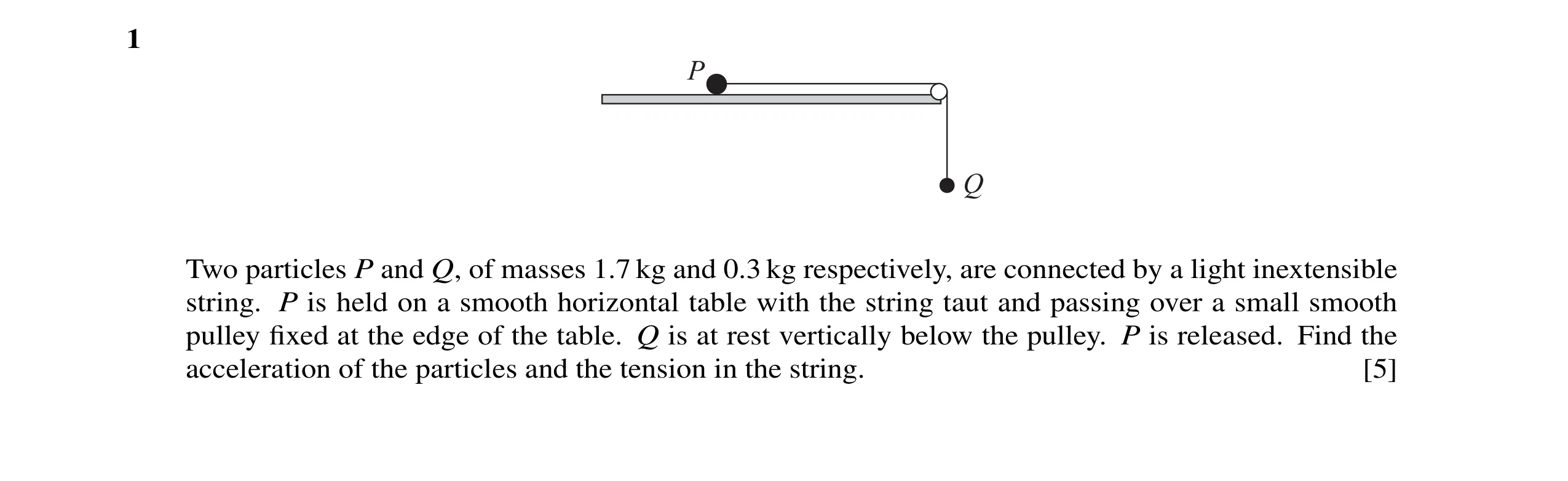

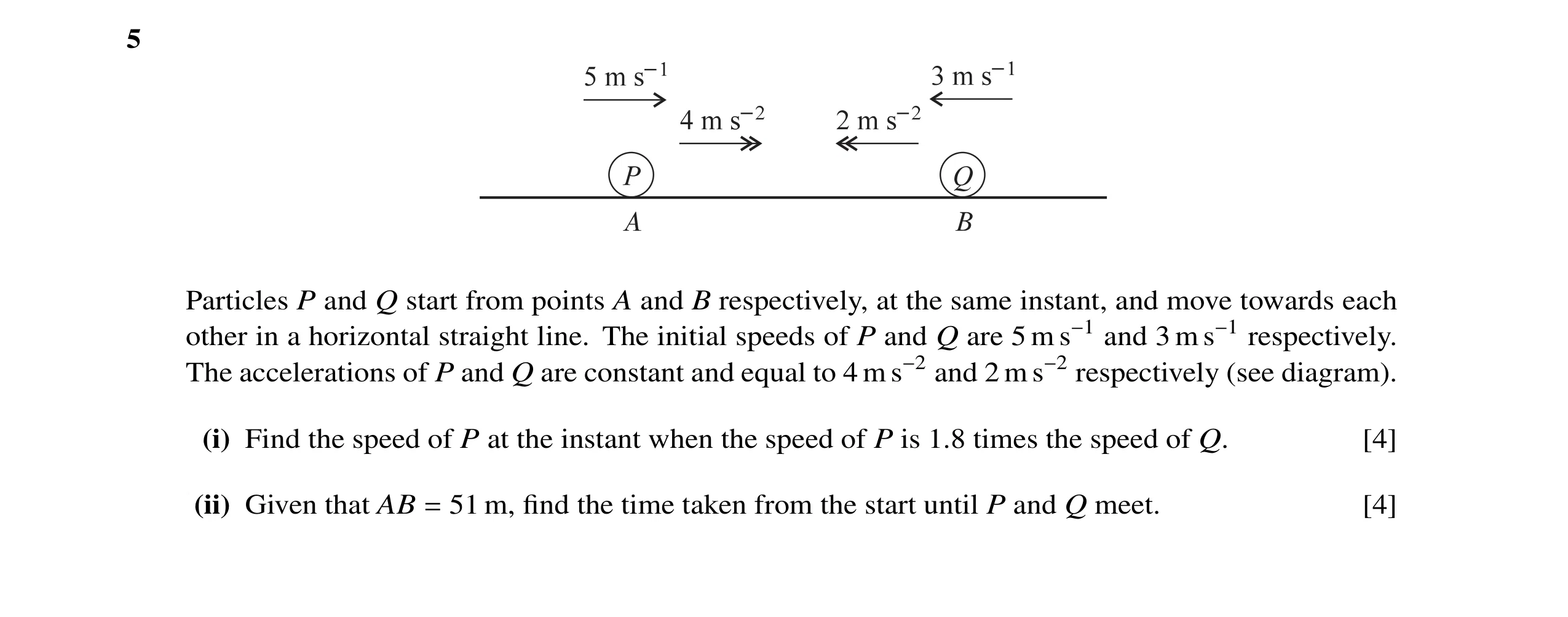
 1 / 391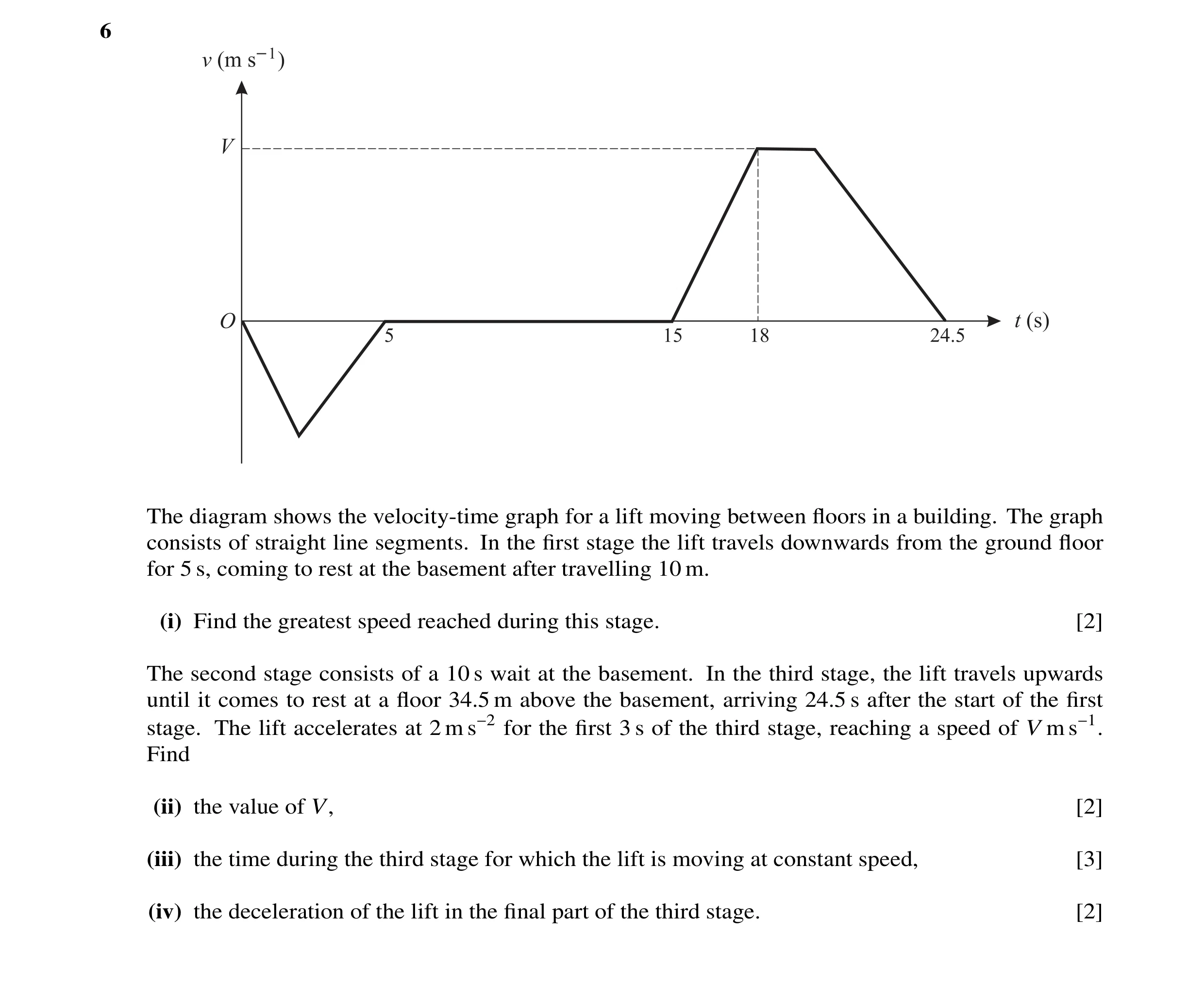
 2 / 391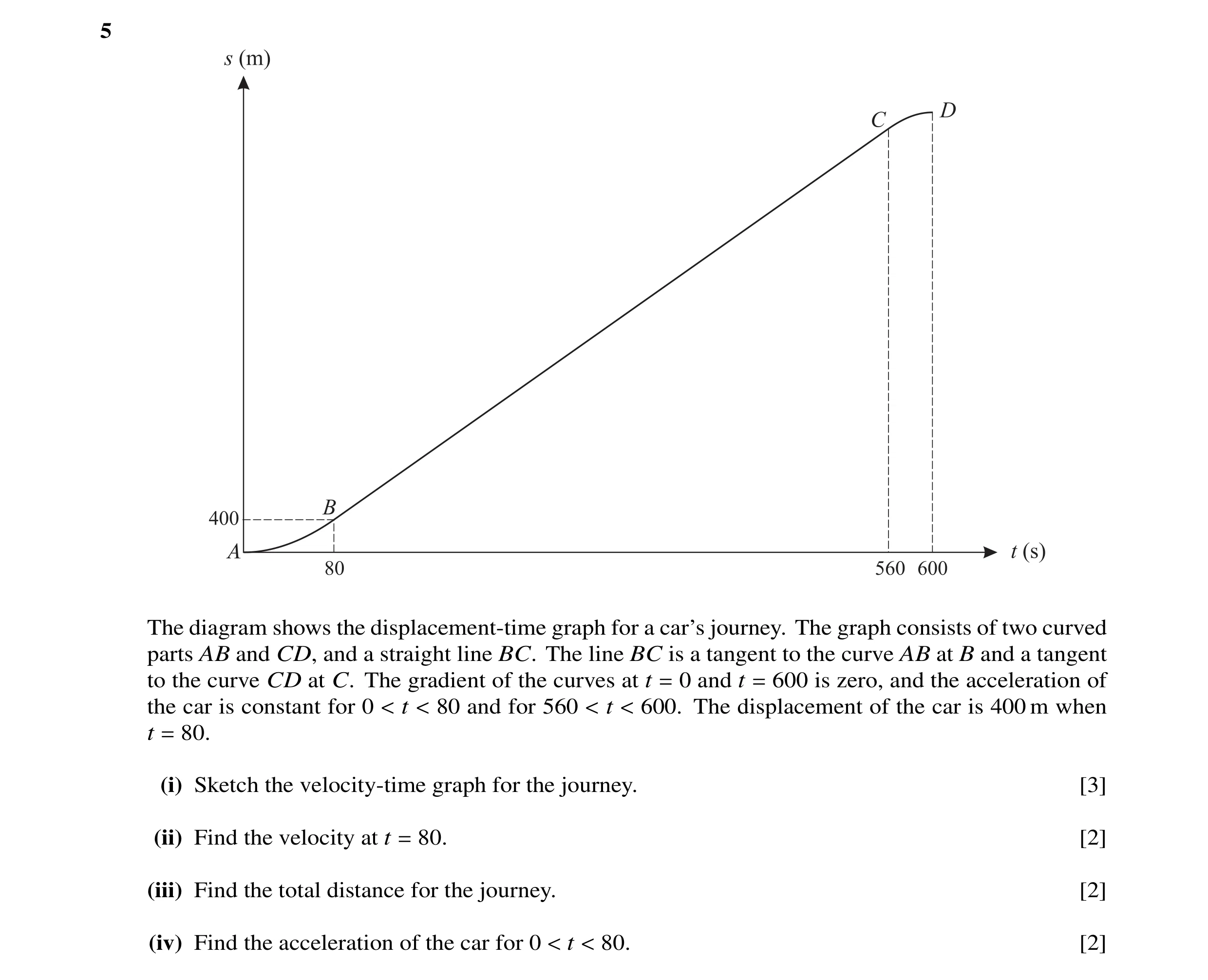
 3 / 391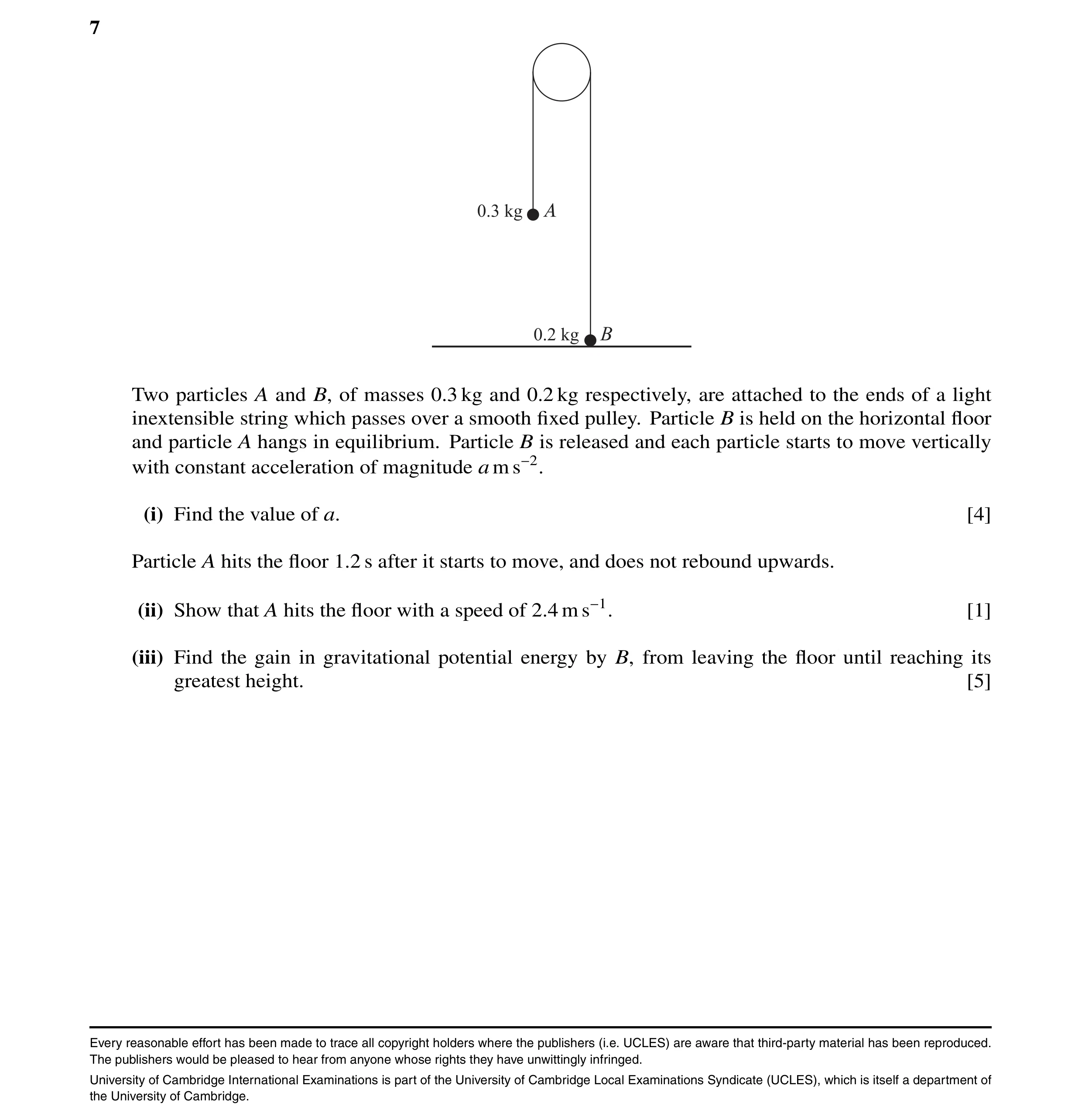
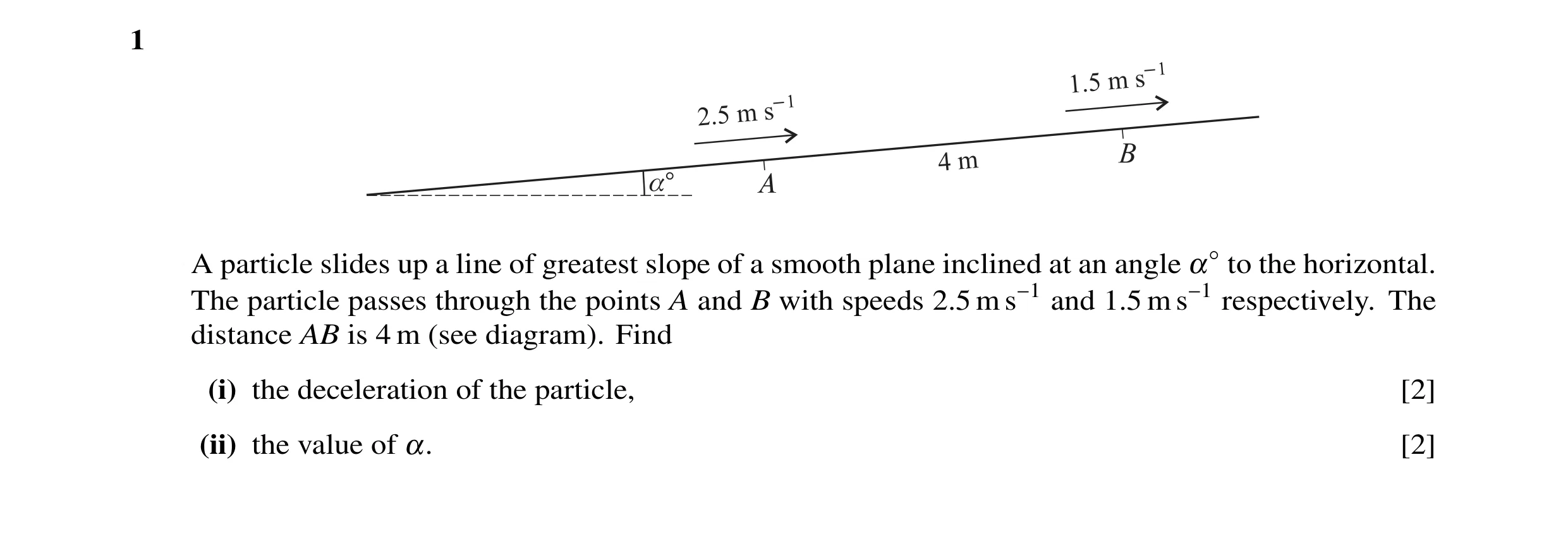 4 / 391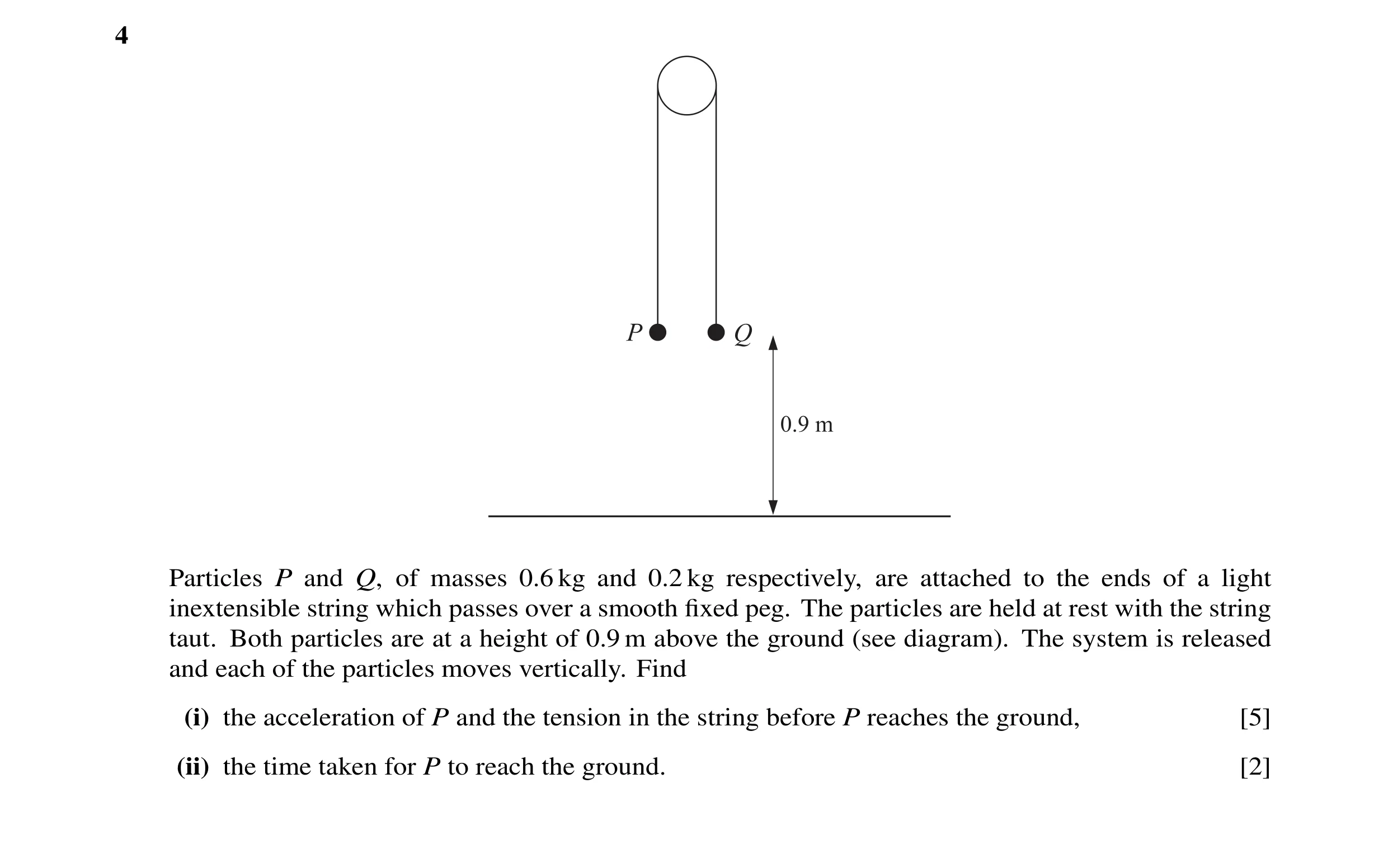

 5 / 391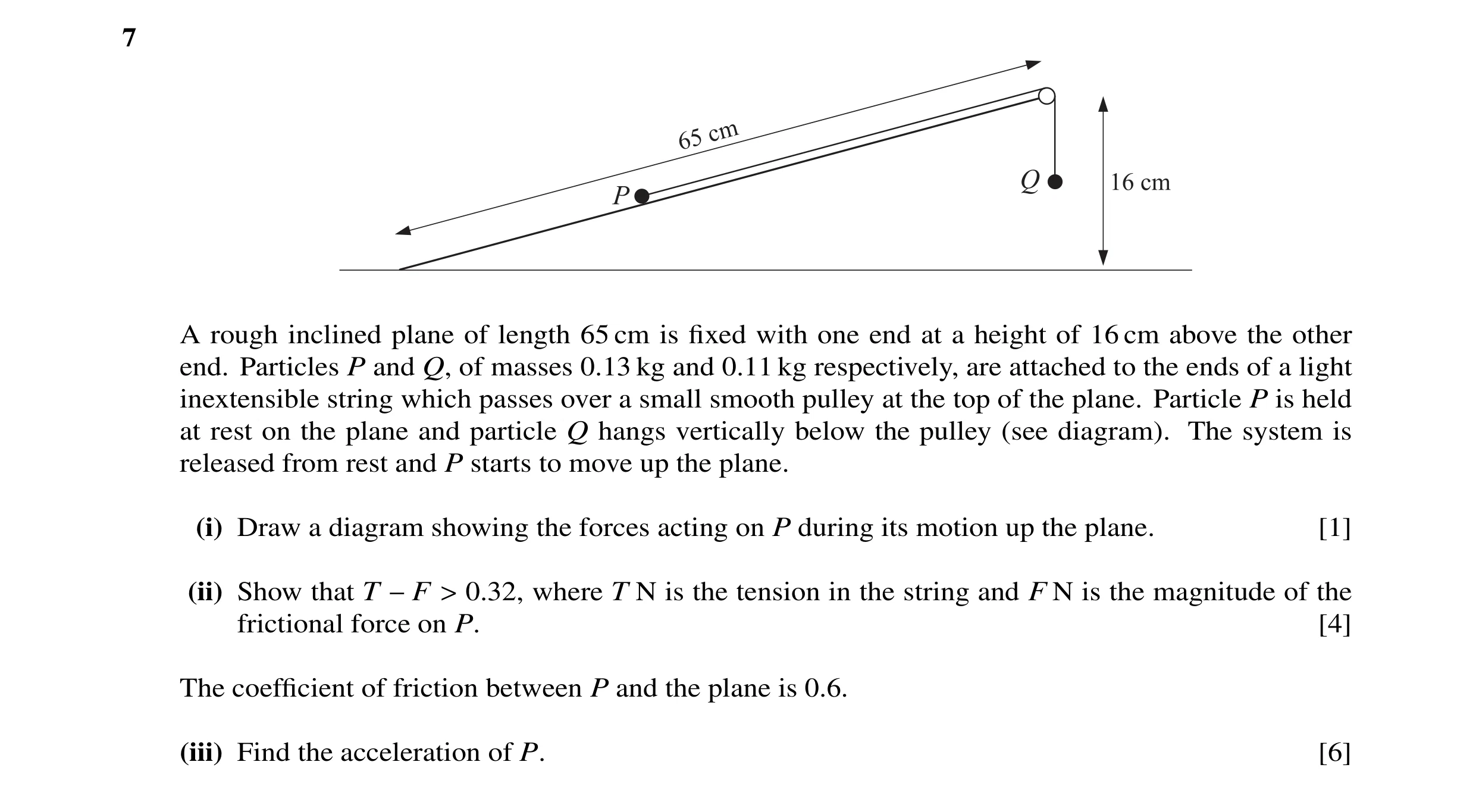
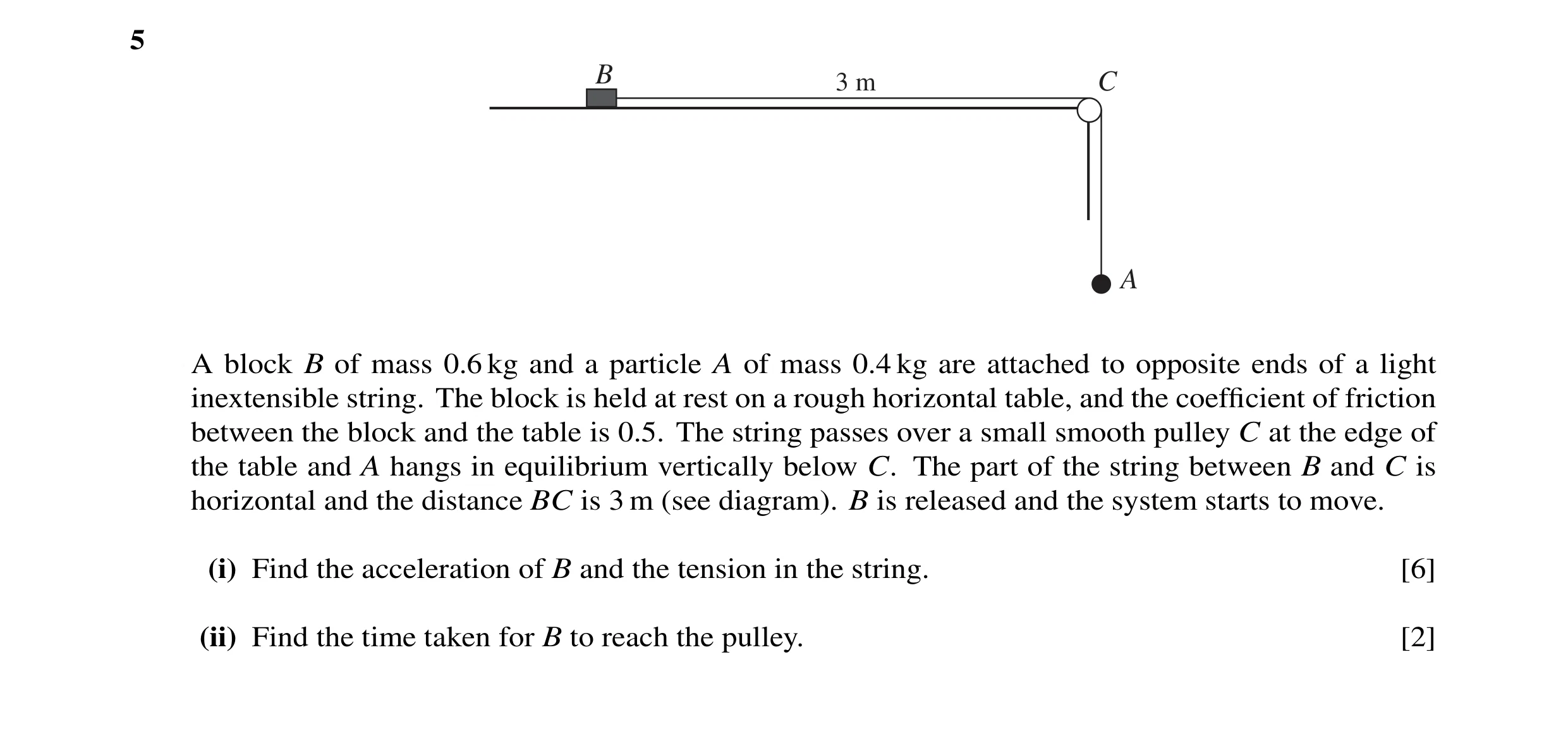 6 / 391
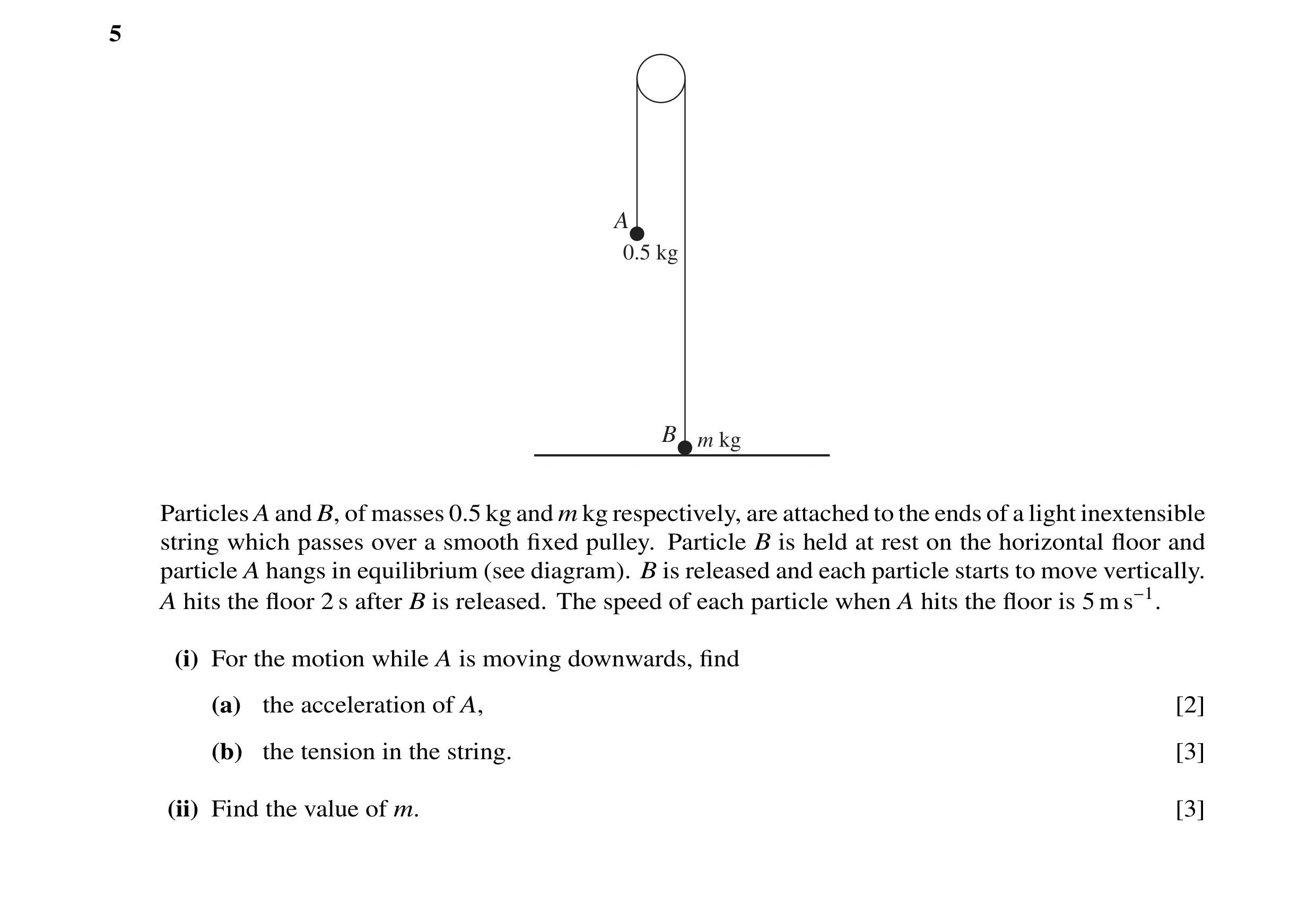
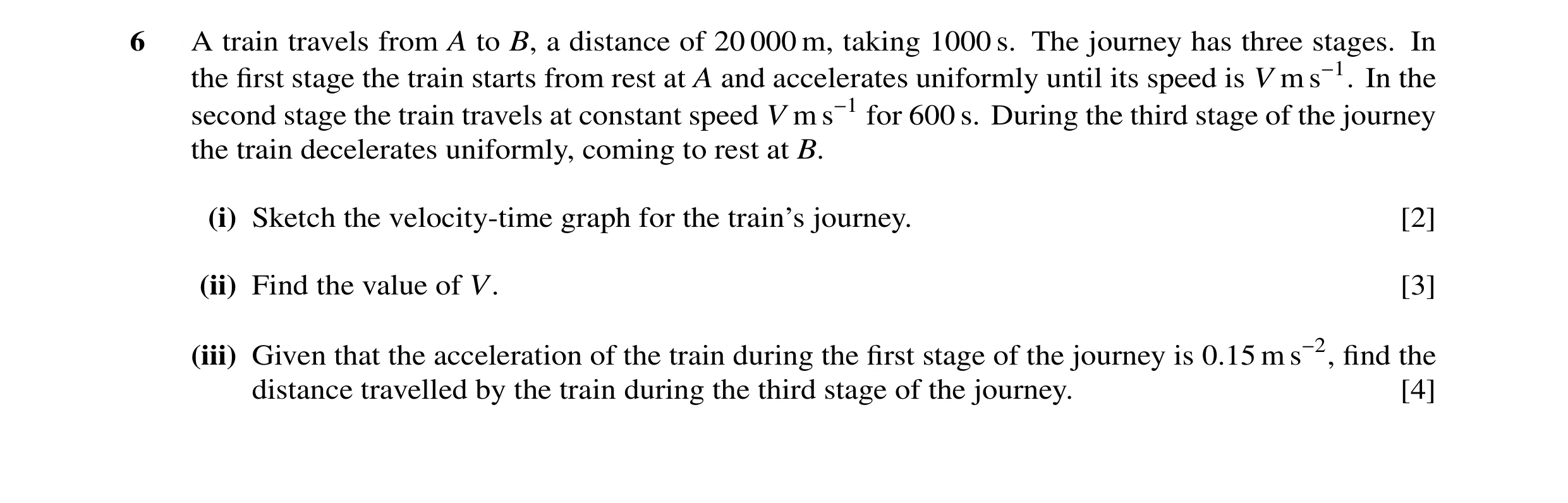 7 / 391
 8 / 391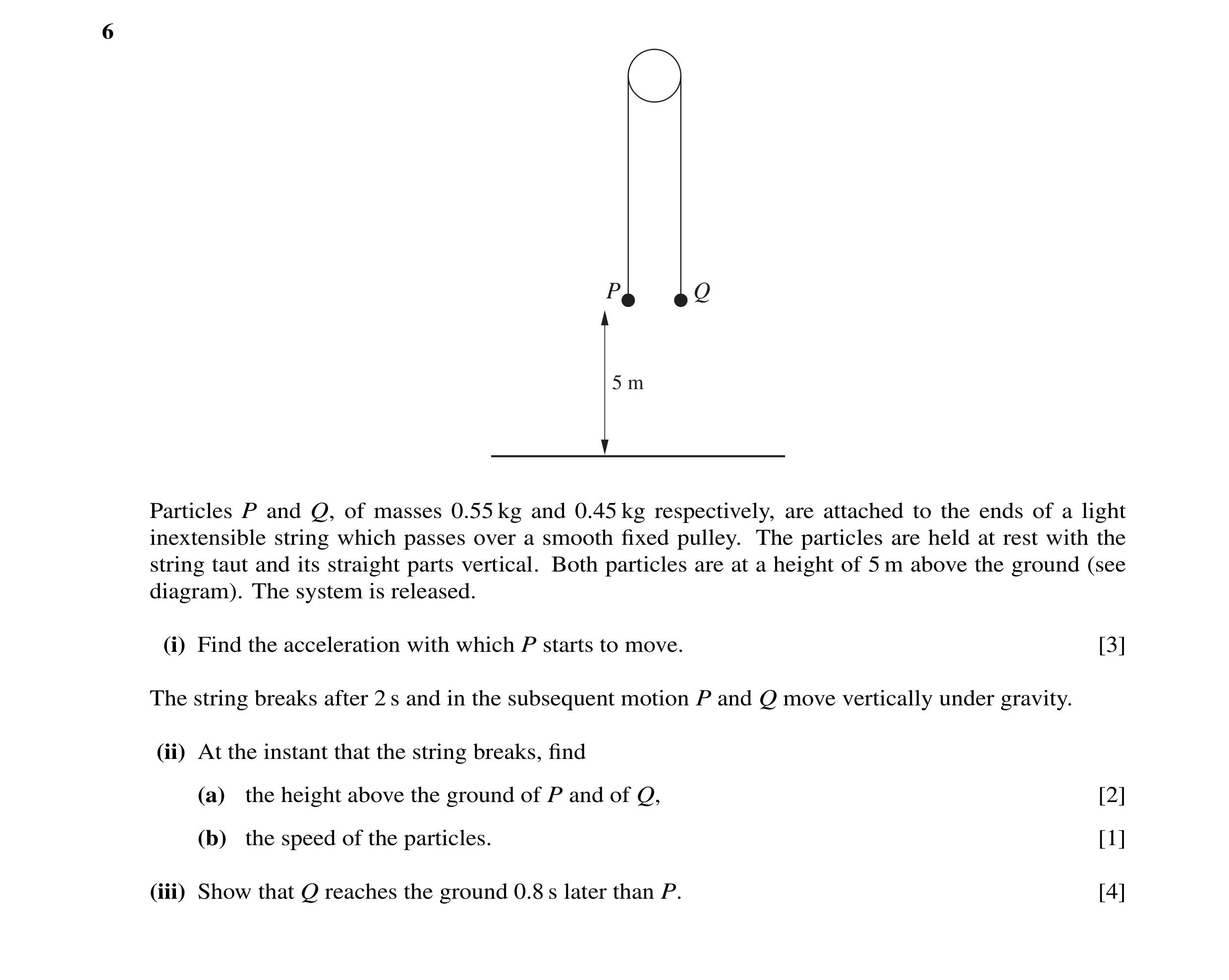
 9 / 391
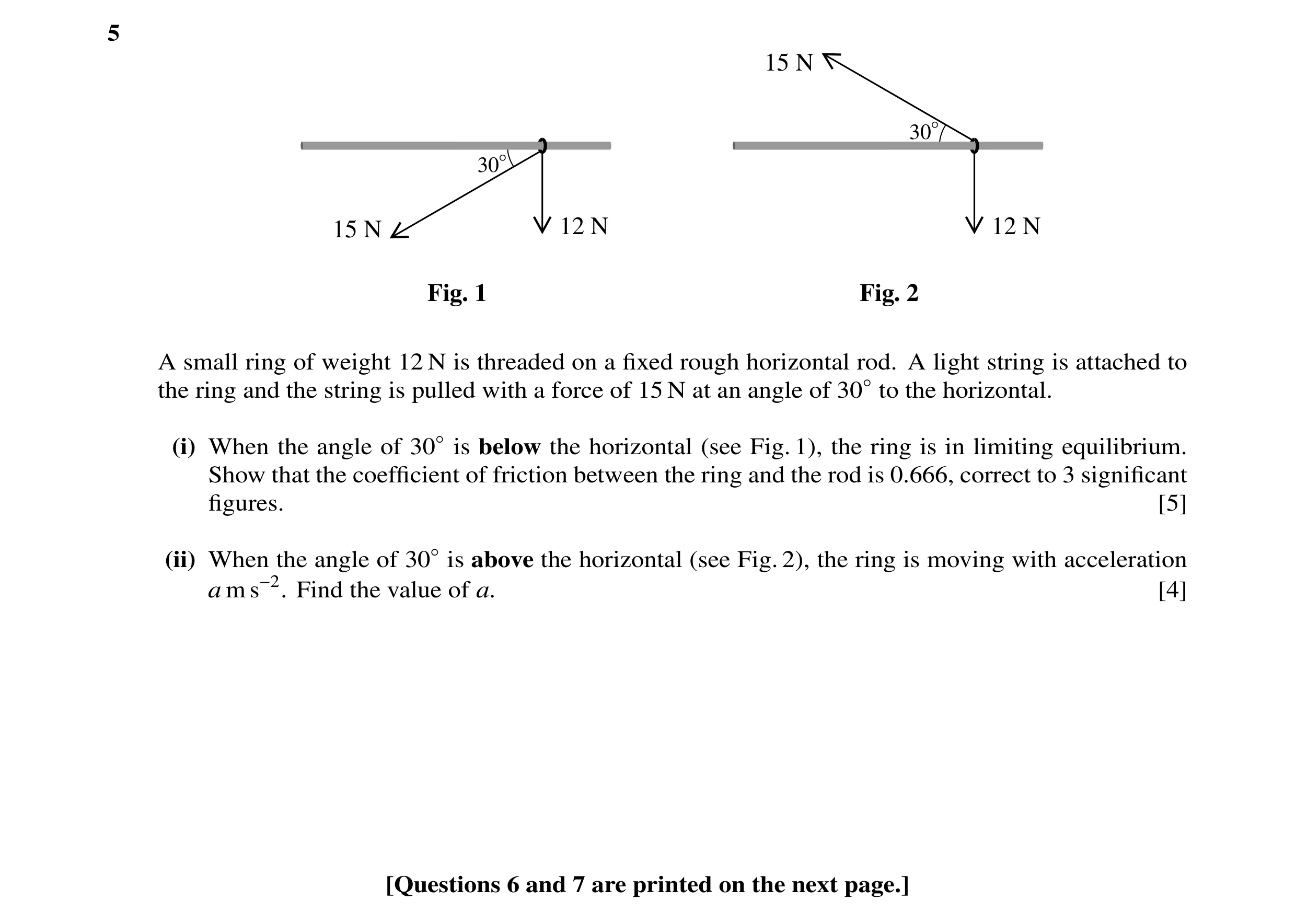 10 / 391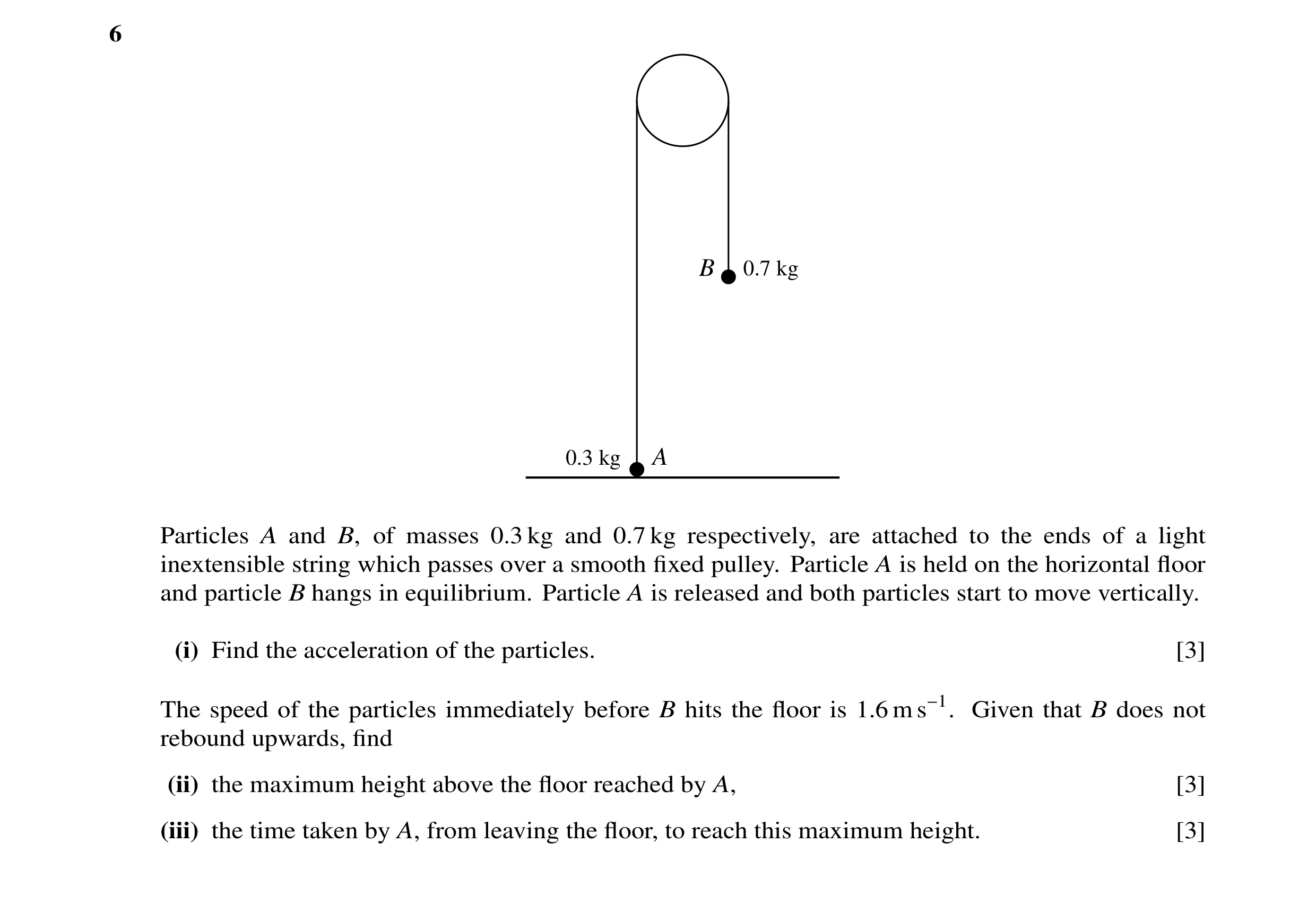
 11 / 391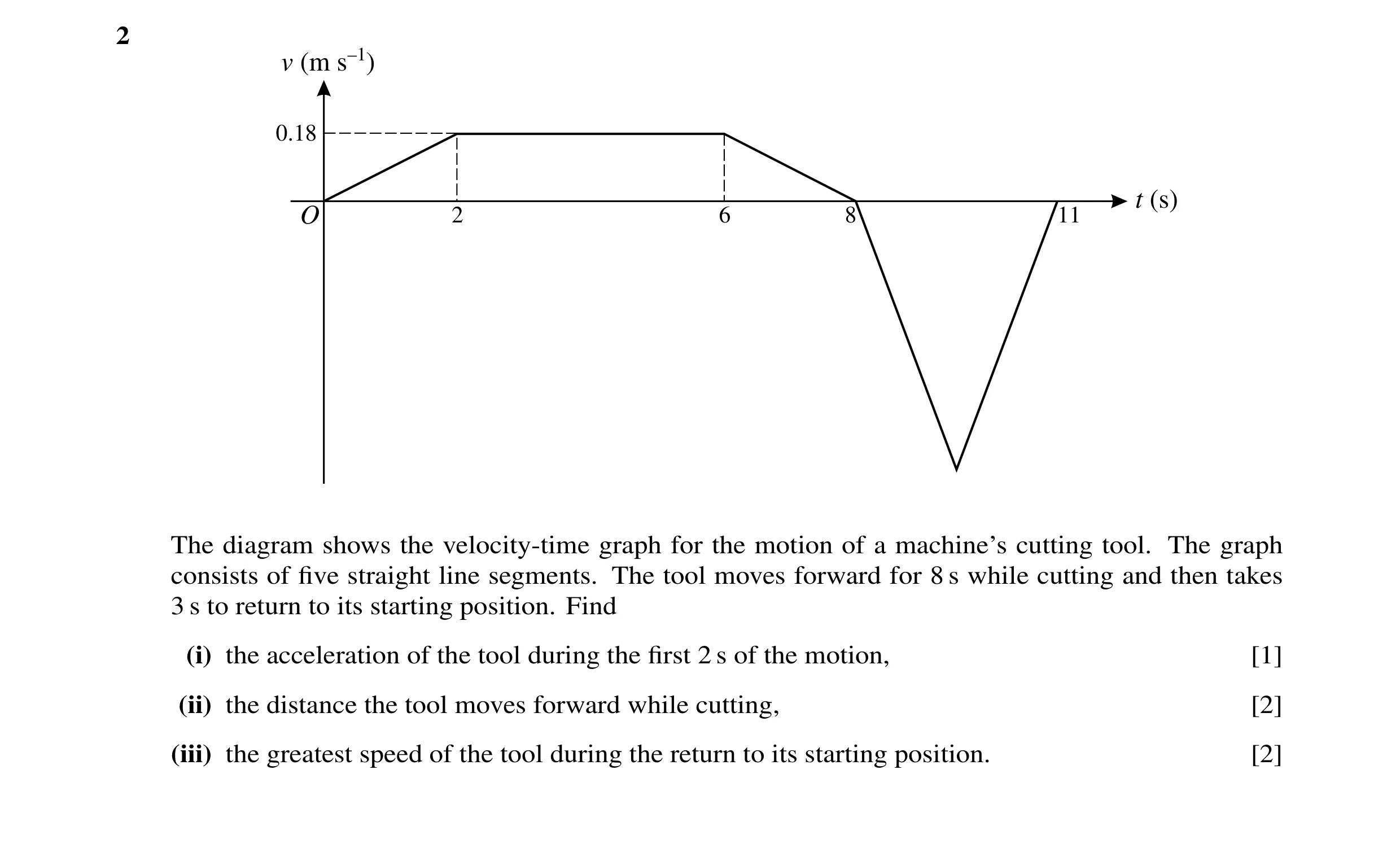
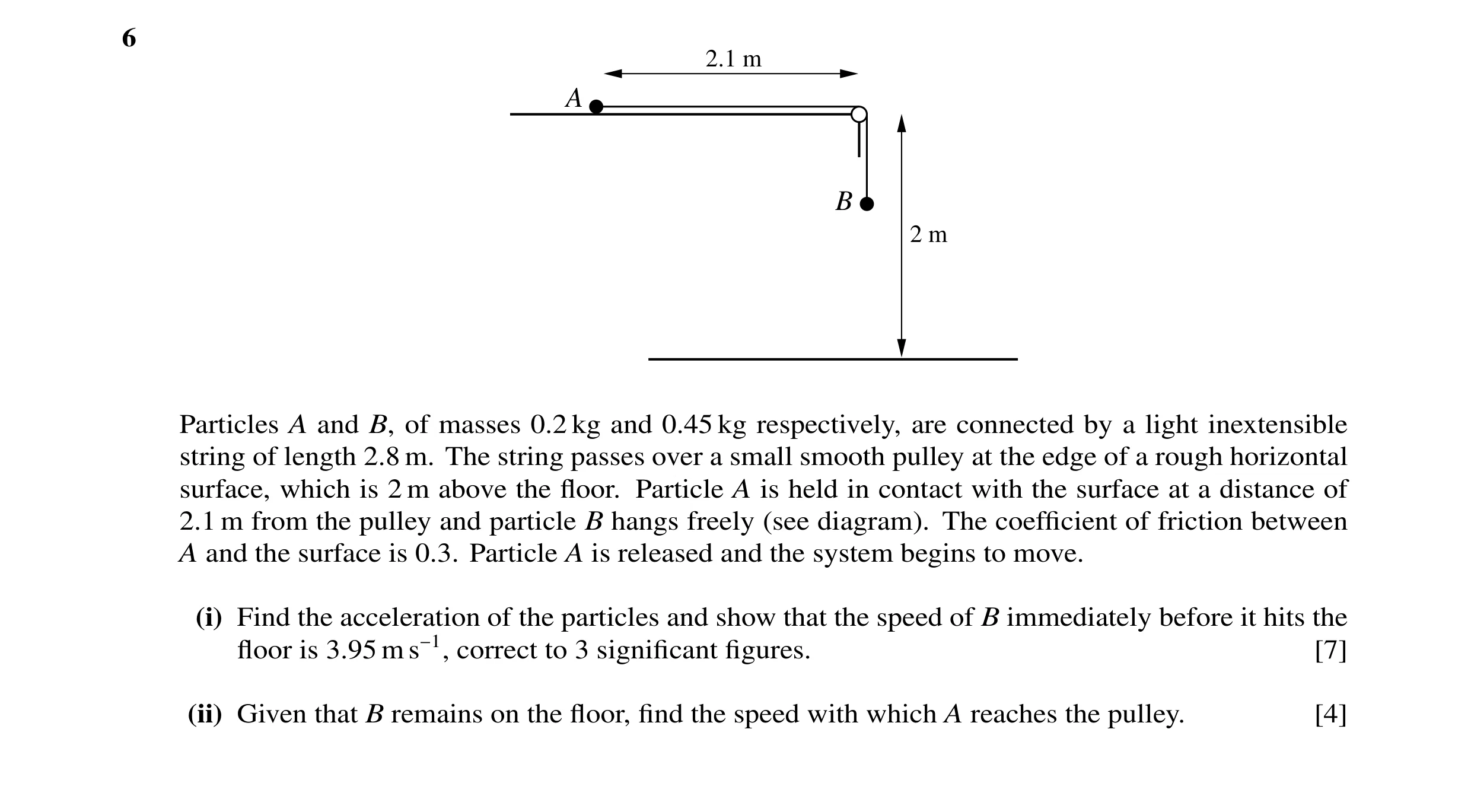
 12 / 391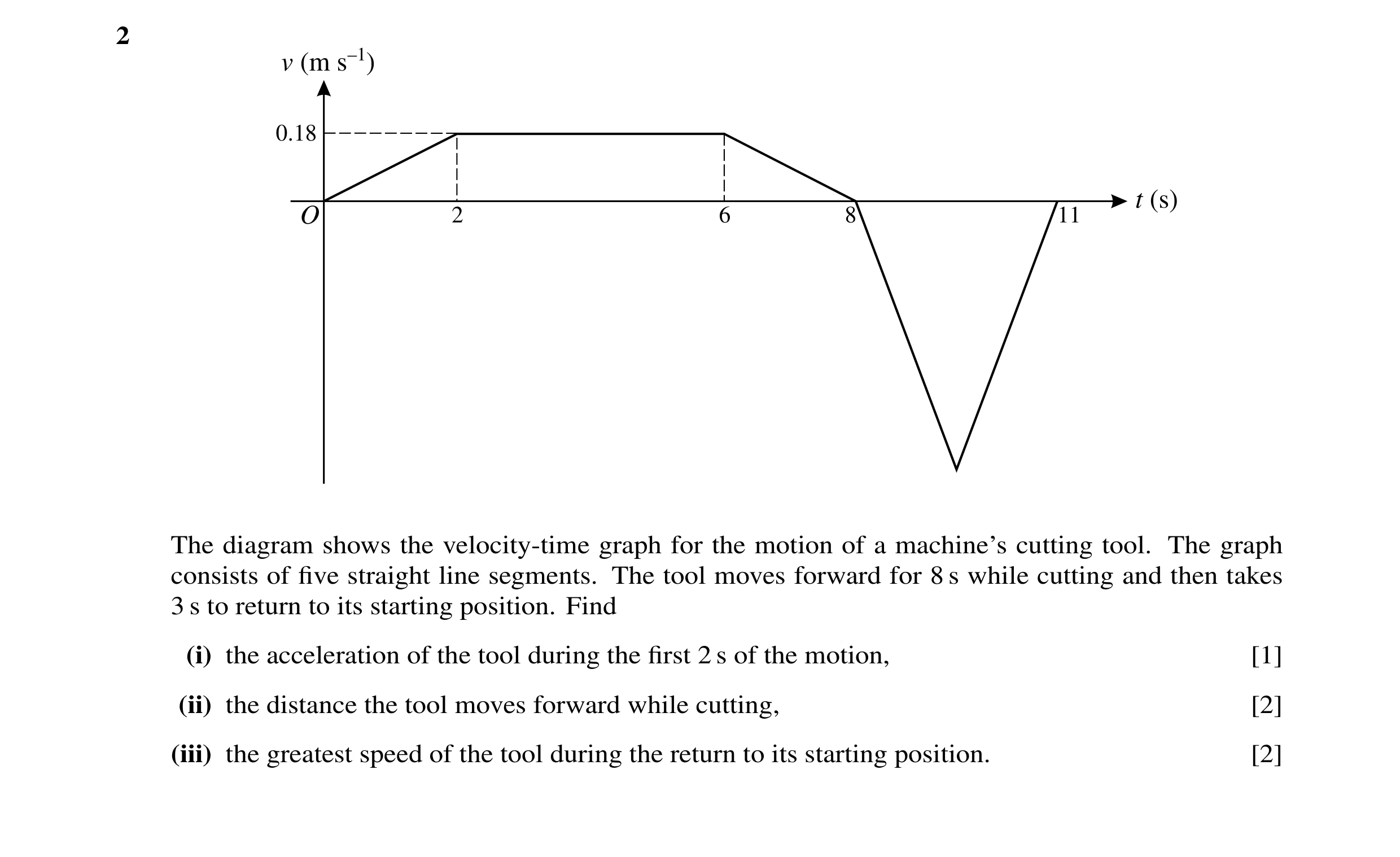
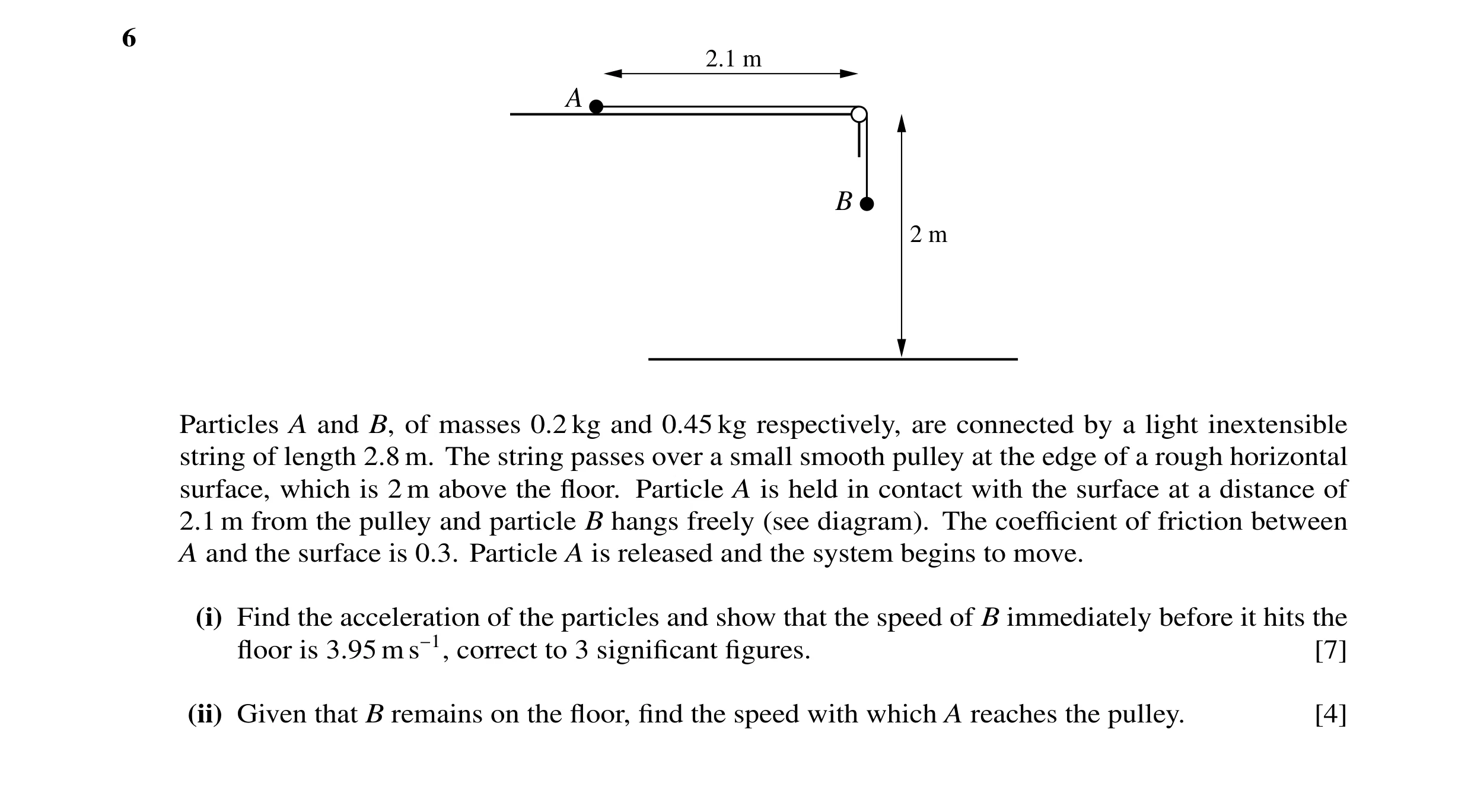 13 / 391

 14 / 391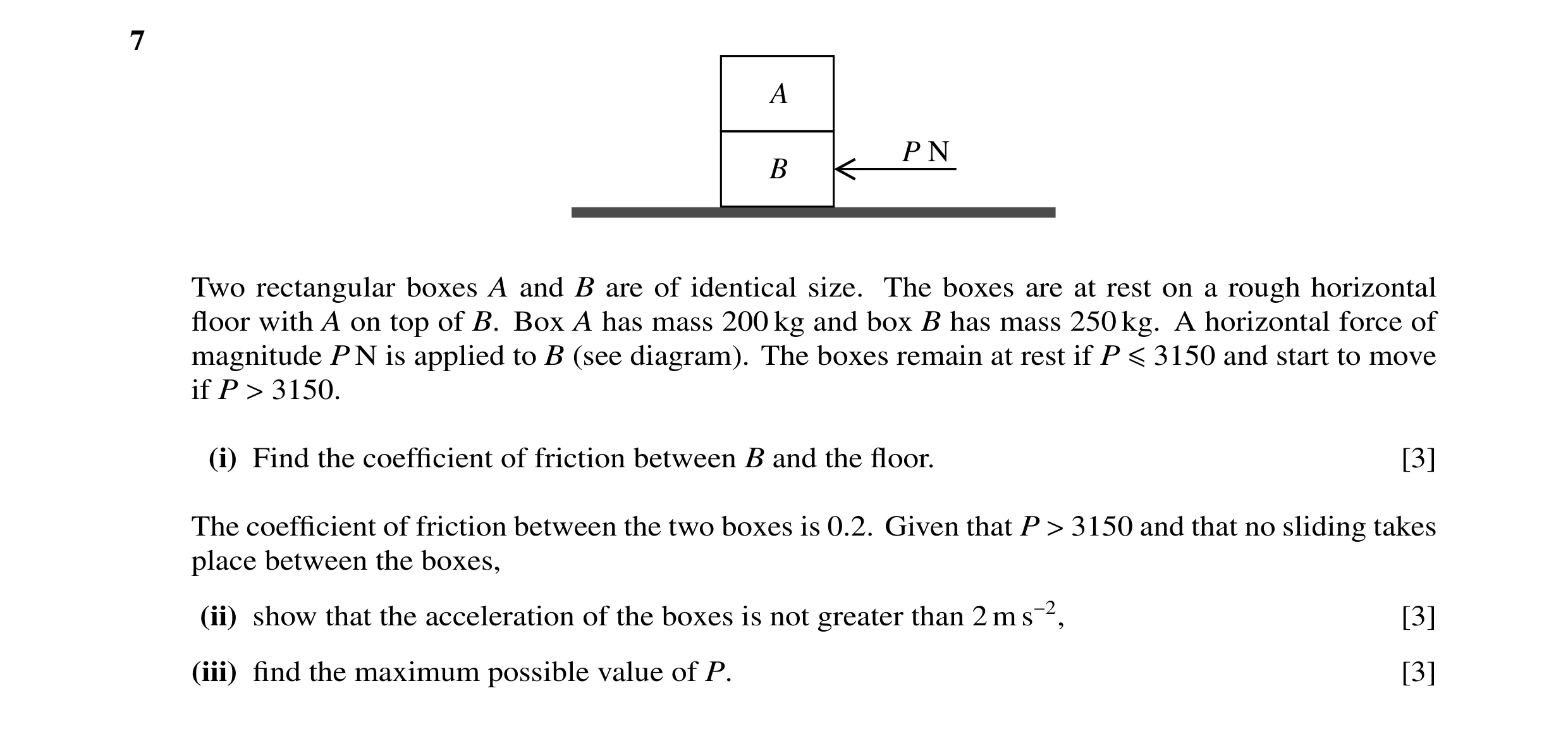
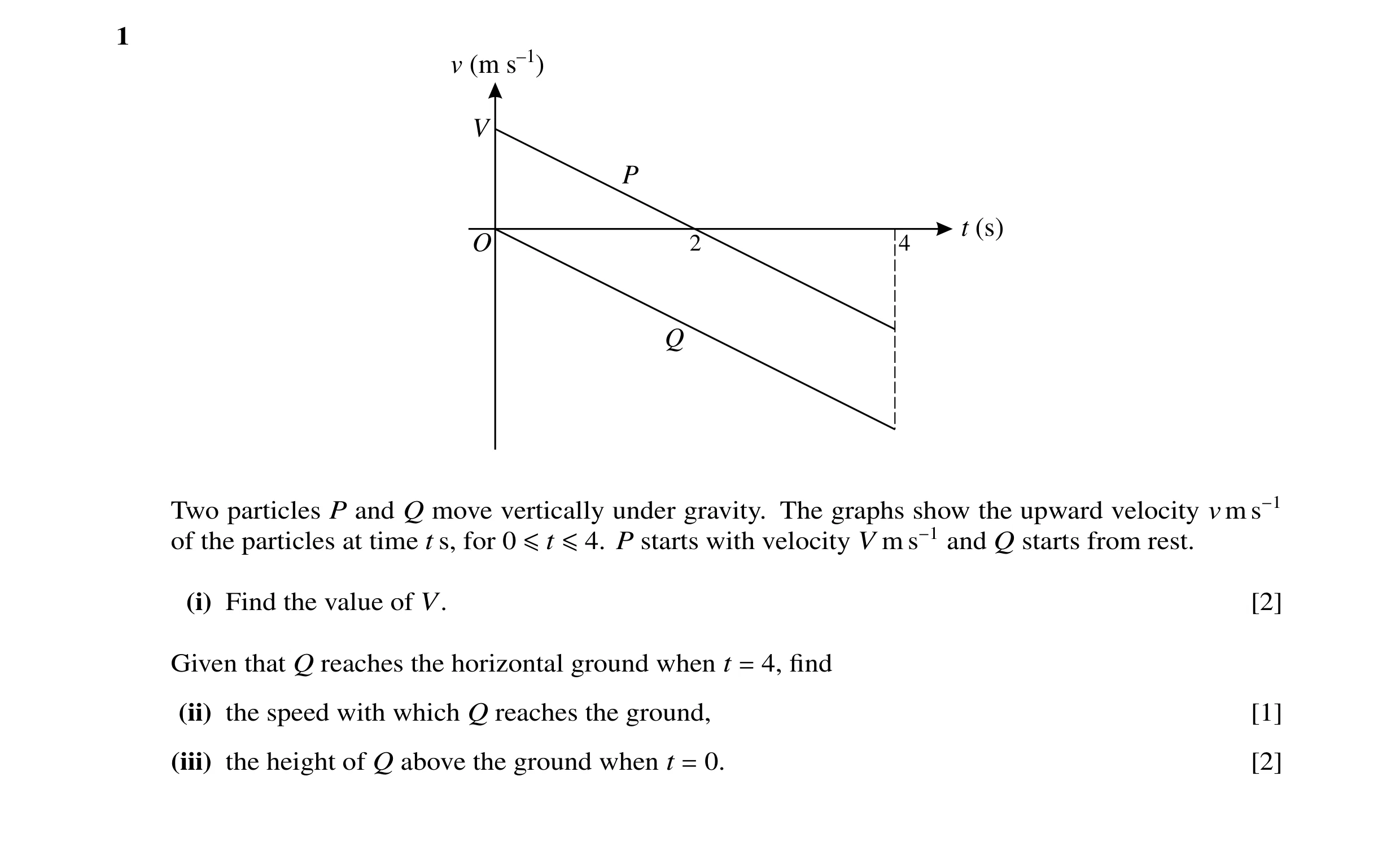 15 / 391
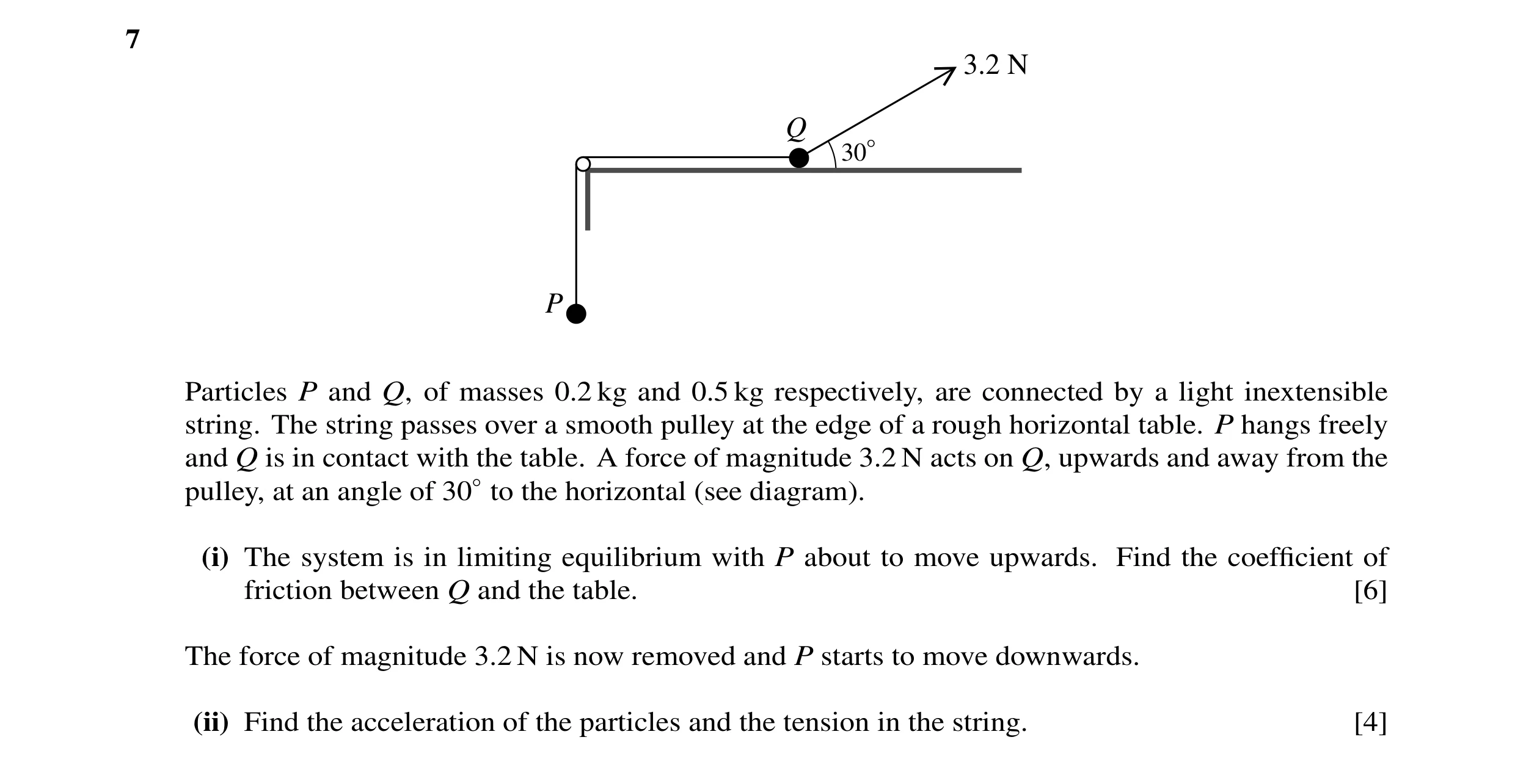 16 / 391

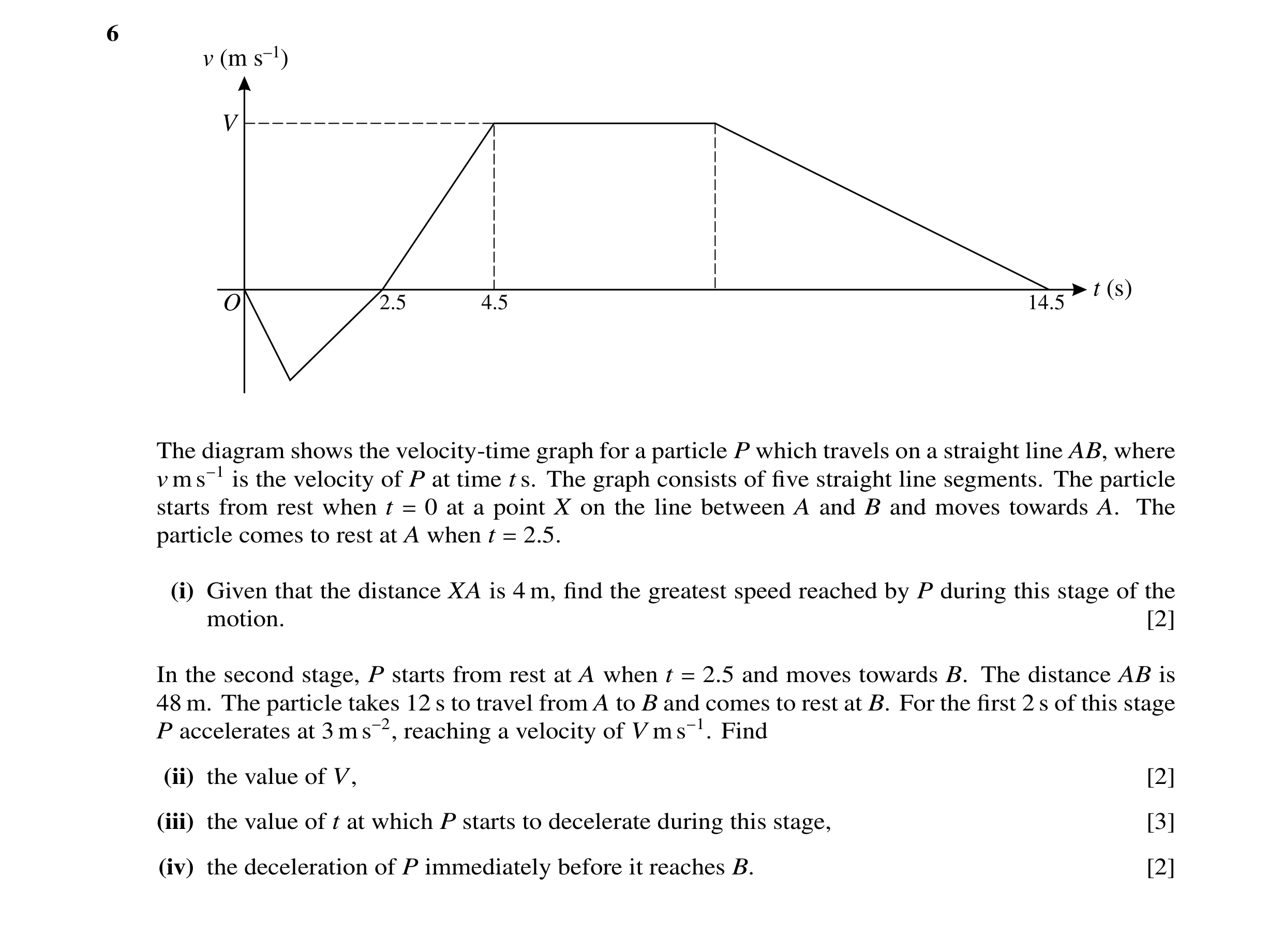
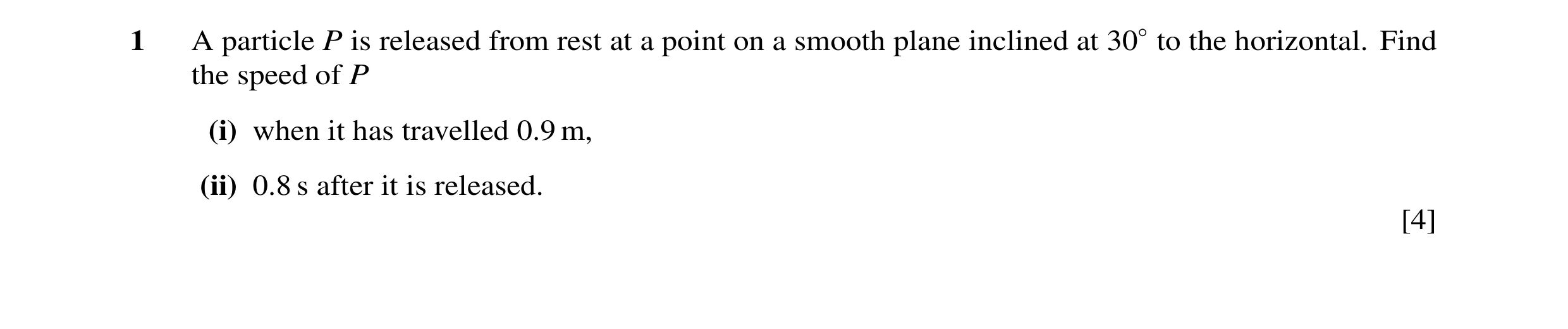 17 / 391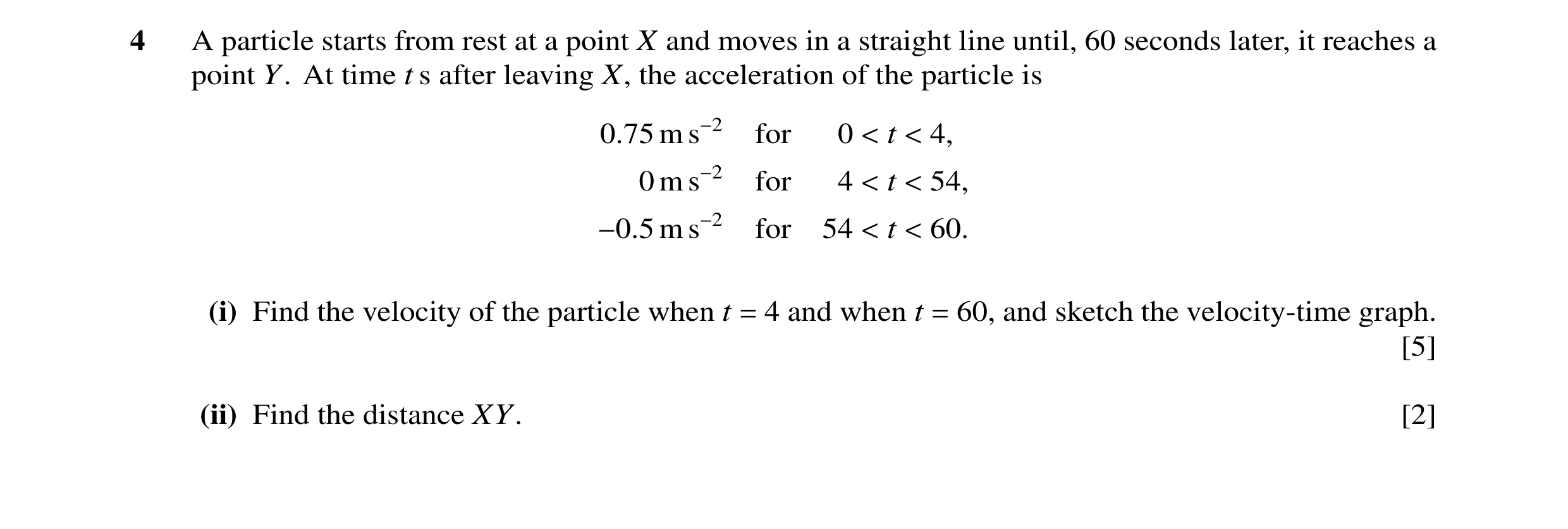
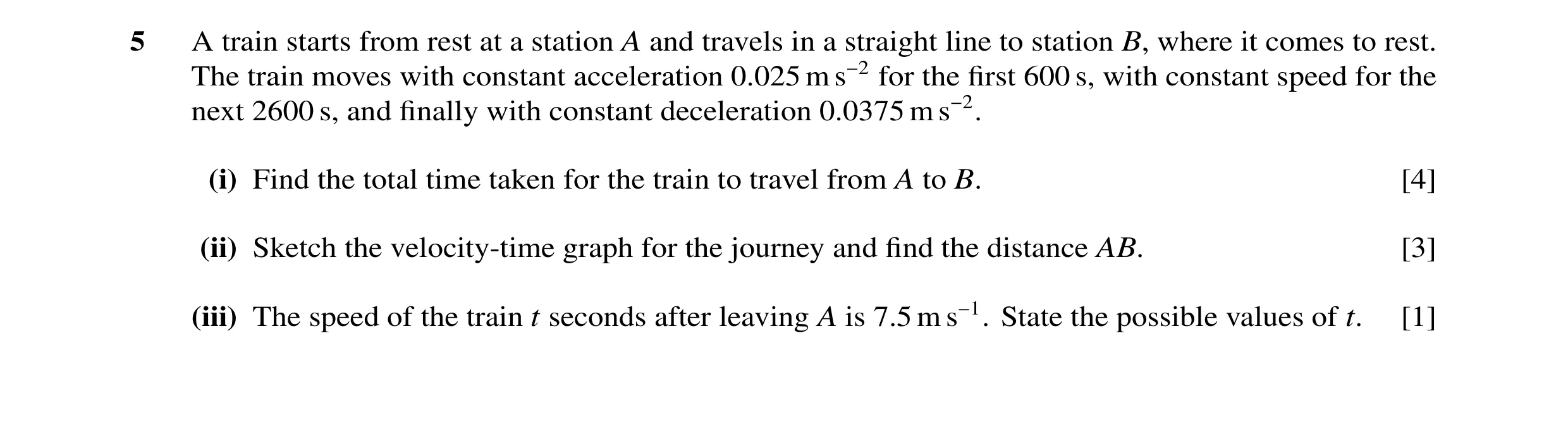
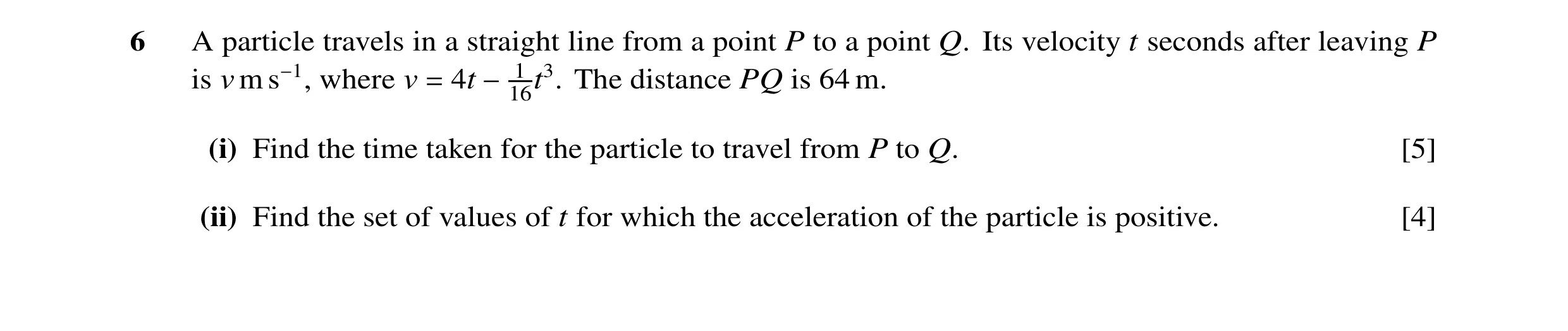
 18 / 391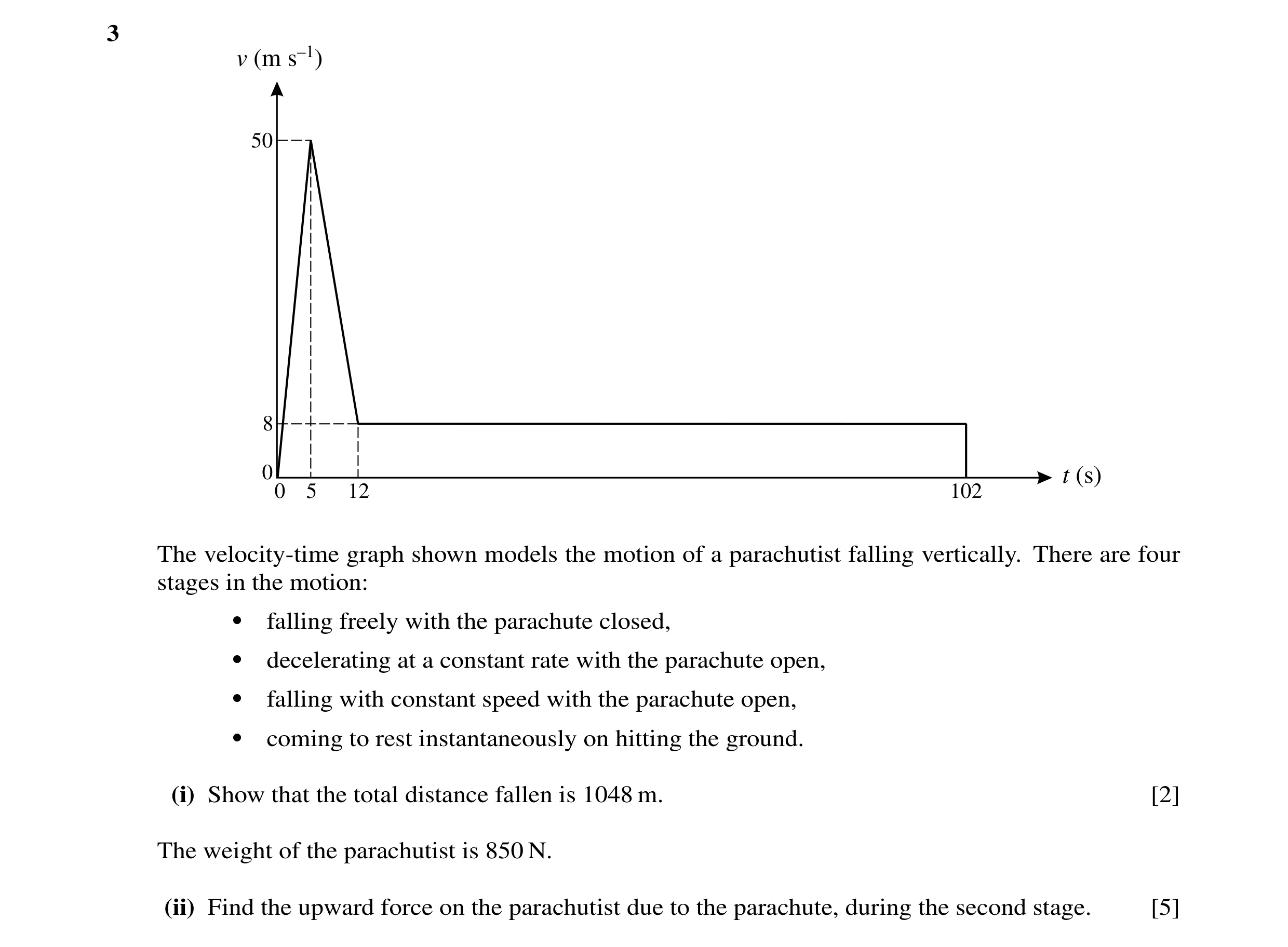
 19 / 391
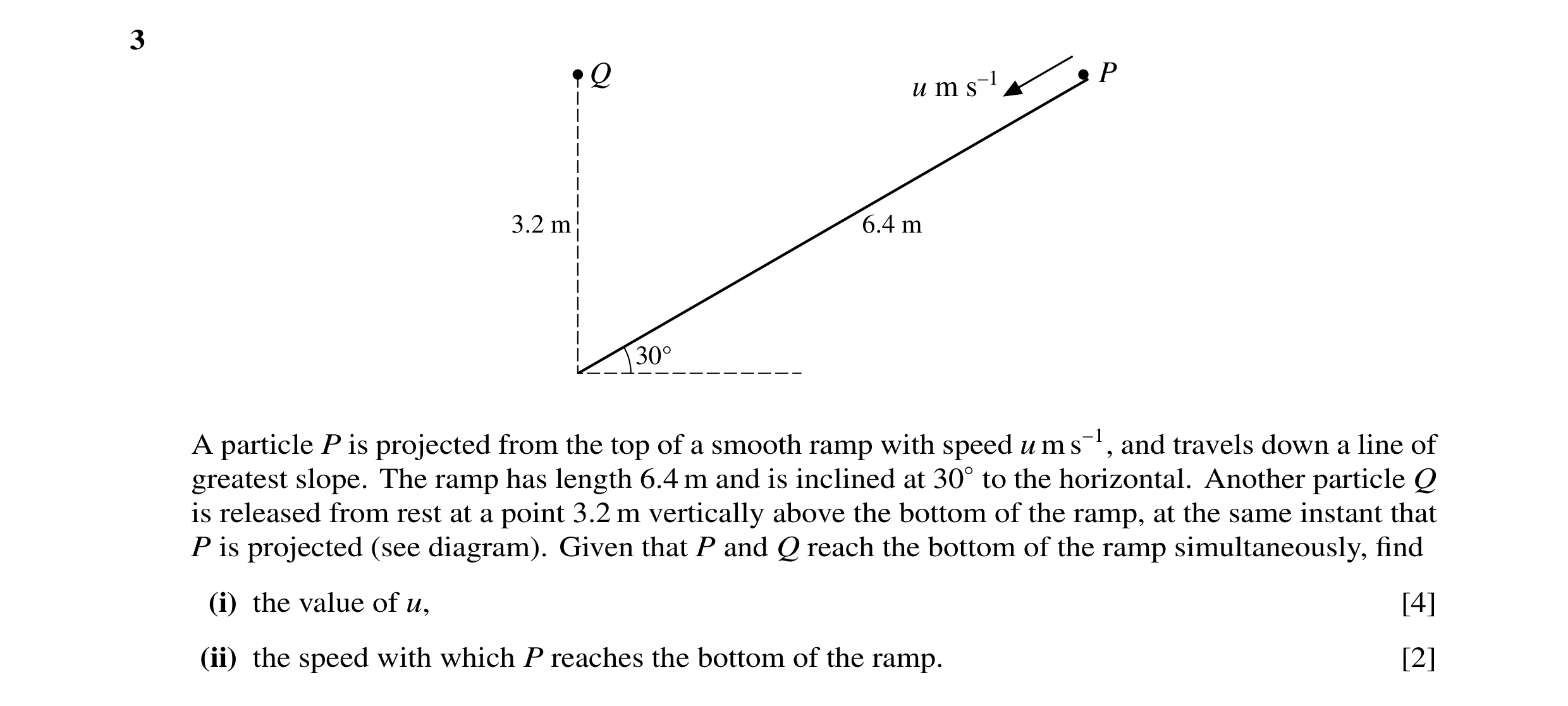 20 / 391
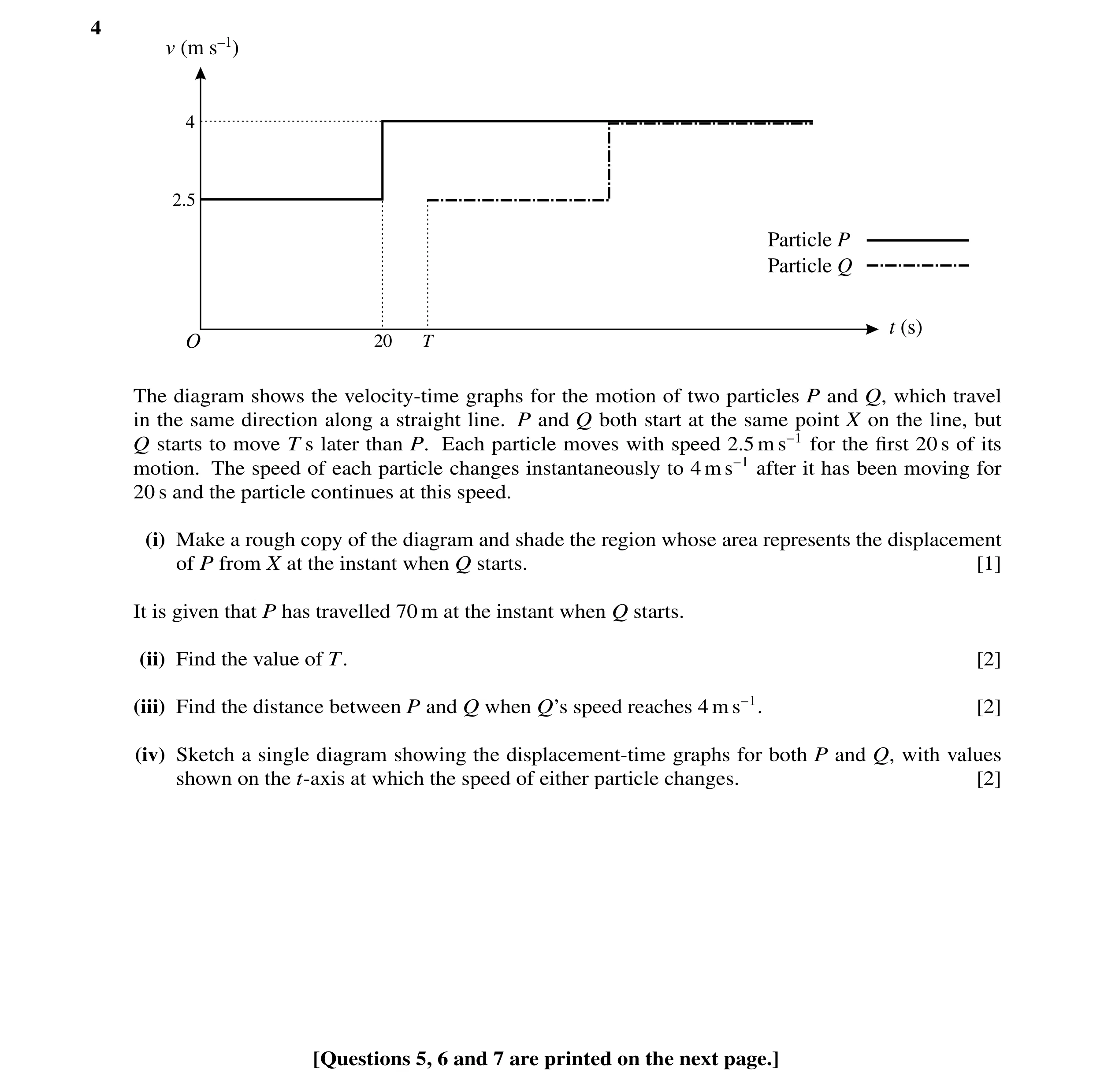 21 / 391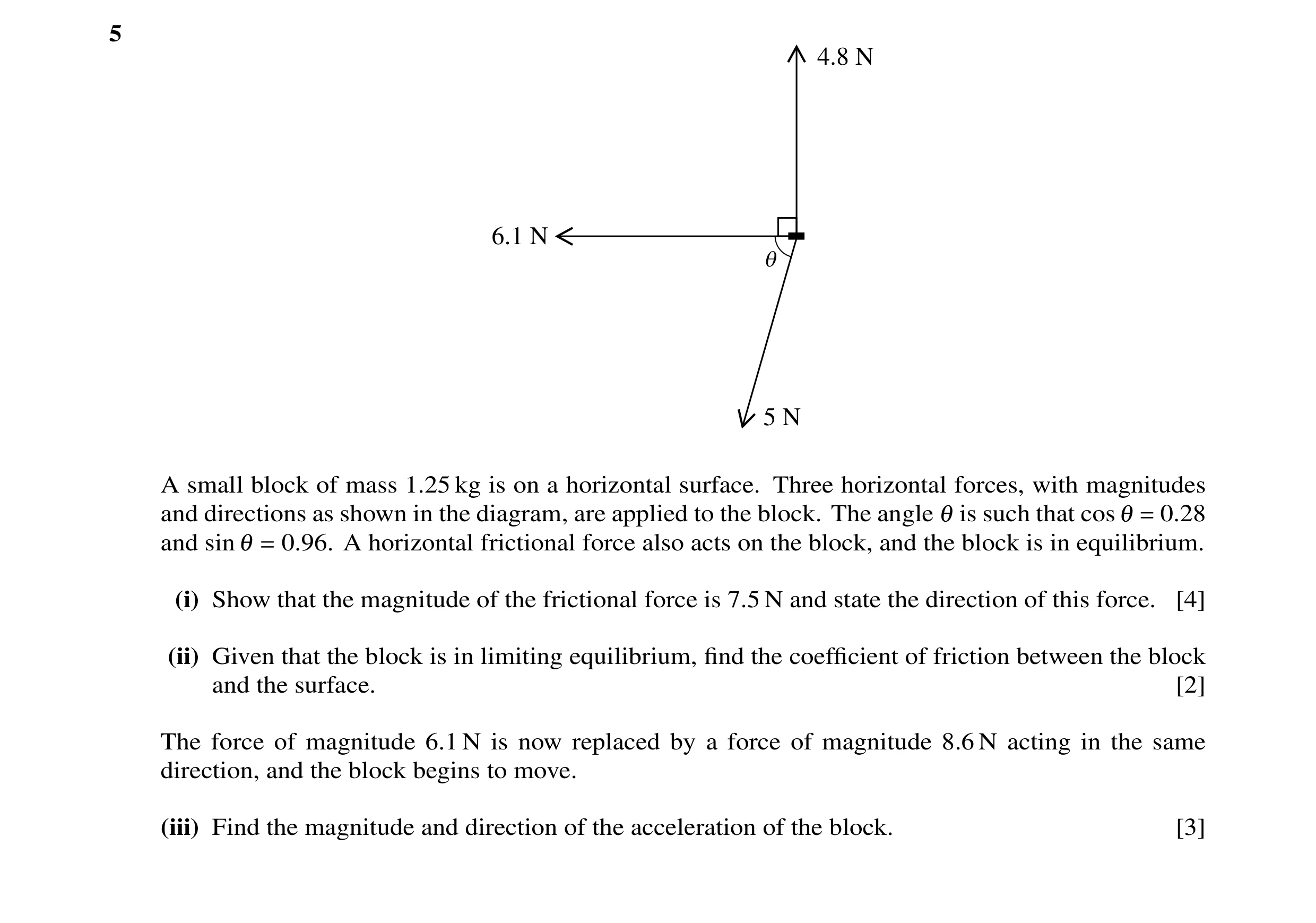
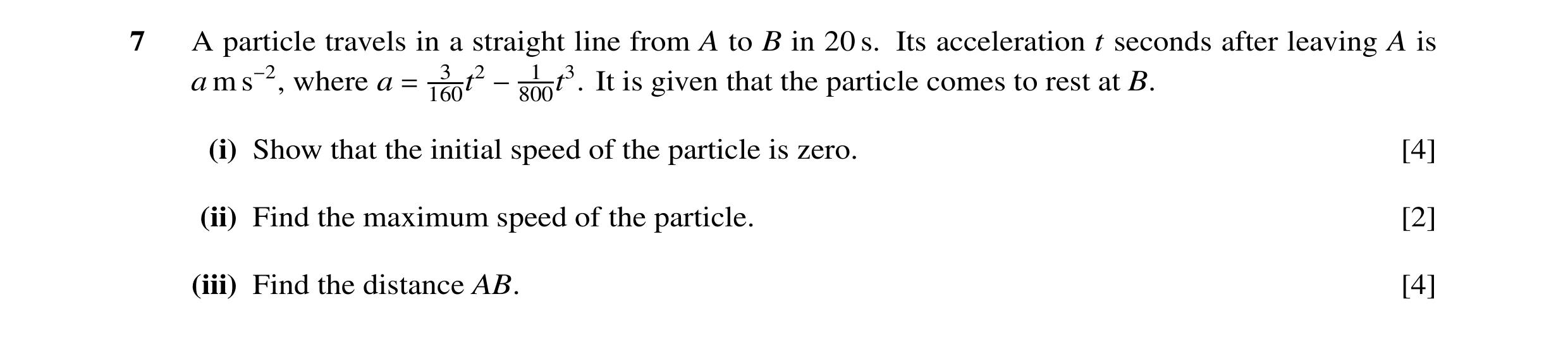 22 / 391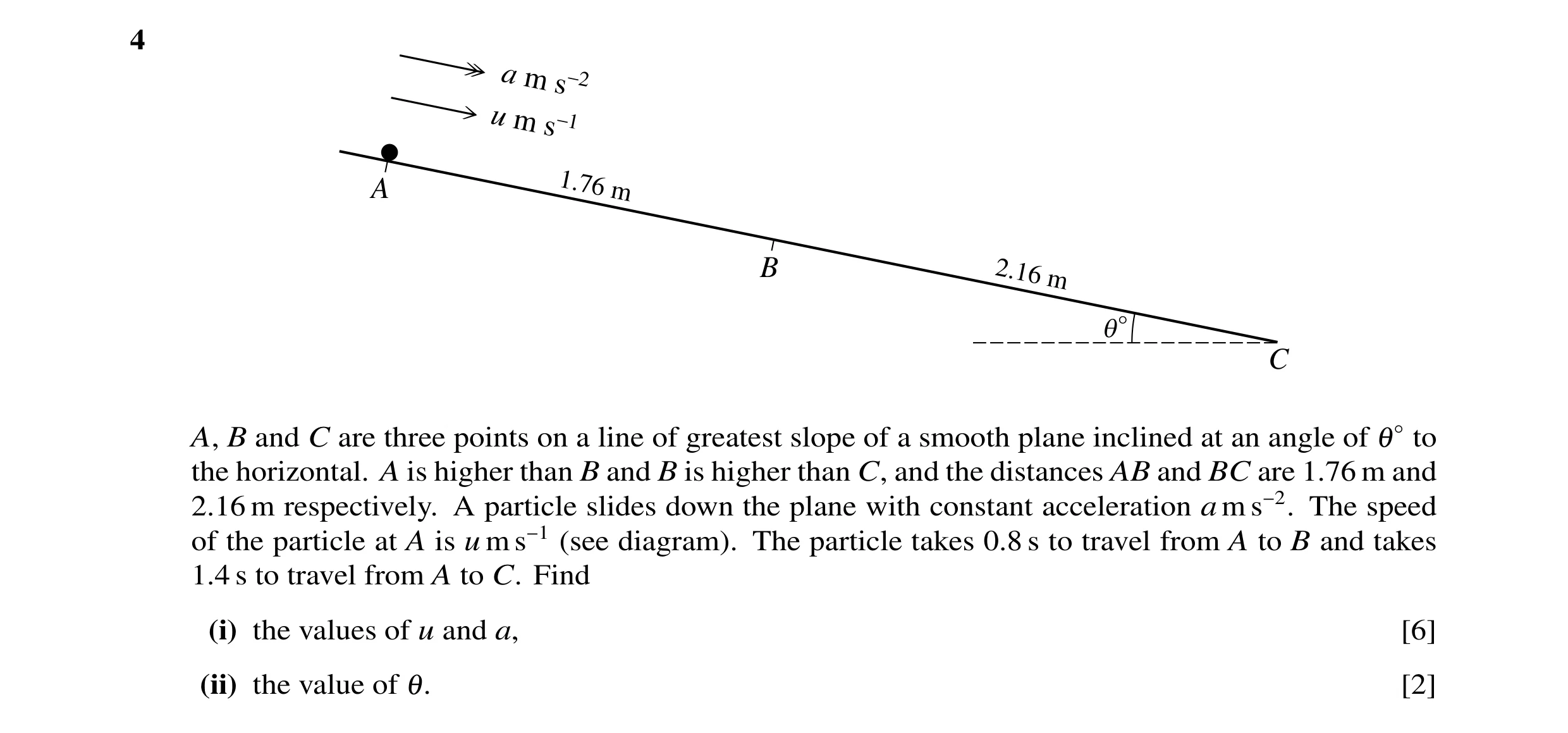
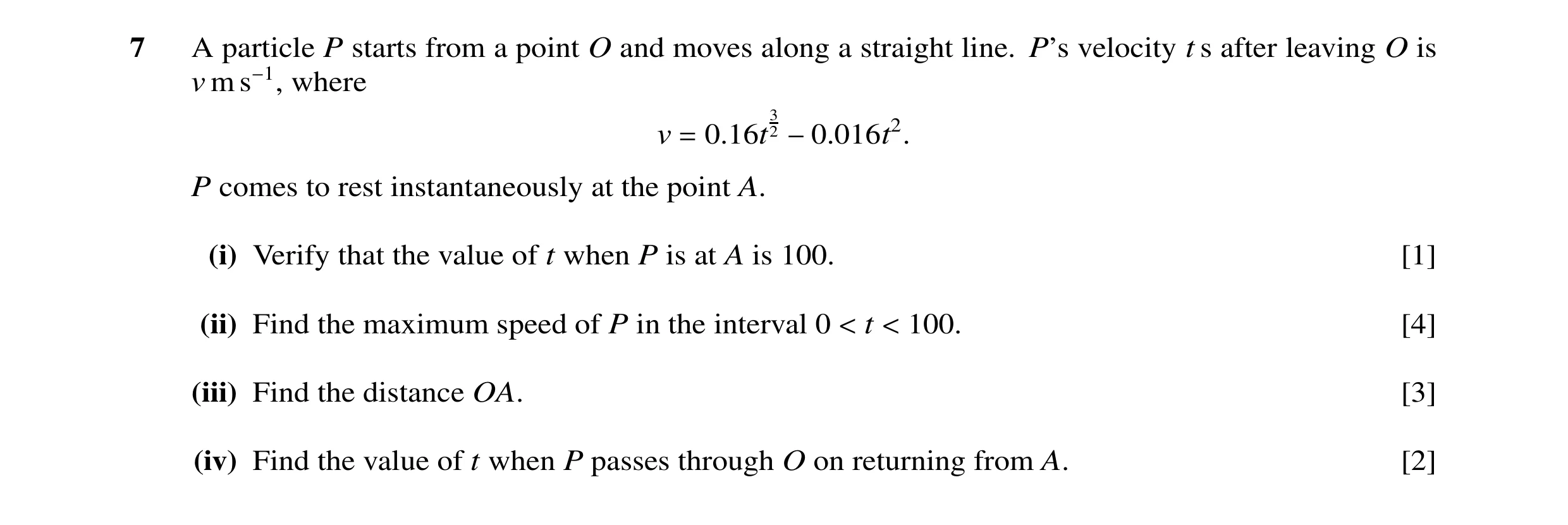
 23 / 391
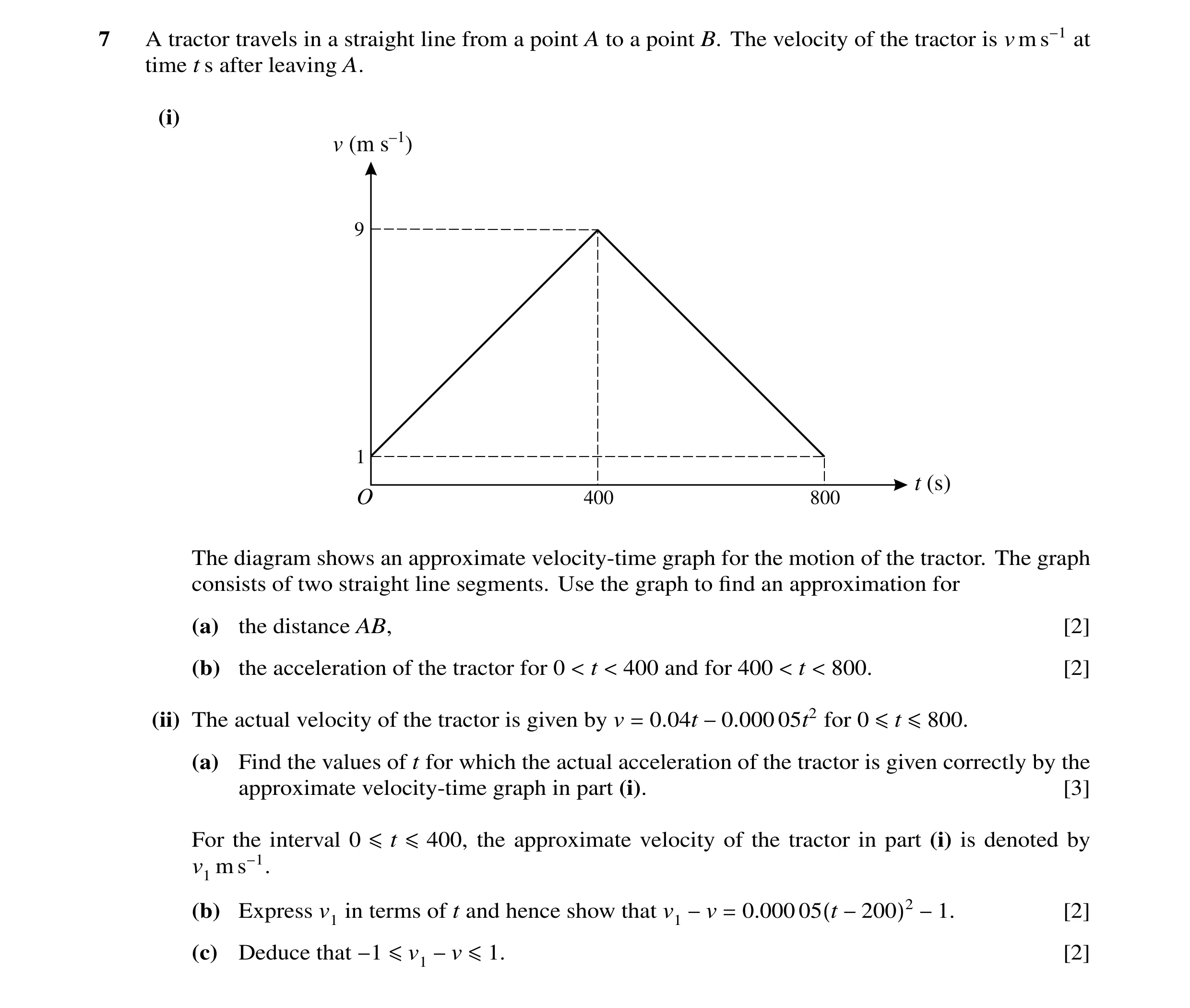 24 / 391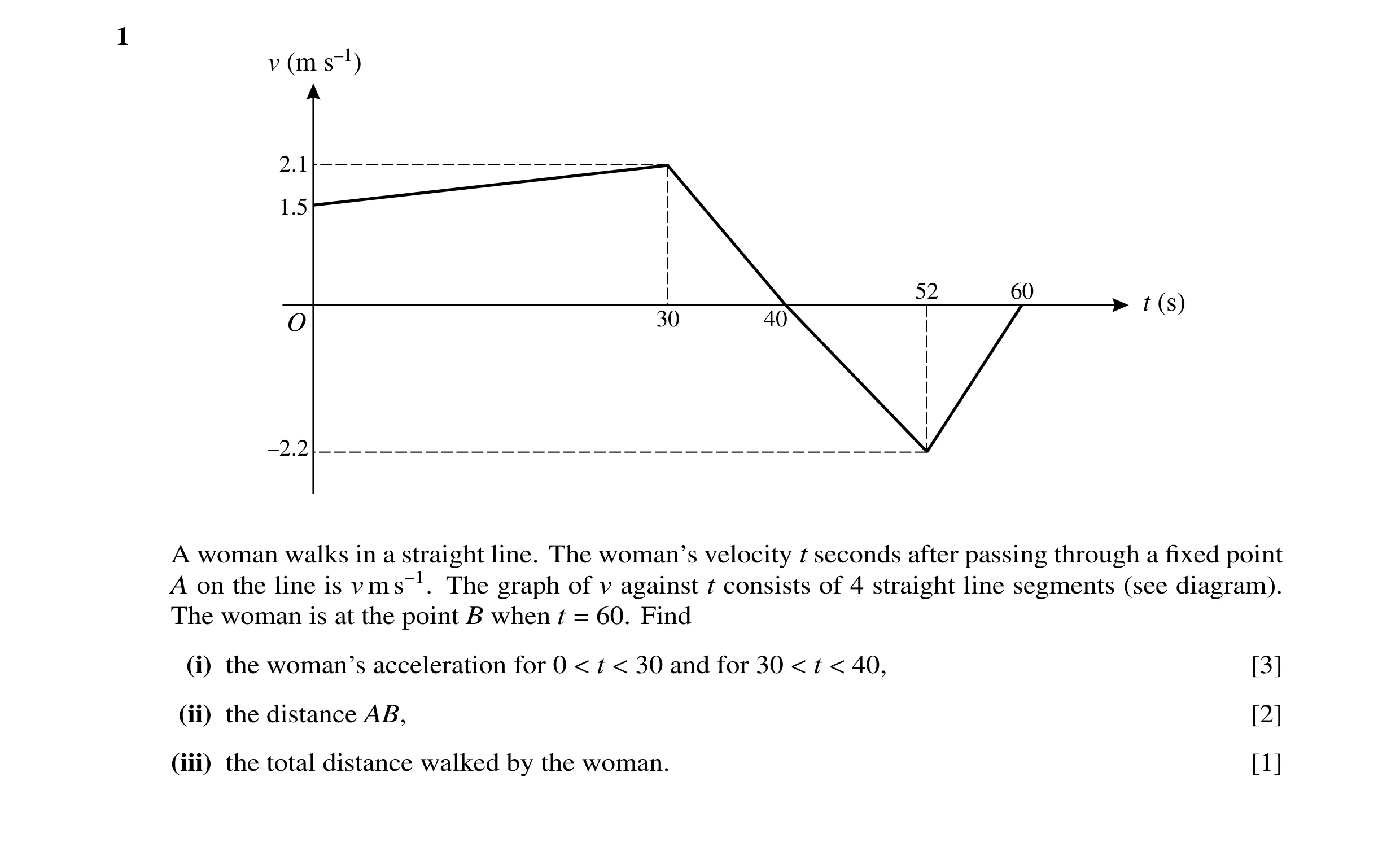

 25 / 391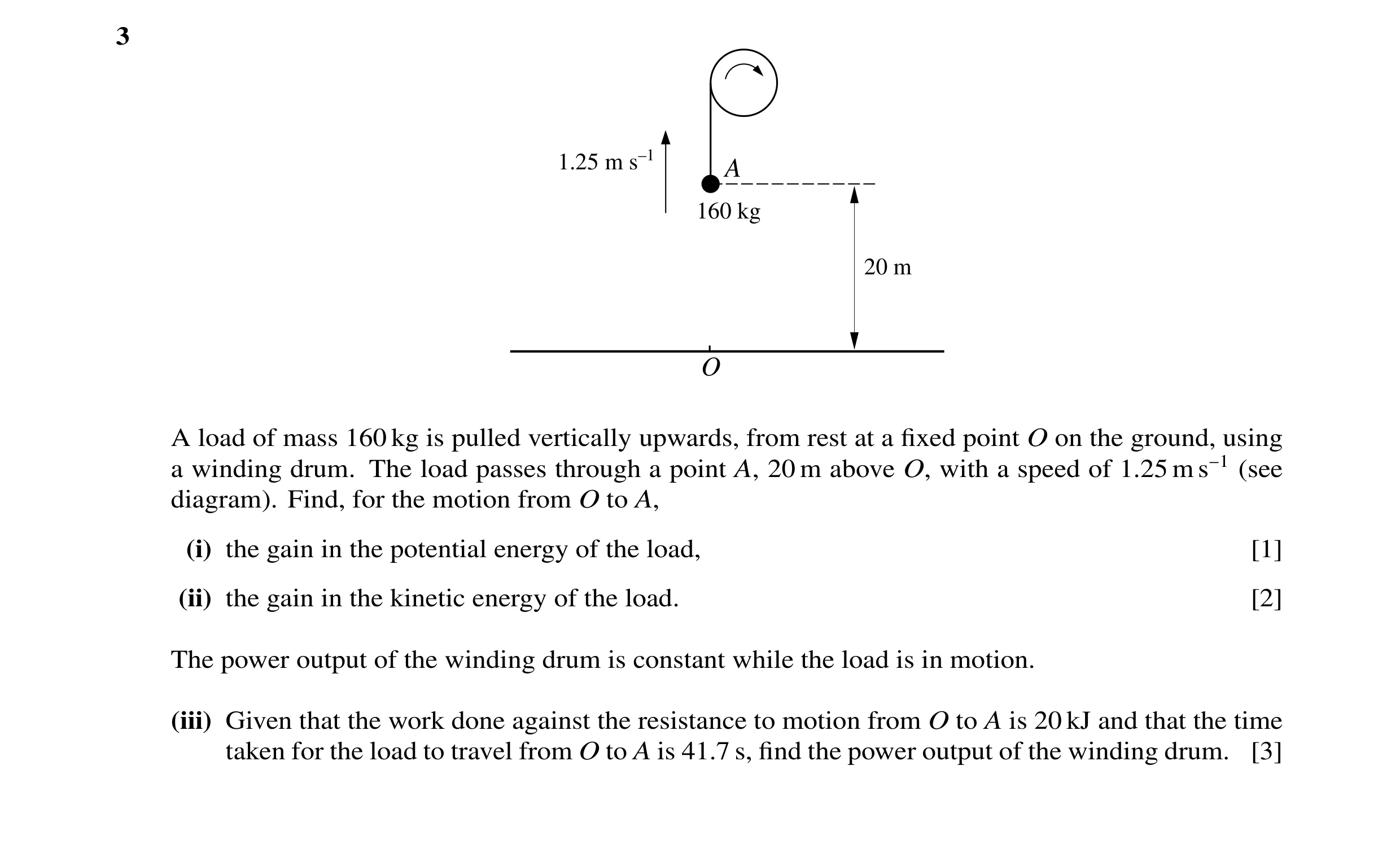

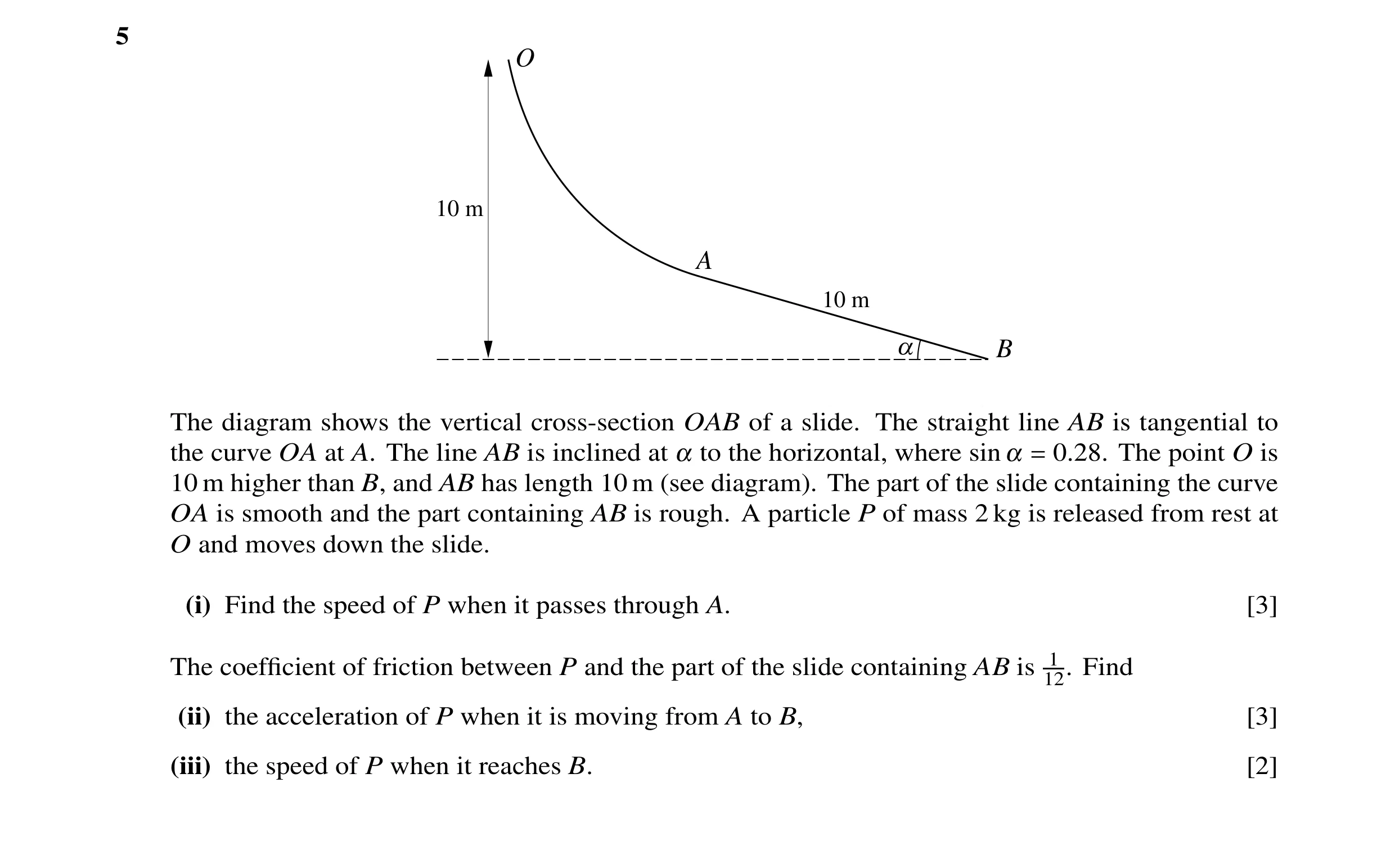 26 / 391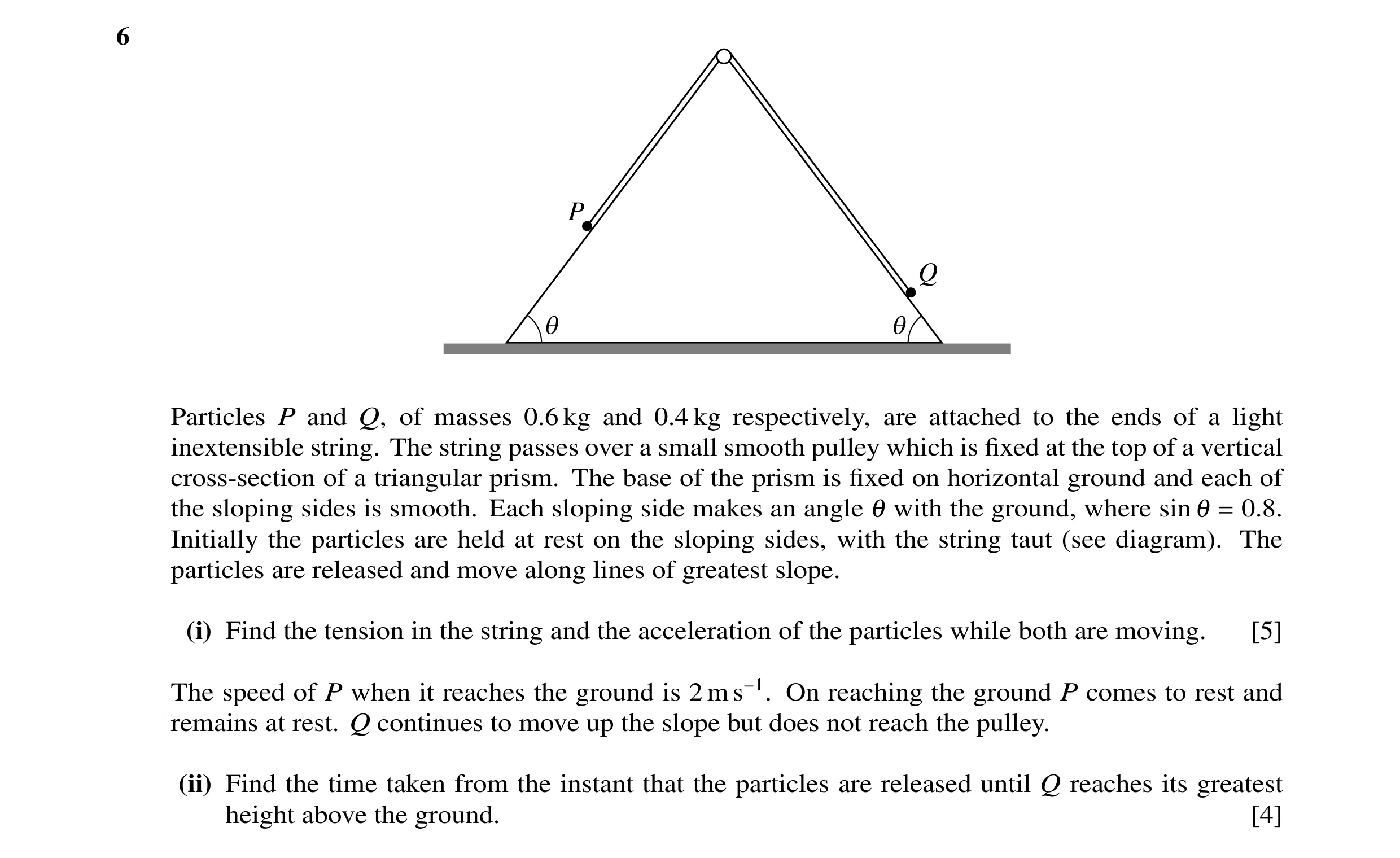
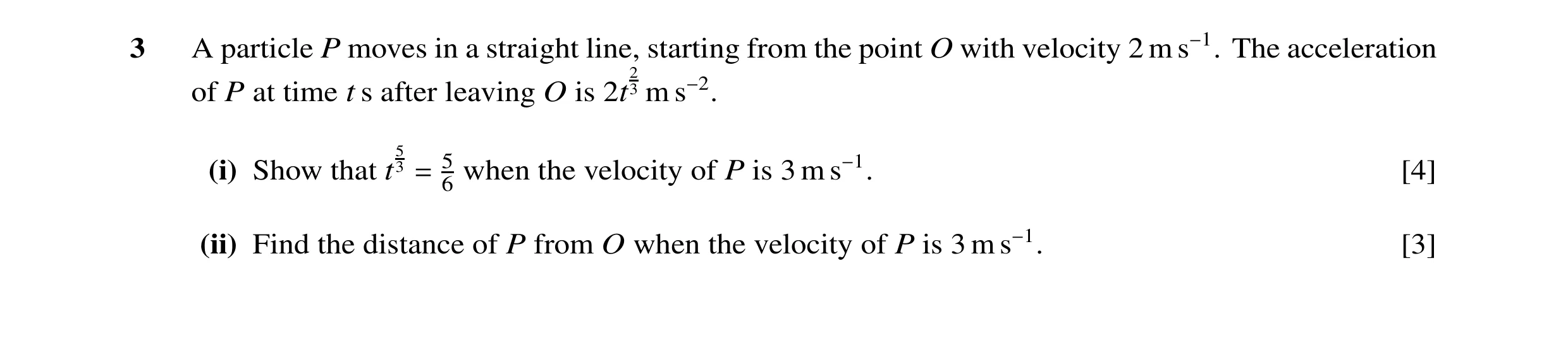 27 / 391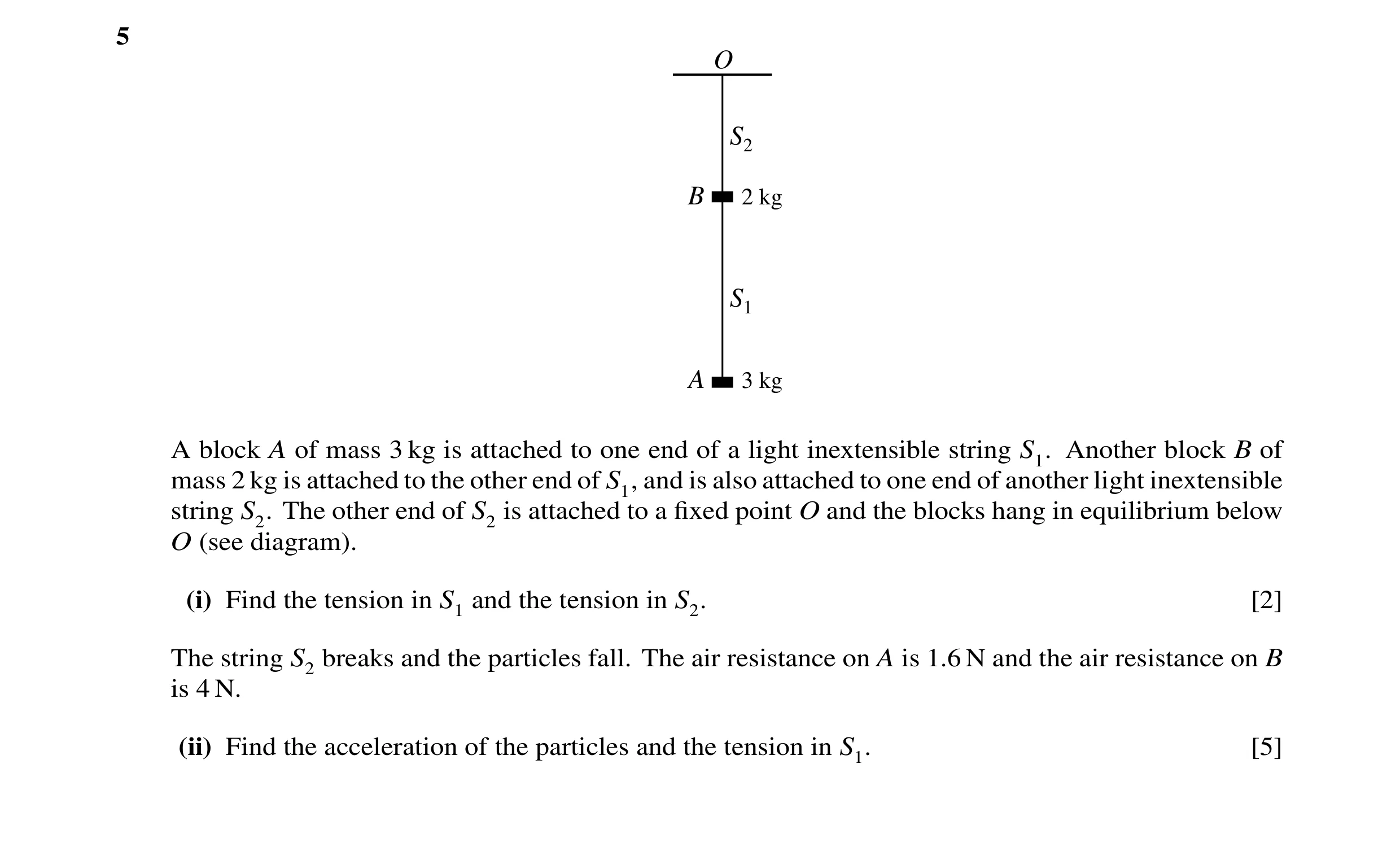
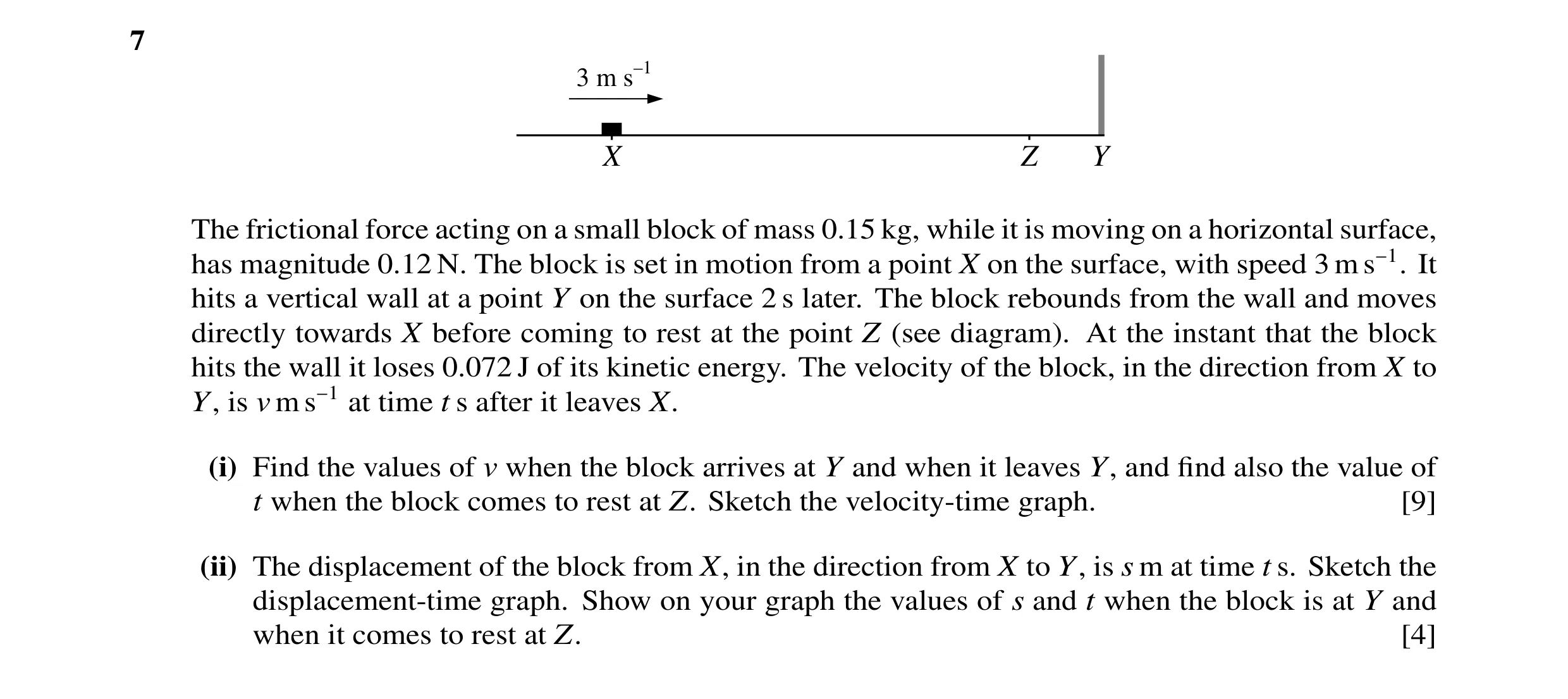
 28 / 391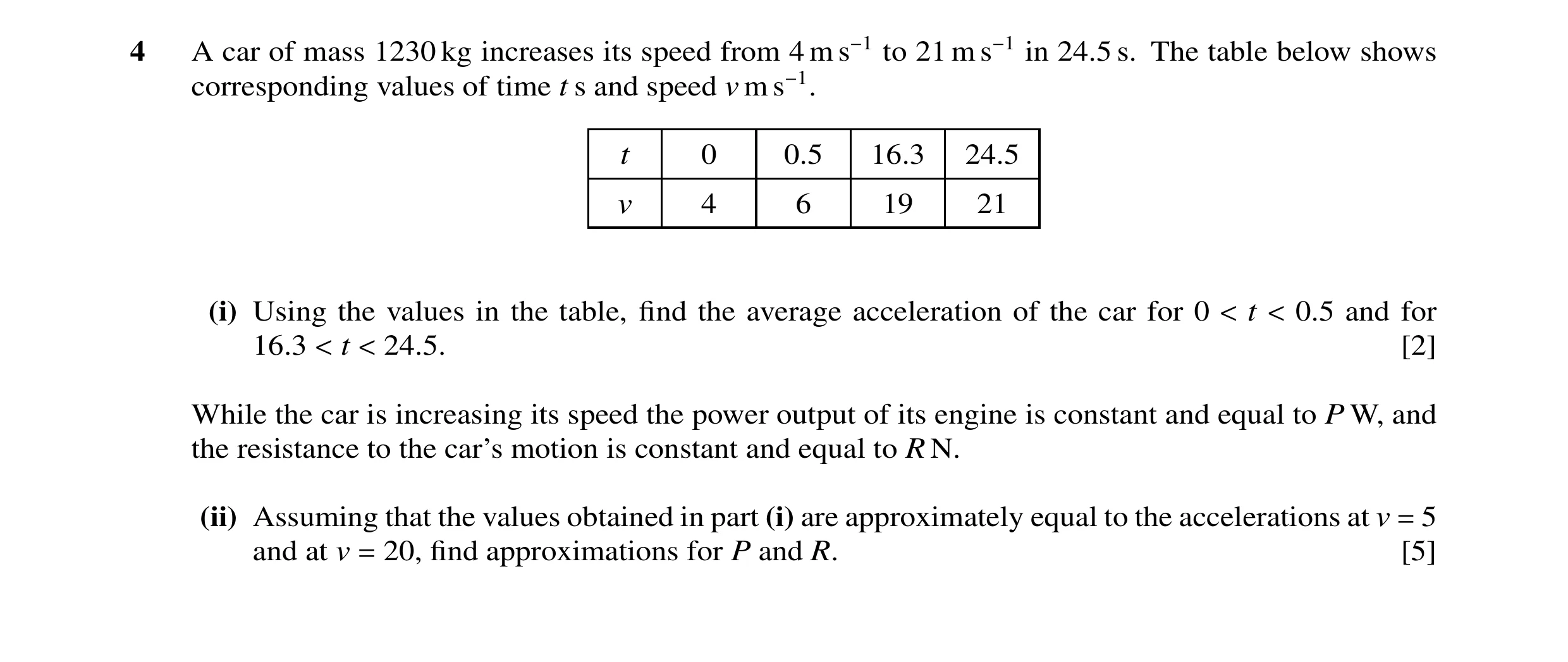
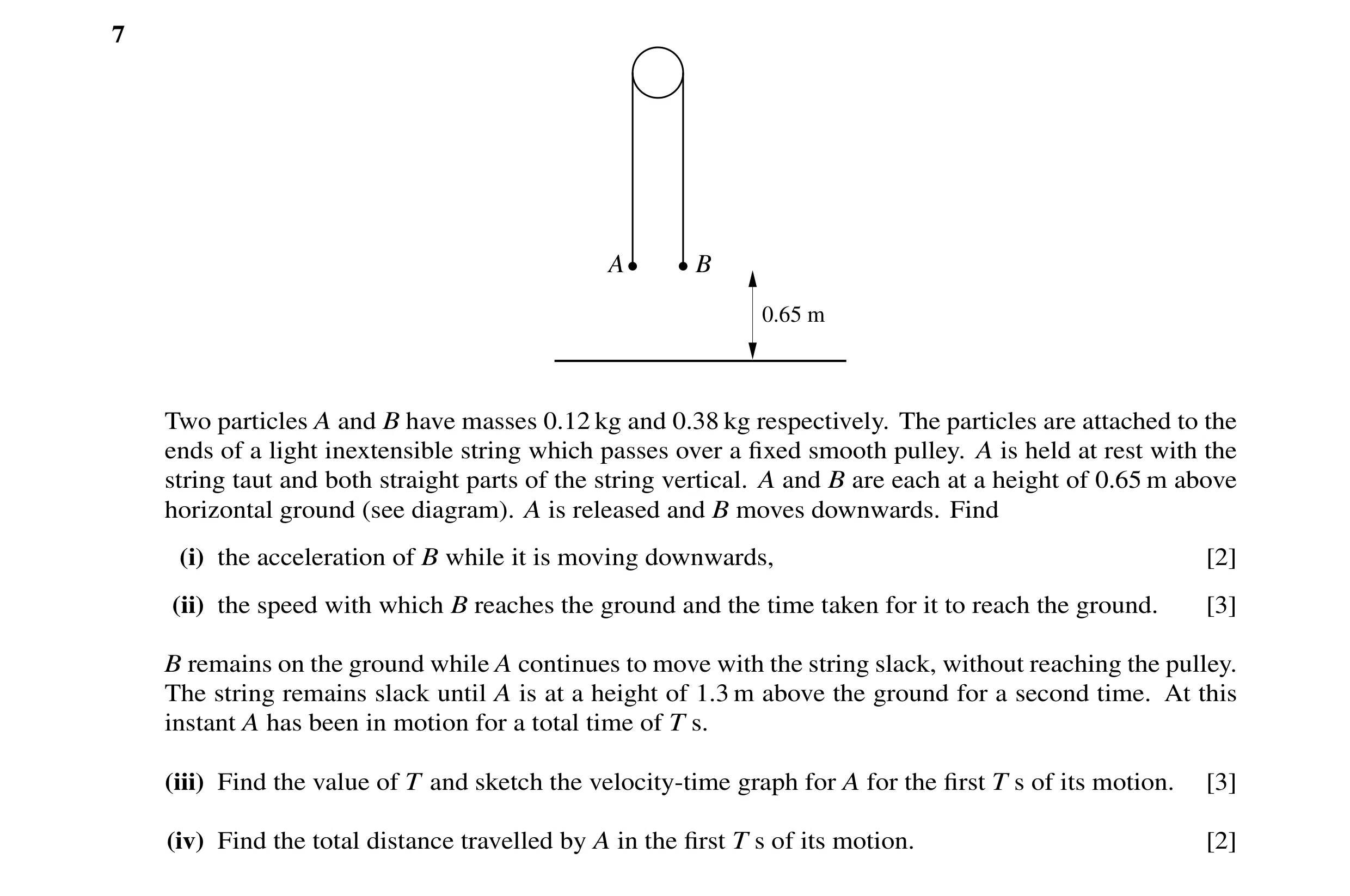
 29 / 391
 30 / 391

 31 / 391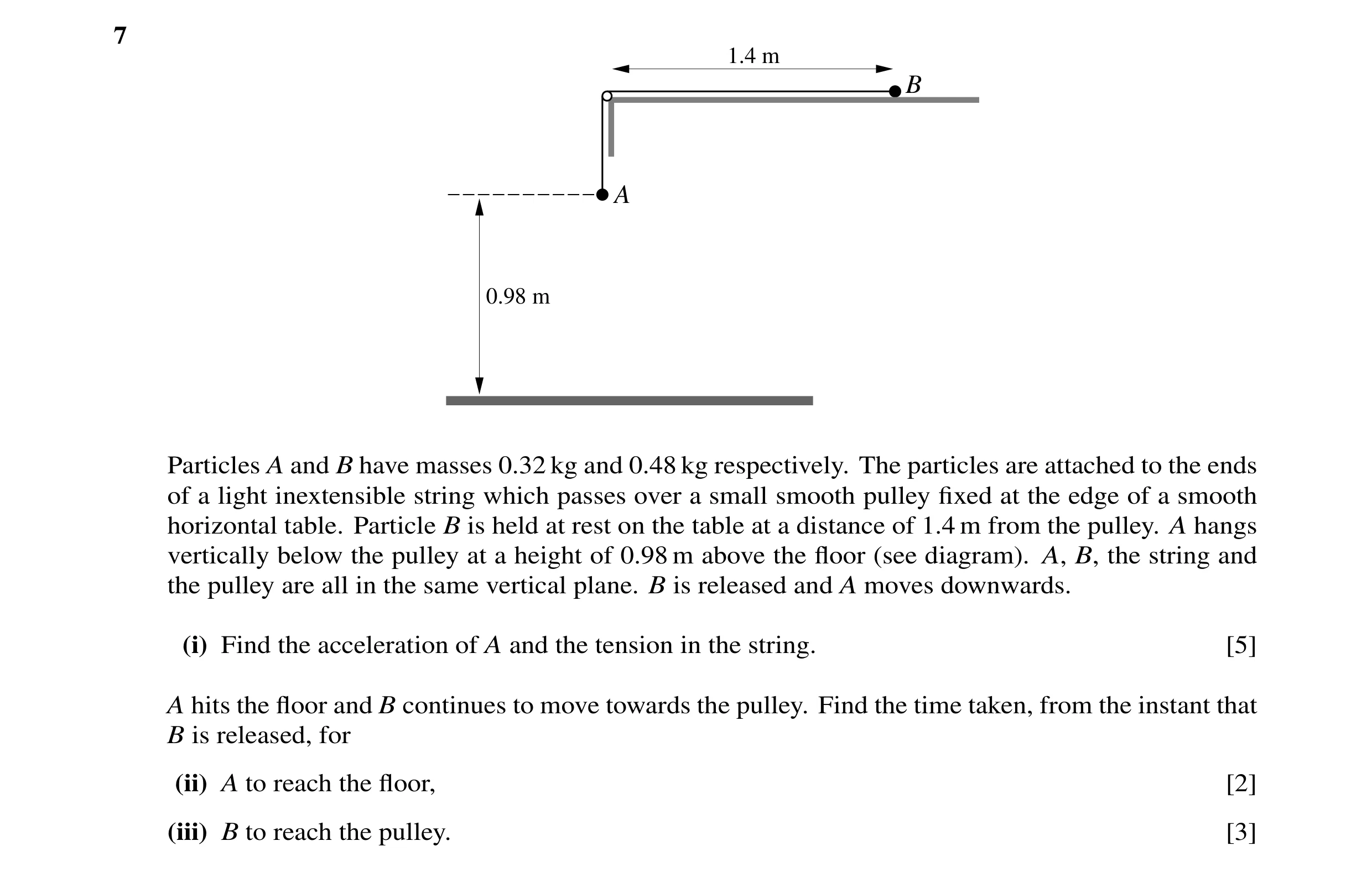

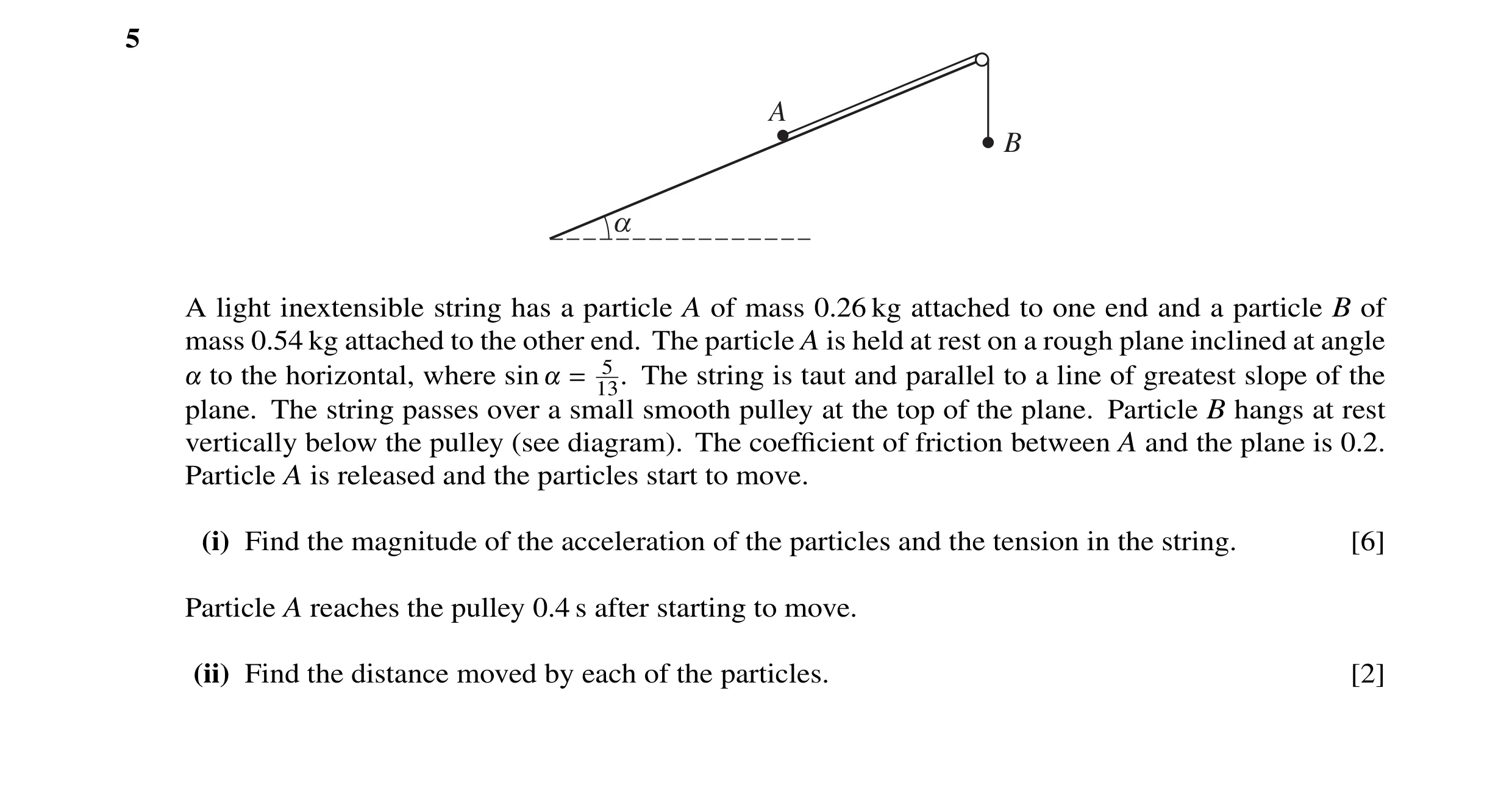 32 / 391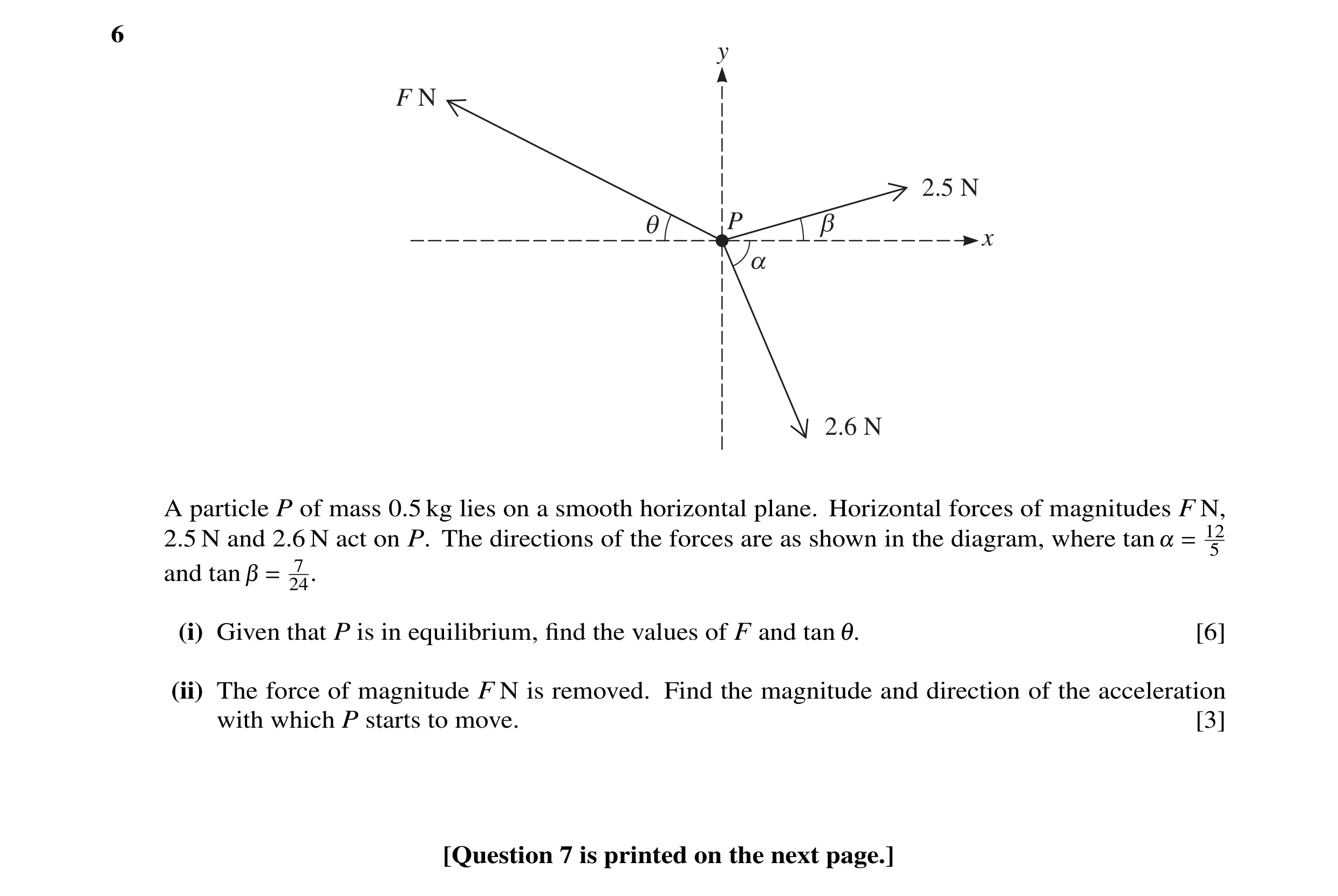
 33 / 391
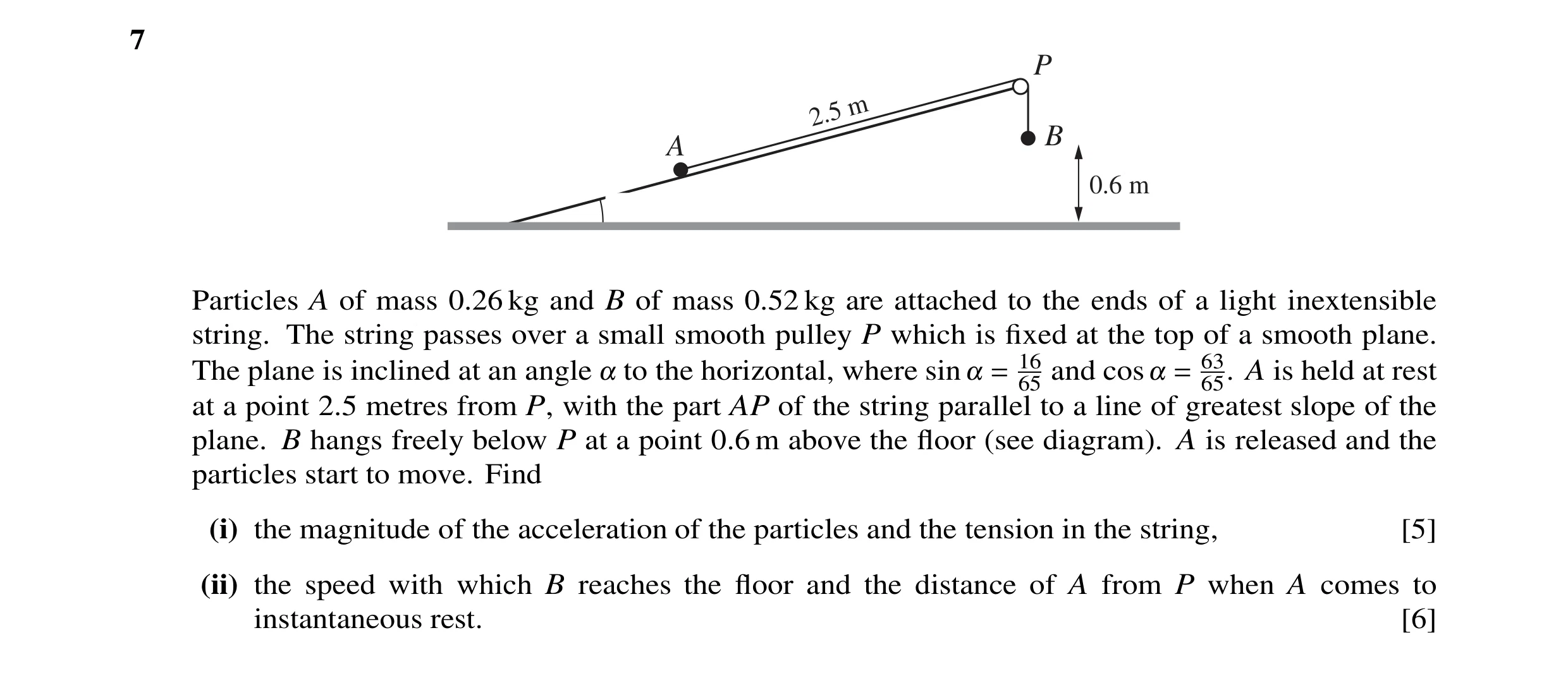
 34 / 391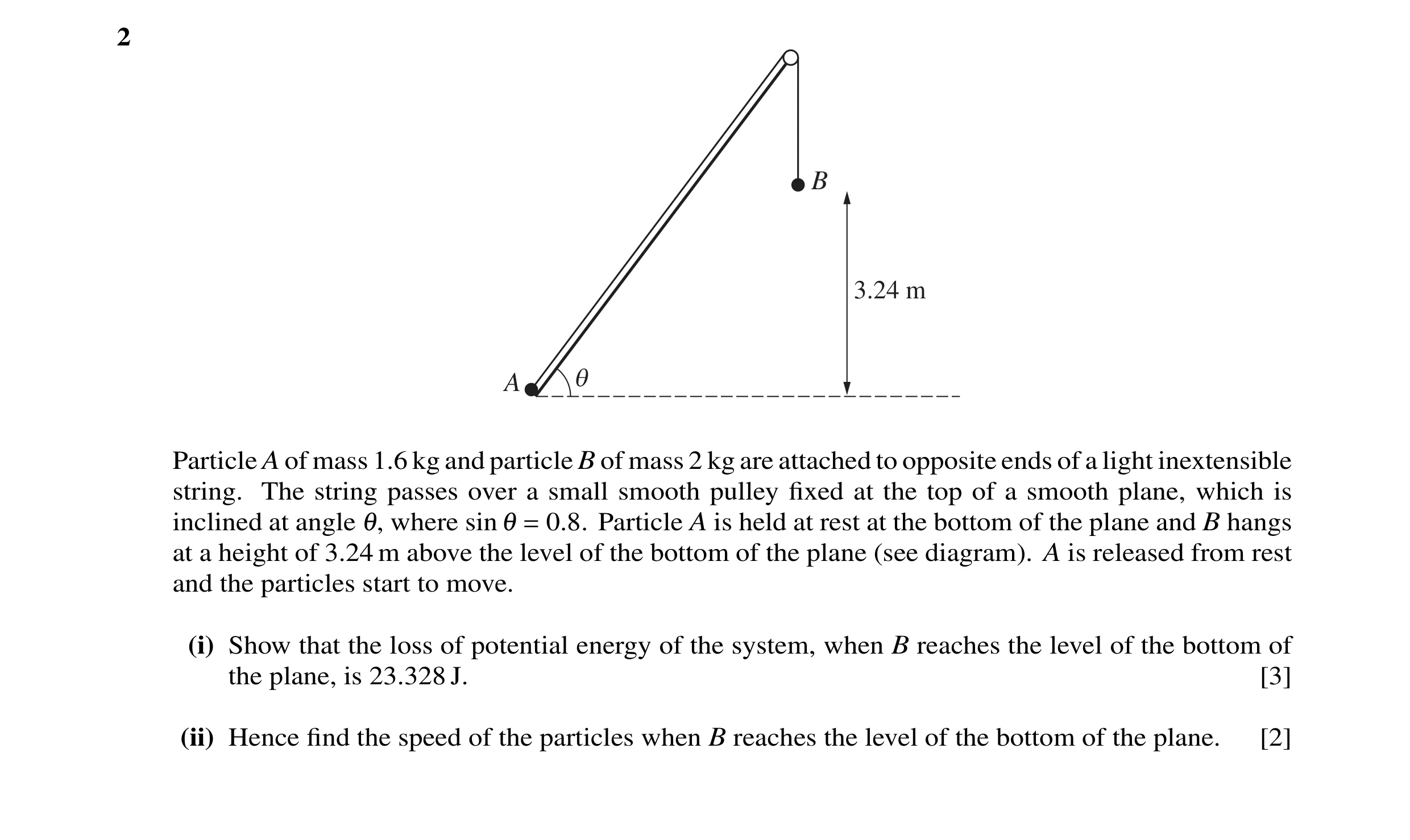

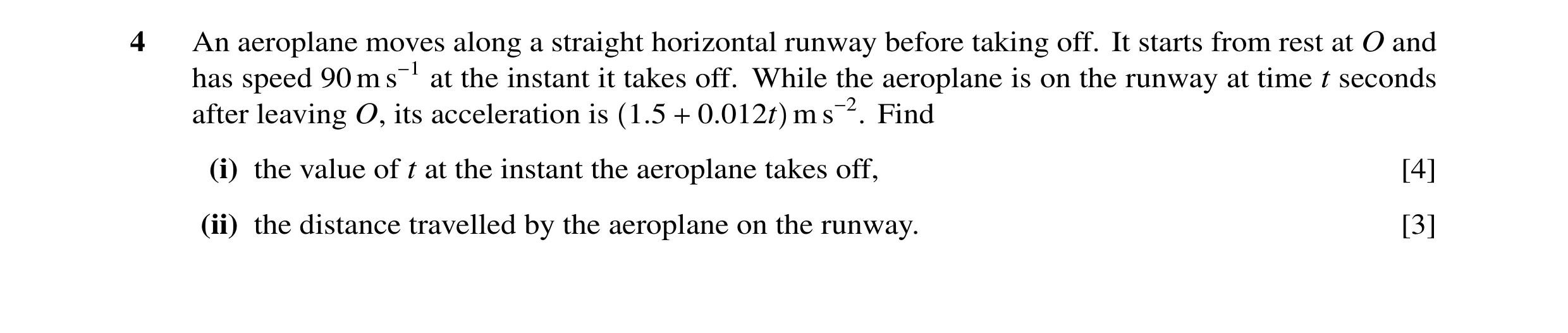
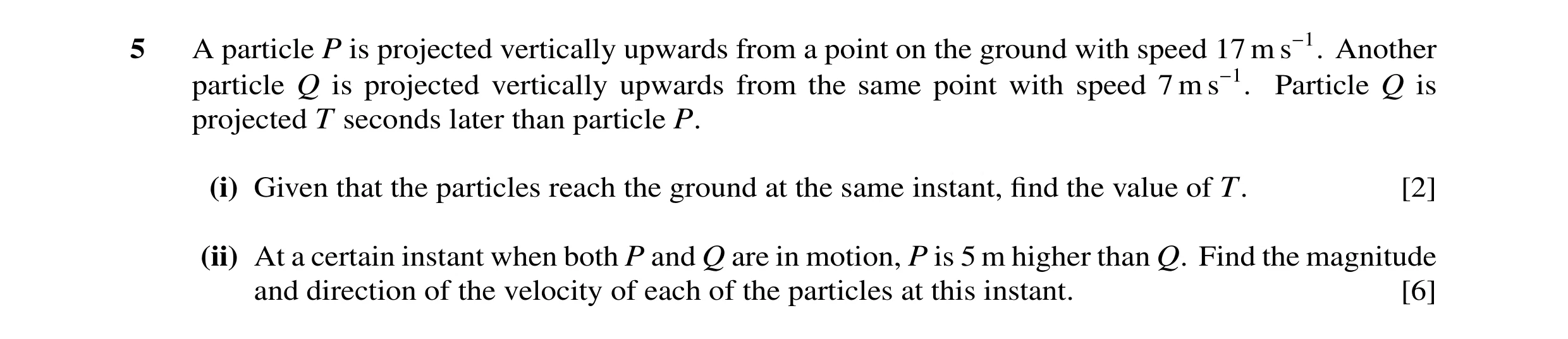 35 / 391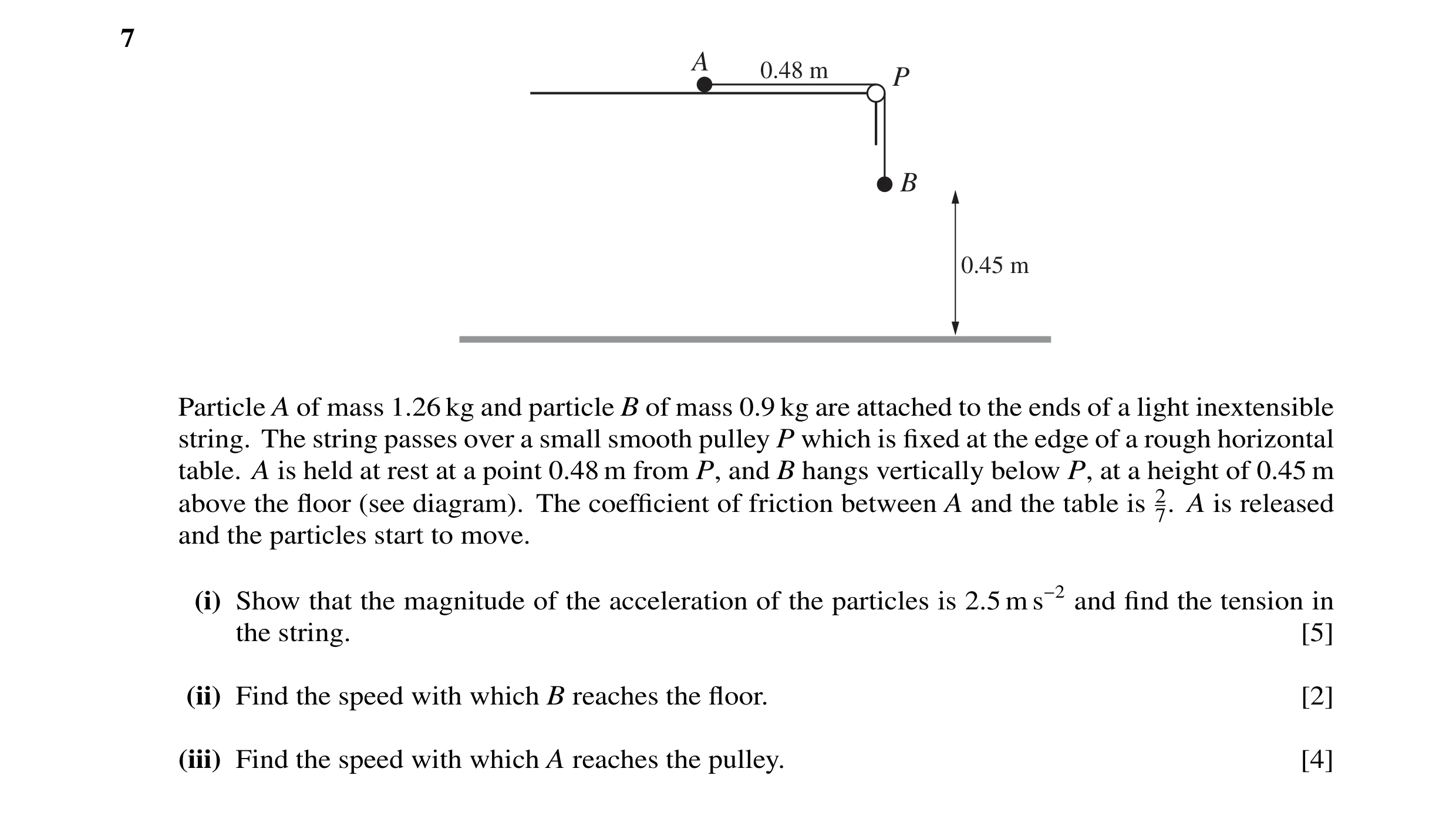
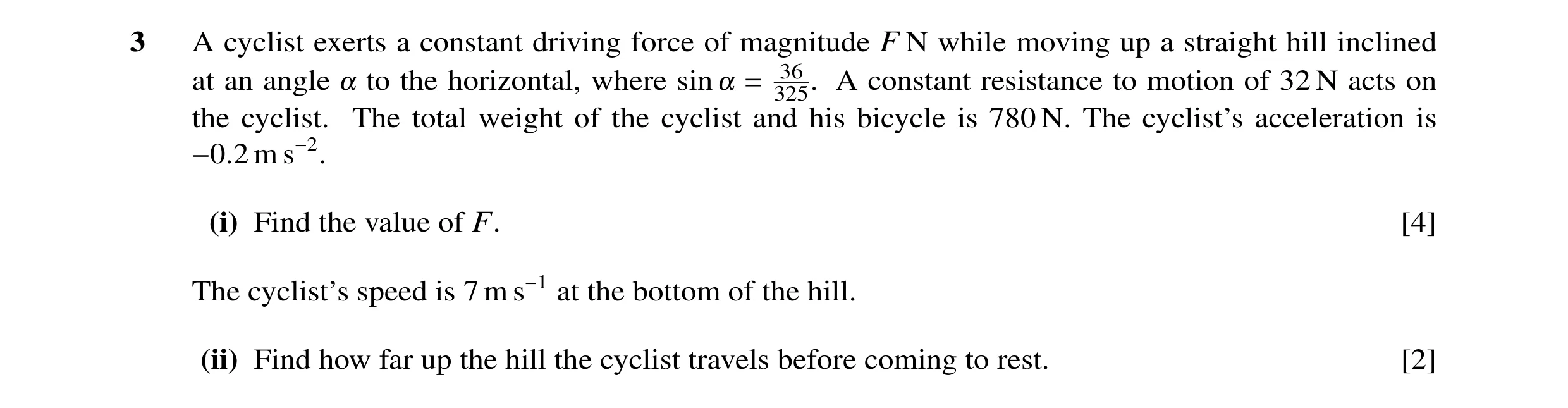
 36 / 391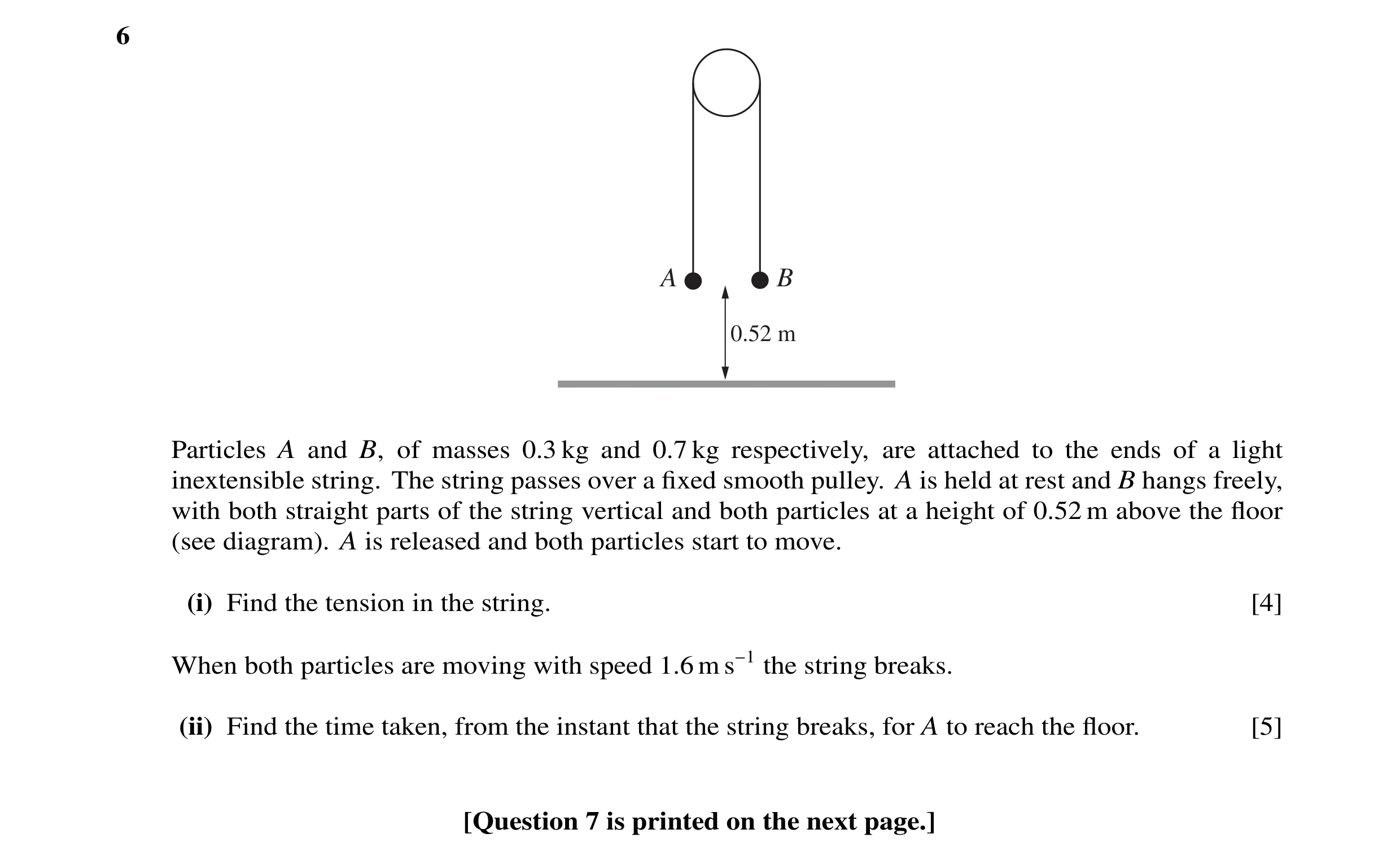
 37 / 391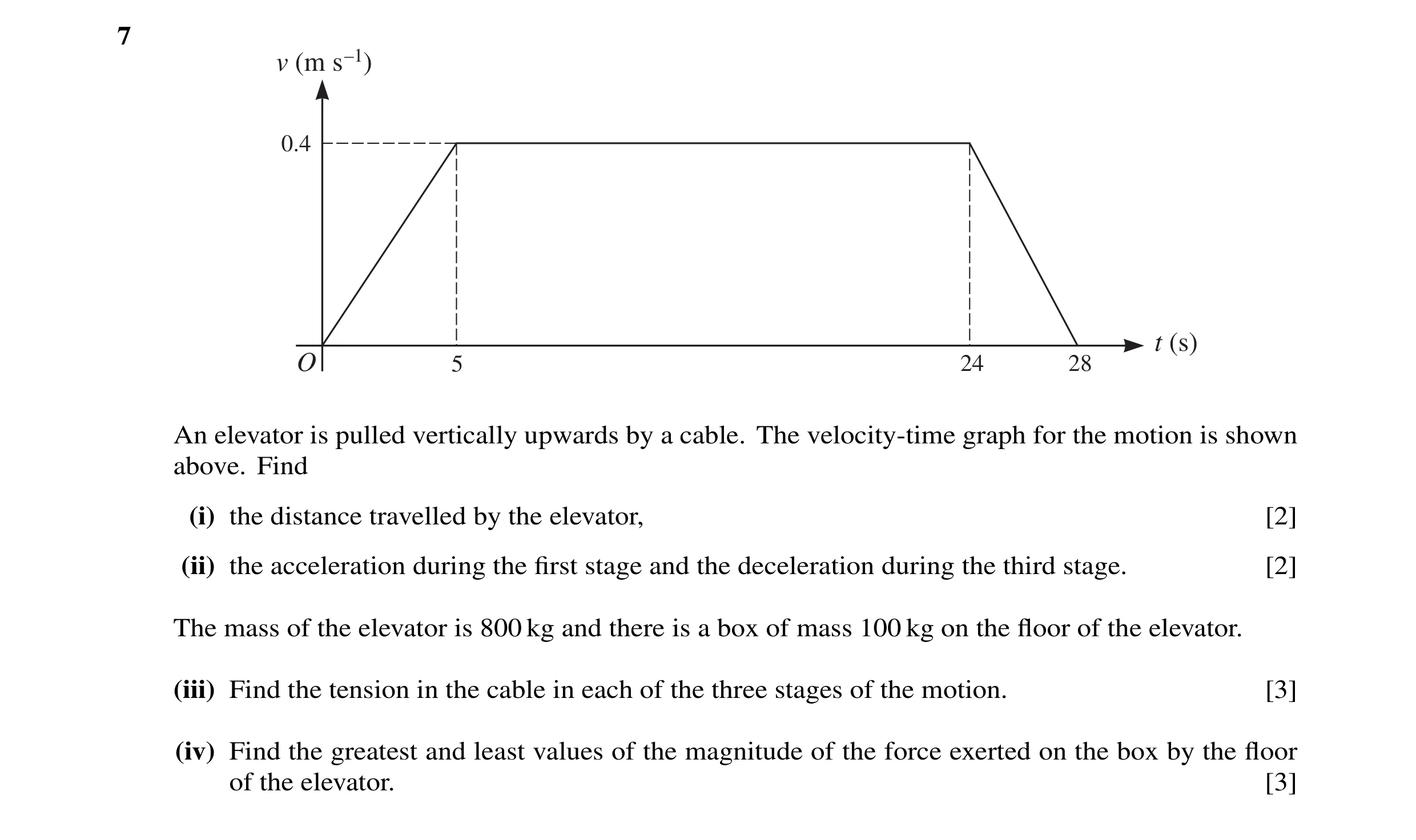
 38 / 391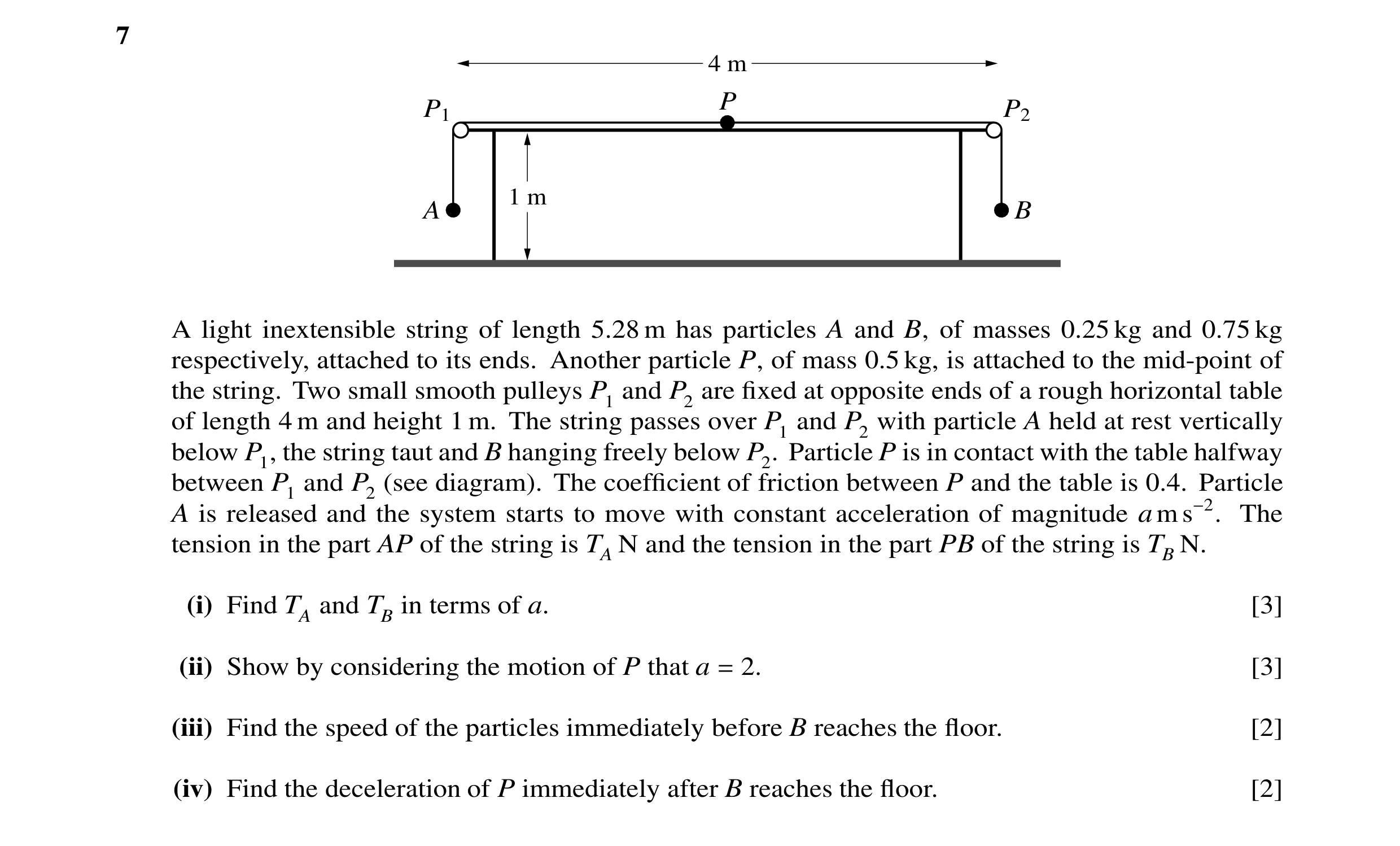
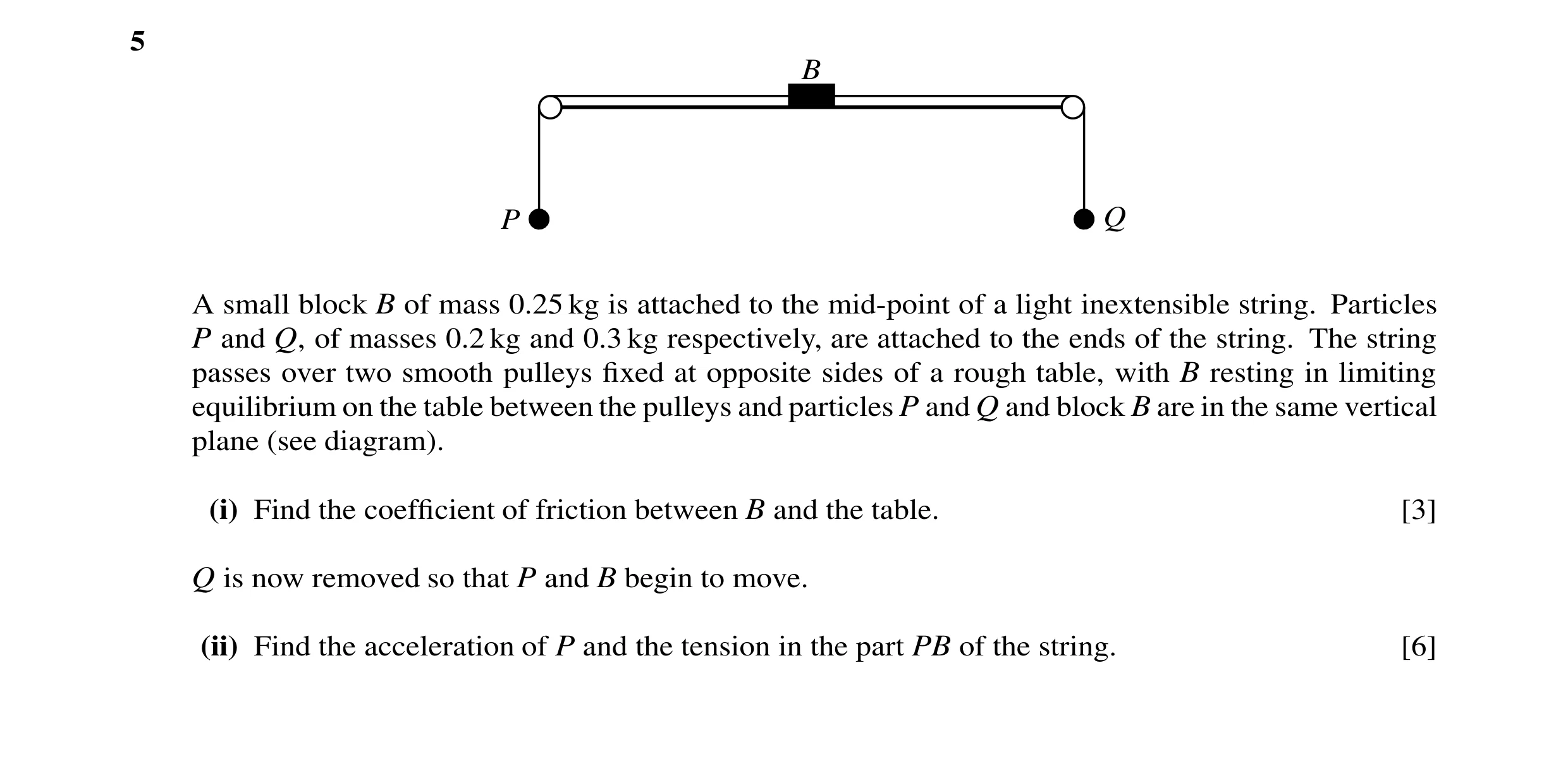 39 / 391
 40 / 391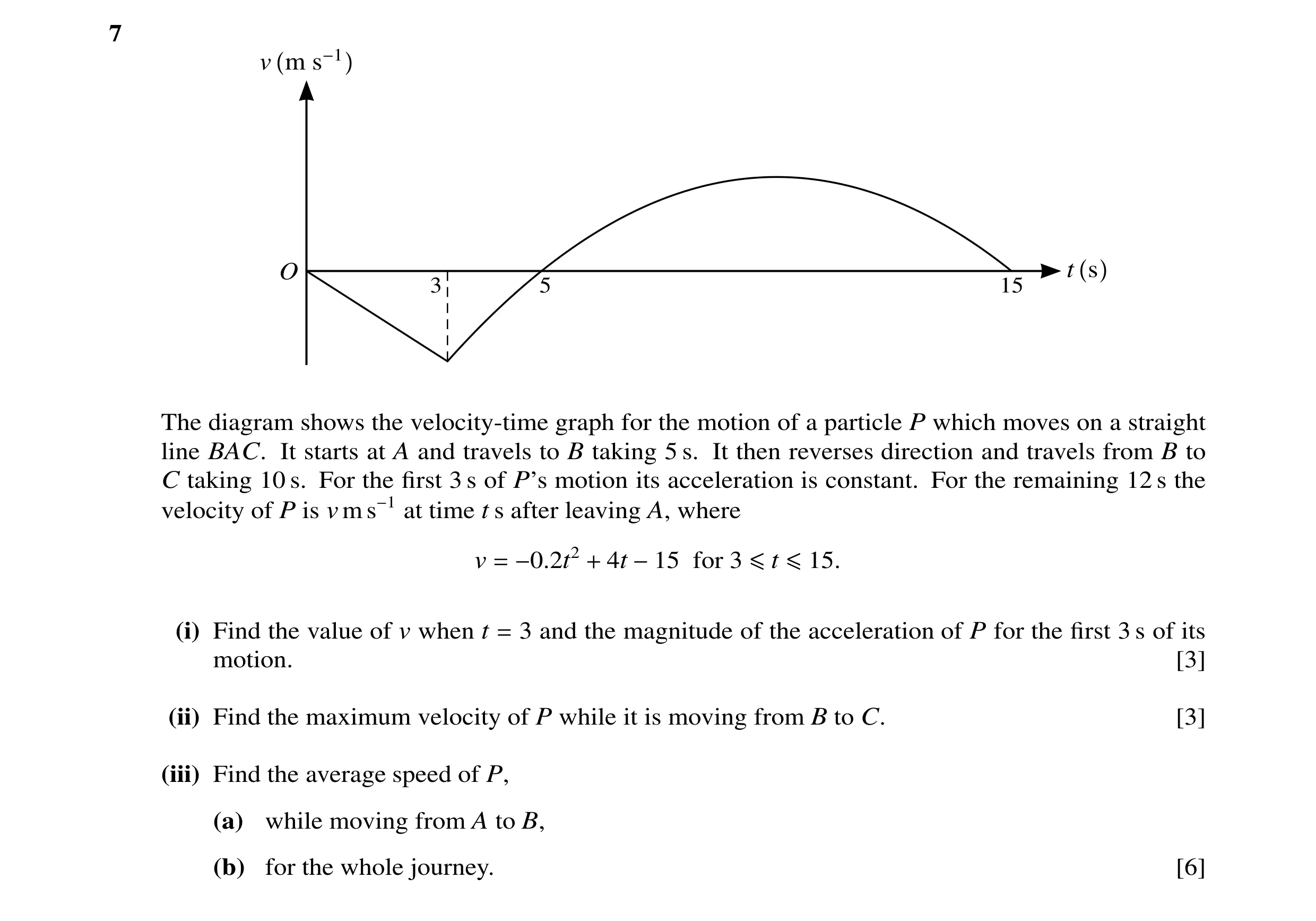
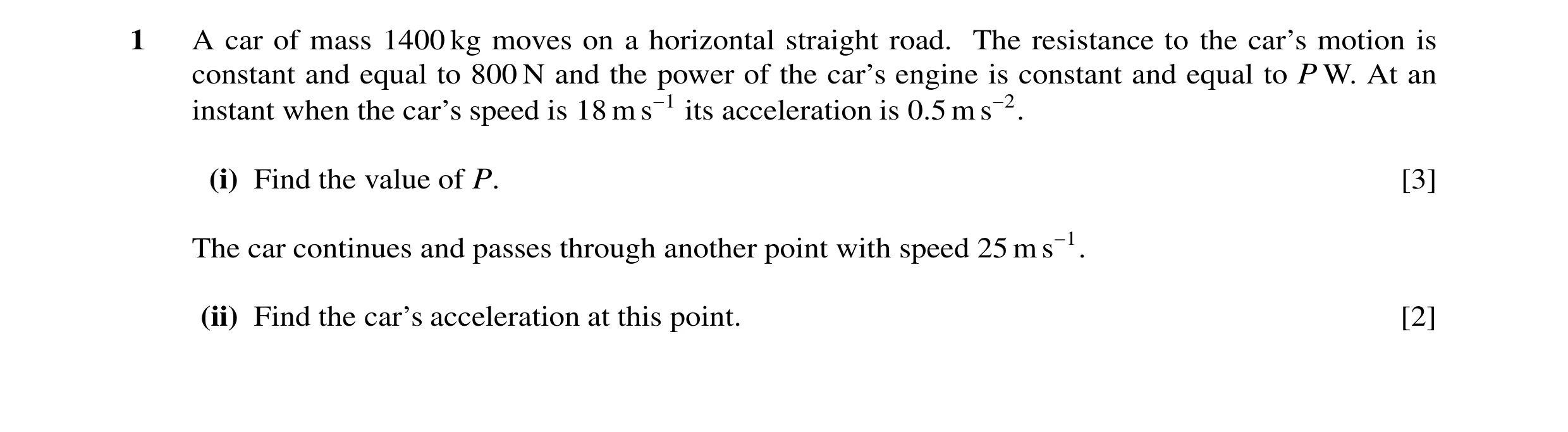
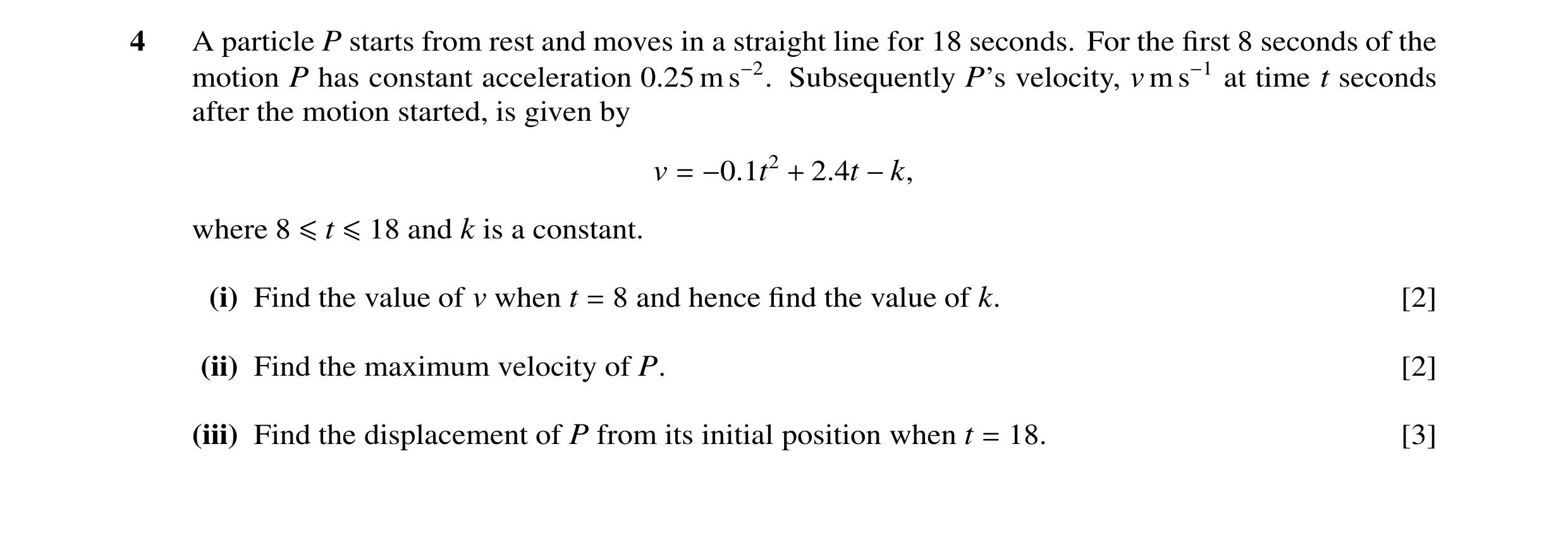 41 / 391
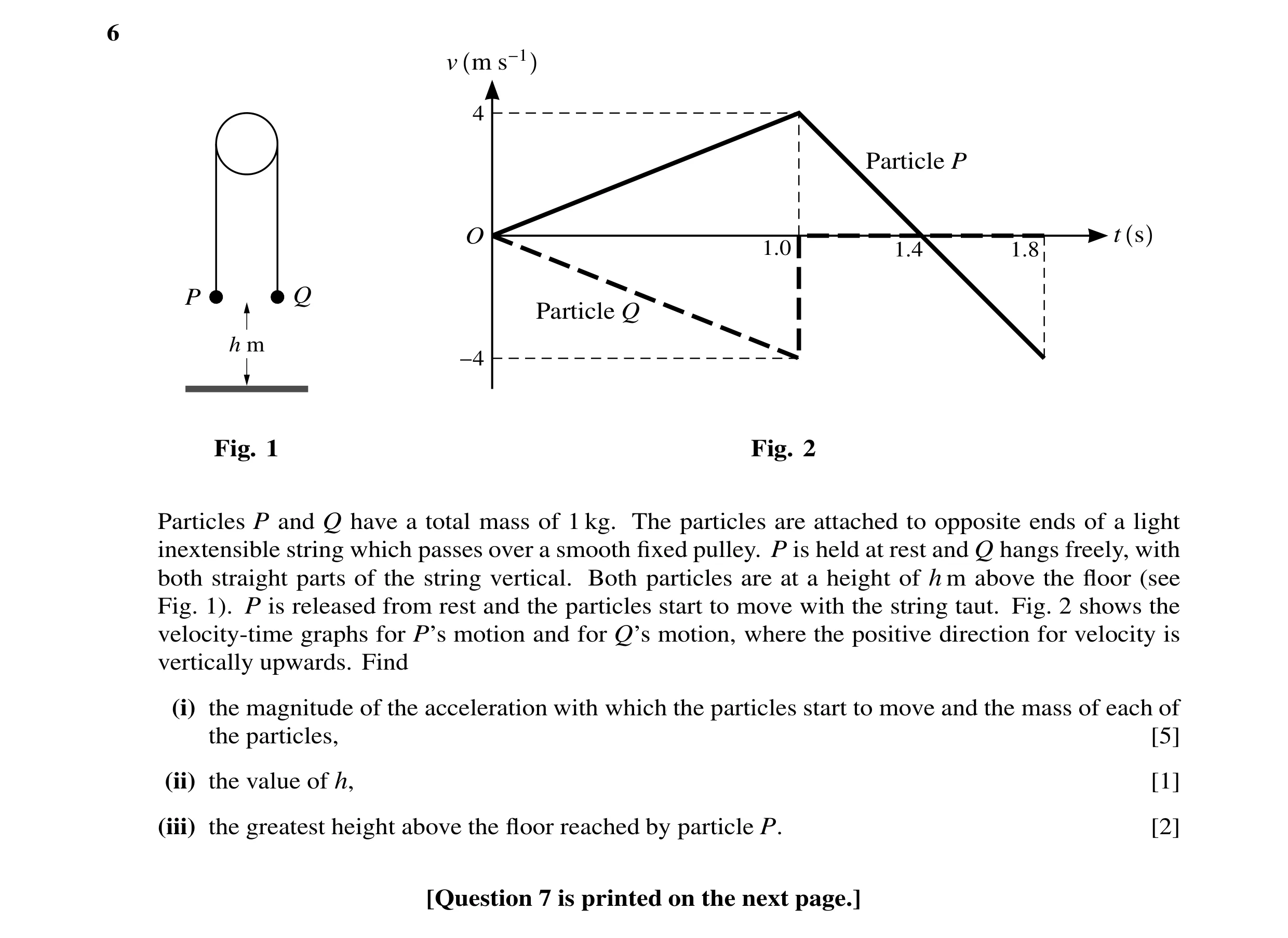 42 / 391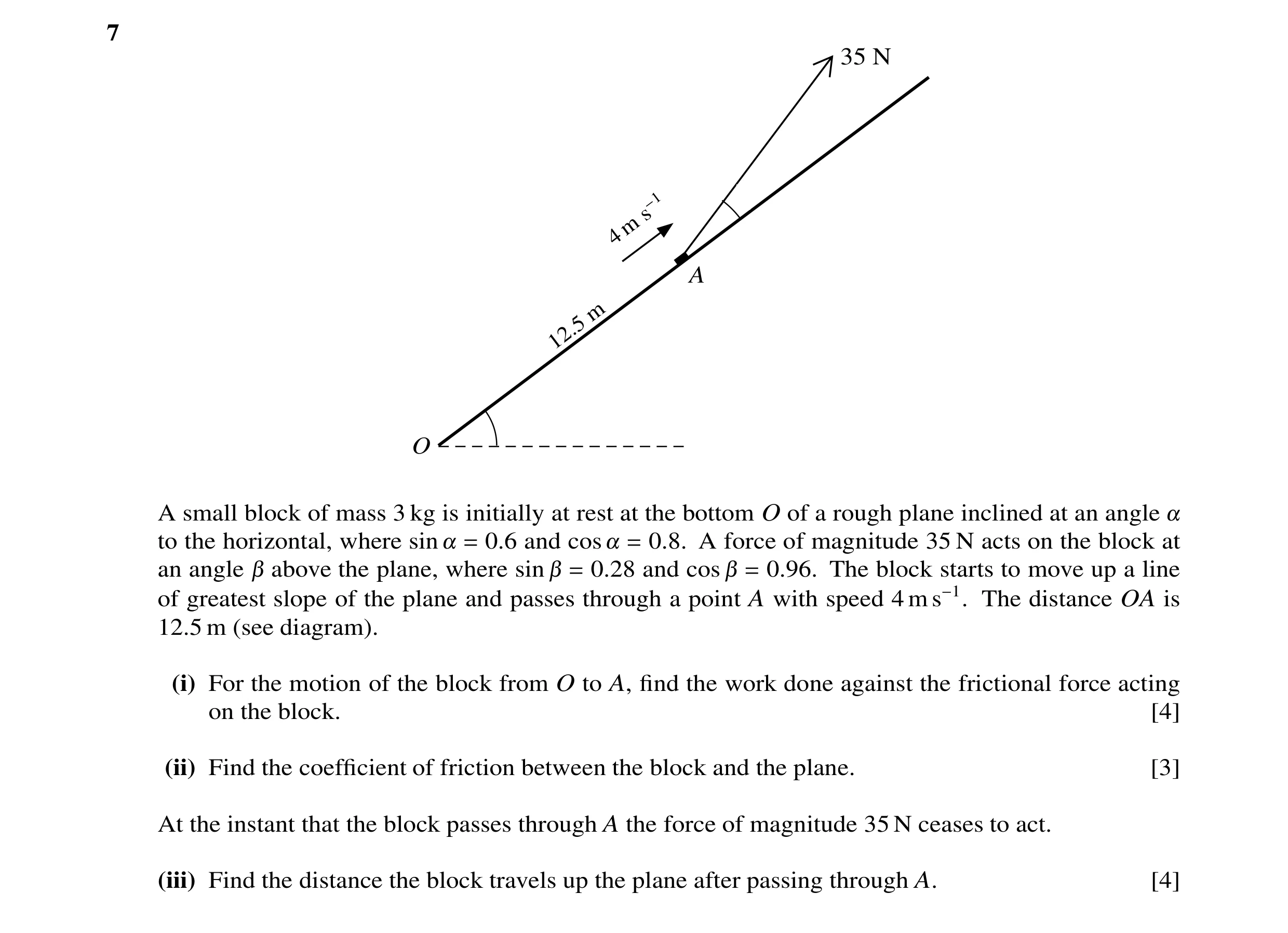

 43 / 391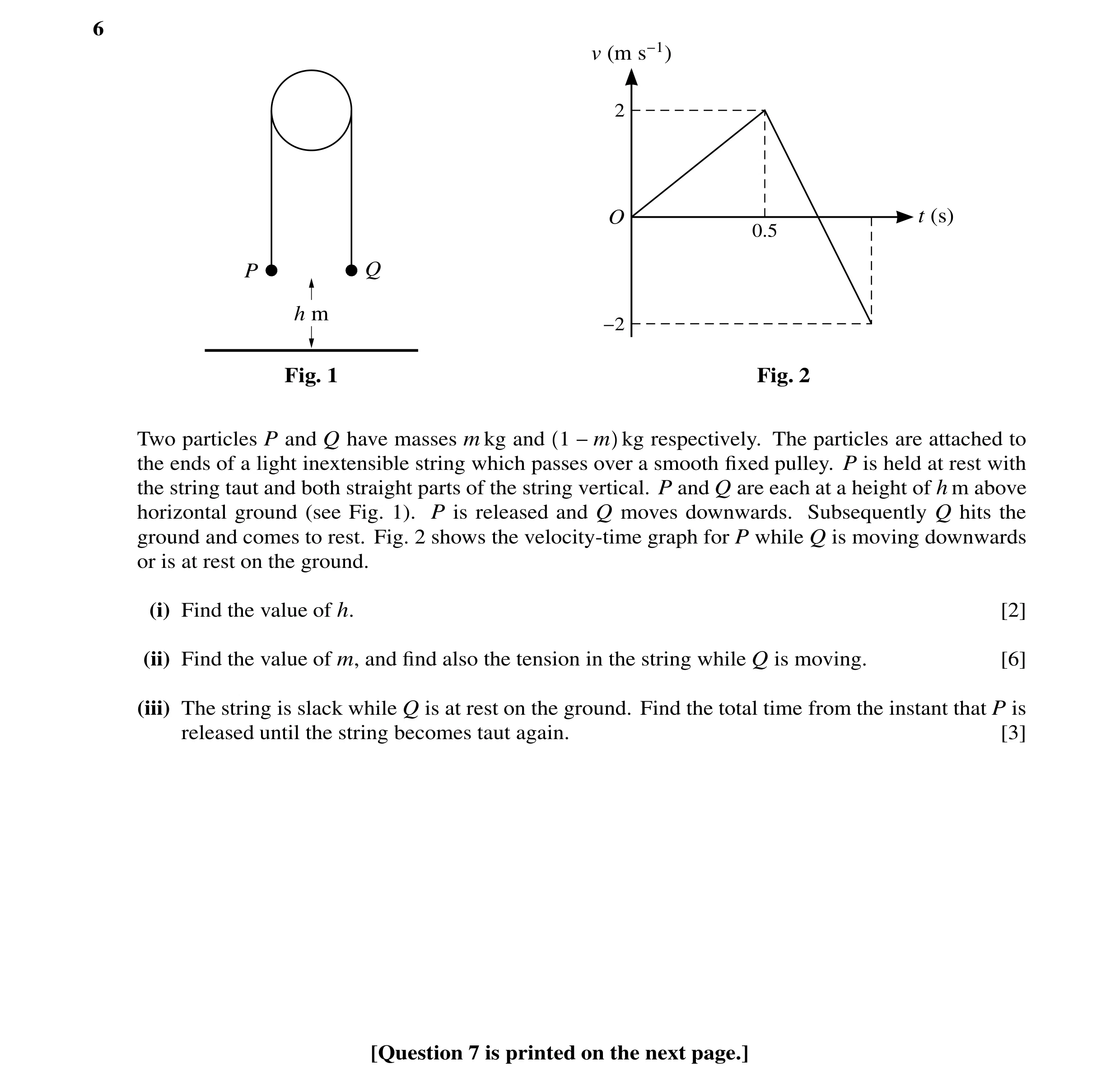
 44 / 391
 45 / 391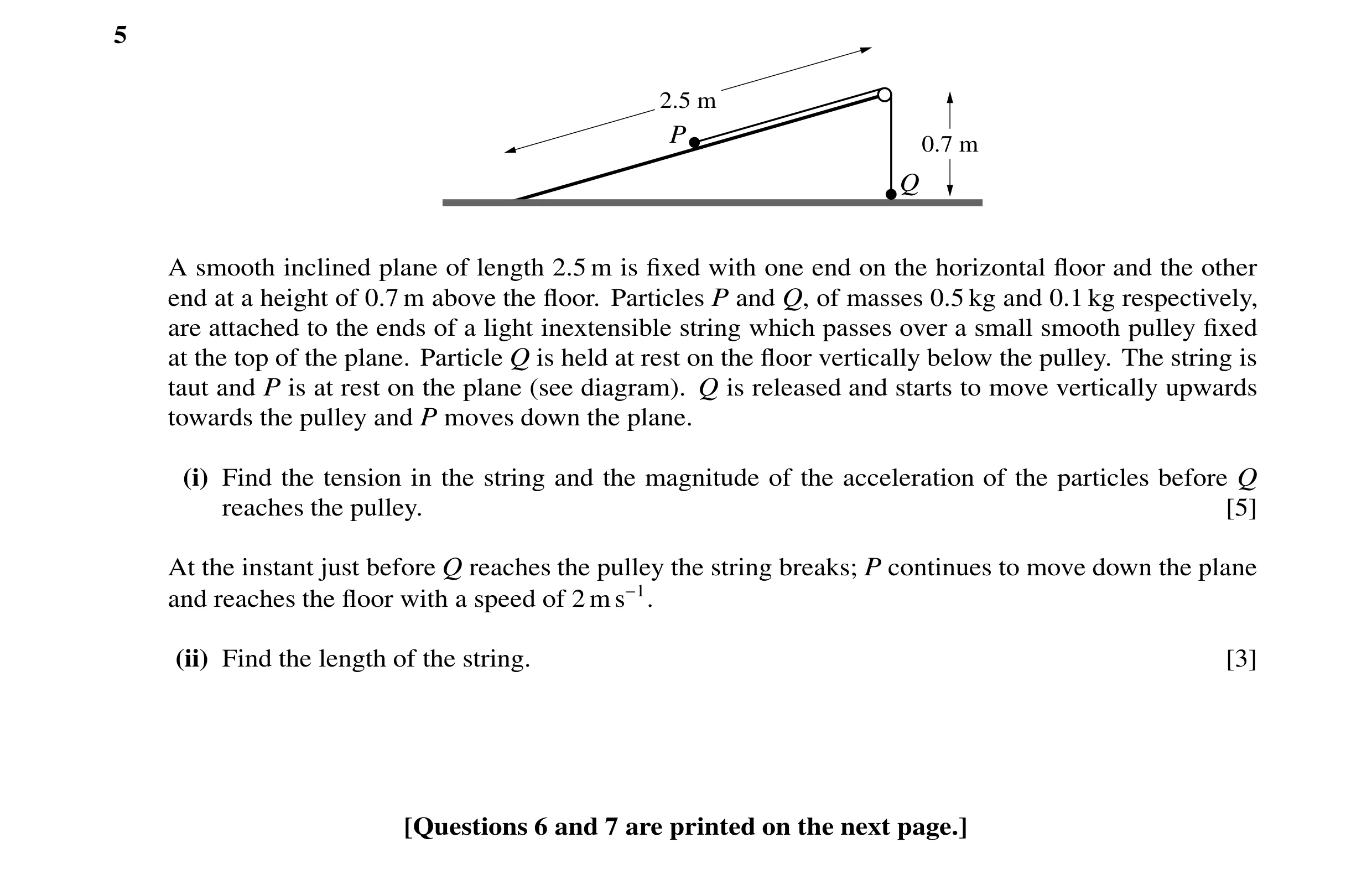
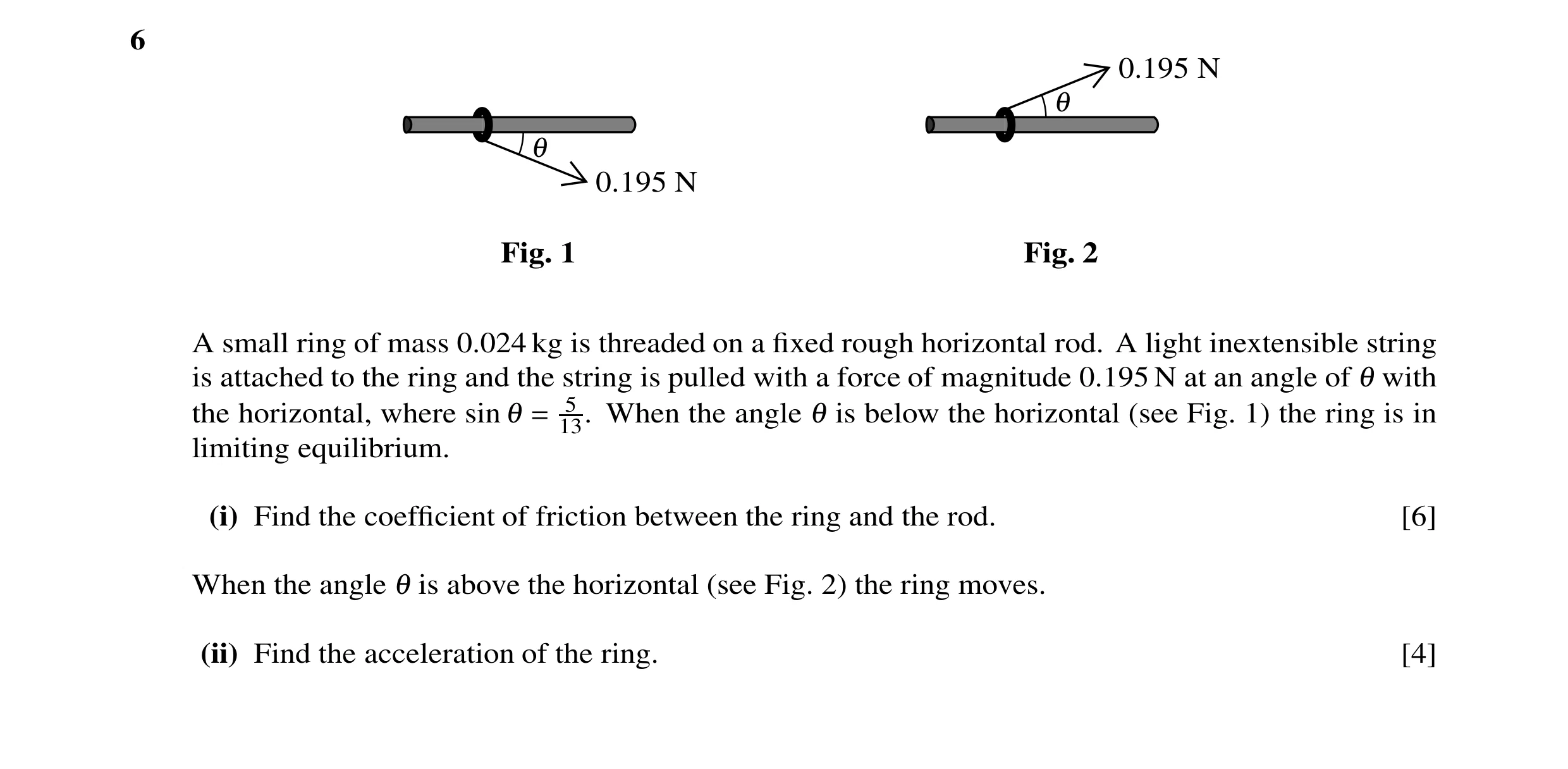 46 / 391
 47 / 391
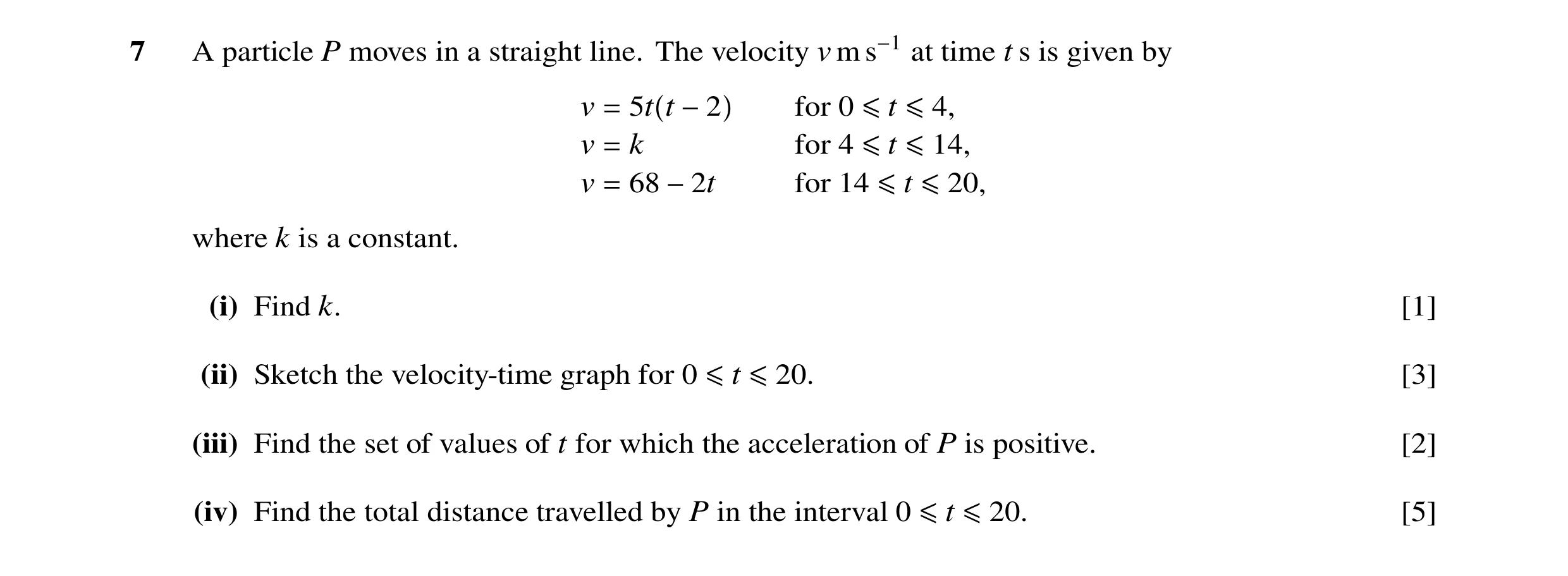
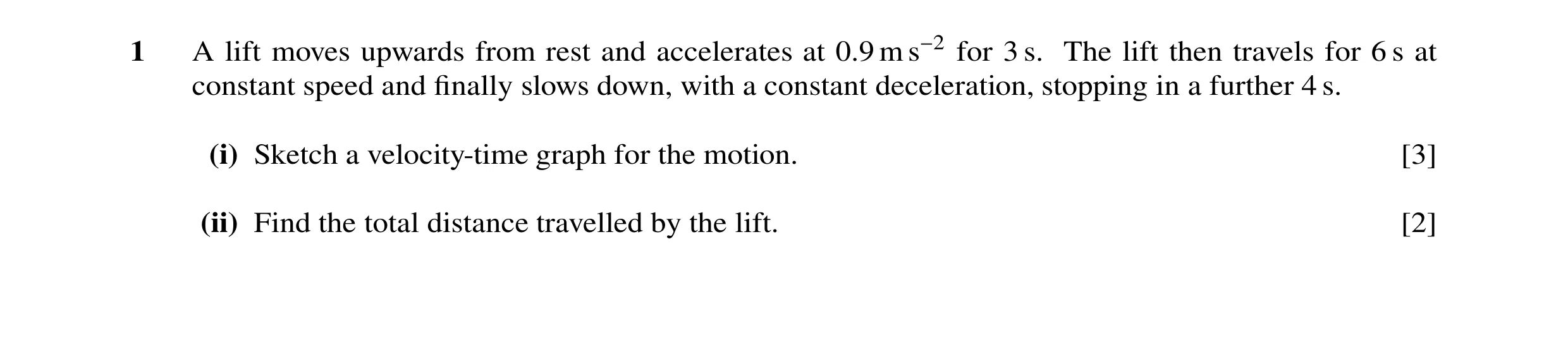
 48 / 391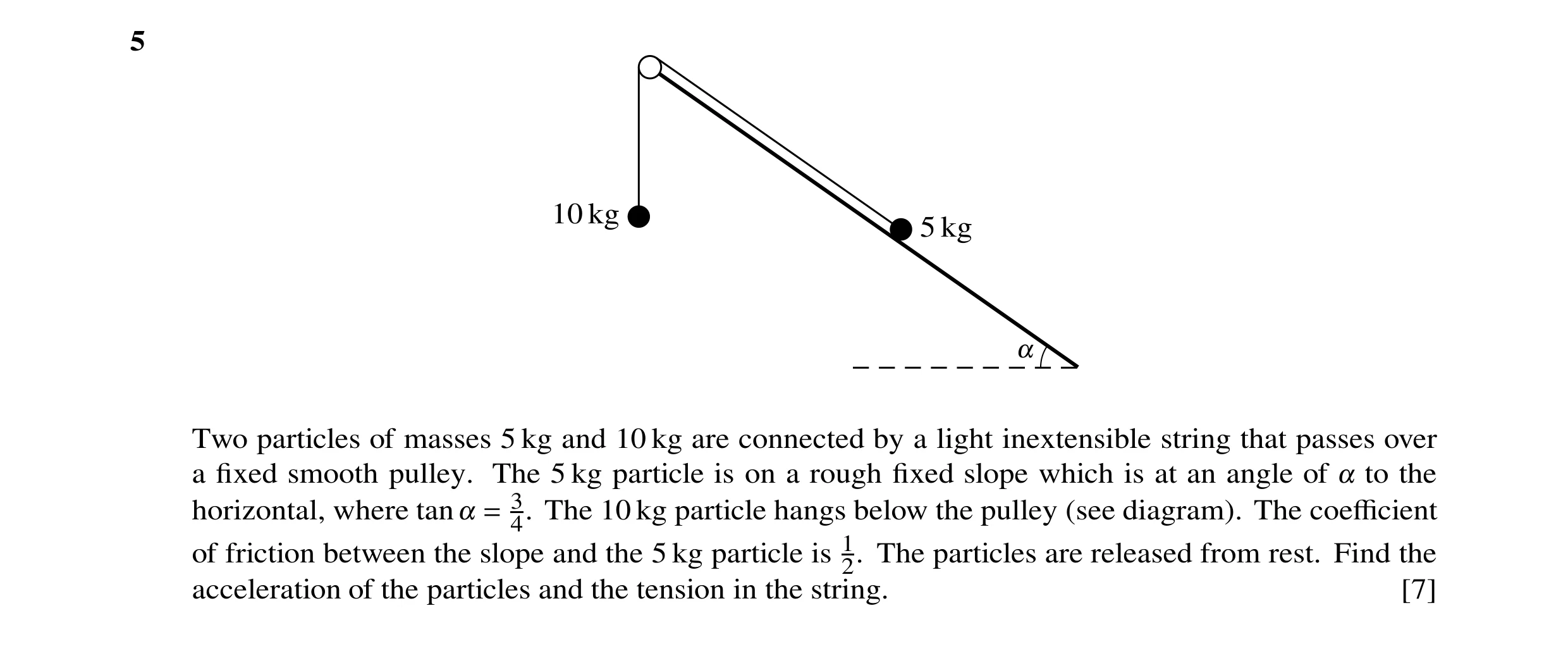
 49 / 391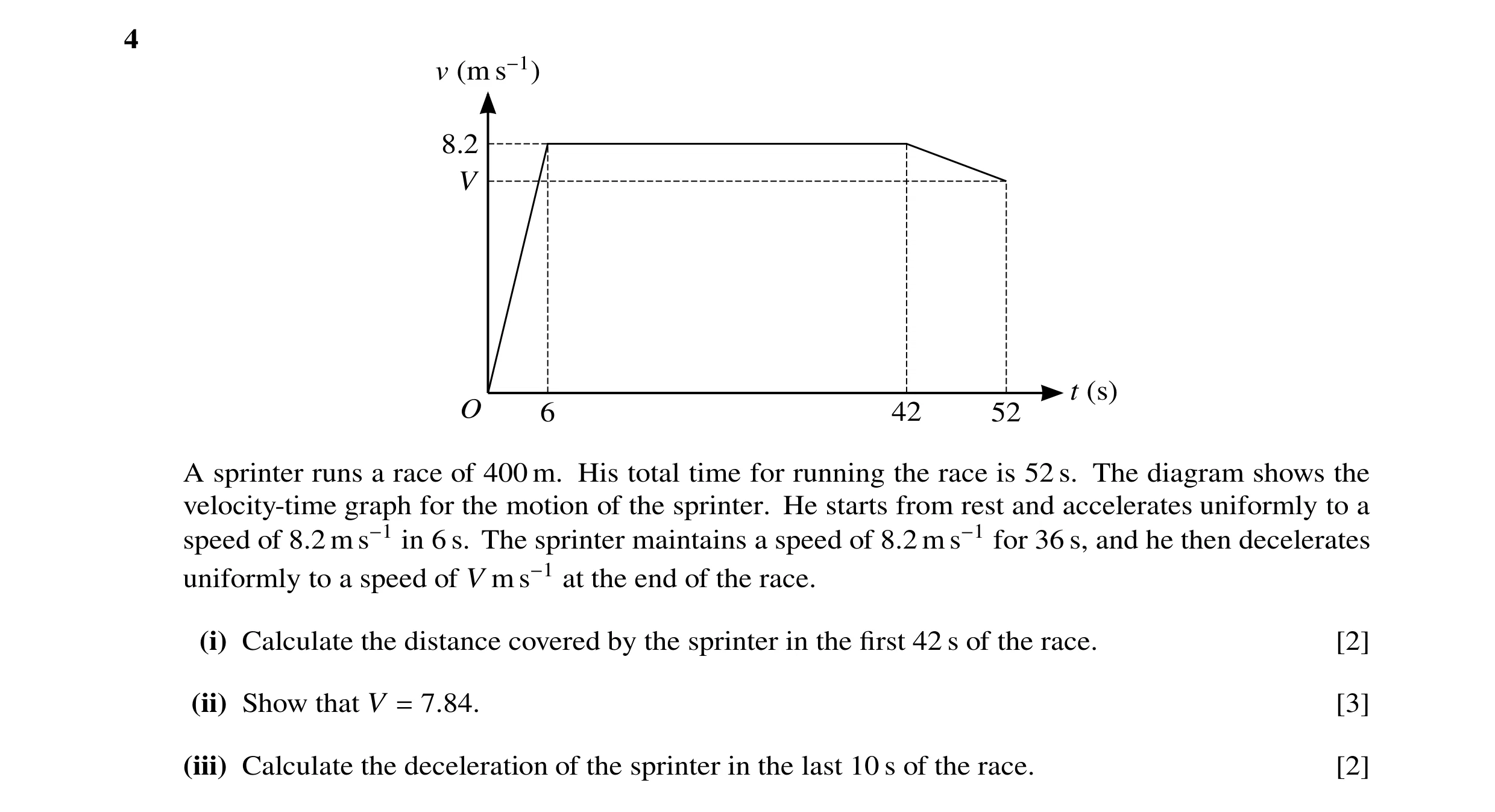
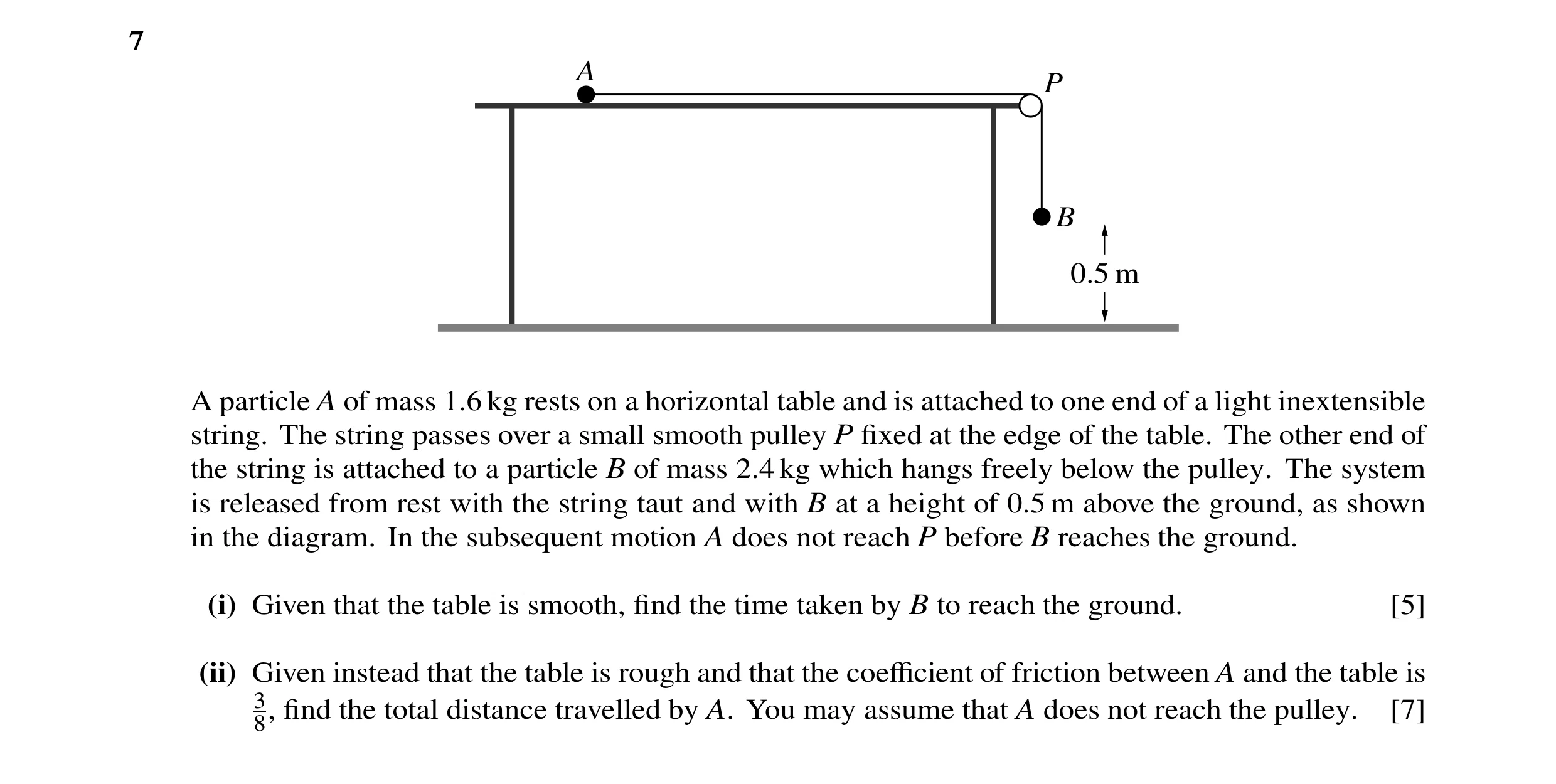 50 / 391
 51 / 391
 52 / 391
 53 / 391
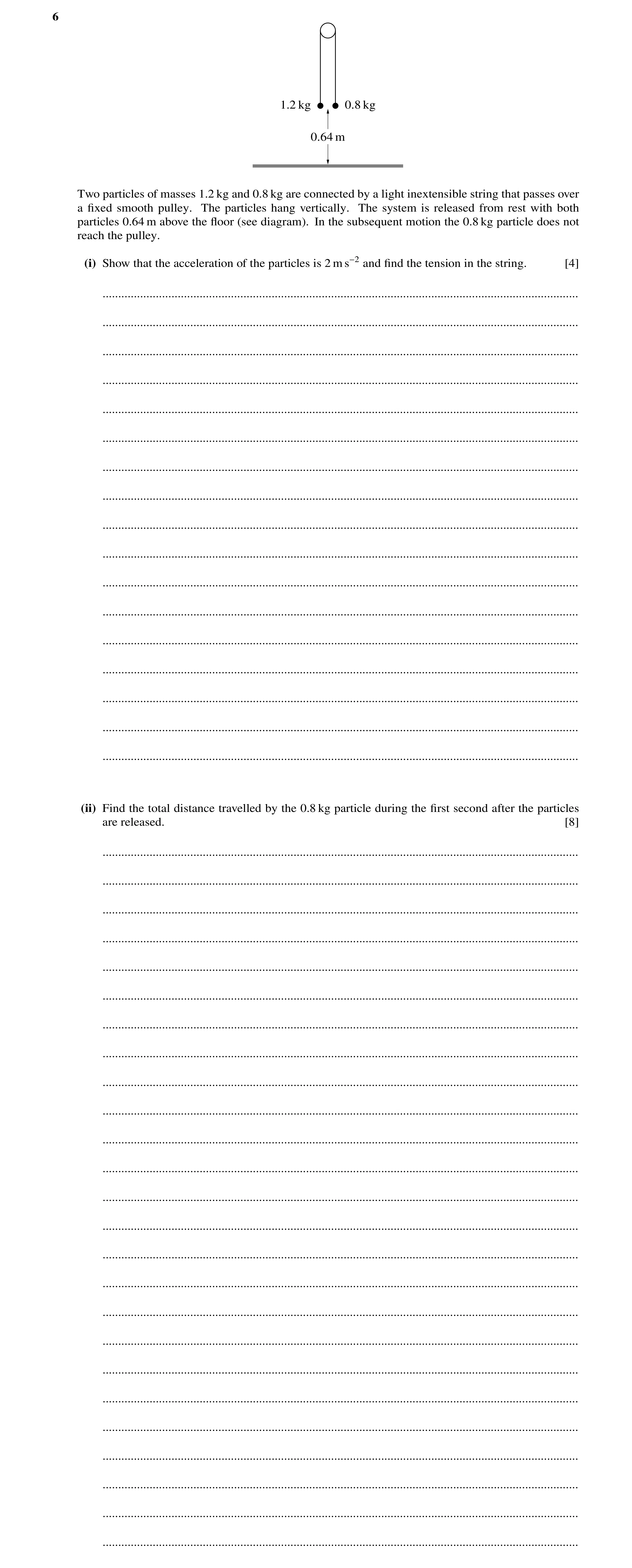
 58 / 391

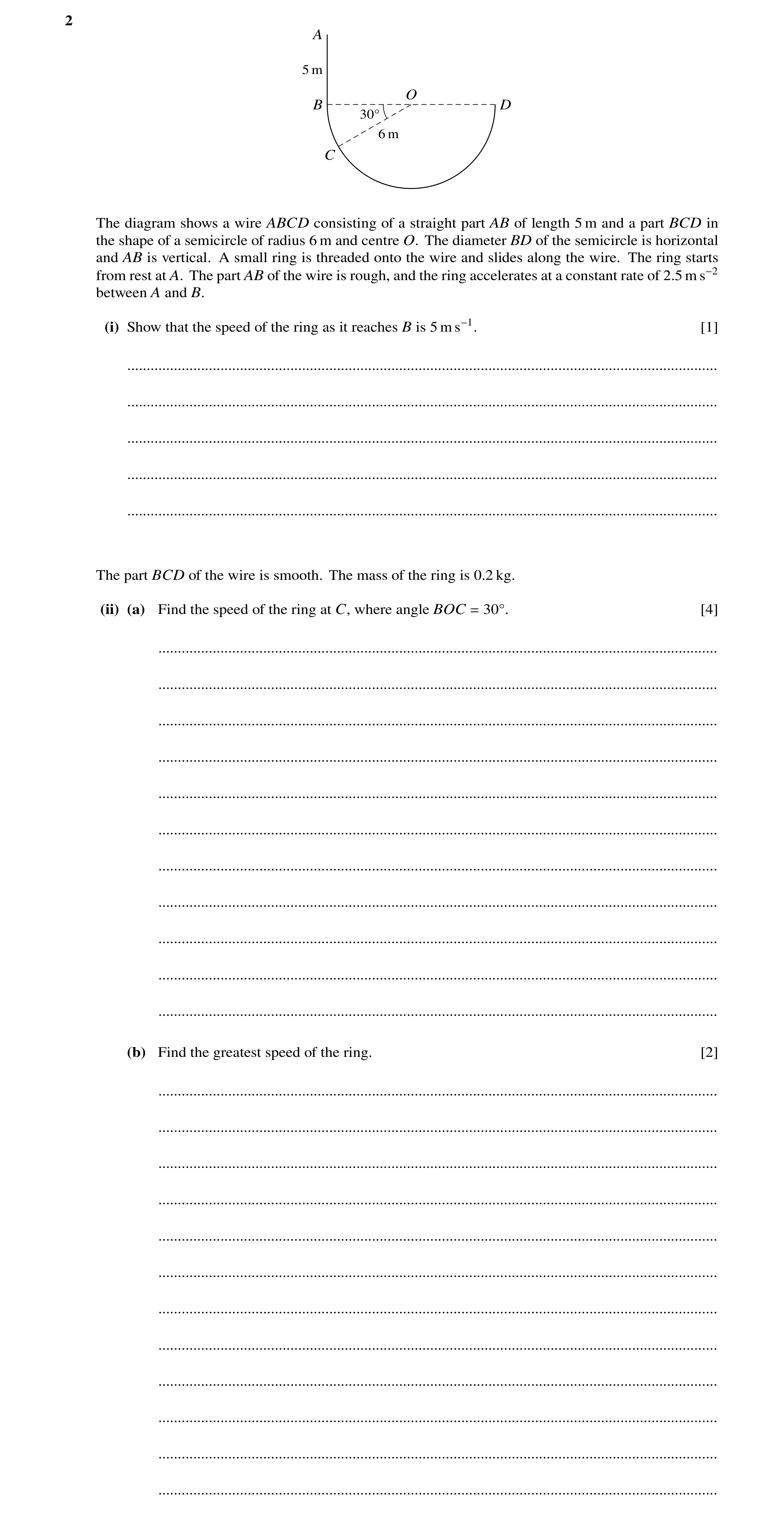

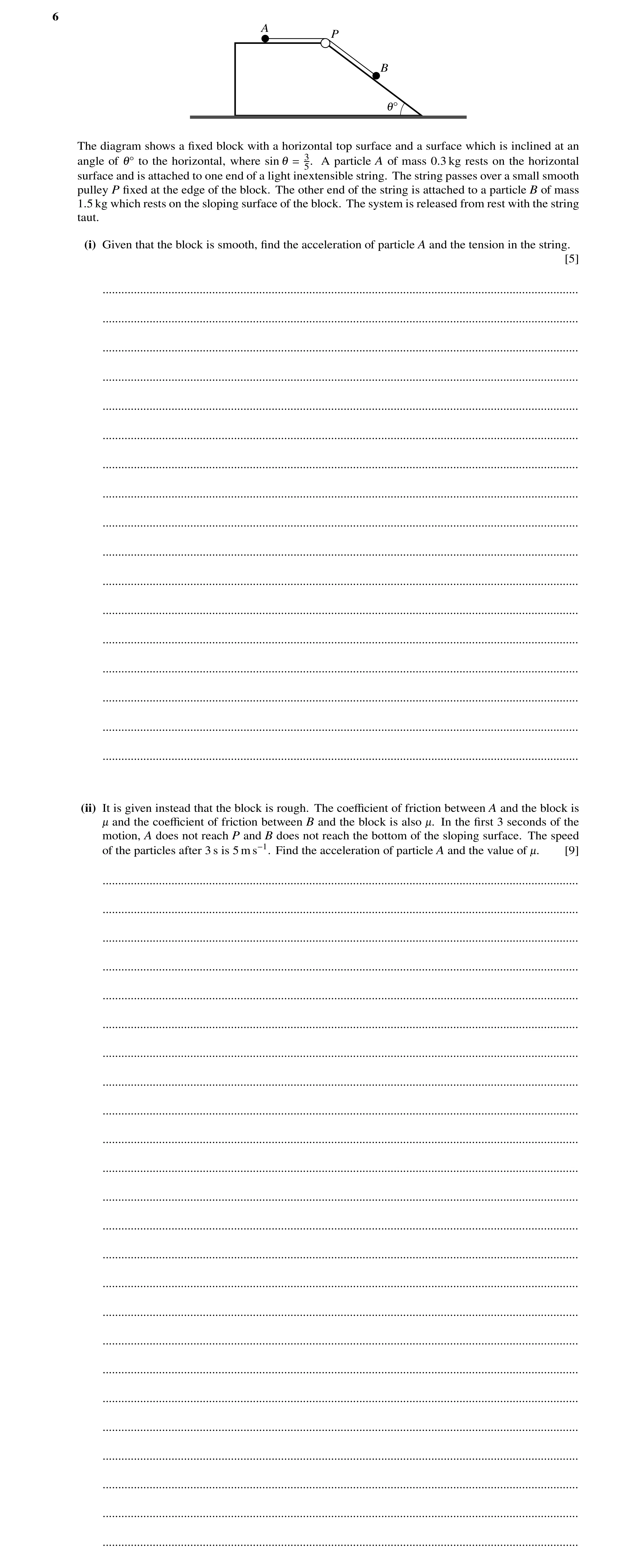
 68 / 391
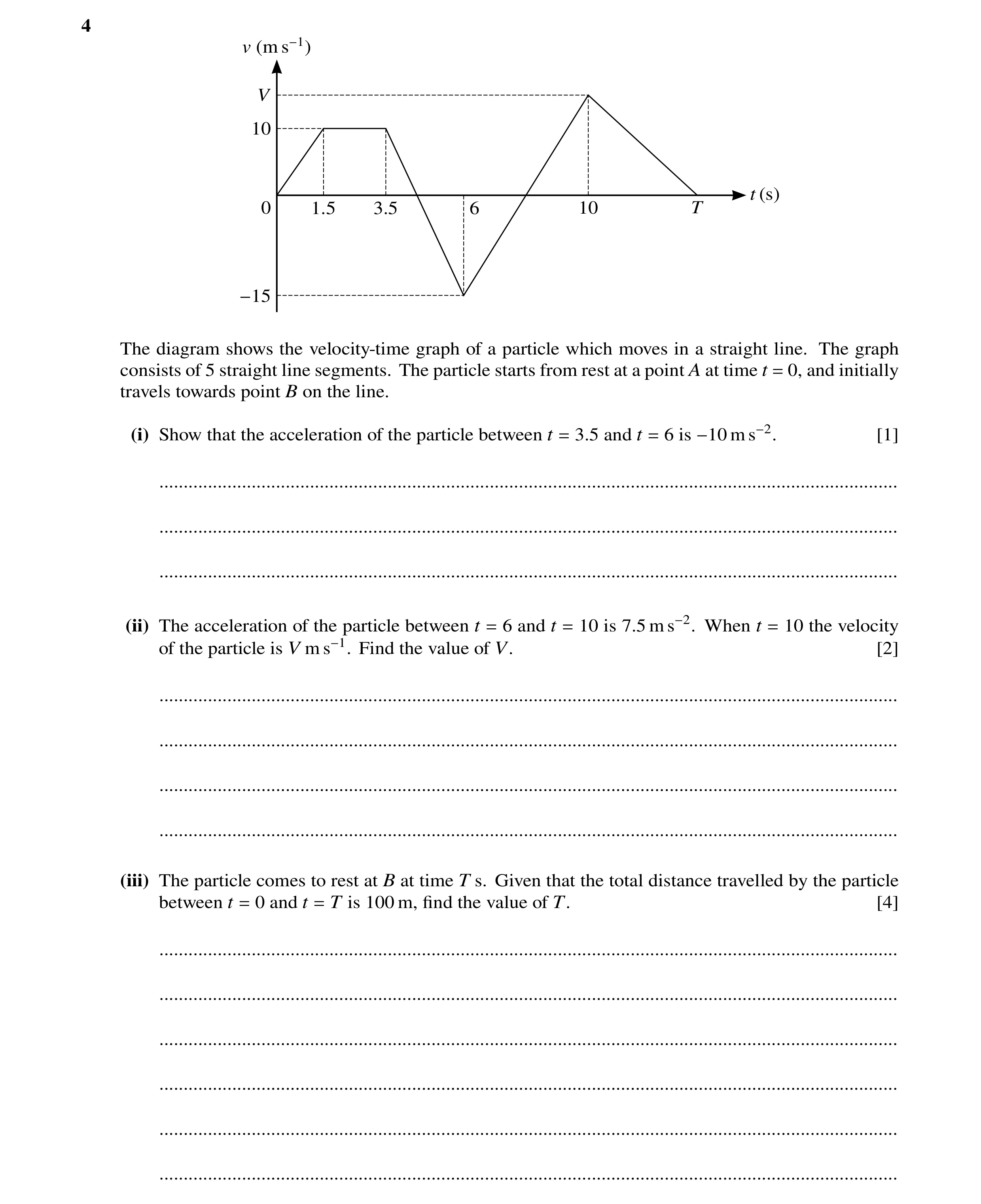 70 / 391
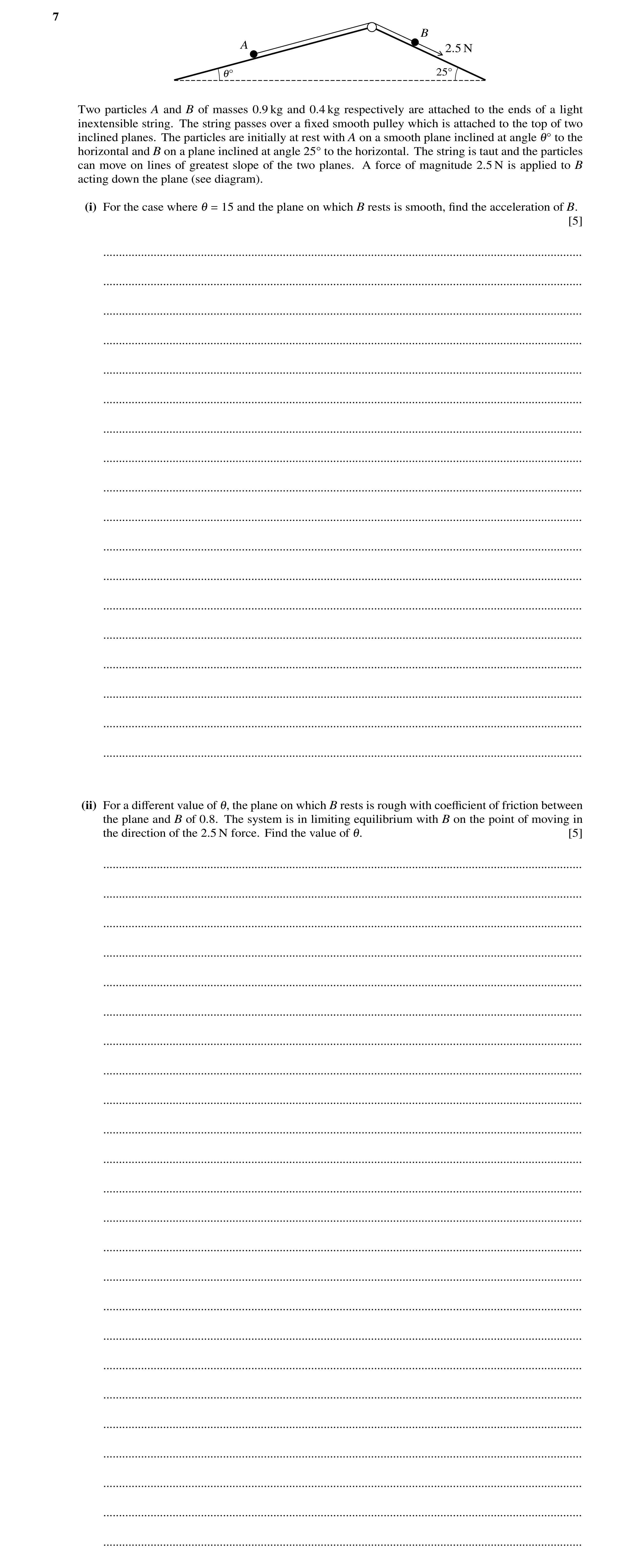
 75 / 391
 76 / 391
 77 / 391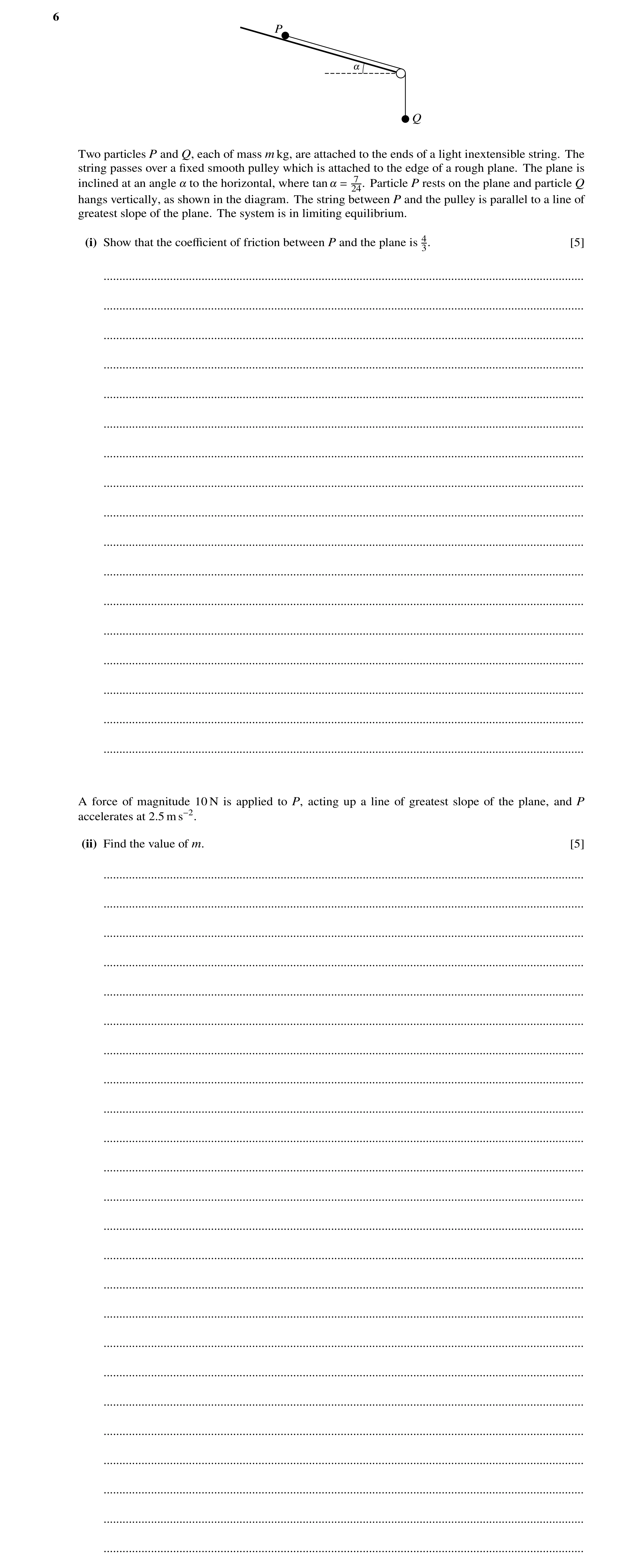
 80 / 391
 81 / 391
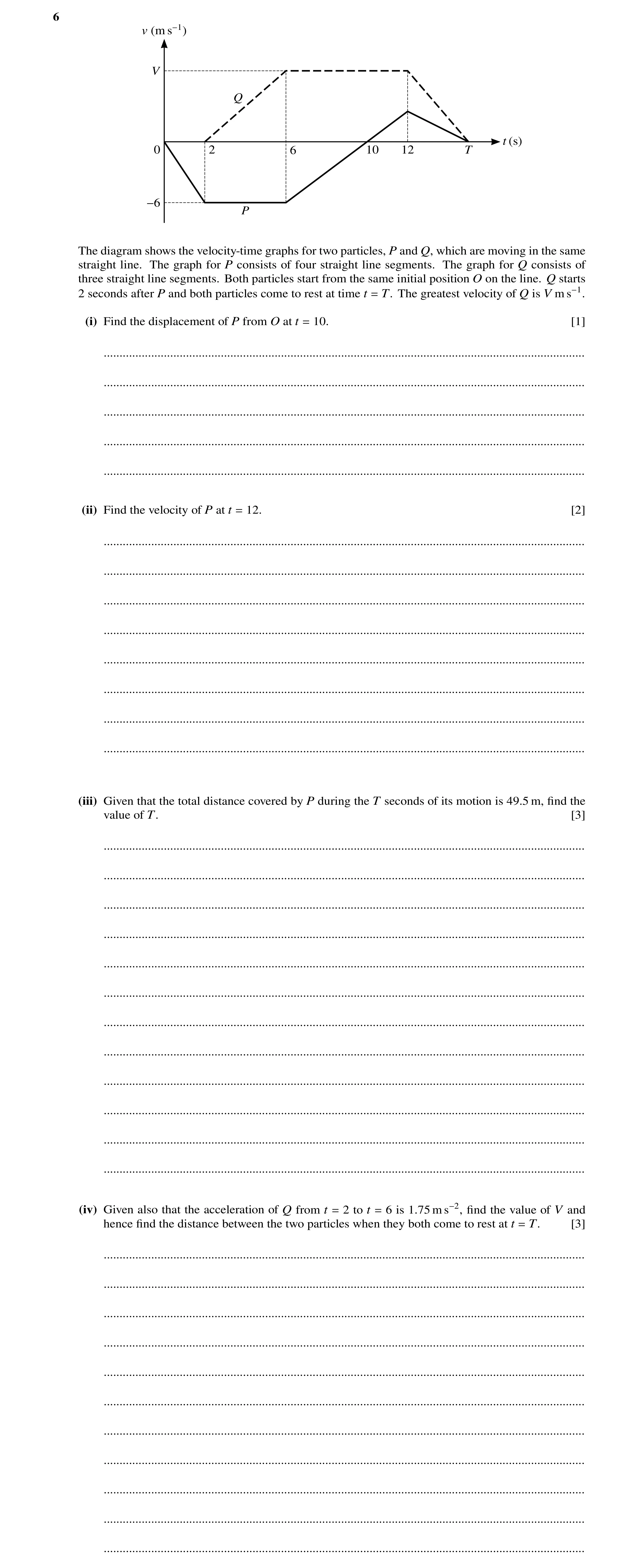

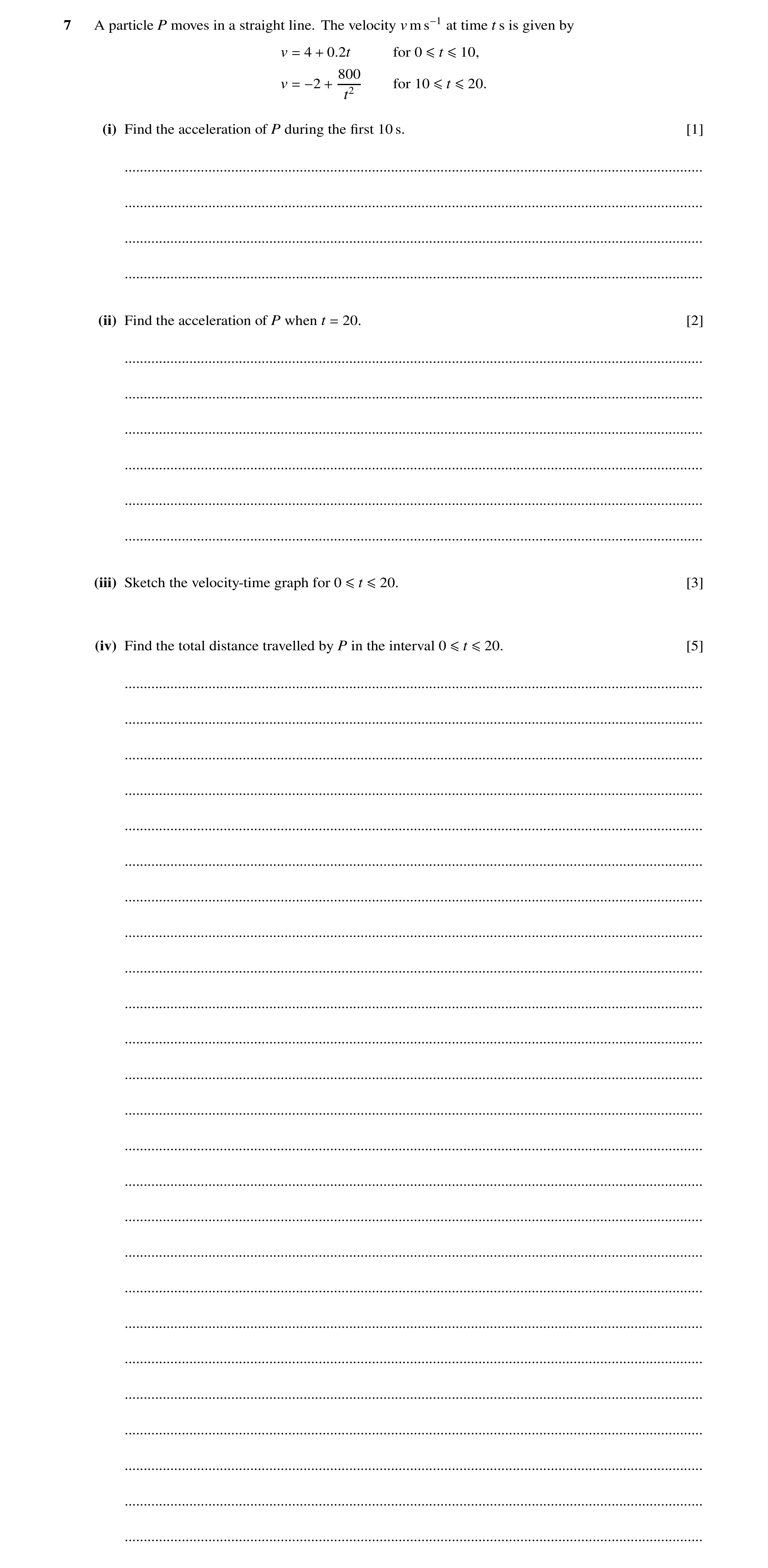
 89 / 391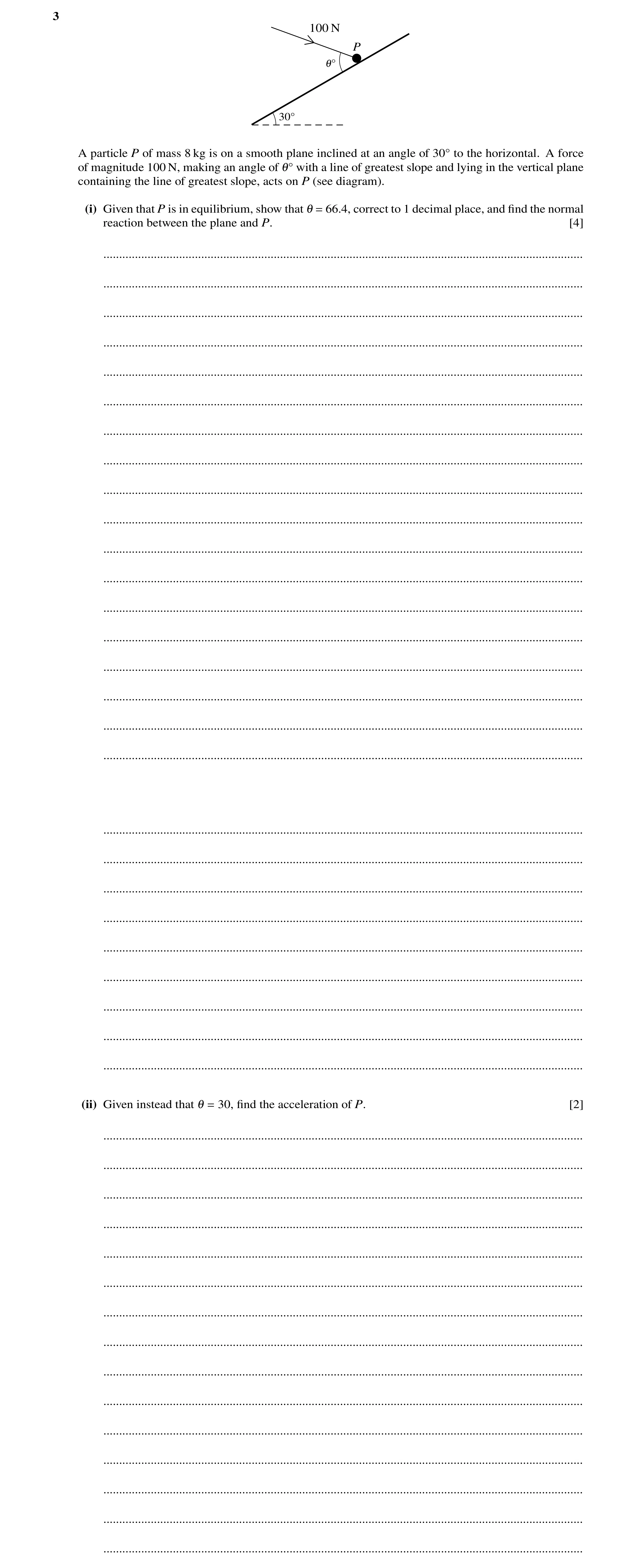

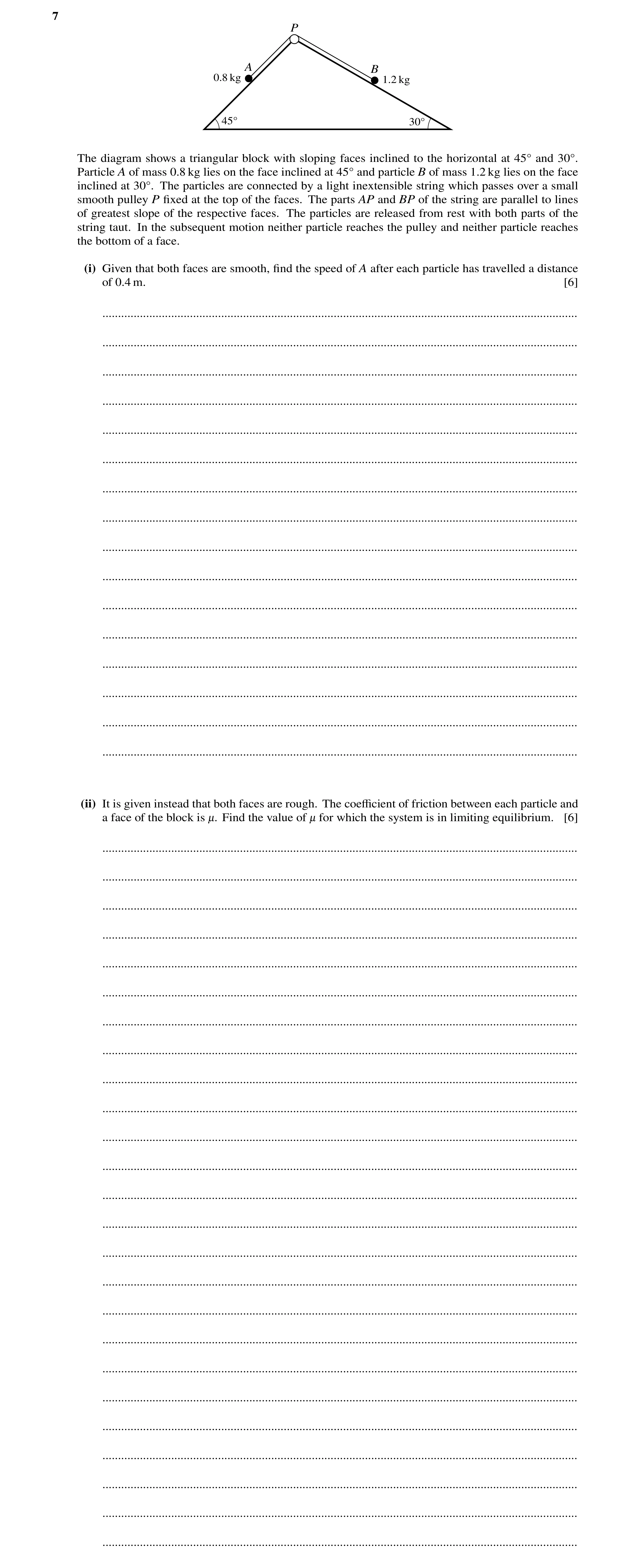

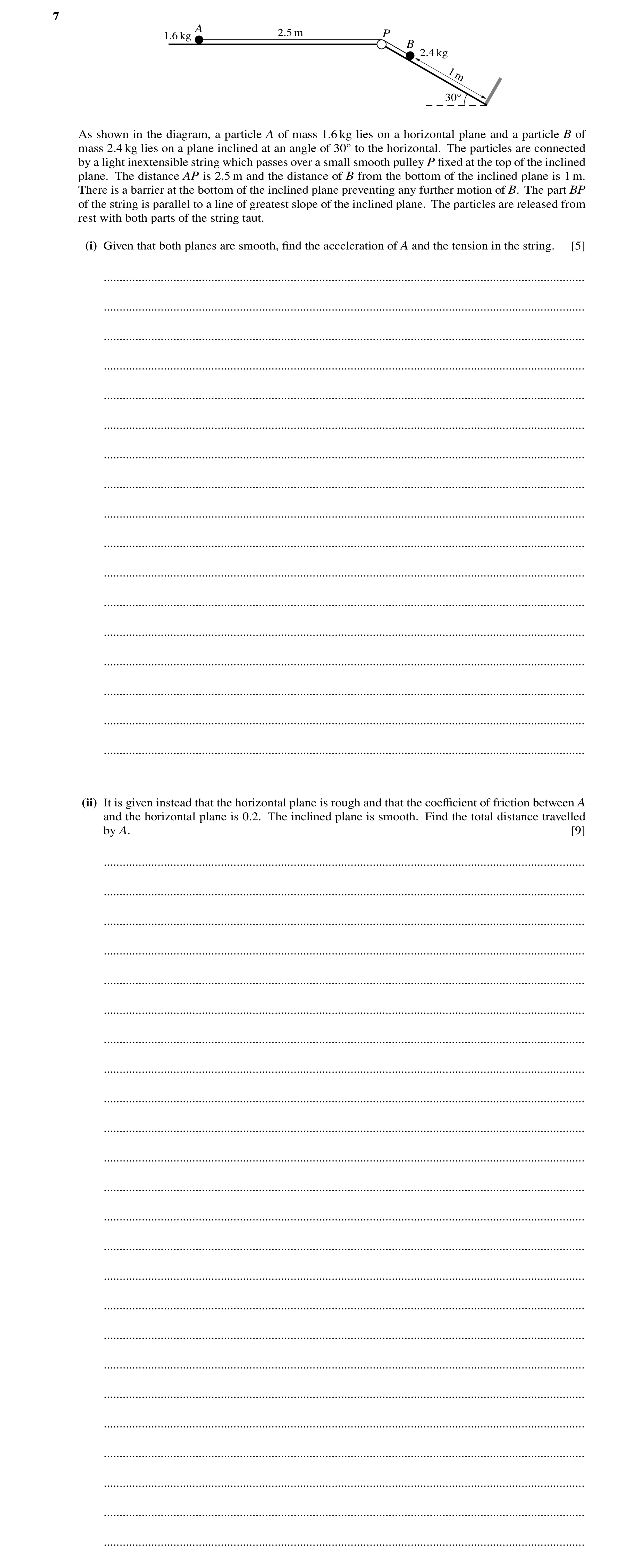
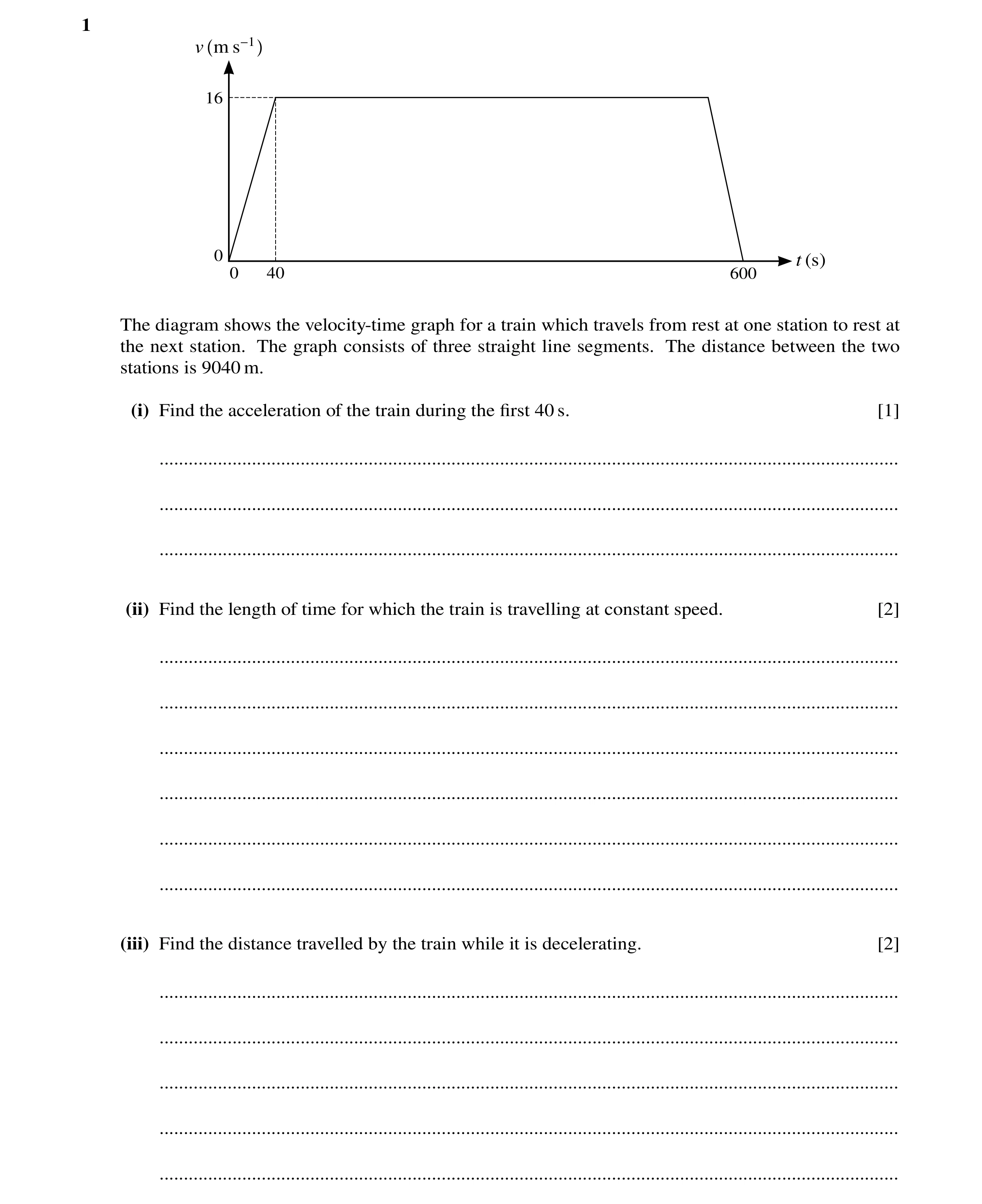 101 / 391
 102 / 391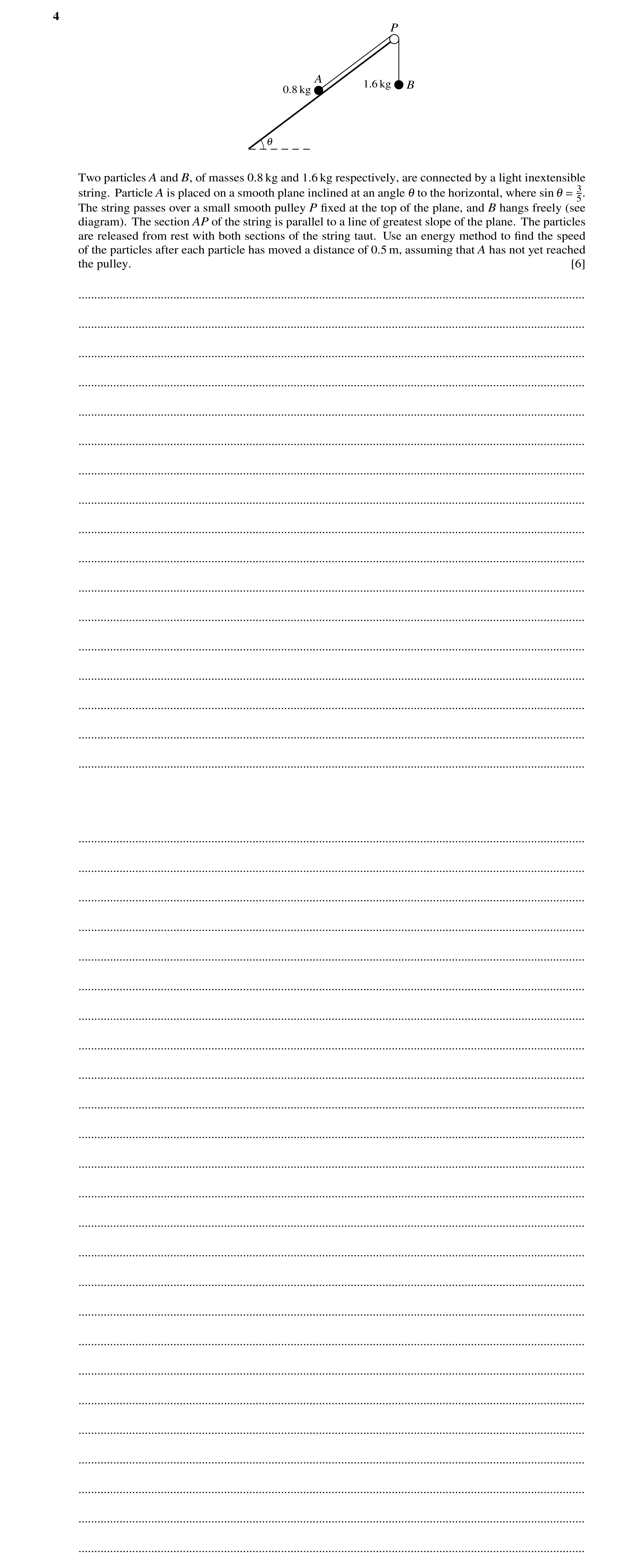

 107 / 391

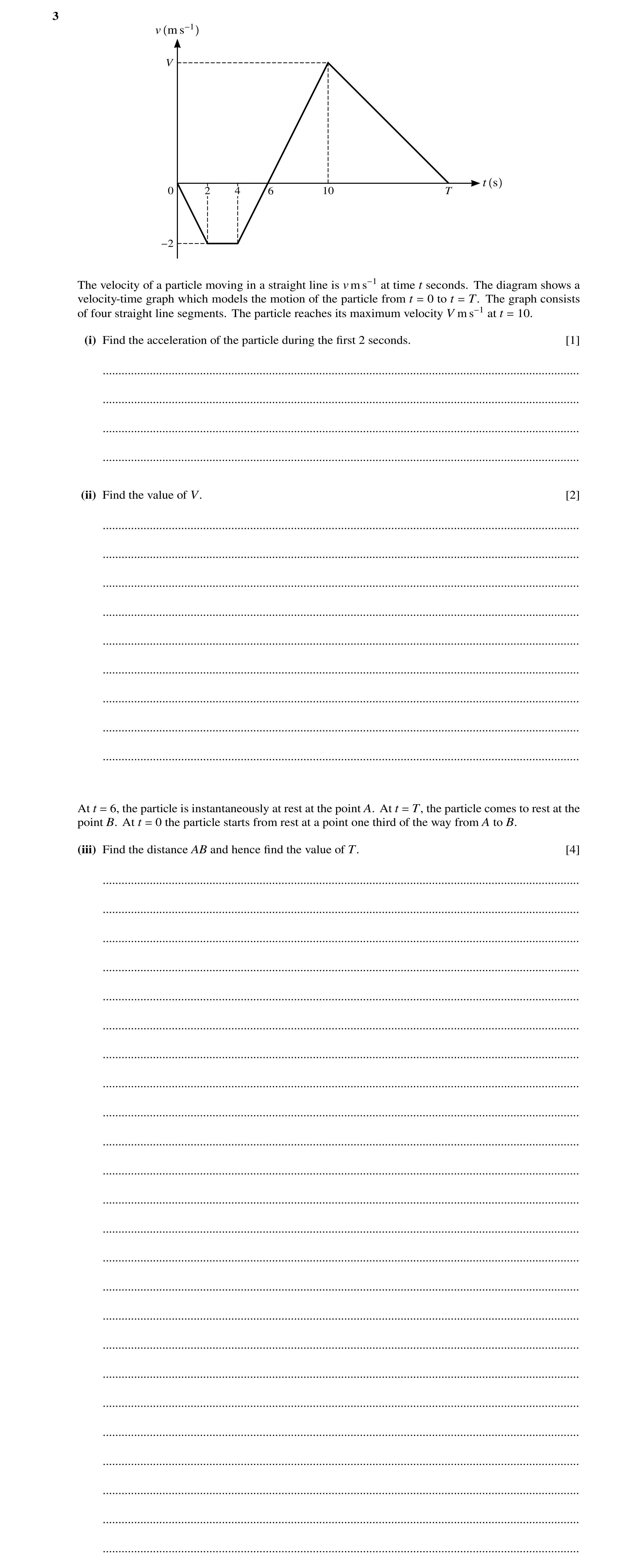
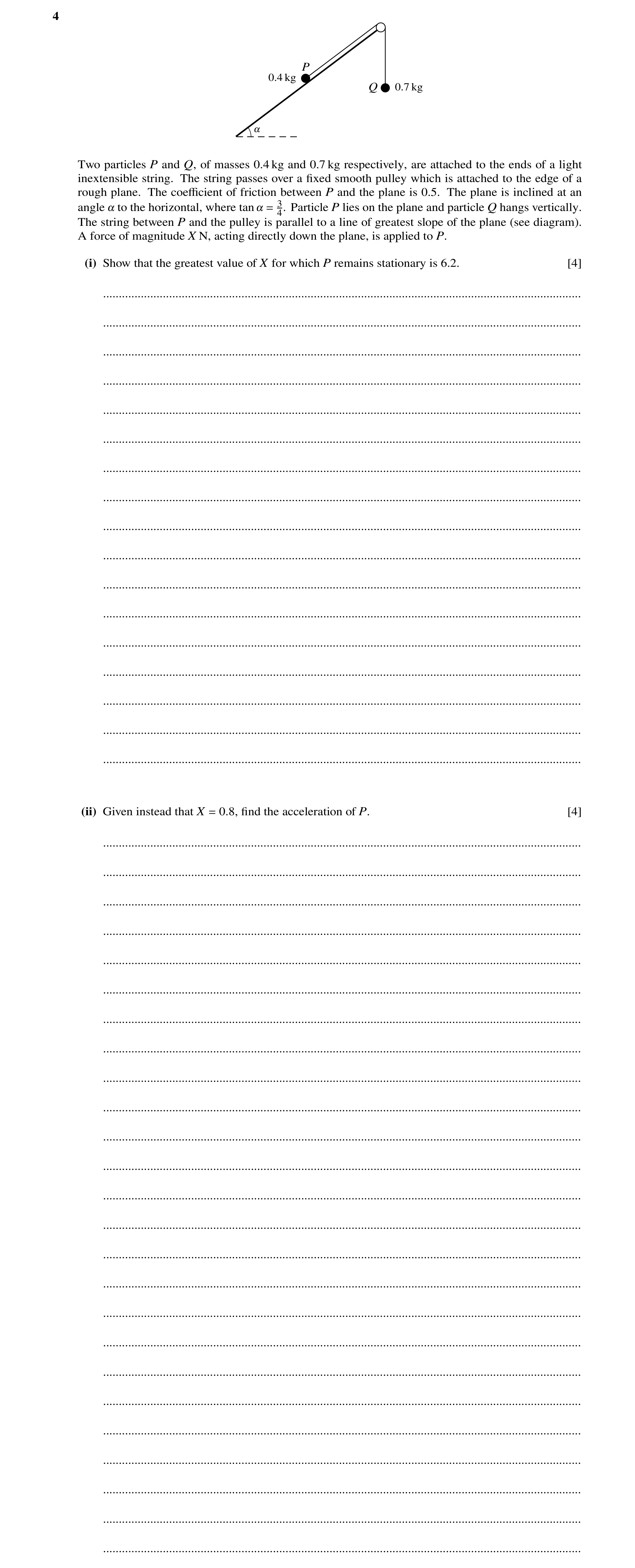

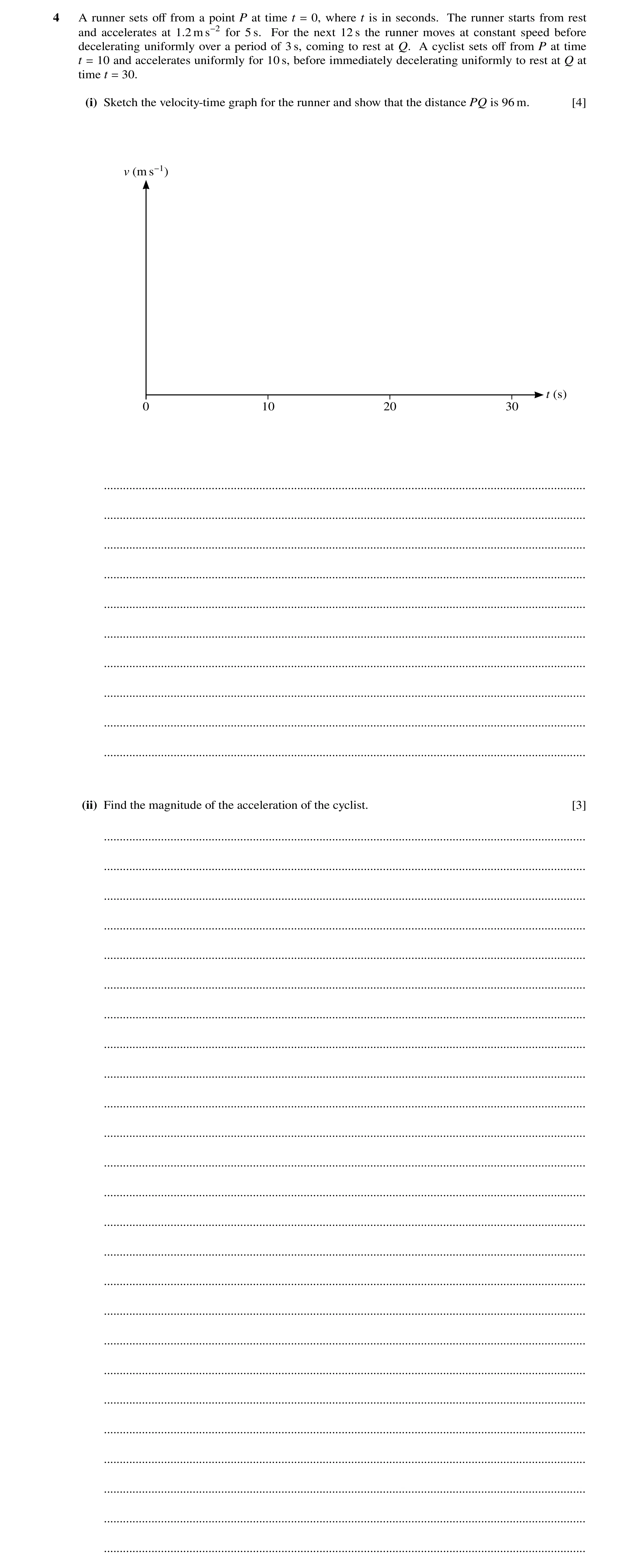
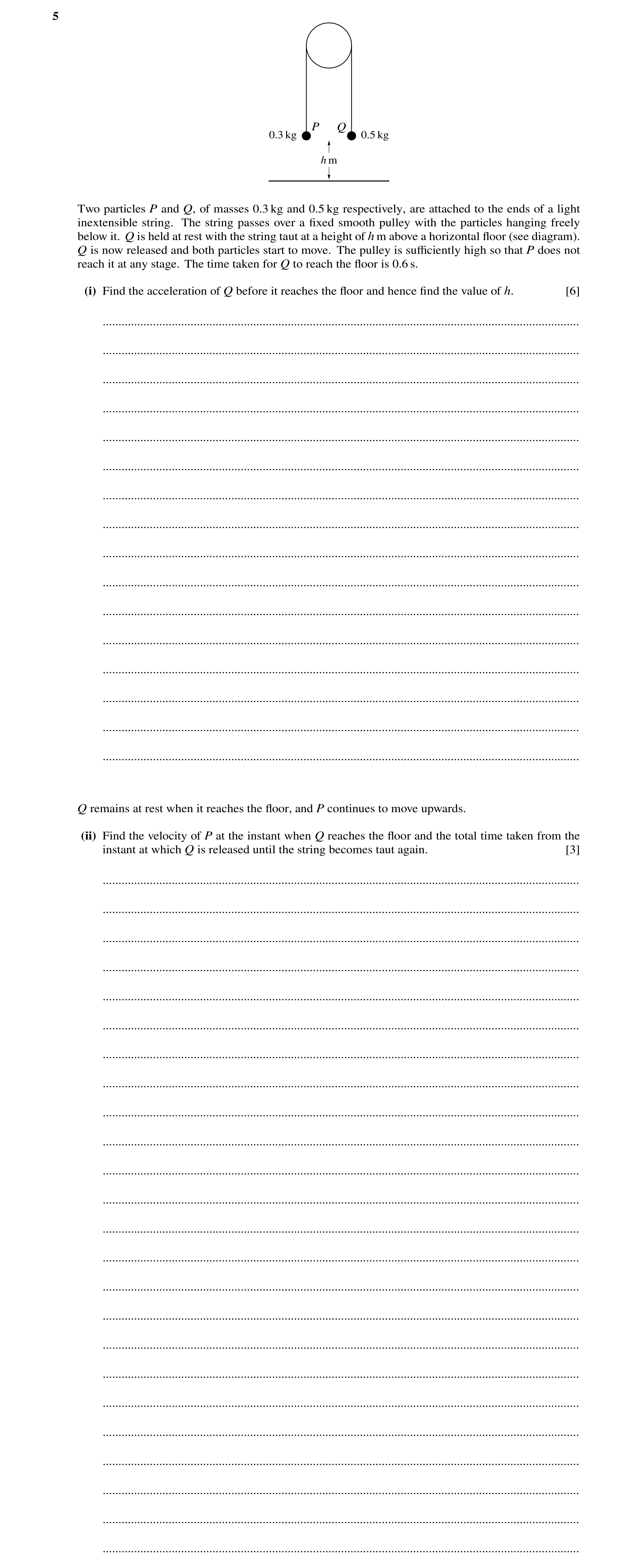

 126 / 391
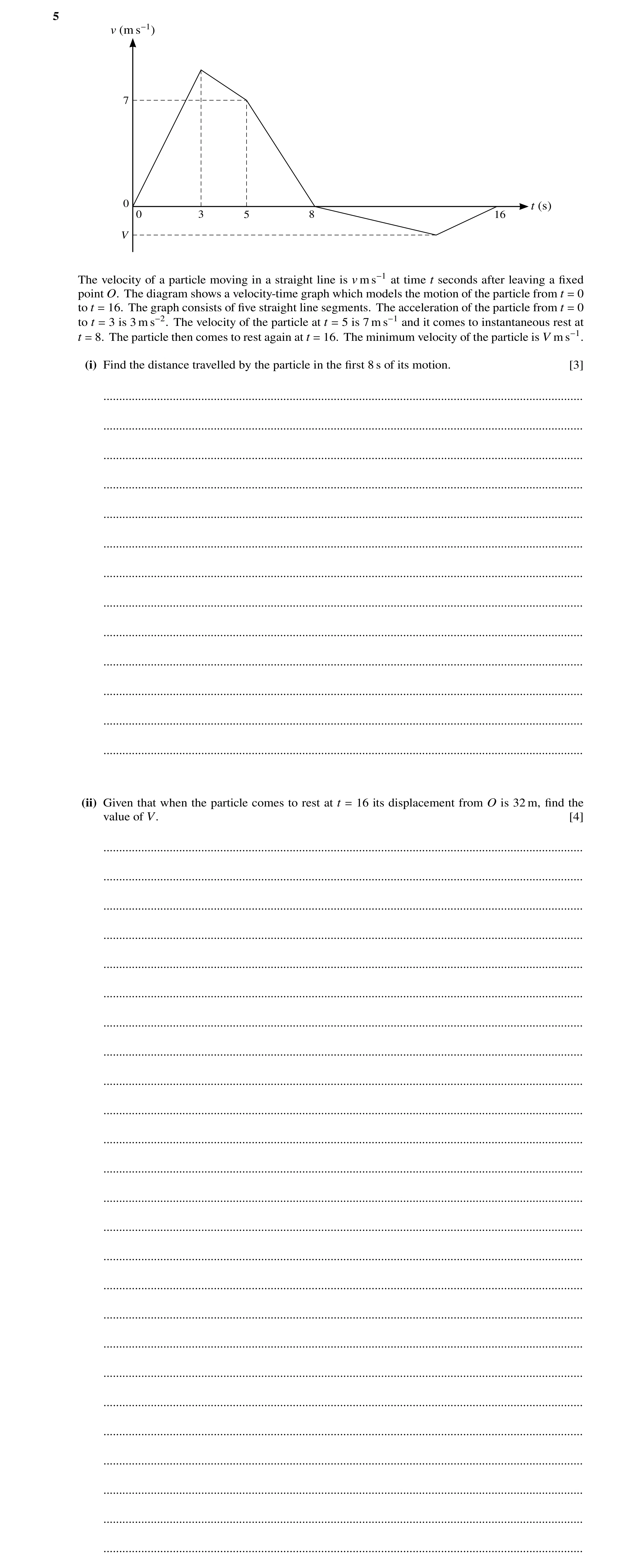

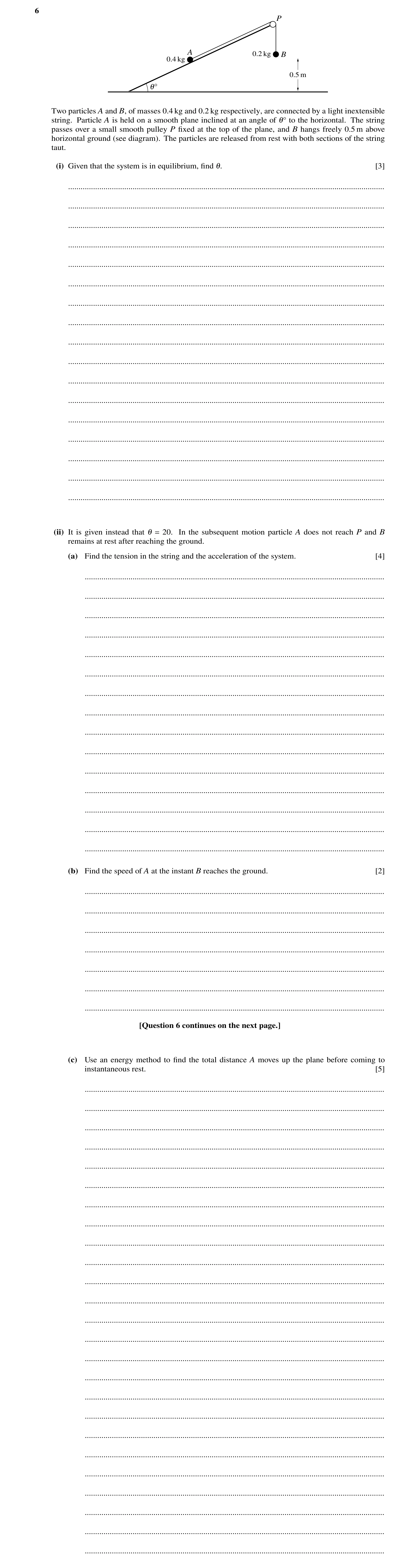
 139 / 391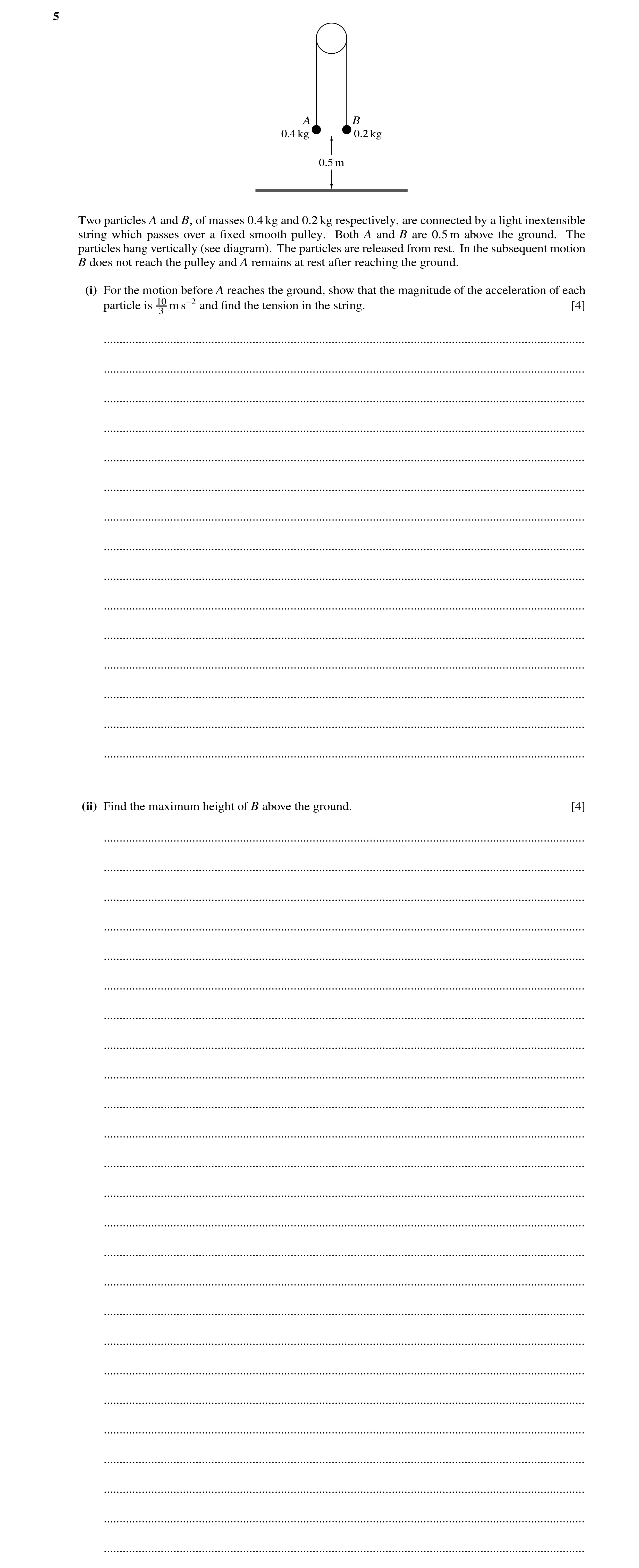
 142 / 391
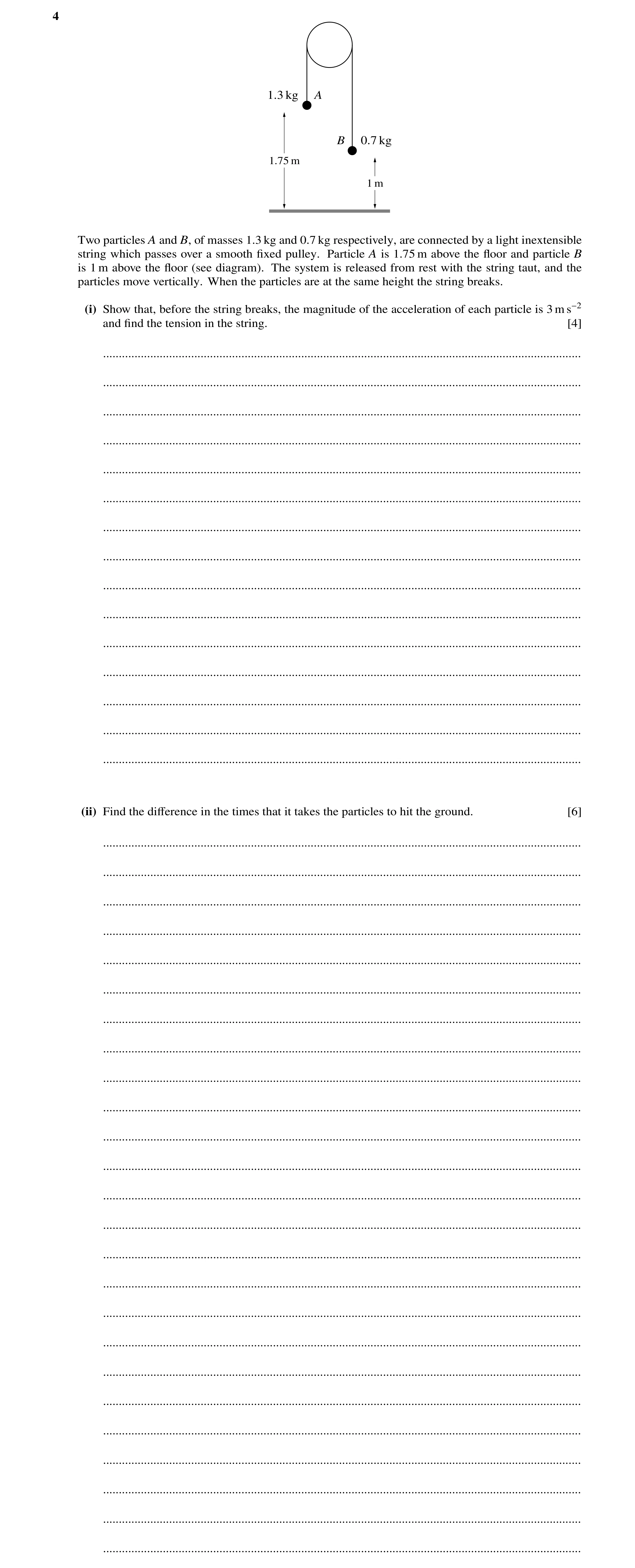
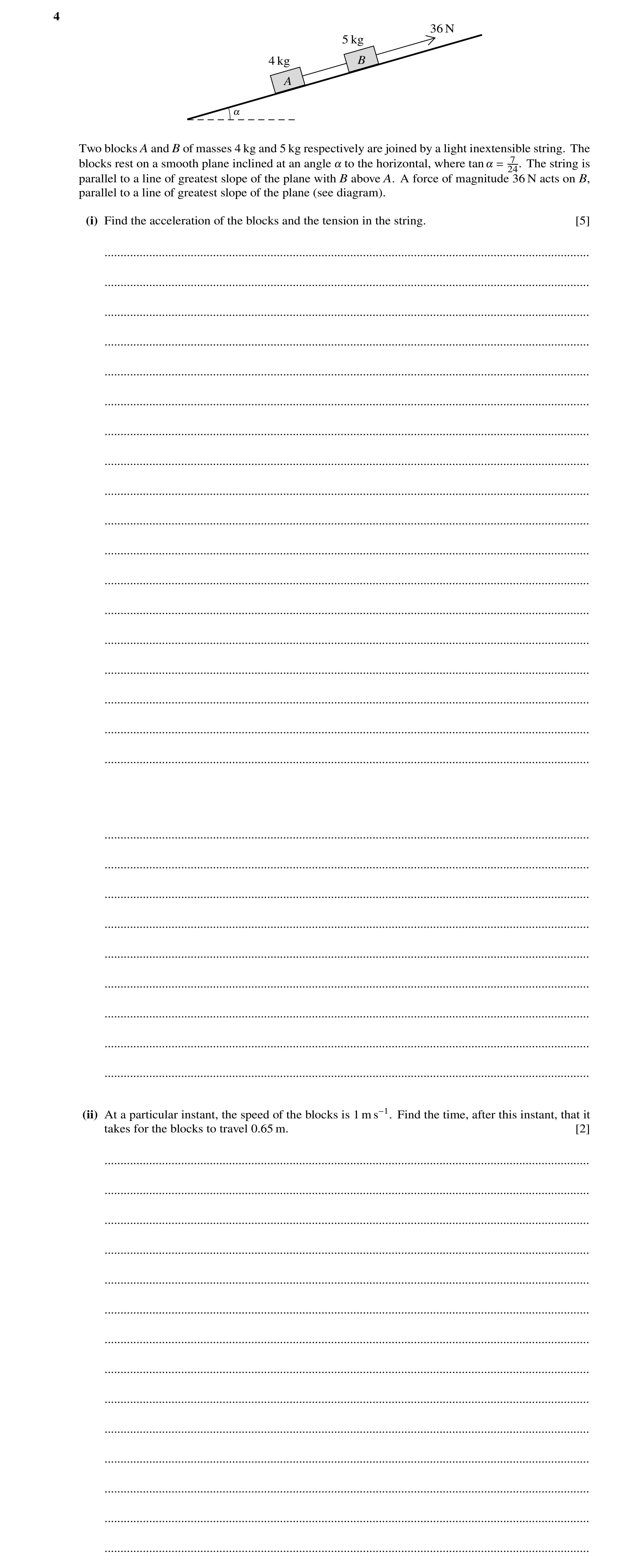
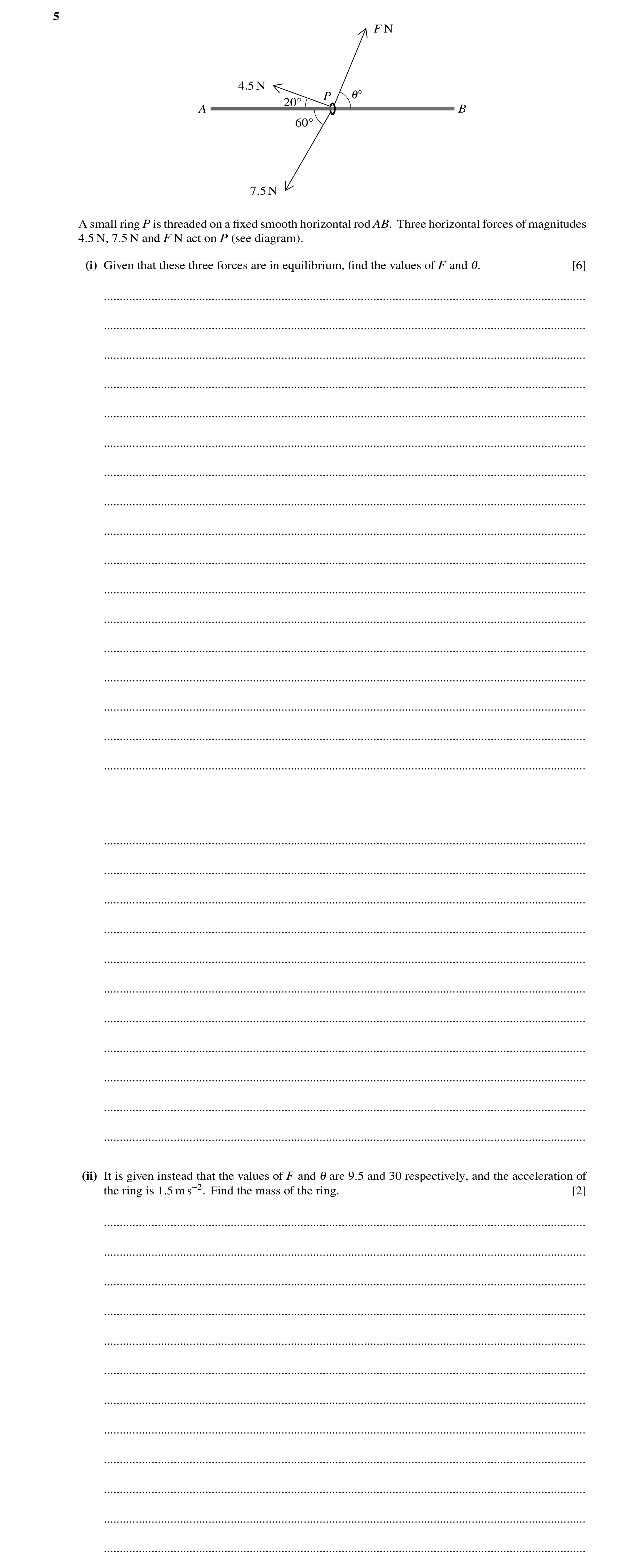
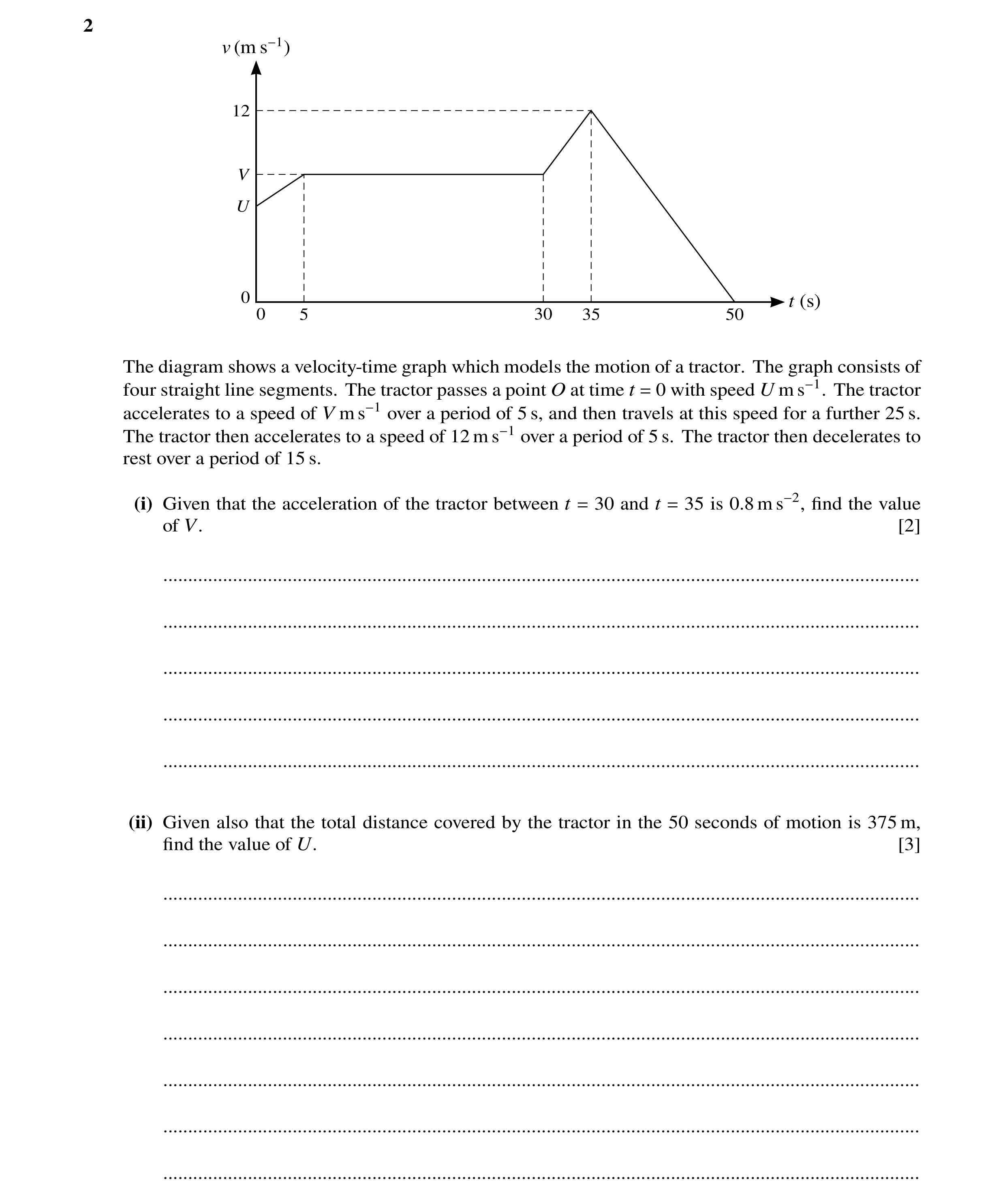 154 / 391

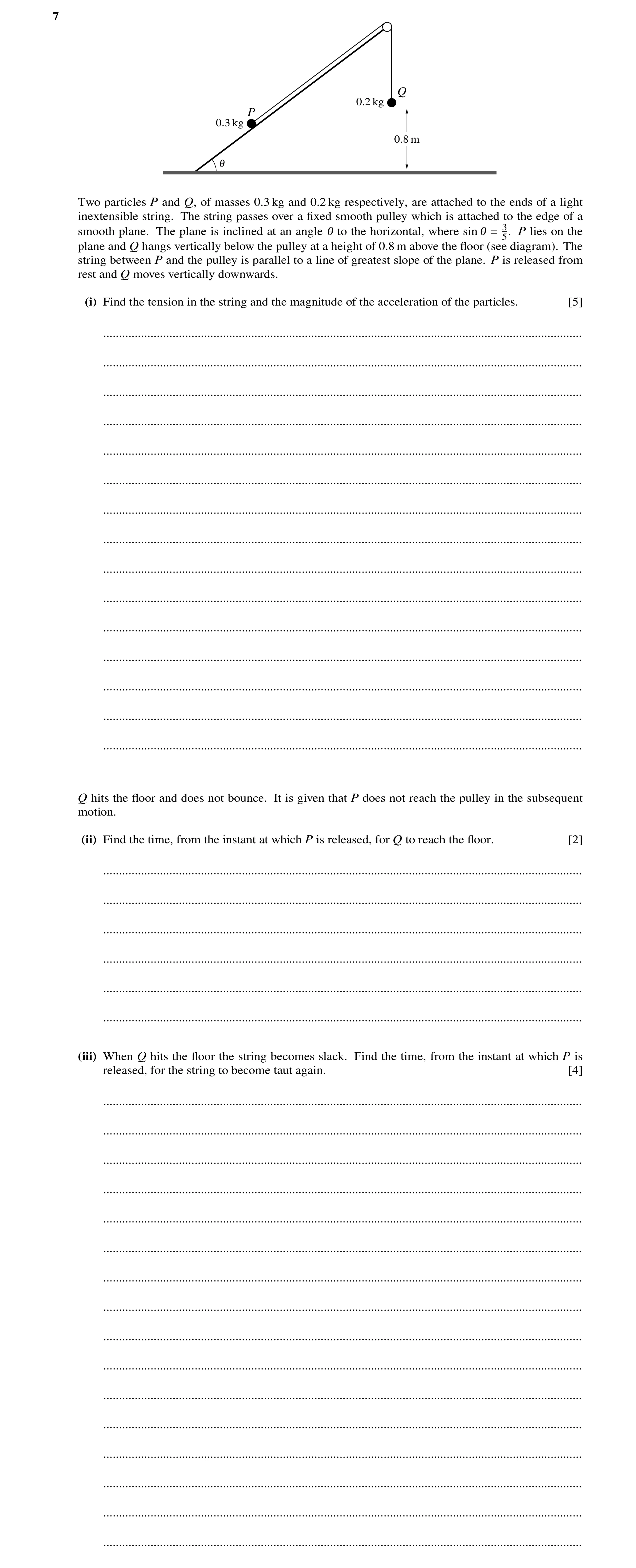

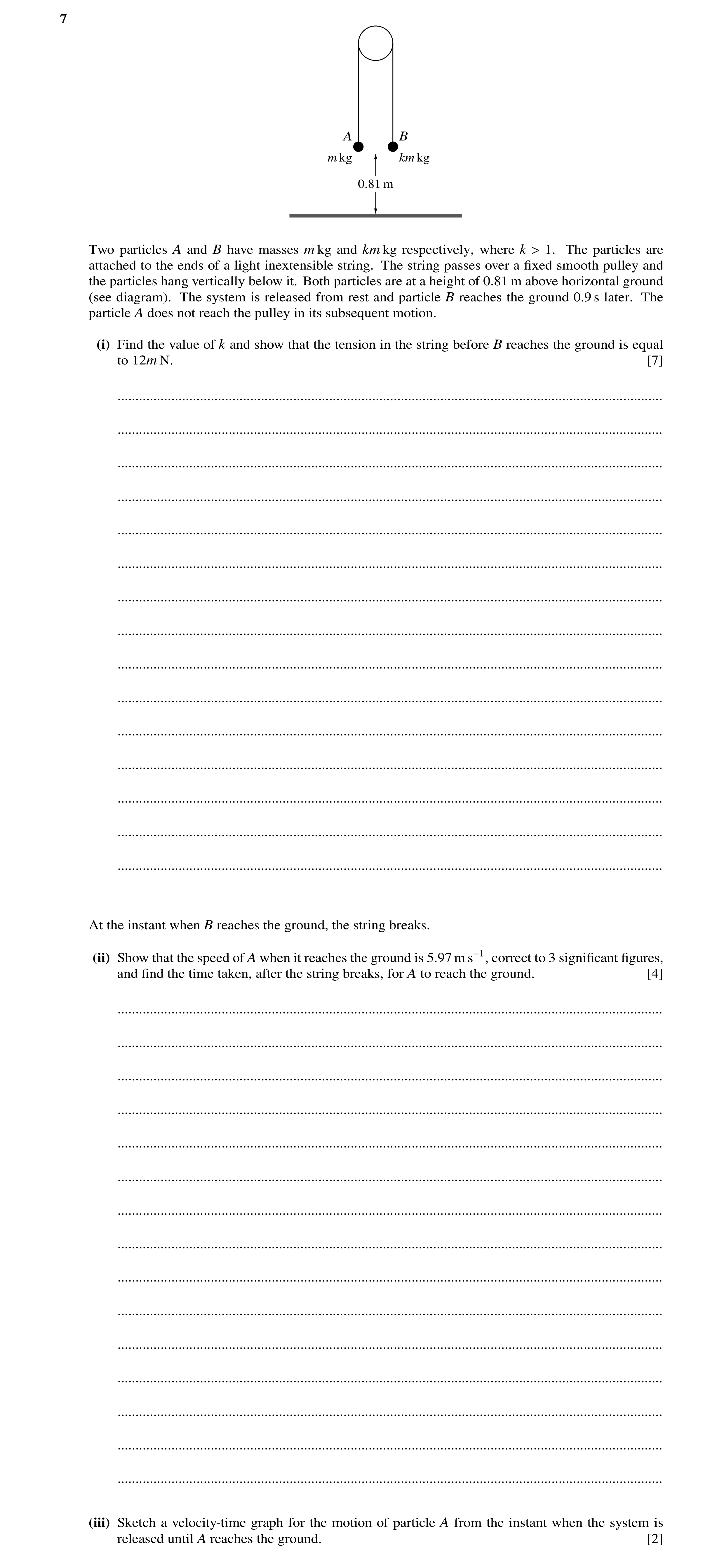
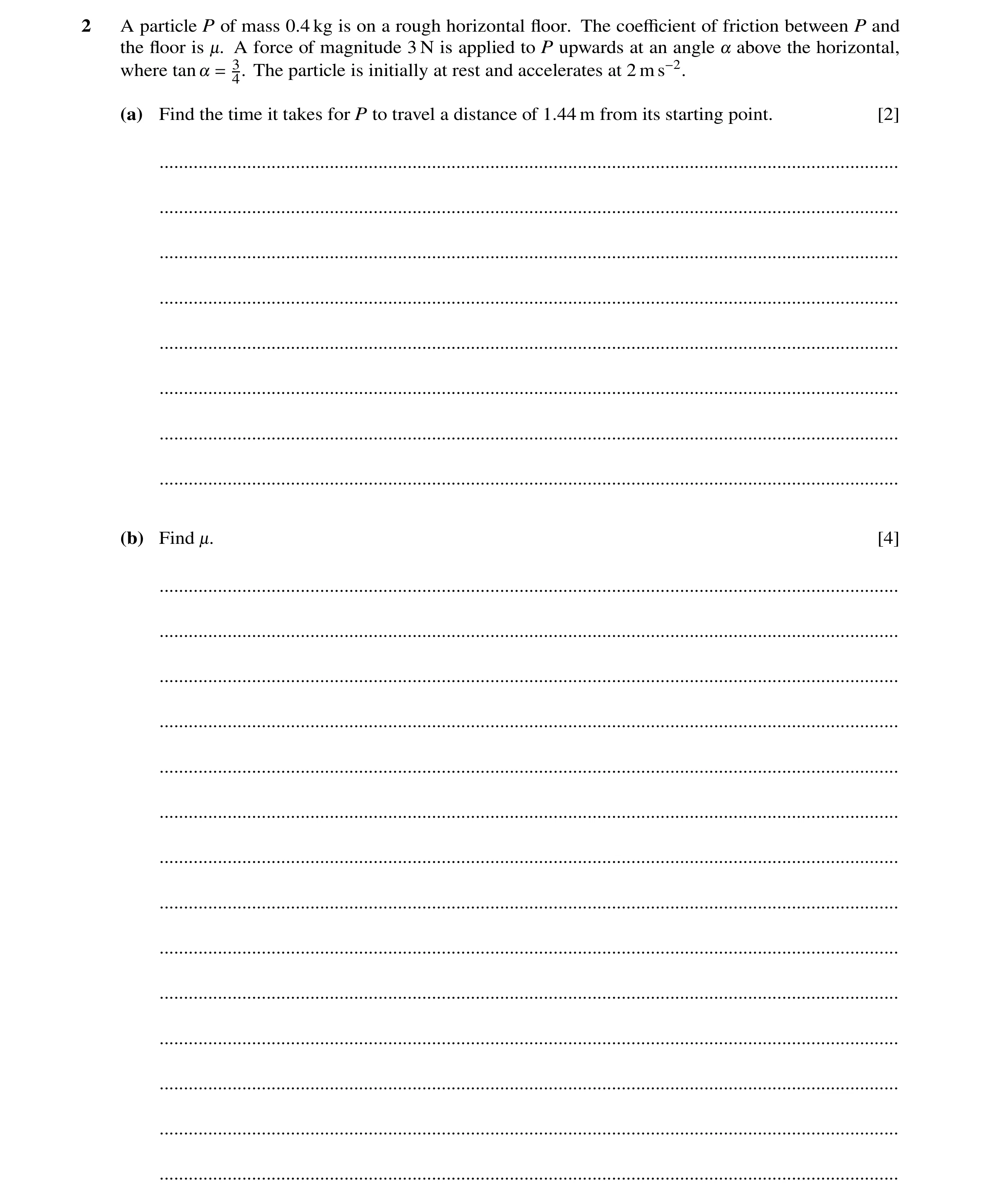 167 / 391
 172 / 391
 173 / 391
 174 / 391
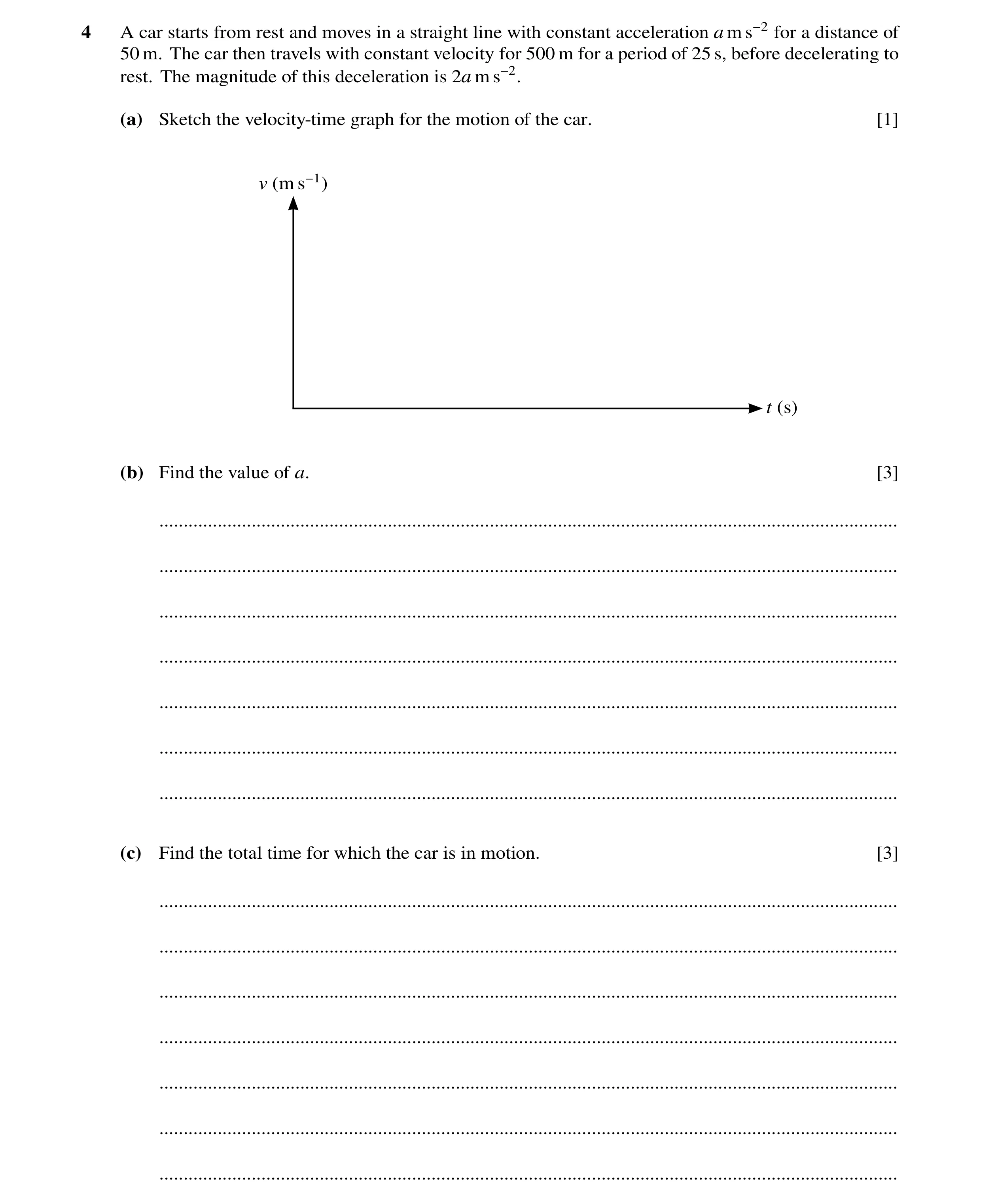 177 / 391

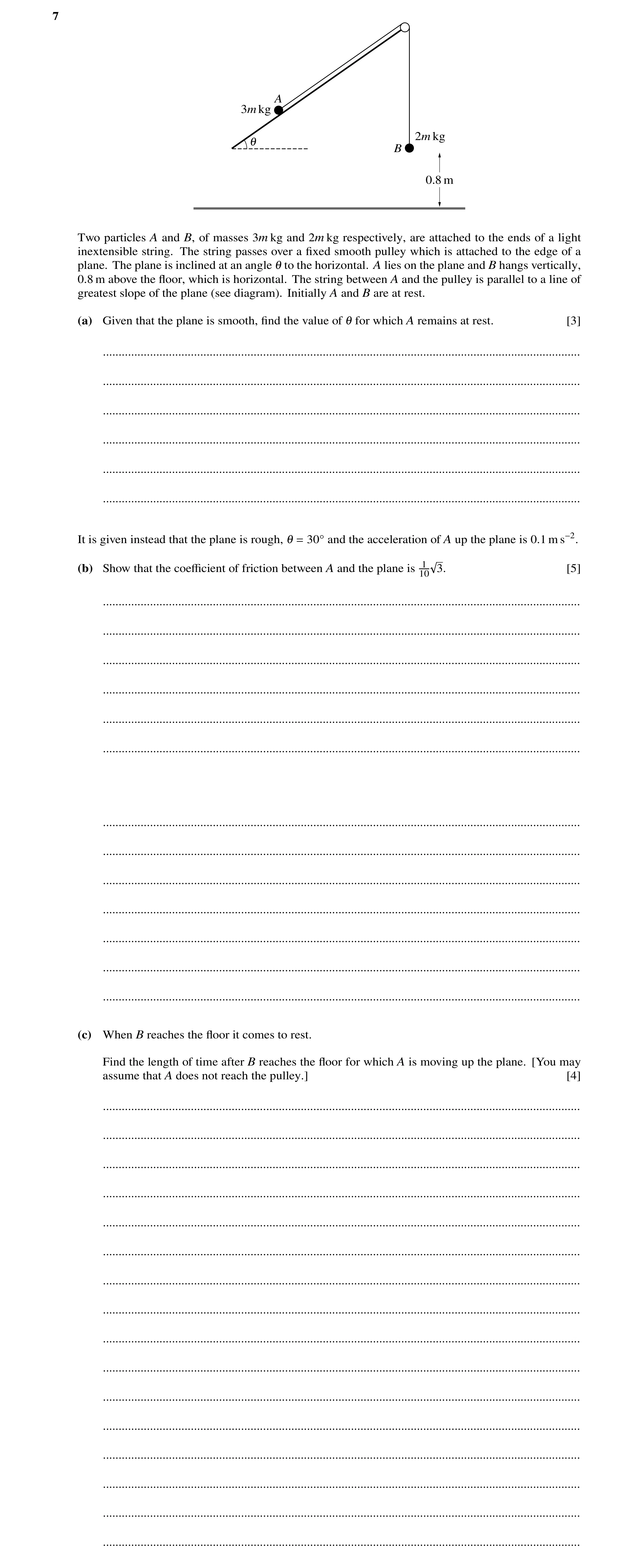
 184 / 391
 185 / 391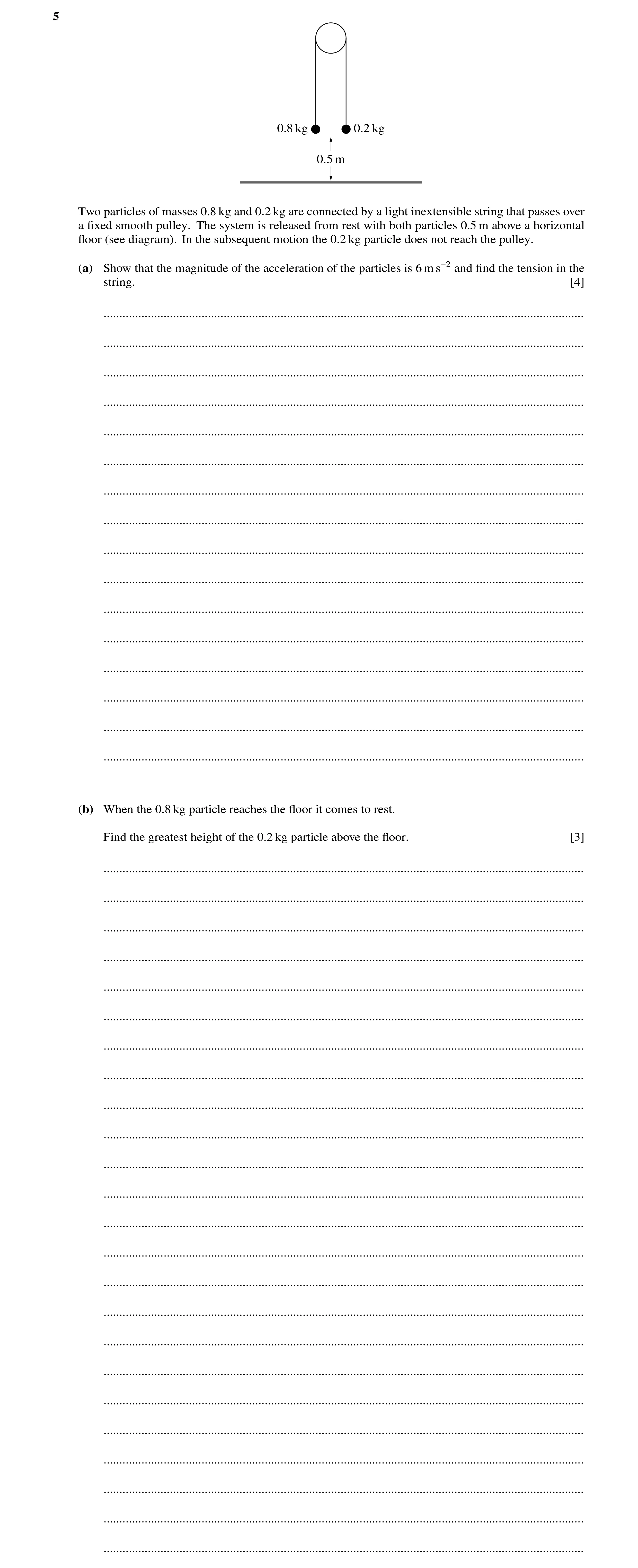
 190 / 391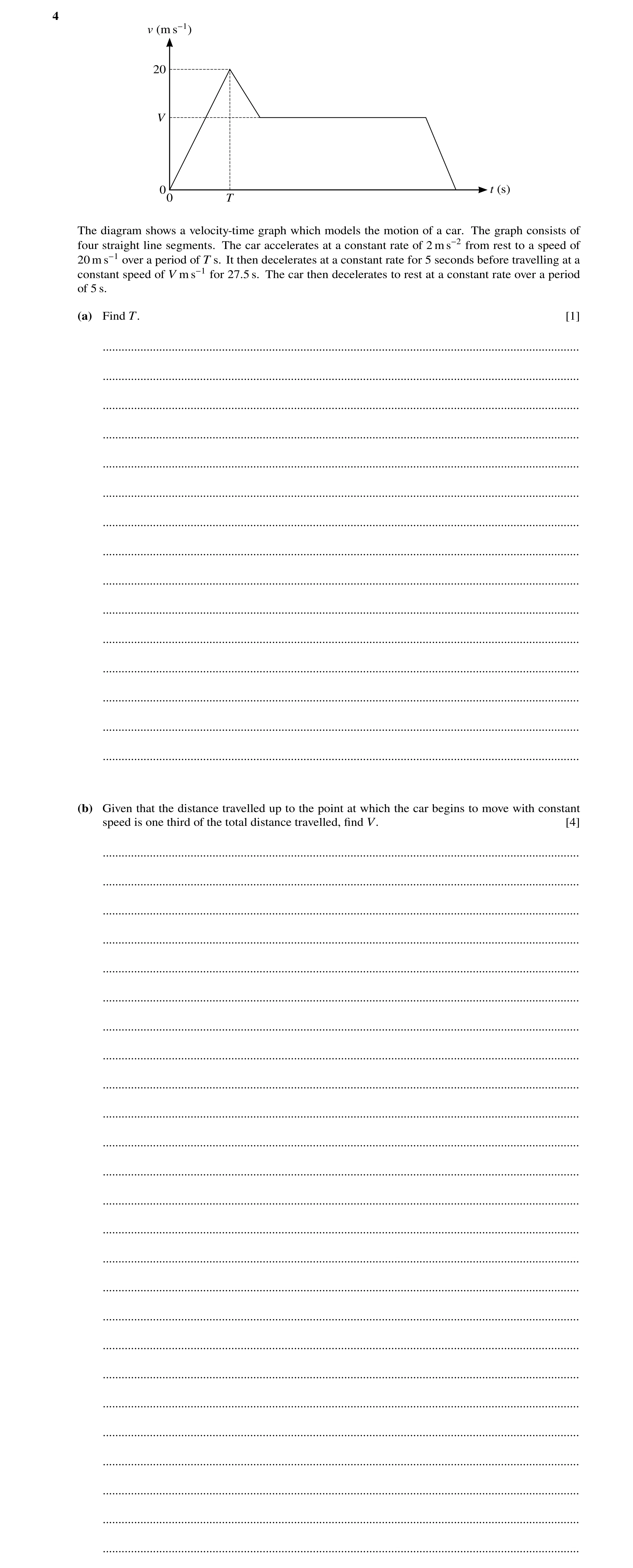

 197 / 391
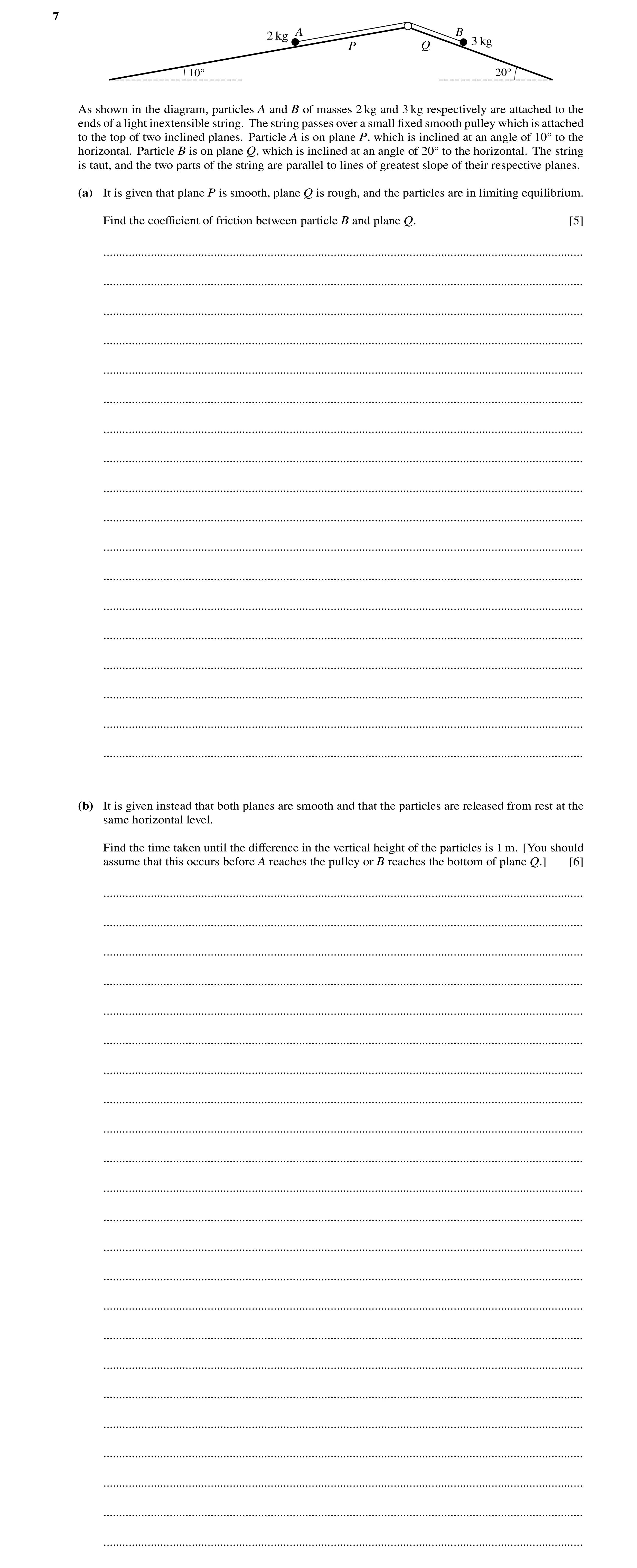
 202 / 391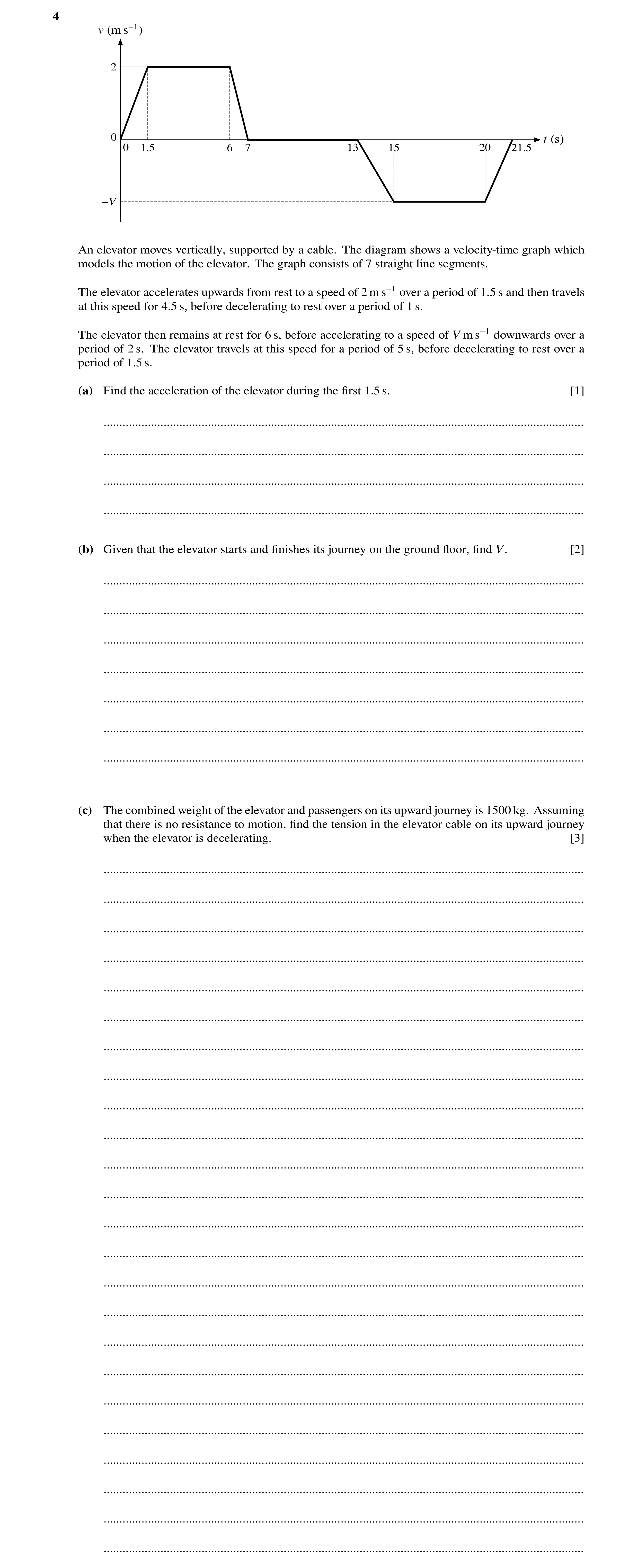
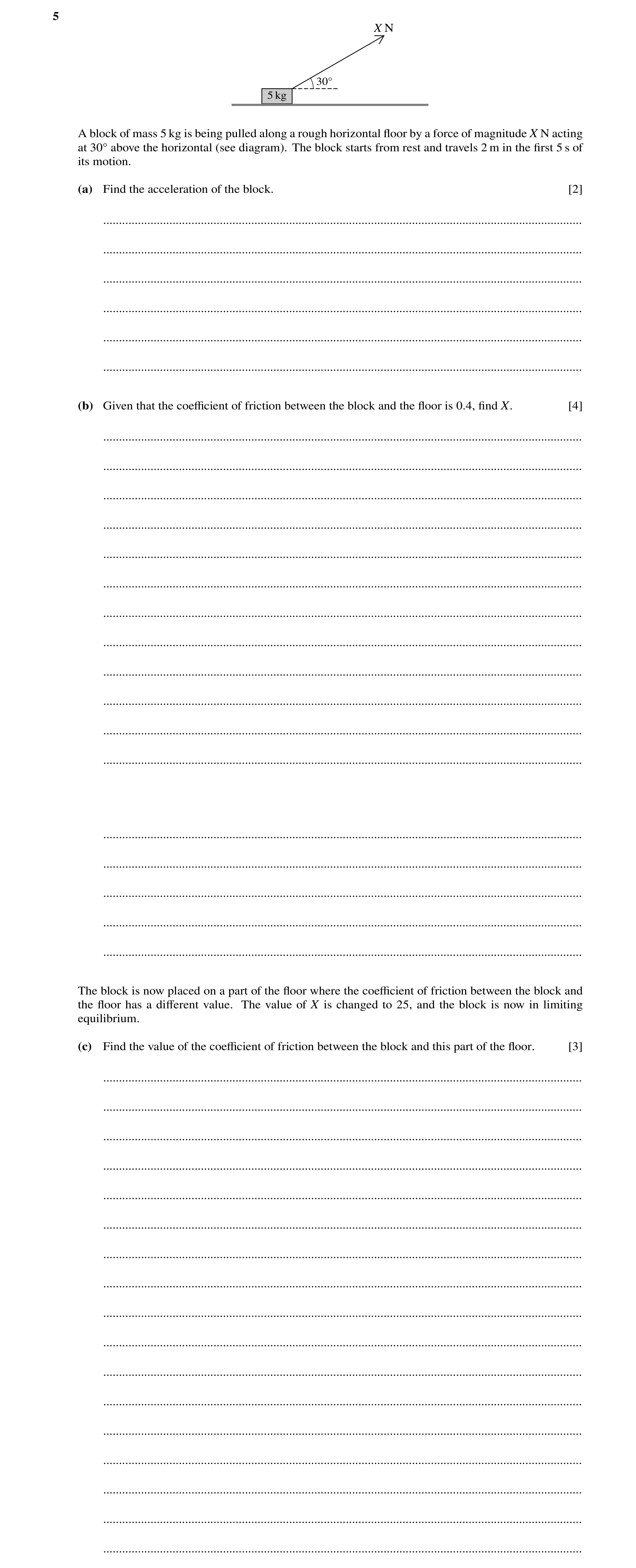
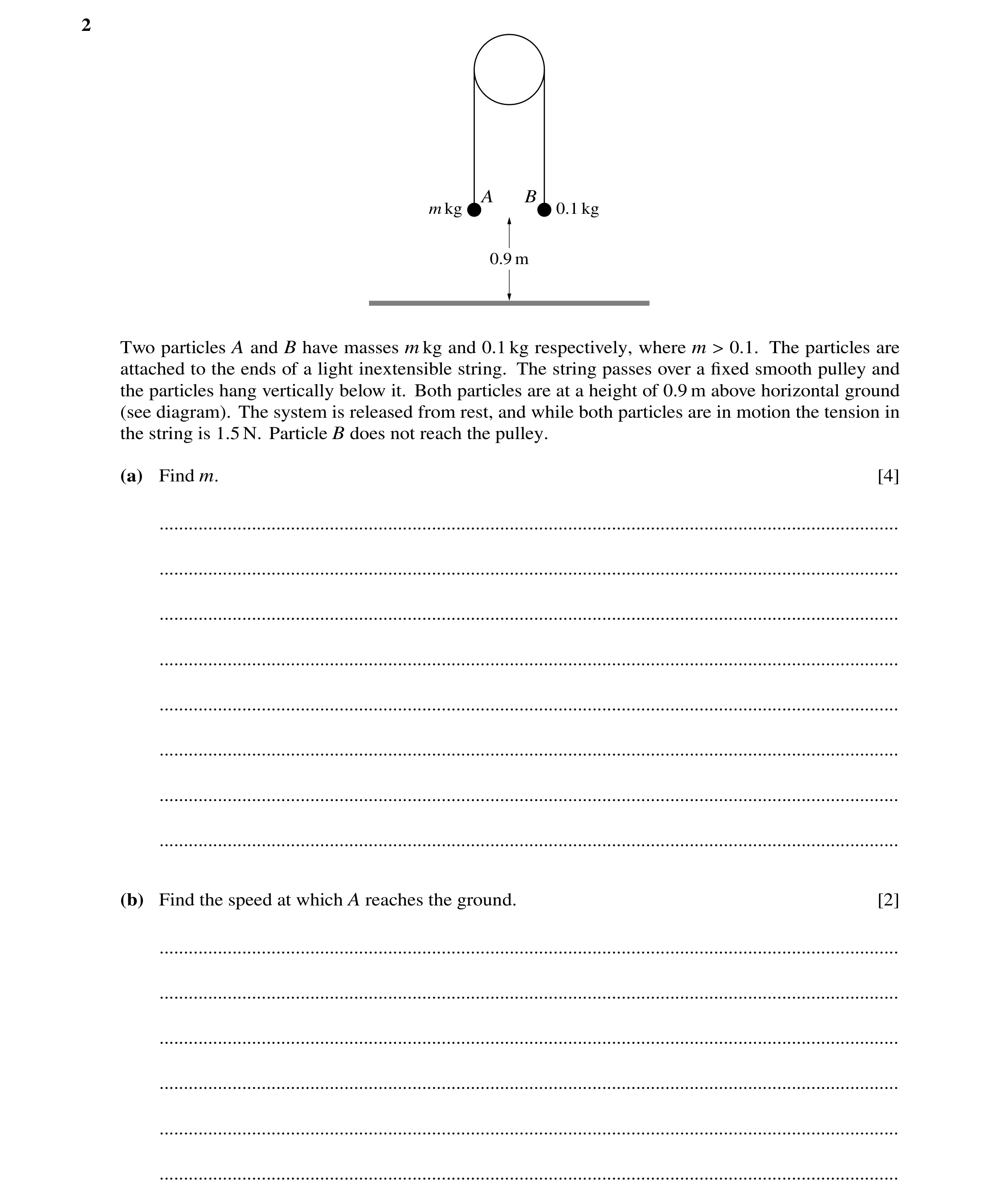 207 / 391
 208 / 391
 211 / 391

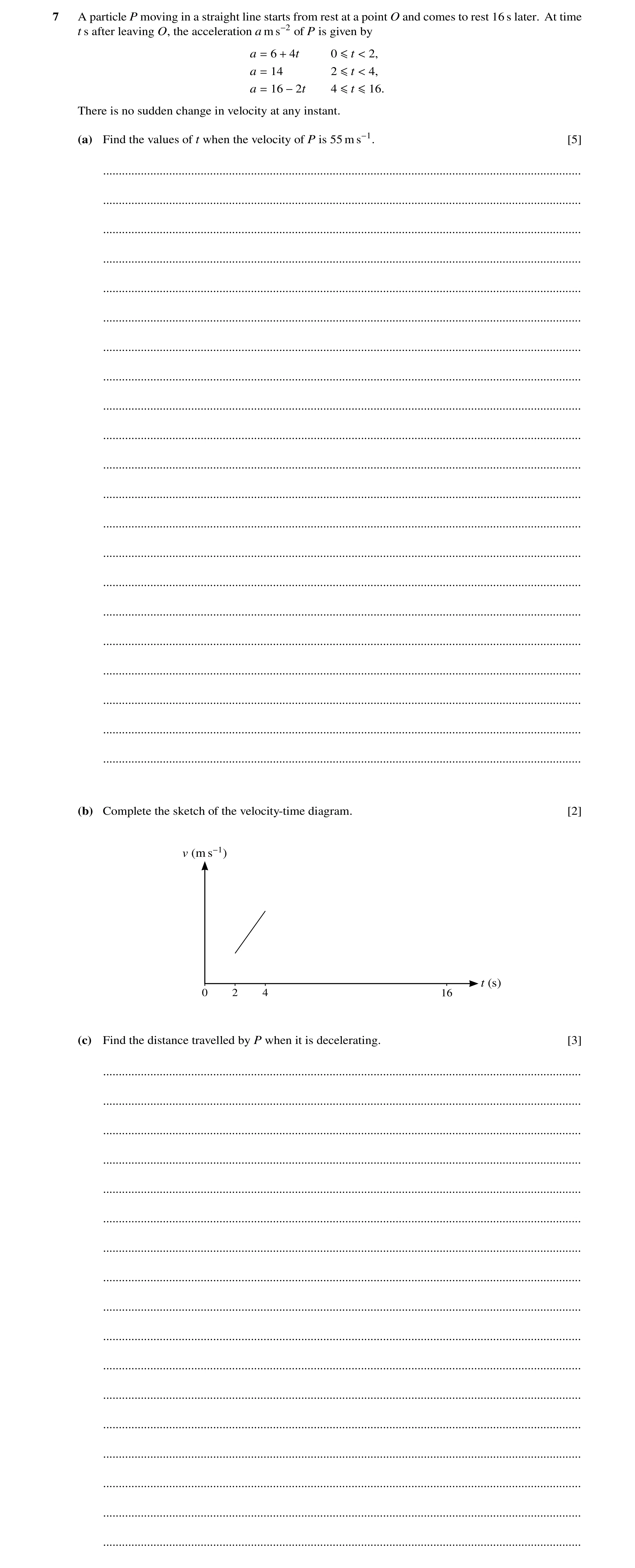
 218 / 391
 219 / 391
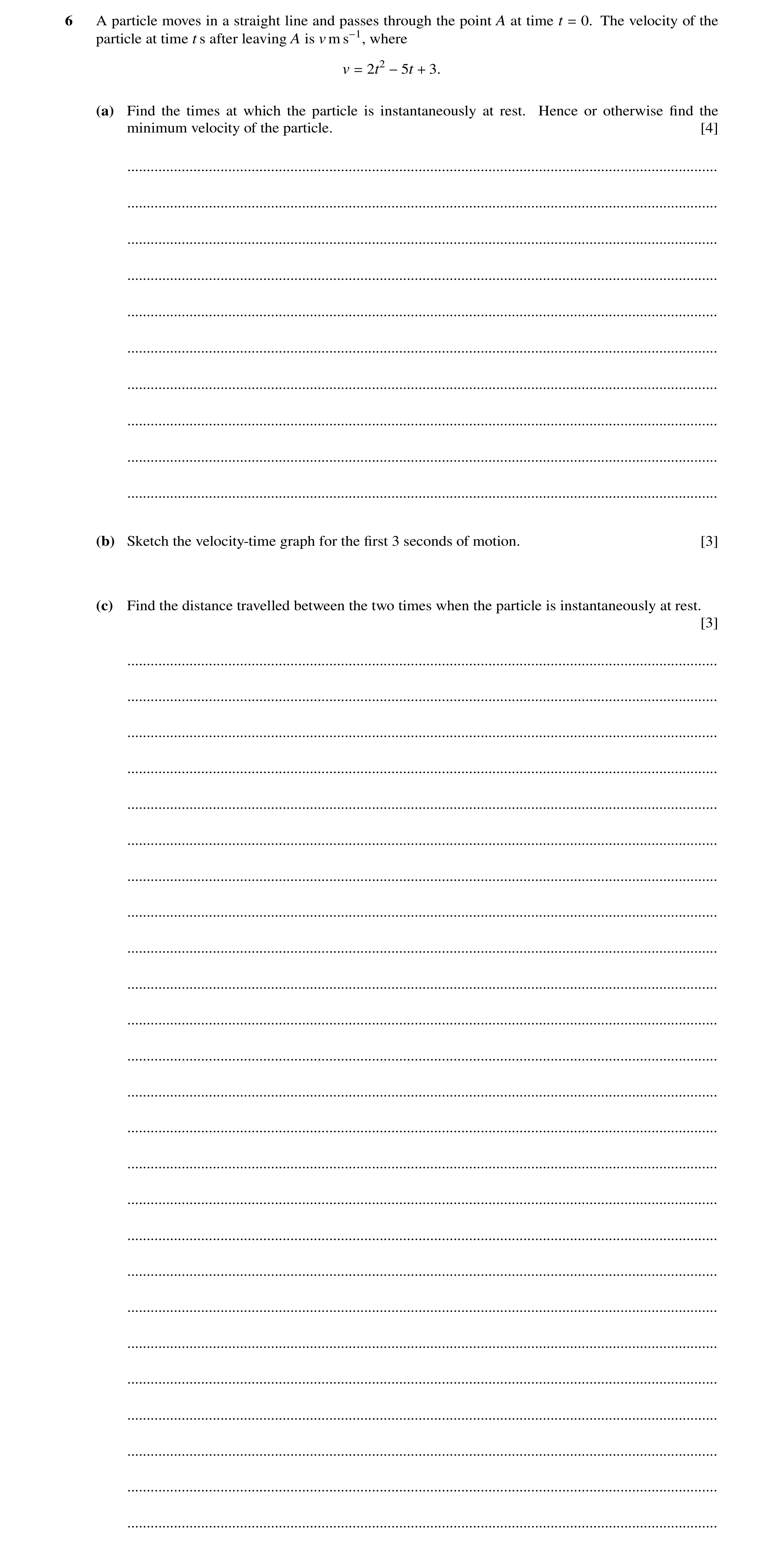
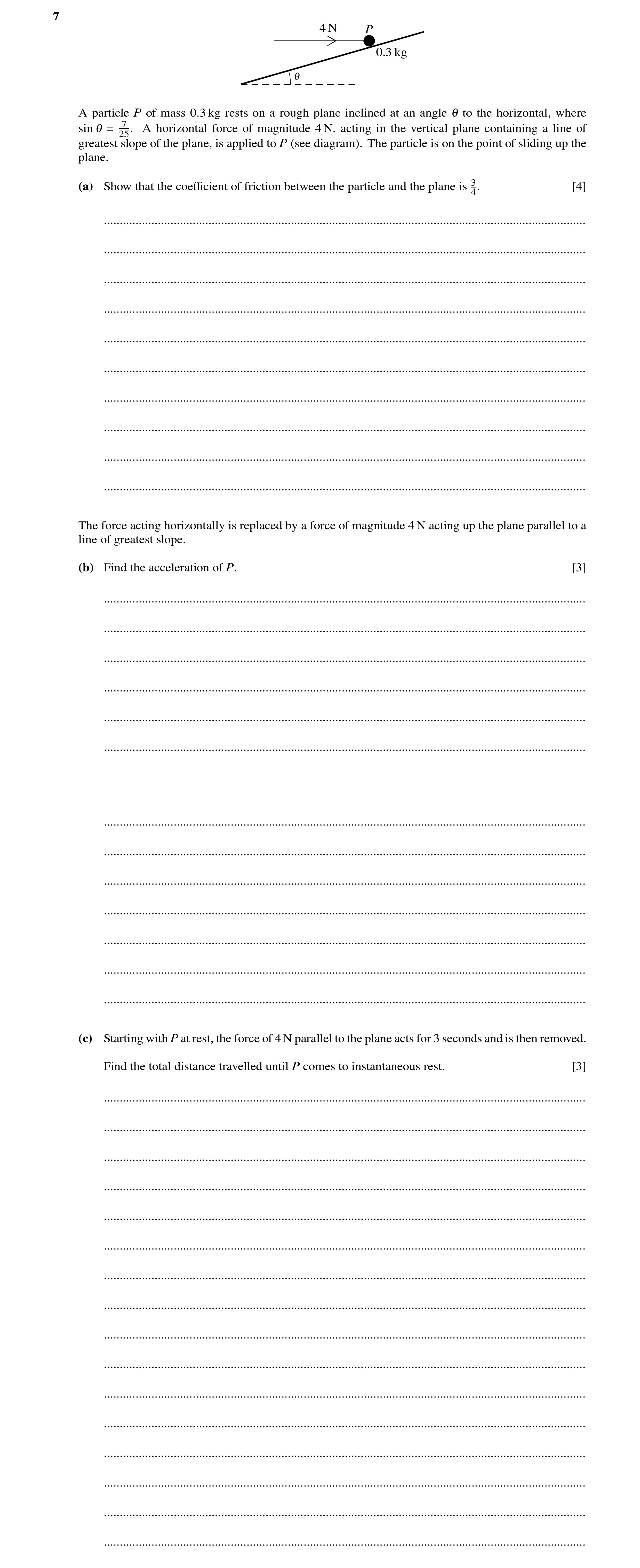
 225 / 391
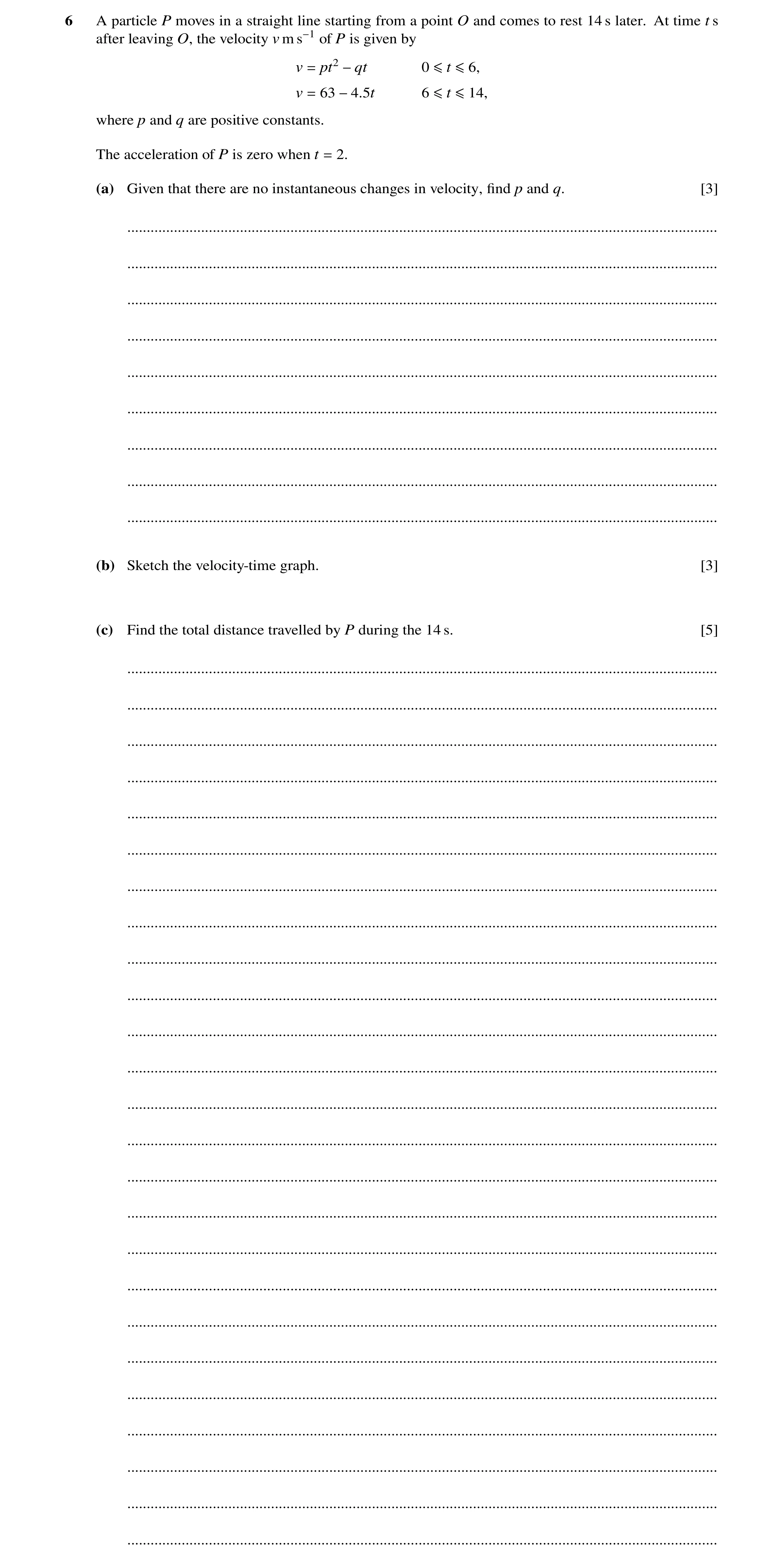
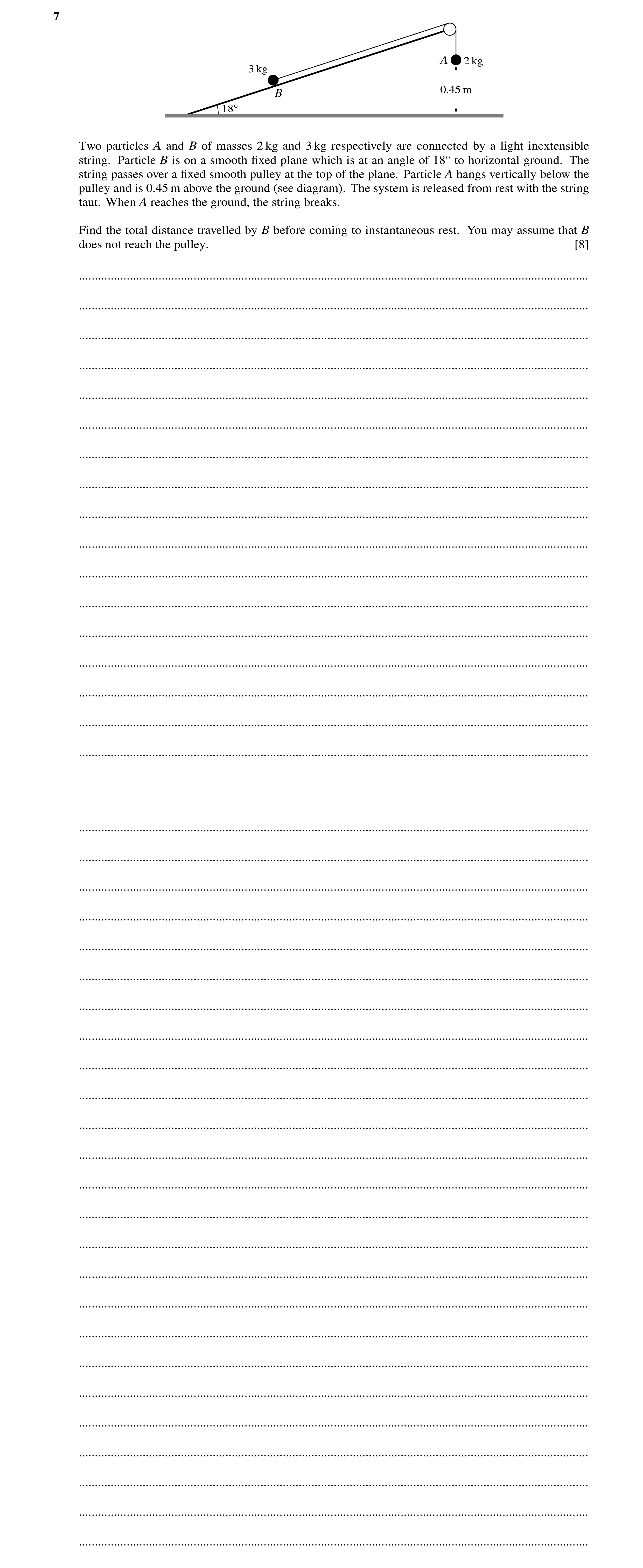
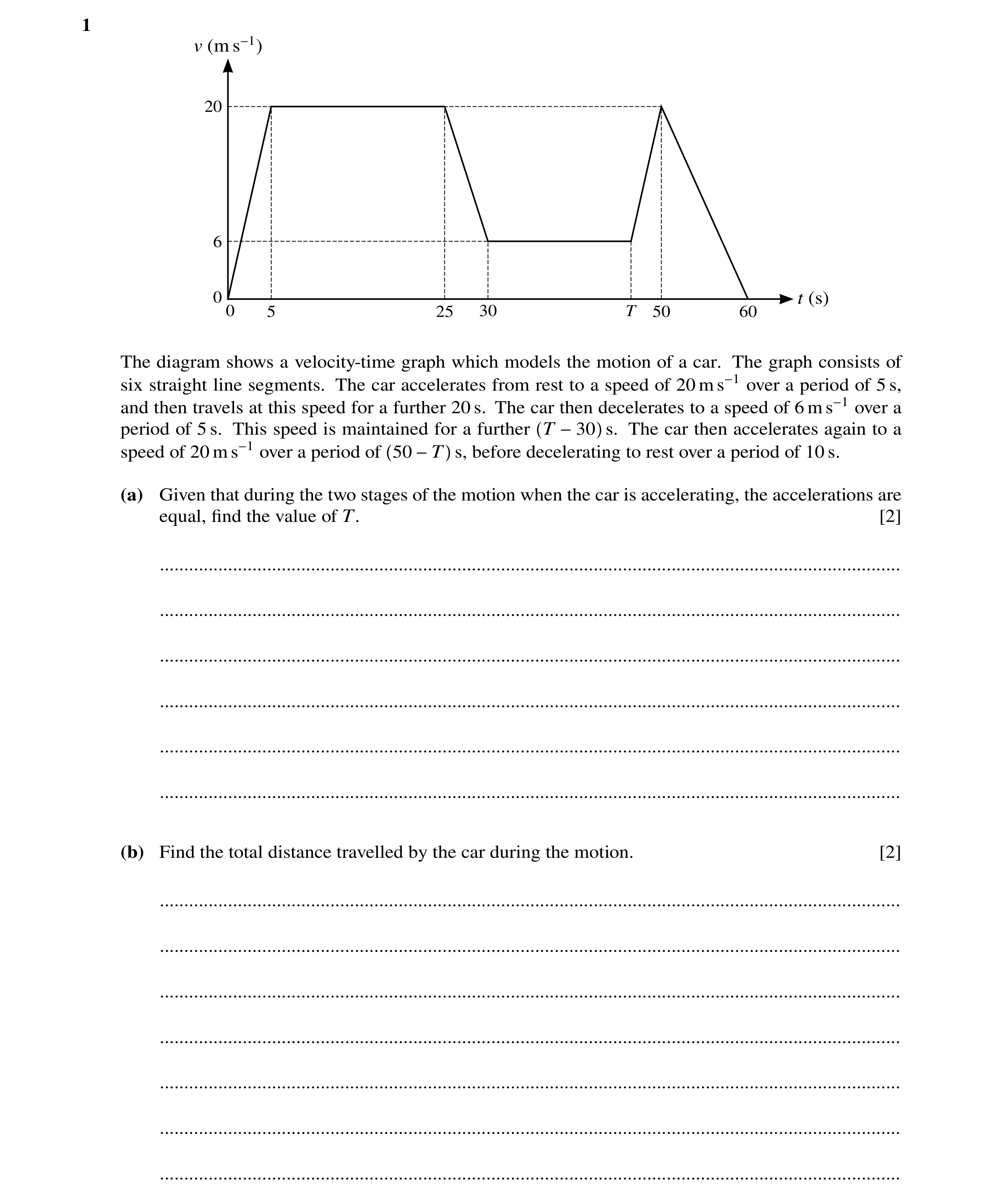 231 / 391
 232 / 391
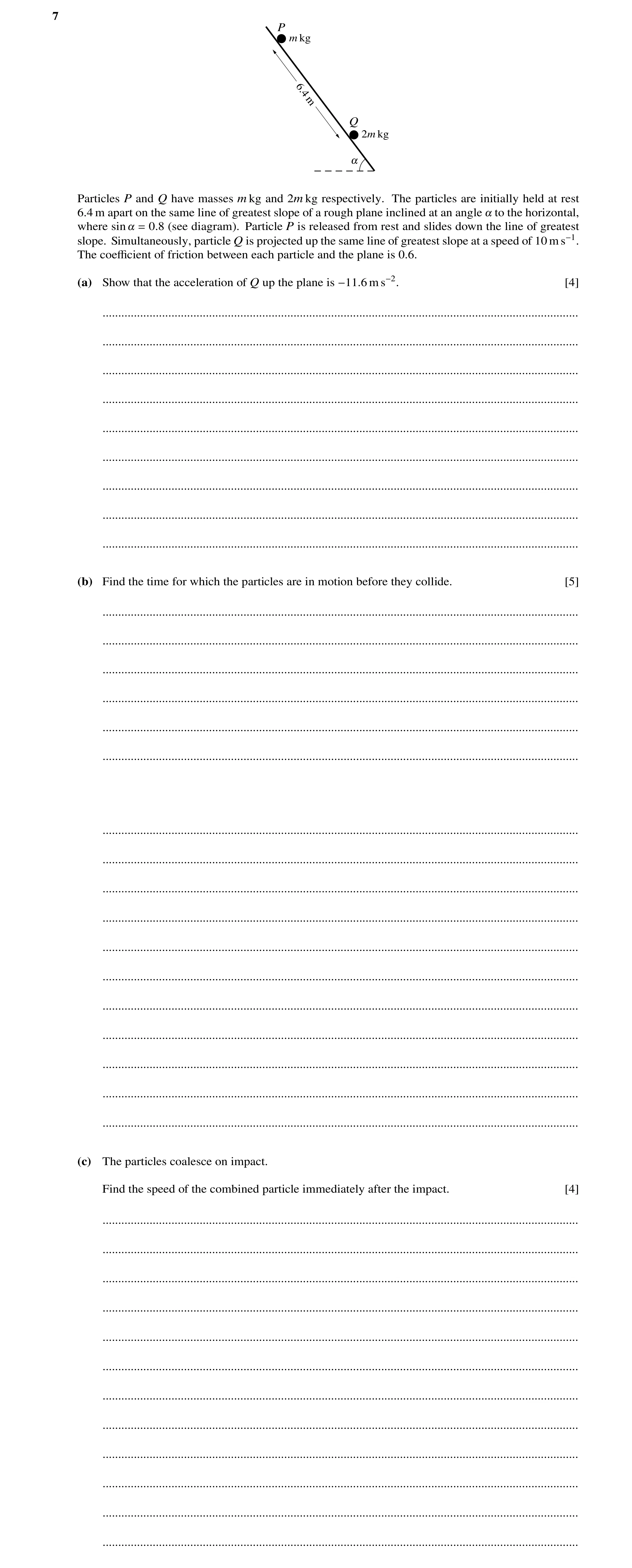
 237 / 391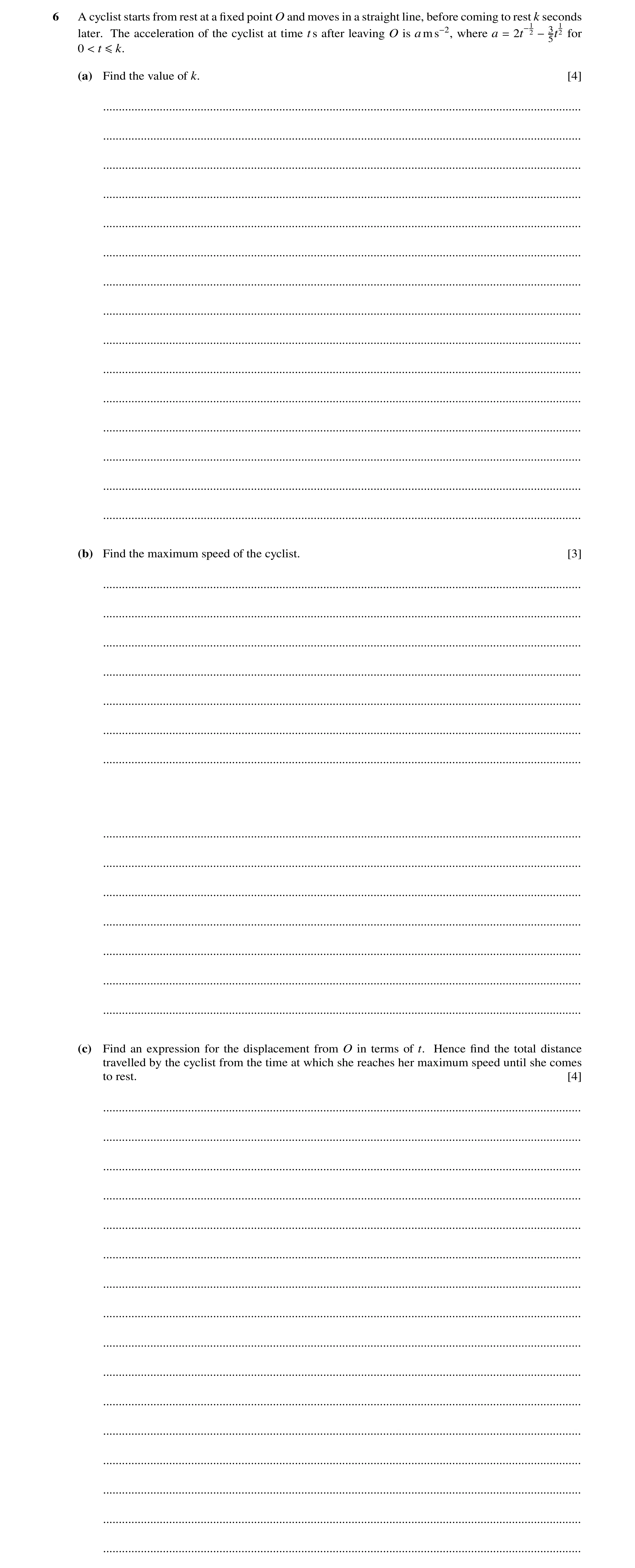

 242 / 391
 243 / 391
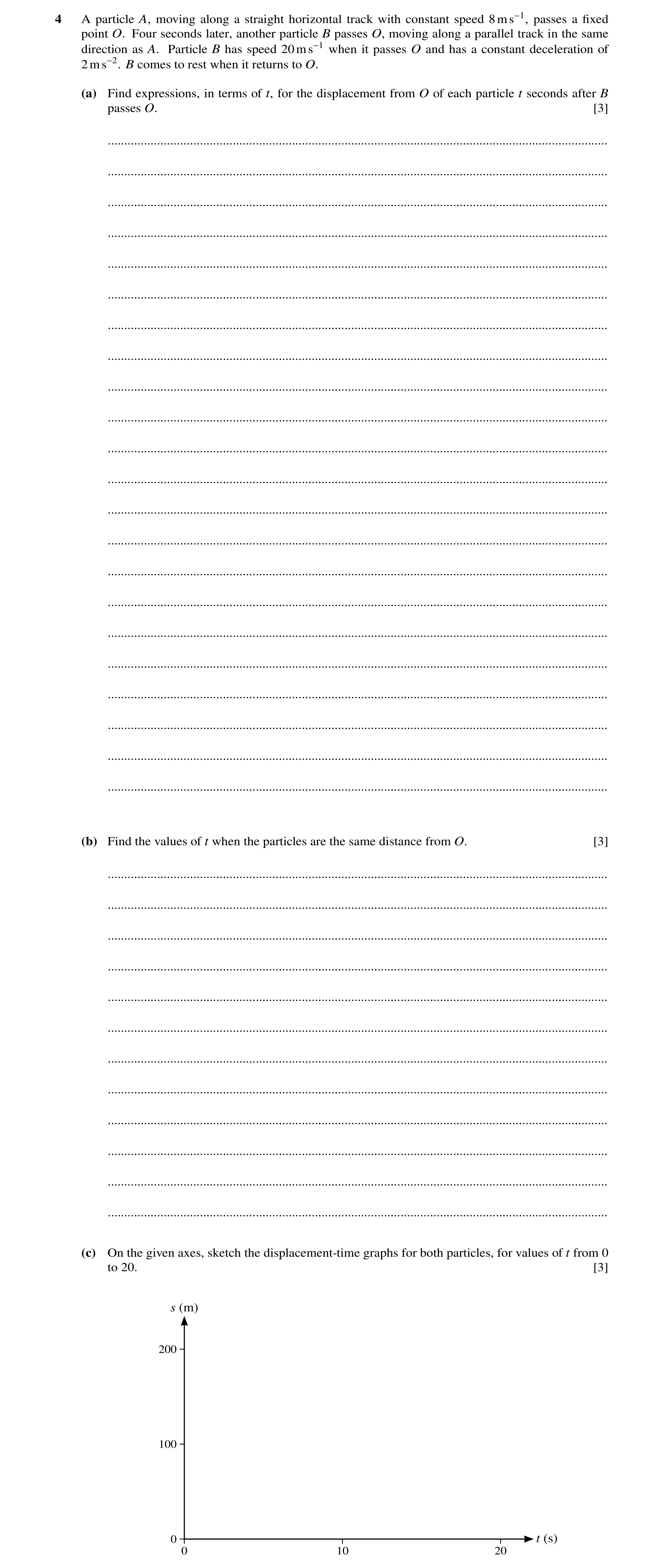
 252 / 391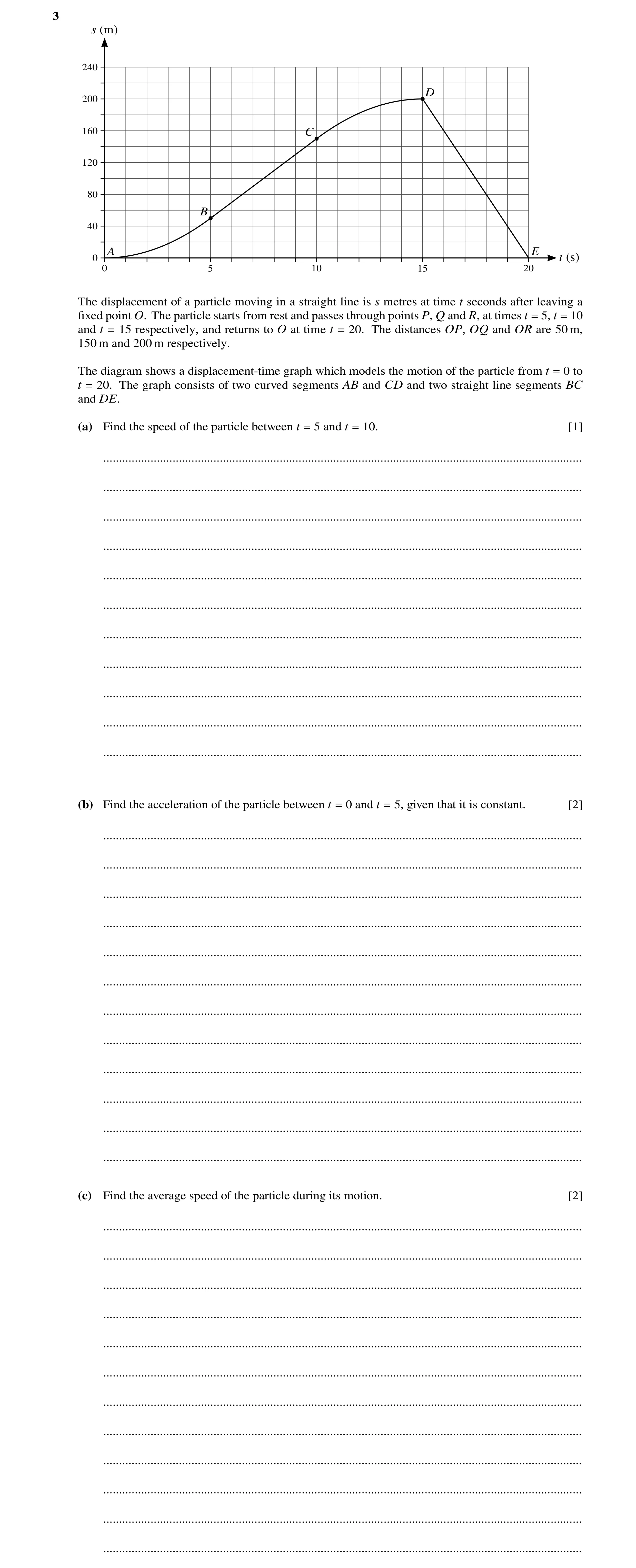
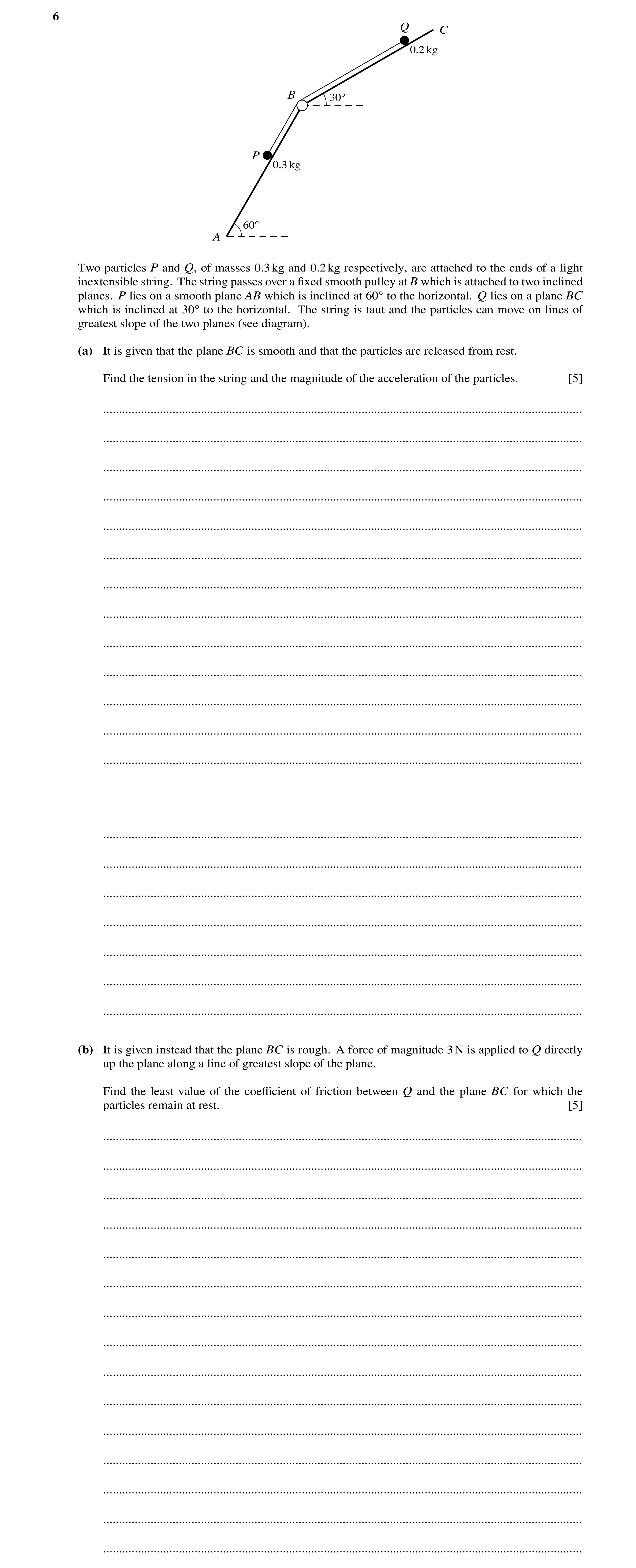
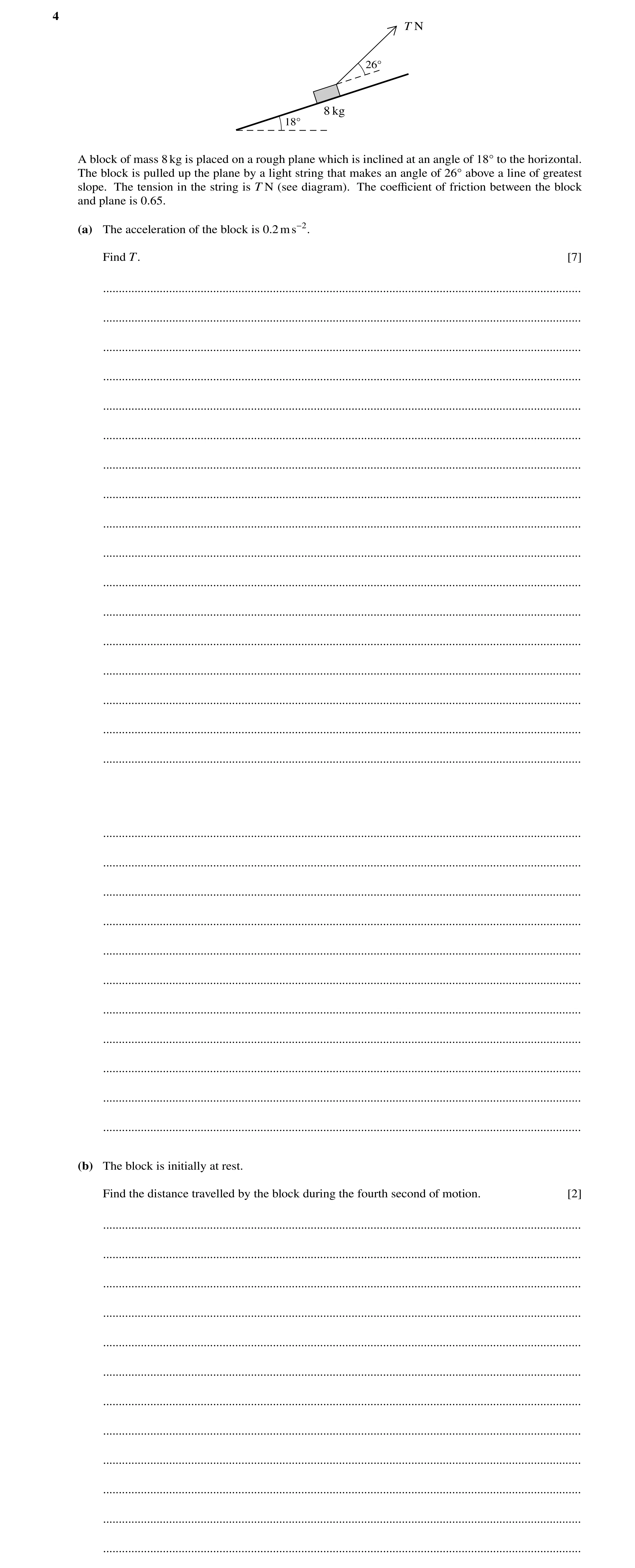
 260 / 391
 261 / 391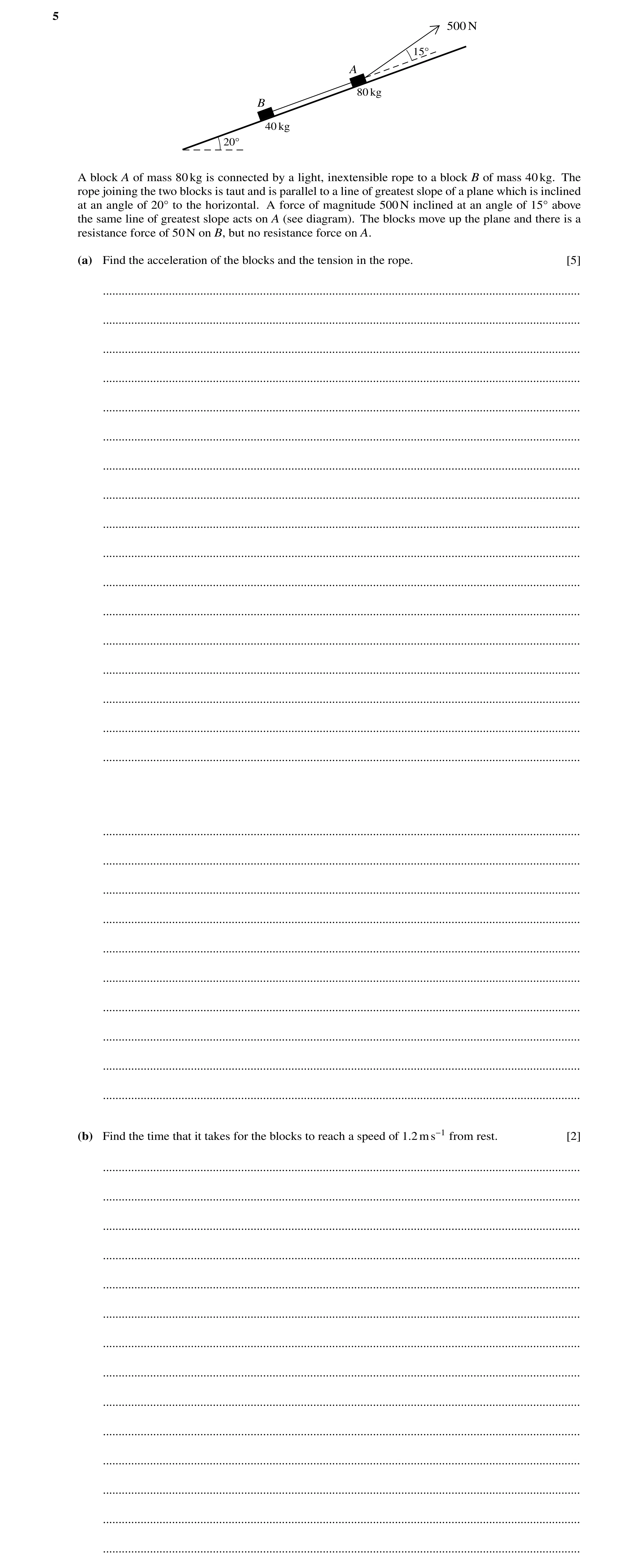
 266 / 391
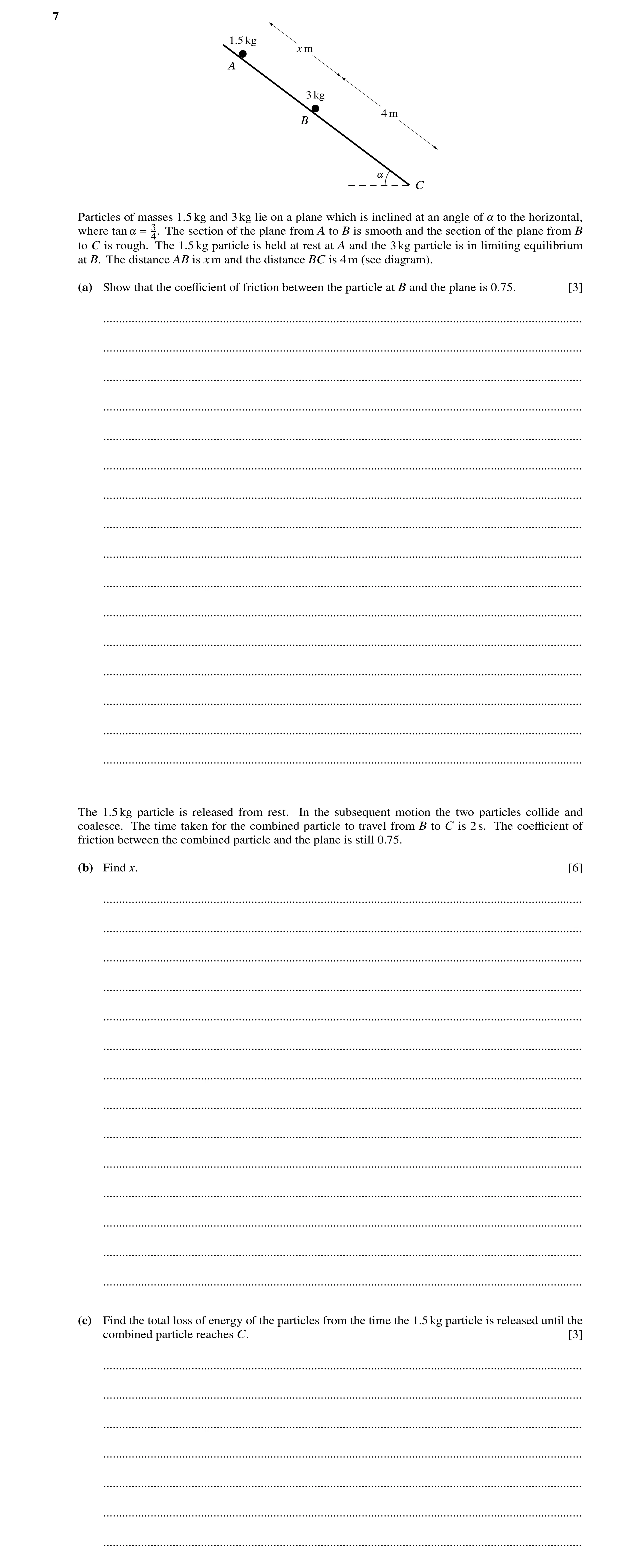
 274 / 391
 275 / 391
 276 / 391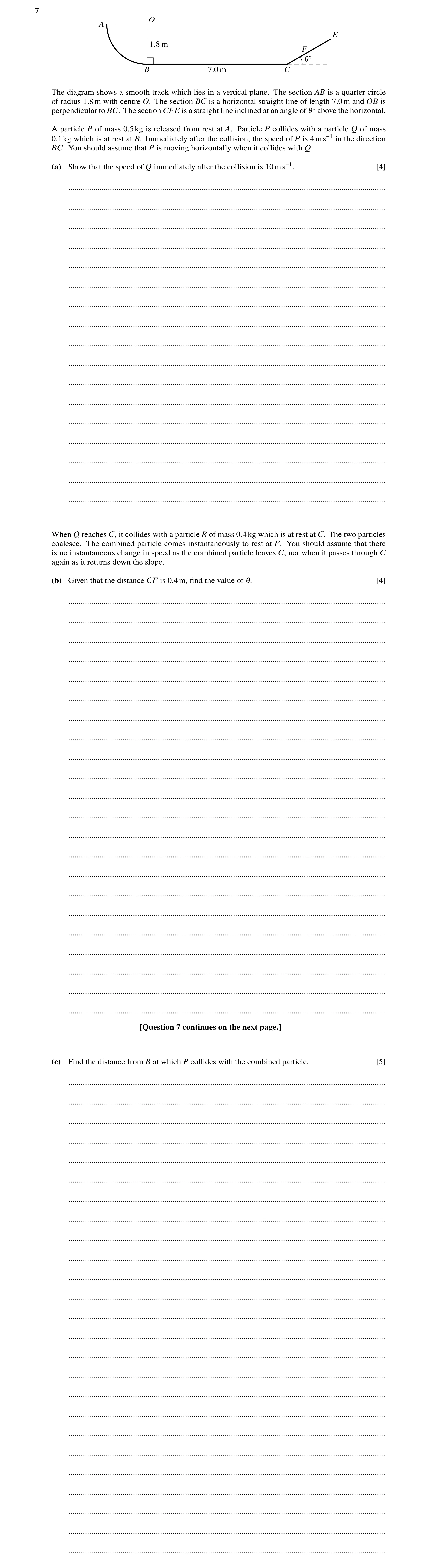
 280 / 391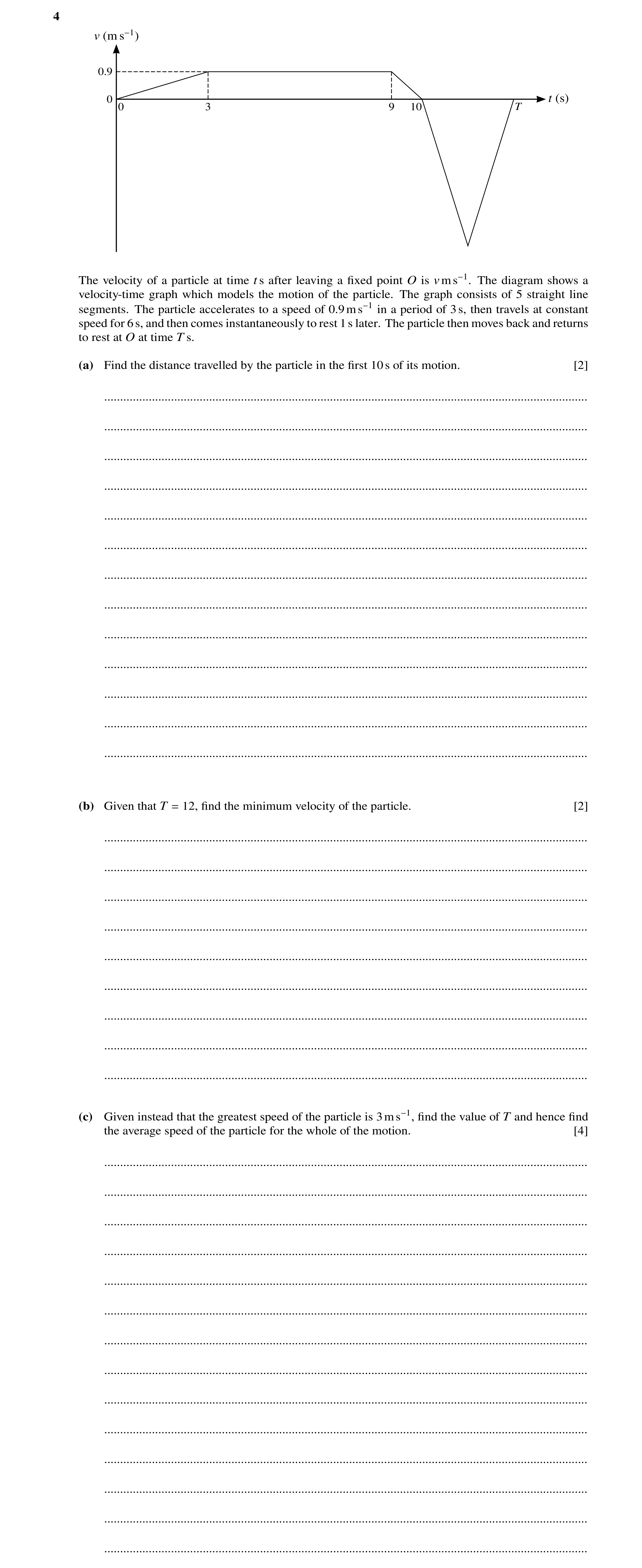
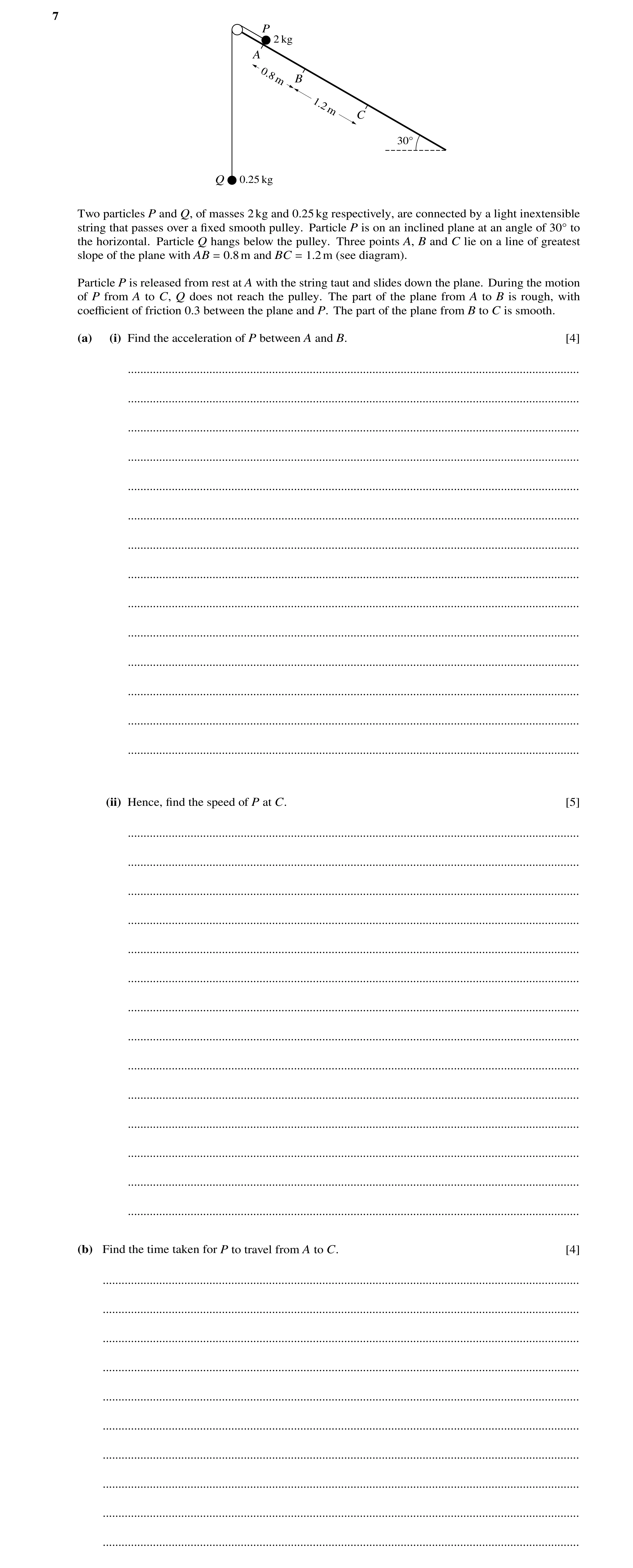
 285 / 391
 286 / 391
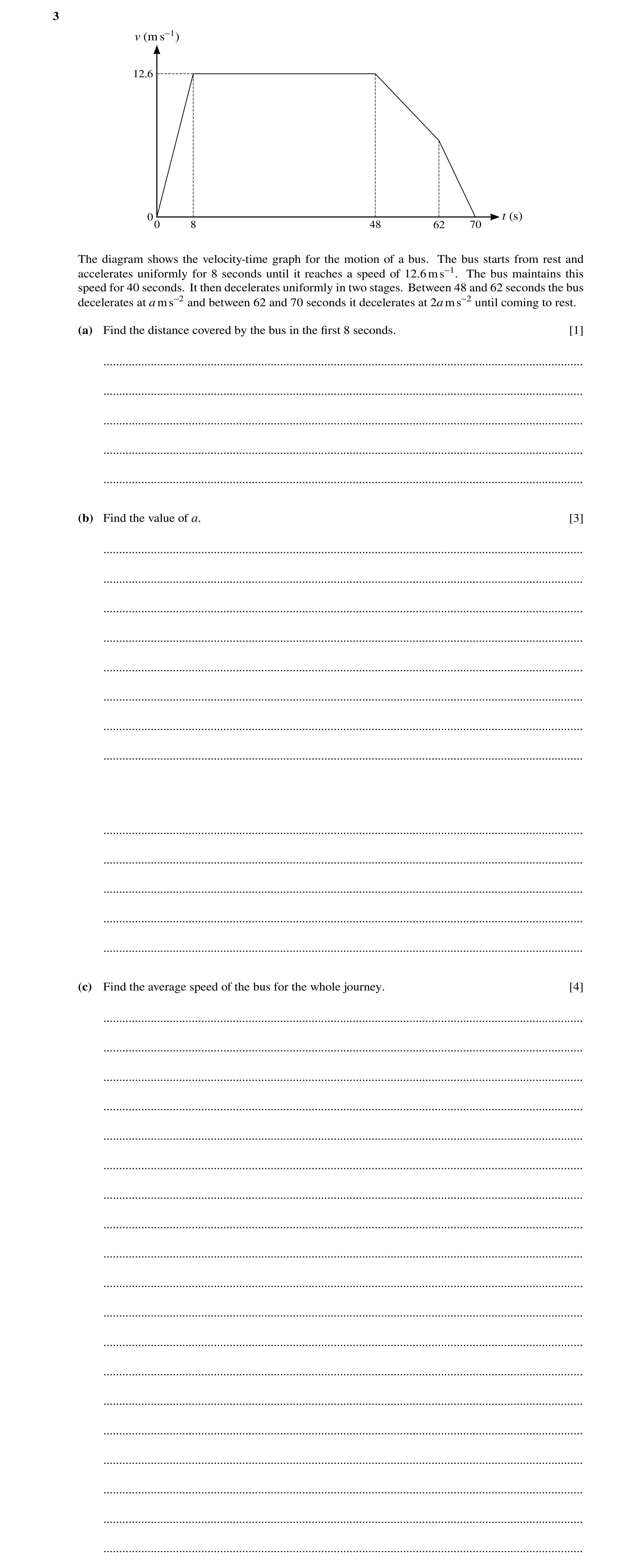
 295 / 391
 300 / 391
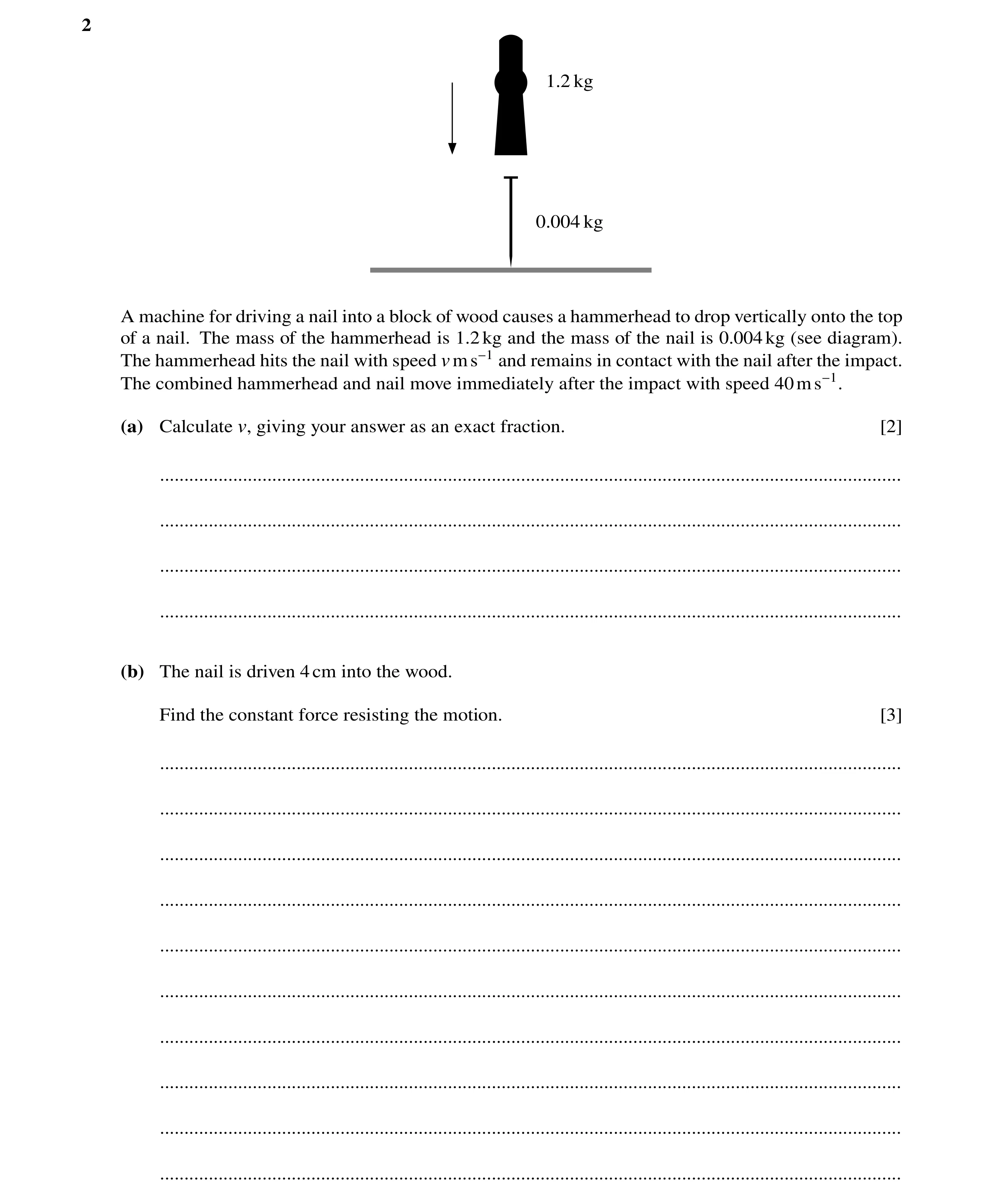 301 / 391
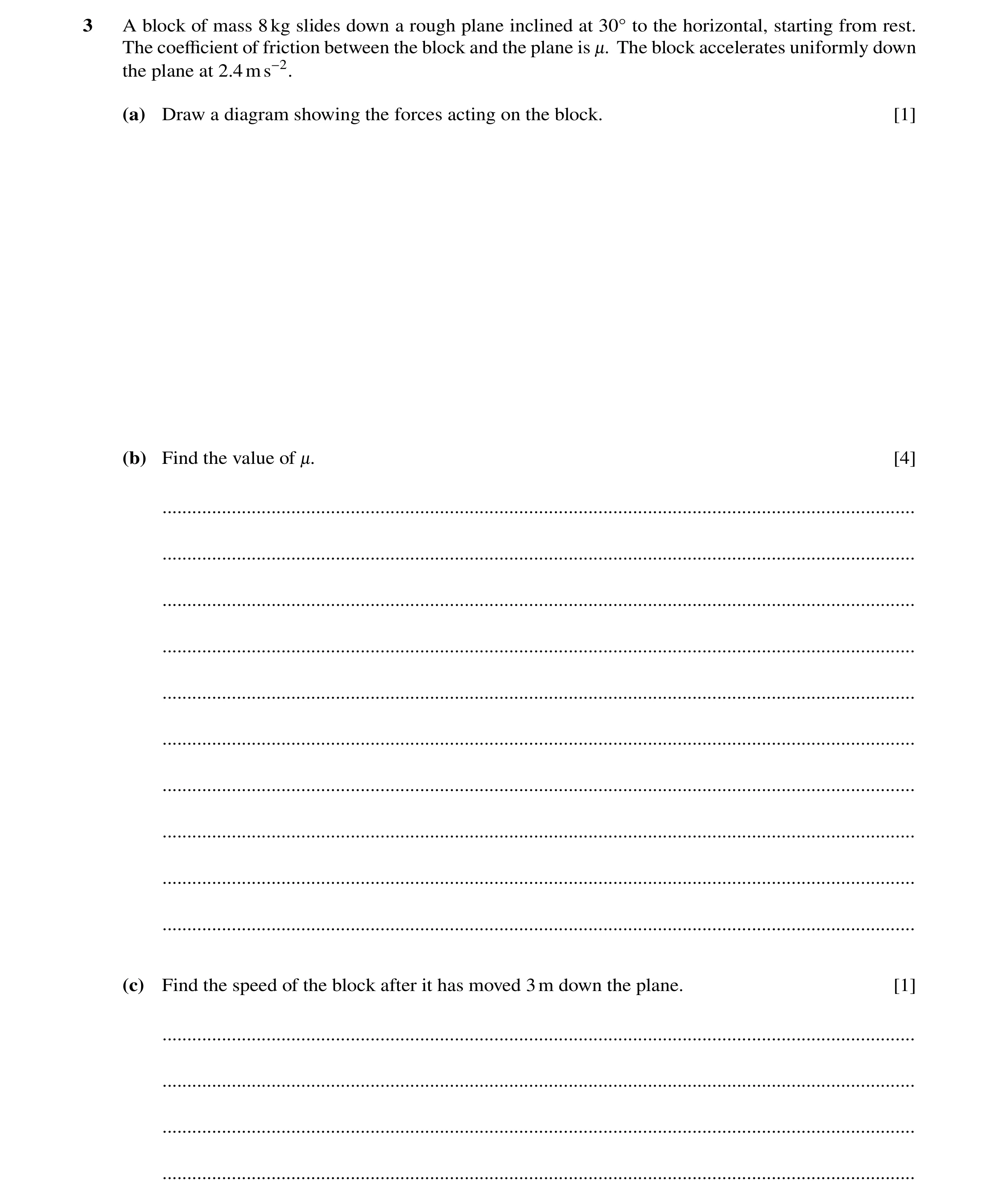 302 / 391
 303 / 391
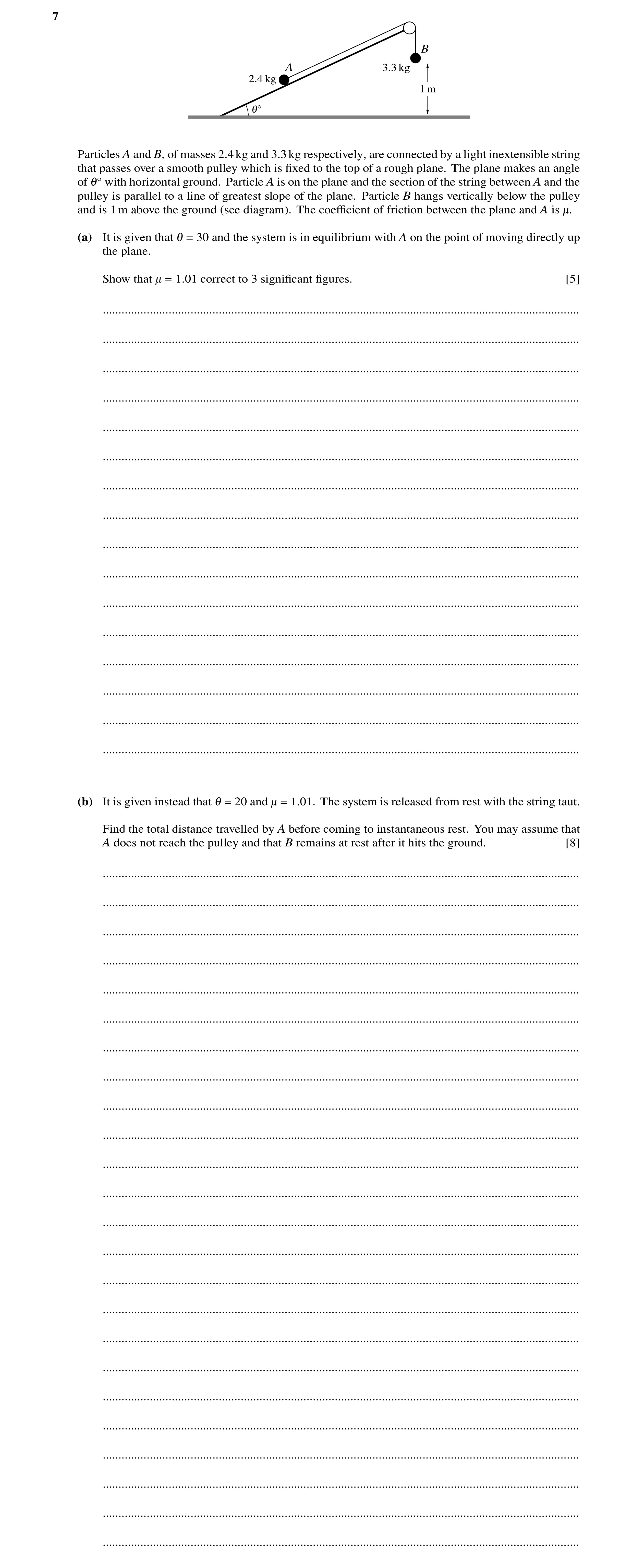
 308 / 391
 309 / 391
 314 / 391
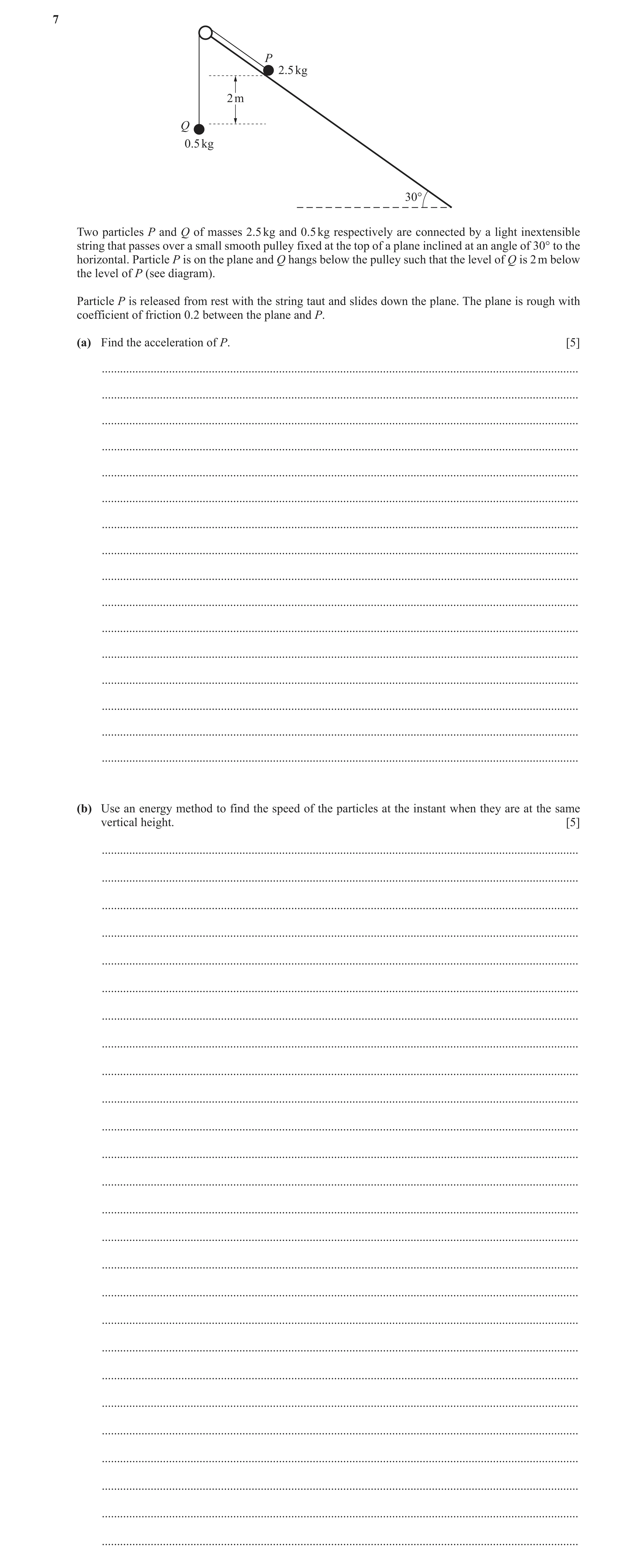
 319 / 391
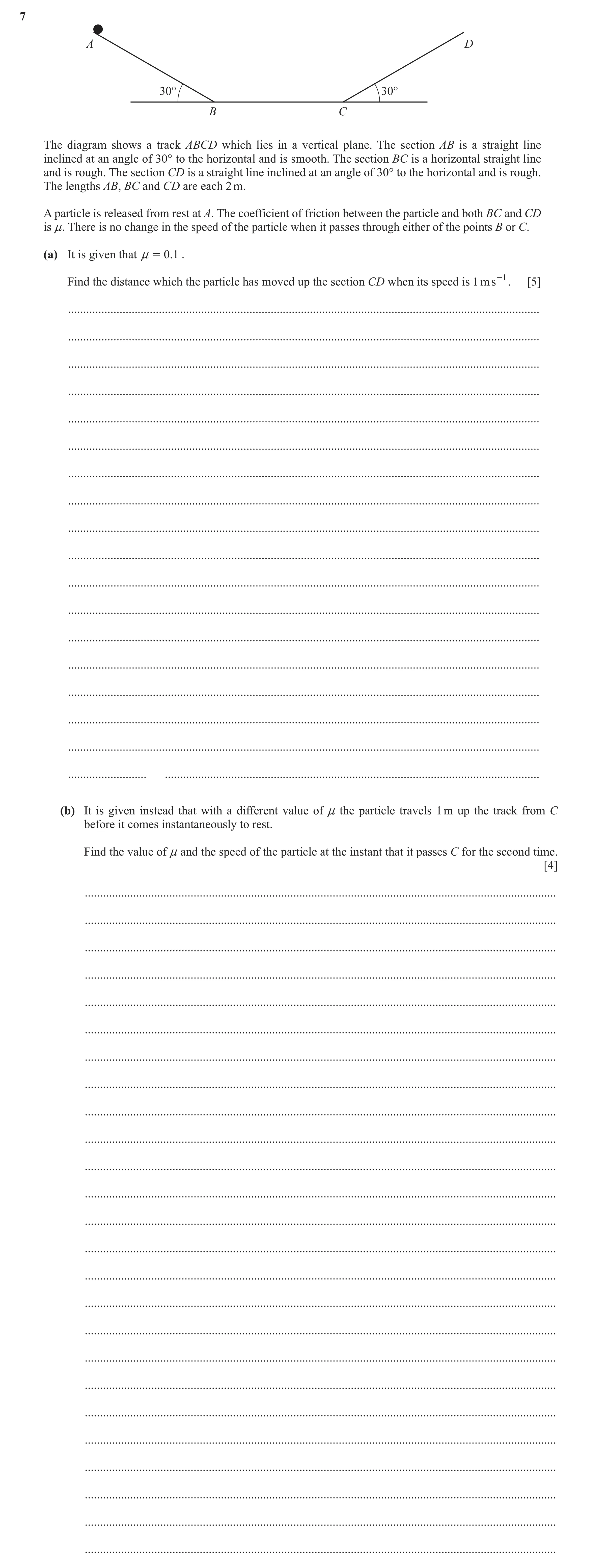
 324 / 391
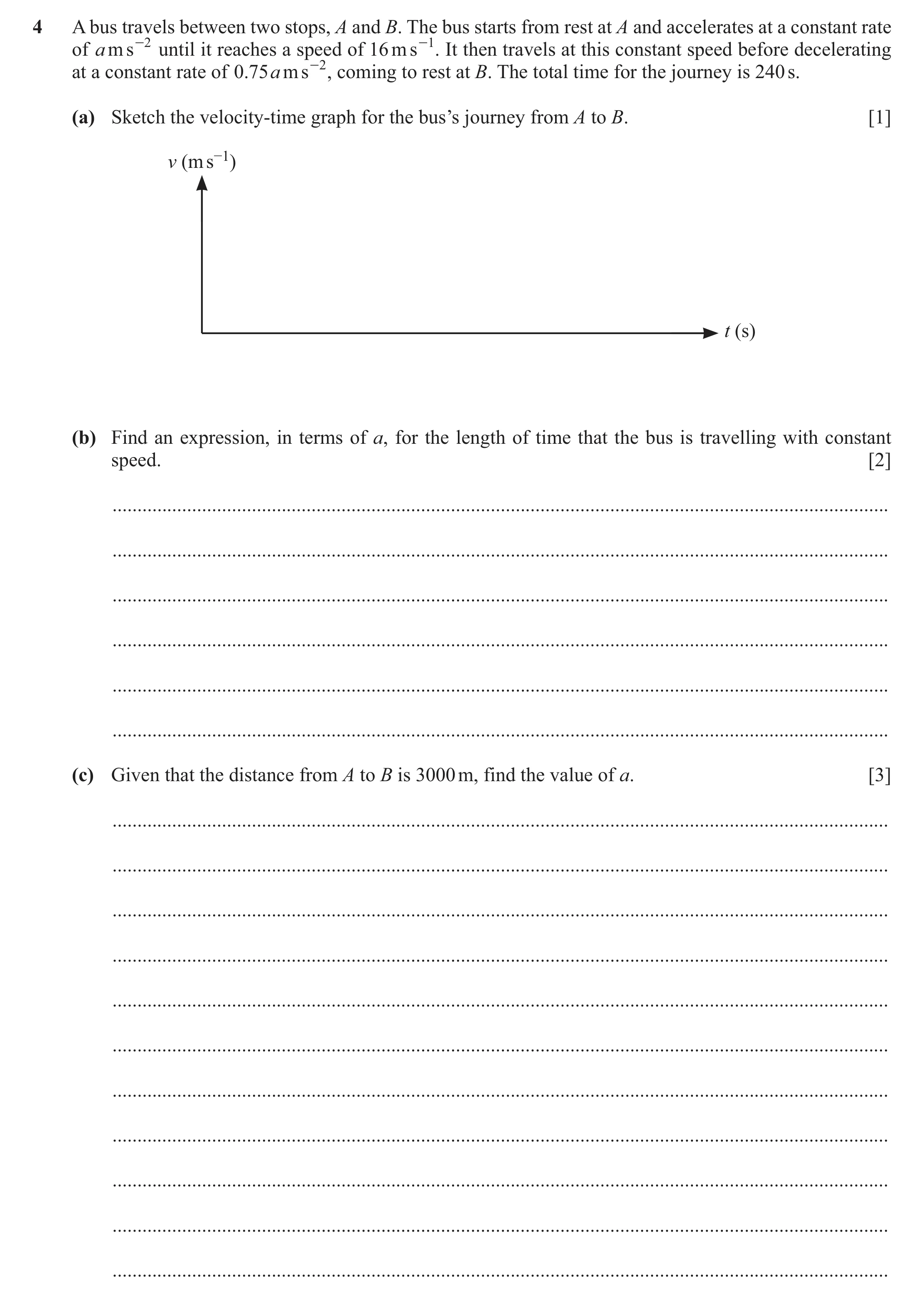 325 / 391


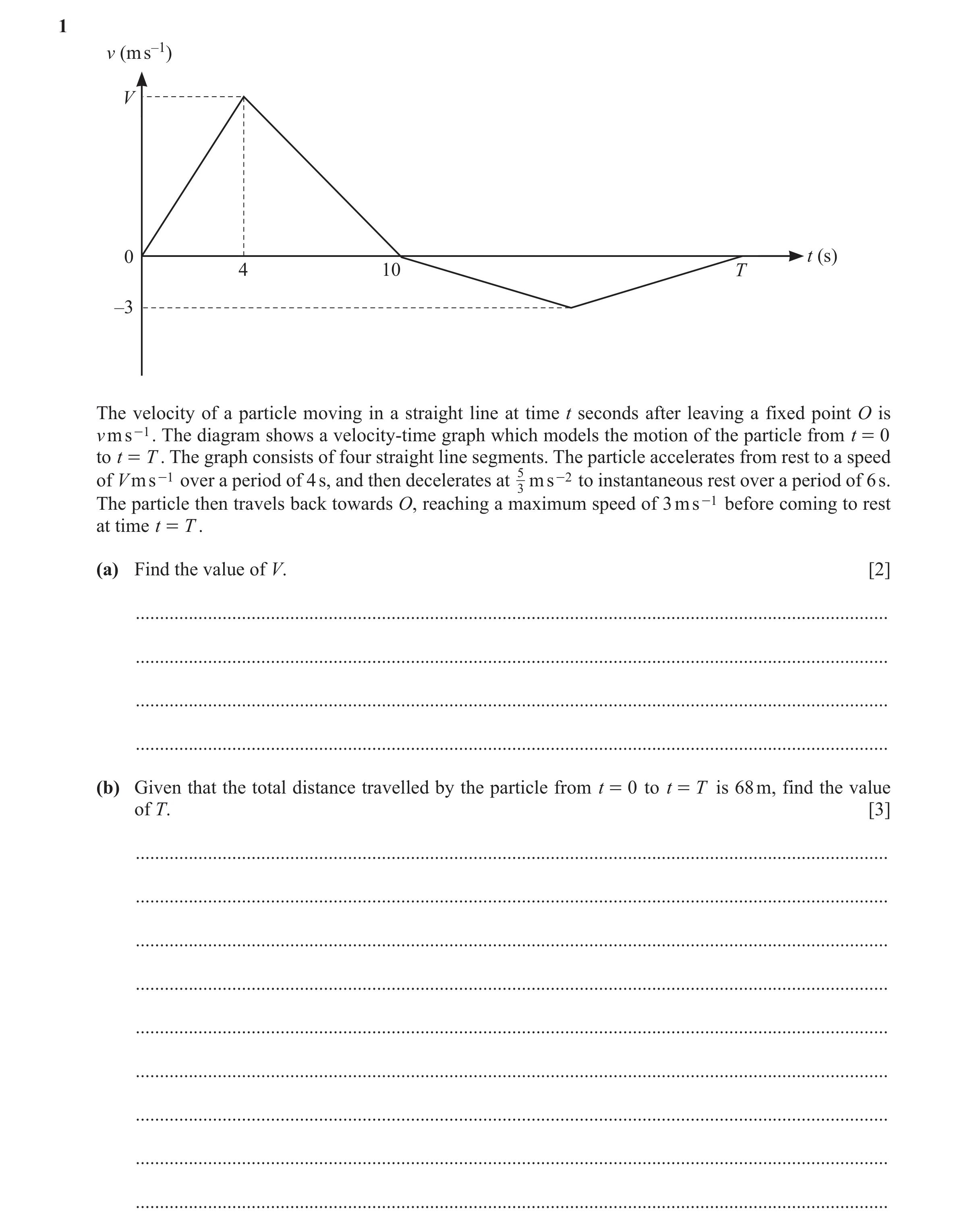 332 / 391
 337 / 391
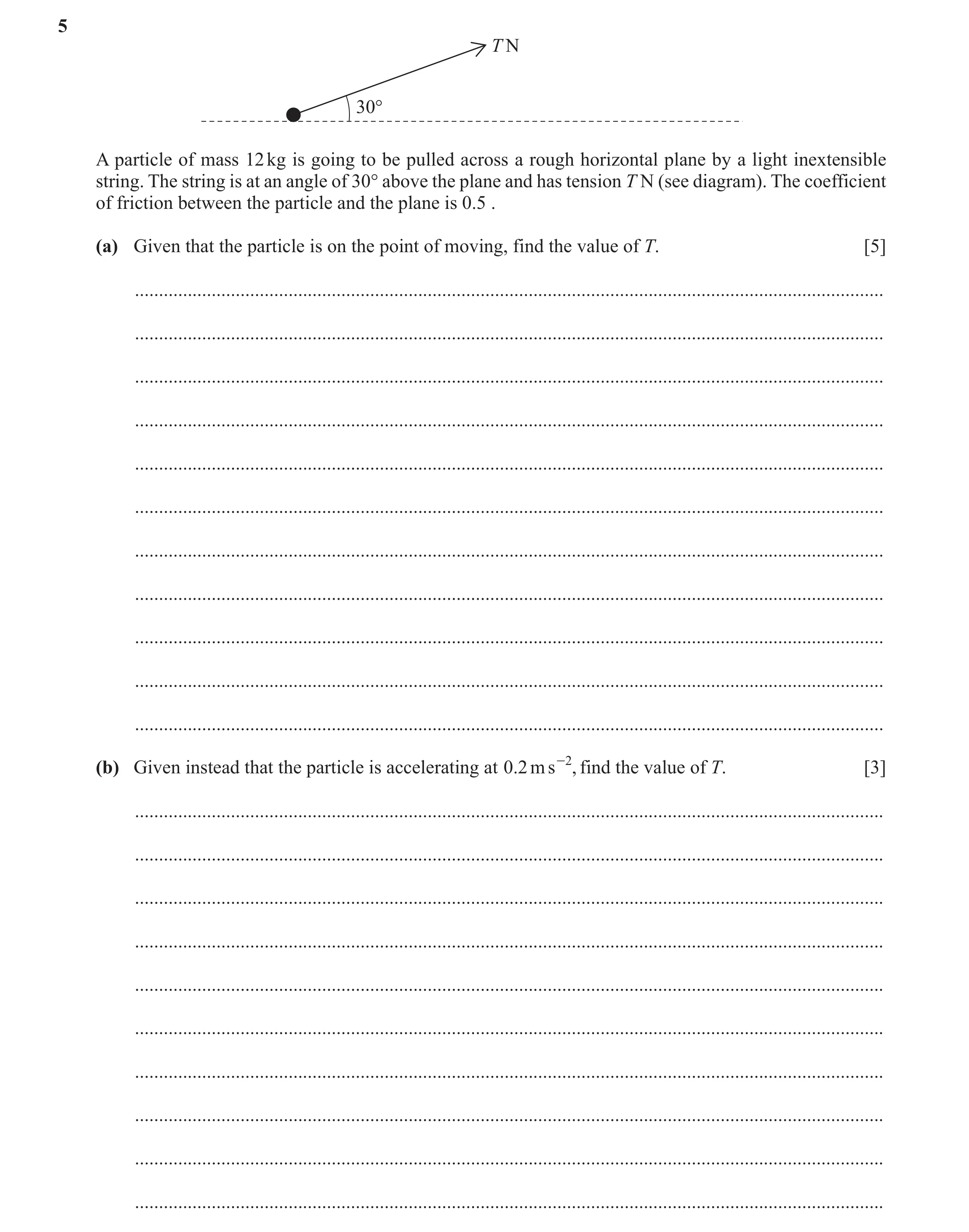 338 / 391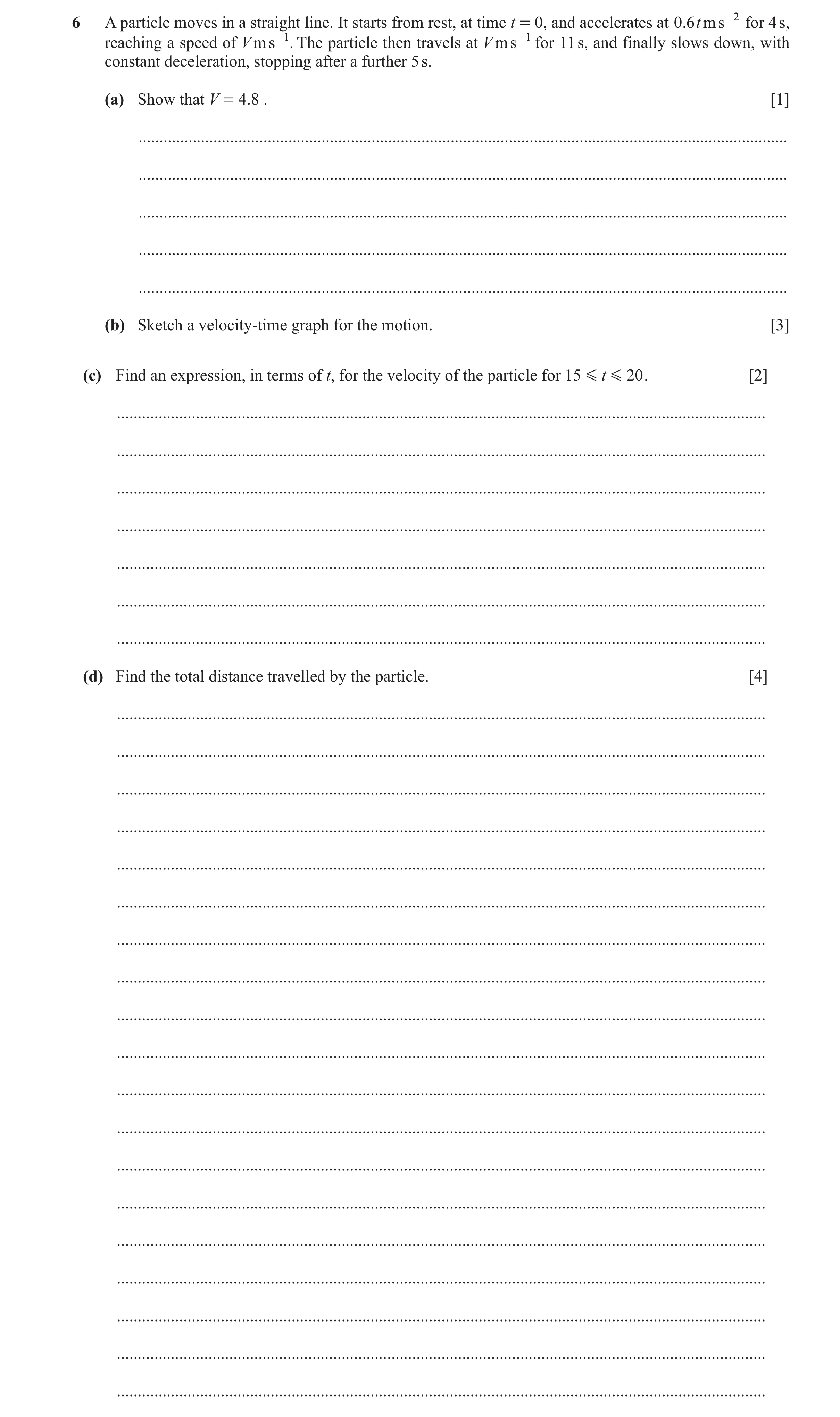
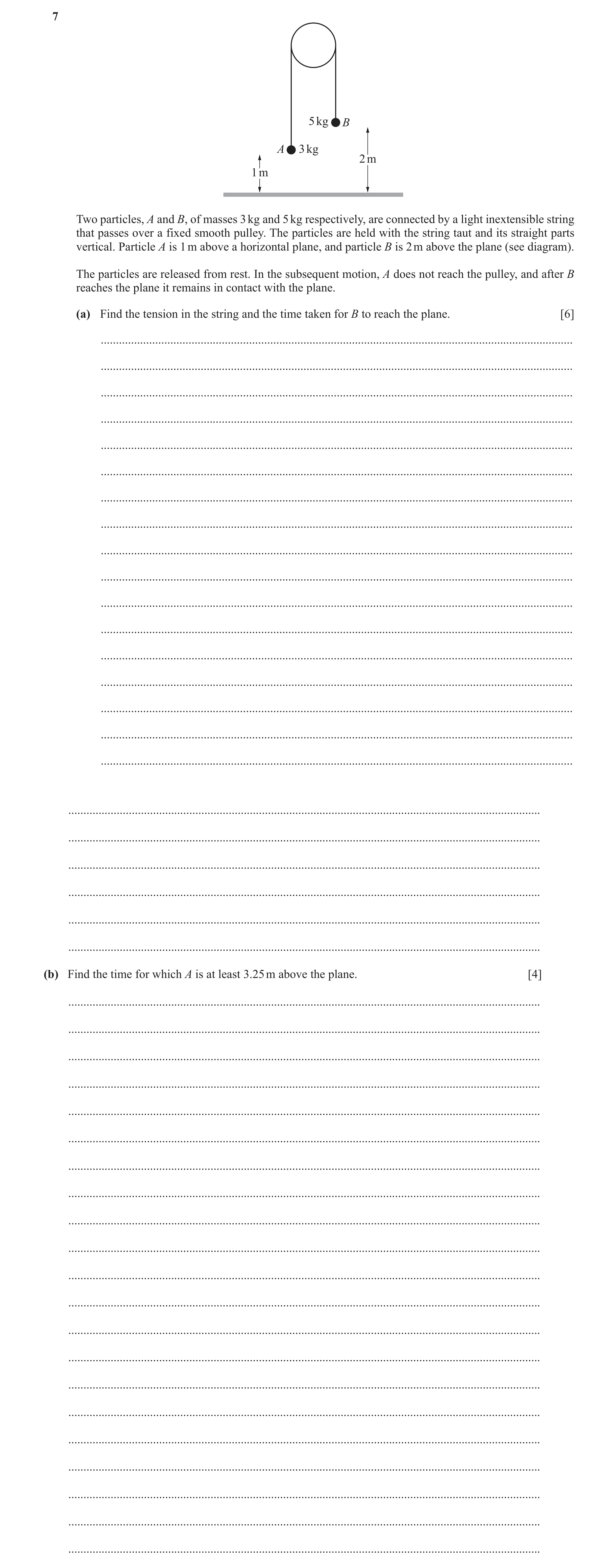
 342 / 391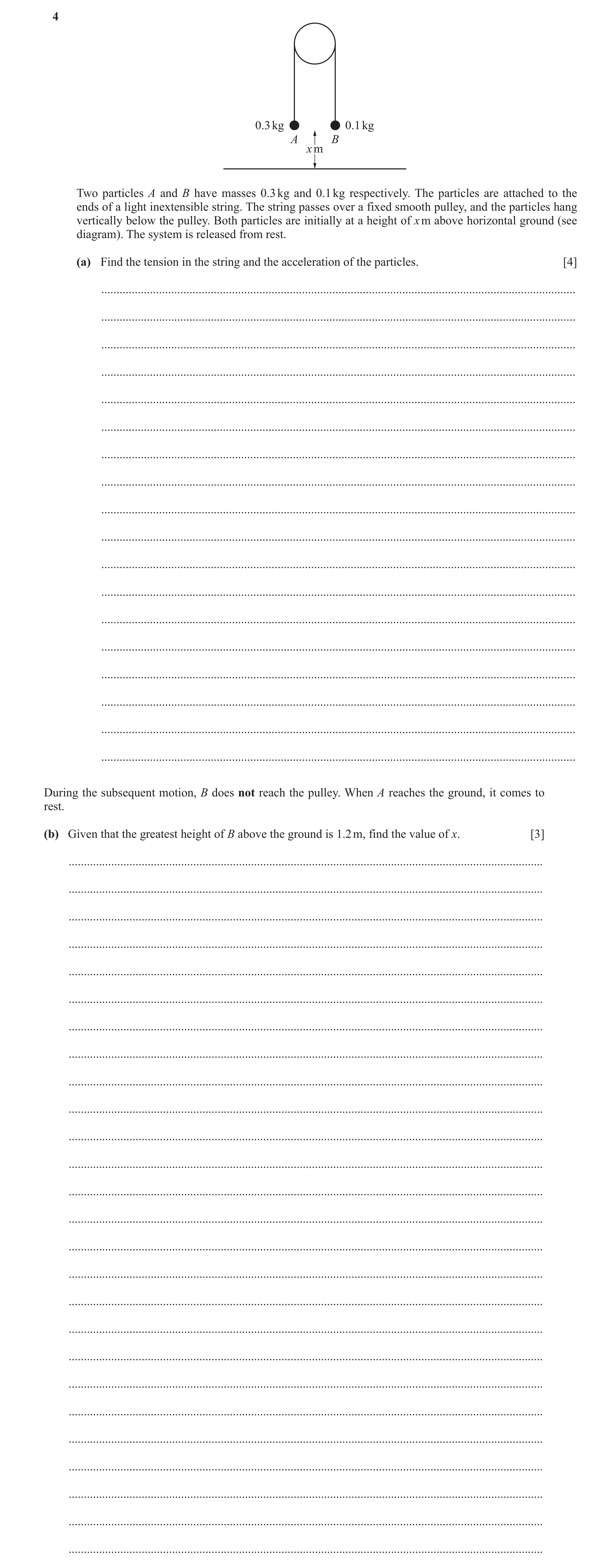
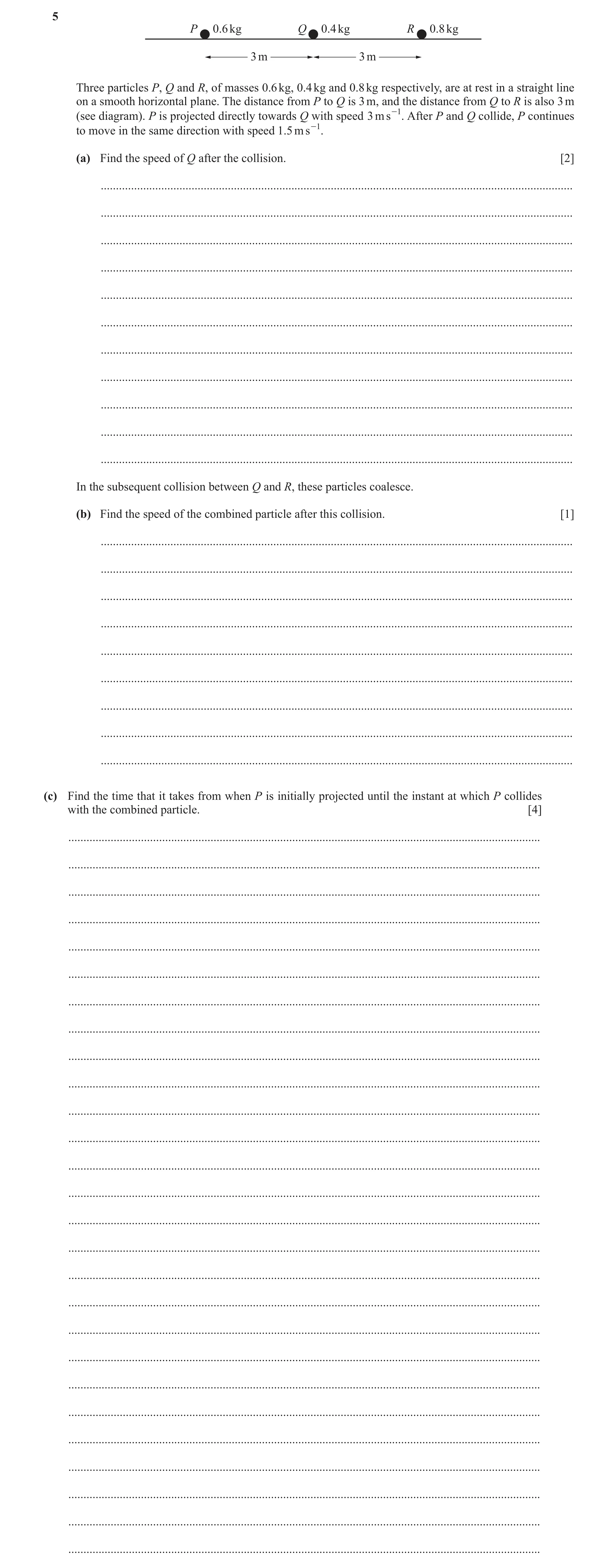
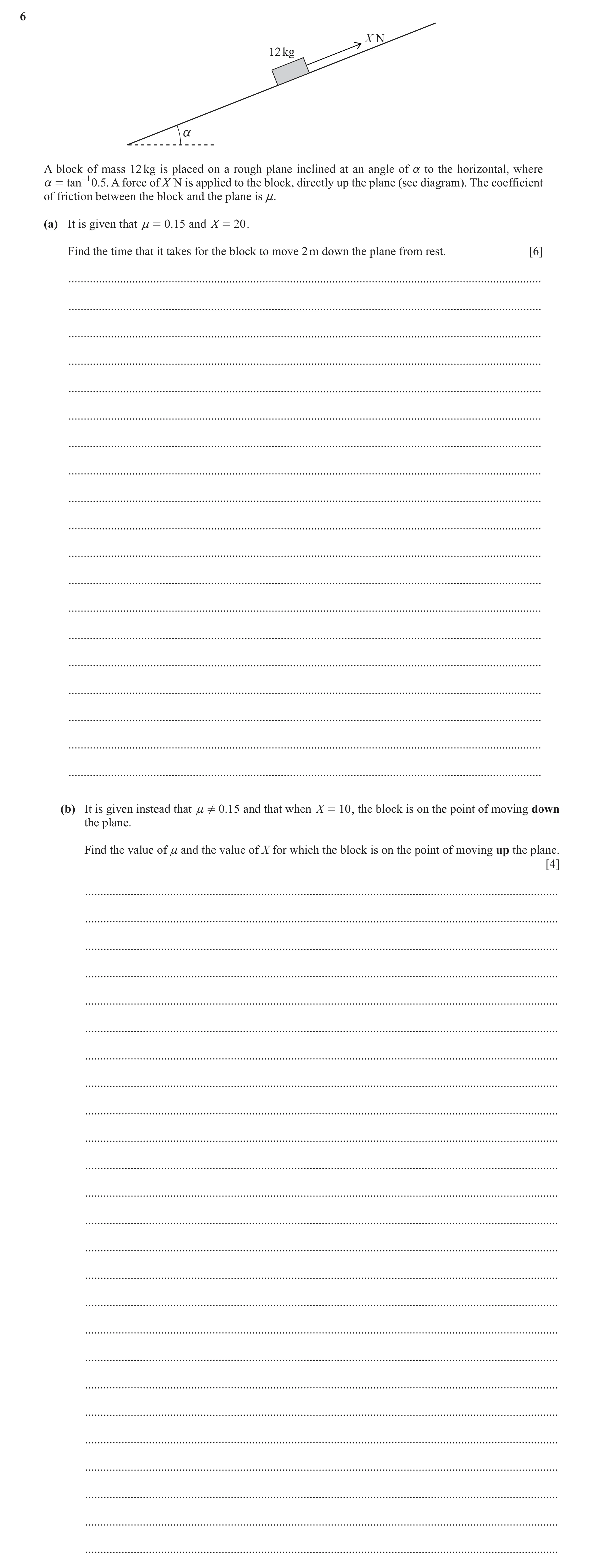

 351 / 391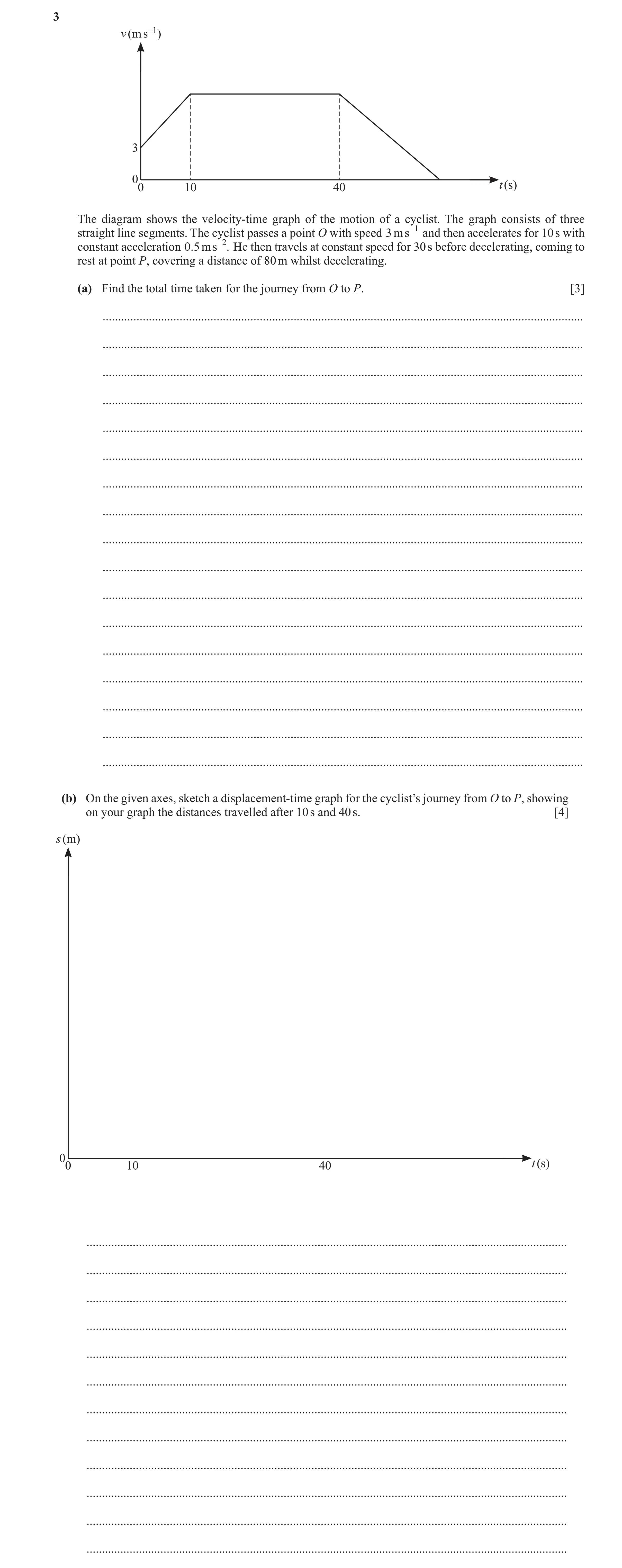
 354 / 391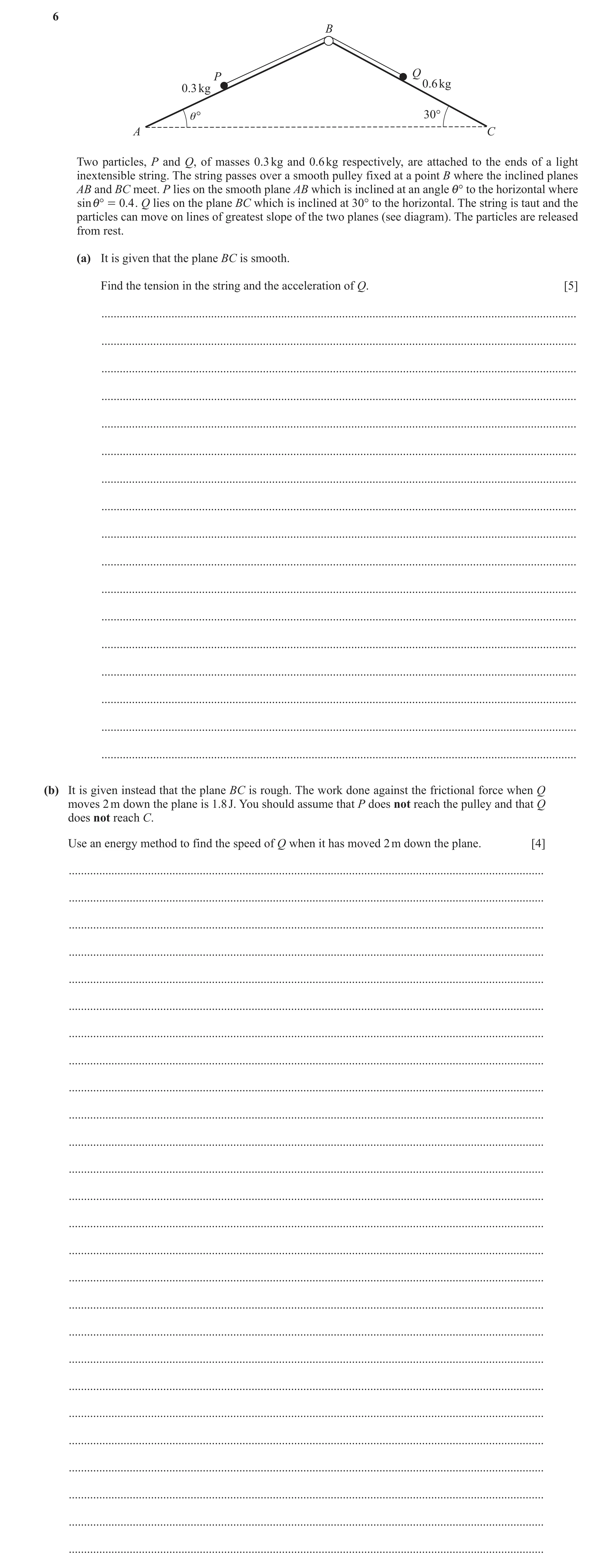

 359 / 391
 360 / 391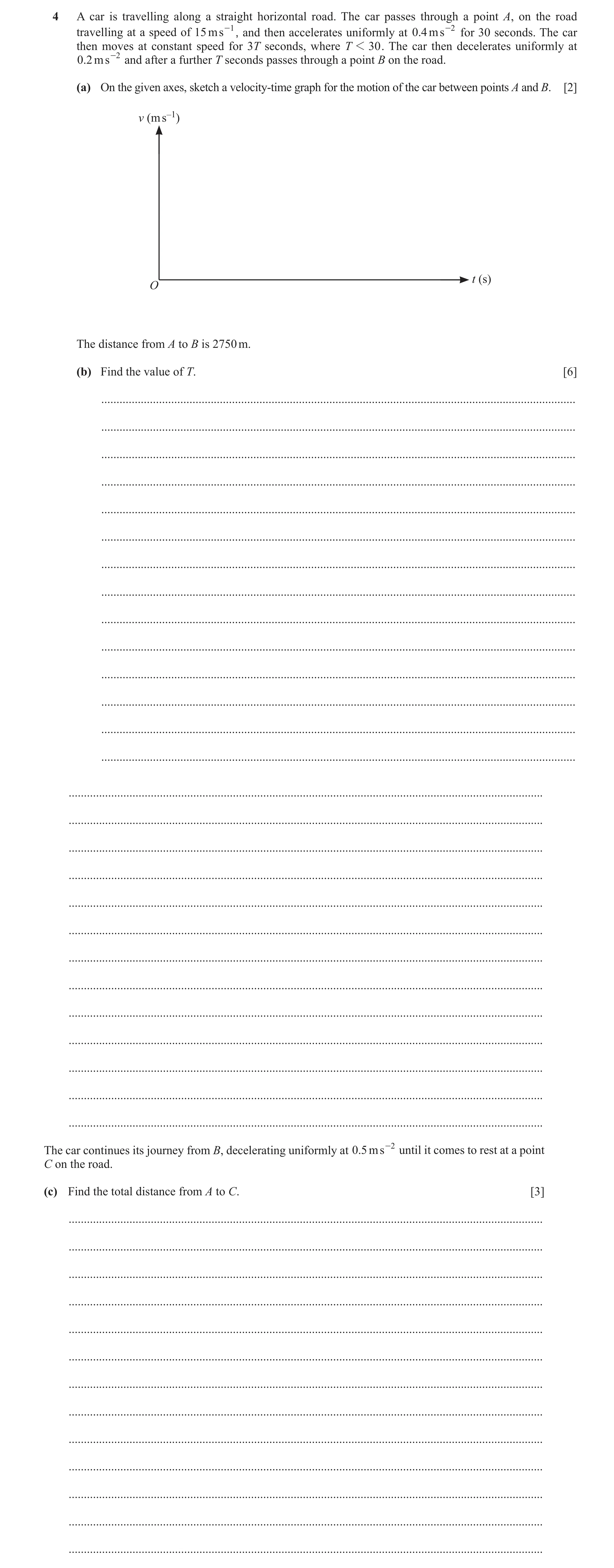
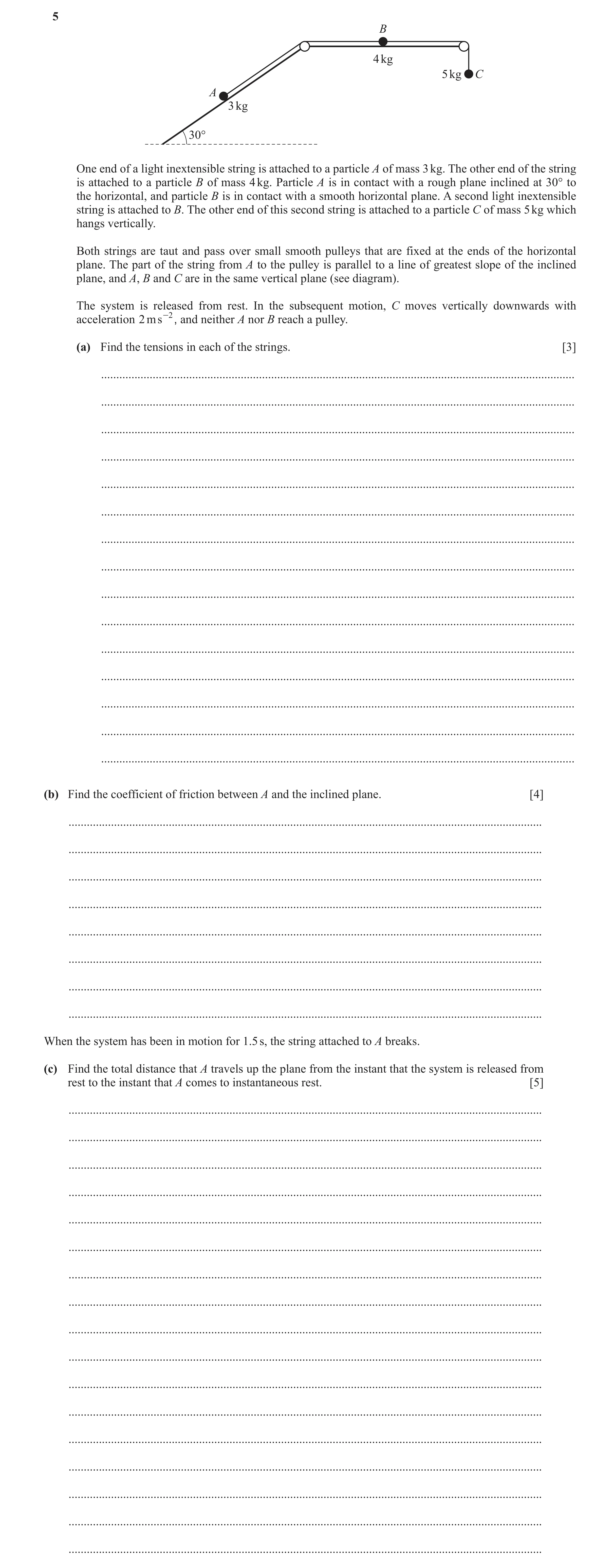
 365 / 391
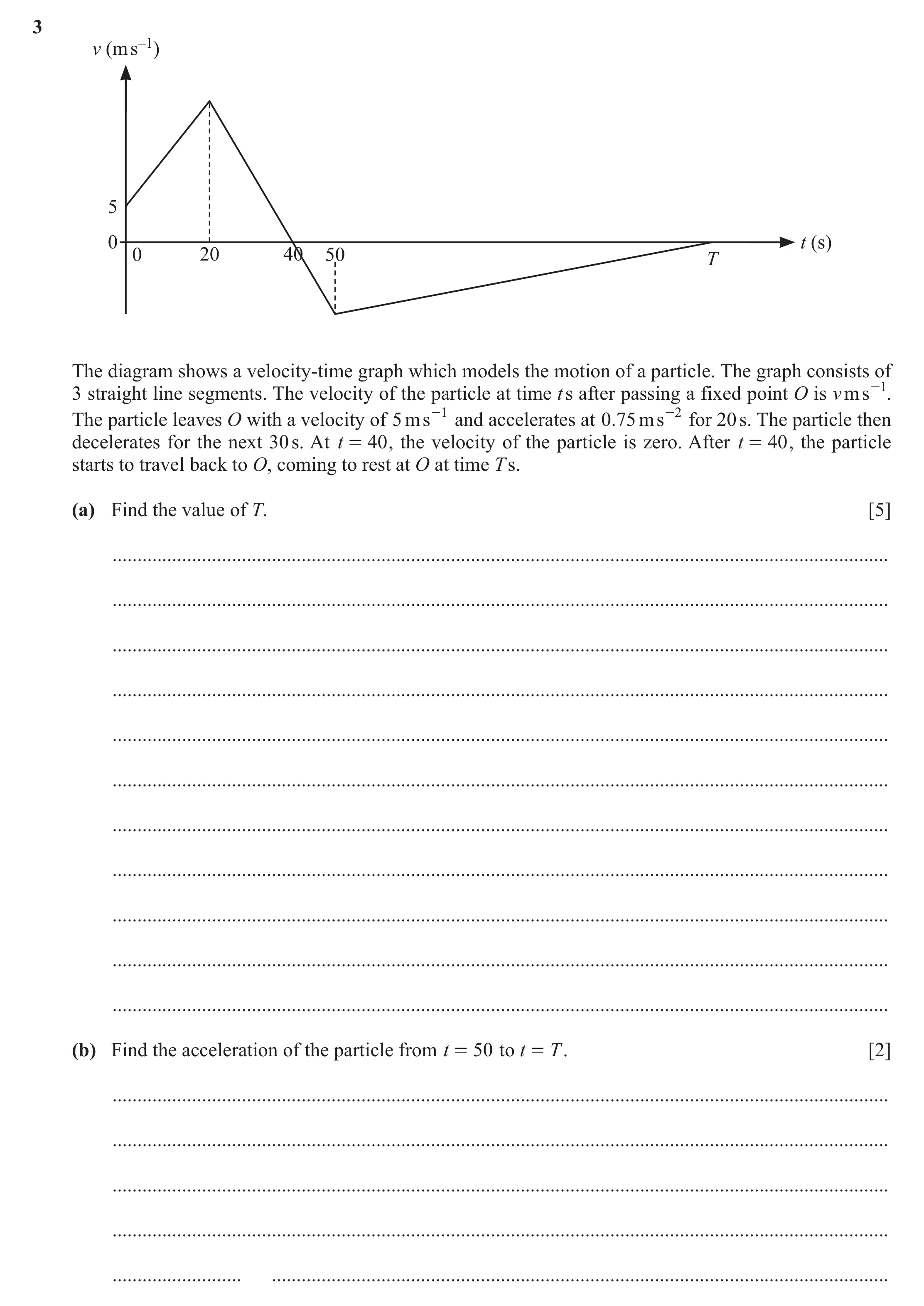 366 / 391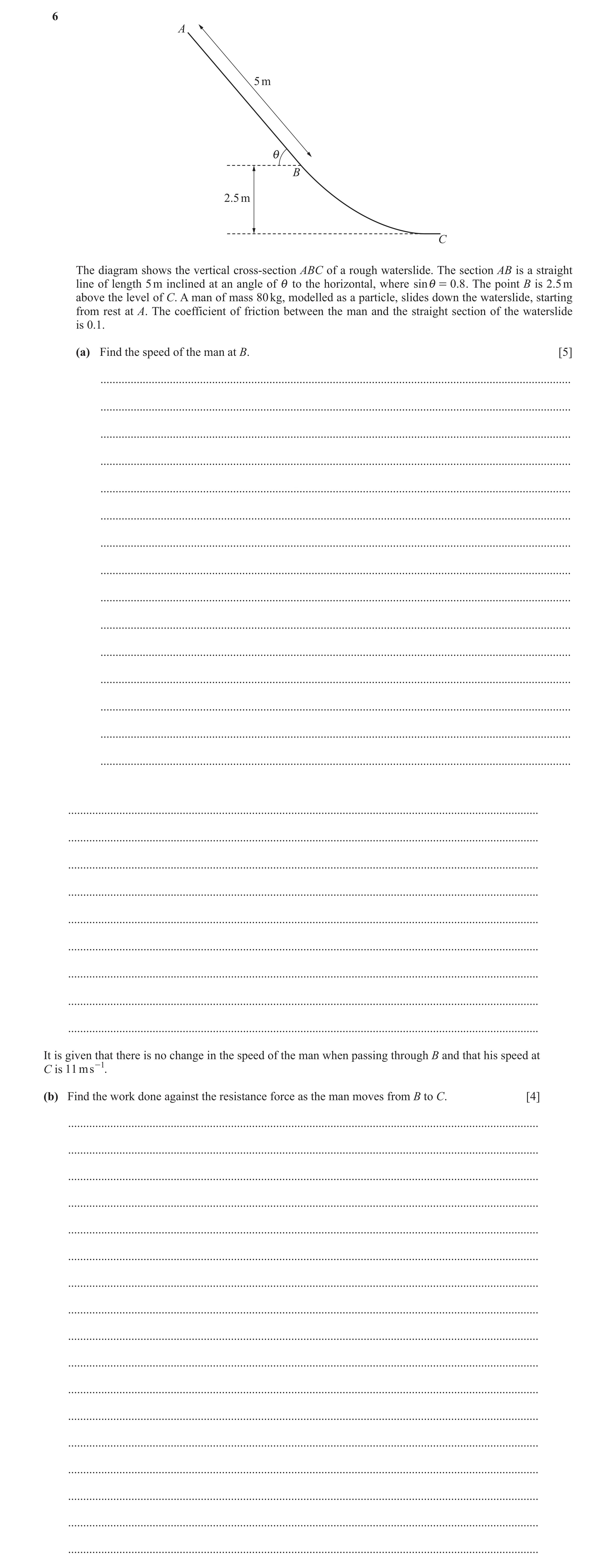
 369 / 391
 374 / 391
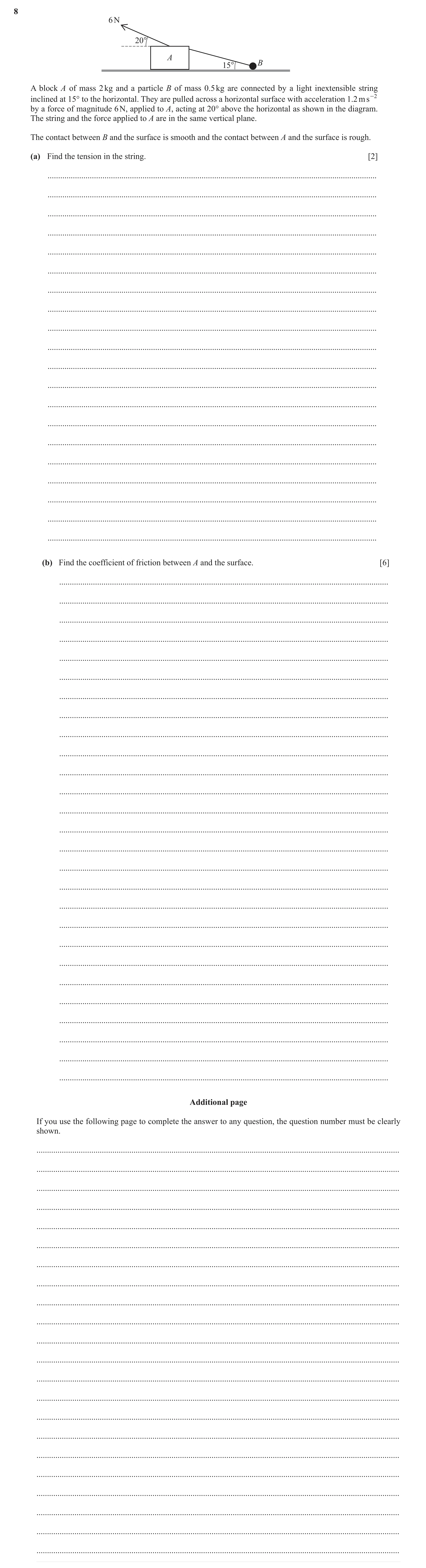
 380 / 391
 383 / 391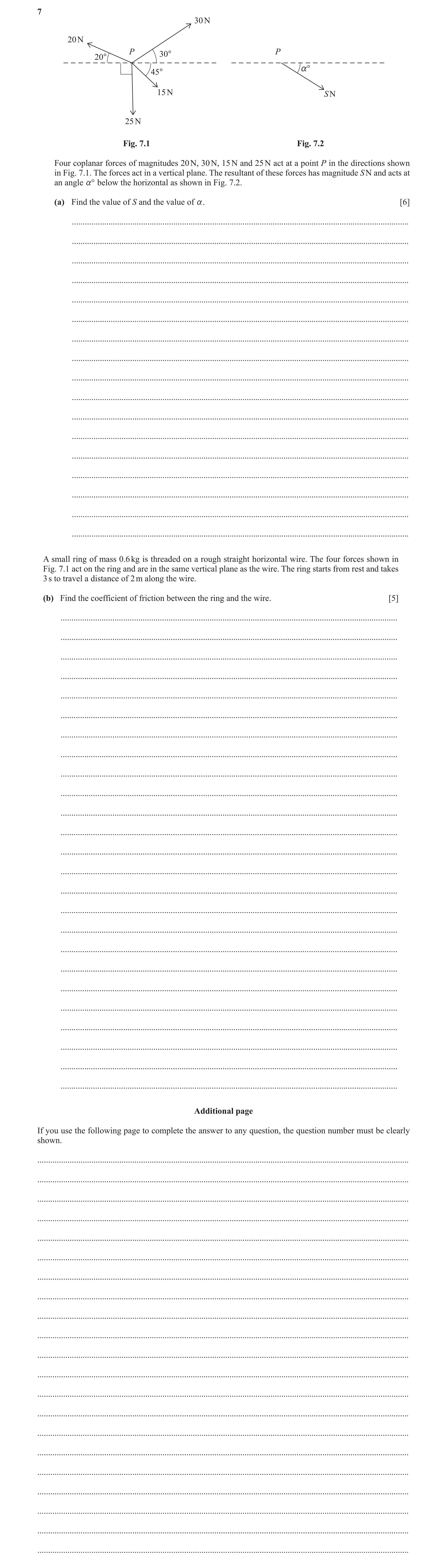
 387 / 391
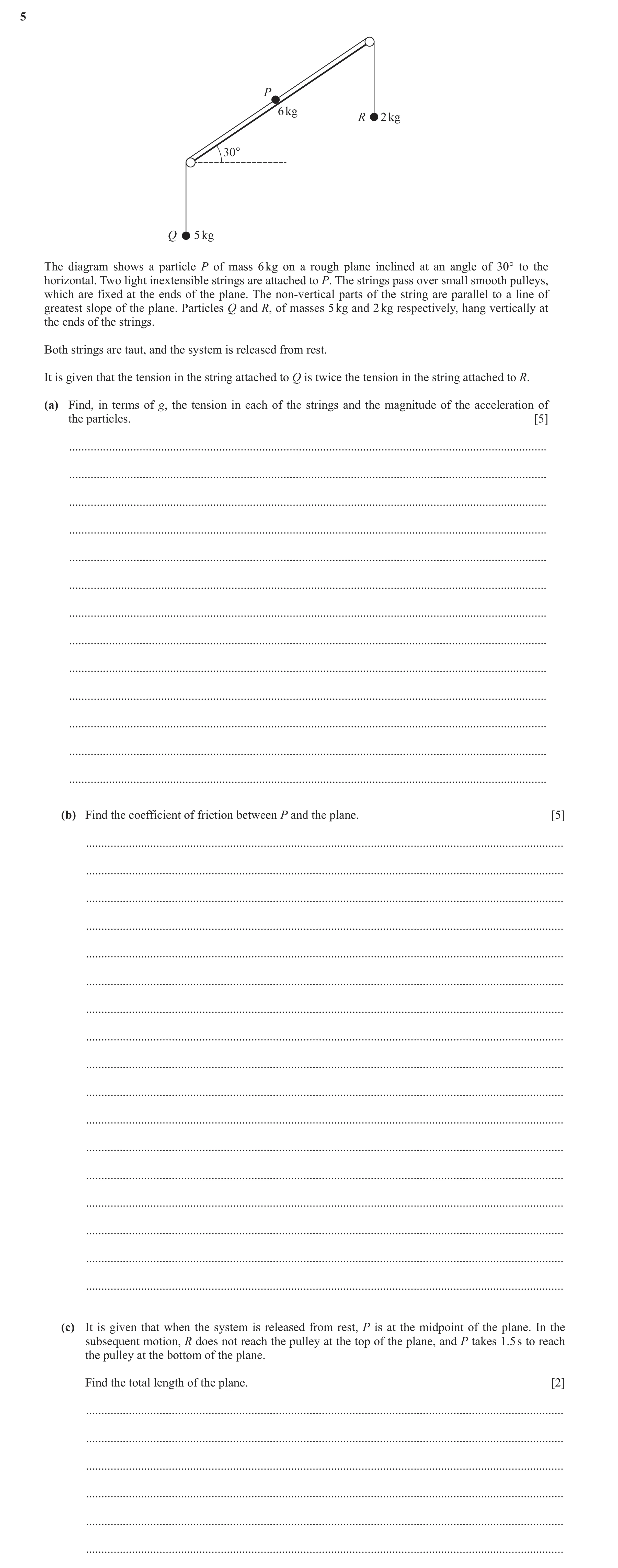
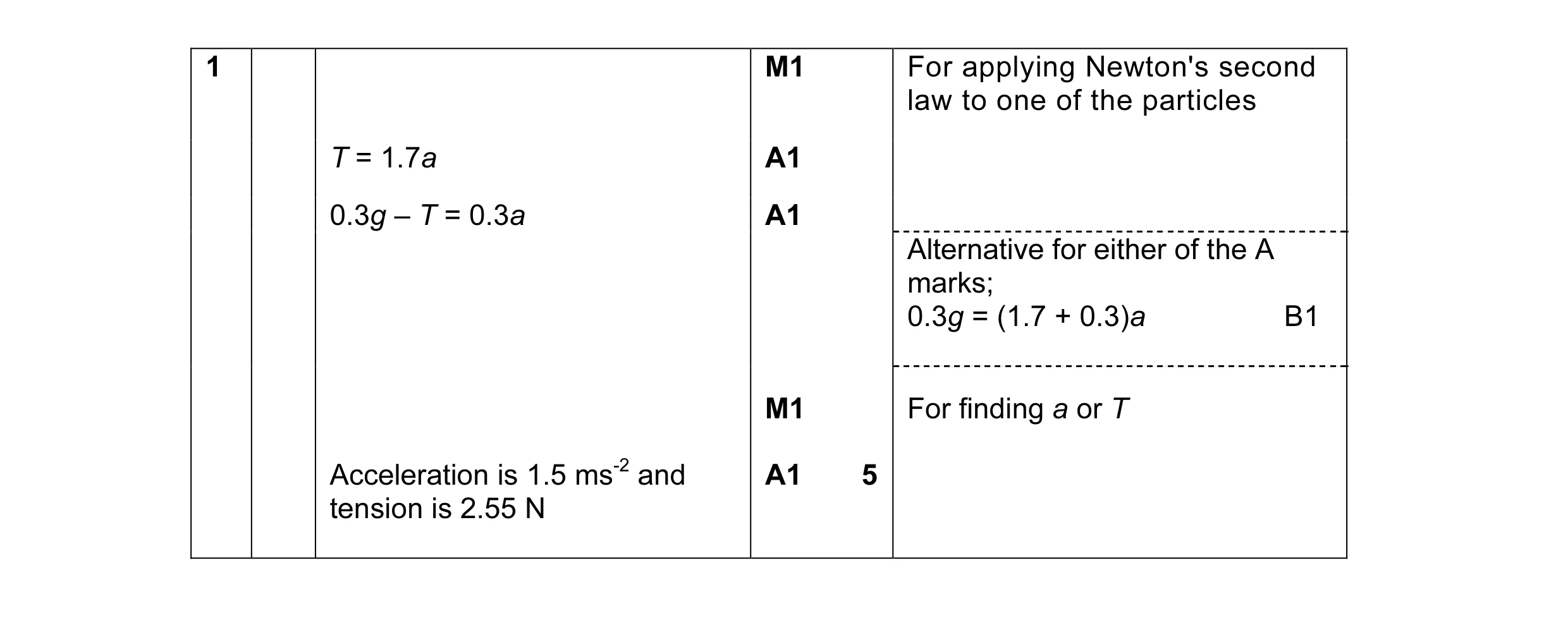 5
5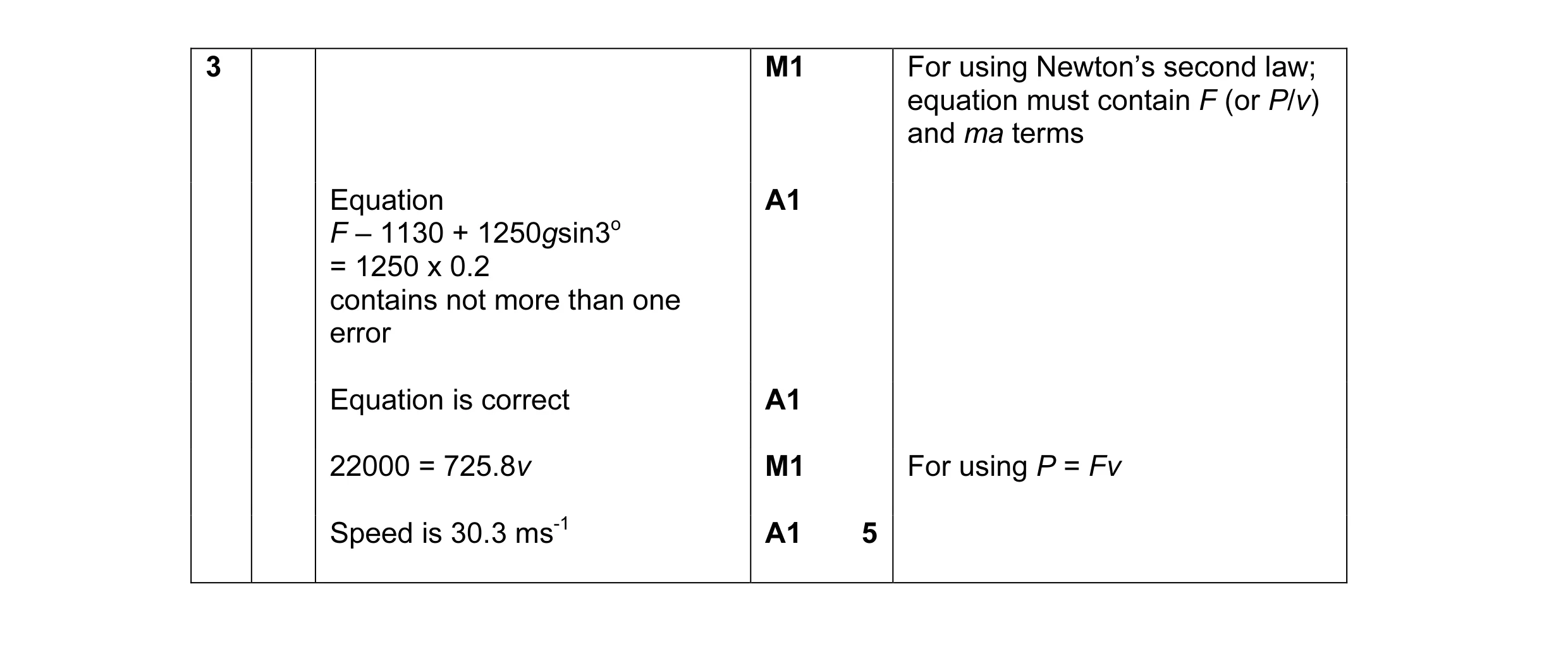 5
5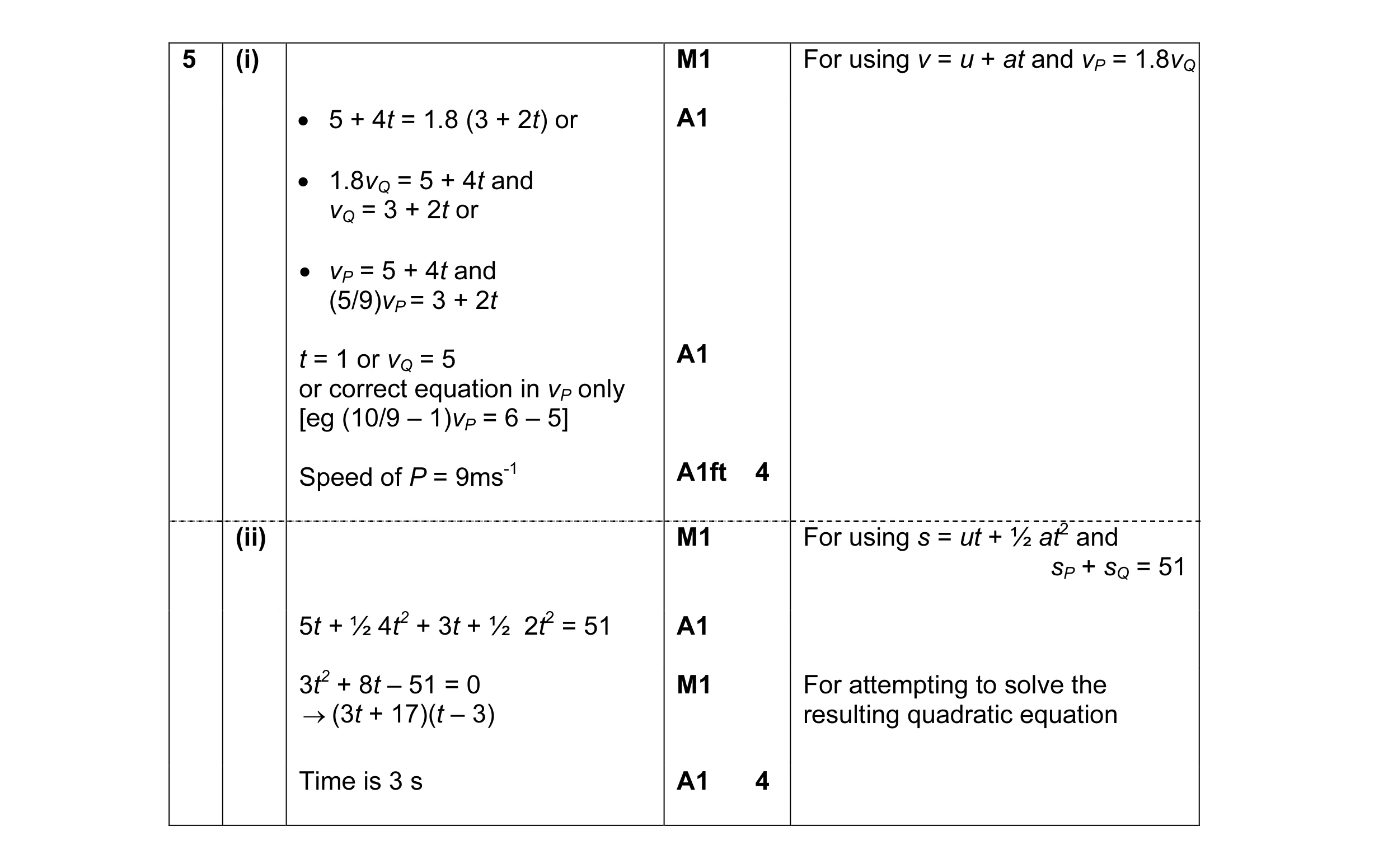 8
8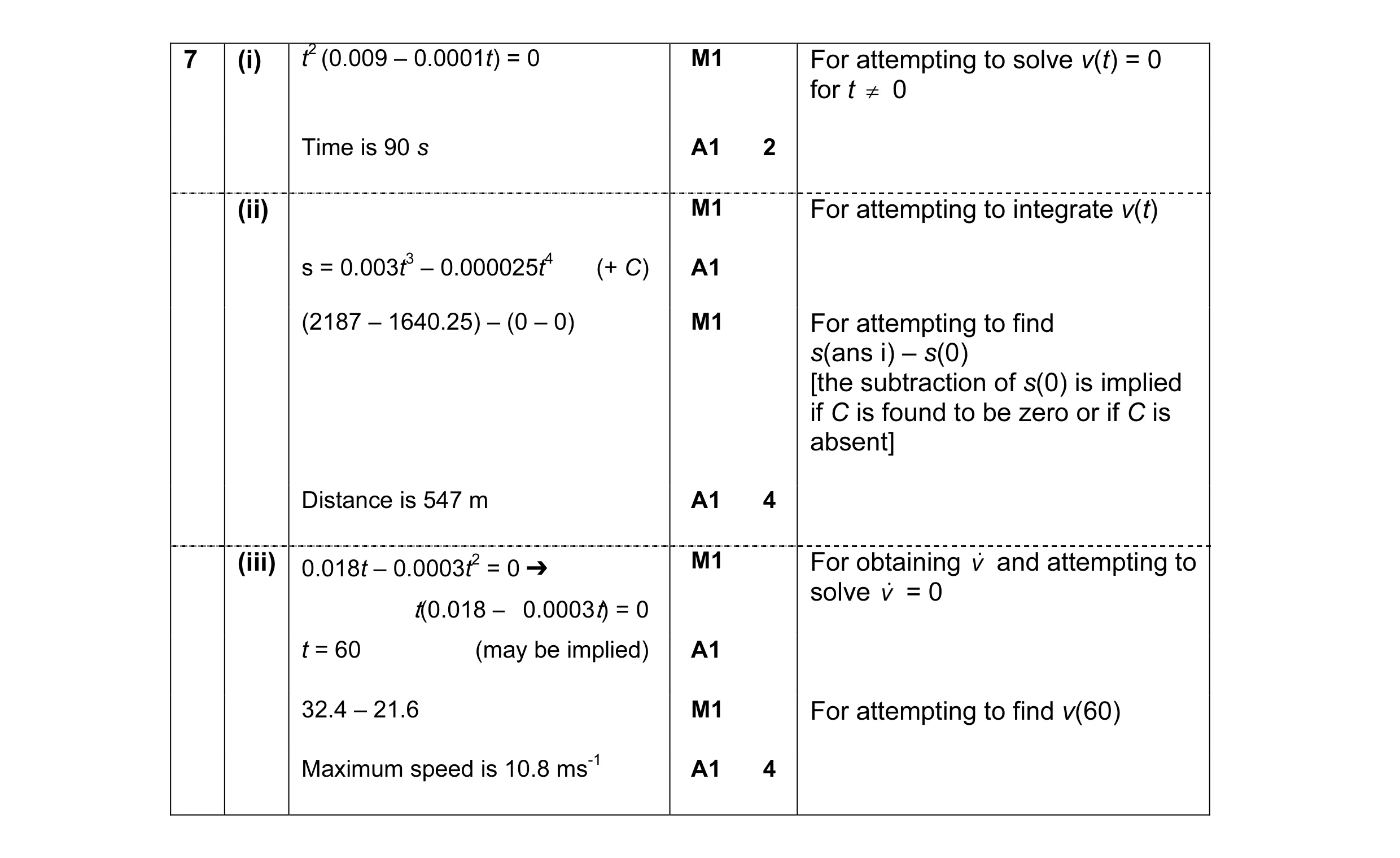 10
10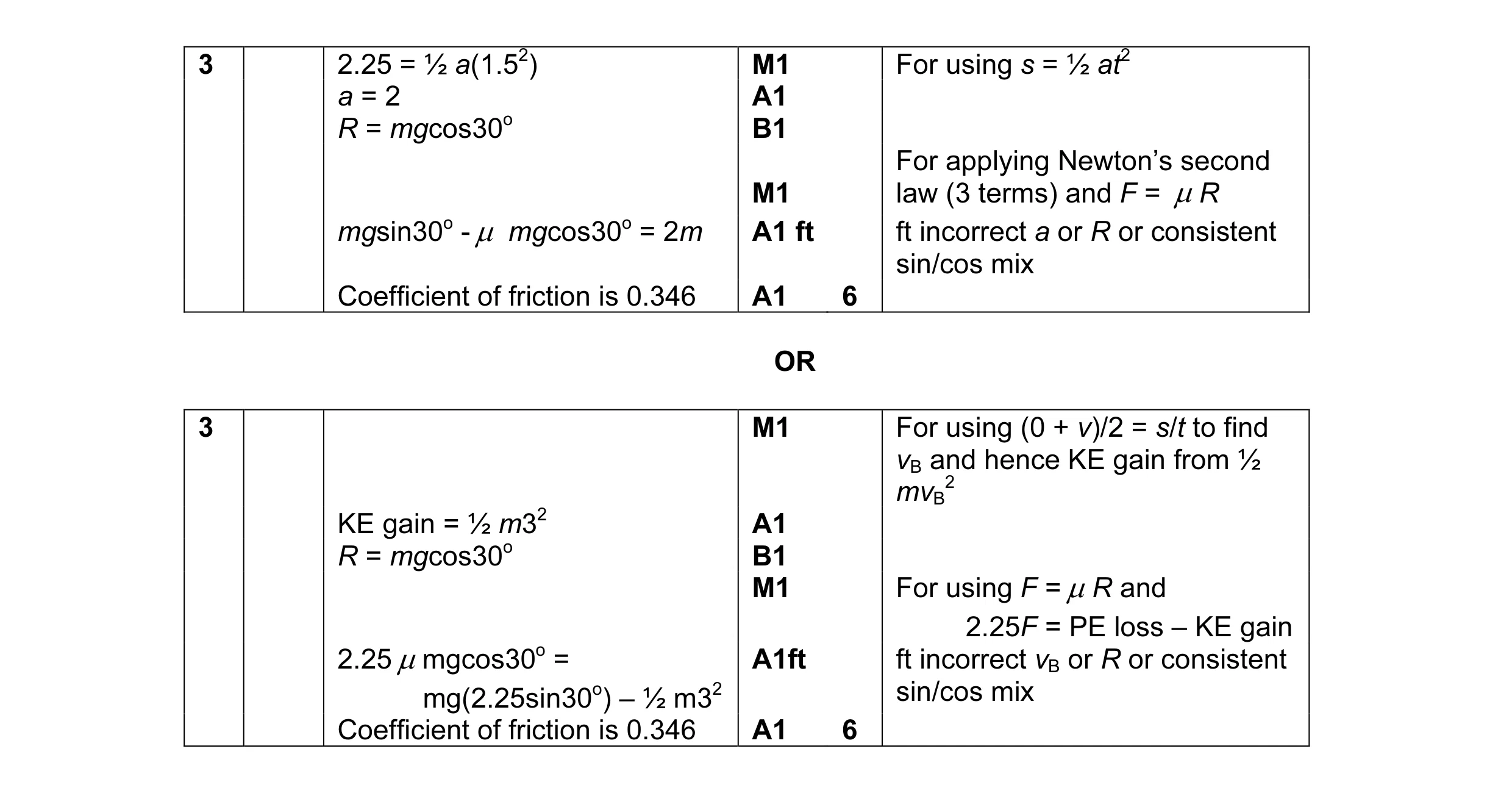 6
6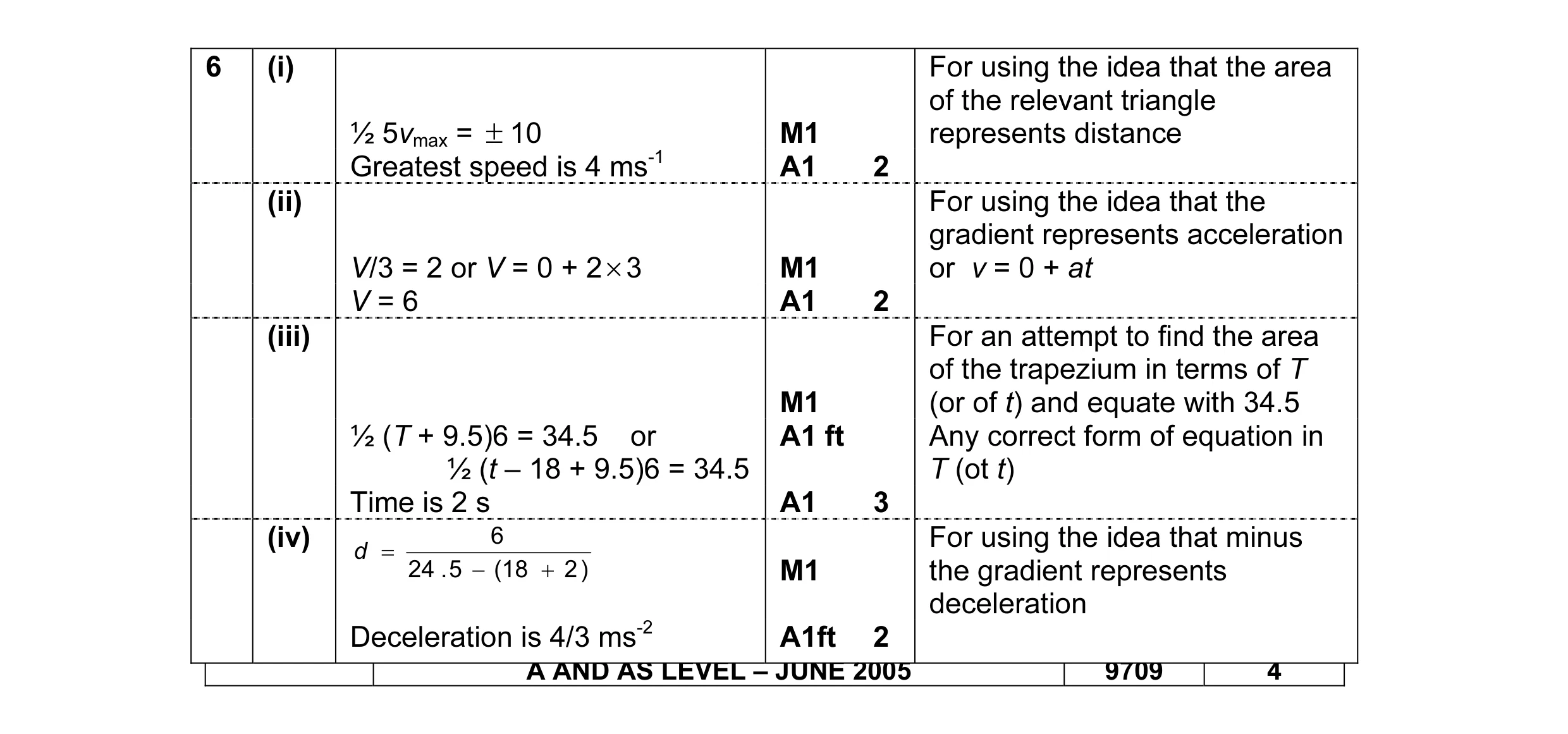 9
9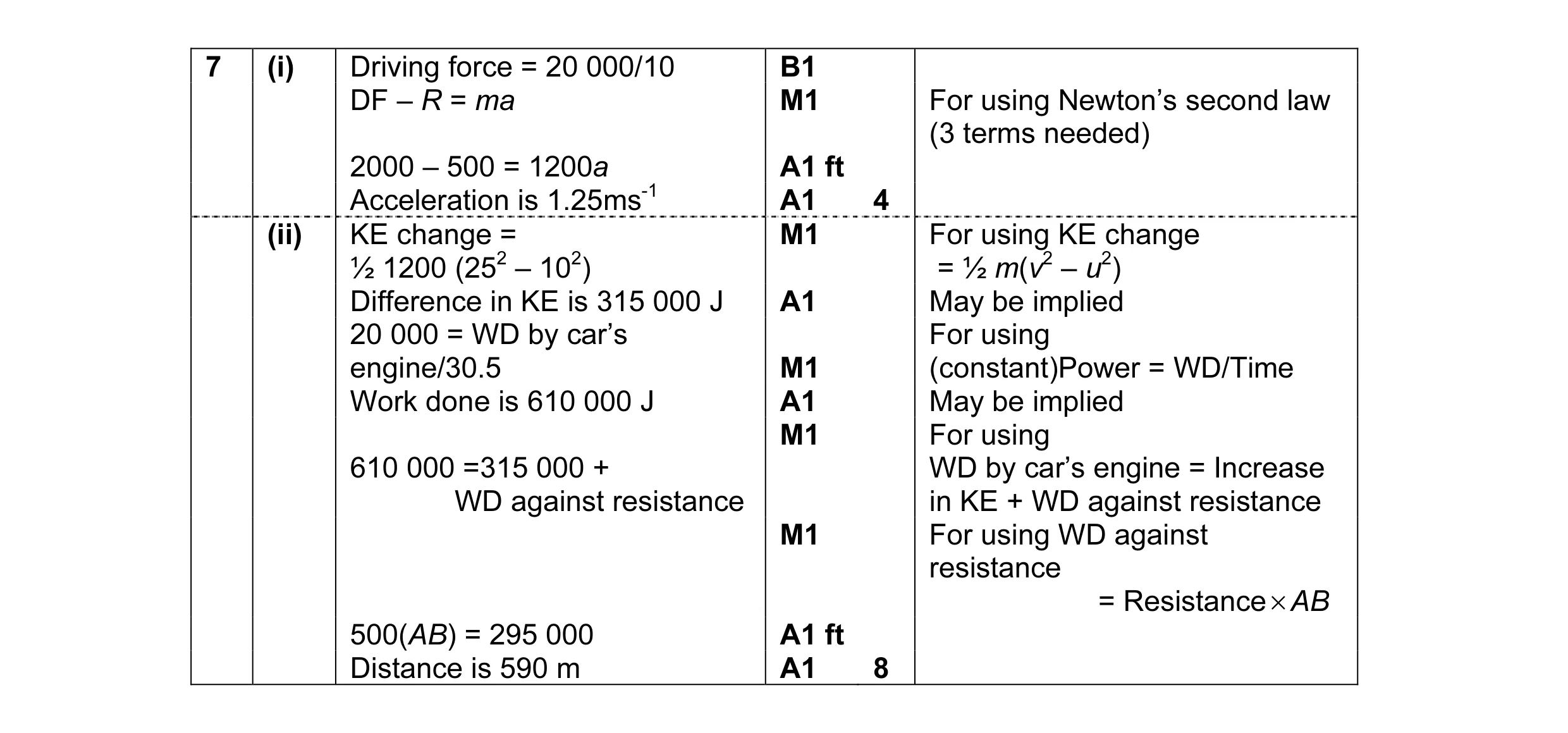 12
12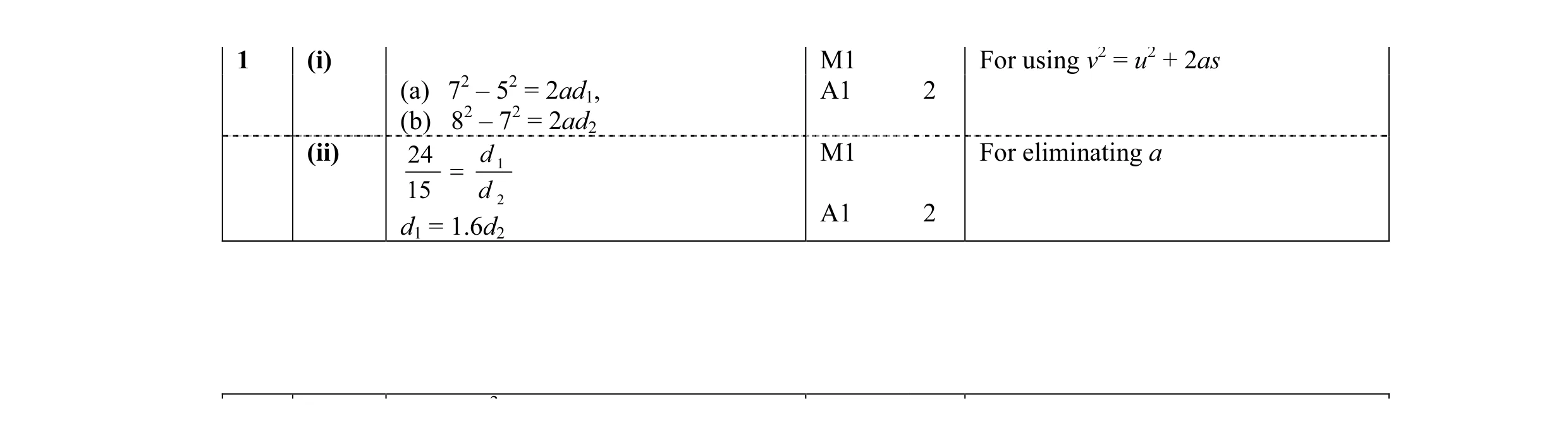 4
4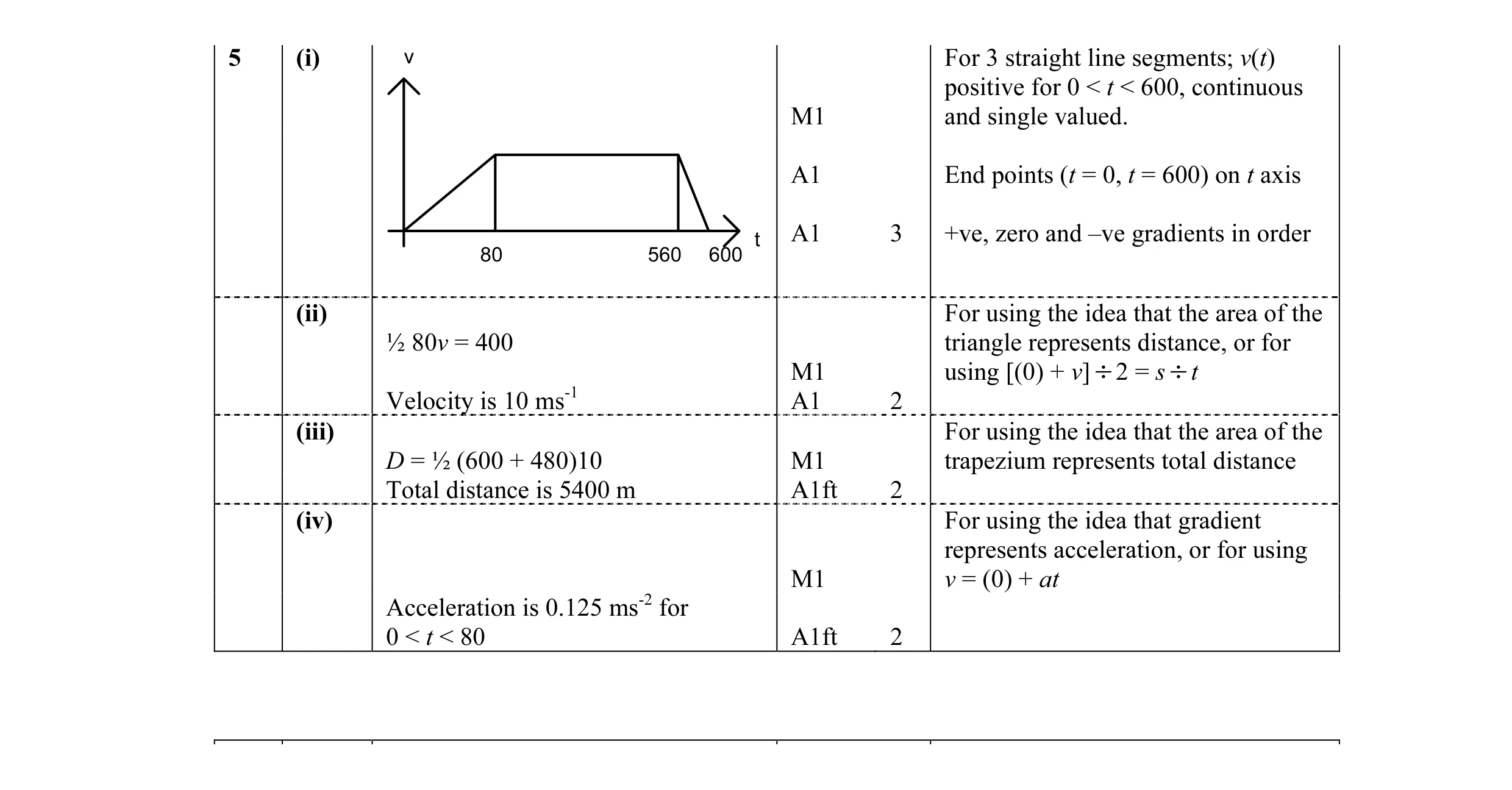 9
9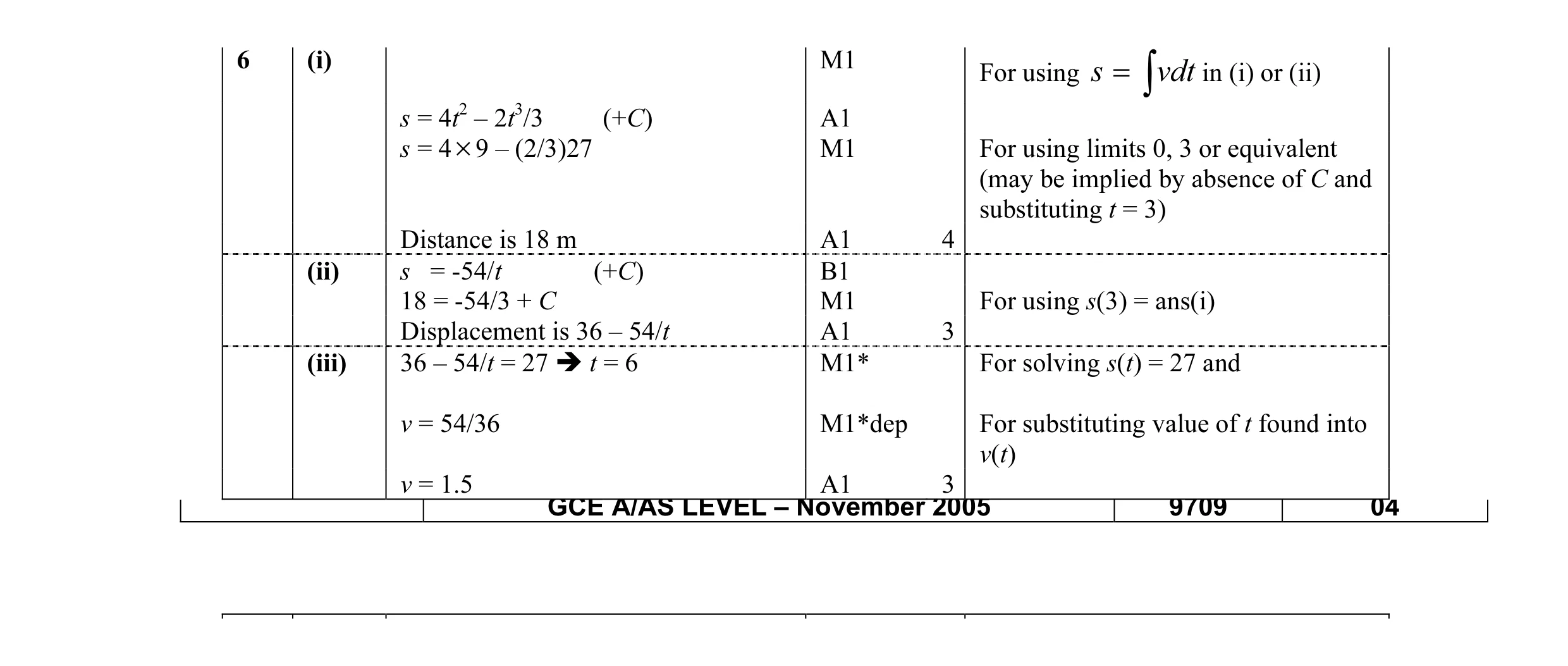 10
10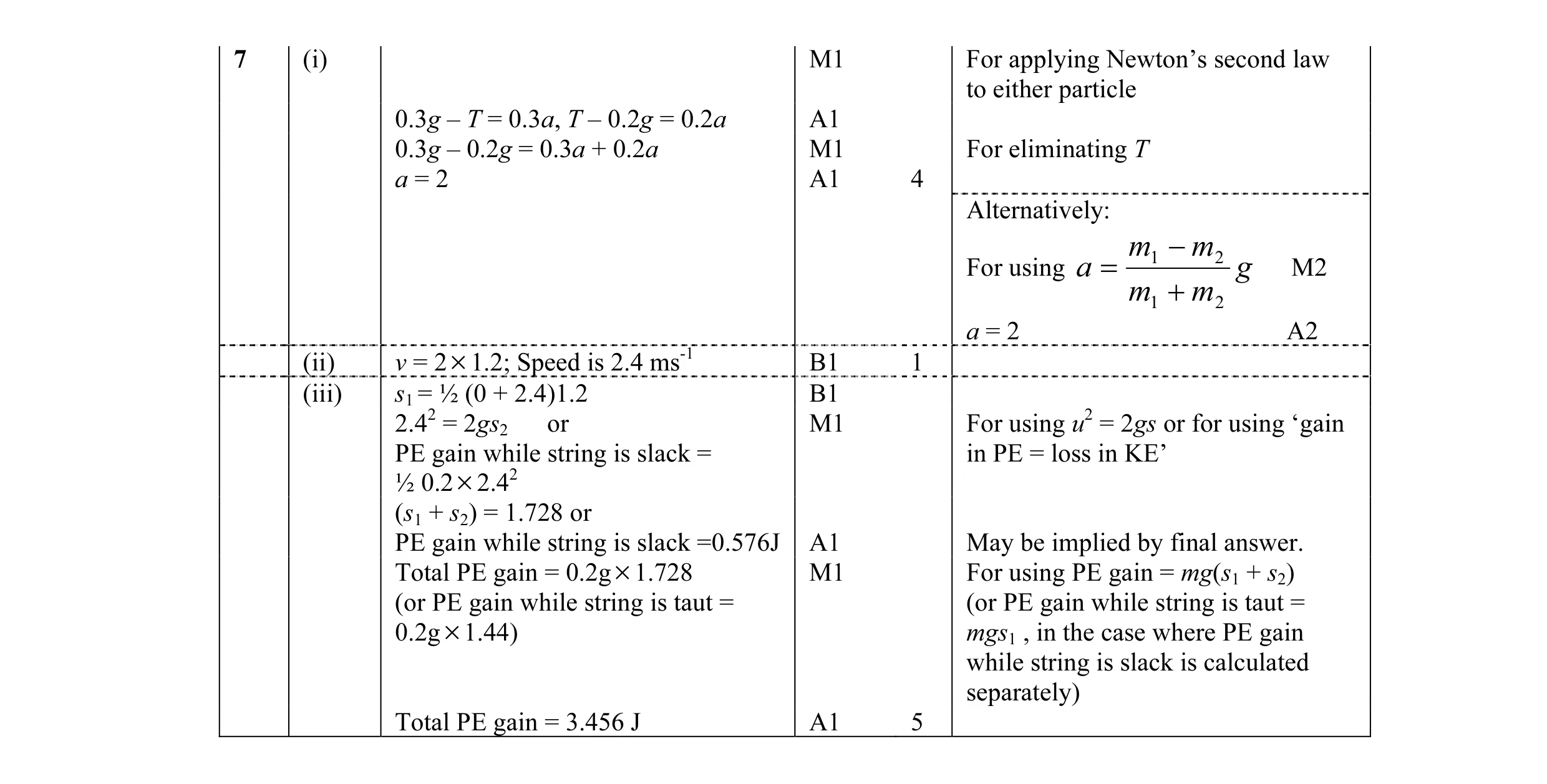 10
10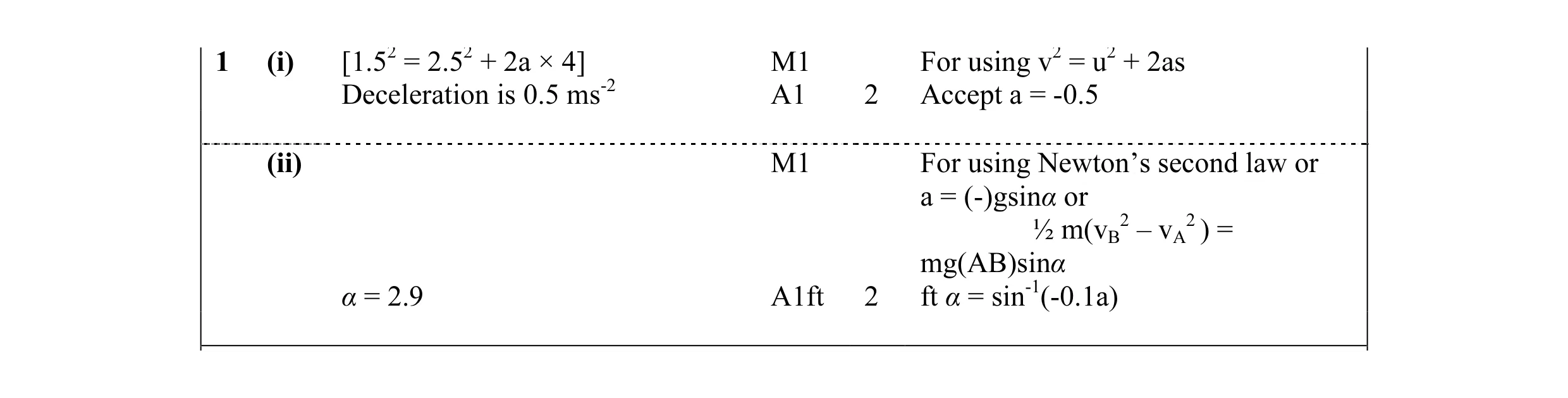 4
4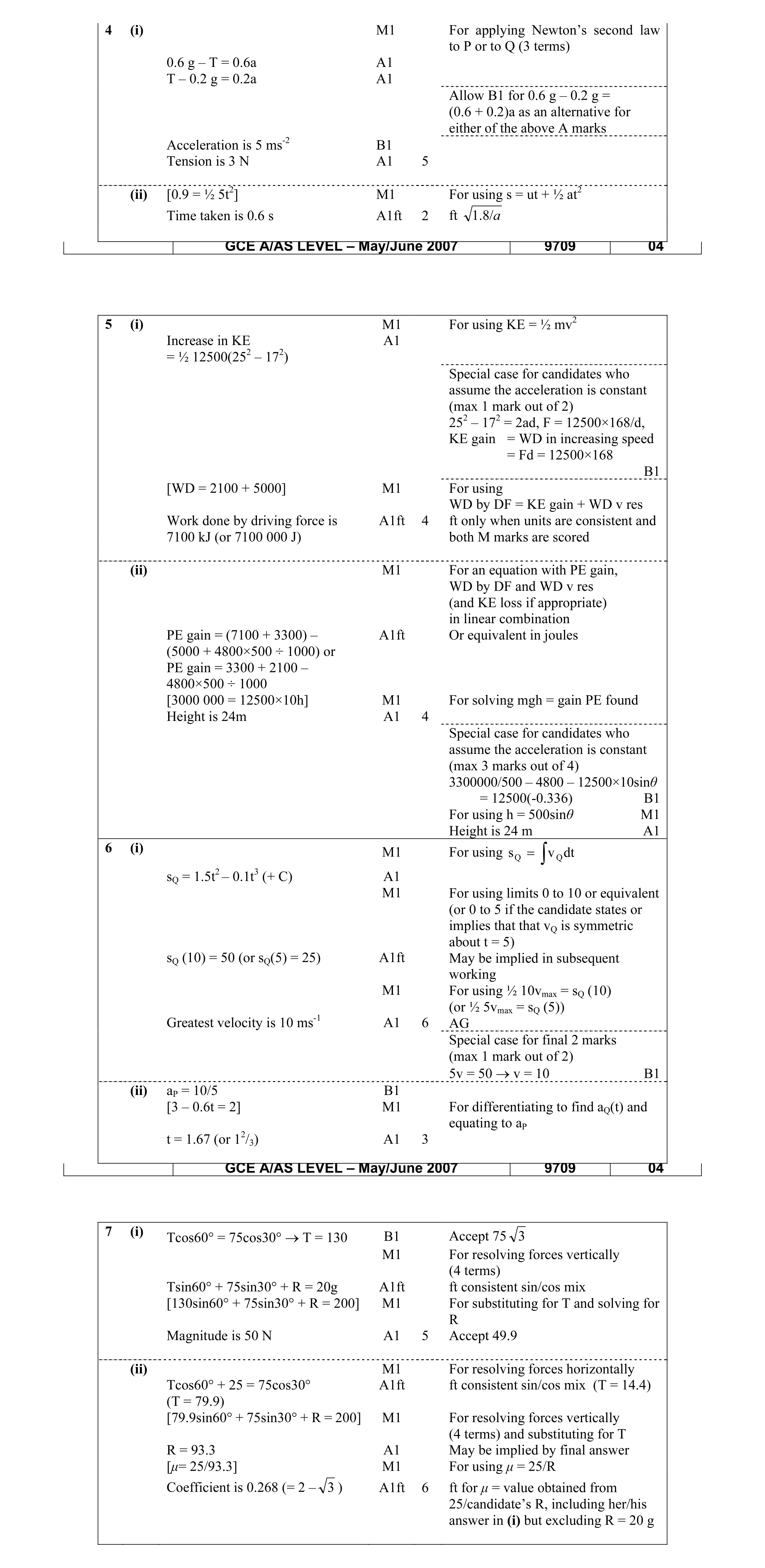 7
7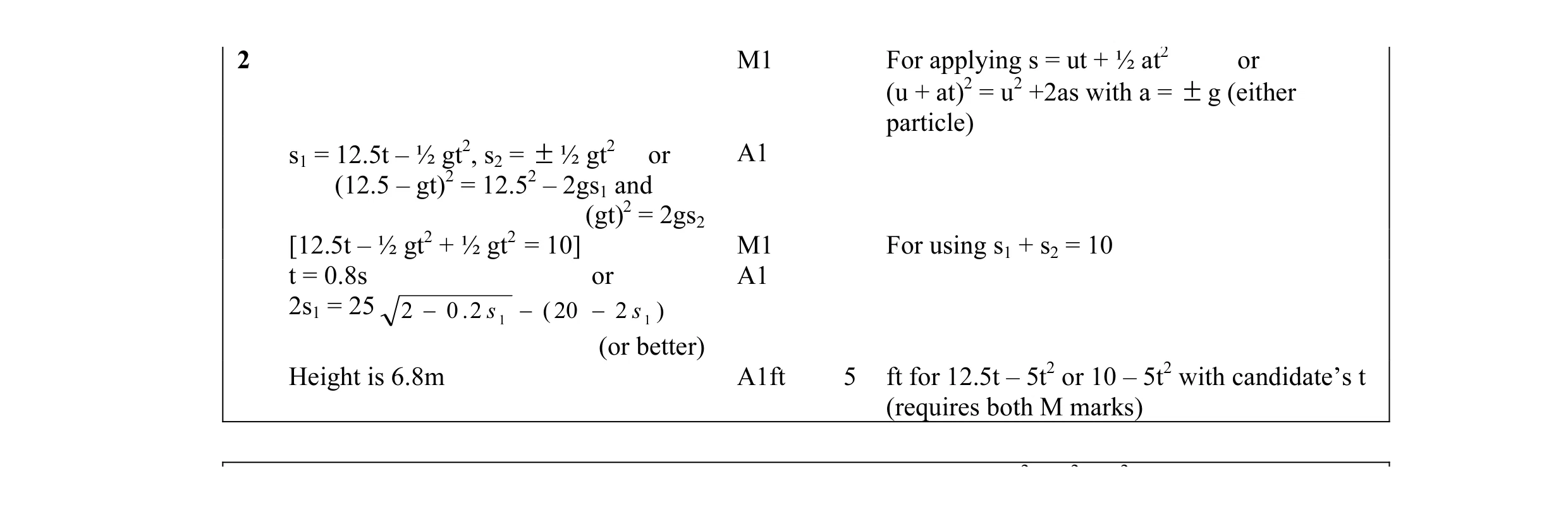 5
5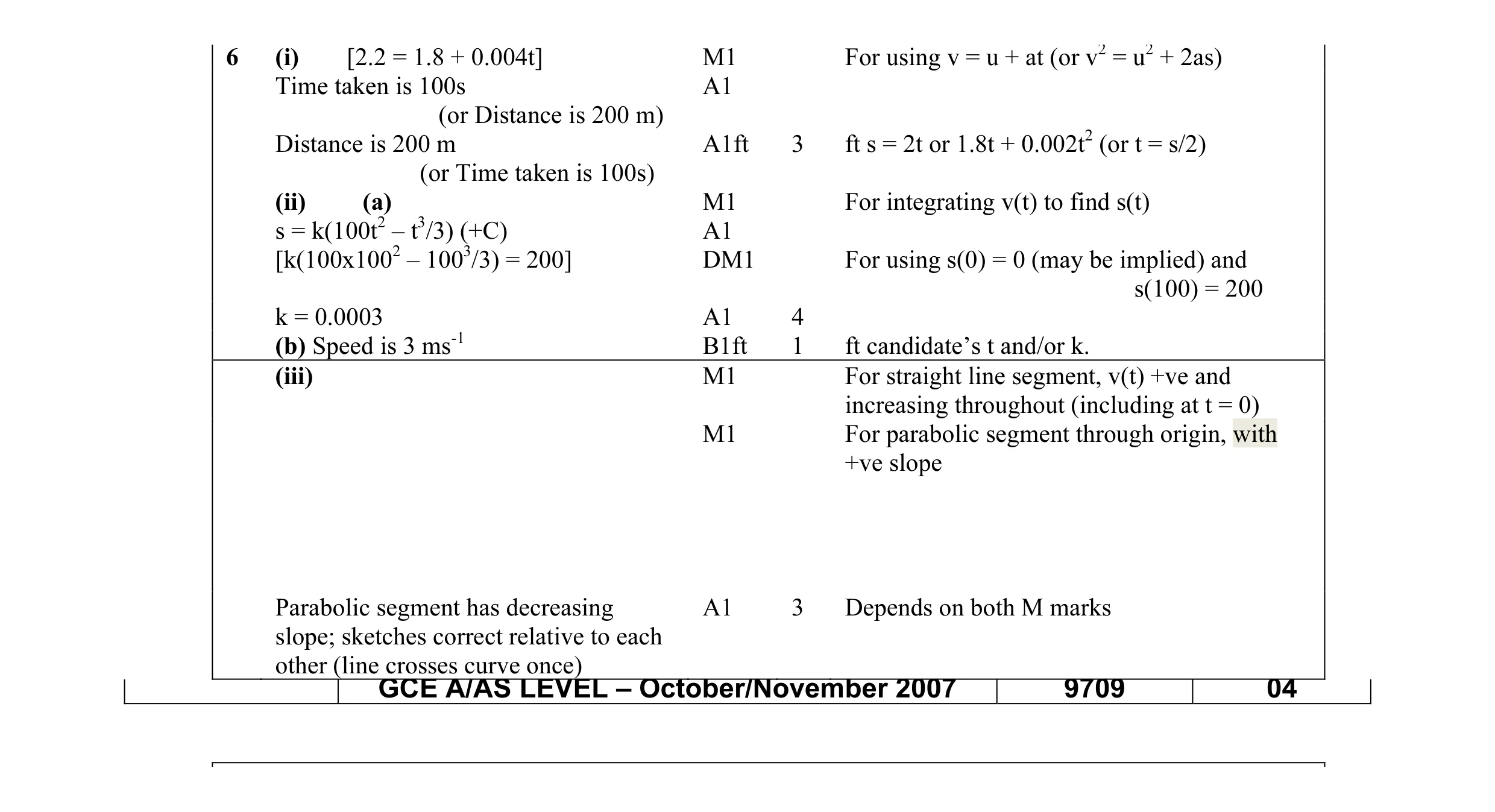 11
11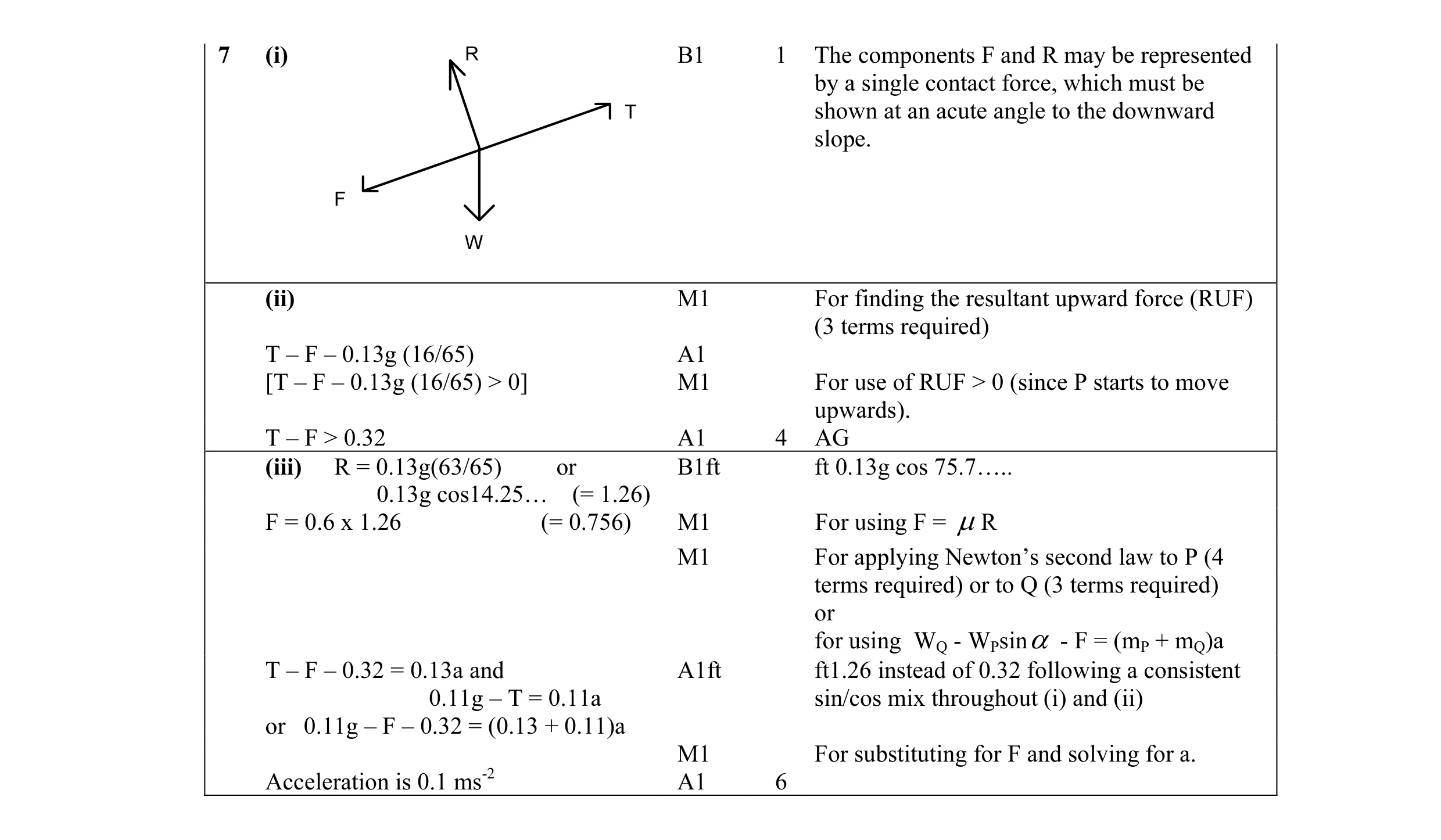 11
11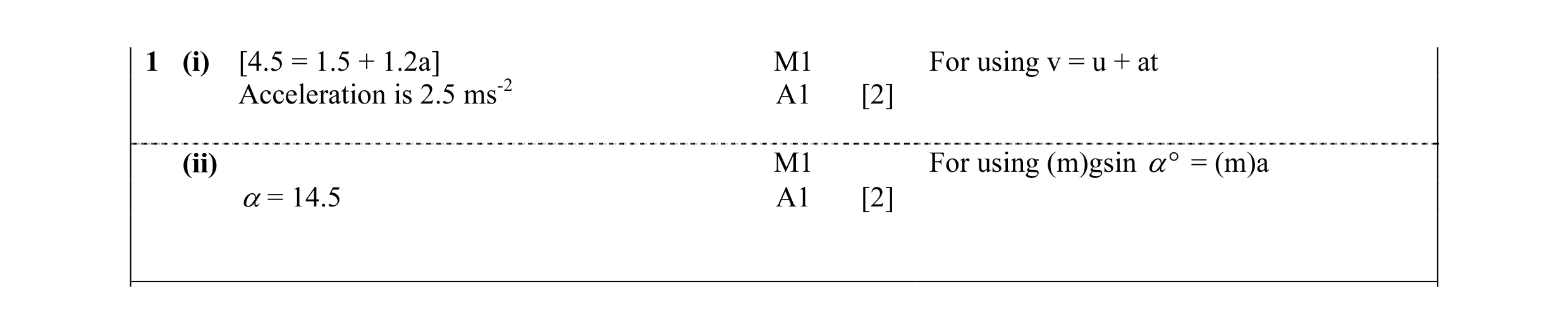 4
4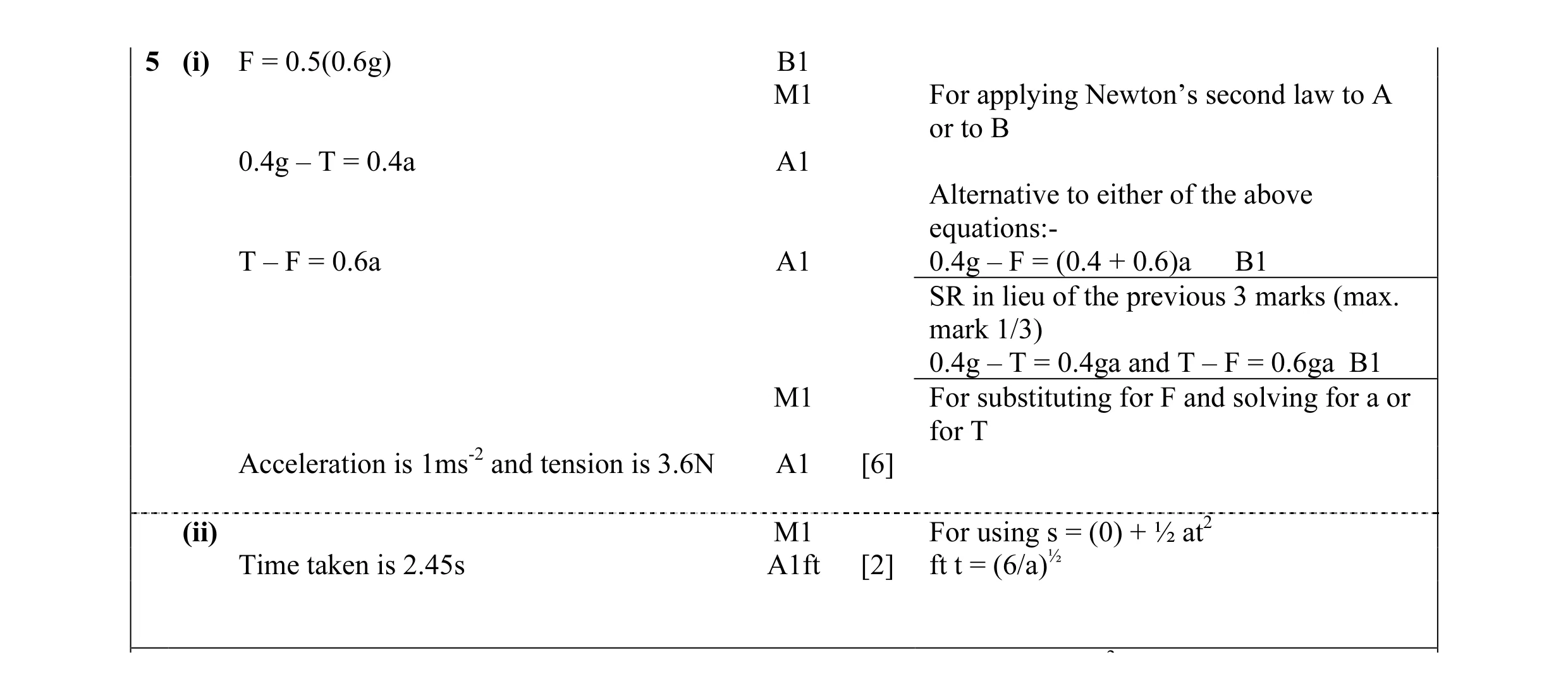 8
8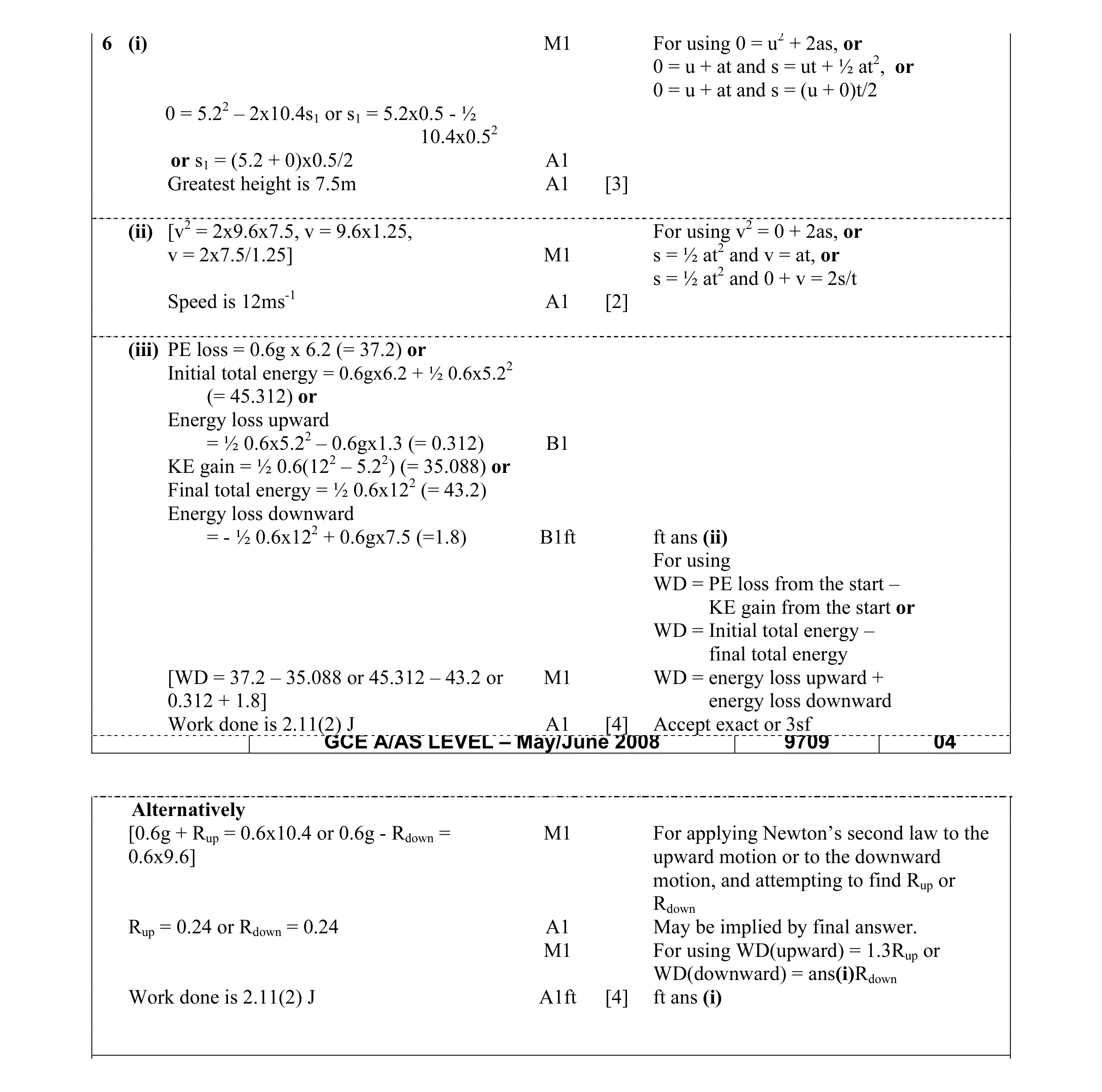 9
9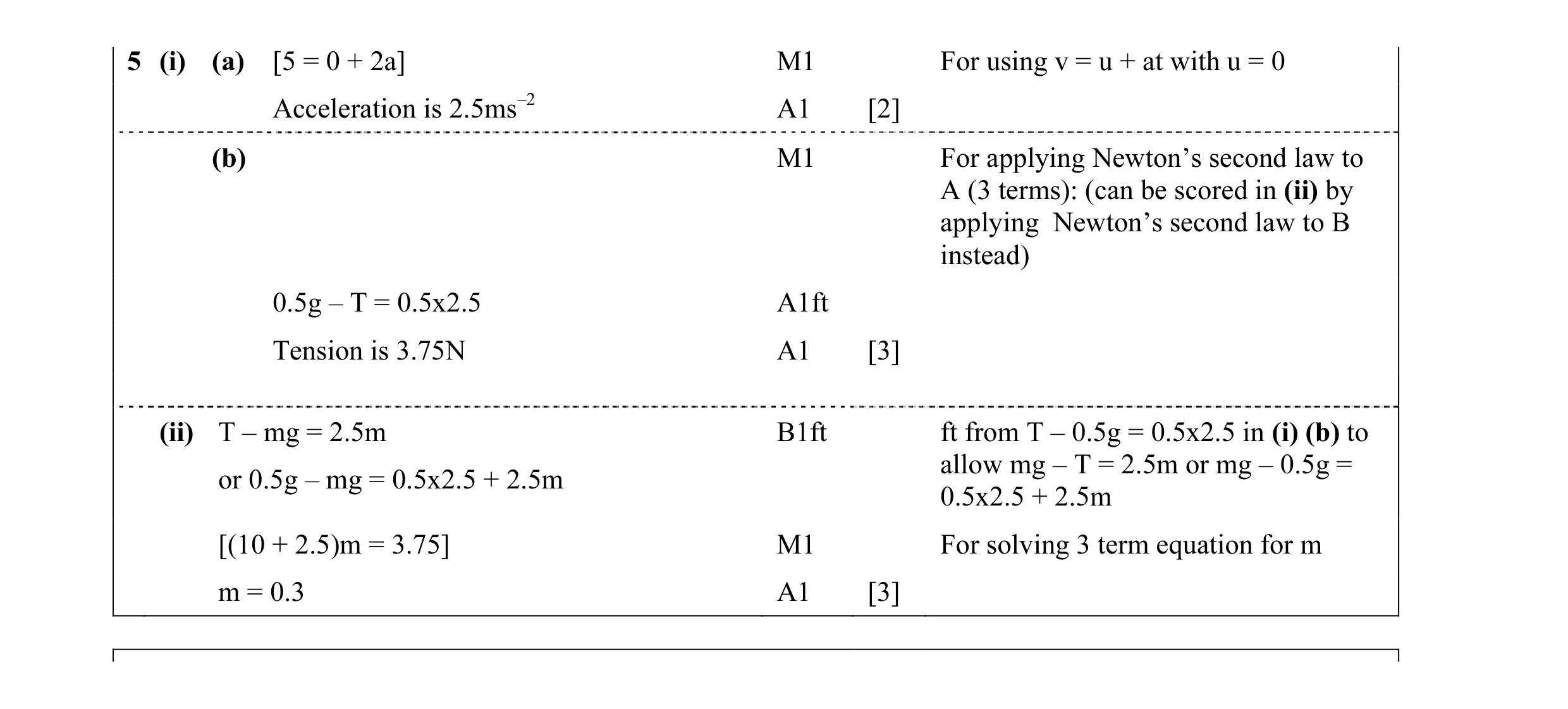 8
8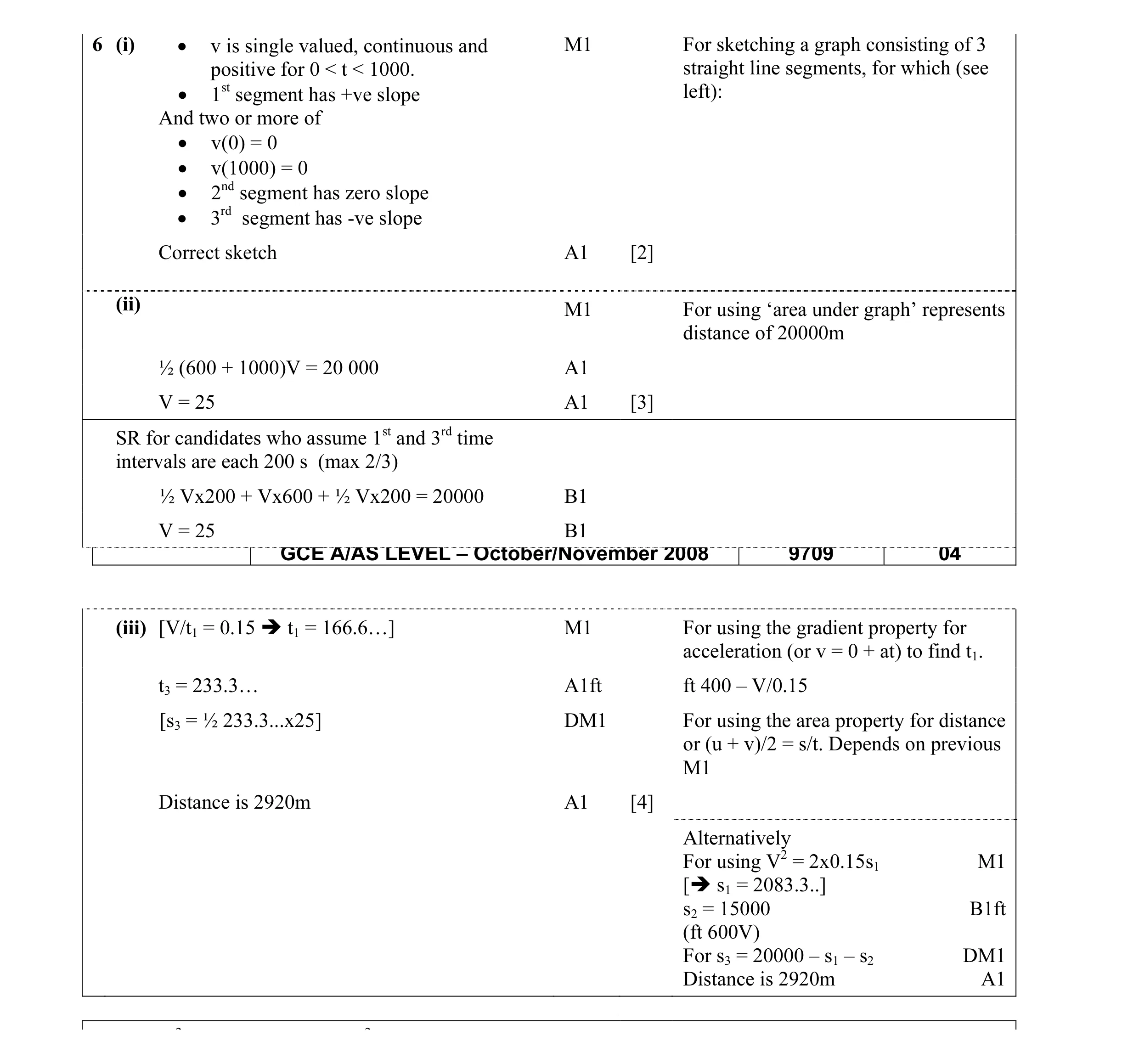 9
9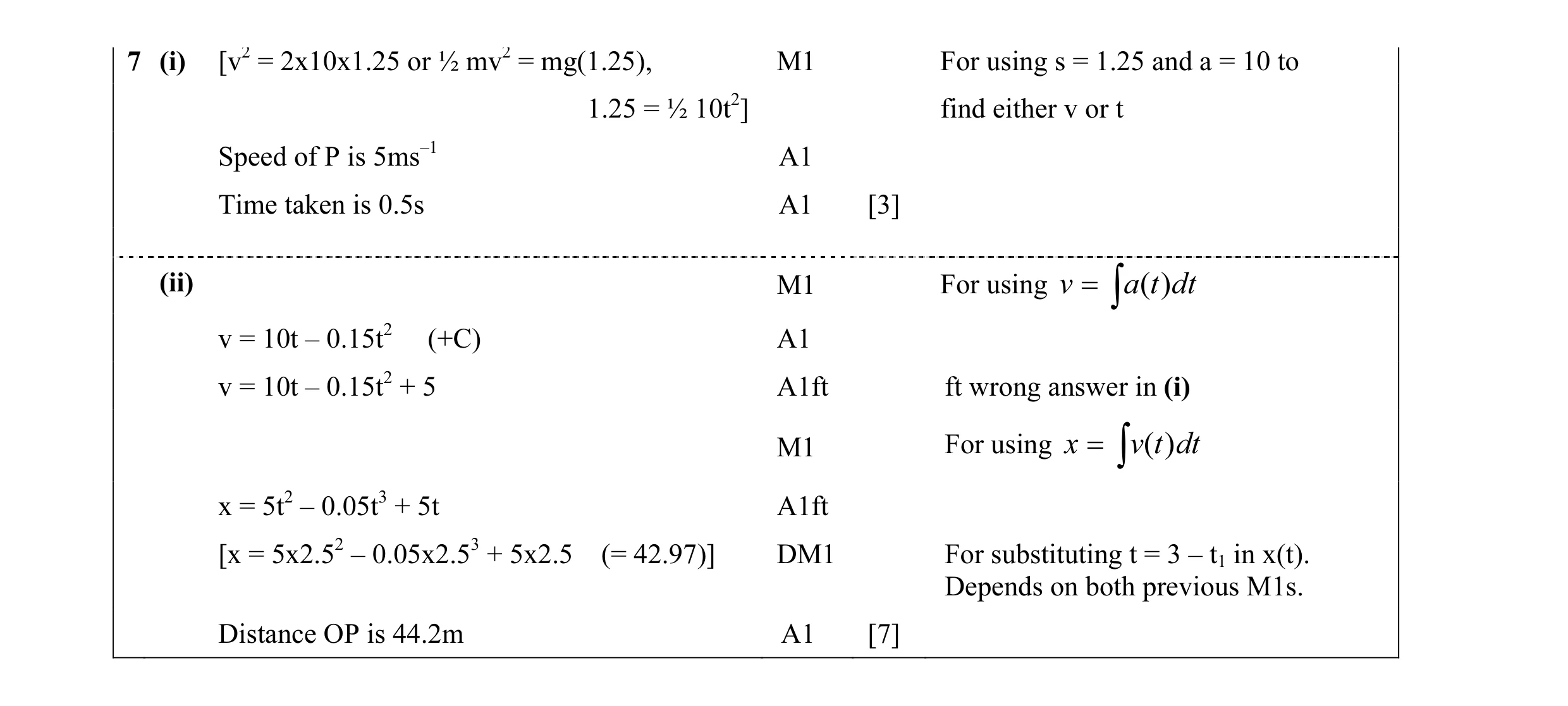 10
10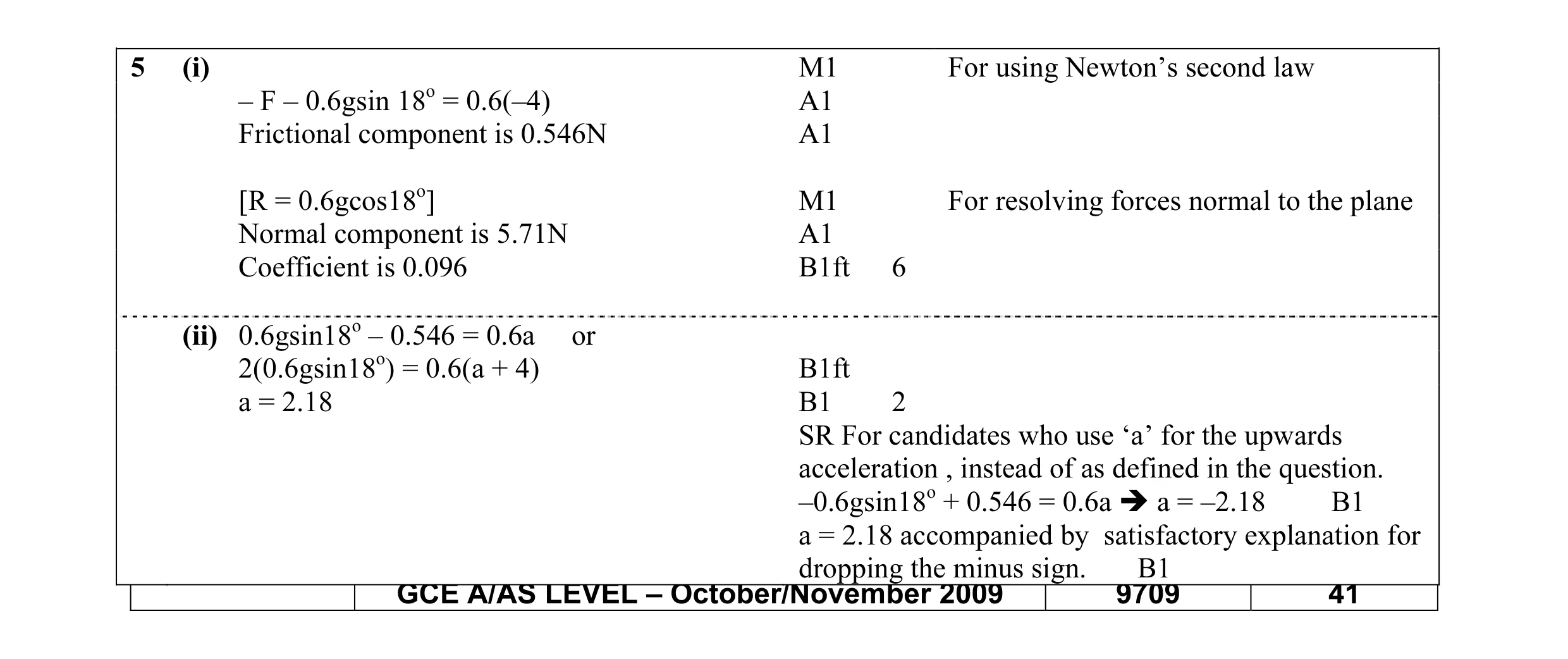 8
8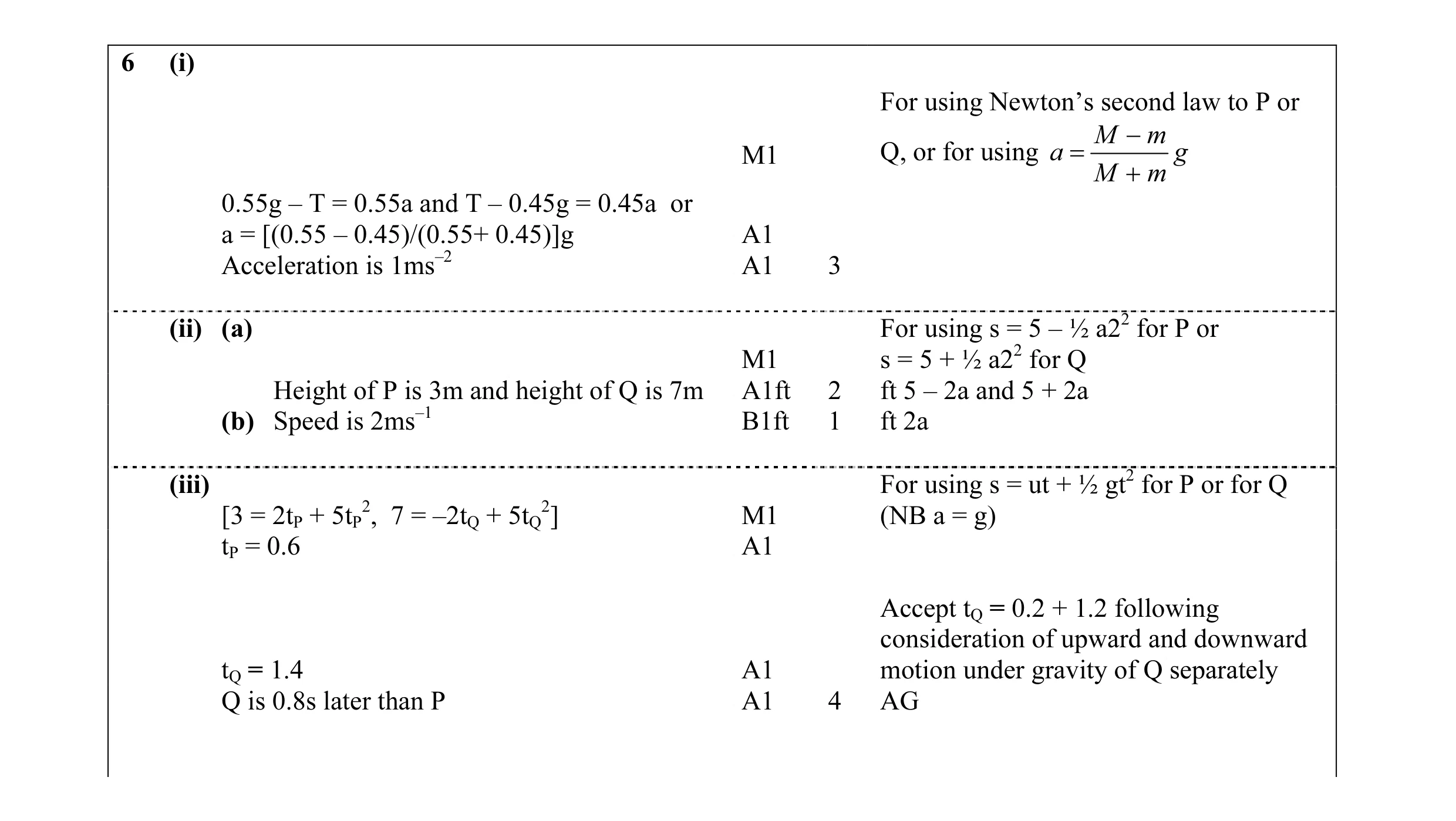 10
10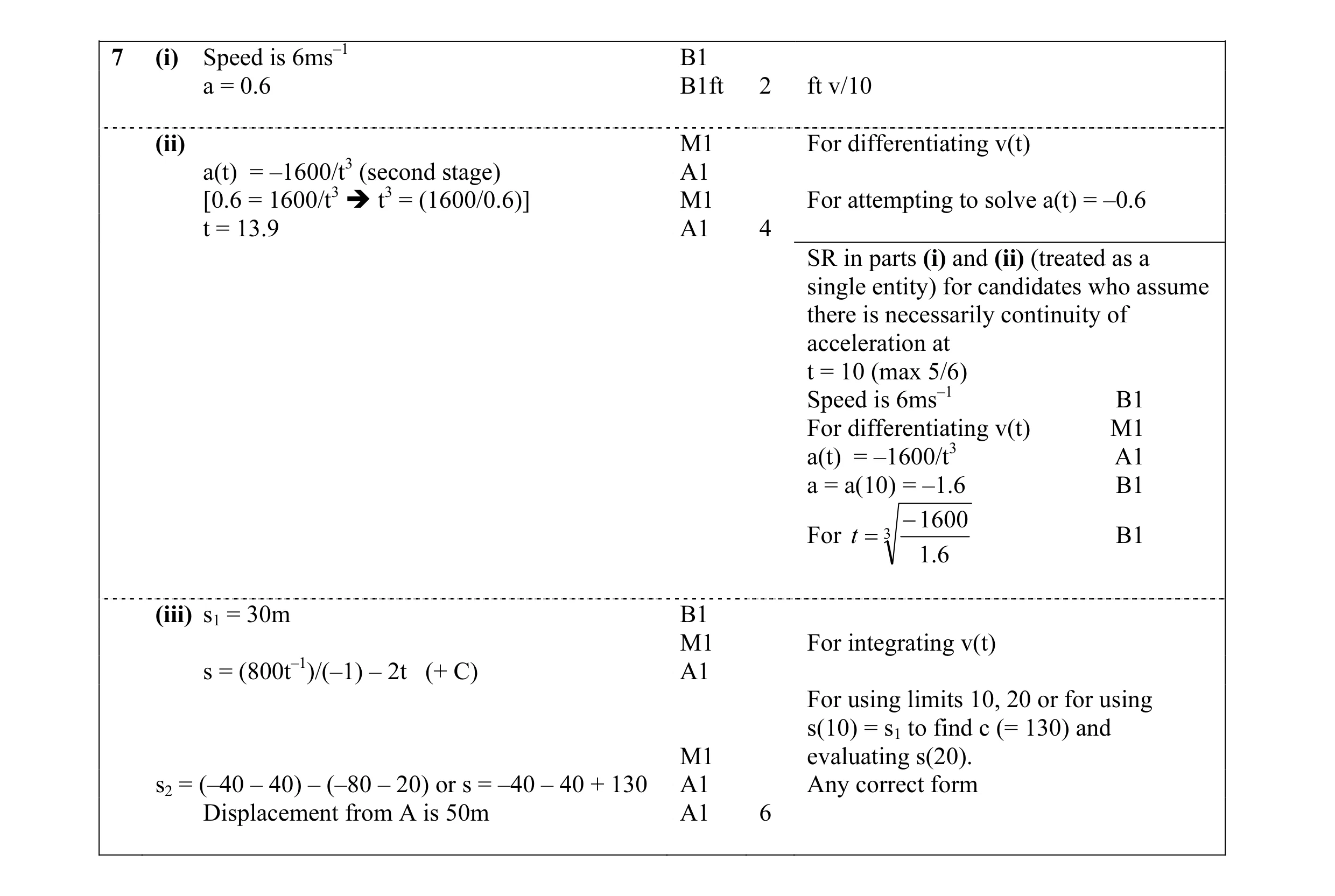 12
12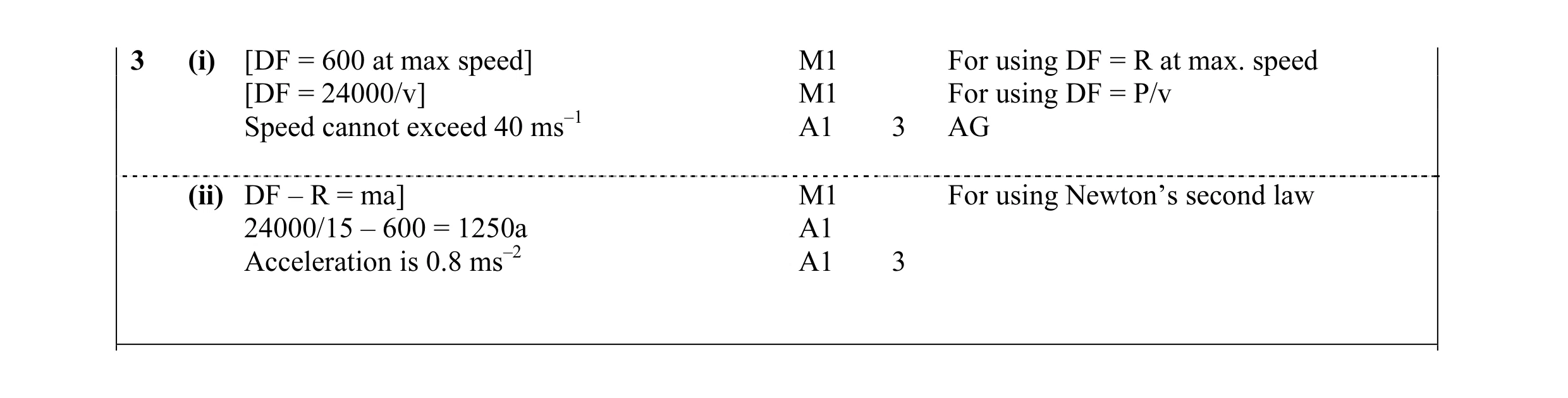 6
6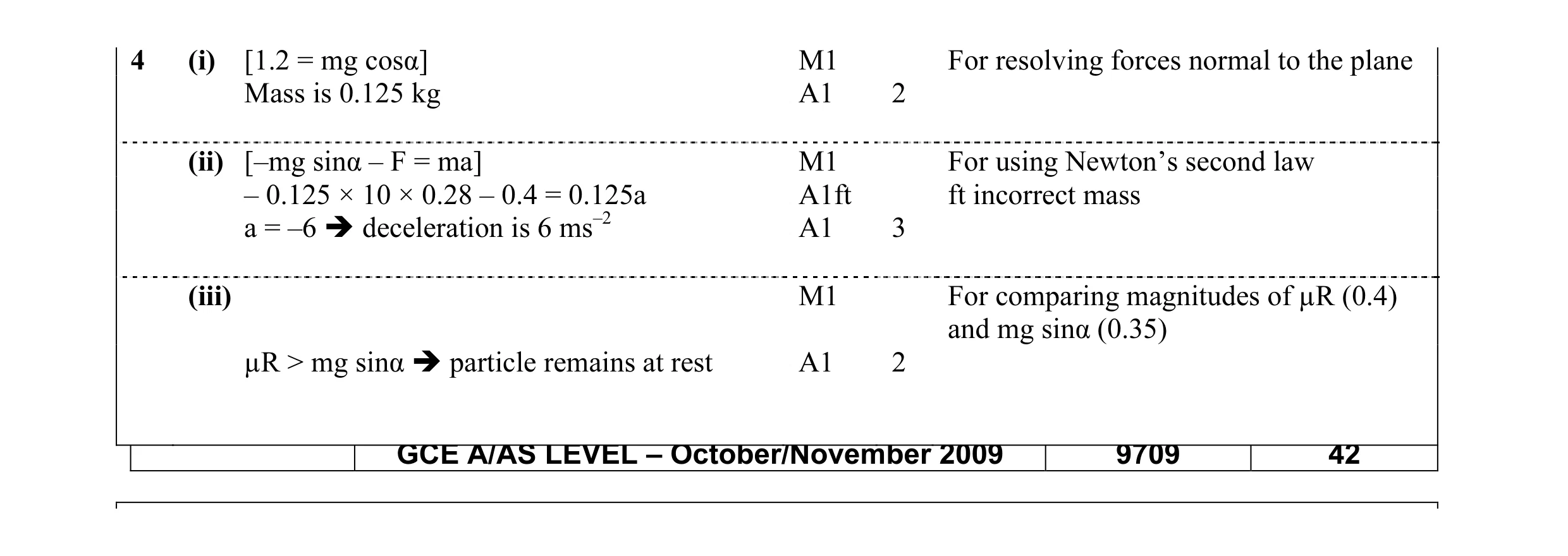 7
7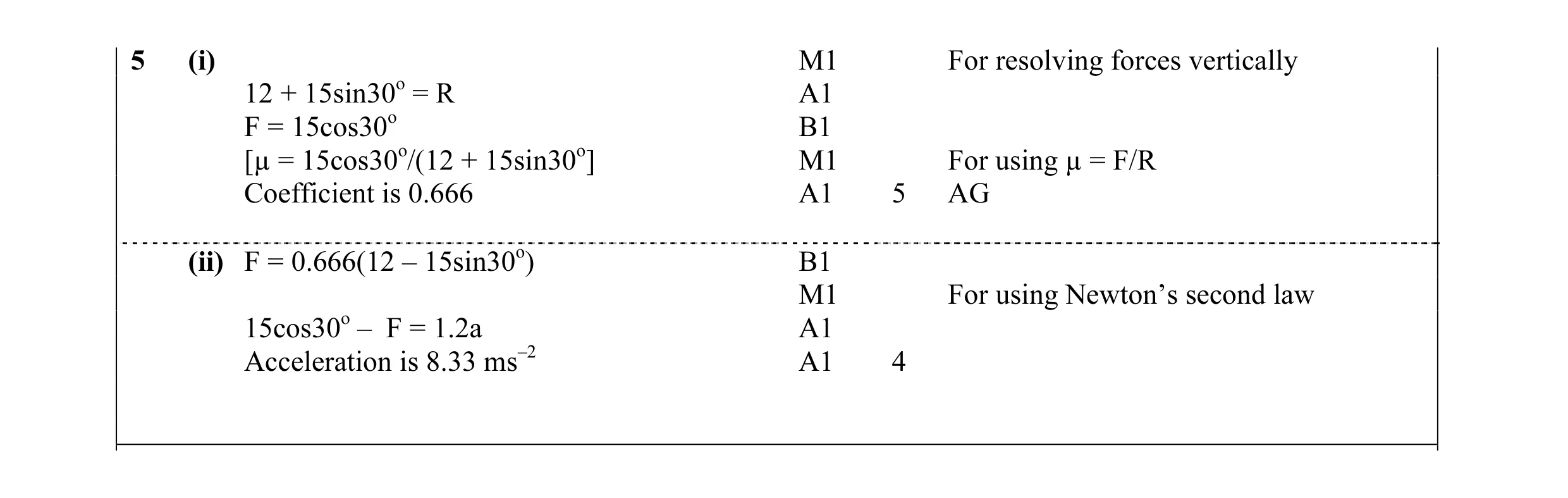 9
9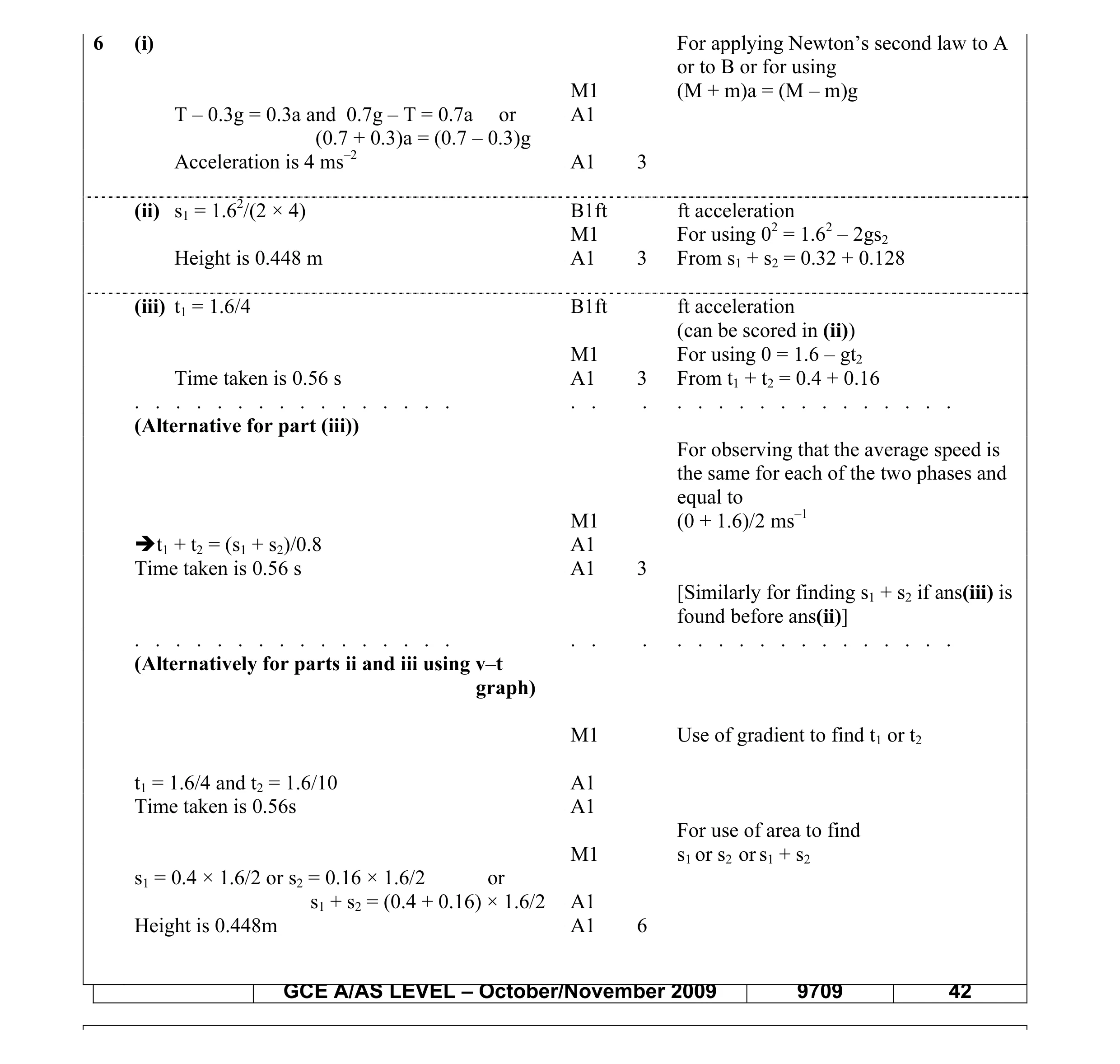 9
9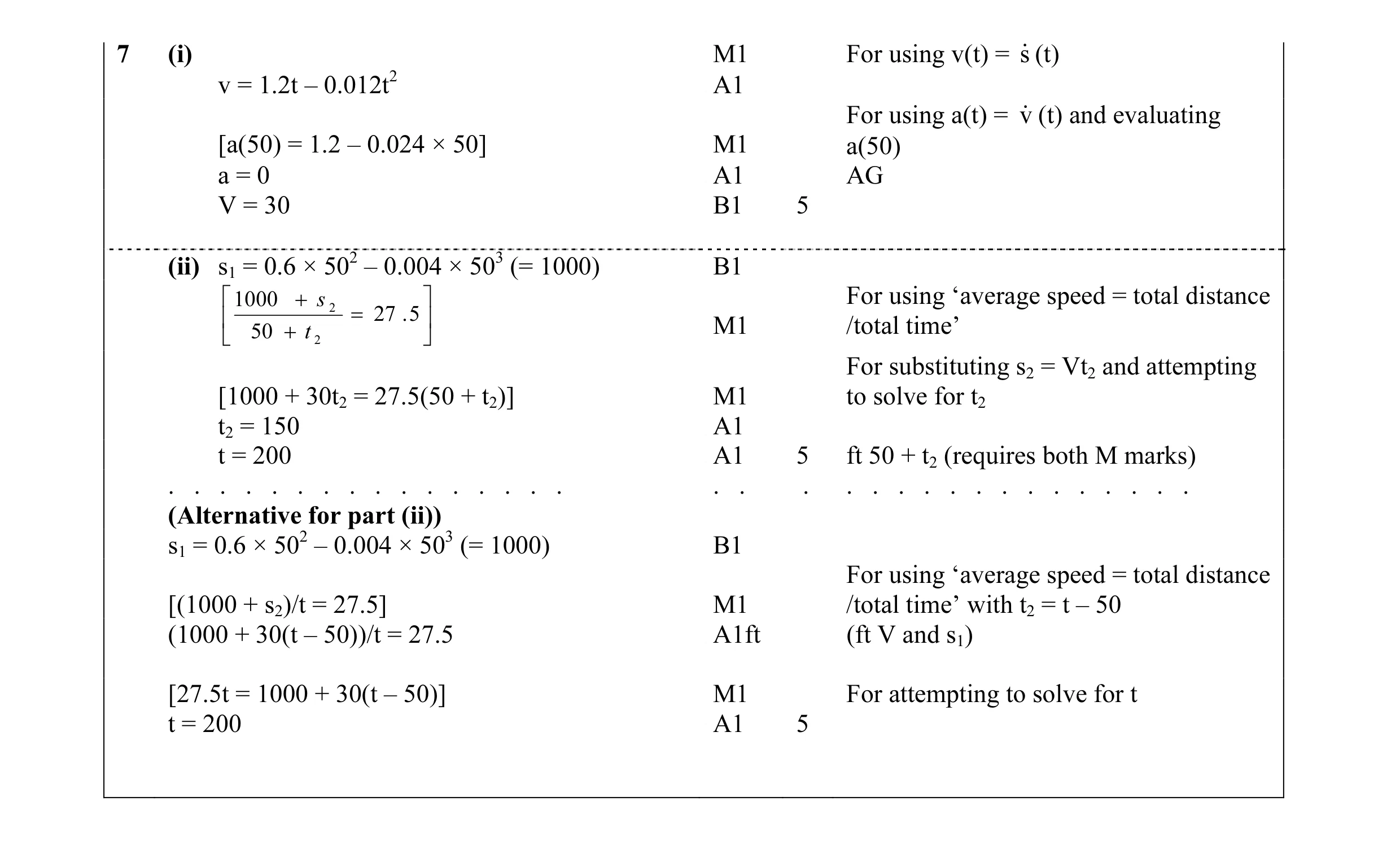 10
10 4
4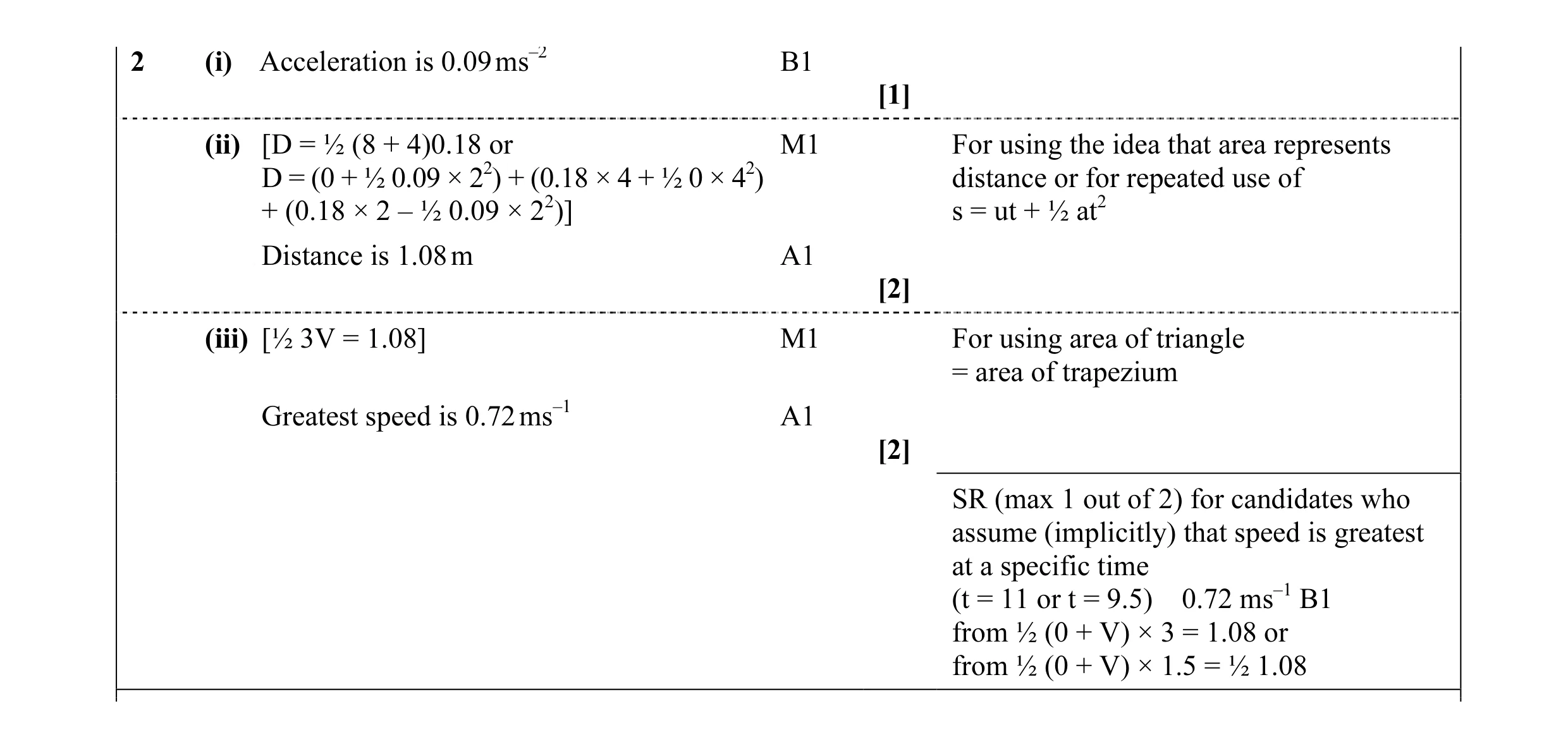 5
5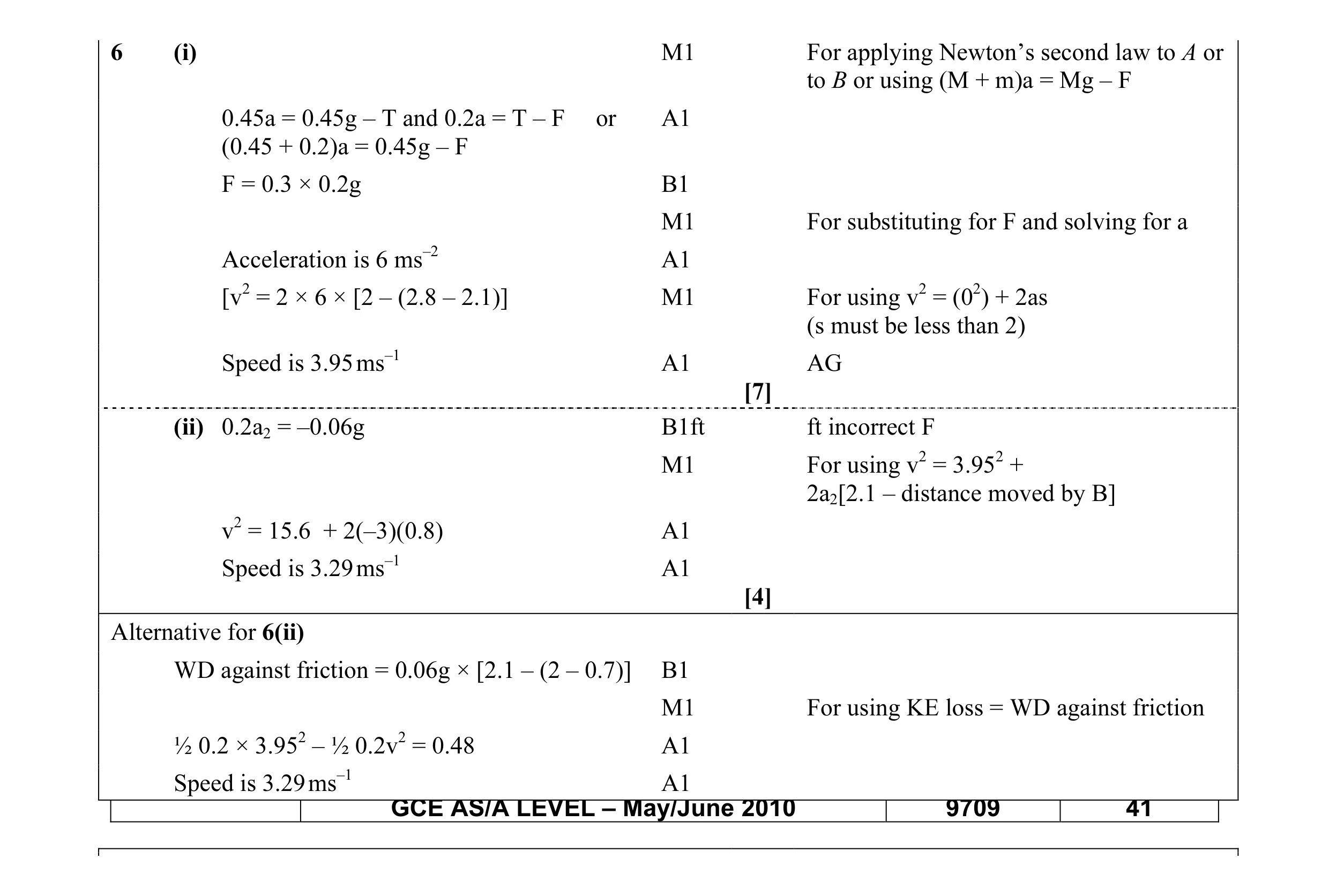 11
11 4
4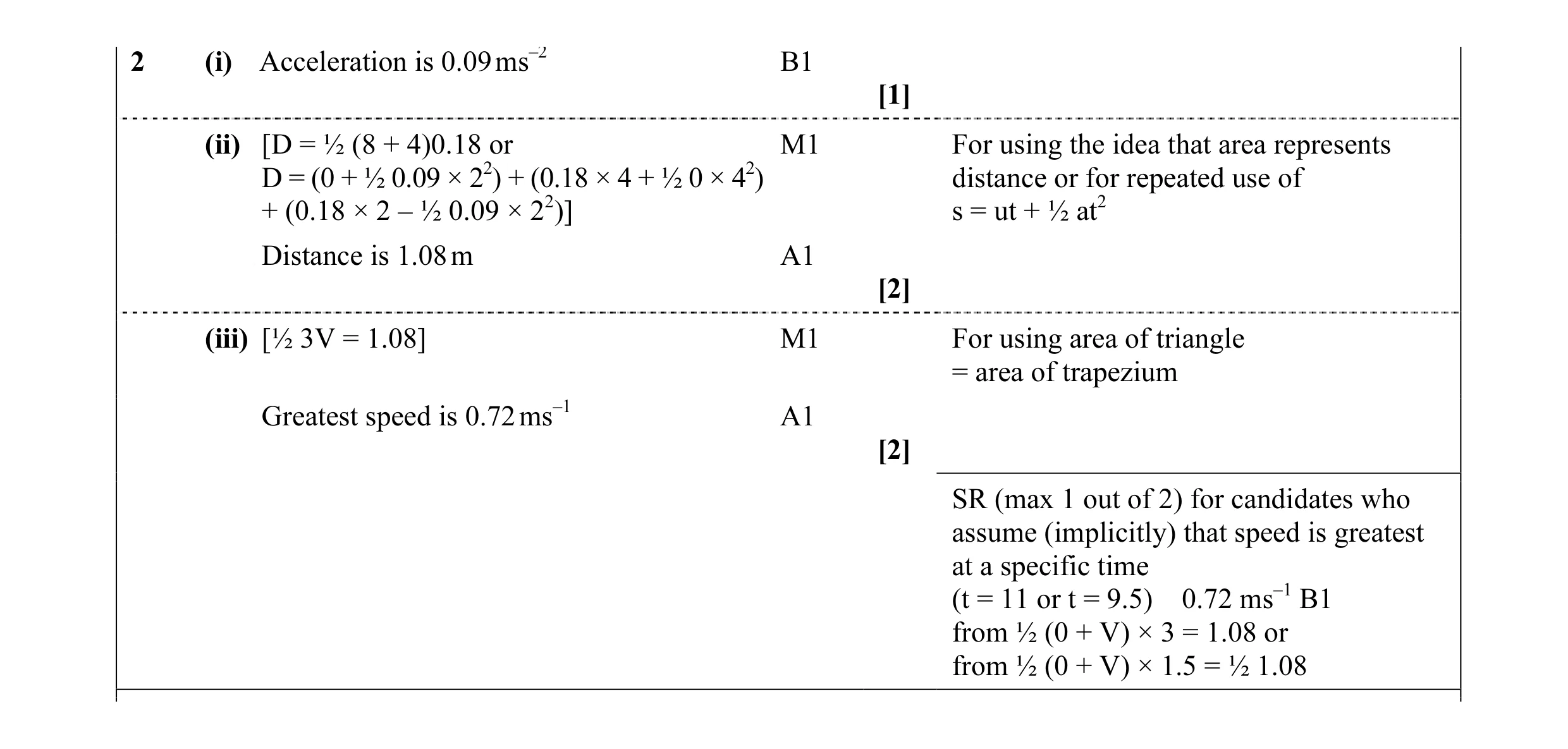 5
5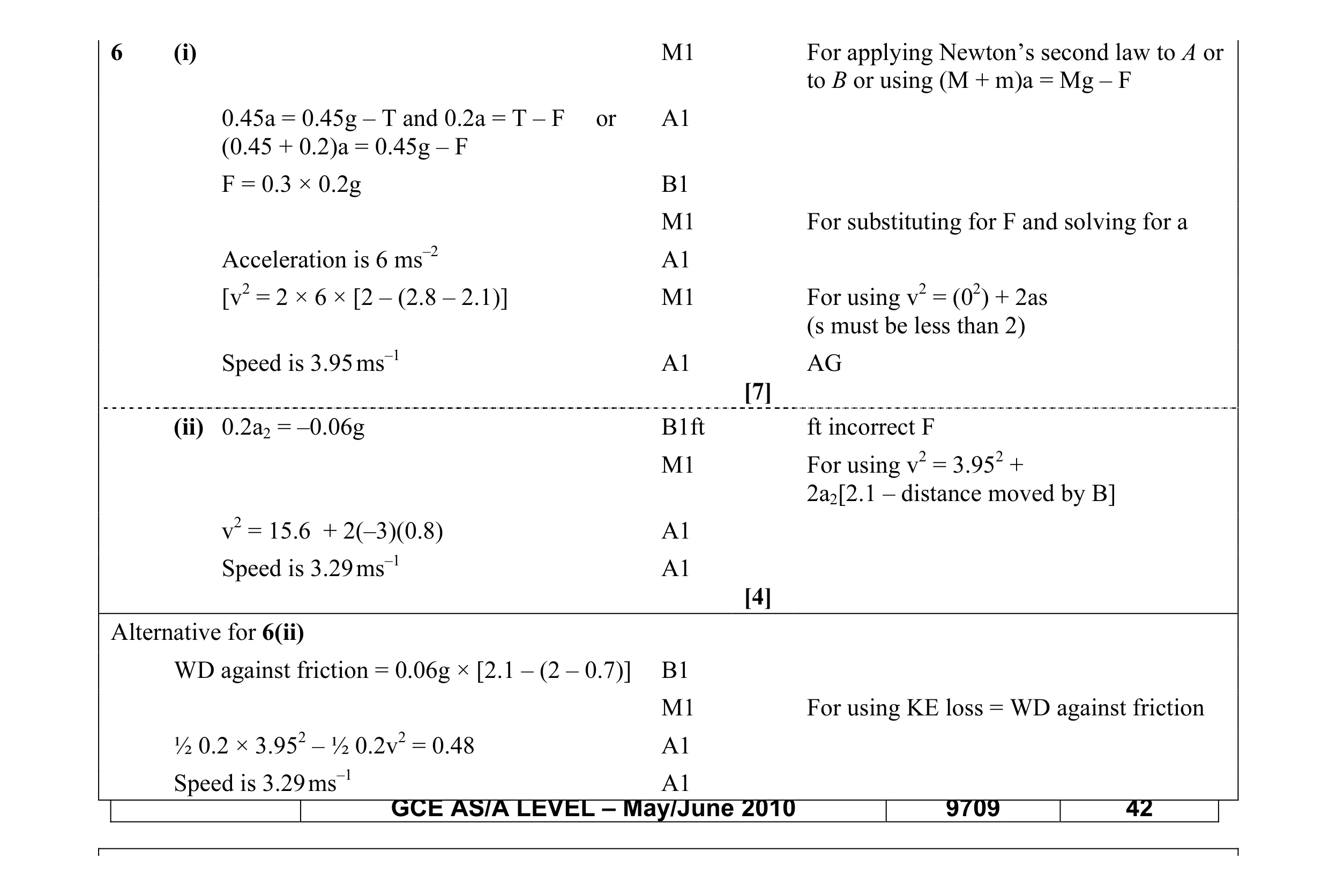 11
11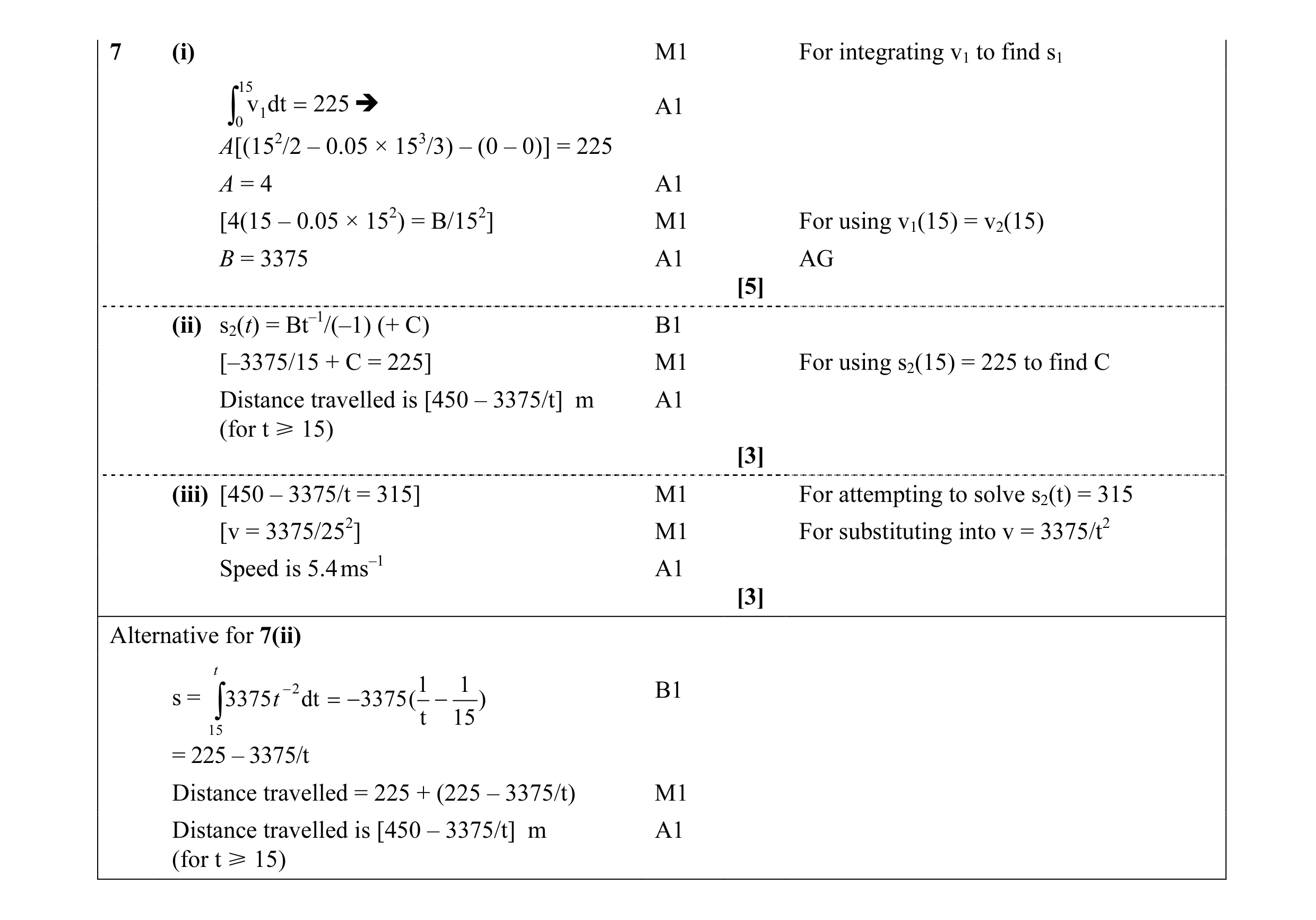 11
11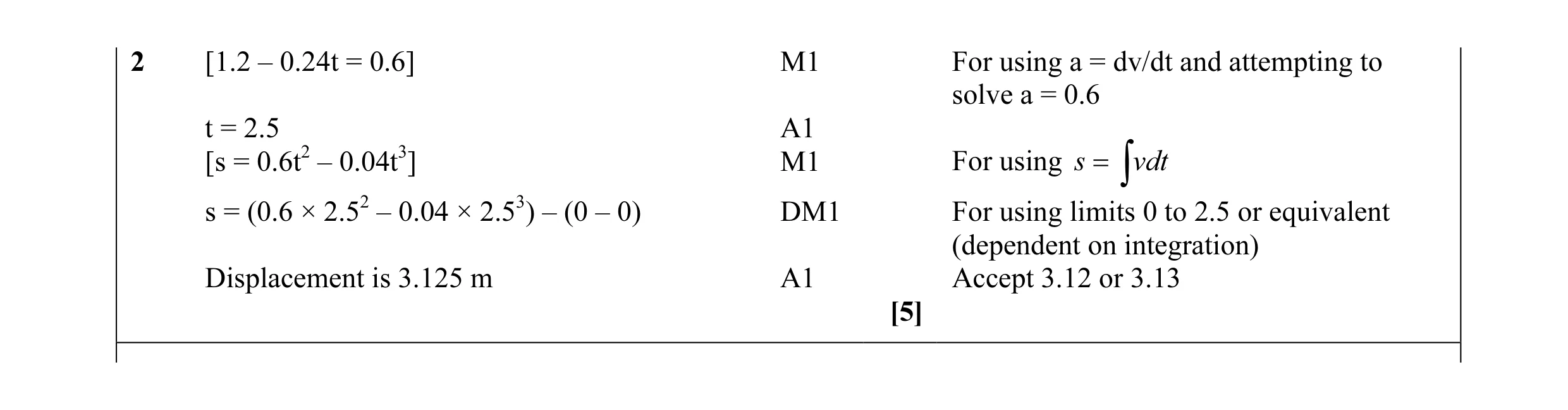 5
5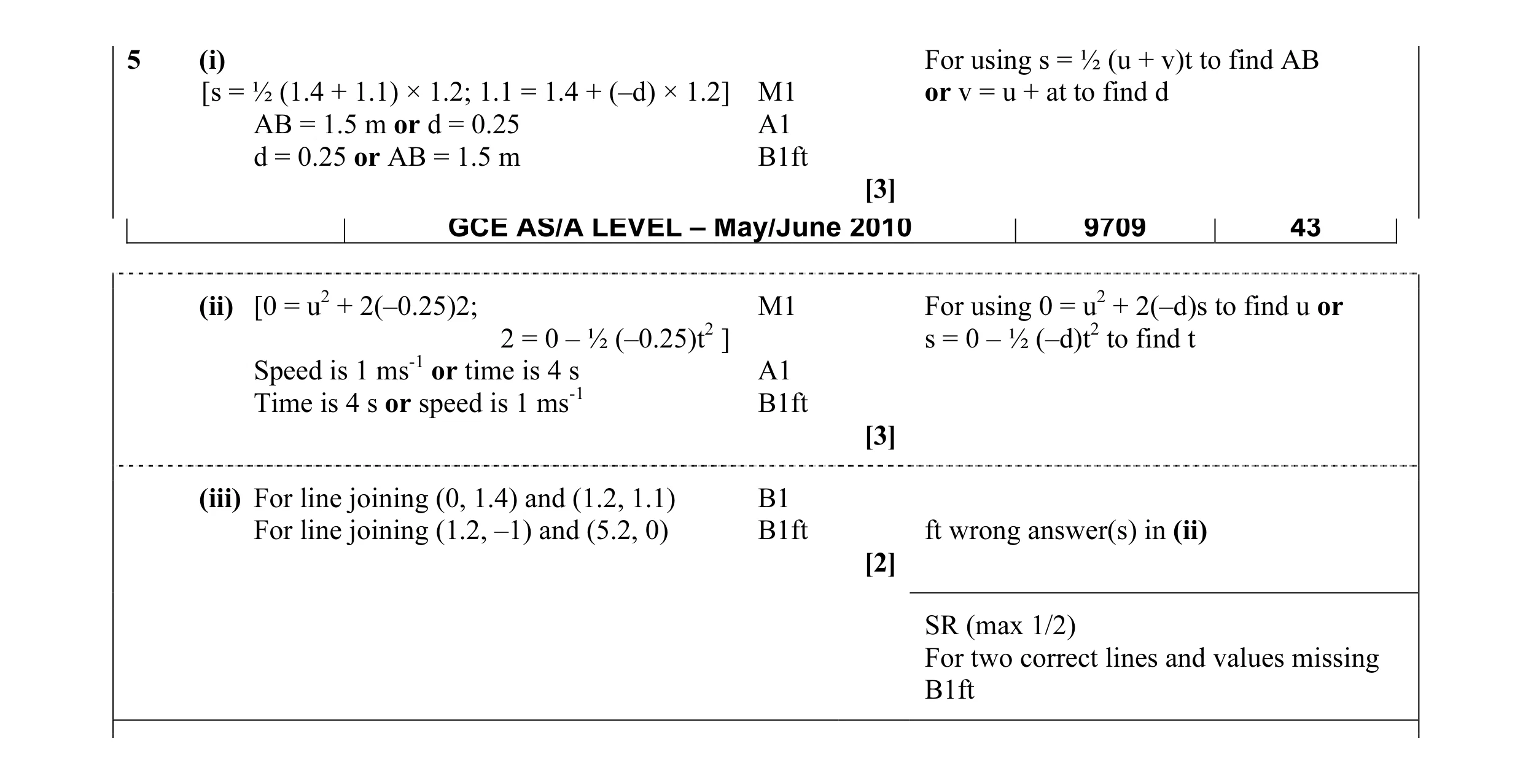 8
8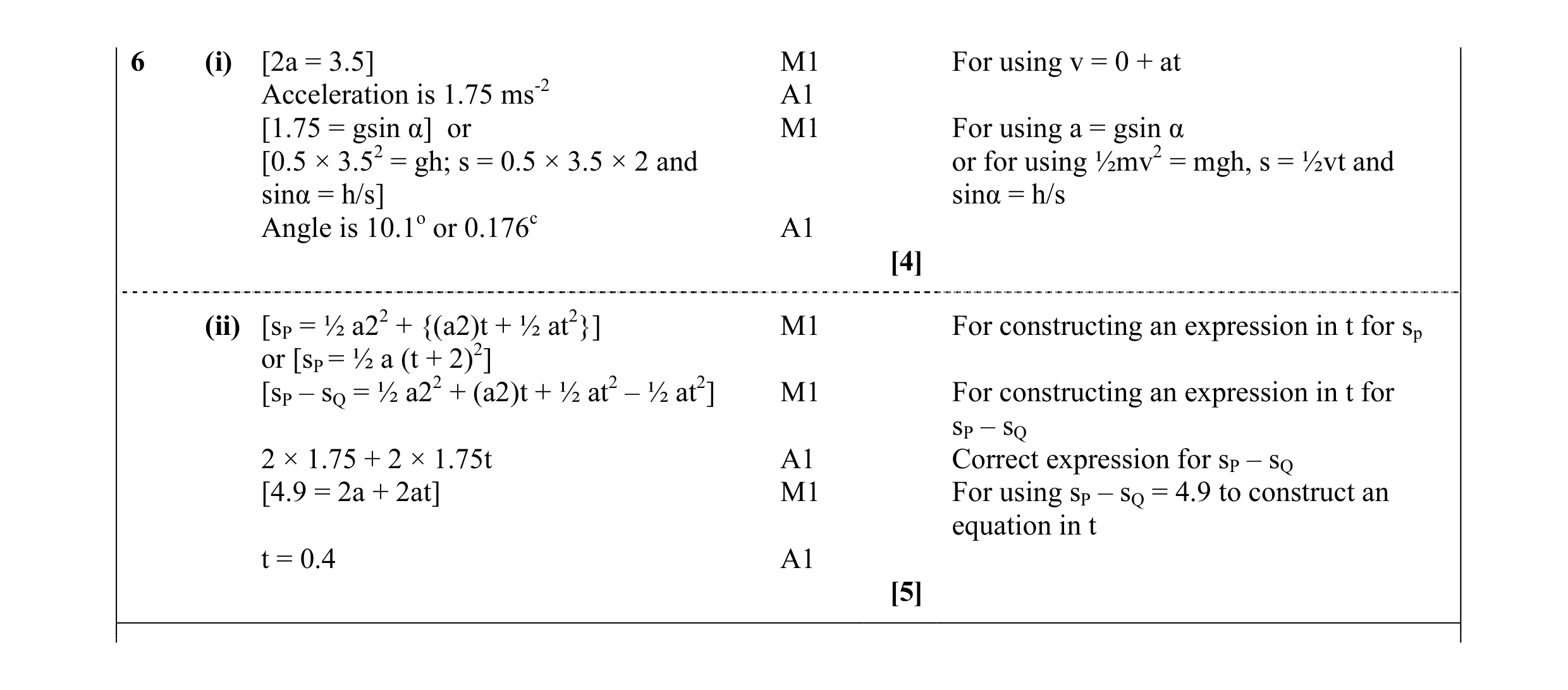 9
9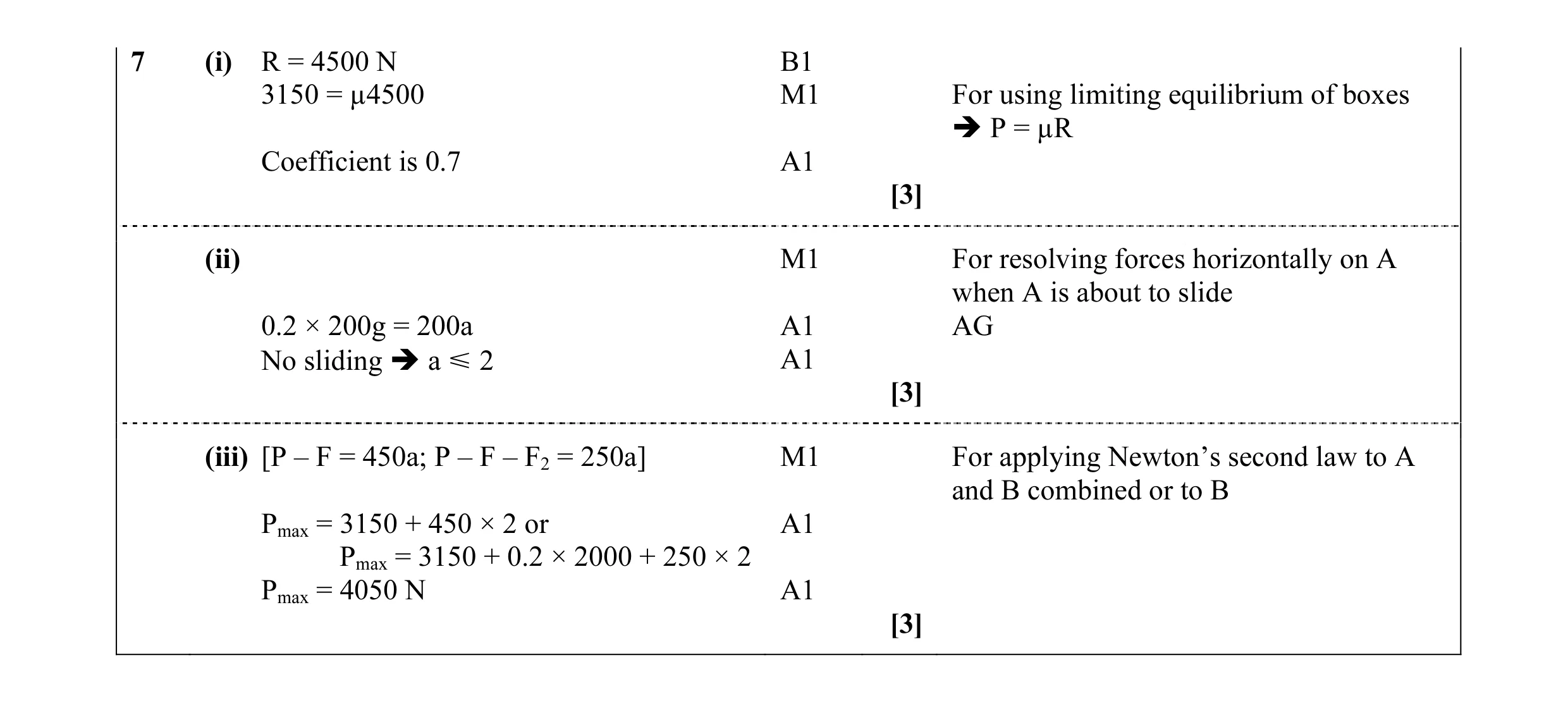 9
9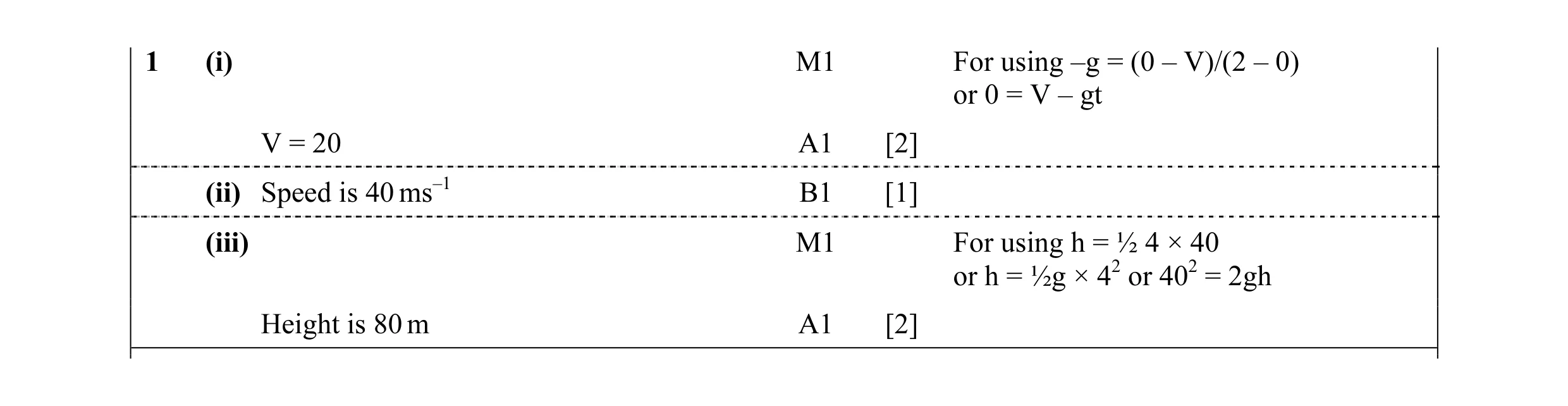 5
5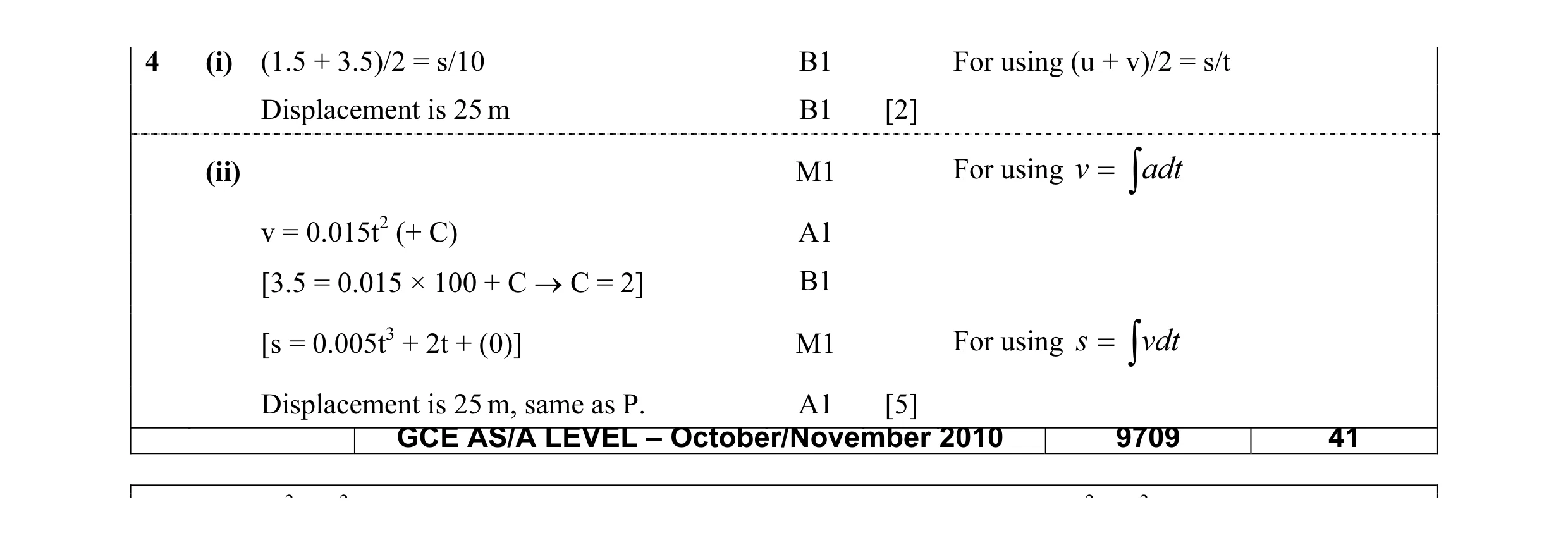 7
7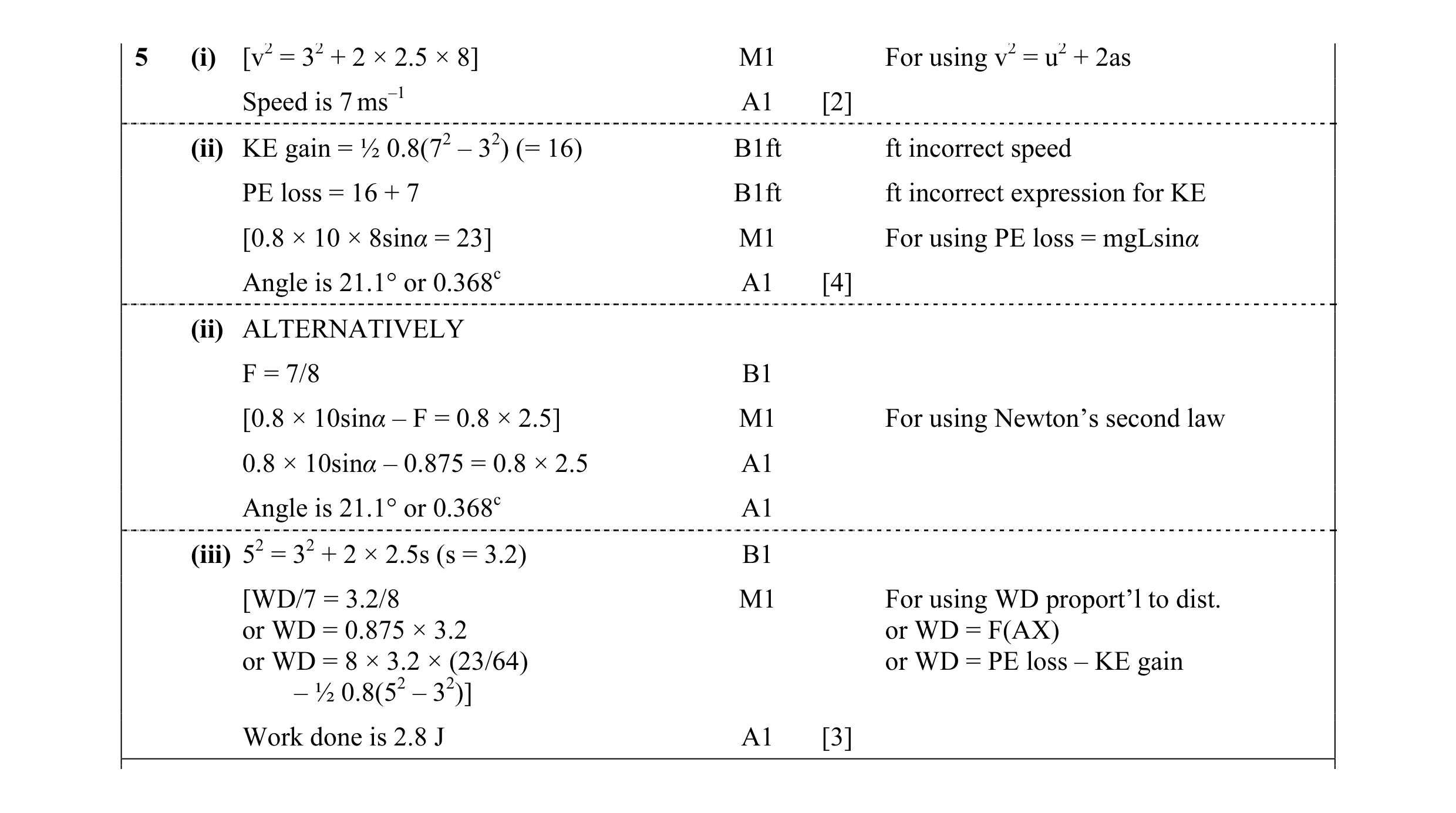 9
9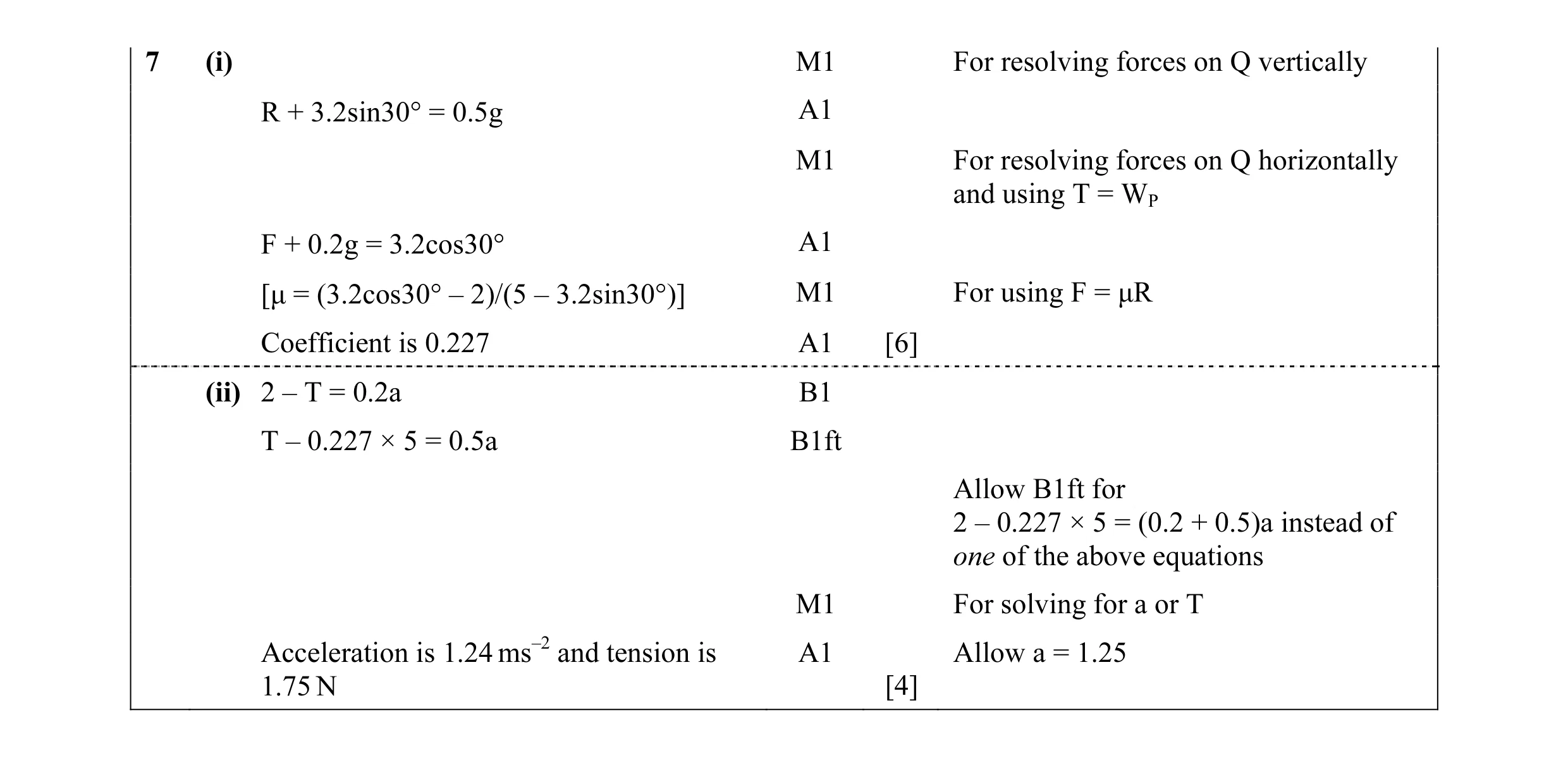 10
10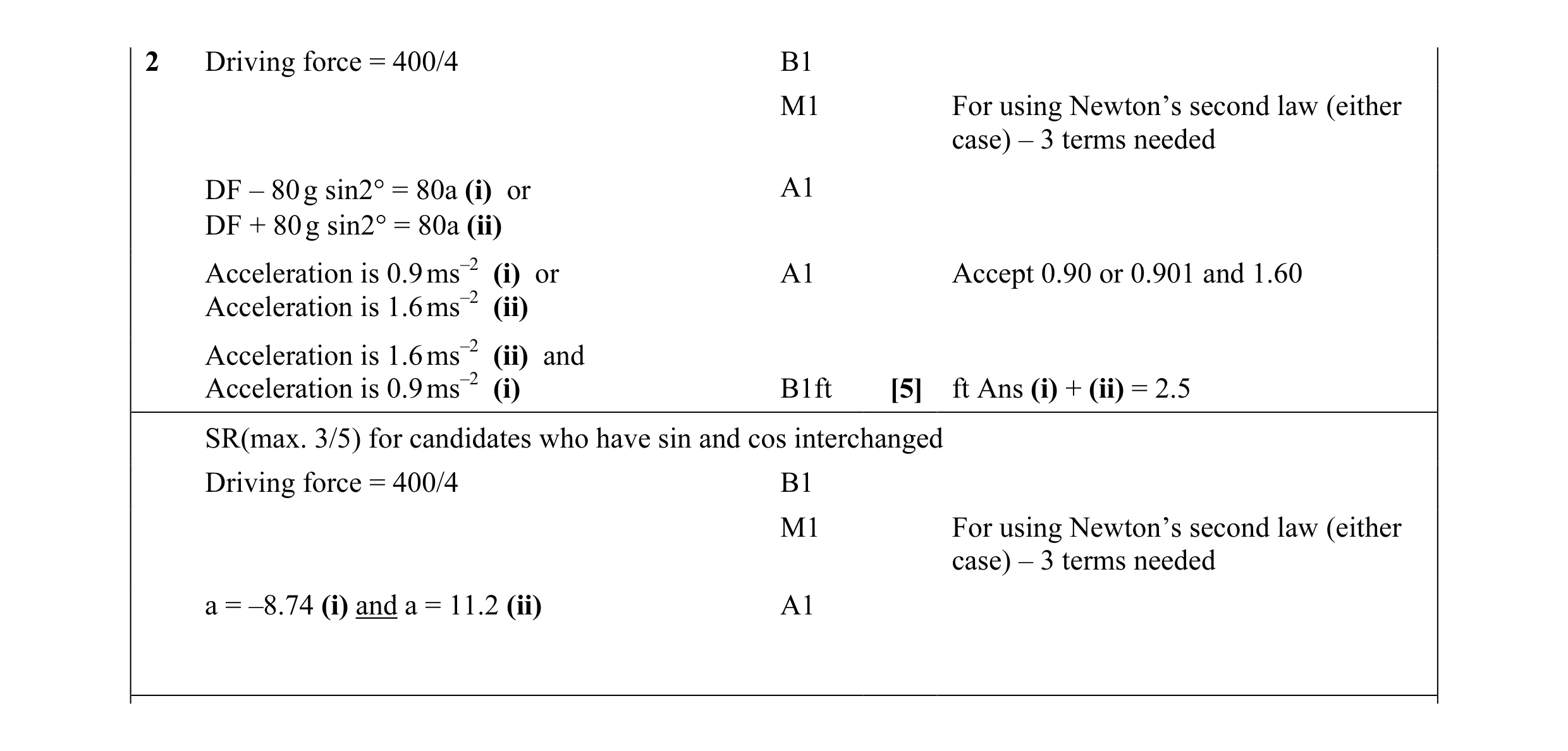 5
5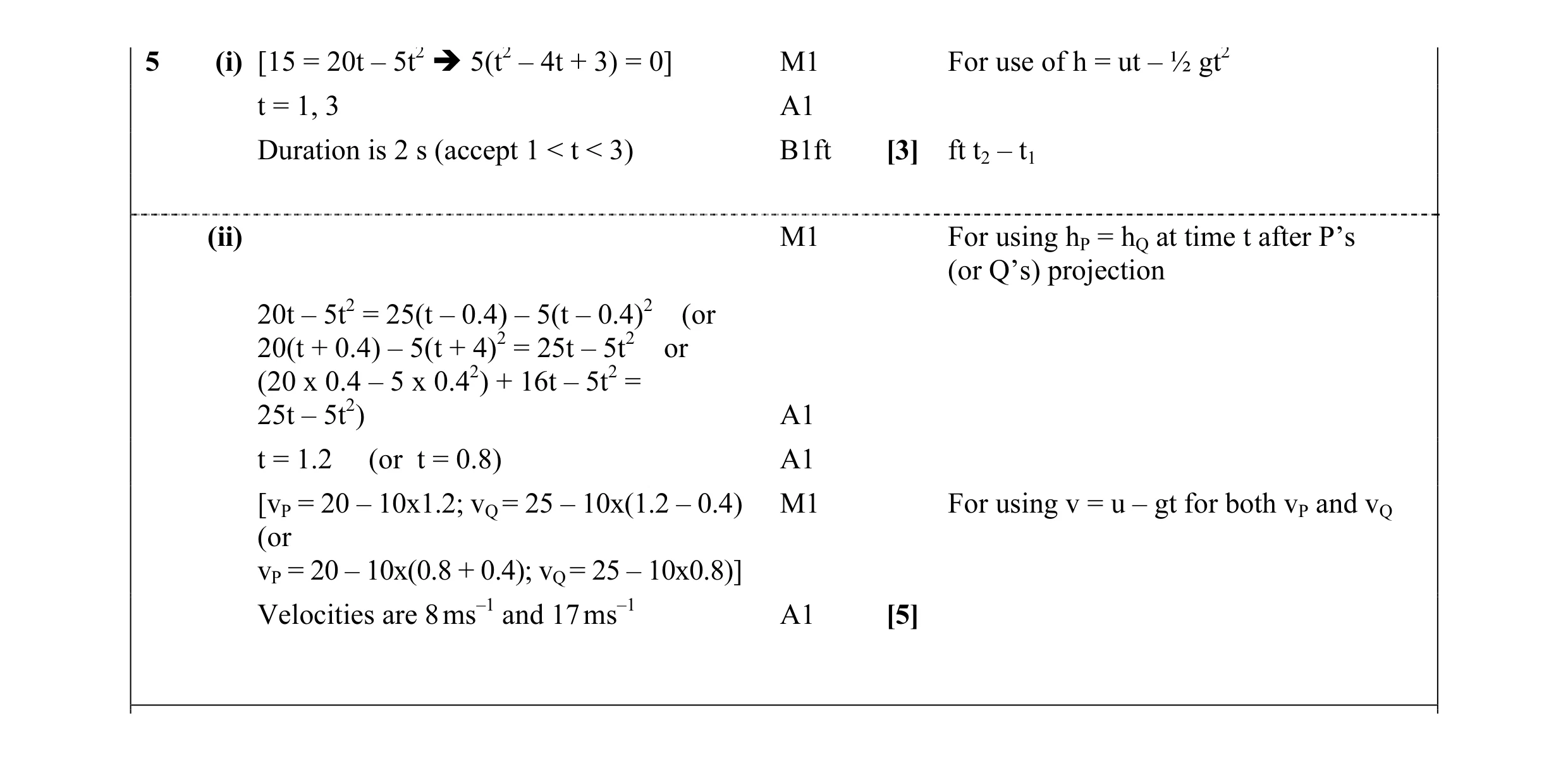 8
8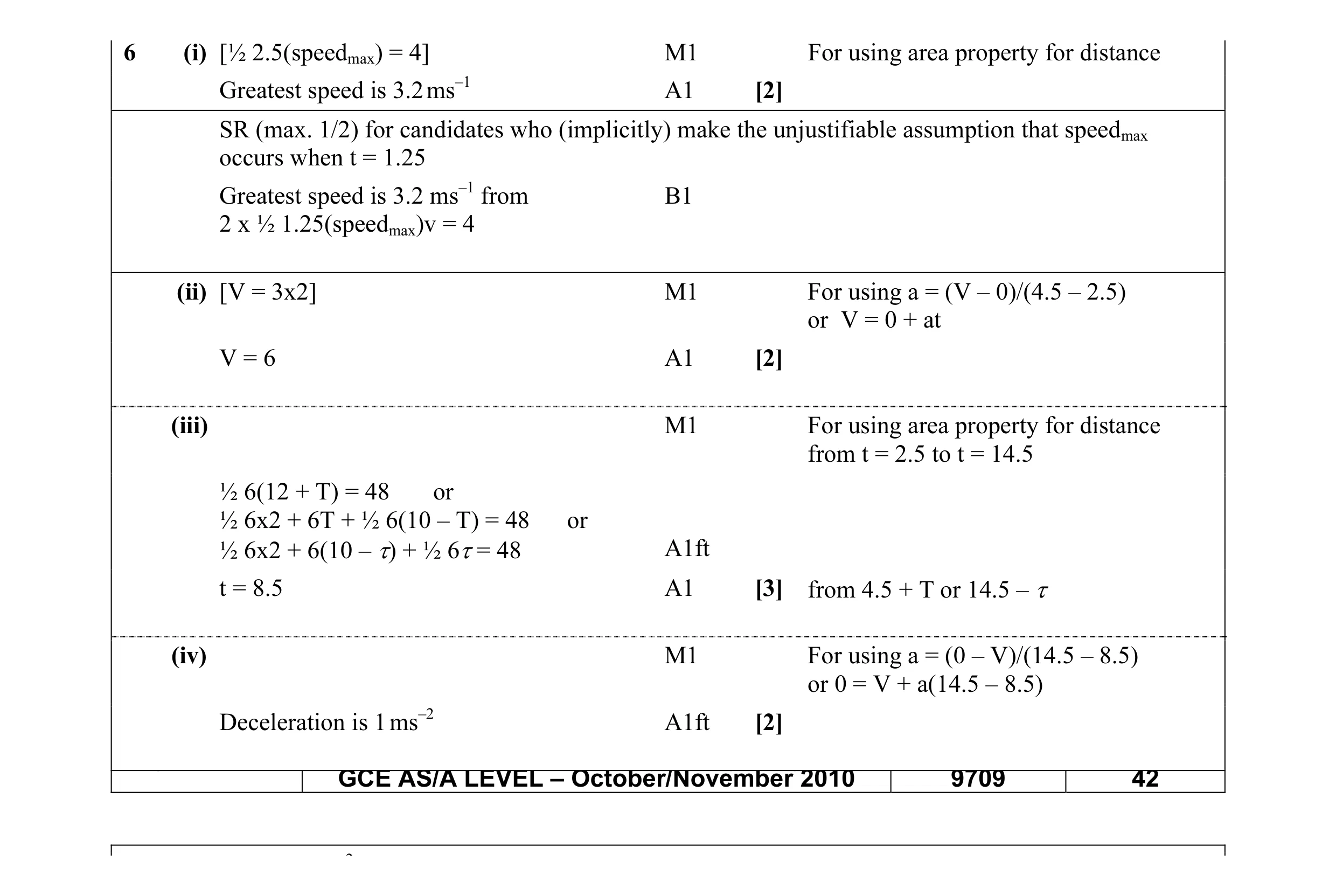 9
9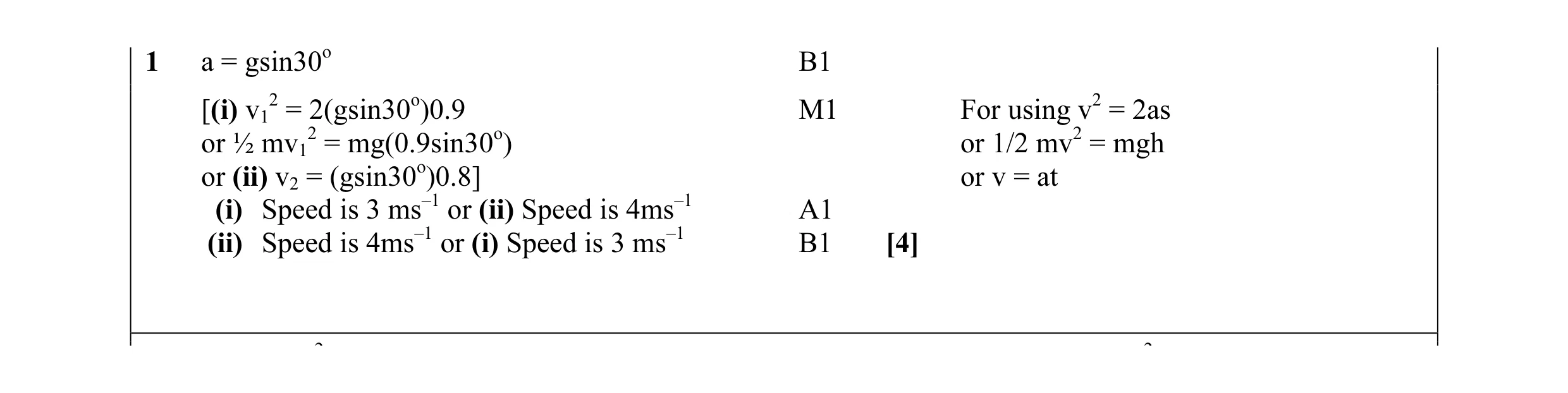 4
4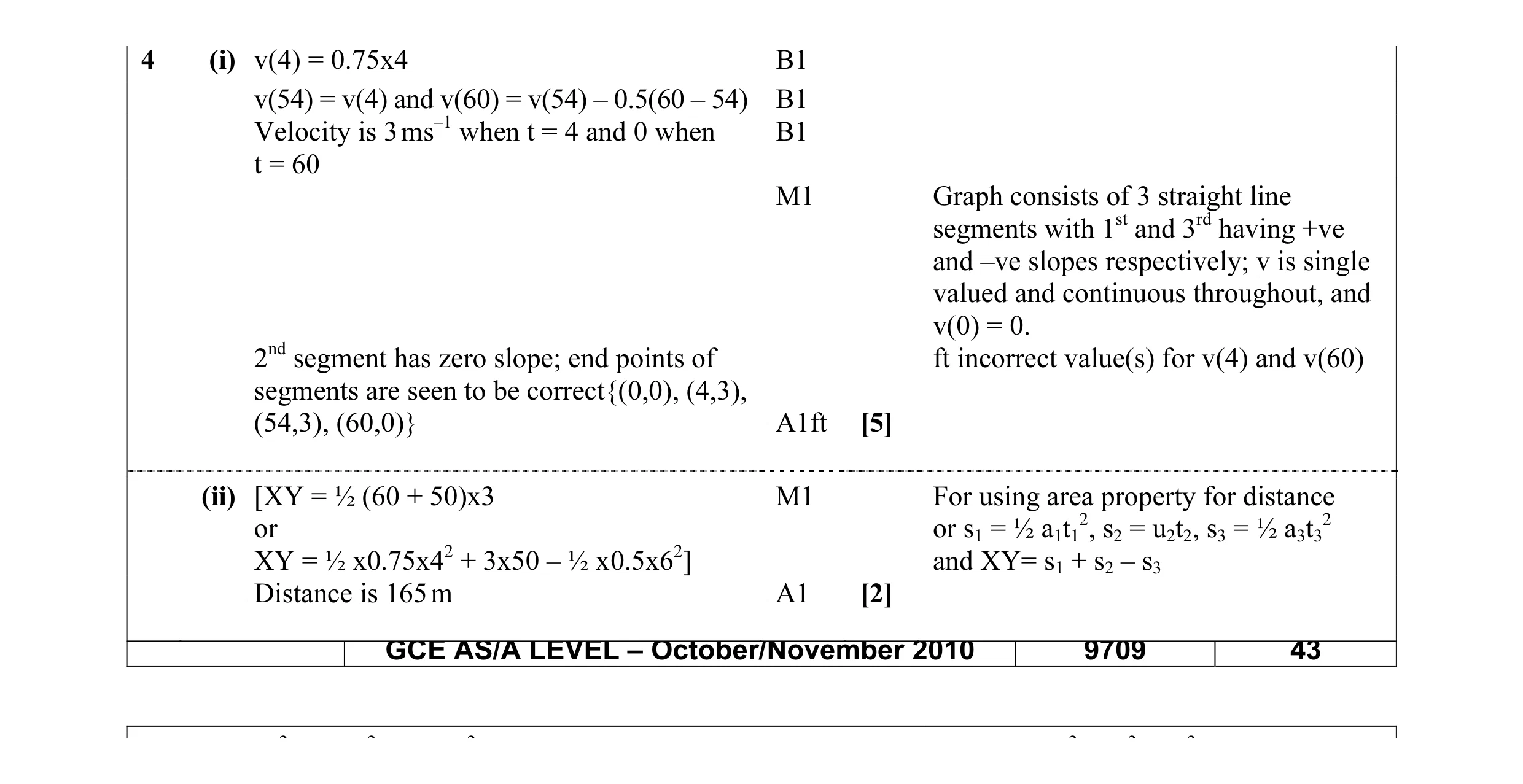 7
7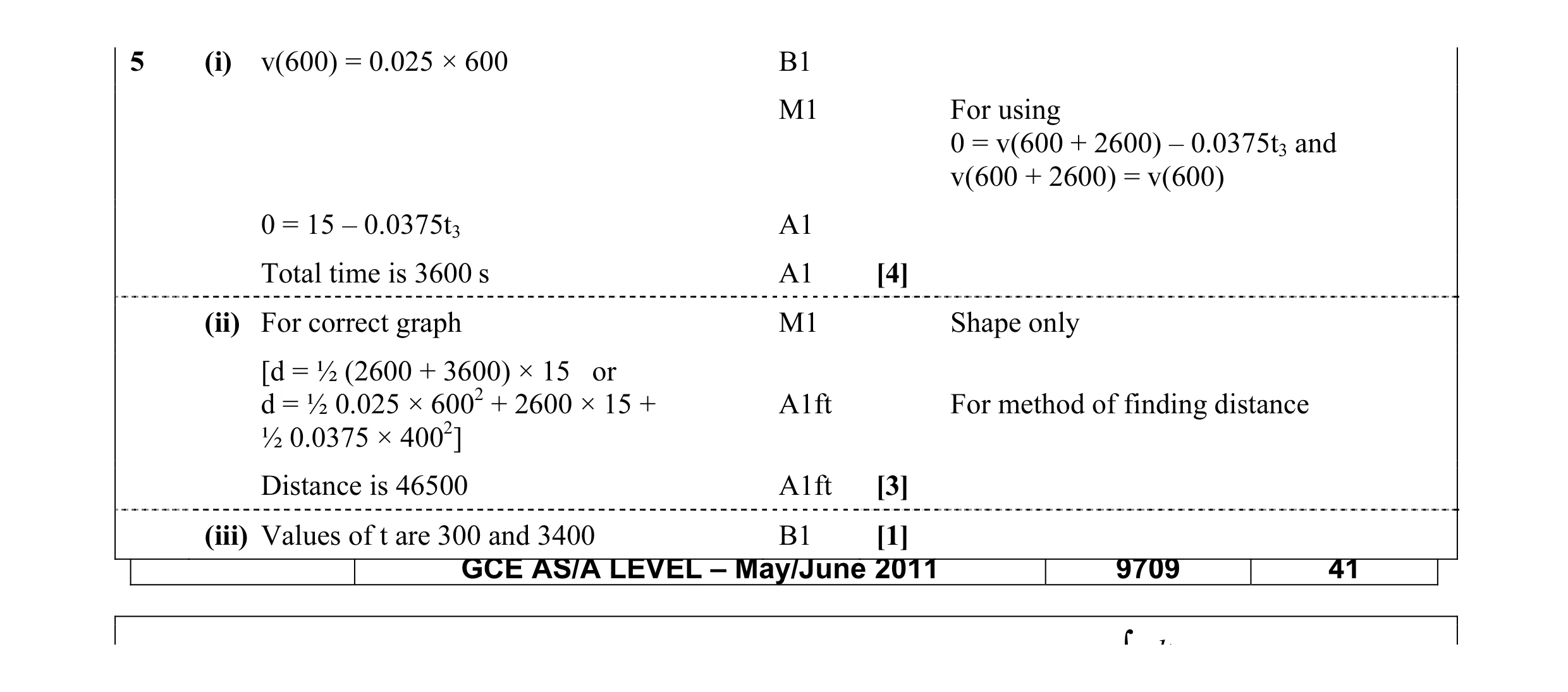 8
8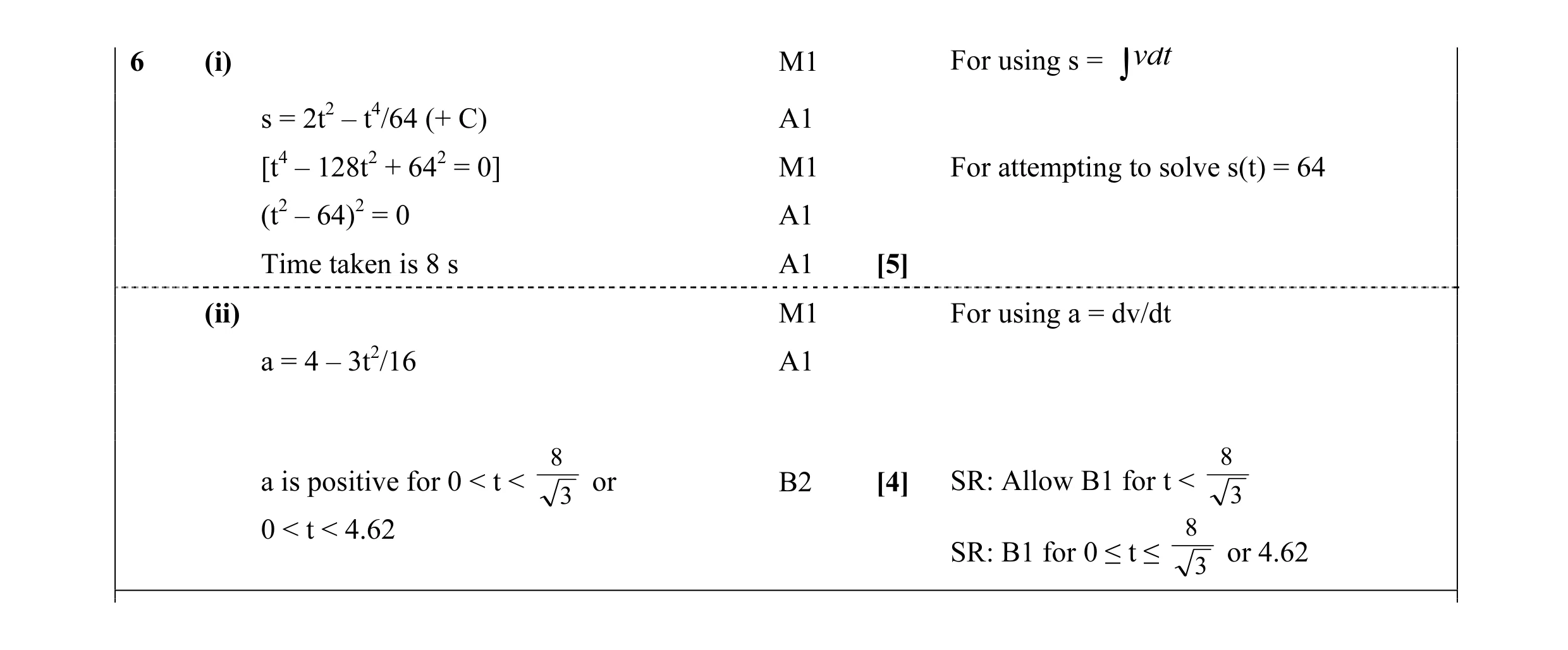 9
9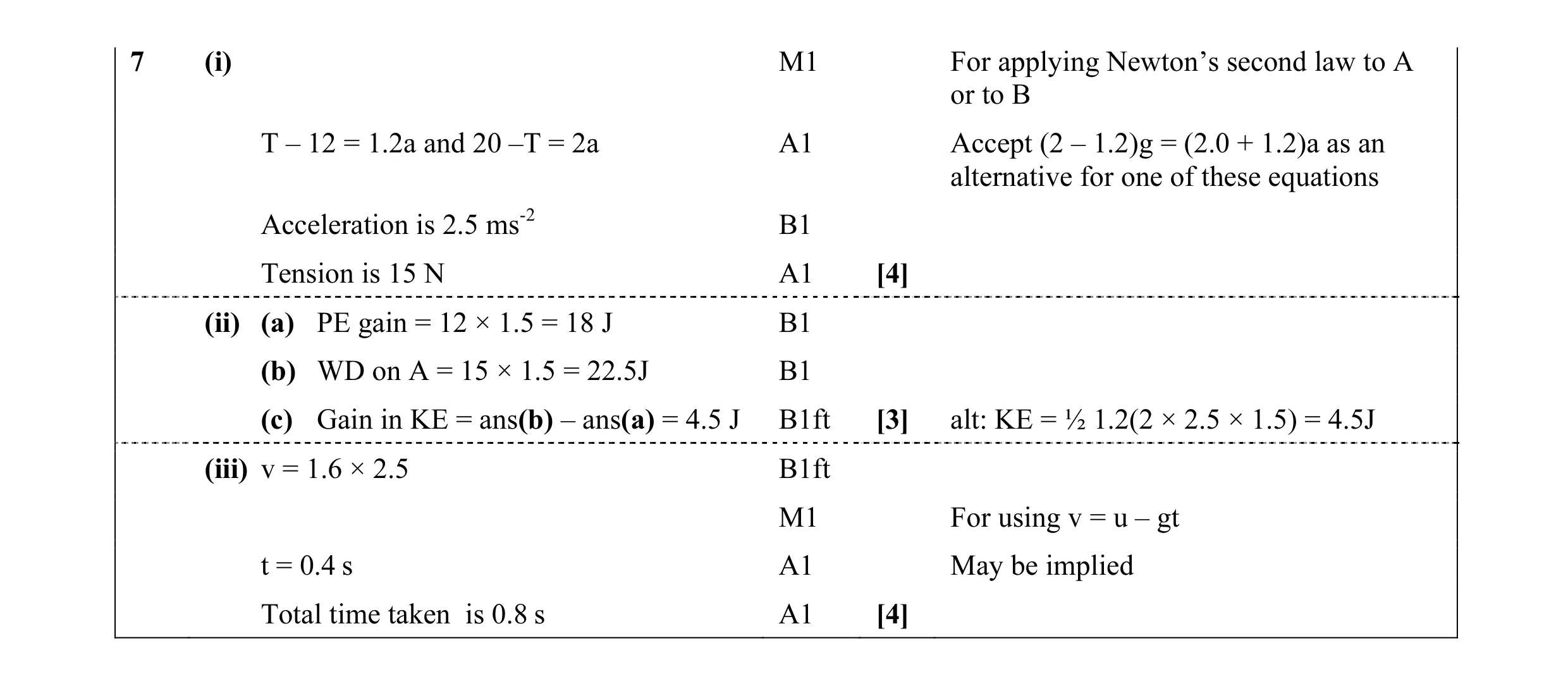 11
11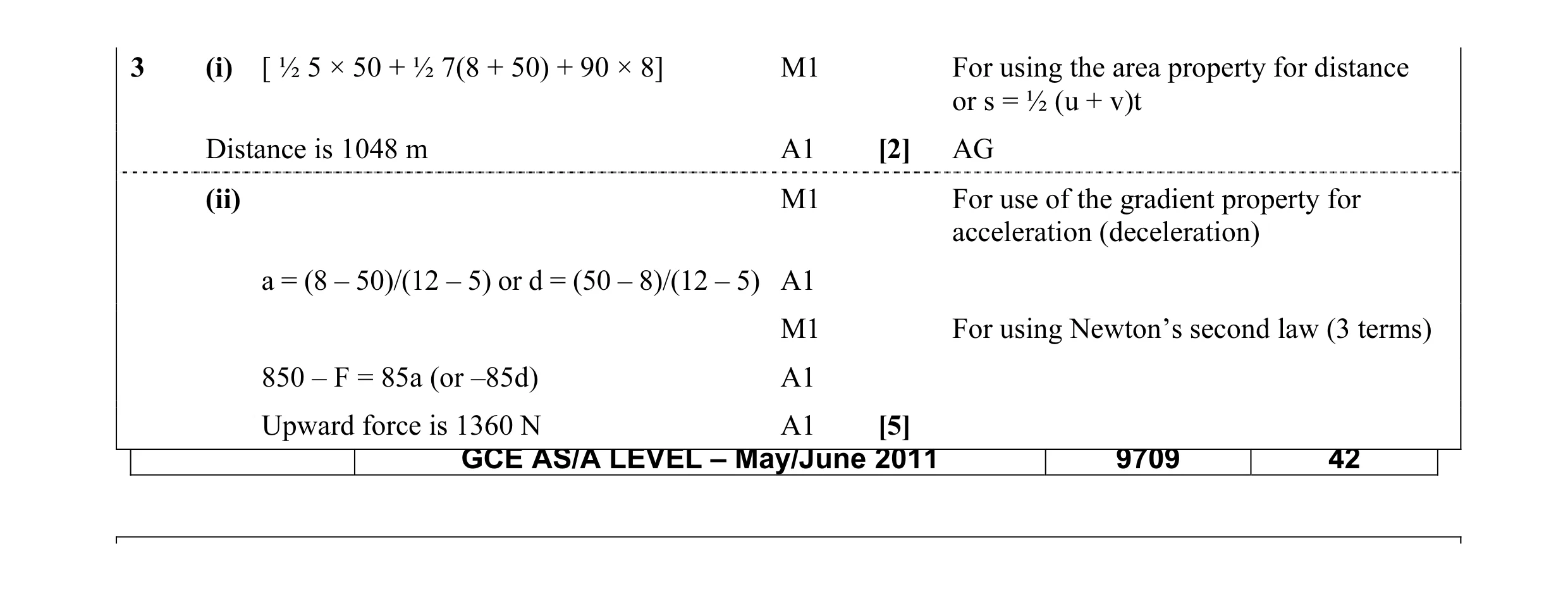 7
7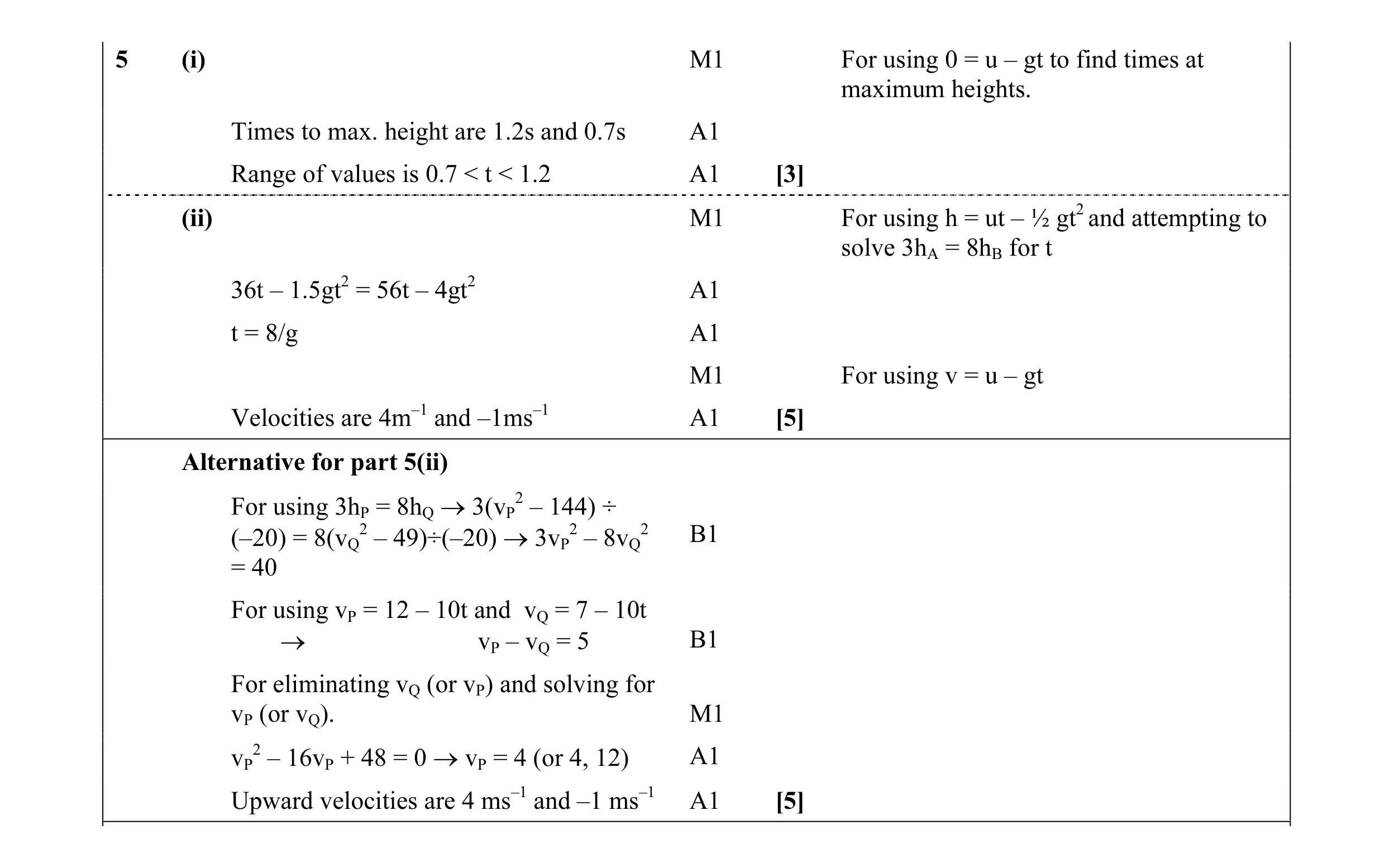 8
8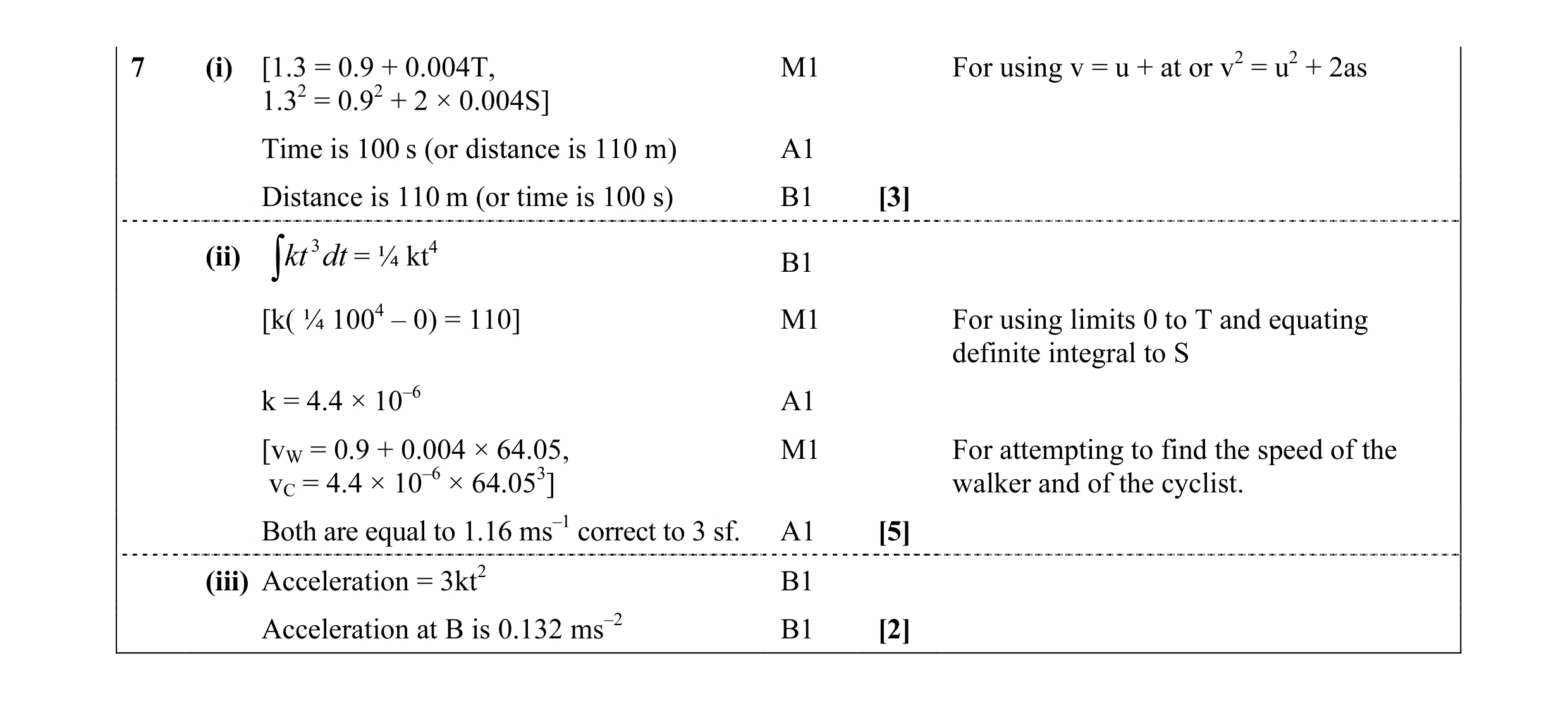 10
10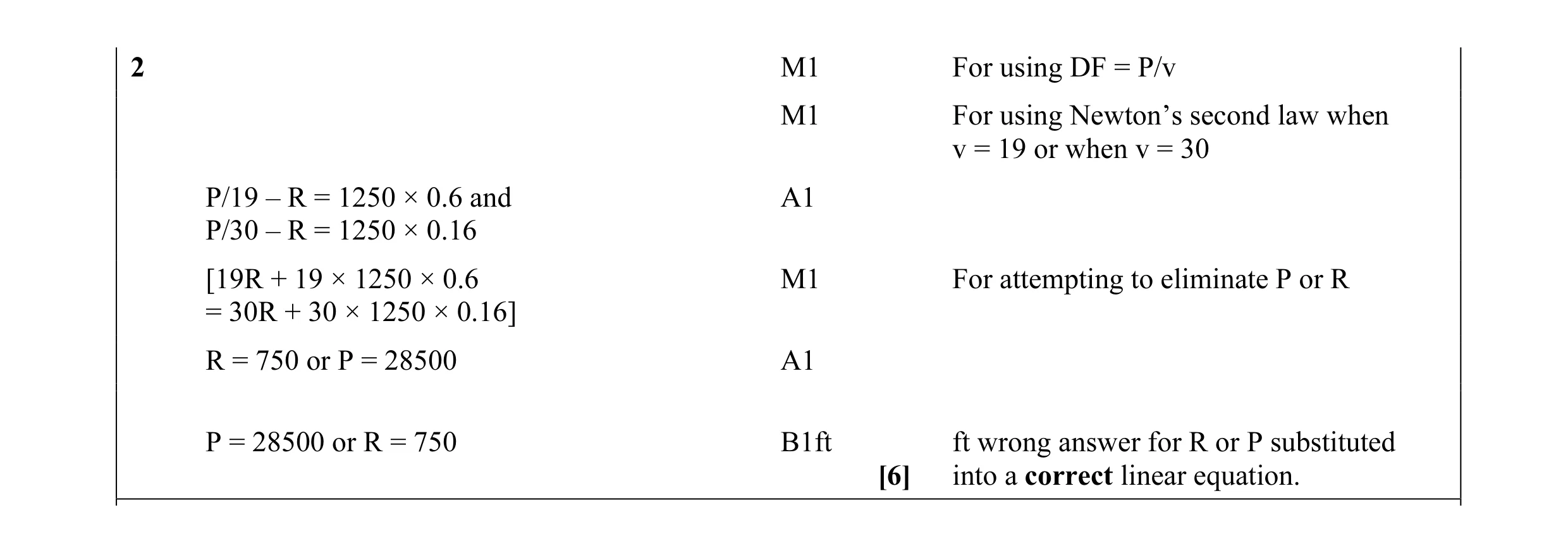 6
6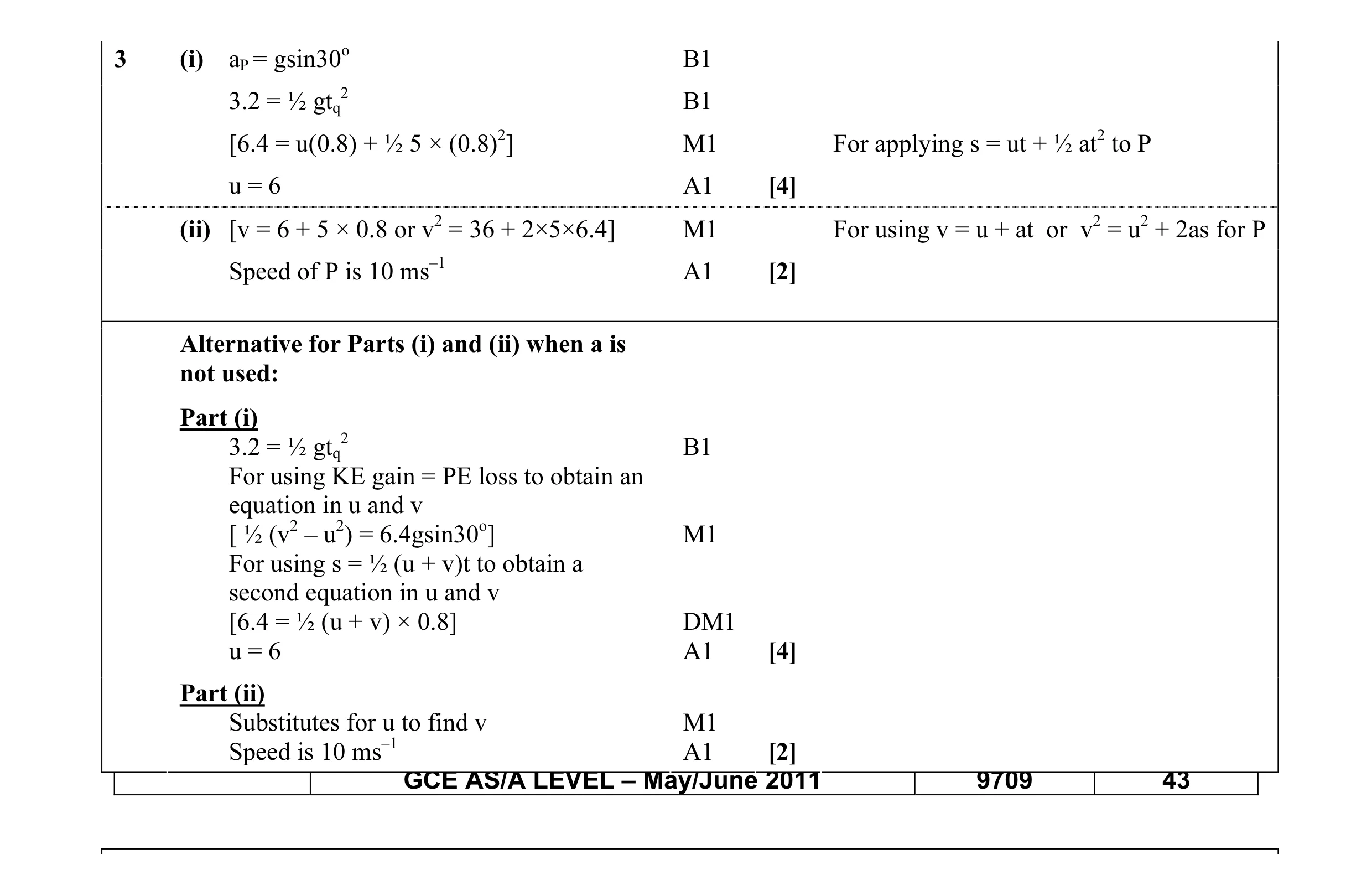 6
6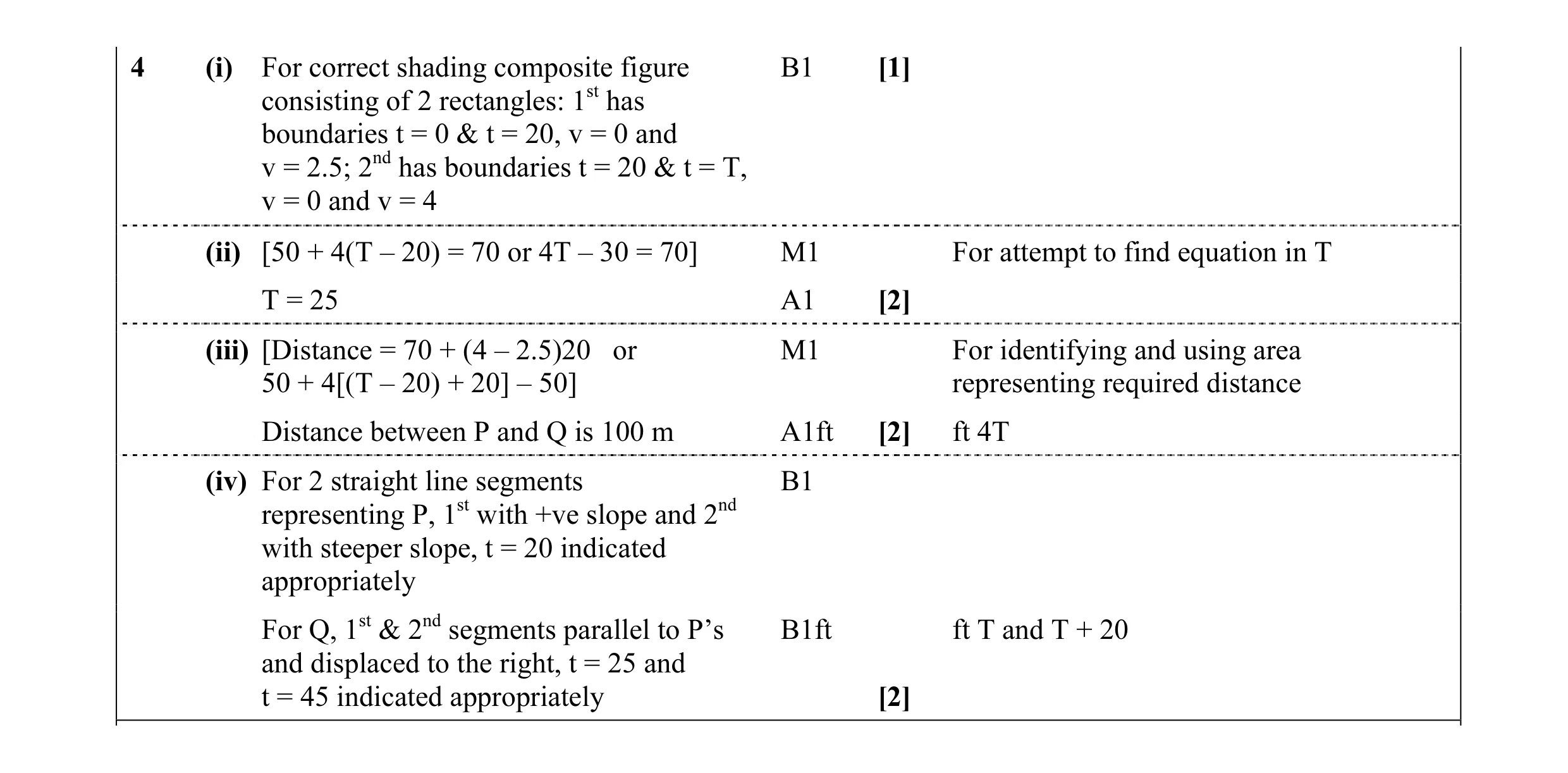 7
7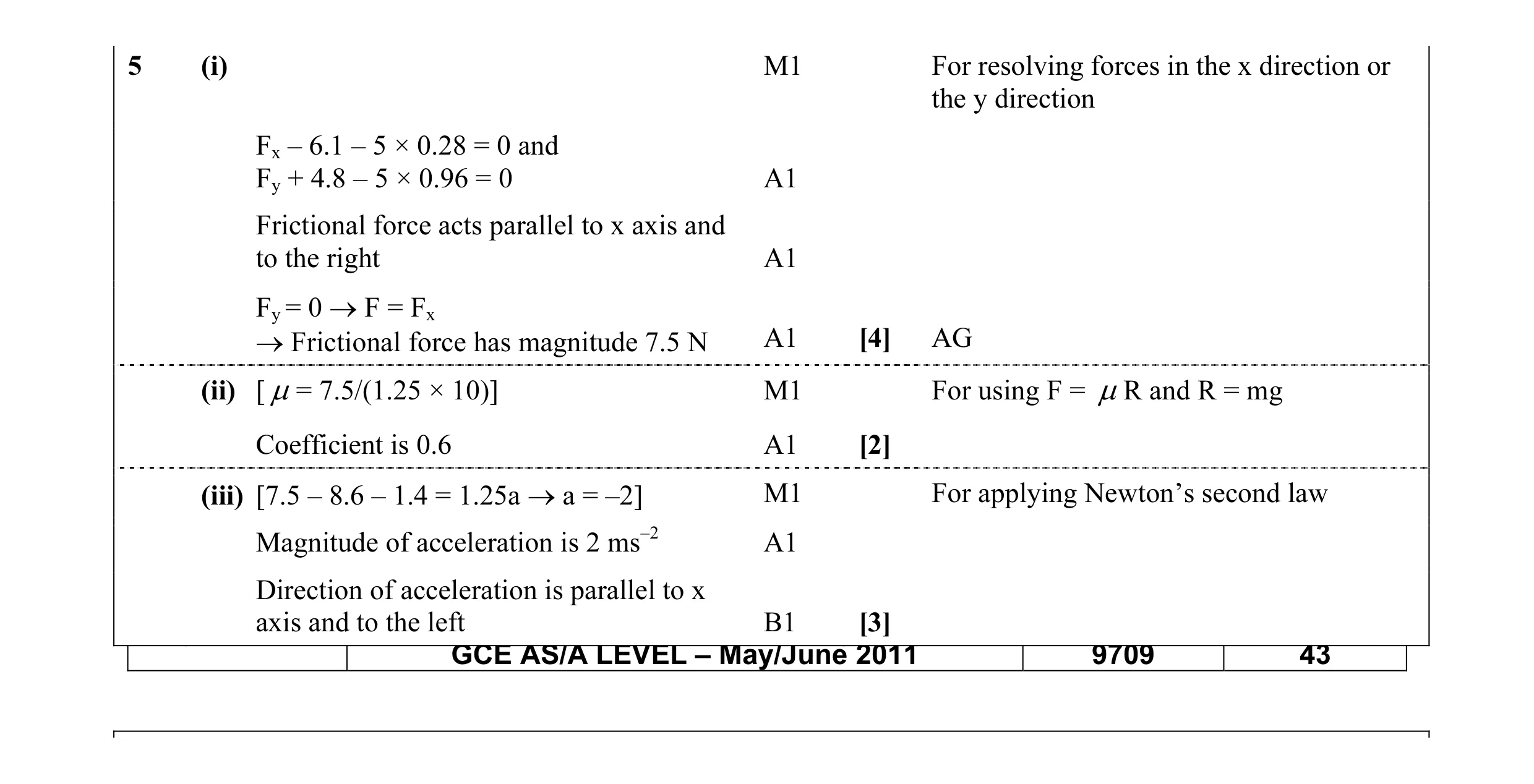 9
9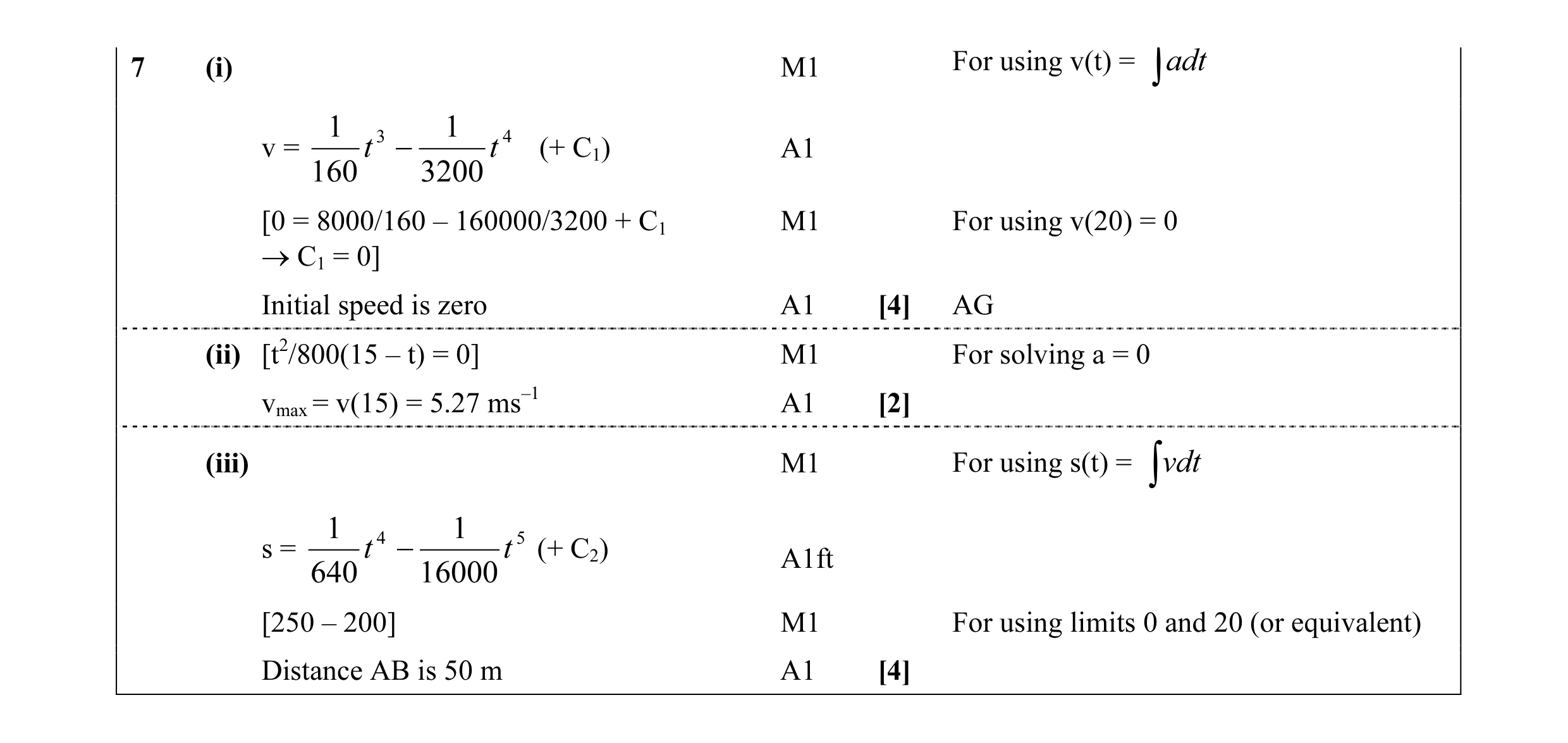 10
10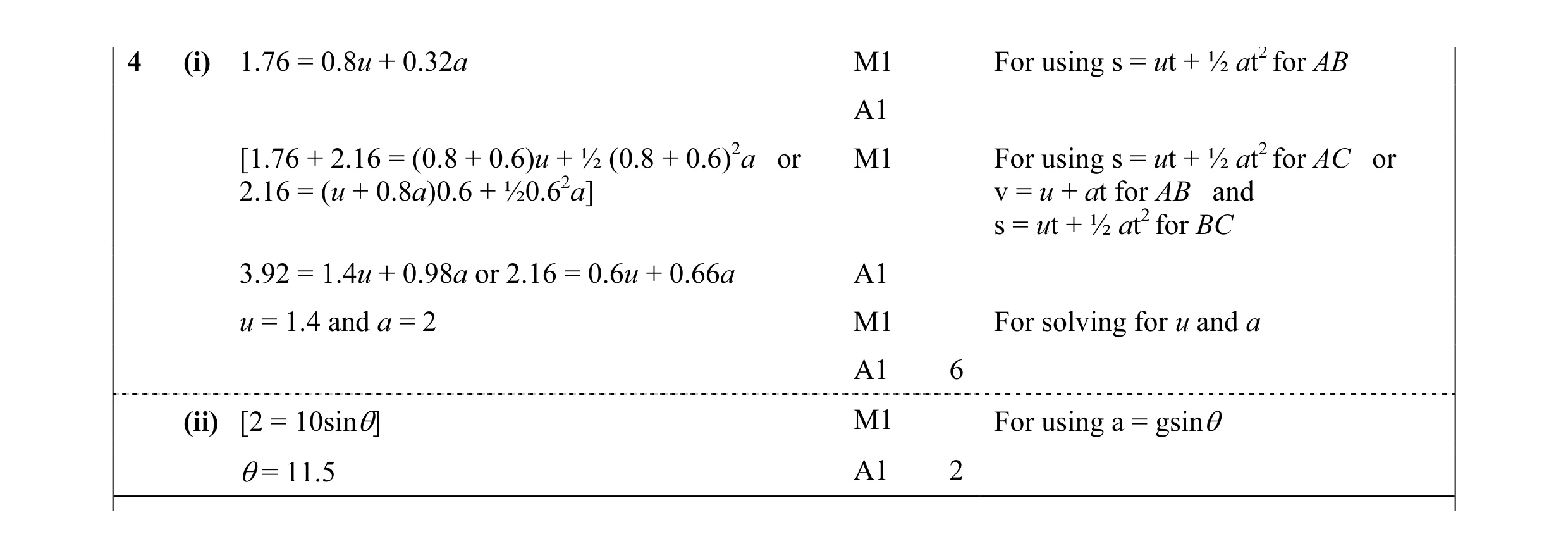 8
8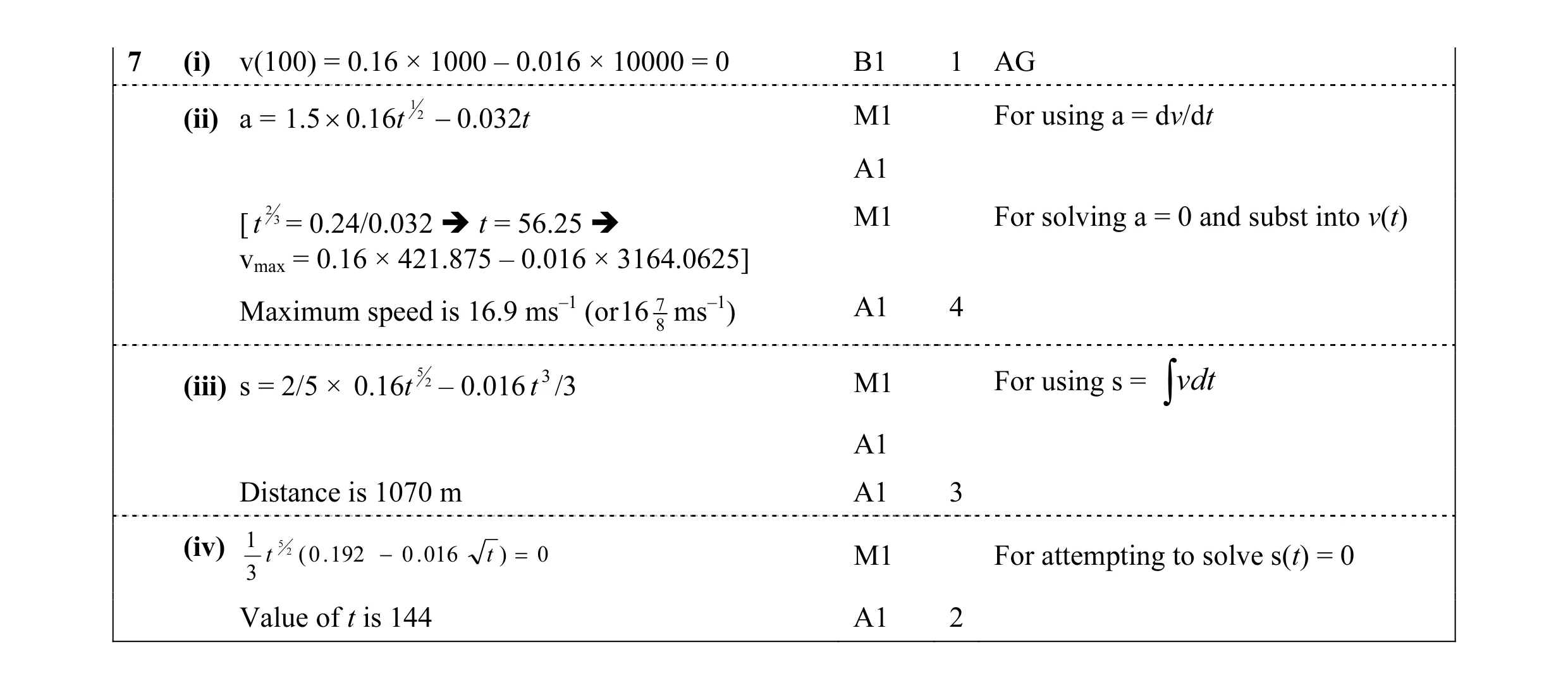 10
10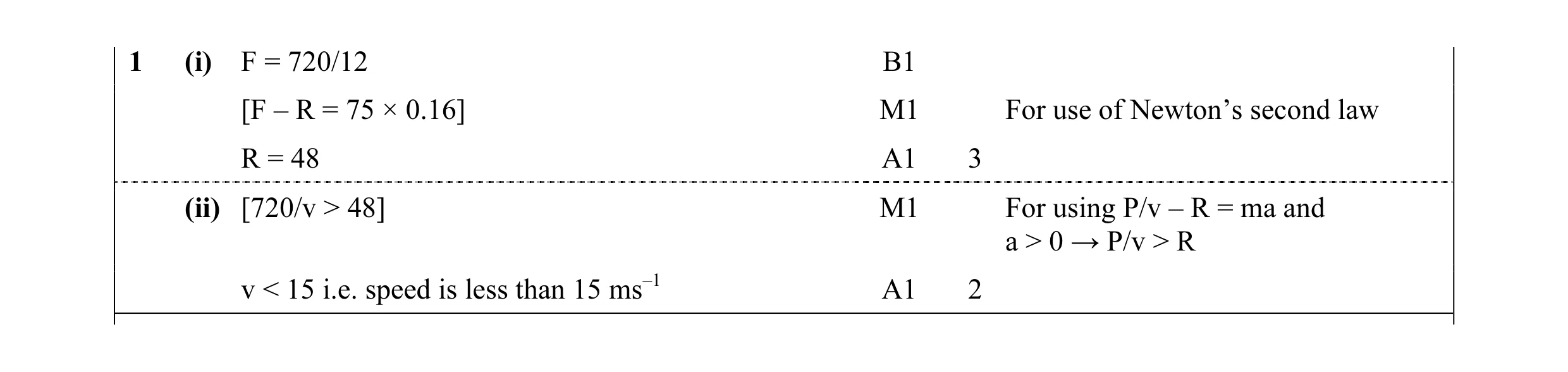 5
5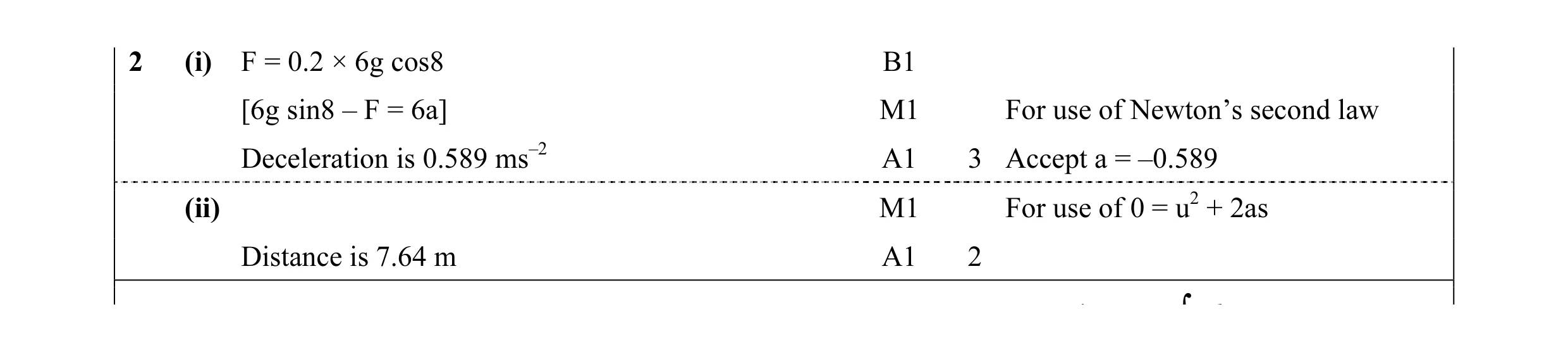 5
5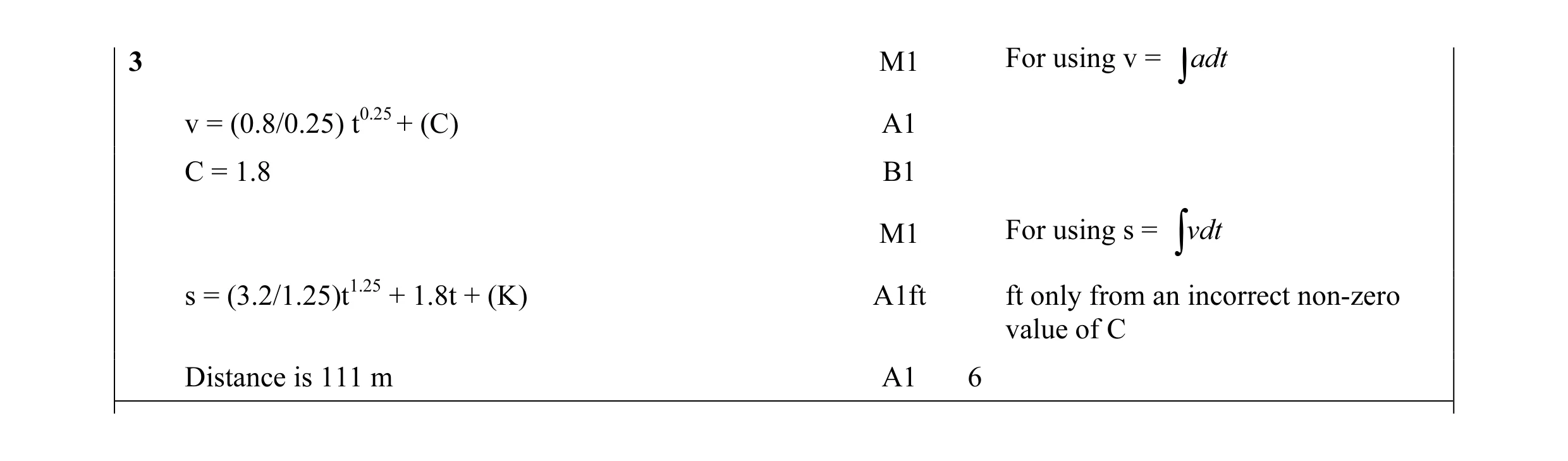 6
6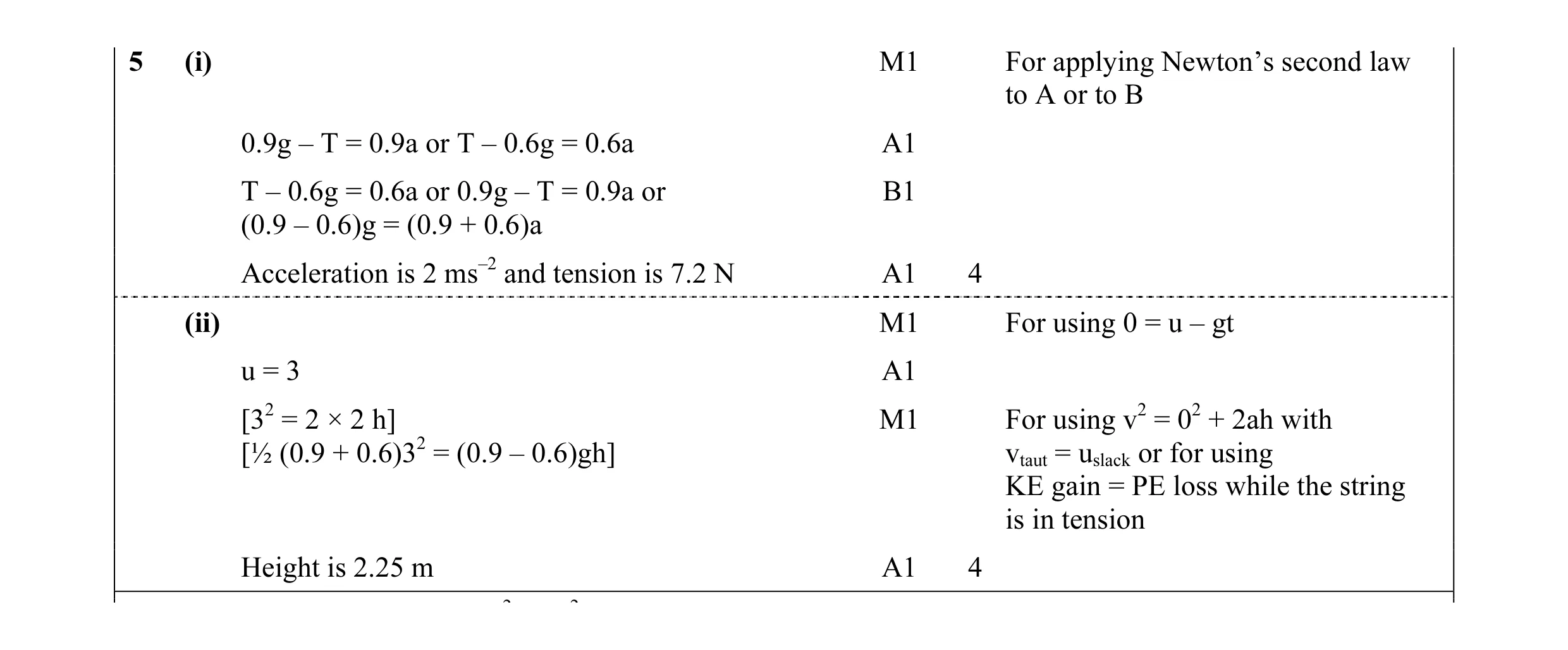 8
8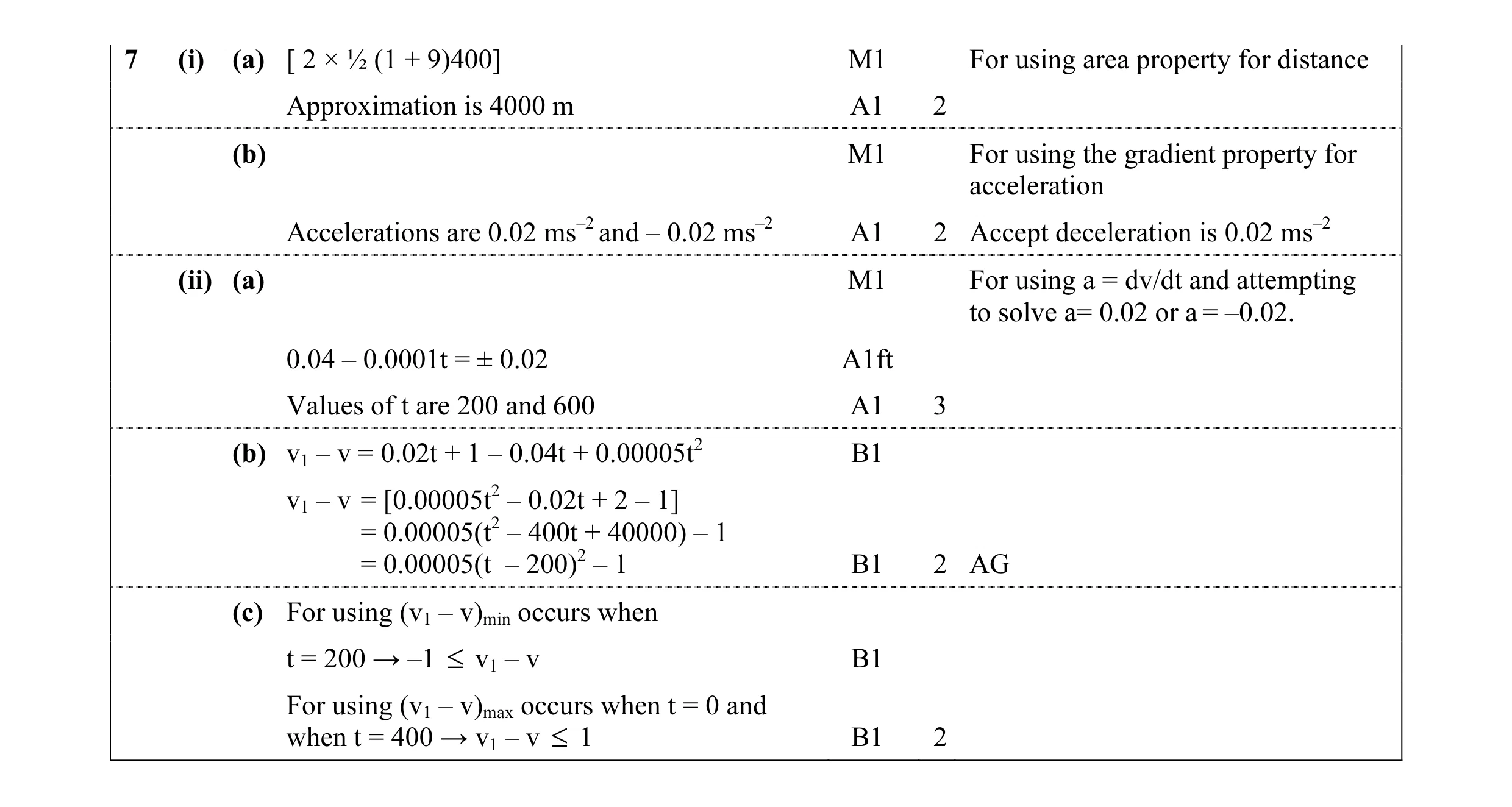 11
11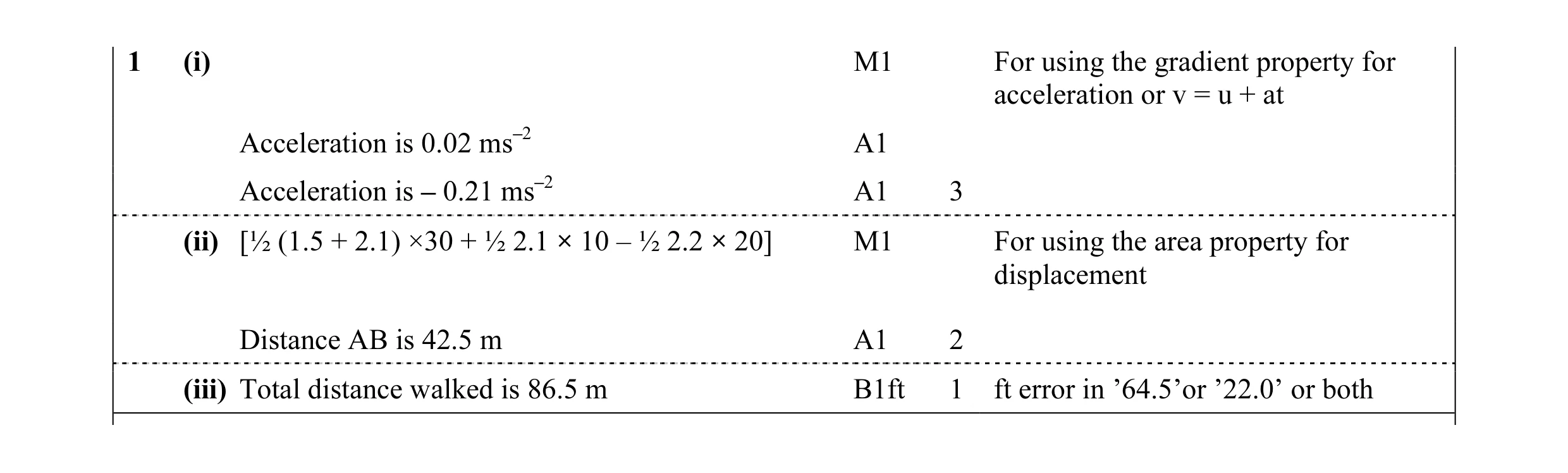 6
6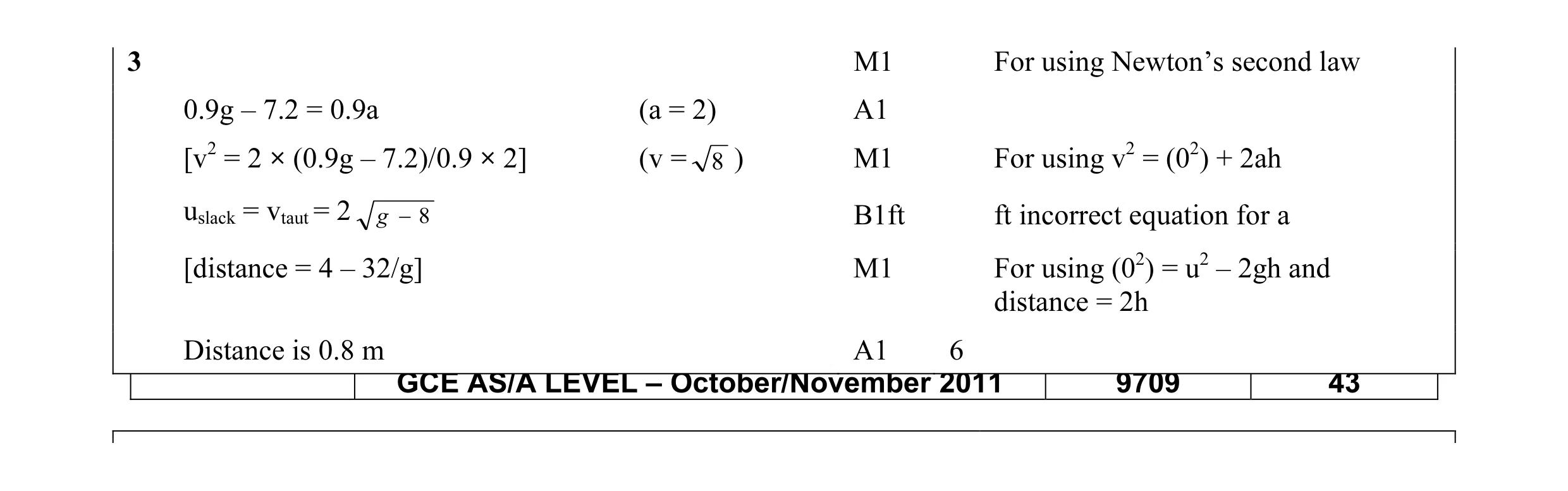 6
6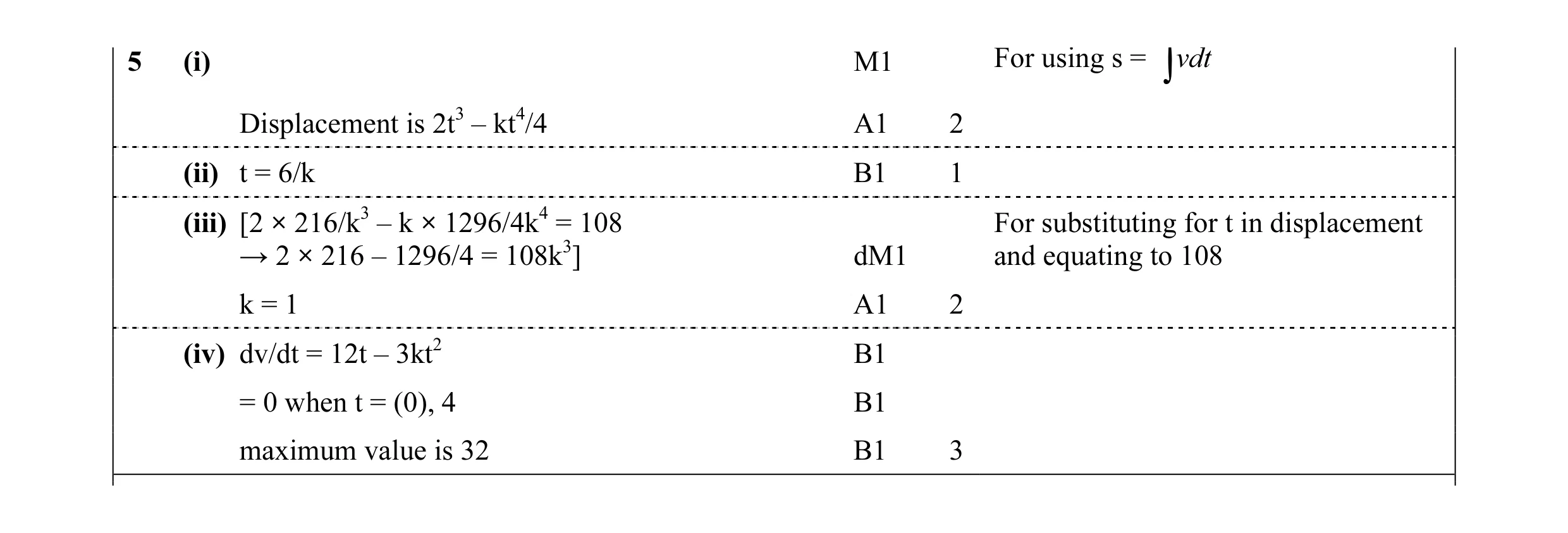 8
8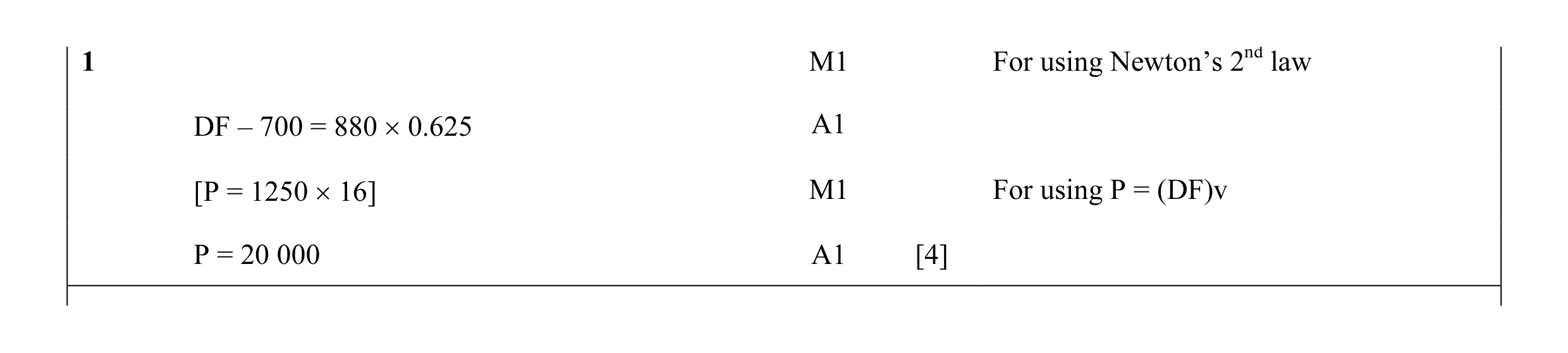 4
4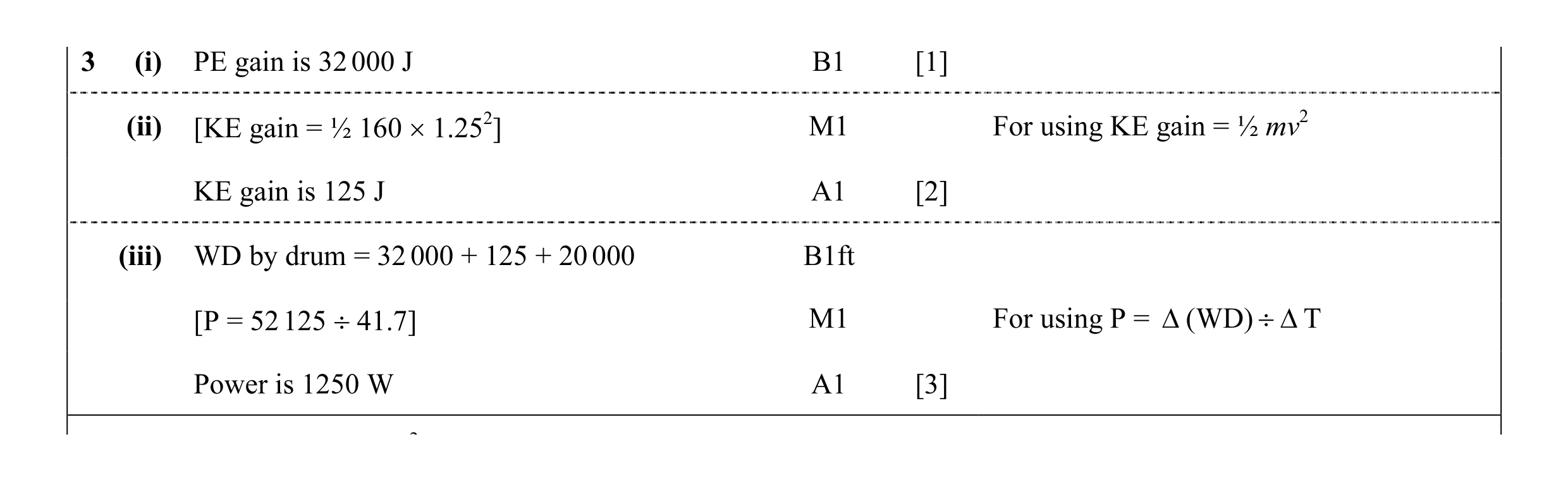 6
6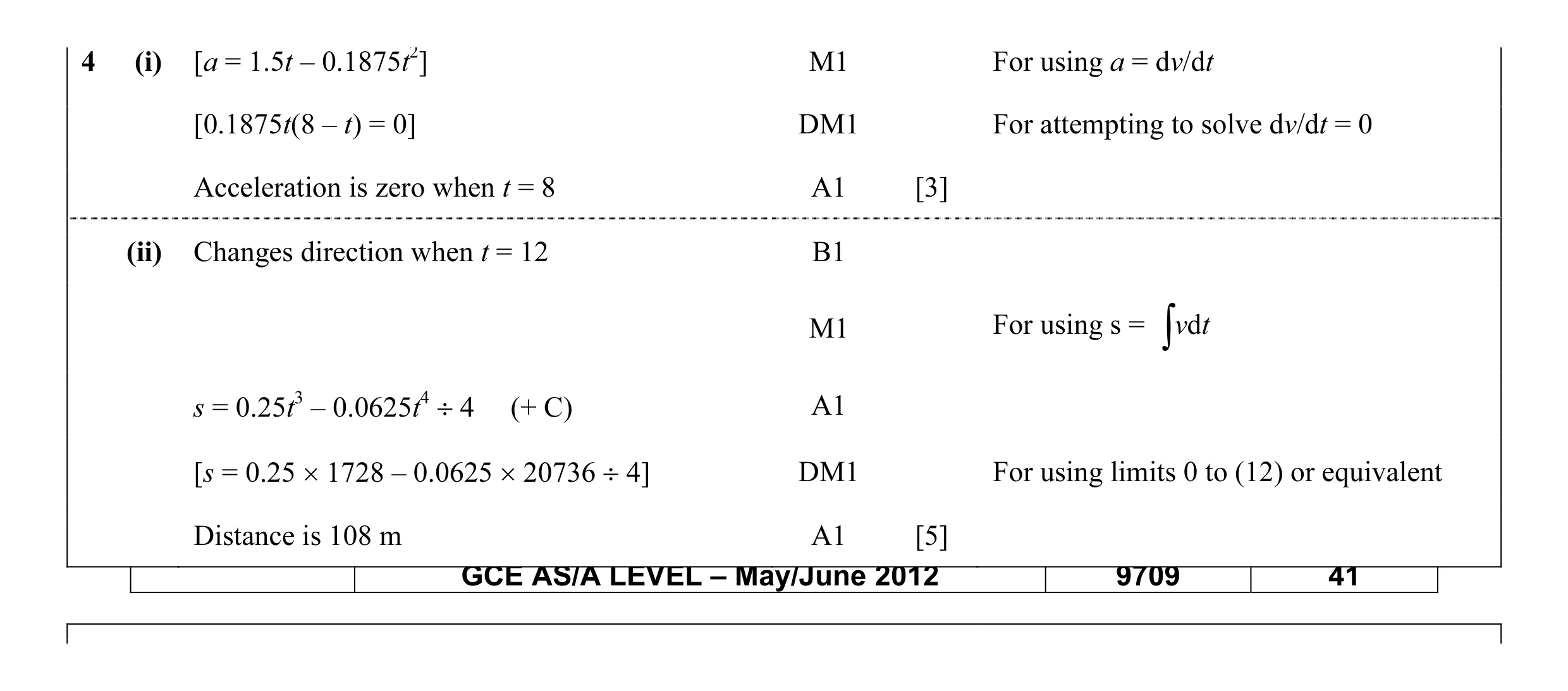 8
8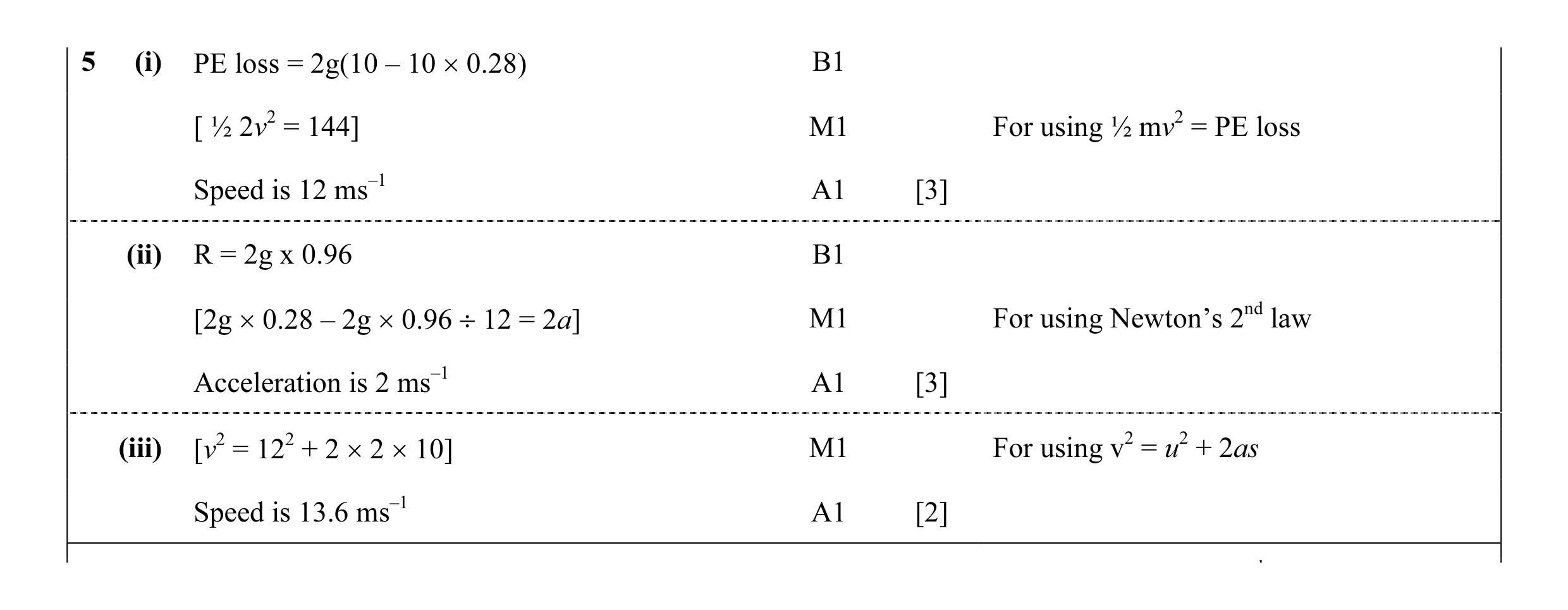 8
8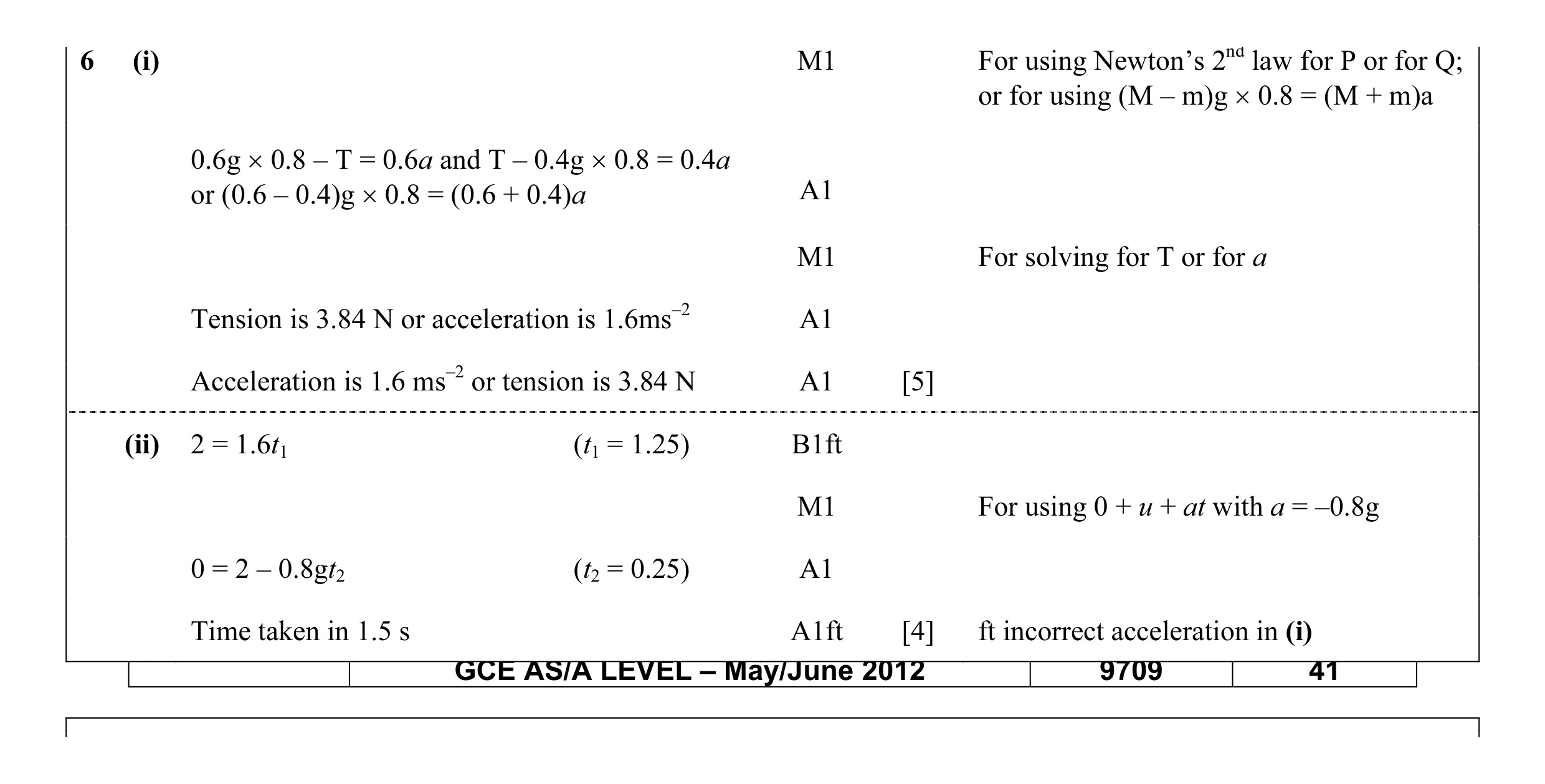 9
9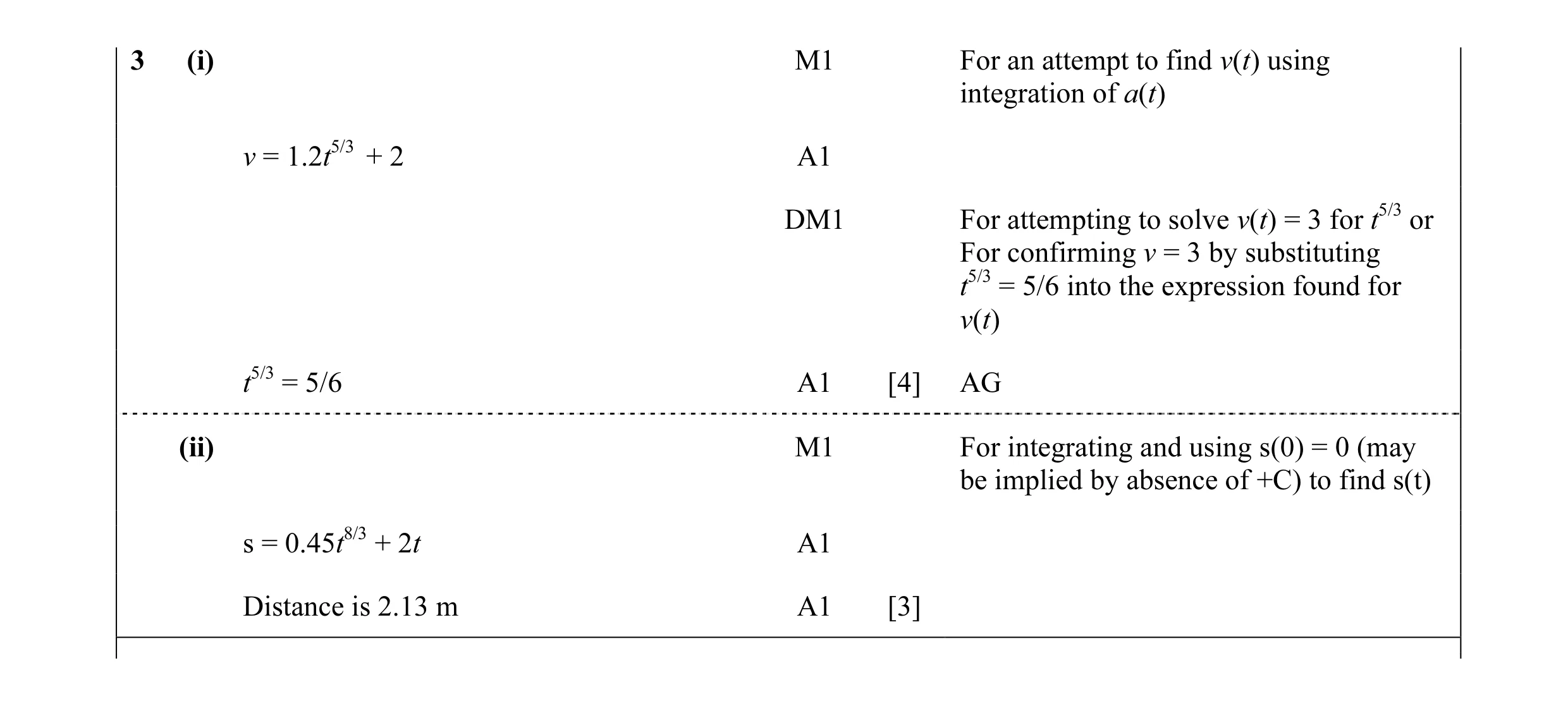 7
7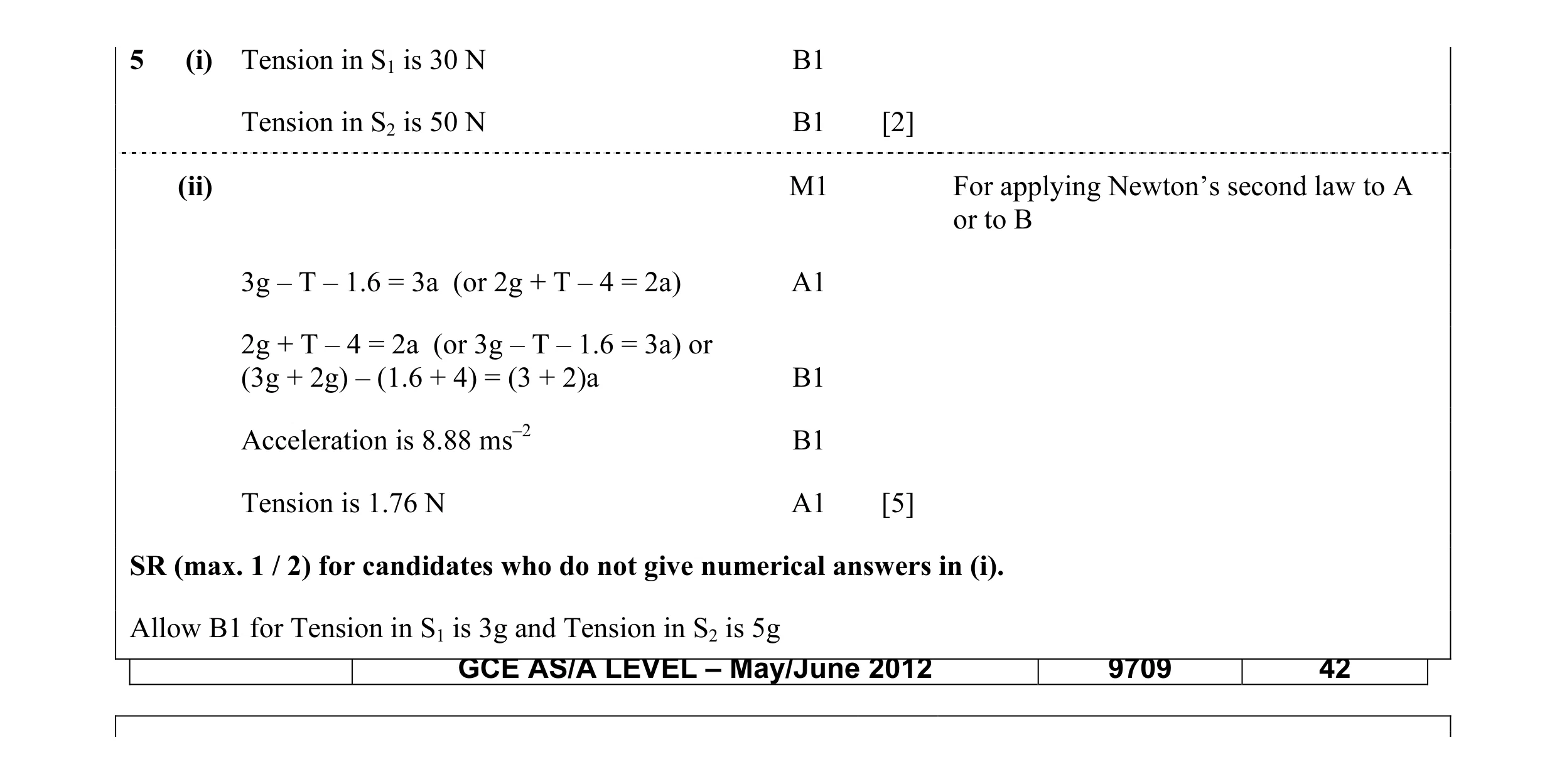 7
7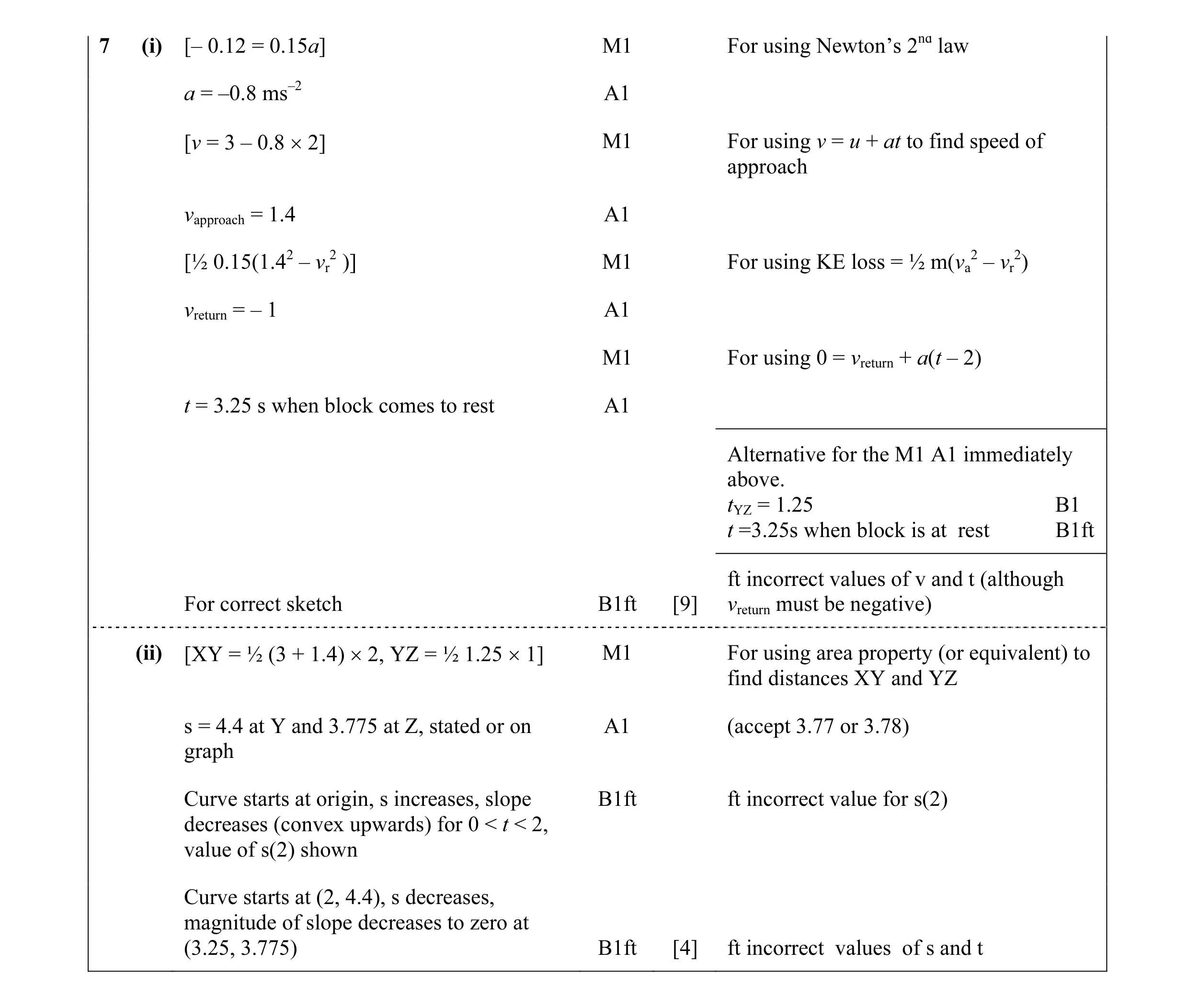 13
13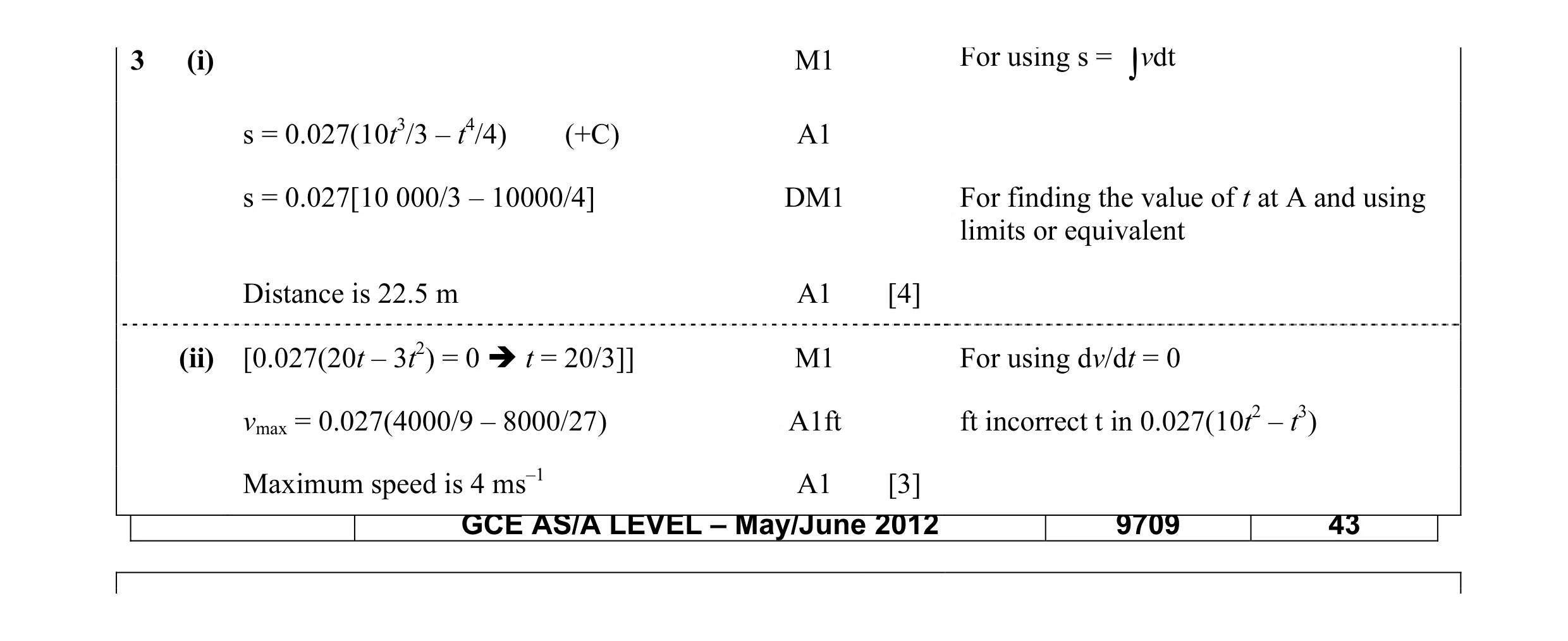 7
7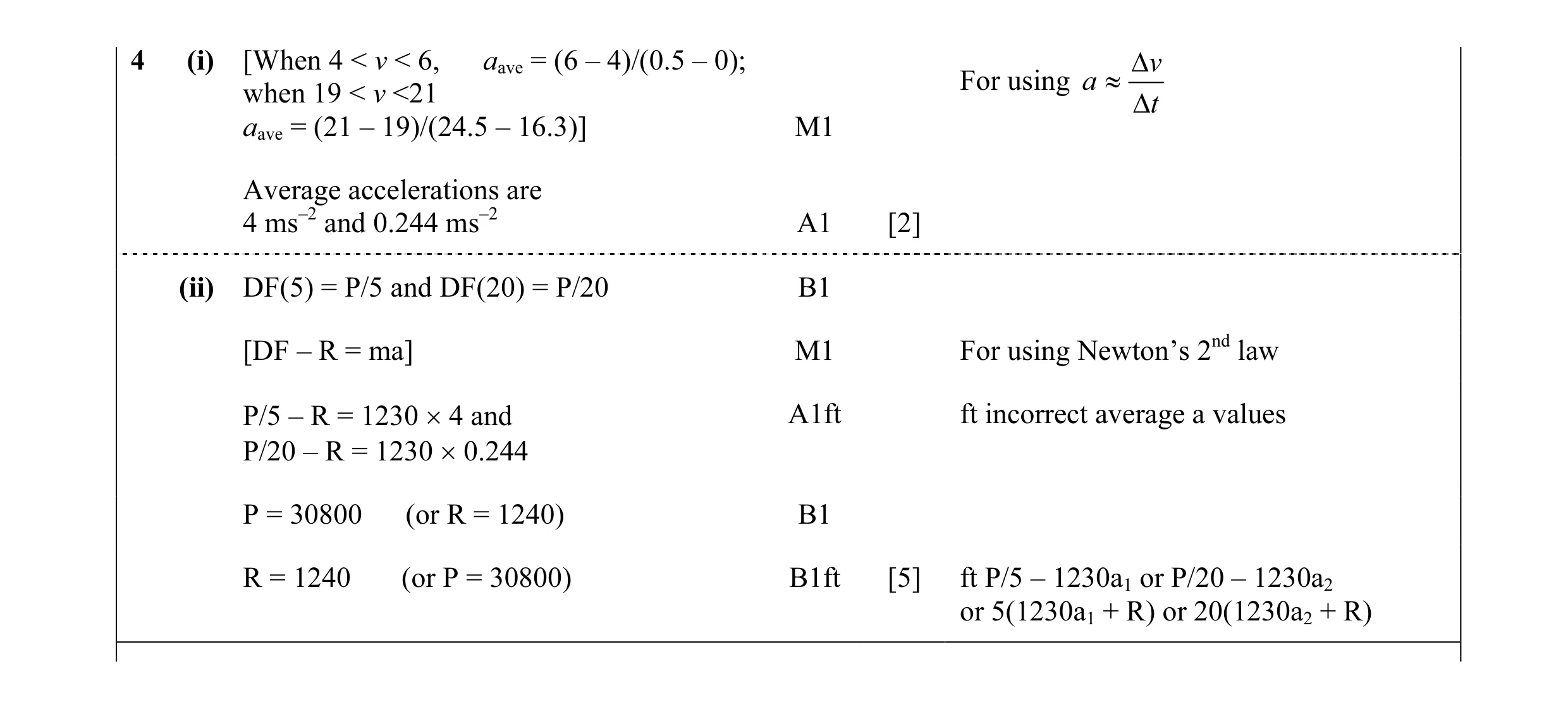 7
7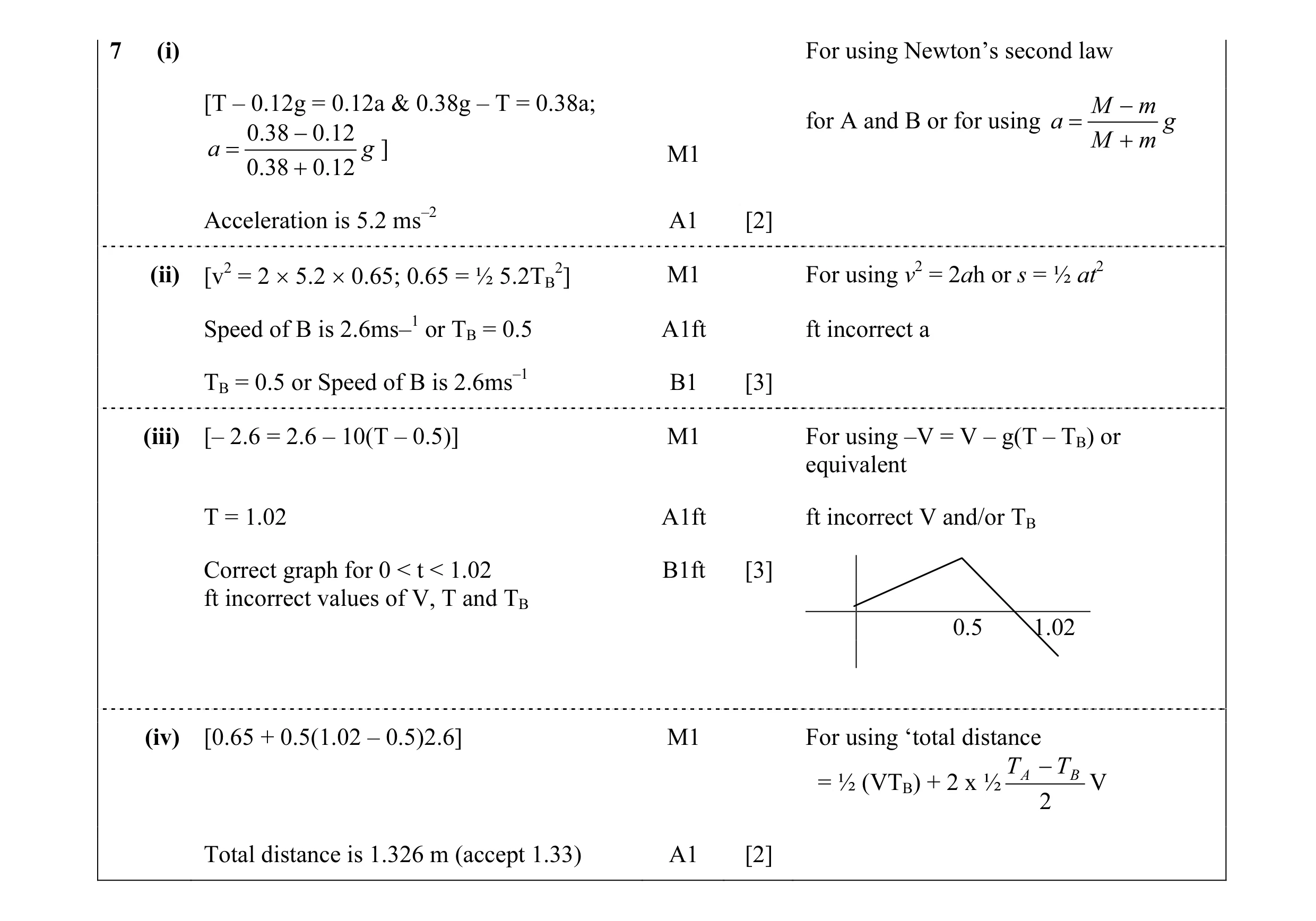 10
10 4
4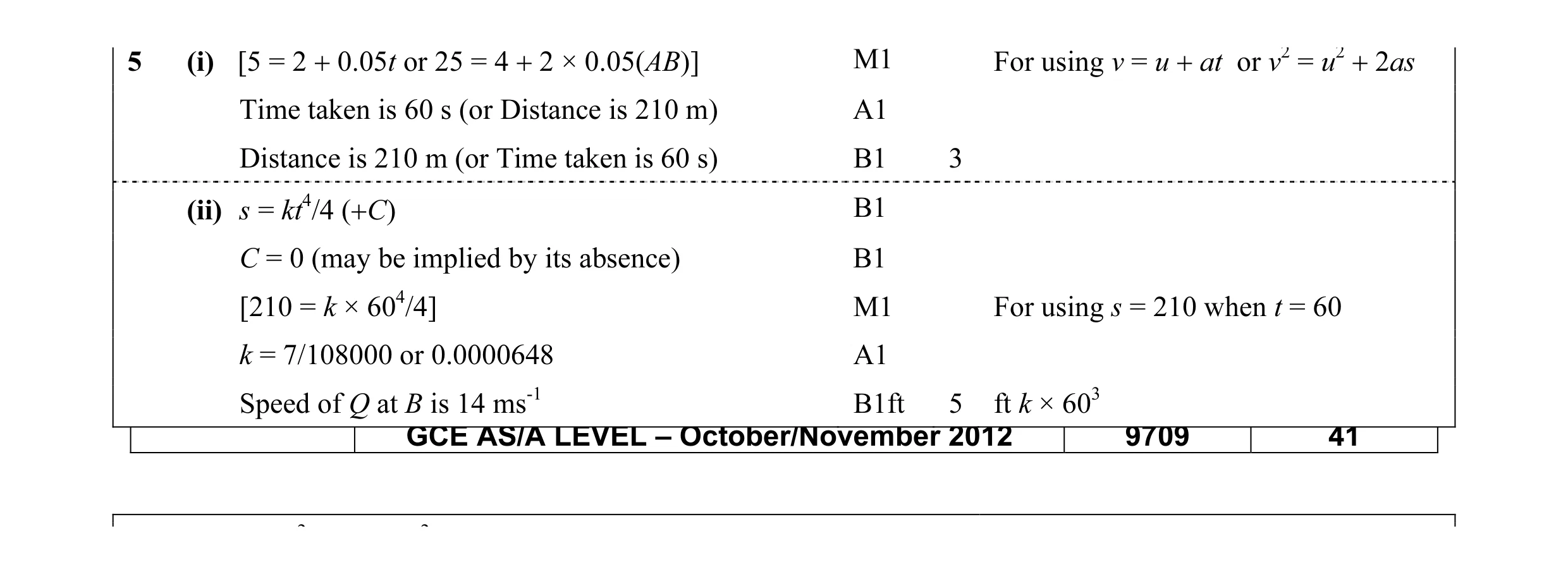 8
8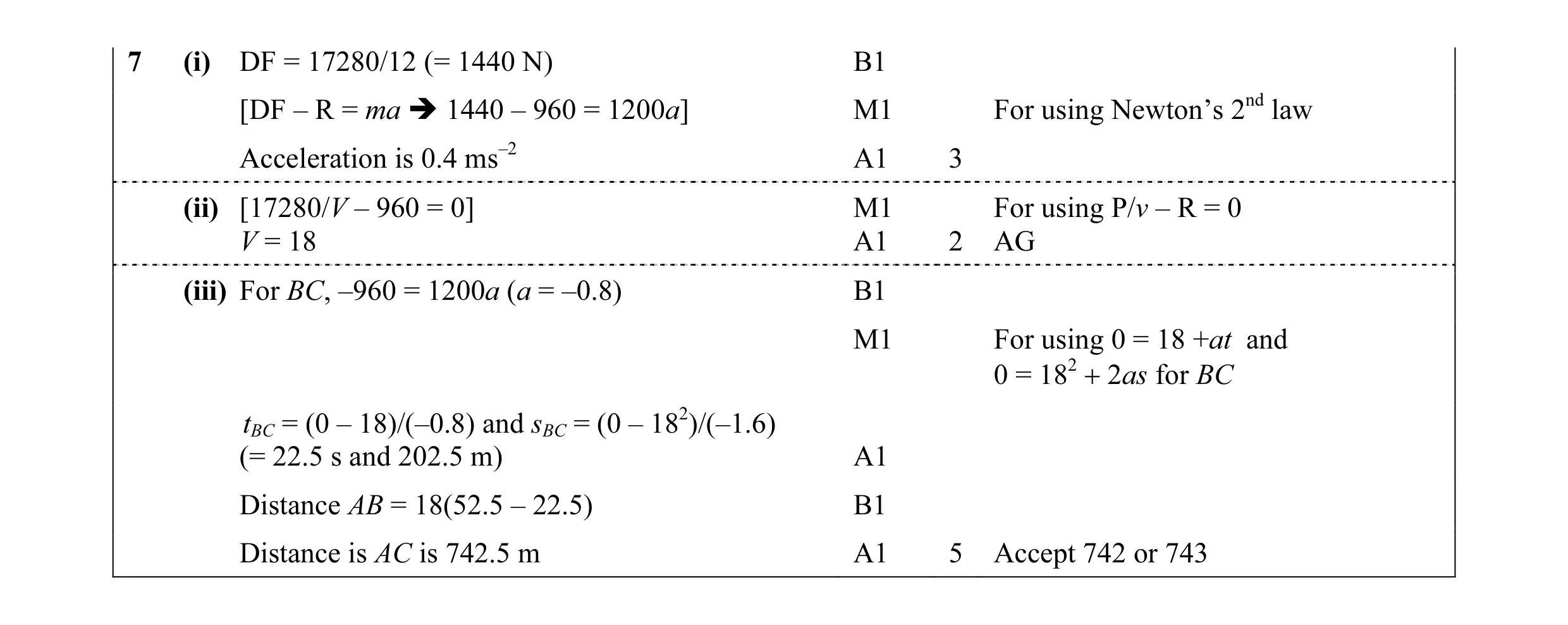 10
10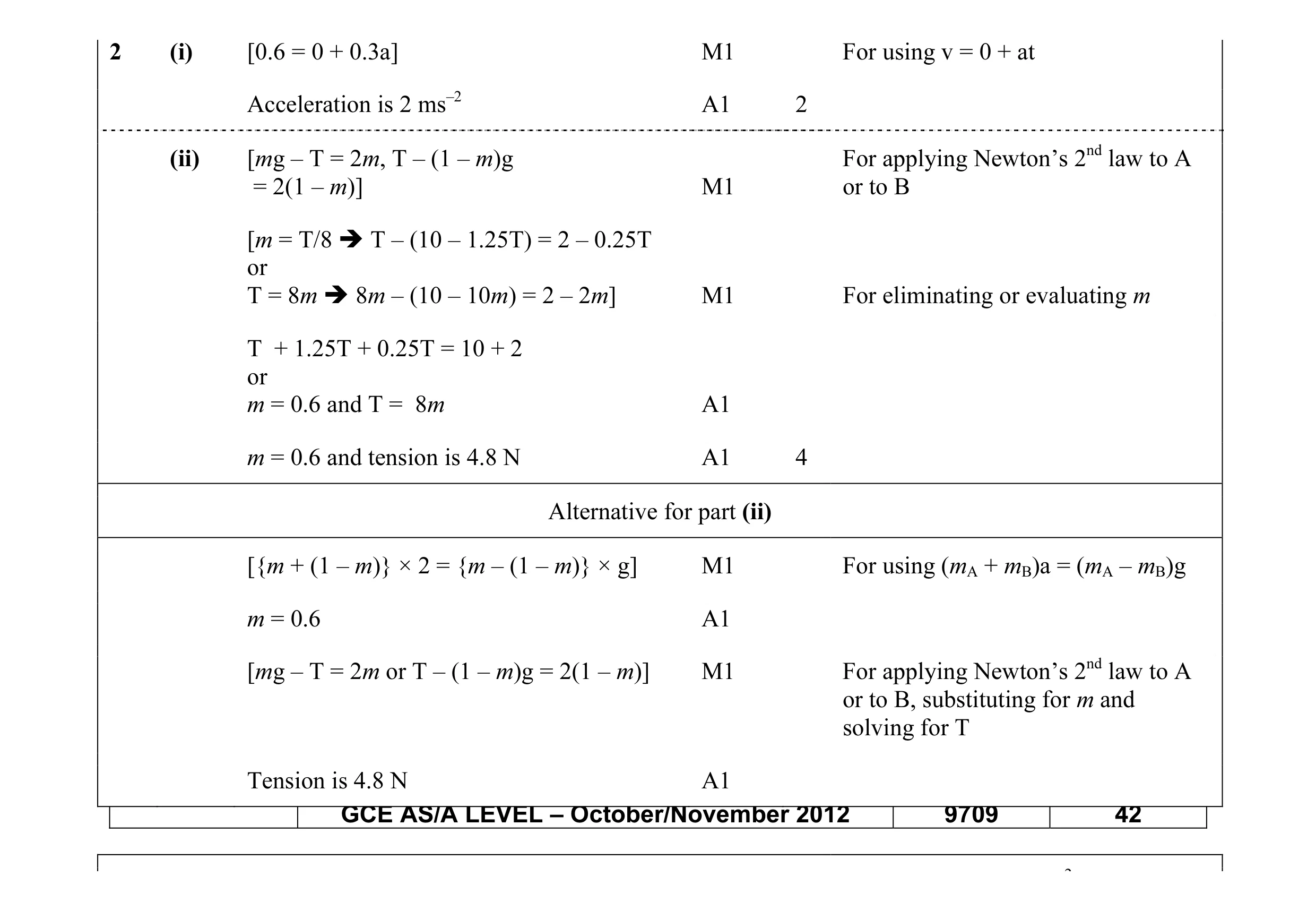 6
6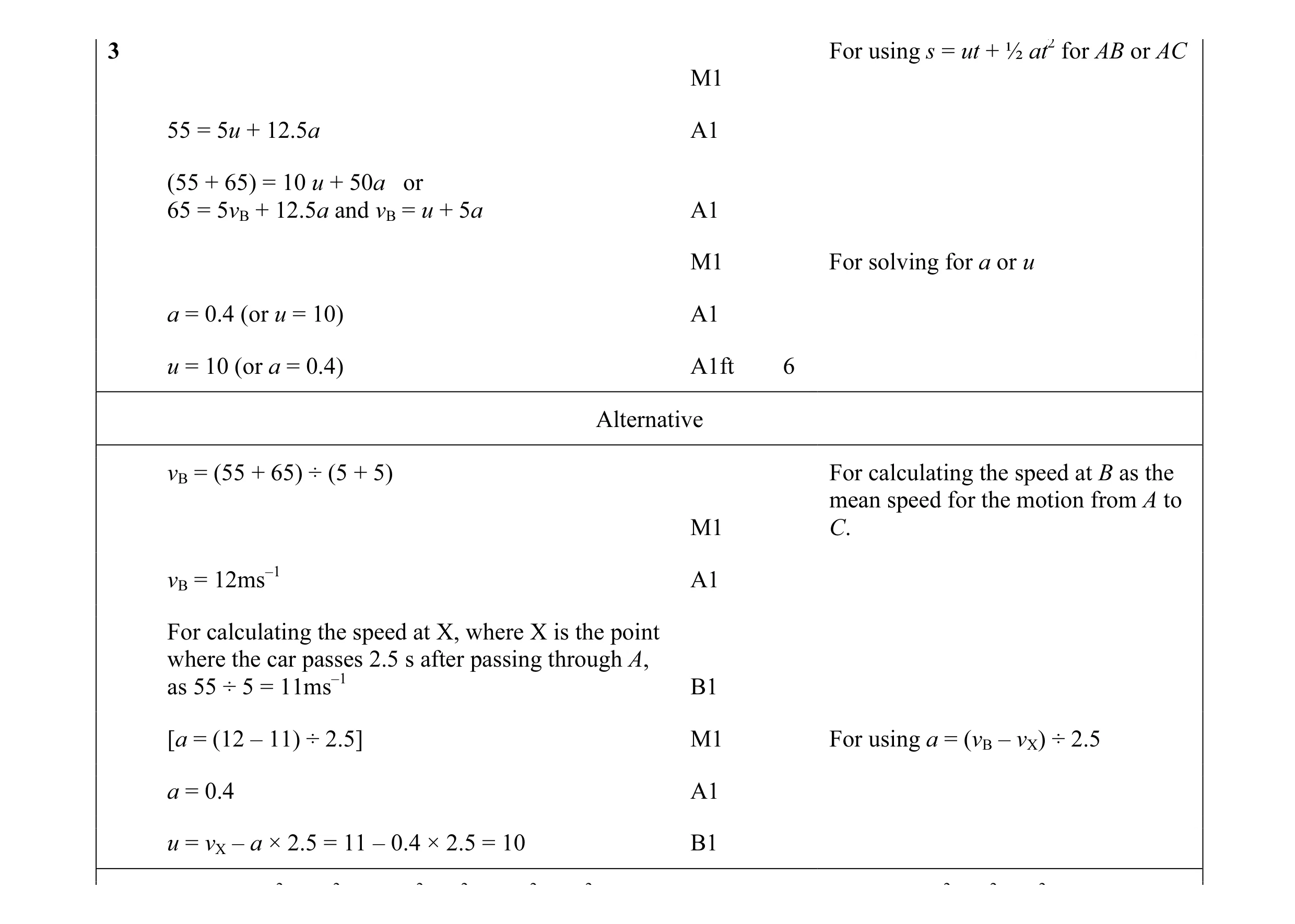 6
6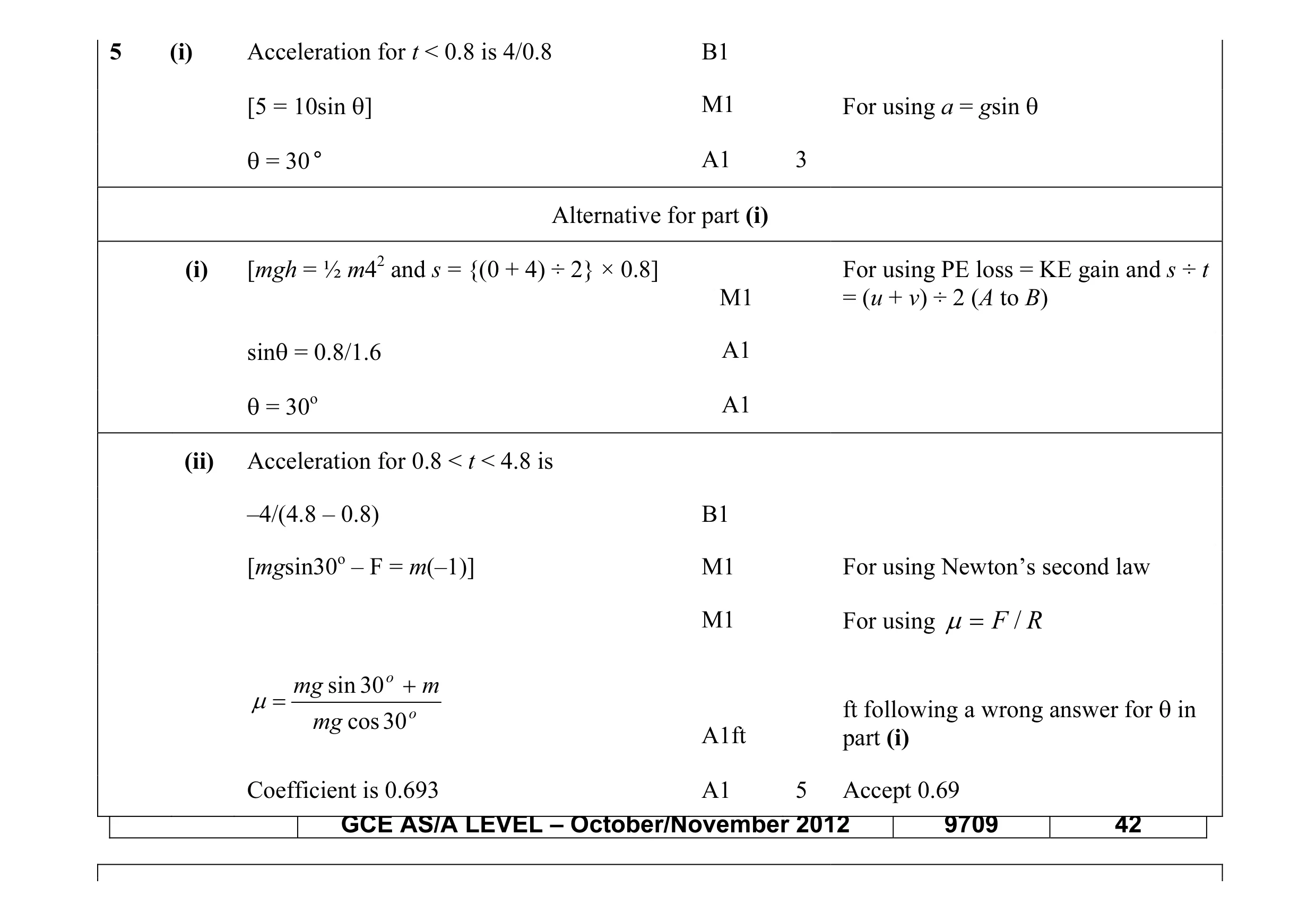 8
8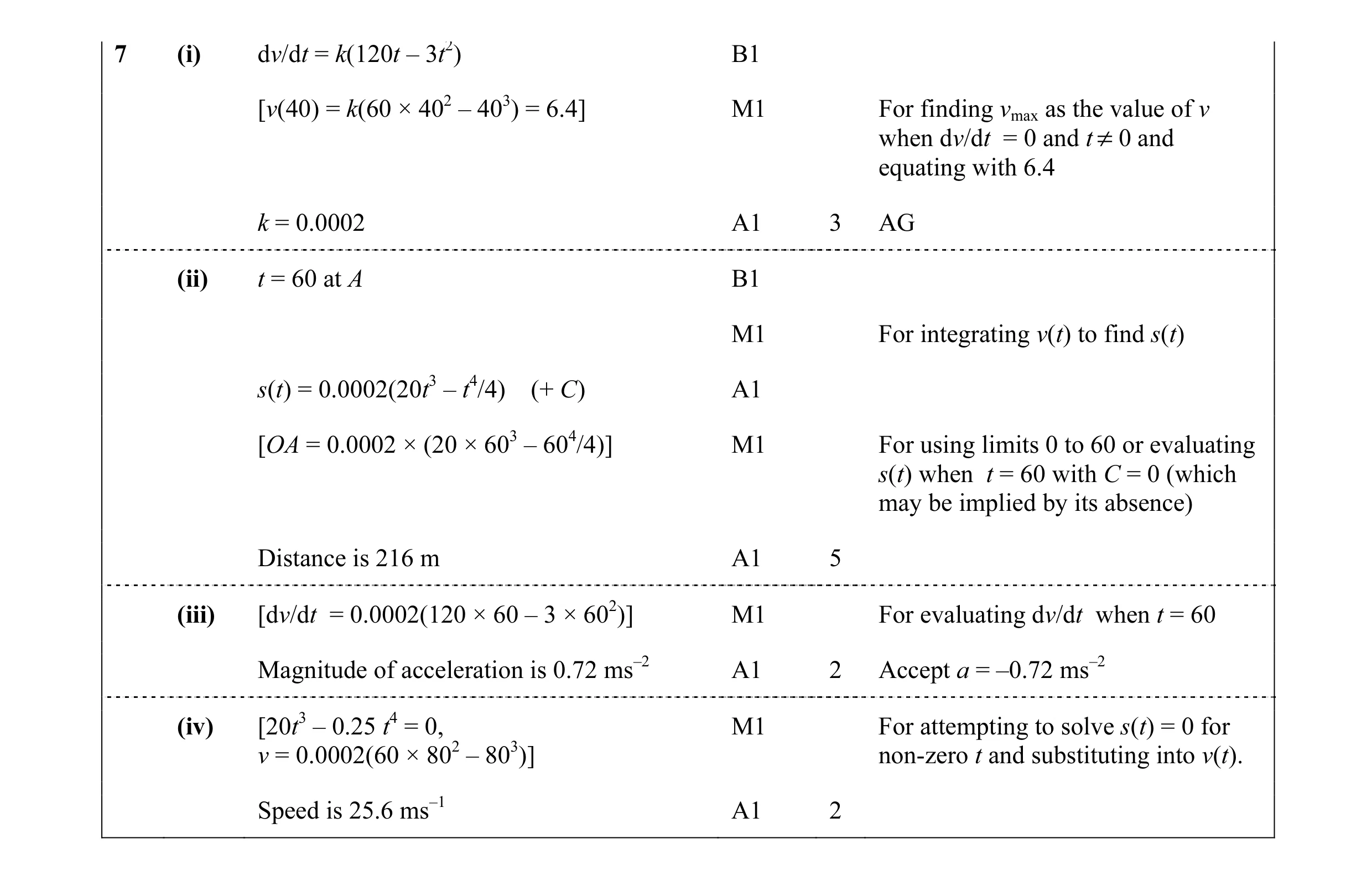 12
12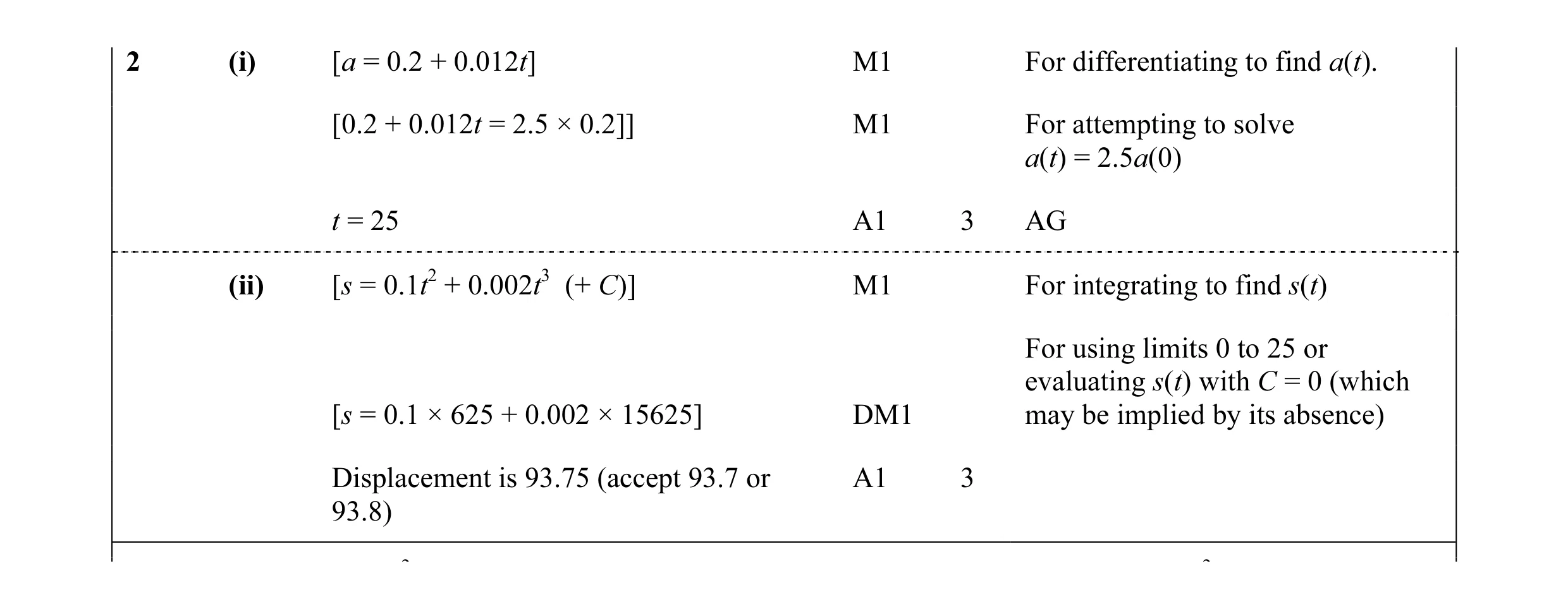 6
6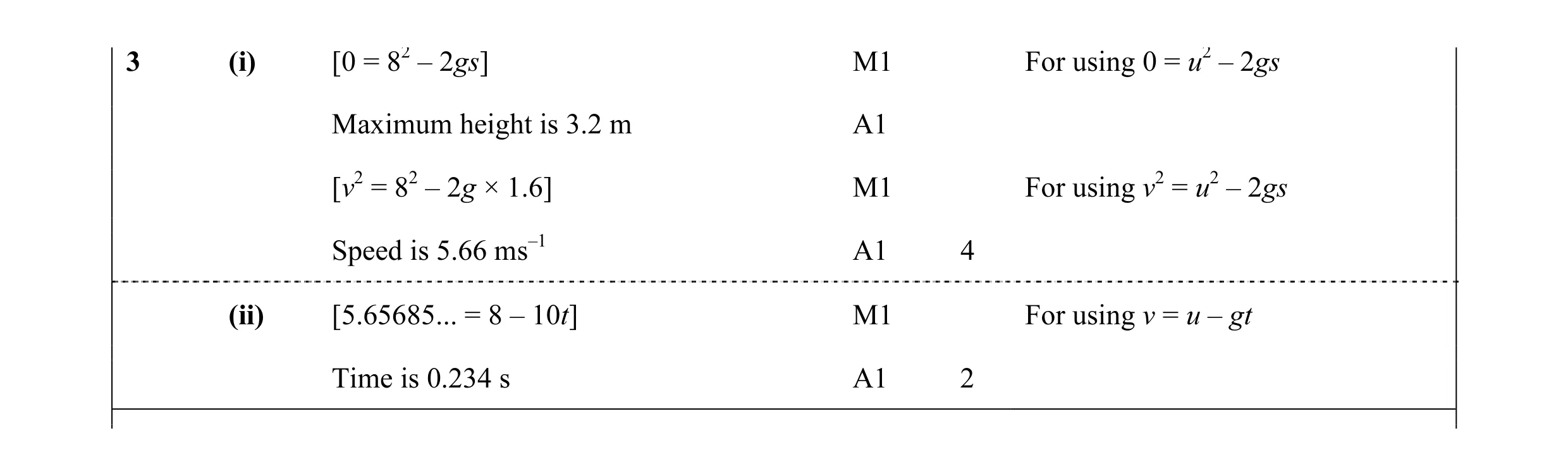 6
6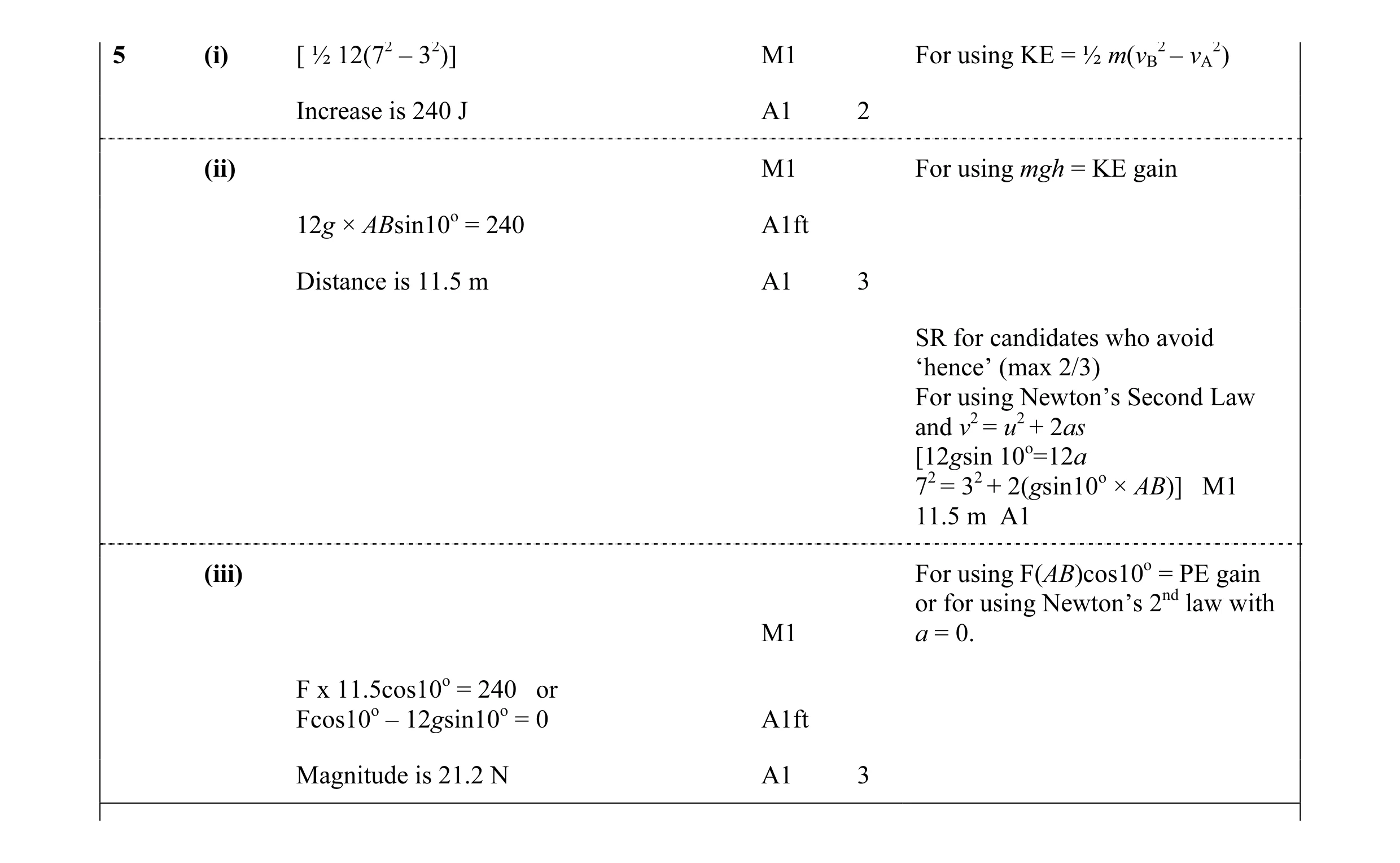 8
8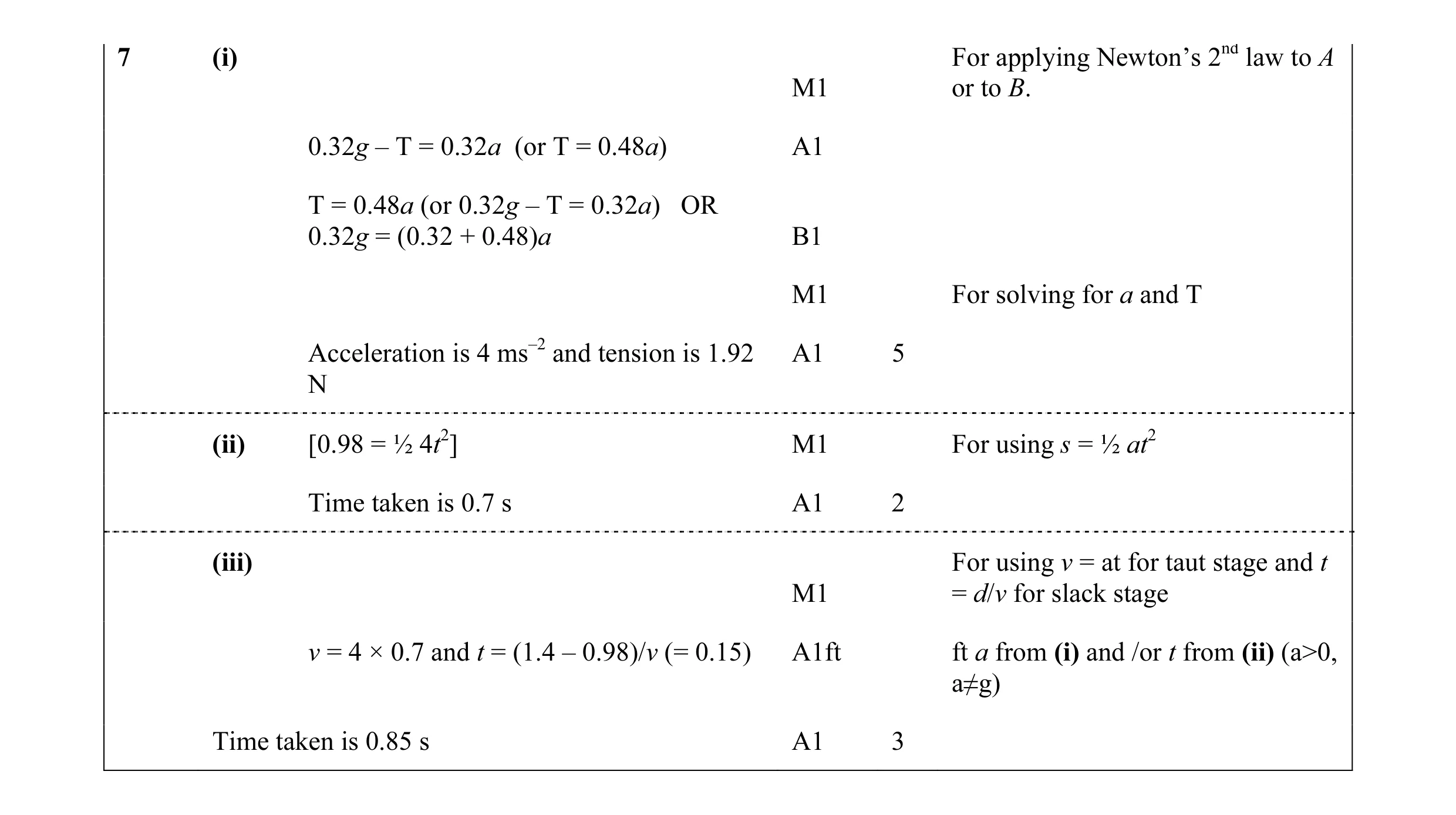 10
10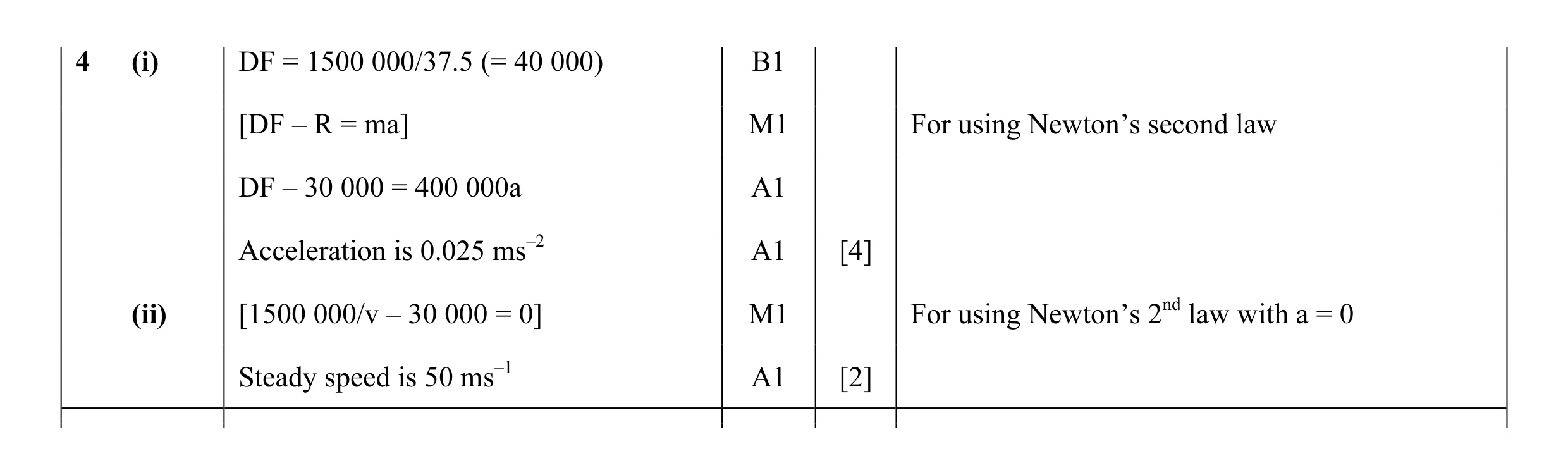 6
6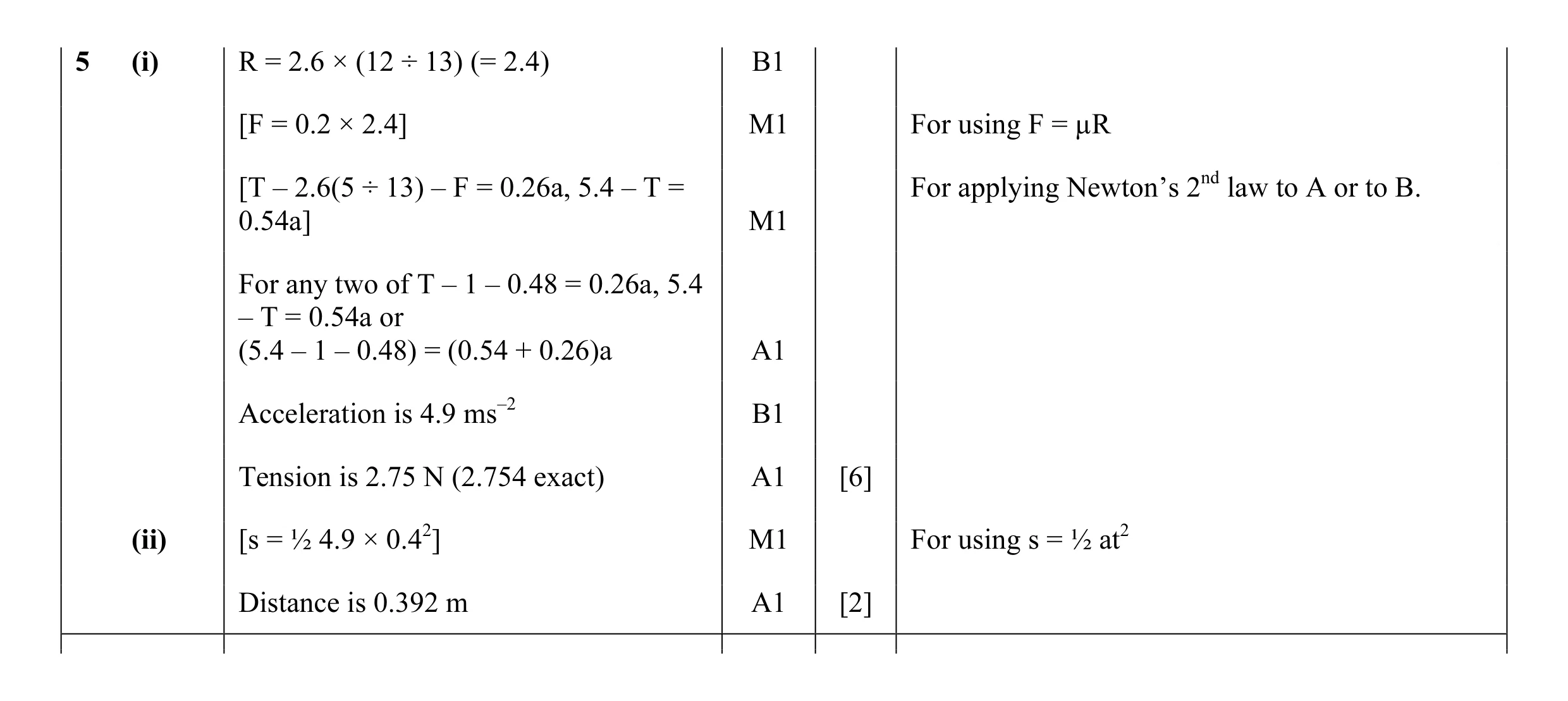 8
8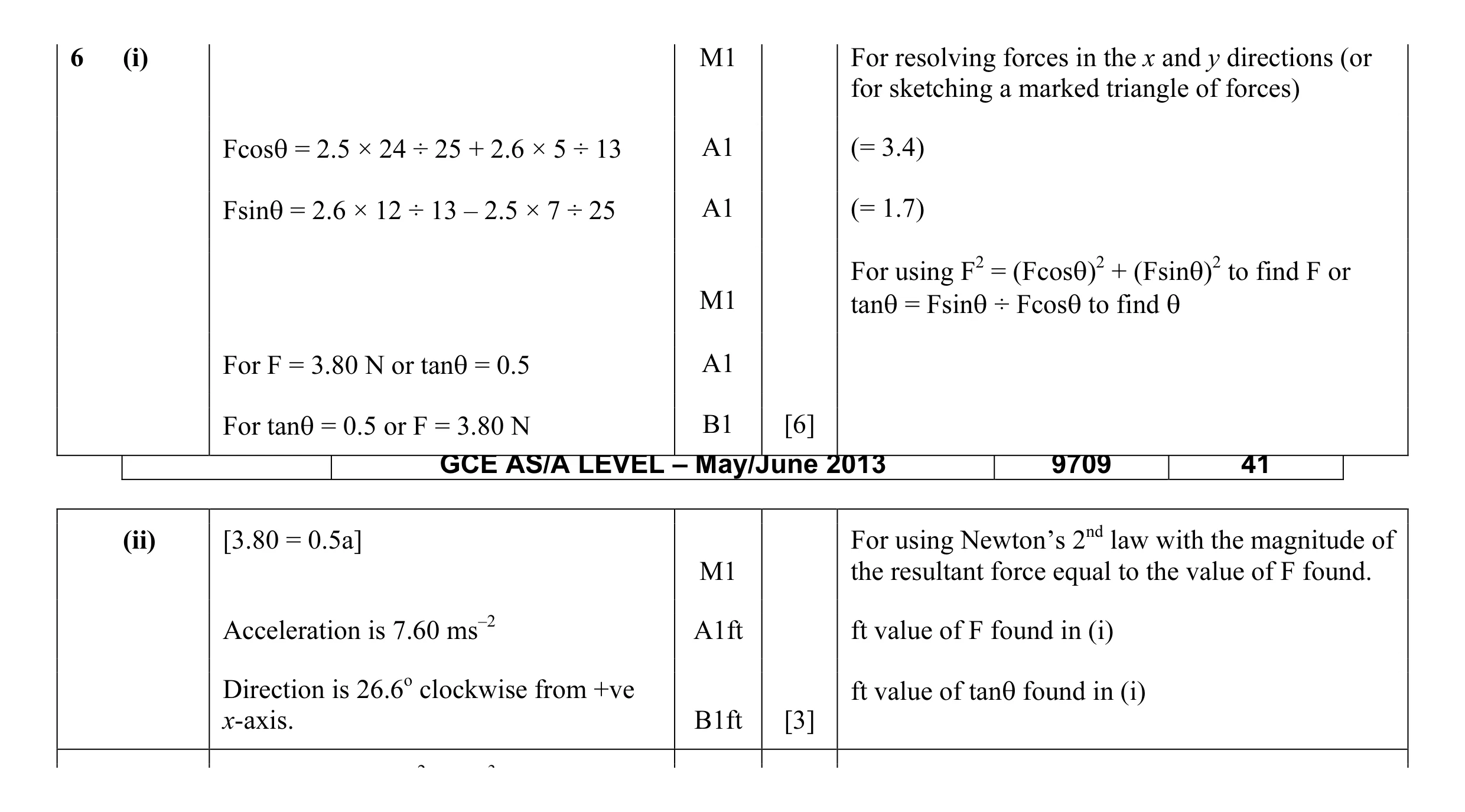 9
9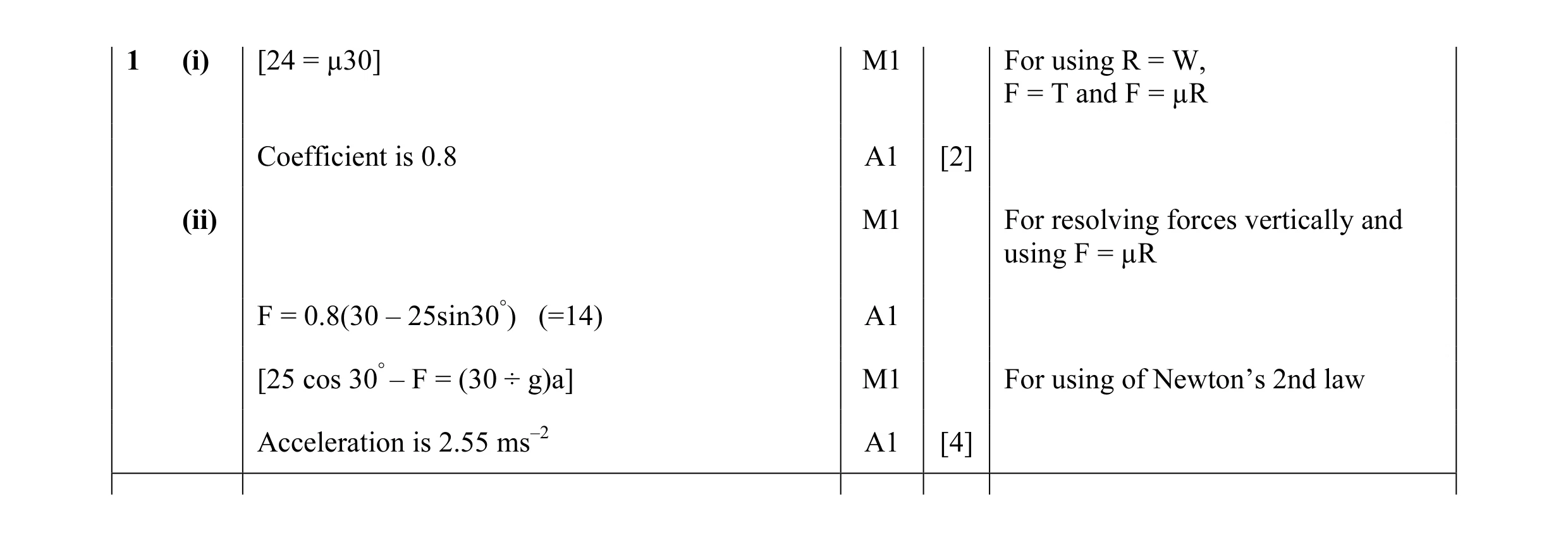 6
6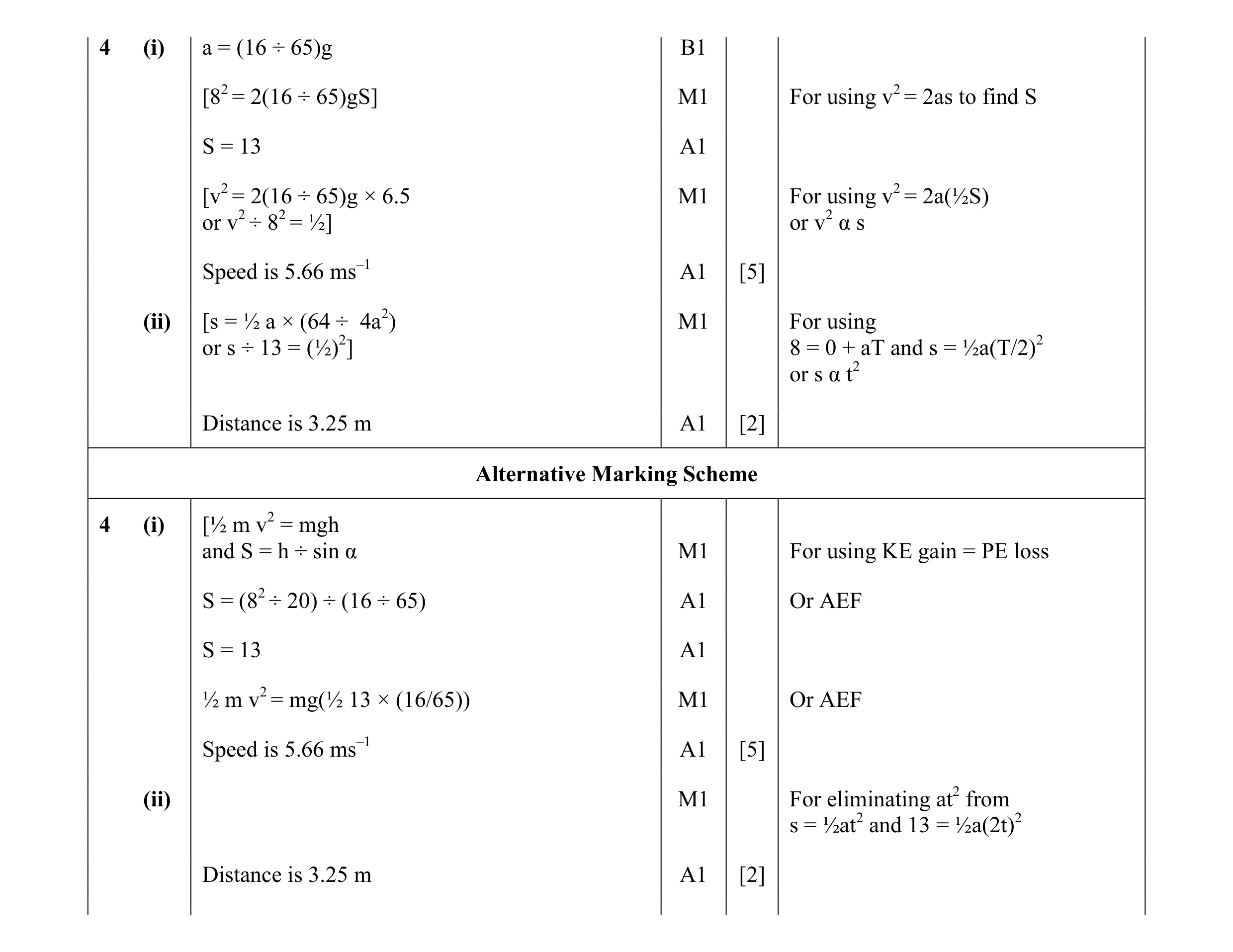 7
7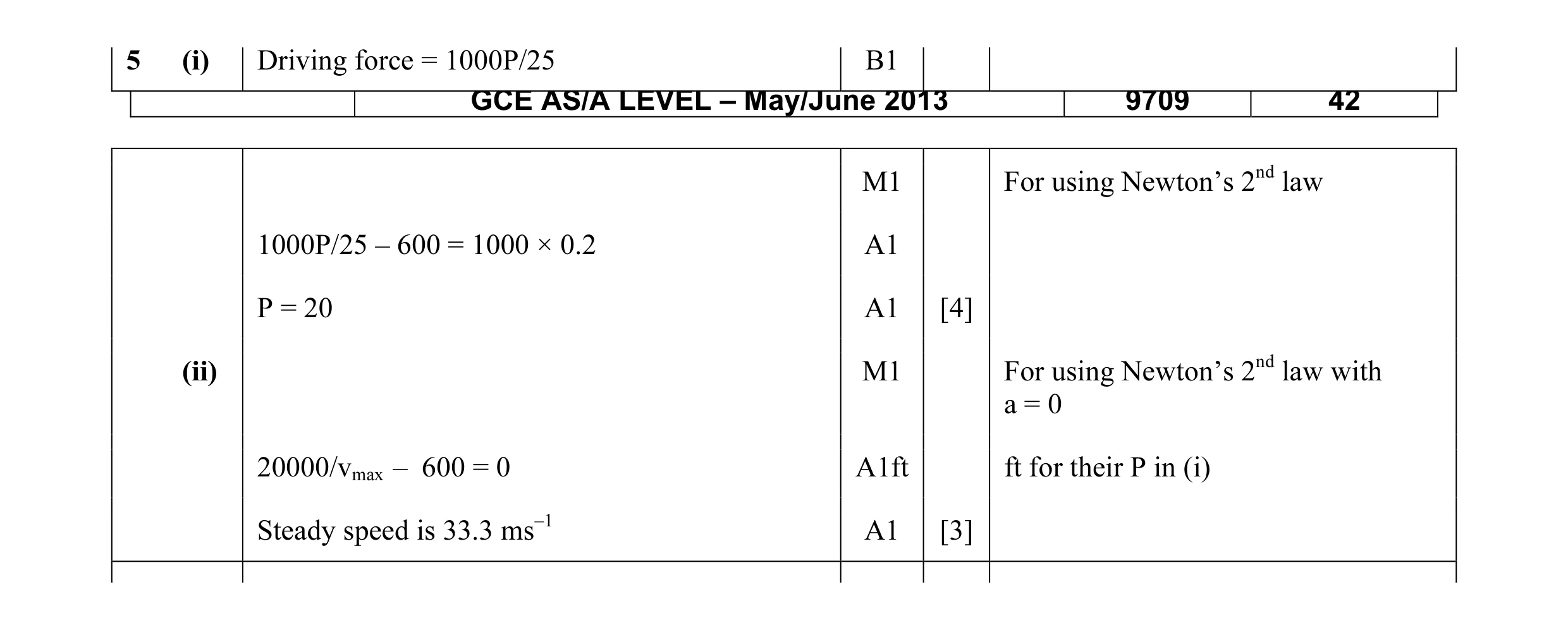 7
7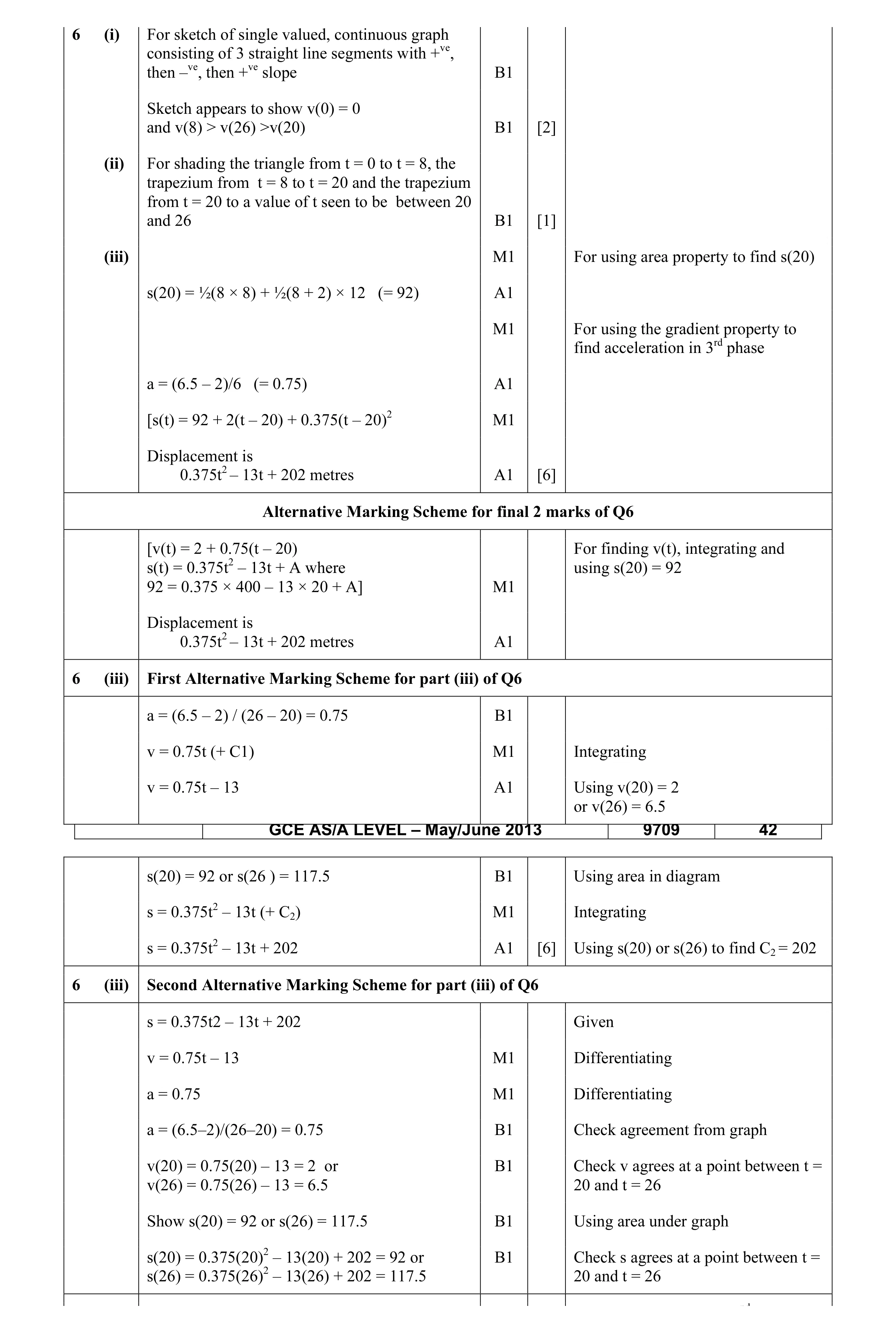 3
3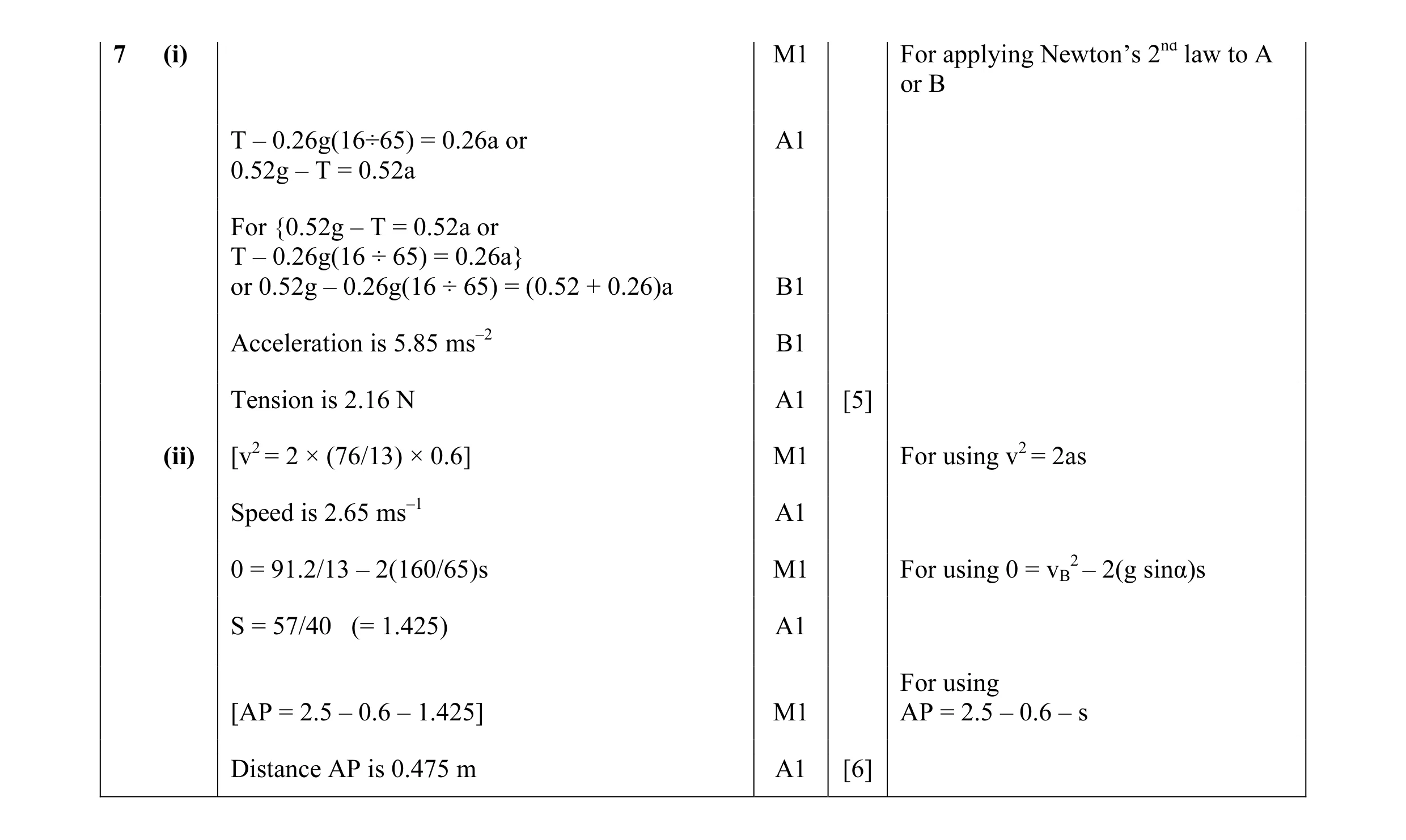 11
11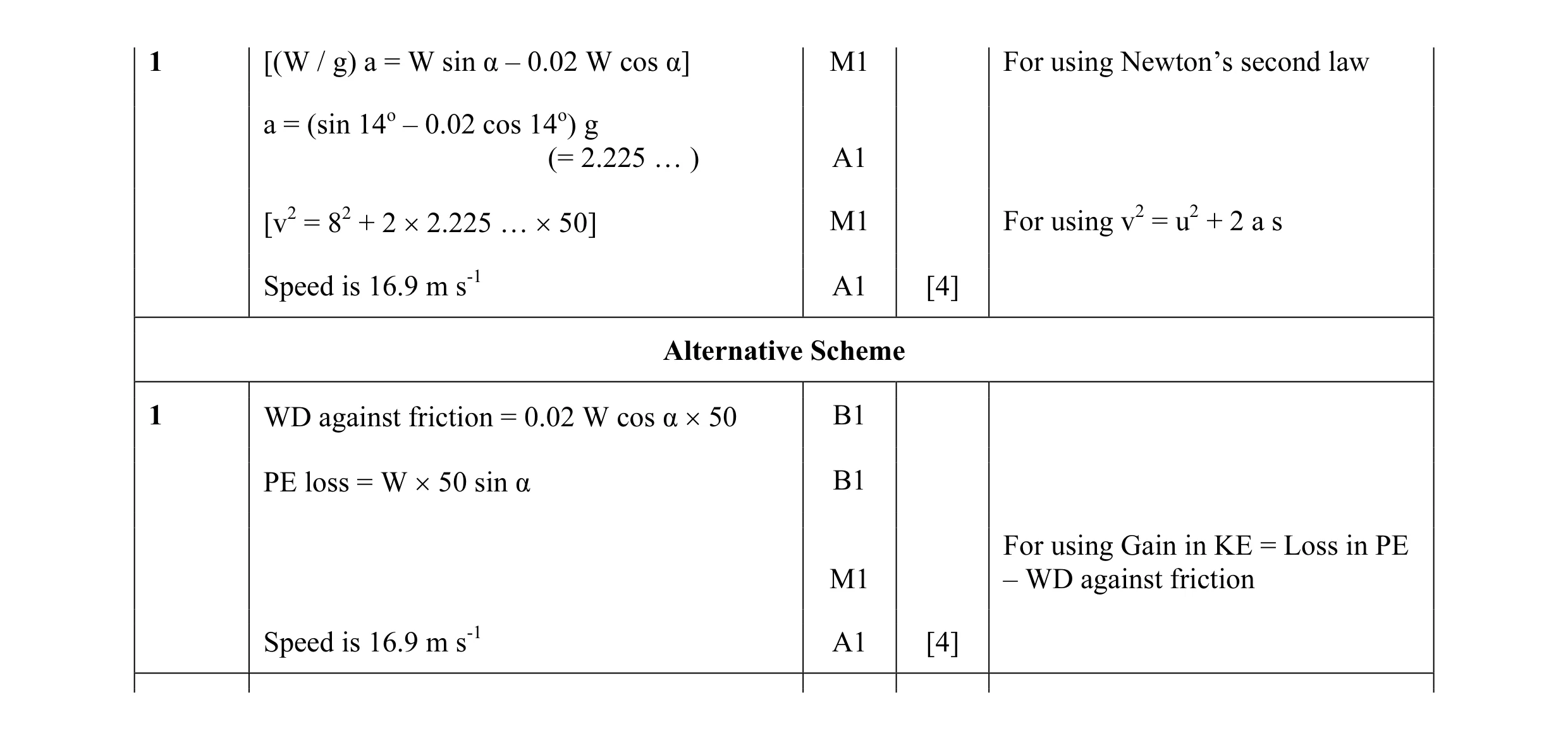 4
4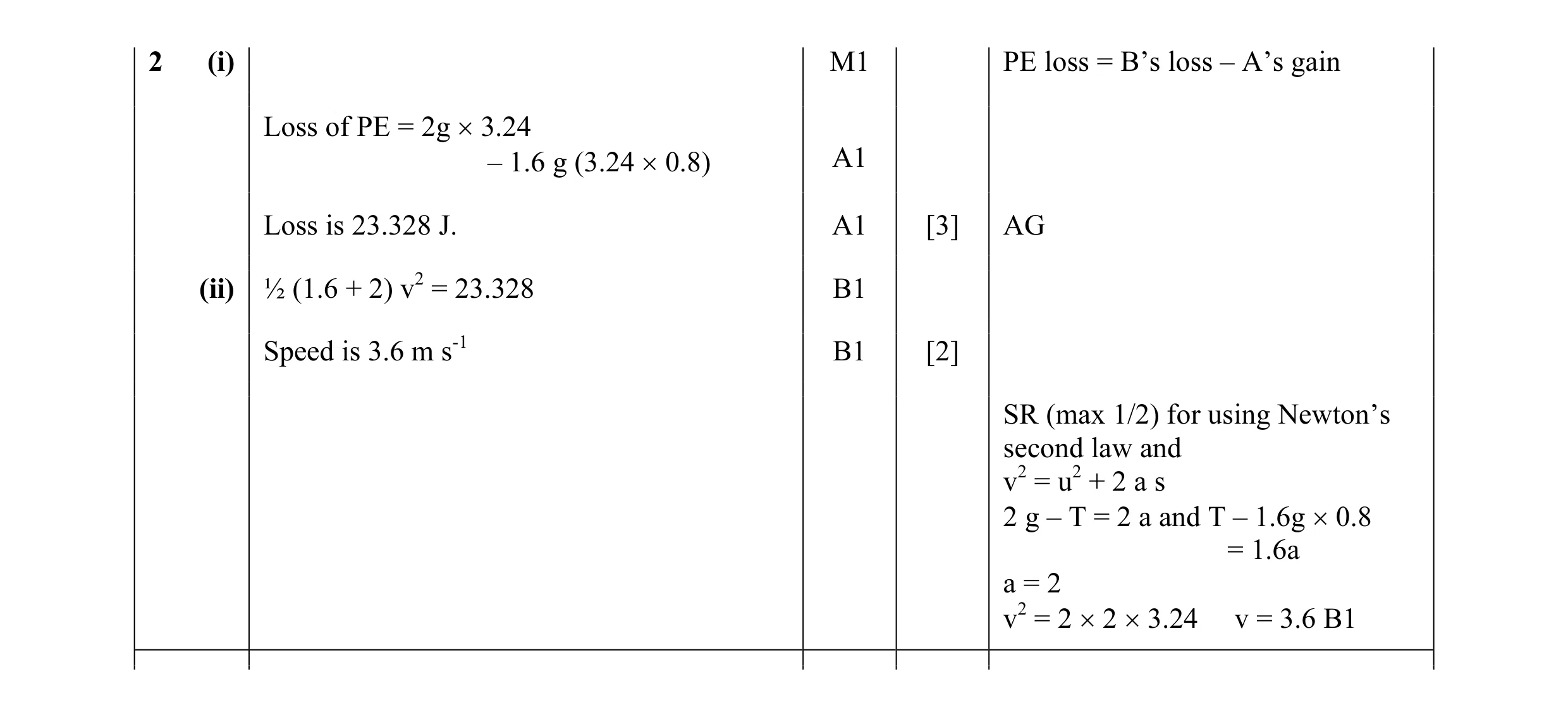 5
5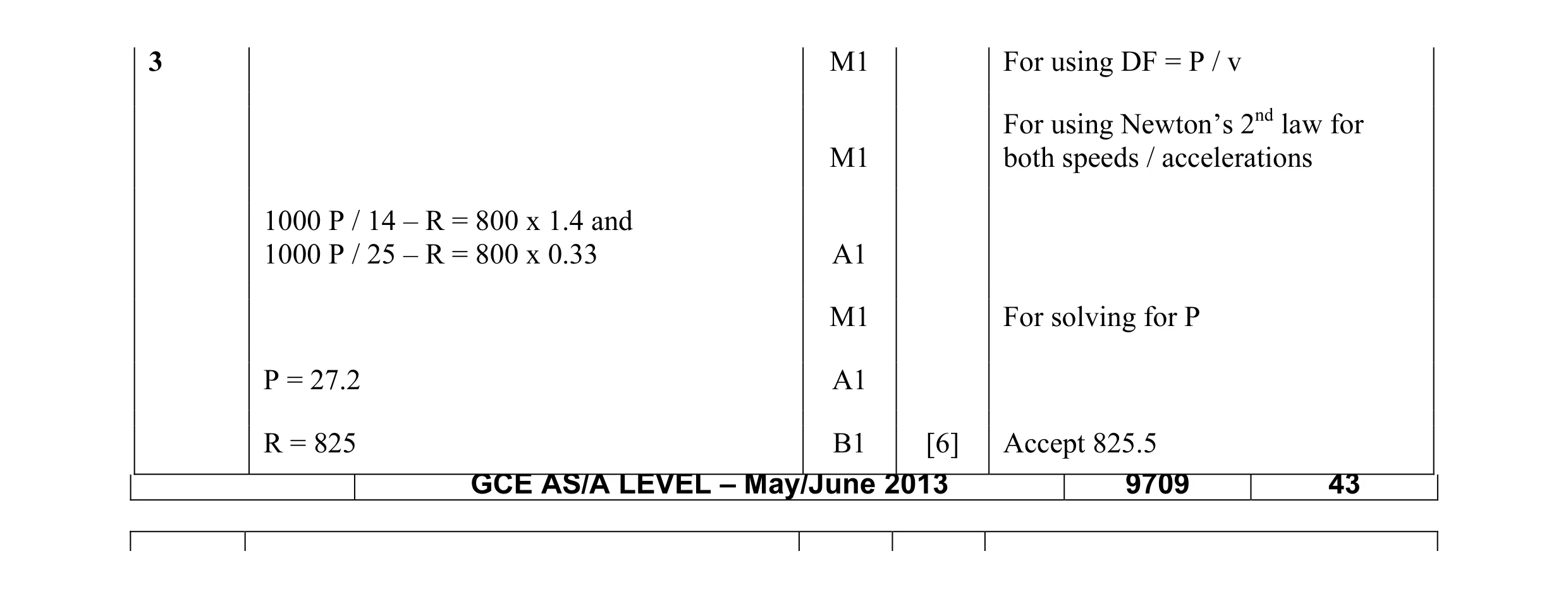 6
6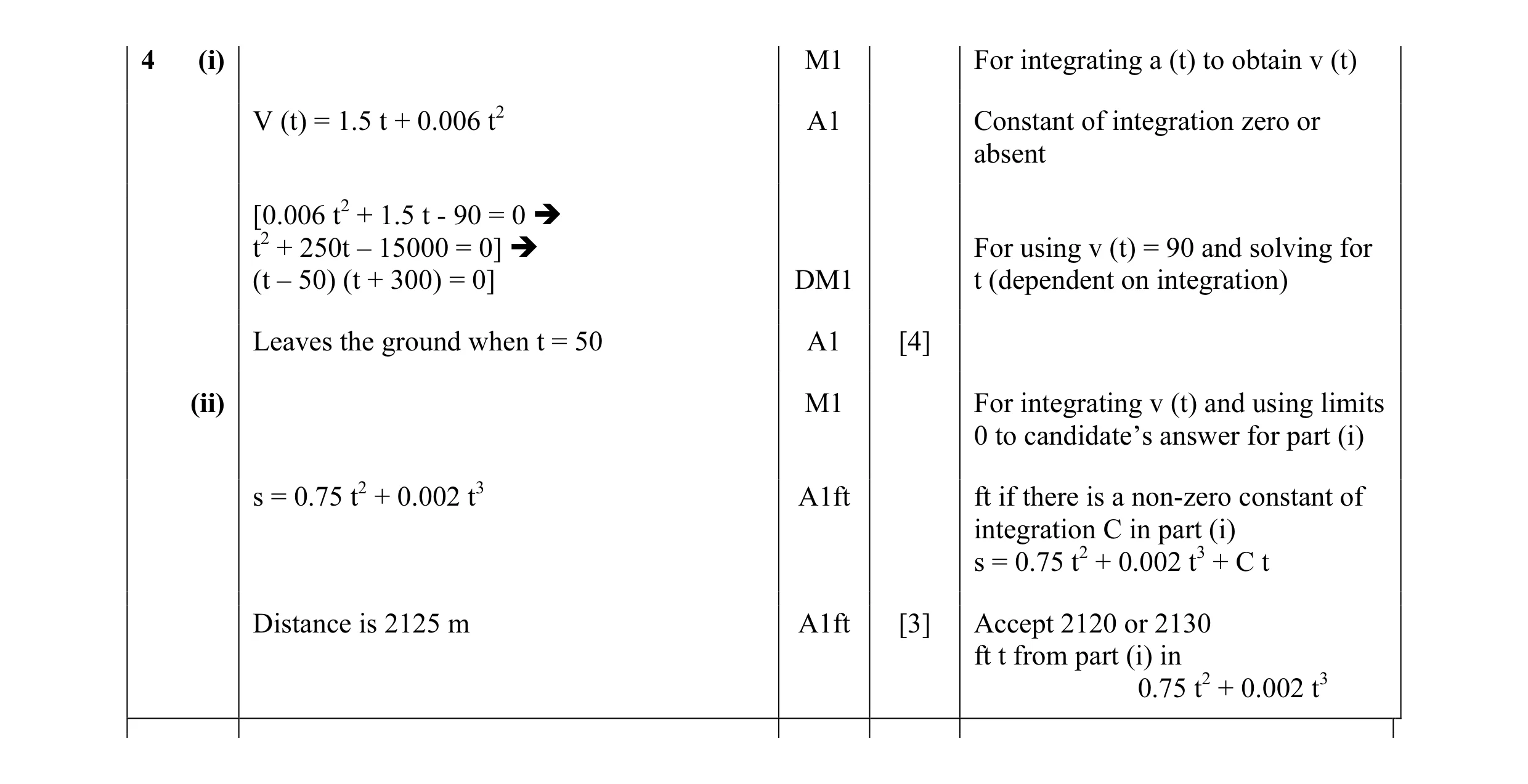 7
7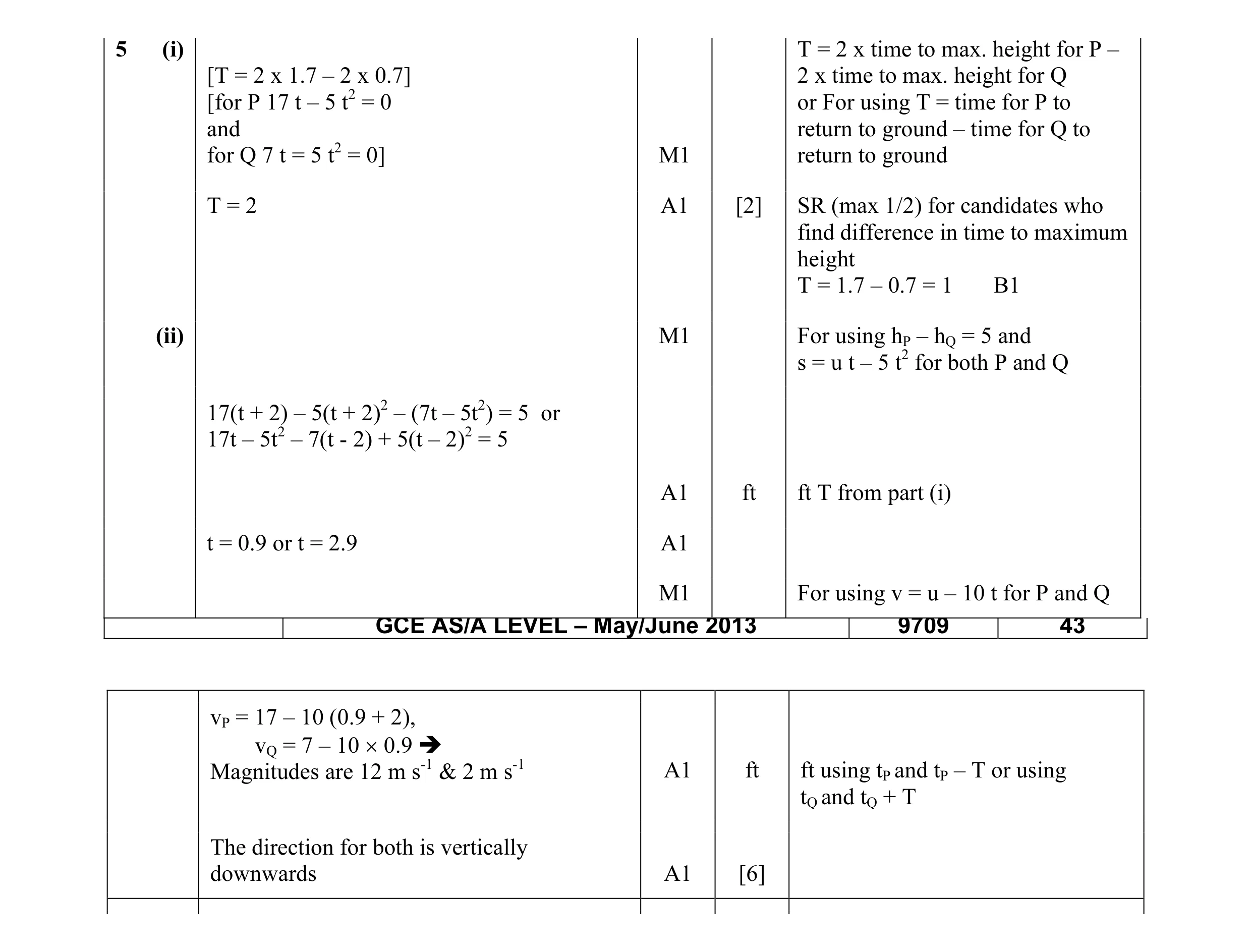 8
8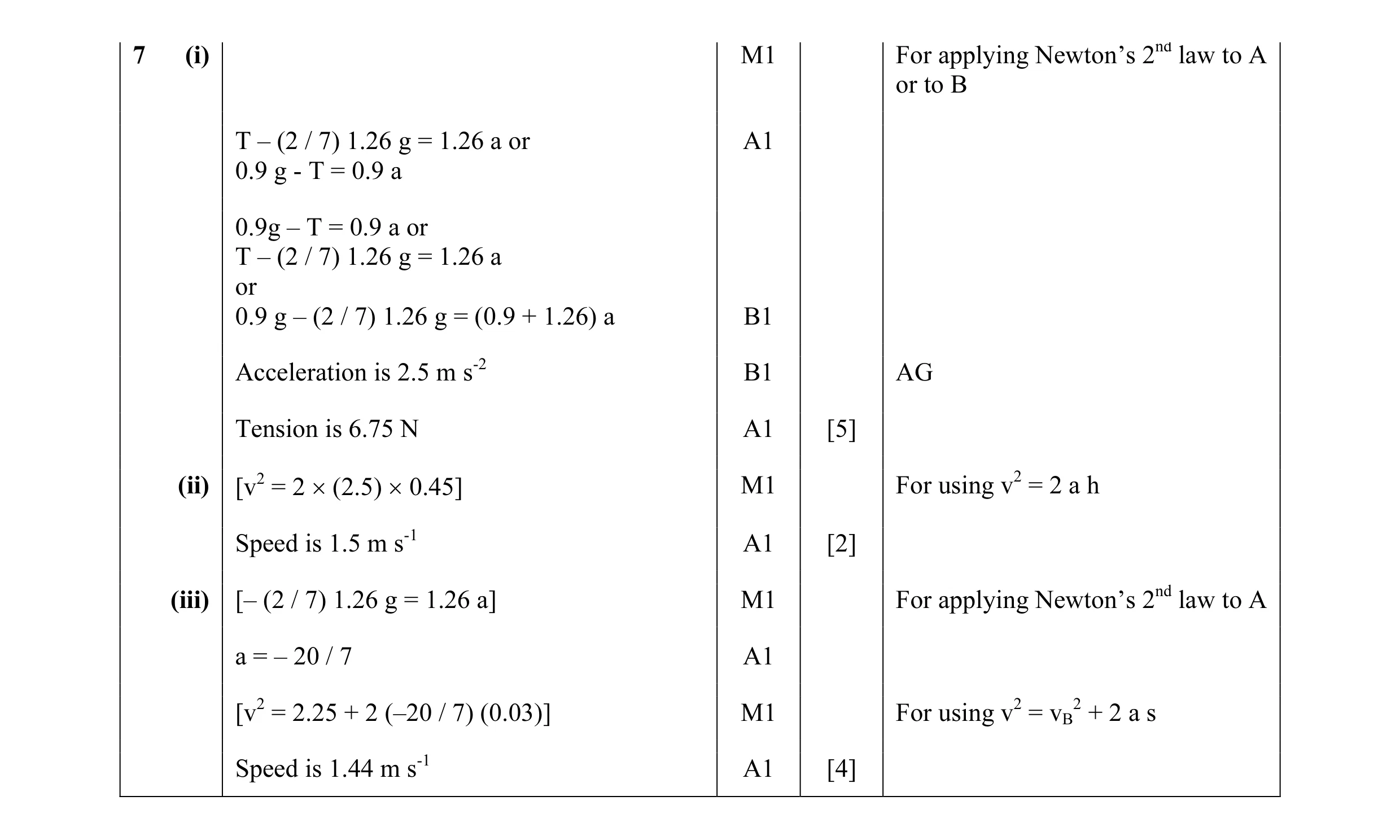 11
11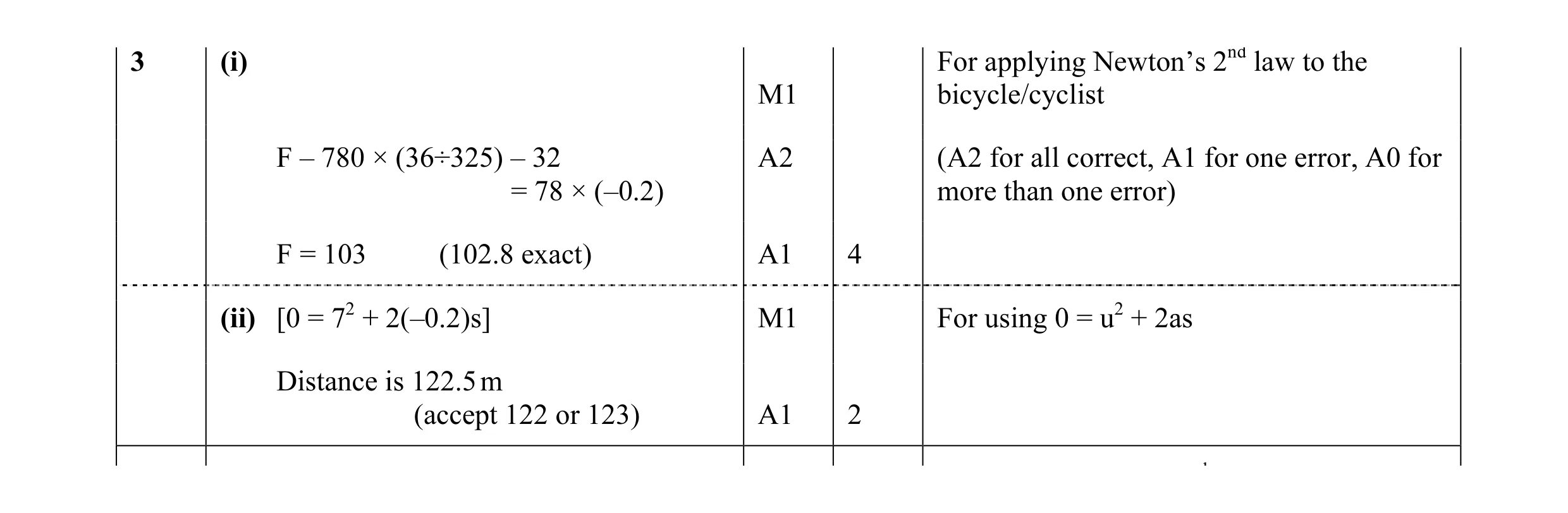 6
6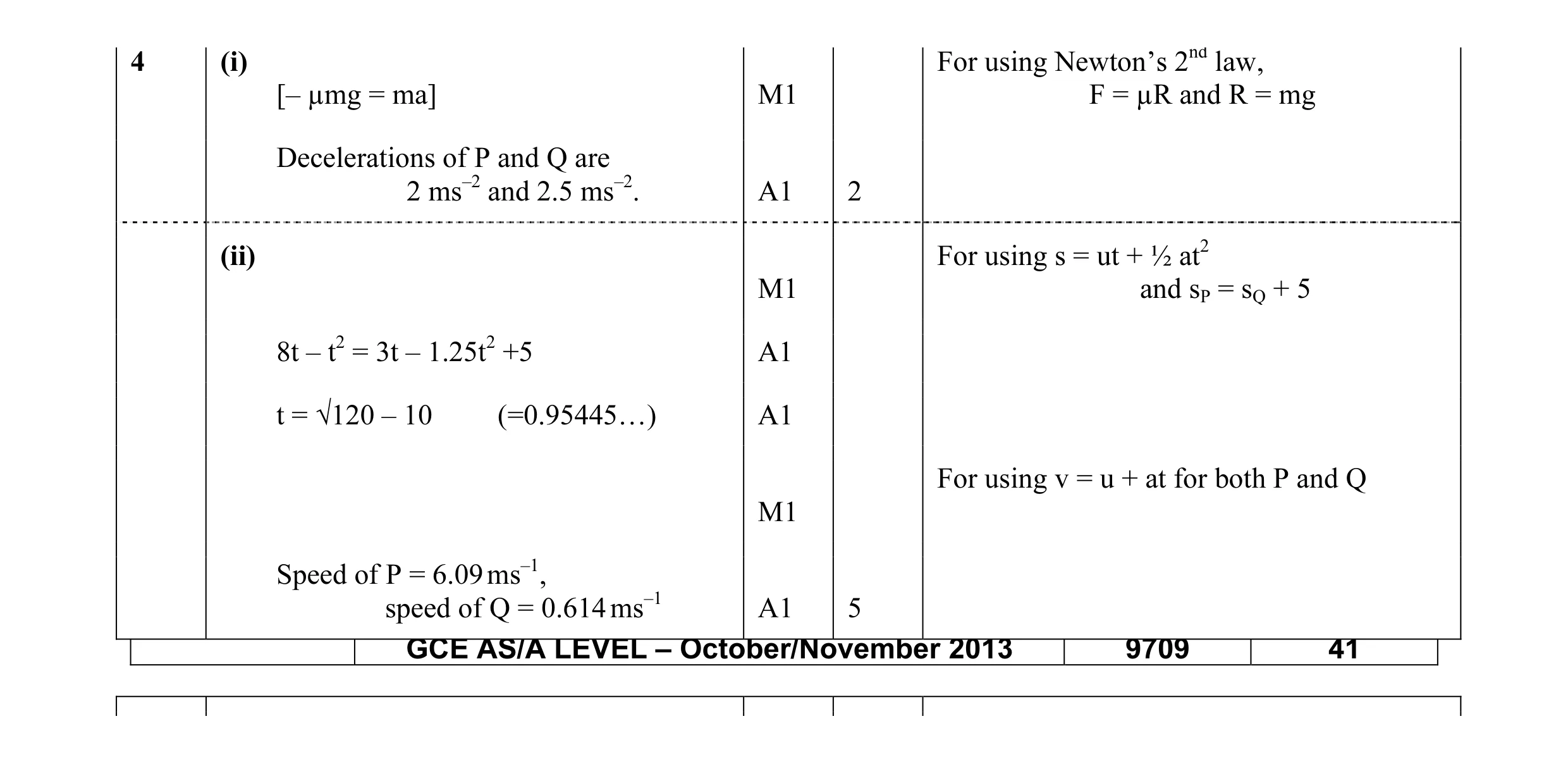 7
7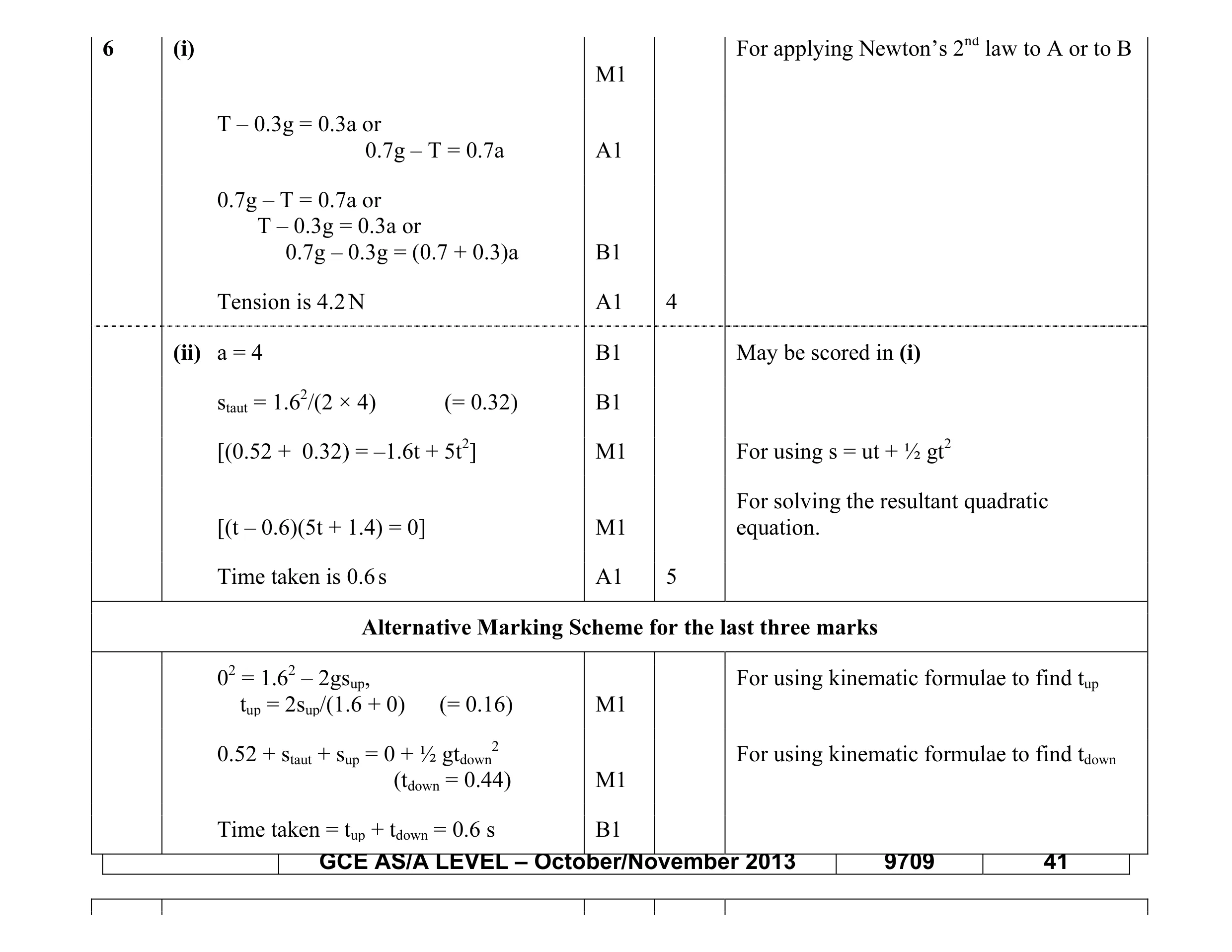 9
9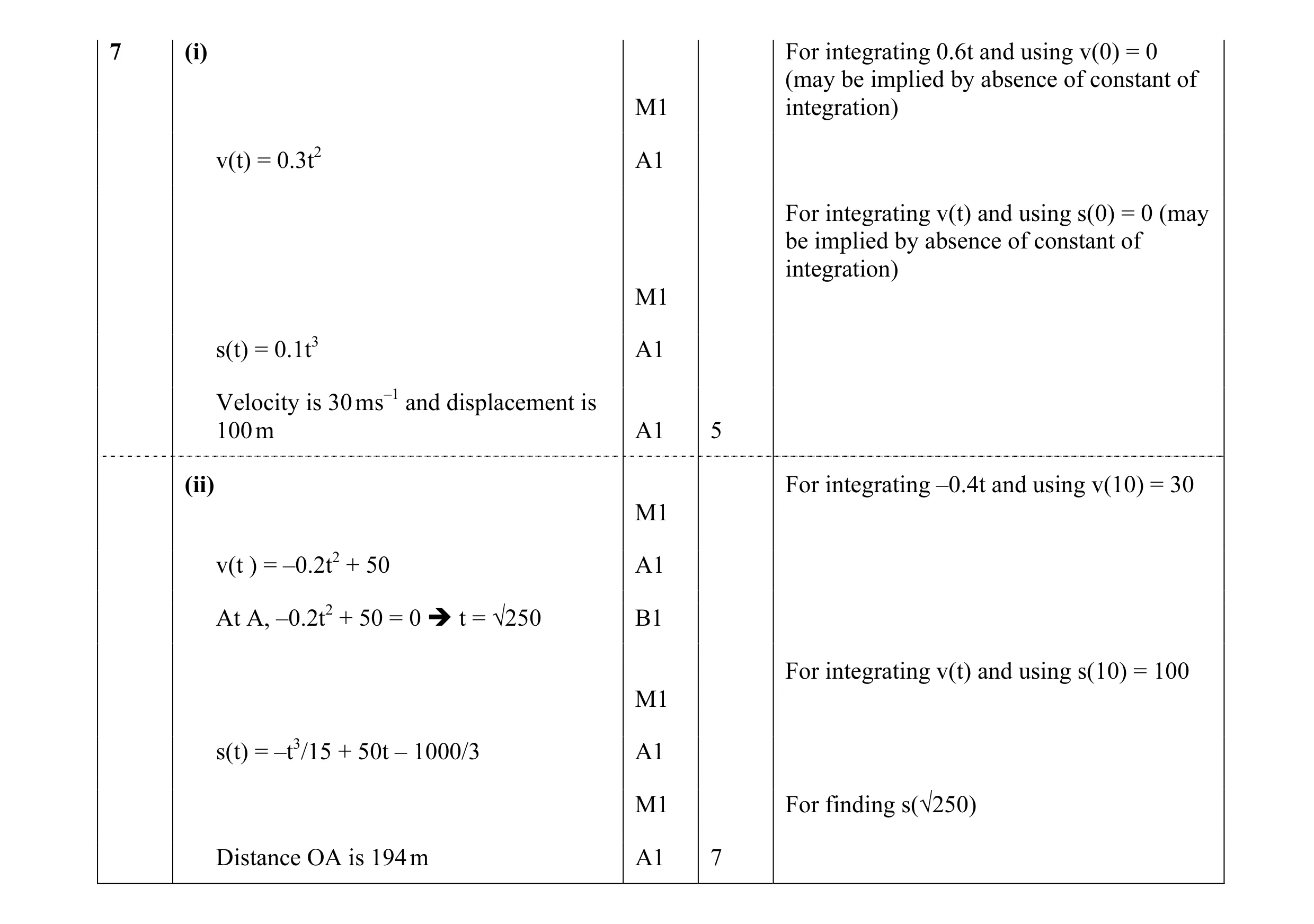 12
12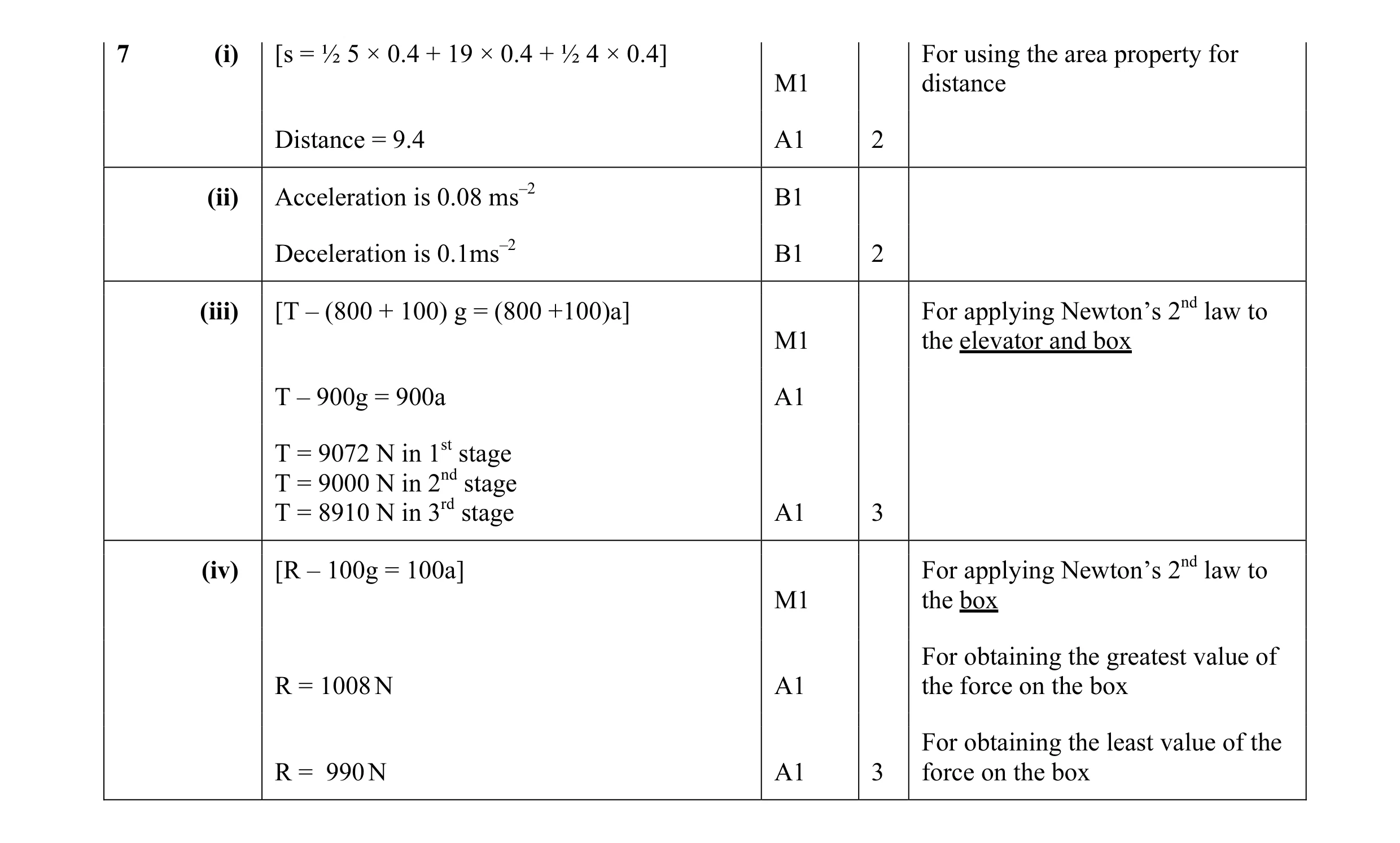 10
10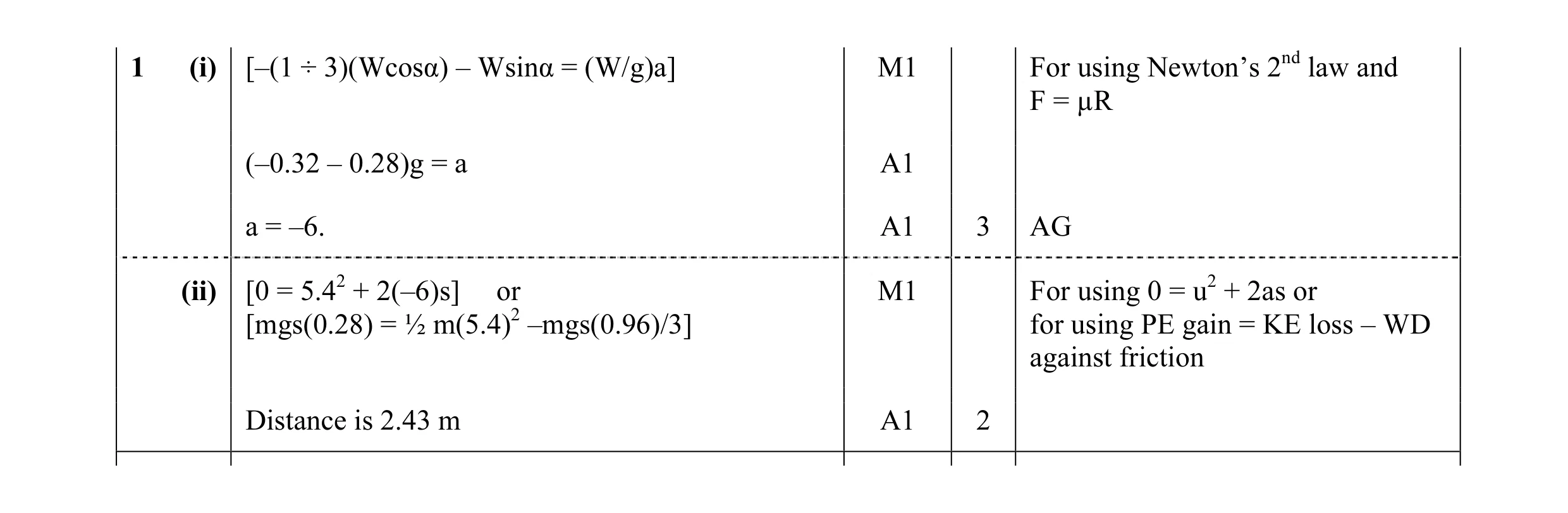 5
5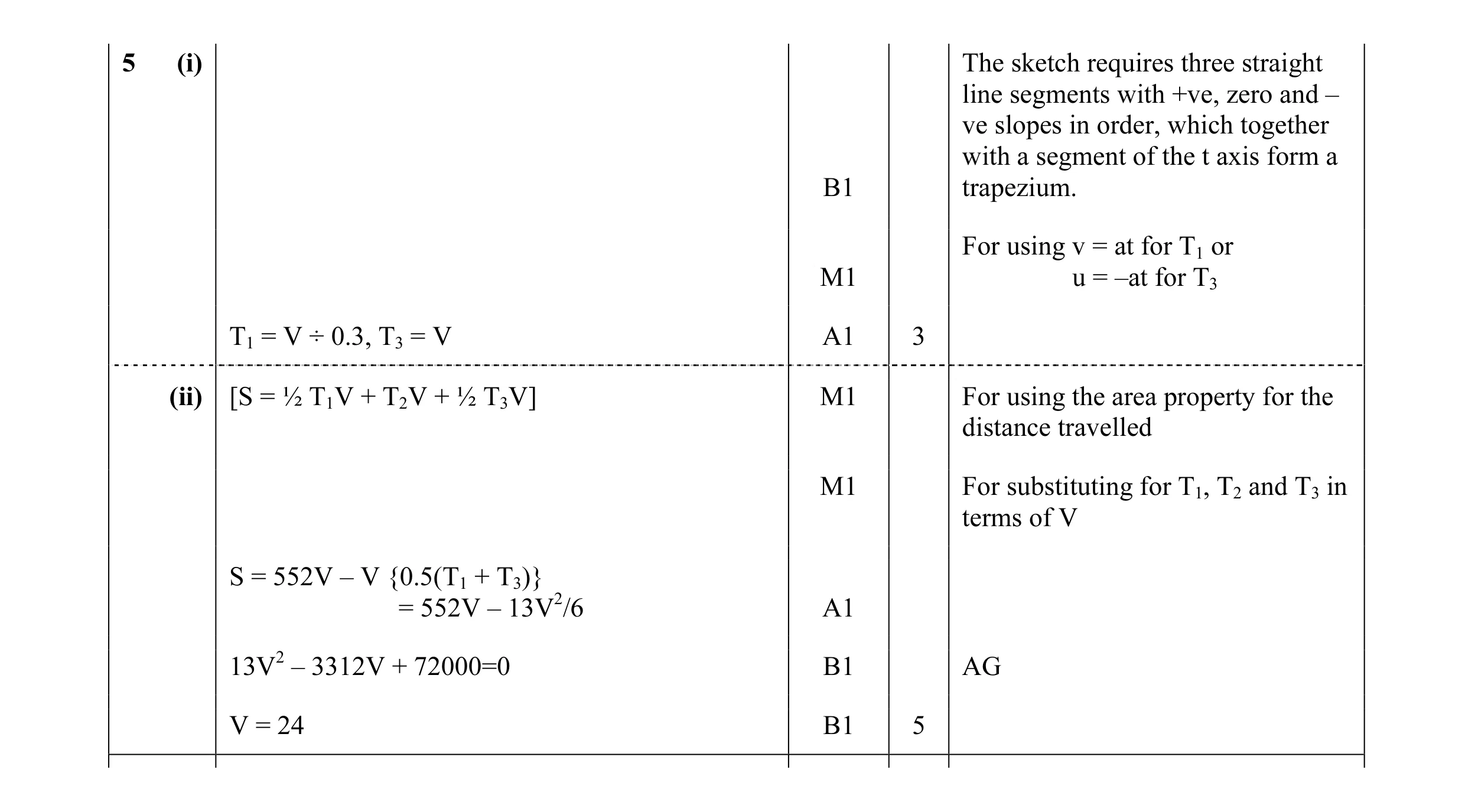 8
8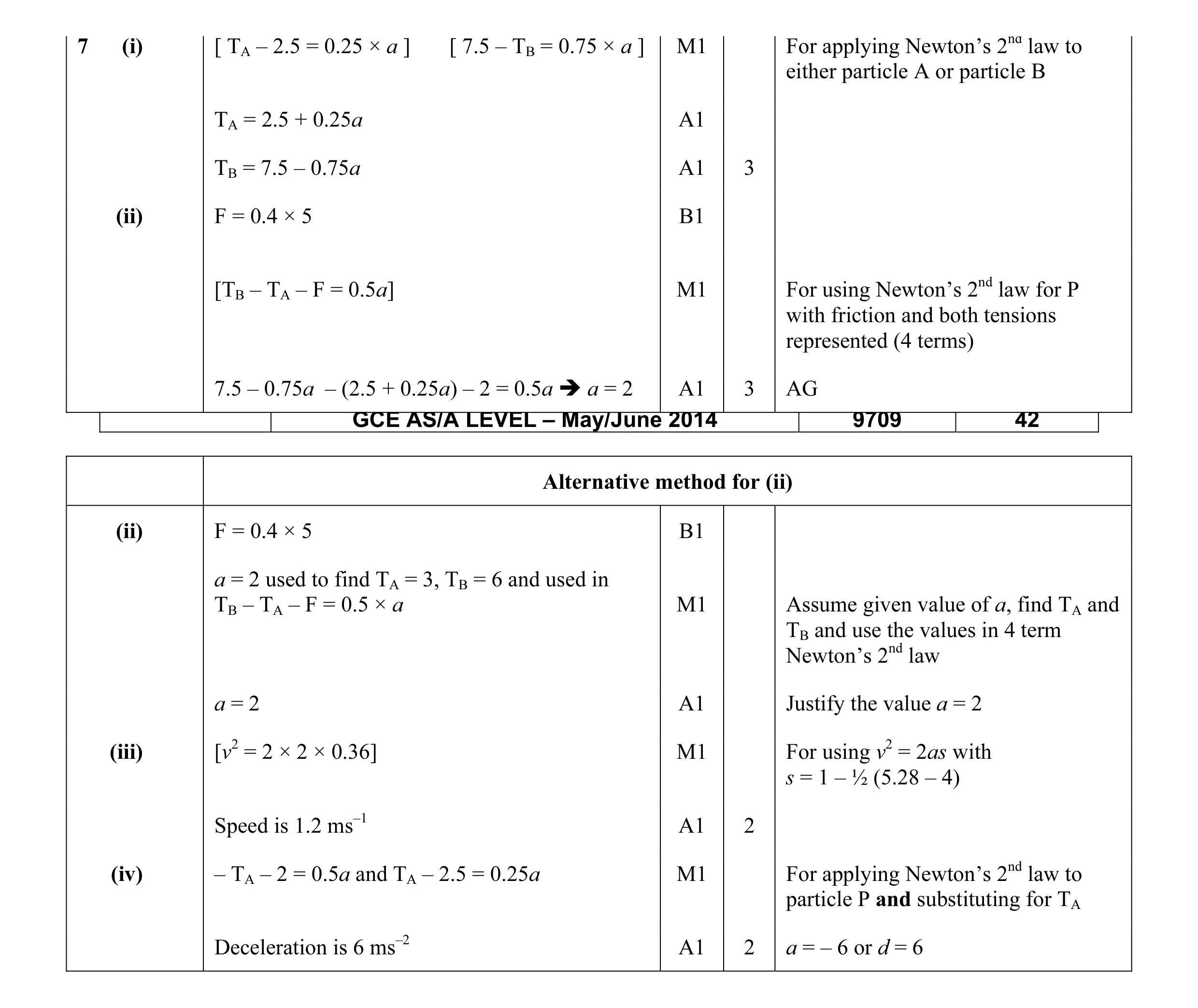 10
10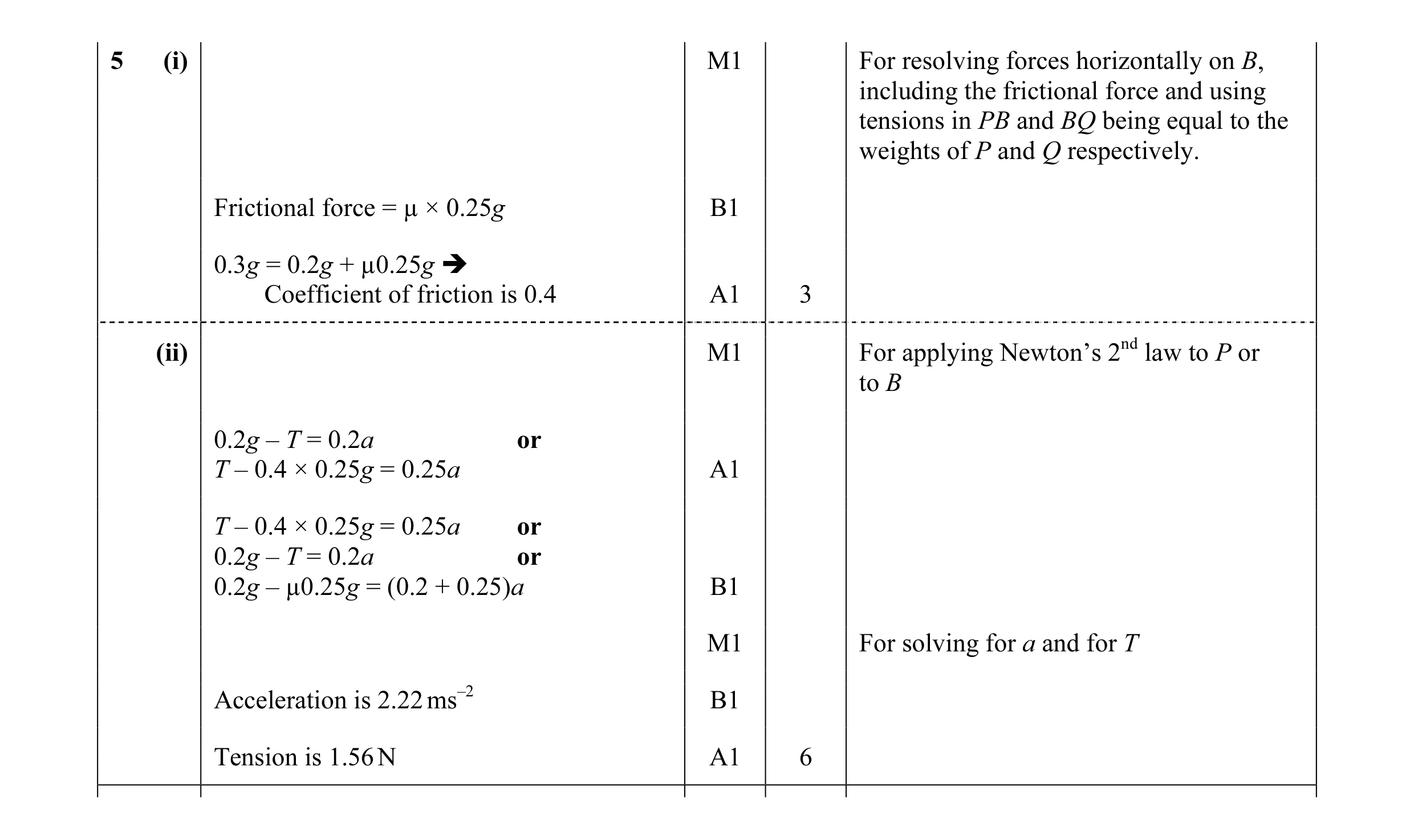 9
9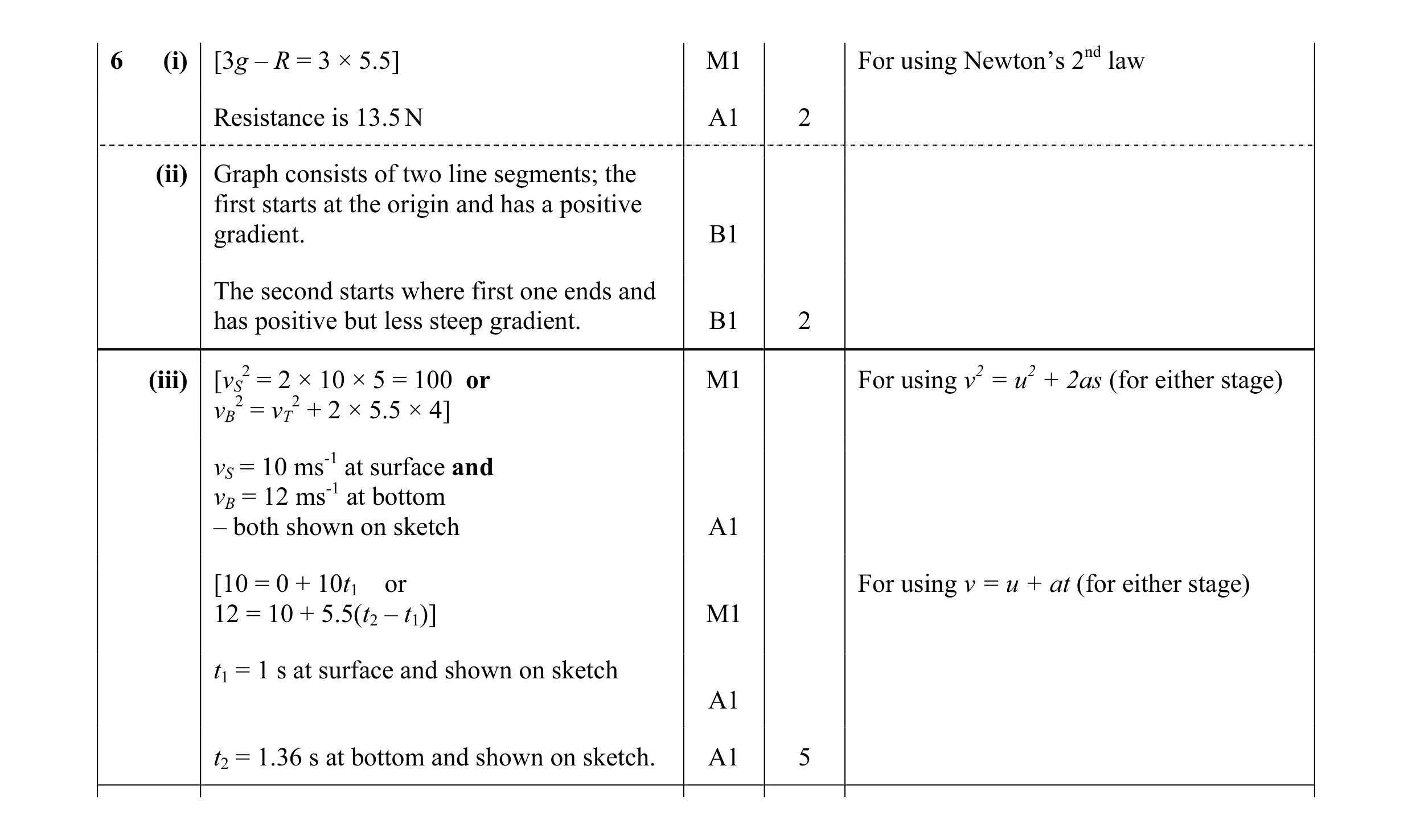 9
9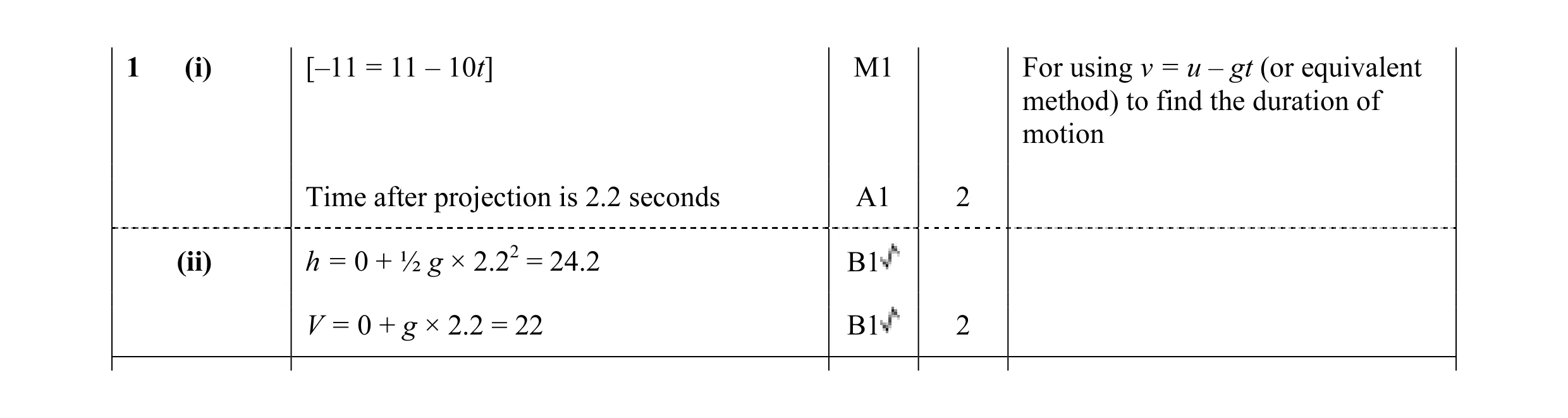 4
4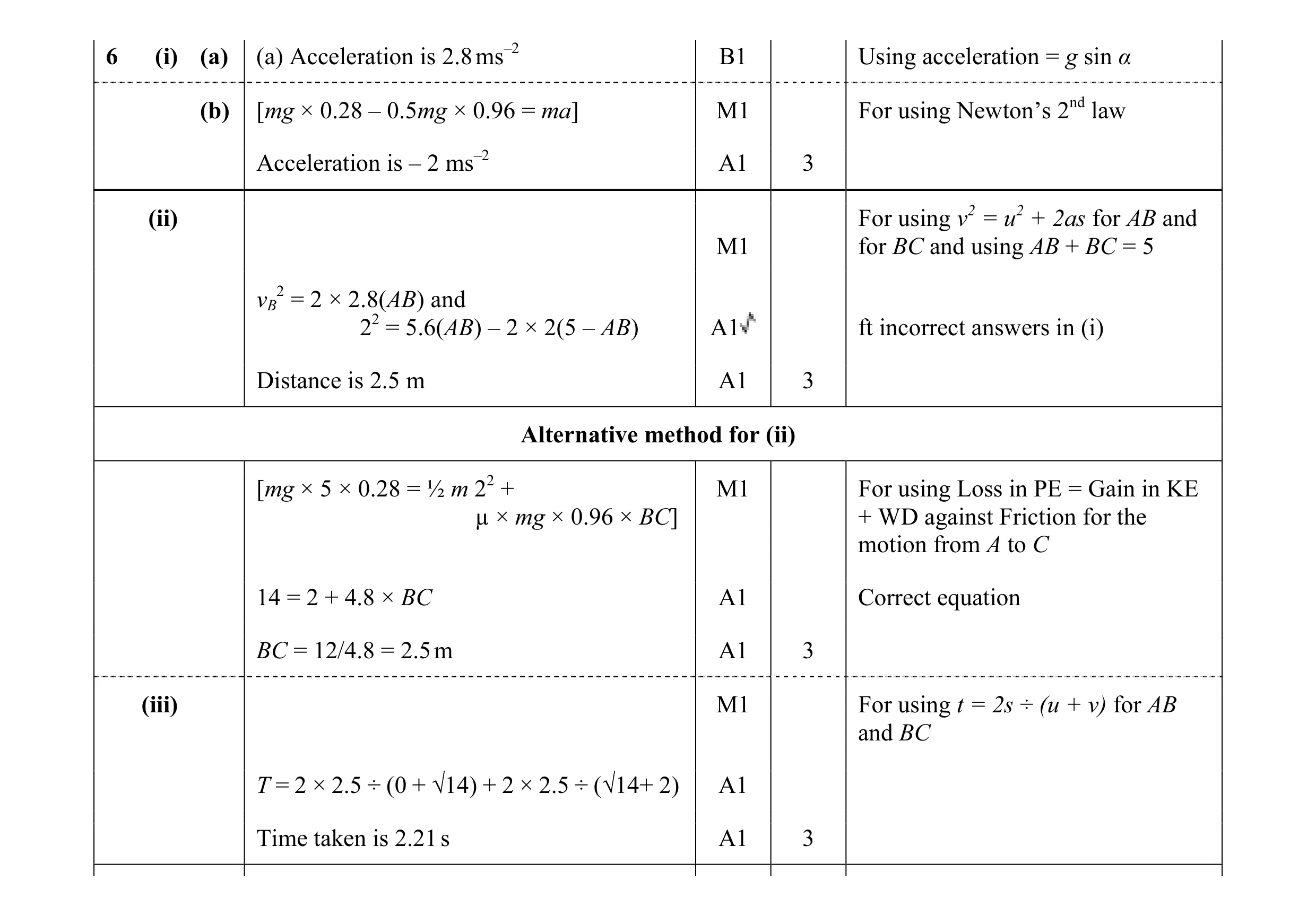 9
9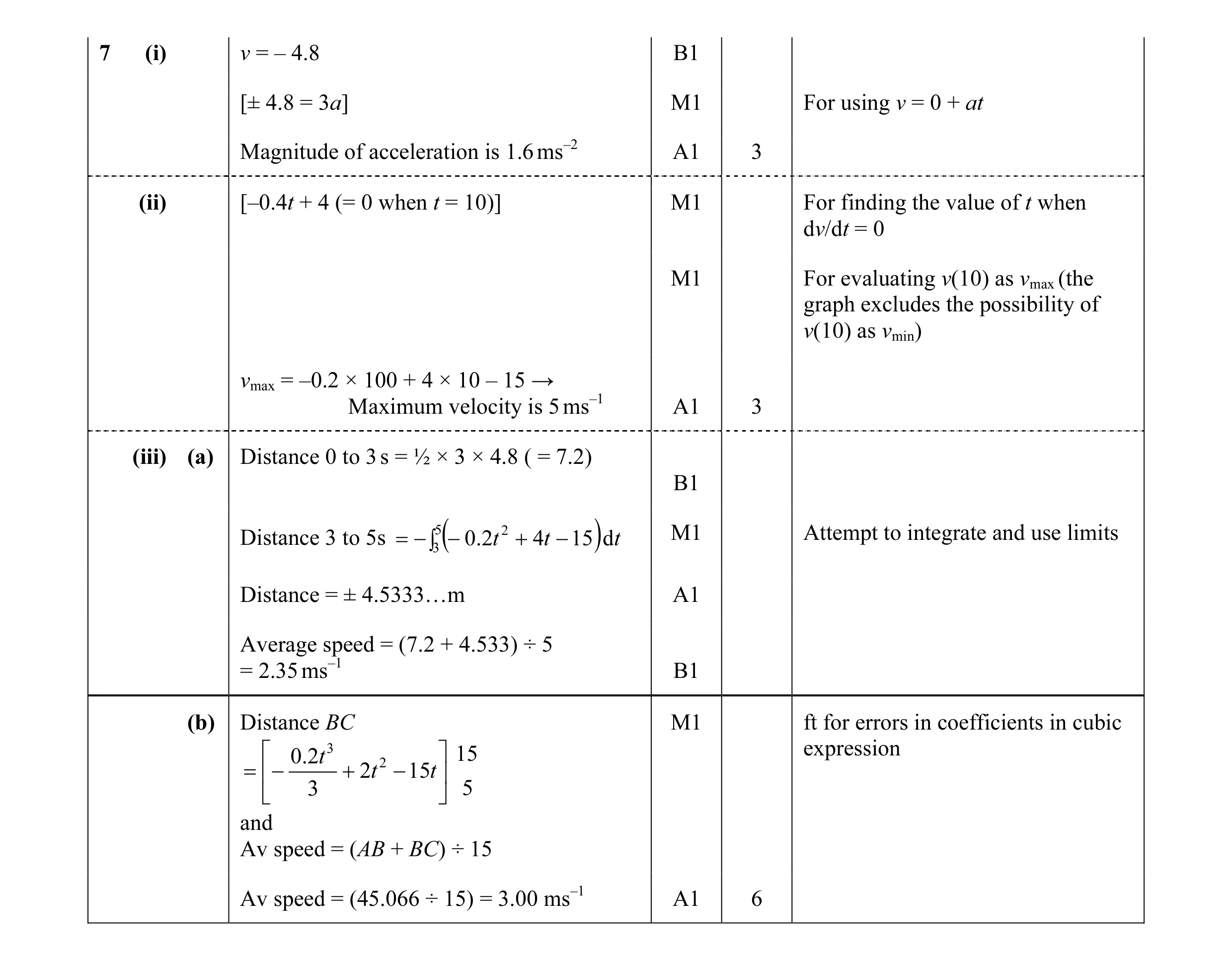 12
12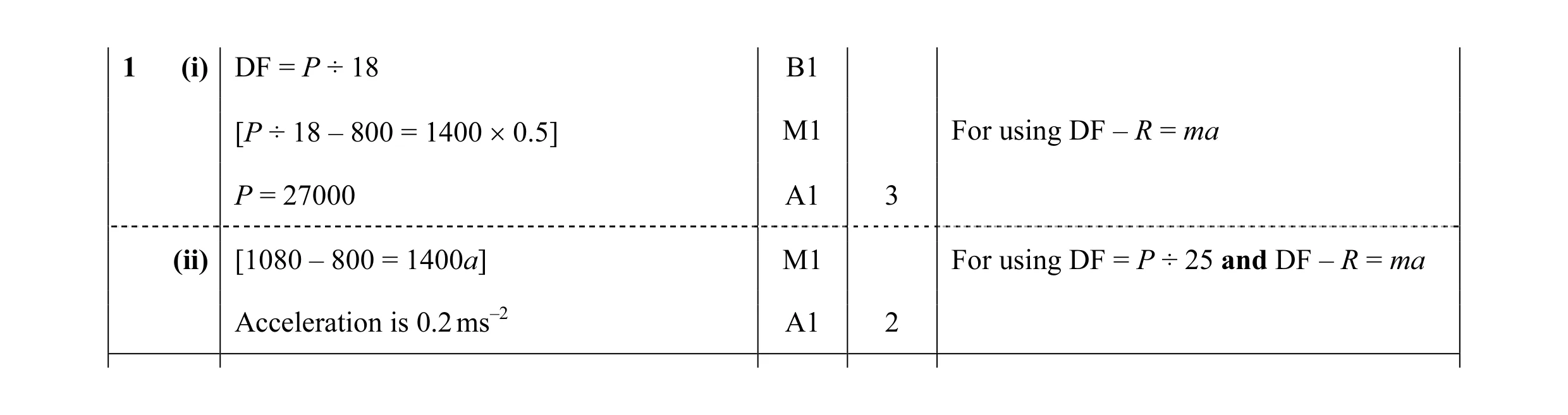 5
5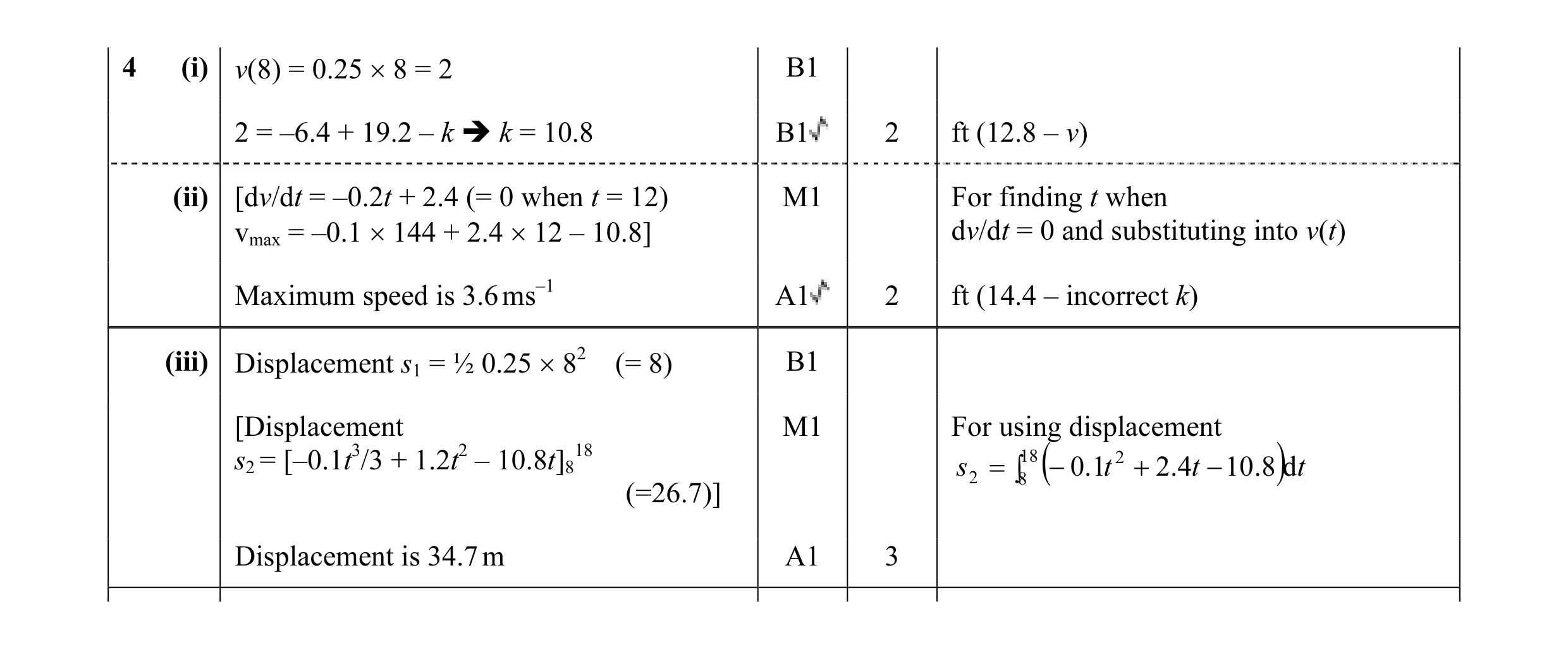 7
7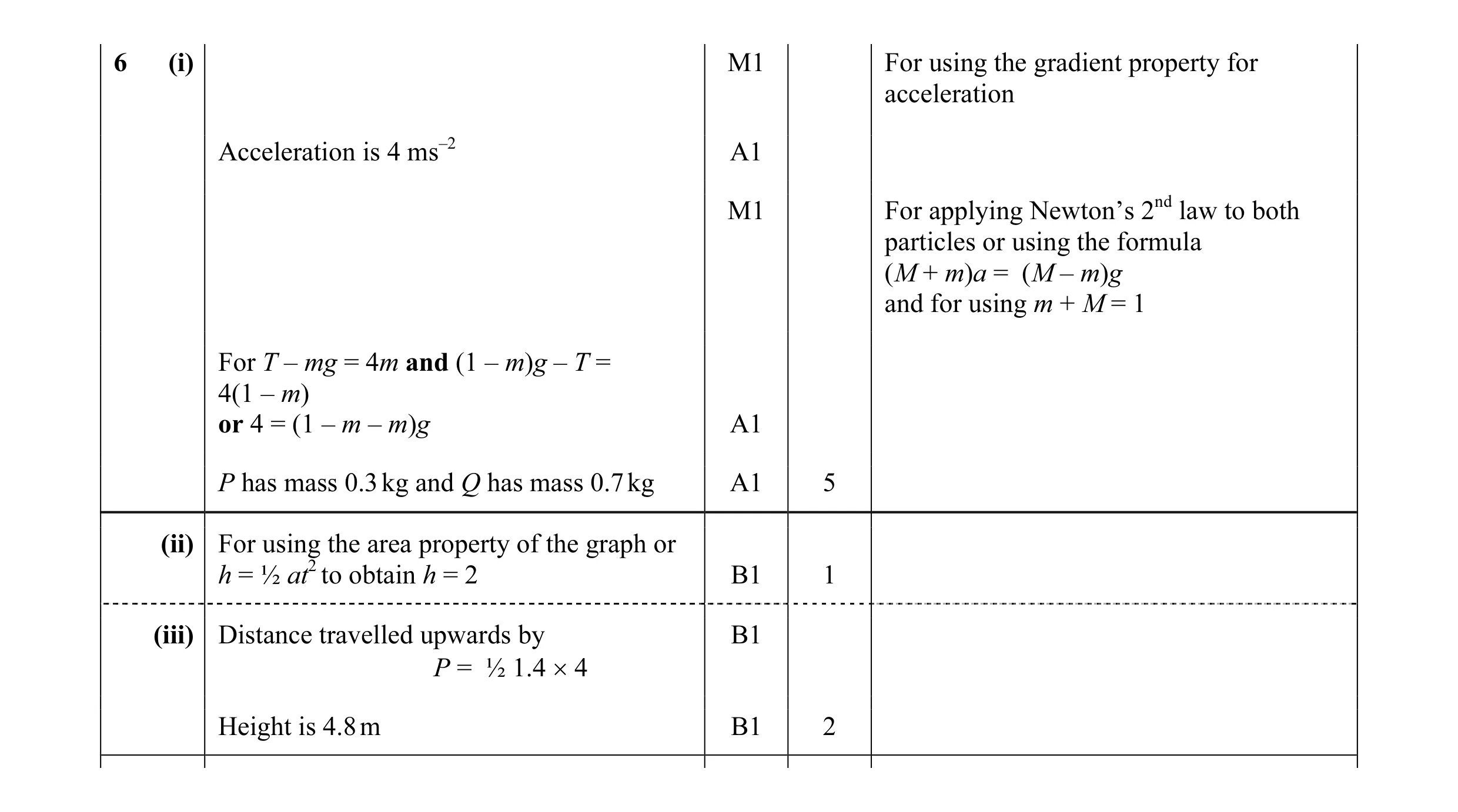 8
8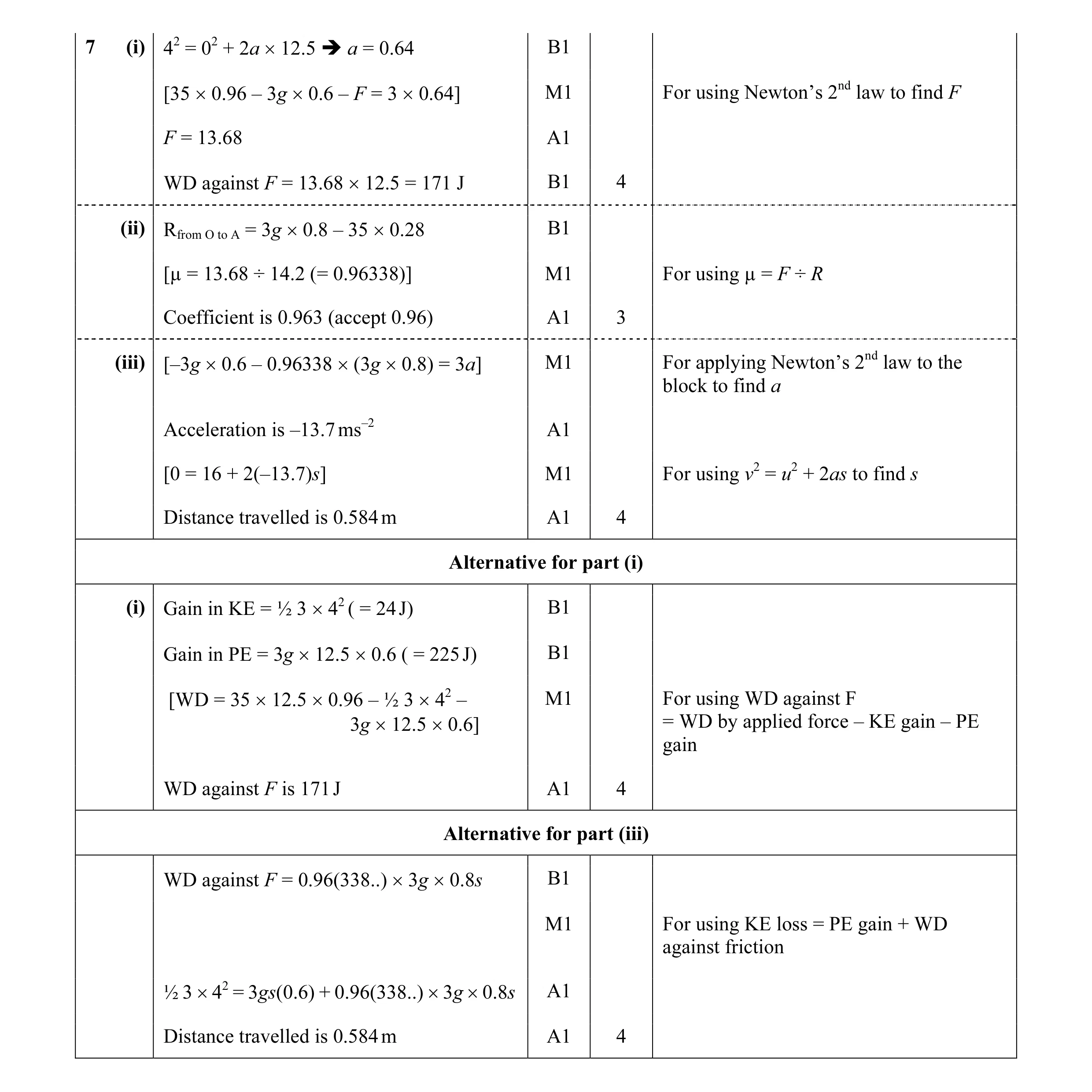 11
11 5
5 6
6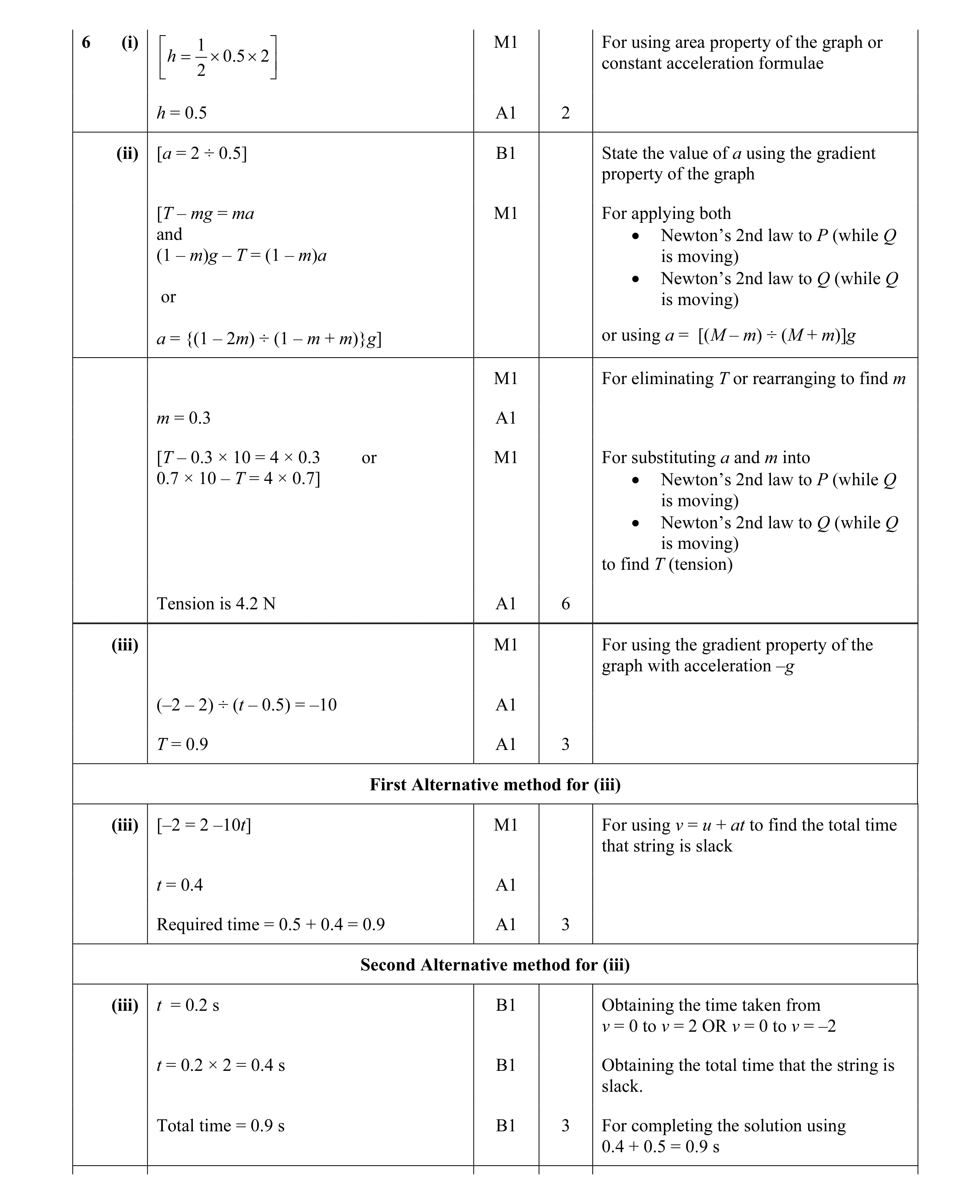 11
11 6
6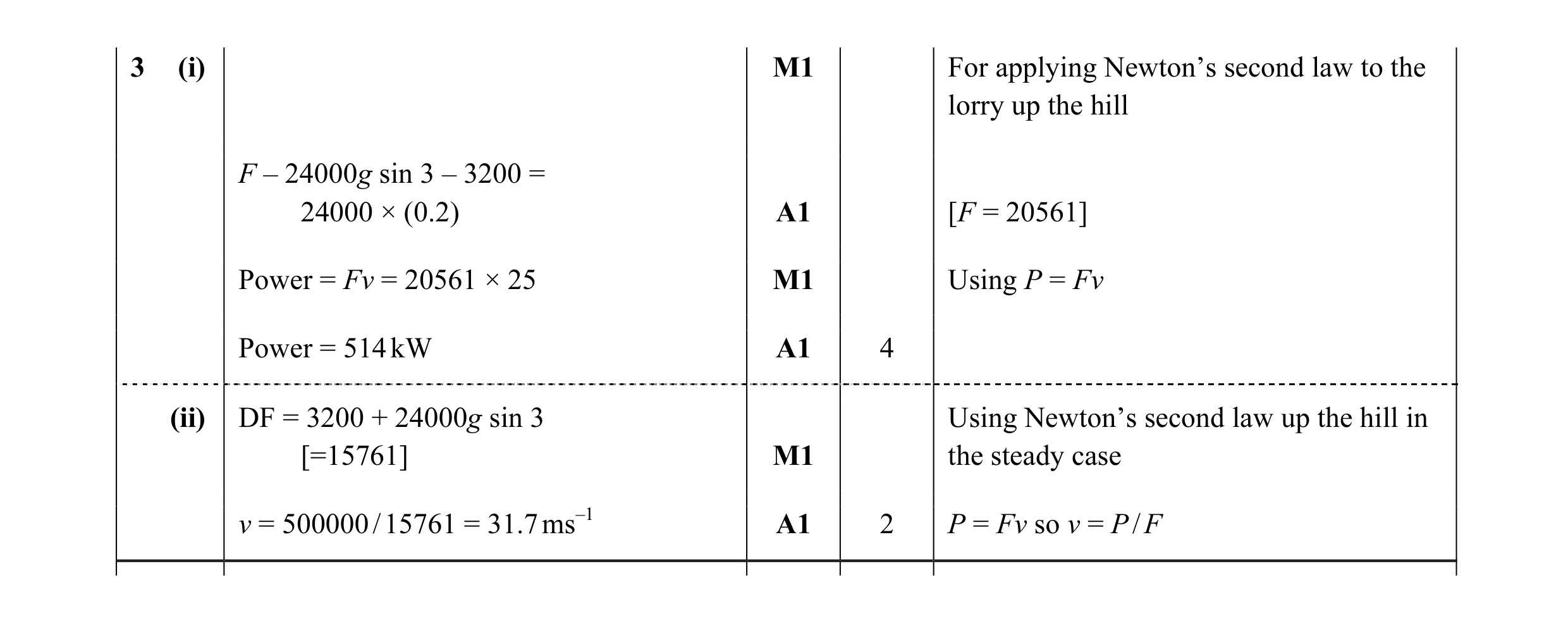 6
6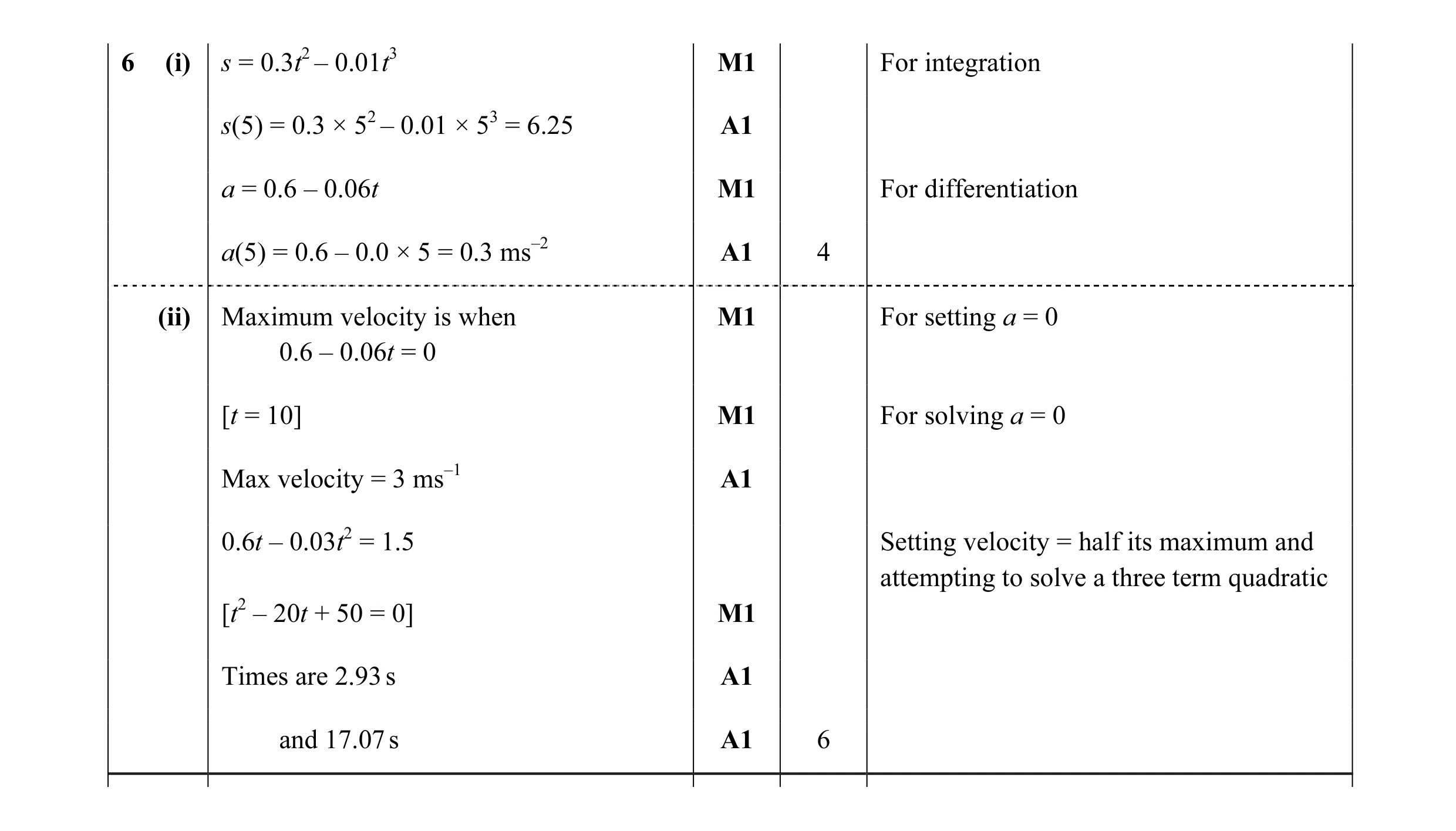 10
10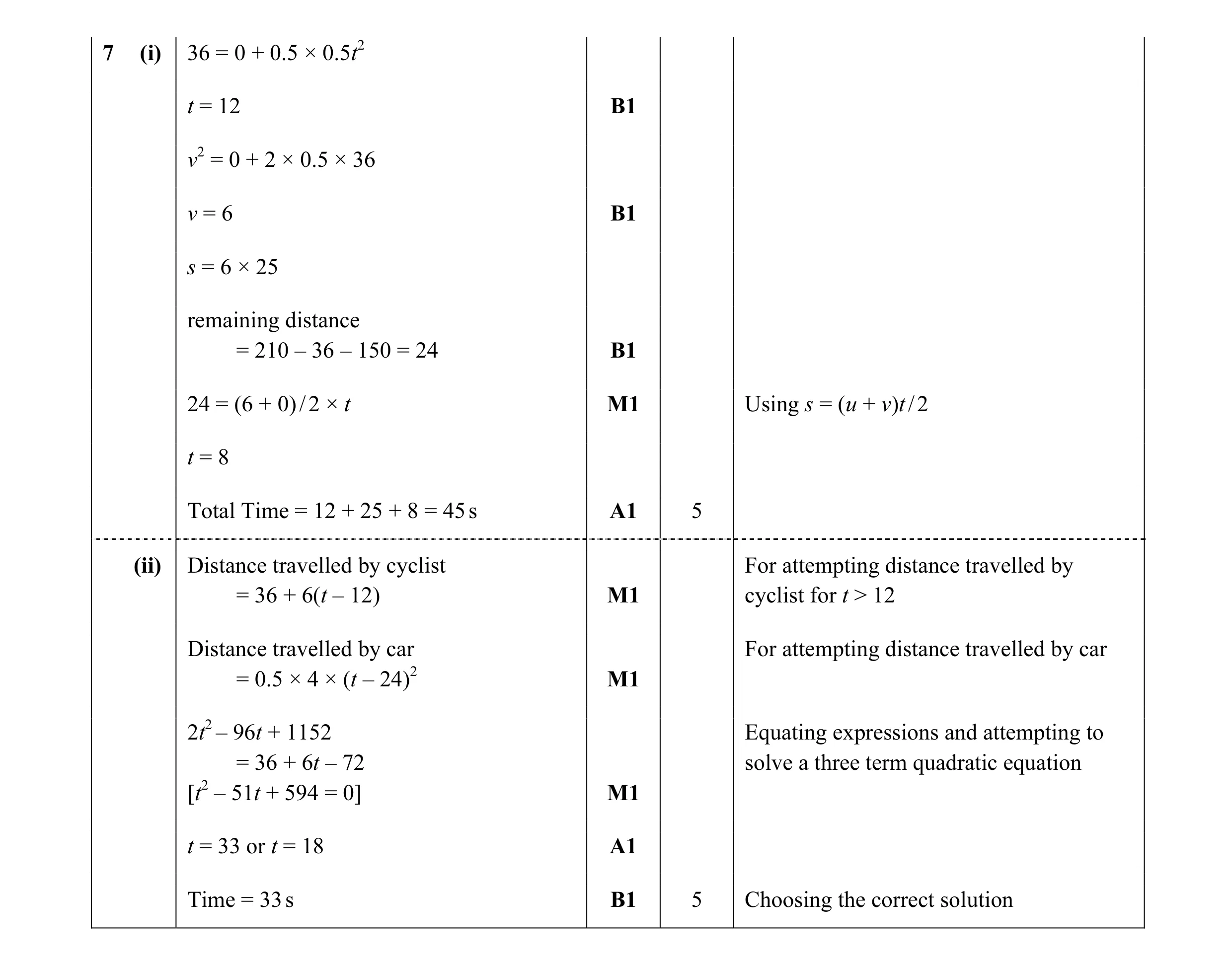 10
10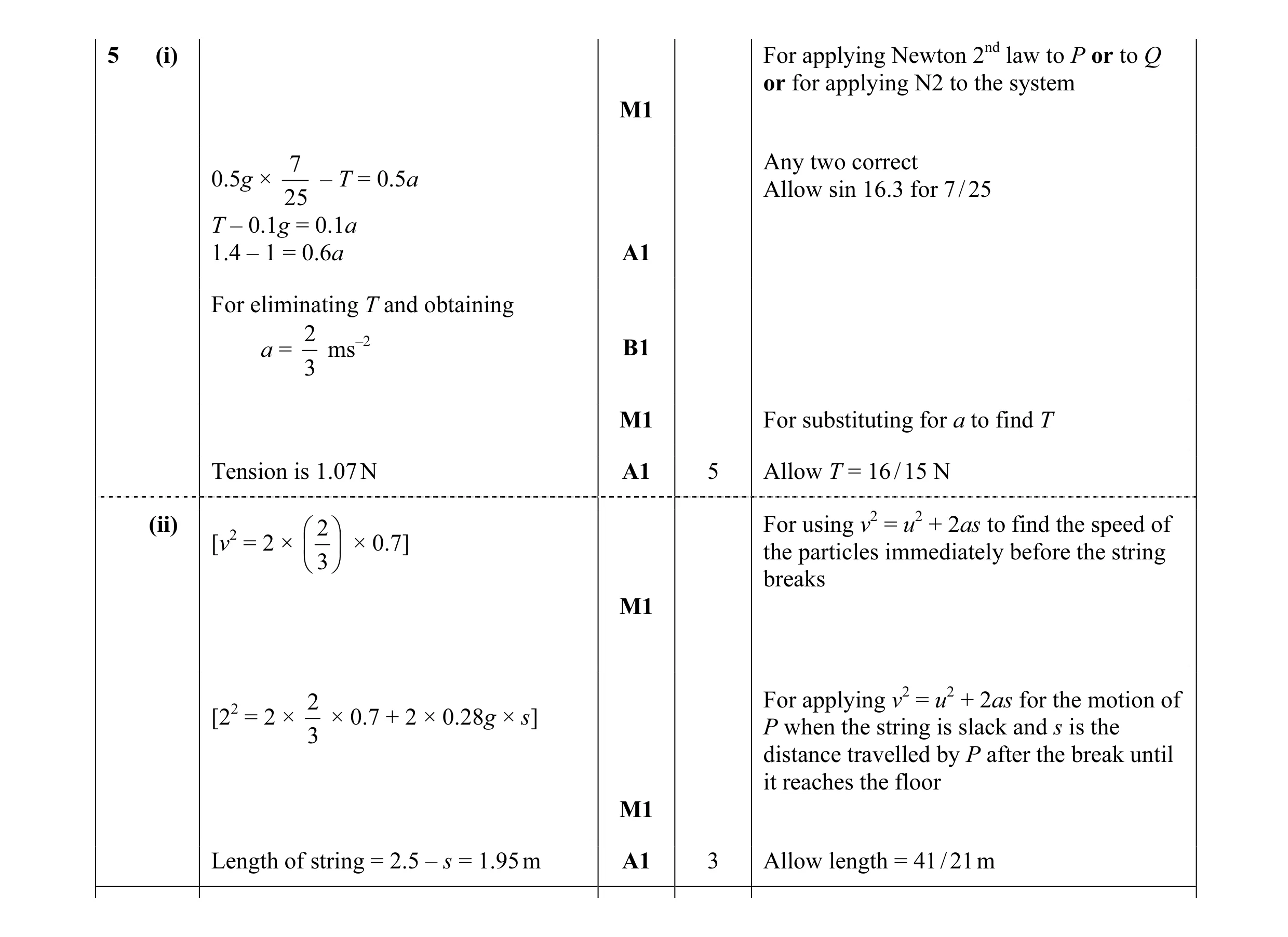 8
8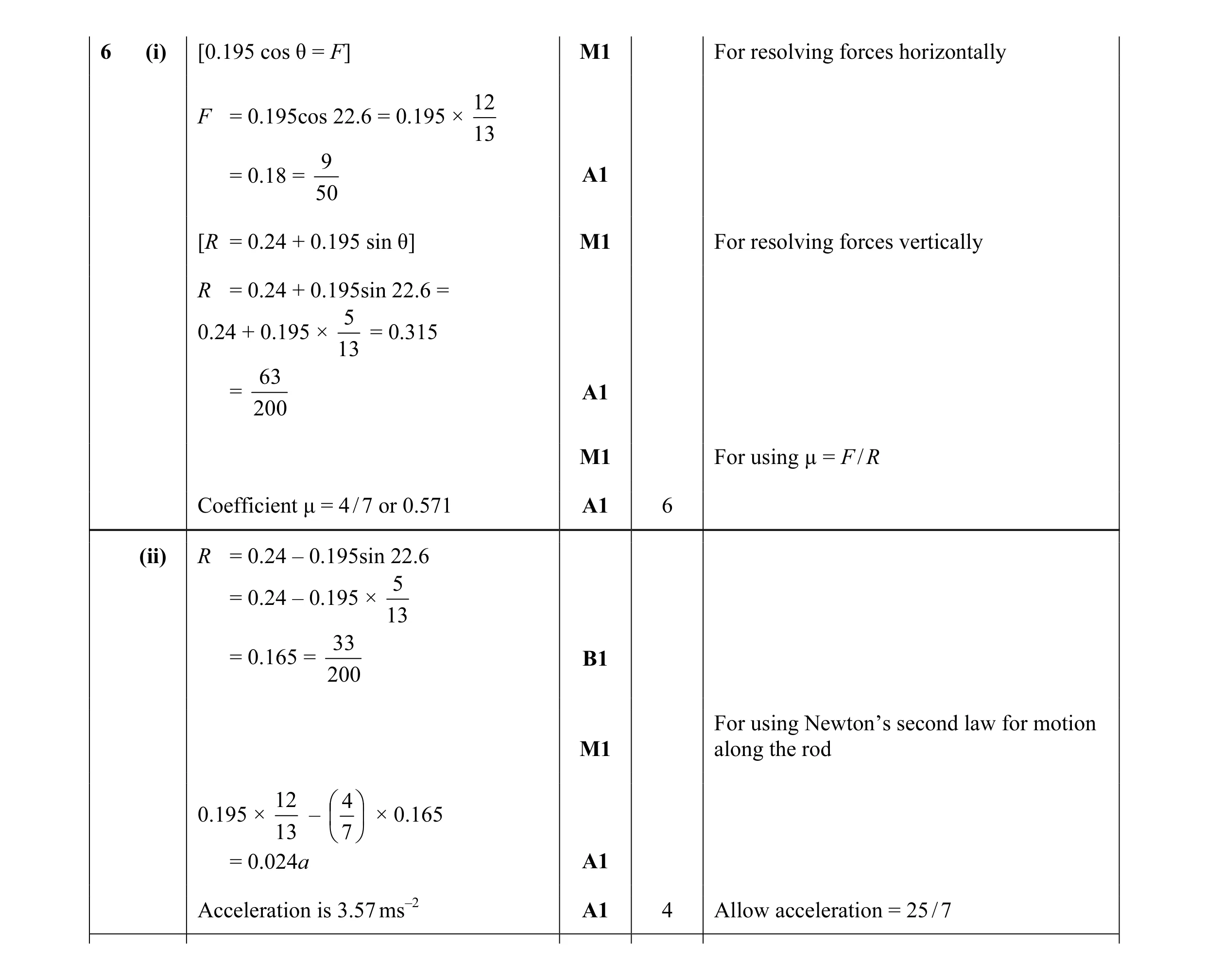 10
10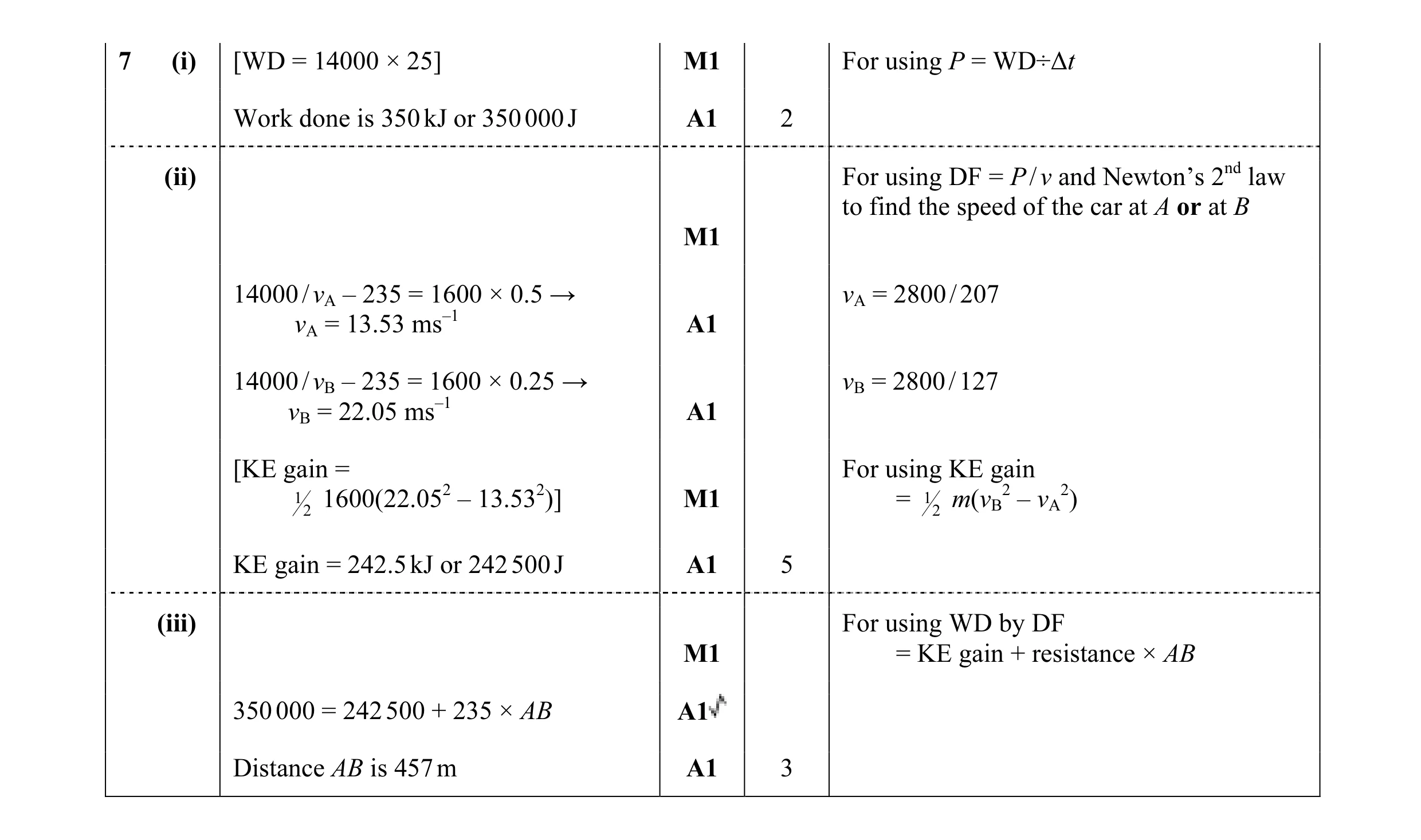 10
10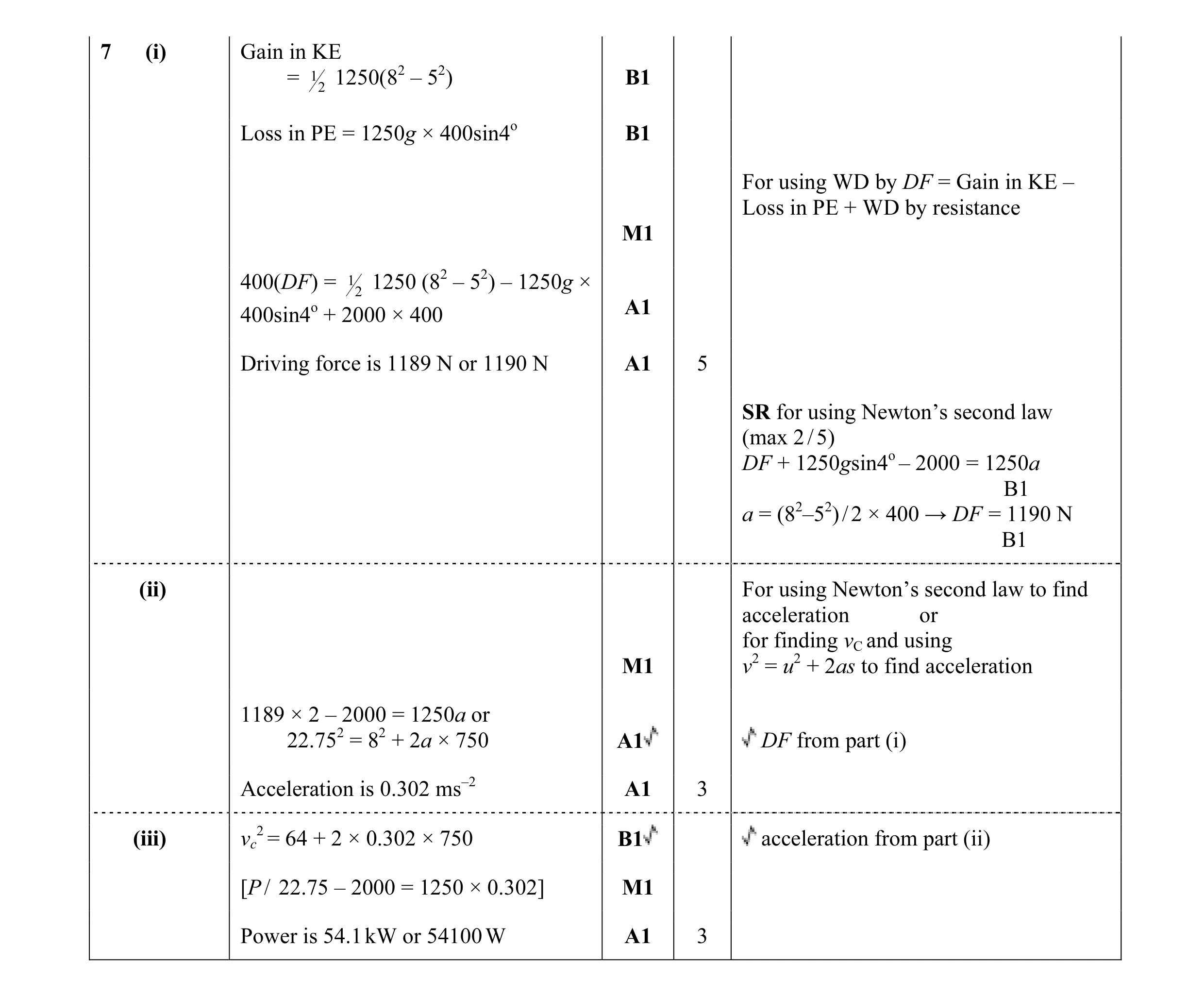 11
11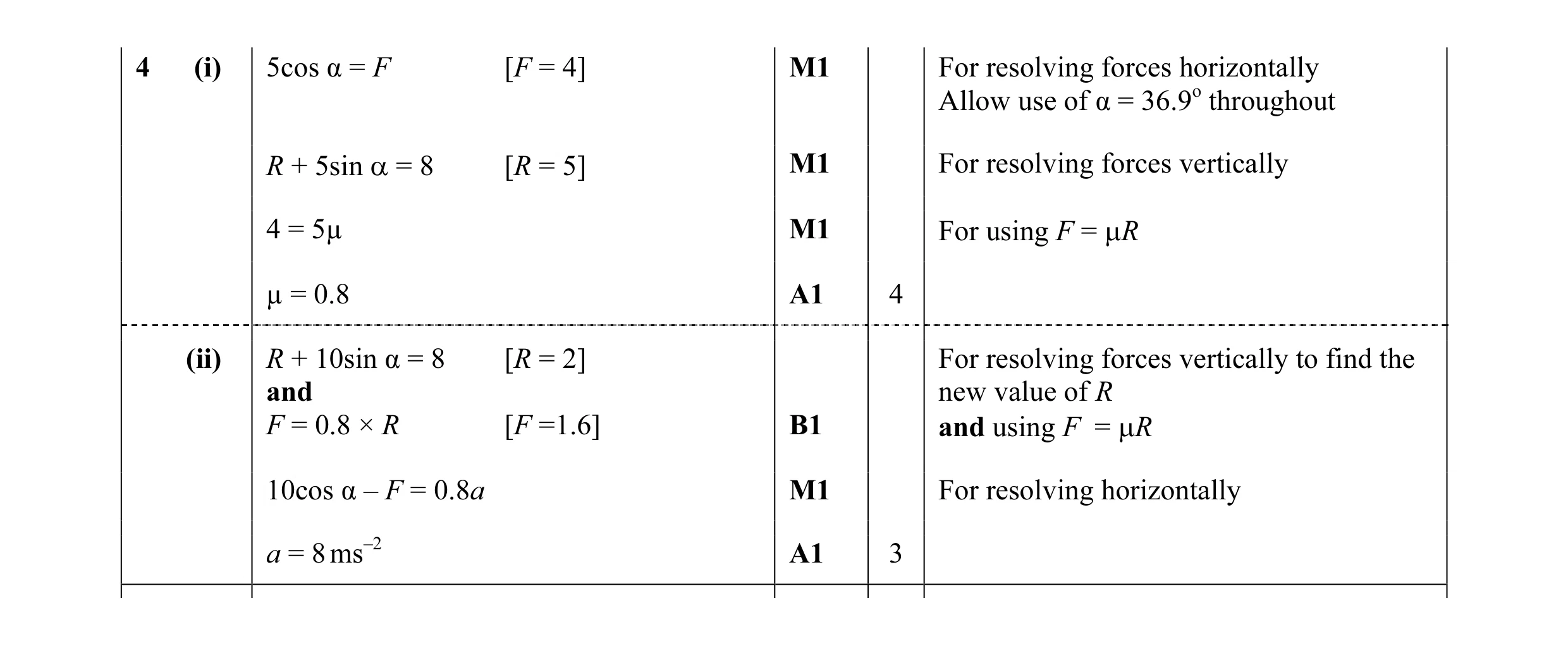 7
7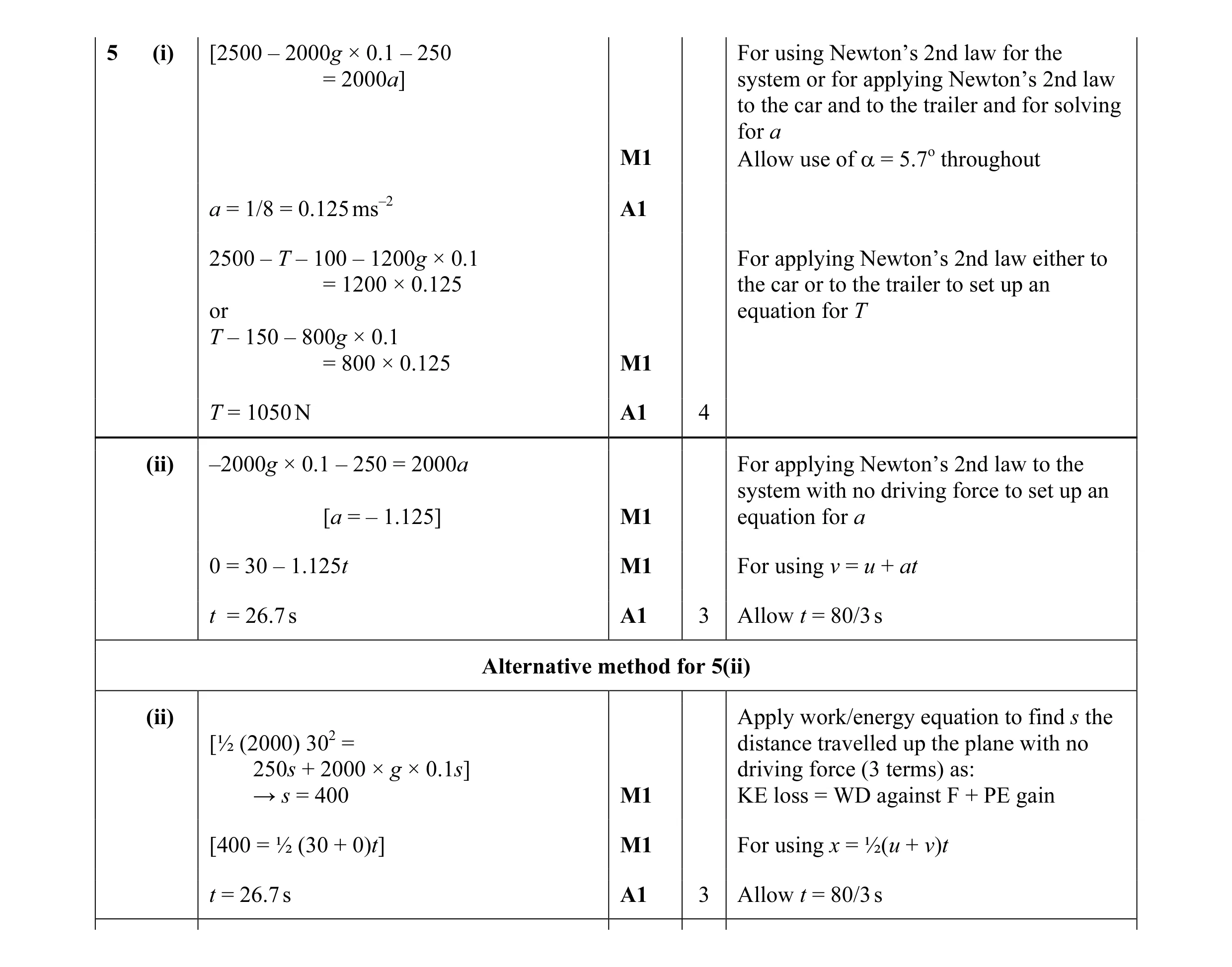 7
7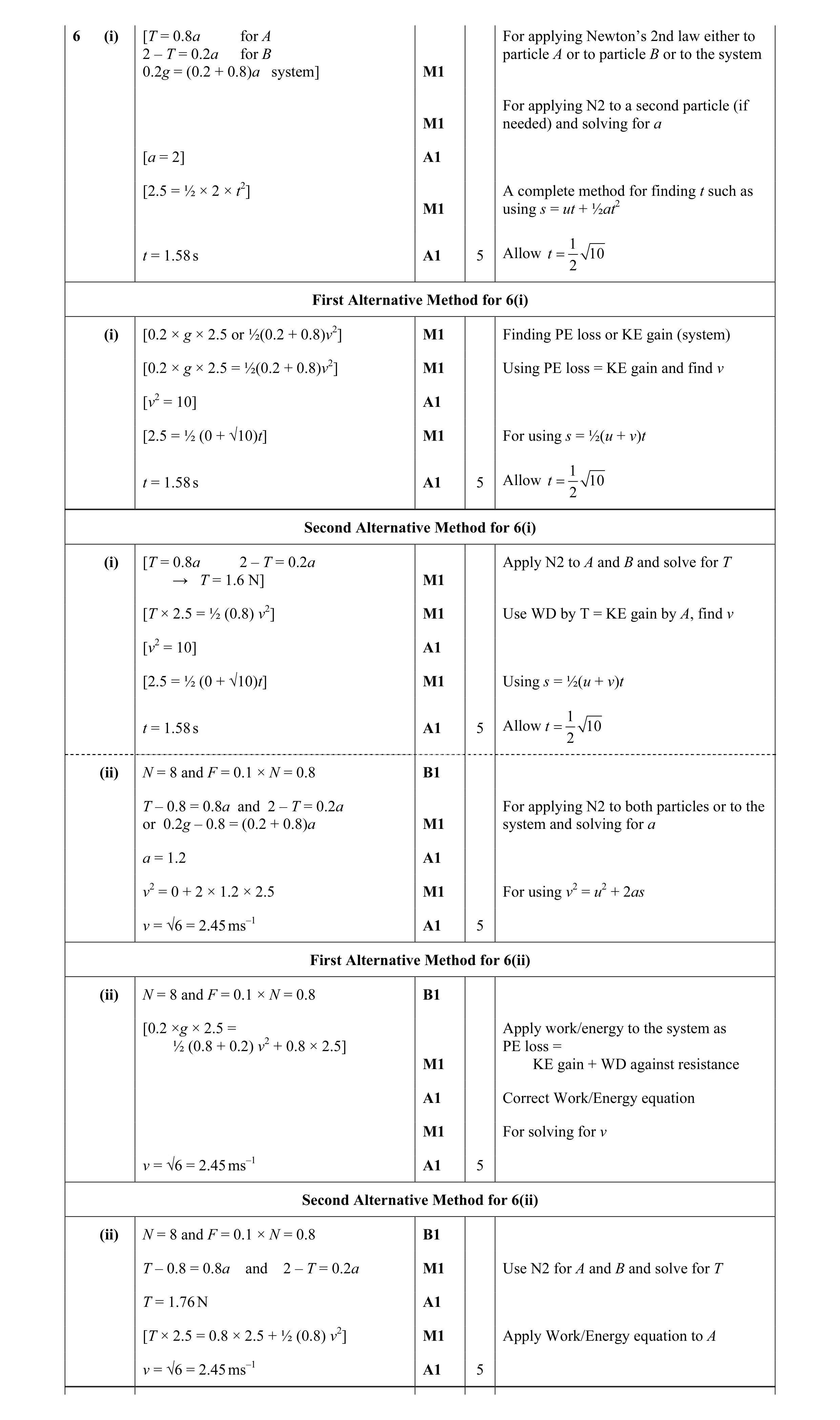 10
10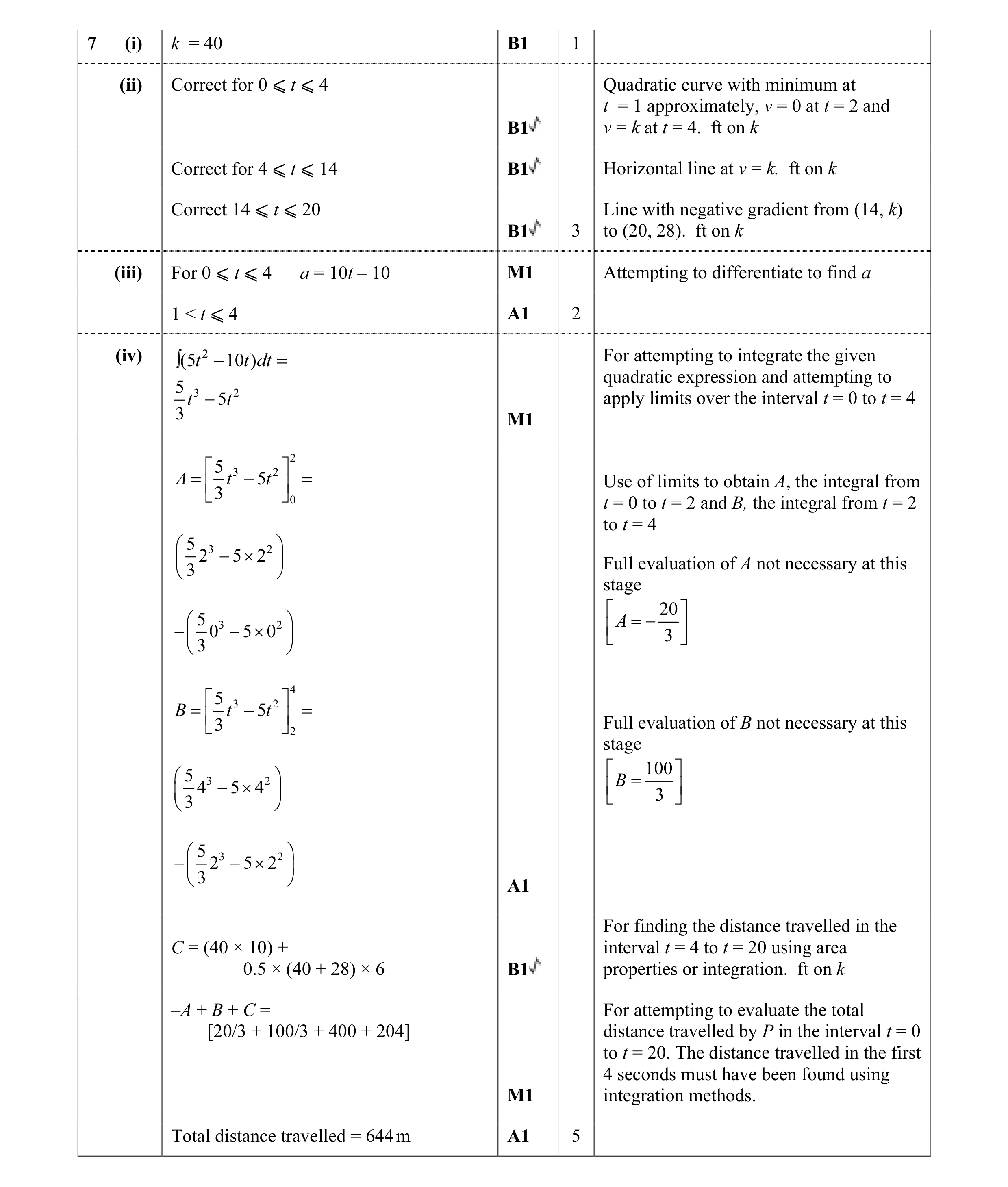 11
11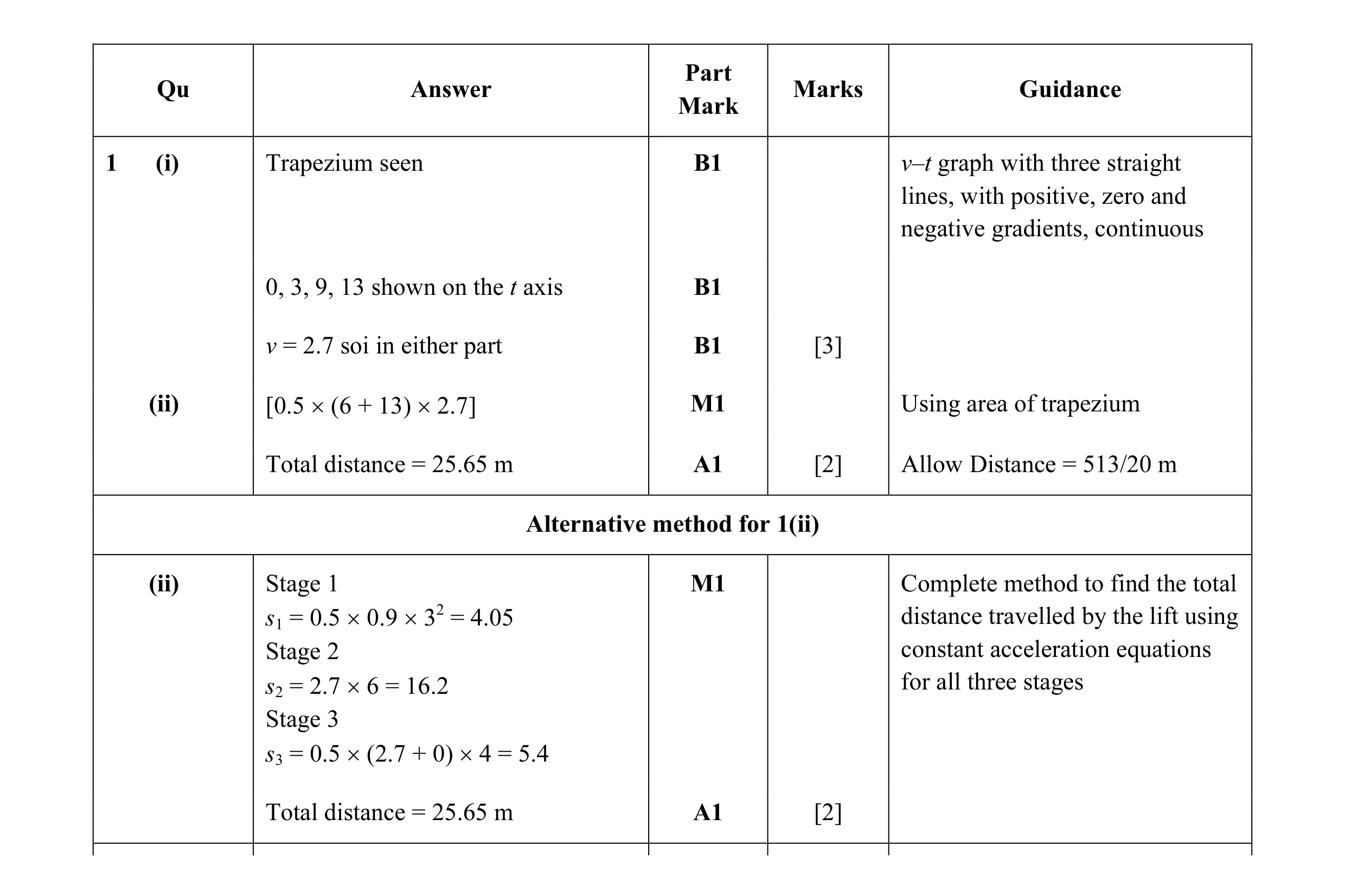 5
5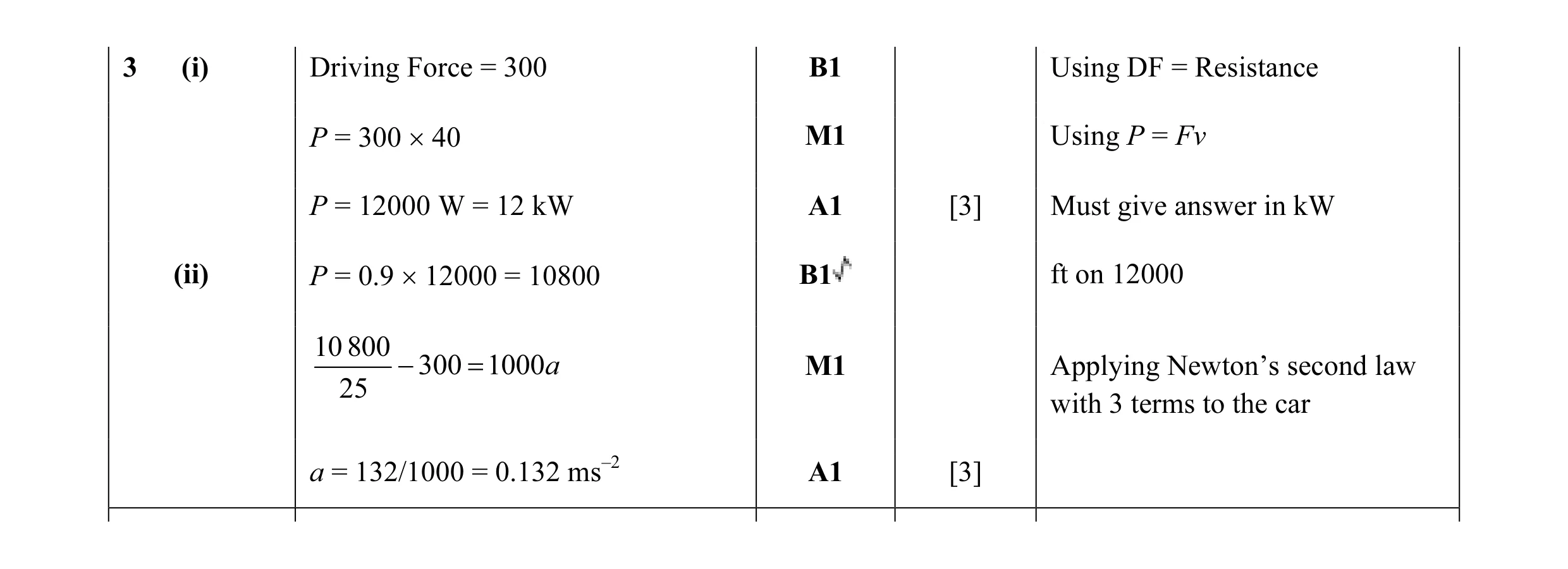 6
6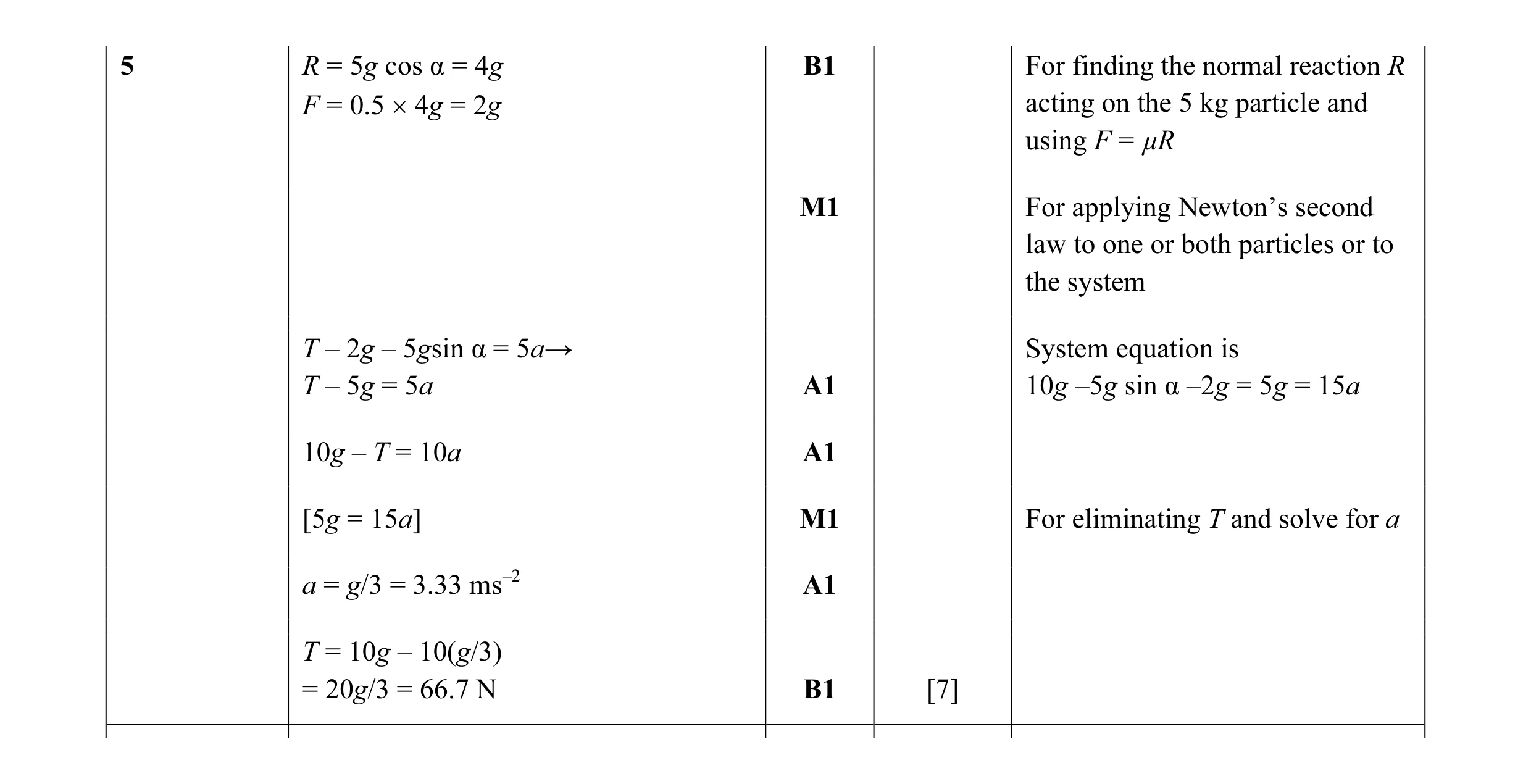 7
7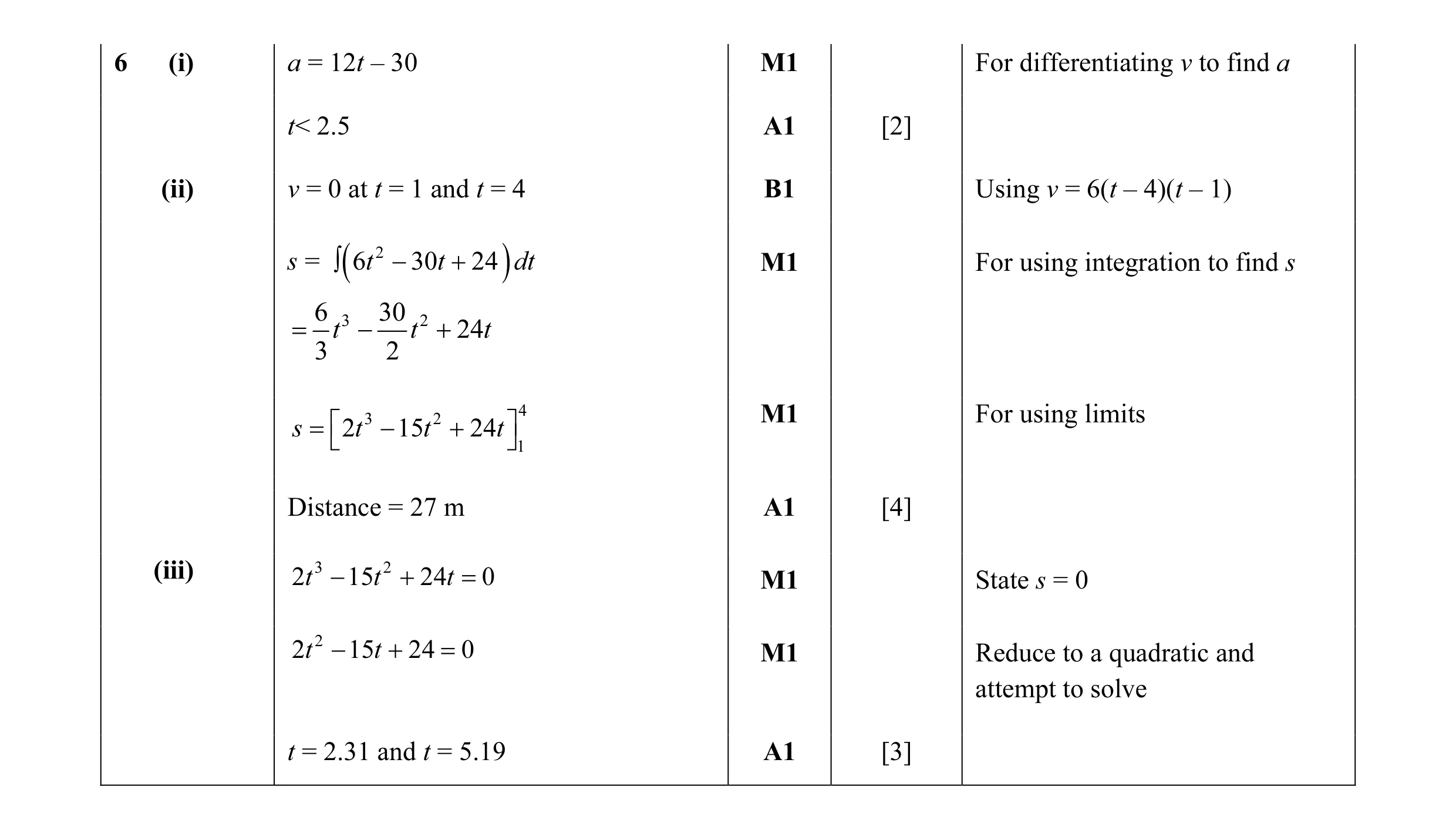 9
9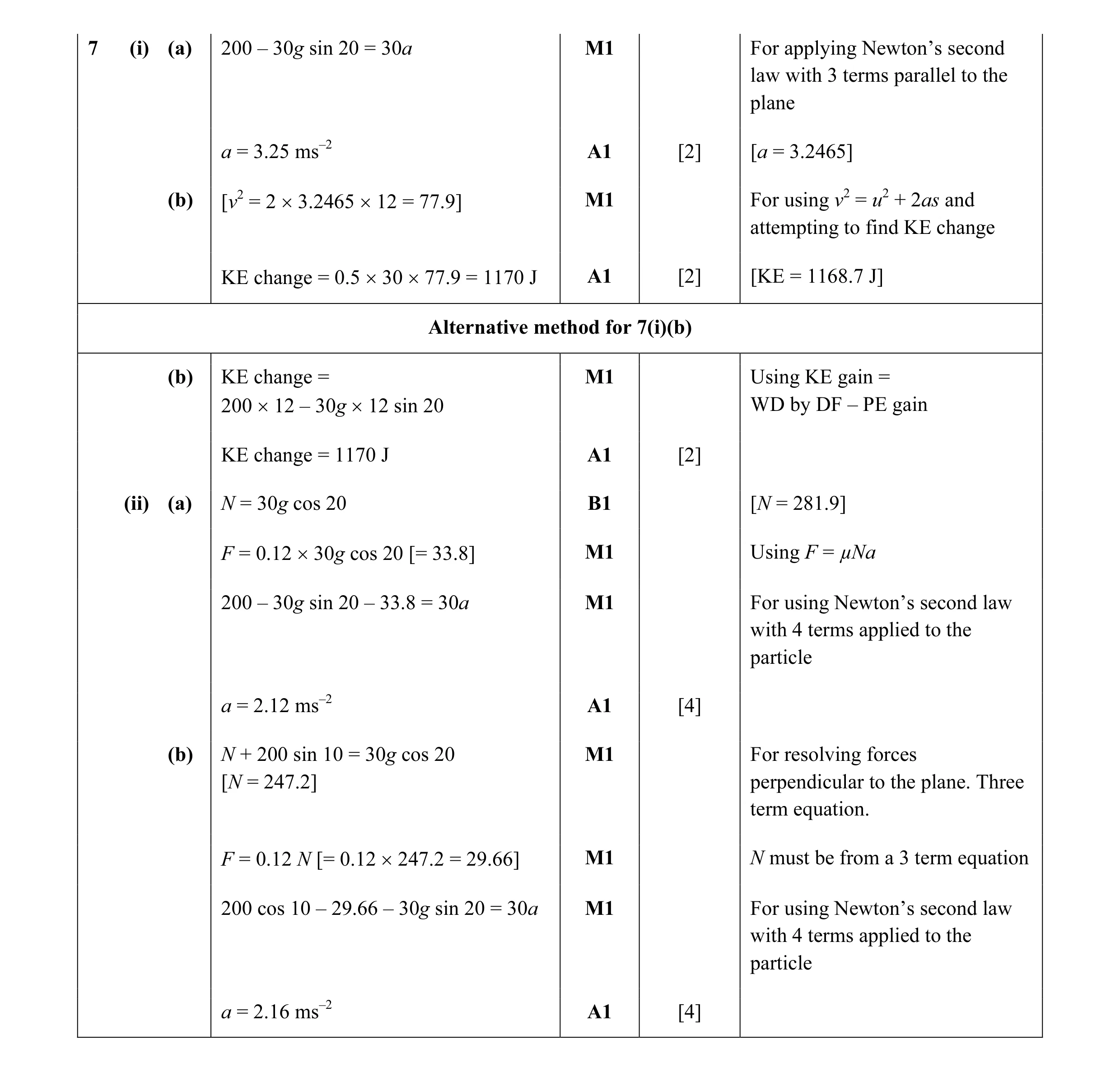 12
12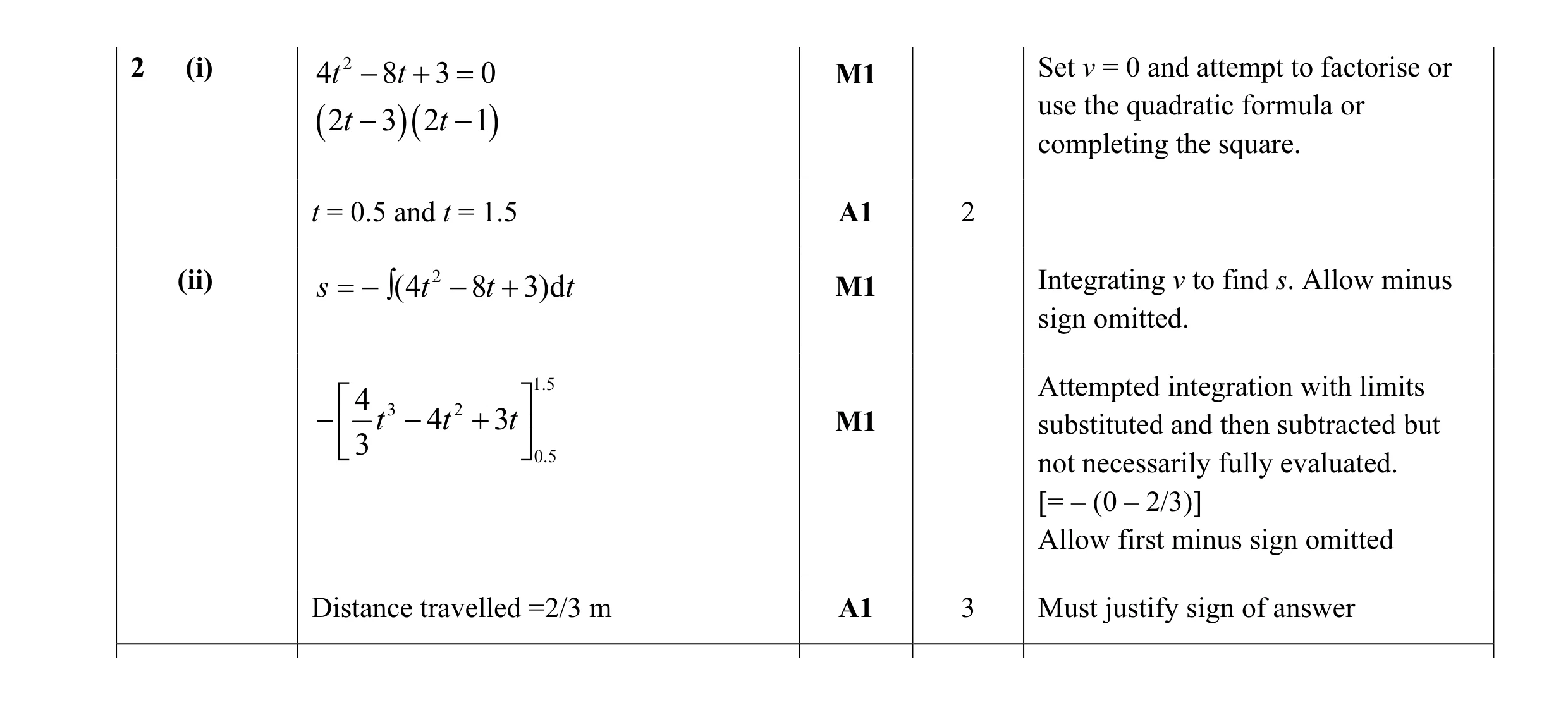 5
5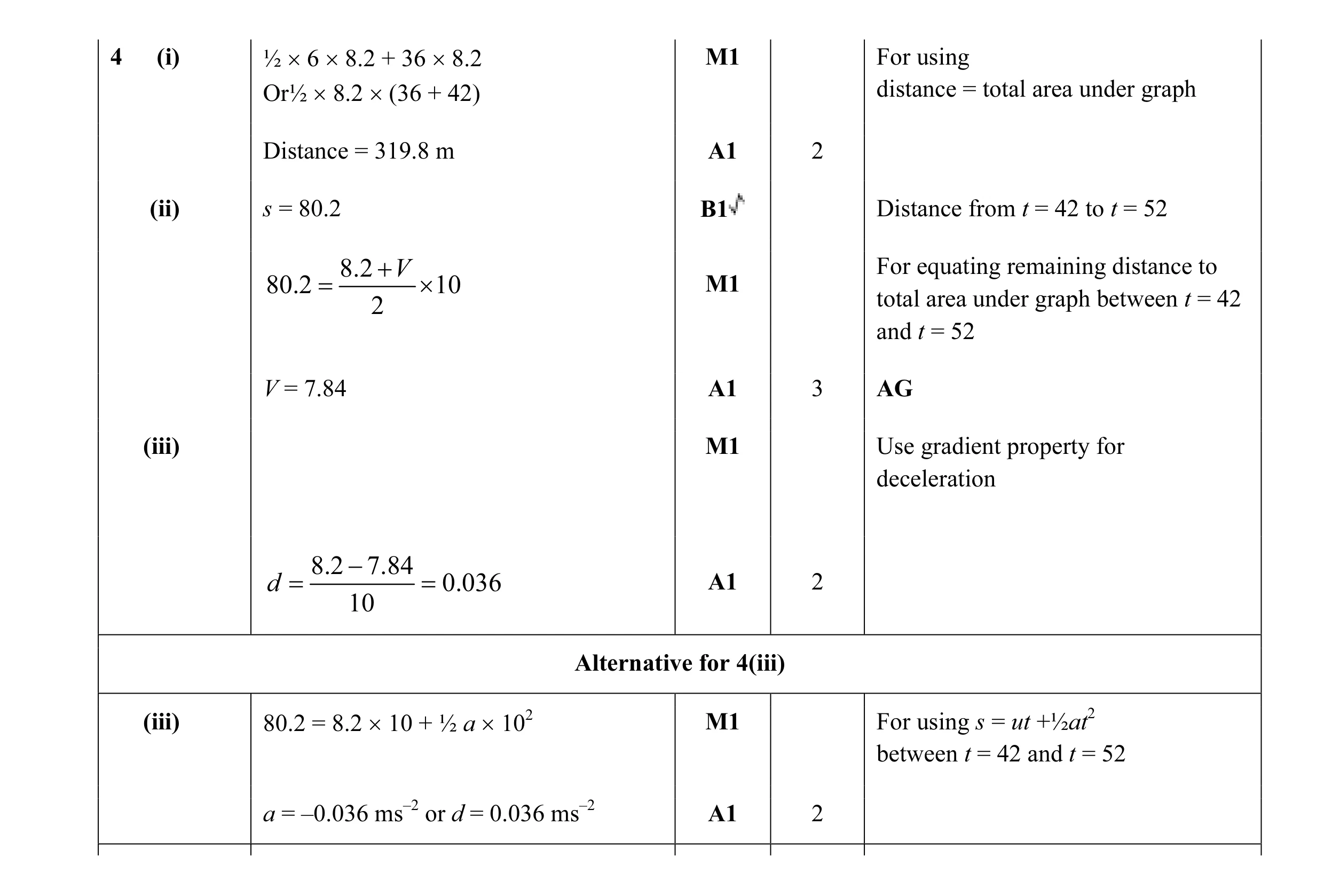 7
7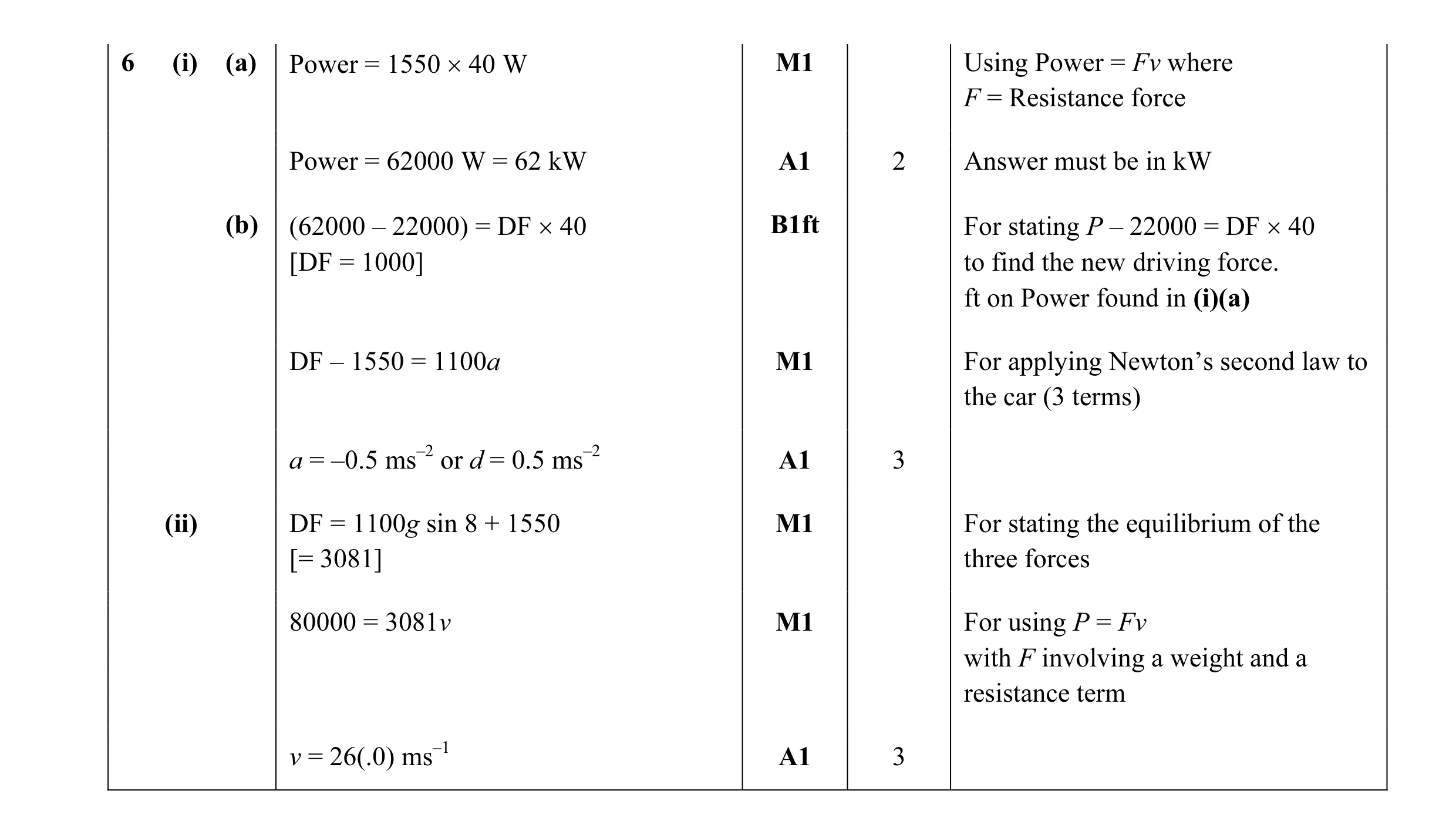 8
8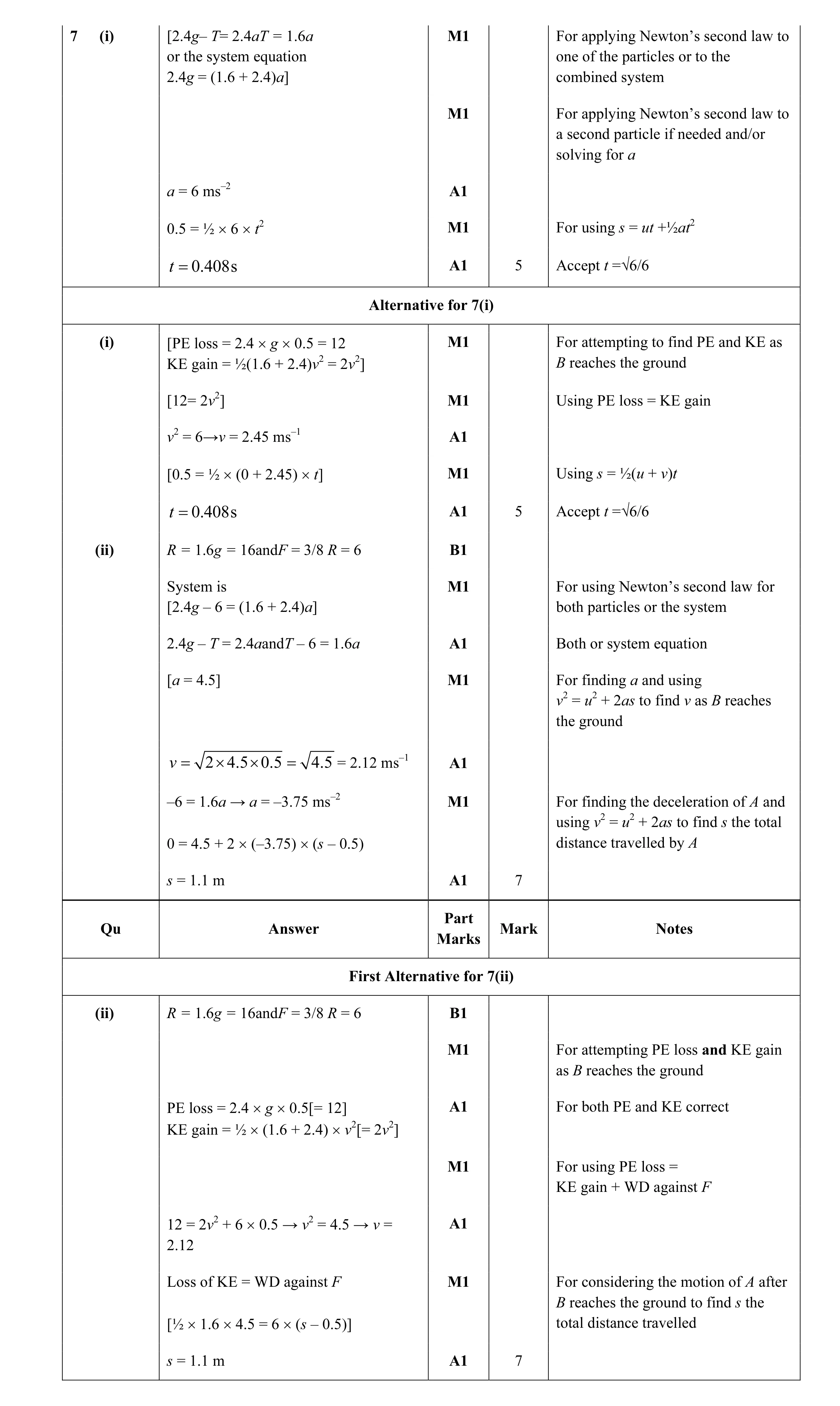 12
12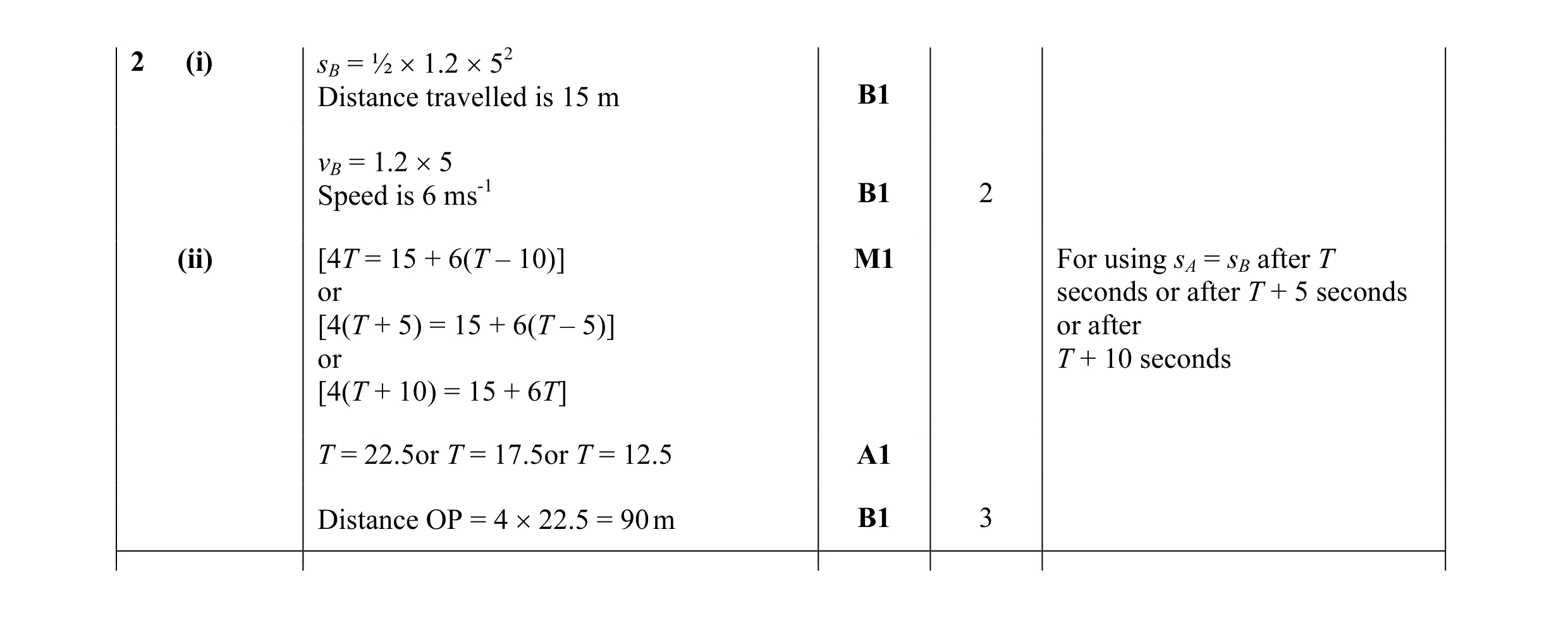 5
5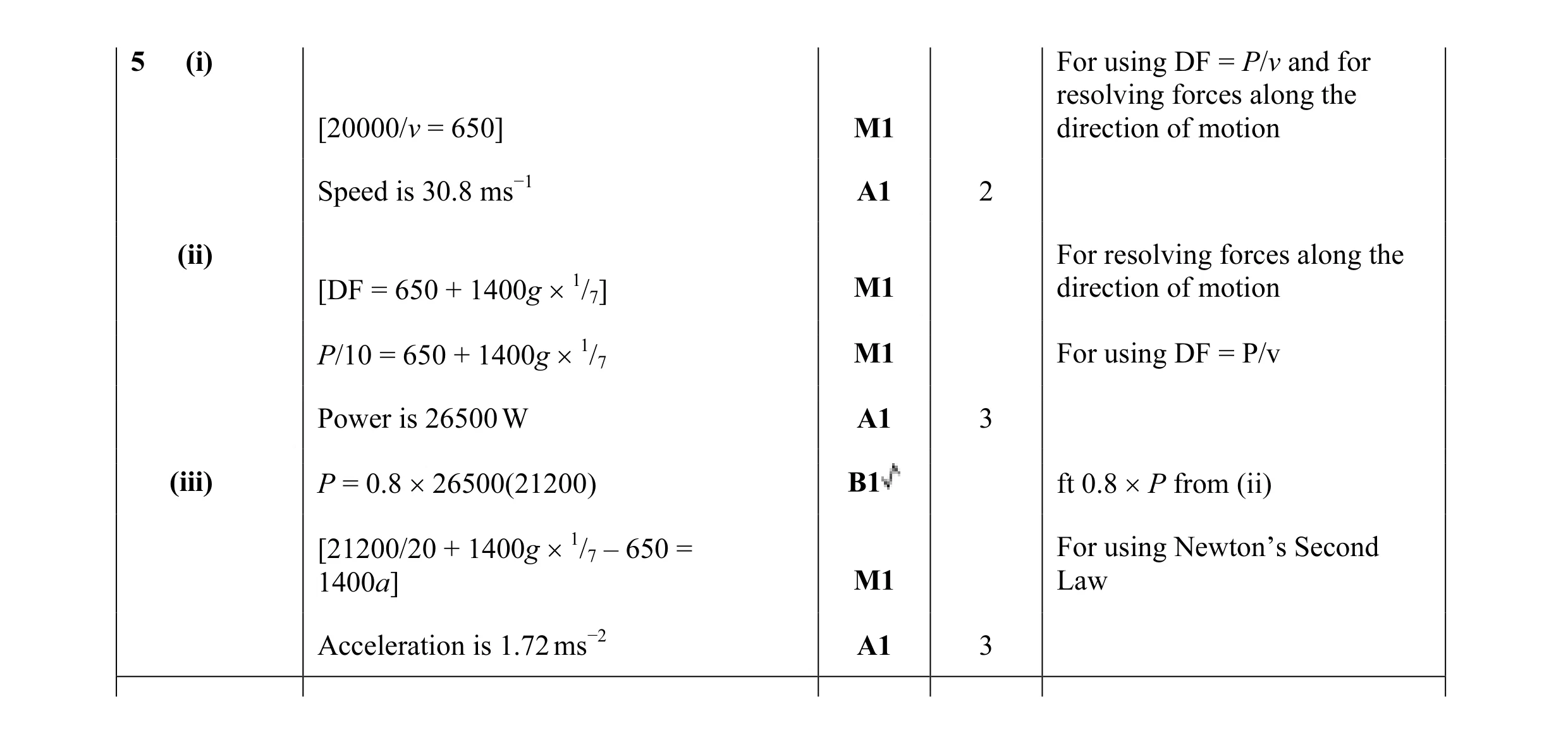 8
8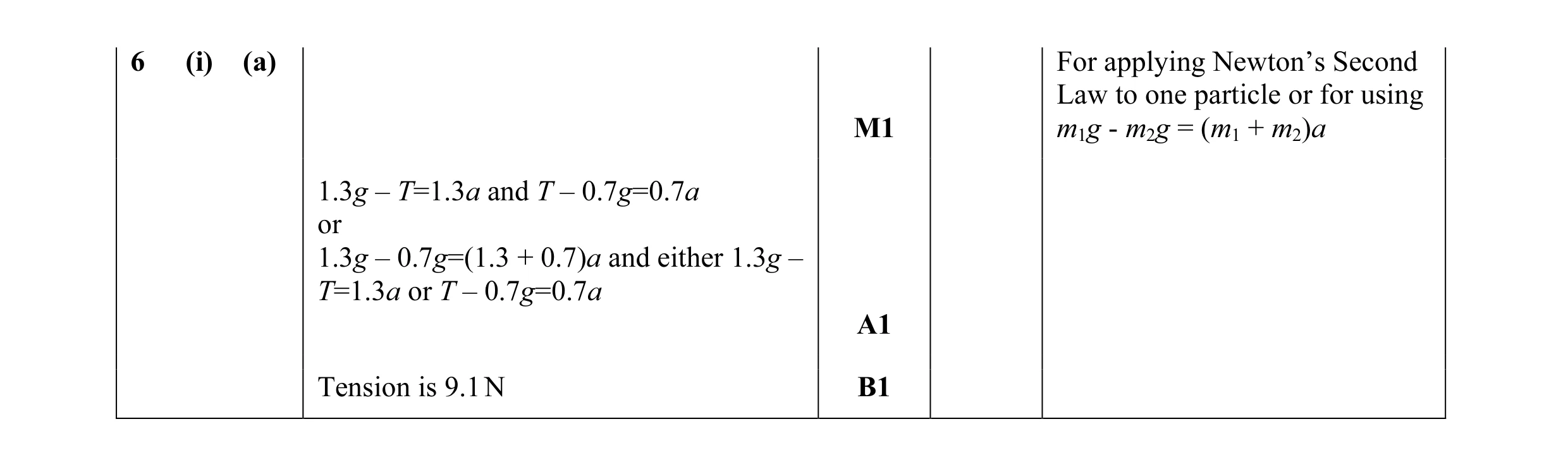 10
10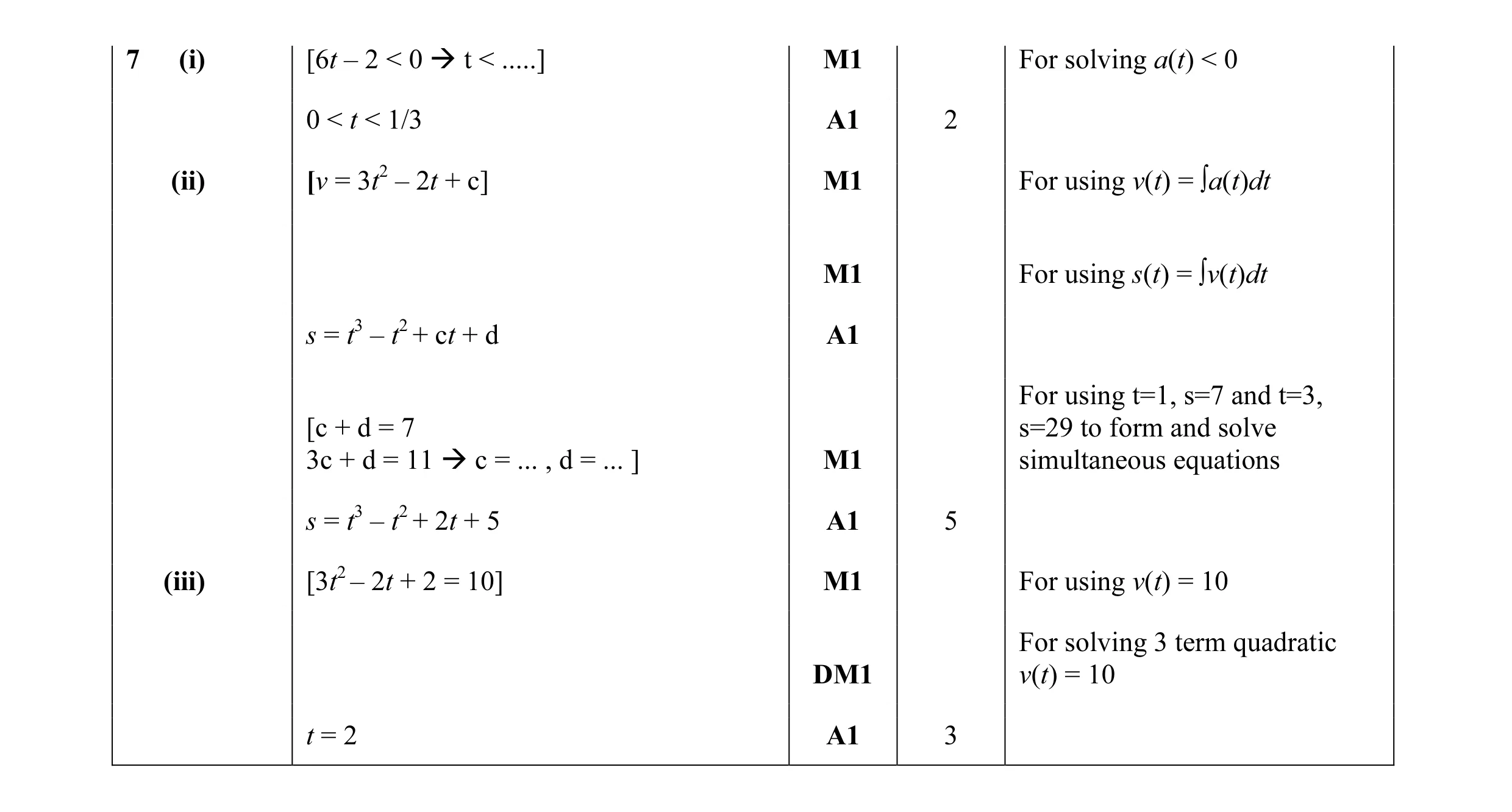 10
10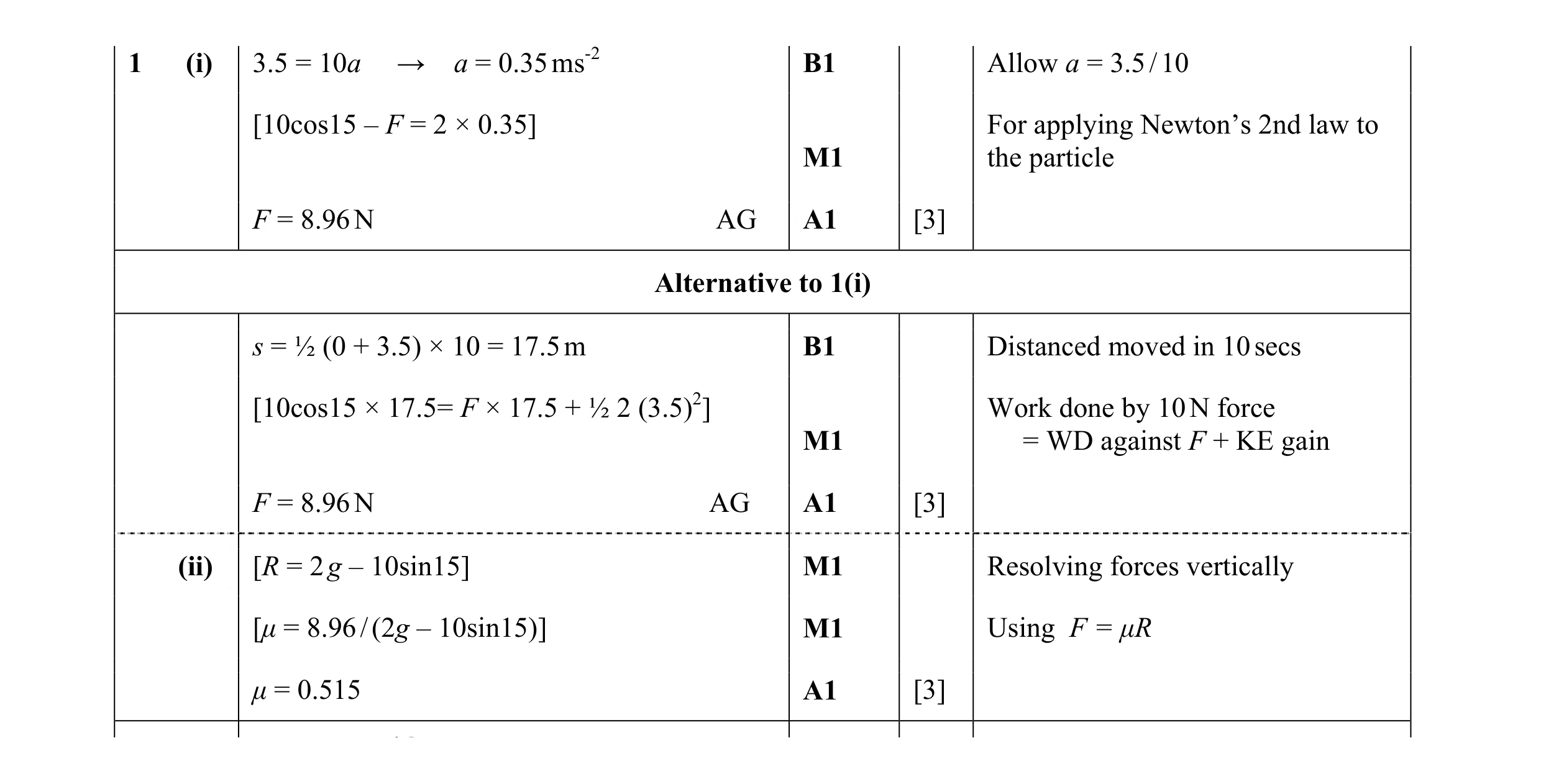 6
6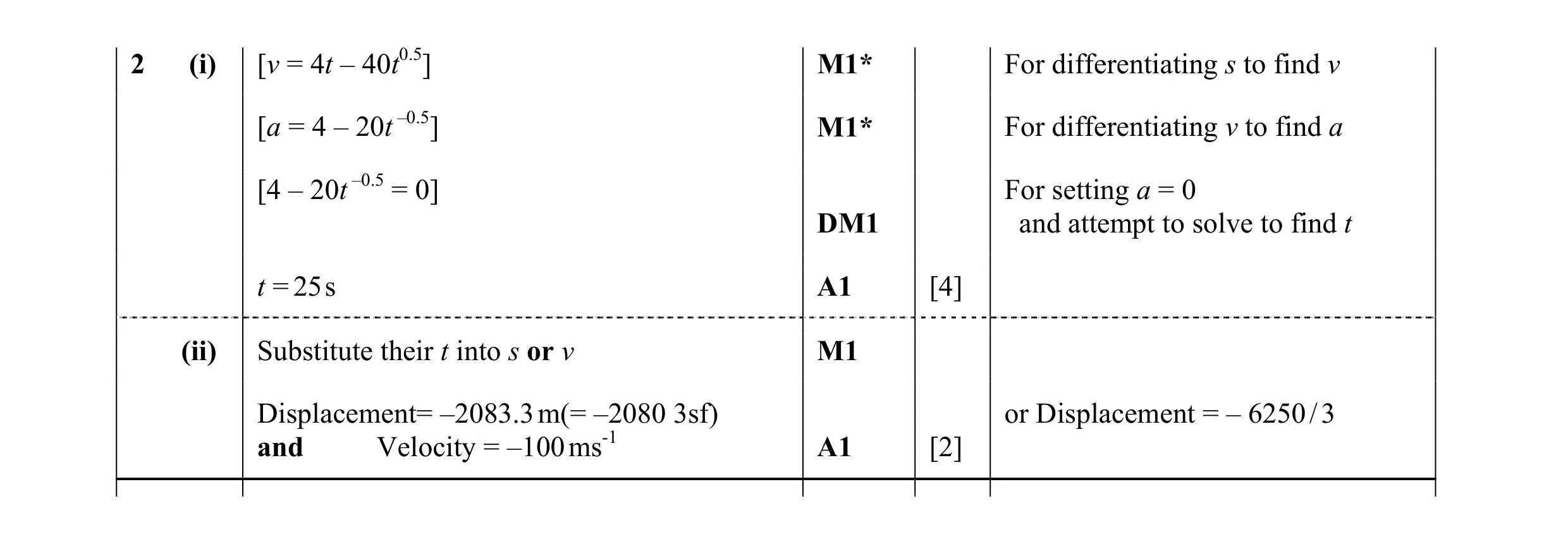 6
6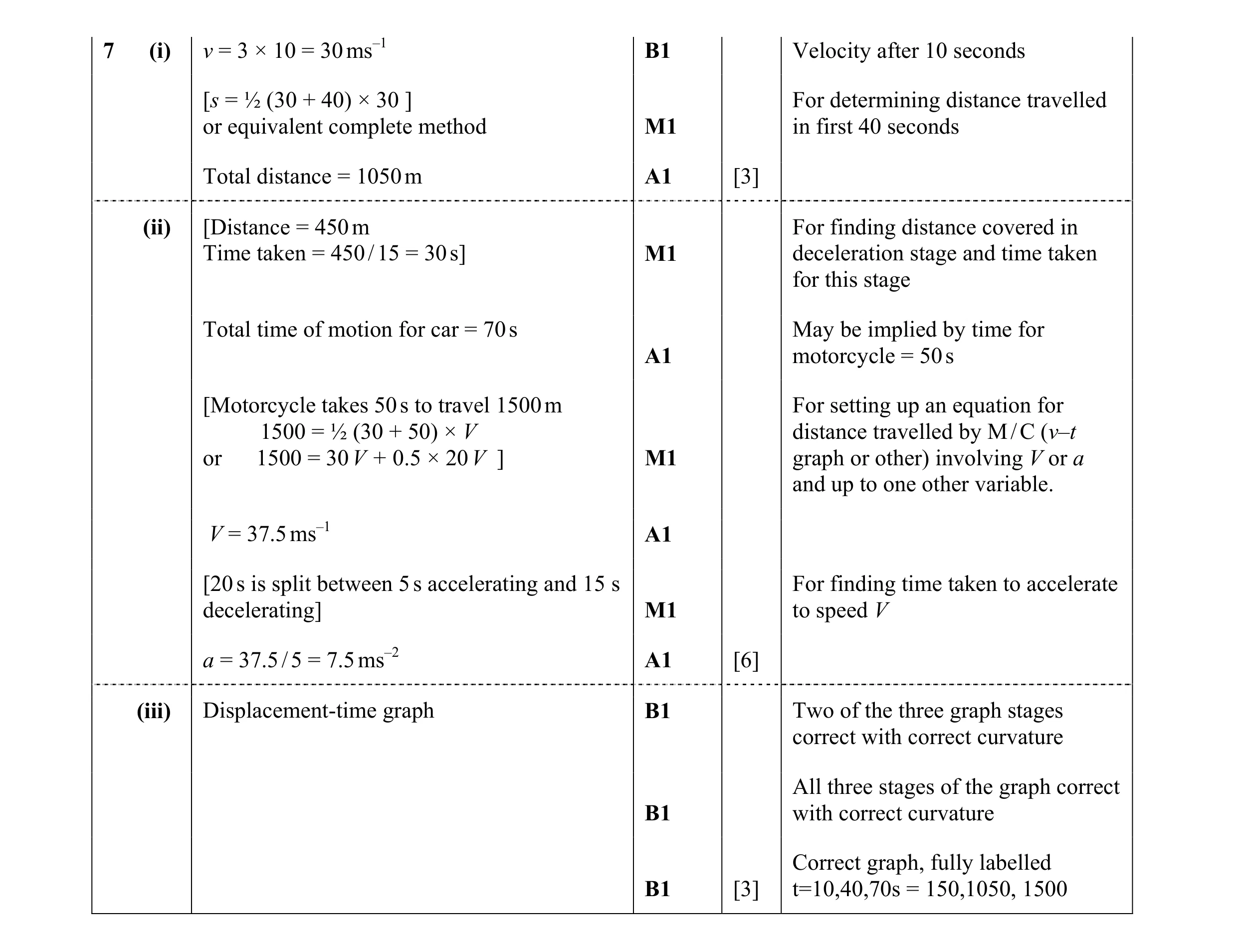 12
12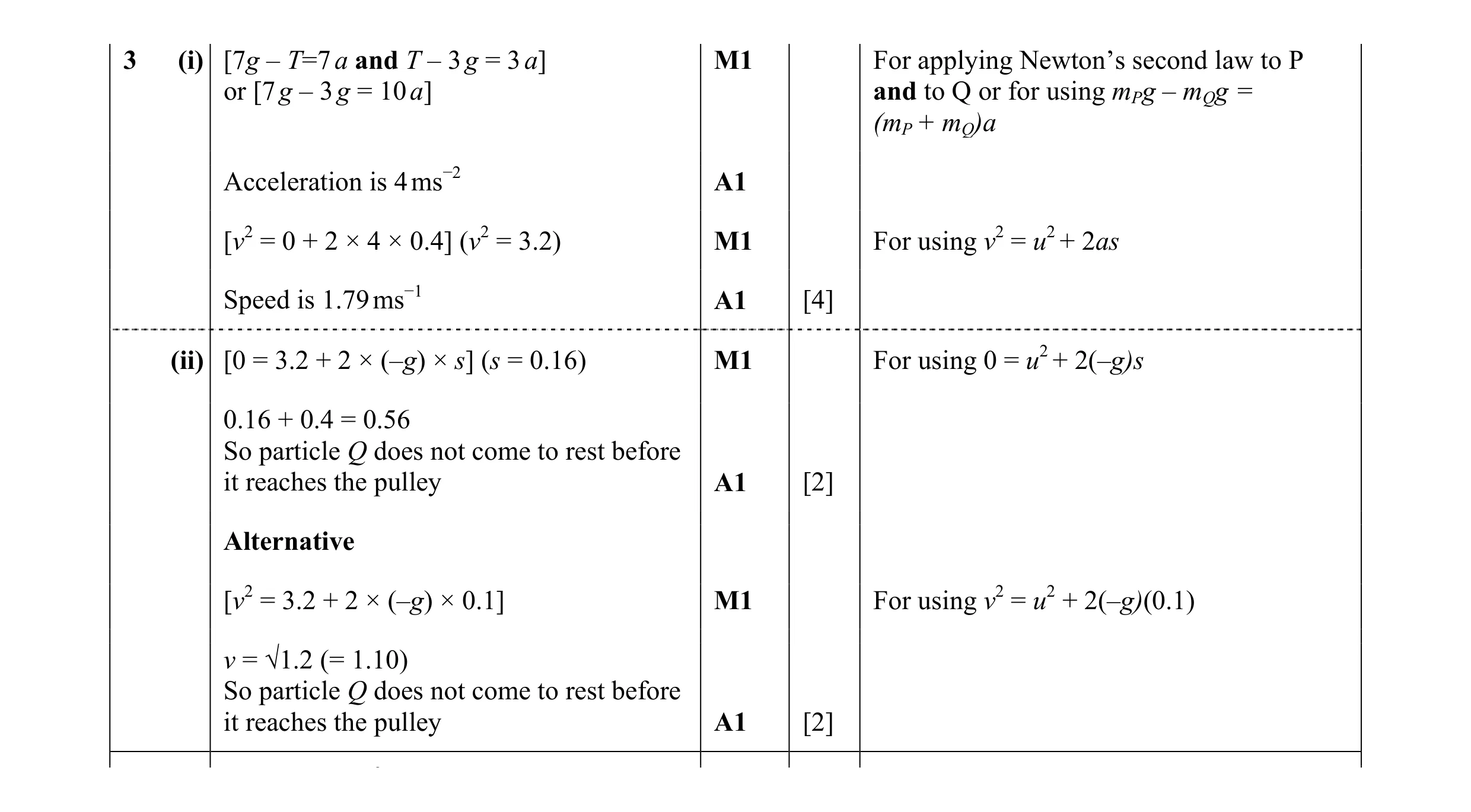 6
6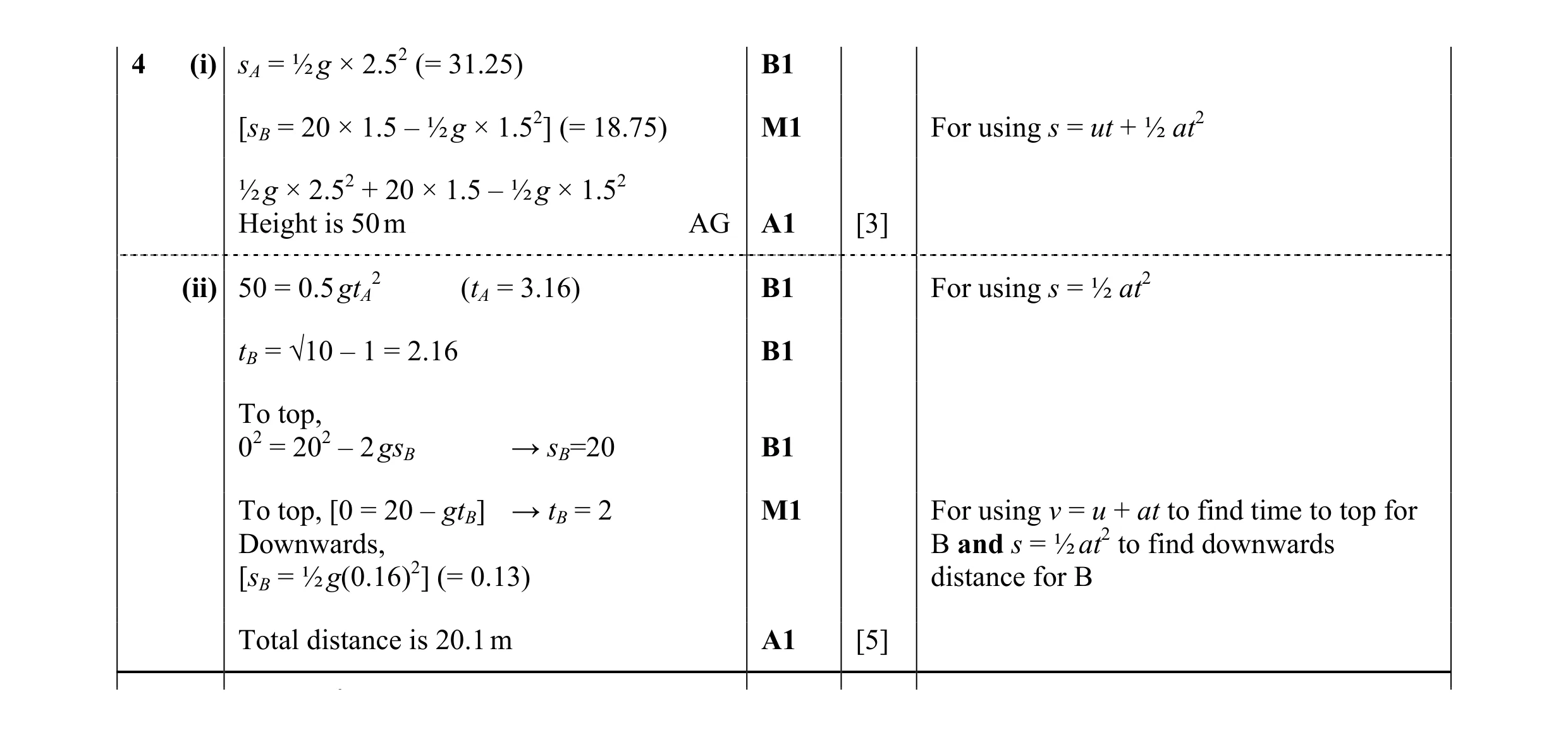 8
8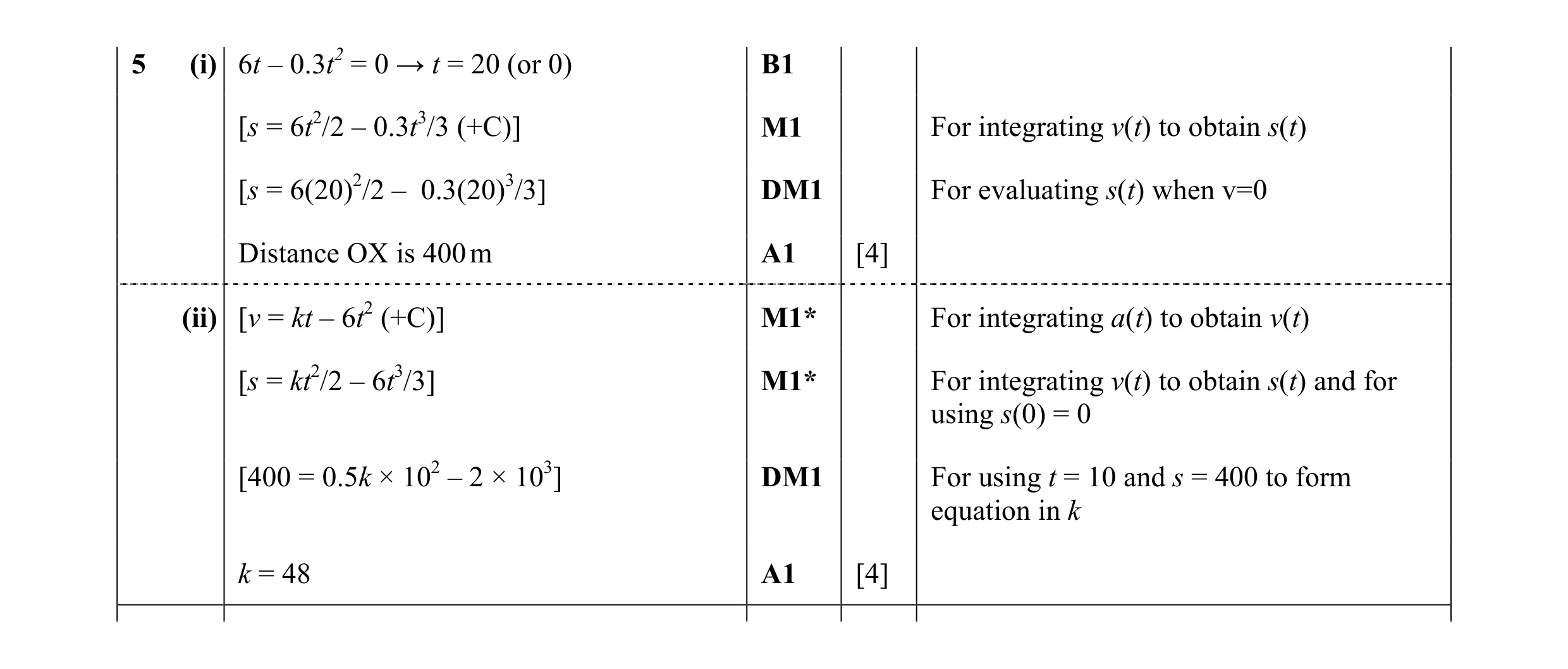 8
8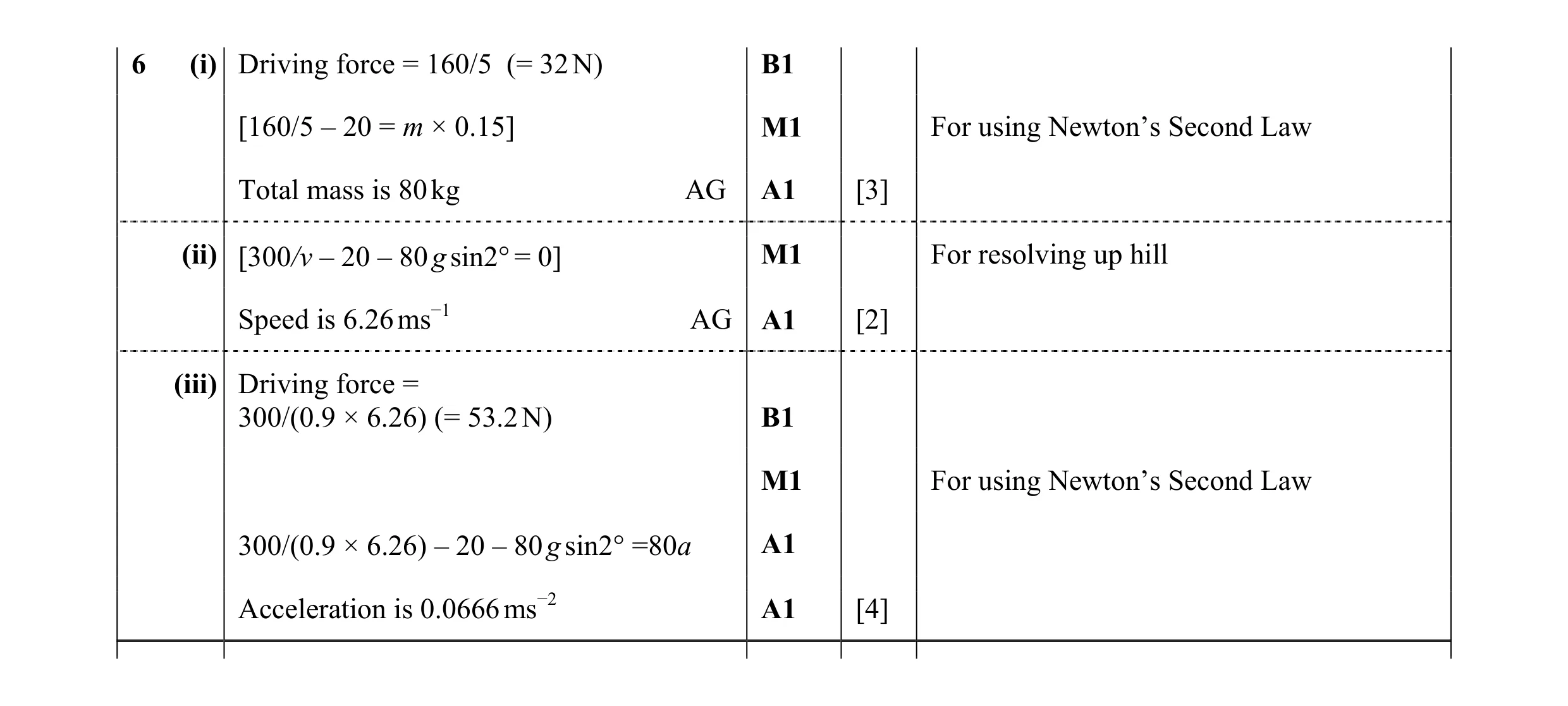 9
9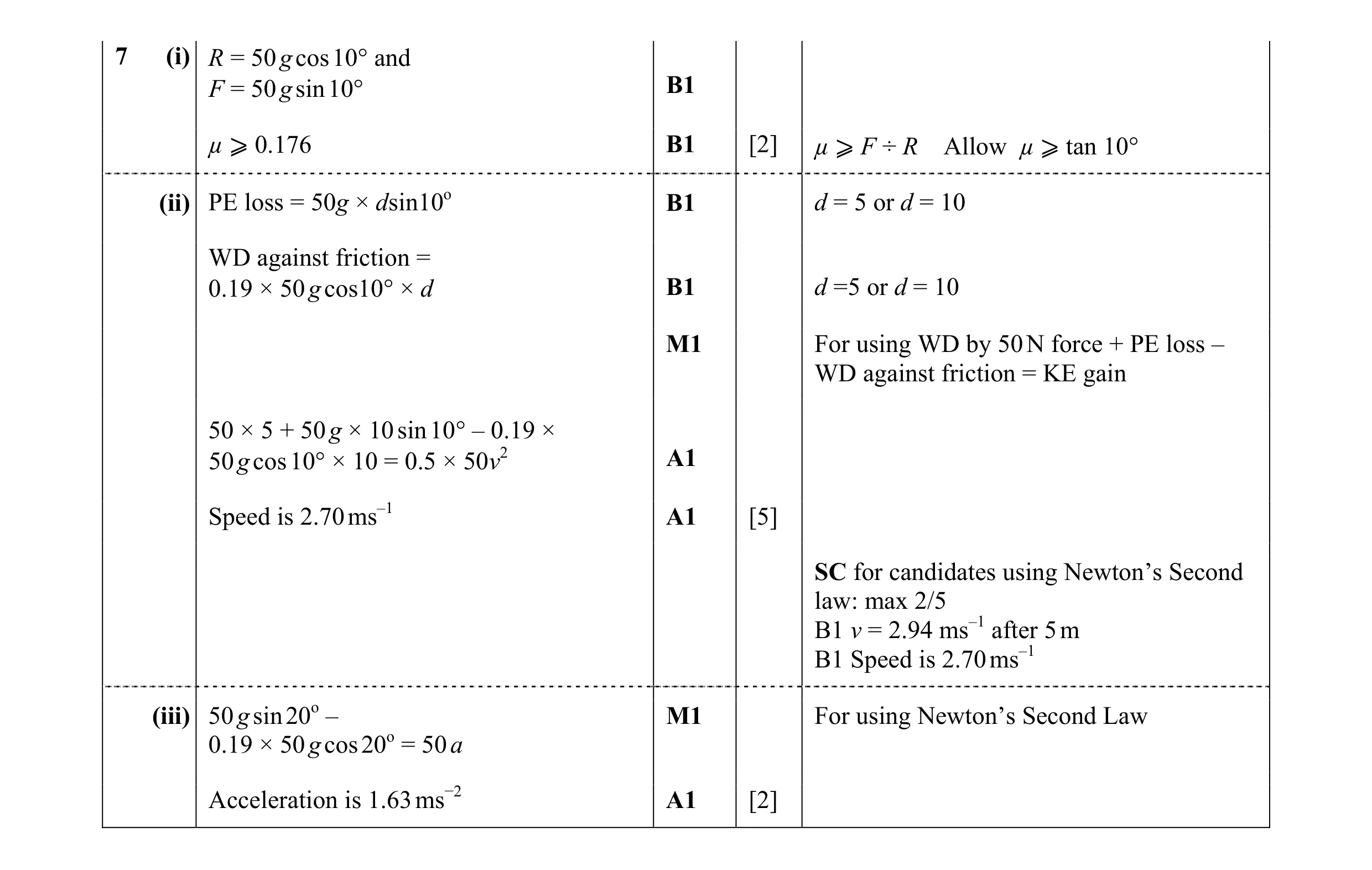 9
9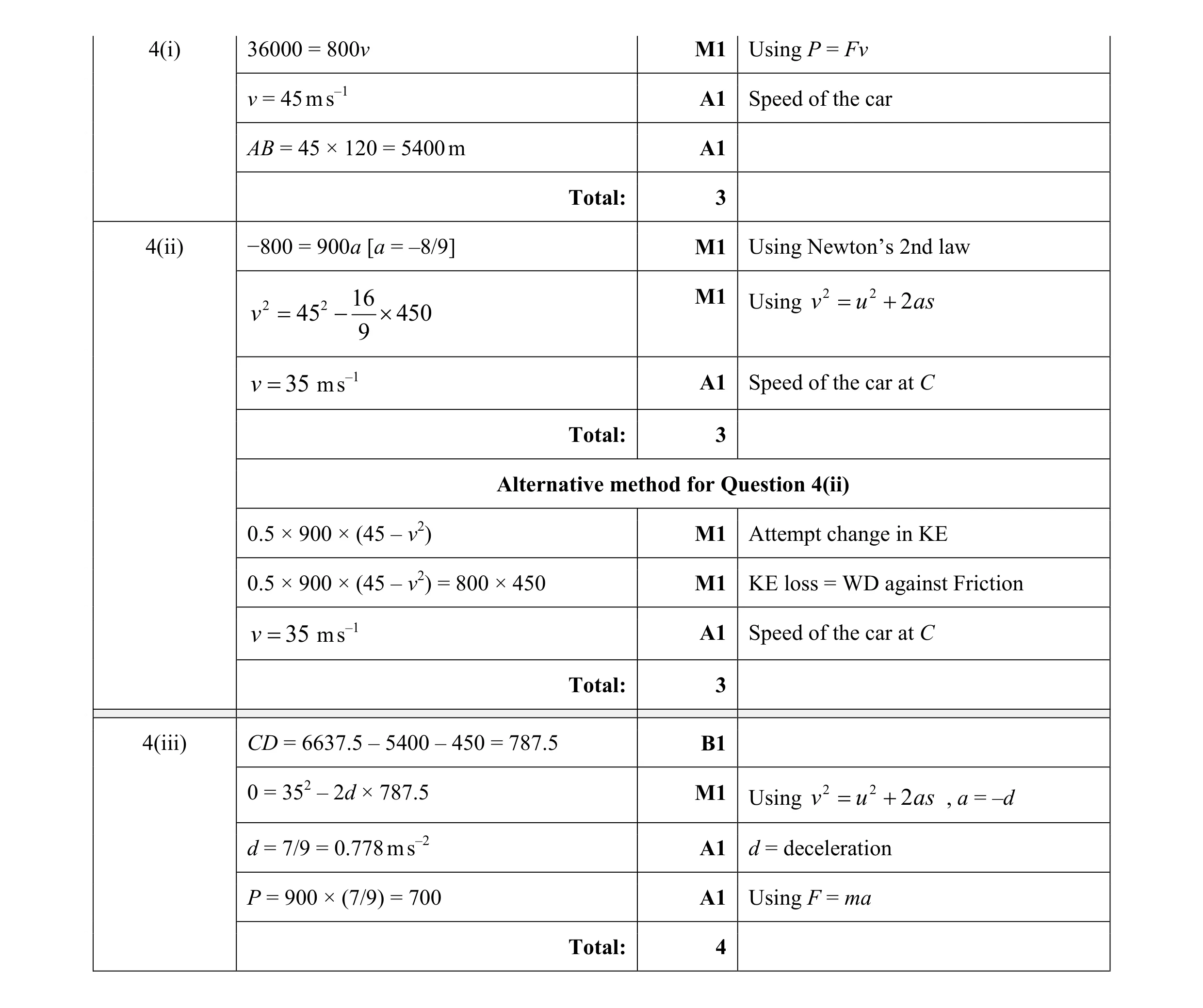 10
10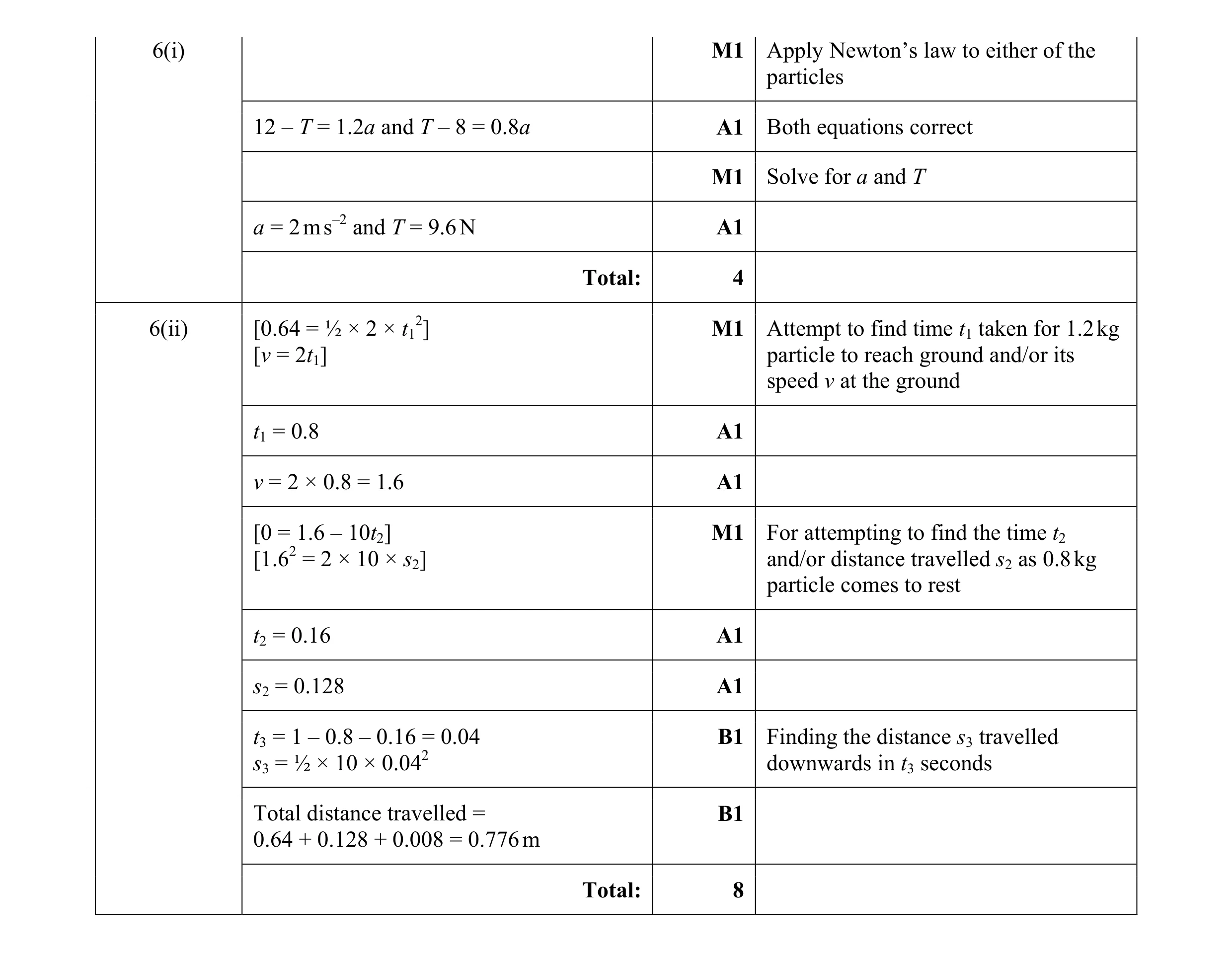 12
12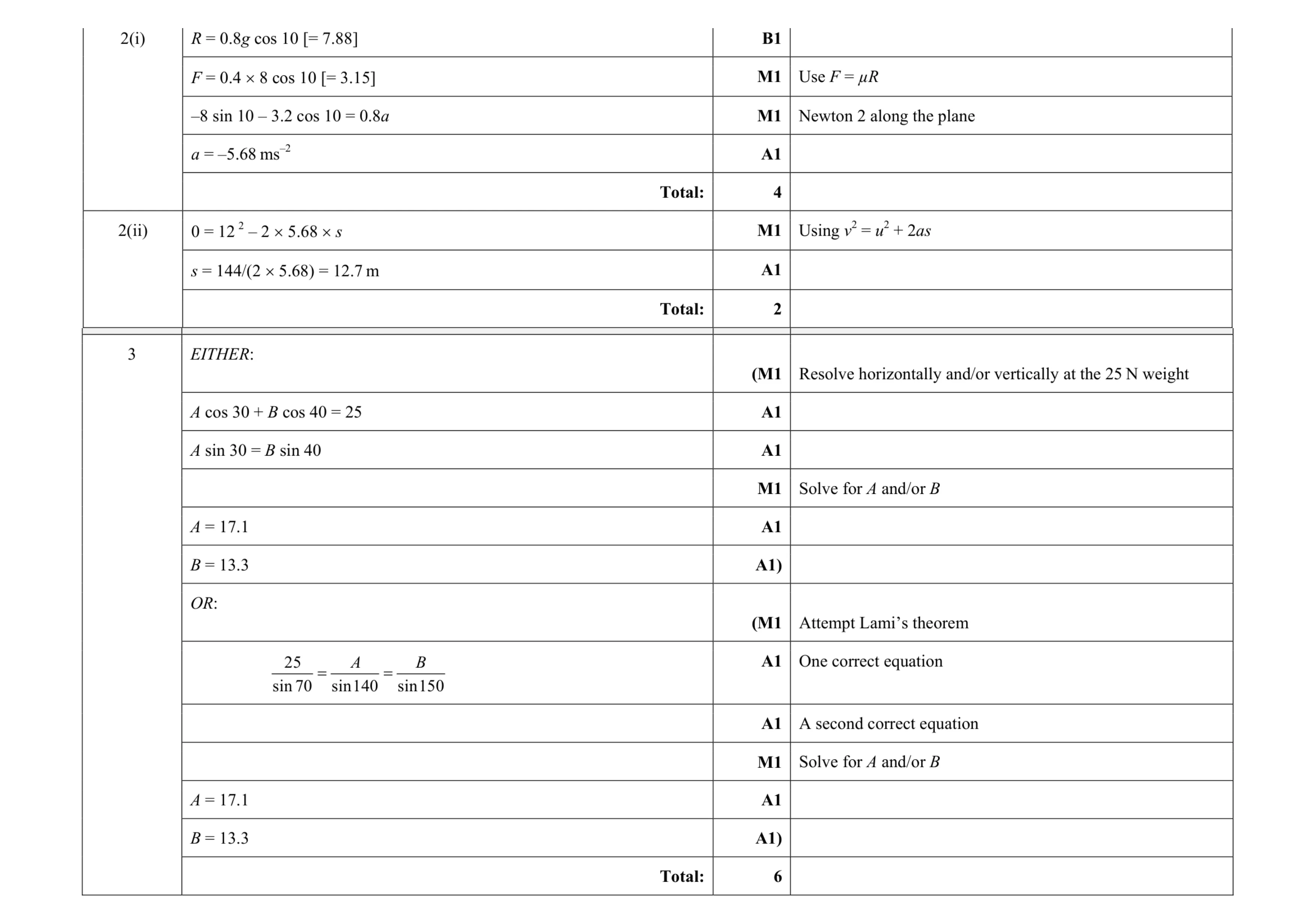 6
6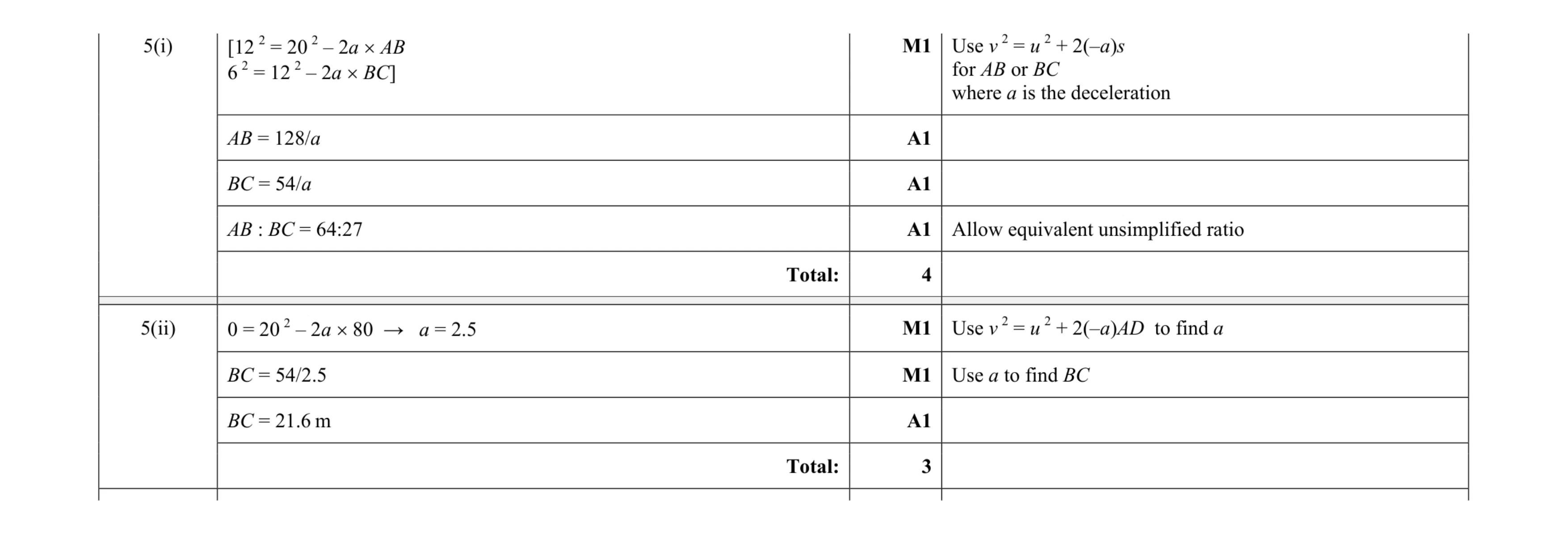 7
7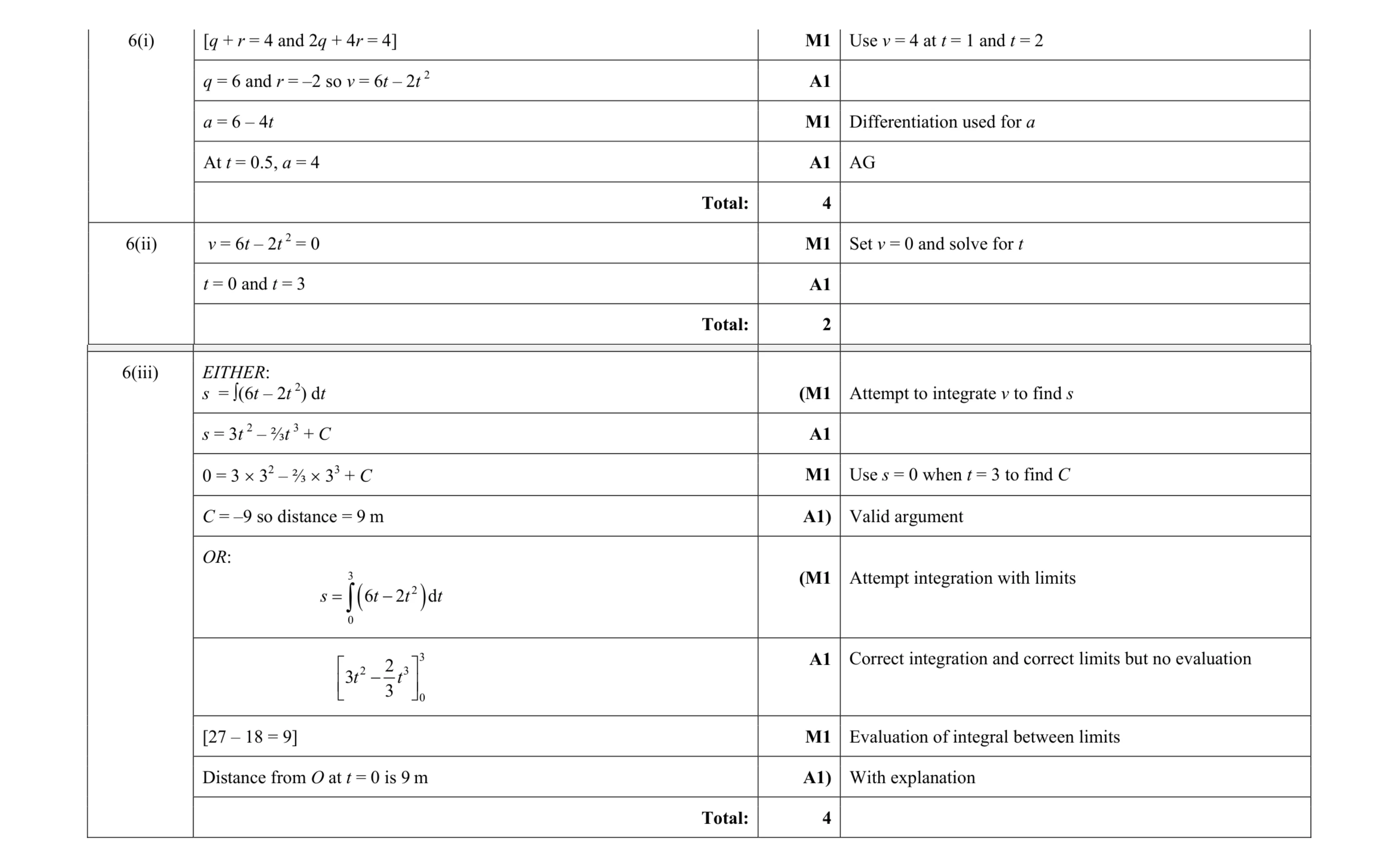 10
10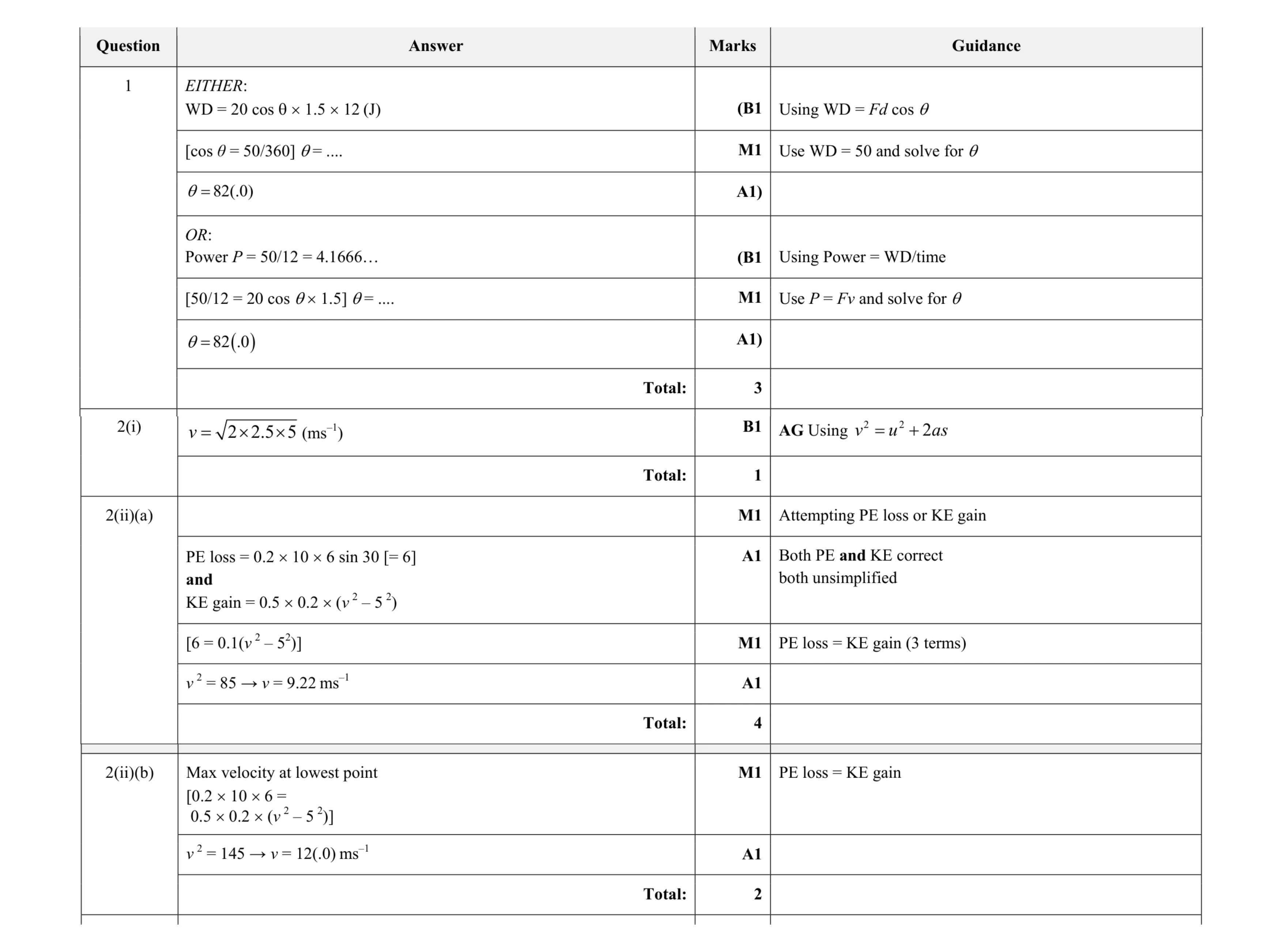 7
7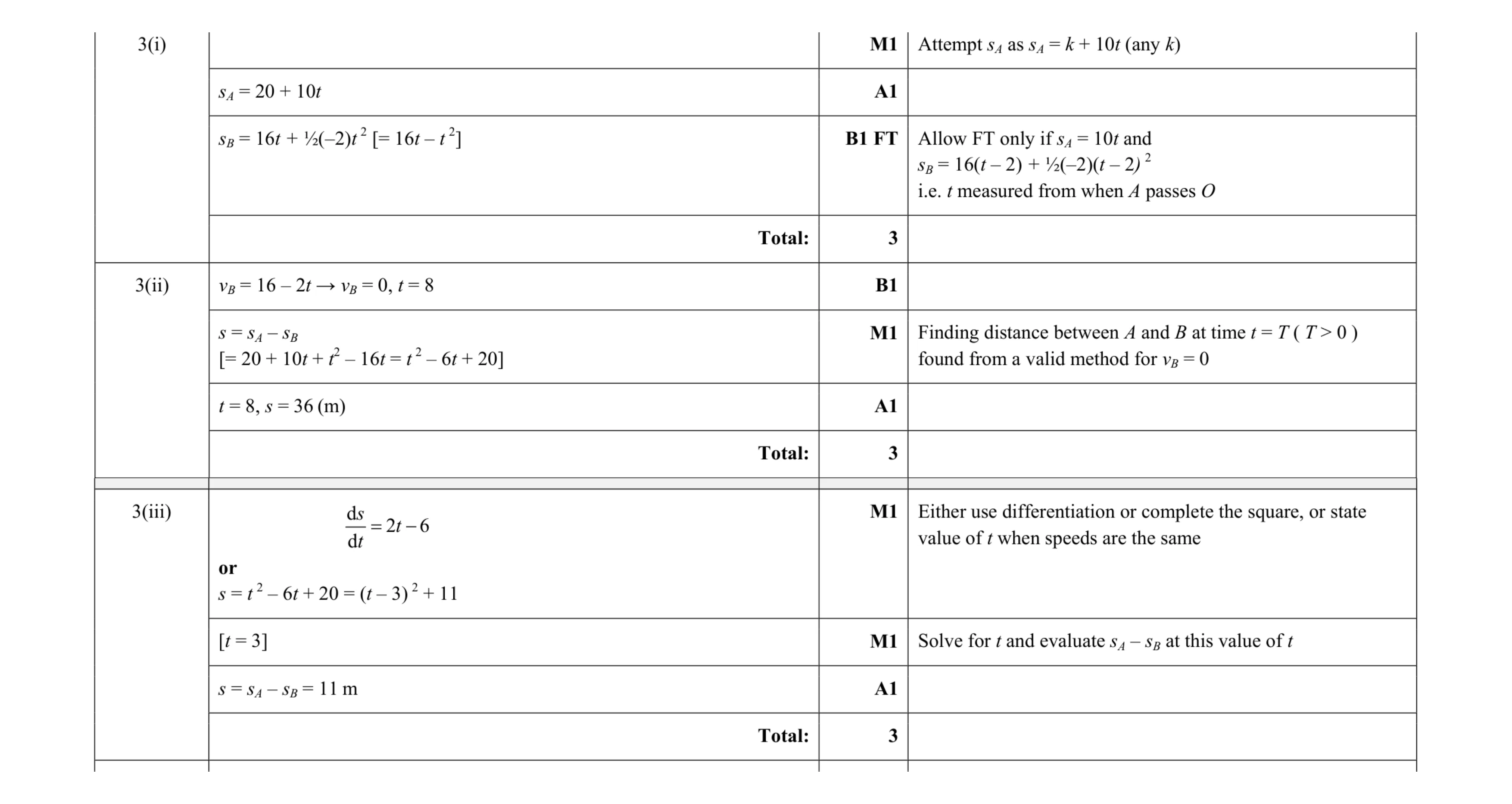 9
9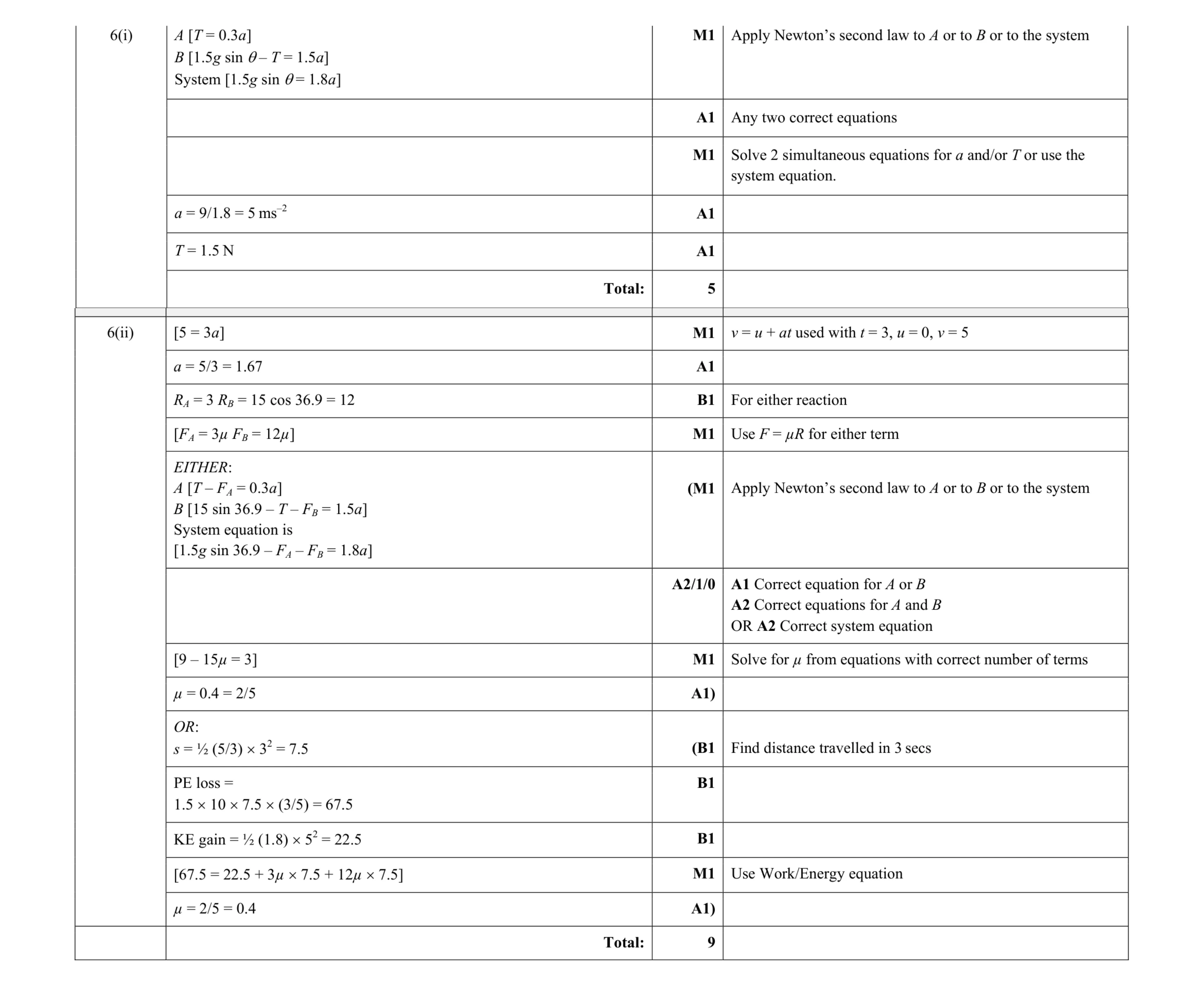 14
14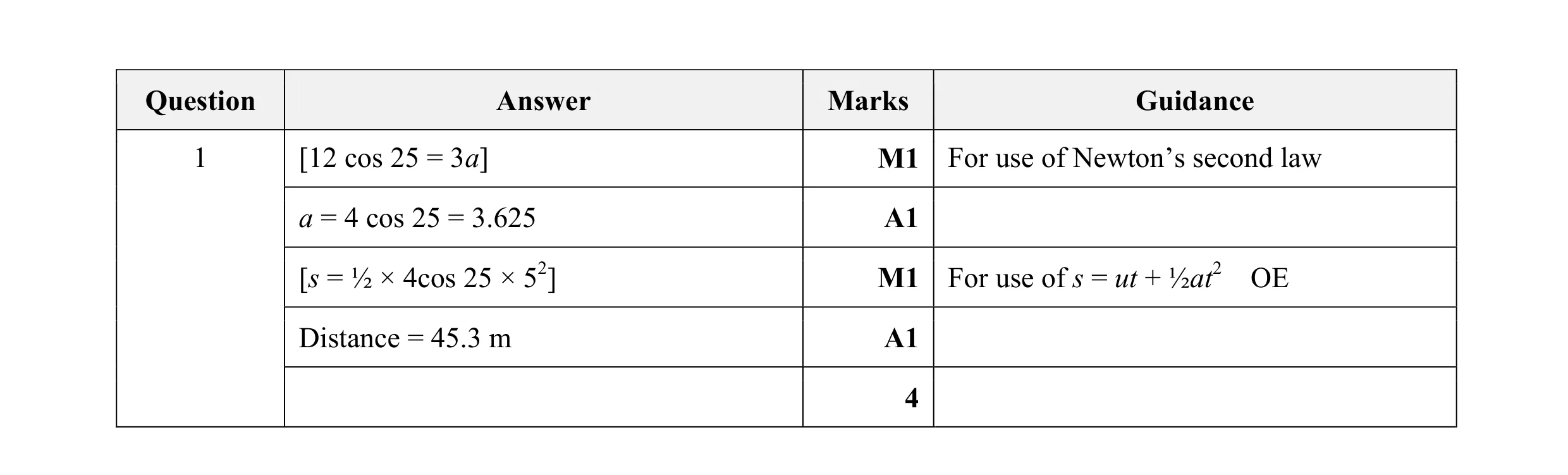 4
4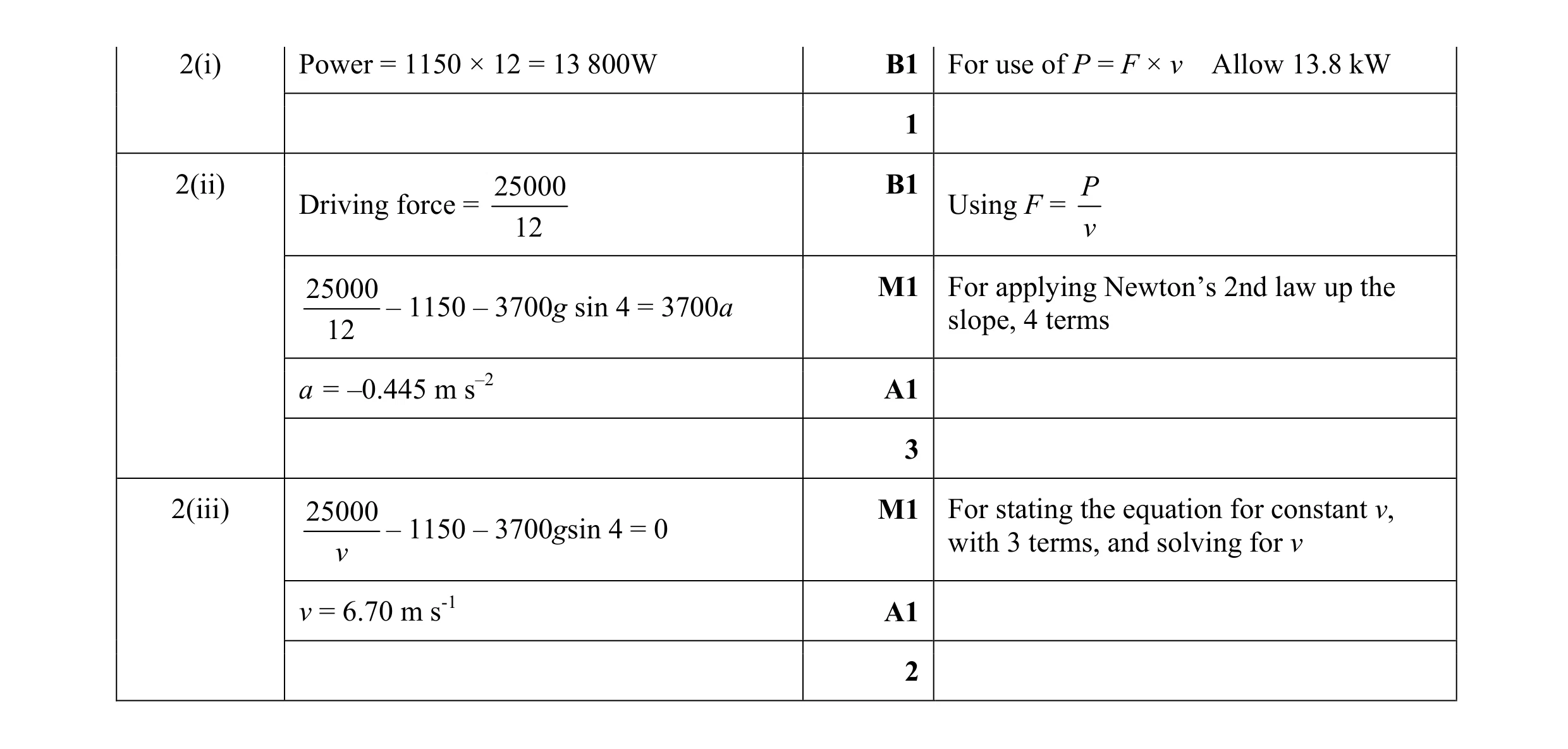 6
6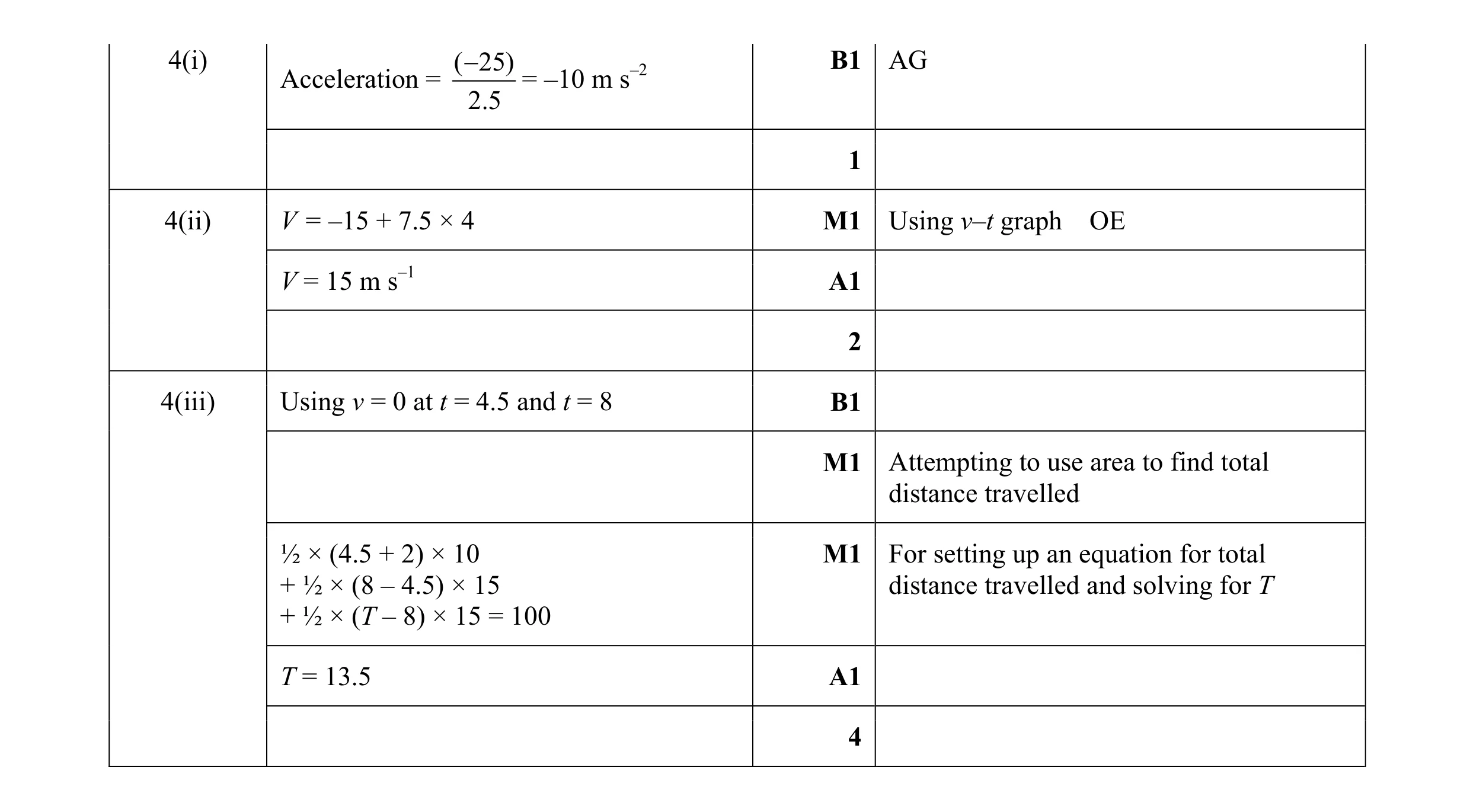 7
7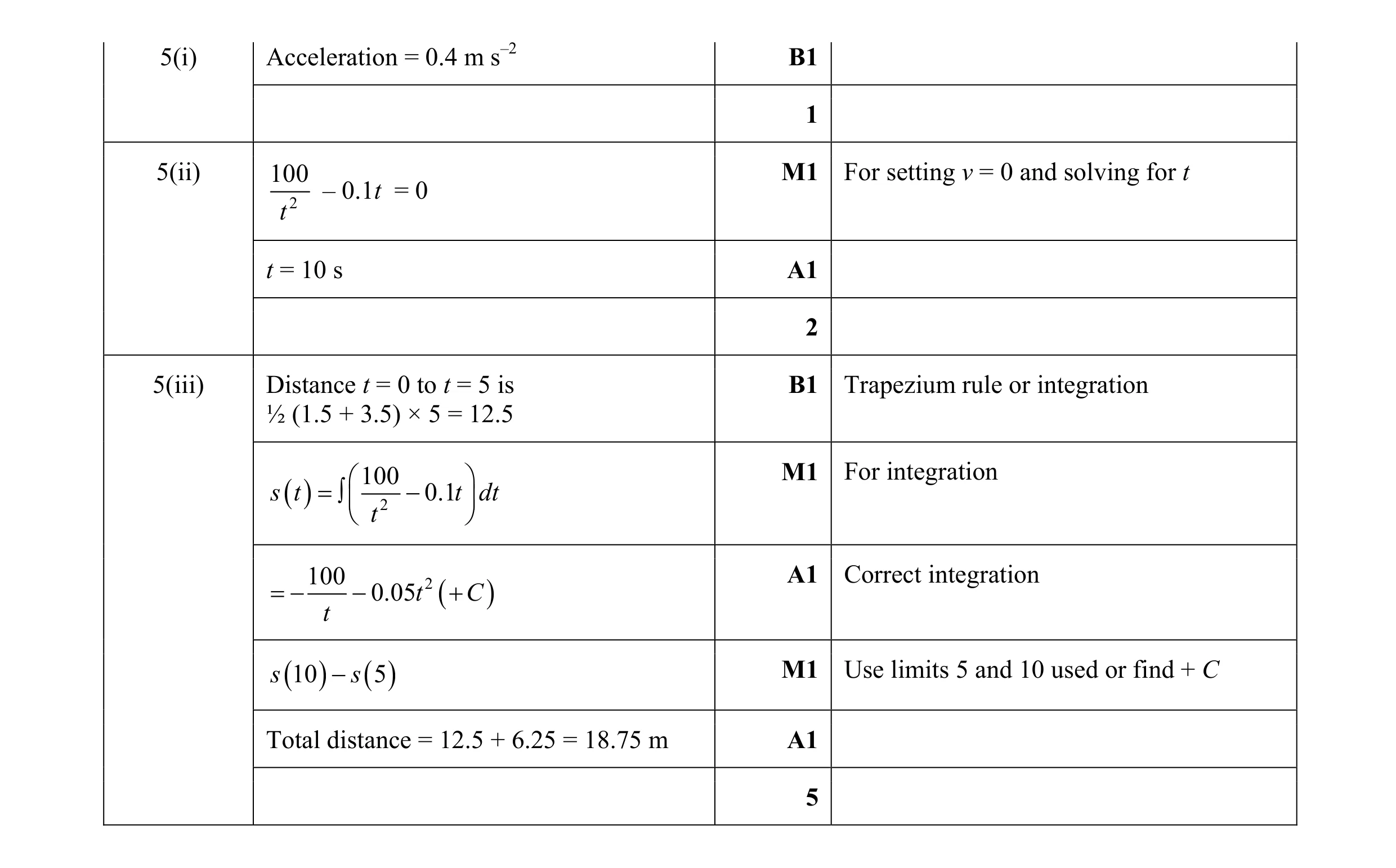 8
8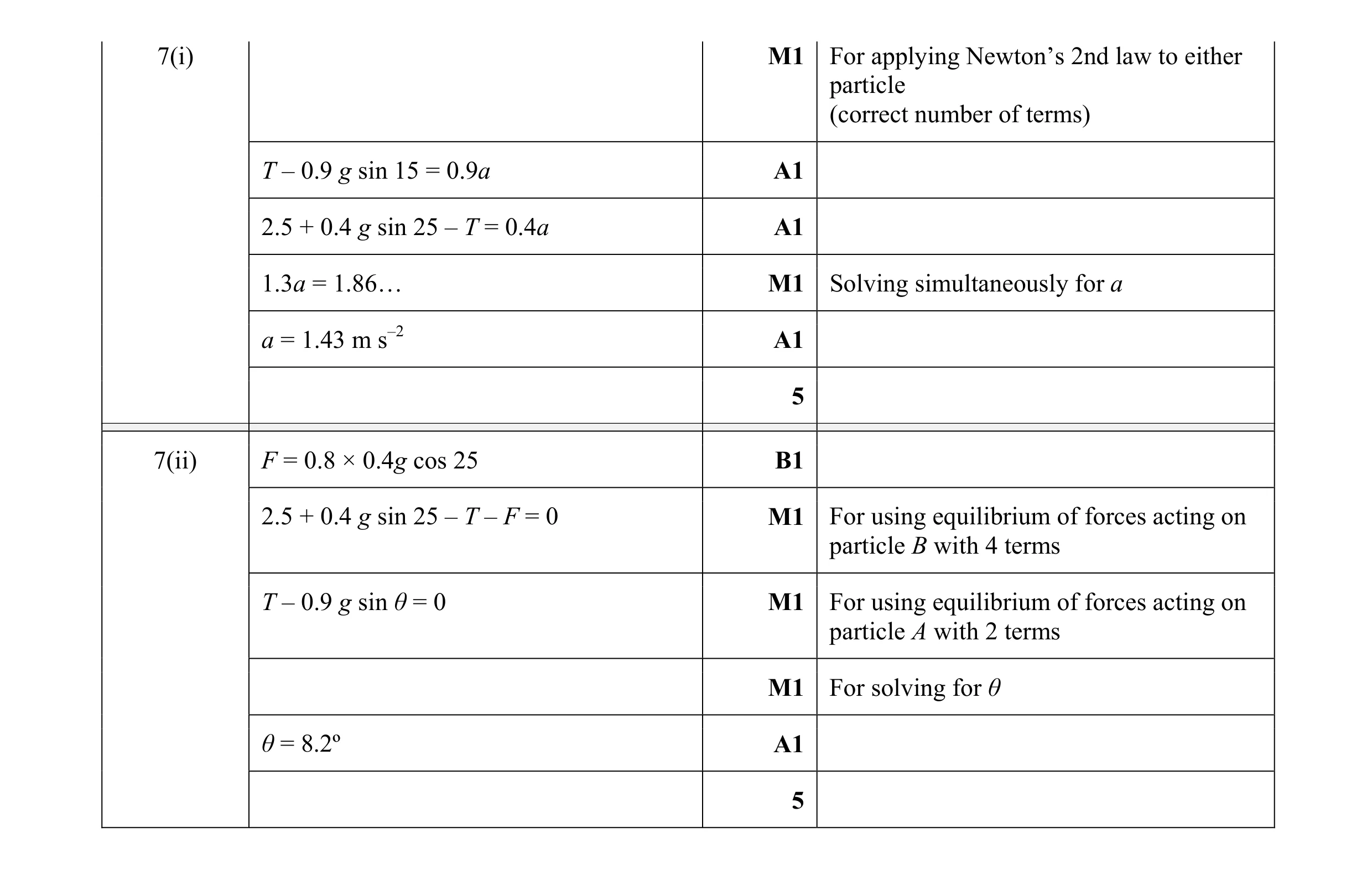 10
10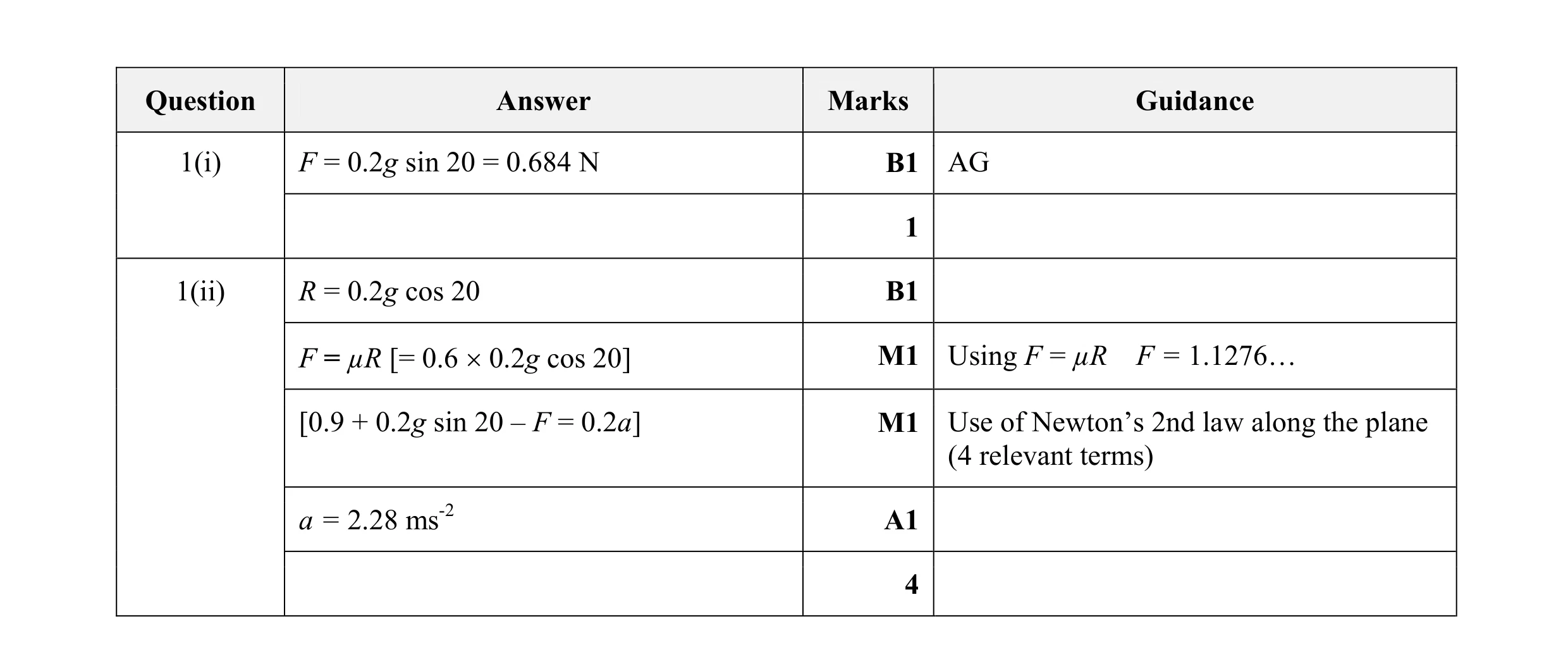 5
5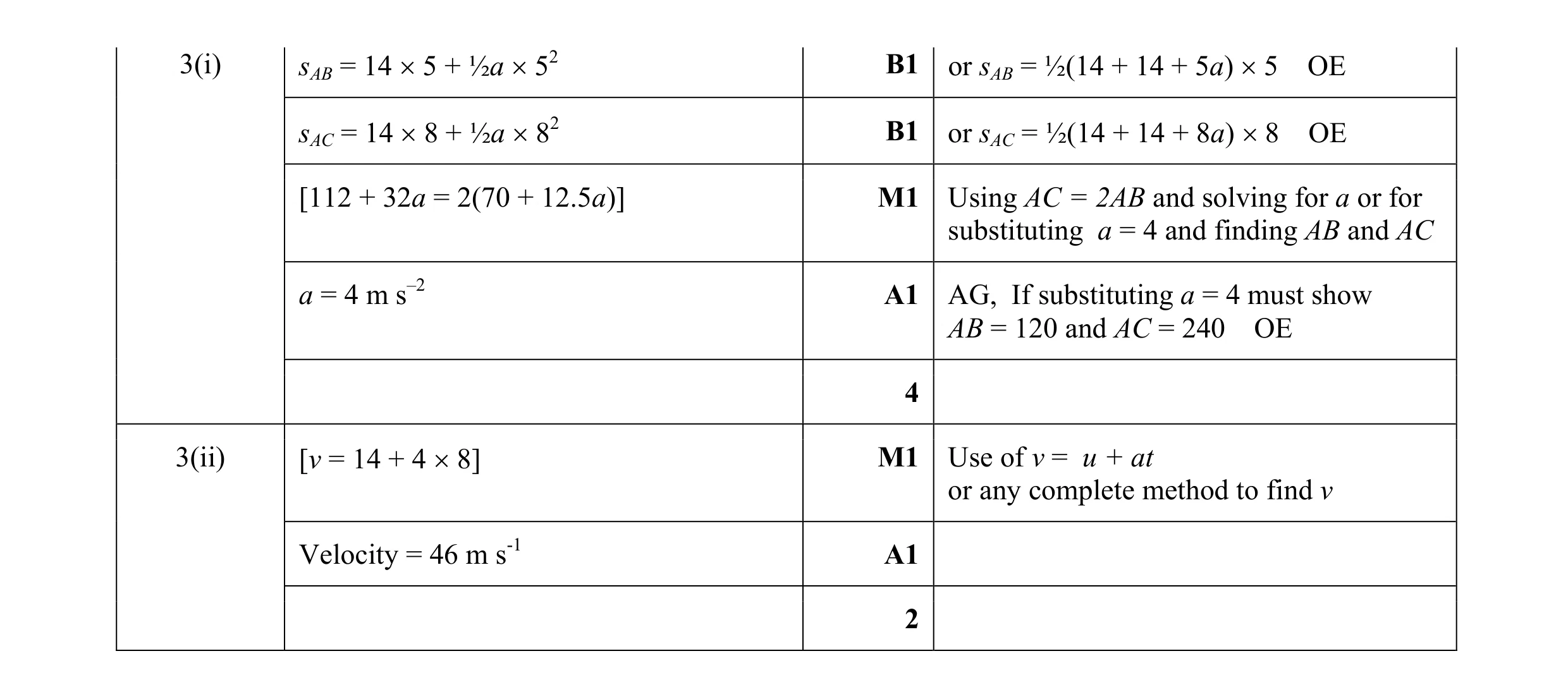 6
6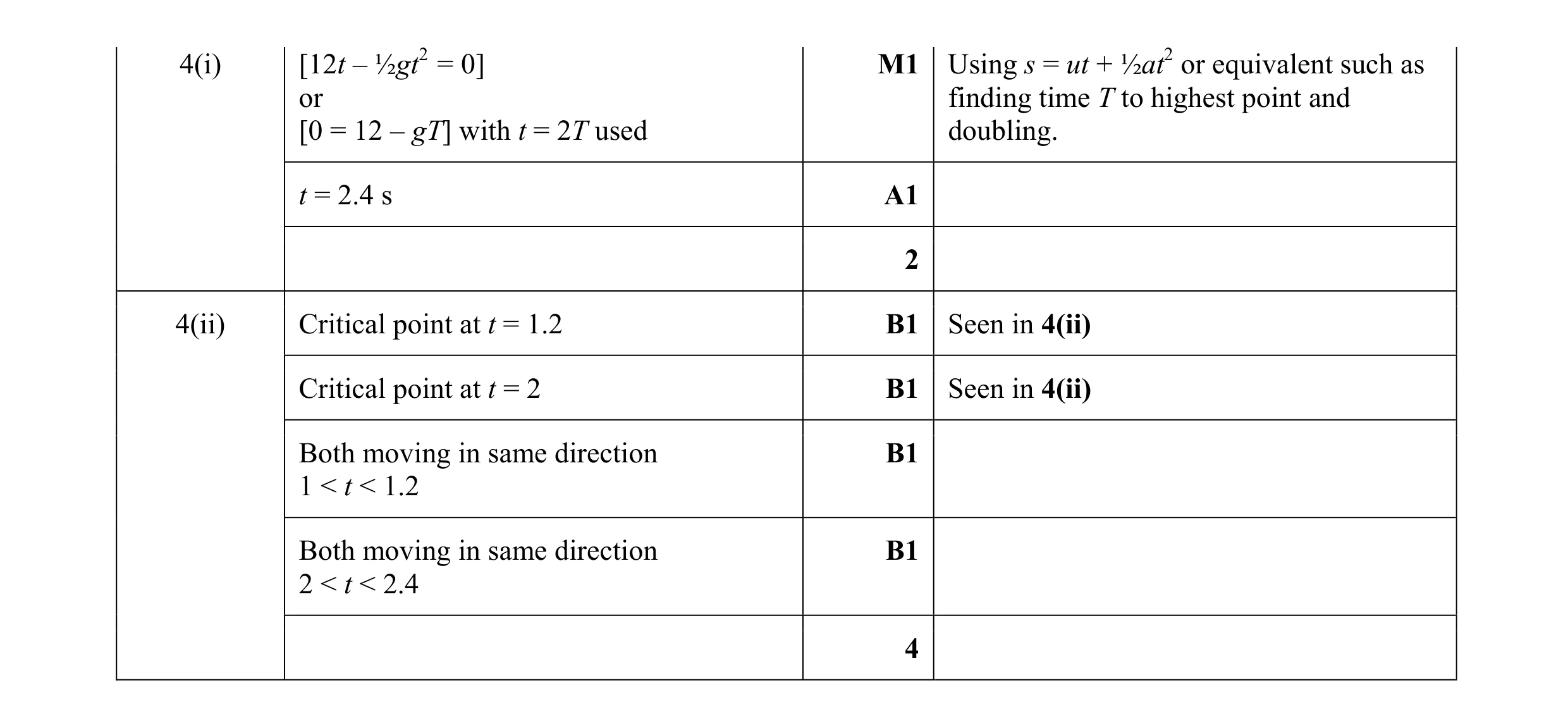 6
6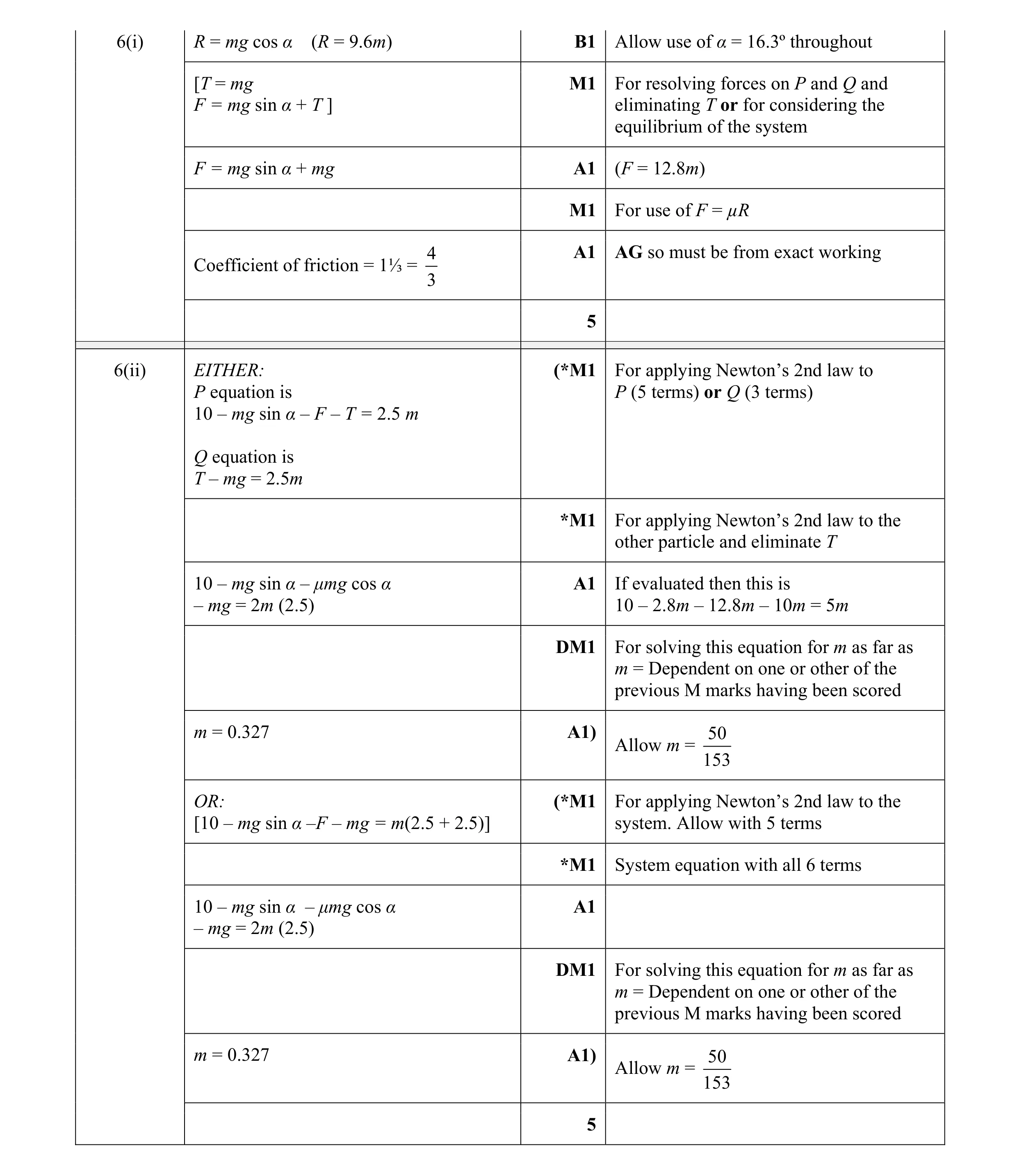 10
10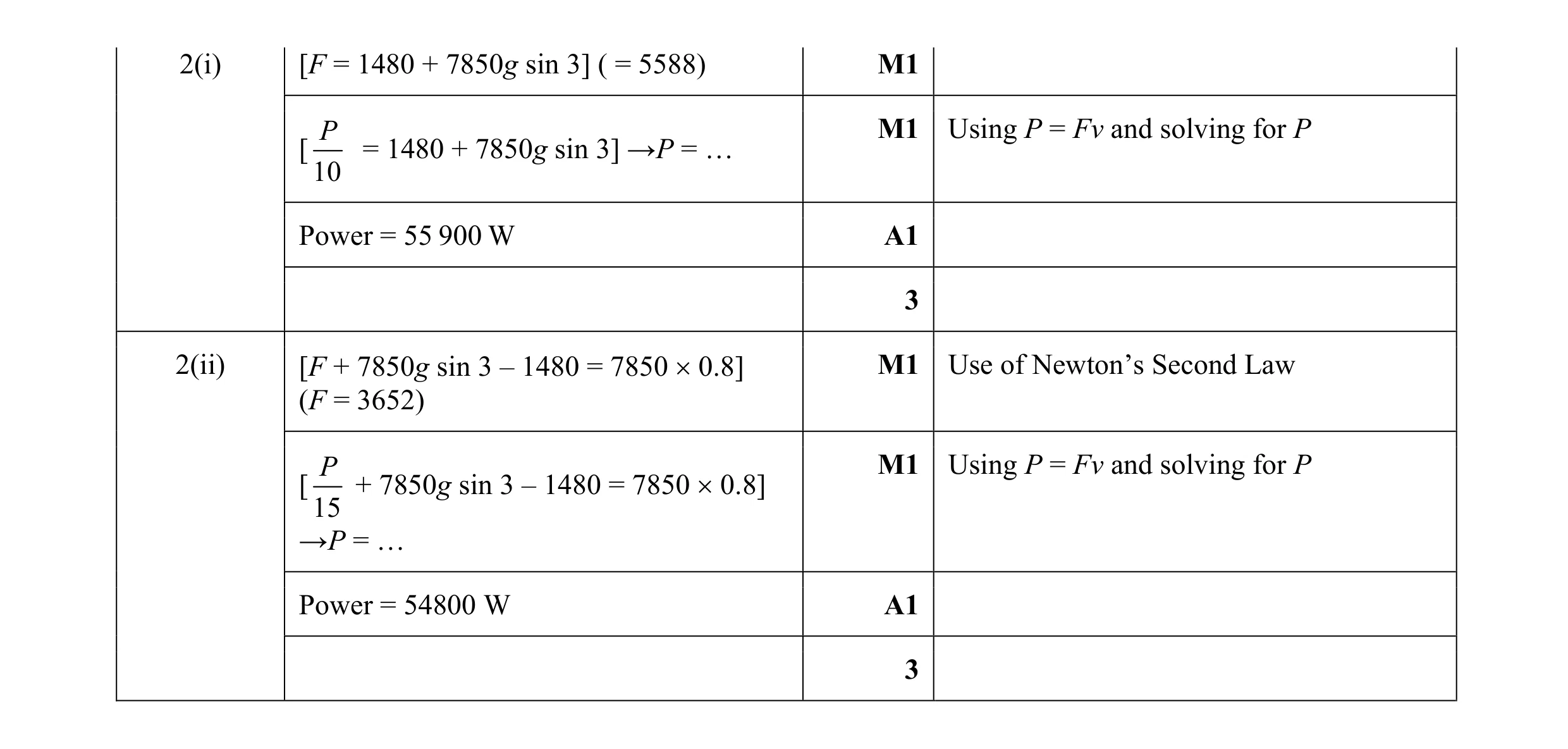 6
6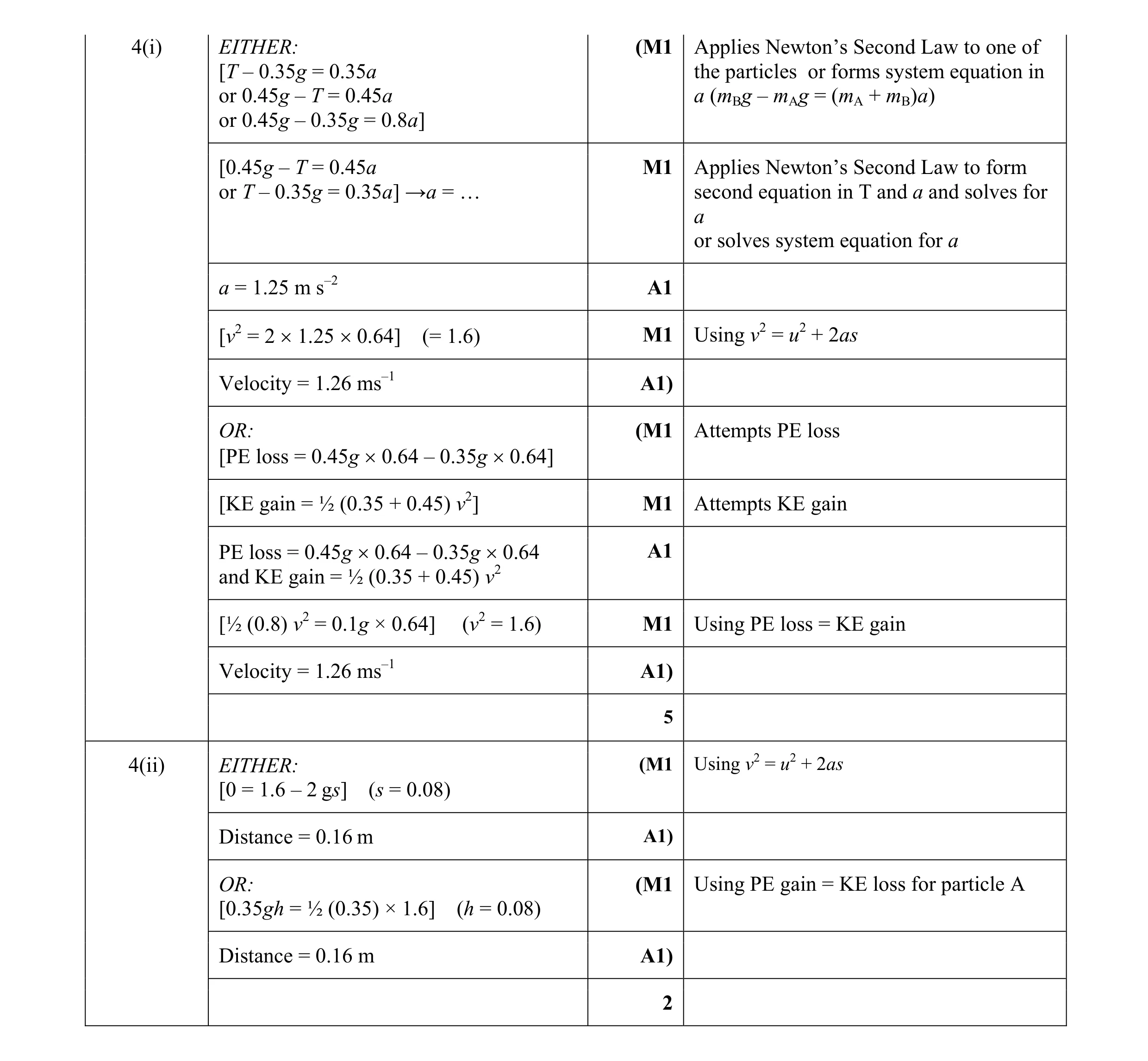 7
7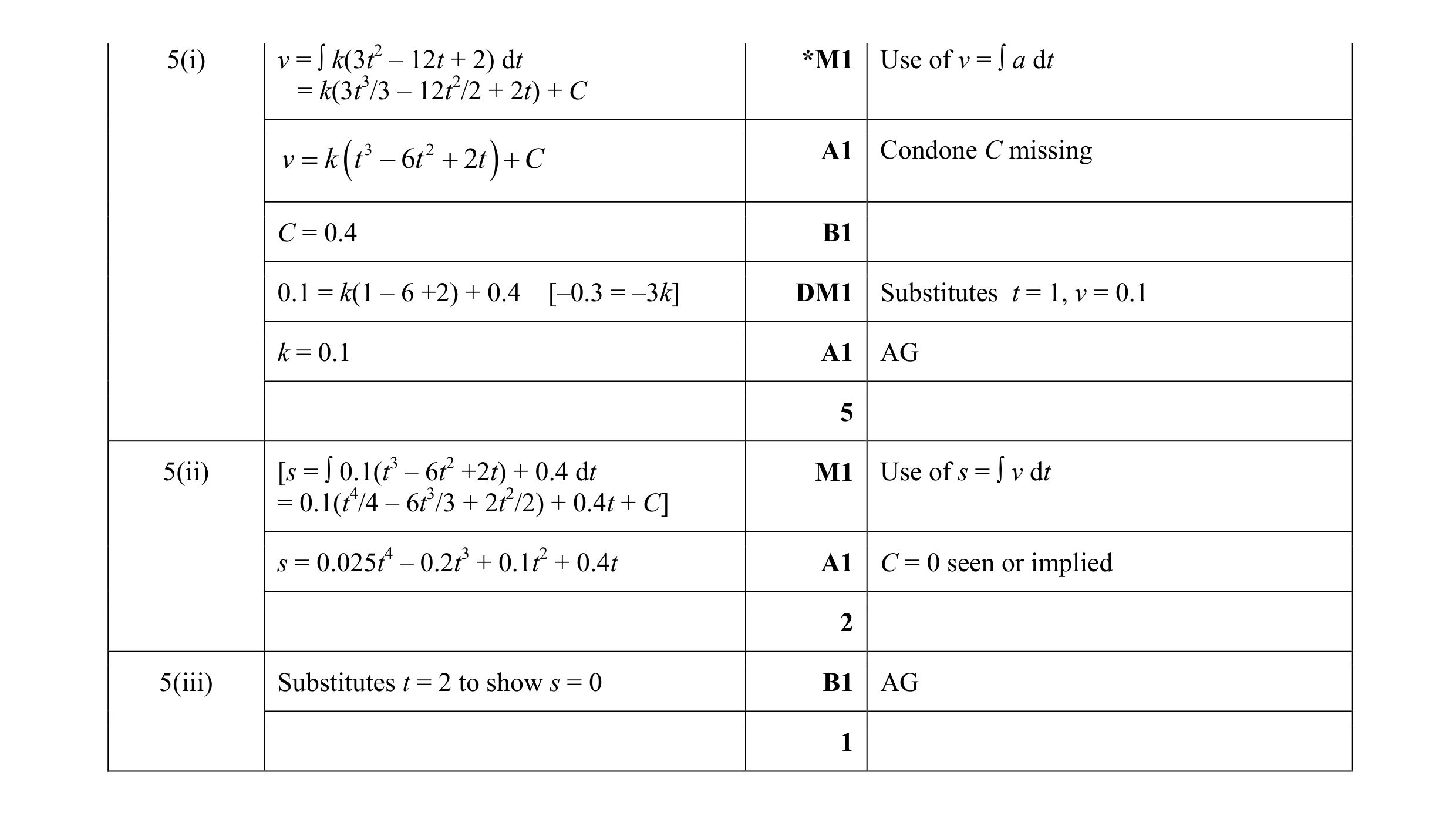 8
8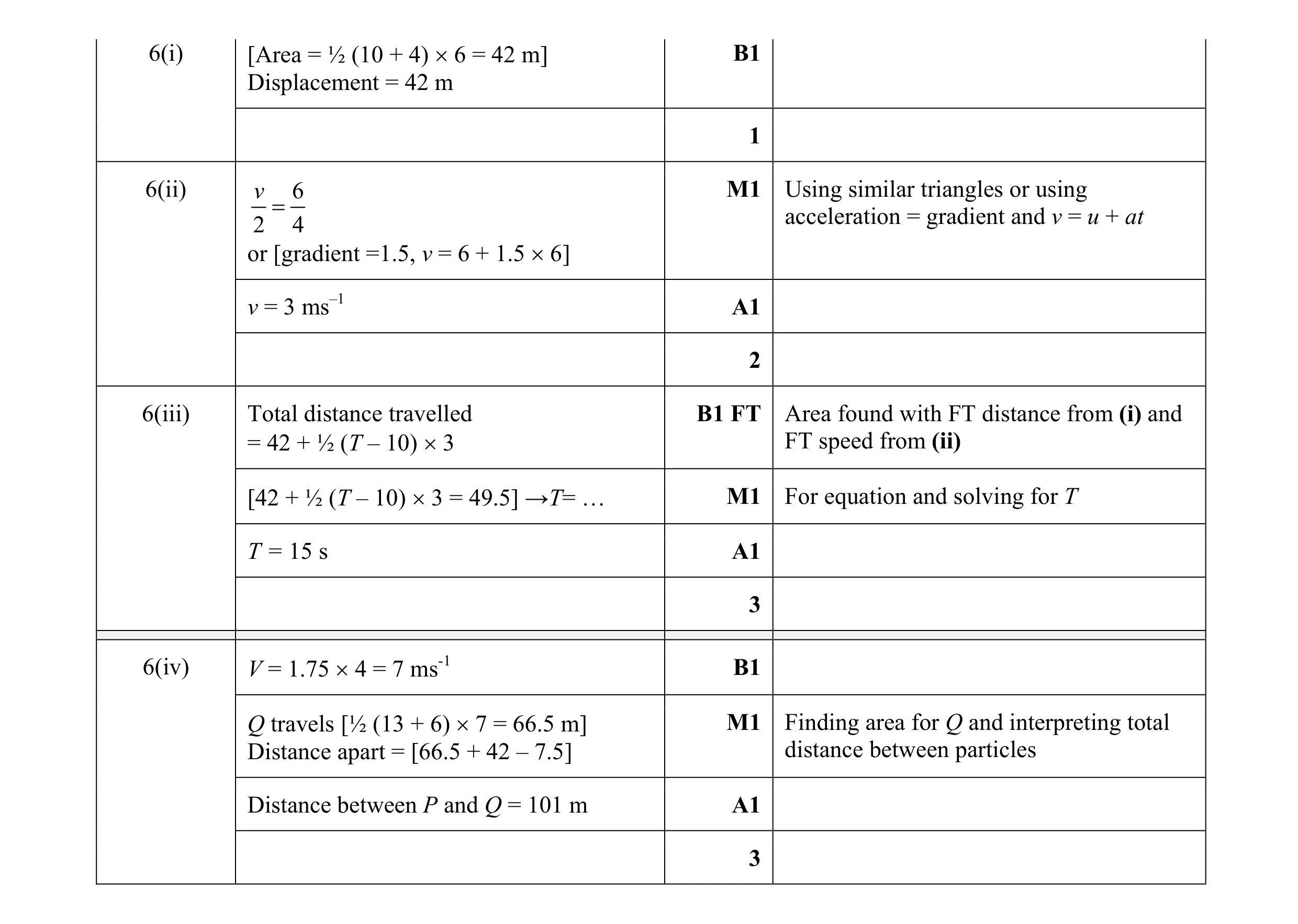 9
9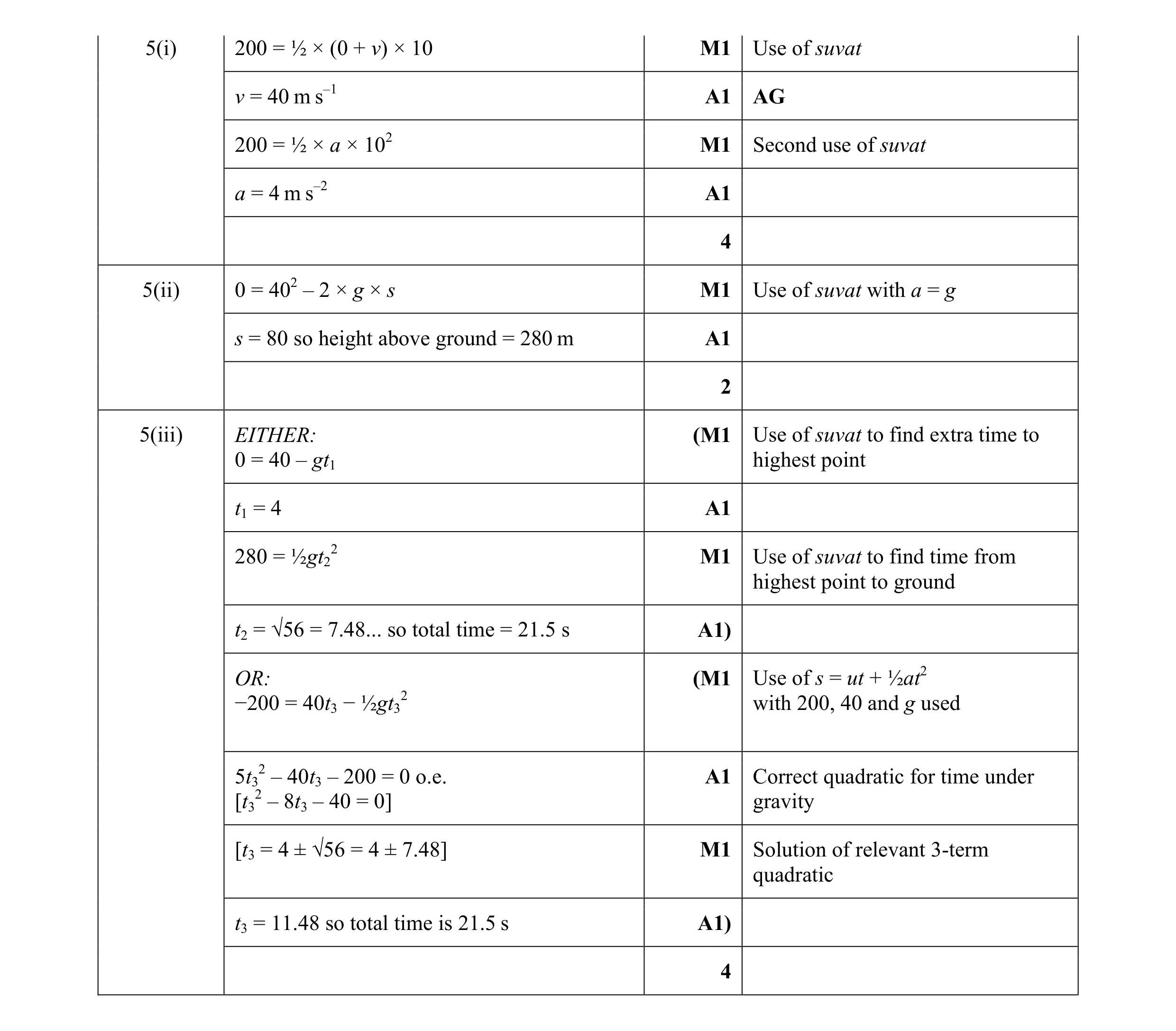 10
10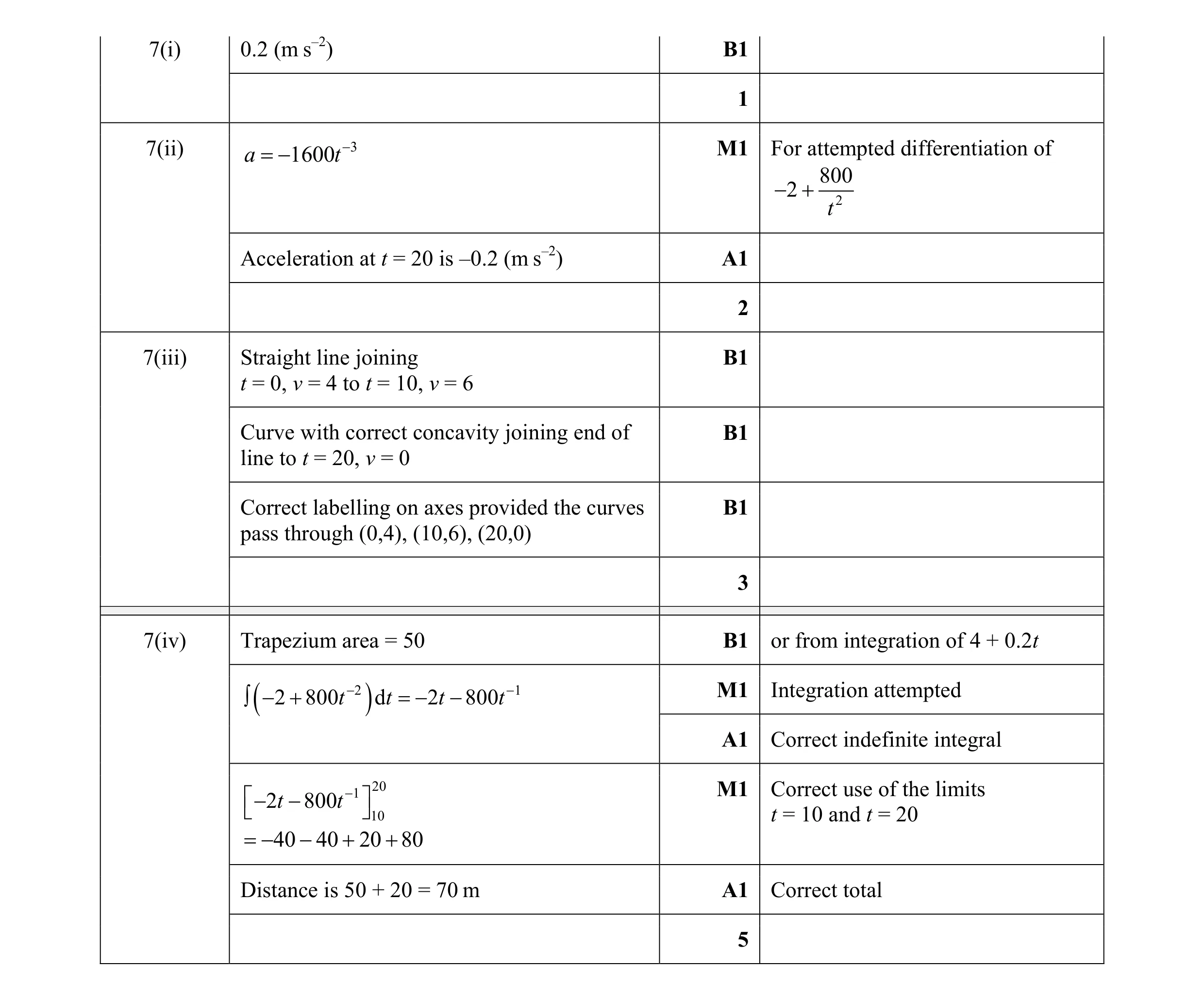 11
11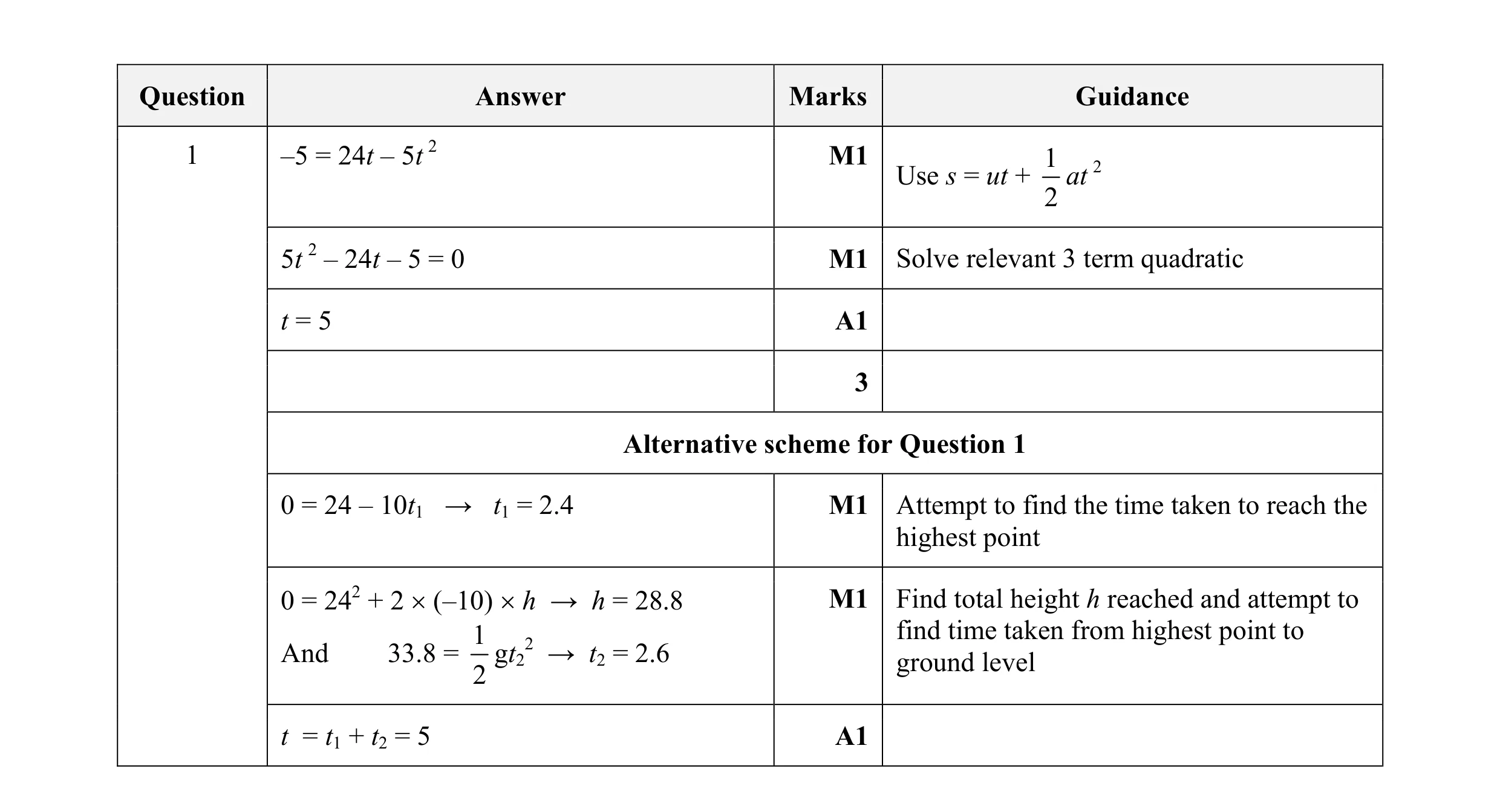 3
3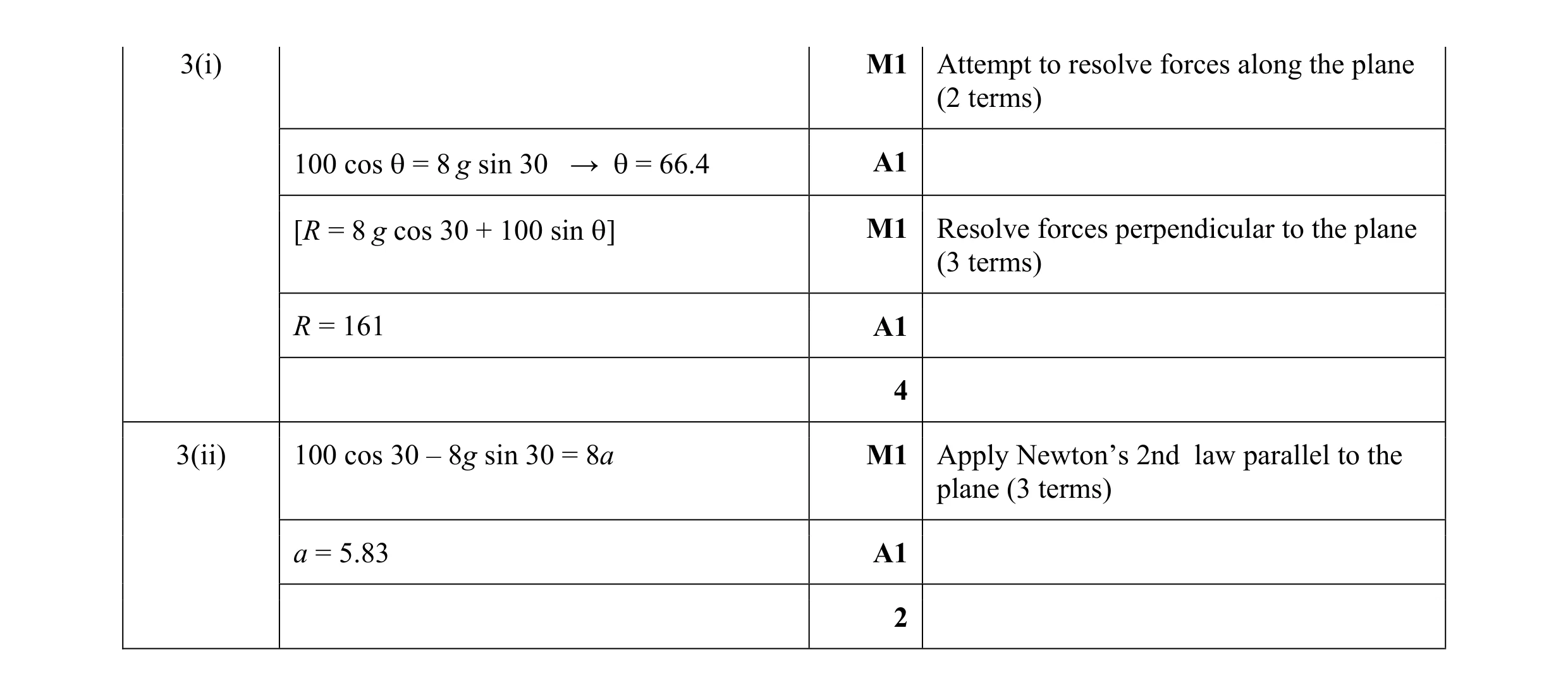 6
6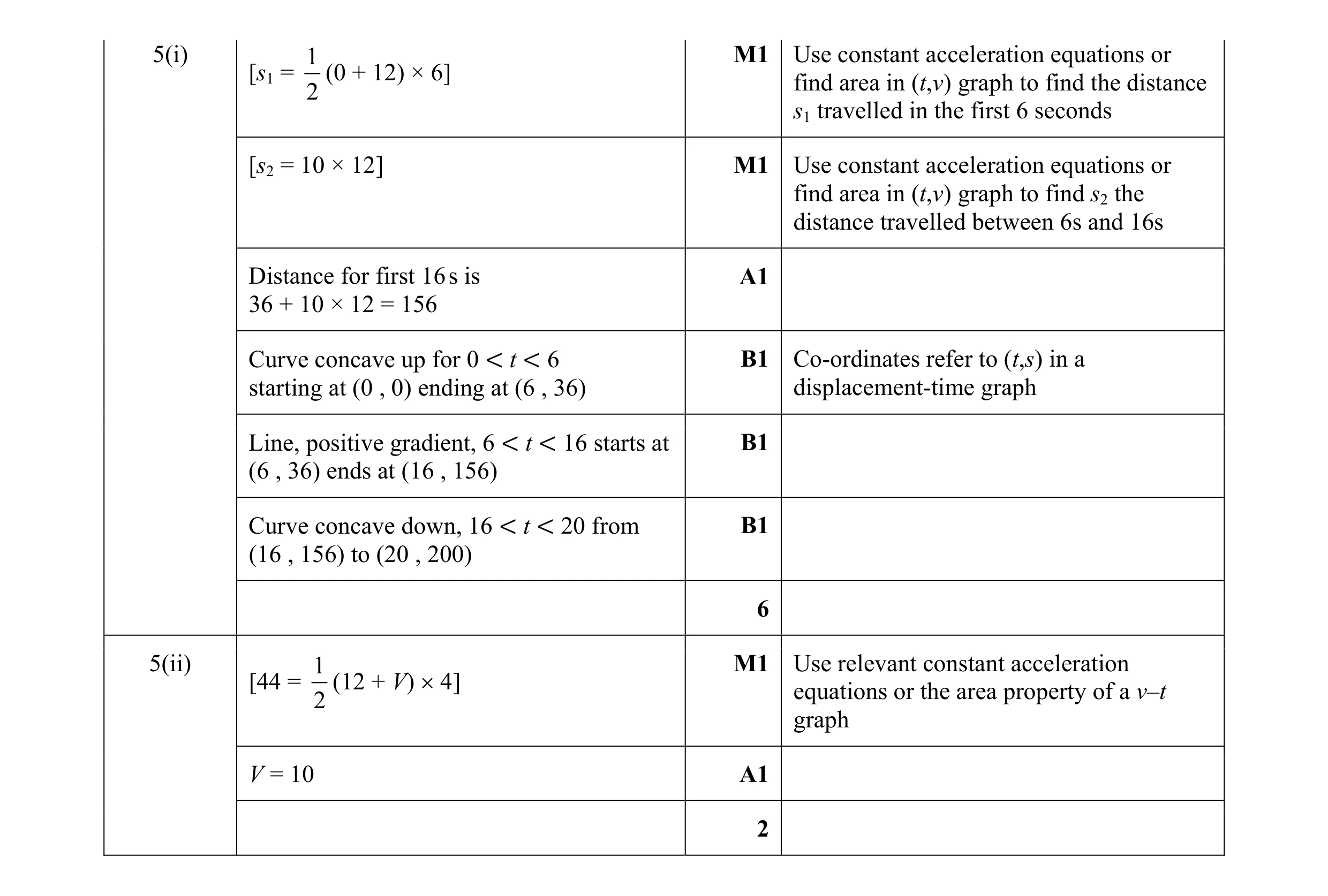 8
8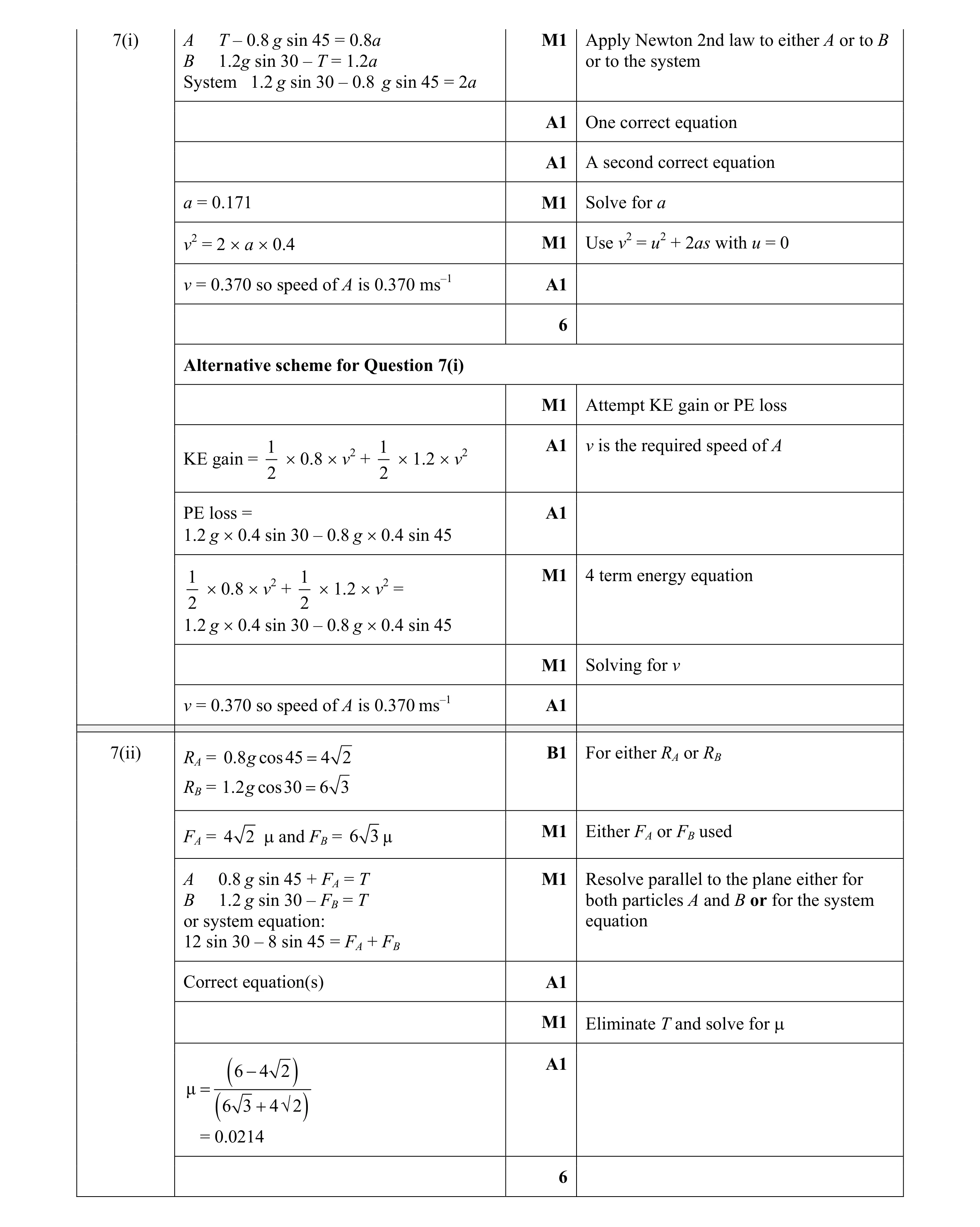 12
12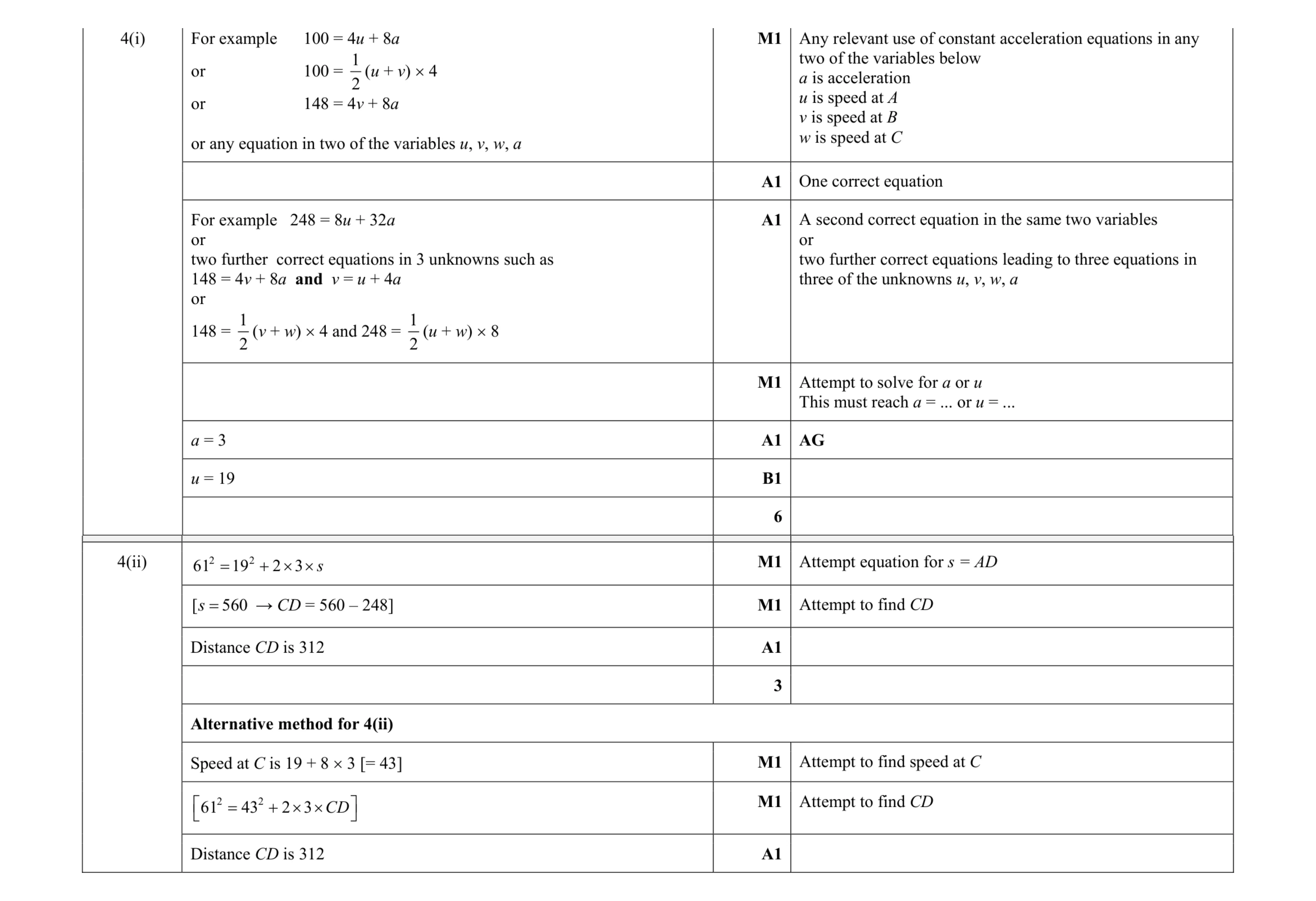 9
9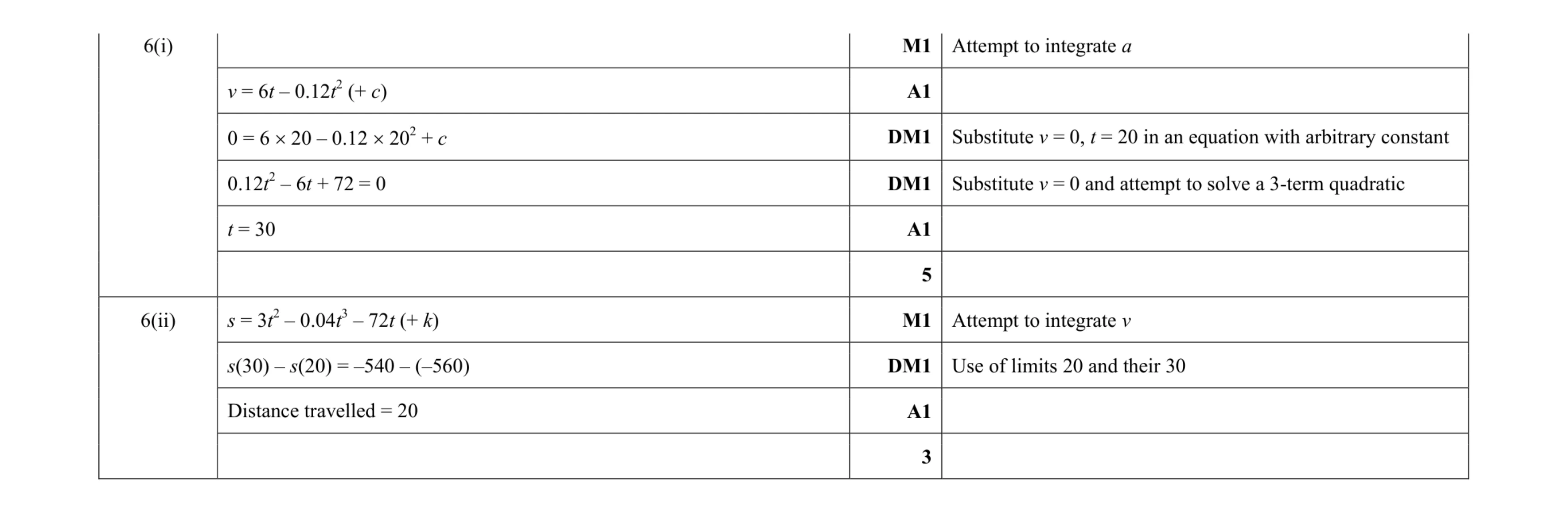 8
8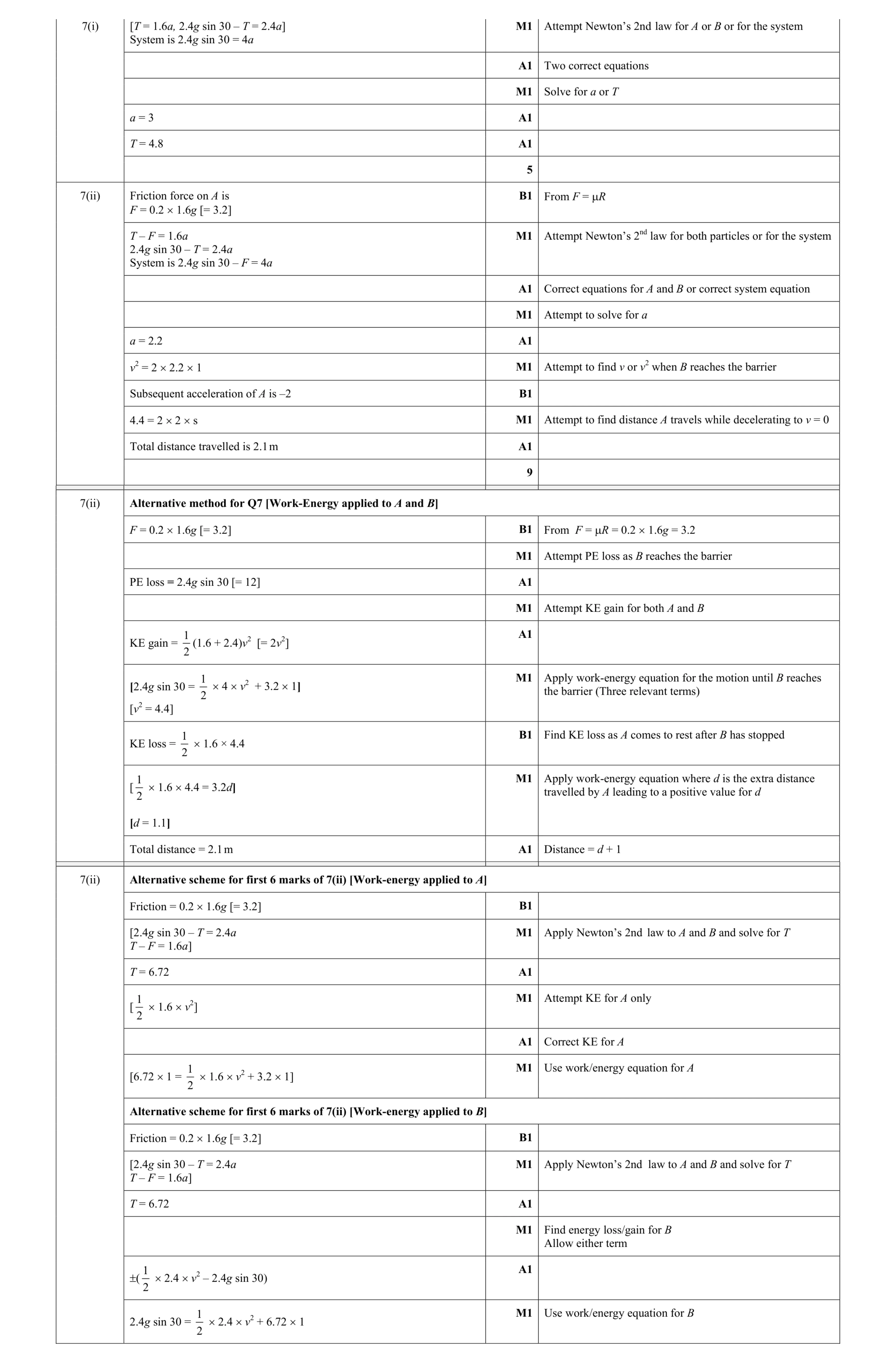 14
14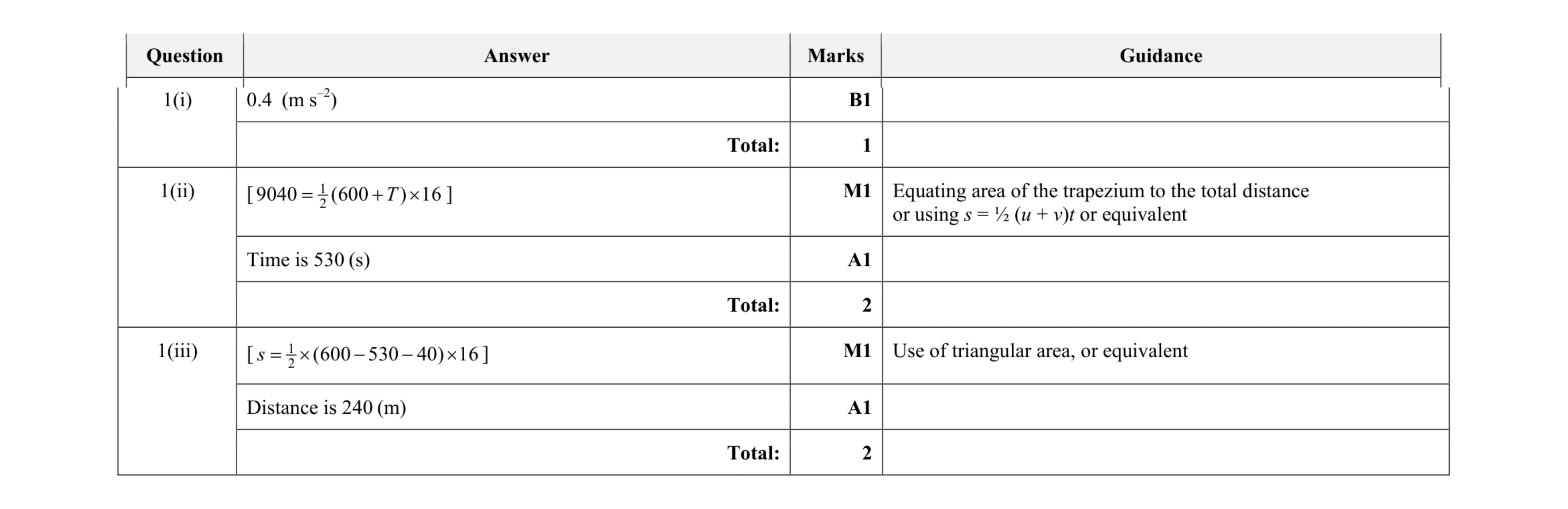 5
5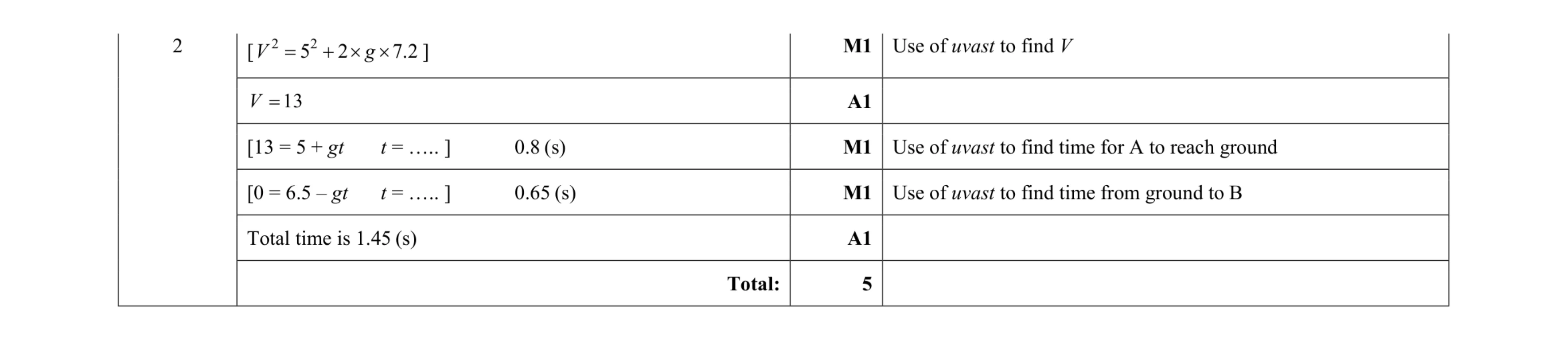 5
5 6
6 9
9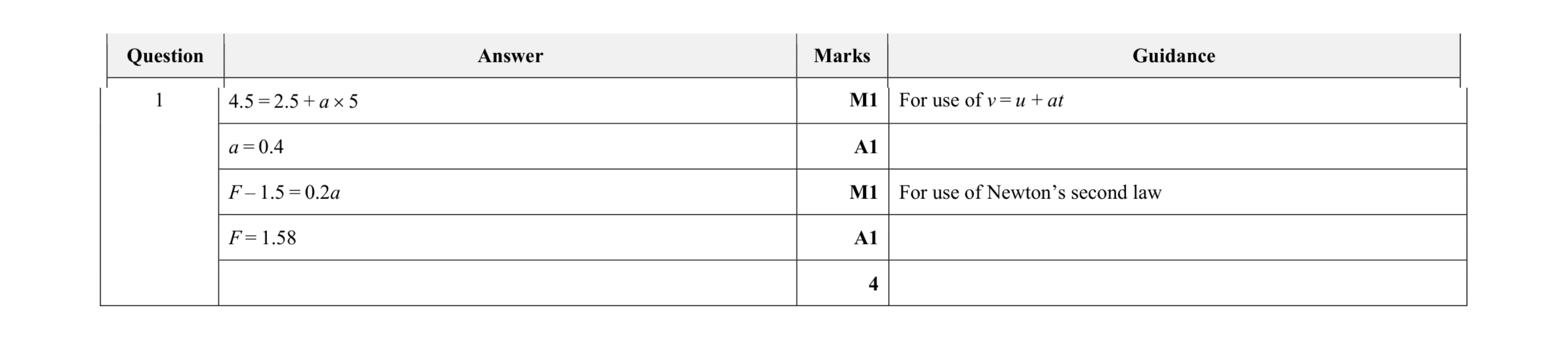 4
4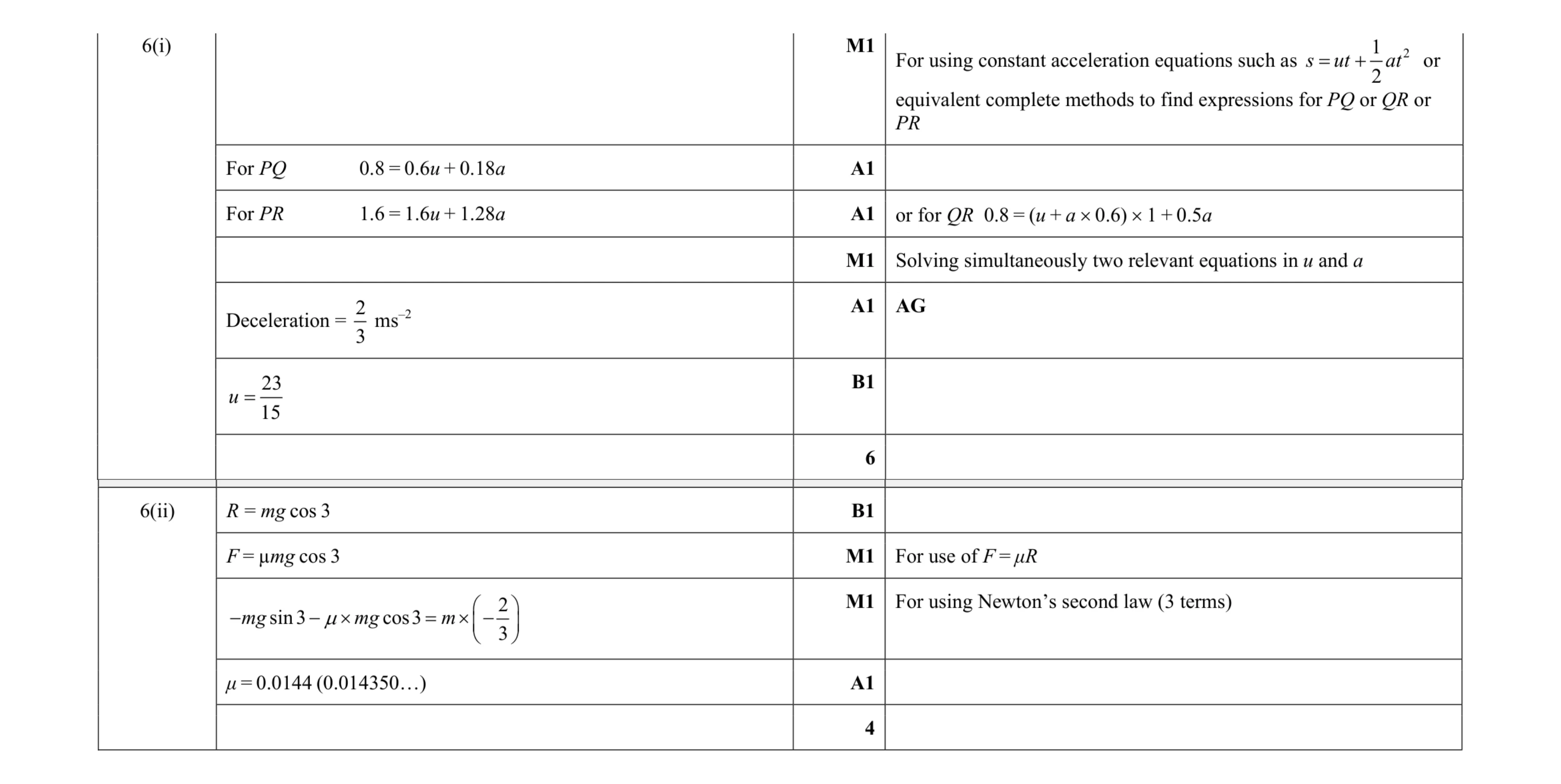 10
10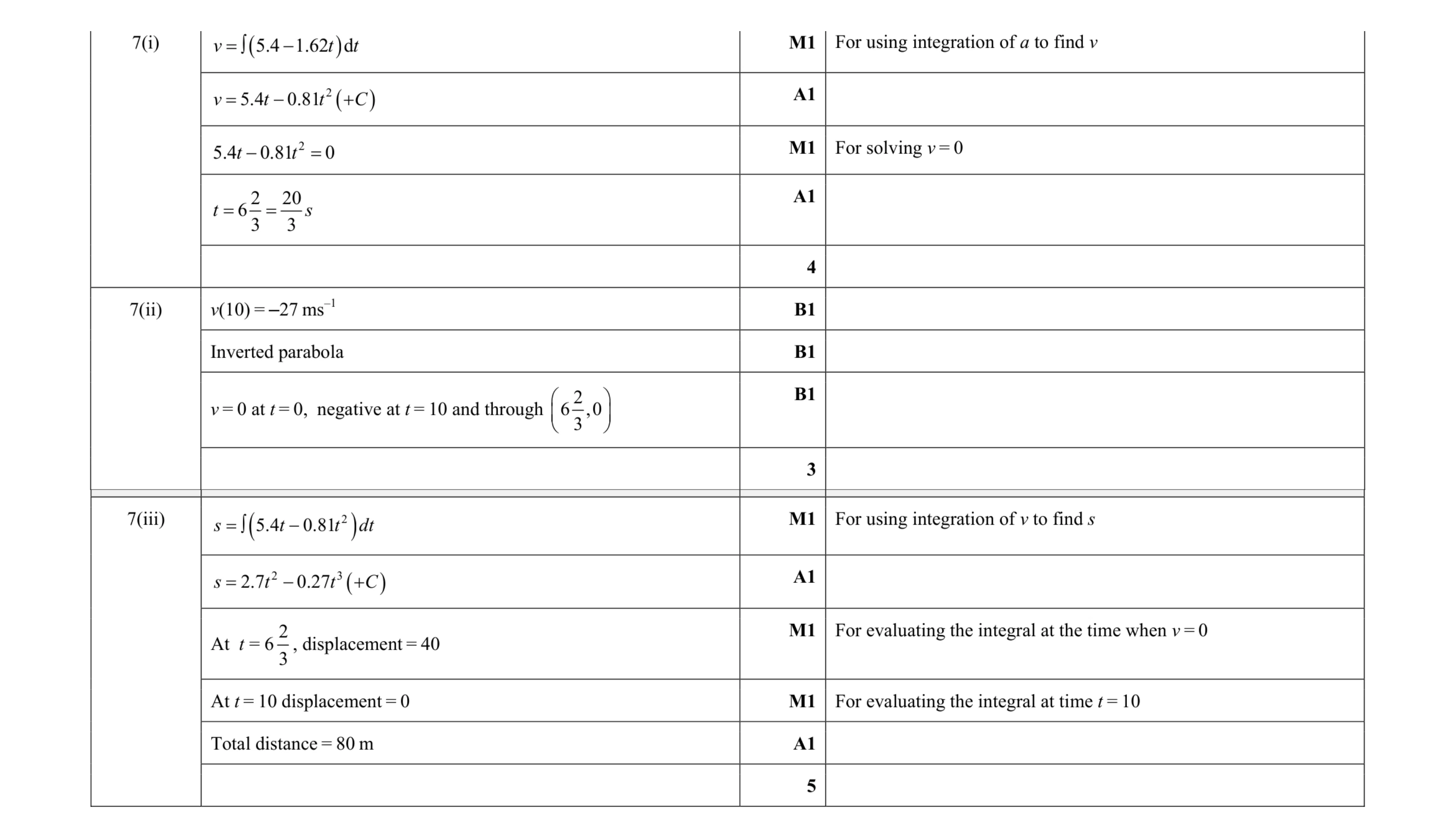 12
12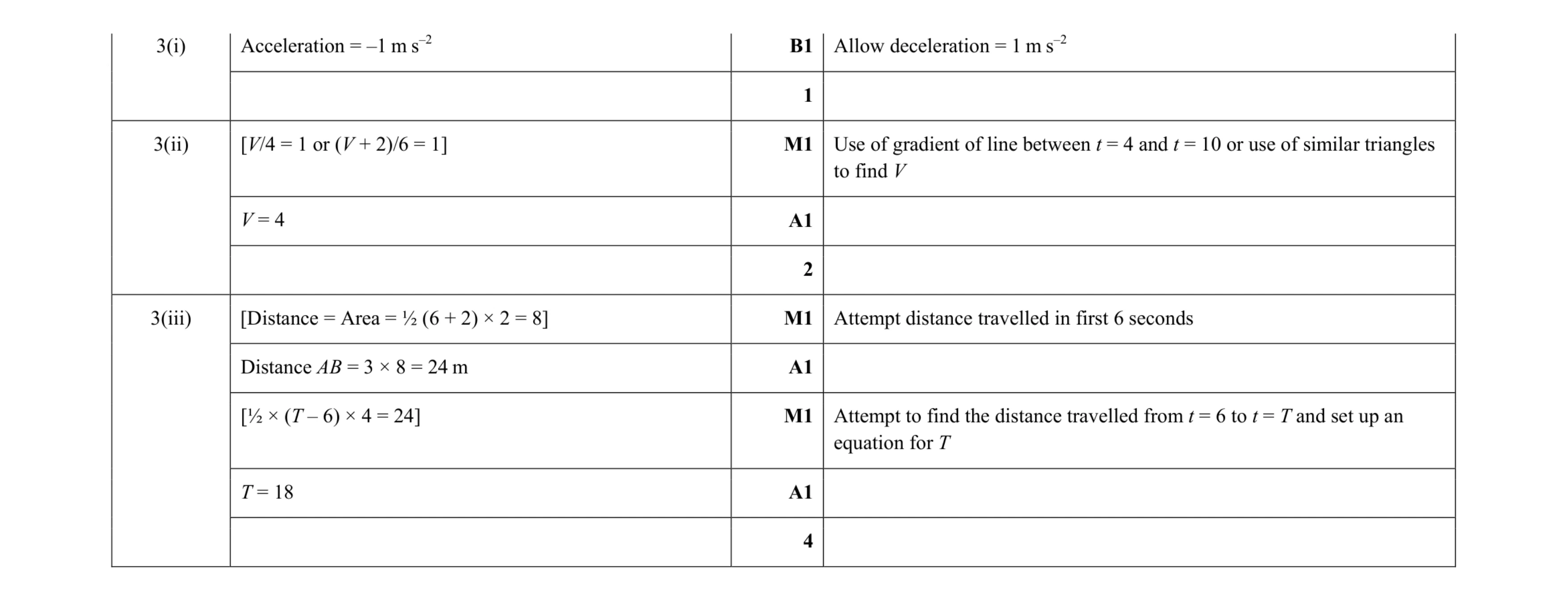 7
7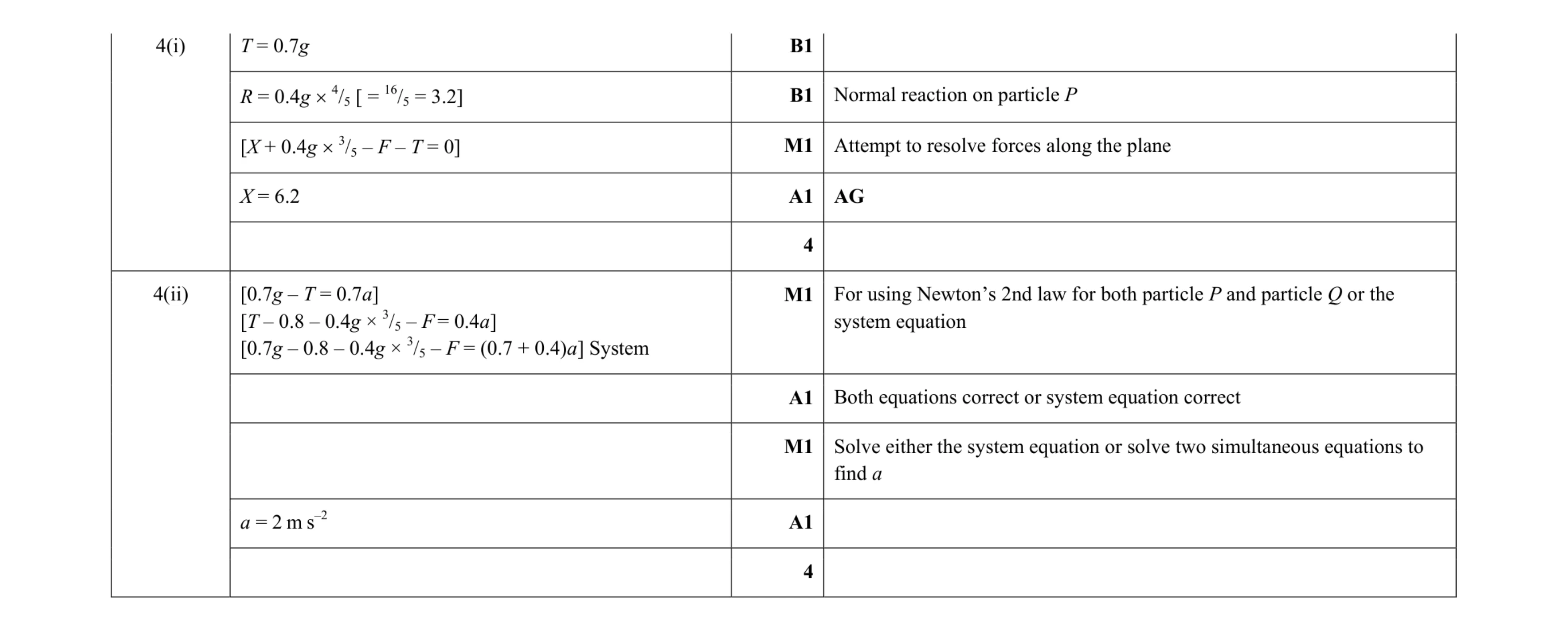 8
8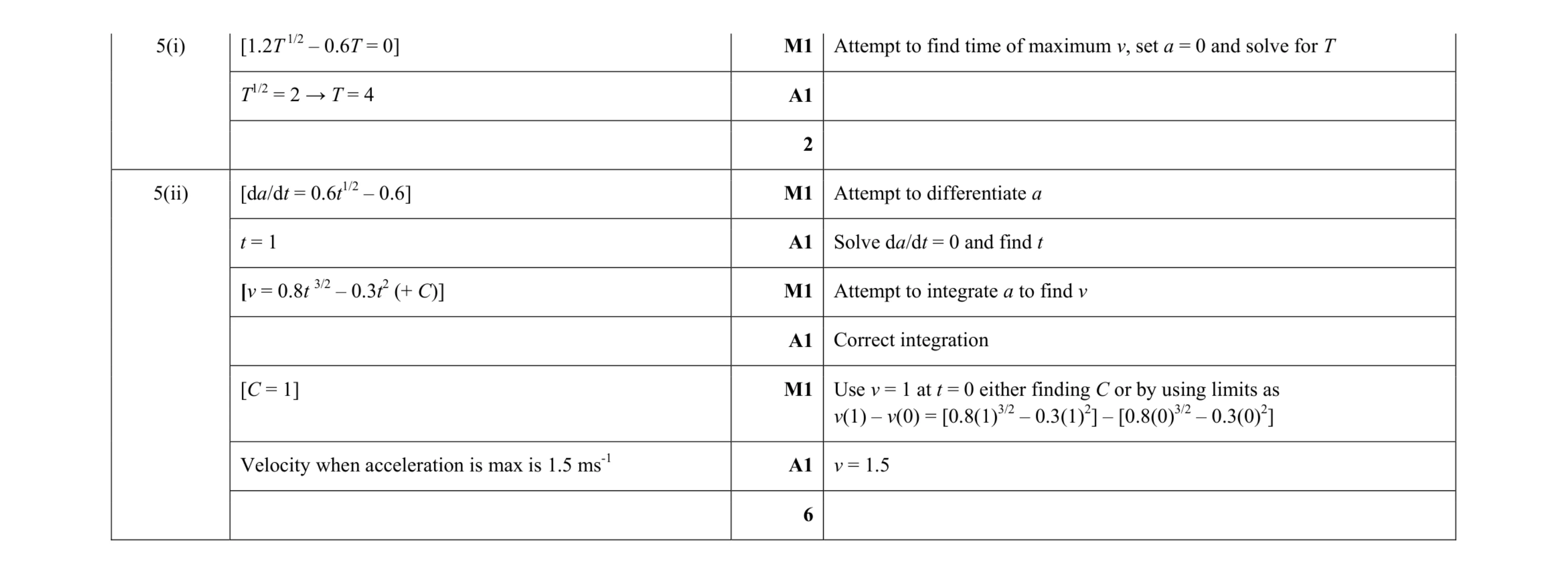 8
8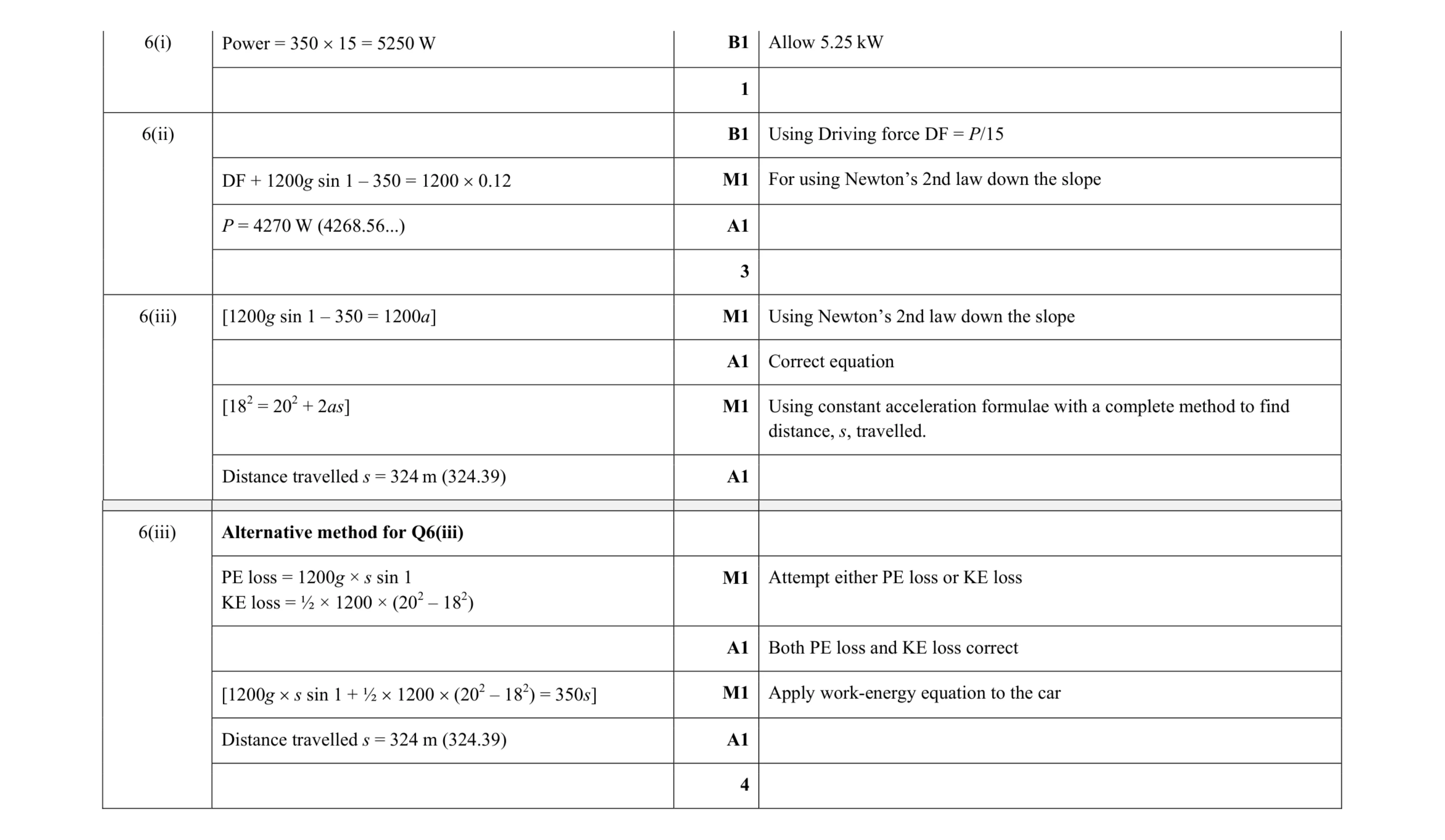 8
8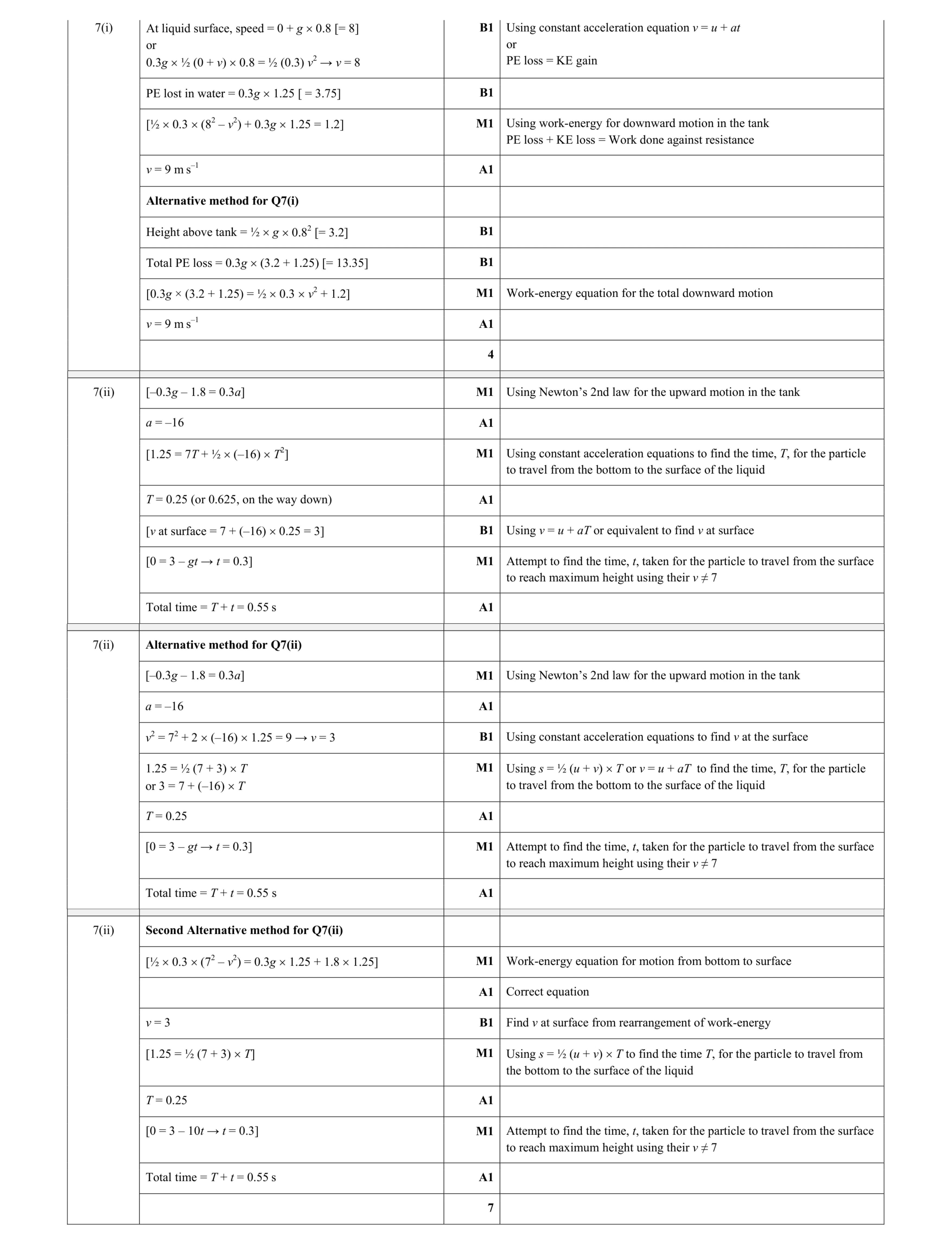 11
11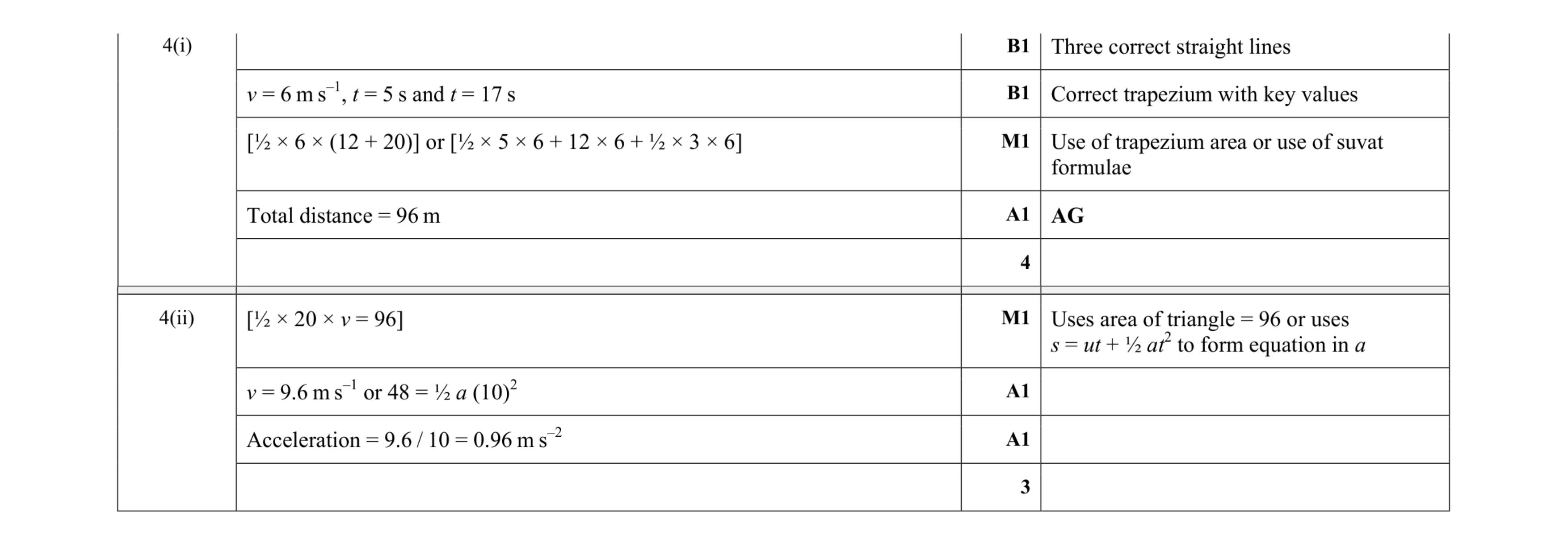 7
7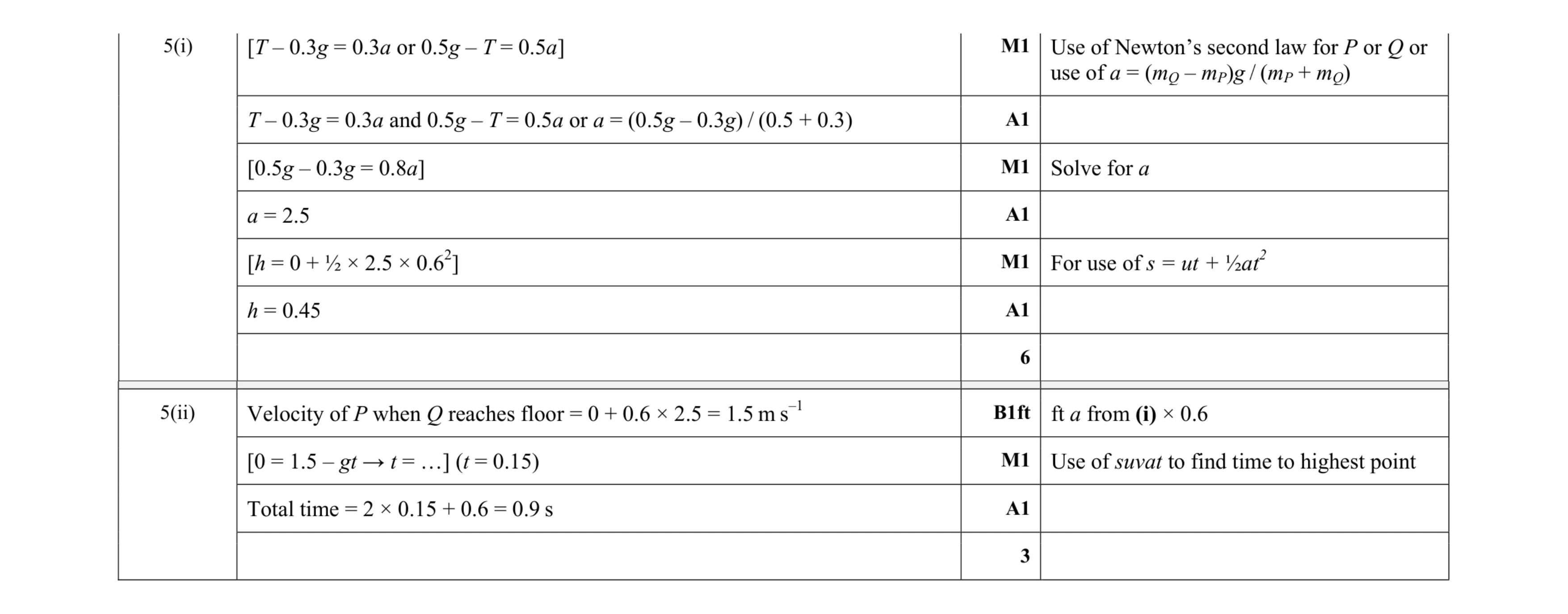 9
9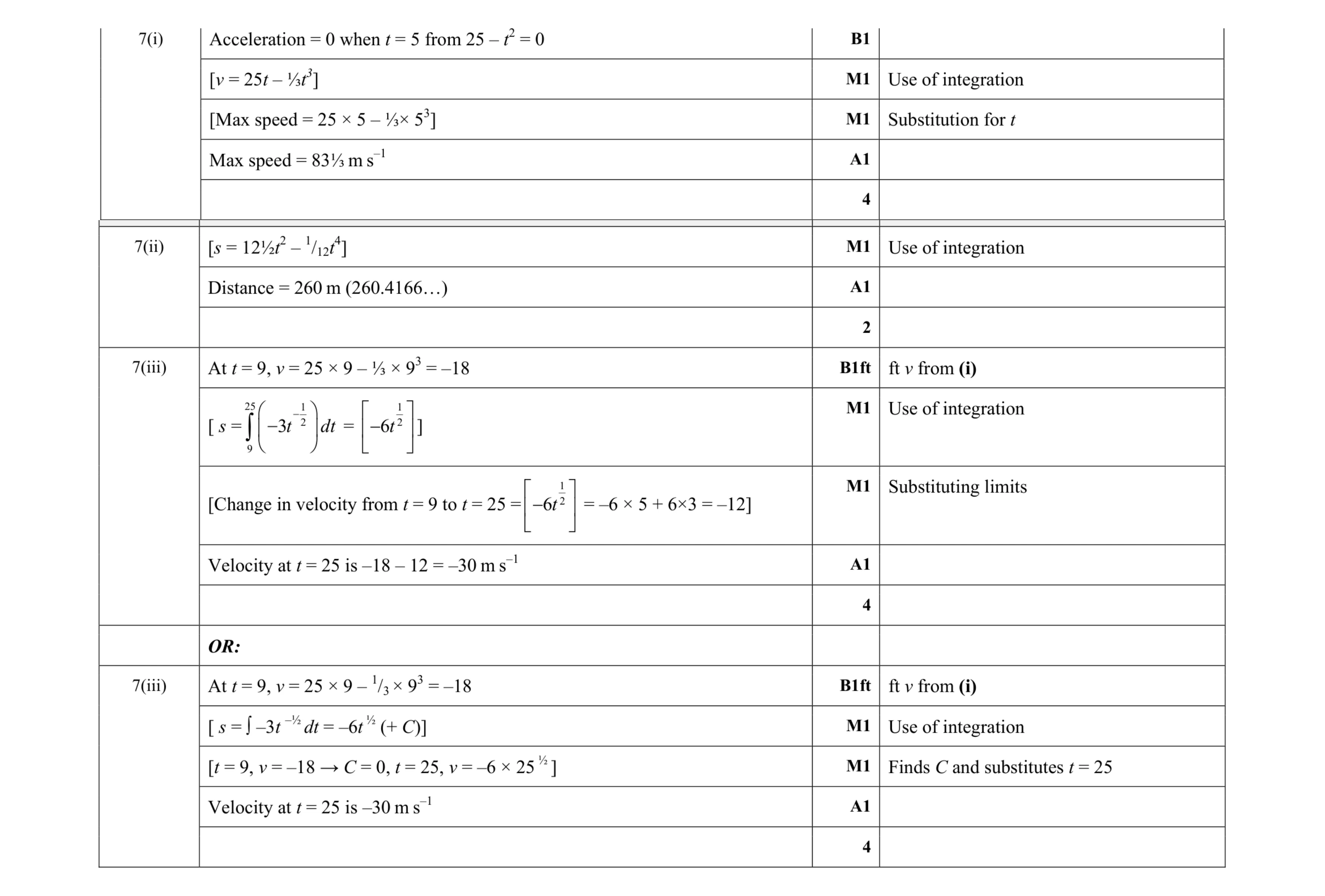 10
10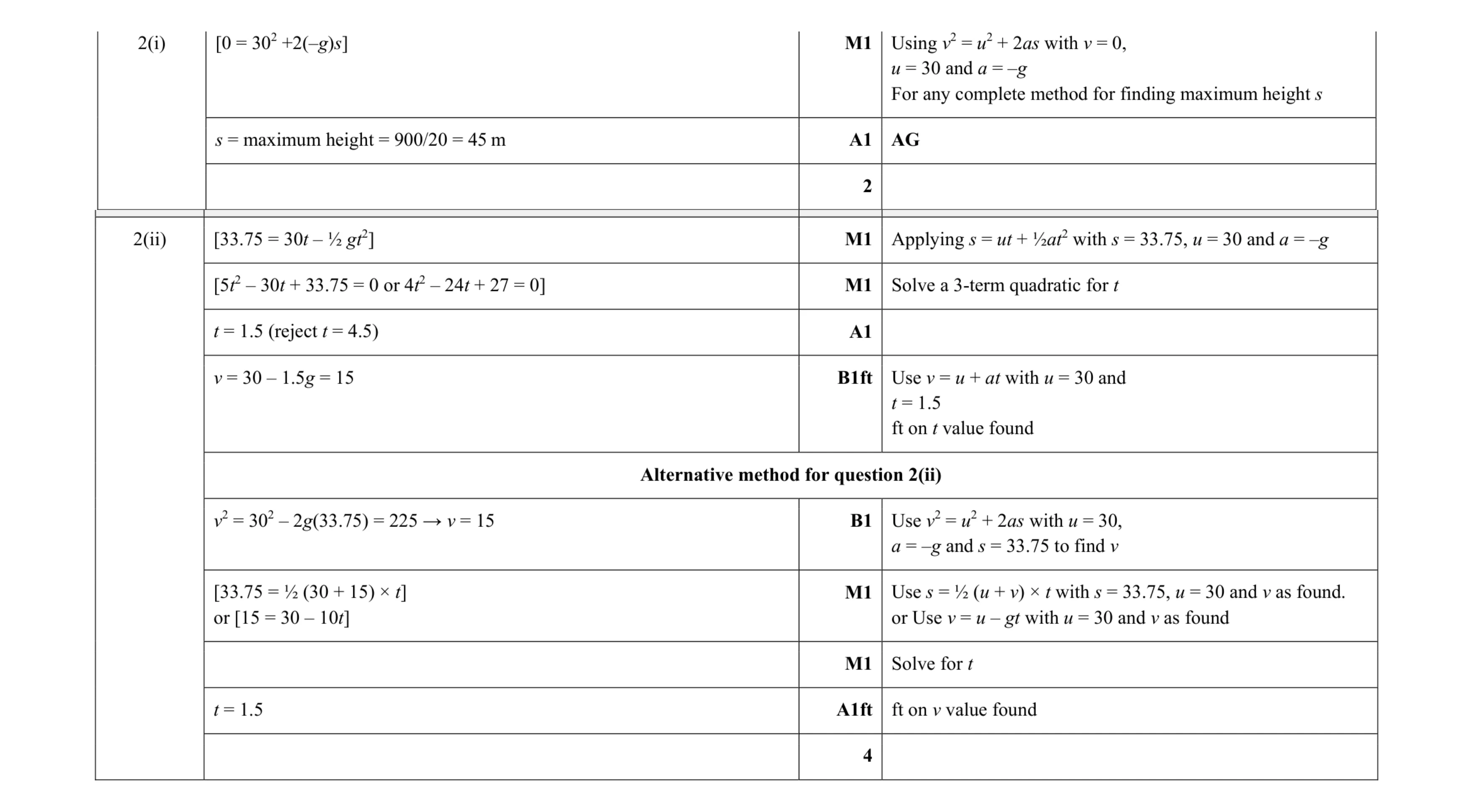 6
6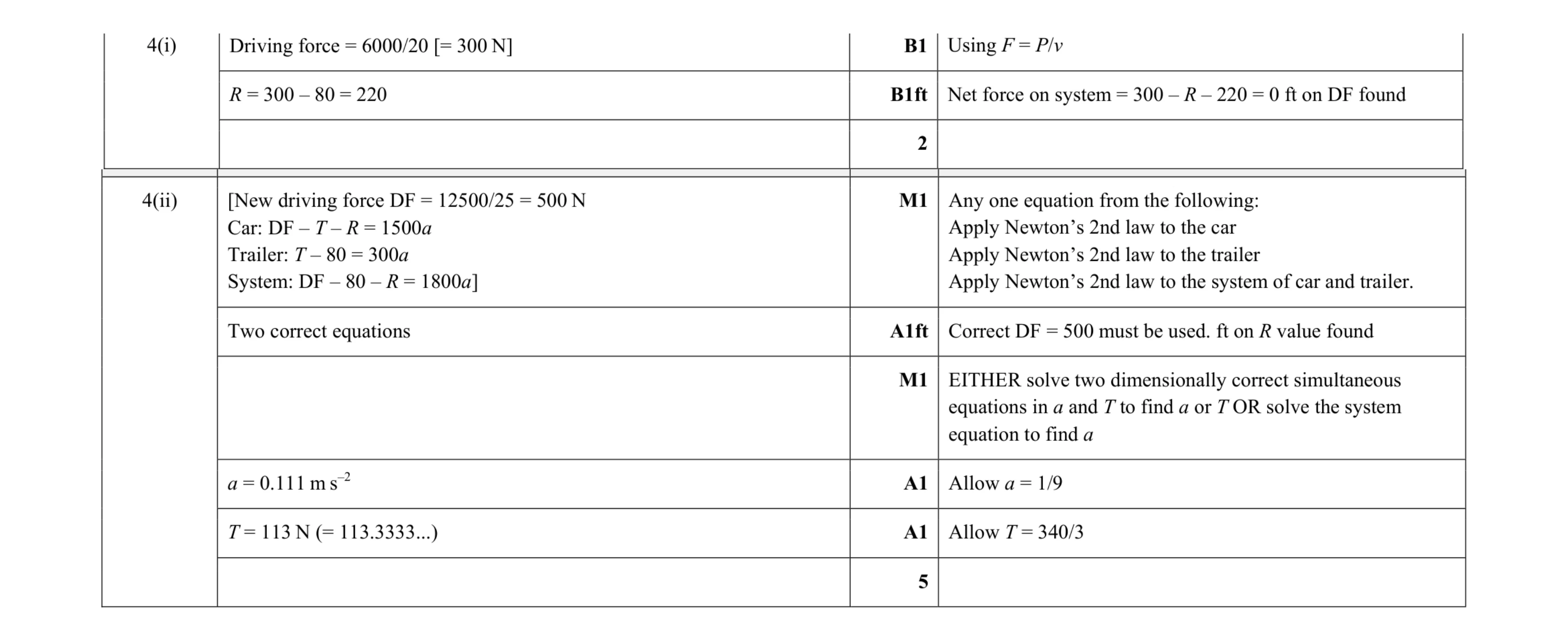 7
7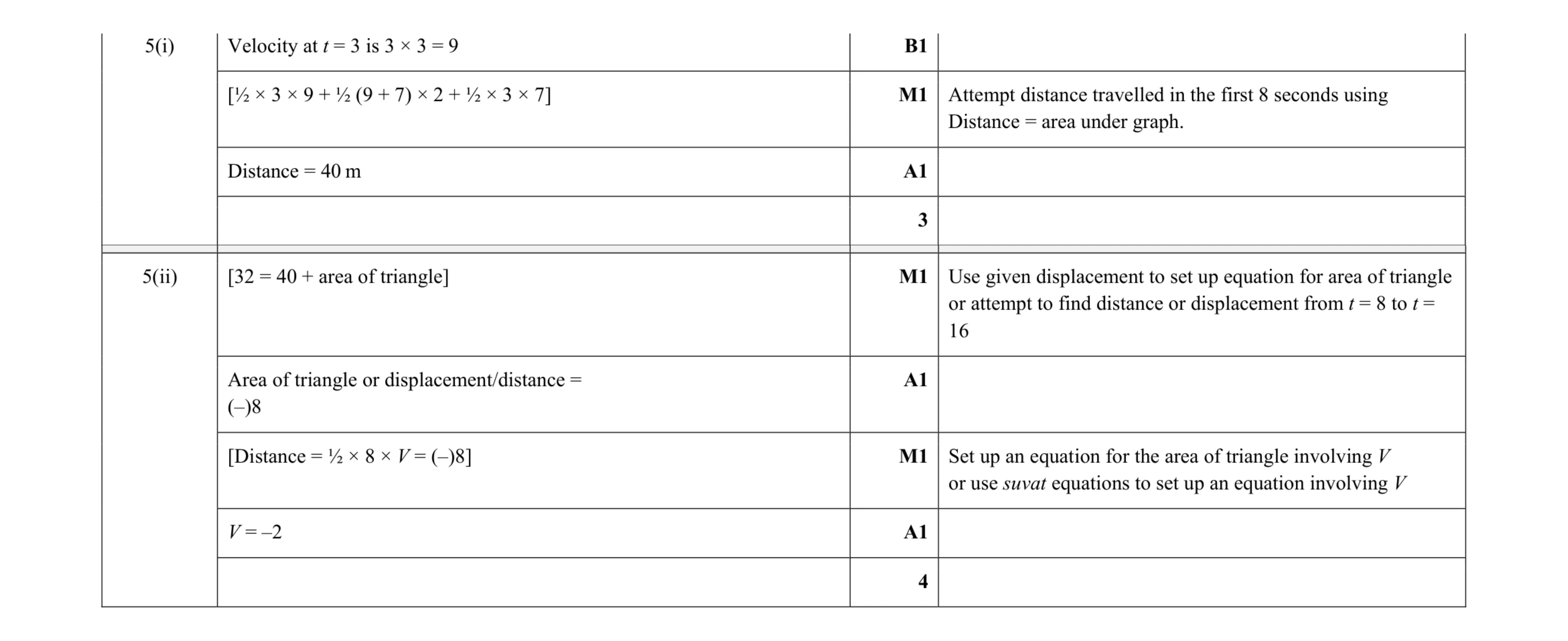 7
7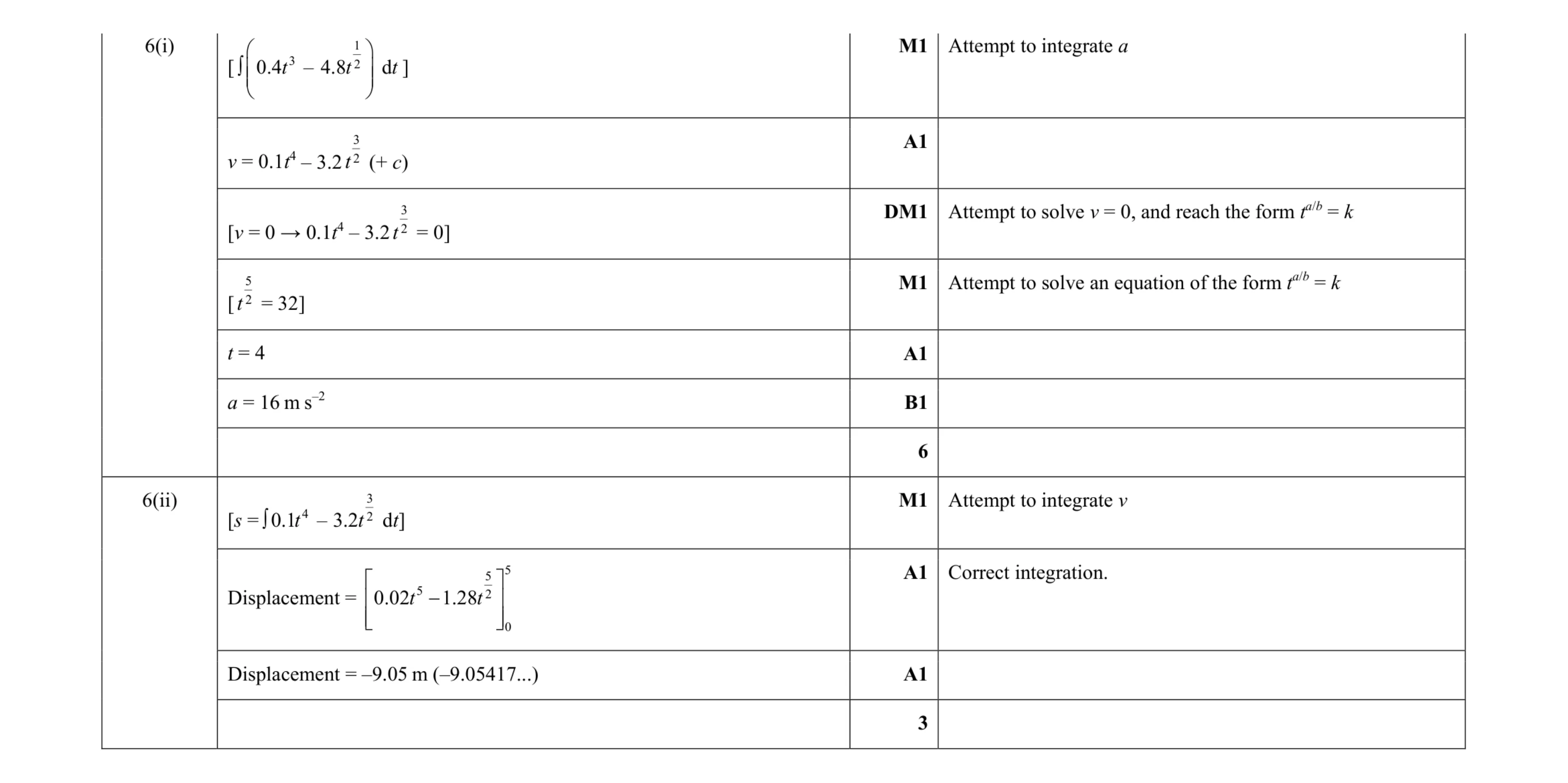 9
9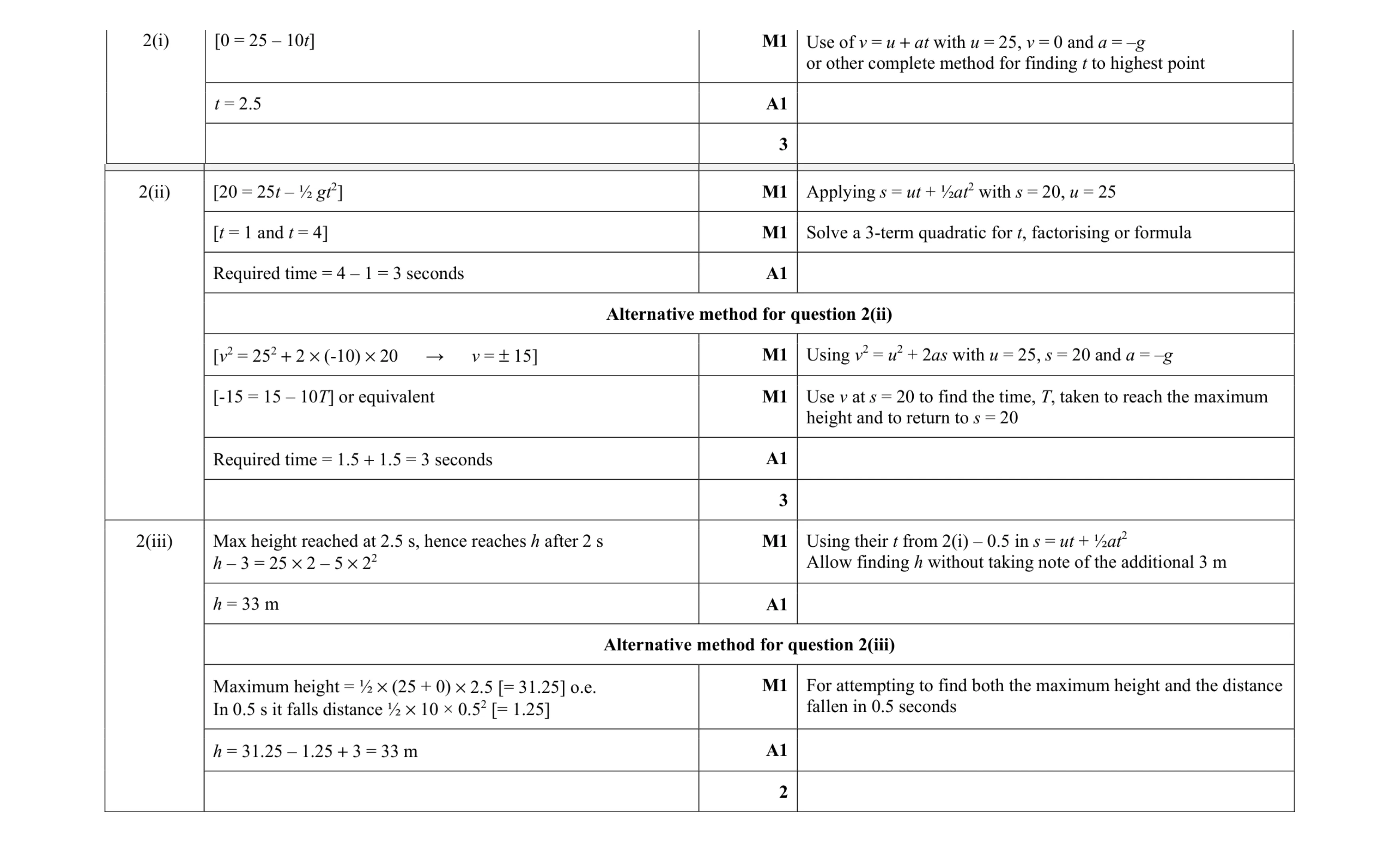 7
7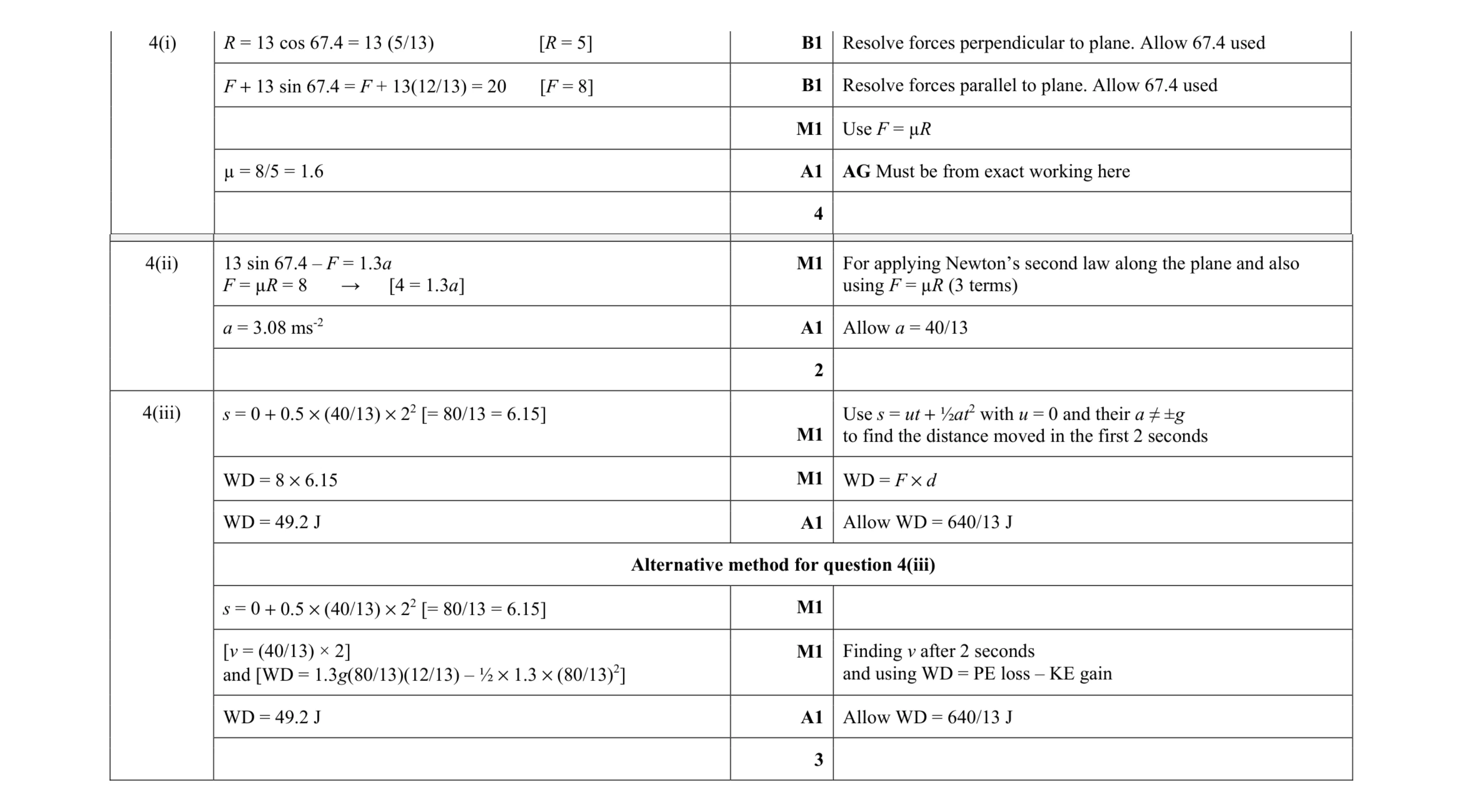 9
9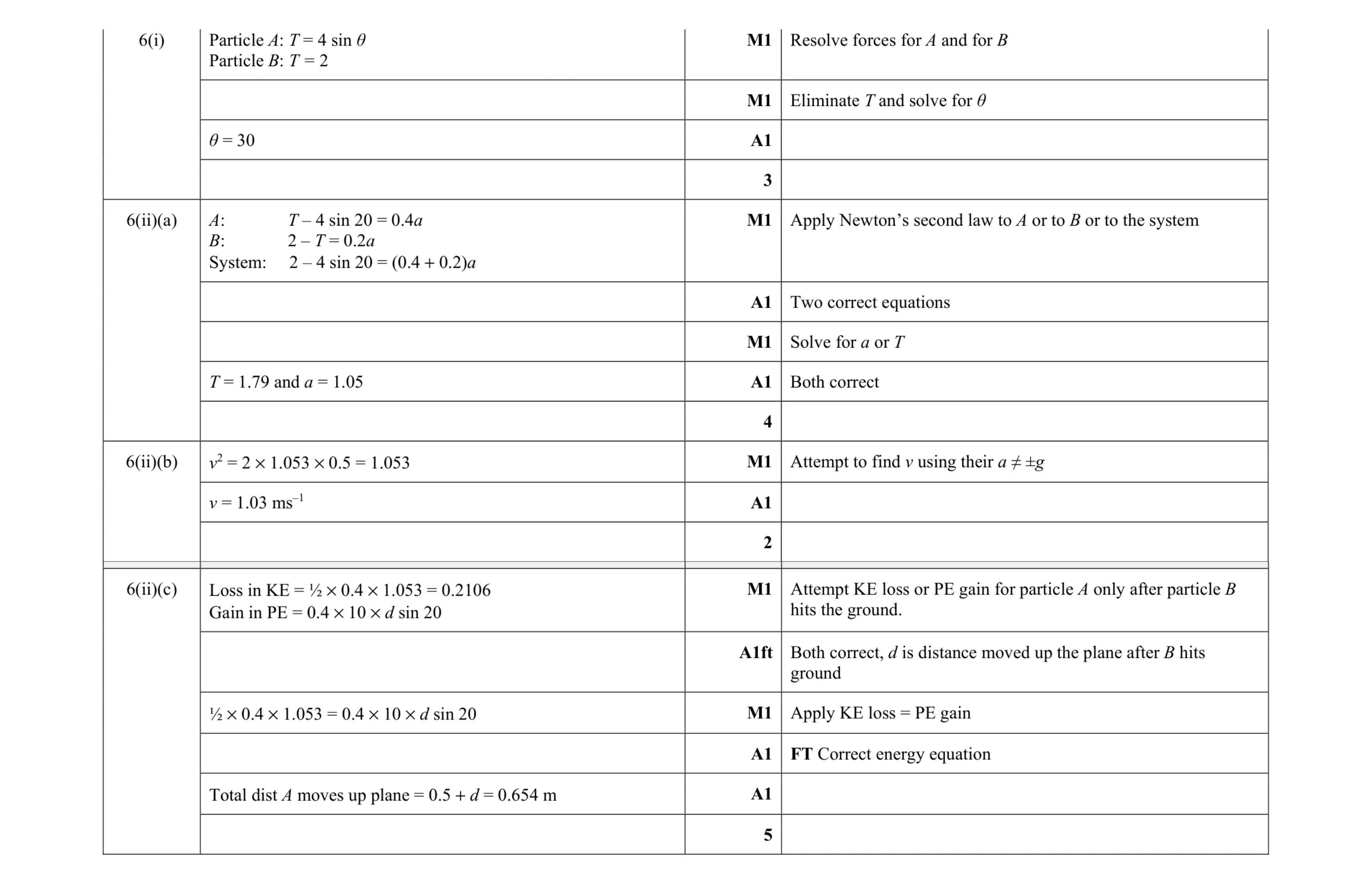 14
14 6
6 8
8 5
5 7
7 10
10 7
7 8
8 9
9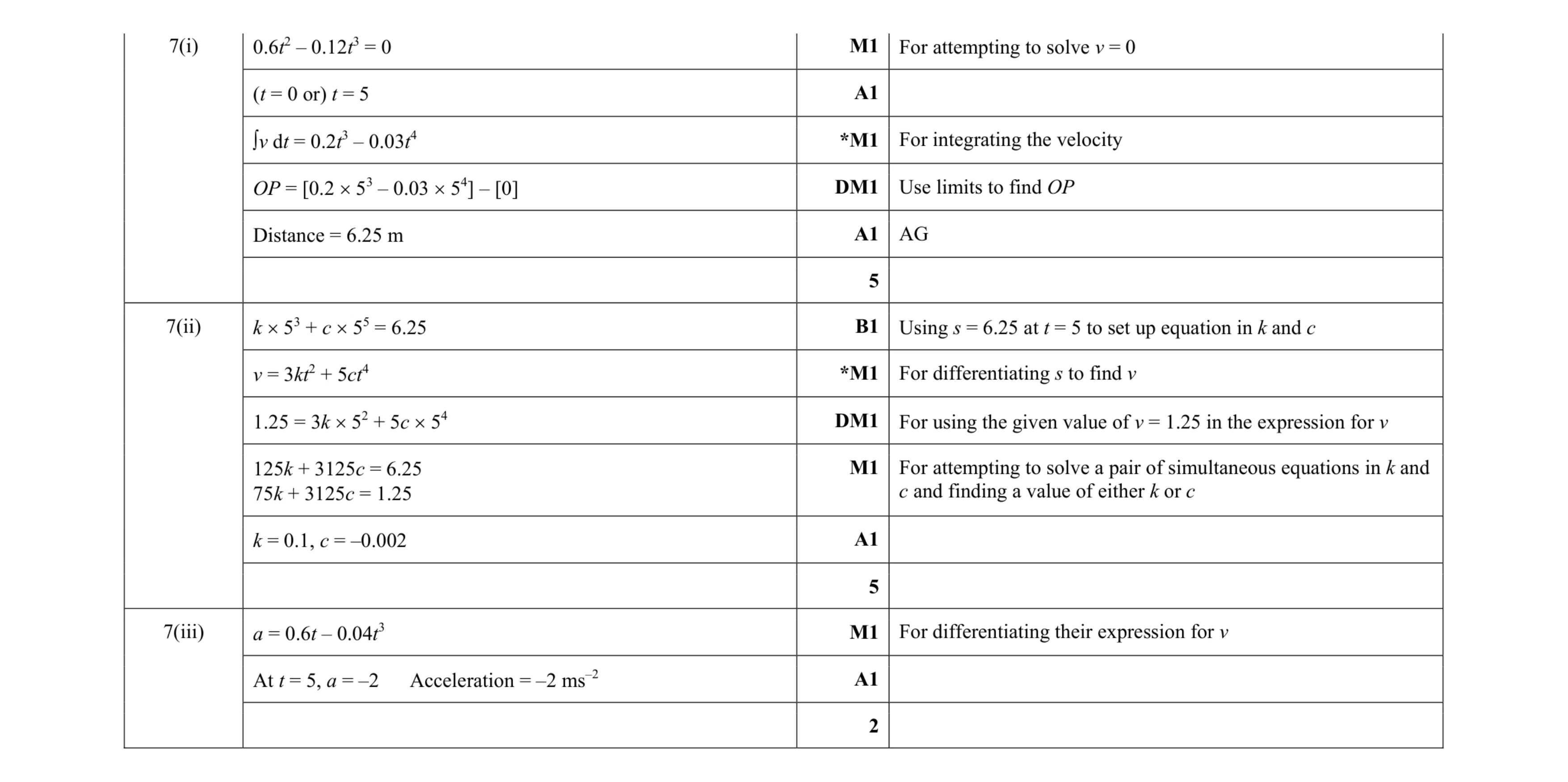 12
12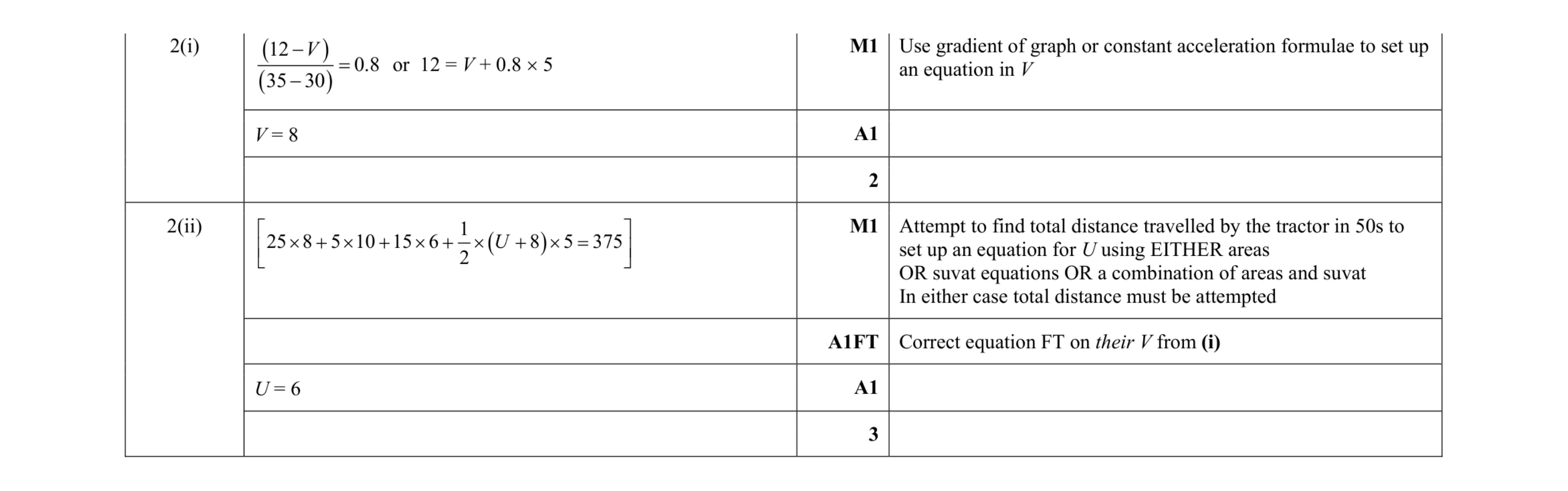 5
5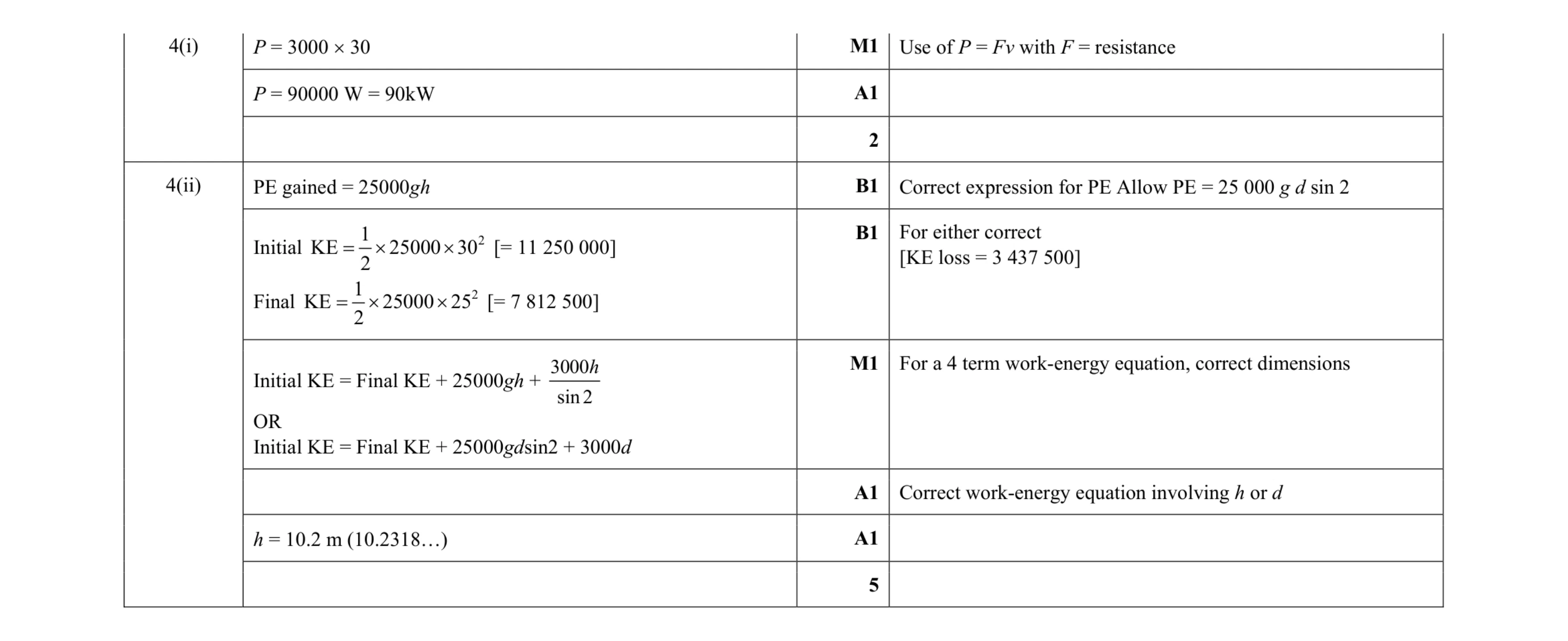 7
7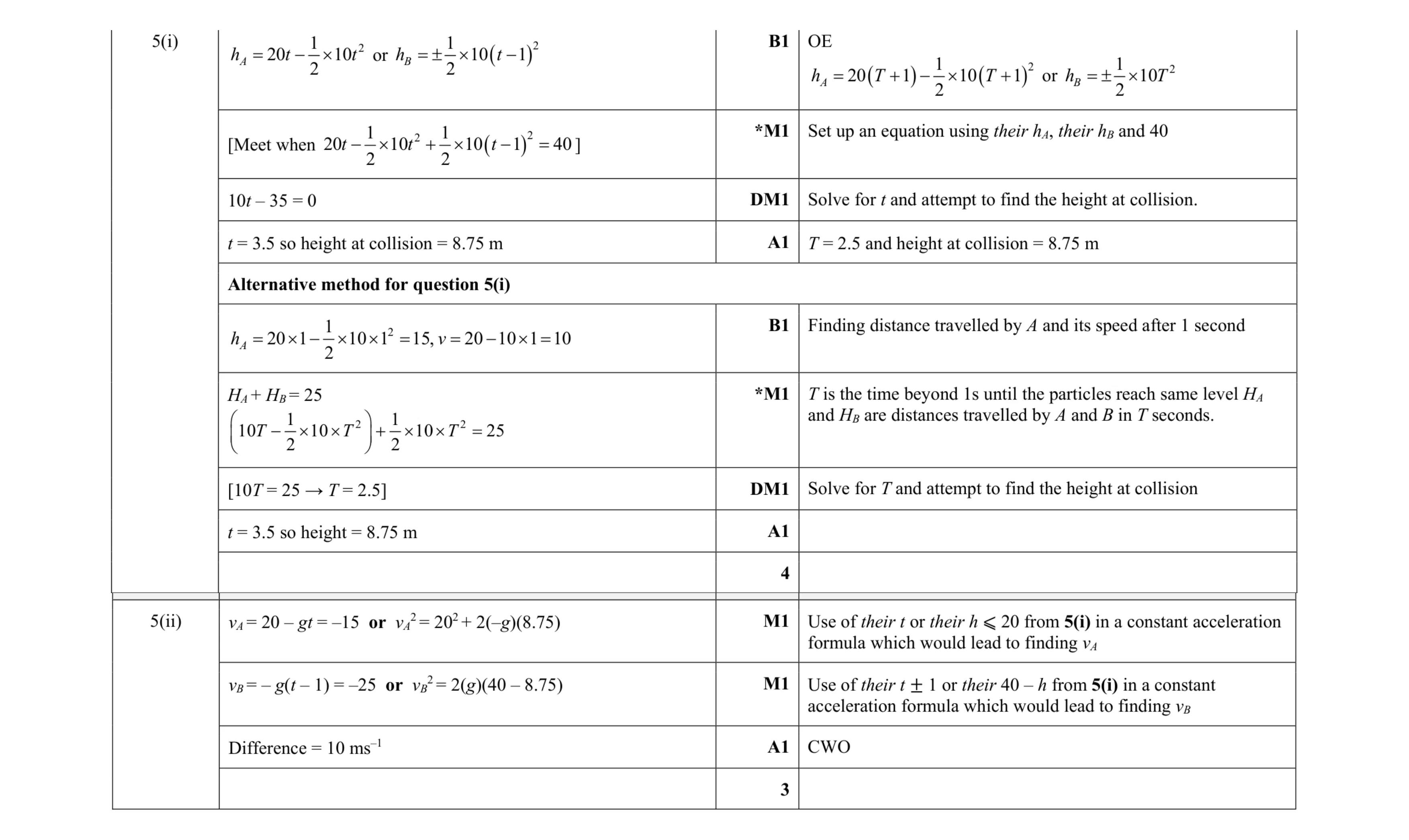 7
7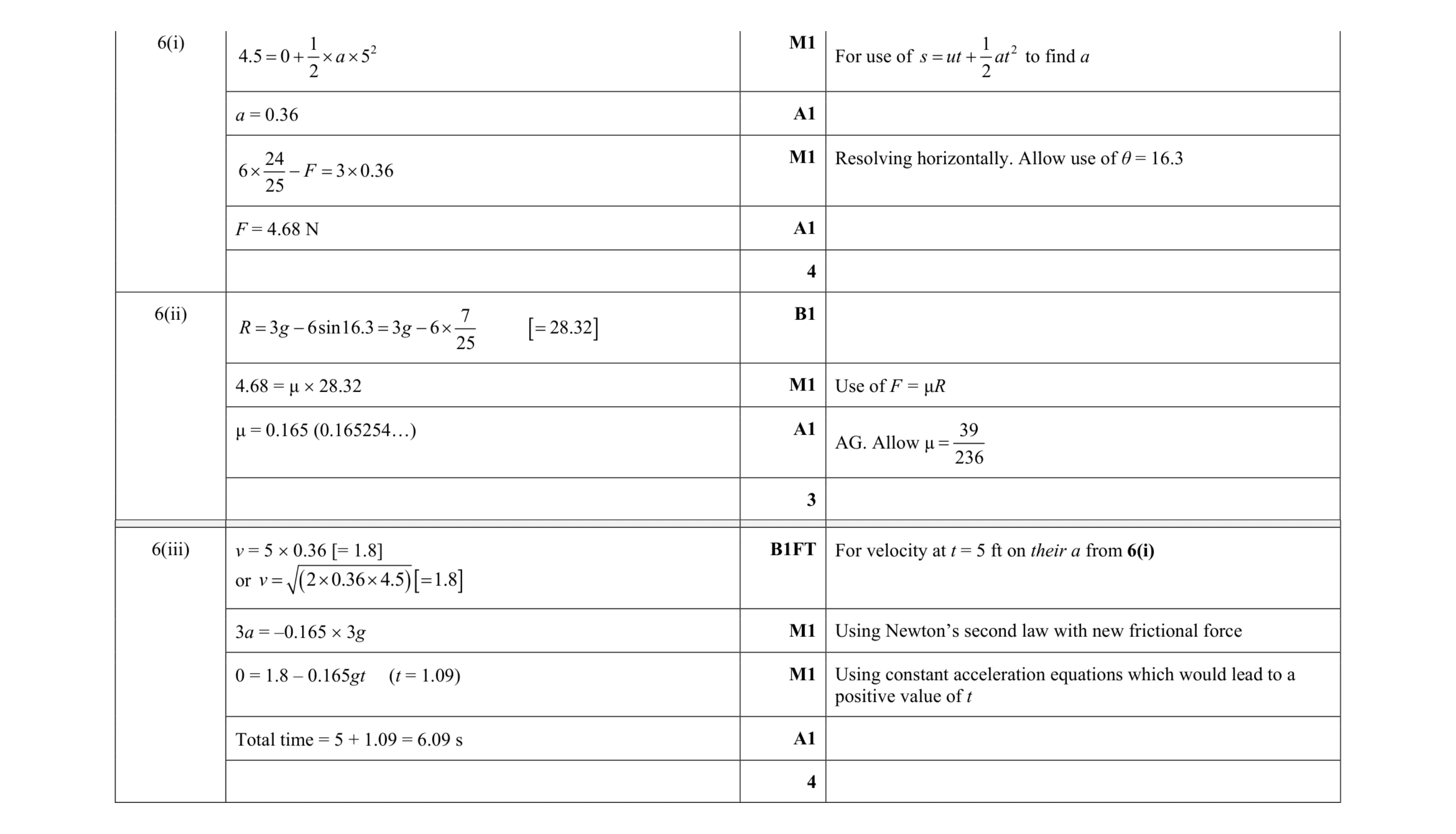 11
11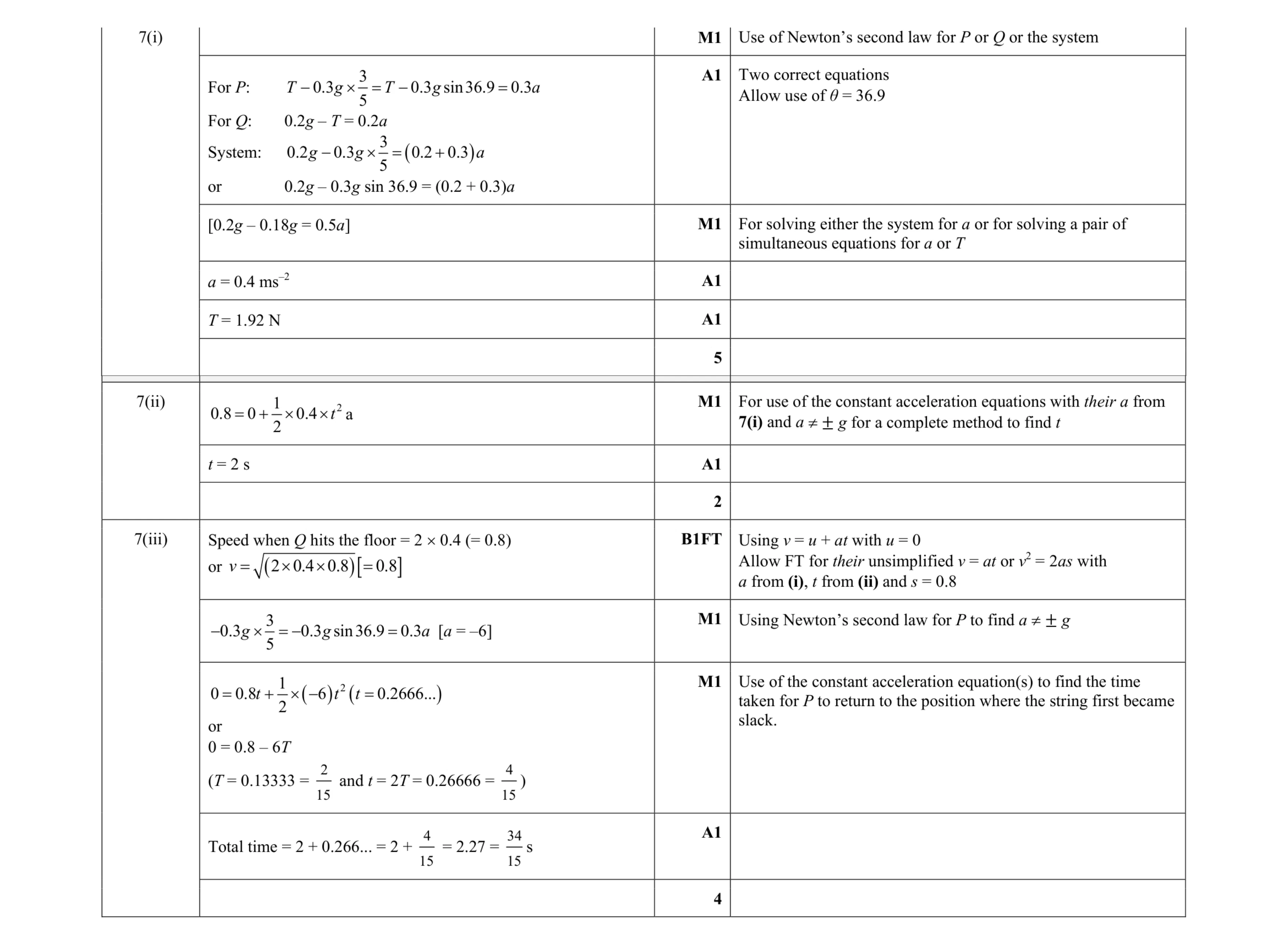 11
11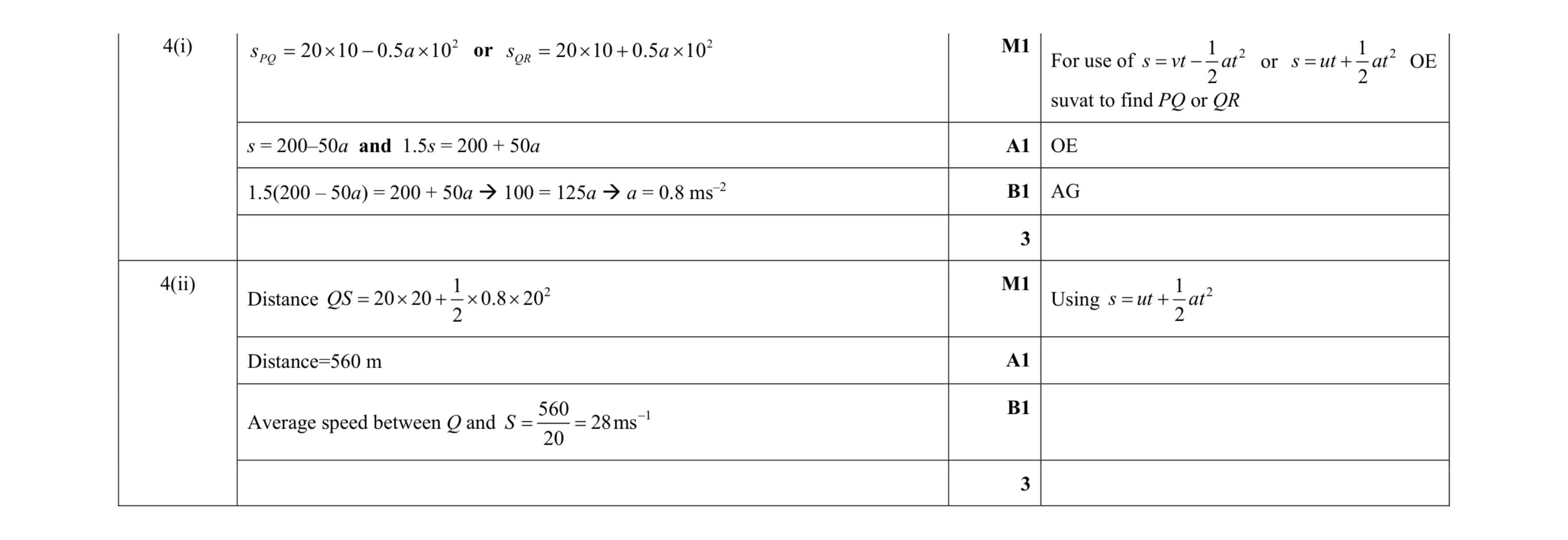 6
6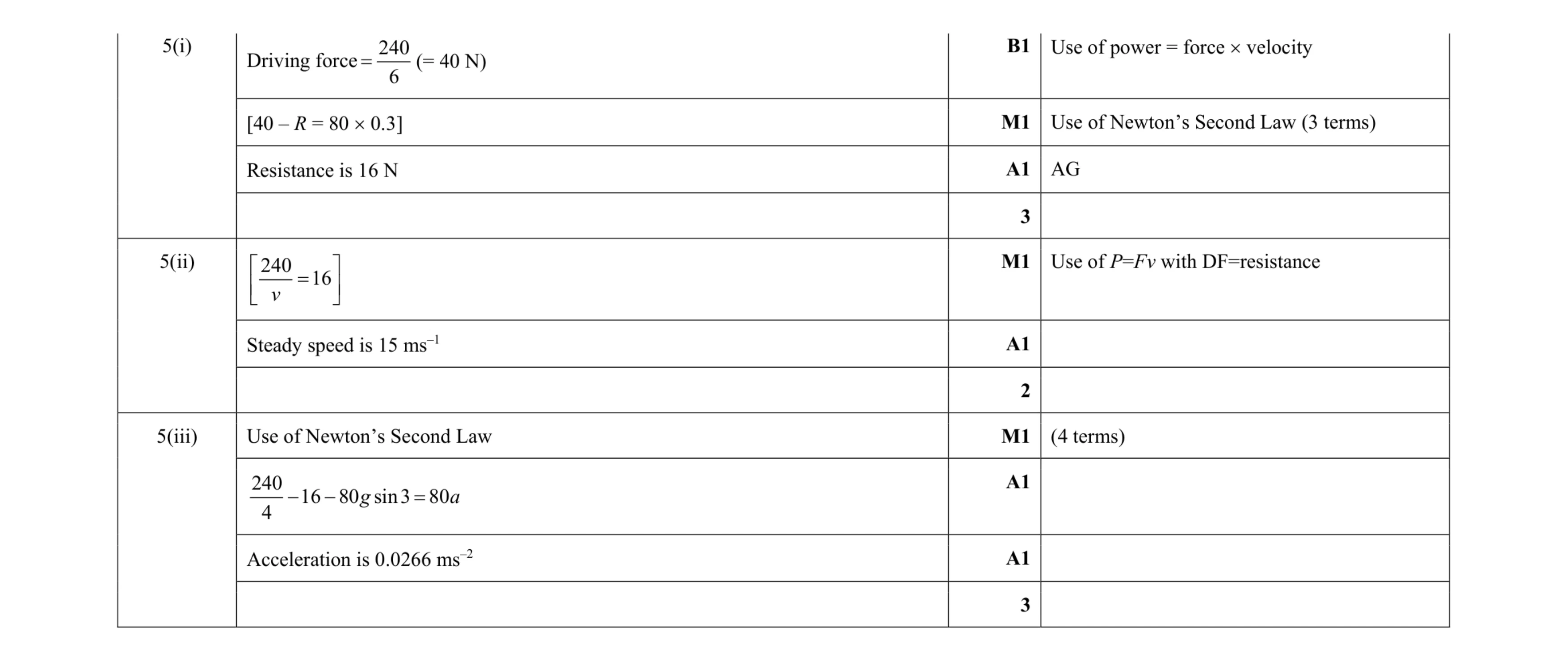 8
8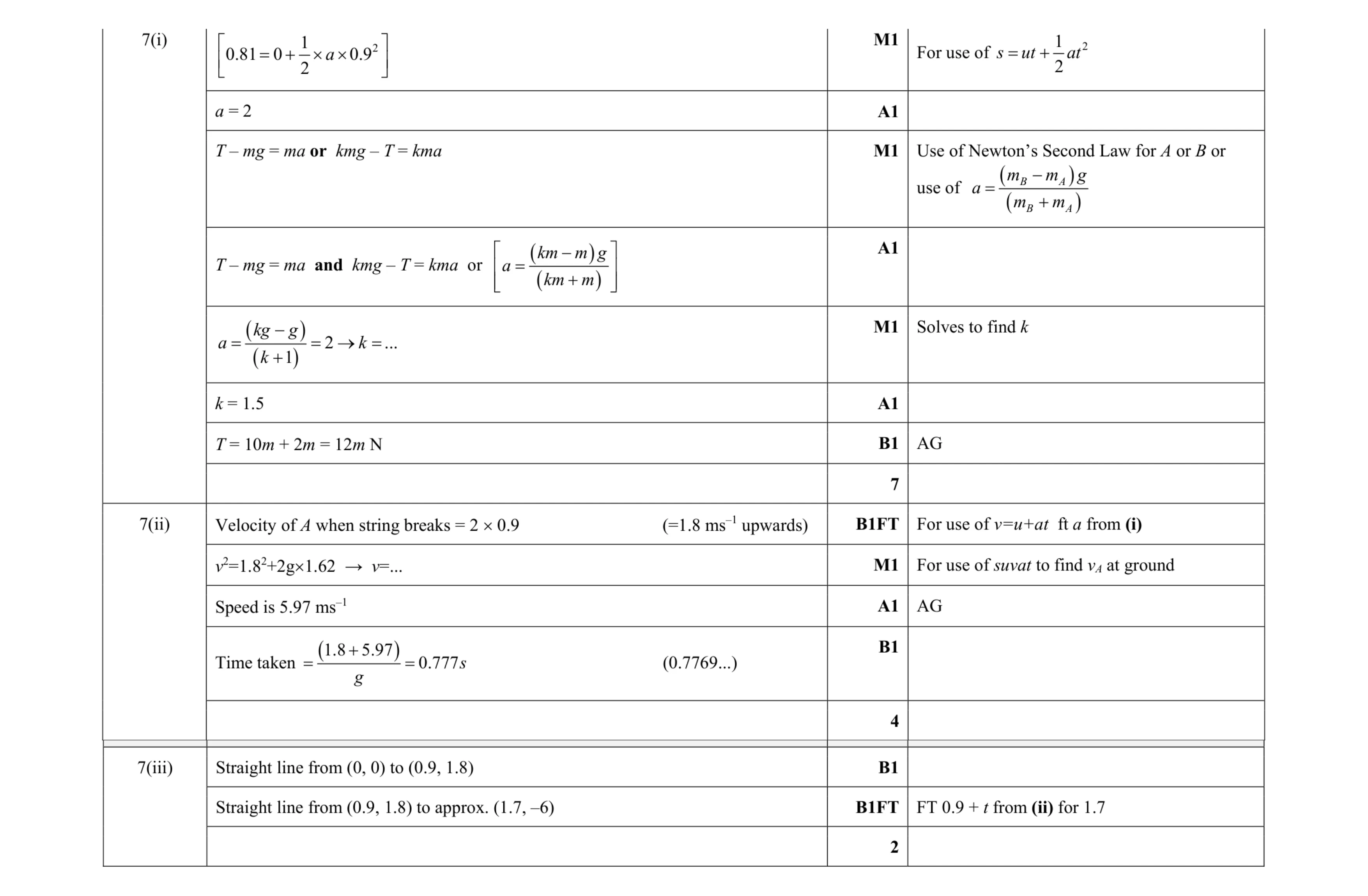 13
13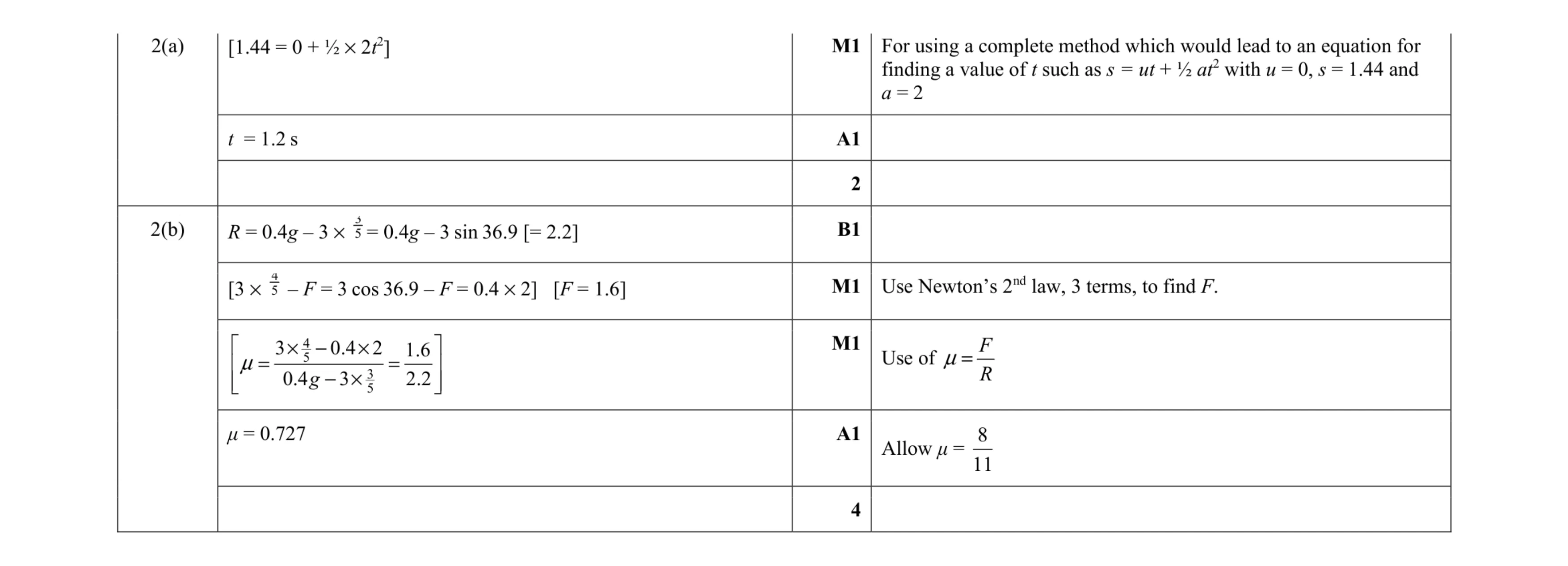 6
6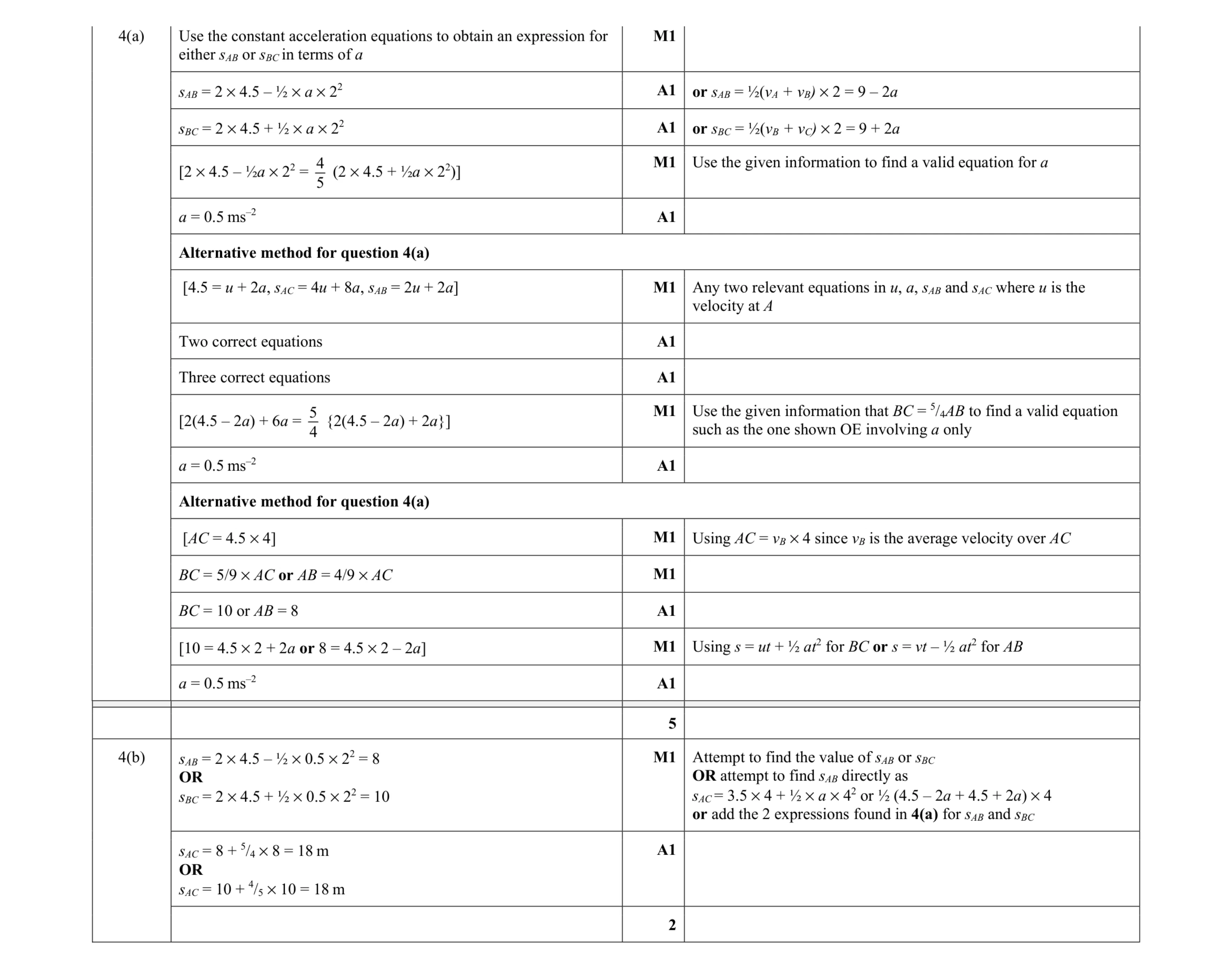 7
7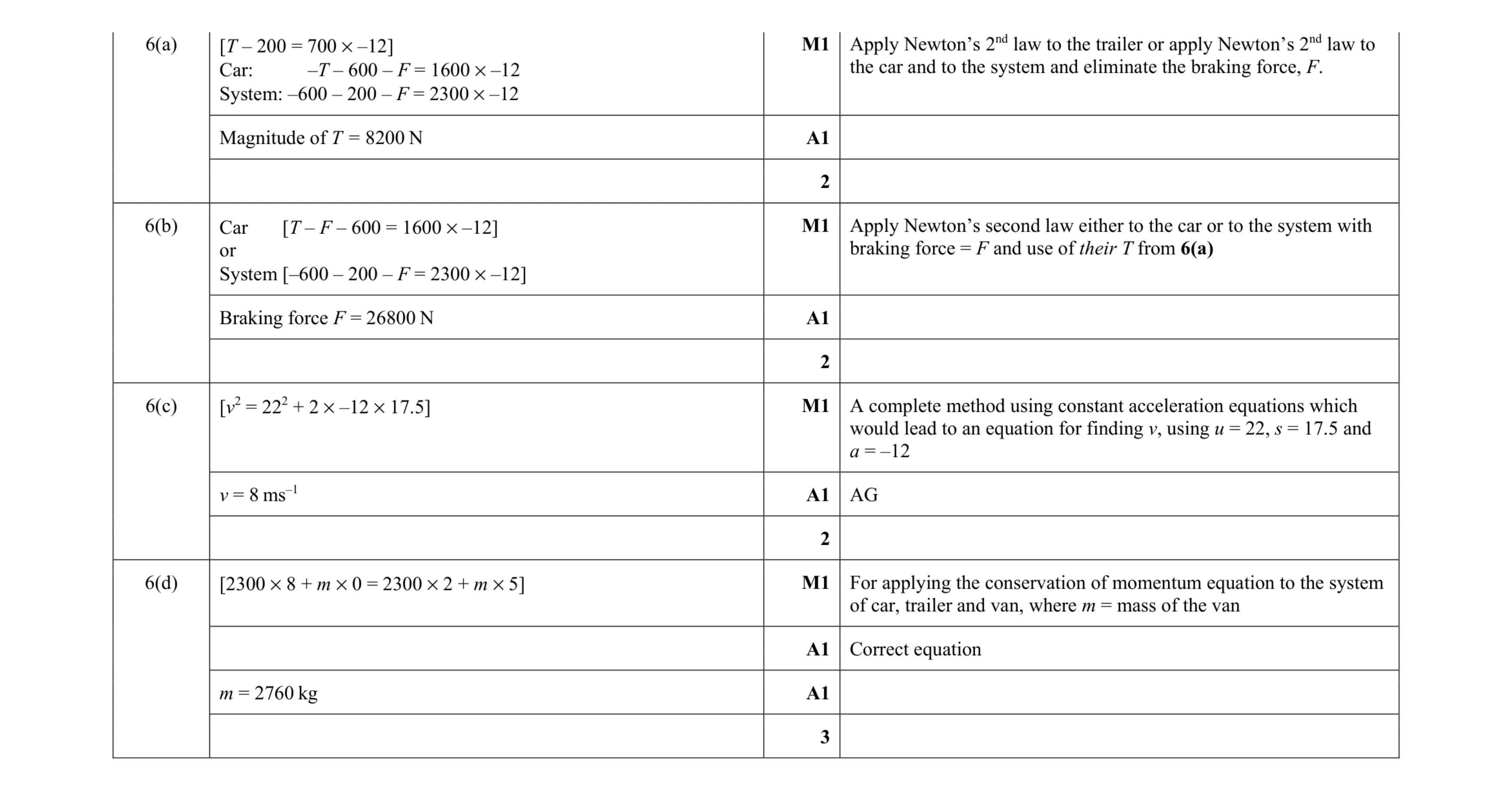 9
9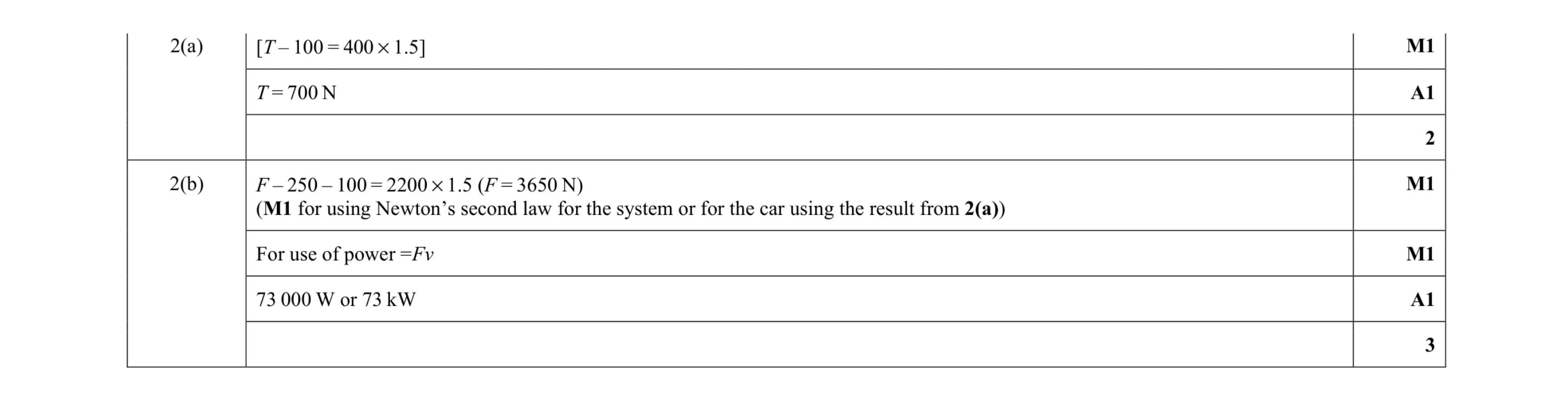 5
5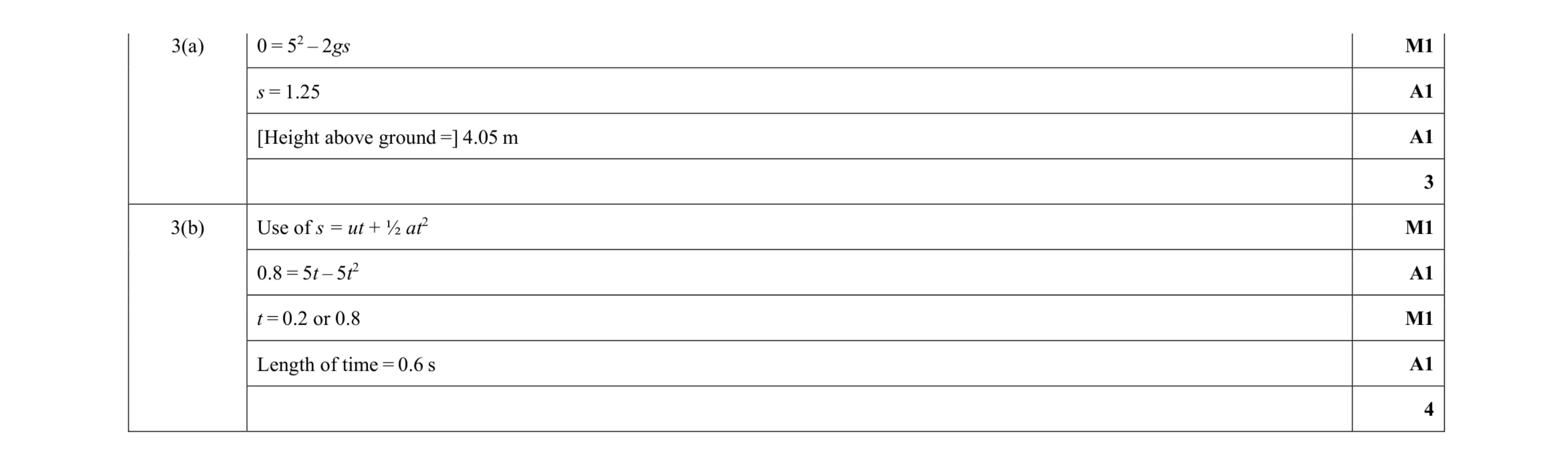 7
7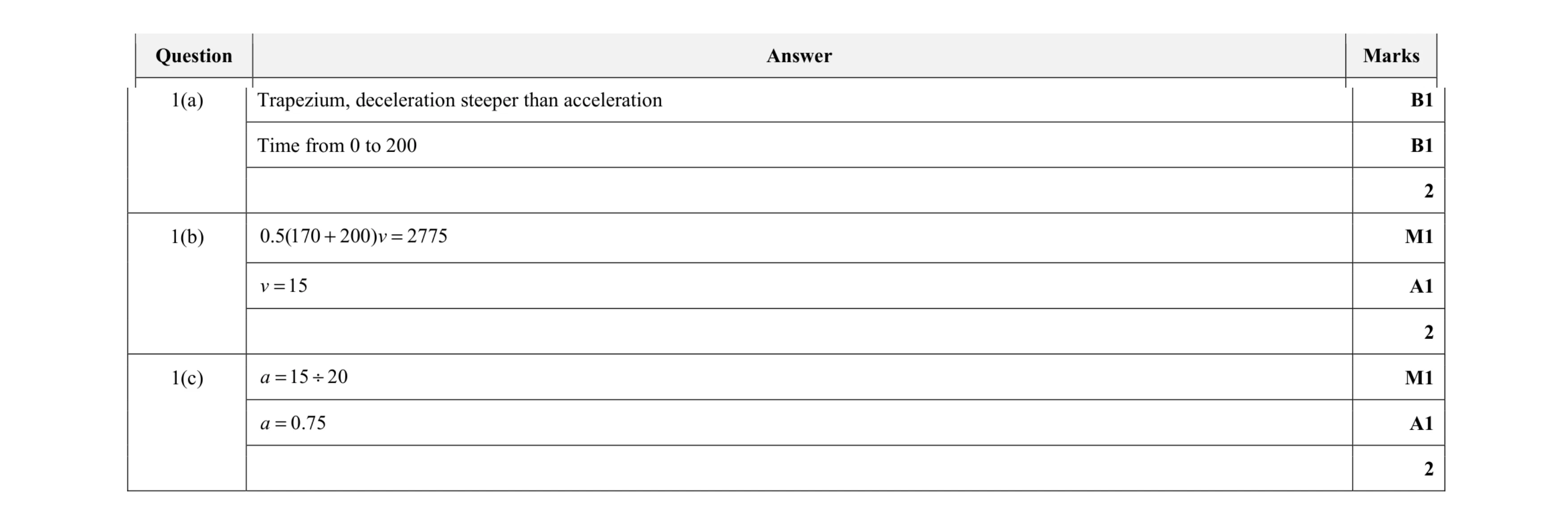 6
6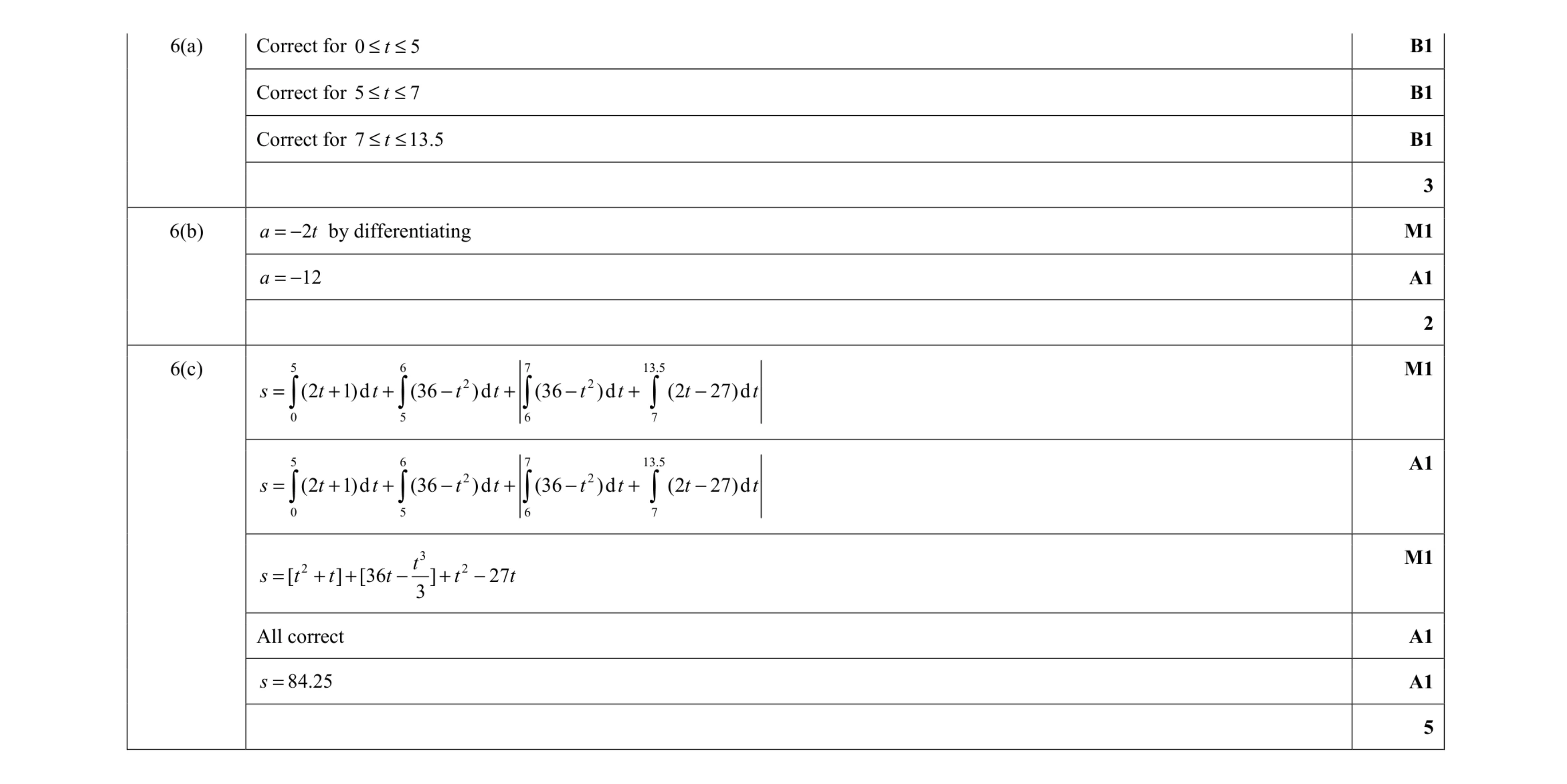 10
10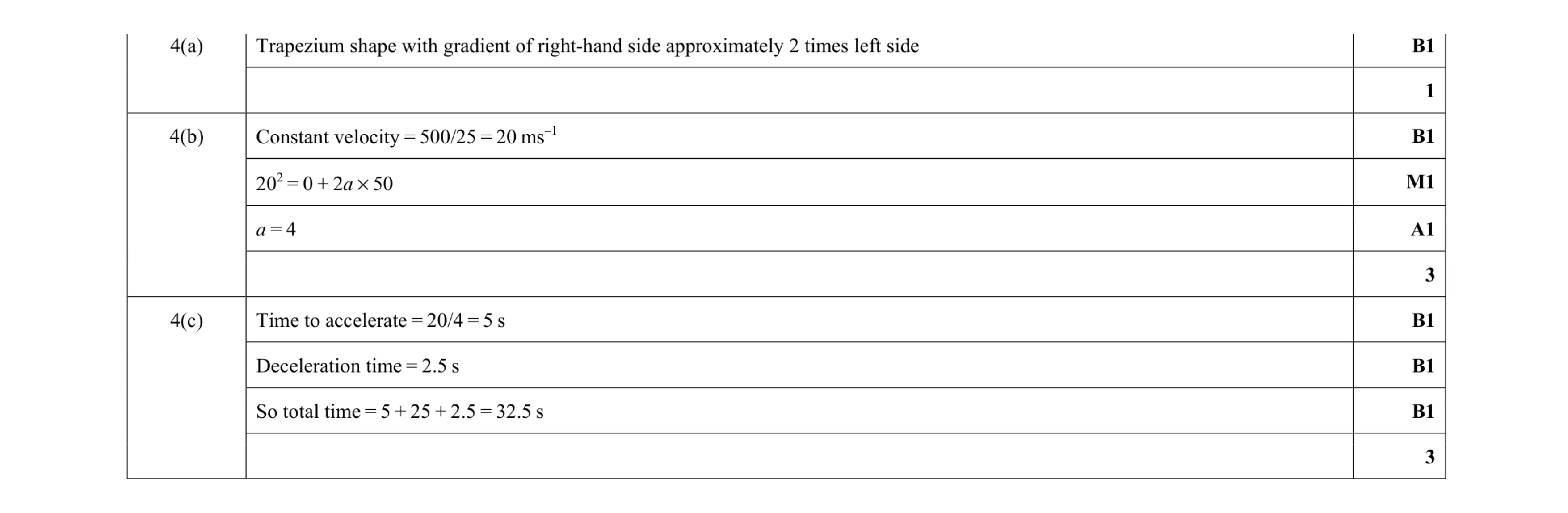 7
7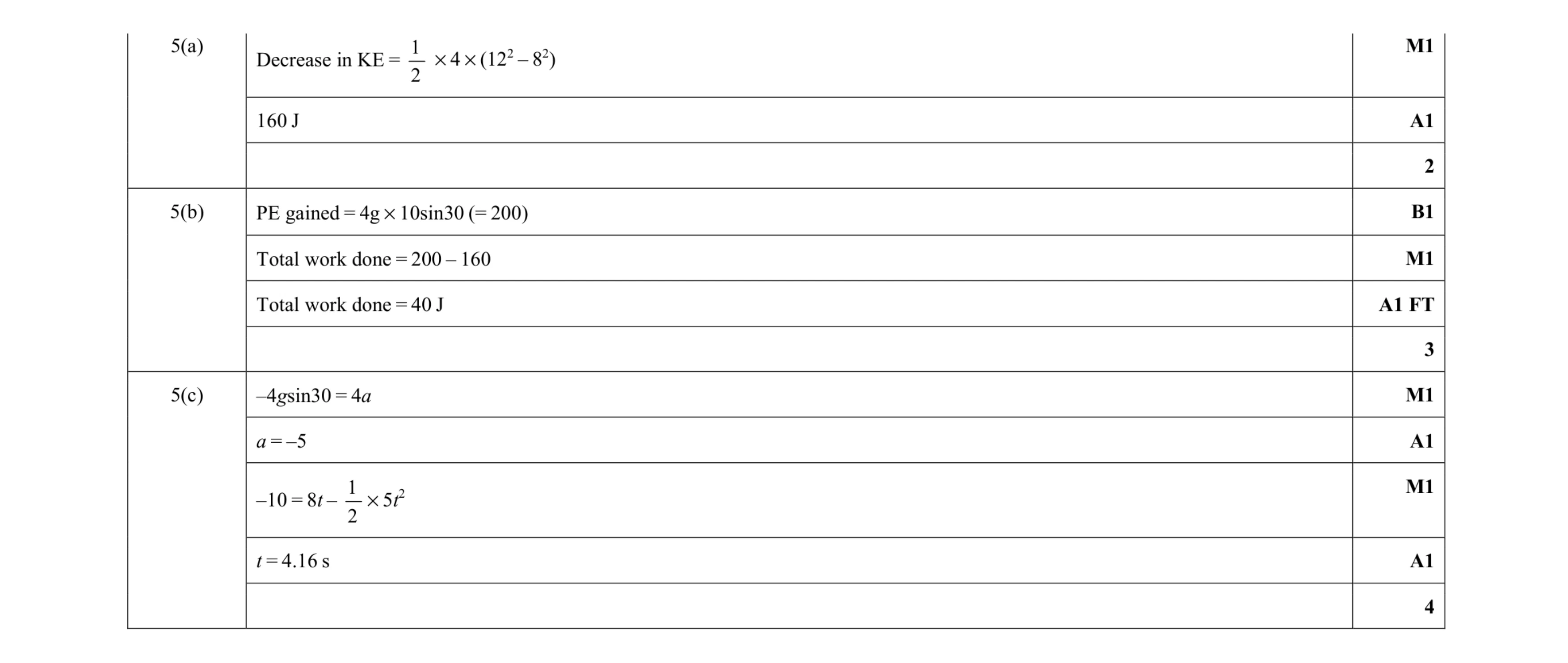 9
9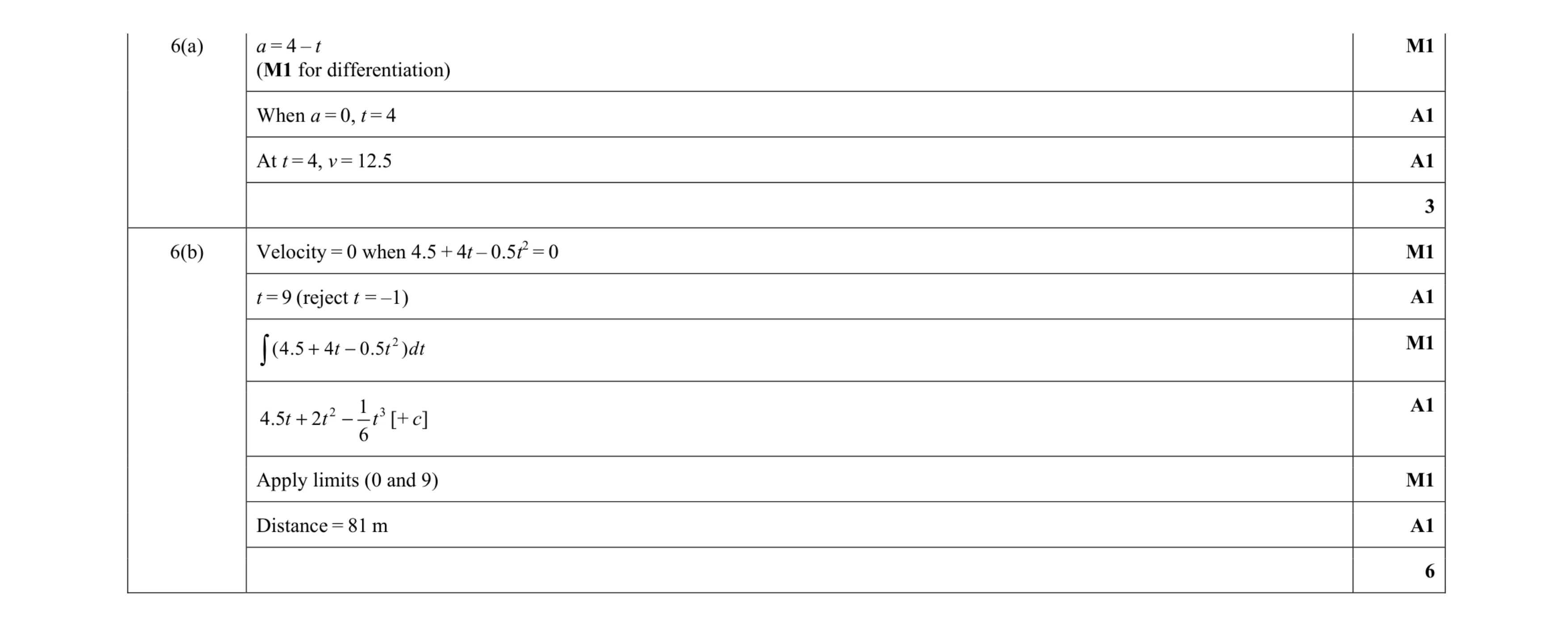 9
9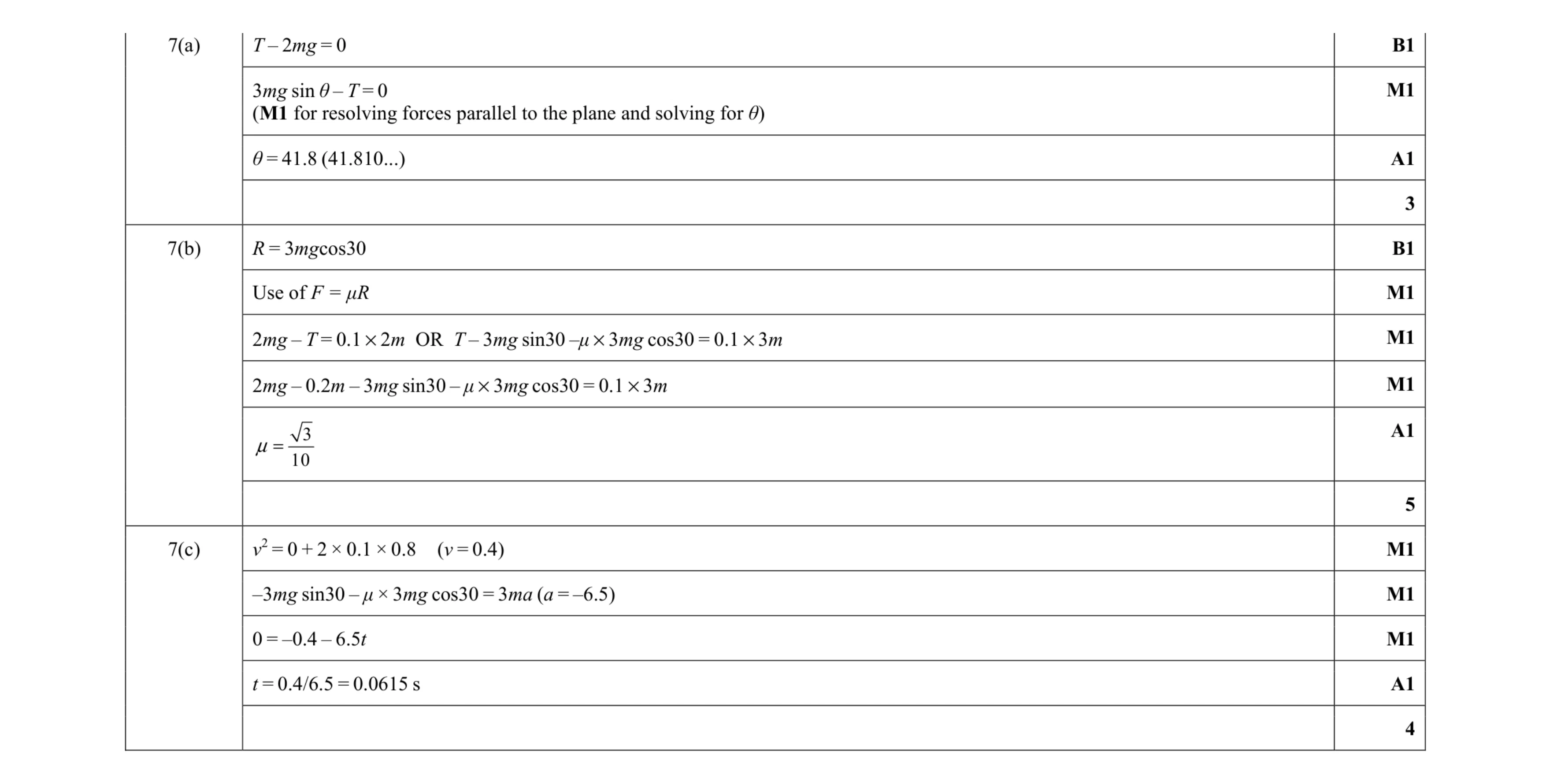 12
12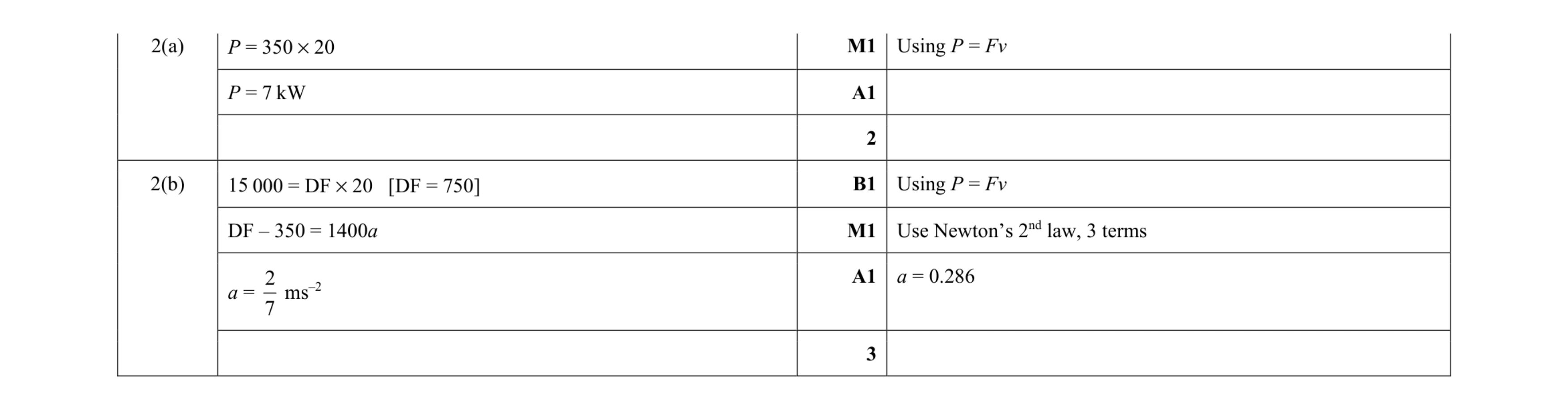 5
5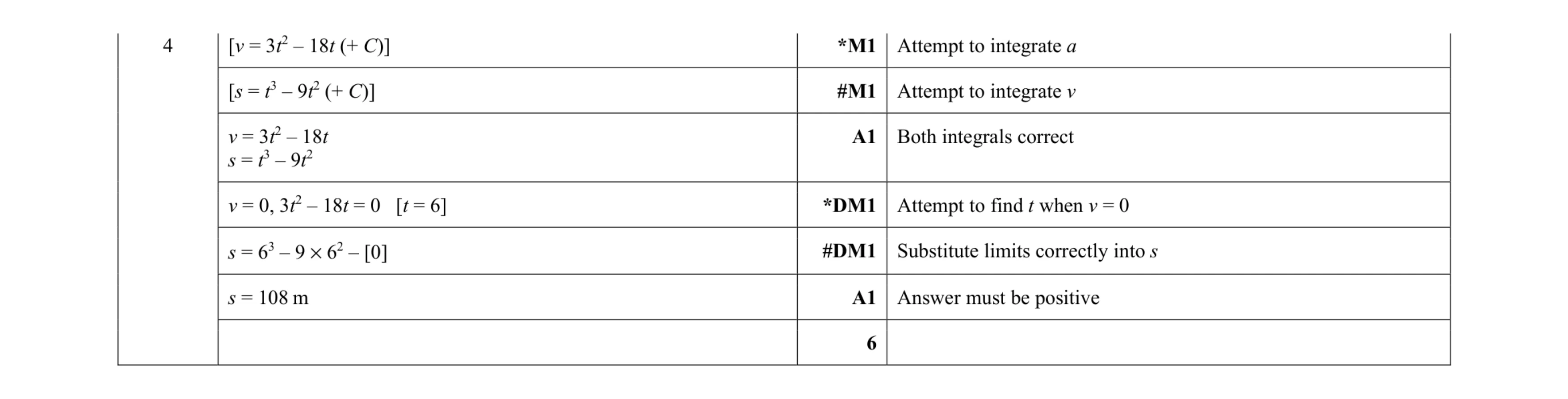 6
6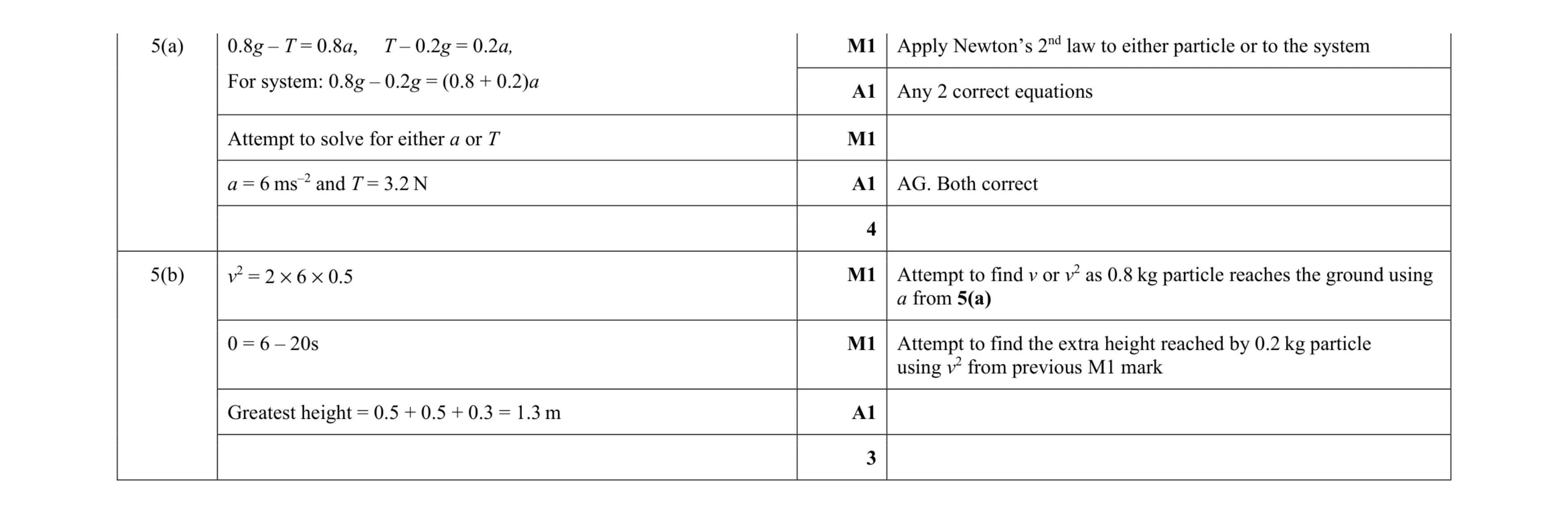 7
7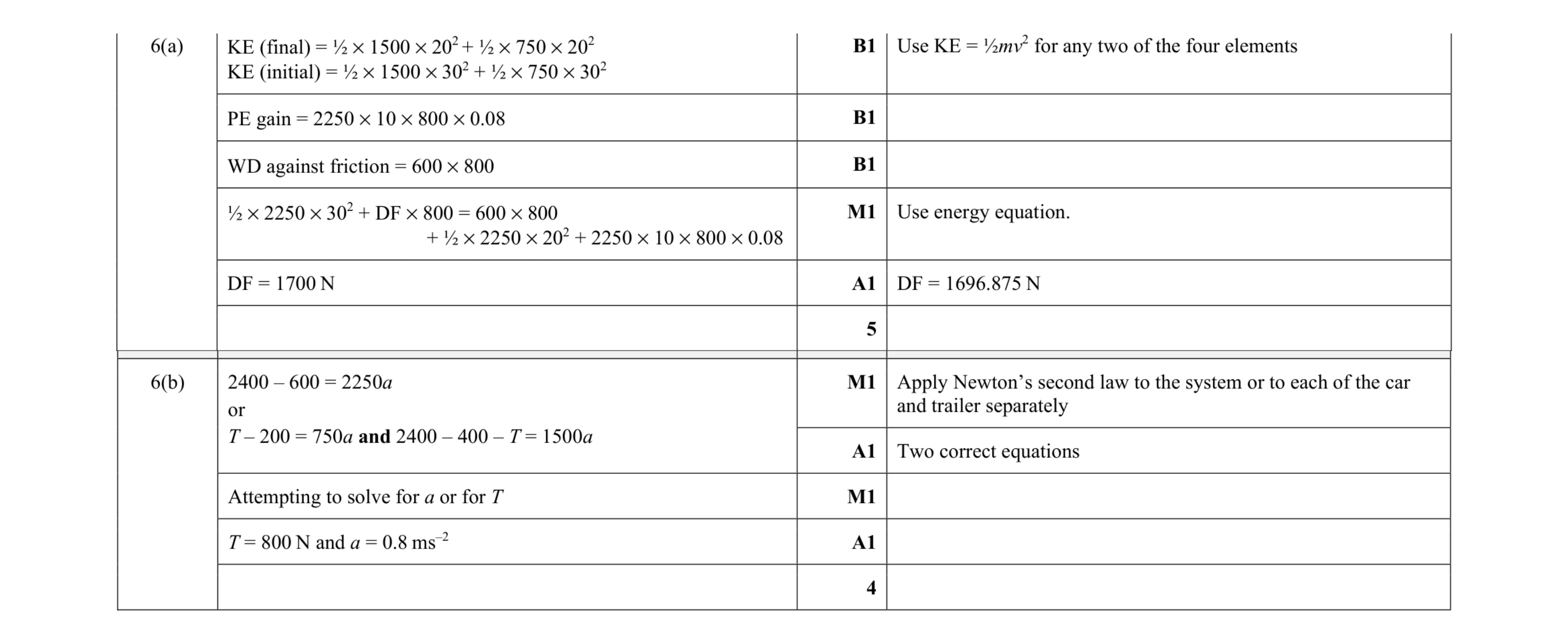 9
9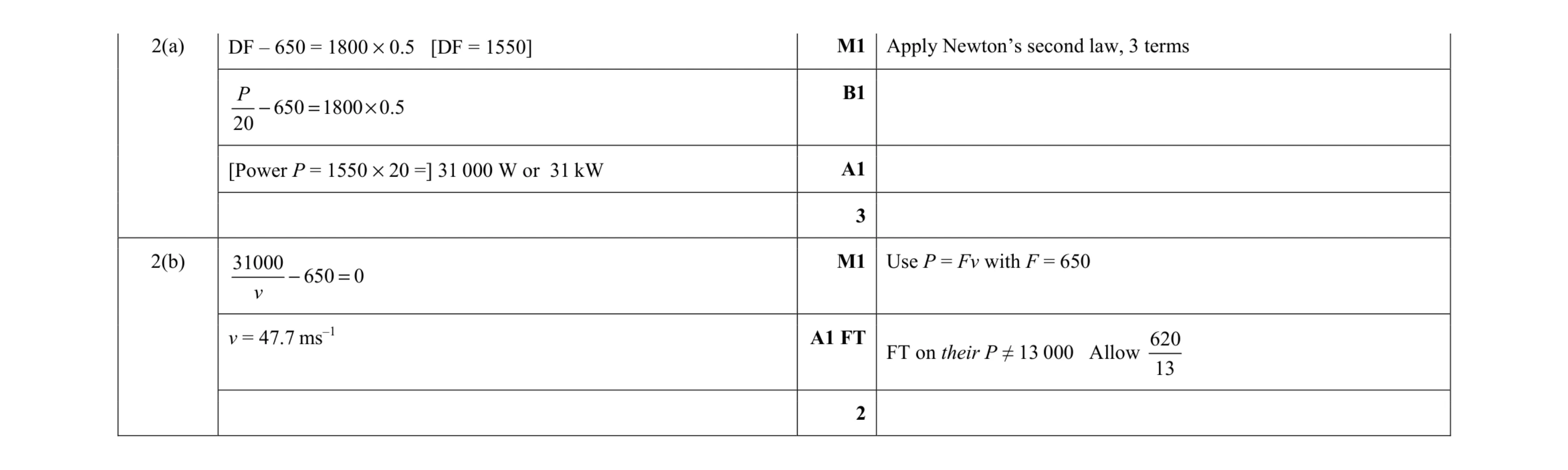 5
5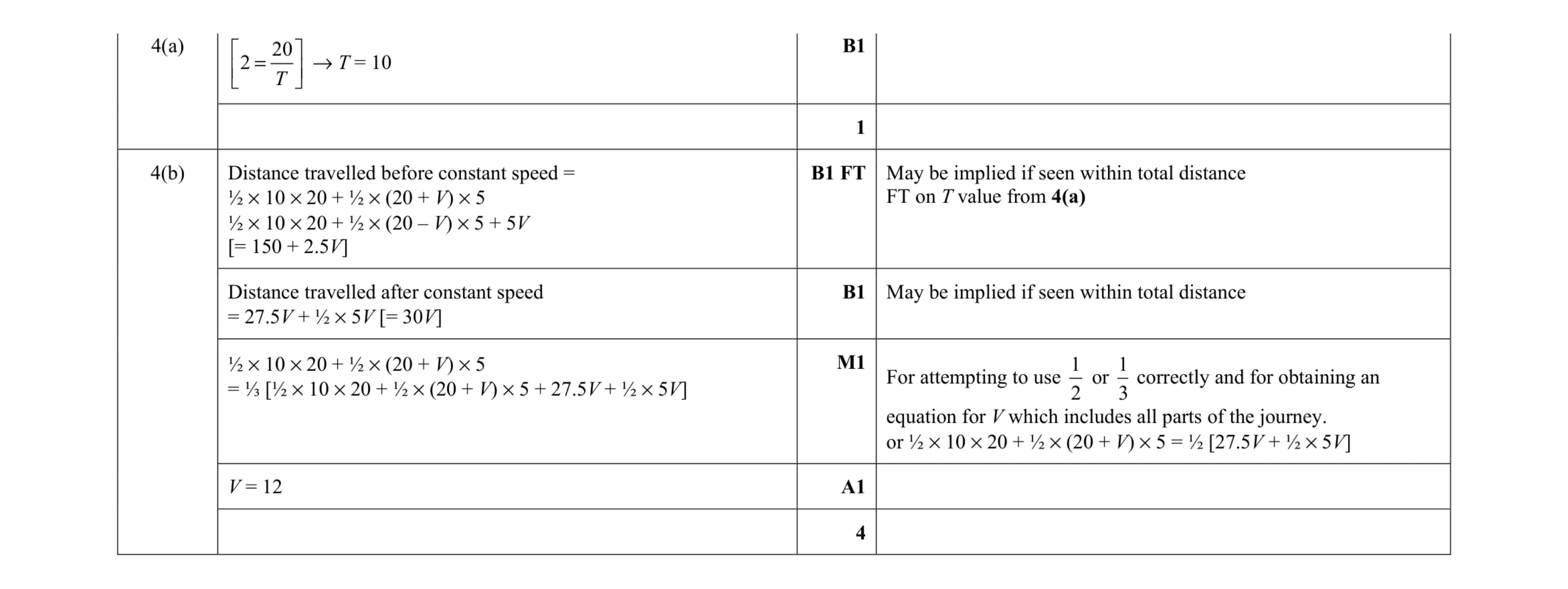 5
5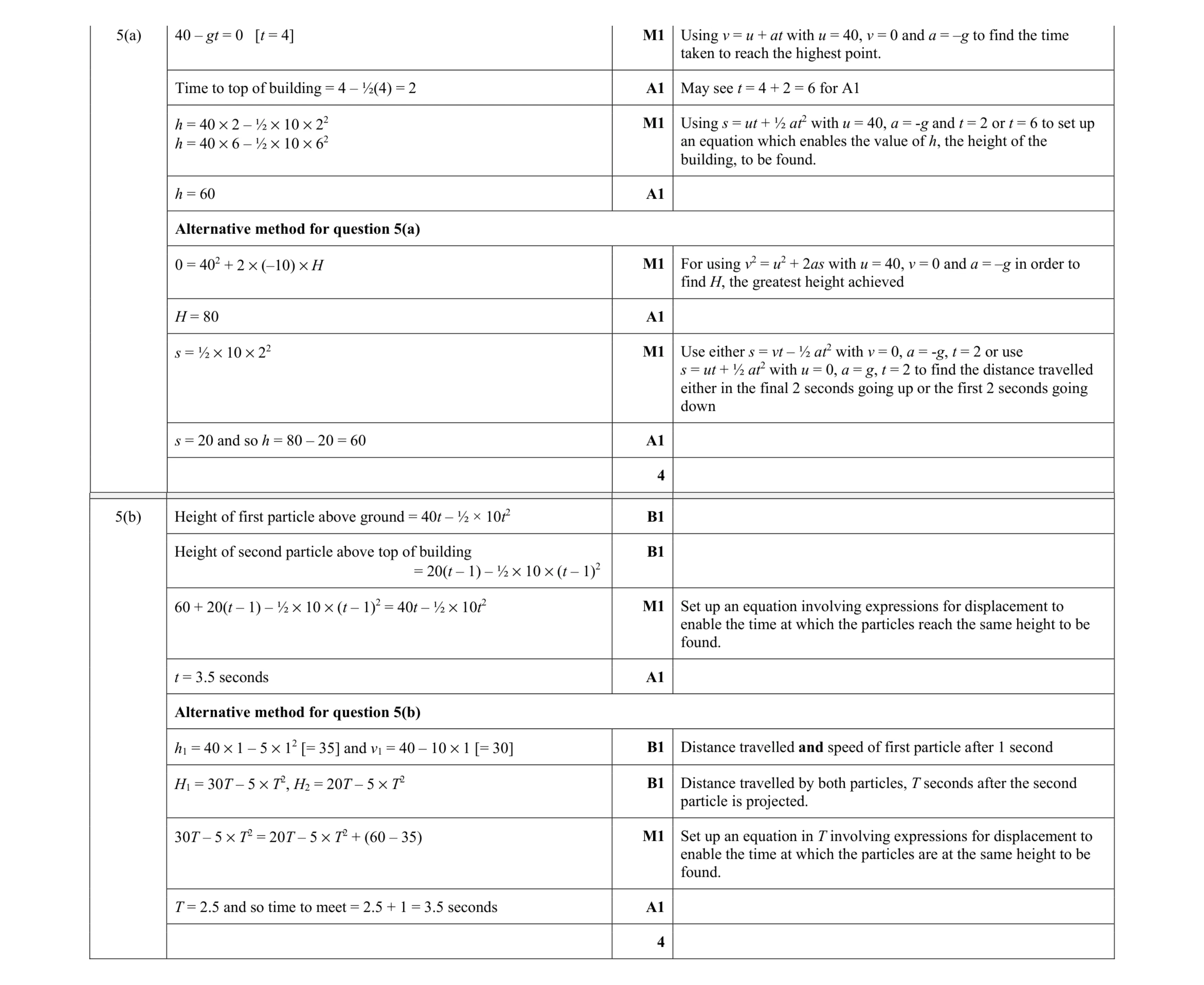 8
8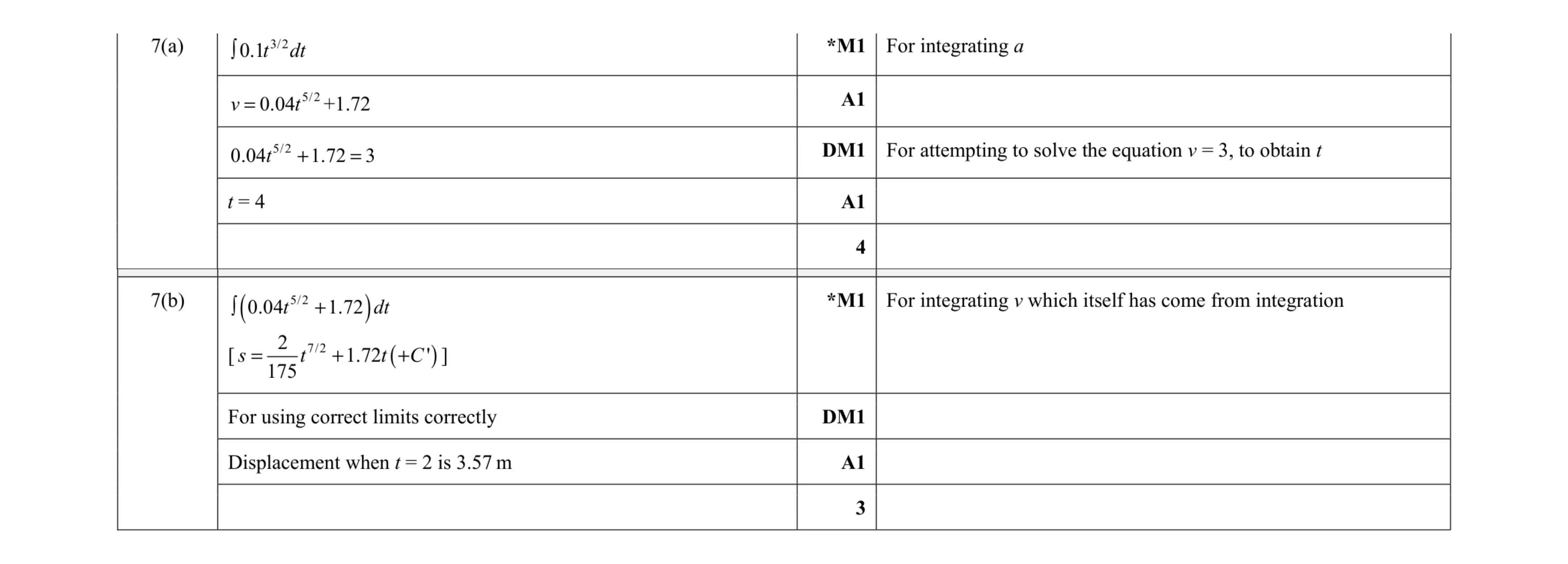 7
7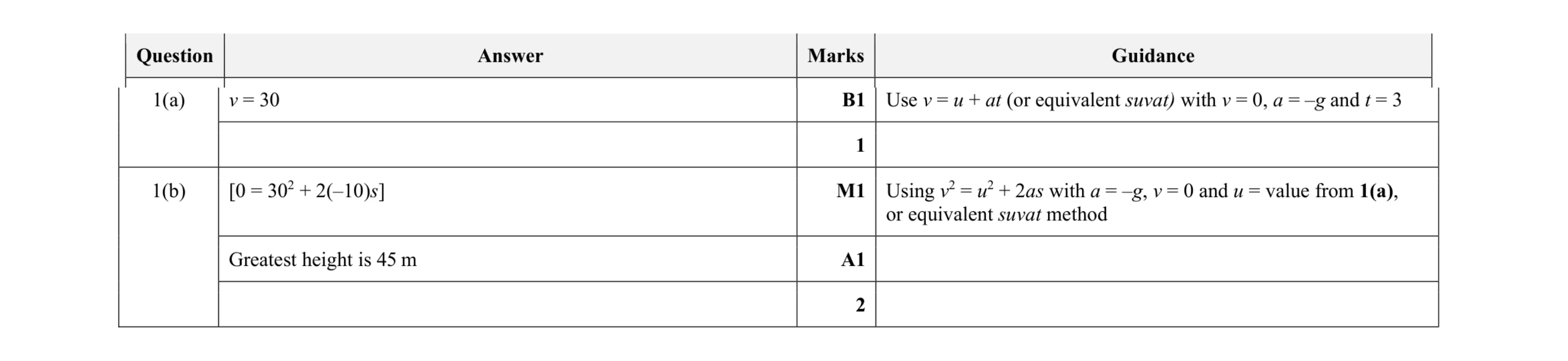 3
3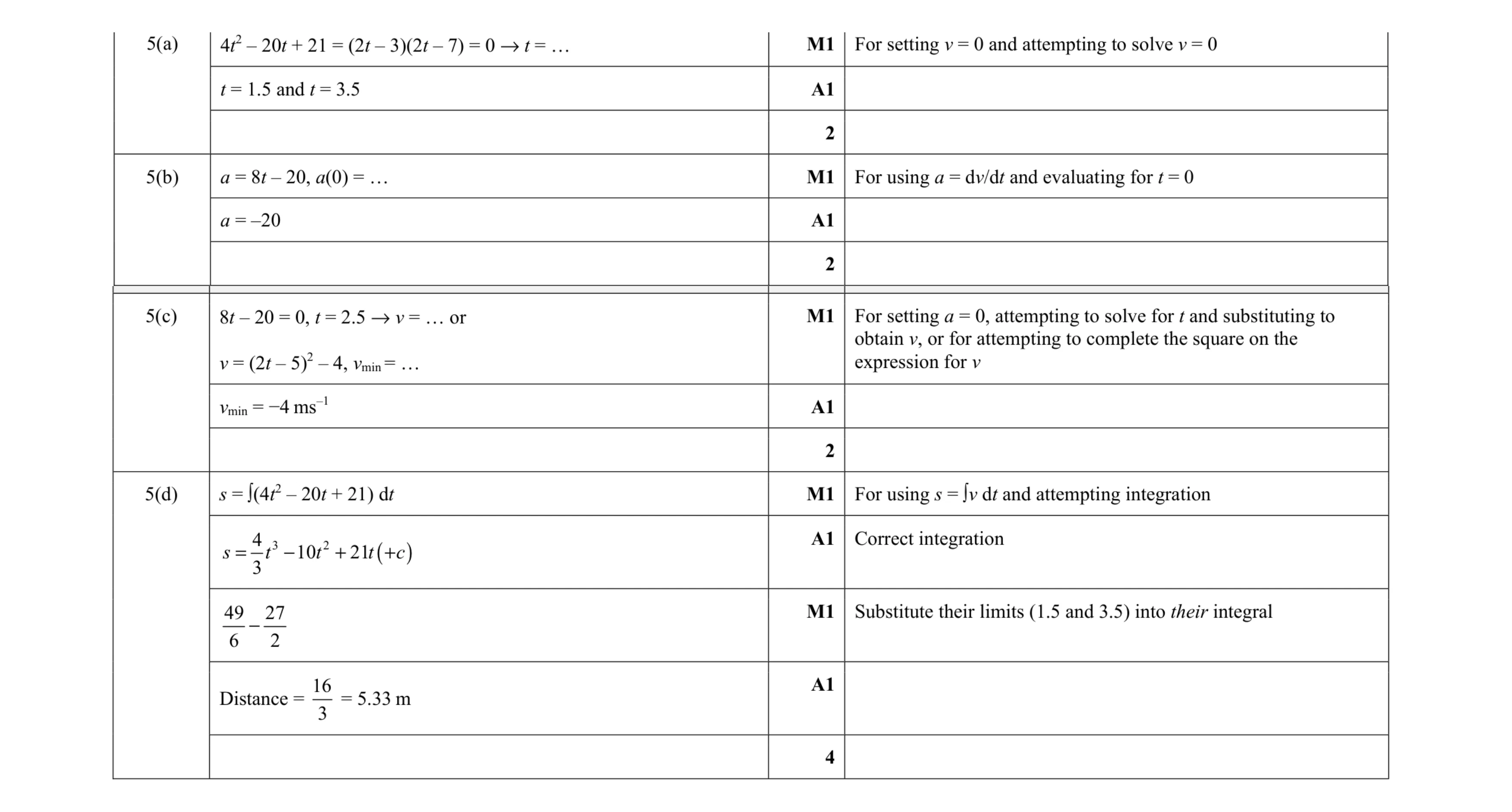 10
10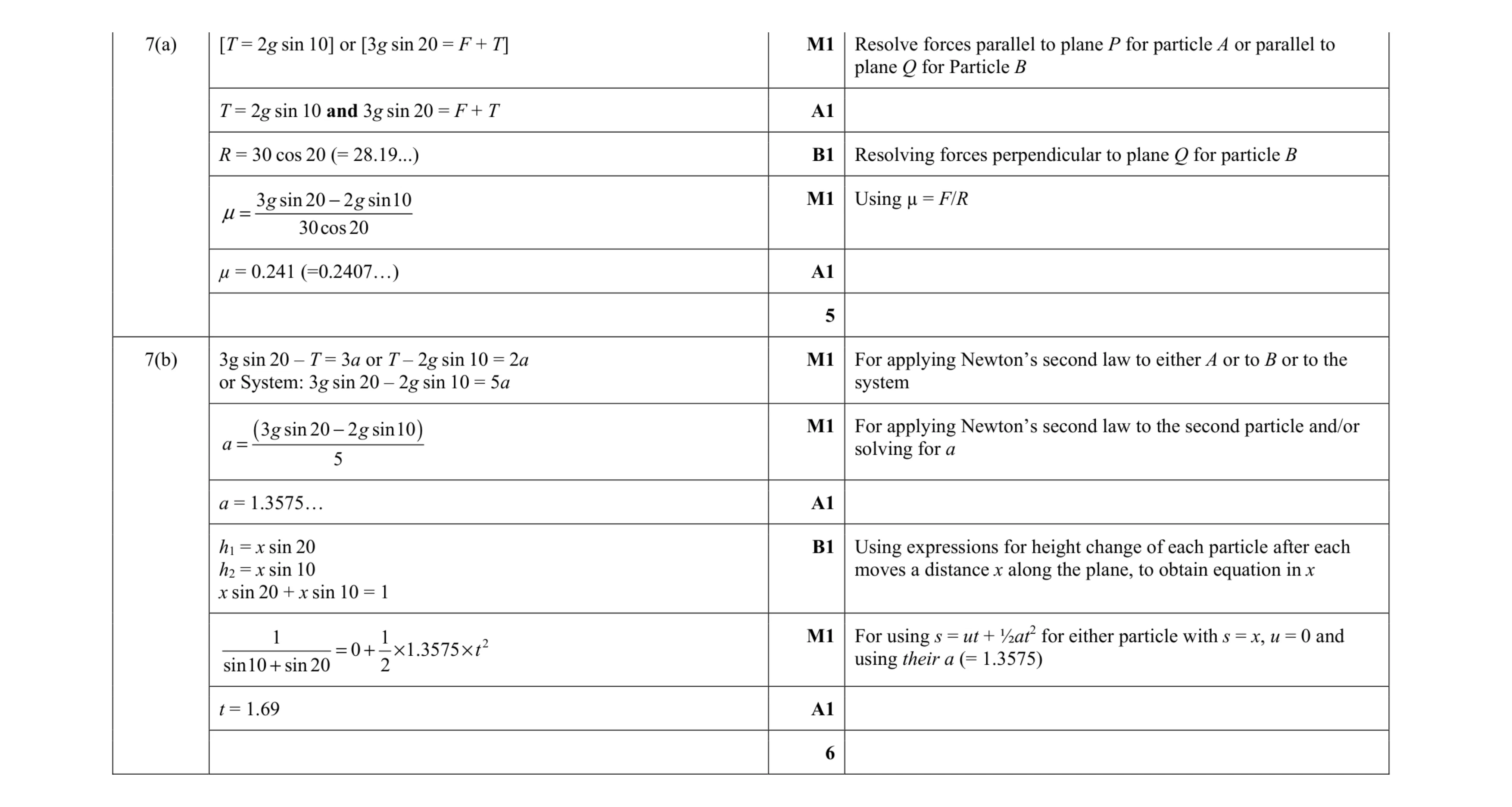 11
11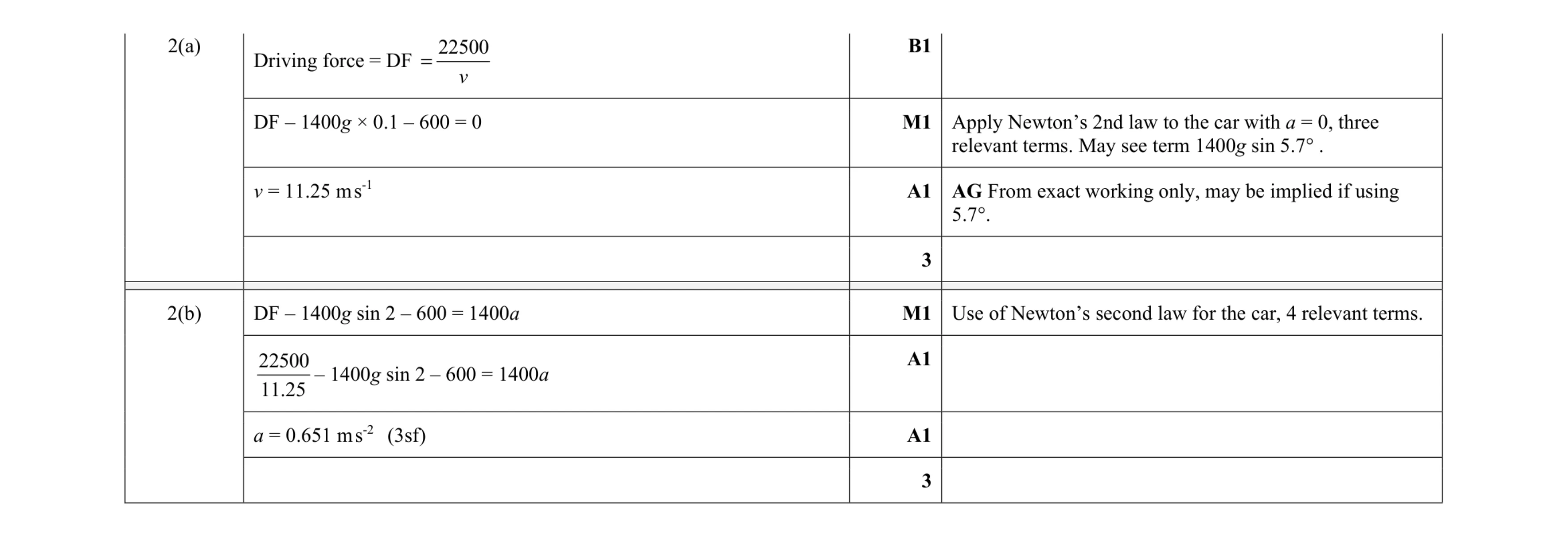 6
6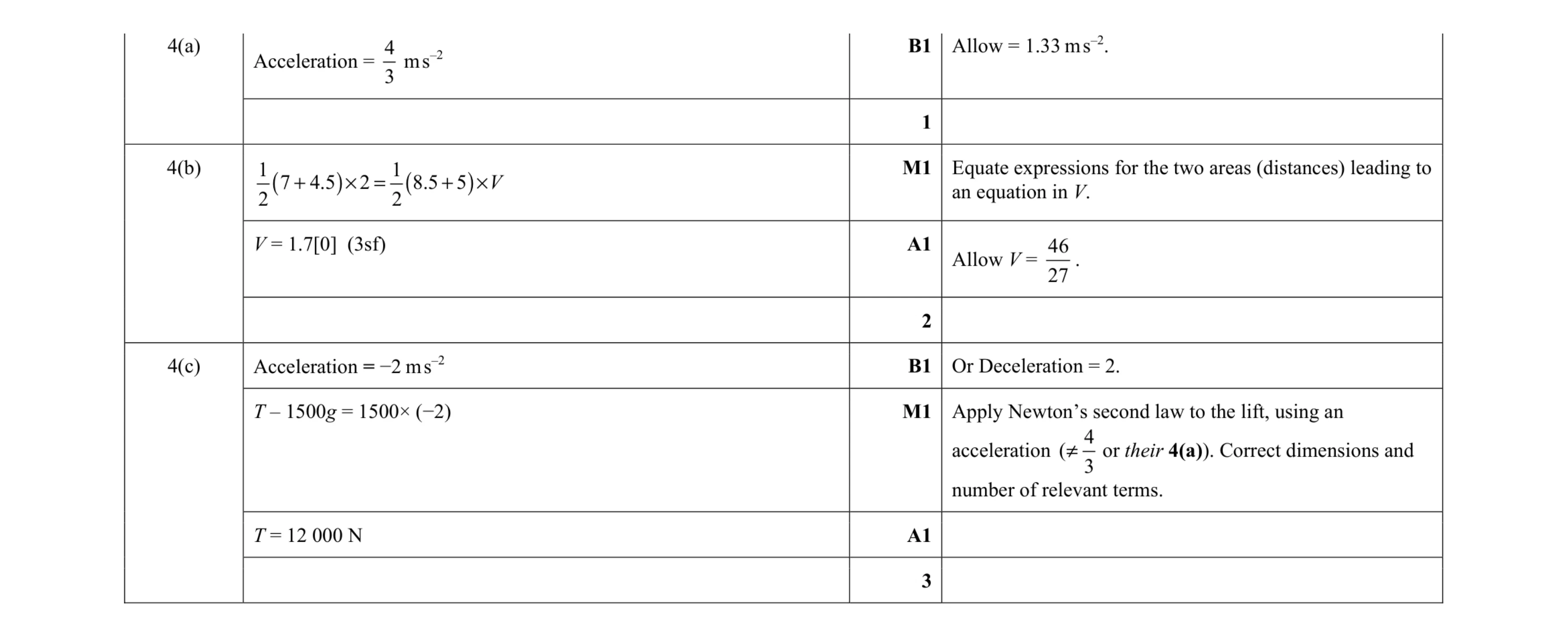 6
6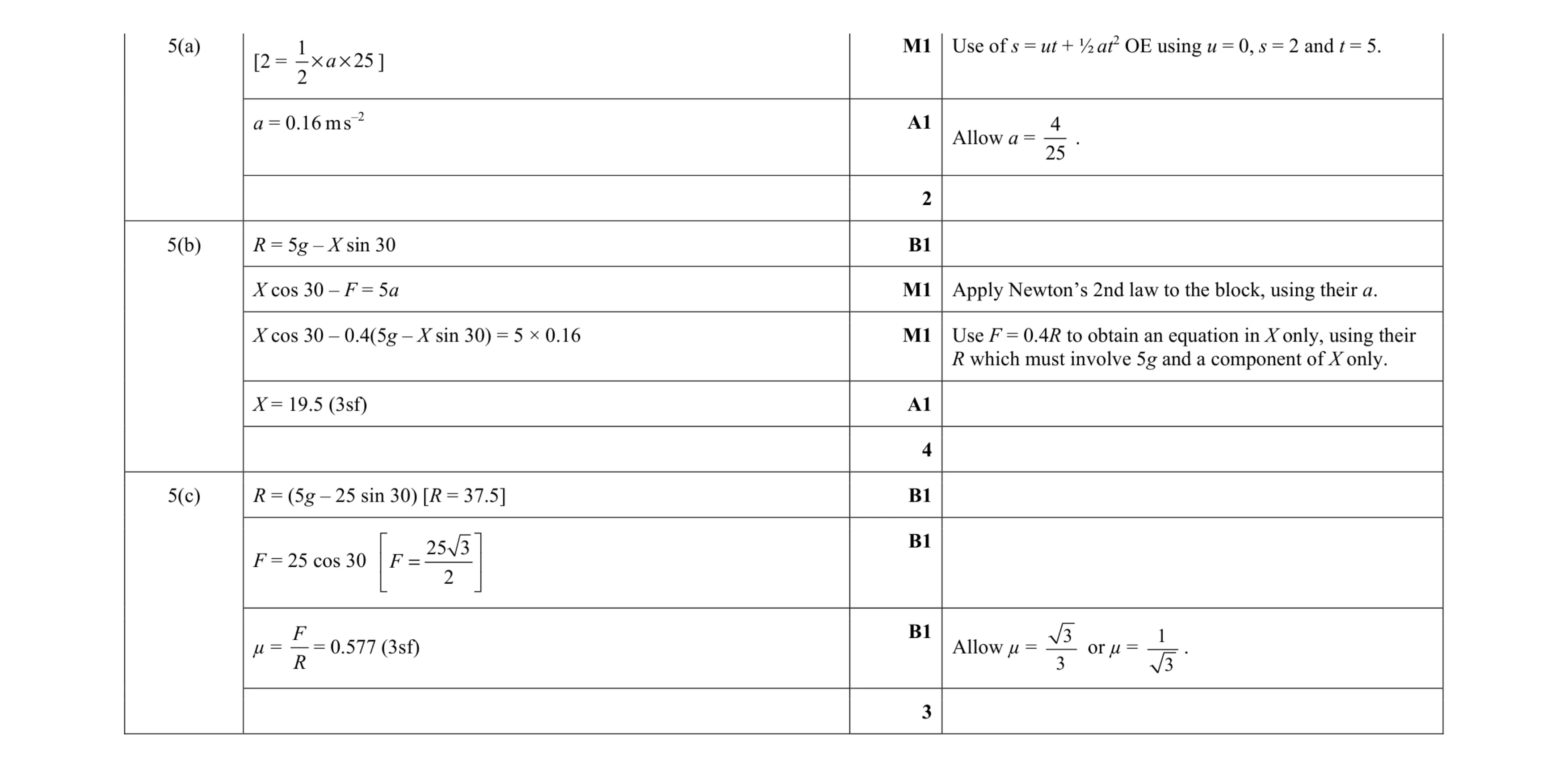 9
9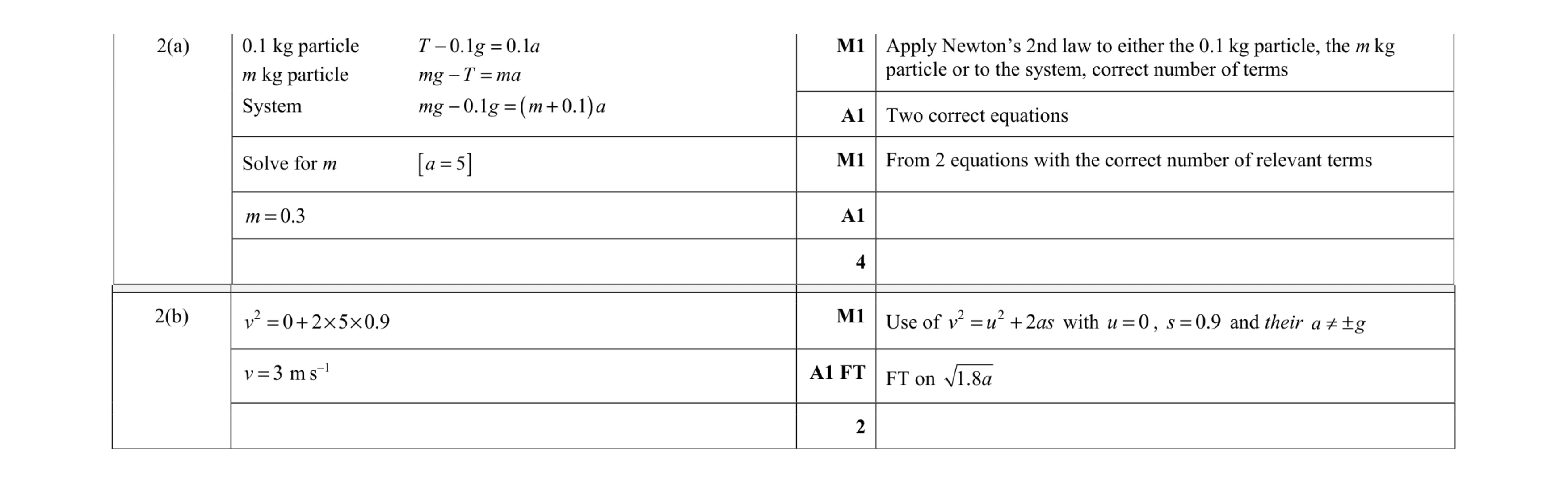 6
6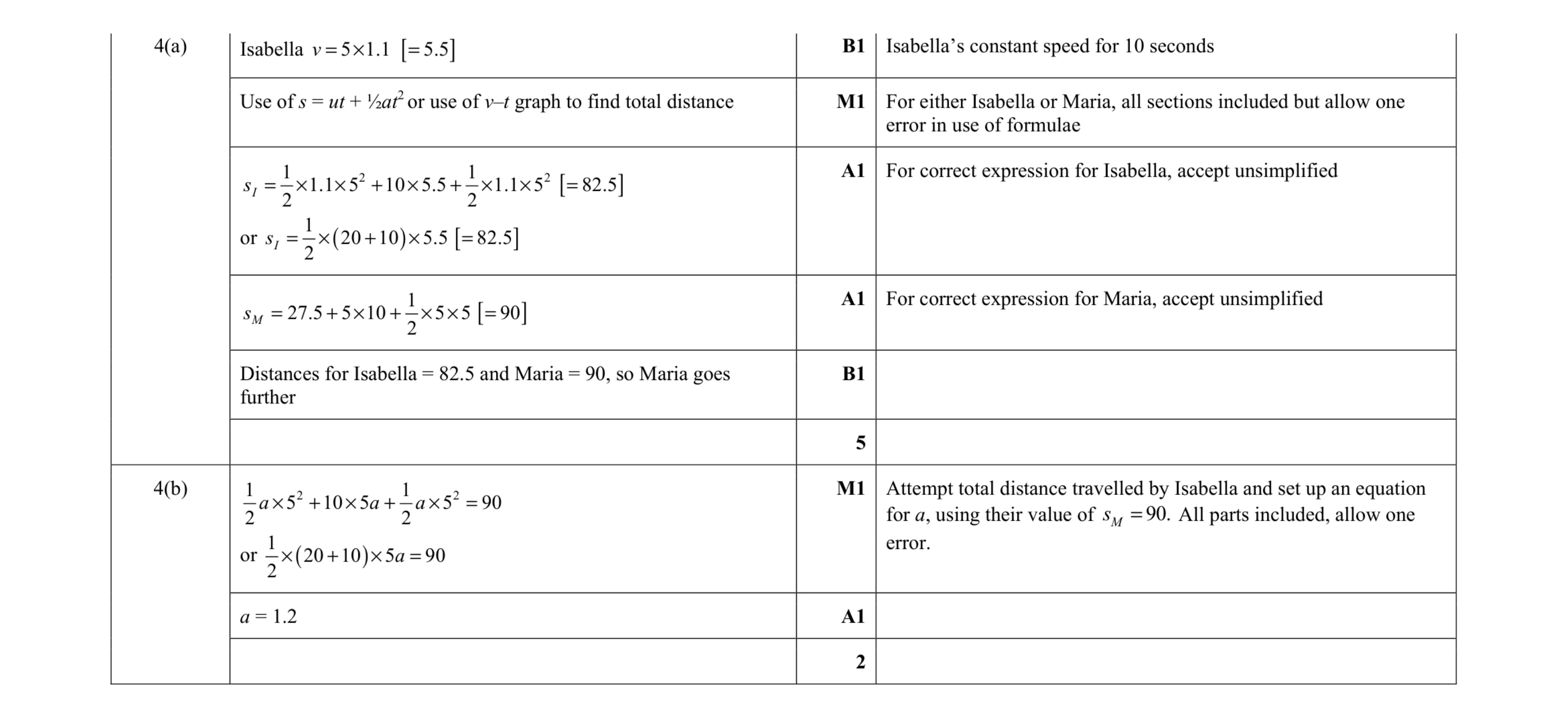 7
7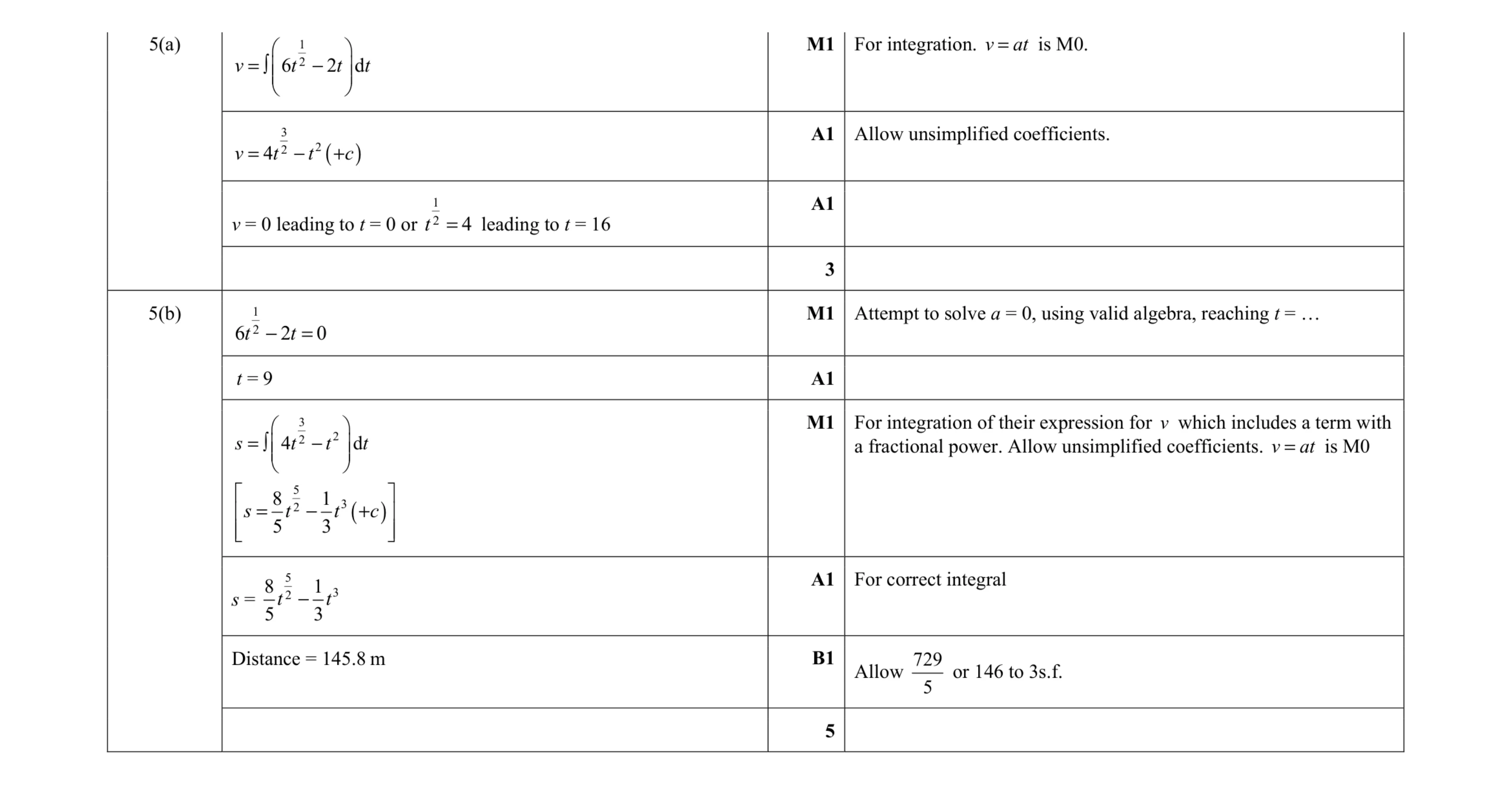 8
8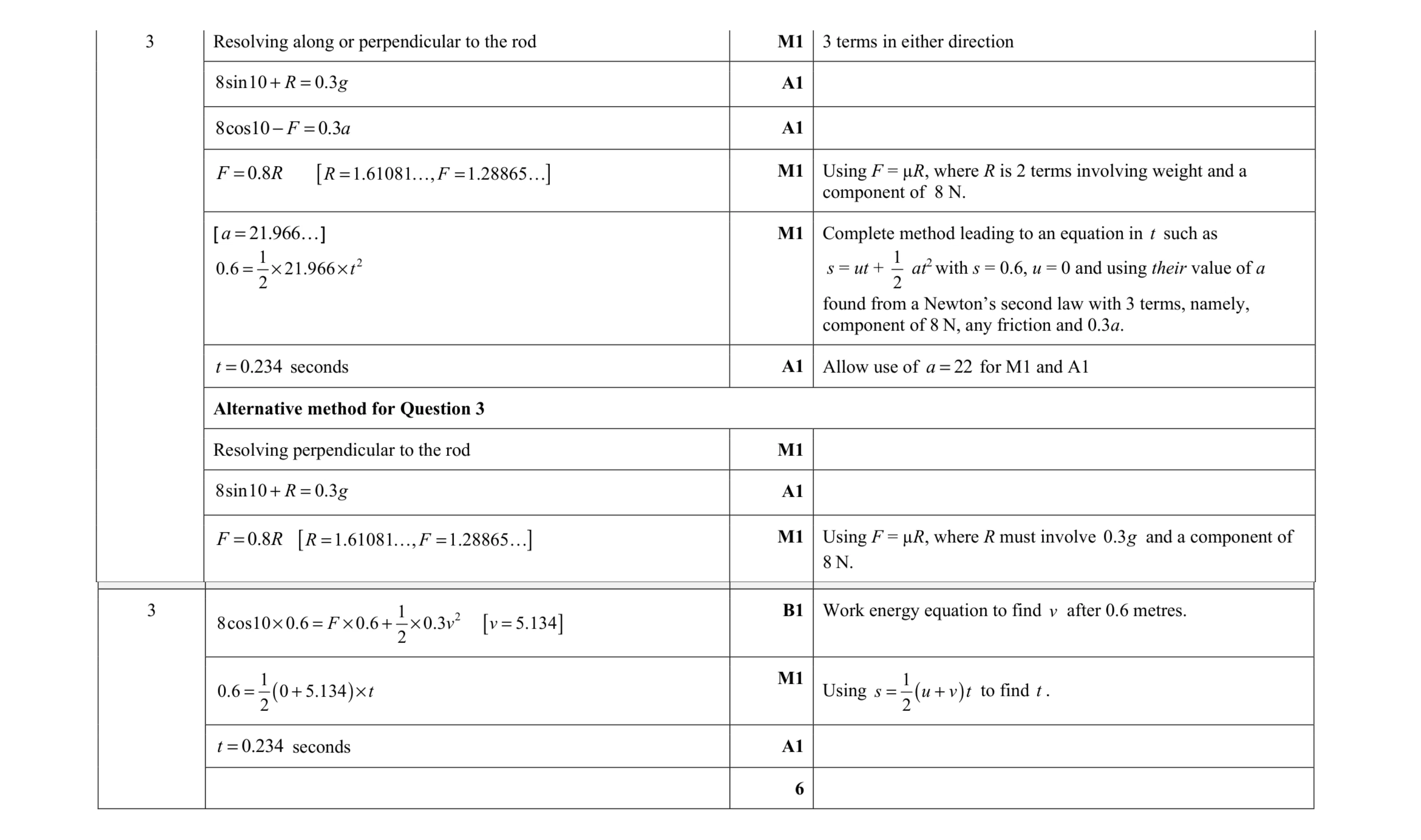 6
6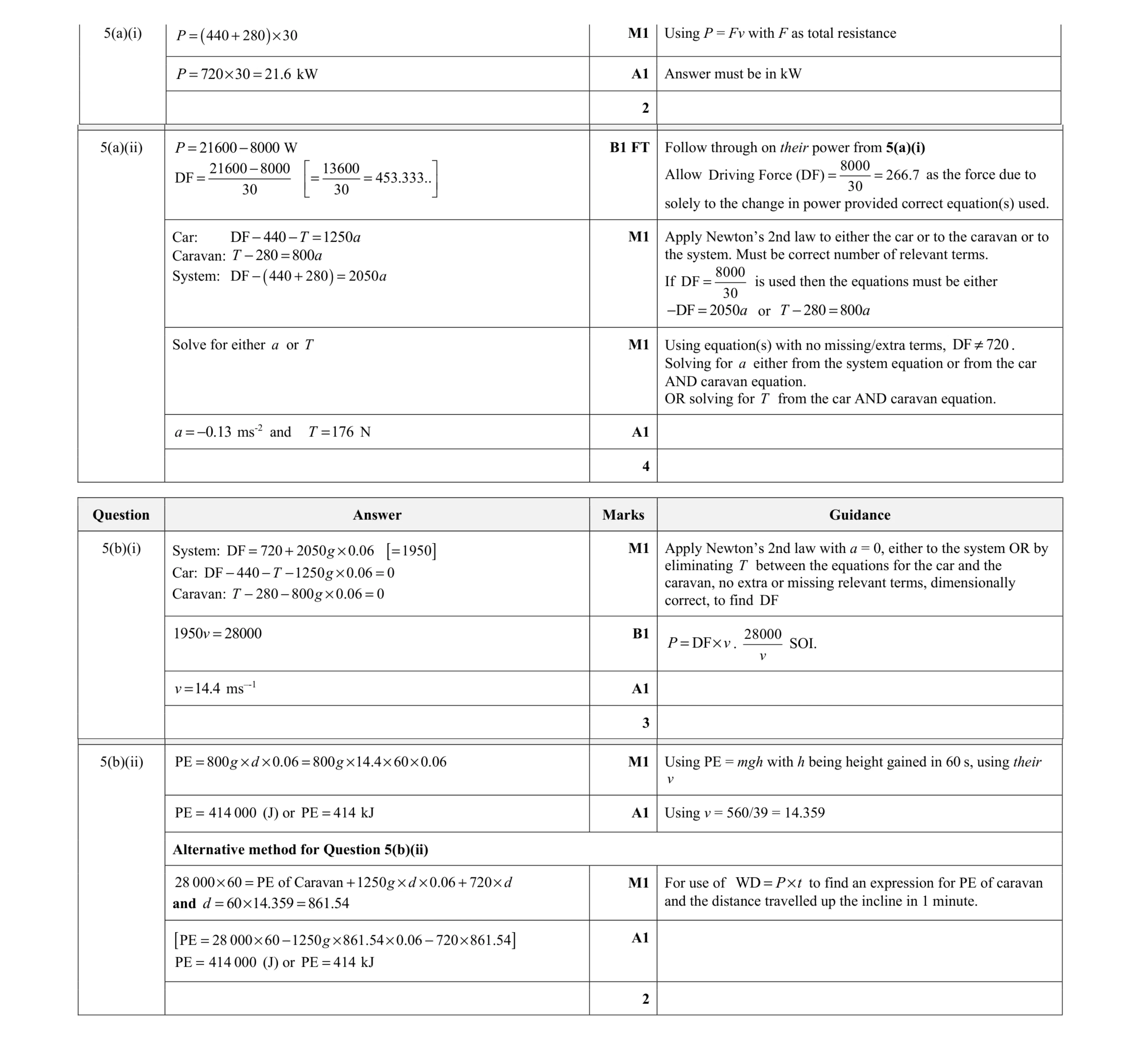 11
11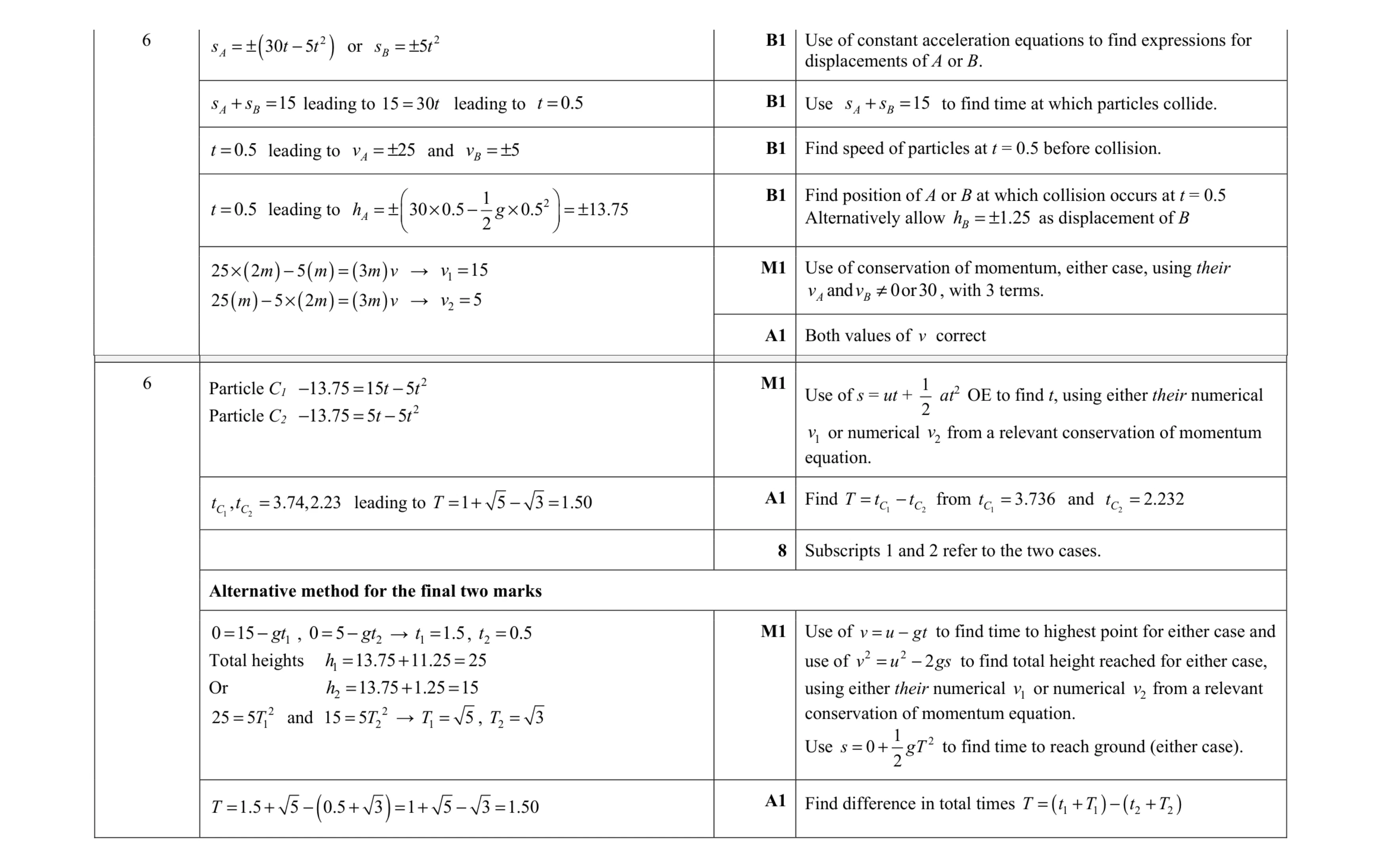 8
8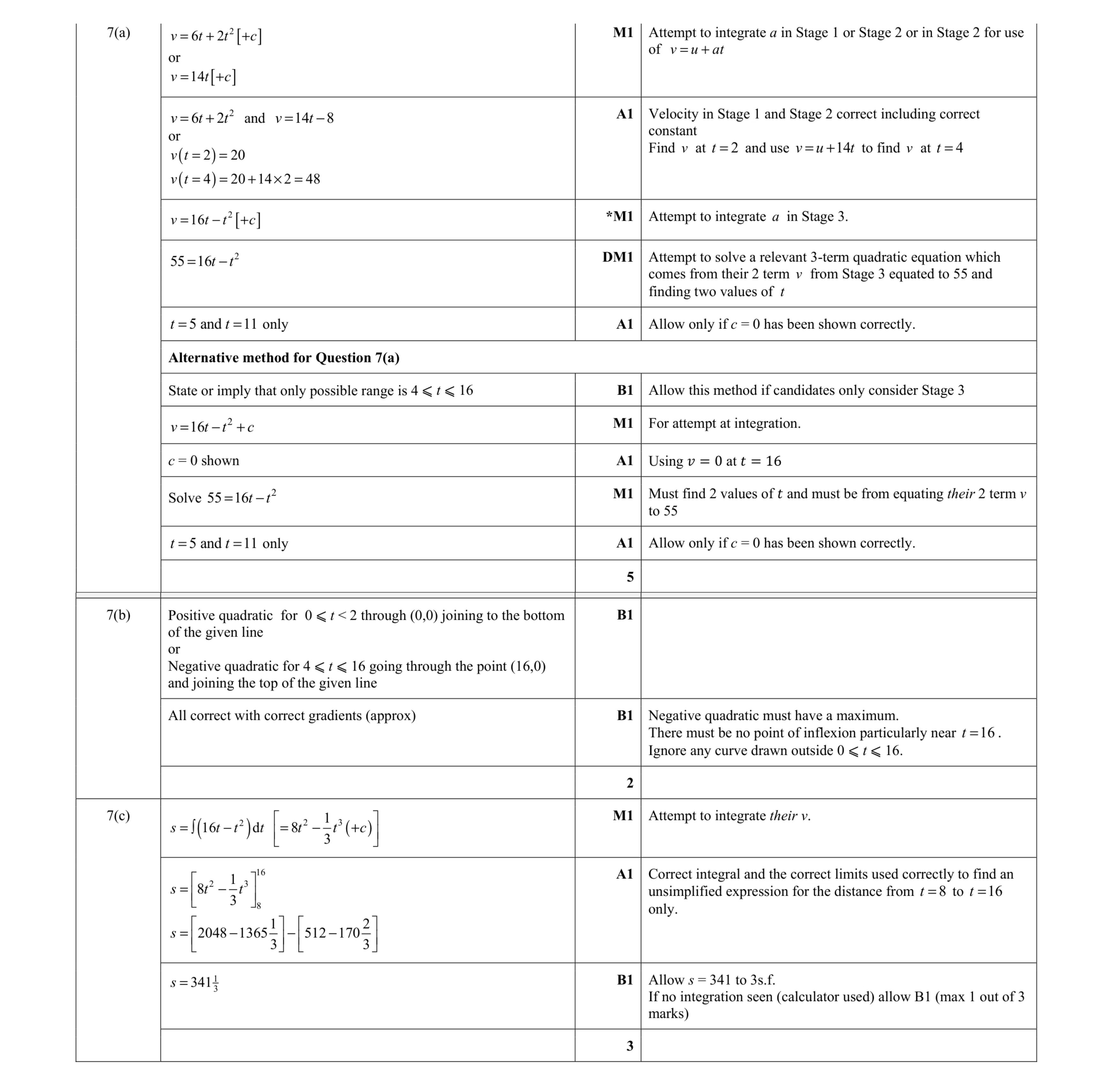 10
10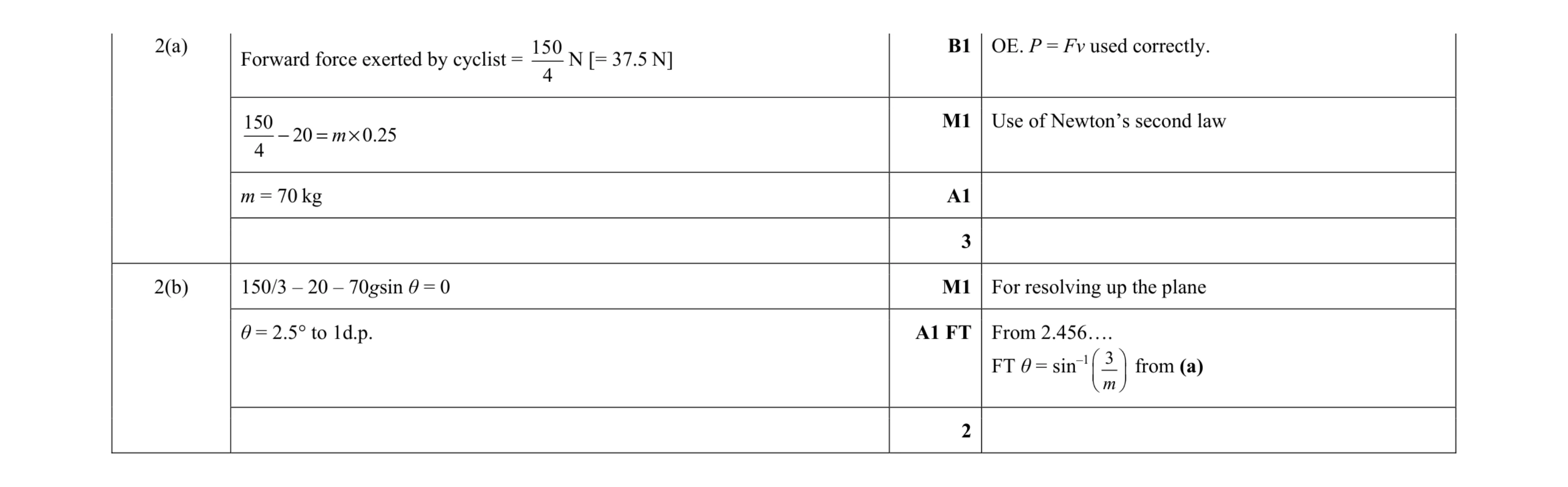 5
5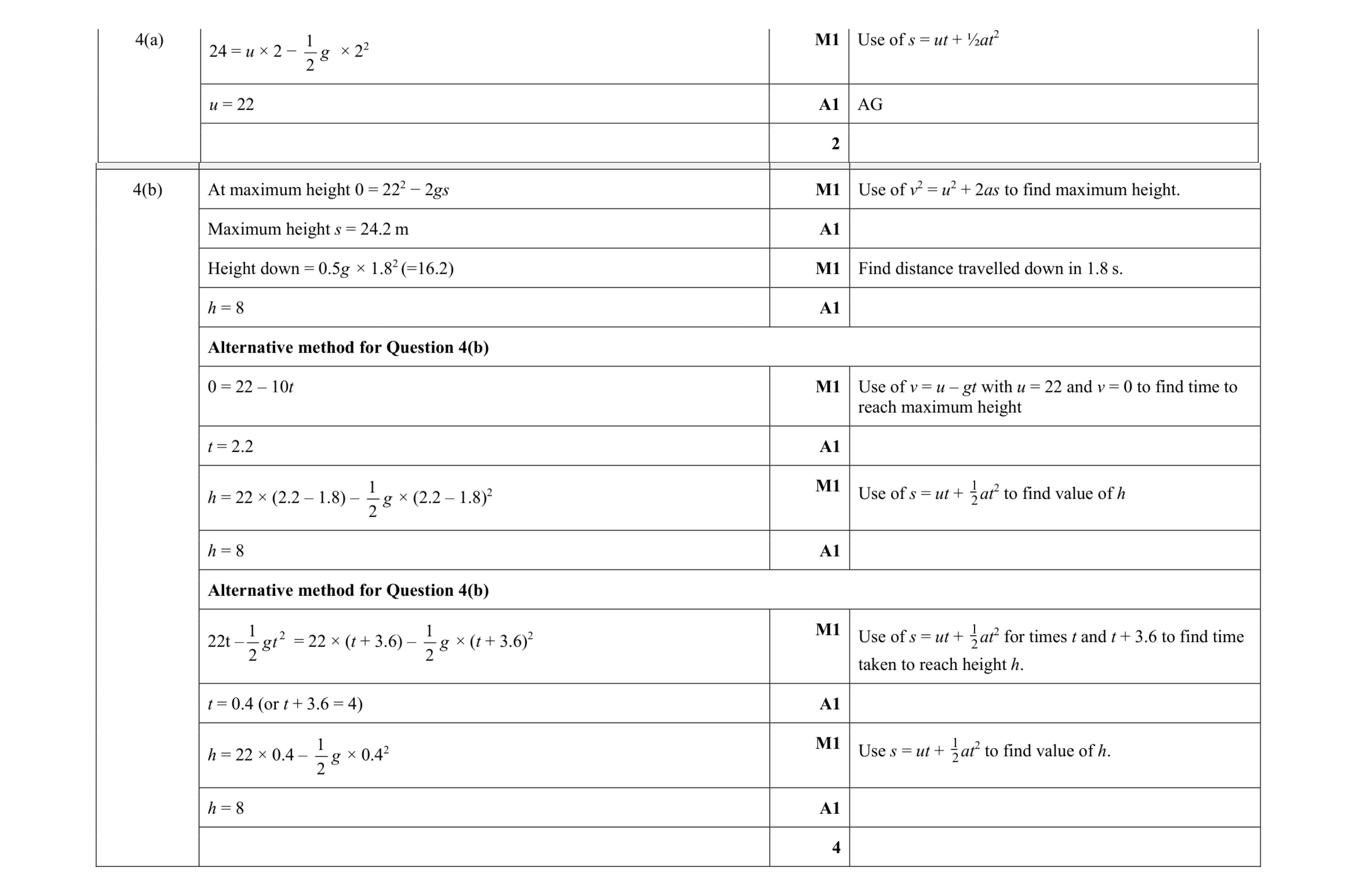 6
6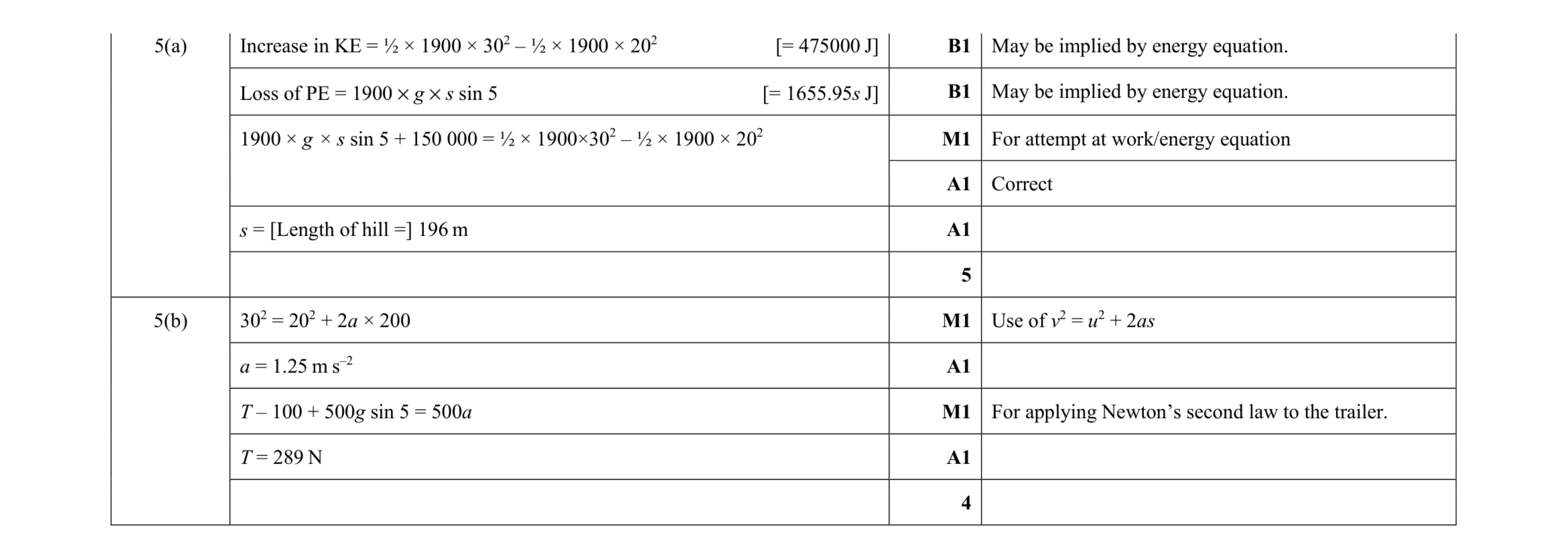 9
9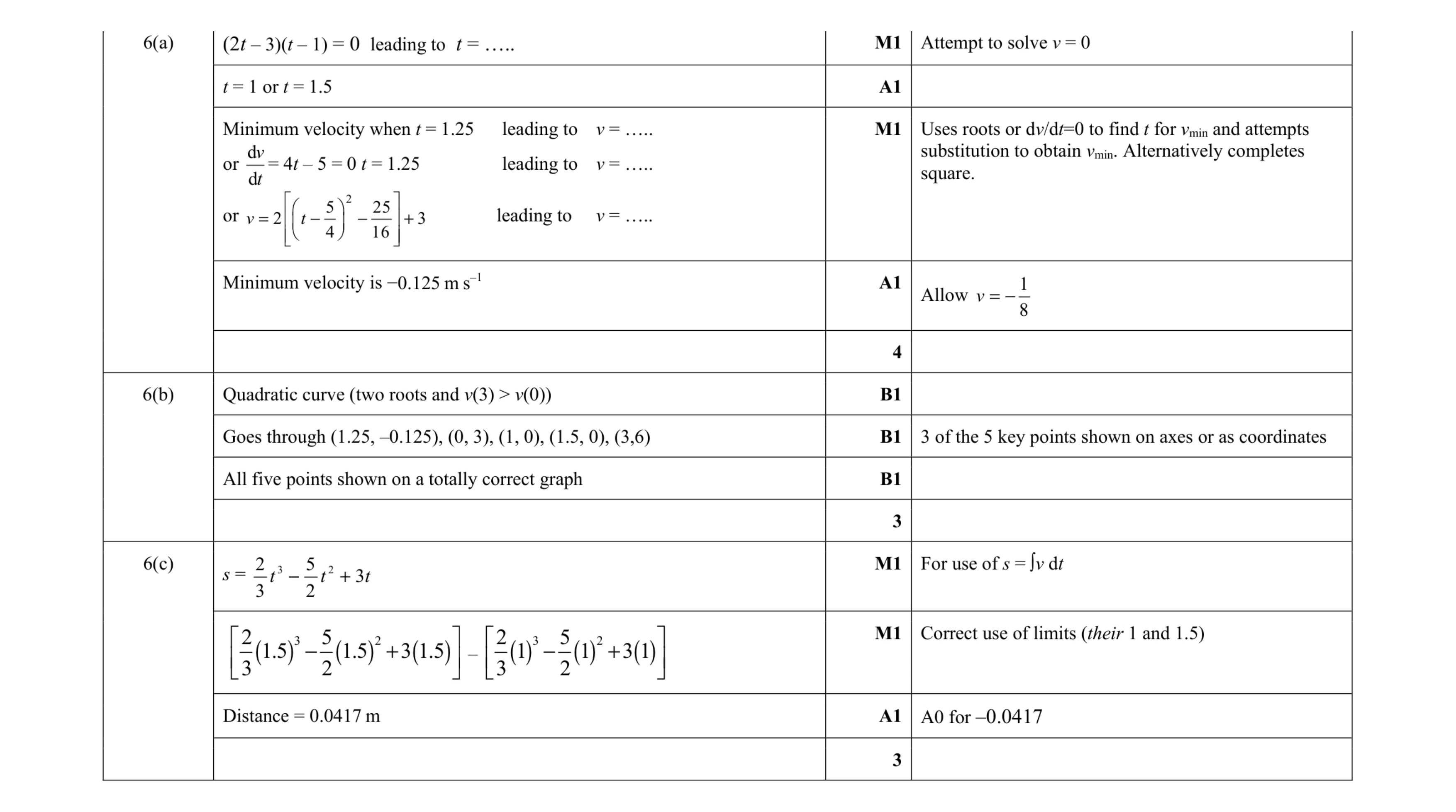 10
10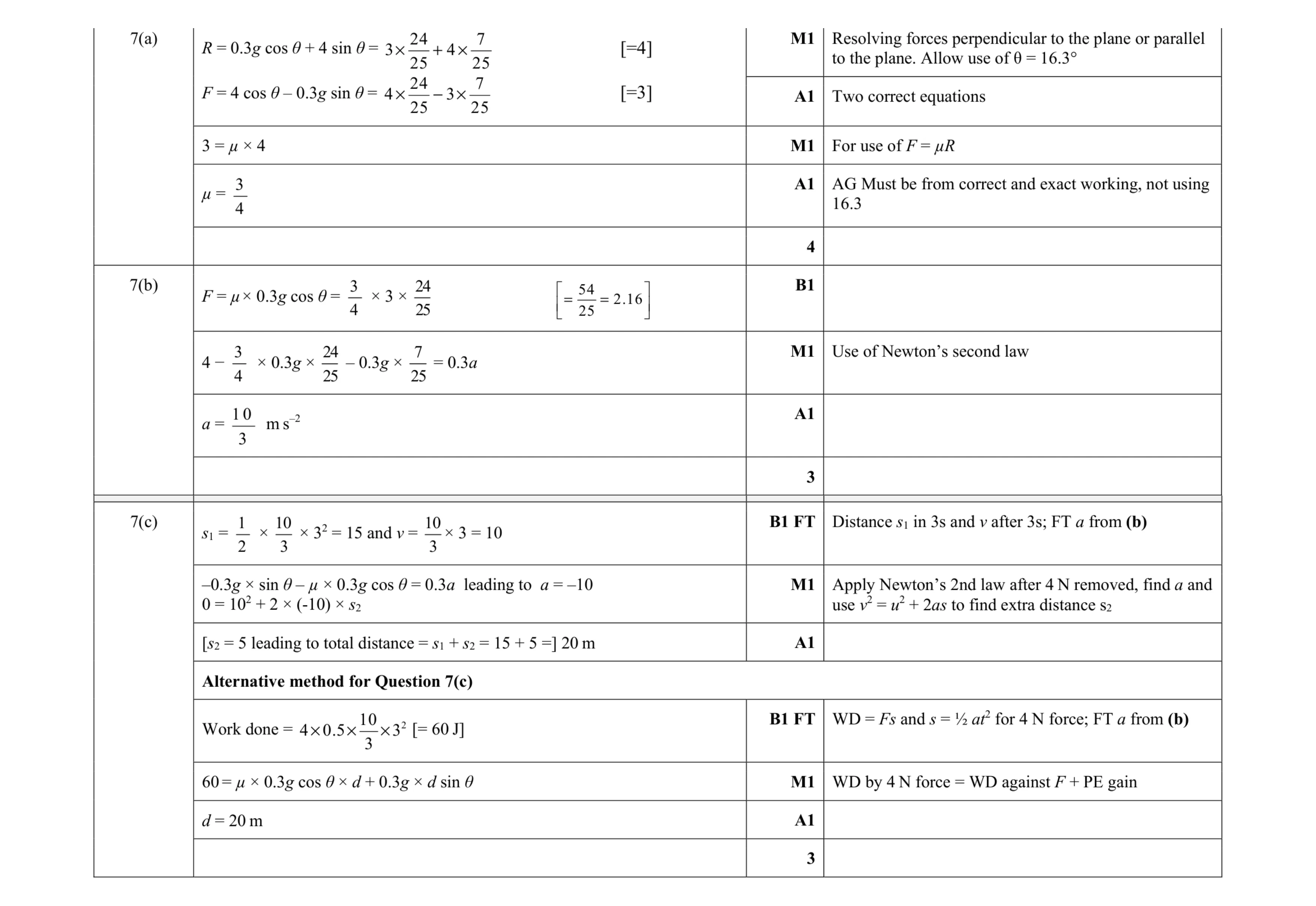 10
10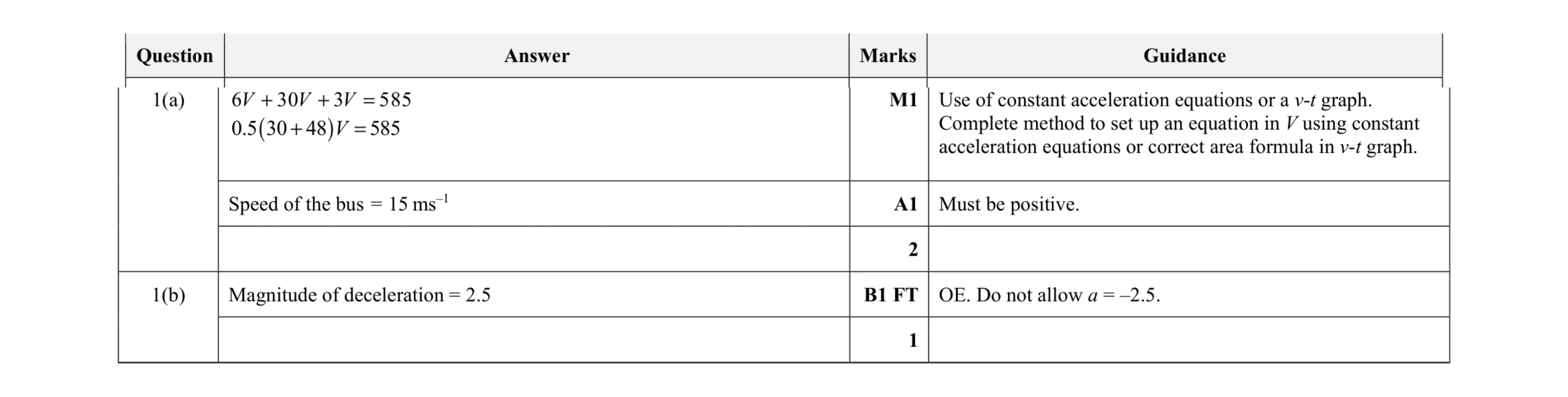 3
3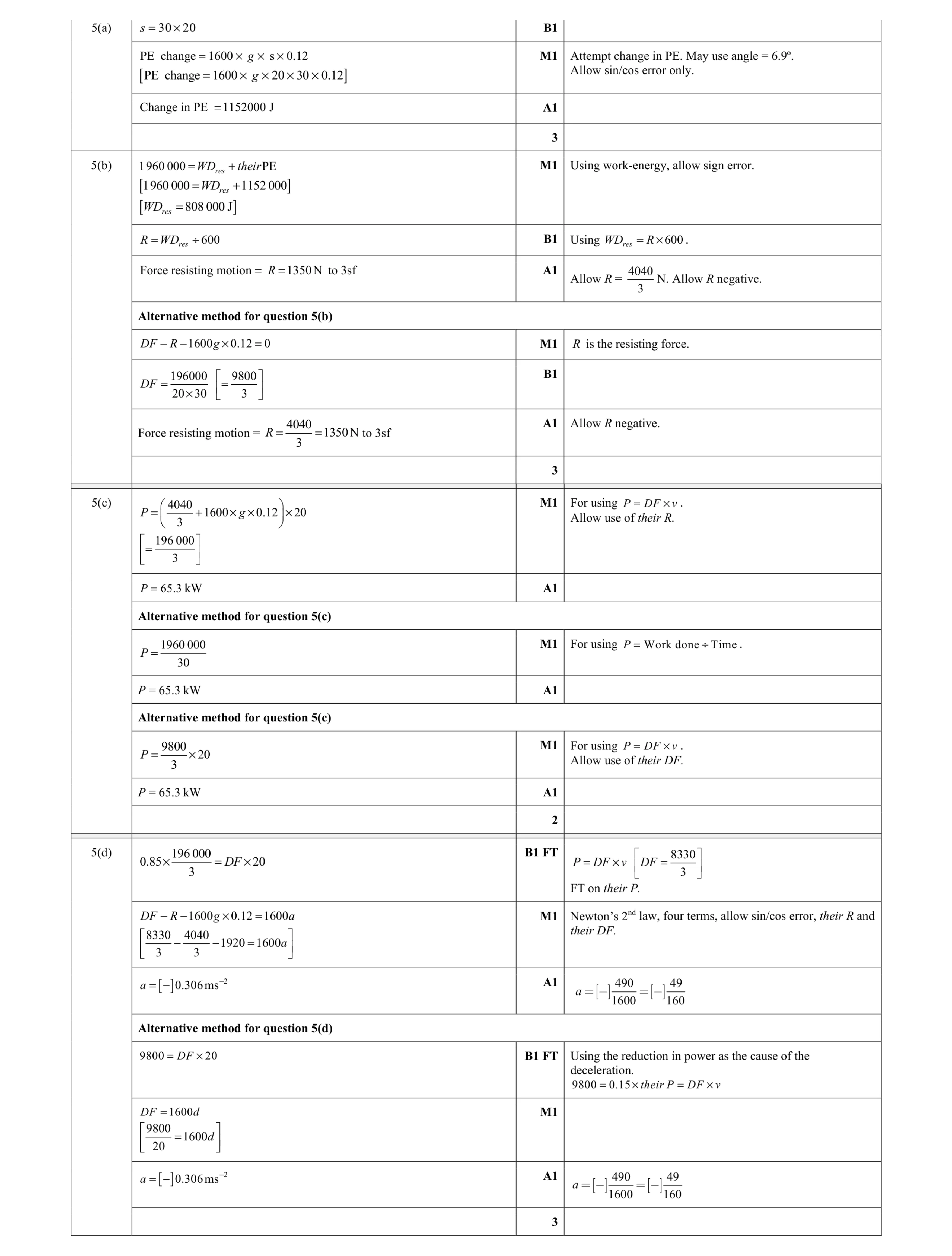 11
11 11
11 8
8 4
4 6
6 7
7 13
13 5
5 11
11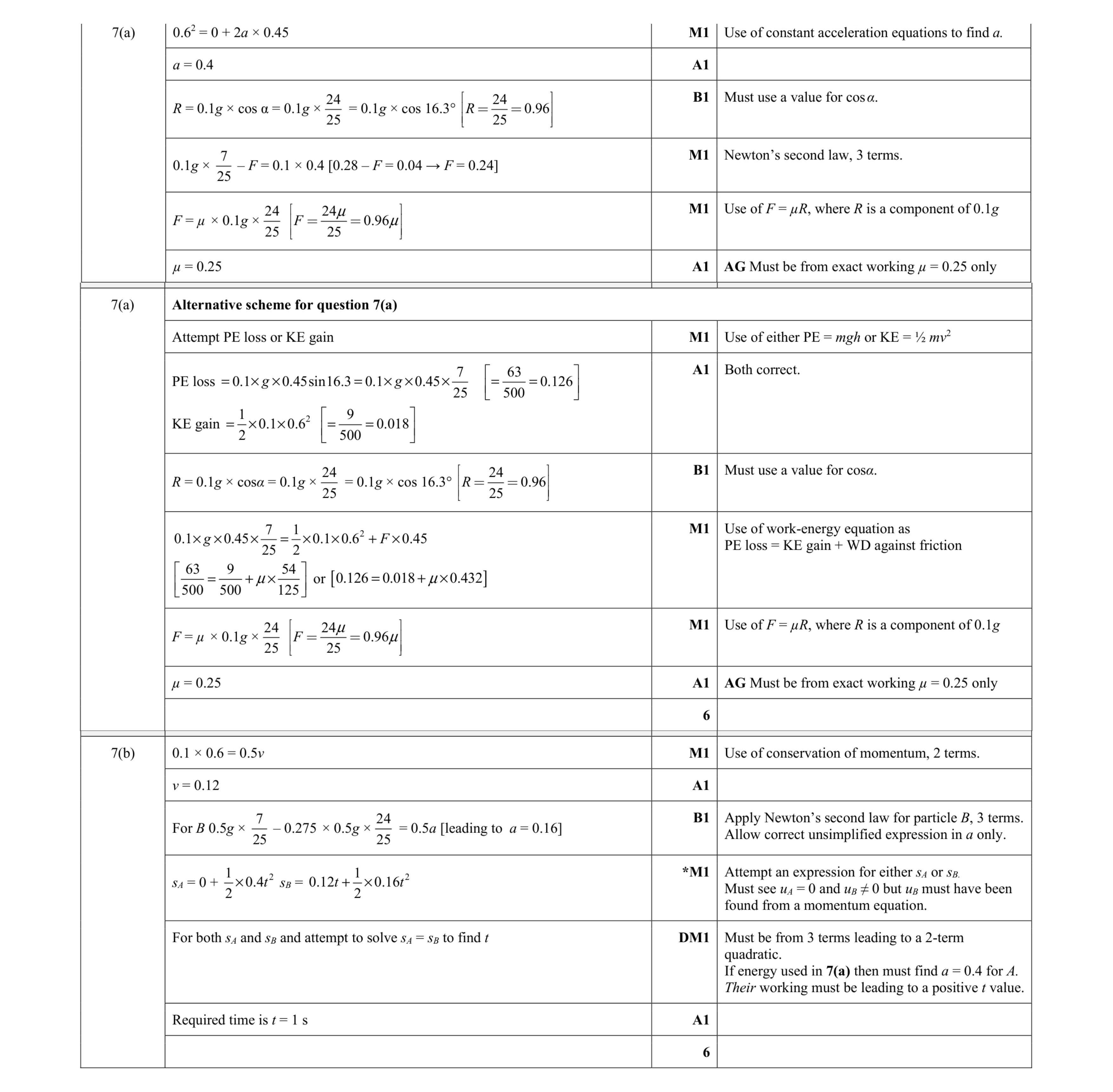 12
12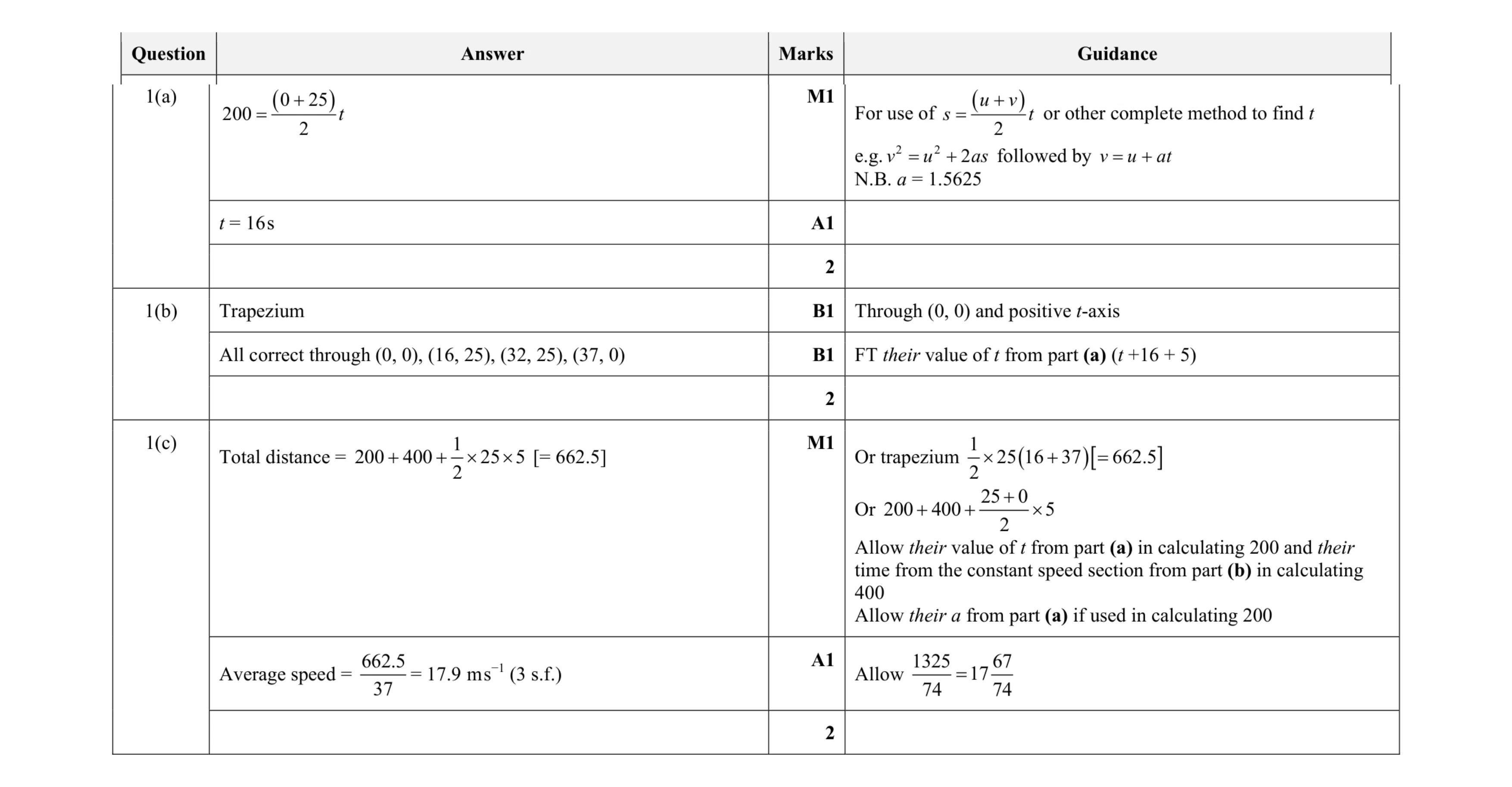 6
6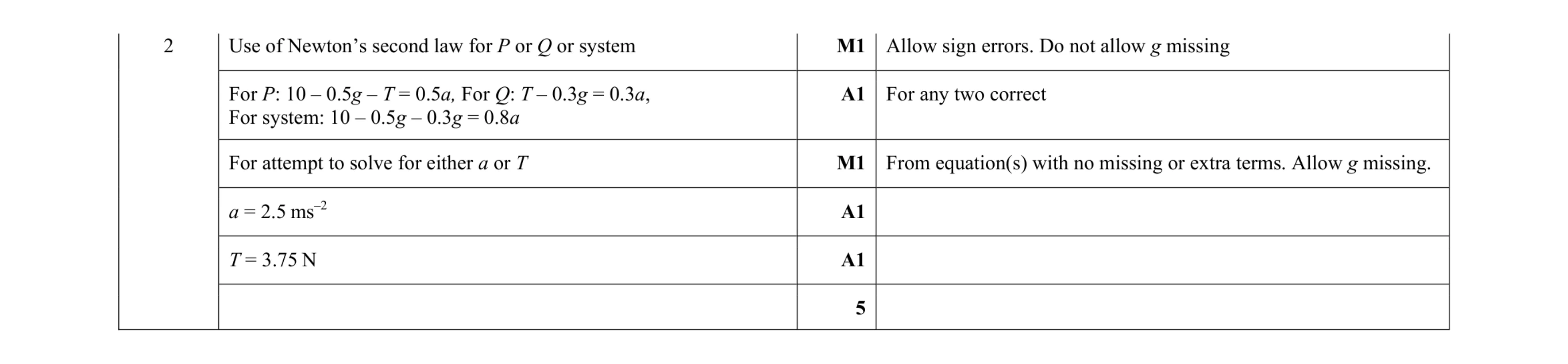 5
5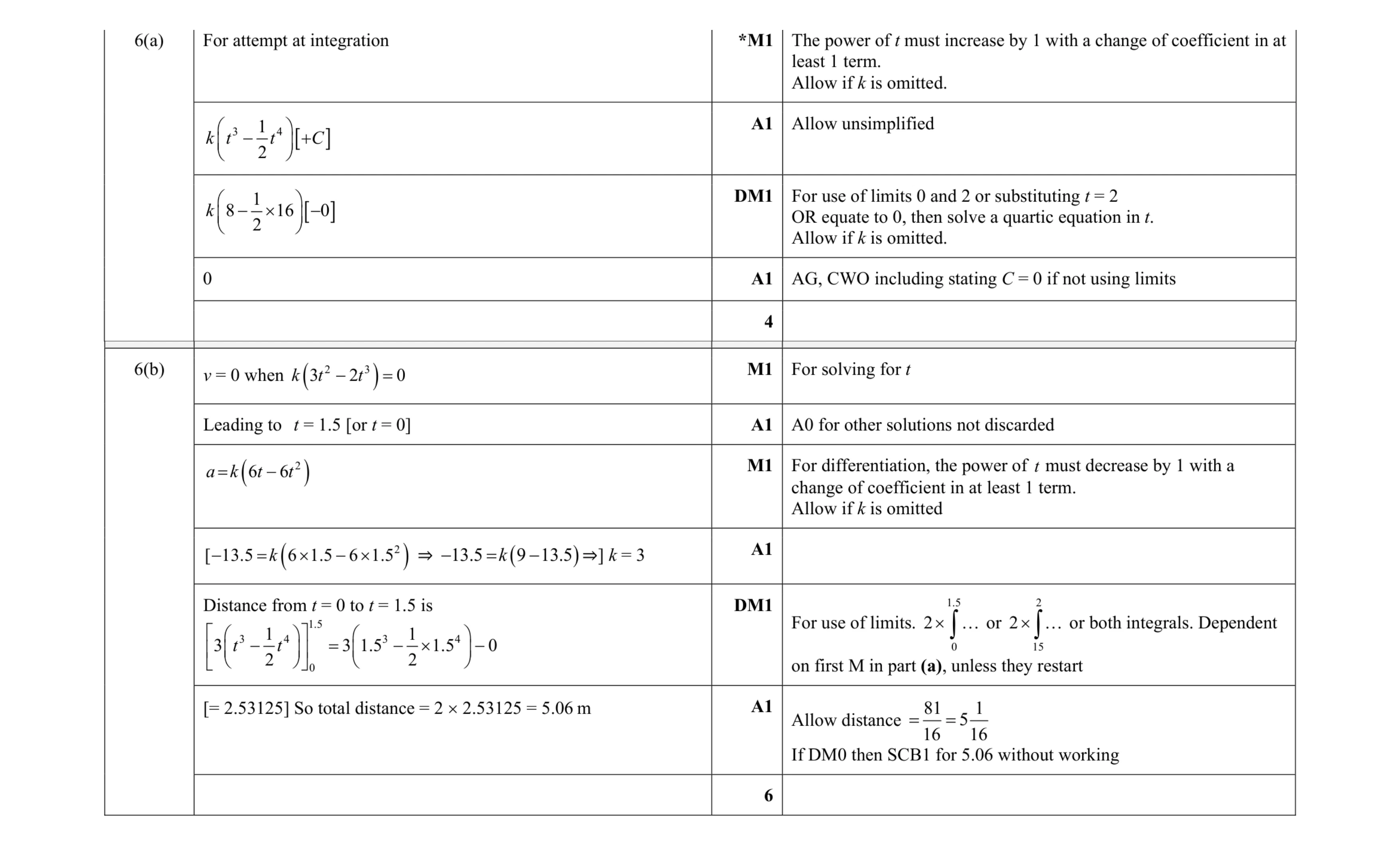 10
10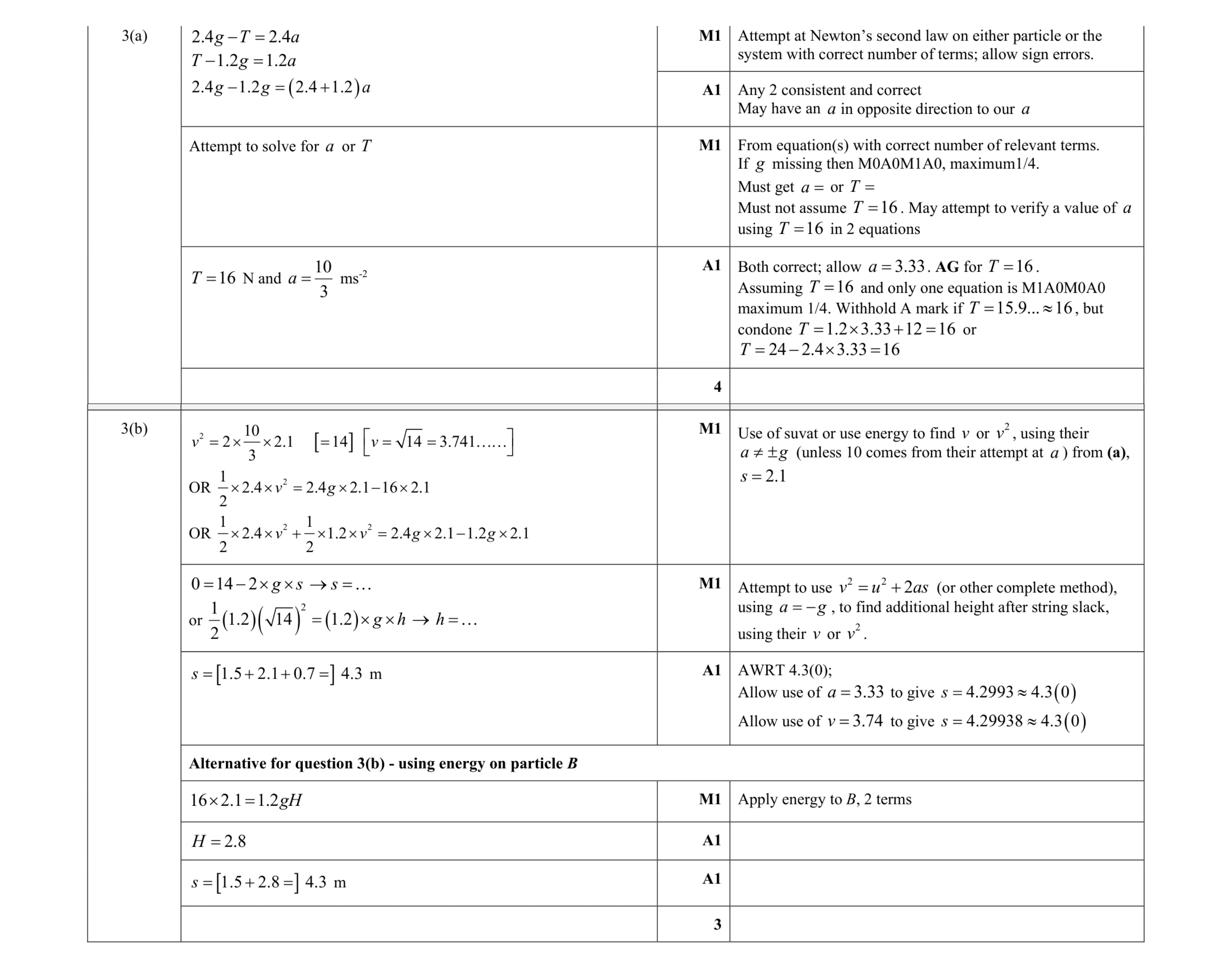 7
7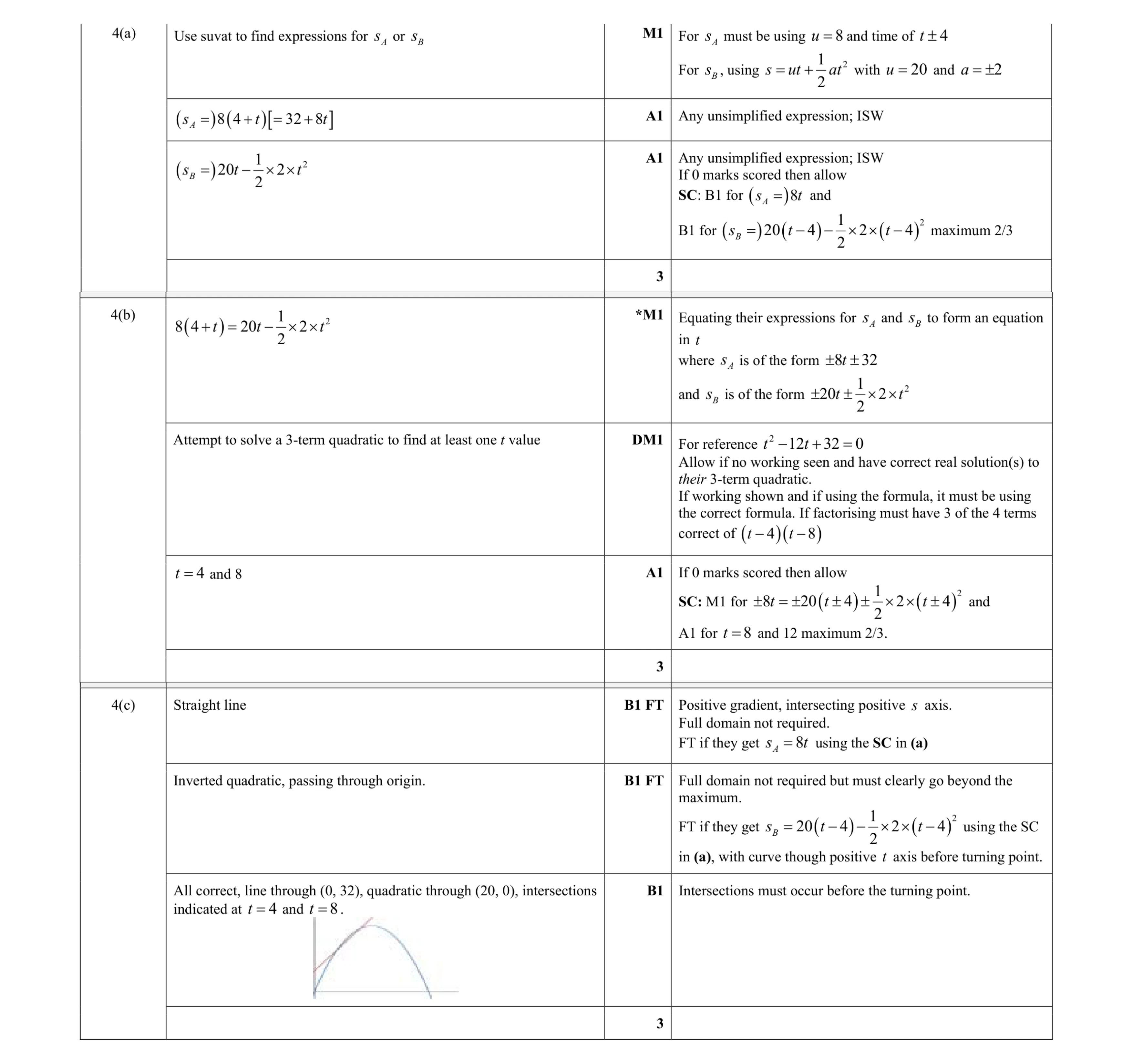 9
9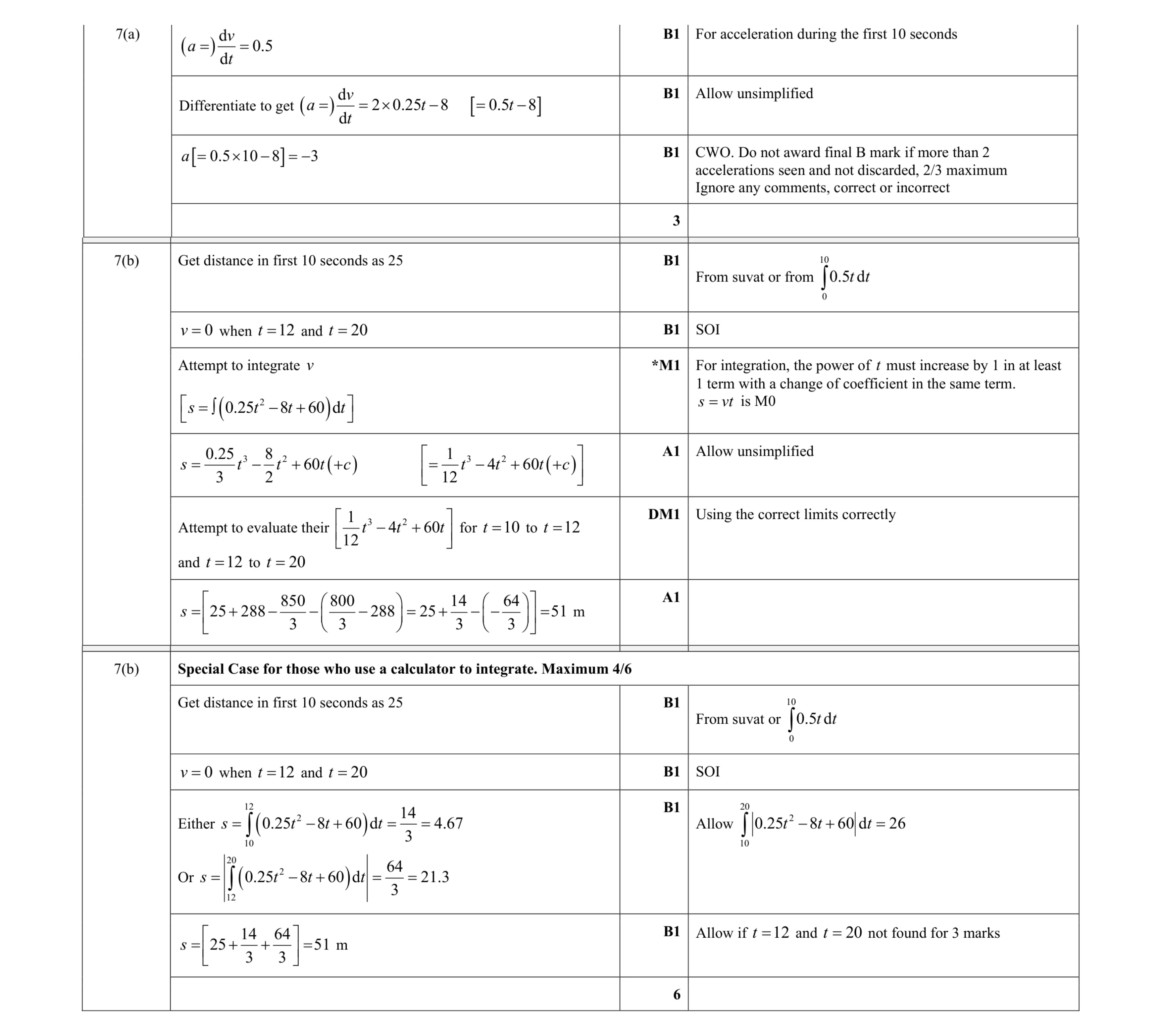 9
9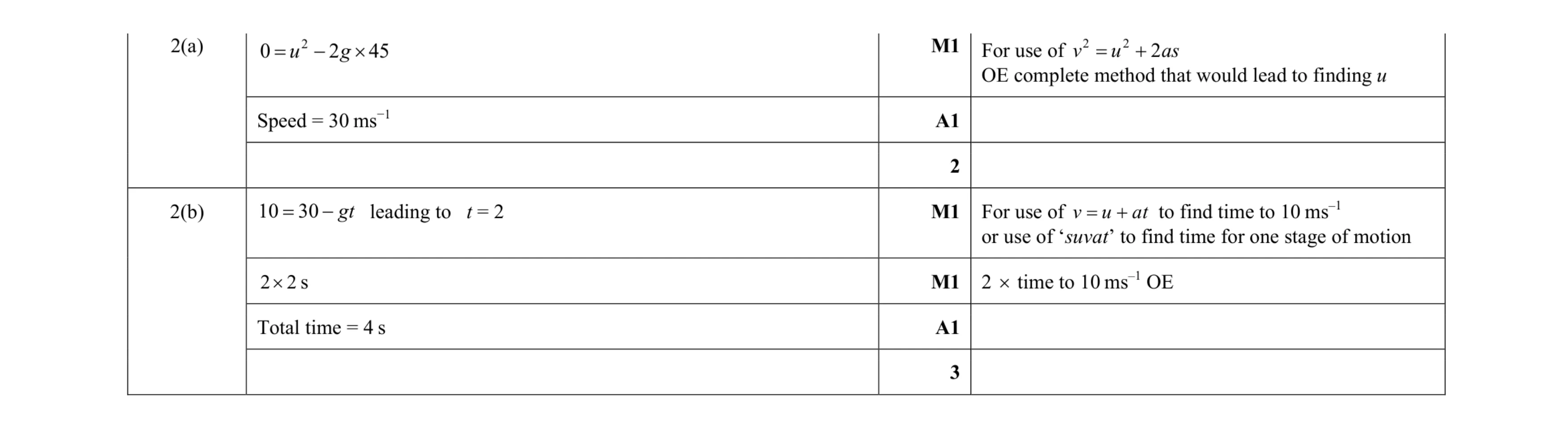 5
5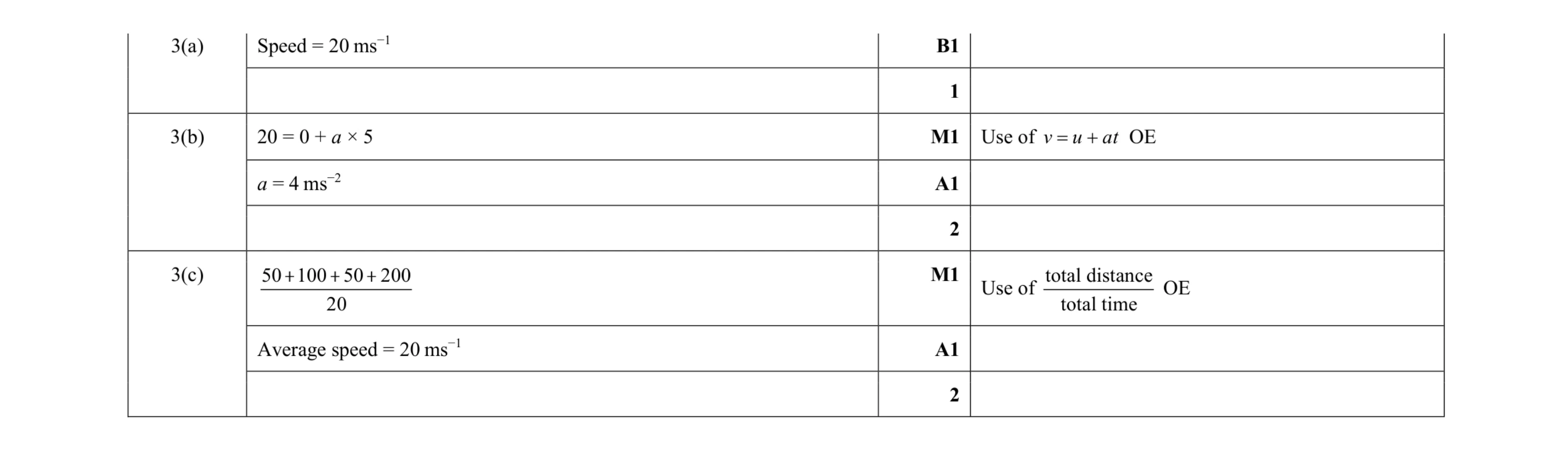 5
5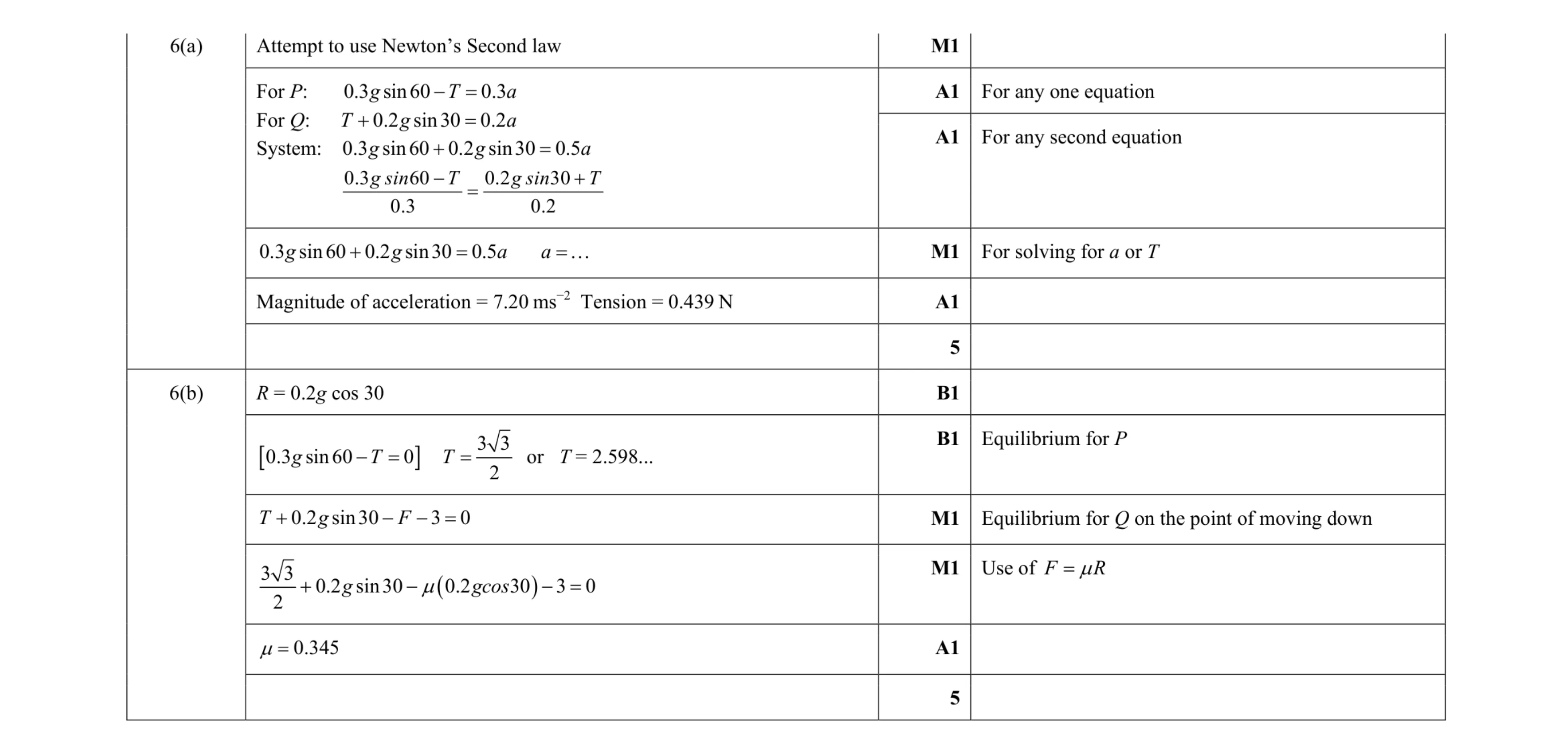 10
10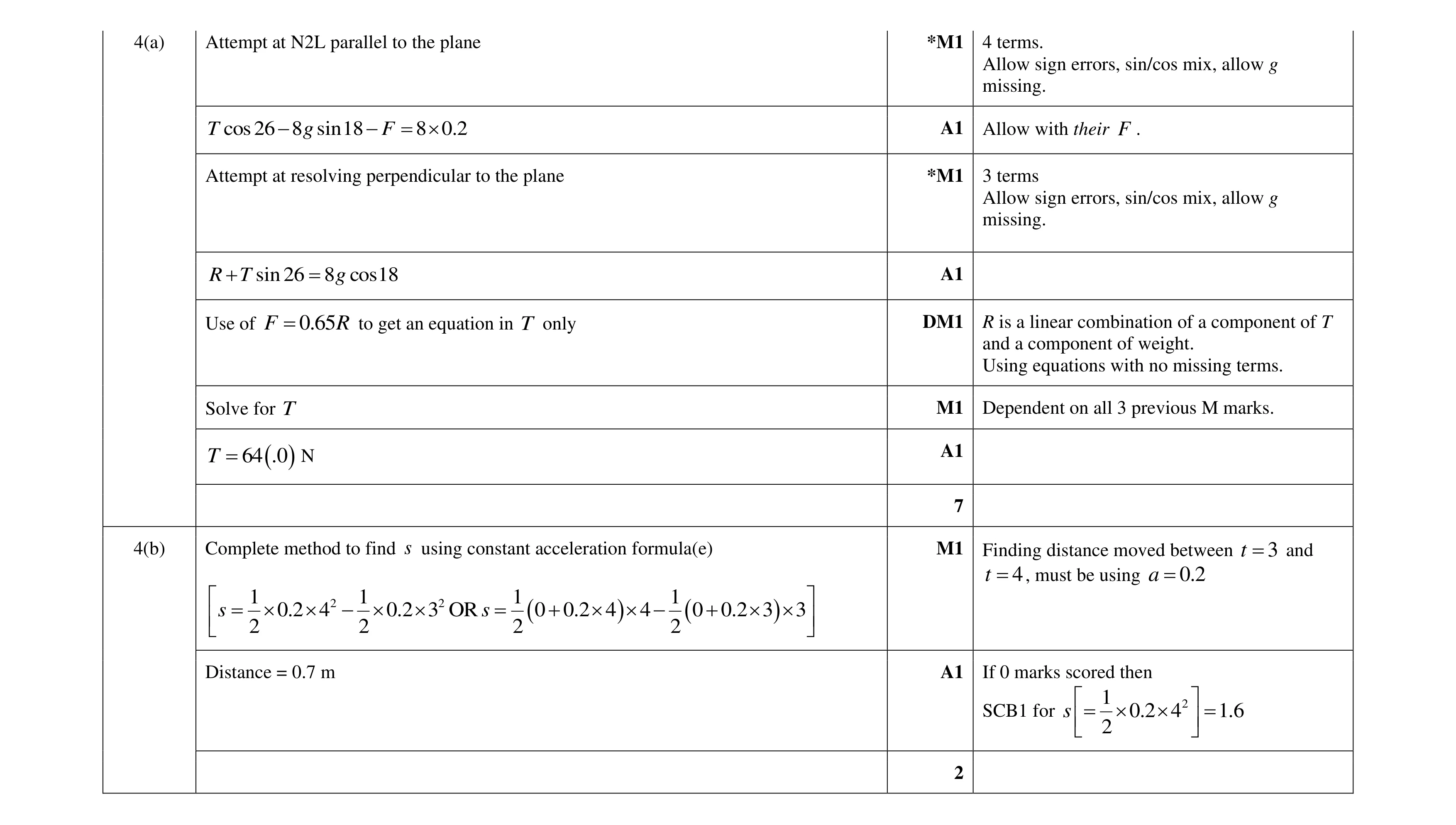 9
9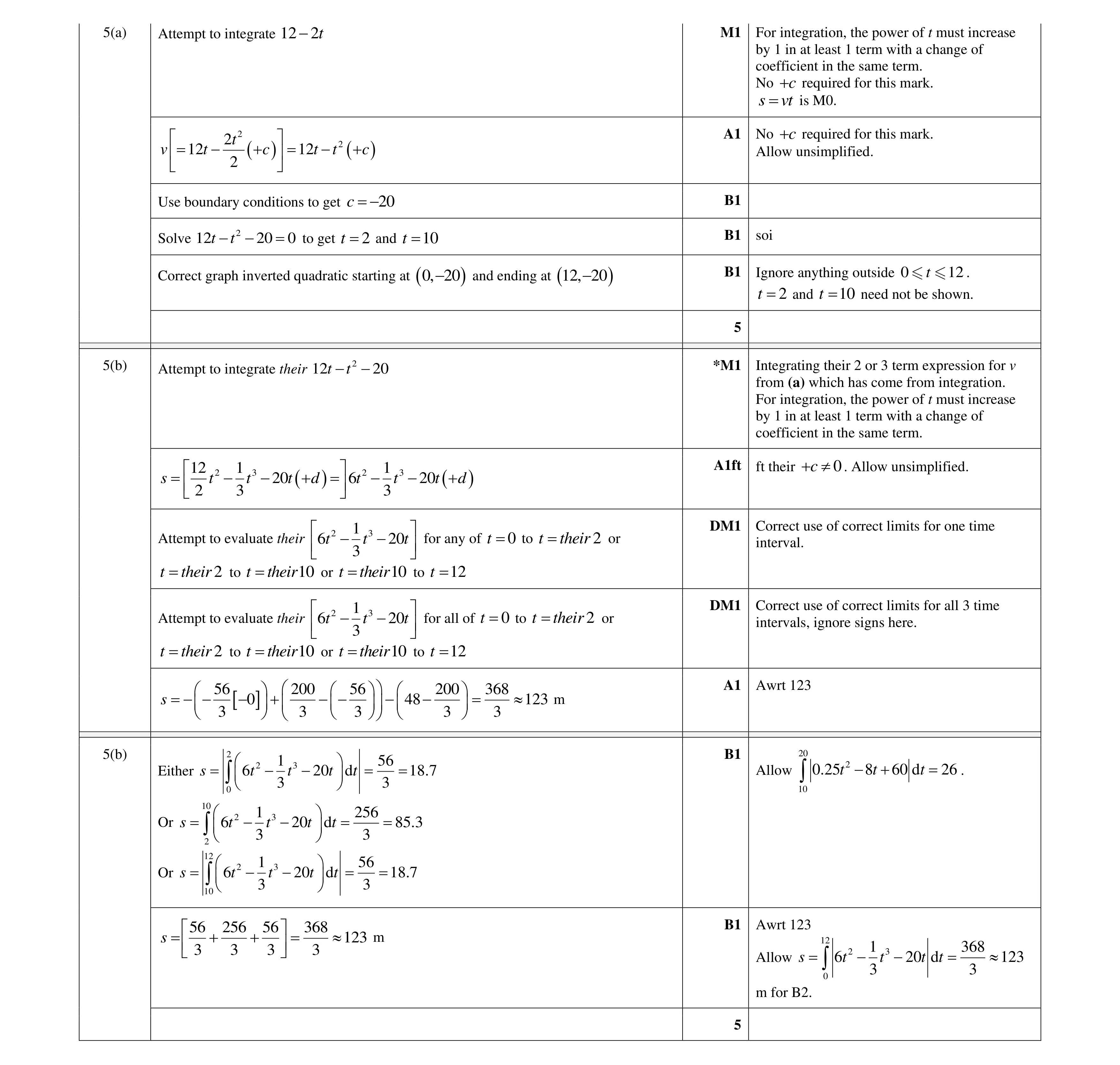 10
10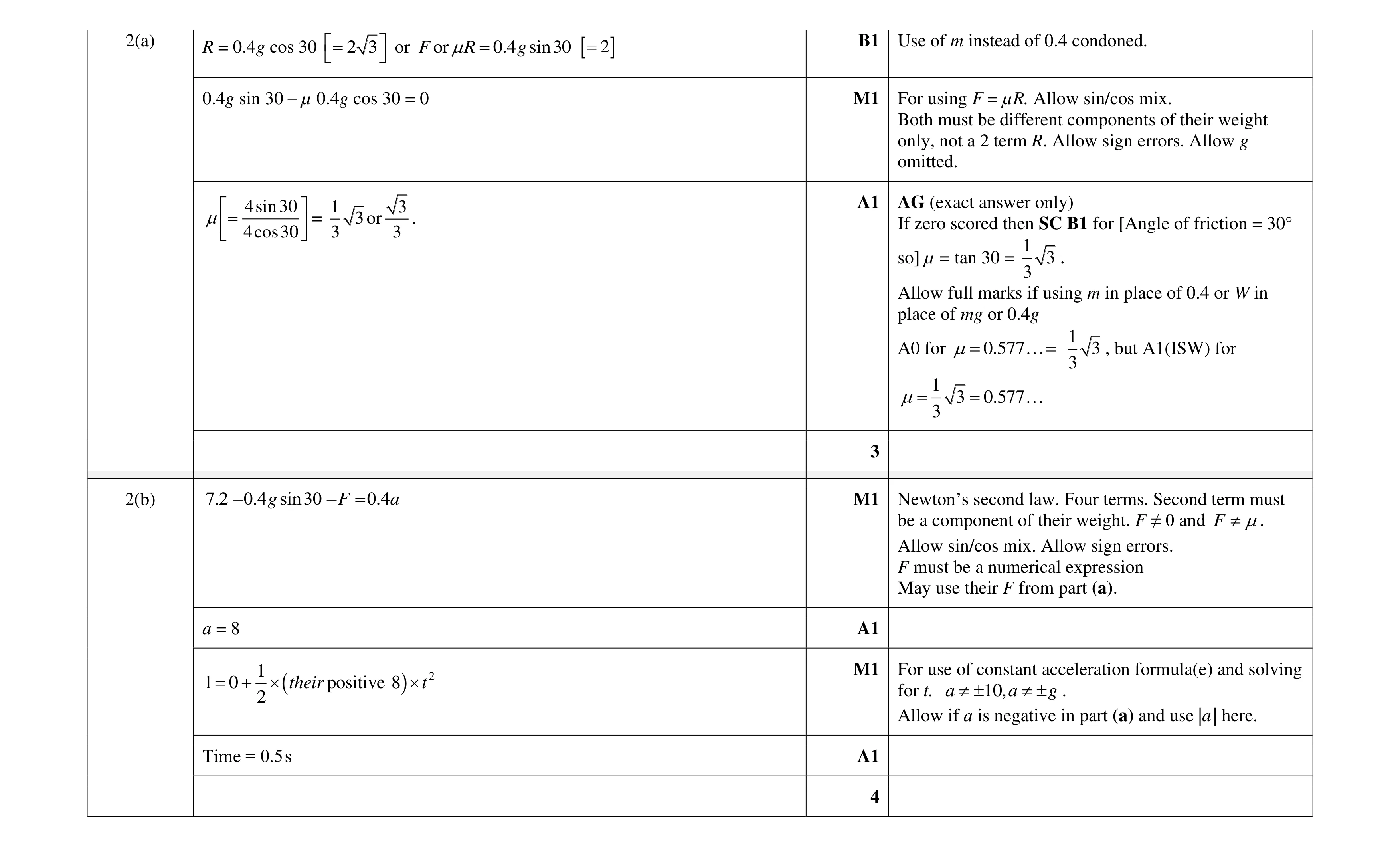 7
7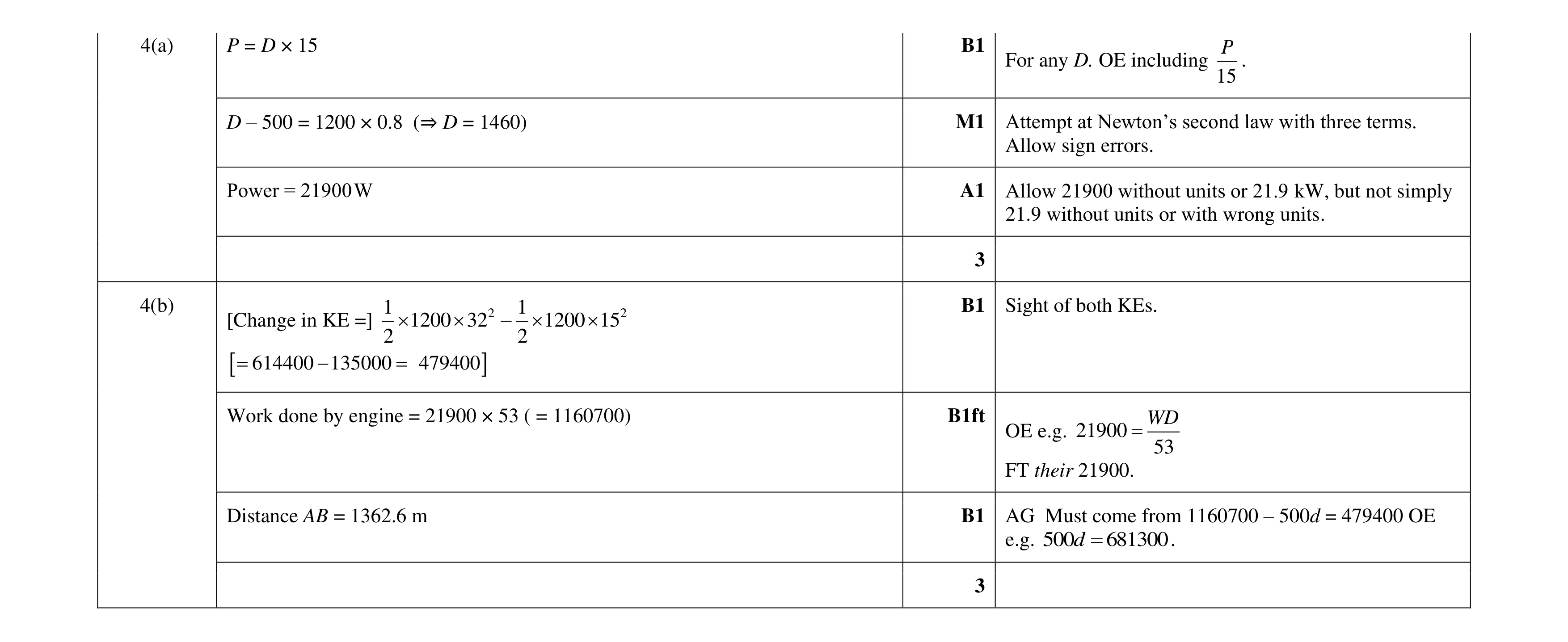 6
6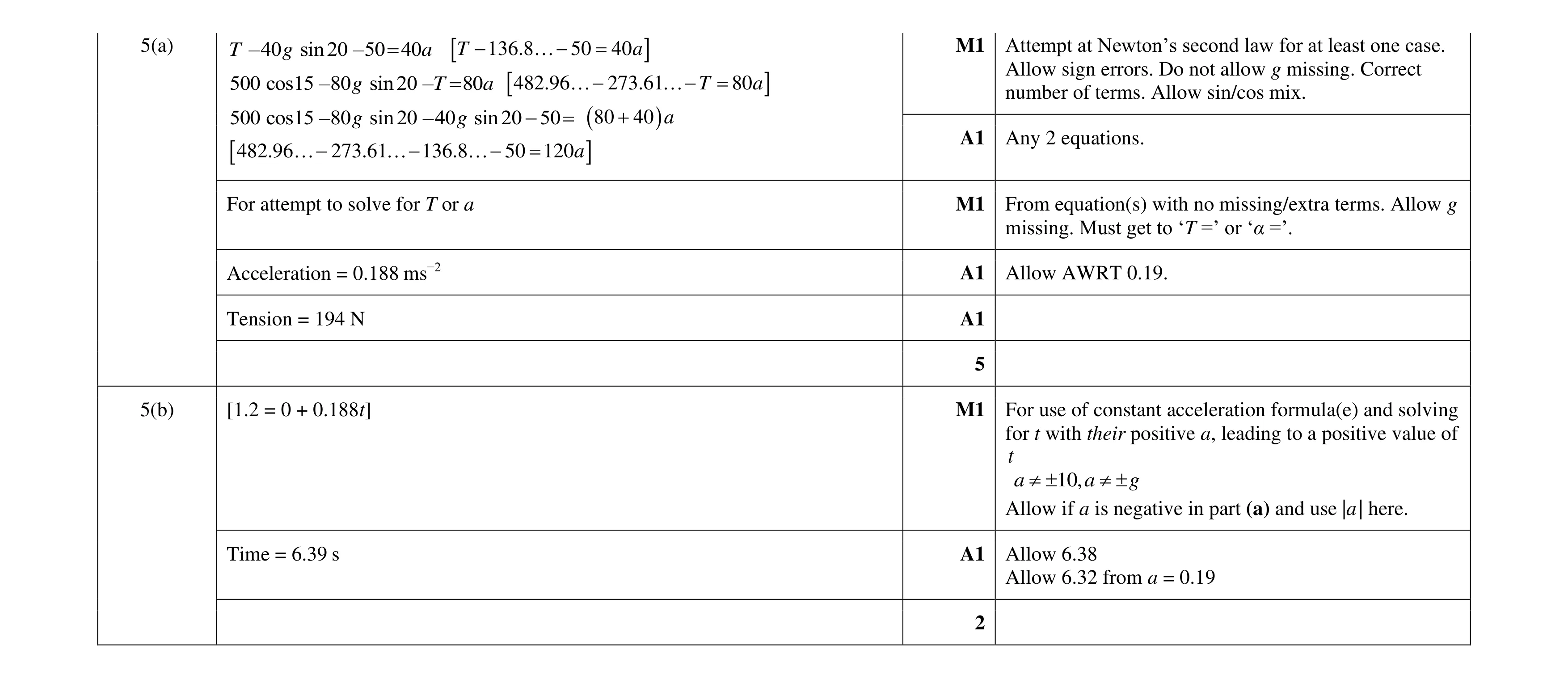 7
7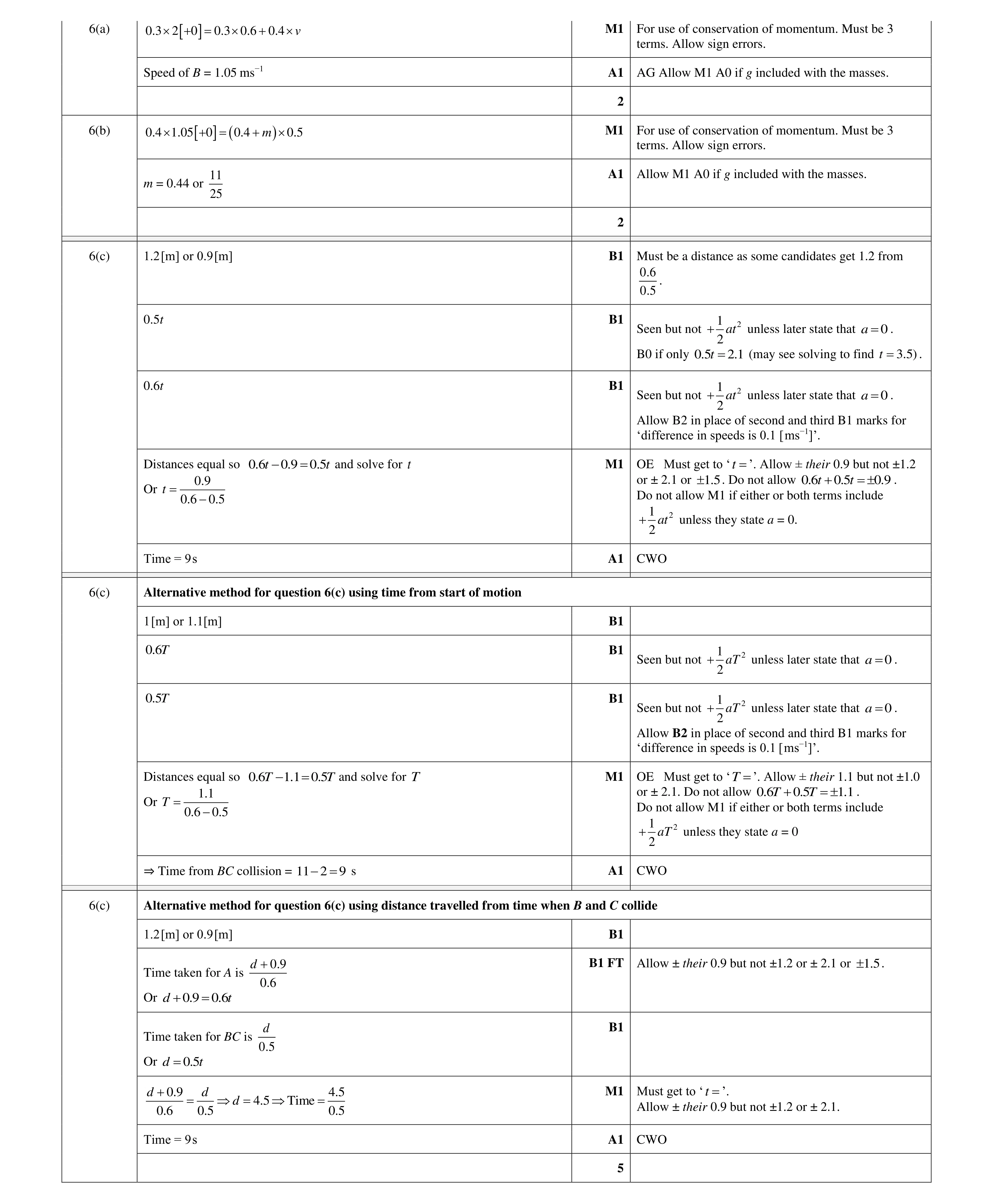 9
9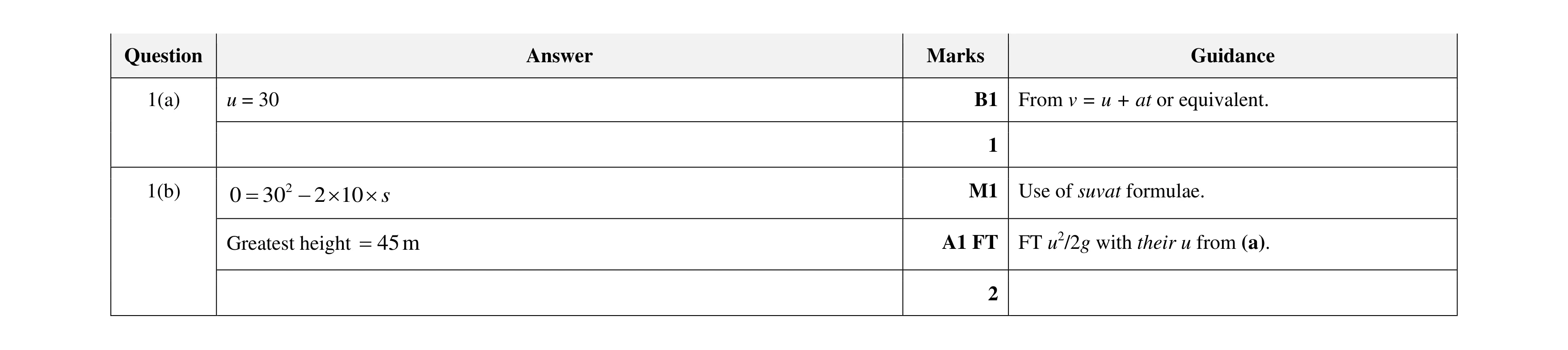 3
3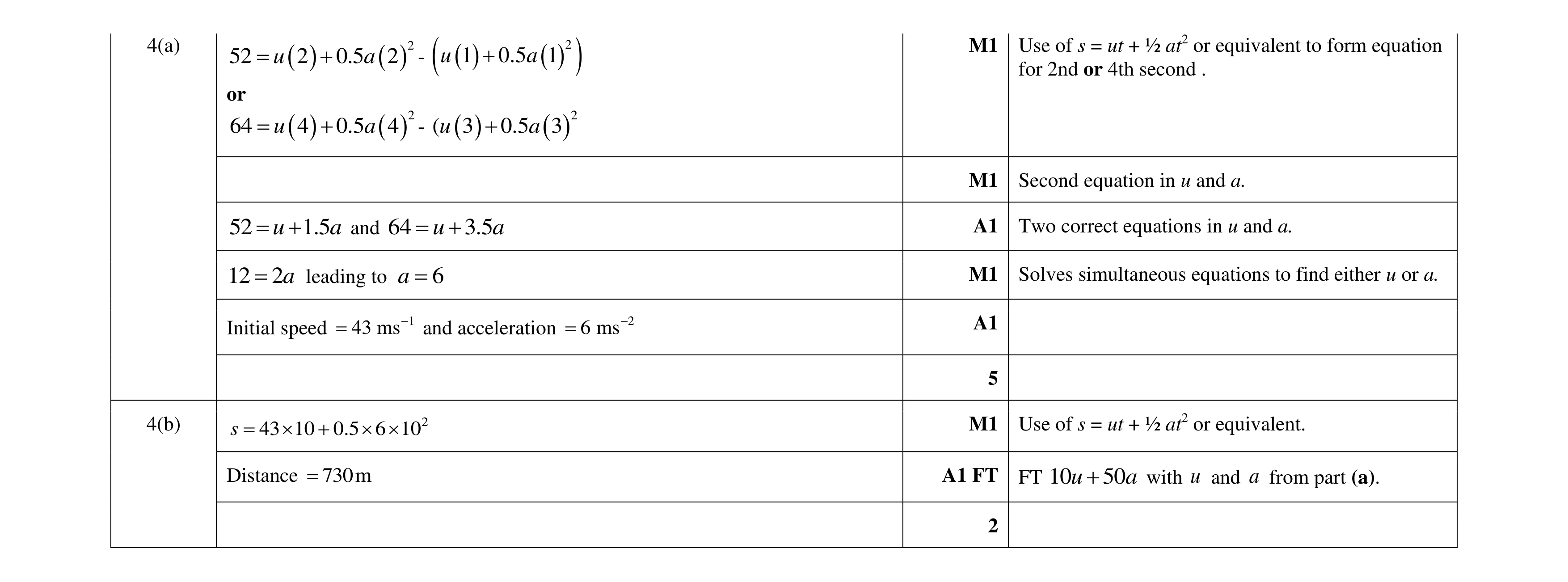 7
7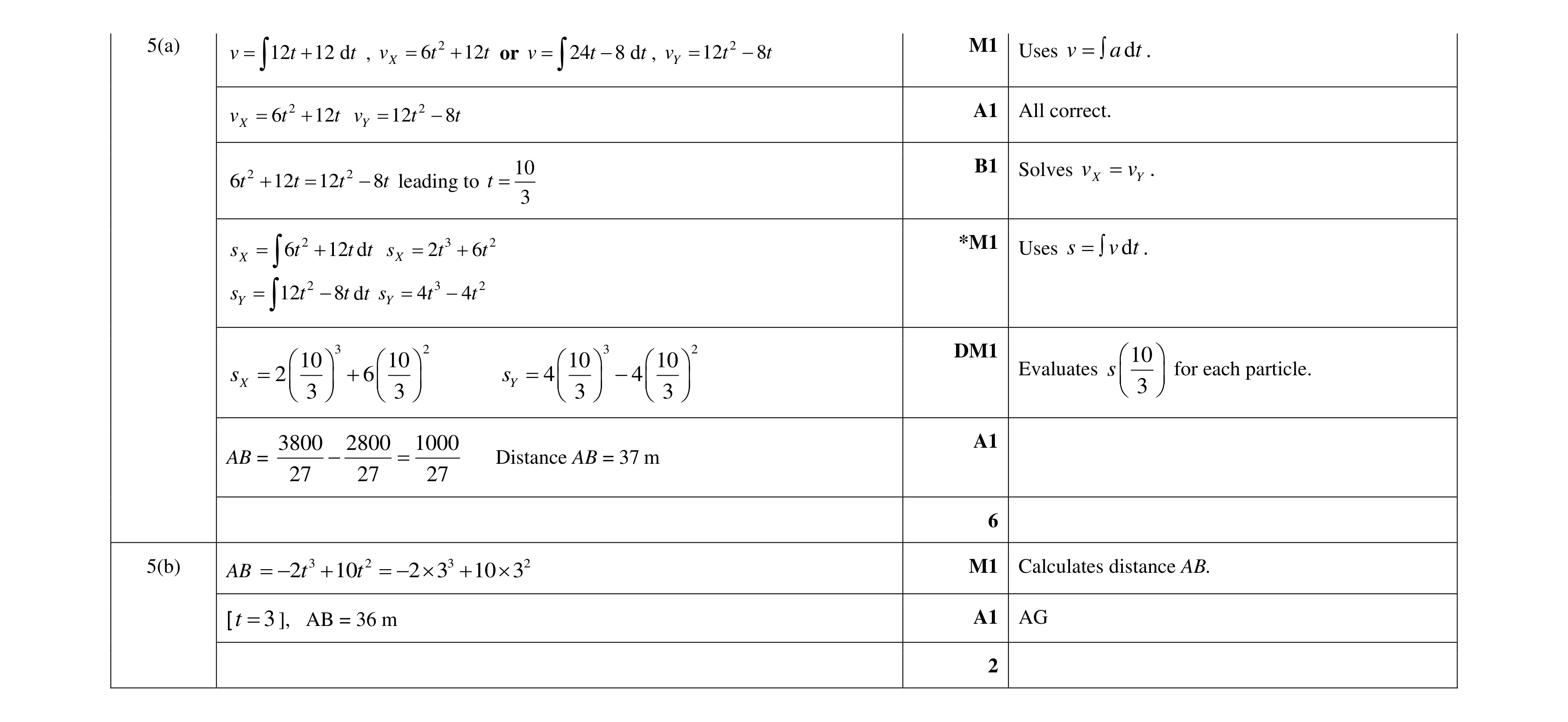 8
8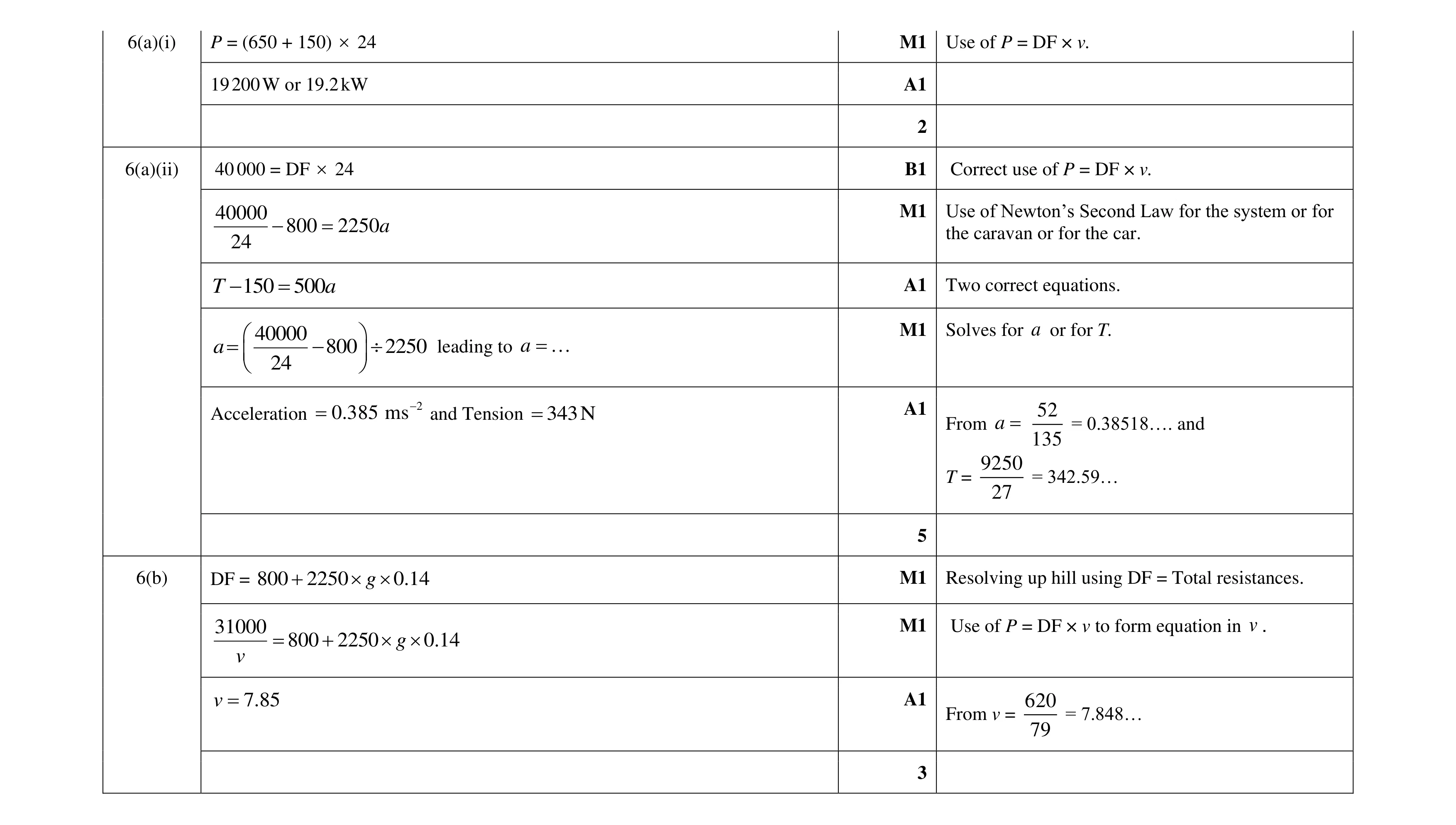 10
10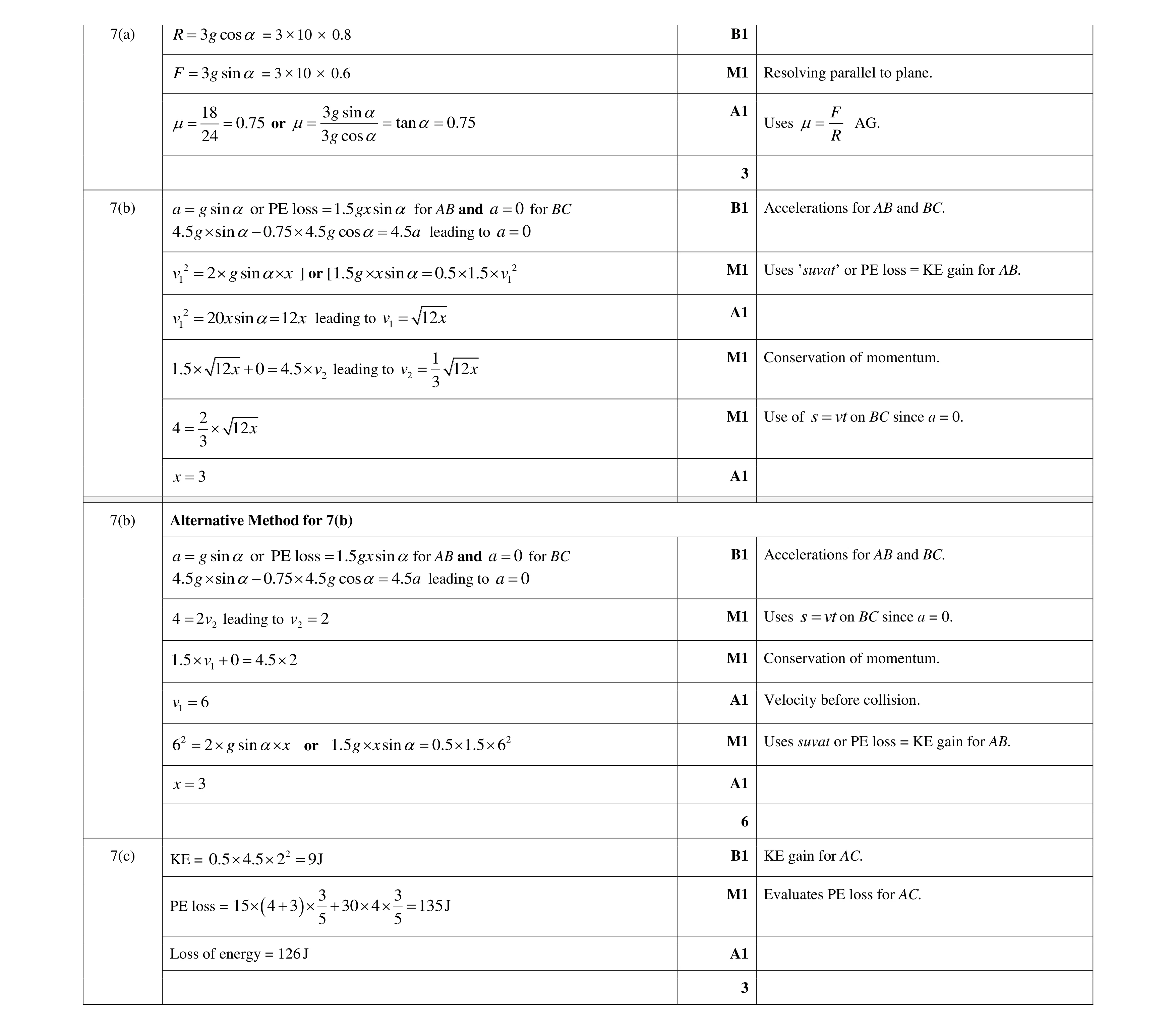 12
12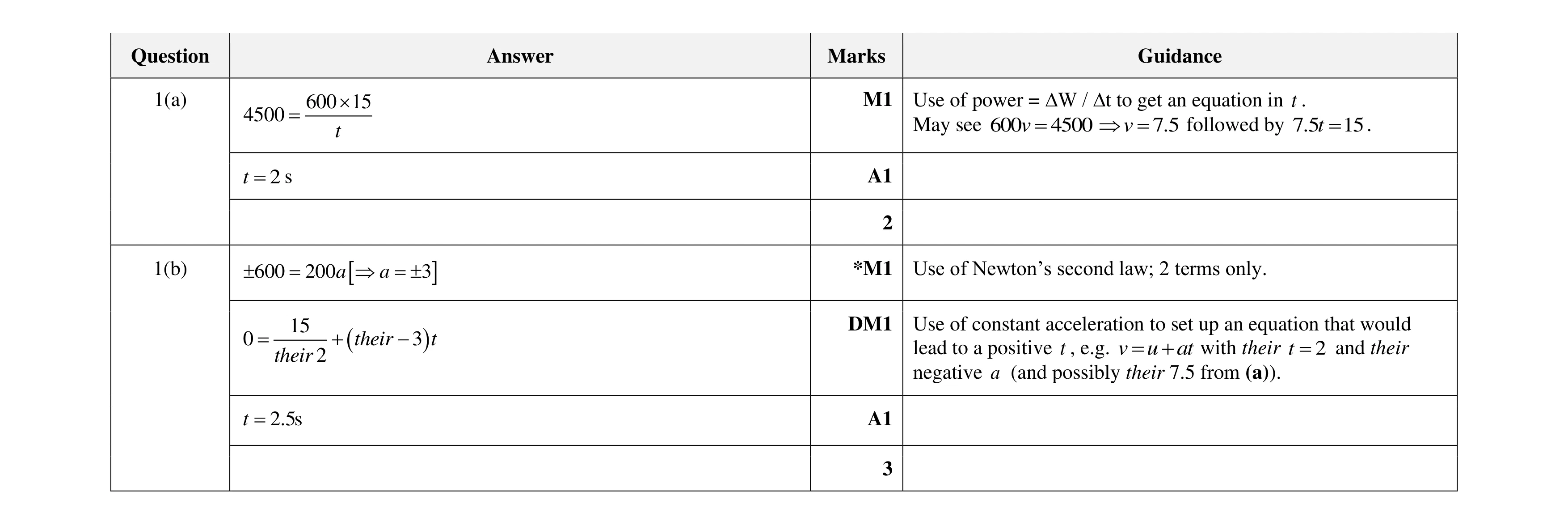 5
5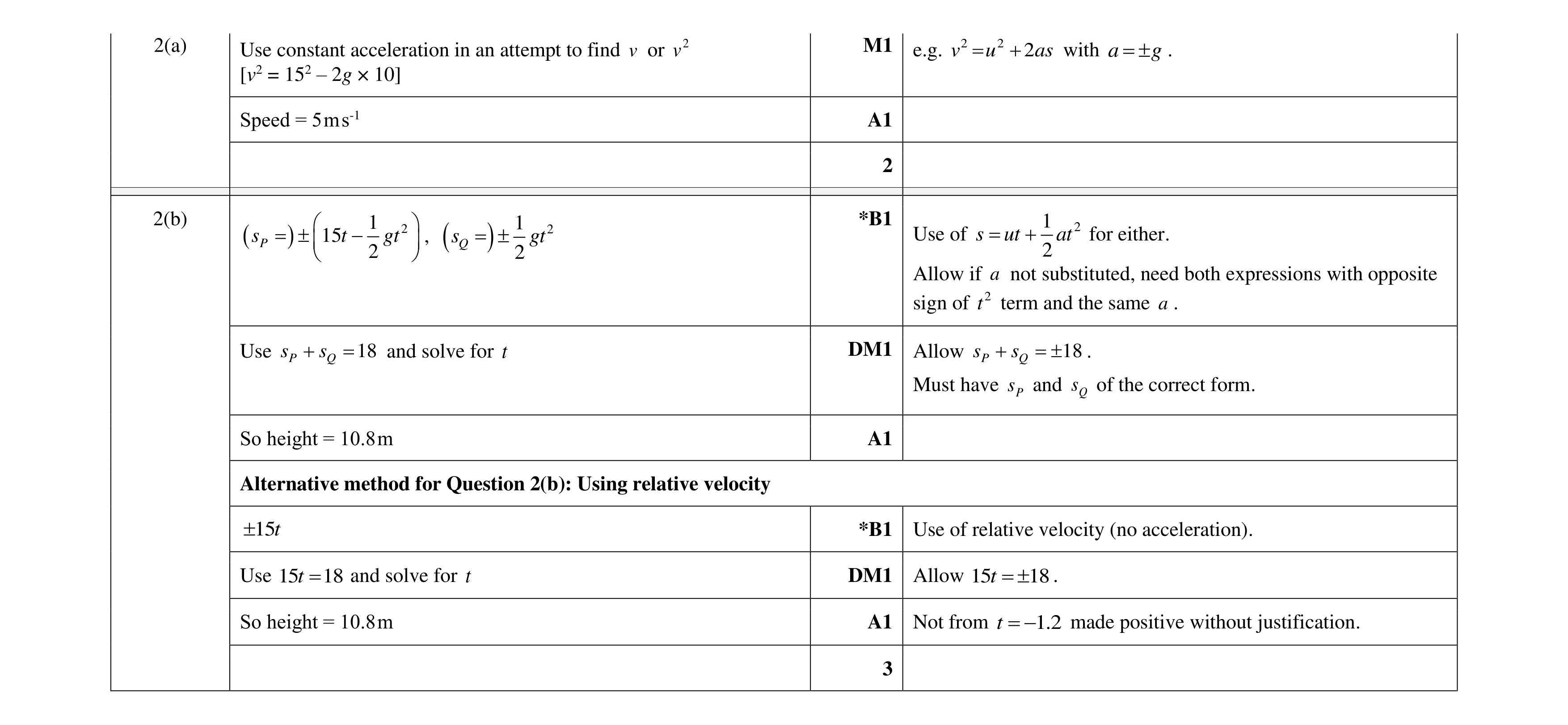 5
5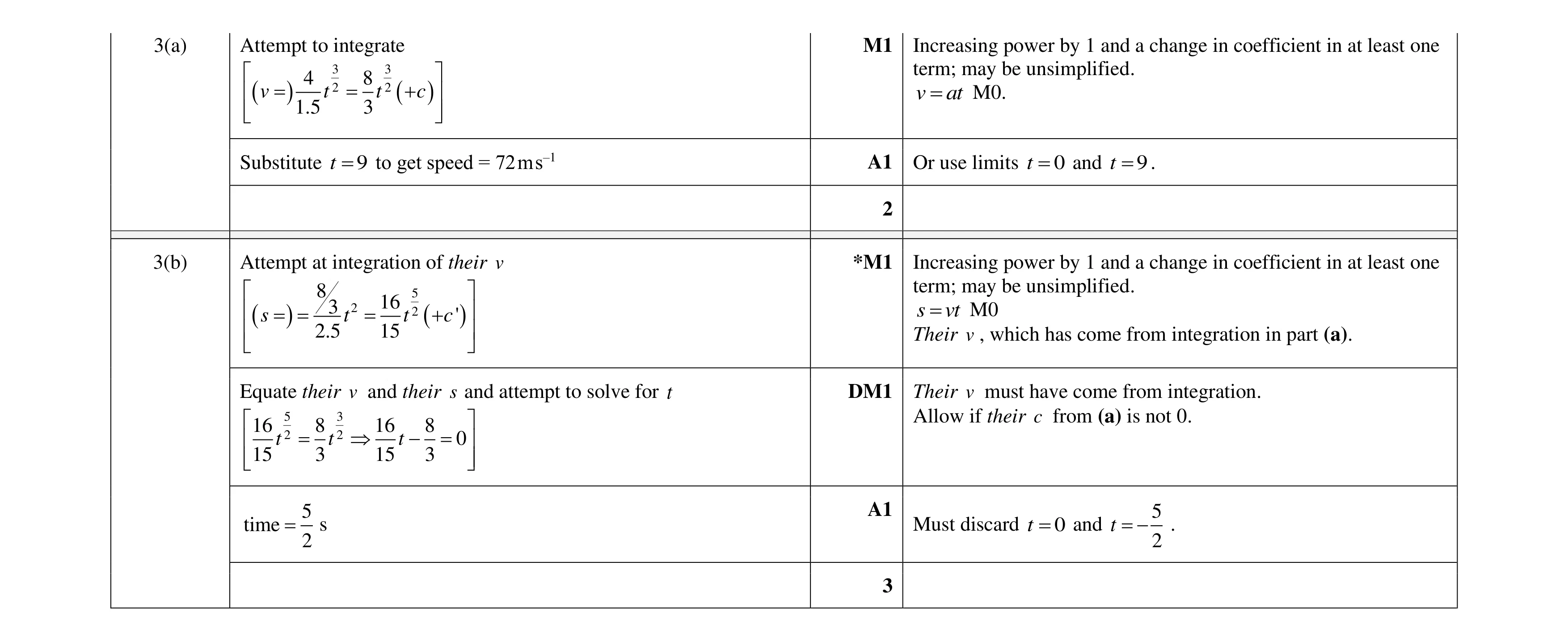 5
5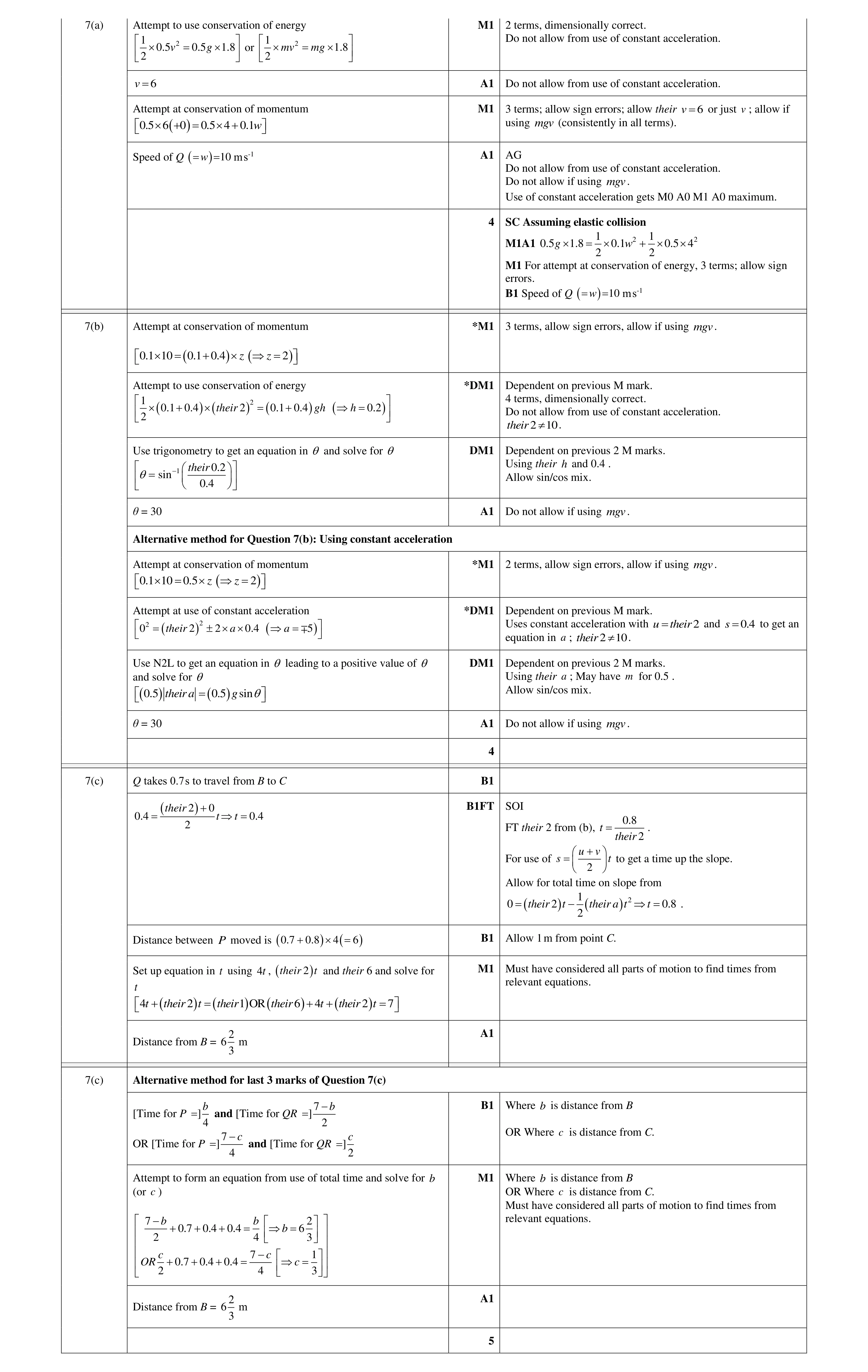 13
13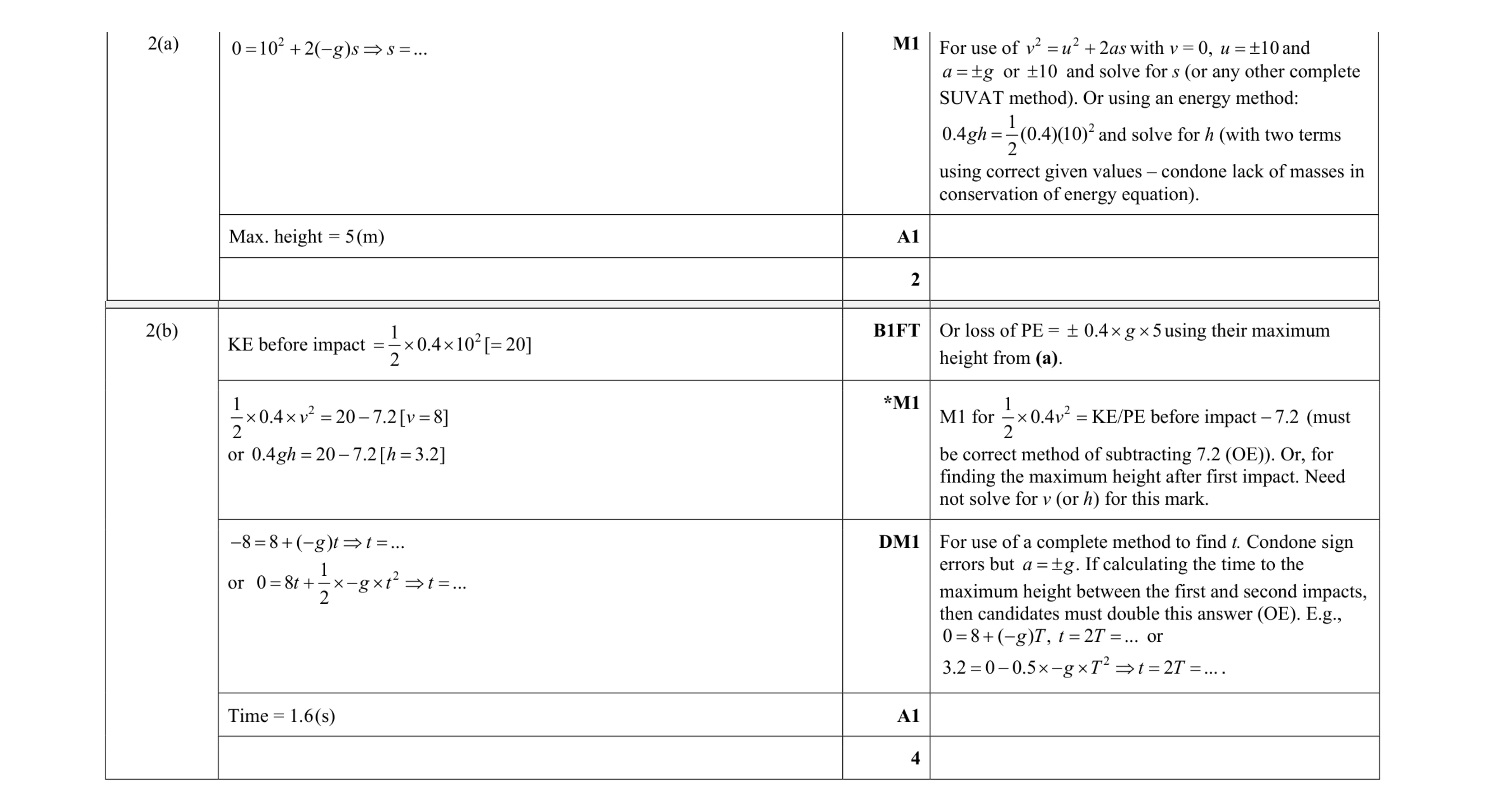 6
6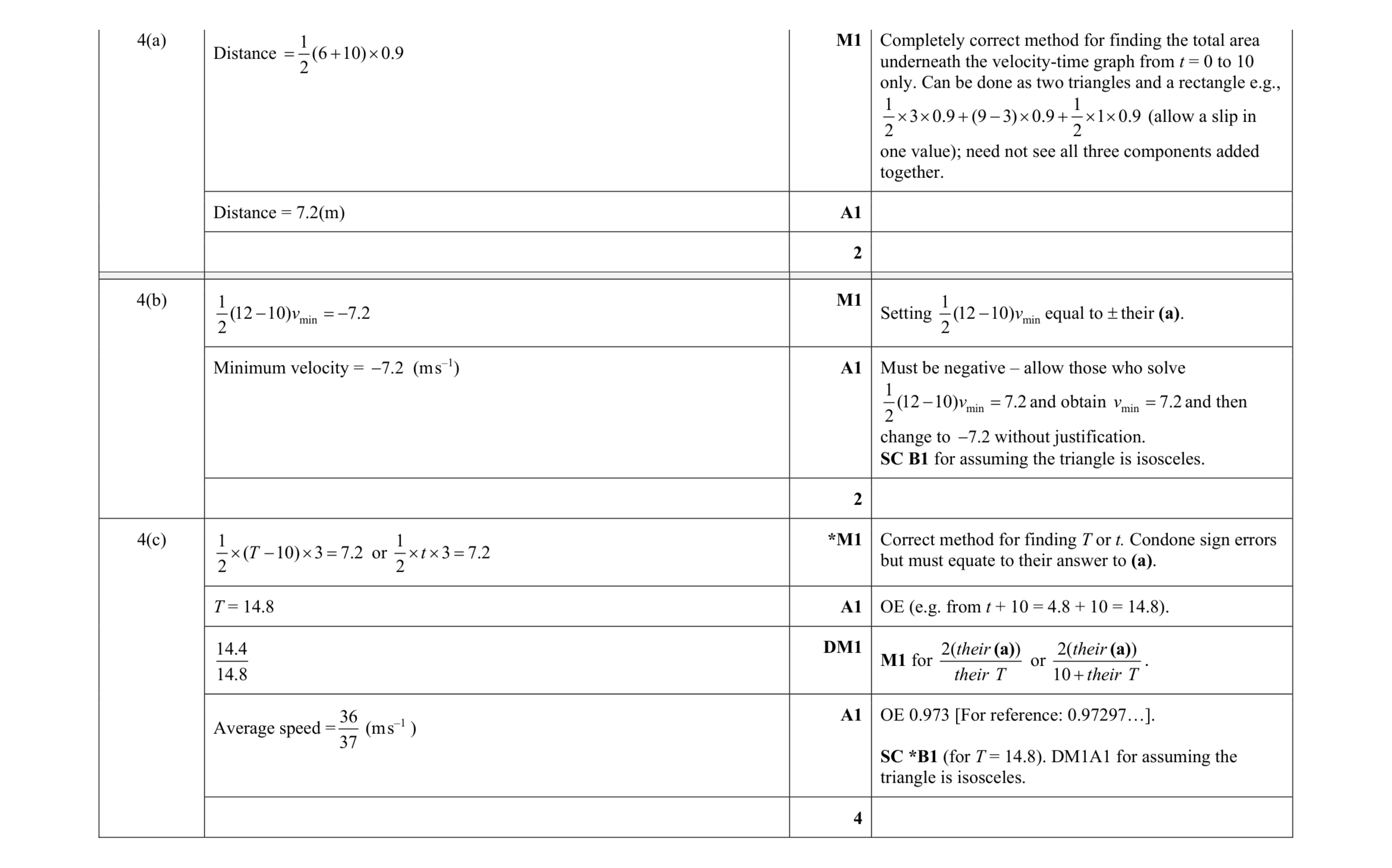 8
8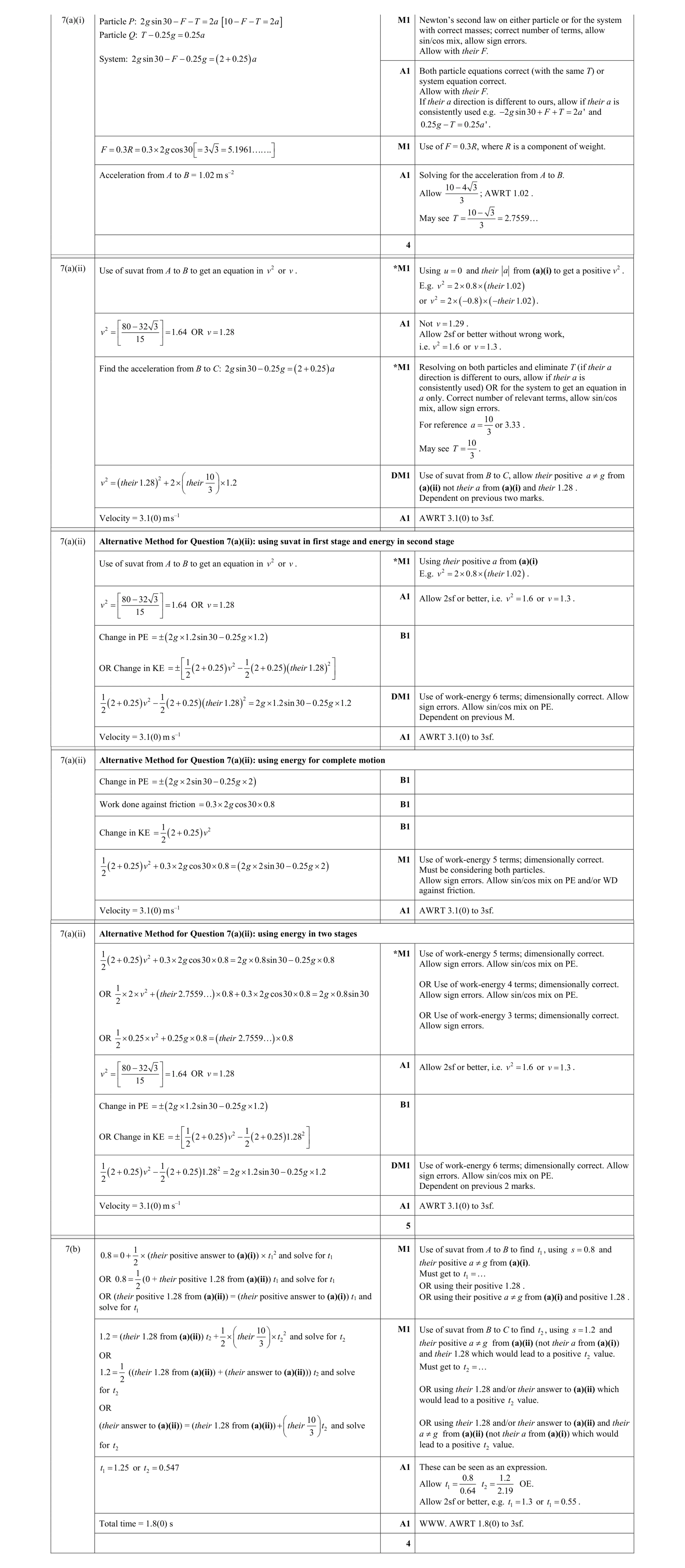 13
13 4
4 7
7 11
11 8
8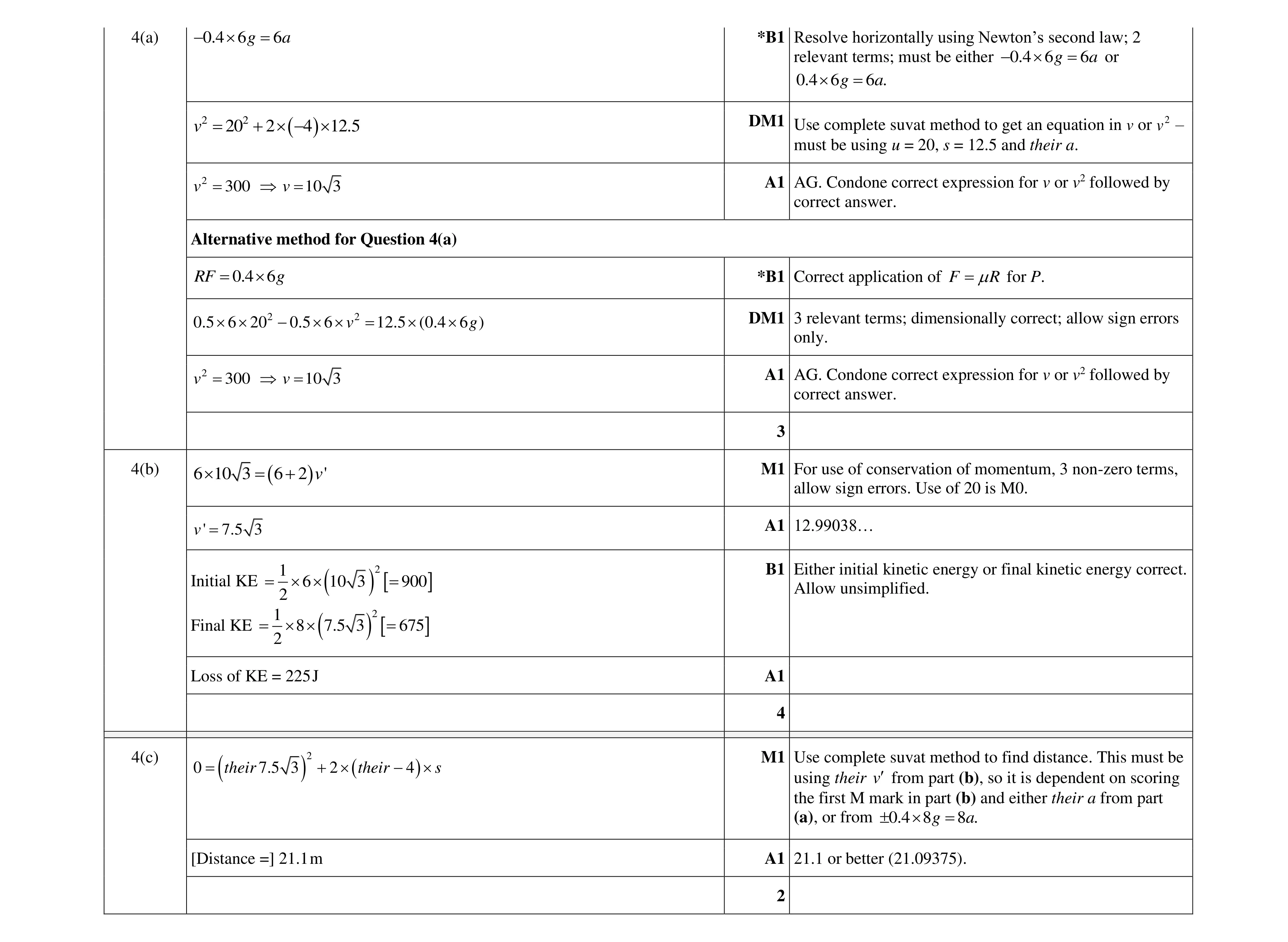 9
9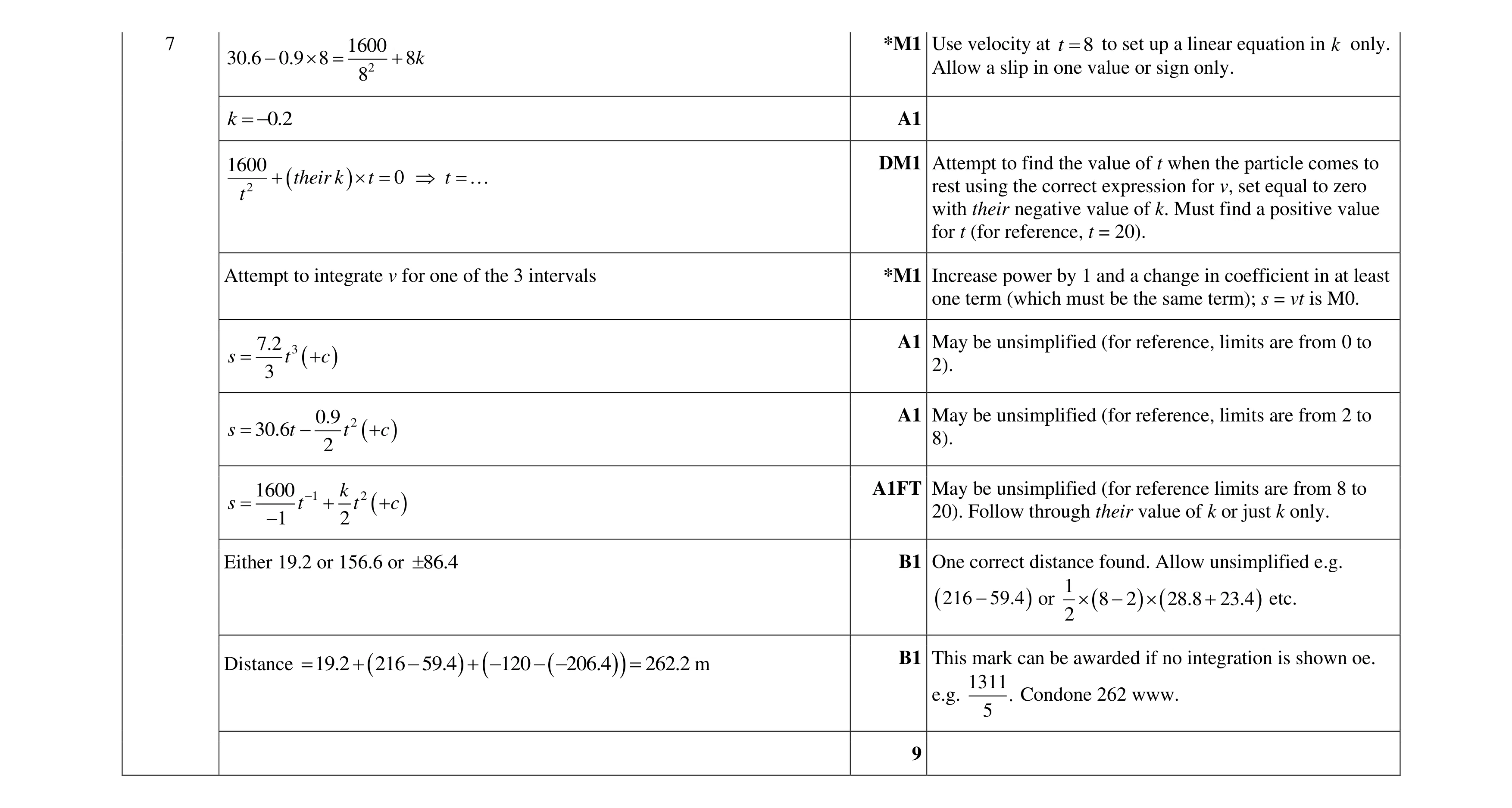 9
9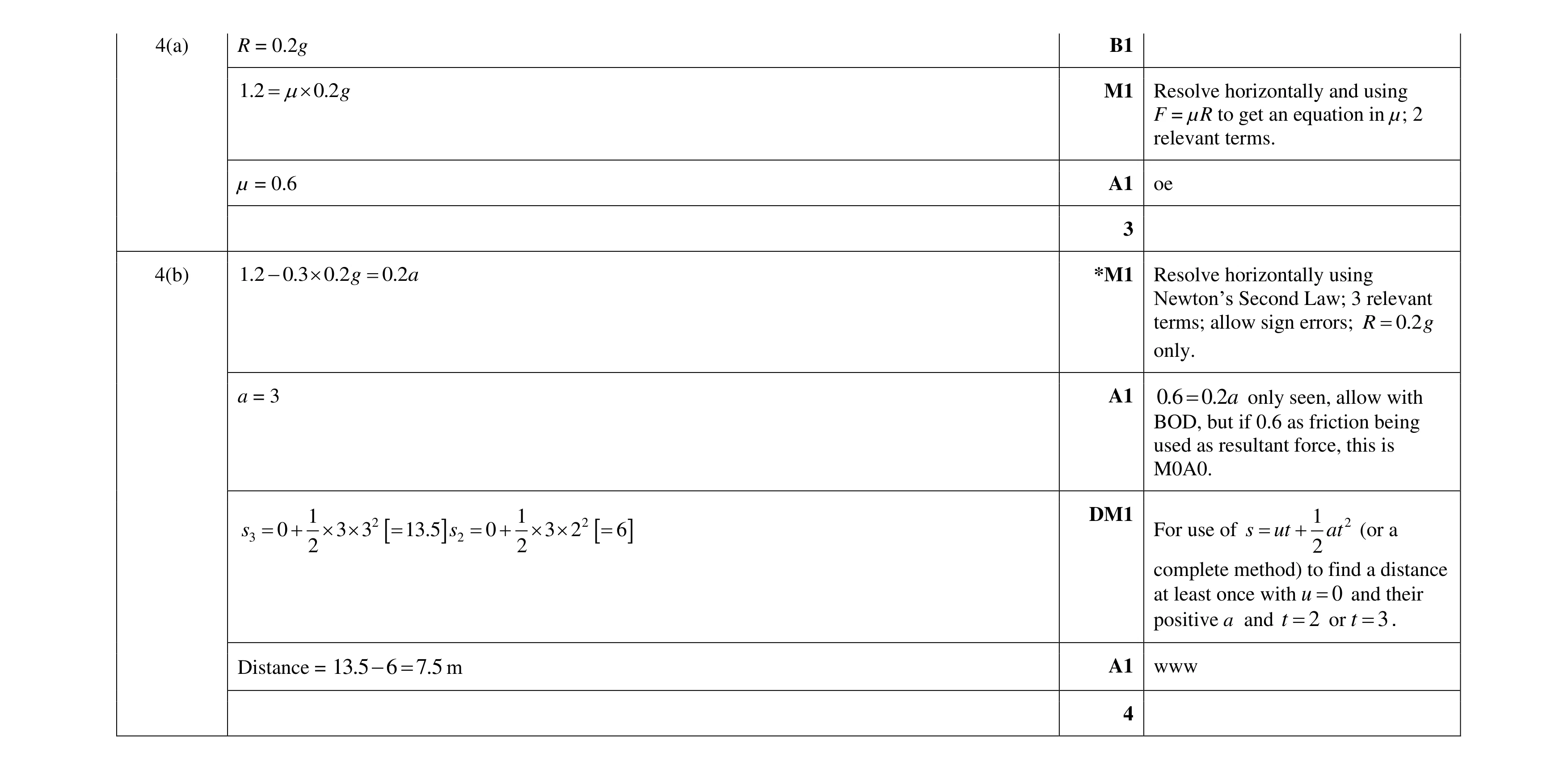 7
7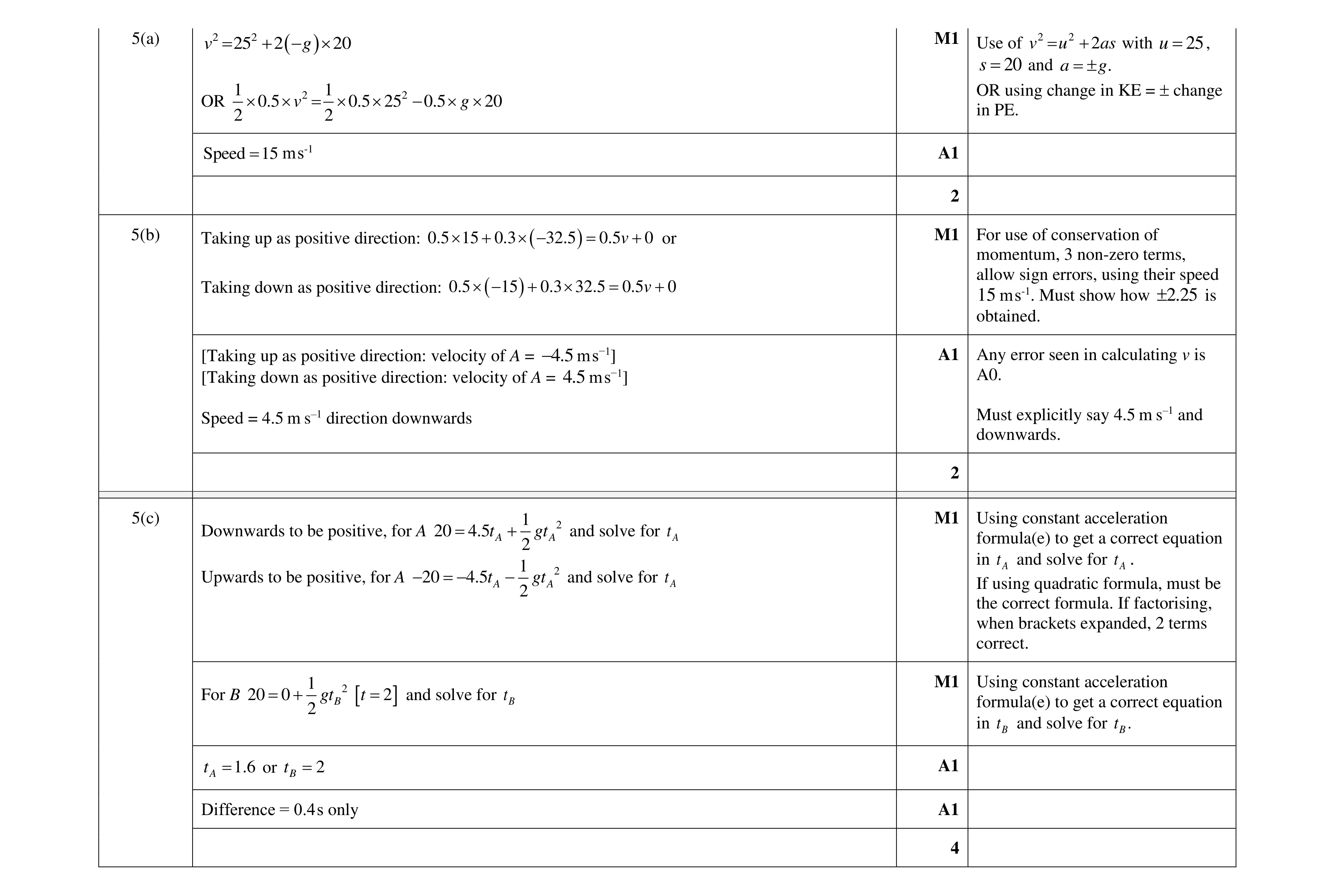 8
8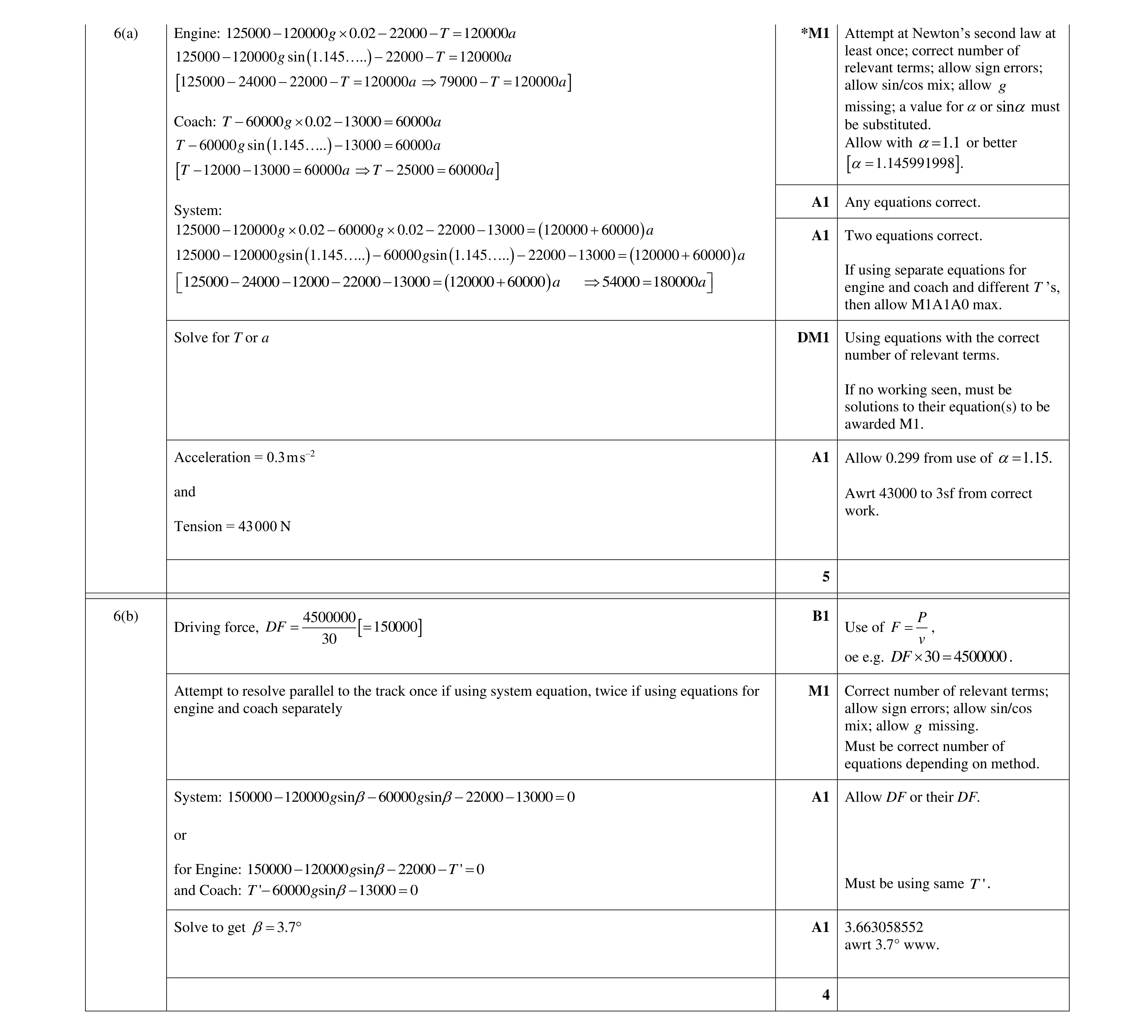 9
9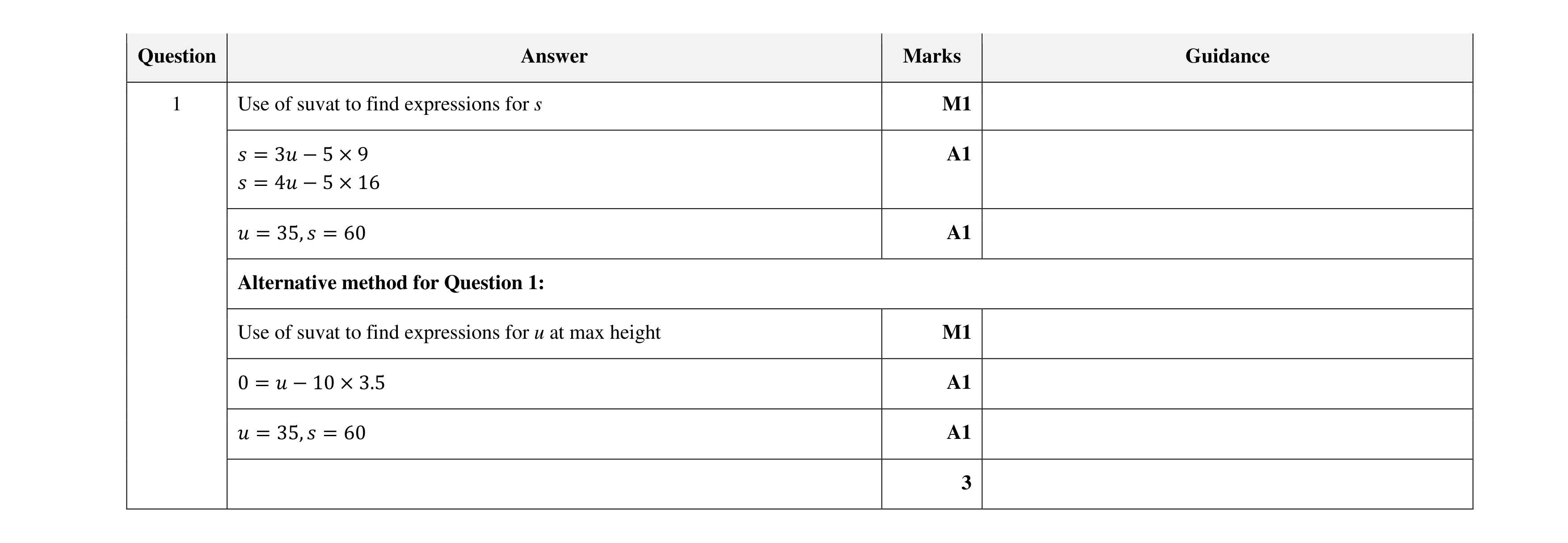 3
3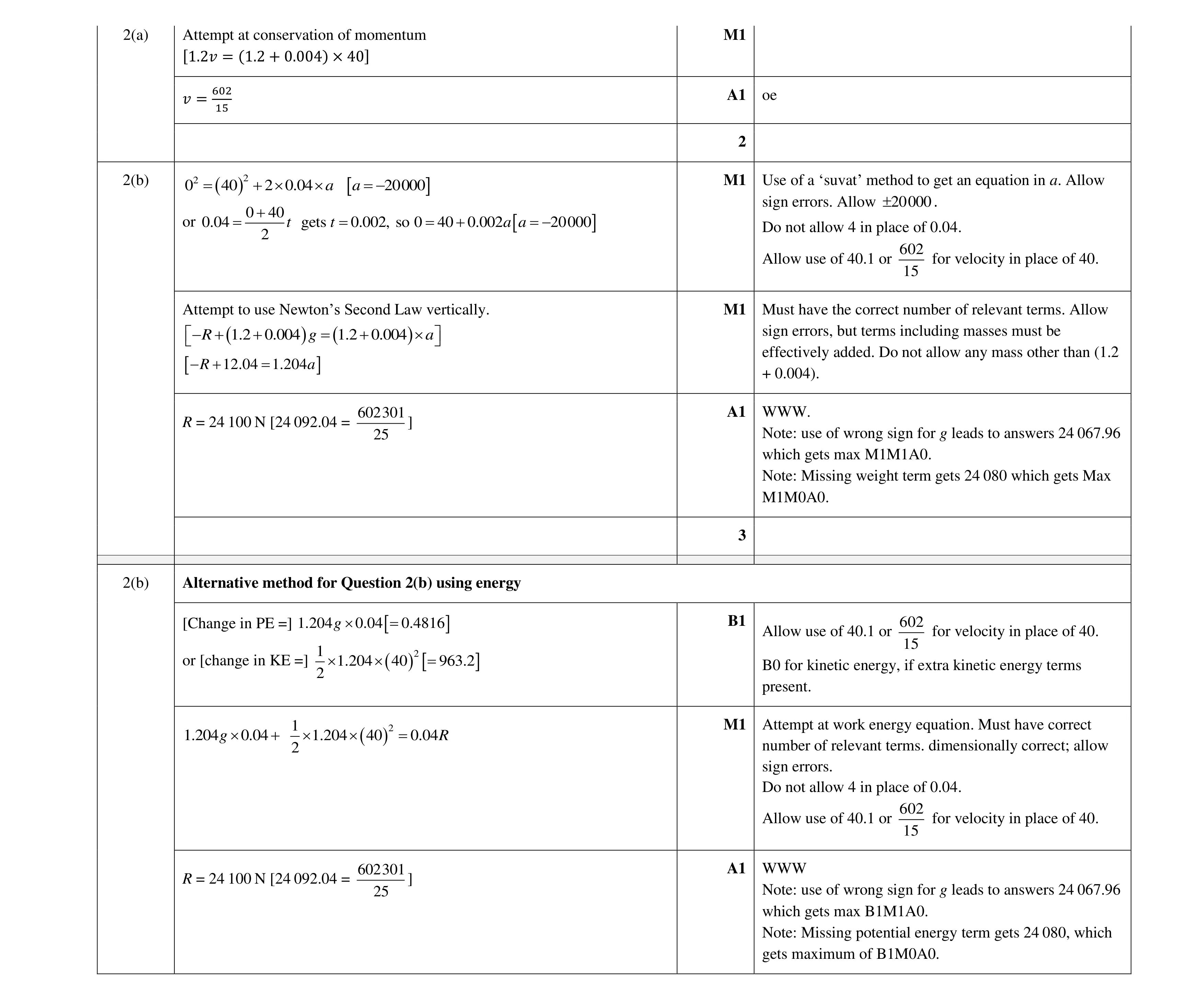 5
5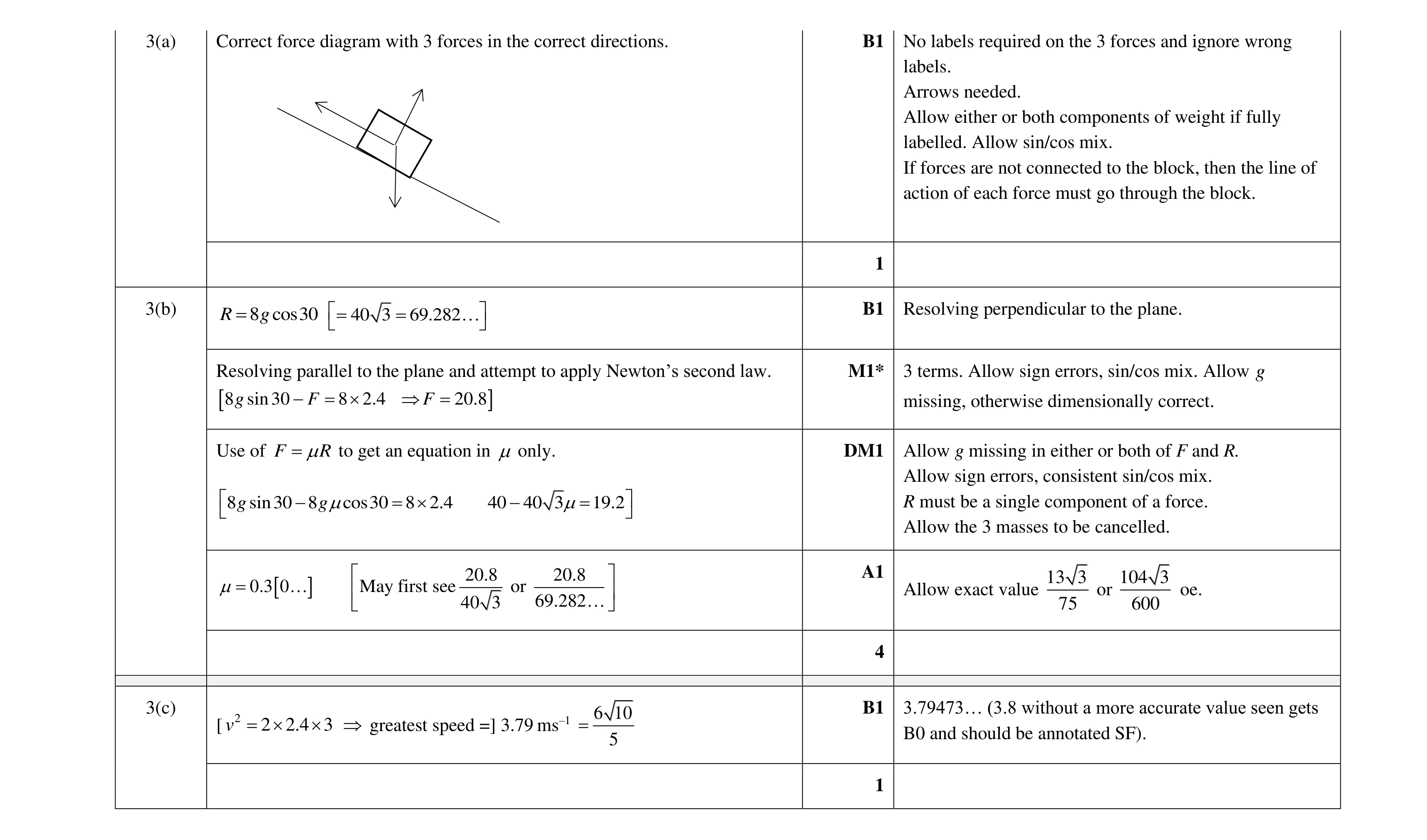 6
6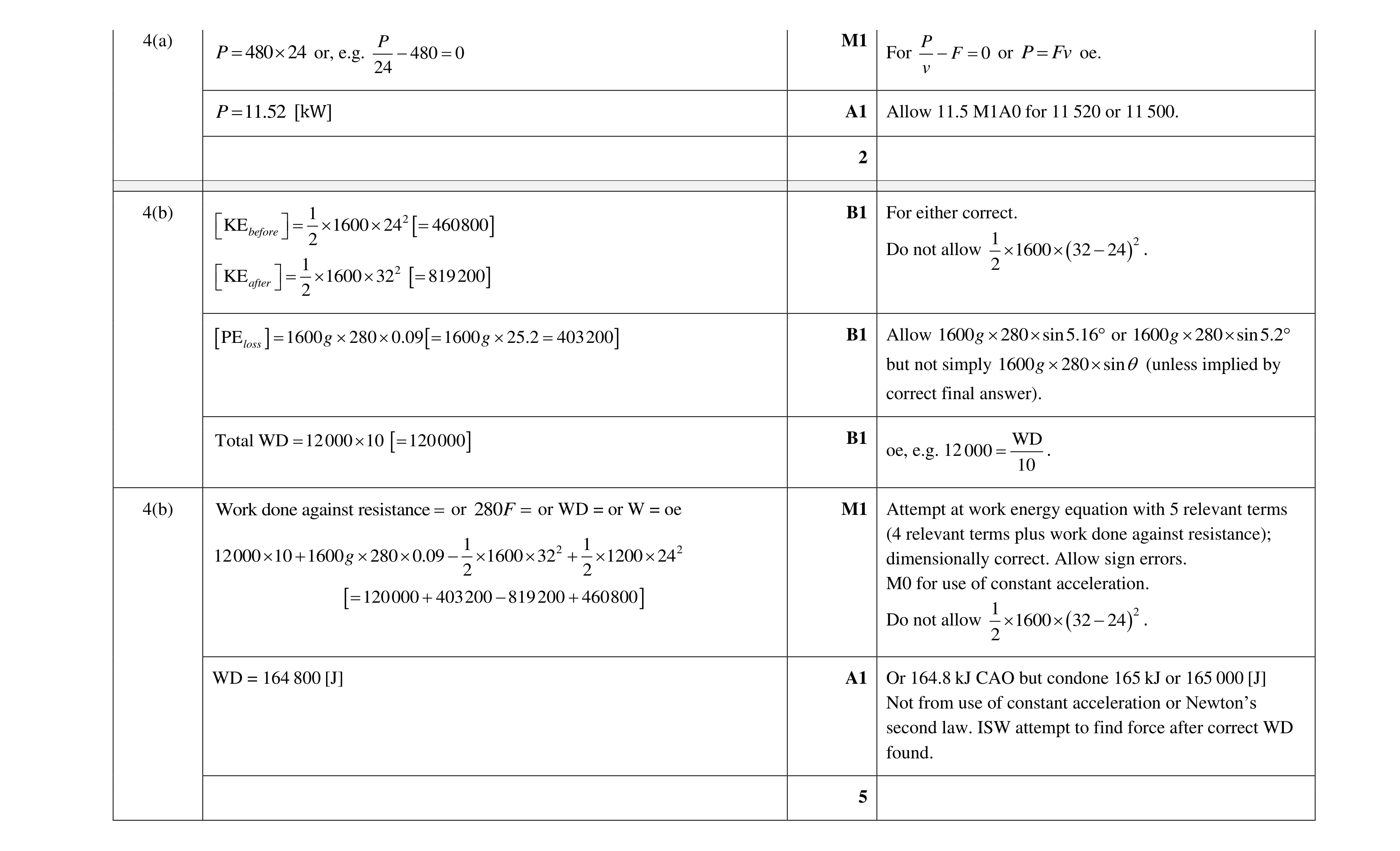 7
7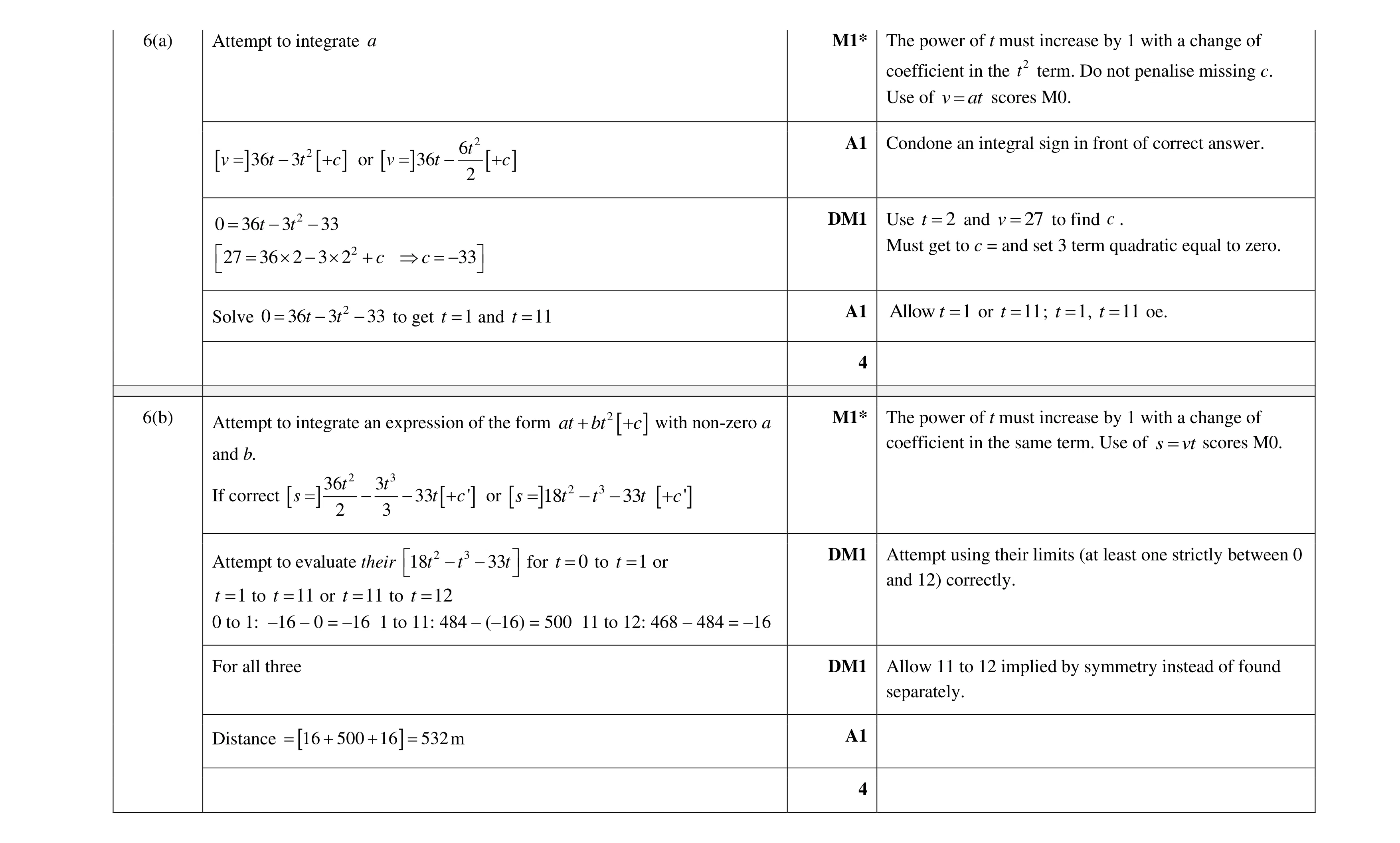 8
8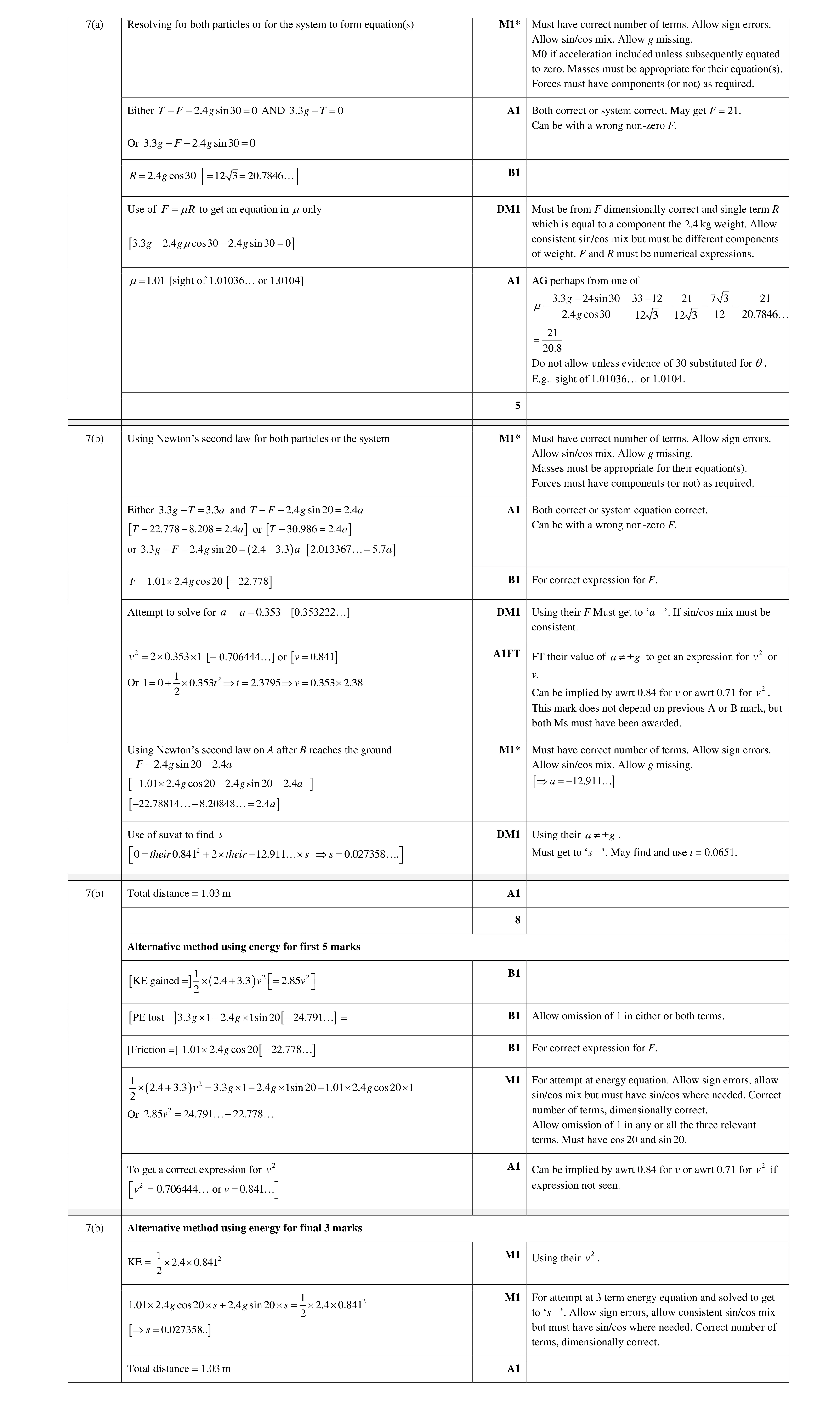 13
13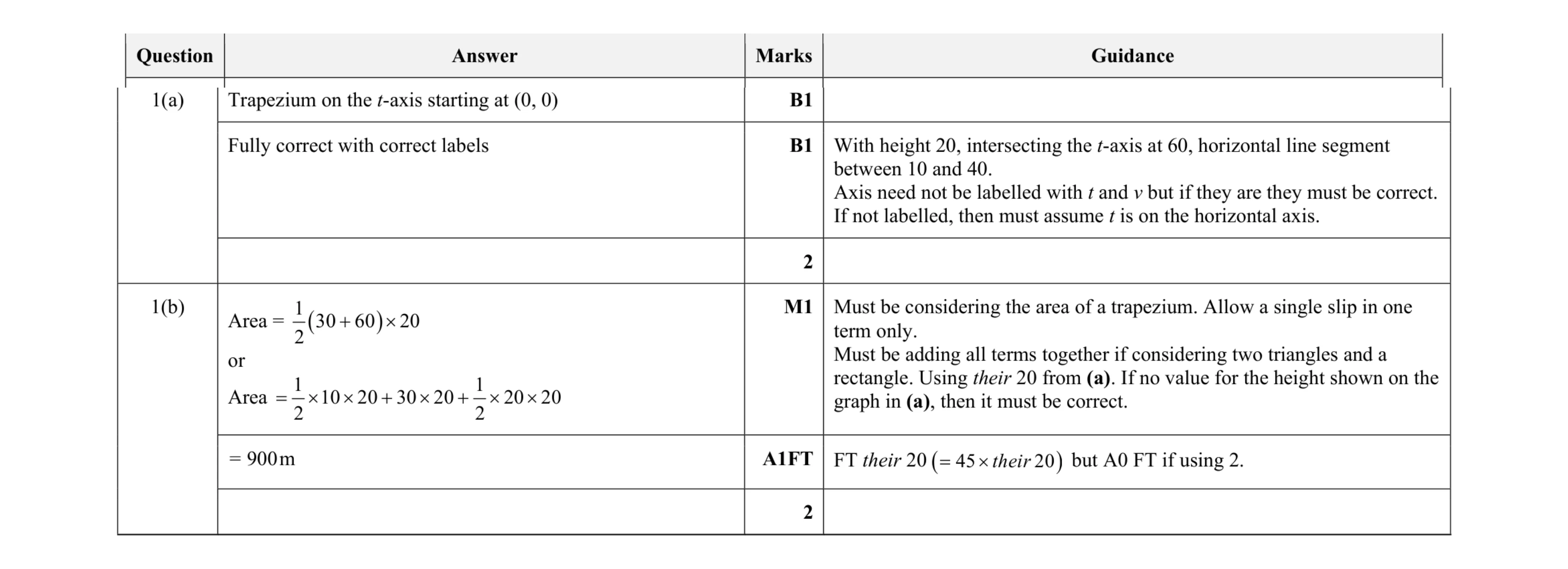 4
4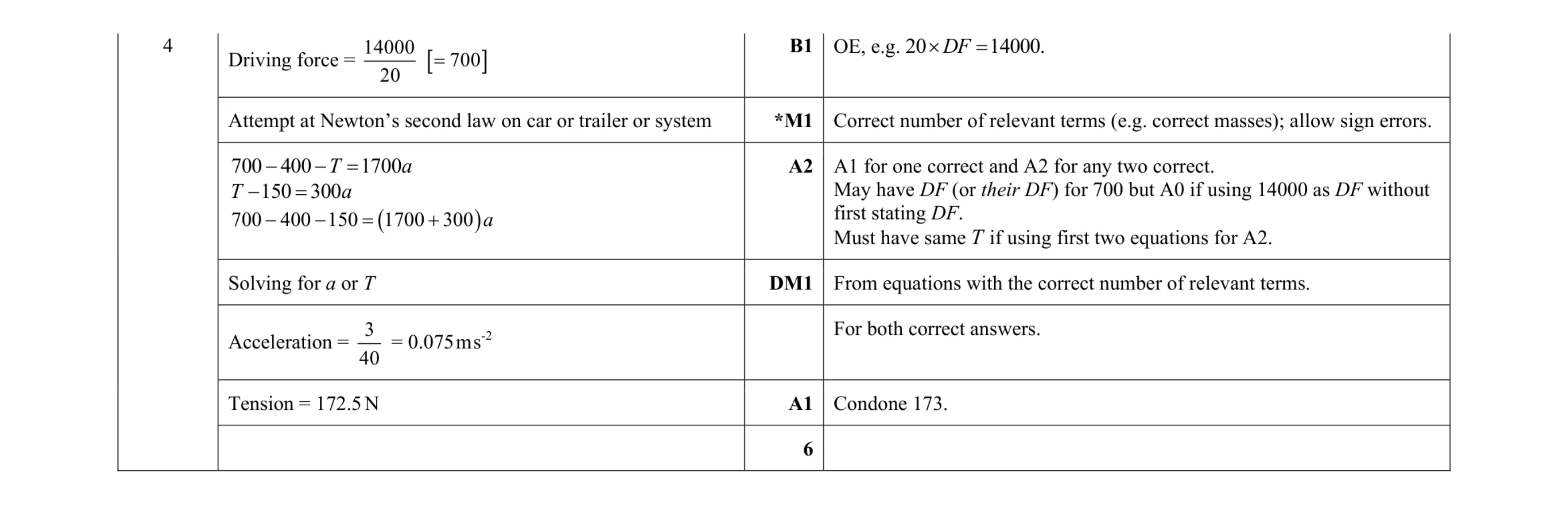 6
6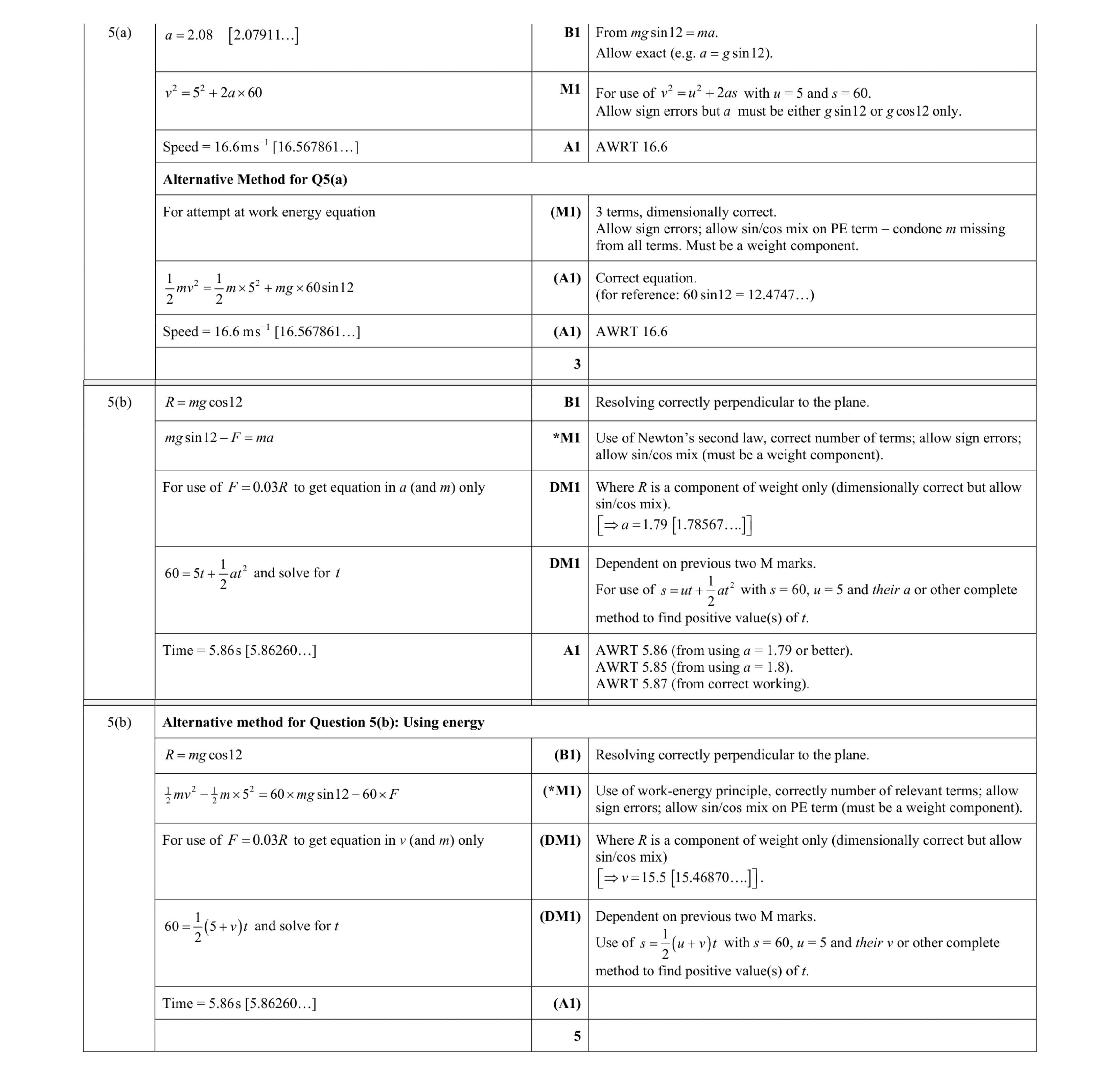 8
8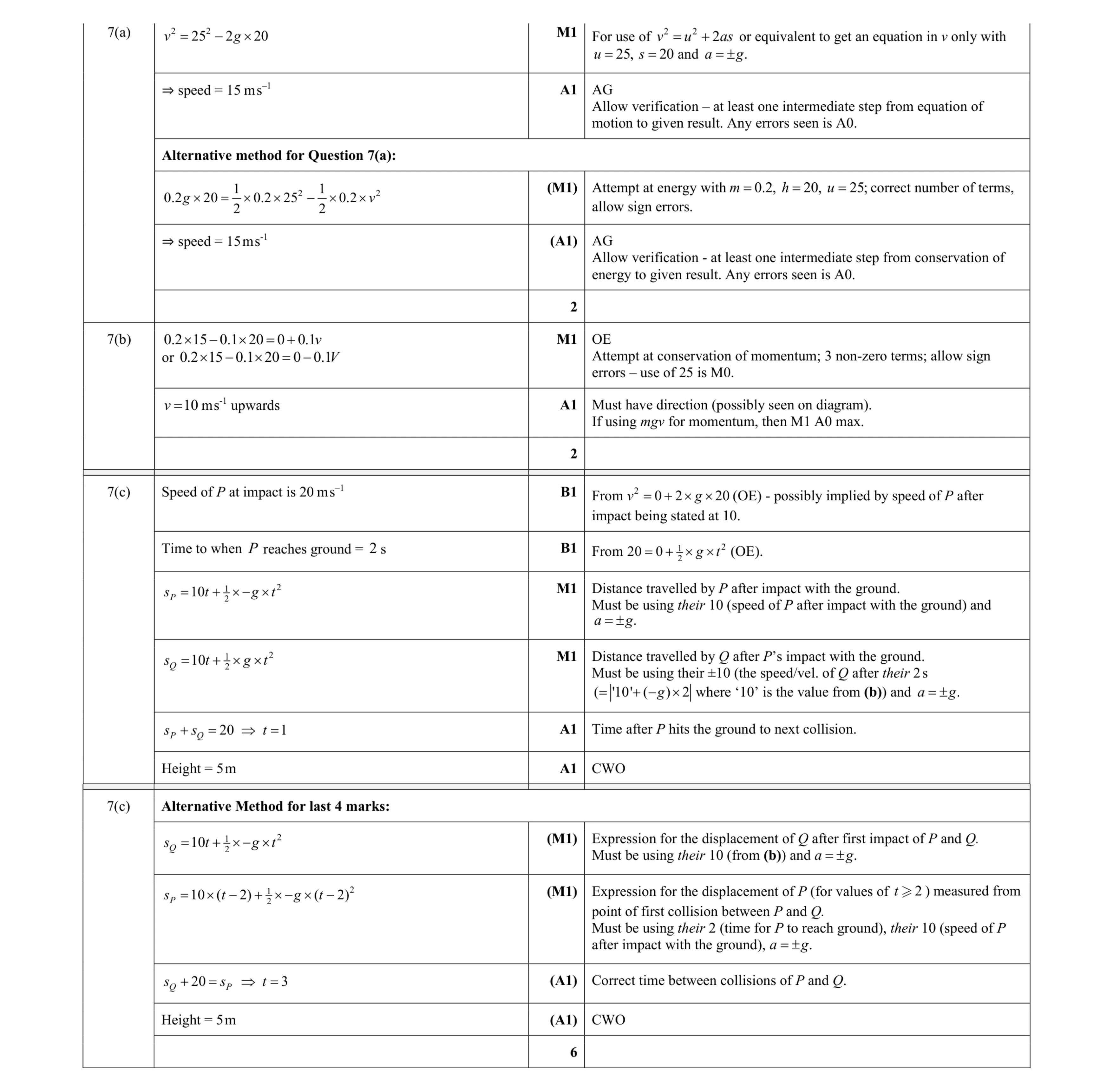 10
10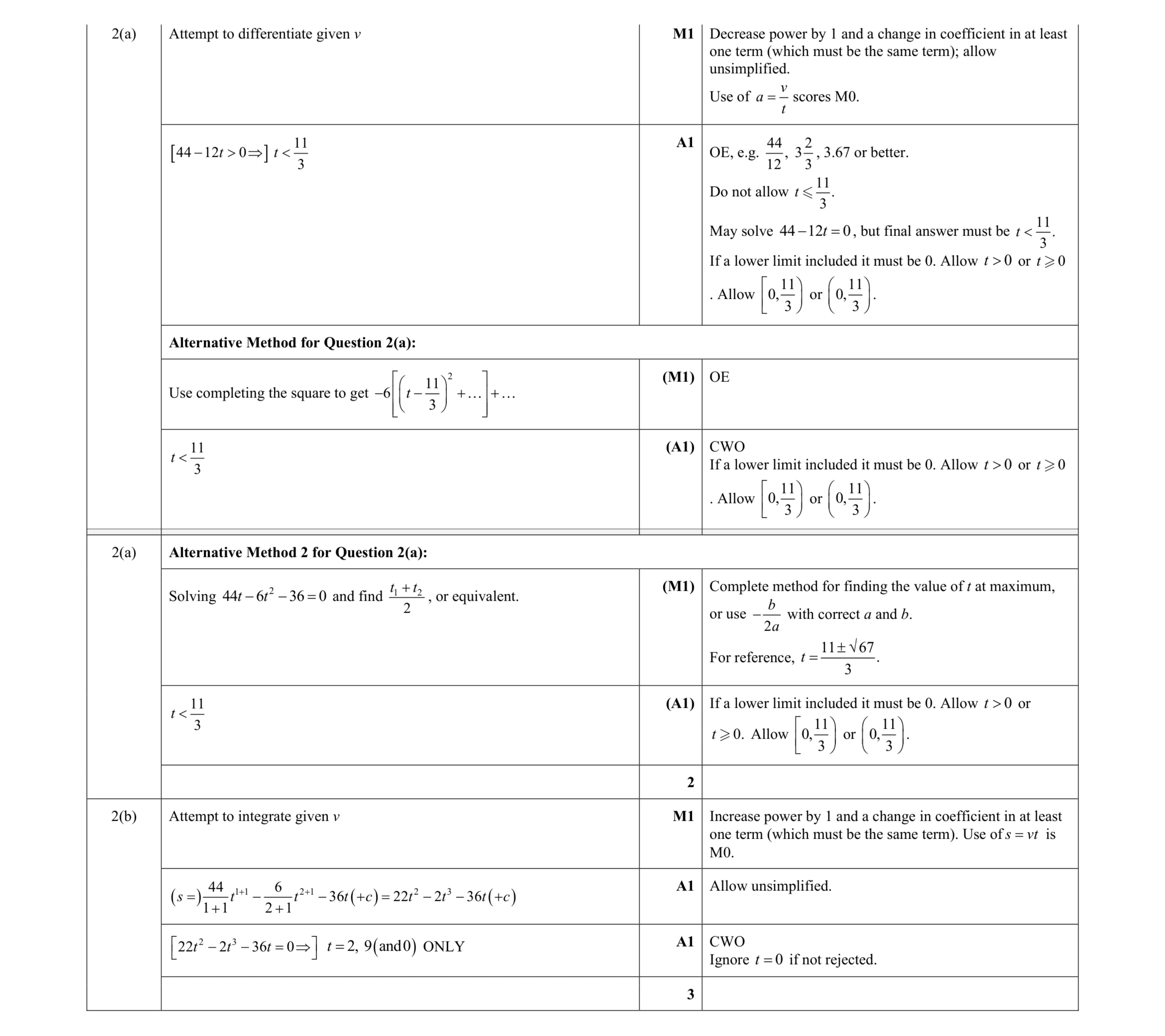 5
5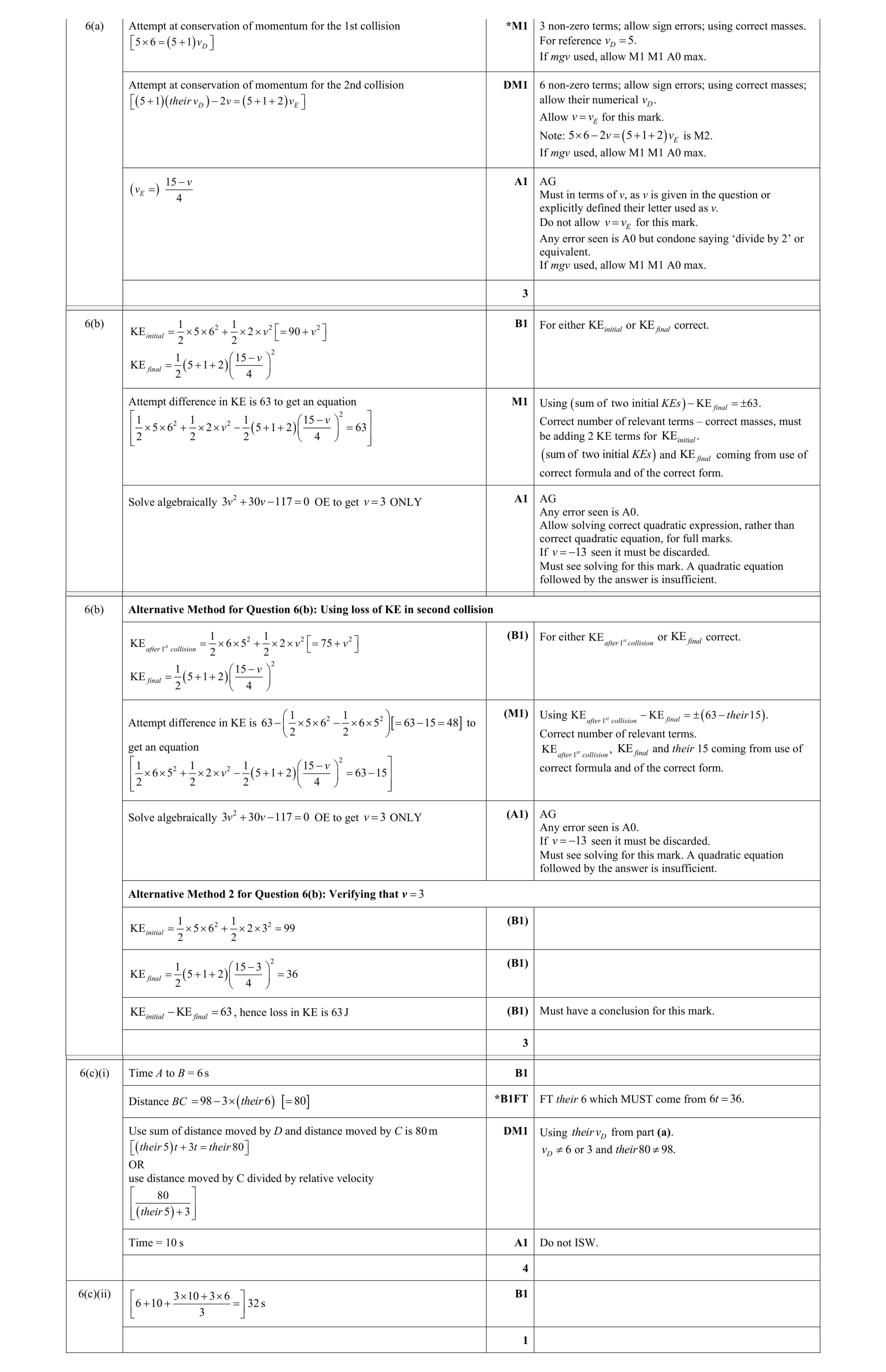 11
11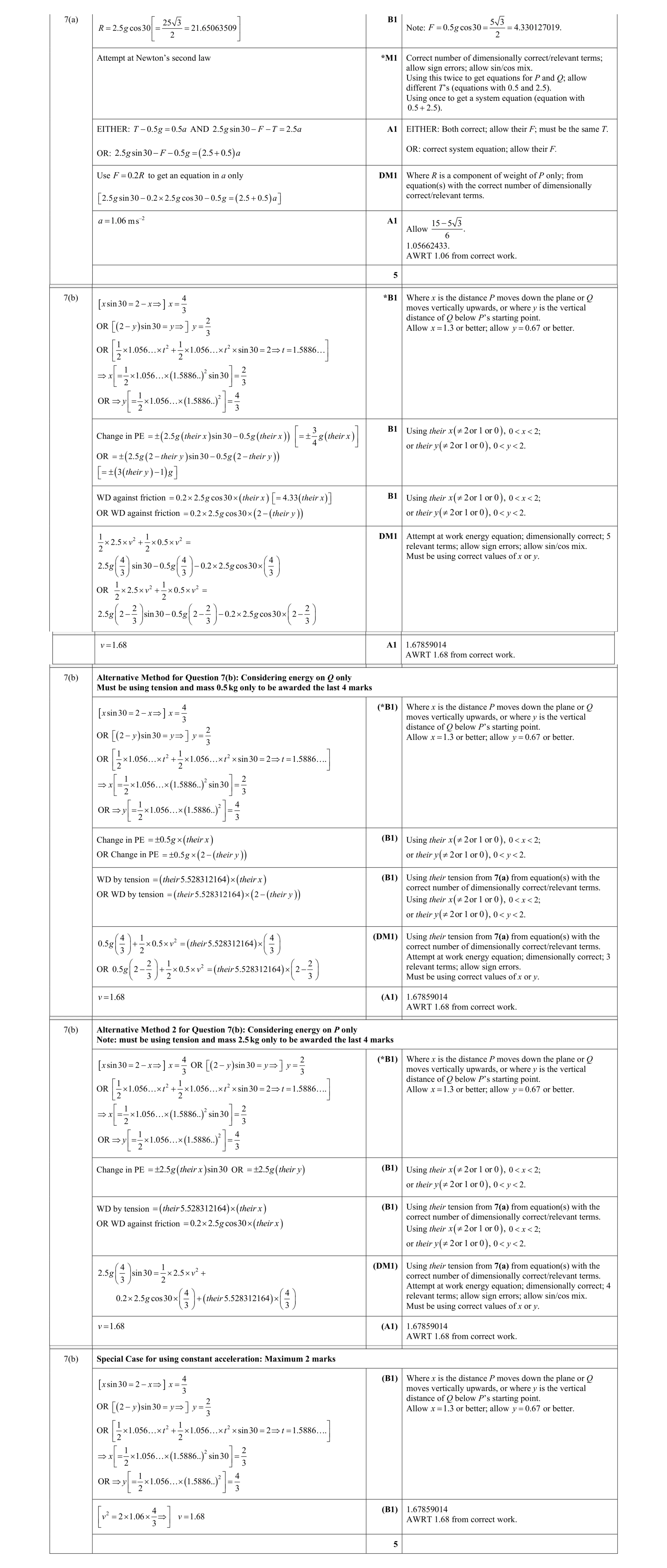 10
10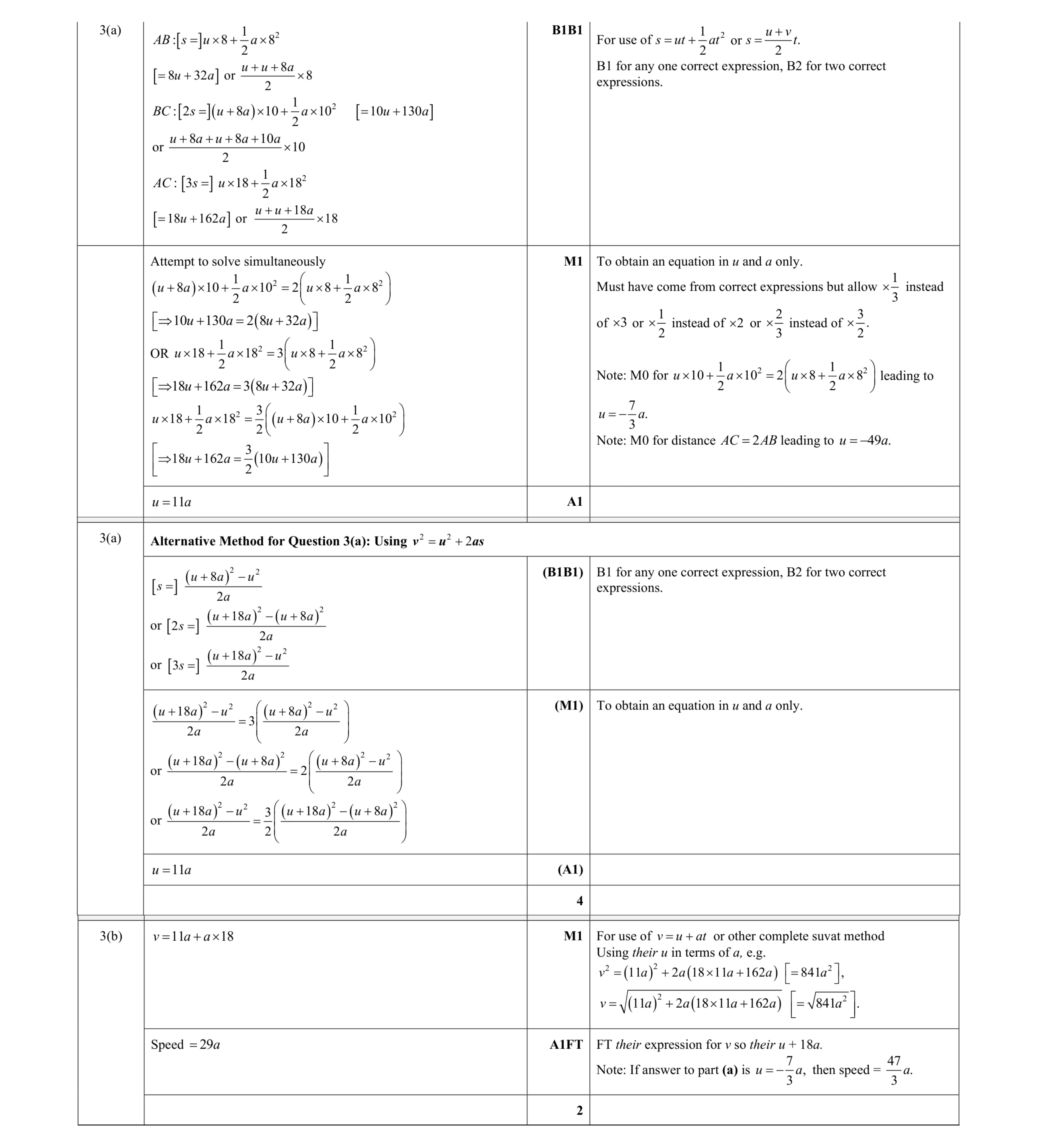 6
6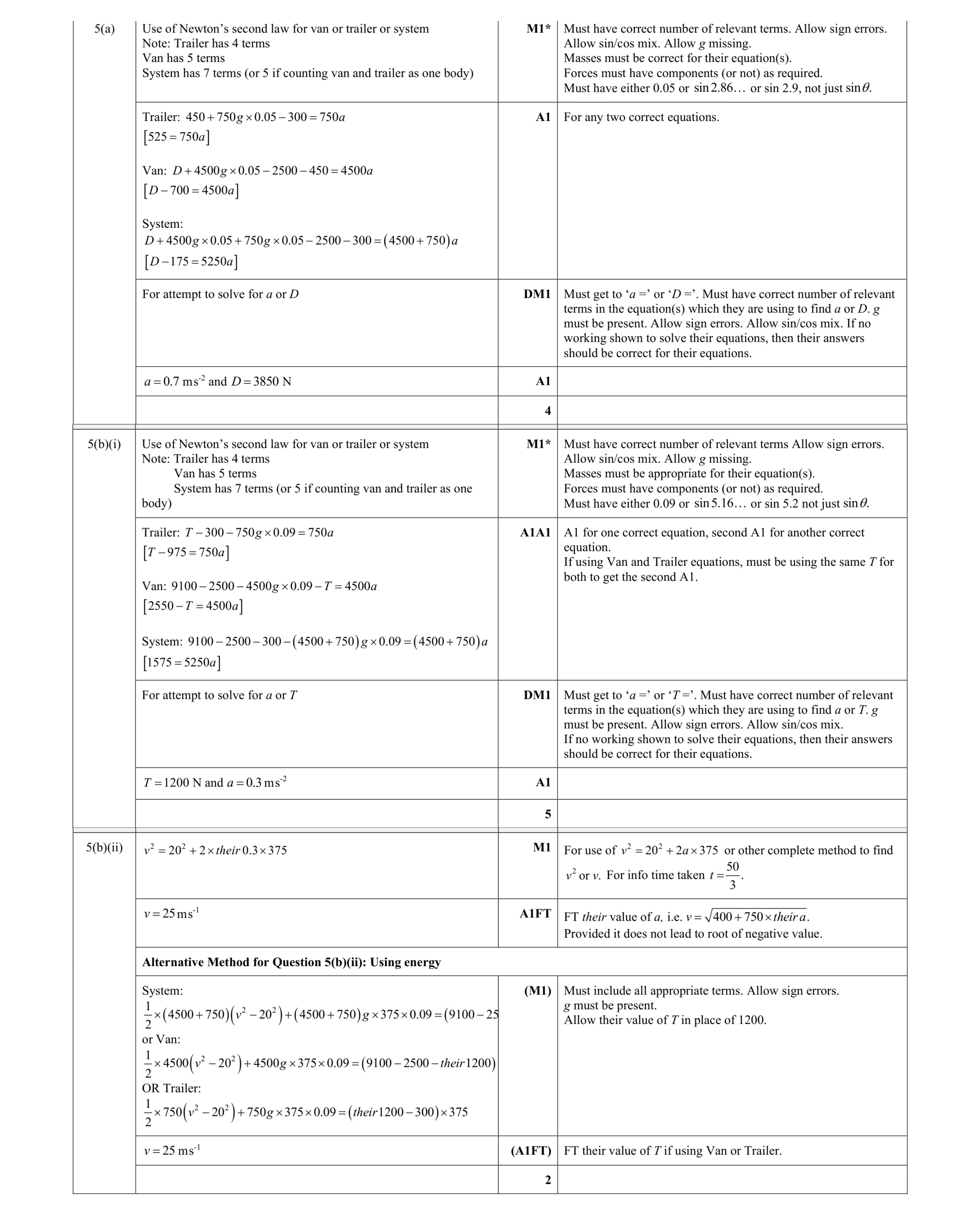 11
11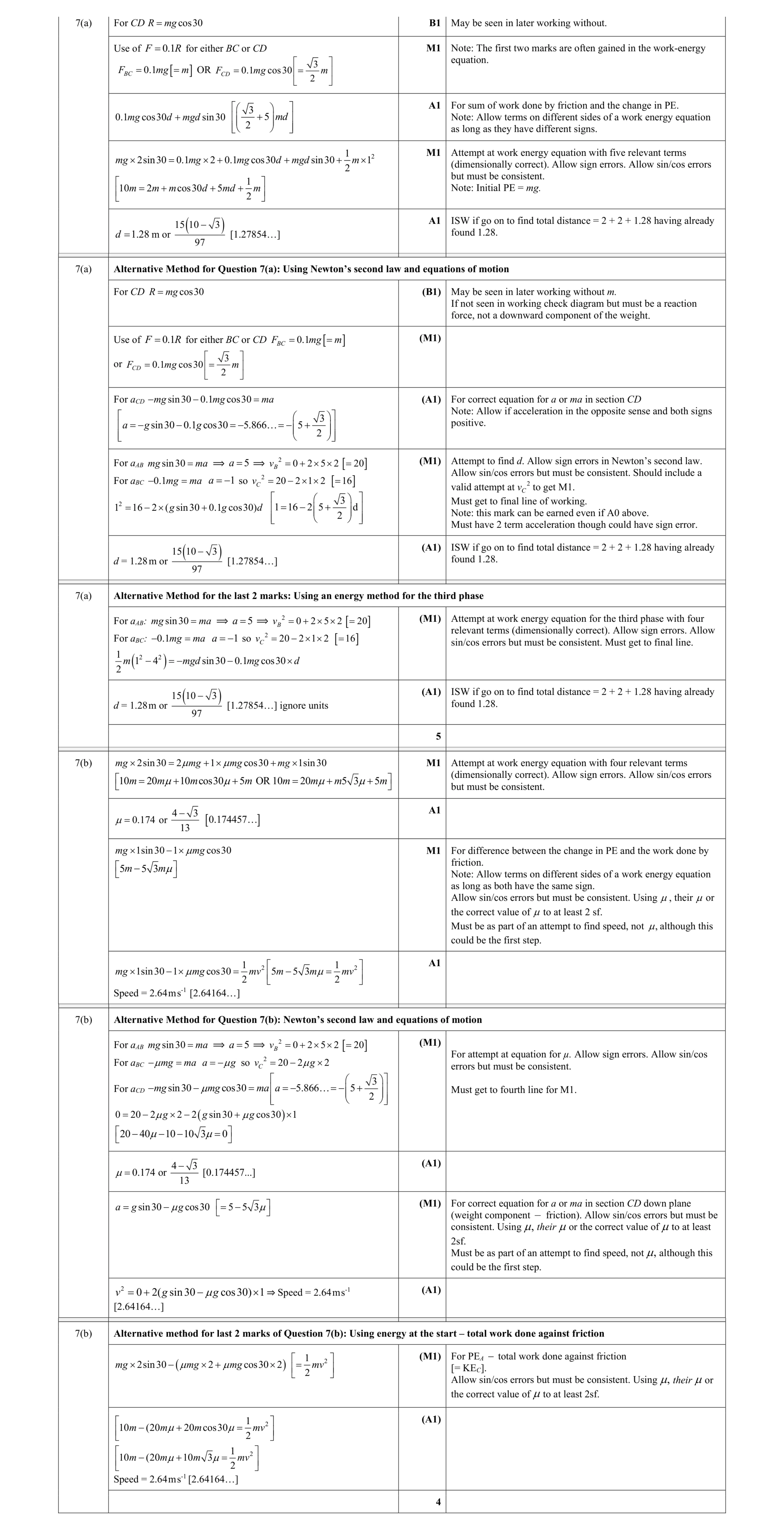 9
9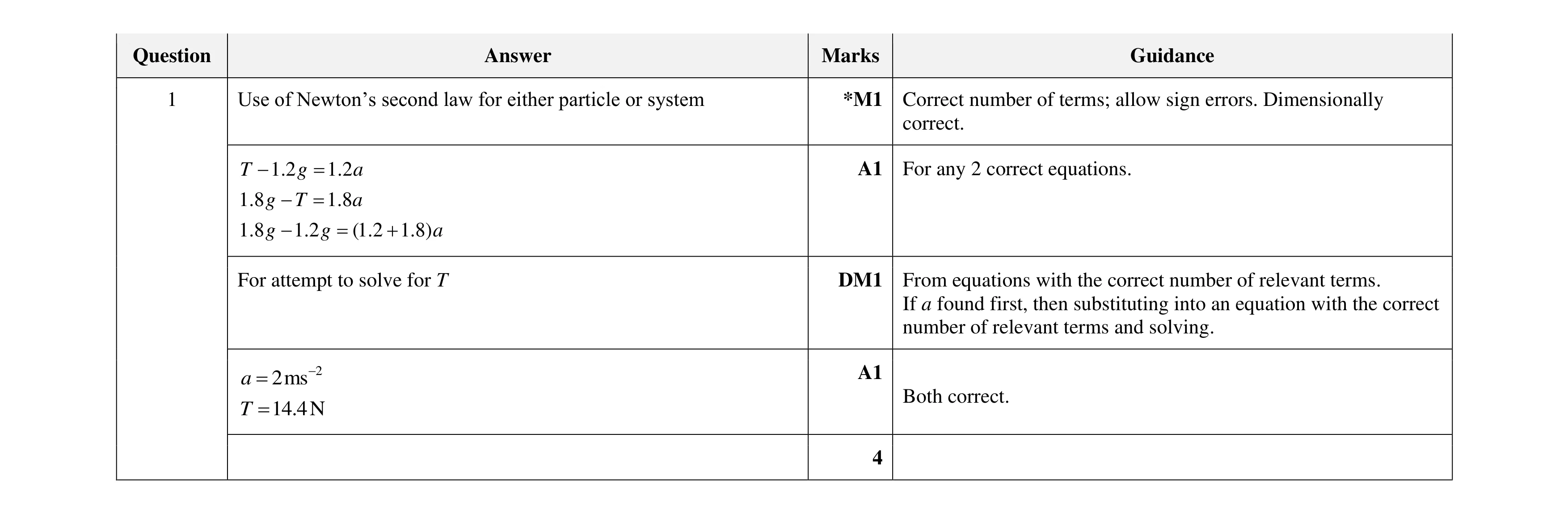 4
4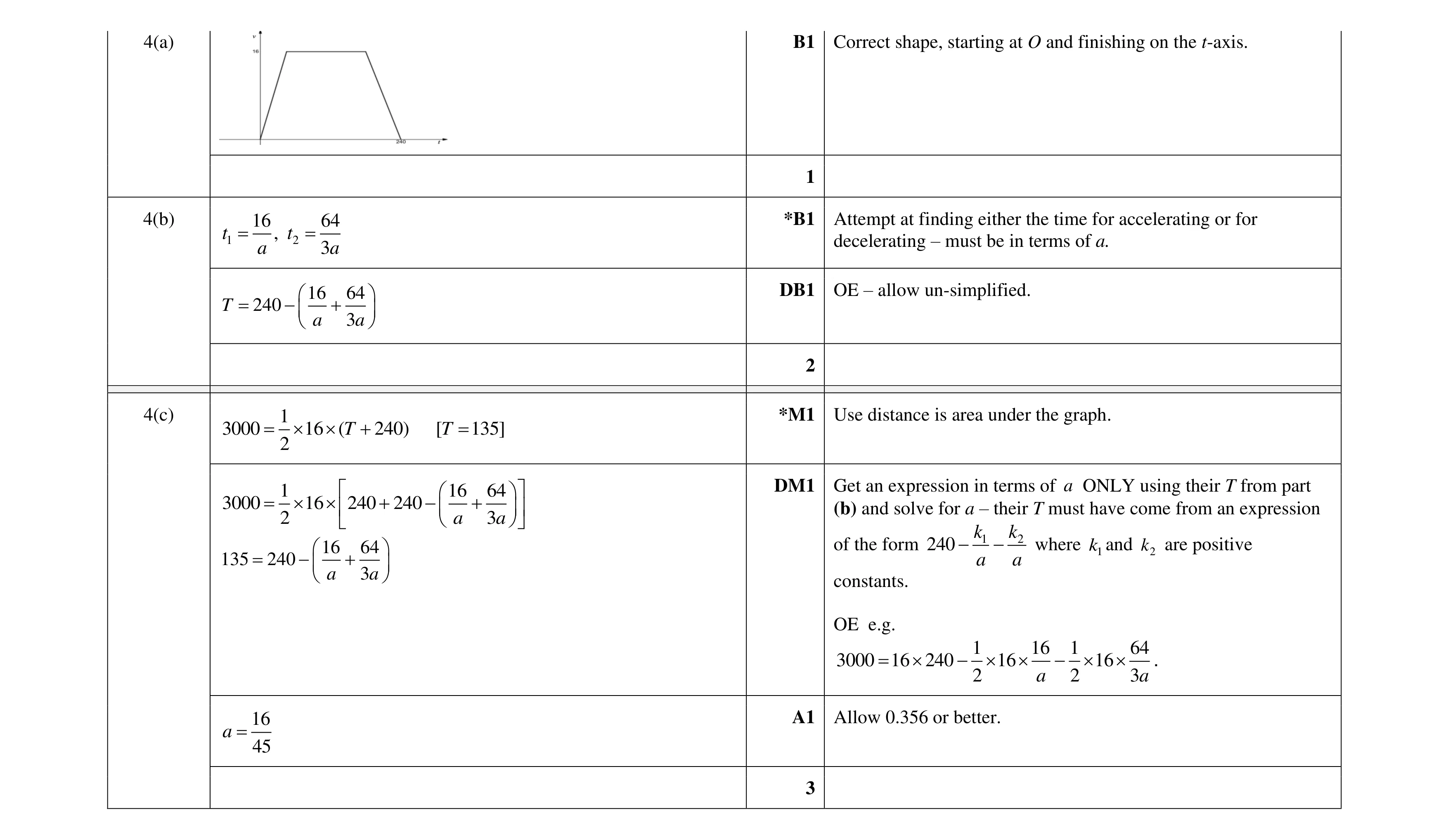 6
6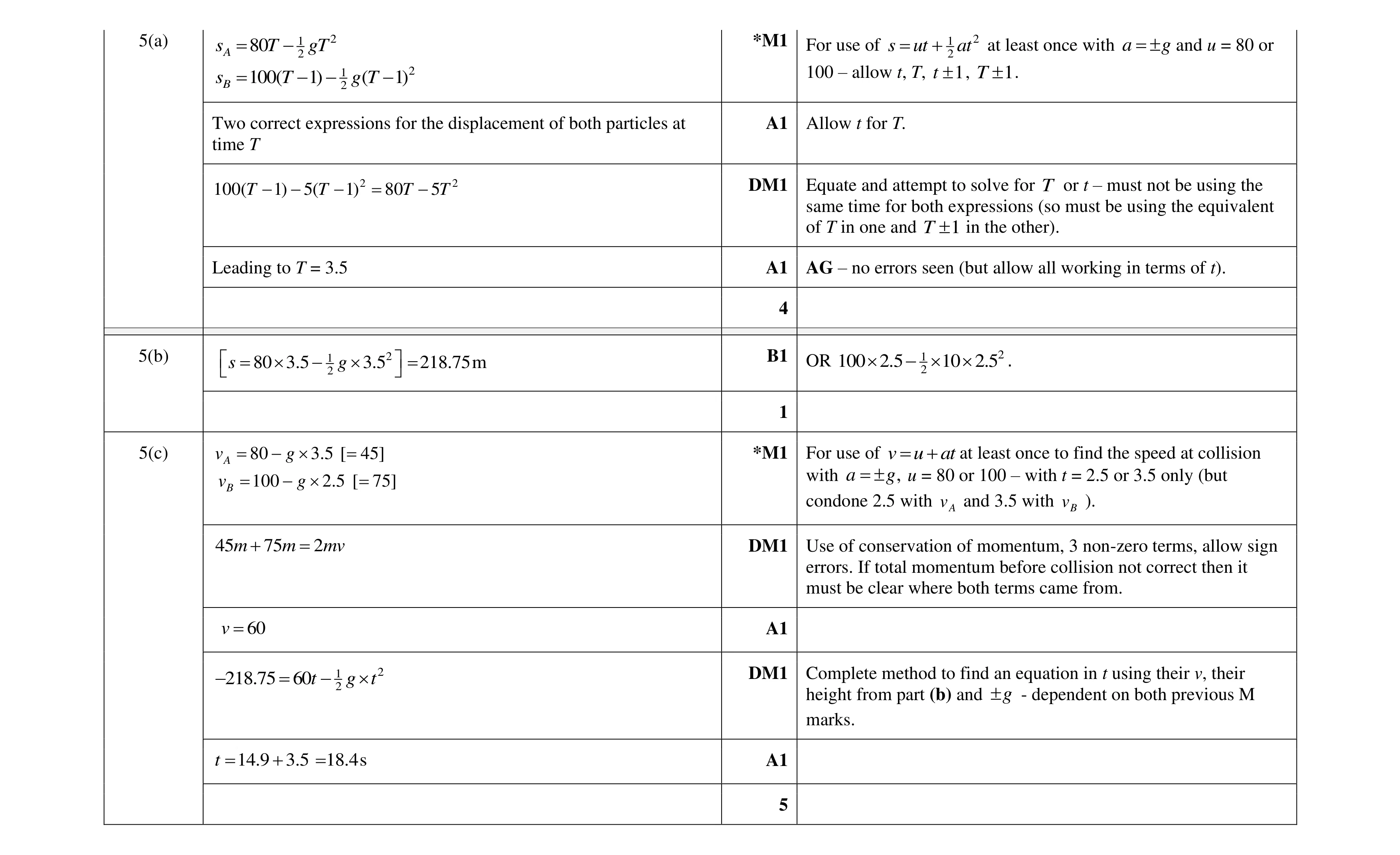 10
10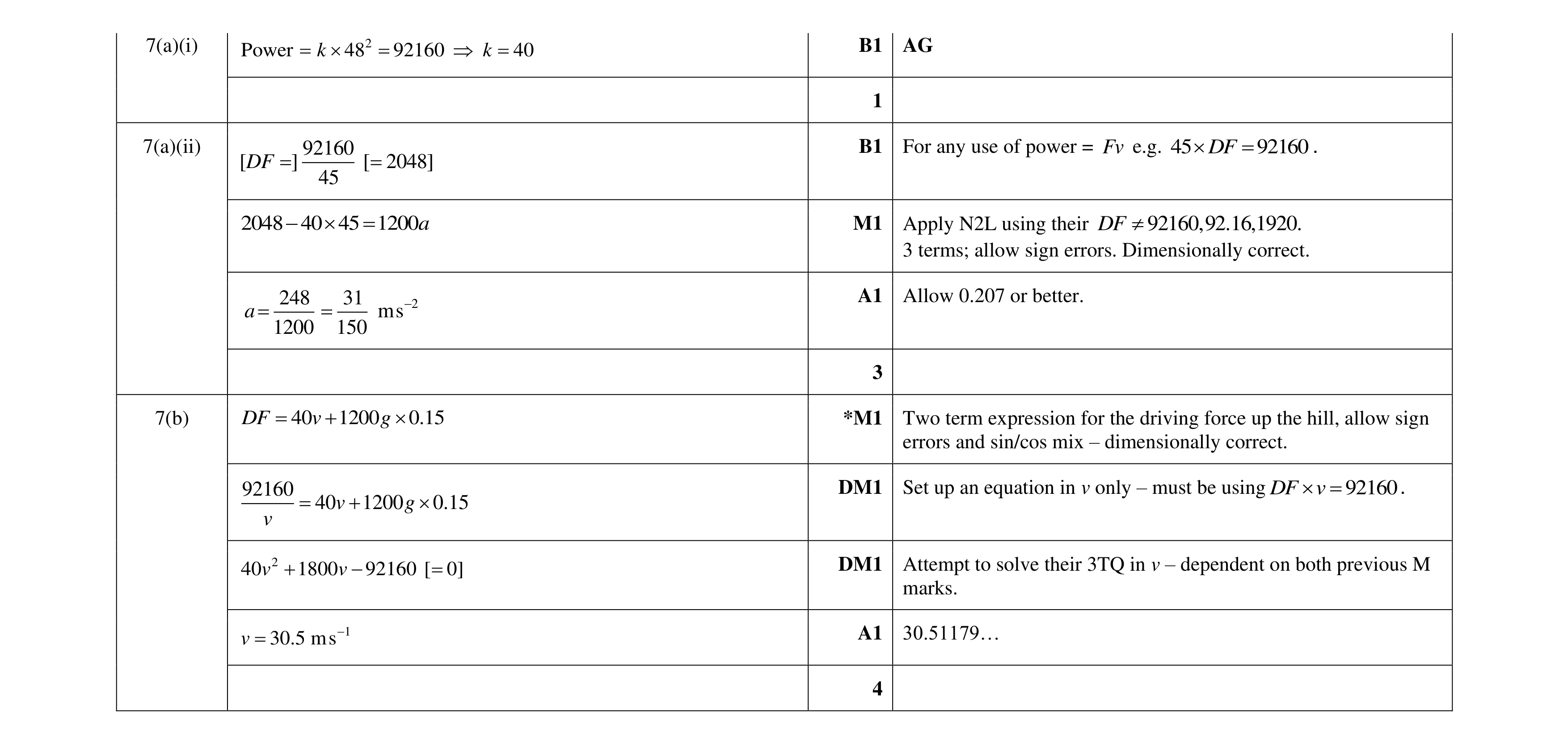 8
8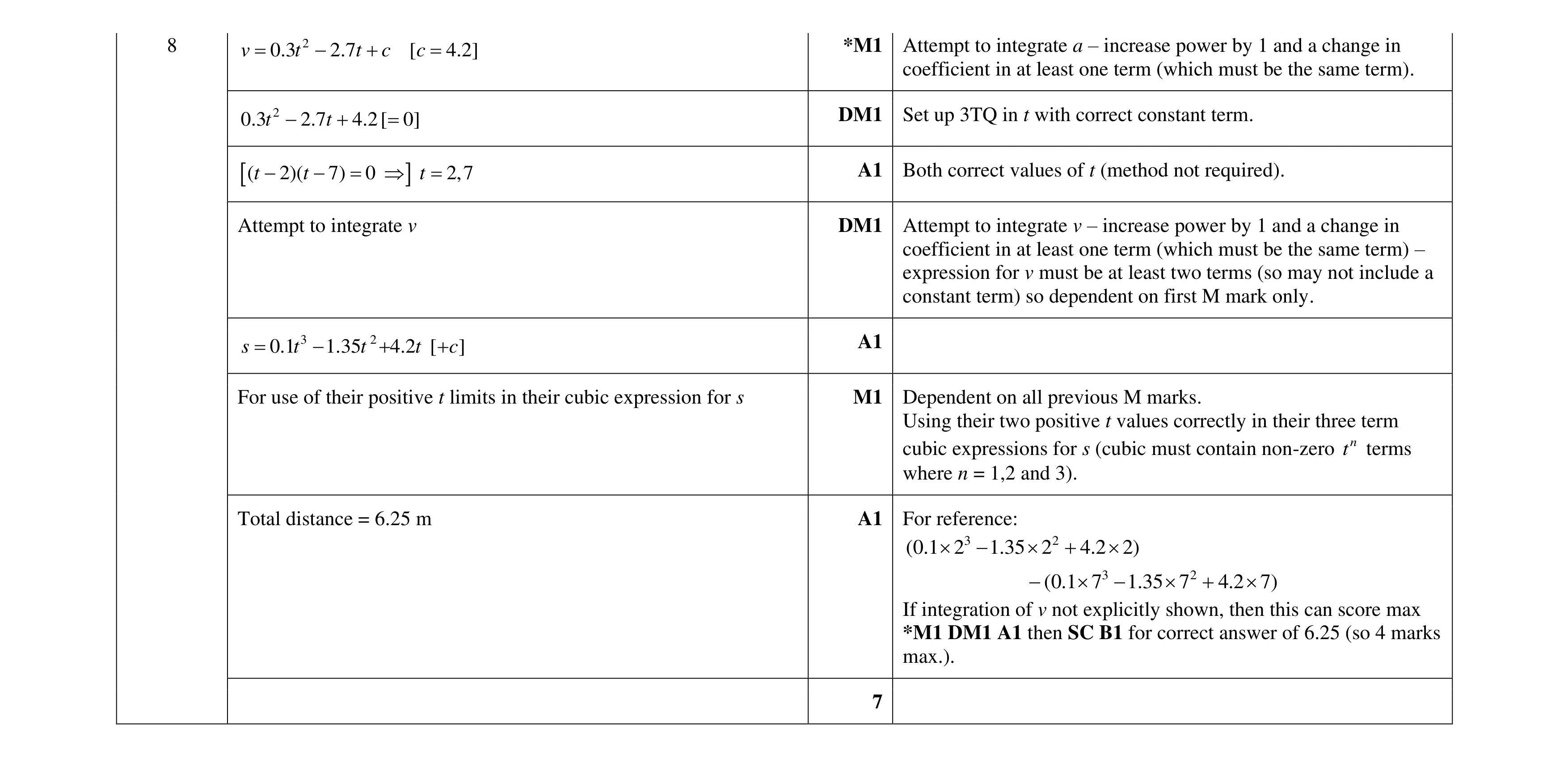 7
7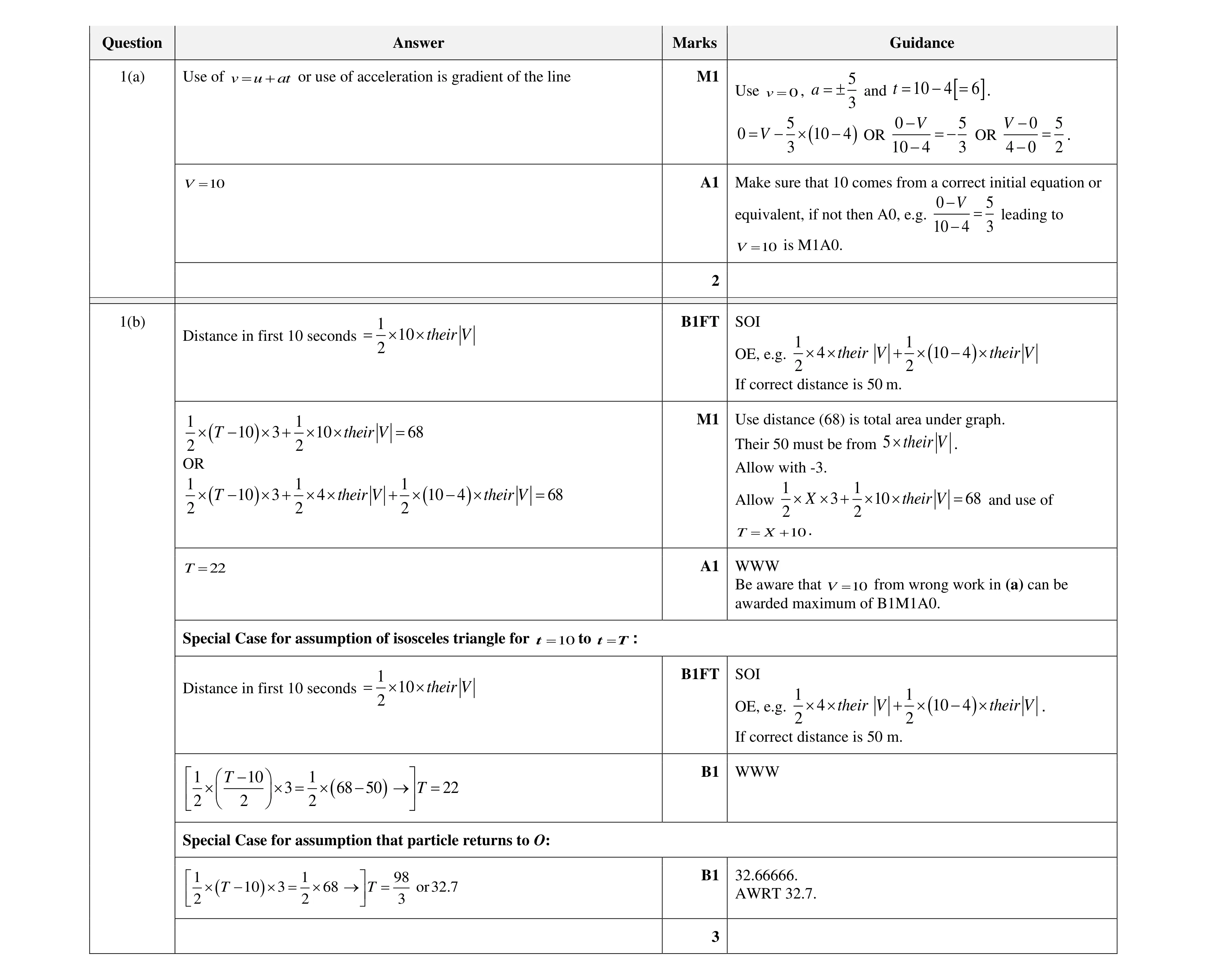 5
5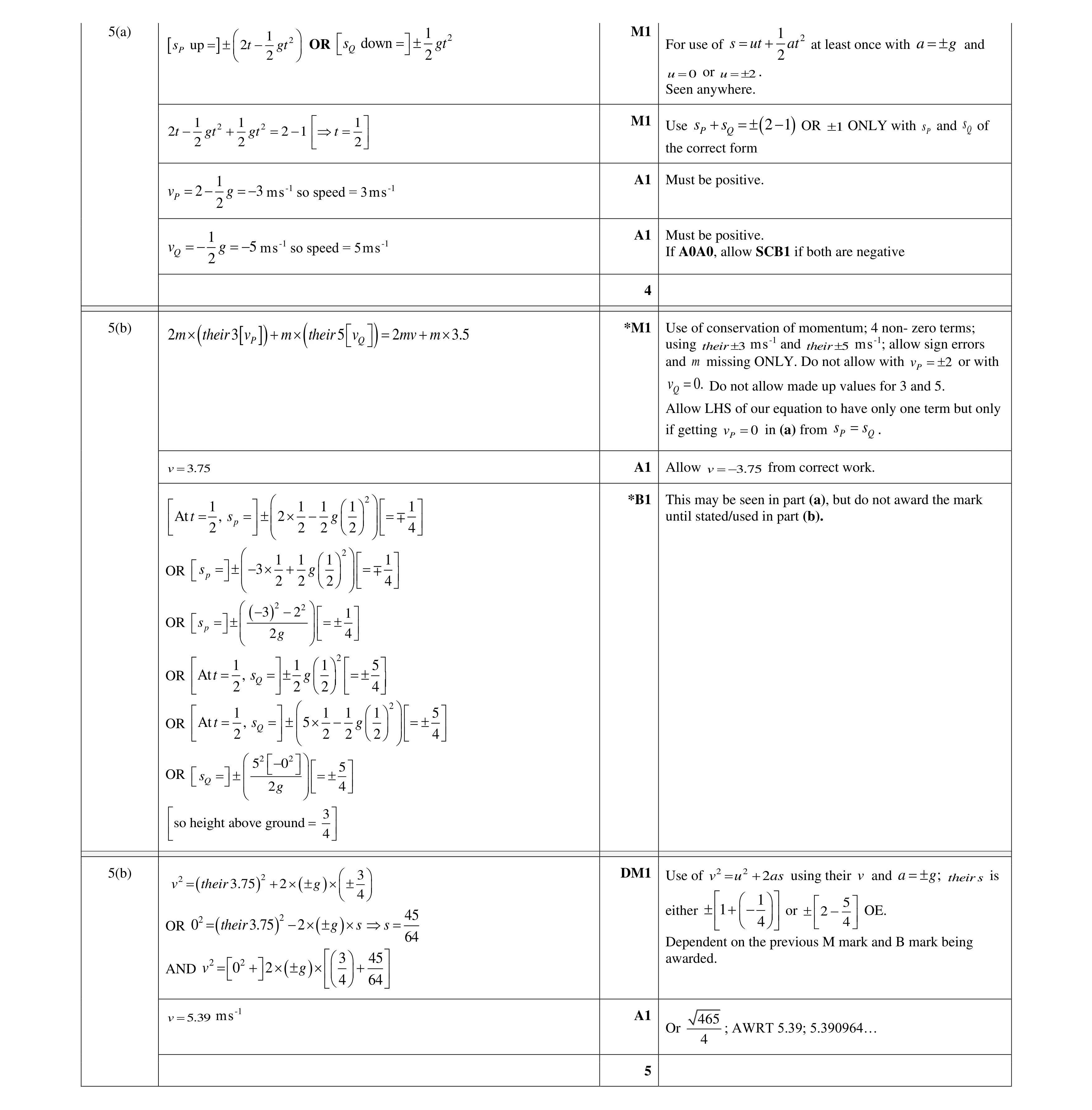 9
9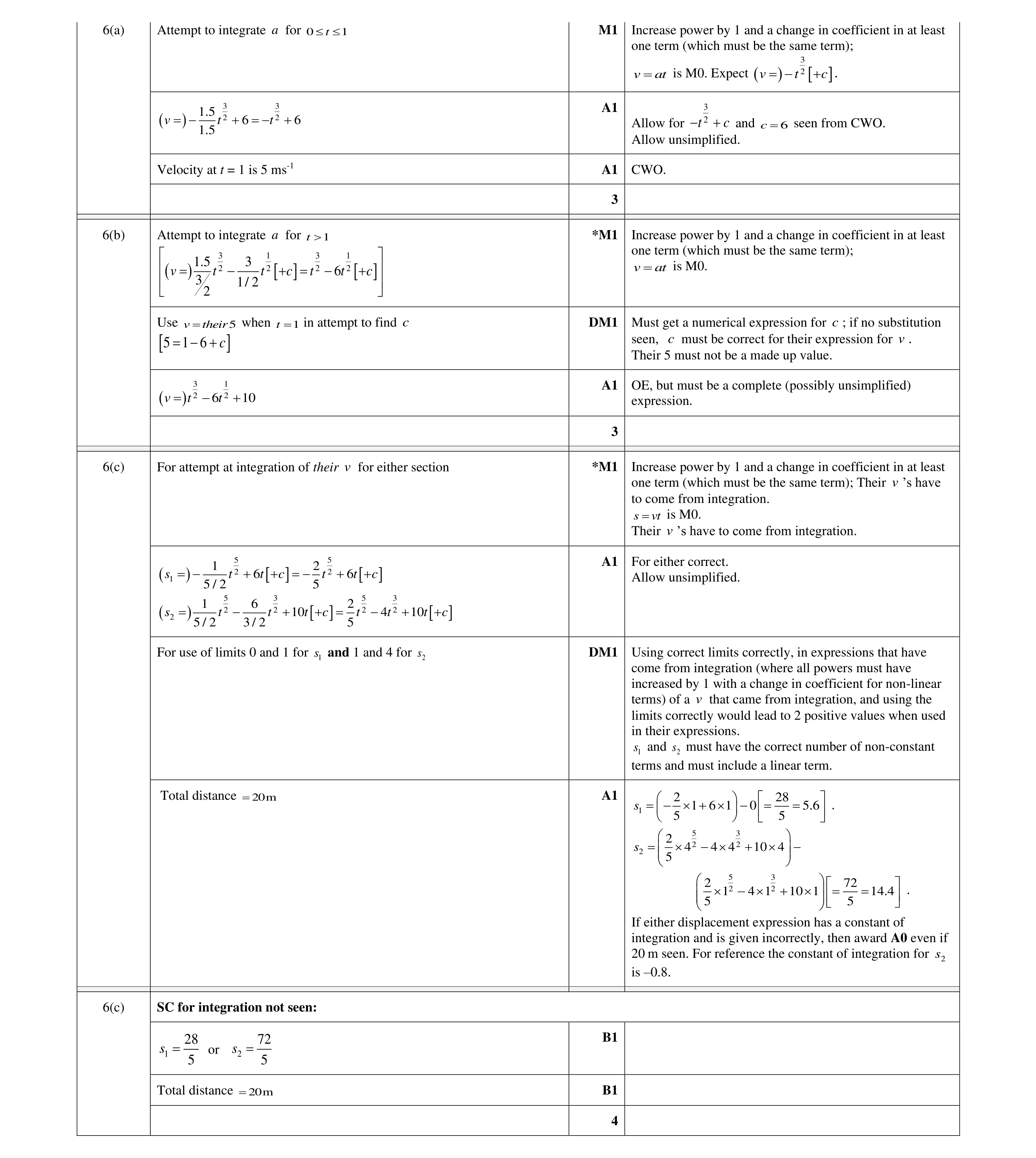 10
10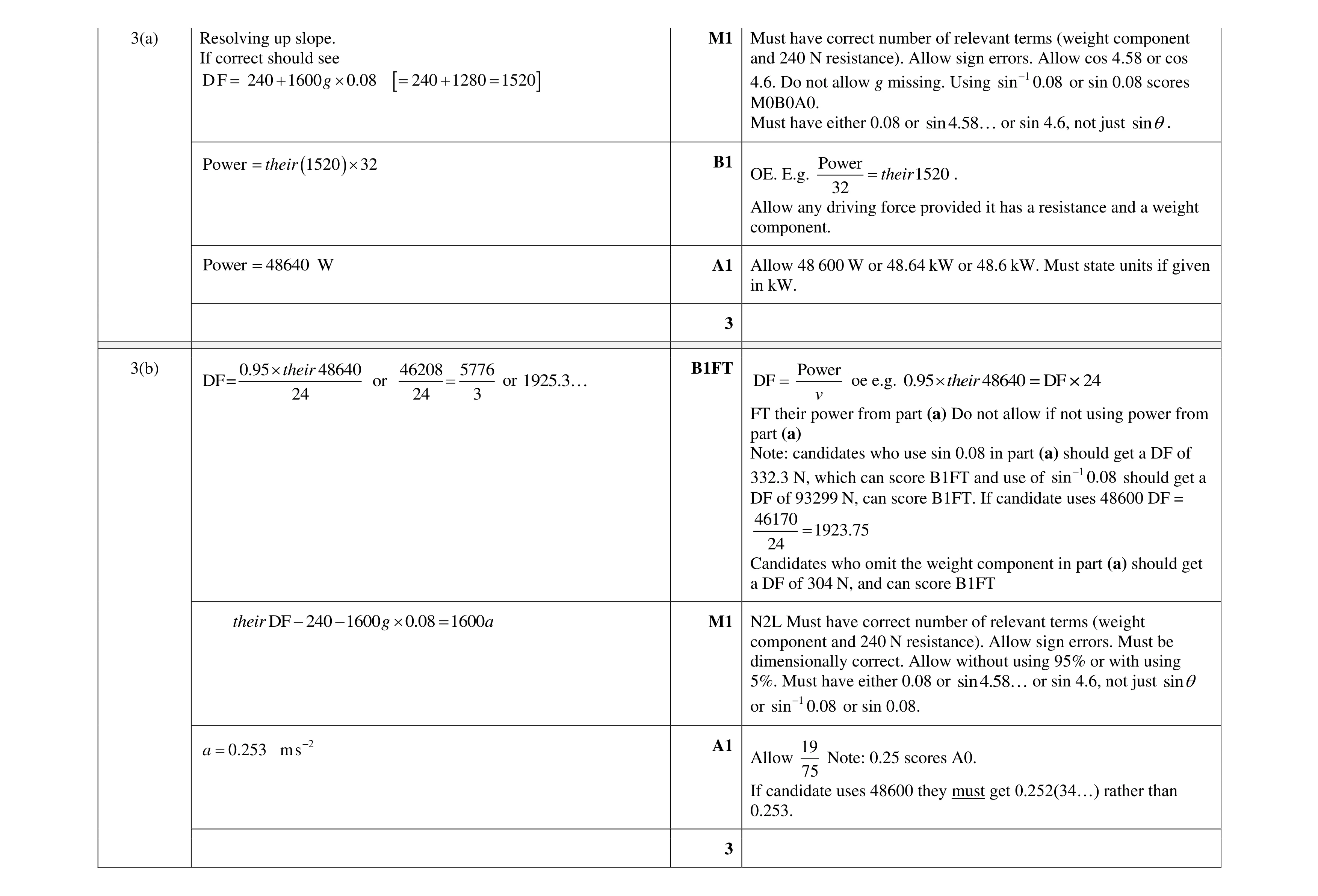 6
6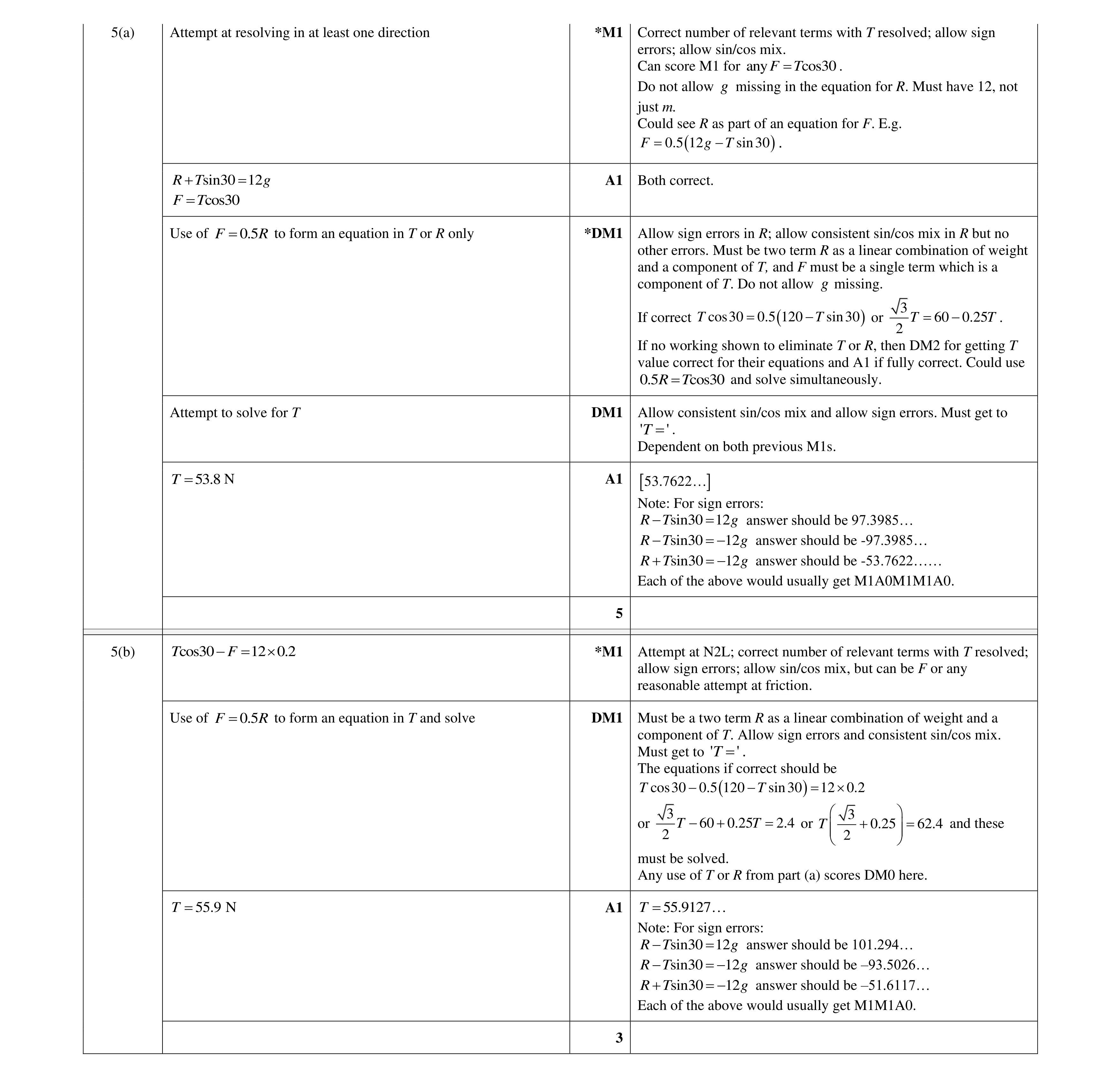 8
8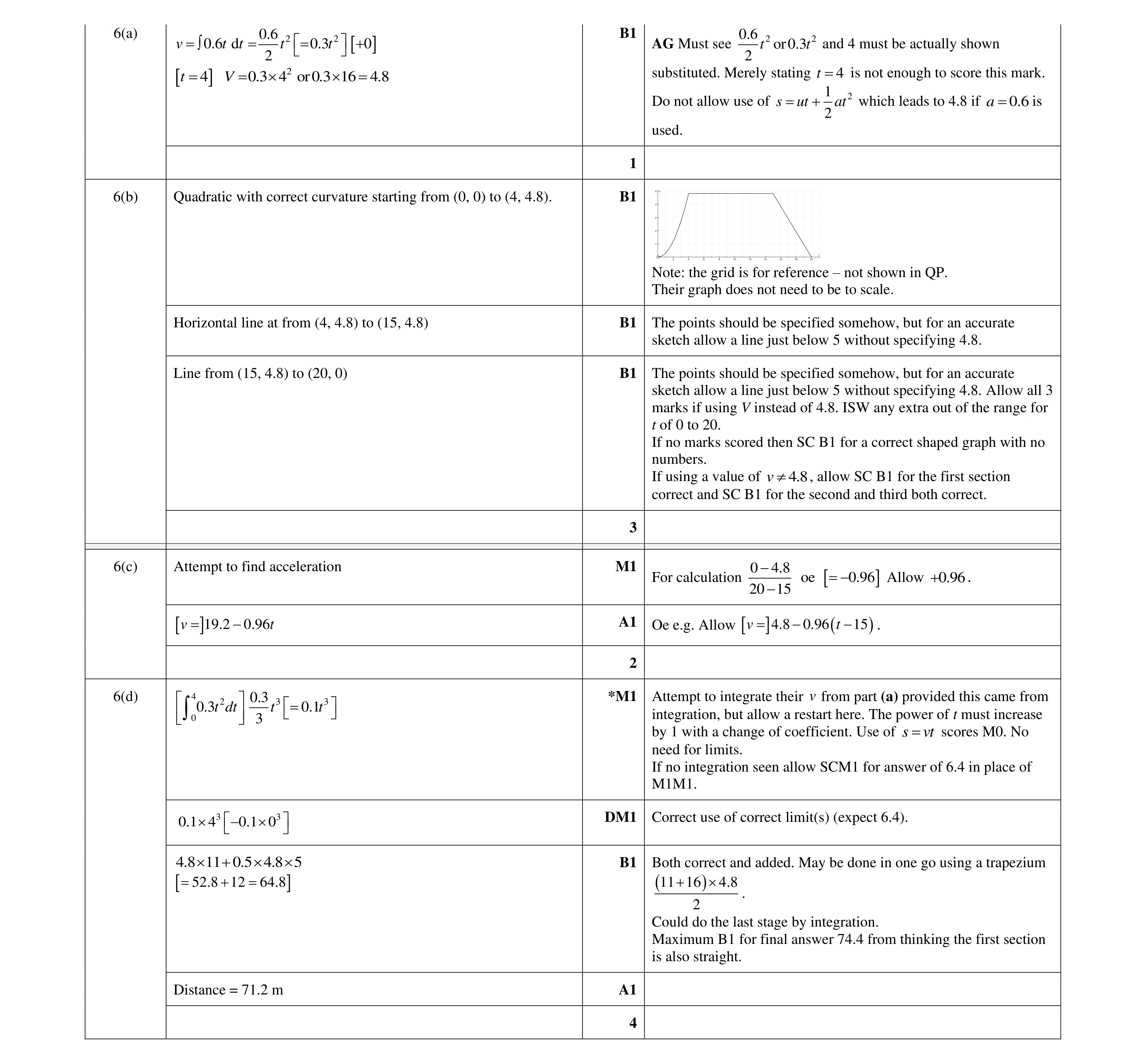 10
10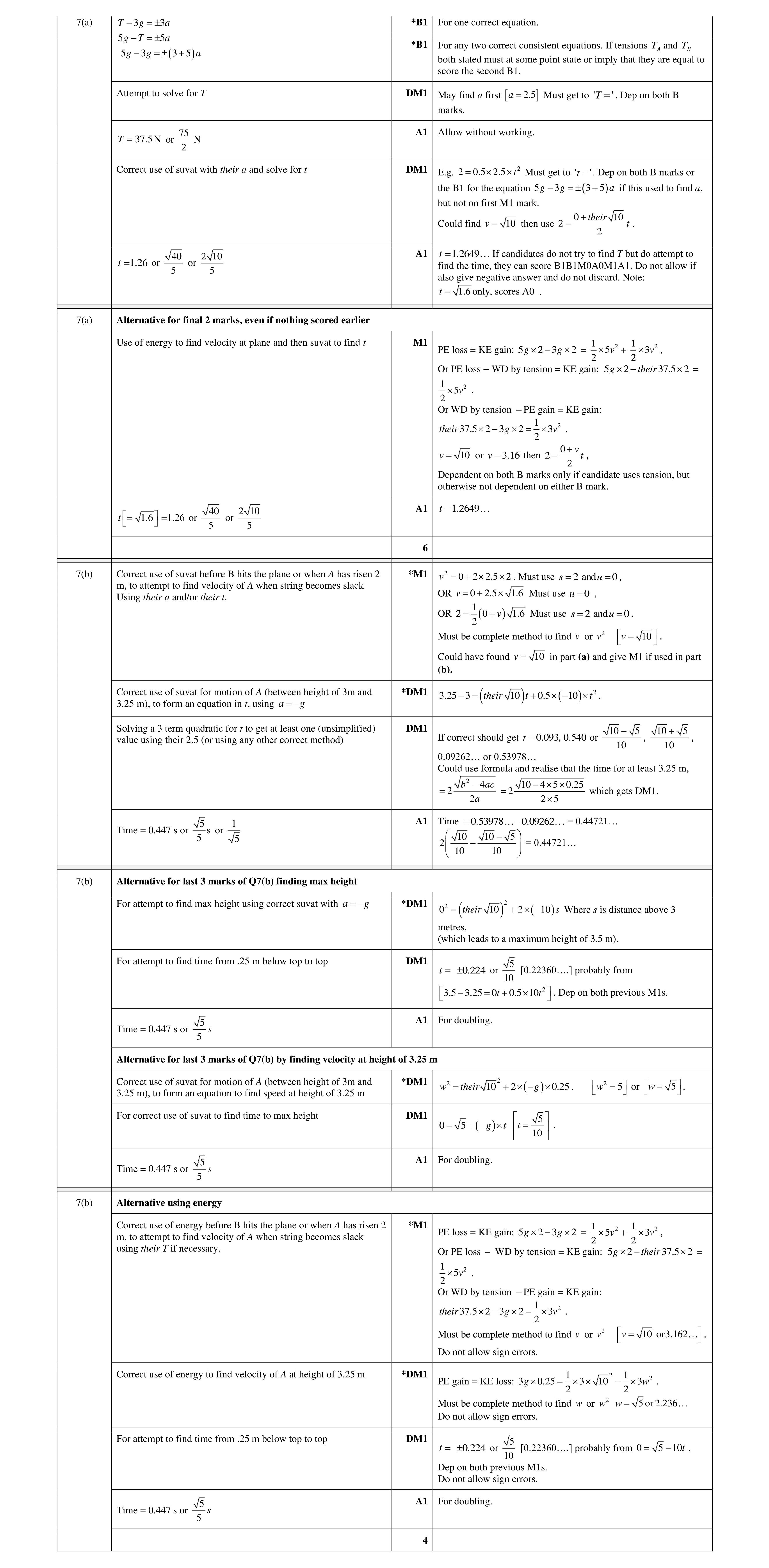 10
10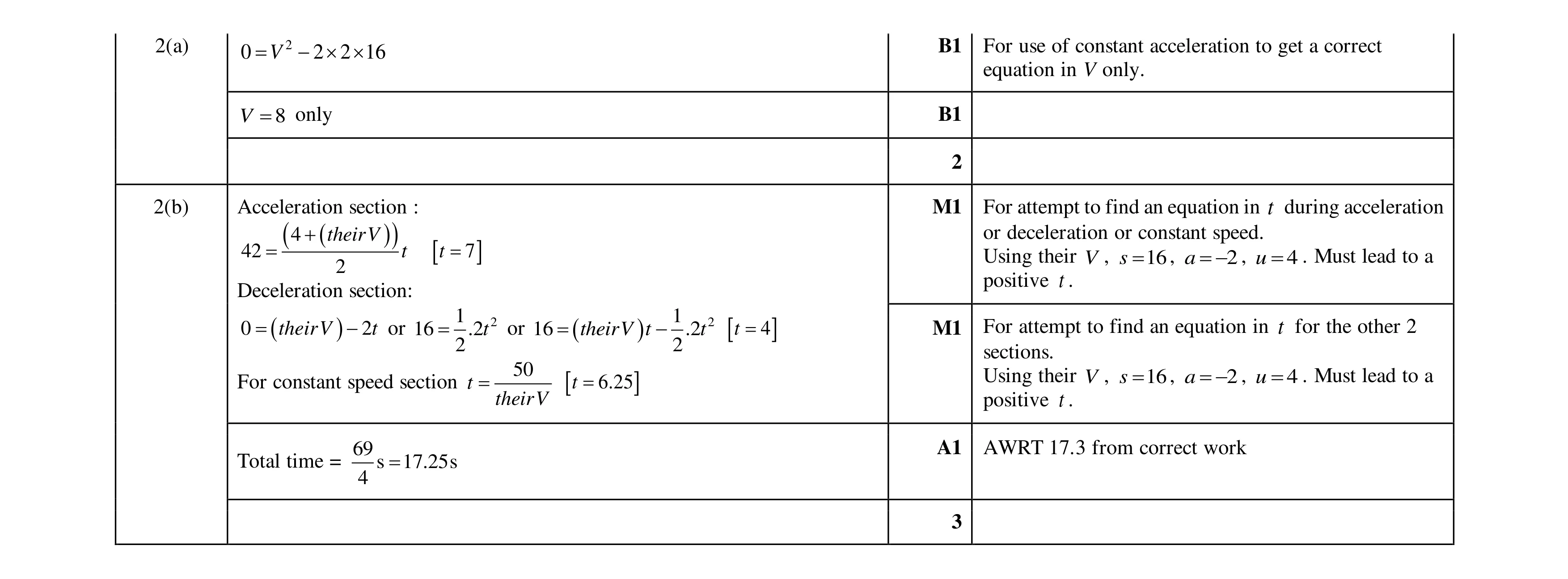 5
5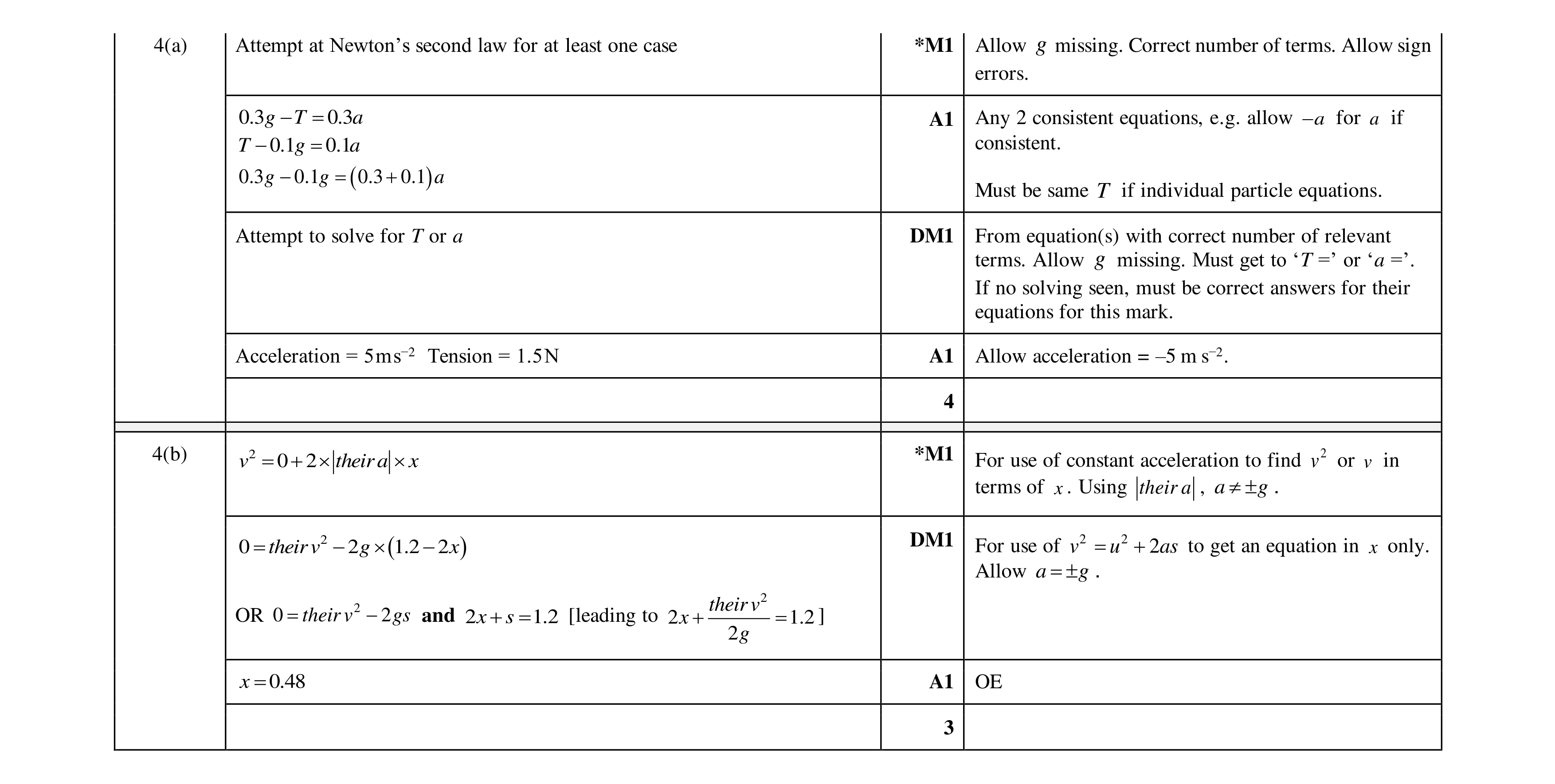 7
7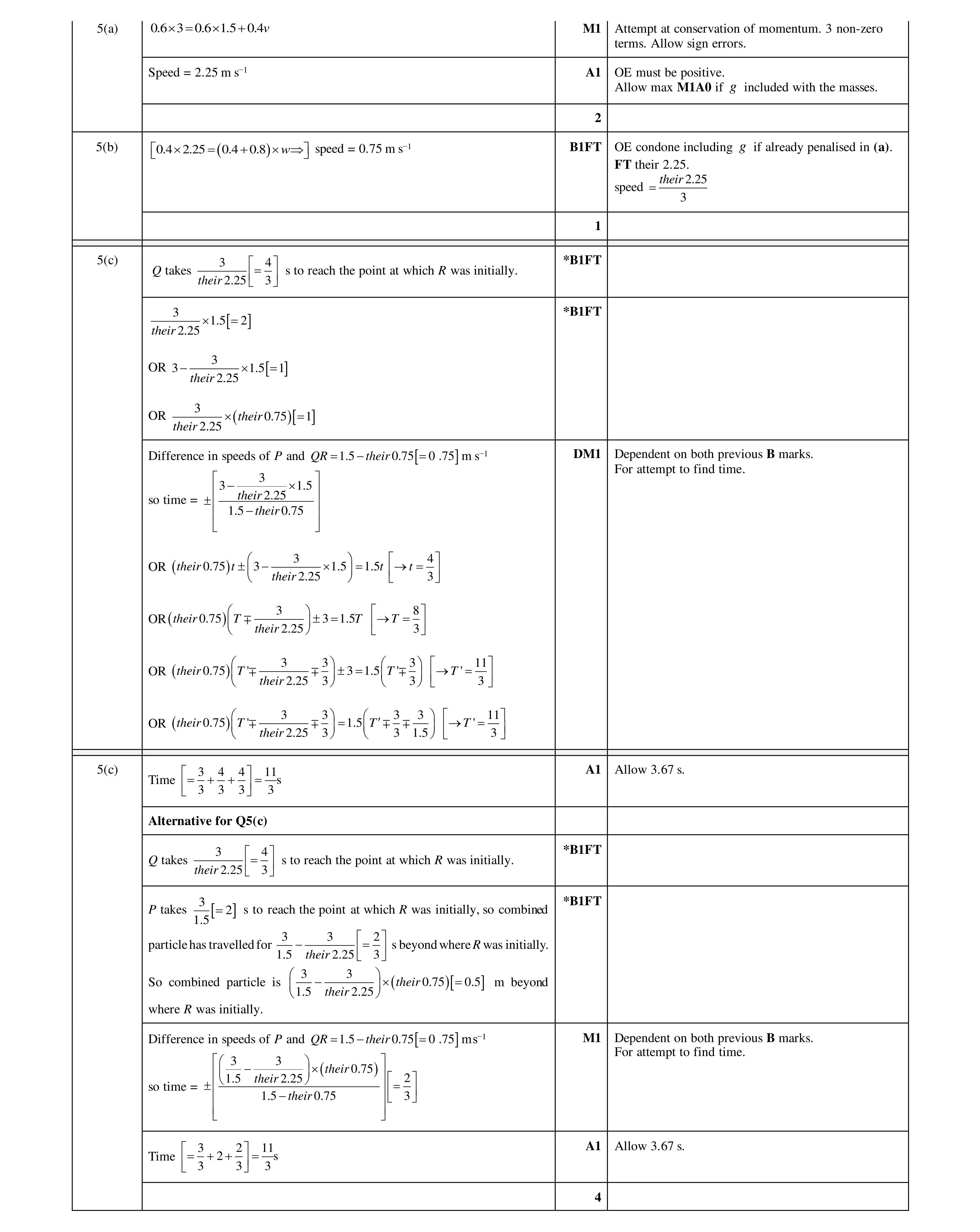 7
7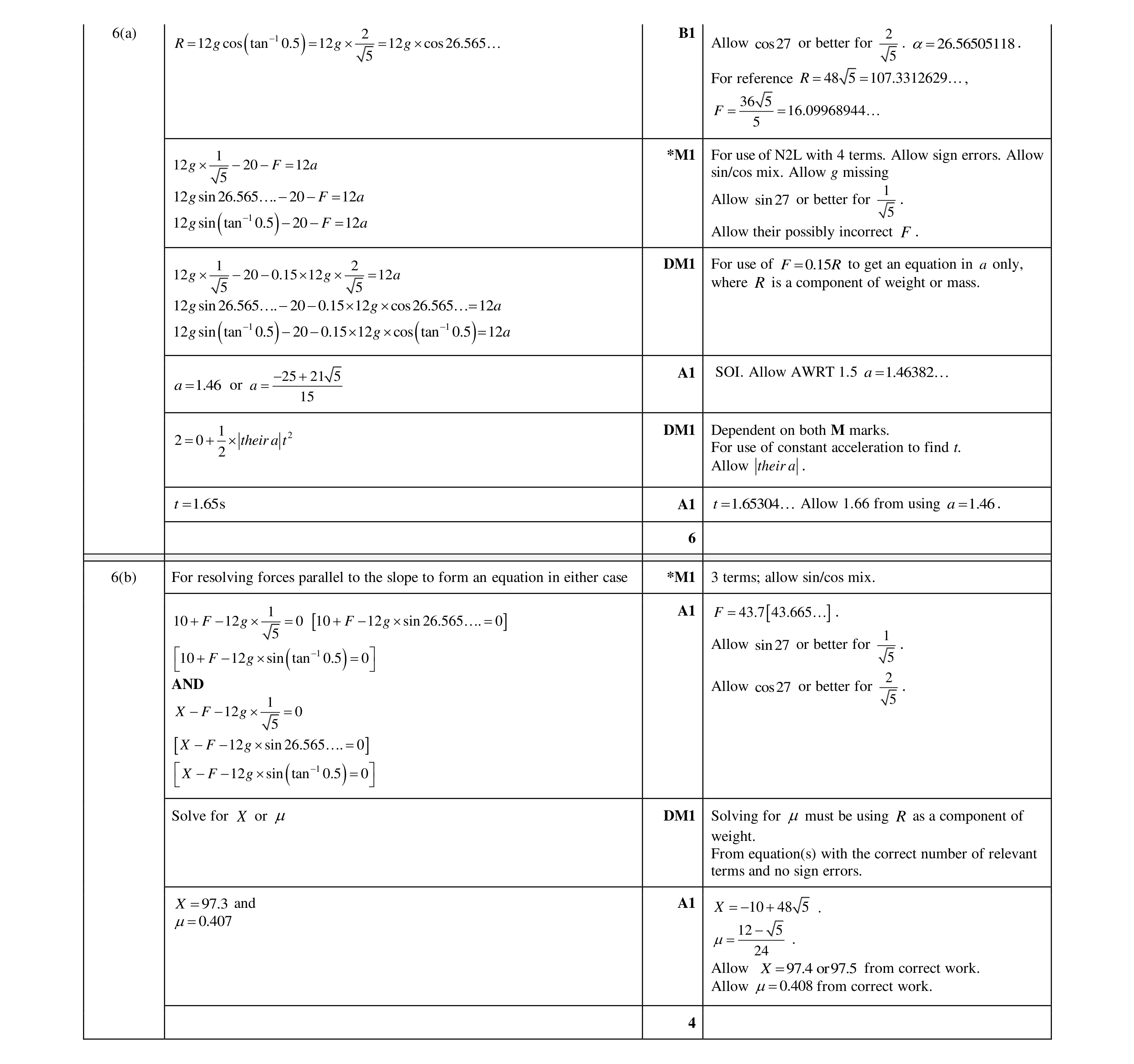 10
10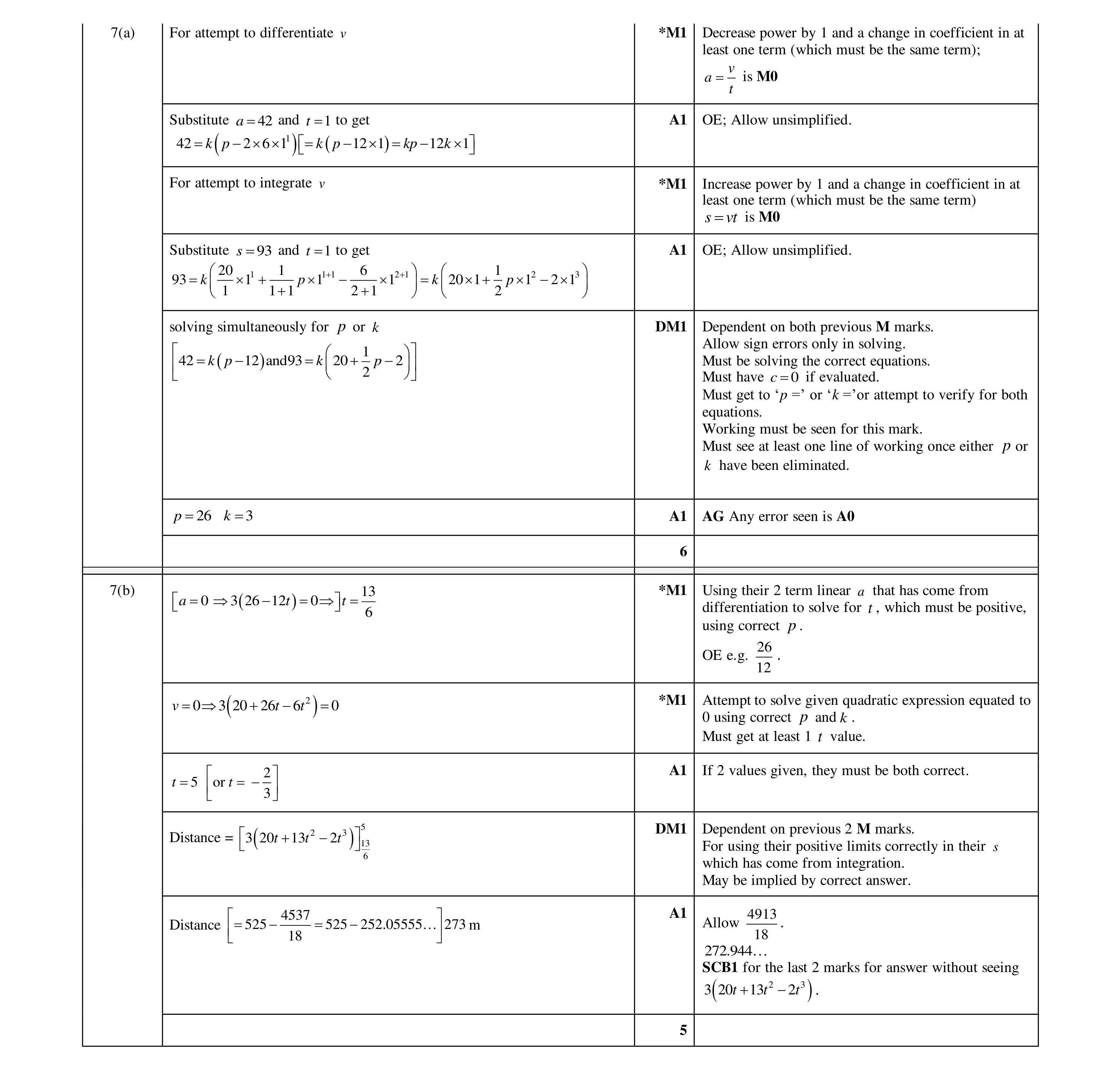 11
11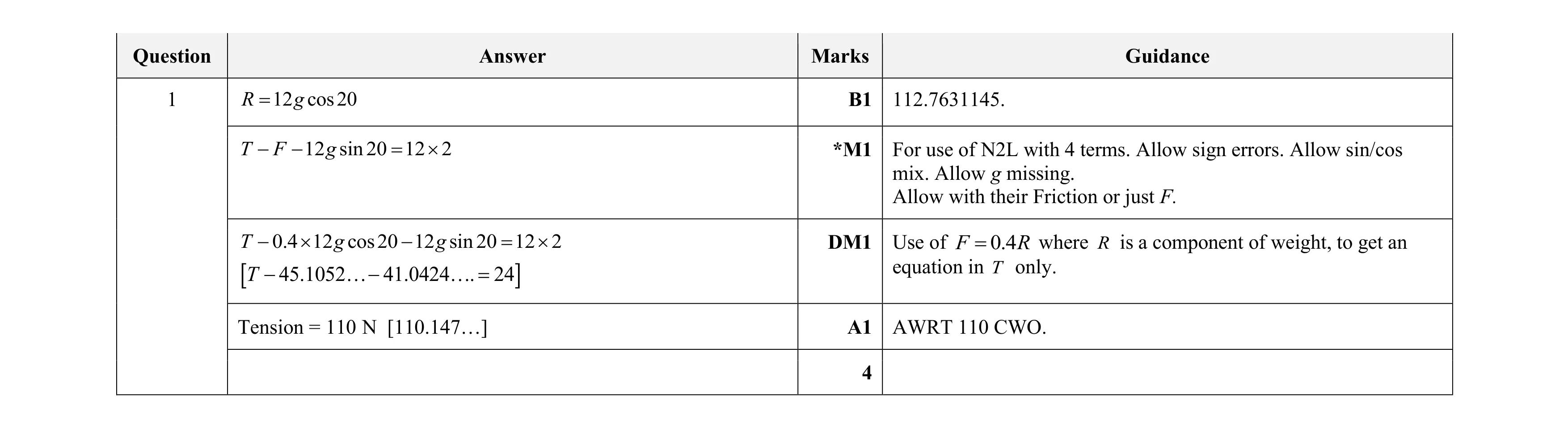 4
4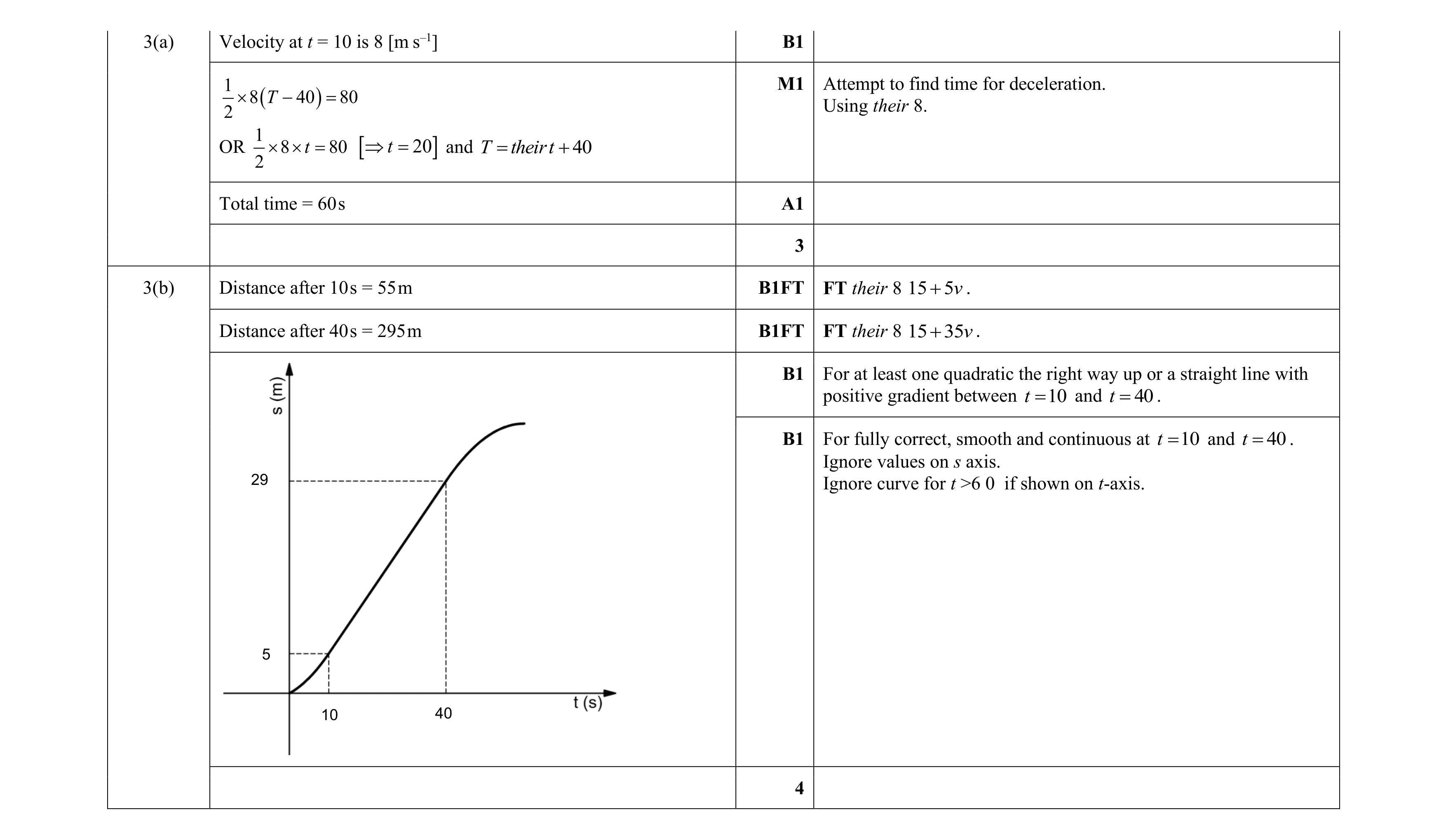 7
7 6
6 9
9 13
13 4
4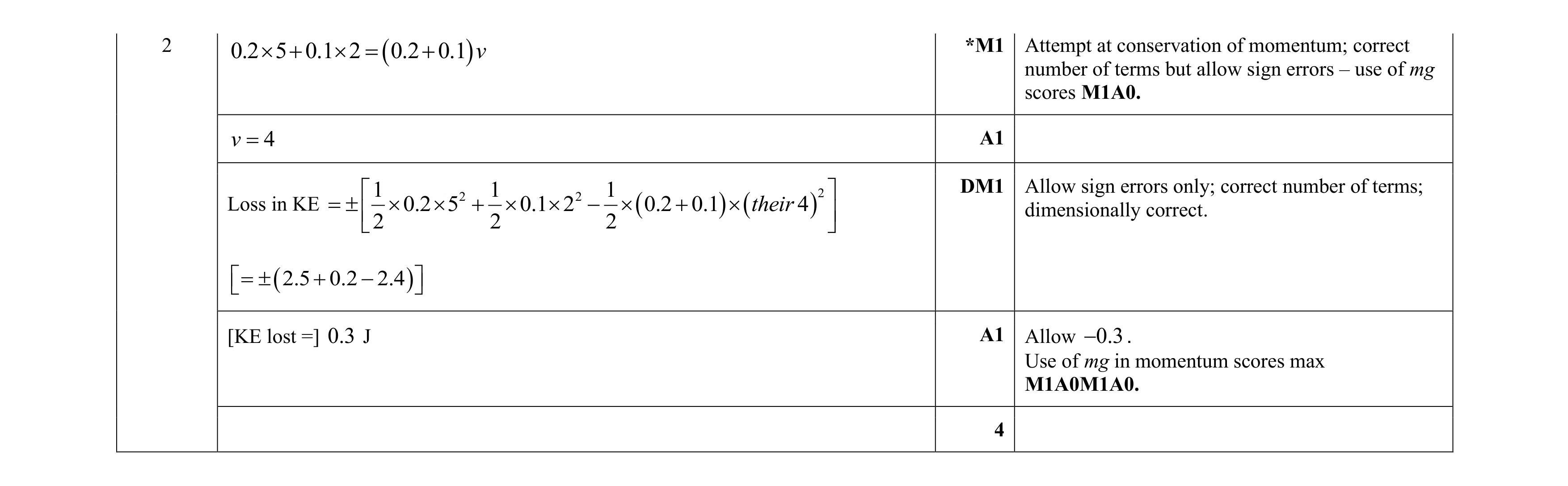 4
4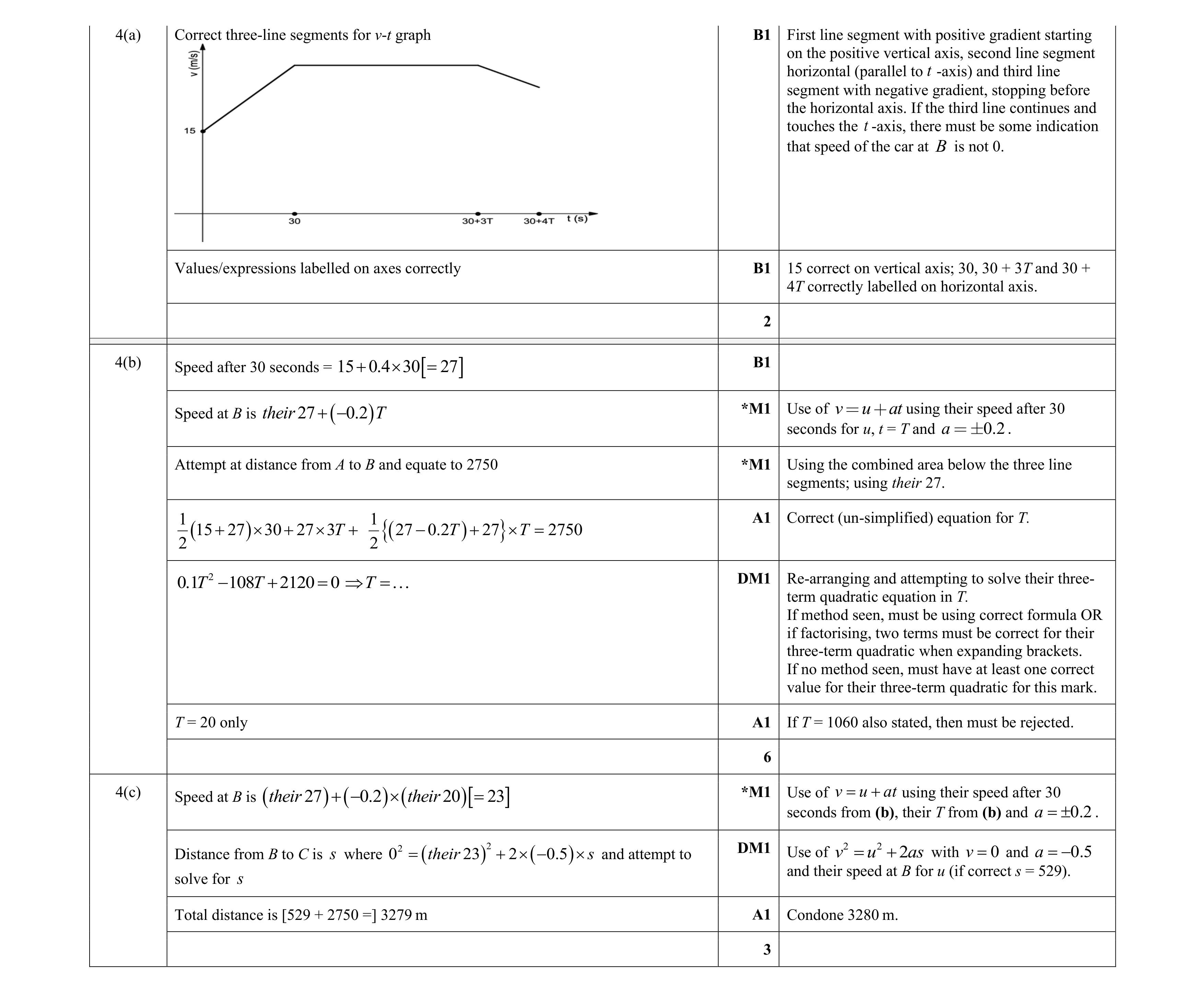 11
11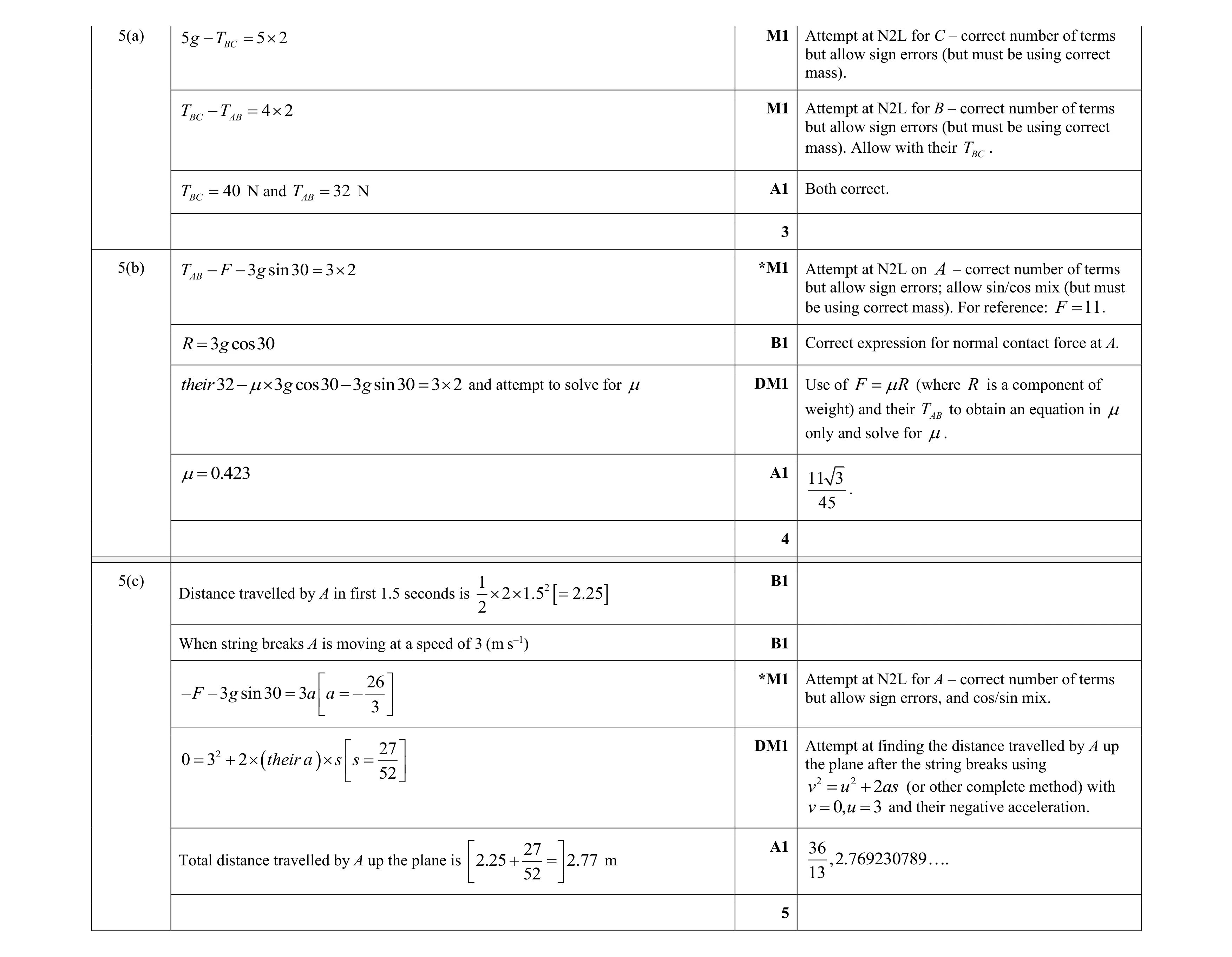 12
12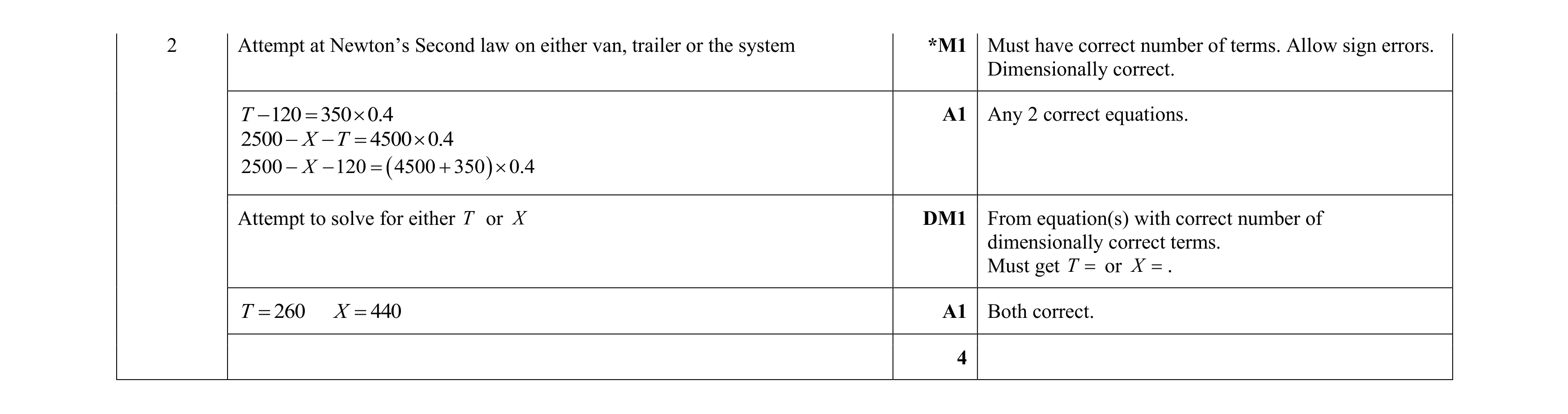 4
4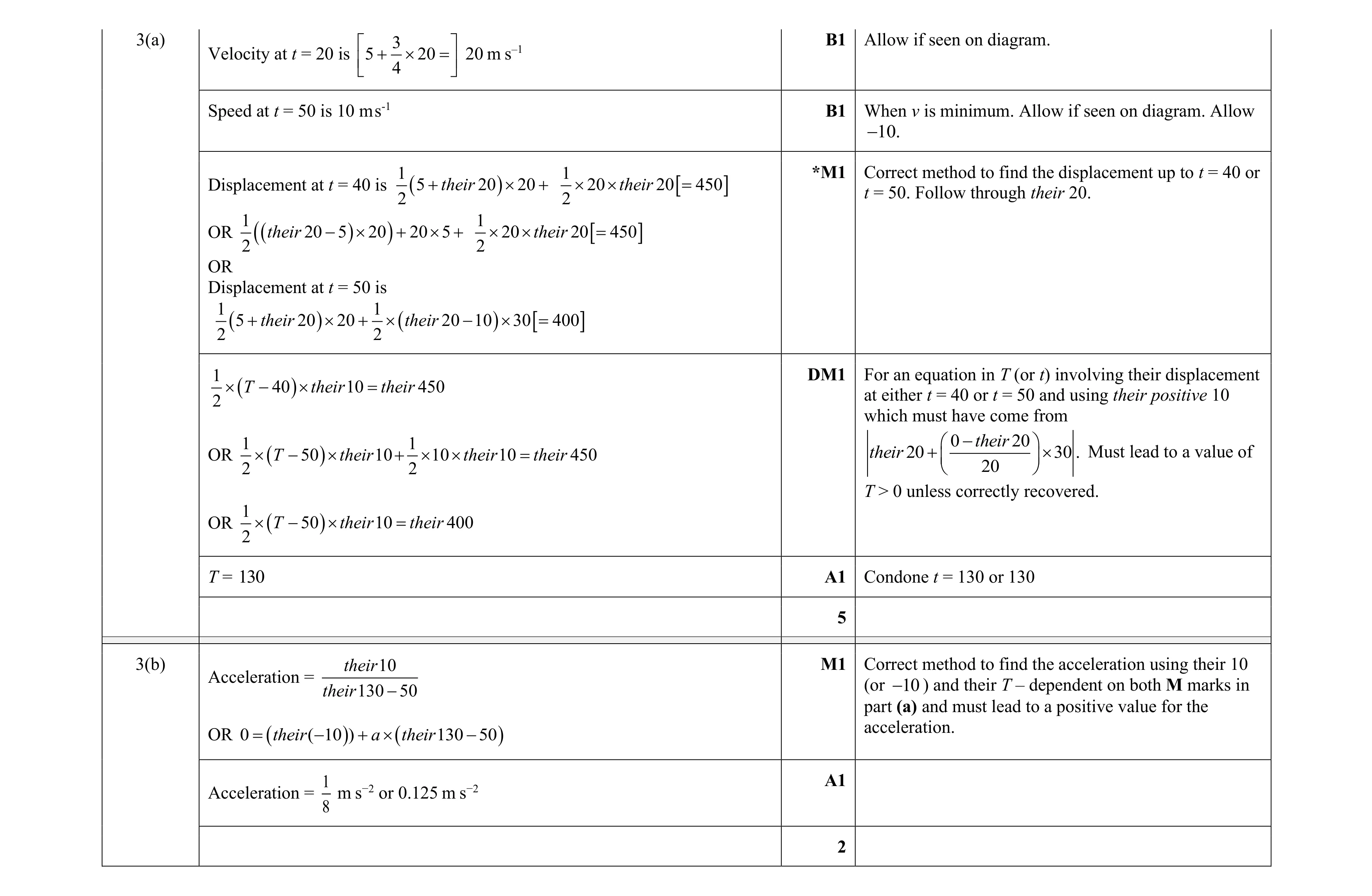 7
7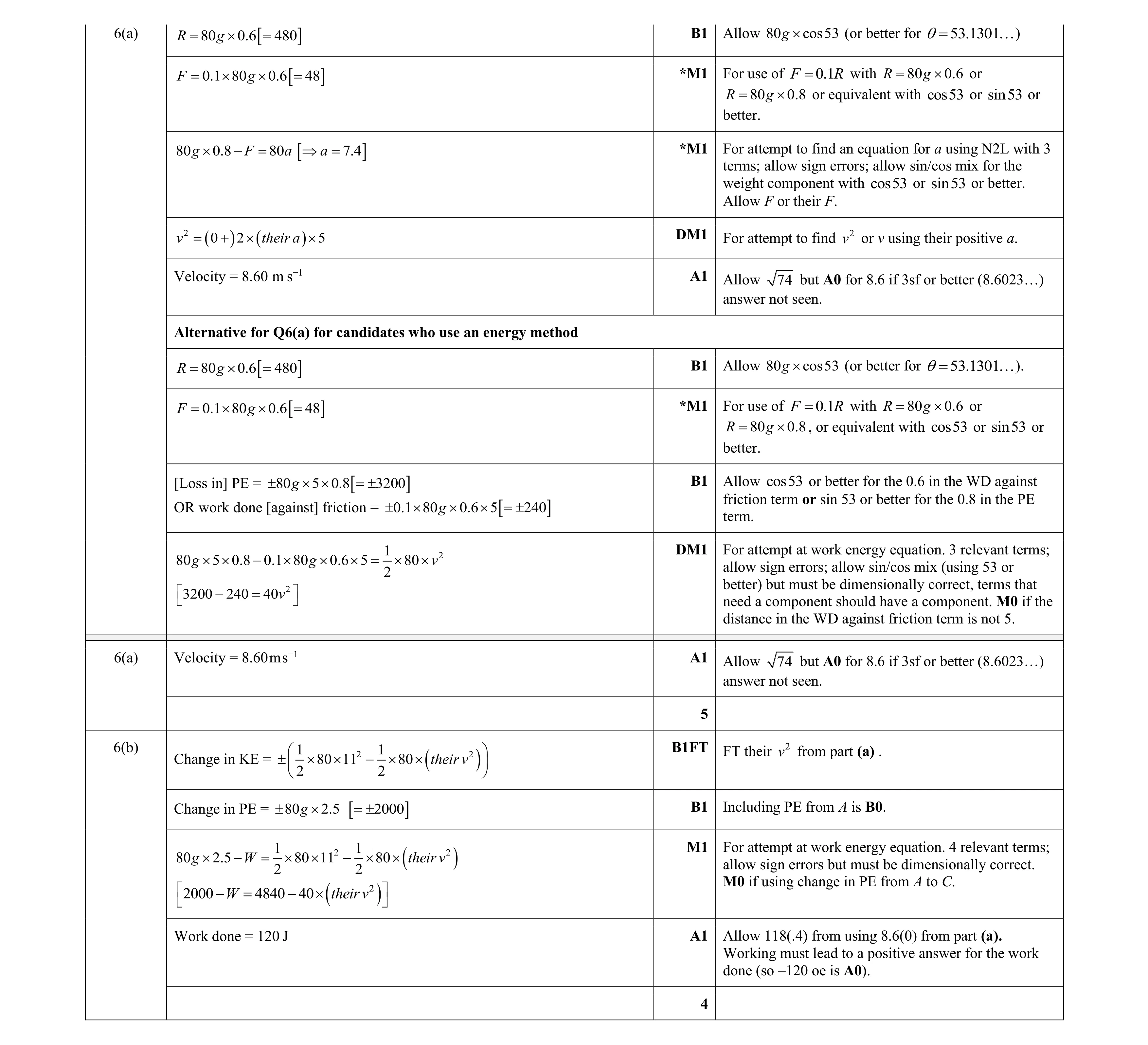 9
9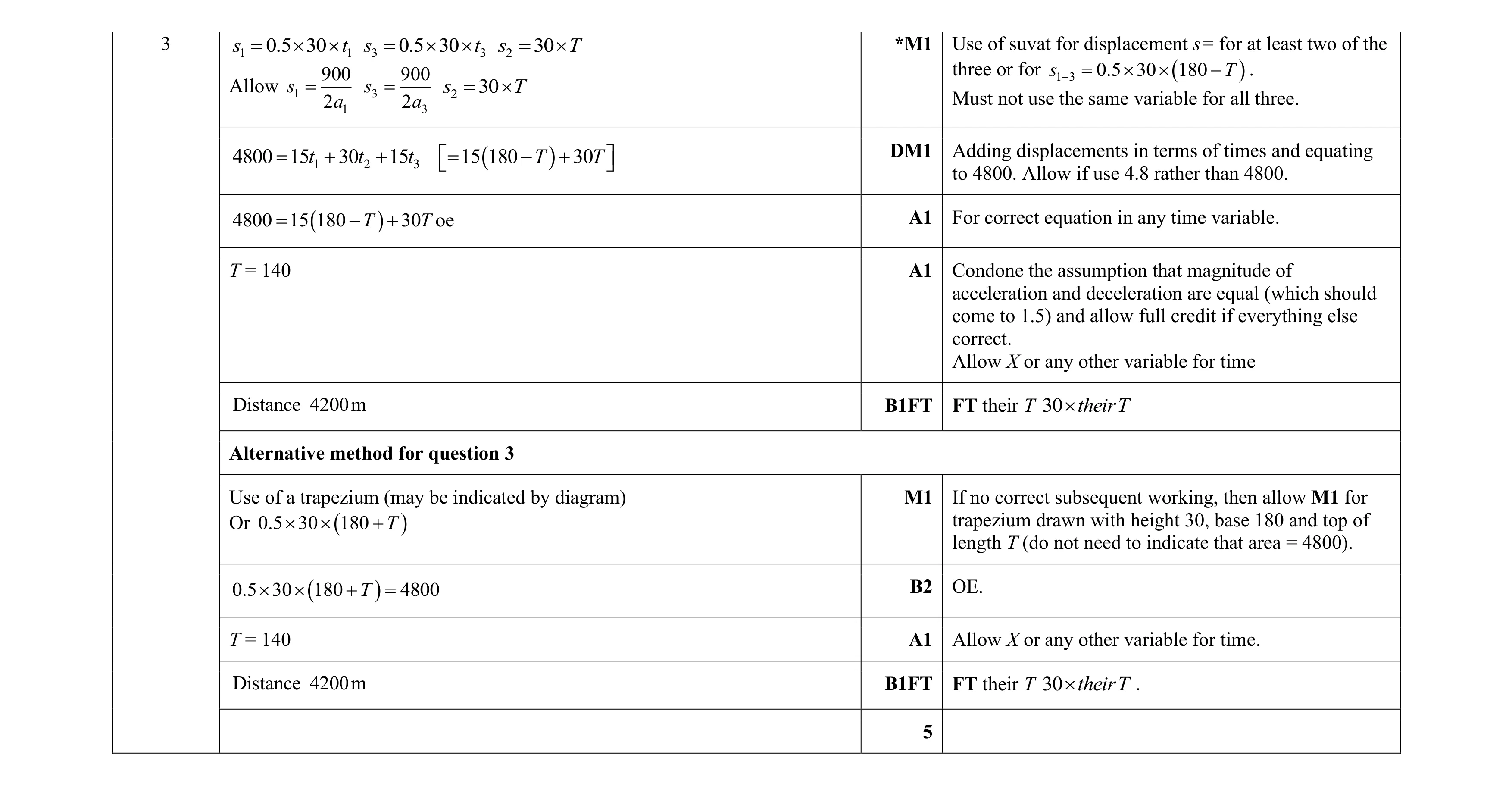 5
5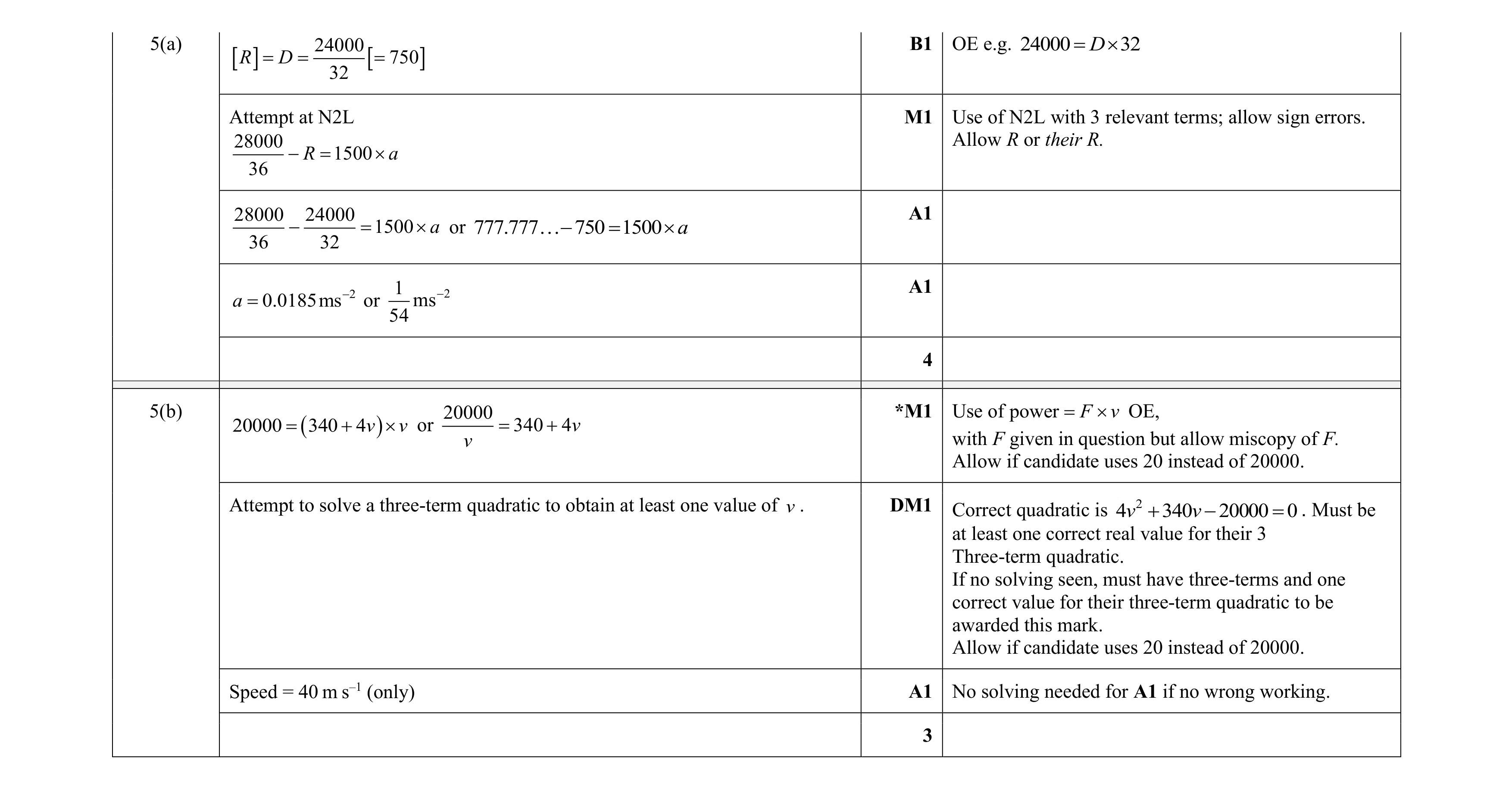 7
7 9
9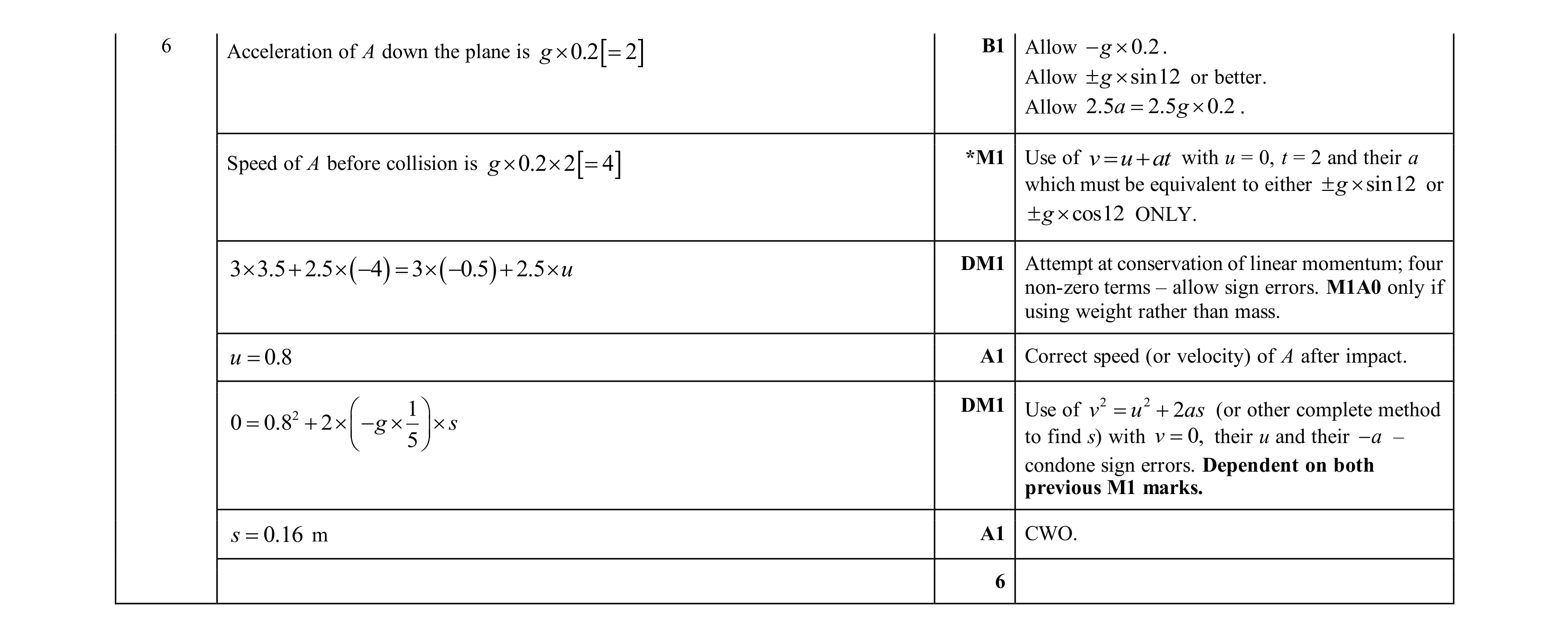 6
6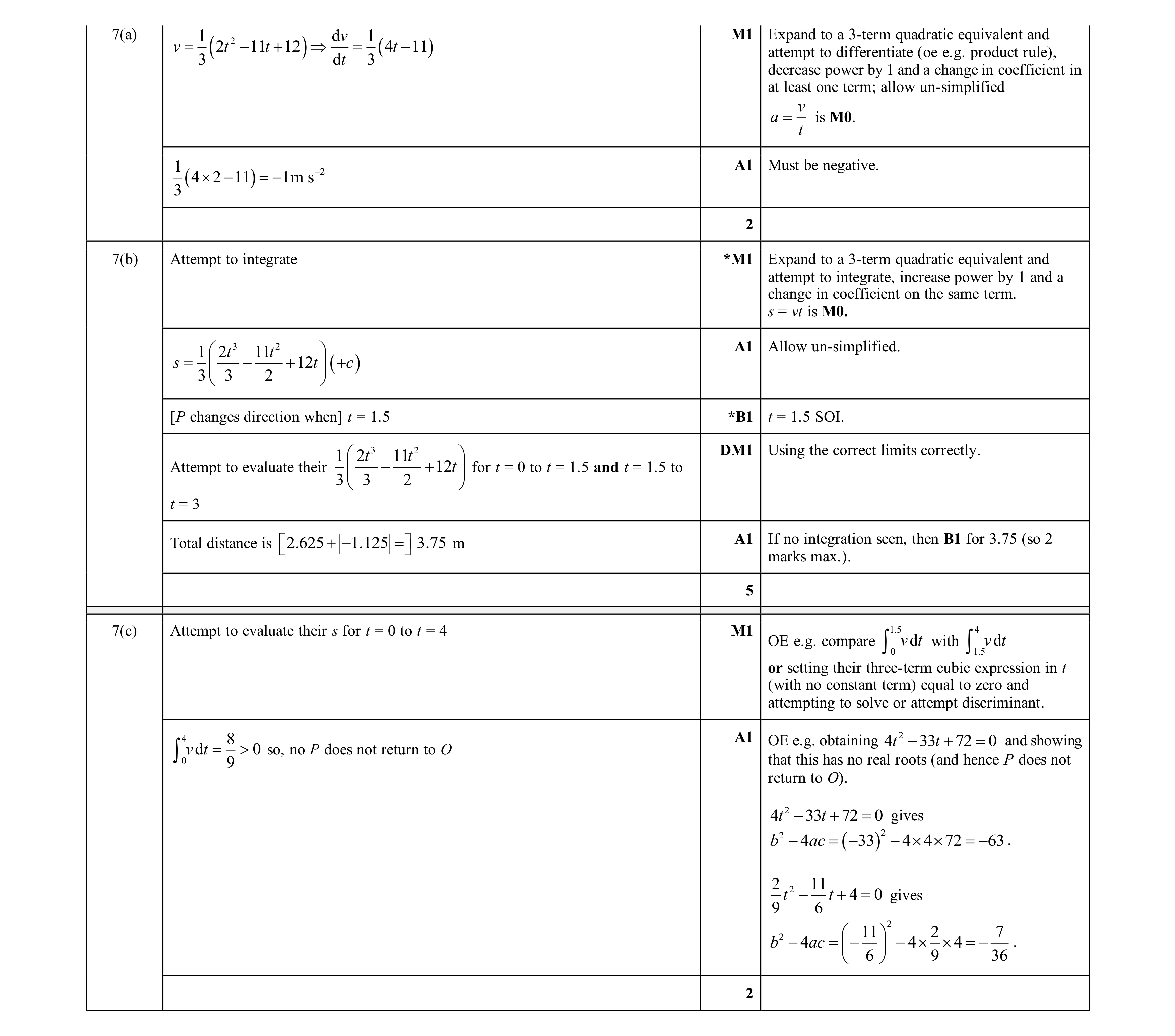 9
9 8
8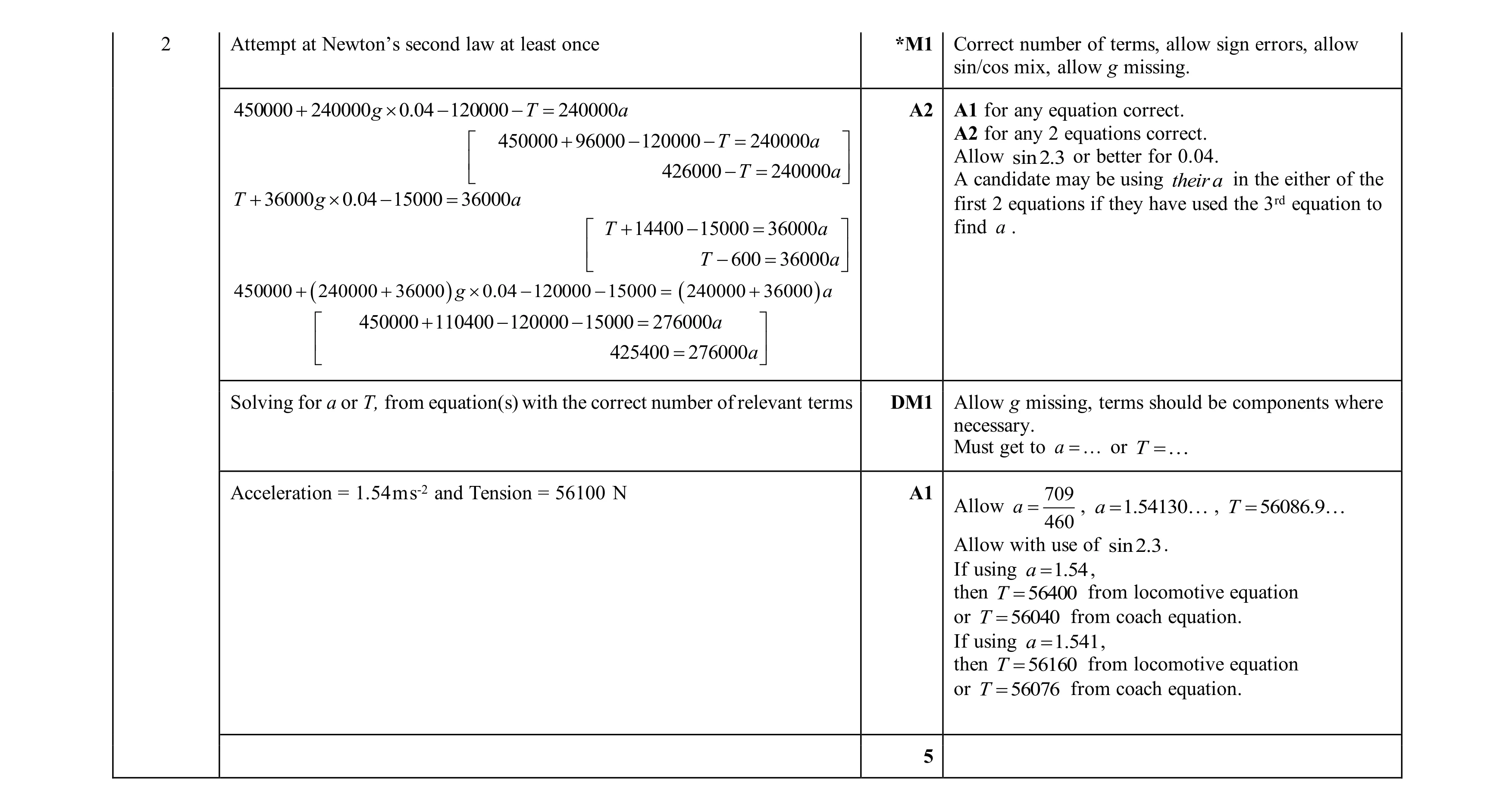 5
5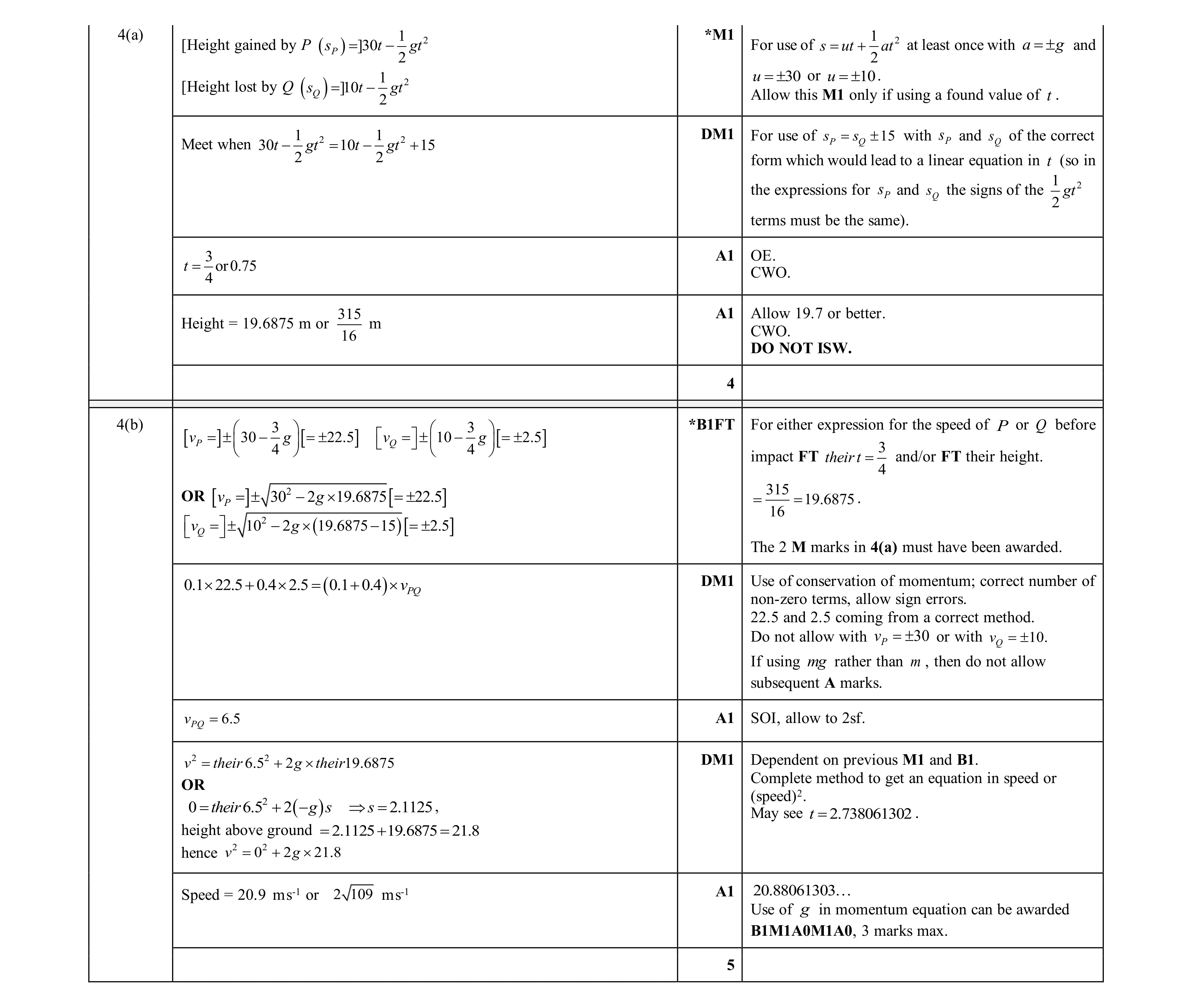 9
9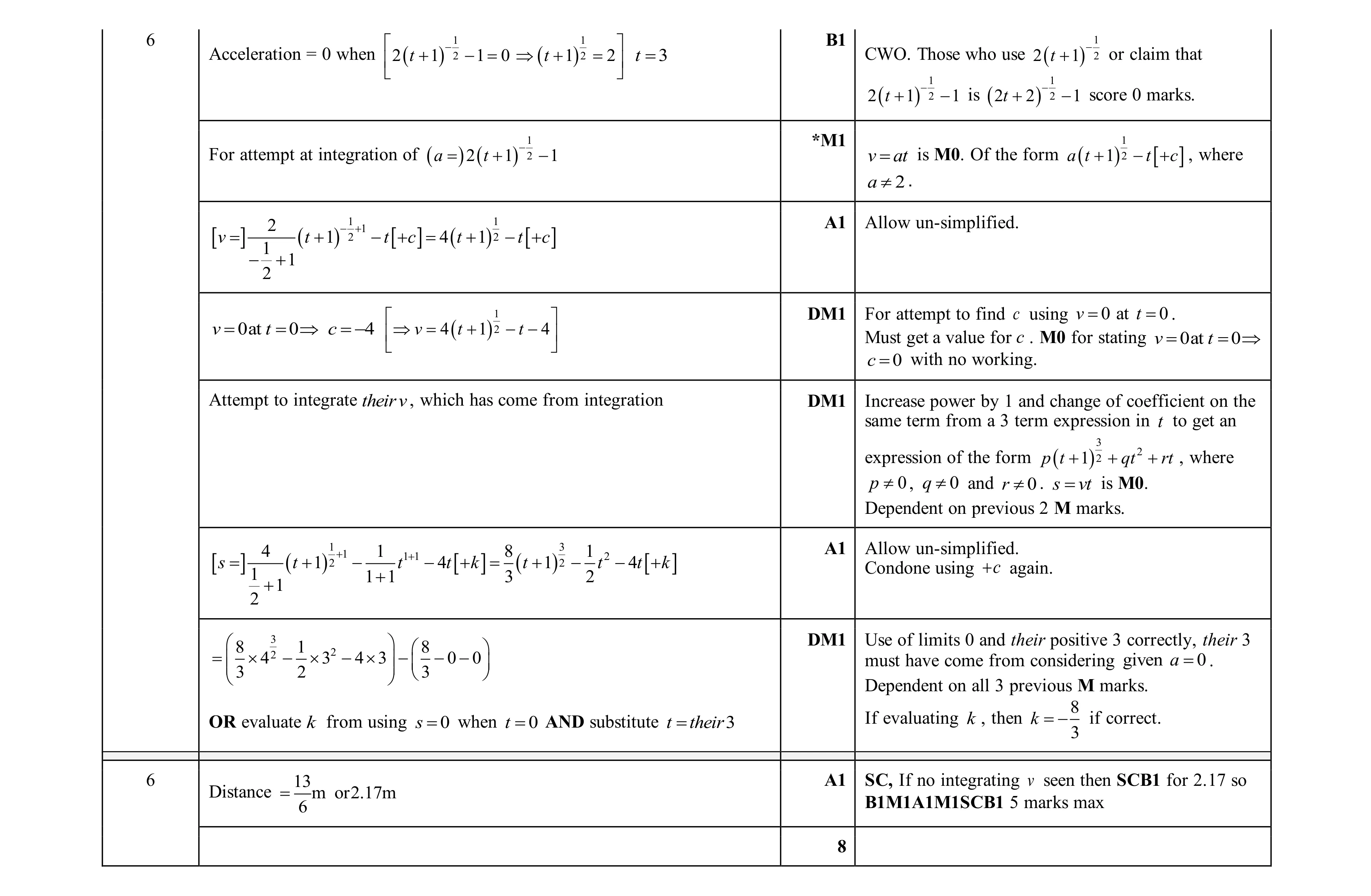 8
8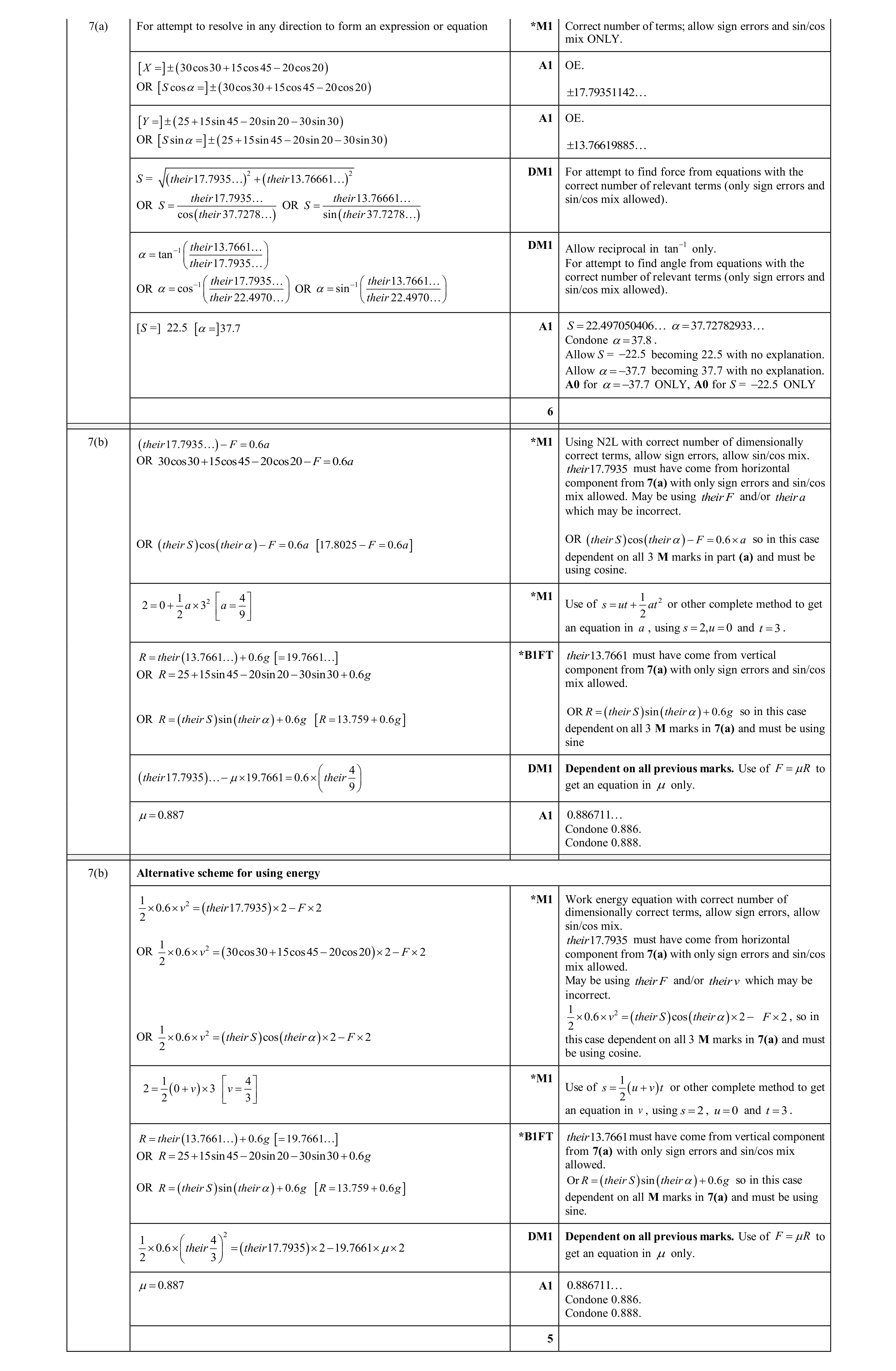 11
11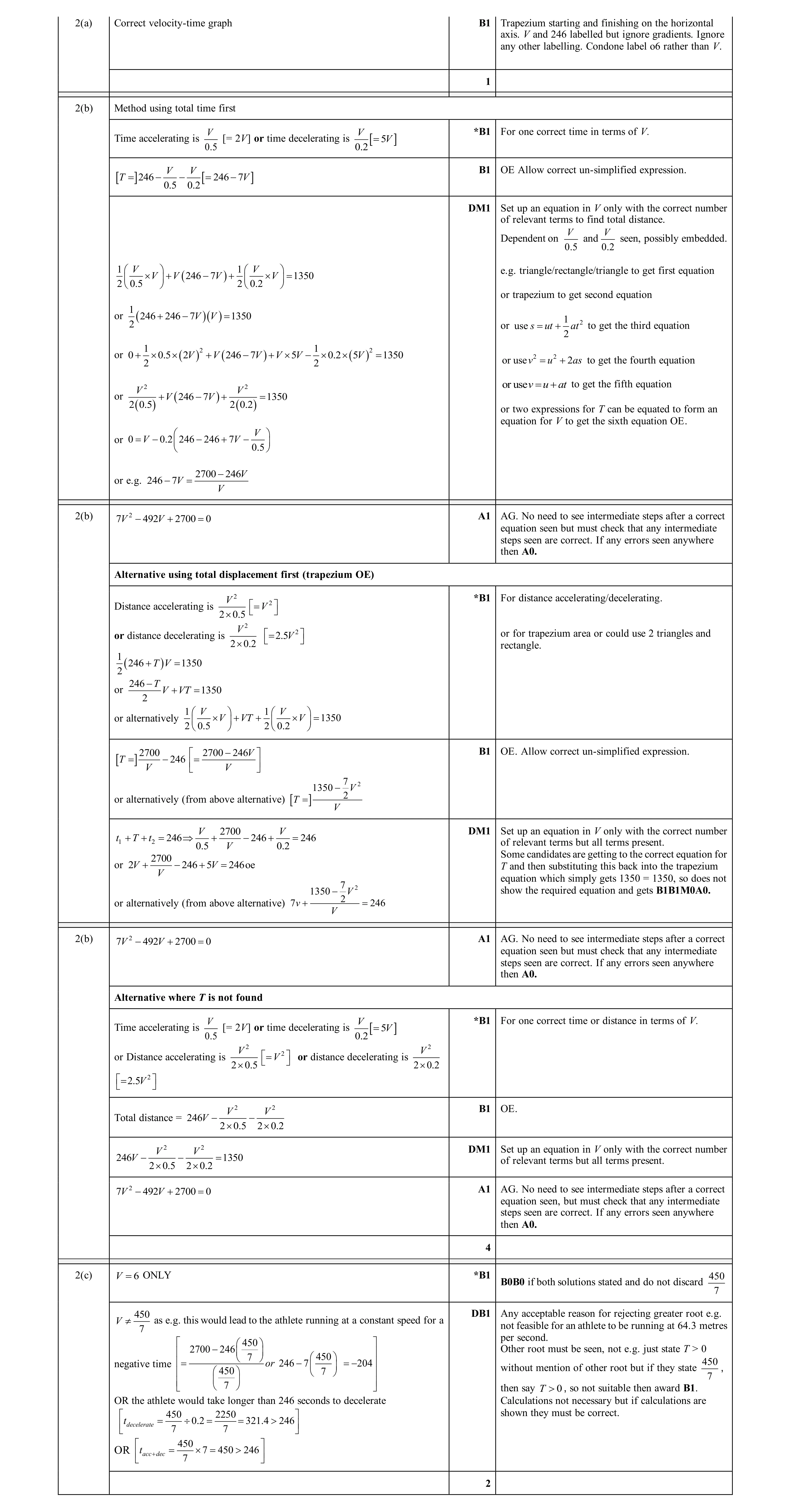 7
7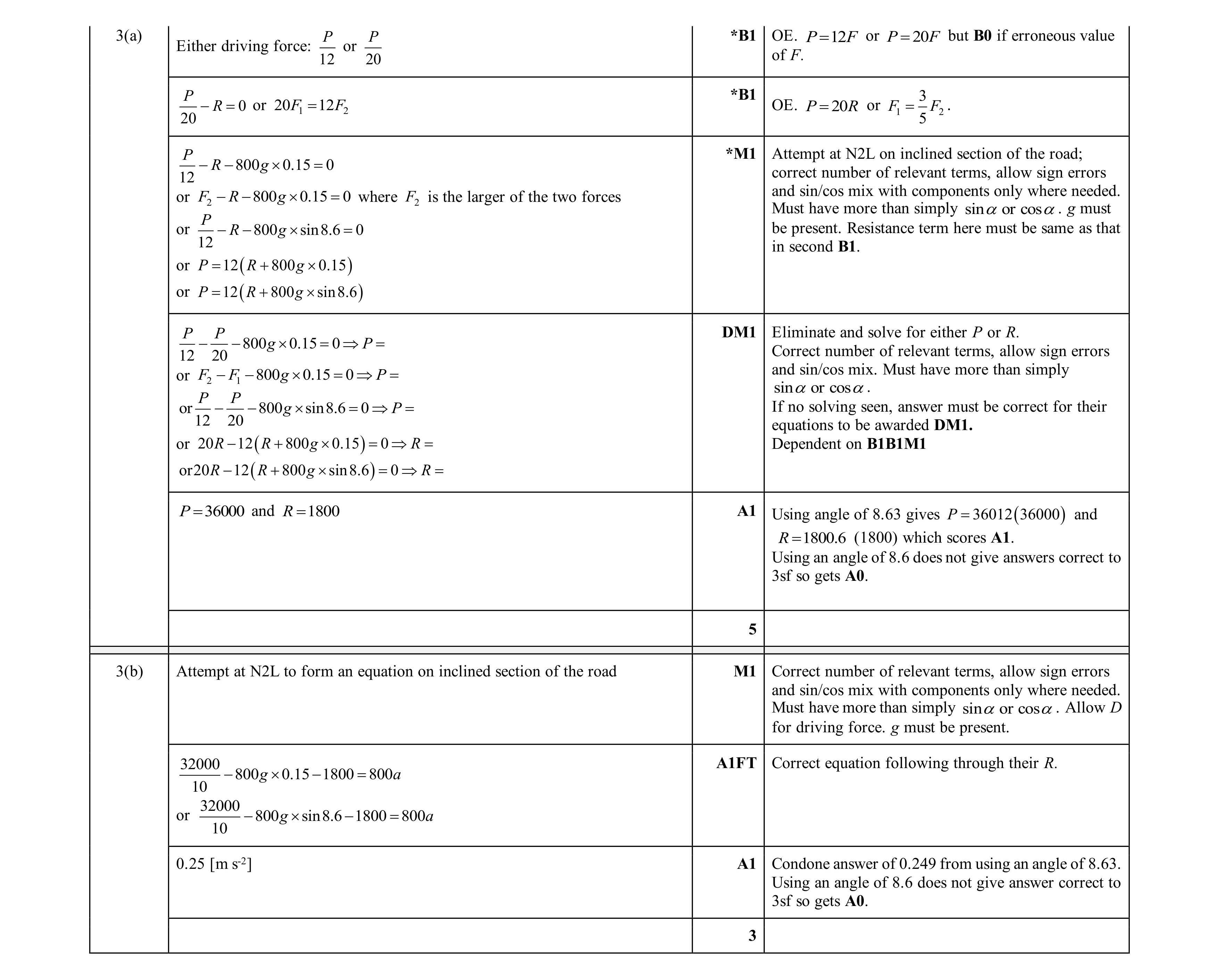 8
8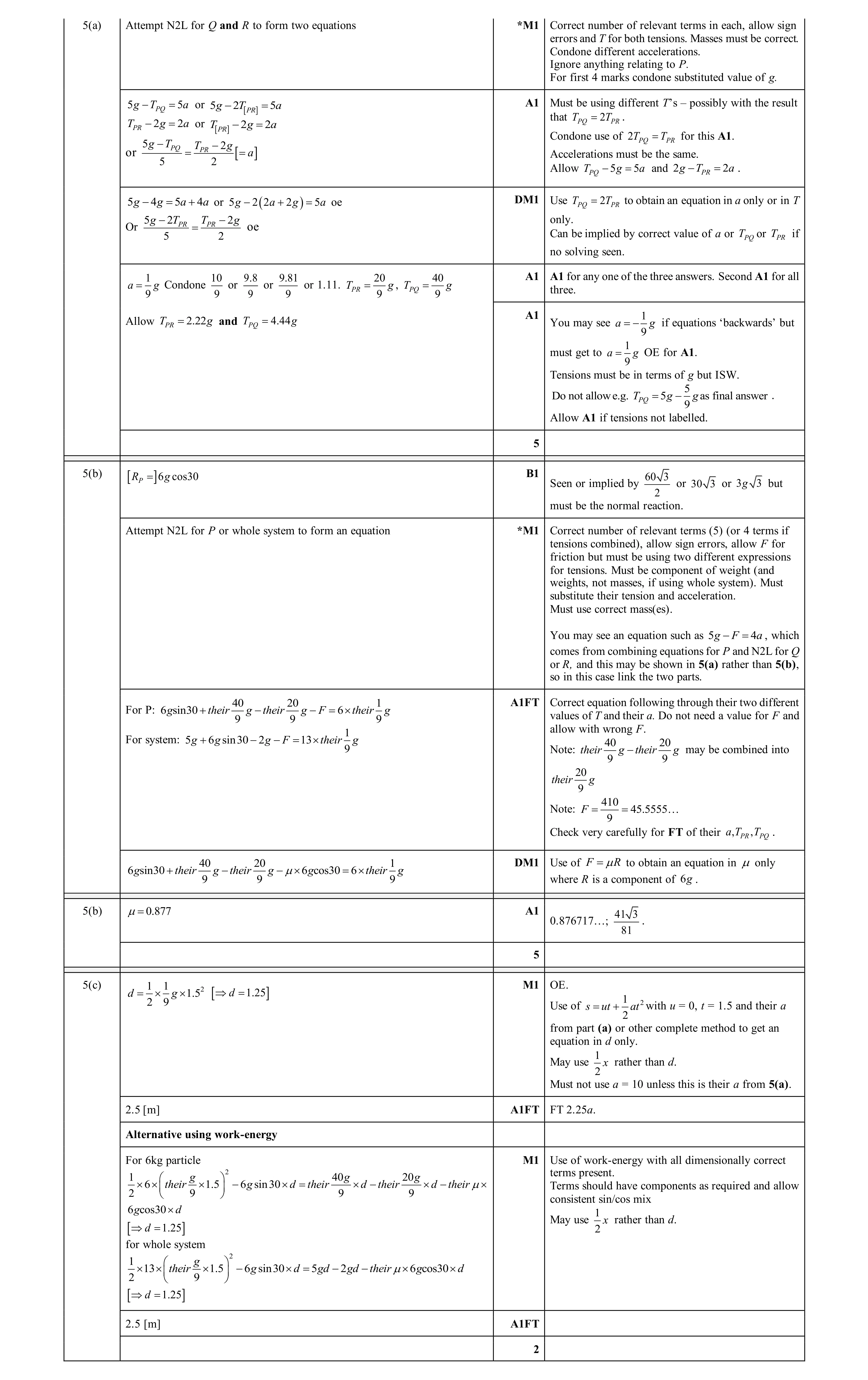 12
12