Questions as text
Q1 · A lorry of mass 16 000 kg climbs from the bottom to the top of a straight hill of length… 9709/41 Oct/Nov 2004
4 A lorry of mass 16 000 kg climbs from the bottom to the top of a straight hill of length 1000 m at a constant speed of 10 m s−1. The top of the hill is 20 m above the level of the bottom of the hill. The driving force of the lorry is constant and equal to 5000 N. Find (i) the gain in gravitational potential energy of the lorry, [1] (ii) the work done by the driving force, [1] (iii) the work done against the force resisting the motion of the lorry. [1] On reaching the top of the hill the lorry continues along a straight horizontal road against a constant resistance of 1500 N. The driving force of the lorry is not now constant, and the speed of the lorry increases from 10 m s−1 at the top of the hill to 25 m s−1 at the point P. The distance of P from the top of the hill is 2000 m. (iv) Find the work done by the driving force of the lorry while the lorry travels from the top of the hill to P. [5]
8 marks
Mark scheme: 4 (i) Gain in GPE = 3.2 x 10⁶ J B1 1 From 16000 x 10 x 20 (ii) WD by driving force = 5 x 10⁶ J B1 1 From 5000 x 1000 (iii) Work done is 1.8 x 10⁶ J B1 ft 1 From ans (ii) – ans (i) or from (5000 – 160 000 x 20/1000)1000 (iv) M1 For using KE = ½ mv2 Increase in KE A1 = ½ 16000 (252 – 102) WD by resistance B1 = 1500 x 2000 WD by driving force M1 WD by driving force = increase in = 4.2 x 10⁶ + 3 x 10⁶ KE + WD by resistance WD by driving force A1 5 = 7.2 x 10⁶ J SR for candidates who assume implicitly that the driving force is constant: max 2/5 a = (625 – 100)/(2 x 2000) DF = 16000 x 0.13125 = 2100 WD = (2100 + 1500) x 2000 = 7.2 x 10⁶ J B2 (candidates who use this approach and fail to reach the required answer should be marked according to the main scheme, and may score B mark – max 1/5) A AND AS LEVEL – NOVEMBER 2004 9709 4
This question in 9709/41 Oct/Nov 2004
Q2 · A small block is pulled along a rough horizontal floor at a constant speed of 1.5 m s−1 by… 9709/41 May/June 2005
1 A small block is pulled along a rough horizontal floor at a constant speed of 1.5 m s−1 by a constant force of magnitude 30 N acting at an angle of θ◦upwards from the horizontal. Given that the work done by the force in 20 s is 720 J, calculate the value of θ. [3]
3 marks
Mark scheme: 1 M1 For using WD = Fdcosα or P = WD/T and P = (Fcosα )v A1 720 = 30(1.5×20)cosθ θ = 36.9 A1 3
This question in 9709/41 May/June 2005
Q3 · A car of mass 1200 kg travels along a horizontal straight road 9709/41 May/June 2005
7 A car of mass 1200 kg travels along a horizontal straight road. The power provided by the car’s engine is constant and equal to 20 kW. The resistance to the car’s motion is constant and equal to 500 N. The car passes through the points A and B with speeds 10 m s−1 and 25 m s−1 respectively. The car takes 30.5 s to travel from A to B. (i) Find the acceleration of the car at A. [4] (ii) By considering work and energy, find the distance AB. [8]
12 marks
Mark scheme: 7 (i) Driving force = 20 000/10 B1 DF – R = ma M1 For using Newton’s second law (3 terms needed) 2000 – 500 = 1200a A1 ft Acceleration is 1.25ms-1 A1 4 (ii) KE change = M1 For using KE change ½ 1200 (252 – 102) = ½ m(v2 – u2) Difference in KE is 315 000 J A1 May be implied 20 000 = WD by car’s For using engine/30.5 M1 (constant)Power = WD/Time Work done is 610 000 J A1 May be implied M1 For using 610 000 =315 000 + WD by car’s engine = Increase WD against resistance in KE + WD against resistance M1 For using WD against resistance = Resistance×AB 500(AB) = 295 000 A1 ft Distance is 590 m A1 8
This question in 9709/41 May/June 2005
Q4 · A crate of mass 50 kg is dragged along a horizontal floor by a constant force of magnitude… 9709/41 Oct/Nov 2005
2 A crate of mass 50 kg is dragged along a horizontal floor by a constant force of magnitude 400 N acting at an angle α◦upwards from the horizontal. The total resistance to motion of the crate has constant magnitude 250 N. The crate starts from rest at the point O and passes the point P with a speed of 2 m s−1. The distance OP is 20 m. For the crate’s motion from O to P, find (i) the increase in kinetic energy of the crate, [1] (ii) the work done against the resistance to the motion of the crate, [1] (iii) the value of α. [3]
5 marks
Mark scheme: 2 (i) ½ 50×22 = 100 J B1 1 (ii) 250×20 = 5000 J B1 1 (iii) WD by the force = 5100 J or B1 a = 1/10 5100 = 400×20cosα M1 For using WD by the force = or Fd cos α or for using 400 cosα – 250 = 50×1/10 Newton’s second law (3 terms required) α = 50.4 A1 3
This question in 9709/41 Oct/Nov 2005
Q5 · Two particles A and B, of masses 0.3 kg and 0.2 kg respectively, are attached to the ends… 9709/41 Oct/Nov 2005
7 Two particles A and B, of masses 0.3 kg and 0.2 kg respectively, are attached to the ends of a light inextensible string which passes over a smooth fixed pulley. Particle B is held on the horizontal floor and particle A hangs in equilibrium. Particle B is released and each particle starts to move vertically with constant acceleration of magnitude a m s−2. (i) Find the value of a. [4] Particle A hits the floor 1.2 s after it starts to move, and does not rebound upwards. (ii) Show that A hits the floor with a speed of 2.4 m s−1. [1] (iii) Find the gain in gravitational potential energy by B, from leaving the floor until reaching its greatest height. [5] Every reasonable effort has been made to trace all copyright holders where the publishers (i.e. UCLES) are aware that third-party material has been reproduced. The publishers would be pleased to hear from anyone whose rights they have unwittingly infringed. University of Cambridge International Examinations is part of the University of Cambridge Local Examinations Syndicate (UCLES), which is itself a department of the University of Cambridge.
10 marks
Mark scheme: 7 (i) M1 For applying Newton’s second law to either particle 0.3g – T = 0.3a, T – 0.2g = 0.2a A1 0.3g – 0.2g = 0.3a + 0.2a M1 For eliminating T a = 2 A1 4 Alternatively: m1 − m 2 For using a = g M2 m1 + m 2 a = 2 A2 (ii) v = 2×1.2; Speed is 2.4 ms-1 B1 1 (iii) s1 = ½ (0 + 2.4)1.2 B1 2.42 = 2gs2 or M1 For using u2 = 2gs or for using ‘gain PE gain while string is slack = in PE = loss in KE’ ½ 0.2×2.42 (s1 + s2) = 1.728 or PE gain while string is slack =0.576J A1 May be implied by final answer. Total PE gain = 0.2g×1.728 M1 For using PE gain = mg(s1 + s2) (or PE gain while string is taut = (or PE gain while string is taut = 0.2g×1.44) mgs1 , in the case where PE gain while string is slack is calculated separately) Total PE gain = 3.456 J A1 5
This question in 9709/41 Oct/Nov 2005
Q6 · A car travels along a horizontal straight road with increasing speed until it reaches its… 9709/41 May/June 2007
3 A car travels along a horizontal straight road with increasing speed until it reaches its maximum speed of 30 m s−1. The resistance to motion is constant and equal to R N, and the power provided by the car’s engine is 18 kW. (i) Find the value of R. [3] (ii) Given that the car has mass 1200 kg, find its acceleration at the instant when its speed is 20 m s−1. [3]
6 marks
Mark scheme: 3 (i) [DF = 18000/30] M1 For using DF = P/v-may be scored in (ii) [R = DF] M1 For using a = 0 (may be implied) R = 600 N A1 3 (ii) M1 For using Newton’s second law (3 terms) 18000/20 – 600 = 1200a A1ft ft wrong R Acceleration is 0.25ms-2 A1 3
This question in 9709/41 May/June 2007
Q7 · A car of mass 900 kg travels along a horizontal straight road with its engine working at… 9709/41 Oct/Nov 2007
1 A car of mass 900 kg travels along a horizontal straight road with its engine working at a constant rate of P kW. The resistance to motion of the car is 550 N. Given that the acceleration of the car is 0.2 m s−2 at an instant when its speed is 30 m s−1, find the value of P. [4]
4 marks
Mark scheme: 1 M1 For using Newton’s second law (3 terms) DF – 550 = 900x0.2 A1 [P = 730x30 ÷ 1000] M1 For using P = (DF)v P = 21.9 A1 4 2
This question in 9709/41 Oct/Nov 2007
Q8 · The diagram shows the vertical cross-section of a surface 9709/41 Oct/Nov 2007
4 The diagram shows the vertical cross-section of a surface. A and B are two points on the cross-section, and A is 5 m higher than B. A particle of mass 0.35 kg passes through A with speed 7 m s−1, moving on the surface towards B. (i) Assuming that there is no resistance to motion, find the speed with which the particle reaches B. [3] (ii) Assuming instead that there is a resistance to motion, and that the particle reaches B with speed 11 m s−1, find the work done against this resistance as the particle moves from A to B. [3]
6 marks
Mark scheme: 4 (i) M1 For using KE = ½ mv2 [½ mv2- ½ m72 = mgx5] M1 For equation from KE gain = PE loss (3 terms) Speed is 12.2ms-1 A1 3 SR for candidates who treat AB as straight and vertical (max 1mark out of 3) v2 = 72 +2g5 v = 12.2 B1 (ii) M1 For using WD = PE loss – KE gain or WD = KE at B in (i) – actual KE at B WD = 0.35x10x5 – ½ 0.35(112 – 72) or A1ft ft wrong v in part (i) or for 12.2 scored by WD = ½ 0.35(12.22 – 112) B1in (i) Work done is 4.9 J A1 3 This mark is not available if v = 12.2 is used, having been scored by B1 in part (i) SR for candidates who treat AB as straight and vertical, and resistance as constant (max 1mark out of 3) a = 7.2 ms-2, R = 0.98 N, WD = 4.9 J B1 SR for candidates who write ‘Resistance =’ instead of ‘WD =’ (max 2/3) 0.35x10x5 – ½ 0.35(112 – 72) or ½ 0.35(12.22 – 112) seen B1 Answer 4.9J (NB J seen) B1 GCE A/AS LEVEL – October/November 2007 9709 04
This question in 9709/41 Oct/Nov 2007
Q9 · A block is being pulled along a horizontal floor by a rope inclined at 20◦to the horizontal 9709/41 May/June 2008
2 A block is being pulled along a horizontal floor by a rope inclined at 20◦to the horizontal. The tension in the rope is 851 N and the block moves at a constant speed of 2.5 m s−1. (i) Show that the work done on the block in 12 s is approximately 24 kJ. [3] (ii) Hence find the power being applied to the block, giving your answer to the nearest kW. [1]
4 marks
Mark scheme: 2 (i) Distance is 2.5x12m or power = 851cos20° x 2.5 B1 [WD = 851x30cos20°] M1 For using WD = Tdcosα (or Pt) Work done is 24 kJ A1 [3] AG (ii) Power is 2 kW B1 [1]
This question in 9709/41 May/June 2008
Q10 · O 2.4 m 50° A C B OABC is a vertical cross-section of a smooth surface 9709/41 May/June 2008
4 O 2.4 m 50° A C B OABC is a vertical cross-section of a smooth surface. The straight part OA has length 2.4 m and makes an angle of 50◦with the horizontal. A and C are at the same horizontal level and B is the lowest point of the cross-section (see diagram). A particle P of mass 0.8 kg is released from rest at O and moves on the surface. P remains in contact with the surface until it leaves the surface at C. Find (i) the kinetic energy of P at A, [2] (ii) the speed of P at C. [2] The greatest speed of P is 8 m s−1. (iii) Find the depth of B below the horizontal through A and C. [3]
7 marks
Mark scheme: 4 (i) [KE = Loss of PE = 0.8g(2.4sin50o), For using KE = PE loss = mgh or KE = ½ 0.8 x 2(gsin50o)2.4] M1 KE = ½ mv2 and v2 = 2as Kinetic energy at A is 14.7J A1 [2] (ii) [14.7 = ½ mv2] M1 For using KE at C = KE at A = ½ mv2 Speed at C is 6.06ms-1 A1ft [2] ft v = (2.5 KE)½ (iii) [½ m82 = mgH, ½ m82 – ½ m6.062 = mgh] M1 For using the principle of conservation of energy h = 3.2 – 2.4sin50o or 10h = ½ (82 – 6.062) A1ft ft 10h = ½ (82 – vC2) Depth is 1.36m A1 [3] SR in (iii) (max. mark 1/3) For depth = 1.36 from v2 = u2 + 2gs B1 GCE A/AS LEVEL – May/June 2008 9709 04
This question in 9709/41 May/June 2008
Q11 · A particle P of mass 0.6 kg is projected vertically upwards with speed 5.2 m s−1 from a… 9709/41 May/June 2008
6 A particle P of mass 0.6 kg is projected vertically upwards with speed 5.2 m s−1 from a point O which is 6.2 m above the ground. Air resistance acts on P so that its deceleration is 10.4 m s−2 when P is moving upwards, and its acceleration is 9.6 m s−2 when P is moving downwards. Find (i) the greatest height above the ground reached by P, [3] (ii) the speed with which P reaches the ground, [2] (iii) the total work done on P by the air resistance. [4]
9 marks
Mark scheme: 6 (i) M1 For using 0 = u2 + 2as, or 0 = u + at and s = ut + ½ at2, or 0 = u + at and s = (u + 0)t/2 0 = 5.22 – 2x10.4s1 or s1 = 5.2x0.5 - ½ 10.4x0.52 or s1 = (5.2 + 0)x0.5/2 A1 Greatest height is 7.5m A1 [3] (ii) [v2 = 2x9.6x7.5, v = 9.6x1.25, For using v2 = 0 + 2as, or v = 2x7.5/1.25] M1 s = ½ at2 and v = at, or s = ½ at2 and 0 + v = 2s/t Speed is 12ms-1 A1 [2] (iii) PE loss = 0.6g x 6.2 (= 37.2) or Initial total energy = 0.6gx6.2 + ½ 0.6x5.22 (= 45.312) or Energy loss upward = ½ 0.6x5.22 – 0.6gx1.3 (= 0.312) B1 KE gain = ½ 0.6(122 – 5.22) (= 35.088) or Final total energy = ½ 0.6x122 (= 43.2) Energy loss downward = - ½ 0.6x122 + 0.6gx7.5 (=1.8) B1ft ft ans (ii) For using WD = PE loss from the start – KE gain from the start or WD = Initial total energy – final total energy [WD = 37.2 – 35.088 or 45.312 – 43.2 or M1 WD = energy loss upward + 0.312 + 1.8] energy loss downward Work done is 2.11(2) J A1 [4] Accept exact or 3sf GCE A/AS LEVEL – May/June 2008 9709 04 Alternatively [0.6g + Rup = 0.6x10.4 or 0.6g - Rdown = M1 For applying Newton’s second law to the 0.6x9.6] upward motion or to the downward motion, and attempting to find Rup or Rdown Rup = 0.24 or Rdown = 0.24 A1 May be implied by final answer. M1 For using WD(upward) = 1.3Rup or WD(downward) = ans(i)Rdown Work done is 2.11(2) J A1ft [4] ft ans (i)
This question in 9709/41 May/June 2008
Q12 · A car of mass 1200 kg is travelling on a horizontal straight road and passes through a… 9709/41 Oct/Nov 2008
3 A car of mass 1200 kg is travelling on a horizontal straight road and passes through a point A with speed 25 m s−1. The power of the car’s engine is 18 kW and the resistance to the car’s motion is 900 N. (i) Find the deceleration of the car at A. [4] (ii) Show that the speed of the car does not fall below 20 m s−1 while the car continues to move with the engine exerting a constant power of 18 kW. [2]
6 marks
Mark scheme: 3 (i) M1 For applying Newton’s second law (3 terms) F – 900 = 1200a A1 [18000/25 – 900 = 1200a] M1 For using F = P/v Deceleration is 0.15ms–2 A1 [4] Accept a = –0.15 (ii) 18000/v – 900 = 0 B1 Least speed is 20ms–1 B1 [2] AG
This question in 9709/41 Oct/Nov 2008
Q13 · A load of mass 160 kg is lifted vertically by a crane, with constant acceleration 9709/41 Oct/Nov 2008
4 A load of mass 160 kg is lifted vertically by a crane, with constant acceleration. The load starts from rest at the point O. After 7 s, it passes through the point A with speed 0.5 m s−1. By considering energy, find the work done by the crane in moving the load from O to A. [6]
6 marks
Mark scheme: 4 [s = (0 + 0.5)/2 x 7] M1 For using (u + v)/2 = s/t s = 1.75m A1 May be implied PE gain = 160g x 1.75 B1ft KE gain = ½ 160 x 0.52 B1 [WD = 2800 + 20] M1 For using WD = PE gain + KE gain Work done is 2820J A1 [6] SR (max 4/6) for candidates who use a non-energy method [s = (0 + 0.5)/2 x 7] M1 For using (u + v)/2 = s/t s = 1.75m A1 [a = 1/14, T = 160g + 160/14, WD = 1611.4... x 1.75] M1 For finding the acceleration and using Newton’s second law (3 terms) to find the tension in the rope, then multiplying by the distance Work done is 2820J A1 GCE A/AS LEVEL – October/November 2008 9709 04
This question in 9709/41 Oct/Nov 2008
Q14 · A car of mass 1000 kg moves along a horizontal straight road, passing through points A… 9709/41 Oct/Nov 2009
1 A car of mass 1000 kg moves along a horizontal straight road, passing through points A and B. The power of its engine is constant and equal to 15 000 W. The driving force exerted by the engine is 750 N at A and 500 N at B. Find the speed of the car at A and at B, and hence find the increase in the car’s kinetic energy as it moves from A to B. [4]
4 marks
Mark scheme: 1 [15000 = 750vA, 15000 = 500vB] M1 For using P = Fv Speeds are 20ms–1 and 30ms–1 A1 [KE gain = ½ 1000(302 – 202)] M1 For using KE = ½ mv2 Increase is 250 000J (or 250kJ) A1ft 4 ft 500(vB2 – vA2)
This question in 9709/41 Oct/Nov 2009
Q15 · A 6 m s–1 B D E 0.65 m C A smooth narrow tube AE has two straight parts, AB and DE, and a… 9709/41 Oct/Nov 2009
2 A 6 m s–1 B D E 0.65 m C A smooth narrow tube AE has two straight parts, AB and DE, and a curved part BCD. The part AB is vertical with A above B, and DE is horizontal. C is the lowest point of the tube and is 0.65 m below the level of DE. A particle is released from rest at A and travels through the tube, leaving it at E with speed 6 m s−1 (see diagram). Find (i) the height of A above the level of DE, [2] (ii) the maximum speed of the particle. [2]
4 marks
Mark scheme: 2 (i) [mgh = ½ m62] M1 For using PE loss = KE gain Height is 1.8m A1 2 (ii) ½ mv2 = mg(1.8 + 0.65) or ½ mv2 – ½ m62 = mg × 0.65 B1ft Maximum speed is 7ms–1 B1 2
This question in 9709/41 Oct/Nov 2009
Q16 · A lorry of mass 15 000 kg moves with constant speed 14 m s−1 from the top to the bottom… 9709/42 Oct/Nov 2009
2 A lorry of mass 15 000 kg moves with constant speed 14 m s−1 from the top to the bottom of a straight hill of length 900 m. The top of the hill is 18 m above the level of the bottom of the hill. The total work done by the resistive forces acting on the lorry, including the braking force, is 4.8 × 10⁶ J. Find (i) the loss in gravitational potential energy of the lorry, [1] (ii) the work done by the driving force. [1] On reaching the bottom of the hill the lorry continues along a straight horizontal road against a constant resistance of 1600 N. There is no braking force acting. The speed of the lorry increases from 14 m s−1 at the bottom of the hill to 16 m s−1 at the point X, where X is 2500 m from the bottom of the hill. (iii) By considering energy, find the work done by the driving force of the lorry while it travels from the bottom of the hill to X. [3]
5 marks
Mark scheme: 2 (i) Loss in PE is 2.7 × 10⁶ J B1 1 (ii) WD is 2.1 × 10⁶ J B1ft 1 ft incorrect loss in PE (iii) KE change = ½ 15000(162 – 142) B1 WD by DF = Gain in KE + WD by [WD = ½ 15000(162 – 142) + 1600 × 2500] M1 resistance WD is 4.45 × 10⁶ J A1 3 SR for candidates who use Newton’s Law method instead of energy (max 1/3) a = (162 – 142)/(2 × 2500) = 0.012 DF = 1600 + 15000 × 0.012 = 1780 WD = 1780 × 2500 = 4.45 × 10⁶ B1
This question in 9709/42 Oct/Nov 2009
Q17 · A car of mass 1250 kg travels along a horizontal straight road with increasing speed 9709/42 Oct/Nov 2009
3 A car of mass 1250 kg travels along a horizontal straight road with increasing speed. The power provided by the car’s engine is constant and equal to 24 kW. The resistance to the car’s motion is constant and equal to 600 N. (i) Show that the speed of the car cannot exceed 40 m s−1. [3] (ii) Find the acceleration of the car at an instant when its speed is 15 m s−1. [3]
6 marks
Mark scheme: 3 (i) [DF = 600 at max speed] M1 For using DF = R at max. speed [DF = 24000/v] M1 For using DF = P/v Speed cannot exceed 40 ms–1 A1 3 AG (ii) DF – R = ma] M1 For using Newton’s second law 24000/15 – 600 = 1250a A1 Acceleration is 0.8 ms–2 A1 3
This question in 9709/42 Oct/Nov 2009
Q18 · P and Q are fixed points on a line of greatest slope of an inclined plane 9709/41 May/June 2010
5 P and Q are fixed points on a line of greatest slope of an inclined plane. The point Q is at a height of 0.45 m above the level of P. A particle of mass 0.3 kg moves upwards along the line PQ. (i) Given that the plane is smooth and that the particle just reaches Q, find the speed with which it passes through P. [3] (ii) It is given instead that the plane is rough. The particle passes through P with the same speed as that found in part (i), and just reaches a point R which is between P and Q. The work done against the frictional force in moving from P to R is 0.39 J. Find the potential energy gained by the particle in moving from P to R and hence find the height of R above the level of P. [4] [Questions 6 and 7 are printed on the next page.]
7 marks
Mark scheme: 5 (i) M1 For using KE loss = PE gain or 02 = u2 – 2(g sinα)(0.45/sinα) ½ (m)u2 = (m)g(0.45) A1 Speed is 3 ms–1 A1 [3] (ii) [PE gain = ½ 0.3 × 32 – 0.39] M1 For using PE gain = KE lost – WD PE gain is 0.96 J A1ft ft incorrect u [0.3gh = 0.96] DM1 For using PE = mgh; dependent on the given WD being reflected in the value for PE used R is 0.32 m higher than the level of P A1 [4]
This question in 9709/41 May/June 2010
Q19 · P and Q are fixed points on a line of greatest slope of an inclined plane 9709/42 May/June 2010
5 P and Q are fixed points on a line of greatest slope of an inclined plane. The point Q is at a height of 0.45 m above the level of P. A particle of mass 0.3 kg moves upwards along the line PQ. (i) Given that the plane is smooth and that the particle just reaches Q, find the speed with which it passes through P. [3] (ii) It is given instead that the plane is rough. The particle passes through P with the same speed as that found in part (i), and just reaches a point R which is between P and Q. The work done against the frictional force in moving from P to R is 0.39 J. Find the potential energy gained by the particle in moving from P to R and hence find the height of R above the level of P. [4] [Questions 6 and 7 are printed on the next page.]
7 marks
Mark scheme: 5 (i) M1 For using KE loss = PE gain or 02 = u2 – 2(g sinα)(0.45/sinα) ½ (m)u2 = (m)g(0.45) A1 Speed is 3 ms–1 A1 [3] (ii) [PE gain = ½ 0.3 × 32 – 0.39] M1 For using PE gain = KE lost – WD PE gain is 0.96 J A1ft ft incorrect u [0.3gh = 0.96] DM1 For using PE = mgh; dependent on the given WD being reflected in the value for PE used R is 0.32 m higher than the level of P A1 [4]
This question in 9709/42 May/June 2010
Q20 · A load is pulled along a horizontal straight track, from A to B, by a force of magnitude… 9709/43 May/June 2010
3 A load is pulled along a horizontal straight track, from A to B, by a force of magnitude P N which acts at an angle of 30◦upwards from the horizontal. The distance AB is 80 m. The speed of the load is constant and equal to 1.2 m s−1 as it moves from A to the mid-point M of AB. (i) For the motion from A to M the value of P is 25. Calculate the work done by the force as the load moves from A to M. [2] The speed of the load increases from 1.2 m s−1 as it moves from M towards B. For the motion from M to B the value of P is 50 and the work done against resistance is the same as that for the motion from A to M. The mass of the load is 35 kg. (ii) Find the gain in kinetic energy of the load as it moves from M to B and hence find the speed with which it reaches B. [5]
7 marks
Mark scheme: 3 (i) [WD = 25 × 40 cos30°] M1 For using WD = Fdcosθ Work done is 866 J A1 [2] (ii) [50 × 40 cos30° = 866 + KE gain] M1 For using WD by P = WD against resistance + KE gain KE gain is 866 J A1ft ft incorrect ans (i) M1 For using KE gain = ½ m(v2 – u2) ½ 35(v2 – 1.22) = 866 A1ft ft incorrect KE Speed is 7.14 ms-1 A1 [5] SR (max 2/3 for the last three marks) for using Newton’s second law and constant acceleration formula 50 cos30° – 25 cos30° = 35a and v2 = 1.22 + 2 × 40a M1 speed is 7.14 ms-1 A1
This question in 9709/43 May/June 2010
Q21 · A car of mass 600 kg travels along a horizontal straight road, with its engine working at… 9709/41 Oct/Nov 2010
2 A car of mass 600 kg travels along a horizontal straight road, with its engine working at a rate of 40 kW. The resistance to motion of the car is constant and equal to 800 N. The car passes through the point A on the road with speed 25 m s−1. The car’s acceleration at the point B on the road is half its acceleration at A. Find the speed of the car at B. [5]
5 marks
Mark scheme: 2 [F – R = ma] M1 For using Newton’s second law (3 terms) FA – 800 = 600aA A1 FA = 40000/25 (1600) B1 40000/vB – 800 = 600 (400/600) A1 Speed is 33.3 ms–1 A1 [5]
This question in 9709/41 Oct/Nov 2010
Q22 · A particle of mass 0.8 kg slides down a rough inclined plane along a line of greatest… 9709/41 Oct/Nov 2010
5 A particle of mass 0.8 kg slides down a rough inclined plane along a line of greatest slope AB. The distance AB is 8 m. The particle starts at A with speed 3 m s−1 and moves with constant acceleration 2.5 m s−2. (i) Find the speed of the particle at the instant it reaches B. [2] (ii) Given that the work done against the frictional force as the particle moves from A to B is 7 J, find the angle of inclination of the plane. [4] When the particle is at the point X its speed is the same as the average speed for the motion from A to B. (iii) Find the work done by the frictional force for the particle’s motion from A to X. [3]
9 marks
Mark scheme: 5 (i) [v2 = 32 + 2 × 2.5 × 8] M1 For using v2 = u2 + 2as Speed is 7 ms–1 A1 [2] (ii) KE gain = ½ 0.8(72 – 32) (= 16) B1ft ft incorrect speed PE loss = 16 + 7 B1ft ft incorrect expression for KE [0.8 × 10 × 8sinα = 23] M1 For using PE loss = mgLsinα Angle is 21.1° or 0.368c A1 [4] (ii) ALTERNATIVELY F = 7/8 B1 [0.8 × 10sinα – F = 0.8 × 2.5] M1 For using Newton’s second law 0.8 × 10sinα – 0.875 = 0.8 × 2.5 A1 Angle is 21.1° or 0.368c A1 (iii) 52 = 32 + 2 × 2.5s (s = 3.2) B1 [WD/7 = 3.2/8 M1 For using WD proport’l to dist. or WD = 0.875 × 3.2 or WD = F(AX) or WD = 8 × 3.2 × (23/64) or WD = PE loss – KE gain – ½ 0.8(52 – 32)] Work done is 2.8 J A1 [3]
This question in 9709/41 Oct/Nov 2010
Q23 · A X B 3 m H m h m A smooth slide AB is fixed so that its highest point A is 3 m above… 9709/41 Oct/Nov 2010
6 A X B 3 m H m h m A smooth slide AB is fixed so that its highest point A is 3 m above horizontal ground. B is h m above the ground. A particle P of mass 0.2 kg is released from rest at a point on the slide. The particle moves down the slide and, after passing B, continues moving until it hits the ground (see diagram). The speed of P at B is vB and the speed at which P hits the ground is vG. (i) In the case that P is released at A, it is given that the kinetic energy of P at B is 1.6 J. Find (a) the value of h, [3] (b) the kinetic energy of the particle immediately before it reaches the ground, [1] (c) the ratio vG : vB. [2] (ii) In the case that P is released at the point X of the slide, which is H m above the ground (see diagram), it is given that vG : vB = 2.55. Find the value of H correct to 2 significant figures. [3]
9 marks
Mark scheme: 6 (i) (a) PE loss = 0.2g(3 – h) B1 [0.2g(3 – h) = 1.6] M1 For using PE loss = KE gain h = 2.2 A1 [3] (b) KE is 6 J B1 [1] (c) [vG / vB = (3/(3 – 2.2))½ M1 For using v2 ∝(3 – ht) or (vG / vB)2 = Ans. (i)(b) ÷ 1.6 or vG / vB = 6 / 6.1 ] Ratio is 1.94 A1 [2] Accept 60 ÷ 4 or 15 ÷ 2 (ii) M1 For using v2 ∝(H – ht) or using ½ m(2.55vB)2 = mgH and ½ mvB2 = mg(H – 2.2) and eliminating vB2 H/(H – 2.2) = 2.552 A1 H = 2.6 A1 [3] GCE AS/A LEVEL – October/November 2010 9709 41
This question in 9709/41 Oct/Nov 2010
Q24 · A block of mass 20 kg is pulled from the bottom to the top of a slope 9709/42 Oct/Nov 2010
4 A block of mass 20 kg is pulled from the bottom to the top of a slope. The slope has length 10 m and is inclined at 4.5◦to the horizontal. The speed of the block is 2.5 m s−1 at the bottom of the slope and 1.5 m s−1 at the top of the slope. (i) Find the loss of kinetic energy and the gain in potential energy of the block. [3] (ii) Given that the work done against the resistance to motion is 50 J, find the work done by the pulling force acting on the block. [2] (iii) Given also that the pulling force is constant and acts at an angle of 15◦upwards from the slope, find its magnitude. [2]
7 marks
Mark scheme: 4 (i) [½ 20(2.52 – 1.52), 20x10x10sin 4.5o] For using KE loss = ½ m(u2 – v2) M1 or PE gain = mg(Lsinα) KE loss = 40 J or PE gain = 157 J A1 PE gain = 157 J or KE loss = 40 J B1 [3] (ii) [WD = 157 – 40 + 50] M1 For using WD by pulling force = PE gain – KE loss + WD against resistance Work done is 167 J A1ft [2] ft incorrect PE gain + 10, even if –ve (iii) [167 = Fx10cos15o] M1 For using WD = FLcos 15o Magnitude is 17.3 N A1ft [2] SR (max. 1/2) for candidates who (implicitly) make the unjustifiable assumption that acceleration is constant and apply Newton’s second law For magnitude is 17.3 N from Fcos 15o – 20gsin4.5o – 50/10 = 20 × (–0.2) B1 GCE AS/A LEVEL – October/November 2010 9709 42 2 2 2
This question in 9709/42 Oct/Nov 2010
Q25 · A 1.8 m B C The diagram shows the vertical cross-section ABC of a fixed surface 9709/43 Oct/Nov 2010
2 A 1.8 m B C The diagram shows the vertical cross-section ABC of a fixed surface. AB is a curve and BC is a horizontal straight line. The part of the surface containing AB is smooth and the part containing BC is rough. A is at a height of 1.8 m above BC. A particle of mass 0.5 kg is released from rest at A and travels along the surface to C. (i) Find the speed of the particle at B. [2] (ii) Given that the particle reaches C with a speed of 5 m s−1, find the work done against the resistance to motion as the particle moves from B to C. [2]
4 marks
Mark scheme: 2 (i) [½ v2 = 10x1.8] M1 For using ½ mv2 = mgh Speed is 6 ms–1 A1 [2] (ii) [WD = ½x0.5(62 – 52) or M1 For using WD = loss of KE 0.5x10x1.8 = ½x0.5x52] or KEA + PEA – WD = KEC + PEC Work done is 2.75 J A1 [2]
This question in 9709/43 Oct/Nov 2010
Q26 · A car of mass 1250 kg travels along a horizontal straight road 9709/43 Oct/Nov 2010
7 A car of mass 1250 kg travels along a horizontal straight road. The power of the car’s engine is constant and equal to 24 kW and the resistance to the car’s motion is constant and equal to R N. The car passes through the point A on the road with speed 20 m s−1 and acceleration 0.32 m s−2. (i) Find the value of R. [3] The car continues with increasing speed, passing through the point B on the road with speed 29.9 m s−1. The car subsequently passes through the point C. (ii) Find the acceleration of the car at B, giving the answer in m s−2 correct to 3 decimal places. [2] (iii) Show that, while the car’s speed is increasing, it cannot reach 30 m s−1. [2] (iv) Explain why the speed of the car is approximately constant between B and C. [1] (v) State a value of the approximately constant speed, and the maximum possible error in this value at any point between B and C. [1] The work done by the car’s engine during the motion from B to C is 1200 kJ. (vi) By assuming the speed of the car is constant from B to C, find, in either order, (a) the approximate time taken for the car to travel from B to C, (b) an approximation for the distance BC. [4]
13 marks
Mark scheme: 7 (i) DF = 24000/20 B1 [DF – R = 1250x0.32] M1 For using Newton’s second law (3 terms) R = 800 A1 [3] (ii) 24000/29.9 – 800 = 1250a B1 Acceleration is 0.002 ms–2 B1 [2] (iii) [a = (24000/30 – 800)/1250 M1 For finding a when v = 30 or for using 24000/v – 800 > 0 v < 30] a > 0 to obtain an inequality for v Car not accelerating when v = 30 or Speed cannot reach 30 ms–1 A1 [2] AG (iv) 29.9 ≤ v < 30 speed approximately constant B1 [1] (v) 30 ms–1 (max error 0.1) or 29.95 ms–1 (max error 0.05) or 29.9 ms–1 (max error 0.1) B1 [1] (vi) (a) [24 = 1200/T] M1 For using P = ∆WD/∆t Time taken is 50 s A1 (b) [s = 30x50 or 29.95x50 or 29.9x50] M1 For using s = vt Distance BC is 1500 m or 1500 m or 1495 m A1 [4] GCE AS/A LEVEL – October/November 2010 9709 43 ALTERNATIVE FOR PART (vi) (b) [1200 000 = 800d] M1 For using ‘no change in KE’ WD by car’s engine = WD against resistance’ (may be implied) Distance BC is 1500 m A1 (a) [t = 1500/30 or 1500/29.95 or 1500/29.9] M1 For using t = s/v Time taken is 50 s or 50.1 s or 50.2 s A1
This question in 9709/43 Oct/Nov 2010
Q27 · A car of mass 700 kg is travelling along a straight horizontal road 9709/41 May/June 2011
1 A car of mass 700 kg is travelling along a straight horizontal road. The resistance to motion is constant and equal to 600 N. (i) Find the driving force of the car’s engine at an instant when the acceleration is 2 m s−2. [2] (ii) Given that the car’s speed at this instant is 15 m s−1, find the rate at which the car’s engine is working. [2]
4 marks
Mark scheme: 1 (i) [DF – 600 = 700 × 2] M1 For using Newton’s second law (3 terms needed) Driving force is 2000 N A1 [2] (ii) [P = 2000 × 15] M1 For using P = Fv Rate of working is 30000 W (or 30 kW) A1ft [2]
This question in 9709/41 May/June 2011
Q28 · A load of mass 1250 kg is raised by a crane from rest on horizontal ground, to rest at a… 9709/41 May/June 2011
2 A load of mass 1250 kg is raised by a crane from rest on horizontal ground, to rest at a height of 1.54 m above the ground. The work done against the resistance to motion is 5750 J. (i) Find the work done by the crane. [3] (ii) Assuming the power output of the crane is constant and equal to 1.25 kW, find the time taken to raise the load. [2]
5 marks
Mark scheme: 2 (i) Gain in PE = 1250g × 1.54 ( = 19250 J) B1 [WD = 1250g × 1.54 + 5750] M1 For using WD by crane = Gain in PE + WD against resistance Work done is 25000 J (or 25 kJ) A1 [3] (ii) [1250 = 25000 / T] M1 for using P = ∆(WD) / ∆t Time is 20 s A1ft [2] ft Ans(i) ÷ 1250
This question in 9709/41 May/June 2011
Q29 · Loads A and B, of masses 1.2 kg and 2.0 kg respectively, are attached to the ends of a… 9709/41 May/June 2011
7 Loads A and B, of masses 1.2 kg and 2.0 kg respectively, are attached to the ends of a light inextensible string which passes over a fixed smooth pulley. A is held at rest and B hangs freely, with both straight parts of the string vertical. A is released and starts to move upwards. It does not reach the pulley in the subsequent motion. (i) Find the acceleration of A and the tension in the string. [4] (ii) Find, for the first 1.5 metres of A’s motion, (a) A’s gain in potential energy, (b) the work done on A by the tension in the string, (c) A’s gain in kinetic energy. [3] B hits the floor 1.6 seconds after A is released. B comes to rest without rebounding and the string becomes slack. (iii) Find the time from the instant the string becomes slack until it becomes taut again. [4]
11 marks
Mark scheme: 7 (i) M1 For applying Newton’s second law to A or to B T – 12 = 1.2a and 20 –T = 2a A1 Accept (2 – 1.2)g = (2.0 + 1.2)a as an alternative for one of these equations Acceleration is 2.5 ms-2 B1 Tension is 15 N A1 [4] (ii) (a) PE gain = 12 × 1.5 = 18 J B1 (b) WD on A = 15 × 1.5 = 22.5J B1 (c) Gain in KE = ans(b) – ans(a) = 4.5 J B1ft [3] alt: KE = ½ 1.2(2 × 2.5 × 1.5) = 4.5J (iii) v = 1.6 × 2.5 B1ft M1 For using v = u – gt t = 0.4 s A1 May be implied Total time taken is 0.8 s A1 [4]
This question in 9709/41 May/June 2011
Q30 · A load is pulled along horizontal ground for a distance of 76 m, using a rope 9709/42 May/June 2011
1 A load is pulled along horizontal ground for a distance of 76 m, using a rope. The rope is inclined at 5◦above the horizontal and the tension in the rope is 65 N. (i) Find the work done by the tension. [2] At an instant during the motion the velocity of the load is 1.5 m s−1. (ii) Find the rate of working of the tension at this instant. [2]
4 marks
Mark scheme: 1 (i) [WD = 65 × 76cos5o] M1 For using WD = Tdcosα Work done is 4920 J A1 [2] (ii) [P = 65 cos5o × 1.5] M1 For using P = Tvcosα Rate of working is 97.1 W A1ft [2] ft for the value of ans(i) × 1.5÷76 SR for candidates who assume without justification that the speed is constant (max 1/2) t = 76 ÷ 1.5 = 50.6…s rate = WD/t = 4960÷50.6.. = 97.1W B1
This question in 9709/42 May/June 2011
Q31 · An object of mass 8 kg slides down a line of greatest slope of an inclined plane 9709/42 May/June 2011
2 An object of mass 8 kg slides down a line of greatest slope of an inclined plane. Its initial speed at the top of the plane is 3 m s−1 and its speed at the bottom of the plane is 8 m s−1. The work done against the resistance to motion of the object is 120 J. Find the height of the top of the plane above the level of the bottom. [4]
4 marks
Mark scheme: 2 M1 For using ‘loss of PE = gain in KE + WD against resistance’ PE loss = ½ 8(82 – 32) + 120 (= 340 J) A1 [340 = 8gh] DM1 For using PE = mgh Height is 4.25 m A1 [4] SR for candidates who assume without justification that the resistance to motion is constant, usually implicitly by using constant acceleration formulae (max 3/4) For using Newton’s second law with 3 terms, v2 – u2 = 2as and h = s sinα M1 For attempting to eliminate α, a and s from the equations (80sinα – 120/s = 8a 64 – 9 = 2as, h = s sinα) M1 80s sinα – 120 = 4(64 – 9) → 80h – 120 = 220 → h = 4.25 A1
This question in 9709/42 May/June 2011
Q32 · A block is pulled for a distance of 50 m along a horizontal floor, by a rope that is… 9709/43 May/June 2011
1 A block is pulled for a distance of 50 m along a horizontal floor, by a rope that is inclined at an angle of α◦to the floor. The tension in the rope is 180 N and the work done by the tension is 8200 J. Find the value of α. [3]
3 marks
Mark scheme: 1 M1 For using WD = Fdcosα 8200 = 180 × 50 cosα A1 α = 24.3 A1 [3]
This question in 9709/43 May/June 2011
Q33 · A lorry of mass 15 000 kg climbs a hill of length 500 m at a constant speed 9709/43 May/June 2011
6 A lorry of mass 15 000 kg climbs a hill of length 500 m at a constant speed. The hill is inclined at 2.5◦to the horizontal. The resistance to the lorry’s motion is constant and equal to 800 N. (i) Find the work done by the lorry’s driving force. [4] On its return journey the lorry reaches the top of the hill with speed 20 m s−1 and continues down the hill with a constant driving force of 2000 N. The resistance to the lorry’s motion is again constant and equal to 800 N. (ii) Find the speed of the lorry when it reaches the bottom of the hill. [5]
9 marks
Mark scheme: 6 (i) Gain in PE = 15000g × 500sin2.5o J B1 WD against the resistance = 800 × 500 J B1 [3271454 + 400000] M1 For using WD by driving force = Gain in PE + WD against resistance Work done is 3670000 J or 3670 kJ A1 [4] Alternatively, For resolving forces up the plane M1 Driving Force = 800 + 15000gsin2.5o A1 For using WD = Driving Force × 500 M1 Work done is 3670000J A1 (ii) Work done by DF = 2000 × 500 J B1 Gain in KE = ½ 15000(v2 – 202) B1 M1 For using Gain in KE = Loss in PE – WD against resistance + WD by driving force ½ 15000(v2 – 202) = 3271454 – 400000 + 1000000 A1 Speed of the lorry is 30.3 ms–1 A1 [5] Alternatively, For applying Newton’s second law M1 2000 + 15000gsin2.5 – 800 = 15000a A1 For using v2 = u2 + 2as M1 v2 = 202 + 2 × 0.5162 × 500 A1 Speed is 30.3 ms–1 A1 ∫
This question in 9709/43 May/June 2011
Q34 · One end of a light inextensible string is attached to a block 9709/41 Oct/Nov 2011
1 One end of a light inextensible string is attached to a block. The string is used to pull the block along a horizontal surface with a speed of 2 m s−1. The string makes an angle of 20◦with the horizontal and the tension in the string is 25 N. Find the work done by the tension in a period of 8 seconds. [3]
3 marks
Mark scheme: 1 d = 2 × 8 B1 [25 × 16cos20] M1 For using WD = Fdcosα Work done is 376 J A1 3
This question in 9709/41 Oct/Nov 2011
Q35 · B 45 m 5° 1° A C AB and BC are straight roads inclined at 5◦to the horizontal and 1◦to… 9709/41 Oct/Nov 2011
6 B 45 m 5° 1° A C AB and BC are straight roads inclined at 5◦to the horizontal and 1◦to the horizontal respectively. A and C are at the same horizontal level and B is 45 m above the level of A and C (see diagram, which is not to scale). A car of mass 1200 kg travels from A to C passing through B. (i) For the motion from A to B, the speed of the car is constant and the work done against the resistance to motion is 360 kJ. Find the work done by the car’s engine from A to B. [3] The resistance to motion is constant throughout the whole journey. (ii) For the motion from B to C the work done by the driving force is 1660 kJ. Given that the speed of the car at B is 15 m s−1, show that its speed at C is 29.9 m s−1, correct to 3 significant figures. [4] (iii) The car’s driving force immediately after leaving B is 1.5 times the driving force immediately before reaching C. Find, correct to 2 significant figures, the ratio of the power developed by the car’s engine immediately after leaving B to the power developed immediately before reaching C. [3] [Question 7 is printed on the next page.]
10 marks
Mark scheme: 6 (i) PE gain = 1200g × 45 B1 WD = 1200g × 45 + 360 000 M1 For WD by car’s engine = PE gain + WD against resistance Work done is 900 000 J or 900 kJ A1 3 (ii) WD against resistance B1 = 360 × sin5/sin1 (kJ) or {360000 ÷ (45/sin5o)} × (45/sin1o) (J) or 697.24... × 2578.44... (J) or 1798 (kJ) KE gain = 1660 + 540 – 1798 B1ft Accept 1660 + 540 – 1800 [402000 = ½1200(v2 – 225)] M1 For using KE gain = ½ m(v2 – 152) Speed is 29.9 ms–1 A1 4 AG PB DFB v B M1 For using P = Fv (iii) = × = 1.5 × 15/29.9 PC DFC v C A1 Ratio is 0.75 A1 3
This question in 9709/41 Oct/Nov 2011
Q36 · A lorry of mass 16 000 kg climbs a straight hill ABCD which makes an angle θ with the… 9709/42 Oct/Nov 2011
6 A lorry of mass 16 000 kg climbs a straight hill ABCD which makes an angle θ with the horizontal, where sin θ = 20.1 For the motion from A to B, the work done by the driving force of the lorry is 1200 kJ and the resistance to motion is constant and equal to 1240 N. The speed of the lorry is 15 m s−1 at A and 12 m s−1 at B. (i) Find the distance AB. [5] For the motion from B to D the gain in potential energy of the lorry is 2400 kJ. (ii) Find the distance BD. [1] For the motion from B to D the driving force of the lorry is constant and equal to 7200 N. From B to C the resistance to motion is constant and equal to 1240 N and from C to D the resistance to motion is constant and equal to 1860 N. (iii) Given that the speed of the lorry at D is 7 m s−1, find the distance BC. [4] [Question 7 is printed on the next page.]
10 marks
Mark scheme: 6 (i) KE loss = ½ 16000(152 – 122) B1 PE gain = 16000g(AB/20) B1 M1 For using WD by DF = PE gain + WD against resistance – KE loss 1200 = 0.8g(AB) + 1.24(AB) – 648 A1 Distance AB is 200m A1 5 (ii) Distance BD is 300m B1 1 (iii) WD against resistance = 1240(BC) + 1860(300 – BC) B1ft ft distance BD M1 For using KE loss = PE gain + WD against res’ce – WD by DF ½ 16000(122 – 72) = 2400000 + (558000 – 620BC) – 7200 × 300 A1 Distance BC is 61.3 m A1 4 Alternative for Q6 part (iii). For BC16000a = 7200 – 1240 – 8000 and for CD 16000a = 7200 – 1860 – 8000 B1 For using v2 = u2 + 2as for both BC and CD M1 vC2 = 144 – 2 × 0.1275(BC) and 49 = vc 2 – 2 × 0.16625(300 – BC) A1 For eliminating vc 2 and obtaining BC = 61.3 m A1 SR for candidates who assume that the acceleration is constant in part (i), although there is no justification for the assumption (max. 3/5) For appropriate use of Newton’s second law and v2 = u2 + 2as M1 [1200000÷AB – 1240 – 160000/20 = 16000a and a = (122 – 152)/2(AB)] For eliminating a and attempting to solve for AB M1 Distance AB is 200m A1 GCE AS/A LEVEL – October/November 2011 9709 42
This question in 9709/42 Oct/Nov 2011
Q37 · A 4 m C 5 m B ABC is a vertical cross-section of a surface 9709/43 Oct/Nov 2011
4 A 4 m C 5 m B ABC is a vertical cross-section of a surface. The part of the surface containing AB is smooth and A is 4 m higher than B. The part of the surface containing BC is horizontal and the distance BC is 5 m (see diagram). A particle of mass 0.8 kg is released from rest at A and slides along ABC. Find the speed of the particle at C in each of the following cases. (i) The horizontal part of the surface is smooth. [3] (ii) The coefficient of friction between the particle and the horizontal part of the surface is 0.3. [3]
6 marks
Mark scheme: 4 (i) 0.8g × 4 B1 For finding PE at A 2 For using ½ mvC = PEA or 2 [½ 0.8v2 = 32] M1 ½ mvB = PEA and vC = vB Speed at C = 8.94 ms–1 A1 3 (ii) [Either F = 0.3(0.8g) and – 2.4 = 0.8a or M1 For using F = µ mg and either F = 0.3(0.8g) and WD = 2.4 × 5] Newton’s 2nd law to find a or WD = F × BC [v2 = ans(i)2 – 2 × 3 × 5 or ½ 0.8v2 = 32 – 12] M1 For using either v2 = u2 + 2as or ½ mv2 = PE loss – WD by F Speed at C = 7.07 ms–1 A1 3 i ∫d
This question in 9709/43 Oct/Nov 2011
Q38 · A car of mass 600 kg travels along a straight horizontal road starting from a point A 9709/43 Oct/Nov 2011
7 A car of mass 600 kg travels along a straight horizontal road starting from a point A. The resistance to motion of the car is 750 N. (i) The car travels from A to B at constant speed in 100 s. The power supplied by the car’s engine is constant and equal to 30 kW. Find the distance AB. [3] (ii) The car’s engine is switched off at B and the car’s speed decreases until the car reaches C with a speed of 20 m s−1. Find the distance BC. [3] (iii) The car’s engine is switched on at C and the power it supplies is constant and equal to 30 kW. The car takes 14 s to travel from C to D and reaches D with a speed of 30 m s−1. Find the distance CD. [4]
10 marks
Mark scheme: 7 (i) DF = 30000/v or WD by DF = 30000 × 100 B1 DF = R = 750 (v = 40) or WD by DF = WD by R = 750 × AB B1 Distance AB is 4000 m B1 3 (ii) –750 = 600 a (a = – 1.25) B1 202 = 402 + 2(–1.25)BC M1 For using v2 = u2 + 2as Distance BC = 480 m A1 3 Alternative for (ii) M1 For using ‘Loss of energy = WD against resistance’ ½ 600(402– 202) = 750(BC) A1 Distance BC = 480 m A1 (iii) WD by engine = 30000 × 14 B1 Gain in KE = ½ 600 (302 – 202) B1 [750 × CD = 420 000 – 150 000] M1 For using 750 × CD = WD by engine – gain in KE Distance CD is 360 m A1 4
This question in 9709/43 Oct/Nov 2011
Q39 · 1.25 m s–1 A 160 kg 20 m O A load of mass 160 kg is pulled vertically upwards, from rest… 9709/41 May/June 2012
3 1.25 m s–1 A 160 kg 20 m O A load of mass 160 kg is pulled vertically upwards, from rest at a fixed point O on the ground, using a winding drum. The load passes through a point A, 20 m above O, with a speed of 1.25 m s−1 (see diagram). Find, for the motion from O to A, (i) the gain in the potential energy of the load, [1] (ii) the gain in the kinetic energy of the load. [2] The power output of the winding drum is constant while the load is in motion. (iii) Given that the work done against the resistance to motion from O to A is 20 kJ and that the time taken for the load to travel from O to A is 41.7 s, find the power output of the winding drum. [3]
6 marks
Mark scheme: 3 (i) PE gain is 32 000 J B1 [1] (ii) [KE gain = ½ 160 × 1.252] M1 For using KE gain = ½ mv2 KE gain is 125 J A1 [2] (iii) WD by drum = 32 000 + 125 + 20 000 B1ft [P = 52 125 ÷ 41.7] M1 For using P = ∆(WD) ÷ ∆ T Power is 1250 W A1 [3] 2
This question in 9709/41 May/June 2012
Q40 · O 10 m A 10 m a B The diagram shows the vertical cross-section OAB of a slide 9709/41 May/June 2012
5 O 10 m A 10 m a B The diagram shows the vertical cross-section OAB of a slide. The straight line AB is tangential to the curve OA at A. The line AB is inclined at α to the horizontal, where sin α = 0.28. The point O is 10 m higher than B, and AB has length 10 m (see diagram). The part of the slide containing the curve OA is smooth and the part containing AB is rough. A particle P of mass 2 kg is released from rest at O and moves down the slide. (i) Find the speed of P when it passes through A. [3] The coefficient of friction between P and the part of the slide containing AB is 12.1 Find (ii) the acceleration of P when it is moving from A to B, [3] (iii) the speed of P when it reaches B. [2]
8 marks
Mark scheme: 5 (i) PE loss = 2g(10 – 10 × 0.28) B1 [ ½ 2v2 = 144] M1 For using ½ mv2 = PE loss Speed is 12 ms–1 A1 [3] (ii) R = 2g x 0.96 B1 [2g × 0.28 – 2g × 0.96 ÷ 12 = 2a] M1 For using Newton’s 2nd law Acceleration is 2 ms–1 A1 [3] (iii) [v2 = 122 + 2 × 2 × 10] M1 For using v2 = u2 + 2as Speed is 13.6 ms–1 A1 [2] d
This question in 9709/41 May/June 2012
Q41 · A block is pulled in a straight line along horizontal ground by a force of constant… 9709/42 May/June 2012
1 A block is pulled in a straight line along horizontal ground by a force of constant magnitude acting at an angle of 60◦above the horizontal. The work done by the force in moving the block a distance of 5 m is 75 J. Find the magnitude of the force. [3]
3 marks
Mark scheme: 1 M1 For using WD = Fdcosα F × 5cos60o = 75 A1 Magnitude of the force is 30 N A1 [3]
This question in 9709/42 May/June 2012
Q42 · A car of mass 1250 kg travels from the bottom to the top of a straight hill which has… 9709/42 May/June 2012
6 A car of mass 1250 kg travels from the bottom to the top of a straight hill which has length 400 m and is inclined to the horizontal at an angle of α, where sin α = 0.125. The resistance to the car’s motion is 800 N. Find the work done by the car’s engine in each of the following cases. (i) The car’s speed is constant. [4] (ii) The car’s initial speed is 6 m s−1, the car’s driving force is 3 times greater at the top of the hill than it is at the bottom, and the car’s power output is 5 times greater at the top of the hill than it is at the bottom. [5]
9 marks
Mark scheme: 6 (i) PE gain = 1250 × 10 x 400 × 0.125 B1 WD against resistance is 800 × 400 J B1 M1 For using WD by car’s engine = Gain in PE + WD against resistance WD by car’s engine is 945 000 J (945 kJ) A1 [4] (ii) For using P = Fv v 2 P2 F 1 = × [v2/6 = 5 × (1/3)] M1 v 1 P1 F 2 v2 = 10 A1 KE gain = ½ 1250(102 – 62) B1ft [WD by car’s engine = 945 000 + 40 000] M1 For using WD by car’s engine = (Gain in PE + WD against resistance) + KE gain WD by car’s engine is 985 000 J (985 kJ) A1ft [5] ft incorrect ans(i) Alternative scheme for part (i) (i) M1 For using Newton’s second law with a = 0 DF = 1250g × 0.125 + 800 A1 M1 For using WD = DF × 400 WD by car’s engine is 945 00 J (945 kJ) A1 [4] GCE AS/A LEVEL – May/June 2012 9709 42 d
This question in 9709/42 May/June 2012
Q43 · 6 N 24° 0.5 m s–1 A ring is threaded on a fixed horizontal bar 9709/43 May/June 2012
1 6 N 24° 0.5 m s–1 A ring is threaded on a fixed horizontal bar. The ring is attached to one end of a light inextensible string which is used to pull the ring along the bar at a constant speed of 0.5 m s−1. The string makes a constant angle of 24◦with the bar and the tension in the string is 6 N (see diagram). Find the work done by the tension in a period of 8 s. [3]
3 marks
Mark scheme: 1 M1 For using WD = Fdcosα WD = 6 × (0.5 × 8)cos24o A1 Work done is 21.9 J A1 [3]
This question in 9709/43 May/June 2012
Q44 · A car of mass 1230 kg increases its speed from 4 m s−1 to 21 m s−1 in 24.5 s 9709/43 May/June 2012
4 A car of mass 1230 kg increases its speed from 4 m s−1 to 21 m s−1 in 24.5 s. The table below shows corresponding values of time t s and speed v m s−1. t 0 0.5 16.3 24.5 v 4 6 19 21 (i) Using the values in the table, find the average acceleration of the car for 0 < t < 0.5 and for 16.3 < t < 24.5. [2] While the car is increasing its speed the power output of its engine is constant and equal to P W, and the resistance to the car’s motion is constant and equal to R N. (ii) Assuming that the values obtained in part (i) are approximately equal to the accelerations at v = 5 and at v = 20, find approximations for P and R. [5]
7 marks
Mark scheme: 4 (i) [When 4 < v < 6, aave = (6 – 4)/(0.5 – 0); ∆v For using a ≈ when 19 < v <21 ∆t aave = (21 – 19)/(24.5 – 16.3)] M1 Average accelerations are 4 ms–2 and 0.244 ms–2 A1 [2] (ii) DF(5) = P/5 and DF(20) = P/20 B1 [DF – R = ma] M1 For using Newton’s 2nd law P/5 – R = 1230 × 4 and A1ft ft incorrect average a values P/20 – R = 1230 × 0.244 P = 30800 (or R = 1240) B1 R = 1240 (or P = 30800) B1ft [5] ft P/5 – 1230a1 or P/20 – 1230a2 or 5(1230a1 + R) or 20(1230a2 + R)
This question in 9709/43 May/June 2012
Q45 · A lorry of mass 16 000 kg moves on a straight hill inclined at angle α◦to the horizontal 9709/43 May/June 2012
5 A lorry of mass 16 000 kg moves on a straight hill inclined at angle α◦to the horizontal. The length of the hill is 500 m. (i) While the lorry moves from the bottom to the top of the hill at constant speed, the resisting force acting on the lorry is 800 N and the work done by the driving force is 2800 kJ. Find the value of α. [4] (ii) On the return journey the speed of the lorry is 20 m s−1 at the top of the hill. While the lorry travels down the hill, the work done by the driving force is 2400 kJ and the work done against the resistance to motion is 800 kJ. Find the speed of the lorry at the bottom of the hill. [4]
8 marks
Mark scheme: 5 (i) WD against resistance = 800 × 500 B1 [2 800 000 = PE gain + 400 000] M1 For using WD by the driving force = PE gain + WD against resistance [2 400 000 = 16000g × 500sinα ] M1 For using PE gain = mgLsinα α = 1.7 A1 [4] (ii) [KE gain = 2 400 000 + 2 400 000 – M1 For using KE gain = WD by the driving 800 000] force + PE loss – WD against resistance 4000 000 J A1ft ft PE gain [ ½ 16000(v2 – 202) = 4 000 000] M1 For KE gain = ½ m(v2 – 202) and attempting to solve for v Speed is 30 ms–1 A1 [4] SR (max 2/4) for candidates who assume constant driving force and constant resistance without justification Uses Newton’s Second Law and v2 = u2 + 2as [4800 + 16000gsin α – 1600 = 16000a, v2 = 202 + 2a × 500)] M1 Speed is 30 ms–1 A1 Alternative Method for Part (i) (i) Driving force = 2800 000 ÷ 500 B1 [DF – mgsinα – R = m × 0] M1 For using Newton’s second law [16000 × 10sinα = 5600 – 800] DM1 For solving the resultant equation for α A1 α = 1.7 [4] GCE AS/A LEVEL – May/June 2012 9709 43
This question in 9709/43 May/June 2012
Q46 · C B 8 m s–1 3.0 m 2.7 m P A D The diagram shows the vertical cross-section ABCD of a… 9709/41 Oct/Nov 2012
6 C B 8 m s–1 3.0 m 2.7 m P A D The diagram shows the vertical cross-section ABCD of a surface. BC is a circular arc, and AB and CD are tangents to BC at B and C respectively. A and D are at the same horizontal level, and B and C are at heights 2.7 m and 3.0 m respectively above the level of A and D. A particle P of mass 0.2 kg is given a velocity of 8 m s−1 at A, in the direction of AB (see diagram). The parts of the surface containing AB and BC are smooth. (i) Find the decrease in the speed of P as P moves along the surface from B to C. [4] The part of the surface containing CD exerts a constant frictional force on P, as it moves from C to D, and P comes to rest as it reaches D. (ii) Find the speed of P when it is at the mid-point of CD. [5]
9 marks
Mark scheme: 2 2 6 (i) ½ mvB = ½ mvA – mg × 2.7 M1 For using the principle of 2 2 and ½ mvc = ½ mvA – mg × 3 A1 conservation of energy from A to B or from A to C 2 2 [vB = 82 – 20 × 2.7, vC = 82 – 20 × 3] M1 For substituting for vA to find vB – vC ½ Loss of speed = 10 – 2 = 1.16 ms–1 A1 4 2 (ii) Work done = ½ 0.2 × 2 + 0.2 × g × 3 M1 For using: (= 6.4) A1 WD against friction (C to D) = KE at C + loss of PE (C to D) M1 For using WD against friction (M to D) = KE at M + loss of PE (M to D) 2 ½ (0.4 + 6) = ½ 0.2vM + 0.2g × 1.5 A1 Speed at midpoint is 1.41 ms–1 A1 5
This question in 9709/41 Oct/Nov 2012
Q47 · 45 N 14° A block is pushed along a horizontal floor by a force of magnitude 45 N acting at… 9709/42 Oct/Nov 2012
1 45 N 14° A block is pushed along a horizontal floor by a force of magnitude 45 N acting at an angle of 14◦to the horizontal (see diagram). Find the work done by the force in moving the block a distance of 25 m. [3]
3 marks
Mark scheme: 1 M1 For using WD = Fdcosα WD = 45 × 25cos 14o A1 Work done is 1090 J (1.09 kJ) A1 3
This question in 9709/42 Oct/Nov 2012
Q48 · A car of mass 1250 kg moves from the bottom to the top of a straight hill of length 500 m 9709/42 Oct/Nov 2012
6 A car of mass 1250 kg moves from the bottom to the top of a straight hill of length 500 m. The top of the hill is 30 m above the level of the bottom. The power of the car’s engine is constant and equal to 30 000 W. The car’s acceleration is 4 m s−2 at the bottom of the hill and is 0.2 m s−2 at the top. The resistance to the car’s motion is 1000 N. Find (i) the car’s gain in kinetic energy, [5] (ii) the work done by the car’s engine. [3]
8 marks
Mark scheme: 6 (i) For using DF = 30000/v [30000/v – 1000 – 1250g × 30/500 = 1250a] M1 For using Newton’s 2nd law vbottom = 30000/(1250 × 4 + 1000 + 750) M1 and vtop = 30000/(1250 × 0.2 + 1000 + 750) A1 [ ½ 1250(152 – 4.44….2)] M1 For using KE gain = 2 ½ m(vtop – vbottom2) Increase in KE is 128000 J (128 kJ) A1 5 Alternative for part (i) (i) [F – 1000 – 1250g × 30/500 = 1250a ] M1 For using Newton’s second law to find the driving force at the bottom and the top Fbottom = 1250 × 4 + 1000 + 750 = 6750 and Ftop = 1250 × 0.2 + 1000 + 750 = 2000 A1 [vbottom = 30000/6750 and vtop = 30000/2000] M1 For using DF = 30000/v to find vbottom and vtop
This question in 9709/42 Oct/Nov 2012
Q49 · A D C 2.5 m 1.8 m B ABCD is a semi-circular cross-section, in a vertical plane, of the… 9709/43 Oct/Nov 2012
1 A D C 2.5 m 1.8 m B ABCD is a semi-circular cross-section, in a vertical plane, of the inner surface of half a hollow cylinder of radius 2.5 m which is fixed with its axis horizontal. AD is horizontal, B is the lowest point of the cross-section and C is at a height of 1.8 m above the level of B (see diagram). A particle P of mass 0.8 kg is released from rest at A and comes to instantaneous rest at C. (i) Find the work done on P by the resistance to motion while P travels from A to C. [2] The work done on P by the resistance to motion while P travels from A to B is 0.6 times the work done while P travels from A to C. (ii) Find the speed of P when it passes through B. [3]
5 marks
Mark scheme: 1 (i) PE loss = 0.8g × (2.5 – 1.8) (= 5.6J) B1 Work done is 5.6 J B1 2 (ii) For using KE gain = M1 PE loss – WD against resistance ½ 0.8v2 = 0.8g × 2.5 – 0.6 × 5.6 A1ft Speed at B is 6.45 ms–1 A1 3
This question in 9709/43 Oct/Nov 2012
Q50 · An object of mass 12 kg slides down a line of greatest slope of a smooth plane inclined… 9709/43 Oct/Nov 2012
5 An object of mass 12 kg slides down a line of greatest slope of a smooth plane inclined at 10◦to the horizontal. The object passes through points A and B with speeds 3 m s−1 and 7 m s−1 respectively. (i) Find the increase in kinetic energy of the object as it moves from A to B. [2] (ii) Hence find the distance AB, assuming there is no resisting force acting on the object. [3] The object is now pushed up the plane from B to A, with constant speed, by a horizontal force. (iii) Find the magnitude of this force. [3]
8 marks
Mark scheme: 2 5 (i) [ ½ 12(72 – 32)] M1 For using KE = ½ m(vB – vA2) Increase is 240 J A1 2 (ii) M1 For using mgh = KE gain 12g × ABsin10o = 240 A1ft Distance is 11.5 m A1 3 SR for candidates who avoid ‘hence’ (max 2/3) For using Newton’s Second Law and v2 = u2 + 2as [12gsin 10o=12a 72 = 32 + 2(gsin10o × AB)] M1 11.5 m A1 (iii) For using F(AB)cos10o = PE gain or for using Newton’s 2nd law with M1 a = 0. F x 11.5cos10o = 240 or Fcos10o – 12gsin10o = 0 A1ft Magnitude is 21.2 N A1 3
This question in 9709/43 Oct/Nov 2012
Q51 · A car of mass 1250 kg travels from the bottom to the top of a straight hill of length 600… 9709/41 May/June 2013
2 A car of mass 1250 kg travels from the bottom to the top of a straight hill of length 600 m, which is inclined at an angle of 2.5Å to the horizontal. The resistance to motion of the car is constant and equal to 400 N. The work done by the driving force is 450 kJ. The speed of the car at the bottom of the hill is 30 m s−1. Find the speed of the car at the top of the hill. [5]
5 marks
Mark scheme: 2 Increase in PE = 1250 × 10 × 600 B1 sin2.5o Decrease in KE = ½ 1250(302 – vtop2) B1 WD against resistance = 400 × 600 B1 2 [562500 – 625vtop = 327145 + 240000 For using WD by DF = Increase in PE – decrease – 450000] M1 in KE + WD against resistance Speed is 26.7 ms–1 A1 [5] Special Ruling for candidates who assume, without justification, that the driving force (DF) is constant (maximum mark 4). [DF – Weight component – Resistance For applying Newton’s second law. = Mass × Accel’n] M1 750 – 545 – 400 = 1250a A1 v2 = 302 + 2 ×(–0.156) × 600 B1ft ft value of a Speed is 26.7 ms–1 B1 [4] 2
This question in 9709/41 May/June 2013
Q52 · A and B are two points 50 metres apart on a straight path inclined at an angle to the… 9709/42 May/June 2013
2 A and B are two points 50 metres apart on a straight path inclined at an angle to the horizontal, where sin = 0.05, with A above the level of B. A block of mass 16 kg is pulled down the path from A to B. The block starts from rest at A and reaches B with a speed of 10 m s−1. The work done by the pulling force acting on the block is 1150 J. (i) Find the work done against the resistance to motion. [3] The block is now pulled up the path from B to A. The work done by the pulling force and the work done against the resistance to motion are the same as in the case of the downward motion. (ii) Show that the speed of the block when it reaches A is the same as its speed when it started at B. [2]
5 marks
Mark scheme: 2 (i) For using work done by pulling force = increase in KE – decrease in PE + M1 WD by resistance 1150 = ½ 16 × 102 – 16g(50 × 0.05) + WD by resistance A1 WD by resistance = 750 J A1 [3] (ii) 1150 = increase in KE + 16 g(50 × 0.05) + 750 M1 For WD by pulling force = KE gain + PE gain + WD by resistance KE gain = 0 → speed at top = speed at bottom A1 [2] AG
This question in 9709/42 May/June 2013
Q53 · B 3.24 m q A Particle A of mass 1.6 kg and particle B of mass 2 kg are attached to… 9709/43 May/June 2013
2 B 3.24 m q A Particle A of mass 1.6 kg and particle B of mass 2 kg are attached to opposite ends of a light inextensible string. The string passes over a small smooth pulley fixed at the top of a smooth plane, which is inclined at angle 1, where sin 1 = 0.8. Particle A is held at rest at the bottom of the plane and B hangs at a height of 3.24 m above the level of the bottom of the plane (see diagram). A is released from rest and the particles start to move. (i) Show that the loss of potential energy of the system, when B reaches the level of the bottom of the plane, is 23.328 J. [3] (ii) Hence find the speed of the particles when B reaches the level of the bottom of the plane. [2]
5 marks
Mark scheme: 2 (i) M1 PE loss = B’s loss – A’s gain Loss of PE = 2g × 3.24 – 1.6 g (3.24 × 0.8) A1 Loss is 23.328 J. A1 [3] AG (ii) ½ (1.6 + 2) v2 = 23.328 B1 Speed is 3.6 m s-1 B1 [2] SR (max 1/2) for using Newton’s second law and v2 = u2 + 2 a s 2 g – T = 2 a and T – 1.6g × 0.8 = 1.6a a = 2 v2 = 2 × 2 × 3.24 v = 3.6 B1
This question in 9709/43 May/June 2013
Q54 · 30 N a B x b 40 N A block B lies on a rough horizontal plane 9709/41 Oct/Nov 2013
2 30 N a B x b 40 N A block B lies on a rough horizontal plane. Horizontal forces of magnitudes 30 N and 40 N, making angles of ! and " respectively with the x-direction, act on B as shown in the diagram, and B is moving in the x-direction with constant speed. It is given that cos ! = 0.6 and cos " = 0.8. (i) Find the total work done by the forces shown in the diagram when B has moved a distance of 20 m. [2] (ii) Given that the coefficient of friction between the block and the plane is 58, find the weight of the block. [3]
5 marks
Mark scheme: 2 (i) [WD = 30 × 20 × 0.6 + 40 × 20 × 0.8] M1 For using WD = Fdcosθ Work done is 1000 J A1 2 (ii) For applying F = µW and Newton’s 2nd law M1 with a = 0 30 × 0.6 + 40 × 0.8 – 0.625W = 0 A1 Weight is 80 N A1 3 d
This question in 9709/41 Oct/Nov 2013
Q55 · A lorry of mass 15 000 kg climbs from the bottom to the top of a straight hill, of length… 9709/41 Oct/Nov 2013
5 A lorry of mass 15 000 kg climbs from the bottom to the top of a straight hill, of length 1440 m, at a constant speed of 15 m s−1. The top of the hill is 16 m above the level of the bottom of the hill. The resistance to motion is constant and equal to 1800 N. (i) Find the work done by the driving force. [4] On reaching the top of the hill the lorry continues on a straight horizontal road and passes through a point P with speed 24 m s−1. The resistance to motion is constant and is now equal to 1600 N. The work done by the lorry’s engine from the top of the hill to the point P is 5030 kJ. (ii) Find the distance from the top of the hill to the point P. [3]
7 marks
Mark scheme: 5 (i) Gain in PE =15000g × 16 B1 WD against resistance = 1800 × 1440 B1 For using:– WD by driving force = Gain in PE M1 + WD against resistance Work done is 4.99x10⁶ J A1 4 (ii) For using :– WD by engine = Increase in KE + WD against resistance M1 5030 000 = ½ 15 000(242 – 152) + 1600d A1 Distance is 1500 m A1 3 d
This question in 9709/41 Oct/Nov 2013
Q56 · A B 1.2 m Particles A of mass 0.4 kg and B of mass 1.6 kg are attached to the ends of a… 9709/42 Oct/Nov 2013
6 A B 1.2 m Particles A of mass 0.4 kg and B of mass 1.6 kg are attached to the ends of a light inextensible string which passes over a fixed smooth pulley. A is held at rest and B hangs freely, with both straight parts of the string vertical and both particles at a height of 1.2 m above the floor (see diagram). A is released and both particles start to move. (i) Find the work done on B by the tension in the string, as B moves to the floor. [5] When particle B reaches the floor it remains at rest. Particle A continues to move upwards. (ii) Find the greatest height above the floor reached by particle A. [4] [Question 7 is printed on the next page.]
9 marks
Mark scheme: 6 (ii) [1.6 × 10 × 1.2 = ½ 1.6 v2 + 7.68] M1 For using PE loss = KE gain + WD by T to find v2 v2 = 14.4 A1 14.4 = 2 × 10 × h For using PCE for A’s motion after h = 0.72 B reaches the ground or H = 2 × 1.2 + h 0 = u2 – 2gh M1 and H = 2 × 1.2 + h Greatest height is 3.12 m A1 4 First Alternative Marking Scheme for 6 (ii) [v2 = 2 × 6 × 1.2] M1 For using v2 = 2as to find v2 v2 = 14.4 A1 14.4 = 2 × 10 × h For using PCE for A’s motion after h = 0.72 B reaches the ground or H = 2 × 1.2 + h 0 = u2 – 2gh M1 and H = 2 × 1.2 + h Greatest height is 3.12 m A1 4 Second Alternative Marking Scheme for 6 (ii) WD by T = Increase in PE For applying WD by T to particle 7.68 = 0.4 × g × s M1 A’s complete motion s = 1.92 A1 H = 1.2 + s M1 For adding 1.2 to s H = 1.2 +1.92 = 3.12 Height = 3.12 m A1 4 GCE AS/A LEVEL – October/November 2013 9709 42
This question in 9709/42 Oct/Nov 2013
Q57 · B 1.6 m A h m Particle A of mass 0.2 kg and particle B of mass 0.6 kg are attached to the… 9709/43 Oct/Nov 2013
2 B 1.6 m A h m Particle A of mass 0.2 kg and particle B of mass 0.6 kg are attached to the ends of a light inextensible string. The string passes over a fixed smooth pulley. B is held at rest at a height of 1.6 m above the floor. A hangs freely at a height of h m above the floor. Both straight parts of the string are vertical (see diagram). B is released and both particles start to move. When B reaches the floor it remains at rest, but A continues to move vertically upwards until it reaches a height of 3 m above the floor. Find the speed of B immediately before it hits the floor, and hence find the value of h. [6]
6 marks
Mark scheme: 2 For using a = (M – m)g/(M+m) or for applying Newton’s 2nd law to A M1 and to B and solving for a. a = 5 A1 When B reaches the floor v2 = 2 × 5 × 1.6; speed is 4ms–1 B1ft ft a a≠g v = √(3.2a) M1 For using 0 = u2 – 2gs or for using PE gain = KE loss 0 = 16 – 20s (s = 0.8) A1ft ft speed h + 1.6 + 0.8 = 3 h = 0.6 B1 6
This question in 9709/43 Oct/Nov 2013
Q58 · A lorry of mass 12 500 kg travels along a road from A to C passing through a point B 9709/43 Oct/Nov 2013
6 A lorry of mass 12 500 kg travels along a road from A to C passing through a point B. The resistance to motion of the lorry is 4800 N for the whole journey from A to C. (i) The section AB of the road is straight and horizontal. On this section of the road the power of the lorry’s engine is constant and equal to 144 kW. The speed of the lorry at A is 16 m s−1 and its acceleration at B is 0.096 m s−2. Find the acceleration of the lorry at A and show that its speed at B is 24 m s−1. [3] (ii) The section BC of the road has length 500 m, is straight and inclined upwards towards C. On this section of the road the lorry’s driving force is constant and equal to 5800 N. The speed of the lorry at C is 16 m s−1. Find the height of C above the level of AB. [5]
8 marks
Mark scheme: 6 (i) [144000/v – 4800 For using DF = P/v and Newton’s = 12500a] M1 2nd law at A or at B Acceleration at A is 0.336 ms–2 A1 The speed at B 24 ms–1 A1 3 AG (ii) WD by DF = 5800 × 500 & WD against res’ce = 4800 × 500 B1 Loss in KE = ½12500(242 – 162) B1 For using WD by DF = PE gain – M1 KE loss + WD against res’ce 5800x500 = 12500gh – ½12500(242 – 162) + 4800 × 500 A1 Height of C is 20 m A1 5 GCE A LEVEL – October/November 2013 9709 43 (ii) Alternative [162 = 242 + 2 × 500a] M1 For using v2 = u2 + 2as a = – 0.32 ms–2 A1 M1 For using Newton’s second law 5800– 4800 – 12500g × (h÷500) = 12500(–0.32) A1 Height of C is 20 m A1 5
This question in 9709/43 Oct/Nov 2013
Q59 · 50 N 3.5 m s−1 8.5 m s−1 !Å B A A block of mass 60 kg is pulled up a hill in the line of… 9709/41 Oct/Nov 2014
7 50 N 3.5 m s−1 8.5 m s−1 !Å B A A block of mass 60 kg is pulled up a hill in the line of greatest slope by a force of magnitude 50 N acting at an angle !Å above the hill. The block passes through points A and B with speeds 8.5 m s−1 and 3.5 m s−1 respectively (see diagram). The distance AB is 250 m and B is 17.5 m above the level of A. The resistance to motion of the block is 6 N. Find the value of !. [11]
11 marks
Mark scheme: 7 M1 To obtain PE change or KE change PE change = 60g × 17.5 or [PE = 10500] KE change = ½ 60(8.52 – 3.52) A1 KE change = ½ 60(8.52 – 3.52) or [KE = 1800] PE change = 60g × 17.5 B1 WD against resistance = 6 × 250 B1 [= 1500] WD by pulling force = 50cosα × 250 B1 M1 For using ‘WD by the pulling force is a linear combination of PE change, KE change and WD against resistance.’ WD = 10500 – 1800 + 1500 A1 WD by the pulling force is 10200 J or 10.2 kJ A1 For using WD = Fdcosα M1 10200 = 50 × 250 cosα A1 α = 35.3 A1 11 Alternative solution M1 Using v2 = u2 + 2as (3.5)2 = (8.5)2 + 2a(250) A1 a = –3/25 = –0.12 A1 M2 Applying Newton’s 2nd law with 4 relevant terms [Allow M1 with 3 relevant terms] 50 cos α – 6 – 60g(17.5/250) = 60(–0.12) A4 One mark for each correct term [cos α = 102/125] M1 Solve for cos α α = 35.3 A1 11
This question in 9709/41 Oct/Nov 2014
Q60 · A train of mass 200 000 kg moves on a horizontal straight track 9709/42 Oct/Nov 2014
3 A train of mass 200 000 kg moves on a horizontal straight track. It passes through a point A with speed 28 m s−1 and later it passes through a point B. The power of the train’s engine at B is 1.2 times the power of the train’s engine at A. The driving force of the train’s engine at B is 0.96 times the driving force of the train’s engine at A. (i) Show that the speed of the train at B is 35 m s−1. [2] (ii) For the motion from A to B, find the work done by the train’s engine given that the work done against the resistance to the train’s motion is 2.3 × 10⁶ J. [3]
5 marks
Mark scheme: 3 (i) [vB = 1.2 × 28 ÷ 0.96] M1 For using P = Fv and the factors 1.2 and 0.96 and an equation in vB only Speed of the train at B is 35 ms–1 A1 2 AG (ii) KE increase = 100 000(352 – 282) B1 WD by engine For using WD by engine = KE = 44.1 × 10⁶ + 2.3 × 10⁶ J M1 increase + WD against resistance Work done is 46 400 kJ or 46.4 × 10⁶ J A1 3 or 46 400 000 J
This question in 9709/42 Oct/Nov 2014
Q61 · B A Particles A and B, each of mass 0.3 kg, are connected by a light inextensible string 9709/42 Oct/Nov 2014
5 B A Particles A and B, each of mass 0.3 kg, are connected by a light inextensible string. The string passes over a small smooth pulley fixed at the edge of a rough horizontal surface. Particle A hangs freely and particle B is held at rest in contact with the surface (see diagram). The coefficient of friction between B and the surface is 0.7. Particle B is released and moves on the surface without reaching the pulley. (i) Find, for the first 0.9 m of B’s motion, (a) the work done against the frictional force acting on B, [2] (b) the loss of potential energy of the system, [1] (c) the gain in kinetic energy of the system. [2] At the instant when B has moved 0.9 m the string breaks. A is at a height of 0.54 m above a horizontal floor at this instant. (ii) Find the speed with which A reaches the floor. [3] [Questions 6 and 7 are printed on the next page.]
8 marks
Mark scheme: 5 (i) (a) [F = 0.7 × 3, WD = 2.1 × 0.9] M1 For using F = µR and WD = Fs Work done is 1.89 J A1 2 (b) Loss of PE = 3 × 0.9 = 2.7 J B1 1 (c) [KE gain = 2.7 – 1.89] M1 For ‘gain in KE = loss in PE – WD by friction’ Gain in KE = 0.81 J A1 2 (ii) ½(0.3 + 0.3)vat break2 = 0.81] M1 For using ½ (mA + mB)v2 = gain in KE 2 2 vfloor = vat break + 2g × 0.54 M1 For using v2 = u2 + 2gs Speed at the floor is 3.67 ms–1 A1 3 Alternative method for (i) (c) and (ii) (c) [T – 2.1 = 0.3a and 3 – T = 0.3a M1 For applying Newton’s 2nd law to → a = 1.5] both particles and finding a and [v2 = 2 × 1.5 × 0.9 = 2.7] using v2 = 0 + 2as and attempting KE KE = 0.5 × (0.3 + 0.3) × 2.7 = 0.81 J A1 2 (ii) [vat break 2 = 2.7] M1 For using their v2 in (i)(c) as 2 vat break 2 2 vfloor = vat break + 2g × 0.54 M1 For using v2 = u2 + 2gs Speed at floor = 3.67 ms–1 (= 1.5√6) A1 3 Alternative method for (ii) (ii) [0.3 × g × 0.54] or [½ × 0.3 × (v2 – 2.7)] M1 For attempting PE loss or KE gain for the falling particle only [1.62 = ½ × 0.3 × (v2 – 2.7)] M1 For using PE loss = KE gain of this particle Speed at floor = 3.67 ms–1 (= 1.5√6) A1 3
This question in 9709/42 Oct/Nov 2014
Q62 · 35 N s−1 m 4 A m 12.5 O A small block of mass 3 kg is initially at rest at the bottom O… 9709/43 Oct/Nov 2014
7 35 N s−1 m 4 A m 12.5 O A small block of mass 3 kg is initially at rest at the bottom O of a rough plane inclined at an angle to the horizontal, where sin = 0.6 and cos = 0.8. A force of magnitude 35 N acts on the block at an angle above the plane, where sin = 0.28 and cos = 0.96. The block starts to move up a line of greatest slope of the plane and passes through a point A with speed 4 m s−1. The distance OA is 12.5 m (see diagram). (i) For the motion of the block from O to A, find the work done against the frictional force acting on the block. [4] (ii) Find the coefficient of friction between the block and the plane. [3] At the instant that the block passes through A the force of magnitude 35 N ceases to act. (iii) Find the distance the block travels up the plane after passing through A. [4]
11 marks
Mark scheme: 7 (i) 42 = 02 + 2a × 12.5 a = 0.64 B1 [35 × 0.96 – 3g × 0.6 – F = 3 × 0.64] M1 For using Newton’s 2nd law to find F F = 13.68 A1 WD against F = 13.68 × 12.5 = 171 J B1 4 (ii) Rfrom O to A = 3g × 0.8 – 35 × 0.28 B1 [µ = 13.68 ÷ 14.2 (= 0.96338)] M1 For using µ = F ÷ R Coefficient is 0.963 (accept 0.96) A1 3 (iii) [–3g × 0.6 – 0.96338 × (3g × 0.8) = 3a] M1 For applying Newton’s 2nd law to the block to find a Acceleration is –13.7 ms–2 A1 [0 = 16 + 2(–13.7)s] M1 For using v2 = u2 + 2as to find s Distance travelled is 0.584 m A1 4 Alternative for part (i) (i) Gain in KE = ½ 3 × 42 ( = 24 J) B1 Gain in PE = 3g × 12.5 × 0.6 ( = 225 J) B1 [WD = 35 × 12.5 × 0.96 – ½ 3 × 42 – M1 For using WD against F 3g × 12.5 × 0.6] = WD by applied force – KE gain – PE gain WD against F is 171 J A1 4 Alternative for part (iii) WD against F = 0.96(338..) × 3g × 0.8s B1 M1 For using KE loss = PE gain + WD against friction ½ 3 × 42 = 3gs(0.6) + 0.96(338..) × 3g × 0.8s A1 Distance travelled is 0.584 m A1 4
This question in 9709/43 Oct/Nov 2014
Q63 · A block B of mass 2.7 kg is pulled at constant speed along a straight line on a rough… 9709/41 May/June 2015
1 A block B of mass 2.7 kg is pulled at constant speed along a straight line on a rough horizontal floor. The pulling force has magnitude 25 N and acts at an angle of 1 above the horizontal. The normal component of the contact force acting on B has magnitude 20 N. (i) Show that sin 1 = 0.28. [2] (ii) Find the work done by the pulling force in moving the block a distance of 5 m. [2]
4 marks
Mark scheme: 1 Distance = × 6 × 500 = 1500 m or
This question in 9709/41 May/June 2015
Q64 · A block is pulled along a horizontal floor by a horizontal rope 9709/43 May/June 2015
1 A block is pulled along a horizontal floor by a horizontal rope. The tension in the rope is 500 N and the block moves at a constant speed of 2.75 m s−1. Find the work done by the tension in 40 s and find the power applied by the tension. [4]
4 marks
Mark scheme: 1 2
This question in 9709/43 May/June 2015
Q65 · 0.35 kg A 0.15 kg B h m Particles A and B, of masses 0.35 kg and 0.15 kg respectively… 9709/43 May/June 2015
2 0.35 kg A 0.15 kg B h m Particles A and B, of masses 0.35 kg and 0.15 kg respectively, are attached to the ends of a light inextensible string. A is held at rest on a smooth horizontal surface with the string passing over a small smooth pulley fixed at the edge of the surface. B hangs vertically below the pulley at a distance h m above the floor (see diagram). A is released and the particles move. B reaches the floor and A subsequently reaches the pulley with a speed of 3 m s−1. (i) Explain briefly why the speed with which B reaches the floor is 3 m s−1. [1] (ii) Find the value of h. [4]
5 marks
Mark scheme: .0 35 3 .1 05 h 2 h = 1.5 A1 4 3 M1 For using DF = P/v and for applying Newton’s 2nd law at one or both points P – R = 860 × 4 A1 4.5 P – R = 860 × 0.3 A1 22.5 M1 For eliminating R to find P or for eliminating P to find R P P – = 860(4 – 0.3) A1 4.5 22.5 P = 17900 or –4.5R + 22.5R = 860(4 × 4.5–0.3 × 22.5) R = 537.5 R = 537.5 B1 6 Accept 538 4 1 KE loss = × 12000(242 – 162) B1 2 PE gain = 12000g × 25 B1 For using WD by DF = PE gain – KE loss M1 + WD against resistance WD by DF = 3000000 – 1920000 + 7500×500 A1 M1 For using DF = WD by DF÷500 Driving force = 4830000÷500 Driving force is 9660 N A1 6 Alternative Method for 4 4 [162 = 242 + 2 × 500a] M1 For using v2 = u2 + 2as a = – 0.32 ms-2 A1 Weight component down hill = B1 12000g × 25/500 M1 For using Newton’s 2nd law 25 DF – 7500 – 12000g × A1 500 =12000 × (– 0.32) Driving force is 9660 N A1 6 5 (i) x-component = 4+8cos30°+12cos60° B1 16.928 [= 10 + 4√3] y-component = 8sin30°+12sin60°+16 B1 30.392 [= 20 + 6√3] M1 For using R2 = X2 + Y2 or tan θ = Y ÷ X R = 34.8 or θ = 60.9° with the 4N force A1 θ = 60.9° with the 4N force or R = 34.8 B1 5 (ii) R = 34.8 B1 ft R from (i) θ = 29.1° with the 16N force B1 2 ft 90 – θ from (i) 6 (i) M1 For resolving forces down the plane
This question in 9709/43 May/June 2015
Q66 · A weightlifter performs an exercise in which he raises a mass of 200 kg from rest… 9709/41 Oct/Nov 2015
1 A weightlifter performs an exercise in which he raises a mass of 200 kg from rest vertically through a distance of 0.7 m and holds it at that height. (i) Find the work done by the weightlifter. [2] (ii) Given that the time taken to raise the mass is 1.2 s, find the average power developed by the weightlifter. [2]
4 marks
Mark scheme: 1 (i) 200g × 0.7 M1 For using WD = mg × h Work done = 1400 J A1 2 (ii) 1400 / 1.2 M1 For using Power = WD / Time Average Power = 1170 W A1 2
This question in 9709/41 Oct/Nov 2015
Q67 · F N 70° 20 N A B 30° 15° Q R N 10 N A small bead Q can move freely along a smooth… 9709/41 Oct/Nov 2015
5 F N 70° 20 N A B 30° 15° Q R N 10 N A small bead Q can move freely along a smooth horizontal straight wire AB of length 3 m. Three horizontal forces of magnitudes F N, 10 N and 20 N act on the bead in the directions shown in the diagram. The magnitude of the resultant of the three forces is R N in the direction shown in the diagram. (i) Find the values of F and R. [5] (ii) Initially the bead is at rest at A. It reaches B with a speed of 11.7 m s−1. Find the mass of the bead. [3]
8 marks
Mark scheme: 5 (i) For resolving forces either horizontally or M1 vertically Fcos70 + 20 – 10 cos 30 = Rcos15 A1 10sin30 – F sin70 = R sin15 A1 M1 For solving simultaneously F = 1.90 N and R = 12.4 N A1 5 Alternative method for 5(i) [X = 0.342 F + 11.34 For finding components of the forces in Y = 0.94 F – 5] M1 the x and y directions (0.342 F + 11.34)2 + (0.94 F – 5)2 = R2 A1 tan15 = (5 – 0.94F) / (0.342F + 11.34) A1 Solve the tan 15 equation for F and M1 substitute to find R F = 1.90 N and R = 12.4 N A1 5 (ii) 11.72 = 0 + 2a × 3 a = 22.815 B1 R cos15 = m × 22.815 Applying Newton’s second law to the M1 particle in direction AB Mass of bead = 0.526 kg A1 3
This question in 9709/41 Oct/Nov 2015
Q68 · A car of mass 1600 kg moves with constant power 14 kW as it travels along a straight… 9709/42 Oct/Nov 2015
7 A car of mass 1600 kg moves with constant power 14 kW as it travels along a straight horizontal road. The car takes 25 s to travel between two points A and B on the road. (i) Find the work done by the car’s engine while the car travels from A to B. [2] The resistance to the car’s motion is constant and equal to 235 N. The car has accelerations at A and B of 0.5 m s−2 and 0.25 m s−2 respectively. Find (ii) the gain in kinetic energy by the car in moving from A to B, [5] (iii) the distance AB. [3]
10 marks
Mark scheme: 7 (i) [WD = 14000 × 25] M1 For using P = WD÷∆t Work done is 350 kJ or 350 000 J A1 2 (ii) For using DF = P / v and Newton’s 2nd law to find the speed of the car at A or at B M1 14000 / vA – 235 = 1600 × 0.5 → vA = 2800 / 207 vA = 13.53 ms–1 A1 14000 / vB – 235 = 1600 × 0.25 → vB = 2800 / 127 vB = 22.05 ms–1 A1 [KE gain = For using KE gain 2 1 1 2 1600(22.052 – 13.532)] M1 = 2 m(vB – vA2) KE gain = 242.5 kJ or 242 500 J A1 5 (iii) For using WD by DF M1 = KE gain + resistance × AB 350 000 = 242 500 + 235 × AB A1 Distance AB is 457 m A1 3
This question in 9709/42 Oct/Nov 2015
Q69 · A straight hill AB has length 400 m with A at the top and B at the bottom and is inclined… 9709/43 Oct/Nov 2015
7 A straight hill AB has length 400 m with A at the top and B at the bottom and is inclined at an angle of 4Å to the horizontal. A straight horizontal road BC has length 750 m. A car of mass 1250 kg has a speed of 5 m s−1 at A when starting to move down the hill. While moving down the hill the resistance to the motion of the car is 2000 N and the driving force is constant. The speed of the car on reaching B is 8 m s−1. (i) By using work and energy, find the driving force of the car. [5] On reaching B the car moves along the road BC. The driving force is constant and twice that when the car was on the hill. The resistance to the motion of the car continues to be 2000 N. Find (ii) the acceleration of the car while moving from B to C, [3] (iii) the power of the car’s engine as the car reaches C. [3]
11 marks
Mark scheme: 7 (i) Gain in KE = 1 2 1250(82 – 52) B1 Loss in PE = 1250g × 400sin4o B1 For using WD by DF = Gain in KE – Loss in PE + WD by resistance M1 400(DF) = 1 2 1250 (82 – 52) – 1250g × 400sin4o + 2000 × 400 A1 Driving force is 1189 N or 1190 N A1 5 SR for using Newton’s second law (max 2 / 5) DF + 1250gsin4o – 2000 = 1250a B1 a = (82–52) / 2 × 400 → DF = 1190 N B1 (ii) For using Newton’s second law to find acceleration or for finding vC and using M1 v2 = u2 + 2as to find acceleration 1189 × 2 – 2000 = 1250a or 22.752 = 82 + 2a × 750 A1 DF from part (i) Acceleration is 0.302 ms–2 A1 3 (iii) vc 2 = 64 + 2 × 0.302 × 750 B1 acceleration from part (ii) [P / 22.75 – 2000 = 1250 × 0.302] M1 Power is 54.1 kW or 54100 W A1 3
This question in 9709/43 Oct/Nov 2015
Q70 · A cyclist has mass 85 kg and rides a bicycle of mass 20 kg 9709/42 Feb/March 2016
1 A cyclist has mass 85 kg and rides a bicycle of mass 20 kg. The cyclist rides along a horizontal road against a total resistance force of 40 N. Find the total work done by the cyclist in increasing his speed from 5 m s−1 to 10 m s−1 while travelling a distance of 50 m. [3]
3 marks
Mark scheme: 1 M1 Attempt KE gain or WD against Res KE gain = ½ × 105 × (102 – 52) Both correct (unsimplified) WD against Resistance = 50 × 40 A1 KE gain = 3937.5 J WD = 2000 J Total WD = 5937.5 J B1 3 WD = KE gain + WD against Res Alternative method 102 = 52 + 2 × 50 × a [a = 0.75] Using v2 = u2 + 2as and applying DF – 40 = 105a M1 Newton’s 2nd law to the system DF = 40 + 105 × 0.75 = 118.75 A1 Total WD = 118.75 × 50 = 5937.5 J B1 3 WD = DF × 50
This question in 9709/42 Feb/March 2016
Q71 · A constant resistance of magnitude 1350 N acts on a car of mass 1200 kg 9709/42 Feb/March 2016
2 A constant resistance of magnitude 1350 N acts on a car of mass 1200 kg. (i) The car is moving along a straight level road at a constant speed of 32 m s−1. Find, in kW, the rate at which the engine of the car is working. [2] (ii) The car travels at a constant speed up a hill inclined at an angle of 1 to the horizontal, where sin 1 = 0.1, with the engine working at 76.5 kW. Find this speed. [3]
5 marks
Mark scheme: 2 (i) DF = 1350 B1 P = 1350 × 32 = 43.2 kW B1 2 (ii) DF – 1350 – 1200g × 0.1 = 0 For using Newton’s 2nd law applied to [DF = 2550] the car up the hill (3 terms) M1 Allow use of θ = 5.7o DF = 76500/v M1 For using DF = P/v v = 30 ms–1 A1 3
This question in 9709/42 Feb/March 2016
Q72 · A box of mass 25 kg is pulled, at a constant speed, a distance of 36 m up a rough plane… 9709/41 May/June 2016
2 A box of mass 25 kg is pulled, at a constant speed, a distance of 36 m up a rough plane inclined at an angle of 20Å to the horizontal. The box moves up a line of greatest slope against a constant frictional force of 40 N. The force pulling the box is parallel to the line of greatest slope. Find (i) the work done against friction, [1] (ii) the change in gravitational potential energy of the box, [2] (iii) the work done by the pulling force. [2]
5 marks
Mark scheme: 2 (i) WD = 40 × 36 = 1440 J B1 [1] (ii) M1 Using PE = mgh PE = 25 × g × 36 sin 20 = 3080 J A1 [2] [PE = 3078.18] (iii) WD by pulling force = M1 For using (i) + (ii) WD by pulling force = Gain in PE + WD against F WD = 4520 J A1 [2] [WD = 4518.18] Alternative for (iii) (iii) [(25g sin 20+ 40) × 36] M1 For attempting to find the pulling force and multiply it by 36 to find the work done WD = 4520 J A1 [2] [WD = 4518.18]
This question in 9709/41 May/June 2016
Q73 · A car of mass 1000 kg is moving along a straight horizontal road against resistances of… 9709/41 May/June 2016
3 A car of mass 1000 kg is moving along a straight horizontal road against resistances of total magnitude 300 N. (i) Find, in kW, the rate at which the engine of the car is working when the car has a constant speed of 40 m s−1. [3] (ii) Find the acceleration of the car when its speed is 25 m s−1 and the engine is working at 90% of the power found in part (i). [3]
6 marks
Mark scheme: 3 (i) Driving Force = 300 B1 Using DF = Resistance P = 300 × 40 M1 Using P = Fv P = 12000 W = 12 kW A1 [3] Must give answer in kW (ii) P = 0.9 × 12000 = 10800 B1 ft on 12000 10 800 − 300 = 1000 a M1 Applying Newton’s second law 25 with 3 terms to the car a = 132/1000 = 0.132 ms–2 A1 [3]
This question in 9709/41 May/June 2016
Q74 · A particle of mass 30 kg is on a plane inclined at an angle of 20Å to the horizontal 9709/41 May/June 2016
7 A particle of mass 30 kg is on a plane inclined at an angle of 20Å to the horizontal. Starting from rest, the particle is pulled up the plane by a force of magnitude 200 N acting parallel to a line of greatest slope. (i) Given that the plane is smooth, find (a) the acceleration of the particle, [2] (b) the change in kinetic energy after the particle has moved 12 m up the plane. [2] (ii) It is given instead that the plane is rough and the coefficient of friction between the particle and the plane is 0.12. (a) Find the acceleration of the particle. [4] (b) The direction of the force of magnitude 200 N is changed, and the force now acts at an angle of 10Å above the line of greatest slope. Find the acceleration of the particle. [4]
12 marks
Mark scheme: 7 (i) (a) 200 – 30g sin 20 = 30a M1 For applying Newton’s second law with 3 terms parallel to the plane a = 3.25 ms–2 A1 [2] [a = 3.2465] (b) [v2 = 2 × 3.2465 × 12 = 77.9] M1 For using v2 = u2 + 2as and attempting to find KE change KE change = 0.5 × 30 × 77.9 = 1170 J A1 [2] [KE = 1168.7 J] Alternative method for 7(i)(b) (b) KE change = M1 Using KE gain = 200 × 12 – 30g × 12 sin 20 WD by DF – PE gain KE change = 1170 J A1 [2] (ii) (a) N = 30g cos 20 B1 [N = 281.9] F = 0.12 × 30g cos 20 [= 33.8] M1 Using F = µNa 200 – 30g sin 20 – 33.8 = 30a M1 For using Newton’s second law with 4 terms applied to the particle a = 2.12 ms–2 A1 [4] (b) N + 200 sin 10 = 30g cos 20 M1 For resolving forces [N = 247.2] perpendicular to the plane. Three term equation. F = 0.12 N [= 0.12 × 247.2 = 29.66] M1 N must be from a 3 term equation 200 cos 10 – 29.66 – 30g sin 20 = 30a M1 For using Newton’s second law with 4 terms applied to the particle a = 2.16 ms–2 A1 [4]
This question in 9709/41 May/June 2016
Q75 · A particle of mass 8 kg is projected with a speed of 5 m s−1 up a line of greatest slope… 9709/42 May/June 2016
3 A particle of mass 8 kg is projected with a speed of 5 m s−1 up a line of greatest slope of a rough plane inclined at an angle ! to the horizontal, where sin ! = 13.5 The motion of the particle is resisted by a constant frictional force of magnitude 15 N. The particle comes to instantaneous rest after travelling a distance x m up the plane. (i) Express the change in gravitational potential energy of the particle in terms of x. [2] (ii) Use an energy method to find x. [4]
6 marks
Mark scheme: 3 (i) [80x sin 22.6 or 80x(5/13)] M1 For using PE change = mgh PE change = 8 × g × x sin α 400 Allow α = 22.6 used = x = 30.8 x A1 2 13 (ii) WD against friction = 15 × x B1 1 2 × 8 × 5 B1 2 1 2 400 For using KE loss = × 8 × 5 = x + 15 x M1 2 13 PE gain + WD against friction 260 x = = 2.18 A1 4 119
This question in 9709/42 May/June 2016
Q76 · A car of mass 1100 kg is moving on a road against a constant force of 1550 N resisting… 9709/42 May/June 2016
6 A car of mass 1100 kg is moving on a road against a constant force of 1550 N resisting the motion. (i) The car moves along a straight horizontal road at a constant speed of 40 m s−1. (a) Calculate, in kW, the power developed by the engine of the car. [2] (b) Given that this power is suddenly decreased by 22 kW, find the instantaneous deceleration of the car. [3] (ii) The car now travels at constant speed up a straight road inclined at 8Å to the horizontal, with the engine working at 80 kW. Assuming the resistance force remains the same, find this constant speed. [3]
8 marks
Mark scheme: 6 (i) (a) Power = 1550 × 40 W M1 Using Power = Fv where F = Resistance force Power = 62000 W = 62 kW A1 2 Answer must be in kW (b) (62000 – 22000) = DF × 40 B1ft For stating P – 22000 = DF × 40 [DF = 1000] to find the new driving force. ft on Power found in (i)(a) DF – 1550 = 1100a M1 For applying Newton’s second law to the car (3 terms) a = –0.5 ms–2 or d = 0.5 ms–2 A1 3 (ii) DF = 1100g sin 8 + 1550 M1 For stating the equilibrium of the [= 3081] three forces 80000 = 3081v M1 For using P = Fv with F involving a weight and a resistance term v = 26(.0) ms–1 A1 3
This question in 9709/42 May/June 2016
Q77 · A particle of mass 8 kg is pulled at a constant speed a distance of 20 m up a rough plane… 9709/43 May/June 2016
1 A particle of mass 8 kg is pulled at a constant speed a distance of 20 m up a rough plane inclined at an angle of 30Å to the horizontal by a force acting along a line of greatest slope. (i) Find the change in gravitational potential energy of the particle. [2] (ii) The total work done against gravity and friction is 1146 J. Find the frictional force acting on the particle. [2]
4 marks
Mark scheme: Part Qu Answer Marks Notes Marks 1 (i) [PE gain = 8g × 20sin30o] M1 For using PE gain = mgh Change in PE is 800 J A1 2 (ii) [8 g x 20sin30o + 20F = For using PE gain + WD 1146] M1 against friction = 1146 Frictional force is 17.3 N A1 2 2
This question in 9709/43 May/June 2016
Q78 · The motion of a car of mass 1400 kg is resisted by a constant force of magnitude 650 N 9709/43 May/June 2016
5 The motion of a car of mass 1400 kg is resisted by a constant force of magnitude 650 N. (i) Find the constant speed of the car on a horizontal road, assuming that the engine works at a rate of 20 kW. [2] (ii) The car is travelling at a constant speed of 10 m s−1 up a hill inclined at an angle of 1 to the horizontal, where sin 1 = 17. Find the power of the car’s engine. [3] (iii) The car descends the same hill with the engine working at 80% of the power found in part (ii). Find the acceleration of the car at an instant when the speed is 20 m s−1. [3]
8 marks
Mark scheme: 5 (i) For using DF = P/v and for resolving forces along the [20000/v = 650] M1 direction of motion Speed is 30.8 ms−1 A1 2 (ii) For resolving forces along the [DF = 650 + 1400g × 1/7] M1 direction of motion P/10 = 650 + 1400g × 1/7 M1 For using DF = P/v Power is 26500 W A1 3 (iii) P = 0.8 × 26500(21200) B1 ft 0.8 × P from (ii) [21200/20 + 1400g × 1/7 – 650 = For using Newton’s Second 1400a] M1 Law Acceleration is 1.72 ms−2 A1 3
This question in 9709/43 May/June 2016
Q79 · A girl on a sledge starts, with a speed of 5 m s−1, at the top of a slope of length 100 m… 9709/42 Oct/Nov 2016
4 A girl on a sledge starts, with a speed of 5 m s−1, at the top of a slope of length 100 m which is at an angle of 20Å to the horizontal. The sledge slides directly down the slope. (i) Given that there is no resistance to the sledge’s motion, find the speed of the sledge at the bottom of the slope. [3] (ii) It is given instead that the sledge experiences a resistance to motion such that the total work done against the resistance is 8500 J, and the speed of the sledge at the bottom of the slope is 21 m s−1. Find the total mass of the girl and the sledge. [3]
6 marks
Mark scheme: 4 (i) PE loss = mg × 100sin20 B1 [½mv2 – ½m × 52 = mg × 100sin20] M1 Using KE gain = PE loss v = 26.6 ms–1 A1 [3] Alternative method for 4(i) a = g sin 20 [ = 3.42] B1 [v2 = 52 + 2 × a × 100] M1 Using v2 = u2 + 2as v = 26.6 ms–1 A1 [3] (ii) KE = B1 ±(0.5m× 441 – 0.5m × 25) [= ±208m] [mg × 100sin20 = 8500 + 208m] M1 For using PE loss = WD against Friction + KE gain Mass m = 63.4 kg A1 [3]
This question in 9709/42 Oct/Nov 2016
Q80 · A van of mass 3000 kg is pulling a trailer of mass 500 kg along a straight horizontal… 9709/42 Oct/Nov 2016
6 A van of mass 3000 kg is pulling a trailer of mass 500 kg along a straight horizontal road at a constant speed of 25 m s−1. The system of the van and the trailer is modelled as two particles connected by a light inextensible cable. There is a constant resistance to motion of 300 N on the van and 100 N on the trailer. (i) Find the power of the van’s engine. [2] (ii) Write down the tension in the cable. [1] The van reaches the bottom of a hill inclined at 4Å to the horizontal with speed 25 m s−1. The power of the van’s engine is increased to 25 000 W. (iii) Assuming that the resistance forces remain the same, find the new tension in the cable at the instant when the speed of the van up the hill is 20 m s−1. [5]
8 marks
Mark scheme: 6 (i) [Power = 400 × 25] For using P = Fv where M1 F = resistance = 400 N Power = 10000 W A1 [2] Allow 10 kW (ii) Tension = 100 N B1 [1] Considering the trailer (iii) New driving force Driving force = P/v at the instant = 25000 / 20 = 1250 N B1 when v = 20 [DF – 300 – T – 3000 gsin4 = 3000a] For using Newton’s second law or applied either to the van or to the [T – 100 – 500 gsin4 = 500a] M1 trailer or to the system of van and or trailer. [DF – 400 – 3500 gsin4 = 3500a] For using N2 applied to one of the M1 other cases [a = –0.4547 may be seen] Solving or using substitution to M1 find T T = 221 N A1 [5] Allow T = 1550 / 7 N 1
This question in 9709/42 Oct/Nov 2016
Q81 · A crane is used to raise a block of mass 50 kg vertically upwards at constant speed… 9709/43 Oct/Nov 2016
1 A crane is used to raise a block of mass 50 kg vertically upwards at constant speed through a height of 3.5 m. There is a constant resistance to motion of 25 N. (i) Find the work done by the crane. [3] (ii) Given that the time taken to raise the block is 2 s, find the power of the crane. [2]
5 marks
Mark scheme: 1 (i) PE gain = 50g × 3.5 (=1750) B1 [WD = 50 g × 3.5 + 25 × 3.5] M1 For using WD = PE gain + WD against resistance Work done = 1837.5 J or 1840 J A1 [3] (ii) [P = 1837.5/2] or M1 For using P = WD/t or for using [P/v = 50 g + 25 and 3.5=2v] P = Fv and s = vt Power = 919 W A1 [2]
This question in 9709/43 Oct/Nov 2016
Q82 · A box of mass 50 kg is at rest on a plane inclined at 10Å to the horizontal 9709/43 Oct/Nov 2016
7 A box of mass 50 kg is at rest on a plane inclined at 10Å to the horizontal. (i) Find an inequality for the coefficient of friction between the box and the plane. [2] In fact the coefficient of friction between the box and the plane is 0.19. (ii) A girl pushes the box with a force of 50 N, acting down a line of greatest slope of the plane, for a distance of 5 m. She then stops pushing. Use an energy method to find the speed of the box when it has travelled a further 5 m. [5] The box then comes to a plane inclined at 20Å below the horizontal. The box moves down a line of greatest slope of this plane. The coefficient of friction is still 0.19 and the girl is not pushing the box. (iii) Find the acceleration of the box. [2]
9 marks
Mark scheme: 7 (i) R = 50 g cos 10° and F = 50 g sin 10° B1 µ ⩾ 0.176 B1 [2] µ ⩾ F ÷ R Allow µ ⩾ tan 10° (ii) PE loss = 50g × dsin10o B1 d = 5 or d = 10 WD against friction = 0.19 × 50 g cos10° × d B1 d =5 or d = 10 M1 For using WD by 50 N force + PE loss – WD against friction = KE gain 50 × 5 + 50 g × 10 sin 10° – 0.19 × 50 g cos 10° × 10 = 0.5 × 50v2 A1 Speed is 2.70 ms–1 A1 [5] SC for candidates using Newton’s Second law: max 2/5 B1 v = 2.94 ms–1 after 5 m B1 Speed is 2.70 ms–1 (iii) 50 g sin 20o – M1 For using Newton’s Second Law 0.19 × 50 g cos 20o = 50 a Acceleration is 1.63 ms−2 A1 [2]
This question in 9709/43 Oct/Nov 2016
Q83 · A particle of mass 0.4 kg is projected with a speed of 12 m s−1 up a line of greatest… 9709/42 Feb/March 2017
1 A particle of mass 0.4 kg is projected with a speed of 12 m s−1 up a line of greatest slope of a smooth plane inclined at 30Å to the horizontal. (i) Find the initial kinetic energy of the particle. [1] … … … … … … … (ii) Use an energy method to find the distance the particle moves up the plane before coming to instantaneous rest. [3] … … … … … … … … … … … … … … …
4 marks
Mark scheme: Question Answer Marks Guidance 1(i) KE = ½ × 0.4 × 122 = 28.8 J B1 Total: 1 1(ii) PE gain = 0.4gh [= 4d sin 30] B1 h = height gained d = distance travelled up the plane 4h = 28.8 M1 Using KE loss = PE gain h = 7.2 h = d sin 30 d = 14.4 m A1 Total: 3
This question in 9709/42 Feb/March 2017
Q84 · A car of mass 900 kg is moving on a straight horizontal road ABCD 9709/42 Feb/March 2017
4 A car of mass 900 kg is moving on a straight horizontal road ABCD. There is a constant resistance of magnitude 800 N in the sections AB and BC, and a constant resistance of magnitude R N in the section CD. The power of the car’s engine is a constant 36 kW. (i) The car moves from A to B at a constant speed in 120 s. Find the speed of the car and the distance AB. [3] … … … … … The car’s engine is switched offat B. (ii) The distance BC is 450 m. Find the speed of the car at C. [3] … … … … … … … … … … … … … … … (iii) The car comes to rest at D. The distance AD is 6637.5 m. Find the deceleration of the car and the value of R. [4] … … … … … … … … … … … … … … … … … … … … … … … … …
10 marks
Mark scheme: 4(i) 36000 = 800v M1 Using P = Fv v = 45 m s–1 A1 Speed of the car AB = 45 × 120 = 5400 m A1 Total: 3 4(ii) −800 = 900a [a = –8/9] M1 Using Newton’s 2nd law 2 2 16 M1 Using v 2 = u 2 + 2 as v = 45 − × 450 9 v = 35 m s–1 A1 Speed of the car at C Total: 3 Alternative method for Question 4(ii) 0.5 × 900 × (45 – v2) M1 Attempt change in KE 0.5 × 900 × (45 – v2) = 800 × 450 M1 KE loss = WD against Friction v = 35 m s–1 A1 Speed of the car at C Total: 3 4(iii) CD = 6637.5 – 5400 – 450 = 787.5 B1 0 = 352 – 2d × 787.5 M1 Using v 2 = u 2 + 2 as , a = –d d = 7/9 = 0.778 m s–2 A1 d = deceleration P = 900 × (7/9) = 700 A1 Using F = ma Total: 4
This question in 9709/42 Feb/March 2017
Q85 · A particle of mass 0.6 kg is dropped from a height of 8 m above the ground 9709/41 May/June 2017
1 A particle of mass 0.6 kg is dropped from a height of 8 m above the ground. The speed of the particle at the instant before hitting the ground is 10 m s−1. Find the work done against air resistance. [3] … … … … … … … … … … … … … … … … … … … … … … … … …
3 marks
Mark scheme: 1 B1 KE gain = ½ (0.6) 10 2 [= 30] B1 WD against Res = 48 – 30 = 18 J B1 Total: 3
This question in 9709/41 May/June 2017
Q86 · A car of mass 800 kg is moving up a hill inclined at 1Å to the horizontal, where sin 1 =… 9709/41 May/June 2017
4 A car of mass 800 kg is moving up a hill inclined at 1Å to the horizontal, where sin 1 = 0.15. The initial speed of the car is 8 m s−1. Twelve seconds later the car has travelled 120 m up the hill and has speed 14 m s−1. (i) Find the change in the kinetic energy and the change in gravitational potential energy of the car. [3] … … … … … … … … … … (ii) The engine of the car is working at a constant rate of 32 kW. Find the total work done against the resistive forces during the twelve seconds. [3] … … … … … … … … … … …
6 marks
Mark scheme: 4(i) M1 Attempt KE and/or PE with correct dimensions KE gain = ½ × 800 × (142 – 82) = 52800 J A1 PE gain = 800 × 10 × 120 × 0.15 = 144000 J A1 Total: 3 4(ii) WD by engine = 32000 × 12 B1 32000 × 12 = 144000 + 52800 + WD against F M1 Work/Energy equation 4 terms WD against F = 187200 J A1 WD = 187000 to 3sf Total: 3 [12 2 = 20 2 – 2a × AB Use v 2 = u 2 + 2(–a)s
This question in 9709/41 May/June 2017
Q87 · A 5 m O B D 30Å 6 m C The diagram shows a wire ABCD consisting of a straight part AB of… 9709/42 May/June 2017
2 A 5 m O B D 30Å 6 m C The diagram shows a wire ABCD consisting of a straight part AB of length 5 m and a part BCD in the shape of a semicircle of radius 6 m and centre O. The diameter BD of the semicircle is horizontal and AB is vertical. A small ring is threaded onto the wire and slides along the wire. The ring starts from rest at A. The part AB of the wire is rough, and the ring accelerates at a constant rate of 2.5 m s−2 between A and B. (i) Show that the speed of the ring as it reaches B is 5 m s−1. [1] … … … … … The part BCD of the wire is smooth. The mass of the ring is 0.2 kg. (ii) (a) Find the speed of the ring at C, where angle BOC = 30Å. [4] … … … … … … … … … … … (b) Find the greatest speed of the ring. [2] … … … … … … … … … … … …
7 marks
Mark scheme: 2(i) 2 2.5 5 = × × v (ms–1) B1 AG Using 2 2 2 = + v u as Total: 1 2(ii)(a) M1 Attempting PE loss or KE gain PE loss = 0.2 × 10 × 6 sin 30 [= 6] and KE gain = 0.5 × 0.2 × (v 2 – 5 2) A1 Both PE and KE correct both unsimplified [6 = 0.1(v 2 – 52)] M1 PE loss = KE gain (3 terms) v 2 = 85 → v = 9.22 ms–1 A1 Total: 4 Question Answer Marks Guidance 2(ii)(b) Max velocity at lowest point [0.2 × 10 × 6 = 0.5 × 0.2 × (v 2 – 5 2)] M1 PE loss = KE gain v 2 = 145 → v = 12(.0) ms–1 A1 Total: 2
This question in 9709/42 May/June 2017
Q88 · A car of mass 1200 kg is moving on a straight road against a constant force of 850 N… 9709/42 May/June 2017
4 A car of mass 1200 kg is moving on a straight road against a constant force of 850 N resisting the motion. (i) On a part of the road that is horizontal, the car moves with a constant speed of 42 m s−1. (a) Calculate, in kW, the power developed by the engine of the car. [2] … … … … … … … (b) Given that this power is suddenly increased by 6 kW, find the instantaneous acceleration of the car. [3] … … … … … … … … … … … … … … (ii) On a part of the road that is inclined at 1Å to the horizontal, the car moves up the hill at a constant speed of 24 m s−1, with the engine working at 80 kW. Find 1. [4] … … … … … … … … … … … … … … … … … … … … … … … … …
9 marks
Mark scheme: 4(i)(a) M1 Using P = Fv P = 35700 W = 35.7 kW A1 Must be in kW to 3sf Total: 2 4(i)(b) P = 41700 → [DF = 41700/42] M1 Find new power and new DF based on power found in 4(i)(a) [(993 – 850) = 1200a] M1 Apply Newton 2, three terms a = 5/42 = 0.119 ms–2 A1 Total: 3 Question Answer Marks Guidance 4(ii) DF = 80000/24 B1 DF = P/v [DF – 850 – mg sin θ = 0] M1 Newton 2 along the hill, 3 terms [12000 sin θ = 80000/24 – 850] θ = ….. M1 Solve for θ, from a three term equation θ = 11.9 A1 Total: 4
This question in 9709/42 May/June 2017
Q89 · A roller-coaster car (including passengers) has a mass of 840 kg 9709/41 Oct/Nov 2017
3 A roller-coaster car (including passengers) has a mass of 840 kg. The roller-coaster ride includes a section where the car climbs a straight ramp of length 8 m inclined at 30Å above the horizontal. The car then immediately descends another ramp of length 10 m inclined at 20Å below the horizontal. The resistance to motion acting on the car is 640 N throughout the motion. (i) Find the total work done against the resistance force as the car ascends the first ramp and descends the second ramp. [2] … … … … … … … (ii) The speed of the car at the bottom of the first ramp is 14 m s−1. Use an energy method to find the speed of the car when it reaches the bottom of the second ramp. [4] … … … … … … … … … … … … …
6 marks
Mark scheme: 3(i) 640 × 18 M1 For use of work done = F × d Work done = 11 520 J A1 2 3(ii) KE at start B1 = ½ × 840 × 142 = 82 320 J PE gained = 840g × 8sin 30 B1 – 840g × 10sin 20 = 4870 J ½ × 840 × v2 = 82 320 – 11 520 – 4870 M1 For using work – energy equation with 4 terms and solving for v v = 12.5 m s–1 A1 4
This question in 9709/41 Oct/Nov 2017
Q90 · A cyclist is riding up a straight hill inclined at an angle ! 9709/42 Oct/Nov 2017
5 A cyclist is riding up a straight hill inclined at an angle ! to the horizontal, where sin ! = 0.04. The total mass of the bicycle and rider is 80 kg. The cyclist is riding at a constant speed of 4 m s−1. There is a force resisting the motion. The work done by the cyclist against this resistance force over a distance of 25 m is 600 J. (i) Find the power output of the cyclist. [4] … … … … … … … … … … … … … … … … … … … … … … … The cyclist reaches the top of the hill, where the road becomes horizontal, with speed 4 m s−1. The cyclist continues to work at the same rate on the horizontal part of the road. (ii) Find the speed of the cyclist 10 seconds after reaching the top of the hill, given that the work done by the cyclist during this period against the resistance force is 1200 J. [4] … … … … … … … … … … … … … … … … … … … … … … …
8 marks
Mark scheme: 5(i) EITHER: (B1 600 Resistance force = = 24 N 25 Weight component = 80 g (0.04) B1 For correct unsimplified numerical form = 32 N of the weight component [Power = 56 × 4] M1 For use of P = Fv where F is from two relevant force terms Power = 224 W A1) 4 OR: (B1 For a correct unsimplified numerical PE gain = 80g × 25 (0.04) expression for PE = 800 25 B1 Time taken = = 6.25 4 [WD by cyclist = P × 6.25 = 800 + 600] M1 For using WD = P × t where WD is from two relevant terms Power = 224 W A1) 4 5(ii) Work done by cyclist B1 FT For stating WD = power × time = 224 × 10 ( = 2240J) FT on P value found in 5(i) Initial KE = ½ × 80 × 42 [= 640 J] B1 [½ × 80v2 = 640 + P×10 –1200] M1 For using Work/Energy equation Speed = 6.48 m s–1 A1 Allow speed = √42 4
This question in 9709/42 Oct/Nov 2017
Q91 · T N 15Å P 30Å A particle P of mass 0.2 kg rests on a rough plane inclined at 30Å to the… 9709/43 Oct/Nov 2017
7 T N 15Å P 30Å A particle P of mass 0.2 kg rests on a rough plane inclined at 30Å to the horizontal. The coefficient of friction between the particle and the plane is 0.3. A force of magnitude T N acts upwards on P at 15Å above a line of greatest slope of the plane (see diagram). (i) Find the least value of T for which the particle remains at rest. [6] … … … … … … … … … … … … … … … … … … The force of magnitude T N is now removed. A new force of magnitude 0.25 N acts on P up the plane, parallel to a line of greatest slope of the plane. Starting from rest, P slides down the plane. After moving a distance of 3 m, P passes through the point A. (ii) Use an energy method to find the speed of P at A. [5] … … … … … … … … … … … … … … … … … … … … … … …
11 marks
Mark scheme: 7(i) R = 0.2g cos 30 – T sin 15 B1 [F = 0.3 × (0.2g cos 30 – T sin 15)] M1 Use of F = µR M1 For resolving along the plane T cos15 + 0.3 × (0.2g cos30 – T sin15) A1 = 0.2gsin30 M1 For solving a 4 term equation for T T = 0.541 A1 6 7(ii) 0.3 × 0.2g cos 30 × 3 [= 1.5588 J] B1 WD against F = friction × distance WD = 0.25 × 3 [= 0.75 J] B1 WD against 0.25 force 0.2g × 3 sin 30 [= 3 J] B1 PE loss = mgh [½ (0.2) v2 = 3 – 1.5588 – 0.75] M1 Work/Energy equation Speed = 2.63 ms-1 A1 5
This question in 9709/43 Oct/Nov 2017
Q92 · A 7.2 m B A girl, of mass 40 kg, slides down a slide in a water park 9709/42 Feb/March 2018
3 A 7.2 m B A girl, of mass 40 kg, slides down a slide in a water park. The girl starts at the point A and slides to the point B which is 7.2 metres vertically below the level of A, as shown in the diagram. (i) Given that the slide is smooth and that the girl starts from rest at A, find the speed of the girl at B. [2] … … … … … … (ii) It is given instead that the slide is rough. On one occasion the girl starts from rest at A and reaches B with a speed of 10 m s−1. On another occasion the girl is pushed from A with an initial speed V m s−1 and reaches B with speed 11 m s−1. Given that the work done against friction is the same on both occasions, find V. [3] … … … … … … … … … …
5 marks
Mark scheme: 3(i) 1 2 M1 Use of KE gain = PE loss × 40 × v = 40 × g × 7.2 2 v = 12 m s–1 A1 2 3(ii) Work done against friction(WDF) M1 May be calculated as 1 2 1 2 1 2 WDF = 40 × g × 7.2 − × 40 × 10 [ = 880 ] × 40 × 12 − × 40 × 10 2 2 2 1 2 1 2 M1 For 4-term work-energy equation × 40 × V + 40 × g × 7.2 = × 40 × 11 + 880 with numerical attempt at work 2 2 done or or using the fact that WDF is the same 1 2 1 2 1 2 × 40 × V = × 40 × 11 − × 40 × 10 in both cases, extra initial KE = 2 2 2 difference in final KEs V = 21 = 4.58 A1 3
This question in 9709/42 Feb/March 2018
Q93 · A car of mass 1200 kg has a greatest possible constant speed of 60 m s−1 along a straight… 9709/42 Feb/March 2018
6 A car of mass 1200 kg has a greatest possible constant speed of 60 m s−1 along a straight level road. When the car is travelling at a speed of v m s−1 there is a resistive force of magnitude 35v N. (i) Find the greatest possible power of the car. [2] … … … … … (ii) The car travels along a straight level road. Show that, at an instant when its speed is 30 m s−1, the greatest possible acceleration of the car is 2.625 m s−2. [3] … … … … … … … … … … … … … … … … … (iii) The car travels at a constant speed up a hill inclined at an angle of sin−1 7 to the horizontal. 48 Find the greatest possible speed of the car. [5] … … … … … … … … … … … … … … … … … … … … … … … … …
10 marks
Mark scheme: 6(i) Driving force = 35 × 60 M1 Power = 35 × 602 = 126000 W A1 2 6(ii) 126000 B1FT Driving force is DF = 30 DF − 35 × 30 = 1200 a M1 For 3-term Newton’s 2nd law equation, dimensionally correct 3150 21 A1 AG a = = = 2.625 m s–2 1200 8 3 6(iii) 126000 M1 P DF = For F = v v 126000 7 M1 For 3-term force equation, or = 35v + 1200 g × equivalent v 48 A1 For correct (unsimplified) equation 35v 2 + 1750v − 126000 = 0 M1 For simplifying and solving of a 3- 2 term quadratic attempted or v + 50v − 3600 = 0 v = 40 ms-1 A1 v = −90 rejected or ignored 5
This question in 9709/42 Feb/March 2018
Q94 · A car has mass 1250 kg 9709/41 May/June 2018
6 A car has mass 1250 kg. (i) The car is moving along a straight level road at a constant speed of 36 m s−1 and is subject to a constant resistance of magnitude 850 N. Find, in kW, the rate at which the engine of the car is working. [2] … … … … … … … … (ii) The car travels at a constant speed up a hill and is subject to the same resistance as in part (i). The hill is inclined at an angle of 1Å to the horizontal, where sin 1Å = 0.1, and the engine is working at 63 kW. Find the speed of the car. [3] … … … … … … … … … … … … … (iii) The car descends the same hill with the engine of the car working at a constant rate of 20 kW. The resistance is not constant. The initial speed of the car is 20 m s−1. Eight seconds later the car has speed 24 m s−1 and has moved 176 m down the hill. Use an energy method to find the total work done against the resistance during the eight seconds. [5] … … … … … … … … … … … … … … … … … … … … … … … …
10 marks
Mark scheme: 6(i) [P = DF × v = 850 × 36] M1 Apply P = DF × v with DF = Resistance force Power = rate of working = 30.6 kW A1 2 6(ii) [DF = 1250 g × 0.1 + 850] M1 Driving force comprising of resistance plus a weight component 63000 M1 P DF = DF = v v v = 30 so speed of car is 30 ms–1 A1 3 6(iii) 1 B1 [= 110 000] Gain in KE = × 1250 × (242 – 202) 2 Loss in PE = 1250 g × 176 × 0.1 B1 [= 220 000] WD by car’s engine = 20 000 × 8 B1 [= 160 000] [160 000 + 220 000 = M1 4 term work energy equation WD against resistance + 110 000] WD = 270 000 J = 270 kJ A1 5
This question in 9709/41 May/June 2018
Q95 · A man has mass 80 kg 9709/42 May/June 2018
1 A man has mass 80 kg. He runs along a horizontal road against a constant resistance force of magnitude P N. The total work done by the man in increasing his speed from 4 m s−1 to 5.5 m s−1 while running a distance of 60 metres is 1200 J. Find the value of P. [4] … … … … … … … … … … … … … … … … … … … … … … … …
4 marks
Mark scheme: 1 KE gain = 1 2 × 80 × (5.52 – 42) [= 570] B1 Either initial or final KE correct WD against Res = 60P B1 [ 1 2 × 80 × (5.52 – 42) + 60P = 1200] M1 Four term work-energy equation P = 10.5 A1 4
This question in 9709/42 May/June 2018
Q96 · A train of mass 240 000 kg travels up a slope inclined at an angle of 4Å to the horizontal 9709/42 May/June 2018
2 A train of mass 240 000 kg travels up a slope inclined at an angle of 4Å to the horizontal. There is a constant resistance of magnitude 18 000 N acting on the train. At an instant when the speed of the train is 15 m s−1 its deceleration is 0.2 m s−2. Find the power of the engine of the train. [4] … … … … … … … … … … … … … … … … … … … … … … … …
4 marks
Mark scheme: 2 Driving force DF = 15 P B1 Correct use of P = Fv ( ) DF 240 000 sin4 18 000 240 000 0.2 g − − = × − M1 A four-term Newton 2nd law equation A1 Correct equation Power is 2 060 000 (W) A1 Allow 2060 kW or 2.06 MW 4
This question in 9709/42 May/June 2018
Q97 · A car of mass 1400 kg travelling at a speed of v m s−1 experiences a resistive force of… 9709/43 May/June 2018
6 A car of mass 1400 kg travelling at a speed of v m s−1 experiences a resistive force of magnitude 40v N. The greatest possible constant speed of the car along a straight level road is 56 m s−1. (i) Find, in kW, the greatest possible power of the car’s engine. [2] … … … … … … … (ii) Find the greatest possible acceleration of the car at an instant when its speed on a straight level road is 32 m s−1. [3] … … … … … … … … … … … … … … … (iii) The car travels down a hill inclined at an angle of 1Å to the horizontal at a constant speed of 50 m s−1. The power of the car’s engine is 60 kW. Find the value of 1. [4] … … … … … … … … … … … … … … … … … … … … … … … … …
9 marks
Mark scheme: 6(i) [ 40 56 56 × ] M1 For equating Power Velocity to Resistance, or equivalent Power is 125 (kW) A1 Total: 2 6(ii) Driving force is 125 440 32 B1ft Follow through their power from (i) [ 125 440 40 32 1400 32 a − × = ] M1 For 3-term Newton II equation 2 1.89 (m s ) − = a A1 Total: 3 Question Answer Marks Guidance 6(iii) [ 60 000 1400 sin 40 50 0 50 g θ + − × = ] M1 For 3-term Newton II equation A1 Correct equation [ 800 sin 14 000 θ° = ] M1 3.3 θ = A1 Total: 4
This question in 9709/43 May/June 2018
Q98 · A high-speed train of mass 490 000 kg is moving along a straight horizontal track at a… 9709/41 Oct/Nov 2018
2 A high-speed train of mass 490 000 kg is moving along a straight horizontal track at a constant speed of 85 m s−1. The engines are supplying 4080 kW of power. (i) Show that the resistance force is 48 000 N. [1] … … … … … … (ii) The train comes to a hill inclined at an angle 1Å above the horizontal, where sin 1Å = 200.1 Given that the resistance force is unchanged, find the power required for the train to keep moving at the same constant speed of 85 m s−1. [3] … … … … … … … … … … … … … … …
4 marks
Mark scheme: 2(i) Resistance = Driving force = 4080000 85 = 48 000 N 1 2(ii) DF = 85 P B1 DF = P v DF – 48 000 – 490 000 g × 1 200 = 0 M1 For applying Newton’s second law (3 terms) P = 72 500 × 85 = 6.16 MW A1 3
This question in 9709/41 Oct/Nov 2018
Q99 · A van of mass 2500 kg descends a hill of length 0.4 km inclined at 4Å to the horizontal 9709/41 Oct/Nov 2018
3 A van of mass 2500 kg descends a hill of length 0.4 km inclined at 4Å to the horizontal. There is a constant resistance to motion of 600 N and the speed of the van increases from 20 m s−1 to 30 m s−1 as it descends the hill. Find the work done by the van’s engine as it descends the hill. [5] … … … … … … … … … … … … … … … … … … … … … … … …
5 marks
Mark scheme: 3 [KE gained ( )( ) 2 2 1 2500 30 20 625000J 2 = × × − = PE lost ( ) 2500 400sin4 697564.7J = × = g A1 Both KE and PE correct [WD by engine 2 1 2500 400sin 4 2500 20 2 + × + × × g 2 1 600 400 2500 30 2 = × + × × ] M1 Using work-energy equation in the form WD by engine + PE lost = WD against F + KE gain Work done by engine + PE lost = 600 × 400 + 625 000 A1 Work-energy equation all correct Work done = 167 000 J (167 435.2…) A1 5
This question in 9709/41 Oct/Nov 2018
Q100 · A car of mass 1200 kg is driving along a straight horizontal road at a constant speed of… 9709/42 Oct/Nov 2018
6 A car of mass 1200 kg is driving along a straight horizontal road at a constant speed of 15 m s−1. There is a constant resistance to motion of 350 N. (i) Find the power of the car’s engine. [1] … … … … … The car comes to a hill inclined at 1Å to the horizontal, still travelling at 15 m s−1. (ii) The car starts to descend the hill with reduced power and with an acceleration of 0.12 m s−2. Given that there is no change in the resistance force, find the new power of the car’s engine at the instant when it starts to descend the hill. [3] … … … … … … … … … … … … … … … (iii) When the car is travelling at 20 m s−1 down the hill, the power is cut offand the car gradually slows down. Assuming that the resistance force remains 350 N, find the distance travelled from the moment when the power is cut offuntil the speed of the car is reduced to 18 m s−1. [4] … … … … … … … … … … … … … … … … … … … … … … … …
8 marks
Mark scheme: 6(i) B1 1 6(ii) B1 Using Driving force DF = P/15 DF + 1200g sin 1 – 350 = 1200 × 0.12 M1 For using Newton’s 2nd law down the slope P = 4270 W (4268.56...) A1 3 6(iii) [1200g sin 1 – 350 = 1200a] M1 Using Newton’s 2nd law down the slope A1 Correct equation [182 = 202 + 2as] M1 Using constant acceleration formulae with a complete method to find distance, s, travelled. Distance travelled s = 324 m (324.39) A1 Question Answer Marks Guidance 6(iii) Alternative method for Q6(iii) PE loss = 1200g × s sin 1 KE loss = ½ × 1200 × (202 – 182) M1 Attempt either PE loss or KE loss A1 Both PE loss and KE loss correct [1200g × s sin 1 + ½ × 1200 × (202 – 182) = 350s] M1 Apply work-energy equation to the car Distance travelled s = 324 m (324.39) A1 4
This question in 9709/42 Oct/Nov 2018
Q101 · A particle of mass 1.2 kg moves in a straight line AB 9709/43 Oct/Nov 2018
3 A particle of mass 1.2 kg moves in a straight line AB. It is projected with speed 7.5 m s−1 from A towards B and experiences a resistance force. The work done against this resistance force in moving from A to B is 25 J. (i) Given that AB is horizontal, find the speed of the particle at B. [2] … … … … … … … … … (ii) It is given instead that AB is inclined at 30Å below the horizontal and that the speed of the particle at B is 9 m s−1. The work done against the resistance force remains the same. Find the distance AB. [3] … … … … … … … … … … … …
5 marks
Mark scheme: 3(i) M1 v = 3.82 m s–1 (3.81881…) A1 [2] 3(ii) 1.2gdsin30 B1 Correct expression for PE [½ × 1.2 × 7.52 – 25 + 1.2gdsin30 = ½ × 1.2 × 92] M1 For 4 term work / energy equation d = 6.64 m (6.64166…) A1 3
This question in 9709/43 Oct/Nov 2018
Q102 · A van of mass 3200 kg travels along a horizontal road 9709/43 Oct/Nov 2018
6 A van of mass 3200 kg travels along a horizontal road. The power of the van’s engine is constant and equal to 36 kW, and there is a constant resistance to motion acting on the van. (i) When the speed of the van is 20 m s−1, its acceleration is 0.2 m s−2. Find the resistance force. [3] … … … … … … … … … When the van is travelling at 30 m s−1, it begins to ascend a hill inclined at 1.5Å to the horizontal. The power is increased and the resistance force is still equal to the value found in part (i). (ii) Find the power required to maintain this speed of 30 m s−1. [3] … … … … … … … … … … … (iii) The engine is now stopped, with the van still travelling at 30 m s−1, and the van decelerates to rest. Find the distance the van moves up the hill from the point at which the engine is stopped until it comes to rest. [4] … … … … … … … … … … … … … … … … … … … … … … … …
10 marks
Mark scheme: 6(i) B1 [36000 / 20 – R = 3200 × 0.2] M1 Use of Newton’s Second Law R = 1160 N A1 [3] 6(ii) Driving force F = 3200gsin1.5 + 1160 M1 Resolving along plane [Power = (3200gsin1.5 + 1160) × 30] M1 Use of P = Fv Power = 59900 W (59929.87…) A1 3 Question Answer Marks Guidance 6(iii) [– (3200gsin1.5 + 1160) = 3200a] M1 Use of Newton’s Second Law (a = –0.62426…) A1 [02 = 302 + 2as] M1 Use of v2 = u2 + 2as to find s Distance s = 721 m (720.84…) A1 4 OR: 6(iii) [3200gsin1.5s] or [½ × 3200 × 900] M1 For PE gain or KE loss 3200gsin1.5s and ½ × 3200 × 900 A1 For PE gain and KE loss [½ × 3200 × 900 = 1160s + 3200gsin1.5s] M1 For work / energy equation Distance s = 721 m (720.84…) A1 4
This question in 9709/43 Oct/Nov 2018
Q103 · A car of mass 1500 kg is pulling a trailer of mass 300 kg along a straight horizontal… 9709/42 Feb/March 2019
4 A car of mass 1500 kg is pulling a trailer of mass 300 kg along a straight horizontal road at a constant speed of 20 m s−1. The system of the car and trailer is modelled as two particles, connected by a light rigid horizontal rod. The power of the car’s engine is 6000 W. There are constant resistances to motion of R N on the car and 80 N on the trailer. (i) Find the value of R. [2] … … … … … … … … … … … … … … … … … … … … … … … The power of the car’s engine is increased to 12 500 W. The resistance forces do not change. (ii) Find the acceleration of the car and trailer and the tension in the rod at an instant when the speed of the car is 25 m s−1. [5] … … … … … … … … … … … … … … … … … … … … … … … …
7 marks
Mark scheme: 4(i) B1 Using F = P/v R = 300 – 80 = 220 B1ft Net force on system = 300 – R – 220 = 0 ft on DF found 2 Question Answer Marks Guidance 4(ii) [New driving force DF = 12500/25 = 500 N Car: DF – T – R = 1500a Trailer: T – 80 = 300a System: DF – 80 – R = 1800a] M1 Any one equation from the following: Apply Newton’s 2nd law to the car Apply Newton’s 2nd law to the trailer Apply Newton’s 2nd law to the system of car and trailer. Two correct equations A1ft Correct DF = 500 must be used. ft on R value found M1 EITHER solve two dimensionally correct simultaneous equations in a and T to find a or T OR solve the system equation to find a a = 0.111 m s–2 A1 Allow a = 1/9 T = 113 N (= 113.3333...) A1 Allow T = 340/3 5
This question in 9709/42 Feb/March 2019
Q104 · R Q h m 8 m ! 9709/42 Feb/March 2019
7 R Q h m 8 m ! P The diagram shows the vertical cross-section PQR of a slide. The part PQ is a straight line of length 8 m inclined at angle ! to the horizontal, where sin ! = 0.8. The straight part PQ is tangential to the curved part QR, and R is h m above the level of P. The straight part PQ of the slide is rough and the curved part QR is smooth. A particle of mass 0.25 kg is projected with speed 15 m s−1 from P towards Q and comes to rest at R. The coefficient of friction between the particle and PQ is 0.5. (i) Find the work done by the friction force during the motion of the particle from P to Q. [4] … … … … … … … … … … … … … … … (ii) Hence find the speed of the particle at Q. [4] … … … … … … … … … … … … … (iii) Find the value of h. [3] … … … … … … … … … … …
11 marks
Mark scheme: 7(i) R = 0.25g × 0.6 [= 1.5] B1 [F = 0.5 × 0.25g × 0.6] [F = 0.75] M1 Use F = µR [WD against friction = F × 8] M1 Using WD = Force × distance moved in direction of force WD = 6 J A1 4 7(ii) [½ × 0.25 ×152 = ½ × 0.25 × v2 + 6 + 0.25g × 8 × 0.8] M1 Work-energy equation in the form Initial KE = Final KE + WD against F + PE gain A1ft Correct Work–Energy equation for the motion to Q. ft on WD M1 Solving the work-energy equation for v v = 7 m s–1 A1 Alternative method for question 7(ii) [–F – 0.25g sin α = 0.25a] M1 Applying Newton’s second law to the particle along the plane a = –11 m s–2 A1ft ft on friction found in (i) M1 Finding the speed of the particle at Q by applying v2 = u2 + 2as with u = 15, s = 8 or equivalent complete method v = 7 m s–1 A1 4 Question Answer Marks Guidance 7(iii) [½ × 0.25 × 72 = 0.25 × g × H] Or [½ × m × 72 = m × g × H] M1 KE lost from Q to R = PE gain from Q to R H is the height of R above Q H = 72/2g = 2.45 m A1 Total height h = 6.4 + H = 8.85 A1 Alternative method for question 7(iii) [½ × 0.25 ×152 = 6 + 0.25g × h] M1 Work-energy from P to R A1 Correct Work-energy equation from P to R h = 8.85 A1 3
This question in 9709/42 Feb/March 2019
Q105 · A lorry has mass 12 000 kg 9709/41 May/June 2019
3 A lorry has mass 12 000 kg. (i) The lorry moves at a constant speed of 5 m s−1 up a hill inclined at an angle of 1 to the horizontal, where sin 1 = 0.08. At this speed, the magnitude of the resistance to motion on the lorry is 1500 N. Show that the power of the lorry’s engine is 55.5 kW. [3] … … … … … … … … … … … … … … … … … … … … … … … When the speed of the lorry is v m s−1 the magnitude of the resistance to motion is kv2 N, where k is a constant. (ii) Show that k = 60. [1] … … … … (iii) The lorry now moves at a constant speed on a straight level road. Given that its engine is still working at 55.5 kW, find the lorry’s speed. [3] … … … … … … … … … … … … … … … … … …
7 marks
Mark scheme: 3(i) Power = DF × 5 M1 Using P = Fv (their 2 term DF × 5) Power = 11 100 × 5 = 55.5 kW A1 AG 3 3(ii) k × 52 = 1500, k = 60 B1 AG 1 3(iii) DF = 60v2 B1 Using DF = resistance = 60v2 55500 = DF × v = 60v2 × v = 60v3 M1 P = Fv used and attempt to solve a 2-term cubic equation for v v = 9.74 ms-1 A1 3
This question in 9709/41 May/June 2019
Q106 · A particle of mass 1.3 kg rests on a rough plane inclined at an angle 1 to the… 9709/41 May/June 2019
4 A particle of mass 1.3 kg rests on a rough plane inclined at an angle 1 to the horizontal, where tan 1 = 12 . The coefficient of friction between the particle and the plane is -. 5 (i) A force of magnitude 20 N parallel to a line of greatest slope of the plane is applied to the particle and the particle is on the point of moving up the plane. Show that - = 1.6. [4] … … … … … … … … … … … … … … … … … … … … … … … The force of magnitude 20 N is now removed. (ii) Find the acceleration of the particle. [2] … … … … … … … … … … … (iii) Find the work done against friction during the first 2 s of motion. [3] … … … … … … … … … … … …
9 marks
Mark scheme: 4(i) R = 13 cos 67.4 = 13 (5/13) [R = 5] B1 Resolve forces perpendicular to plane. Allow 67.4 used F + 13 sin 67.4 = F + 13(12/13) = 20 [F = 8] B1 Resolve forces parallel to plane. Allow 67.4 used M1 Use F = µR µ = 8/5 = 1.6 A1 AG Must be from exact working here 4 Question Answer Mark Guidance 4(ii) 13 sin 67.4 – F = 1.3a F = µR = 8 → [4 = 1.3a] M1 For applying Newton’s second law along the plane and also using F = µR (3 terms) a = 3.08 ms-2 A1 Allow a = 40/13 2 4(iii) s = 0 + 0.5 × (40/13) × 22 [= 80/13 = 6.15] M1 Use s = ut + ½at2 with u = 0 and their a ≠ ±g to find the distance moved in the first 2 seconds WD = 8 × 6.15 M1 WD = F × d WD = 49.2 J A1 Allow WD = 640/13 J Alternative method for question 4(iii) s = 0 + 0.5 × (40/13) × 22 [= 80/13 = 6.15] M1 [v = (40/13) × 2] and [WD = 1.3g(80/13)(12/13) – ½ × 1.3 × (80/13)2] M1 Finding v after 2 seconds and using WD = PE loss – KE gain WD = 49.2 J A1 Allow WD = 640/13 J 3
This question in 9709/41 May/June 2019
Q107 · A particle of mass 13 kg is on a rough plane inclined at an angle of 1 to the horizontal… 9709/42 May/June 2019
3 A particle of mass 13 kg is on a rough plane inclined at an angle of 1 to the horizontal, where tan 1 = 12.5 The coefficient of friction between the particle and the plane is 0.3. A force of magnitude T N, acting parallel to a line of greatest slope, moves the particle a distance of 2.5 m up the plane at a constant speed. Find the work done by this force. [5] … … … … … … … … … … … … … … … … … … … … … … … …
5 marks
Mark scheme: 3 B1 Resolve perpendicular to the plane F = 0.3 × 13g cos 22.6 [F = 36] M1 Using F = µR T = F + 13g sin 22.6 = F + 13g × (5/13), [T = 86] M1 Apply Newton’s second law parallel to the plane with a = 0 WD = T × 2.5 [= 86 × 2.5] M1 WD = T × d WD = 215 J A1 Alternative method for question 3 R = 13g cos 22.6 = 13g × (12/13), [R = 120] B1 Resolve perpendicular to the plane F = 0.3 × 13g cos 22.6 [F = 36] M1 Using F = µR PE gain = 13 × g × 2.5 × (5/13) [= 125] M1 Attempt PE gain. Allow sin 22.6 for 5/13 [WD by T = 13 × g × 2.5 × (5/13) + F × 2.5] M1 Using WD by T = PE gain + WD against F WD by T = 215 J A1 5
This question in 9709/42 May/June 2019
Q108 · A constant resistance to motion of magnitude 350 N acts on a car of mass 1250 kg 9709/42 May/June 2019
4 A constant resistance to motion of magnitude 350 N acts on a car of mass 1250 kg. The engine of the car exerts a constant driving force of 1200 N. The car travels along a road inclined at an angle of 1 to the horizontal, where sin 1 = 0.05. Find the speed of the car when it has moved 100 m from rest in each of the following cases. • The car is moving up the hill. • The car is moving down the hill. [7] … … … … … … … … … … … … … … … … … … … … … … … … … … … … … … … … … … … … … … … … … … … … … … …
7 marks
Mark scheme: 4 M1 Apply Newton’s second law for motion up the hill [a = 225/1250 = 0.18] A1 Correct Newton’s law for motion up the hill [1200 – 350 + 1250 × 10 × 0.05 = 1250a] M1 Apply Newton’s second law for motion down the hill [a = 1475/1250 = 1.18] A1 Correct Newton’s law for motion down the hill Up the hill: v 2 = 0 + 2 × 0.18 × 100 Down the hill: v 2 = 0 + 2 × 1.18 × 100 M1 Use their a in the constant acceleration equations either to find v going up or going down the hill Up the hill: v = 6 ms–1 A1 Down the hill: v = 15.4 ms–1 A1 Allow v = 2√59 Alternative method for question 4 [1200 × 100 = 350 × 100 + 1250g × 100 × 0.05 + ½ × 1250 × v 2] M1 Attempt the work-energy equation for motion up the hill A1 Correct work-energy equation for motion up the hill [1200 × 100 + 1250g × 100 × 0.05 = 350 × 100 + ½ × 1250 × v 2] M1 Attempt work-energy equation for motion down the hill A1 Correct work-energy equation for motion down the hill M1 Attempt to solve either energy equation to find either v going up the hill or v going down the hill Up the hill: v = 6 ms–1 A1 Down the hill: v = 15.4 ms–1 A1 Allow v = 2√59 7
This question in 9709/42 May/June 2019
Q109 · A particle of mass 18 kg is on a plane inclined at an angle of 30Å to the horizontal 9709/43 May/June 2019
5 A particle of mass 18 kg is on a plane inclined at an angle of 30Å to the horizontal. The particle is projected up a line of greatest slope of the plane with a speed of 20 m s−1. (i) Given that the plane is smooth, use an energy method to find the distance the particle moves up the plane before coming to instantaneous rest. [4] … … … … … … … … … … … … … (ii) Given instead that the plane is rough and the coefficient of friction between the particle and the plane is 0.25, find the speed of the particle as it returns to its starting point. [8] … … … … … … … … … … … … … … … … … … … … … … … … … … … … … … … … …
12 marks
Mark scheme: 5(i) B1 (PE gain =) 18gdsin30° and (KE loss =) ½ × 18 × 202 B1 [18gdsin30° = ½ × 18 × 202] or [18gh = ½ × 18 × 202] M1 Energy equation (PE gain = KE loss) Distance up plane = 40 m A1 4 5(ii) R = 18gcos30° (90√3 or 155.884...) B1 [F = 0.25(18gcos30°)] (45√3/2 or 38.971...) M1 Use of F = µR [18gsin30° + 0.25(18gcos30°) = –18a → a = ...] (a = –7.165..) M1 Newton’s Second Law (3 term equation) [02 = 202 + 2 × –7.165.. × s → s = ...] M1 Use of suvat to find s s = 27.913... A1 Question Answer Marks Guidance 5(ii) [18gsin30° – 0.25(18gcos30°) = 18a → a = … ] M1 (a = 2.835..) – Newton’s Second Law (3 term equation) [v 2 = 02 + 2 × 2.835.. × 27.913.. → v = … ] M1 Use of suvat to find s v = 12.6 ms–1 A1 (12.580...) Alternative Method 1 for 5(ii) R = 18gcos30° (90√3 or 155.884...) B1 [F = 0.25(18gcos30°)] (45√3/2 or 38.971...) M1 Use of F = µR [KE gain = ½ × 18 × 202 and PE loss = 18gh or 18gs(sin30°)] M1 Use of KE = 1/2 mv 2 and PE = mgh [½ × 18 × 202 = 18gs(sin30°) + 45cos30° × s ] M1 Work / Energy equation (up plane) s = 27.913... A1 [WD = 45cos30° × 27.91...] M1 Work done against friction [½ × 18v 2 = (18gsin30°) × 27.91.. – 45cos30° × 27.91...] M1 Work / Energy equation (down plane) v = 12.6 ms–1 A1 (12.580...) Alternative Method 2 for 5(ii) (last 3 marks) [WD = 2 × 45cos30° × 27.91...] M1 WD against friction (up and down) [½ × 18 × 202 – ½ × 18v2 = 2 × 45cos30° × 27.91...] M1 Uses KE loss = total WD against friction v = 12.6 ms–1 A1 (12.580...) 8
This question in 9709/43 May/June 2019
Q110 · A crane is lifting a load of 1250 kg vertically at a constant speed V m s−1 9709/41 Oct/Nov 2019
1 A crane is lifting a load of 1250 kg vertically at a constant speed V m s−1. Given that the power of the crane is a constant 20 kW, find the value of V. [2] … … … … … … … … … … … … … … … … … … … … … … … … …
2 marks
Mark scheme: 1 M1 Use of P = Fv with F = mg V = 1.6 A1 2
This question in 9709/41 Oct/Nov 2019
Q111 · The total mass of a cyclist and her bicycle is 75 kg 9709/41 Oct/Nov 2019
2 The total mass of a cyclist and her bicycle is 75 kg. The cyclist ascends a straight hill of length 0.7 km inclined at 1.5Å to the horizontal. Her speed at the bottom of the hill is 10 m s−1 and at the top it is 5 m s−1. There is a resistance to motion, and the work done against this resistance as the cyclist ascends the hill is 2000 J. The cyclist exerts a constant force of magnitude F N in the direction of motion. Find F. [5] … … … … … … … … … … … … … … … … … … … … … … …
5 marks
Mark scheme: 2 Initial 2 1 2 75 10 KE = × × Final 2 1 2 75 5 KE = × × PE gained 75 700 sin1.5 g = × [=13 743] B1 WD by F = F × 700 B1 For WD by F = F × d WD by F + Initial KE = Final KE + PE gain + 2000 M1 Use of work-energy equation. 5 dimensionally correct terms. F = 18.5 A1 5
This question in 9709/41 Oct/Nov 2019
Q112 · A lorry of mass 25 000 kg travels along a straight horizontal road 9709/42 Oct/Nov 2019
4 A lorry of mass 25 000 kg travels along a straight horizontal road. There is a constant force of 3000 N resisting the motion. (i) Find the power required to maintain a constant speed of 30 m s−1. [2] … … … … … … … … … … … The lorry comes to a straight hill inclined at 2Å to the horizontal. The driver switches offthe engine of the lorry at the point A which is at the foot of the hill. Point B is further up the hill. The speeds of the lorry at A and B are 30 m s−1 and 25 m s−1 respectively. The resistance force is still 3000 N. (ii) Use an energy method to find the height of B above the level of A. [5] … … … … … … … … … … … … … … … … … … … … … … … … … … … … … … … … … …
7 marks
Mark scheme: 4(i) M1 Use of P = Fv with F = resistance P = 90000 W = 90kW A1 2 4(ii) PE gained = 25000gh B1 Correct expression for PE Allow PE = 25 000 g d sin 2 Initial 2 1 KE 25000 30 2 = × × [= 11 250 000] Final 2 1 KE 25000 25 2 = × × [= 7 812 500] B1 For either correct [KE loss = 3 437 500] Initial KE = Final KE + 25000gh + 3000 sin2 h OR Initial KE = Final KE + 25000gdsin2 + 3000d M1 For a 4 term work-energy equation, correct dimensions A1 Correct work-energy equation involving h or d h = 10.2 m (10.2318…) A1 5
This question in 9709/42 Oct/Nov 2019
Q113 · A train of mass 150 000 kg ascends a straight slope inclined at !Å to the horizontal with… 9709/43 Oct/Nov 2019
2 A train of mass 150 000 kg ascends a straight slope inclined at !Å to the horizontal with a constant driving force of 16 000 N. At a point A on the slope the speed of the train is 45 m s−1. Point B on the slope is 500 m beyond A. At B the speed of the train is 42 m s−1. There is a resistance force acting on the train and the train does 4 × 10⁶ J of work against this resistance force between A and B. Find the value of !. [5] … … … … … … … … … … … … … … … … … … … … … … …
5 marks
Mark scheme: 2 B1 2 2 1 1 2 2 150000 45 150000 42 × × − × × (=19575000) B1 Correct expression for KE loss M1 For 5 term work energy equation (or 4 terms if using loss in KE as 1 term) 150000g × 500sinα=19575000+16000×500 – 4×10⁶ A1 α =1.8 A1 5
This question in 9709/43 Oct/Nov 2019
Q114 · A lorry of mass 16 000 kg is travelling along a straight horizontal road 9709/42 Feb/March 2020
1 A lorry of mass 16 000 kg is travelling along a straight horizontal road. The engine of the lorry is working at constant power. The work done by the driving force in 10 s is 750 000 J. (a) Find the power of the lorry’s engine. [1] … … … … … (b) There is a constant resistance force acting on the lorry of magnitude 2400 N. Find the acceleration of the lorry at an instant when its speed is 25 m s−1. [3] … … … … … … … … … … … … … … … …
4 marks
Mark scheme: 1(a) Power = 750000/10 = 75000 W or 75 kW B1 Power = WD/Time 1 1(b) Driving force DF = 75000/25 B1FT Using P = DF × v [DF – 2400 = 16000a] M1 Using Newton’s 2nd law a = 0.0375 ms–2 A1 Allow a = 3 80 3
This question in 9709/42 Feb/March 2020
Q115 · B h m A 0.5 m C The diagram shows the vertical cross-section of a surface 9709/42 Feb/March 2020
3 B h m A 0.5 m C The diagram shows the vertical cross-section of a surface. A, B and C are three points on the cross- section. The level of B is h m above the level of A. The level of C is 0.5 m below the level of A. A particle of mass 0.2 kg is projected up the slope from A with initial speed 5 m s−1. The particle remains in contact with the surface as it travels from A to C. (a) Given that the particle reaches B with a speed of 3 m s−1 and that there is no resistance force, find h. [3] … … … … … … … … … … … … … … … … (b) It is given instead that there is a resistance force and that the particle does 3.1 J of work against the resistance force as it travels from A to C. Find the speed of the particle when it reaches C. [3] … … … … … … … … … … … … … … … … … … … … … … … …
6 marks
Mark scheme: 3(a) or Final KE = ½ × 0.2 × 32 B1 ½ × 0.2 × 52 = 0.2gh + ½ × 0.2 × 32 M1 Use conservation of energy h = 0.8 A1 3 3(b) Apply work-energy equation from A to C M1 ½ × 0.2 × 52 – 3.1 + 0.2g × 0.5 = ½ × 0.2v2 A1 Correct work-energy equation Speed = 2 ms–1 A1 3
This question in 9709/42 Feb/March 2020
Q116 · A car of mass 1800 kg is towing a trailer of mass 400 kg along a straight horizontal road 9709/41 May/June 2020
2 A car of mass 1800 kg is towing a trailer of mass 400 kg along a straight horizontal road. The car and trailer are connected by a light rigid tow-bar. The car is accelerating at 1.5 m s−2. There are constant resistance forces of 250 N on the car and 100 N on the trailer. (a) Find the tension in the tow-bar. [2] … … … … … … … … … … (b) Find the power of the engine of the car at the instant when the speed is 20 m s−1. [3] … … … … … … … … … … … …
5 marks
Mark scheme: 2(a) [T – 100 = 400 × 1.5] M1 T = 700 N A1 2 2(b) F – 250 – 100 = 2200 × 1.5 (F = 3650 N) (M1 for using Newton’s second law for the system or for the car using the result from 2(a)) M1 For use of power =Fv M1 73 000 W or 73 kW A1 3
This question in 9709/41 May/June 2020
Q117 · 45Å 4 m P A child of mass 35 kg is swinging on a rope 9709/41 May/June 2020
5 45Å 4 m P A child of mass 35 kg is swinging on a rope. The child is modelled as a particle P and the rope is modelled as a light inextensible string of length 4 m. Initially P is held at an angle of 45Å to the vertical (see diagram). (a) Given that there is no resistance force, find the speed of P when it has travelled half way along the circular arc from its initial position to its lowest point. [4] … … … … … … … … … … … … … … … … … (b) It is given instead that there is a resistance force. The work done against the resistance force as P travels from its initial position to its lowest point is X J. The speed of P at its lowest point is 4 m s−1. Find X. [3] … … … … … … … … … … … … … … … … … … … … … … …
7 marks
Mark scheme: 5(a) Attempt at finding PE lost M1 PE lost = 35g (4cos22.5 – 4cos45) A1 1 2 × 35v2 = 35g (4cos22.5 – 4cos45) M1 Speed = 4.16 ms–1 (4.1643...) A1 4 5(b) Use of the work-energy equation in the form: PE lost = KE gain + WD against resistance M1 1 2 × 35 × 42 = 35g (4 – 4cos45) – X A1 X = 130 (130.05...) A1 3
This question in 9709/41 May/June 2020
Q118 · 0.3 kg P 2.5 m Q 0.2 kg 30Å 1.5 m A particle P of mass 0.3 kg, lying on a smooth plane… 9709/41 May/June 2020
7 0.3 kg P 2.5 m Q 0.2 kg 30Å 1.5 m A particle P of mass 0.3 kg, lying on a smooth plane inclined at 30Å to the horizontal, is released from rest. P slides down the plane for a distance of 2.5 m and then reaches a horizontal plane. There is no change in speed when P reaches the horizontal plane. A particle Q of mass 0.2 kg lies at rest on the horizontal plane 1.5 m from the end of the inclined plane (see diagram). P collides directly with Q. (a) It is given that the horizontal plane is smooth and that, after the collision, P continues moving in the same direction, with speed 2 m s−1. Find the speed of Q after the collision. [5] … … … … … … … … … … … … … … … … (b) It is given instead that the horizontal plane is rough and that when P and Q collide, they coalesce and move with speed 1.2 m s−1. Find the coefficient of friction between P and the horizontal plane. [5] … … … … … … … … … … … … … … … … … … … … … … … …
10 marks
Mark scheme: 7(a) (M1 for applying Newton’s second law parallel to the plane) M1 v2 = 0 + 2 × 2.5 × a M1 v = 5 A1 0.3 × 5 + 0 = 0.3 × 2 + 0.2 w M1 Velocity of Q = 4.5 ms–1 A1 5 Question Answer Marks 7(b) 0.3 × z + 0 = 0.5 × 1.2 M1 Velocity of P before collision z = 2 A1 Friction force on P after reaches horizontal plane F = μ × 0.3 g B1 μ × 0.3g × 1.5 = 1 2 × 0.3 × 52 – 1 2 × 0.3 × 22 M1 Coefficient μ = 0.7 A1 Alternative method for question 7(b) 0.3 × z + 0 = 0.5 × 1.2 M1 Velocity of P before collision z = 2 A1 Friction force on P after reaches horizontal plane F = μ × 0.3 g B1 a = (52 – 22) / (2 × 1.5) = 7, F = 0.3 × 7 M1 Coefficient μ = 0.7 A1 5
This question in 9709/41 May/June 2020
Q119 · Small smooth spheres A and B, of equal radii and of masses 4 kg and 2 kg respectively… 9709/42 May/June 2020
4 Small smooth spheres A and B, of equal radii and of masses 4 kg and 2 kg respectively, lie on a smooth horizontal plane. Initially B is at rest and A is moving towards B with speed 10 m s−1. After the spheres collide A continues to move in the same direction but with half the speed of B. (a) Find the speed of B after the collision. [2] … … … … … … … … … … … A third small smooth sphere C, of mass 1 kg and with the same radius as A and B, is at rest on the plane. B now collides directly with C. After this collision B continues to move in the same direction but with one third the speed of C. (b) Show that there is another collision between A and B. [3] … … … … … … … … … … … … … … … … (c) A and B coalesce during this collision. Find the total loss of kinetic energy in the system due to the three collisions. [5] … … … … … … … … … … … … … … … …
10 marks
Mark scheme: 4(a) × + = × + M1 5 and 10 A B v v = = A1 2 4(b) Conservation of momentum B, C 2 10 [ 0] 2 3 v v × + = × + M1 4 v = A1 A B v v > , hence another collision A1 3 4(c) Conservation of momentum A, B M1 1 14 4 5 2 4 4 2 (ms ) 3 their their v v v − × + × = + = A1 KE initial = 2 1 4 10 2 × × M1 KE final = 2 2 1 14 1 6 ( ) 1 12 2 3 2 their their × × + × × A1 Loss of KE = 412 188 200 3 3 − = A1 5
This question in 9709/42 May/June 2020
Q120 · A minibus of mass 4000 kg is travelling along a straight horizontal road 9709/43 May/June 2020
2 A minibus of mass 4000 kg is travelling along a straight horizontal road. The resistance to motion is 900 N. (a) Find the driving force when the acceleration of the minibus is 0.5 m s−2. [2] … … … … … … … … … … … (b) Find the power required for the minibus to maintain a constant speed of 25 m s−1. [2] … … … … … … … … … … …
4 marks
Mark scheme: 2(a) F – 900 = 4000 × 0.5 (M1 for use of Newton’s second law, 3 terms) M1 F = 2900 N A1 2(b) 900 × 25 (M1 for use of P = Fv with F = resistance only) M1 22 500 W or 22.5 kW A1
This question in 9709/43 May/June 2020
Q121 · A block B of mass 4 kg is pushed up a line of greatest slope of a smooth plane inclined… 9709/43 May/June 2020
5 A block B of mass 4 kg is pushed up a line of greatest slope of a smooth plane inclined at 30Å to the horizontal by a force applied to B, acting in the direction of motion of B. The block passes through points P and Q with speeds 12 m s−1 and 8 m s−1 respectively. P and Q are 10 m apart with P below the level of Q. (a) Find the decrease in kinetic energy of the block as it moves from P to Q. [2] … … … … … (b) Hence find the work done by the force pushing the block up the slope as the block moves from P to Q. [3] … … … … … … … … … … … … … … … … (c) At the instant the block reaches Q, the force pushing the block up the slope is removed. Find the time taken, after this instant, for the block to return to P. [4] … … … … … … … … … … … … … … … … … … … … … … … …
9 marks
Mark scheme: 5(a) Decrease in KE = 1 2 × 4 × (122 – 82) 160 J A1 2 5(b) PE gained = 4g × 10sin30 (= 200) B1 Total work done = 200 – 160 M1 Total work done = 40 J A1 FT 3 5(c) –4gsin30 = 4a M1 a = –5 A1 –10 = 8t – 1 2 × 5t2 M1 t = 4.16 s A1 4
This question in 9709/43 May/June 2020
Q122 · A particle B of mass 5 kg is at rest on a smooth horizontal table 9709/41 Oct/Nov 2020
1 A particle B of mass 5 kg is at rest on a smooth horizontal table. A particle A of mass 2.5 kg moves on the table with a speed of 6 m s−1 and collides directly with B. In the collision the two particles coalesce. (a) Find the speed of the combined particle after the collision. [2] … … … … … … … … … (b) Find the loss of kinetic energy of the system due to the collision. [3] … … … … … … … … … … … … …
5 marks
Mark scheme: 1(a) 6 × 2.5 = 2.5v + 5v M1 Apply conservation of momentum, 3 terms implied v = 2 ms–1 A1 2 1(b) Use KE = ½ mv2 either before or after collision M1 Allow this for either particle KE(before) = 0.5 × 2.5 × 62 KE(after) = 0.5 × 7.5 × 22 A1 FT Both correct FT on v Loss of KE = 30 J A1 3
This question in 9709/41 Oct/Nov 2020
Q123 · A car of mass 1400 kg is moving along a straight horizontal road against a resistance of… 9709/41 Oct/Nov 2020
2 A car of mass 1400 kg is moving along a straight horizontal road against a resistance of magnitude 350 N. (a) Find, in kW, the rate at which the engine of the car is working when it is travelling at a constant speed of 20 m s−1. [2] … … … … … … … … … (b) Find the acceleration of the car when its speed is 20 m s−1 and the engine is working at 15 kW. [3] … … … … … … … … … … … …
5 marks
Mark scheme: 2(a) P = 350 × 20 M1 Using P = Fv P = 7 kW A1 2 2(b) 15 000 = DF × 20 [DF = 750] B1 Using P = Fv DF – 350 = 1400a M1 Use Newton’s 2nd law, 3 terms a = 2 7 ms–2 A1 a = 0.286 3
This question in 9709/41 Oct/Nov 2020
Q124 · A car of mass 1500 kg is pulling a trailer of mass 750 kg up a straight hill of length… 9709/41 Oct/Nov 2020
6 A car of mass 1500 kg is pulling a trailer of mass 750 kg up a straight hill of length 800 m inclined at an angle of sin−1 0.08 to the horizontal. The resistances to the motion of the car and trailer are 400 N and 200 N respectively. The car and trailer are connected by a light rigid tow-bar. The car and trailer have speed 30 m s−1 at the bottom of the hill and 20 m s−1 at the top of the hill. (a) Use an energy method to find the constant driving force as the car and trailer travel up the hill. [5] … … … … … … … … … … … … … … … … … … … … … … After reaching the top of the hill the system consisting of the car and trailer travels along a straight level road. The driving force of the car’s engine is 2400 N and the resistances to motion are unchanged. (b) Find the acceleration of the system and the tension in the tow-bar. [4] … … … … … … … … … … … … … … … … … … … … … … … …
9 marks
Mark scheme: 6(a) KE (initial) = ½ × 1500 × 302 + ½ × 750 × 302 PE gain = 2250 × 10 × 800 × 0.08 B1 WD against friction = 600 × 800 B1 ½ × 2250 × 302 + DF × 800 = 600 × 800 + ½ × 2250 × 202 + 2250 × 10 × 800 × 0.08 M1 Use energy equation. DF = 1700 N A1 DF = 1696.875 N 5 Question Answer Marks Guidance 6(b) 2400 – 600 = 2250a or T – 200 = 750a and 2400 – 400 – T = 1500a M1 Apply Newton’s second law to the system or to each of the car and trailer separately A1 Two correct equations Attempting to solve for a or for T M1 T = 800 N and a = 0.8 ms–2 A1 4
This question in 9709/41 Oct/Nov 2020
Q125 · 0.2 kg A 1 m B 1 m 30Å C Three points A, B and C lie on a line of greatest slope of a… 9709/41 Oct/Nov 2020
7 0.2 kg A 1 m B 1 m 30Å C Three points A, B and C lie on a line of greatest slope of a plane inclined at an angle of 30Å to the horizontal, with AB = 1 m and BC = 1 m, as shown in the diagram. A particle of mass 0.2 kg is released from rest at A and slides down the plane. The part of the plane from A to B is smooth. The part of the plane from B to C is rough, with coefficient of friction - between the plane and the particle. (a) Given that - = 1 3, find the speed of the particle at C. [8] 2 … … … … … … … … … … … … … … … … … … … … … … … … (b) Given instead that the particle comes to rest at C, find the exact value of -. [4] … … … … … … … … … … … … … … … … …
12 marks
Mark scheme: 7(a) 2 1 0.2 10 0.5 0.2 2 × × = × × B v M1 Attempt PE loss = KE gain from A to B 2 10 = B v A1 Alternative method for the first 3 marks 0.2 × 10 × sin 30 = 0.2a, a = 5 (M1) Attempt to find acceleration a for motion from A to B 2 2 0 2 5 1 = + × × B v (M1) Use v2 = u2 + 2as in attempt to find speed at B 2 10 = B v (A1) Question Answer Marks Guidance 7(a) THEN, either this method for the next 5 marks R = 0.2 × 10 × cos 30 = √3 B1 3 3 0.2 10 1.5 2 2 F = × × × = M1 For using F = µR where R must be a component of 0.2g PE loss = 0.2 × 10 × 0.5 = 1 WD against F = 1.5 × 1 M1 Attempt to find either PE loss or WD against F from B to C 2 1 1 0.2 10 0.2 10 0.5 1.5 1 0.2 2 2 × + × × = × + C v M1 Apply work-energy equation for motion from B to C as KE at B + PE at B = WD against F + KE at C with vB ≠ 0 vc = 5 = 2.24 ms–1 A1 OR, this method for the next 5 marks R = 0.2 × 10 × cos 30 = √3 (B1) 3 3 0.2 10 1.5 2 2 F = × × × = (M1) For using F = µR where R must be a component of 0.2g 0.2 × 10 sin 30 – 1.5 = 0.2a a = –2.5 (M1) Attempt to find acceleration a for motion from B to C 2 10 2 2.5 1 = + × − × cv (M1) Use v2 = u2 + 2as in attempt to find vc using vB ≠ 0 vc = 5 = 2.24 ms–1 (A1) 8 Question Answer Marks Guidance 7(a) Alternative method for question 7(a) PE loss = 0.2 × 10 × 2 sin 30 = 2 M1 Attempt PE loss for motion from A to C KE gain 2 1 0.2 2 = × × C v M1 Attempt KE gain for motion from A to C Both PE loss and KE gain correct A1 R = 0.2 × 10 × cos 30 = √3 B1 3 3 0.2 10 1.5 2 2 F = × × × = M1 For using F = µR where R must be a component of 0.2g WD against F = 1.5 × 1 M1 Attempt WD against F 2 1 0.2 10 1 1.5 1 0.2 2 × × = × + × × C v M1 Attempt work-energy equation for motion from A to C vc = 5 = 2.24 ms–1 A1 8 Question Answer Marks Guidance 7(b) 0 = 10 + 2a [a = –5] M1 Attempt to find a for motion from B to C, using 2 10 = B v , 0 = C v 0.2 × 10 × sin 30 – F = 0.2 × -5 M1 Attempt Newton’s 2nd law for motion from B to C 2 3 = μ M1 Use F = µR where R is a component of 0.2g but R = 0.2g is M0 2 3 μ = A1 Any correct exact form such as 2/3√3 Alternative method for question 7(b) PE loss = 0.2 × 10 × 1 sin 30 = 1 M1 Attempt PE loss for motion from B to C 1 + ½ × 0.2 × 10 = F × 1 M1 Work-Energy equation for motion from B to C in the form PE at B + KE at B = WD against F using 2 10 = B v , 0 = C v 3 F = μ M1 Use F = µR leading to an equation in µ where R is a component of 0.2g 2 3 μ = A1 Any correct exact form such as 2/3√3 Question Answer Marks Guidance 7(b) Alternative method for question 7(b) PE loss = 0.2 × 10 × 2 sin 30 = 2 M1 Attempt PE loss for motion from A to C 2 = F × 1 M1 Work-Energy equation for motion from B to C 3 F = μ M1 Use F = µR leading to an equation in µ where R is a component of 0.2g 2 3 μ = A1 Any correct exact form such as 2/3√3 4
This question in 9709/41 Oct/Nov 2020
Q126 · A 0.3 kg B 0.5 kg 3.5 N 30Å Two particles A and B, of masses 0.3 kg and 0.5 kg… 9709/42 Oct/Nov 2020
8 A 0.3 kg B 0.5 kg 3.5 N 30Å Two particles A and B, of masses 0.3 kg and 0.5 kg respectively, are attached to the ends of a light inextensible string. The string passes over a fixed smooth pulley which is attached to a horizontal plane and to the top of an inclined plane. The particles are initially at rest with A on the horizontal plane and B on the inclined plane, which makes an angle of 30Å with the horizontal. The string is taut and B can move on a line of greatest slope of the inclined plane. A force of magnitude 3.5 N is applied to B acting down the plane (see diagram). (a) Given that both planes are smooth, find the tension in the string and the acceleration of B. [5] … … … … … … … … … … … … … … … … … (b) It is given instead that the two planes are rough. When each particle has moved a distance of 0.6 m from rest, the total amount of work done against friction is 1.1 J. Use an energy method to find the speed of B when it has moved this distance down the plane. [You should assume that the string is sufficiently long so that A does not hit the pulley when it moves 0.6 m.] [4] … … … … … … … … … … … … … … … … … … … … … … …
9 marks
Mark scheme: 8(a) For A: T = 0.3a For B: 3.5 + 0.5g sin 30 – T = 0.5a System: 3.5 + 0.5g sin 30 = (0.3 + 0.5)a or to the system. Correct number of terms. A1 Two correct equations For solving either for T or for a M1 a = 7.5 ms–2 A1 T = 2.25 N A1 5 8(b) 0.5g sin 30 × 0.6 [= 1.5] B1 PE loss by B Apply the work-energy equation to the system M1 5 relevant terms, their PE for 0.5 kg, WD by 3.5 N, WD against friction and two relevant KE terms. 0.5g sin 30 × 0.6 + 3.5 × 0.6 = ½ × 0.8 × v2 + 1.1 A1 v = 2.5 ms–1 A1 4
This question in 9709/42 Oct/Nov 2020
Q127 · A box of mass 5 kg is pulled at a constant speed a distance of 15 m up a rough plane… 9709/43 Oct/Nov 2020
2 A box of mass 5 kg is pulled at a constant speed a distance of 15 m up a rough plane inclined at an angle of 20Å to the horizontal. The box moves along a line of greatest slope against a frictional force of 40 N. The force pulling the box is parallel to the line of greatest slope. (a) Find the work done against friction. [1] … … … … … (b) Find the change in gravitational potential energy of the box. [2] … … … … … … … … … … (c) Find the work done by the pulling force. [1] … … … … …
4 marks
Mark scheme: 2(a) WD = 40 × 158 = 600 J B1 1 2(b) [PE = 5 × 10 × 15 sin 20] M1 Attempt PE gain 257 J (256.5151... J) A1 2 2(c) WD = 40 × 15 + 5 × 10 × 15 sin 20 = 857 J B1 FT FT 600 + ‘PE’(> 0) from 2(b) 1
This question in 9709/43 Oct/Nov 2020
Q128 · A car of mass 1600 kg is pulling a caravan of mass 800 kg 9709/43 Oct/Nov 2020
6 A car of mass 1600 kg is pulling a caravan of mass 800 kg. The car and the caravan are connected by a light rigid tow-bar. The resistances to the motion of the car and caravan are 400 N and 250 N respectively. (a) The car and caravan are travelling along a straight horizontal road. (i) Given that the car and caravan have a constant speed of 25 m s−1, find the power of the car’s engine. [2] … … … … … … (ii) The engine’s power is now suddenly increased to 39 kW. Find the instantaneous acceleration of the car and caravan and find the tension in the tow-bar. [5] … … … … … … … … … … … … … … … … … … … … … (b) The car and caravan now travel up a straight hill, inclined at an angle of sin−1 0.05 to the horizontal, at a constant speed of v m s−1. The car’s engine is working at 32.5 kW. Find v. [3] … … … … … … … … … … … … … … …
10 marks
Mark scheme: 6(a)(i) P = 650 × 25 M1 Use P = Fv with F = total resistance P = 16 250 W = 16.25 kW A1 Accept 16 300 W or 16.3 kW (3sf) 2 Question Answer Marks Guidance 6(a)(ii) DF = 39000 25 (= 1560) B1 For using DF = P/v For applying Newton’s 2nd law to the system to form an equation in a, or to the caravan or the car to form an equation in T and a M1 [1560 – 650 = 2400 × a] 1560 – 650 = 2400a T – 250 = 800a 1560 – 400 – T = 1600a A1 Two correct equations ( ) 1560 650 2400 a − = M1 For solving for a or for T a = 0.379 ms–2 (0.37916…) T = 553 N (553.33…) A1 5 6(b) [DF = 650 + 2400 × 10 × 0.05] M1 Newton’s 2nd law 32 500 = (650 + 24 000 × 0.05)v M1 For using P = Fv v = 17.6 A1 Allow v = 650 37 3
This question in 9709/43 Oct/Nov 2020
Q129 · 0.5 kg P 0.8 N m kg Q 30Å 45Å Two particles P and Q of masses 0.5 kg and m kg… 9709/42 Feb/March 2021
7 0.5 kg P 0.8 N m kg Q 30Å 45Å Two particles P and Q of masses 0.5 kg and m kg respectively are attached to the ends of a light inextensible string. The string passes over a fixed smooth pulley which is attached to the top of two inclined planes. The particles are initially at rest with P on a smooth plane inclined at 30Å to the horizontal and Q on a plane inclined at 45Å to the horizontal. The string is taut and the particles can move on lines of greatest slope of the two planes. A force of magnitude 0.8 N is applied to P acting down the plane, causing P to move down the plane (see diagram). (a) It is given that m = 0.3, and that the plane on which Q rests is smooth. Find the tension in the string. [5] … … … … … … … … … … … … … … … (b) It is given instead that the plane on which Q rests is rough, and that after each particle has moved a distance of 1 m, their speed is 0.6 m s−1. The work done against friction in this part of the motion is 0.5 J. Use an energy method to find the value of m. [5] … … … … … … … … … … … … … … … … … … … … … … …
10 marks
Mark scheme: 7(a) Attempt Newton’s 2nd law for either P, Q or the system. M1 Correct number of relevant terms, dimensionally correct. For P: 0.8 + 0.5g sin 30 – T = 0.5a For Q: T – 0.3g sin 45 = 0.3a System: 0.8 + 0.5g sin 30 – 0.3g sin 45 = 0.8a A1 For any one correct equation. A1 For two correct equations. Attempt to solve for T. M1 Using two equations, each with the correct number of relevant terms. [a = 1.4733 may be seen]. T = 2.56 N (3sf) A1 Allow 99 75 2 80 + = T . 5 Question Answer Marks Guidance 7(b) KE and PE for m kg particle: 1 0.36 0.18 2 × = m m and sin45 5 2 = mg m B1 Any 2 correct PE or KE terms. KE and PE for 0.5 kg particle: 1 0.5 0.36 0.09 2 × × = and 0.5 sin30 2.5 = g B1 All 4 correct PE and KE terms. Apply the work-energy equation to the system as: PE loss + WD by 0.8 N = KE gain + 0.5 M1 Must include at least 5 relevant terms only and no extra terms. All terms dimensionally correct. 0.5g × 1× sin 30 – mg × 1× sin 45 + 0.8 × 1 = ½ × (0.5 + m) × 0.36 + 0.5 A1 May be seen as: 2.5 –5 2 0.8 0.09 0.18 0.5 + = + + m m m = 0.374 A1 Alternative method for question 7(b) KE and PE for m kg particle: 1 0.36 0.18 2 × = m m and sin45 5 2 = mg m B1 Correct KE and PE for m kg particle. 0.18 = a and 3.3 0.5(0.18) leading to 3.21 − = = T T B1 Evaluate the tension in the string using Newton’s second law applied to the 0.5 kg particle. For m kg particle: WD by T = KE gain + PE gain + 0.5 M1 At least 3 relevant terms including tension. All terms dimensionally correct. 1 3.21 1 0.36 sin 45 0.5 2 × = × + + m mg A1 m = 0.374 A1 Question Answer Marks Guidance 7(b) Alternative method for question 7(b) KE and PE for m kg particle: 1 0.36 0.18 and sin 45 5 2 2 × = = m m mg m KE and PE for 0.5 kg particle 1 0.5 0.36 0.09 2 × × = and 0.5 sin30 2.5 = g B1 Any 2 correct PE or KE terms. B1 All 4 correct PE and KE terms. Apply the work-energy equation to both particles as: 1 0.8 1 0.5 sin30 0.5 0.36 1 2 × + = × × + × g T and 1 1 0.36 sin45 0.5 2 × = × + + T m mg M1 Must include at least 5 relevant terms only and tension terms in both. [ ] 3.21 = T All terms dimensionally correct. 1 1 0.8 1 0.5 sin30 0.5 0.36 0.36 sin45 0.5 2 2 × + − × × = × + + g m mg A1 m = 0.374 A1 5
This question in 9709/42 Feb/March 2021
Q130 · A winch operates by means of a force applied by a rope 9709/41 May/June 2021
1 A winch operates by means of a force applied by a rope. The winch is used to pull a load of mass 50 kg up a line of greatest slope of a plane inclined at 60Å to the horizontal. The winch pulls the load a distance of 5 m up the plane at constant speed. There is a constant resistance to motion of 100 N. Find the work done by the winch. [3] … … … … … … … … … … … … … … … … … … … … … … …
3 marks
Mark scheme: 1 Force exerted by winch = [ ] 50 sin60 100 433.0 100 533.0 + = + = g Work done ( ) 5 50 sin60 100 = × + g M1 Use of WD = Force × distance Work done = 2670 J A1 Alternative method for Question 1 PE increase 50 5sin60 = × g M1 Correct dimensions Work done 50 5sin60 100 5 = × + × g M1 Apply the work-energy equation, 3 terms Work done = 2670 J A1 3
This question in 9709/41 May/June 2021
Q131 · P 35 kg 2.5 m 30Å A slide in a playground descends at a constant angle of 30Å for 2.5 m 9709/41 May/June 2021
7 P 35 kg 2.5 m 30Å A slide in a playground descends at a constant angle of 30Å for 2.5 m. It then has a horizontal section in the same vertical plane as the sloping section. A child of mass 35 kg, modelled as a particle P, starts from rest at the top of the slide and slides straight down the sloping section. She then continues along the horizontal section until she comes to rest (see diagram). There is no instantaneous change in speed when the child goes from the sloping section to the horizontal section. The child experiences a resistance force on the horizontal section of the slide, and the work done against the resistance force on the horizontal section of the slide is 250 J per metre. (a) It is given that the sloping section of the slide is smooth. (i) Find the speed of the child when she reaches the bottom of the sloping section. [3] … … … … … … … (ii) Find the distance that the child travels along the horizontal section of the slide before she comes to rest. [2] … … … … … … … (b) It is given instead that the sloping section of the slide is rough and that the child comes to rest on the slide 1.05 m after she reaches the horizontal section. Find the coefficient of friction between the child and the sloping section of the slide. [6] … … … … … … … … … … … … … … … … … … … … … … … …
11 marks
Mark scheme: 7(a)(i) PE 35 2.5sin30 = × g M1 2 1 35 35 2.5sin30 2 v g × = × M1 Use of conservation of energy, 2 terms, correct dimensions 5 = v m s–1 A1 Alternative method for Question 7(a)(i) sin30 mg ma = leading to 5 a = M1 For applying Newton’s 2nd law down the plane, 2 terms, correct dimensions 2 0 2 5 2.5 v = + × × M1 For using v2 = u2 + 2as, using their ≠± a g 5 = v m s–1 A1 3 Question Answer Marks Guidance 7(a)(ii) 2 1 35 5 250 2 d × × = M1 Use of work-energy from the bottom of the slide until motion stops, 2 terms, correct dimensions, using their v 1.75 = d m A1 Alternative method for Question 7(a)(ii) 35 2.5sin30 250 × = g d M1 Use of work-energy from the start until motion stops, 2 terms, correct dimensions. 1.75 = d m A1 Alternative method for Question 7(a)(ii) 250 35 − = a leading to 50 7.14 7 = − = − a ( ) 2 0 5 2 = + a d M1 Newton’s 2nd law on the horizontal section with resistance = 250 N to find a and use 2 2 2 = + v u as with 0 = v , 5 = u and = s d . 1.75 m = d A1 2 Question Answer Marks Guidance 7(b) 2 1 35 250 1.05 2 × = × v 2 15 = v or 250 35 a − = leading to 50 7 a = − 2 2 50 0 2 1.05 15 7 = + × − × = v v B1 Either use the correct work energy equation for motion on the horizontal section or use the fact that the frictional force on the horizontal section is 250 N in order to set up an equation that would lead to finding the speed at the bottom of the slide. [ ] 35 cos30 303.11 = = R g B1 2 0 2 2.5 15 v a = + × × = leading to a = 3 or PE change [ ] 35 2.5sin30 437.5 = × = g M1 For using 2 2 2 = + v u as , with their 2 v to set up an equation that would lead to finding a . 35 sin30 35 − = g F a or [ ] 175 35 − = F a or 1 35 2.5sin30 2.5 35 15 2 × = × + × × g F [ ] 437.5 2.5 262.5 = × + F M1 For using Newton’s 2nd law down the slope with correct dimensions. or For using energy equation, 3 relevant terms with correct dimensions. μ = × F R M1 For using F = µR, where R is a component of 35g . 0.231 μ = A1 Allow 2 3 15 μ = OE Question Answer Marks Guidance 7(b) Alternative method for Question 7(b) 35 cos30 = R g B1 PE change [ ] 35 2.5sin30 437.5 = × = g B1 WD against friction on the flat 250 1.05 = × B1 WD = 262.5 35 2.5sin30 2.5 250 1.05 × = × + × g F [ ] 437.5 2.5 262.5 = × + F M1 For using energy equation, 3 relevant terms with correct dimensions. μ = × F R M1 For using F = µR at any stage, where R is a component of 35g . 0.231 μ = A1 Allow 2 3 15 μ = OE 6
This question in 9709/41 May/June 2021
Q132 · A particle of mass 0.6 kg is projected with a speed of 4 m s−1 down a line of greatest… 9709/42 May/June 2021
1 A particle of mass 0.6 kg is projected with a speed of 4 m s−1 down a line of greatest slope of a smooth plane inclined at 10Å to the horizontal. Use an energy method to find the speed of the particle after it has moved 15 m down the plane. [3] … … … … … … … … … … … … … … … … … … … … … … … …
3 marks
Mark scheme: 1 2 1 Initial KE 0.6 4 2 = × × [ ] 4.8 = 2 1 Final KE 0.6 2 v = × × PE loss 0.6 15sin10 g = × × [ ] 15.628 = 2 1 0.6 15sin10 0.6 4 2 g × × + × × = 2 1 0.6 2 v × × M1 Apply energy equation, 3 terms, dimensions correct 8.25 v = ms-1 A1 3
This question in 9709/42 May/June 2021
Q133 · A car of mass 1250 kg is pulling a caravan of mass 800 kg along a straight road 9709/42 May/June 2021
5 A car of mass 1250 kg is pulling a caravan of mass 800 kg along a straight road. The resistances to the motion of the car and caravan are 440 N and 280 N respectively. The car and caravan are connected by a light rigid tow-bar. (a) The car and caravan move along a horizontal part of the road at a constant speed of 30 m s−1. (i) Calculate, in kW, the power developed by the engine of the car. [2] … … … … … … … … … (ii) Given that this power is suddenly decreased by 8 kW, find the instantaneous deceleration of the car and caravan and the tension in the tow-bar. [4] … … … … … … … … … … … … (b) The car and caravan now travel along a part of the road inclined at sin−1 0.06 to the horizontal. The car and caravan travel up the incline at constant speed with the engine of the car working at 28 kW. (i) Find this constant speed. [3] … … … … … … … … … … … … (ii) Find the increase in the potential energy of the caravan in one minute. [2] … … … … … … … … … …
11 marks
Mark scheme: 5(a)(i) ( ) 440 280 30 P = + × M1 Using P = Fv with F as total resistance 720 30 21.6 P = × = kW A1 Answer must be in kW 2 Question Answer Marks Guidance 5(a)(ii) 21600 8000 P = − W 21600 8000 13600 DF 453.333.. 30 30 − = = = B1 FT Follow through on their power from 5(a)(i) Allow 8000 Driving Force (DF) 266.7 30 = = as the force due to solely to the change in power provided correct equation(s) used. Car: DF 440 1250 T a − − = Caravan: 280 800 T a − = System: ( ) DF 440 280 2050a − + = M1 Apply Newton’s 2nd law to either the car or to the caravan or to the system. Must be correct number of relevant terms. If 8000 DF 30 = is used then the equations must be either DF 2050a − = or 280 800 T a − = Solve for either a or T M1 Using equation(s) with no missing/extra terms, DF 720 ≠ . Solving for a either from the system equation or from the car AND caravan equation. OR solving for T from the car AND caravan equation. 0.13 a = − ms-2 and 176 T = N A1 4 Question Answer Marks Guidance 5(b)(i) System: [ ] DF 720 2050 0.06 1950 g = + × = Car: DF 440 1250 0.06 0 T g − − − × = Caravan: 280 800 0.06 0 T g − − × = M1 Apply Newton’s 2nd law with a = 0, either to the system OR by eliminating T between the equations for the car and the caravan, no extra or missing relevant terms, dimensionally correct, to find DF 1950 28000 v = B1 DF P v = × . 28000 v SOI. 14.4 v = ms–-1 A1 3 Question Answer Marks Guidance 5(b)(ii) PE 800 0.06 800 14.4 60 0.06 g d g = × × = × × × M1 Using PE = mgh with h being height gained in 60 s, using their v PE 414 000 = (J) or PE 414 = kJ A1 Using v = 560/39 = 14.359 Alternative method for Question 5(b)(ii) 28 000 60 PE of Caravan 1250 0.06 720 g d d × = + × × + × and 60 14.359 861.54 d = × = M1 For use of WD P t = × to find an expression for PE of caravan and the distance travelled up the incline in 1 minute. [ ] PE 28 000 60 1250 861.54 0.06 720 861.54 g = × − × × − × PE 414 000 = (J) or PE 414 = kJ A1 2
This question in 9709/42 May/June 2021
Q134 · A cyclist is travelling along a straight horizontal road 9709/43 May/June 2021
2 A cyclist is travelling along a straight horizontal road. She is working at a constant rate of 150 W. At an instant when her speed is 4 m s−1, her acceleration is 0.25 m s−2. The resistance to motion is 20 N. (a) Find the total mass of the cyclist and her bicycle. [3] … … … … … … … … … … … … The cyclist comes to a straight hill inclined at an angle 1 above the horizontal. She ascends the hill at constant speed 3 m s−1. She continues to work at the same rate as before and the resistance force is unchanged. (b) Find the value of 1. [2] … … … … … … … …
5 marks
Mark scheme: 2(a) Forward force exerted by cyclist = 150 4 N [= 37.5 N] B1 OE. P = Fv used correctly. 150 20 0.25 4 m − = × M1 Use of Newton’s second law m = 70 kg A1 3 2(b) 150/3 – 20 – 70gsin θ = 0 M1 For resolving up the plane θ = 2.5° to 1d.p. A1 FT From 2.456…. FT θ = sin–1 3 m from (a) 2
This question in 9709/43 May/June 2021
Q135 · A car of mass 1400 kg is towing a trailer of mass 500 kg down a straight hill inclined at… 9709/43 May/June 2021
5 A car of mass 1400 kg is towing a trailer of mass 500 kg down a straight hill inclined at an angle of 5Å to the horizontal. The car and trailer are connected by a light rigid tow-bar. At the top of the hill the speed of the car and trailer is 20 m s−1 and at the bottom of the hill their speed is 30 m s−1. (a) It is given that as the car and trailer descend the hill, the engine of the car does 150 000 J of work, and there are no resistance forces. Find the length of the hill. [5] … … … … … … … … … … … … … … … … … … … … … … (b) It is given instead that there is a resistance force of 100 N on the trailer, the length of the hill is 200 m, and the acceleration of the car and trailer is constant. Find the tension in the tow-bar between the car and trailer. [4] … … … … … … … … … … … … … … … … … … … … … … … …
9 marks
Mark scheme: 5(a) B1 May be implied by energy equation. Loss of PE = 1900 × g × s sin 5 [= 1655.95s J] B1 May be implied by energy equation. 1900 × g × s sin 5 + 150 000 = ½ × 1900×302 – ½ × 1900 × 202 M1 For attempt at work/energy equation A1 Correct s = [Length of hill =] 196 m A1 5 5(b) 302 = 202 + 2a × 200 M1 Use of v2 = u2 + 2as a = 1.25 m s–2 A1 T – 100 + 500g sin 5 = 500a M1 For applying Newton’s second law to the trailer. T = 289 N A1 4
This question in 9709/43 May/June 2021
Q136 · Two small smooth spheres A and B, of equal radii and of masses km kg and m kg… 9709/41 Oct/Nov 2021
2 Two small smooth spheres A and B, of equal radii and of masses km kg and m kg respectively, where k > 1, are free to move on a smooth horizontal plane. A is moving towards B with speed 6 m s−1 and B is moving towards A with speed 2 m s−1. After the collision A and B coalesce and move with speed 4 m s−1. (a) Find k. [3] … … … … … … … … … … … … (b) Find, in terms of m, the loss of kinetic energy due to the collision. [2] … … … … … … … … …
5 marks
Mark scheme: 2(a) Attempt at use of conservation of momentum M1 4 terms implied, i.e. m and km included before and after collision. Velocity after collision is the same for m and km. ( ) 6 2 4 × − × = + × km m km m A1 3 k = A1 3 2(b) KE initial = ( ) 2 2 1 1 6 2 2 2 × × + × × − km m KE after = ( ) 2 1 4 2 × + × km m M1 Attempt at any of the three possible KE terms, unsimplified. k need not be substituted here. Loss of KE = 24m J A1 FT KE loss = 56m – 32m FT on their ,k KE loss ( ) 10 6 = − k m, 0.6 > k . 2
This question in 9709/41 Oct/Nov 2021
Q137 · A car of mass 1600 kg travels at constant speed 20 m s−1 up a straight road inclined at… 9709/41 Oct/Nov 2021
5 A car of mass 1600 kg travels at constant speed 20 m s−1 up a straight road inclined at an angle of sin−1 0.12 to the horizontal. (a) Find the change in potential energy of the car in 30 s. [3] … … … … … … … … … … … (b) Given that the total work done by the engine of the car in this time is 1960 kJ, find the constant force resisting the motion. [3] … … … … … … … … … … … (c) Calculate, in kW, the power developed by the engine of the car. [2] … … … … … … … … … … … (d) Given that this power is suddenly decreased by 15%, find the instantaneous deceleration of the car. [3] … … … … … … … … … … … …
11 marks
Mark scheme: 5(a) × PE change 1 600 s 0.12 = × × × g [ ] PE change 1 600 20 30 0.12 = × × × × g M1 Attempt change in PE. May use angle = 6.9º. Allow sin/cos error only. Change in PE 1152000 J = A1 3 5(b) 1960 000 PE = + res WD their [ ] 1960 000 1152 000 = + res WD [ ] 808 000 J = res WD M1 Using work-energy, allow sign error. 600 = ÷ res R WD B1 Using 600 = × res WD R . Force resisting motion 1350 N = = R to 3sf A1 Allow R = 4040 3 N. Allow R negative. Alternative method for question 5(b) 1600 0.12 0 − − × = DF R g M1 R is the resisting force. 196000 9800 20 30 3 DF = = × B1 Force resisting motion = 4040 1350 N 3 = = R to 3sf A1 Allow R negative. 3 Question Answer Marks Guidance 5(c) 4040 1600 0.12 20 3 P g = + × × × 196 000 3 = M1 For using = × P DF v . Allow use of their R. 65.3 = P kW A1 Alternative method for question 5(c) 1960 000 30 P = M1 For using Work done Time = ÷ P . P = 65.3 kW A1 Alternative method for question 5(c) 9800 20 3 = × P M1 For using = × P DF v . Allow use of their DF. P = 65.3 kW A1 2 Question Answer Marks Guidance 5(d) 196 000 0.85 20 3 × = × DF B1 FT 8330 3 P DF v DF = × = FT on their P. 1600 0.12 1600 − − × = DF R g a 8330 4040 1920 1600 3 3 − − = a M1 Newton’s 2nd law, four terms, allow sin/cos error, their R and their DF. [ ] 2 0.306 ms a − = − A1 [ ] [ ] 490 49 1600 160 a = - = - Alternative method for question 5(d) 9800 20 = × DF B1 FT Using the reduction in power as the cause of the deceleration. 9800 0.15 = × = × their P DF v 1600 = DF d 9800 1600 20 = d M1 [ ] 2 0.306 ms a − = − A1 [ ] [ ] 490 49 1600 160 a = - = - 3
This question in 9709/41 Oct/Nov 2021
Q138 · A C 1.8 m B The diagram shows a semi-circular track ABC of radius 1.8 m which is fixed in… 9709/42 Oct/Nov 2021
3 A C 1.8 m B The diagram shows a semi-circular track ABC of radius 1.8 m which is fixed in a vertical plane. The points A and C are at the same horizontal level and the point B is at the bottom of the track. The section AB is smooth and the section BC is rough. A small block is released from rest at A. (a) Show that the speed of the block at B is 6 m s−1. [2] … … … … … … The block comes to instantaneous rest for the first time at a height of 1.2 m above the level of B. The work done against the resistance force during the motion of the block from B to this point is 4.5 J. (b) Find the mass of the block. [3] … … … … … … … … …
5 marks
Mark scheme: 3(a) mg × 1.8 = 1 2 mv2 M1 Use of conservation of energy, 2 terms. Must NOT use constant acceleration equations. Use of equations such as 2 2 2 = + v u as scores M0 A0. Speed of block at B = v = 6 ms–1 A1 AG 2 3(b) Attempt the work-energy equation M1 In the form: ± KE lost = ± PE gain ± WD against Resistance 1 2 × m × 62 = 4.5 + mg × 1.2 A1 If using motion from A to final point mg × 1.8 = mg × 1.2 + 4.5 Mass of the block = m = 0.75 kg A1 3
This question in 9709/42 Oct/Nov 2021
Q139 · A crane is used to raise a block of mass 600kg vertically upwards at a constant speed… 9709/42 Feb/March 2022
1 A crane is used to raise a block of mass 600kg vertically upwards at a constant speed through a height of 15m. There is a resistance to the motion of the block, which the crane does 10000J of work to overcome. (a) Find the total work done by the crane. [2] … … … … … … … … … … (b) Given that the average power exerted by the crane is 12.5kW, find the total time for which the block is in motion. [2] … … … … … … … … … … …
4 marks
Mark scheme: 1(a) M1 Attempt potential energy. Total work done by crane = [90 000 + 10 000 =] 100 000 J A1 2 1(b) 100 000 = 12 500 × t M1 Use of work done = power × time to set up an equation from which t can be found. Time = 8 s A1 FT FT on their work done = 100 000 Alternative scheme for question 1(b) Average force Total WD 15 F = Average velocity 15 = = s v t t Total WD 15 12500 15 P Fv t = → = × M1 A complete method, using = P Fv , for setting up an equation from which t can be found. Time = 8 s A1 FT 2
This question in 9709/42 Feb/March 2022
Q140 · A car of mass mkg is towing a trailer of mass 300kg down a straight hill inclined at 3Å… 9709/42 Feb/March 2022
3 A car of mass mkg is towing a trailer of mass 300kg down a straight hill inclined at 3Å to the horizontal at a constant speed. There are resistance forces on the car and on the trailer, and the total work done against the resistance forces in a distance of 50m is 40000J. The engine of the car is doing no work and the tow-bar is light and rigid. (a) Find the value of m. [3] … … … … … … … … … … The resistance force on the trailer is 200N. (b) Find the tension in the tow-bar between the car and the trailer. [2] … … … … … … … … … …
5 marks
Mark scheme: 3(a) PE lost in 50 m = (m + 300) g × 50 sin 3 B1 (m + 300) g × 50 sin 3 – 40 000 = 0 M1 Use of the work-energy equation. m = 1230 to 3 sf A1 m = 1228.6 Alternative method for question 3(a) Resistance force R = 40000 50 [= 800 N] B1 ( ) 300 sin3 0 + − = m g R M1 Apply Newton’s second law to the system, 3 terms. m = 1230 to 3 sf A1 m = 1228.6 3 3(b) T + 300 g sin 3 – 200 = 0 (Trailer) or mg sin 3 = T + 600 (Car) M1 Apply Newton’s 2nd law either to the trailer or to the car using a = 0, three terms in either case. T = 43[.0] N to 3 sf A1 2
This question in 9709/42 Feb/March 2022
Q141 · The total mass of a cyclist and her bicycle is 70kg 9709/42 Feb/March 2022
4 The total mass of a cyclist and her bicycle is 70kg. The cyclist is riding with constant power of 180W up a straight hill inclined at an angle ! to the horizontal, where sin ! = 0.05. At an instant when the cyclist’s speed is 6ms−1, her acceleration is −0.2ms−2. There is a constant resistance to motion of magnitude F N. (a) Find the value of F. [4] … … … … … … … … … … … … … … … … … … … … … … … (b) Find the steady speed that the cyclist could maintain up the hill when working at this power. [2] … … … … … … … … … … … … … … … … … … … … … … … … …
6 marks
Mark scheme: 4(a) Forward force exerted by cyclist driving force = 180 6 [= 30 N] B1 DF – F – 70g sin α = 70 × ‒ 0.2 M1 Attempt Newton’s second law, 4 terms required. A value must be used for sin α. 30 – F – 70g × 0.05 = 70 × ‒ 0.2 A1 Correct equation F = 9 A1 From exact working only 4 4(b) 180 v – F – 70g × sin α = 0 M1 Apply Newton’s second law up the hill with a = 0. Must have 3 relevant terms using their F from 4(a). A value for sin α must be used. v = 4.09 m s−1 A1 Allow 45 11 2
This question in 9709/42 Feb/March 2022
Q142 · Two racing cars A and B are at rest alongside each other at a point O on a straight… 9709/41 May/June 2022
5 Two racing cars A and B are at rest alongside each other at a point O on a straight horizontal test track. The mass of A is 1200kg. The engine of A produces a constant driving force of 4500N. When A arrives at a point P its speed is 25ms−1. The distance OP is d m. The work done against the resistance force experienced by A between O and P is 75000J. (a) Show that d = 100. [3] … … … … … … … … … … … … … … … … … … … … … … … Car B starts offat the same instant as car A. The two cars arrive at P simultaneously and with the same speed. The engine of B produces a driving force of 3200N and the car experiences a constant resistance to motion of 1200N. (b) Find the mass of B. [3] … … … … … … … … … … … (c) Find the steady speed which B can maintain when its engine is working at the same rate as it is at P. [3] … … … … … … … … … …
9 marks
Mark scheme: 5(a) For attempt at work energy equation M1 3 terms. Allow sign errors. M0 for (constant) acceleration method 4500d – 75 000 = 2 1 1200 25 2 [= 375 000] A1 Correct equation d = 100 A1 AG Accept verification with d substituted in above line to show LHS = 375 000 or LHS −RHS = 0 If no marks scored allow SCB1 for 2 1 1200 25 2 3 5(b) 2 25 0 2 100 a [leading to a = 3.125] B1 Allow B1 if acceleration found in part (a) as 3.125 and used or stated here 3200 – 1200 = m 3.125 M1 Newton’s second law with 3 terms. Allow sign errors and their a. Mass of car B = 640 kg A1 Alternative mark scheme for question 5(b) For attempt at work energy equation M1 3 terms. Allow sign errors. (3200 – 1200) 100 = 2 1 25 2 m A1 Correct equation Mass of car B = 640 kg A1 3 Question Answer Marks Guidance 5(c) At P power = 3200 25 [= 80 000] B1 For use of power = Fv 80000 1200 0 v M1 Attempt Newton’s second law for car B with a = 0 Allow their 80 000 (dimensionally correct) Steady speed = 66.7 m s−1 A1 Allow 200 2 66 3 3 3
This question in 9709/41 May/June 2022
Q143 · Small smooth spheres A and B, of equal radii and of masses 5kg and 3kg respectively, lie… 9709/42 May/June 2022
1 Small smooth spheres A and B, of equal radii and of masses 5kg and 3kg respectively, lie on a smooth horizontal plane. Initially B is at rest and A is moving towards B with speed 8.5ms−1. The spheres collide and after the collision A continues to move in the same direction but with a quarter of the speed of B. (a) Find the speed of B after the collision. [3] … … … … … … … … … … … (b) Find the loss of kinetic energy of the system due to the collision. [2] … … … … … … … … … …
5 marks
Mark scheme: 1(a) Conservation of momentum M1 3 terms; allow M1 if speed of A after collision is 1 8.5 4 . Allow 5 8.5 5 3 X Y where X and Y are different which may be seen by later work. If X and Y are subsequently used as being equal then M0. 5 8.5 5 0.25 3 v v A1 OE e.g. 5 8.5 5 3 4 V V Speed of B 1 10 ms A1 Do not award if 10 from using mgv, maximum 2/3 –10 is A0 as speed required not velocity 3 1(b) KE before 2 1 5 8.5 180.625 2 KE after 2 2 1 1 5 2.5 3 10 15.625 150 165.625 2 2 1 Attempt at any of the 3 terms for KE, using their 1 10 ms Not 2 1 5 3 8.5 2 , not 2 1 5 3 2.5 2 not 2 1 5 3 10 2 unless X Y seen KE loss 180.625 165.625 15 J A1 Accept ‒15, AWRT 15.0 2
This question in 9709/42 May/June 2022
Q144 · A cyclist is riding along a straight horizontal road 9709/43 May/June 2022
5 A cyclist is riding along a straight horizontal road. The total mass of the cyclist and her bicycle is 70kg. At an instant when the cyclist’s speed is 4ms−1, her acceleration is 0.3ms−2. There is a constant resistance to motion of magnitude 30N. (a) Find the power developed by the cyclist. [3] … … … … … … … … … … … … … … … … … … … … … … … The cyclist comes to the top of a hill inclined at 5Å to the horizontal. The cyclist stops pedalling and freewheels down the hill (so that the cyclist is no longer supplying any power). The magnitude of the resistance force remains at 30N. Over a distance of d m, the speed of the cyclist increases from 6ms−1 to 12ms−1. (b) Find the change in kinetic energy. [2] … … … … … … … … (c) Use an energy method to find d. [3] … … … … … … … … … … … … …
8 marks
Mark scheme: 5(a) F – 30 = 70 × 0.3 M1 Use of Newton’s Second law P = 4F B1 Using P = Fv [= 51 × 4] = 204 W A1 3 5(b) Change in KE = 2 2 1 1 70 12 70 6 2 2 M1 3780 J A1 2 5(c) For work energy equation M1 70 sin5 30 3780 g d d A1 FT FT change in kinetic energy from (b) d = 122 A1 3
This question in 9709/43 May/June 2022
Q145 · A constant resistance of magnitude 1400N acts on a car of mass 1250kg 9709/41 Oct/Nov 2022
3 A constant resistance of magnitude 1400N acts on a car of mass 1250kg. (a) The car is moving along a straight level road at a constant speed of 28ms−1. Find, in kW, the rate at which the engine of the car is working. [2] … … … … … … (b) The car now travels at a constant speed up a hill inclined at an angle of 1 to the horizontal, where sin 1 = 0.12, with the engine working at 43.5kW. Find this speed. [3] … … … … … … … … … … … … … … (c) On another occasion, the car pulls a trailer of mass 600kg up the same hill. The system of the car and the trailer is modelled as particles connected by a light inextensible cable. The car’s engine produces a driving force of 5000N and the resistance to the motion of the trailer is 300N. The resistance to the motion of the car remains 1400N. Find the acceleration of the system and the tension in the cable. [4] … … … … … … … … … … … … … … … … … … … … … … …
9 marks
Mark scheme: 3(a) Power = 1400 28 B1 Power = 39.3 kW B1 2 3(b) 43500 B1 oe DF = v Attempt to resolve parallel to the hill M1 3 terms, no need for DF in terms of v . Allow sign errors, sin/cos mix. DF = 1400 + 1250 g 0.12 = 2900 Allow use of 6.89º or 6.9º. or DF = 1400 + 1250 g sin6.89 = 2899.544602 Speed = 15 m s–1 A1 Awrt 15.0 3 3(c) Attempt at N2L on either car, trailer or the system M1 Allow sign errors, sin/cos mix. Correct number of relevant terms. Car: 5000 − 1400 − 1250 g 0.12 − T = 1250 a Allow use of 6.89º or 6.9º. Allow with g missing. Trailer: T − 300 − 600 g 0.12 = 600a System: 5000 − 1400 − 300 − 1250 g 0.12 − 600 g 0.12 = (1250 + 600 ) a A1 For any 2 equations correct. Solve for a or T M1 From equation(s) with at most 1 term. missing/extra in total. Allow with g missing. 108 50700 A1 Awrt 0.584 and 1370. Acceleration = = 0.584 ms-2, Tension = = 1370 N a = 0.583787838 , T = 1370.27027 . 185 37 4
This question in 9709/41 Oct/Nov 2022
Q146 · A 4 kg B 3 kg 30Å Fig 9709/41 Oct/Nov 2022
6 A 4 kg B 3 kg 30Å Fig. 6.1 Fig. 6.1 shows particles A and B, of masses 4kg and 3kg respectively, attached to the ends of a light inextensible string that passes over a small smooth pulley. The pulley is fixed at the top of a plane which is inclined at an angle of 30Å to the horizontal. A hangs freely below the pulley and B is on the inclined plane. The string is taut and the section of the string between B and the pulley is parallel to a line of greatest slope of the plane. (a) It is given that the plane is rough and the particles are in limiting equilibrium. Find the coefficient of friction between B and the plane. [6] … … … … … … … … … … … … … … … (b) A 4 kg 1 m B 3 kg 30Å Fig. 6.2 It is given instead that the plane is smooth and the particles are released from rest when the difference in the vertical heights of the particles is 1m (see Fig. 6.2). Use an energy method to find the speed of the particles at the instant when the particles are at the same horizontal level. [6] … … … … … … … … … … … … … … … …
12 marks
Mark scheme: 6(a) T = 4 g B1 soi R = 3 g cos30 B1 Attempt to resolve parallel to the plane M1 3 terms, allow g missing. Allow sign errors, sin/cos mix. F = T − 3 g sin30 *A1 May see F = 25 . Eliminate T and use F = R to get an equation in only DM1 Where R is a component of their weight. Coefficient of friction = 0.962 A1 5 3 allow . 9 allow 0.96. If F negative must say why using positive for this mark. 6 6(b) Find height gained by B relative to height lost by A M1 A loses x m in height, B gains x sin30 y OR B gains y m in height and A loses . sin30 2 A1 EITHER x + x sin30 = 1 x = 3 y 1 OR y + = 1 y = sin30 3 1 2 1 2 1 2 B1 Change in KE = 4 v + 3 v = 7 v 2 2 2 y B1 x or y need not be substituted. 4 g − 3 gy 4 gx − 3 gy ) Change in PE ( 4 gx − 3 gx sin30 ) or OR ( sin30 Conservation of energy M1 4 terms. 1 2 1 2 x or y need not be substituted. 4 gx − 3 gx sin30 = 4 v + 3 v Must be same v for both particles. 2 2 y 1 2 1 2 OR 4 g − 3 gy = 4 v + 3 v sin30 2 2 1 2 1 2 OR 4 gx − 3 gy = 4 v + 3 v 2 2 A1 2.182178902 100 10 21 Speed = = = 2.18 ms-1 SC B1 B1 M1 3/6 max for using x = y = 0.5 21 21 6(b) Alternative method 1 for final 4 marks of question 6(b) T − 3 g sin30 = 3a M1 Attempt at 2 equations from N2L on either particle or the system. Allow sign errors. 4 g − T = 4 a Allow sin/cos mix. Correct number of terms. 4 g − 3 g sin30 = ( 4 + 3) a 18 A1 5 25 Solve to get T = g 25.7 May see a = g = 3.57 7 14 7 y 1 2 1 2 M1 Attempt at work energy using their T = 3 v + 3 gy OR 4 gx = Tx + 4 v sin30 2 2 T ( 4 g or 3g sin30 ) . May be in terms of x and/or y. A1 100 10 21 Speed = = = 2.18 ms-1 21 21 6(b) Alternative method 2 for final 4 marks of question 6(b): Special case where constant acceleration assumed. Score maximum 4/6 Find height gained by B relative to height lost by A M1 A loses x m in height, B gains x sin30 y OR B gains y m in height and A loses . sin30 2 A1 EITHER x + x sin30 = 1 x = 3 y 1 OR y + = 1 y = sin30 3 25 B1 T − 3 g sin30 = 3a and 4 g − T = 4 a a = = 3.57 7 25 OR 4 g − 3 g sin30 = ( 4 + 3 ) a a = = 3.57 7 B1 100 10 21 Uses constant acceleration to get speed = = = 2.18 m s–1 21 21 6
This question in 9709/41 Oct/Nov 2022
Q147 · A cyclist is riding a bicycle along a straight horizontal road AB of length 50m 9709/42 Oct/Nov 2022
1 A cyclist is riding a bicycle along a straight horizontal road AB of length 50m. The cyclist starts from rest at A and reaches a speed of 6ms−1 at B. The cyclist produces a constant driving force of magnitude 100N. There is a resistance force, and the work done against the resistance force from A to B is 3560J. Find the total mass of the cyclist and bicycle. [3] … … … … … … … … … … … … … … … … … … … … … … …
3 marks
Mark scheme: Question Answer Marks Guidance 1 Work done by cyclist = 50 × 100 (= 5000 J) B1 1 2 M1 Work energy equation. Three terms. Allow sign errors. Their 5000 – 3560 = m 6 Dimensionally correct. 2 mass = 80 kg A1 3 SC: Acceleration considered as a constant 6 2 = 0 + 2 a 50 [⇒ a = 0.36 ] M1 From use of v = 6 , u = 0 , s = 50. Must be using correct suvat formulae. 3560 100 − = m their 0.36 For equation involving mass using N2L with three 50 terms. Allow sign errors in N2L. mass = 80 kg A1
This question in 9709/42 Oct/Nov 2022
Q148 · A car of mass 1200kg is travelling along a straight horizontal road AB 9709/42 Oct/Nov 2022
4 A car of mass 1200kg is travelling along a straight horizontal road AB. There is a constant resistance force of magnitude 500N. When the car passes point A, it has a speed of 15ms−1 and an acceleration of 0.8ms−2. (a) Find the power of the car’s engine at the point A. [3] … … … … … … … … … … The car continues to work with this power as it travels from A to B. The car takes 53 seconds to travel from A to B and the speed of the car at B is 32ms−1. (b) Show that the distance AB is 1362.6m. [3] … … … … … … … … … …
6 marks
Mark scheme: 4(a) P = D × 15 B1 P For any D. OE including . 15 D – 500 = 1200 × 0.8 (⇒ D = 1460) M1 Attempt at Newton’s second law with three terms. Allow sign errors. Power = 21900 W A1 Allow 21900 without units or 21.9 kW, but not simply 21.9 without units or with wrong units. 3 4(b) 1 2 1 2 B1 Sight of both KEs. [Change in KE =] 1200 32 − 1200 15 2 2 = 614400 − 135000 = 479400 Work done by engine = 21900 × 53 ( = 1160700) B1ft WD OE e.g. 21900 = 53 FT their 21900. Distance AB = 1362.6 m B1 AG Must come from 1160700 – 500d = 479400 OE e.g. 500d = 681300 . 3
This question in 9709/42 Oct/Nov 2022
Q149 · A box of mass 5kg is pulled at a constant speed of 1.8ms−1 for 15s up a rough plane… 9709/43 Oct/Nov 2022
2 A box of mass 5kg is pulled at a constant speed of 1.8ms−1 for 15s up a rough plane inclined at an angle of 20Å to the horizontal. The box moves along a line of greatest slope against a frictional force of 40N. The force pulling the box is parallel to the line of greatest slope. (a) Find the change in gravitational potential energy of the box. [2] … … … … … … … … … … (b) Find the work done by the pulling force. [2] … … … … … … … … … … … …
4 marks
Mark scheme: 2(a) PE = 5 g 15 1.8 sin 20 M1 Attempt to find PE gain. PE = 462 J A1 From 461.727… 2 2(b) WD = 5 g 15 1.8 sin 20 + 40 15 1.8 M1 Uses WD by pulling force = PE gain + WD against friction or WD = Fs. or WD = ( 5 gsin 20 + 40 ) 15 1.8 WD = 1540 J A1 FT From 1541.727… FT ‘1080 + PE from (a)’. 2
This question in 9709/43 Oct/Nov 2022
Q150 · A car of mass 1750kg is pulling a caravan of mass 500kg 9709/43 Oct/Nov 2022
6 A car of mass 1750kg is pulling a caravan of mass 500kg. The car and the caravan are connected by a light rigid tow-bar. The resistances to the motion of the car and caravan are 650N and 150N respectively. (a) The car and caravan are moving along a straight horizontal road at a constant speed of 24ms−1. (i) Find the power of the car’s engine. [2] … … … … … … … (ii) The engine’s power is now suddenly increased to 40kW. Find the instantaneous acceleration of the car and caravan and find the tension in the tow-bar. [5] … … … … … … … … … … … … … … … … … … … … … … … (b) The car and caravan now travel up a straight hill, inclined at an angle sin−1 0.14 to the horizontal, at a constant speed of vms−1. The car’s engine is working at 31kW. The resistances to the motion of the car and caravan are unchanged. Find v. [3] … … … … … … … … … … … …
10 marks
Mark scheme: 6(a)(i) P = (650 + 150) 24 M1 Use of P = DF × v. 19 200 W or 19.2 kW A1 2 6(a)(ii) 40 000 = DF 24 B1 Correct use of P = DF × v. 40000 M1 Use of Newton’s Second Law for the system or for − 800 = 2250 a the caravan or for the car. 24 T − 150 = 500a A1 Two correct equations. 40000 M1 Solves for a or for T. a = − 800 2250 leading to a = 24 Acceleration = 0.385 ms− 2 and Tension = 343N A1 52 From a = = 0.38518…. and 135 9250 T = = 342.59… 27 5 6(b) DF = 800 + 2250 g 0.14 M1 Resolving up hill using DF = Total resistances. 31000 M1 Use of P = DF × v to form equation in v . = 800 + 2250 g 0.14 v v = 7.85 A1 620 From v = = 7.848… 79 3
This question in 9709/43 Oct/Nov 2022
Q151 · Particles of masses 1.5kg and 3kg lie on a plane which is inclined at an angle of ! 9709/43 Oct/Nov 2022
7 Particles of masses 1.5kg and 3kg lie on a plane which is inclined at an angle of ! to the horizontal, where tan ! = 34. The section of the plane from A to B is smooth and the section of the plane from B to C is rough. The 1.5kg particle is held at rest at A and the 3kg particle is in limiting equilibrium at B. The distance AB is xm and the distance BC is 4m (see diagram). (a) Show that the coefficient of friction between the particle at B and the plane is 0.75. [3] … … … … … … … … … … … … … … … … The 1.5kg particle is released from rest. In the subsequent motion the two particles collide and coalesce. The time taken for the combined particle to travel from B to C is 2s. The coefficient of friction between the combined particle and the plane is still 0.75. (b) Find x. [6] … … … … … … … … … … … … … … (c) Find the total loss of energy of the particles from the time the 1.5kg particle is released until the combined particle reaches C. [3] … … … … … … …
12 marks
Mark scheme: 7(a) R = 3 g cos = 3 10 0.8 B1 F = 3 g sin = 3 10 0.6 M1 Resolving parallel to plane. 18 3 g sin A1 F = = 0.75 or = = tan = 0.75 Uses = AG. 24 3 g cos R 3 7(b) a = g sin or PE loss = 1.5 gx sin for AB and a = 0 for BC B1 Accelerations for AB and BC. 4.5 g sin − 0.75 4.5 g cos= 4.5a leading to a = 0 v12 = 2 g sinx ] or [ 1.5 g x sin= 0.5 1.5 v12 M1 Uses ’suvat’ or PE loss = KE gain for AB. 2 A1 v1 = 20 x sin= 12 x leading to v1 = 12 x 1 M1 Conservation of momentum. 1.5 12 x + 0 = 4.5 v2 leading to v2 = 12 x 3 2 M1 Use of s = vt on BC since a = 0. 4 = 12 x 3 x = 3 A1 7(b) Alternative Method for 7(b) a = g sin or PE loss = 1.5 gx sin for AB and a = 0 for BC B1 Accelerations for AB and BC. 4.5 g sin− 0.75 4.5 g cos= 4.5a leading to a = 0 4 = 2v 2 leading to v2 = 2 M1 Uses s = vt on BC since a = 0. 1.5 v1 + 0 = 4.5 2 M1 Conservation of momentum. v1 = 6 A1 Velocity before collision. 6 2 = 2 g sin x or 1.5 g x sin = 0.5 1.5 6 2 M1 Uses suvat or PE loss = KE gain for AB. x = 3 A1 6 7(c) KE = 0.5 4.5 2 2 = 9J B1 KE gain for AC. 3 3 M1 Evaluates PE loss for AC. PE loss = 15 ( 4 + 3 ) + 30 4 = 135 J 5 5 Loss of energy = 126 J A1 3
This question in 9709/43 Oct/Nov 2022
Q152 · A crate of mass 200kg is being pulled at constant speed along horizontal ground by a… 9709/42 Feb/March 2023
1 A crate of mass 200kg is being pulled at constant speed along horizontal ground by a horizontal rope attached to a winch. The winch is working at a constant rate of 4.5kW and there is a constant resistance to the motion of the crate of magnitude 600N. (a) Find the time that it takes for the crate to move a distance of 15m. [2] … … … … … … … … … … The rope breaks after the crate has moved 15m. (b) Find the time taken, after the rope breaks, for the crate to come to rest. [3] … … … … … … … … … … …
5 marks
Mark scheme: Question Answer Marks Guidance 1(a) 600 15 M1 Use of power = ∆W / ∆t to get an equation in t . 4500 = May see 600v = 4500 =v 7.5 followed by 7.5t = 15 . t t = 2 s A1 2 1(b) 600 = 200 a a = 3 *M1 Use of Newton’s second law; 2 terms only. 15 DM1 Use of constant acceleration to set up an equation that would 0 = + ( their − 3) t lead to a positive t , e.g. v = u + at with their t = 2 and their their 2 negative a (and possibly their 7.5 from (a)). t = 2.5s A1 3
This question in 9709/42 Feb/March 2023
Q153 · A toy railway locomotive of mass 0.8kg is towing a truck of mass 0.4kg on a straight… 9709/42 Feb/March 2023
4 A toy railway locomotive of mass 0.8kg is towing a truck of mass 0.4kg on a straight horizontal track at a constant speed of 2ms−1. There is a constant resistance force of magnitude 0.2N on the locomotive, but no resistance force on the truck. There is a light rigid horizontal coupling connecting the locomotive and the truck. (a) State the tension in the coupling. [1] … … (b) Find the power produced by the locomotive’s engine. [1] … … … The power produced by the locomotive’s engine is now changed to 1.2W. (c) Find the magnitude of the tension in the coupling at the instant that the locomotive begins to accelerate. [5] … … … … … … … … … … … … …
7 marks
Mark scheme: 4(a) Tension = 0 N B1 May be implied. 1 4(b) Power = 0.2 2 = 0.4 W B1 Use of power = Fv . Allow without units. 1 4(c) Driving force = 1.2/2 [= 0.6 N] B1 Use of Newton’s second law for locomotive or truck or system M1 Correct number of relevant terms. For locomotive: DF – 0.2 –T = 0.8a A1 For any two correct. For truck: T = 0.4a For system: DF – 0.2 =1.2a For attempt to solve for T M1 From equations with correct number of relevant terms. Using their dimensionally correct DF. 1 May see a = . 3 2 A1 Allow awrt 0.133 . T = N 15 5
This question in 9709/42 Feb/March 2023
Q154 · O A E 1.8 m F 1Å B 7.0 m C The diagram shows a smooth track which lies in a vertical plane 9709/42 Feb/March 2023
7 O A E 1.8 m F 1Å B 7.0 m C The diagram shows a smooth track which lies in a vertical plane. The section AB is a quarter circle of radius 1.8m with centre O. The section BC is a horizontal straight line of length 7.0m and OB is perpendicular to BC. The section CFE is a straight line inclined at an angle of 1Å above the horizontal. A particle P of mass 0.5kg is released from rest at A. Particle P collides with a particle Q of mass 0.1kg which is at rest at B. Immediately after the collision, the speed of P is 4ms−1 in the direction BC. You should assume that P is moving horizontally when it collides with Q. (a) Show that the speed of Q immediately after the collision is 10ms−1. [4] … … … … … … … … … … … … … … … … … When Q reaches C, it collides with a particle R of mass 0.4kg which is at rest at C. The two particles coalesce. The combined particle comes instantaneously to rest at F. You should assume that there is no instantaneous change in speed as the combined particle leaves C, nor when it passes through C again as it returns down the slope. (b) Given that the distance CF is 0.4m, find the value of 1. [4] … … … … … … … … … … … … … … … … … … … … … … [Question 7 continues on the next page.] (c) Find the distance from B at which P collides with the combined particle. [5] … … … … … … … … … … … … … … … … … … … … … … … … …
13 marks
Mark scheme: 7(a) Attempt to use conservation of energy M1 2 terms, dimensionally correct. 1 2 1 2 Do not allow from use of constant acceleration. 0.5v = 0.5 g 1.8 or mv = mg 1.8 2 2 v = 6 A1 Do not allow from use of constant acceleration. Attempt at conservation of momentum M1 3 terms; allow sign errors; allow their v = 6 or just v ; allow if 0.5 6 ( + 0 ) = 0.5 +4 0.1w using mgv (consistently in all terms). Speed of Q ( = w ) = 1 0 m s-1 A1 AG Do not allow from use of constant acceleration. Do not allow if using mgv. Use of constant acceleration gets M0 A0 M1 A0 maximum. 4 SC Assuming elastic collision 1 2 1 2 M1A1 0.5 g 1.8 = 0.1w + 0.5 4 2 2 M1 For attempt at conservation of energy, 3 terms; allow sign errors. B1 Speed of Q ( = w ) = 1 0 m s-1 7(b) Attempt at conservation of momentum *M1 3 terms, allow sign errors, allow if using mgv. 0.1 10 = ( 0.1 + 0.4 ) z ( z = 2 ) Attempt to use conservation of energy *DM1 Dependent on previous M mark. 1 2 4 terms, dimensionally correct. ( 0.1 + 0.4 ) ( their 2 ) = ( 0.1 + 0.4 ) gh ( h = 0.2 ) Do not allow from use of constant acceleration. 2 their 2 10 . Use trigonometry to get an equation in and solve for DM1 Dependent on previous 2 M marks. −1 their 0.2 Using their h and 0.4 . = sin Allow sin/cos mix. 0.4 θ = 30 A1 Do not allow if using mgv. Alternative method for Question 7(b): Using constant acceleration Attempt at conservation of momentum *M1 2 terms, allow sign errors, allow if using mgv. 0.1 10 = 0.5 z ( z = 2 ) Attempt at use of constant acceleration *DM1 Dependent on previous M mark. 0 2 = ( their 2 ) 2 2 a 0.4 ( a = 5 ) Uses constant acceleration with u = their 2 and s = 0.4 to get an equation in a ; their 2 10 . Use N2L to get an equation in leading to a positive value of DM1 Dependent on previous 2 M marks. and solve for Using their a ; May have m for 0.5 . ( 0.5 ) theira = ( 0.5 ) g sin Allow sin/cos mix. θ = 30 A1 Do not allow if using mgv. 4 7(c) Q takes 0.7 s to travel from B to C B1 ( their 2 ) + 0 B1FT SOI 0.4 = t =t 0.4 0.8 2 FT their 2 from (b), t = . their 2 u + v For use of s = t to get a time up the slope. 2 Allow for total time on slope from 1 2 0 = ( their 2 ) t − ( their a ) t =t 0.8 . 2 Distance between P moved is ( 0.7 + 0.8 ) 4 ( = 6 ) B1 Allow 1 m from point C. Set up equation in t using 4t , ( their 2 ) t and their 6 and solve for M1 Must have considered all parts of motion to find times from relevant equations. t 4t + ( their 2 ) t = ( their 1) OR ( their 6 ) + 4t + ( their 2 ) t = 7 2 A1 Distance from B = 6 m 3 7(c) Alternative method for last 3 marks of Question 7(c) b 7 − b B1 Where b is distance from B [Time for P = ] and [Time for QR = ] 4 2 OR Where c is distance from C. 7 − c c OR [Time for P = ] and [Time for QR = ] 4 2 Attempt to form an equation from use of total time and solve for b M1 Where b is distance from B (or c ) OR Where c is distance from C. Must have considered all parts of motion to find times from 7 − b b 2 relevant equations. + 0.7 + 0.4 + 0.4 = b = 6 2 4 3 c 7 − c 1 OR + 0.7 + 0.4 + 0.4 = c = 2 4 3 2 A1 Distance from B = 6 m 3 5
This question in 9709/42 Feb/March 2023
Q155 · A car of mass 1200kg is travelling along a straight horizontal road 9709/41 May/June 2023
7 A car of mass 1200kg is travelling along a straight horizontal road. The power of the car’s engine is constant and is equal to 16kW. There is a constant resistance to motion of magnitude 500N. (a) Find the acceleration of the car at an instant when its speed is 20ms−1. [3] … … … … … … … … … … … (b) Assuming that the power and the resistance forces remain unchanged, find the steady speed at which the car can travel. [2] … … … … … … … … … … … The car comes to the bottom of a straight hill of length 316m, inclined at an angle to the horizontal of sin−1 1 . The power remains constant at 16kW, but the magnitude of the resistance force is no 60 longer constant and changes such that the work done against the resistance force in ascending the hill is 128400J. The time taken to ascend the hill is 15s. (c) Given that the car is travelling at a speed of 20ms−1 at the bottom of the hill, find its speed at the top of the hill. [6] … … … … … … … … … … … … … … … … … … … … … …
11 marks
Mark scheme: 7(a) Driving force 16000[ 800] 20 F B1 OE e.g. 16000 20 500 1200 F a M1 Use of Newton’s second law; allow sign errors but must be 3 terms. Allow F or any non-zero value for the driving force (allow 0.8 from using 16 rather than 16000) but not 16000, 16, 20 or 500 for F. a = 0.25 (m s–2) A1 3 Question Answer Marks Guidance 7(b) 16000 500 0 v M1 Allow sign errors but must be 2 terms. Condone 16 500 0 v for M1. v 32 (m s–1) A1 2 7(c) Work done by engine = 16000 15 240000 B1 Or WD 16000 15 . KE change = 2 2 1 1 1200 1200 20 2 2 v B1 2 (600 240000) v PE change = 1 1200 316 63200 60 g B1 Allow 1200 316 sin0.955 g or 1200 316 sin0.95 g or 79 1200 15 g or 1200 5.266... g . Attempt at work-energy equation. M1 Use of work-energy principle with 5 terms; dimensionally correct. Allow sign errors and sin/cos mix on PE term 2 2 1 1 1 16000 15 128400 1200 1200 20 1200 316 2 2 60 v g 2 (240000 128400 600 240000 63200) v A1 Allow a value in the interval [62870,63600] for the PE term from using non-exact values for the given angle (but not if from incorrect working). v = 21.9 (m s–1) A1 21.924111… 6
This question in 9709/41 May/June 2023
Q156 · A particle of mass 1.6kg is dropped from a height of 9m above horizontal ground 9709/42 May/June 2023
1 A particle of mass 1.6kg is dropped from a height of 9m above horizontal ground. The speed of the particle at the instant before hitting the ground is 12ms−1. Find the work done against air resistance. [3] … … … … … … … … … … … … … … … … … … … … … … … …
3 marks
Mark scheme: 1 2 12 2 9 a . OR 8 a . 1.6 1.6 g R a . [may see 3.2 R ] M1 Use Newton’s second law with 3 terms, allow sign errors. Allow their a g. Allow a if it isn’t subsequently replaced with g. WD 3.2 9 28.8 J A1 Alternative method for Question 1 (KE =) 2 1 1.6 12 2 OR 115.2 B1 Allow for the expression for KE. (Loss of PE =) 1.6 9 g OR 144 B1 Allow for the expression for PE. WD 28.8 J B1 Allow if get –28.8 and then say 28.8 without explanation. Do not allow –28.8 as final answer to working, so if get 28.8 and state –28.8 then ISW. 3
This question in 9709/42 May/June 2023
Q157 · Two particles A and B, of masses 3.2kg and 2.4kg respectively, lie on a smooth horizontal… 9709/42 May/June 2023
2 Two particles A and B, of masses 3.2kg and 2.4kg respectively, lie on a smooth horizontal table. A moves towards B with a speed of vms−1 and collides with B, which is moving towards A with a speed of 6ms−1. In the collision the two particles come to rest. (a) Find the value of v. [2] … … … … … … … … … … (b) Find the loss of kinetic energy of the system due to the collision. [2] … … … … … … … … … … … …
4 marks
Mark scheme: 2(a) 3.2 2.4 6 0 v allow sign errors. 4.5 v A1 M1A0 for use of mgv. 4.5 v is A0. 2 Question Answer Marks Guidance 2(b) KE 2 1 3.2 4.5 2 their OR 2 1 2.4 6 2 M1 Attempt at either KE term, using their v. Do not allow 2 1 3.2 4.5 6 2 their , or 2 1 2.4 4.5 6 2 their , or 2 1 3.2 2.4 4.5 6 2 their , or 2 1 3.2 4.5 0 2 their , or 2 1 2.4 6 0 2 . KEloss 75.6 J A1 Allow –75.6. Note 2 1 3.2 2.4 6 2 or 2 1 3.2 2.4 4.5 2 their is M1A0. 2
This question in 9709/42 May/June 2023
Q158 · An athlete of mass 84kg is running along a straight road 9709/42 May/June 2023
4 An athlete of mass 84kg is running along a straight road. (a) Initially the road is horizontal and he runs at a constant speed of 3ms−1. The athlete produces a constant power of 60W. Find the resistive force which acts on the athlete. [1] … … … (b) The athlete then runs up a 150m section of the road which is inclined at 0.8Å to the horizontal. The speed of the athlete at the start of this section of road is 3ms−1 and he now produces a constant driving force of 24N. The total resistive force which acts on the athlete along this section of road has constant magnitude 13N. Use an energy method to find the speed of the athlete at the end of the 150m section of road. [6] … … … … … … … … … … … … … … … …
7 marks
Mark scheme: 4(a) 60 Resistive force 20 3 DF N B1 1 Question Answer Marks Guidance 4(b) PE 84 150sin0.8 g B1 1759.23… KE change 2 2 1 1 84 84 3 2 2 v B1 2 1 84 378 2 v Work Done 24 150 13 150 B1 3600 1950 1650 Attempt at work-energy equation. M1 5 terms, dimensionally correct, allow sign errors, sin/cos mix on PE term, PE must include sin 0.8 or cos 0.8 . 2 2 1 1 84 150sin0.8 84 84 3 24 150 13 150 2 2 g v 2 2 1759.23 42 378 3600 1950 42 268.765 v v A1 [v =] 2.53 m s–1 A1 AWRT 2.53; 2.5296… 6 Special case for use of constant acceleration: Maximum 4 marks Resolve parallel to slope and use Newton’s second law *M1 Four terms, allow sign errors, allow sin/cos mix. 24 13 84 sin0.8 84 g a A1 For reference 0.008669 a Use constant acceleration formula to get an equation in v o 2 rv DM1 E.g. 2 2 3 2 150 v their a . [v =] 2.53 m s–1 A1 AWRT 2.53; 2.5296… 4
This question in 9709/42 May/June 2023
Q159 · X 1.8 m Y 2 m ! 9709/43 May/June 2023
7 X 1.8 m Y 2 m ! Z The diagram shows the vertical cross-section XYZ of a rough slide. The section YZ is a straight line of length 2m inclined at an angle of ! to the horizontal, where sin ! = 0.28. The section YZ is tangential to the curved section XY at Y, and X is 1.8m above the level of Y. A child of mass 25kg slides down the slide, starting from rest at X. The work done by the child against the resistance force in moving from X to Y is 50J. (a) Find the speed of the child at Y. [4] … … … … … … … … … … … … … … … … It is given that the child comes to rest at Z. (b) Use an energy method to find the coefficient of friction between the child and YZ, giving your answer as a fraction in its simplest form. [6] … … … … … … … … … … … … … … … … … … … … … … … …
10 marks
Mark scheme: 7(a) PE lost = 25 1.8 450 mgh g B1 For work energy equation M1 Must have correct number of terms. Allow sign errors. Dimensionally correct. Must use 25, not m. Candidates who try to use constant acceleration can only score B1. 2 1 25 1.8 50 25 2 g v A1 OE. Must be correct. v = 4 2 [m s-1] or 5.66 [5.6568…] A1 Allow 32. 4 Question Answer Marks Guidance 7(b) PE gained/lost = 25 2 0.28 140 g or KE gained/lost = 2 1 25 4 2 2 their [KE = 400] B1FT For either. FT from their v for KE. Must have substituted for PE. Allow 25 2sin16.26 g or 25 2sin16.3 g . For work energy equation *M1 Must have correct number of terms. Allow sign errors. Dimensionally correct. Allow sin/cos mix Do not allow with WD instead of 2 F . Must have substituted α and v. 2 1 2 25 2 0.28 25 4 2 2 F g [⇒ F = 270] A1FT FT their 2 or v v. R = 25 0.96 g [= 240] B1 Allow 25gcos16.26 or 25gcos16.3. Use of F R to form an equation in µ only DM1 Must be from 3 term F, dimensionally correct and single term R. Allow sin/cos mix but must be different components of weight. F and R must be numerical expressions. 9 8 A1 CAO. Allow 1 18 , but no other answer. Alternative method 1 for first 3 marks: Using energy from the initial position (use existing scheme for final 3 marks). PE lost = 25 1.8 2 0.28 590 g B1 Allow 25 1.8 2sin16.26 g or 25 1.8 2sin16.3 g . For work energy equation *M1 Must have correct number of terms. Allow sign errors. Dimensionally correct. Allow sin/cos mix. Do not allow with WD instead of 2 F . Must have substituted α. 2 25 1.8 2 0.28 50 F g [⇒ F = 270] A1 Question Answer Marks Guidance 7(b) Special Case: Use of constant acceleration. Award max 4/6 2 0 4 2 2 2 a Use of 2 2 2 v u as. 8 a SC B1FT FT their 2 or v v. Note: 8.01 or 8.0089 from use of 5.66. R = 25g 0.96 SC B1 Allow 25 cos16.26 g or 25 cos16.3 g . Use of F R and attempt at N2L If correct should get 25 sin16.3 25 cos16.3 25 8 70 240 200 g g SC M1 To form an equation in only. Using their a. Allow sign errors. Allow sin/cos mix but must be different components of weight. F and R must be numerical expressions. Must have substituted α. 9 8 SC A1 CAO. Allow 1 18 , but no other answer. 6
This question in 9709/43 May/June 2023
Q160 · A particle of mass 1.6kg is projected with a speed of 20ms−1 up a line of greatest slope… 9709/41 Oct/Nov 2023
1 A particle of mass 1.6kg is projected with a speed of 20ms−1 up a line of greatest slope of a smooth plane inclined at ! to the horizontal, where tan ! = 34. Use an energy method to find the distance the particle moves up the plane before coming to instantaneous rest. [3] … … … … … … … … … … … … … … … … … … … … … … …
3 marks
Mark scheme: Question Answer Marks Guidance 1 3 1 2 B1 For either the correct potential energy or kinetic energy 1.6 g x [=9.6x] or 1.6 20 [= 320] term. Need not be evaluated. 5 2 1 2 3 M1 Attempt at energy equation; 2 relevant terms. 1.6 20 = 1.6 g x sin where sin= Dimensionally correct but allow sign errors. 2 5 Allow sin/cos mix and sin(36.869…) but sin (oe) must 3 have been substituted. M0 for 1.6 g x . 4 100 A1 Allow 33.3. x = 3 3
This question in 9709/41 Oct/Nov 2023
Q161 · A block of mass 15kg slides down a line of greatest slope of an inclined plane 9709/42 Oct/Nov 2023
1 A block of mass 15kg slides down a line of greatest slope of an inclined plane. The top of the plane is at a vertical height of 1.6m above the level of the bottom of the plane. The speed of the block at the top of the plane is 2ms−1 and the speed of the block at the bottom of the plane is 4ms−1. Find the work done against the resistance to motion of the block. [4] … … … … … … … … … … … … … … … … … … … … … … …
4 marks
Mark scheme: Question Answer Marks Guidance 1 1 2 1 2 B1 For KE at top or bottom. 15 2 = 30 15 4 = 120 Need not be evaluated. 2 2 1 2 15 ( 4 − 2 ) is B0. 2 15 g 1.6 = 240 B1 For PE change. Need not be evaluated. 240 + 30 = 120 + W M1 Attempt at work energy equation; 4 relevant terms; dimensionally correct; allow sign errors. 1 2 15 ( 4 − 2 ) is M0. 2 If W = F times a numerical distance seen, then M0. Work done = 150 J A1 1 Alternative method for Q1 2 2 1.6 *M1 Attempt to use v 2 = u 2 + 2 as with 4 = 2 + 2 a sin 1.6 1.6 s = or but not sin cos s = 1.6sin or 1.6cos or 1.6. If is given a value, then M0. Must be using speeds 2 and 4 here. 15 g sin− R = 15a DM1 3 terms; allow sign errors; allow sin/cos mix but weight must be resolved; dimensionally correct. R = 93.75sin A1 R = 93.75cos Must be consistent with their s . 1.6 A1 Work done = 93.75sin = 150 J sin 4
This question in 9709/42 Oct/Nov 2023
Q162 · 120 N 20Å 10 kg 30Å A block of mass 10kg is at rest on a rough plane inclined at an angle… 9709/42 Oct/Nov 2023
3 120 N 20Å 10 kg 30Å A block of mass 10kg is at rest on a rough plane inclined at an angle of 30Å to the horizontal. A force of 120N is applied to the block at an angle of 20Å above a line of greatest slope (see diagram). There is a force resisting the motion of the block and 200J of work is done against this force when the block has moved a distance of 5m up the plane from rest. Find the speed of the block when it has moved a distance of 5m up the plane from rest. [5] … … … … … … … … … … … … … … … …
5 marks
Mark scheme: 3 Work done by 120 N force = 120 5cos20 = 563.81557 . B1 ( PE change = )10 g 5sin30 = 250 B1 For PE change. Attempt at work energy equation M1 4 relevant terms; dimensionally correct; allow sign errors; allow sin/cos mix in relevant resolved terms. 1 2 A1 120 5cos20 − 10 g 5sin30 − 200 = 10 v 2 563.815− 250 − 200 = 5v 2 Speed = 4.77 m s–1 A1 awrt 4.77. 3 Alternative method for Question 3 200 *B1 oe e.g. 5 RF = 200 . Resistive force = = 40 5 120 cos20 − RF − 10 g sin30 = 10a *M1 4 relevant terms; dimensionally correct; allow sign errors; allow sin/cos mix; allow with their resistive force or just RF. a = 2.276… A1 Allow arwt 2.3 to 2sf from correct work. v 2 = 0 + 2 ( 2.276) 5 DM1 Use of v 2 = u 2 + 2 as using u = 0 , s = 5 and their positive a which has come from a resistive force using work done. Speed = 4.77 m s–1 A1 awrt 4.77. 5
This question in 9709/42 Oct/Nov 2023
Q163 · 1.2 kg 0.004 kg A machine for driving a nail into a block of wood causes a hammerhead to… 9709/43 Oct/Nov 2023
2 1.2 kg 0.004 kg A machine for driving a nail into a block of wood causes a hammerhead to drop vertically onto the top of a nail. The mass of the hammerhead is 1.2kg and the mass of the nail is 0.004kg (see diagram). The hammerhead hits the nail with speed vms−1 and remains in contact with the nail after the impact. The combined hammerhead and nail move immediately after the impact with speed 40ms−1. (a) Calculate v, giving your answer as an exact fraction. [2] … … … … (b) The nail is driven 4cm into the wood. Find the constant force resisting the motion. [3] … … … … … … … … … …
5 marks
Mark scheme: 2(a) Attempt at conservation of momentum M1 [1.2𝑣= (1.2 + 0.004) × 40] 602 A1 oe 𝑣= 15 2 2(b) 2 2 M1 Use of a ‘suvat’ method to get an equation in a. Allow 0 = ( 40 ) + 2 0.04 a a = −20000 sign errors. Allow 20000 . 0 + 40 or 0.04 = t gets t = 0.002, so 0 = 40 + 0.002 a a = −20000 Do not allow 4 in place of 0.04. 2 602 Allow use of 40.1 or for velocity in place of 40. 15 Attempt to use Newton’s Second Law vertically. M1 Must have the correct number of relevant terms. Allow − R + ( 1.2 + 0.004 ) g = (1.2 + 0.004 ) a sign errors, but terms including masses must be effectively added. Do not allow any mass other than (1.2 − R + 12.04 = 1.204 a + 0.004). 602301 A1 WWW. R = 24 100 N [24 092.04 = ] 25 Note: use of wrong sign for g leads to answers 24 067.96 which gets max M1M1A0. Note: Missing weight term gets 24 080 which gets Max M1M0A0. 3 2(b) Alternative method for Question 2(b) using energy [Change in PE =] 1.204 g 0.04 = 0.4816 B1 602 Allow use of 40.1 or for velocity in place of 40. 15 1 2 or [change in KE =] 1.204 ( 40 ) = 963.2 B0 for kinetic energy, if extra kinetic energy terms 2 present. 1 2 M1 Attempt at work energy equation. Must have correct 1.204 g 0.04 + 1.204 ( 40 ) = 0.04 R 2 number of relevant terms. dimensionally correct; allow sign errors. Do not allow 4 in place of 0.04. 602 Allow use of 40.1 or for velocity in place of 40. 15 602301 A1 WWW R = 24 100 N [24 092.04 = ] 25 Note: use of wrong sign for g leads to answers 24 067.96 which gets max B1M1A0. Note: Missing potential energy term gets 24 080, which gets maximum of B1M0A0.
This question in 9709/43 Oct/Nov 2023
Q164 · A car has mass 1600kg 9709/43 Oct/Nov 2023
4 A car has mass 1600kg. (a) The car is moving along a straight horizontal road at a constant speed of 24ms−1 and is subject to a constant resistance of magnitude 480N. Find, in kW, the rate at which the engine of the car is working. [2] … … … … The car now moves down a hill inclined at an angle of 1 to the horizontal, where sin 1 = 0.09. The engine of the car is working at a constant rate of 12kW. The speed of the car is 24ms−1 at the top of the hill. Ten seconds later the car has travelled 280m down the hill and has speed 32ms−1. (b) Given that the resistance is not constant, use an energy method to find the total work done against the resistance during the ten seconds. [5] … … … … … … … … … … … … … … …
7 marks
Mark scheme: 4(a) P M1 P P = 480 24 or, e.g. − 480 = 0 For − F = 0 or P = Fv oe. 24 v P = 11.52 [kW] A1 Allow 11.5 M1A0 for 11 520 or 11 500. 2 4(b) 1 2 B1 For either correct. = 460800 KE before = 1600 24 2 1 2 Do not allow 1600 ( 32 − 24 ) . 1 2 2 = 819200 KE after = 1600 32 2 PE loss = 1600 g 280 0.09 = 1600 g 25.2 = 403200 B1 Allow 1600 g 280 sin5.16 or 1600 g 280 sin5.2 but not simply 1600 g 280 sin (unless implied by correct final answer). Total WD = 12000 10 = 120000 B1 WD oe, e.g. 12 000 = . 10 4(b) Work done against resistance = or 280F = or WD = or W = oe M1 Attempt at work energy equation with 5 relevant terms (4 relevant terms plus work done against resistance); 1 2 1 2 12000 10 + 1600 g 280 0.09 − 1600 32 + 1200 24 dimensionally correct. Allow sign errors. 2 2 M0 for use of constant acceleration. = 120000 + 403200 − 819200 + 460800 1 2 Do not allow 1600 ( 32 − 24 ) . 2 WD = 164 800 [J] A1 Or 164.8 kJ CAO but condone 165 kJ or 165 000 [J] Not from use of constant acceleration or Newton’s second law. ISW attempt to find force after correct WD found. 5
This question in 9709/43 Oct/Nov 2023
Q165 · A train of mass 180 000 kg ascends a straight hill of length 1.5 km, inclined at an angle… 9709/41 May/June 2024
3 A train of mass 180 000 kg ascends a straight hill of length 1.5 km, inclined at an angle of 1.5° to the horizontal. As it ascends the hill, the total work done to overcome the resistance to motion is 12 000 kJ and the speed of the train decreases from 45 ms -1 to 40 ms -1 . Find the work done by the engine of the train as it ascends the hill, giving your answer in kJ. [4] … … … … … … … … … … … … … … … … … … … … … … … … …
4 marks
Mark scheme: 3 PE gained = 180000 1500sin1.5 [= 70677760.4 ] KEInitial = 2 1 180000 45 2 [ = 182 250 000] KEFinal = 2 1 180000 40 2 [= 144 000 000] B1 For initial KE or final KE (for reference: difference in KE is 38 250 000). For work energy equation: 2 2 1 1 2 2 180000 1500sin1.5 12000 000 180000 45 180000 40 WD g M1 Correct number of terms; dimensionally correct; allow sign errors and minor slip(s) in values; allow sin/cos mix on PE term. Work done 70677760.4 12000000 38250000 J 70677.7 12000 38250 kJ = 44400kJ [44427.7604…] A1 Must be in kJ. Alternative Method for Question 3: Newton’s second law and equations of motion 0.142 a [= 0.141666…] (B1) Correct acceleration from 2 2 40 45 2 (1500). a Allow AWRT 0.14 or exact 17 120. 17 120 12 000 000 1500 1500( 180000 sin1.5) 180000 1500 D g (M1) M1 for applying Newton’s second law parallel to the hill. Correct number of terms, allow sin/cos mix on weight component, dimensionally correct and multiplying both sides by 1500. Allow their a or a for acceleration (and minor slip(s) in values). (B1) Correct weight component multiplied by 1500. ( 1500 ) 44400 WD D kJ [44427.7604…] (A1) Must be in kJ. 4
This question in 9709/41 May/June 2024
Q166 · A cyclist and bicycle have a total mass of 72 kg 9709/42 May/June 2024
1 A cyclist and bicycle have a total mass of 72 kg. The cyclist rides along a horizontal road against a total resistance force of 28 N. Find the total work done by the cyclist to increase his speed from 8 ms -1 to 16 ms -1 while travelling a distance of 100 metres. [3] … … … … … … … … … … … … … … … … … … … … … … … … …
3 marks
Mark scheme: 1 Initial KE 2 1 72 8 2304 2 OR Final KE 2 1 72 16 9216 2 OR Work done against resistance 28 100 2800 B1 Correct expression for either KE or correct expression for work done against resistance. For reference, 2 2 1 72 16 8 6912. 2 Attempt at work-energy equation 2 2 1 1 72 8 WD 72 16 28 100 2 2 M1 4 terms; allow sign errors; dimensionally correct. WD 9712J A1 OE. Condone 9710 J. Do not ISW. Alternative method for Question 1: 2 2 2 2 16 8 16 8 2 100 0.96 2 100 a a (B1) OE, e.g. 192 200 a . Use of suvat in a complete method to find an expression for a. Must be of the form ' ' a . Attempt at Newton’s second law DF 28 72 0.96 their (M1) Three terms; dimensionally correct; allow sign errors; must be using their value of a. WD 97.12 100 9712 J (A1) OE. Condone 9710 J. Do not ISW. 3
This question in 9709/42 May/June 2024
Q167 · A car has mass 1400 kg 9709/42 May/June 2024
4 A car has mass 1400 kg. When the speed of the car is v ms -1 the magnitude of the resistance to motion is kv2 N where k is a constant. (a) The car moves at a constant speed of 24 ms -1 up a hill inclined at an angle of a to the horizontal where sin a = 0.12 . At this speed the magnitude of the resistance to motion is 480 N. (i) Find the value of k. [1] … … … … (ii) Find the power of the car’s engine. [3] … … … … … … … … … (b) The car now moves at a constant speed on a straight level road. Given that its engine is working at 54 kW , find this speed. [3] … … … … … … … …
7 marks
Mark scheme: 4(a)(i) 2 5 24 480 6 k k 576 , 0.833 or better. 1 4(a)(ii) Attempt at Newton’s second law 480 1400 0.12 2160 DF g DF *M1 3 terms; allow sign errors; allow sin/cos mix. Allow 480 1400 sin6.9 DF g or better. May see 2 5 24 1400 0.12. 6 DF their g Power 2160 24 their DB1 For using P = DF x v, where DF is numerical. 51840 W A1 Allow W missing, but if given in kW units must be present. Allow 51.84 kW. Allow 51800, 51.8 kW. 3 4(b) 54000 DF v and 2 5 6 DF their v *B1FT FT 5 0. 6 their Get an equation of the form 3 av b and attempt to solve for v to get a positive value DM1 a and b must both be positive or both negative. Must get to a value for v; if cubic not seen, the cubic may be implied by the correct answer for their equation. Speed = 40.2 m s–1 A1 40.165977. AWRT 40.2 from correct work. 3
This question in 9709/42 May/June 2024
Q168 · Three particles A, B and C of masses 5 kg, 1 kg and 2 kg respectively lie at rest in that… 9709/42 May/June 2024
6 Three particles A, B and C of masses 5 kg, 1 kg and 2 kg respectively lie at rest in that order on a straight smooth horizontal track XYZ. Initially A is at X, B is at Y and C is at Z. Particle A is projected towards B with a speed of 6 ms -1 and at the same instant C is projected towards B with a speed of v ms -1 . In the subsequent motion, A collides and coalesces with B to form particle D. Particle D then collides and coalesces with C to form particle E and E moves towards Z. 15 - v -1 (a) Show that after the second collision the speed of E is ms . [3] 4 … … … … … … … … … … … (b) The total loss of kinetic energy of the system due to the two collisions is 63 J. Use the result from (a) to show that v = 3 . [3] … … … … … … … … … … … … … … … … … … … (c) It is given that the distance XY is 36 m and the distance YZ is 98 m. (i) Find the time between the two collisions. [4] … … … … … … … … … … … (ii) Find the time between the instant that A is projected from X and the instant that E reaches Z. [1] … … … … …
11 marks
Mark scheme: 6(a) Attempt at conservation of momentum for the 1st collision 5 6 5 1 D v For reference 5. D v If mgv used, allow M1 M1 A0 max. Attempt at conservation of momentum for the 2nd collision 5 1 2 5 1 2 D E their v v v DM1 6 non-zero terms; allow sign errors; using correct masses; allow their numerical . D v Allow E v v for this mark. Note: 5 6 2 5 1 2 E v v is M2. If mgv used, allow M1 M1 A0 max. 15 4 E v v A1 AG Must in terms of v, as v is given in the question or explicitly defined their letter used as v. Do not allow E v v for this mark. Any error seen is A0 but condone saying ‘divide by 2’ or equivalent. If mgv used, allow M1 M1 A0 max. 3 Question Answer Marks Guidance 6(b) 2 2 2 1 1 KE 5 6 2 90 2 2 initial v v 2 1 15 KE 5 1 2 2 4 final v B1 For either KEinitial or KE final correct. Attempt difference in KE is 63 to get an equation 2 2 2 1 1 1 15 5 6 2 5 1 2 63 2 2 2 4 v v M1 Using sum of two initial KE 63. final KEs Correct number of relevant terms – correct masses, must be adding 2 KE terms for . KEinitial sum of two initial KEs and KE final coming from use of correct formula and of the correct form. Solve algebraically 2 3 30 117 0 v v OE to get 3 v ONLY A1 AG Any error seen is A0. Allow solving correct quadratic expression, rather than correct quadratic equation, for full marks. If 13 v seen it must be discarded. Must see solving for this mark. A quadratic equation followed by the answer is insufficient. Question Answer Marks Guidance 6(b) Alternative Method for Question 6(b): Using loss of KE in second collision 2 2 2 1 1 1 KE 6 5 2 75 2 2 st after collision v v 2 1 15 KE 5 1 2 2 4 final v (B1) For either 1 KE st after collision or KE final correct. Attempt difference in KE is 2 2 1 1 63 5 6 6 5 63 15 48 2 2 to get an equation 2 2 2 1 1 1 15 6 5 2 5 1 2 63 15 2 2 2 4 v v (M1) Using 1 KE KE 63 1 5 . st final after collision their Correct number of relevant terms. 1 , KE st after collision KE final and their 15 coming from use of correct formula and of the correct form. Solve algebraically 2 3 30 117 0 v v OE to get 3 v ONLY (A1) AG Any error seen is A0. If 13 v seen it must be discarded. Must see solving for this mark. A quadratic equation followed by the answer is insufficient. Alternative Method 2 for Question 6(b): Verifying that 3 v 2 2 1 1 KE 5 6 2 3 99 2 2 initial (B1) 2 1 15 3 KE 5 1 2 36 2 4 final (B1) KE KE 63 initial final , hence loss in KE is 63 J (B1) Must have a conclusion for this mark. 3 Question Answer Marks Guidance 6(c)(i) Time A to B = 6 s B1 Distance BC 98 3 6 80 their *B1FT FT their 6 which MUST come from 6 36. t Use sum of distance moved by D and distance moved by C is 80 m 5 3 80 their t t their OR use distance moved by C divided by relative velocity 80 5 3 their DM1 Using D theirv from part (a). 6 D v or 3 and 80 98. their Time = 10 s A1 Do not ISW. 4 6(c)(ii) 3 10 3 6 6 10 3 32 s B1 1
This question in 9709/42 May/June 2024
Q169 · P 2.5 kg 2 m Q 0.5 kg 30° Two particles P and Q of masses 2.5 kg and 0.5 kg respectively… 9709/42 May/June 2024
7 P 2.5 kg 2 m Q 0.5 kg 30° Two particles P and Q of masses 2.5 kg and 0.5 kg respectively are connected by a light inextensible string that passes over a small smooth pulley fixed at the top of a plane inclined at an angle of 30° to the horizontal. Particle P is on the plane and Q hangs below the pulley such that the level of Q is 2 m below the level of P (see diagram). Particle P is released from rest with the string taut and slides down the plane. The plane is rough with coefficient of friction 0.2 between the plane and P. (a) Find the acceleration of P. [5] … … … … … … … … … … … … … … … … (b) Use an energy method to find the speed of the particles at the instant when they are at the same vertical height. [5] … … … … … … … … … … … … … … … … … … … … … … … … … …
10 marks
Mark scheme: 7(a) 25 3 2.5 cos30 21.65063509 2 R g B1 Note: 5 3 0.5 cos30 4.330127019. 2 F g Attempt at Newton’s second law *M1 Correct number of dimensionally correct/relevant terms; allow sign errors; allow sin/cos mix. Using this twice to get equations for P and Q; allow different T’s (equations with 0.5 and 2.5). Using once to get a system equation (equation with 0.5 2.5). EITHER: 0.5 0.5 T g a AND 2.5 sin30 2.5 g F T a OR: 2.5 sin30 0.5 2.5 0.5 g F g a A1 EITHER: Both correct; allow their F; must be the same T. OR: correct system equation; allow their F. Use 0.2 F R to get an equation in a only 2.5 sin30 0.2 2.5 cos30 0.5 2.5 0.5 g g g a DM1 Where R is a component of weight of P only; from equation(s) with the correct number of dimensionally correct/relevant terms. 1.06 a m s–2 A1 Allow 15 5 3 . 6 1.05662433. AWRT 1.06 from correct work. 5 Question Answer Marks Guidance 7(b) 4 sin30 2 3 x x x OR 2 2 sin30 3 y y y OR 2 2 1 1 1.056 1.056 sin30 2 1.5886 2 2 t t t 2 1 2 1.056 1.5886.. sin30 2 3 x 2 1 4 OR 1.056 1.5886.. 2 3 y *B1 Where x is the distance P moves down the plane or Q moves vertically upwards, or where y is the vertical distance of Q below P’s starting point. Allow 1.3 x or better; allow 0.67 y or better. Change in PE 2.5 sin30 0.5 g their x g their x 3 4 g their x OR 2.5 2 sin30 0.5 2 g their y g their y 3 1 their y g B1 Using their 2 or 1 or 0 , x 0 2; x or their 2 or 1 or 0 , y 0 2. y WD against friction 0.2 2.5 cos30 4.33 g their x their x OR WD against friction 0.2 2.5 cos30 2 g their y B1 Using their 2 or 1 or 0 , x 0 2; x or their 2 or 1 or 0 , y 0 2. y 2 2 1 1 2.5 0.5 2 2 v v 4 4 4 2.5 sin30 0.5 0.2 2.5 cos30 3 3 3 g g g OR 2 2 1 1 2.5 0.5 2 2 v v 2 2 2 2.5 2 sin30 0.5 2 0.2 2.5 cos30 2 3 3 3 g g g DM1 Attempt at work energy equation; dimensionally correct; 5 relevant terms; allow sign errors; allow sin/cos mix. Must be using correct values of x or y. Question Answer Marks Guidance 1.68 v A1 1.67859014 AWRT 1.68 from correct work. Question Answer Marks Guidance 7(b) Alternative Method for Question 7(b): Considering energy on Q only Must be using tension and mass 0.5 kg only to be awarded the last 4 marks 4 sin30 2 3 x x x OR 2 2 sin30 3 y y y OR 2 2 1 1 1.056 1.056 sin30 2 1.5886 . 2 2 t t t 2 1 2 1.056 1.5886.. sin30 2 3 x 2 1 4 OR 1.056 1.5886.. 2 3 y (*B1) Where x is the distance P moves down the plane or Q moves vertically upwards, or where y is the vertical distance of Q below P’s starting point. Allow 1.3 x or better; allow 0.67 y or better. Change in PE 0.5 g their x OR Change in PE 0.5 2 g their y (B1) Using their 2 or 1 or 0 , x 0 2; x or their 2 or 1 or 0 , y 0 2. y WD by tension 5.528312164 their their x OR WD by tension 5.528312164 2 their their y (B1) Using their tension from 7(a) from equation(s) with the correct number of dimensionally correct/relevant terms. Using their 2 or 1 or 0 , x 0 2; x or their 2 or 1 or 0 , y 0 2. y 2 4 1 4 0.5 0.5 5.528312164 3 2 3 g v their OR 2 2 1 2 0.5 2 0.5 5.528312164 2 3 2 3 g v their (DM1) Using their tension from 7(a) from equation(s) with the correct number of dimensionally correct/relevant terms. Attempt at work energy equation; dimensionally correct; 3 relevant terms; allow sign errors. Must be using correct values of x or y. 1.68 v (A1) 1.67859014 AWRT 1.68 from correct work. Question Answer Marks Guidance 7(b) Alternative Method 2 for Question 7(b): Considering energy on P only Note: must be using tension and mass 2.5 kg only to be awarded the last 4 marks 4 sin30 2 3 x x x OR 2 2 sin30 3 y y y OR 2 2 1 1 1.056 1.056 sin30 2 1.5886 . 2 2 t t t 2 1 2 1.056 1.5886.. sin30 2 3 x 2 1 4 OR 1.056 1.5886.. 2 3 y (*B1) Where x is the distance P moves down the plane or Q moves vertically upwards, or where y is the vertical distance of Q below P’s starting point. Allow 1.3 x or better; allow 0.67 y or better. Change in PE 2.5 sin30 g their x OR 2.5 g their y (B1) Using their 2 or 1 or 0 , x 0 2; x or their 2 or 1 or 0 , y 0 2. y WD by tension 5.528312164 their their x OR WD against friction 0.2 2.5 cos30 g their x (B1) Using their tension from 7(a) from equation(s) with the correct number of dimensionally correct/relevant terms. Using their 2 or 1 or 0 , x 0 2; x or their 2 or 1 or 0 , y 0 2. y 2 4 1 2.5 sin30 2.5 3 2 g v 4 4 0.2 2.5 cos30 5.528312164 3 3 g their (DM1) Using their tension from 7(a) from equation(s) with the correct number of dimensionally correct/relevant terms. Attempt at work energy equation; dimensionally correct; 4 relevant terms; allow sign errors; allow sin/cos mix. Must be using correct values of x or y. 1.68 v (A1) 1.67859014 AWRT 1.68 from correct work. Question Answer Marks Guidance 7(b) Special Case for using constant acceleration: Maximum 2 marks 4 sin30 2 3 x x x OR 2 2 sin30 3 y y y OR 2 2 1 1 1.056 1.056 sin30 2 1.5886 . 2 2 t t t 2 1 2 1.056 1.5886.. sin30 2 3 x 2 1 4 OR 1.056 1.5886.. 2 3 y (B1) Where x is the distance P moves down the plane or Q moves vertically upwards, or where y is the vertical distance of Q below P’s starting point. Allow 1.3 x or better; allow 0.67 y or better. 2 4 2 1.06 1.68 3 v v (B1) 1.67859014 AWRT 1.68 from correct work. 5
This question in 9709/42 May/June 2024
Q170 · A cyclist is travelling along a straight horizontal road 9709/43 May/June 2024
6 A cyclist is travelling along a straight horizontal road. The total mass of the cyclist and her bicycle is 80 kg. There is a constant resistance force of magnitude 32 N to the cyclist’s motion. At an instant when she is travelling at 7 m s -1 , her acceleration is 0 .1 m s -2 . (a) Find the power output of the cyclist. [3] … … … … … … … … … … … … (b) Find the steady speed that the cyclist can maintain if her power output and the resistance force are both unchanged. [2] … … … … … … … … … … … … The cyclist later descends a straight hill of length 32.2 m, inclined at an angle of sin - 1 a 1 k to the 20 horizontal. Her power output is now 120 W, and the resistance force now has variable magnitude such that the work done against this force in descending the hill is 1128 J. The time taken to descend the hill is 4 s. (c) Given that the speed of the cyclist at the top of the hill is 7.5 m s -1 , find her speed at the bottom of the hill. [6] … … … … … … … … … … … … … … … … … … … … … … … …
11 marks
Mark scheme: 6(a) 7 P DF B1 For OE seen at any point in working. Allow any force term or simply DF, e.g. 32, 80 0.1, 32 80 0.1 , 80 10 etc. 32 80 0.1 D M1 For use of Newton’s second law. Must have correct number of terms. Allow sign errors. [Power ] 280 W A1 3 6(b) [At steady speed driving force =] 280 32 v M1 Attempt at equilibrium equation (a = 0) with their power. Steady speed 8.75 m s-1 or 35 4 m s-1 A1FT OE FT their power from part (a) r 280. 32 thei 2 Question Answer Marks Guidance 6(c) 120 4 480 B1 Work done by cyclist. 2 1 80 2 v 2 40v or 2 1 80 7.5 2 2250 B1 For at least one KE term. 1 80 32.2 20 g 1288 80 10 1.61 B1 Change in PE. Attempt at work-energy equation M1 Attempt at work energy equation with five relevant terms (four relevant terms plus work done against resistance); dimensionally correct. Allow sign errors. Allow sin/cos mix. 2 2 1 1 120 4 80 32.2 1128 80 7.5 20 2 g v 2 480 1 288 1128 40 2250 v A1 For correct equation. Speed = 8.5[0] m s-1 or 17 2 A1 OE Use of constant acceleration scores M0 and cannot score B marks if the method leading to their answer only uses constant acceleration. 6
This question in 9709/43 May/June 2024
Q171 · A 12.5 m B A particle of mass 7.5 kg, starting from rest at A, slides down an inclined… 9709/41 Oct/Nov 2024
2 A 12.5 m B A particle of mass 7.5 kg, starting from rest at A, slides down an inclined plane AB. The point B is 12.5 metres vertically below the level of A, as shown in the diagram. (a) Given that the plane is smooth, use an energy method to find the speed of the particle at B. [2] … … … … … … (b) It is given instead that the plane is rough and the particle reaches B with a speed of 8 m s -1. The plane is 25 m long and the constant frictional force has magnitude F N. Find the value of F. [3] … … … … … … … … … … … … …
5 marks
Mark scheme: 2(a) 1 2 *B1 Either correct. KE = 7.5 v 2 PE = 7.5 g 12.5 [= 937.5] v = 15.8ms−1 DB1 5 10 . 2 2 12.5 SC B1 for v = 0 + 2 ( g sin) v = 15.8 (or with cos). sin B0 for v 2 = 0 2 + 2 g 12.5 v = 15.8 or correct answer with no working. 2 2(b) KE B = 0.5 7.5 8 2 [= 240] B1 7.5 g 12.5 = 0.5 7.5 8 2 + F 25 M1 Attempt at work energy equation; 3 terms; dimensionally correct; allow sign errors. F = 27.9 A1 ALTERNATIVE FOR 2(b) 82 = 0 2 + 2 a 25 a = 1.28 B1 Finding the correct acceleration down the plane. 12.5 M1 Newton’s second law parallel to the plane; allow sign errors and 7.5 g − F = 7.5 a sin/cos mix on the weight component; dimensionally correct. 25 Allow with their a, or just a . F = 27.9 A1 3
This question in 9709/41 Oct/Nov 2024
Q172 · A block of mass 20 kg is held at rest at the top of a plane inclined at 30° to the… 9709/42 Oct/Nov 2024
2 A block of mass 20 kg is held at rest at the top of a plane inclined at 30° to the horizontal. The block is projected with speed 5 m s -1 down a line of greatest slope of the plane. There is a resistance force acting on the block. As the block moves 2 m down the plane from its point of projection, the work done against this resistance force is 50 J. Find the speed of the block when it has moved 2 m down the plane. [4] … … … … … … … … … … … … … … … … … … … … … … … … …
4 marks
Mark scheme: 2 Change in PE = 20 g sin30 2 = 200 B1 1 2 2 B1 For either expression. 20v = 10v 1 2 2 Do not allow 20 ( v − 5 ) . 1 2 2 20 5 = 250 2 1 2 1 2 M1 Attempt at work energy equation; 4 terms; dimensionally 20v − 20 5 = 20 g sin30 −2 50 correct; allow sign errors; PE term must include a 2 2 component (allow sin/cos mix). 10v 2 − 250 = 200 − 50 1 2 Do not allow with 20 ( v − 5 ) for KE. 2 Speed = 6.32 m s-1 OR 40 m s-1 A1 OE, e.g. 2 10 . 6.324555…. AWRT 6.32. Special case for assumption of constant resistance force: 50 B1 20a = 20 g sin30 − → a = 3.75 2 v 2 = 52 + 2 2 3.75 v = 6.32 m s-1 OR 40 m s-1 B1 OE, e.g. 2 10 . 6.324555… AWRT 6.32. 4
This question in 9709/42 Oct/Nov 2024
Q173 · A cyclist is riding along a straight horizontal road 9709/42 Oct/Nov 2024
3 A cyclist is riding along a straight horizontal road. The total mass of the cyclist and his bicycle is 90 kg. The power exerted by the cyclist is 250 W. At an instant when the cyclist’s speed is 5 m s -1 , his acceleration is 0.1 m s -2 . (a) Find the value of the constant resistance to motion acting on the cyclist. [3] … … … … … … … … … … The cyclist comes to the bottom of a hill inclined at 2° to the horizontal. (b) Given that the power and resistance to motion are unchanged, find the steady speed which the cyclist could maintain when riding up the hill. [2] … … … … … … … … … … … … …
5 marks
Mark scheme: 3(a) 250 B1 For use of power =Fv e.g. 5 PF = 250 . [Peddling force = PF =] 5 their PF − R = 90 0.1 M1 Using their PF 250 . 3 terms; allow sign errors. Dimensionally correct. Resistance = 41 N A1 3 3(b) 250 M1 For attempt at resolving up the hill; 3 terms; allow sign − their 41 − 90 g sin2 = 0 errors; Must be a component of weight (NOT mass) but v allow sin/cos mix; allow use of their 41. Dimensionally correct. 250 Oe eg v = . their 41 + 90 g sin 2 Steady speed = 3.45 m s–1 A1 3.45258… AWRT 3.45. 2
This question in 9709/42 Oct/Nov 2024
Q174 · A 0.2 kg i B 0.3 kg 0.25 m Two particles, A and B, of masses 0.2 kg and 0.3 kg… 9709/42 Oct/Nov 2024
7 A 0.2 kg i B 0.3 kg 0.25 m Two particles, A and B, of masses 0.2 kg and 0.3 kg respectively, are attached to the ends of a light inextensible string. The string passes over a small fixed smooth pulley which is attached to the bottom of a rough plane inclined at an angle i to the horizontal where sin i = 0. 6 . Particle A lies on the plane, and particle B hangs vertically below the pulley, 0.25 m above horizontal ground. The string between A and the pulley is parallel to a line of greatest slope of the plane (see diagram). The coefficient of friction between A and the plane is 1.125 . Particle A is released from rest. (a) Find the tension in the string and the magnitude of the acceleration of the particles. [7] … … … … … … … … … … … … … … … … … … … … … … … … (b) When B reaches the ground, it comes to rest. Find the total distance that A travels down the plane from when it is released until it comes to rest. You may assume that A does not reach the pulley. [4] … … … … … … … … … … … … … … … …
11 marks
Mark scheme: cos37 or better for 0.8.7(a) R = 0.2 g 0.8 = 1.6 B1 Allow R is a component of weight. F = 1.125 R = 1.8 *M1 Where Must have 1.125 0.2 g 0.8 or 1.125 0.2 g 0.6 or with using cos37 or sin37 or better for 0.8 and 0.6 respectively. These 2 marks may be embedded in the N2L equation(s). Use of Newton’s second law for A or B or system *M1 Correct number of terms; allow sign errors; allow sin/cos mix. Dimensionally correct. 0.3 g − T = 0.3a A1 For any 2 correct equations. T + 0.2 g 0.6 − F = 0.2a Allow sin37 or better for 0.6. Allow their possibly incorrect F . 0.3 g + 0.2 g 0.6 − F = 0.5a a = 4.8 m s–2 A1 Must be positive. For attempt to solve for T DM1 From equations with the correct number of relevant terms. If a found first then substituting into an equation with the correct number of relevant terms and solving. If resolved equations incorrect and no working seen, then this mark is implied by the correct T value for their equations. Dependent on previous 2 M marks T = 1.56 N A1 7 7(b) [For B or A] v 2 = 0 2 + 2 4.8 0.25 *M1 Use of v 2 = u 2 + 2 as with u = 0 and using 2 2 15 s = 0.25 , their 4.8 , a g . Must be a complete method v = 2.4 or v = = 1.549 5 to get an expression for v or 2v . Attempt at Newton’s 2nd Law on A when string becomes slack *M1 3 terms; allow sign errors; allow sin/cos mix; allow their F from part (a); Dimensionally correct; must be 0.2 g 0.6 − 1.125 0.2 g 0.8 = 0.2 a non-zero using 0.2 for the mass. Allow = 37 or better. For reference a = −3 (or −2.99 if using = 36.9 ). 20 = 2.4 + 2 −( 3) s =s 0.4 DM1 Using constant acceleration formula(e) using a negative acceleration to get an expression in s only. Dependent on previous 2 M marks. Total distance = 0.25 + 0.4 = 0.65 m A1 AWRT 0.650. Allow 0.651 from use of = 36.9 . ALTERNATIVE for 7(b) using energy: [For B or A] v 2 = 0 2 + 2 4.8 0.25 *M1 Use of v 2 = u 2 + 2 as with u = 0 . 2 2 15 Using s = 0.25 , their 4.8 , a g . v = 2.4 or v = = 1.549 5 Must be a complete method to get an expression for v or 2v . For attempt at work energy equation DM1 3 terms; dimensionally correct; allow sin/cos mix in PE term and work done against Friction term; allow sign errors; allow their non-zero F from part (a). 7(b) 1 A1 For correct equation in d only; must be using 0.2 for the 0.2 2.4 + 0.2 g 0.6 d − 1.125 0.2 g 0.8 d = 0 mass. 2 d = 0.4m Allow = 37 or better. Total distance = 0.25 + 0.4 = 0.65 m A1 AWRT 0.650. Allow 0.651 from use of = 36.9 . 4
This question in 9709/42 Oct/Nov 2024
Q175 · An athlete has mass m kg 9709/43 Oct/Nov 2024
1 An athlete has mass m kg. The athlete runs along a horizontal road against a constant resistance force of magnitude 24 N. The total work done by the athlete in increasing his speed from 5 m s -1 to 6 m s -1 while running a distance of 50 metres is 1541 J. Find the value of m. [4] … … … … … … … … … … … … … … … … … … … … … … … … …
4 marks
Mark scheme: Question Answer Marks Guidance 1 1 2 B1 For either correct. KE before = m 5 1 2 2 Do not allow m ( 6 − 5 ) . 1 2 2 KE after = m 6 2 1 Note: Difference = m 11 . 2 WD against resistance B1 Do not allow if errors such as e.g. ( m − 24 ) 50 . = 50 24 = 1200 1 2 2 M1 Attempt at work energy equation with 4 relevant terms; m 6 − 5 + 50 24 = 1541 ( ) dimensionally correct. Allow sign errors. 2 5.5m = 1541 − 1200 1 M0 for m ( 6 − 5 ) 2 . 2 341 A1 m = = 62 5.5 SC for constant acceleration method (question only gives total work done, and does not suggest constant force) a = 0.11 SCB1 From 6 2 = 52 + 2 a 50 SOI. m = 62 SCB1 1541 From − 24 = m 0.11 or 30.82 − 24 = m 0.11. 50 4
This question in 9709/43 Oct/Nov 2024
Q176 · A car of mass 1600 kg travels up a slope inclined at an angle of sin -1 0.08 to the… 9709/43 Oct/Nov 2024
3 A car of mass 1600 kg travels up a slope inclined at an angle of sin -1 0.08 to the horizontal. There is a constant resistance of magnitude 240 N acting on the car. (a) It is given that the car travels at a constant speed of 32 m s -1. Find the power of the engine of the car. [3] … … … … … … … … (b) Find the acceleration of the car when its speed is 24 m s -1 and the engine is working at 95% of the power found in (a). [3] … … … … … … … … … … … … … … …
6 marks
Mark scheme: 3(a) Resolving up slope. M1 Must have correct number of relevant terms (weight component If correct should see and 240 N resistance). Allow sign errors. Allow cos 4.58 or cos −1 0.08 or sin 0.08 scores DF = 240 + 1600 g 0.08 = 240 + 1280 = 1520 4.6. Do not allow g missing. Using sin M0B0A0. Must have either 0.08 or sin4.58 or sin 4.6, not just sin. Power = their (1520 ) 32 B1 Power OE. E.g. = their 1520 . 32 Allow any driving force provided it has a resistance and a weight component. Power = 48640 W A1 Allow 48 600 W or 48.64 kW or 48.6 kW. Must state units if given in kW. 3 3(b) 0.95 their 48640 46208 5776 B1FT Power DF= or = or 1925.3 DF = oe e.g. 0.95 their 48640 = DF × 24 24 24 3 v FT their power from part (a) Do not allow if not using power from part (a) Note: candidates who use sin 0.08 in part (a) should get a DF of 332.3 N, which can score B1FT and use of sin −1 0.08 should get a DF of 93299 N, can score B1FT. If candidate uses 48600 DF = 46170 = 1923.75 24 Candidates who omit the weight component in part (a) should get a DF of 304 N, and can score B1FT their DF − 240 − 1600 g 0.08 = 1600 a M1 N2L Must have correct number of relevant terms (weight component and 240 N resistance). Allow sign errors. Must be dimensionally correct. Allow without using 95% or with using 5%. Must have either 0.08 or sin4.58 or sin 4.6, not just sin or sin −1 0.08 or sin 0.08. a = 0.253 ms−2 A1 19 Allow Note: 0.25 scores A0. 75 If candidate uses 48600 they must get 0.252(34…) rather than 0.253. 3
This question in 9709/43 Oct/Nov 2024
Q177 · An aeroplane is flying at a constant speed 9709/42 Feb/March 2025
3 An aeroplane is flying at a constant speed. (a) The aeroplane is flying horizontally. The aeroplane’s engines are producing a constant power of 5500 kW, and the aeroplane experiences a constant horizontal resistance force of 25 kN. Find the speed of the aeroplane. [2] … … … … … … … … … (b) The aeroplane then ascends 300 m in 50 s, while maintaining the same speed. The resistance force is no longer constant, and the work done against the resistance force in ascending the 300 m is 270 000 kJ. The mass of the aeroplane is 60 000 kg. Find the average power of the aeroplane’s engines. [4] … … … … … … … … … … … …
6 marks
Mark scheme: 3(a) 5500 = 25v OR 5 500 000 = 25 000v M1 OE For use of Power = Fv. Allow errors in use of kN and/or kW. Speed = 220 m s−1 A1 2 3(b) Change in PE = 60 g 300 [kJ] OR 60 000 g 300 [J] B1 180 000 kJ or 180 000 000 J. Work done by engines = Power 50 B1 OE Power 50 = 60 g 300 + 270 000 Power 50 = 450 000 M1 For work energy equation with 3 terms; Allow with work done by engines instead of Power 50 ; OR Power 50 = 60 000 g 300 + 270 000 000 Allow sign errors; dimensionally correct. Power 50 = 450 000 000 Required power = 9000 kW or 9 000 000 W A1 4
This question in 9709/42 Feb/March 2025
Q178 · B Q P 0.6 kg 0.3 kg θ° 30° A C Two particles, P and Q, of masses 0.3 kg and 0.6 kg… 9709/41 May/June 2025
6 B Q P 0.6 kg 0.3 kg θ° 30° A C Two particles, P and Q, of masses 0.3 kg and 0.6 kg respectively, are attached to the ends of a light inextensible string. The string passes over a smooth pulley fixed at a point B where the inclined planes AB and BC meet. P lies on the smooth plane AB which is inclined at an angle i° to the horizontal where sin i° = 0. 4 . Q lies on the plane BC which is inclined at 30° to the horizontal. The string is taut and the particles can move on lines of greatest slope of the two planes (see diagram). The particles are released from rest. (a) It is given that the plane BC is smooth. Find the tension in the string and the acceleration of Q. [5] … … … … … … … … … … … … … … … … … (b) It is given instead that the plane BC is rough. The work done against the frictional force when Q moves 2 m down the plane is 1.8 J. You should assume that P does not reach the pulley and that Q does not reach C. Use an energy method to find the speed of Q when it has moved 2 m down the plane. [4] … … … … … … … … … … … … … … … … … … … … … … … … … …
9 marks
Mark scheme: 6(a) Use of Newton’s second law for P or Q or system *M1 Allow g missing. Correct number of terms. Allow sin/cos mix. Allow sign errors. Allow using = 24 or better. 0.6 g sin30 − T = 0.6 a A2 A1 For any one correct equation. T − 0.3 g 0.4 = 0.3a A2 For any two correct equations. 0.6 g sin30 − 0.3 g 0.4 = ( 0.3 + 0.6 ) a For attempt to solve for T or a DM1 Must get to ‘T =’ or ‘a =’. From equations with the correct number of relevant terms. a = 2 m s-2 A1 Allow .2 T = 1.8 N 5 6(b) PE change for P = 0.3 g 2 0.4 = 2.4 B1 For either. PE change for Q = 0.6 g 2sin30 = 6 1 2 B1 KE change = ( 0.3 + 0.6 ) v 2 1 2 M1 Attempt at work-energy equation. 4 terms; dimensionally correct. 0.9v = 0.6 g 2sin30 − 0.3 g 2 0.4 − 1.8 Allow sign errors. Do not allow missing g. 2 Speed = 2 m s-1 A1 Special Case for use of N2L 0.6 g sin 30 − 0.3 g sin− 0.9 = 0.9 a → a = 1 B1 v 2 = 02 + 2 x1x 2 →=v 2 B1 4
This question in 9709/41 May/June 2025
Q179 · A crate is being pushed in a straight line along a horizontal surface by a force of… 9709/42 May/June 2025
1 A crate is being pushed in a straight line along a horizontal surface by a force of magnitude 25 N inclined at 20° above the horizontal. The crate moves a distance of 12 m in 8 seconds with constant speed. (a) Find the constant speed of the crate. [1] … … … … … … (b) Find the work done by the 25 N force. [2] … … … … … … … … … … … (c) Find the power at which the 25 N force is working. [1] … … … … … …
4 marks
Mark scheme: Question Answer Marks Guidance 1(a) 1.5 m s–1 B1 3 12 OE e.g. , . 2 8 1 1(b) Work done = 25cos20 12 M1 For 25cos20 12 or 25sin 20 12 or 25cos70 12 or 25sin70 12 . 282 J A1 281.9077… 2 1(c) 35.2 W B1FT FT their (b) divided by 8 or FT 25cos20their(a) . 282 Allow 35.3 (from ). 8 Note: 25 1.5 is B0. Do not accept 35.2 kW. 1
This question in 9709/42 May/June 2025
Q180 · A particle P of mass 3 kg is projected with a speed of 8 ms -1 up a line of greatest… 9709/42 May/June 2025
7 A particle P of mass 3 kg is projected with a speed of 8 ms -1 up a line of greatest slope of a rough plane inclined at 30° to the horizontal. P is projected from a point A on the plane and comes to instantaneous rest at a point B on the plane. P then slides back down the plane. The coefficient of friction between P and the plane is 1 3 . 12 Using an energy method throughout, find the speed of P at the instant it returns to A. [6] … … … … … … … … … … … … … … … … … … … … … … … …
6 marks
Mark scheme: 7 Apply the work-energy principle for the motion from A to B to form an equation in *M1 Correct number of relevant terms, allow sign one variable only errors and sin/cos mix. Dimensionally correct, terms that need a component should have a component. A1 A1 for correct LHS. 1 2 3 3 8 − 3 gd sin30 = 3 g cos30 d (where d is the distance AB) 2 12 A1 A1 for correct RHS. 96 − 15d = 3.75d For either d = 5.12 m or work done against friction is 19.2 J A1 Either value stated or clearly implied by later working. If using N2L then M0, but SCB1 only (see below). 1 2 1 2 2 DM1 Either consider the total work done against friction 1.5v = 96 − 38.4 3 v = 3 8 −2 ( their 19.2 ) from A to B and B to A or, consider motion from 2 2 B to A. In both cases must have the correct number of terms but allow sign errors and cos/sin mix. OR Dimensionally correct, terms that need a 1 2 2 component should have a component. 1.5v + 19.2 = 76.8 3 v + ( their 19.2 ) = 3 g ( their 5.12 ) sin30 2 Dependent on previous M1 or previous SCB1. OR 1 2 3 3 v + ( their 5.12 ) 3 g cos30 = 3 g ( their 5.12 ) sin30 2 12 1.5v 2 + 19.2 = 76.8 7 v = 6.20 m s–1 ONLY A1 8 15 , 6.196773354 must be positive. 5 If using N2L then M0, but SCB1 only (see below). Allow 6.2 from CWO. A 3sf answer of 6.19 becoming 6.2 is A0. This mark is dependent on all previous 5 marks awarded or on the SCB1 and the previous M1. Special case for use of N2L for motion up the plane 1 *B1 3a = 3 g 3 cos30 + 3 g sin30 → a = 6.25 12 and then 02 = 82 + 2 ( −6.25 ) s →=s 5.12 Special case for use of N2L for motion down the plane 1 DB1 3a = 3 g sin30 − 3 g 3 cos30 → a = 3.75 12 and then v 2 = 20 + 2 3.75 5.12 →=v 6.20 6
This question in 9709/42 May/June 2025
Q181 · Two particles P and Q, of masses 0.1 kg and 0.3 kg respectively, are at rest on a smooth… 9709/43 May/June 2025
1 Two particles P and Q, of masses 0.1 kg and 0.3 kg respectively, are at rest on a smooth horizontal plane. P is projected directly towards Q with speed 4u ms -1. At the same instant, Q is projected directly towards P with speed u ms -1. After P and Q collide, P moves with speed 2 ms -1 and Q moves with speed 4 ms -1. (a) Find the two possible values of u. [3] … … … … … … … … … … … (b) Find the largest possible loss of kinetic energy in the collision. [2] … … … … … … … … … … … … …
5 marks
Mark scheme: Question Answer Marks Guidance 1(a) 0.1 4u − 0.3 =u 0.1+2 0.3 4 M1 For use of conservation of momentum once. Must have or 0.1 4u − 0.3 u = 0.1 −( 2 ) + 0.3 4 correct number of terms. Allow g included with all 4 masses and sign errors only. u = 14 A1 Must be positive. u = 10 A1 Must be positive. Allow Max M1 A1 A0 if g included with the masses. Note: 0.1 4u − 0.3 u = 0.1 2 + 0.3 −( 4 ) leading to u = 10 (or –10) scores A0. Maximum M1 A1 if more than 2 values of u stated. 3 1(b) 1 2 1 2 M1 For expression or equivalent difference. Allow sign 0.1 ( 4 their 14 ) + 0.3 ( their 14 ) errors only. Using their 14 which is the larger of the 2 2 2 values found in part (a). If only one value of u found in 1 2 1 2 − 0.1 2 − 0.3 4 part (a) then M0. If no value for u substituted, then 2 2 M0. = (156.8 + 29.4 − 0.2 − 2.4 ) Largest loss = 183.6 J A1 918 Allow − 183.6, . This mark is dependent on 5 full marks in part (a). Condone negative values for u and v used. If calculating both KE losses, then largest must be chosen for this mark. Condone 184 CWO. 2
This question in 9709/43 May/June 2025
Q182 · A van of mass 2500 kg travelling at speed v ms -1 experiences a resistance force of kv 2 N 9709/43 May/June 2025
5 A van of mass 2500 kg travelling at speed v ms -1 experiences a resistance force of kv 2 N . The constant power of the van’s engine is 62.5 kW. (a) The steady speed that the van could maintain when moving along a straight horizontal road is 50 ms -1. Show that k = 0.5 , and find the acceleration of the van when its speed is 25 ms -1 on this straight horizontal road. [4] … … … … … … … … … … … … … … … … … … … … … … … … … The van begins to ascend a hill inclined at an angle i° to the horizontal. The van travels along a line of greatest slope of the hill. The speed of the van at the start of the hill is 20 ms -1 , and its acceleration is 5a ms -2. Later, on the same hill, the speed of the van is 30 ms -1 , and its acceleration is a ms -2 . The power of the van’s engine remains at 62.5 kW, and the resistance force remains at 0.5v 2 N . (b) Find the value of a and the value of i. [5] … … … … … … … … … … … … … … … … … … … … … … … … …
9 marks
Mark scheme: 5(a) 62500 = k 502 50 or 1250 = k 502 M1 For use of Power = DF v - allow 62.5 103 for 62500, allow 62500 = k 503 . k = 0.5 A1 AG – allow a correct equation followed by k = 0.5 . 62500 2 M1 For N2L with 3 terms; dimensionally correct but allow − 0.5 25 = 2500 a 25 62500 sign errors. If using ( = 1250 ) for the DF then 2500 − 312.5 = 2500 a 50 M0. Acceleration = 0.875 m s−2 A1 7 Allow . 8 4 5(b) Attempt at Newton’s second law at least once to form an equation *M1 With 4 relevant terms; allow sign errors; Allow sin/cos mix; condone 30 with 5a, 20 with a, but must be dimensionally correct. 62500 2 A2 A1 for either correct equation. − 0.5 30 − 2500 g sin = 2500 a 30 2083.33− 450 − 25000sin= 2500 a 62500 2 and − 0.5 20 − 2500 g sin = 2500 5 a 20 3125 − 200 − 25000sin= 12500 a 62500 2 62500 2 DM1 For attempt to solve for a or θ – from equations with − 0.5 20 − − 0.5 30 = 10000 a the correct number of relevant terms. 20 30 = 3 .00 and a = 0.129 A1 31 Allow a = , 0.129167… 240 Allow 0.130 (0.129973…) from using = 3 but not 0.13 unless greater accuracy seen. 5
This question in 9709/43 May/June 2025
Q183 · A 5 m i B 2.5 m C The diagram shows the vertical cross-section ABC of a rough waterslide 9709/43 May/June 2025
6 A 5 m i B 2.5 m C The diagram shows the vertical cross-section ABC of a rough waterslide. The section AB is a straight line of length 5 m inclined at an angle of i to the horizontal, where sin i = 0.8 . The point B is 2.5 m above the level of C. A man of mass 80 kg, modelled as a particle, slides down the waterslide, starting from rest at A. The coefficient of friction between the man and the straight section of the waterslide is 0.1. (a) Find the speed of the man at B. [5] … … … … … … … … … … … … … … … … … … … … … … … … It is given that there is no change in the speed of the man when passing through B and that his speed at C is 11 ms -1. (b) Find the work done against the resistance force as the man moves from B to C. [4] … … … … … … … … … … … … … … … … …
9 marks
Mark scheme: 6(a) R = 80 g 0.6 = 480 B1 Allow 80 g cos53 (or better for = 53.1301) F = 0.1 80 g 0.6 = 48 *M1 For use of F = 0.1R with R = 80 g 0.6 or R = 80 g 0.8 or equivalent with cos53 or sin53 or better. 80 g 0.8 − F = 80 a a = 7.4 *M1 For attempt to find an equation for a using N2L with 3 terms; allow sign errors; allow sin/cos mix for the weight component with cos53 or sin53 or better. Allow F or their F. v 2 = ( 0 + ) 2 ( their a ) 5 DM1 For attempt to find v 2 or v using their positive a. Velocity = 8.60 m s−1 A1 Allow 74 but A0 for 8.6 if 3sf or better (8.6023…) answer not seen. Alternative for Q6(a) for candidates who use an energy method R = 80 g 0.6 = 480 B1 Allow 80 g cos53 (or better for = 53.1301). F = 0.1 80 g 0.6 = 48 *M1 For use of F = 0.1R with R = 80 g 0.6 or R = 80 g 0.8 , or equivalent with cos53 or sin53 or better. [Loss in] PE = 80 g 5 0.8 = 3200 B1 Allow cos53 or better for the 0.6 in the WD against friction term or sin 53 or better for the 0.8 in the PE OR work done [against] friction = 0.1 80 g 0.6 5 = 240 term. 1 2 DM1 For attempt at work energy equation. 3 relevant terms; 80 g 5 0.8 − 0.1 80 g 0.6 5 = 80 v allow sign errors; allow sin/cos mix (using 53 or 2 2 better) but must be dimensionally correct, terms that 3200 − 240 = 40v need a component should have a component. M0 if the distance in the WD against friction term is not 5. 6(a) Velocity = 8.60 m s−1 A1 Allow 74 but A0 for 8.6 if 3sf or better (8.6023…) answer not seen. 5 6(b) 1 2 1 2 B1FT FT their v 2 from part (a) . theirv Change in KE = 80 11 − 80 ( ) 2 2 Change in PE = 80 g 2.5 = 2000 B1 Including PE from A is B0. 1 2 1 2 M1 For attempt at work energy equation. 4 relevant terms; 80 g 2.5 − W = 80 11 − 80 their v ( ) allow sign errors but must be dimensionally correct. 2 2 2 M0 if using change in PE from A to C. 2000 − W = 4840 − 40 theirv ( ) Work done = 120 J A1 Allow 118(.4) from using 8.6(0) from part (a). Working must lead to a positive answer for the work done (so –120 oe is A0). 4
This question in 9709/43 May/June 2025
Q184 · A box of mass 25 kg is pulled 12 m up a rough plane inclined at an angle of 8° to the… 9709/45 May/June 2025
1 A box of mass 25 kg is pulled 12 m up a rough plane inclined at an angle of 8° to the horizontal. The box moves up a line of greatest slope against a frictional force of 50 N. The force pulling the box is parallel to the line of greatest slope. The box starts from rest and has speed 2.4 m s–1 at the end of the 12 m. Find the work done by the pulling force. [4] … … … … … … … … … … … … … … … … … … … … … … … … …
4 marks
Mark scheme: Question Answer Marks Guidance 1 PE = 25 g 12sin8 = 3000sin8 = 417.519 B1 If not seen separately allow B1 for ( 25 g sin8 50 ) 12 . 1 2 B1 If the candidate mistakenly thinks that the distance is KE = 25 2.4 = 72 12m vertically upwards then allow only this mark. 2 1 2 M1 Correct number of relevant terms with component WD = 25 g 12sin8 + 25 2.4 + 50 12 included in PE term, dimensionally correct. Could 2 have 12F in place of WD . Allow sign errors; allow sin/cos mix. WD = 1090 J Allow to subsequently find F (ISW) but A0 if state ‘work done A1 1089.519303 Allow 1089 − 1090 J. = 90.793’ OE. Alternative method using Newton’s second law 2.4 2 = 0 2 + 2 a 12 a = 0.24 *M1 Or other suvat method using u = 0, v = 2.4 and s = 12 . F − 50 − 25 g sin8 = 25 their a *DM1 For use of Newton’s second law with their value for a. W Correct number of relevant terms with weight May have instead of F. component included. Allow sign errors; allow sin/cos 12 mix. May if correct see F − 50 − 34.793= 6 or F = 90.793 Work done = their F 12 DM1 W OE e.g. F = Dep on both M marks. 12 Work done = 1090 J A1 Allow 1089 − 1090 J. 4
This question in 9709/45 May/June 2025
Q185 · 1.5 kg 0.005 kg A machine for driving a nail into a block of wood causes a hammerhead to… 9709/45 May/June 2025
2 1.5 kg 0.005 kg A machine for driving a nail into a block of wood causes a hammerhead to drop vertically onto the top of the nail. The mass of the hammerhead is 1.5 kg and the mass of the nail is 0.005 kg (see diagram). The hammerhead hits the nail with speed 32 m s–1 and remains in contact with the nail after the impact. (a) Calculate the speed with which the combined hammerhead and nail move immediately after the impact. Give your answer correct to 3 decimal places. [2] … … … … … … There is a constant force resisting the motion of magnitude 25 000 N. (b) Calculate the distance the nail is driven into the wood. [3] … … … … … … … … … …
5 marks
Mark scheme: 2(a) 1.5 32 = (1.5 + 0.005 ) v M1 Conservation of momentum. Must have three non-zero terms. Allow sign errors. Must have correct masses with relevant velocities. Note: M1A0 if g included with the masses speed = 31.894 m s-1 Allow ‘31.894 = 31.9’ A1 ISW. Must be given to 3dp as specified in question. 2 2(b) (1.5 + 0.005 ) g − 25000 = (1.5 + 0.005 ) a → a =−16601.29568 *M1 Use of N2L with correct number of relevant terms; allow sign errors, but masses must be added, not subtracted. Mass must be (1.5 + 0.005 ) . 2 DM1 Use of constant acceleration to get an equation in s 0 = ( their 31.894 ) + 2 ( their −16601.29568 ) s using their negative a and their speed (allow rounded to 3sf or better). Must use suvat correctly. s = 0.0306 m A1 0.030636983… Note: answer 0.0306184 from omitting weight terms in N2L giving a = 16611.29.. . This gets M0M0A0. Use of speed = 31.9 gives s = 0.030649 which gets full credit if correctly obtained. Alternative method using energy PE ‒ work done against friction = ( (1.5 + 0.005 ) g − 25000 ) s =24984.95s B1 ( (1.5 + 0.005 ) g − 25000 ) s = − 1 (1.5 + 0.005 ) their 31.894 2 M1 Allowbe correct.sign Correcterrors includingnumber ofin termsPE butandall dimensionallymasses must 2 correct. Using their speed (allow rounded to 3sf or better). s = 0.0306 m A1 0.030636983… 3
This question in 9709/45 May/June 2025
Q186 · B A m kg 6.5 kg a Two particles A and B of masses 6.5 kg and m kg respectively are… 9709/45 May/June 2025
7 B A m kg 6.5 kg a Two particles A and B of masses 6.5 kg and m kg respectively are connected by a light inextensible string that passes over a smooth pulley. The pulley is fixed at the top of a rough slope which is at an angle of 5 a to the horizontal ground, where tan a = . A is on the rough slope and B hangs below the pulley (see 12 diagram). The coefficient of friction between the slope and A is 0.4. (a) Given that the system is in equilibrium, find the set of possible values of m. [7] … … … … … … … … … … … … … … … … … … … … (b) It is given instead that m = 12 and the particles are released from rest with the string taut. Use an energy method to find the speed of the particles when each particle has moved 0.6 m. You may assume that this occurs before A reaches the pulley or B reaches the ground. [5] … … … … … … … … … … … … … … … … … … … … … … … … … …
12 marks
Mark scheme: 7(a) T = mg or T − mg = 0 B1 12 B1 Allow cos23 or better but must have more than simply R = 6.5 g = 60 cos. Must be identified as reaction here or when 13 friction term is formed. 5 *M1 Resolving along the plane, either case to form an T − 6.5 g + F = 0 or T − 25 + F = 0 equation. Must be component of weight and g must be 13 present. Allow any non-zero single term F. Allow any Can instead use system equation mg = 25 − F non-zero single term T in terms of mg . 5 T − 6.5 g − F = 0 or T − 25 − F = 0 If either of the system equations seen, then first B1 can 13 be implied (even if friction or component of 6.5g Can instead use system equation mg = 25 + F missing). Allow sin/cos mix (need not be consistent) but must have more than simply sinand / or cos with = 23 or better. A1 For both correct. Must have more than simply sinand / or cos but = 23 or better. Use F = 0.4 R = 24 to get an equation in m only DM1 Where R is a component of weight. m = 0.1 or m = 4.9 A1 0.1 m 4.9 or m :0.1 m 4.9 or 0.1,4.9 A1 7 7(b) 5 B1 Can be implied from equation with appropriate signs. PEchange = 12 g 0.6 − 6.5 g 0.6 = ( 72 − 15 ) = 57 5 13 Must have either or sin23 not just sin. 13 1 2 B1 Can be implied from equation with appropriate signs KEchange = (12 + 6.5 ) v 2 12 B1 12 WD friction = 0.4 65 0.6 = 24 0.6 = 14.4 Must have either or cos23 not just cos 13 13 5 12 2 M1 Attempt at work energy equation with correct number 12 g 0.6 − 6.5 g 0.6 − 0.4 65 0.6 = 0.5 (12 + 6.5 ) v of relevant terms; dimensionally correct. PE term must 13 13 2 consist of two parts, with components as required. 72 − 15 − 14.4 = 0.5 (12 + 6.5 ) v Allow sign errors. Do NOT allow sin/cos mix. 71 0.6 = 0.5 (12 + 6.5 ) v 2 42.6 = 0.5 (12 + 6.5 ) v 2 42.6 852 A1 2.1460… v = = 2.15 Allow v = 9.25 185 Alternative method finding tension then using energy . Use of Newton’s second law for A AND B *M1 Must have correct number of relevant terms. Allow For B: 12 g − T = 12 a sign errors. Do not allow sin/cos mix. Forces must have components (or not) as required. 5 12 For A: T − 6.5 g − 0.4 6.5 g = 6.5a 5 13 13 Must have either or sin23 not just sin and 13 likewise with cos. Must not use their value of T from part (a). 2736 A1 T = = 73.945 37 7(b) 2736 DB1 Energy from tension = 0.6 37 1 2 2736 DM1 For either For B: 12v = 12 g 0.6 − 0.6 2 37 1 2 5 12 2736 For A: 6.5v + 6.5 g 0.6 + 0.4 6.5 g 0.6 = 0.6 2 13 13 37 42.6 852 A1 If no marks scored allow SCB1 for work done v = = 2.15 Allow v = 12 9.25 185 = 0.4 65 0.6 = 24 0.6 = 14.4 . 13 Alternative method using energy but treating the particles separately 1 2 *B1 Must not use their value of T from part(a). For B: 12v = (12 g − T ) 0.6 2 Attempt to find an energy equation for particle A *M1 Must have correct number of terms. Allow sign errors. Do NOT allow sin/cos mix. 5 Must have either or sin23 not just sin and 13 likewise with cos. Must not use their value of T from part (a). 1 2 5 12 A1 5 6.5v = T − 6.5 g − 0.4 6.5 g 0.6 Must have either or sin23 not just sin and 2 13 13 13 likewise with cos. Must not use their value of T from part (a). For attempt to solve to get to ‘v =’ or ' v 2 = ' (by eliminating T) DM1 7(b) 42.6 852 A1 If no solving seen allow M1A1 for correct answer or v = = 2.15 Allow v = M1 if correct for their simultaneous equations. 9.25 185 If no marks scored allow SCB1 for work done 12 = 0.4 65 0.6 = 24 0.6 = 14.4 . 13 Alternative method finding acceleration then forces then using energy. Use of Newton’s second law for system or for A AND B *M1 Must have correct number of relevant terms Allow 5 12 sign errors. Do not allow sin/cos mix. For system: 12 g − 6.5 g − 0.4 6.5 g = (12 + 6.5 ) a Forces must have components (or not) as required. 13 13 120 − 25 − 24 = 18.5a Must have either 5 or sin23 not just sin and 13 For B: 12 g − T = 12 a 120 − T = 12 a likewise with cos. 5 12 Must not use their value of T from part (a). For A: T − 6.5 g − 0.4 6.5 g = 6.5a T − 25 − 24 = 6.5a 13 13 142 A1 a = = 3.8378 37 142 1704 142 923 DB1 FB = 12 = or FA = 6.5 = AND any one of 37 37 37 37 EN A = 923 0.6 or EN B = 1704 0.6 or EN Total = 1704 + 923 0.6 37 37 37 37 1 2 923 1 2 1704 DM1 6.5v = 0.6 or 12v = 0.6 2 37 2 37 1 2 1704 923 or (12 + 6.5 ) v = + 0.6 2 37 37 7(b) 42.6 852 A1 If no marks scored allow SCB1 for work done v = = 2.15 Allow v = 12 9.25 185 = 0.4 65 0.6 = 24 0.6 = 14.4 13 5
This question in 9709/45 May/June 2025
Q187 · A car of mass 900 kg is moving along a straight horizontal road against a constant… 9709/41 Oct/Nov 2025
1 A car of mass 900 kg is moving along a straight horizontal road against a constant resistance to motion of 350 N. At an instant when the car is moving at 15 ms -1 its acceleration is 0.25 m s -2. (a) Find the driving force of the car’s engine at this instant. [2] … … … … … … … … … (b) Find the power of the car’s engine at this instant. [2] … … … … … … … … … … … … … … … …
4 marks
Mark scheme: Question Answer Marks Guidance 1(a) D − 350 = 900 0.25 M1 Attempt at N2L – correct number of terms. Allow sign errors but must be dimensionally correct. D = 575 N A1 2 1(b) P = 575 15 M1 Use of P = D v with their D from 1(a) and v = 15. P = 8625 W or 8.625 kW A1 Allow 8625 without units, but 8.625 must have kW. 2
This question in 9709/41 Oct/Nov 2025
Q188 · Two particles, P and Q, of masses 3 kg and 5 kg respectively, are at rest on a smooth… 9709/41 Oct/Nov 2025
2 Two particles, P and Q, of masses 3 kg and 5 kg respectively, are at rest on a smooth horizontal plane. P is projected at a speed of 4 m s -1 directly towards Q. After P and Q collide, P has speed 1 m s -1. (a) Find the two possible speeds of Q after the collision. [3] … … … … … … … … … … … … It is given that m J of kinetic energy, where m 2 0 , is lost during the collision. (b) Find the value of m. [2] … … … … … … … … … … … …
5 marks
Mark scheme: 2(a) 3 =4 3 −( 1) + 5 v M1 Attempt at conservation of linear momentum; three non-zero terms – allow sign errors. M1 only if using weight rather than mass. or 3 =4 3 +1 5v v = 3 m s−1 A1 v = 1.8 m s−1 A1 If A0 A0 SC B1 for both −3 and −1.8 . 3 2(b) 1 2 1 2 1 2 M1 Attempt at either the total kinetic energy before or KE = 3 4 ( = 24 ) or KE = 3 1 + 5 1.8 ( = 9.6 ) after the collision. 2 2 2 The total KE (before and after) could be embedded in a calculation for the KE loss. 1 2 1 2 M1 be awarded just on sight of 24, 19.6 or 14.4. or KE = 3 1 + 5 3 ( = 24 ) 2 2 = 14.4 ONLY A1 Allow –14.4. Must have discarded = 0 if mentioned. 2
This question in 9709/41 Oct/Nov 2025
Q189 · B m kg A 3 kg 0.75 m sin–1 0.6 Two particles, A and B, of masses m kg and 3 kg… 9709/41 Oct/Nov 2025
4 B m kg A 3 kg 0.75 m sin–1 0.6 Two particles, A and B, of masses m kg and 3 kg respectively, are connected by a light inextensible string. Particle B is on a fixed plane which is at an angle of sin -1 0.6 to the horizontal ground. The string passes over a fixed smooth pulley at the top of the plane. Particle A hangs vertically below the pulley and is 0.75 m above the ground (see diagram). The system is released from rest. In the subsequent motion B moves up a line of greatest slope of the plane and does not reach the pulley. As B moves up the plane there is a constant resistance to its motion of magnitude 10 N. The speed of A immediately before it hits the ground is 2 m s -1. 3 Use an energy method to find the value of m. [6] … … … … … … … … … … … … … … … … …
6 marks
Mark scheme: 4 PE lost by A: mg 0.75 B1 Allow sin37 or better for 0.6. PE gained by B: 3 g 0.75 0.6 = 13.5 B1 sin −1 0.6 = 36.86989765 . 1 2 1 2 B1 KE gained by A and B: 3 2 + m 2 = ( 6 + 2m ) 2 2 10 B1 Work done against resistance = 0.75 = 2.5 3 1 2 1 2 M1 Attempt at work-energy equation. Equivalent of 5 3 2 + m 2 = 0.75mg − 13.5 − 2.5 terms, dimensionally correct, allow sign errors, PE 2 2 gained by B must include a component of 3g . m = 4 A1 Special case for use of N2L max 3 marks 2 2 8 B1 2 = 0 + 2 a 0.75 a = 3 10 M1 Correct number of dimensionally correct terms, mg − T = ma and T − 3 g 0.6 − = 3a allow sign errors, allow sin/cos mix. 3 Allow sin37 or better for 0.6. 10 sin −1 0.6 = 36.86989765 . OR mg − 3 g 0.6 − = ( m + 3 ) a 3 m = 4 A1 6
This question in 9709/41 Oct/Nov 2025
Q190 · 20 N 35° 5 kg 10° A block of mass 5 kg is being pulled straight down a line of greatest… 9709/42 Oct/Nov 2025
5 20 N 35° 5 kg 10° A block of mass 5 kg is being pulled straight down a line of greatest slope of a rough plane by a force of magnitude 20 N. The plane is inclined at an angle of 10° to the horizontal and the 20 N force acts at an angle of 35° above the line of greatest slope of the plane (see diagram). The coefficient of friction between the block and the plane is 0.4. The speed of the block when it passes a point O is 2 m s -1. Find the speed of the block when it has moved 3 m down the plane from O. [6] … … … … … … … … … … … … … … … … … … … … …
6 marks
Mark scheme: 5 For resolving in any direction to form an equation *M1 Correct number of relevant dimensionally correct terms; allow sin/cos mix; allow sign errors. R = 5 g cos10 − 20sin35 = 37.76885892 A1 OE. For reference F = 15.10754357 20cos35 + 5 g sin10 − F = 5a 25.06544977 − F = 5 a A1 OE, allow with their possibly incorrect F . Allow F − 20cos35 − 5 g sin10 = 5a . For use of F = 0.4 R to get an equation in a only DM1 From both dimensionally correct equations with the correct number of relevant terms. For reference a = 1.99 1.99158124 . v 2 = 22 + 2 ( their 1.99 ) 3 DM1 Dependent on both previous M marks. M0 if their calculated a is negative from using N2L down the plane. M0 if their calculated a is positive from using N2L up the plane. Their calculated 1.99 and 3 must be same sign. For use of v 2 = u 2 + 2 as or any complete method to get an equation in v or 2v , where v 2 0 . Speed = 3.99 m s−1 A1 3.993680939 5 Alternative for Q5 using energy For resolving perpendicular to the plane to form an equation for normal *M1 Correct number of relevant dimensionally correct reaction terms; allow sin/cos mix; allow sign errors. R = 5 g cos10 − 20sin35 = 37.76885892 A1 OE. 1 2 1 2 *M1 Attempt at Work-energy equation. Correct number of 20cos35 +3 5 g sin10 +3 5 2 − F =3 5 v relevant terms, dimensionally correct, allow sin/cos 2 2 2 mix, allow sign errors, allow their F . 49.1491+ 26.0472+ 10 − 3 F = 2.5v A1 Allow their possibly incorrect F . Note: 60cos10 comes from 3 0.4 ( 5 g cos10 ) . For use of F = 0.4 R to get an equation in v only DM1 Dependent on both previous M marks. Attempt at Work-energy equation. Correct number of relevant terms, dimensionally correct. Speed = 3.99 m s−1 A1 3.993680939 6
This question in 9709/42 Oct/Nov 2025
Q191 · A car of mass 800 kg is moving on a straight road 9709/45 Oct/Nov 2025
3 A car of mass 800 kg is moving on a straight road. When the car is moving at a constant speed of 20 ms -1 on a horizontal section of the road, the engine of the car is working at P W. When the car is moving at a constant speed of 12 ms -1 up a section of the road inclined at sin -1 0.15 to the horizontal, the engine of the car is also working at P W. On both sections of the road there is a constant force of magnitude R N resisting the motion of the car. (a) Find the value of R and the value of P. [5] … … … … … … … … … … … … … … … … … … … … … … (b) Find the acceleration of the car when it is moving at 10 ms -1 up the inclined section of the road with the engine working at 32 kW. [3] … … … … … … … … … … … … … … … … … … … … … … … … … …
8 marks
Mark scheme: 3(a) P P *B1 OE. P = 12F or P = 20F but B0 if erroneous value Either driving force: or 12 20 of F. P *B1 3 − R = 0 or 20 F1 = 12 F2 OE. P = 20R or F1 = F2 . 20 5 P *M1 Attempt at N2L on inclined section of the road; − R − 800 g 0.15 = 0 correct number of relevant terms, allow sign errors 12 and sin/cos mix with components only where needed. or F2 − R − 800 g 0.15 = 0 where F2 is the larger of the two forces Must have more than simply sinor cos. g must P or − R − 800 g sin8.6 = 0 be present. Resistance term here must be same as that 12 in second B1. or P = 12 ( R + 800 g 0.15 ) or P = 12 ( R + 800 g sin8.6 ) P P DM1 Eliminate and solve for either P or R. − − 800 g 0.15 = 0 P = Correct number of relevant terms, allow sign errors 12 20 and sin/cos mix. Must have more than simply or F2 − F1 − 800 g 0.15 = 0 P = sinor cos. P P or − − 800 g sin8.6 = 0 P = If no solving seen, answer must be correct for their 12 20 equations to be awarded DM1. or 20 R − 12 ( R + 800 g 0.15 ) = 0 R = Dependent on B1B1M1 or 20 R − 12 ( R + 800 g sin8.6 ) = 0 R = P = 36000 and R = 1800 A1 Using angle of 8.63 gives P = 36012 ( 36000 ) and R = 1800.6 (1800) which scores A1. Using an angle of 8.6 does not give answers correct to 3sf so gets A0. 5 3(b) Attempt at N2L to form an equation on inclined section of the road M1 Correct number of relevant terms, allow sign errors and sin/cos mix with components only where needed. Must have more than simply sinor cos. Allow D for driving force. g must be present. 32000 A1FT Correct equation following through their R. − 800 g 0.15 − 1800 = 800 a 10 32000 or − 800 g sin8.6 − 1800 = 800 a 10 0.25 [m s-2] A1 Condone answer of 0.249 from using an angle of 8.63. Using an angle of 8.6 does not give answer correct to 3sf so gets A0. 3
This question in 9709/45 Oct/Nov 2025

 1 / 185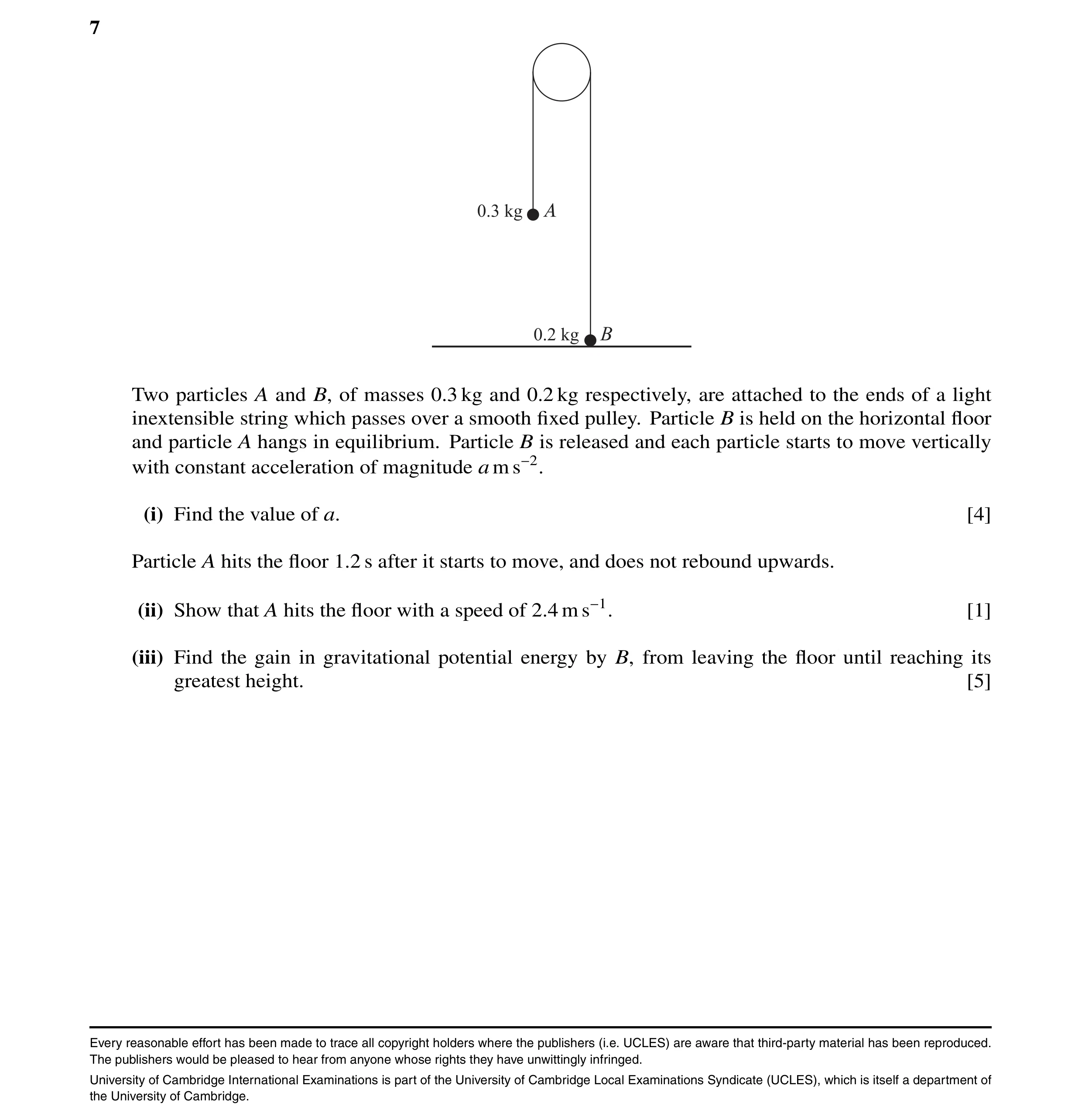
 2 / 185
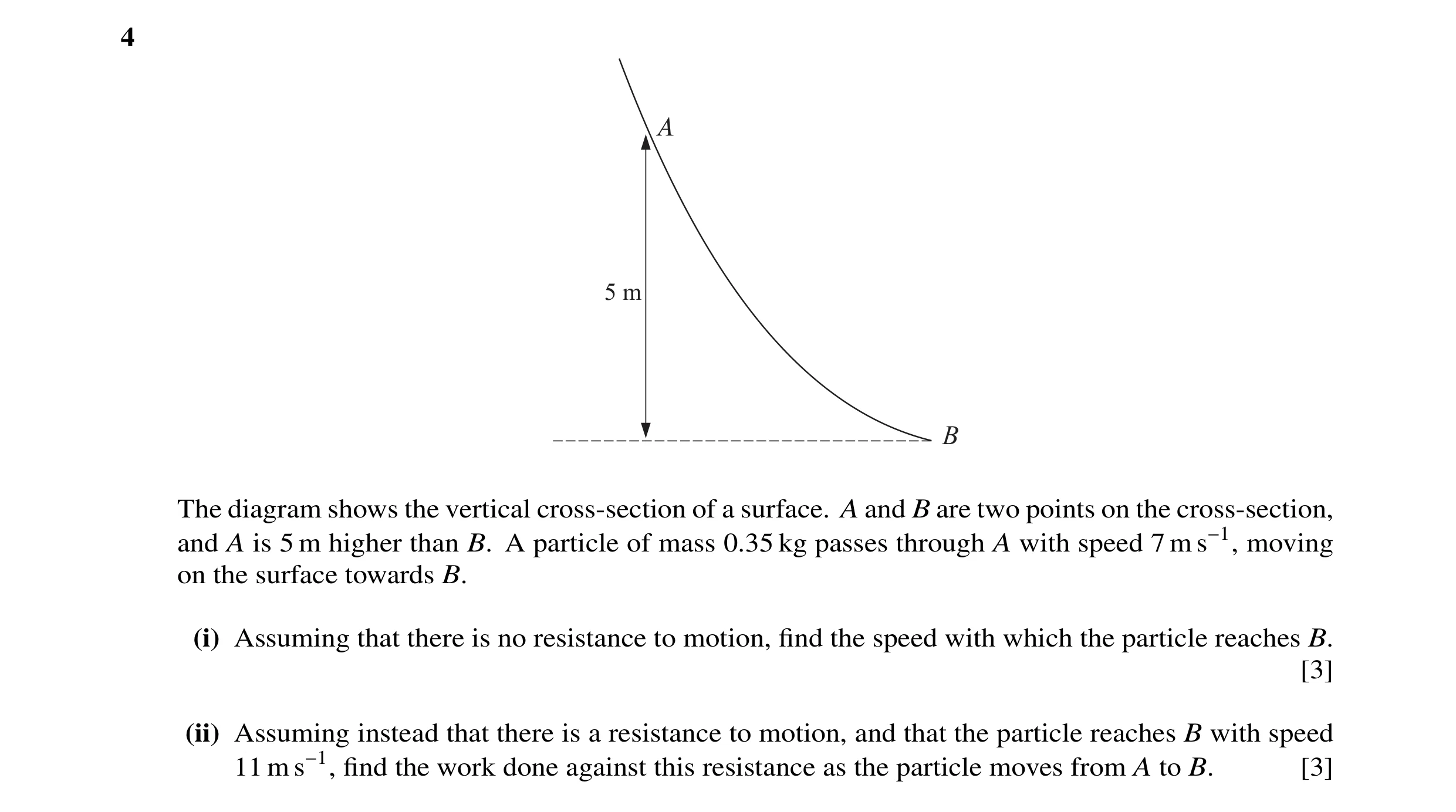
 3 / 185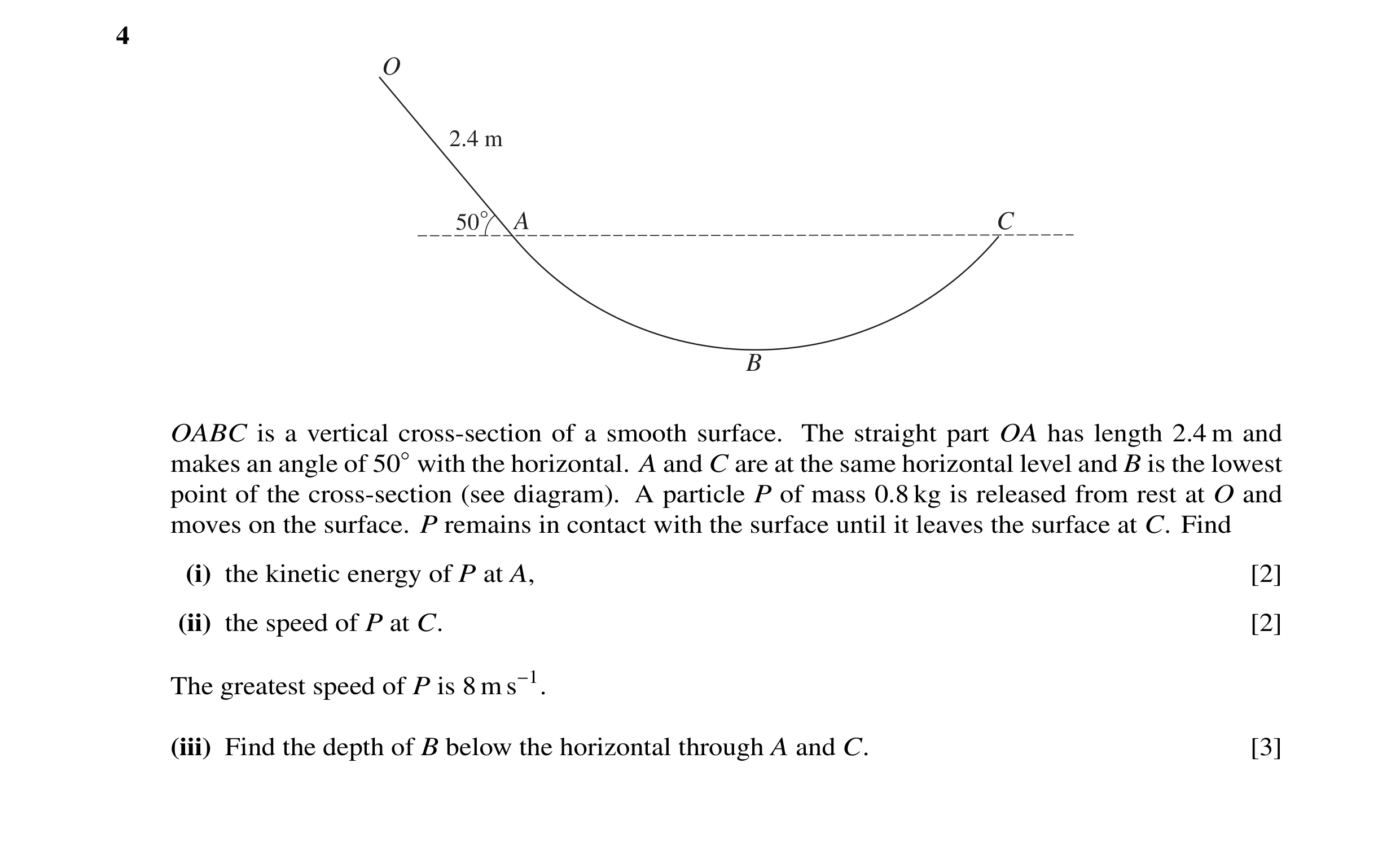

 4 / 185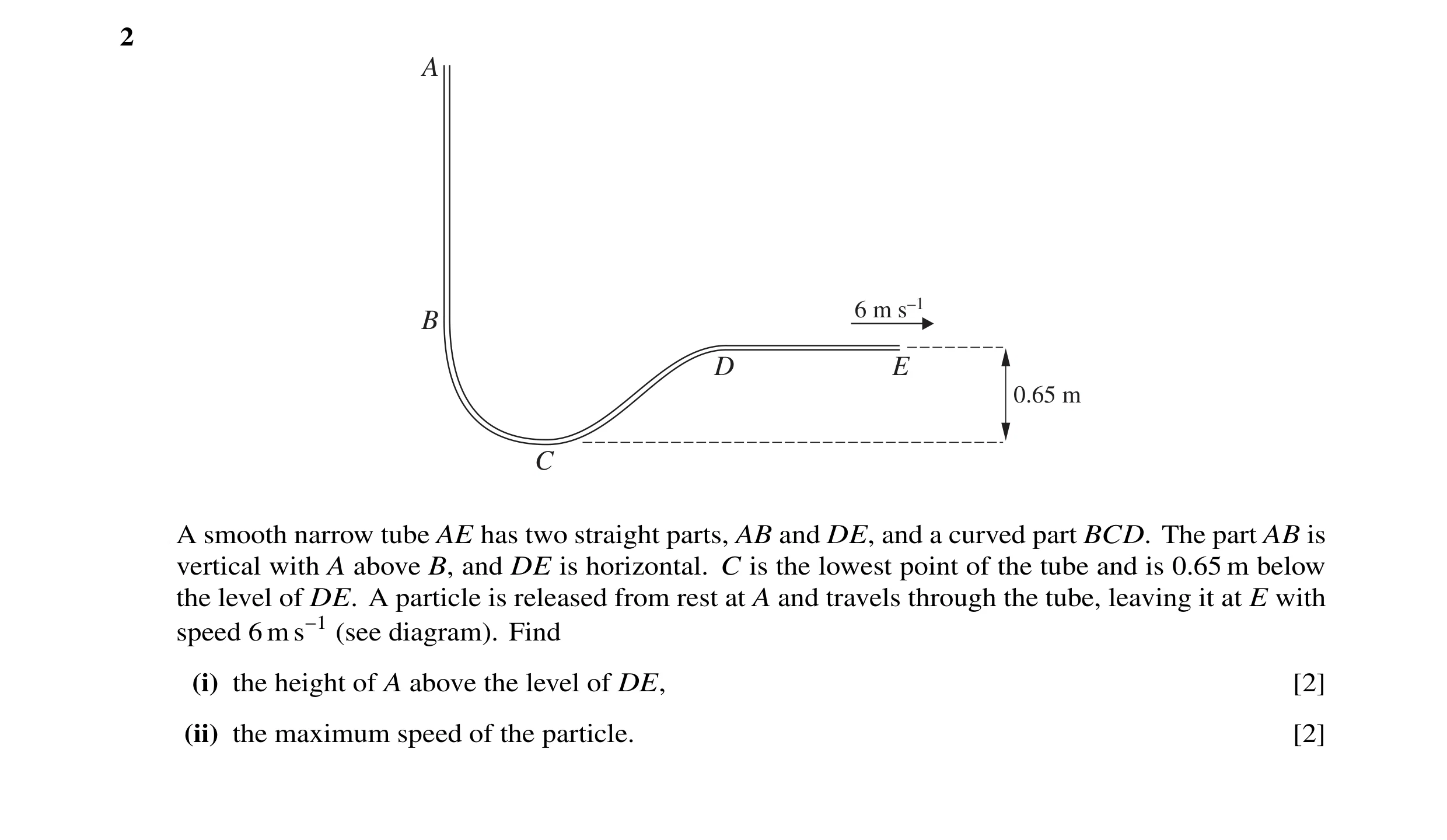
 5 / 185
 6 / 185
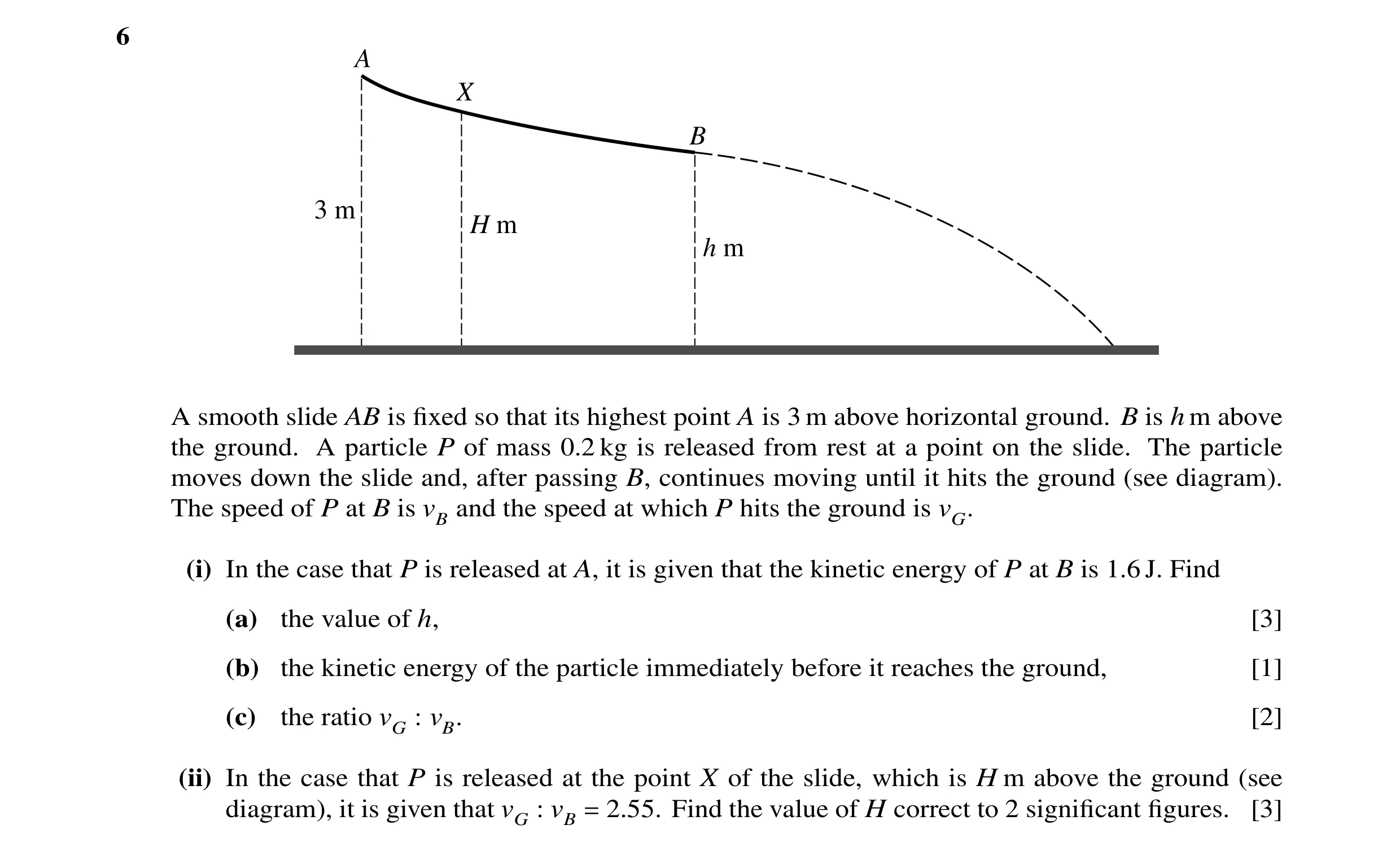 7 / 185
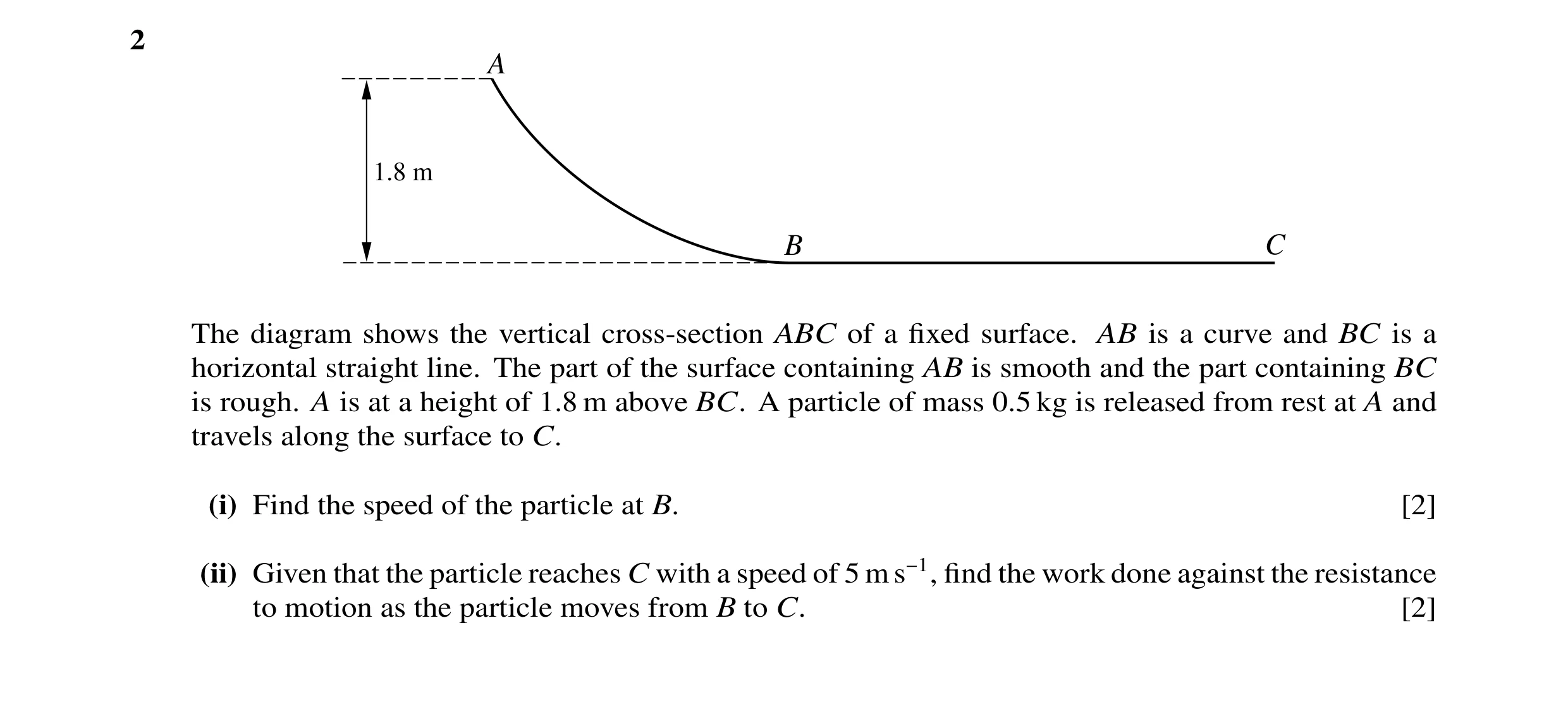
 8 / 185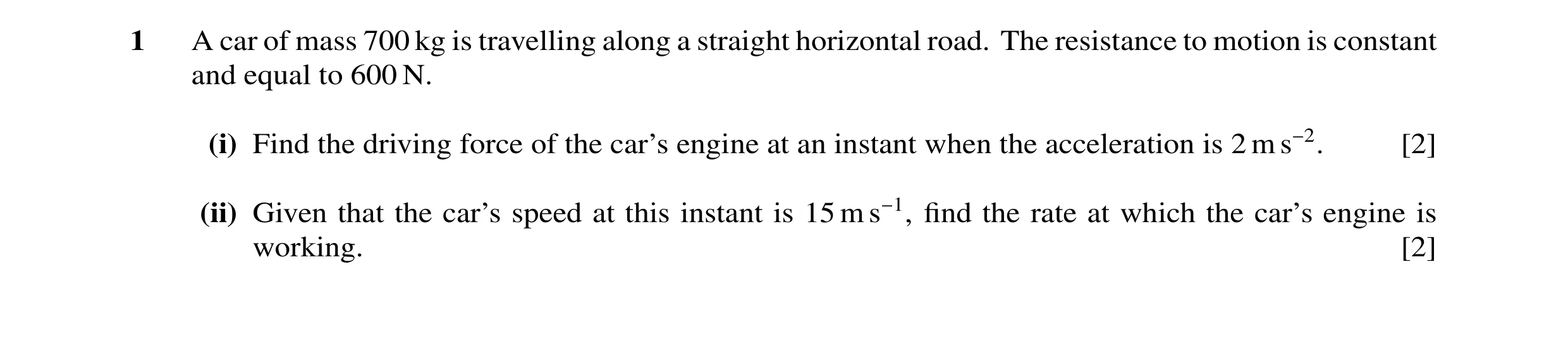
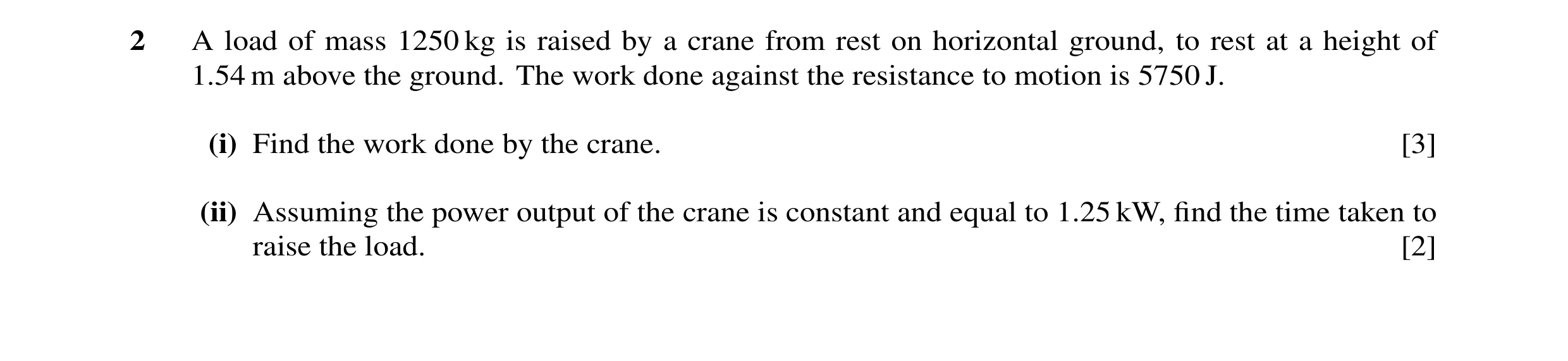
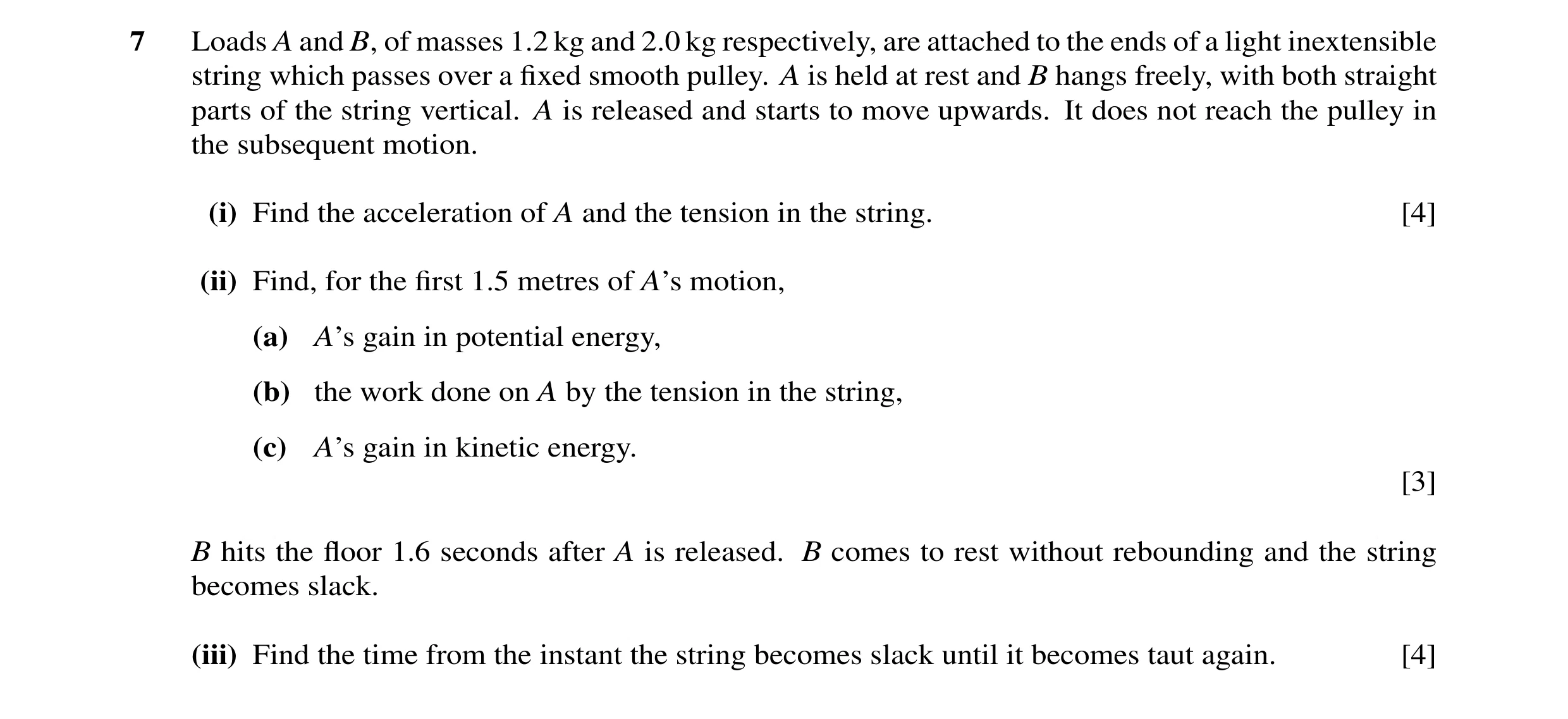
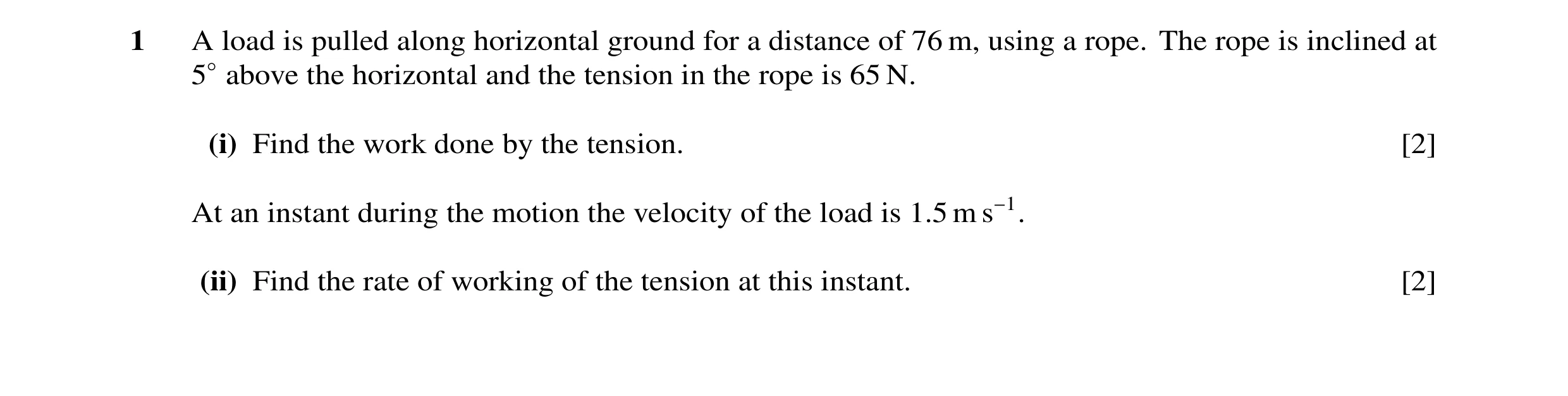 9 / 185

 10 / 185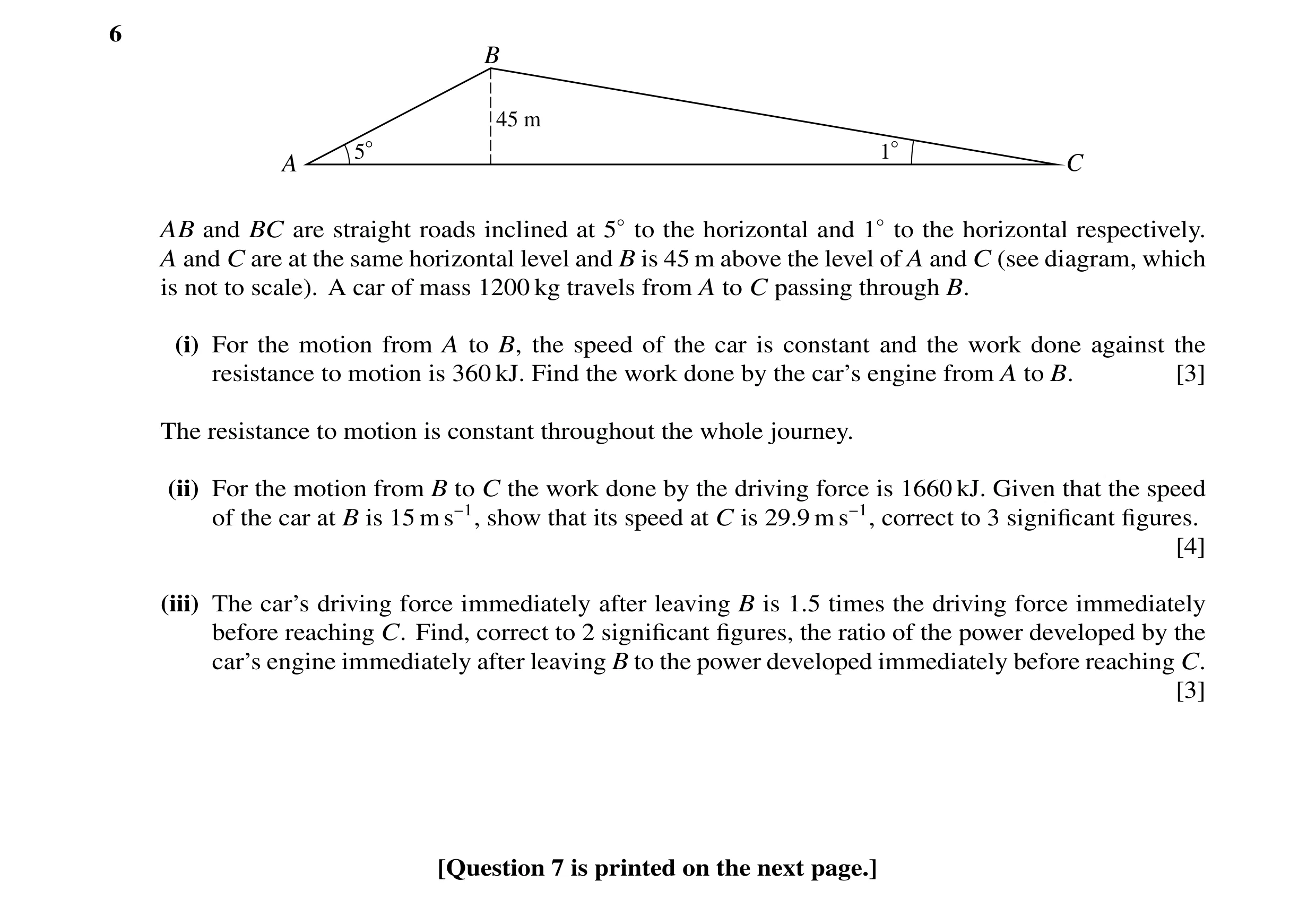
 11 / 185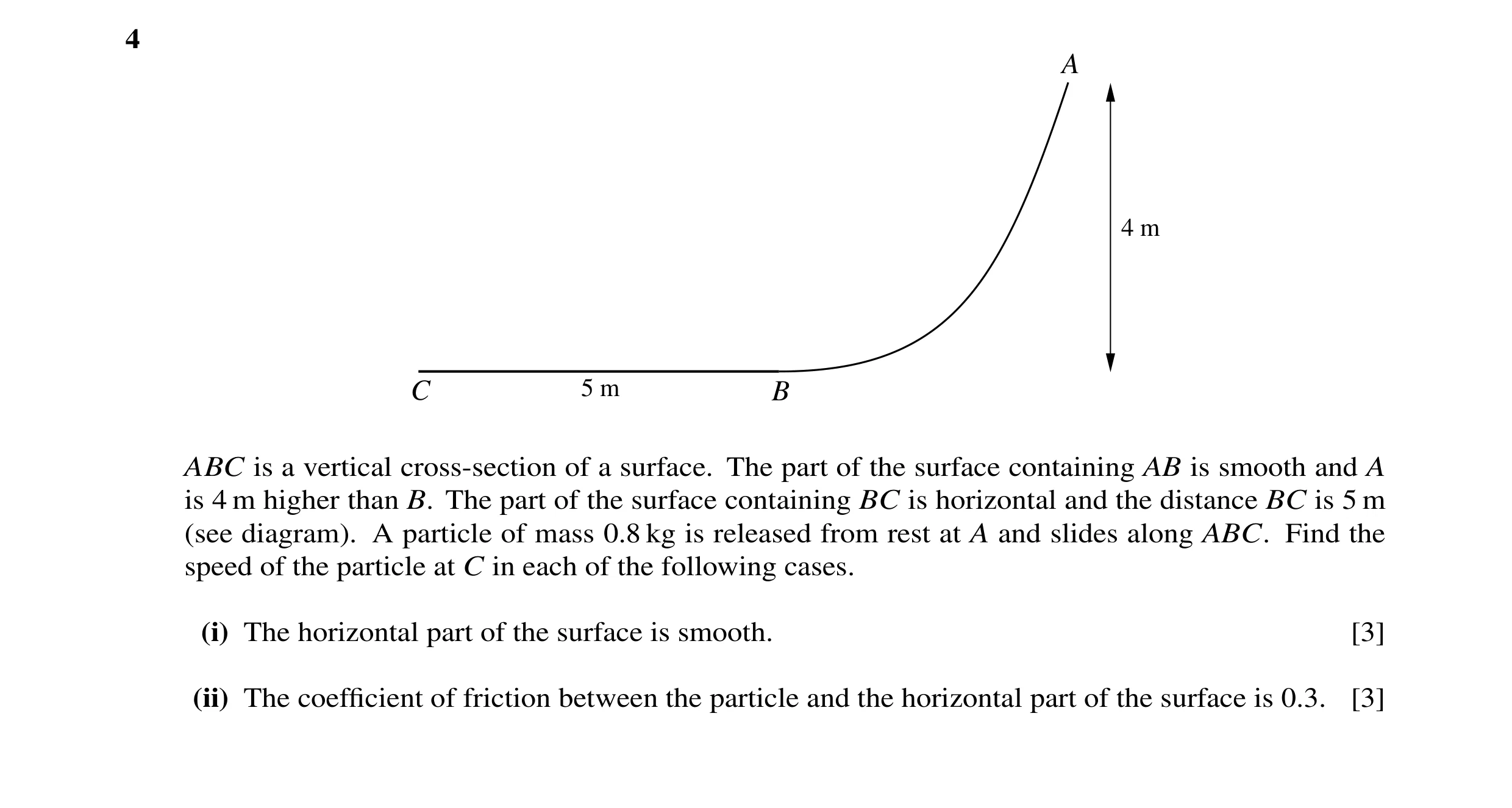
 12 / 185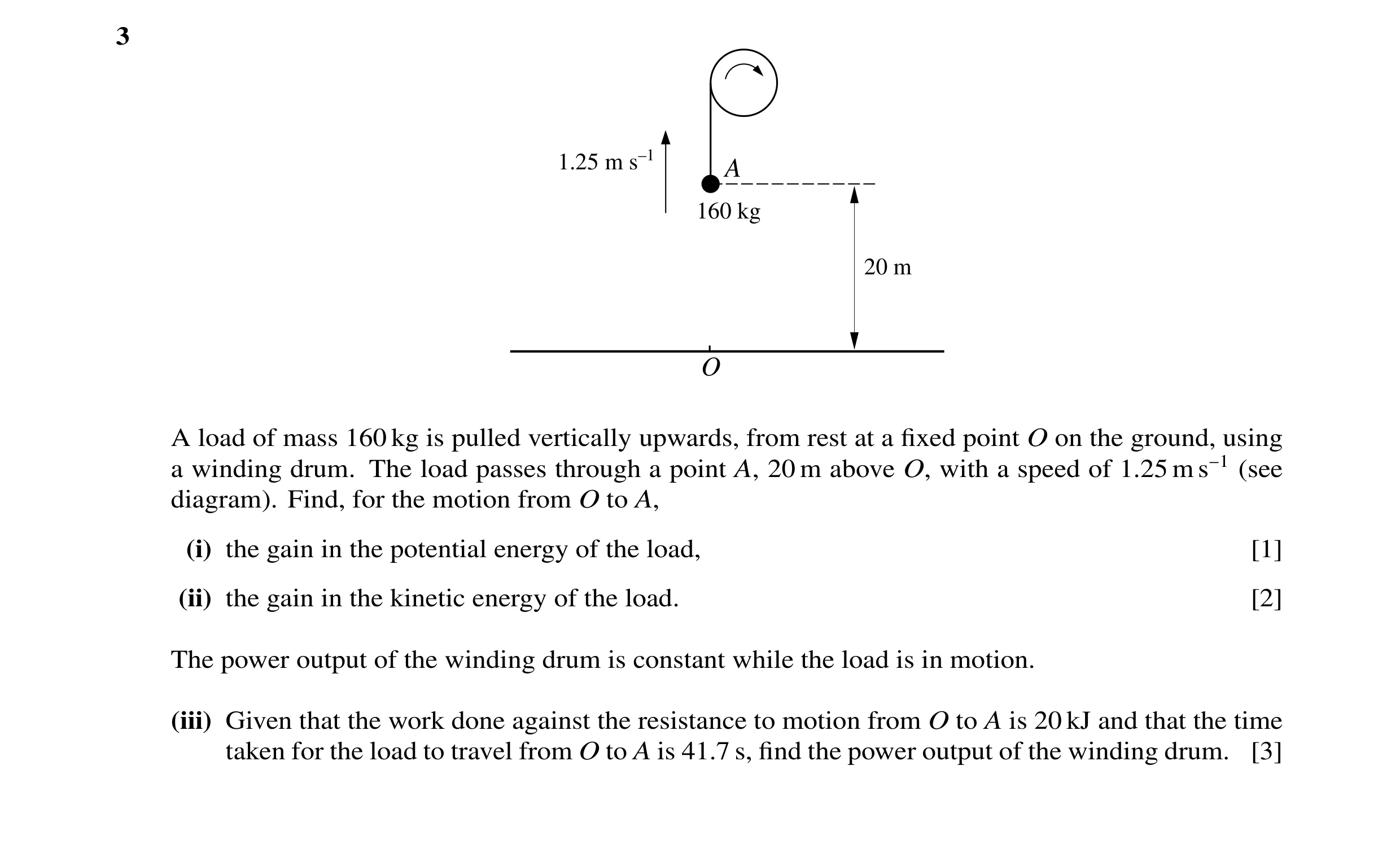
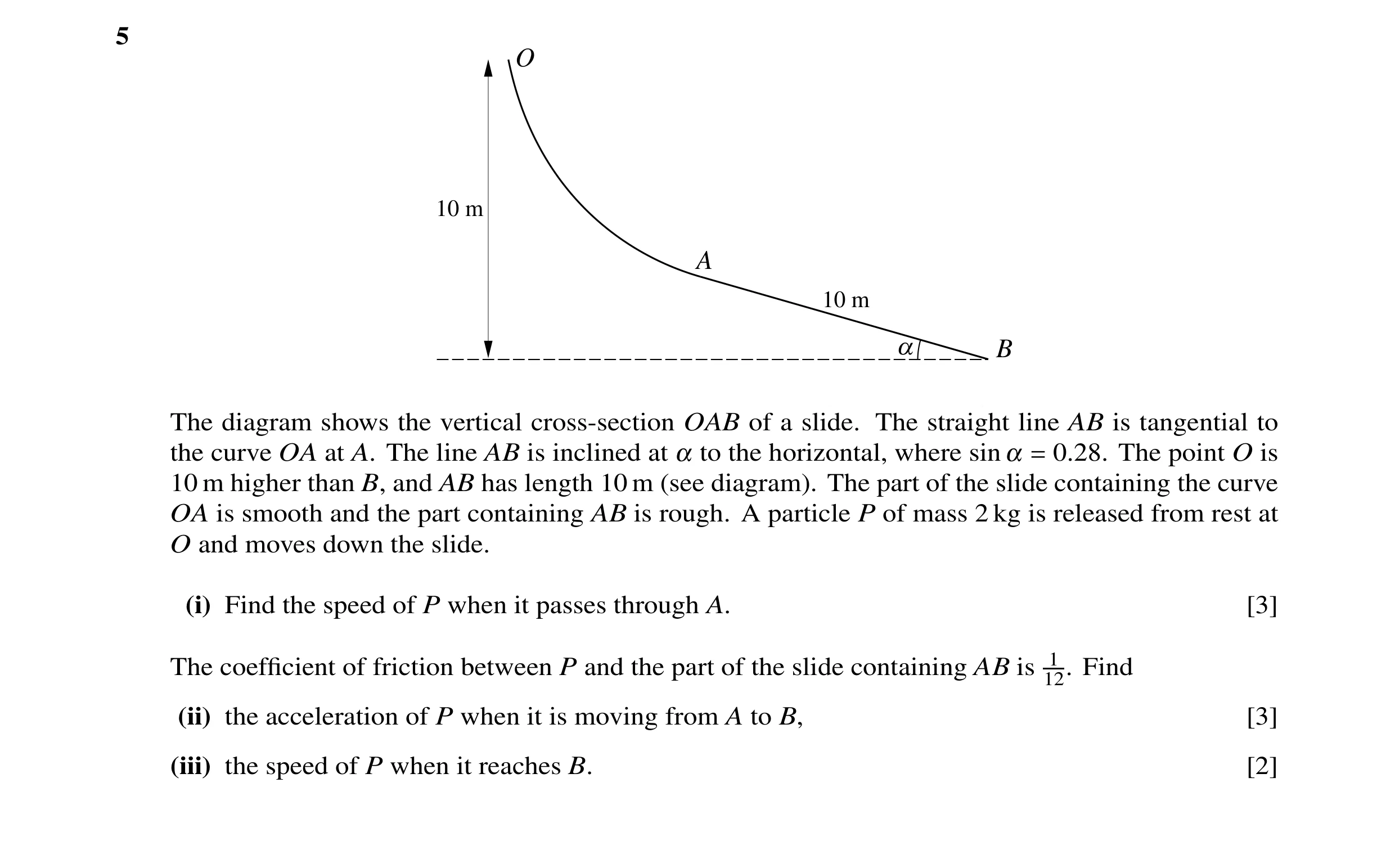
 13 / 185
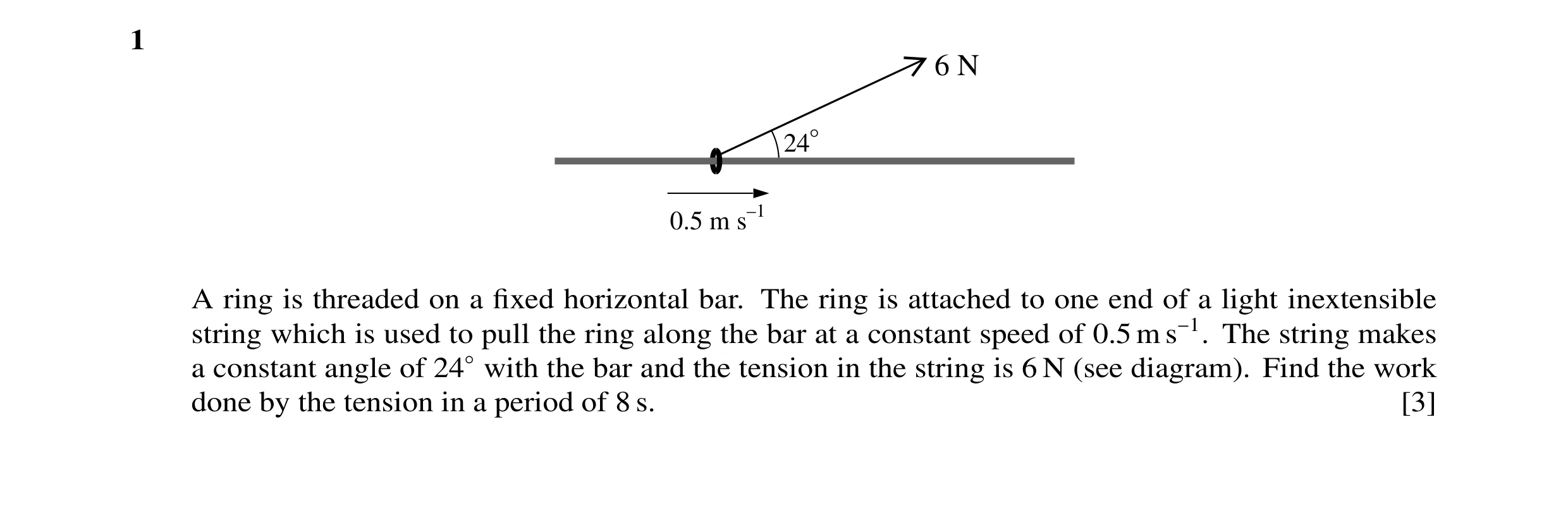
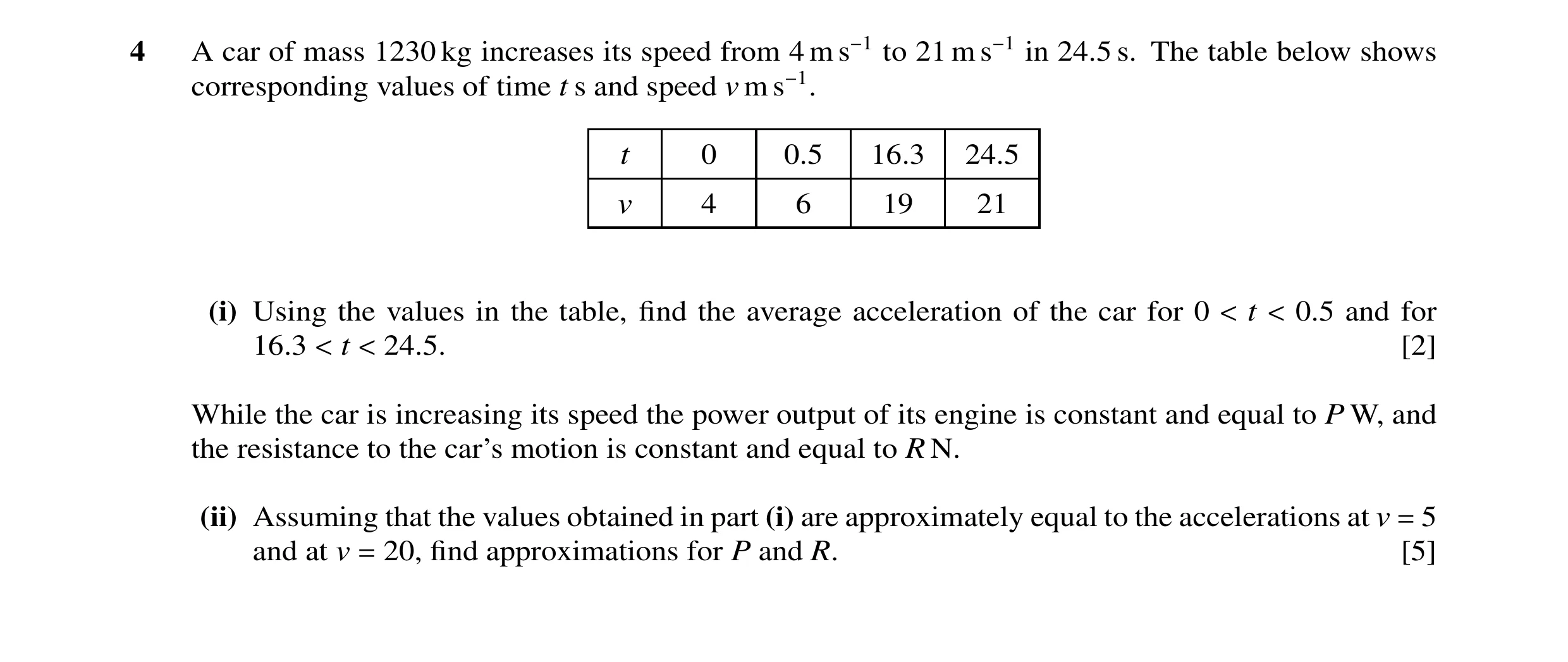
 14 / 185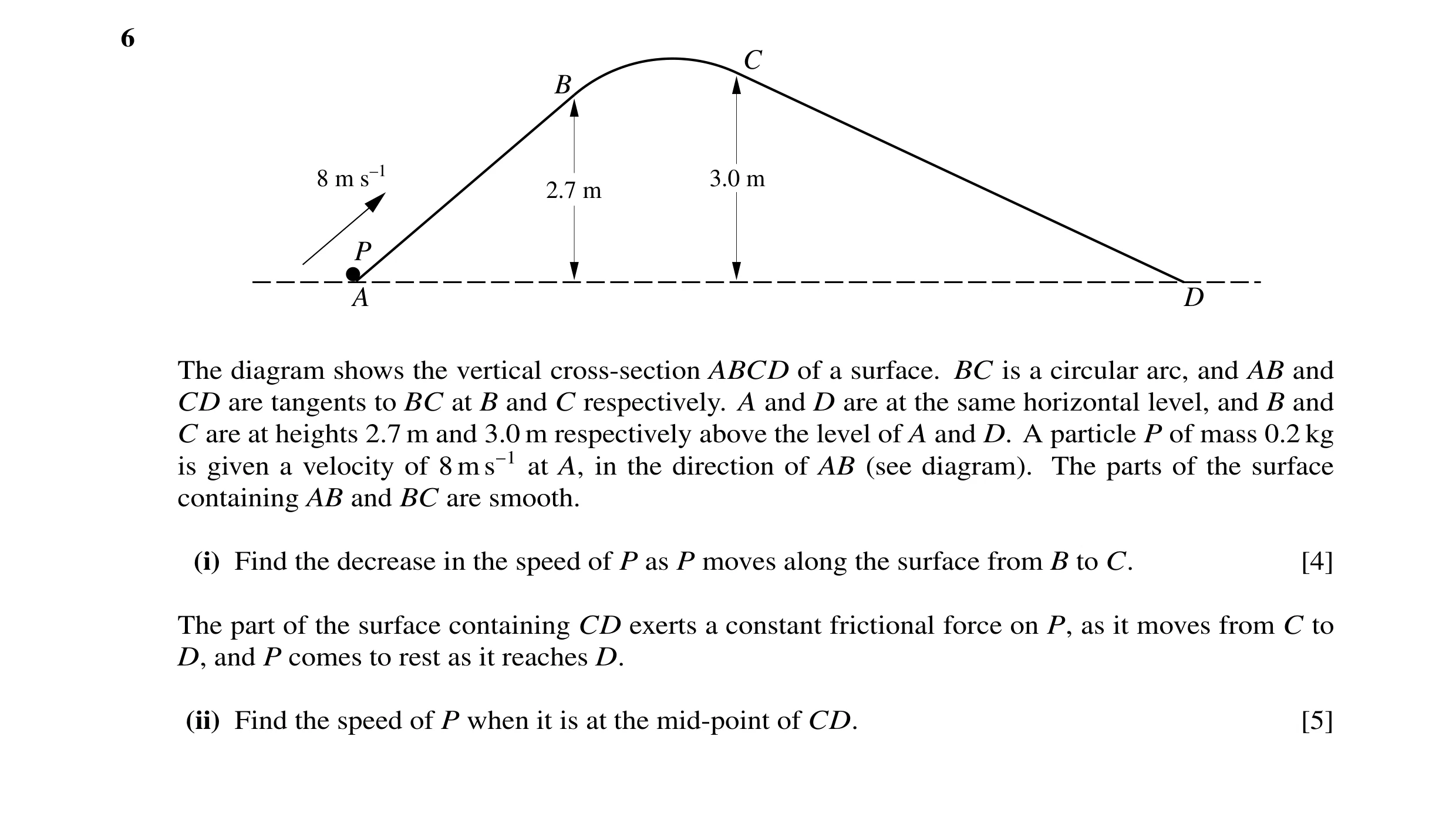
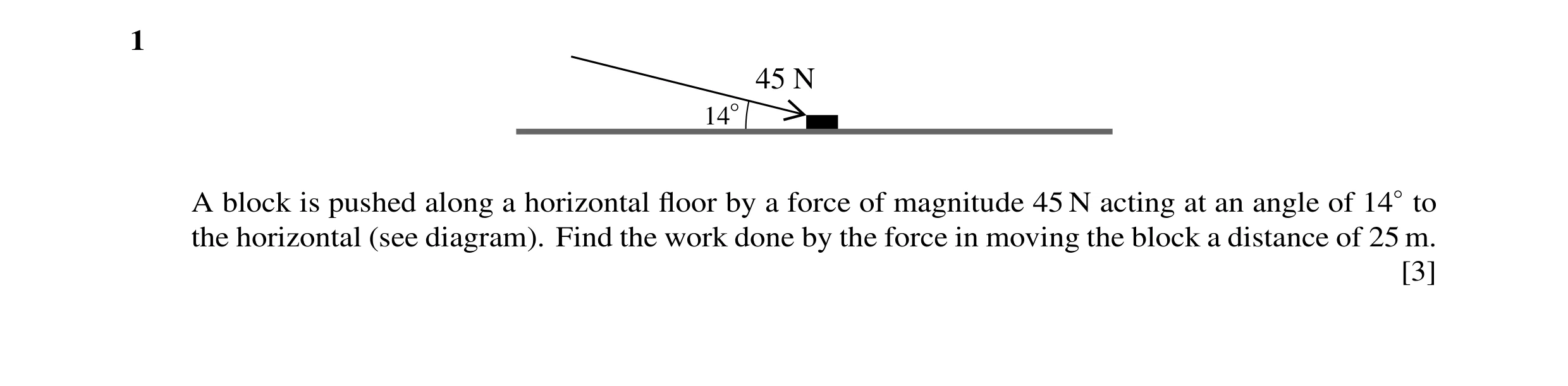
 15 / 185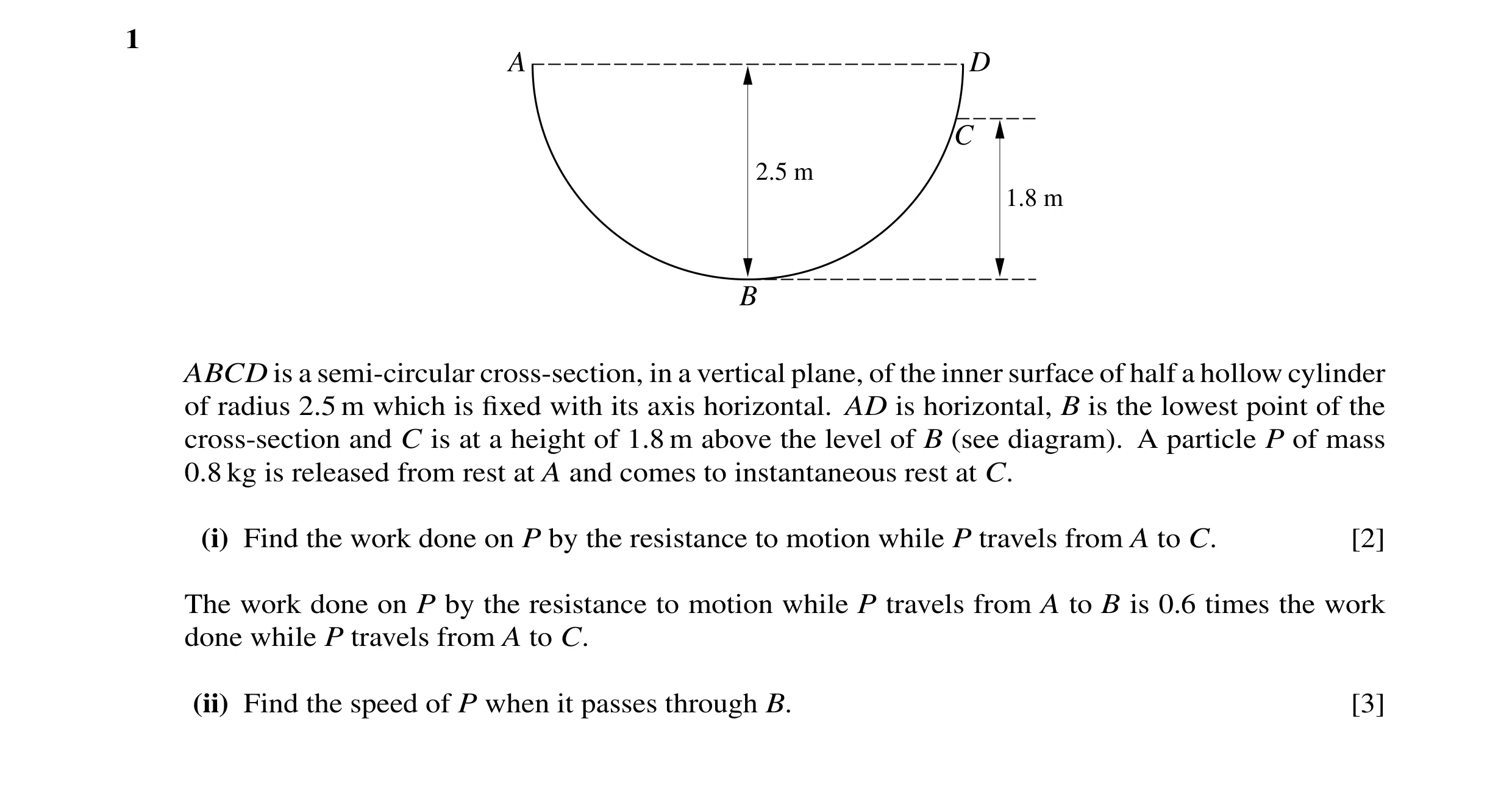

 16 / 185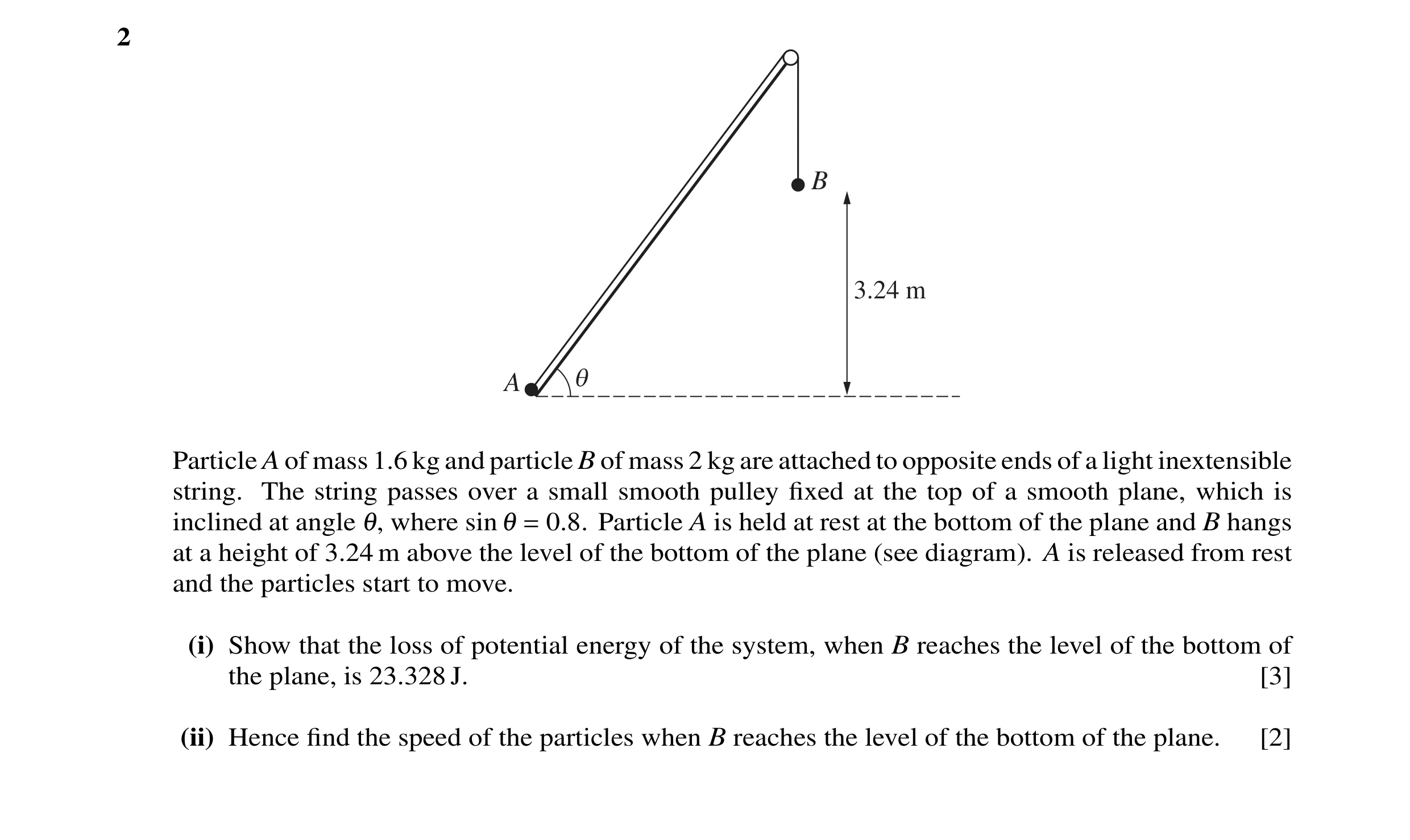
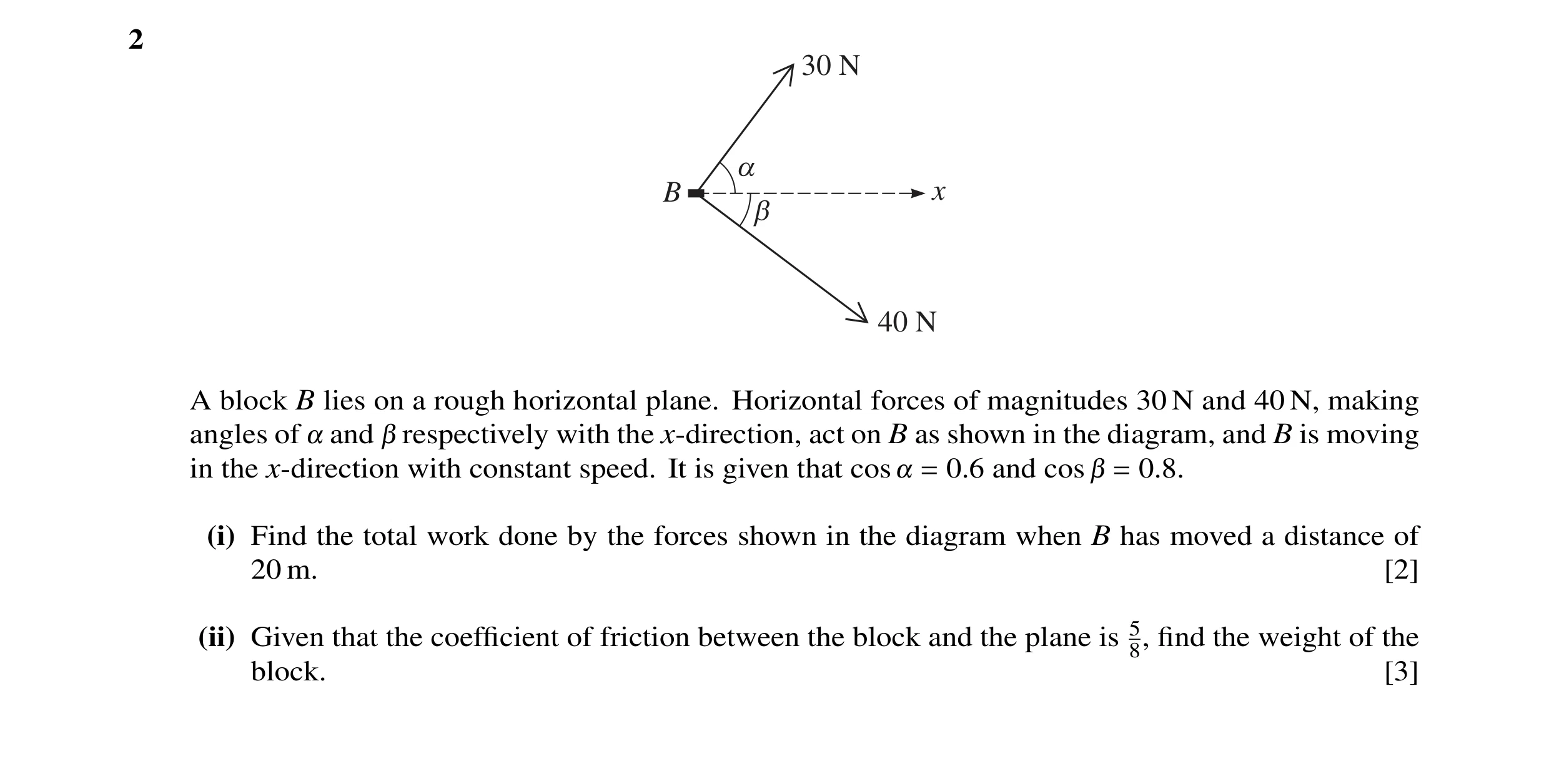 17 / 185
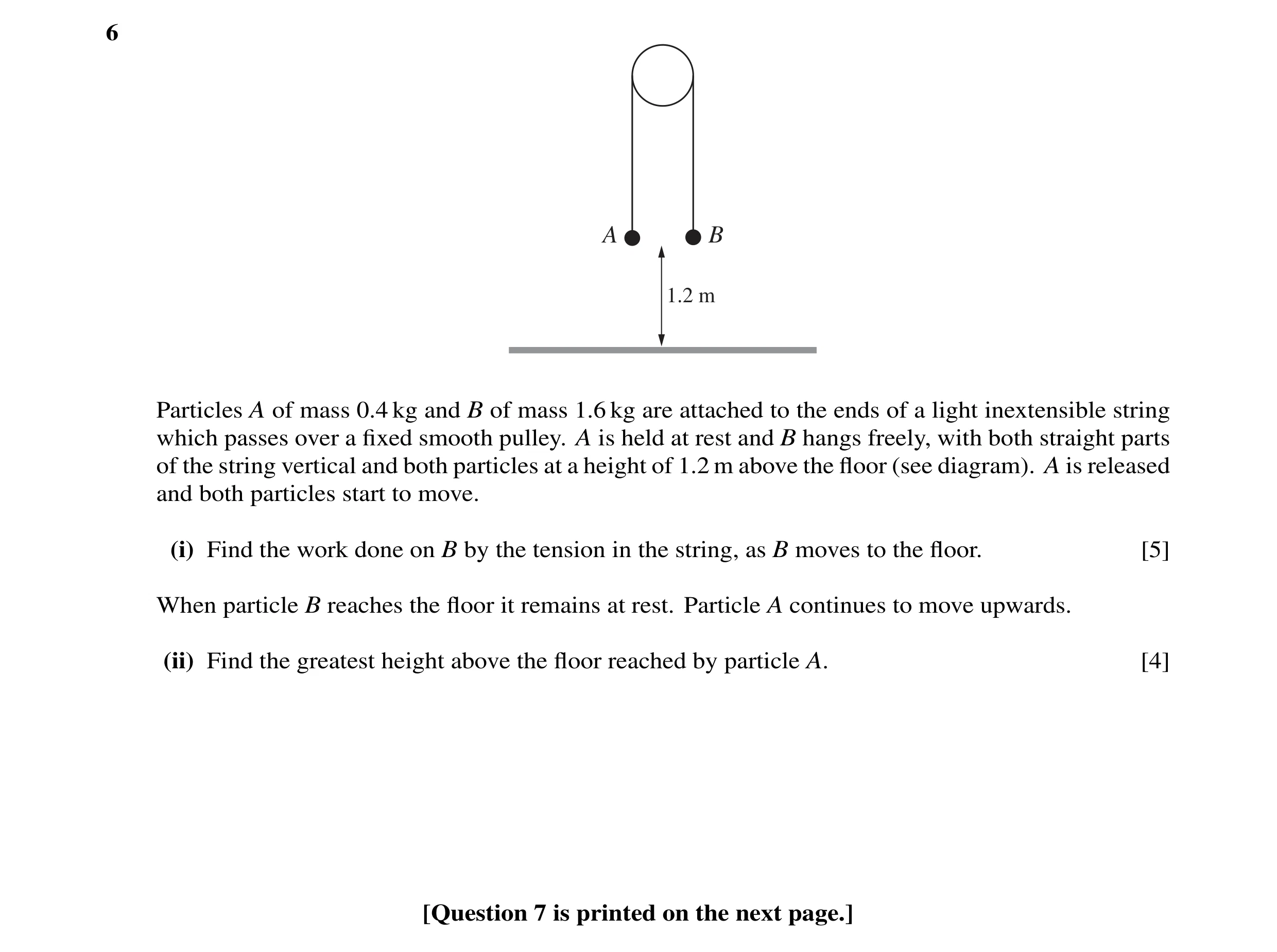 18 / 185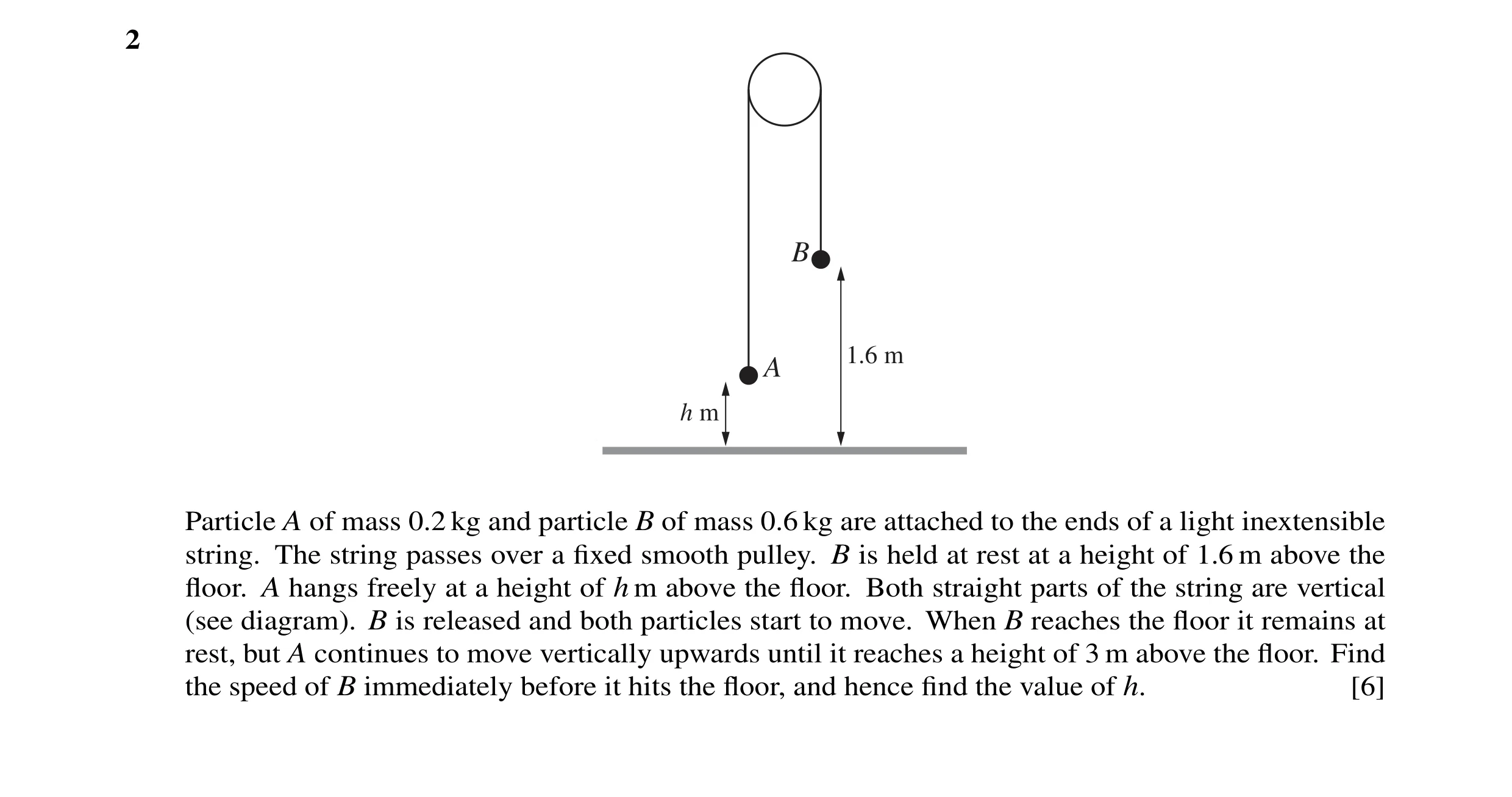
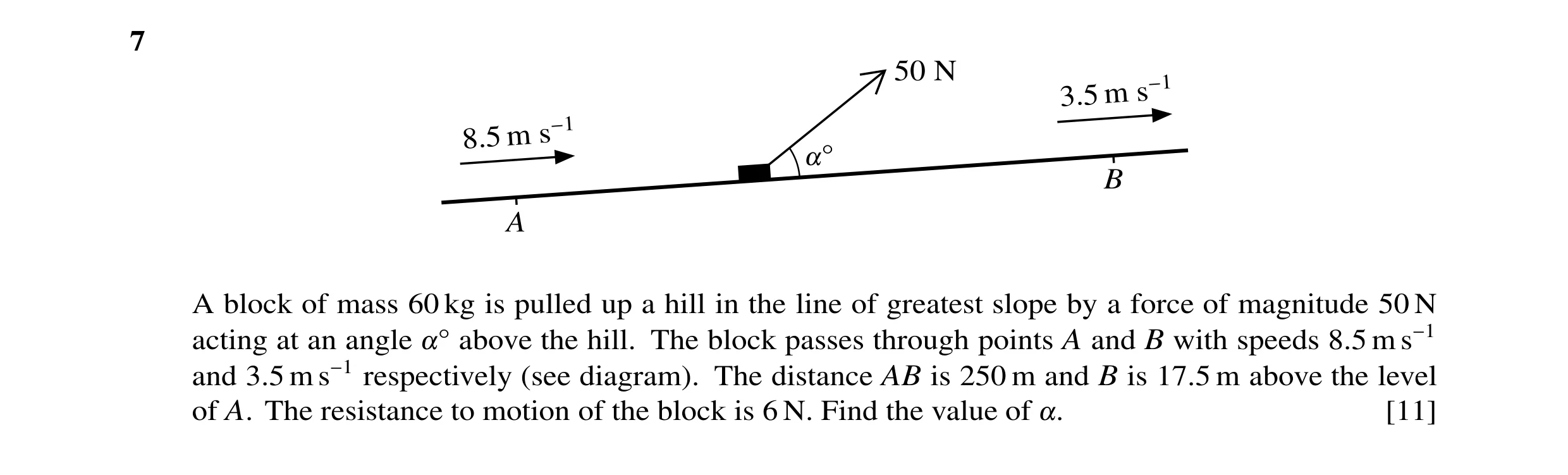 19 / 185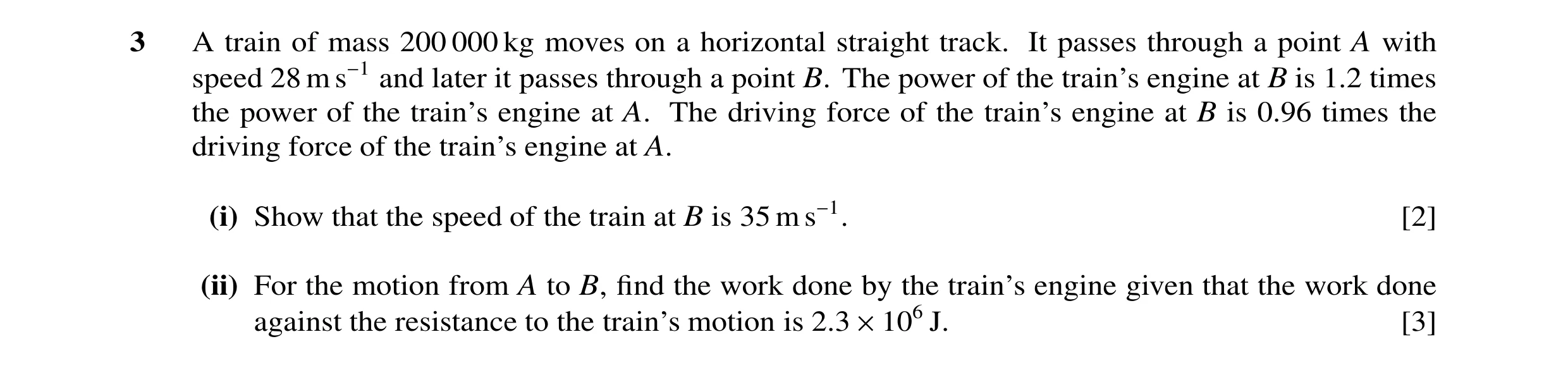
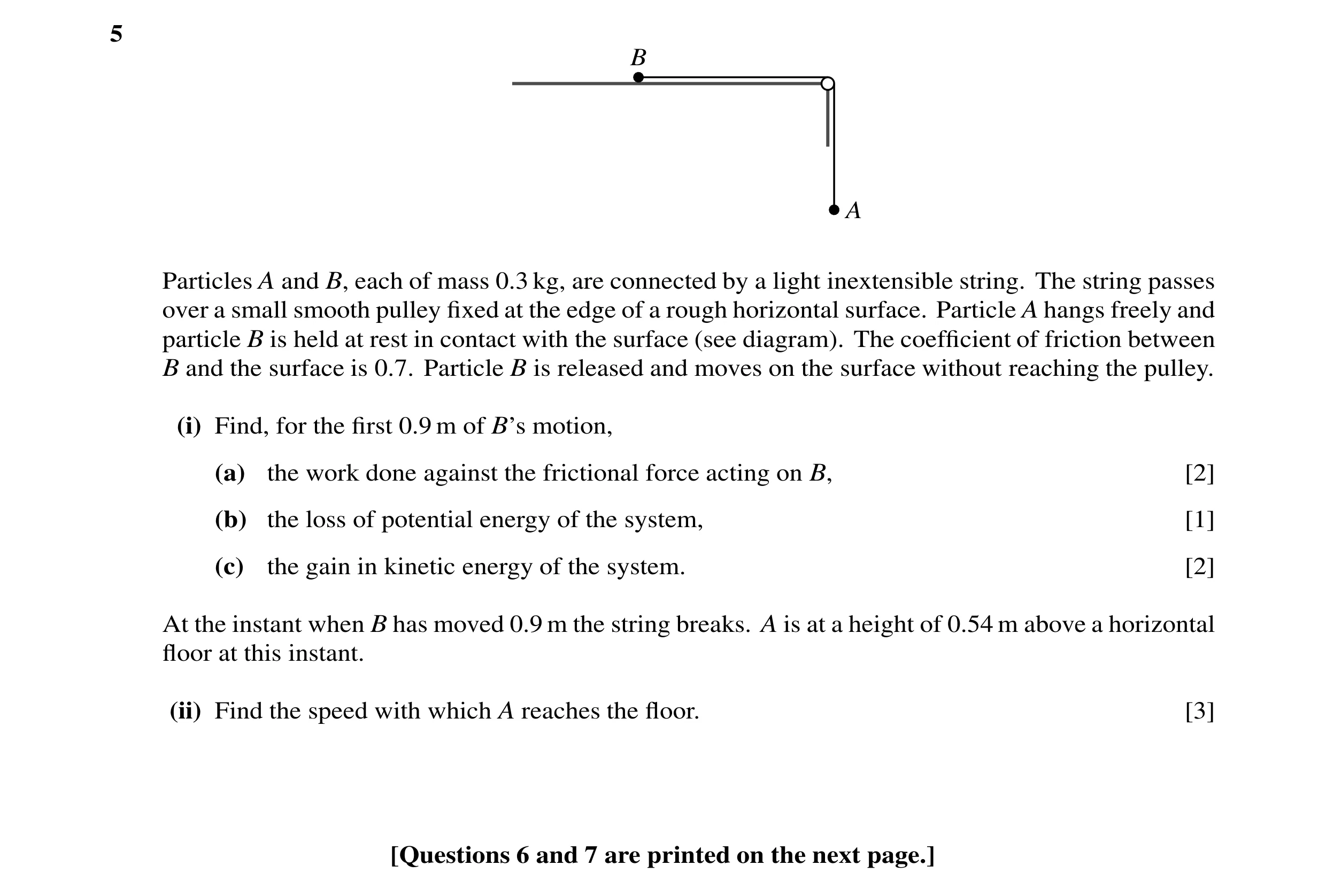 20 / 185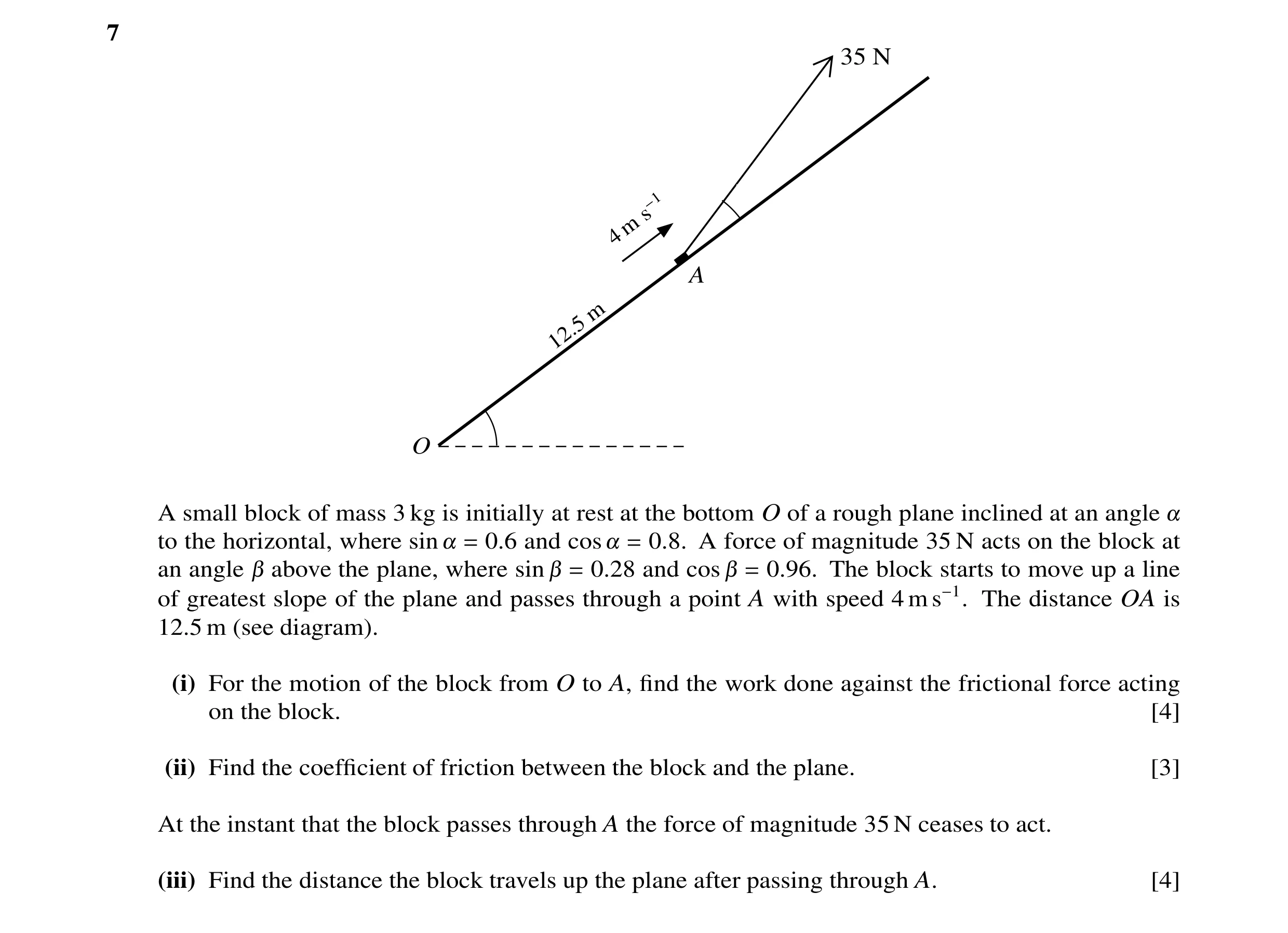
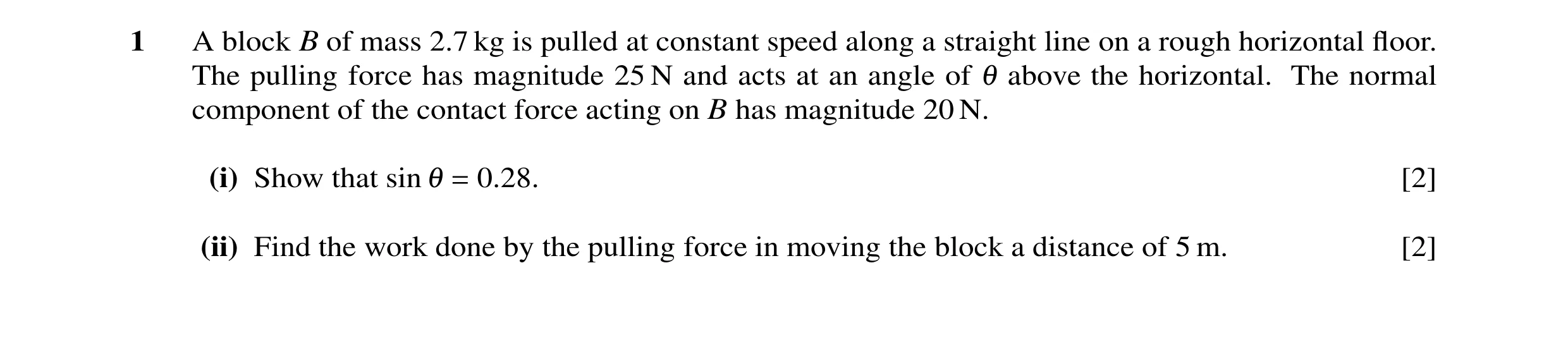
 21 / 185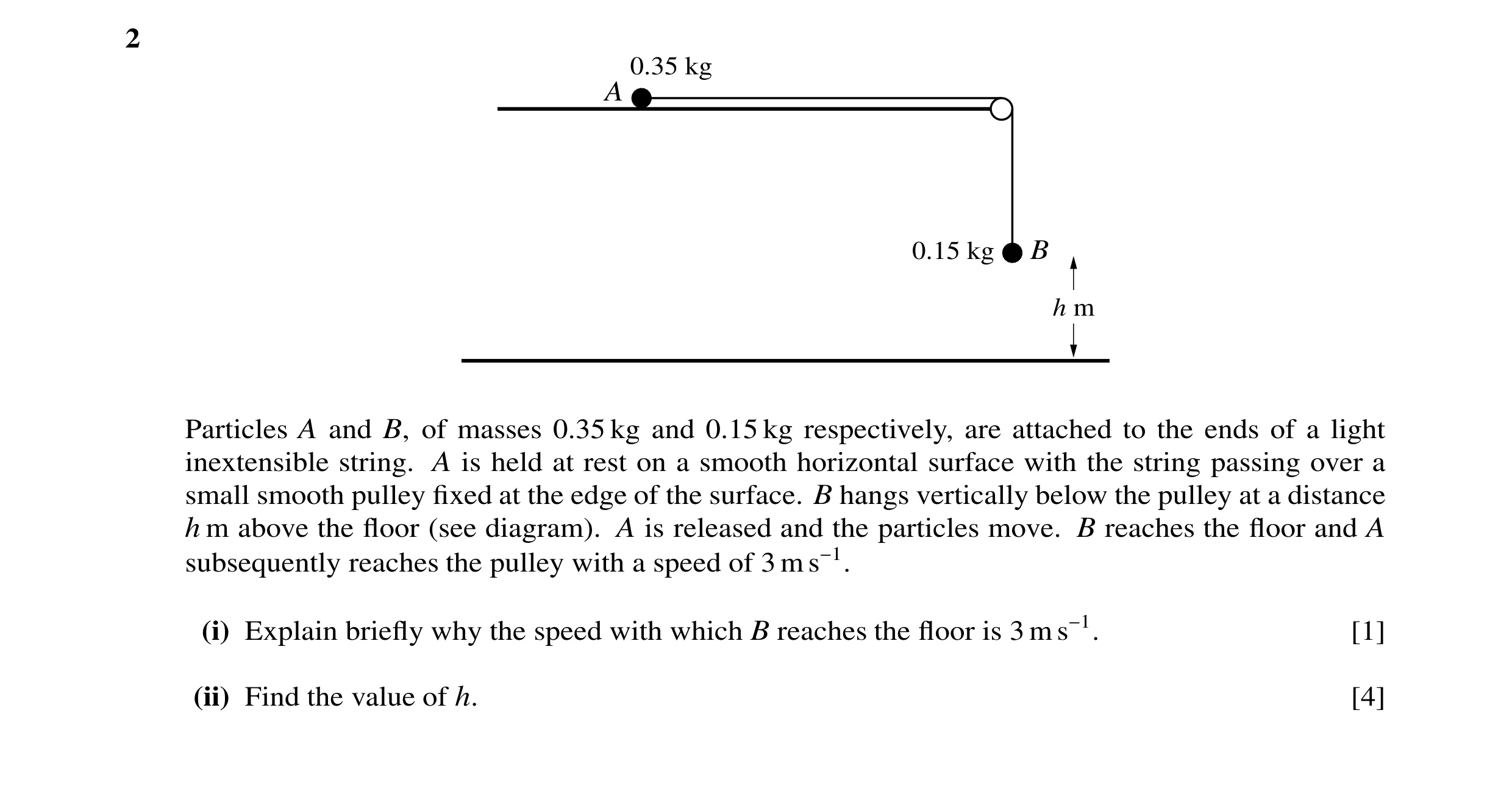
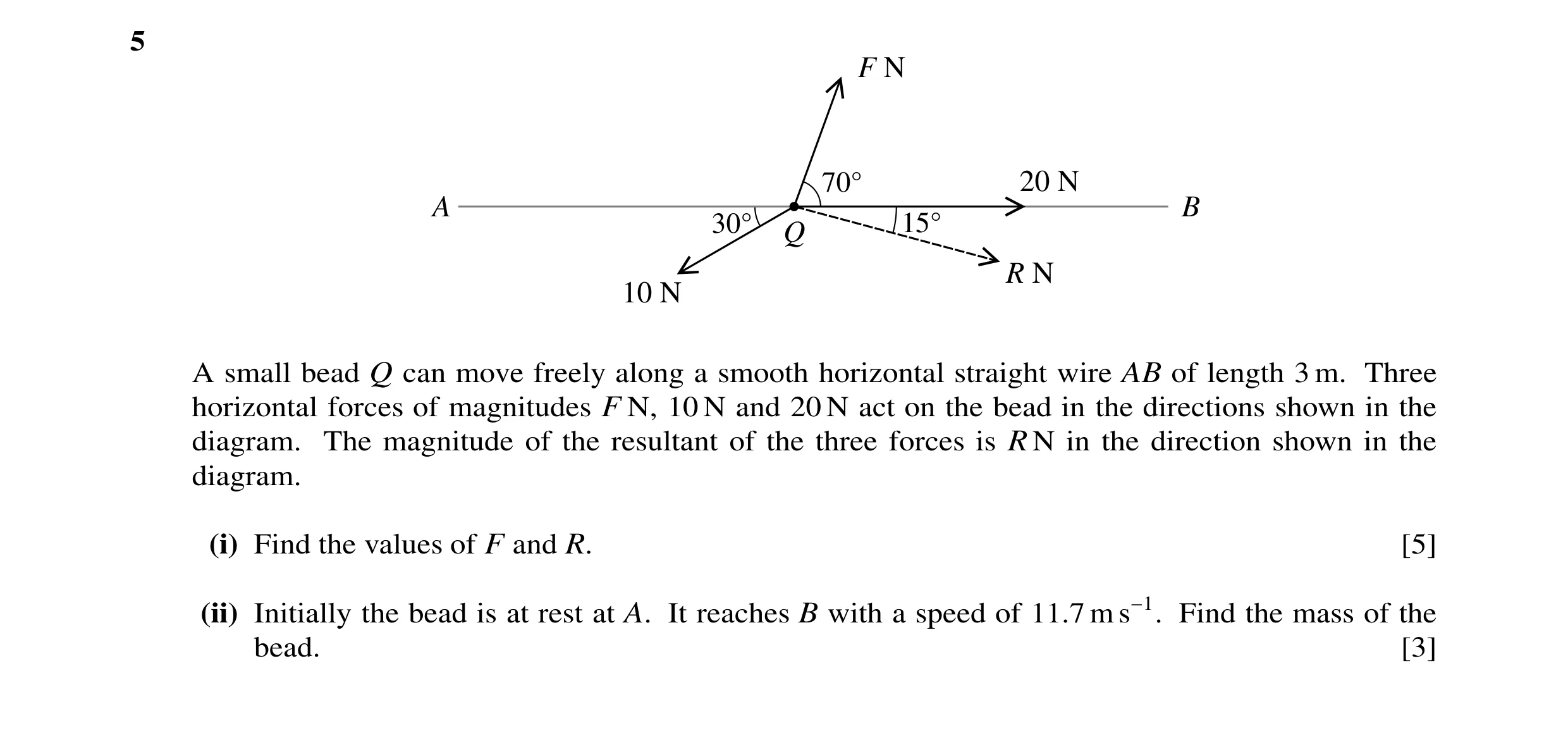 22 / 185

 23 / 185
 24 / 185
 25 / 185
 26 / 185
 27 / 185
 30 / 185
 31 / 185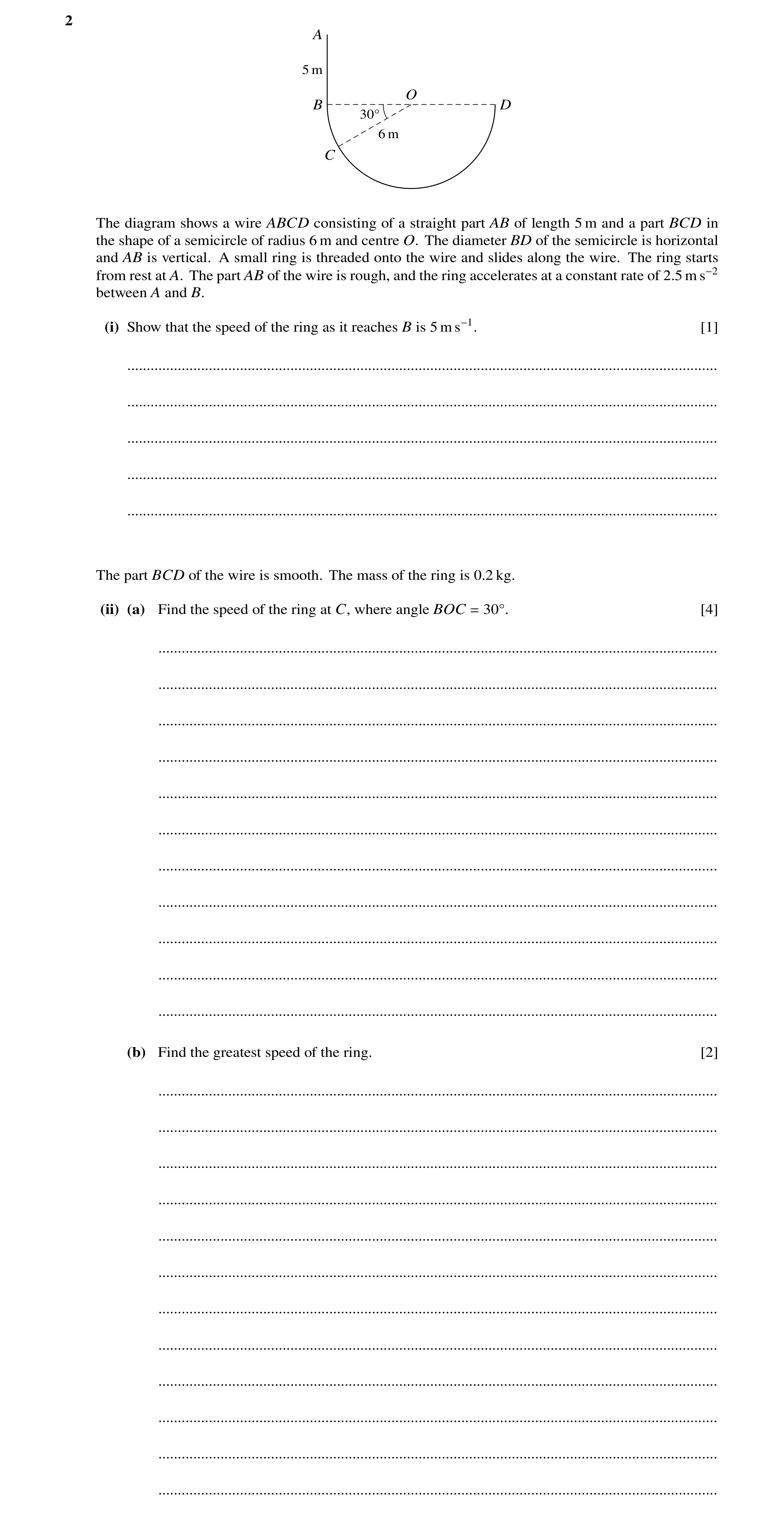

 36 / 185
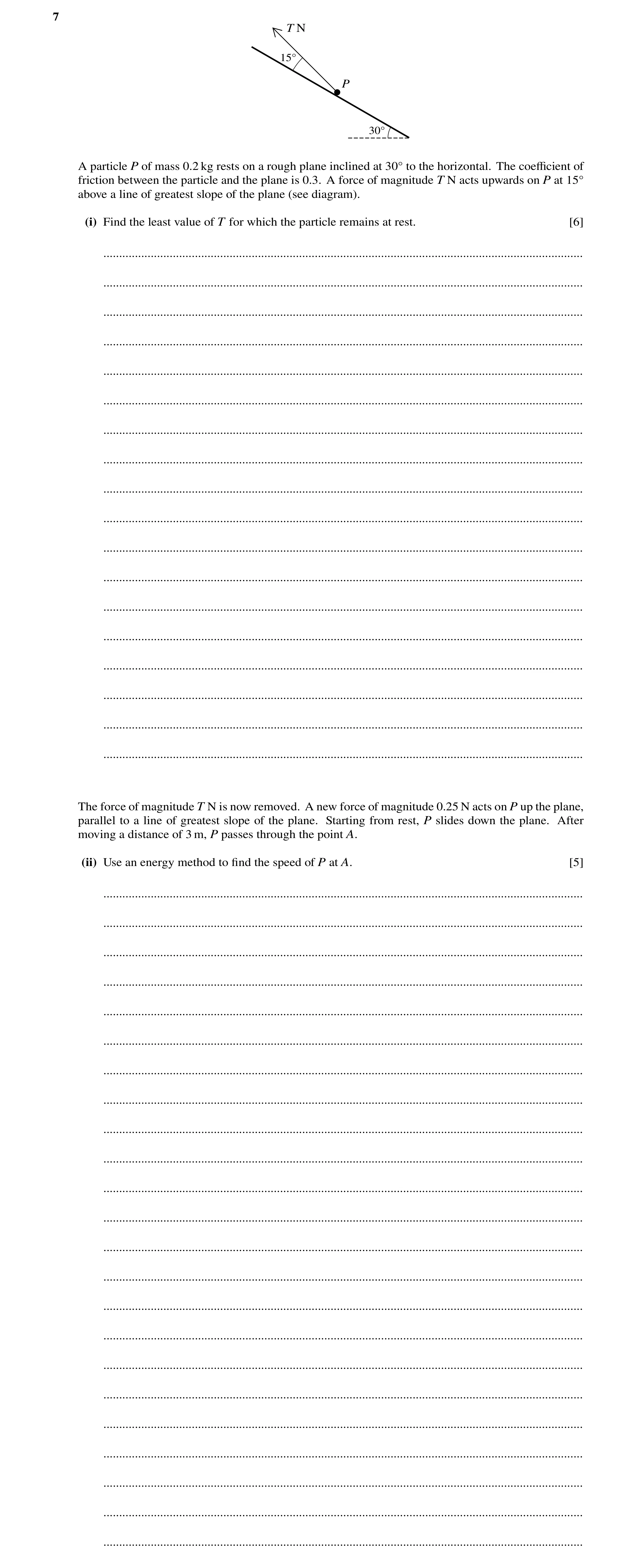
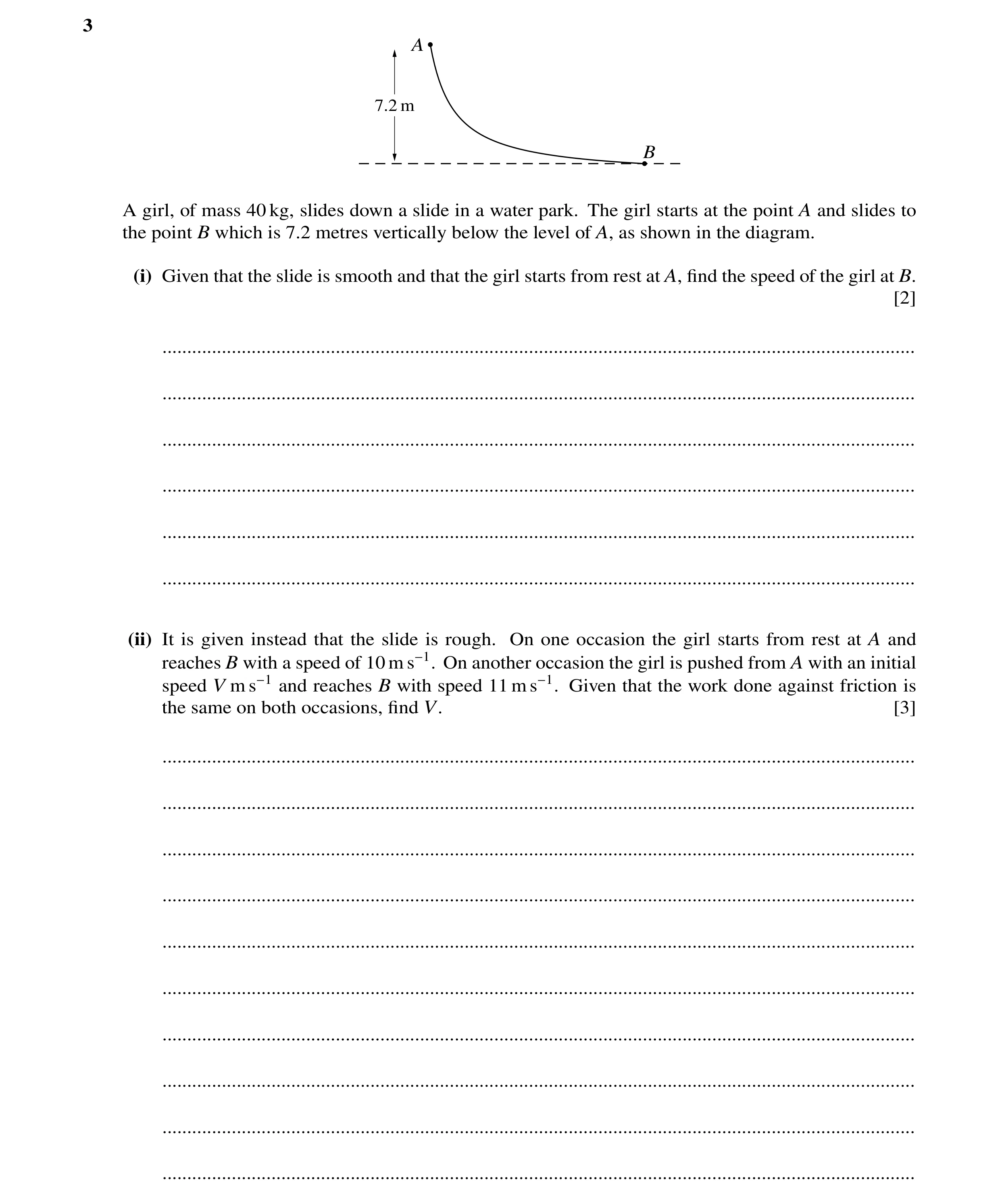 41 / 185
 46 / 185
 47 / 185
 50 / 185
 51 / 185
 54 / 185

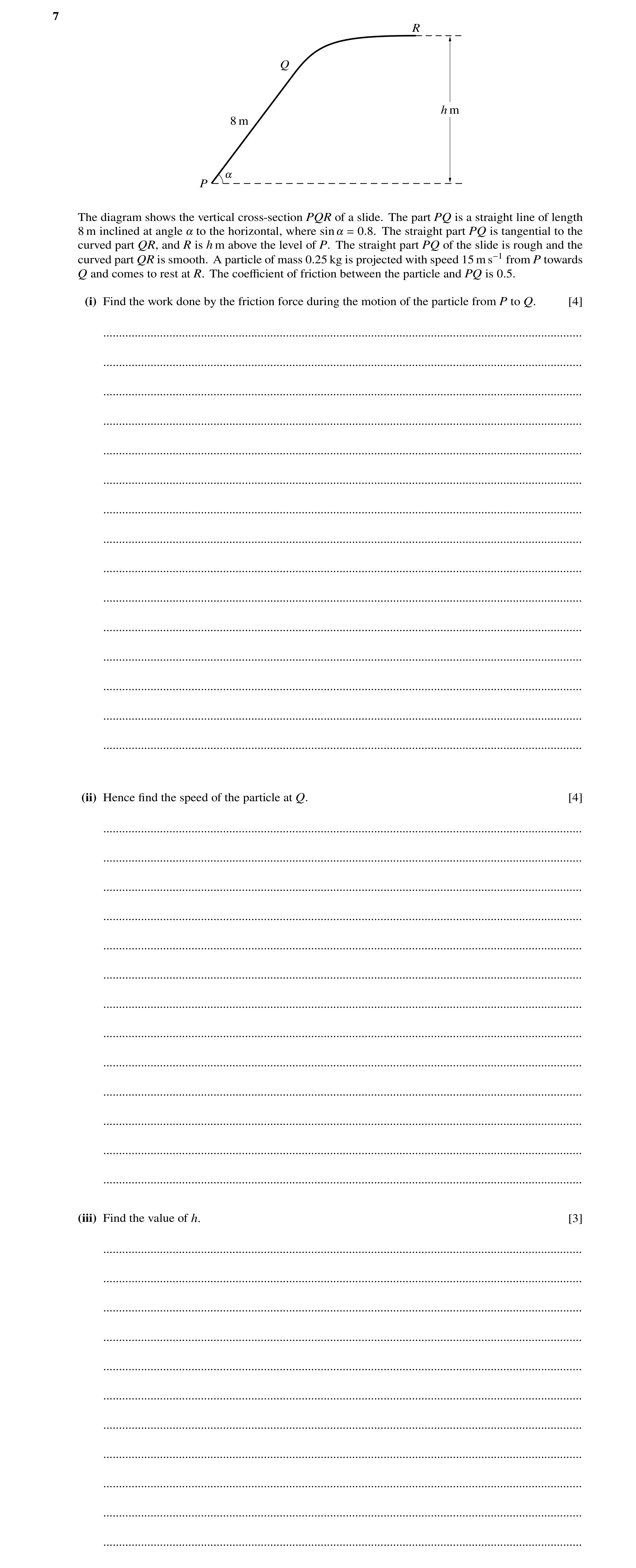
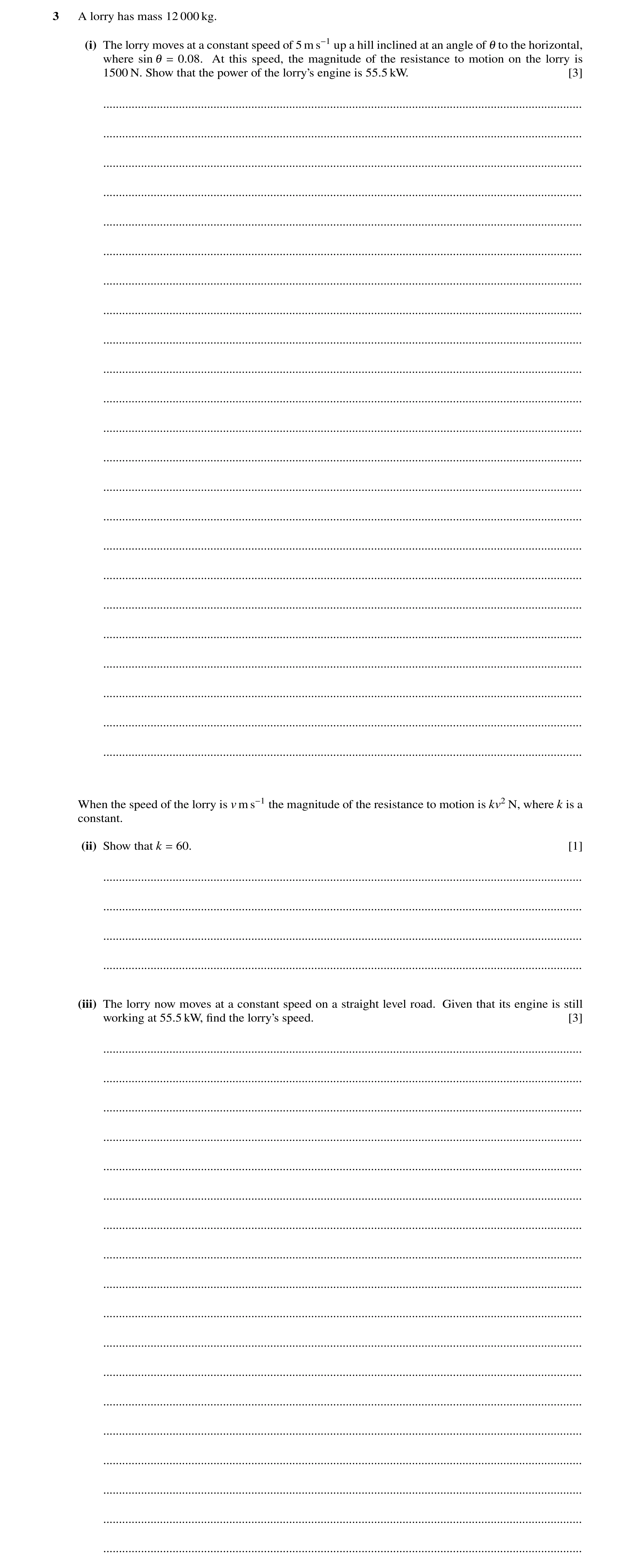
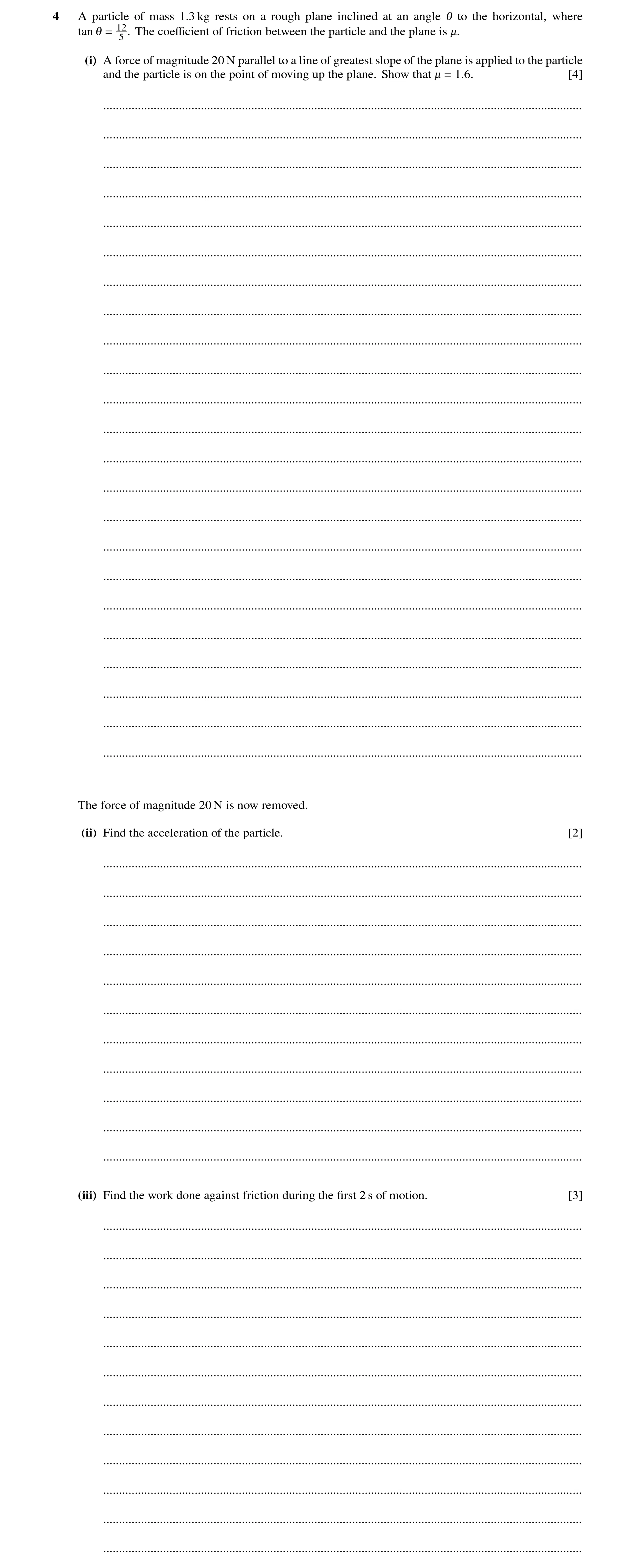
 64 / 185

 69 / 185
 70 / 185
 73 / 185
 74 / 185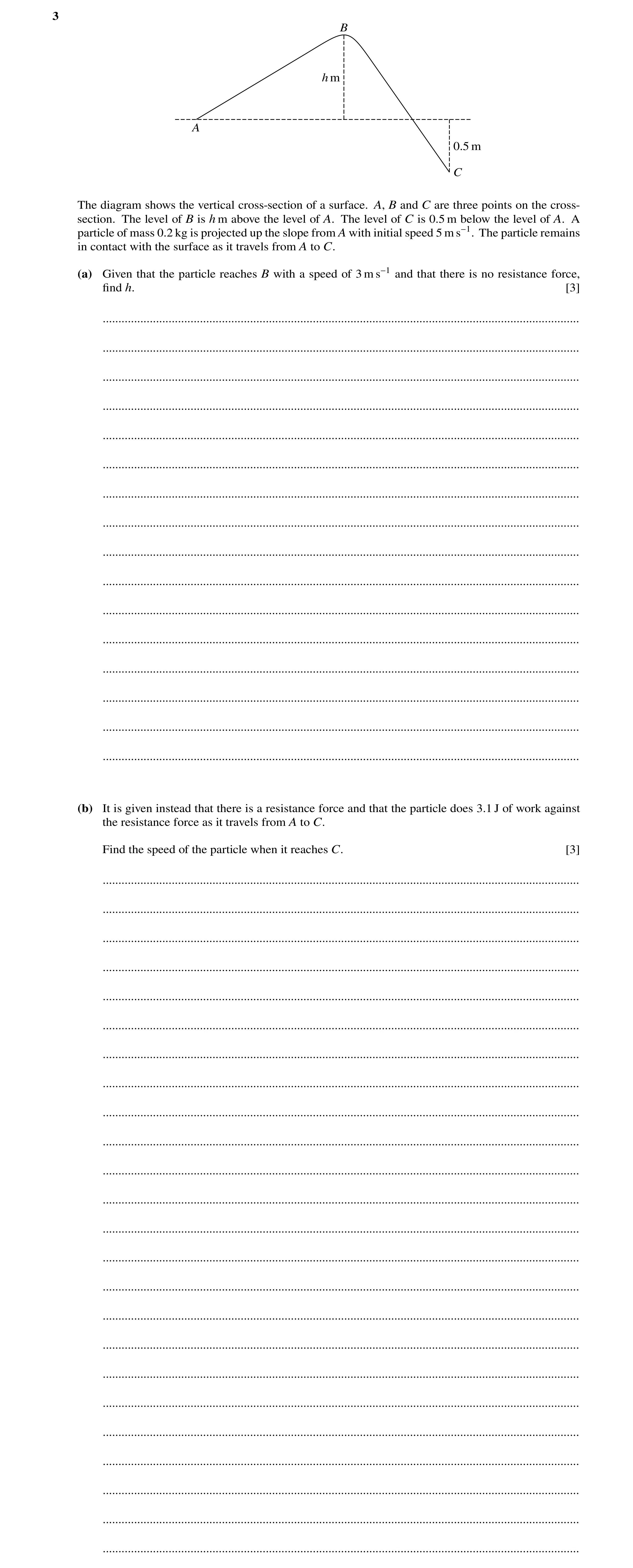
 77 / 185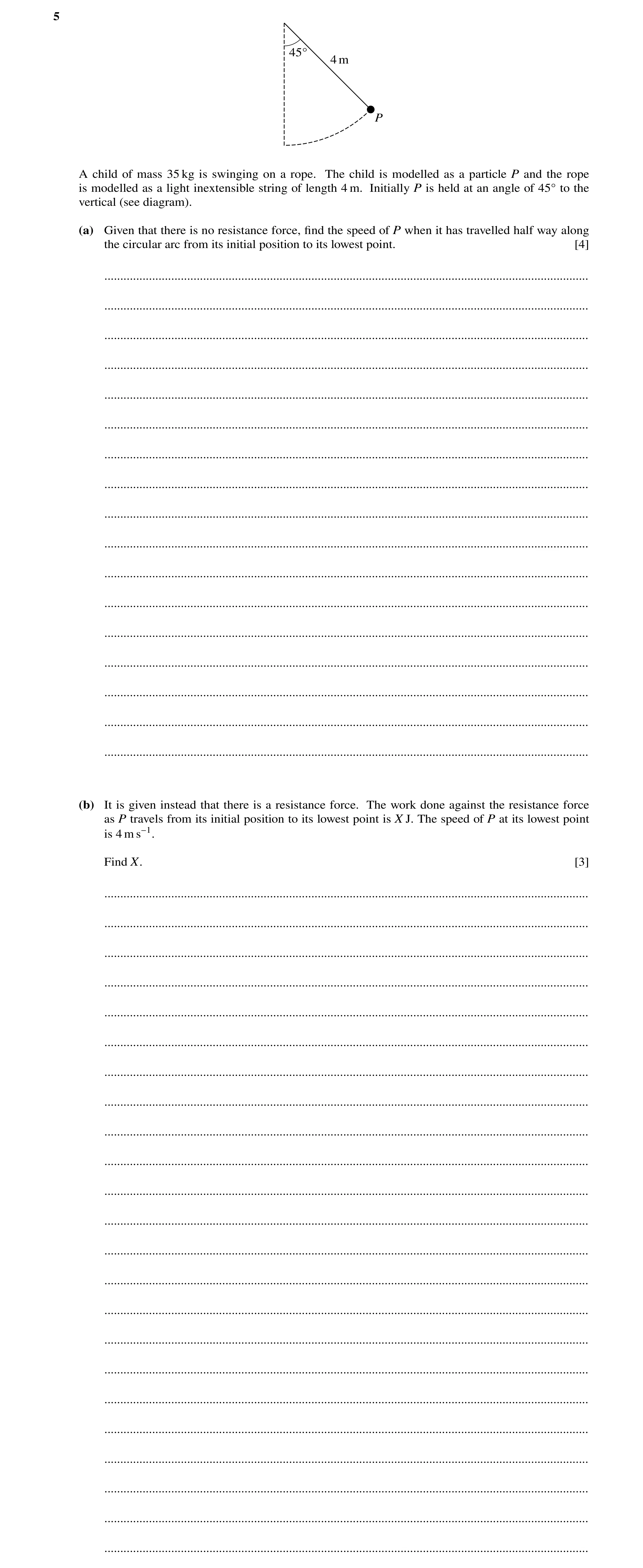
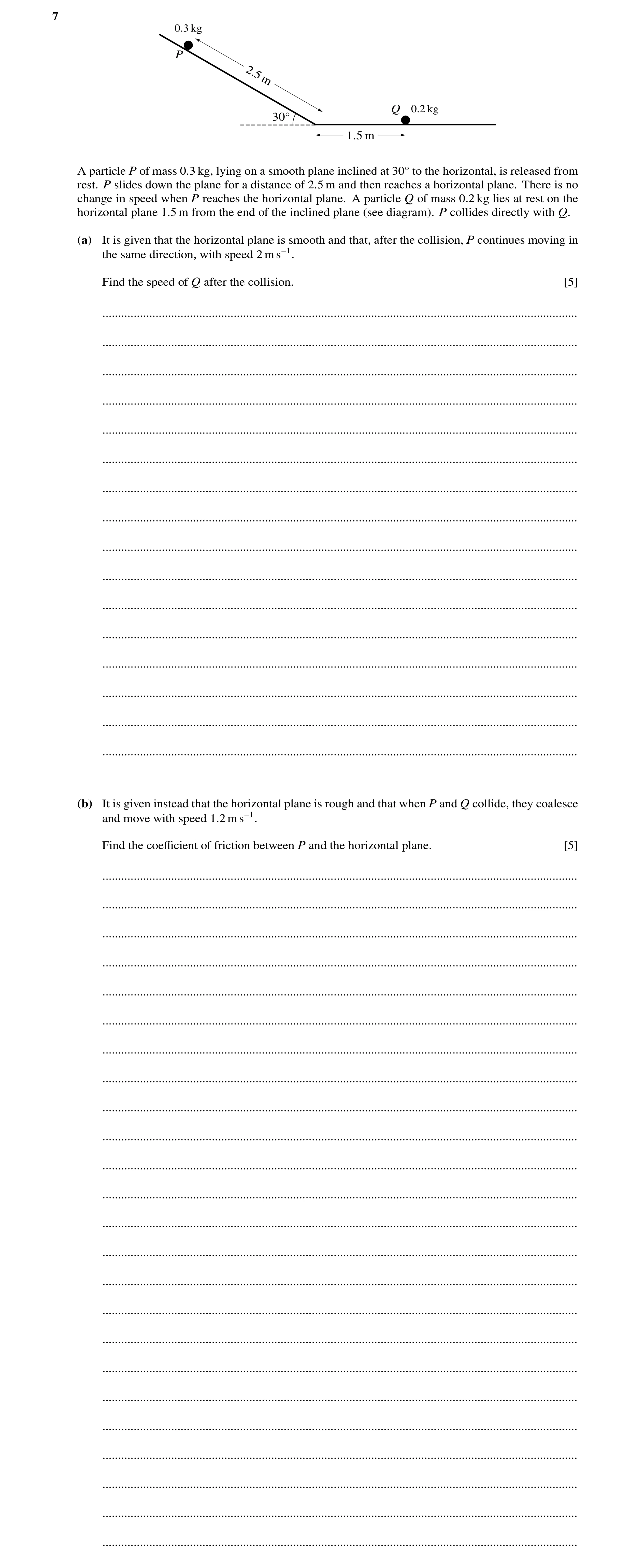
 84 / 185
 87 / 185
 88 / 185
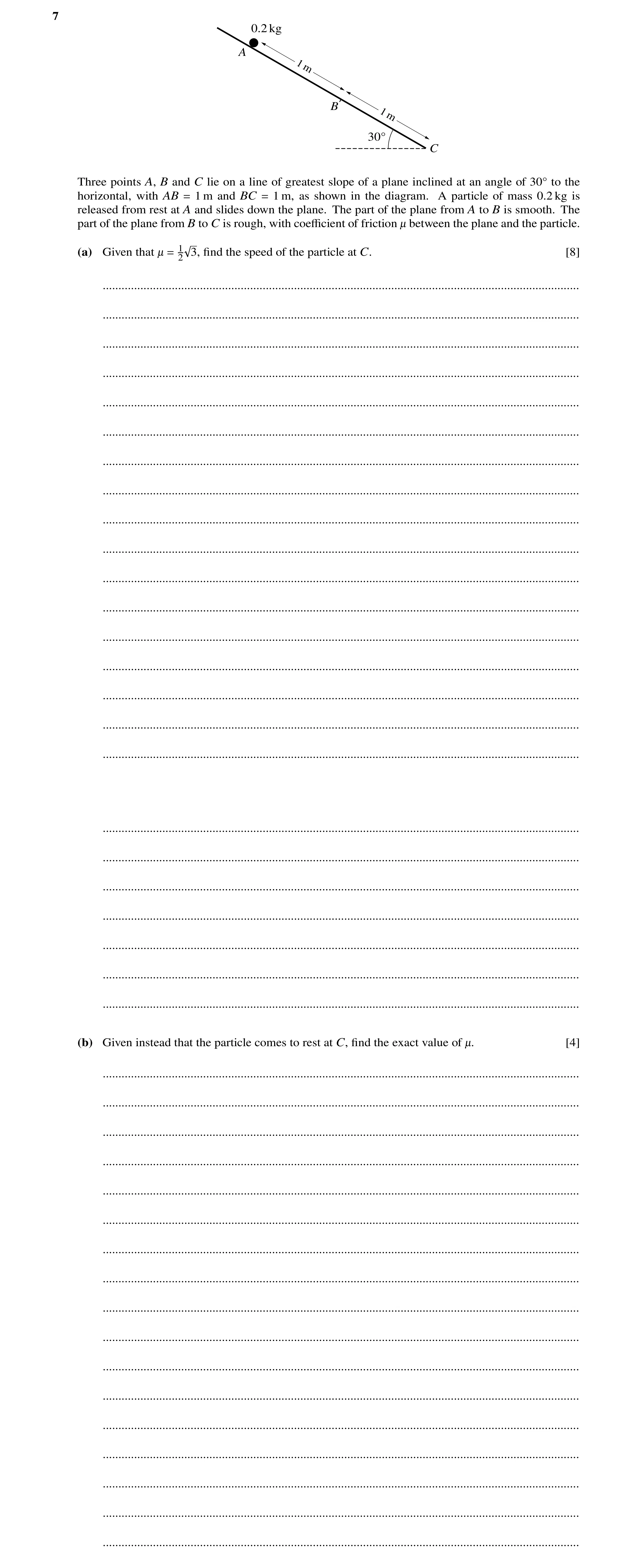
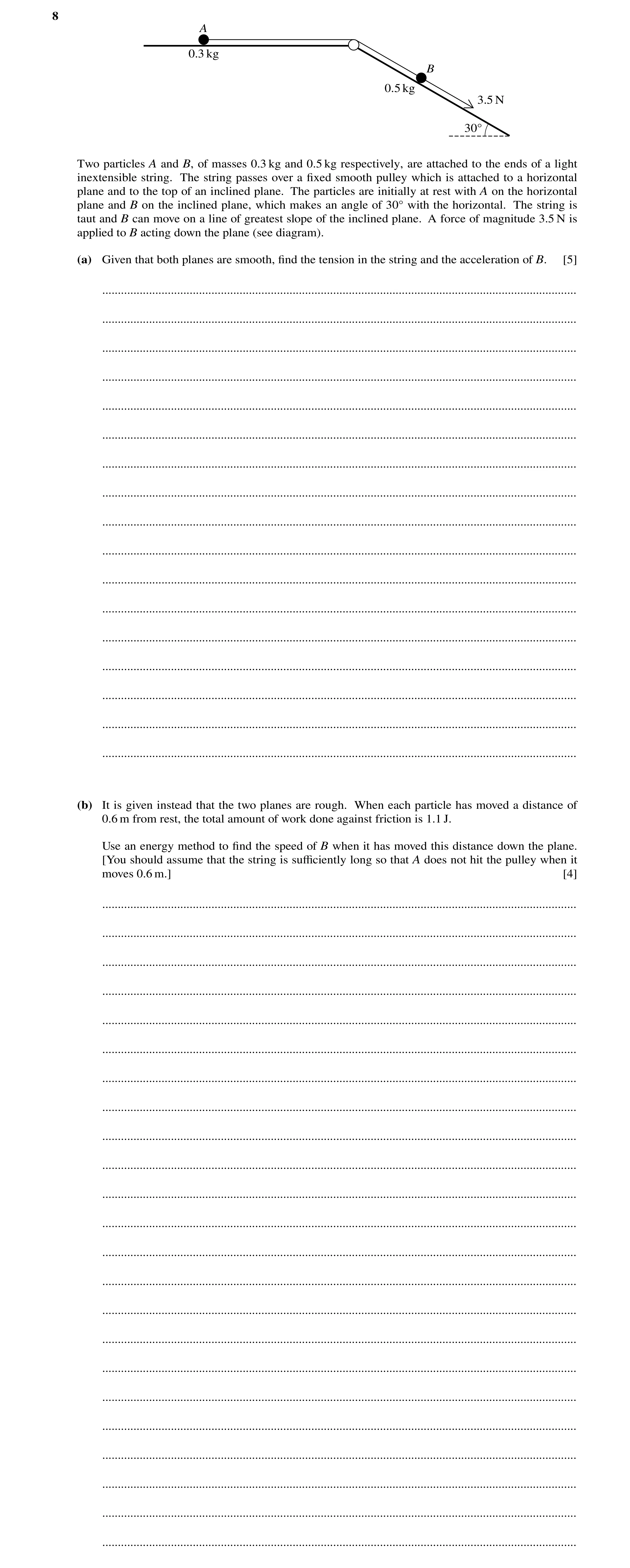
 95 / 185
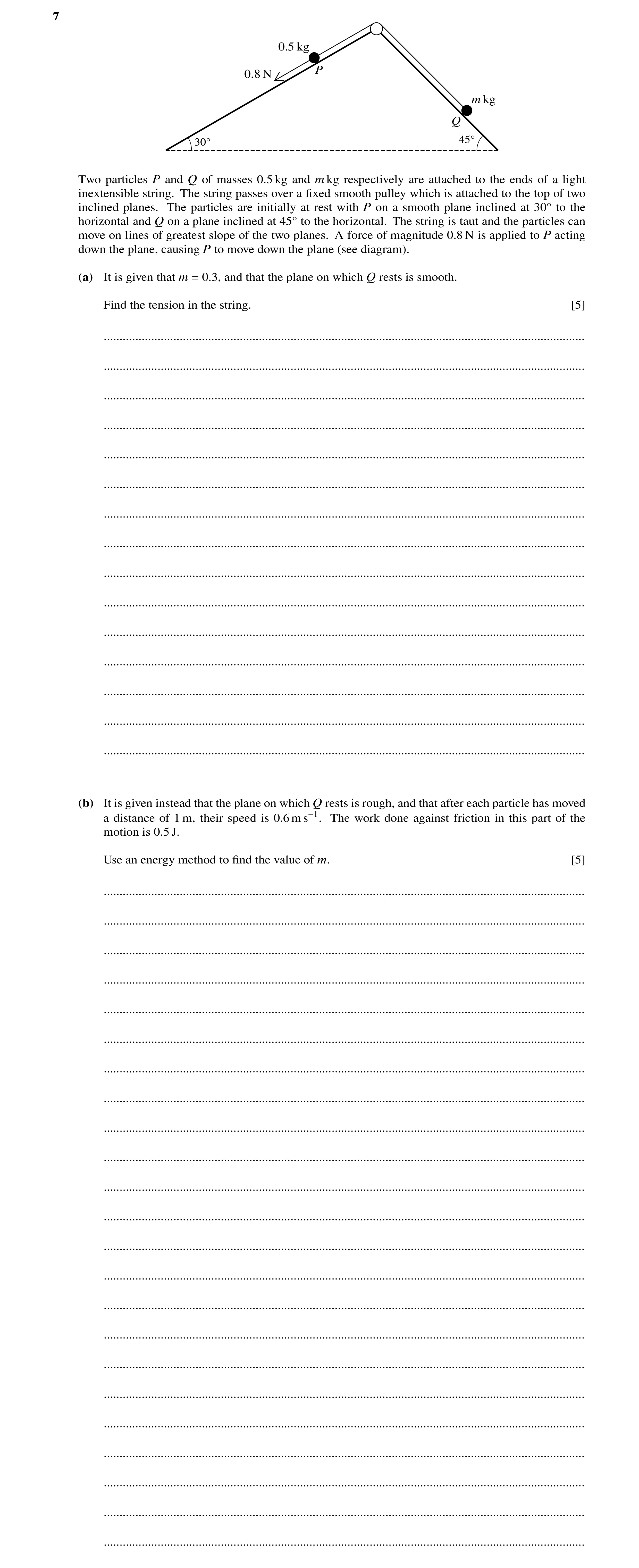
 100 / 185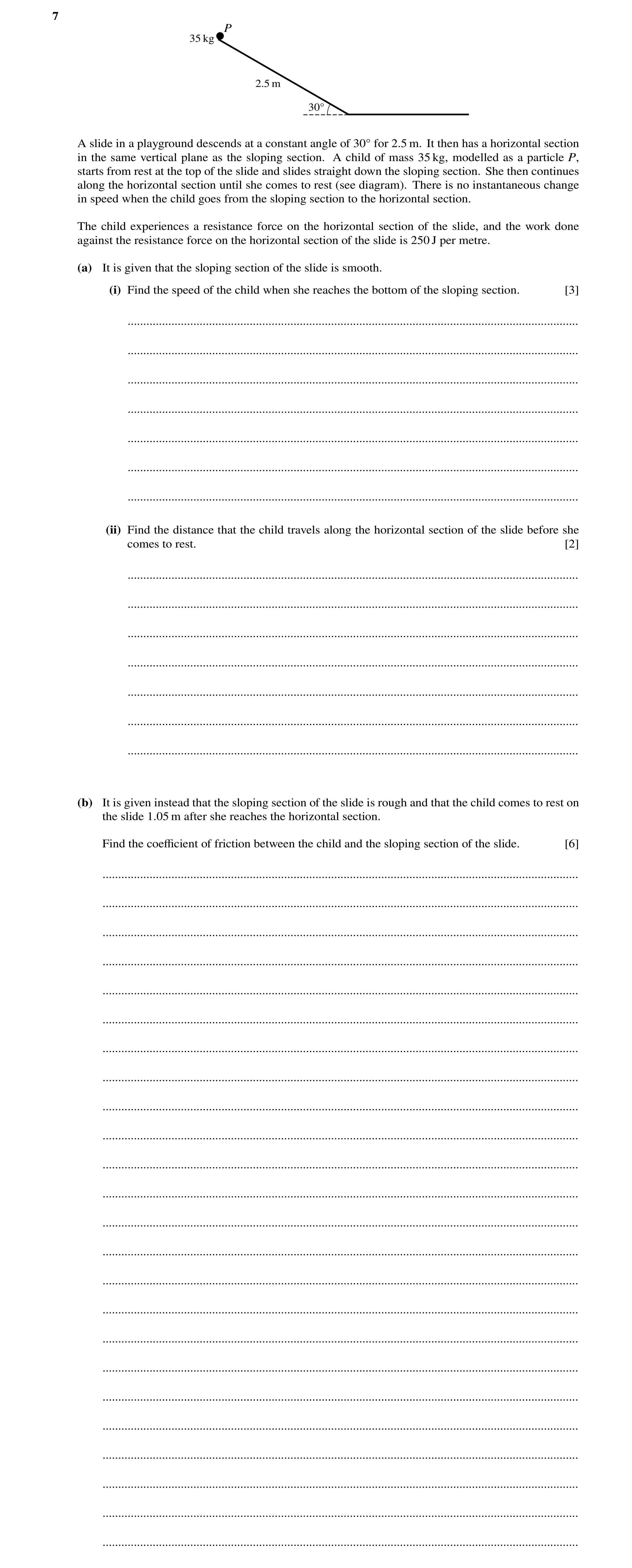
 103 / 185
 106 / 185
 109 / 185
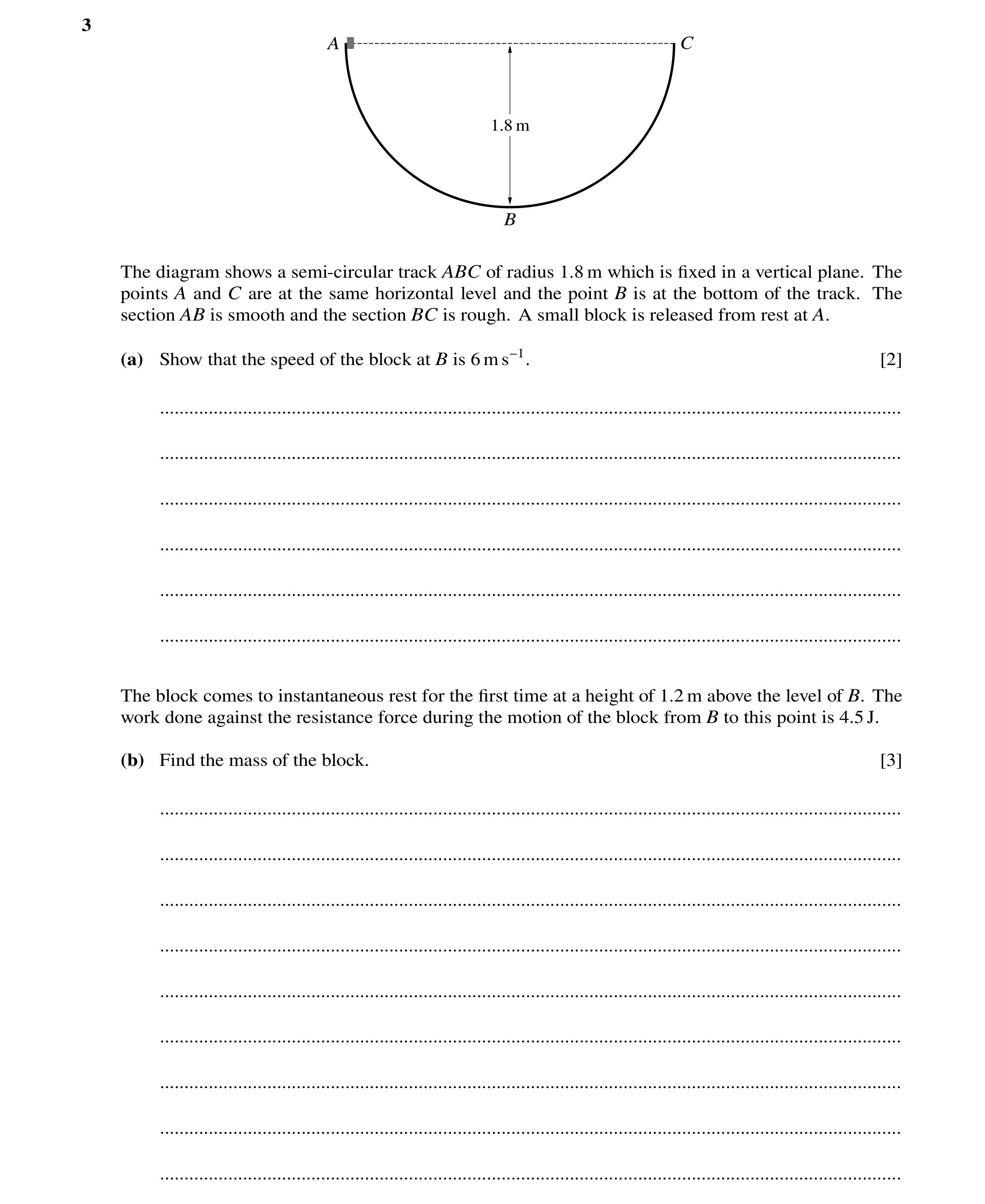 112 / 185
 113 / 185
 114 / 185
 119 / 185

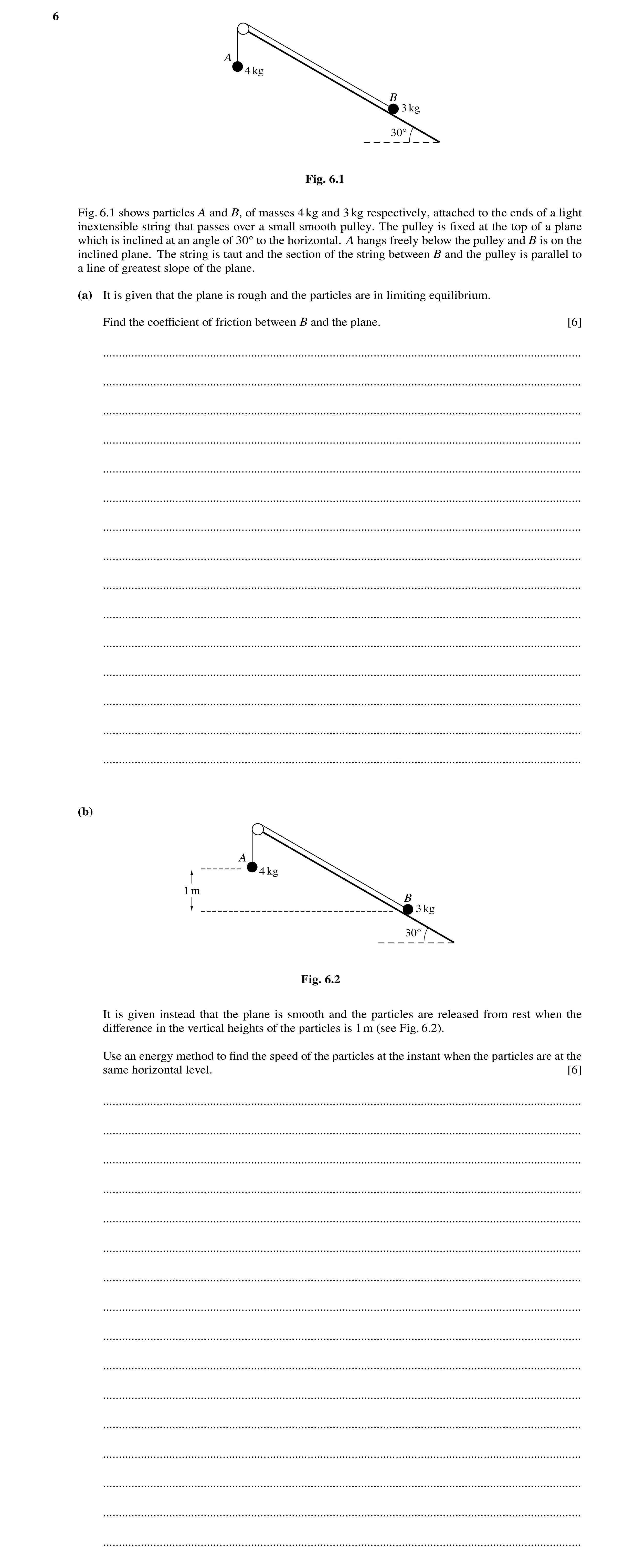
 126 / 185
 127 / 185
 128 / 185
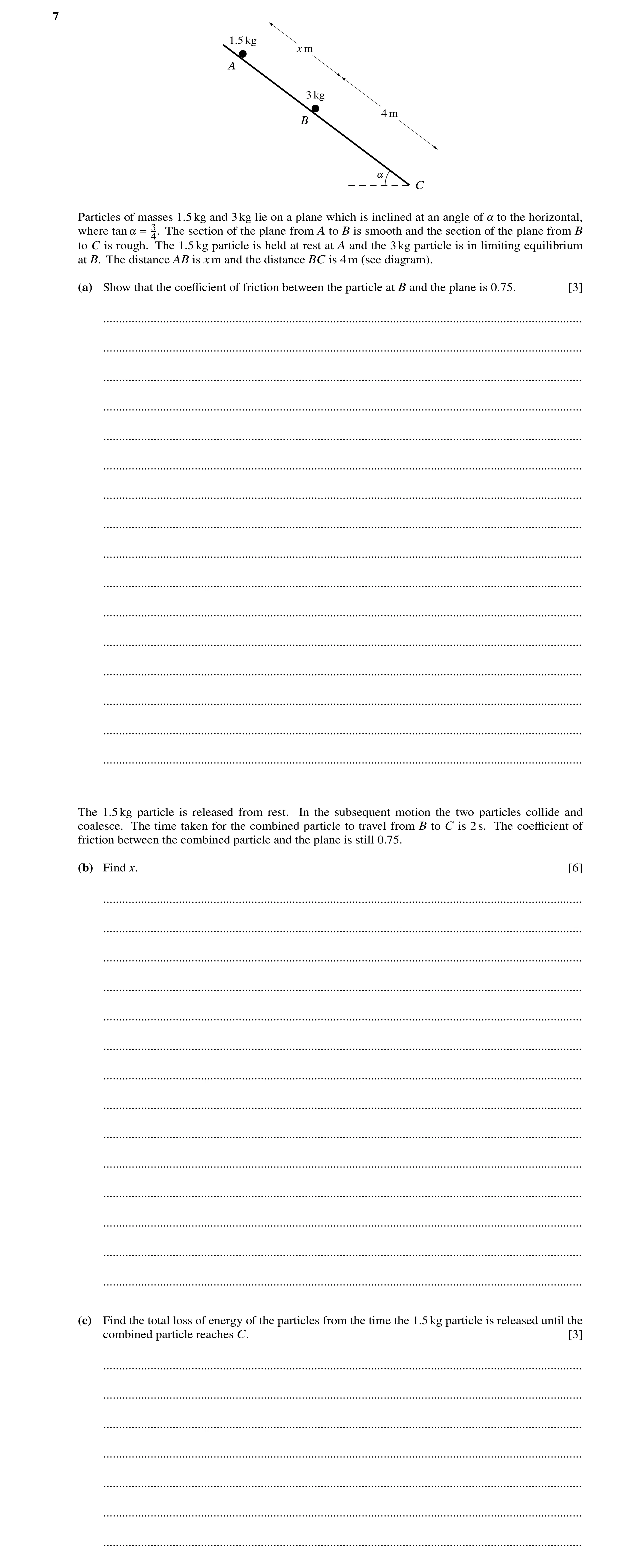
 133 / 185
 134 / 185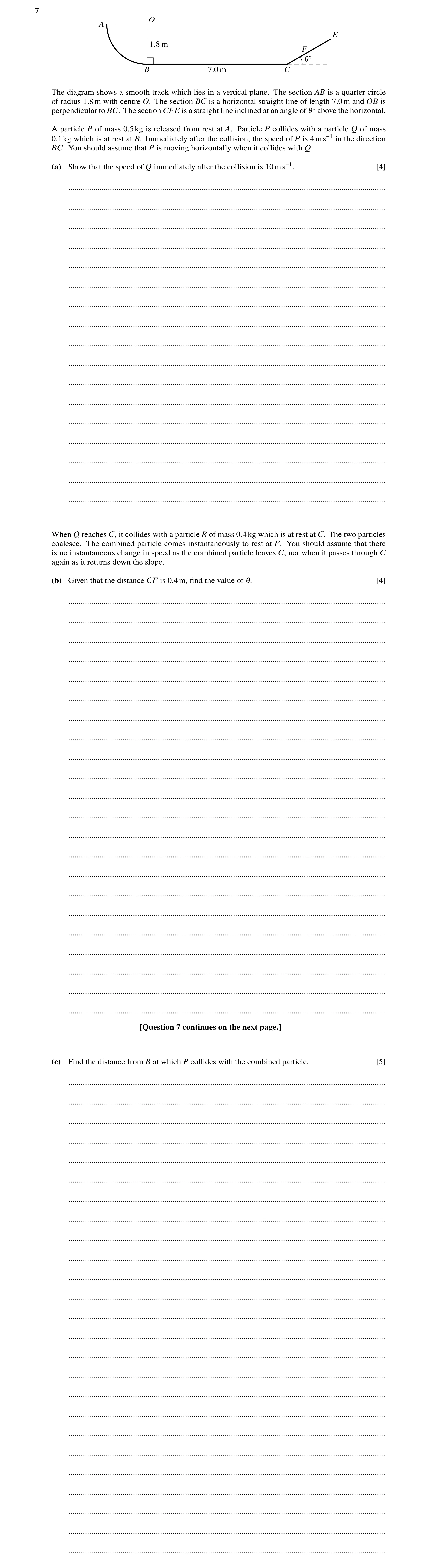

 140 / 185
 141 / 185
 142 / 185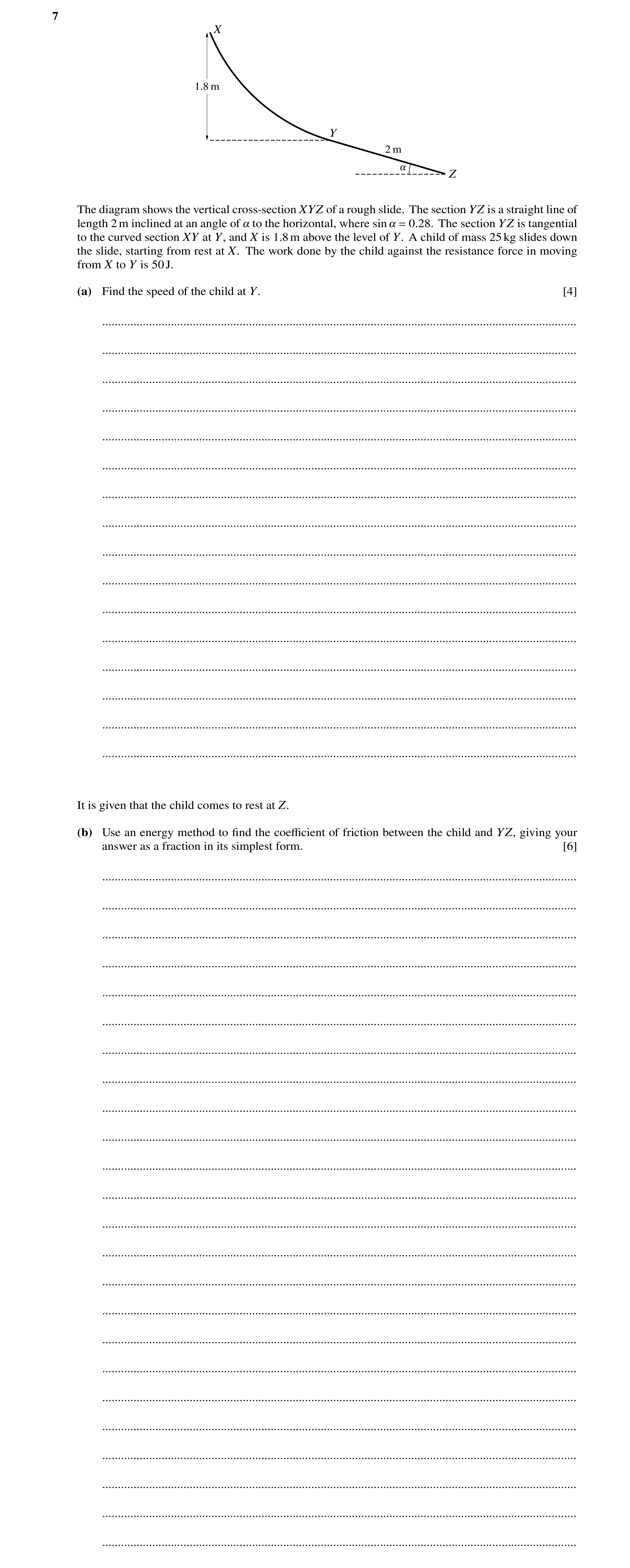
 145 / 185
 146 / 185
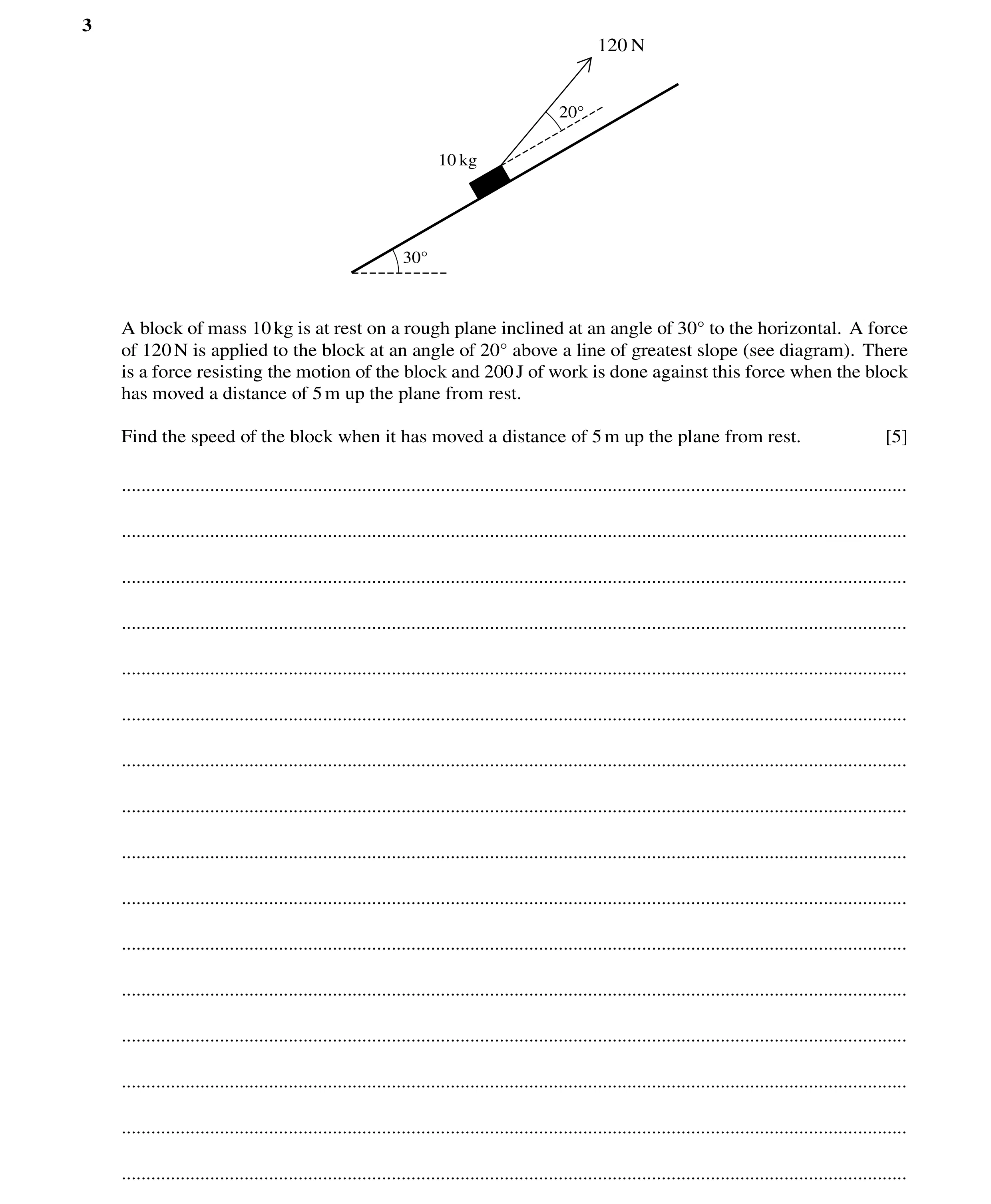 147 / 185
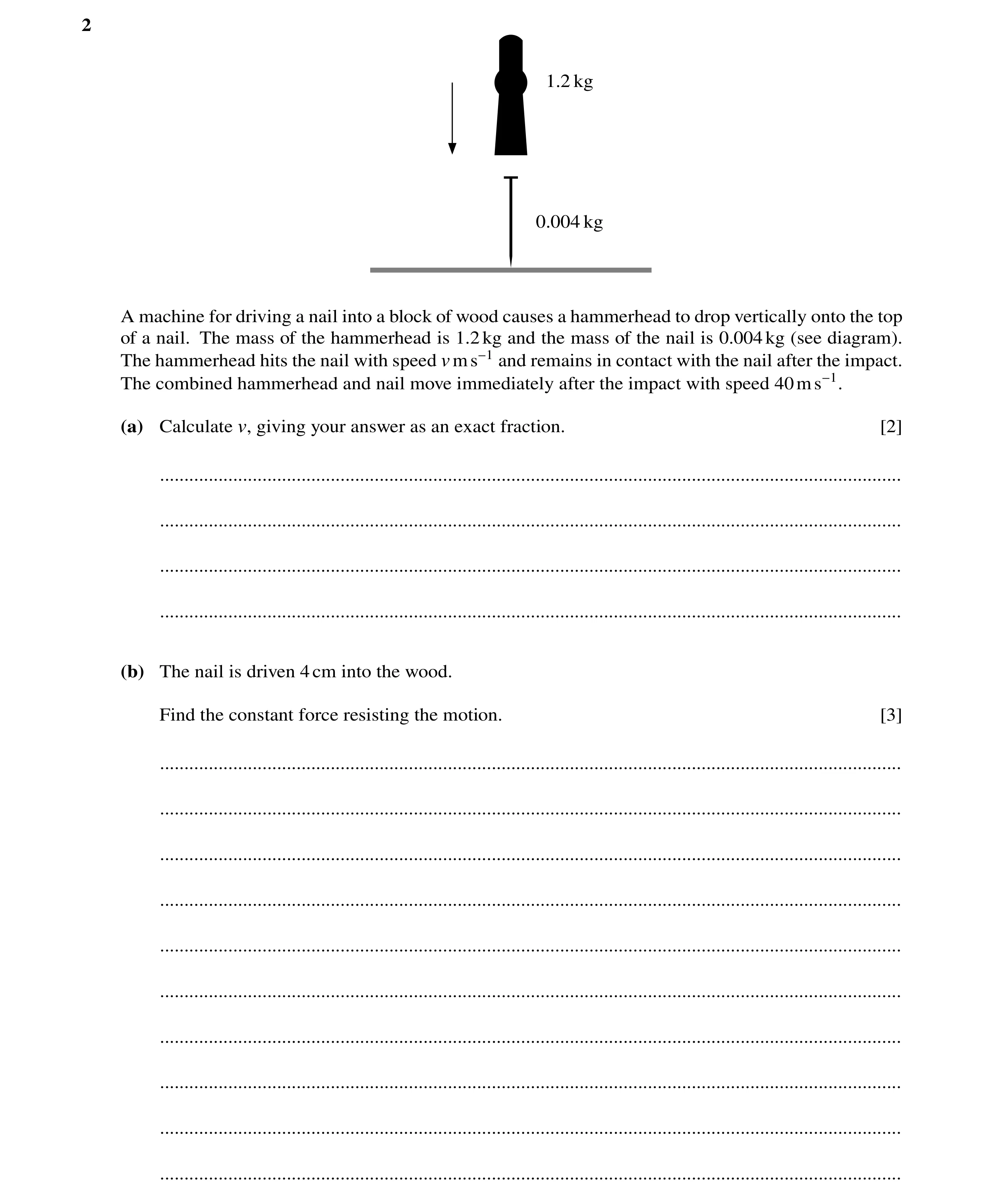 148 / 185
 149 / 185
 150 / 185
 151 / 185
 152 / 185
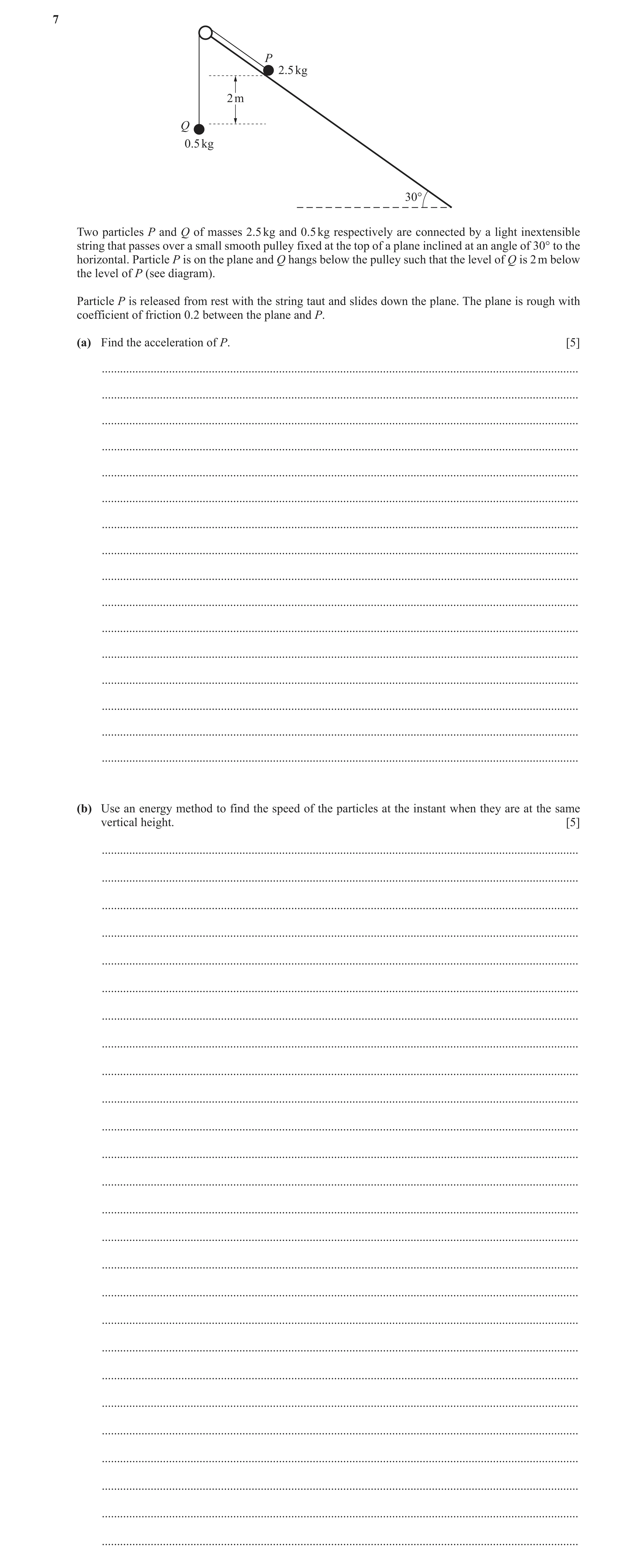
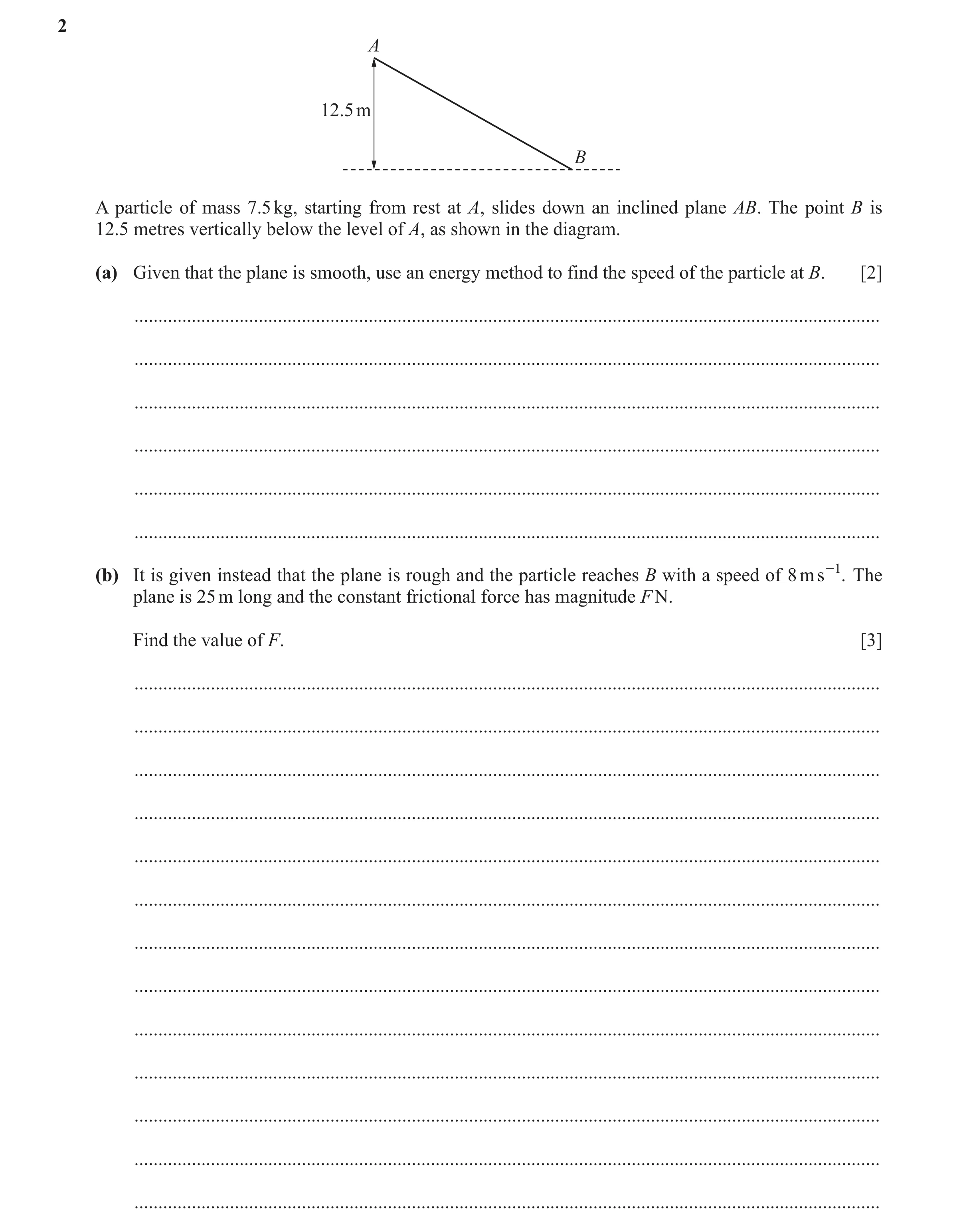 159 / 185
 160 / 185
 161 / 185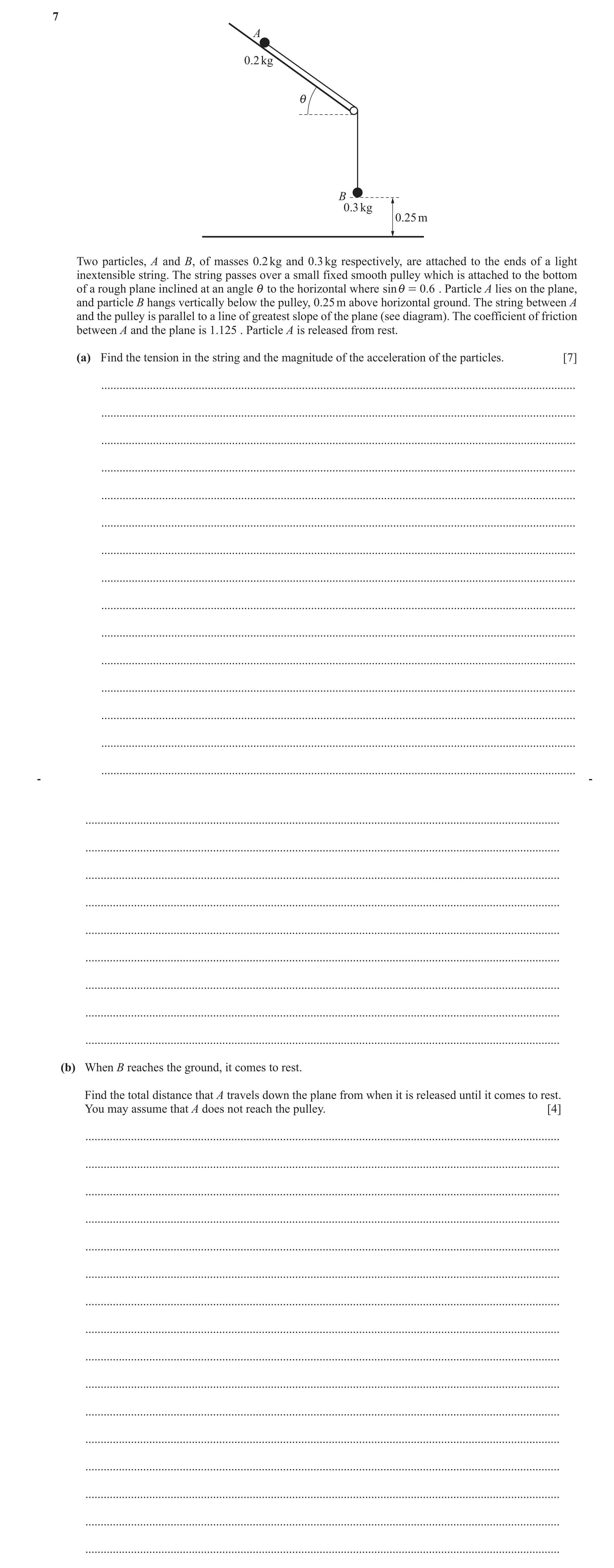
 164 / 185
 165 / 185
 166 / 185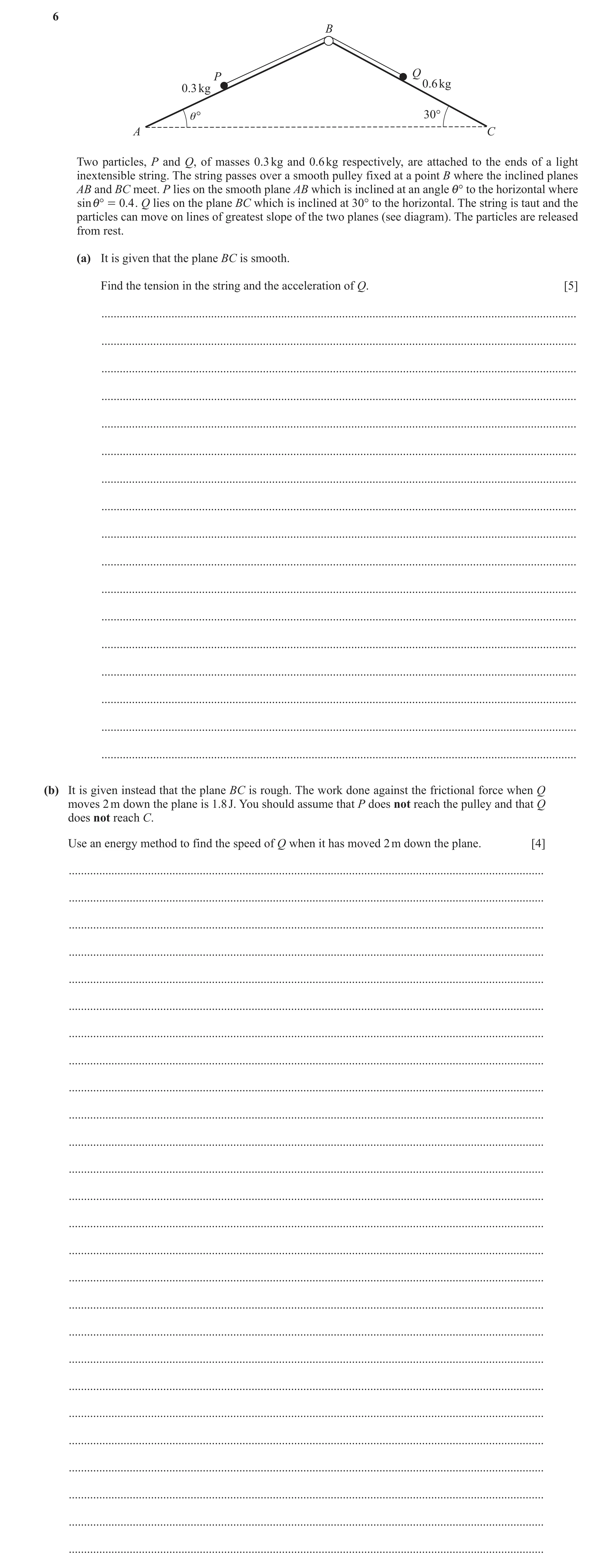
 169 / 185
 170 / 185
 171 / 185
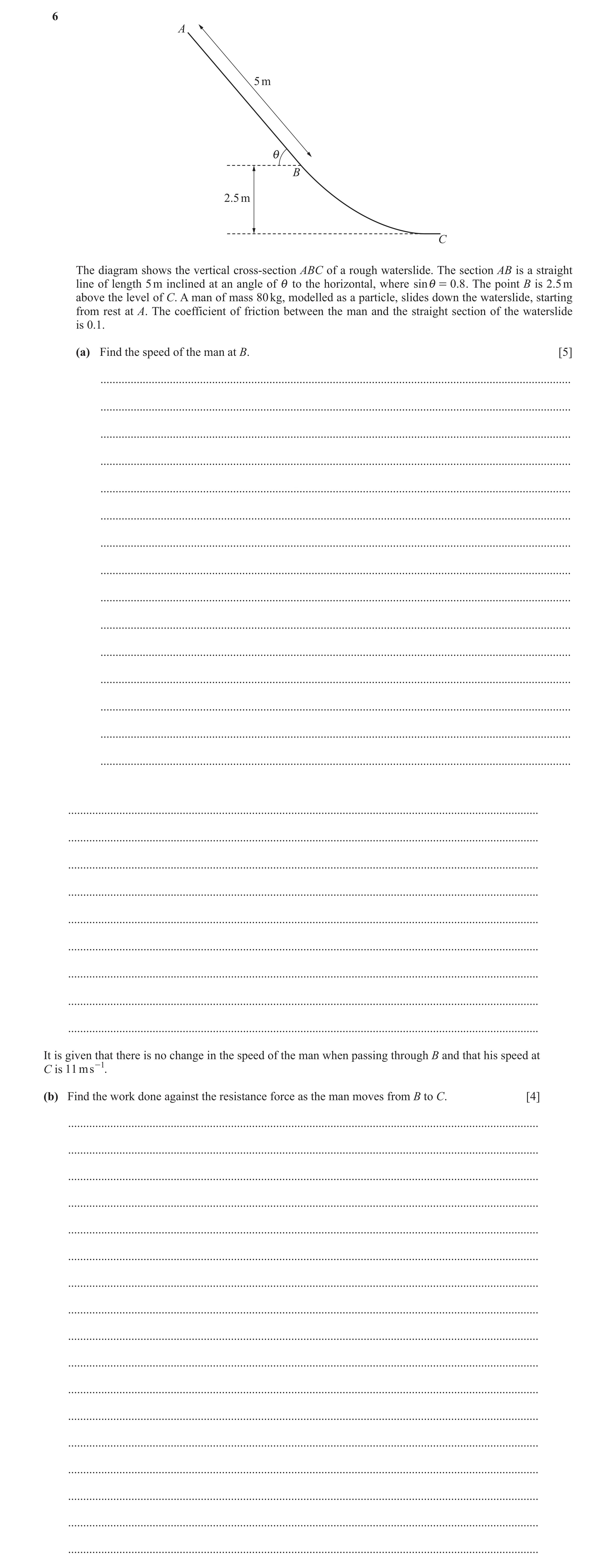
 176 / 185
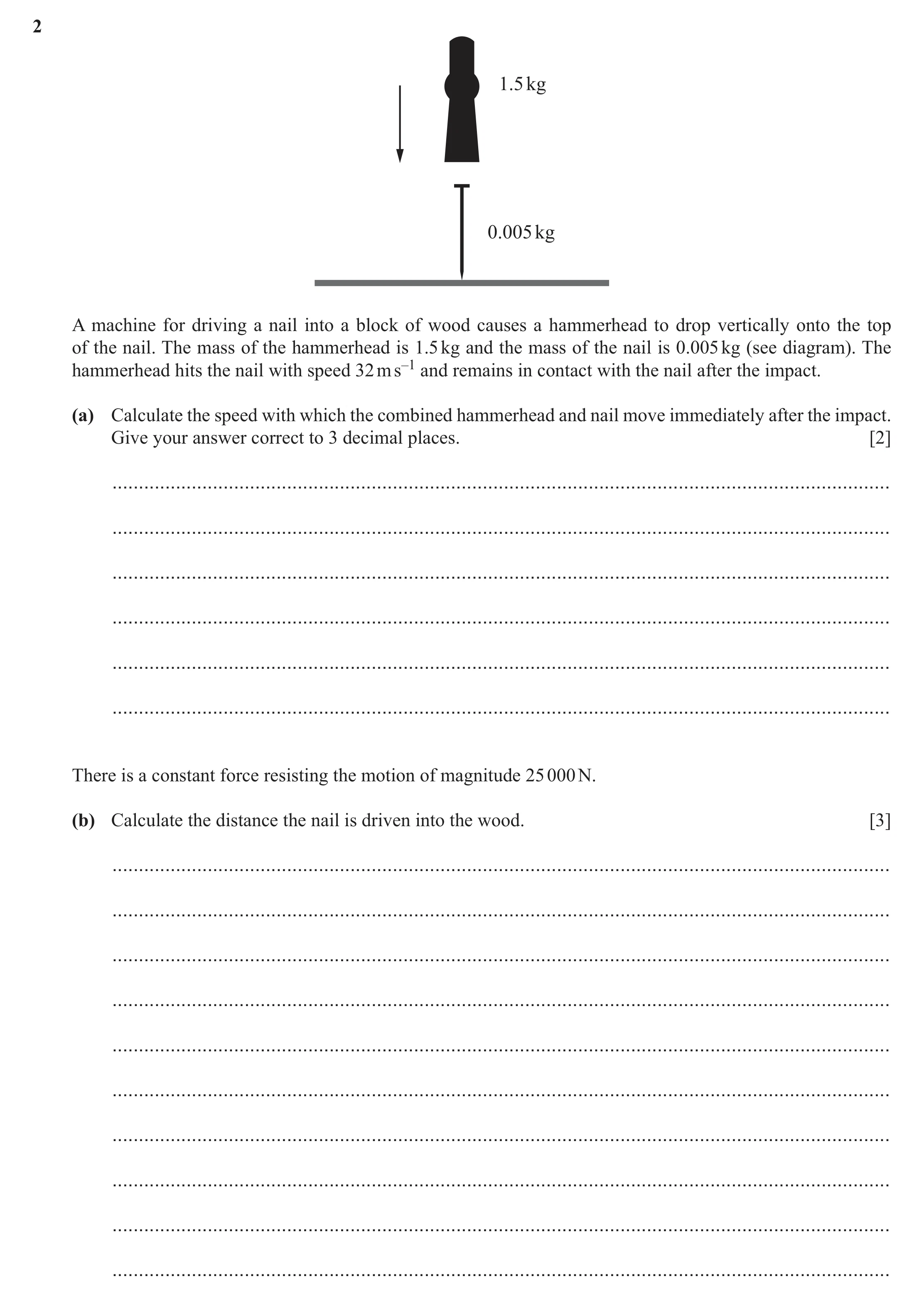 177 / 185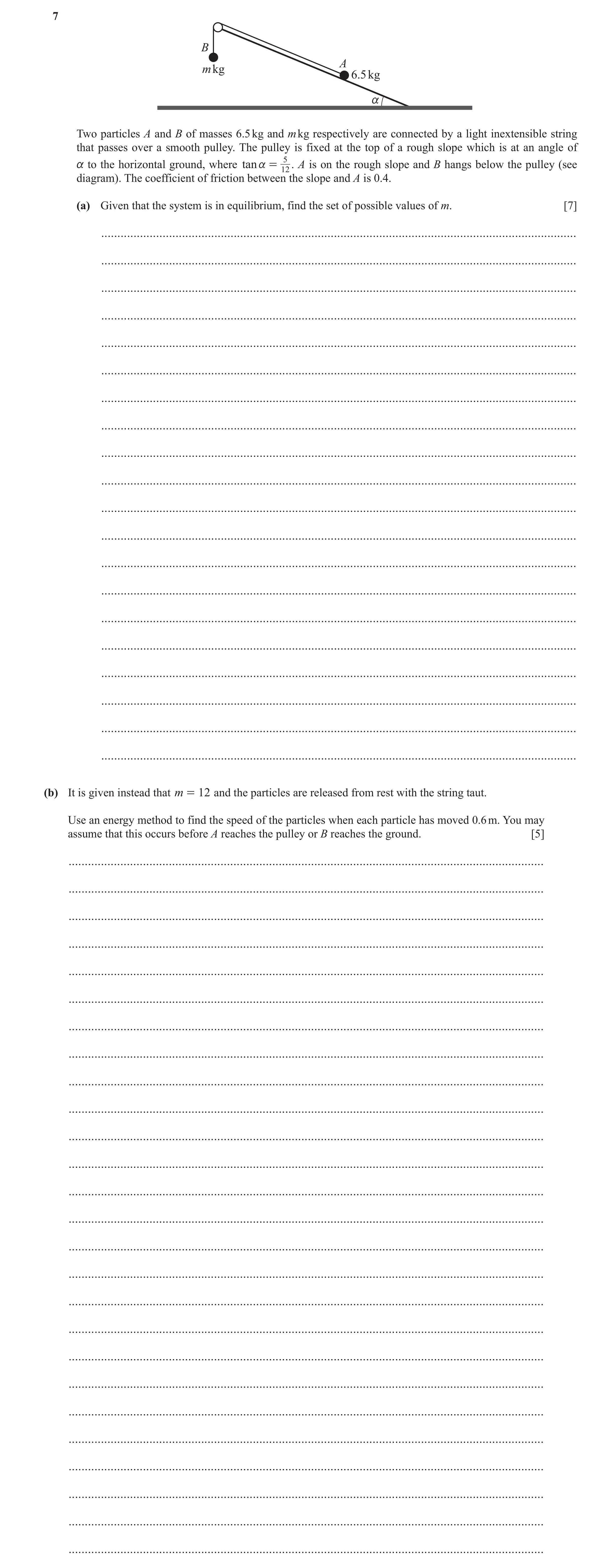
 180 / 185
 181 / 185
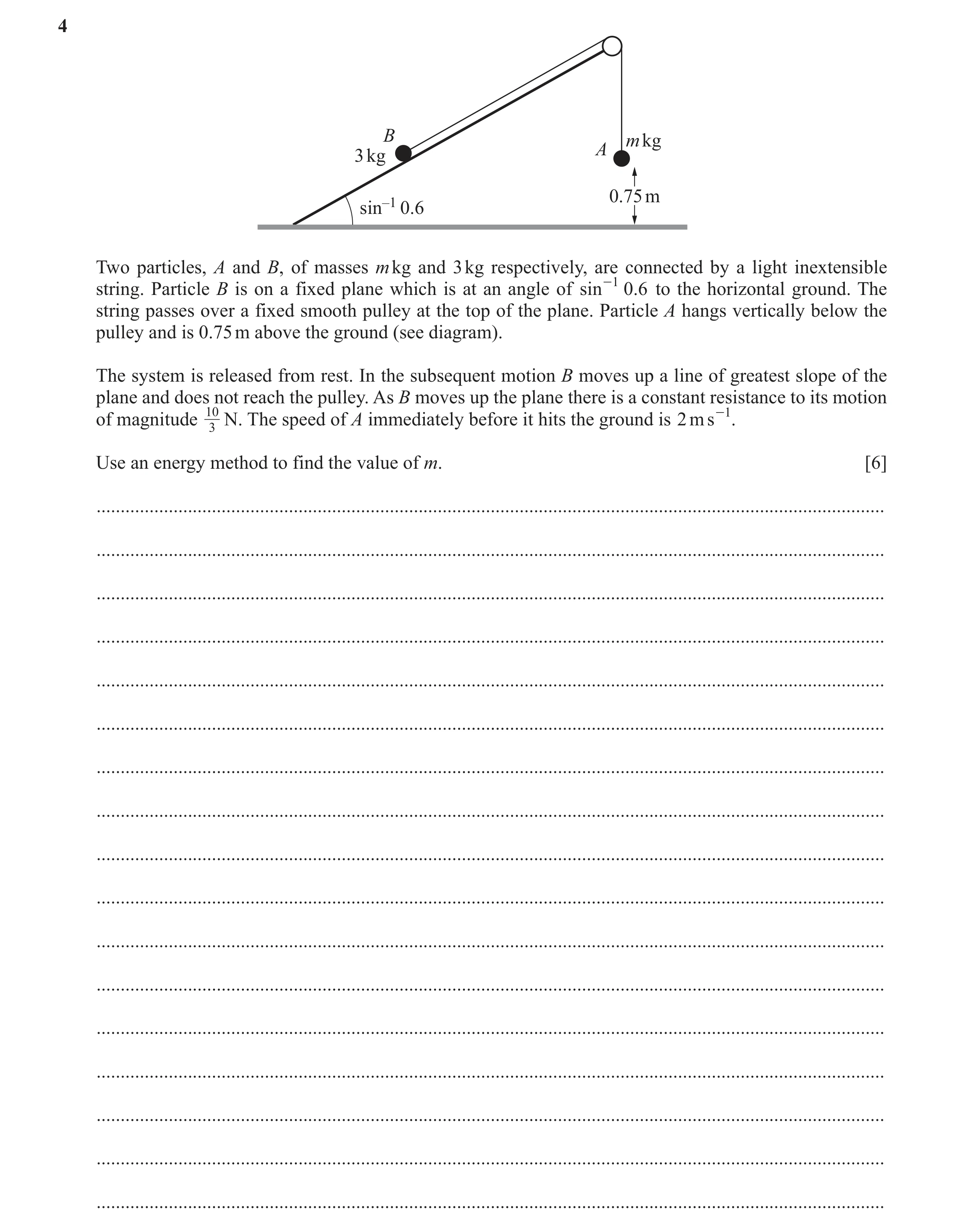 182 / 185
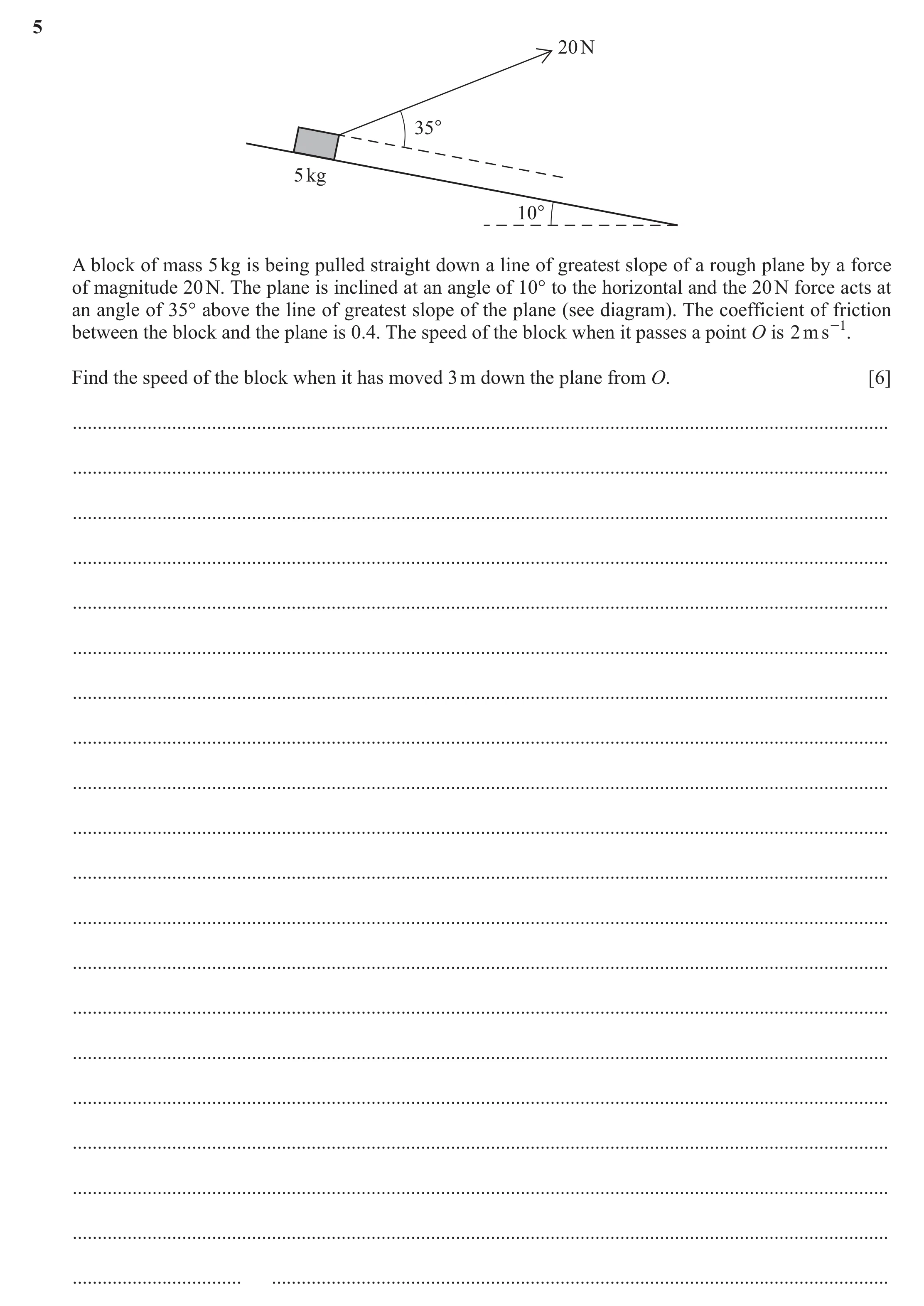 183 / 185
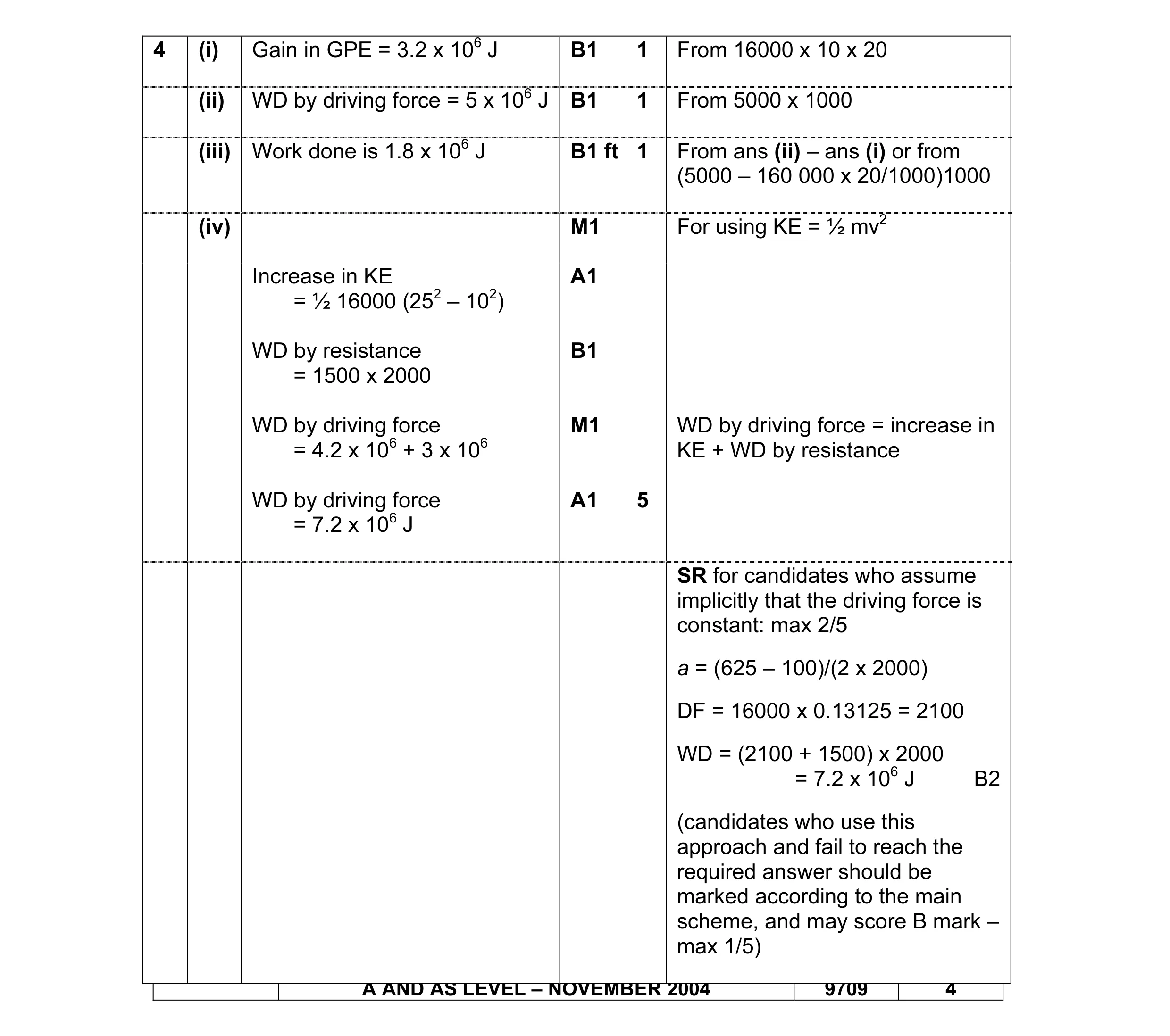 8
8 3
3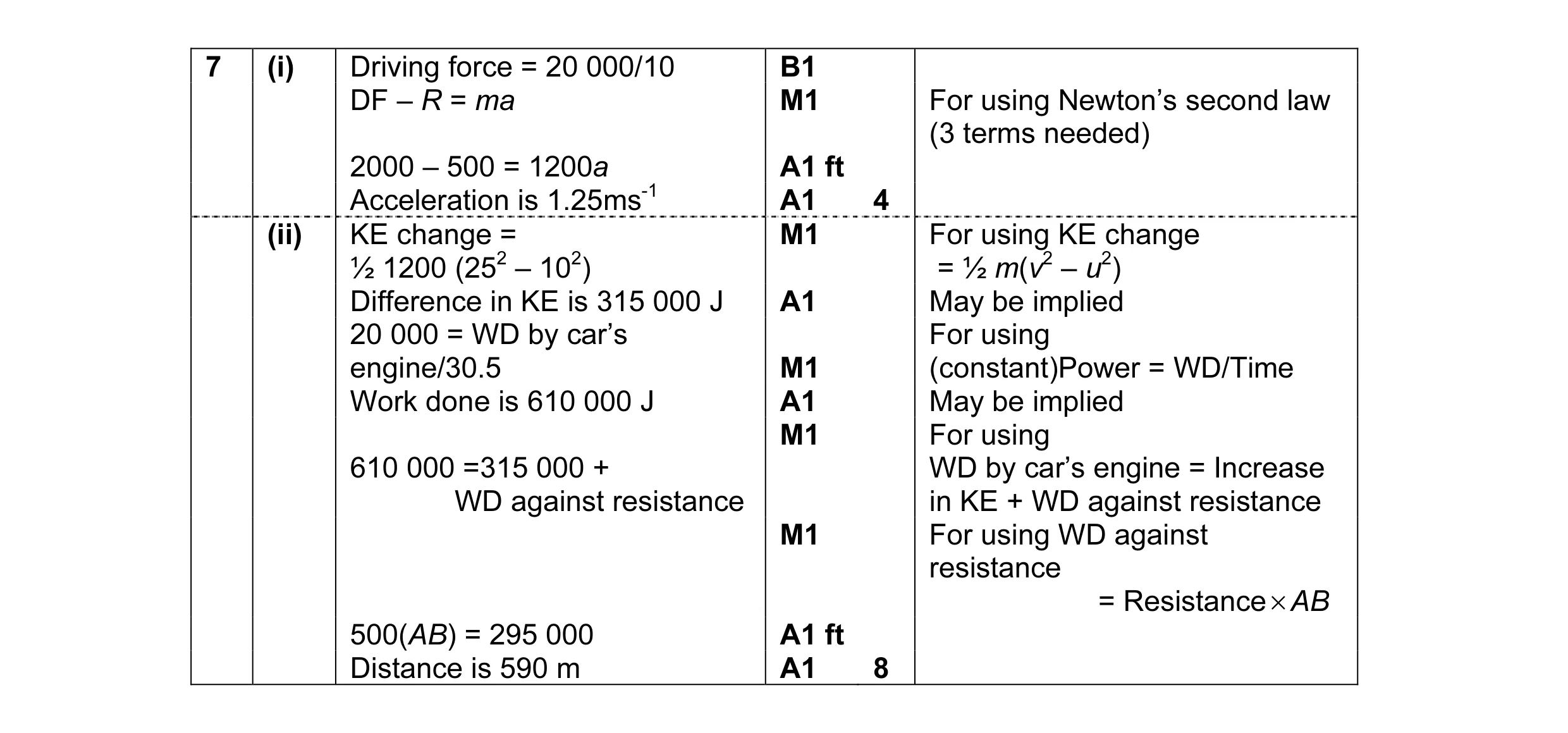 12
12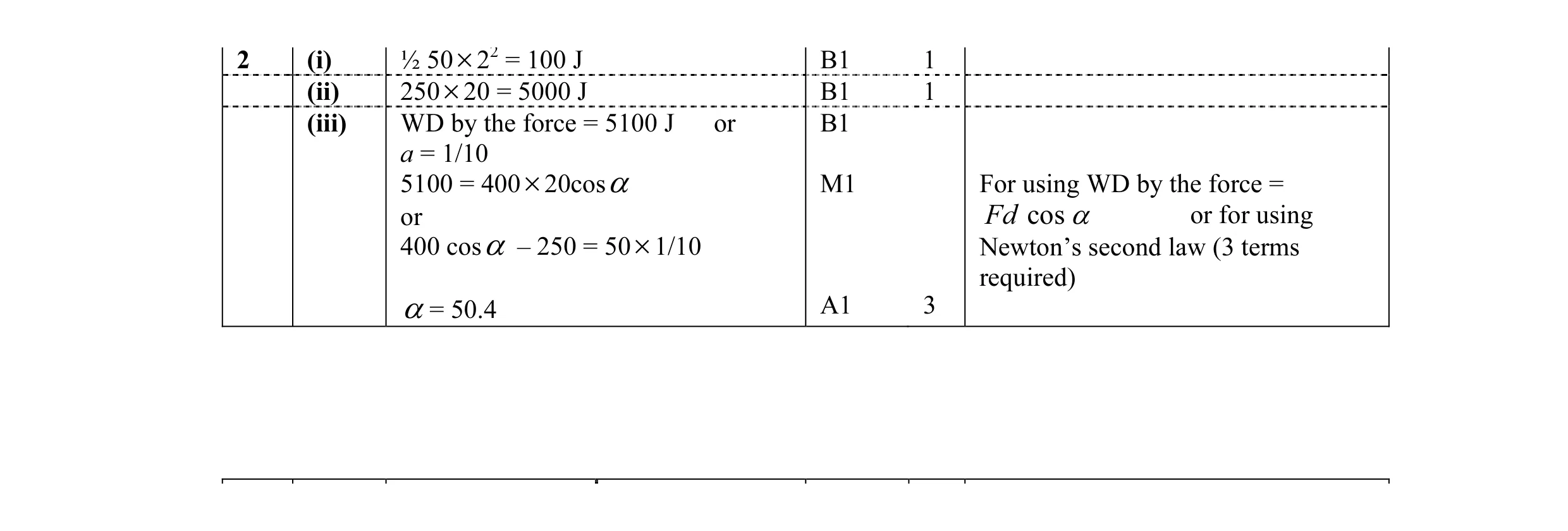 5
5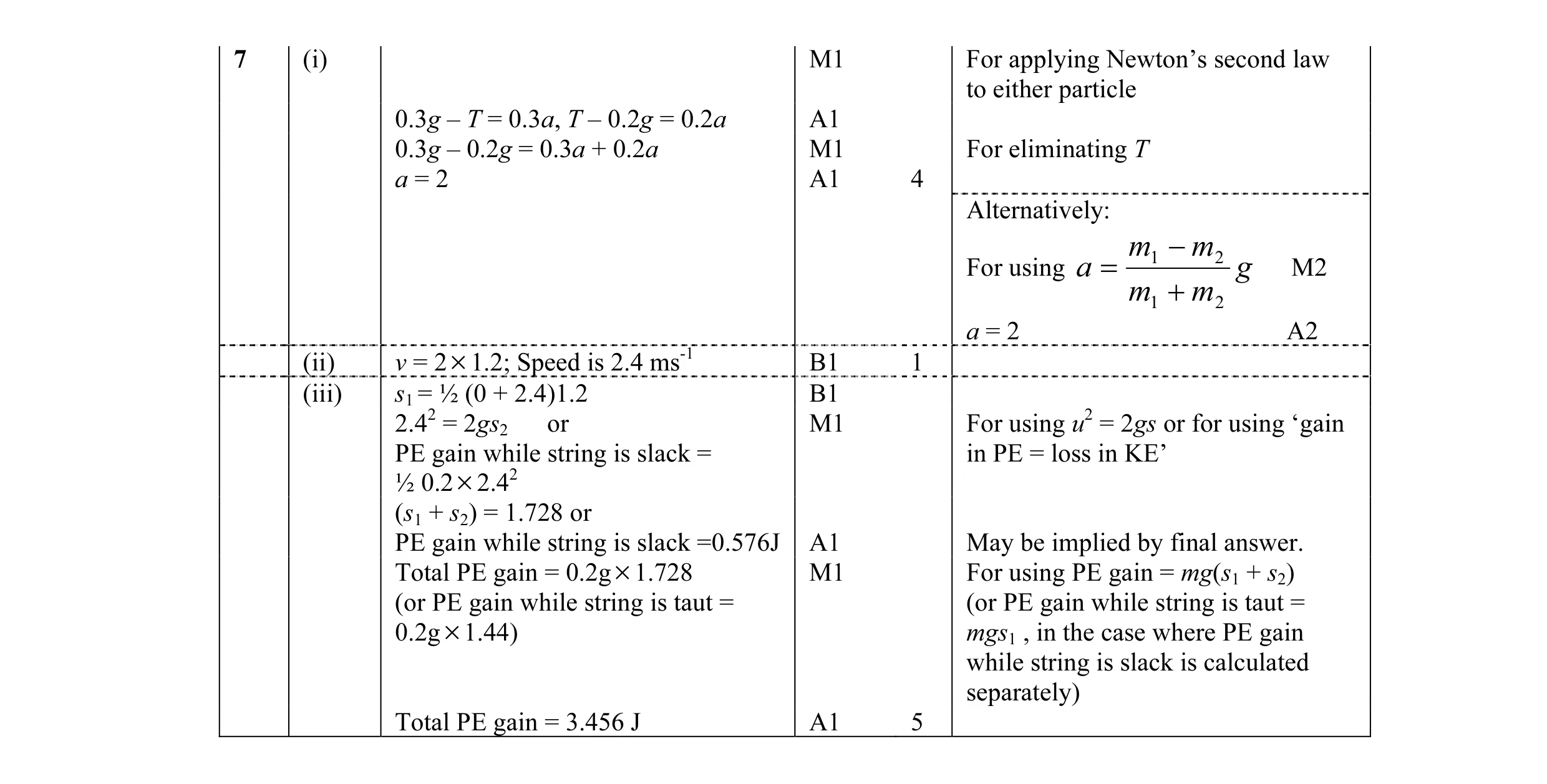 10
10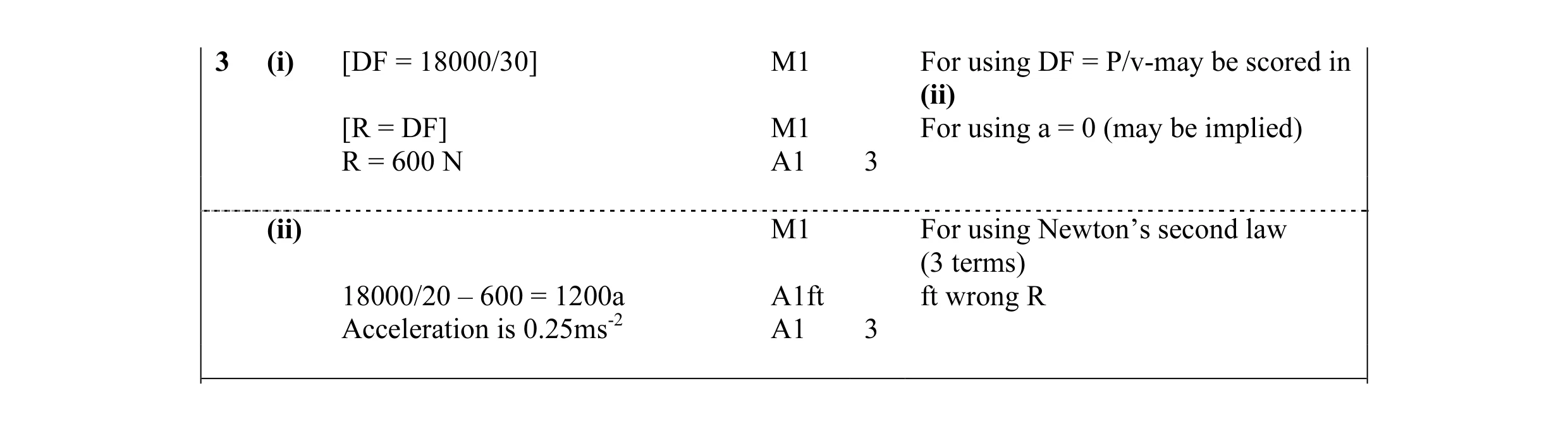 6
6 4
4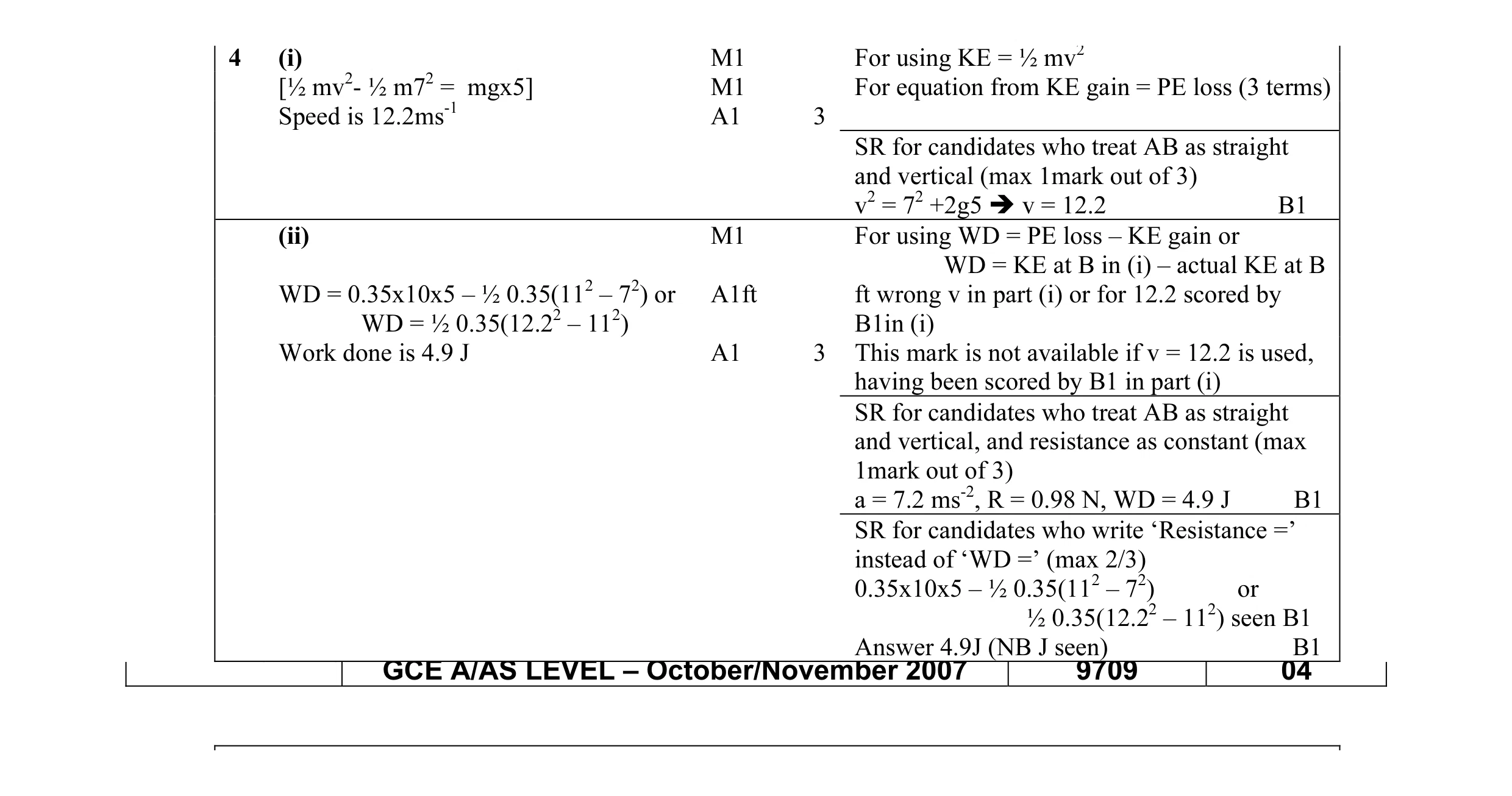 6
6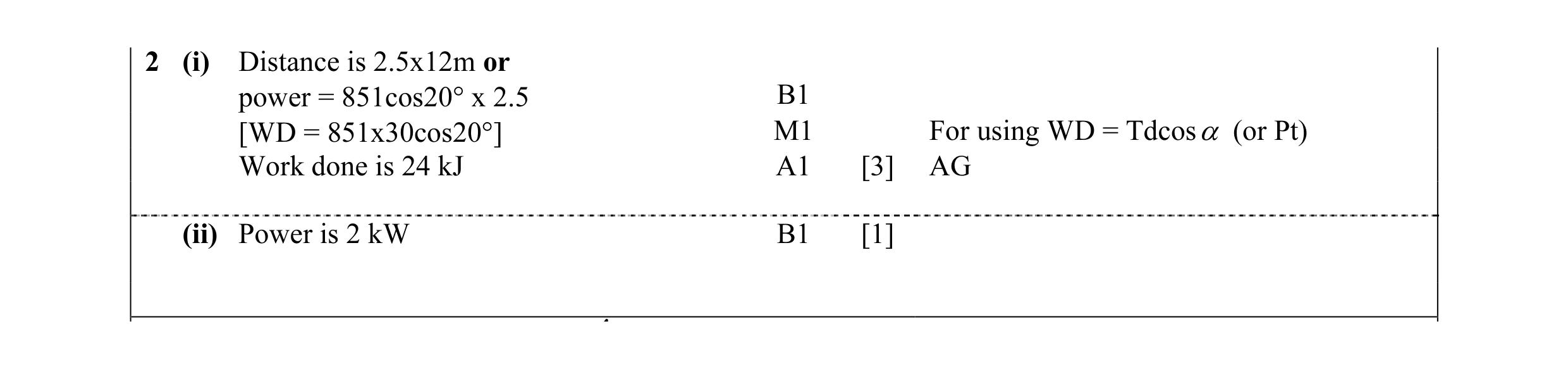 4
4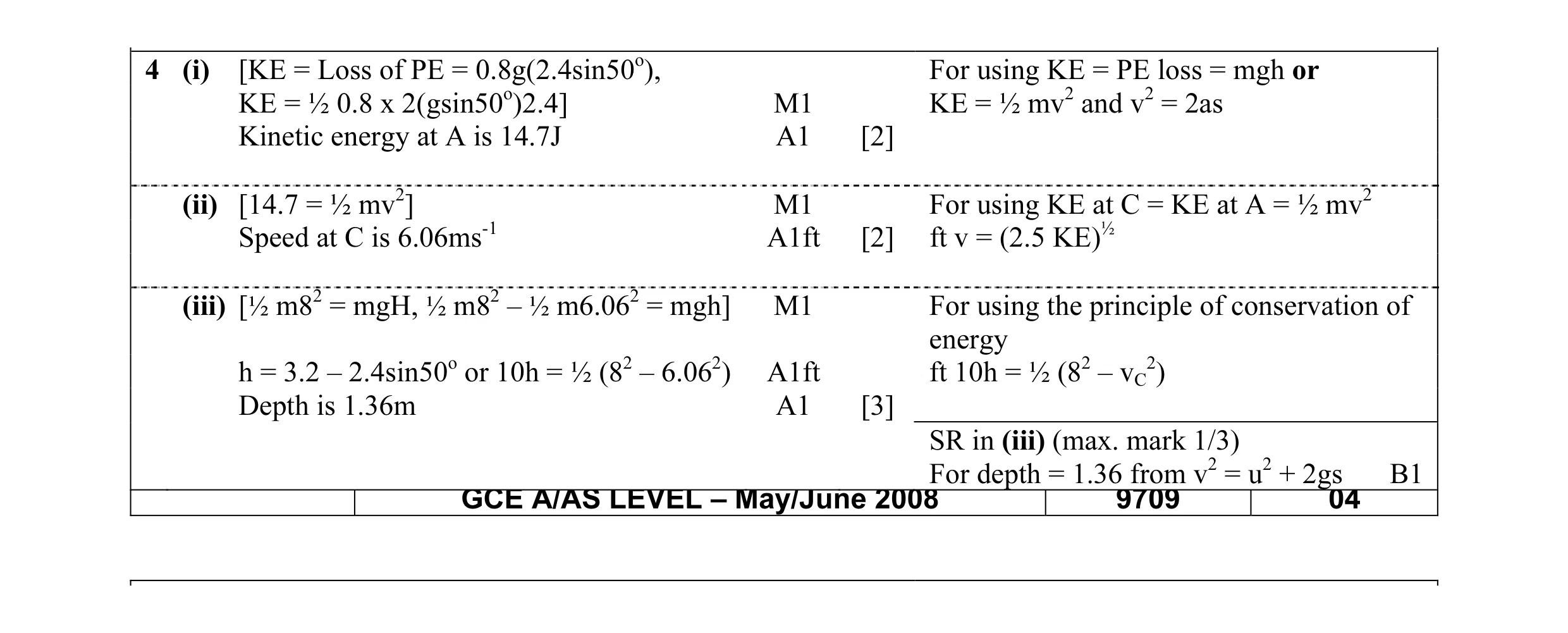 7
7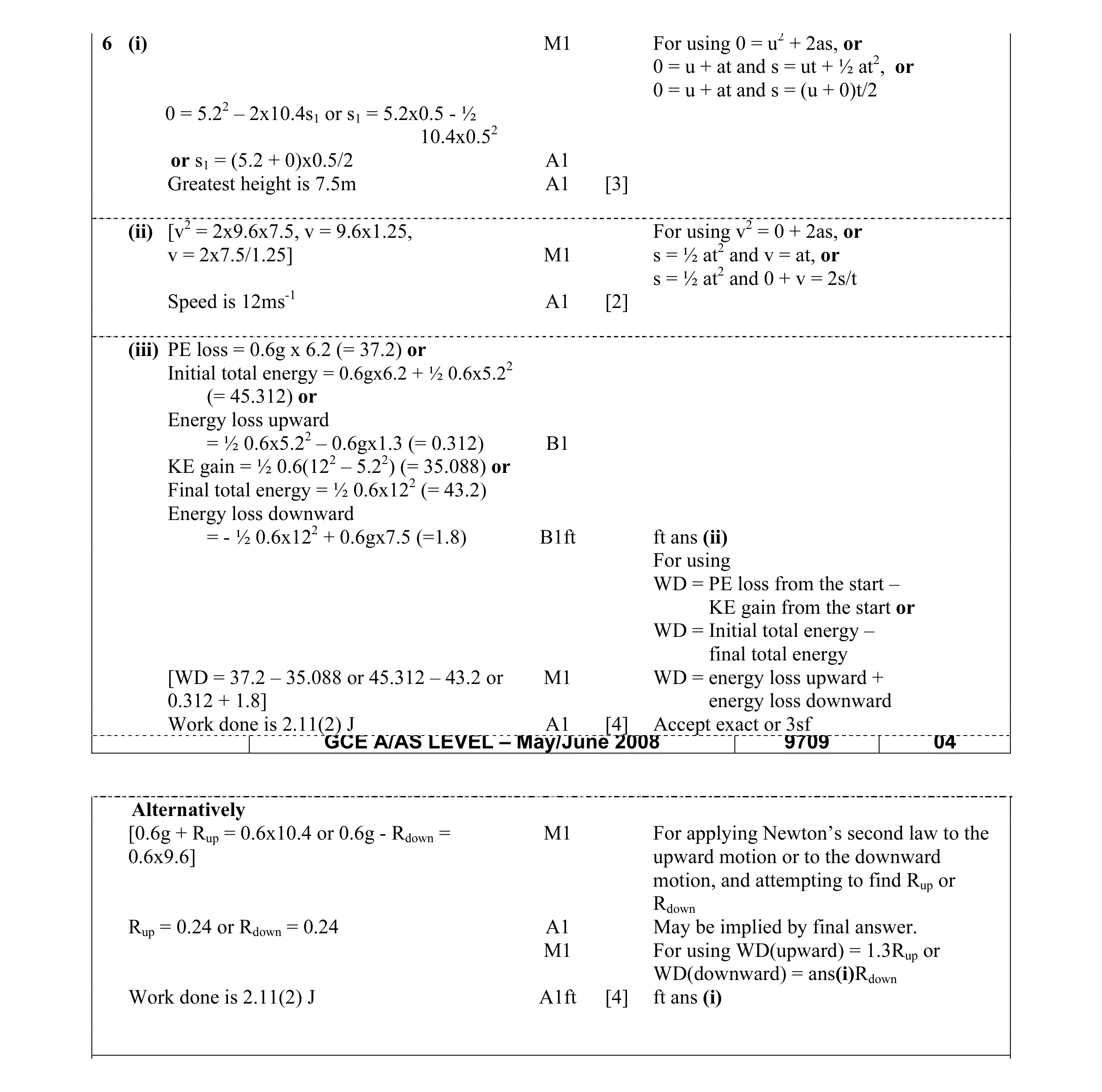 9
9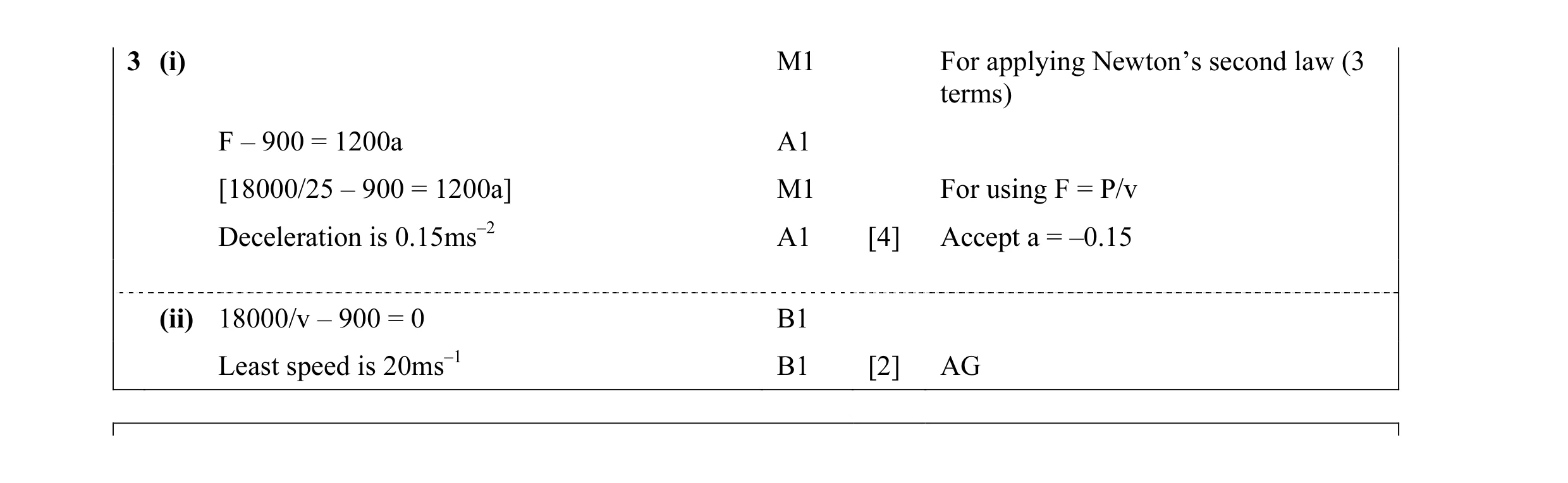 6
6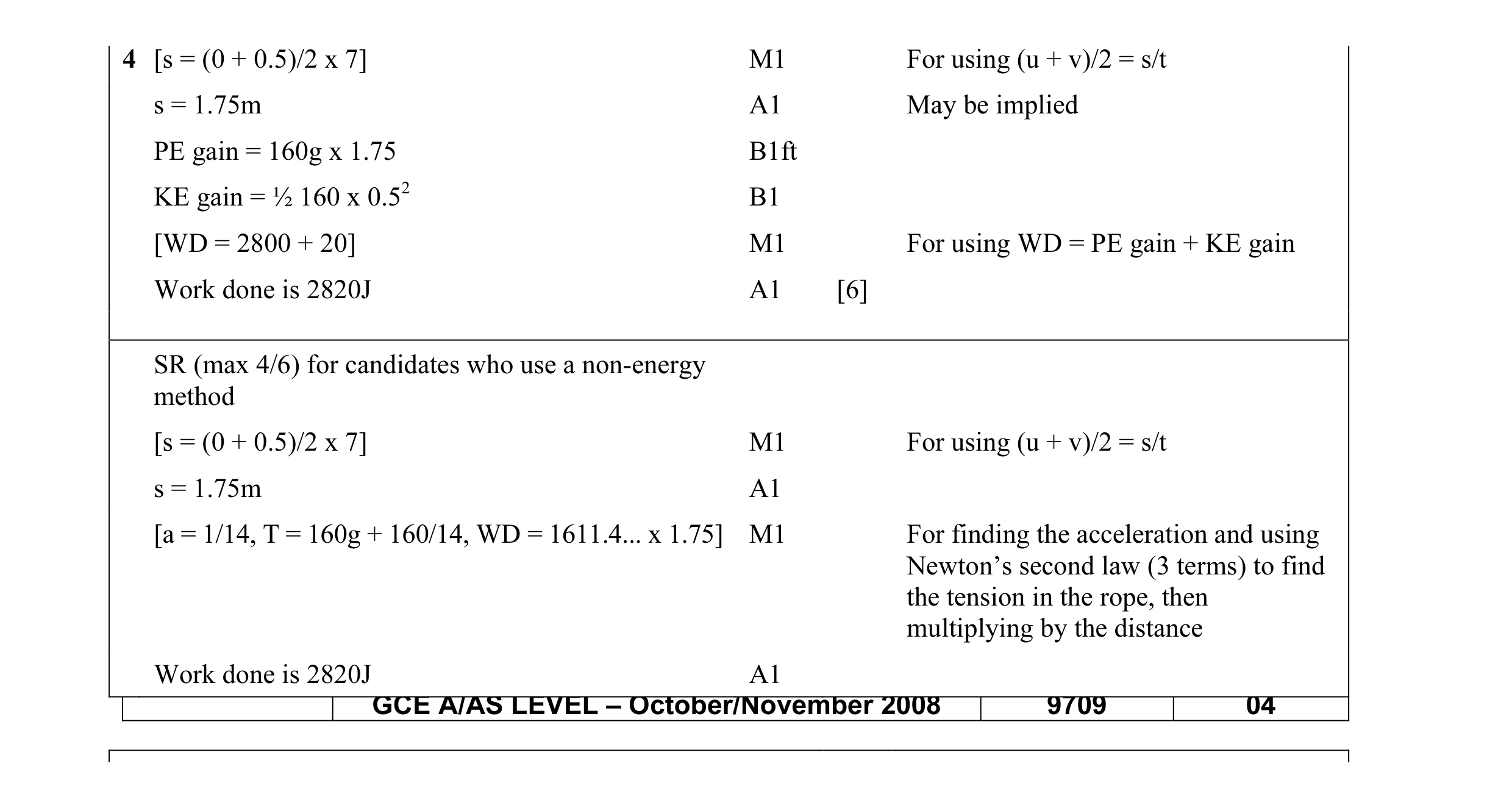 6
6 4
4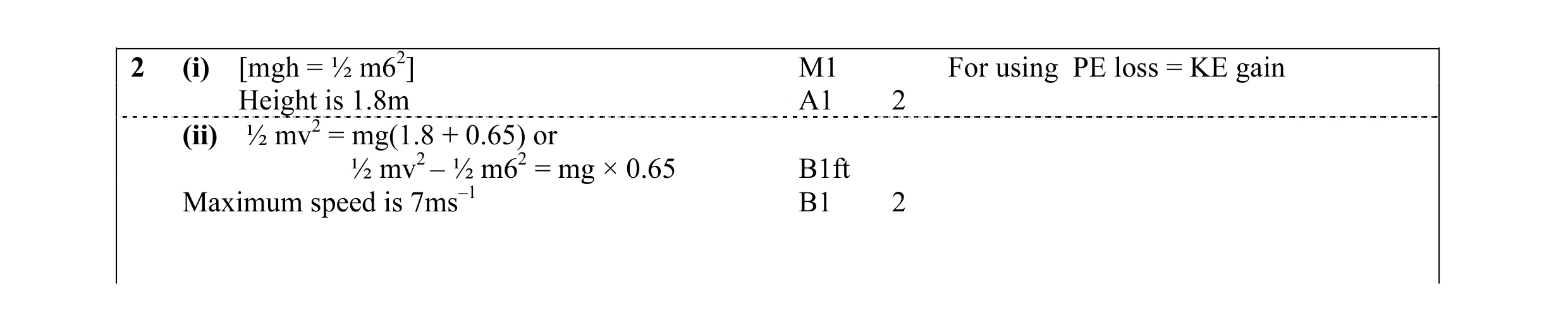 4
4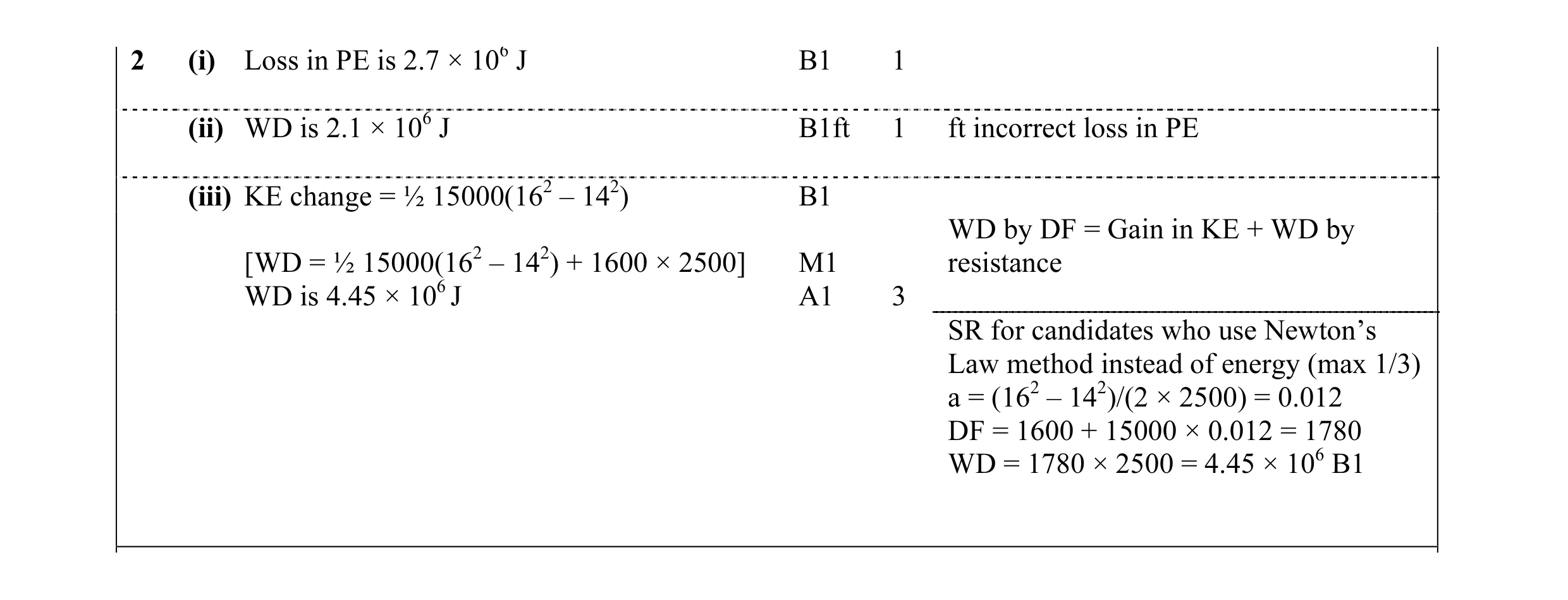 5
5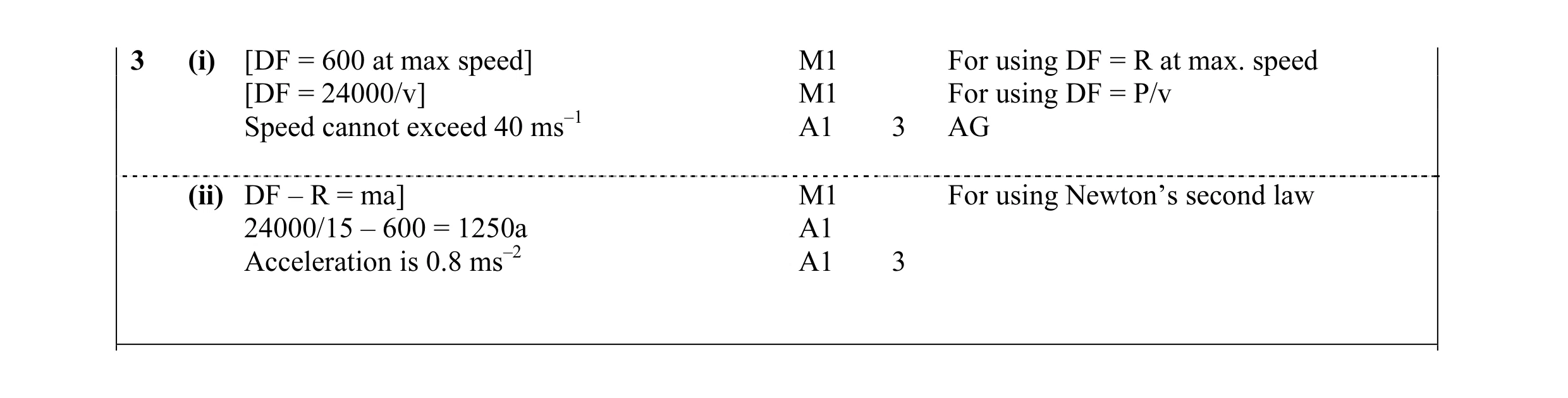 6
6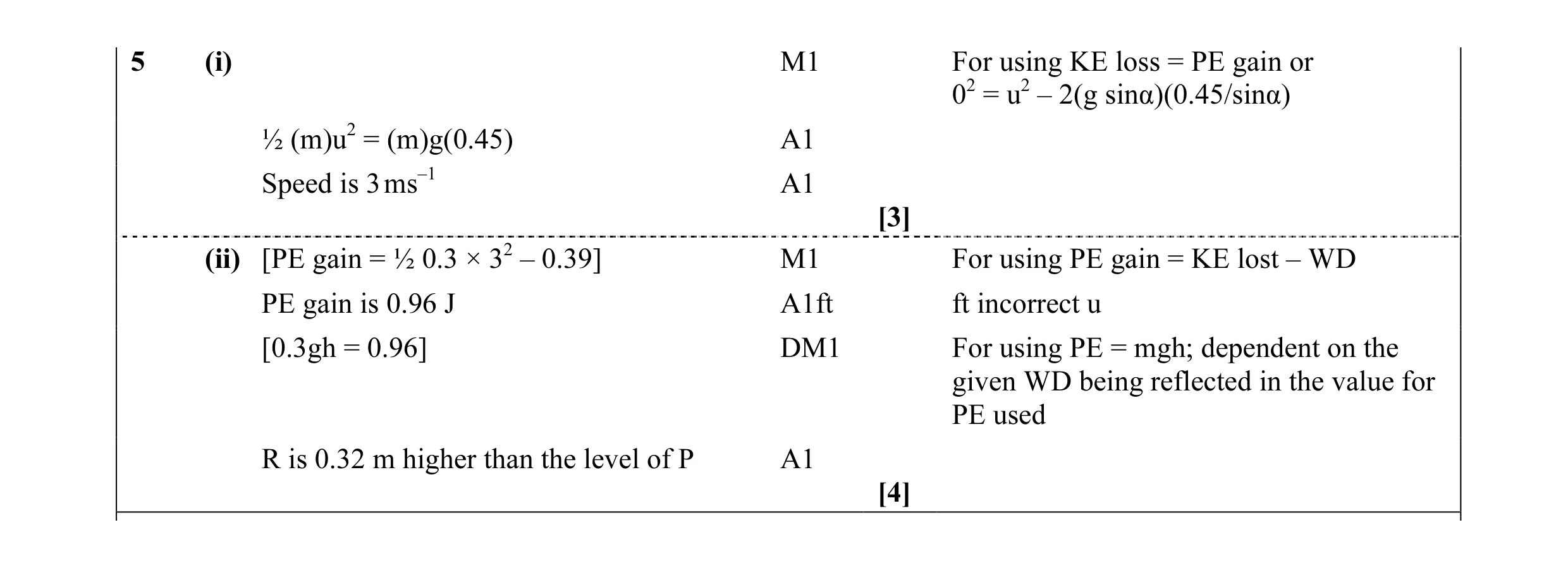 7
7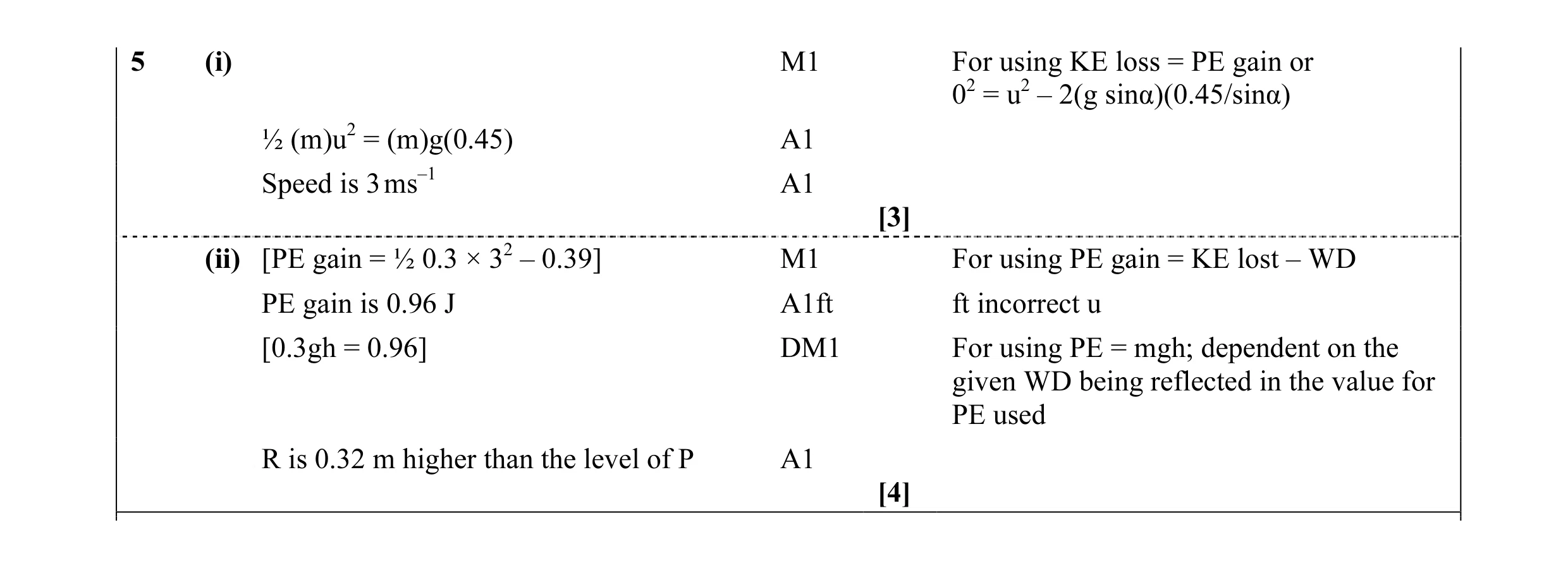 7
7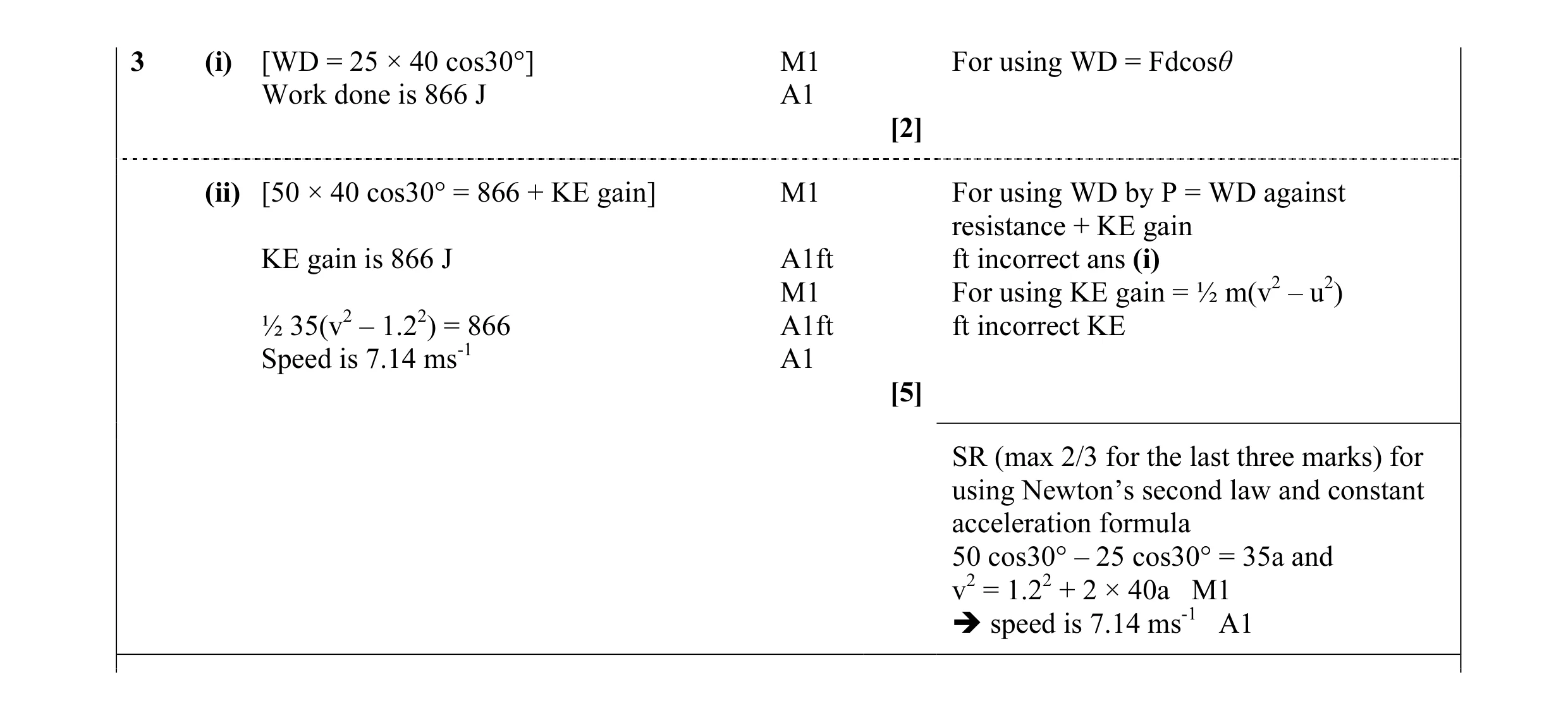 7
7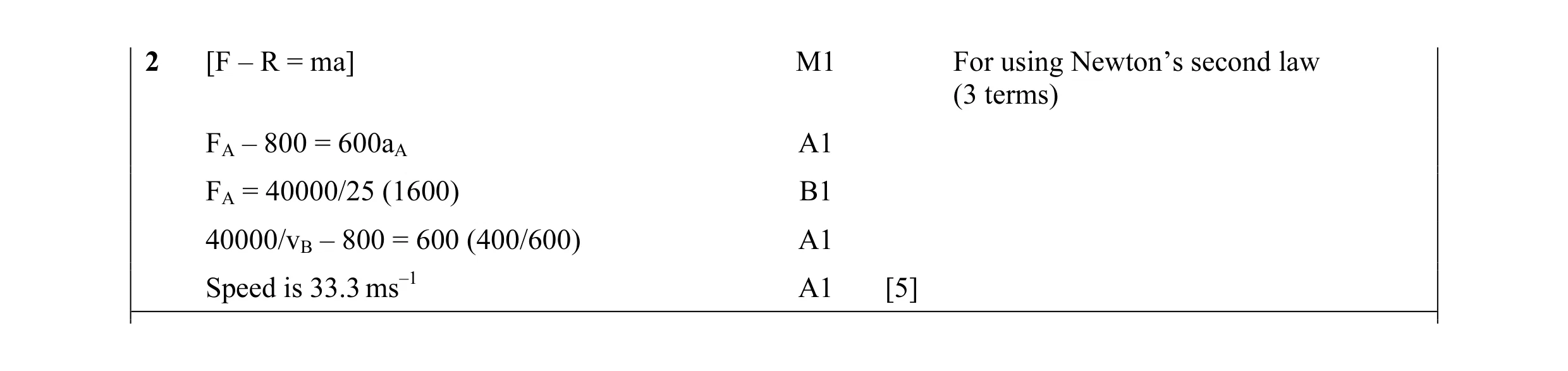 5
5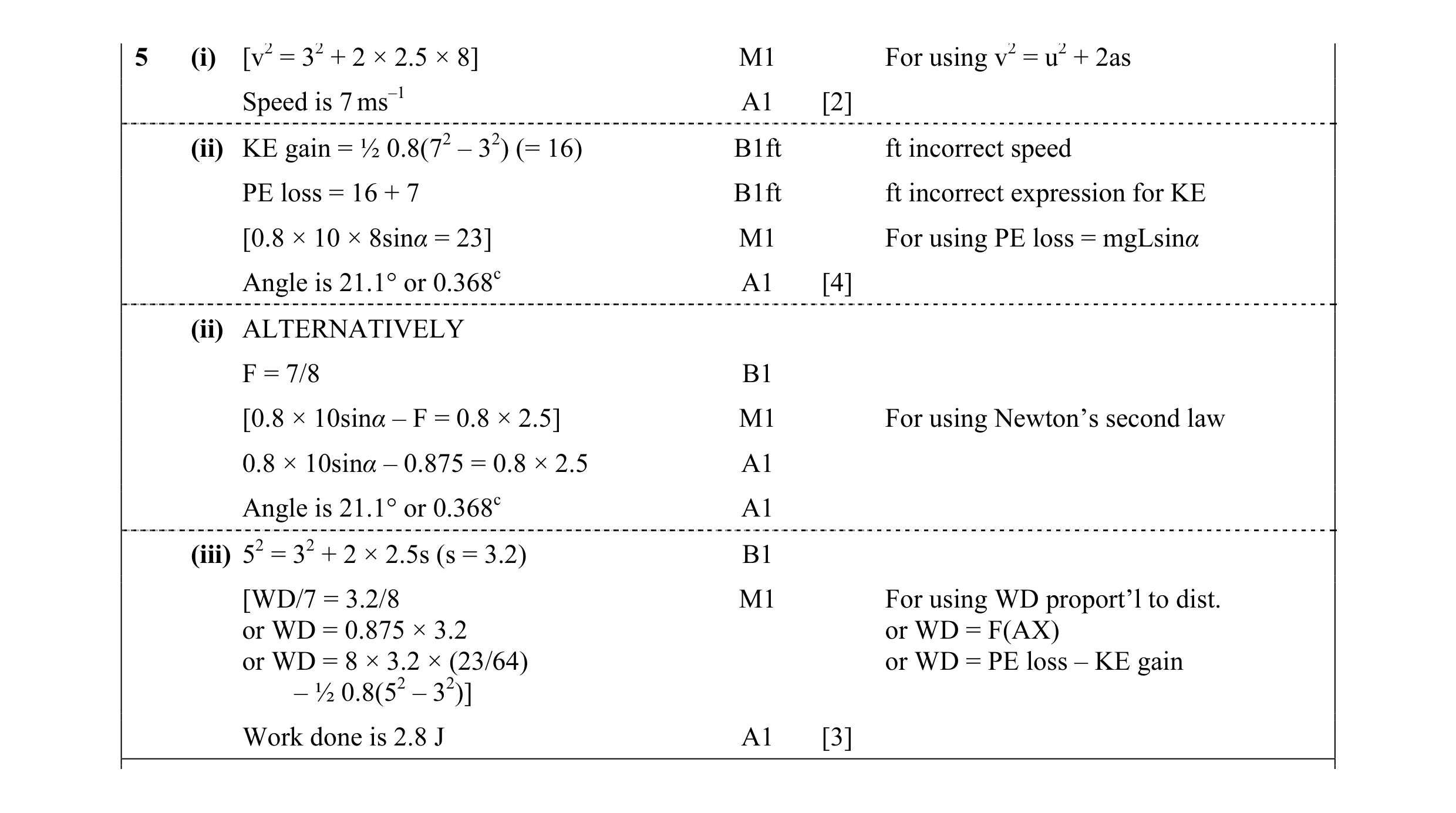 9
9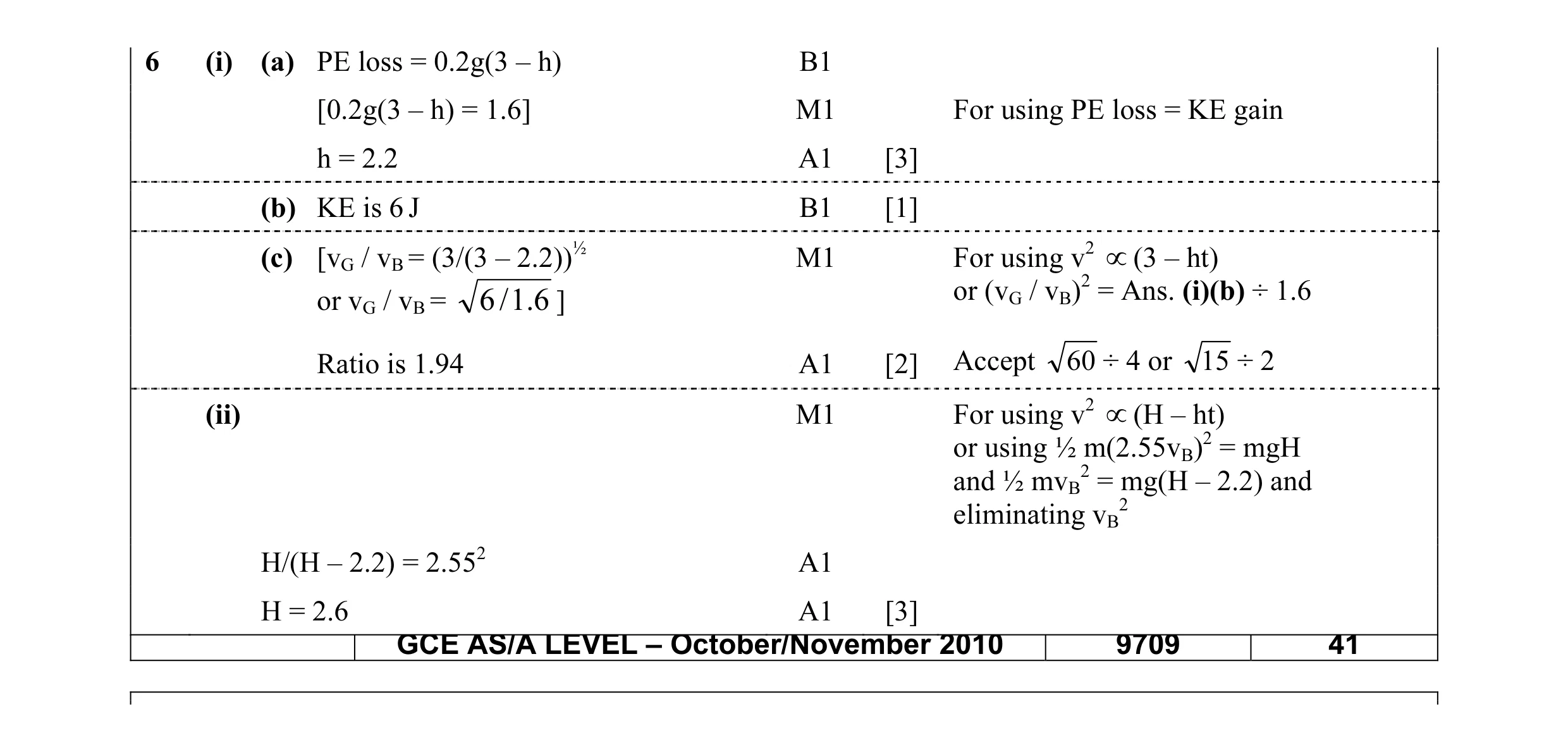 9
9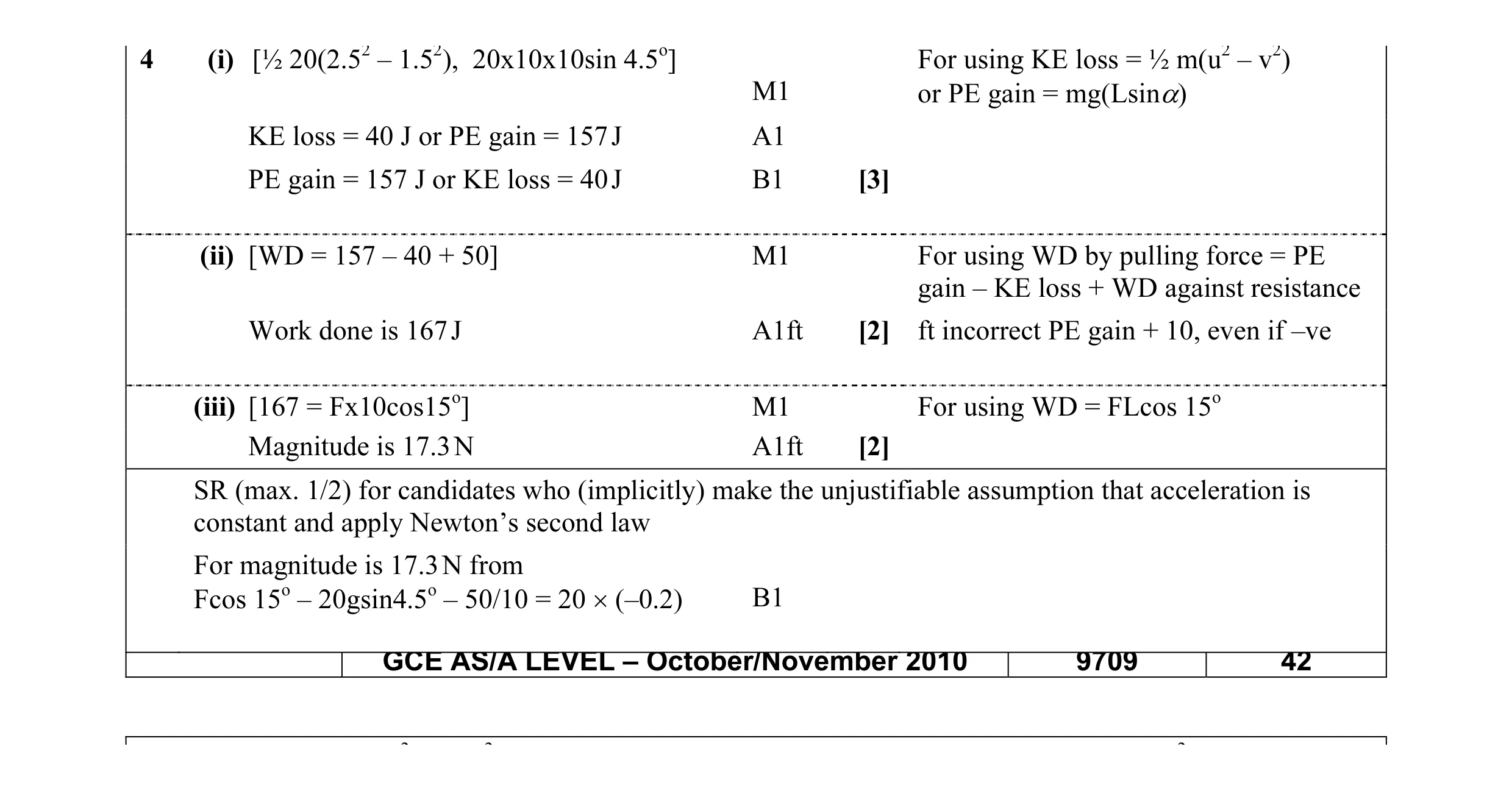 7
7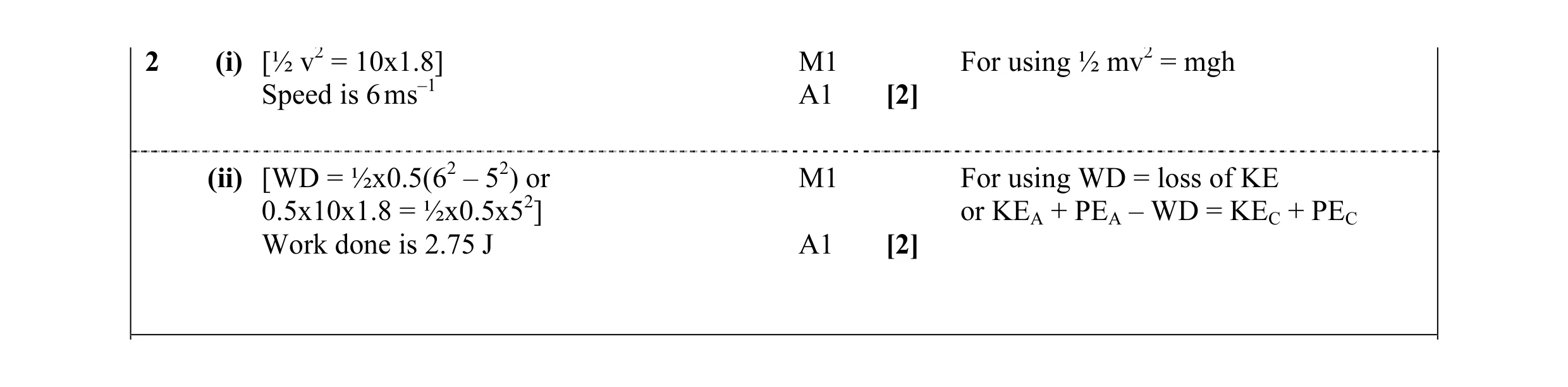 4
4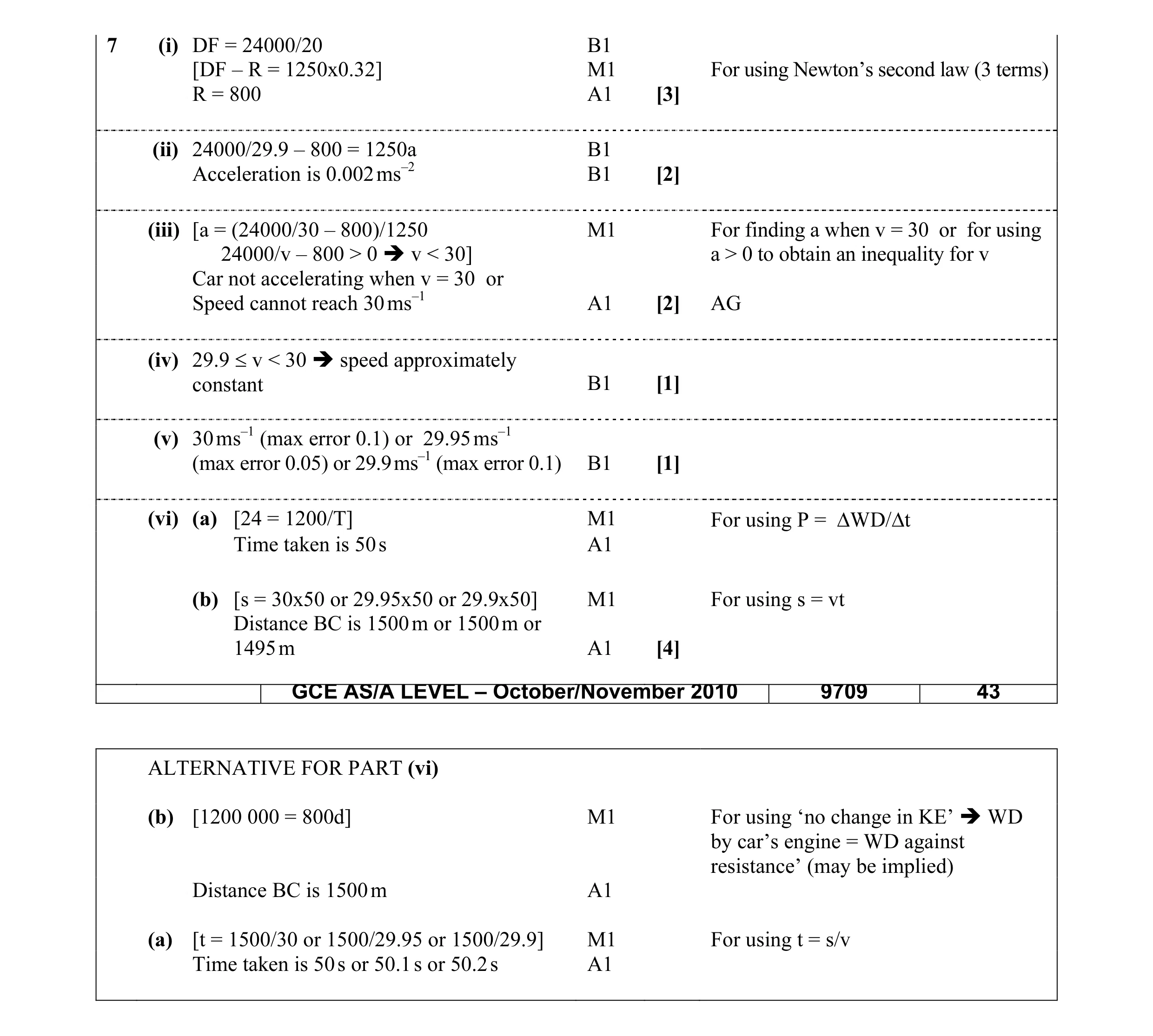 13
13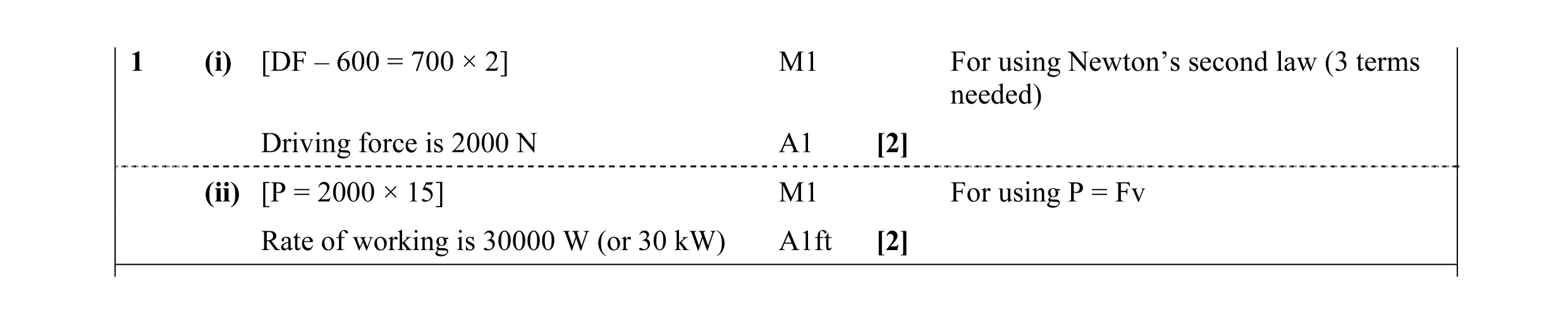 4
4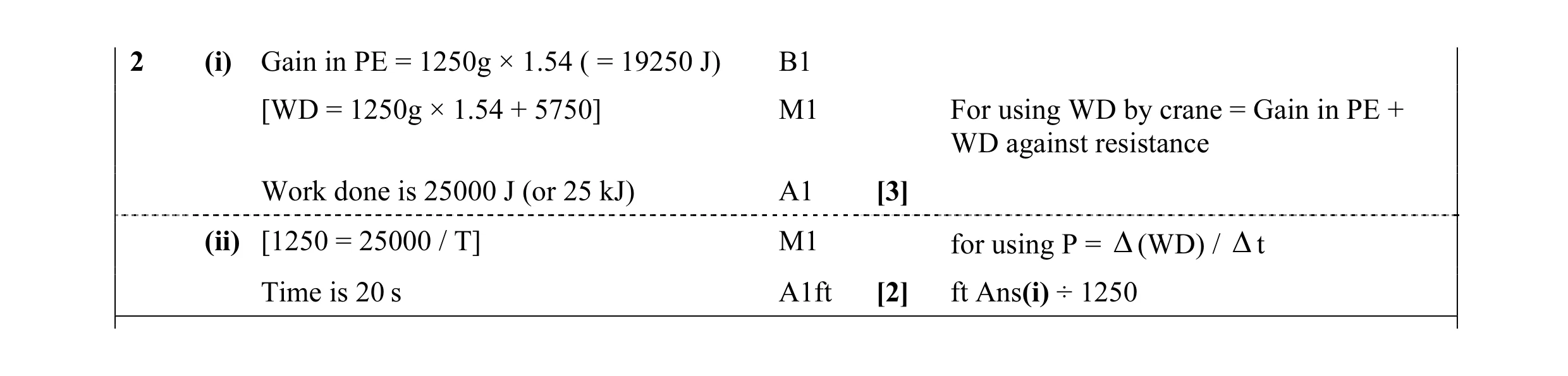 5
5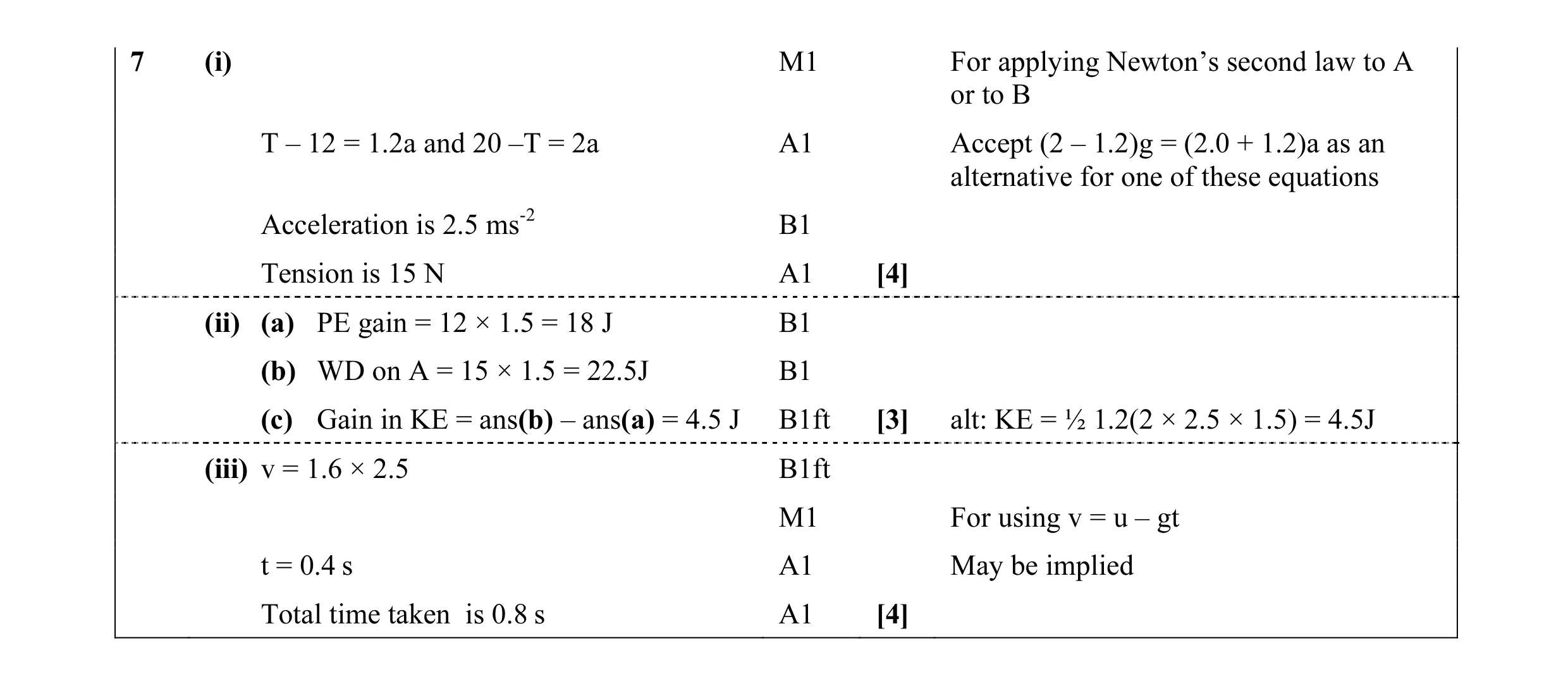 11
11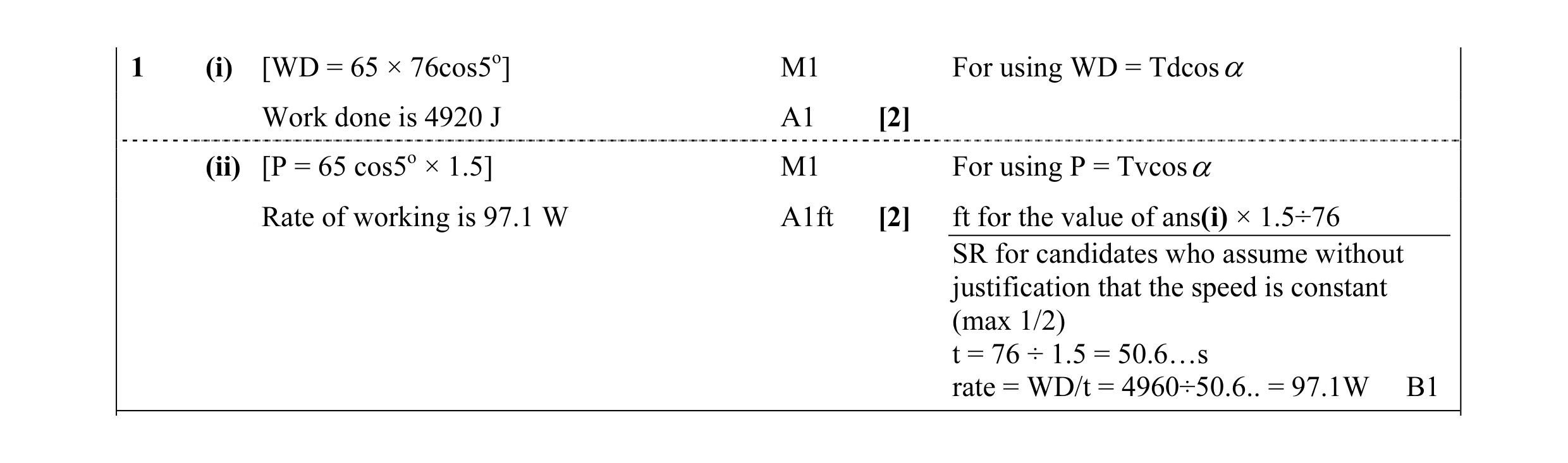 4
4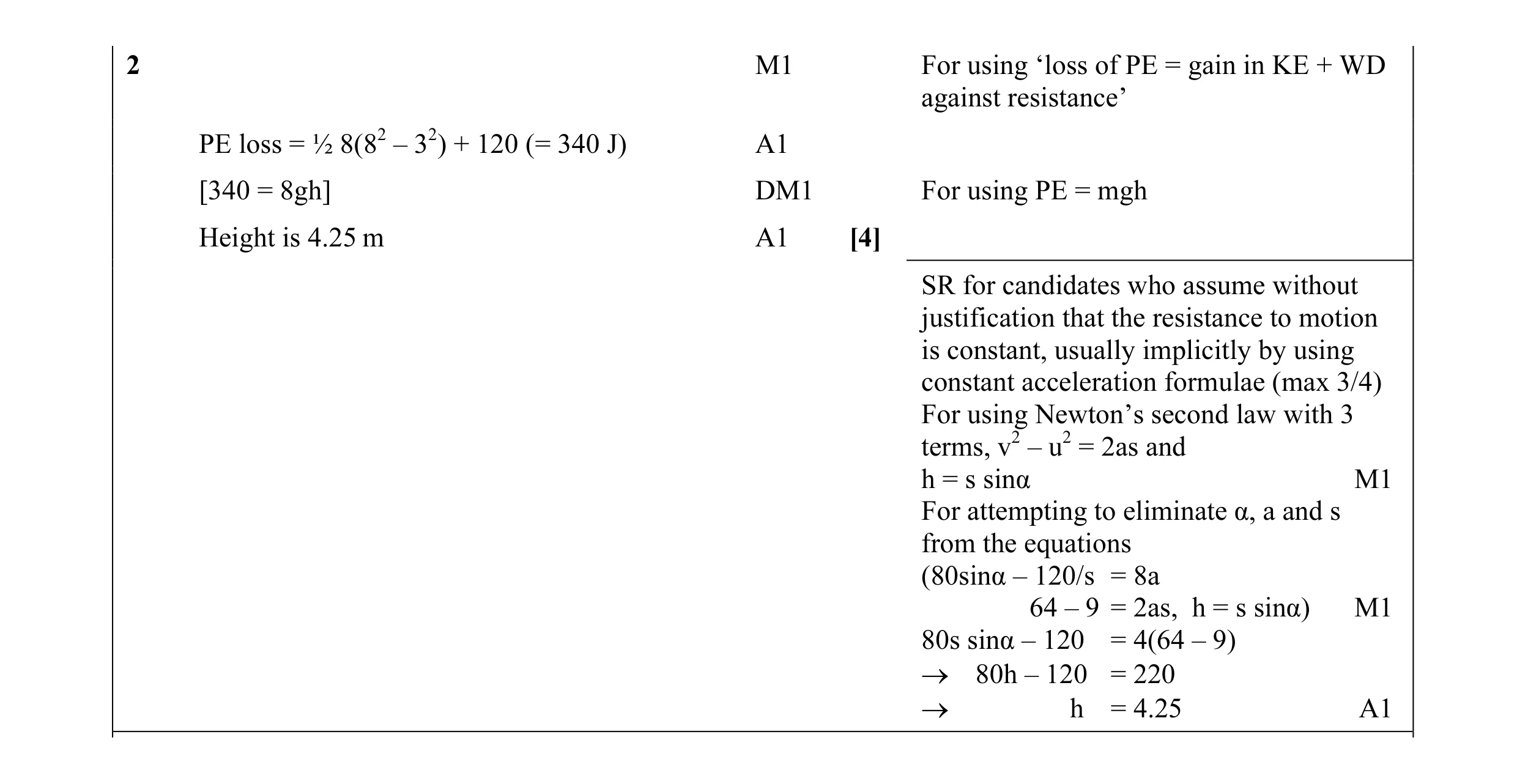 4
4 3
3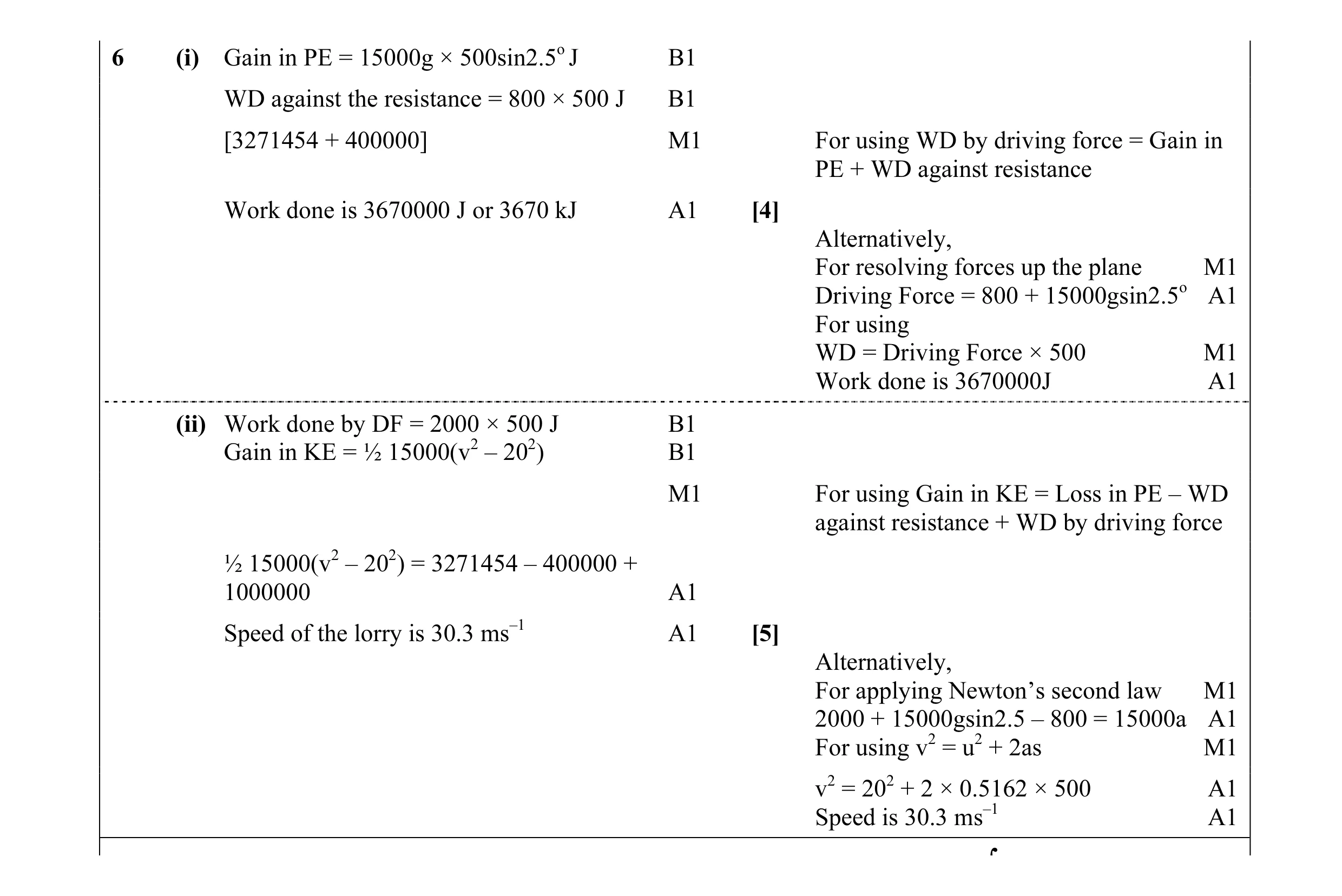 9
9 3
3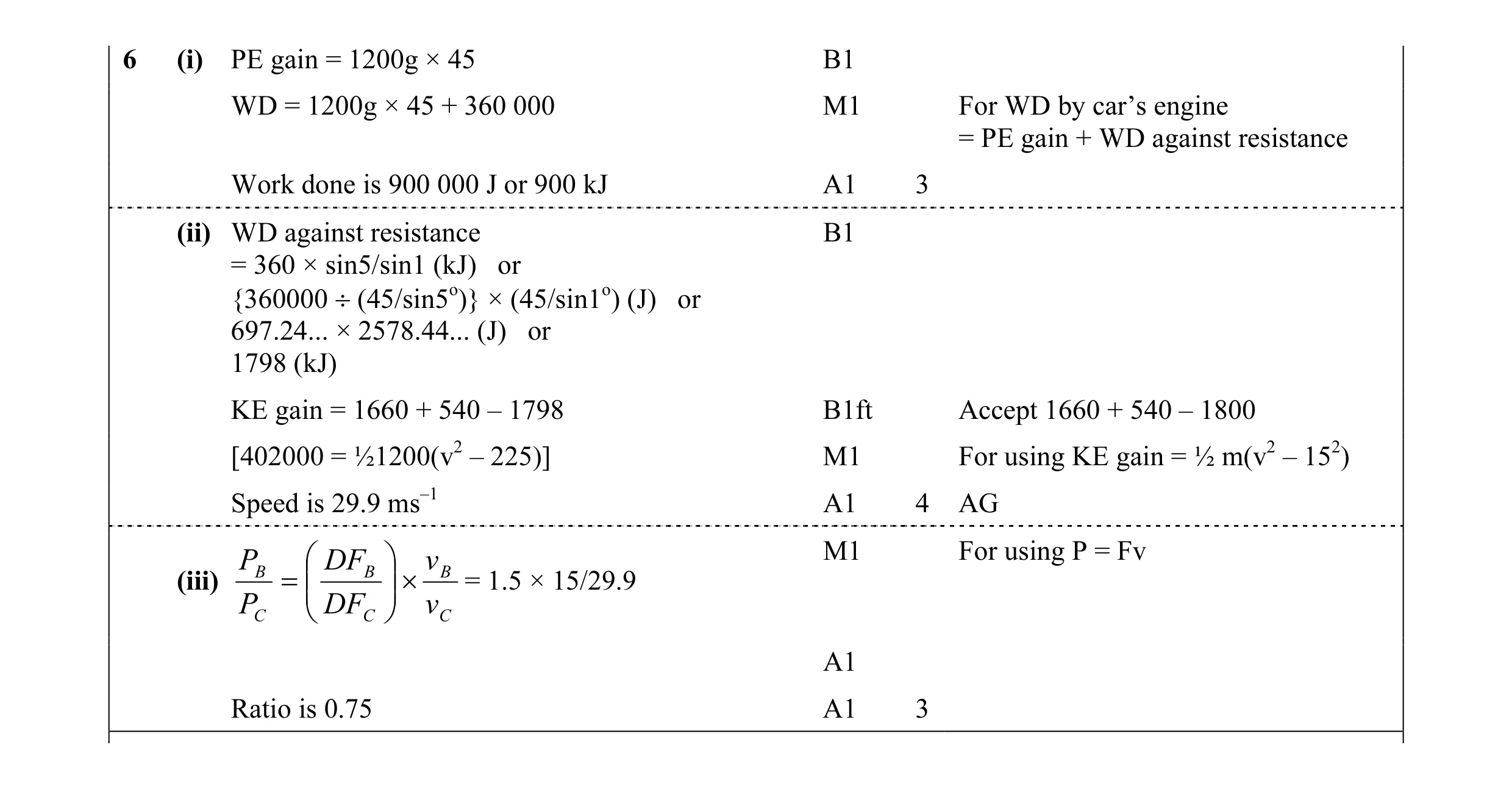 10
10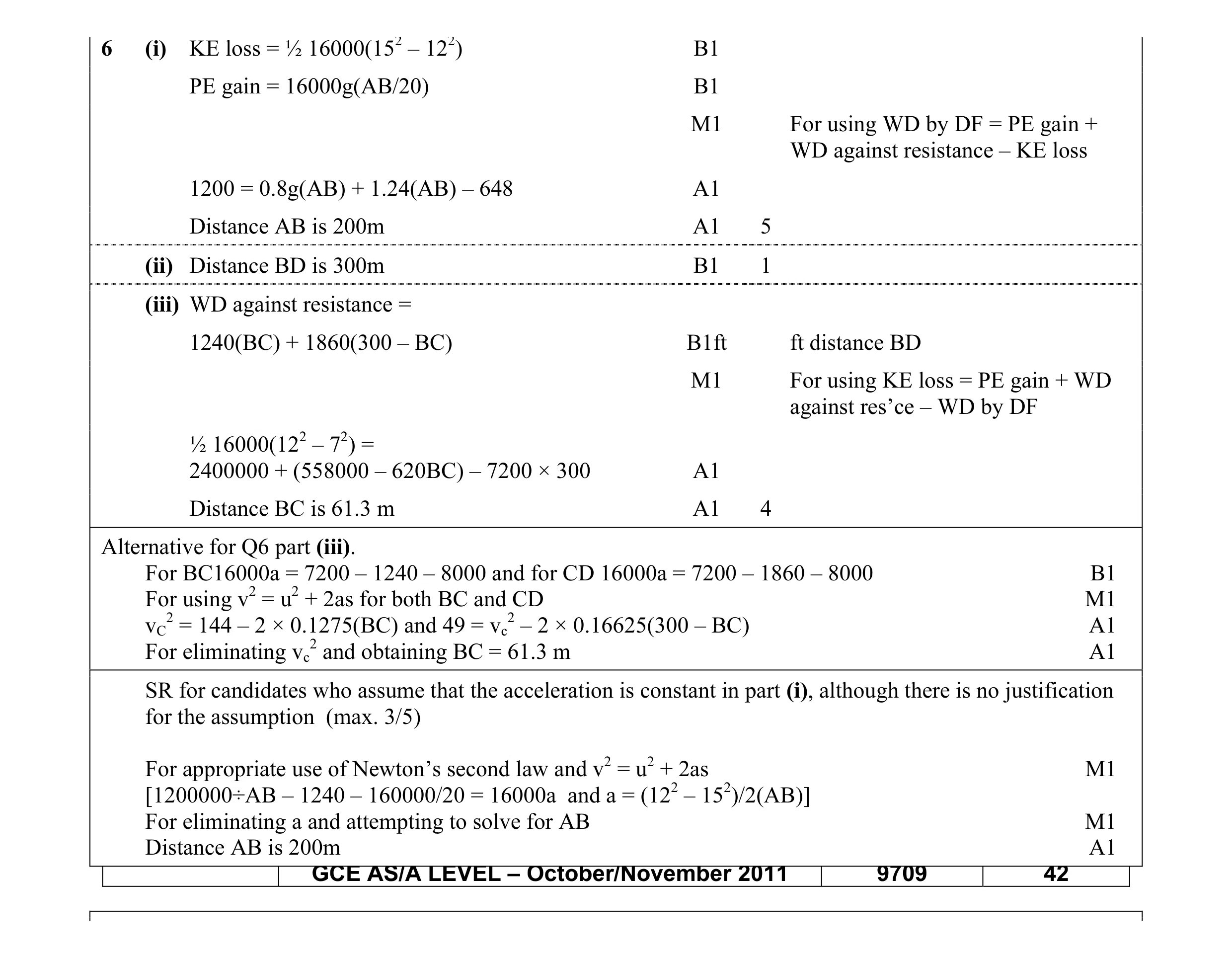 10
10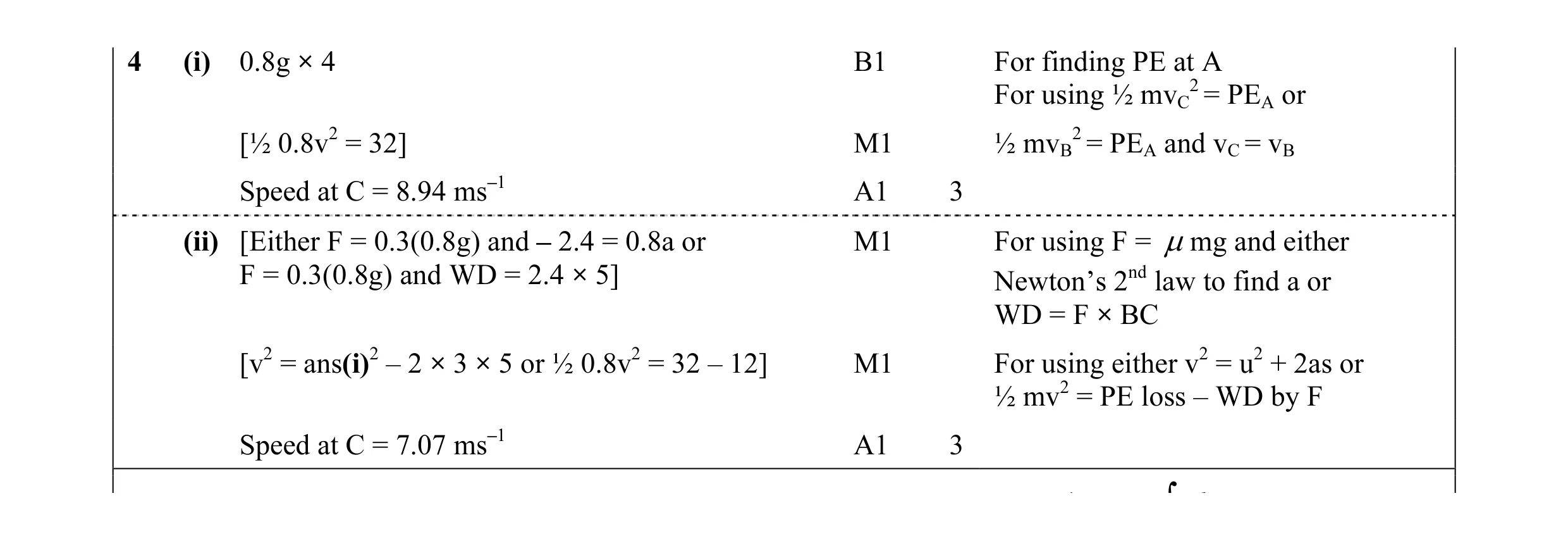 6
6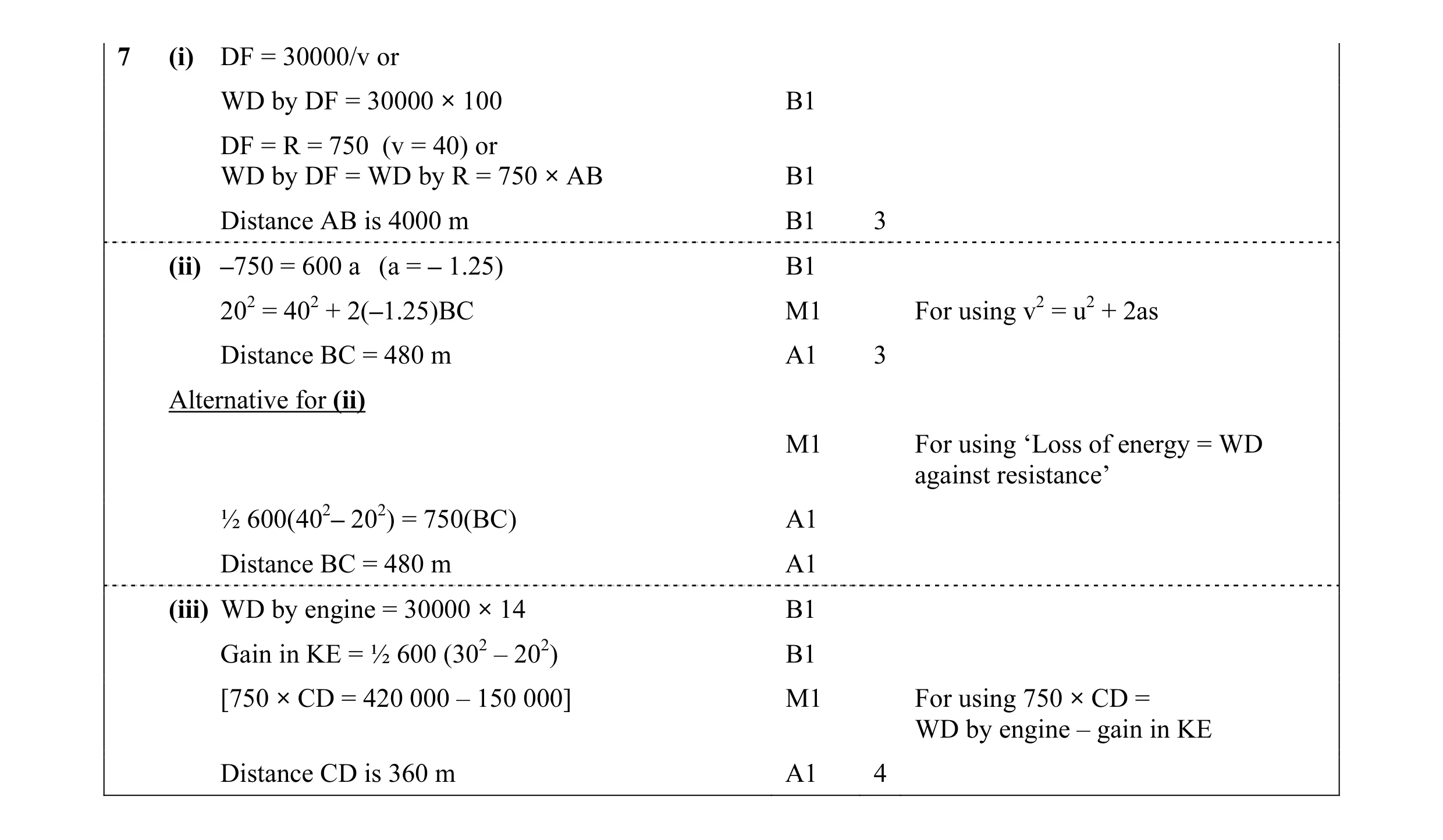 10
10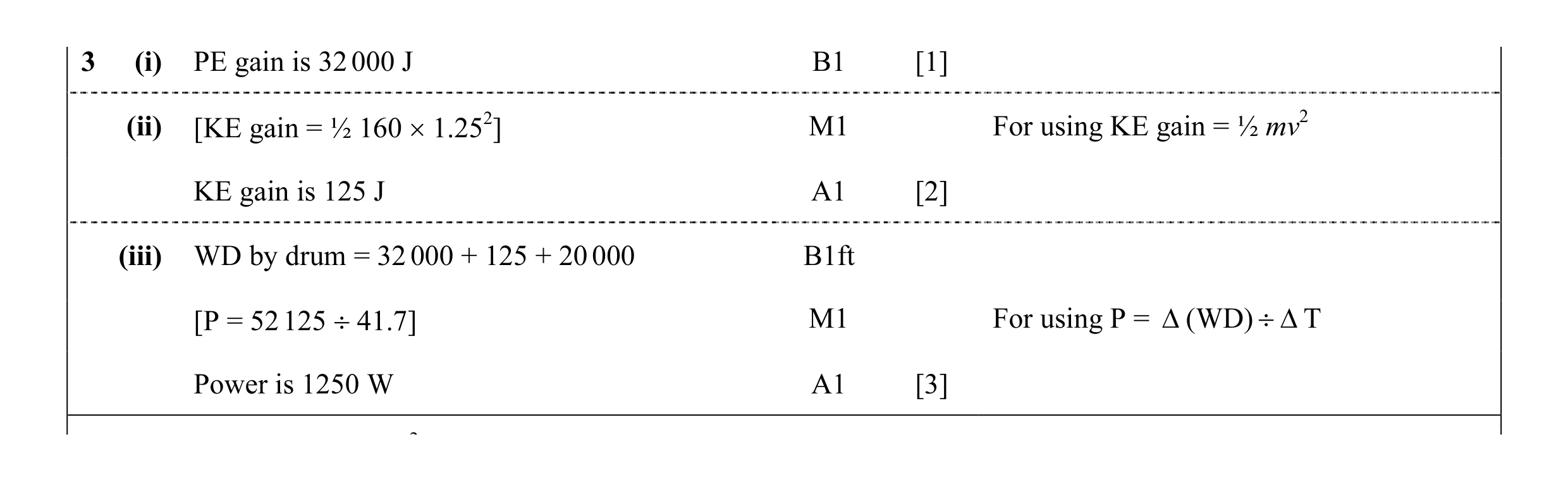 6
6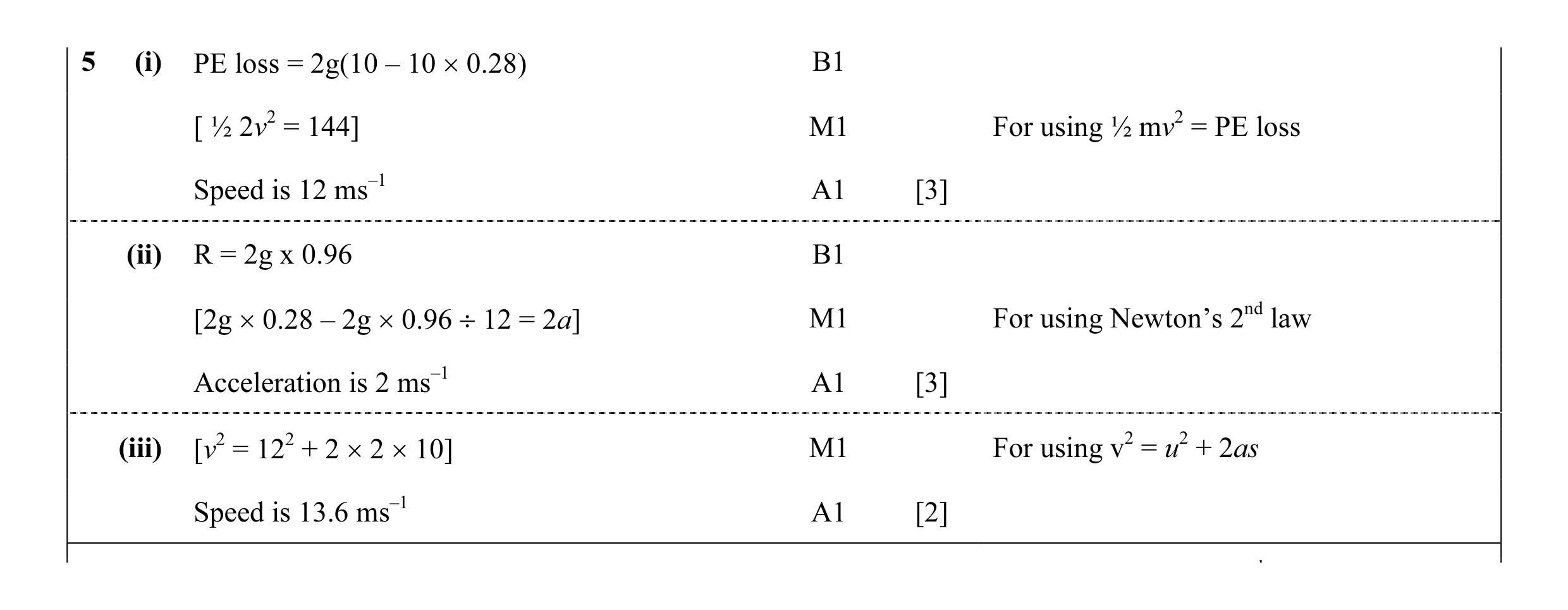 8
8 3
3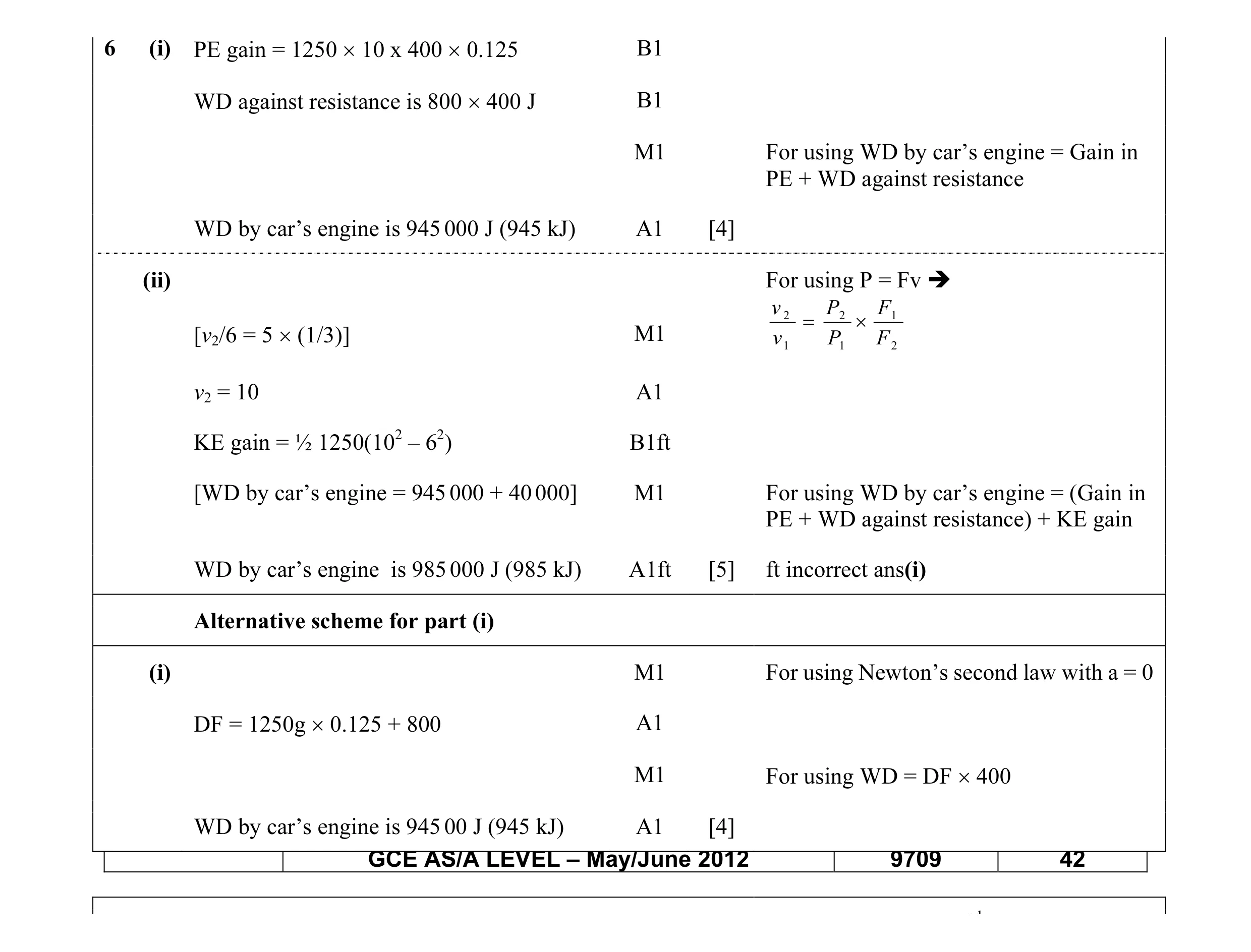 9
9 3
3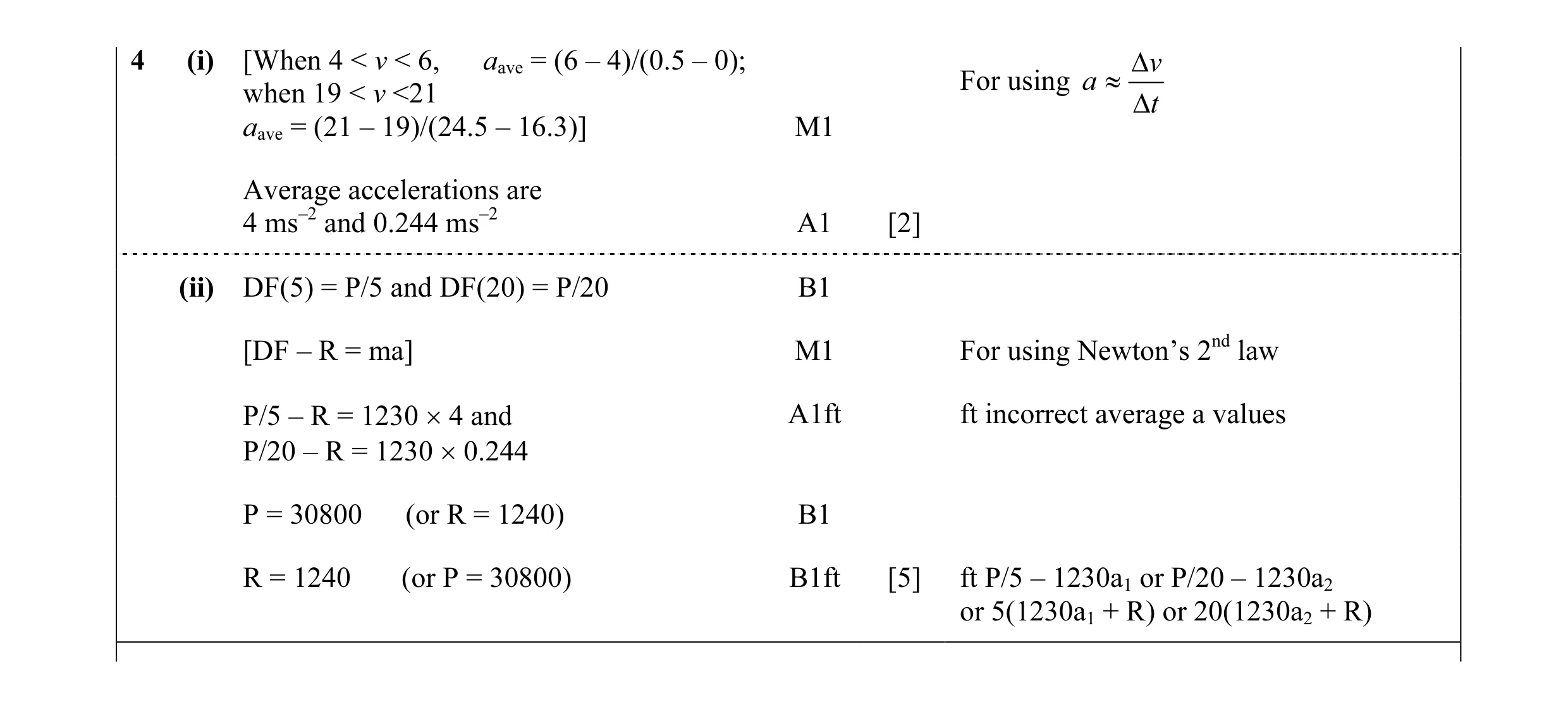 7
7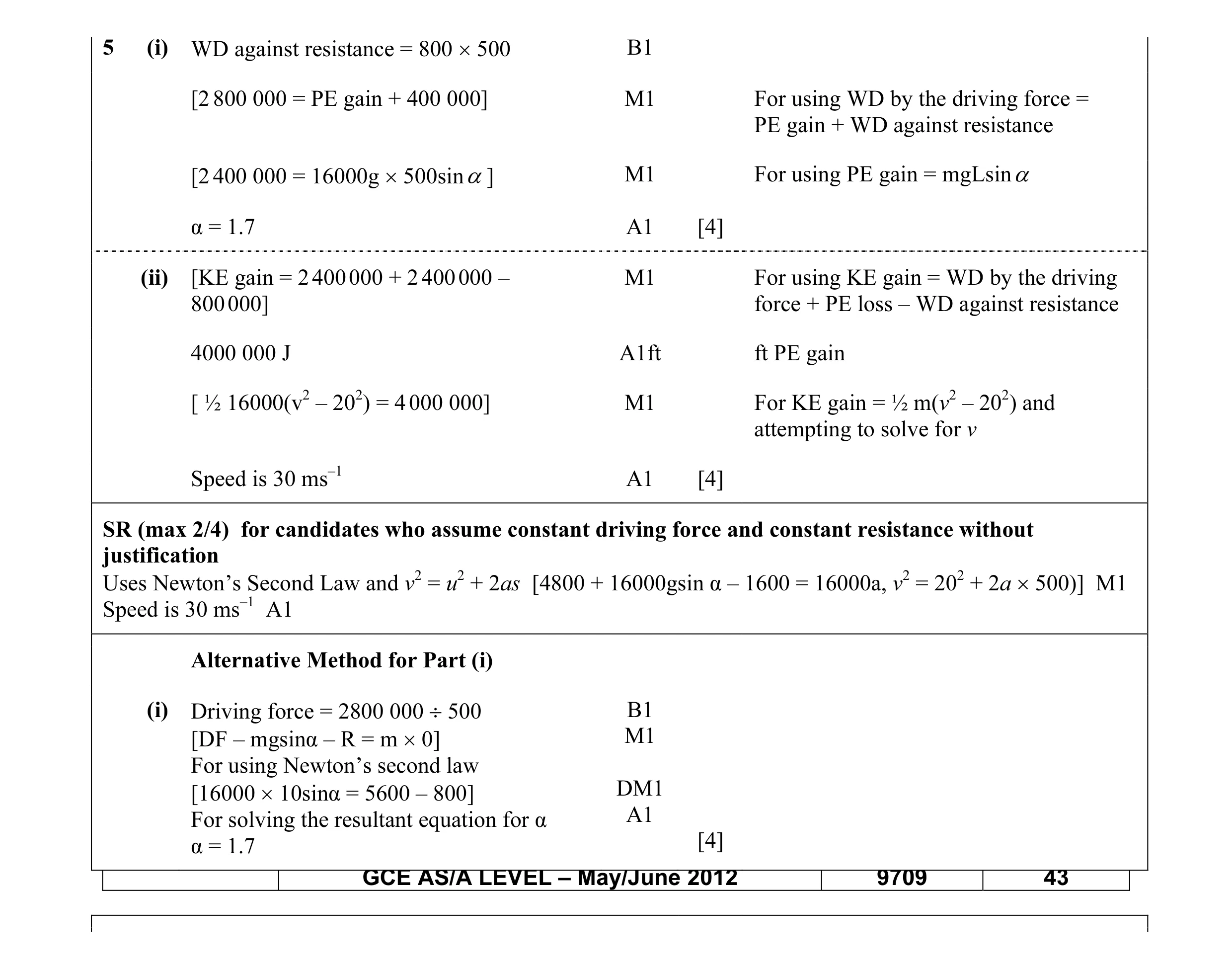 8
8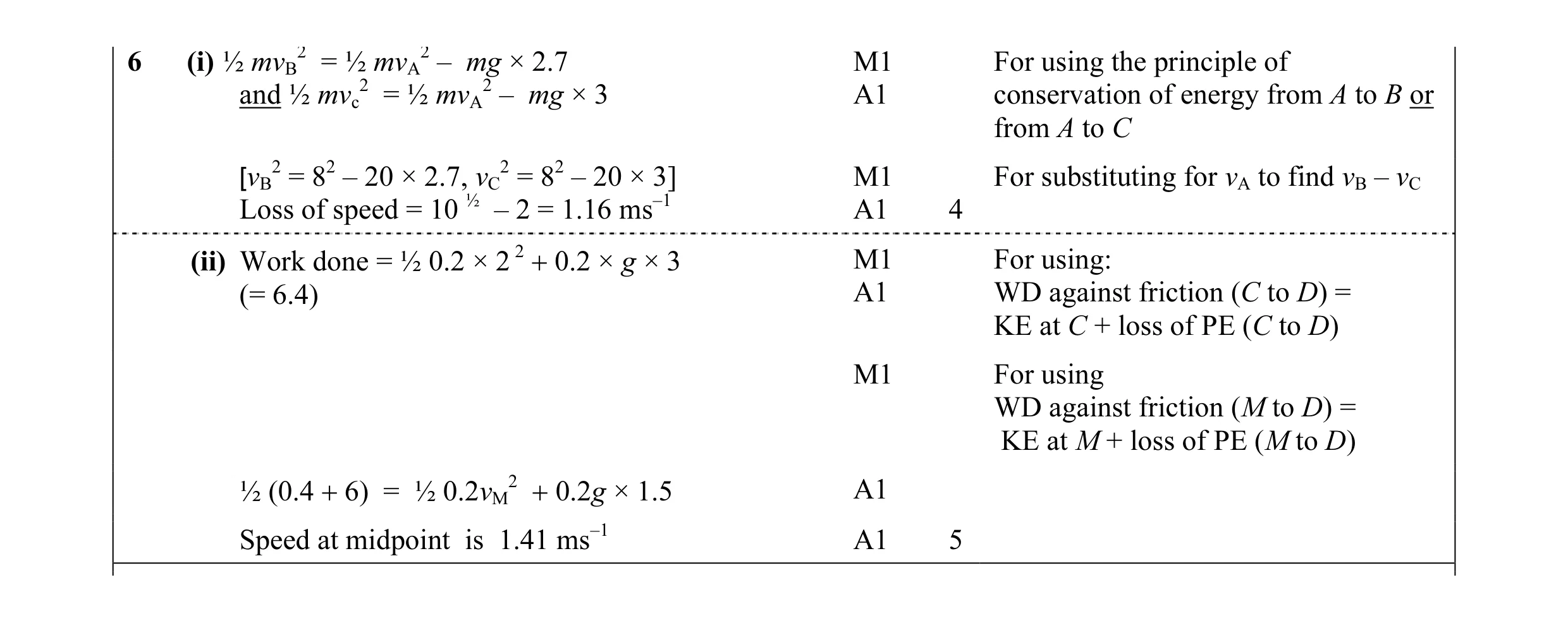 9
9 3
3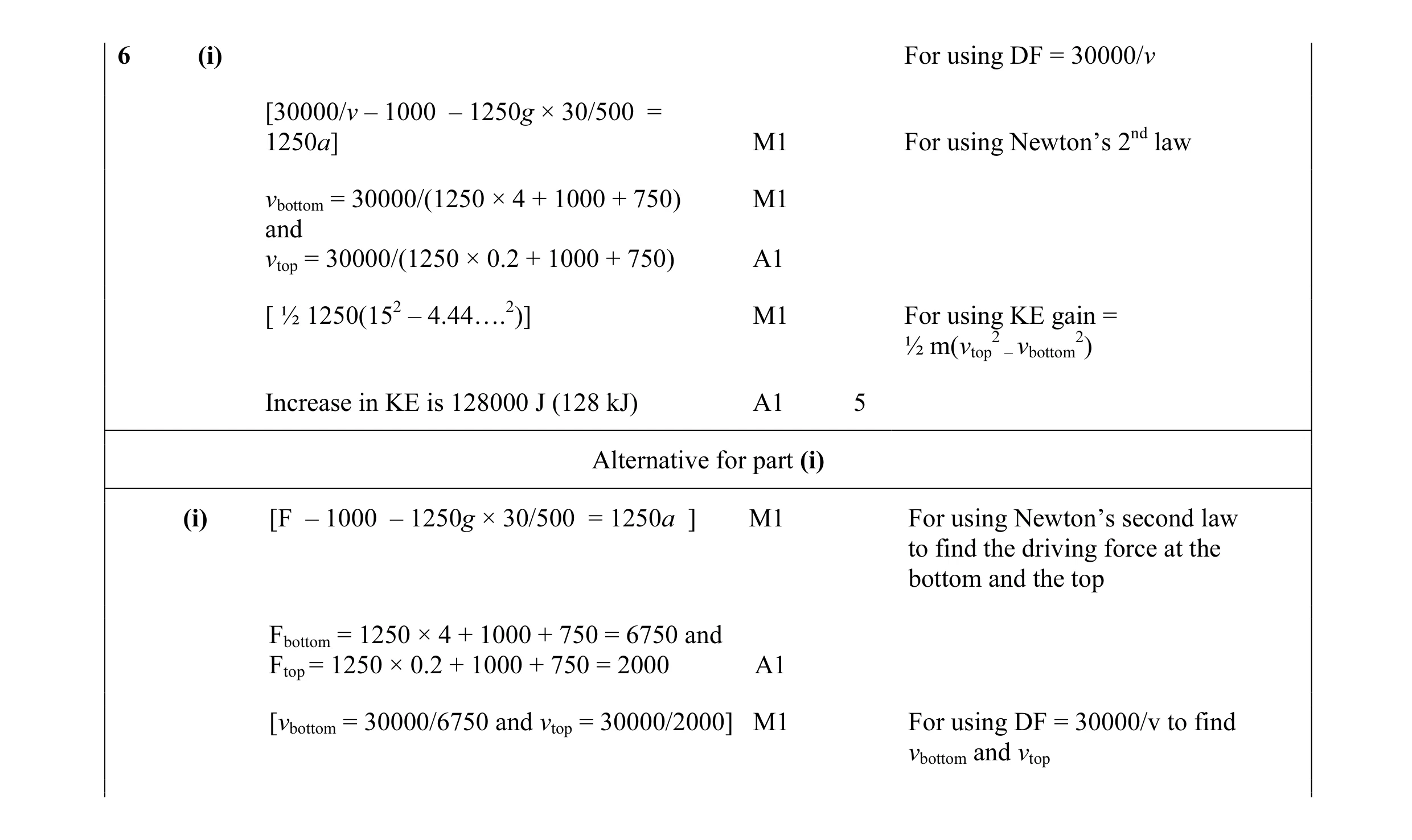 8
8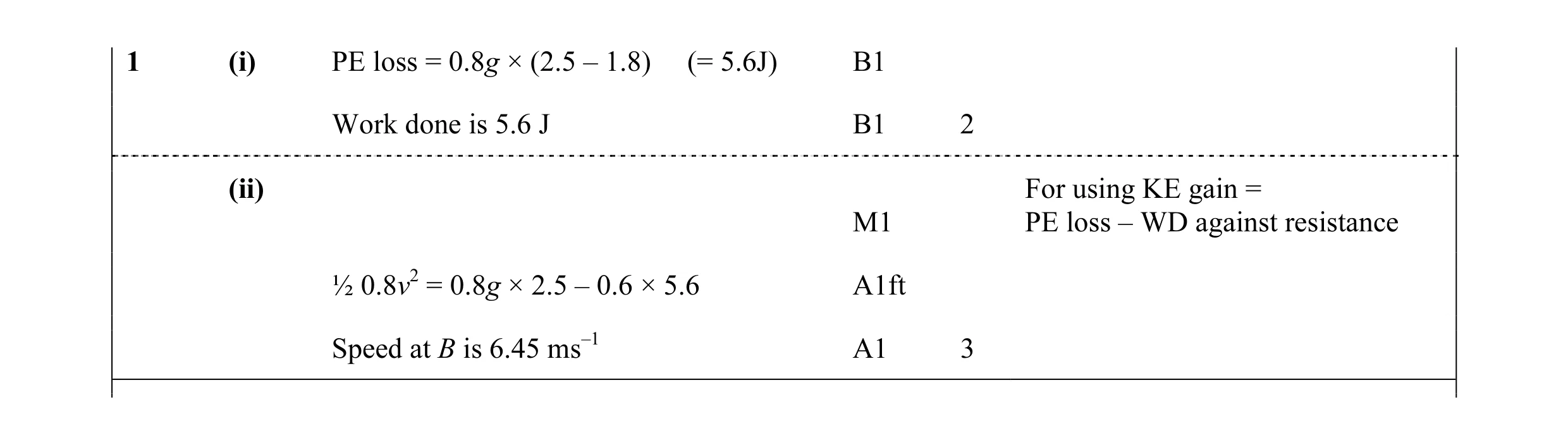 5
5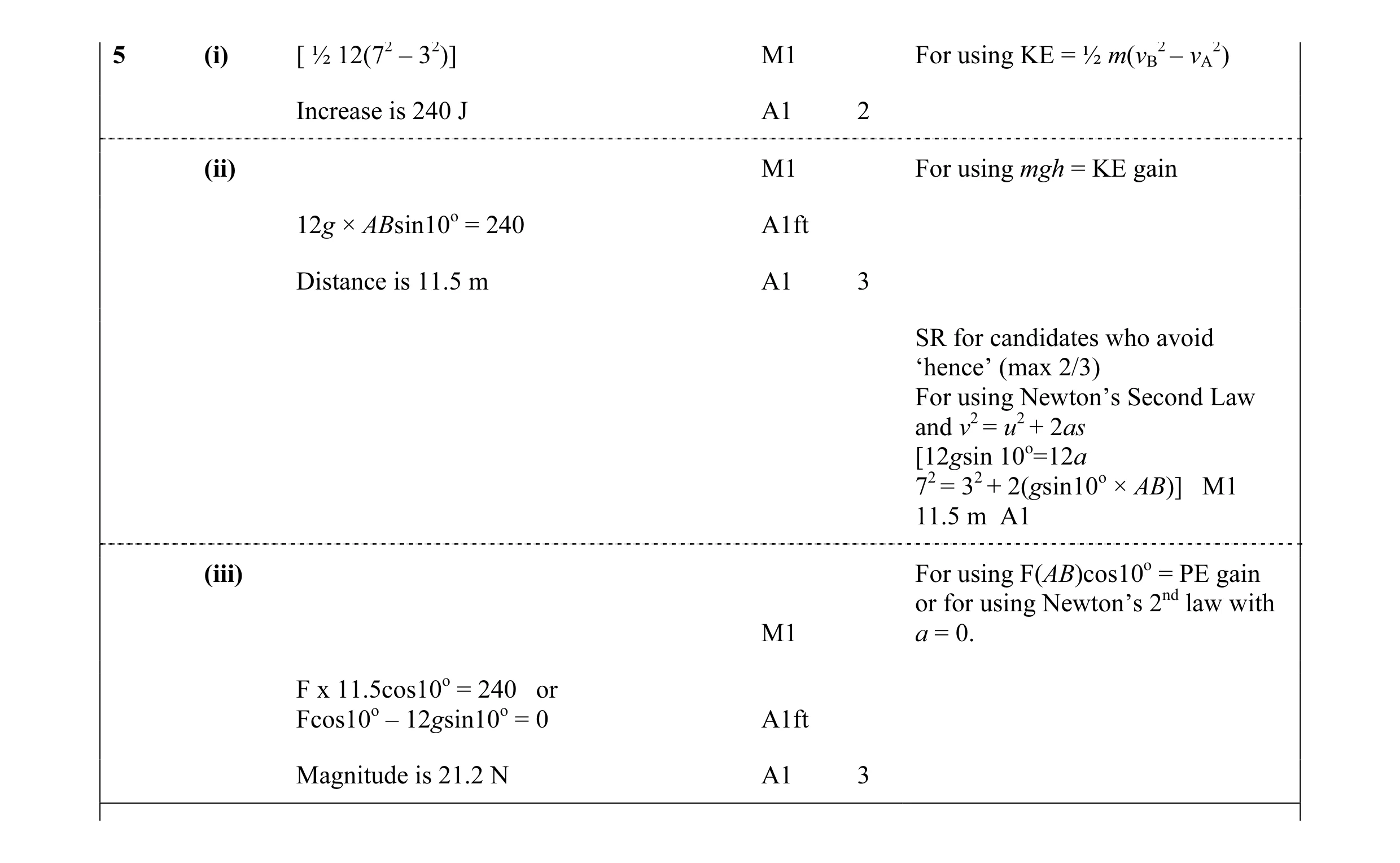 8
8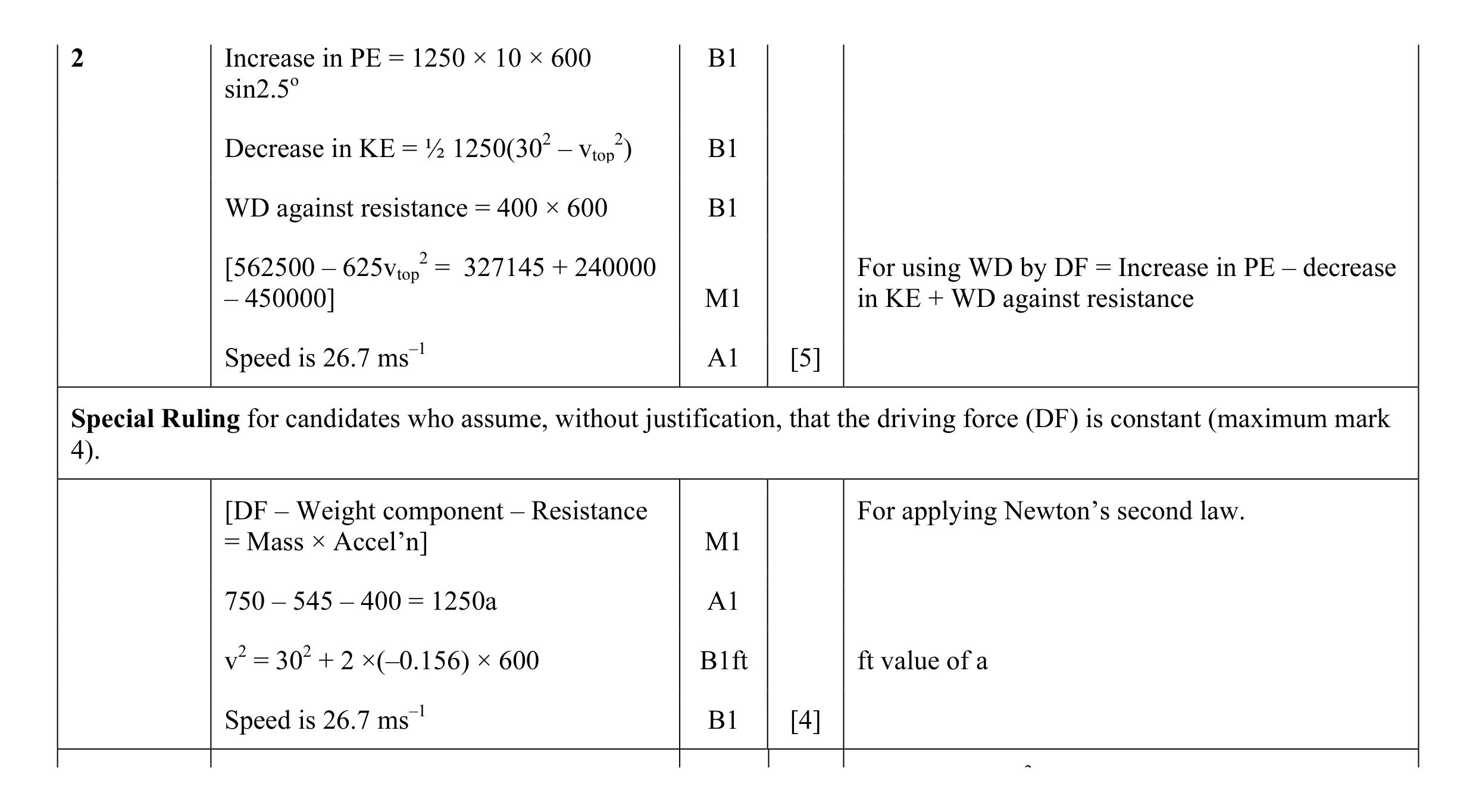 5
5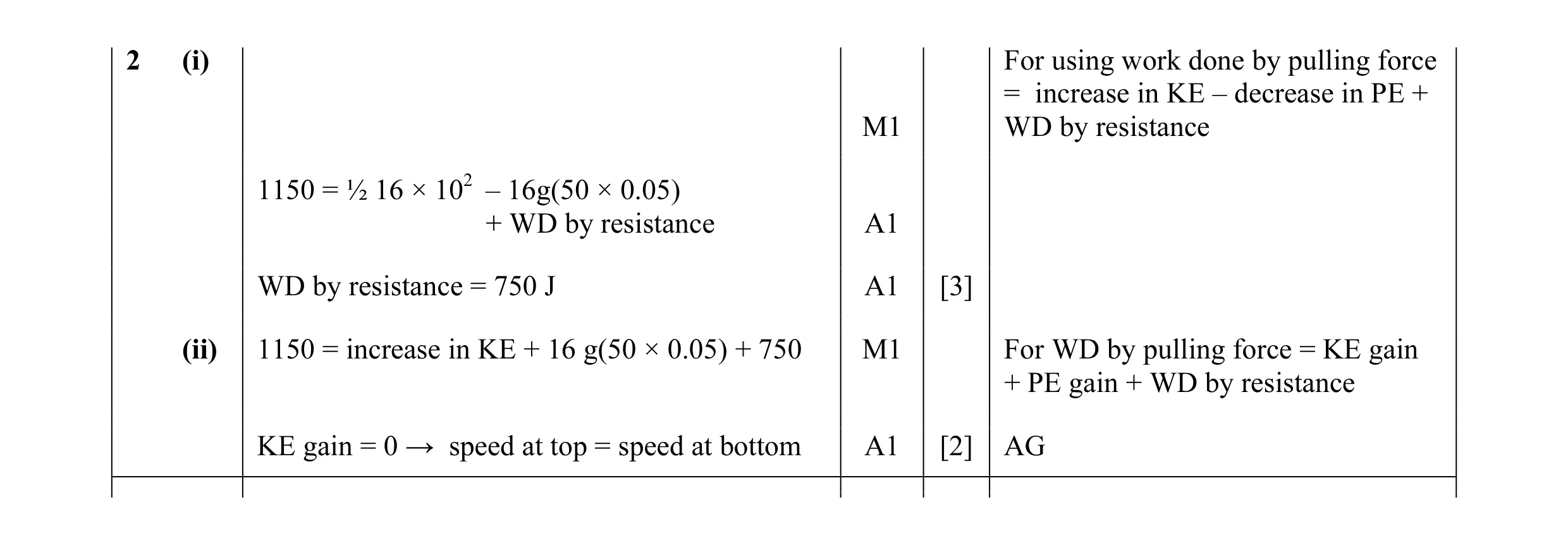 5
5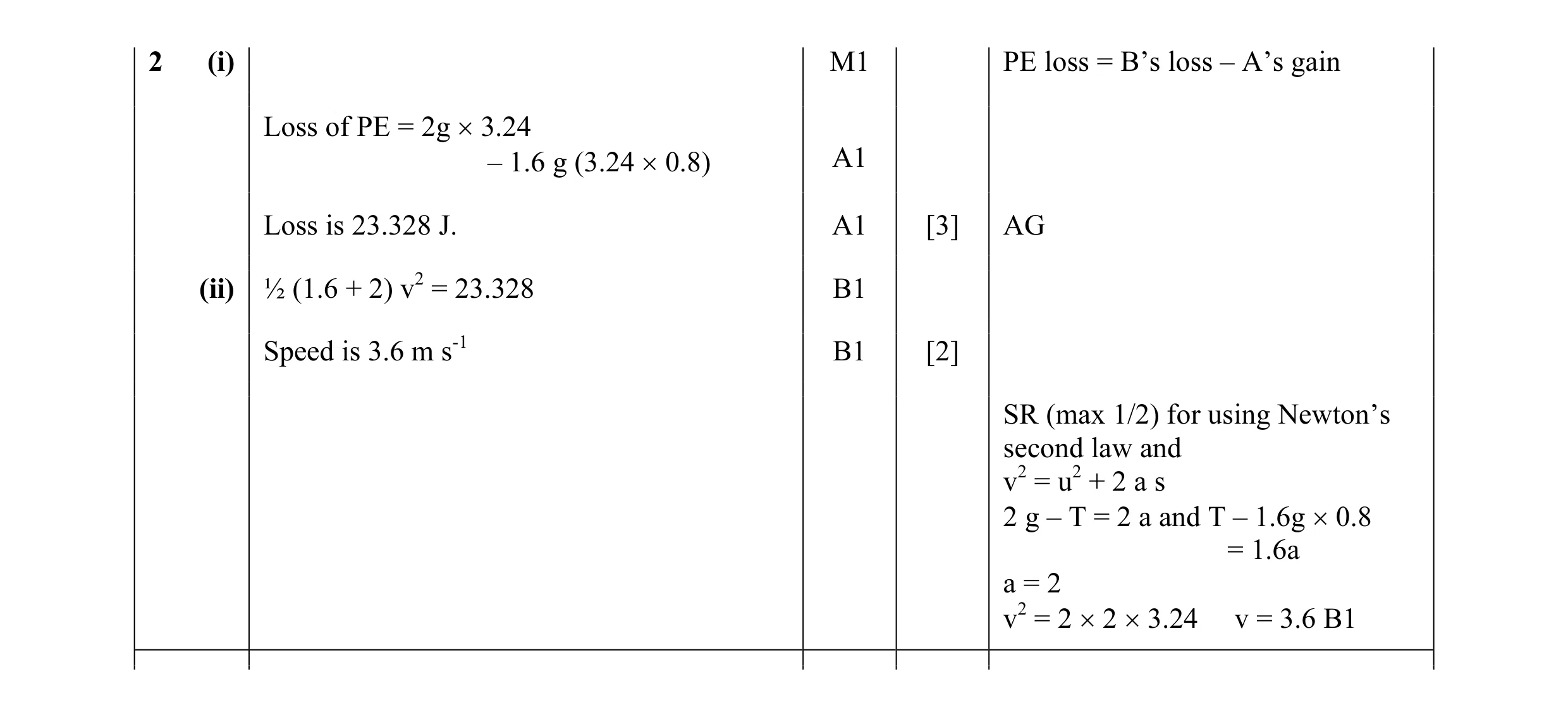 5
5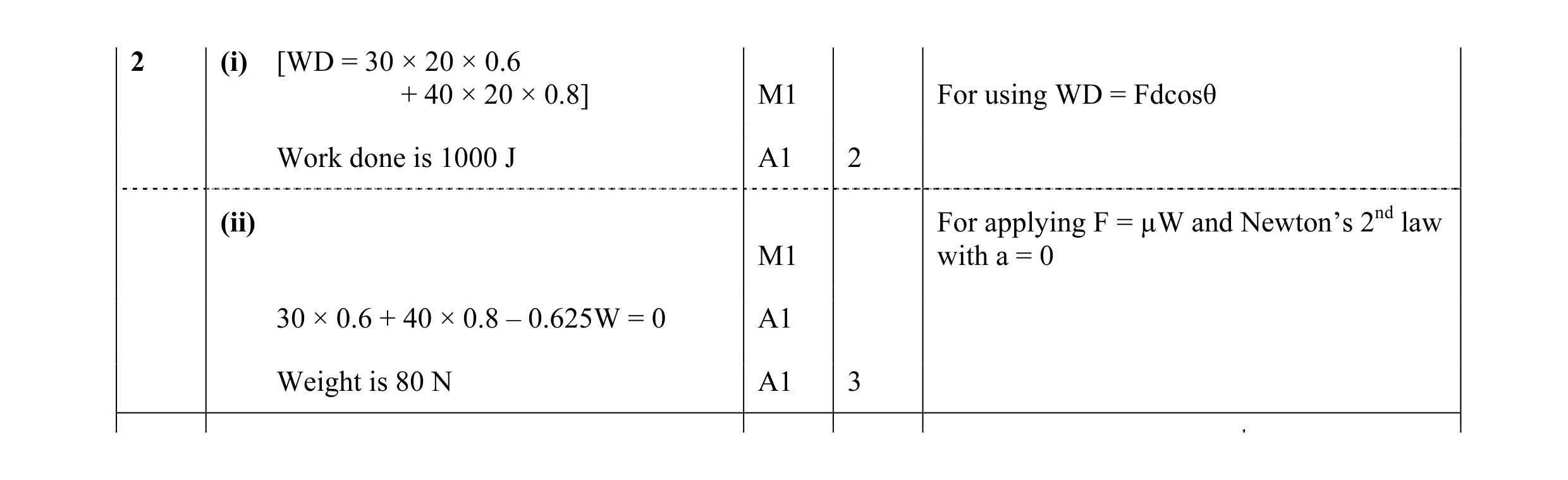 5
5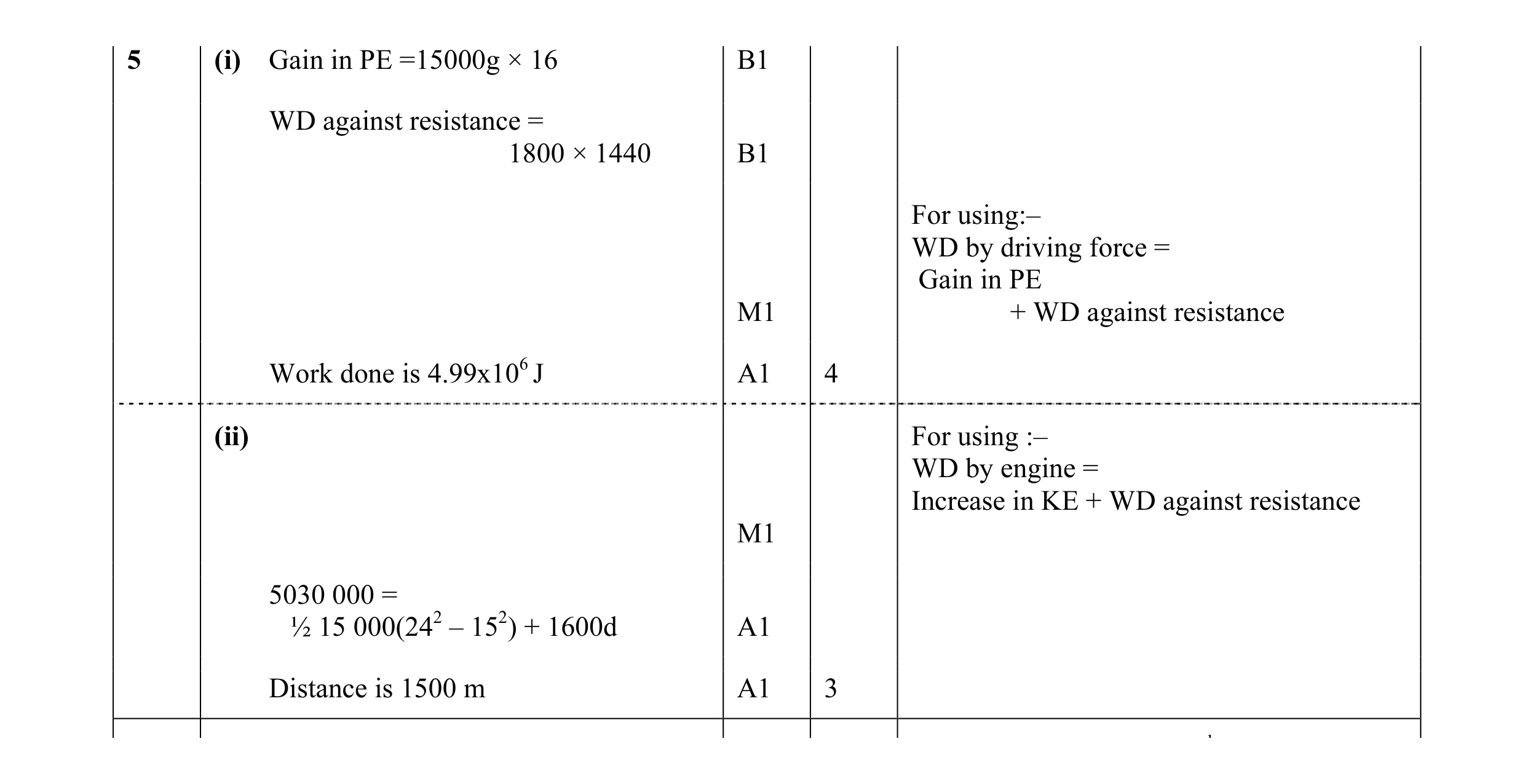 7
7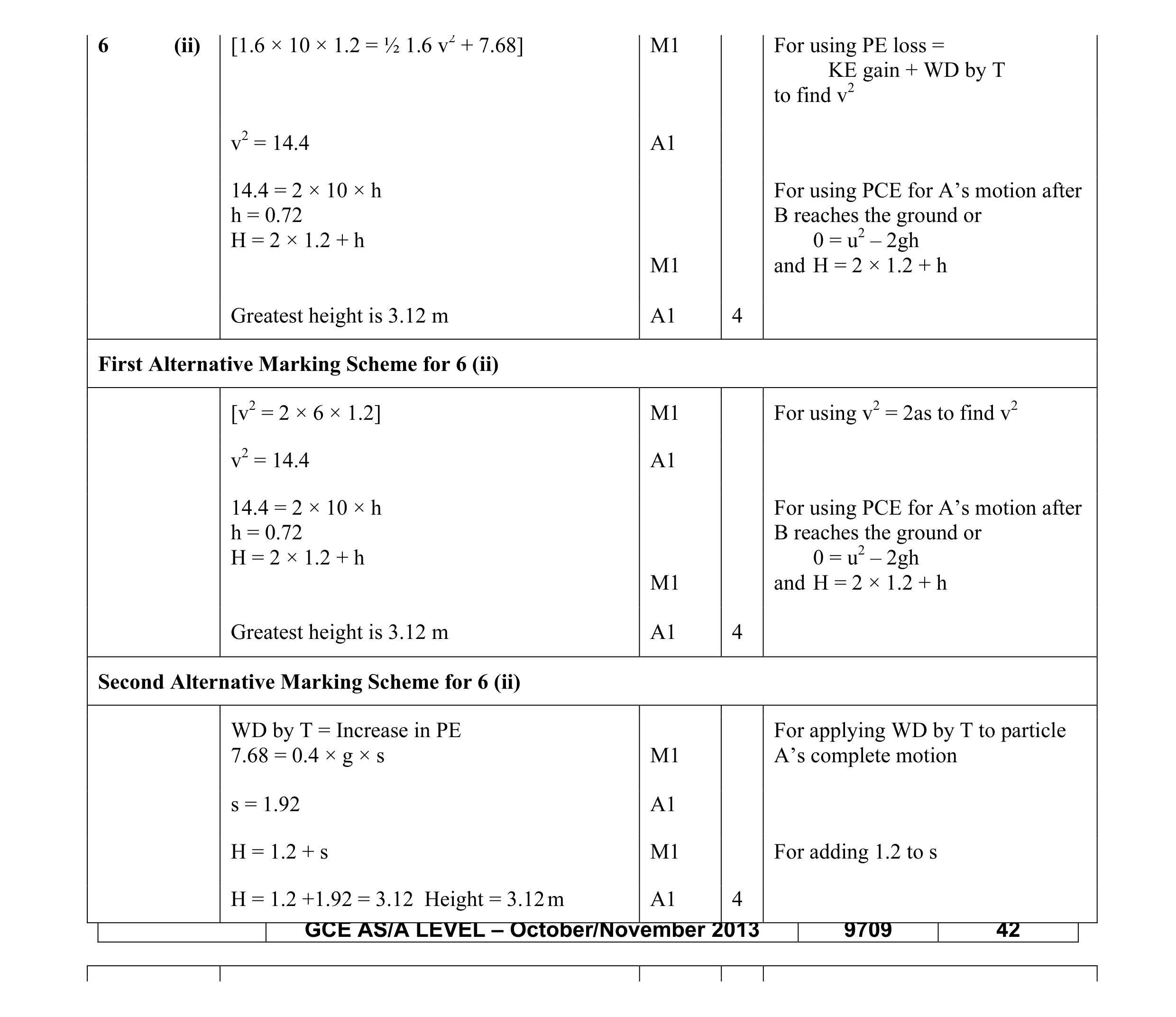 9
9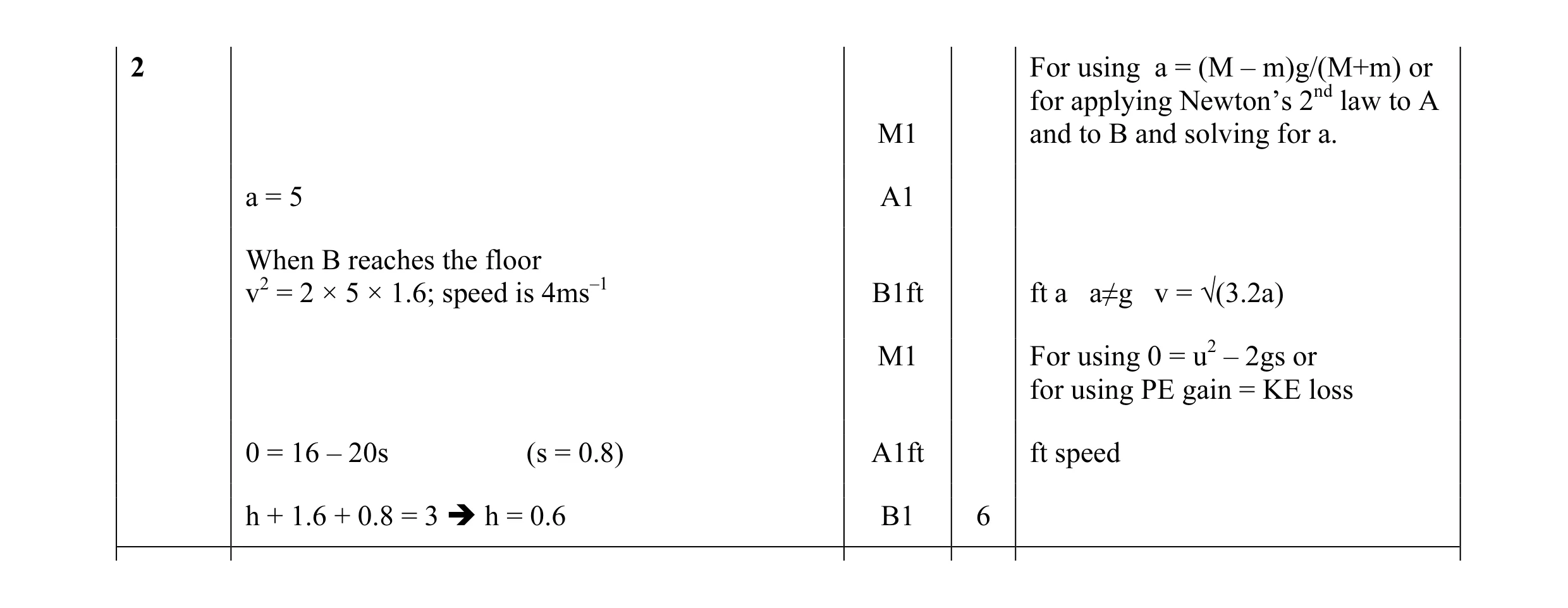 6
6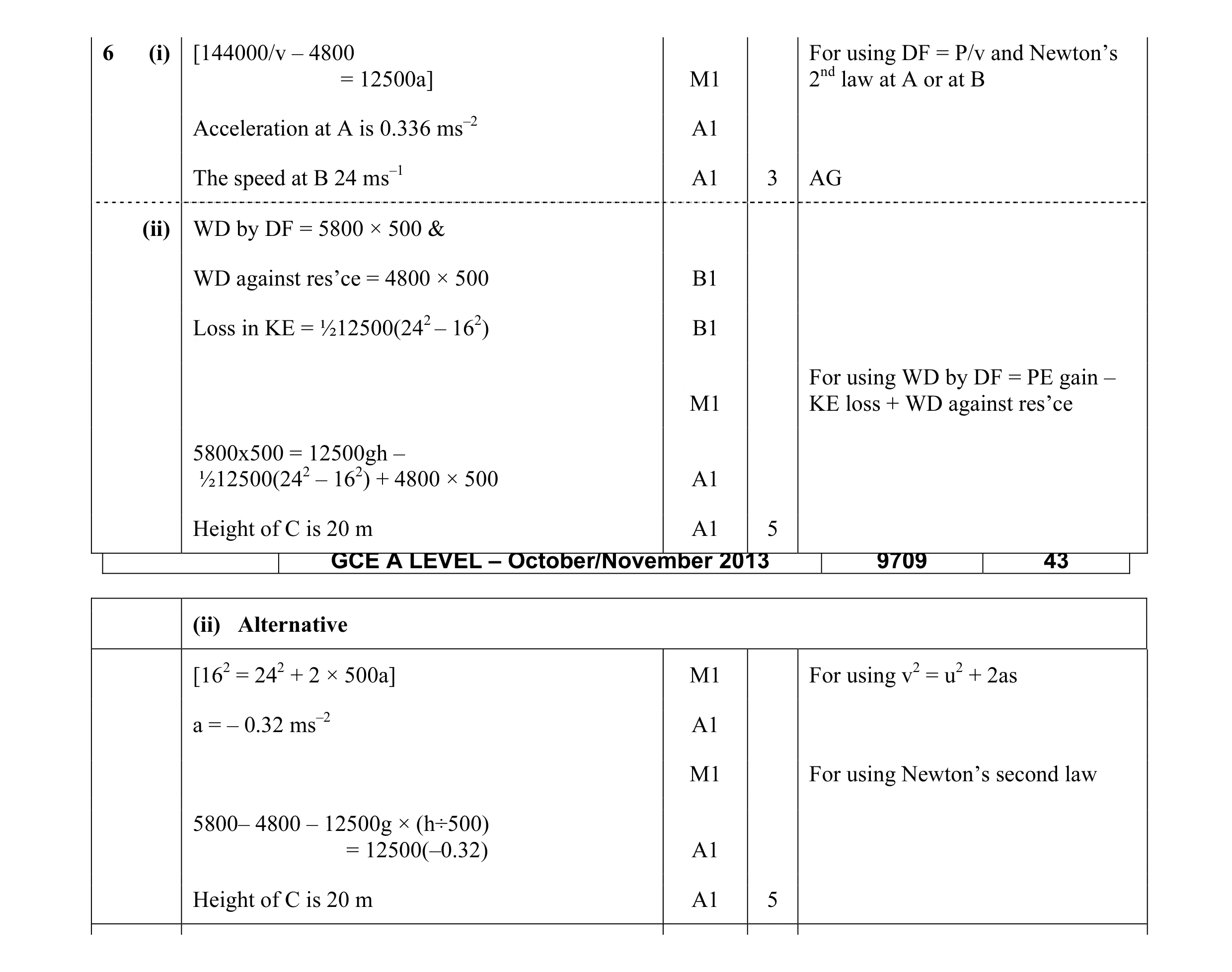 8
8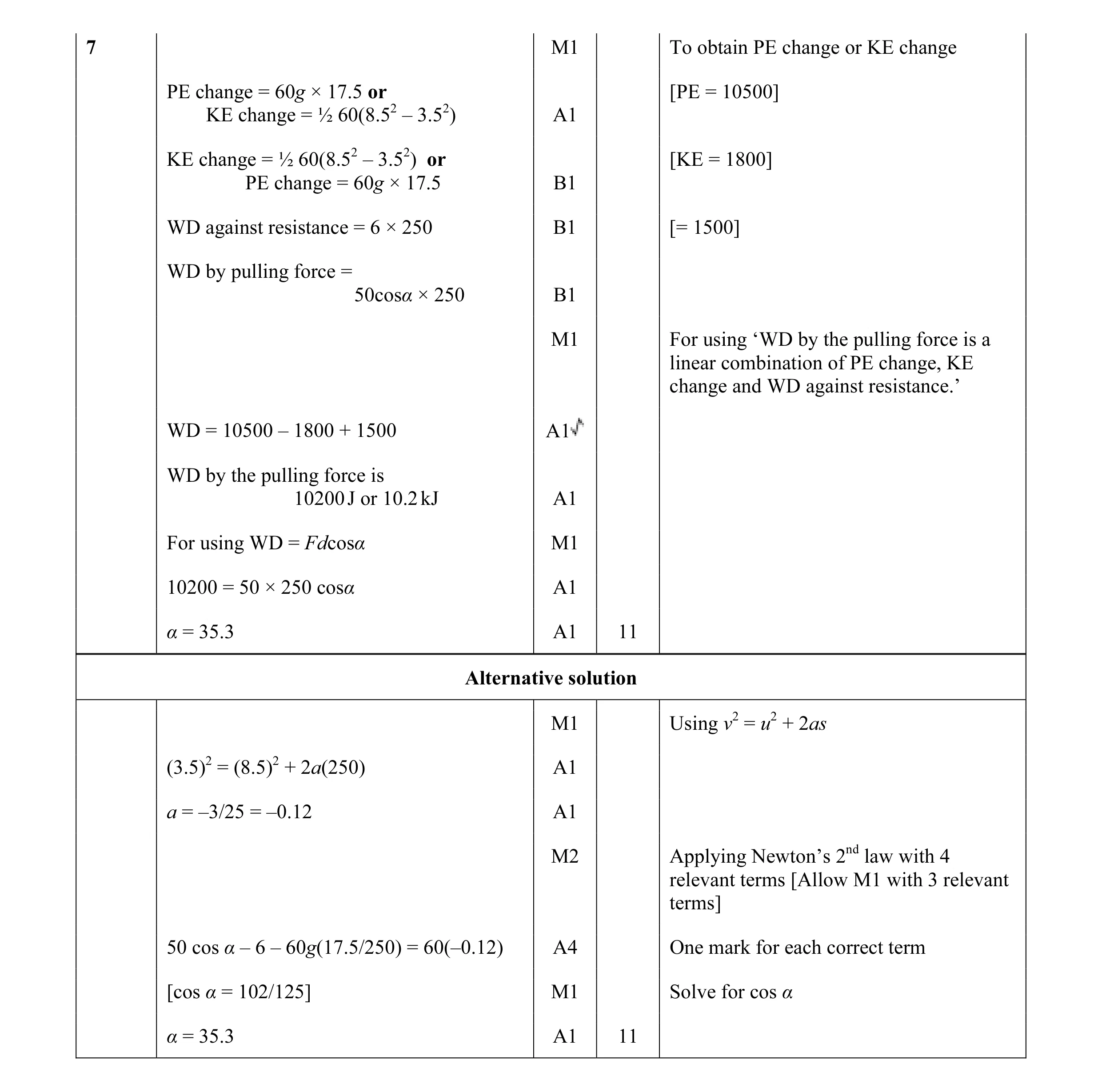 11
11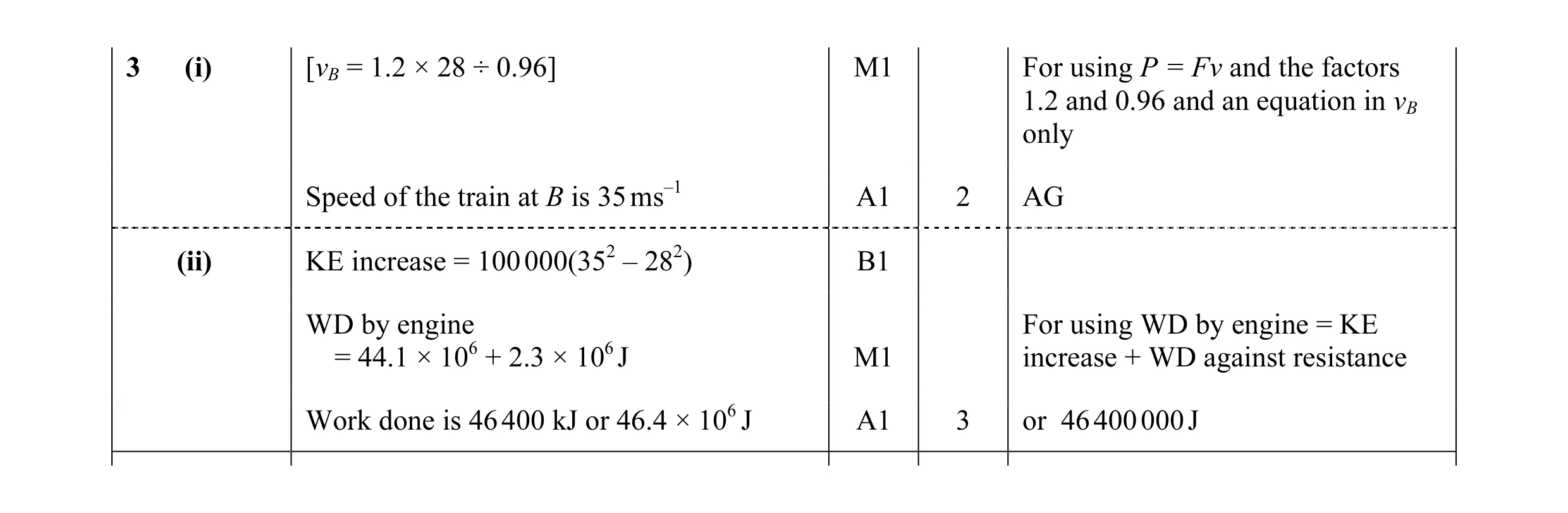 5
5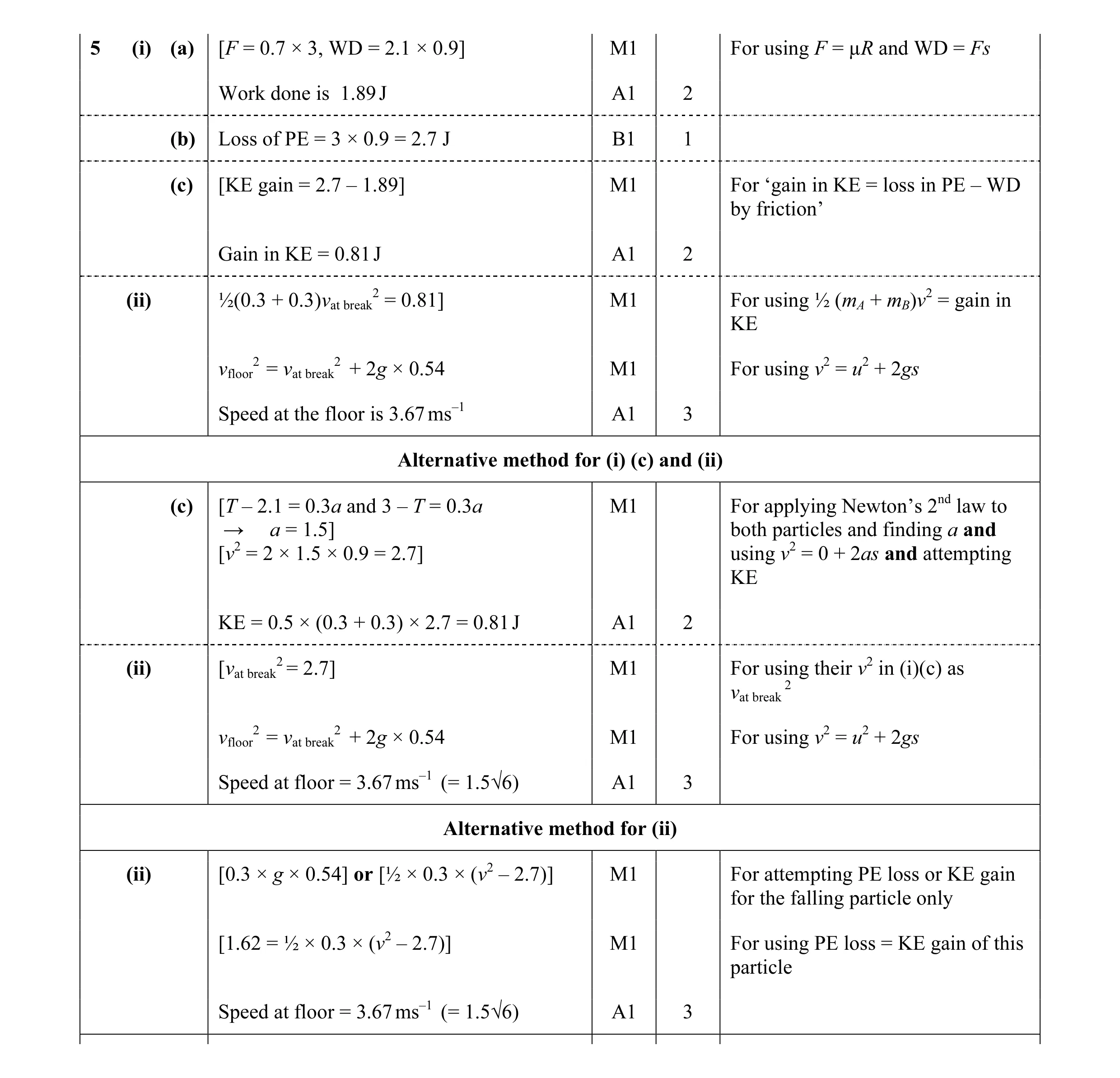 8
8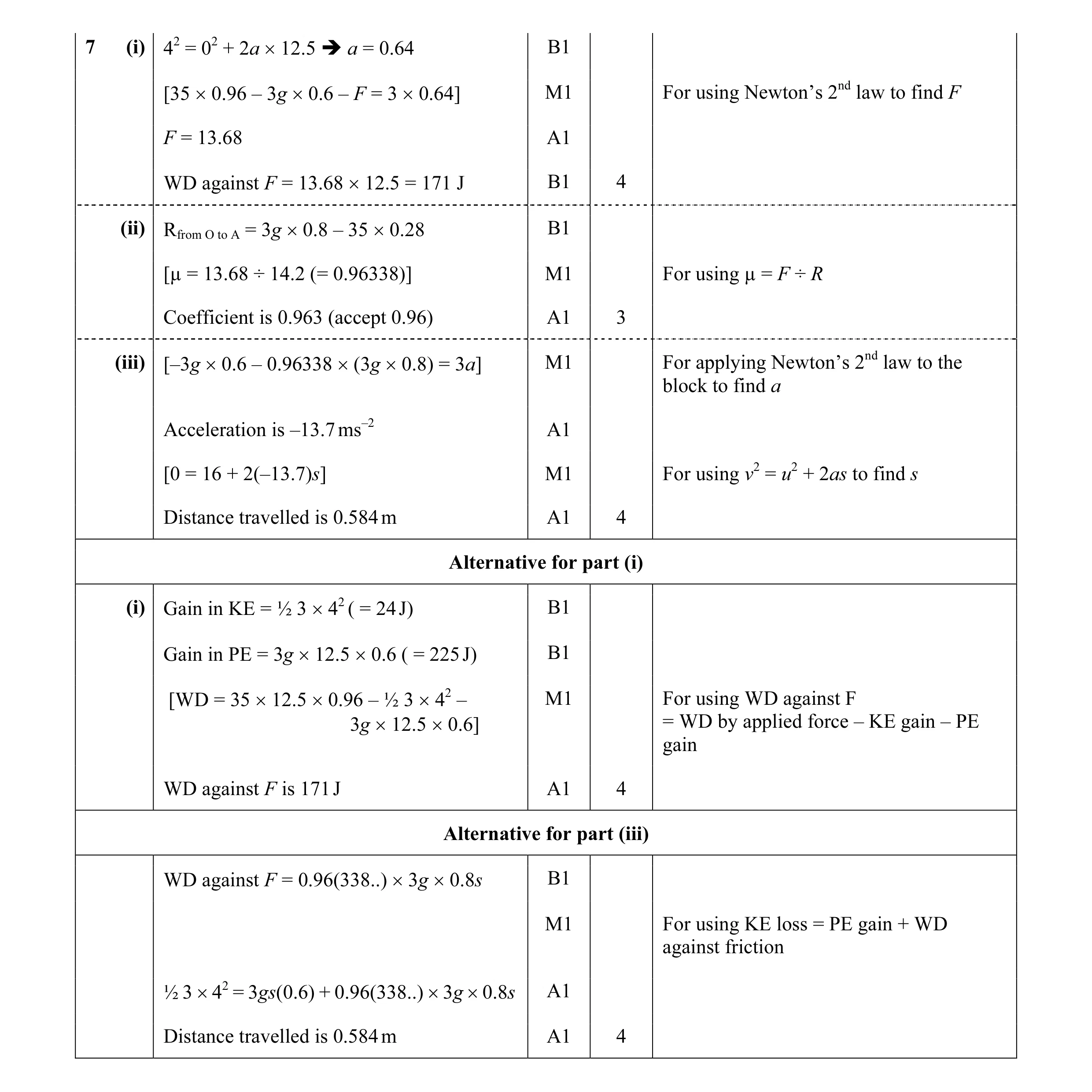 11
11 4
4 4
4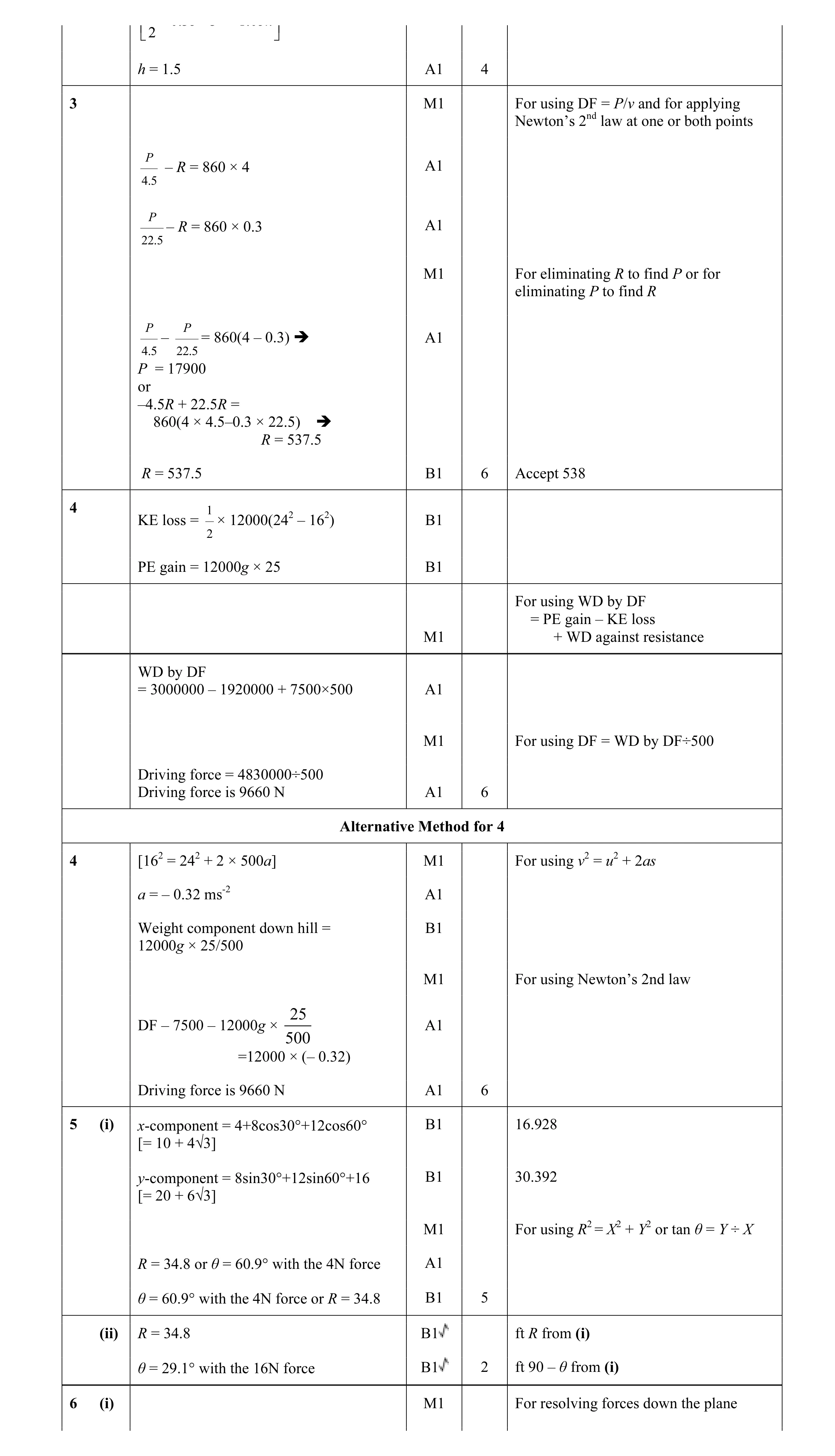 5
5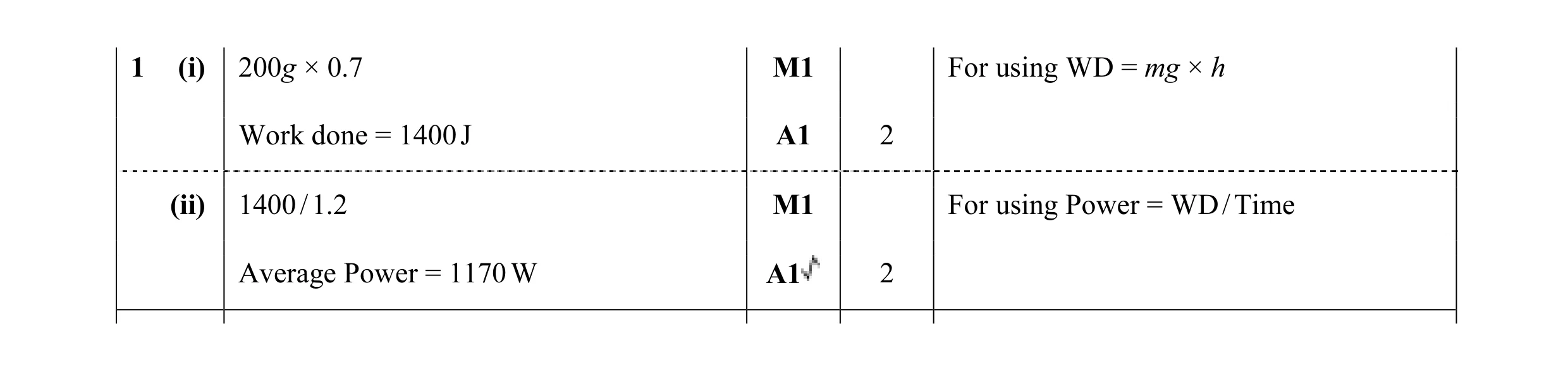 4
4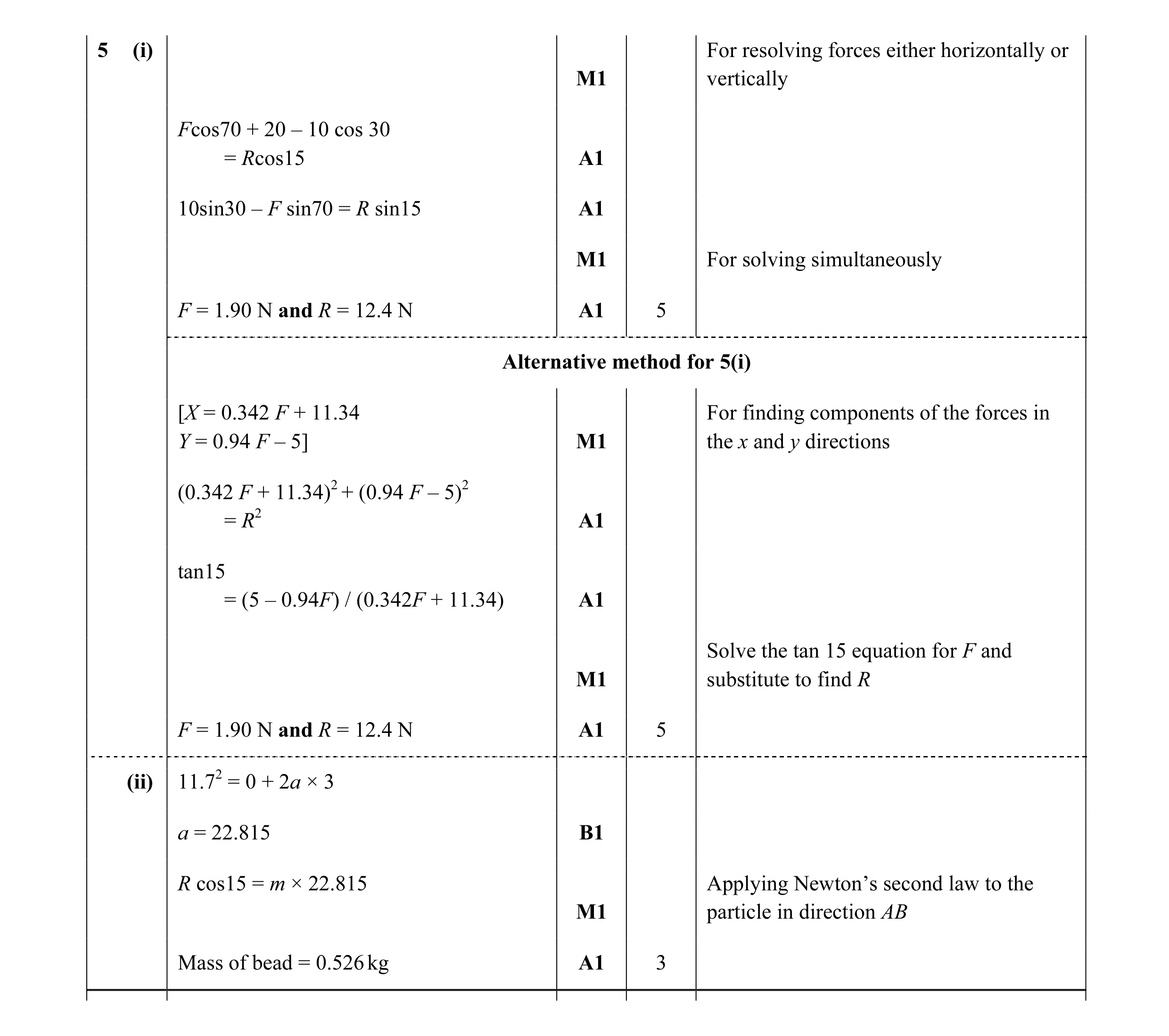 8
8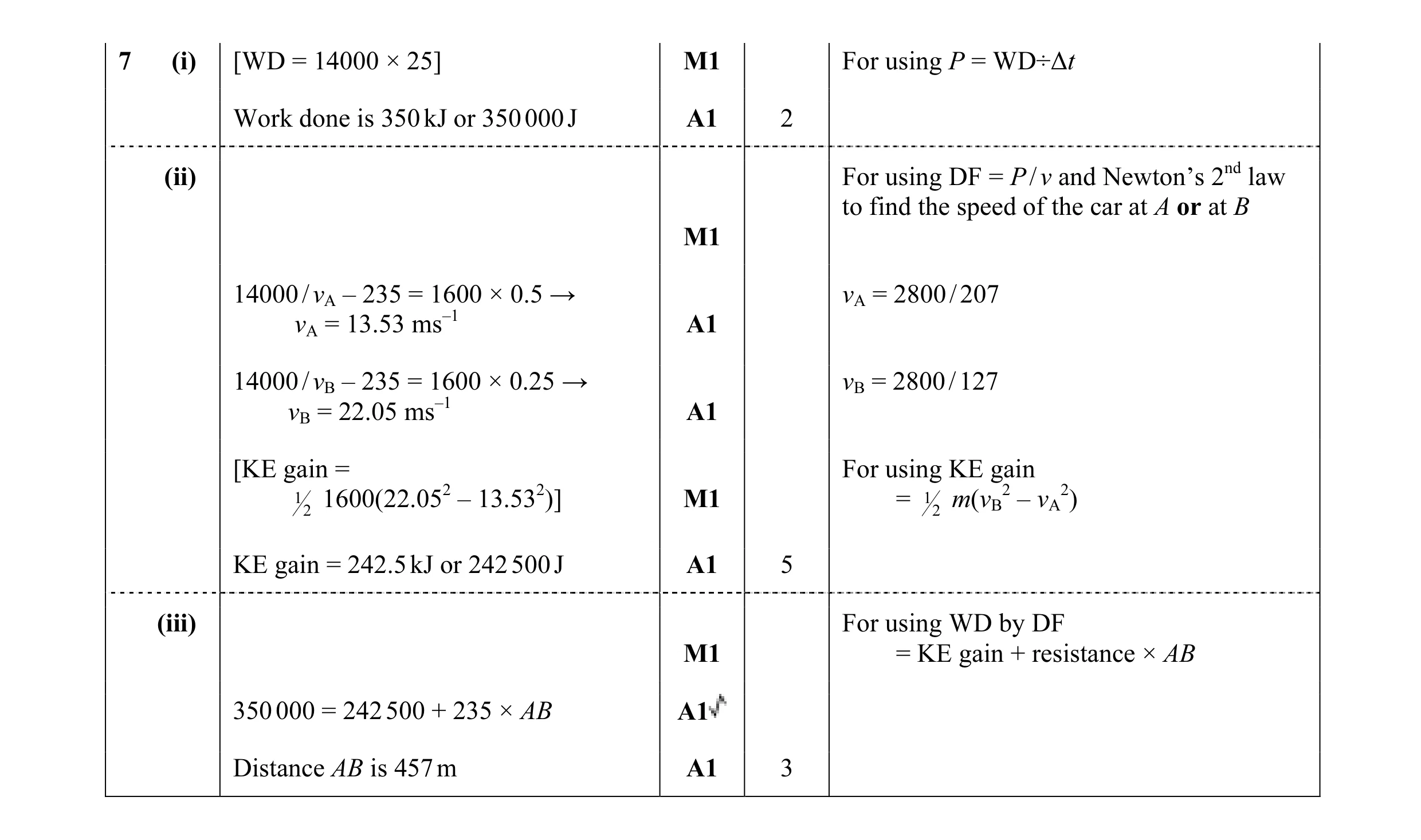 10
10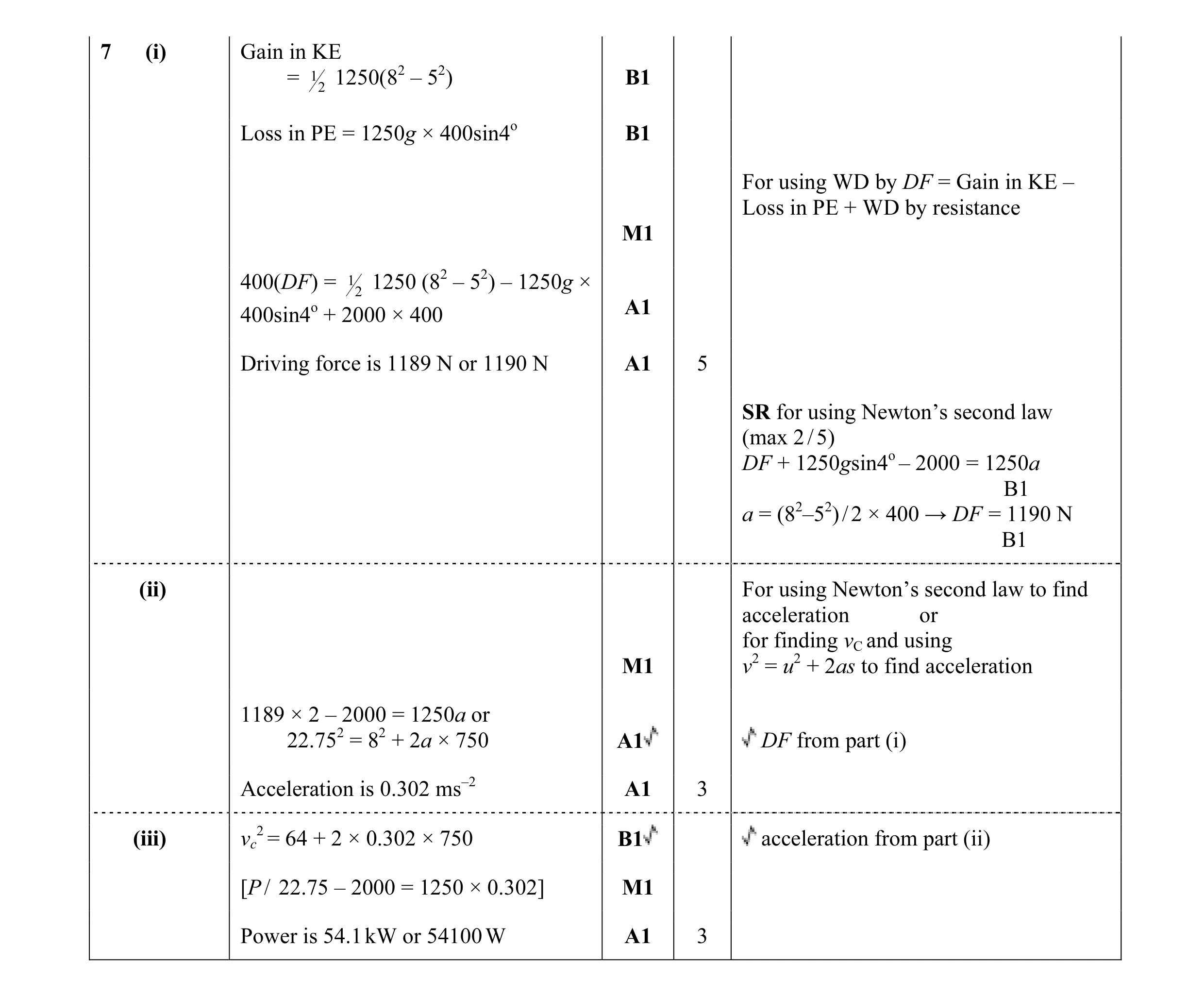 11
11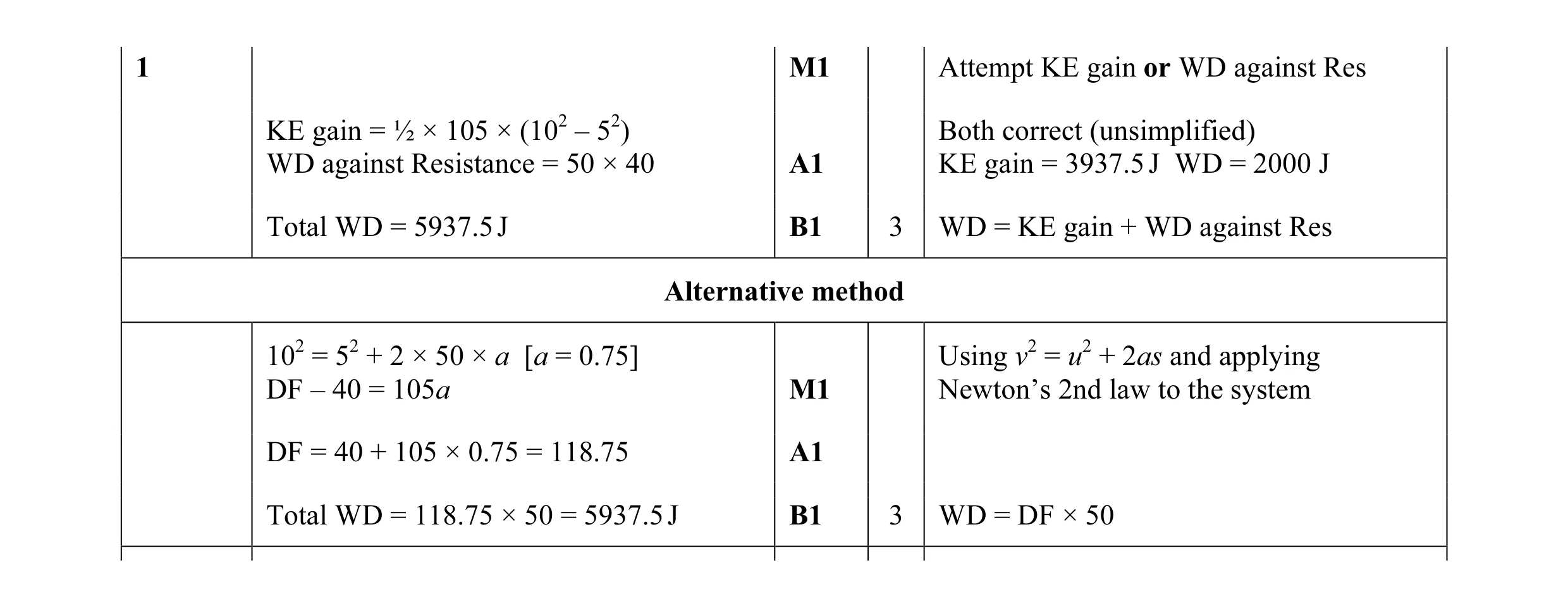 3
3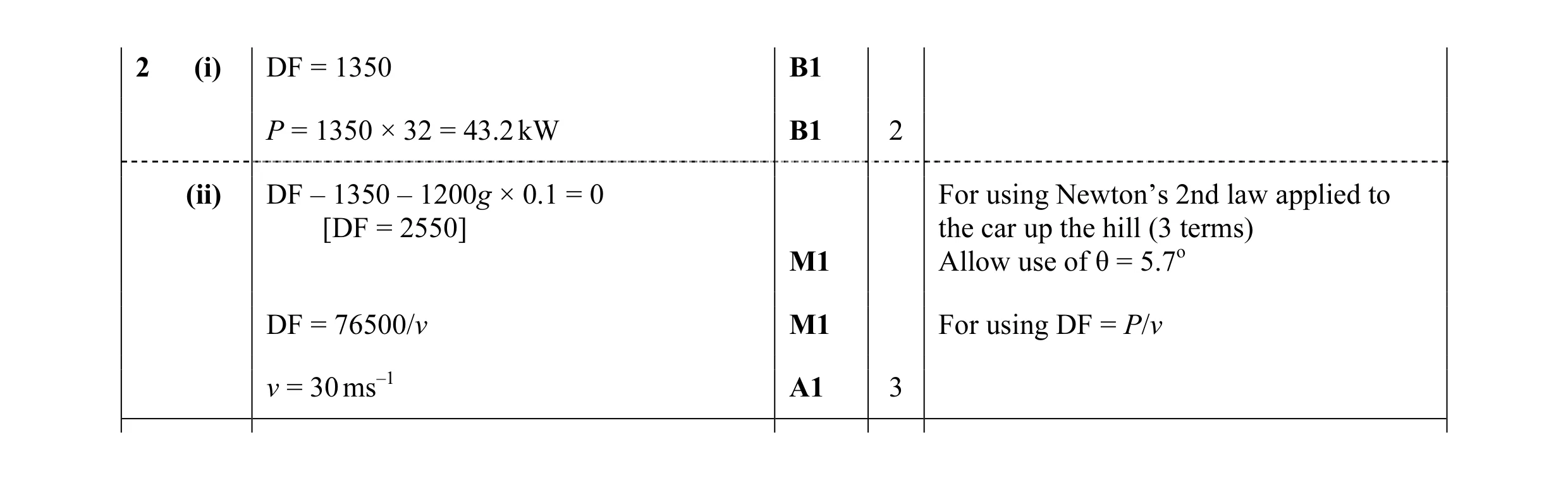 5
5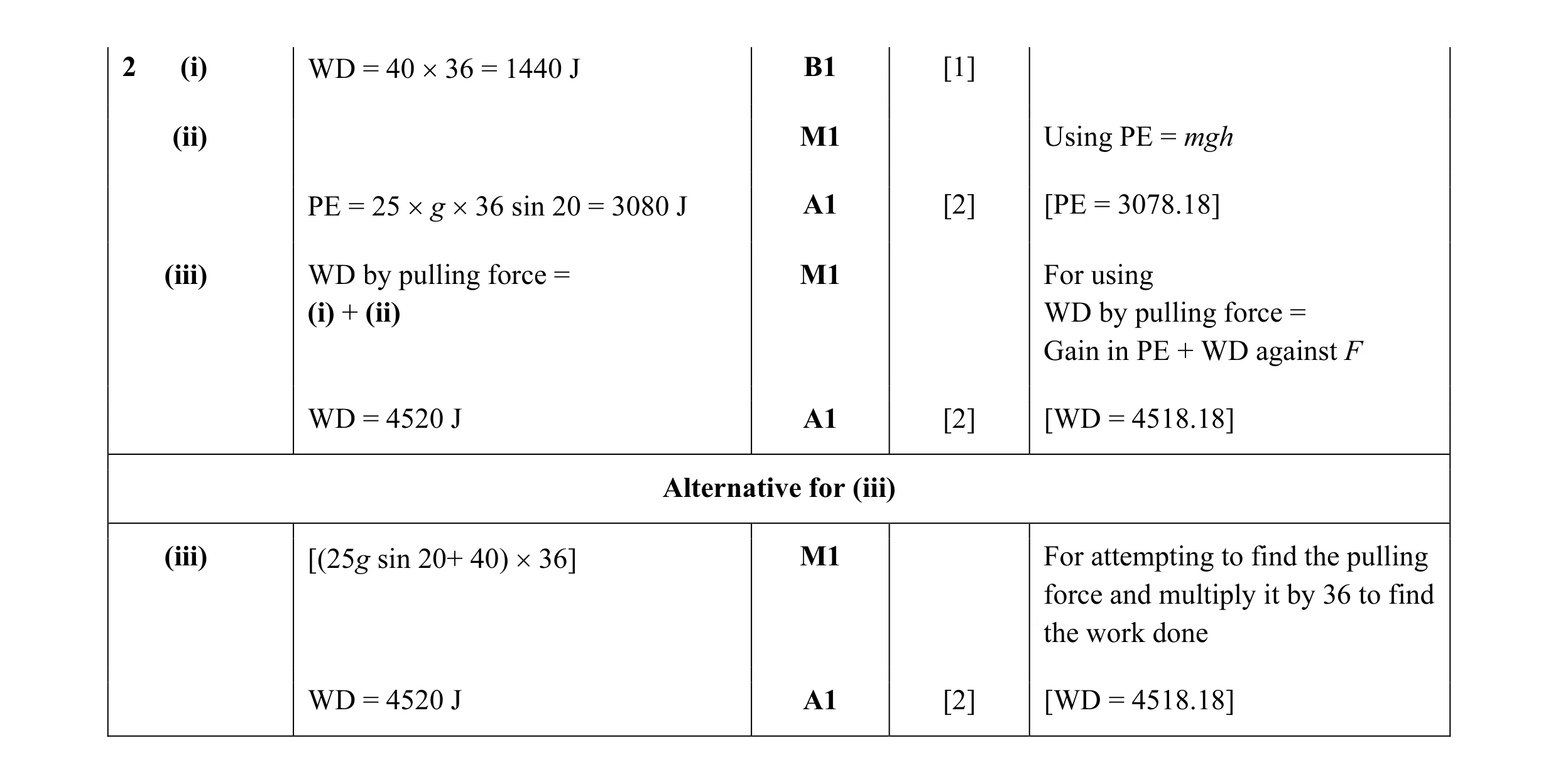 5
5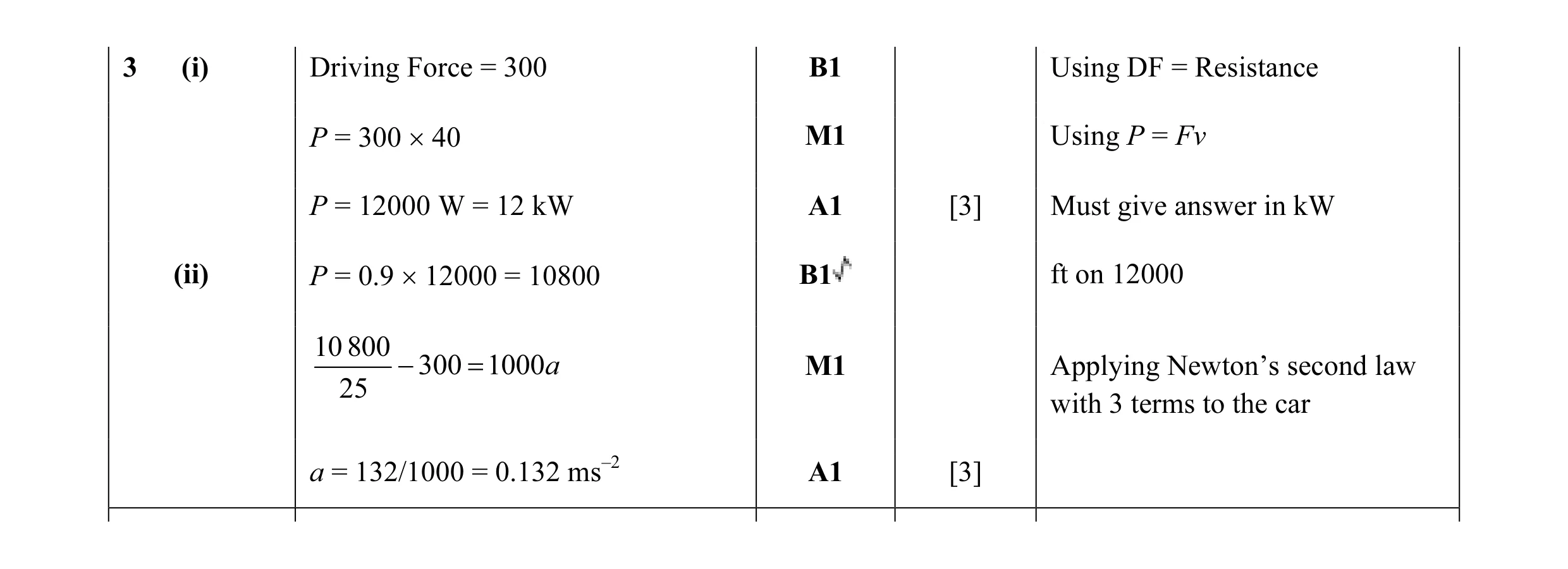 6
6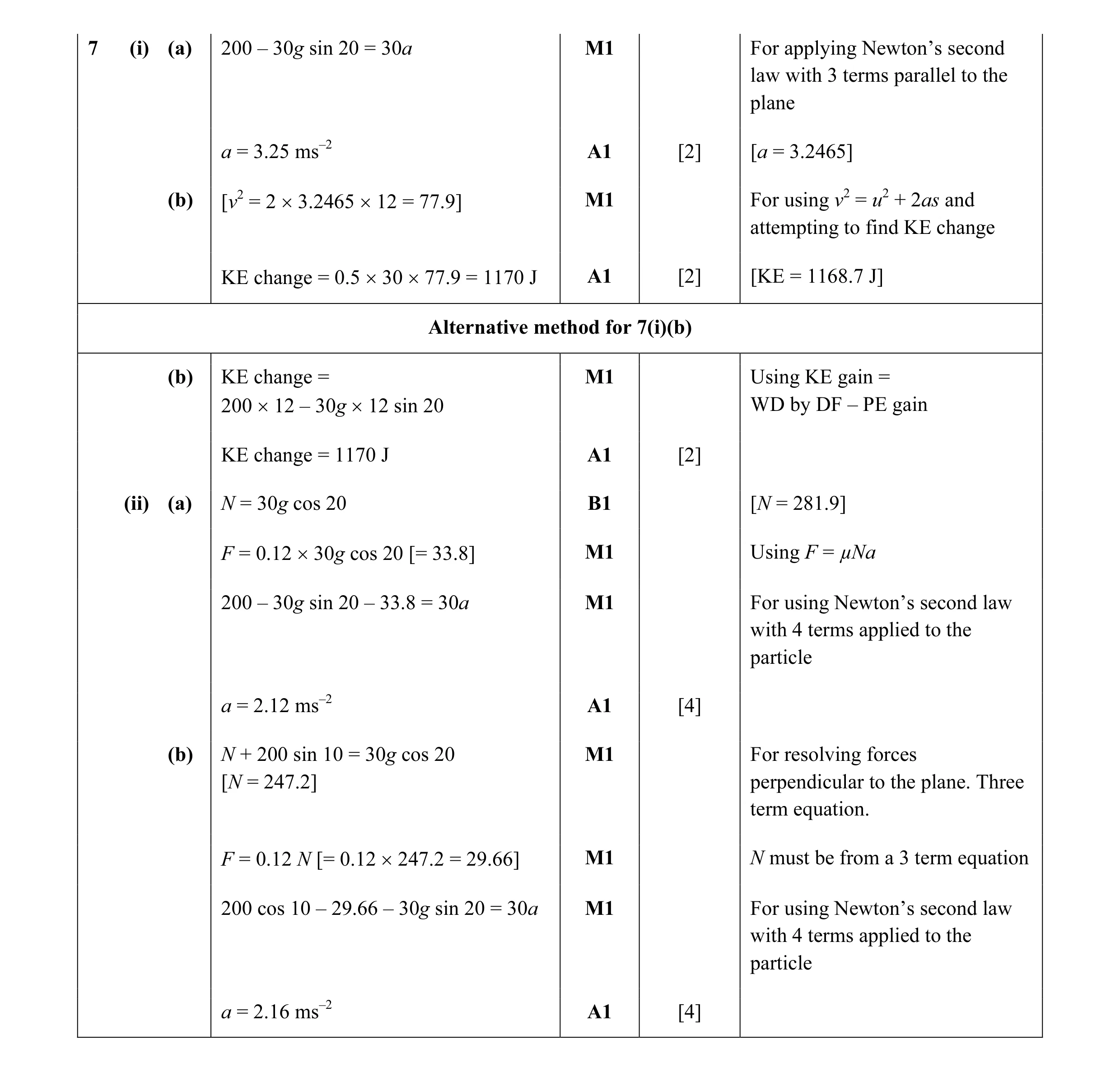 12
12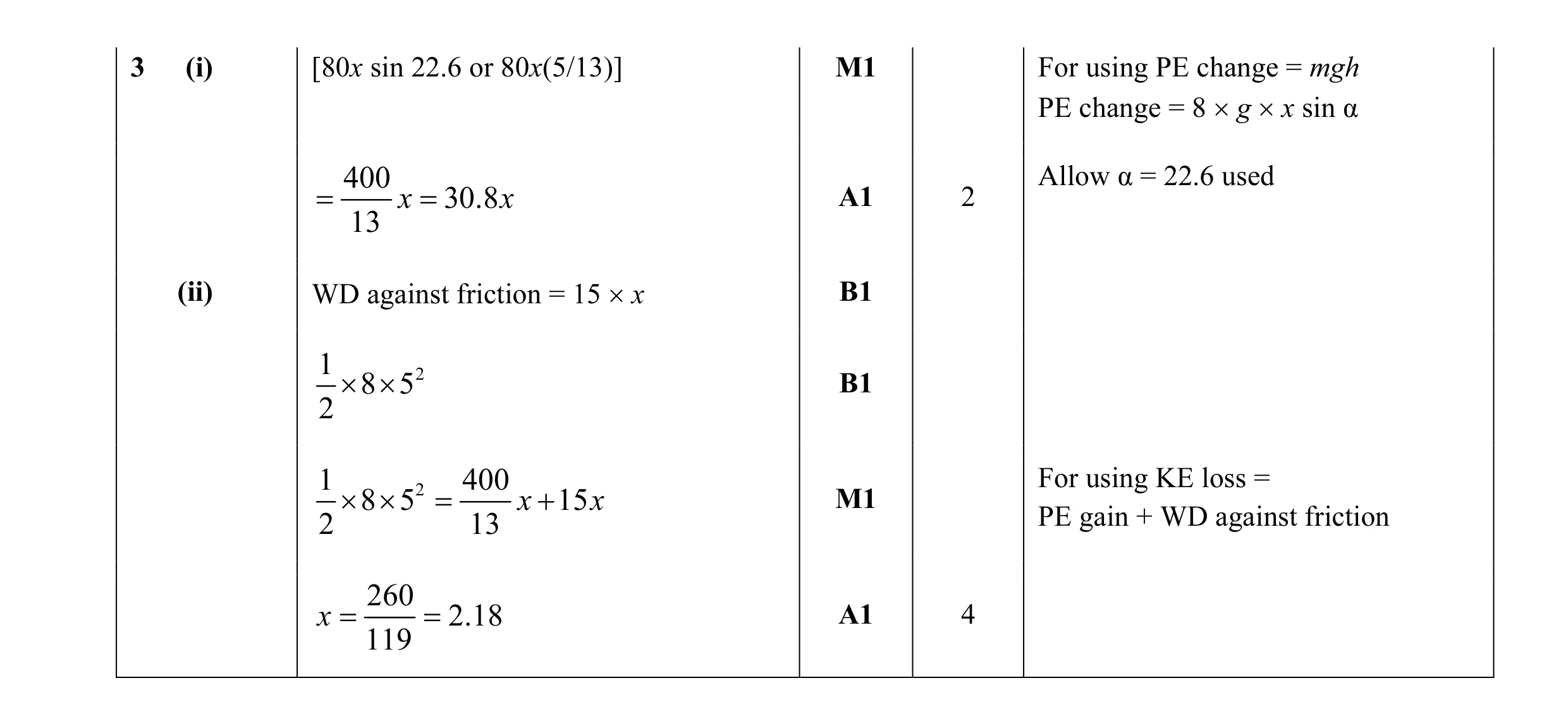 6
6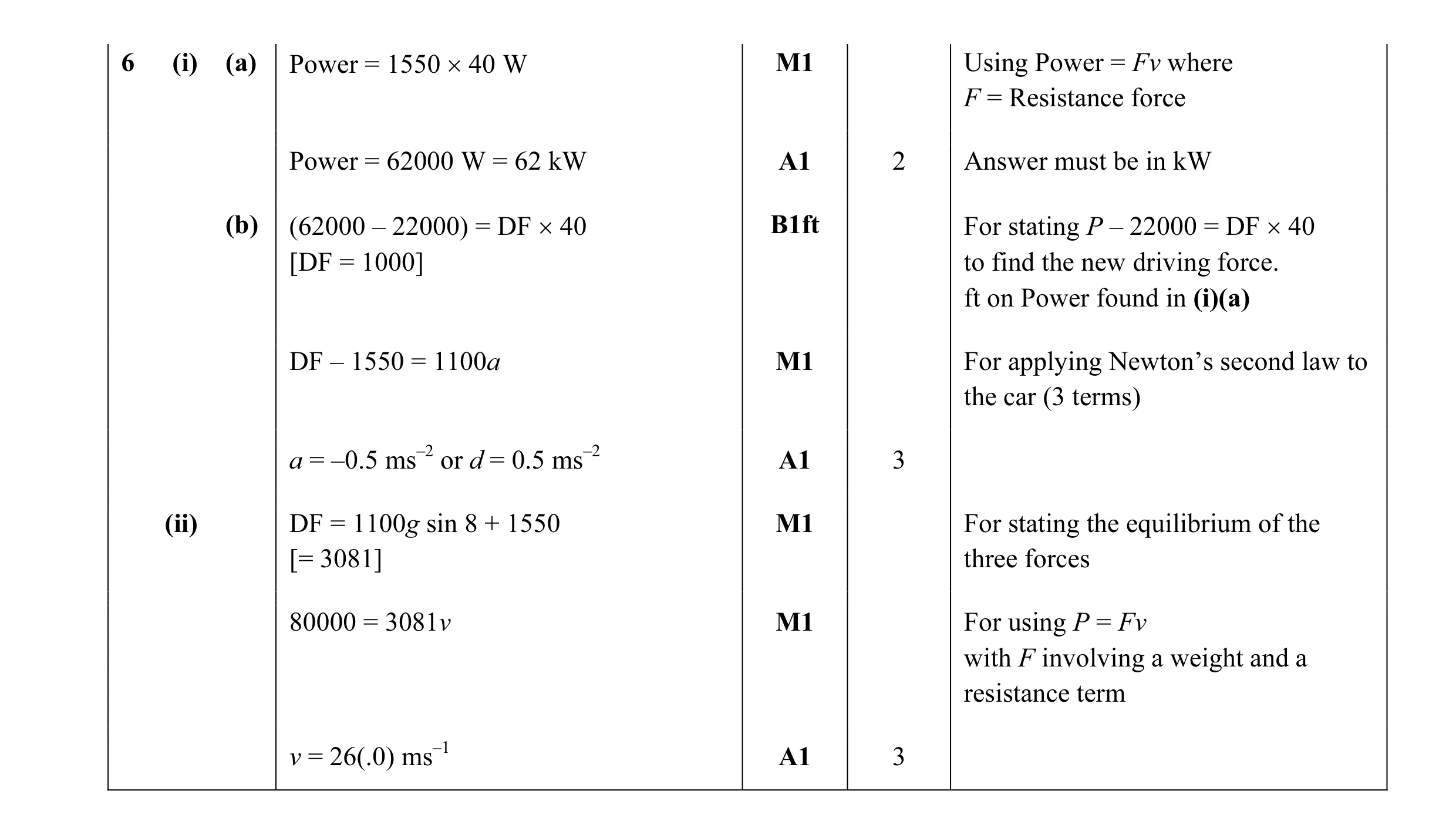 8
8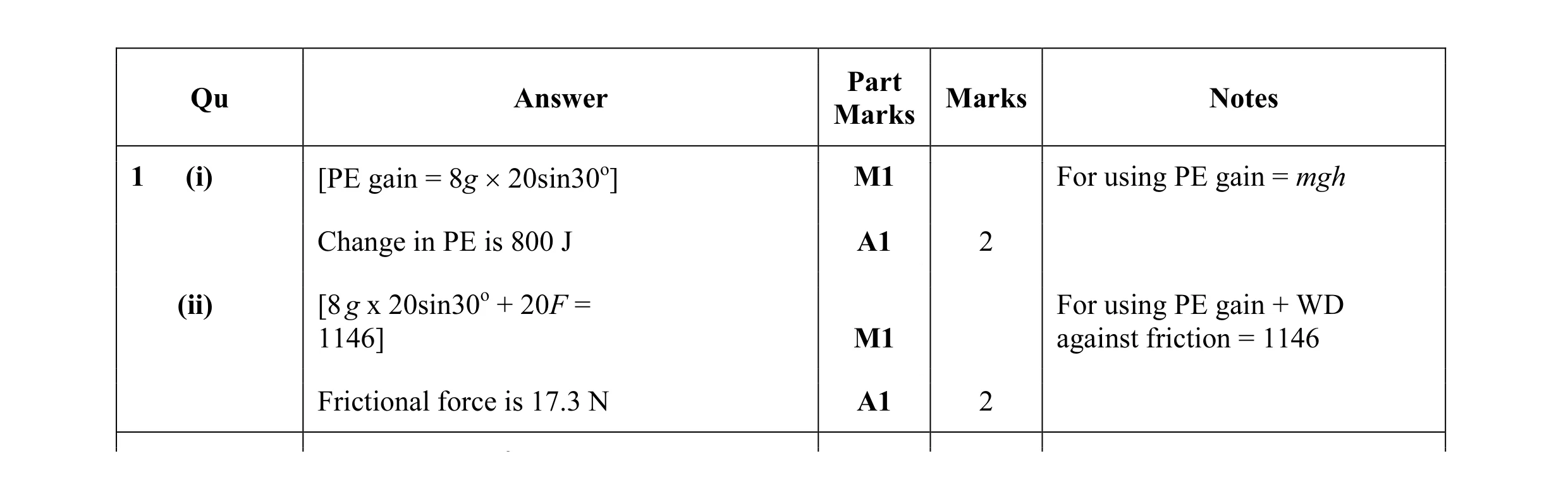 4
4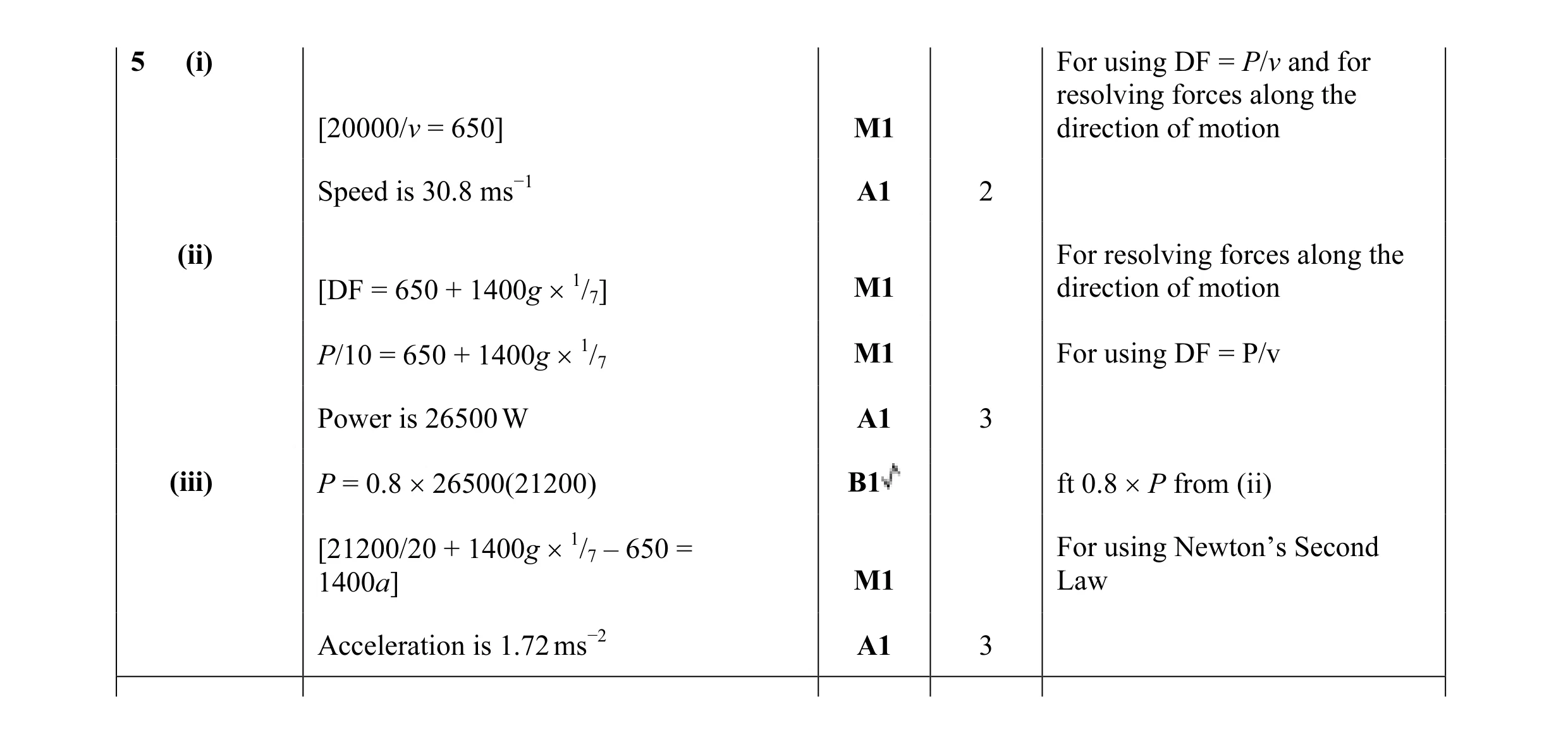 8
8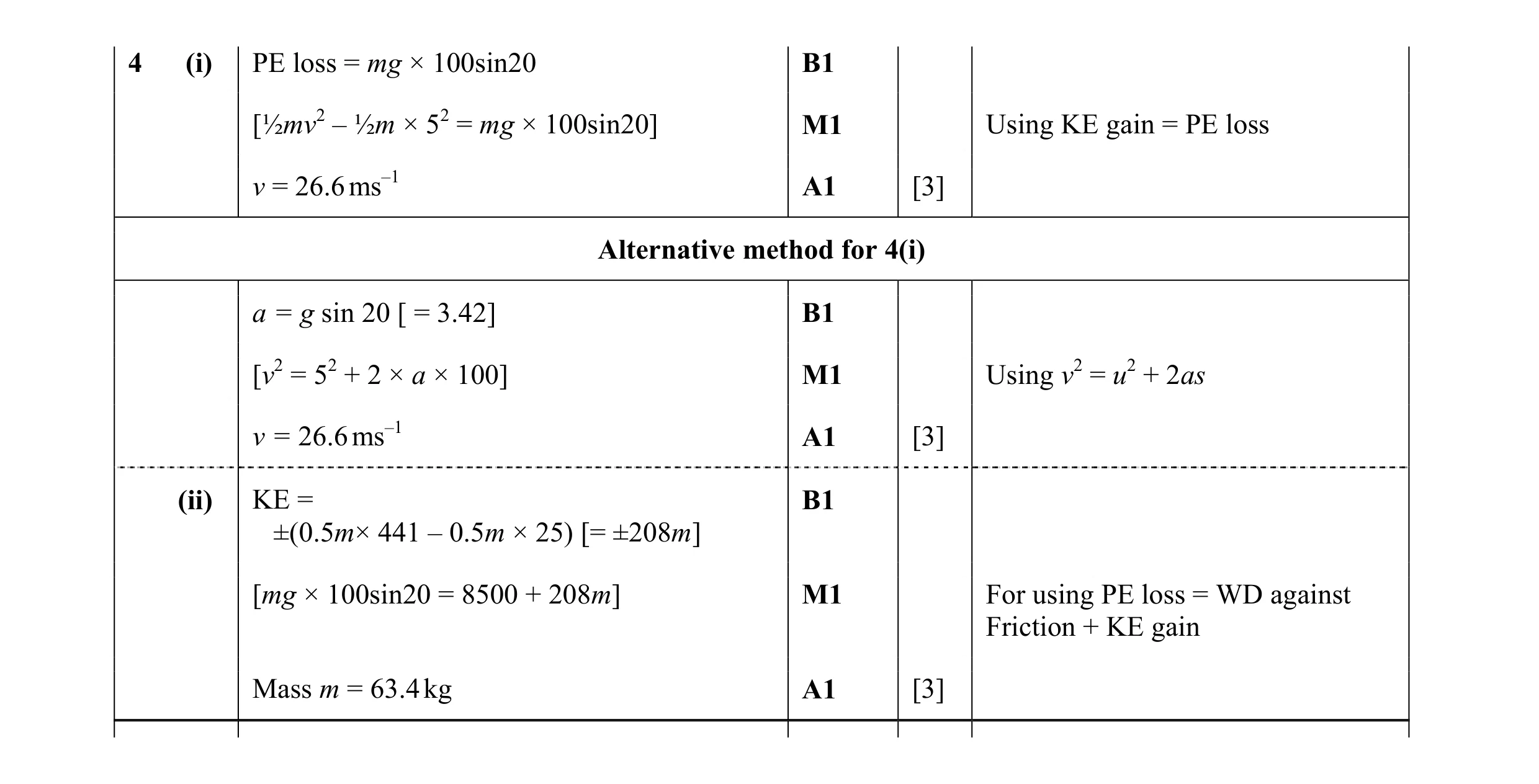 6
6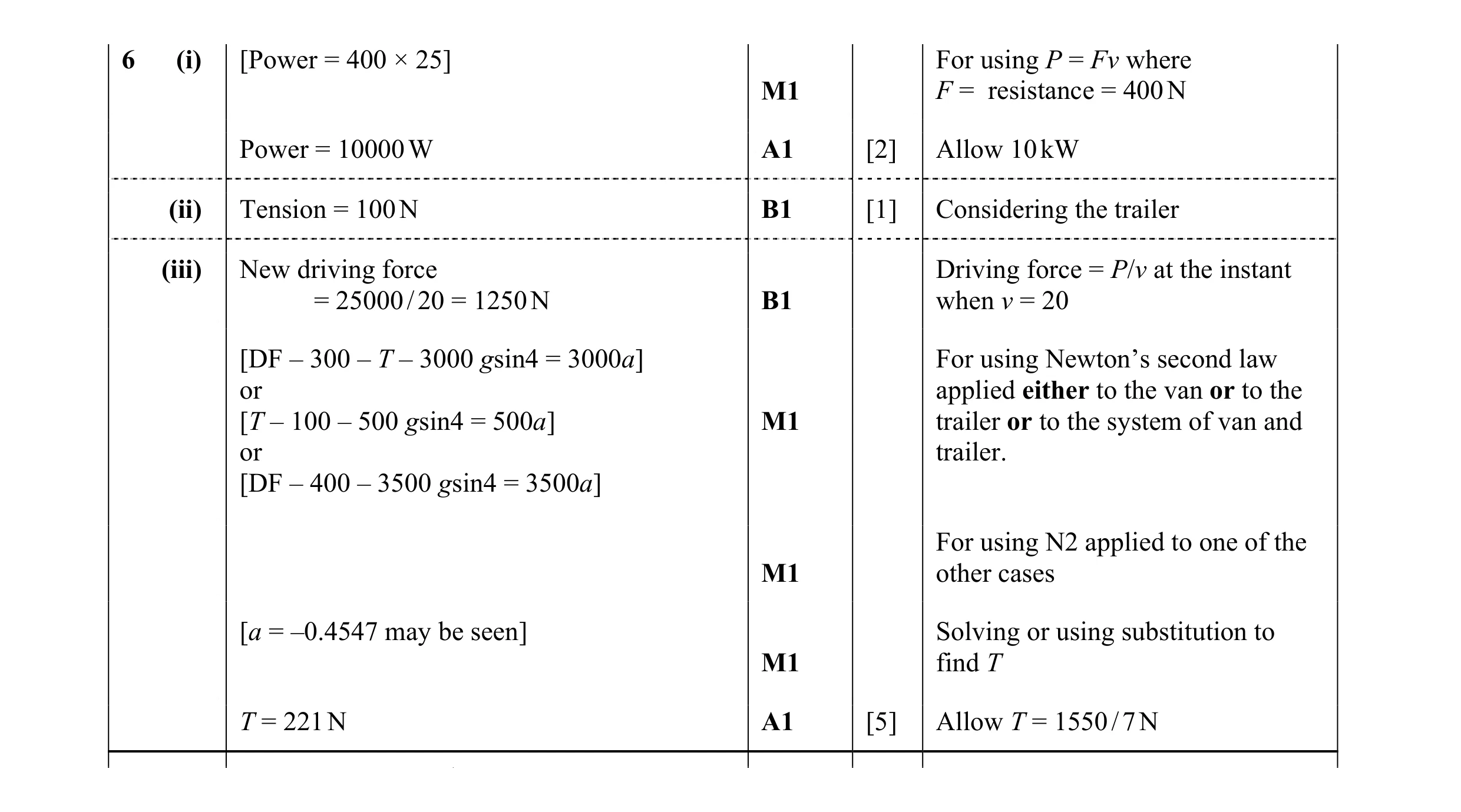 8
8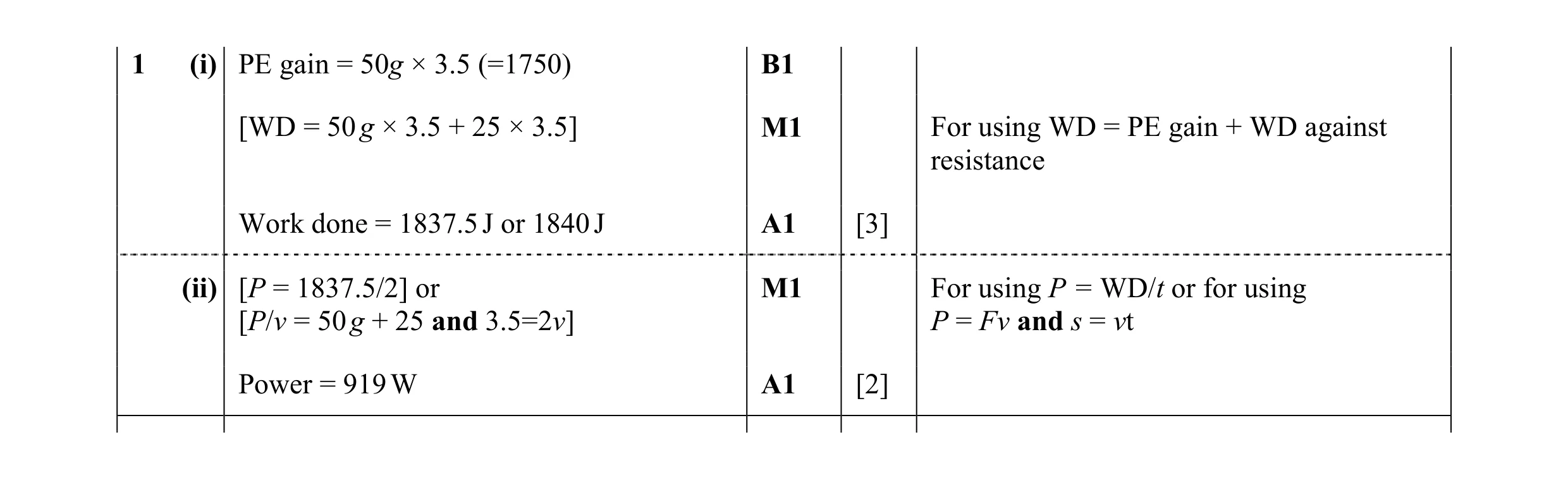 5
5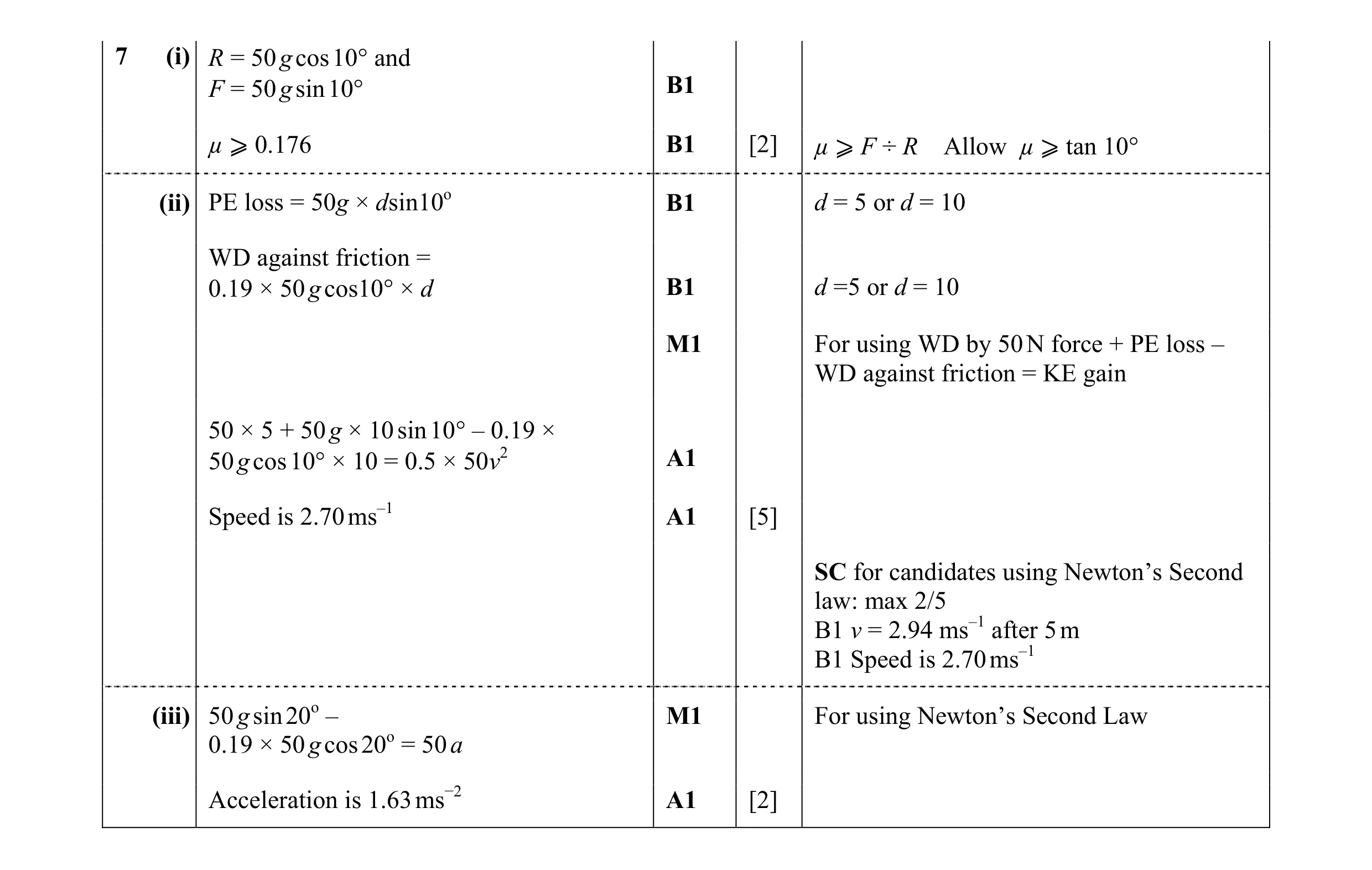 9
9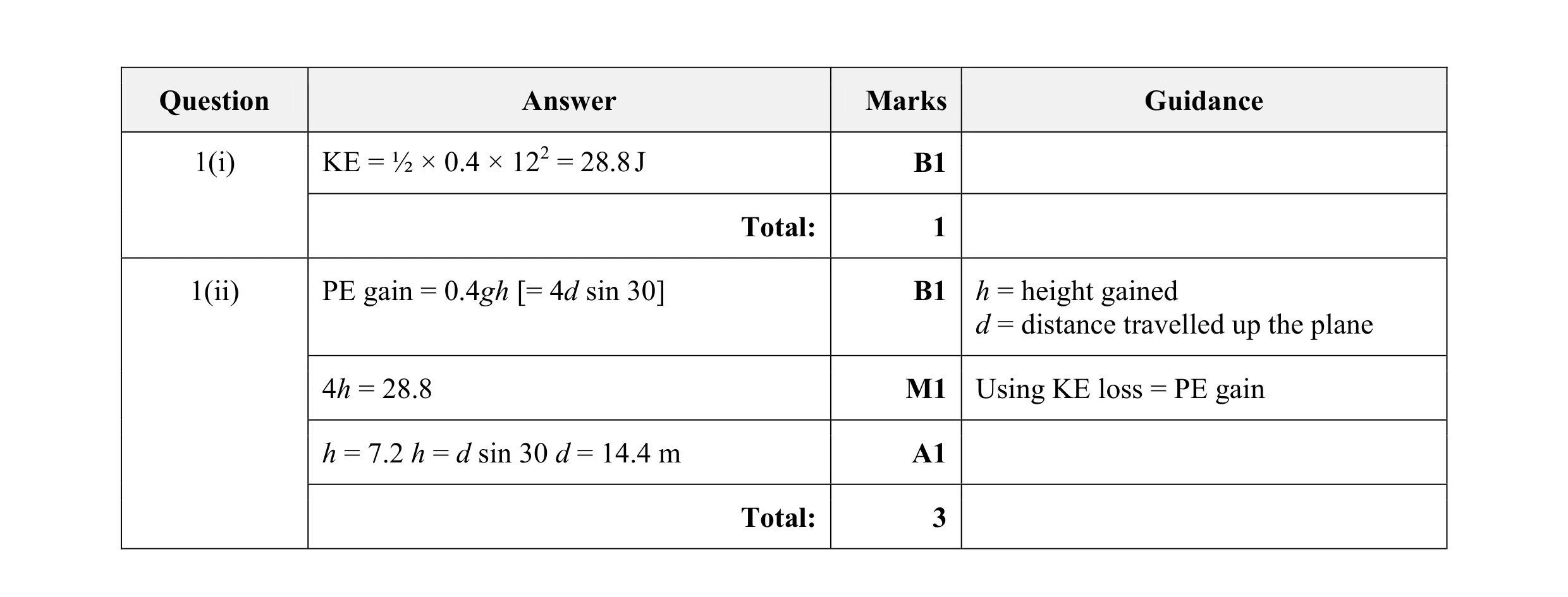 4
4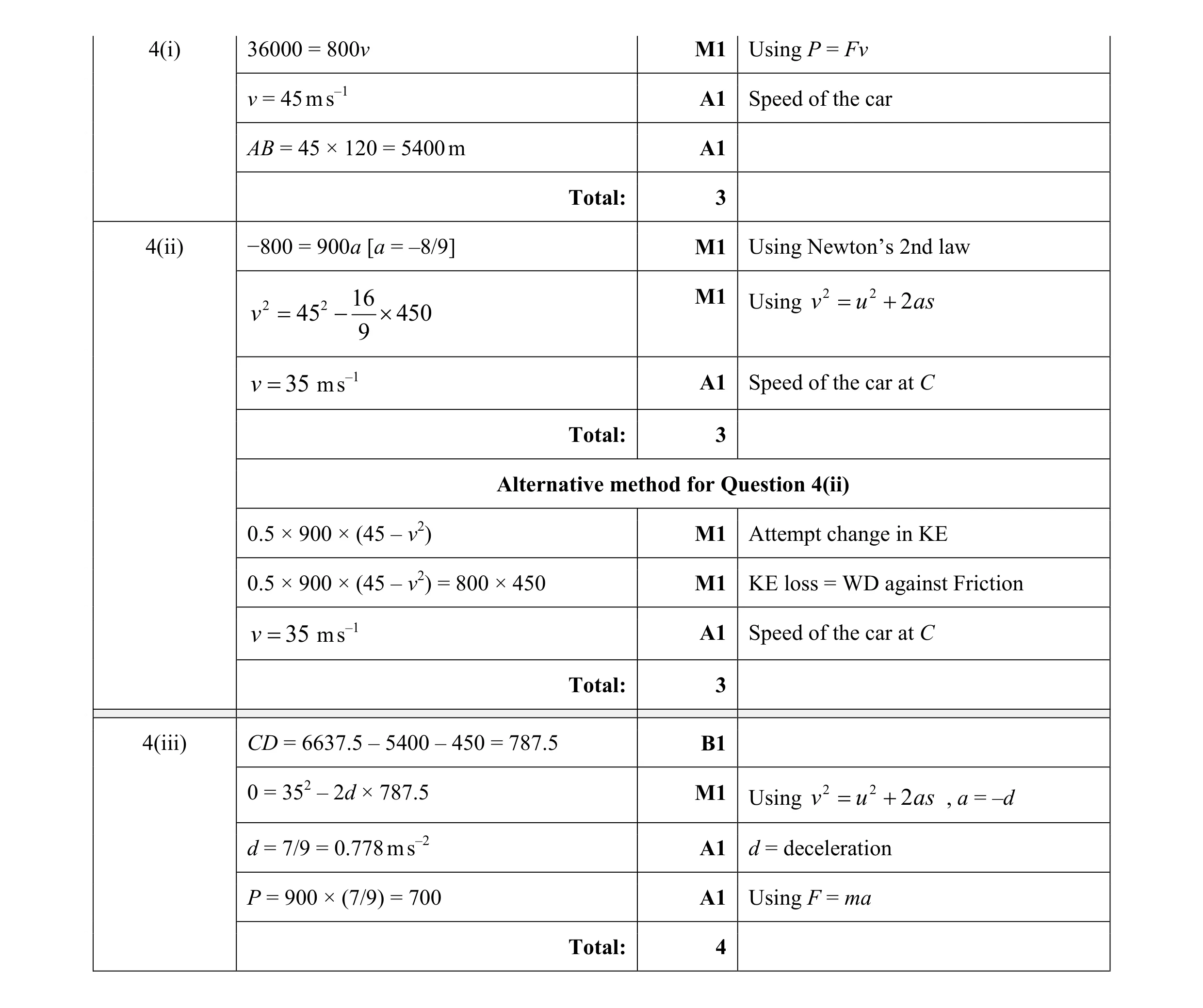 10
10 3
3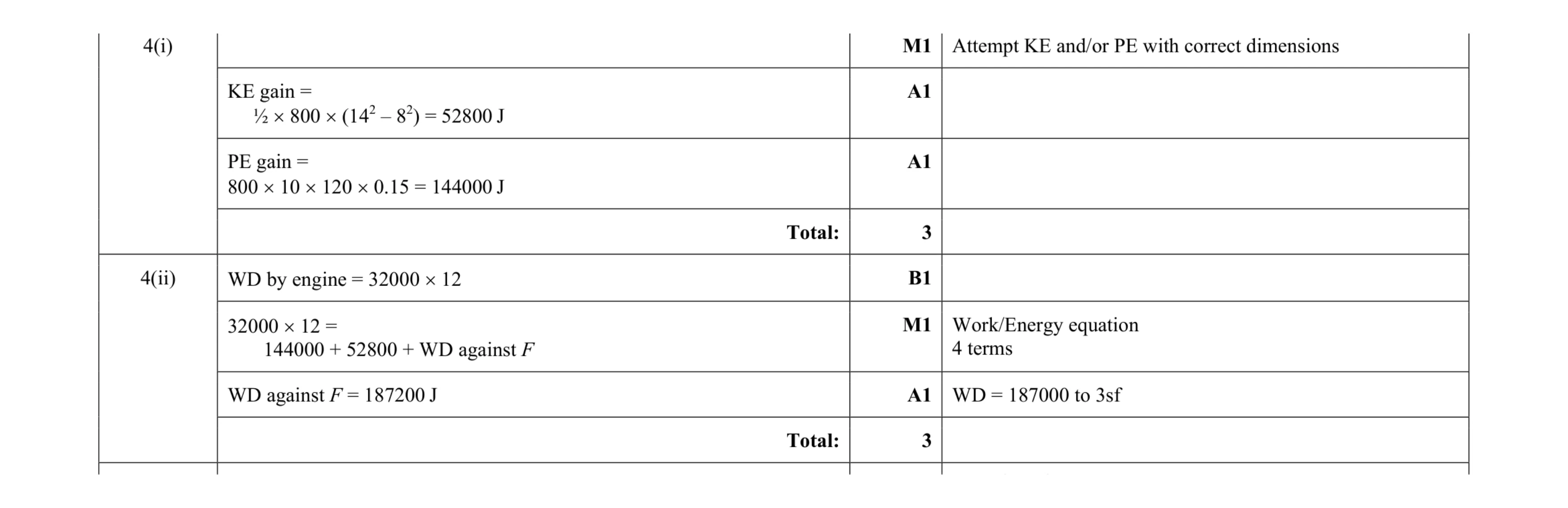 6
6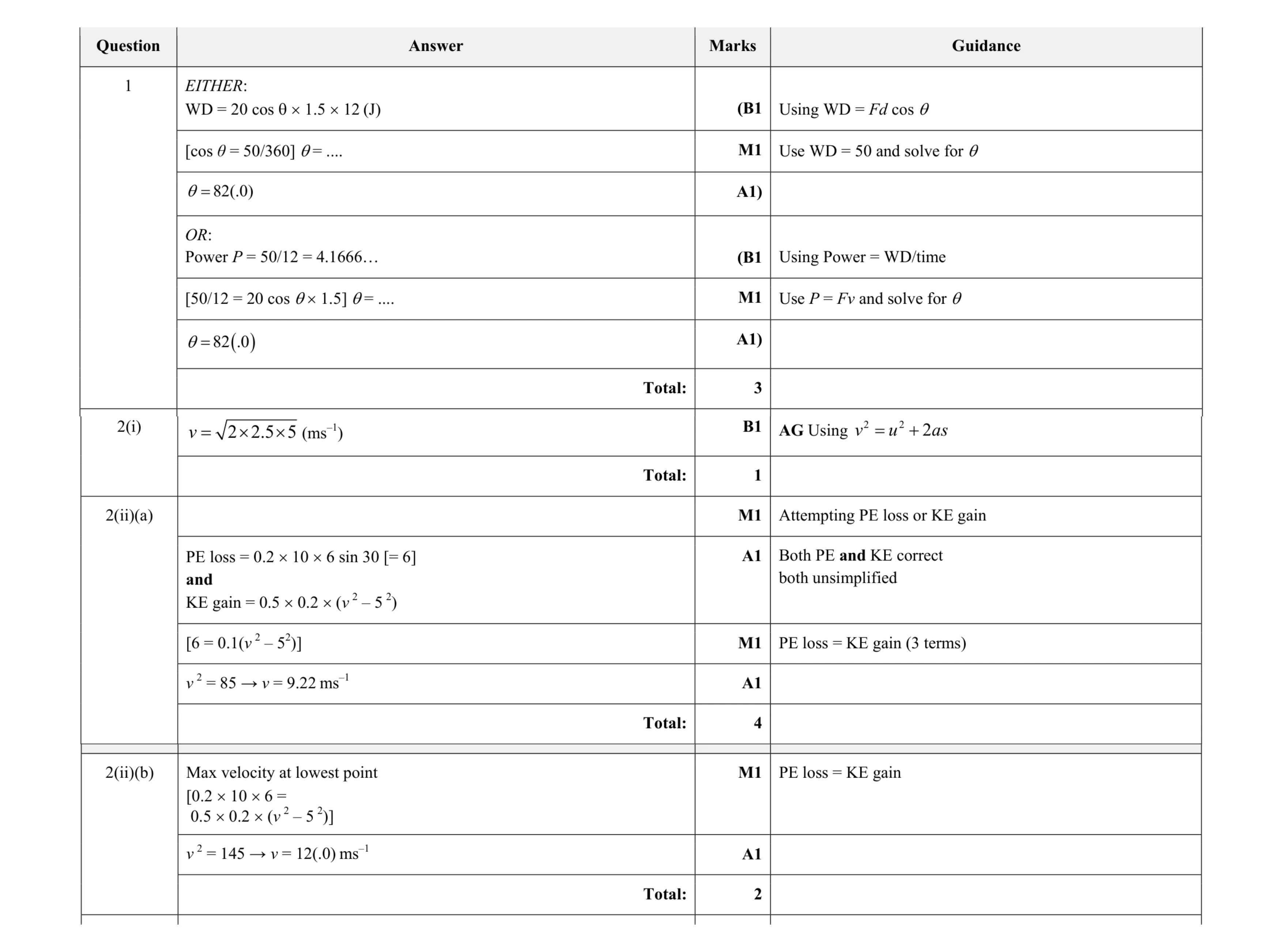 7
7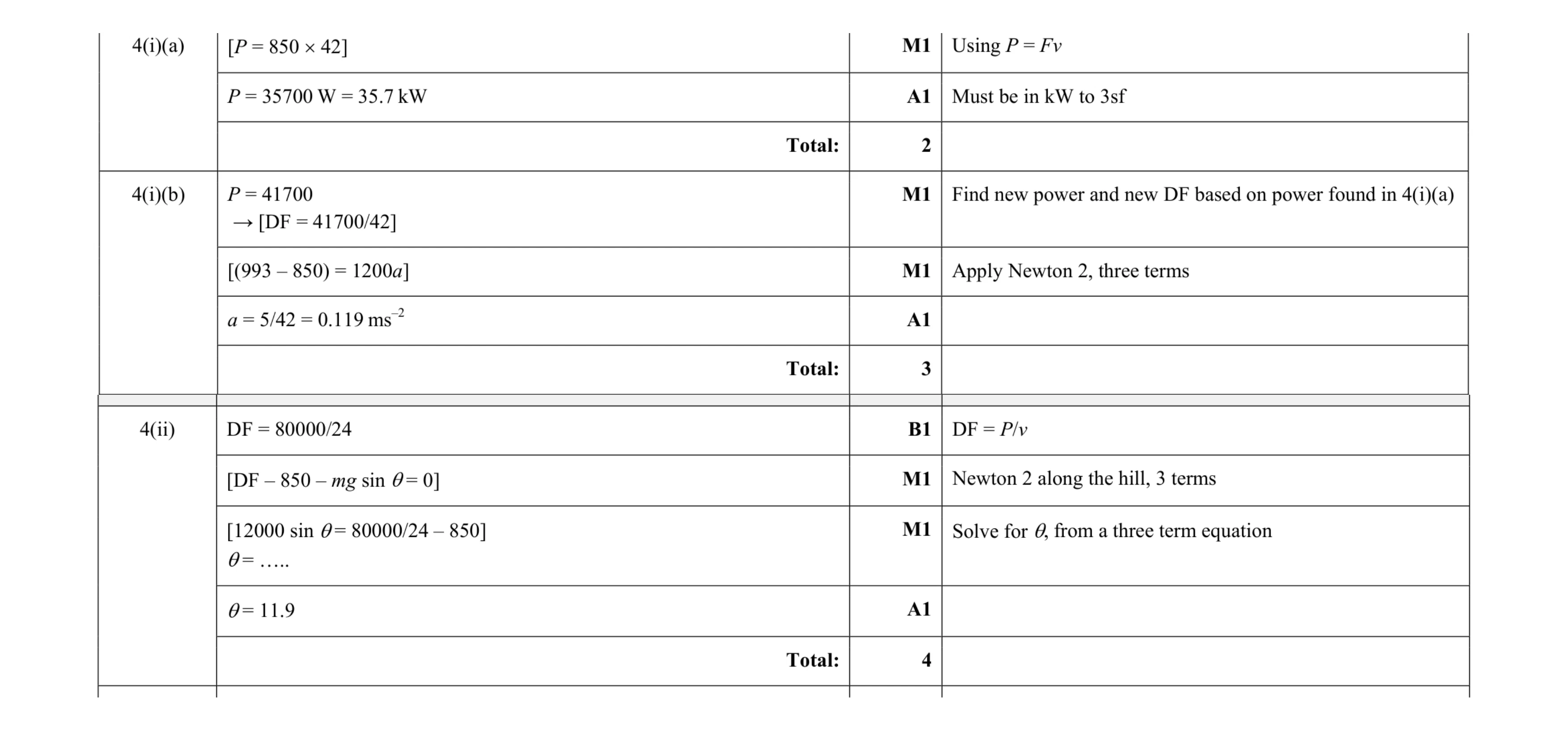 9
9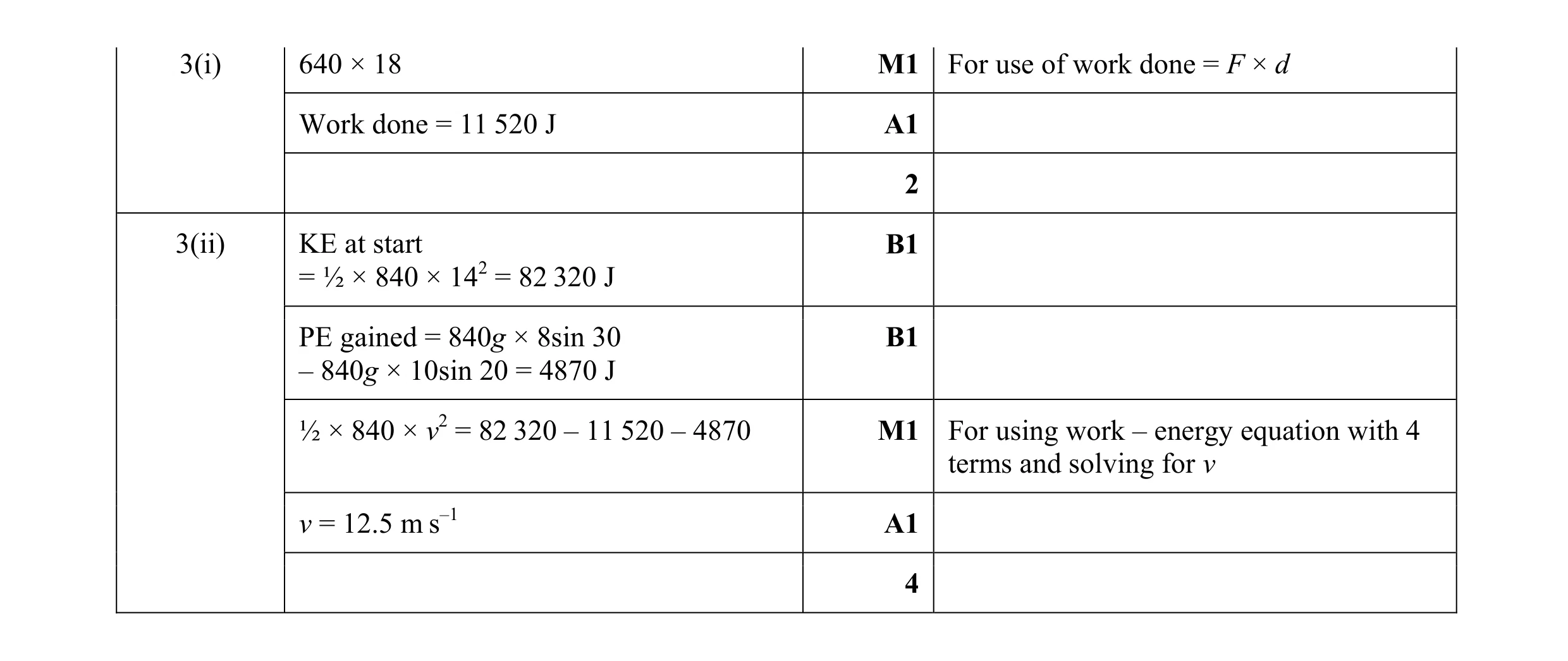 6
6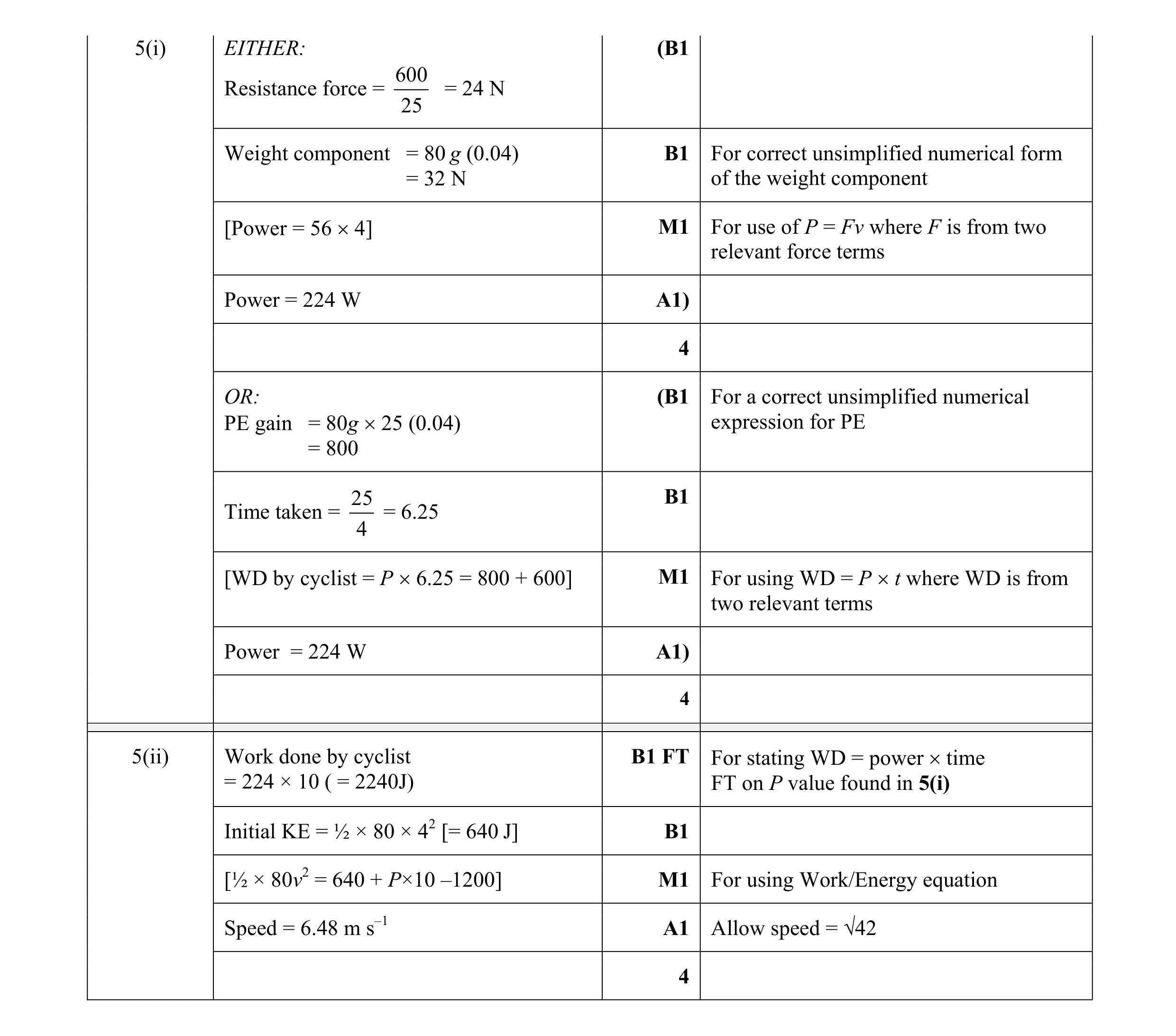 8
8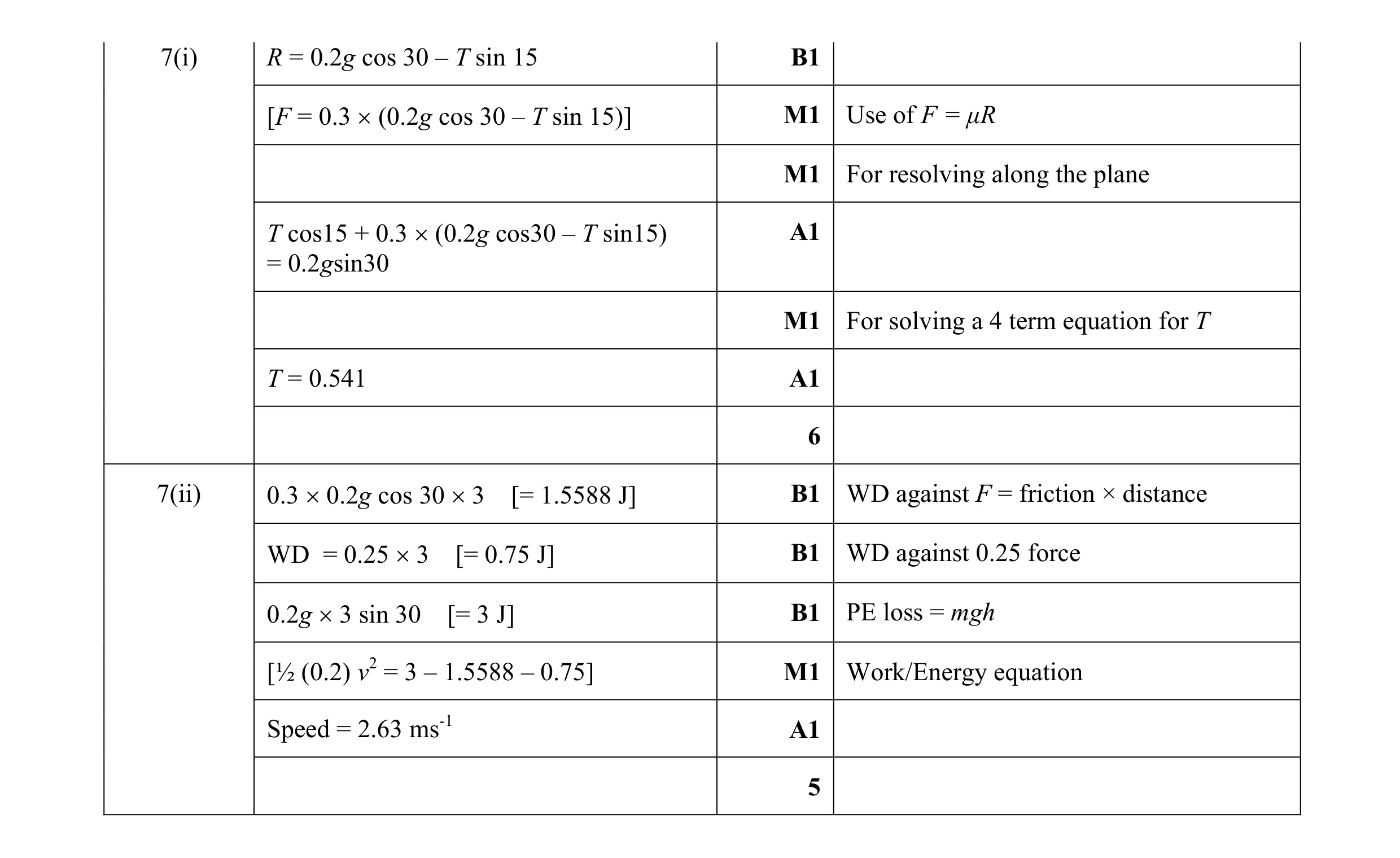 11
11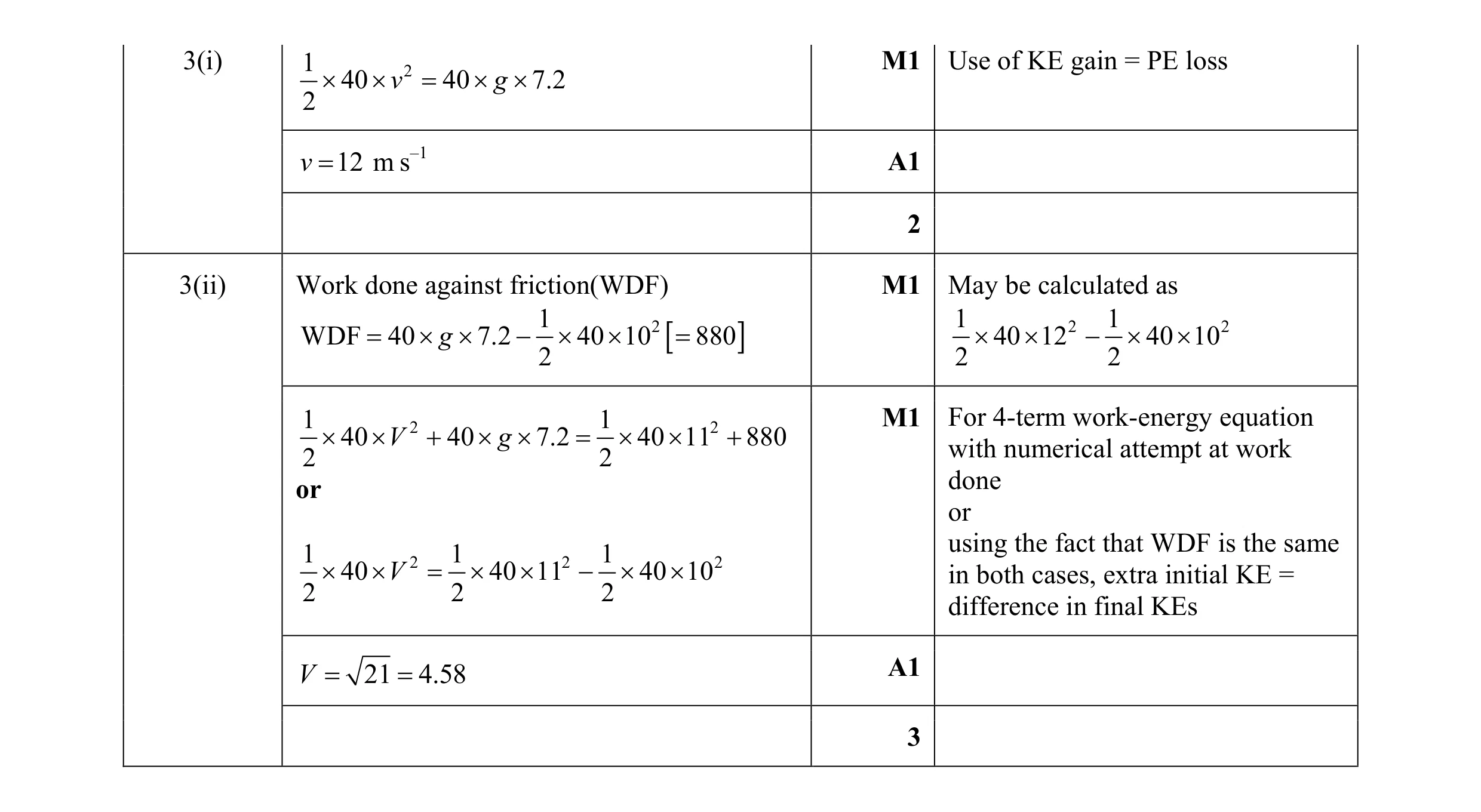 5
5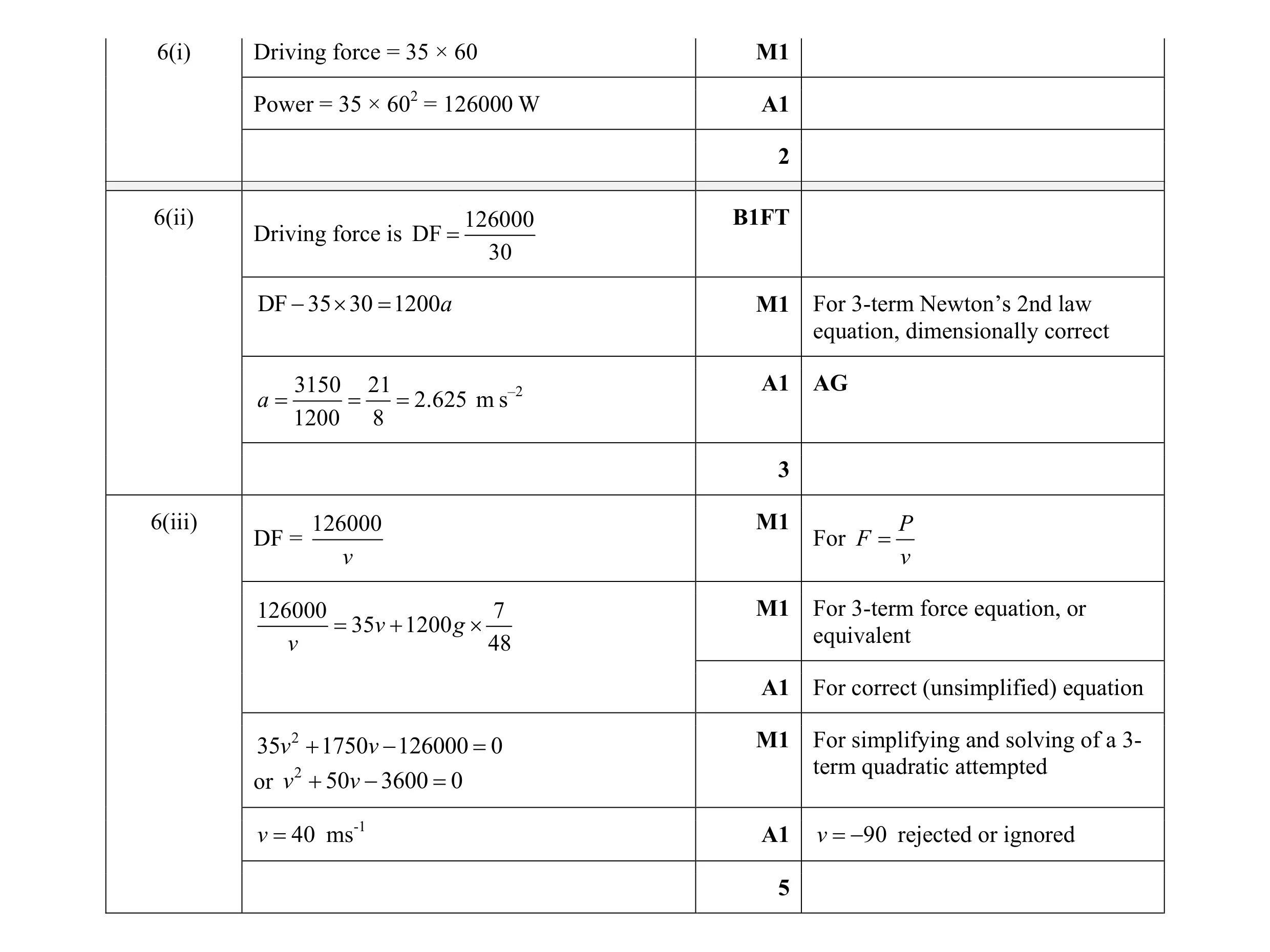 10
10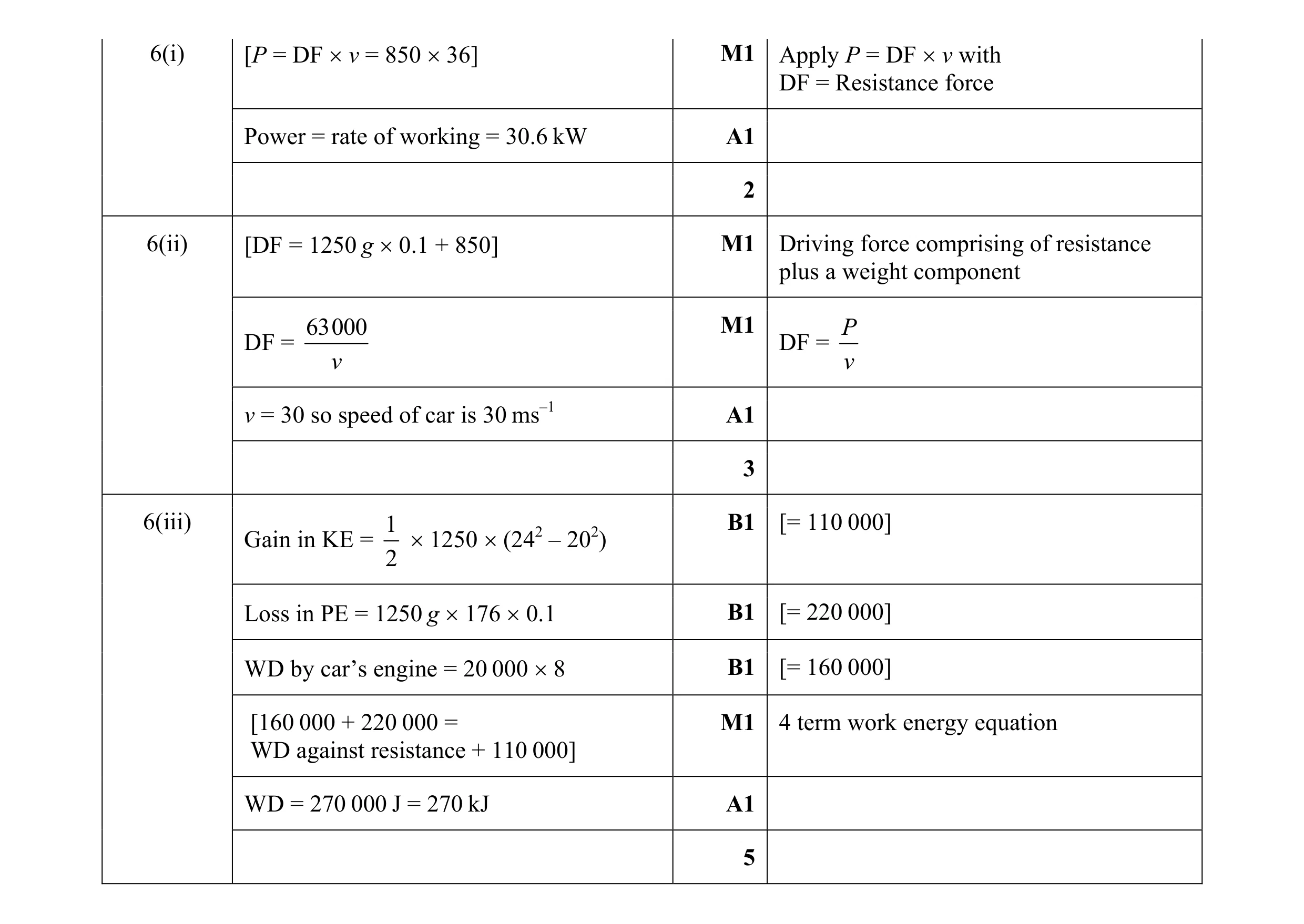 10
10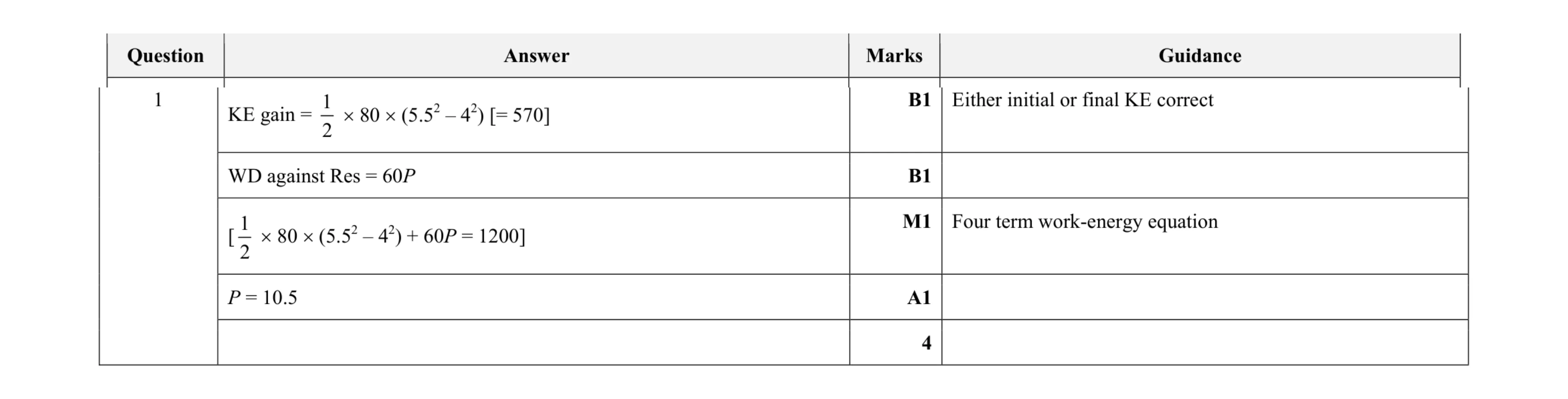 4
4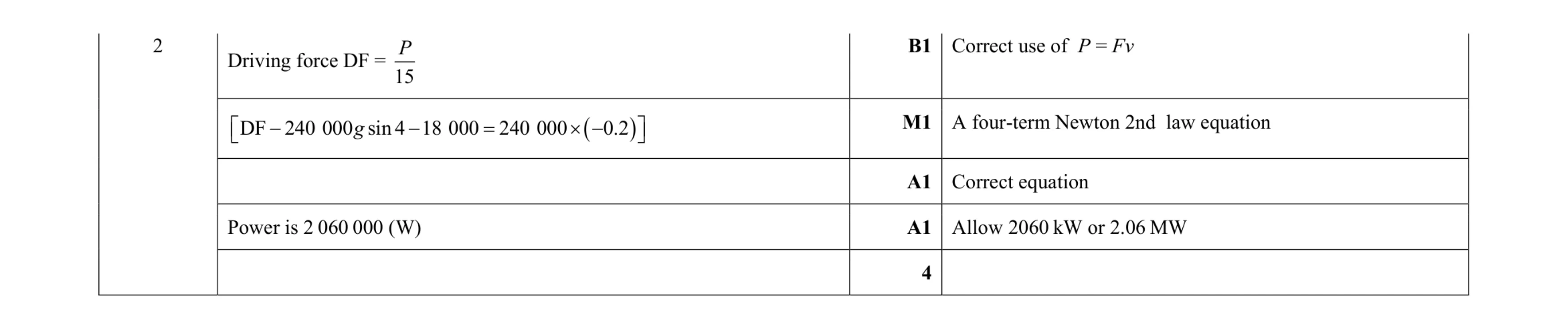 4
4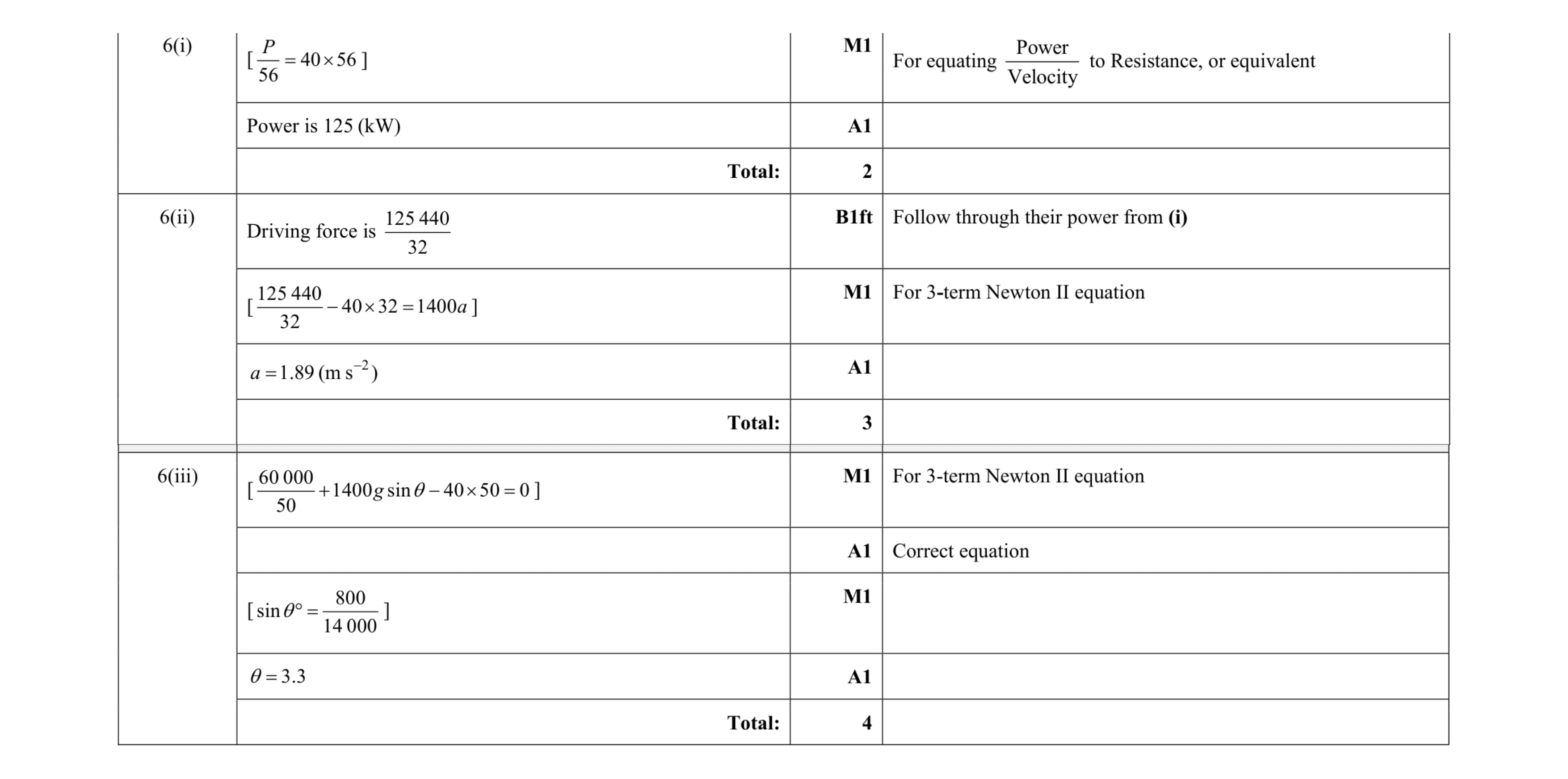 9
9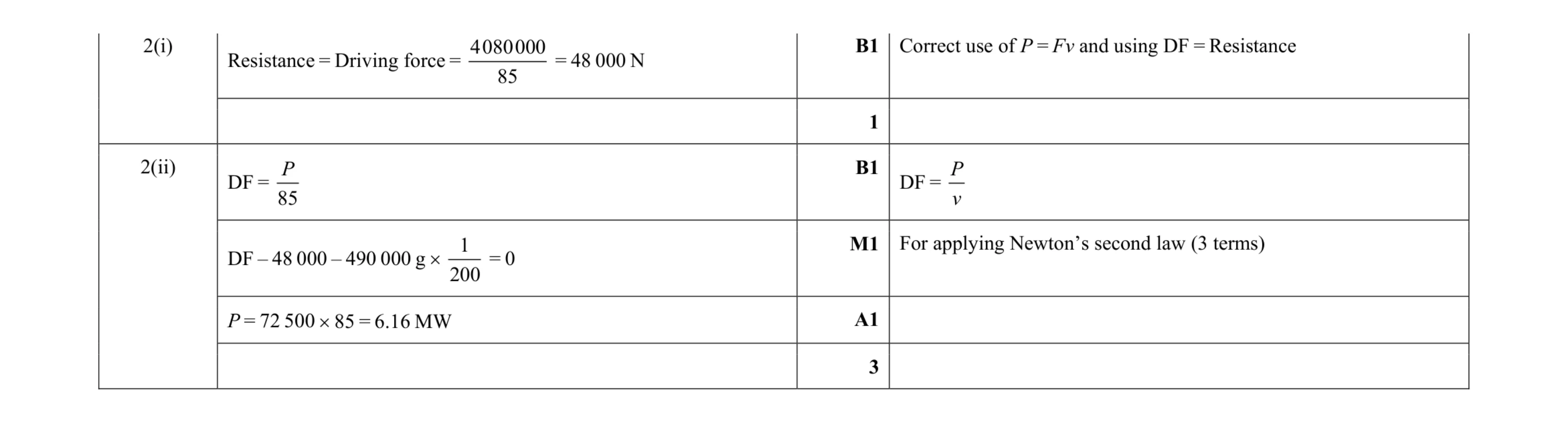 4
4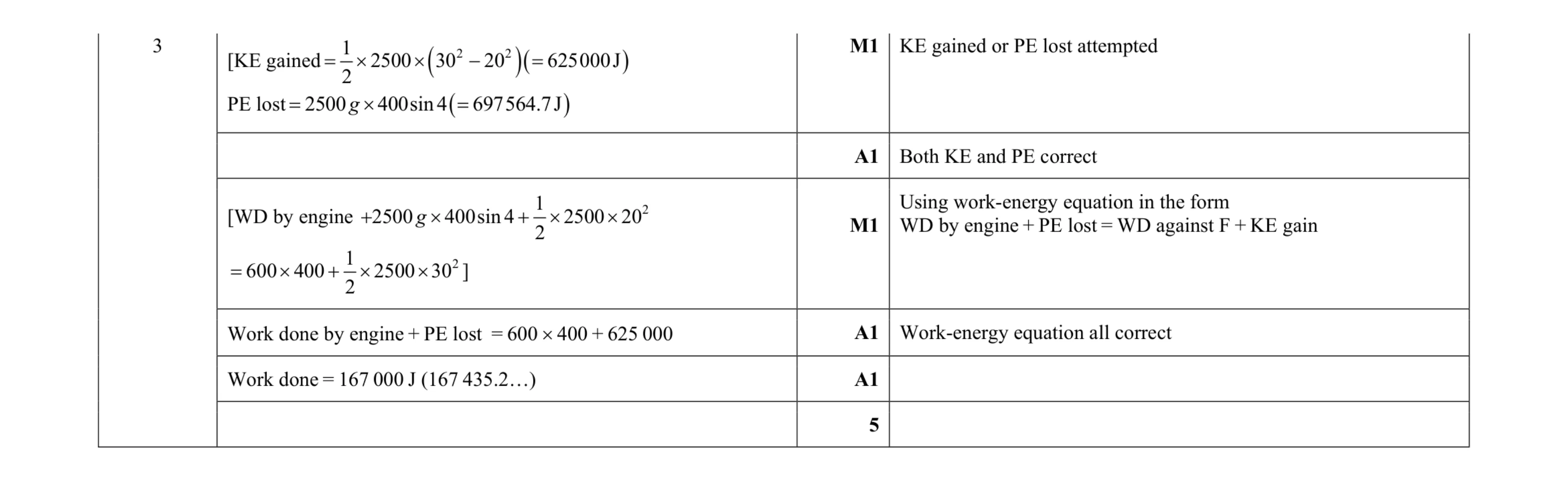 5
5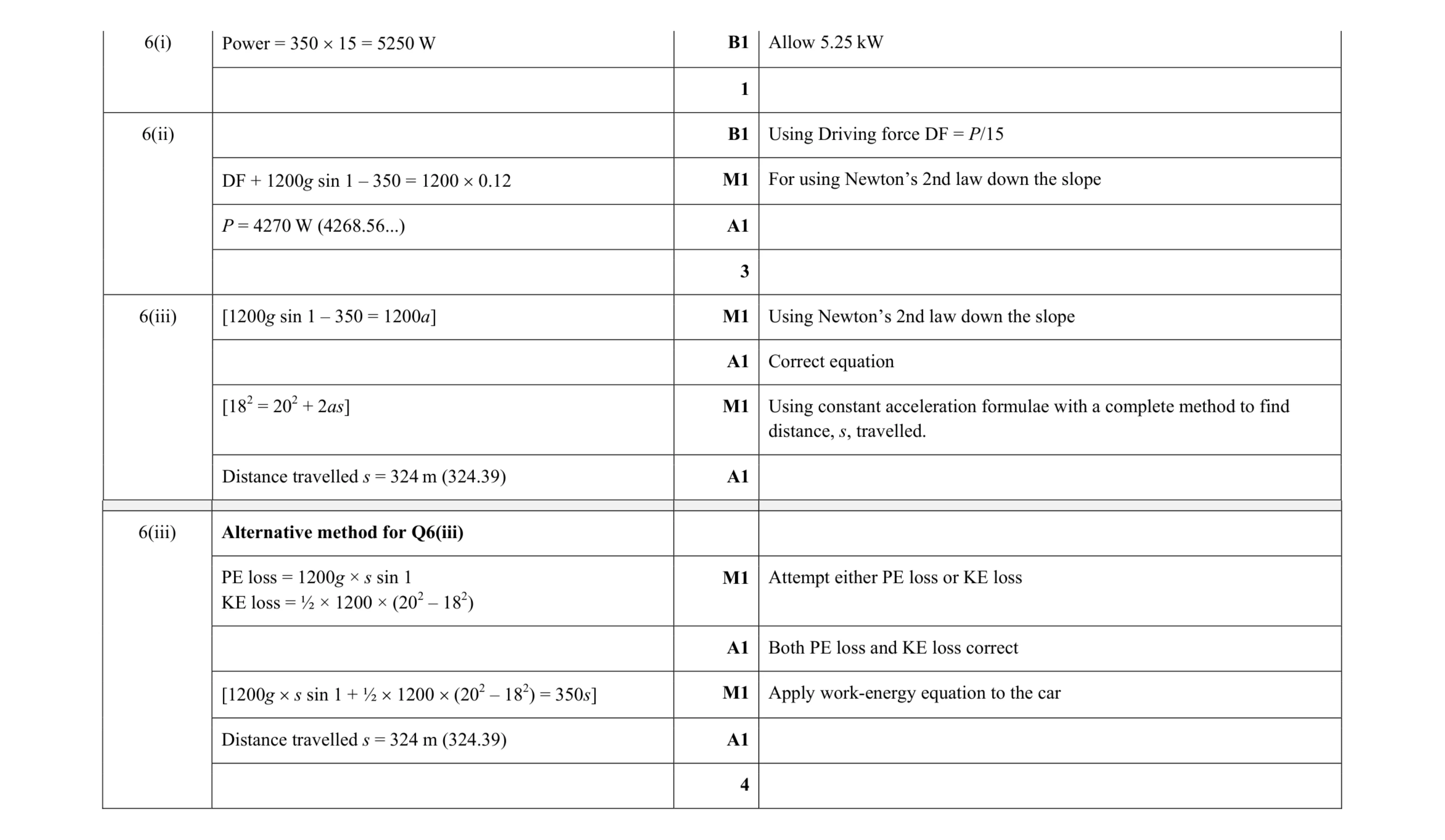 8
8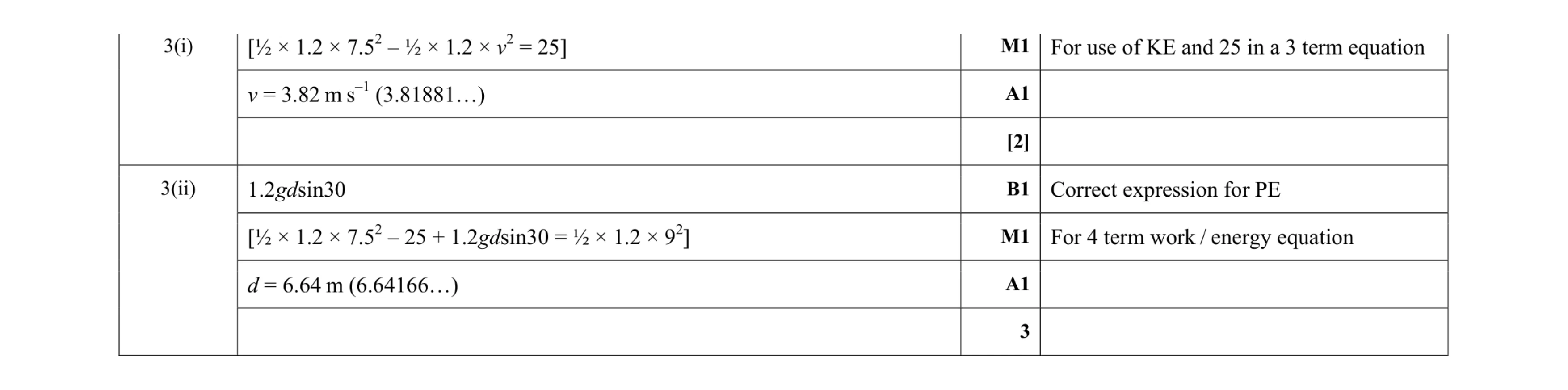 5
5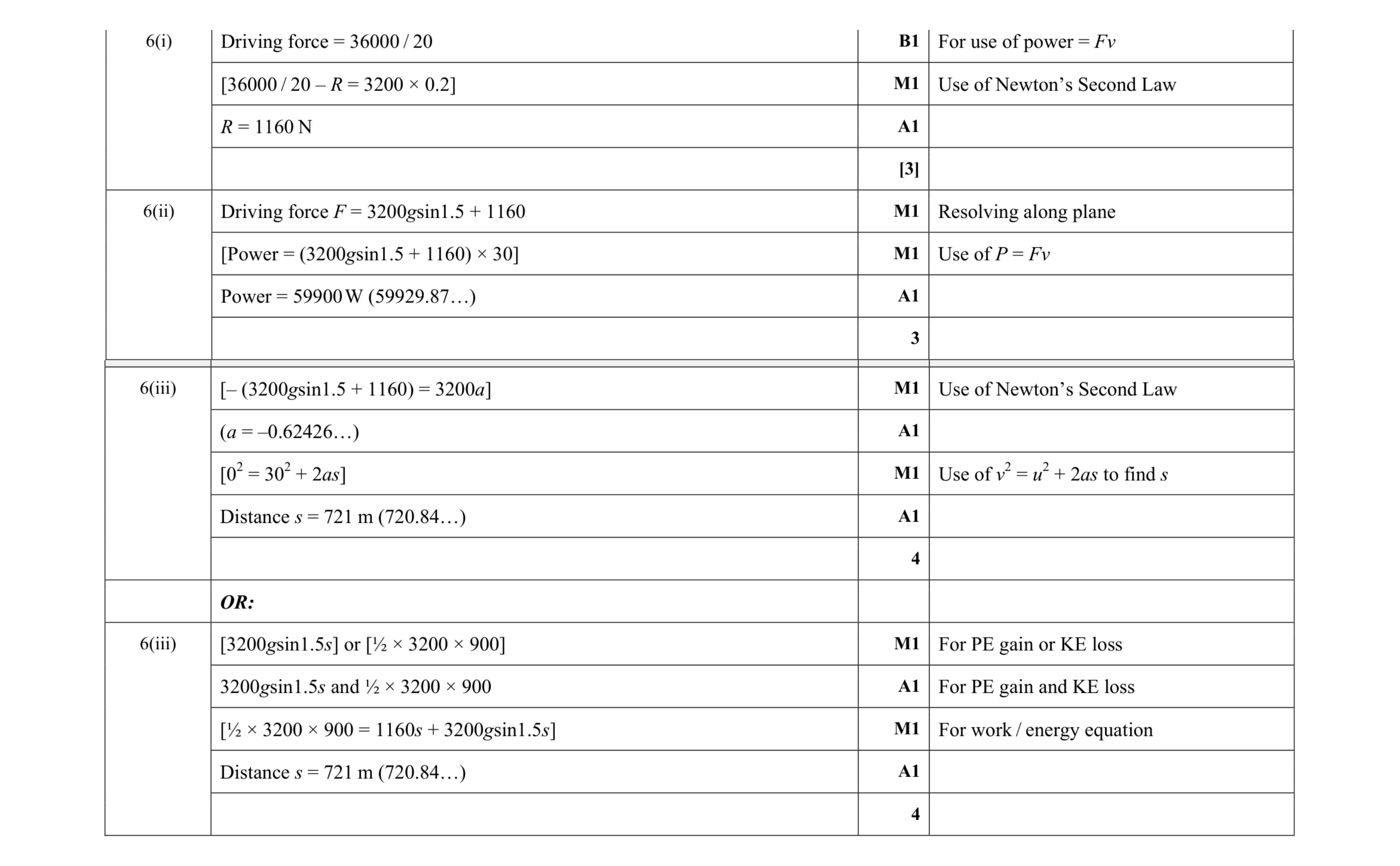 10
10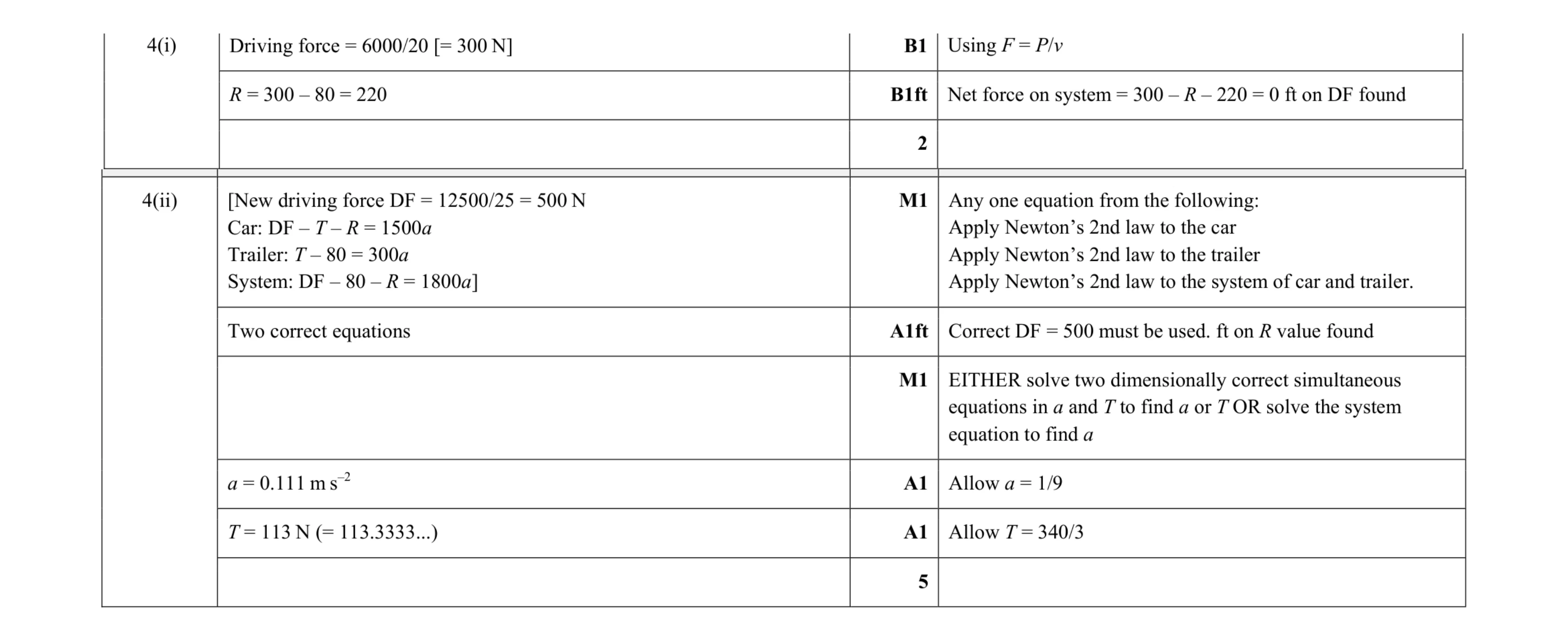 7
7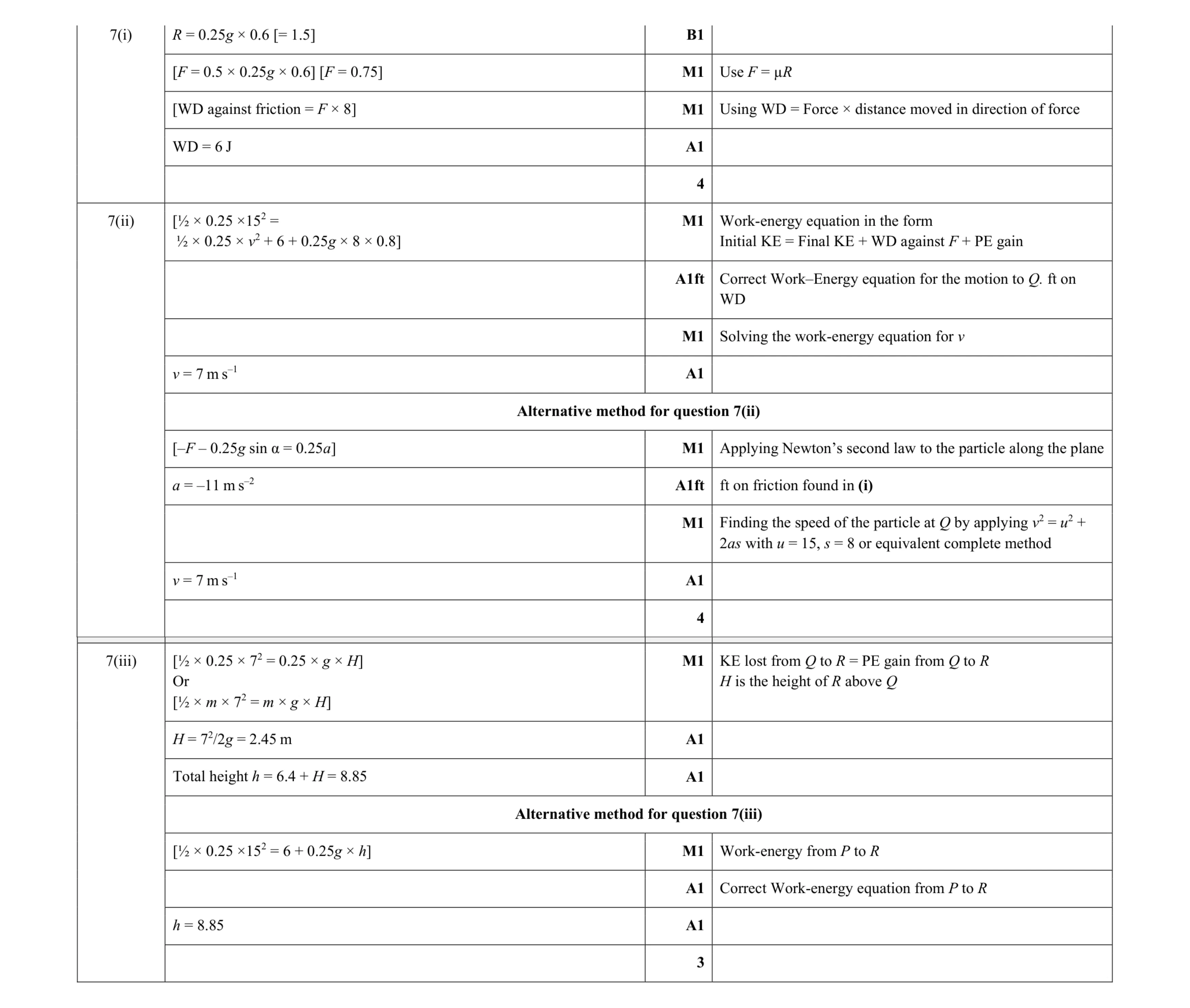 11
11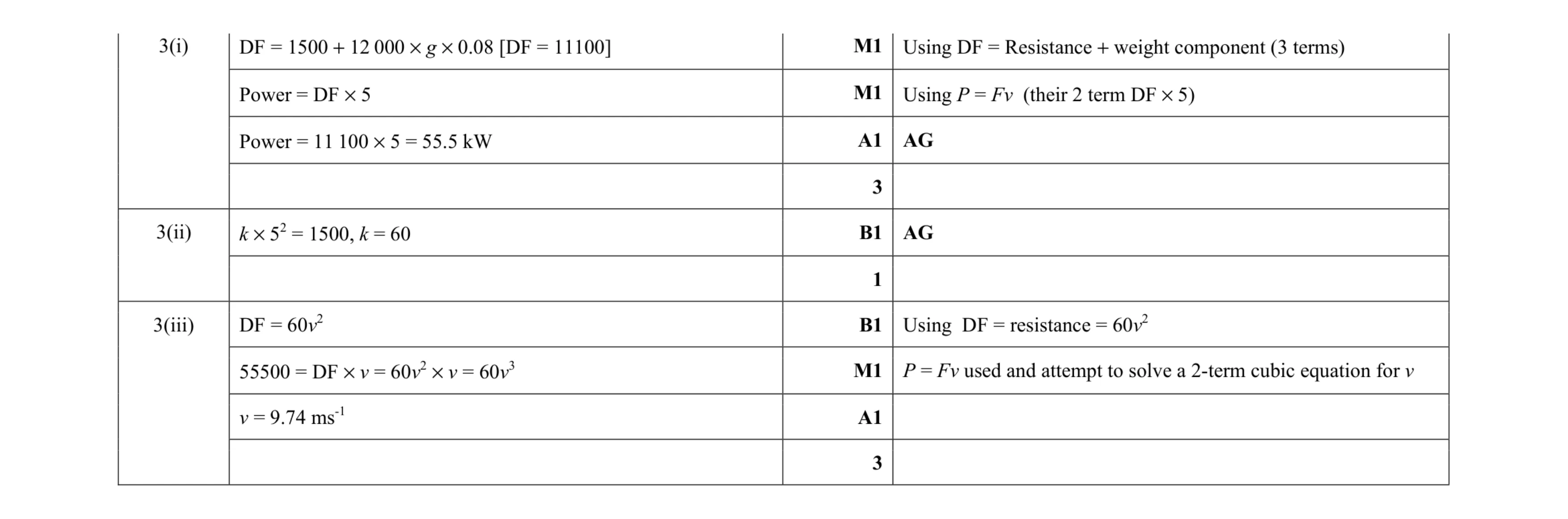 7
7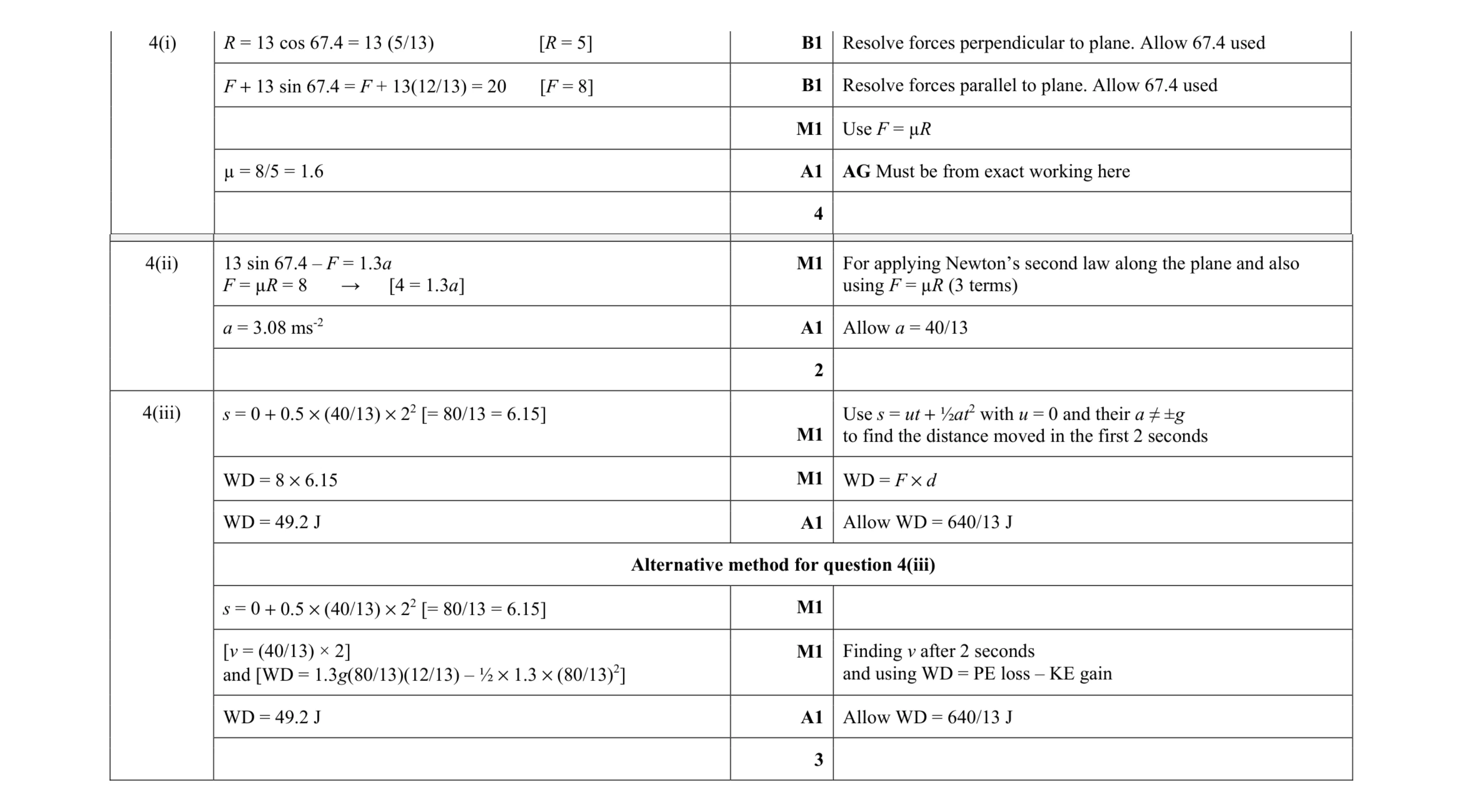 9
9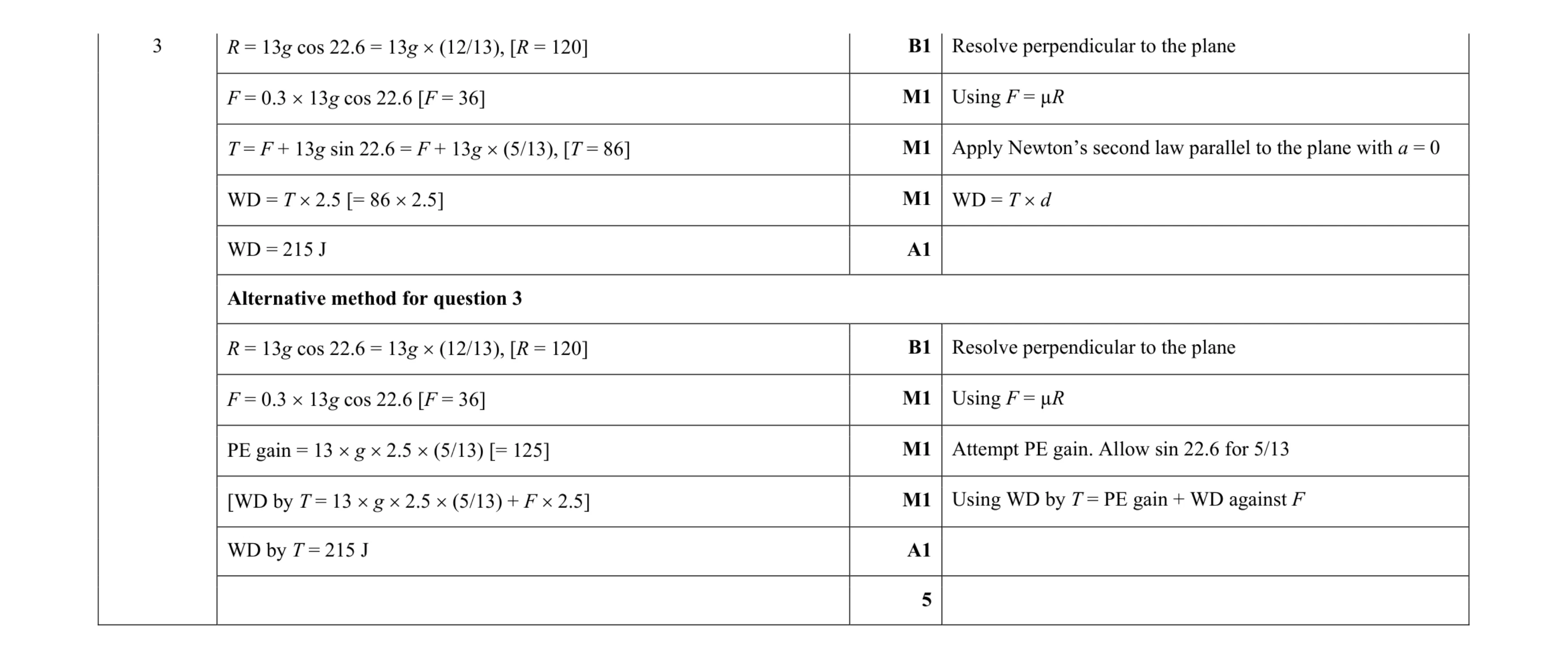 5
5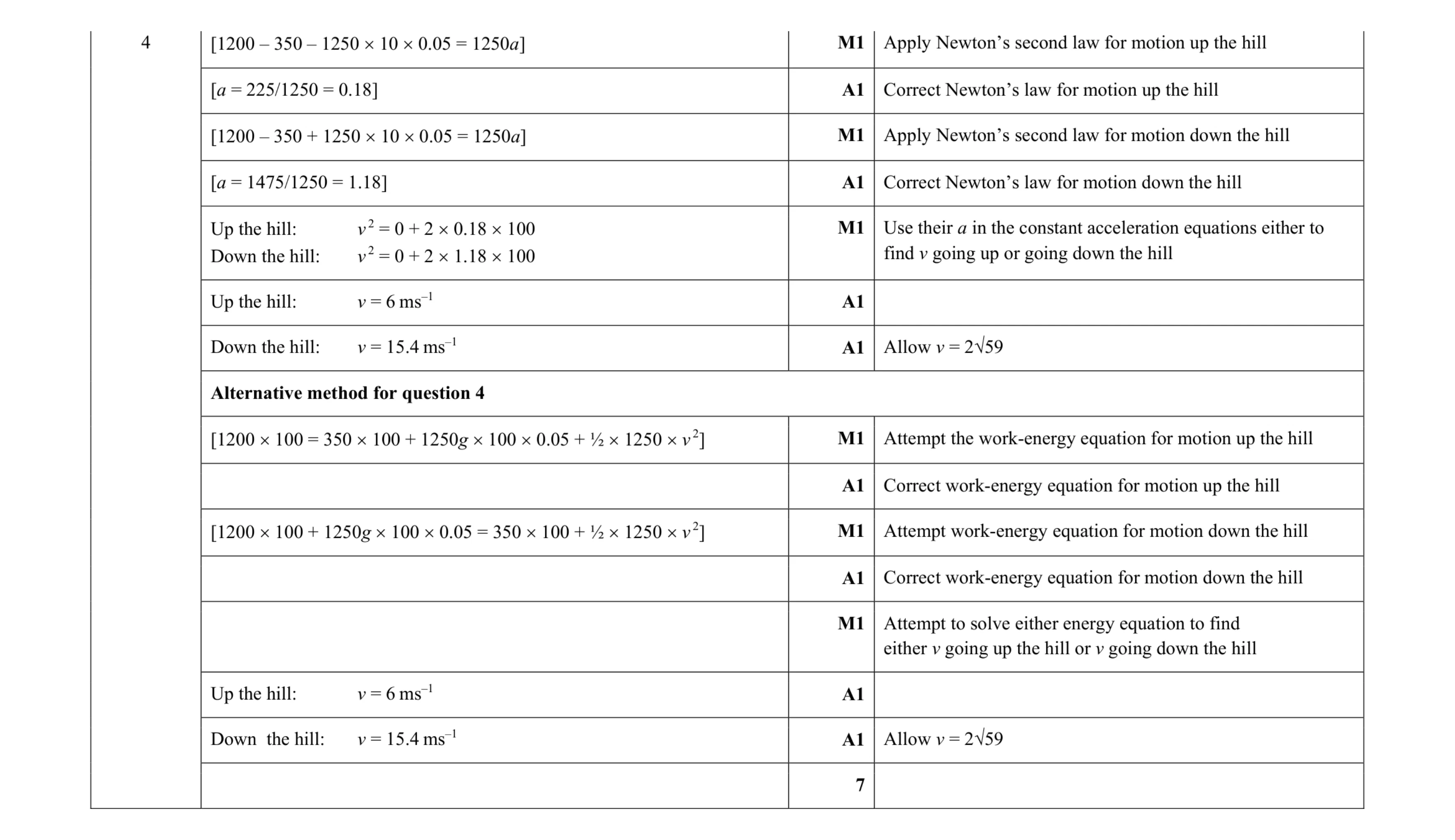 7
7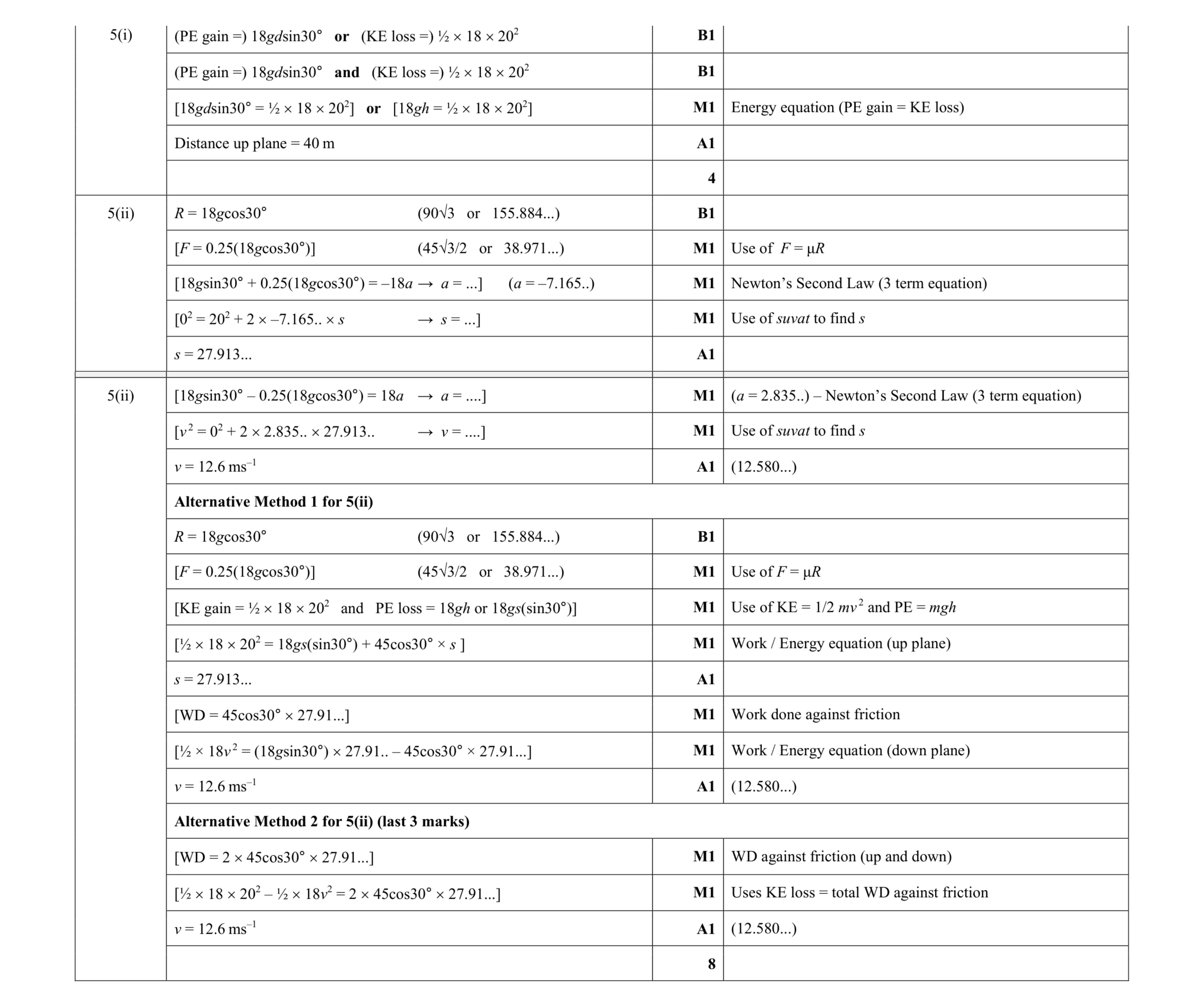 12
12 2
2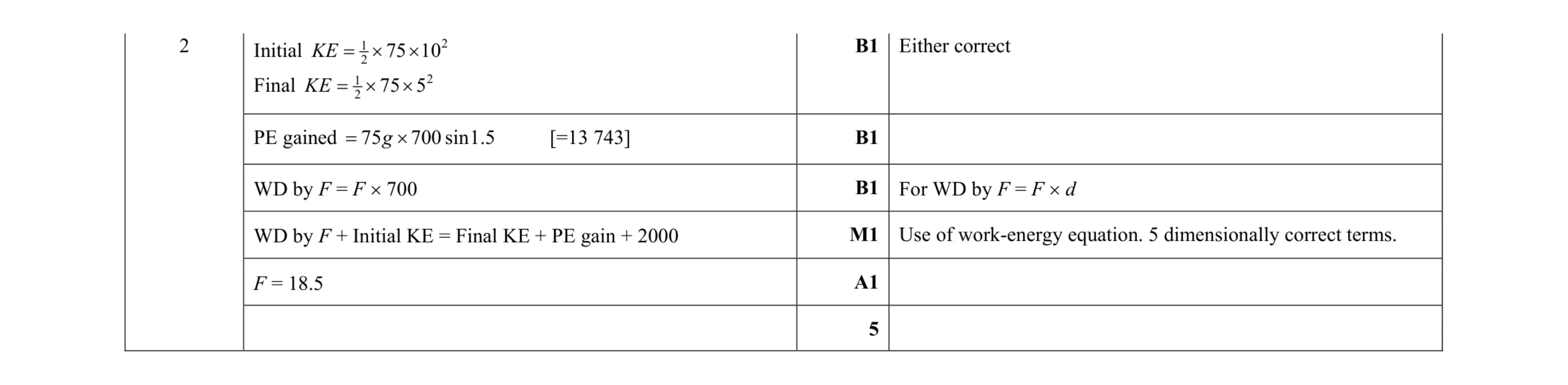 5
5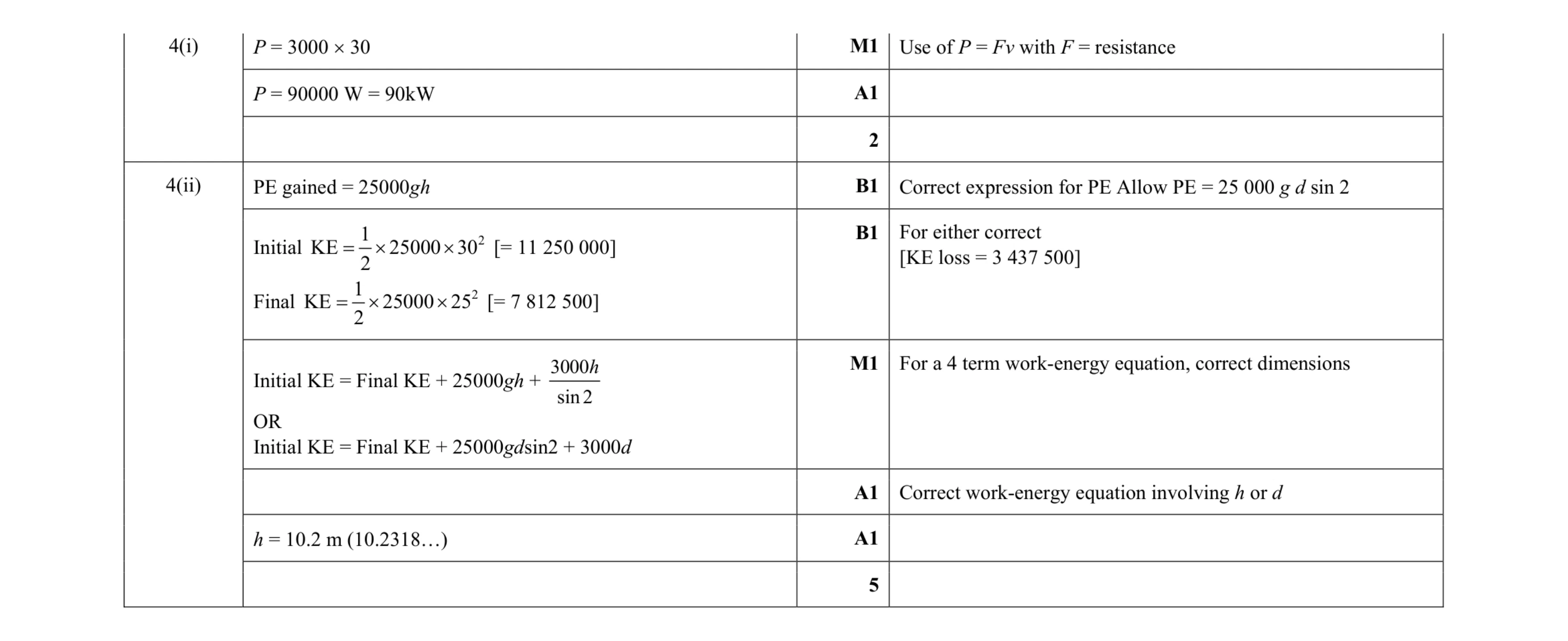 7
7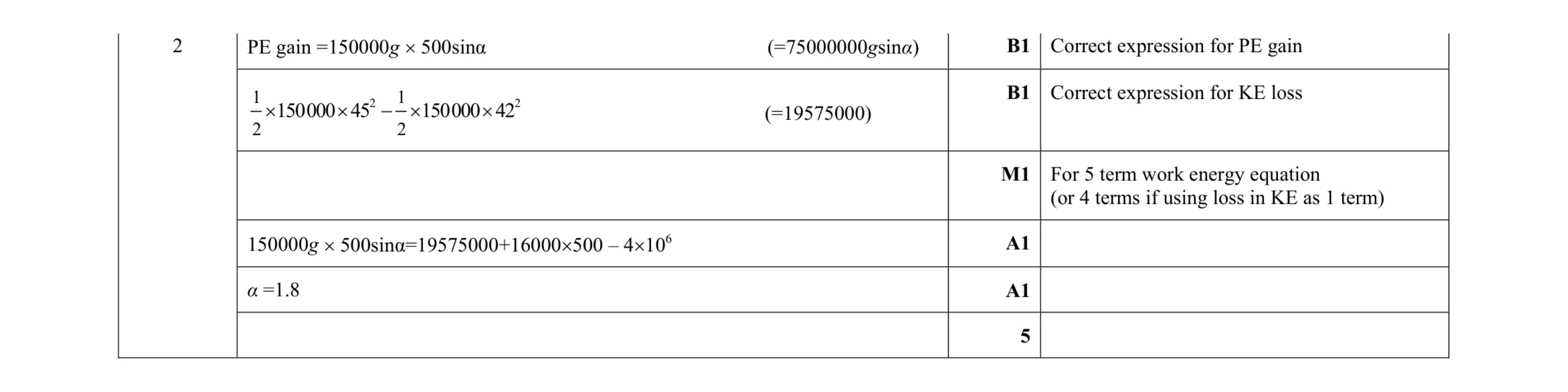 5
5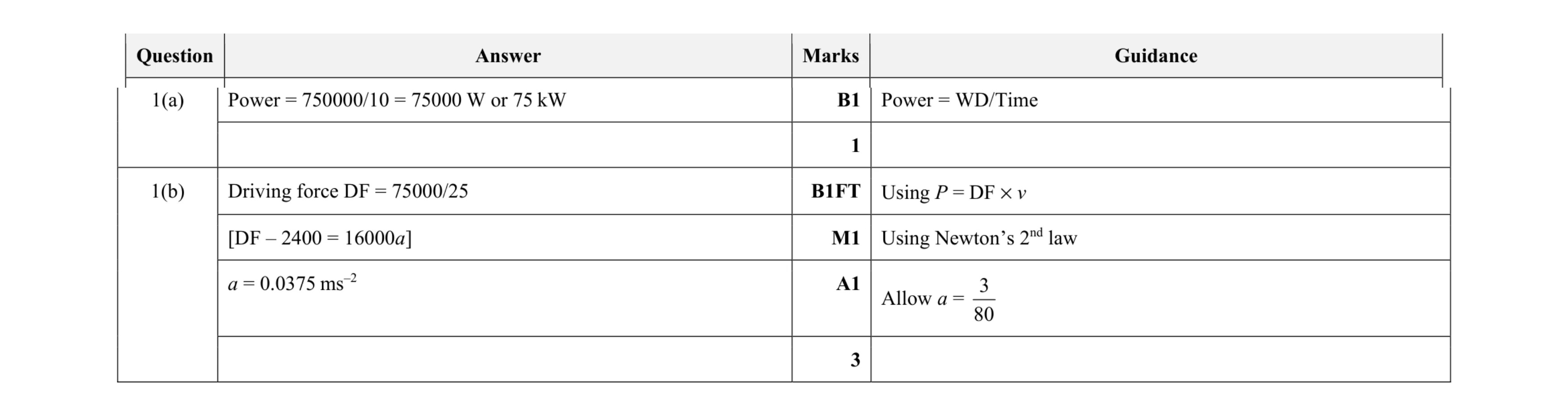 4
4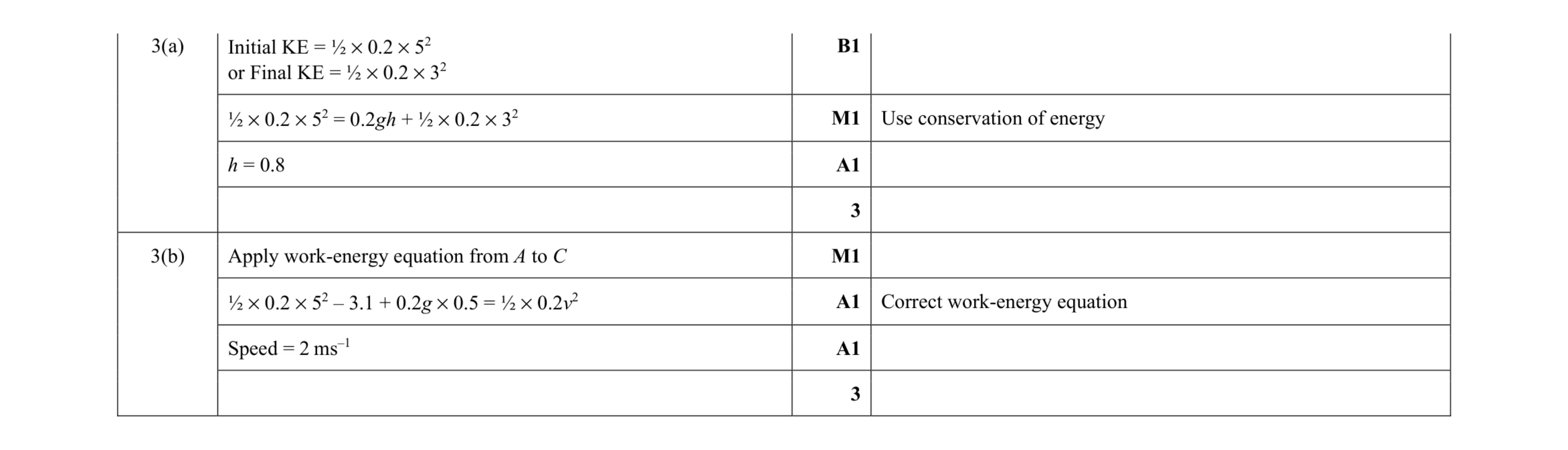 6
6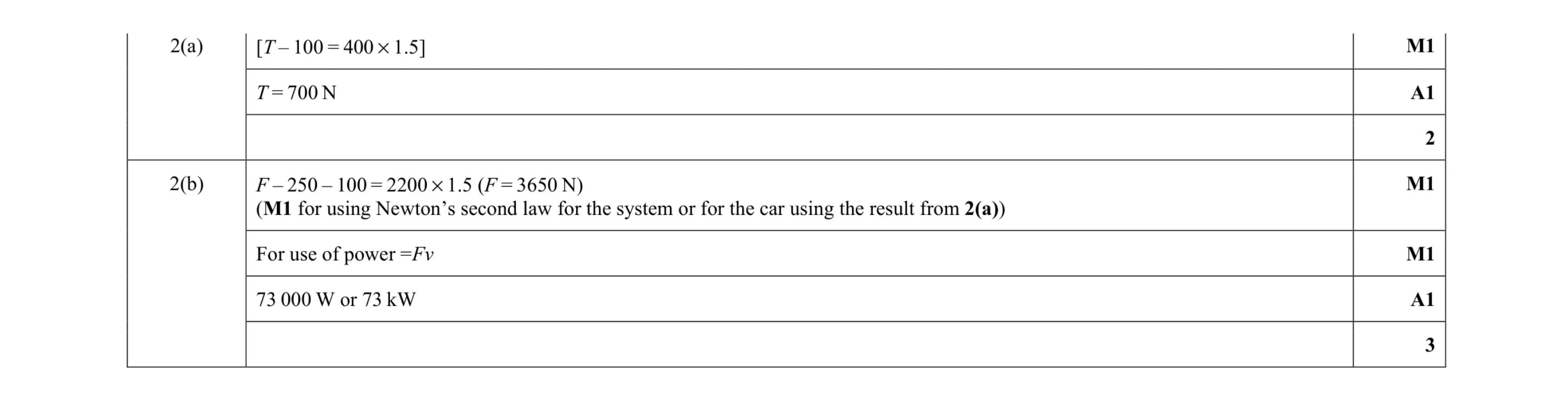 5
5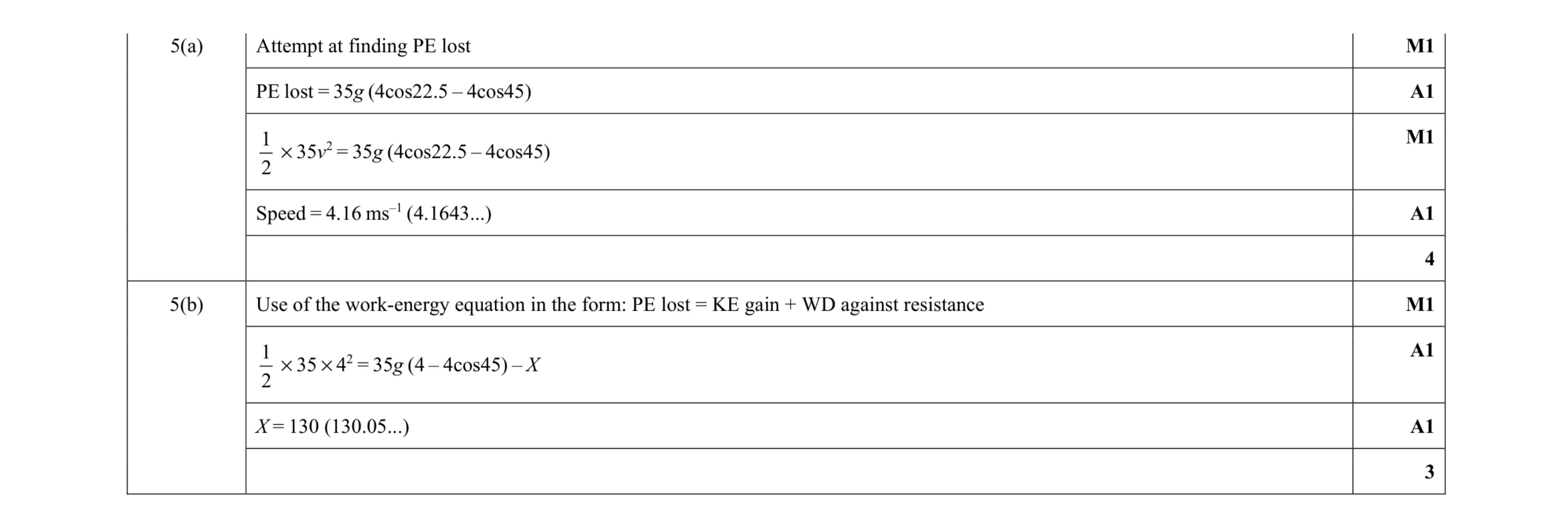 7
7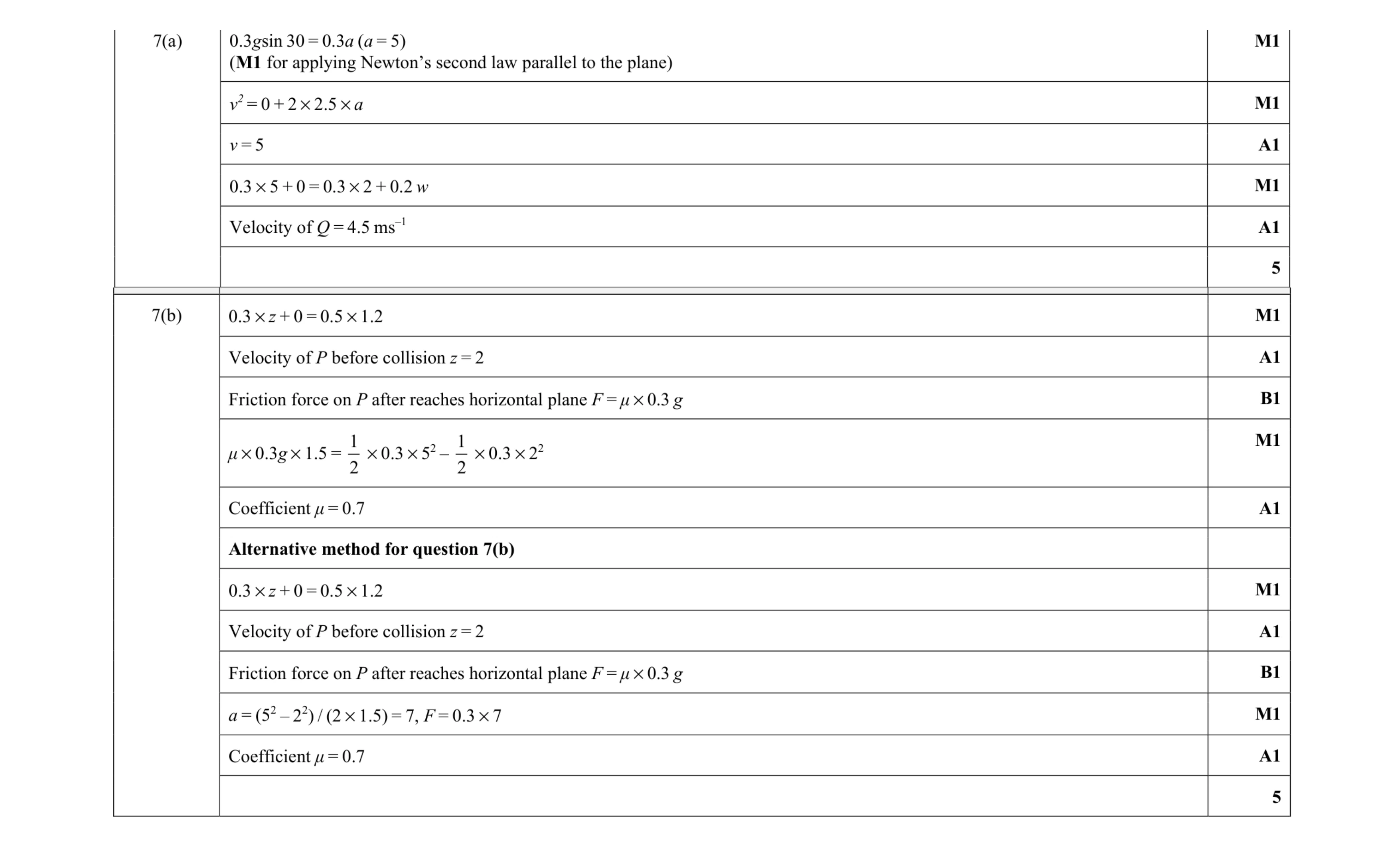 10
10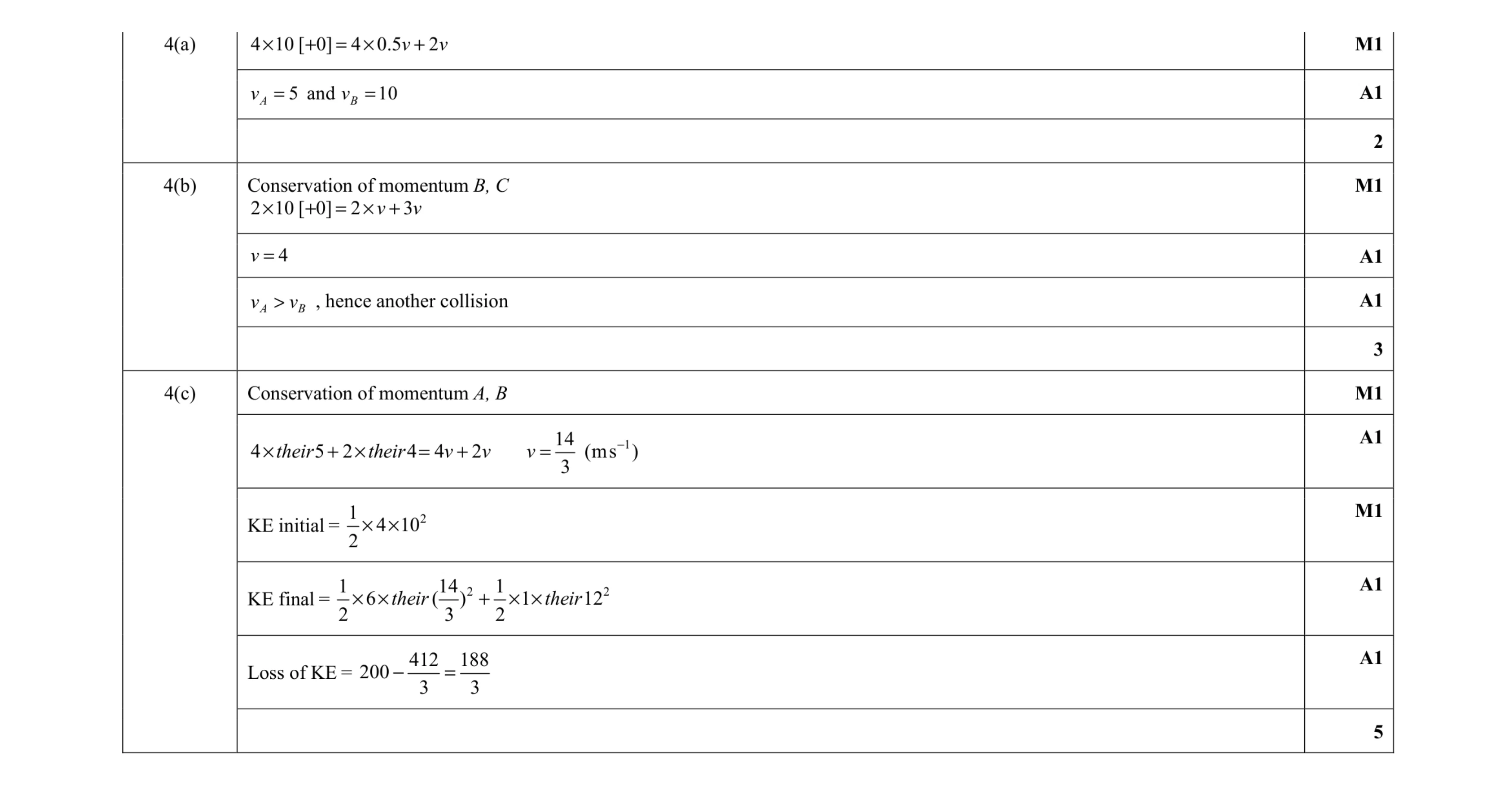 10
10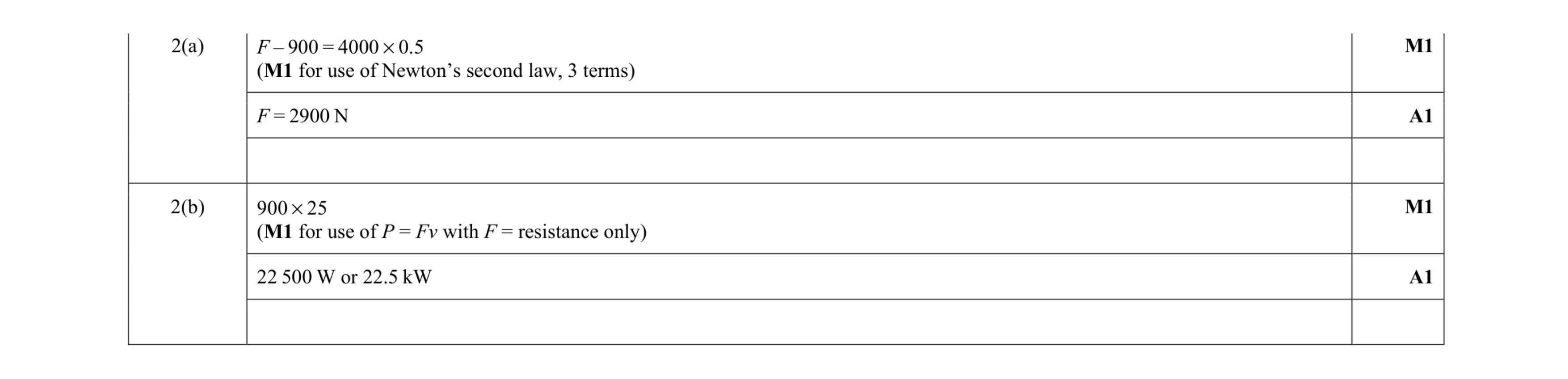 4
4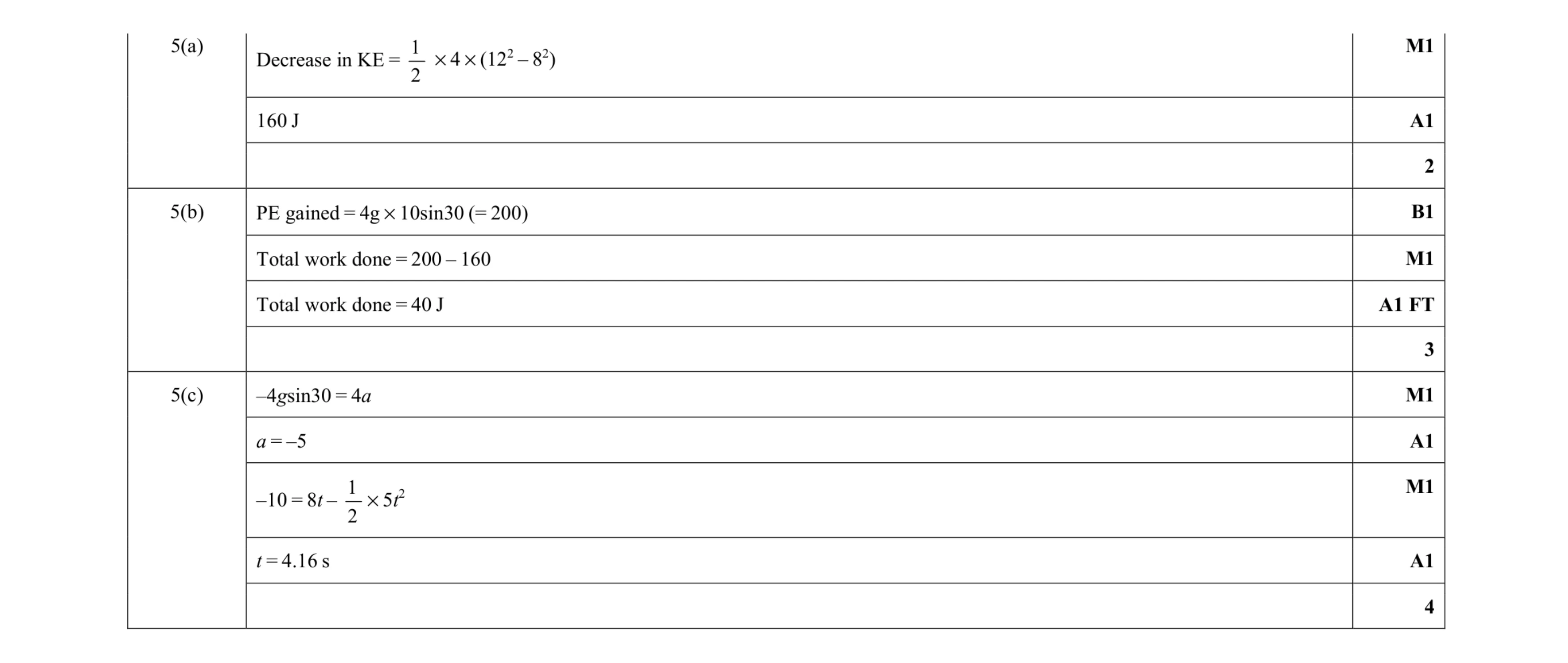 9
9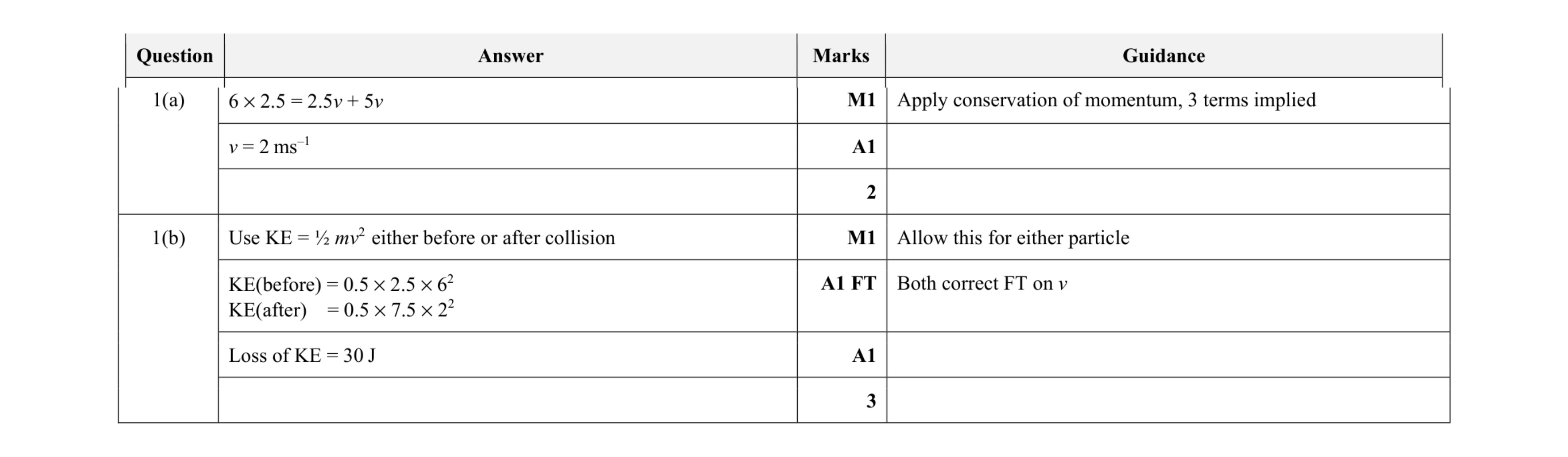 5
5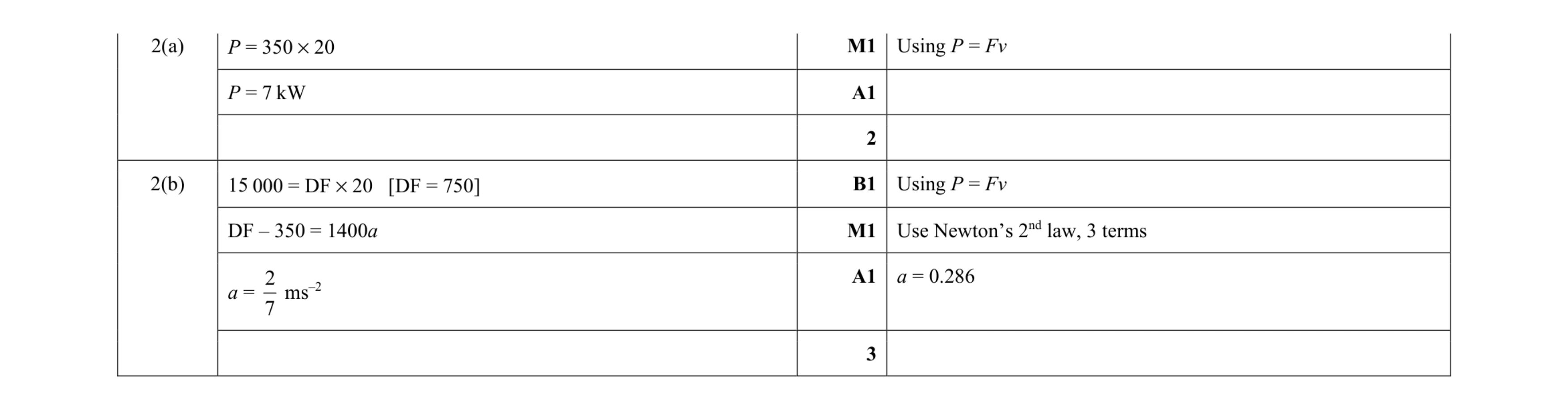 5
5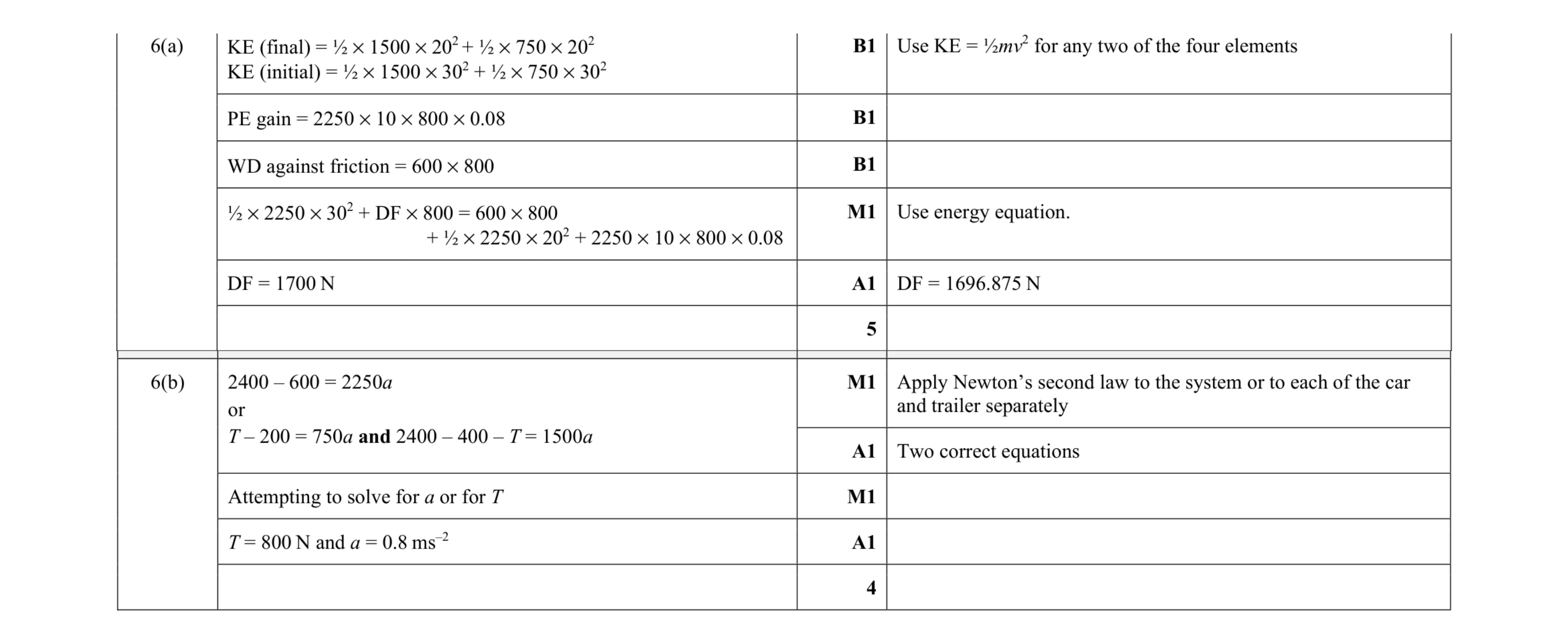 9
9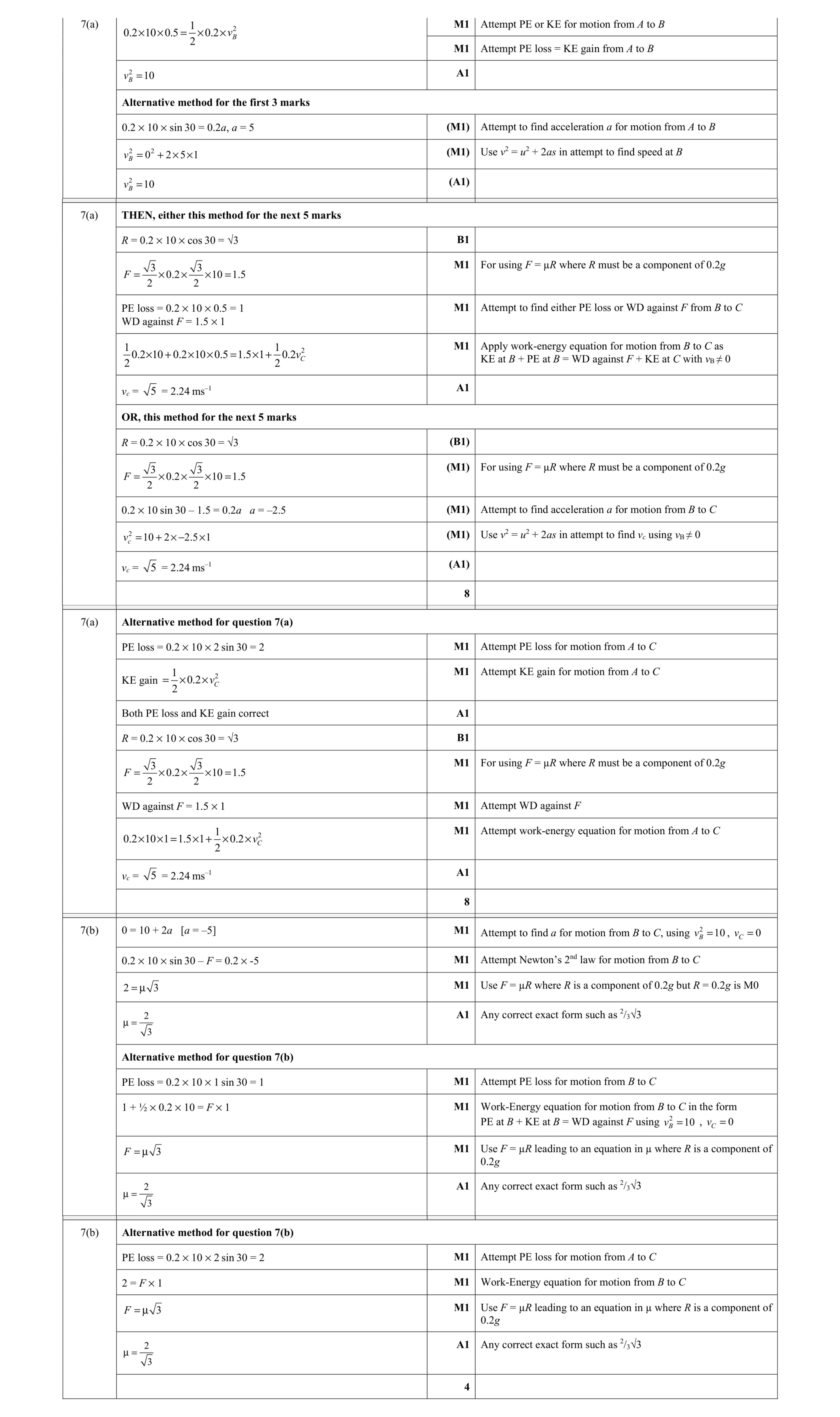 12
12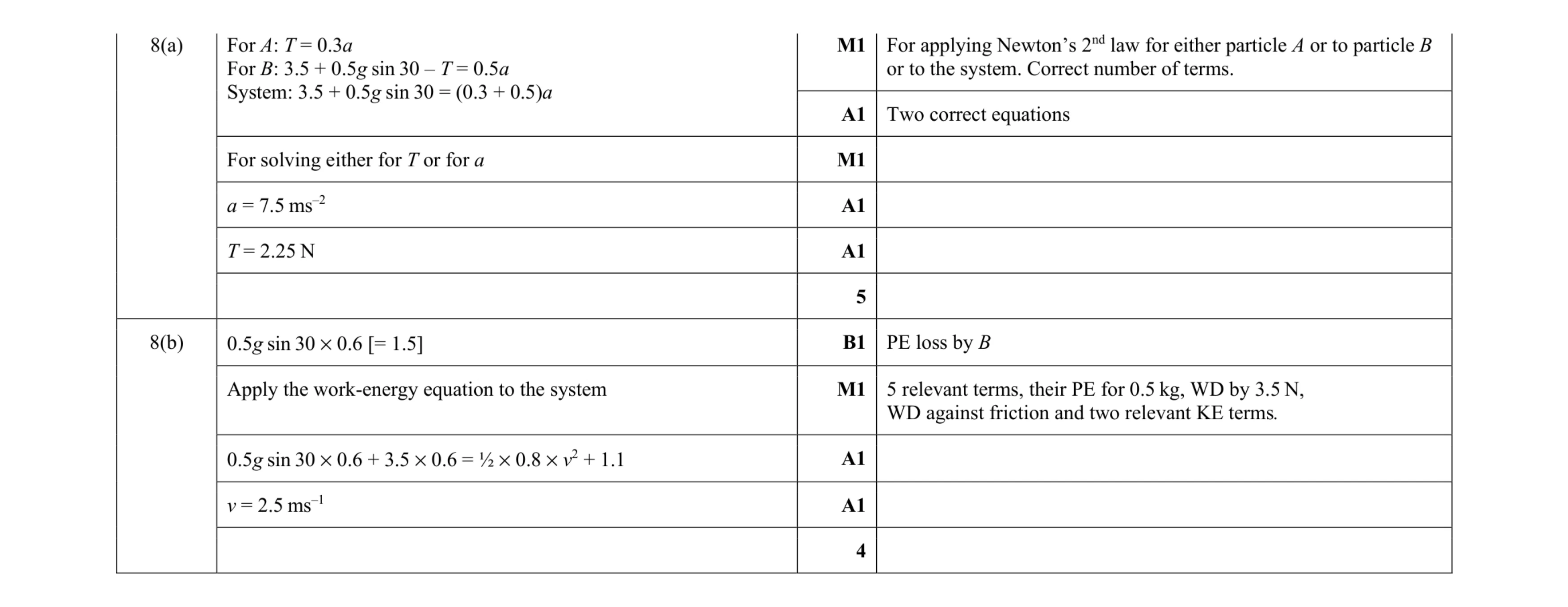 9
9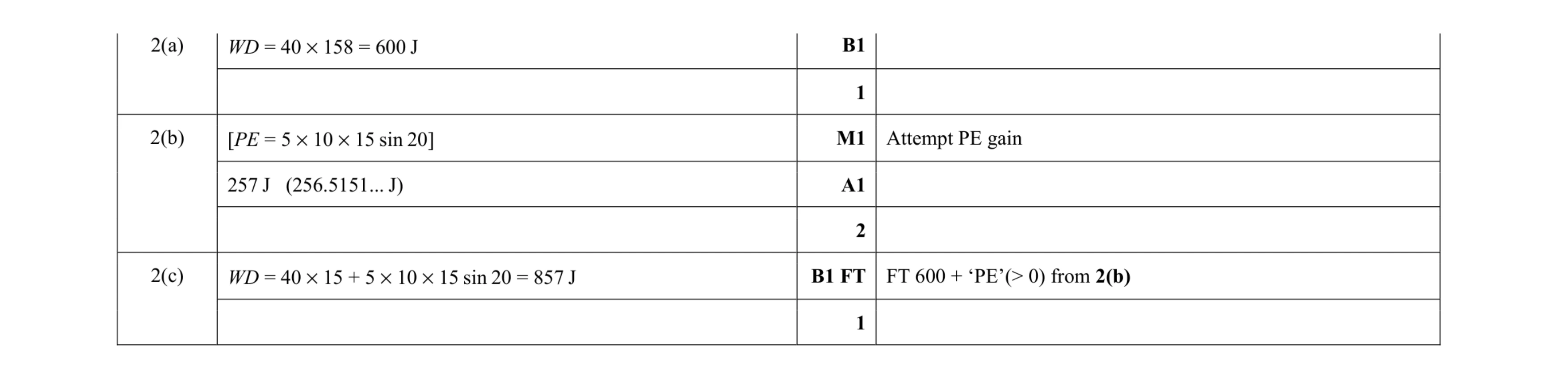 4
4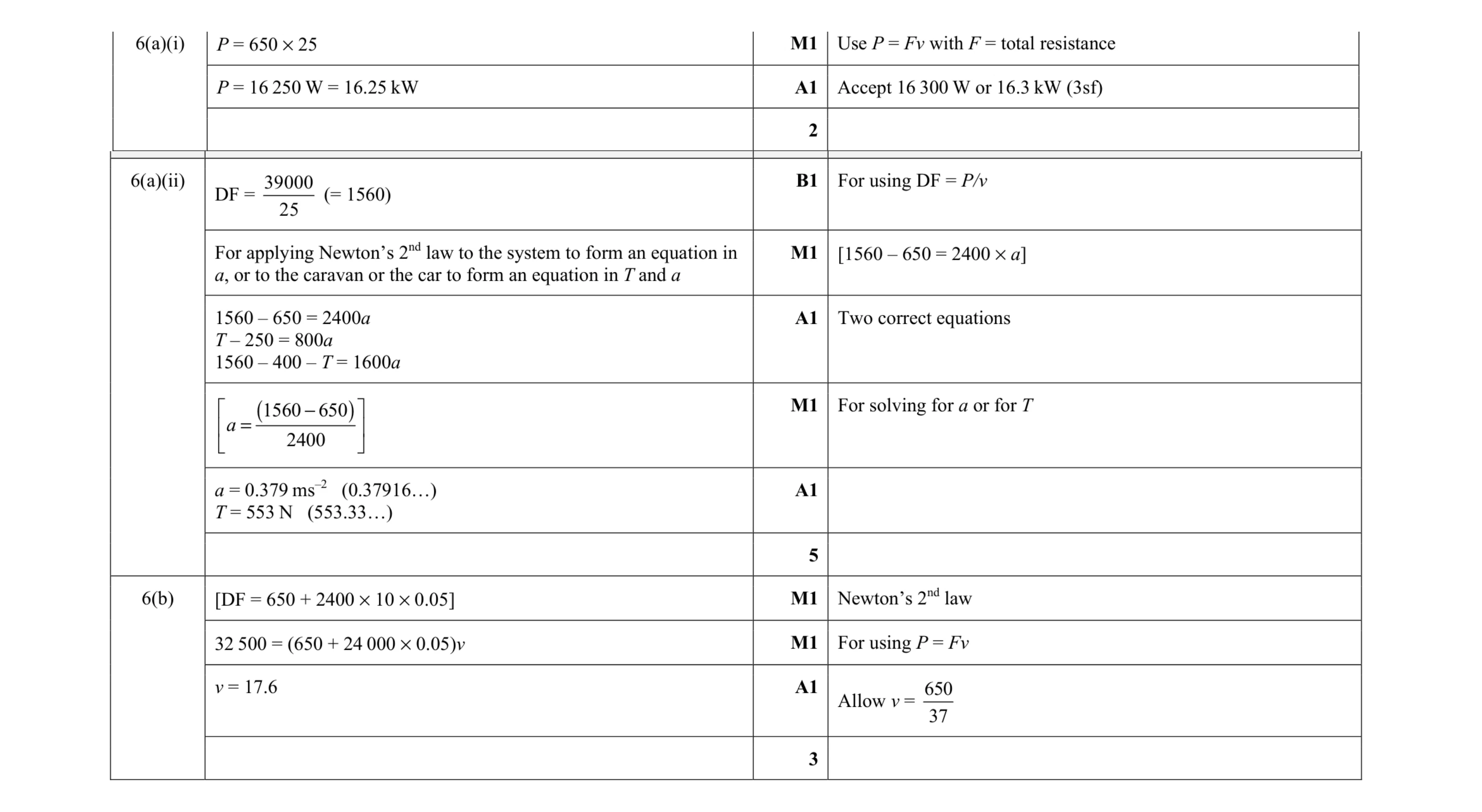 10
10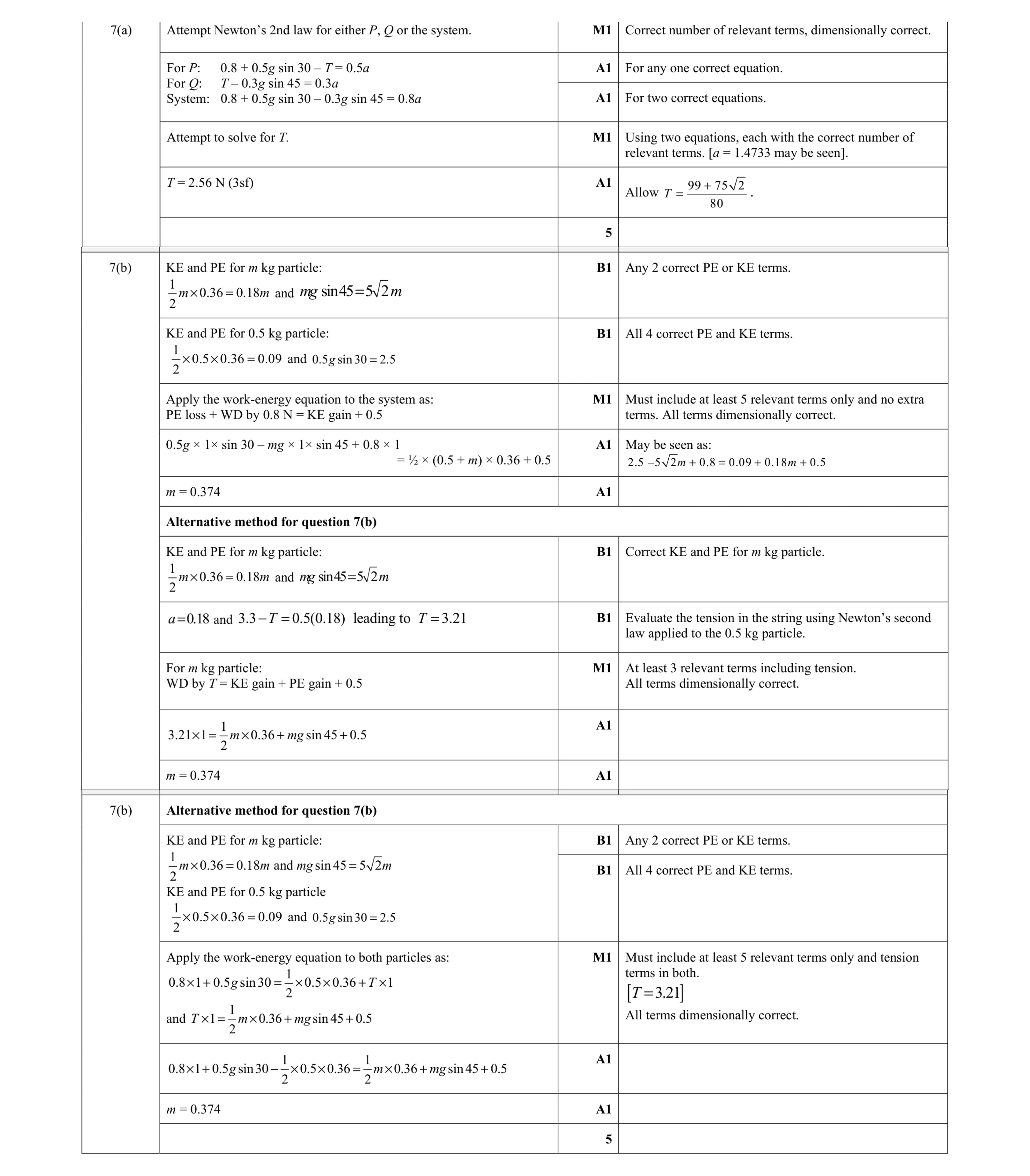 10
10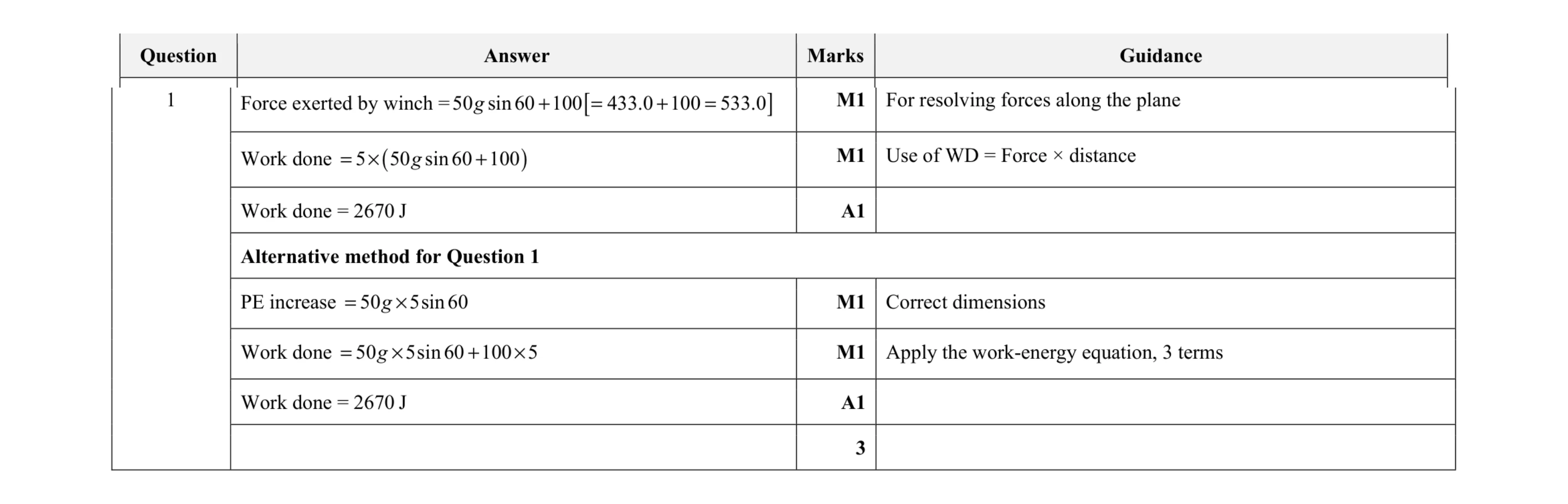 3
3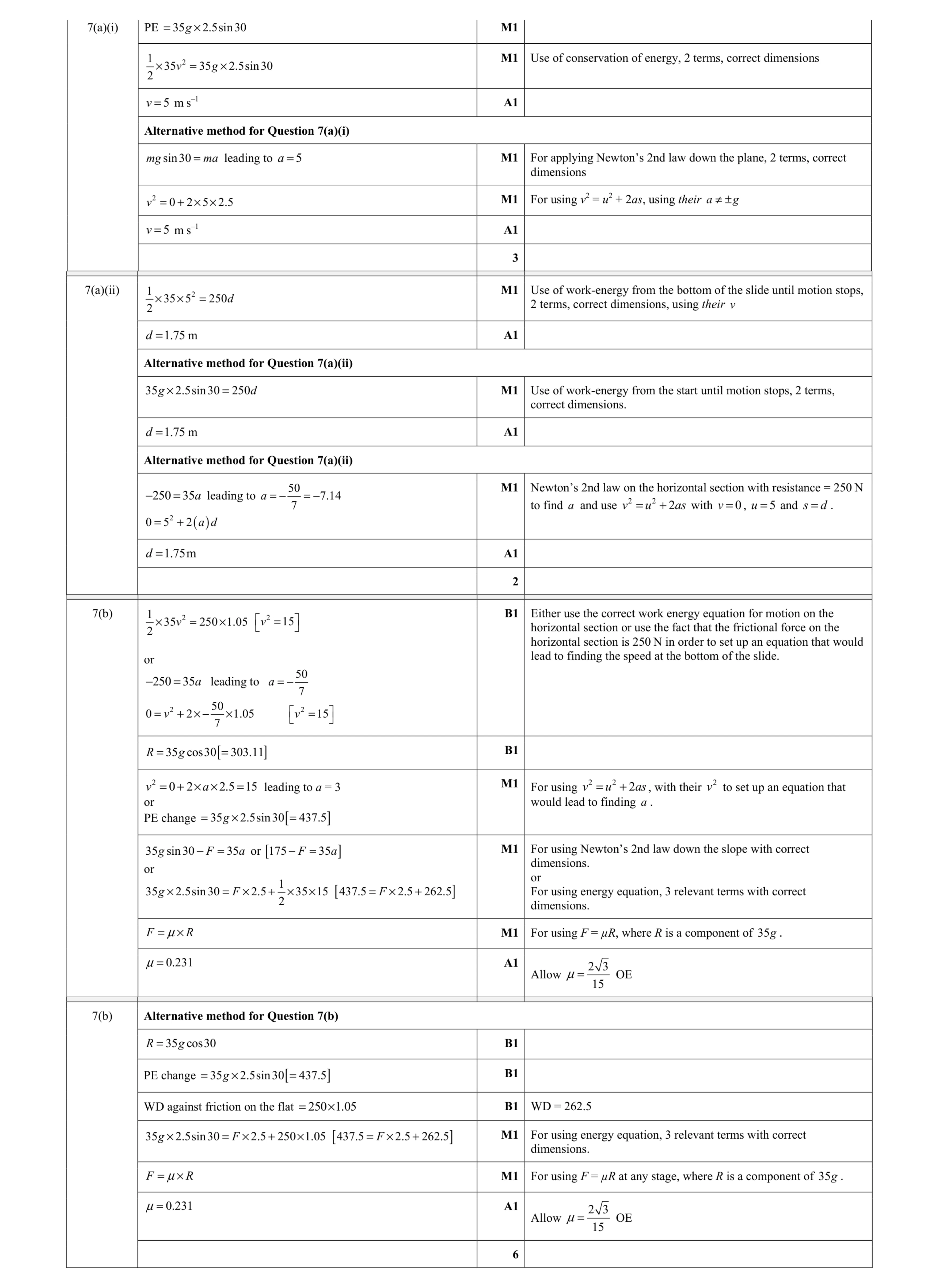 11
11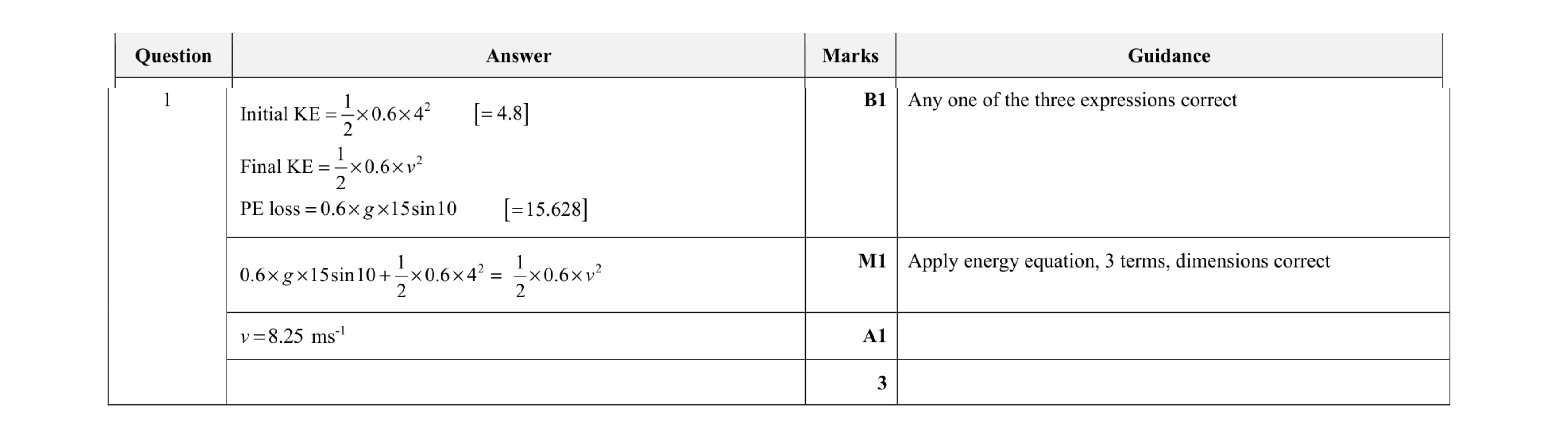 3
3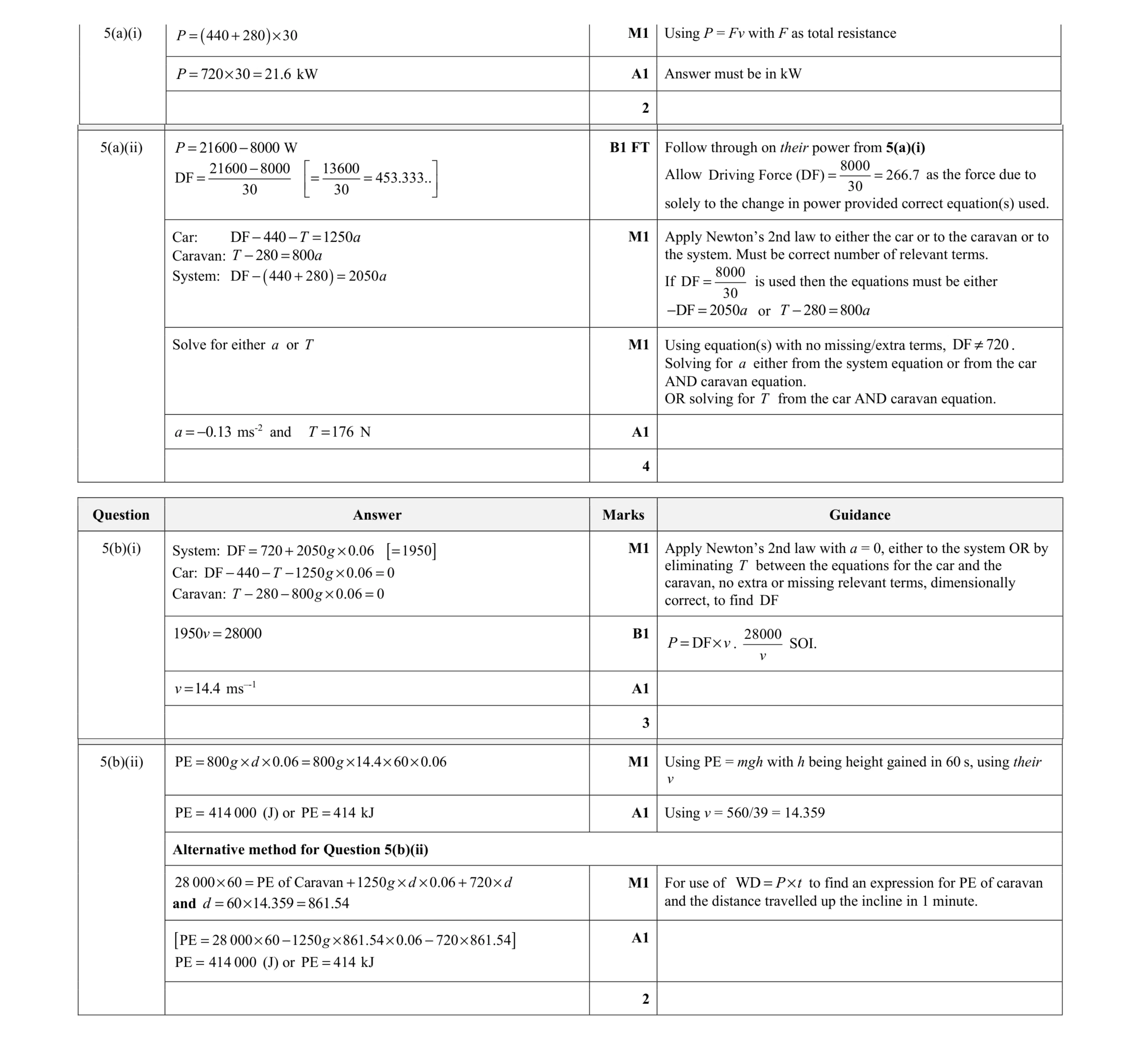 11
11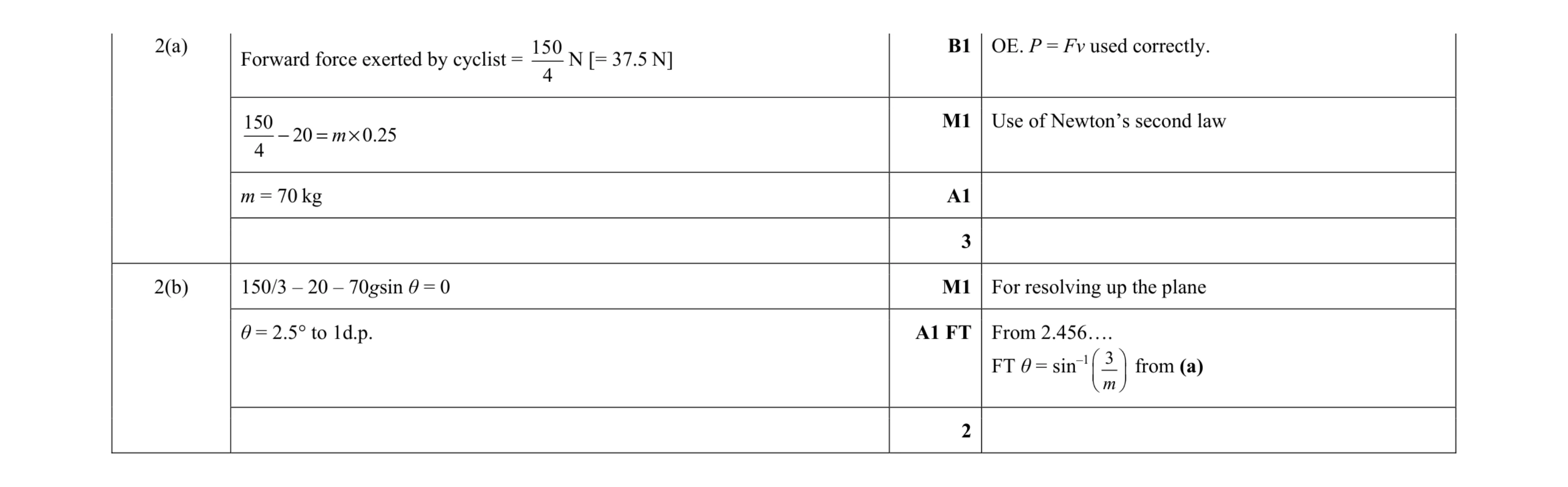 5
5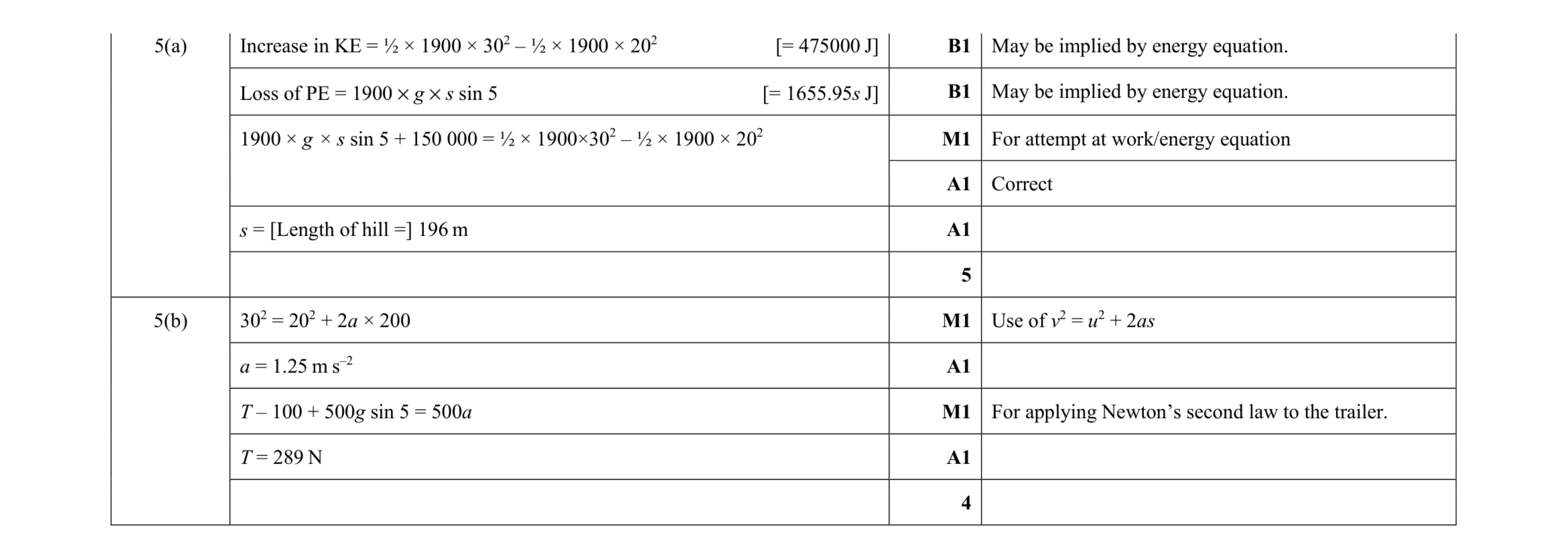 9
9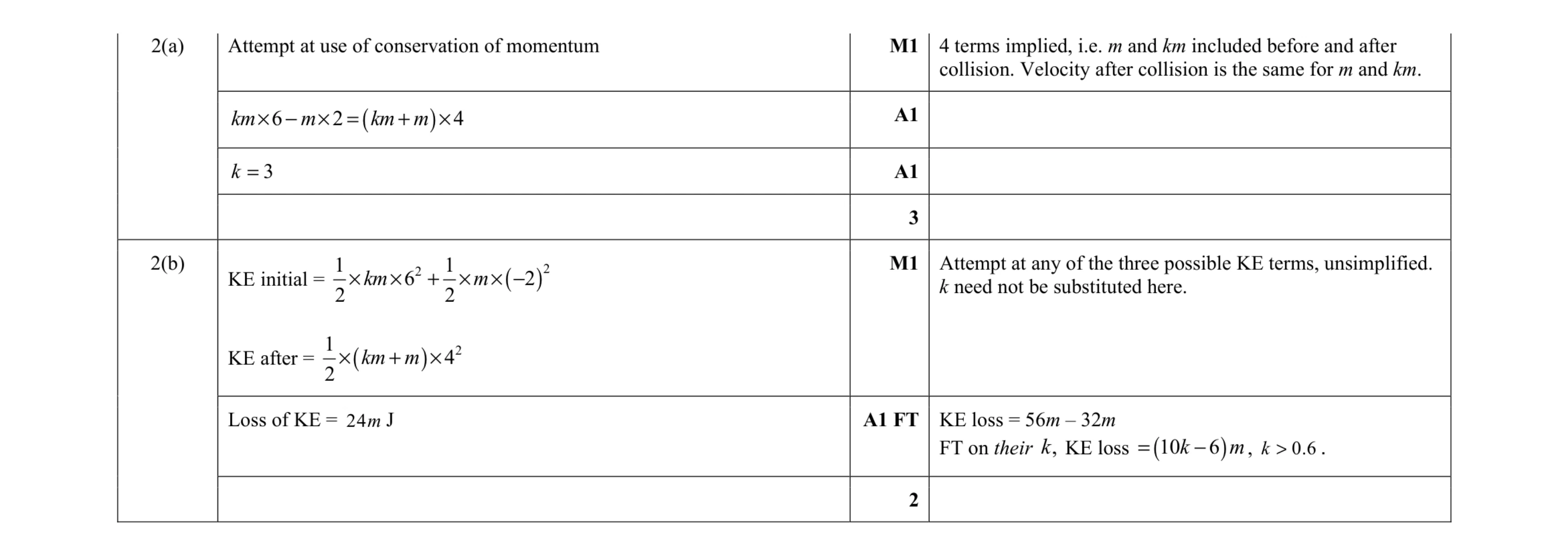 5
5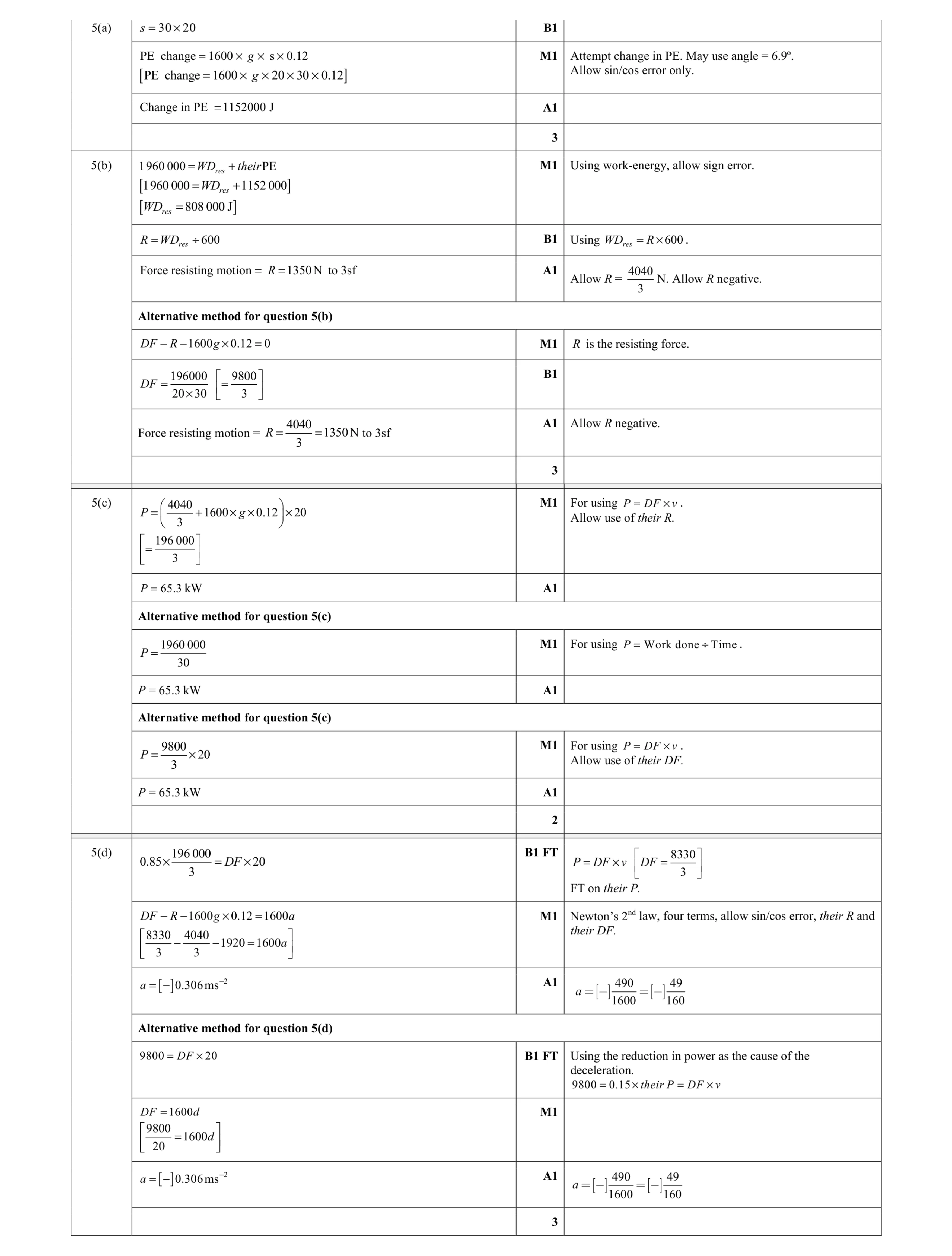 11
11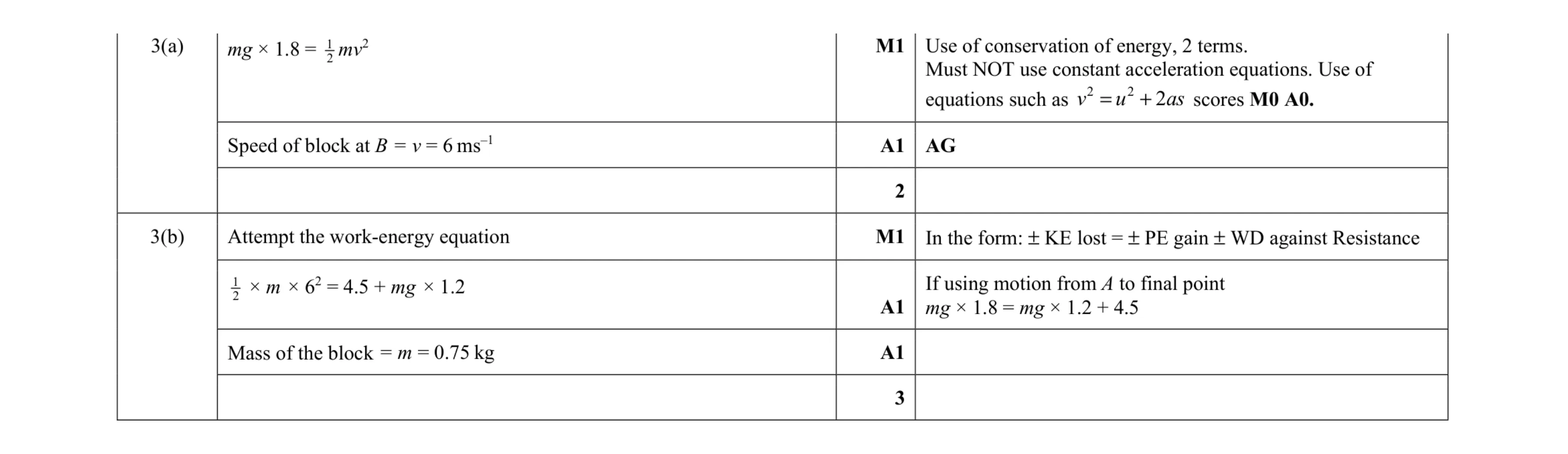 5
5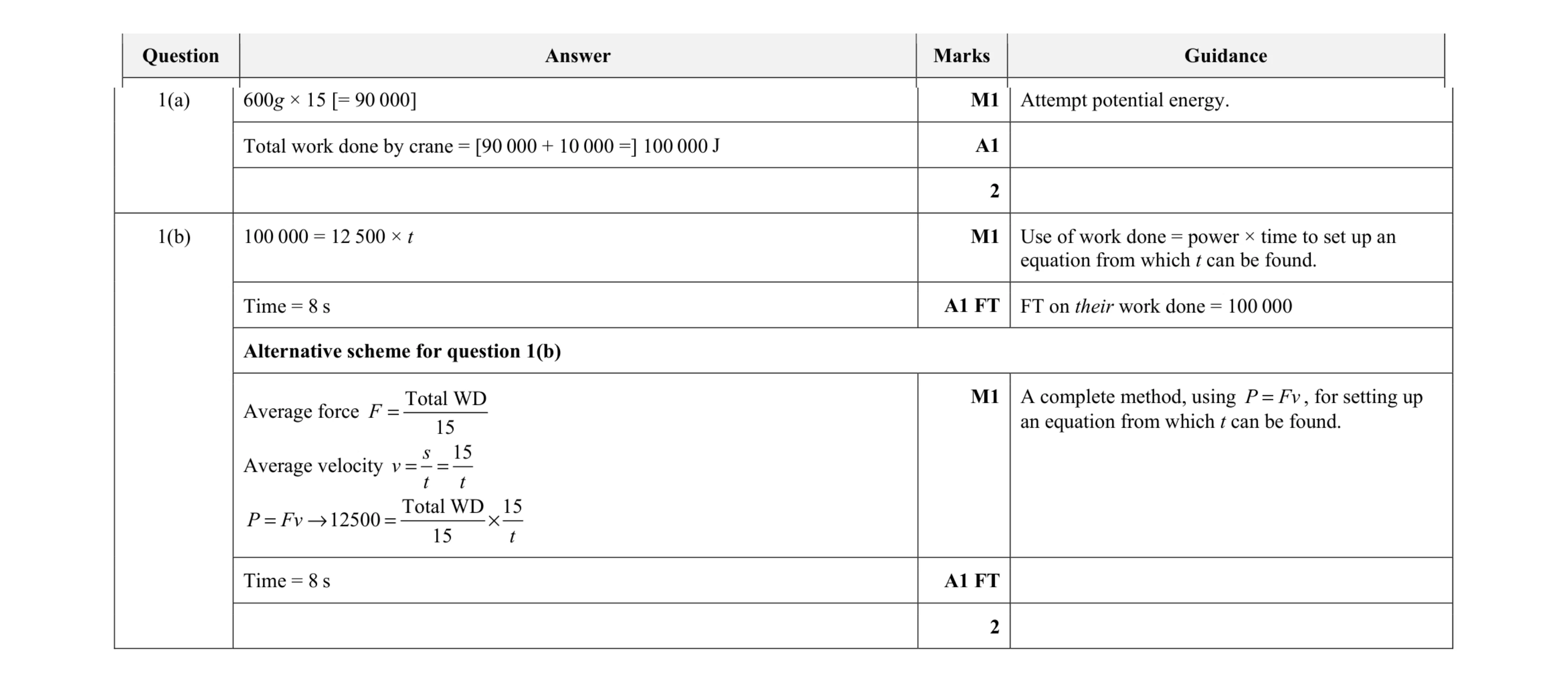 4
4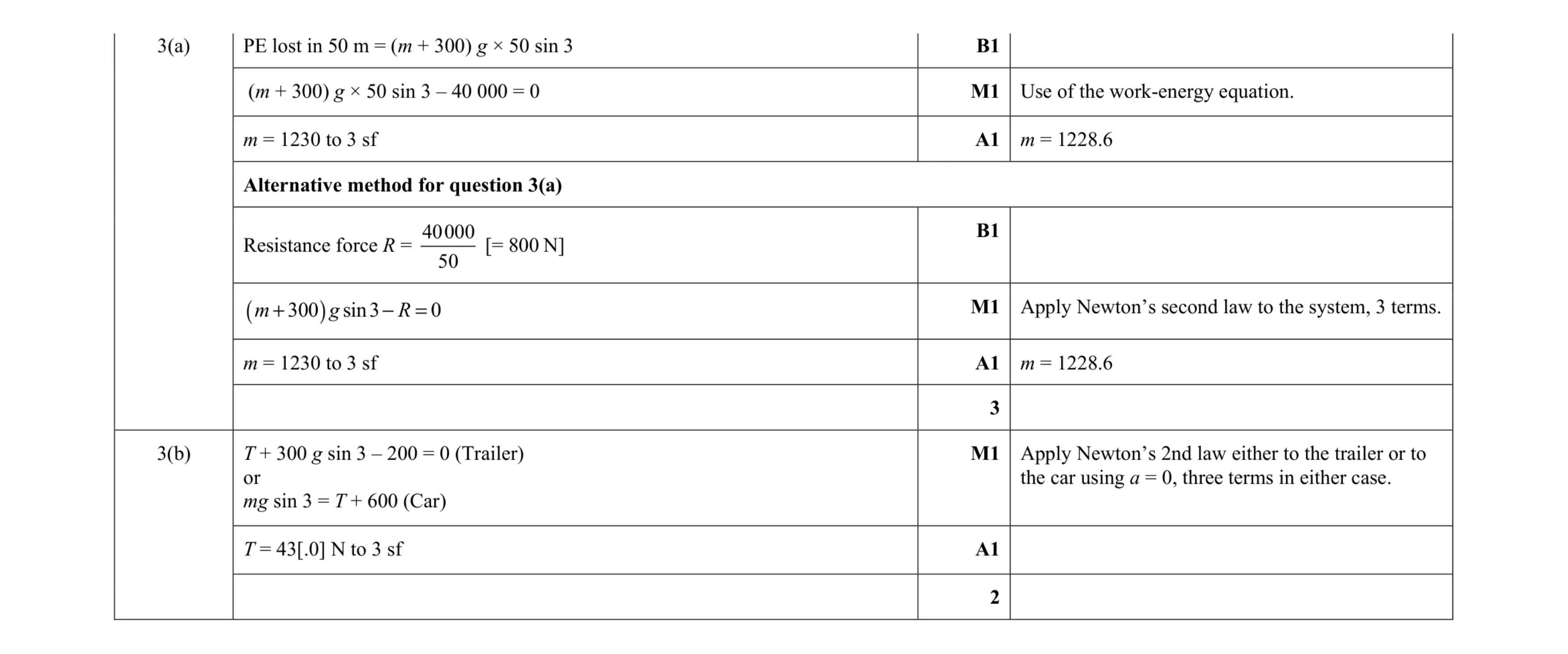 5
5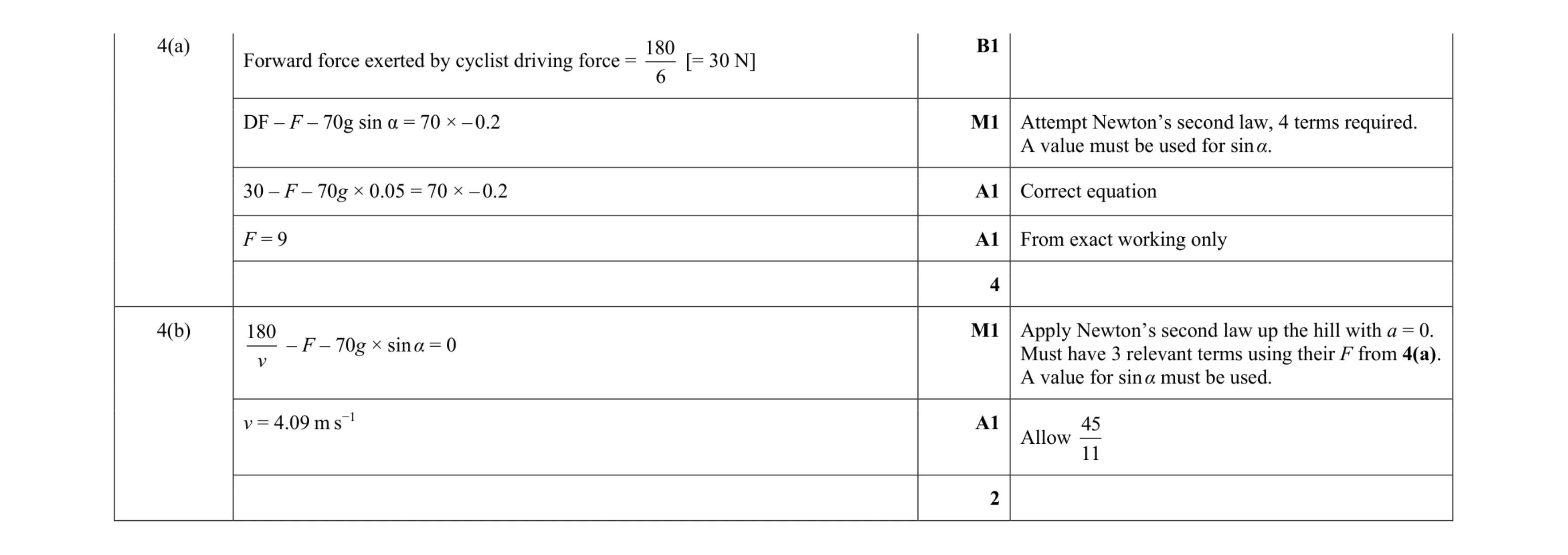 6
6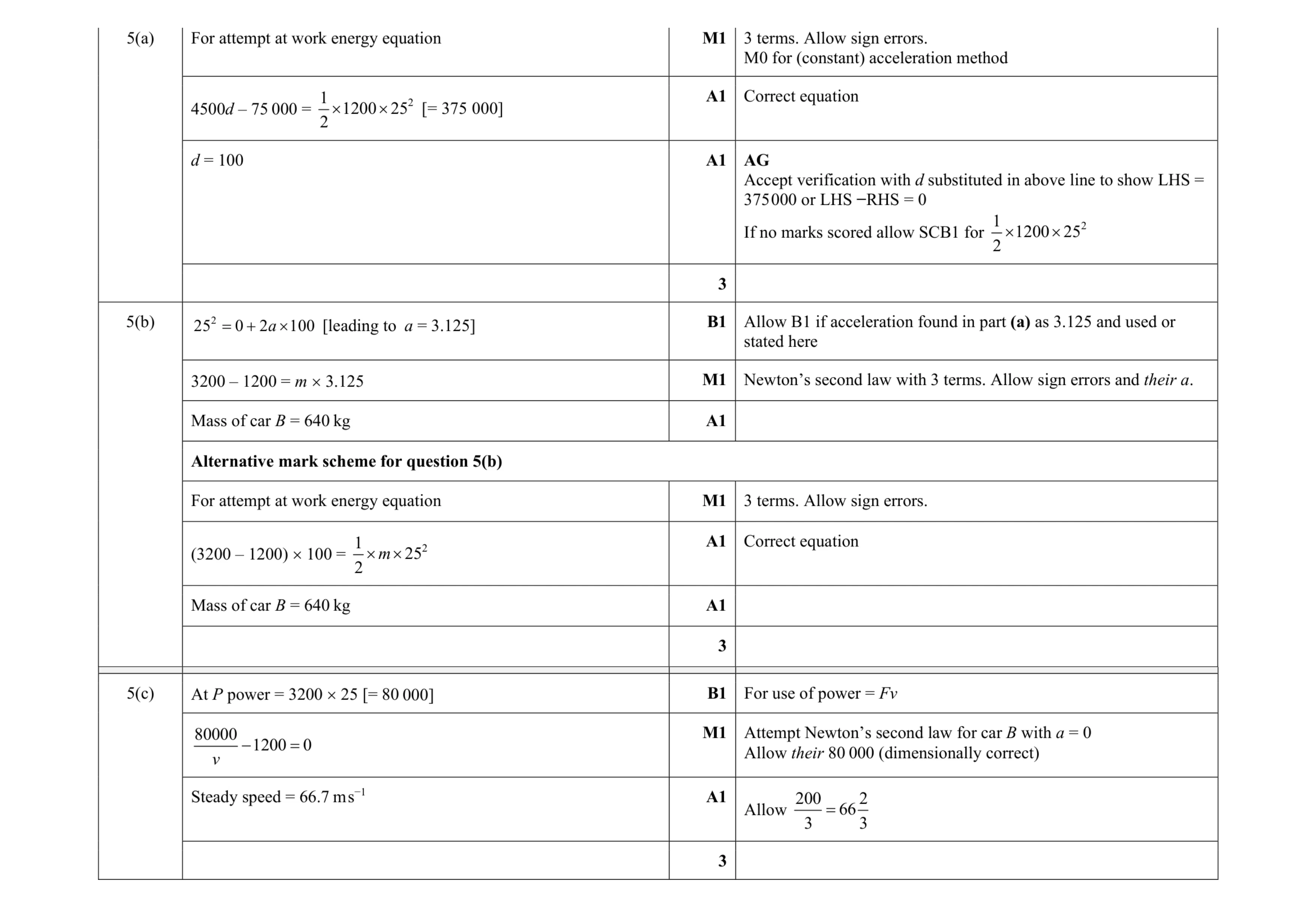 9
9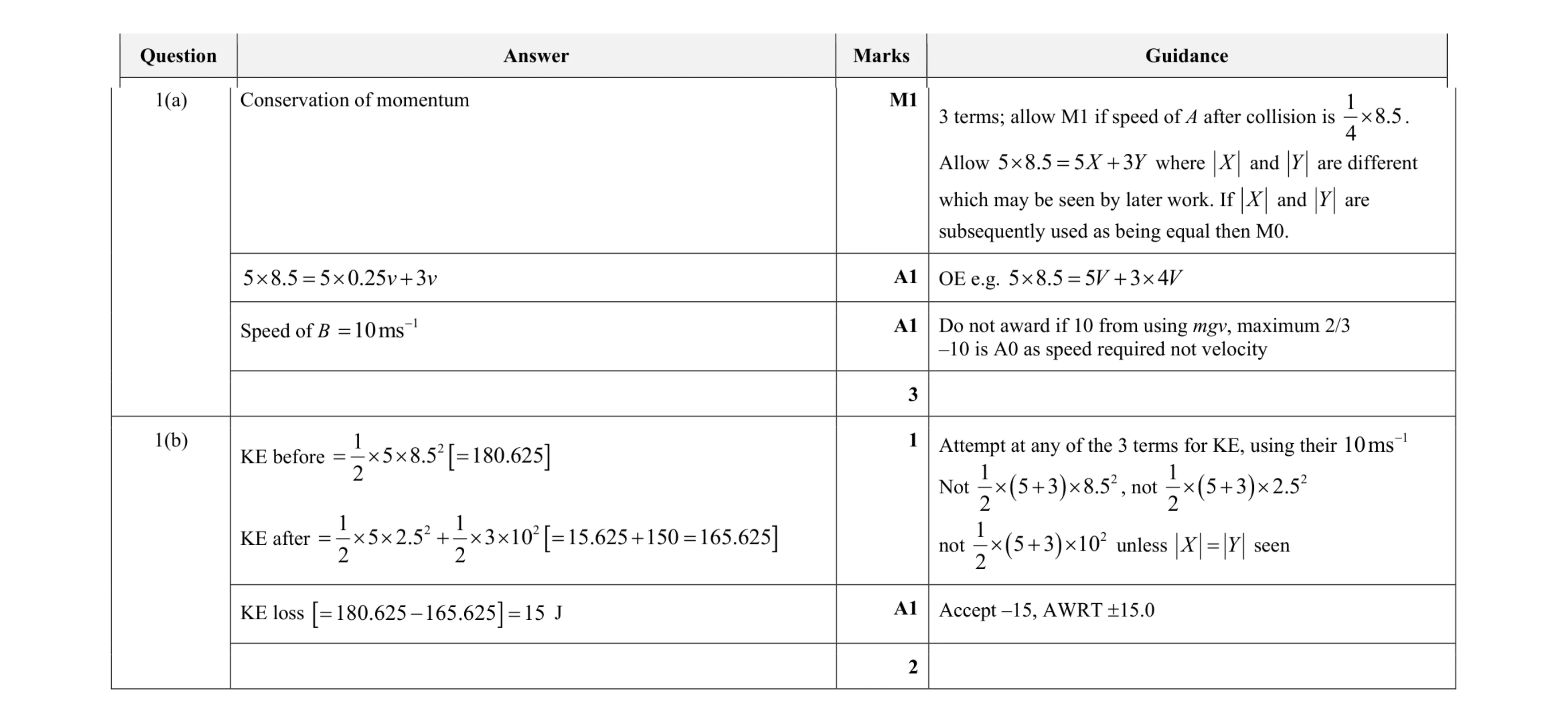 5
5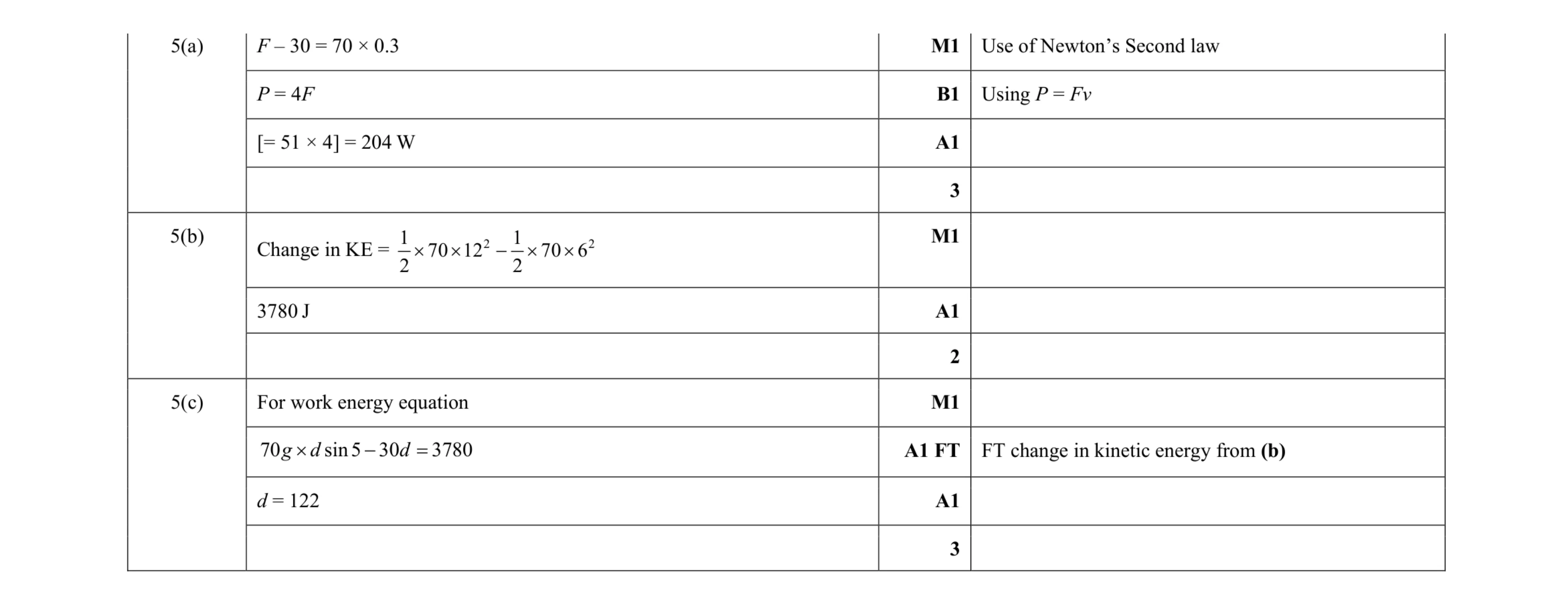 8
8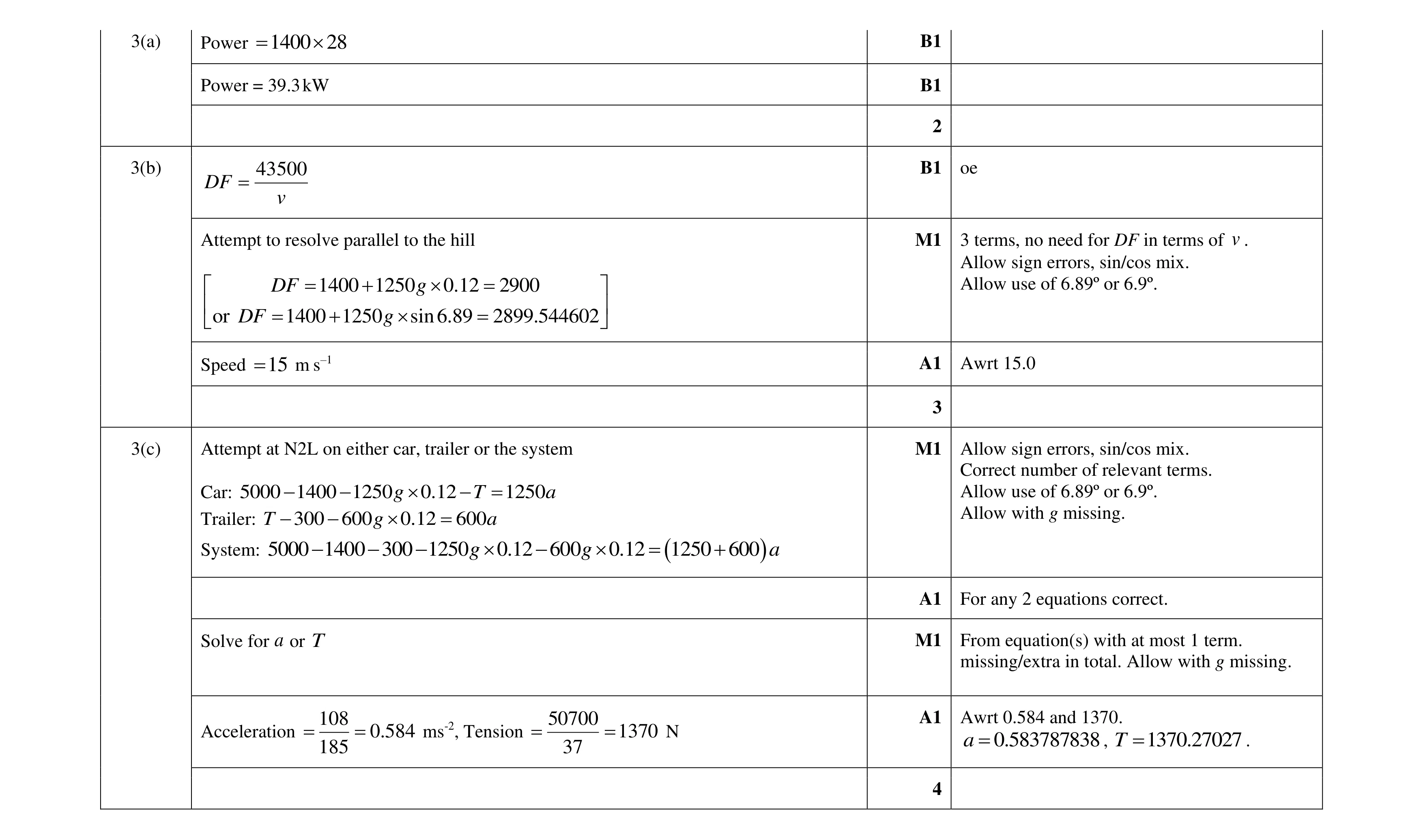 9
9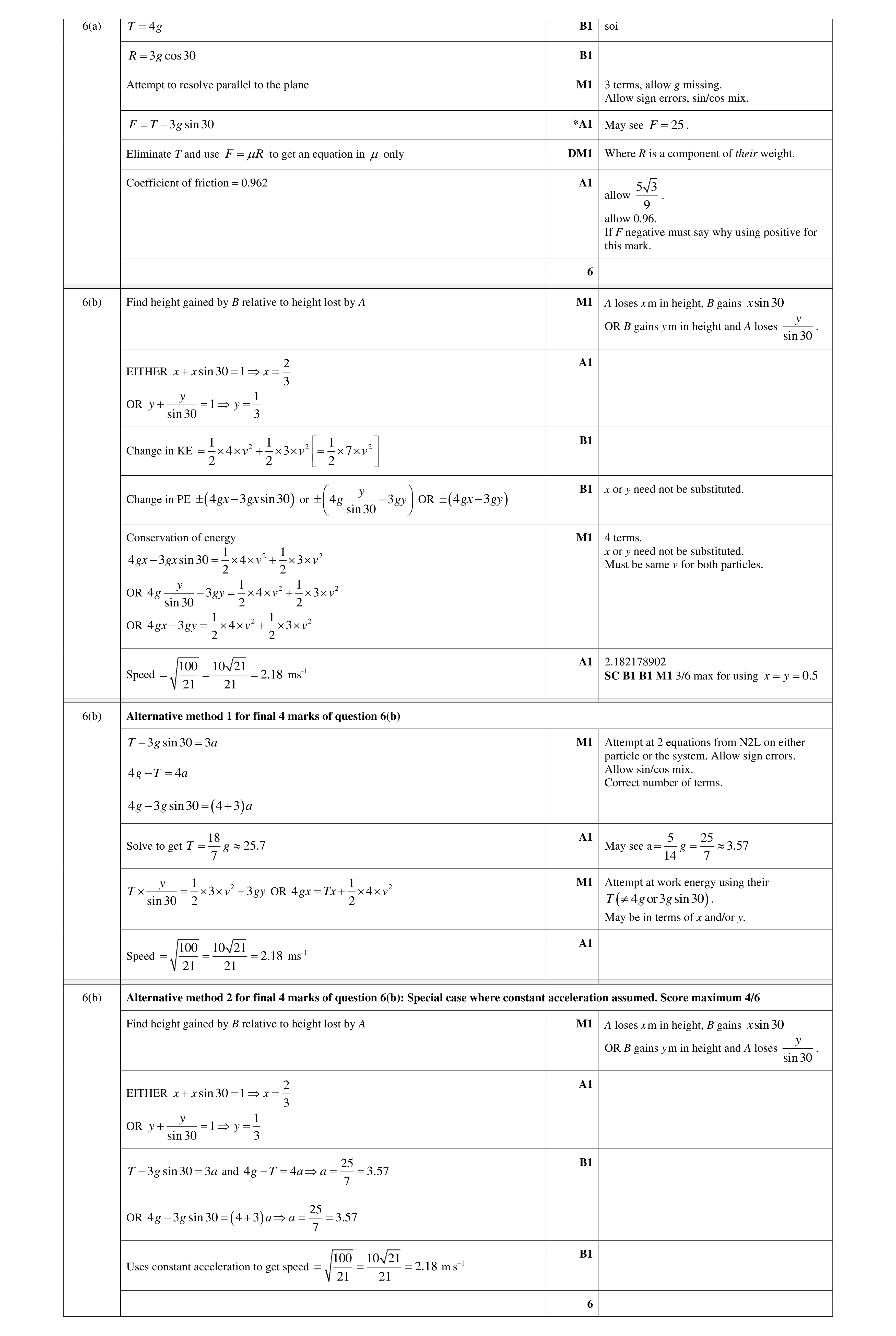 12
12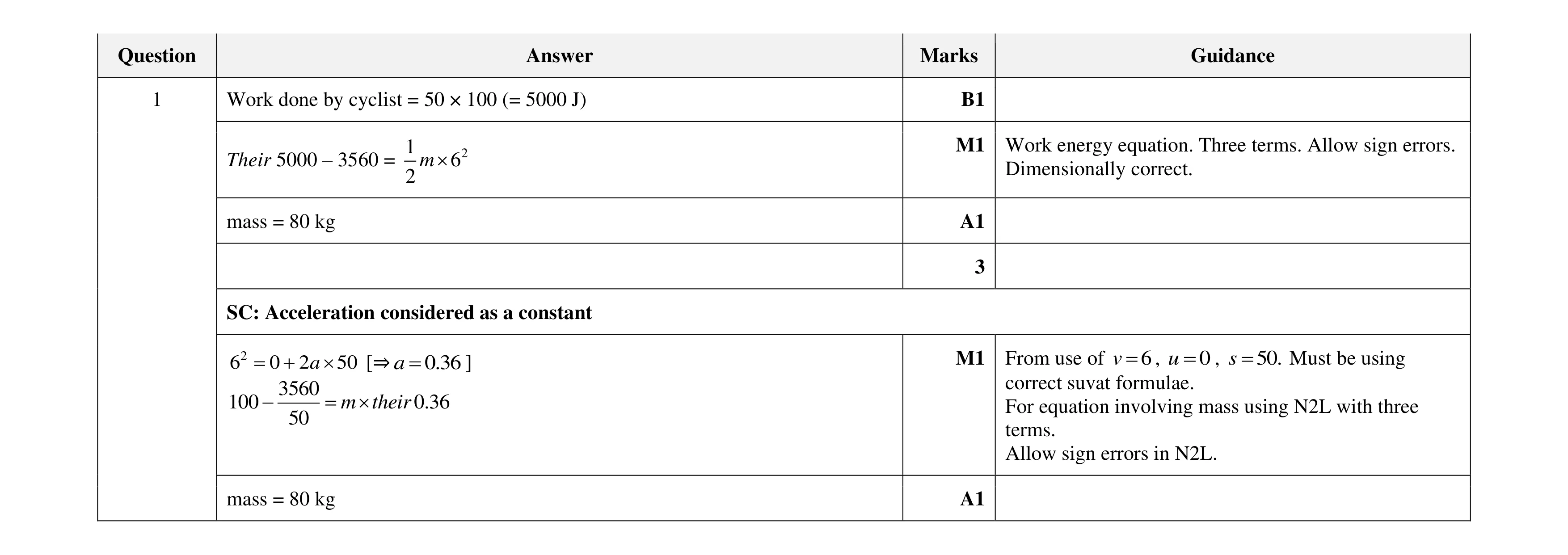 3
3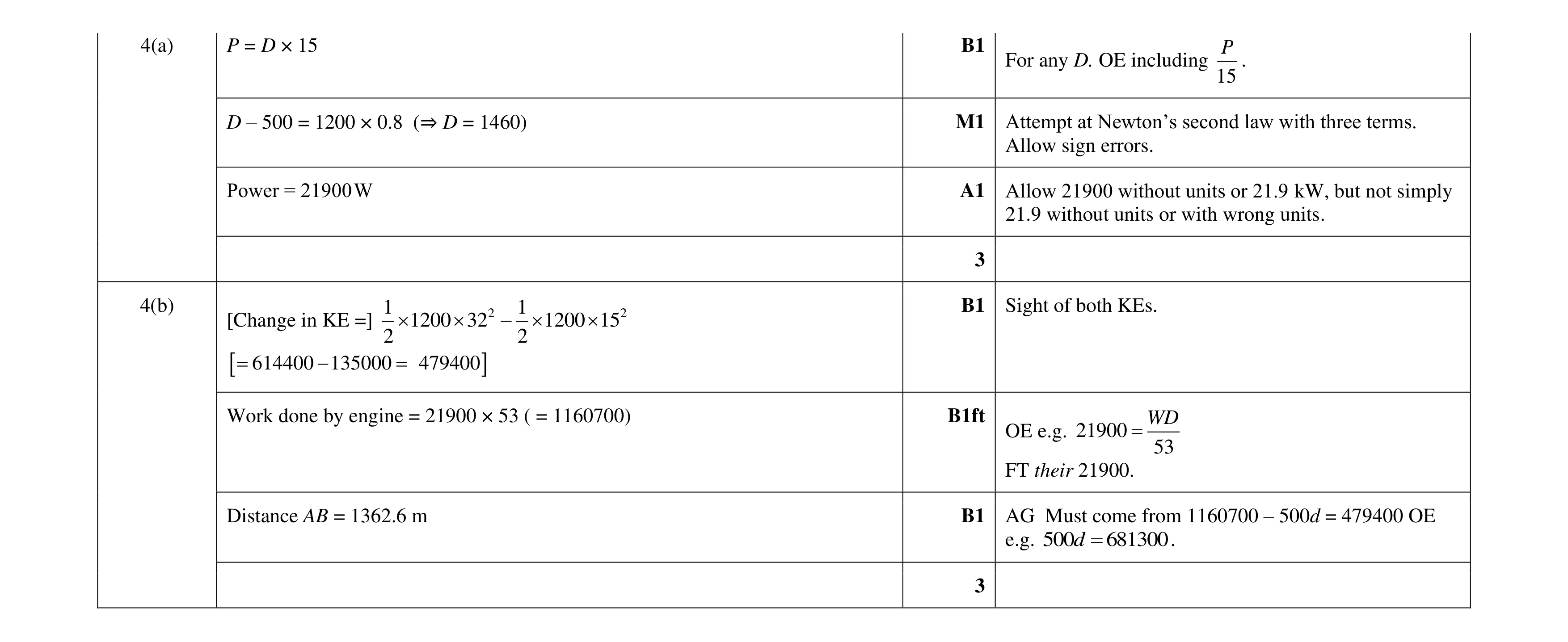 6
6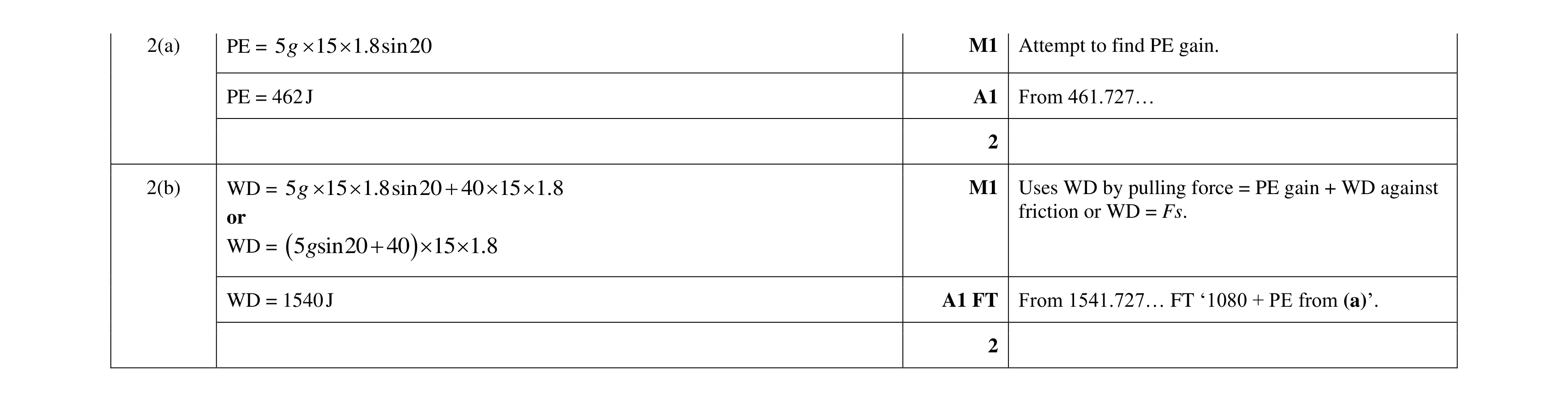 4
4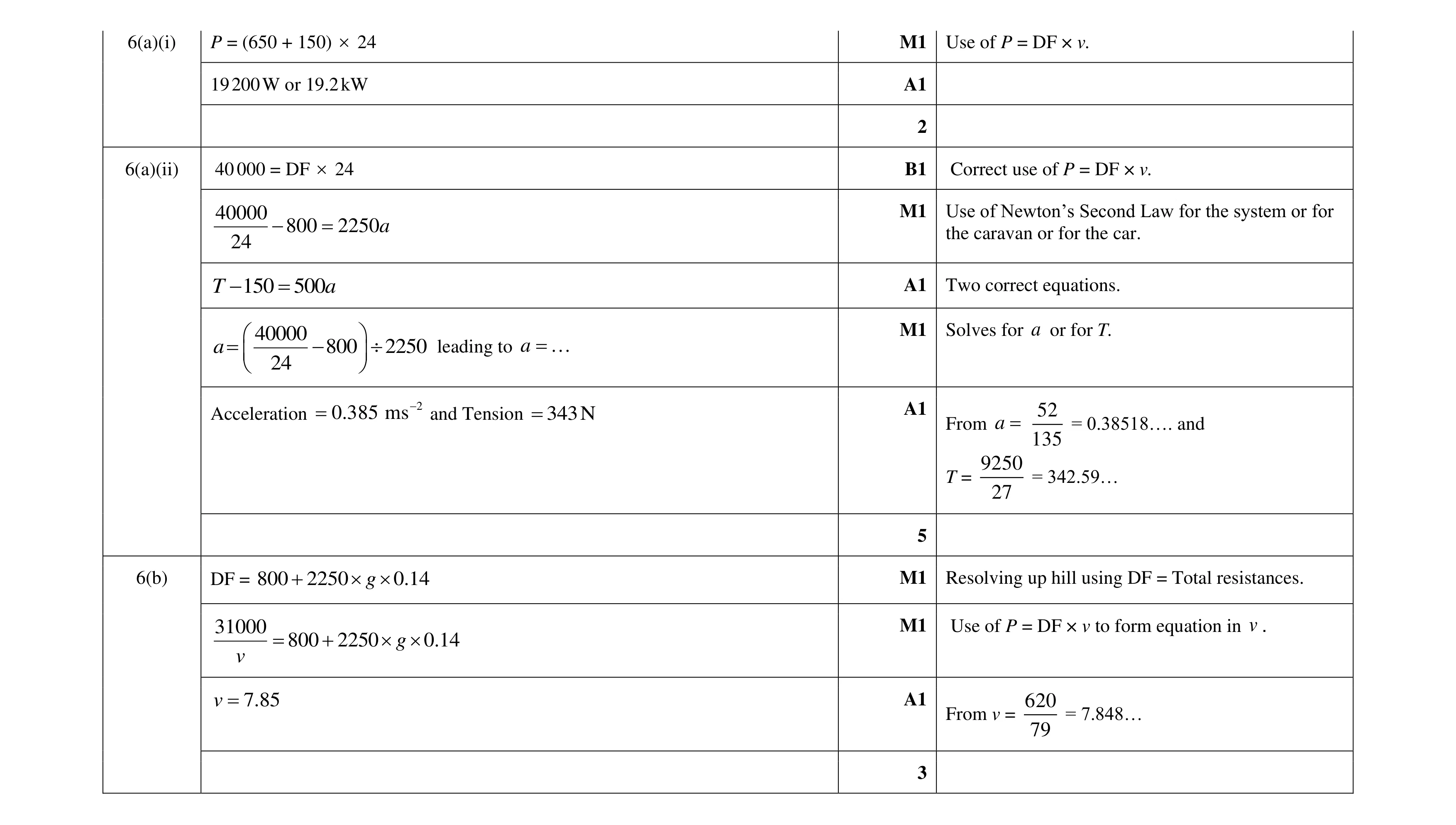 10
10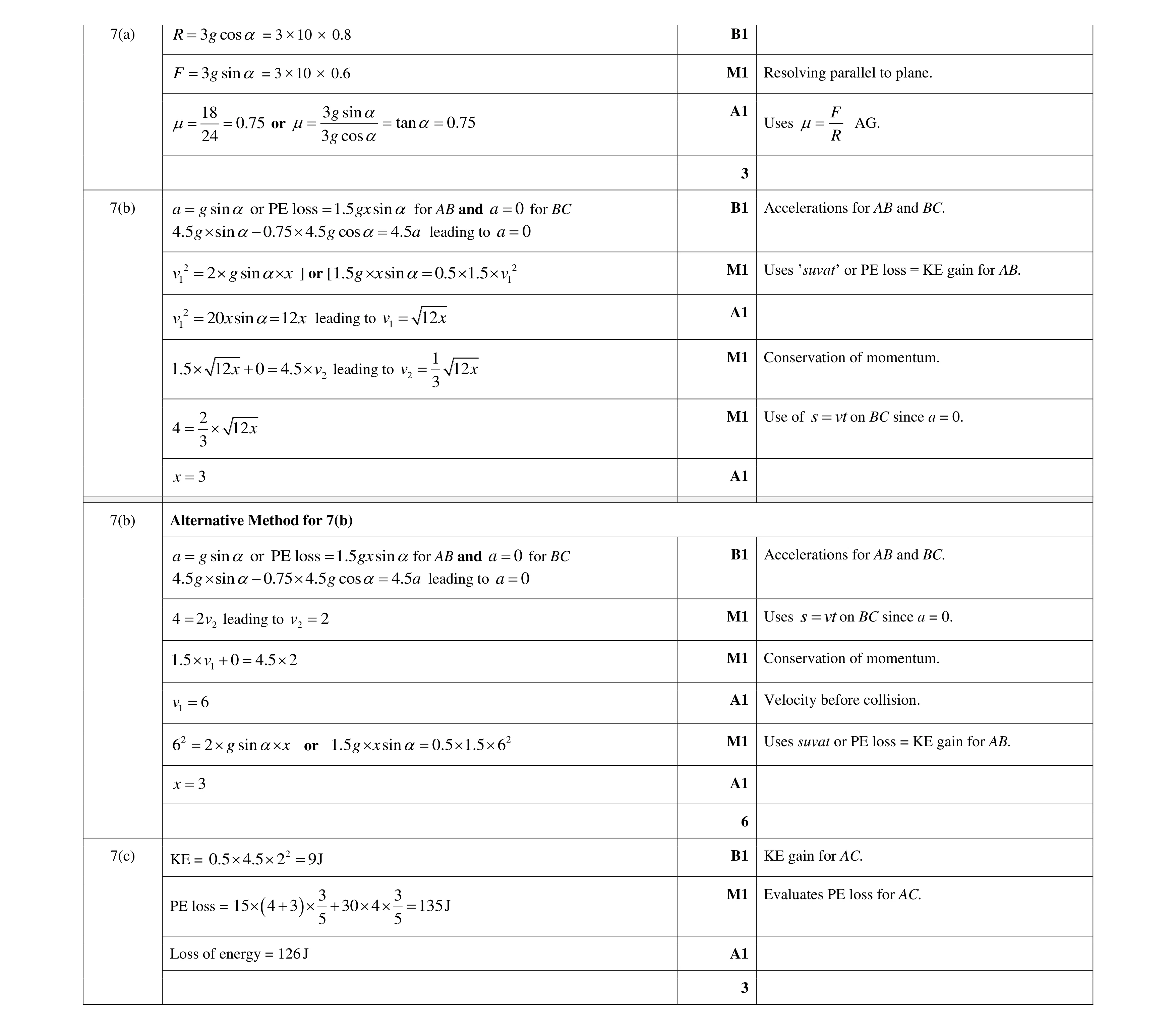 12
12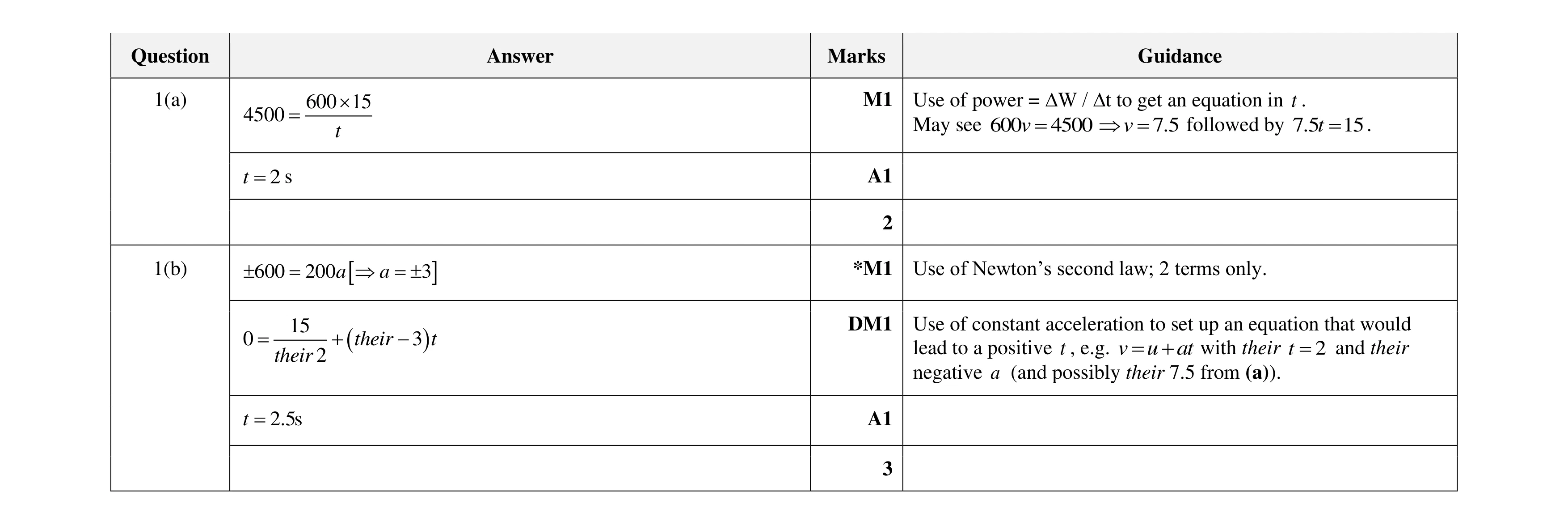 5
5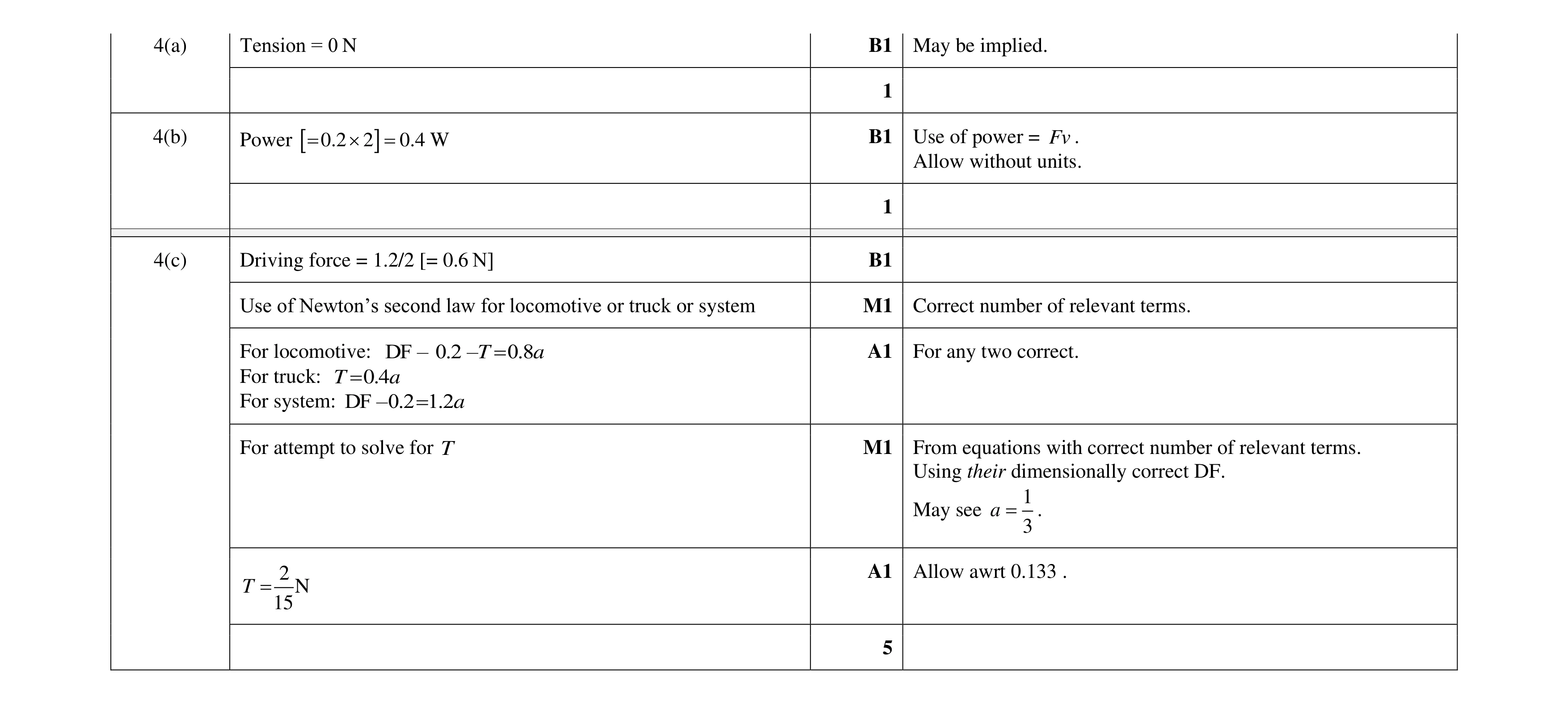 7
7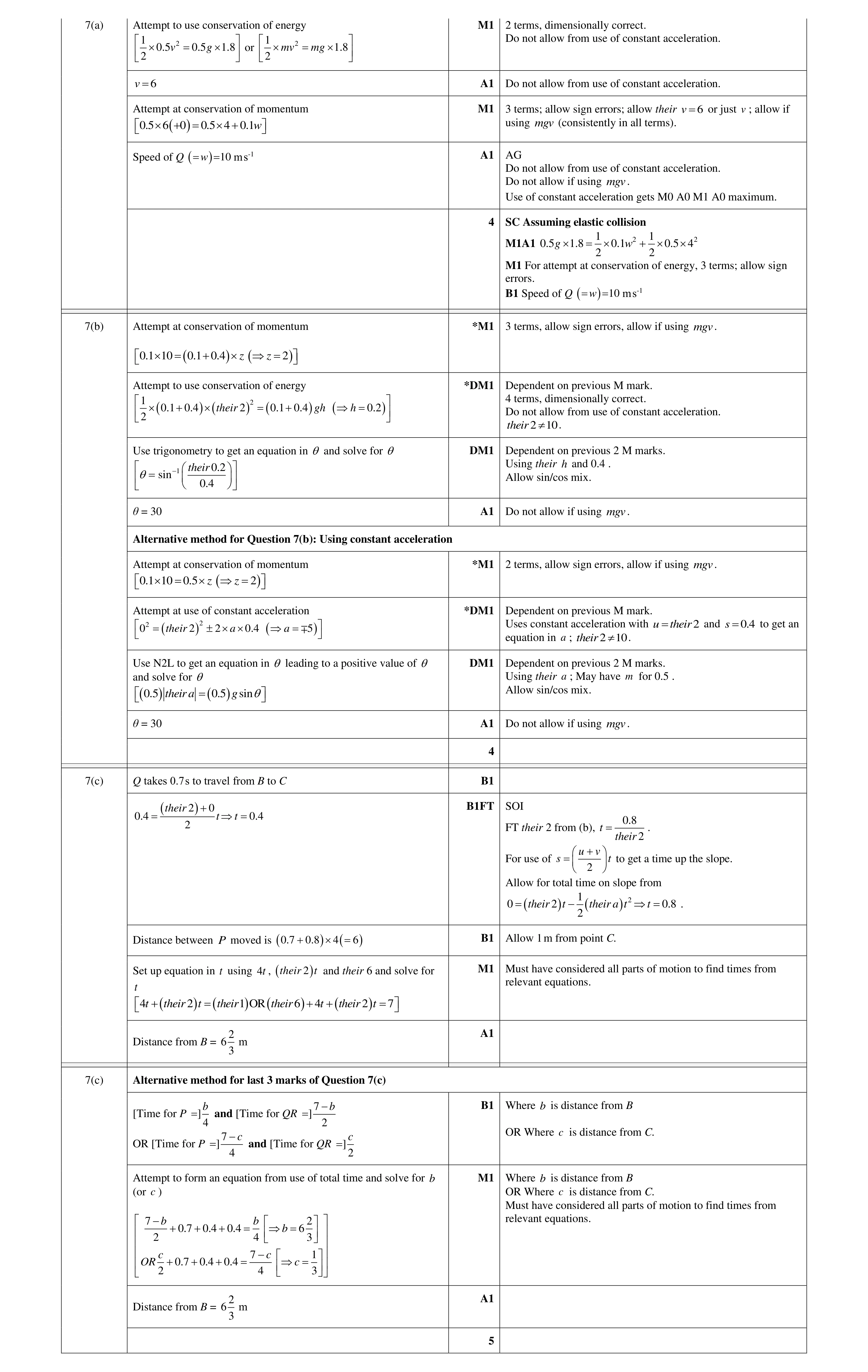 13
13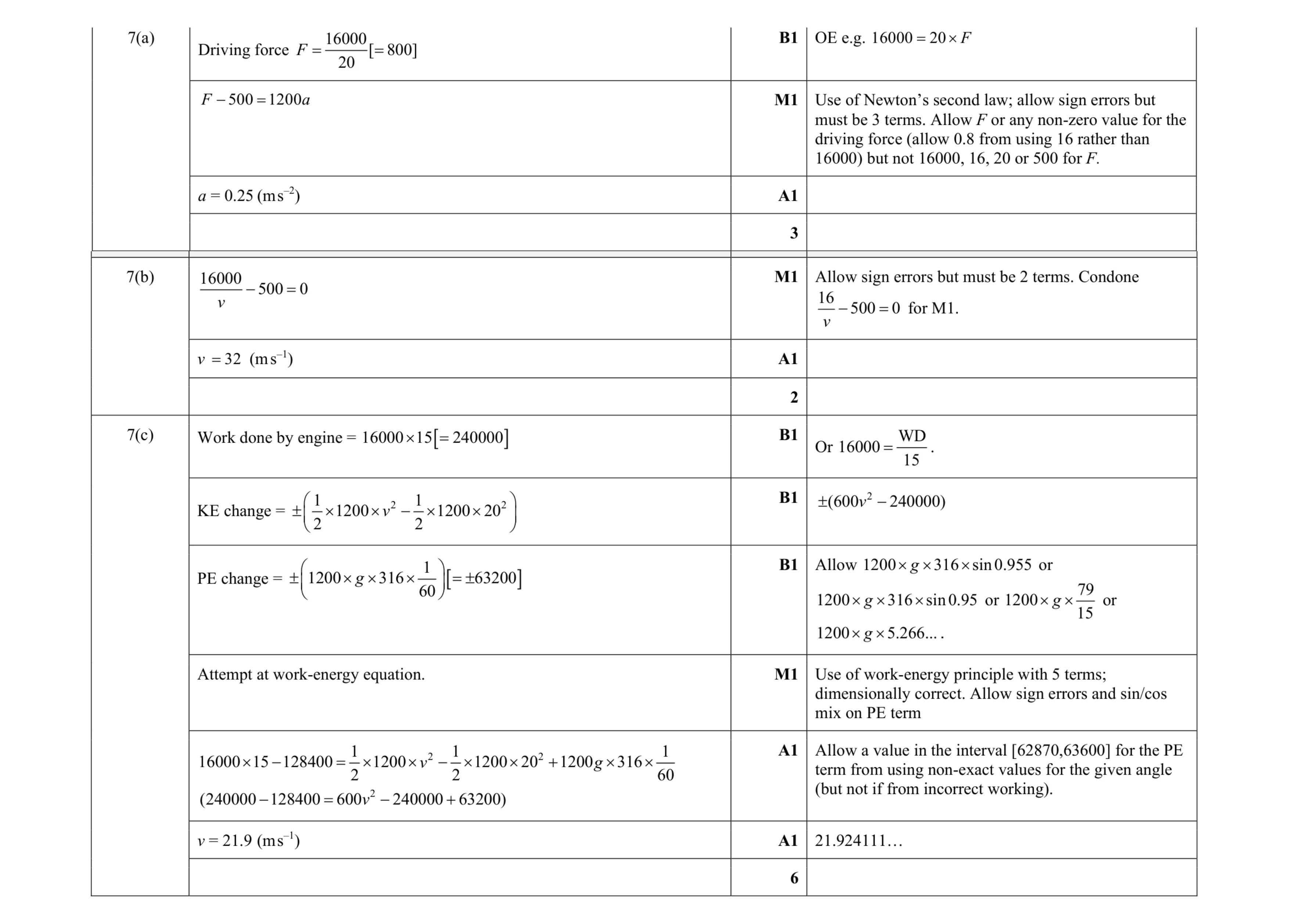 11
11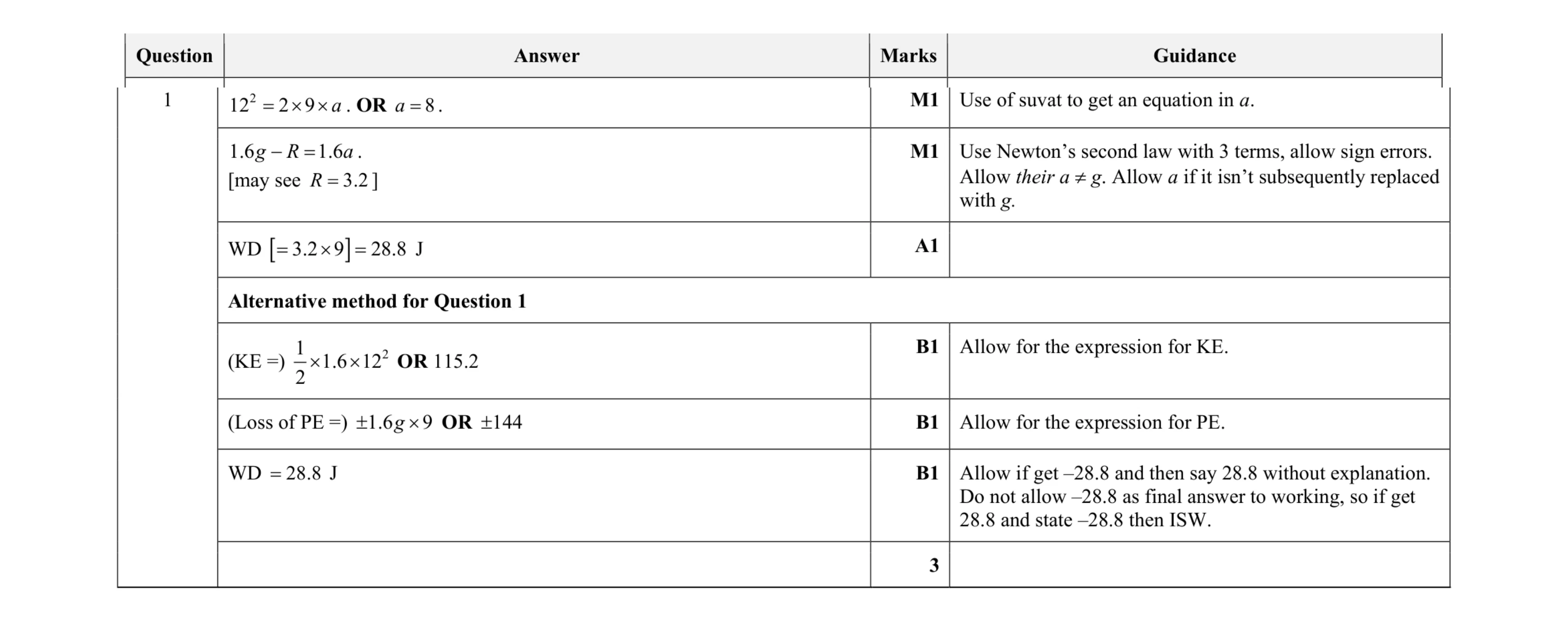 3
3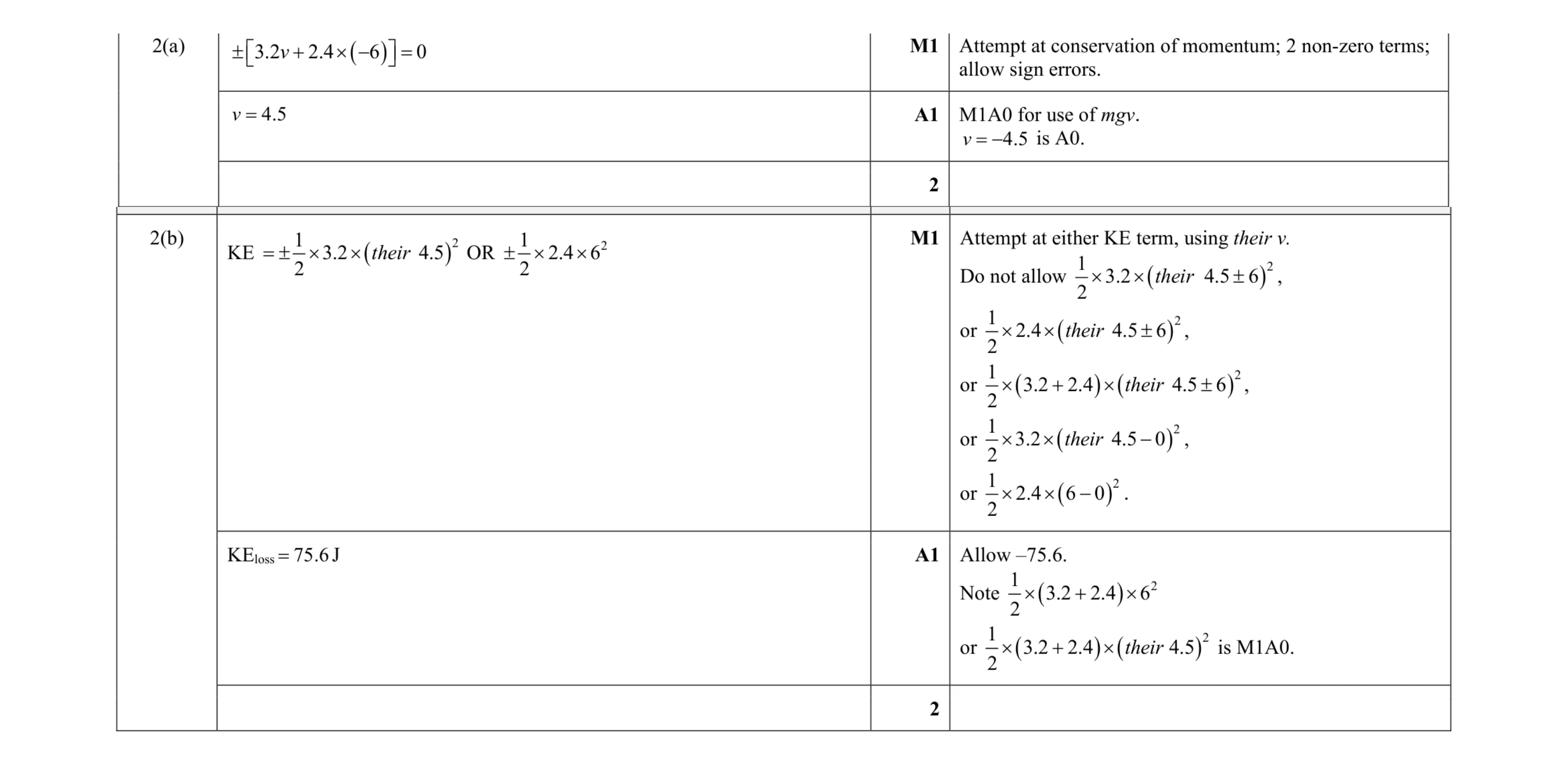 4
4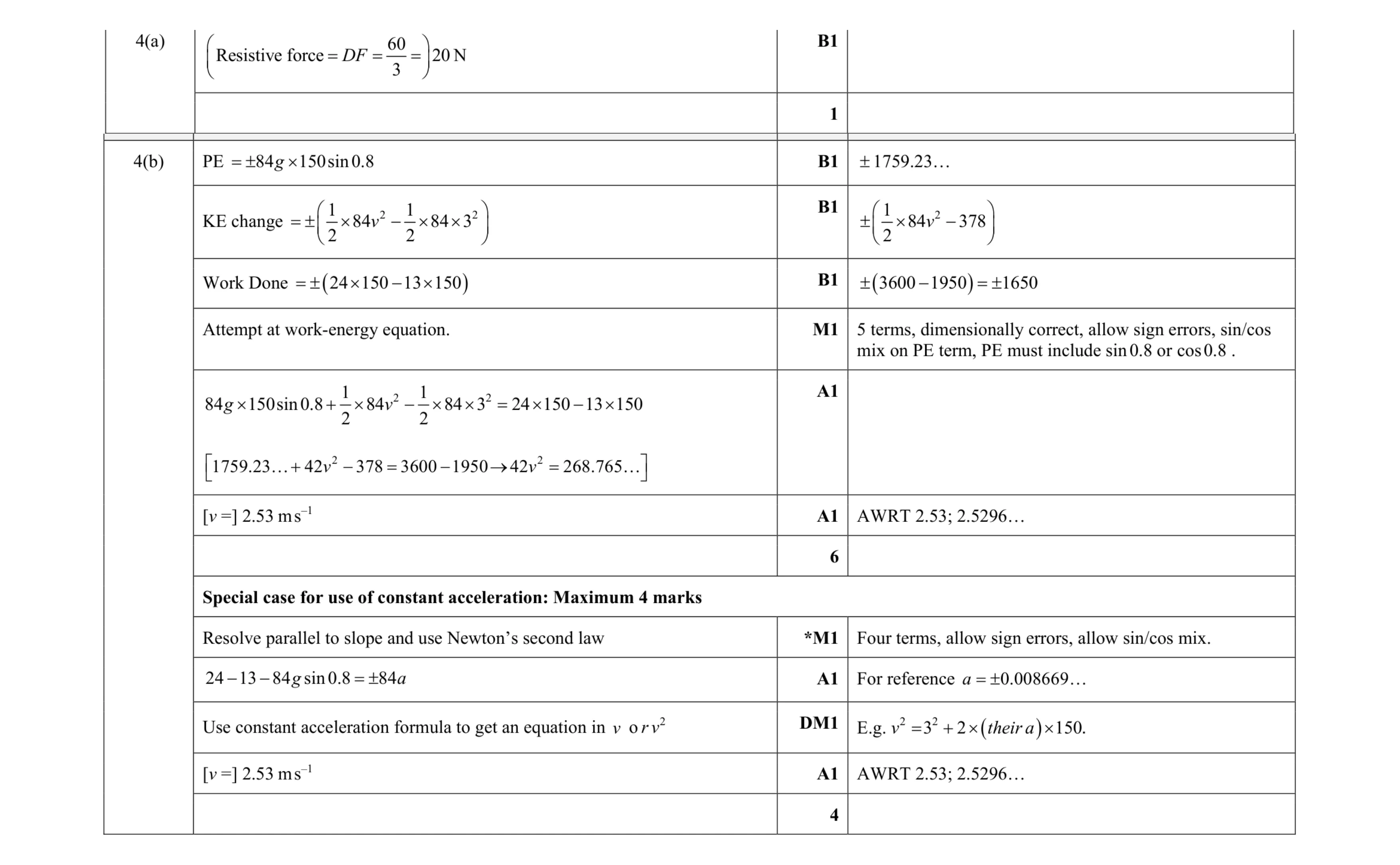 7
7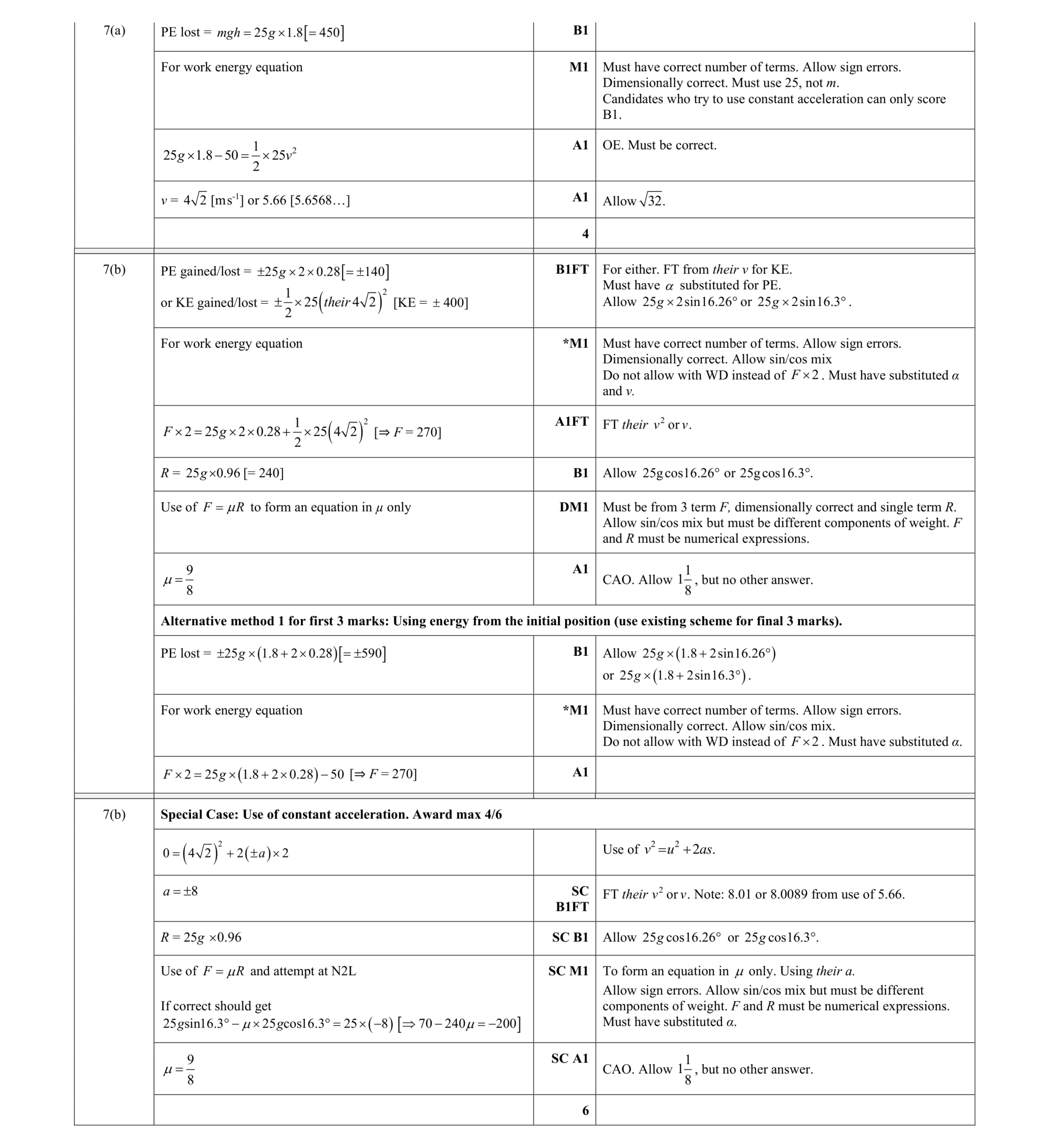 10
10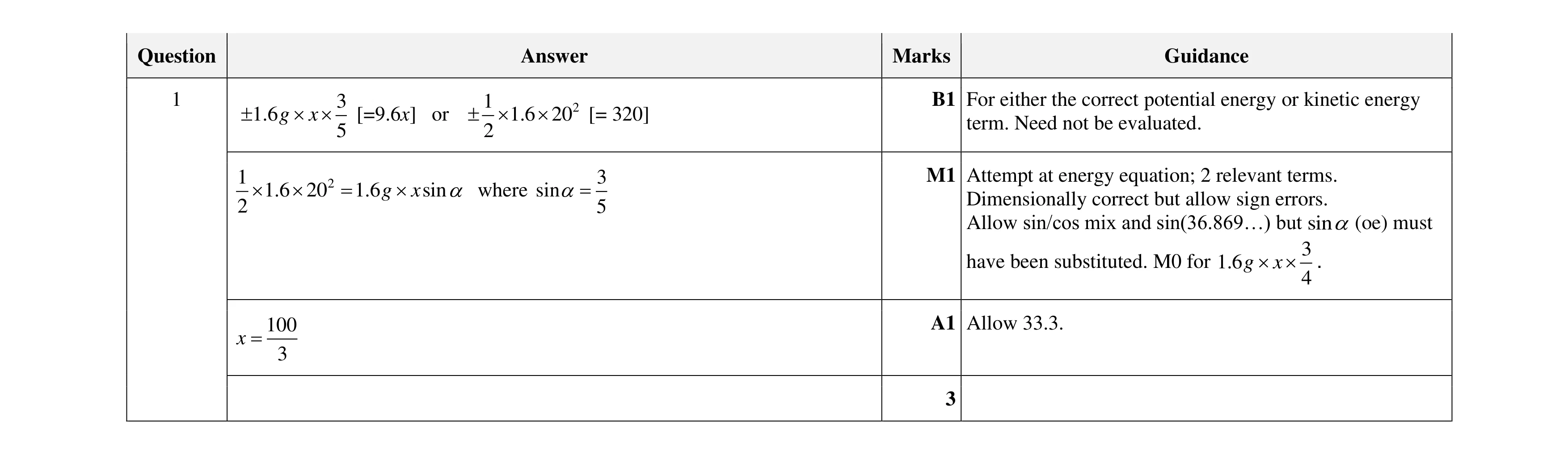 3
3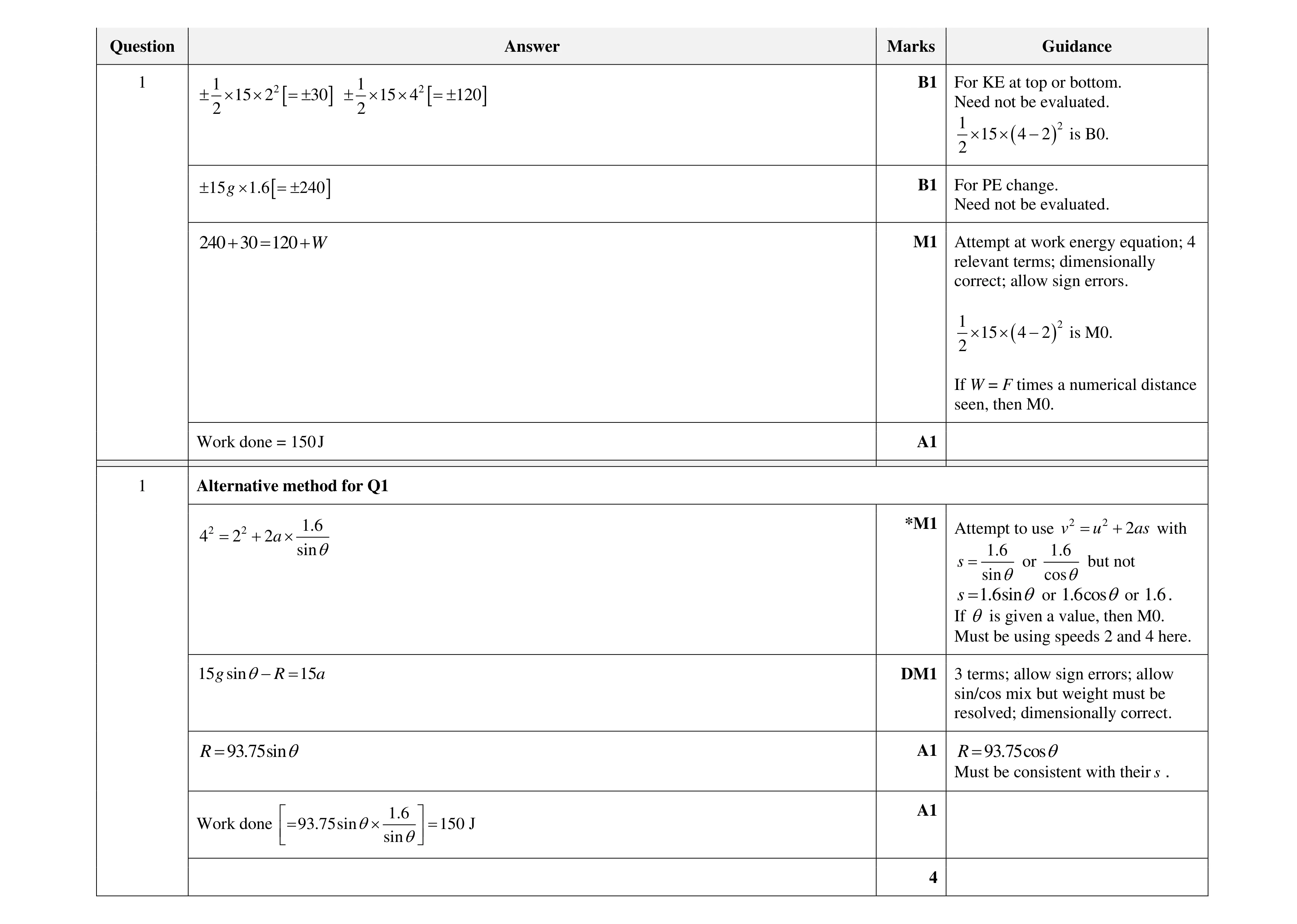 4
4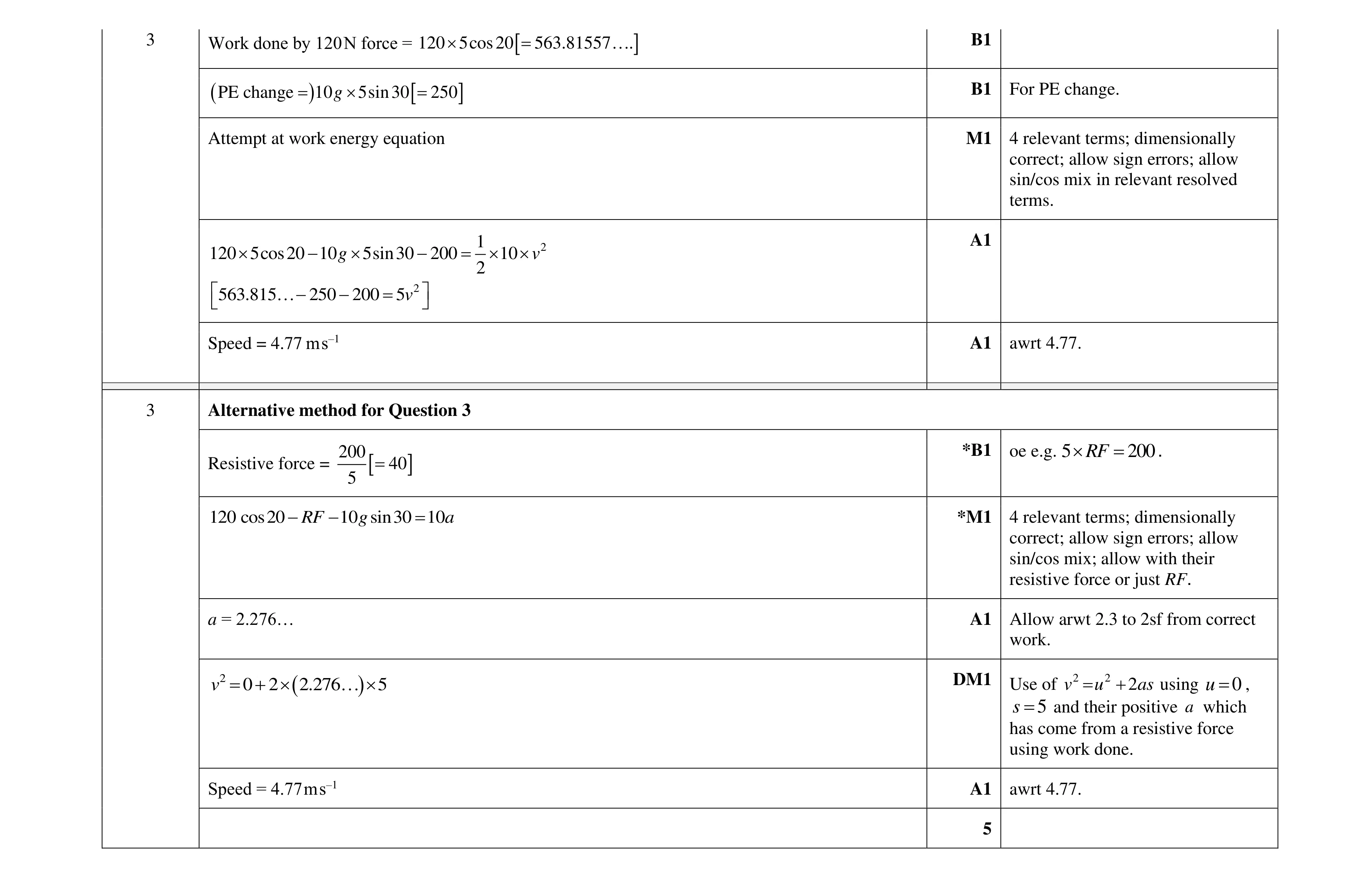 5
5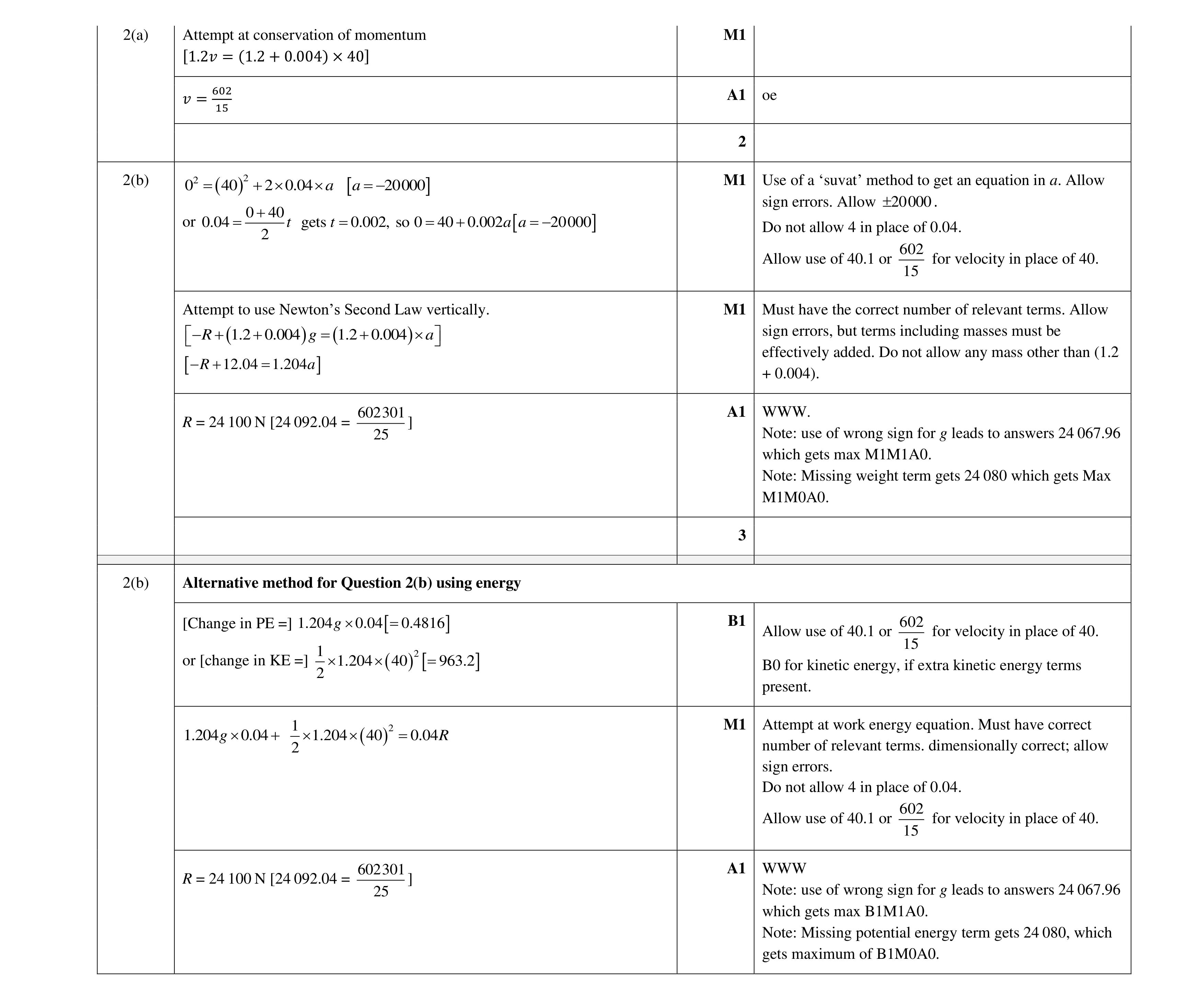 5
5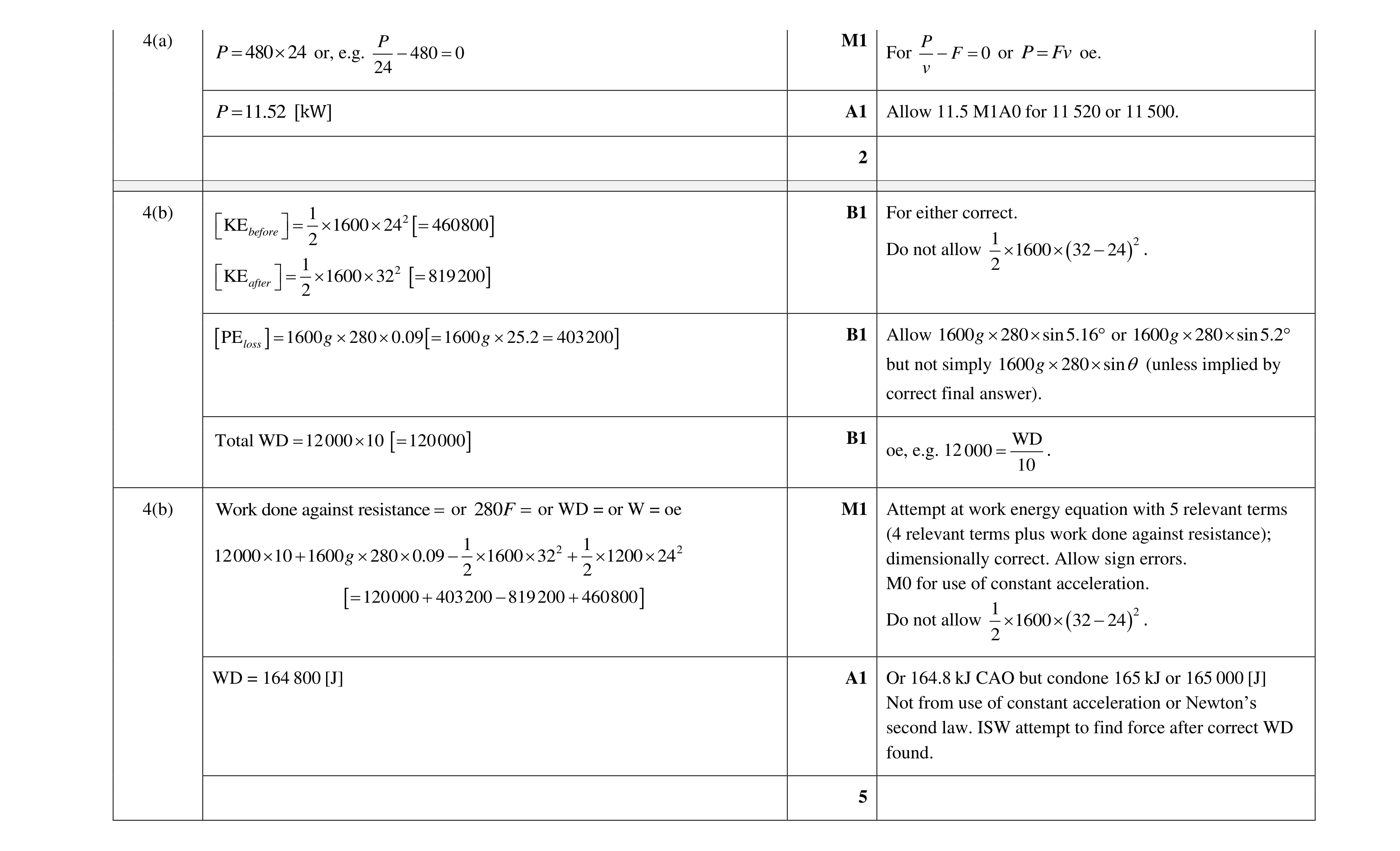 7
7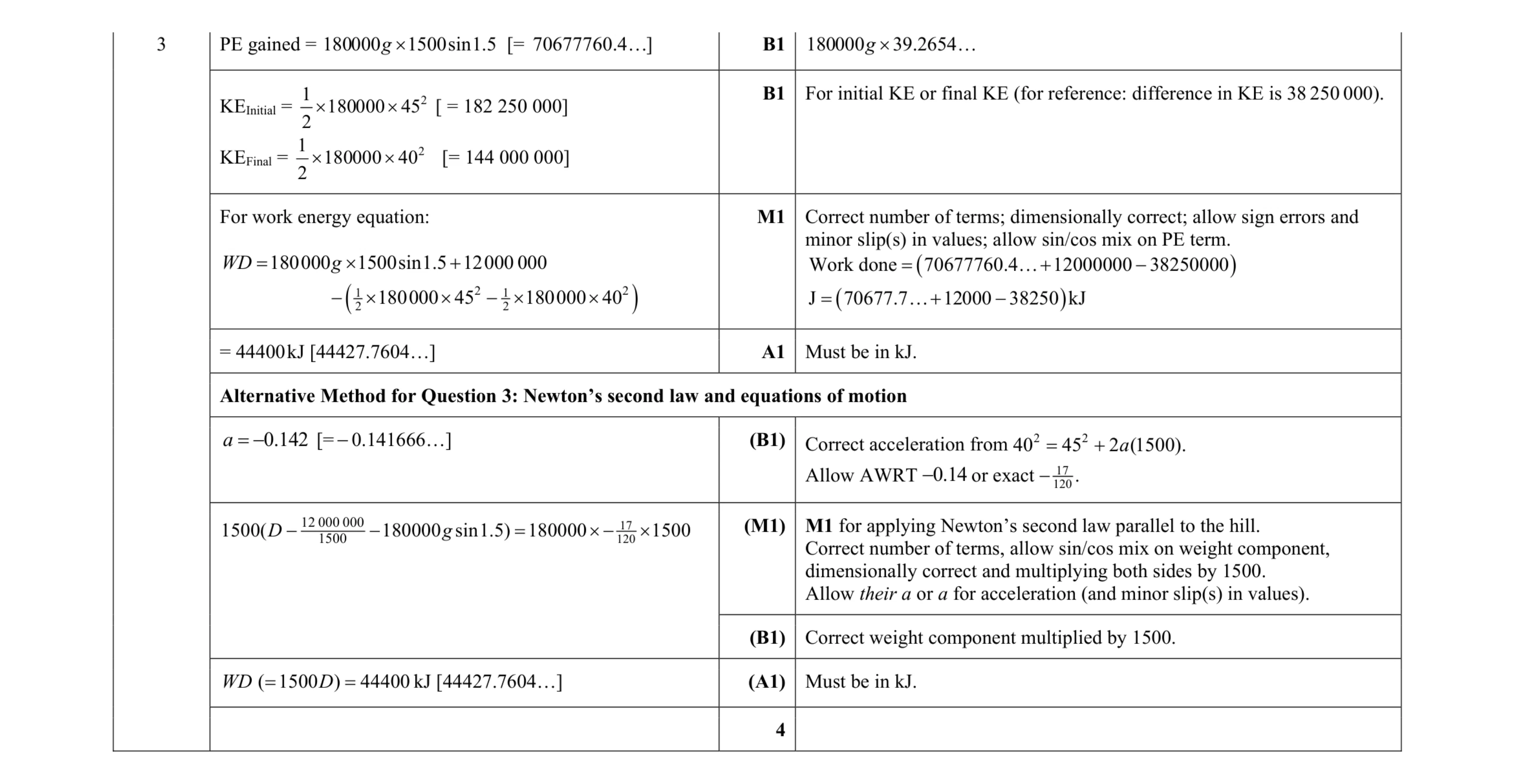 4
4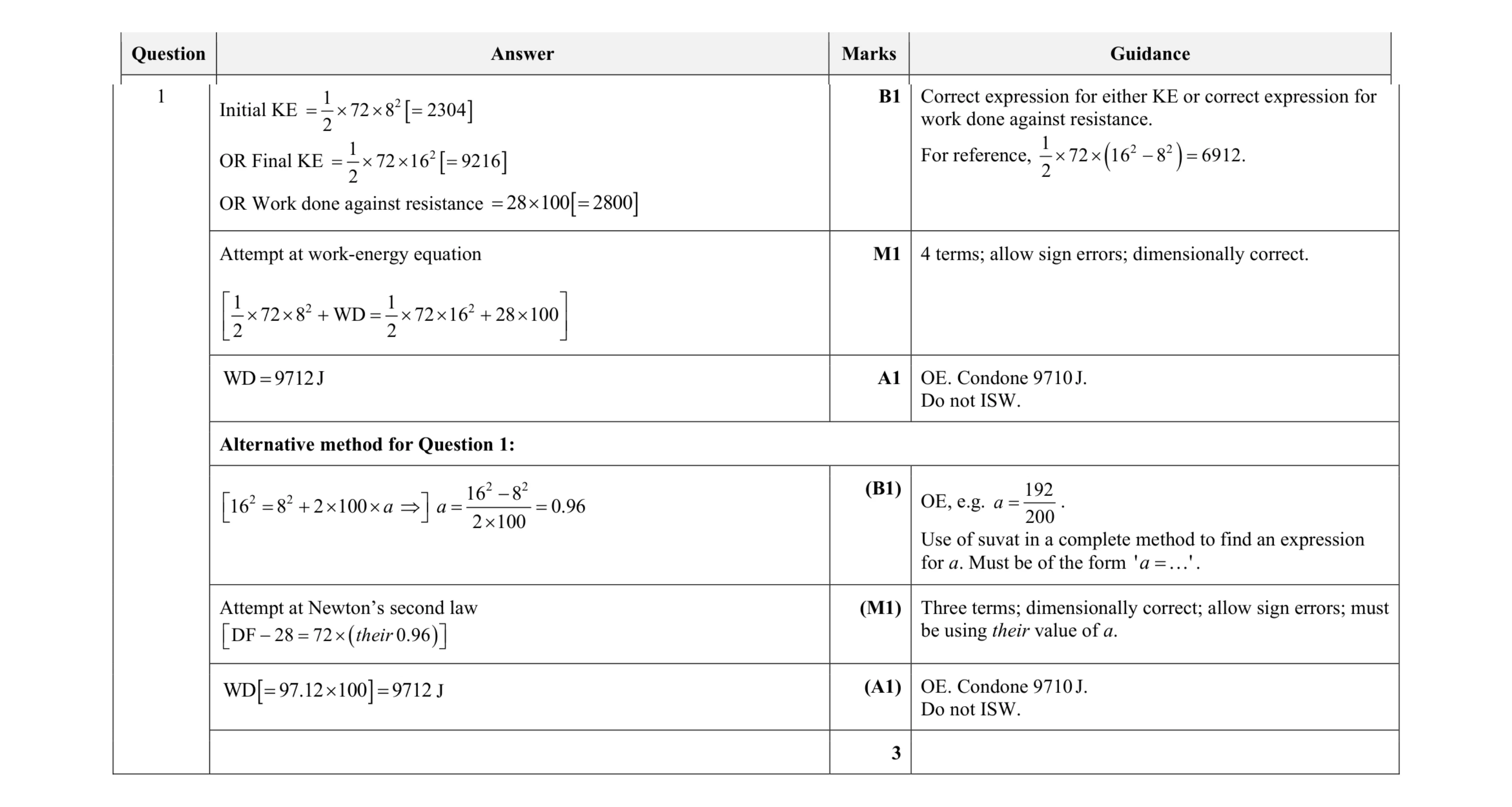 3
3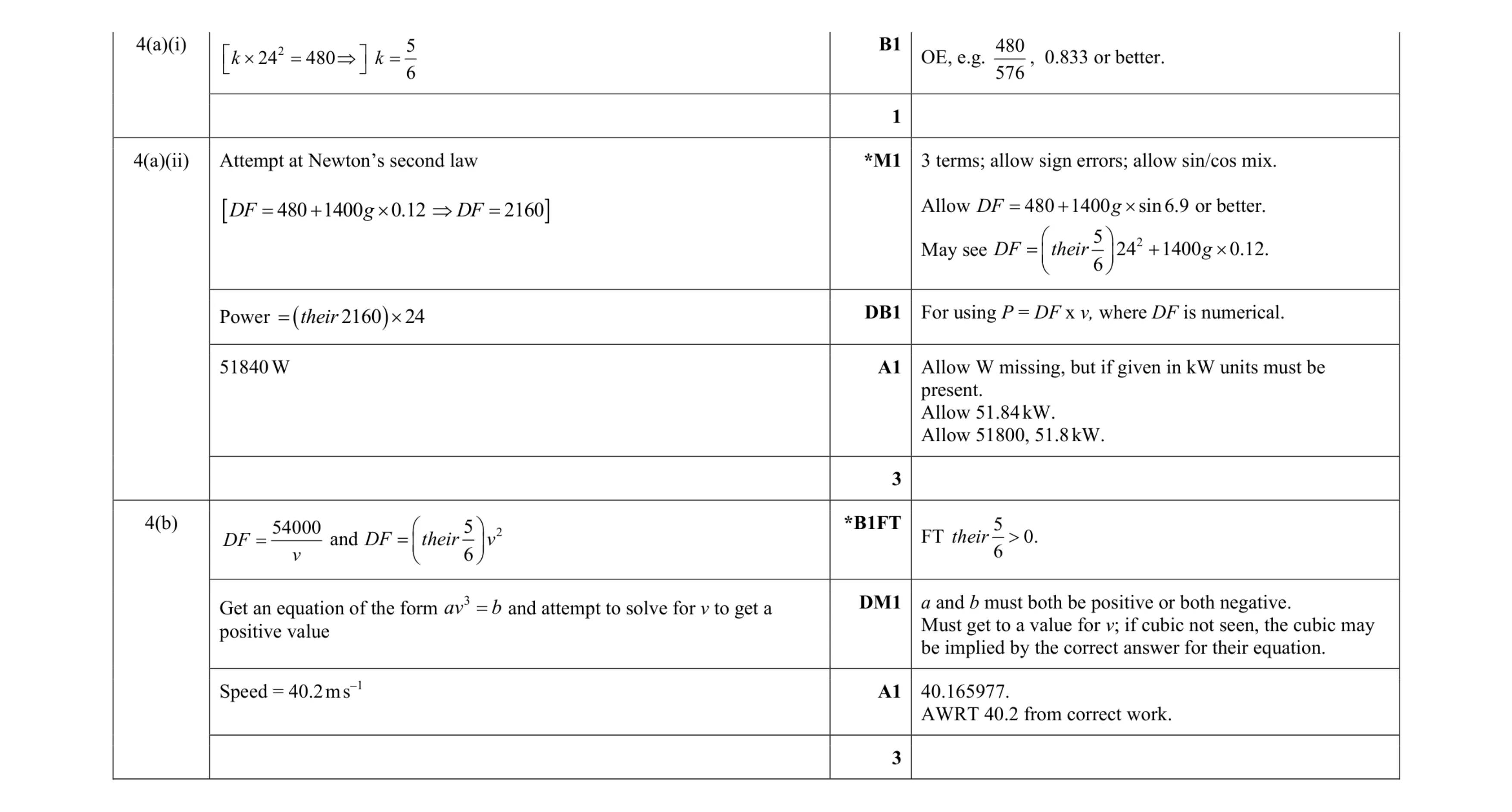 7
7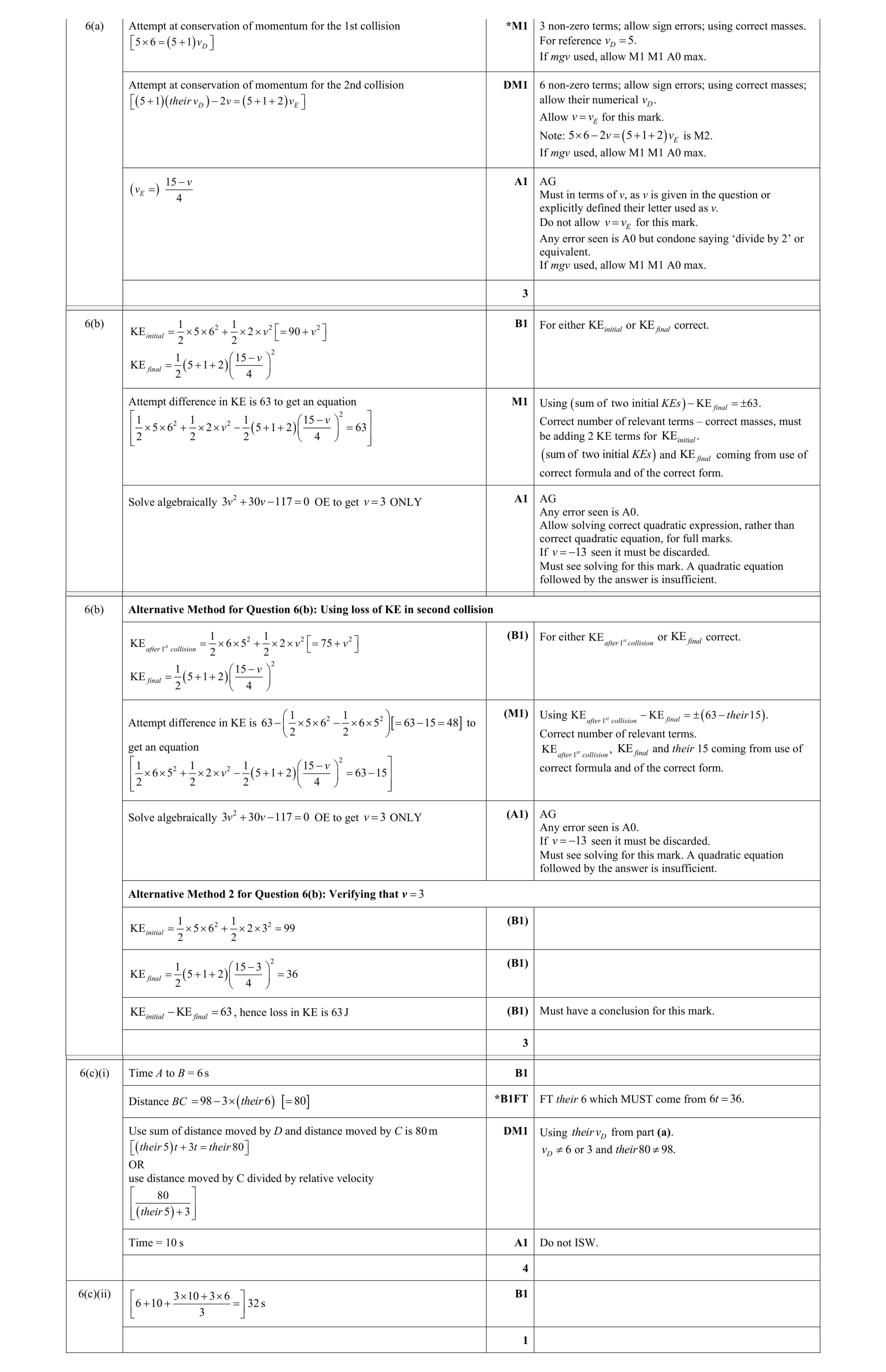 11
11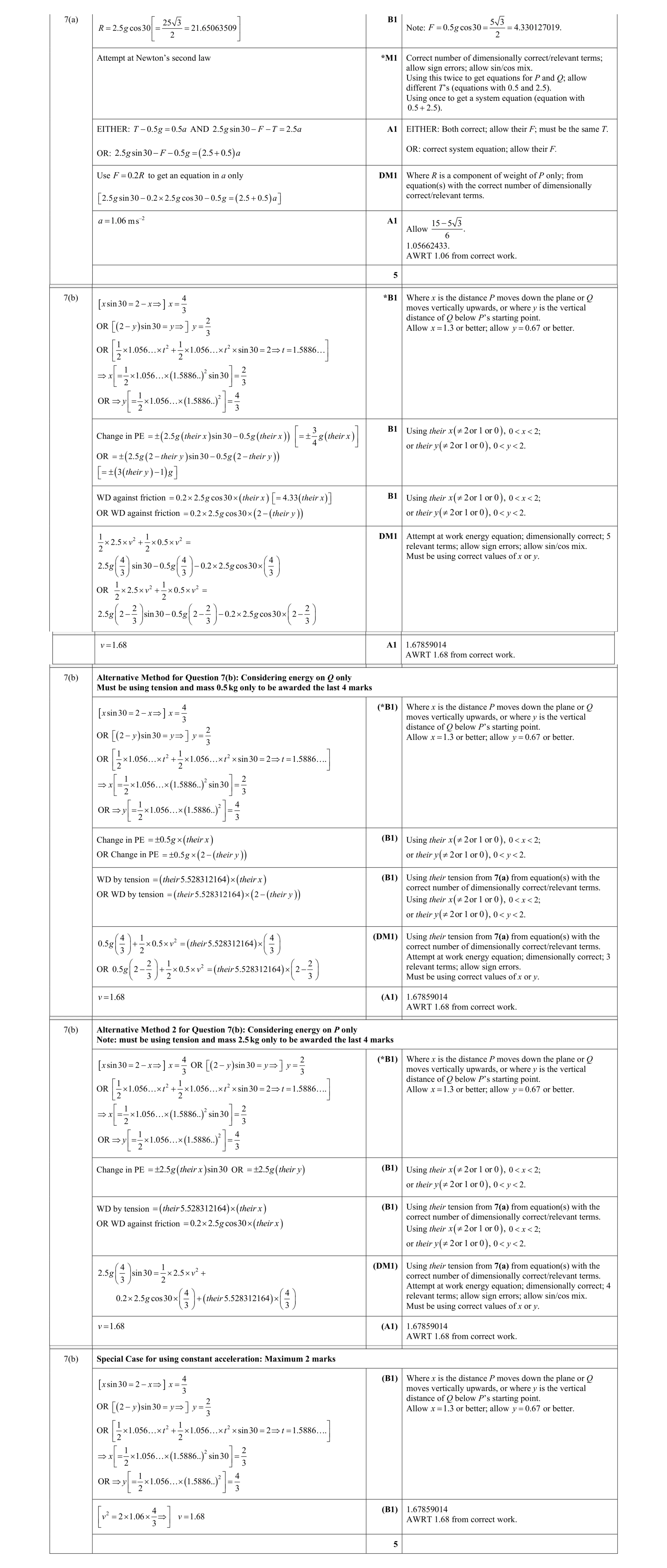 10
10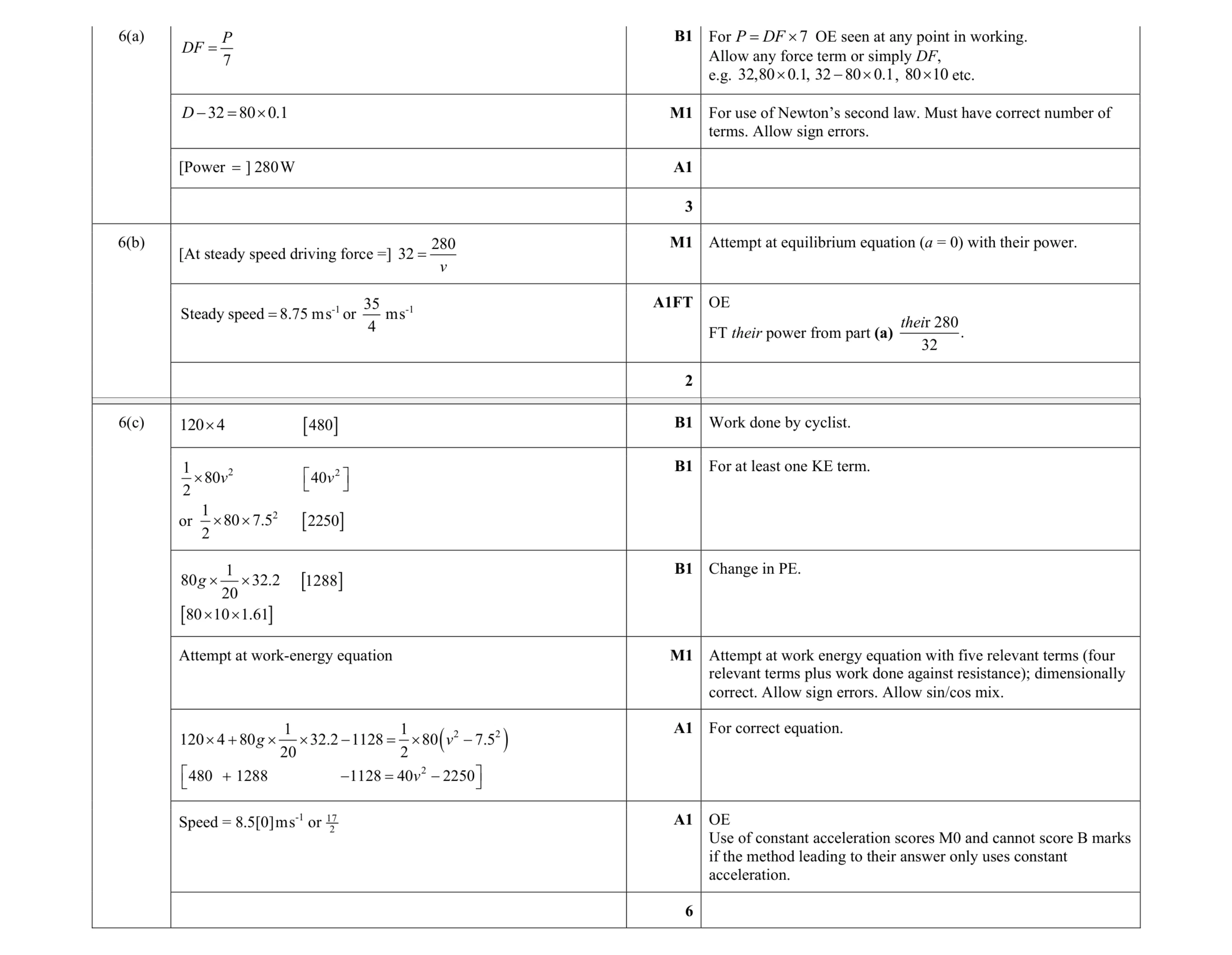 11
11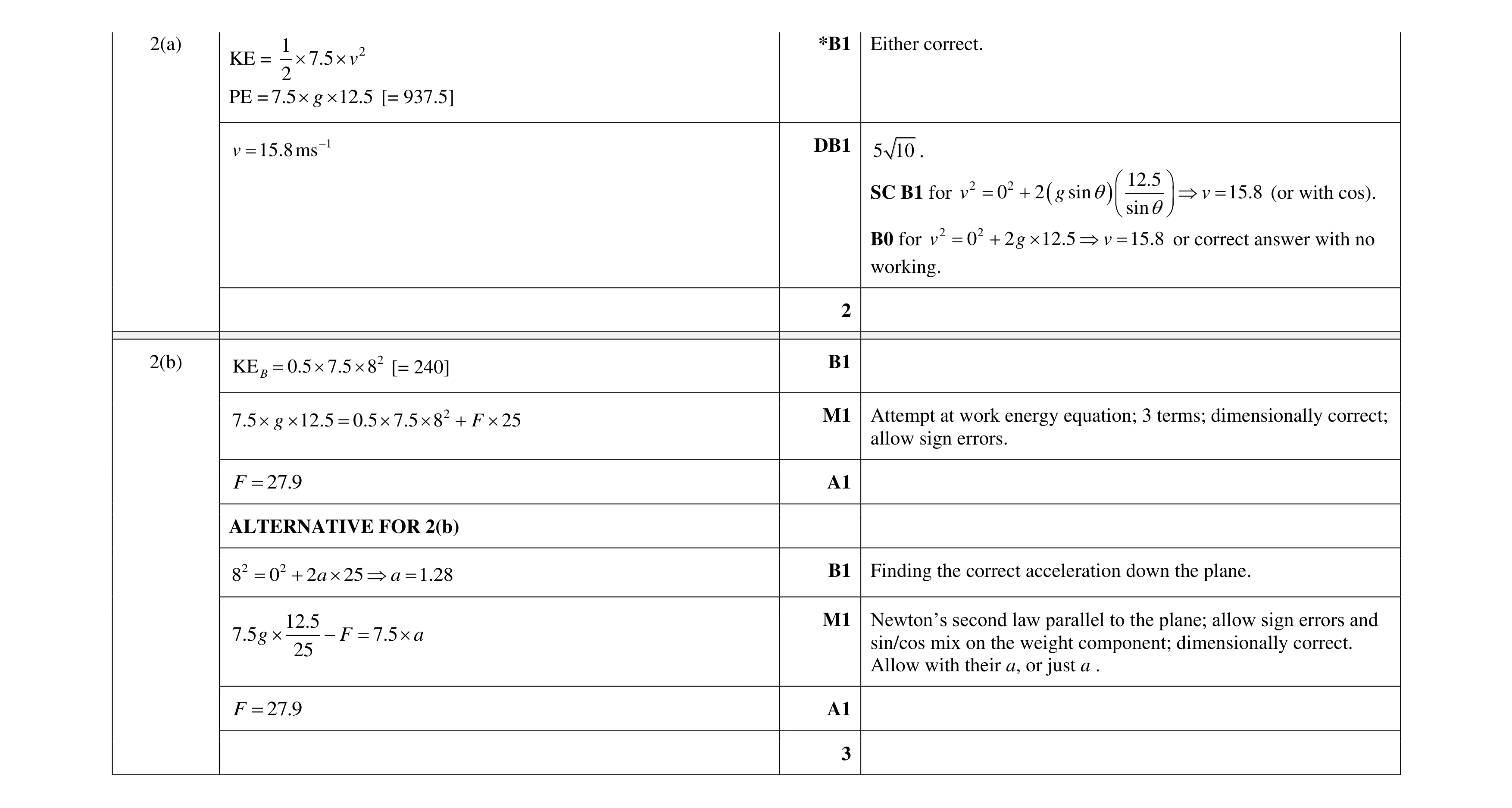 5
5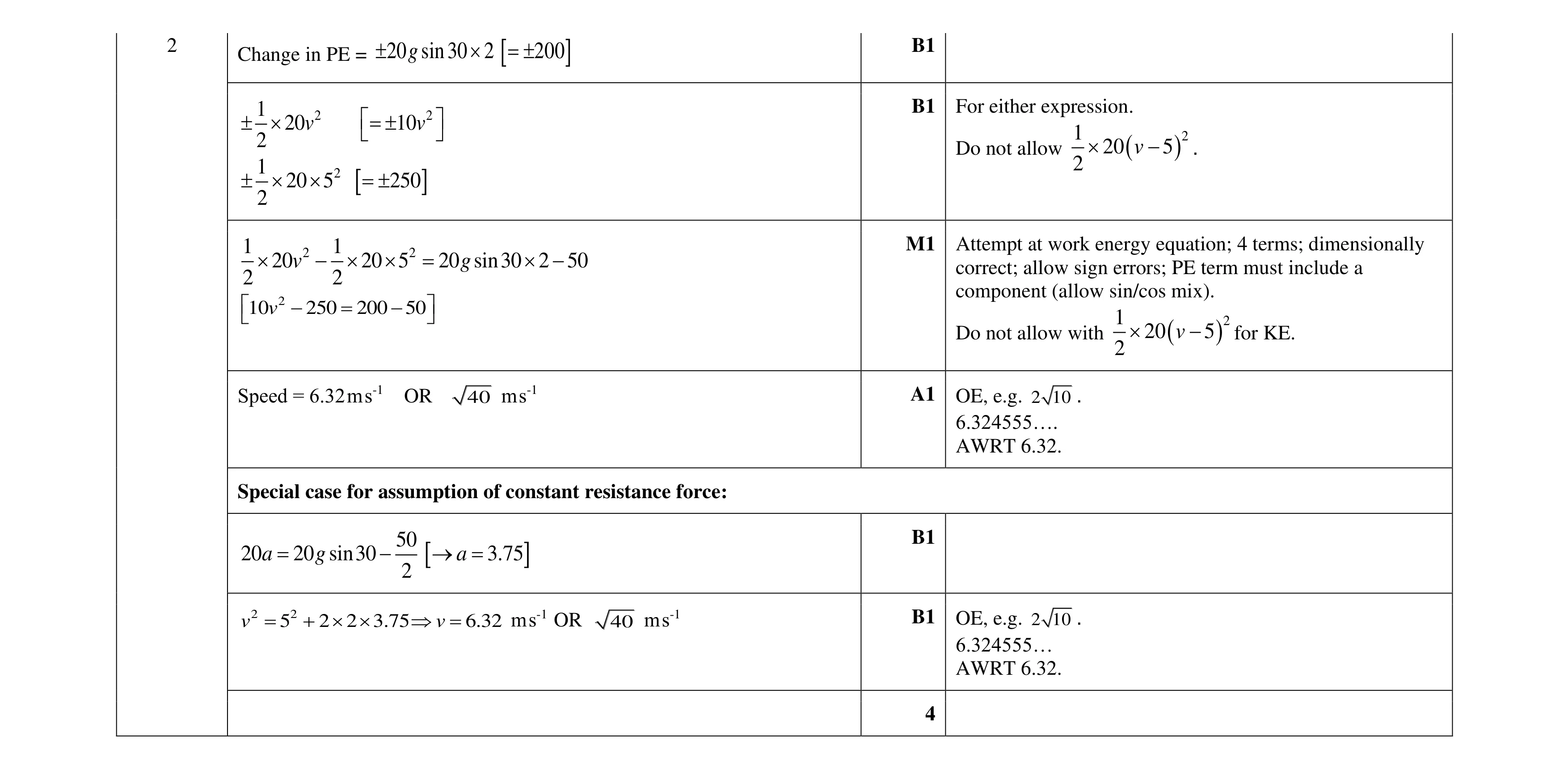 4
4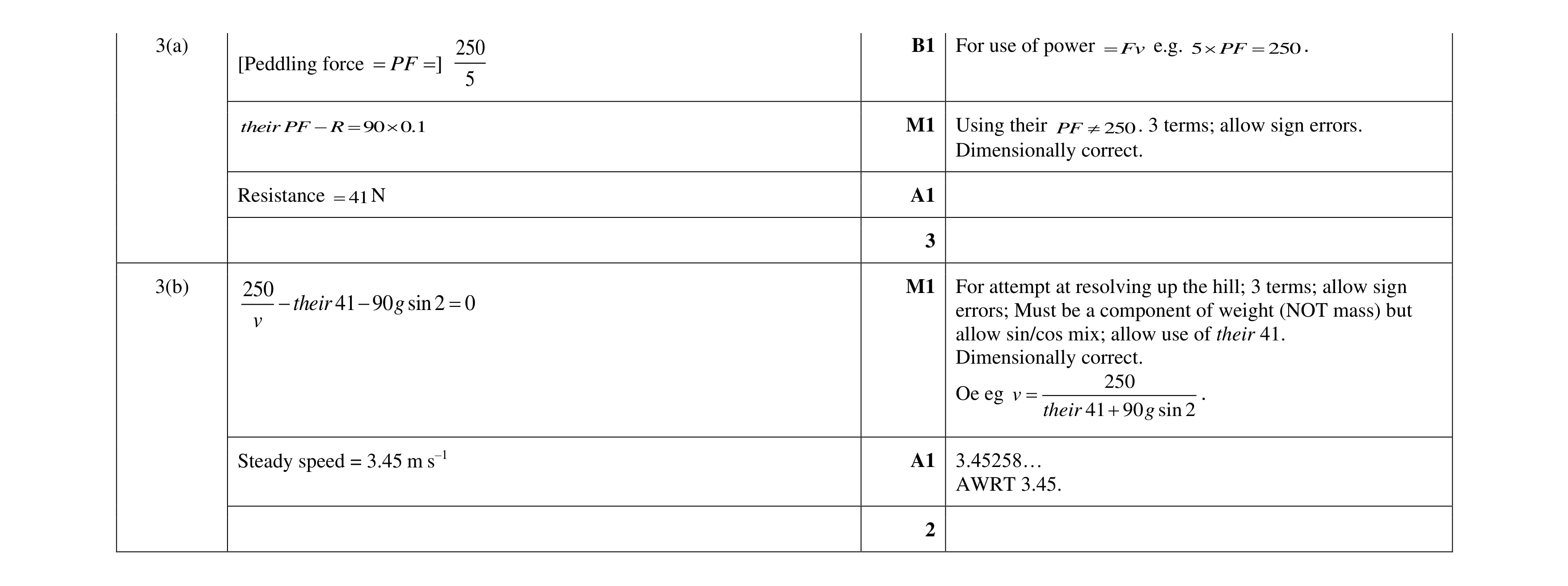 5
5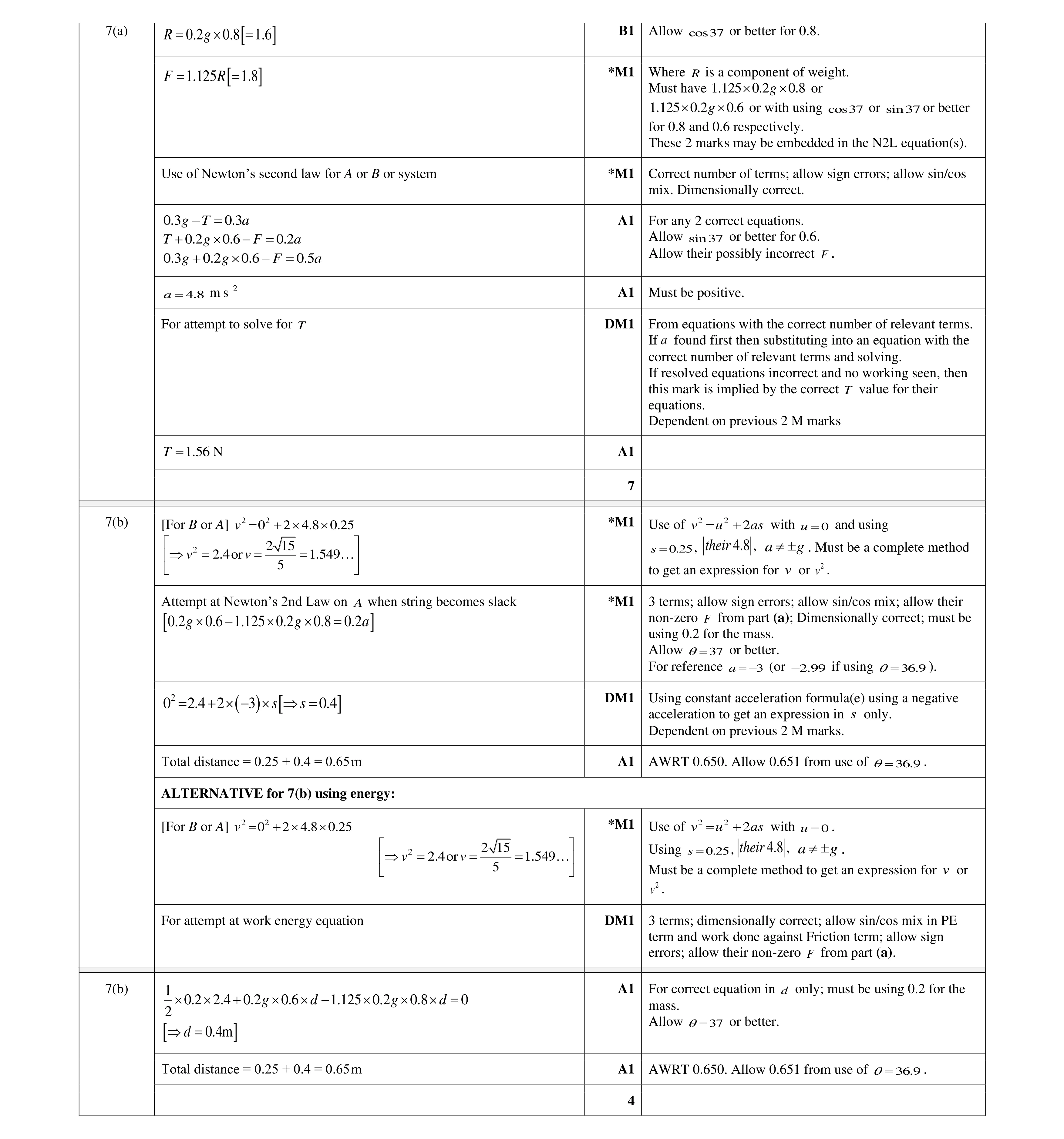 11
11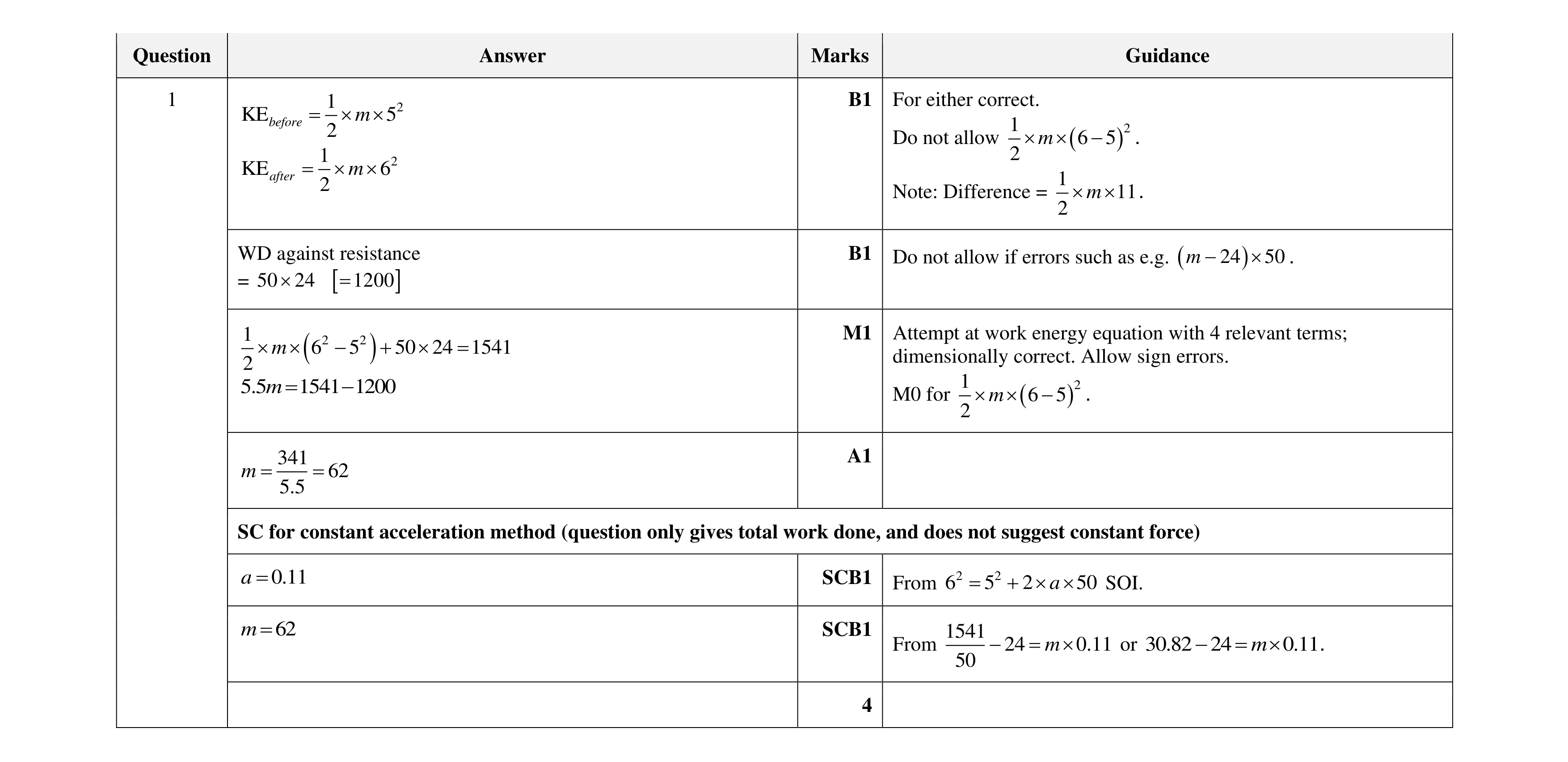 4
4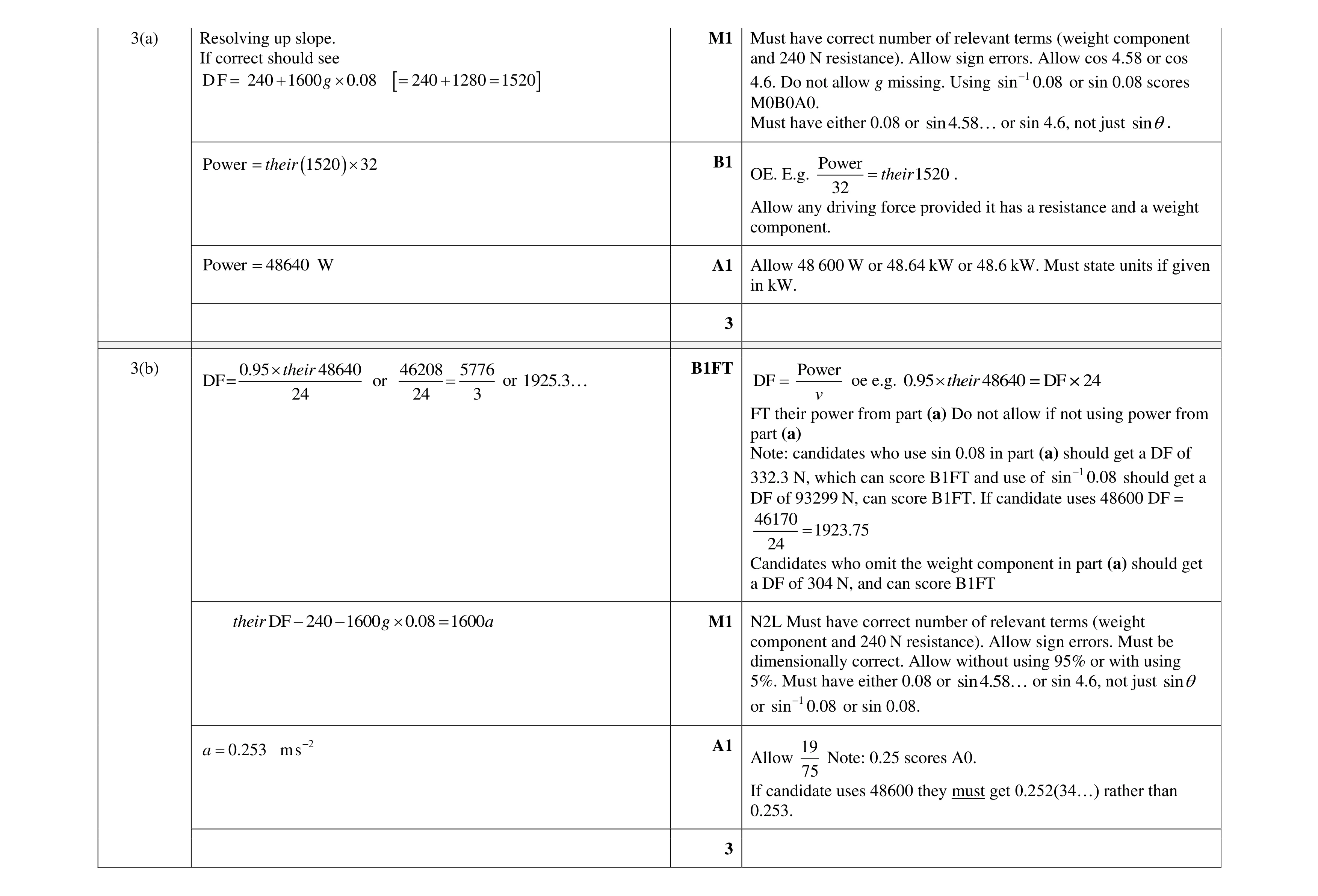 6
6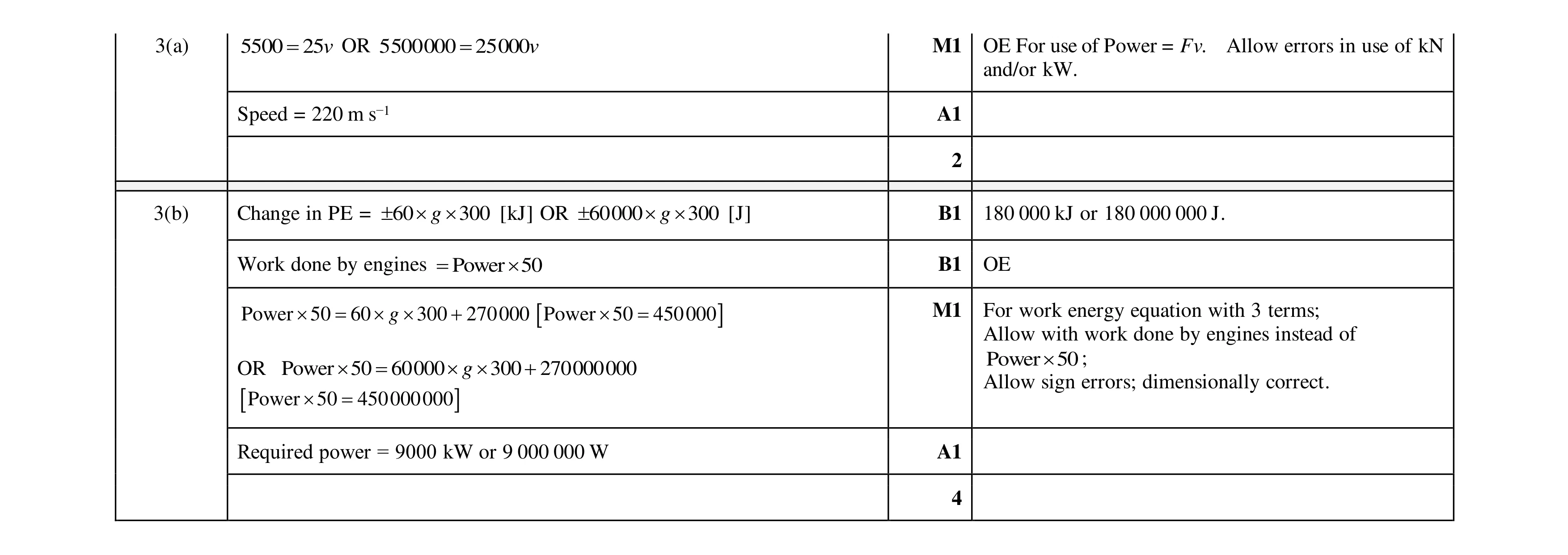 6
6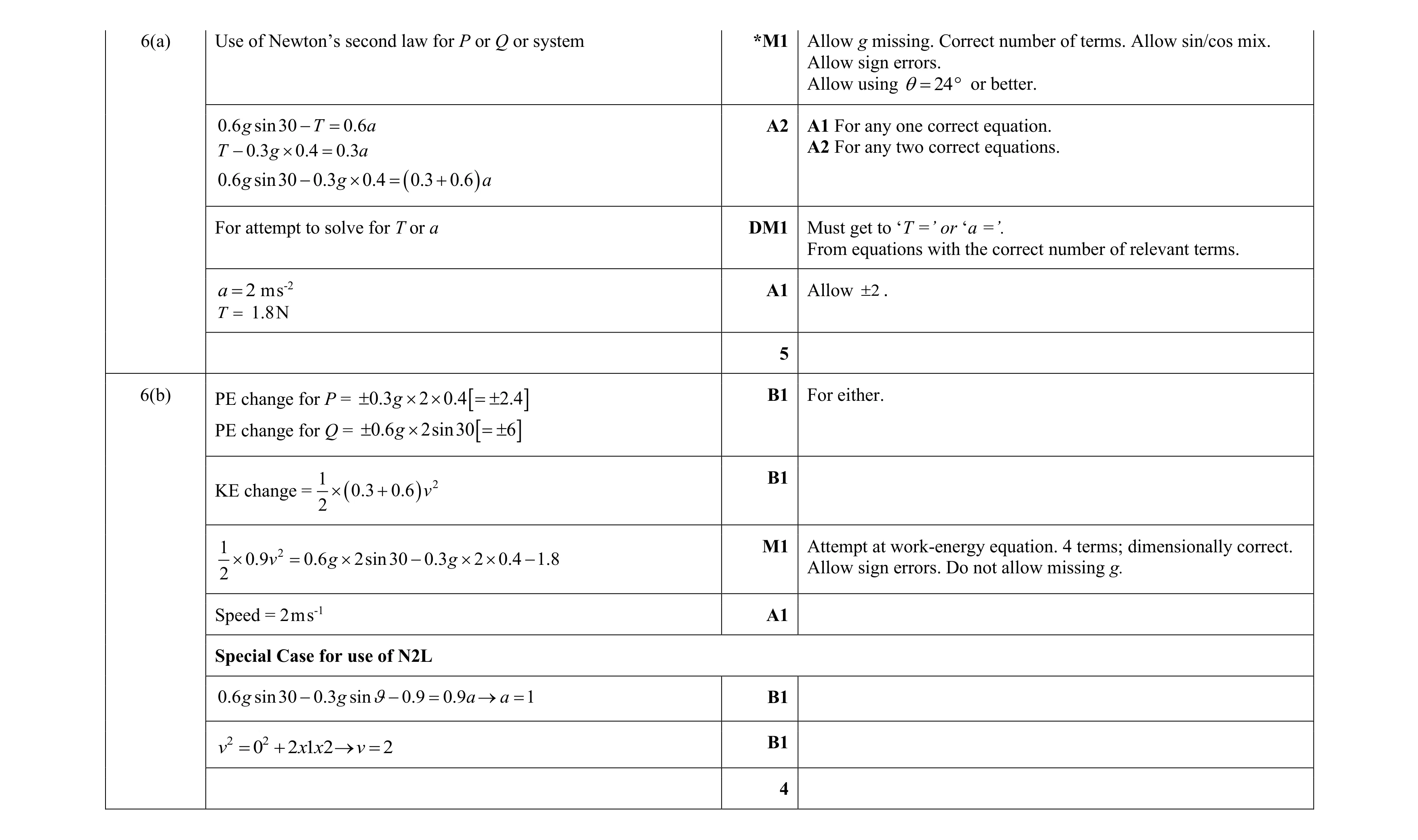 9
9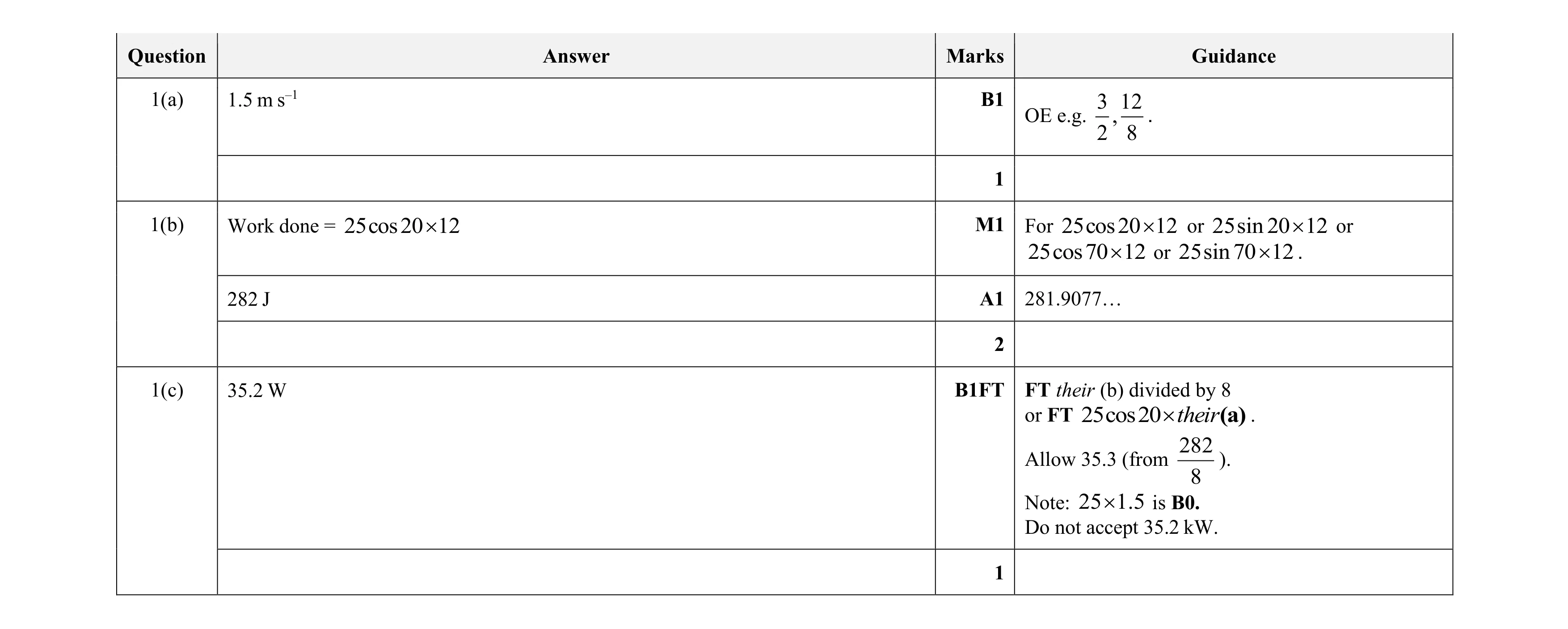 4
4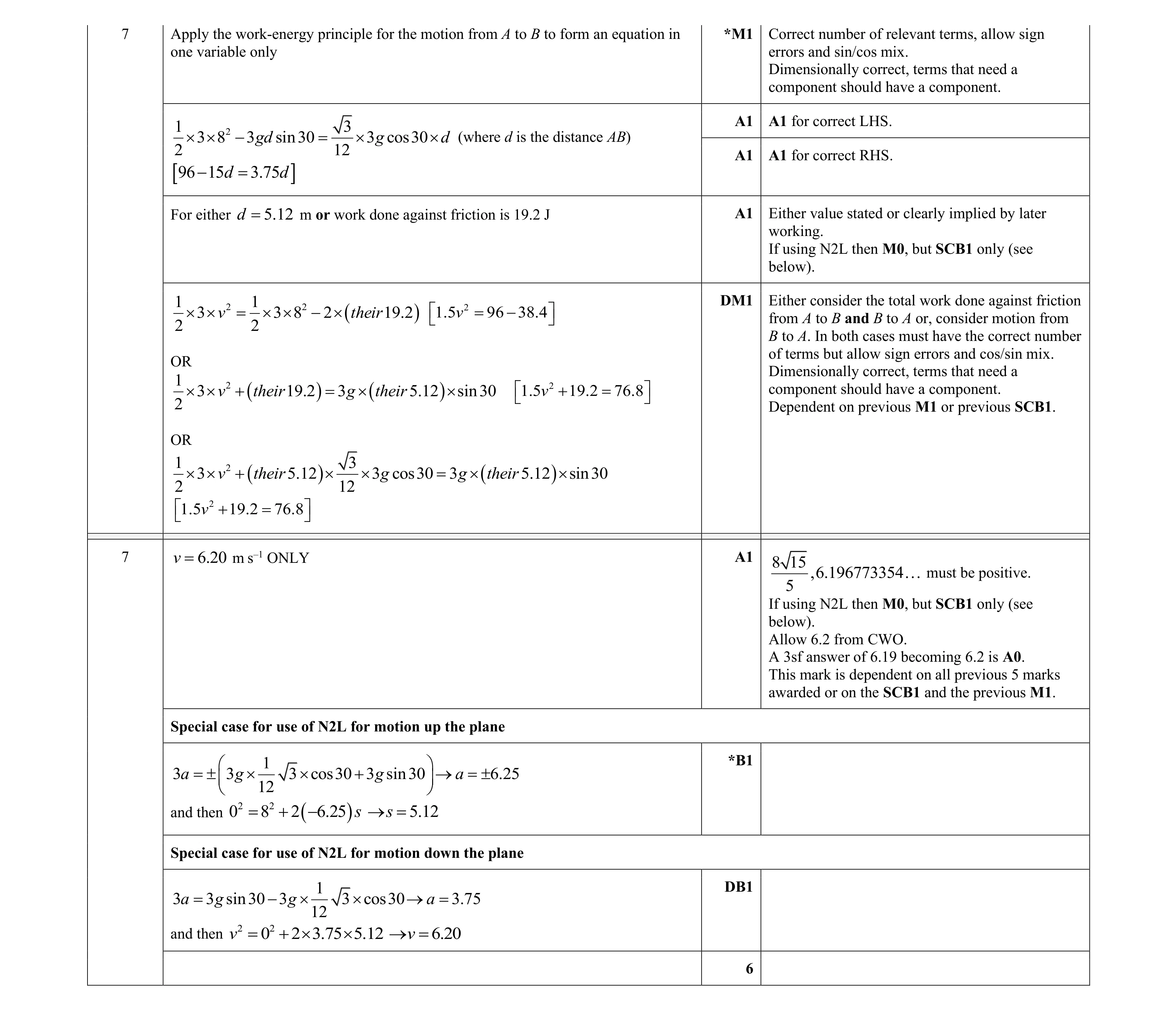 6
6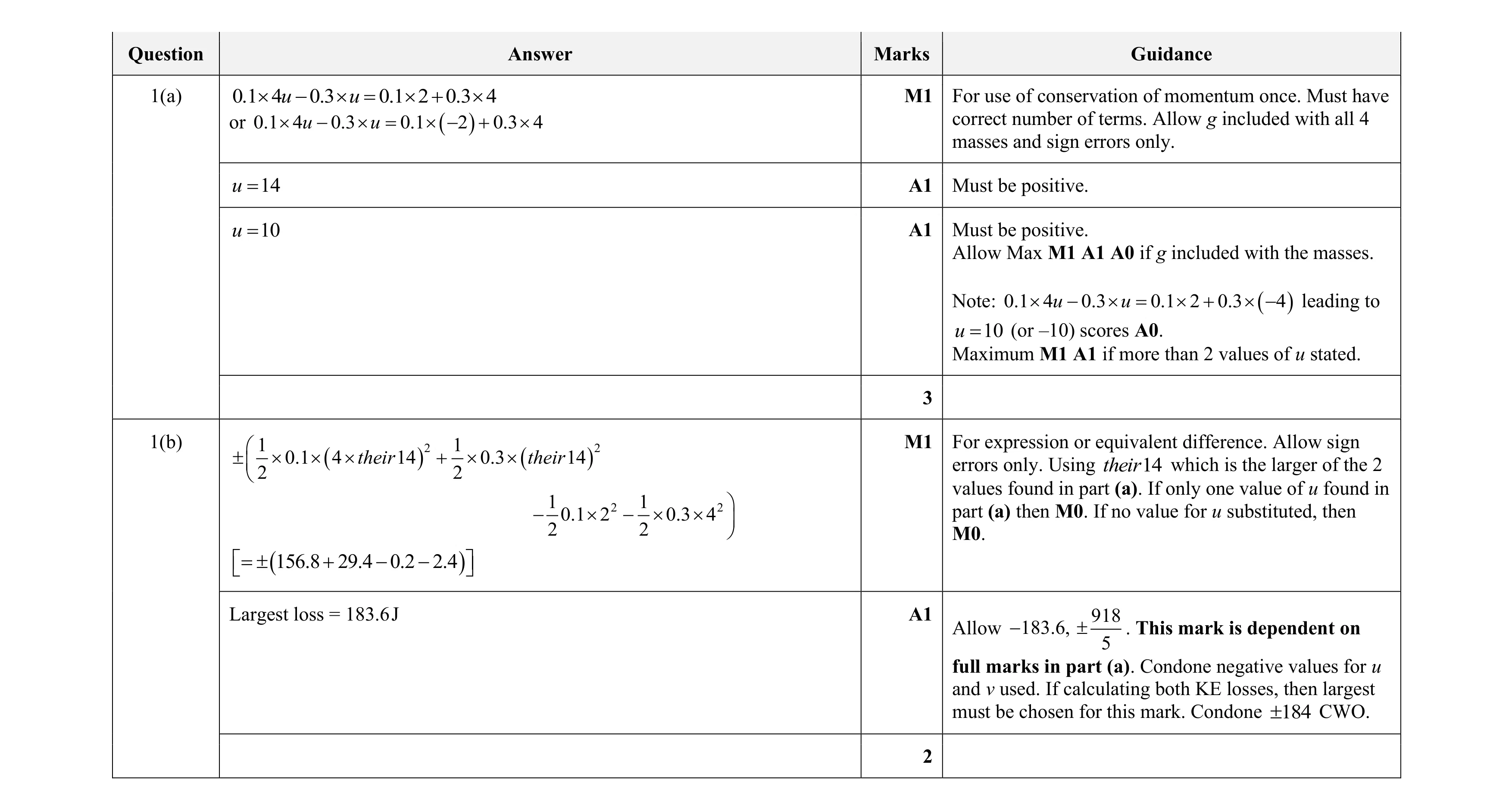 5
5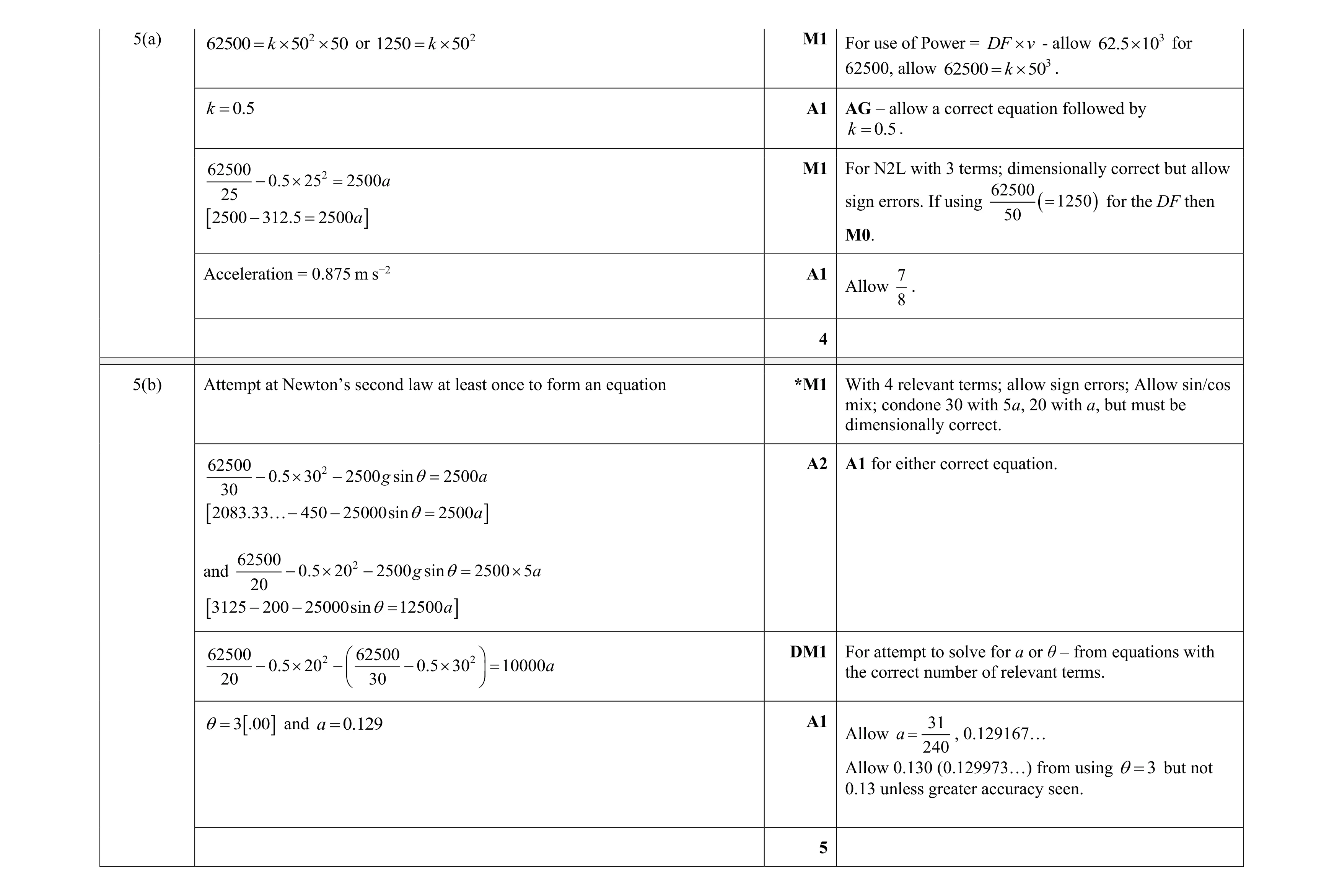 9
9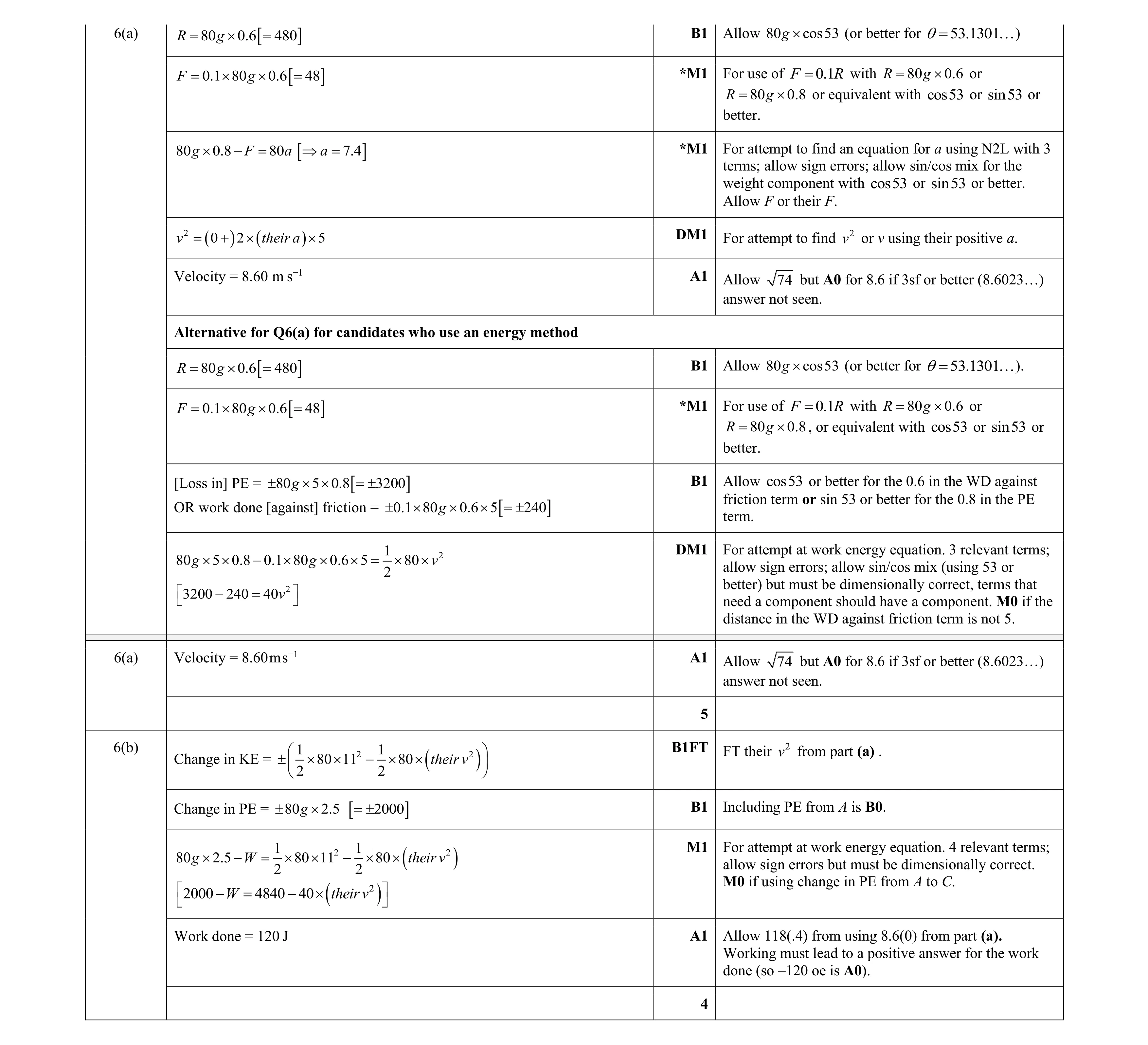 9
9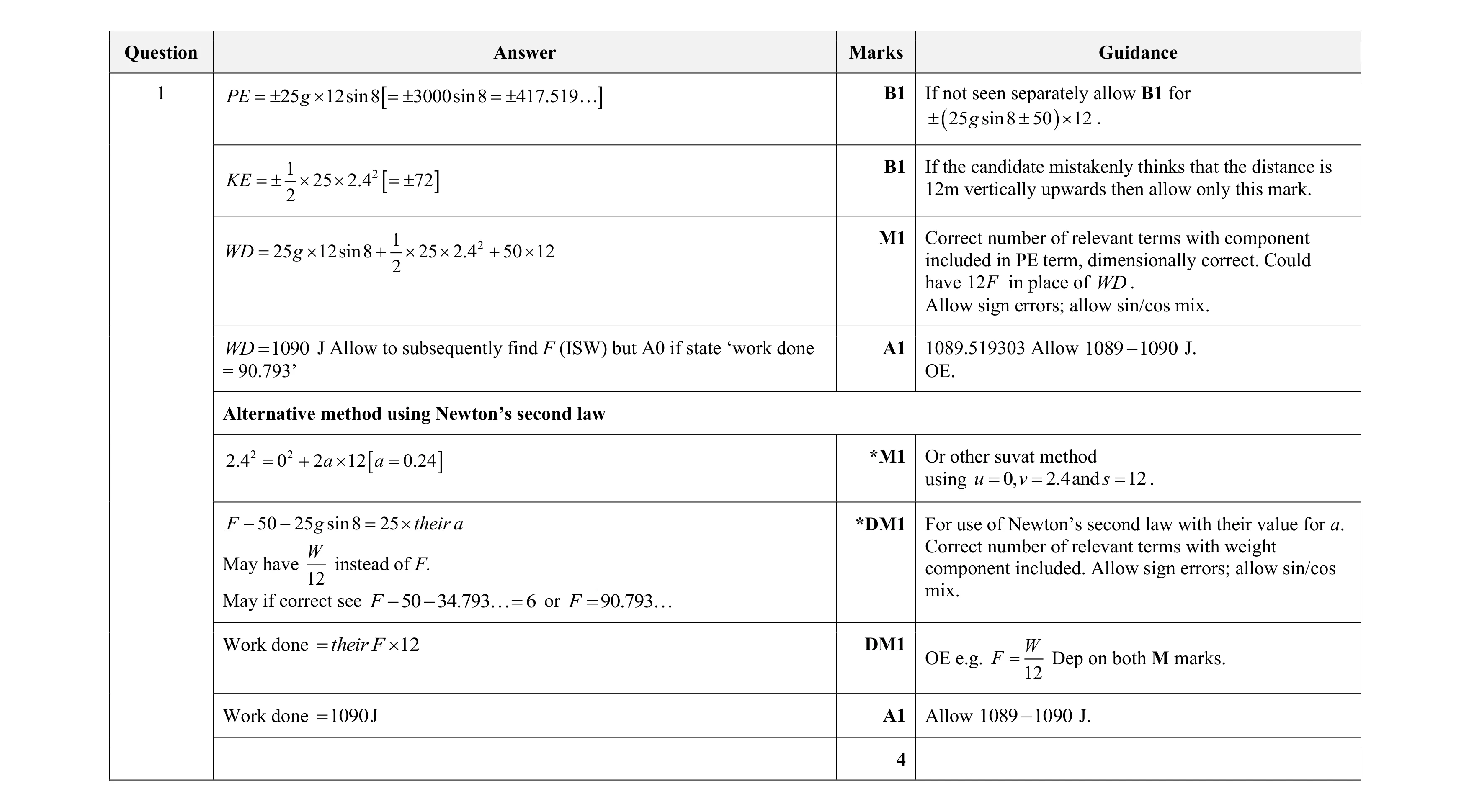 4
4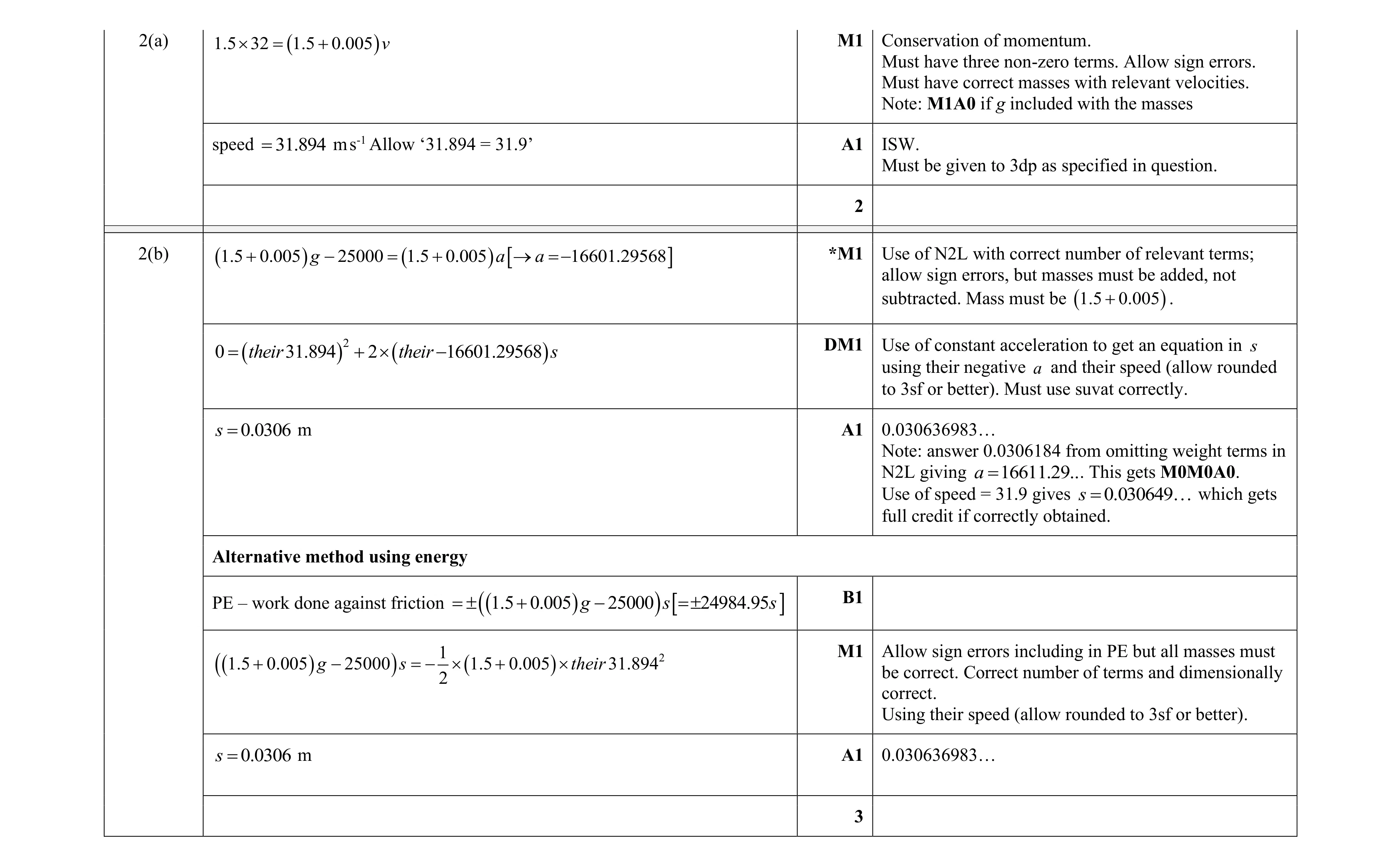 5
5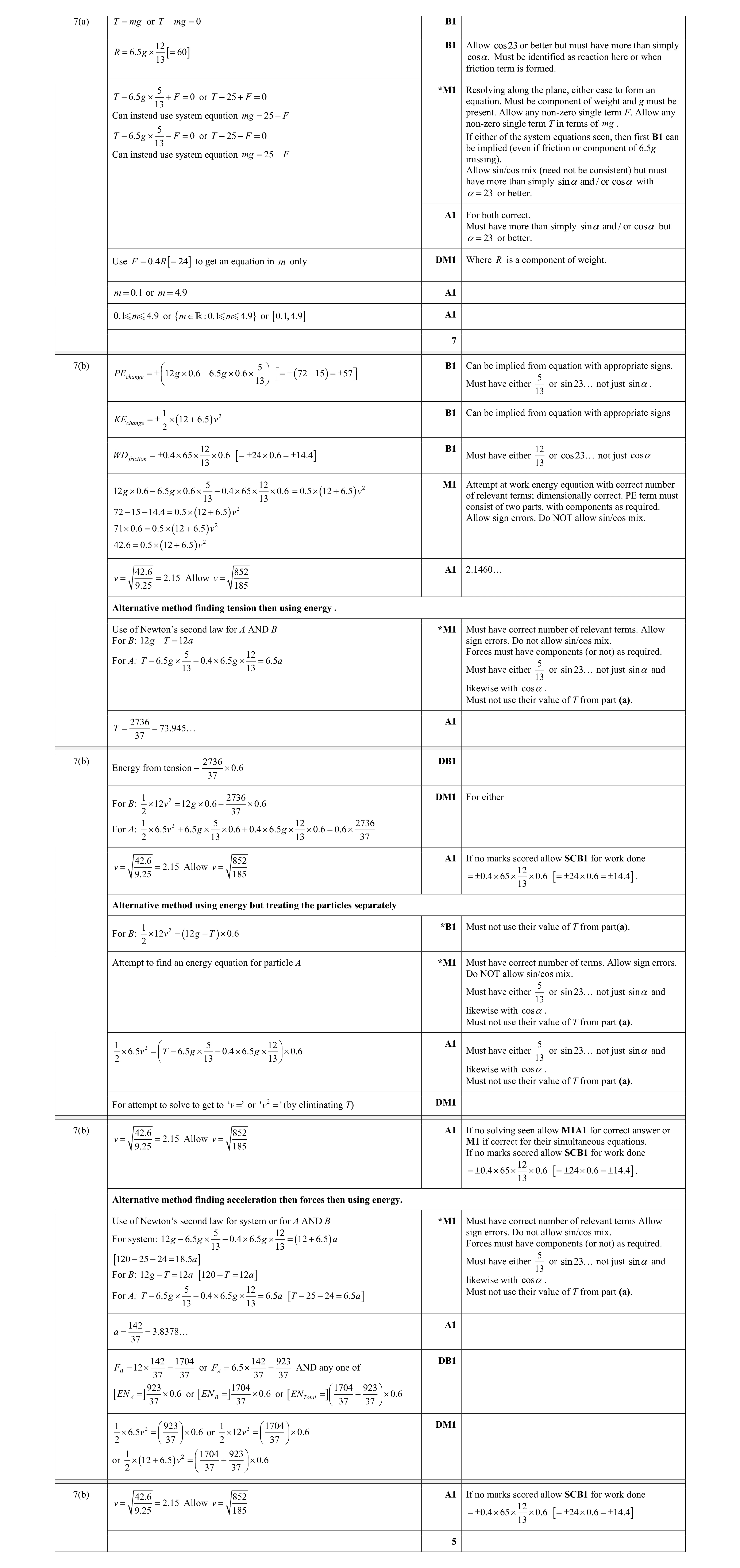 12
12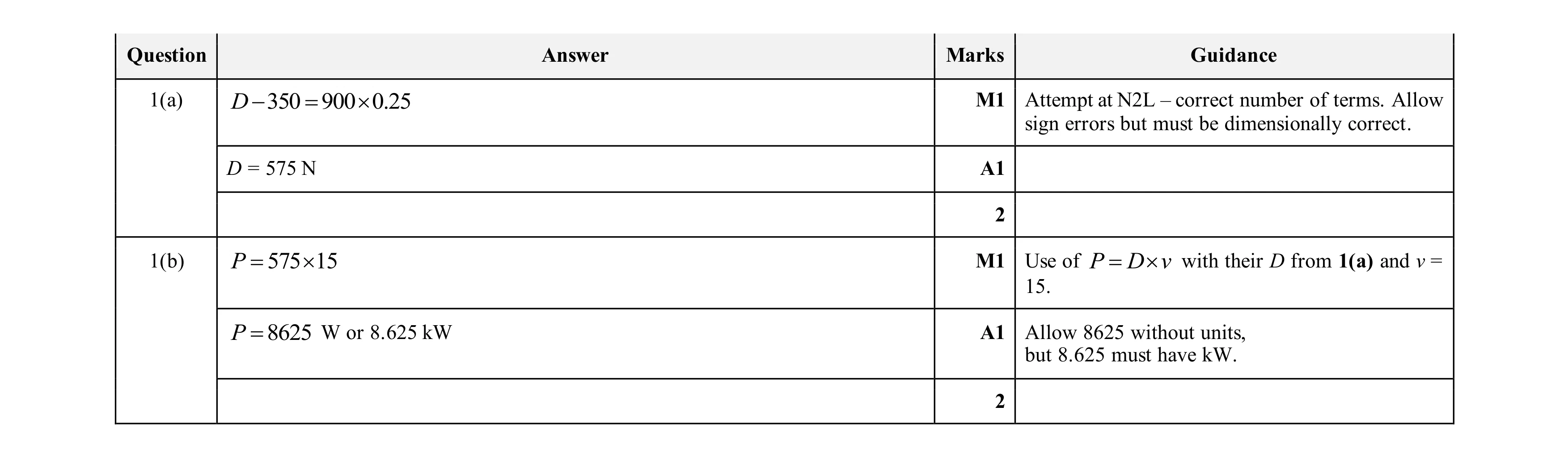 4
4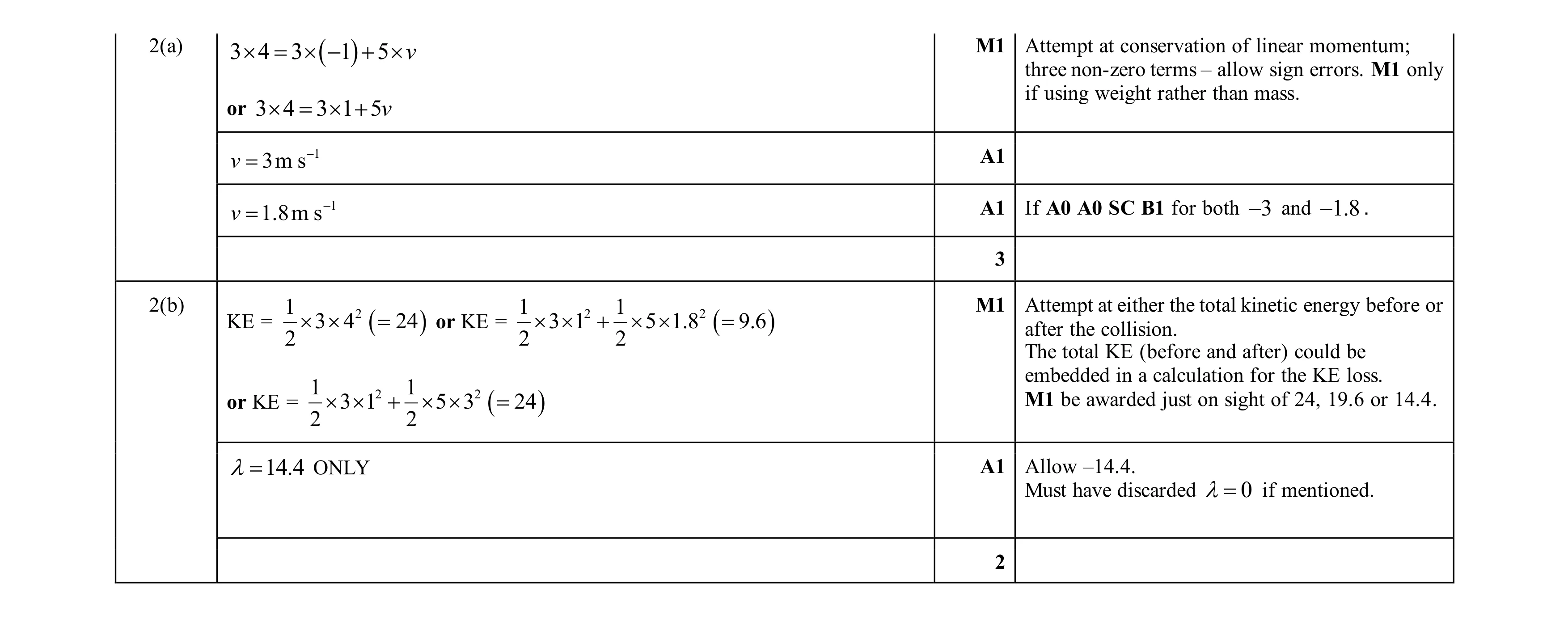 5
5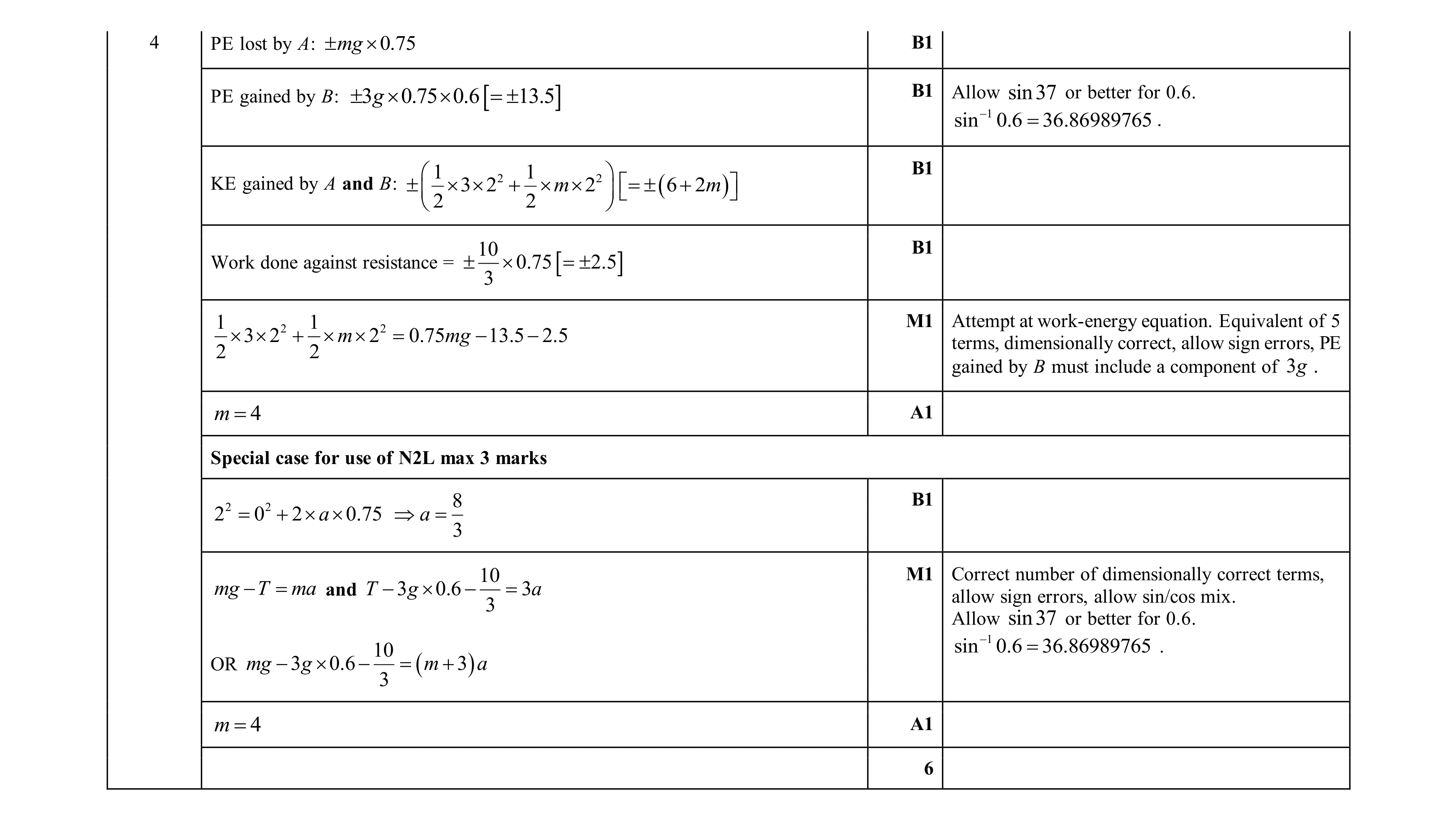 6
6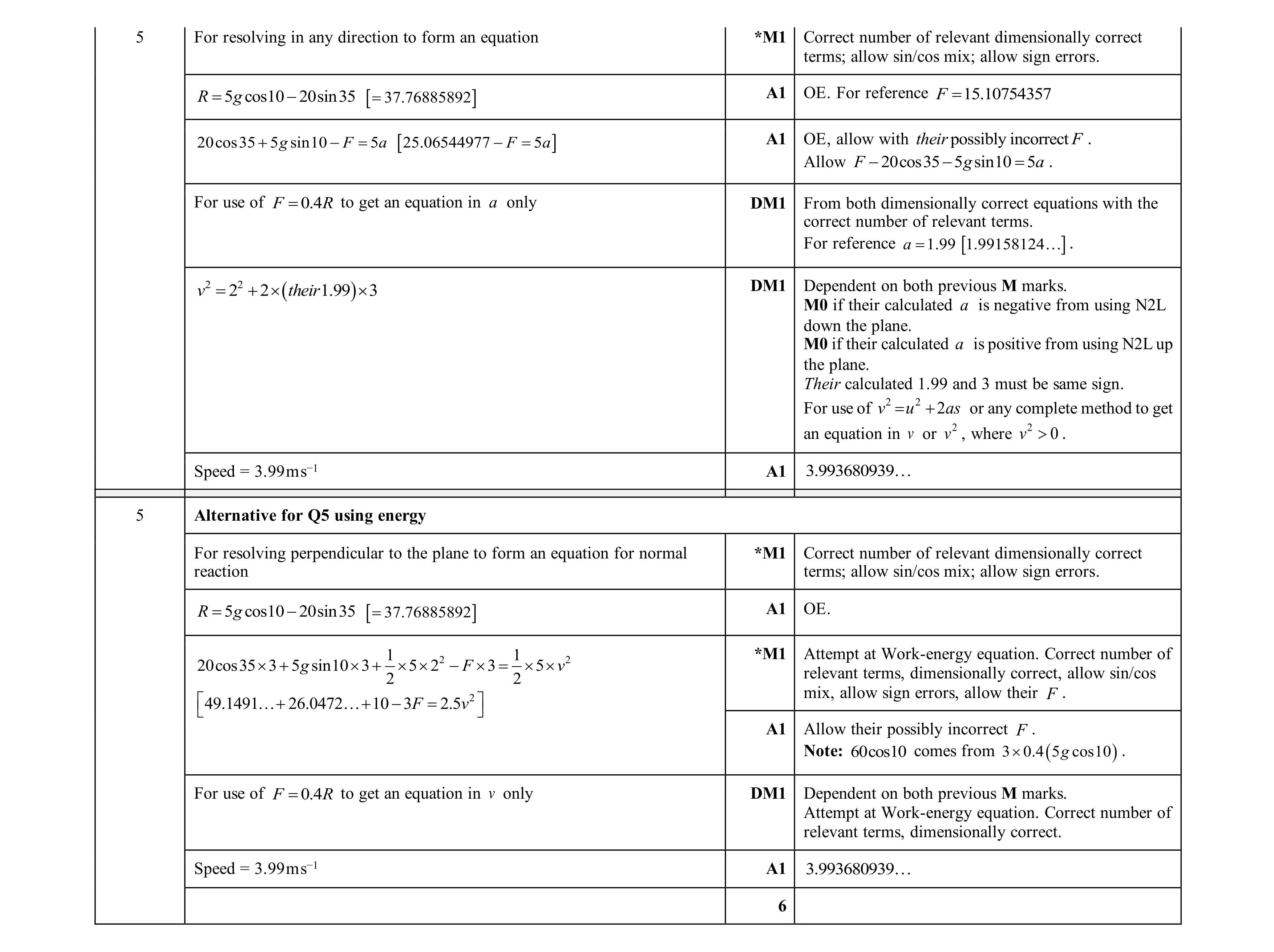 6
6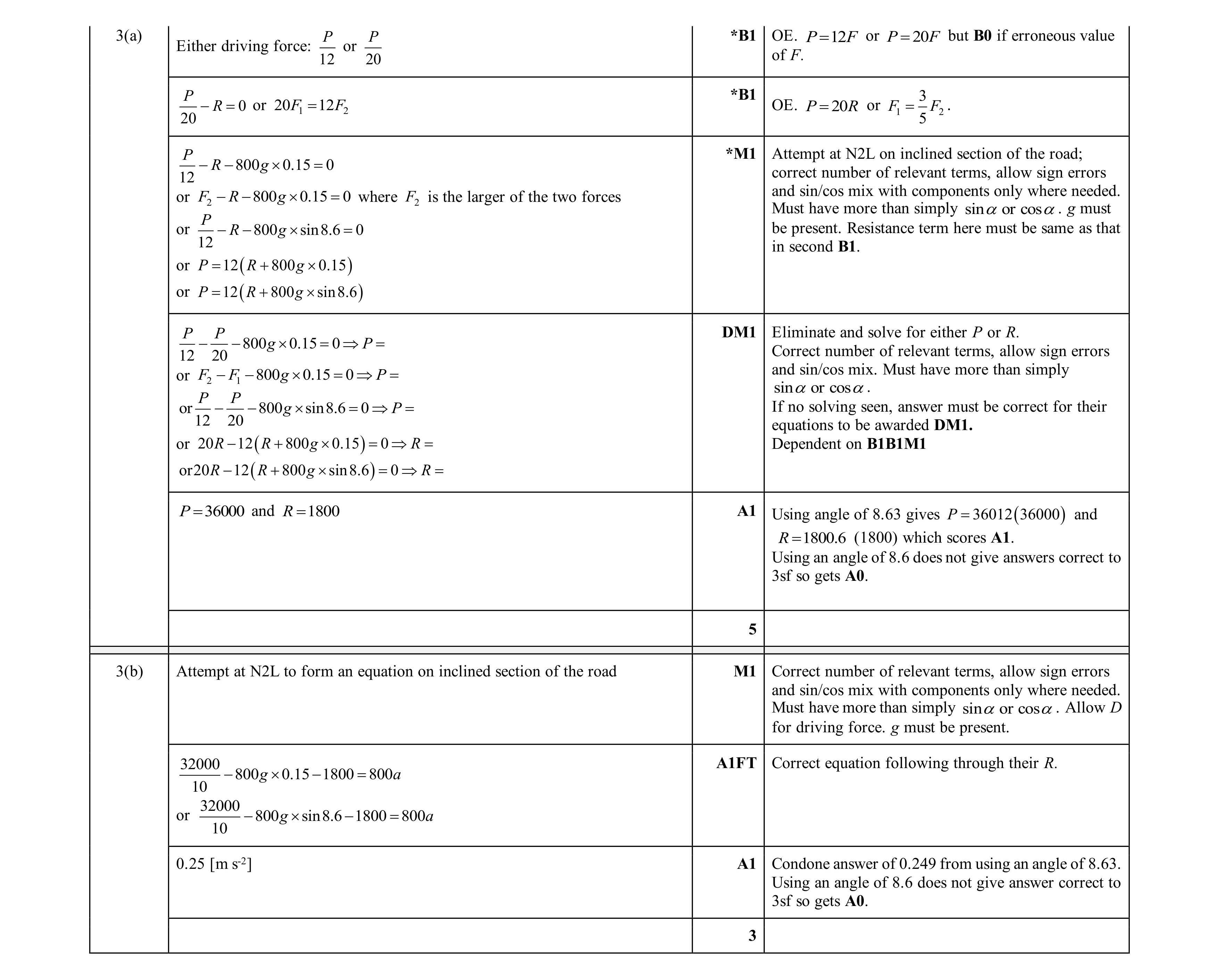 8
8