Questions as text
Q1 · A particle P of mass m kg is attached to the mid-point of a light elastic string of… 9709/51 May/June 2005
1 A particle P of mass m kg is attached to the mid-point of a light elastic string of natural length 0.8 m and modulus of elasticity 8 N. One end of the string is attached to a fixed point A and the other end is attached to a fixed point B which is 2 m vertically below A. When the particle is in equilibrium the distance AP is 1.1 m (see diagram). Find the value of m. [4]
4 marks
Mark scheme: 1 TA = 8 x 0.7 ÷ 0.4 or TB = 8 x 0.5 ÷ 0.4 B1 M1 For resolving forces on P vertically (3 terms needed) 8 x 0.7 ÷ 0.4 = 8 x 0.5 ÷ 0.4 + 10m A1 (correct unsimplified equation) m = 0.4 A1 4
This question in 9709/51 May/June 2005
Q2 · A particle of mass 0.15 kg is attached to one end of a light inextensible string of… 9709/51 May/June 2005
2 A particle of mass 0.15 kg is attached to one end of a light inextensible string of length 2 m. The other end of the string is attached to a fixed point. The particle moves with constant speed in a horizontal circle. The magnitude of the acceleration of the particle is 7 m s−2. The string makes an angle of θ◦ with the downward vertical, as shown in the diagram. Find (i) the value of θ to the nearest whole number, [3] (ii) the tension in the string, [1] (iii) the speed of the particle. [2]
6 marks
Mark scheme: 2 (i) 0.15 g = T cos θ B1 (T sin θ = 0.15 x 7) M1 For using Newton’s second law horizontally θ = 35 A1 3 (ii) The tension is 1.83 N B1 ft 1 (iii) M1 For using a = v 2 ÷ r and r = 2 sin θ Speed is 2.83 ms-1 A1 ft 2 ft v = 14 sin θ
This question in 9709/51 May/June 2005
Q3 · ABCDEF is the L-shaped cross-section of a uniform solid 9709/51 May/June 2005
3 ABCDEF is the L-shaped cross-section of a uniform solid. This cross-section passes through the centre of mass of the solid and has dimensions as shown in Fig. 1. (i) Find the distance of the centre of mass of the solid from the edge AB of the cross-section. [3] The solid rests in equilibrium with the face containing the edge AF of the cross-section in contact with a horizontal table. The weight of the solid is W N. A horizontal force of magnitude P N is applied to the solid at the point B, in the direction of BC (see Fig. 2). The table is sufficiently rough to prevent sliding. (ii) Find P in terms of W, given that the equilibrium of the solid is about to be broken. [3]
6 marks
Mark scheme: 3 (i) M1 For obtaining an equation in x by taking moments (equation to contain all relevant terms) (300 + 100) x = 300 x 5 + 100 x 15 A1 Any correct equation in x Distance is 7.5 m A1 3 (ii) For obtaining an equation in P and W by taking moments about F and using the idea that the normal component of the contact force has no moment about F (almost M1 certainly implied in most cases). 30P = 7.5W (moment about A) is M0 (20 – 7.5)W = 30P A1 ft 5 P = W (= 0 . 417W ) A1 3 12
This question in 9709/51 May/June 2005
Q4 · A particle P of mass 0.4 kg is attached to one end of a light elastic string of natural… 9709/51 May/June 2005
4 A particle P of mass 0.4 kg is attached to one end of a light elastic string of natural length 1.5 m and modulus of elasticity 6 N. The other end of the string is attached to a fixed point O on a rough horizontal table. P is released from rest at a point on the table 3.5 m from O. The speed of P at the instant the string becomes slack is 6 m s−1. Find (i) the work done against friction during the period from the release of P until the string becomes slack, [5] (ii) the coefficient of friction between P and the table. [2]
7 marks
Mark scheme: 4 (i) Initial EE = 6 x 22 ÷ (2 x 1.5) B1 Final KE = ½ 0.4 x 62 B1 M1 For using WD against friction = initial EPE – final KE WD = 6 x 4 ÷ (2 x 1.5) – ½ 0.4 x 62 A1 ft Any correct form WD against friction is 0.8 J A1 5 (ii) (0.8 = µ 0.4g x 2) M1 For using WD = F x d and F = µ R Coefficient is 0.1 A1 ft 2 ft µ = WD ÷ 8
This question in 9709/51 May/June 2005
Q5 · A rigid rod consists of two parts 9709/51 May/June 2005
6 A rigid rod consists of two parts. The part BC is in the form of an arc of a circle of radius 2 m and centre O, with angle BOC = 14π radians. BC is uniform and has weight 3 N. The part AB is straight and of length 2 m; it is uniform and has weight 4 N. The part AB of the rod is a tangent to the arc BC at B. The end A of the rod is freely hinged to a fixed point of a vertical wall. The rod is held in equilibrium, with the straight part AB making an angle of 14π radians with the wall, by means of a horizontal string attached to C. The string is in the same vertical plane as the rod, and the tension in the string is T N (see diagram). (i) Show that the centre of mass G of the part BC of the rod is at a distance of 2.083 m from the wall, correct to 4 significant figures. [4] (ii) Find the value of T. [3] (iii) State the magnitude of the horizontal component and the magnitude of the vertical component of the force exerted on the rod by the hinge. [1]
8 marks
Mark scheme: 6 (i) OG = 2sin( π / 8 ) ÷ (π / 8 ) B1 (=1.94899) Distance from G go OC = [2 sin(π / 8 ) ÷ (π / 8 )] x sin(π / 8 ) B1 ft (= 0.74585) ie. horiz cpt of candidates OG 2 M1 For attempting to find OA – ( 8 – 16 sin (π / 8 ) ÷ π = distance from G to OC (subtract 2.82843 – 0.74585 two horizontal distances) Distance is 2.083 m A1 4 (from figures which give required accuracy) (ii) M1 For taking moments about A (3 terms required) o 4 × 1 sin 45 + 3 × 2 . 083 = T × 2 A1 T = 4.54 A1 3 (iii) Horizontal component is 4.54 N and vertical component is 7 N B1 ft 1
This question in 9709/51 May/June 2005
Q6 · A uniform solid cone has vertical height 28 cm and base radius 6 cm 9709/51 Oct/Nov 2005
1 A uniform solid cone has vertical height 28 cm and base radius 6 cm. The cone is held with a point of the circumference of its base in contact with a horizontal table, and with the base making an angle of θ◦with the horizontal (see diagram). When the cone is released, it moves towards the equilibrium position in which its base is in contact with the table. Show that θ < 40.6, correct to 1 decimal place. [3]
3 marks
Mark scheme: 1 (28/4) 6 B1 x = ¼ 28 (θ + tan-1(7/6) < 90) M1 For using θ + tan −1 ( x / 6) < 90 θ < 40.6 A1 3
This question in 9709/51 Oct/Nov 2005
Q7 · A uniform lamina ABCD is in the form of a trapezium in which AB and DC are parallel and… 9709/51 Oct/Nov 2005
3 A uniform lamina ABCD is in the form of a trapezium in which AB and DC are parallel and have lengths 2 m and 3 m respectively. BD is perpendicular to the parallel sides and has length 1 m (see diagram). (i) Find the distance of the centre of mass of the lamina from BD. [3] The lamina has weight W N and is in equilibrium, suspended by a vertical string attached to the lamina at B. The lamina rests on a vertical support at C. The lamina is in a vertical plane with AB and DC horizontal. (ii) Find, in terms of W, the tension in the string and the magnitude of the force exerted on the lamina at C. [3]
6 marks
Mark scheme: 3 (i) M1 For obtaining an equation in x by taking moments about, for example, BD 0.6W×1 – 0.4W×(2/3) = W x or A1 Any correct equation in x , with or ½( 3×1) ×1 – ½ (2×1) ×(2/3) = without W throughout. (3/2 + 1) x Distance is 1/3 m A1 3 (ii) 3T = (8/3)W or 3FC = (1/3)W M1 For taking moments about C or about BD Tension is 8W/9 or force at C = W/9 A1 ft ft for T = (1 - x /3)W or Force at C = W/9 or tension is 8W/9 A1 ft 3 FC = ( x /3)W GCE A/AS LEVEL – November 2005 9709, 8719 5
This question in 9709/51 Oct/Nov 2005
Q8 · A horizontal circular disc of radius 4 m is free to rotate about a vertical axis through… 9709/51 Oct/Nov 2005
6 A horizontal circular disc of radius 4 m is free to rotate about a vertical axis through its centre O. One end of a light inextensible rope of length 5 m is attached to a point A of the circumference of the disc, and an object P of mass 24 kg is attached to the other end of the rope. When the disc rotates with constant angular speed ω rad s−1, the rope makes an angle of θ radians with the vertical and the tension in the rope is T N (see diagram). You may assume that the rope is always in the same vertical plane as the radius OA of the disc. (i) Given that cos θ = 2425, find the value of ω. [5] (ii) Given instead that the speed of P is twice the speed of the point A, find (a) the value of T, [3] (b) the speed of P. [2]
10 marks
Mark scheme: 6 (i) Radius of path = 4 + 5×7/25 B1 ( =5.4m) (T×(24/25) = 24×10) (T = 250) M1 For resolving forces vertically M1 For applying Newton’s second law horizontally and using a = ω 2r 24ω 2 ×5.4 = 250×(7/25) A1 ft ω = 0.735 A1 5 (ii)(a) Radius of path = 2×4 B1 Using v is proportional to r sinθ = 0.8 B1 T = 400 B1ft 3 ft wrong θ (b) 24 v 2 4 M1 For applying Newton’s second law ( = 400 × ) 8 5 horizontally and using a = v2/r Speed is 10.3 ms-1 A1 2
This question in 9709/51 Oct/Nov 2005
Q9 · A hollow container consists of a smooth circular cylinder of radius 0.5 m, and a smooth… 9709/51 May/June 2007
3 A hollow container consists of a smooth circular cylinder of radius 0.5 m, and a smooth hollow cone of semi-vertical angle 65◦and radius 0.5 m. The container is fixed with its axis vertical and with the cone below the cylinder. A steel ball of weight 1 N moves with constant speed 2.5 m s−1 in a horizontal circle inside the container. The ball is in contact with both the cylinder and the cone (see Fig. 1). Fig. 2 shows the forces acting on the ball, i.e. its weight and the forces of magnitudes R N and S N exerted by the container at the points of contact. Given that the radius of the ball is negligible compared with the radius of the cylinder, find R and S. [6]
6 marks
Mark scheme: 3 M1 For resolving forces vertically- equation must contain weight and component of R Rcos25°= 0.1 g = 1 A1 R = 1.10 A1ft ft for 35° instead of 25° (1.22) or sin/cos mix (2.37) mv²/r = S + Rsin25° M1 For using Newton’s second law and a = v²/r (3 terms) 0.1 x 2.5²/0.5 = S + 1.10sin25° A1ft ft from ans (i) (with consistency in [1.25 = S + 0.466] sin/cos mix case) S = 0.784 or 0.785 A1 6 6
This question in 9709/51 May/June 2007
Q10 · A uniform triangular lamina ABC is right-angled at B and has sides AB = 0.6 m and BC =… 9709/51 May/June 2007
4 A uniform triangular lamina ABC is right-angled at B and has sides AB = 0.6 m and BC = 0.8 m. The mass of the lamina is 4 kg. One end of a light inextensible rope is attached to the lamina at C. The other end of the rope is attached to a fixed point D on a vertical wall. The lamina is in equilibrium with A in contact with the wall at a point vertically below D. The lamina is in a vertical plane perpendicular to the wall, and AB is horizontal. The rope is taut and at right angles to AC (see diagram). Find (i) the tension in the rope, [4] (ii) the horizontal and vertical components of the force exerted at A on the lamina by the wall. [3]
7 marks
Mark scheme: 4 (i) Distance of centre of mass of B1 triangle from wall is 0.4 m M1 For taking moments about A 4g x 0.4 = T x 1 A1ft Tension is 16N A1 4 (ii) Horizontal component is 12.8N B1ft ft for 0.8 x candidate’s T Y + 0.6T = 4g M1 For resolving forces vertically Vertical component is 30.4N A1ft 3 ft for (40 – 0.6 x Candidate’s T), or for 27.2 following X = 9.6 and consistent sin/cos mix 7 GCE A/AS LEVEL – May/June 2007 9709 05
This question in 9709/51 May/June 2007
Q11 · A and B are fixed points on a smooth horizontal table 9709/51 May/June 2007
6 A and B are fixed points on a smooth horizontal table. The distance AB is 2.5 m. An elastic string of natural length 0.6 m and modulus of elasticity 24 N has one end attached to the table at A, and the other end attached to a particle P of mass 0.95 kg. Another elastic string of natural length 0.9 m and modulus of elasticity 18 N has one end attached to the table at B, and the other end attached to P. The particle P is held at rest at the mid-point of AB (see diagram). (i) Find the tensions in the strings. [3] The particle is released from rest. (ii) Find the acceleration of P immediately after its release. [2] (iii) P reaches its maximum speed at the point C. Find the distance AC. [4]
9 marks
Mark scheme: 6 (i) 24 x 0.65/0.6 or 18 x 0.35/0.9 M1 For using T = λ x/L Tension in AP is 26N A1 Tension in BP is 7N A1 3 (ii) 26 – 7 = 0.95a M1 For using Newton’s second law (3 terms) Acceleration is 20 ms −2 A1 2 ft T AP − T BP = 0.95a (iii) M1 For using T AP = T BP 24x/0.6 = 18(1 – x)/0.9 A1 x = 1/3 DM1 For attempting to solve for x Distance is 0.933 m A1 4 9
This question in 9709/51 May/June 2007
Q12 · Each of two identical light elastic strings has natural length 0.25 m and modulus of… 9709/51 Oct/Nov 2007
1 Each of two identical light elastic strings has natural length 0.25 m and modulus of elasticity 4 N. A particle P of mass 0.6 kg is attached to one end of each of the strings. The other ends of the strings are attached to fixed points A and B which are 0.8 m apart on a smooth horizontal table. The particle is held at rest on the table, at a point 0.3 m from AB for which AP = BP (see diagram). (i) Find the tension in the strings. [2] (ii) The particle is released. Find its initial acceleration. [3]
5 marks
Mark scheme: 1 (i) T = 4x0.25/0.25 or 4x0.5/0.5 M1 For using T = λ x/L Tension is 4N A1 2 (ii) M1 For using Newton’s second law 2 x 4 x 0.6 = 0.6a A1ft Acceleration is 8ms −2 A1 3 5
This question in 9709/51 Oct/Nov 2007
Q13 · One end of a light inextensible string of length 0.16 m is attached to a fixed point A… 9709/51 Oct/Nov 2007
2 One end of a light inextensible string of length 0.16 m is attached to a fixed point A which is above a smooth horizontal table. A particle P of mass 0.4 kg is attached to the other end of the string. P moves on the table in a horizontal circle, with the string taut and making an angle of 30◦with the downward vertical through A (see diagram). P moves with constant speed 0.6 m s−1. Find (i) the tension in the string, [3] (ii) the force exerted by the table on P. [3]
6 marks
Mark scheme: 2 (i) M1 For using a = v²/r and Newton’s second law horizontally Tsin30º = 0.4 x 0.6²/0.08 A1 Tension is 3.6N A1 3 (ii) M1 For resolving forces vertically (3 terms) R + Tcos30 ° = 0.4g A1 Force is 0.882N A1ft 3 ft [4 − candidate ' sTx cos 30 ° ] (must be +ve) or T = 2.96 from consistent sin/cos mix 6
This question in 9709/51 Oct/Nov 2007
Q14 · A uniform beam AB has length 2 m and mass 10 kg 9709/51 Oct/Nov 2007
3 A uniform beam AB has length 2 m and mass 10 kg. The beam is hinged at A to a fixed point on a vertical wall, and is held in a fixed position by a light inextensible string of length 2.4 m. One end of the string is attached to the beam at a point 0.7 m from A. The other end of the string is attached to the wall at a point vertically above the hinge. The string is at right angles to AB. The beam carries a load of weight 300 N at B (see diagram). (i) Find the tension in the string. [4] The components of the force exerted by the hinge on the beam are X N horizontally away from the wall and Y N vertically downwards. (ii) Find the values of X and Y. [3]
7 marks
Mark scheme: 3 (i) M1 For taking moments about A (3 terms) 100x(1cosα )+300x(2cosα ) α is the angle made by the string = T x 0.7 A1 with the vertical where cos α = 0.96 A1 Tension is 960N A1ft 4 ft 1000cosα (ii) X = 268.8 (269) B1ft ft 1000sinα cosα Y + 10g + 300 = 960cosα M1 For resolving forces vertically (4 terms) Y = 521.6 (522) A1 3 7
This question in 9709/51 Oct/Nov 2007
Q15 · The cross-section of a uniform solid 9709/51 Oct/Nov 2007
7 Fig. 1 shows the cross-section of a uniform solid. The cross-section has the shape and dimensions shown. The centre of mass C of the solid lies in the plane of this cross-section. The distance of C from DE is y cm. (i) Find the value of y. [3] The solid is placed on a rough plane. The coefficient of friction between the solid and the plane is µ. The plane is tilted so that EF lies along a line of greatest slope. (ii) The solid is placed so that F is higher up the plane than E (see Fig. 2). When the angle of inclination is sufficiently great the solid starts to topple (without sliding). Show that µ > 12. [3] (iii) The solid is now placed so that E is higher up the plane than F (see Fig. 3). When the angle of inclination is sufficiently great the solid starts to slide (without toppling). Show that µ < 56. [3]
9 marks
Mark scheme: 7 (i) M1 For taking moments (20x30)x10-(15x20)x12.5=(20x30-15x20)y or A1 2x(20x5)x10+(5x20)x2.5=[2 x ( 20 x 5) + (5 x 20]) y y = 7.5 A1 3 (ii) tanα =y/(DE/2) M1 On the point of toppling when C is vertically above E used tanα = ½ A1 For using µ > F/R = tanα to obtain printed result F/R = tanα may be quoted B1 3 or found using F=Wsinα , R=Wcosα (iii) tan β = (20-y)/15 B1 β is the angle that toppling would take place M1 For using µ =tanθ (may be quoted) and θ < β , where θ is the angle at which the prism slides 5 µ < (AG) A1 3 9 6
This question in 9709/51 Oct/Nov 2007
Q16 · B 1.5 N 1.2 m P A A particle A and a block B are attached to opposite ends of a light… 9709/51 May/June 2008
1 B 1.5 N 1.2 m P A A particle A and a block B are attached to opposite ends of a light elastic string of natural length 2 m and modulus of elasticity 6 N. The block is at rest on a rough horizontal table. The string passes over a small smooth pulley P at the edge of the table, with the part BP of the string horizontal and of length 1.2 m. The frictional force acting on B is 1.5 N and the system is in equilibrium (see diagram). Find the distance PA. [3]
3 marks
Mark scheme: 1 M1 For using T = F and T = λ x/L 1.5 = 6x/2 A1 Distance PA is 1.3m A1 3 3 For using OG = rsin α / α where G is the
This question in 9709/51 May/June 2008
Q17 · C 1.1 m D 0.5 m O R 1.2 m One end of a light inextensible string is attached to a point C 9709/51 May/June 2008
3 C 1.1 m D 0.5 m O R 1.2 m One end of a light inextensible string is attached to a point C. The other end is attached to a point D, which is 1.1 m vertically below C. A small smooth ring R, of mass 0.2 kg, is threaded on the string and moves with constant speed v m s−1 in a horizontal circle, with centre at O and radius 1.2 m, where O is 0.5 m vertically below D (see diagram). (i) Show that the tension in the string is 1.69 N, correct to 3 significant figures. [3] (ii) Find the value of v. [3]
6 marks
Mark scheme: 3 (i) [TsinORC + TsinORD = mg] M1 For resolving forces on R vertically Tx1.6/2 + Tx0.5/1.3 = 0.2x10 A1 Tension is 1.69N A1 3 For using Newton’s second law (ii) [TcosORC + TcosORD = mv2/r] M1 horizontally Tx1.2/2 + Tx1.2/1.3 = 0.2v2/1.2 A1 v = 3.93 A1 3 6
This question in 9709/51 May/June 2008
Q18 · B T N 3 m 5 m A 4 m C Uniform rods AB, AC and BC have lengths 3 m, 4 m and 5 m… 9709/51 May/June 2008
4 B T N 3 m 5 m A 4 m C Uniform rods AB, AC and BC have lengths 3 m, 4 m and 5 m respectively, and weights 15 N, 20 N and 25 N respectively. The rods are rigidly joined to form a right-angled triangular frame ABC. The frame is hinged at B to a fixed point and is held in equilibrium, with AC horizontal, by means of an inextensible string attached at C. The string is at right angles to BC and the tension in the string is T N (see diagram). (i) Find the value of T. [2] A uniform triangular lamina PQR, of weight 60 N, has the same size and shape as the frame ABC. The lamina is now attached to the frame with P, Q and R at A, B and C respectively. The composite body is held in equilibrium with A, B and C in the same positions as before. Find (ii) the new value of T, [2] (iii) the magnitude of the vertical component of the force acting on the composite body at B. [2]
6 marks
Mark scheme: 4 (i) [5T = 2(20 + 25] M1 For taking moments about B T = 18 A1 2 (ii) 5T = 2(20 + 25) + 60x4/3 B1ft T = 34 B1 2 (iii) [Y = (15+20+25) + 60–34x4/5] M1 For resolving forces vertically Vertical component has magnitude A1ft 2 ft 120 – 0.8T 6 92.8N 1 2
This question in 9709/51 May/June 2008
Q19 · One end of a light elastic rope of natural length 2.5 m and modulus of elasticity 80 N is… 9709/51 Oct/Nov 2008
1 One end of a light elastic rope of natural length 2.5 m and modulus of elasticity 80 N is attached to a fixed point A. A stone S of mass 8 kg is attached to the other end of the rope. S is held at a point 6 m vertically below A and then released. Find the initial acceleration of S. [4]
4 marks
Mark scheme: 1 [T = 80x3.5/2.5 (= 112)] M1 For using T = λ x / L M1 For using Newton’s second law 8a = T – 8g A1 Acceleration is 4 ms −2 A1 4 [4]
This question in 9709/51 Oct/Nov 2008
Q20 · H cm 24 cm r cm r cm A uniform solid cylinder has height 24 cm and radius r cm 9709/51 Oct/Nov 2008
2 h cm 24 cm r cm r cm A uniform solid cylinder has height 24 cm and radius r cm. A uniform solid cone has base radius r cm and height h cm. The cylinder and the cone are both placed with their axes vertical on a rough horizontal plane (see diagram, which shows cross-sections of the solids). The plane is slowly tilted and both solids remain in equilibrium until the angle of inclination of the plane reaches α◦, when both solids topple simultaneously. (i) Find the value of h. [2] (ii) Given that r = 10, find the value of α. [2]
4 marks
Mark scheme: 2 (i) [r /( h / 4) = r /( 24 / 2]) M1 For using r / y cone = r / y cylinder h = 48 A1 2 (ii) tanα = 10/12 M1 For using tanα o = r/ y α = 39.8 A1 2 [4]
This question in 9709/51 Oct/Nov 2008
Q21 · B 1.2 m A 0.8 m C E 20° D ABCD is a central cross-section of a uniform rectangular block… 9709/51 Oct/Nov 2008
5 B 1.2 m A 0.8 m C E 20° D ABCD is a central cross-section of a uniform rectangular block of mass 35 kg. The lengths of AB and BC are 1.2 m and 0.8 m respectively. The block is held in equilibrium by a rope, one end of which is attached to the point E of a rough horizontal floor. The other end of the rope is attached to the block at A. The rope is in the same vertical plane as ABCD, and EAB is a straight line making an angle of 20◦with the horizontal (see diagram). (i) Show that the tension in the rope is 187 N, correct to the nearest whole number. [5] (ii) The block is on the point of slipping. Find the coefficient of friction between the block and the floor. [4]
9 marks
Mark scheme: 5 (i) Moment of W about D = W(0.4 2 + 0.6 2 ) 1 / 2 cos (20 o + tan −1 23 ) or W(0.6cos20 o – 0.4sin20 o ) = (0.427W) B2 M1 For taking moments about D 0.8T = 350x0.427 A1ft Tension is 187 N A1 5 (ii) R = 350 + Tsin20 o B1 F = Tcos20 o B1 [µ = 176 / 414 ] M1 For using µ = F/R Coefficient is 0.424 A1 4 [9] GCE A/AS LEVEL – October/November 2008 9709 05 FIRST ALTERNATIVE 5 Moment of W about E = o 2 2 12 o −1 2 W 8.0 / sin 20 + ( 4.0 + 6.0 ) cos( 20 + tan ) 3 B2 M1 For taking moments about E 2.34R = 2.766x350 A1ft R = 350 + Tsin20 o B1 (i) Tension is 187 N A1 (ii) F = Tcos20 o B1 [µ = 176 / 414 ] M1 For using µ = F/R Coefficient is 0.424 A1 9 [9] SECOND ALTERNATIVE 5 Distance of line of action of R from G = 1 (0.4 2 + 0.6 2 ) 2 cos(20 o + tan −1 23 ) and distance of line of action of F from G = 1 (0.4 2 + 0.6 2 ) 2 sin(20 o + tan −1 23 ) B2 M1 For taking moments about G ,the centre of mass of the block 0.4T + 0.581F = 0.427R A1ft R = 350 + Tsin20 o B1 F = Tcos20 o B1 (i) Tension is 187 N A1 (ii) [µ = 176 / 414 ] M1 For using µ = F/ R Coefficient is 0.424 A1 9 [9]
This question in 9709/51 Oct/Nov 2008
Q22 · C B O cm 10 A G AB is a diameter of a uniform solid hemisphere with centre O, radius 10… 9709/51 May/June 2009
2 C B O cm 10 A G AB is a diameter of a uniform solid hemisphere with centre O, radius 10 cm and weight 12 N. One end of a light inextensible string is attached to the hemisphere at B and the other end is attached to a fixed point C of a vertical wall. The hemisphere is in equilibrium with A in contact with the wall at a point vertically below C. The centre of mass G of the hemisphere is at the same horizontal level as A, and angle ABC is a right angle (see diagram). Calculate the tension in the string. [4]
4 marks
Mark scheme: 2 OG = (3/8) x 10 B1 AG = (102 + 3.752)½ B1√ [Wx(AG) = 20T] M1 For taking moments about A Tension is 6.41 N A1 4 [4] dv 1 dx ∫ ∫
This question in 9709/51 May/June 2009
Q23 · 0.5 m 0.3 m A particle of mass 0.12 kg is moving on the smooth inside surface of a fixed… 9709/51 May/June 2009
4 0.5 m 0.3 m A particle of mass 0.12 kg is moving on the smooth inside surface of a fixed hollow sphere of radius 0.5 m. The particle moves in a horizontal circle whose centre is 0.3 m below the centre of the sphere (see diagram). (i) Show that the force exerted by the sphere on the particle has magnitude 2 N. [2] (ii) Find the speed of the particle. [3] (iii) Find the time taken for the particle to complete one revolution. [2]
7 marks
Mark scheme: 4 (i) [Rx(0.3/0.5) = 0.12 g] M1 For resolving forces vertically Force exerted is 2 N A1 2 AG (ii) [Rcosα = mv2/r] M1 For using Newton’s second law with a = v2/r 2(0.4/0.5) = 0.12v2/(0.5x0.4/0.5)) A1 Speed is 2.31 ms–1 A1 3 (iii) M1 For using T = 2π r/v Ft T = 0.8π /v or correct value Time taken is 1.09s A1√ 2 From incorrect r in (ii) and (iii) [7]
This question in 9709/51 May/June 2009
Q24 · P A M B 2 m A particle P of mass 1.6 kg is attached to one end of each of two light… 9709/51 May/June 2009
6 P A M B 2 m A particle P of mass 1.6 kg is attached to one end of each of two light elastic strings. The other ends of the strings are attached to fixed points A and B which are 2 m apart on a smooth horizontal table. The string attached to A has natural length 0.25 m and modulus of elasticity 4 N, and the string attached to B has natural length 0.25 m and modulus of elasticity 8 N. The particle is held at the mid-point M of AB (see diagram). (i) Find the tensions in the strings. [2] (ii) Show that the total elastic potential energy in the two strings is 13.5 J. [2] P is released from rest and in the subsequent motion both strings remain taut. The displacement of P from M is denoted by x m. Find (iii) the initial acceleration of P, [2] (iv) the non-zero value of x at which the speed of P is zero. [4]
10 marks
Mark scheme: 6 (i) [TA = 4x0.75/0.25 and TB = 8x0.75/0.25] M1 For using T = λ x/L Tensions are 12 N and 24 N A1 2 (ii) [Total EE = 4x0.752/(2x0.25) + 8x0.752/(2x0.25)] M1 For using T = λ x2/2L Total EE = 13.5J A1 2 AG (iii) [TB – TA = ma] M1 For using Newton’s second law Acceleration is 7.5 ms–2 A1√ 2 Ft 0.625(TB – TA) (iv) M1 For attempting to set up an equation using EE 4(0.75 + x) 2/(2x0.25) + 8(0.75 – x) 2/(2x0.25) = 13.5 A1 [–12x(1–2x) = 0 ⇒ x = 0, ½ ] M1 For attempting to solve the correct quadratic equation Value of x is 0.5 A1 4 [10]
This question in 9709/51 May/June 2009
Q25 · 2 cm B 10 cm 2 cm O A 8 cm Fig 9709/51 May/June 2009
7 2 cm B 10 cm 2 cm O A 8 cm Fig. 1 A uniform solid body has a cross-section as shown in Fig. 1. (i) Show that the centre of mass of the body is 2.5 cm from the plane face containing OB and 3.5 cm from the plane face containing OA. [4] (ii) The solid is placed on a rough plane which is initially horizontal. The coefficient of friction between the solid and the plane is µ. (a) B A O Fig. 2 The solid is placed with OA in contact with the plane, and then the plane is tilted so that OA lies along a line of greatest slope with A higher than O (see Fig. 2). When the angle of inclination is sufficiently great the solid starts to topple (without sliding). Show that µ > 57. [5] (b) A B O Fig. 3 Instead, the solid is placed with OB in contact with the plane, and then the plane is tilted so that OB lies along a line of greatest slope with B higher than O (see Fig. 3). When the angle of inclination is sufficiently great the solid starts to slide (without toppling). Find another inequality for µ. [2]
11 marks
Mark scheme: 7 (i) M1 For taking (first) moments of area about OB or about OA 8x2x1 + 8x2x4 = 16x2 x A1 or 10x2x1 + 6x2x5 = 16x2 x 10x2x5 + 6x2x1 = 16x2 y or 8x2x1 + 8x2x6 = 16x2 y A1 2.5 cm from OB, 3.5 cm from OA A1 4 AG (ii) (a) M1 For using ‘body on point of toppling→G vertically above O’ tanθ = 2.5/3.5 A1 M1 For using ‘before sliding F < µ R and F = Wsinθ , R=Wcosθ ’ µ > tanθ A1 µ > 5/7 A1 5 AG (b) tanθ < 3.5/2.5 and µ = tanθ B1 µ < 7/5 seen B1 2 [11]
This question in 9709/51 May/June 2009
Q26 · 20 N 20 N A light elastic spring of natural length 0.25 m and modulus of elasticity 100 N… 9709/51 Oct/Nov 2009
1 20 N 20 N A light elastic spring of natural length 0.25 m and modulus of elasticity 100 N is held horizontally between two parallel plates. The axis of the spring is at right angles to each of the plates. The horizontal force exerted on the spring by each of the plates is 20 N (see diagram). Find the amount by which the spring is compressed and hence write down the distance between the plates. [3]
3 marks
Mark scheme: 1 [20 = 100x/0.25] M1 For using F = λx/L Compressed by 0.05 m A1 Distance is 0.2 m A1√ 3 [3] 2
This question in 9709/51 Oct/Nov 2009
Q27 · 12 cm 2 kg 16 cm 8 kg Fig 9709/51 Oct/Nov 2009
3 12 cm 2 kg 16 cm 8 kg Fig. 1 A uniform solid cylinder has mass 8 kg and height 16 cm. A uniform solid cone, whose base radius is the same as the radius of the cylinder, has mass 2 kg and height 12 cm. A composite solid is formed by joining the cylinder and cone so that the base of the cone coincides with one end of the cylinder (see Fig. 1). (i) Show that the centre of mass of the composite solid is 10.2 cm from its base. [3] q° Fig. 2 The composite solid is held with a point on the circumference of its base in contact with a horizontal table. The base makes an angle θ◦with the table (see Fig. 2, which shows a cross-section). When the cone is released it moves towards the equilibrium position in which its base is in contact with the table. (ii) Given that the radius of the base is 4 cm, find the greatest possible value of θ, correct to 1 decimal place. [3]
6 marks
Mark scheme: 3 (i) M1 For taking moments about the base 8 × 8 + 2 × (16 + 3) = (8 + 2) y& A1 Distance of centre of mass is 10.2 cm A1 3 AG (ii) [tan θ max= r/ y& ] M1 θ takes its max value when c.m. is vertically above point of contact tan θ max = 4/10.2 A1√ Greatest possible value is 21.4 A1 3 [6]
This question in 9709/51 Oct/Nov 2009
Q28 · O F N 1 p rad 0.5 m 3 B A A uniform lamina AOB is in the shape of a sector of a circle… 9709/51 Oct/Nov 2009
5 O F N 1 p rad 0.5 m 3 B A A uniform lamina AOB is in the shape of a sector of a circle with centre O and radius 0.5 m, and has angle AOB = 13π radians and weight 3 N. The lamina is freely hinged at O to a fixed point and is held in equilibrium with AO vertical by a force of magnitude F N acting at B. The direction of this force is at right angles to OB (see diagram). Find (i) the value of F, [4] (ii) the magnitude of the force acting on the lamina at O. [4]
8 marks
Mark scheme: 5 (i) OG = 2 × 0.5sin30º /(3 × (π/6)) (= 1/π) B1 M1 For taking moments about O 3 × (sin30º / π) = F × 0.5 A1√ F = 0.955 A1 4 (ii) M1 For resolving forces on the lamina horizontally and vertically X = Fcos60º (= 0.477) A1 Y = 3 – Fsin60º (= 2.17) A1 1 Magnitude is 2.22 N A1√ 4 ft (F2 – 3 3 F + 9) 2 [8] 2
This question in 9709/51 Oct/Nov 2009
Q29 · A 40° 0.7 m P One end of a light inextensible string of length 0.7 m is attached to a… 9709/51 Oct/Nov 2009
6 A 40° 0.7 m P One end of a light inextensible string of length 0.7 m is attached to a fixed point A. The other end of the string is attached to a particle P of mass 0.25 kg. The particle P moves in a circle on a smooth horizontal table with constant speed 1.5 m s−1. The string is taut and makes an angle of 40◦with the vertical (see diagram). Find (i) the tension in the string, [3] (ii) the force exerted on P by the table. [3] P now moves in the same horizontal circle with constant angular speed ω rad s−1. (iii) Find the maximum value of ω for which P remains on the table. [5]
11 marks
Mark scheme: 6 (i) a = 1.52/(0.7sin40º) B1 [Tsin40º = 0.25a] M1 For using Newton’s second law horizontally Tension is 1.94 N A1 3 (ii) M1 For resolving forces vertically Tcos40º + R = 0.25 g A1 Force exerted is 1.01 N A1√ 3 ft 2.5 – Tcos40º (iii) M1 For using Newton’s second law horizontally and a = rω2 Tsin40º = 0.25(0.7sin40º) ω2 A1 Tcos40º = 0.25 g (T = 3.2635…) B1 [tan40º = 0.7sin40º ω2/g or 3.2635…sin40º = 0.25(0.7sin40º) ω2] M1 For eliminating T or substituting for T Maximum value of ω is 4.32 A1 5 [11] GCE A/AS LEVEL – October/November 2009 9709 51
This question in 9709/51 Oct/Nov 2009
Q30 · B 4 cm A 3 cm 60° C A uniform prism has a cross-section in the form of a triangle ABC… 9709/52 Oct/Nov 2009
1 B 4 cm A 3 cm 60° C A uniform prism has a cross-section in the form of a triangle ABC which is right-angled at A. The sides AB and AC have lengths 4 cm and 3 cm respectively. The prism is held with the edge containing C in contact with a horizontal surface and with AC making an angle of 60◦with the horizontal (see diagram). The prism is now released. Determine whether it falls on the face containing AC or the face containing BC. [4]
4 marks
Mark scheme: 1 [tan α = 2/3 or tan α = { 1 × 4 ÷ 2 × 3}] M1 For finding the angle between CA and the 3 3 median (or the angle between CA and CG where G is the centre of mass) α = 33. 7° A1 [60° + α > 90°] M1 For comparing 60° + α with 90° → prism falls on face containing BC A1 4 4
This question in 9709/52 Oct/Nov 2009
Q31 · 0.5 m O A q w rad s–1 0.8 m P A horizontal disc of radius 0.5 m is rotating with constant… 9709/52 Oct/Nov 2009
5 0.5 m O A q w rad s–1 0.8 m P A horizontal disc of radius 0.5 m is rotating with constant angular speed ω rad s−1 about a fixed vertical axis through its centre O. One end of a light inextensible string of length 0.8 m is attached to a point A of the circumference of the disc. A particle P of mass 0.4 kg is attached to the other end of the string. The string is taut and the system rotates so that the string is always in the same vertical plane as the radius OA of the disc. The string makes a constant angle θ with the vertical (see diagram). The speed of P is 1.6 times the speed of A. (i) Show that sin θ = 38. [3] (ii) Find the tension in the string. [2] (iii) Find the value of ω. [3]
8 marks
Mark scheme: 5 (i) [r = 0.8] M1 For using vP/vA = r/0.5 M1 For using sinθ = (r – 0.5)/0.8 sinθ = 3 A1 3 AG 8 (ii) [Tcosθ = mg] M1 For resolving forces vertically Tension is 4.31 N A1 2 (iii) [Tsinθ = mω2r] M1 For using Newton’s second law and a = ω2r 0.375T = 0.4 × 0.8ω2 A1 ω = 2.25 A1 3 8 GCE A/AS LEVEL – October/November 2009 9709 52
This question in 9709/52 Oct/Nov 2009
Q32 · 20° q° O P P is the vertex of a uniform solid cone of mass 5 kg, and O is the centre of… 9709/52 Oct/Nov 2009
6 20° q° O P P is the vertex of a uniform solid cone of mass 5 kg, and O is the centre of its base. Strings are attached to the cone at P and at O. The cone hangs in equilibrium with PO horizontal and the strings taut. The strings attached at P and O make angles of θ◦and 20◦, respectively, with the vertical (see diagram, which shows a cross-section). (i) By taking moments about P for the cone, find the tension in the string attached at O. [4] (ii) Find the value of θ and the tension in the string attached at P. [6]
10 marks
Mark scheme: 6 (i) Moment of TO about P = TO hcos20° B1 Moment of W about P = 5g × 0.75h B1 [TO hcos20° = 37.5h] M1 For taking moments about P Tension in string at O is 39.9N A1 4 (ii) For resolving forces horizontally or M1 vertically or for taking moments TP sinθ = 39.9sin20° A1ft ft incorrect TO TP cosθ + 39.9cos20° = 5g or ft incorrect TO (TP cosθ)h = 1 h × 50 or 4 (TP cosθ) 3 h = (TO cos20°) 1 h A1ft 4 4 M1 For eliminating TP θ = 47.5 A1 Tension in string at P is 18.5N A1 6 10
This question in 9709/52 Oct/Nov 2009
Q33 · A particle P of mass 0.3 kg is projected vertically upwards from the ground with an… 9709/52 Oct/Nov 2009
7 A particle P of mass 0.3 kg is projected vertically upwards from the ground with an initial speed of 20 m s−1. When P is at height x m above the ground, its upward speed is v m s−1. It is given that 3v −90 ln(v + 30) + x = A, where A is a constant. (i) Differentiate this equation with respect to x and hence show that the acceleration of the particle is −13(v + 30) m s−2. [3] (ii) Find, in terms of v, the resisting force acting on the particle. [2] (iii) Find the time taken for P to reach its maximum height. [5]
10 marks
Mark scheme: 7(i) [3 – 90/(v + 30)](dv/dx) + 1 = 0 or 3 – 90/(v + 30) + (dx/dv) = 0 B1 M1 For using a = v(dv/dx) Acceleration is – 1 (v + 30) ms–2 A1 3 AG 3 (ii) [0.3g + R = 0.3(v + 30)/3] M1 For using Newton’s second law Resisting force is 0.1v N A1 2 (iii) d v 1 M1 For using a = dv/dt, separating variables and integrating ∫ v + 30 = − 3 ∫ dt ln(v + 30) = –t/3 (+ A) A1 ln50 = 0 + A B1 [ln30 = –t/3 + ln50] M1 For finding t when v = 0 Time taken is 1.53 s A1 5 10
This question in 9709/52 Oct/Nov 2009
Q34 · 20 cm 40 cm A frame consists of a uniform semicircular wire of radius 20 cm and mass 2… 9709/51 May/June 2010
1 20 cm 40 cm A frame consists of a uniform semicircular wire of radius 20 cm and mass 2 kg, and a uniform straight wire of length 40 cm and mass 0.9 kg. The ends of the semicircular wire are attached to the ends of the straight wire (see diagram). Find the distance of the centre of mass of the frame from the straight wire. [4]
4 marks
Mark scheme: 1 c of m of arc = 20sin(π/2)/(π/2) B1 M1 For attempting to take moments about the diameter (2 + 0.9) x = 2×20sin(π/2)/(π/2) A1 Distance is 8.78cm A1 [4]
This question in 9709/51 May/June 2010
Q35 · 30 cm cm r 35° A uniform solid cone has height 30 cm and base radius r cm 9709/51 May/June 2010
2 30 cm cm r 35° A uniform solid cone has height 30 cm and base radius r cm. The cone is placed with its axis vertical on a rough horizontal plane. The plane is slowly tilted and the cone remains in equilibrium until the angle of inclination of the plane reaches 35◦, when the cone topples. The diagram shows a cross-section of the cone. (i) Find the value of r. [3] (ii) Show that the coefficient of friction between the cone and the plane is greater than 0.7. [2]
5 marks
Mark scheme: 2 (i) M1 For using the idea that the c.m. is vertically above the lowest point of contact tan35° = r/7.5 A1ft ft using their c of m from the base r = 5.25 A1 [3] (ii) [µmgcos35° > mgsin35°] M1 For using ‘no sliding → µR > weight component’ µ > tan35° → Coefficient is greater than 0.7 A1 Do not allow µ [ 0.7 [2] AG 2
This question in 9709/51 May/June 2010
Q36 · A 1.5 m B 30° 1.5 m C 3.5 m D A uniform lamina of weight 15 N is in the form of a… 9709/51 May/June 2010
4 A 1.5 m B 30° 1.5 m C 3.5 m D A uniform lamina of weight 15 N is in the form of a trapezium ABCD with dimensions as shown in the diagram. The lamina is freely hinged at A to a fixed point. One end of a light inextensible string is attached to the lamina at B. The lamina is in equilibrium with AB horizontal; the string is taut and in the same vertical plane as the lamina, and makes an angle of 30◦upwards from the horizontal (see diagram). Find the tension in the string. [5]
5 marks
Mark scheme: 4 Weight split is 9N:6N B1 M1 For taking moments about A For lamina 9 × 0.75 + 6 × 0.5 A1ft = T × 1.5sin30° A1 Tension is 13N A1 [5] Alternatively [(1.52+ 12 1.5×2) x = 1.52×0.75+ 12 1.5×2×0.5] M1 For using A x = A1x1 + A2x2 x = 0.65 A1 M1 For taking moments about A 15 × 0.65 = T × 1.5sin30° A1ft Tension is 13N A1 [5] GCE AS/A LEVEL – May/June 2010 9709 51 2 2 2
This question in 9709/51 May/June 2010
Q37 · 4.8 m M A B 0.7 m P A particle P of mass 0.35 kg is attached to the mid-point of a light… 9709/51 May/June 2010
6 4.8 m M A B 0.7 m P A particle P of mass 0.35 kg is attached to the mid-point of a light elastic string of natural length 4 m. The ends of the string are attached to fixed points A and B which are 4.8 m apart at the same horizontal level. P hangs in equilibrium at a point 0.7 m vertically below the mid-point M of AB (see diagram). (i) Find the tension in the string and hence show that the modulus of elasticity of the string is 25 N. [4] P is now held at rest at a point 1.8 m vertically below M, and is then released. (ii) Find the speed with which P passes through M. [6]
10 marks
Mark scheme: 6 (i) [0.35g = 2T{0.7/ (2.42 + 0.72)1/2}] M1 For resolving forces on P vertically Tension is 6.25N A1 [6.25 = λ × ¼] M1 For using T = λx/L Modulus is 25N A1 AG [4] (ii) M1 For using EE = λx2/2L EE on release = 25×22/(2×4) A1 EE when P is at M = 25×0.82/(2×4) A1 M1 For using EE on release = mgh + EE when P is at M + 12 mv2 25×22/(2×4) = 0.35g×1.8+25×0.82/(2×4) + 1 2 0.35v2 A1 Speed is 4.90ms–1 A1 [6]
This question in 9709/51 May/June 2010
Q38 · 20 cm 40 cm A frame consists of a uniform semicircular wire of radius 20 cm and mass 2… 9709/52 May/June 2010
1 20 cm 40 cm A frame consists of a uniform semicircular wire of radius 20 cm and mass 2 kg, and a uniform straight wire of length 40 cm and mass 0.9 kg. The ends of the semicircular wire are attached to the ends of the straight wire (see diagram). Find the distance of the centre of mass of the frame from the straight wire. [4]
4 marks
Mark scheme: 1 c of m of arc = 20sin(π/2)/(π/2) B1 M1 For attempting to take moments about the diameter (2 + 0.9) x = 2×20sin(π/2)/(π/2) A1 Distance is 8.78cm A1 [4]
This question in 9709/52 May/June 2010
Q39 · 30 cm cm r 35° A uniform solid cone has height 30 cm and base radius r cm 9709/52 May/June 2010
2 30 cm cm r 35° A uniform solid cone has height 30 cm and base radius r cm. The cone is placed with its axis vertical on a rough horizontal plane. The plane is slowly tilted and the cone remains in equilibrium until the angle of inclination of the plane reaches 35◦, when the cone topples. The diagram shows a cross-section of the cone. (i) Find the value of r. [3] (ii) Show that the coefficient of friction between the cone and the plane is greater than 0.7. [2]
5 marks
Mark scheme: 2 (i) M1 For using the idea that the c.m. is vertically above the lowest point of contact tan35° = r/7.5 A1ft ft using their c of m from the base r = 5.25 A1 [3] (ii) [µmgcos35° > mgsin35°] M1 For using ‘no sliding → µR > weight component’ µ > tan35° → Coefficient is greater than 0.7 A1 Do not allow µ [ 0.7 [2] AG 2
This question in 9709/52 May/June 2010
Q40 · Q 2 m A particle of mass 0.24 kg is attached to one end of a light inextensible string of… 9709/52 May/June 2010
3 q 2 m A particle of mass 0.24 kg is attached to one end of a light inextensible string of length 2 m. The other end of the string is attached to a fixed point. The particle moves with constant speed in a horizontal circle. The string makes an angle θ with the vertical (see diagram), and the tension in the string is T N. The acceleration of the particle has magnitude 7.5 m s−2. (i) Show that tan θ = 0.75 and find the value of T. [4] (ii) Find the speed of the particle. [2]
6 marks
Mark scheme: 3 (i) mg = Tcosθ B1 SR B1 not B2 for tanθ = v2/gr or a/g used ma = Tsinθ B1 tanθ = a/g = 0.75 B1 AG T = 0.24 × 10/cosθ = 3 B1 For using Tcosθ = mg to find T [4] (ii) [v2 = 7.5 × 2sinθ] M1 For using v2 = ar to find v Speed is 3ms–1 A1 [2]
This question in 9709/52 May/June 2010
Q41 · A 1.5 m B 30° 1.5 m C 3.5 m D A uniform lamina of weight 15 N is in the form of a… 9709/52 May/June 2010
4 A 1.5 m B 30° 1.5 m C 3.5 m D A uniform lamina of weight 15 N is in the form of a trapezium ABCD with dimensions as shown in the diagram. The lamina is freely hinged at A to a fixed point. One end of a light inextensible string is attached to the lamina at B. The lamina is in equilibrium with AB horizontal; the string is taut and in the same vertical plane as the lamina, and makes an angle of 30◦upwards from the horizontal (see diagram). Find the tension in the string. [5]
5 marks
Mark scheme: 4 Weight split is 9N:6N B1 M1 For taking moments about A For lamina 9 × 0.75 + 6 × 0.5 A1ft = T × 1.5sin30° A1 Tension is 13N A1 [5] Alternatively [(1.52+ 12 1.5×2) x = 1.52×0.75+ 12 1.5×2×0.5] M1 For using A x = A1x1 + A2x2 x = 0.65 A1 M1 For taking moments about A 15 × 0.65 = T × 1.5sin30° A1ft Tension is 13N A1 [5] GCE AS/A LEVEL – May/June 2010 9709 52 2 2 2
This question in 9709/52 May/June 2010
Q42 · 4.8 m M A B 0.7 m P A particle P of mass 0.35 kg is attached to the mid-point of a light… 9709/52 May/June 2010
6 4.8 m M A B 0.7 m P A particle P of mass 0.35 kg is attached to the mid-point of a light elastic string of natural length 4 m. The ends of the string are attached to fixed points A and B which are 4.8 m apart at the same horizontal level. P hangs in equilibrium at a point 0.7 m vertically below the mid-point M of AB (see diagram). (i) Find the tension in the string and hence show that the modulus of elasticity of the string is 25 N. [4] P is now held at rest at a point 1.8 m vertically below M, and is then released. (ii) Find the speed with which P passes through M. [6]
10 marks
Mark scheme: 6 (i) [0.35g = 2T{0.7/ (2.42 + 0.72)1/2}] M1 For resolving forces on P vertically Tension is 6.25N A1 [6.25 = λ × ¼] M1 For using T = λx/L Modulus is 25N A1 AG [4] (ii) M1 For using EE = λx2/2L EE on release = 25×22/(2×4) A1 EE when P is at M = 25×0.82/(2×4) A1 M1 For using EE on release = mgh + EE when P is at M + 12 mv2 25×22/(2×4) = 0.35g×1.8+25×0.82/(2×4) + 1 2 0.35v2 A1 Speed is 4.90ms–1 A1 [6]
This question in 9709/52 May/June 2010
Q43 · 3 N Q 20 cm 4 cm P A uniform solid cone has height 20 cm and base radius 4 cm 9709/53 May/June 2010
2 3 N Q 20 cm 4 cm P A uniform solid cone has height 20 cm and base radius 4 cm. PQ is a diameter of the base of the cone. The cone is held in equilibrium, with P in contact with a horizontal surface and PQ vertical, by a force applied at Q. This force has magnitude 3 N and acts parallel to the axis of the cone (see diagram). Calculate the mass of the cone. [4]
4 marks
Mark scheme: 2 XG = 20/4 B1 5 M1 Attempt at moments about P 8 × 3 = (20/4)mg A1 m = 0.48 kg A1 [4] 2 2 2
This question in 9709/53 May/June 2010
Q44 · B 30° A AB is the diameter of a uniform semicircular lamina which has radius 0.3 m and… 9709/53 May/June 2010
4 B 30° A AB is the diameter of a uniform semicircular lamina which has radius 0.3 m and mass 0.4 kg. The lamina is hinged to a vertical wall at A with AB inclined at 30◦to the vertical. One end of a light inextensible string is attached to the lamina at B and the other end of the string is attached to the wall vertically above A. The lamina is in equilibrium in a vertical plane perpendicular to the wall with the string horizontal (see diagram). (i) Show that the tension in the string is 2.00 N correct to 3 significant figures. [4] (ii) Find the magnitude and direction of the force exerted on the lamina by the hinge. [3]
7 marks
Mark scheme: 4 (i) d = 2×0.3sin(π/2)/(3π/2) B1 d = 0.1273 T(0.6cos30) = M1 0.4g(0.3sin30° + 0.1273cos30°) A1 T = 2 N AG A1 2.003… [4] (ii) R = ( 2 2 + ( 4.0g ) 2 ) or tanθ = 2/(0.4g) M1 Either (or tanα = 0.4g/2 with horizontal) R = 4.47 N A1 θ = 26.6° (with vertical) A1 α = 63.4° (with horizontal) [3]
This question in 9709/53 May/June 2010
Q45 · A 0.2 m 30° P One end of a light inextensible string of length 0.2 m is attached to a… 9709/51 Oct/Nov 2010
3 A 0.2 m 30° P One end of a light inextensible string of length 0.2 m is attached to a fixed point A which is above a smooth horizontal surface. A particle P of mass 0.6 kg is attached to the other end of the string. P moves in a circle on the surface with constant speed v m s−1, with the string taut and making an angle of 30◦to the horizontal (see diagram). (i) Given that v = 1.5, calculate the magnitude of the force that the surface exerts on P. [4] (ii) Given instead that P moves with its greatest possible speed while remaining in contact with the surface, find v. [3]
7 marks
Mark scheme: 3 (i) 0.6x1.52/(0.2cos30°) = Tcos30° M1 Uses N2L horizontally with component of tension T = 9 N A1 R = 0.6g – 9sin30° M1 Resolves vertically, 3 terms R = 1.5 N A1 [4] (ii) Tsin30° = 0.6g M1 Resolves vertically, 2 terms 0.6v2/(0.2cos30°) = 12cos30° M1 v2 = 3, v =1.73 A1 [3] GCE A LEVEL – October/November 2010 9709 51
This question in 9709/51 Oct/Nov 2010
Q46 · B 1.7 m 220 N A 0.8 m 70 N A uniform beam AB has length 2 m and weight 70 N 9709/51 Oct/Nov 2010
4 B 1.7 m 220 N A 0.8 m 70 N A uniform beam AB has length 2 m and weight 70 N. The beam is hinged at A to a fixed point on a vertical wall, and is held in equilibrium by a light inextensible rope. One end of the rope is attached to the wall at a point 1.7 m vertically above the hinge. The other end of the rope is attached to the beam at a point 0.8 m from A. The rope is at right angles to AB. The beam carries a load of weight 220 N at B (see diagram). (i) Find the tension in the rope. [3] (ii) Find the direction of the force exerted on the beam at A. [4]
7 marks
Mark scheme: 4 (i) T x 0.8 = 70x1sinα + 220x2sinα M1 Moments about A (3 terms) sinα = 1.5/1.7 A1 cosα = 0.8/1.7 α = 61.9° A1 T = 562.5 N [3] (ii) H = 562.5cosα = 265 N B1 H = 264.70 N V = 562.5sinα – 70 – 220 M1 V = 206.3 N tanα = 265/206.3 M1 α = 52.1° (with vertical) A1 Or 37.9 (with horizontal) OR X = (70+220)cosα = 136.6 B1 Resolving along the rod AB Y = 562.5 – (70+220)sinα = 306.7 M1 Resolving perpendicular to AB tanθ = 306.7/136.6 M1 θ = 65.99° or 66.0° (with beam) A1 [4]
This question in 9709/51 Oct/Nov 2010
Q47 · A particle P of mass 0.28 kg is attached to the mid-point of a light elastic string of… 9709/51 Oct/Nov 2010
5 A particle P of mass 0.28 kg is attached to the mid-point of a light elastic string of natural length 4 m. The ends of the string are attached to fixed points A and B which are at the same horizontal level and 4.8 m apart. P is released from rest at the mid-point of AB. In the subsequent motion, the acceleration of P is zero when P is at a distance 0.7 m below AB. (i) Show that the modulus of elasticity of the string is 20 N. [4] (ii) Calculate the maximum speed of P. [3]
7 marks
Mark scheme: 5 (i) 2Tcosθ = 0.28g M1 Tension component = weight 2T x 0.7/2.5 = 2.8, T = 5 A1 5 = λ x 0.5/2 M1 Hookes Law λ = 20 N A1 [4] (ii) 0.28v2/2 + 2x20x0.52 /(2x2) = M1 PE/EE/KE conservation with 4 terms 0.28gx0.7 +2x20x0.42/(2x2) A1 v = 2.75 ms–1 A1 [3] GCE A LEVEL – October/November 2010 9709 51
This question in 9709/51 Oct/Nov 2010
Q48 · B 1.7 m 220 N A 0.8 m 70 N A uniform beam AB has length 2 m and weight 70 N 9709/52 Oct/Nov 2010
4 B 1.7 m 220 N A 0.8 m 70 N A uniform beam AB has length 2 m and weight 70 N. The beam is hinged at A to a fixed point on a vertical wall, and is held in equilibrium by a light inextensible rope. One end of the rope is attached to the wall at a point 1.7 m vertically above the hinge. The other end of the rope is attached to the beam at a point 0.8 m from A. The rope is at right angles to AB. The beam carries a load of weight 220 N at B (see diagram). (i) Find the tension in the rope. [3] (ii) Find the direction of the force exerted on the beam at A. [4]
7 marks
Mark scheme: 4 (i) T x 0.8 = 70x1sinα + 220x2sinα M1 Moments about A (3 terms) sinα = 1.5/1.7 A1 cosα = 0.8/1.7 α = 61.9° A1 T = 562.5 N [3] (ii) H = 562.5cosα = 265 N B1 H = 264.70 N V = 562.5sinα – 70 – 220 M1 V = 206.3 N tanα = 265/206.3 M1 α = 52.1° (with vertical) A1 Or 37.9 (with horizontal) OR X = (70+220)cosα = 136.6 B1 Resolving along the rod AB Y = 562.5 – (70+220)sinα = 306.7 M1 Resolving perpendicular to AB tanθ = 306.7/136.6 M1 θ = 65.99° or 66.0° (with beam) A1 [4]
This question in 9709/52 Oct/Nov 2010
Q49 · A particle P of mass 0.28 kg is attached to the mid-point of a light elastic string of… 9709/52 Oct/Nov 2010
5 A particle P of mass 0.28 kg is attached to the mid-point of a light elastic string of natural length 4 m. The ends of the string are attached to fixed points A and B which are at the same horizontal level and 4.8 m apart. P is released from rest at the mid-point of AB. In the subsequent motion, the acceleration of P is zero when P is at a distance 0.7 m below AB. (i) Show that the modulus of elasticity of the string is 20 N. [4] (ii) Calculate the maximum speed of P. [3]
7 marks
Mark scheme: 5 (i) 2Tcosθ = 0.28g M1 Tension component = weight 2T x 0.7/2.5 = 2.8, T = 5 A1 5 = λ x 0.5/2 M1 Hookes Law λ = 20 N A1 [4] (ii) 0.28v2/2 + 2x20x0.52 /(2x2) = M1 PE/EE/KE conservation with 4 terms 0.28gx0.7 +2x20x0.42/(2x2) A1 v = 2.75 ms–1 A1 [3] GCE A LEVEL – October/November 2010 9709 52
This question in 9709/52 Oct/Nov 2010
Q50 · A a° P 5 rad s–1 0.3 m B Q Particles P and Q have masses 0.8 kg and 0.4 kg respectively 9709/53 Oct/Nov 2010
3 A a° P 5 rad s–1 0.3 m B Q Particles P and Q have masses 0.8 kg and 0.4 kg respectively. P is attached to a fixed point A by a light inextensible string which is inclined at an angle α◦to the vertical. Q is attached to a fixed point B, which is vertically below A, by a light inextensible string of length 0.3 m. The string BQ is horizontal. P and Q are joined to each other by a light inextensible string which is vertical. The particles rotate in horizontal circles of radius 0.3 m about the axis through A and B with constant angular speed 5 rad s−1 (see diagram). (i) By considering the motion of Q, find the tensions in the strings PQ and BQ. [3] (ii) Find the tension in the string AP and the value of α. [5]
8 marks
Mark scheme: 3 (i) TPQ = (0.4g) = 4N B1 TBQ = 0.4 × 52 × 0.3 M1 Uses F = mω2r TBQ = 3N A1 [3] (ii) Tcosα = 0.8g + 4 M1 Attempts to find either component of T Tsinα = 0.8x52x0.3 A1 Both components correct T2 = 122 + 62 M1 Or any equivalent method to find T TAP = 13.4N ( = 6 5 N) A1 α ° = tan–1 (6/12) = tan–1 (1/2) = 26.6° B1ft OR Tcosα = 0.8g + 4 M1 Attempts to find either component of T Tsinα = 0.8x52x0.3 A1 Both components correct tanα = 6/12 M1 α = 26.6 A1 TAP = 13.4N B1ft [5] GCE A LEVEL – October/November 2010 9709 53
This question in 9709/53 Oct/Nov 2010
Q51 · B 1.2 m A 30° A uniform rod AB has weight 15 N and length 1.2 m 9709/53 Oct/Nov 2010
4 B 1.2 m A 30° A uniform rod AB has weight 15 N and length 1.2 m. The end A of the rod is in contact with a rough plane inclined at 30◦to the horizontal, and the rod is perpendicular to the plane. The rod is held in equilibrium in this position by means of a horizontal force applied at B, acting in the vertical plane containing the rod (see diagram). (i) Show that the magnitude of the force applied at B is 4.33 N, correct to 3 significant figures. [3] (ii) Find the magnitude of the frictional force exerted by the plane on the rod. [2] (iii) Given that the rod is in limiting equilibrium, calculate the coefficient of friction between the rod and the plane. [3]
8 marks
Mark scheme: 4 (i) M1 Moments about A Fx1.2sin60° = 15 × 0.6cos60° A1 F = 4.33N AG A1 [3] (ii) Fcos30° + Fr = 15cos60° M1 Resolving parallel to the plane Fr = 3.75N A1 OR 15 × 0.6cos60° = 1.2Fr M1 Moments about B Fr = 3.75N A1 OR Fcos30° × 0.6 = Fr x 0.6 M1 Moments about centre of rod Fr = 3.75N A1 [2] (iii) R = 15cos30° + 4.33cos60° M1 R = 15.2 A1 R = 15.155… Accept 15.1 µ (= 3.75/15.2) = 0.247 B1ft From their F and R found but not R=W [3] λ ( 2 2 )/
This question in 9709/53 Oct/Nov 2010
Q52 · 2.4 m A B 0.5 m P A light elastic string has natural length 2 m and modulus of elasticity… 9709/53 Oct/Nov 2010
5 2.4 m A B 0.5 m P A light elastic string has natural length 2 m and modulus of elasticity λ N. The ends of the string are attached to fixed points A and B which are at the same horizontal level and 2.4 m apart. A particle P of mass 0.6 kg is attached to the mid-point of the string and hangs in equilibrium at a point 0.5 m below AB (see diagram). (i) Show that λ = 26. [4] P is projected vertically downwards from the equilibrium position, and comes to instantaneous rest at a point 0.9 m below AB. (ii) Calculate the speed of projection of P. [5] [Question 6 is printed on the next page.]
9 marks
Mark scheme: 5 (i) T = λ ( 2.1 2 + 5.0 2 – 1)/1 B1 T = 0.3λ or T = 0.3x26 2xTx0.5/1.3 = 6 B1 T = 0.3λ = 7.8 M1 λ = 26 AG A1 [4] (ii) EE1 = 2x26x0.32/2x1 M1 (= 2.34) Use of EPE formula, either EE2 = 2x26( 2.1 2 + 9.0 2 – 1) 2/2x1 A1 (= 6.5) Both expressions correct M1 Conservation of energy (including KE/GPE/EPE) 0.6v2/2 + 0.6x10x(0.9 – 0.5) = 6.5 – 2.34 A1 V = 2.42ms–1 A1 [5] GCE A LEVEL – October/November 2010 9709 53
This question in 9709/53 Oct/Nov 2010
Q53 · B P 0.61 m 0.22 m C 0.61 m A ABC is a uniform triangular lamina of weight 19 N, with AB =… 9709/51 May/June 2011
5 B P 0.61 m 0.22 m C 0.61 m A ABC is a uniform triangular lamina of weight 19 N, with AB = 0.22 m and AC = BC = 0.61 m. The plane of the lamina is vertical. A rests on a rough horizontal surface, and AB is vertical. The equilibrium of the lamina is maintained by a light elastic string of natural length 0.7 m which passes over a small smooth peg P and is attached to B and C. The portion of the string attached to B is horizontal, and the portion of the string attached to C is vertical (see diagram). (i) Show that the tension in the string is 10 N. [3] (ii) Calculate the modulus of elasticity of the string. [2] (iii) Find the magnitude and direction of the force exerted by the surface on the lamina at A. [3]
8 marks
Mark scheme: 5 (i) M1 Moments about A, 3 terms 19 × 0.6/3 + T × 0.22 = T × 0.6 A1 T = 10 AG A1 [3] (ii) 10 = λ (0.11 + 0.6 – 0.7)/0.7 M1 λ = 700 A1 [2] (iii) F 2 = 10 2 + (19 – 10) 2 M1 F = 13.5 A1 α = tan −(9/10)1 = 42.(0) o (with horizontal) B1 Or for a = tan −(10/9)1 = 48 o (with vertical) [3] 2
This question in 9709/51 May/June 2011
Q54 · P O Q 1 m w rad s–1 A narrow groove is cut along a diameter in the surface of a… 9709/51 May/June 2011
7 P O Q 1 m w rad s–1 A narrow groove is cut along a diameter in the surface of a horizontal disc with centre O. Particles P and Q, of masses 0.2 kg and 0.3 kg respectively, lie in the groove, and the coefficient of friction between each of the particles and the groove is µ. The particles are attached to opposite ends of a light inextensible string of length 1 m. The disc rotates with angular velocity ω rad s−1 about a vertical axis passing through O and the particles move in horizontal circles (see diagram). (i) Given that µ = 0.36 and that both P and Q move in the same horizontal circle of radius 0.5 m, calculate the greatest possible value of ω and the corresponding tension in the string. [6] (ii) Given instead that µ = 0 and that the tension in the string is 0.48 N, calculate (a) the radius of the circle in which P moves and the radius of the circle in which Q moves, [3] (b) the speeds of the particles. [3]
12 marks
Mark scheme: 7 (i) 0.3ω 2 × 0.5 = T + 0.36 × 0.3g M1 Newton’s Second Law, 3 terms 0.2ω 2 × 0.5 = T – 0.36 × 0.2g A1 Both correct 0.1ω 2 × 0.5 = 0.36 × 0.5g M1 ω = 6 A1 T = 0.3 × 6 2 × 0.5 – 0.36 × 0.3 × 10 M1 T = 4.32 A1 [6] (ii) (a) 0.2ω 2 r = 0.3ω 2 (1 – r) M1 0.3ω 2 R = 0.2ω 2 (1 – R) r = 0.6 A1 R = 0.4 rP = 0.6 m and rQ = 0.4 m A1ft [3] (ii) (b) 0.48 = 0.2vP 2/0.6 or 0.48 = 0.3vQ2/0.4 M1 Newton’s Second Law radially vP = 1.2 A1 vQ = 0.8 A1 [3]
This question in 9709/51 May/June 2011
Q55 · A 4 N B A uniform rod AB of weight 16 N is freely hinged at A to a fixed point 9709/52 May/June 2011
1 A 4 N B A uniform rod AB of weight 16 N is freely hinged at A to a fixed point. A force of magnitude 4 N acting perpendicular to the rod is applied at B (see diagram). Given that the rod is in equilibrium, (i) calculate the angle the rod makes with the horizontal, [2] (ii) find the magnitude and direction of the force exerted on the rod at A. [4]
6 marks
Mark scheme: 1 (i) 16Lcosθ = 4 × 2L M1 Moments about A, accept L = 1 θ = 60 o or π /3 c or 1.05 c A1 [2] (ii) X = 4sin60 o and Y = 16 – 4cos60 o B1 = √[(4sin60 o ) 2 + (16 – 4cos60 o ) 2 ] M1 tanα = (16 – 4cos60 o )/(4sin60 o ) = 14.4 N A1ft ft cv(X,Y). α = 76.1 o α = 76.1 o B1 R = 14.4 N [4]
This question in 9709/52 May/June 2011
Q56 · A uniform lamina ABCD consists of a semicircle BCD with centre O and diameter 0.4 m, and… 9709/52 May/June 2011
2 A uniform lamina ABCD consists of a semicircle BCD with centre O and diameter 0.4 m, and an isosceles triangle ABD with base BD 0.4 m and perpendicular height h m. The centre of mass of = the lamina is at O. (i) Find the value of h. [4] (ii) D X A m h 0.4 O m C B The lamina is suspended from a vertical string attached to a point X on the side AD of the triangle (see diagram). Given the lamina is in equilibrium with AD horizontal, calculate XD. [3]
7 marks
Mark scheme: 2 (i) C of M semi-circle = 4 × 0.2/(3π ) B1 (0.08488…) 2 M1 Moments about a relevant point. π 2.0 2.0 4.0 h h × 4 × = × A1 2 3π 2 3 = 0.283 A1 [4] (ii) tanθ = 0.283/0.2 M1 tanADO = h/0.2 , ADO = 54.75 o cosθ = XD/0.2 ( = 0.5774) M1 For candidates ADO XD = 0.115 m A1 OR tanα = 0.2/0.283 M1 tanDAO = 0.2/h, DAO = 35.25 sinα = XD/0.2 ( = 0.5774) M1 For candidate’s DAO XD = 0.115 m A1 [3]
This question in 9709/52 May/June 2011
Q57 · One end of a light elastic string of natural length 0.5 m and modulus of elasticity 12 N… 9709/52 May/June 2011
4 One end of a light elastic string of natural length 0.5 m and modulus of elasticity 12 N is attached to a fixed point O. The other end of the string is attached to a particle P of mass 0.24 kg. P is projected vertically upwards with speed 3 m s−1 from a position 0.8 m vertically below O. (i) Calculate the speed of the particle when it is moving upwards with zero acceleration. [5] (ii) Show that the particle moves 0.6 m while it is moving upwards with constant acceleration. [4]
9 marks
Mark scheme: 4 (i) 0.24g = 12(x)/0.5 M1 Finds position for equilibrium x = 0.1 A1 EITHER 1 2 × 0.24 × 32 + 12 × (0.8 – 0.5) 2 /(2 × 0.5) = M1 Energy balance, initial to equilibrium 2 2 positions 0.24v /2 + 12 × 0.1 /(2 × 0.5) + 0.24g(0.8 – 0.5 – 0.1) A1 v = 3.61 ms −1 A1 OR 0.24vdv/dx = mg – 12x/0.5 M1 Using Newton’s Second Law 0.24v 2 /2 = 2.4x – 12x 2 ( + c) A1 v = 3, x = 0.3, c = 1.44 x = 0.1, v = 3.61 ms −1 A1 Or uses limits [5] (ii) 0.24 × 3 2 /2 + 12 × (0.8 – 0.5) 2 /(2 × 0.5) = M1 Initial KE + initial EE = Final PE 0.24g(0.8 + x) A1 x = 0.1m A1 s = (0.5 + 0.1) = 0.6 m A1 OR 1 2 × 12 × 0.3 2 /0.5 + 12 × 0.24 × 3 2 M1 Initial EE + Initial KE = (KE + PE) at 1 2 equilibrium position = 2 × 0.24v + 0.24 × 10 × 0.3 v = 12 A1 Either 0 = 12 – 2 × 10s M1 Using v 2 = u 2 + 2as s = 0.6 A1 Or 12 × 0.24 × 12 = 0.24 × 10s M1 Using KE at equilibrium position = Final PE A1 s = 0.6 OR 1 2 × 12 × 0.3 2 /0.5 + 12 × 0.24 × 3 2 M1 Initial EE + Initial KE = Final PE where y is the distance above the start = 0.24 × 10y A1 y = 0.9 A1 s = 0.9 – 0.3 = 0.6 A1 [4] GCE AS/A LEVEL – May/June 2011 9709 52
This question in 9709/52 May/June 2011
Q58 · A 60° P 0.2 m A particle P of mass 0.4 kg is attached to a fixed point A by a light… 9709/53 May/June 2011
1 A 60° P 0.2 m A particle P of mass 0.4 kg is attached to a fixed point A by a light inextensible string. The string is inclined at 60◦to the vertical. P moves with constant speed in a horizontal circle of radius 0.2 m. The centre of the circle is vertically below A (see diagram). (i) Show that the tension in the string is 8 N. [2] (ii) Calculate the speed of the particle. [2]
4 marks
Mark scheme: 1 (i) Tsin30° = 0.4g M1 Resolves vertically T = 8N A1 [2] (ii) Tcos30° = 0.4v 2 / 0.2 ( = 0.4ω 2 × 0.2) M1 Newton’s Second Law radially v = 1.86 ms −1 A1ft ft only on T from part (i) [2] 2 2 2
This question in 9709/53 May/June 2011
Q59 · F N O 0.4 m 20° A smooth hemispherical shell, with centre O, weight 12 N and radius 0.4… 9709/53 May/June 2011
3 F N O 0.4 m 20° A smooth hemispherical shell, with centre O, weight 12 N and radius 0.4 m, rests on a horizontal plane. A particle of weight W N lies at rest on the inner surface of the hemisphere vertically below O. A force of magnitude F N acting vertically upwards is applied to the highest point of the hemisphere, which is in equilibrium with its axis of symmetry inclined at 20◦to the horizontal (see diagram). (i) Show, by taking moments about O, that F 16.48 correct to 4 significant figures. [3] = (ii) Find the normal contact force exerted by the plane on the hemisphere in terms of W. Hence find the least possible value of W. [3]
6 marks
Mark scheme: 3 (i) M1 Moments about O F × 0.4sin20° = 12 × (0.4 / 2)cos20° A1 F = 16.48 AG A1 [3] (ii) R = –16.48 + 12 + W B1 Equates forces vertically –16.48 + 12 + W = 0 M1 Works with R = 0 W = 4.48 A1 [3] √ 2 2
This question in 9709/53 May/June 2011
Q60 · T N 30° A B 0.4 m 0.2 m 9 N A non-uniform rod AB, of length 0.6 m and weight 9 N, has its… 9709/51 Oct/Nov 2011
1 T N 30° A B 0.4 m 0.2 m 9 N A non-uniform rod AB, of length 0.6 m and weight 9 N, has its centre of mass 0.4 m from A. The end A of the rod is in contact with a rough vertical wall. The rod is held in equilibrium, perpendicular to the wall, by means of a light string attached to B. The string is inclined at 30◦to the horizontal. The tension in the string is T N (see diagram). (i) Calculate T. [2] (ii) Find the least possible value of the coefficient of friction at A. [3]
5 marks
Mark scheme: 1 (i) 9 × 0.4 = 0.6 × Tsin30 M1 Moments about A T = 12N A1 [2] (ii) M1 For resolving horizontally and vertically µ = (9 – 12sin30)/(12cos30) M1 For using F = µR µ = 0.289 A1 [3]
This question in 9709/51 Oct/Nov 2011
Q61 · One end of a light elastic string of natural length 0.4 m and modulus of elasticity 20 N… 9709/51 Oct/Nov 2011
3 One end of a light elastic string of natural length 0.4 m and modulus of elasticity 20 N is attached to a fixed point O. The other end of the string is attached to a particle P of mass 0.25 kg. P hangs in equilibrium below O. (i) Calculate the distance OP. [2] The particle P is raised, and is released from rest at O. (ii) Calculate the speed of P when it passes through the equilibrium position. [3] (iii) Calculate the greatest value of the distance OP in the subsequent motion. [3]
8 marks
Mark scheme: 3 (i) 0.25g = 20e/0.4 M1 Uses T = λx/L OP ( = 0.05 + 0.4) = 0.45 m A1 [2] (ii) 20 × 0.052/(2 × 0.4) + 0.25v2/2 M1 = 0.25g × 0.45 A1 v = 2.92 ms–1 A1 [3] (iii) 20(d – 0.4)2 /(2 × 0.4) = 0.25gd M1 Hence d2 – (0.8 + 0.1)d + 0.16 = 0 d = [0.9 ± √(0.92 – 4 × 0.16)]/2 M1 Solves a 3 term quadratic equation d = 0.656 A1 [3] Ignore d = 0.244 if seen
This question in 9709/51 Oct/Nov 2011
Q62 · A uniform solid cylinder has radius 0.7 m and height h m 9709/51 Oct/Nov 2011
4 A uniform solid cylinder has radius 0.7 m and height h m. A uniform solid cone has base radius 0.7 m and height 2.4 m. The cylinder and the cone both rest in equilibrium each with a circular face in contact with a horizontal plane. The plane is now tilted so that its inclination to the horizontal, θ◦, is increased gradually until the cone is about to topple. (i) Find the value of θ at which the cone is about to topple. [2] (ii) Given that the cylinder does not topple, find the greatest possible value of h. [2] The plane is returned to a horizontal position, and the cone is fixed to one end of the cylinder so that the plane faces coincide. It is given that the weight of the cylinder is three times the weight of the cone. The curved surface of the cone is placed on the horizontal plane (see diagram). h m 2.4 m 0.7 m (iii) Given that the solid immediately topples, find the least possible value of h. [5]
9 marks
Mark scheme: 4 (i) tanθ = 0.7/(2.4/4) M1 θ = 49.4º A1 [2] (ii) h/2 = 2.4/4 M1 h = 1.2 A1 [2] GCE AS/A LEVEL – October/November 2011 9709 51 (iii) M1 Table of values idea, accept w = 1 4wVG = w × 2.4 × 3/4 + 3w(2.4 + h/2) A1 M1 Centre of mass above common circumference VG = [√(0.72 + 2.42)]/cosα A1 cosα = 2.4/2.5 = 0.96 h = 0.944 A1 [5]
This question in 9709/51 Oct/Nov 2011
Q63 · T N 30° A B 0.4 m 0.2 m 9 N A non-uniform rod AB, of length 0.6 m and weight 9 N, has its… 9709/52 Oct/Nov 2011
1 T N 30° A B 0.4 m 0.2 m 9 N A non-uniform rod AB, of length 0.6 m and weight 9 N, has its centre of mass 0.4 m from A. The end A of the rod is in contact with a rough vertical wall. The rod is held in equilibrium, perpendicular to the wall, by means of a light string attached to B. The string is inclined at 30◦to the horizontal. The tension in the string is T N (see diagram). (i) Calculate T. [2] (ii) Find the least possible value of the coefficient of friction at A. [3]
5 marks
Mark scheme: 1 (i) 9 × 0.4 = 0.6 × Tsin30 M1 Moments about A T = 12N A1 [2] (ii) M1 For resolving horizontally and vertically µ = (9 – 12sin30)/(12cos30) M1 For using F = µR µ = 0.289 A1 [3]
This question in 9709/52 Oct/Nov 2011
Q64 · One end of a light elastic string of natural length 0.4 m and modulus of elasticity 20 N… 9709/52 Oct/Nov 2011
3 One end of a light elastic string of natural length 0.4 m and modulus of elasticity 20 N is attached to a fixed point O. The other end of the string is attached to a particle P of mass 0.25 kg. P hangs in equilibrium below O. (i) Calculate the distance OP. [2] The particle P is raised, and is released from rest at O. (ii) Calculate the speed of P when it passes through the equilibrium position. [3] (iii) Calculate the greatest value of the distance OP in the subsequent motion. [3]
8 marks
Mark scheme: 3 (i) 0.25g = 20e/0.4 M1 Uses T = λx/L OP ( = 0.05 + 0.4) = 0.45 m A1 [2] (ii) 20 × 0.052/(2 × 0.4) + 0.25v2/2 M1 = 0.25g × 0.45 A1 v = 2.92 ms–1 A1 [3] (iii) 20(d – 0.4)2 /(2 × 0.4) = 0.25gd M1 Hence d2 – (0.8 + 0.1)d + 0.16 = 0 d = [0.9 ± √(0.92 – 4 × 0.16)]/2 M1 Solves a 3 term quadratic equation d = 0.656 A1 [3] Ignore d = 0.244 if seen
This question in 9709/52 Oct/Nov 2011
Q65 · A uniform solid cylinder has radius 0.7 m and height h m 9709/52 Oct/Nov 2011
4 A uniform solid cylinder has radius 0.7 m and height h m. A uniform solid cone has base radius 0.7 m and height 2.4 m. The cylinder and the cone both rest in equilibrium each with a circular face in contact with a horizontal plane. The plane is now tilted so that its inclination to the horizontal, θ◦, is increased gradually until the cone is about to topple. (i) Find the value of θ at which the cone is about to topple. [2] (ii) Given that the cylinder does not topple, find the greatest possible value of h. [2] The plane is returned to a horizontal position, and the cone is fixed to one end of the cylinder so that the plane faces coincide. It is given that the weight of the cylinder is three times the weight of the cone. The curved surface of the cone is placed on the horizontal plane (see diagram). h m 2.4 m 0.7 m (iii) Given that the solid immediately topples, find the least possible value of h. [5]
9 marks
Mark scheme: 4 (i) tanθ = 0.7/(2.4/4) M1 θ = 49.4º A1 [2] (ii) h/2 = 2.4/4 M1 h = 1.2 A1 [2] GCE AS/A LEVEL – October/November 2011 9709 52 (iii) M1 Table of values idea, accept w = 1 4wVG = w × 2.4 × 3/4 + 3w(2.4 + h/2) A1 M1 Centre of mass above common circumference VG = [√(0.72 + 2.42)]/cosα A1 cosα = 2.4/2.5 = 0.96 h = 0.944 A1 [5]
This question in 9709/52 Oct/Nov 2011
Q66 · An object is made from two identical uniform rods AB and BC each of length 0.6 m and… 9709/53 Oct/Nov 2011
2 An object is made from two identical uniform rods AB and BC each of length 0.6 m and weight 7 N. The rods are rigidly joined to each other at B and angle ABC = 90◦. (i) Calculate the distance of the centre of mass of the object from B. [1] The object is freely suspended at A and a force of magnitude F N is applied to the rod BC at C. The object is in equilibrium with AB inclined at 45◦to the horizontal. (ii) (a) A 45° 0.6 m B 0.6 m F N C Fig. 1 Calculate F given that the force acts horizontally as shown in Fig. 1. [2] (b) A 45° 0.6 m B 0.6 m C F N Fig. 2 Calculate F given instead that the force acts perpendicular to the rod as shown in Fig. 2. [2]
5 marks
Mark scheme: 2 (i) 0.212 B1 [1] From (0.6/2)cos45 (ii) (a) 0.3cos45 × (2 × 7) = (2 × 06sin45) × F M1 Moments about A F = 3.5 A1 [2] (ii) (b) 0.3cos45 × (2 × 7) = 0.6F M1 Or Ans (i)/cos45 F = 4.95 A1 [2]
This question in 9709/53 Oct/Nov 2011
Q67 · P Q R O 0.4 m 0.4 m 0.4 m w rad s–1 One end of a light inextensible string of length 1.2… 9709/53 Oct/Nov 2011
5 P Q R O 0.4 m 0.4 m 0.4 m w rad s–1 One end of a light inextensible string of length 1.2 m is attached to a fixed point O on a smooth horizontal surface. Particles P, Q and R are attached to the string so that OP = PQ = QR = 0.4 m. The particles rotate in horizontal circles about O with constant angular speed ω rad s−1 and with O, P, Q and R in a straight line (see diagram). R has mass 0.2 kg, and the tensions in the parts of the string attached to Q are 6 N and 10 N. (i) Show that ω = 5. [2] (ii) Calculate the mass of Q. [3] (iii) Given that the kinetic energy of P is equal to the kinetic energy of R, calculate the tension in the part of the string attached to O. [4] [Questions 6 and 7 are printed on the next page.]
9 marks
Mark scheme: 5 (i) 0.2ω2 × 1.2 = 6 M1 Uses radial acceleration on R, 1 force ω = 5 A1 [2] (ii) mω2 × 2 × 0.4 = 10 – 6 M1 Uses radial acceleration on Q, 2 forces A1 m = 0.2 kg A1 [3] (iii) 0.2 × (5 × 1.2)2/2 = M(5 × 0.4)2/2 M1 M = 1.8 kg A1 1.8 × 52 × 0.4 = T – 10 DM1 T = 28 N A1 [4]
This question in 9709/53 Oct/Nov 2011
Q68 · One end of a light elastic string of natural length 0.4 m and modulus of elasticity 20 N… 9709/53 Oct/Nov 2011
7 One end of a light elastic string of natural length 0.4 m and modulus of elasticity 20 N is attached to a particle P of mass 0.8 kg. The other end of the string is attached to a fixed point O at the top of a smooth plane inclined at 30◦to the horizontal. The particle rests in equilibrium on the plane. (i) Calculate the extension of the string. [2] P is projected from its equilibrium position up the plane along a line of greatest slope. In the subsequent motion P just reaches O, and later just reaches the foot of the plane. Calculate (ii) the speed of projection of P, [4] (iii) the length of the line of greatest slope of the plane. [4]
10 marks
Mark scheme: 7 (i) 0.8gsin30 = 20e/0.4 M1 e = 0.08 m A1 [2] (ii) M1 Conservation of KE, PE, EE 0.8v2/2 + 20 × 0.082/(2 × 0.4) A1 Correct start terms, signs accurate = 0.8g(0.4 + 0.08)sin30 A1 Correct final term, sign accurate v = 2.1(0) ms–1 A1 [4] (iii) M1* 0.8gdsin30 = 20(d – 0.4)2/(2 × 0.4) A1 4d = 25(d – 0.4)2 25d2 – 24d + 4 = 0 D* Obtains and solves a 3 term quadratic M1 equation. d = 0.745 m A1 [4]
This question in 9709/53 Oct/Nov 2011
Q69 · A O 0.7 m B The diagram shows a circular object formed from a uniform semicircular lamina… 9709/51 May/June 2012
2 A O 0.7 m B The diagram shows a circular object formed from a uniform semicircular lamina of weight 11 N and a uniform semicircular arc of weight 9 N. The lamina and the arc both have centre O and radius 0.7 m and are joined at the ends of their common diameter AB. (i) Show that the distance of the centre of mass of the object from O is 0.0371 m, correct to 3 significant figures. [3] The object hangs in equilibrium, freely suspended at A. (ii) Find the angle between AB and the vertical and state whether the lowest point of the object is on the lamina or on the arc. [3]
6 marks
Mark scheme: 2 (i) (9 + 11)OG = M1 Table of value idea with signs +/–[9 × 0.7/(π /2) – 11 × (2 × 0.7)/3π /2)] A1 either way round. OG = 0.0371 m AG A1 [3] Accept –ve answer (ii) tanθ = 0.0371(36..)/0.7 M1 θ = 3.0° A1 Lamina B1 [3] [6]
This question in 9709/51 May/June 2012
Q70 · S S 60° 0.6 m Fig 9709/51 May/June 2012
3 S S 60° 0.6 m Fig. 1 Fig. 2 A small sphere S of mass m kg is moving inside a smooth hollow bowl whose axis is vertical and whose sloping side is inclined at 60◦to the horizontal. S moves with constant speed in a horizontal circle of radius 0.6 m (see Fig. 1). S is in contact with both the plane base and the sloping side of the bowl (see Fig. 2). (i) Given that the magnitudes of the forces exerted on S by the base and sloping side of the bowl are equal, calculate the speed of S. [4] (ii) Given instead that S is on the point of losing contact with one of the surfaces, find the angular speed of S. [3]
7 marks
Mark scheme: 3 (i) F + Fcos60 = mg M1 Resolves vertically for S F = 10m/1.5 A1 May be implied by later work Fsin60 = mv2/0.6 M1 10m/1.5 = mv2/0.6 v = 1.86 ms–1 A1 [4] (ii) Fcos60 =10m B1 May be implied by later work Fsin60 = mω 2/0.6 M1 ω = 5.37 rads–1 A1 [3] [7]
This question in 9709/51 May/June 2012
Q71 · E D 1 m C B 1 m 0.5 m O A 0.4 m The diagram shows the cross-section OABCDE through the… 9709/51 May/June 2012
6 E D 1 m C B 1 m 0.5 m O A 0.4 m The diagram shows the cross-section OABCDE through the centre of mass of a uniform prism. The interior angles of the cross-section at O, A, C, D and E are all right angles. OA = 0.4 m, AB = 0.5 m and BC = CD = 1 m. (i) Calculate the distance of the centre of mass of the prism from OE. [3] The weight of the prism is 120 N. A force of magnitude F N acting along DE holds the prism in equilibrium when OA rests on a rough horizontal surface. (ii) Find the set of possible values of F. [6] [Question 7 is printed on the next page.]
9 marks
Mark scheme: 6 (i) M1 Table of moments idea 1.5 × 0.4 × 0.2 + 1 × 1 × 0.9 Uses area or any weight/m2 value = (1 × 1 + 1.5 × 0.4)d or 0.5 × 0.4 × 0.2 + 1 × 1.4 × 0.7 = (0.5 × 0.4 + 1 × 1.4)d or 1.5 × 1.4 × 0.7 – 1 × 0.5 × 0.9 = (1.5 × 1.4 – 1 × 0.5)d A1 d = 0.6375 A1 [3] Accept 0.637 or 0.638 (ii) F × 1.5 = 120 × 0.6375 M1 Moments about O F = 51 A1 F × 1.5 = 120 × (0.6375 – 0.4) M1 F = 19 A1 51 > F > 19 M1 Candidates consider both cases A1 [6] [cv(two values of F)] accept > [9] GCE AS/A LEVEL – May/June 2012 9709 51
This question in 9709/51 May/June 2012
Q72 · A uniform hemispherical shell of weight 8 N and a uniform solid hemisphere of weight 12 N… 9709/52 May/June 2012
2 A uniform hemispherical shell of weight 8 N and a uniform solid hemisphere of weight 12 N are joined along their circumferences to form a non-uniform sphere of radius 0.2 m. (i) Show that the distance between the centre of mass of the sphere and the centre of the sphere is 0.005 m. [3] This sphere is placed on a horizontal surface with its axis of symmetry horizontal. The equilibrium of the sphere is maintained by a force of magnitude F N acting parallel to the axis of symmetry applied to the highest point of the sphere. (ii) Calculate F. [3]
6 marks
Mark scheme: 2 (i) M1 Table of values or moment equation 12 × 3 × 0.2/8 – 8 × 0.2/2 = (8 + 12)d A1 0.9 – 0.8 = 20d d(= 0.1/20) = 0.005 m AG A1 [3] Accept d = –0.005 (ii) M1 Moments about point of contact F × (2 × 0.2) = (12 + 8) × 0.005 A1 F = 0.25 A1 OR M1 Moments about point of contact F × (2 × 0.2) + 8 × 0.1 = 12 × 0.075 A1 F = 0.25 A1 [3] [6] h 1 i
This question in 9709/52 May/June 2012
Q73 · A light elastic string has natural length 2.2 m and modulus of elasticity 14.3 N 9709/52 May/June 2012
3 A light elastic string has natural length 2.2 m and modulus of elasticity 14.3 N. A particle P of mass m kg is attached to the mid-point of the string. The ends of the string are attached to fixed points A and B which are 2.4 m apart at the same horizontal level. P is released from rest at the mid-point of AB. In the subsequent motion P has its greatest speed at a point 0.5 m below AB. (i) Find m. [4] (ii) Calculate the greatest speed of P. [3]
7 marks
Mark scheme: 3 (i) Length = 1.2 2 + 0.5 2 = 1.3 B1 Pythagoras on 12 string 2 × [14.3 × (1.3 – 1.1)/1.1] × [0.5/1.3] M1* Uses T = λ x/L = mg D* M1 Component(s) T equated to weight m = 0.2 A1 [4] (ii) M1 KE/EE/PE balance (4 terms) 0.2v2/2 = 0.2g × 0.5 – A1 candidate’s value of m from (i) [14.3 × 0.22/(2 × 1.1) – 14.3 × 0.12/(2 × 1.1)] × 2 v = 2.47 ms–1 A1 [3] [7] GCE AS/A LEVEL – May/June 2012 9709 52
This question in 9709/52 May/June 2012
Q74 · C F N 0.7 m O 2 rad B A The diagram shows a uniform object ABC of weight 3 N in the form… 9709/53 May/June 2012
2 C F N 0.7 m O 2 rad B A The diagram shows a uniform object ABC of weight 3 N in the form of an arc of a circle with centre O and radius 0.7 m. The angle AOC is 2 radians. The object rests in equilibrium with A on a horizontal surface and C vertically above A. Equilibrium is maintained by a horizontal force of magnitude F N applied at C in the plane of the object. Calculate F. [4]
4 marks
Mark scheme: 2 OG = (0.7sin1)/1 B1 0.589 M1 Moments about A. Accept uncancelled form +/–3 × (0.589 – 0.7cos1) = A1 candidate’s value of 0.589 F × (0.7sin1) × 2 F = 0.537 N A1 [4] [4]
This question in 9709/53 May/June 2012
Q75 · S 0.4 m A small sphere S of mass m kg is moving inside a fixed smooth hollow cylinder… 9709/53 May/June 2012
4 S 0.4 m A small sphere S of mass m kg is moving inside a fixed smooth hollow cylinder whose axis is vertical. S moves with constant speed in a horizontal circle of radius 0.4 m and is in contact with both the plane base and the curved surface of the cylinder (see diagram). (i) Given that the horizontal and vertical forces exerted on S by the cylinder have equal magnitudes, calculate the speed of S. [3] S is now attached to the centre of the base of the cylinder by a horizontal light elastic string of natural length 0.25 m and modulus of elasticity 13 N. The sphere S is set in motion and moves in a horizontal circle with constant angular speed ω rad s−1 and is in contact with both the plane base and the curved surface of the cylinder. (ii) It is given that the magnitudes of the horizontal and vertical forces exerted on S by the cylinder are equal if ω = 8. Calculate m. [3] (iii) For the value of m found in part (ii), find the least possible value of ω for the motion. [2]
8 marks
Mark scheme: 4 (i) Vertical force = 10m B1 May be implied 10m = mv2/0.4 M1 Newton’s Second Law radially v = 2 ms–1 A1 [3] (ii) T = 13 × (0.4 – 0.25)/0.25 B1 T = 7.8 N m × 82 × 0.4 = 7.8 + 10m M1 Newton’s Second Law radially, 2 horizontal forces m = 0.5 A1 [3] m(25.6 – 10) = 7.8 (iii) 7.8 = m × ω2 × 0.4 M1 Newton’s Second Law radially, no horizontal reaction ω = 6.24 A1 [2] ( 39 ) [8] GCE AS/A LEVEL – May/June 2012 9709 53
This question in 9709/53 May/June 2012
Q76 · A light elastic string has natural length 3 m and modulus of elasticity 45 N 9709/53 May/June 2012
5 A light elastic string has natural length 3 m and modulus of elasticity 45 N. A particle P of mass 0.6 kg is attached to the mid-point of the string. The ends of the string are attached to fixed points A and B which lie on a line of greatest slope of a smooth plane inclined at 30◦to the horizontal. The distance AB is 4 m, and A is higher than B. (i) Calculate the distance AP when P rests on the slope in equilibrium. [3] P is released from rest at the point between A and B where AP = 2.5 m. (ii) Find the maximum speed of P. [4] (iii) Show that P is at rest when AP = 1.6 m. [2]
9 marks
Mark scheme: 5 (i) M1 Uses T = 45ext/1.5 45e/1.5 = 45(1 – e)/1.5 ± 0.6gsin30 A1 Note either portion may be e AP (= 0.55 + 1.5) = 2.05 m A1 [3] (ii) M1 KE/EE/PE energy conservation 45 × 12/(2 × 1.5) = A1 3 correct EE terms 45 × 0.552/(2 × 1.5) + 45 × 0.452/(2 × 1.5) + 0.6g × 0.45sin30 + 0.6v2/2 A1 Correct equation v = 4.5 ms–1 A1 [4] (iii) M1 EE/PE conservation 45 × 12/(2 × 1.5) = 45(1.6 – 1.5)2/(2 × 1.5) + 45(4 – 1.6 – 1.5)2/(2 × 1.5) + 0.6 × 10(2.5 – 1.6)sin30 A1 [2] Total energy = 15 [9]
This question in 9709/53 May/June 2012
Q77 · A 45° 0.8 m B 60° A uniform rod AB has weight 6 N and length 0.8 m 9709/51 Oct/Nov 2012
2 A 45° 0.8 m B 60° A uniform rod AB has weight 6 N and length 0.8 m. The rod rests in limiting equilibrium with B in contact with a rough horizontal surface and AB inclined at 60◦to the horizontal. Equilibrium is maintained by a force, in the vertical plane containing AB, acting at A at an angle of 45◦to AB (see diagram). Calculate (i) the magnitude of the force applied at A, [3] (ii) the least possible value of the coefficient of friction at B. [4]
7 marks
Mark scheme: 2 (i) M1 Takes moments about B 6 × 0.4cos60 = 0.8 Pcos45 A1 P is the force at A P = 2.12N A1 [3] (ii) F = Psin75 (F is friction force at B) B1 Must use correct angle (cos15) R = 6 + Pcos75 (R is normal reaction at B) B1 Must use correct angle (sin15) µ = (2.12sin75) / (6 + 2.12cos75) M1 µ = 0.313 A1 [4]
This question in 9709/51 Oct/Nov 2012
Q78 · A 45° 0.8 m B 60° A uniform rod AB has weight 6 N and length 0.8 m 9709/52 Oct/Nov 2012
2 A 45° 0.8 m B 60° A uniform rod AB has weight 6 N and length 0.8 m. The rod rests in limiting equilibrium with B in contact with a rough horizontal surface and AB inclined at 60◦to the horizontal. Equilibrium is maintained by a force, in the vertical plane containing AB, acting at A at an angle of 45◦to AB (see diagram). Calculate (i) the magnitude of the force applied at A, [3] (ii) the least possible value of the coefficient of friction at B. [4]
7 marks
Mark scheme: 2 (i) M1 Takes moments about B 6 × 0.4cos60 = 0.8 Pcos45 A1 P is the force at A P = 2.12N A1 [3] (ii) F = Psin75 (F is friction force at B) B1 Must use correct angle (cos15) R = 6 + Pcos75 (R is normal reaction at B) B1 Must use correct angle (sin15) µ = (2.12sin75) / (6 + 2.12cos75) M1 µ = 0.313 A1 [4]
This question in 9709/52 Oct/Nov 2012
Q79 · A 30° O 0.6 m B F N A circular object is formed from a uniform semicircular lamina of… 9709/53 Oct/Nov 2012
1 A 30° O 0.6 m B F N A circular object is formed from a uniform semicircular lamina of weight 12 N and a uniform semicircular arc of weight 8 N. The lamina and the arc both have centre O and radius 0.6 m and are joined at the ends of their common diameter AB. The object is freely pivoted to a fixed point at A with AB inclined at 30◦to the vertical. The object is in equilibrium acted on by a horizontal force of magnitude F N applied at the lowest point of the object, and acting in the plane of the object (see diagram). (i) Show that the centre of mass of the object is at O. [3] (ii) Calculate F. [3]
6 marks
Mark scheme: v = 6.32 ms − 1 A1 [2] (v = 40 ) (ii) 60e/2 = 60(2–e)/2 ± 0.6g M1 Attempt to find equilibrium position Upper ext = 1.1, Lower ext = 0.9 A1 Distance from A = 3.1 m A1 0.6g × 1.1 + 60(2 2 – 0.9 2 )/4 M1 Energy balance, descent from A. cv 2 A1 upper and lower ext = 60 × 1.1 /4 + KE KE = 36.3 J A1 [6] OR KE –0.6(6.32) 2 /2 = 60 × 2 2 /4 M1 Energy balance, descent from A. cv 2 2 A1ft upper and lower ext, answer (i) –60 × 1.1 /4 – 60 × 0.9 /4 – 0.6g × 0.9 KE = 36.3 J A1 GCE A LEVEL – October/November 2012 9709 53 3 (i) t = 2/(25cos70) (= 0.234) B1 y = (25sin70) × 0.234 – g × 0.234 2 /2 M1 y = 5.22 A1 [3] OR y = xtan70 – gx 2 /2(25cos70) 2 B1 y = 2tan70 – g2 2 /2(25cos70) 2 M1 y = 5.22 A1 s = ut + gt 2 /2 Award if seen in (i) (ii) 1.2 = (25sin70)t –gt 2 /2 B1 5t 2 – 23.5t + 1.2 = 0 M1 Solves 3 term quadratic for larger root t = 4.65 s A1 [3] (iii) R = 15 2 sin2α /10 = 20 M1 Or solves (15sinα )t–5t 2 = 0 and 20=(15cosα )t for α α = 31.4 o A1 [2] 4 (i) (0.9/2)/r = tan45 M1 r = 0.45 m A1 [2] (ii) M1 Take moments about A (π 0.9 2 × 0.9+π 0.45 2 h)OG =π 0.9 2 × 0.9(h + 0.45) +π 0.45 2 h × A1 cv(0.45) h/2
This question in 9709/53 Oct/Nov 2012
Q80 · C 0.2 m B 4 N 0.3 m A A uniform object ABC is formed from two rods AB and BC joined… 9709/51 May/June 2013
3 C 0.2 m B 4 N 0.3 m A A uniform object ABC is formed from two rods AB and BC joined rigidly at right angles at B. The rod AB has length 0.3 m and the rod BC has length 0.2 m. The object rests with the end A on a rough horizontal surface and the rod AB vertical. The object is held in equilibrium by a horizontal force of magnitude 4 N applied at B and acting in the direction CB (see diagram). (i) Find the distance of the centre of mass of the object from AB. [3] (ii) Calculate the weight of the object. [2] (iii) Find the least possible value of the coefficient of friction between the surface and the object. [2]
7 marks
Mark scheme: 3 (i) M1 Table of values or a moment equation 0.2 × 0.1 + 0.3 × 0 = d(0.2+0.3) A1 Accept no mention of 0.3 × 0 d = 0.04 m A1 [3] (ii) 4 × 0.3 = 0.04W M1 Moments about A W = 30 N A1ft [2] ft 1.2/cv(d(i)) (iii) µ = 4/30 M1 4/cv(W(ii)) µ = 0.133 A1 [2] Accept 2/15 [7]
This question in 9709/51 May/June 2013
Q81 · A 60° 0.2 m P One end of a light inextensible string of length 0.2 m is attached to a… 9709/51 May/June 2013
6 A 60° 0.2 m P One end of a light inextensible string of length 0.2 m is attached to a fixed point A which is above a smooth horizontal table. A particle P of mass 0.3 kg is attached to the other end of the string. P moves on the table in a horizontal circle, with the string taut and making an angle of 60Å with the downward vertical (see diagram). (i) Calculate the tension in the string if the speed of P is 1.2 m s−1. [3] (ii) For the motion as described, show that the angular speed of P cannot exceed 10 rad s−1, and hence find the greatest possible value for the kinetic energy of P. [6]
9 marks
Mark scheme: 6 (i) Radial acc n = 1.2 2 /(0.2cos30) B1 Radial acc n = 8.31..ms − 2 Tcos30 = 0.3 × 1.2 2 /(0.2cos30) M1 Component of tension = m × radial acc n T = 2.88 N A1 [3] (ii) (a) Tcos60 = 0.3g M1 Uses T max in limiting case when R = 0 T = 6 A1 May be implied 6cos30 = 0.3ω 2 (0.2cos30) M1 Component of max T = m × maximum radial acc n ω = 10 AG A1 [4] From g = 10 only OR Tcos30 = 0.3 × 10 2 (0.2cos30) M1 Finds T max from m × max(RA) T = 6 A1 R + 6cos60 = 0.3g M1 Resolves vertically with T max R = 0 and a higher value of ω makes A1 Additional justification needed of R negative which is impossible inequality (ii) (b) KE = 0.3(10 × 0.2cos30) 2 /2 M1 Attempt at KE with v = 10 × radius KE = 0.45 J A1 [2] [7]
This question in 9709/51 May/June 2013
Q82 · A B 15 N r m 23p O C q OABC is the cross-section through the centre of mass of a uniform… 9709/51 May/June 2013
7 A B 15 N r m 23p O C q OABC is the cross-section through the centre of mass of a uniform prism of weight 20 N. The cross- section is in the shape of a sector of a circle with centre O, radius OA = r m and angle AOC = 230 radians. The prism lies on a plane inclined at an angle 1 radians to the horizontal, where 1 < 130. OC lies along a line of greatest slope with O higher than C. The prism is freely hinged to the plane at O. A force of magnitude 15 N acts at A, in a direction towards to the plane and at right angles to it (see diagram). Given that the prism remains in equilibrium, find the set of possible values of 1. [9]
9 marks
Mark scheme: 7 OG = 2rsin(π /3)/(3π /3) B1 Centre of mass from O 15rcos(π – 2π /3) B1 Moment of 15 N about O 20 × OGcos(π /3 –θ ) B1ft Moment of weight about O, ft cv(OG) if used GCE AS/A LEVEL – May/June 2013 9709 51 M1 Uses moments, including 15 N and 20 N 15rcos(π /3) Y A1ft Accept ≺, =, ≻ as alternative to Y 20 × 2rsin(π /3)/π xcos(π /3 –θ ) cos(π /3 –θ ) [ 0.68(017..) A1 Accept ≻, =, ≺ as an alternative to [ π /3 – θ Y 0.82(279..) M1 Solves for θ , equation or inequality θ = 0.224 A1 Correct value θ ≥ 0.224 A1 [9] Correct sign, accept ≻ [9] SR deduct 1 mark for assuming r = 1
This question in 9709/51 May/June 2013
Q83 · A small sphere of mass 0.4 kg moves with constant speed 1.5 m s−1 in a horizontal circle… 9709/52 May/June 2013
1 A small sphere of mass 0.4 kg moves with constant speed 1.5 m s−1 in a horizontal circle inside a smooth fixed hollow cylinder of diameter 0.6 m. The axis of the cylinder is vertical, and the sphere is in contact with both the horizontal base and the vertical curved surface of the cylinder. (i) Calculate the magnitude of the force exerted on the sphere by the vertical curved surface of the cylinder. [2] (ii) Hence show that the magnitude of the total force exerted on the sphere by the cylinder is 5 N. [2]
4 marks
Mark scheme: 1 (i) F = 0.4 × 1.5 2 /(0.6/2) M1 Acc n = v 2 /r (accept 0.6 as r) F = 3 N A1 [2] (ii) R 2 = 3 2 + (0.4g) 2 M1 Uses Pythagoras with normal force from base and answer (i) R = 5 AG A1 From g = 10 only [4]
This question in 9709/52 May/June 2013
Q84 · A uniform semicircular lamina of radius 0.25 m has diameter AB 9709/52 May/June 2013
2 A uniform semicircular lamina of radius 0.25 m has diameter AB. It is freely suspended at A from a fixed point and hangs in equilibrium. (i) Find the distance of the centre of mass of the lamina from the diameter AB. [1] (ii) Calculate the angle which the diameter AB makes with the vertical. [2] The lamina is now held in equilibrium with the diameter AB vertical by means of a force applied at B. This force has magnitude 6 N and acts at 45Å to the upward vertical in the plane of the lamina. (iii) Calculate the weight of the lamina. [3]
6 marks
Mark scheme: 2 (i) OG = (0.1061) = 0.106 m B1 [1] OG = (2 × 0.25sinπ /2)/(3π /2) (ii) tanθ = 0.1061/0.25 M1 Candidate’s OG θ = 23(.0) o A1 [2] (iii) M1 Takes moments about A 0.1061W = (6cos45) × (2 × 0.25) A1ft ft cv(OG(i)) W = 20(.0) N A1 [3] [6]
This question in 9709/52 May/June 2013
Q85 · B 0.9 m 0.8 m P A block B of mass 3 kg is attached to one end of a light elastic string… 9709/52 May/June 2013
5 B 0.9 m 0.8 m P A block B of mass 3 kg is attached to one end of a light elastic string of modulus of elasticity 70 N and natural length 1.4 m. The other end of the string is attached to a particle P of mass 0.3 kg. B is at rest 0.9 m from the edge of a horizontal table and the string passes over a small smooth pulley at the edge of the table. P is released from rest at a point next to the pulley and falls vertically. At the first instant when P is 0.8 m below the pulley and descending, B is in limiting equilibrium with the part of the string attached to B horizontal (see diagram). (i) Calculate the speed of P when B is first in limiting equilibrium. [5] (ii) Find the coefficient of friction between B and the table. [3]
8 marks
Mark scheme: 5 (i) Ext = 0.8 + 0.9 – 1.4 (= 0.3 m) B1 Ext when in limiting equilibrium EE = 70 × 0.30 2 /(2 × 1.4) (= 2.25 J) B1 EE in limiting equilibrium M1 EE/PE/KE balance GCE AS/A LEVEL – May/June 2013 9709 52 0.3v 2 /2 = 0.3gx0.8 – 2.25 A1 v = 1 ms −1 A1 [5] (ii) T = 70 × 0.3/1.4 (= 15N) B1 Uses ext from part (i) 15 = µ (3g) M1 F = µ R, using mass of B µ = 0.5 A1 [3] [8]
This question in 9709/52 May/June 2013
Q86 · V 0.4 m 60° P 0.6 m A uniform solid cone of height 0.6 m and mass 0.5 kg has its axis of… 9709/52 May/June 2013
6 V 0.4 m 60° P 0.6 m A uniform solid cone of height 0.6 m and mass 0.5 kg has its axis of symmetry vertical and its vertex V uppermost. The semi-vertical angle of the cone is 60Å and the surface is smooth. The cone is fixed to a horizontal surface. A particle P of mass 0.2 kg is connected to V by a light inextensible string of length 0.4 m (see diagram). (i) Calculate the height, above the horizontal surface, of the centre of mass of the cone with the particle. [3] P is set in motion, and moves with angular speed 4 rad s−1 in a circular path on the surface of the cone. (ii) Show that the tension in the string is 1.96 N, and calculate the magnitude of the force exerted on P by the cone. [5] (iii) Find the speed of P. [1]
9 marks
Mark scheme: 6 (i) M1 Taking moments with 3 terms OG(0.5 + 0.2) = A1 Correct equation 0.5 × 0.6/4 + 0.2 × (0.6 – 0.4cos60) OG = 0.221 m A1 [3] (ii) Tcos60 + Rsin60 = 0.2 g M1 Either for resolving horizontally or vertically Tsin60 – Rcos60 = 0.2 × 4 2 A1 Both equations correct ×(0.4sin60) Solves 2 simultaneous equations M1 2 equations, 2 unknowns T = 1.96 N AG A1 g = 10 only R = 1.18 N A1 [5] Allow values from g not 10 OR 0.2 × 4 2 × 0.4sin60cos30 = M1 Resolves acc n and weight parallel to T – 0.2gcos60 the slope T = 1.96 N AG A1 From g = 10 only 0.2 × 4 2 × 0.4sin60cos60 = M1 Resolves acc n and weight 0.2gsin60–R perpendicular to the slope A1 Both equations correct R = 1.18 N A1 Allow values from g not 10 (iii) v = 1.39 ms −1 B1 [1] rω = 1.3856.. [9]
This question in 9709/52 May/June 2013
Q87 · One end of a light elastic string S1 of modulus of elasticity 20 N and natural length 0.5… 9709/53 May/June 2013
5 One end of a light elastic string S1 of modulus of elasticity 20 N and natural length 0.5 m is attached to a fixed point O. The other end of S1 is attached to a particle P of mass 0.4 kg. P hangs in equilibrium vertically below O. (i) Find the distance OP. [2] The opposite ends of a light inextensible string S2 of length l m are now attached to O and P respectively. The elastic string S1 remains attached to O and P. The particle P hangs in equilibrium vertically below O. (ii) Find the tension in the inextensible string S2 for each of the following cases: (a) l < 0.5; (b) l > 0.6; (c) l = 0.54. [4] In the case l = 0.54, the inextensible string S2 suddenly breaks and P begins to descend vertically. (iii) Calculate the greatest speed of P in the subsequent motion. [3]
9 marks
Mark scheme: 5 (i) 0.4g = 20e/0.5 M1 Weight = λ ext/L (e = 0.1) OP = 0.6 m A1ft [2] 0.5 + cv(e) (iia) 4 N B1 (iib) 0 N B1 (iic) T = 0.4g – 20 × 0.04/0.5 M1 Weight(P) – λ ext/L T = 2.4 N A1 [4] (iii) M1 PE/KE/EE energy conservation 0.4v2/2 = 0.4g(0.6-0.54) A1 EE change (0.168 J) –[20(0.1)2/(2 × 0.5) – 20(0.04)2 /(2 × 0.5)] v = 0.6 ms −1 A1 [3] 9 GCE AS/A LEVEL – May/June 2013 9709 53
This question in 9709/53 May/June 2013
Q88 · ° C 1.2 m L 0.4 m A uniform solid cone of height 1.2 m and semi-vertical angle is divided… 9709/53 May/June 2013
6 ° C 1.2 m L 0.4 m A uniform solid cone of height 1.2 m and semi-vertical angle is divided into two parts by a cut parallel to and 0.4 m from the circular base. The upper conical part, C, has weight 16 N, and the lower part, L, has weight 38 N. The two parts of the solid rest in equilibrium with the larger plane face of L on a horizontal surface and the smaller plane face of L covered by the base of C (see diagram). (i) Calculate the distance of the centre of mass of L from its larger plane face. [3] An increasing horizontal force is applied to the vertex of C. Equilibrium is broken when the magnitude of this force first exceeds 4 N, and C begins to slide on L. (ii) By considering the forces on C, (a) find the coefficient of friction between C and L, [1] (b) show that > 14.0, correct to 3 significant figures. [2] C is removed and L is placed with its curved surface on the horizontal surface. (iii) Given that L is on the point of toppling, calculate . [3]
9 marks
Mark scheme: 6 (i) 38OG + 16 × [0.4 + (0.8 – 3 × 0.8/4)] M1 Table of moments idea = 54 × (1.2 – 3 × 1.2/4) A1 OG = 0.174 A1 [3] 0.17368.. (iia) µ (= 4/16) = 0.25, 1 4 B1 [1] (iib) 4(1.2 – -0.4) p 16(1.2 – 0.4)tanθ M1 Moment equation involving toppling θ f 14.0 AG A1 [2] (iii) cosθ = (0.8/cosθ )/(1.2 – 0.17368..) M1 Uses a ratio of relevant distances cos 2 θ = 0.8/1.02631.. A1 Accept unsimplified version with single trig ratio θ = 28(.0) o A1 [3] 9 OR tanθ = (0.4 – 0.17368..)/(0.8tanθ ) A1 Uses a ratio of relevant distances tan 2 θ = 0.22631../0.8 A1 Accept unsimplified version with trig ratio θ = 28(.0) o A1 OR sinθ M1 Uses a ratio of relevant distances = [(0.4 – 0.17368.)/sinθ ]/(1.2 – 0.17368.) sin 2 θ = 0.2631../1.02631.. A1 Accept unsimplified version with single trig ratio θ = 28(.0) o A1
This question in 9709/53 May/June 2013
Q89 · B A C O 0.6 m A uniform frame consists of a semicircular arc ABC of radius 0.6 m together… 9709/51 Oct/Nov 2013
2 B A C O 0.6 m A uniform frame consists of a semicircular arc ABC of radius 0.6 m together with its diameter AOC, where O is the centre of the semicircle (see diagram). (i) Calculate the distance of the centre of mass of the frame from O. [4] The frame is freely suspended at A and hangs in equilibrium. (ii) Calculate the angle between AC and the vertical. [2]
6 marks
Mark scheme: 2 (i) OG(arc) = 0.6sin(π / 2)/(π / 2) B1 0.38197... (0.6π + 2 × 0.6)d M1 Moment equation = 2 × 0.6 × 0 + 0.6π × 0.382 A1 d = 0.233 m A1 [4] 0.2333.. (ii) tanθ = 0.233/0.6 M1 θ = 21.2 / 21.3 o or 0.371 radians A1ft [2] tan −(cv(i)/0.6)1 [6] 2 M1 N2L t diff t i
This question in 9709/51 Oct/Nov 2013
Q90 · B 1.5 m 0.8 m A C E 30° D ABCD is the cross-section through the centre of mass of a… 9709/51 Oct/Nov 2013
6 B 1.5 m 0.8 m A C E 30° D ABCD is the cross-section through the centre of mass of a uniform rectangular block of weight 260 N. The lengths AB and BC are 1.5 m and 0.8 m respectively. The block rests in equilibrium with the point D on a rough horizontal floor. Equilibrium is maintained by a light rope attached to the point A on the block and the point E on the floor. The points E, A and B lie in a straight line inclined at 30Å to the horizontal (see diagram). (i) By taking moments about D, show that the tension in the rope is 146 N, correct to 3 significant figures. [5] (ii) Given that the block is in limiting equilibrium, calculate the coefficient of friction between the block and the floor. [4] [Question 7 is printed on the next page.]
9 marks
Mark scheme: 6 (i) 0.8T = 260 × (DG) × cosθ M1 Moments about D DG = 1.7/2, θ = (30+D) M1 Both needed Angle BDC = 28 o DA1 D = 28.072.. 0.8T = 260 × (1.7/2) × cos58.07 A1ft ftcv(DG≠0.8,1.5.1.7,θ ≠30,28) T = 146 N AG A1 [5] OR Moment of weight M1 =(260cos30) × 0.75 – (260sin30) × 0.4 DA1 Difference of moments of perp components (116.87…) M1 Moments about D 0.8T = 116.87.. A1 Needs no evaluation T = 146 N AG A1 (ii) F r = 146cos30 B1 126.52.. R = 260 + 146cos60 B1 333.04.. µ =(146cos30)/(260+146sin30) M1 Denominator not 260 µ = 0.38(0) A1 [4] [9] GCE A LEVEL – October/November 2013 9709 51
This question in 9709/51 Oct/Nov 2013
Q91 · B A C O 0.6 m A uniform frame consists of a semicircular arc ABC of radius 0.6 m together… 9709/52 Oct/Nov 2013
2 B A C O 0.6 m A uniform frame consists of a semicircular arc ABC of radius 0.6 m together with its diameter AOC, where O is the centre of the semicircle (see diagram). (i) Calculate the distance of the centre of mass of the frame from O. [4] The frame is freely suspended at A and hangs in equilibrium. (ii) Calculate the angle between AC and the vertical. [2]
6 marks
Mark scheme: 2 (i) OG(arc) = 0.6sin(π / 2)/(π / 2) B1 0.38197... (0.6π + 2 × 0.6)d M1 Moment equation = 2 × 0.6 × 0 + 0.6π × 0.382 A1 d = 0.233 m A1 [4] 0.2333.. (ii) tanθ = 0.233/0.6 M1 θ = 21.2 / 21.3 o or 0.371 radians A1ft [2] tan −(cv(i)/0.6)1 [6] 2 M1 N2L t diff t i
This question in 9709/52 Oct/Nov 2013
Q92 · B 1.5 m 0.8 m A C E 30° D ABCD is the cross-section through the centre of mass of a… 9709/52 Oct/Nov 2013
6 B 1.5 m 0.8 m A C E 30° D ABCD is the cross-section through the centre of mass of a uniform rectangular block of weight 260 N. The lengths AB and BC are 1.5 m and 0.8 m respectively. The block rests in equilibrium with the point D on a rough horizontal floor. Equilibrium is maintained by a light rope attached to the point A on the block and the point E on the floor. The points E, A and B lie in a straight line inclined at 30 to the horizontal (see diagram). (i) By taking moments about D, show that the tension in the rope is 146 N, correct to 3 significant figures. [5] (ii) Given that the block is in limiting equilibrium, calculate the coefficient of friction between the block and the floor. [4] [Question 7 is printed on the next page.]
9 marks
Mark scheme: 6 (i) 0.8T = 260 × (DG) × cosθ M1 Moments about D DG = 1.7/2, θ = (30+D) M1 Both needed Angle BDC = 28 o DA1 D = 28.072.. 0.8T = 260 × (1.7/2) × cos58.07 A1ft ftcv(DG≠0.8,1.5.1.7,θ ≠30,28) T = 146 N AG A1 [5] OR Moment of weight M1 =(260cos30) × 0.75 – (260sin30) × 0.4 DA1 Difference of moments of perp components (116.87…) M1 Moments about D 0.8T = 116.87.. A1 Needs no evaluation T = 146 N AG A1 (ii) F r = 146cos30 B1 126.52.. R = 260 + 146cos60 B1 333.04.. µ =(146cos30)/(260+146sin30) M1 Denominator not 260 µ = 0.38(0) A1 [4] [9] GCE A LEVEL – October/November 2013 9709 51
This question in 9709/52 Oct/Nov 2013
Q93 · A particle P of mass 0.1 kg is attached to one end of a light elastic string of natural… 9709/53 Oct/Nov 2013
1 A particle P of mass 0.1 kg is attached to one end of a light elastic string of natural length 0.4 m and modulus of elasticity 12 N. The other end of the string is attached to a fixed point O on a smooth horizontal surface. P moves on the surface in a horizontal circle with centre O and radius 0.6 m. Calculate the speed of P. [3]
3 marks
Mark scheme: 1 T = 12 × (0.6–0.4)/0.4 M1 Uses T = λ x /L, (=6) 3 6 = 0.1v 2 /0.6 M1 N2L 1 force and RA − 1 A1 [3] v = 6 ms
This question in 9709/53 Oct/Nov 2013
Q94 · 5 rad s–1 0.4 m P A particle P of mass 0.5 kg moves in a horizontal circle on the smooth… 9709/53 Oct/Nov 2013
3 5 rad s–1 0.4 m P A particle P of mass 0.5 kg moves in a horizontal circle on the smooth inner surface of a hollow cone which is fixed with its axis vertical and its vertex downwards. P moves with angular speed 5 rad s−1 in a circle of radius 0.4 m (see diagram). Show that the semi-vertical angle of the cone is 45 and calculate the magnitude of the force exerted on P by the surface of the cone. [6]
6 marks
Mark scheme: 3 Rcosθ = 0.5 g (=5) B1 Resolving vertically Rsinθ = 0.5 × 5 2 × 0.4 (= 5) M1 Use of N2L horizontally with acc n = w 2 r tanθ =(0.5 × 5 2 × 0.4)/(0.5 g) M1 Eliminating R θ = 45 o AG A1 R = 0.5 g/cos45 M1 R 2 = (0.5 × 5 2 × 0.4) 2 + (0.5 g) 2 R = 7.07 N A1 [6] 7.071.. 6
This question in 9709/53 Oct/Nov 2013
Q95 · 0.4 m 0.5 m 0.4 m A uniform solid is made from a cylinder and a cone, both with radius… 9709/53 Oct/Nov 2013
7 0.4 m 0.5 m 0.4 m A uniform solid is made from a cylinder and a cone, both with radius 0.5 m and height 0.4 m. The circular base of the cone is attached to a circular face of the cylinder, with their circumferences coinciding. The solid rests in equilibrium with the circular face of the solid on a rough horizontal surface (see diagram). (i) Show that the centre of mass of the solid is 0.275 m above the surface. [3] The weight of the solid is 60 N. A horizontal force of increasing magnitude P N is applied to the vertex of the cone which causes the solid eventually to topple without sliding. (ii) Calculate the value of P for which the solid is on the point of toppling. [2] (iii) Find the least possible value for the coefficient of friction between the solid and the surface. [1] The force of magnitude P N is removed, and the solid is held with the curved surface of the cylinder in contact with the horizontal surface. The horizontal surface is then tilted so that it makes an angle of 30 with the horizontal. The solid is released, with its axis of symmetry parallel to a line of greatest slope and the conical portion pointing down the slope. (iv) Show that the solid does not slide, but does topple. [4]
10 marks
Mark scheme: 7 (i) M1 Uses table of moments idea π × 0.5 2 × 0.4 × 0.2+π × 0.5 2 × A1 0.4 × 0.5/3 = (π × 0.5 2 × 0.4+π × 0.5 2 × 0.4/3)0G AG d = 0.275 m A1 [3] (ii) (0.4 + 0.4)F = 0.5 × 60 M1 Takes moments F = 37.5 A1 [2] (iii) µ (= 37.5/60) = 0.625 B1 [1] cv(F)/60 ft (iv) F/R=(60sin30)/(60cos30) (= 0.577..) M1 Or quotes tan30 p 0.625 0.577 p 0.625 (or µ ), no sliding AG A1 tanθ = (0.4 – 0.275)/0.5 M1 Or 0.5tan30 = 0.288.. θ = 14 o AG A1 [4] 0.4 – 0.29 p 0.275, topples 10
This question in 9709/53 Oct/Nov 2013
Q96 · 10 N A 0.8 m 30 0.4 m B 6 N A non-uniform rod AB of weight 6 N rests in limiting… 9709/51 May/June 2014
2 10 N A 0.8 m 30 0.4 m B 6 N A non-uniform rod AB of weight 6 N rests in limiting equilibrium with the end A in contact with a rough vertical wall. AB = 1.2 m, the centre of mass of the rod is 0.8 m from A, and the angle between AB and the downward vertical is . A force of magnitude 10 N acting at an angle of 30 to the upwards vertical is applied to the rod at B (see diagram). The rod and the line of action of the 10 N force lie in a vertical plane perpendicular to the wall. Calculate (i) the value of , [4] (ii) the coefficient of friction between the rod and the wall. [2]
6 marks
Mark scheme: 2 (i) 10cos30 × 1.2sinθ – 10sin30 × 1.2cosθ M1 = 6 × 0.8sinθ A1 5.5923..sinθ = 6cosθ M1 Creating a 3 term solvable equation in θ = 47(.0) A1 4 sinθ and cosθ OR 10 × 1.2sin(θ – 30) = 6 × 0.8sinθ or M1 10 × 1.2cos(120 – θ) = 6 × 0.8sinθ A1 5.5923..sinθ = 6cosθ M1 Creating a 3 term solvable equation in θ = 47(.0) A1 sinθ and cosθ (ii) µ = (10cos30 – 6)/(10sin30) M1 For using F = µR with a reasonable µ = 0.532 A1 2 attempt to find F and R
This question in 9709/51 May/June 2014
Q97 · A light elastic string has natural length 0.8 m and modulus of elasticity 16 N 9709/51 May/June 2014
3 A light elastic string has natural length 0.8 m and modulus of elasticity 16 N. One end of the string is attached to a fixed point O, and a particle P of mass 0.4 kg is attached to the other end of the string. The particle P hangs in equilibrium vertically below O. (i) Show that the extension of the string is 0.2 m. [2] P is projected vertically downwards from the equilibrium position. P first comes to instantaneous rest at the point where OP = 1.4 m. (ii) Calculate the speed at which P is projected. [3] (iii) Find the speed of P at the first instant when the string subsequently becomes slack. [2]
7 marks
Mark scheme: 3 (i) 0 .4 g = 16 e/ 0 .8 M1 Uses mg = 16 ext / 8.0 e = 0.2 AG A1 2 (ii) EE at C = 16 × 6.0 2 / (2 × 8.0 ) B1 4.0u 2 / 2 + 16 × 2.0 2 / (2 × 8.0 ) M1 KE/EE/PE balance attempted with 4 2 terms. + 4.0 g (4.1 − 0.1 ) = 16 × 6.0 / ( 2 × 8.0 ) u = 2.83 ms–1 A1 3 8 not allowed (iii) 16 × 6.0 2 / (2 × 8.0 ) M1 KE/EE/PE balance attempted with 3 2 terms. = 4.0 v / 2 + 4.0 g (4.1 − 8.0 ) v =2.45 ms–1 A1 2
This question in 9709/51 May/June 2014
Q98 · B A 1.8 m O 1.8 m C A uniform metal frame OABC is made from a semicircular arc ABC of… 9709/51 May/June 2014
5 B A 1.8 m O 1.8 m C A uniform metal frame OABC is made from a semicircular arc ABC of radius 1.8 m, and a straight rod AOC with AO = OC = 1.8 m (see diagram). (i) Calculate the distance of the centre of mass of the frame from O. [3] A uniform semicircular lamina of radius 1.8 m has weight 27.5 N. A non-uniform object is formed by attaching the frame OABC around the perimeter of the lamina. The object is freely suspended from a fixed point at A and hangs in equilibrium. The diameter AOC of the object makes an angle of 22 with the vertical. (ii) Calculate the weight of the frame. [5]
8 marks
Mark scheme: 5 (i) OG(arc) = 1.8sin( π /2)/( π /2) B1 1.1459.. or 3.6/π OX 8.1( × 2 + π ×8.1 ) = .11459 × π ×8.1 M1 OX = 0.7(00) m A1 3 0.70017.. (ii) OY = 1.8tan22 B1 C of M solid = 0.727247..m from O OG(lamina) = 2×8.1 sin( π / 2 ) /( 3 π / 2 ) B1 C of M lamina = 0.763943.. or 2.4/π 1.8tan22 × (W + 27.5) = M1 275. 4 ×8.1 / 3 π − .0727247 = 0.7W + 0.763943 × 27.5 A1 W = 37(.3)N A1 W(0.727247 – 0.70017) 5 Accept to 2sf as sensitive to rounding error
This question in 9709/51 May/June 2014
Q99 · 10 N A 0.8 m 30 0.4 m B 6 N A non-uniform rod AB of weight 6 N rests in limiting… 9709/52 May/June 2014
2 10 N A 0.8 m 30 0.4 m B 6 N A non-uniform rod AB of weight 6 N rests in limiting equilibrium with the end A in contact with a rough vertical wall. AB = 1.2 m, the centre of mass of the rod is 0.8 m from A, and the angle between AB and the downward vertical is . A force of magnitude 10 N acting at an angle of 30 to the upwards vertical is applied to the rod at B (see diagram). The rod and the line of action of the 10 N force lie in a vertical plane perpendicular to the wall. Calculate (i) the value of , [4] (ii) the coefficient of friction between the rod and the wall. [2]
6 marks
Mark scheme: 2 (i) 10cos30 × 1.2sinθ – 10sin30 × 1.2cosθ M1 = 6 × 0.8sinθ A1 5.5923..sinθ = 6cosθ M1 Creating a 3 term solvable equation in θ = 47(.0) A1 4 sinθ and cosθ OR 10 × 1.2sin(θ – 30) = 6 × 0.8sinθ or M1 10 × 1.2cos(120 – θ) = 6 × 0.8sinθ A1 5.5923..sinθ = 6cosθ M1 Creating a 3 term solvable equation in θ = 47(.0) A1 sinθ and cosθ (ii) µ = (10cos30 – 6)/(10sin30) M1 For using F = µR with a reasonable µ = 0.532 A1 2 attempt to find F and R
This question in 9709/52 May/June 2014
Q100 · A light elastic string has natural length 0.8 m and modulus of elasticity 16 N 9709/52 May/June 2014
3 A light elastic string has natural length 0.8 m and modulus of elasticity 16 N. One end of the string is attached to a fixed point O, and a particle P of mass 0.4 kg is attached to the other end of the string. The particle P hangs in equilibrium vertically below O. (i) Show that the extension of the string is 0.2 m. [2] P is projected vertically downwards from the equilibrium position. P first comes to instantaneous rest at the point where OP = 1.4 m. (ii) Calculate the speed at which P is projected. [3] (iii) Find the speed of P at the first instant when the string subsequently becomes slack. [2]
7 marks
Mark scheme: 3 (i) 0 .4 g = 16 e/ 0 .8 M1 Uses mg = 16 ext / 8.0 e = 0.2 AG A1 2 (ii) EE at C = 16 × 6.0 2 / (2 × 8.0 ) B1 4.0u 2 / 2 + 16 × 2.0 2 / (2 × 8.0 ) M1 KE/EE/PE balance attempted with 4 2 terms. + 4.0 g (4.1 − 0.1 ) = 16 × 6.0 / ( 2 × 8.0 ) u = 2.83 ms–1 A1 3 8 not allowed (iii) 16 × 6.0 2 / (2 × 8.0 ) M1 KE/EE/PE balance attempted with 3 2 terms. = 4.0v / 2 + 4.0 g (4.1 − 8.0 ) v =2.45 ms–1 A1 2
This question in 9709/52 May/June 2014
Q101 · B A 1.8 m O 1.8 m C A uniform metal frame OABC is made from a semicircular arc ABC of… 9709/52 May/June 2014
5 B A 1.8 m O 1.8 m C A uniform metal frame OABC is made from a semicircular arc ABC of radius 1.8 m, and a straight rod AOC with AO = OC = 1.8 m (see diagram). (i) Calculate the distance of the centre of mass of the frame from O. [3] A uniform semicircular lamina of radius 1.8 m has weight 27.5 N. A non-uniform object is formed by attaching the frame OABC around the perimeter of the lamina. The object is freely suspended from a fixed point at A and hangs in equilibrium. The diameter AOC of the object makes an angle of 22 with the vertical. (ii) Calculate the weight of the frame. [5]
8 marks
Mark scheme: 5 (i) OG(arc) = 1.8sin( π /2)/( π /2) B1 1.1459.. or 3.6/π OX 8.1( × 2 + π ×8.1 ) = .11459 × π ×8.1 M1 OX = 0.7(00) m A1 3 0.70017.. (ii) OY = 1.8tan22 B1 C of M solid = 0.727247..m from O OG(lamina) = 2×8.1 sin( π / 2 ) /( 3 π / 2 ) B1 C of M lamina = 0.763943.. or 2.4/π 1.8tan22 × (W + 27.5) = M1 275. 4 ×8.1 / 3 π − .0727247 = 0.7W + 0.763943 × 27.5 A1 W = 37(.3)N A1 W(0.727247 – 0.70017) 5 Accept to 2sf as sensitive to rounding error
This question in 9709/52 May/June 2014
Q102 · F N V 30 0.8 m P A uniform solid cone with height 0.8 m and semi-vertical angle 30 has… 9709/51 Oct/Nov 2014
2 F N V 30 0.8 m P A uniform solid cone with height 0.8 m and semi-vertical angle 30 has weight 20 N. The cone rests in equilibrium with a single point P of its base in contact with a rough horizontal surface, and its vertex V vertically above P. Equilibrium is maintained by a force of magnitude F N acting along the axis of symmetry of the cone and applied to V (see diagram). (i) Show that the moment of the weight of the cone about P is 6 N m. [2] (ii) Hence find F. [2]
4 marks
Mark scheme: 3 2 (i) Horizontal distance = 0.8 × × sin30 P to centre of mass (= 0.3 m) 4 0.8 OR 0.8tan30cos30 – sin30 M1 4 Mom. = (0.6sin30 × 20 =) 6 Nm AG A1 OR [2] 0.8 Mom = 20cos30 × 0.8tan30 – 20sin30 × M1 Resolves Wt // and perp axis and finds 4 moments of both components Mom = 6 Nm AG A1 (ii) 6 = F × 0.8tan30 M1 Takes moments about P F = 13(.0) A1 [2]
This question in 9709/51 Oct/Nov 2014
Q103 · B C 1.8 m D T N 0.4 m E 1.6 m A F 0.4 m ABCDEF is the cross-section through the centre of… 9709/51 Oct/Nov 2014
4 B C 1.8 m D T N 0.4 m E 1.6 m A F 0.4 m ABCDEF is the cross-section through the centre of mass of a uniform solid prism. ABCF is a rectangle in which AB = CF = 1.6 m, and BC = AF = 0.4 m. CDE is a triangle in which CD = 1.8 m, CE = 0.4 m, and angle DCE = 90 . The prism stands on a rough horizontal surface. A horizontal force of magnitude T N acts at B in the direction CB (see diagram). The prism is in equilibrium. (i) Show that the distance of the centre of mass of the prism from AB is 0.488 m. [4] (ii) Given that the weight of the prism is 100 N, find the greatest and least possible values of T. [3]
7 marks
Mark scheme: 4 (i) ABCF area = 0.64 and CDE = 0.36 B1 Both areas correct 0.4 1.8 (0.64 + 0.36)d = 0.64× + 0.36×(0.4 + ) M1 Table of moments idea 2 3 A1 All terms correct d = 0.488 m AG A1 [4] (ii) 0.488 × 100 = 1.6T M1 Either limiting case T = 30.5 N A1 (no turning about A) (0.488 – 0.4) × 100 = 1.6T T = 5.5 A1 [3] (no turning about F)
This question in 9709/51 Oct/Nov 2014
Q104 · A 2 m R 0.4 m P rad s−1 One end of a light elastic string with modulus of elasticity 15 N… 9709/51 Oct/Nov 2014
7 A 2 m R 0.4 m P rad s−1 One end of a light elastic string with modulus of elasticity 15 N is attached to a fixed point A which is 2 m vertically above a fixed small smooth ring R. The string has natural length 2 m and it passes through R. The other end of the string is attached to a particle P of mass m kg which moves with constant angular speed rad s−1 in a horizontal circle which has its centre 0.4 m vertically below the ring. PR makes an acute angle with the vertical (see diagram). 3 (i) Show that the tension in the string is N and hence find the value of m. [4] cos (ii) Show that the value of does not depend on . [4] It is given that for one value of the elastic potential energy stored in the string is twice the kinetic energy of P. (iii) Find this value of . [4]
12 marks
Mark scheme: cos θ λ ext 7 (i) T = M1 Uses T = 2 2 3 T = AG A1 cos θ Tcosθ = mg M1 Resolves vertically for P m = 0.3 A1 [4] (ii) r = 0.4tanθ B1 0.3v 2 = T sin θ OR 0.3ω2r = Tsinθ M1 Newton’s 2nd law with correct r expression for radial accn, ft cv(m(i)) 3 0.3ω2(0.4tanθ) = × sinθ A1 cosθ ω = 5 A1 SC [4] Candidates who choose at least two specific values of θ: Calculation of r twice B1 Both calculations give ω = 5 B1 0.4 2 15 cos θ (iii) EPE = B1 2 × 2 0.3 ( 5 × 0.4 tan θ ) 2 KE = B1 ft candidate’s value of ω 2 Award if × 2 is with wrong term 0.4 2 15 2 cos θ 0.3(2 tan θ ) = × 2 M1 2 × 2 2 cos2θ tan2θ = 0.5 OR sin2θ = 0.5 θ = 45 A1 www [4]
This question in 9709/51 Oct/Nov 2014
Q105 · F N V 30Å 0.8 m P A uniform solid cone with height 0.8 m and semi-vertical angle 30Å has… 9709/52 Oct/Nov 2014
2 F N V 30Å 0.8 m P A uniform solid cone with height 0.8 m and semi-vertical angle 30Å has weight 20 N. The cone rests in equilibrium with a single point P of its base in contact with a rough horizontal surface, and its vertex V vertically above P. Equilibrium is maintained by a force of magnitude F N acting along the axis of symmetry of the cone and applied to V (see diagram). (i) Show that the moment of the weight of the cone about P is 6 N m. [2] (ii) Hence find F. [2]
4 marks
Mark scheme: 3 2 (i) Horizontal distance = 0.8 × × sin30 P to centre of mass (= 0.3 m) 4 0.8 OR 0.8tan30cos30 – sin30 M1 4 Mom. = (0.6sin30 × 20 =) 6 Nm AG A1 OR [2] 0.8 Mom = 20cos30 × 0.8tan30 – 20sin30 × M1 Resolves Wt // and perp axis and finds 4 moments of both components Mom = 6 Nm AG A1 (ii) 6 = F × 0.8tan30 M1 Takes moments about P F = 13(.0) A1 [2]
This question in 9709/52 Oct/Nov 2014
Q106 · One end of a light elastic string of natural length 1.6 m and modulus of elasticity 28 N… 9709/52 Oct/Nov 2014
3 One end of a light elastic string of natural length 1.6 m and modulus of elasticity 28 N is attached to a fixed point O. The other end of the string is attached to a particle P of mass 0.35 kg which hangs in equilibrium vertically below O. The particle P is projected vertically upwards from the equilibrium position with speed 1.8 m s−1. Calculate the speed of P at the instant the string first becomes slack. [5]
5 marks
Mark scheme: 3 28 e = 0.35g M1 Equates λext/l and weight 1.6 e = 0.2 A1 OP = 1.8 m 0.35 v 2 0.2 2 1.8 2 = 28 × × 1.6 + 0.35 × − 0.35 g × 0.2 M1 EE/KE/PE balance 2 2 2 A1 All correct terms with candidate’s value of e v = 1.11 m s–1 A1 [5]
This question in 9709/52 Oct/Nov 2014
Q107 · B C 1.8 m D T N 0.4 m E 1.6 m A F 0.4 m ABCDEF is the cross-section through the centre of… 9709/52 Oct/Nov 2014
4 B C 1.8 m D T N 0.4 m E 1.6 m A F 0.4 m ABCDEF is the cross-section through the centre of mass of a uniform solid prism. ABCF is a rectangle in which AB = CF = 1.6 m, and BC = AF = 0.4 m. CDE is a triangle in which CD = 1.8 m, CE = 0.4 m, and angle DCE = 90Å. The prism stands on a rough horizontal surface. A horizontal force of magnitude T N acts at B in the direction CB (see diagram). The prism is in equilibrium. (i) Show that the distance of the centre of mass of the prism from AB is 0.488 m. [4] (ii) Given that the weight of the prism is 100 N, find the greatest and least possible values of T. [3]
7 marks
Mark scheme: 4 (i) ABCF area = 0.64 and CDE = 0.36 B1 Both areas correct 0.4 1.8 (0.64 + 0.36)d = 0.64× + 0.36×(0.4 + ) M1 Table of moments idea 2 3 A1 All terms correct d = 0.488 m AG A1 [4] (ii) 0.488 × 100 = 1.6T M1 Either limiting case T = 30.5 N A1 (no turning about A) (0.488 – 0.4) × 100 = 1.6T T = 5.5 A1 [3] (no turning about F)
This question in 9709/52 Oct/Nov 2014
Q108 · A 2 m R 0.4 m 1 P 7 rad s−1 One end of a light elastic string with modulus of elasticity… 9709/52 Oct/Nov 2014
7 A 2 m R 0.4 m 1 P 7 rad s−1 One end of a light elastic string with modulus of elasticity 15 N is attached to a fixed point A which is 2 m vertically above a fixed small smooth ring R. The string has natural length 2 m and it passes through R. The other end of the string is attached to a particle P of mass m kg which moves with constant angular speed 7 rad s−1 in a horizontal circle which has its centre 0.4 m vertically below the ring. PR makes an acute angle 1 with the vertical (see diagram). 3 (i) Show that the tension in the string is N and hence find the value of m. [4] cos 1 (ii) Show that the value of 7 does not depend on 1. [4] It is given that for one value of 1 the elastic potential energy stored in the string is twice the kinetic energy of P. (iii) Find this value of 1. [4]
12 marks
Mark scheme: cos θ λ ext 7 (i) T = M1 Uses T = 2 2 3 T = AG A1 cos θ Tcosθ = mg M1 Resolves vertically for P m = 0.3 A1 [4] (ii) r = 0.4tanθ B1 0.3v 2 = T sin θ OR 0.3ω2r = Tsinθ M1 Newton’s 2nd law with correct r expression for radial accn, ft cv(m(i)) 3 0.3ω2(0.4tanθ) = × sinθ A1 cosθ ω = 5 A1 SC [4] Candidates who choose at least two specific values of θ: Calculation of r twice B1 Both calculations give ω = 5 B1 0.4 2 15 cos θ (iii) EPE = B1 2 × 2 0.3 ( 5 × 0.4 tan θ ) 2 KE = B1 ft candidate’s value of ω 2 Award if × 2 is with wrong term 0.4 2 15 2 cos θ 0.3(2 tan θ ) = × 2 M1 2 × 2 2 cos2θ tan2θ = 0.5 OR sin2θ = 0.5 θ = 45 A1 www [4]
This question in 9709/52 Oct/Nov 2014
Q109 · One end of a light elastic string of natural length 0.7 m is attached to a fixed point A… 9709/51 May/June 2015
1 One end of a light elastic string of natural length 0.7 m is attached to a fixed point A on a smooth horizontal surface. The other end of the string is attached to a particle P of mass 0.3 kg which is held at a point B on the horizontal surface, where AB = 1.2 m. It is given that P is released from rest at B and that when AP = 0.9 m, the particle has speed 4 m s−1. Calculate the modulus of elasticity of the string. [3]
3 marks
Mark scheme: 1 λ × 0.5 2 5λ EE(B) = = B1 Correct EE when AP = 1.2 m 2 × 0.7 28 Correct EE when AP = 0.9 m λ × 0.2 2 λ OR EE = = 2 × 0.7 35 Λ× 0.5 2 λ × 0.2 2 0.3 × 4 2 – = M1 Using EE loss = KE gain 2 × 0.7 2 × 0.7 2 λ = 16 N A1 [3]
This question in 9709/51 May/June 2015
Q110 · A 1 5 rad s−1 O P One end of a light inextensible string is attached to a fixed point A… 9709/51 May/June 2015
3 A 1 5 rad s−1 O P One end of a light inextensible string is attached to a fixed point A and the other end of the string is attached to a particle P. The particle P moves with constant angular speed 5 rad s−1 in a horizontal circle which has its centre O vertically below A. The string makes an angle 1 with the vertical (see diagram). The tension in the string is three times the weight of P. (i) Show that the length of the string is 1.2 m. [3] (ii) Find the speed of P. [4]
7 marks
Mark scheme: 3 (i) Tsinθ = m ω 2 r M1 Newton’s 2nd law, acceleration = 52r and component of T ω 2 3ωsinθ = 5 (Lsinθ) A1 3mgsinθ = m 52 (Lsinθ) g L = 1.2 m AG A1 [3] (ii) 3ω cosθ = ω M1 Resolves vertically for P –1 1 θ = 70.53° A1 OR θ = cos , 3 8 θ = sin–1 9 etc. v = 5×1.2sinθ M1 v = ωr v = 5.66 ms –1 A1 [4]
This question in 9709/51 May/June 2015
Q111 · D 0.8 m E 0.6 m C A O B 45Å The diagram shows the cross-section OABCDE through the centre… 9709/51 May/June 2015
7 D 0.8 m E 0.6 m C A O B 45Å The diagram shows the cross-section OABCDE through the centre of mass of a uniform prism on a rough inclined plane. The portion ADEO is a rectangle in which AD = OE = 0.6 m and DE = AO = 0.8 m; the portion BCD is an isosceles triangle in which angle BCD is a right angle, and A is the mid-point of BD. The plane is inclined at 45Å to the horizontal, BC lies along a line of greatest slope of the plane and DE is horizontal. (i) Calculate the distance of the centre of mass of the prism from BD. [3] The weight of the prism is 21 N, and it is held in equilibrium by a horizontal force of magnitude P N acting along ED. (ii) (a) Find the smallest value of P for which the prism does not topple. [2] (b) It is given that the prism is about to slip for this smallest value of P. Calculate the coefficient of friction between the prism and the plane. [3] The value of P is gradually increased until the prism ceases to be in equilibrium. (iii) Show that the prism topples before it begins to slide, stating the value of P at which equilibrium is broken. [5]
13 marks
Mark scheme: 7 (i) d(0.6 × 0.8 + 0.62) = M1 Moments about BAD 0.4(0.6 × 0.8) – (0.6/3) × 0.62 A1 d = 0.143 m A1 [3] Exact 1/7 (ii) (a) 21 × 0.143 = 1.2 P M1 Moments about B P = 2.5(0) A1 [2] (ii) (b) Fr = 21sin45 – 2.5cos45 and B1 R = 21cos45 + 2.5sin45 M1 For using Fr = µR µ = 0.787 A1 [3] (iii) P × 0.6 = 21 × (0.143 + 0.6) M1 Moments about C P = 26(.0) A1 Required Fr = 26sin45 – 21sin45 M1 3.5355.. Max Fr = 26(.155) A1 0.787 × (26cos45 + 21cos45) As actual Fr < max Fr , no sliding A1 [5]
This question in 9709/51 May/June 2015
Q112 · A particle P of mass 0.6 kg is on the rough surface of a horizontal disc with centre O 9709/52 May/June 2015
1 A particle P of mass 0.6 kg is on the rough surface of a horizontal disc with centre O. The distance OP is 0.4 m. The disc and P rotate with angular speed 3 rad s−1 about a vertical axis which passes through O. Find the magnitude of the frictional force which the disc exerts on the particle, and state the direction of this force. [3]
3 marks
Mark scheme: 1 F = 0.6 × 32 × 0.4 M1 Uses a = ω 2 r F = 2.16 N A1 Radial, direction PO B1 3 Do not allow direction OP
This question in 9709/52 May/June 2015
Q113 · One end of a light elastic string of natural length 0.5 m and modulus of elasticity 30 N… 9709/52 May/June 2015
2 One end of a light elastic string of natural length 0.5 m and modulus of elasticity 30 N is attached to a fixed point O. The other end of the string is attached to a particle P which hangs in equilibrium vertically below O, with OP = 0.8 m. (i) Show that the mass of P is 1.8 kg. [2] The particle is pulled vertically downwards and released from rest from the point where OP = 1.2 m. (ii) Find the speed of P at the instant when the string first becomes slack. [3]
5 marks
Mark scheme: 2 (i) mg = 30(0.8 – 0.5)/0.5 M1 m = 1.8 kg AG A1 2 (ii) EE = 30 2.1( − 5.02) /(2 × 0.5) B1 1.8v2/2 = 30(1.2–0.5)2/(2 × 0.5) M1 KE/EE/PE equation, 3 terms – 1.8 × (1.2 – 0.5)g RHS = 2.1 v = 1.53 ms–1 A1 3
This question in 9709/52 May/June 2015
Q114 · A triangular frame ABC consists of two uniform rigid rods each of length 0.8 m and weight… 9709/52 May/June 2015
3 A triangular frame ABC consists of two uniform rigid rods each of length 0.8 m and weight 3 N, and a longer uniform rod of weight 4 N. The triangular frame has AB = BC, and angle BAC = angle BCA = 30Å. (i) Calculate the distance of the centre of mass of the frame from AC. [3] C 30Å F N 0.8 m B m 0.8 30Å A The vertex A of the frame is attached to a smooth hinge at a fixed point. The frame is held in equilibrium with AC vertical by a vertical force of magnitude F N applied to the frame at B (see diagram). (ii) Calculate F, and state the magnitude and direction of the force acting on the frame at the hinge. [3]
6 marks
Mark scheme: 3 (i) d(3+3+4) = 3 × 0.4sin30 × 2 M1 Taking moments about AC A1 d = 0.12 m A1 3 (ii) (3+3+4) × 0.12 = F × 0.8sin30 M1 Taking moments about A, allow candidate’s d F = 3 A1 At hinge, 7 N upwards B1 3 Ft 10 – candidate’s value (F) (downwards if negative)
This question in 9709/52 May/June 2015
Q115 · D m 0.4 m C 0.4 A B 30Å 30Å A uniform solid cube with edges of length 0.4 m rests in… 9709/52 May/June 2015
5 D m 0.4 m C 0.4 A B 30Å 30Å A uniform solid cube with edges of length 0.4 m rests in equilibrium on a rough plane inclined at an angle of 30Å to the horizontal. ABCD is a cross-section through the centre of mass of the cube, with AB along a line of greatest slope. B lies below the level of A. One end of a light elastic string with modulus of elasticity 12 N and natural length 0.4 m is attached to C. The other end of the string is attached to a point below the level of B on the same line of greatest slope, such that the string makes an angle of 30Å with the plane (see diagram). The cube is on the point of toppling. Find (i) the tension in the string, [3] (ii) the weight of the cube. [4] [Questions 6 and 7 are printed on the next page.]
7 marks
Mark scheme: 5 (i) CP = 0.8 B1 P is the point where the string is attached to the plane T = 12 × (0.8–0.4)/0.4 M1 Uses T = λx/l T = 12 N A1 3 (ii) Moment of T at B = 0.4 × 12cos30 B1 ft for their T in (i) 0.4 × 12cos30 = M1 Moments about B 0.2Wcos30 – 0.2Wsin30 A1 Or RHS = 0.2 2 cos75W or W(0.2–0.2tan30)cos30 W = 56.8 N A1 4
This question in 9709/52 May/June 2015
Q116 · A force of magnitude 0.4t N, applied at an angle of 30Å above the horizontal, acts on a… 9709/52 May/June 2015
7 A force of magnitude 0.4t N, applied at an angle of 30Å above the horizontal, acts on a particle P, where t s is the time since the force starts to act. P is at rest on rough horizontal ground when t = 0. The mass of P is 0.2 kg and the coefficient of friction between P and the ground is -. (i) Given that P is about to slip when t = 2, find - and the value of t for the instant when P loses contact with the ground. [5] (ii) While P is moving on the ground, it has velocity v m s−1 at time t s. Show that dv = 2.165t −4.330, dt where the coefficients are correct to 4 significant figures. [3] (iii) Calculate the speed of P when it loses contact with the ground. [4]
12 marks
Mark scheme: 7 (i) R = 0.2g – 0.4 × 2sin30 M1 Resolving vertically, 3 terms FR = 0.4 × 2cos30 M1 Use F = µR µ = 0.433 A1 0.2g = 0.4 tsin30 M1 Solves for t when R = 0 t = 10 A1 5 (ii) 0.2dv/dt = M1 Newton’s Second Law 0.4tcos30 – 0.433(0.2g – 0.4 tsin30) A1 with both forces f(t) dv/dt = 2.165t – 4.33(0) AG A1 3 (iii) ∫ dv = ∫ ( .2165t − .433) dt M1 Attempts to integrate v = 2.165t2/2 – 4.33t ( + c) A1 v = 0, t = 2 [ c = 4.33] M1 Must use t = 2 v = 2.165 ×10²/2 – 4.33 × 10 + 4.33 A1 4 Puts t (i) in integrand v= 69.3
This question in 9709/52 May/June 2015
Q117 · P B 0.8 m R 1.2 m 1Å A A uniform rigid rod AB of length 1.2 m and weight 8 N has a… 9709/51 Oct/Nov 2015
2 P B 0.8 m R 1.2 m 1Å A A uniform rigid rod AB of length 1.2 m and weight 8 N has a particle of weight 2 N attached at the end B. The end A of the rod is freely hinged to a fixed point. One end of a light elastic string of natural length 0.8 m and modulus of elasticity 20 N is attached to the hinge. The string passes over a small smooth pulley P fixed 0.8 m vertically above the hinge. The other end of the string is attached to a small light smooth ring R which can slide on the rod. The system is in equilibrium with the rod inclined at an angle 1Å to the vertical (see diagram). (i) Show that the tension in the string is 20 sin 1 N. [1] (ii) Explain why the part of the string attached to the ring is perpendicular to the rod. [1] (iii) Find 1. [3]
5 marks
Mark scheme: 20 ( 0.8sin θ ) 2 (i) T = AG B1 1 Hence 20sinθ 0.8 (ii) No friction (so perpendicular) AG B1 1 Or ring smooth (iii) 20sinθ(0.8cosθ) = M1 Moments about A (3 terms) 8(0.6sinθ) + 2(1.2sinθ) A1 All terms correct θ = 63.3° A1 3 Accept 1.1 radians dv
This question in 9709/51 Oct/Nov 2015
Q118 · A particle P of mass 0.2 kg is attached to one end of a light elastic string of natural… 9709/51 Oct/Nov 2015
5 A particle P of mass 0.2 kg is attached to one end of a light elastic string of natural length 0.75 m and modulus of elasticity 21 N. The other end of the string is attached to a fixed point A which is 0.8 m vertically above a smooth horizontal surface. P rests in equilibrium on the surface. (i) Find the magnitude of the force exerted on P by the surface. [2] P is now projected horizontally along the surface with speed 3 m s−1. (ii) Calculate the extension of the string at the instant when P leaves the surface. [3] (iii) Hence find the speed of P at the instant when it leaves the surface. [3] [Questions 6 and 7 are printed on the next page.]
8 marks
Mark scheme: 0.05 5 (i) 0.2g = R + 21 × M1 0.75 R = 0.6 N A1 2 0.8 (ii) 21 / (0.75cos θ ) = 0.2 g M1 θ = angle of string with vertical cos θ − 0.75 A1 Comp of tension = weight θ = 13.7(291…) e = 0.0735 A1 3 e = 0.8/cosθ – 0.75 = 0.073529… OR 21e 0.8 × = 0.2 g M1 e = extension 0.75 ( e + 0.75) A1 Comp of tension = weight e = 0.073529… A1 0.2 ( 3 ) 2 21 ( 0.05 ) 2 0.2 v 2 21 × 0.0735 2 (iii) + = + M1 Uses EE/KE balance 2 ( 2 × 0.75 ) 2 1.5 A1 v = 2.93 ms–1 A1 3 2 2 2
This question in 9709/51 Oct/Nov 2015
Q119 · Y 1.2 m x A O B A uniform circular disc has centre O and radius 1.2 m 9709/51 Oct/Nov 2015
6 y 1.2 m x A O B A uniform circular disc has centre O and radius 1.2 m. The centre of the disc is at the origin of x- and y-axes. Two circular holes with centres at A and B are made in the disc (see diagram). The point A is on the negative x-axis with OA = 0.5 m. The point B is on the negative y-axis with OB = 0.7 m. The hole with centre A has radius 0.3 m and the hole with centre B has radius 0.4 m. Find the distance of the centre of mass of the object from (i) the x-axis, [4] (ii) the y-axis. [3] The object can rotate freely in a vertical plane about a horizontal axis through O. (iii) Calculate the angle which OA makes with the vertical when the object rests in equilibrium. [2]
9 marks
Mark scheme: 6 (i) Mass of disc = π (1.22 – 0.42 – 0.32) B1 1.19π (or in (ii)) 0 = π (1.22 – 0.42 – 0.32)y – M1 LHS = π (1.22 – 0.32)×0 (0.42) × 0.7 A1 y = 0.0941 m A1 4 (ii) 0 = π (1.22 – 0.42 – 0.32)x–π(0.32).5 M1 LHS = π (1.22 – 0.42)×0 A1 x = 0.0378 m A1 3 0.0941176 (iii) tanθ = M1 0.0378151 θ = 68.1° A1 2
This question in 9709/51 Oct/Nov 2015
Q120 · P B 0.8 m R 1.2 m 1Å A A uniform rigid rod AB of length 1.2 m and weight 8 N has a… 9709/52 Oct/Nov 2015
2 P B 0.8 m R 1.2 m 1Å A A uniform rigid rod AB of length 1.2 m and weight 8 N has a particle of weight 2 N attached at the end B. The end A of the rod is freely hinged to a fixed point. One end of a light elastic string of natural length 0.8 m and modulus of elasticity 20 N is attached to the hinge. The string passes over a small smooth pulley P fixed 0.8 m vertically above the hinge. The other end of the string is attached to a small light smooth ring R which can slide on the rod. The system is in equilibrium with the rod inclined at an angle 1Å to the vertical (see diagram). (i) Show that the tension in the string is 20 sin 1 N. [1] (ii) Explain why the part of the string attached to the ring is perpendicular to the rod. [1] (iii) Find 1. [3]
5 marks
Mark scheme: 20 ( 0.8sin θ ) 2 (i) T = AG B1 1 Hence 20sinθ 0.8 (ii) No friction (so perpendicular) AG B1 1 Or ring smooth (iii) 20sinθ(0.8cosθ) = M1 Moments about A (3 terms) 8(0.6sinθ) + 2(1.2sinθ) A1 All terms correct θ = 63.3° A1 3 Accept 1.1 radians dv
This question in 9709/52 Oct/Nov 2015
Q121 · A particle P of mass 0.2 kg is attached to one end of a light elastic string of natural… 9709/52 Oct/Nov 2015
5 A particle P of mass 0.2 kg is attached to one end of a light elastic string of natural length 0.75 m and modulus of elasticity 21 N. The other end of the string is attached to a fixed point A which is 0.8 m vertically above a smooth horizontal surface. P rests in equilibrium on the surface. (i) Find the magnitude of the force exerted on P by the surface. [2] P is now projected horizontally along the surface with speed 3 m s−1. (ii) Calculate the extension of the string at the instant when P leaves the surface. [3] (iii) Hence find the speed of P at the instant when it leaves the surface. [3] [Questions 6 and 7 are printed on the next page.]
8 marks
Mark scheme: 0.05 5 (i) 0.2g = R + 21 × M1 0.75 R = 0.6 N A1 2 0.8 (ii) 21 / (0.75cos θ ) = 0.2 g M1 θ = angle of string with vertical cos θ − 0.75 A1 Comp of tension = weight θ = 13.7(291…) e = 0.0735 A1 3 e = 0.8/cosθ – 0.75 = 0.073529… OR 21e 0.8 × = 0.2 g M1 e = extension 0.75 ( e + 0.75) A1 Comp of tension = weight e = 0.073529… A1 0.2 ( 3 ) 2 21 ( 0.05 ) 2 0.2 v 2 21 × 0.0735 2 (iii) + = + M1 Uses EE/KE balance 2 ( 2 × 0.75 ) 2 1.5 A1 v = 2.93 ms–1 A1 3 2 2 2
This question in 9709/52 Oct/Nov 2015
Q122 · Y 1.2 m x A O B A uniform circular disc has centre O and radius 1.2 m 9709/52 Oct/Nov 2015
6 y 1.2 m x A O B A uniform circular disc has centre O and radius 1.2 m. The centre of the disc is at the origin of x- and y-axes. Two circular holes with centres at A and B are made in the disc (see diagram). The point A is on the negative x-axis with OA = 0.5 m. The point B is on the negative y-axis with OB = 0.7 m. The hole with centre A has radius 0.3 m and the hole with centre B has radius 0.4 m. Find the distance of the centre of mass of the object from (i) the x-axis, [4] (ii) the y-axis. [3] The object can rotate freely in a vertical plane about a horizontal axis through O. (iii) Calculate the angle which OA makes with the vertical when the object rests in equilibrium. [2]
9 marks
Mark scheme: 6 (i) Mass of disc = π (1.22 – 0.42 – 0.32) B1 1.19π (or in (ii)) 0 = π (1.22 – 0.42 – 0.32)y – M1 LHS = π (1.22 – 0.32)×0 (0.42) × 0.7 A1 y = 0.0941 m A1 4 (ii) 0 = π (1.22 – 0.42 – 0.32)x–π(0.32).5 M1 LHS = π (1.22 – 0.42)×0 A1 x = 0.0378 m A1 3 0.0941176 (iii) tanθ = M1 0.0378151 θ = 68.1° A1 2
This question in 9709/52 Oct/Nov 2015
Q123 · One end of a light inextensible string of length 0.5 m is attached to a fixed point A 9709/53 Oct/Nov 2015
2 One end of a light inextensible string of length 0.5 m is attached to a fixed point A. A particle P of mass 0.2 kg is attached to the other end of the string. P moves with constant speed in a horizontal circle with centre O which is 0.4 m vertically below A. (i) Show that the tension in the string is 2.5 N. [2] (ii) Find the speed of P. [3]
5 marks
Mark scheme: 2 (i) Tcosθ = 0.2 g M1 Weight = vertical comp of tension 4.0 T × = 2 5.0 T = 2.5 N AG A1 2 2.0 v2 (ii) 2.5sinθ = M1 Horiz comp of tension and r accn = v2/r 3.0 2.0 v 2 2.5 × = A1 5.0 3.0 v = 1.5 ms–1 A1 3
This question in 9709/53 Oct/Nov 2015
Q124 · D m 0.2 m G h m An object is formed by joining a hemispherical shell of radius 0.2 m and… 9709/53 Oct/Nov 2015
6 d m 0.2 m G h m An object is formed by joining a hemispherical shell of radius 0.2 m and a solid cone with base radius 0.2 m and height h m along their circumferences. The centre of mass, G, of the object is d m from the vertex of the cone on the axis of symmetry of the object. The object rests in equilibrium on a horizontal plane, with the curved surface of the cone in contact with the plane (see diagram). The object is on the point of toppling. 0.04 (i) Show that d = h + . [3] h (ii) It is given that the cone is uniform and of weight 4 N, and that the hemispherical shell is uniform and of weight W N. Given also that h = 0.8, find W. [6]
9 marks
Mark scheme: 6 (i) dcosθ = h/cosθ M1 θ = semi-vertical angle h cos θ = (0.2 2 + h 2 ) h d = ( h 2 /( .004 + h 2 )) M1 .004 d = h + AG A1 3 h (ii) 0.6 × 4 + 0.9W = d(4 + W) M1 Table of moments idea A1 2.0 2 d = 0.8 + B1 0.85 8.0 2.4 + 0.9W = 0.85(4 + W) M1 0.05W = 1 A1 W = 20 A1 6 12 5e
This question in 9709/53 Oct/Nov 2015
Q125 · 0.8 m P N 1 A uniform solid hemisphere of weight 60 N and radius 0.8 m rests in limiting… 9709/52 Feb/March 2016
2 0.8 m P N 1 A uniform solid hemisphere of weight 60 N and radius 0.8 m rests in limiting equilibrium with its curved surface on a rough horizontal plane. The axis of symmetry of the hemisphere is inclined at an angle of 1 to the horizontal, where cos 1 = 0.28. Equilibrium is maintained by a horizontal force of magnitude P N applied to the lowest point of the circular rim of the hemisphere (see diagram). (i) Show that P = 8.75. [3] (ii) Find the coefficient of friction between the hemisphere and the plane. [2]
5 marks
Mark scheme: 2 (i) 60(3 × 0.8/8) × 0.28 = P(0.8 − 0.8 × 0.28) M1 An attempt at taking moments A1 P = 8.75 AG A1 3 (ii) µ = 8.75/60 M1 µ = 0.146 A1 2
This question in 9709/52 Feb/March 2016
Q126 · 0.56 m C D E F 2 m 1.2 m B G A A uniform lamina is made by joining a rectangle ABCD, in… 9709/52 Feb/March 2016
4 0.56 m C D E F 2 m 1.2 m B G A A uniform lamina is made by joining a rectangle ABCD, in which AB = CD = 0.56 m and BC = AD = 2 m, and a square EFGA of side 1.2 m. The vertex E of the square lies on the edge AD of the rectangle (see diagram). The centre of mass of the lamina is a distance h m from BC and a distance v m from BAG. (i) Find the value of h and show that v = h. [4] The lamina is freely suspended at the point B and hangs in equilibrium. (ii) State the angle which the edge BC makes with the horizontal. [1] Instead, the lamina is now freely suspended at the point F and hangs in equilibrium. (iii) Calculate the angle between FG and the vertical. [2]
7 marks
Mark scheme: 4 (i) 2 × 0.56 × 0.28 + 1.2 2 (0.56 + 1.2/2) = M1 Moments about BC h(2 × 0.56 + 1.2 2 ) h = 0.775 A1 2 × 0.56 × 1 + 1.2 2 (1.2/2) = v(2 × 0.56 + M1 Moments about BAG 1.2 2 ) v = 0.775 A1 4 (ii) 45° B1 1 (iii) tanθ=(0.56 + 1.2 – 0.775) / (1.2 – 0.775) M1 θ =66.7° A1 2
This question in 9709/52 Feb/March 2016
Q127 · A particle P of mass 0.6 kg is attached to one end of a light elastic string of natural… 9709/52 Feb/March 2016
5 A particle P of mass 0.6 kg is attached to one end of a light elastic string of natural length 0.8 m and modulus of elasticity 24 N. The other end of the string is attached to a fixed point A, and P hangs in equilibrium. (i) Calculate the extension of the string. [2] P is projected vertically downwards from the equilibrium position with speed 4.5 m s−1. (ii) Find the distance AP when the speed of P is 3.5 m s−1 and P is below the equilibrium position. [4] (iii) Calculate the speed of P when it is 0.5 m above the equilibrium position. [3]
9 marks
Mark scheme: 5 (i) 24e/0.8 = 0.2g M1 e = 0.2 A1 2 (ii) 24 × 0.2 2 / (2 × 0.8) (= 0.6) B1 ft(cv0.2) Initial EE 0.6 × 4.5 2 / 2 + 0.6gd + 24 × 0.2 2 / (2 × 0.8) M1 PE/EE/KE balance attempt = 0.6 × 3.5 2 / 2 + 24 × (0.2 + d 2) / (2 × 0.8) A1 d = distance particle falls d = 0.4 so AP ( = 0.8 + 0.2 + 0.4) = 1.4m A1 4 (iii) 24 × 0.2 2 / (2 × 0.8) + 0.6 × 4.5 2 / 2 = M1 PE/EE/KE balance, 4 terms. Award A1 B1ft for initial KE if not already 0.6 v 2 /2 + 0.6g × 0.5 seen in part ii v = 3.5 m −s1 A1 3
This question in 9709/52 Feb/March 2016
Q128 · C 15 N 0.8 m B 70Å m 0.8 A A uniform wire has the shape of a semicircular arc, with… 9709/51 May/June 2016
2 C 15 N 0.8 m B 70Å m 0.8 A A uniform wire has the shape of a semicircular arc, with diameter AB of length 0.8 m. The wire is attached to a vertical wall by a smooth hinge at A. The wire is held in equilibrium with AB inclined at 70Å to the upward vertical by a light string attached to B. The other end of the string is attached to the point C on the wall 0.8 m vertically above A. The tension in the string is 15 N (see diagram). (i) Show that the horizontal distance of the centre of mass of the wire from the wall is 0.463 m, correct to 3 significant figures. [3] (ii) Calculate the weight of the wire. [2]
5 marks
Mark scheme: 2 (i) OG = 0.4sin(π/2)/(π/2) B1 = 0.25464... d = OG cos70 + 0.4sin70 M1 d = 0.463 AG A1 3 (ii) 0.463W = 15 × 0.8cos35 M1 W = 21.2 N A1 2
This question in 9709/51 May/June 2016
Q129 · 4.4 m 0.4 m 20Å A uniform solid cone has base radius 0.4 m and height 4.4 m 9709/51 May/June 2016
4 4.4 m 0.4 m 20Å A uniform solid cone has base radius 0.4 m and height 4.4 m. A uniform solid cylinder has radius 0.4 m and weight equal to the weight of the cone. An object is formed by attaching the cylinder to the cone so that the base of the cone and a circular face of the cylinder are in contact and their circumferences coincide. The object rests in equilibrium with its circular base on a plane inclined at an angle of 20Å to the horizontal (see diagram). (i) Calculate the least possible value of the coefficient of friction between the plane and the object. [2] (ii) Calculate the greatest possible height of the cylinder. [4]
6 marks
Mark scheme: 4 (i) µ = Wsin20/(Wcos20) M1 µ = tan20 µ = 0.364 A1 2 (ii) Wx/2 + W(x+4.4/4) = 2WOG M1 Attempts to take moments A1 OG = distance to C from M OG = 0.4tan70 ( = 0.4/tan20) B1 x = 0.732 A1 4
This question in 9709/51 May/June 2016
Q130 · A C 0.4 m 0.3 m B O 0.3 m A light inextensible string passes through a small smooth bead… 9709/51 May/June 2016
6 A C 0.4 m 0.3 m B O 0.3 m A light inextensible string passes through a small smooth bead B of mass 0.4 kg. One end of the string is attached to a fixed point A 0.4 m above a fixed point O on a smooth horizontal surface. The other end of the string is attached to a fixed point C which is vertically below A and 0.3 m above the surface. The bead moves with constant speed on the surface in a circle with centre O and radius 0.3 m (see diagram). (i) Given that the tension in the string is 2 N, calculate (a) the angular speed of the bead, [3] (b) the magnitude of the contact force exerted on the bead by the surface. [2] (ii) Given instead that the bead is about to lose contact with the surface, calculate the speed of the bead. [4]
9 marks
Mark scheme: 6 (i) (a) 2cos45 + 2 × 3/5 = 0.4 ω 2 × 0.3 M1 Uses N2L with 2 components of T and A1 accn = 0.3 ω 2 ω = 4.67 rad s−1 A1 3 (i) (b) R + 2sin45 + 2 × 4/5 = 0.4 g M1 R = 0.986 N A1 2 (ii) Tsin45 + T(4/5) = 0.4 g M1 T = 2.65 A1 2.654 Tcos45 + T(3/5) = 0.4 v 2 /0.3 M1 v = 1.61 m s−1 A1 4
This question in 9709/51 May/June 2016
Q131 · A particle P is attached to one end of a light elastic string of natural length 1.2 m and… 9709/51 May/June 2016
7 A particle P is attached to one end of a light elastic string of natural length 1.2 m and modulus of elasticity 12 N. The other end of the string is attached to a fixed point O on a smooth plane inclined at an angle of 30Å to the horizontal. P rests in equilibrium on the plane, 1.6 m from O. (i) Calculate the mass of P. [2] A particle Q, with mass equal to the mass of P, is projected up the plane along a line of greatest slope. When Q strikes P the two particles coalesce. The combined particle remains attached to the string and moves up the plane, coming to instantaneous rest after moving 0.2 m. (ii) Show that the initial kinetic energy of the combined particle is 1 J. [4] The combined particle subsequently moves down the plane. (iii) Calculate the greatest speed of the combined particle in the subsequent motion. [5]
11 marks
Mark scheme: 7 (i) 12(1.6–1.2)/1.2 = mgsin30 M1 Uses T = λext/l m = 0.8 kg A1 2 (ii) PE change = 1.6 B1 2 × ans(i) B1 Both EE terms correct IKE + 12 × 0.4 2 /2.4 = M1 KE/PE/EE balance 2 Both EE terms correct 1.6 × 0.2gsin30 + 12 × 0.2 /2.4 IKE = 1 J AG A1 4 (iii) 12e/1.2 = 1.6 g sin30 M1 λe × t/l = new weight component e = 0.8 A1 May be stated without explanation 1.6 v 2 /2 + 12 × 0.8 2 /2.4 = M1 Must use new equilibrium position 2 A1 1.6g × 0.6sin30 + 12 × 0.2 /2.4 v = 1.5 m s−1 A1 5
This question in 9709/51 May/June 2016
Q132 · C 15 N 0.8 m B 70Å m 0.8 A A uniform wire has the shape of a semicircular arc, with… 9709/53 May/June 2016
2 C 15 N 0.8 m B 70Å m 0.8 A A uniform wire has the shape of a semicircular arc, with diameter AB of length 0.8 m. The wire is attached to a vertical wall by a smooth hinge at A. The wire is held in equilibrium with AB inclined at 70Å to the upward vertical by a light string attached to B. The other end of the string is attached to the point C on the wall 0.8 m vertically above A. The tension in the string is 15 N (see diagram). (i) Show that the horizontal distance of the centre of mass of the wire from the wall is 0.463 m, correct to 3 significant figures. [3] (ii) Calculate the weight of the wire. [2]
5 marks
Mark scheme: 2 (i) OG = 0.4sin(π/2)/(π/2) B1 = 0.25464... d = OG cos70 + 0.4sin70 M1 d = 0.463 AG A1 3 (ii) 0.463W = 15 × 0.8cos35 M1 W = 21.2 N A1 2
This question in 9709/53 May/June 2016
Q133 · 4.4 m 0.4 m 20Å A uniform solid cone has base radius 0.4 m and height 4.4 m 9709/53 May/June 2016
4 4.4 m 0.4 m 20Å A uniform solid cone has base radius 0.4 m and height 4.4 m. A uniform solid cylinder has radius 0.4 m and weight equal to the weight of the cone. An object is formed by attaching the cylinder to the cone so that the base of the cone and a circular face of the cylinder are in contact and their circumferences coincide. The object rests in equilibrium with its circular base on a plane inclined at an angle of 20Å to the horizontal (see diagram). (i) Calculate the least possible value of the coefficient of friction between the plane and the object. [2] (ii) Calculate the greatest possible height of the cylinder. [4]
6 marks
Mark scheme: 4 (i) µ = Wsin20/(Wcos20) M1 µ = tan20 µ = 0.364 A1 2 (ii) Wx/2 + W(x+4.4/4) = 2WOG M1 Attempts to take moments A1 OG = distance to C from M OG = 0.4tan70 ( = 0.4/tan20) B1 x = 0.732 A1 4
This question in 9709/53 May/June 2016
Q134 · A C 0.4 m 0.3 m B O 0.3 m A light inextensible string passes through a small smooth bead… 9709/53 May/June 2016
6 A C 0.4 m 0.3 m B O 0.3 m A light inextensible string passes through a small smooth bead B of mass 0.4 kg. One end of the string is attached to a fixed point A 0.4 m above a fixed point O on a smooth horizontal surface. The other end of the string is attached to a fixed point C which is vertically below A and 0.3 m above the surface. The bead moves with constant speed on the surface in a circle with centre O and radius 0.3 m (see diagram). (i) Given that the tension in the string is 2 N, calculate (a) the angular speed of the bead, [3] (b) the magnitude of the contact force exerted on the bead by the surface. [2] (ii) Given instead that the bead is about to lose contact with the surface, calculate the speed of the bead. [4]
9 marks
Mark scheme: 6 (i) (a) 2cos45 + 2 × 3/5 = 0.4 ω 2 × 0.3 M1 Uses N2L with 2 components of T and A1 accn = 0.3 ω 2 ω = 4.67 rad s−1 A1 3 (i) (b) R + 2sin45 + 2 × 4/5 = 0.4 g M1 R = 0.986 N A1 2 (ii) Tsin45 + T(4/5) = 0.4 g M1 T = 2.65 A1 2.654 Tcos45 + T(3/5) = 0.4 v 2 /0.3 M1 v = 1.61 m s−1 A1 4
This question in 9709/53 May/June 2016
Q135 · A particle P is attached to one end of a light elastic string of natural length 1.2 m and… 9709/53 May/June 2016
7 A particle P is attached to one end of a light elastic string of natural length 1.2 m and modulus of elasticity 12 N. The other end of the string is attached to a fixed point O on a smooth plane inclined at an angle of 30Å to the horizontal. P rests in equilibrium on the plane, 1.6 m from O. (i) Calculate the mass of P. [2] A particle Q, with mass equal to the mass of P, is projected up the plane along a line of greatest slope. When Q strikes P the two particles coalesce. The combined particle remains attached to the string and moves up the plane, coming to instantaneous rest after moving 0.2 m. (ii) Show that the initial kinetic energy of the combined particle is 1 J. [4] The combined particle subsequently moves down the plane. (iii) Calculate the greatest speed of the combined particle in the subsequent motion. [5]
11 marks
Mark scheme: 7 (i) 12(1.6–1.2)/1.2 = mgsin30 M1 Uses T = λext/l m = 0.8 kg A1 2 (ii) PE change = 1.6 B1 2 × ans(i) B1 Both EE terms correct IKE + 12 × 0.4 2 /2.4 = M1 KE/PE/EE balance 2 Both EE terms correct 1.6 × 0.2gsin30 + 12 × 0.2 /2.4 IKE = 1 J AG A1 4 (iii) 12e/1.2 = 1.6 g sin30 M1 λe × t/l = new weight component e = 0.8 A1 May be stated without explanation 1.6 v 2 /2 + 12 × 0.8 2 /2.4 = M1 Must use new equilibrium position 2 A1 1.6g × 0.6sin30 + 12 × 0.2 /2.4 v = 1.5 m s−1 A1 5
This question in 9709/53 May/June 2016
Q136 · A particle P of mass 0.3 kg moves in a circle with centre O on a smooth horizontal surface 9709/51 Oct/Nov 2016
1 A particle P of mass 0.3 kg moves in a circle with centre O on a smooth horizontal surface. P is attached to O by a light elastic string of modulus of elasticity 12 N and natural length l m. The speed of P is 4 m s−1, and the radius of the circle in which it moves is 2l m. Calculate l. [4]
4 marks
Mark scheme: 1 T = 12 N B1 T = 12(2L–L)/L T = 0.3 x 42/r M1 Accn = v2/r 12 = 4.8/(2L) A1 ft candidates expression for T L = 0.2 A1 4
This question in 9709/51 Oct/Nov 2016
Q137 · 0.6 m 0.6 m A B C A uniform wire is bent to form an object which has a semicircular arc… 9709/51 Oct/Nov 2016
2 0.6 m 0.6 m A B C A uniform wire is bent to form an object which has a semicircular arc with diameter AB of length 1.2 m, with a smaller semicircular arc with diameter BC of length 0.6 m. The end C of the smaller arc is at the centre of the larger arc (see diagram). The two semicircular arcs of the wire are in the same plane. (i) Show that the distance of the centre of mass of the object from the line ACB is 0.191 m, correct to 3 significant figures. [3] The object is freely suspended at A and hangs in equilibrium. (ii) Find the angle between ACB and the vertical. [4]
7 marks
Mark scheme: 2 (i) CoM(large) = 0.6/(π/2) or B1 CoM(small) = 0.3/(π/2) (π x 0.6 + π x 0.3)D = M1 OR (2+1)D = 2(1.2/π) – 1(0.6/π) π x 0.6(1.2/π) – π x 0.3(0.6/π) Moments about ACB D = 0.191 m AG A1 3 (ii) (π x 0.6 + π x 0.3)H = M1 OR 3H = 2 x 0.6 + 1 x 0.9 π x 0.6 x 0.6 + π x 0.3 x 0.9 Moments about A H = 0.7 A1 tanθ = 0.191/0.7 M1 θ = 15.3° A1 4 2
This question in 9709/51 Oct/Nov 2016
Q138 · A small block B of mass 0.25 kg is released from rest at a point O on a smooth horizontal… 9709/51 Oct/Nov 2016
3 A small block B of mass 0.25 kg is released from rest at a point O on a smooth horizontal surface. After its release the velocity of B is v m s−1 when its displacement is x m from O. The force acting on B has magnitude 2 + 0.3x2 N and is directed horizontally away from O. (i) Show that vdv = 1.2x2 + 8. [2] dx (ii) Find the velocity of B when x = 1.5. [3] An extra force acts on B after x = 1.5. It is given that, when x > 1.5, vdv = 1.2x2 + 6 −3x. dx (iii) Find the magnitude of this extra force and state the direction in which it acts. [2]
7 marks
Mark scheme: 3 (i) 0.25vdv/dx = 2 + 0.3x2 M1 vdv/dx = 1.2 x2 + 8 AG A1 2 (ii) ∫v d v = ∫ (1.2 x 2 + 8) dx M1 v2/2 = 0.4x3 + 8x ( + c) A1 Allow c = 0 without working v = 5.17 A1 3 (iii) 0.25vdv/dx = 0.3x2 + 1.5 – 0.75x M1 Force is 0.5 + 0.75x N towards O A1 2
This question in 9709/51 Oct/Nov 2016
Q139 · B 2a m C 0.9 m A a m D The diagram shows the cross-section ABCD through the centre of… 9709/51 Oct/Nov 2016
4 B 2a m C 0.9 m A a m D The diagram shows the cross-section ABCD through the centre of mass of a uniform solid prism. AB = 0.9 m, BC = 2a m, AD = a m and angle ABC = angle BAD = 90Å. (i) Calculate the distance of the centre of mass of the prism from AD. [2] (ii) Express the distance of the centre of mass of the prism from AB in terms of a. [2] The prism has weight 18 N and rests in equilibrium on a rough horizontal surface, with AD in contact with the surface. A horizontal force of magnitude 6 N is applied to the prism. This force acts through the centre of mass in the direction BC. (iii) Given that the prism is on the point of toppling, calculate a. [3]
7 marks
Mark scheme: 4 (i) (0.9a + 0.9a/2)Y = M1 1.5Y = 1 x 0.45 + 0.5 x 0.6 0.9a x 0.45 + 0.45a x 0.9 x 2/3 Moments about AD Y = 0.5 m A1 2 (ii) (0.9a + 0.9a/2)X = M1 1.5X = 1 x a/2 + 0.5 x 4a/3 0.9a x a/2 + 0.45a x (a + a/3) X = 7a/9 A1 2 (iii) 0.5 x 6 = (a – 7a/9) x 18 M1 Ft [Yi and (a–Xii)] A1 a = 0.75 A1 3 1
This question in 9709/51 Oct/Nov 2016
Q140 · A particle P of mass 0.5 kg is attached to one end of a light elastic string with modulus… 9709/52 Oct/Nov 2016
2 A particle P of mass 0.5 kg is attached to one end of a light elastic string with modulus of elasticity 24 N and natural length 0.6 m. The other end of the string is attached to a fixed point A. The particle P hangs in equilibrium vertically below A. (i) Find the distance AP. [2] The particle P is raised to A and released from rest. (ii) Calculate the greatest speed of P in the subsequent motion. [3]
5 marks
Mark scheme: 2 (i) 5 = 24e /0.6 M1 Hence e = 0.125 AP = 0.725 m A1 [2] (ii) 24 x 0.1252/2 x 0.6 B1 EE at eqm (= 0.3125) 0.5g x 0.725 = M1 KE/EE/PE conservation 24 x 0.1252/ 2 x 0.6 + 0.5v2 /2 v = 3.64 m s–1 A1 [3]
This question in 9709/52 Oct/Nov 2016
Q141 · 10 N 60Å A 30Å F N 0.5 m 45Å B A non-uniform rod AB of length 0.5 m is freely hinged to a… 9709/52 Oct/Nov 2016
3 10 N 60Å A 30Å F N 0.5 m 45Å B A non-uniform rod AB of length 0.5 m is freely hinged to a fixed point at A. The rod is in equilibrium at an angle of 30Å with the horizontal with B below the level of A. Equilibrium is maintained by a force of magnitude F N applied at B acting at 45Å above the horizontal in the vertical plane containing AB. The force exerted by the hinge on the rod has magnitude 10 N and acts at an angle of 60Å above the horizontal (see diagram). (i) By resolving horizontally and vertically, calculate F and the weight of the rod. [4] (ii) Find the distance of the centre of mass of the rod from A. [3]
7 marks
Mark scheme: 3 (i) Fcos45 = 10cos60 M1 Resolving horizontally F = 7.07 A1 7.071 ..= 5√2 Fsin45 + 10sin60 = W M1 Resolving vertically W = 13.7 A1 13.660.. = 5(√2+√3) [4] (ii) M1 Moments about A Wdcos30 = (Fsin75)0.5 A1 d = 0.289 m A1 [3]
This question in 9709/52 Oct/Nov 2016
Q142 · C 0.4 m D r m E 1.8 m F B A The diagram shows the cross-section ABCDEF through the centre… 9709/52 Oct/Nov 2016
6 C 0.4 m D r m E 1.8 m F B A The diagram shows the cross-section ABCDEF through the centre of mass of a uniform prism which rests with AB on rough horizontal ground. ABCD is a rectangle with AB = CD = 0.4 m and BC = AD = 1.8 m. The other part of the cross-section is a semicircle with diameter DF and radius r m. (i) Given that the prism is on the point of toppling, show that r = 0.6. [3] A force of magnitude P N is applied to the prism, acting at 60Å to the upwards vertical along a tangent to the semicircle at a point between D and E. The prism has weight 15 N and is in equilibrium on the point of toppling about B. (ii) Show that P = 3.26, correct to 3 significant figures. [4] (iii) Find the smallest possible value of the coefficient of friction between the prism and the ground. [2] [Question 7 is printed on the next page.]
9 marks
Mark scheme: 6 (i) CoM semi-circle from DF = 4r/3π B1 (0.4 x 1.8) x 0.2 = (πr2 /2) x (4r/3π) M1 Moments about A r = 0.6 AG A1 [3] (ii) Pcos60(0.4 + 0.6cos60) B1 Moment of vertical component Pcos30(1.8 – 0.6 + 0.6sin60) B1 Moment of horiz component 15 x 0.4 = M1 Pcos60(0.4 + 0.6cos60) + Pcos30(1.8 –0.6 + 0.6sin60) P = 3.26 N AG A1 3.2622... [4] (iii) µ =3.262sin60/(15 – 3.262cos60) M1 µ = 0.211 A1 [2]
This question in 9709/52 Oct/Nov 2016
Q143 · 0.4 m O B 60Å A small ball B of mass 0.5 kg moves in a horizontal circle with centre O… 9709/52 Oct/Nov 2016
7 0.4 m O B 60Å A small ball B of mass 0.5 kg moves in a horizontal circle with centre O and radius 0.4 m on the smooth inner surface of a hollow cone fixed with its vertex down. The axis of the cone is vertical and the semi-vertical angle is 60Å (see diagram). (i) Show that the magnitude of the force exerted by the cone on B is 5.77 N, correct to 3 significant figures, and calculate the angular speed of B. [4] One end of a light elastic string of natural length 0.45 m and modulus of elasticity 36 N is attached to B. The other end of the string is attached to the point on the axis 0.3 m above O. The ball B again moves on the surface of the cone in the same horizontal circle as before. (ii) Calculate the speed of B. [6]
10 marks
Mark scheme: 7 (i) Rcos30 = 0.5g M1 R = 5.77(35...) AG A1 Rsin30 = 0.5ω2 x 0.4 M1 ω = 3.8(0) rad s–1 A1 [4] (ii) T = 36(0.5 – 0.45) /0.45 M1 4 N Vert cmpt = 4 x 0.3/0.5 = 2.4 A1 Horiz cmpt = 4 x 0.4/0.5 = 3.2 A1 Rcos30 +2.4 = 0.5g M1 R = 3(.00…) N 0.5v2 /0.4 =3.2 + Rsin30 M1 v = 1.94 m s–1 A1 [6]
This question in 9709/52 Oct/Nov 2016
Q144 · B 2a m C 0.9 m A a m D The diagram shows the cross-section ABCD through the centre of… 9709/53 Oct/Nov 2016
4 B 2a m C 0.9 m A a m D The diagram shows the cross-section ABCD through the centre of mass of a uniform solid prism. AB = 0.9 m, BC = 2a m, AD = a m and angle ABC = angle BAD = 90Å. (i) Calculate the distance of the centre of mass of the prism from AD. [2] (ii) Express the distance of the centre of mass of the prism from AB in terms of a. [2] The prism has weight 18 N and rests in equilibrium on a rough horizontal surface, with AD in contact with the surface. A horizontal force of magnitude 6 N is applied to the prism. This force acts through the centre of mass in the direction BC. (iii) Given that the prism is on the point of toppling, calculate a. [3]
7 marks
Mark scheme: 4 (i) (0.9a + 0.9a/2)Y = M1 1.5Y = 1 x 0.45 + 0.5 x 0.6 0.9a x 0.45 + 0.45a x 0.9 x 2/3 Moments about AD Y = 0.5 m A1 2 (ii) (0.9a + 0.9a/2)X = M1 1.5X = 1 x a/2 + 0.5 x 4a/3 0.9a x a/2 + 0.45a x (a + a/3) X = 7a/9 A1 2 (iii) 0.5 x 6 = (a – 7a/9) x 18 M1 Ft [Yi and (a–Xii)] A1 a = 0.75 A1 3 1
This question in 9709/53 Oct/Nov 2016
Q145 · A cylindrical container is open at the top 9709/52 Feb/March 2017
2 A cylindrical container is open at the top. The curved surface and the circular base of the container are both made from the same thin uniform material. The container has radius 0.2 m and height 0.9 m. (i) Show that the centre of mass of the container is 0.405 m from the base. [3] … … … … … … … … … … … The container is placed with its base on a rough inclined plane. The container is in equilibrium on the point of slipping down the plane and also on the point of toppling. (ii) Find the coefficient of friction between the container and the plane. [3] … … … … … … … … … …
6 marks
Mark scheme: 2(i) M = 2π x 0.2 x 0.9 + π x 0.22 B1 M = total mass of the container (2π x 0.2 x 0.9 + π x 0.22) Lx M1 Takes moments about the base = 2π x 0.2 x 0.9 x 0.9/2 Lx = 0.405 m AG A1 Total: 3 2(ii) tanθ= 0.2/0.405 M1 θis the angle of slope of the plane µ= tanθ B1 µ= 0.494 A1 Total: 3
This question in 9709/52 Feb/March 2017
Q146 · A 0.6 m D 0.75 m B 0.9 m C The diagram shows a uniform lamina ABCD with AB = 0.75 m, AD =… 9709/52 Feb/March 2017
4 A 0.6 m D 0.75 m B 0.9 m C The diagram shows a uniform lamina ABCD with AB = 0.75 m, AD = 0.6 m and BC = 0.9 m. Angle BAD = angle ABC = 90Å. (i) Show that the distance of the centre of mass of the lamina from AB is 0.38 m, and find the distance of the centre of mass from BC. [5] … … … … … … … … … … … … … … … … … … … … … … … … … The lamina is freely suspended at B and hangs in equilibrium. (ii) Find the angle between BC and the vertical. [2] … … … … … … … … … … … … … … …
7 marks
Mark scheme: 4(i) A = 0.6 x 0.75 + 0.3 x 0.75/2 (= 0.5625) B1 A = total area of the lamina 0.5625 Lx = 0.75 x 0.6 x 0.3 + 1 0.3 x 0.75 x M1 Takes moments about AB 2 (0.6 + 0.3/3) Lx = 0.38 m (from AB) AG A1 0.5625 Ly = 0.75 x 0.6 x 0.375 + 1 0.3 x 0.75 M1 Takes moments about BC 2 x 0.25 Ly = 0.35 m (from BC) A1 Total: 5 4(ii) tanθ= 0.35/0.38 M1 tanθ= Ly / Lx where θ is the required angle θ= 42.6° A1 Total: 2
This question in 9709/52 Feb/March 2017
Q147 · A 0.5 m 60Å P B Q 7 rad s−1 Two particles P and Q have masses 0.4 kg and m kg respectively 9709/52 Feb/March 2017
5 A 0.5 m 60Å P B Q 7 rad s−1 Two particles P and Q have masses 0.4 kg and m kg respectively. P is attached to a fixed point A by a light inextensible string of length 0.5 m which is inclined at an angle of 60Å to the vertical. P and Q are joined to each other by a light inextensible vertical string. Q is attached to a fixed point B, which is vertically below A, by a light inextensible string. The string BQ is taut and horizontal. The particles rotate in horizontal circles about an axis through A and B with constant angular speed 7 rad s−1 (see diagram). The tension in the string joining P and Q is 1.5 N. (i) Find the tension in the string AP and the value of 7. [4] … … … … … … … … … … … … … … … … … … … … … … … … (ii) Find m and the tension in the string BQ. [3] … … … … … … … … … … … … … … … …
7 marks
Mark scheme: 5(i) Tcos60 = 1.5 + 0.4g M1 Resolve vertically for P T = 11 N A1 2 M1 Uses Newton's Second Law horizontally Tsin60 = 0.4 ω x0.5sin60 for P ω = 55 = 7.42 A1 Total: 4 5(ii) m = 0.15 (from mg = 1.5) B1 Resolves vertically for Q T * = 0.15 x 7.422 x 0.5sin60 M1 Uses Newton's Second Law horizontally for Q T * = 3.57 N A1 Total: 3
This question in 9709/52 Feb/March 2017
Q148 · One end of a light elastic string of natural length 0.6 m and modulus of elasticity 24 N… 9709/52 Feb/March 2017
7 One end of a light elastic string of natural length 0.6 m and modulus of elasticity 24 N is attached to a fixed point O. The other end of the string is attached to a particle P of mass 0.4 kg which hangs in equilibrium vertically below O. (i) Calculate the extension of the string. [2] … … … … … P is projected vertically downwards from the equilibrium position with speed 5 m s−1. (ii) Calculate the distance P travels before it is first at instantaneous rest. [4] … … … … … … … … … … … … … … … … When P is first at instantaneous rest a stationary particle of mass 0.4 kg becomes attached to P. (iii) Find the greatest speed of the combined particle in the subsequent motion. [4] … … … … … … … … … … … … … … … … … … … … … … … …
10 marks
Mark scheme: 7(i) 0.4g = 24e/0.6 M1 Uses T = λx/L e = 0.1 m A1 Total: 2 7(ii) Initial EE = 24 x 0.12/(2 x 0.6) (= 0.2 J) B1 Uses EE = λx2/2L 0.4 x 52/2 + 0.4gd=24(0.1 + d)2/(2 x 0.6) –24 M1 A1 Set up a 4 term energy equation involving x 0.12/(2 x 0.6) EE, PE and KE d = 0.5 m A1 Total: 4 7(iii) e = 0.2 B1 0.8v2/2=24 x 0.62/(2 x 0.6)– 24 x 0.22/(2 x M1 A1 Set up a 4 term energy equation in EE, PE 0.6) – 0.8g x 0.4 and KE v = 2 2 = 2.83 ms–1 A1 Total: 4
This question in 9709/52 Feb/March 2017
Q149 · A 7 N B P 0.6 m Fig 9709/51 May/June 2017
2 A 7 N B P 0.6 m Fig. 1 One end of a light inextensible string is attached to a fixed point A. The other end of the string is attached to a particle P of mass m kg which hangs vertically below A. The particle is also attached to one end of a light elastic string of natural length 0.25 m. The other end of this string is attached to a point B which is 0.6 m from P and on the same horizontal level as P. Equilibrium is maintained by a horizontal force of magnitude 7 N applied to P (see Fig. 1). (i) Calculate the modulus of elasticity of the elastic string. [2] … … … … … … … … … … … … … … … … A P 0.3 m 30Å B Fig. 2 P is released from rest by removing the 7 N force. In its subsequent motion P first comes to instantaneous rest at a point where BP = 0.3 m and the elastic string makes an angle of 30Å with the horizontal (see Fig. 2). (ii) Find the value of m. [4] … … … … … … … … … … … … … … … … … …
6 marks
Mark scheme: 2(i) λ = 5 A1 Total: 2 2(ii) EE = 2 0.35 × 5 / (2 × 0.25) or 2 0.05 × 5 / (2 × 0.05) B1 Uses EE = λ 2x / 2L PE = mg × 0.3sin30 B1 mg × 0.3sin30 = 2 0.35 × 5 / (2 × 0.25) − 2 0.05 × 5 / (2 × 0.25) M1 Sets up a 3 term energy equation involving EE, KE and PE m = 0.8 A1 Total: 4
This question in 9709/51 May/June 2017
Q150 · 0.56 m O 0.28 m An object is made from a uniform solid hemisphere of radius 0.56 m and… 9709/51 May/June 2017
3 0.56 m O 0.28 m An object is made from a uniform solid hemisphere of radius 0.56 m and centre O by removing a hemisphere of radius 0.28 m and centre O. The diagram shows a cross-section through O of the object. (i) Calculate the distance of the centre of mass of the object from O. [4] [The volume of a hemisphere is 230r3.] … … … … … … … … … … … … … … … … … … The object has weight 24 N. A uniform hemisphere H of radius 0.28 m is placed in the hollow part of the object to create a non-uniform hemisphere with centre O. The centre of mass of the non-uniform hemisphere is 0.15 m from O. (ii) Calculate the weight of H. [3] … … … … … … … … … … … … … … … … … … … … … … …
7 marks
Mark scheme: 3(i) CofM of hemisphere = 3 8 × 0.56 or 3 8 × 0.28 [ 2 3π × 3 0.56 – 2 3π × 3 0.28 ]X = 2 3 π × 3 0.56 × 3 8 × 0.56 – 2 3 π × 3 0.28 × 3 8 × 0.28 M1A1 Take moments about O X = 0.225 m A1 Total: 4 3(ii) 24 × 0.225 + W(3 × 0.28 / 8) = (24 + W) × 0.15 M1A1 Attempts to take moments about O W = weight of uniform hemi-sphere W = 40 N A1 Total: 3 B1
This question in 9709/51 May/June 2017
Q151 · B P m 0.9 m 0.7 30Å A A uniform semicircular lamina of radius 0.7 m and weight 14 N has… 9709/51 May/June 2017
5 B P m 0.9 m 0.7 30Å A A uniform semicircular lamina of radius 0.7 m and weight 14 N has diameter AB. The lamina is in a vertical plane with A freely pivoted at a fixed point. The straight edge AB rests against a small smooth peg P above the level of A. The angle between AB and the horizontal is 30Å and AP = 0.9 m (see diagram). (i) Show that the magnitude of the force exerted by the peg on the lamina is 7.12 N, correct to 3 significant figures. [4] … … … … … … … … … … … … … … … … (ii) Find the angle with the horizontal of the force exerted by the pivot on the lamina at A. [3] … … … … … … … … … … … … … … … … … … … … … … … … …
7 marks
Mark scheme: 5(i) B1 0.9R = 14(0.7cos30 – 0.297sin30) M1A1 Attempts to take moments about A R = 7.12 N A1 Total: 4 5(ii) H = 7.12sin30 and V = 14 − Rcos30 M1 Resolves horizontally and vertically tanθ = (14 – 7.12cos30) / (7.12sin30) M1 Uses tanθ = V / H, where θ is the required angle θ = 65.6 A1 Total: 3
This question in 9709/51 May/June 2017
Q152 · A particle P of mass 0.15 kg is attached to one end of a light elastic string of natural… 9709/51 May/June 2017
6 A particle P of mass 0.15 kg is attached to one end of a light elastic string of natural length 0.4 m and modulus of elasticity 12 N. The other end of the string is attached to a fixed point A. The particle P moves in a horizontal circle which has its centre vertically below A, with the string inclined at 1Å to the vertical and AP = 0.5 m. (i) Find the angular speed of P and the value of 1. [5] … … … … … … … … … … … … … … … … … … … … … … … (ii) Calculate the difference between the elastic potential energy stored in the string and the kinetic energy of P. [4] … … … … … … … … … … … … … … … … … … … … … … … … …
9 marks
Mark scheme: 6(i) B1 Uses T = λx / L 3sinθ = 0.15 2 ω (0.5sinθ) M1 Uses Newton's Second Law horizontally ω = 6.32 rad 1 s− A1 Tcosθ = 0.15g (cosθ = 0.5) M1 Resolves vertically θ = 60 A1 Total: 5 6(ii) v = 6.32 × 0.5sin60 B1 FT Uses v = rω and r = 0.5sin60 KE = 0.15(6.32 × 0.5sin60 2) / 2 (=0.5625J) B1 Difference = 0.5625 – 12 × 0. 21 / (2 × 0.4) M1 Uses EE = λ 2x / (2L) Difference = 0.4125 J A1 Total: 4 B1 Uses F = µ R
This question in 9709/51 May/June 2017
Q153 · A 0.7 m 60Å 6 N P 4 N 60Å 0.7 m B The ends of two light inextensible strings of length… 9709/52 May/June 2017
2 A 0.7 m 60Å 6 N P 4 N 60Å 0.7 m B The ends of two light inextensible strings of length 0.7 m are attached to a particle P. The other ends of the strings are attached to two fixed points A and B which lie in the same vertical line with A above B. The particle P moves in a horizontal circle which has its centre at the mid-point of AB. Both strings are inclined at 60Å to the vertical. The tension in the string attached to A is 6 N and the tension in the string attached to B is 4 N (see diagram). (i) Find the mass of P. [2] … … … … … … … … … … … … … … … … … (ii) Calculate the speed of P. [3] … … … … … … … … … … … … … … … … … … … … … … … … …
5 marks
Mark scheme: 2(i) 6cos60 = 4cos60 + mg M1 Resolve vertically m = 0.1 kg A1 Total: 2 2(ii) radius = 0.7sin60 B1 6sin60 + 4sin60 = 0.1 2v / (0.7sin60) M1 Uses Newton's Second Law horizontally with 3 terms v = 7.25 m 1 s− A1 Total: 3 Height of C of M of each vertical face above the base = 0.1 m
This question in 9709/52 May/June 2017
Q154 · An open box in the shape of a cube with edges of length 0.2 m is placed with its base… 9709/52 May/June 2017
3 An open box in the shape of a cube with edges of length 0.2 m is placed with its base horizontal and its four sides vertical. The four sides and base are uniform laminas, each with weight 3 N. (i) Calculate the height of the centre of mass of the box above its base. [3] … … … … … … … … … … … … … … … … … … … … … … … … The box is now fitted with a thin uniform square lid of weight 3 N and with edges of length 0.2 m. The lid is attached to the box by a hinge of length 0.2 m and weight 2 N. The lid of the box is held partly open. (ii) Find the angle which the lid makes with the horizontal when the centre of mass of the box (including the lid and hinge) is 0.12 m above the base of the box. [4] … … … … … … … … … … … … … … … … … … … … … … …
7 marks
Mark scheme: 3(i) B1 5 × 3y = 4 × 3 × 0.1 M1 Takes moments about the base. y is the height of the C of M above the base y = 0.08 m A1 Total: 3 Question Answer Marks Notes 3(ii) Moment of lid about the base = 3 × (0.2 + 0.1sinθ) B1 θ is the angle the lid makes with the horizontal (6 × 3 + 2) × 0.12 = 5 × 3 × 0.08 + 2 × 0.2 + 3 × (0.2 + 0.1sinθ) M1 Take moments about the base A1 θ = 41.8° A1 Total: 4 M1 Uses Newton’s Second Law vertically
This question in 9709/52 May/June 2017
Q155 · 3 N 30Å B 0.6 m 60Å A The end A of a non-uniform rod AB of length 0.6 m and weight 8 N… 9709/52 May/June 2017
6 3 N 30Å B 0.6 m 60Å A The end A of a non-uniform rod AB of length 0.6 m and weight 8 N rests on a rough horizontal plane, with AB inclined at 60Å to the horizontal. Equilibrium is maintained by a force of magnitude 3 N applied to the rod at B. This force acts at 30Å above the horizontal in the vertical plane containing the rod (see diagram). (i) Find the distance of the centre of mass of the rod from A. [2] … … … … … … … … … … … … … … … … The 3 N force is removed, and the rod is held in equilibrium by a force of magnitude P N applied at B, acting in the vertical plane containing the rod, at an angle of 30Å below the horizontal. (ii) Calculate P. [2] … … … … … … … … In one of the two situations described, the rod AB is in limiting equilibrium. (iii) Find the coefficient of friction at A. [4] … … … … … … … … … … … … …
8 marks
Mark scheme: 6(i) 3 × 0.6 = 8cos60 x x = 0.45 m A1 Total: 2 6(ii) Pcos60 × 0.6 = 8 × 0.45cos60 M1 Takes moments about A P = 6 N A1 Total: 2 Question Answer Marks Notes 6(iii) µ = 3cos30 / (8 – 3sin30) M1 Uses F = µR used µ = 6cos30 / (8 + 6sin30) M1 µ = 0.4 or 0.472 A1 µ = 0.472 accept 0.47 A1 Total: 4 tanθ = 2 B1 Note θ = 63.4349..°
This question in 9709/52 May/June 2017
Q156 · A 7 N B P 0.6 m Fig 9709/53 May/June 2017
2 A 7 N B P 0.6 m Fig. 1 One end of a light inextensible string is attached to a fixed point A. The other end of the string is attached to a particle P of mass m kg which hangs vertically below A. The particle is also attached to one end of a light elastic string of natural length 0.25 m. The other end of this string is attached to a point B which is 0.6 m from P and on the same horizontal level as P. Equilibrium is maintained by a horizontal force of magnitude 7 N applied to P (see Fig. 1). (i) Calculate the modulus of elasticity of the elastic string. [2] … … … … … … … … … … … … … … … … A P 0.3 m 30Å B Fig. 2 P is released from rest by removing the 7 N force. In its subsequent motion P first comes to instantaneous rest at a point where BP = 0.3 m and the elastic string makes an angle of 30Å with the horizontal (see Fig. 2). (ii) Find the value of m. [4] … … … … … … … … … … … … … … … … … …
6 marks
Mark scheme: 2(i) λ = 5 A1 Total: 2 2(ii) EE = 2 0.35 × 5 / (2 × 0.25) or 2 0.05 × 5 / (2 × 0.05) B1 Uses EE = λ 2x / 2L PE = mg × 0.3sin30 B1 mg × 0.3sin30 = 2 0.35 × 5 / (2 × 0.25) − 2 0.05 × 5 / (2 × 0.25) M1 Sets up a 3 term energy equation involving EE, KE and PE m = 0.8 A1 Total: 4
This question in 9709/53 May/June 2017
Q157 · 0.56 m O 0.28 m An object is made from a uniform solid hemisphere of radius 0.56 m and… 9709/53 May/June 2017
3 0.56 m O 0.28 m An object is made from a uniform solid hemisphere of radius 0.56 m and centre O by removing a hemisphere of radius 0.28 m and centre O. The diagram shows a cross-section through O of the object. (i) Calculate the distance of the centre of mass of the object from O. [4] [The volume of a hemisphere is 230r3.] … … … … … … … … … … … … … … … … … … The object has weight 24 N. A uniform hemisphere H of radius 0.28 m is placed in the hollow part of the object to create a non-uniform hemisphere with centre O. The centre of mass of the non-uniform hemisphere is 0.15 m from O. (ii) Calculate the weight of H. [3] … … … … … … … … … … … … … … … … … … … … … … …
7 marks
Mark scheme: 3(i) CofM of hemisphere = 3 8 × 0.56 or 3 8 × 0.28 [ 2 3π × 3 0.56 – 2 3π × 3 0.28 ]X = 2 3 π × 3 0.56 × 3 8 × 0.56 – 2 3 π × 3 0.28 × 3 8 × 0.28 M1A1 Take moments about O X = 0.225 m A1 Total: 4 3(ii) 24 × 0.225 + W(3 × 0.28 / 8) = (24 + W) × 0.15 M1A1 Attempts to take moments about O W = weight of uniform hemi-sphere W = 40 N A1 Total: 3 B1
This question in 9709/53 May/June 2017
Q158 · B P m 0.9 m 0.7 30Å A A uniform semicircular lamina of radius 0.7 m and weight 14 N has… 9709/53 May/June 2017
5 B P m 0.9 m 0.7 30Å A A uniform semicircular lamina of radius 0.7 m and weight 14 N has diameter AB. The lamina is in a vertical plane with A freely pivoted at a fixed point. The straight edge AB rests against a small smooth peg P above the level of A. The angle between AB and the horizontal is 30Å and AP = 0.9 m (see diagram). (i) Show that the magnitude of the force exerted by the peg on the lamina is 7.12 N, correct to 3 significant figures. [4] … … … … … … … … … … … … … … … … (ii) Find the angle with the horizontal of the force exerted by the pivot on the lamina at A. [3] … … … … … … … … … … … … … … … … … … … … … … … … …
7 marks
Mark scheme: 5(i) B1 0.9R = 14(0.7cos30 – 0.297sin30) M1A1 Attempts to take moments about A R = 7.12 N A1 Total: 4 5(ii) H = 7.12sin30 and V = 14 − Rcos30 M1 Resolves horizontally and vertically tanθ = (14 – 7.12cos30) / (7.12sin30) M1 Uses tanθ = V / H, where θ is the required angle θ = 65.6 A1 Total: 3
This question in 9709/53 May/June 2017
Q159 · A particle P of mass 0.15 kg is attached to one end of a light elastic string of natural… 9709/53 May/June 2017
6 A particle P of mass 0.15 kg is attached to one end of a light elastic string of natural length 0.4 m and modulus of elasticity 12 N. The other end of the string is attached to a fixed point A. The particle P moves in a horizontal circle which has its centre vertically below A, with the string inclined at 1Å to the vertical and AP = 0.5 m. (i) Find the angular speed of P and the value of 1. [5] … … … … … … … … … … … … … … … … … … … … … … … (ii) Calculate the difference between the elastic potential energy stored in the string and the kinetic energy of P. [4] … … … … … … … … … … … … … … … … … … … … … … … … …
9 marks
Mark scheme: 6(i) B1 Uses T = λx / L 3sinθ = 0.15 2 ω (0.5sinθ) M1 Uses Newton's Second Law horizontally ω = 6.32 rad 1 s− A1 Tcosθ = 0.15g (cosθ = 0.5) M1 Resolves vertically θ = 60 A1 Total: 5 6(ii) v = 6.32 × 0.5sin60 B1 FT Uses v = rω and r = 0.5sin60 KE = 0.15(6.32 × 0.5sin60 2) / 2 (=0.5625J) B1 Difference = 0.5625 – 12 × 0. 21 / (2 × 0.4) M1 Uses EE = λ 2x / (2L) Difference = 0.4125 J A1 Total: 4 B1 Uses F = µ R
This question in 9709/53 May/June 2017
Q160 · 0.5 m P 6 rad s−1 A hollow cylinder with a rough inner surface has radius 0.5 m 9709/51 Oct/Nov 2017
1 0.5 m P 6 rad s−1 A hollow cylinder with a rough inner surface has radius 0.5 m. A particle P of mass 0.4 kg is in contact with the inner surface of the cylinder. The particle and cylinder rotate together with angular speed 6 rad s−1 about the vertical axis of the cylinder, so that the particle moves in a horizontal circle (see diagram). Given that P is about to slip downwards, find the coefficient of friction between P and the surface of the cylinder. [4] … … … … … … … … … … … … … … … …
4 marks
Mark scheme: Question Answer Marks Guidance 1 R = 0.4 × 62 × 0.5 ( = 7.2 N) B1 Uses Newton's Second Law horizontally and a = r ω2 . F = 0.4 g B1 Resolve vertically. µ = 4/7.2 M1 Use F = µR. µ = 0.556 or 5/9 A1 Accept µ = 0.56. 4
This question in 9709/51 Oct/Nov 2017
Q161 · A 0.4 m 60Å P v m s−1 One end of a light inextensible string of length 0.4 m is attached… 9709/51 Oct/Nov 2017
3 A 0.4 m 60Å P v m s−1 One end of a light inextensible string of length 0.4 m is attached to a fixed point A which is above a smooth horizontal surface. A particle P of mass 0.6 kg is attached to the other end of the string. P moves in a circle on the surface with constant speed v m s−1, with the string taut and making an angle of 60Å with the horizontal (see diagram). (i) Given that v = 0.5, calculate the magnitude of the force that the surface exerts on P. [4] … … … … … … … … … … … … … … … … … … (ii) Find the greatest possible value of v for which P remains in contact with the surface. [3] … … … … … … … … … … … … … … … … … … … … … … … … …
7 marks
Mark scheme: 3(i) Tsin60 + R = 0.6g M1 Resolves vertically. Tcos60 = 0.6 × 0.52/(0.4cos60) M1 Uses Newton's Second Law horizontally. T = 1.5 A1 R = 4.7(0) N A1 4 3(ii) Tsin60 = 0.6g ( leads to T = 6.9282...) M1 Resolve vertically. Note R = 0. 6.9282...cos60 = 0.6 2v /(0.4cos60) M1 Use Newton's second Law horizontally. v = 1.07 A1 Greatest value. 3
This question in 9709/51 Oct/Nov 2017
Q162 · A solid object consists of a uniform hemisphere of radius 0.4 m attached to a uniform… 9709/51 Oct/Nov 2017
6 A solid object consists of a uniform hemisphere of radius 0.4 m attached to a uniform cylinder of radius 0.4 m so that the circumferences of their circular faces coincide. The hemisphere and cylinder each have weight 20 N. The centre of mass of the object lies at the centre O of their common circular face. (i) Show that the height of the cylinder is 0.3 m. [2] … … … … … … … … … … A new object is made by cutting the cylinder in half and removing the half not attached to the hemisphere. The cut is perpendicular to the axis of symmetry, so the new object consists of a hemisphere and a cylinder half the height of the original cylinder. (ii) Find the distance of the centre of mass of the new object from O. [4] … … … … … … … … … … … … … … … … … The new object is placed with its hemispherical part on a rough horizontal surface. The new object is held in equilibrium by a force of magnitude P N acting along its axis of symmetry, which is inclined at 30Å to the horizontal. (iii) Find P. [3] … … … … … … … … … … … … … …
9 marks
Mark scheme: 6(i) 20 × 3 × 0.4/8 = 20 × h/2 M1 Takes moments about the common surface. h = 0.3 m A1 AG 2 6(ii) Cylinder moment = 10 × 0.15/2 B1 20 × 3 × 0.4/8 – 10 × 0.15/2 = 30x M1A1 Takes moments about the base of the cylinder. x = 0.075 m A1 4 6(iii) 30 × 0.075sin60 = P × 0.4sin60 M1A1 Takes moments about point of contact of the cylinder with the surface. P = 5.625 A1 3
This question in 9709/51 Oct/Nov 2017
Q163 · 0.6 m 0.2 m A uniform solid cone has height 0.6 m and base radius 0.2 m 9709/52 Oct/Nov 2017
2 0.6 m 0.2 m A uniform solid cone has height 0.6 m and base radius 0.2 m. A uniform hollow cylinder, open at both ends, has the same dimensions. An object is made by putting the cone inside the cylinder so that the base of the cone coincides with one end of the cylinder (see diagram, which shows a cross-section). The total weight of the object is 60 N and its centre of mass is 0.25 m from the base of the cone. Calculate the weight of the cone. [3] … … … … … … … … … … … … … … … … …
3 marks
Mark scheme: 2 0.15W + 0.3(60 – W) = 0.25 × 60 M1A1 Attempts to take moments about the base of the cone. W = weight of the cone. W = 20 N A1 3
This question in 9709/52 Oct/Nov 2017
Q164 · 2.4 m A B 0.5 m P A light elastic string has natural length 2 m and modulus of elasticity… 9709/52 Oct/Nov 2017
4 2.4 m A B 0.5 m P A light elastic string has natural length 2 m and modulus of elasticity 39 N. The ends of the string are attached to fixed points A and B which are at the same horizontal level and 2.4 m apart. A particle P of mass m kg is attached to the mid-point of the string and hangs in equilibrium at a point 0.5 m below AB (see diagram). (i) Show that m = 0.9. [4] … … … … … … … … … … … … … … … … … … … P is projected vertically downwards from the equilibrium position, and comes to instantaneous rest at a point 1.6 m below AB. (ii) Calculate the speed of projection of P. [5] … … … … … … … … … … … … … … … … … … … … … … … …
9 marks
Mark scheme: 4(i) 2 2 B1 e = (0.5 + 1.2 ) – 1 = 0.3 T = 39 × 0.3/1 M1 Uses T = λx/L. mg = 2 × (39 × 0.3/1) × 0.5/1.3 M1 Resolves vertically. m = 0.9 A1 AG 4 4(ii) 2 2 B1 E = extension when the particle E = (1.6 + 1.2 ) – 1 = 1 m comes to instantaneous rest. EE = 39 × 21 /(2 × 1) or 39 × 0.32 /(2 × 1) B1 0.9 v 2 /2 + 0.9g(1.6 – 0.5) M1A1 Set up a 4 term energy equation 2 involving EE, KE and PE. = 2[39 × 21 /(2 × 1) – 39 × 0.3 /(2 × 1)] v = 7.54 m −s1 A1 5
This question in 9709/52 Oct/Nov 2017
Q165 · O 0.8 m G A 12 N B OAB is a uniform lamina in the shape of a quadrant of a circle with… 9709/52 Oct/Nov 2017
5 O 0.8 m G A 12 N B OAB is a uniform lamina in the shape of a quadrant of a circle with centre O and radius 0.8 m which has its centre of mass at G. The lamina is smoothly hinged at A to a fixed point and is free to rotate in a vertical plane. A horizontal force of magnitude 12 N acting in the plane of the lamina is applied to the lamina at B. The lamina is in equilibrium with AG horizontal (see diagram). (i) Calculate the length AG. [3] … … … … … … … … … … … … … … … … … (ii) Find the weight of the lamina. [5] … … … … … … … … … … … … … … … … … … … … … … … … …
8 marks
Mark scheme: 5(i) OG = 2 × 0.8sin(π/4)/(3π/4) ( 0.48016…m) B1 AG 2 = (0.8sin45)2 + (0.8cos45 – OG 2) M1 Uses Pythagoras's Theorem 2 2 2 OR the cosine formula. OR AG = 0.8 + OG – 2 × 0.8 × OGcos45 AG = 0.572(11...) m A1 3 5(ii) tanBAG = (0.8cos45 – OG)/(0.8sin45) M1 Uses trigonometry to find angle BAG. BAG = 8.5965° =8.6(0)° A1 W × AG = 12 × 2 × 0.8sin45 × sinBAG M1 Takes moments about A. 0.572W = 12 × 2 × 0.8sin45 × sin8.6 A1FT W = 3.55 N A1 5
This question in 9709/52 Oct/Nov 2017
Q166 · 0.5 m P 6 rad s−1 A hollow cylinder with a rough inner surface has radius 0.5 m 9709/53 Oct/Nov 2017
1 0.5 m P 6 rad s−1 A hollow cylinder with a rough inner surface has radius 0.5 m. A particle P of mass 0.4 kg is in contact with the inner surface of the cylinder. The particle and cylinder rotate together with angular speed 6 rad s−1 about the vertical axis of the cylinder, so that the particle moves in a horizontal circle (see diagram). Given that P is about to slip downwards, find the coefficient of friction between P and the surface of the cylinder. [4] … … … … … … … … … … … … … … … …
4 marks
Mark scheme: Question Answer Marks Guidance 1 R = 0.4 × 62 × 0.5 ( = 7.2 N) B1 Uses Newton's Second Law horizontally and a = r ω2 . F = 0.4 g B1 Resolve vertically. µ = 4/7.2 M1 Use F = µR. µ = 0.556 or 5/9 A1 Accept µ = 0.56. 4
This question in 9709/53 Oct/Nov 2017
Q167 · A 0.4 m 60Å P v m s−1 One end of a light inextensible string of length 0.4 m is attached… 9709/53 Oct/Nov 2017
3 A 0.4 m 60Å P v m s−1 One end of a light inextensible string of length 0.4 m is attached to a fixed point A which is above a smooth horizontal surface. A particle P of mass 0.6 kg is attached to the other end of the string. P moves in a circle on the surface with constant speed v m s−1, with the string taut and making an angle of 60Å with the horizontal (see diagram). (i) Given that v = 0.5, calculate the magnitude of the force that the surface exerts on P. [4] … … … … … … … … … … … … … … … … … … (ii) Find the greatest possible value of v for which P remains in contact with the surface. [3] … … … … … … … … … … … … … … … … … … … … … … … … …
7 marks
Mark scheme: 3(i) Tsin60 + R = 0.6g M1 Resolves vertically. Tcos60 = 0.6 × 0.52/(0.4cos60) M1 Uses Newton's Second Law horizontally. T = 1.5 A1 R = 4.7(0) N A1 4 3(ii) Tsin60 = 0.6g ( leads to T = 6.9282...) M1 Resolve vertically. Note R = 0. 6.9282...cos60 = 0.6 2v /(0.4cos60) M1 Use Newton's second Law horizontally. v = 1.07 A1 Greatest value. 3
This question in 9709/53 Oct/Nov 2017
Q168 · A solid object consists of a uniform hemisphere of radius 0.4 m attached to a uniform… 9709/53 Oct/Nov 2017
6 A solid object consists of a uniform hemisphere of radius 0.4 m attached to a uniform cylinder of radius 0.4 m so that the circumferences of their circular faces coincide. The hemisphere and cylinder each have weight 20 N. The centre of mass of the object lies at the centre O of their common circular face. (i) Show that the height of the cylinder is 0.3 m. [2] … … … … … … … … … … A new object is made by cutting the cylinder in half and removing the half not attached to the hemisphere. The cut is perpendicular to the axis of symmetry, so the new object consists of a hemisphere and a cylinder half the height of the original cylinder. (ii) Find the distance of the centre of mass of the new object from O. [4] … … … … … … … … … … … … … … … … … The new object is placed with its hemispherical part on a rough horizontal surface. The new object is held in equilibrium by a force of magnitude P N acting along its axis of symmetry, which is inclined at 30Å to the horizontal. (iii) Find P. [3] … … … … … … … … … … … … … …
9 marks
Mark scheme: 6(i) 20 × 3 × 0.4/8 = 20 × h/2 M1 Takes moments about the common surface. h = 0.3 m A1 AG 2 6(ii) Cylinder moment = 10 × 0.15/2 B1 20 × 3 × 0.4/8 – 10 × 0.15/2 = 30x M1A1 Takes moments about the base of the cylinder. x = 0.075 m A1 4 6(iii) 30 × 0.075sin60 = P × 0.4sin60 M1A1 Takes moments about point of contact of the cylinder with the surface. P = 5.625 A1 3
This question in 9709/53 Oct/Nov 2017
Q169 · A uniform rectangular block has a square base ABCD with AB = BC = 0.4 m 9709/52 Feb/March 2018
1 A uniform rectangular block has a square base ABCD with AB = BC = 0.4 m. The height of the block is h m. The block is placed with its base on a rough plane inclined at 30° to the horizontal. The block does not slide. It is given that the block is on the point of toppling when the diagonal AC lies along a line of greatest slope. Calculate h. [3] … … … … … … … … … … … … … … … … … … … … … … … …
3 marks
Mark scheme: 1 d = 2 (0.2 + 0.22) (= 0.2828) OR AC = 2 (0.4 +0.42) (= 0.56568..) B1 Note d = 1 2 AC tan30 = 0.2828 / (h / 2) M1 h = 0.98(0) A1 2 6 / 5 3
This question in 9709/52 Feb/March 2018
Q170 · 0.4 m P 30Å 0.4 m One end of a light inextensible string of length 0.4 m is attached to… 9709/52 Feb/March 2018
5 0.4 m P 30Å 0.4 m One end of a light inextensible string of length 0.4 m is attached to the lowest point of a hemisphere of radius 0.4 m fixed with its axis vertical. A particle P of mass 0.3 kg is attached to the other end of the string. The string is straight and makes an angle of 30° with the horizontal. P moves on the smooth inner surface of the hemisphere in a horizontal circle (see diagram). (i) Calculate the smallest possible angular speed of P. [4] … … … … … … … … … … … … … … … … … … (ii) Given that the greatest possible tension in the string is 5 N, calculate the greatest possible speed of P. [4] … … … … … … … … … … … … … … … … … … … … … … … … …
8 marks
Mark scheme: 5(i) EITHER: Rcos60 = 0.3g (M1 Resolve vertically R = 6 N A1 6cos30 = 0.3ω 2 × 0.4cos30 M1 Use Newton's Second Law horizontally ω = 5 2 = 7.07 rad s–1 A1) OR: 0.3gcos30 = 0.3 × (0.4cos30)ω 2cos60 (M1 Resolve along the tangent A1 Correct equation ω = 5 2 = 7.07 rad s–1 M1 Attempt to solve for ω A1) 4 Question Answer Marks Guidance 5(ii) Rcos60 = 0.3g + 5sin30 M1 Resolve vertically R = 11 N A1 11cos30 + 5cos30 = 0.3v2 / (0.4cos30) M1 Resolve horizontally v = 4 m s–1 A1 4
This question in 9709/52 Feb/March 2018
Q171 · 1 v m s−1 P N O A small object of mass 0.2 kg rests at a point O on a rough horizontal… 9709/52 Feb/March 2018
6 1 v m s−1 P N O A small object of mass 0.2 kg rests at a point O on a rough horizontal surface. The coefficient of friction between the object and the surface is 0.5. A force of magnitude P N acting at an angle 1 below the horizontal is applied to the object. The velocity of the object is v m s−1 away from O at time t s after the force begins to act (see diagram). It is given that tan 1 = 3 and that P = 0.4t for 0 ≤t ≤8. 4 (i) Find the value of t when the object starts to move. [3] … … … … … … … … … dv (ii) Show that, when the force is acting and the object is in motion, = t −5. [2] dt … … … … … … … … … When t = 8 the force of magnitude P N ceases to act. (iii) Find the distance travelled by the object after t = 8 before it comes to rest. [5] … … … … … … … … … … … … … … … … … … … … … … … …
10 marks
Mark scheme: 6(i) R = 0.2g + 0.4tsinθ ( = 2 + 0.24t) F = 0.5(2 + 0.24t) = 1 + 0.12t M1 Resolve vertically and use F = µR 0.4tcosθ = 1 + 0.12t M1 Resolve horizontally t = 5 A1 3 6(ii) 0.2dv/dt = 0.4t × 0.8 – (1 + 0.12t) M1 Use Newton's Second Law horizontally dv / dt = t – 5 AG A1 2 Question Answer Marks Guidance 6(iii) d ∫v = ( ) 5 d ∫ − t t v = t2 / 2 – 5t + c M1 Attempt to integrate the equation from part(ii) v = 0 when t = 5 hence c = 12.5 A1 Finds the constant of integration, c v = 82 / 2 – 5 × 8 + 12.5 = 4.5 A1 Find v when t = 8 a = −0.5 × 0.2g / 0.2 = –5 m s–1 and s = 4.52 / (2 × 5) M1 Finds a and uses 2 v = 2 u + 2as s = 2.025 m A1 5
This question in 9709/52 Feb/March 2018
Q172 · 12 N 30Å B 0.5 m 30Å A A non-uniform rod AB of length 0.5 m and weight 8 N is freely… 9709/51 May/June 2018
2 12 N 30Å B 0.5 m 30Å A A non-uniform rod AB of length 0.5 m and weight 8 N is freely hinged to a fixed point at A. The rod makes an angle of 30° with the horizontal with B above the level of A. The rod is held in equilibrium by a force of magnitude 12 N acting in the vertical plane containing the rod at an angle of 30° to AB applied at B (see diagram). Find the distance of the centre of mass of the rod from A. [3] … … … … … … … … … … … … … … … … … …
3 marks
Mark scheme: 2 M1 Attempt to take moments about A 8xcos30 = 0.5 × 12sin30 A1 Correct equation x = 0.433 m A1 3
This question in 9709/51 May/June 2018
Q173 · 12 N 30Å B 0.5 m 30Å A A non-uniform rod AB of length 0.5 m and weight 8 N is freely… 9709/53 May/June 2018
2 12 N 30Å B 0.5 m 30Å A A non-uniform rod AB of length 0.5 m and weight 8 N is freely hinged to a fixed point at A. The rod makes an angle of 30° with the horizontal with B above the level of A. The rod is held in equilibrium by a force of magnitude 12 N acting in the vertical plane containing the rod at an angle of 30° to AB applied at B (see diagram). Find the distance of the centre of mass of the rod from A. [3] … … … … … … … … … … … … … … … … … …
3 marks
Mark scheme: 2 M1 Attempt to take moments about A 8xcos30 = 0.5 × 12sin30 A1 Correct equation x = 0.433 m A1 3
This question in 9709/53 May/June 2018
Q174 · M 0.3 0.2 m B A A uniform object is made by attaching the base of a solid hemisphere to… 9709/51 Oct/Nov 2018
2 m 0.3 0.2 m B A A uniform object is made by attaching the base of a solid hemisphere to the base of a solid cone so that the object has an axis of symmetry. The base of the cone has radius 0.3 m, and the hemisphere has radius 0.2 m. The object is placed on a horizontal plane with a point A on the curved surface of the hemisphere and a point B on the circumference of the cone in contact with the plane (see diagram). (i) Given that the object is on the point of toppling about B, find the distance of the centre of mass of the object from the base of the cone. [3] … … … … … … … … … … … … … … … (ii) Given instead that the object is on the point of toppling about A, calculate the height of the cone. [3] [The volume of a cone is 30r2h.1 The volume of a hemisphere is 30r3.]2 … … … … … … … … … … … … … … … … … … … … … … … …
6 marks
Mark scheme: 2(i) cosθ = 0.2/0.3 B1 Axis makes an angle θ with the horizontal tanθ = x/0.3 M1 x = 0.335(41..) A1 3 2(ii) M1 Attempt to take moments about A (π0.32h/3)×(h/4) = (2π0.23/3)(3×0.2/8) A1 h = 0.231 A1 3
This question in 9709/51 Oct/Nov 2018
Q175 · A particle P of mass 0.1 kg is attached to one end of a light inextensible string of… 9709/51 Oct/Nov 2018
5 A particle P of mass 0.1 kg is attached to one end of a light inextensible string of length 0.5 m. The other end of the string is attached to a fixed point A. The particle P moves in a circle which has its centre O on a smooth horizontal surface 0.3 m below A. The tension in the string has magnitude T N and the magnitude of the force exerted on P by the surface is R N. (i) Given that the speed of P is 1.5 m s−1, calculate T and R. [4] … … … … … … … … … … … … … … … … … … … … … … … (ii) Given instead that T = R, calculate the angular speed of P. [4] … … … … … … … … … … … … … … … … … … … … … … … … …
8 marks
Mark scheme: 5(i) 0.1×1.52/0.4 = Tcosθ M1 Note r = 0.4, cosθ = 0.8, sinθ = 0.6 Use Newton's Second Law horizontally T = 0.703 A1 R = 0.1g – Tsinθ M1 Resolve vertically for P R = 0.578 A1 4 Question Answer Marks Guidance 5(ii) T + Tsinθ = 0.1g M1 Resolve vertically for P T = 0.625 A1 0.1ω 2×0.4 = 0.625cosθ M1 Use Newton's Second Law horizontally ω = 3.54 rad s–1 A1 4
This question in 9709/51 Oct/Nov 2018
Q176 · E 0.3 m A F 0.3 m 0.6 m D G B C 0.7 m Fig 9709/51 Oct/Nov 2018
6 E 0.3 m A F 0.3 m 0.6 m D G B C 0.7 m Fig. 1 Fig. 1 shows the cross-section ABCDE through the centre of mass G of a uniform prism. The cross- section consists of a rectangle ABCF from which a triangle DEF has been removed; AB = 0.6 m, BC = 0.7 m and DF = EF = 0.3 m. (i) Show that the distance of G from BC is 0.276 m, and find the distance of G from AB. [5] … … … … … … … … … … … … … … … … … B A G E 2 N C D Fig. 2 The prism is placed with CD on a rough horizontal surface. A force of magnitude 2 N acting in the plane of the cross-section is applied to the prism. The line of action of the force passes through G and is perpendicular to DE (see Fig. 2). The prism is on the point of toppling about the edge through D. (ii) Calculate the weight of the prism. [3] … … … … … … … … … … … … … … … …
8 marks
Mark scheme: 6(i) 0.375y = 0.42×0.6/2 –0.045(0.6 – 0.3/3) M1 Take moments about BC y = 0.276 m AG A1 0.375x = 0.42×0.7/2 – 0.045(0.7 – 0.3/3) M1 Take moments about AB x = 0.32 m A1 5 6(ii) M1 Attempt to take moments about D 2cos45× (0.7 – 0.32) = 2cos45× (0.3 – 0.276) + W(0.3 – 0.276) A1 W = 21(.0) N A1 3
This question in 9709/51 Oct/Nov 2018
Q177 · A uniform solid object is made by attaching a cone to a cylinder so that the… 9709/52 Oct/Nov 2018
2 A uniform solid object is made by attaching a cone to a cylinder so that the circumferences of the base of the cone and a plane face of the cylinder coincide. The cone and the cylinder each have radius 0.3 m and height 0.4 m. (i) Calculate the distance of the centre of mass of the object from the vertex of the cone. [4] [The volume of a cone is 130r2h.] … … … … … … … … … … … … … … … … … The object has weight W N and is placed with its plane circular face on a rough horizontal surface. A force of magnitude kW N acting at 30° to the upward vertical is applied to the vertex of the cone. The object does not slip. (ii) Find the greatest possible value of k for which the object does not topple. [3] … … … … … … … … … … …
7 marks
Mark scheme: 2(i) M1 Attempt to take moments about the vertex of the cone (π × 0.32 × 0.4/3) × (3 × 0.4/4) + (π × 0.32 × 0.4 × (0.4 + 0.2)) A1 = (π × 0.32 × 0.4/3 + π × 0.32 × 0.4) x A1 x = 0.525 m A1 4 2(ii) M1 Attempt to take moments about a point on the circumference of the base of the cone kWcos30 × 0.3 + kWsin30 × 0.8 = 0.3W A1 k = 0.455 A1 3
This question in 9709/52 Oct/Nov 2018
Q178 · B E x m D C r m r m O F G H A The diagram shows a uniform lamina ABCDEFGH 9709/52 Oct/Nov 2018
6 B E x m D C r m r m O F G H A The diagram shows a uniform lamina ABCDEFGH. The lamina consists of a quarter-circle OAB of radius r m, a rectangle DEFG and two isosceles right-angled triangles COD and GOH. The rectangle has DG = EF = r m and DE = FG = x m. (i) Given that the centre of mass of the lamina is at O, express x in terms of r. [6] … … … … … … … … … … … … … … … … … … … … … … … … … … … … … … … … (ii) Given instead that the rectangle DEFG is a square with edges of length r m, state with a reason whether the centre of mass of the lamina lies within the square or the quarter-circle. [1] … … … … … … … … …
7 marks
Mark scheme: 6(i) Centre of mass of triangles below O = r/6 B1 Centre of mass of quadrant below O = (2rsinπ/4)/(3π/4) B1 M1 Attempt to take moments about O (rx)(x/2) = (r2/4)(r/6)+ (π r2/4)(2rsinπ/4)/(3π/4) A1 ( ) 2 2 2 2 / 24 2 / 3 = + x r r M1 Attempt to express x in terms of r x = 1.01r A1 6 Question Answer Marks Guidance 6(ii) Within quadrant as the square will be smaller than the rectangle Or if x ˂ r in part (i), within the square as the square will be larger than the rectangle B1ft 1
This question in 9709/52 Oct/Nov 2018
Q179 · 0.45 m A B R 0.3 m 0.3 m 60Å 6 rad s−1 P A rough horizontal rod AB of length 0.45 m… 9709/52 Oct/Nov 2018
7 0.45 m A B R 0.3 m 0.3 m 60Å 6 rad s−1 P A rough horizontal rod AB of length 0.45 m rotates with constant angular velocity 6 rad s−1 about a vertical axis through A. A small ring R of mass 0.2 kg can slide on the rod. A particle P of mass 0.1 kg is attached to the mid-point of a light inextensible string of length 0.6 m. One end of the string is attached to R and the other end of the string is attached to B, with angle RPB = 60Å (see diagram). R and P move in horizontal circles as the system rotates. R is in limiting equilibrium. (i) Show that the tension in the portion PR of the string is 1.66 N, correct to 3 significant figures. [5] … … … … … … … … … … … … … … … … … (ii) Find the coefficient of friction between the ring and the rod. [5] … … … … … … … … … … … … … … … … … … … … … … … … …
10 marks
Mark scheme: 7(i) Tcos30 + Ucos30 = 0.1g (= 1) B1 Resolve vertically for P Note T and U are the tensions in PR and PB respectively Tcos60 – Ucos60 = 0.1 × 62 × 0.3 ( = 1.08) M1A1 Use Newton's Second Law horizontally 2Tcos30cos60 = 1.08cos30 + 1cos60 M1 Attempt to eliminate U T ( = 1.65735) = 1.66 N AG A1 5 7(ii) F – Tcos60 = 0.2 × 62 × 0.15 or R = 0.2g + Tcos30 M1 Use Newton's Second Law horizontally or resolve vertically F ( = 1.9086) = 1.91 N A1 R ( = 3.4353) = 3.44 N A1 µ = 1.9086/3.4353 M1 Use F = µR µ = 0.556 A1 Accept µ = 0.56 5
This question in 9709/52 Oct/Nov 2018
Q180 · A particle P of mass 0.1 kg is attached to one end of a light inextensible string of… 9709/53 Oct/Nov 2018
5 A particle P of mass 0.1 kg is attached to one end of a light inextensible string of length 0.5 m. The other end of the string is attached to a fixed point A. The particle P moves in a circle which has its centre O on a smooth horizontal surface 0.3 m below A. The tension in the string has magnitude T N and the magnitude of the force exerted on P by the surface is R N. (i) Given that the speed of P is 1.5 m s−1, calculate T and R. [4] … … … … … … … … … … … … … … … … … … … … … … … (ii) Given instead that T = R, calculate the angular speed of P. [4] … … … … … … … … … … … … … … … … … … … … … … … … …
8 marks
Mark scheme: 5(i) 0.1×1.52/0.4 = Tcosθ M1 Note r = 0.4, cosθ = 0.8, sinθ = 0.6 Use Newton's Second Law horizontally T = 0.703 A1 R = 0.1g – Tsinθ M1 Resolve vertically for P R = 0.578 A1 4 Question Answer Marks Guidance 5(ii) T + Tsinθ = 0.1g M1 Resolve vertically for P T = 0.625 A1 0.1ω 2×0.4 = 0.625cosθ M1 Use Newton's Second Law horizontally ω = 3.54 rad s–1 A1 4
This question in 9709/53 Oct/Nov 2018
Q181 · E 0.3 m A F 0.3 m 0.6 m D G B C 0.7 m Fig 9709/53 Oct/Nov 2018
6 E 0.3 m A F 0.3 m 0.6 m D G B C 0.7 m Fig. 1 Fig. 1 shows the cross-section ABCDE through the centre of mass G of a uniform prism. The cross- section consists of a rectangle ABCF from which a triangle DEF has been removed; AB = 0.6 m, BC = 0.7 m and DF = EF = 0.3 m. (i) Show that the distance of G from BC is 0.276 m, and find the distance of G from AB. [5] … … … … … … … … … … … … … … … … … B A G E 2 N C D Fig. 2 The prism is placed with CD on a rough horizontal surface. A force of magnitude 2 N acting in the plane of the cross-section is applied to the prism. The line of action of the force passes through G and is perpendicular to DE (see Fig. 2). The prism is on the point of toppling about the edge through D. (ii) Calculate the weight of the prism. [3] … … … … … … … … … … … … … … … …
8 marks
Mark scheme: 6(i) 0.375y = 0.42×0.6/2 –0.045(0.6 – 0.3/3) M1 Take moments about BC y = 0.276 m AG A1 0.375x = 0.42×0.7/2 – 0.045(0.7 – 0.3/3) M1 Take moments about AB x = 0.32 m A1 5 6(ii) M1 Attempt to take moments about D 2cos45× (0.7 – 0.32) = 2cos45× (0.3 – 0.276) + W(0.3 – 0.276) A1 W = 21(.0) N A1 3
This question in 9709/53 Oct/Nov 2018
Q182 · 1 m 2 m 3 m A uniform object is made by joining together three solid cubes with edges 3… 9709/52 Feb/March 2019
2 1 m 2 m 3 m A uniform object is made by joining together three solid cubes with edges 3 m, 2 m and 1 m. The object has an axis of symmetry, with the cubes stacked vertically and the cube of edge 2 m between the other two cubes (see diagram). (i) Calculate the distance of the centre of mass of the object above the base of the largest cube. [3] … … … … … … … … … … … … … … … … The smallest cube is now removed from the object. It is replaced by a heavier uniform cube with 1 m edges which is made of a different material. The centre of mass of the object is now at the base of the 2 m cube. (ii) Find the ratio of the masses of the two cubes of edge 1 m. [3] … … … … … … … … … … … … … … … … … … … … … … …
6 marks
Mark scheme: 2(i) Total volume (= 27 + 8 + 1) = 36 B1 36x = 27×1.5 + 8×4 + 1×5.5 M1 Take moments about base of largest cube x ( = 13/6 ) = 2.17 m A1 3 2(ii) Mass of new cube = 35 + m B1 Where m is the mass of the new cube (35 + m) × 3 =27×1.5 + 8×4 + 5.5m (leads to m = 13) M1 Take moments about base of largest cube 13:1 or 1:13 A1 Accept 13 3
This question in 9709/52 Feb/March 2019
Q183 · 2r 5r 2r Fig 9709/52 Feb/March 2019
6 2r 5r 2r Fig. 1 Fig. 1 shows the cross-section of a solid cylinder through which a cylindrical hole has been drilled to make a uniform prism. The radius of the cylinder is 5r and the radius of the hole is r. The centre of the hole is a distance 2r from the centre of the cylinder. (i) Find, in terms of r, the distance of the centre of mass of the prism from the centre of the cylinder. [4] … … … … … … … … … … … … … … P N 30Å Fig. 2 The prism has weight W N and is placed with its curved surface on a rough horizontal plane. The axis of symmetry of the cross-section makes an angle of 30Å with the vertical. A horizontal force of magnitude P N acting in the plane of the cross-section through the centre of mass is applied to the cylinder at the highest point of this cross-section (see Fig. 2). The prism rests in limiting equilibrium. (ii) Find the coefficient of friction between the prism and the plane. [4] … … … … … … … … … … … … … …
8 marks
Mark scheme: 6(i) Area of hole = π 2 r and Area of original circle = 25π 2 r Area of cross-section = 24π 2r A1 2 πr (2r) = 24π 2r (d) M1 Take moments about the centre of the cylinder d = r/12 ( = 0.083333 … r) A1 4 6(ii) P(2 × 5r) = W(r/12)cos60 M1 Take moments about the point of contact with the plane P = Wcos60/120 = W/240 = 0.00417W ( = F ) A1 µ = (Wcos60/120)/W M1 Use F = µR Note R = W by resolving vertically µ = 1/240 = 0.00417 A1 4
This question in 9709/52 Feb/March 2019
Q184 · A 0.8 m 0.15 m O P v m s−1 A particle P of mass 0.3 kg is attached to a fixed point A by a… 9709/51 May/June 2019
1 A 0.8 m 0.15 m O P v m s−1 A particle P of mass 0.3 kg is attached to a fixed point A by a light inextensible string of length 0.8 m. The fixed point O is 0.15 m vertically below A. The particle P moves with constant speed v m s−1 in a horizontal circle with centre O (see diagram). (i) Show that the tension in the string is 16 N. [2] … … … … … … … (ii) Find the value of v. [3] … … … … … … … … … … …
5 marks
Mark scheme: 1(i) 0.15 cos 0.3 0.8 T T g θ = × = M1 the vertical T = 16 N AG A1 2 1(ii) 2 2 2 0.8 0.15 r = − B1 r = 0.78581... 2 0.78581... 0.3 16sin 16 0.8 0.78581... v θ = × = M1 Use Newton’s Second Law horizontally v = 6.416 A1 3
This question in 9709/51 May/June 2019
Q185 · 0.2 m A 0.2 m 0.7 m The diagram shows the cross-section through the centre of mass of a… 9709/51 May/June 2019
3 0.2 m A 0.2 m 0.7 m The diagram shows the cross-section through the centre of mass of a uniform solid object. The object is a cylinder of radius 0.2 m and length 0.7 m, from which a hemisphere of radius 0.2 m has been removed at one end. The point A is the centre of the plane face at the other end of the object. Find the distance of the centre of mass of the object from A. [5] [The volume of a hemisphere is 230r3.] … … … … … … … … … … … … … … … … …
5 marks
Mark scheme: 3 Volume of hemisphere = ( ) 3 0.2 2π 0.0053333π 3 × = B1 Distance of centre of mass from object base ( ) 0.2 0.7 3 0.625 8 = −× = B1 3 3 2 0.2 0.2 0.2 π 0.2 0.7 2π 0.7 3 2π 0.35 0.028π 3 8 3 x × × − × + −× × × = × M1A1 Take moments about the plane face x = 0.285 m A1 5
This question in 9709/51 May/June 2019
Q186 · A particle P of mass 0.4 kg is attached to one end of a light elastic string of natural… 9709/51 May/June 2019
5 A particle P of mass 0.4 kg is attached to one end of a light elastic string of natural length 0.5 m and modulus of elasticity 6 N. The other end of the string is attached to a fixed point O. The particle P is released from rest at the point 0.5 + x m vertically below O. The particle P comes to instantaneous rest at O. (i) Find x. [3] … … … … … … … … … … … … (ii) Find the greatest speed of P. [5] … … … … … … … … … … … … … … … … … … … … … … … … … … … … … … … … … …
8 marks
Mark scheme: 5(i) ( ) ( ) 2 6 0.4 0.5 2 0.5 x g x + = × M1 Set up an energy equation 6x2 – 4x – 2 = 0 or 3x2 – 2x – 1 = 0 M1 Attempt to solve a 3 term quadratic equation x = 1 (ignore 1 3 − if seen) A1 3 5(ii) 6 0.4 0.5 e g = M1 Use x T l λ = to find the extension at the equilibrium position 1 3 e = A1 PE change = 1 0.4 0.5 3 g + B1ft Ft for candidate’s e ( ) 2 2 1 6 0.4 1 3 0.4 0.5 2 3 2 0.5 V g = + − × M1 Set up a three term energy equation V = 3.65 ms–1 A1 5
This question in 9709/51 May/June 2019
Q187 · A 0.3 m B C 0.6 m ABC is a uniform lamina in the form of a triangle with AB = 0.3 m, BC =… 9709/51 May/June 2019
6 A 0.3 m B C 0.6 m ABC is a uniform lamina in the form of a triangle with AB = 0.3 m, BC = 0.6 m and a right angle at B (see diagram). (i) State the distances of the centre of mass of the lamina from AB and from BC. [2] Distance from AB … … … Distance from BC … … … The lamina is freely suspended at B and hangs in equilibrium. (ii) Find the angle between AB and the horizontal. [2] … … … … … … … … … … … A force of magnitude 12 N is applied along the edge AC of the lamina in the direction from A towards C. The lamina, still suspended at B, is now in equilibrium with AB vertical. (iii) Calculate the weight of the lamina. [3] … … … … … … … … … … … … … … … … … … … … … … … …
7 marks
Mark scheme: 6(i) B1 From BC = 0.1 B1 2 6(ii) 0.1 tan 0.2 θ = M1 θ is the angle between AB and the horizontal θ = 26.6° A1 2 6(iii) 12cos26.6 × 0.3 = W × 0.2 M1A1 Take moments about B. (W is the weight of the lamina) W = 16.1 N A1 3
This question in 9709/51 May/June 2019
Q188 · B C D 0.3 m F 0.7 m E A G A uniform lamina ABCEFG is formed from a square ABDG by… 9709/52 May/June 2019
2 B C D 0.3 m F 0.7 m E A G A uniform lamina ABCEFG is formed from a square ABDG by removing a smaller square CDFE from one corner. AB = 0.7 m and DF = 0.3 m (see diagram). Find the distance of the centre of mass of the lamina from A. [4] … … … … … … … … … … … … … … … … … …
4 marks
Mark scheme: 2 2 2 0.35 0.35 + and Smaller square: Area = 0.32, CoM = ( ) 2 2 0.15 0.15 + 0.09, 0.21213... from D or E ( ) ( ) 0.49 0.09 0.09 0.98 0.045 0.49 0.495 − + − = × AX M1A1 Attempt to take moments about A AX = 0.431 m A1 4 Alternative method for question 2 (0.49 × 0.35) = (0.09 × 0.55) + 0.4X → X = 0.305 M1 Take moments about AG or AB X = Y = 0.305 B1 Question Answer Marks Guidance 2 ( ) 2 2 0.305 0.305 = + AX M1 Use Pythagoras’s theorem AX = 0.431 A1 4
This question in 9709/52 May/June 2019
Q189 · A particle P of mass 0.4 kg is attached to a fixed point A by a light inextensible string… 9709/52 May/June 2019
3 A particle P of mass 0.4 kg is attached to a fixed point A by a light inextensible string of length 0.5 m. The point A is 0.3 m above a smooth horizontal surface. The particle P moves in a horizontal circle on the surface with constant angular speed 5 rad s−1. (i) Calculate the tension in the string. [3] … … … … … … … … … … … … … (ii) Find the magnitude of the force exerted by the surface on P. [2] … … … … … … … … …
5 marks
Mark scheme: 3(i) B1 Use Pythagoras’s theorem 2 cos 0.4 5 0.4 θ = × × T M1 Use Newton’s Second Law 0.4 4, 5 0.5 × = = T T N A1 3 3(ii) 0.4 sinθ = − R g T M1 Resolve vertically. Allow for their T for M1 R = 1N A1 2
This question in 9709/52 May/June 2019
Q190 · R m A B C Fig 9709/52 May/June 2019
7 r m A B C Fig. 1 Fig. 1 shows an object made from a uniform wire of length 0.8 m. The object consists of a straight part AB, and a semicircular part BC such that A, B and C lie in the same straight line. The radius of the semicircle is r m and the centre of mass of the object is 0.1 m from line ABC. (i) Show that r = 0.2. [3] … … … … … … … … … … … … … … … … … … A B C 7 N Fig. 2 The object is freely suspended at A and a horizontal force of magnitude 7 N is applied to the object at C so that the object is in equilibrium with ABC vertical (see Fig. 2). (ii) Calculate the weight of the object. [3] … … … … … … … … … … … … … … [Question 7(iii) is printed on the next page.] The 7 N force is removed and the object hangs in equilibrium with ABC at an angle of 1Å with the vertical. (iii) Find 1. [6] … … … … … … … … … … … … … … … … … … … … … … … …
12 marks
Mark scheme: 7(i) 2 π = r X 2 0.8 0.1 π π × = × r r M1 Take moments about ABC r = 0.2 A1 3 7(ii) AC = 0.8 + 2 × 0.2 – 0.2π (= 0.57168…) B1 0.1W = 7AC M1 AC must be a numerical value. Take moments about A W = 40(0.) N A1 3 7(iii) (0.8 – 0.2π + 0.2) [= 0.37168…] B1 ( ) ( ) ( ) ( ) 0.8 0.2 0.8 0.8 0.2 0.2 0.8 0.2 0.2 2 π π π π − = − × + × − + Y M1A1 Y = 0.310(338) A1 0.1 tan 0.310338 θ = M1 θ = 17.9 A1 Allow 17.8
This question in 9709/52 May/June 2019
Q191 · A particle P of mass 0.4 kg is attached to one end of a light elastic string of natural… 9709/53 May/June 2019
5 A particle P of mass 0.4 kg is attached to one end of a light elastic string of natural length 0.5 m and modulus of elasticity 6 N. The other end of the string is attached to a fixed point O. The particle P is released from rest at the point 0.5 + x m vertically below O. The particle P comes to instantaneous rest at O. (i) Find x. [3] … … … … … … … … … … … … (ii) Find the greatest speed of P. [5] … … … … … … … … … … … … … … … … … … … … … … … … … … … … … … … … … …
8 marks
Mark scheme: 5(i) ( ) ( ) 2 6 0.4 0.5 2 0.5 x g x + = × M1 Set up an energy equation 6x2 – 4x – 2 = 0 or 3x2 – 2x – 1 = 0 M1 Attempt to solve a 3 term quadratic equation x = 1 (ignore 1 3 − if seen) A1 3 5(ii) 6 0.4 0.5 e g = M1 Use x T l λ = to find the extension at the equilibrium position 1 3 e = A1 PE change = 1 0.4 0.5 3 g + B1ft Ft for candidate’s e ( ) 2 2 1 6 0.4 1 3 0.4 0.5 2 3 2 0.5 V g = + − × M1 Set up a three term energy equation V = 3.65 ms–1 A1 5
This question in 9709/53 May/June 2019
Q192 · A 0.3 m B C 0.6 m ABC is a uniform lamina in the form of a triangle with AB = 0.3 m, BC =… 9709/53 May/June 2019
6 A 0.3 m B C 0.6 m ABC is a uniform lamina in the form of a triangle with AB = 0.3 m, BC = 0.6 m and a right angle at B (see diagram). (i) State the distances of the centre of mass of the lamina from AB and from BC. [2] Distance from AB … … … Distance from BC … … … The lamina is freely suspended at B and hangs in equilibrium. (ii) Find the angle between AB and the horizontal. [2] … … … … … … … … … … … A force of magnitude 12 N is applied along the edge AC of the lamina in the direction from A towards C. The lamina, still suspended at B, is now in equilibrium with AB vertical. (iii) Calculate the weight of the lamina. [3] … … … … … … … … … … … … … … … … … … … … … … … …
7 marks
Mark scheme: 6(i) B1 From BC = 0.1 B1 2 6(ii) 0.1 tan 0.2 θ = M1 θ is the angle between AB and the horizontal θ = 26.6° A1 2 6(iii) 12cos26.6 × 0.3 = W × 0.2 M1A1 Take moments about B. (W is the weight of the lamina) W = 16.1 N A1 3
This question in 9709/53 May/June 2019
Q193 · B 3 N 0.1 m A A uniform solid cone has weight 5 N and base radius 0.1 m 9709/51 Oct/Nov 2019
1 B 3 N 0.1 m A A uniform solid cone has weight 5 N and base radius 0.1 m. AB is a diameter of the base of the cone. The cone is held in equilibrium, with A in contact with a rough horizontal surface and AB vertical, by a force applied at B. This force has magnitude 3 N and acts parallel to the axis of the cone (see diagram). Calculate the height of the cone. [3] … … … … … … … … … … … … … … … … … … … …
3 marks
Mark scheme: 1 Conservation of momentum at 4 h 5 3 0.2 4 × = × h M1 Take moments about A (h = ) 0.48 m A1 3
This question in 9709/51 Oct/Nov 2019
Q194 · A and B are two fixed points on a vertical axis with A 0.6 m above B 9709/51 Oct/Nov 2019
6 A and B are two fixed points on a vertical axis with A 0.6 m above B. A particle P of mass 0.3 kg is attached to A by a light inextensible string of length 0.5 m. The particle P is attached to B by a light elastic string with modulus of elasticity 46 N. The particle P moves with constant angular speed 8 rad s−1 in a horizontal circle with centre at the mid-point of AB. (i) Find the speed of P. [2] … … … … … … … … … … … (ii) Calculate the tension in the string BP and hence find the natural length of this string. [7] … … … … … … … … … … … … … … … … … … … … … … … … … … … … … … … … … … …
9 marks
Mark scheme: 6(i) 2 0.3 + 2r = 2 0.5 hence r = 0.4 8 × 0.4 = 3.2 m 1 s− B1 Use v = rω 2 6(ii) 3 3 0.3 5 5 A B g × − × = B1 Resolve vertically 2 2 4 4 0.3 + 0.3 8 0.4 or 5 5 0.4 ×3.2 × × = × × A B M1A1 Use Newton’s Second Law horizontally M1 Attempt to solve for B B = 2.3 N A1 46(0.5 ) 2.3 − = L L M1 Use T λ = x l and attempt to solve L = 0.476 m or 10 21 A1 7
This question in 9709/51 Oct/Nov 2019
Q195 · C 0.9 m A 0.4 m B ABC is the cross-section through the centre of mass of a uniform prism… 9709/51 Oct/Nov 2019
7 C 0.9 m A 0.4 m B ABC is the cross-section through the centre of mass of a uniform prism which rests with AB on a rough horizontal surface. AB = 0.4 m and C is 0.9 m above the surface (see diagram). The prism is on the point of toppling about its edge through B. (i) Show that angle BAC = 48.4Å, correct to 3 significant figures. [3] … … … … … … … … … … … … … … … … A force of magnitude 18 N acting in the plane of the cross-section and perpendicular to AC is now applied to the prism at C. The prism is on the point of rotating about its edge through A. (ii) Calculate the weight of the prism. [3] … … … … … … … … … … … (iii) Given also that the prism is on the point of slipping, calculate the coefficient of friction between the prism and the surface. [4] … … … … … … … … … … … Additional Page If you use the following lined page to complete the answer(s) to any question(s), the question number(s) must be clearly shown. … … … … … … … … … … … … … … … … … … … … …
10 marks
Mark scheme: 7(i) B1 G is the CoM vertically above B. M is the mid-point of AB and E is v the point vertically below C on AB extended. ME = 3 × 0.2 = 0.6 and 0.9 tan 0.8 = = CE A AE M1 Use of similar triangles and trigonometry of a right angled triangle A = 48.4° A1 AG 3 7(ii) AC = 0.9 1.20(41...) sin 48.4 = B1 Use trigonometry of a right angled triangle 18 × 1.2041 = 0.4W M1 Moments about A W = 54.2 N A1 3 7(iii) H = 18sinA = 18sin48.4 (= 13.46) B1 Resolve horizontally V = 54.2 – 18cos48.4 (= 42.25) B1ft Resolve vertically µ 13.46 42.25 = M1 Use F = µR µ = 0.319 A1 Accept 0.32 4
This question in 9709/51 Oct/Nov 2019
Q196 · A 30Å 0.5 m O P 70Å B A and B are two fixed points on a vertical axis with A above B 9709/52 Oct/Nov 2019
5 A 30Å 0.5 m O P 70Å B A and B are two fixed points on a vertical axis with A above B. A particle P of mass 0.4 kg is attached to A by a light inextensible string of length 0.5 m. The particle P is attached to B by another light inextensible string. P moves with constant speed in a horizontal circle with centre O between A and B. Angle BAP = 30Å and angle ABP = 70Å (see diagram). (i) Given that the tensions in the two strings are equal, find the speed of P. [5] … … … … … … … … … … … … … … … (ii) Given instead that the angular speed of P is 12 rad s−1, find the tensions in the strings. [5] … … … … … … … … … … … … … … … … … … … … … … … … …
10 marks
Mark scheme: 5(i) B1 Tcos30 – Tcos70 = 0.4g M1 Resolve vertically T = 7.6335.. A1 7.6335sin30 + 7.6335sin70 = 0.4 2 v / 0.25 M1 Use Newton’s Second Law with 2 = v a r v = 2.62 m 1 s− A1 5 Question Answer Marks Guidance 5(ii) Acos30 – Bcos70 = 0.4g and Asin30 + Bsin70 = 0.4 × 2 12 × 0.5sin30 M1 Resolves vertically and uses Newton’s Second Law with a = r 2 ω A1 Both correct M1 Attempt to solve for A or B A = 8.82 N A1 B = 10.6 N A1 5
This question in 9709/52 Oct/Nov 2019
Q197 · B 1.2 m C 1.8 m G A 2.4 m D ABCD is a uniform lamina in the shape of a trapezium which… 9709/52 Oct/Nov 2019
7 B 1.2 m C 1.8 m G A 2.4 m D ABCD is a uniform lamina in the shape of a trapezium which has centre of mass G. The sides AD and BC are parallel and 1.8 m apart, with AD = 2.4 m and BC = 1.2 m (see diagram). (i) Show that the distance of G from AD is 0.8 m. [4] … … … … … … … … … … The lamina is freely suspended at A and hangs in equilibrium with AD making an angle of 30Å with the vertical. (ii) Calculate the distance AG. [2] … … … … … With the lamina still freely suspended at A a horizontal force of magnitude 7 N acting in the plane of the lamina is applied at D. The lamina is in equilibrium with AG making an angle of 10Å with the downward vertical. (iii) Find the two possible values for the weight of the lamina. [5] … … … … … … … … … … … … … … … … … … … … … … … Additional Page If you use the following lined page to complete the answer(s) to any question(s), the question number(s) must be clearly shown. … … … … … … … … … … … … … … … … … … … … …
11 marks
Mark scheme: 7(i) Rectangle: Area = 1.2 × 1.8 = 2.16, 1.8 0.9 2 = = y B1 Triangle(s): Area = 1.8 1.2 1.08 2 × = , 1.8 0.6 3 = = y B1 (2.16 + 1.08)Y = 2.16 × 0.9 + 1.08 × 0.6 M1 Take moments about AD Y = 0.8 m A1 AG 4 Question Answer Marks Guidance 7(ii) AGsin30 = 0.8 M1 Use Trigonometry of a right angled triangle AG = 1.6 m A1 2 7(iii) AD makes an angle of 40° or 20° with the vertical B1 W × AGsin10 = 7 × 2.4cos40 M1 Take moments about A W = 46.3 N A1 W × AGsin10 = 7 × 2.4cos20 M1 Take moments about A W = 56.8 N A1 5
This question in 9709/52 Oct/Nov 2019
Q198 · B 3 N 0.1 m A A uniform solid cone has weight 5 N and base radius 0.1 m 9709/53 Oct/Nov 2019
1 B 3 N 0.1 m A A uniform solid cone has weight 5 N and base radius 0.1 m. AB is a diameter of the base of the cone. The cone is held in equilibrium, with A in contact with a rough horizontal surface and AB vertical, by a force applied at B. This force has magnitude 3 N and acts parallel to the axis of the cone (see diagram). Calculate the height of the cone. [3] … … … … … … … … … … … … … … … … … … … …
3 marks
Mark scheme: 1 Conservation of momentum at 4 h 5 3 0.2 4 × = × h M1 Take moments about A (h = ) 0.48 m A1 3
This question in 9709/53 Oct/Nov 2019
Q199 · A and B are two fixed points on a vertical axis with A 0.6 m above B 9709/53 Oct/Nov 2019
6 A and B are two fixed points on a vertical axis with A 0.6 m above B. A particle P of mass 0.3 kg is attached to A by a light inextensible string of length 0.5 m. The particle P is attached to B by a light elastic string with modulus of elasticity 46 N. The particle P moves with constant angular speed 8 rad s−1 in a horizontal circle with centre at the mid-point of AB. (i) Find the speed of P. [2] … … … … … … … … … … … (ii) Calculate the tension in the string BP and hence find the natural length of this string. [7] … … … … … … … … … … … … … … … … … … … … … … … … … … … … … … … … … … …
9 marks
Mark scheme: 6(i) 2 0.3 + 2r = 2 0.5 hence r = 0.4 8 × 0.4 = 3.2 m 1 s− B1 Use v = rω 2 6(ii) 3 3 0.3 5 5 A B g × − × = B1 Resolve vertically 2 2 4 4 0.3 + 0.3 8 0.4 or 5 5 0.4 ×3.2 × × = × × A B M1A1 Use Newton’s Second Law horizontally M1 Attempt to solve for B B = 2.3 N A1 46(0.5 ) 2.3 − = L L M1 Use T λ = x l and attempt to solve L = 0.476 m or 10 21 A1 7
This question in 9709/53 Oct/Nov 2019
Q200 · C 0.9 m A 0.4 m B ABC is the cross-section through the centre of mass of a uniform prism… 9709/53 Oct/Nov 2019
7 C 0.9 m A 0.4 m B ABC is the cross-section through the centre of mass of a uniform prism which rests with AB on a rough horizontal surface. AB = 0.4 m and C is 0.9 m above the surface (see diagram). The prism is on the point of toppling about its edge through B. (i) Show that angle BAC = 48.4Å, correct to 3 significant figures. [3] … … … … … … … … … … … … … … … … A force of magnitude 18 N acting in the plane of the cross-section and perpendicular to AC is now applied to the prism at C. The prism is on the point of rotating about its edge through A. (ii) Calculate the weight of the prism. [3] … … … … … … … … … … … (iii) Given also that the prism is on the point of slipping, calculate the coefficient of friction between the prism and the surface. [4] … … … … … … … … … … … Additional Page If you use the following lined page to complete the answer(s) to any question(s), the question number(s) must be clearly shown. … … … … … … … … … … … … … … … … … … … … …
10 marks
Mark scheme: 7(i) B1 G is the CoM vertically above B. M is the mid-point of AB and E is v the point vertically below C on AB extended. ME = 3 × 0.2 = 0.6 and 0.9 tan 0.8 = = CE A AE M1 Use of similar triangles and trigonometry of a right angled triangle A = 48.4° A1 AG 3 7(ii) AC = 0.9 1.20(41...) sin 48.4 = B1 Use trigonometry of a right angled triangle 18 × 1.2041 = 0.4W M1 Moments about A W = 54.2 N A1 3 7(iii) H = 18sinA = 18sin48.4 (= 13.46) B1 Resolve horizontally V = 54.2 – 18cos48.4 (= 42.25) B1ft Resolve vertically µ 13.46 42.25 = M1 Use F = µR µ = 0.319 A1 Accept 0.32 4
This question in 9709/53 Oct/Nov 2019
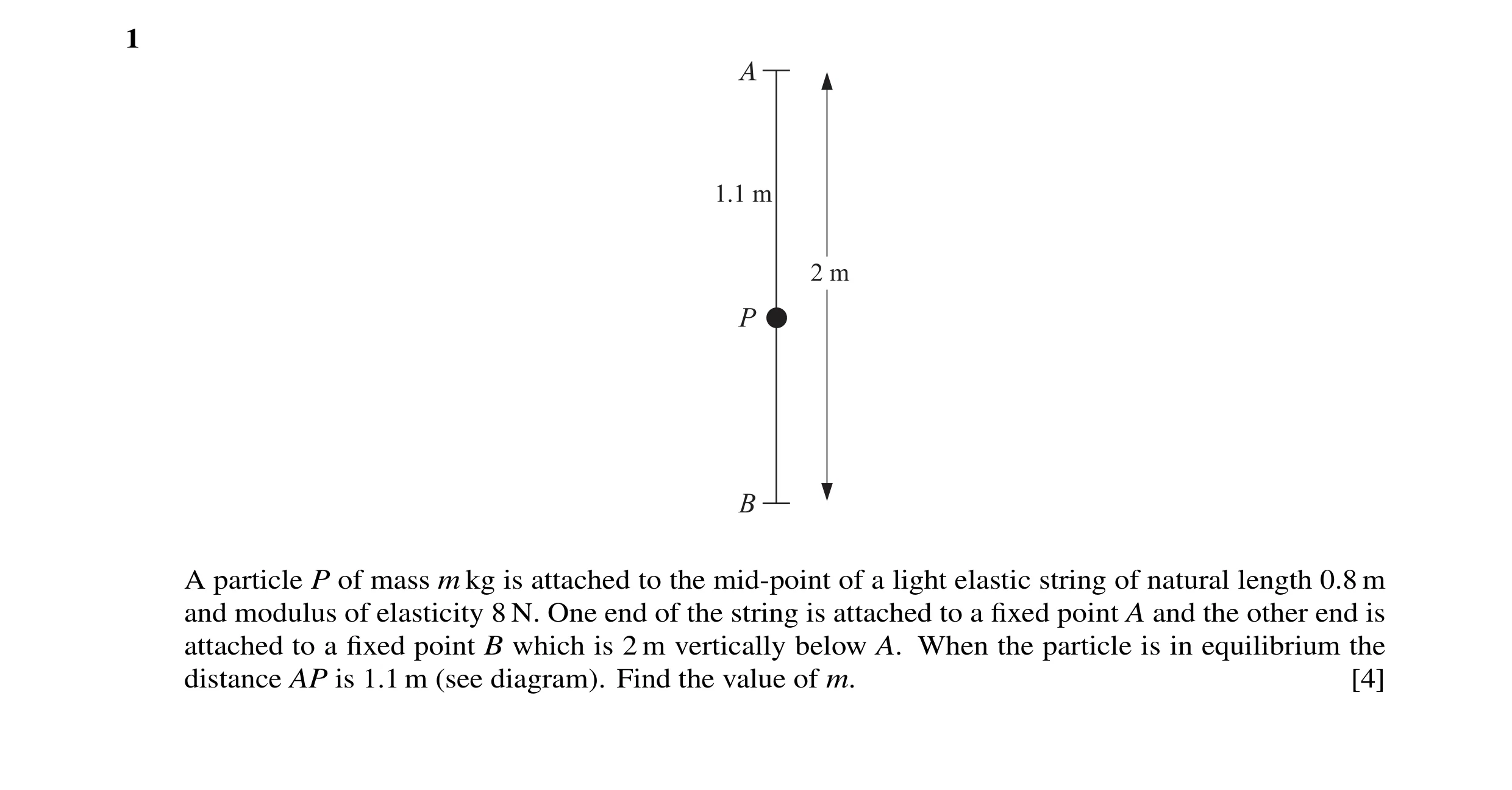
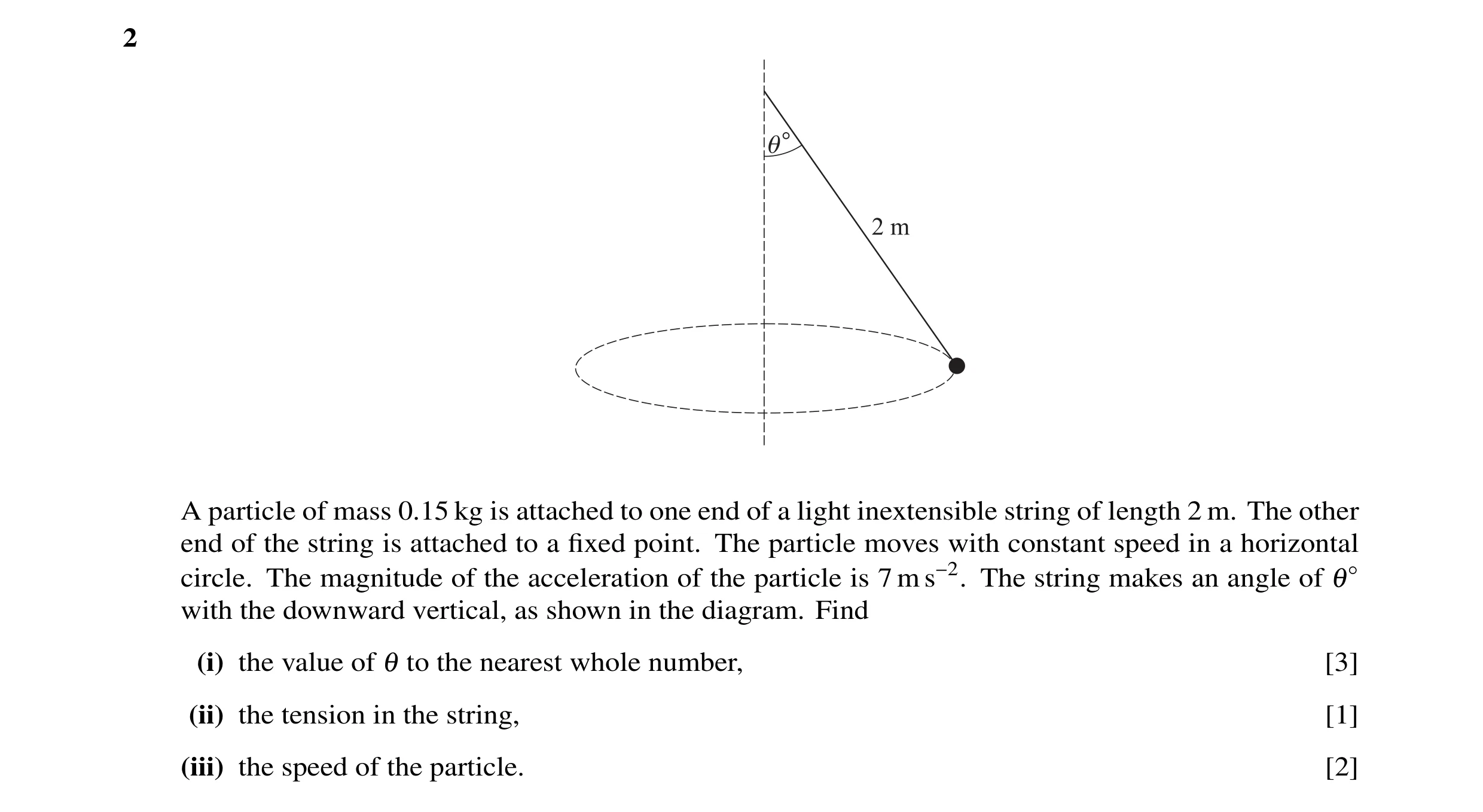 1 / 159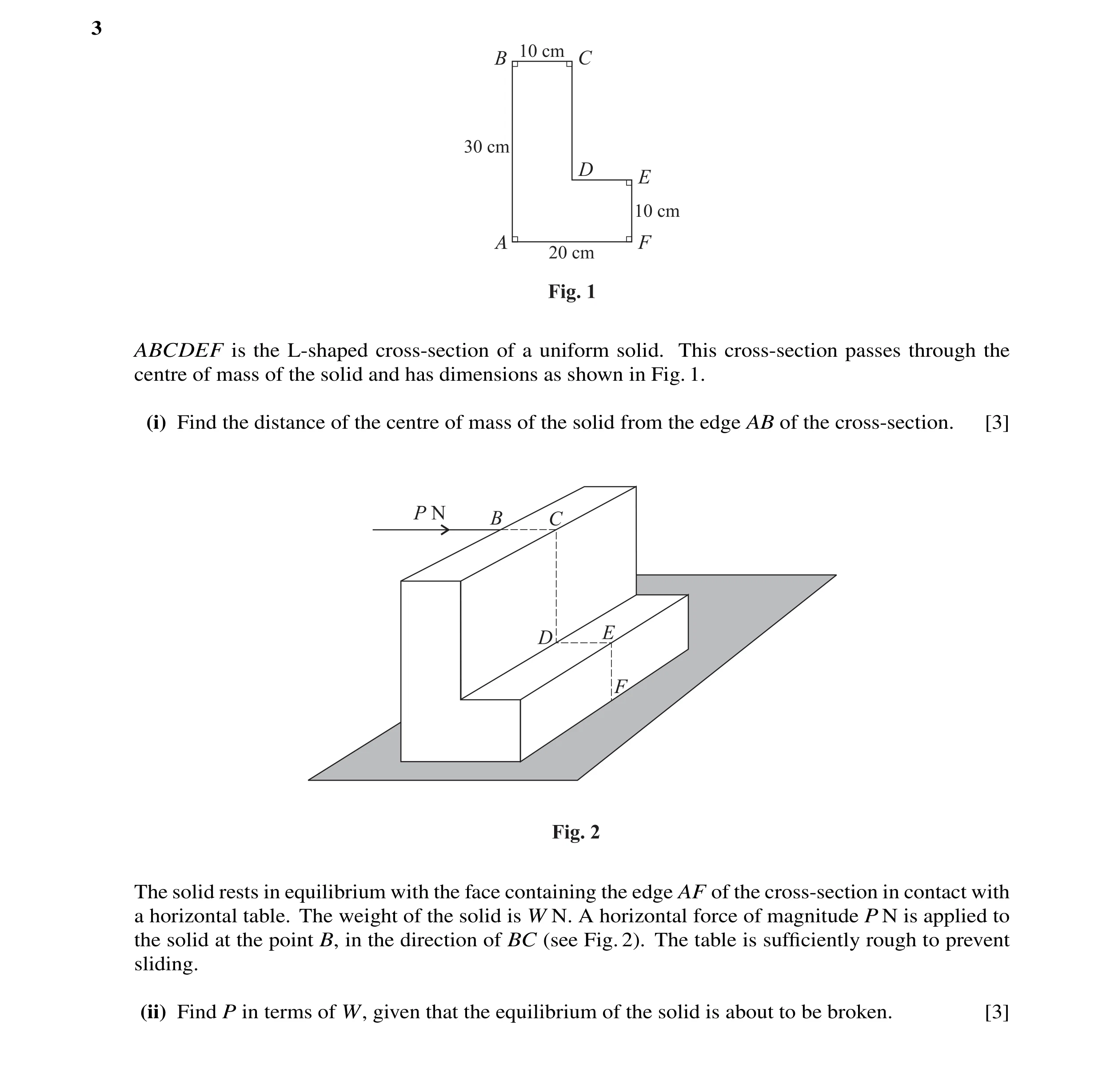
 2 / 159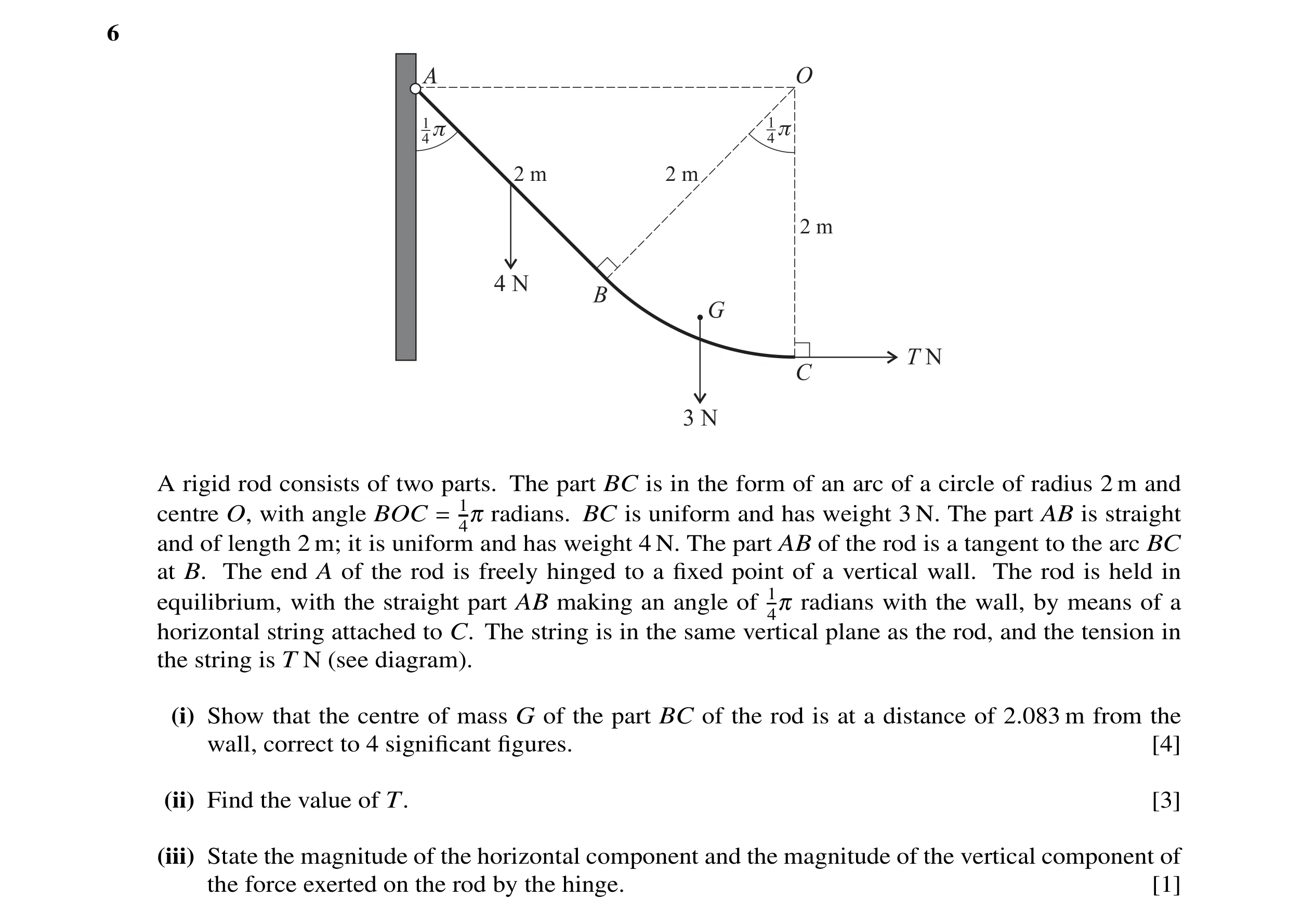
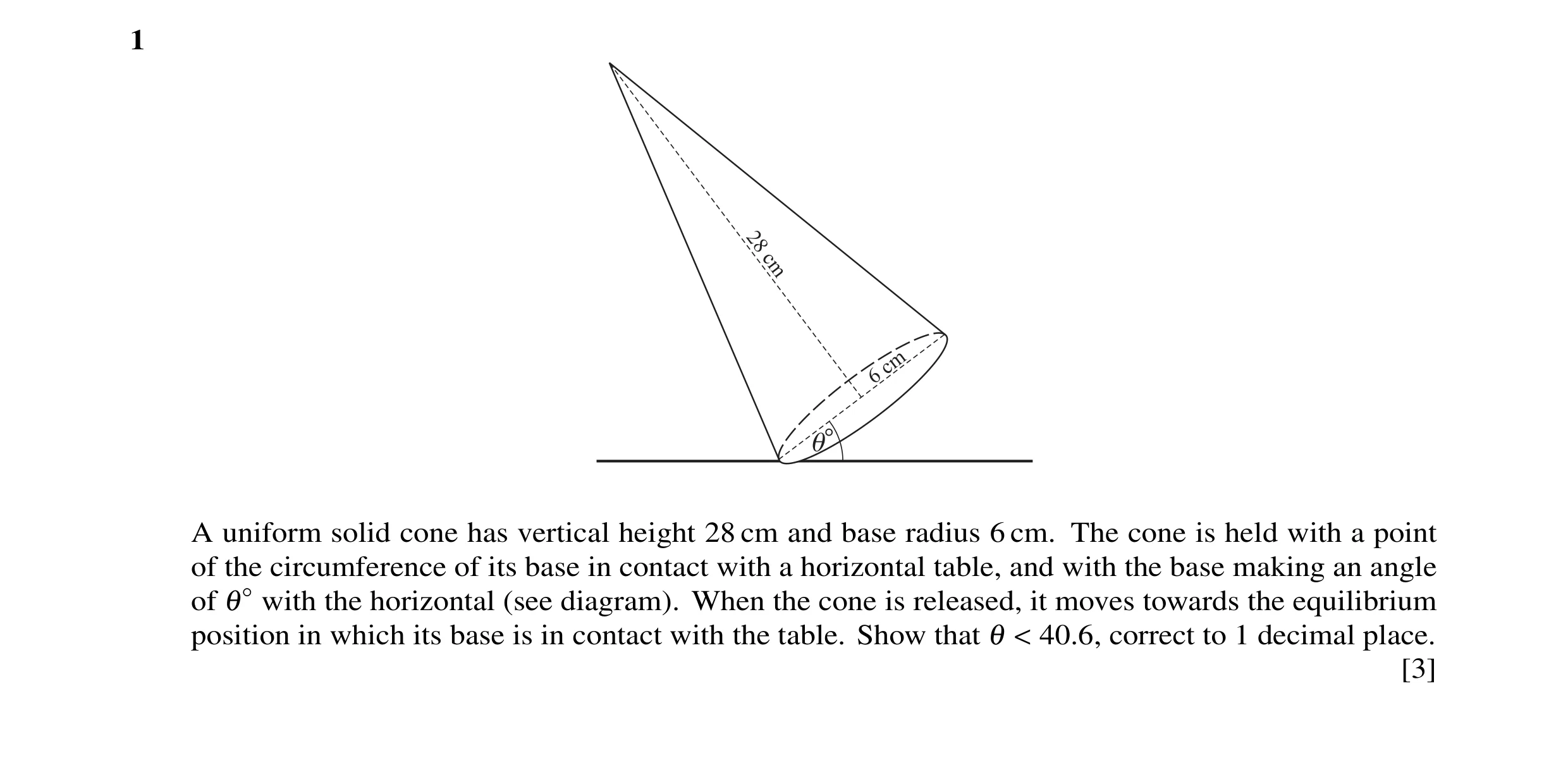 3 / 159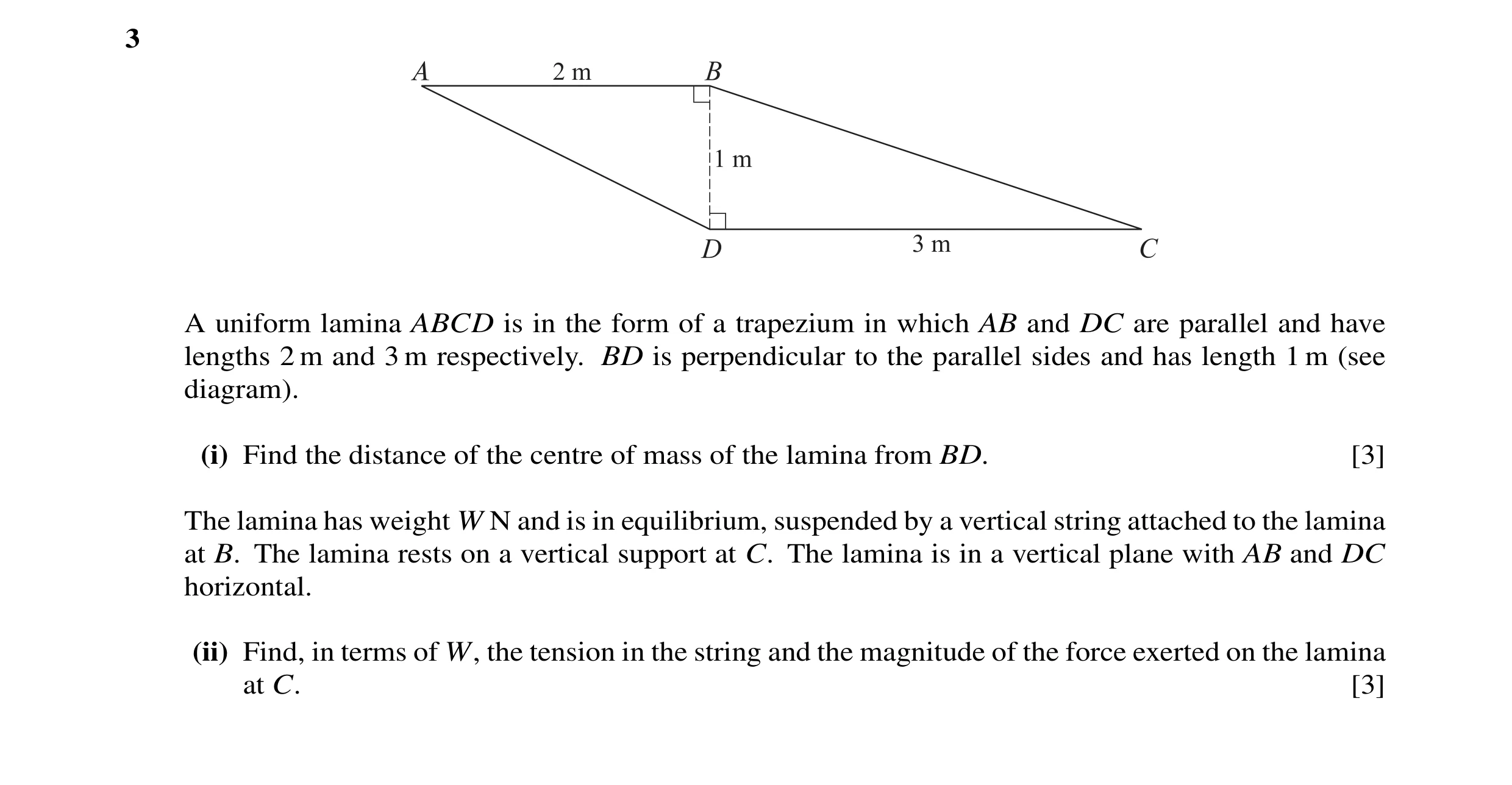
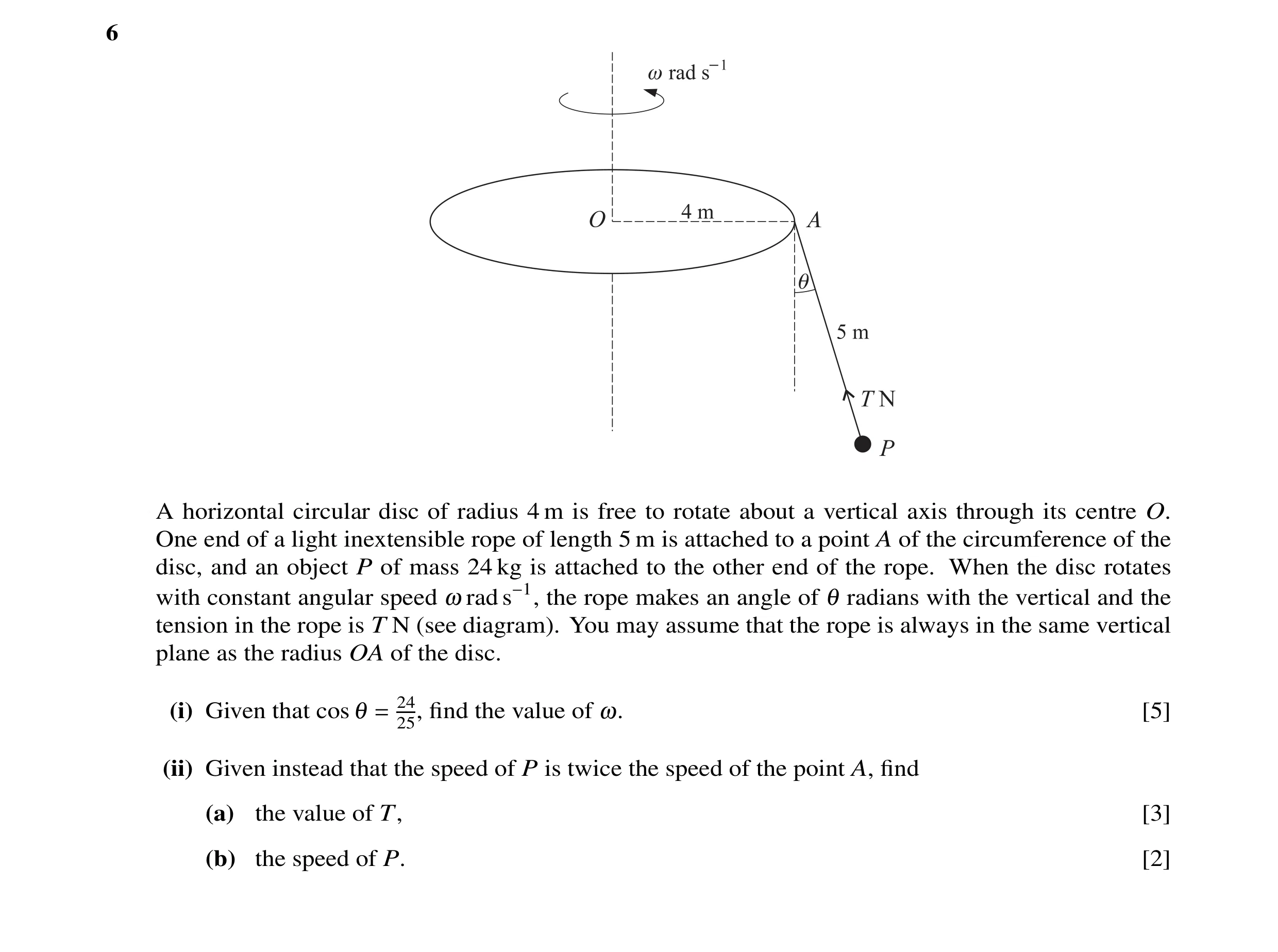 4 / 159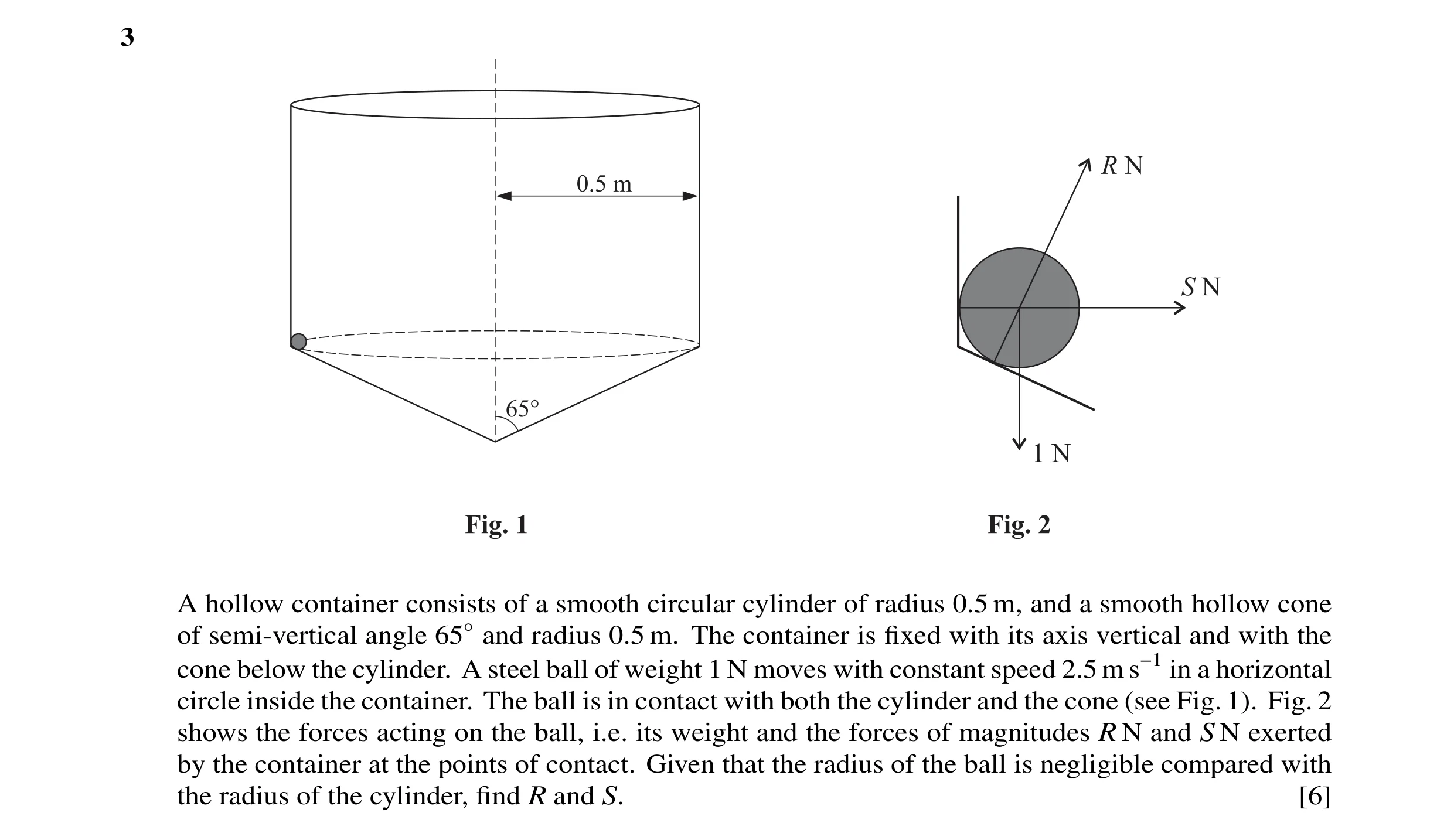
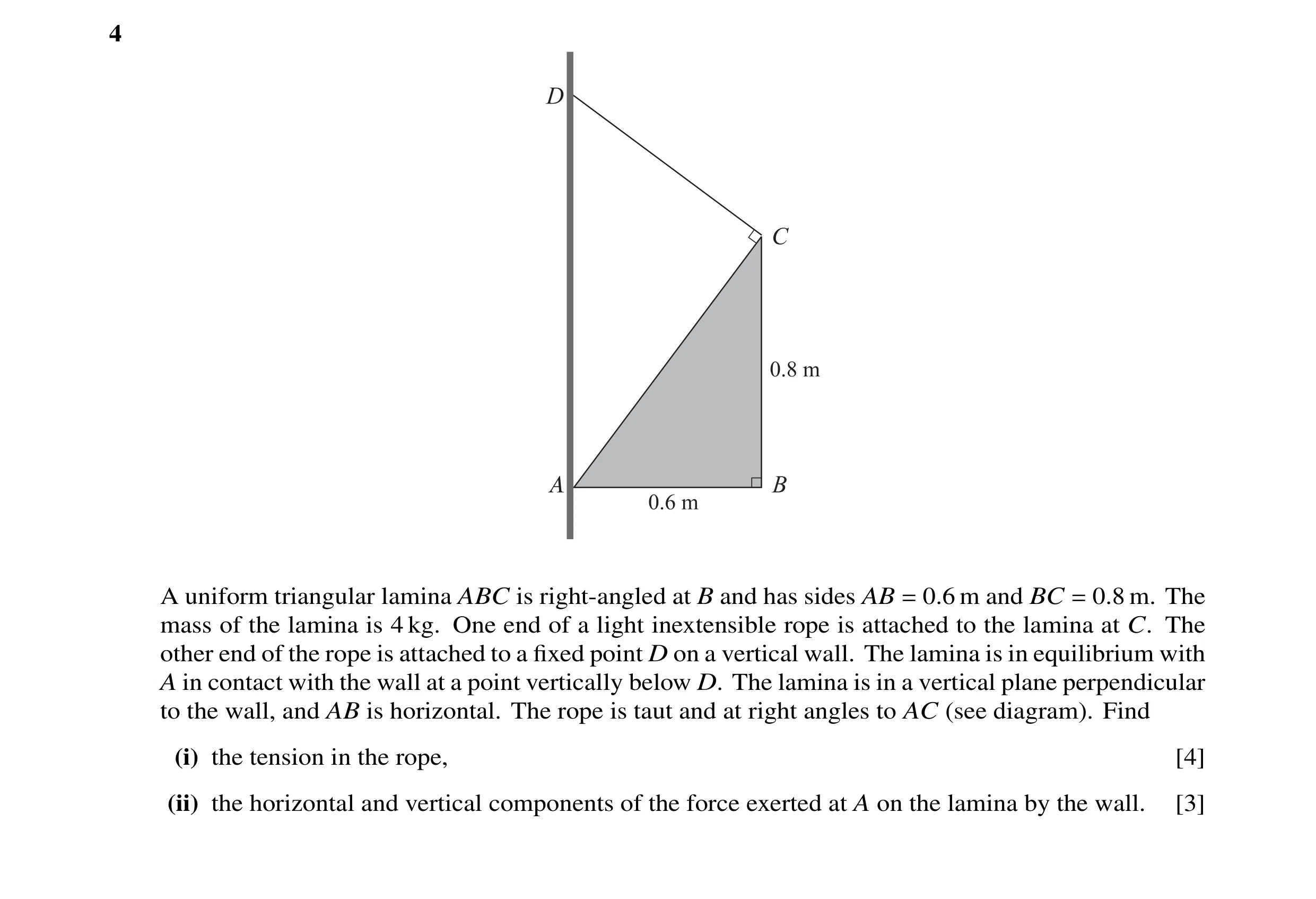 5 / 159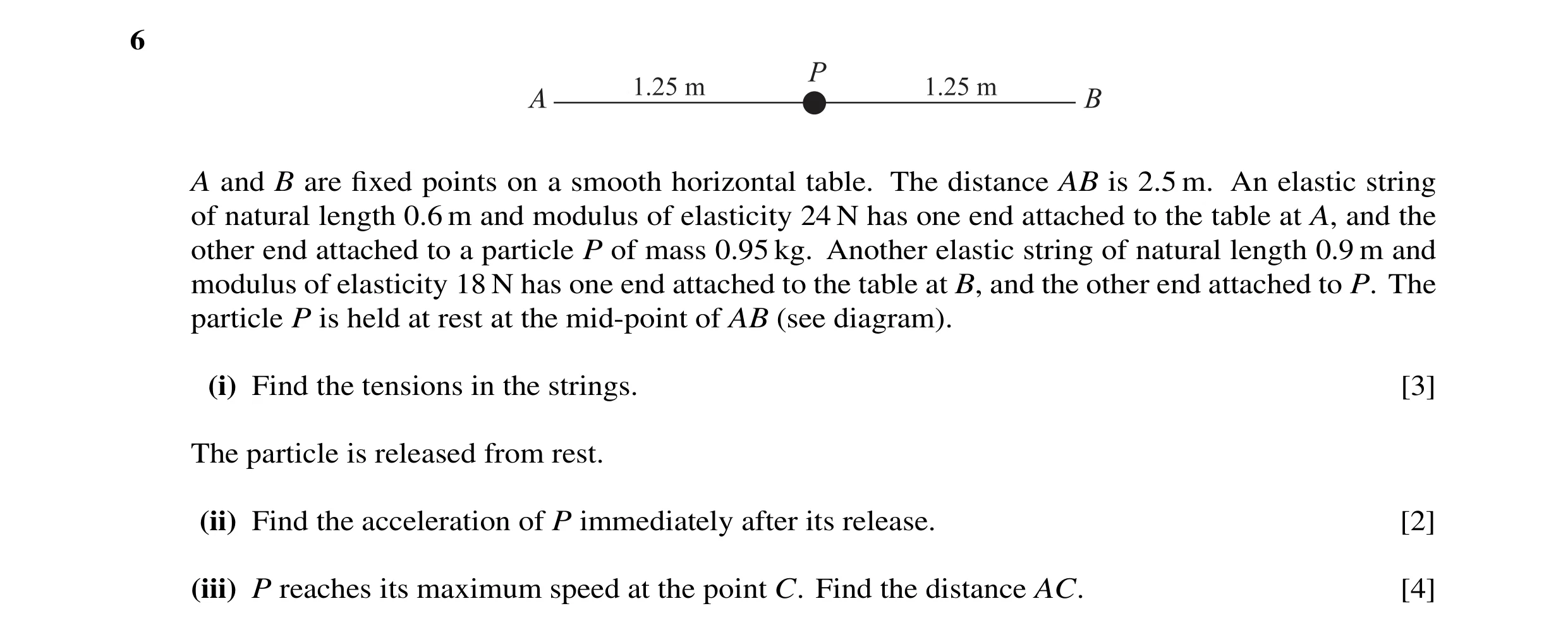
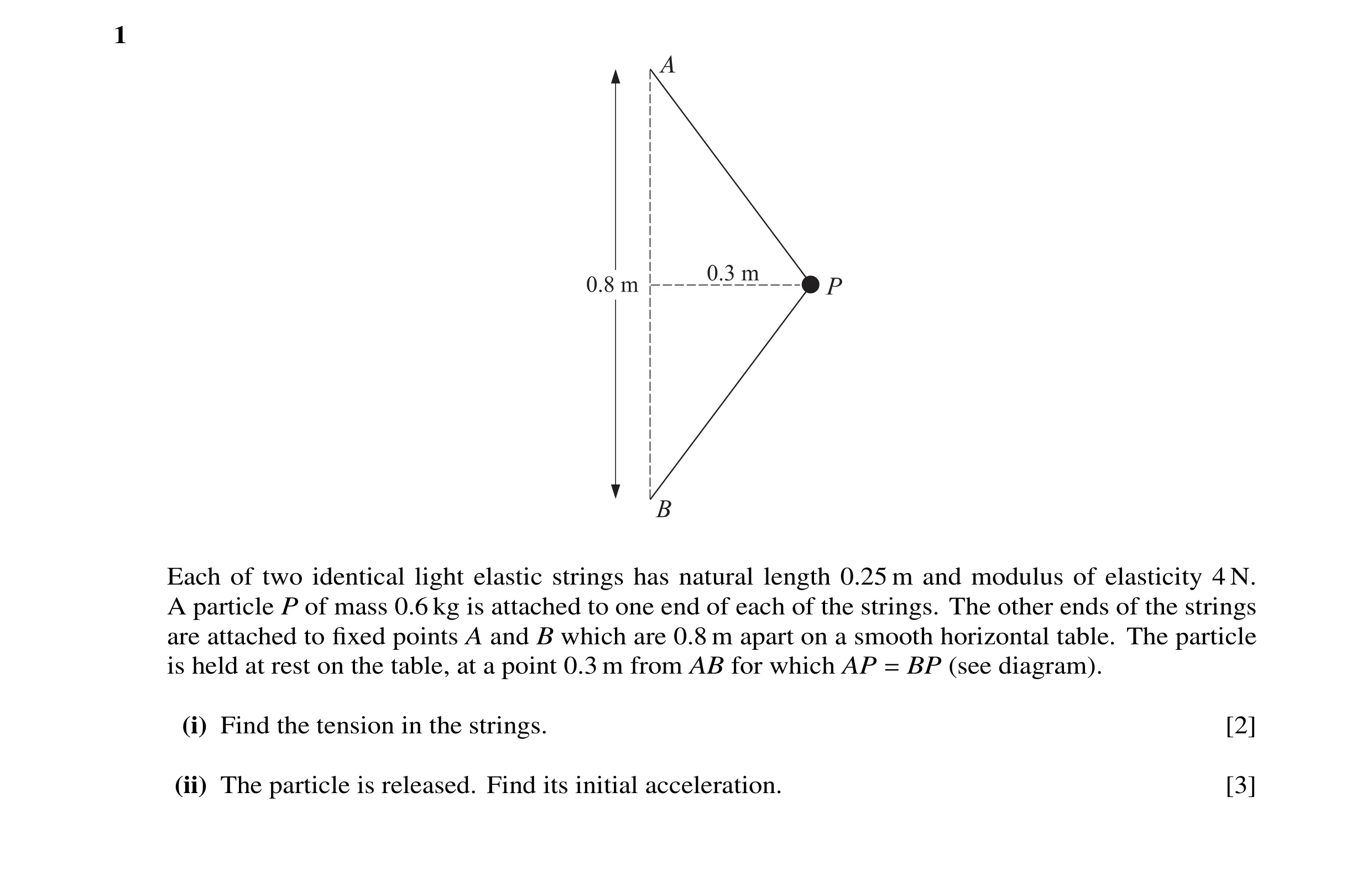 6 / 159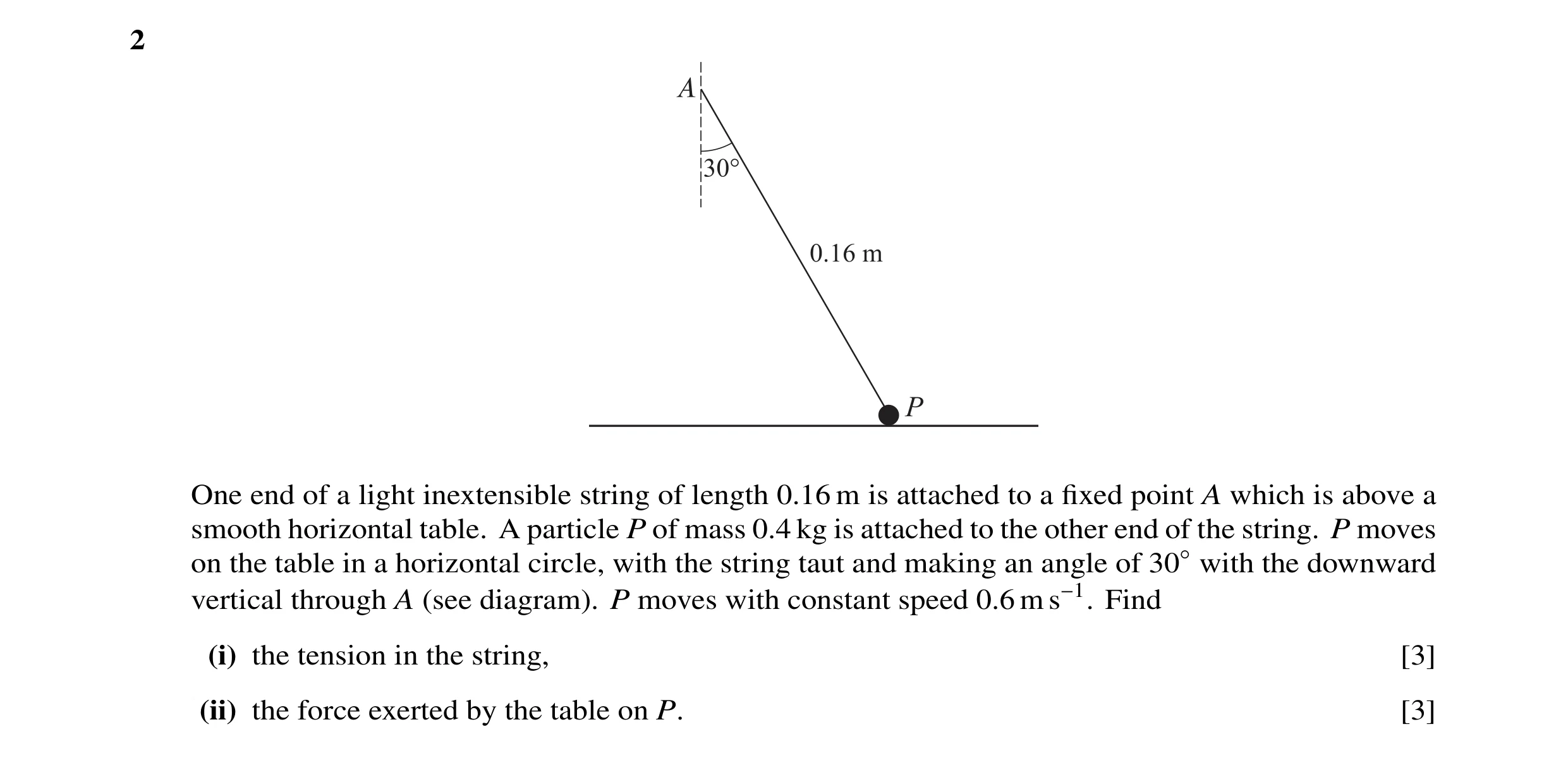
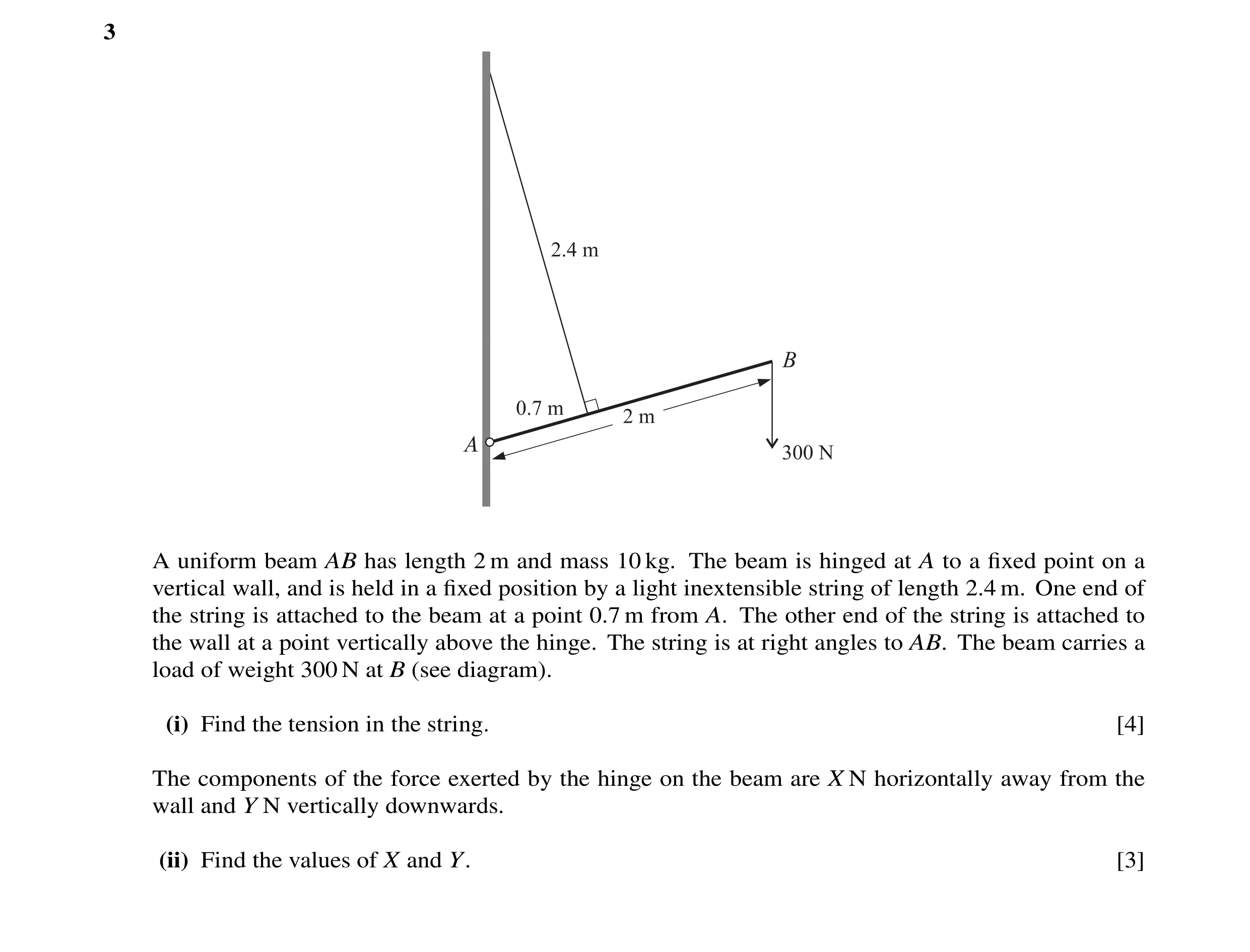 7 / 159
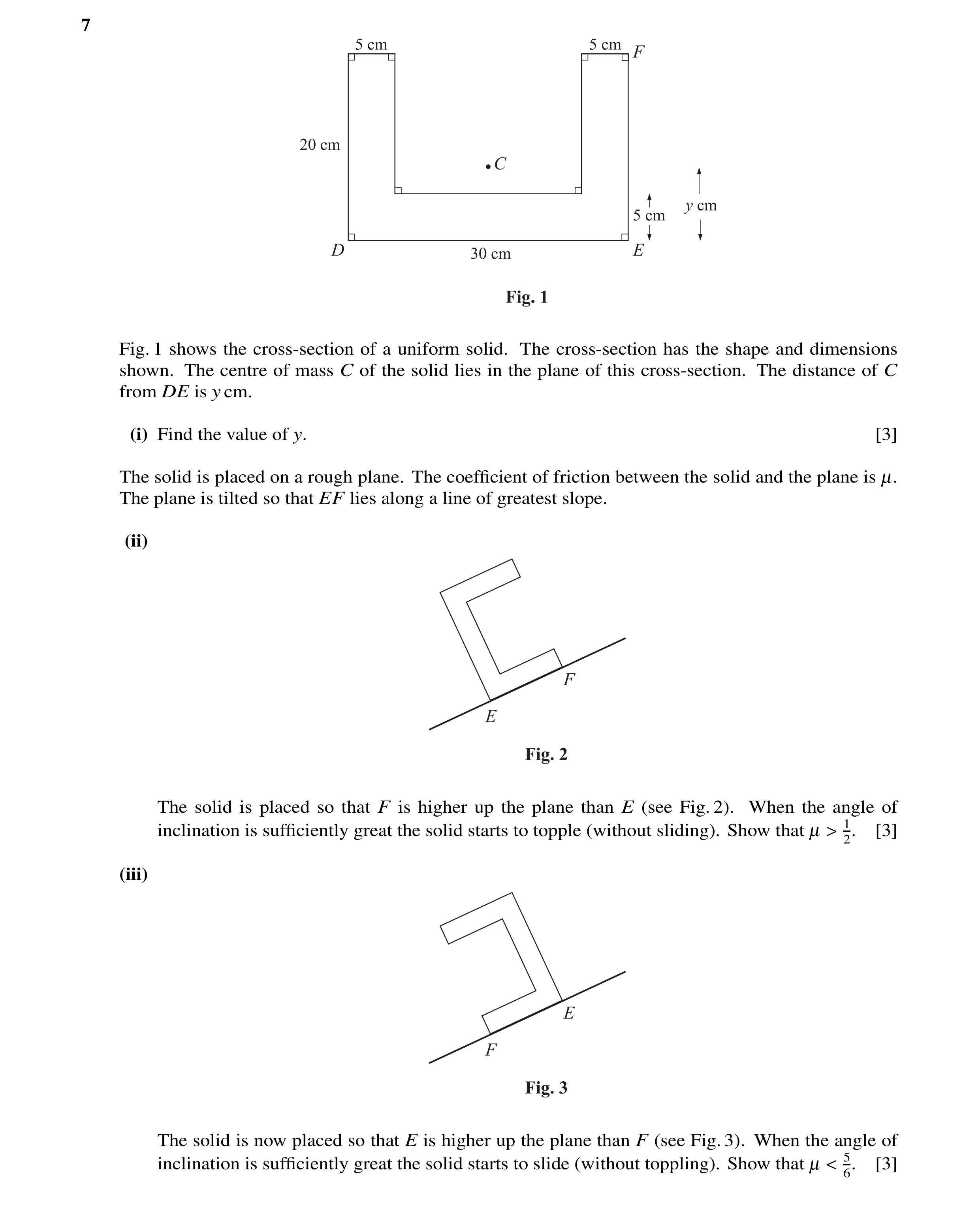 8 / 159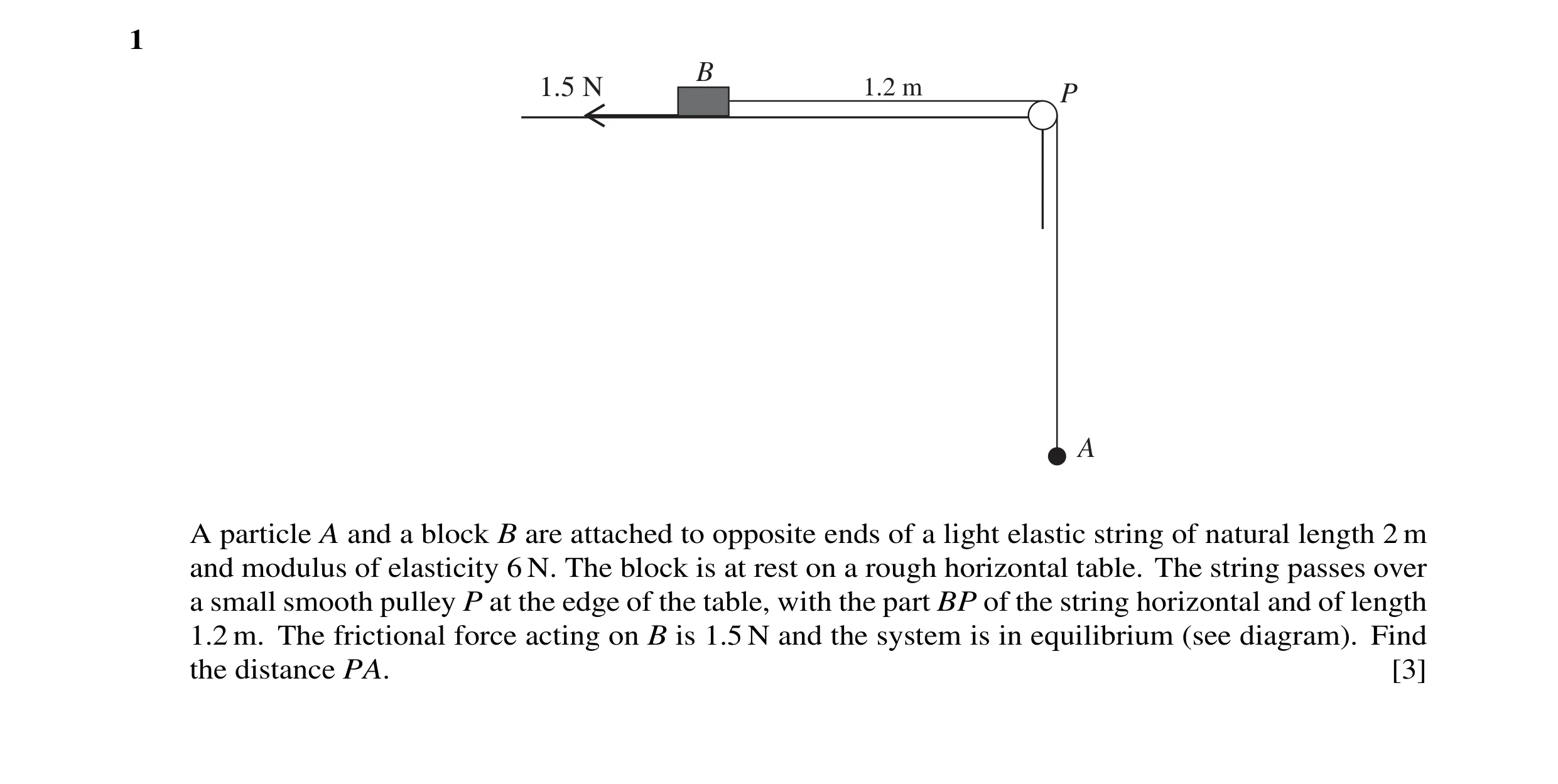
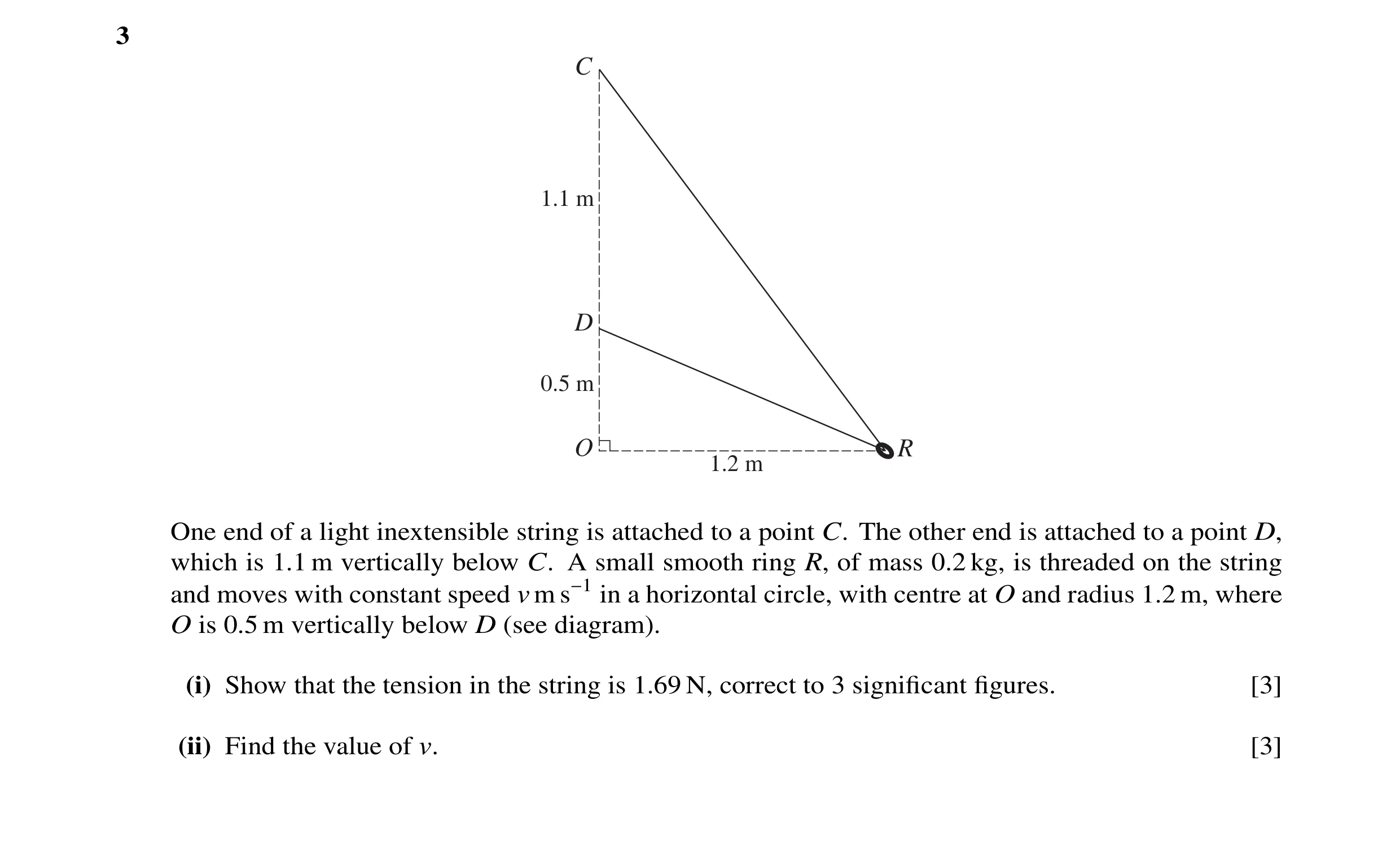 9 / 159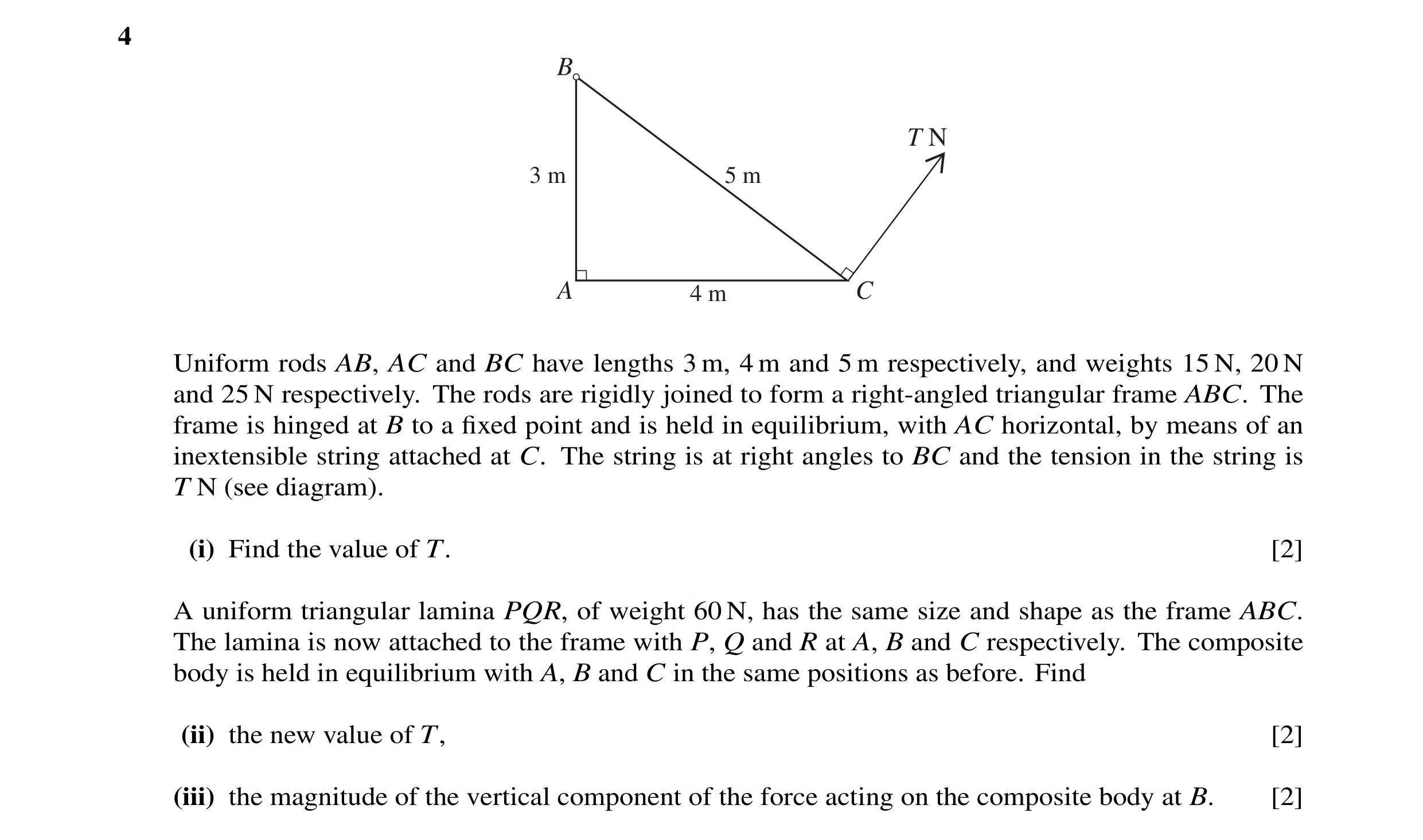

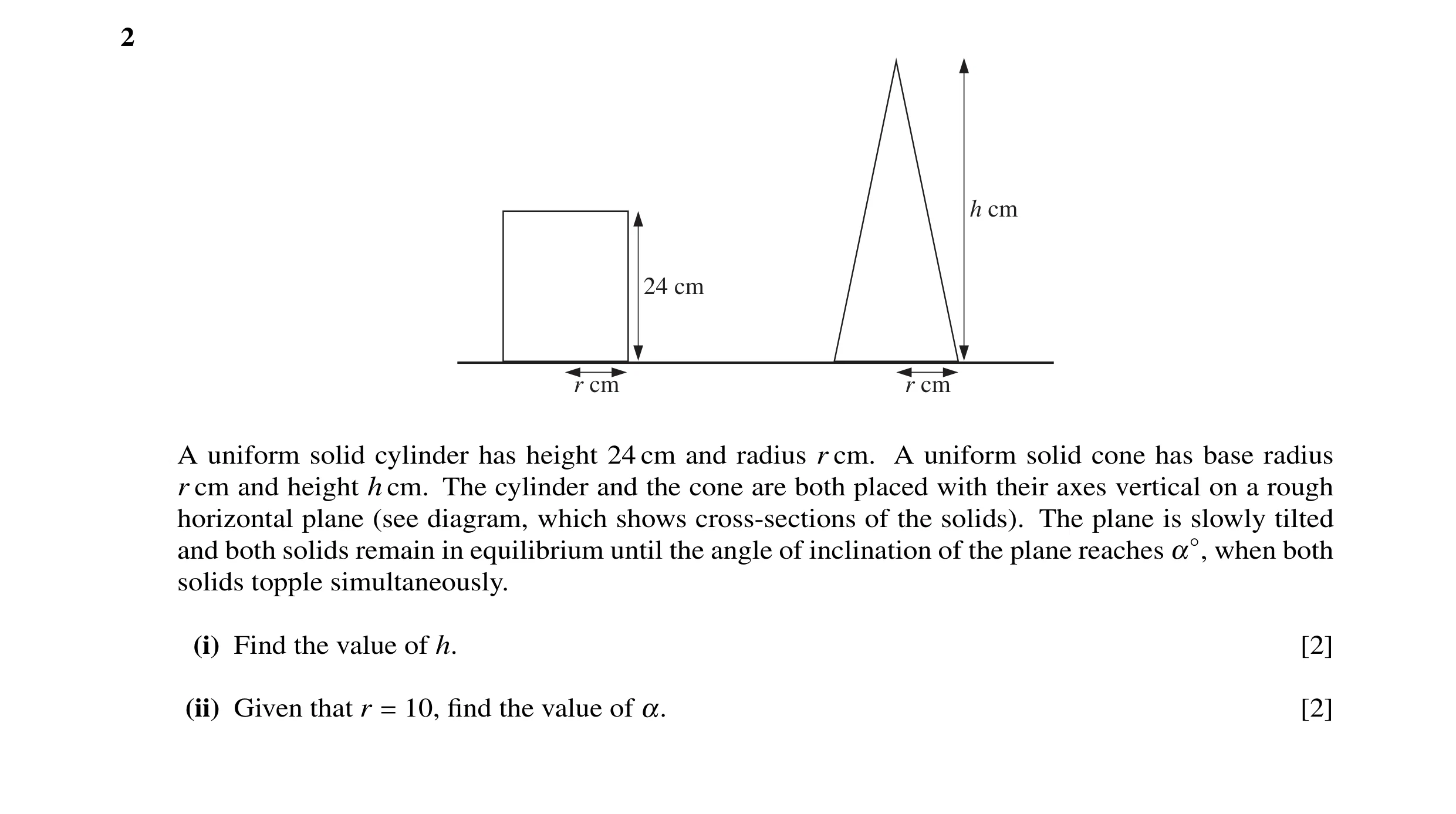 10 / 159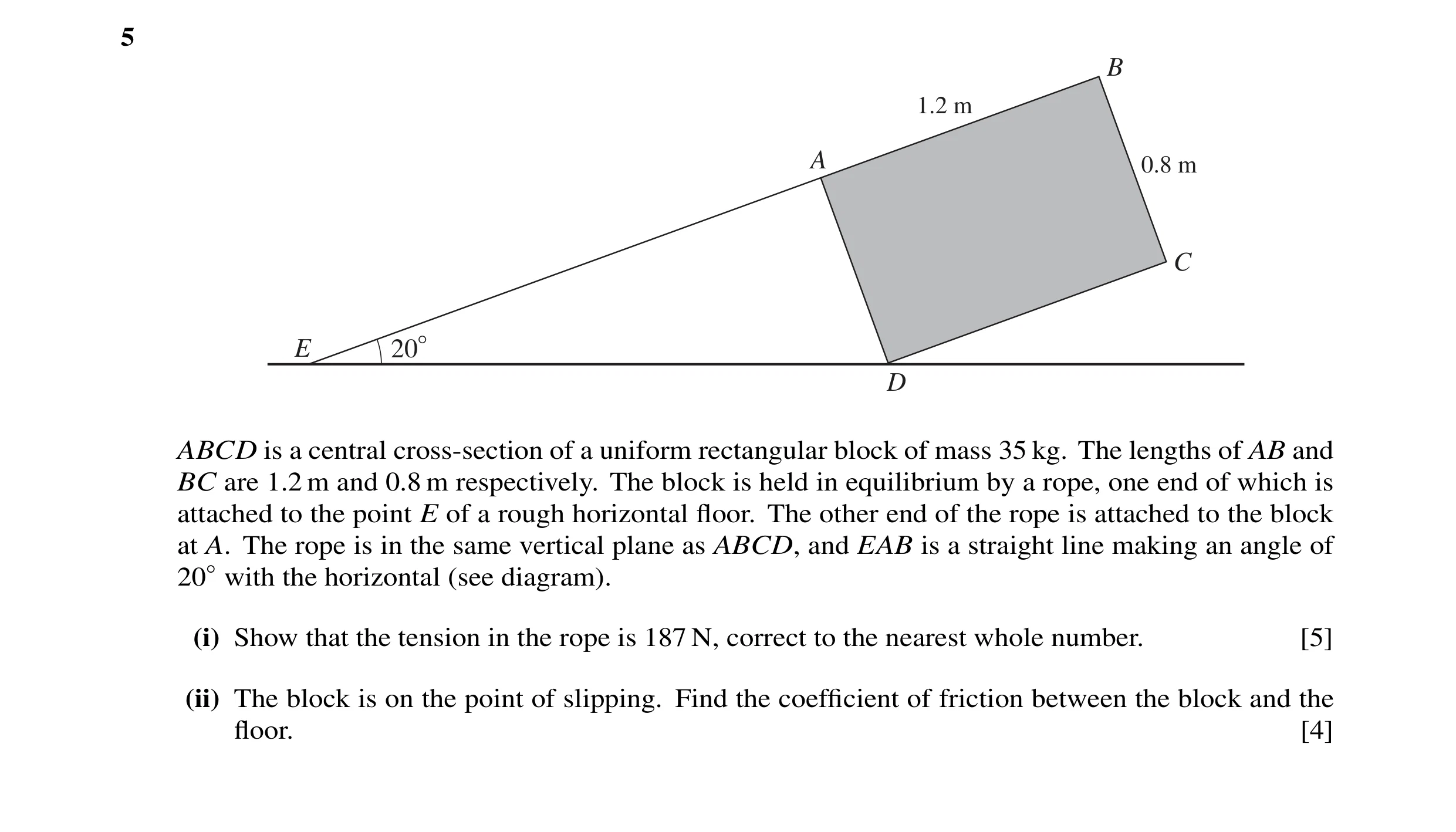
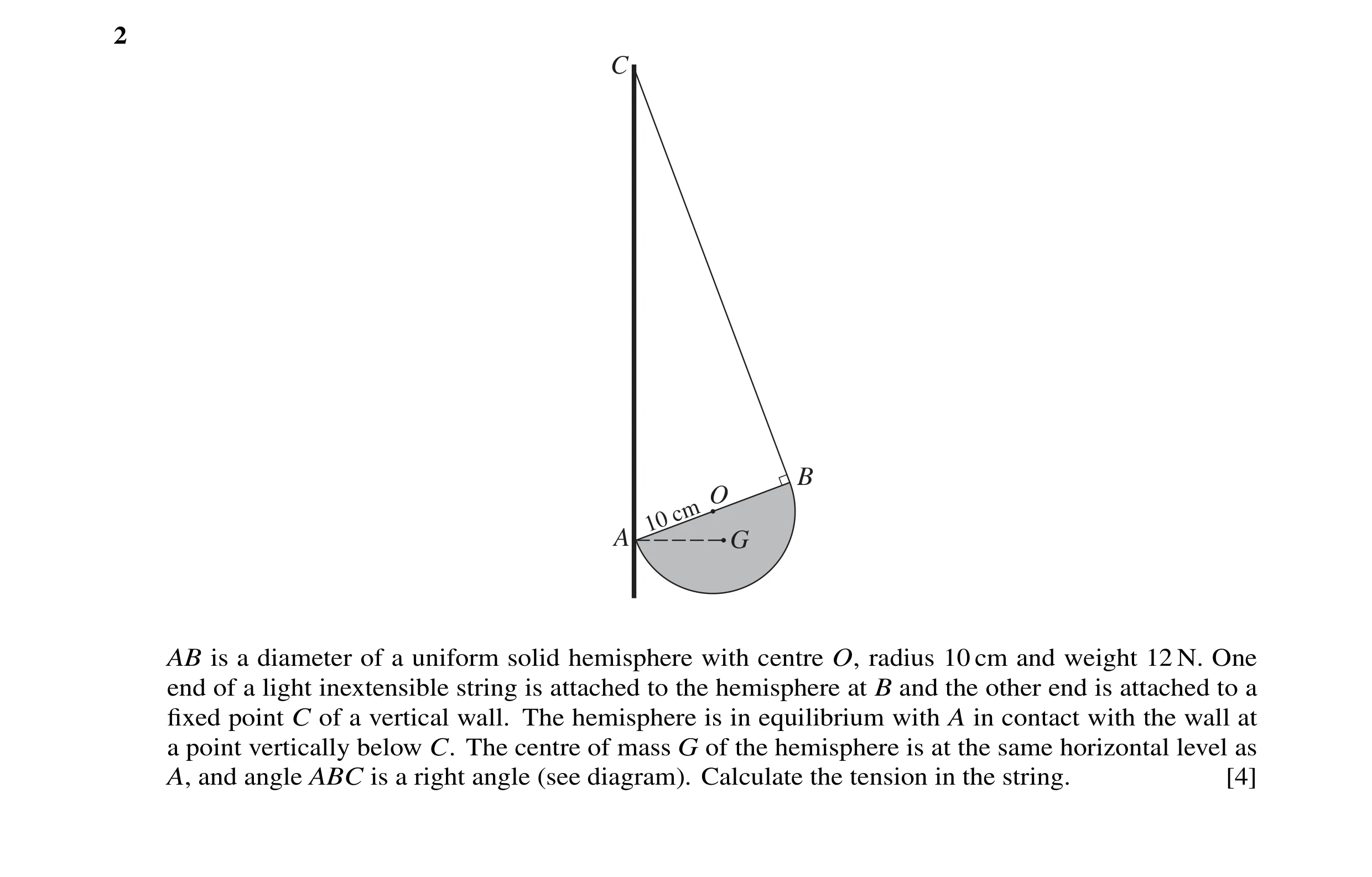 11 / 159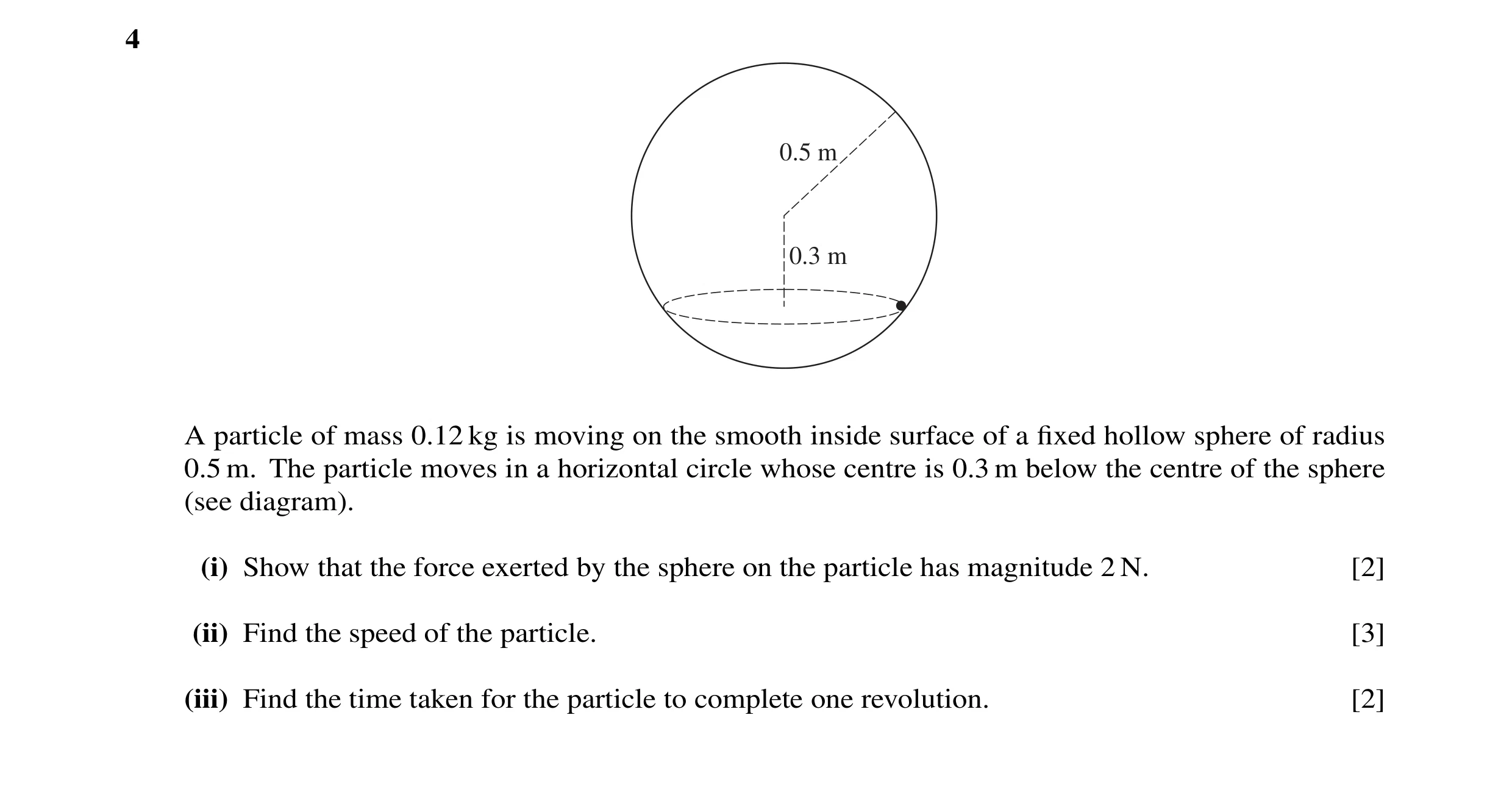
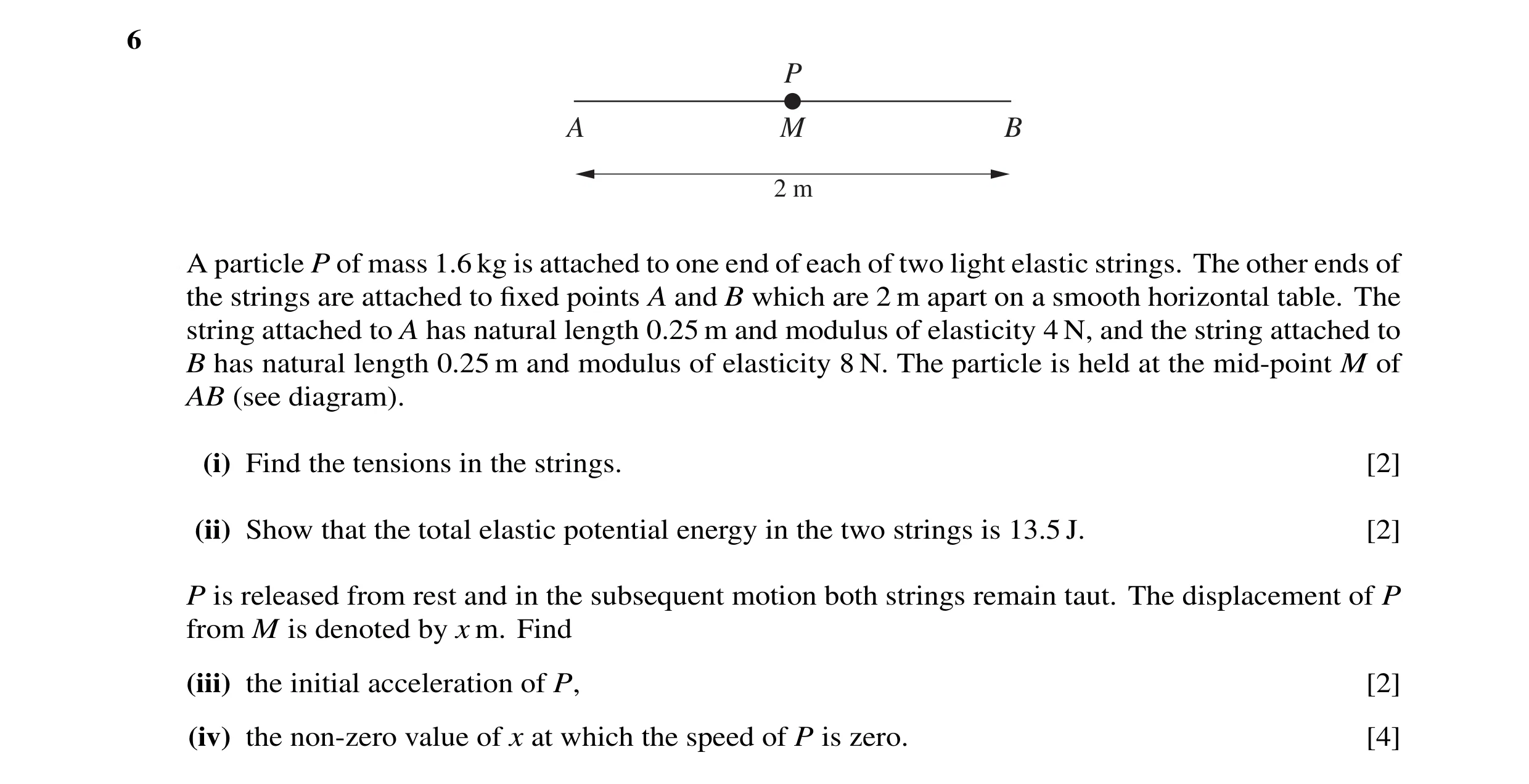 12 / 159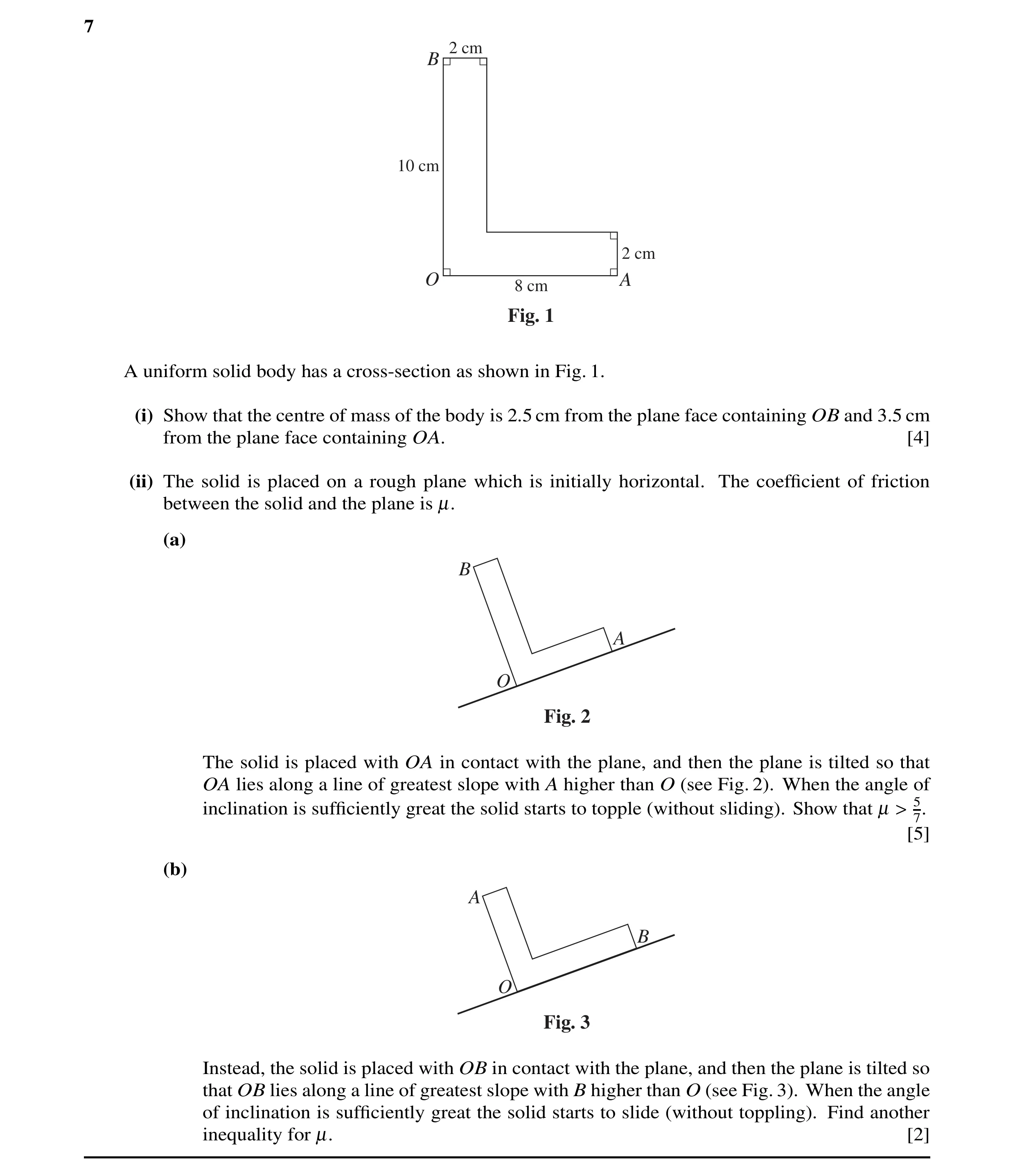
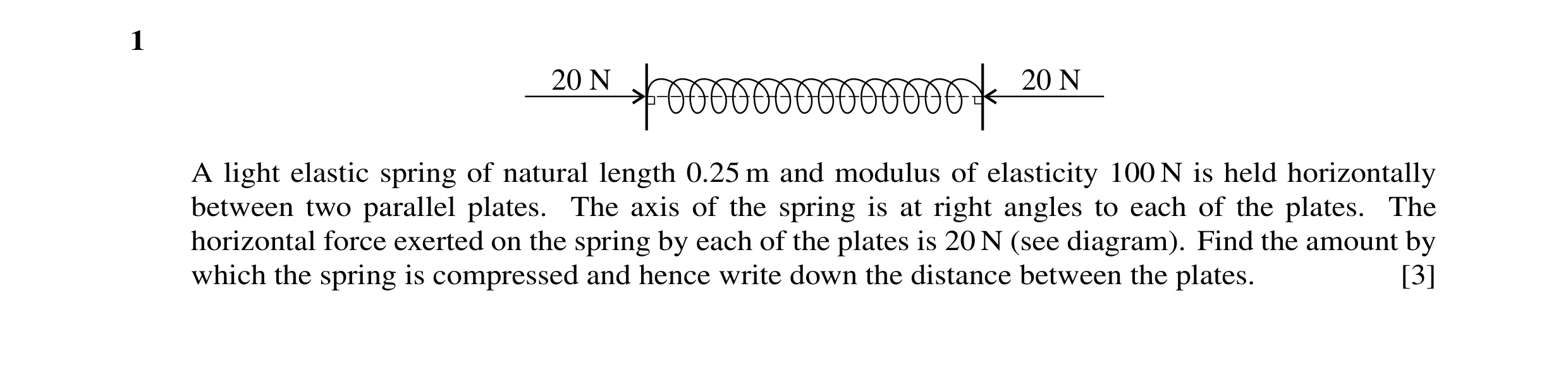 13 / 159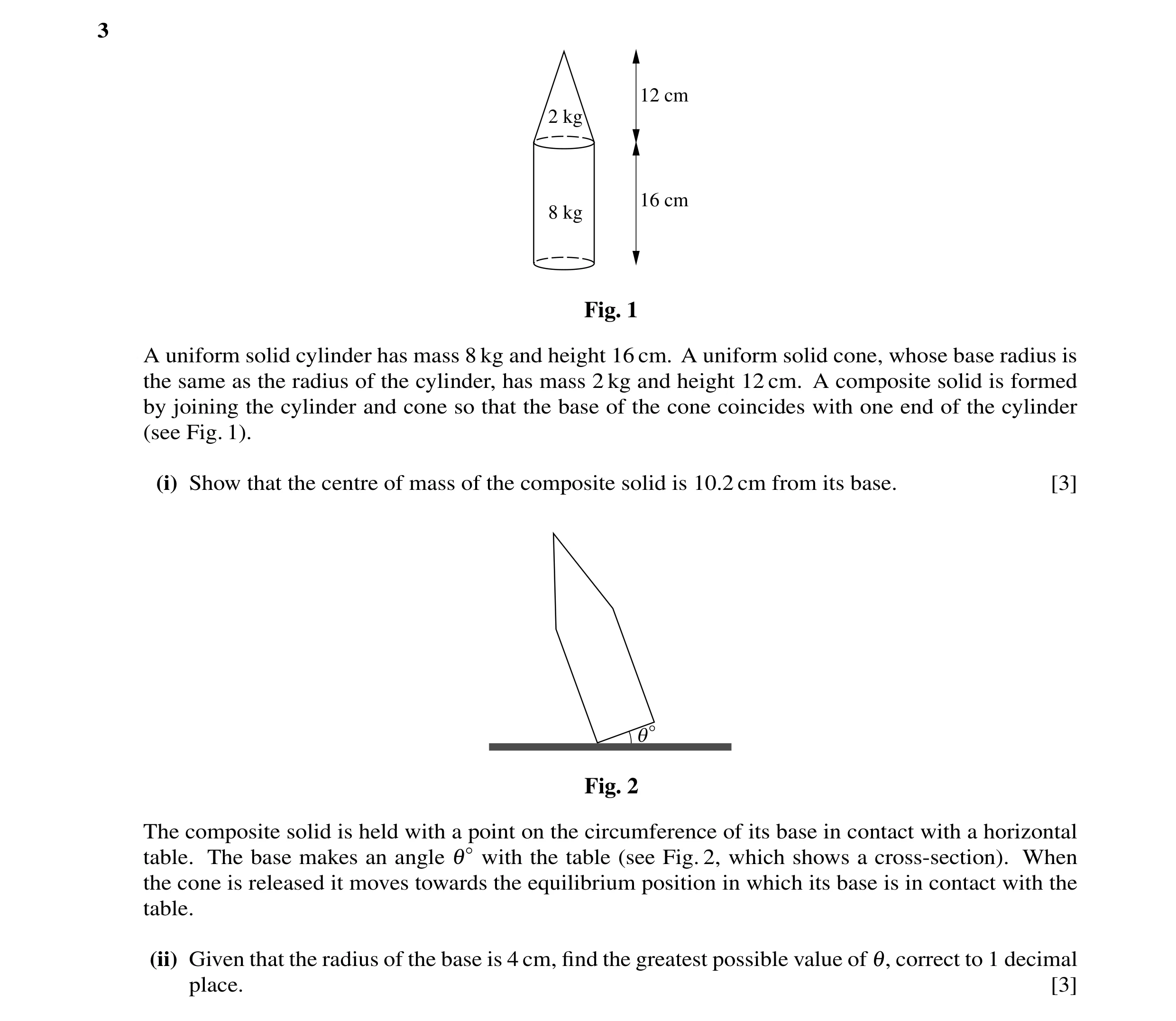
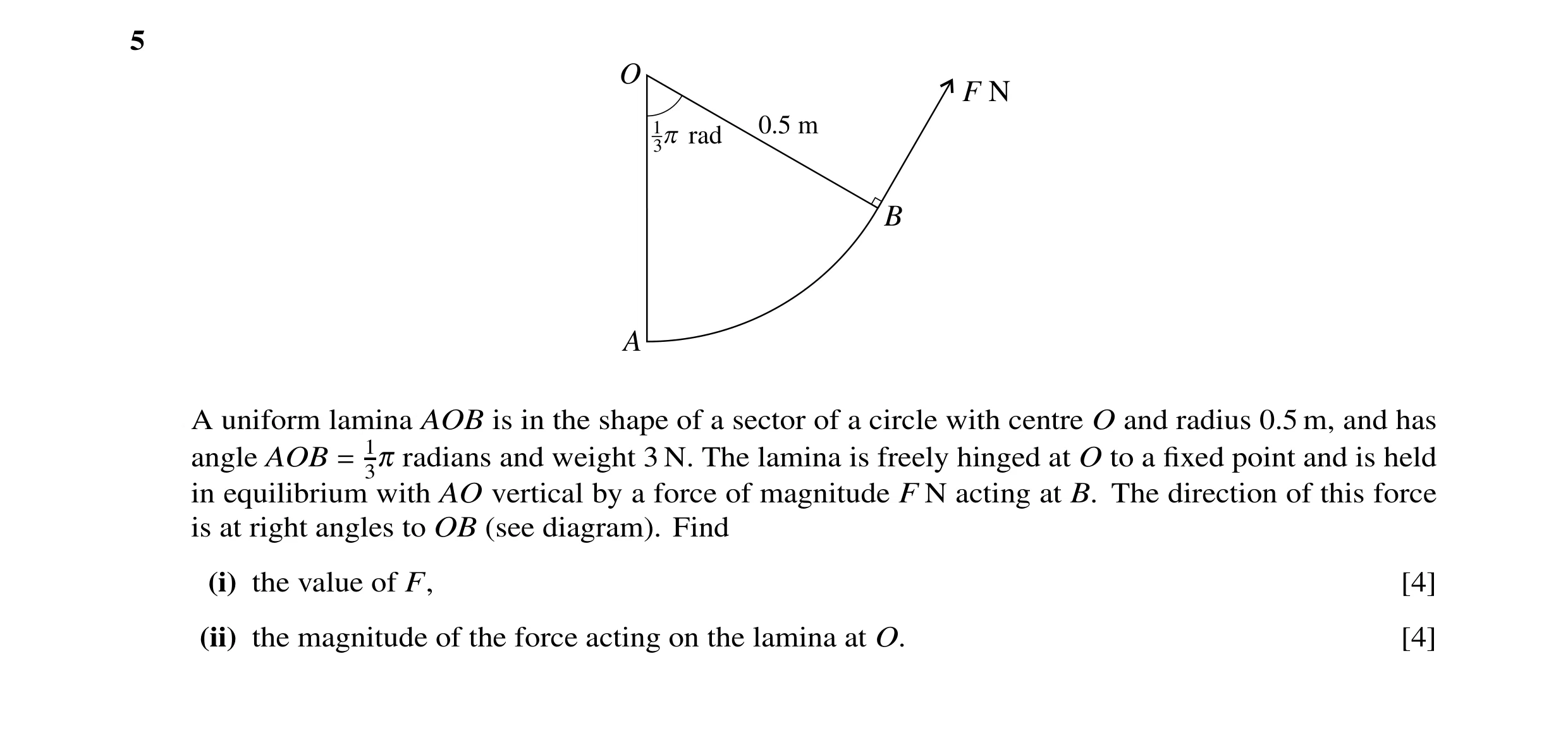 14 / 159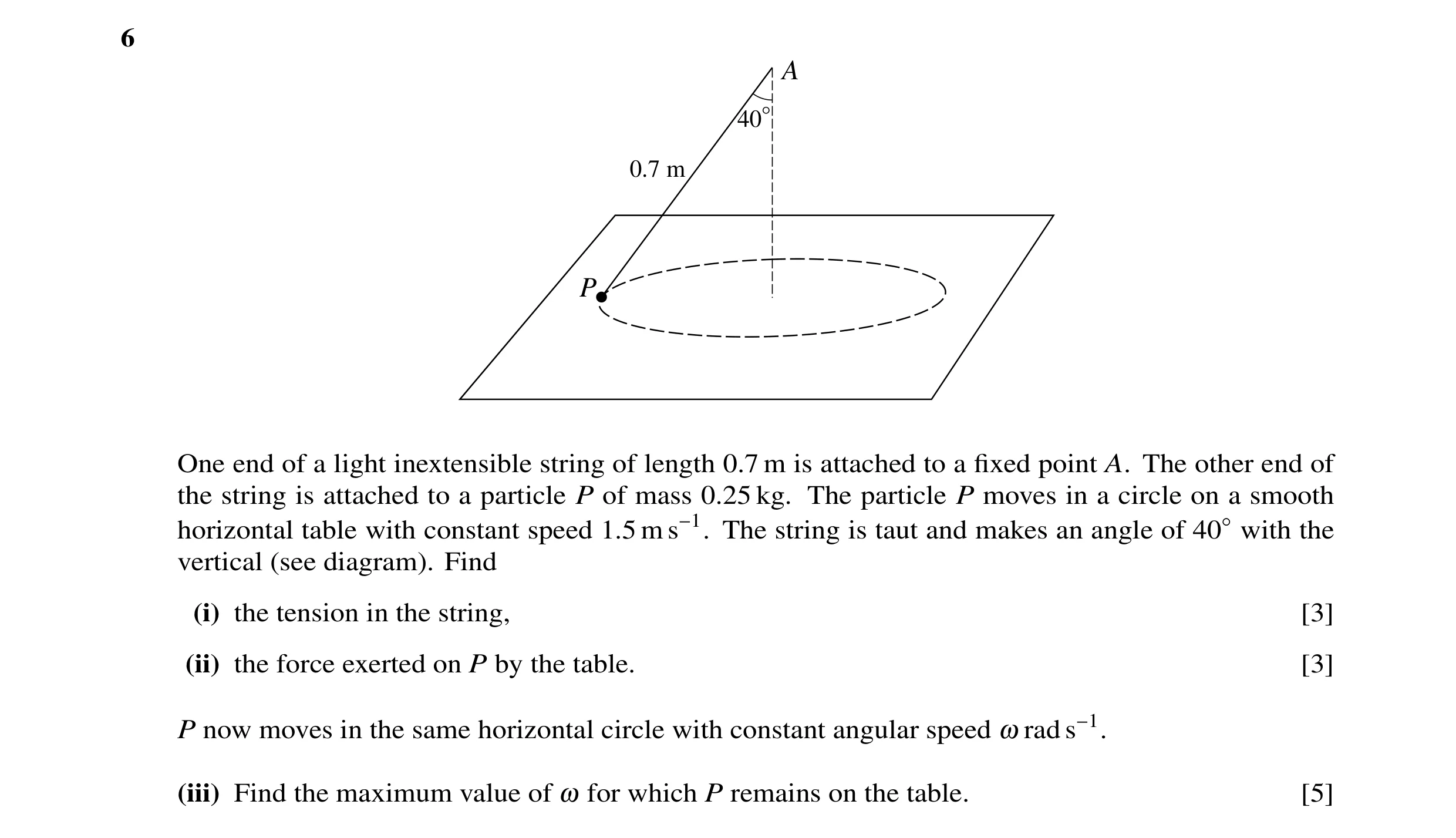
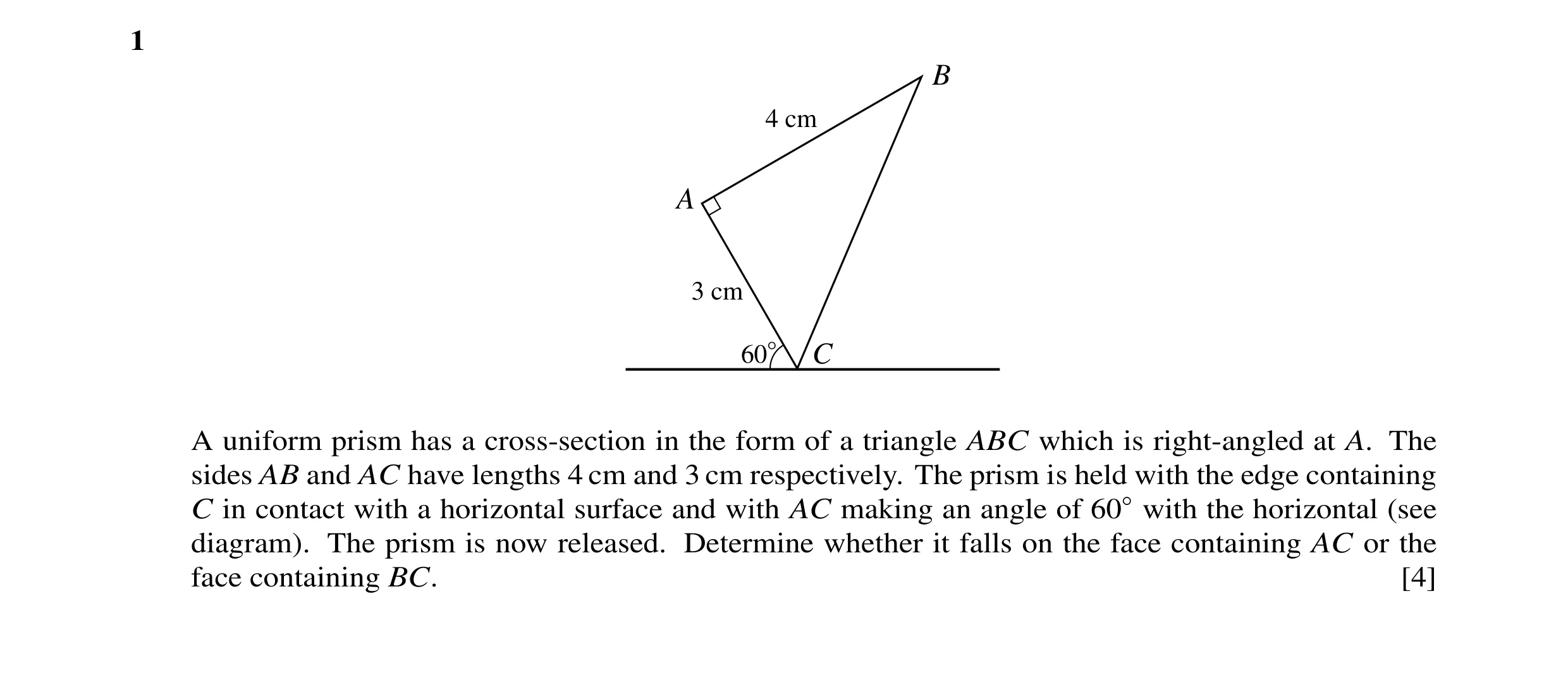 15 / 159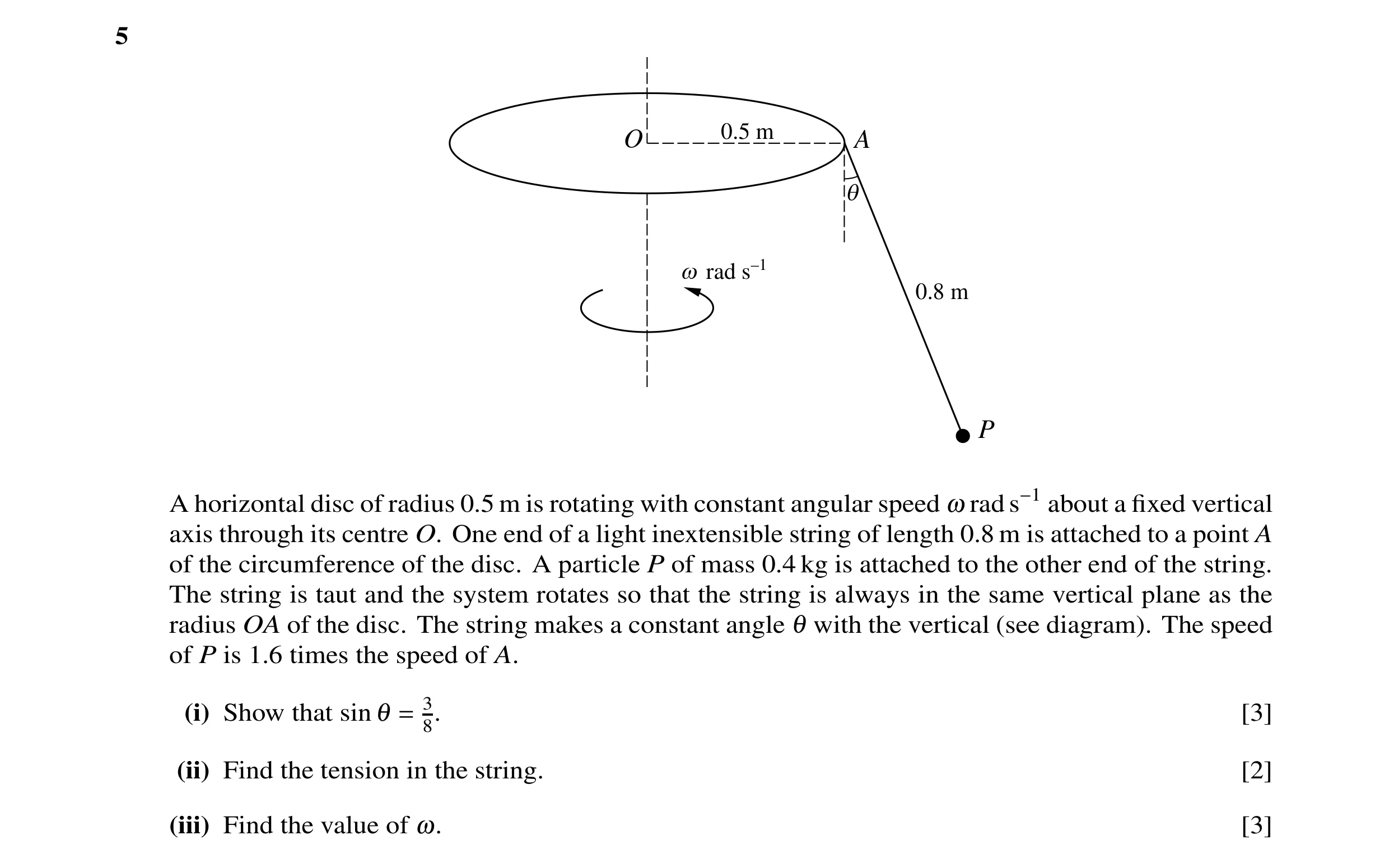
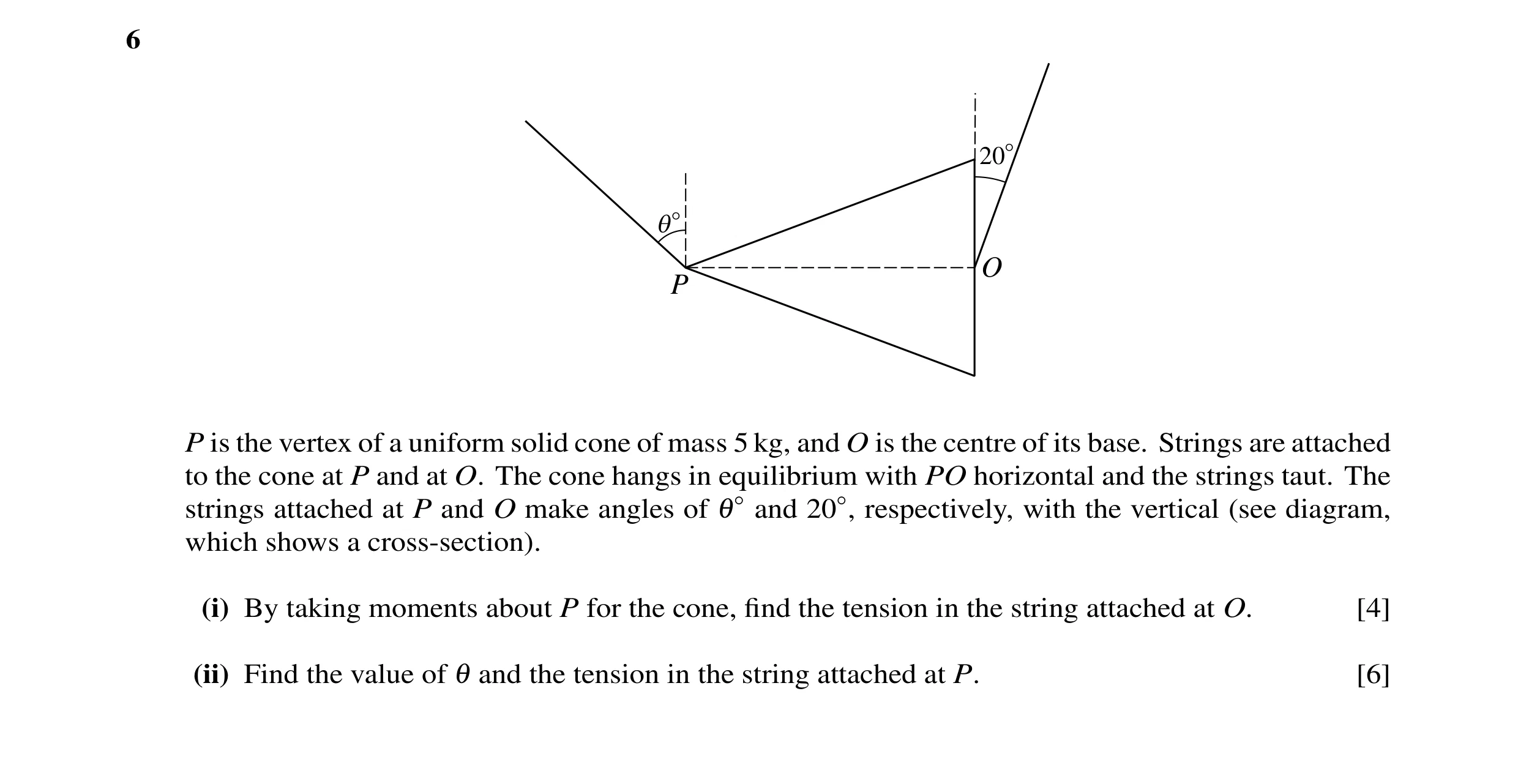 16 / 159
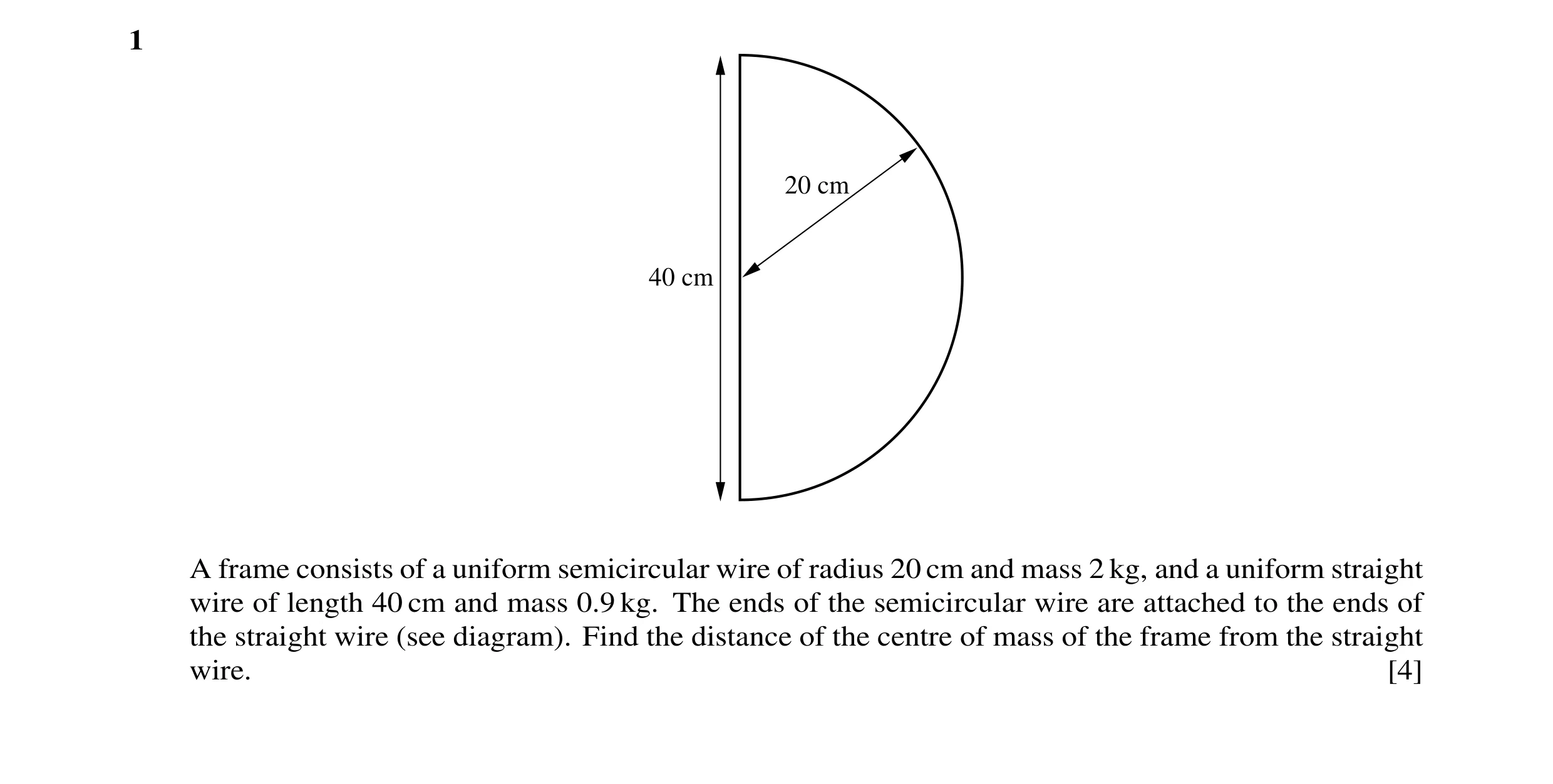
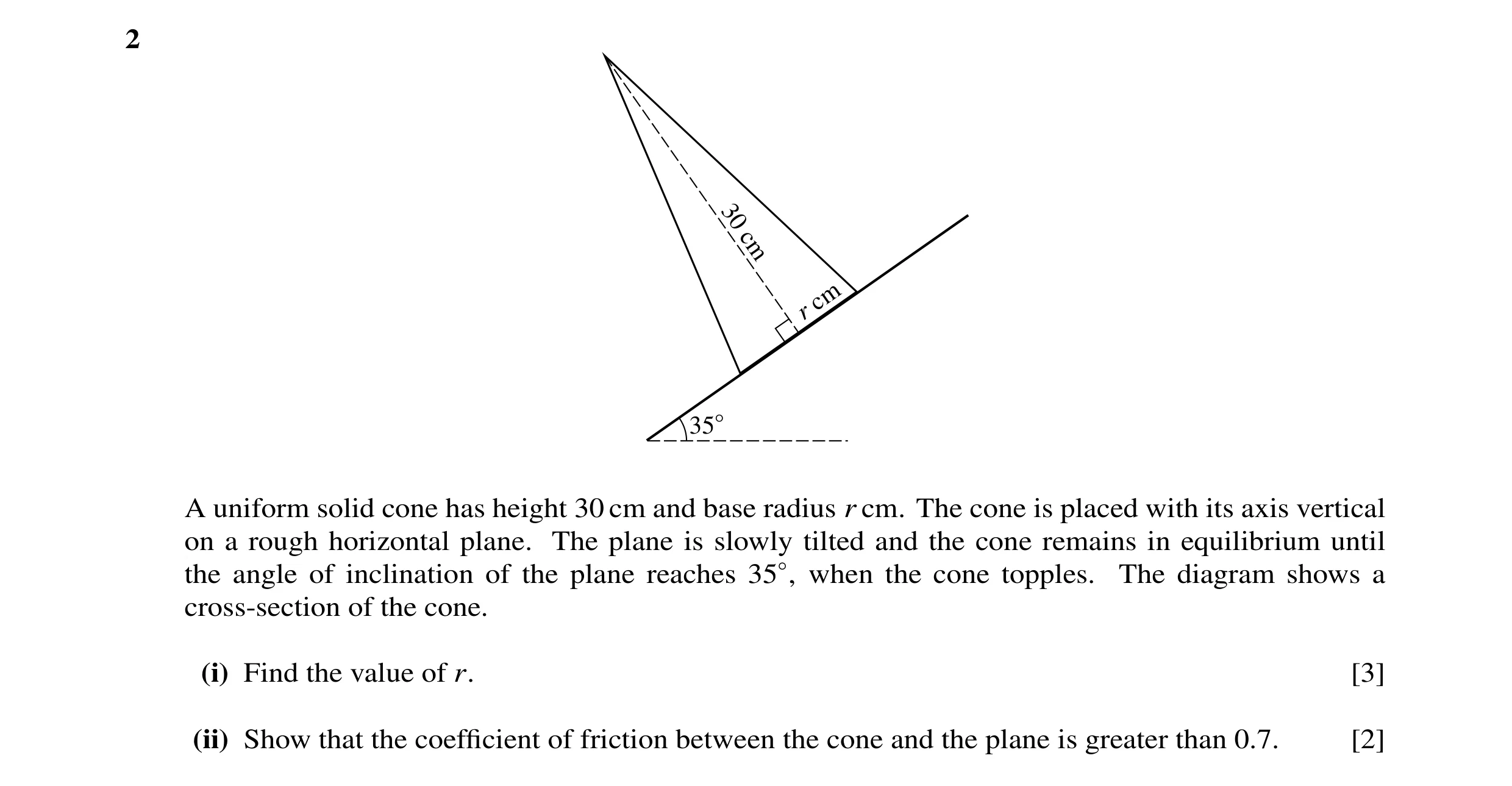 17 / 159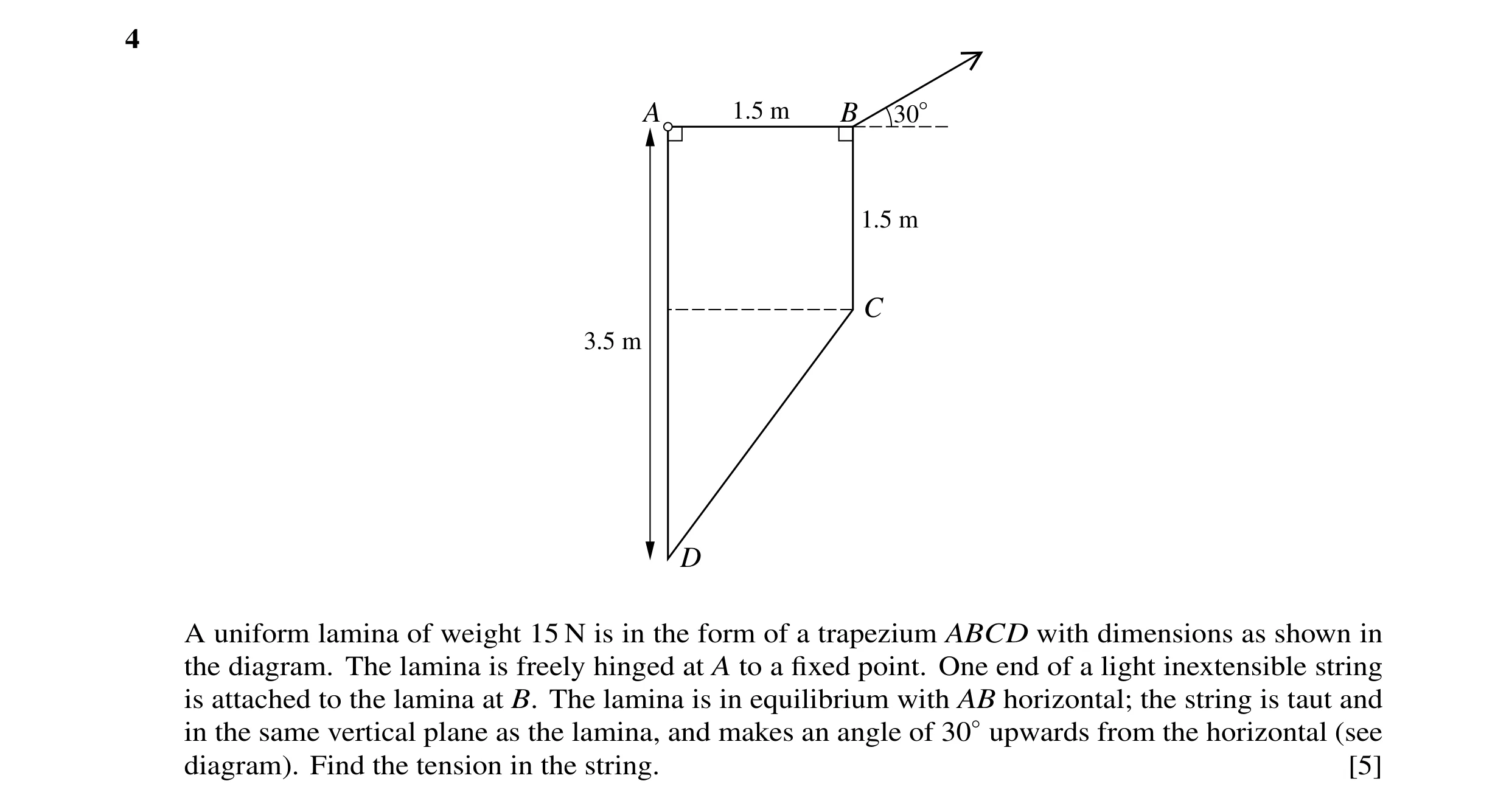
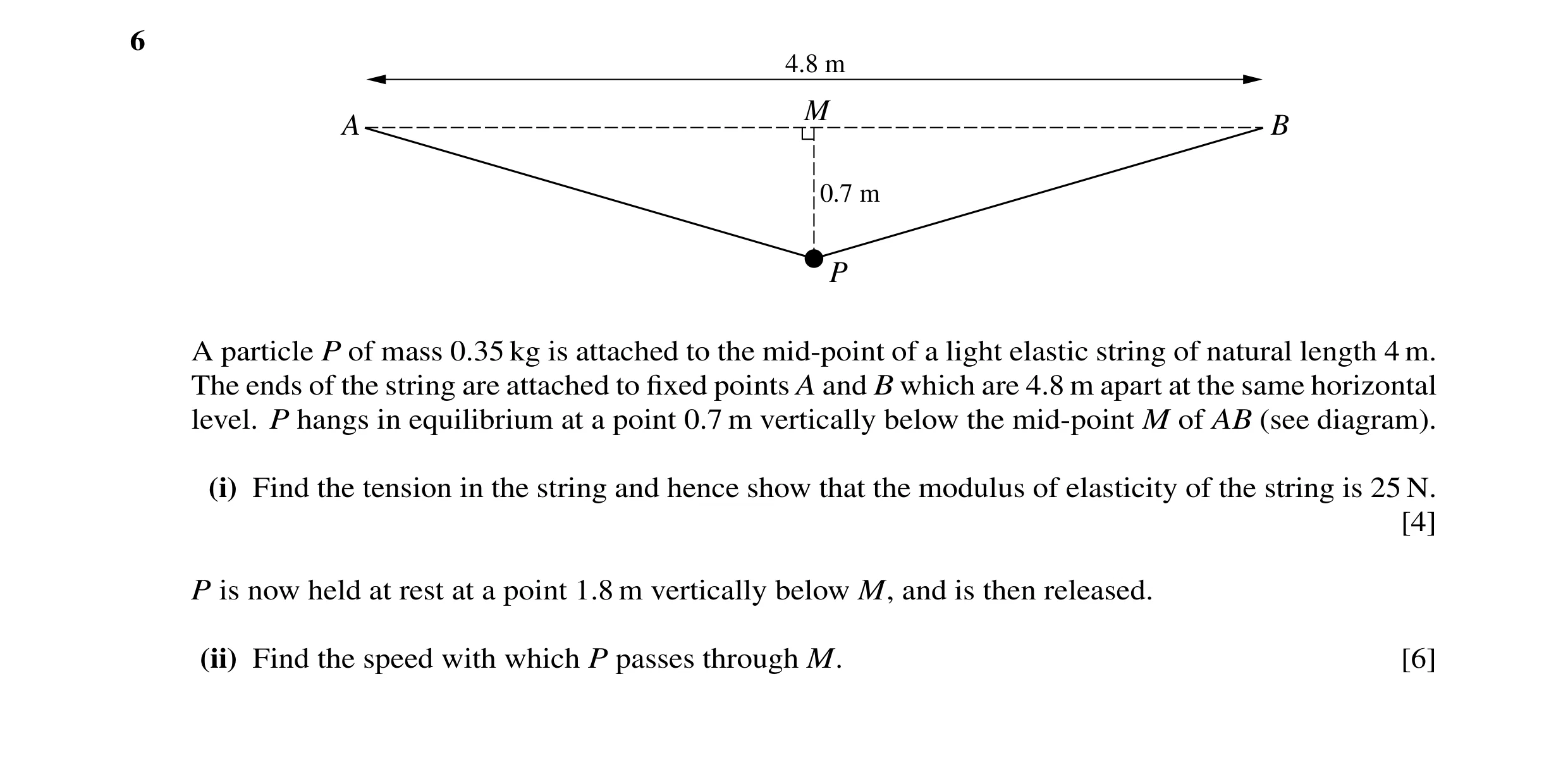 18 / 159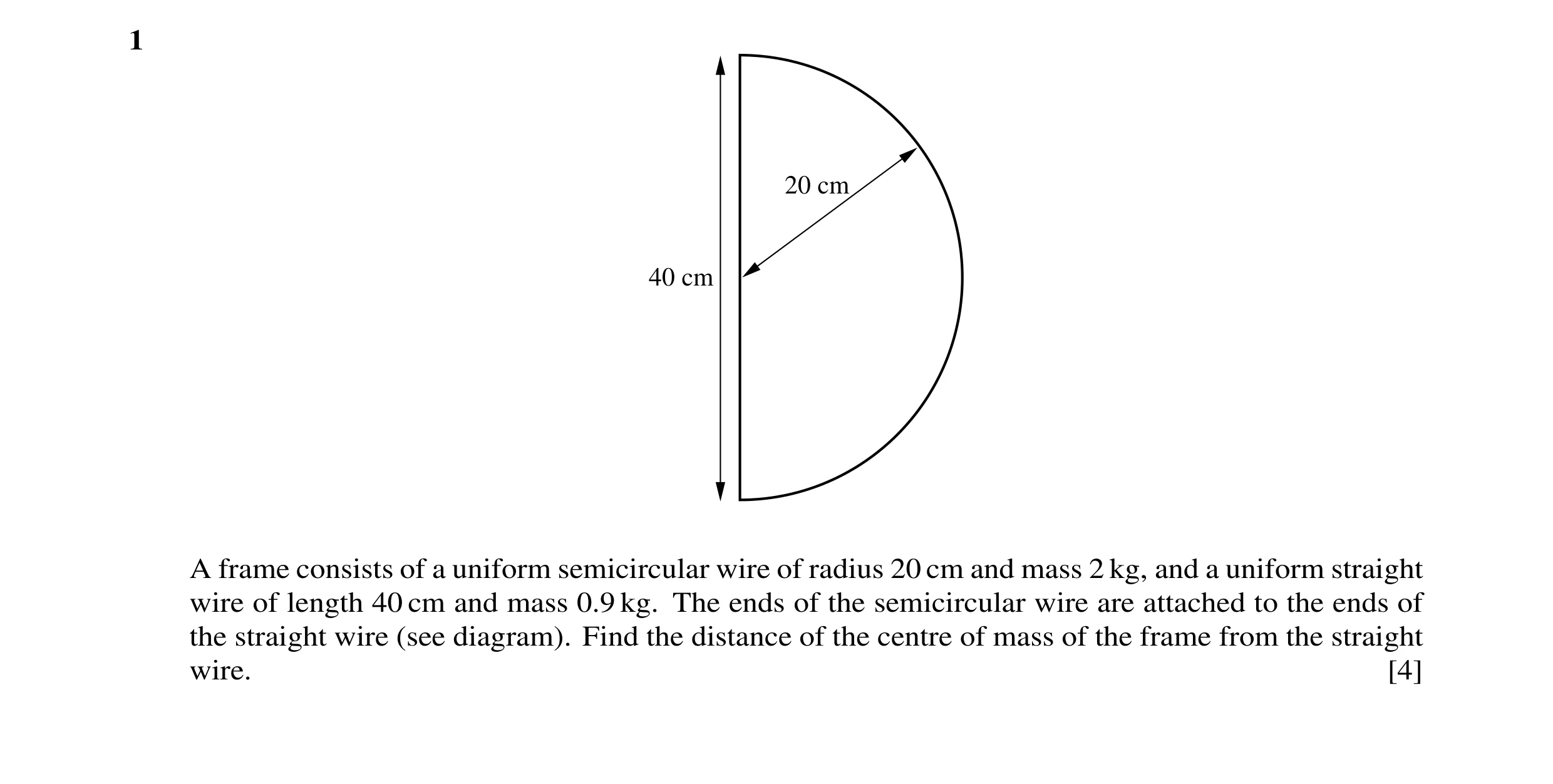
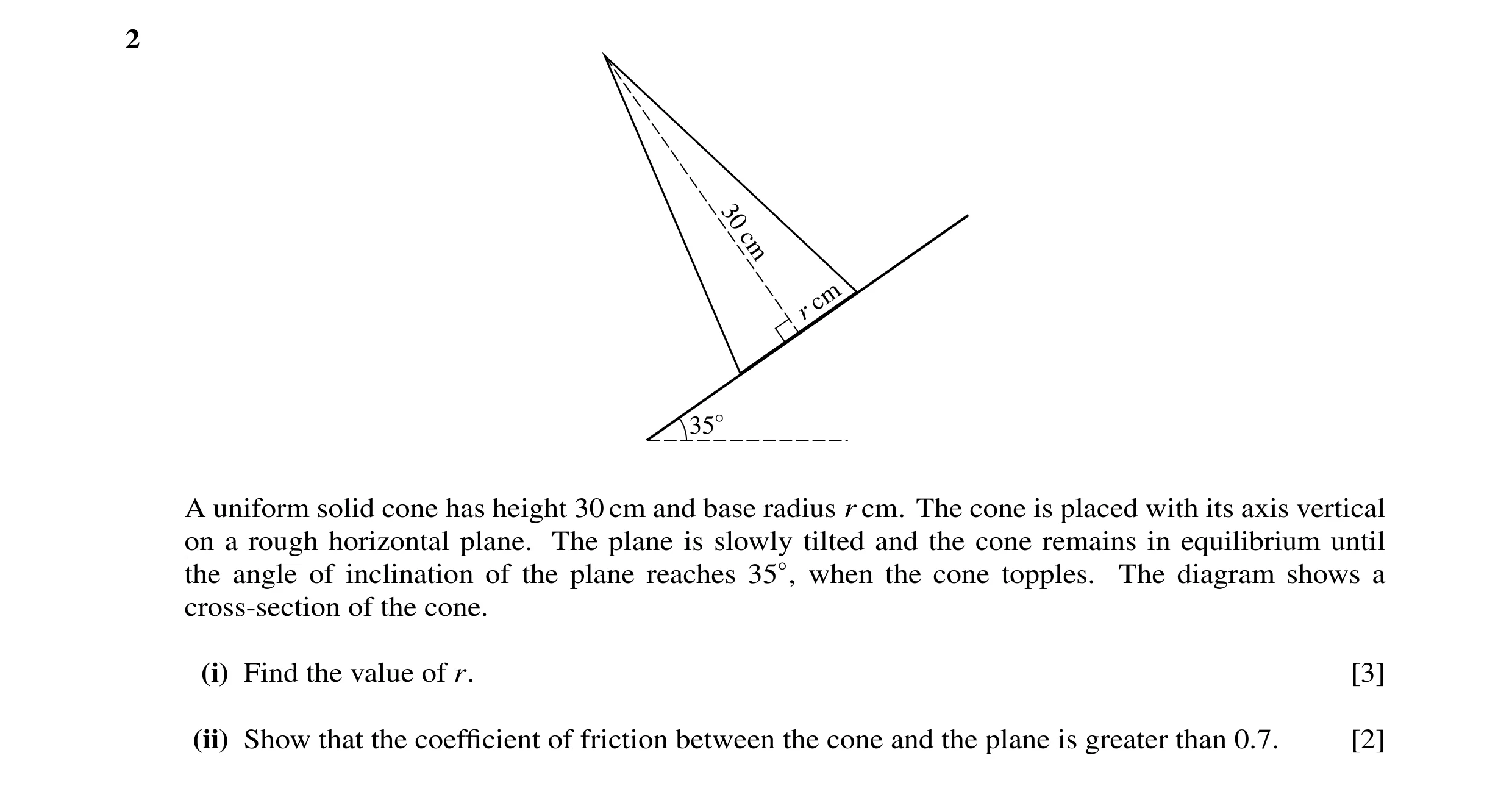 19 / 159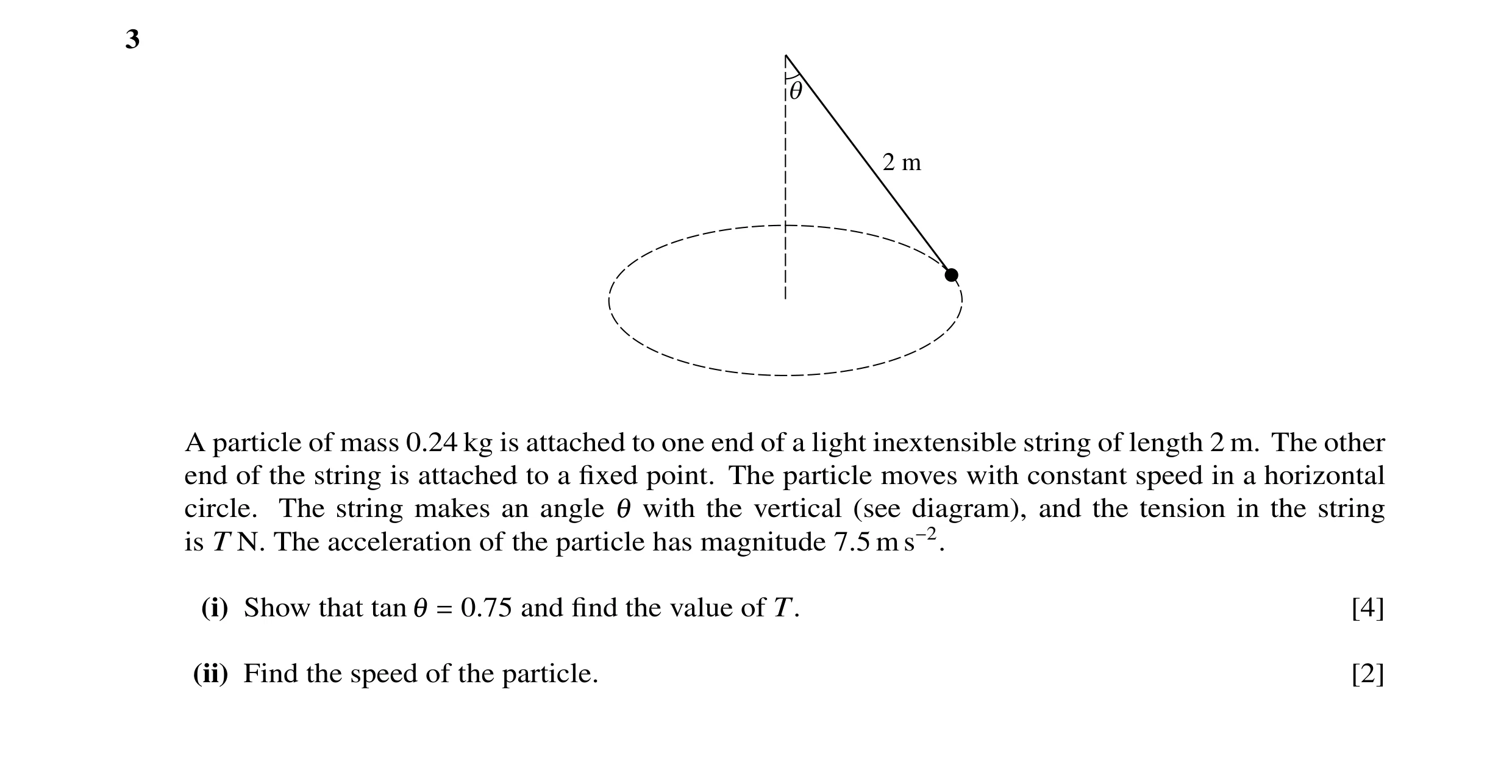
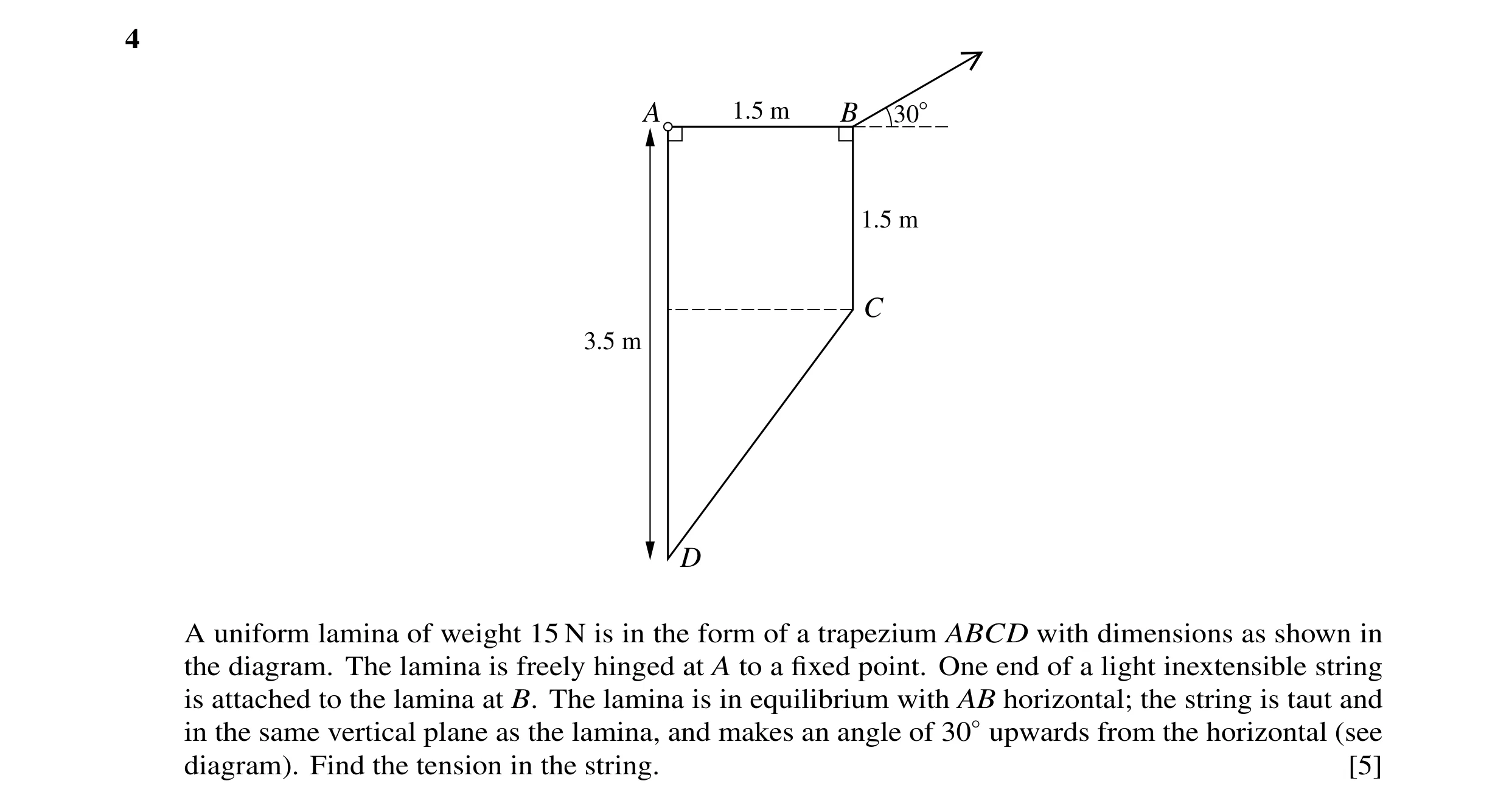 20 / 159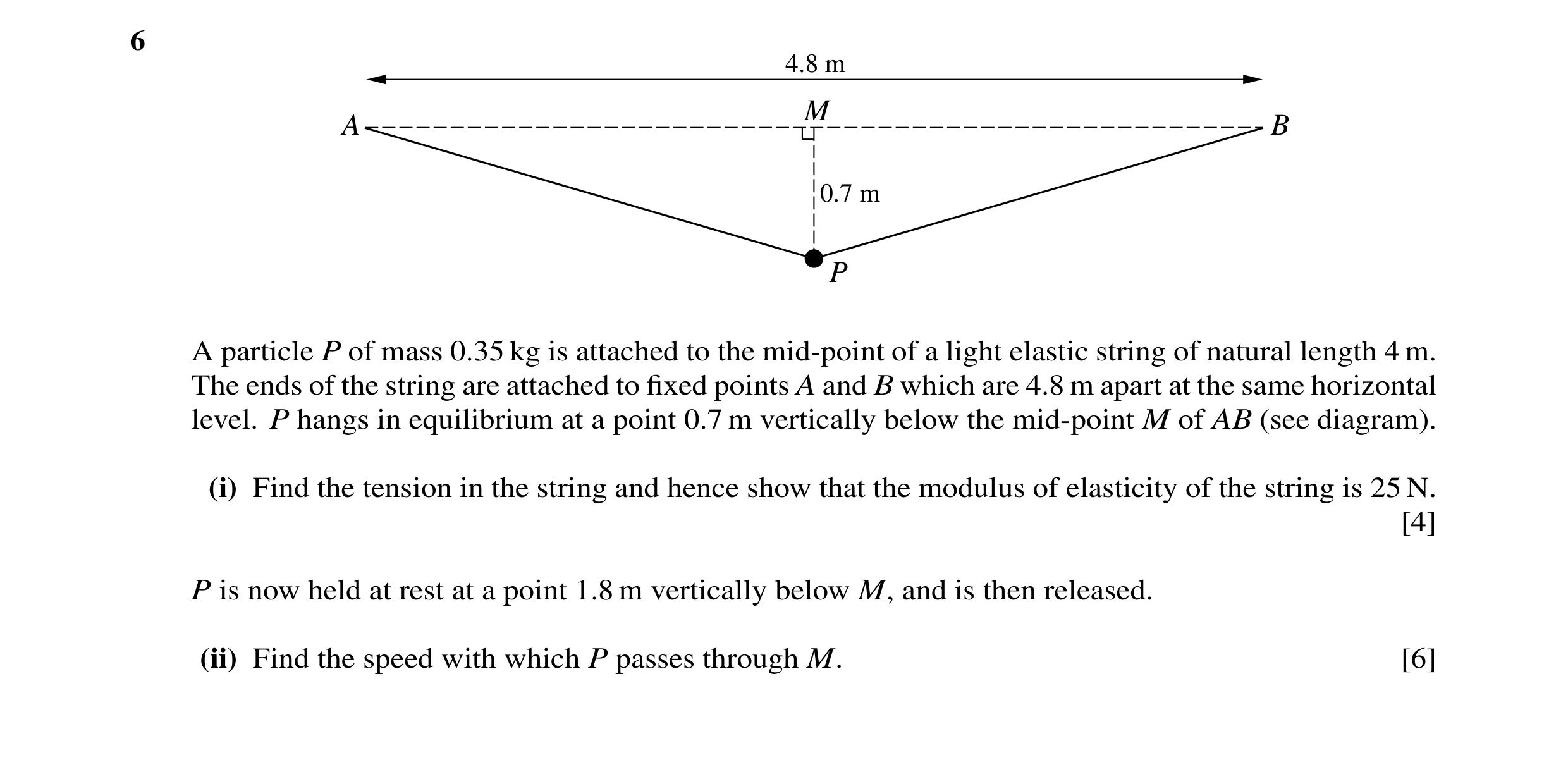
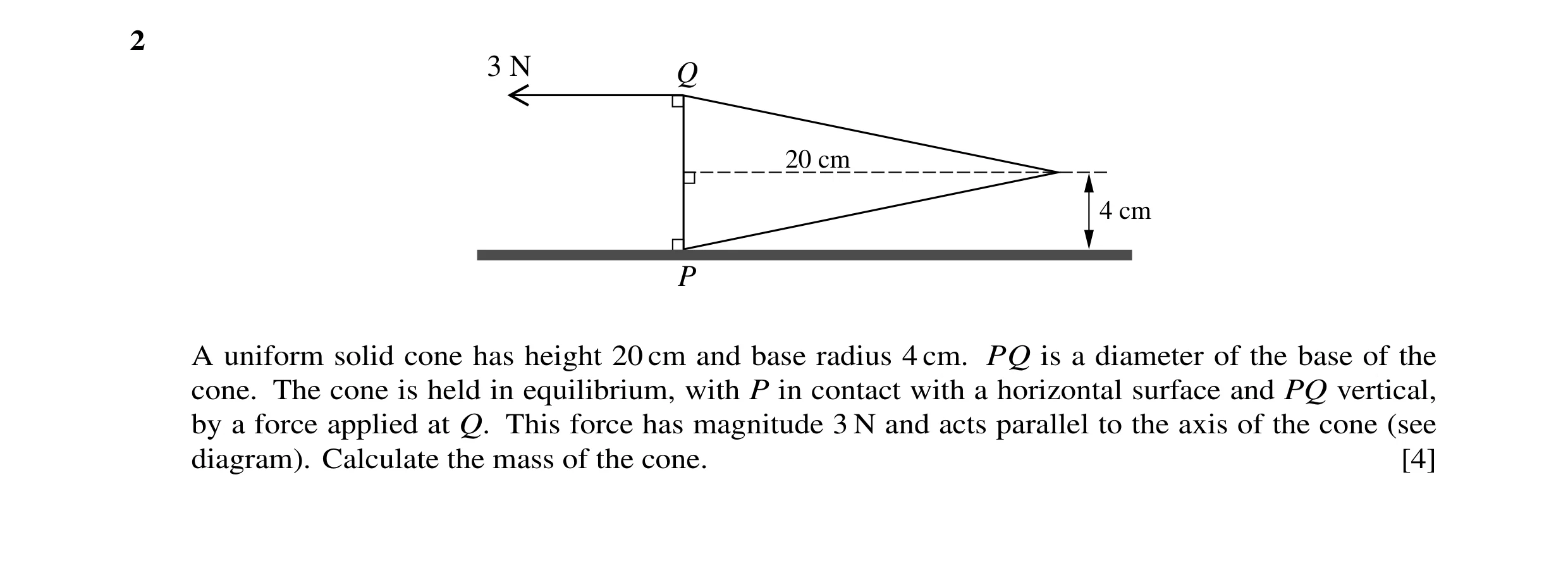
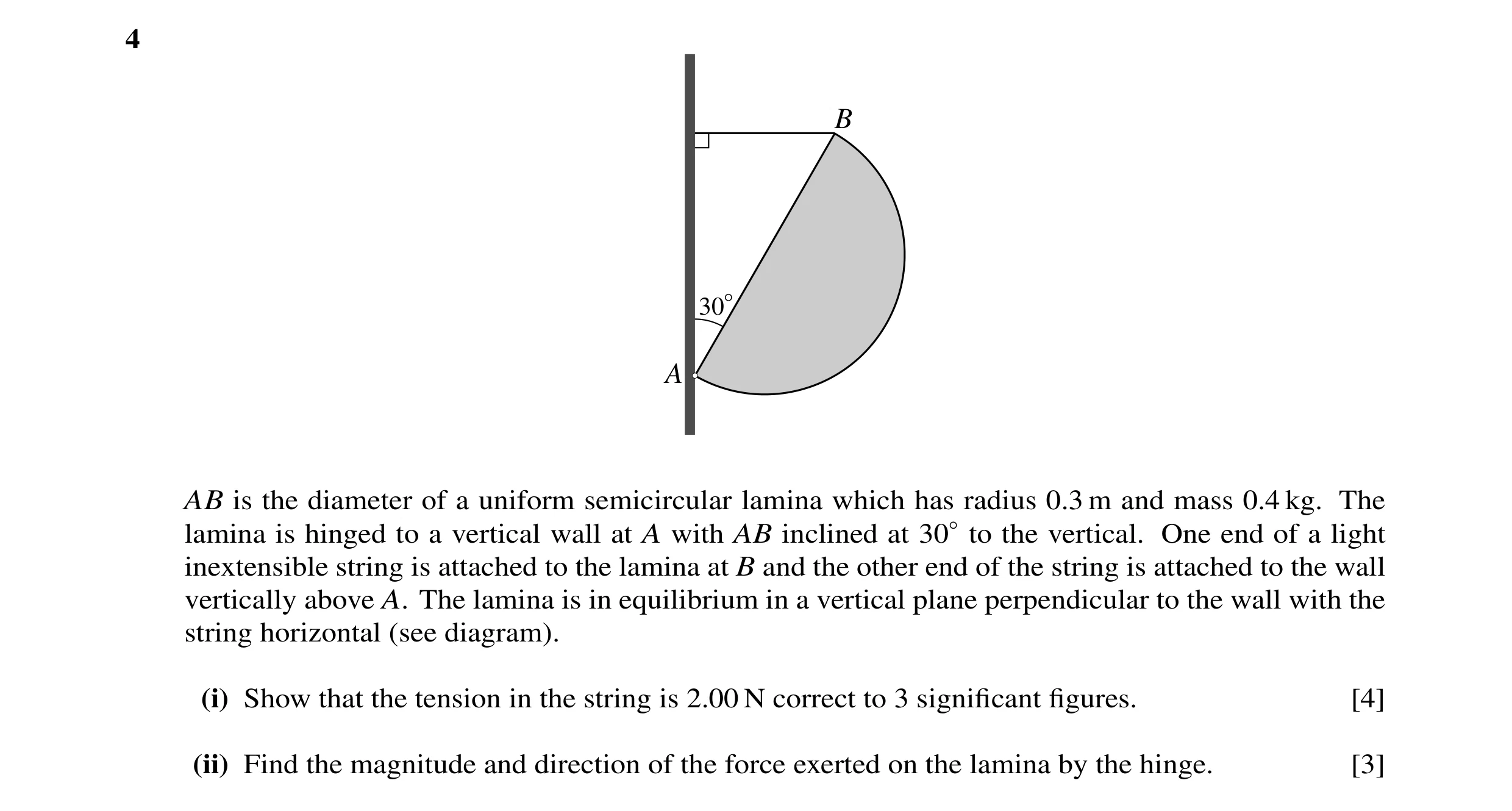 21 / 159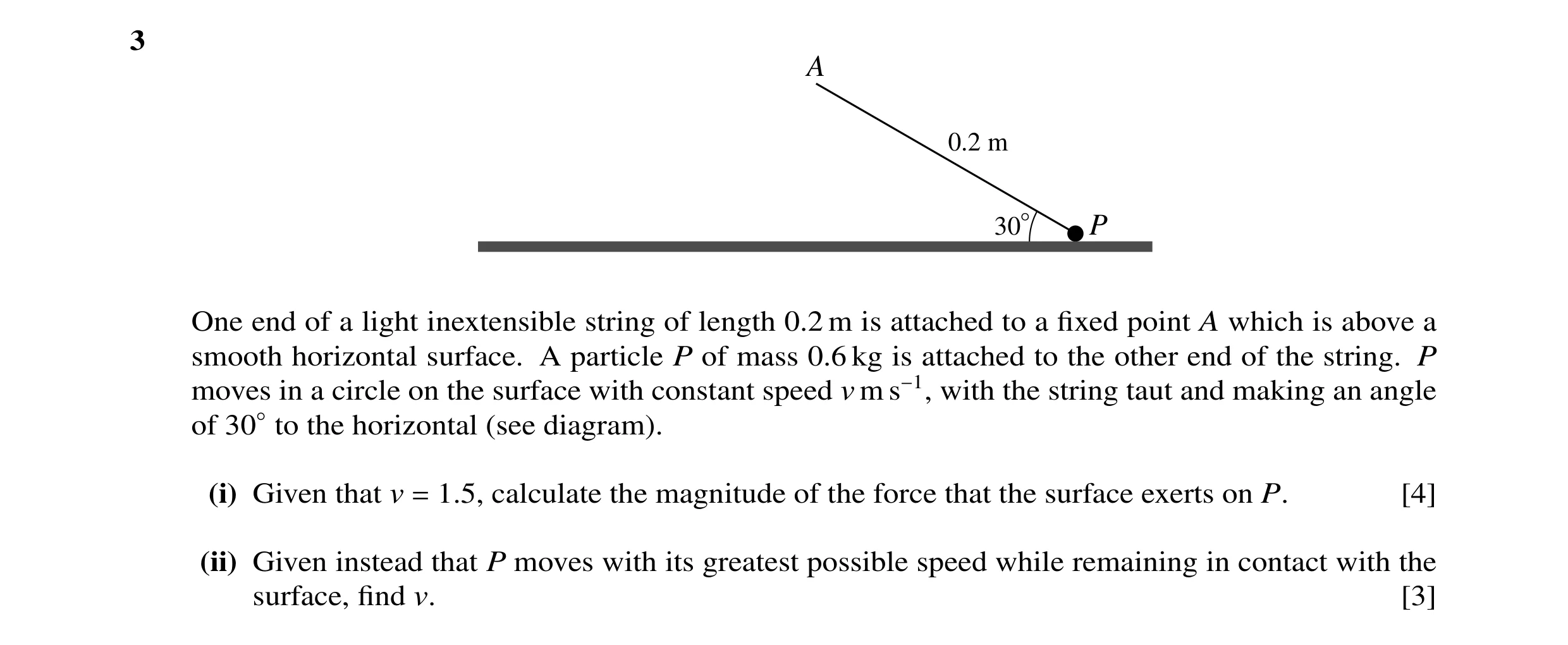
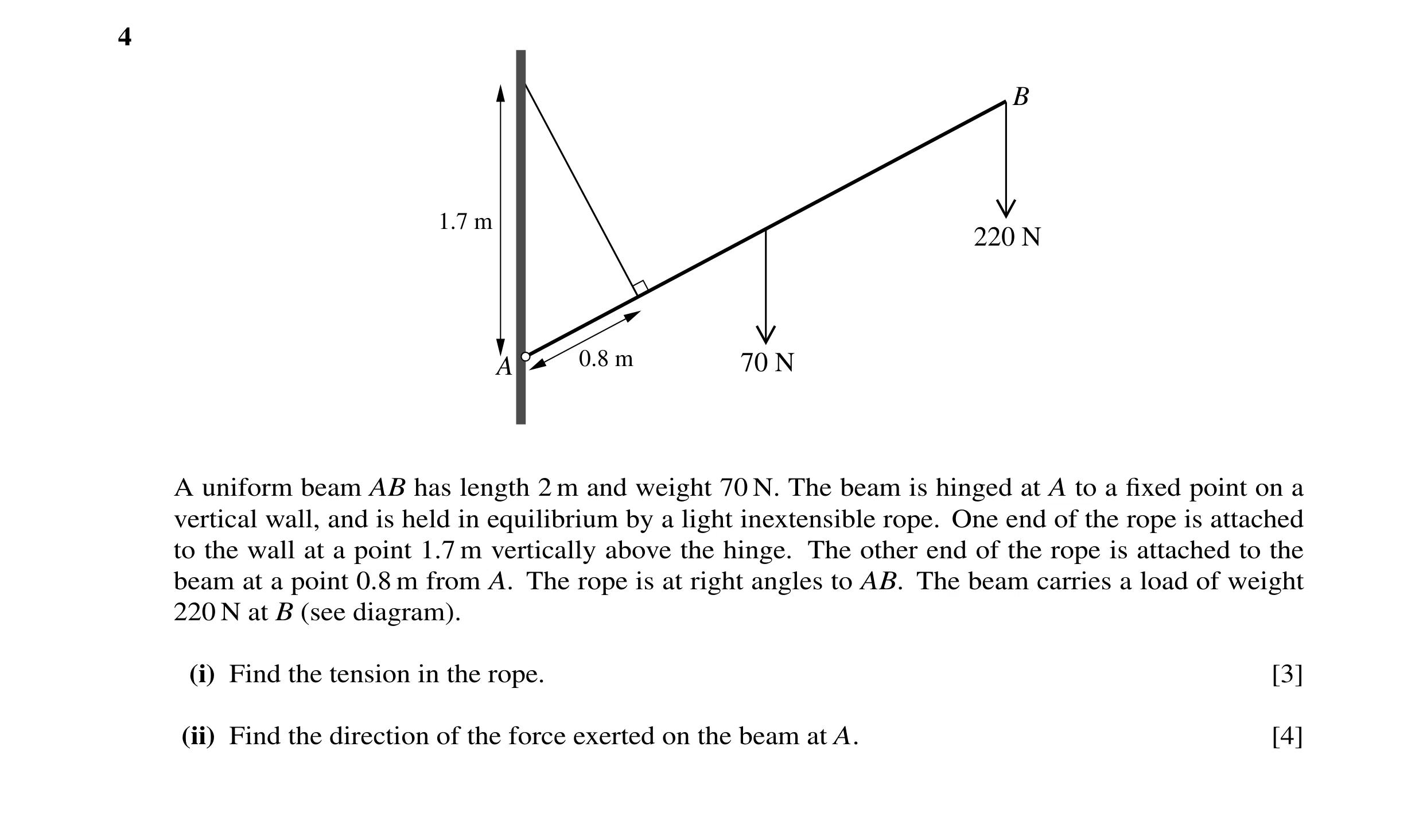
 22 / 159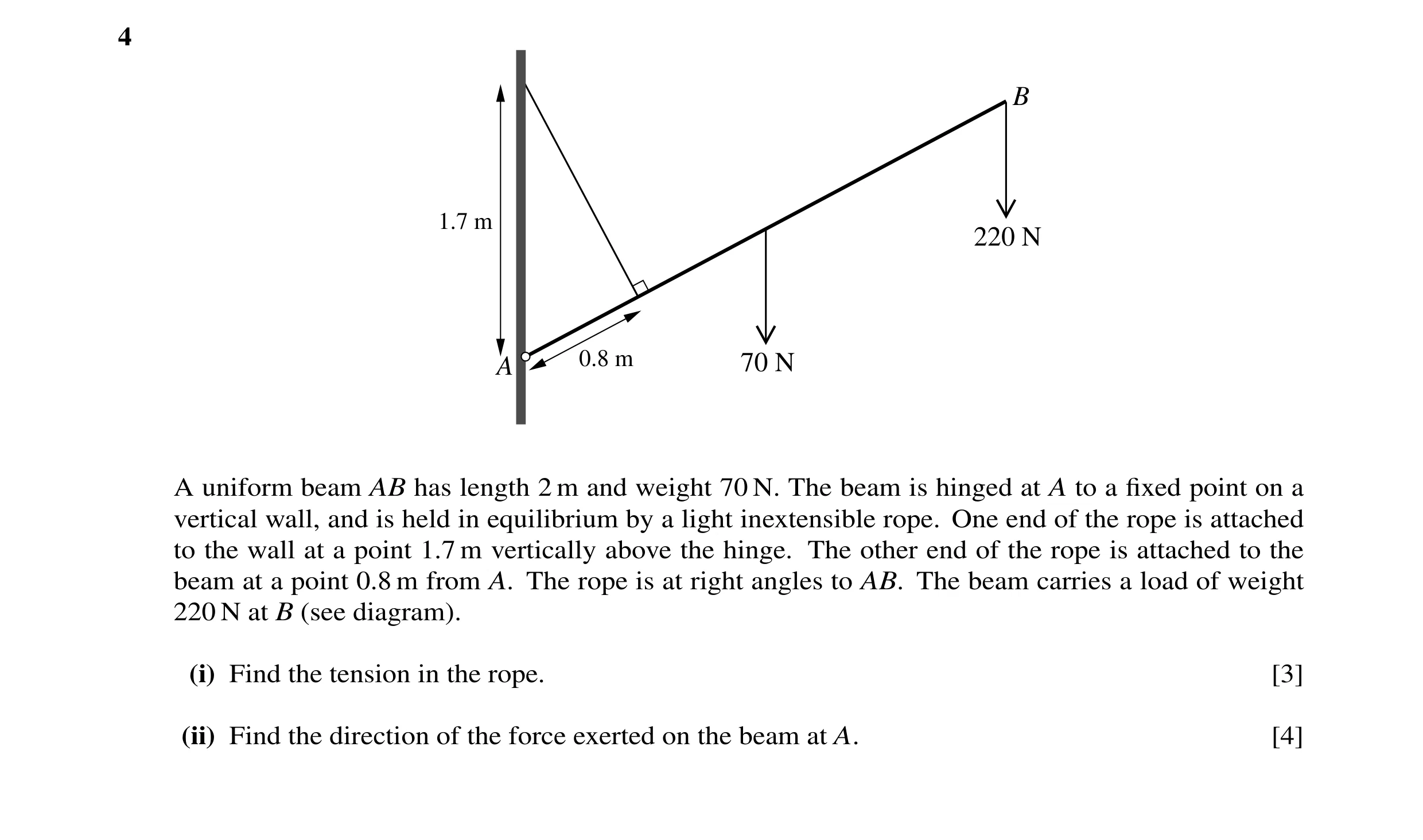
 23 / 159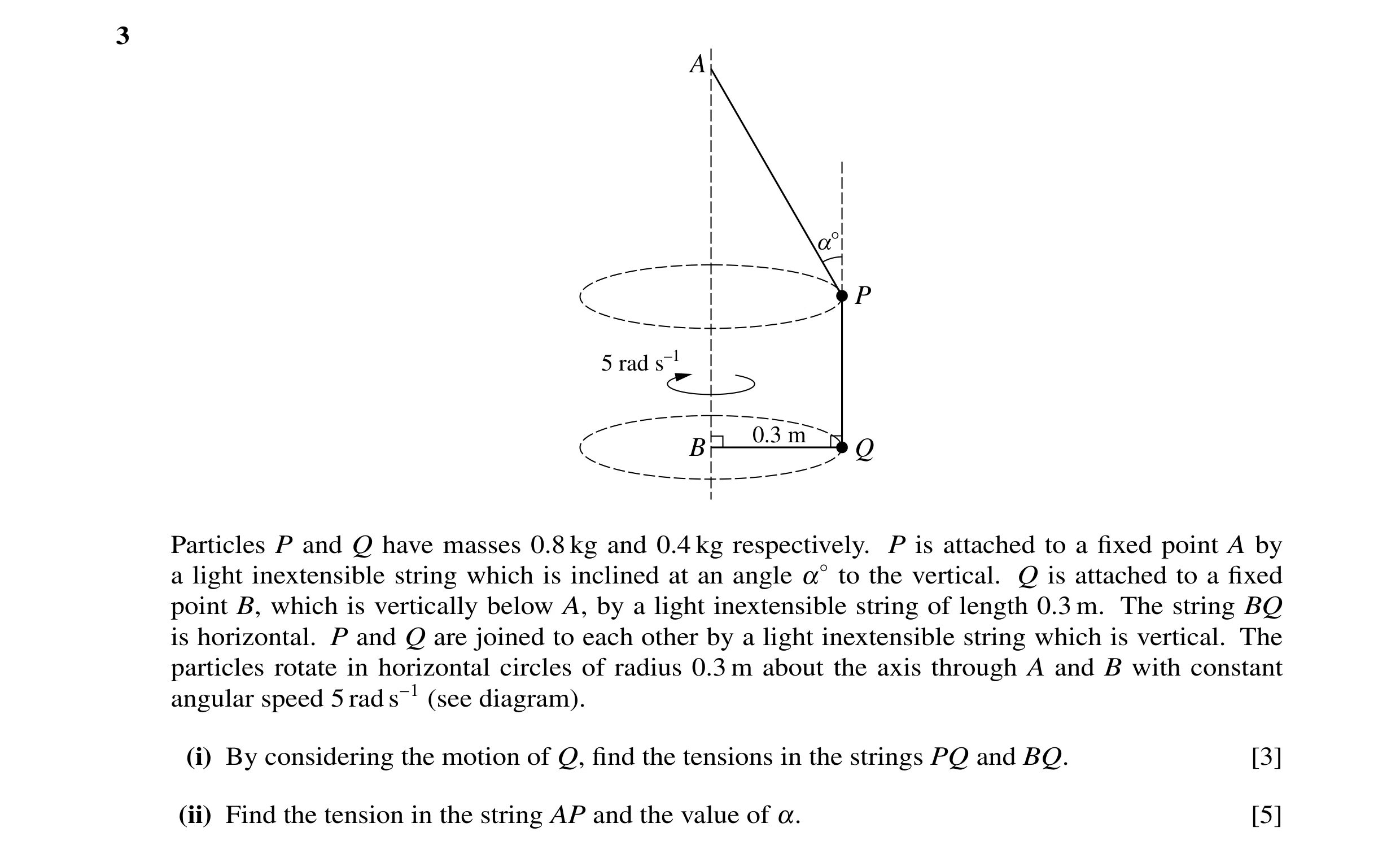
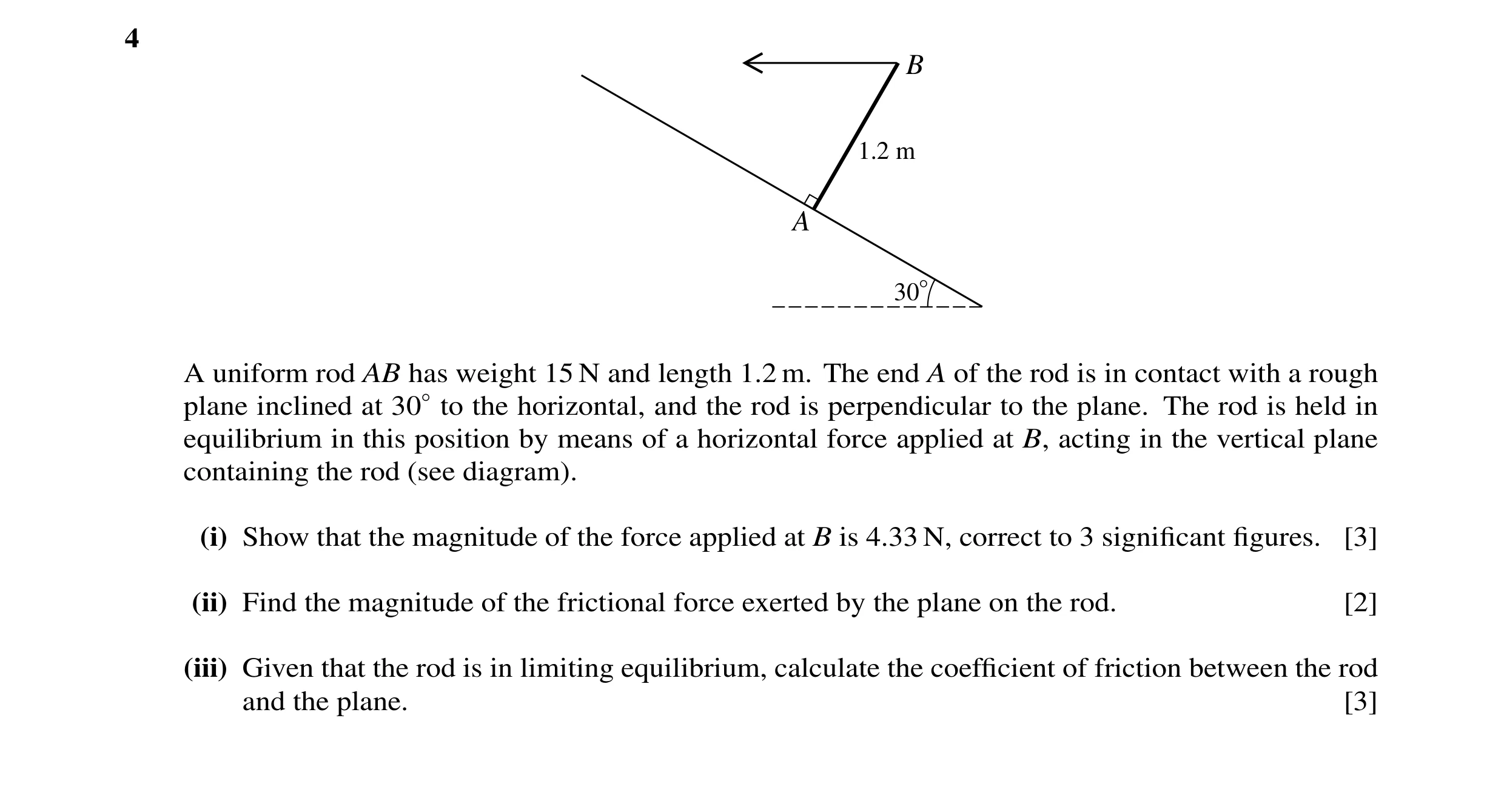 24 / 159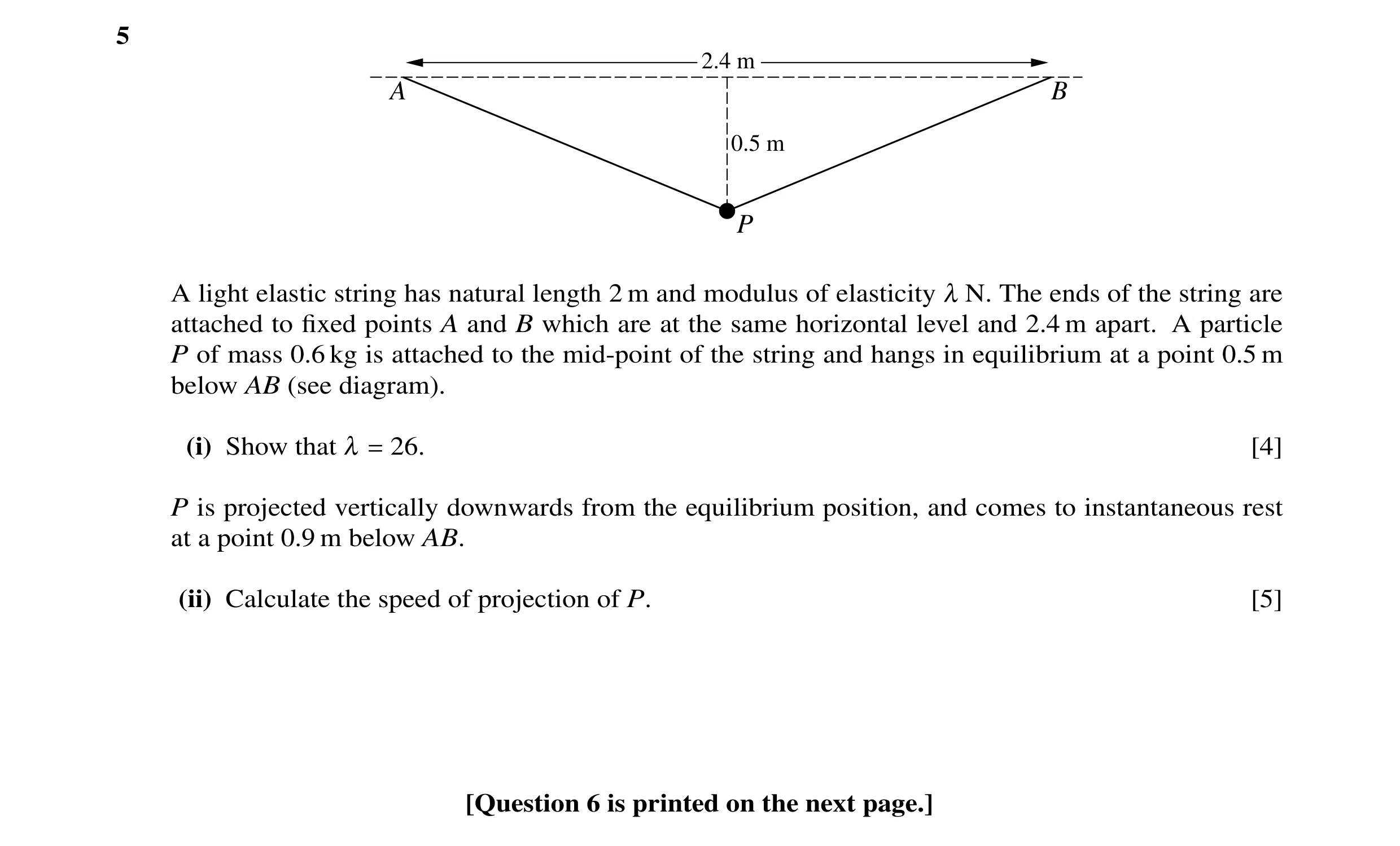
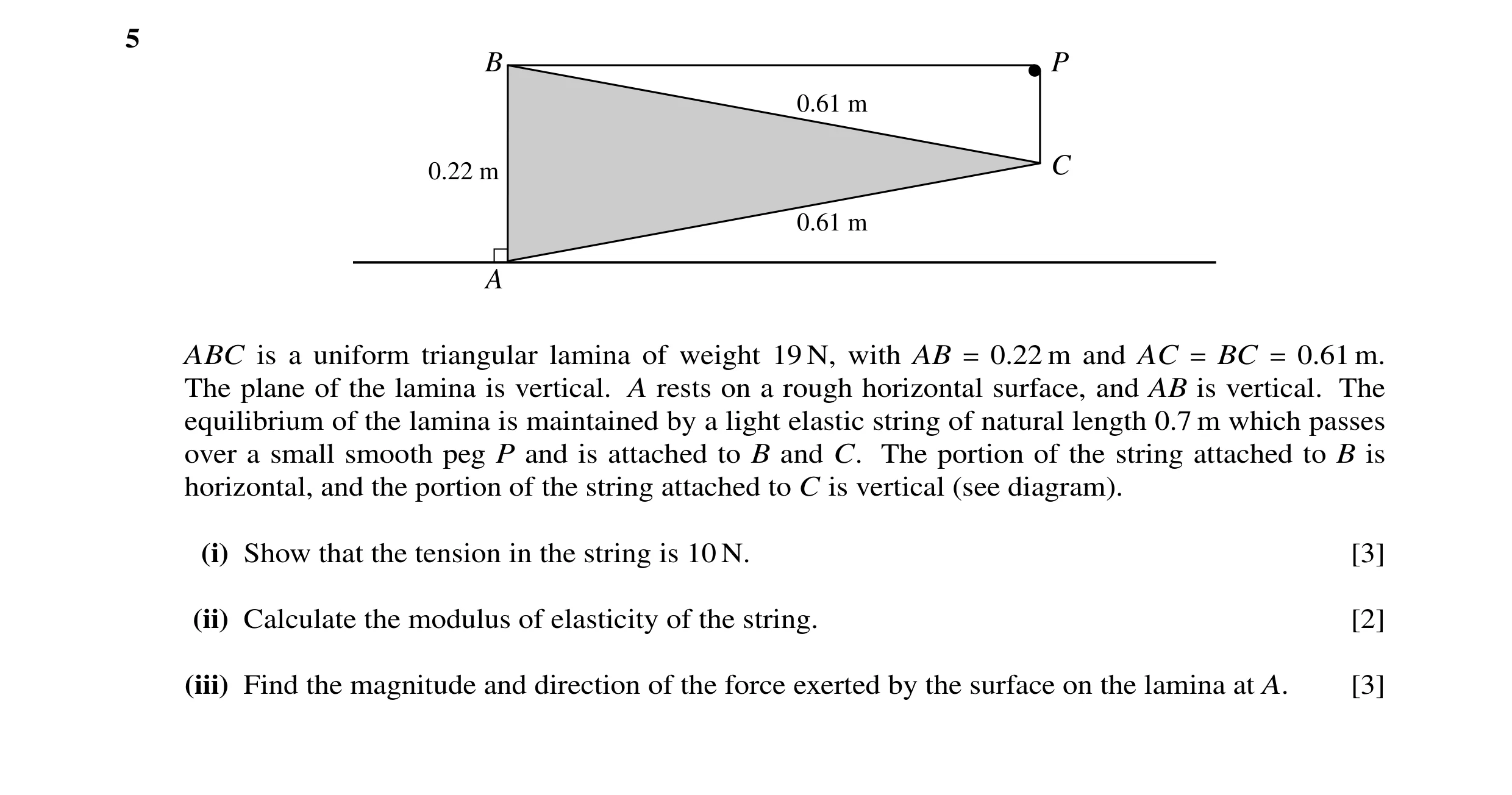 25 / 159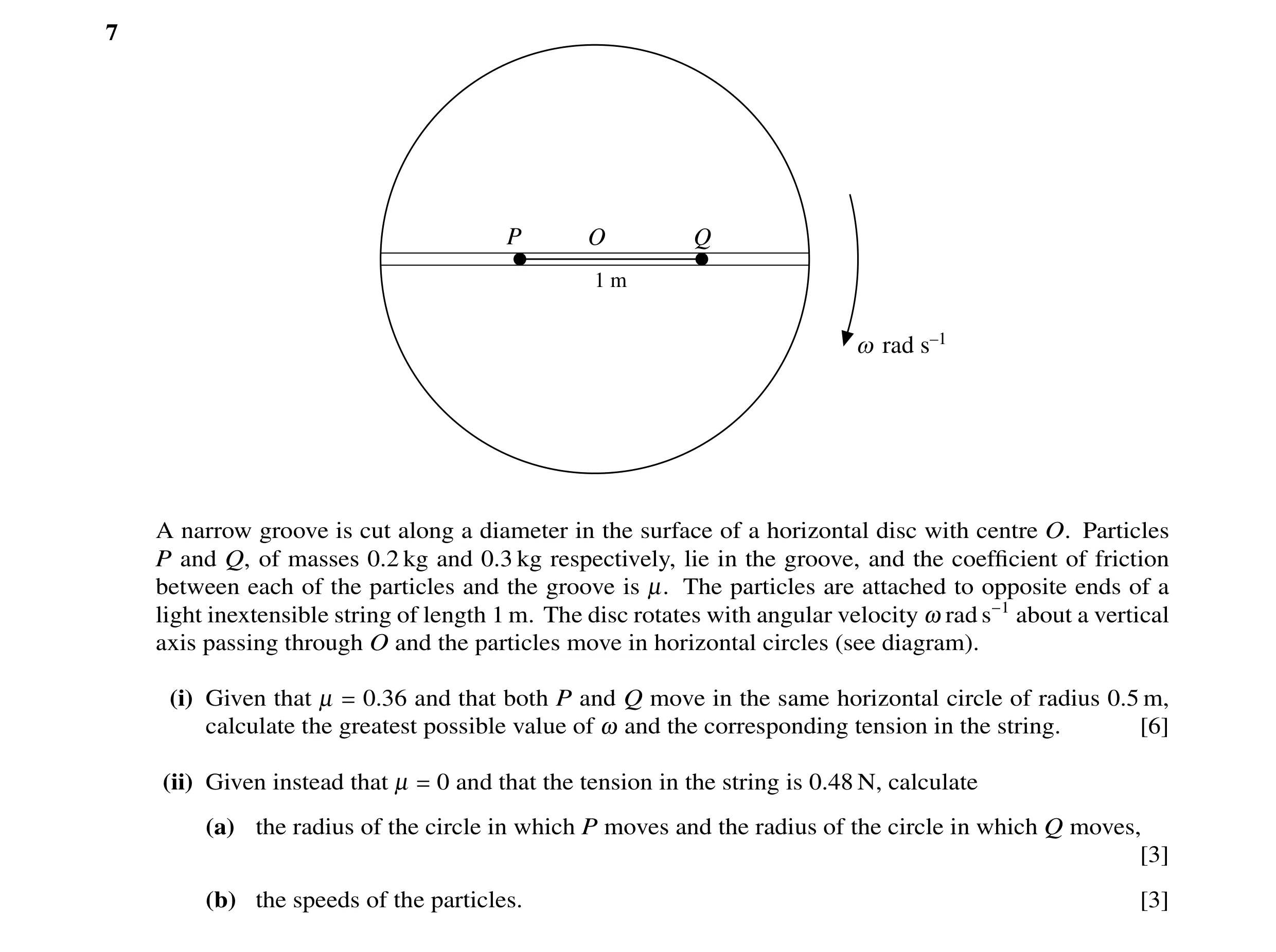
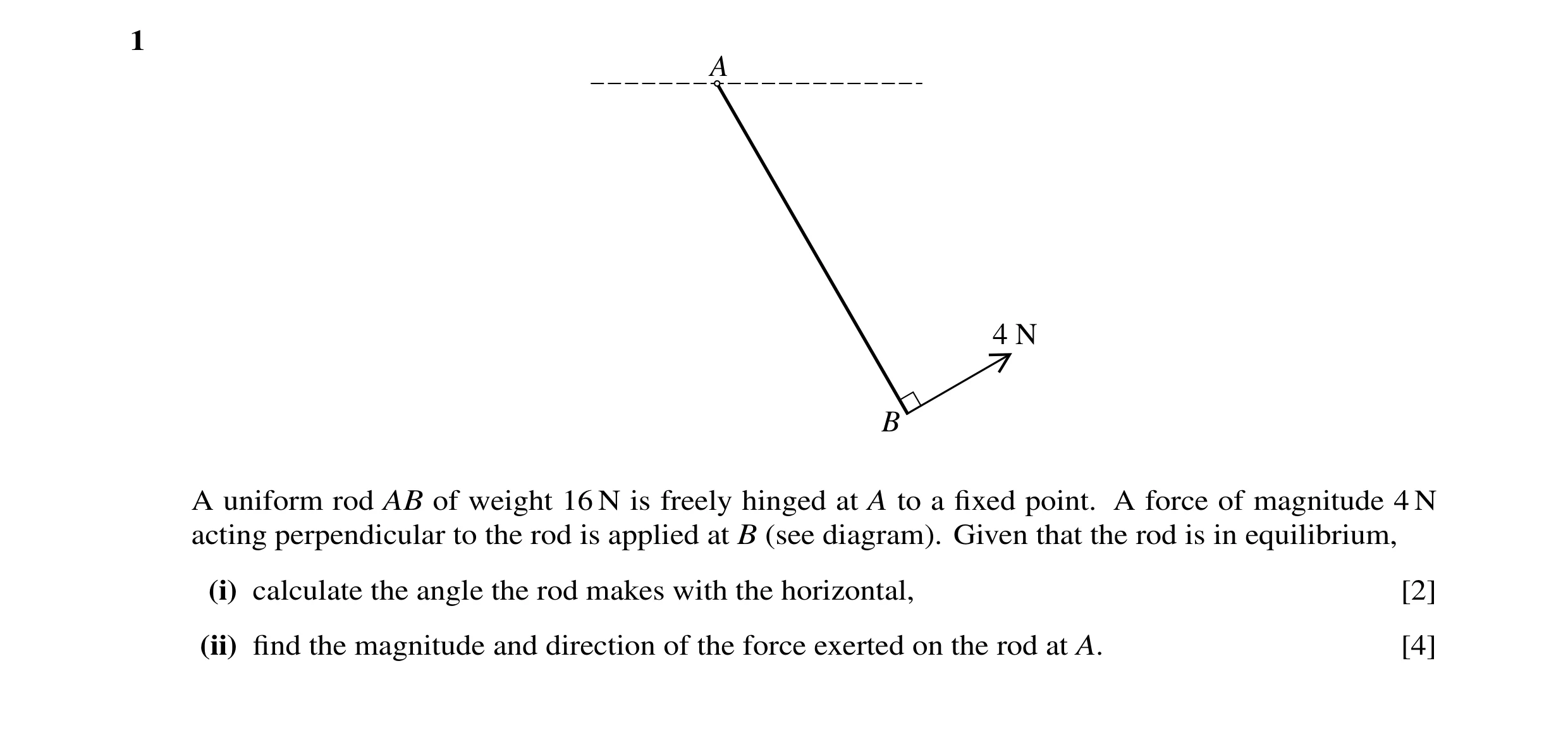 26 / 159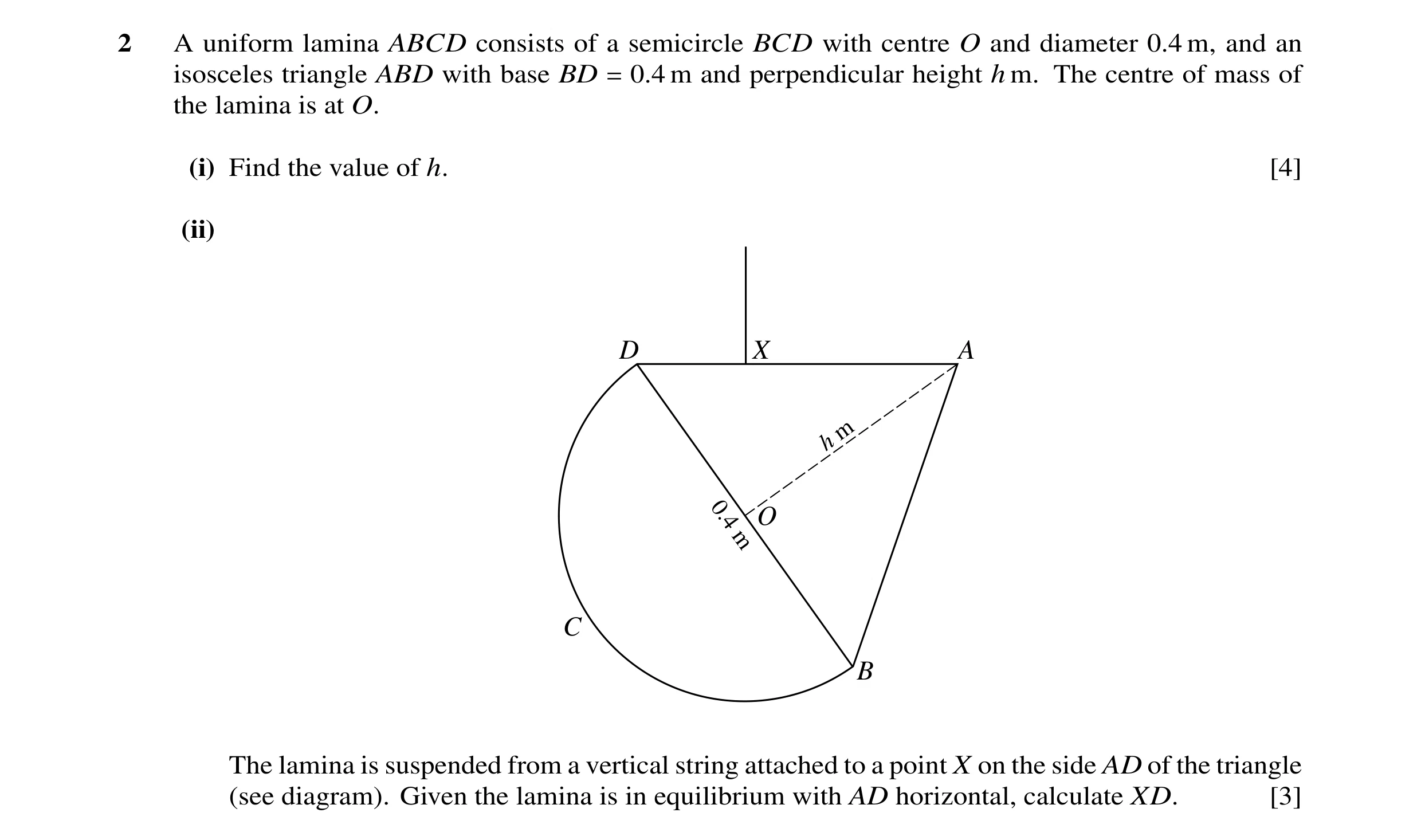
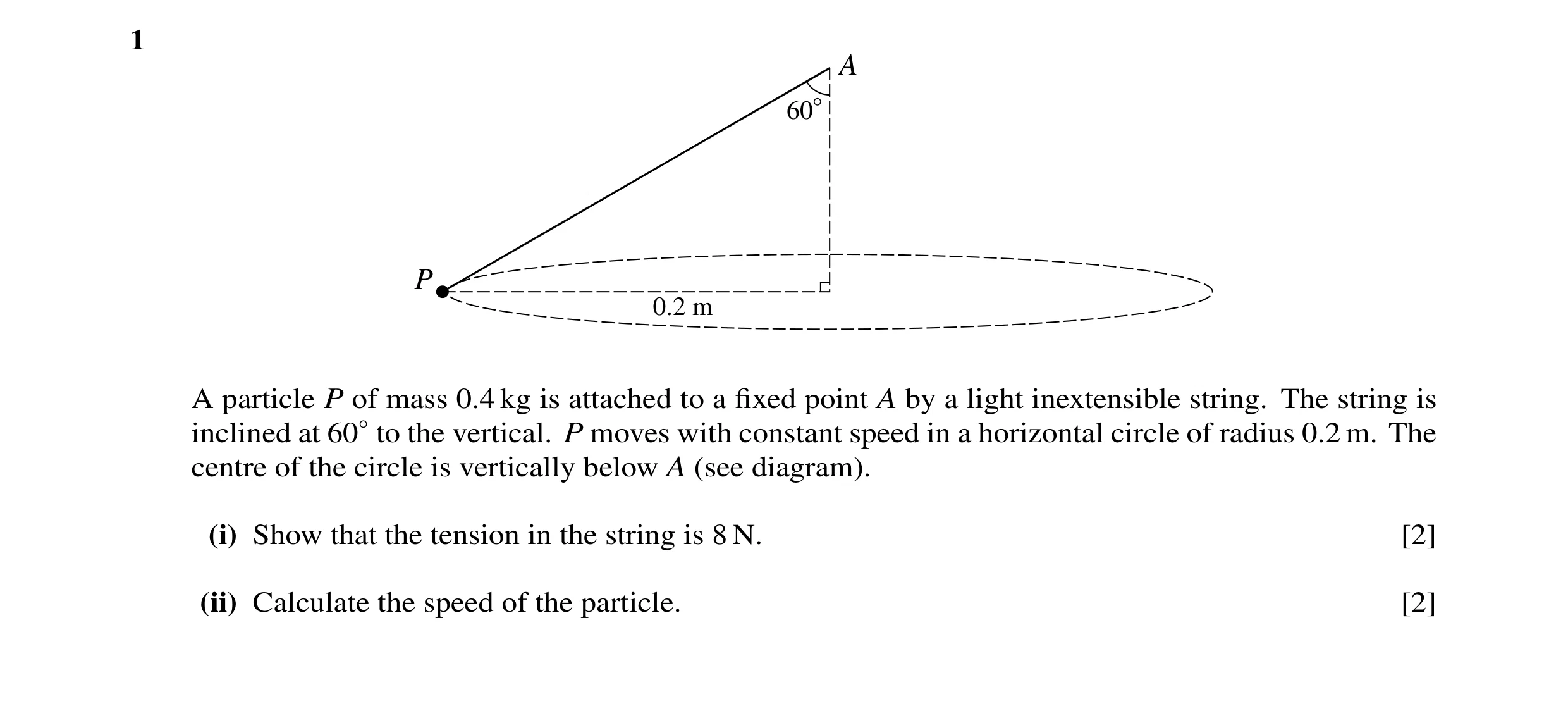 27 / 159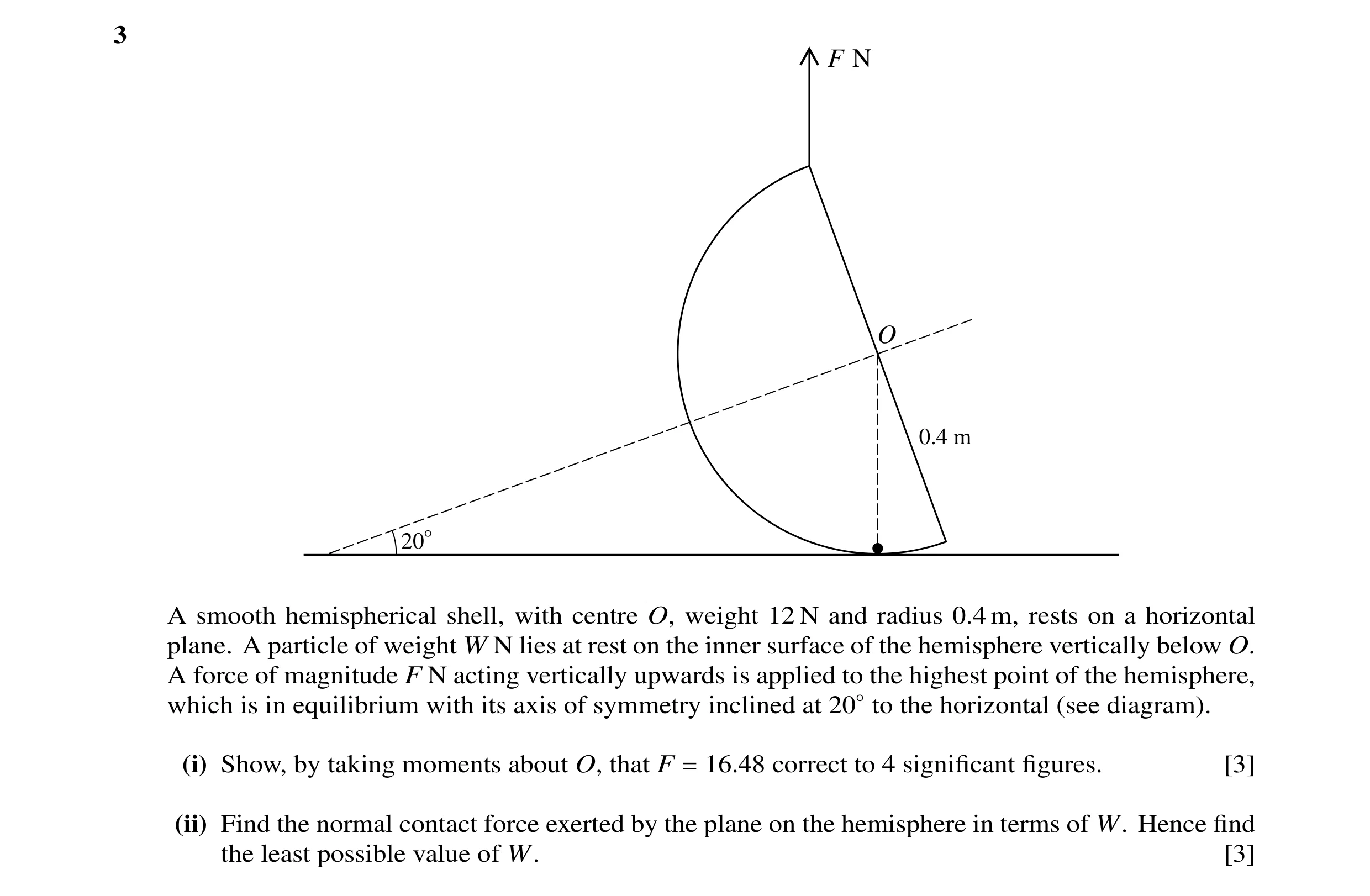
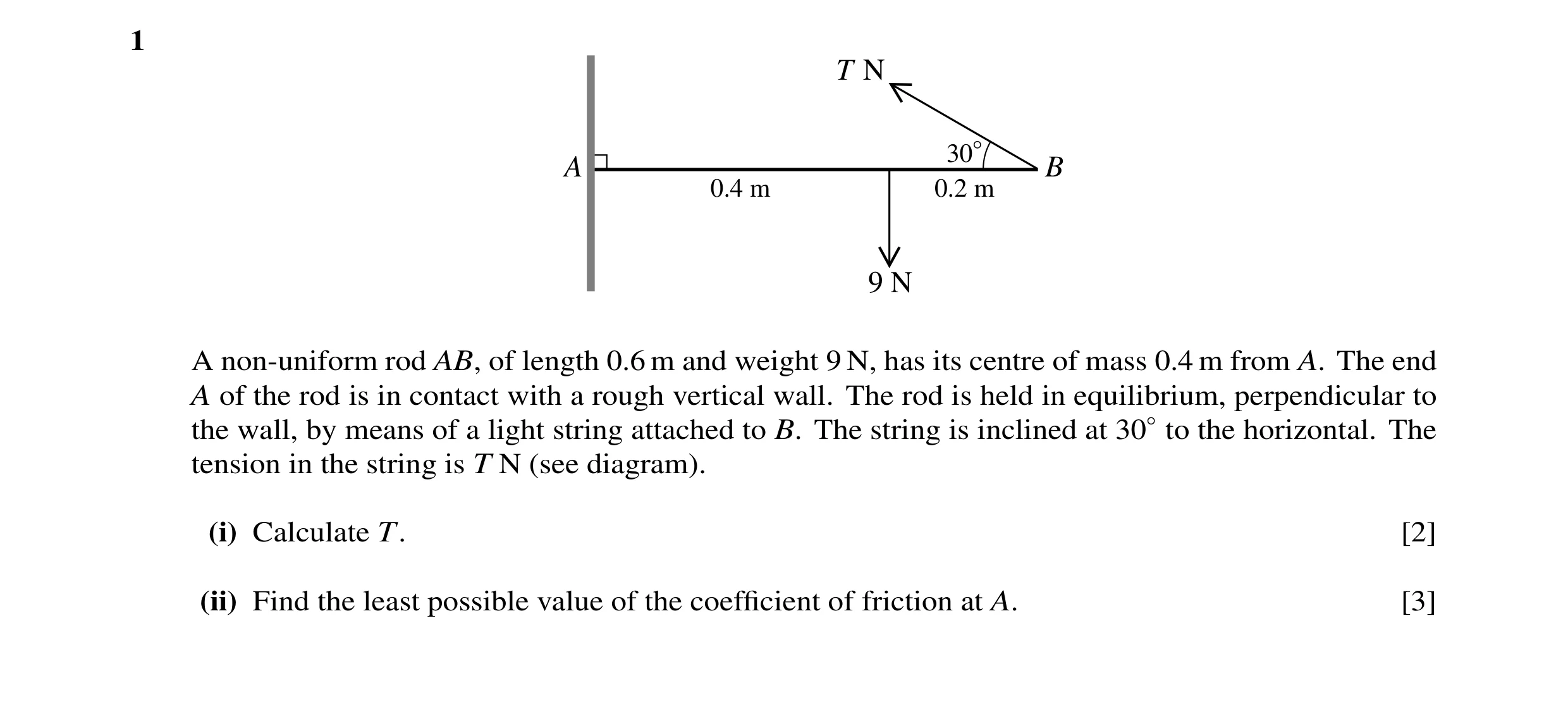 28 / 159
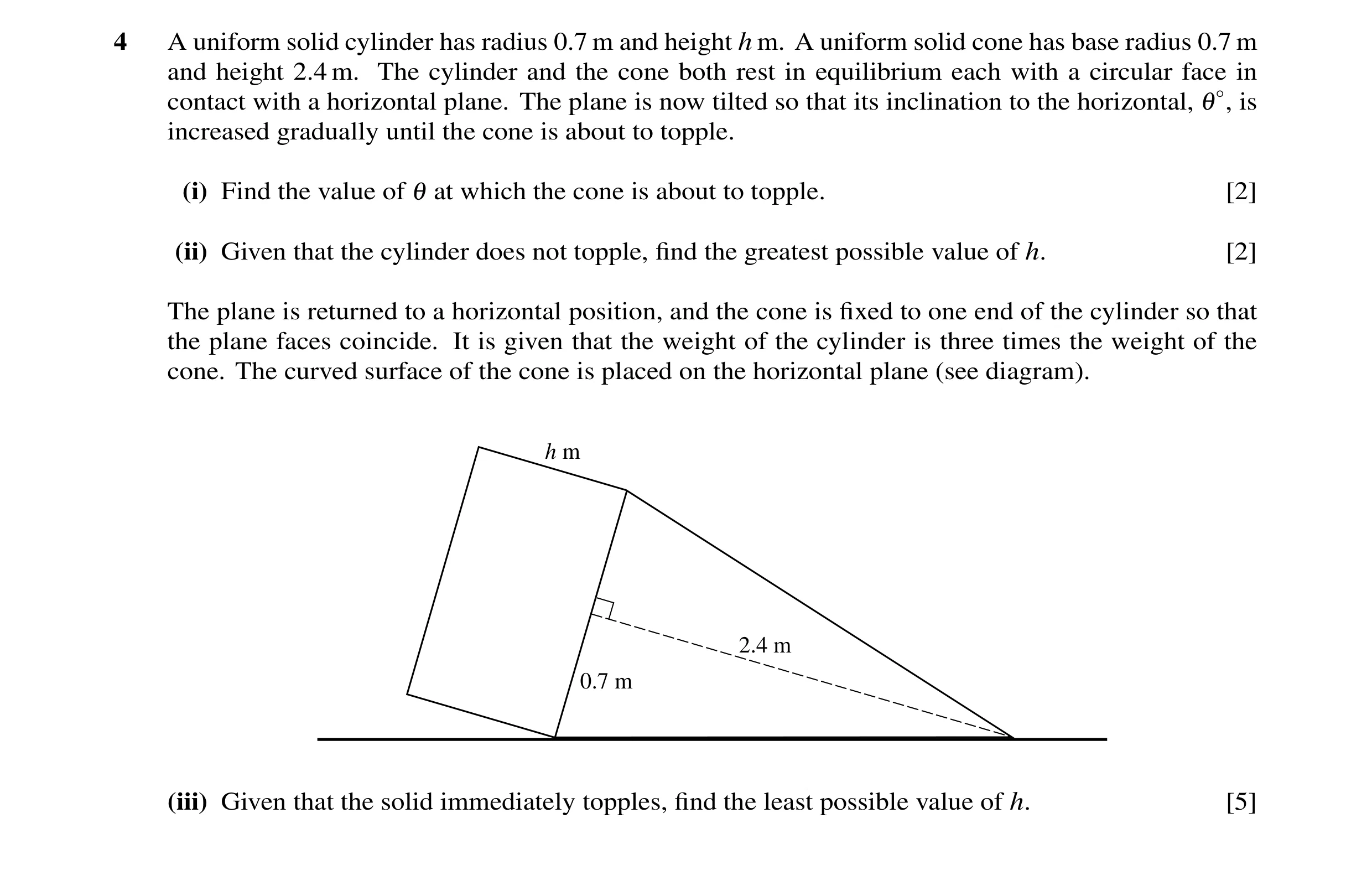
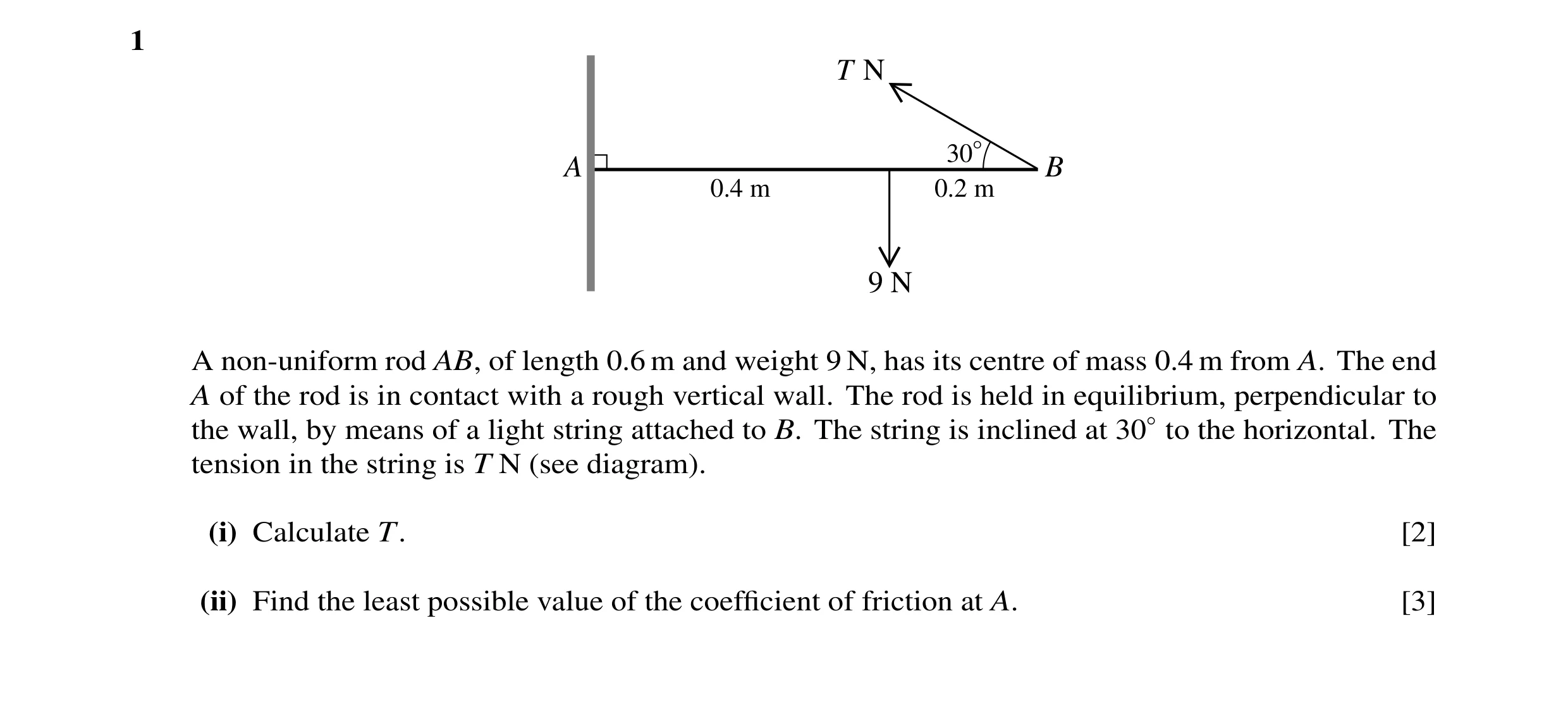 29 / 159
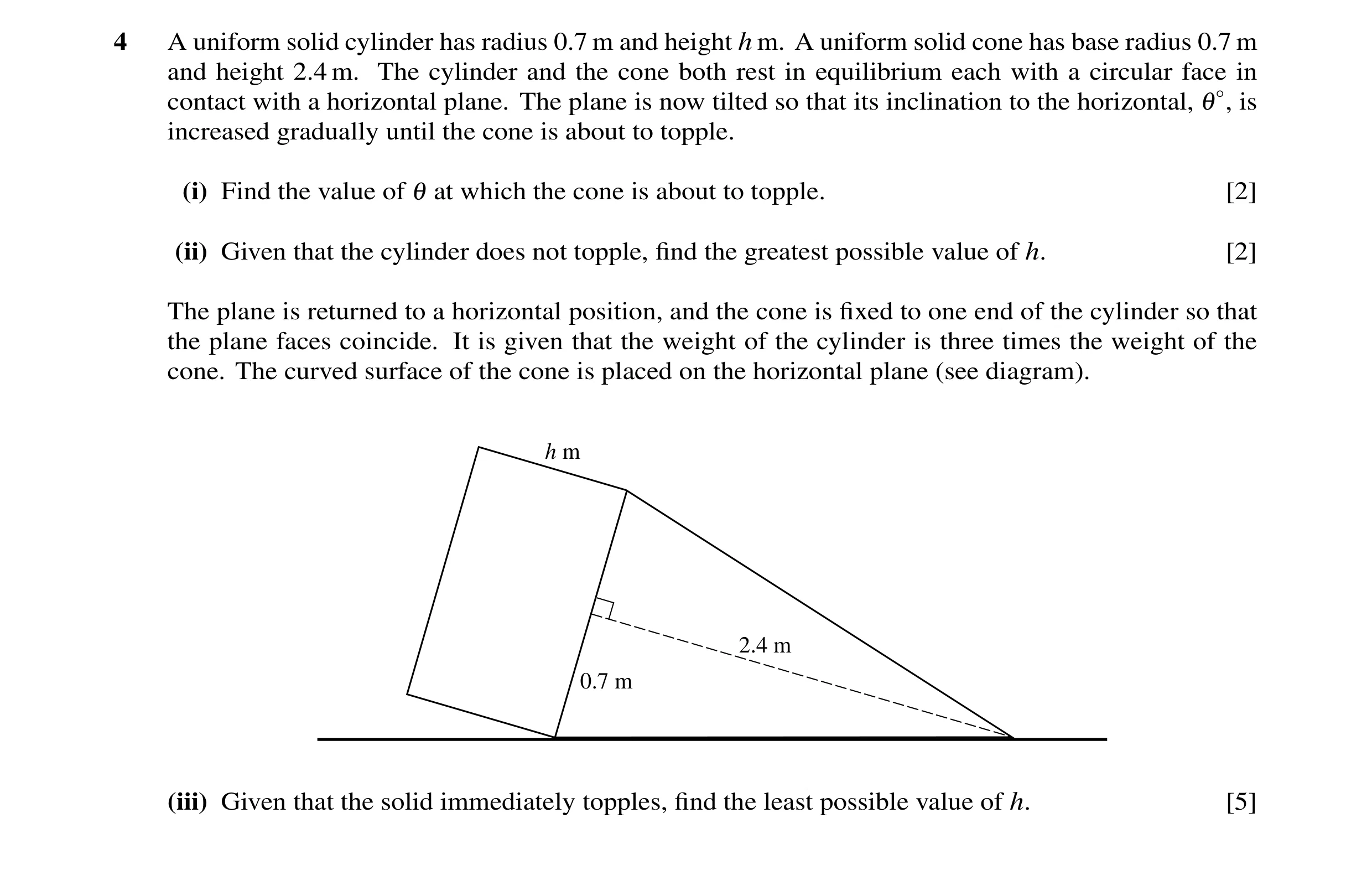 30 / 159
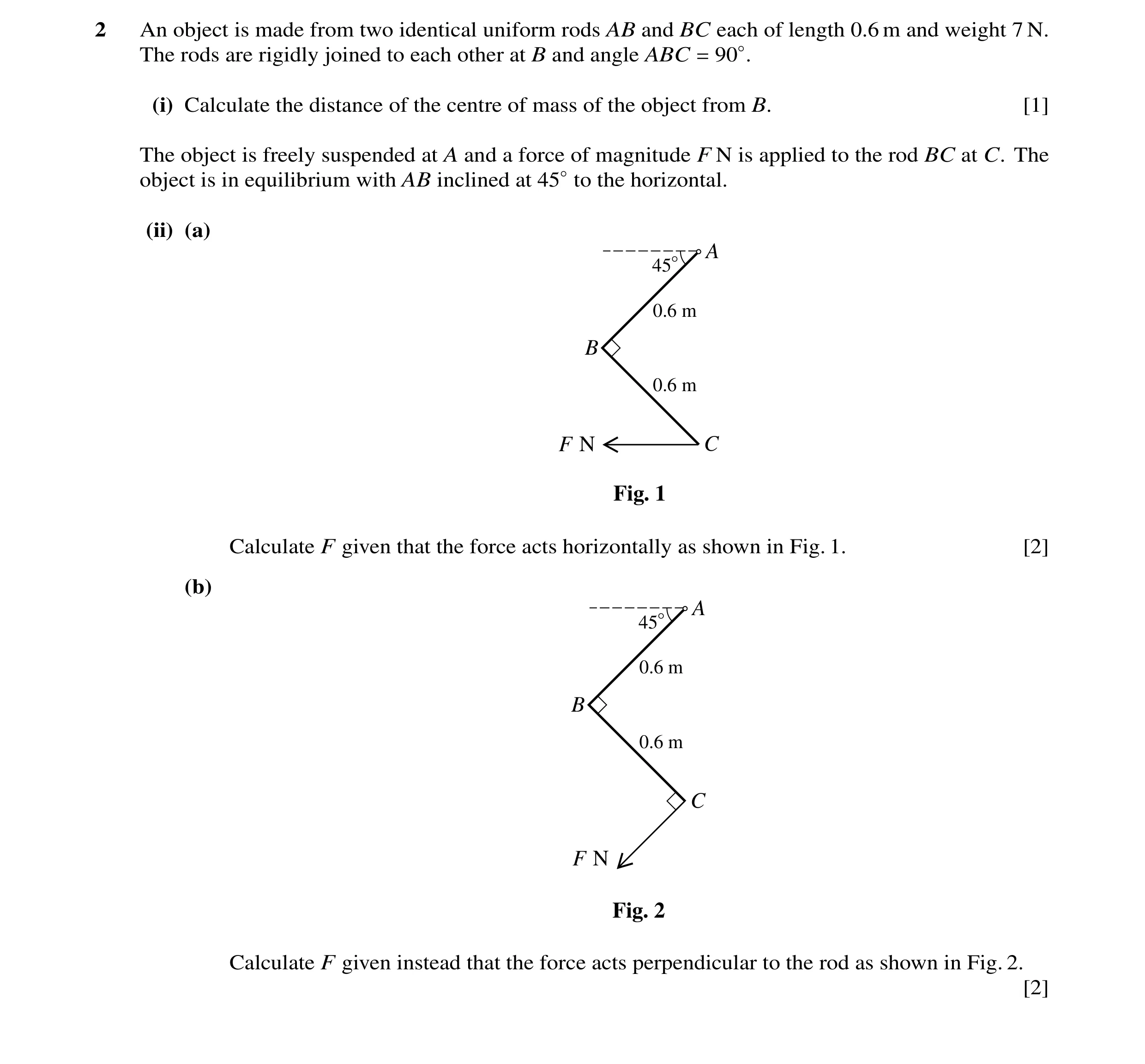 31 / 159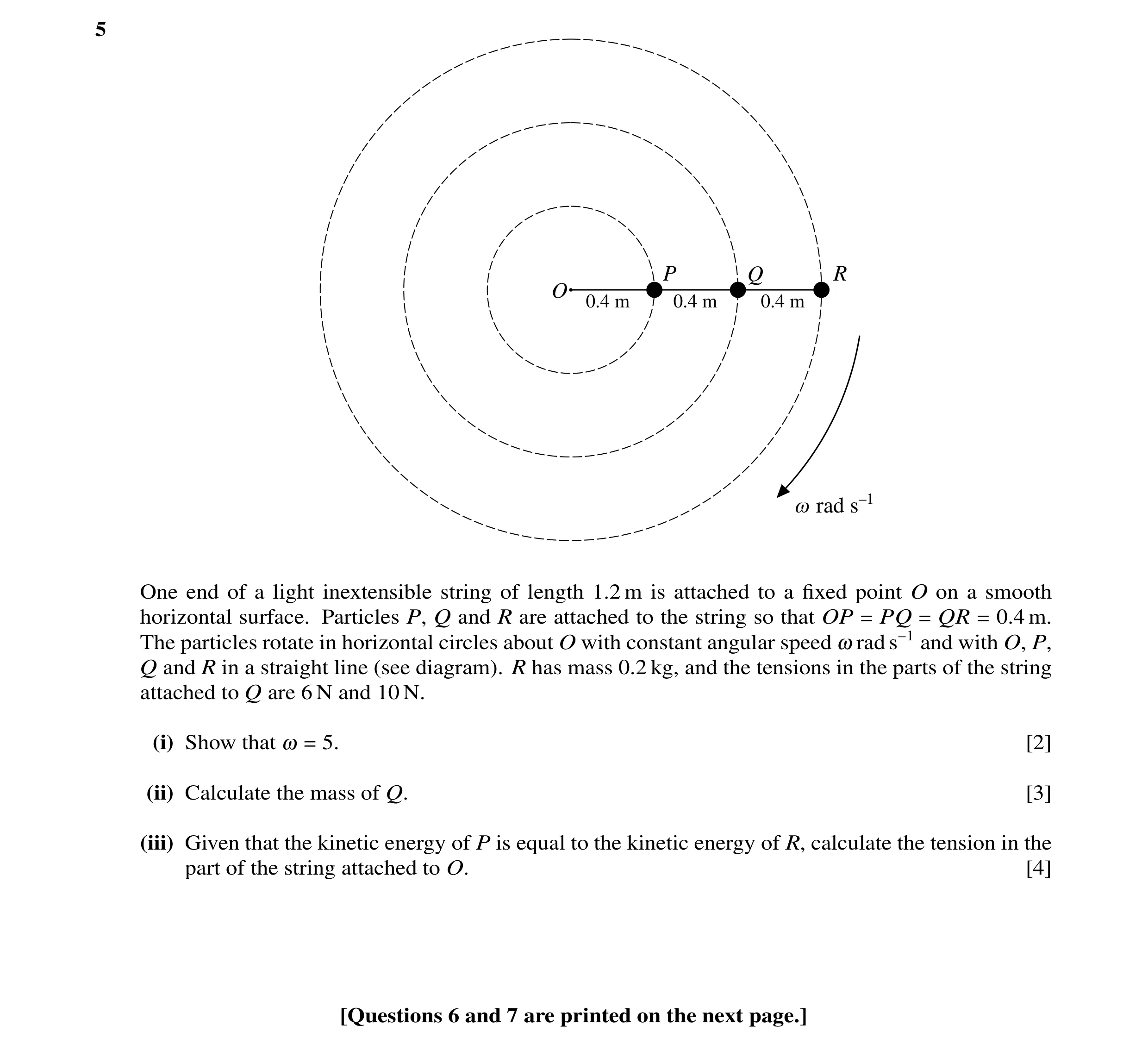
 32 / 159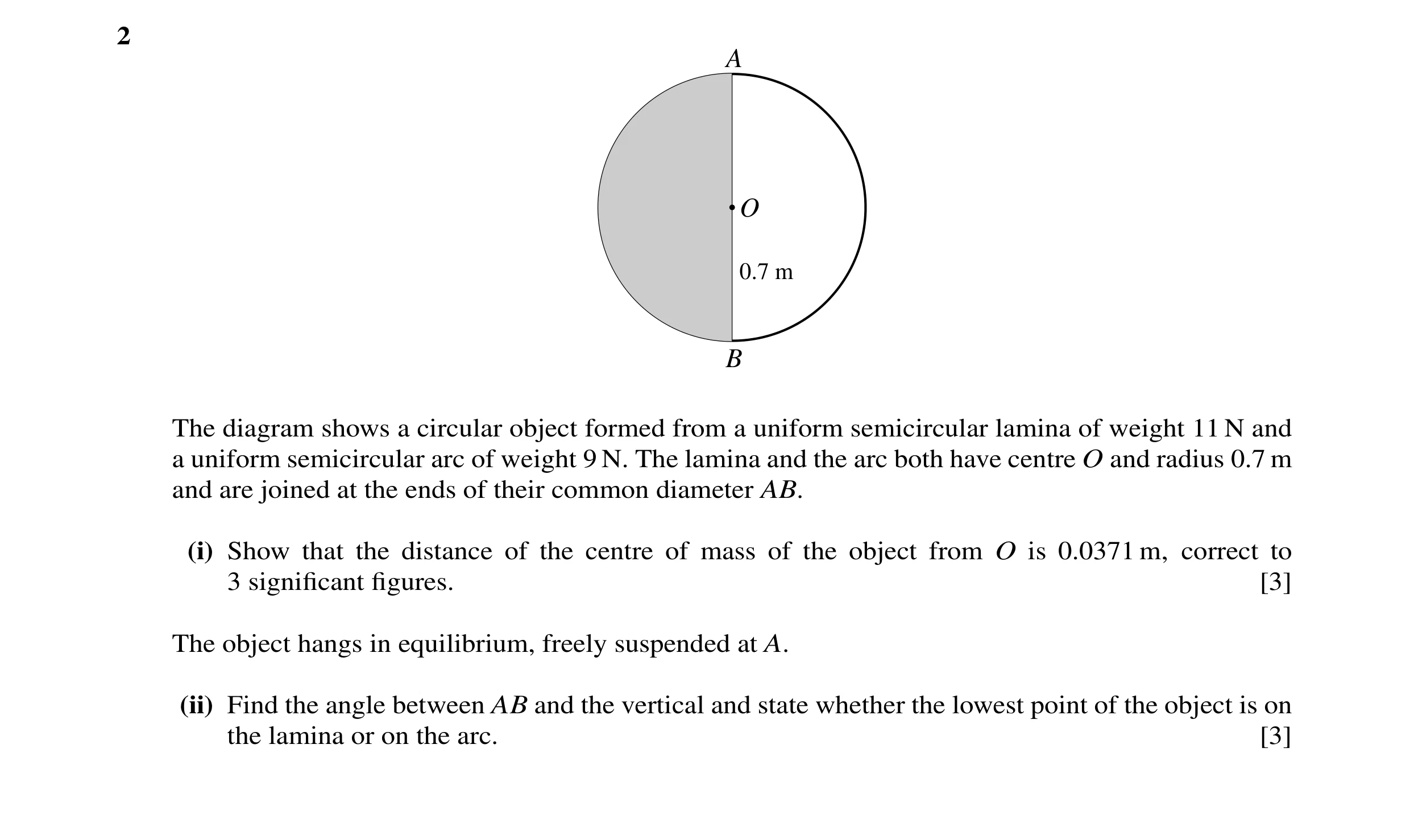
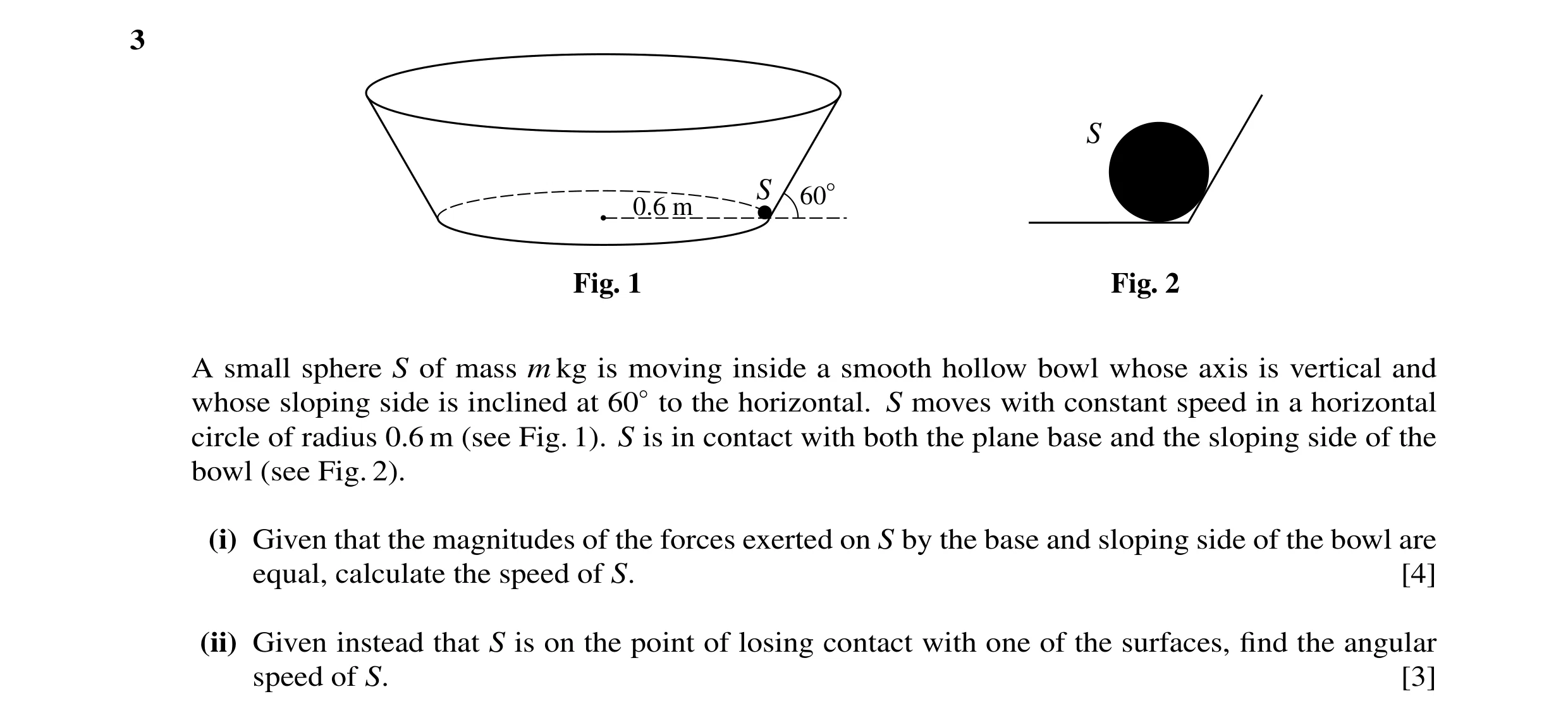 33 / 159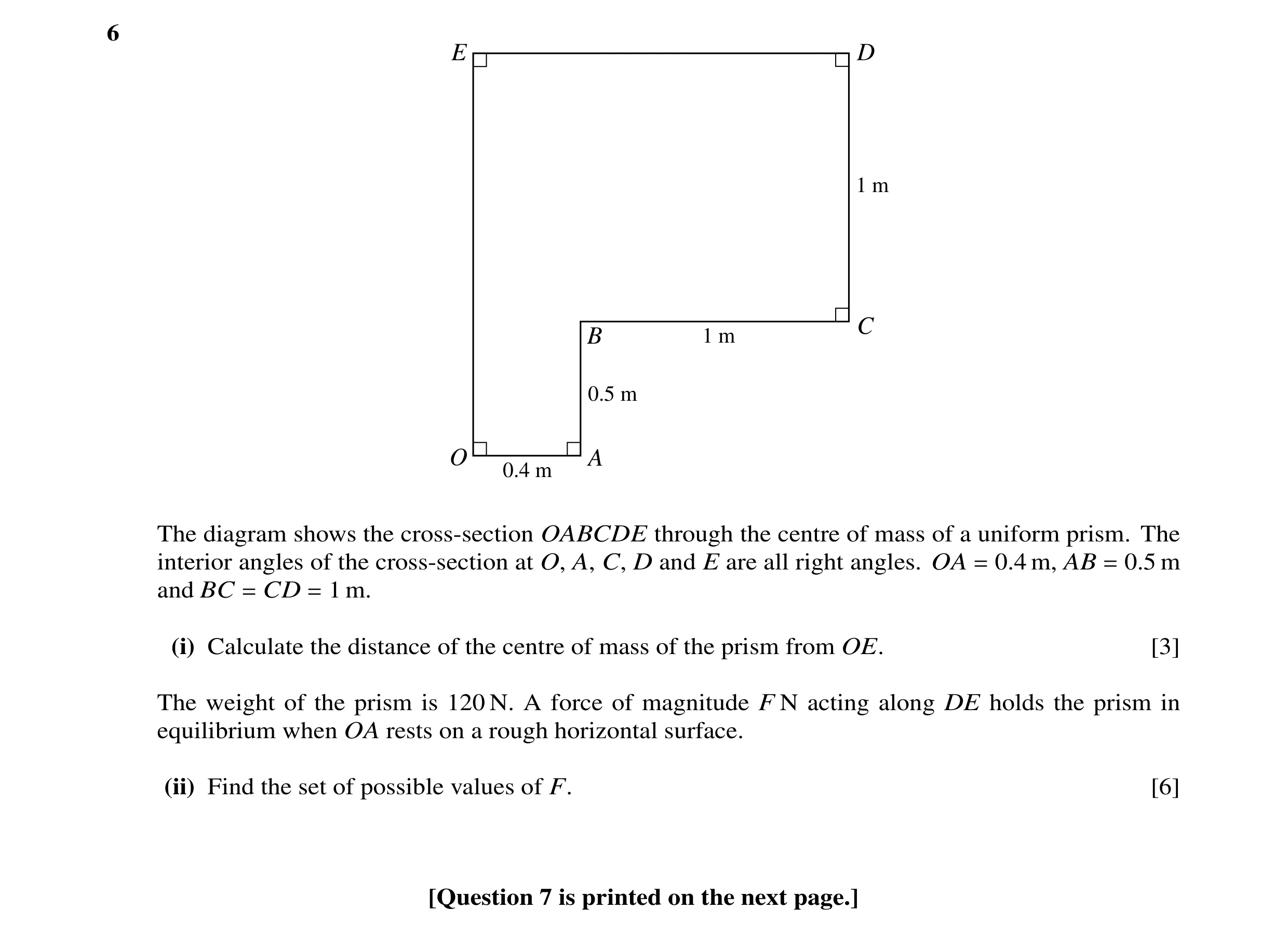
 34 / 159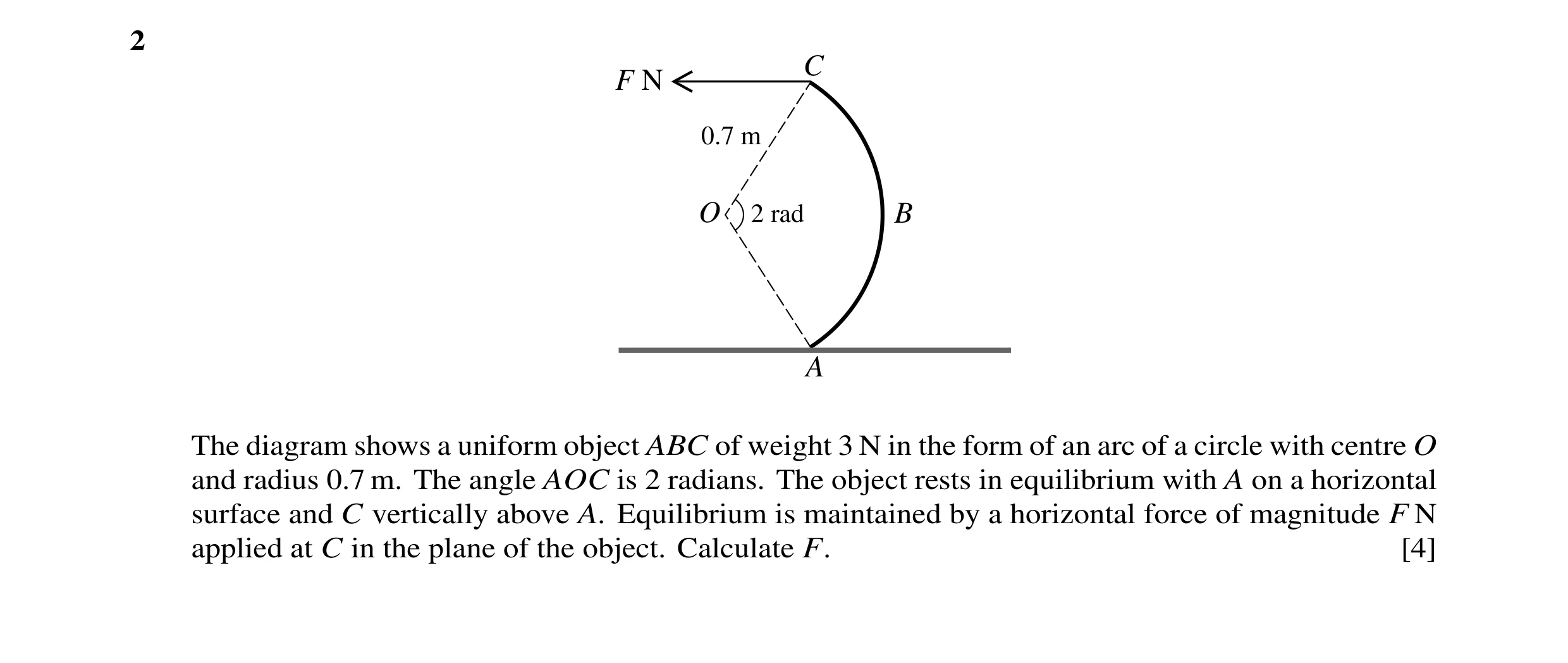
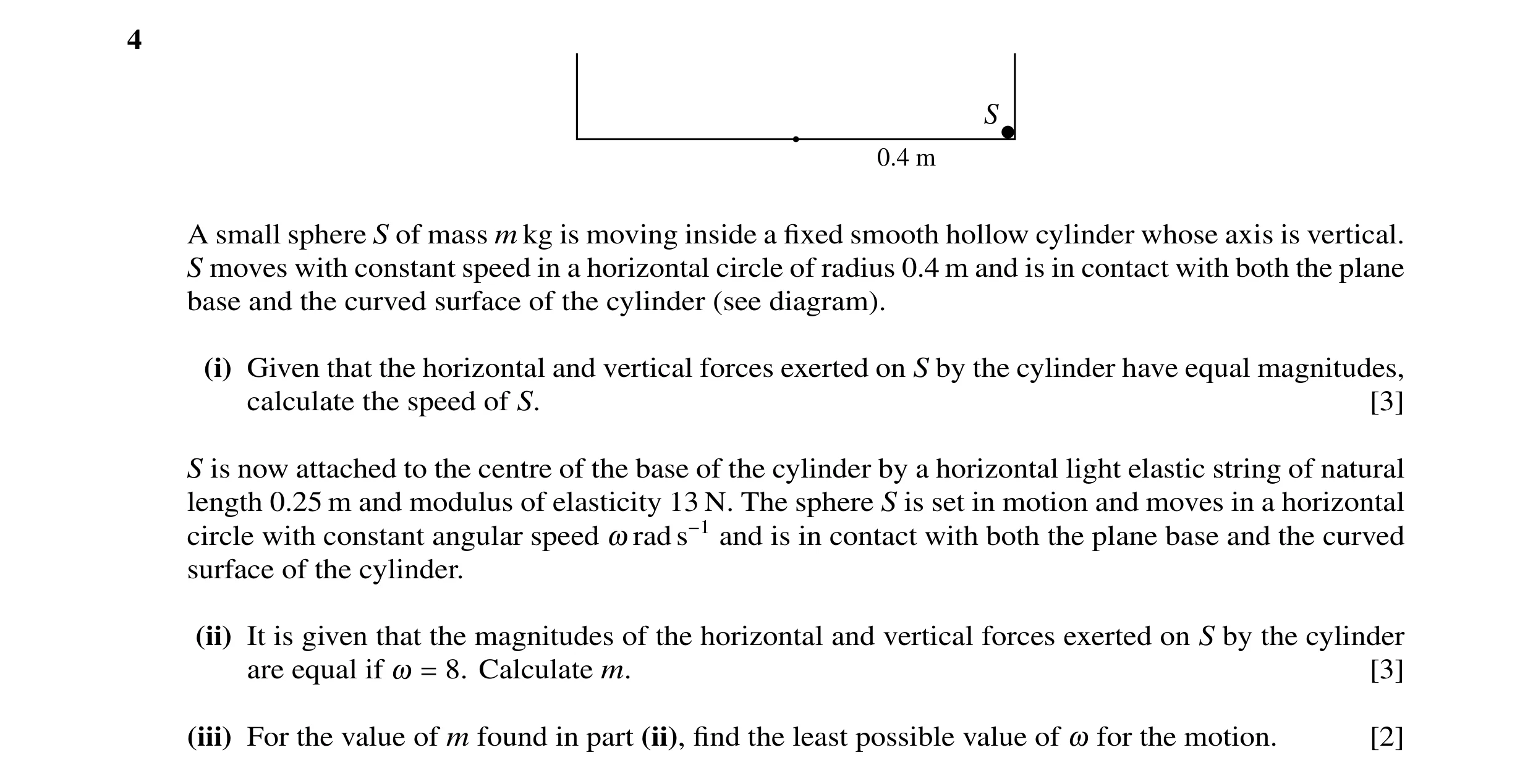
 35 / 159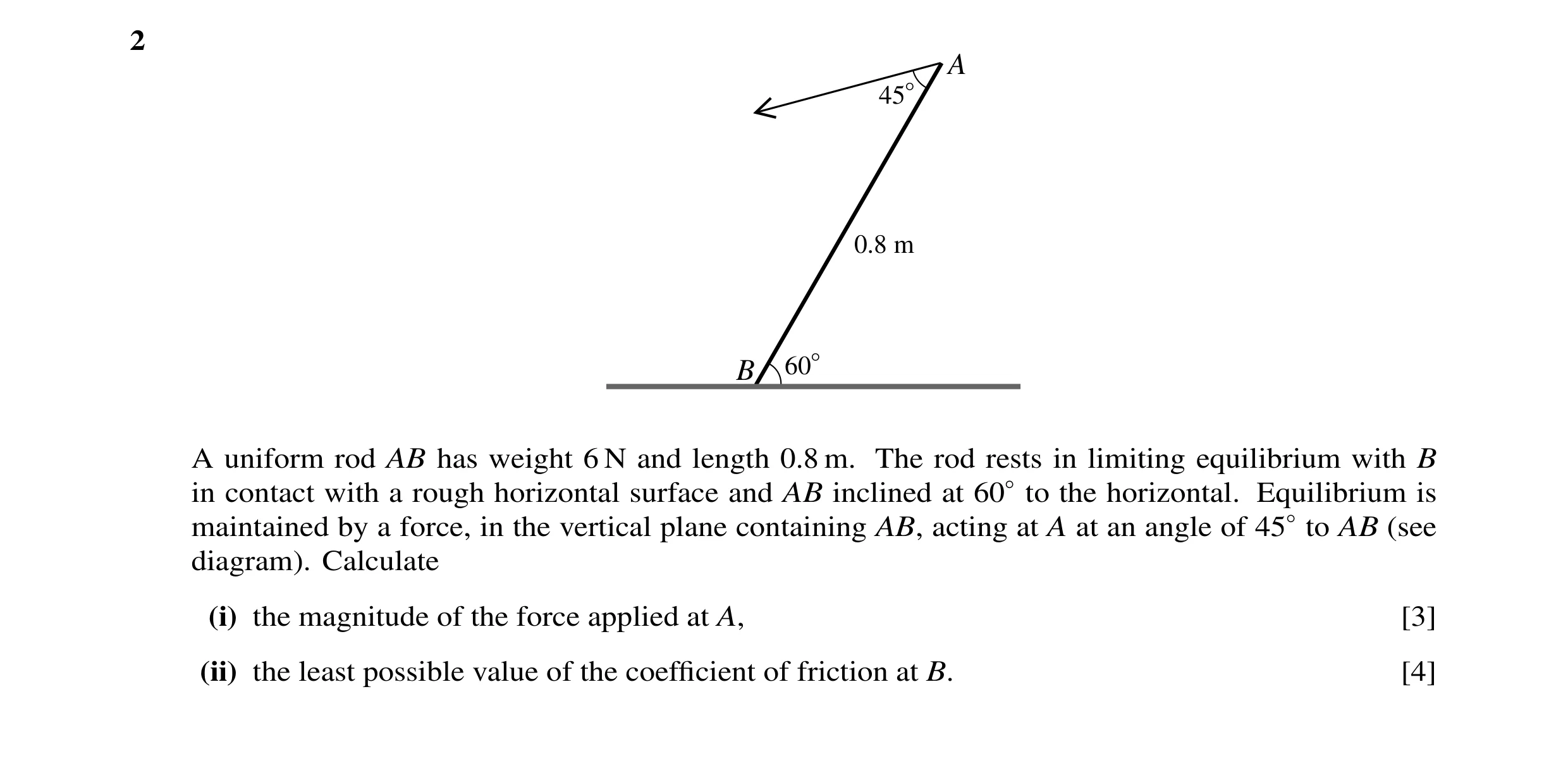
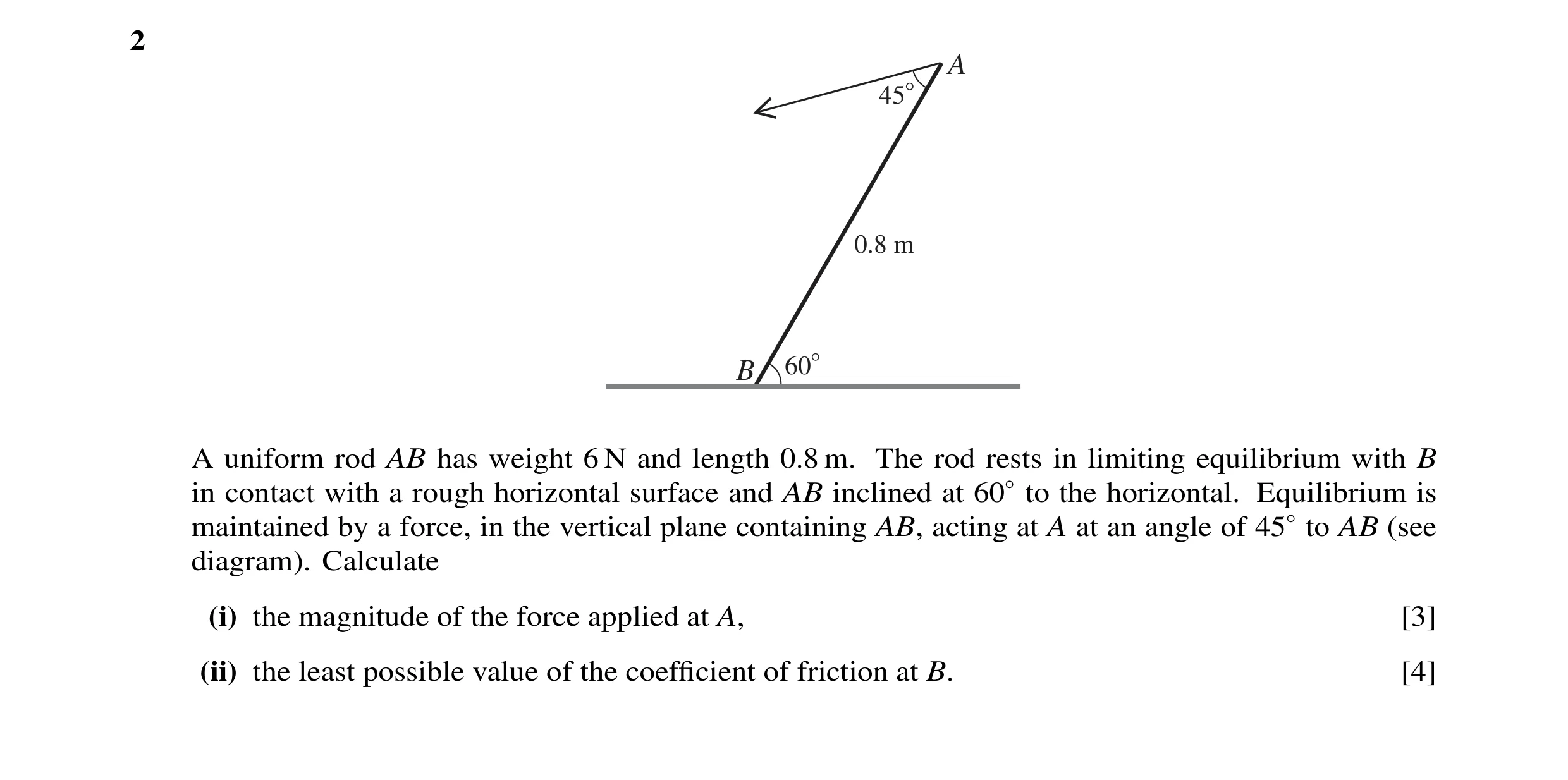 36 / 159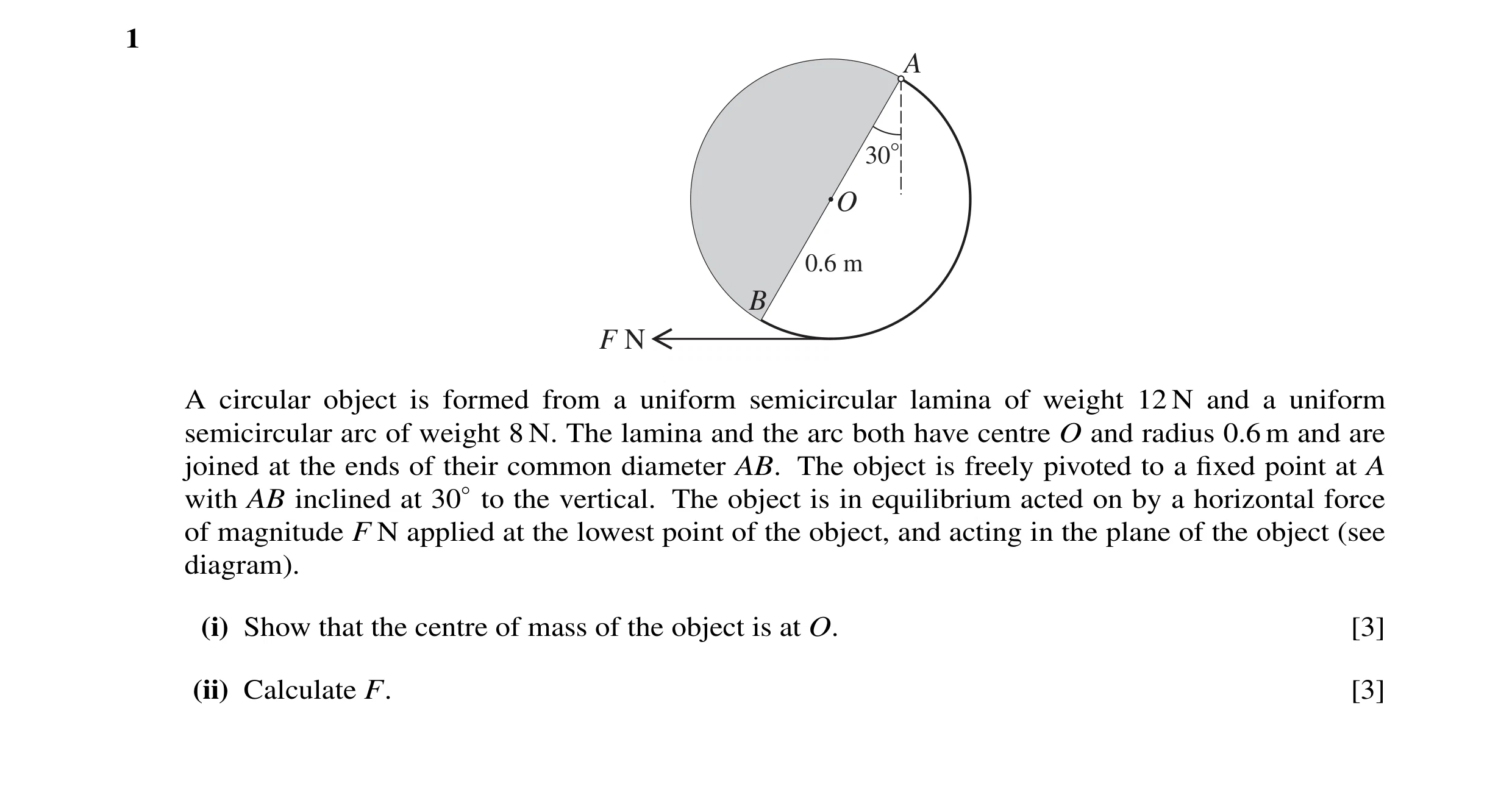
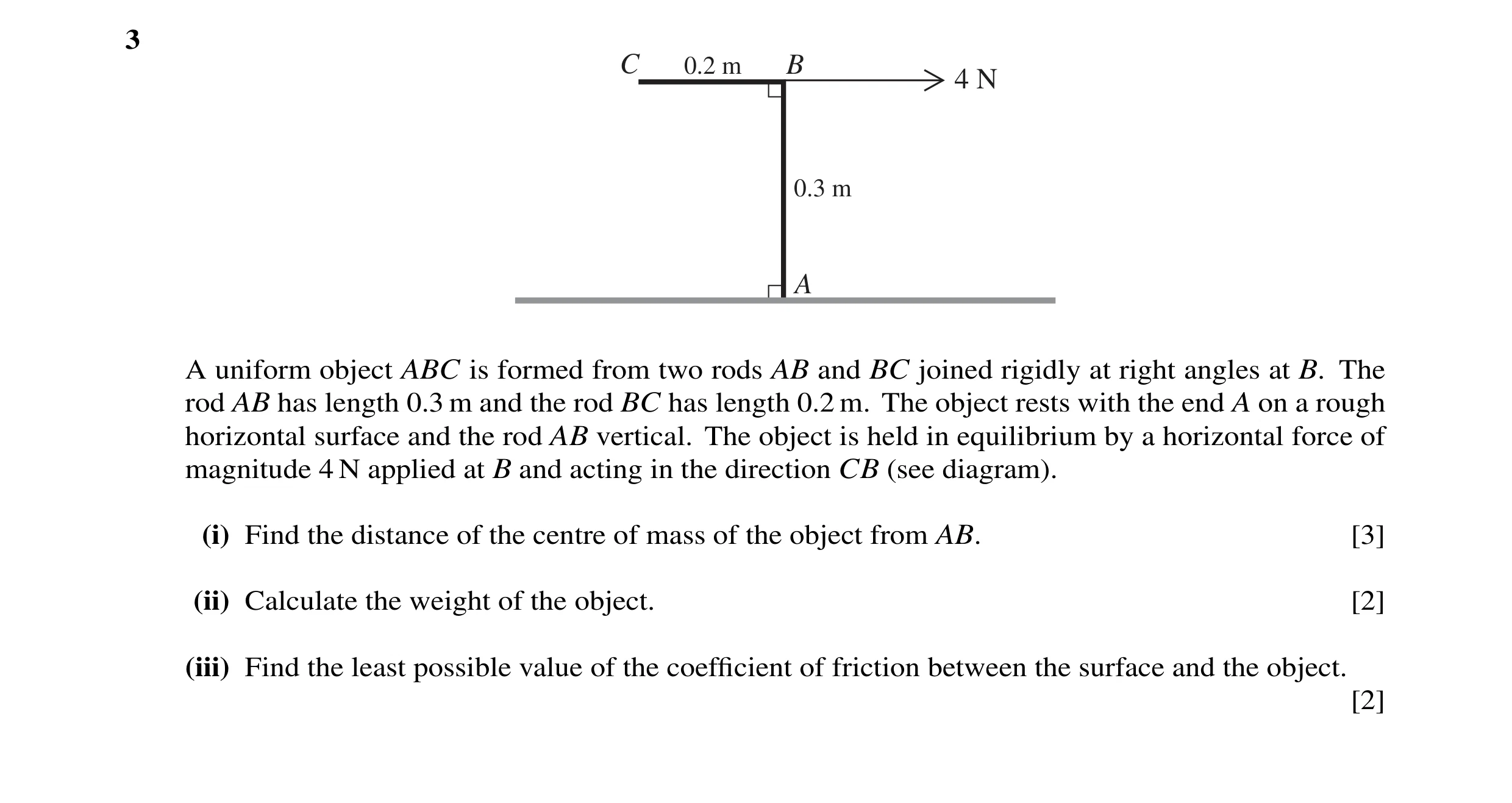 37 / 159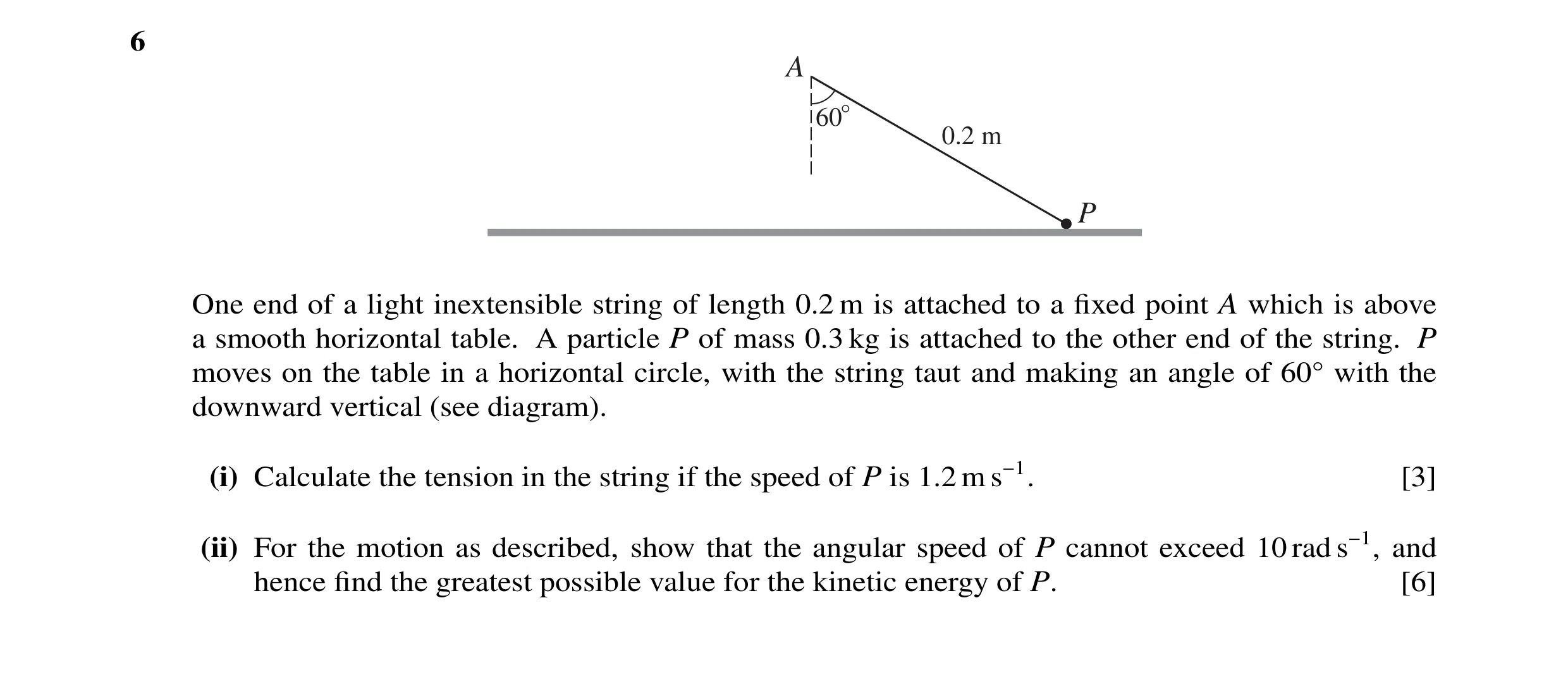
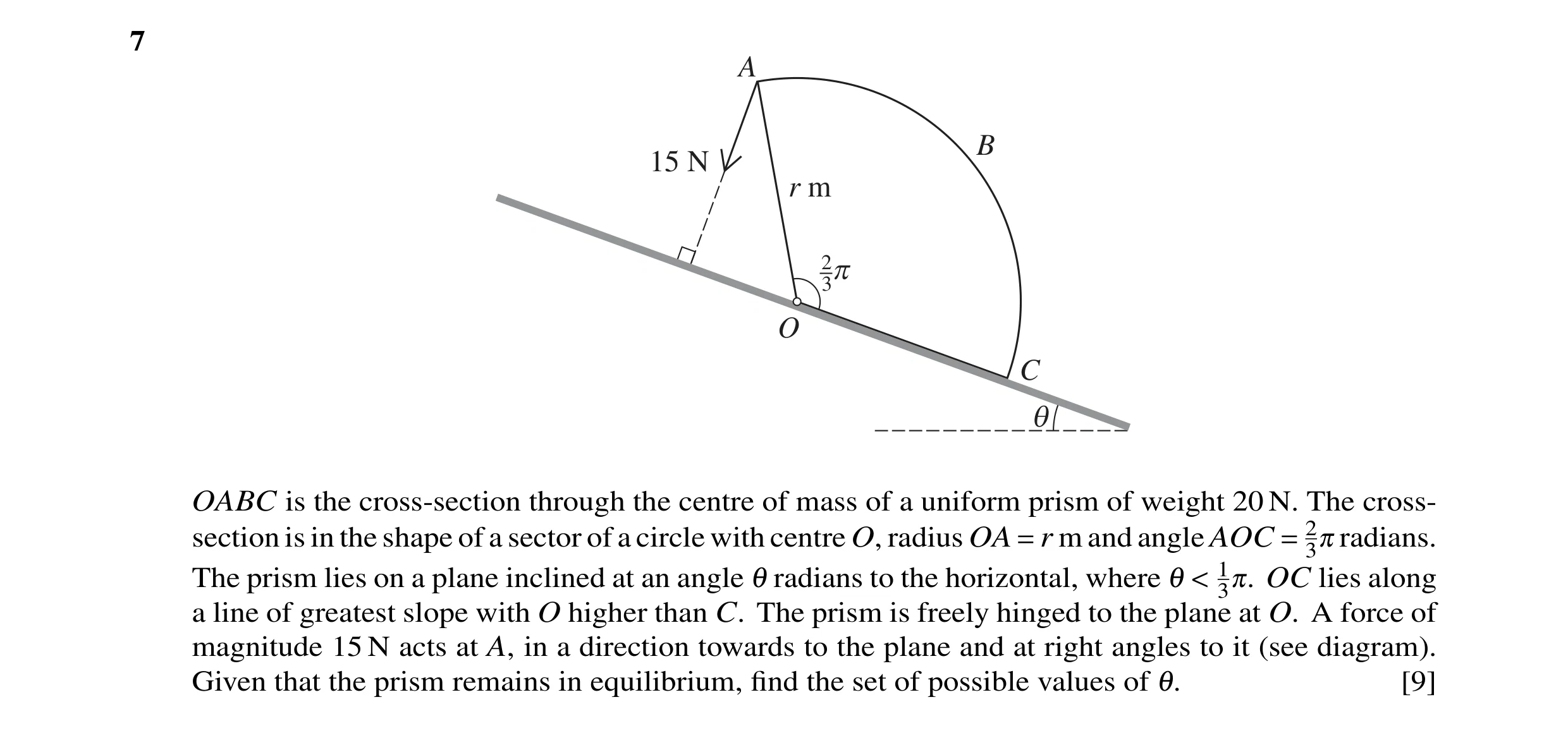
 38 / 159
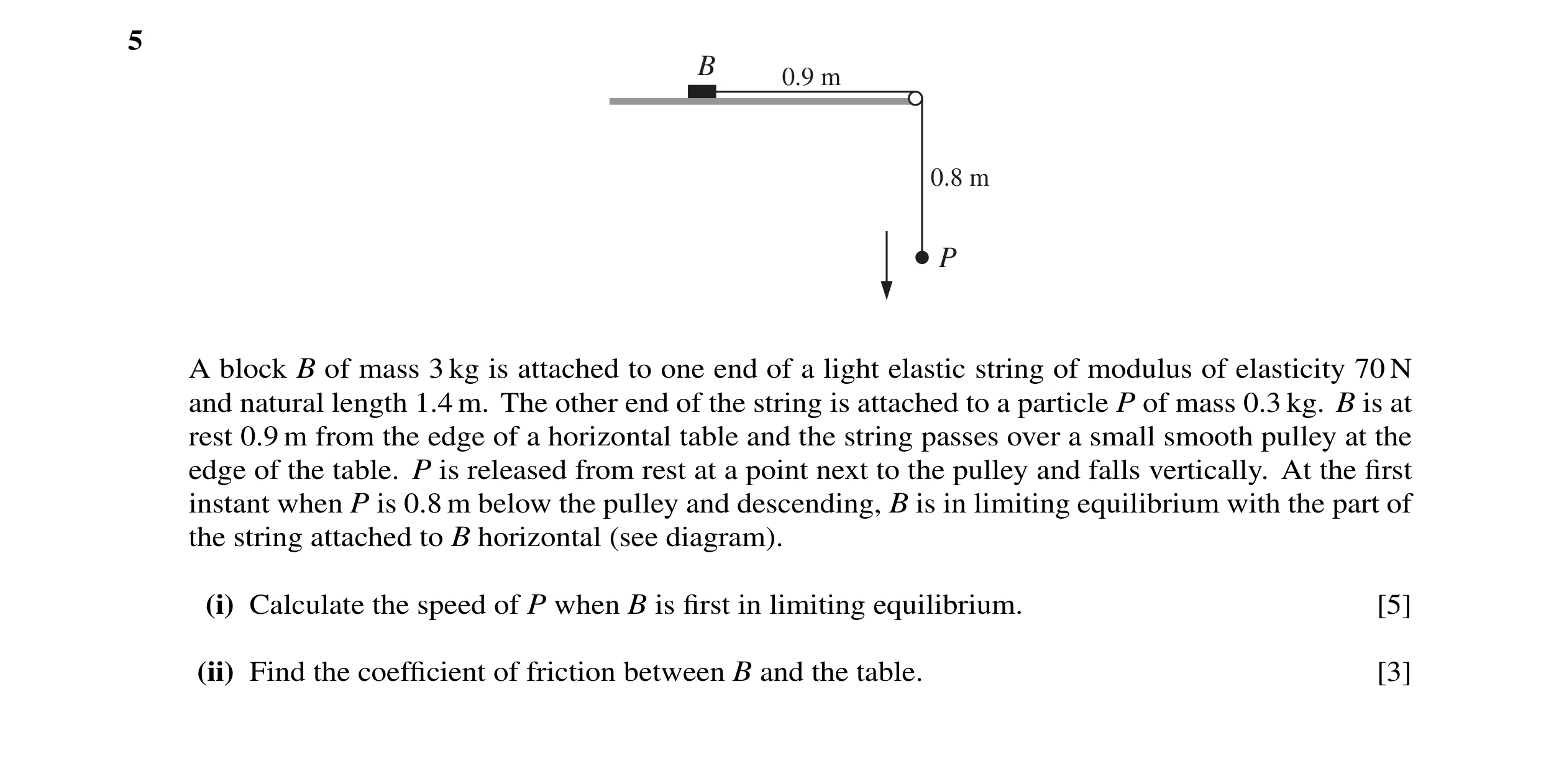 39 / 159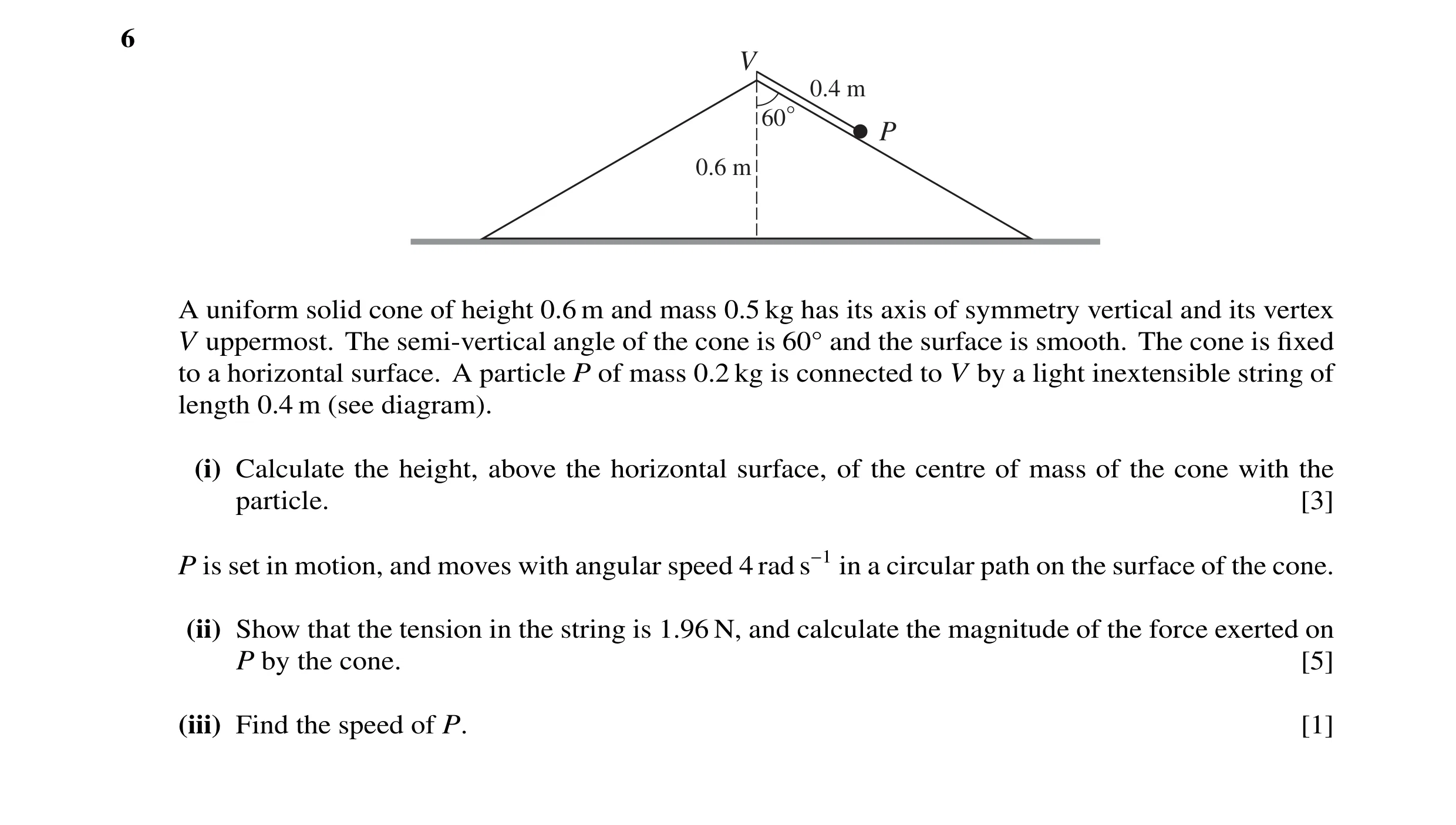
 40 / 159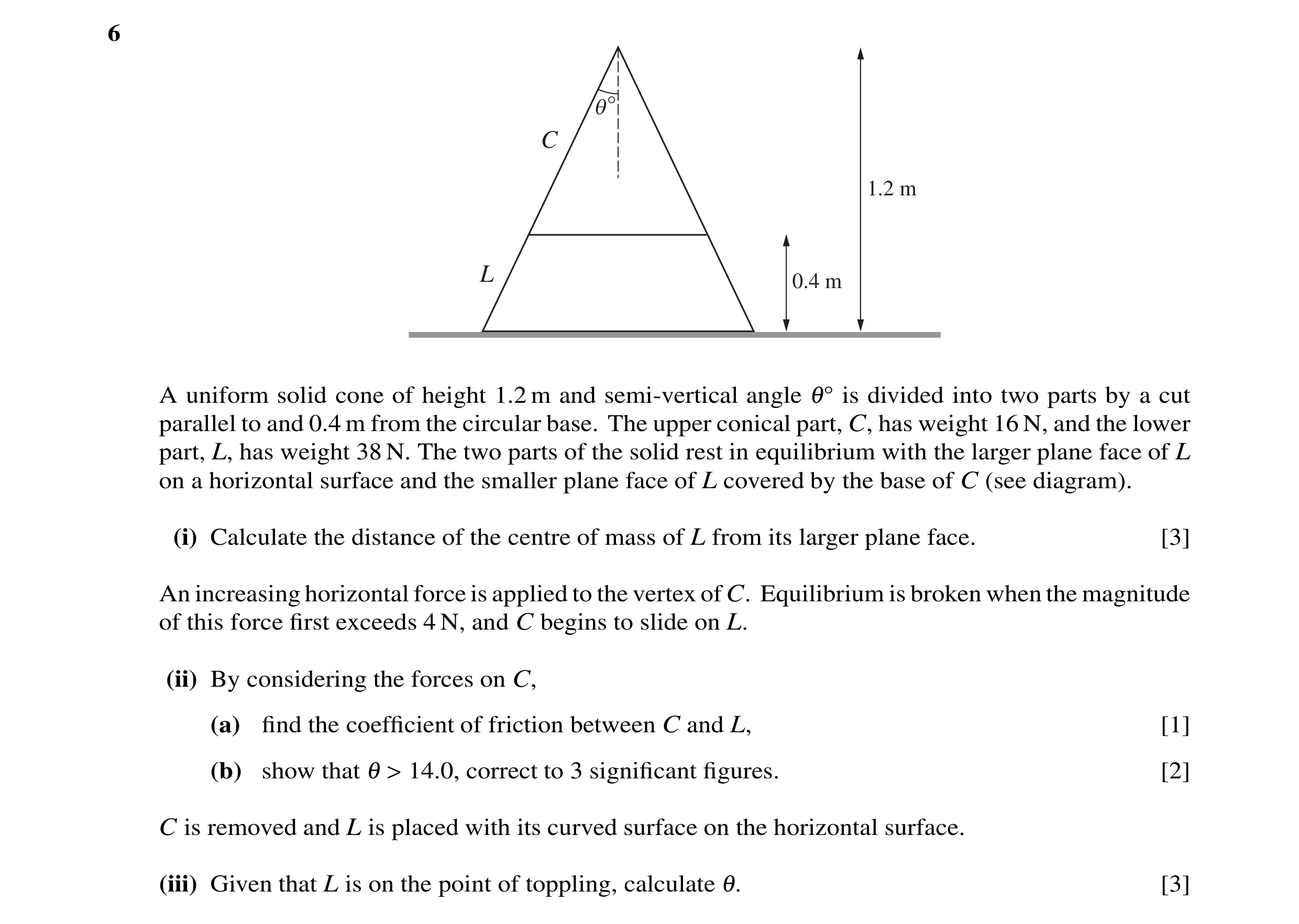
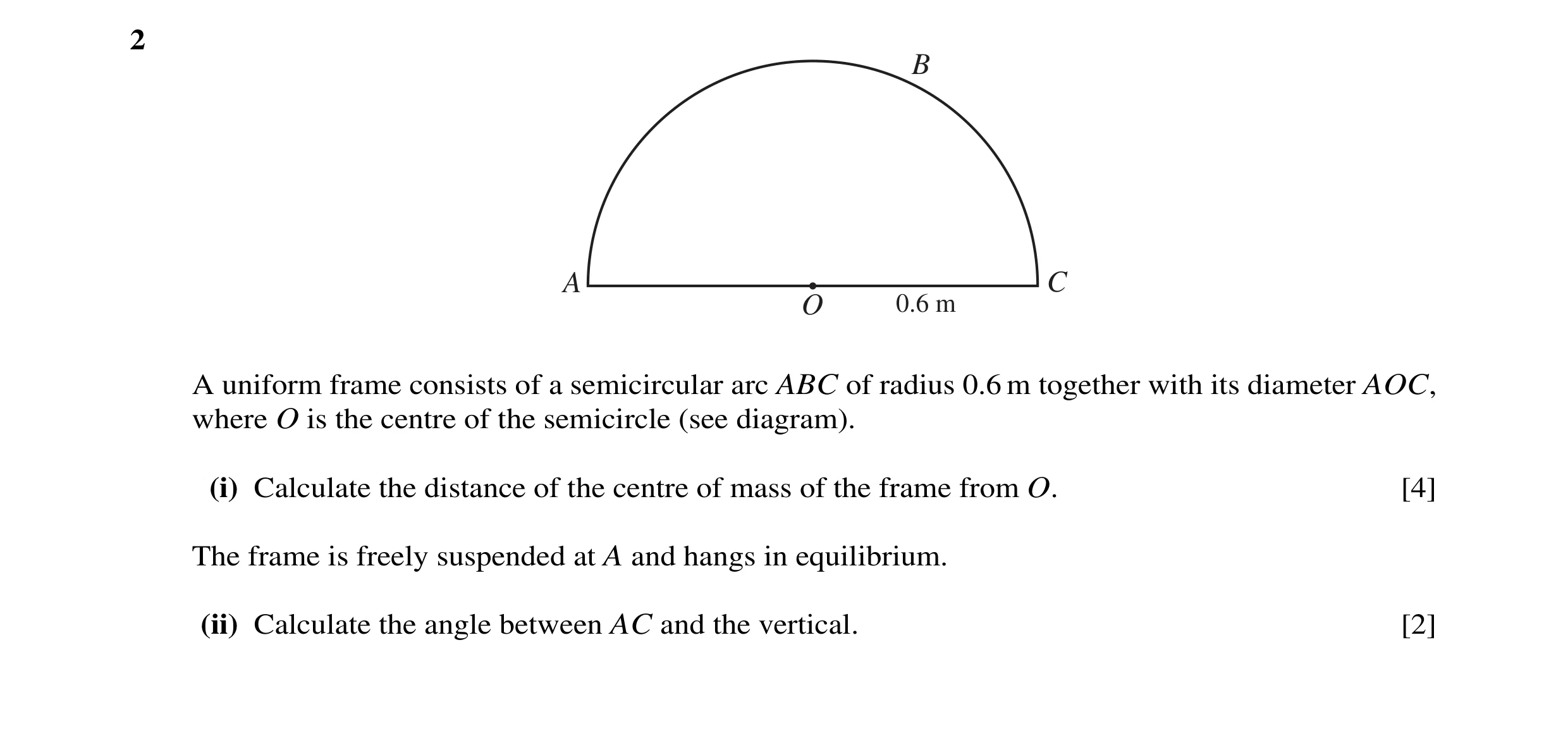 41 / 159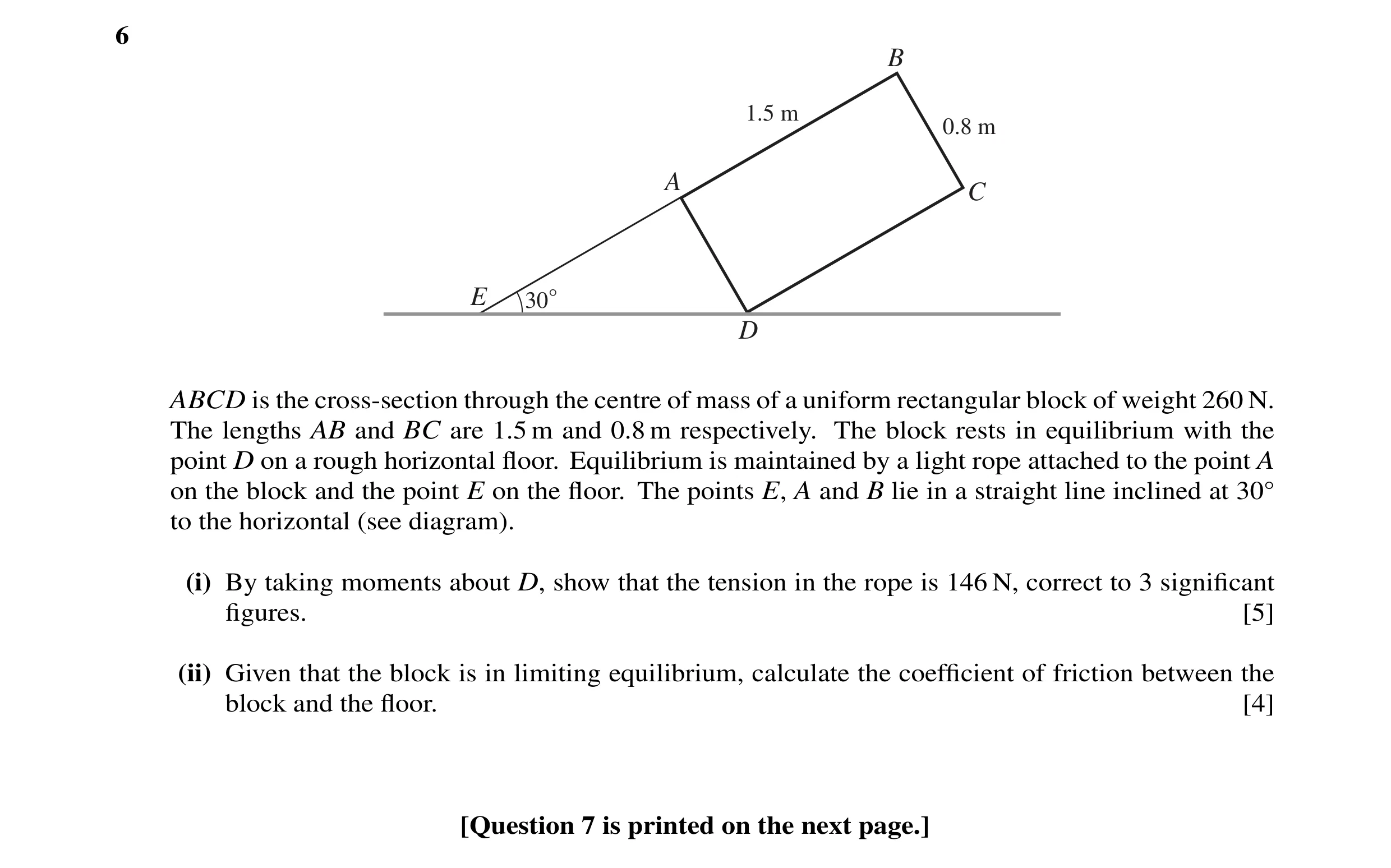
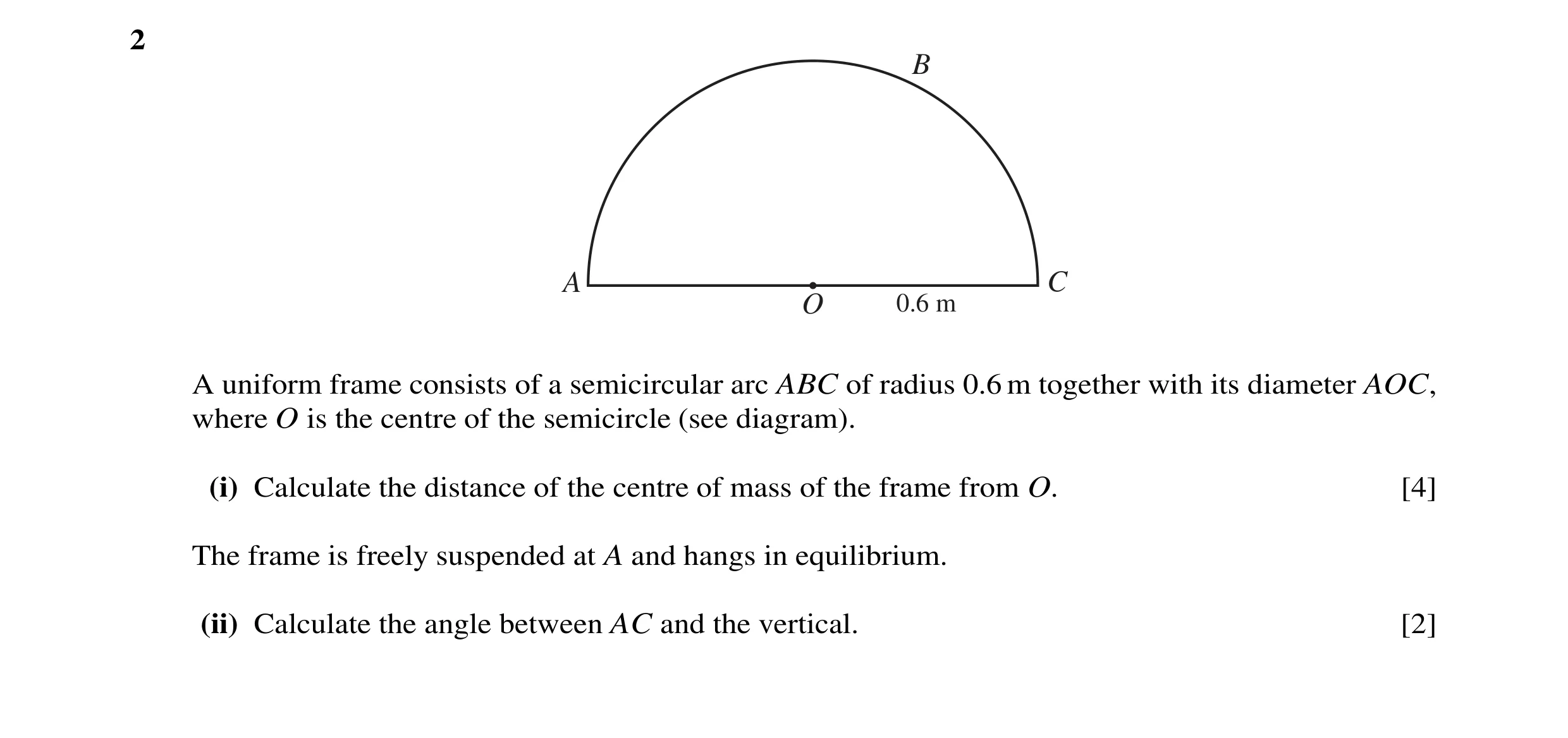 42 / 159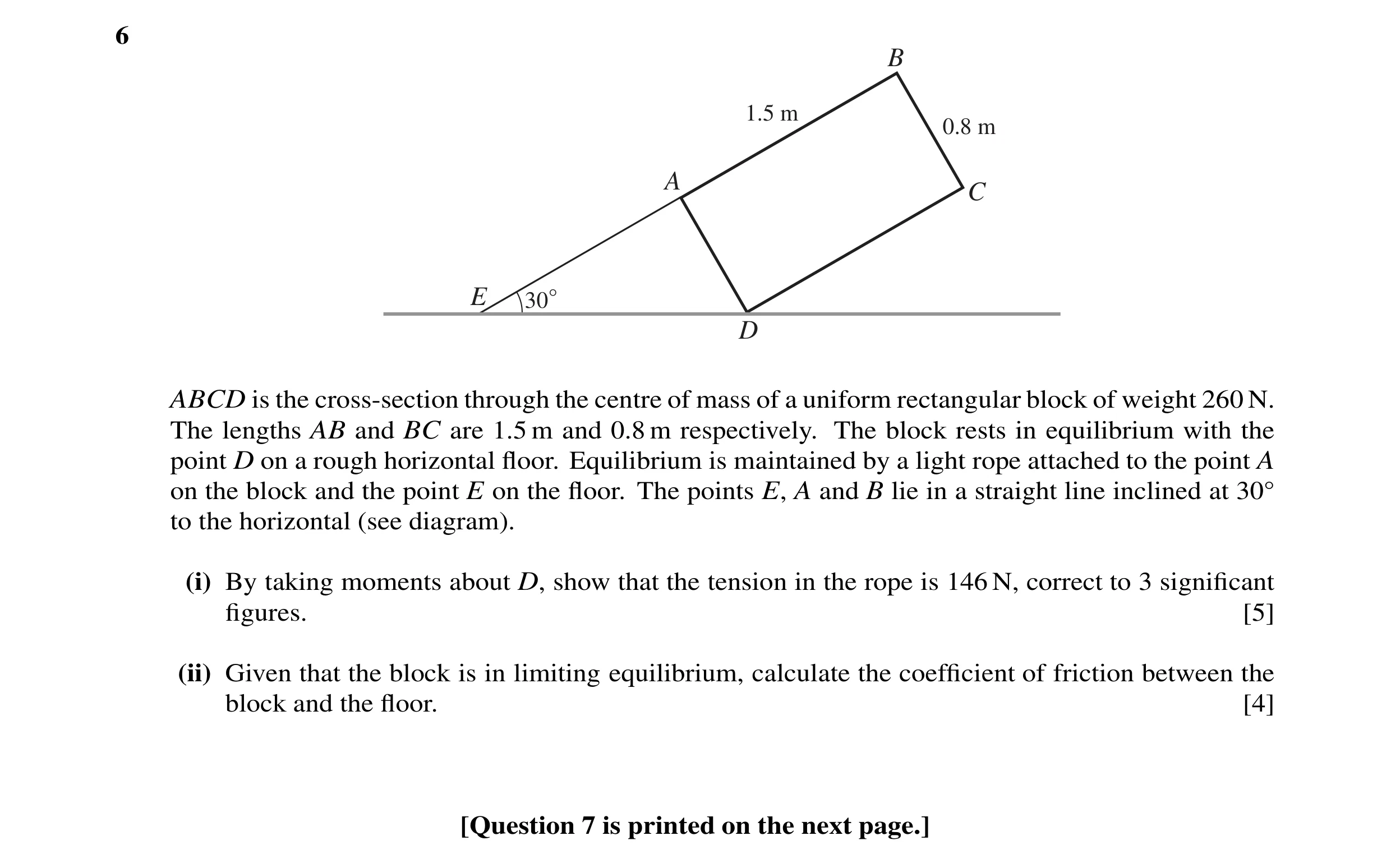

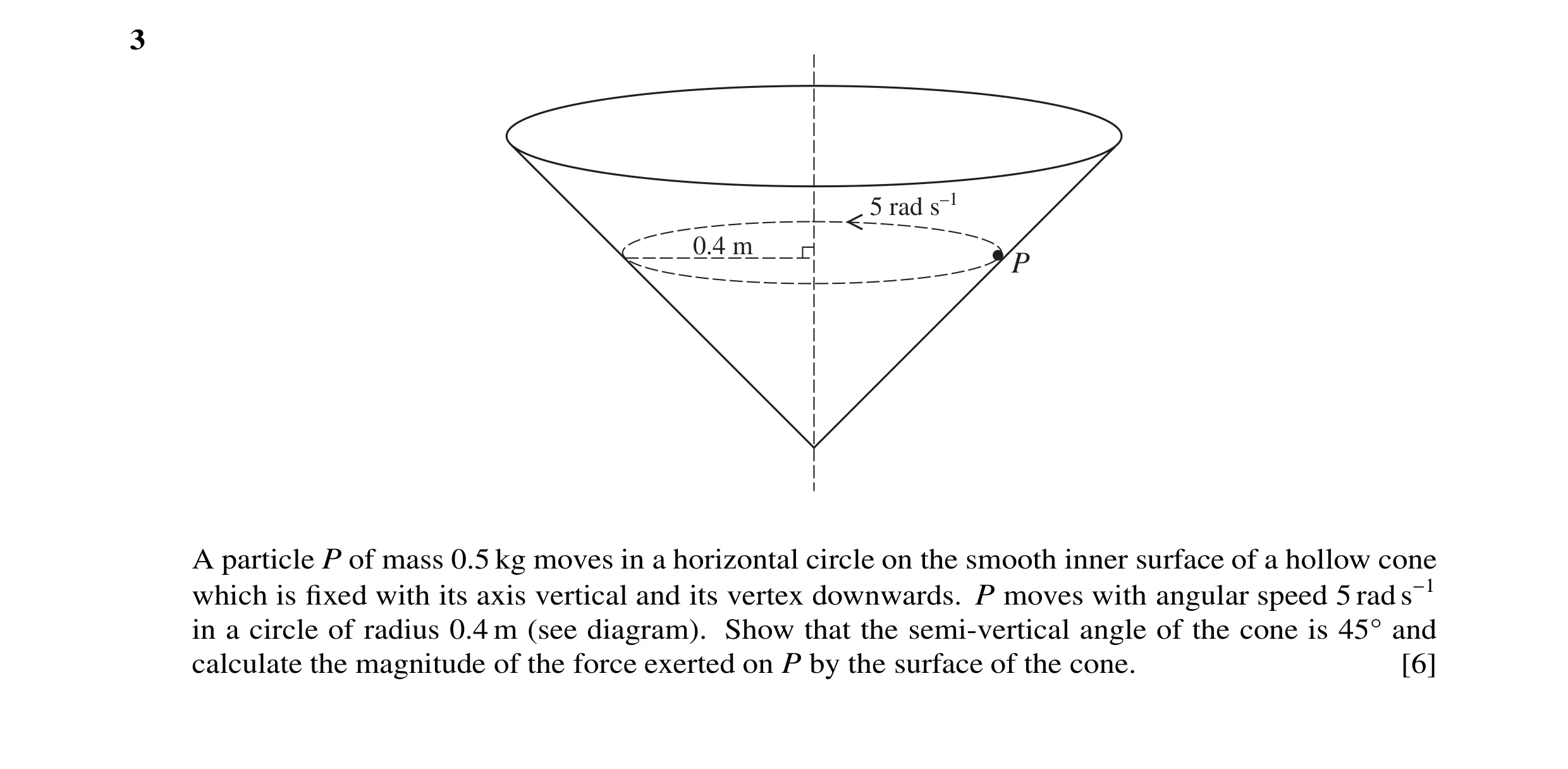 43 / 159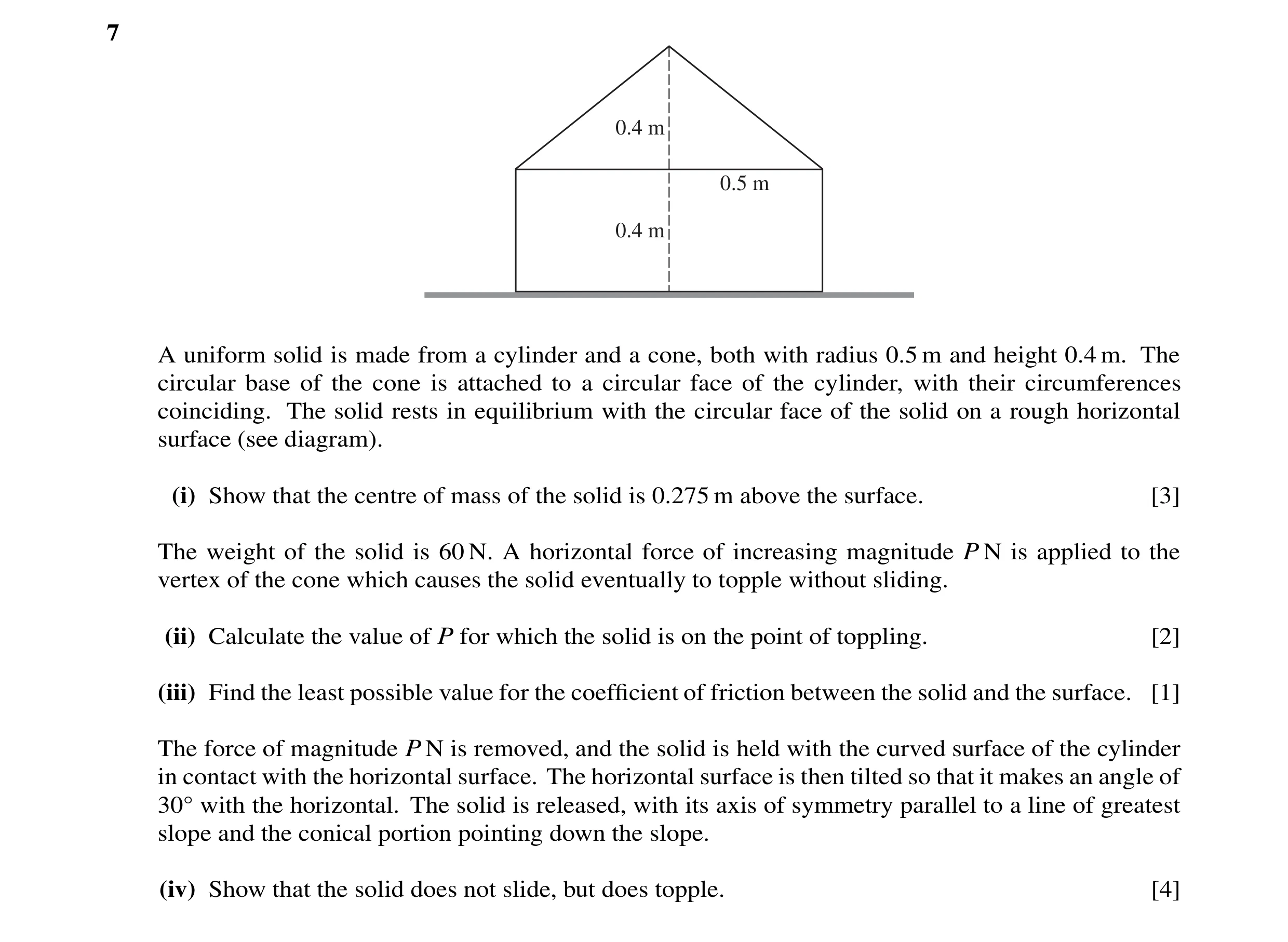
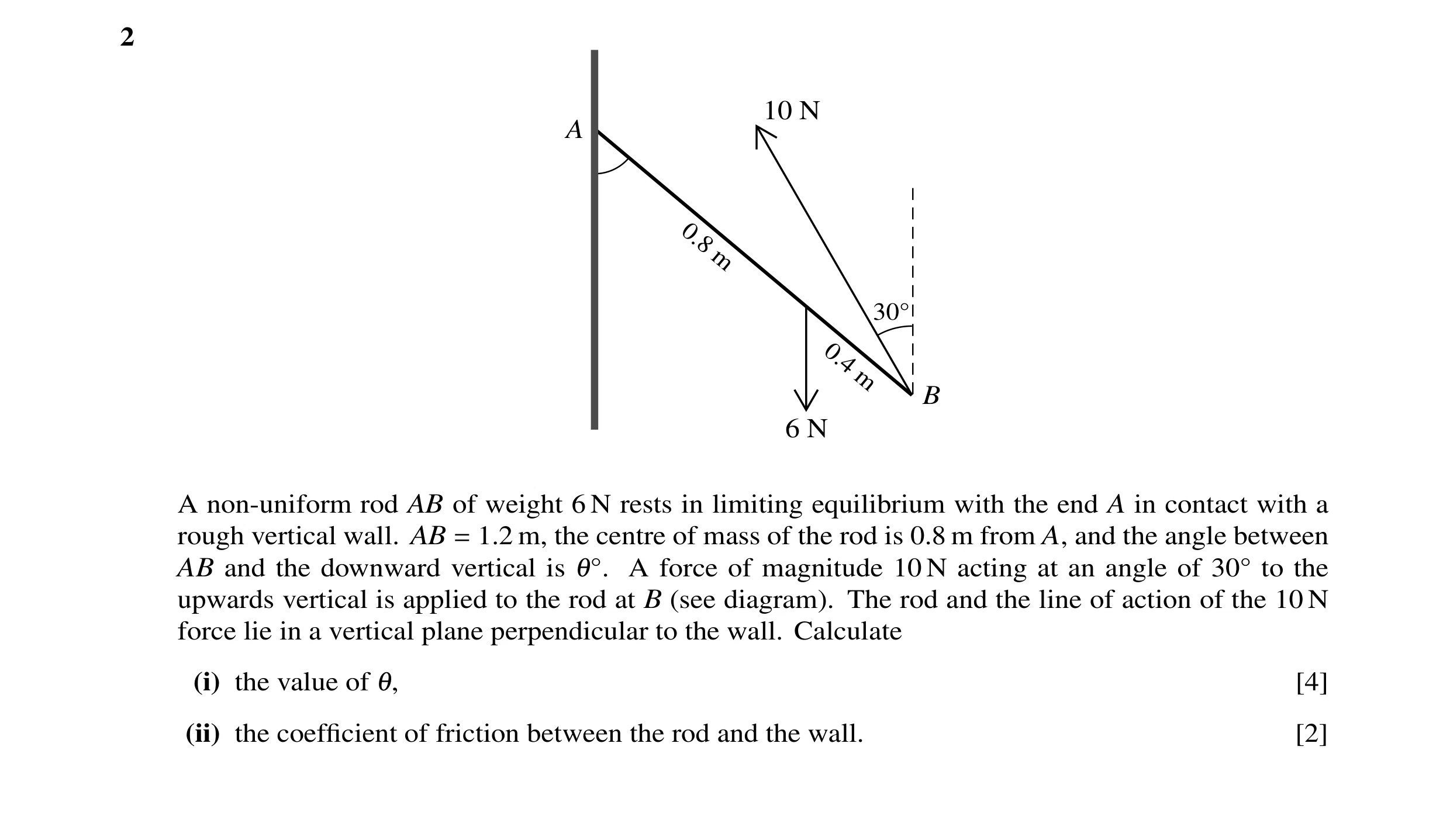 44 / 159
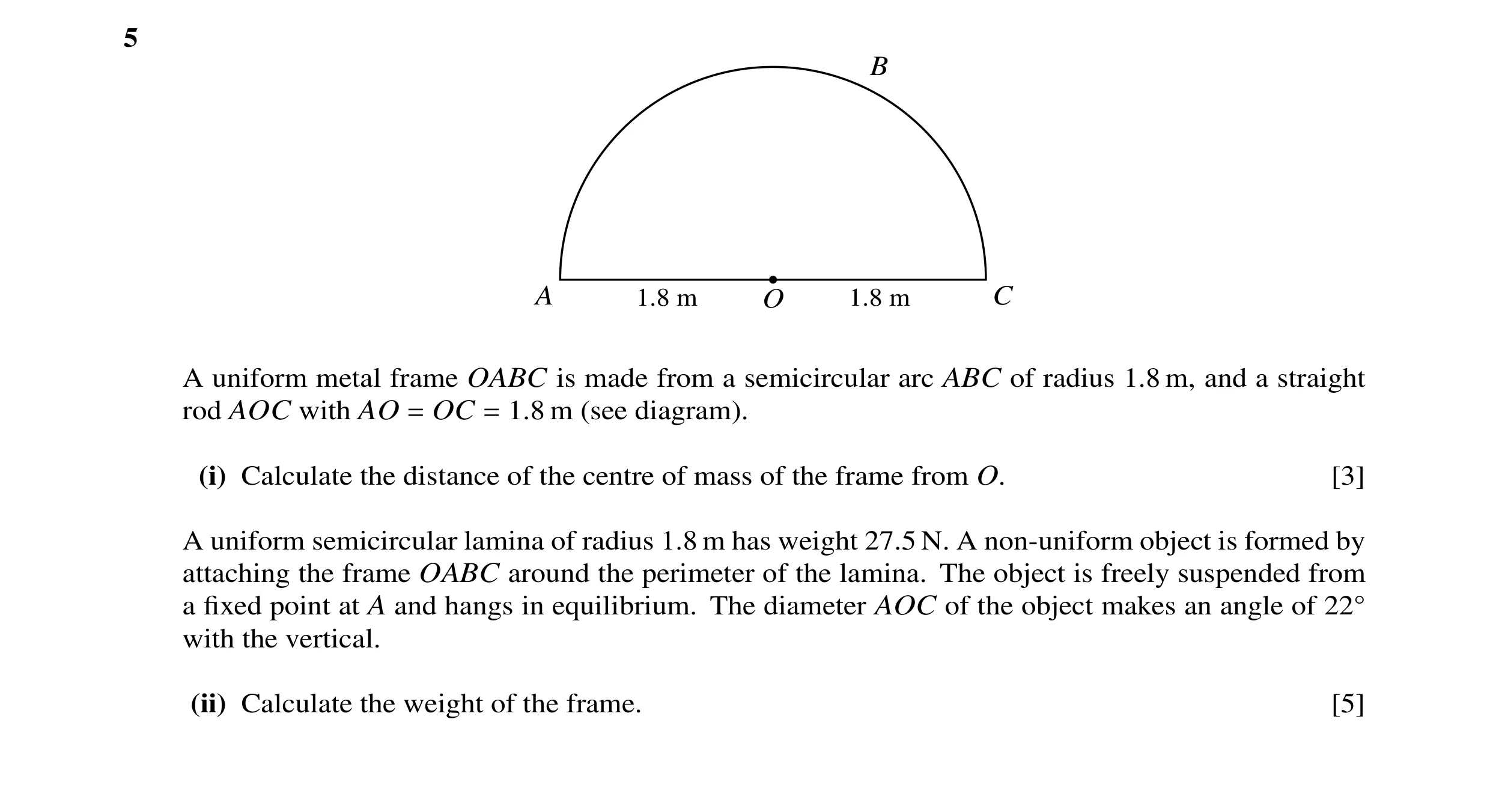 45 / 159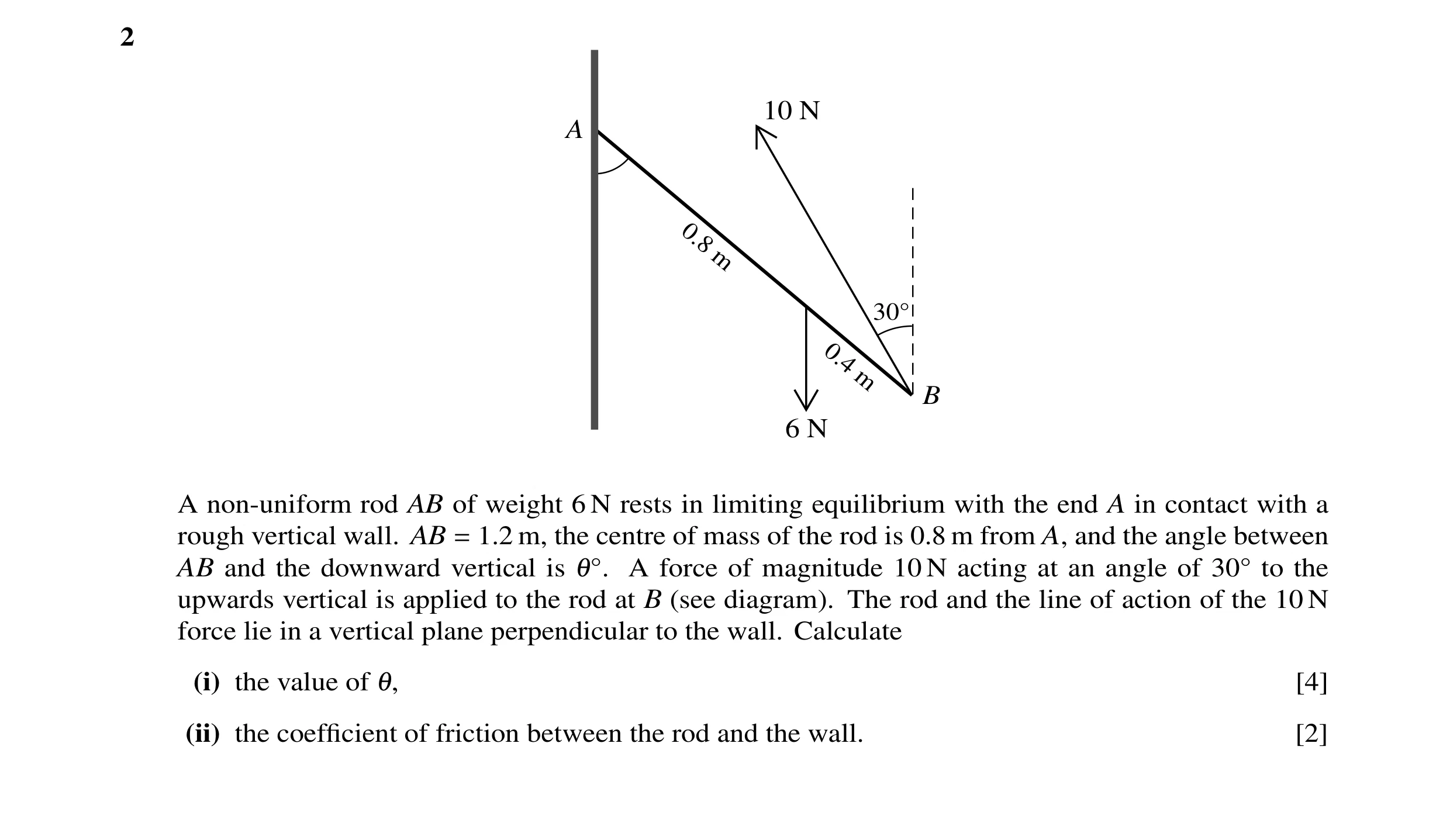
 46 / 159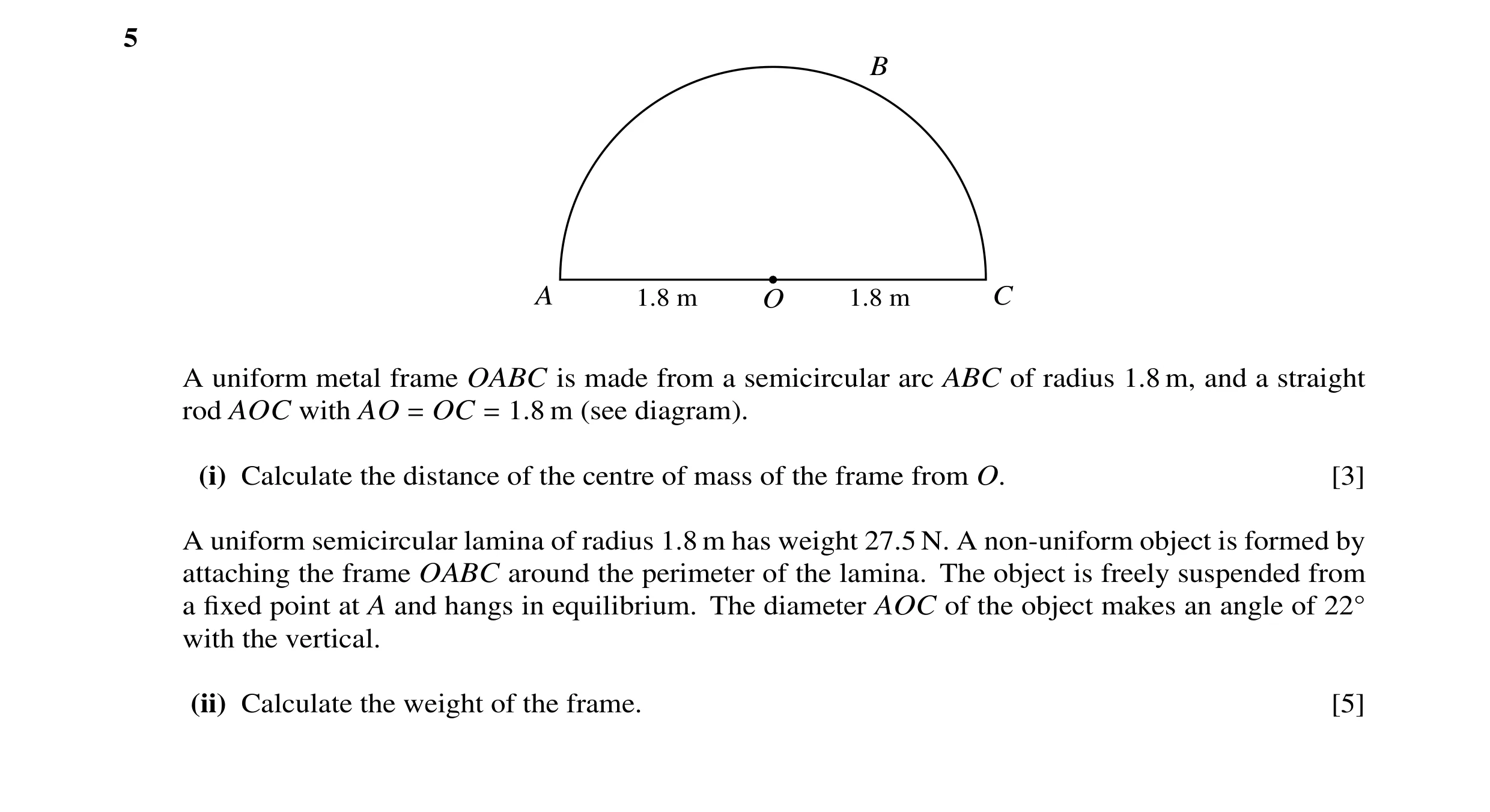
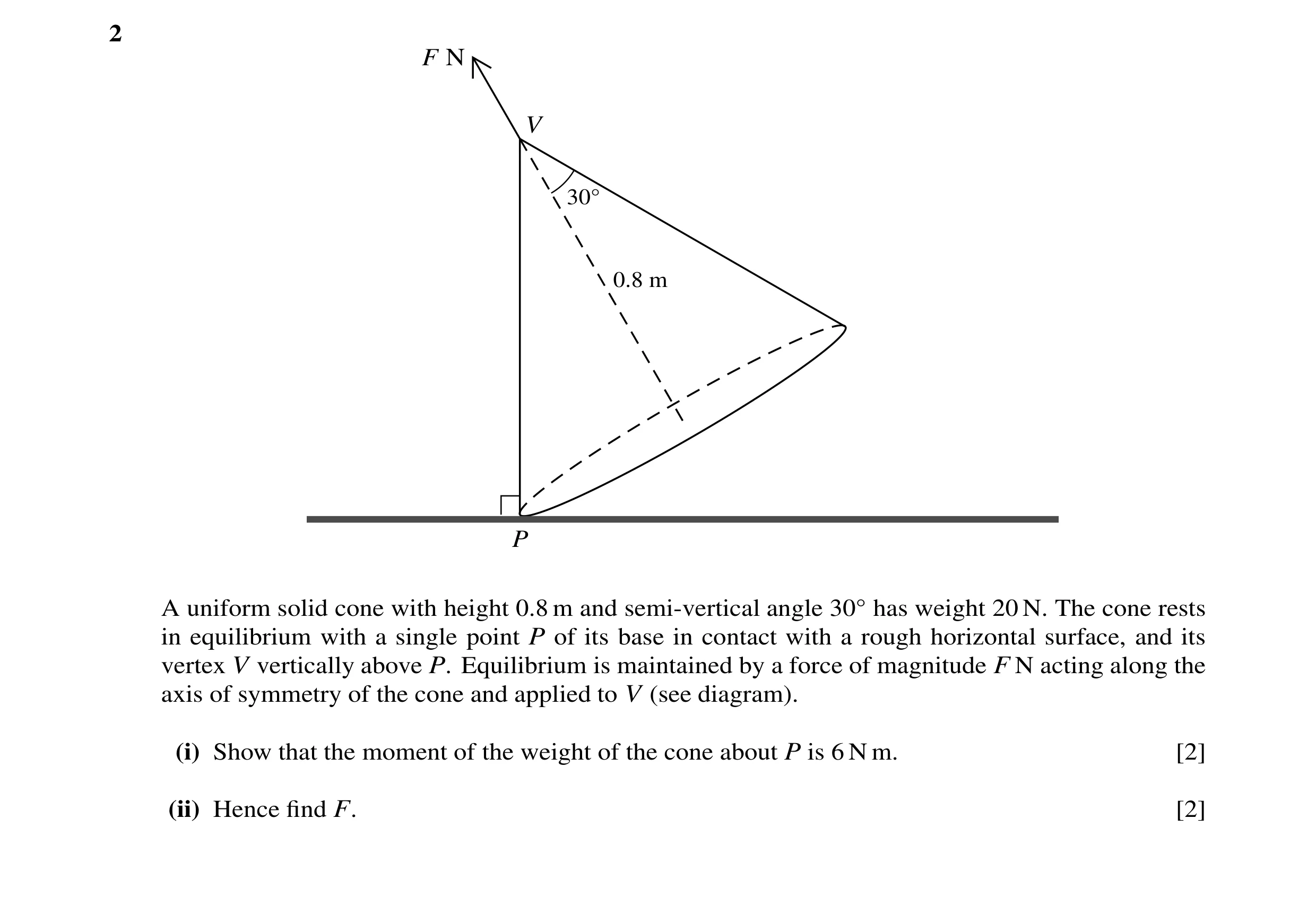 47 / 159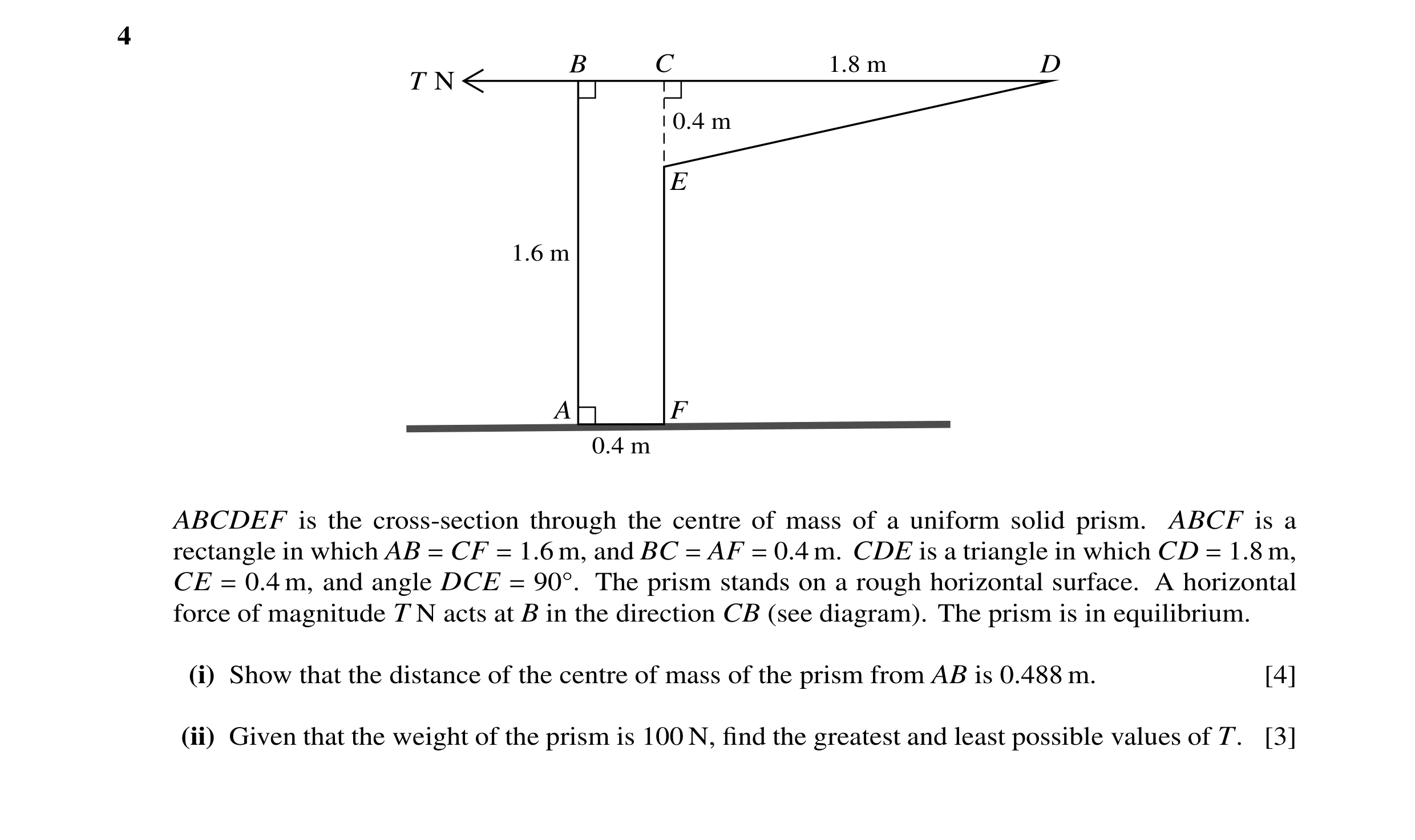
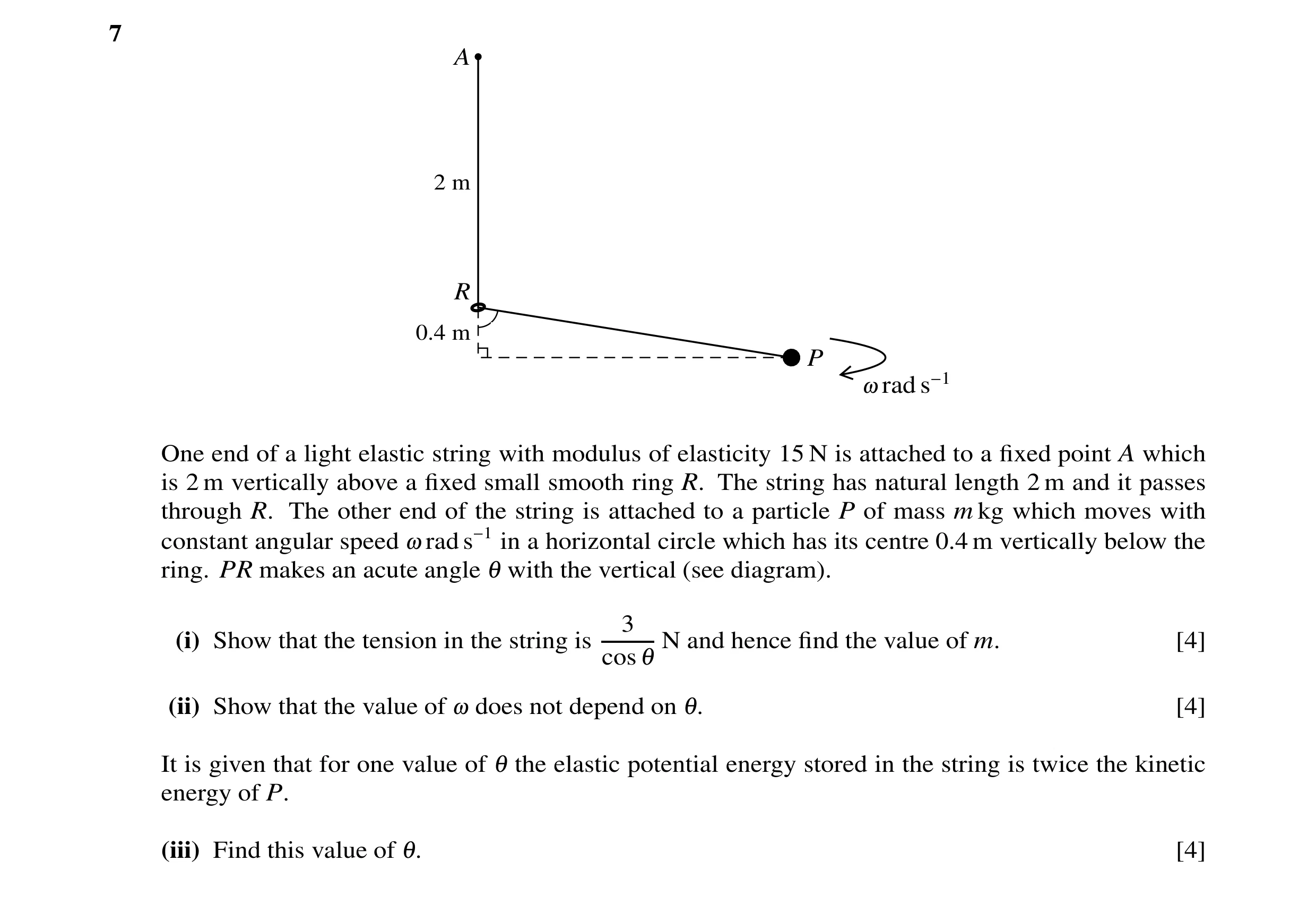 48 / 159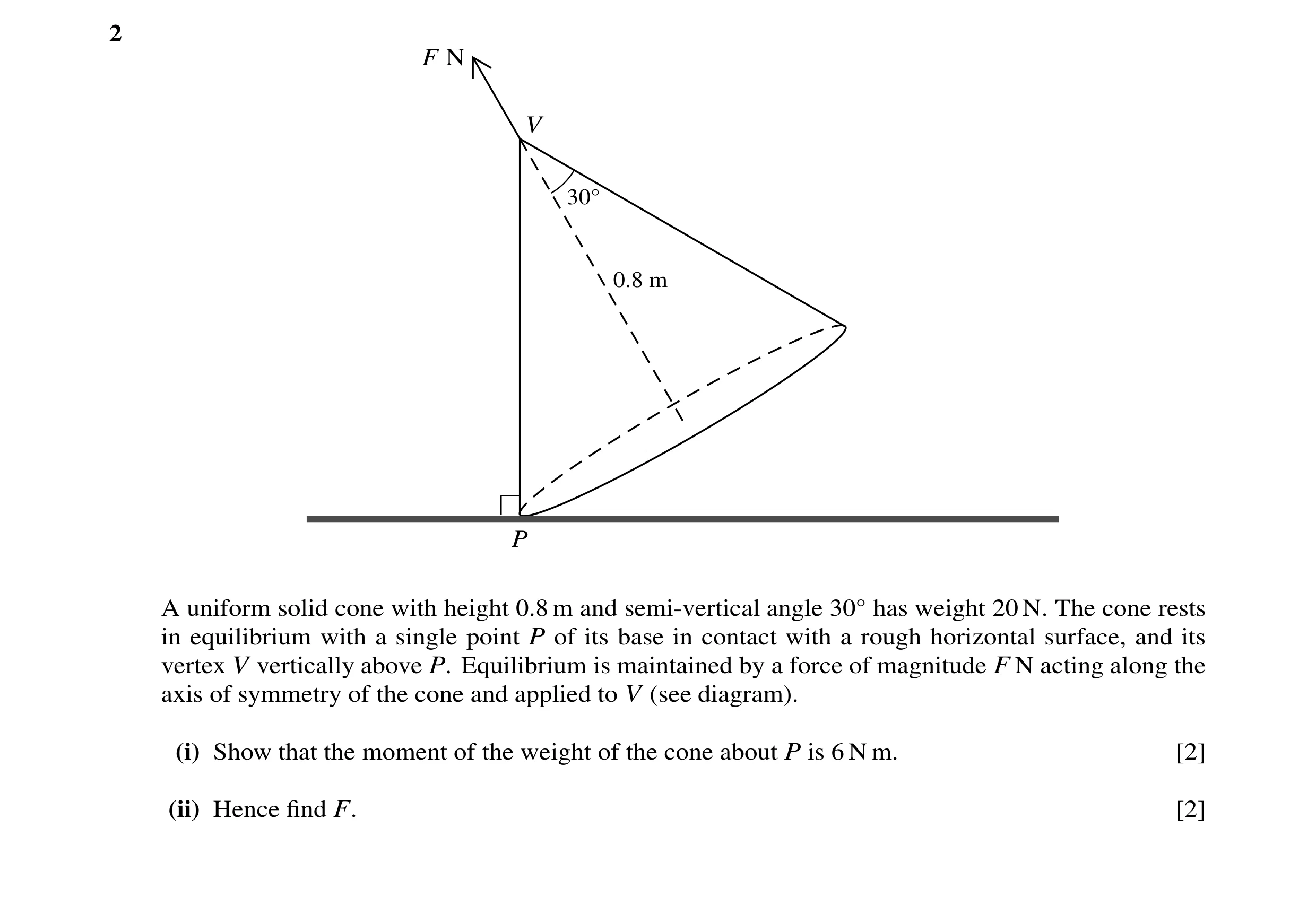
 49 / 159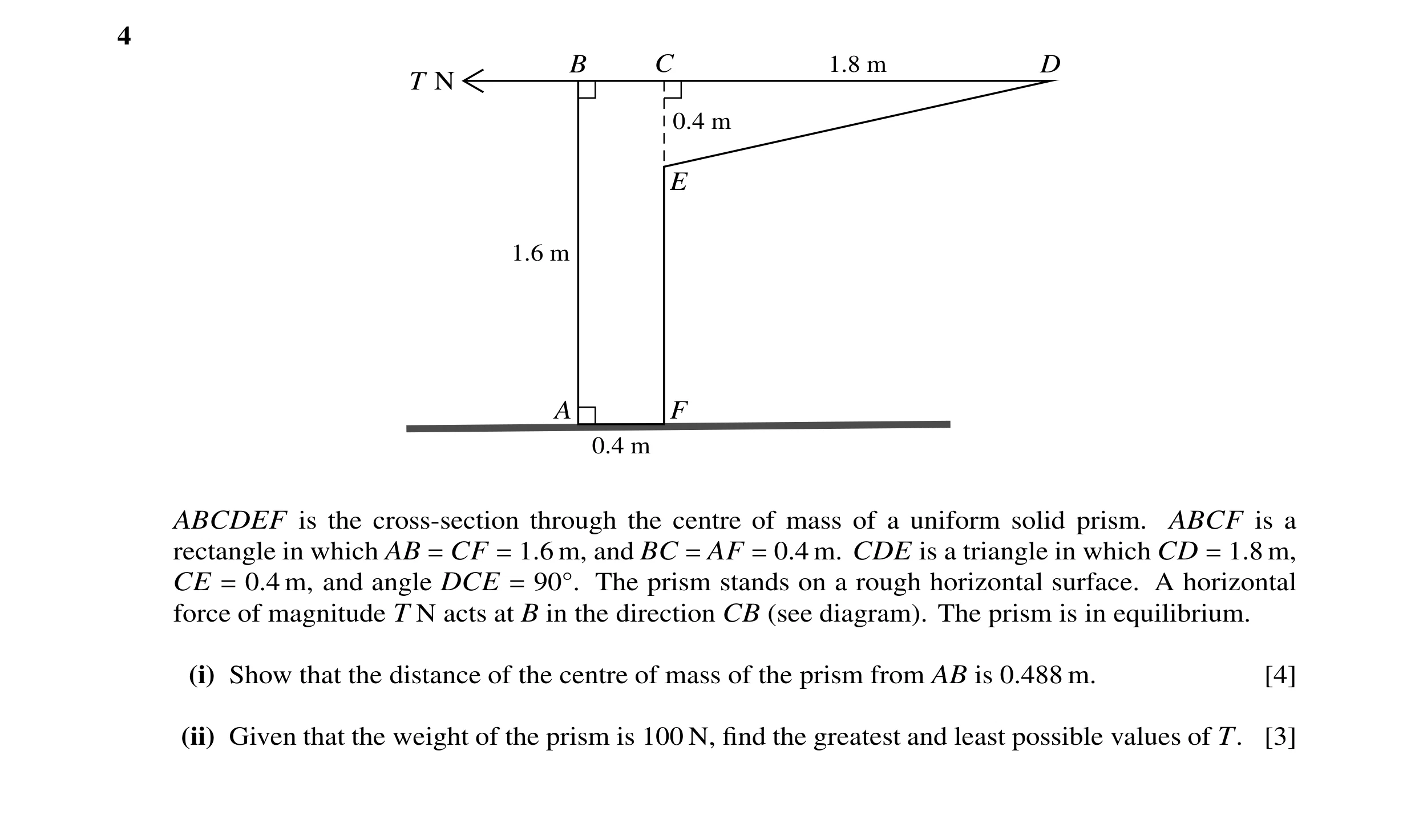
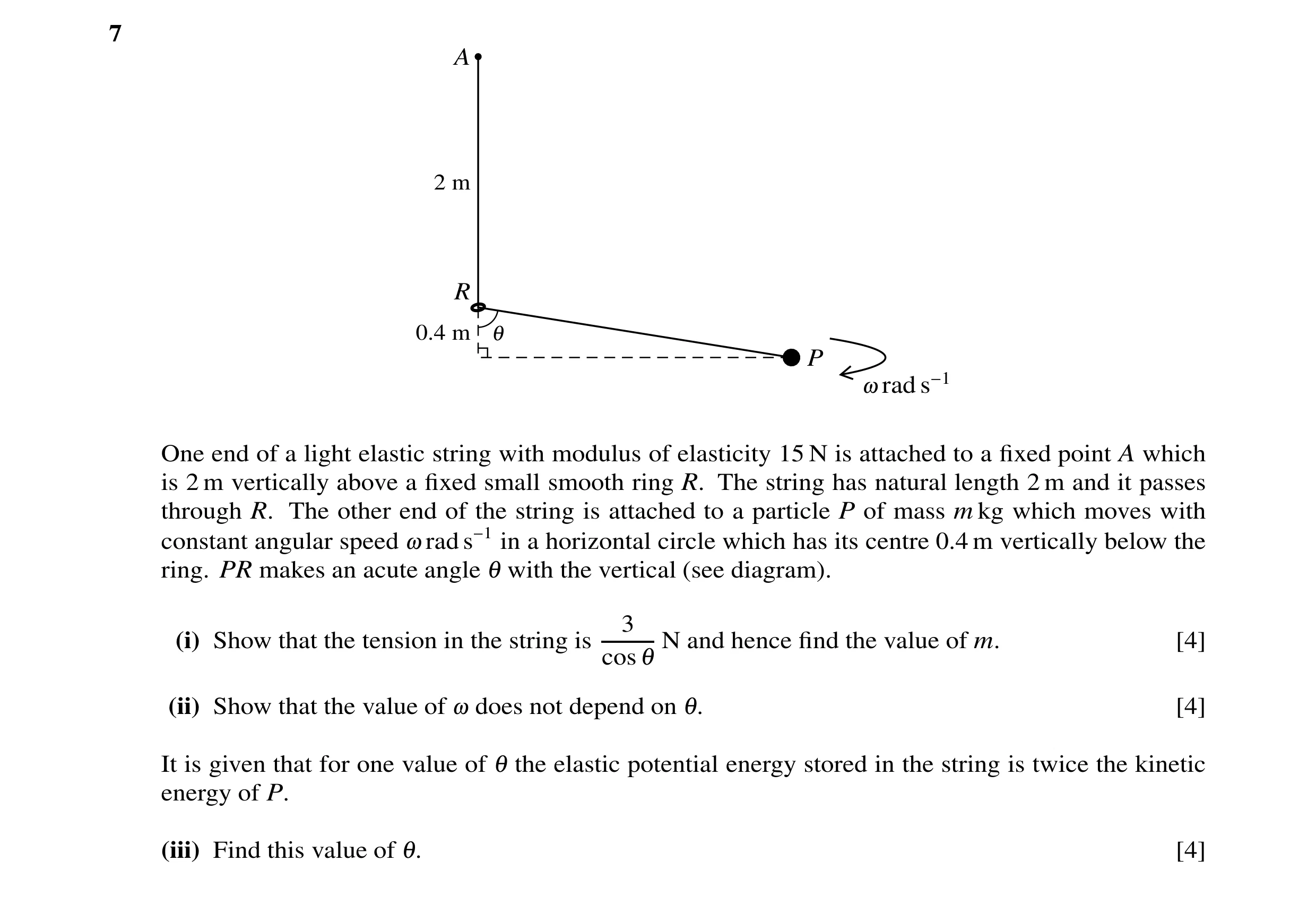 50 / 159
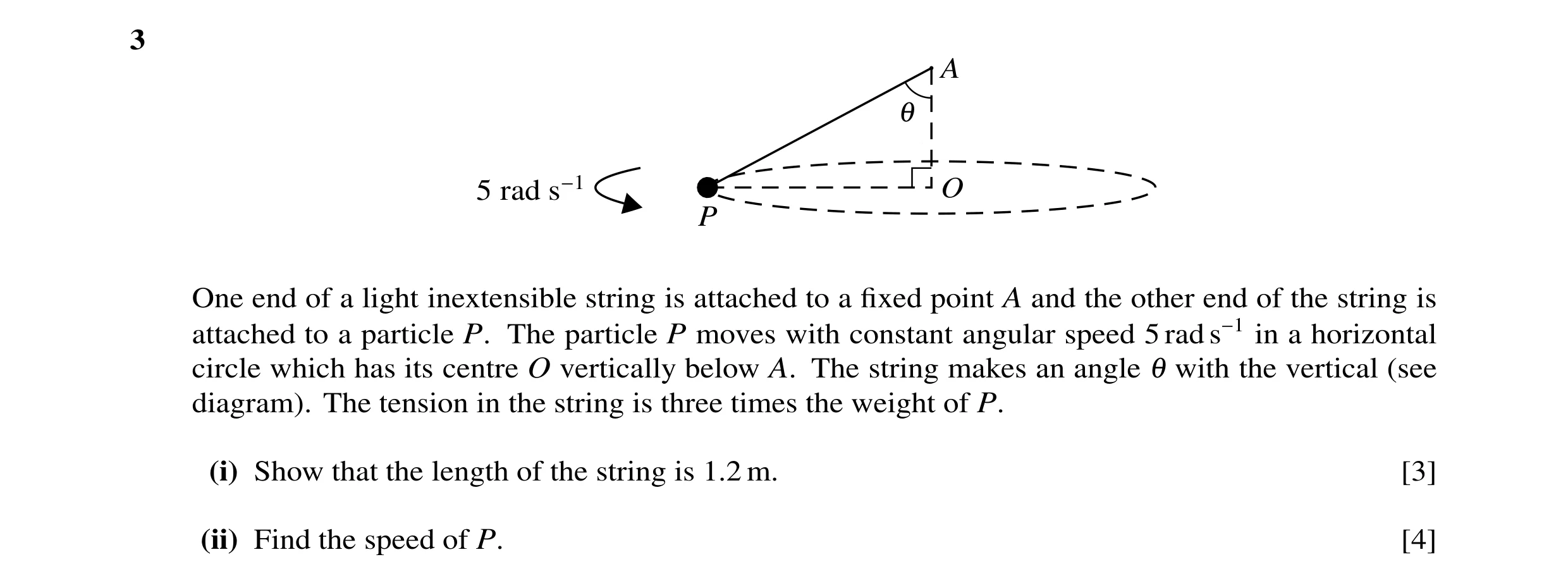
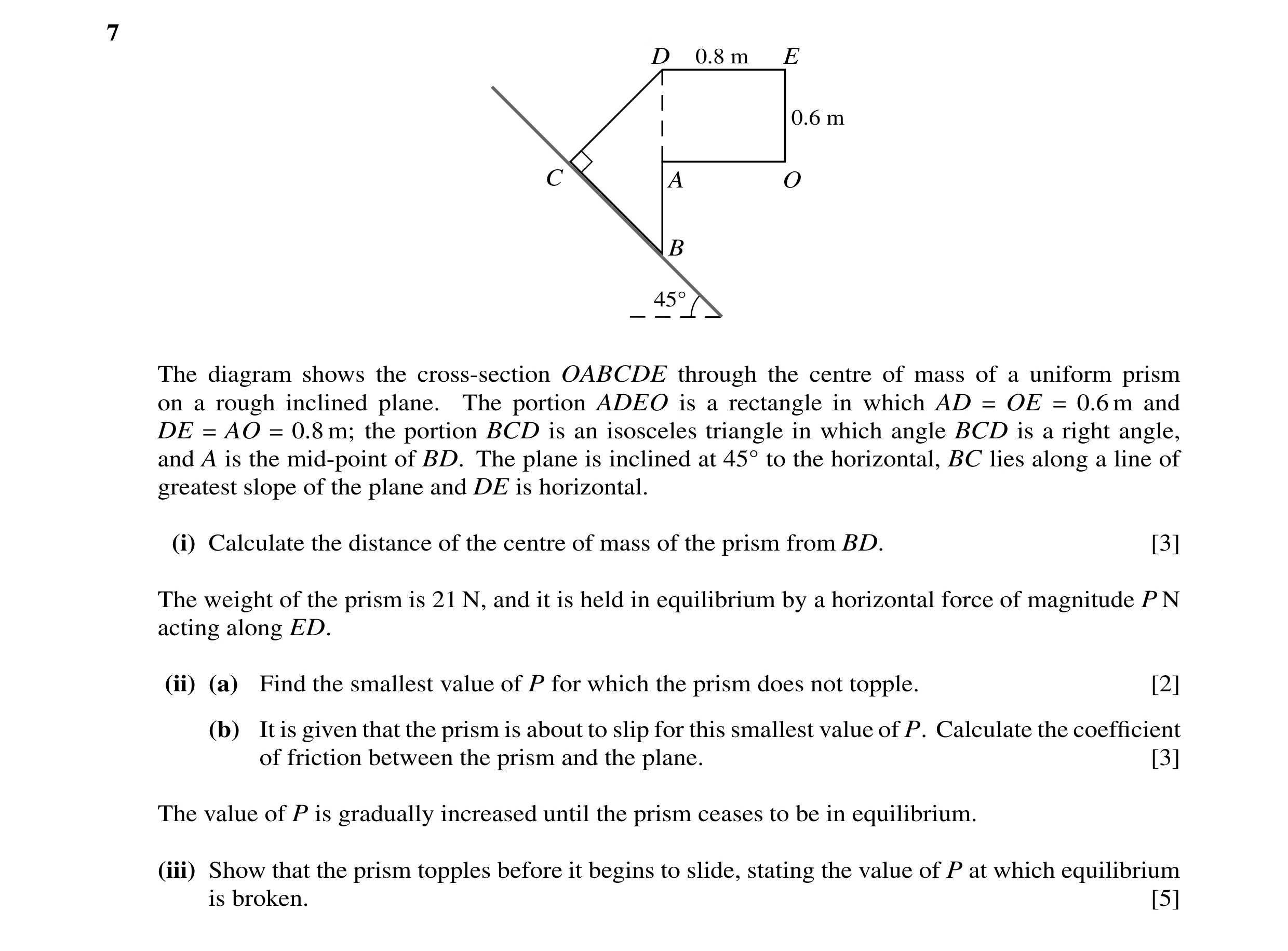 51 / 159
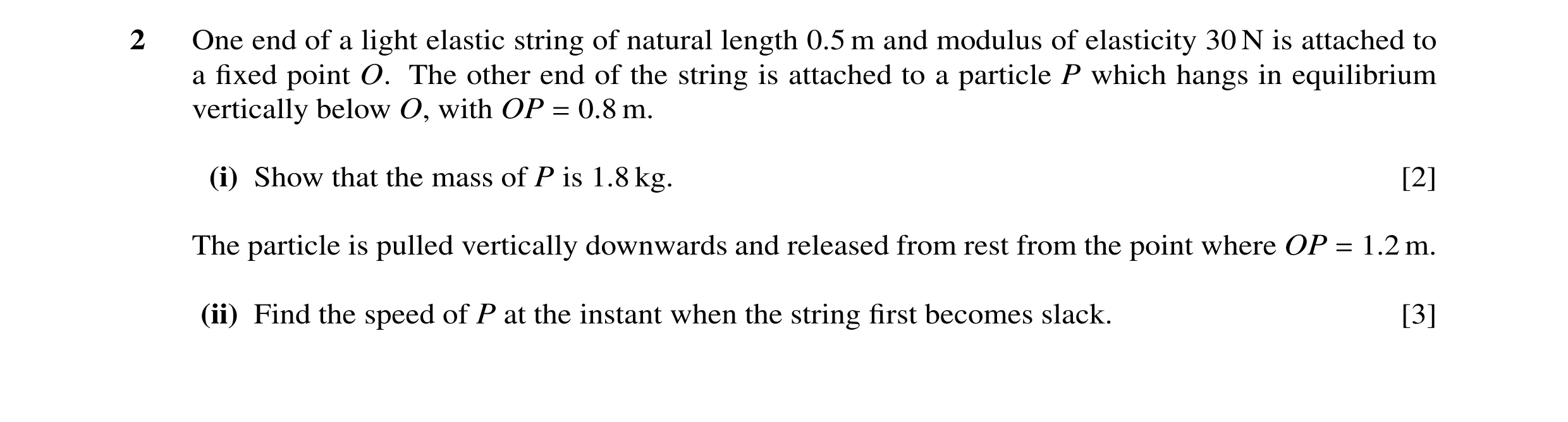
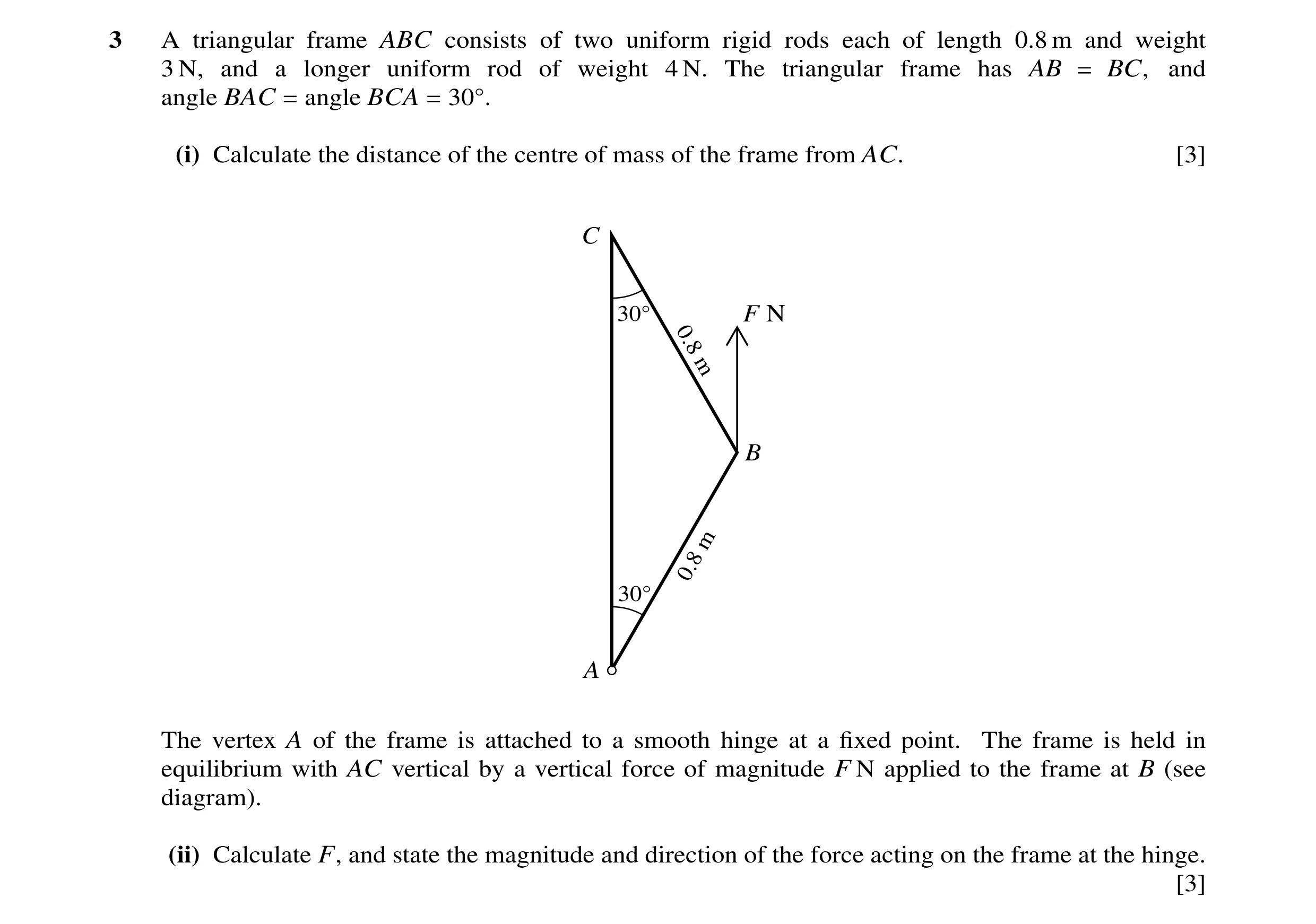 52 / 159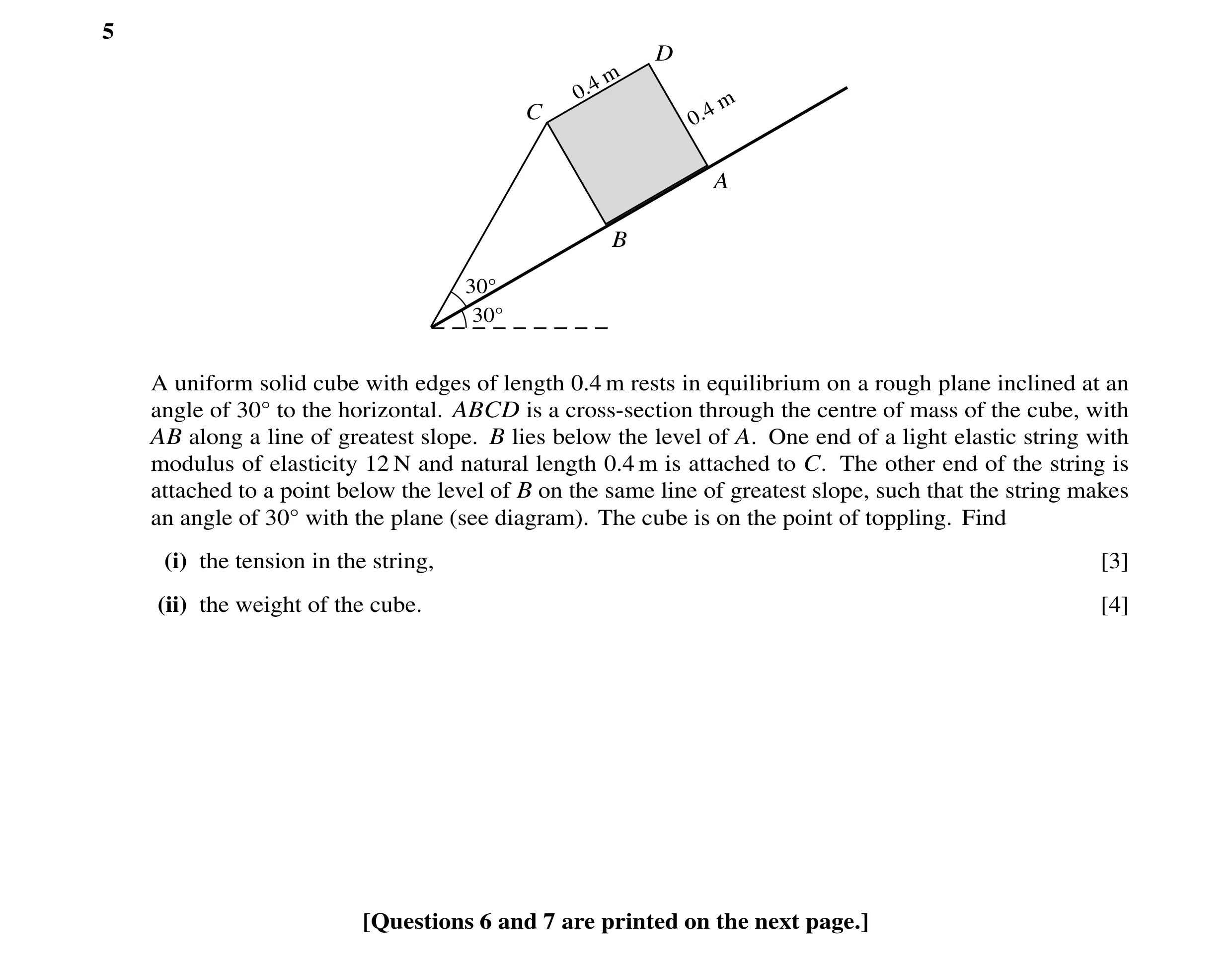
 53 / 159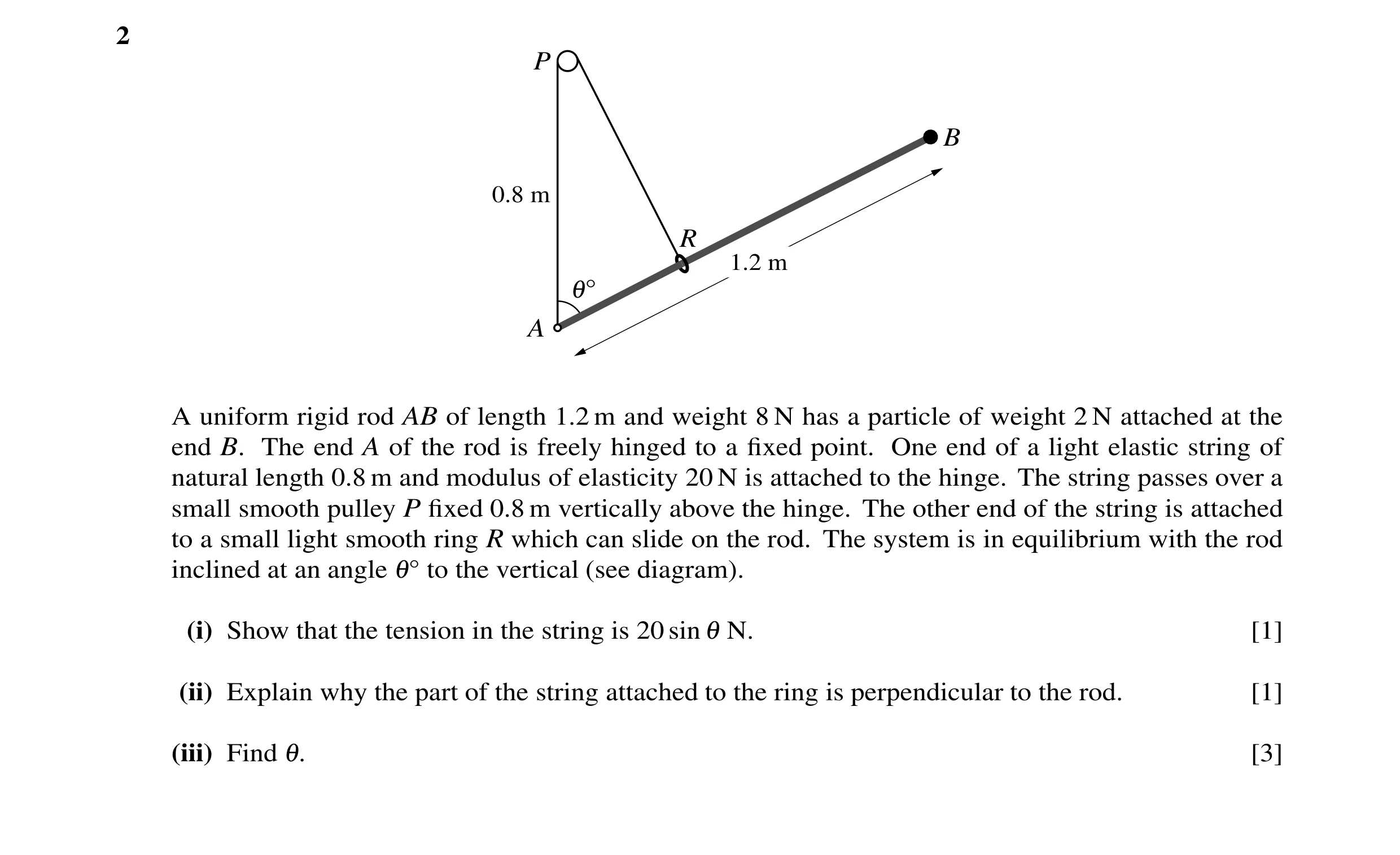
 54 / 159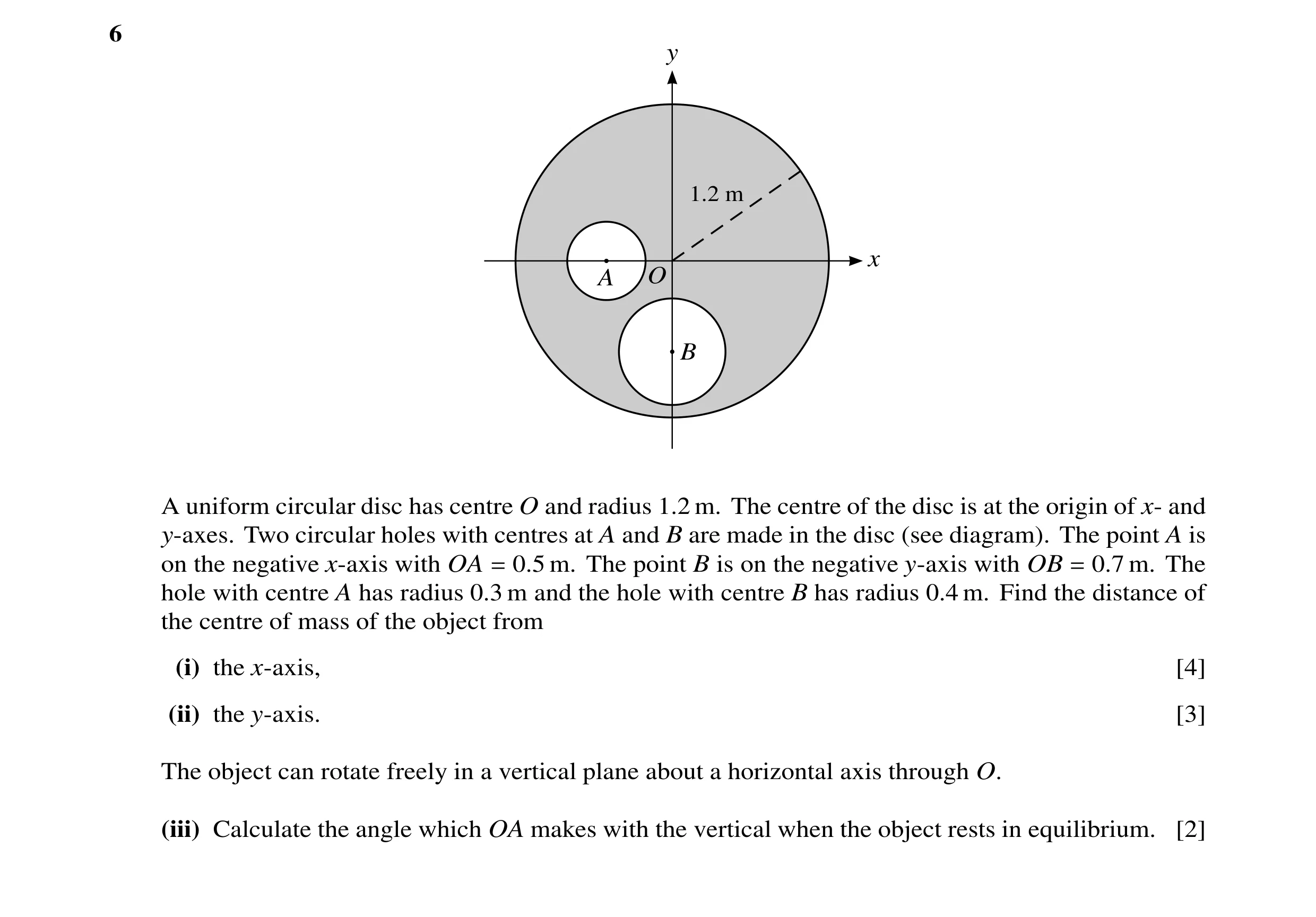
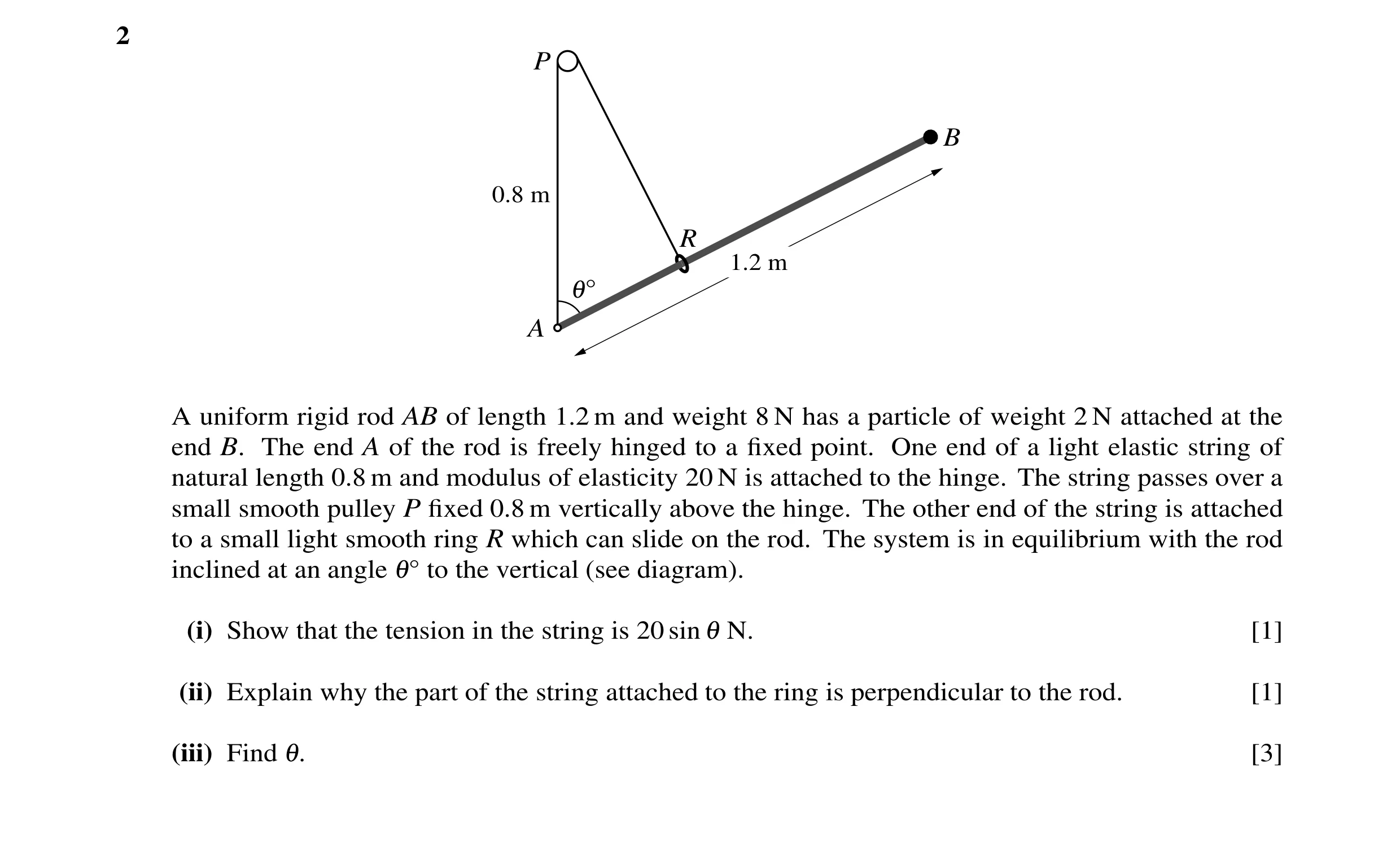 55 / 159
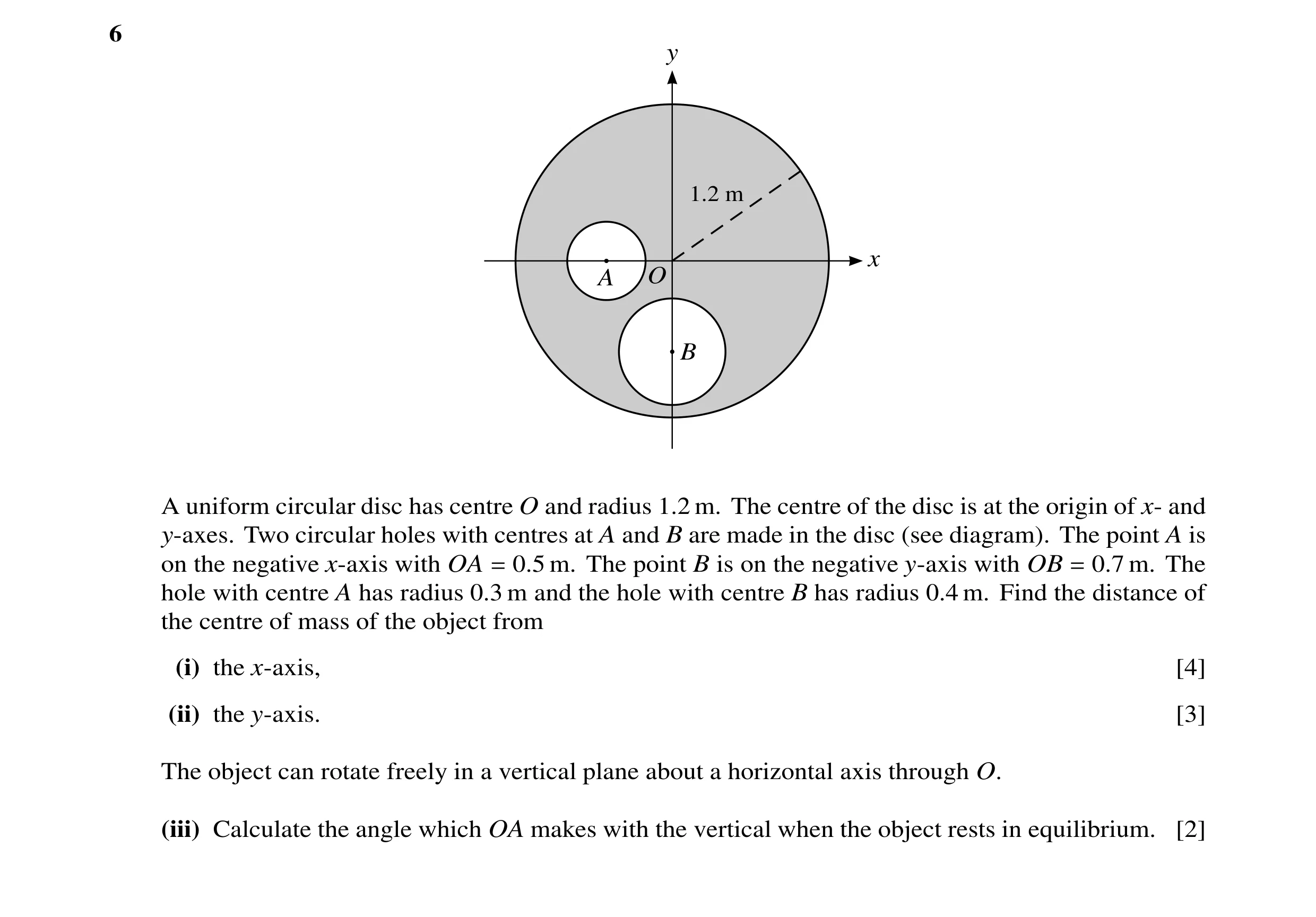
 56 / 159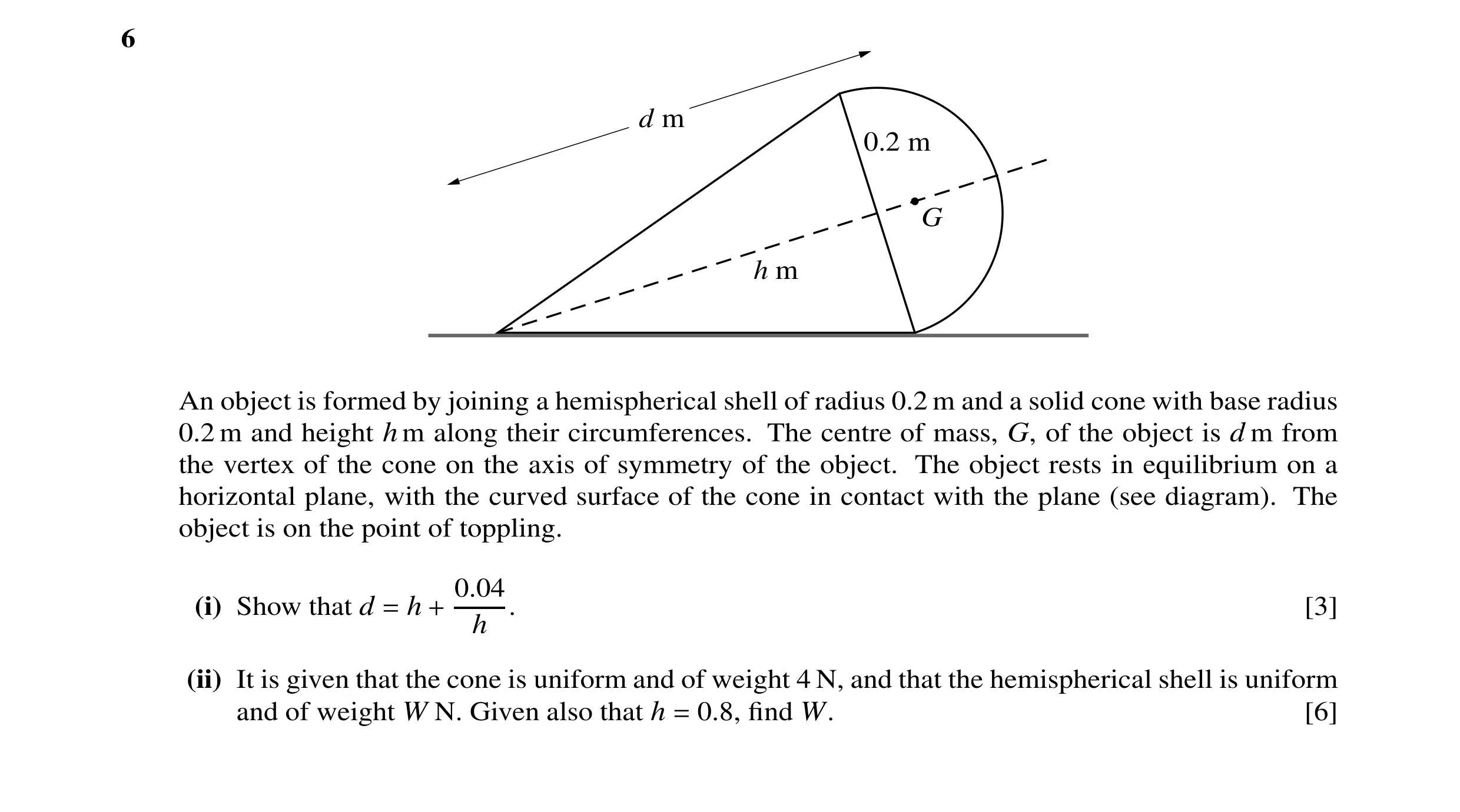
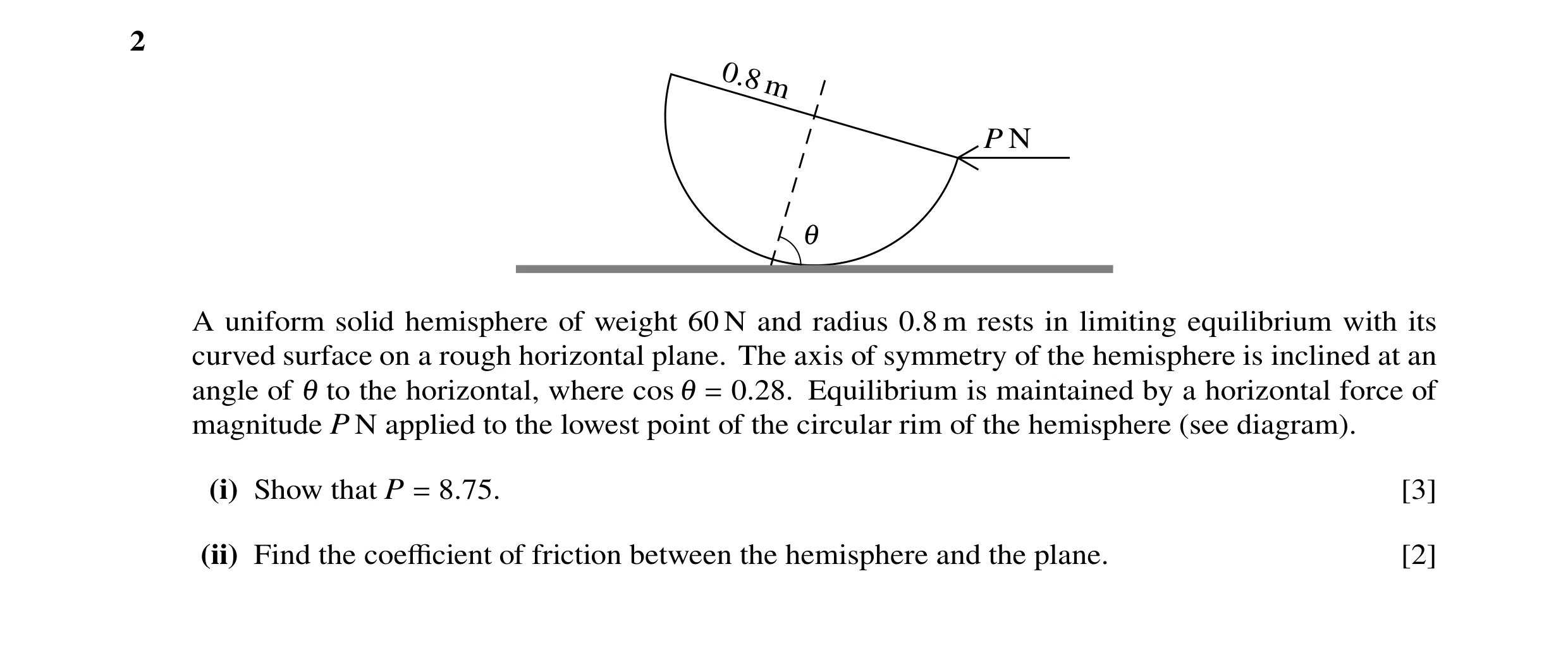 57 / 159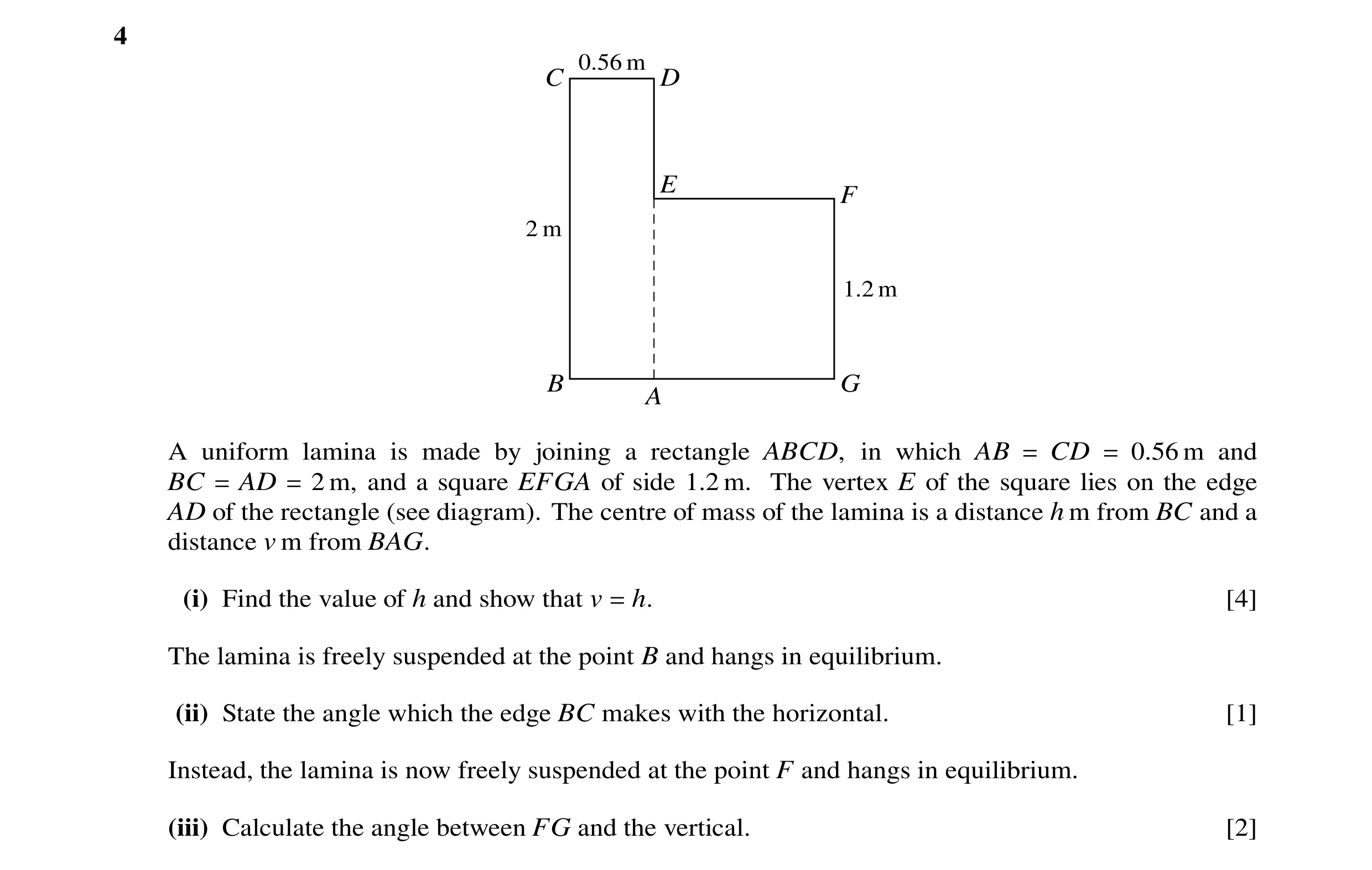
 58 / 159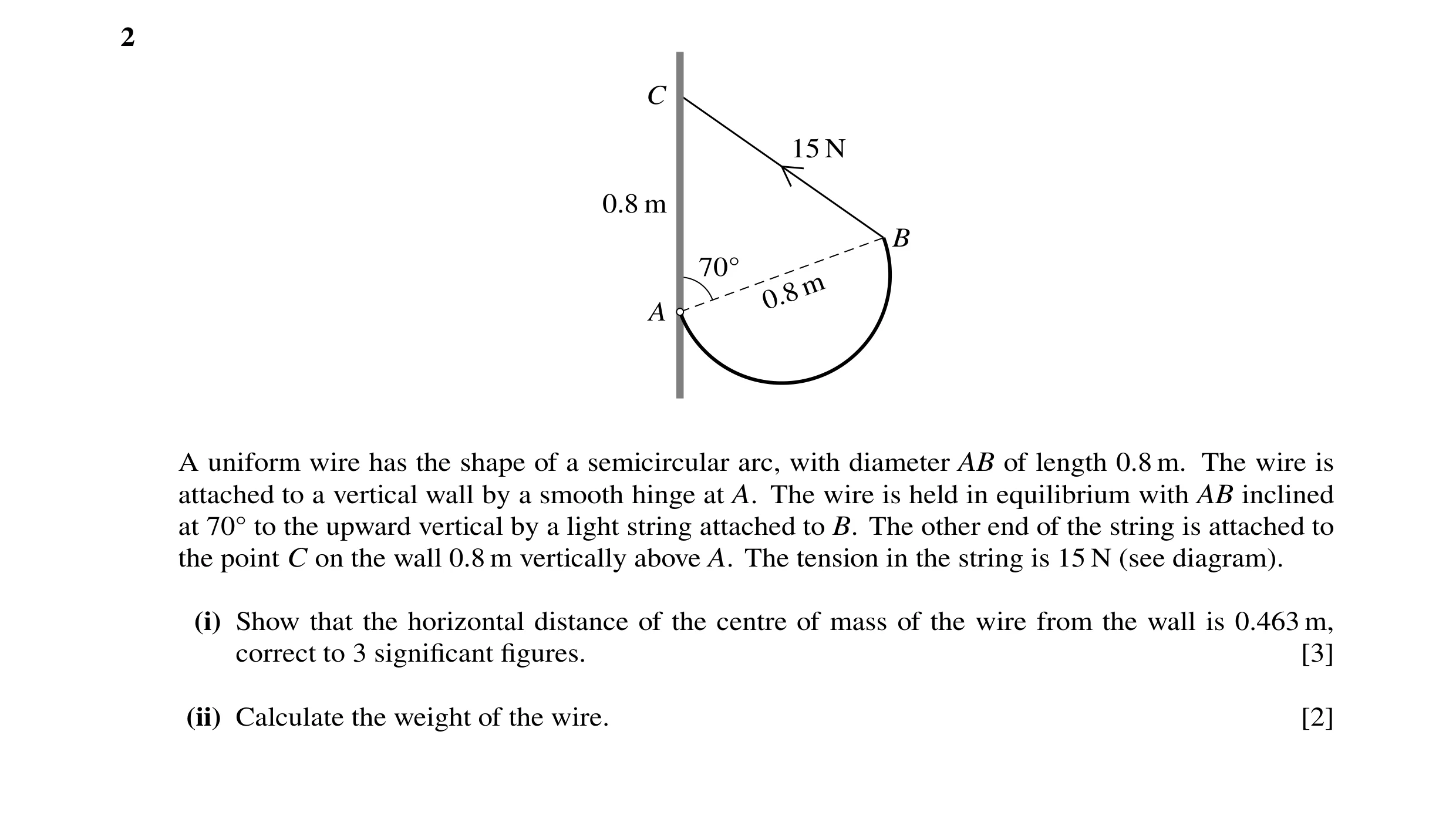
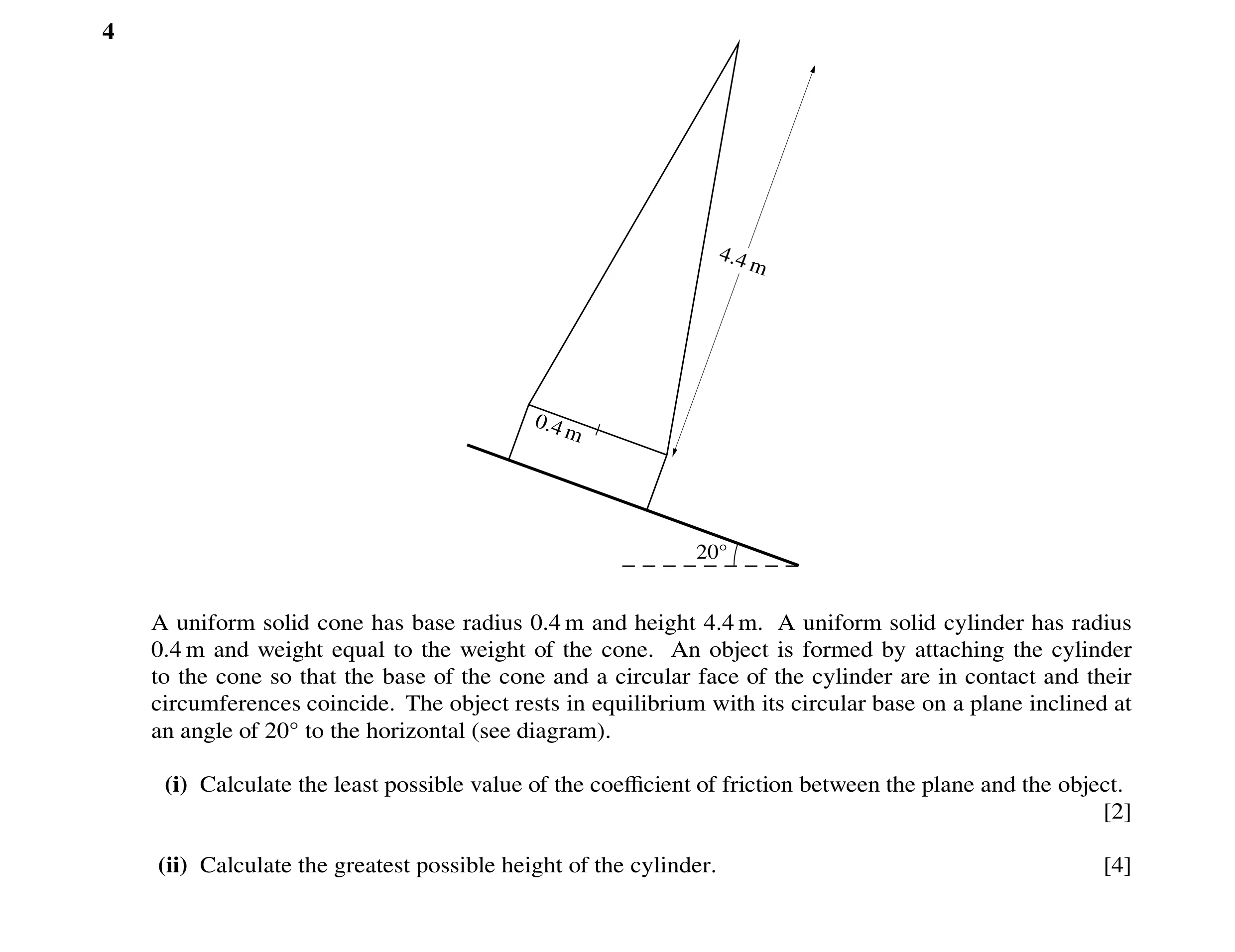 59 / 159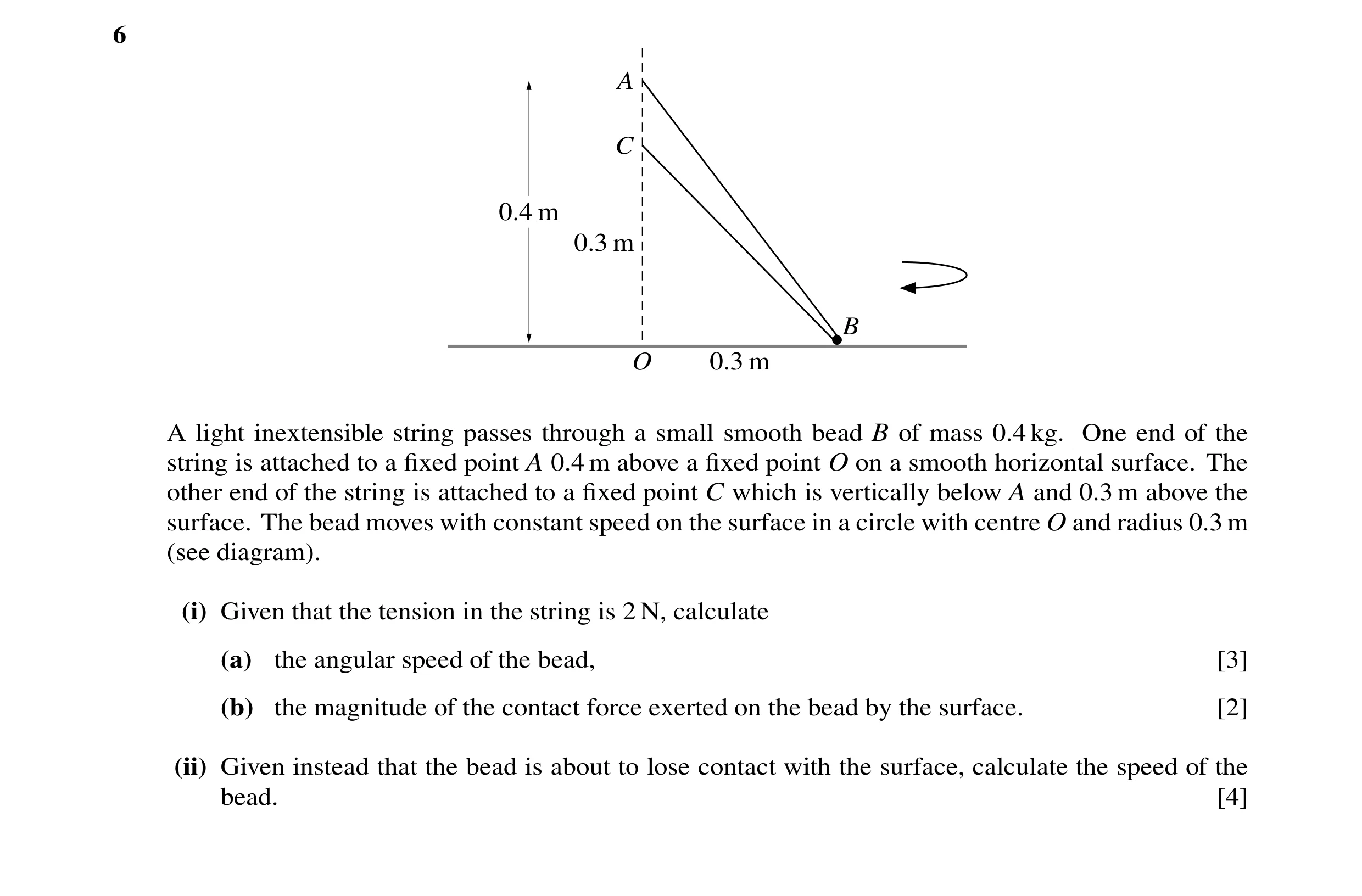
 60 / 159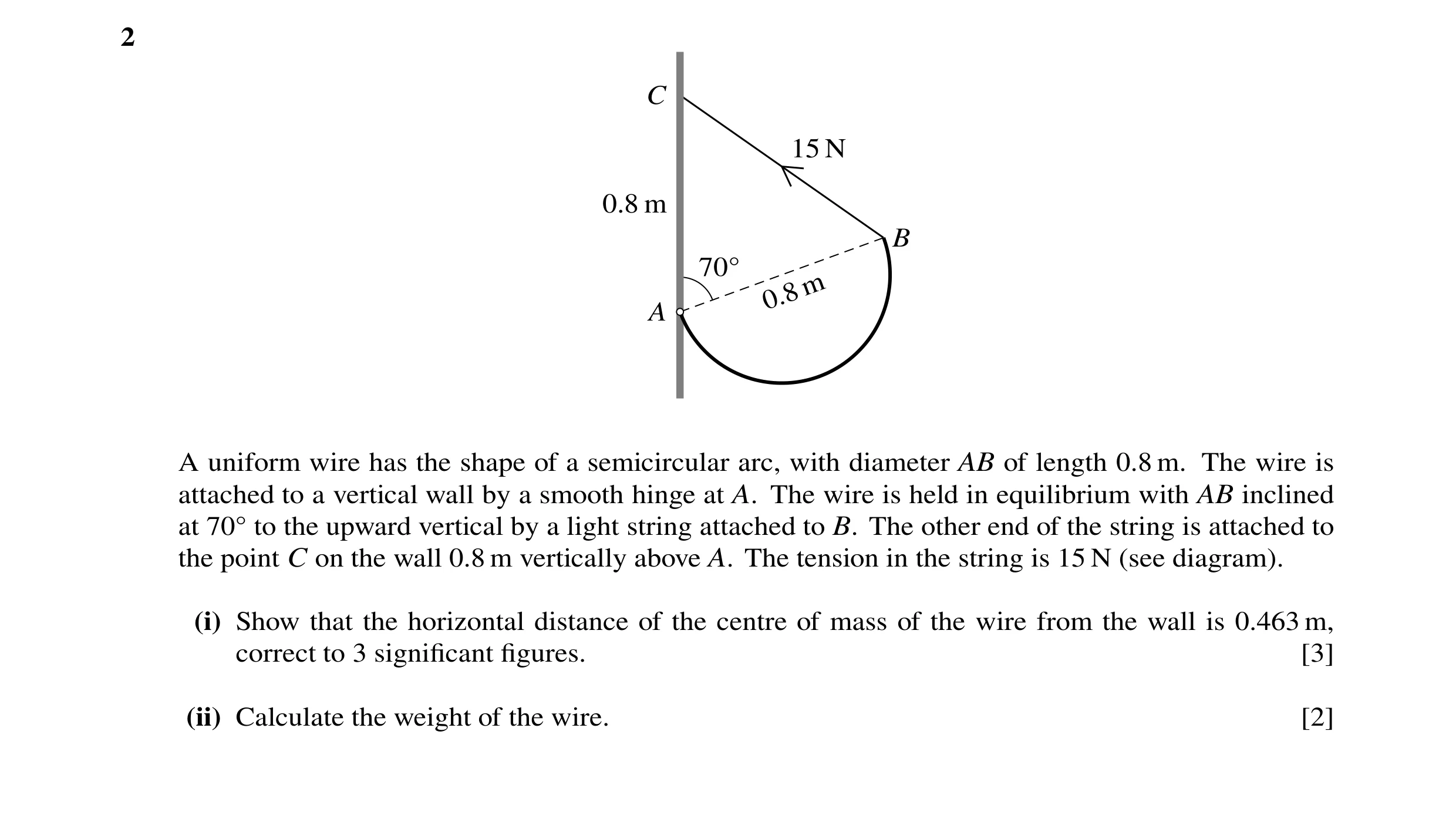
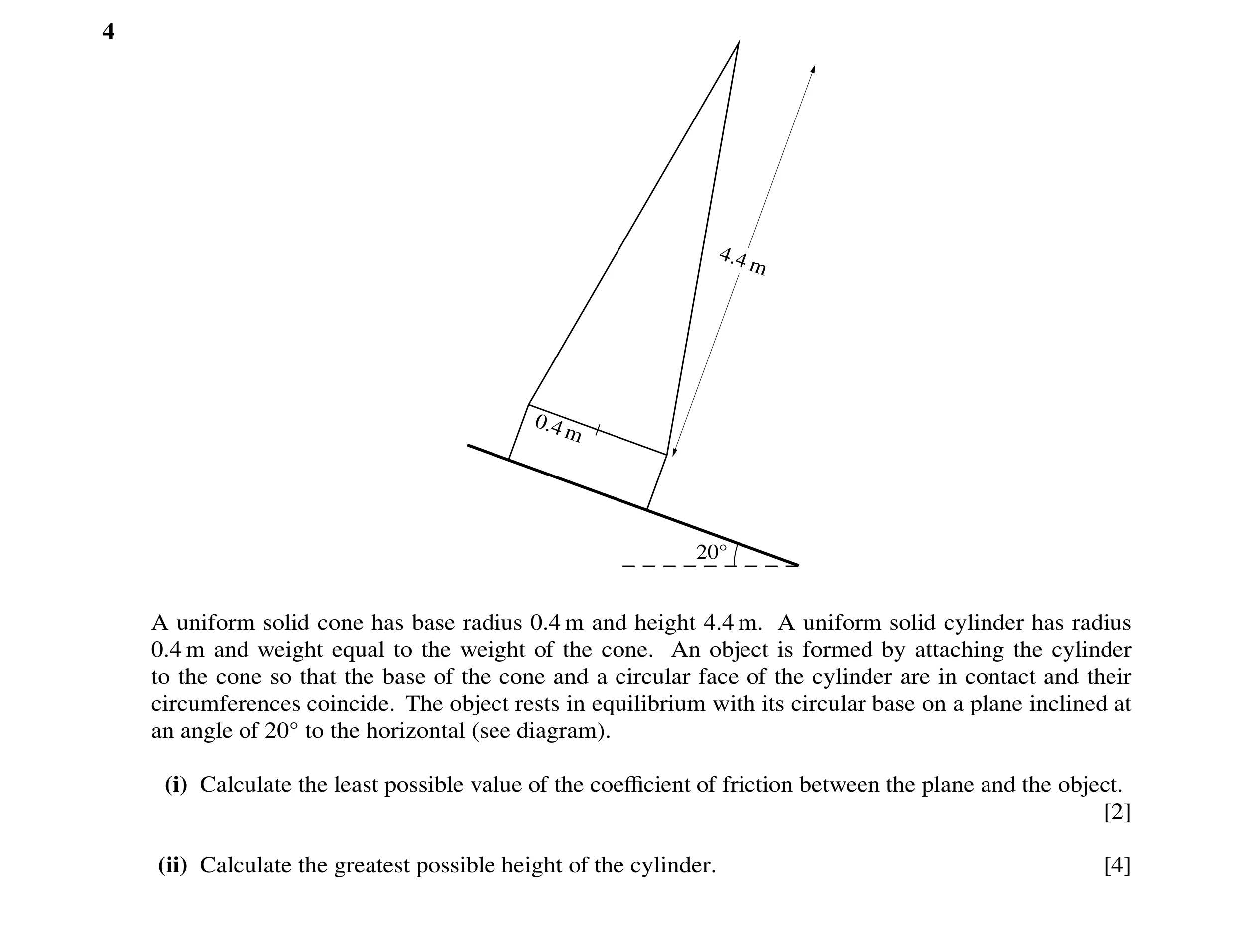 61 / 159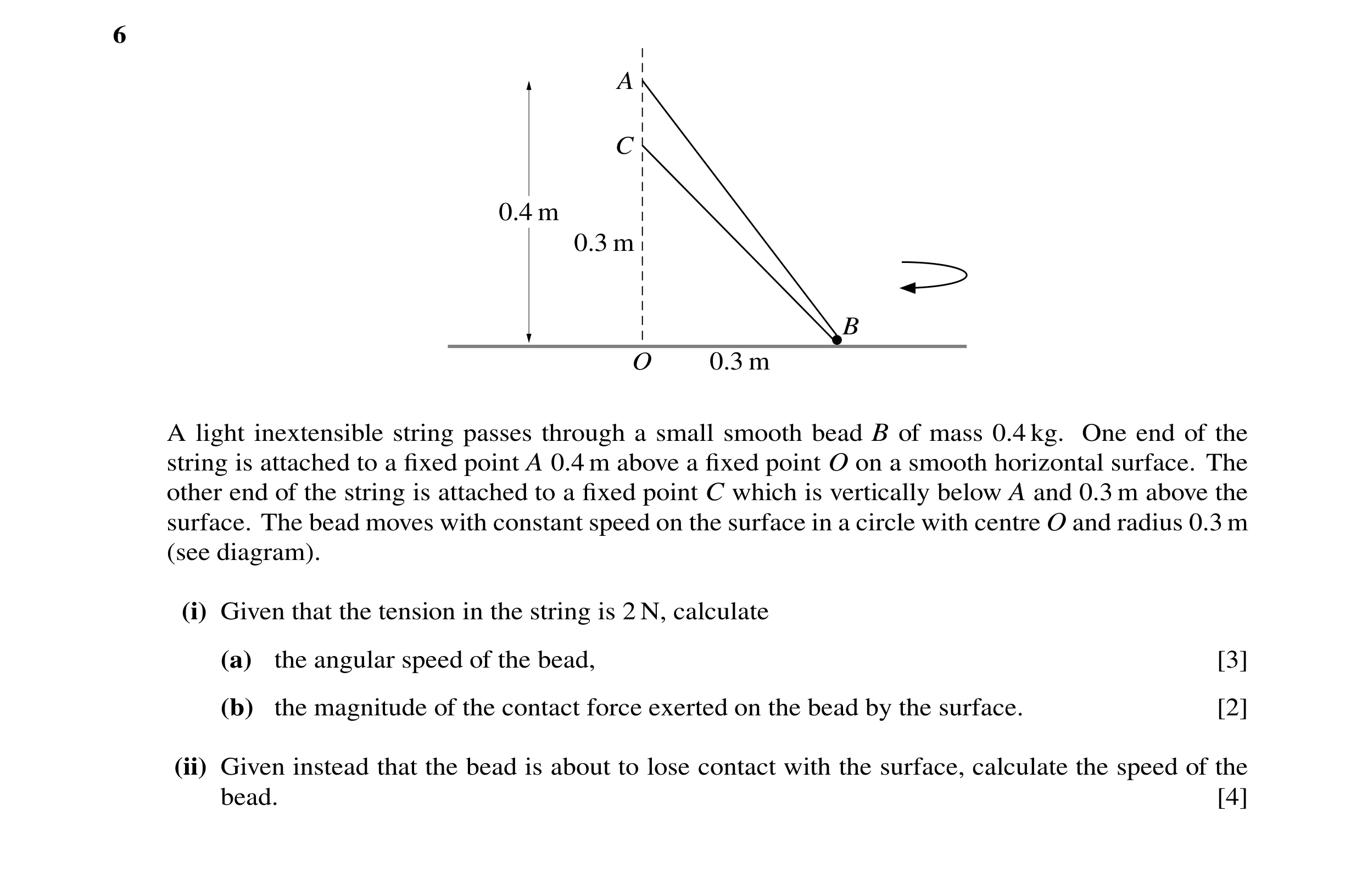
 62 / 159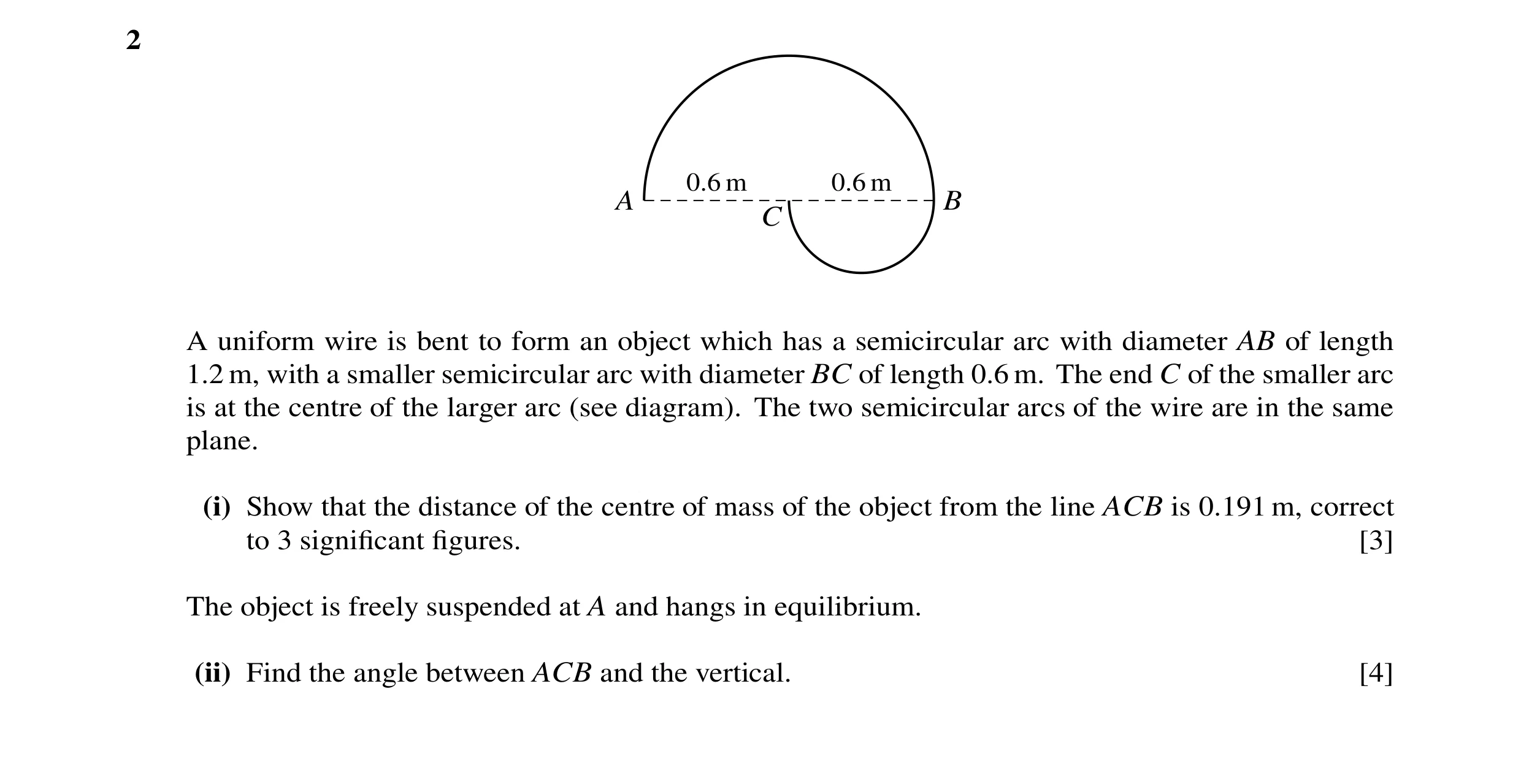
 63 / 159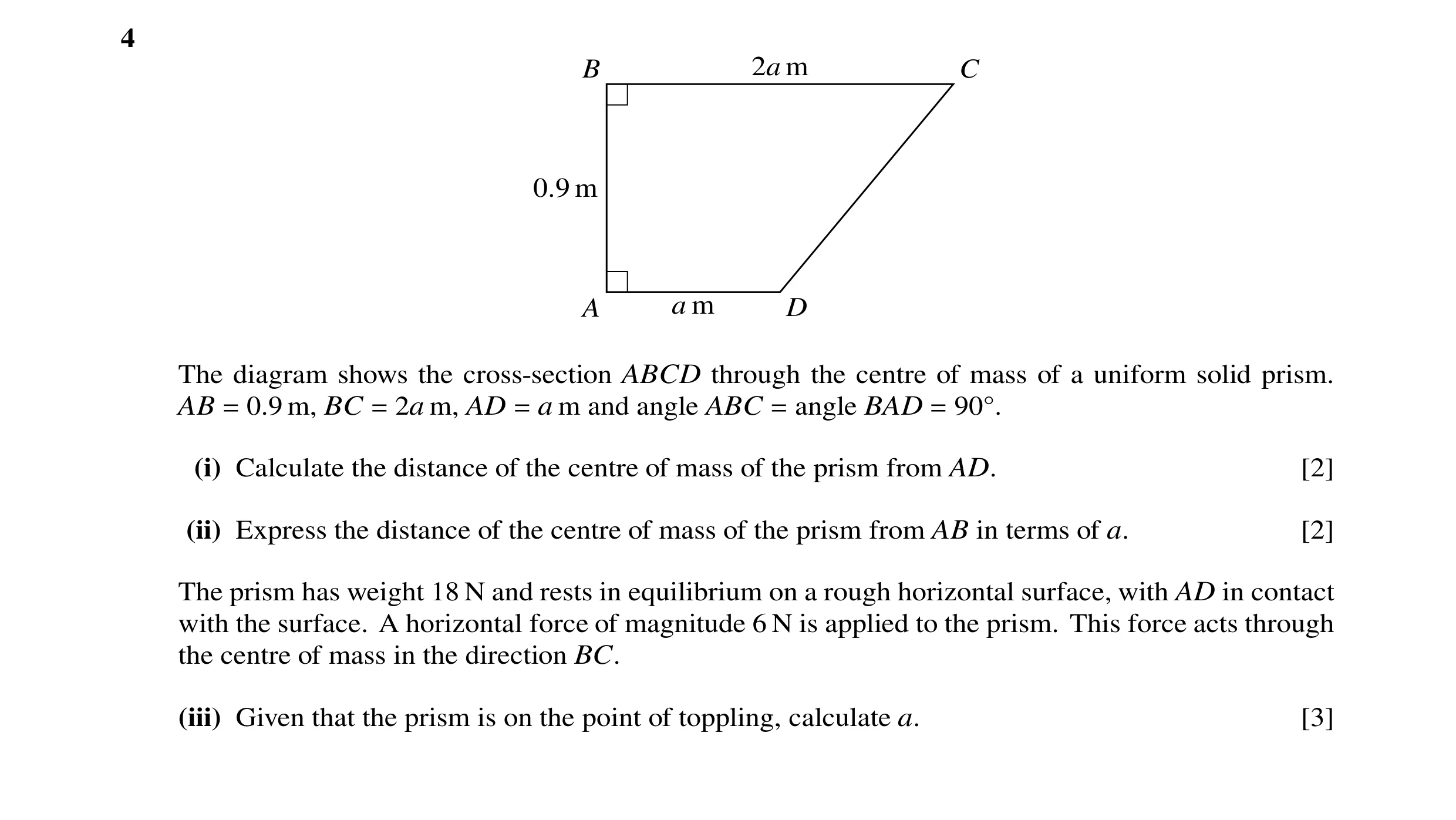
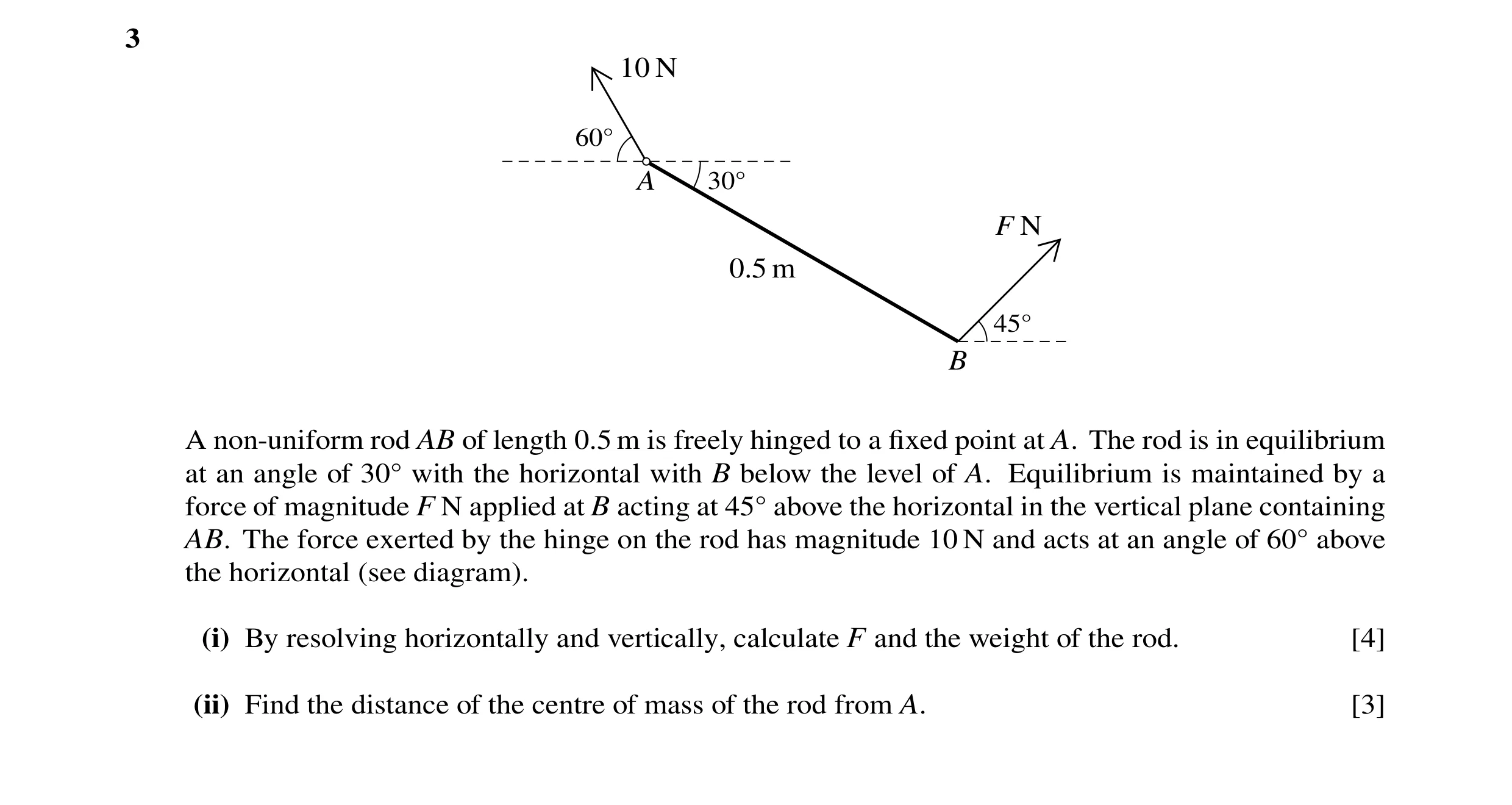 64 / 159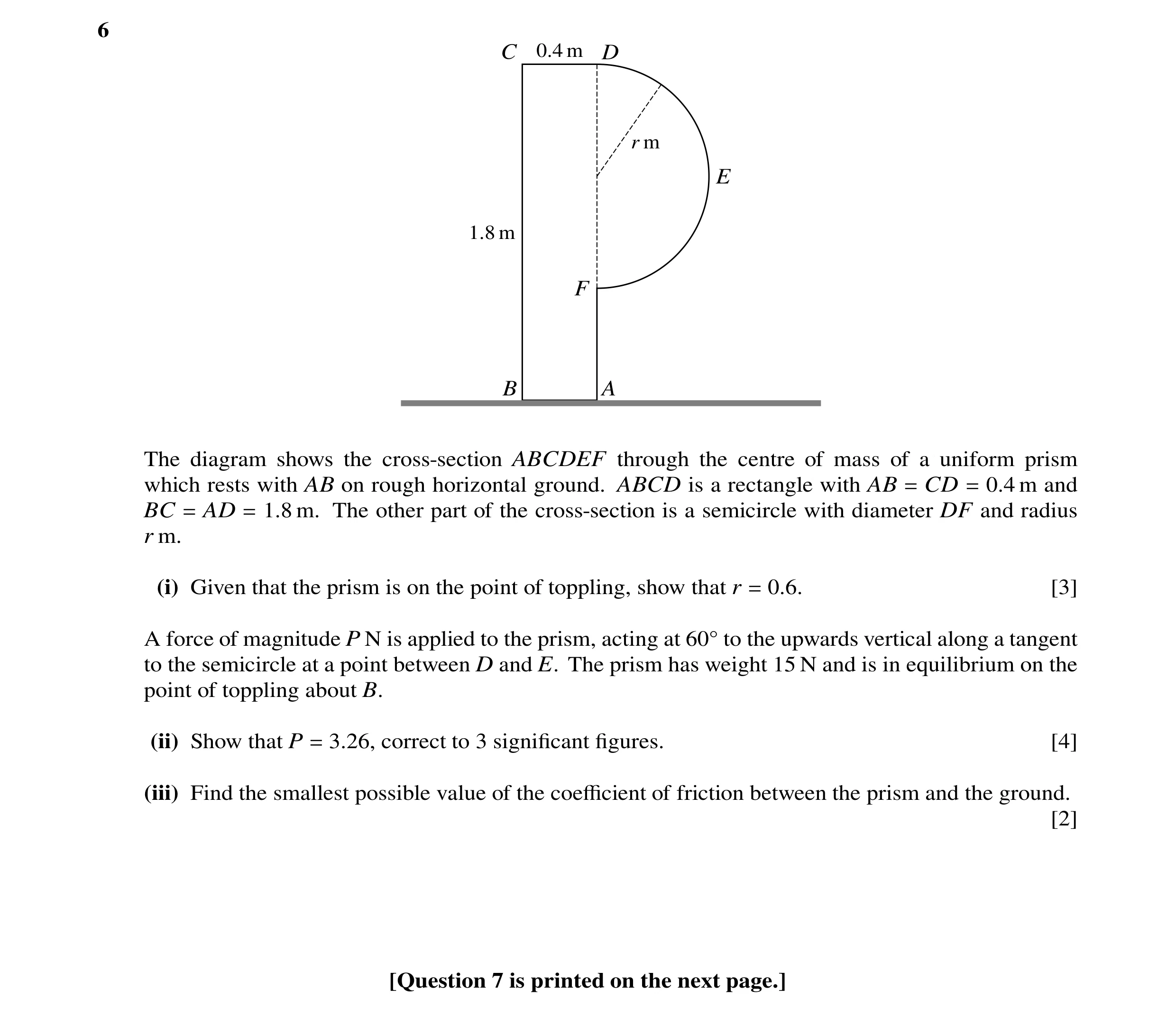
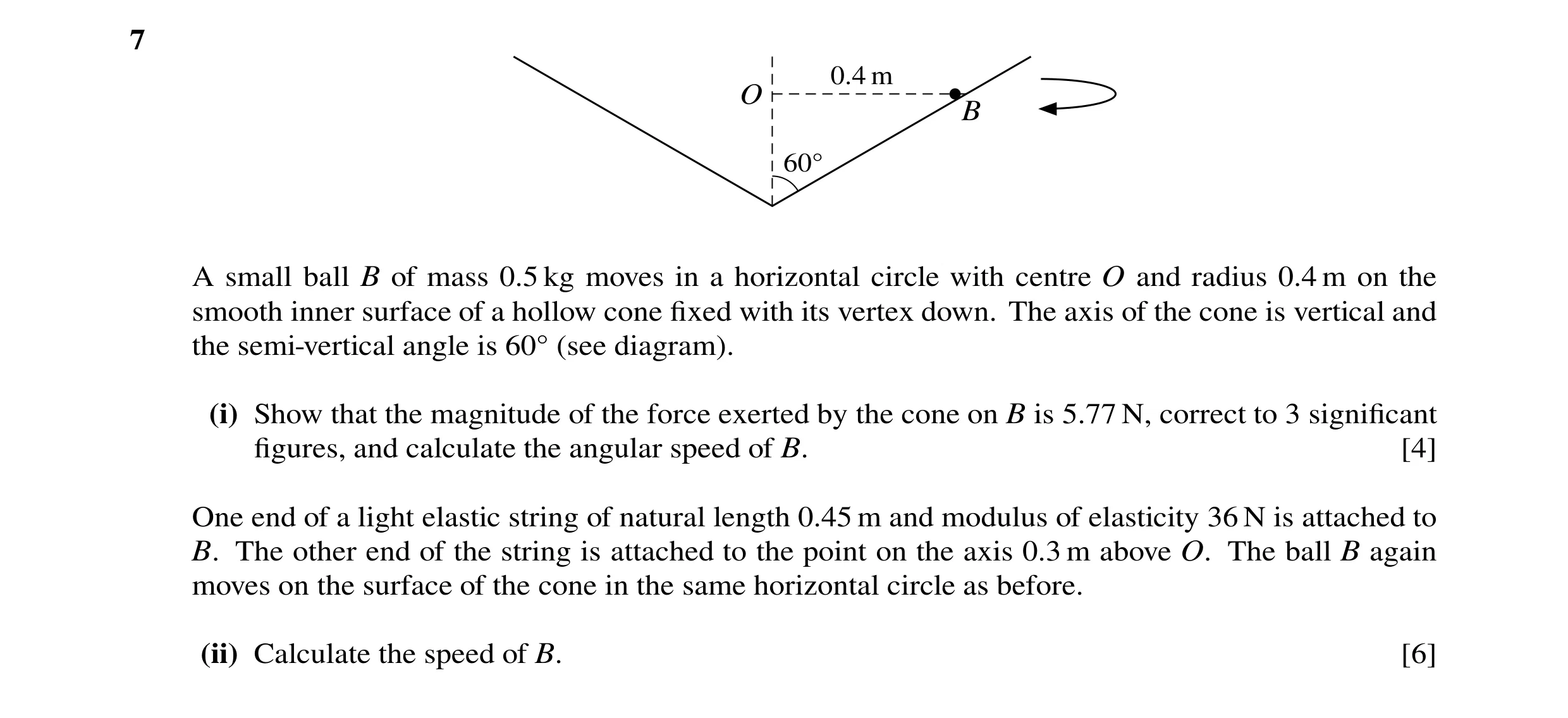 65 / 159
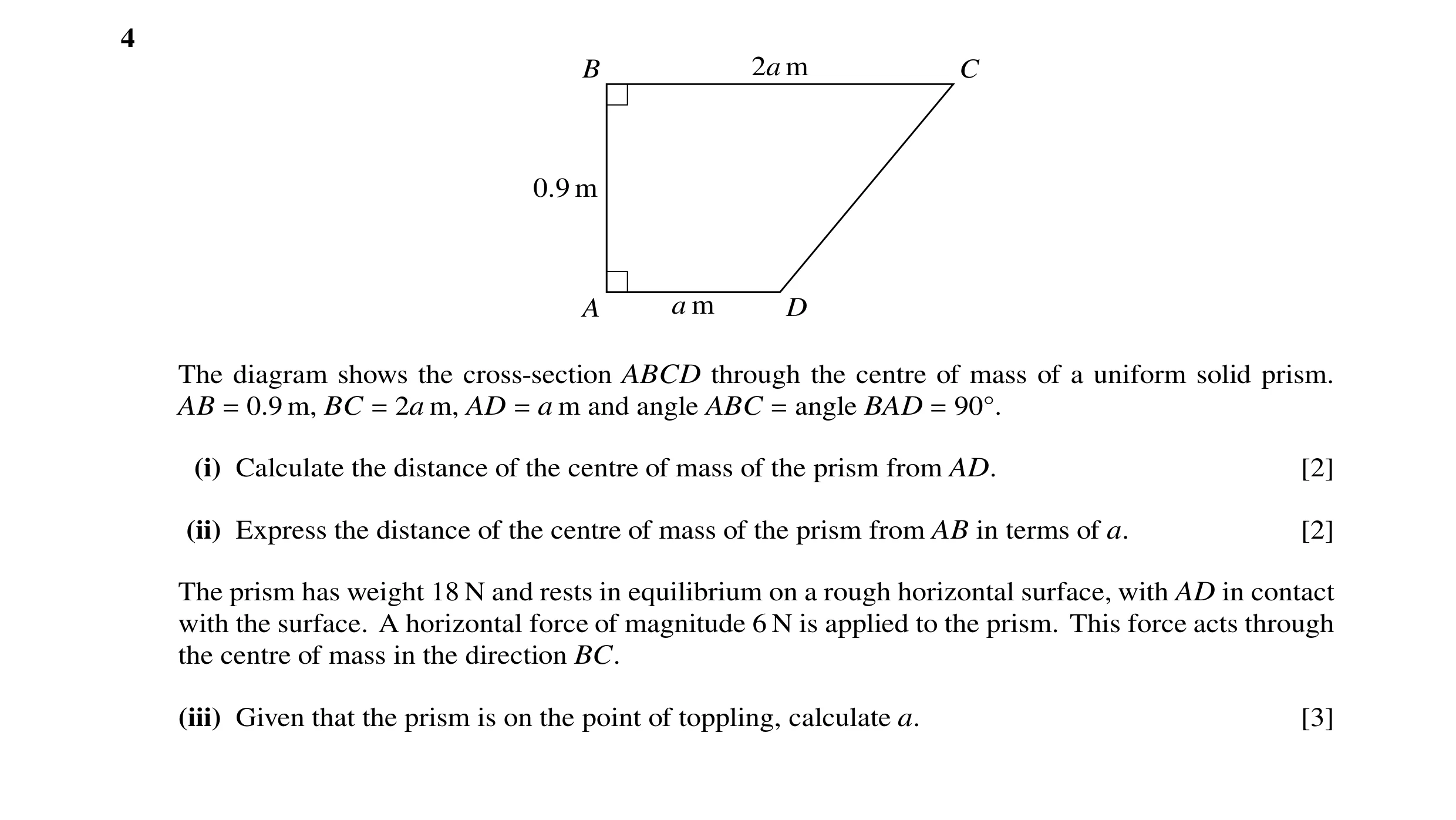 66 / 159
 67 / 159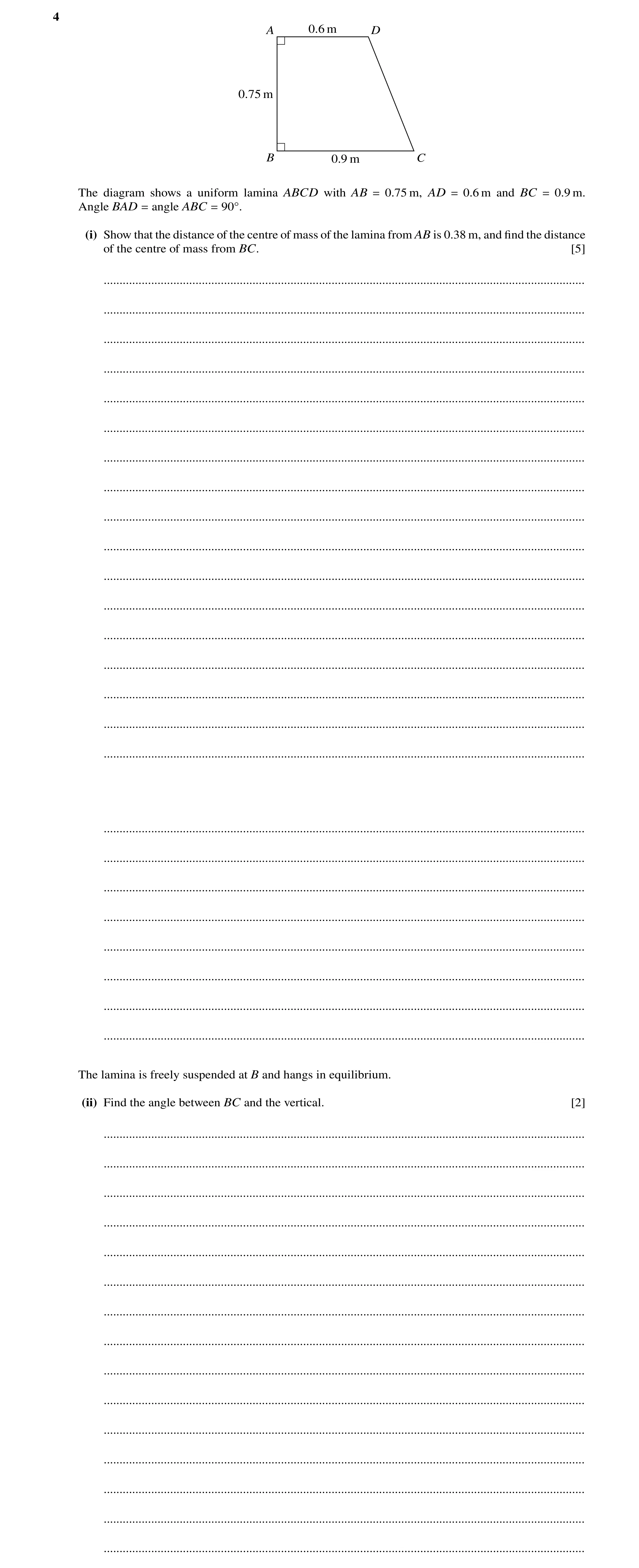
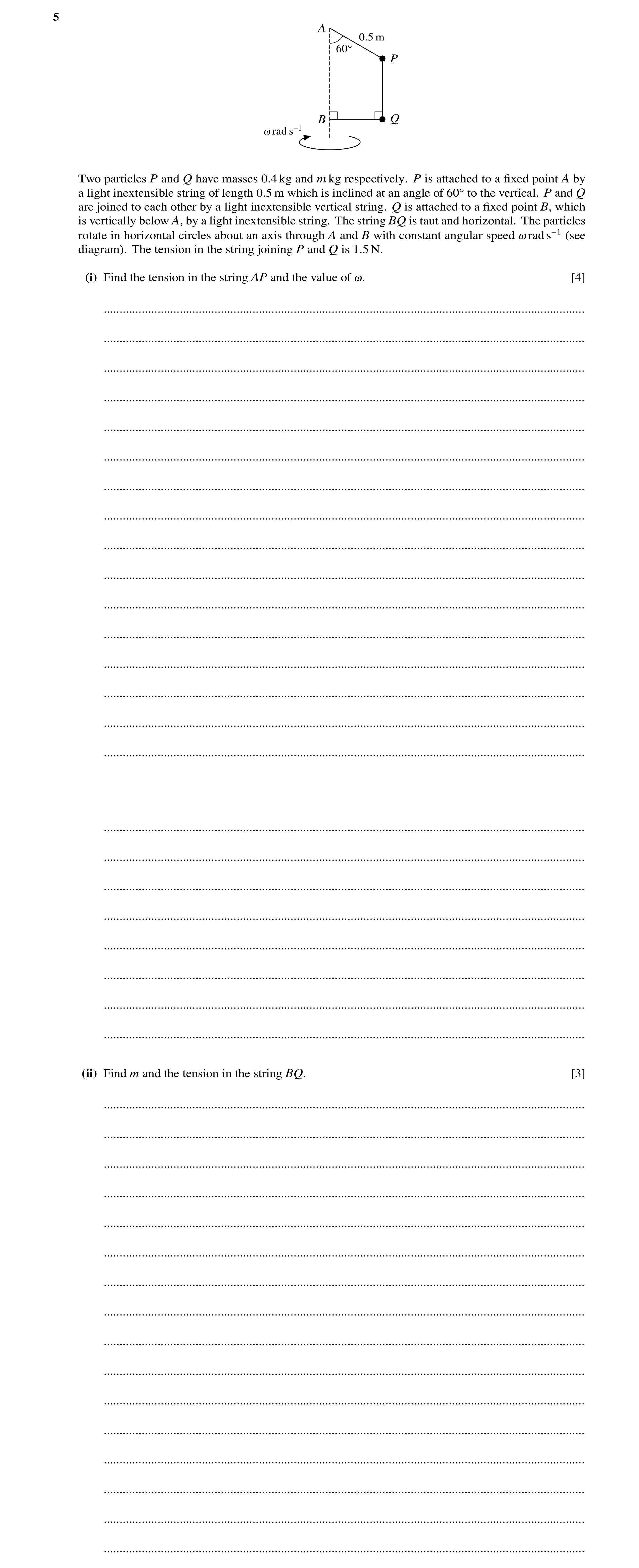
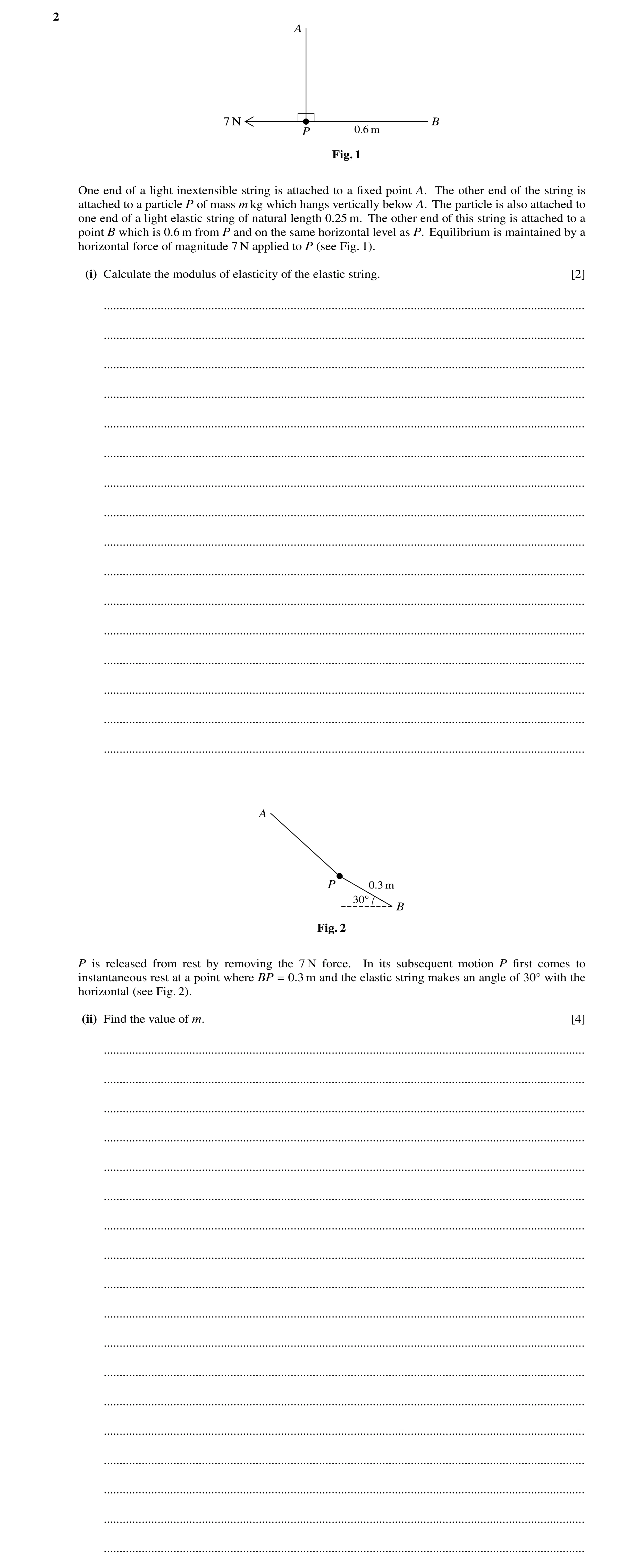
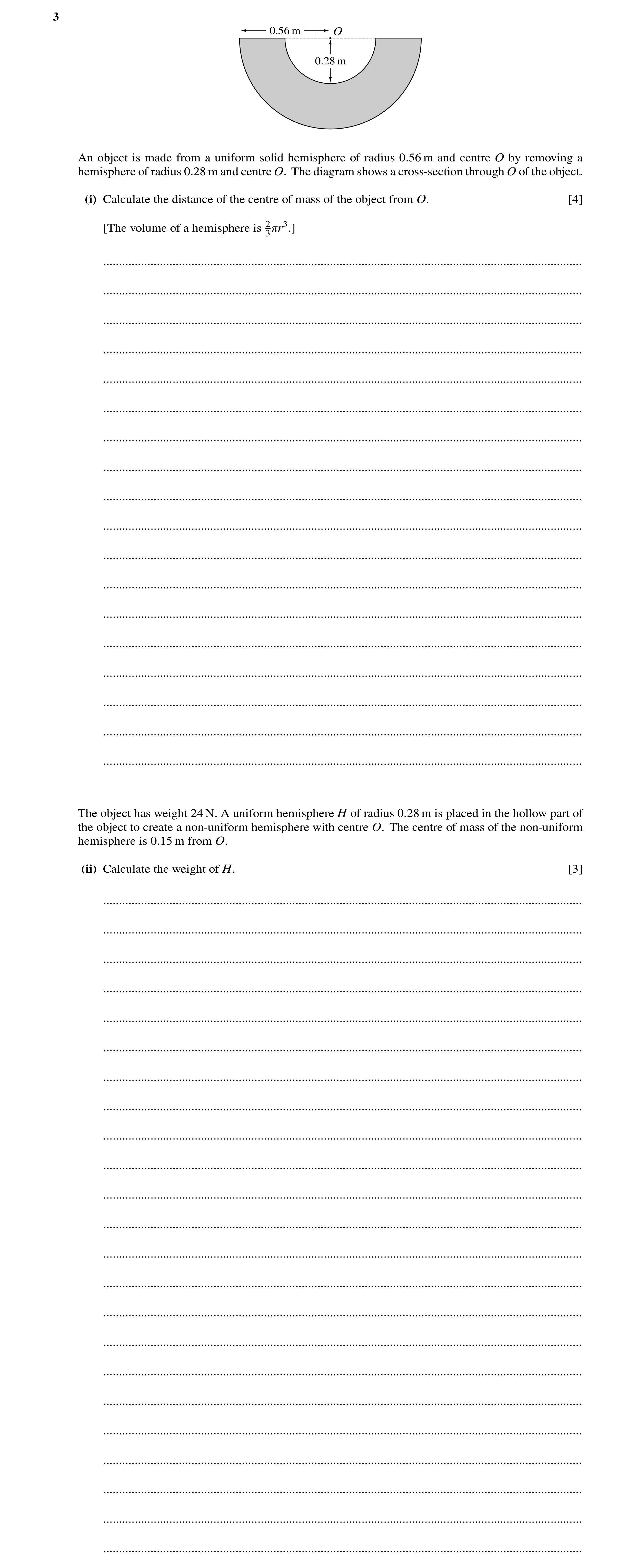
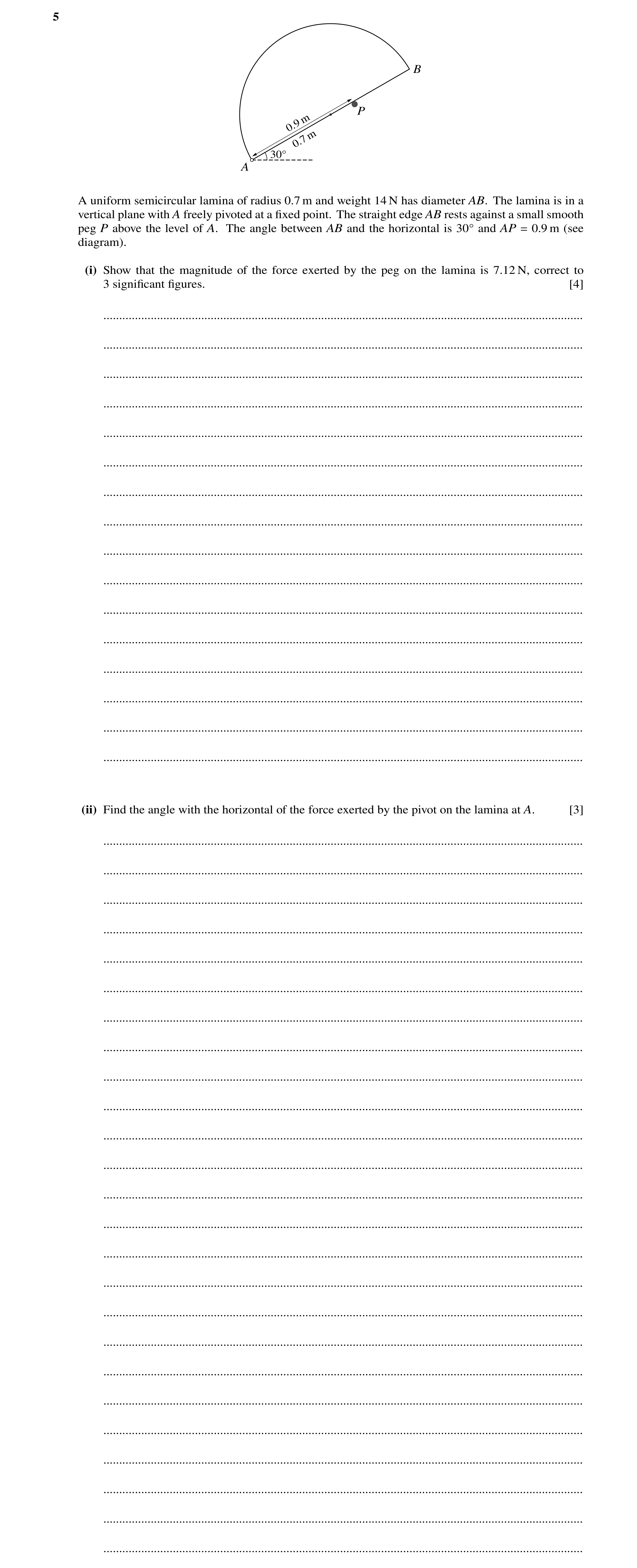
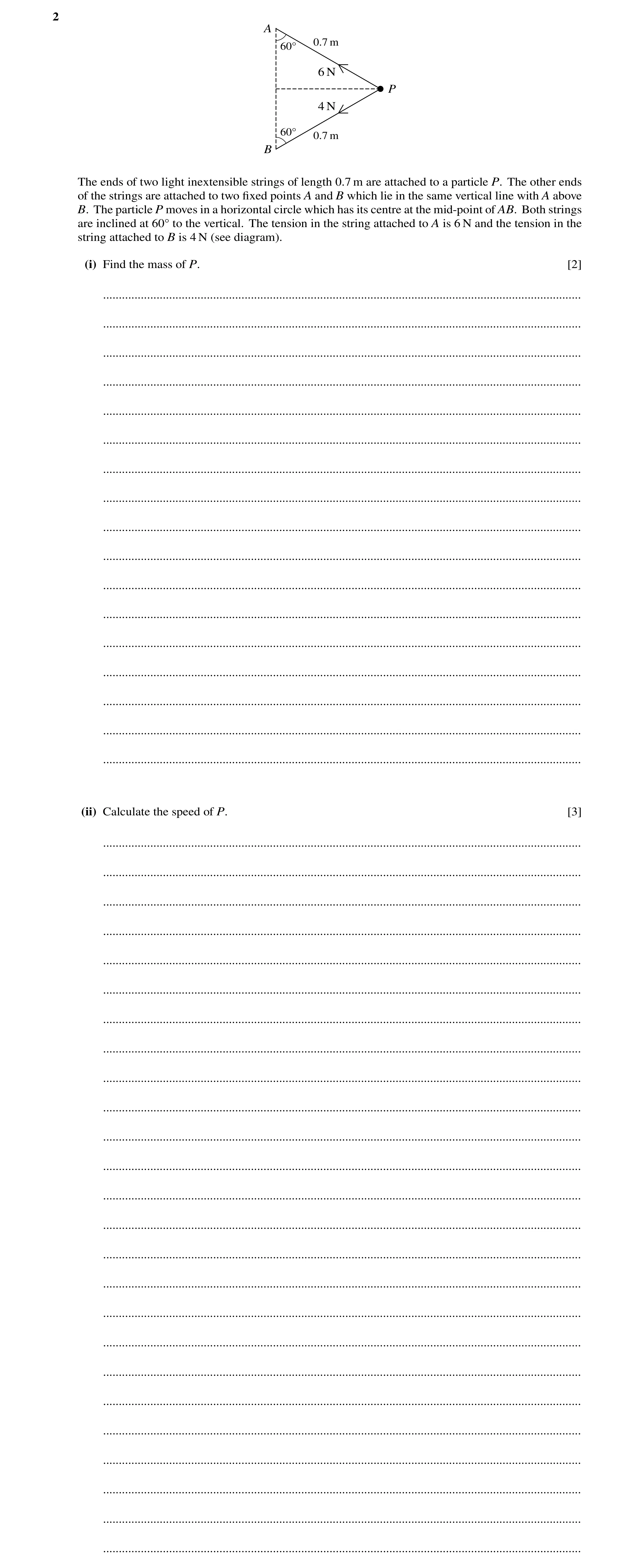
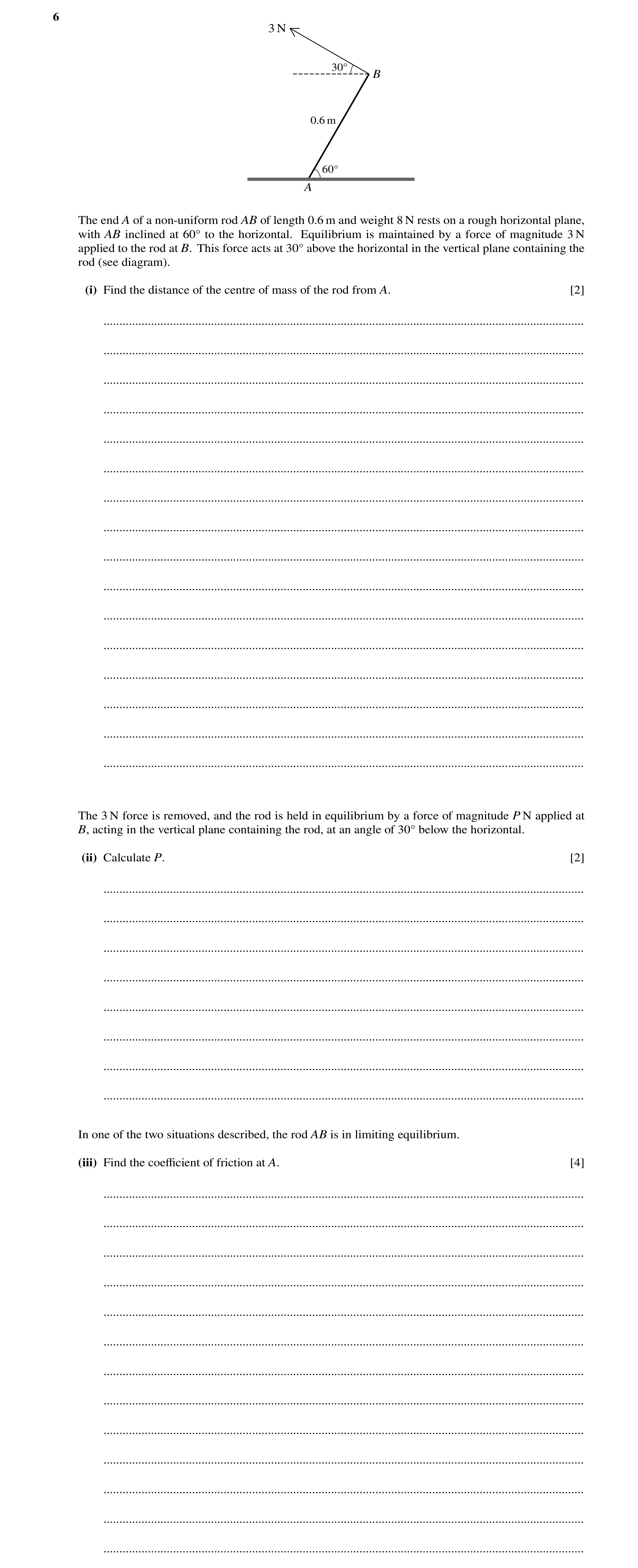
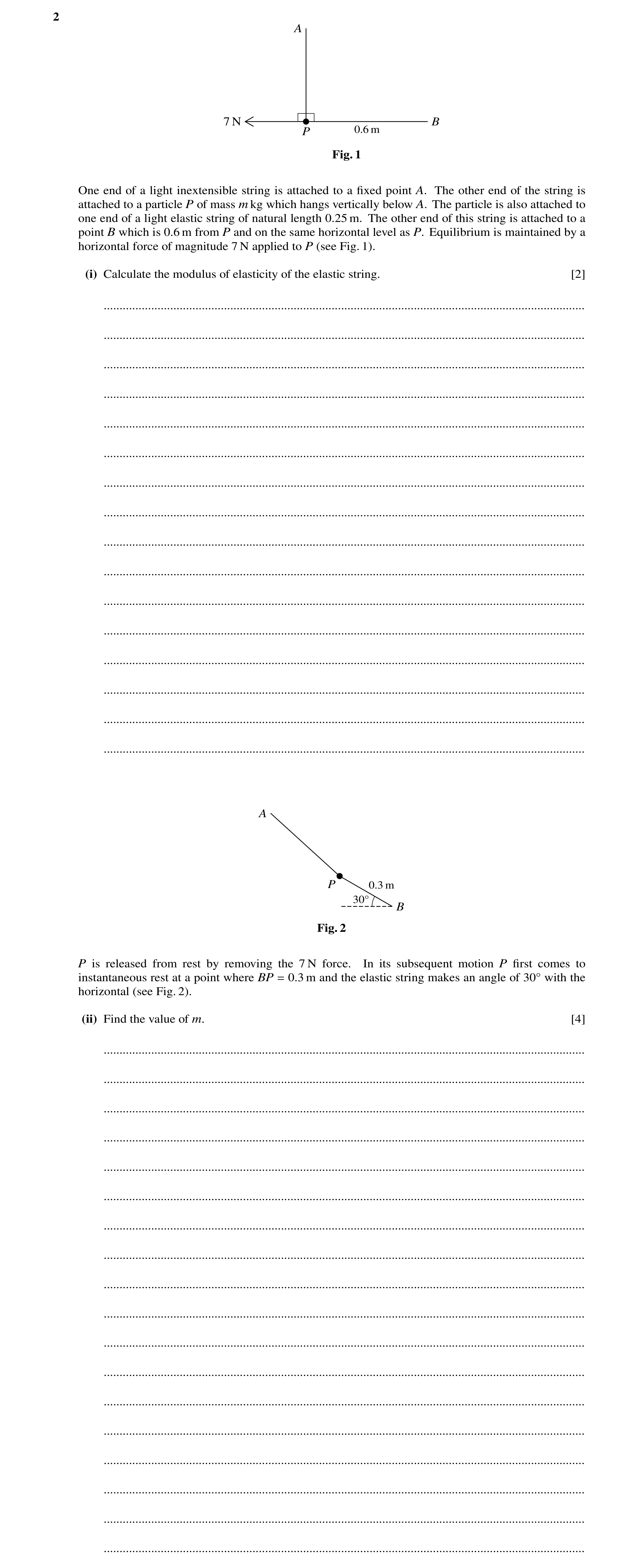
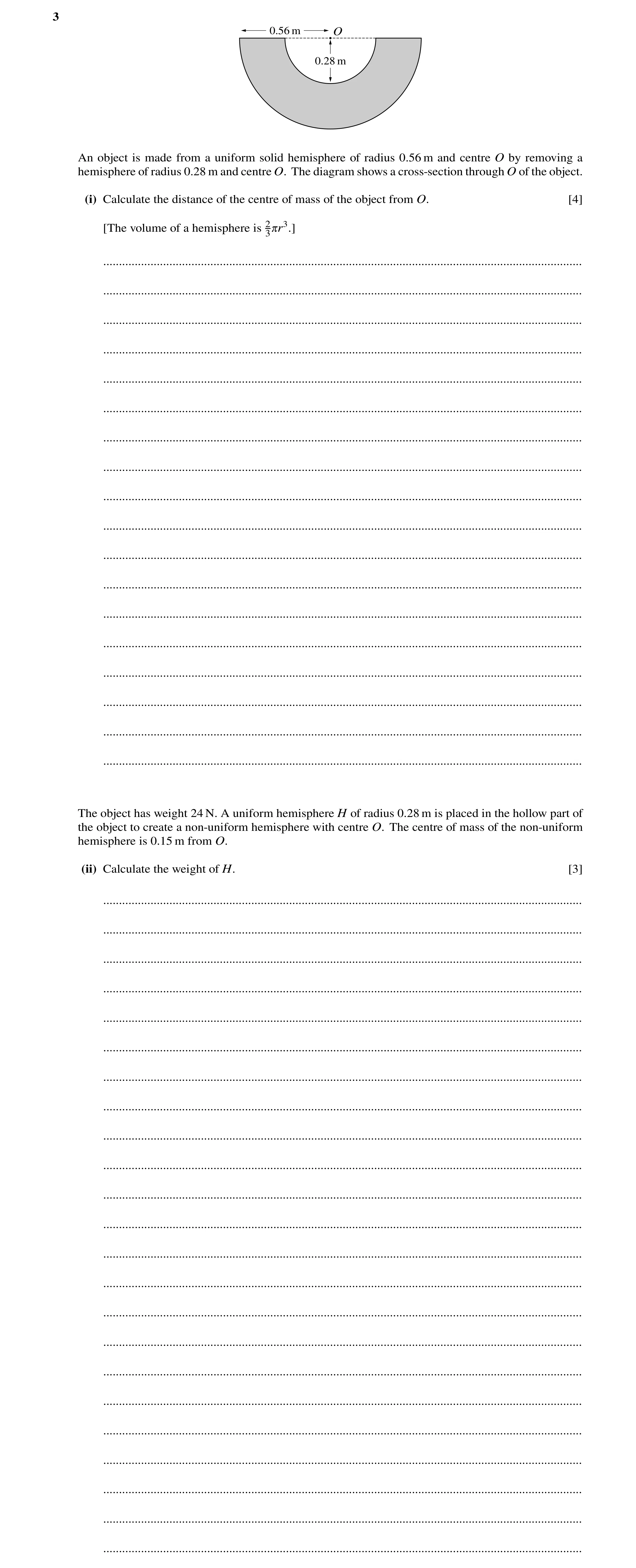
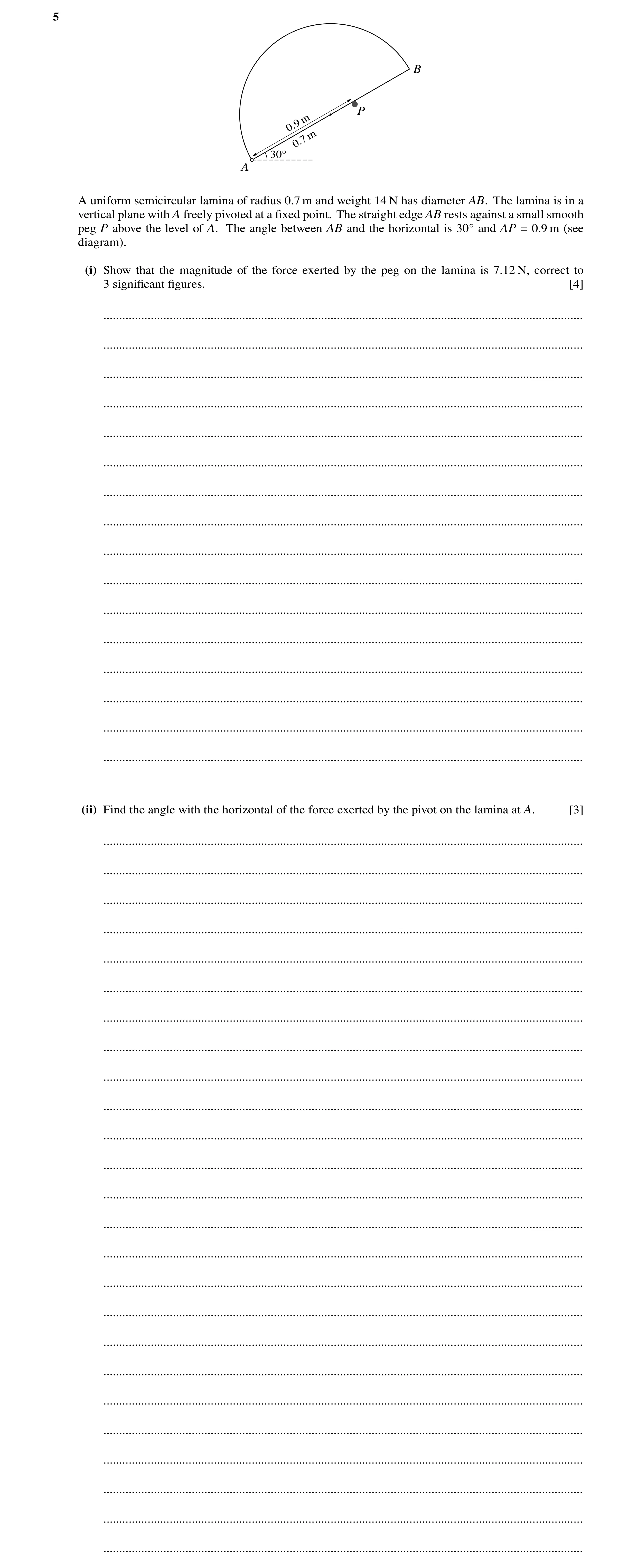
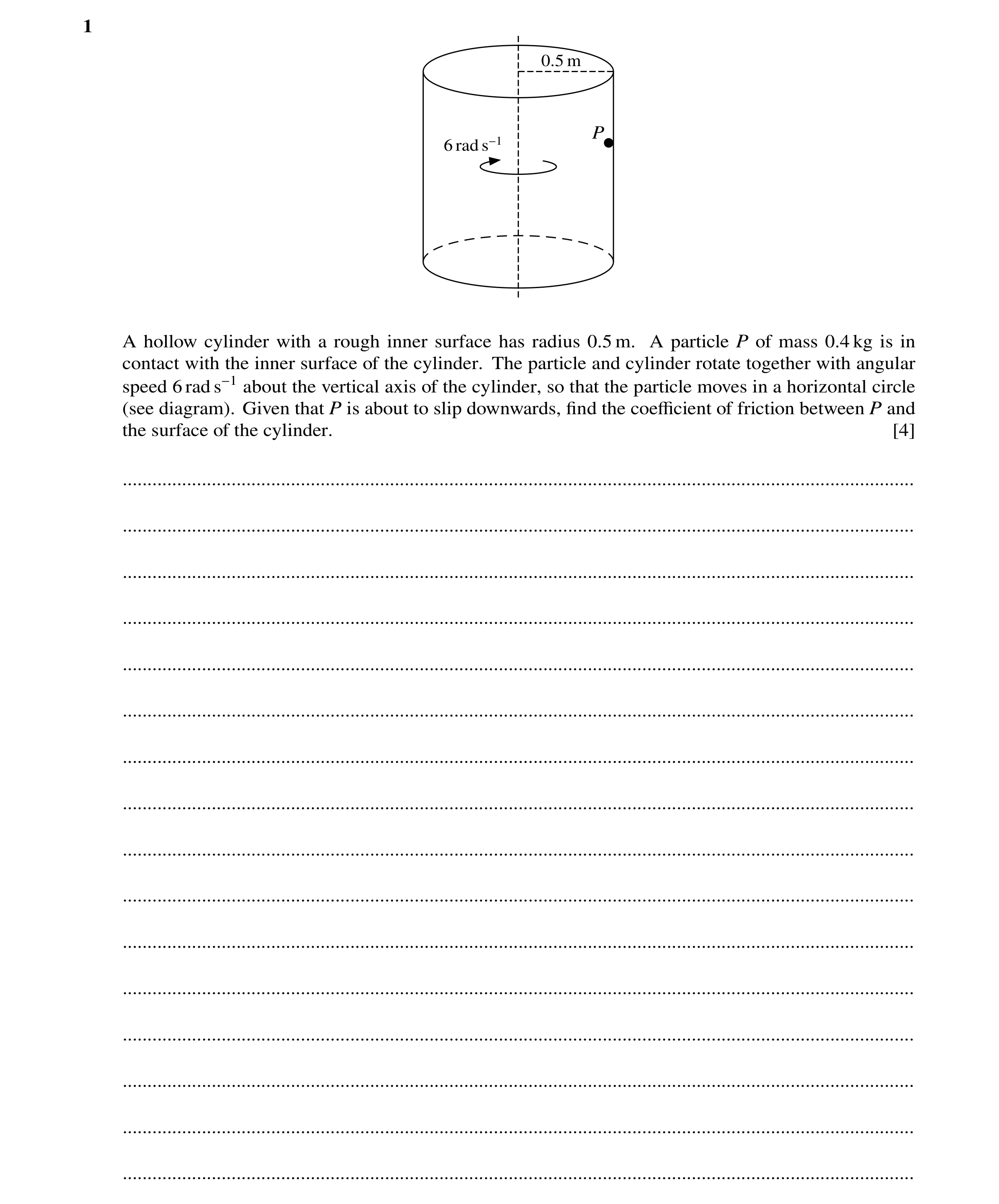 93 / 159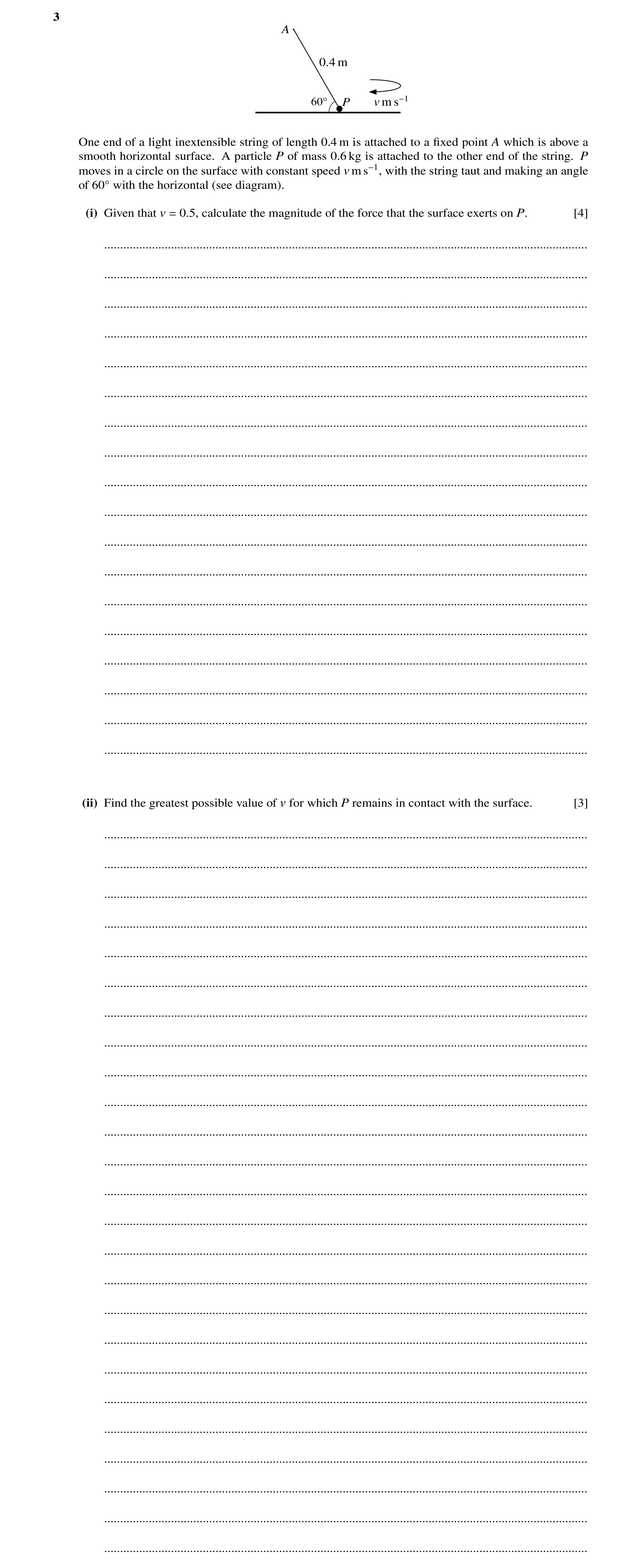
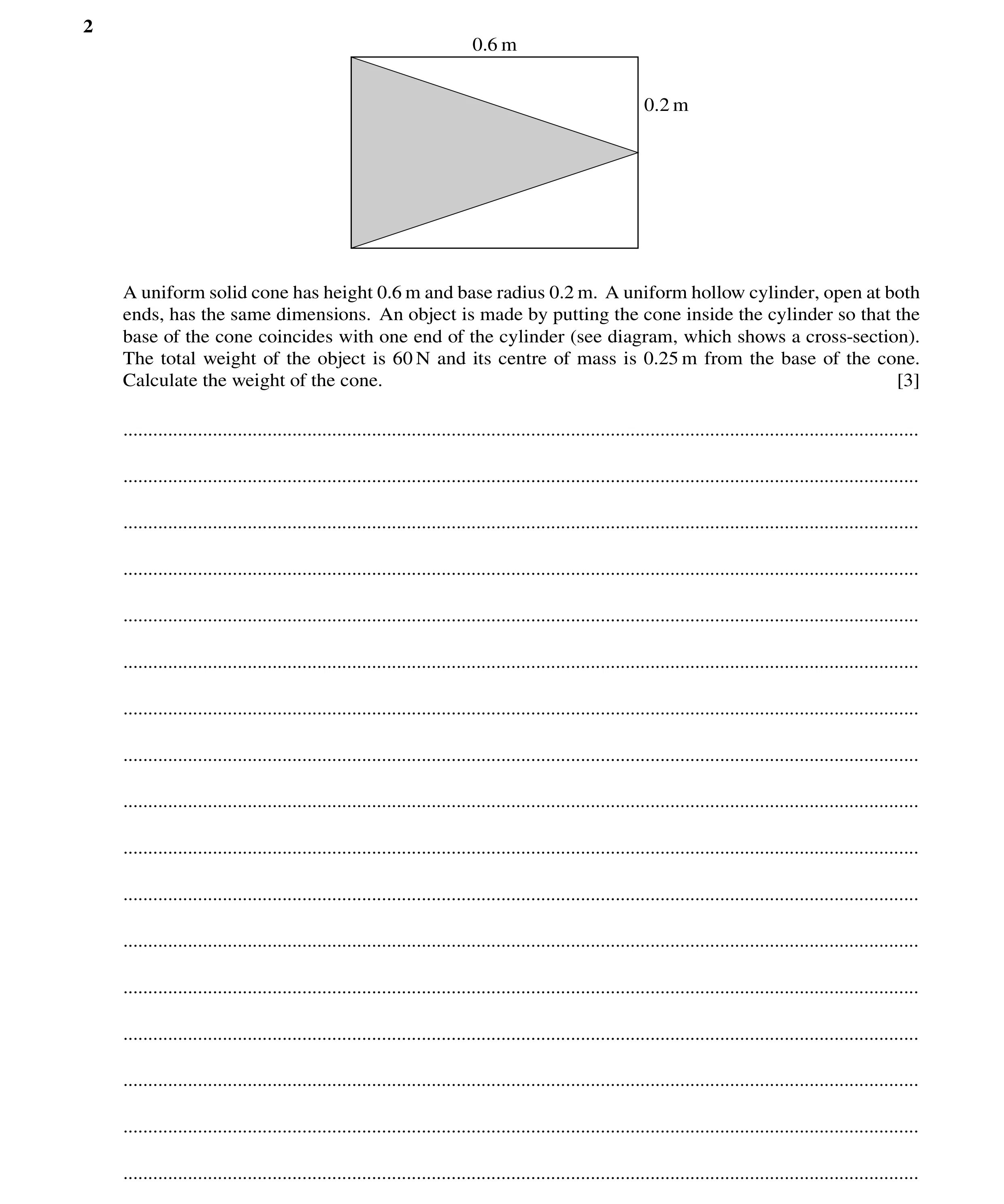 98 / 159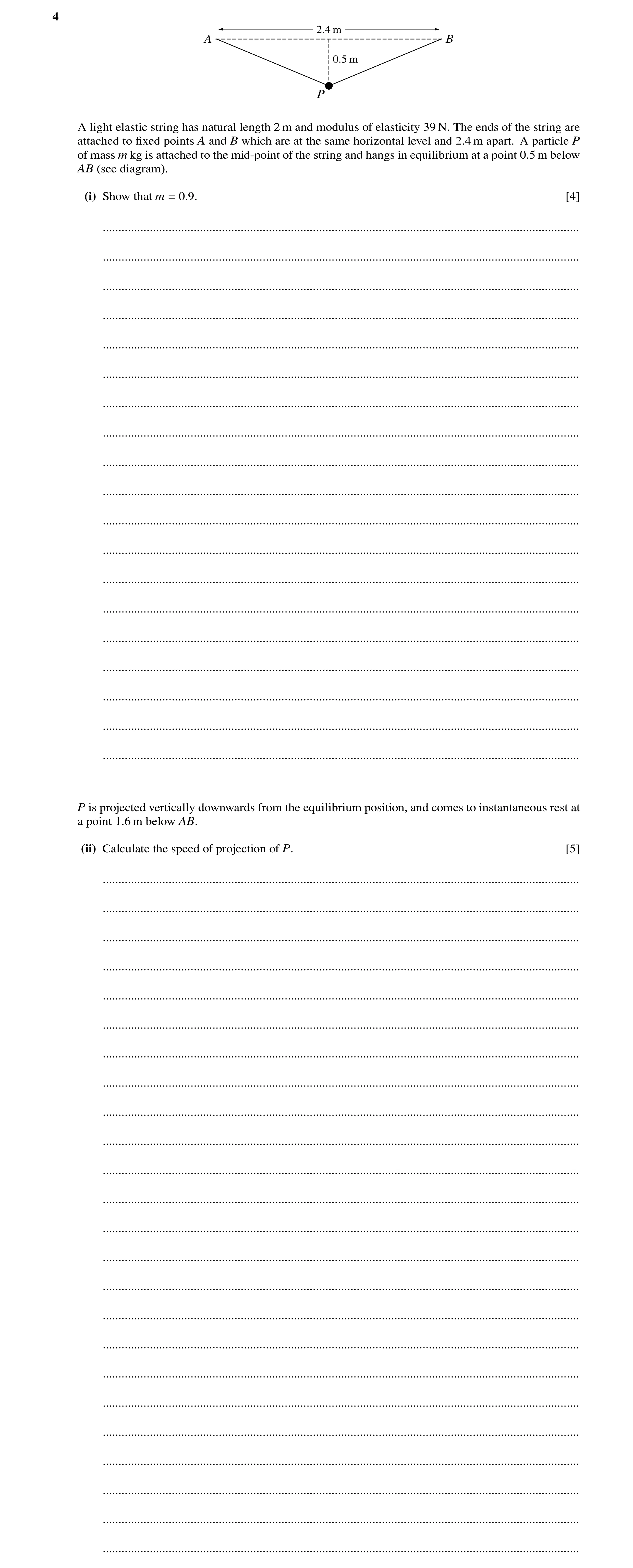
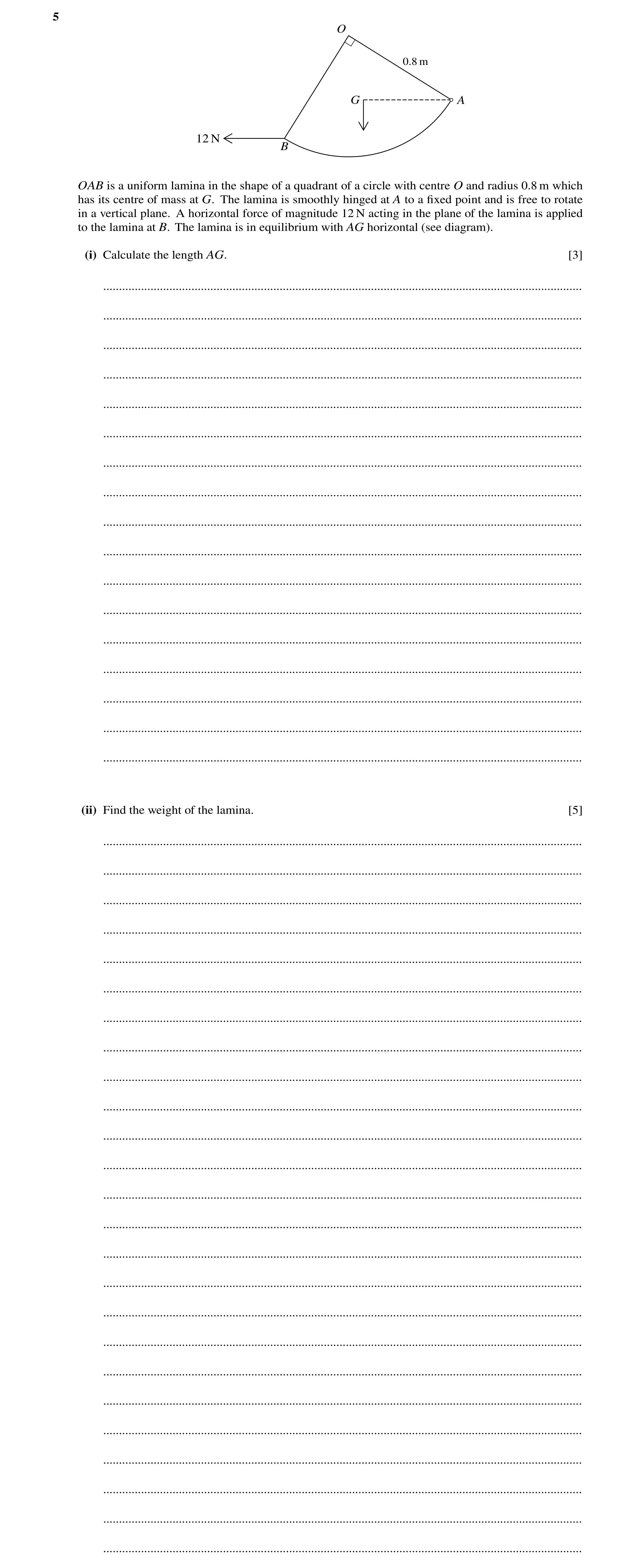
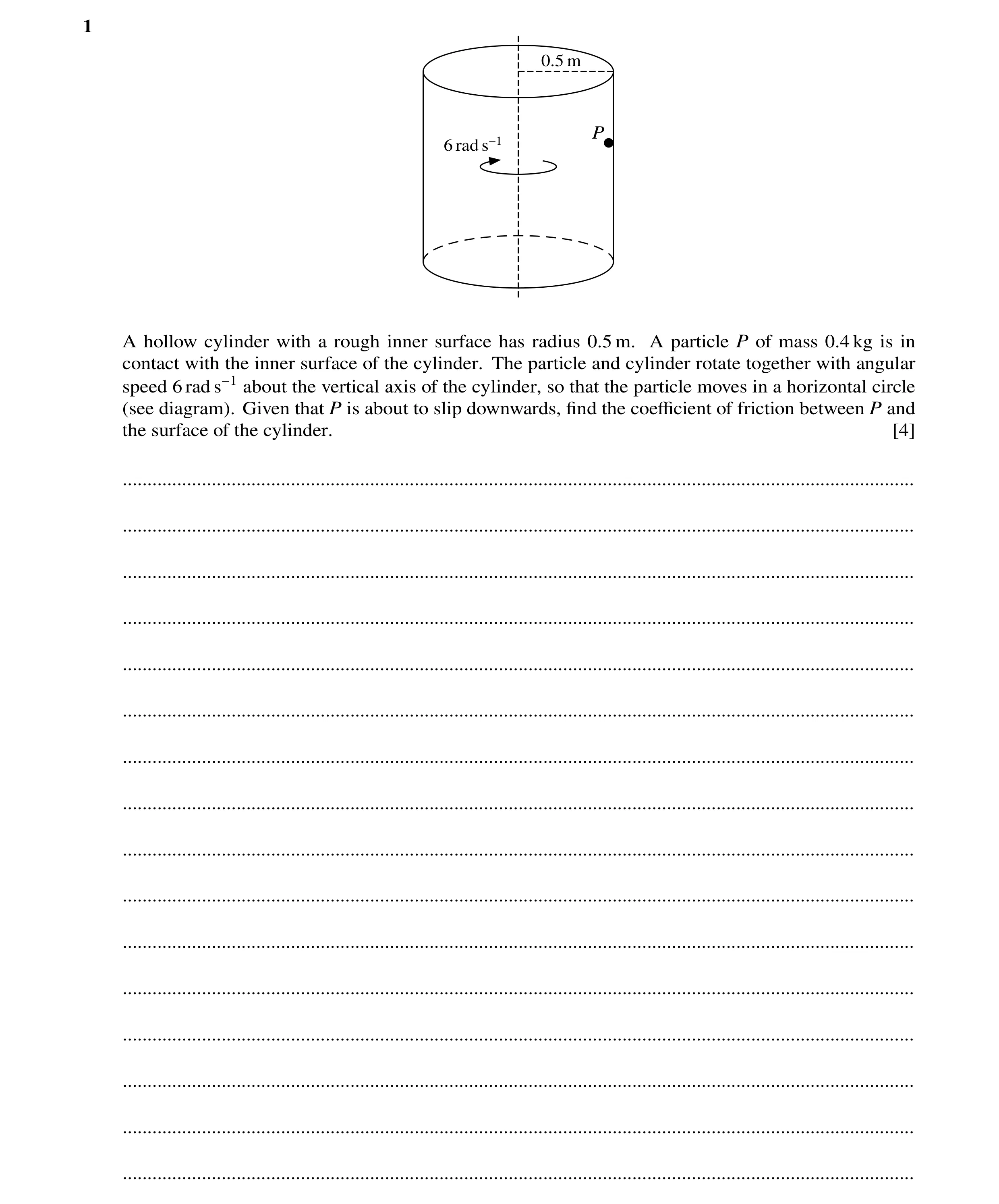 103 / 159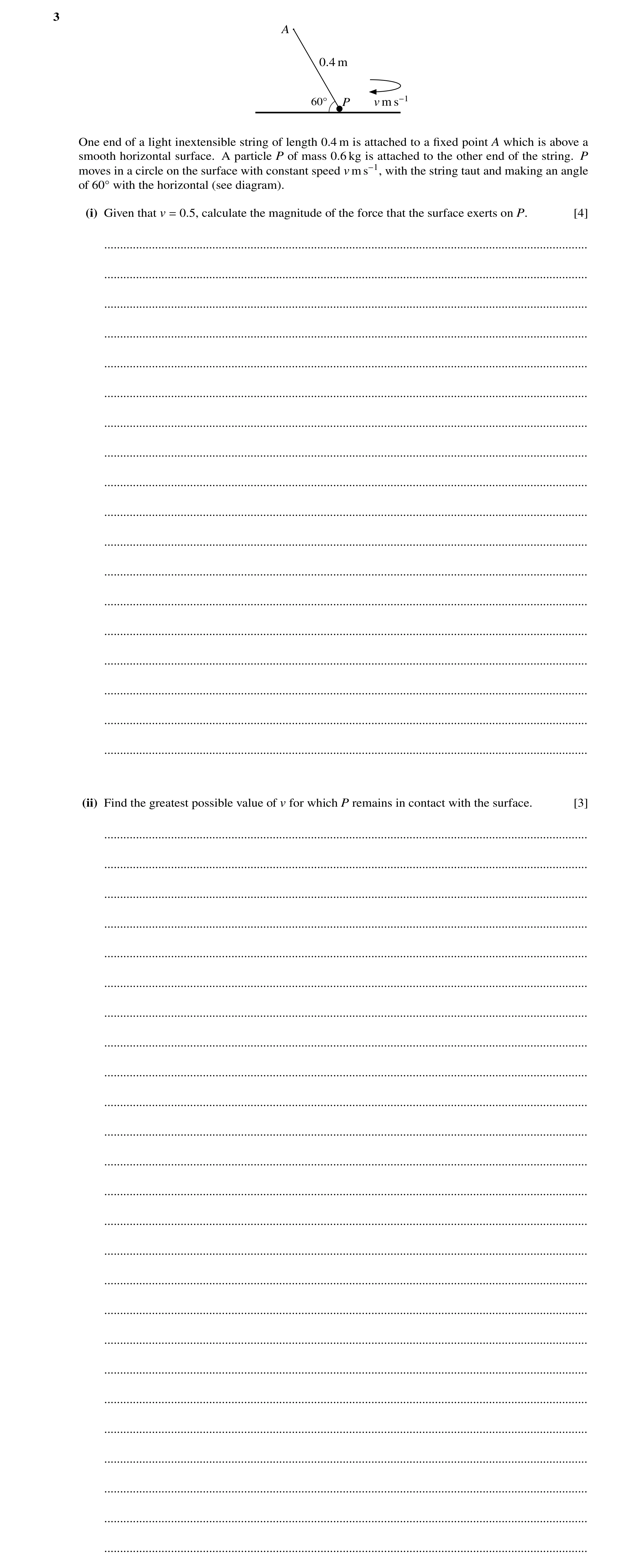
 108 / 159
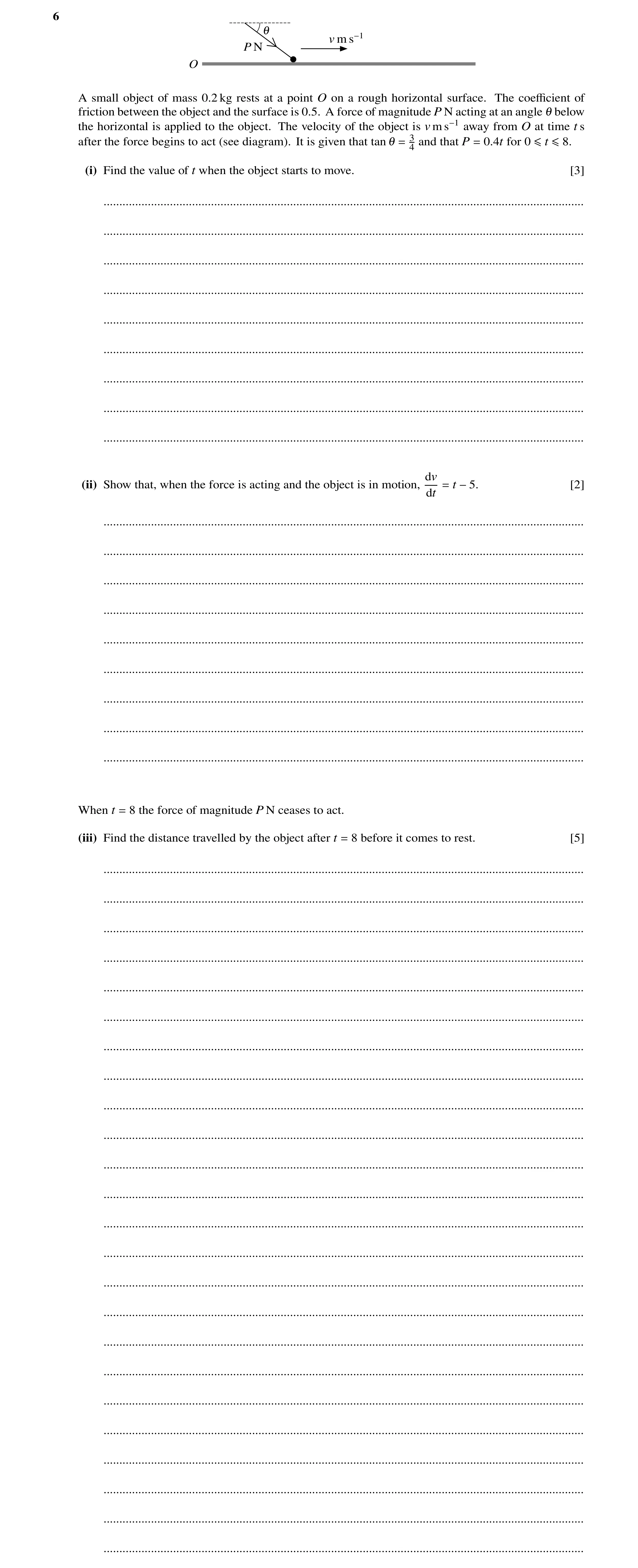
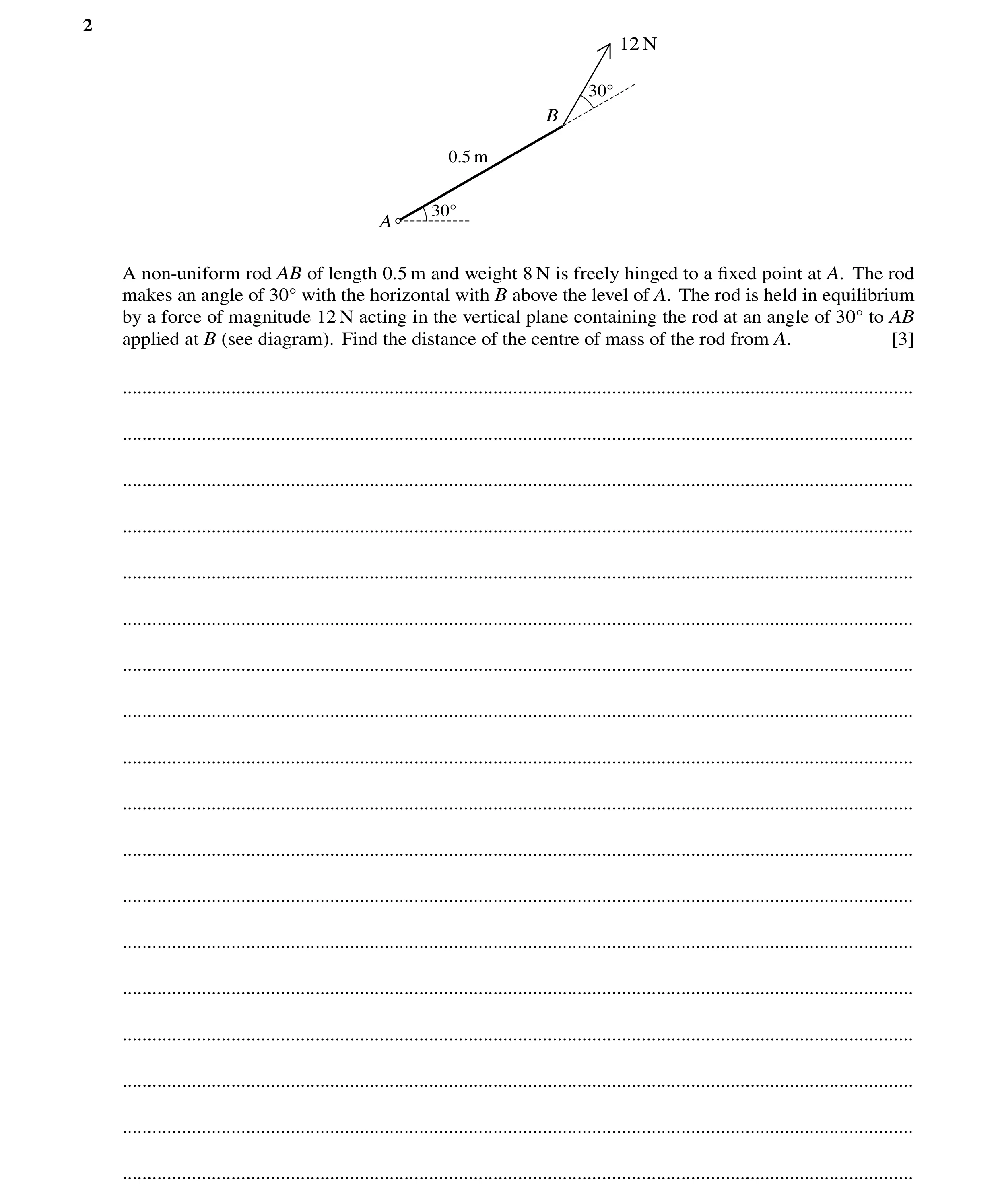 113 / 159
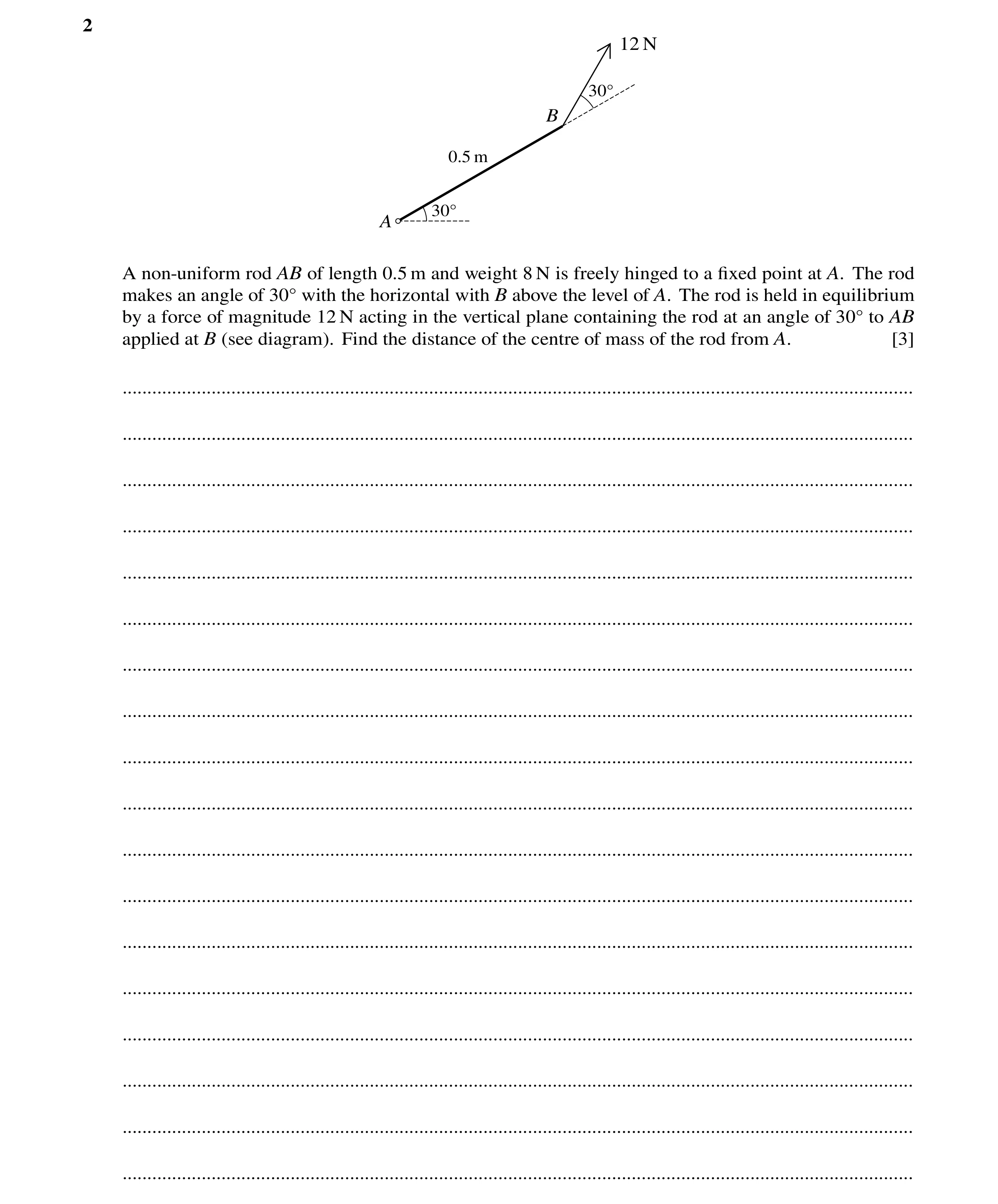 114 / 159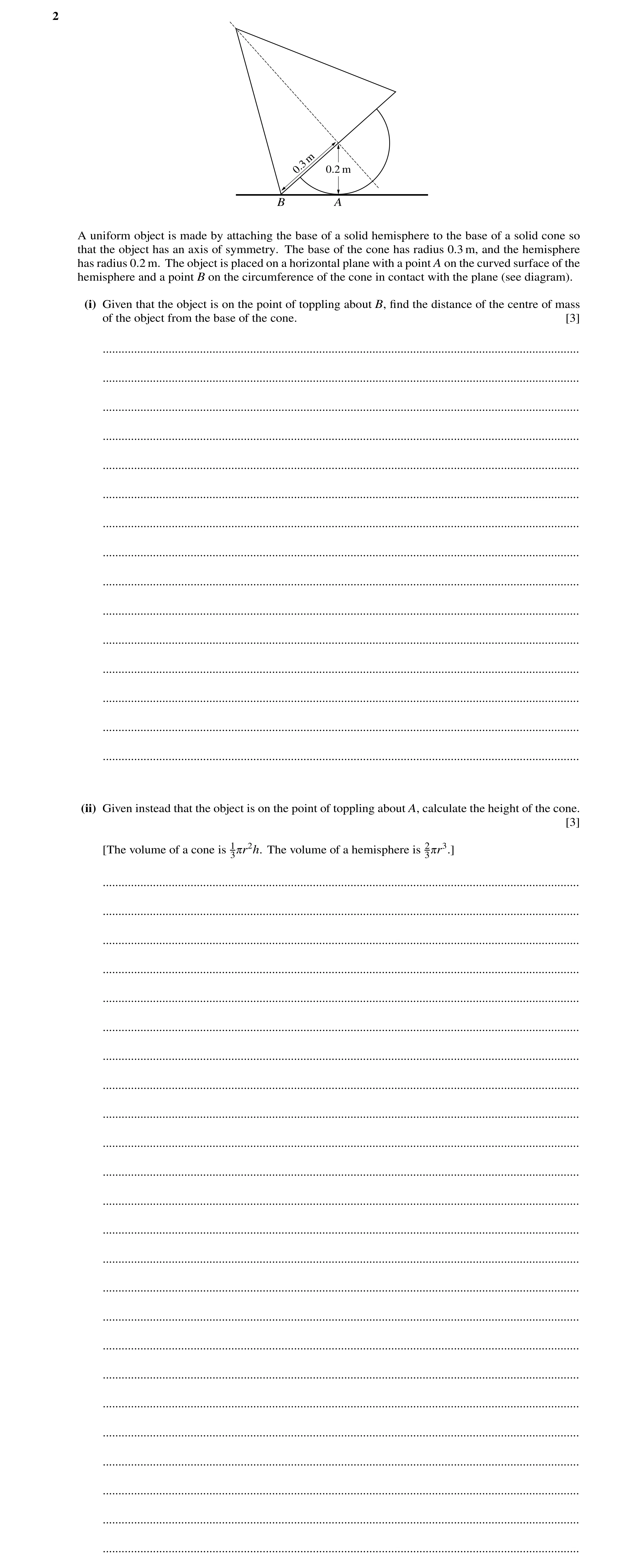
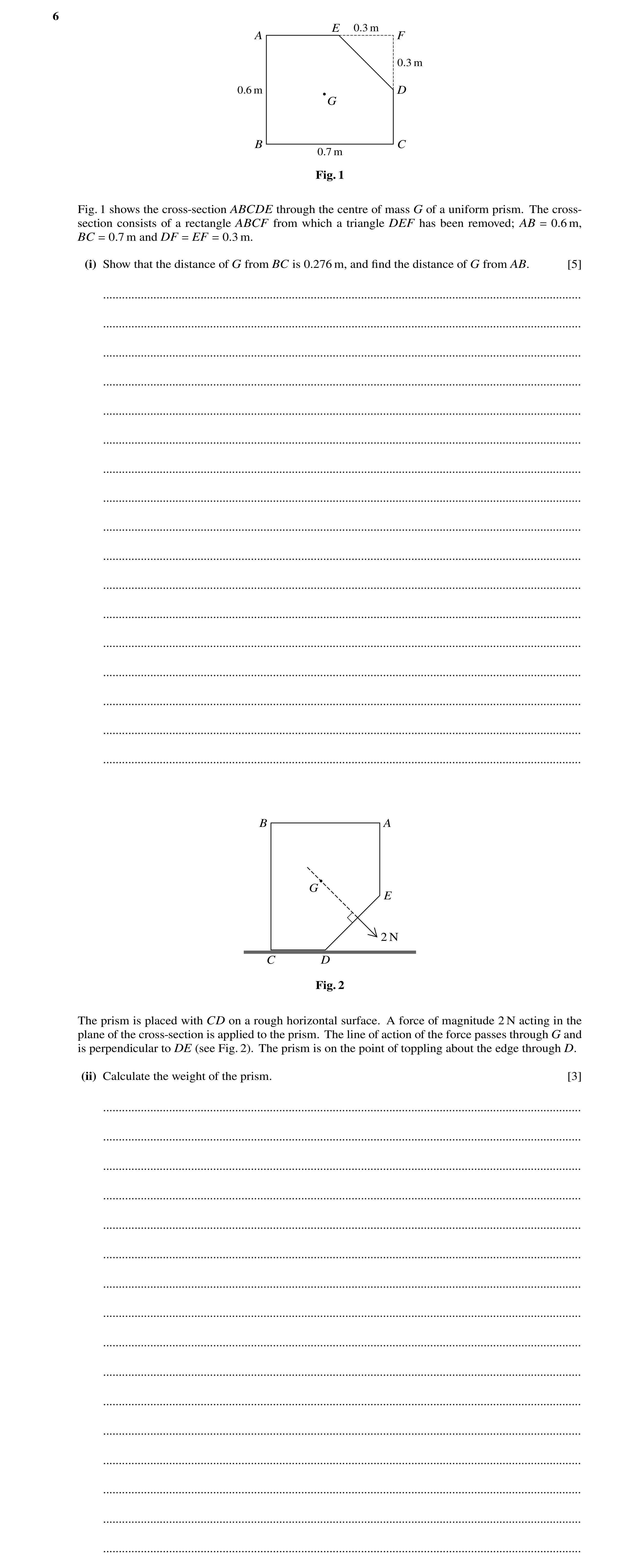
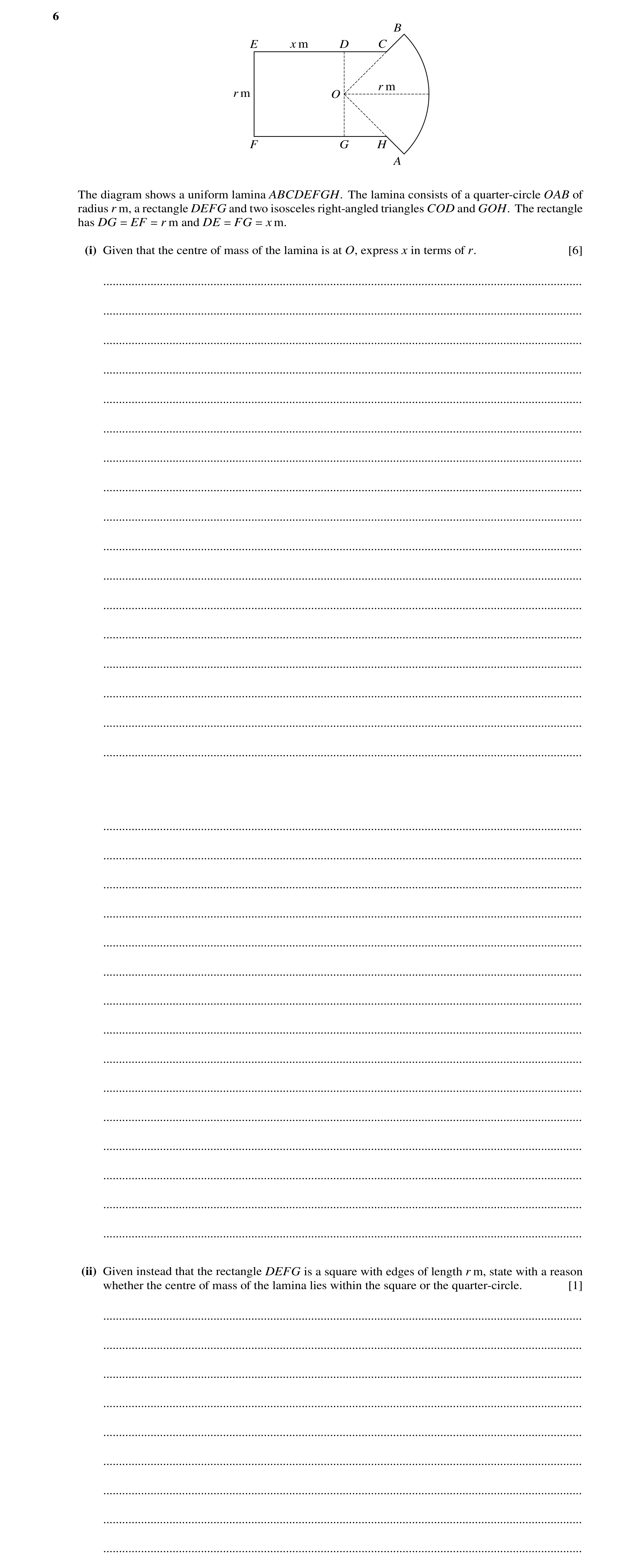
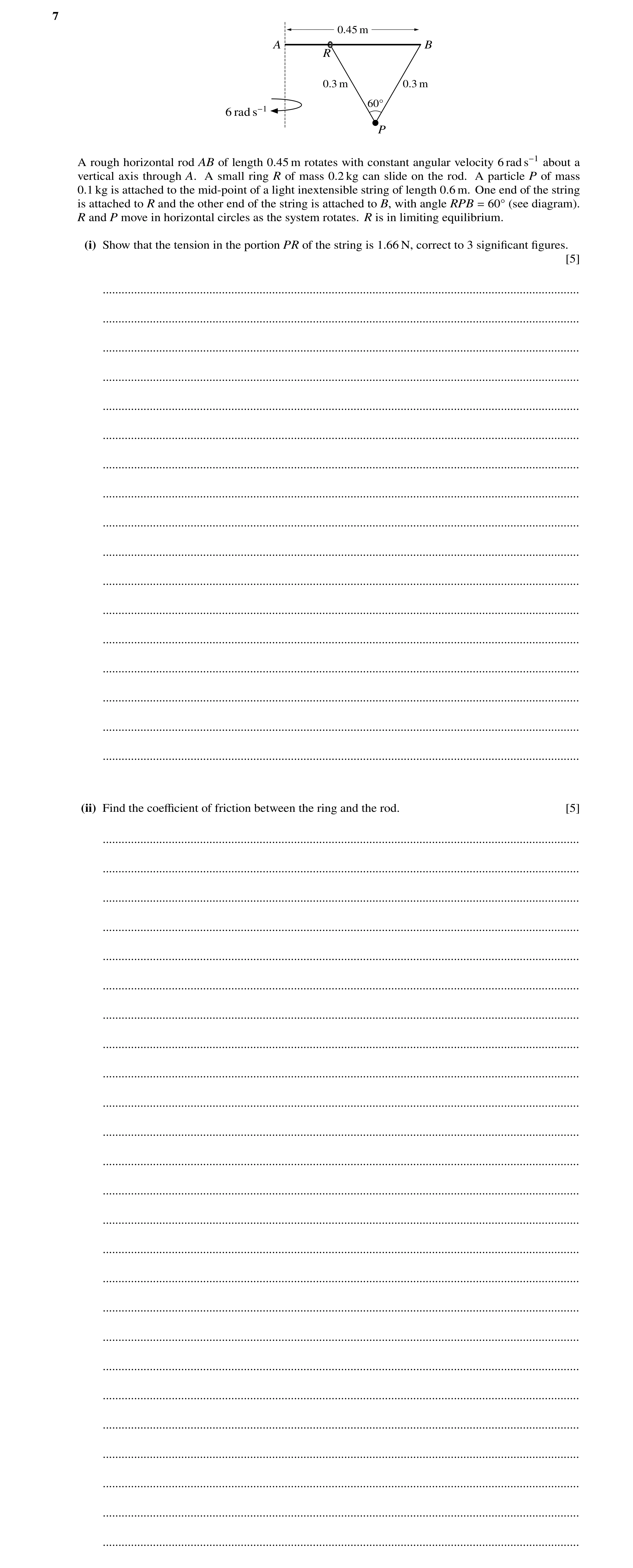
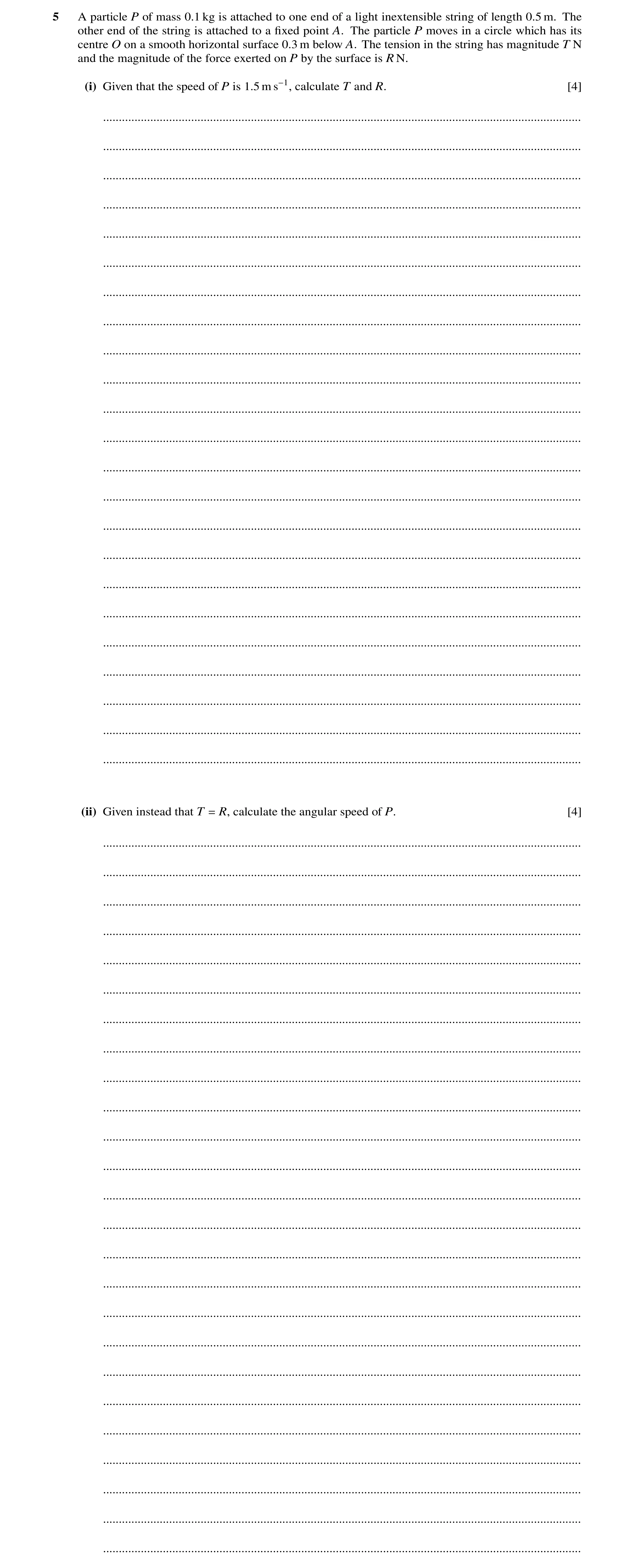
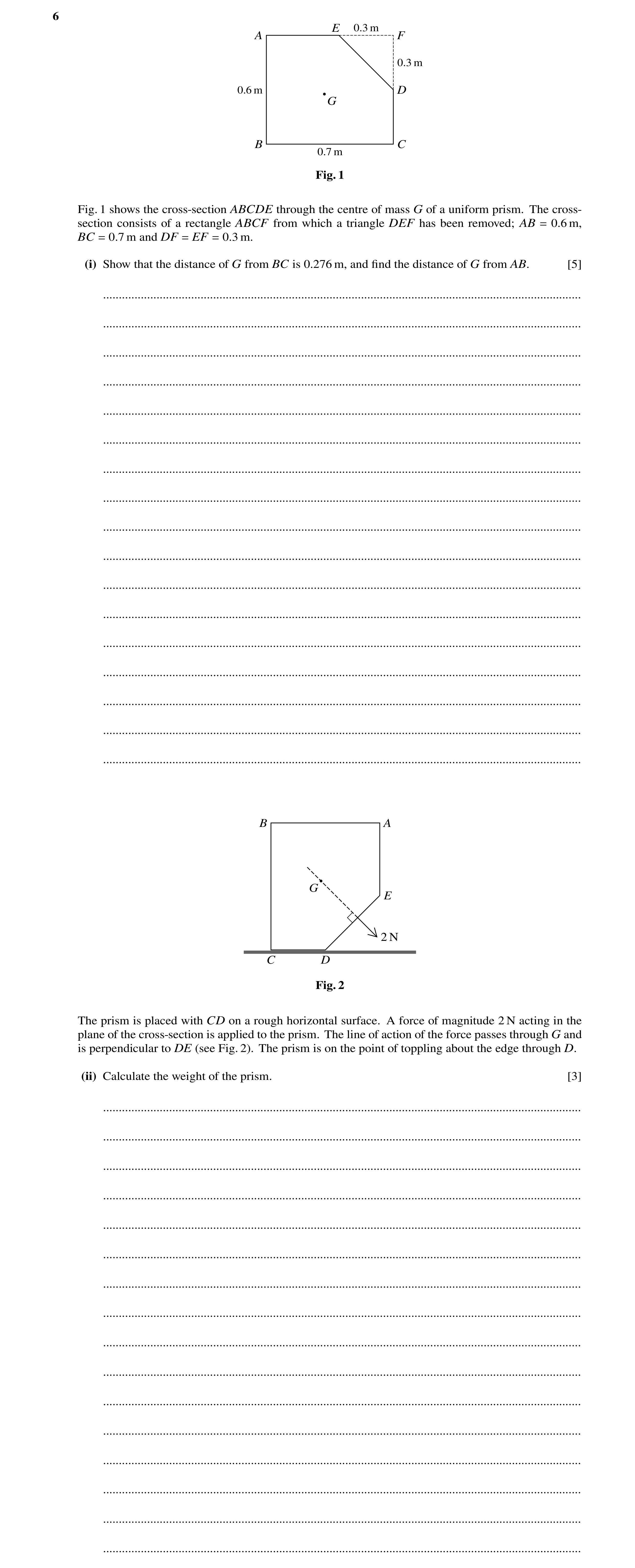
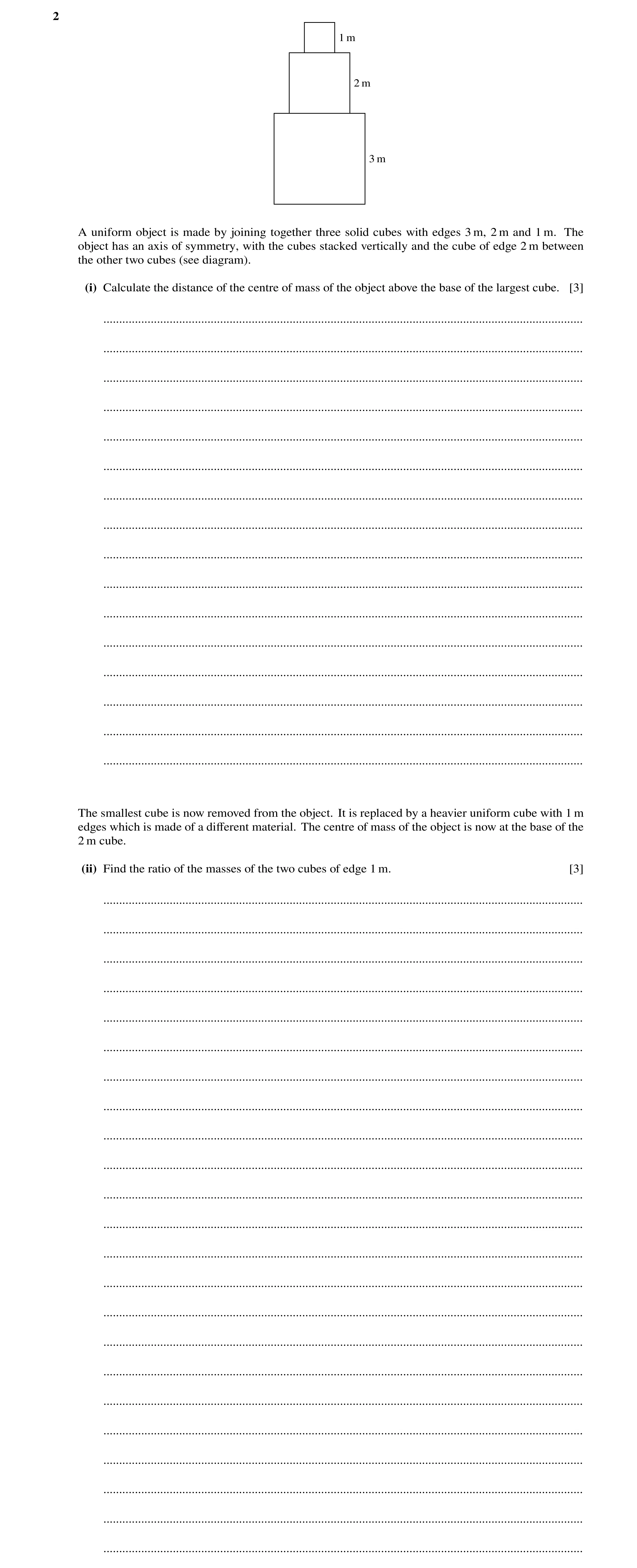
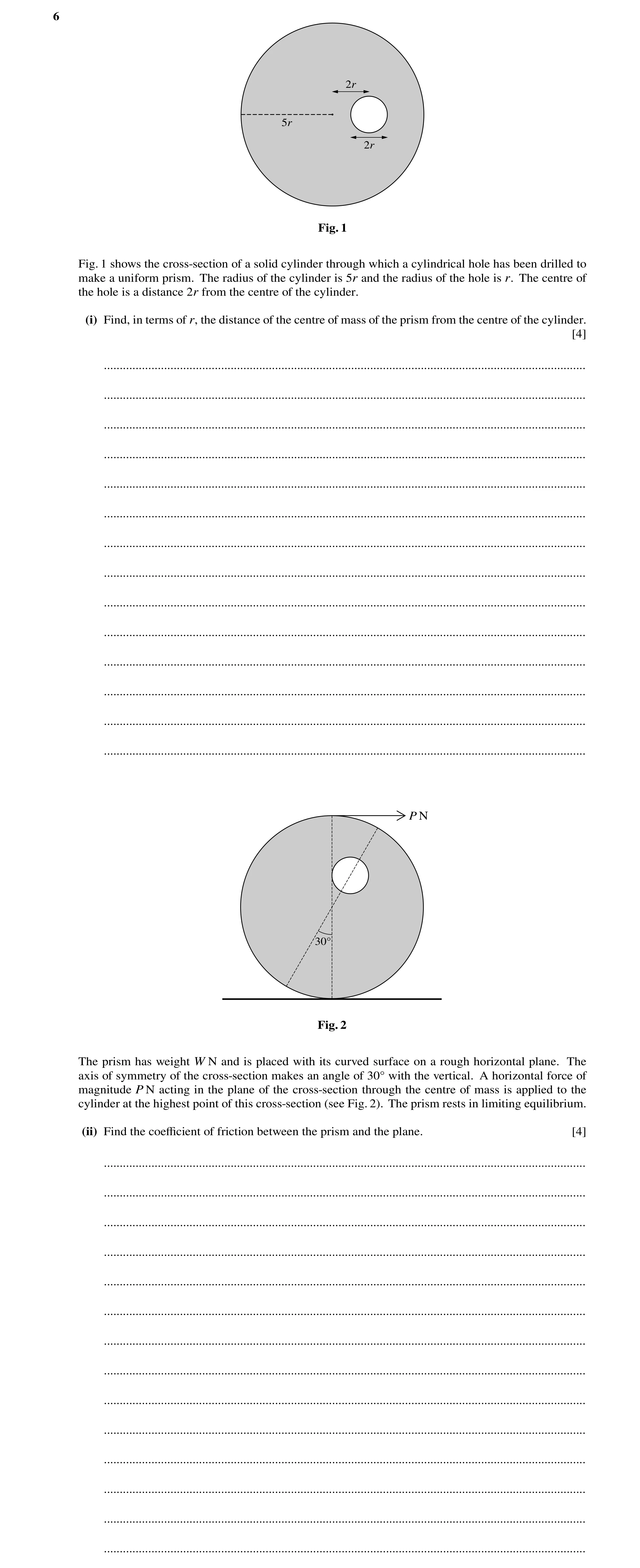
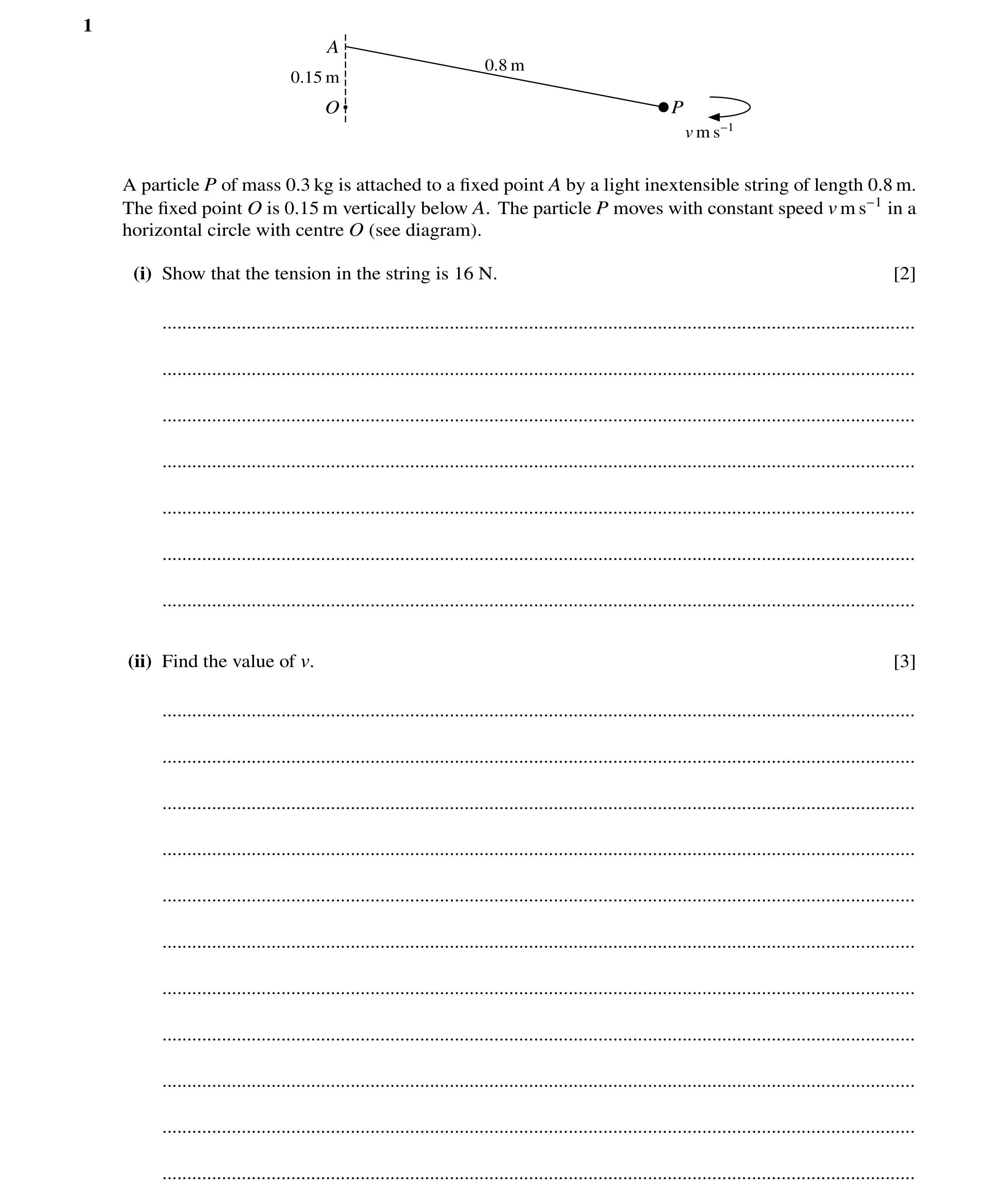 132 / 159
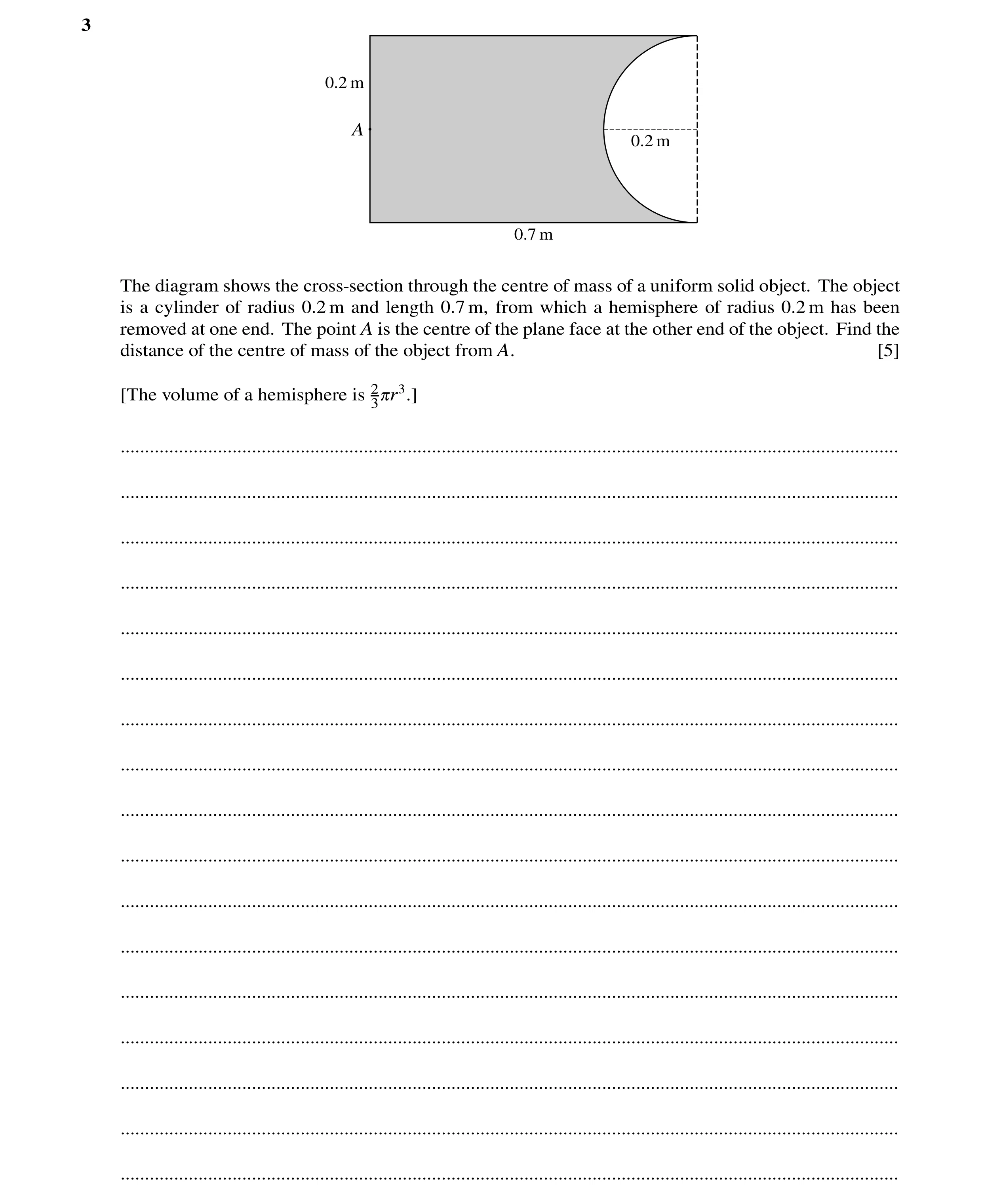 133 / 159
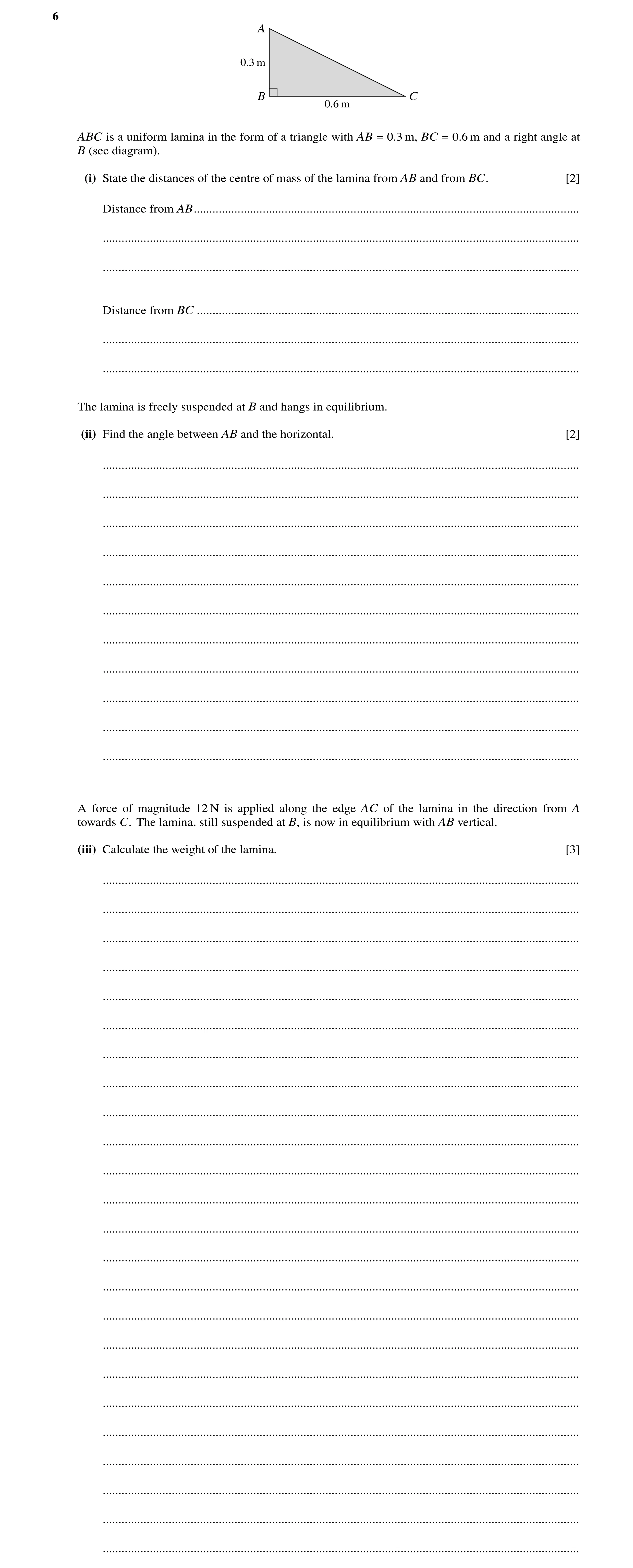
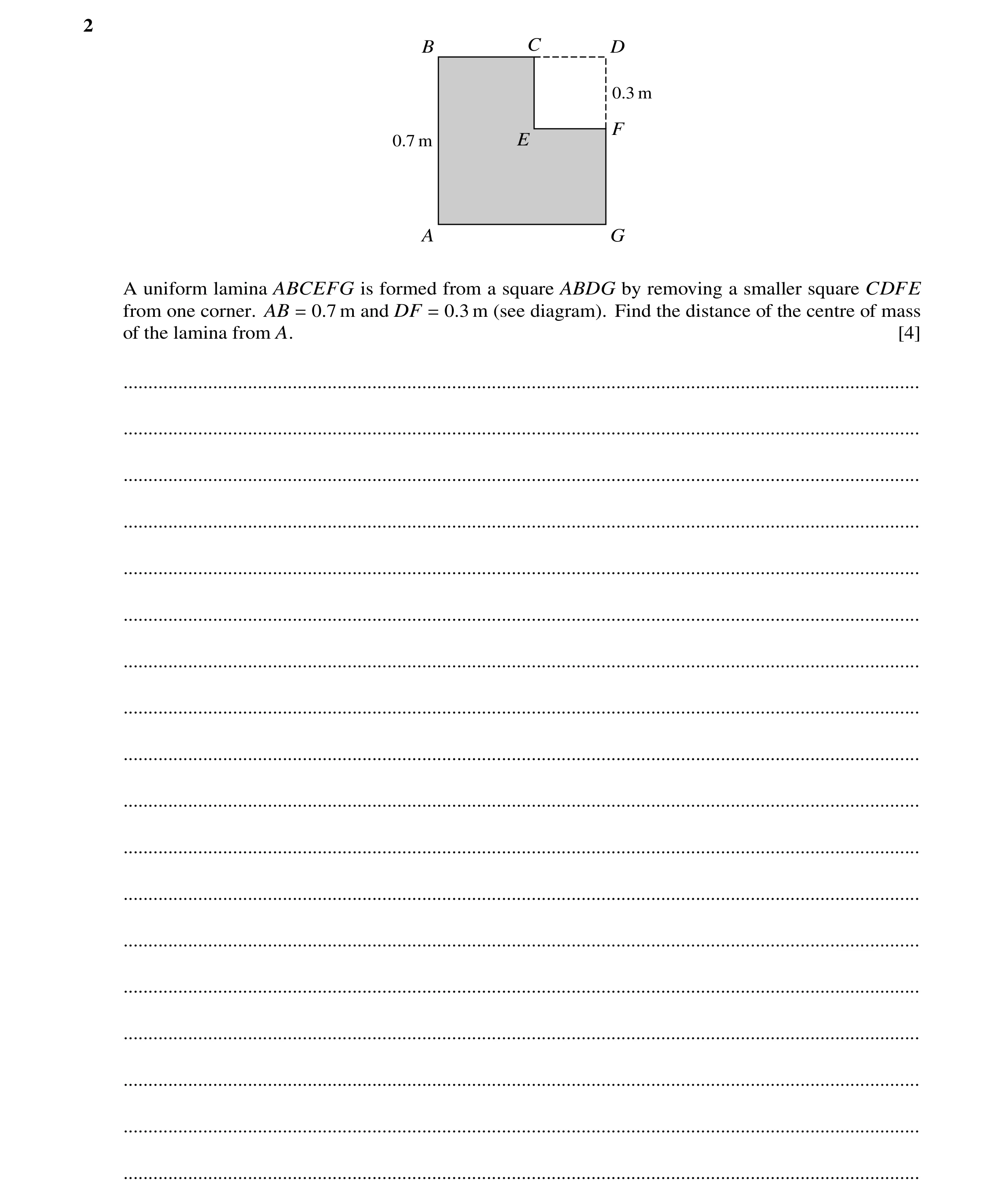 138 / 159
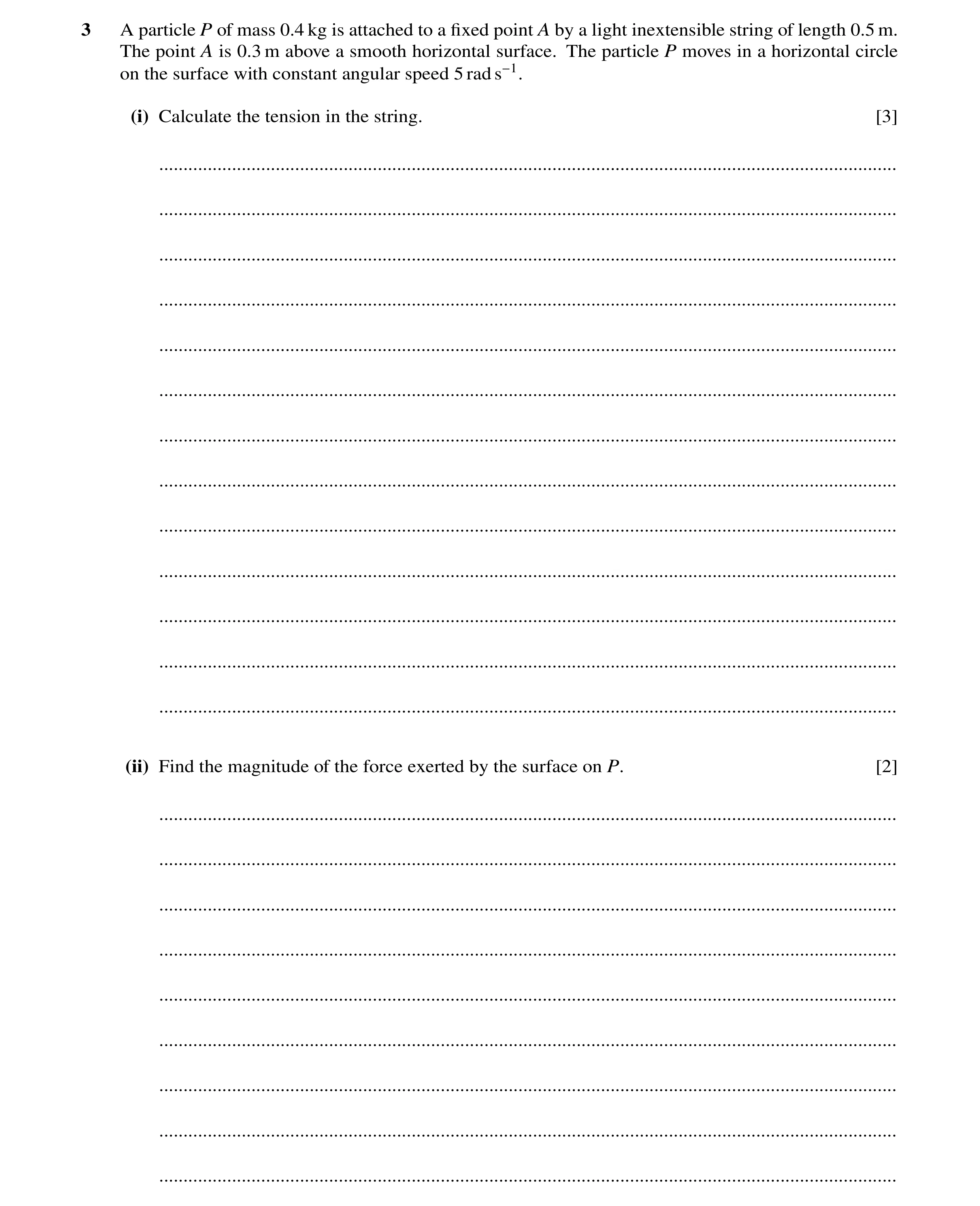 139 / 159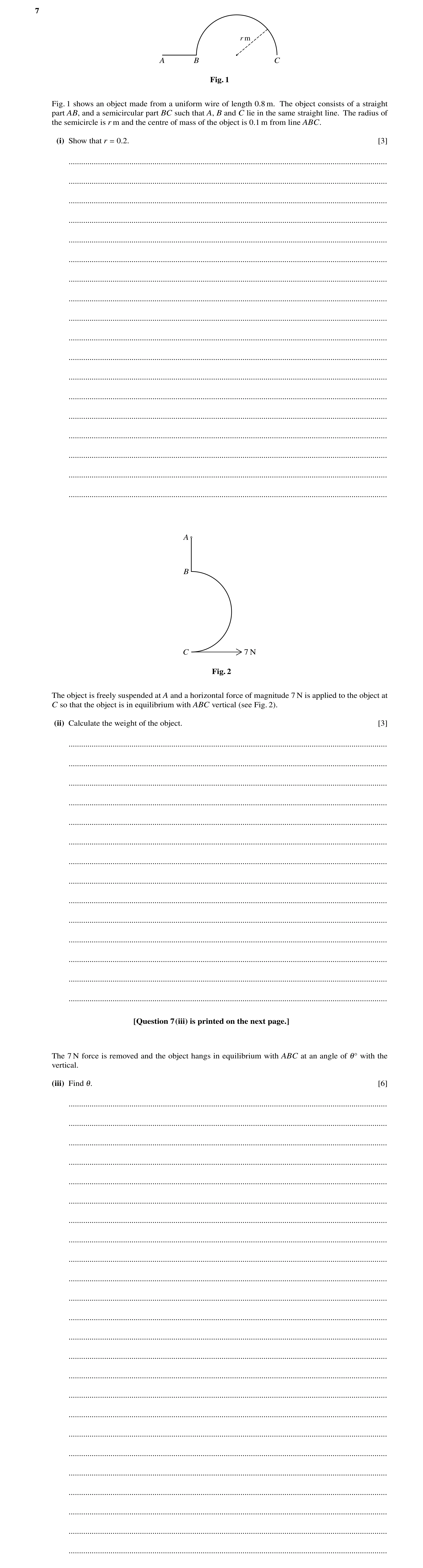
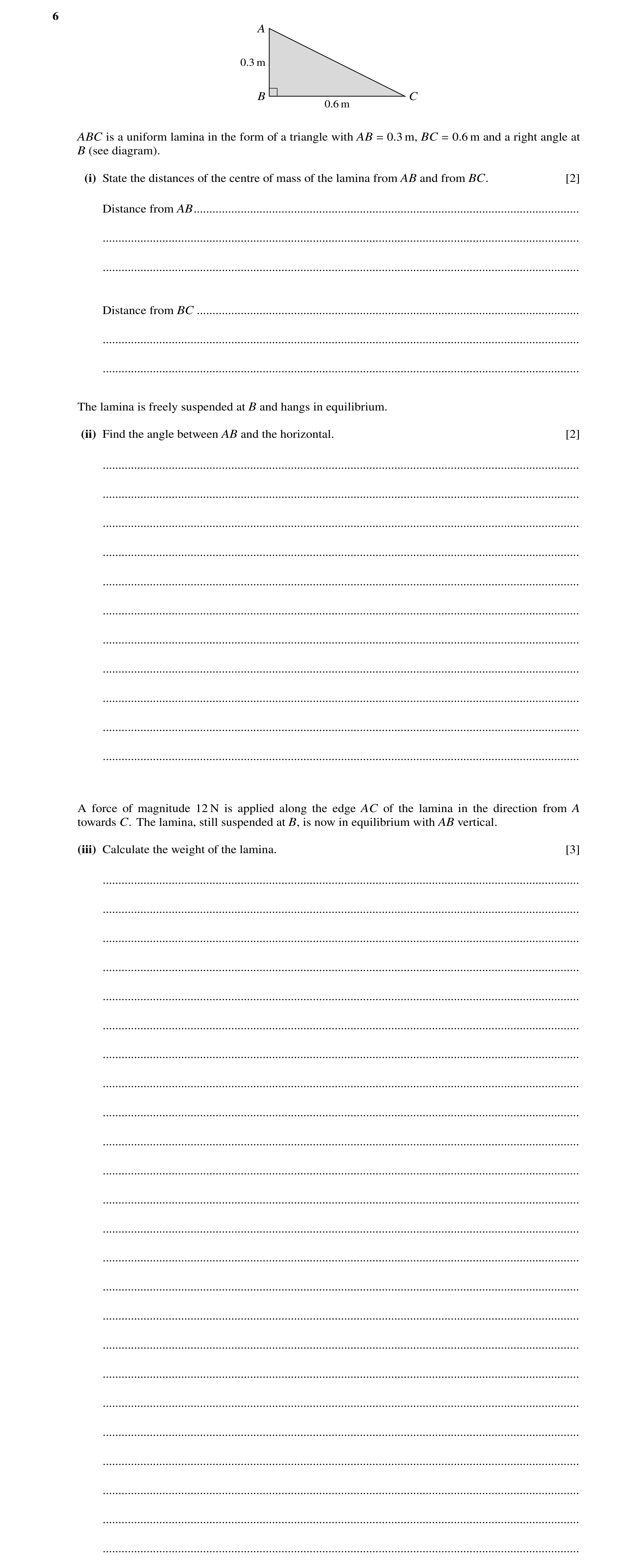
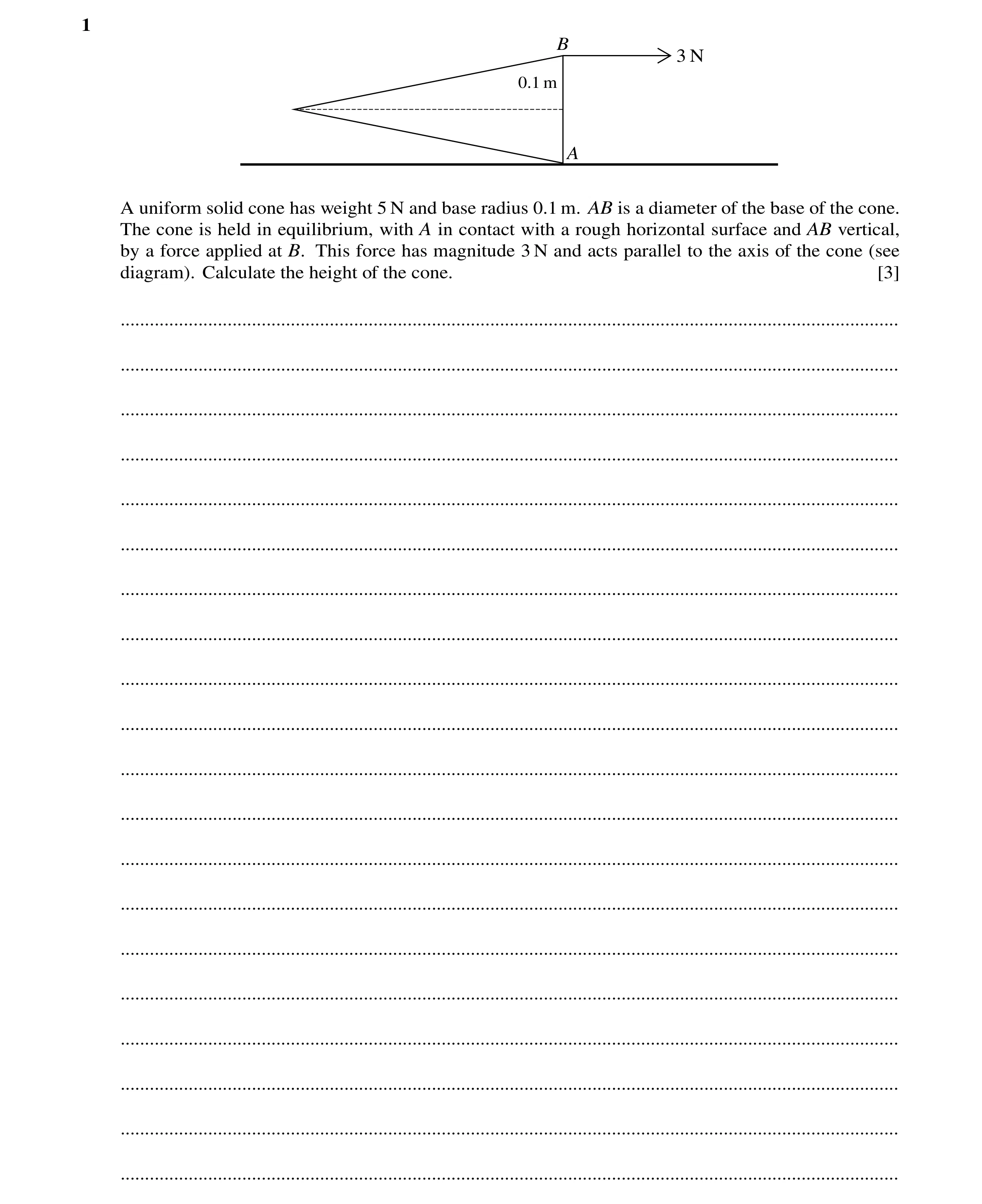 147 / 159
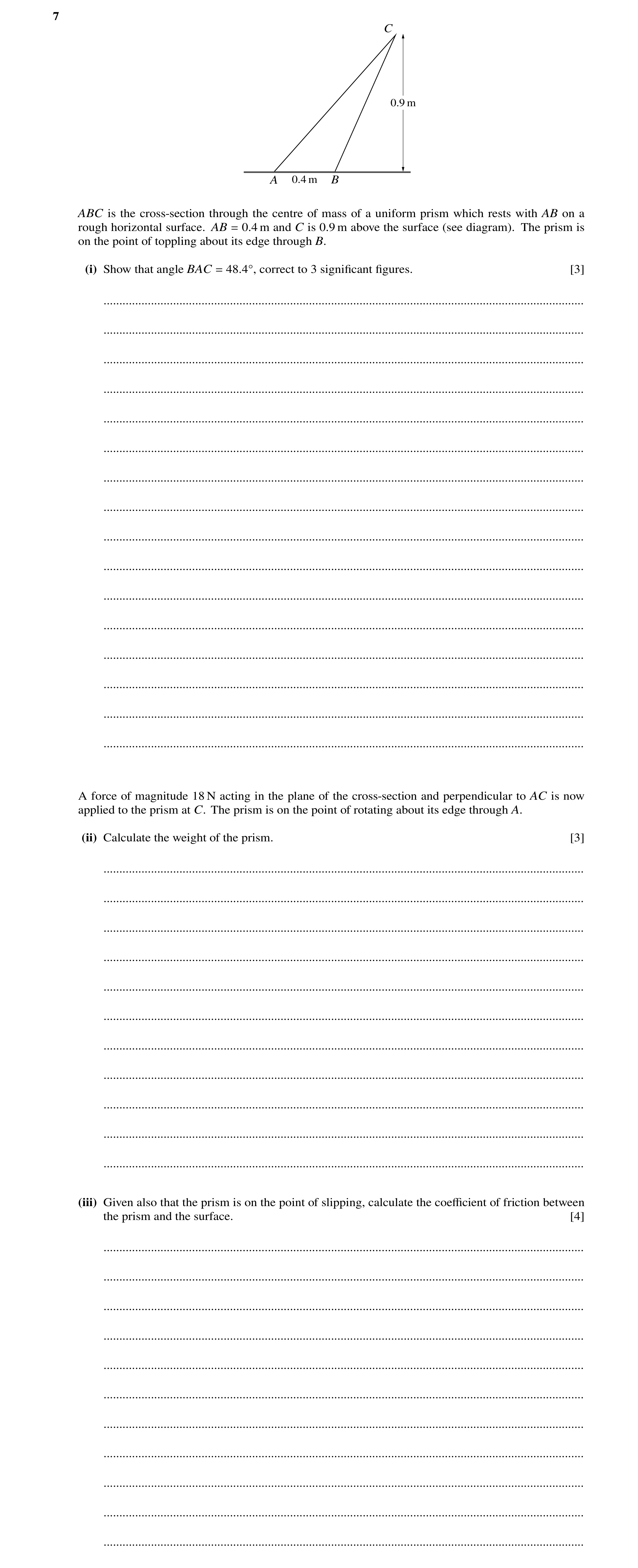
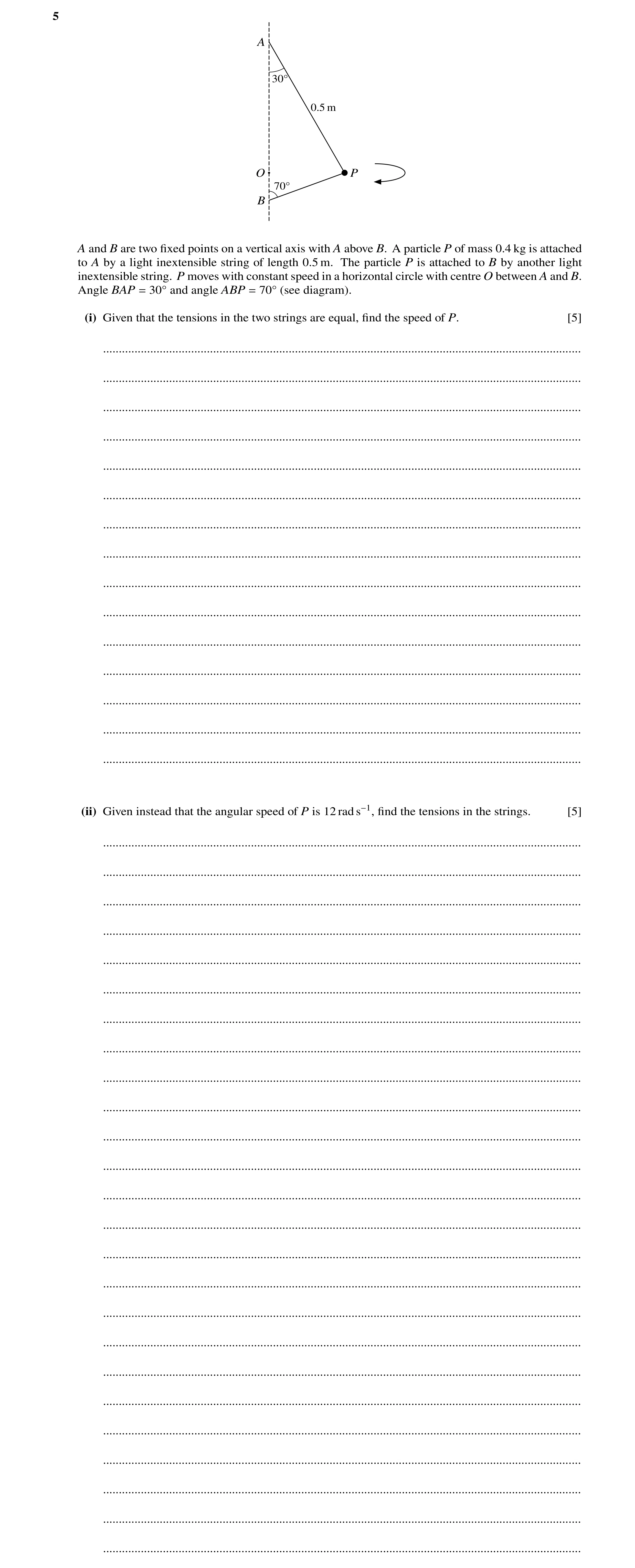
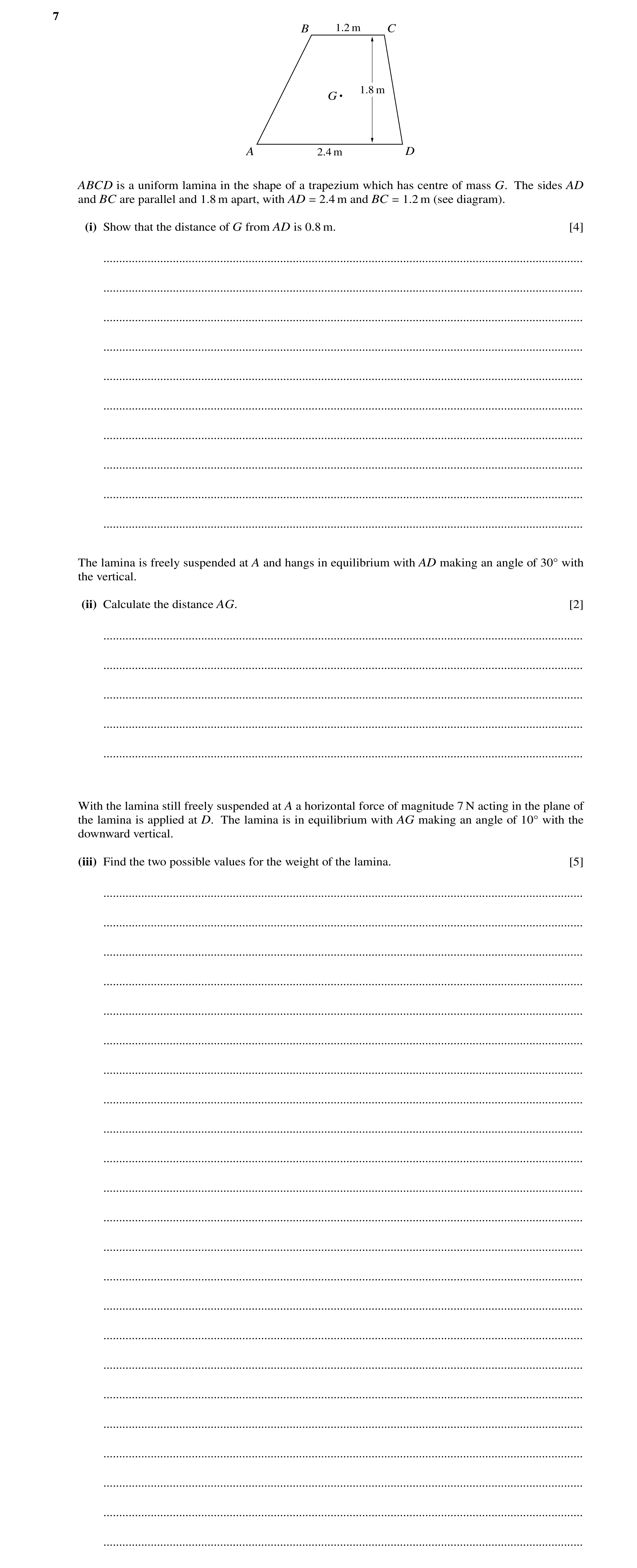
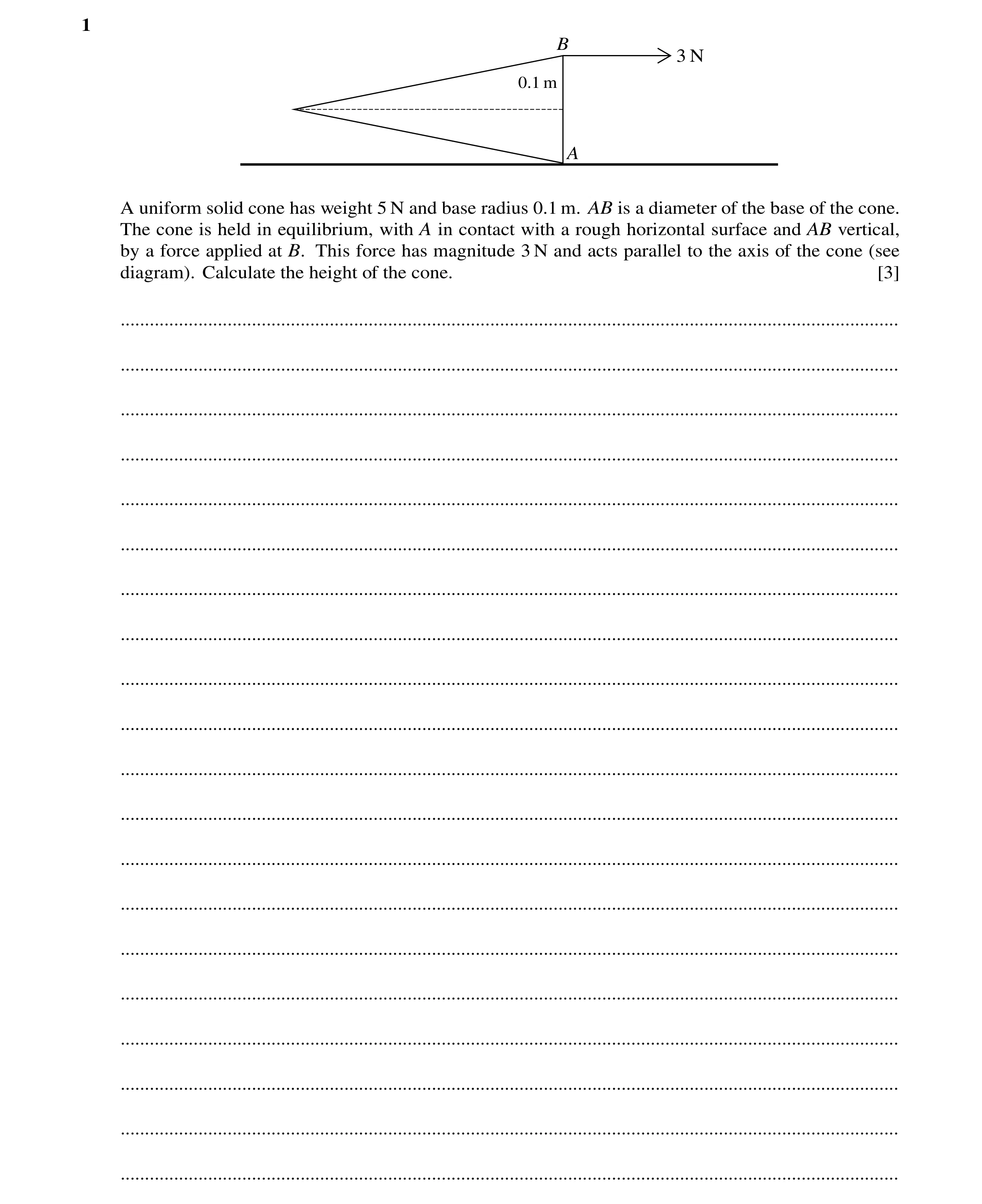 155 / 159
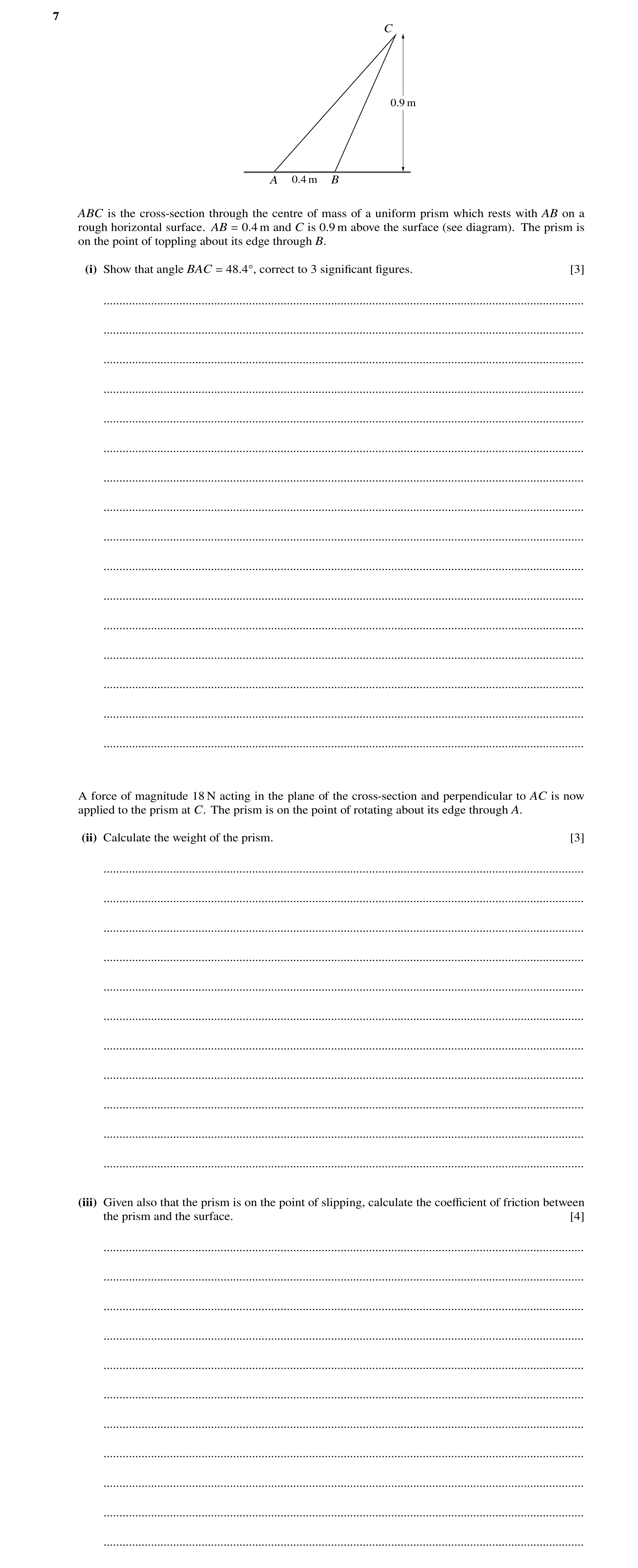
 4
4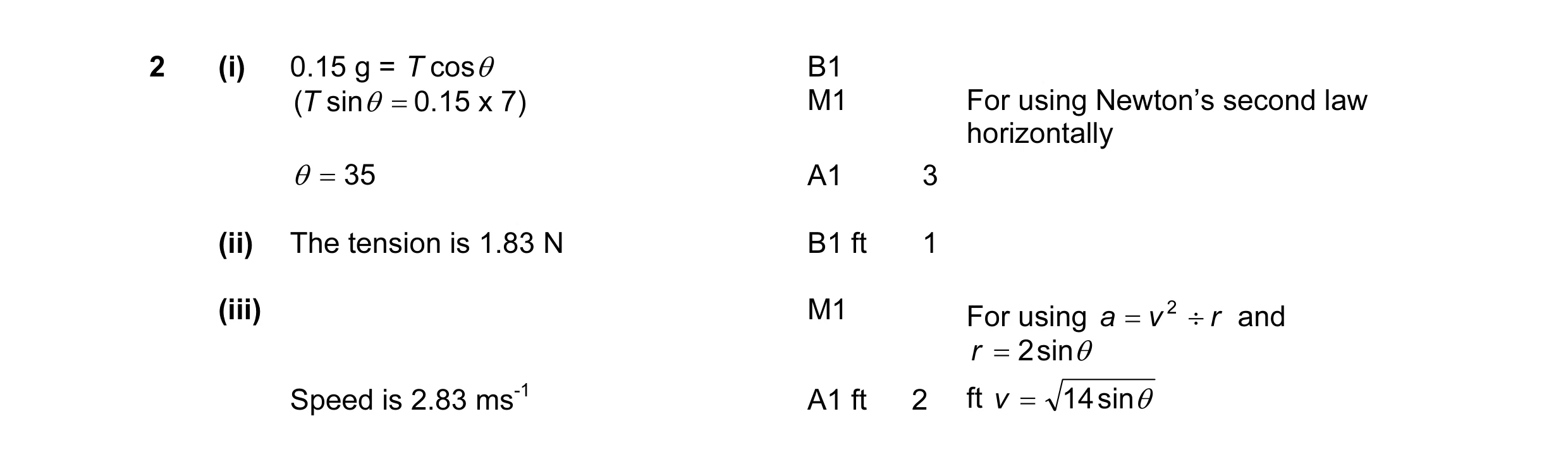 6
6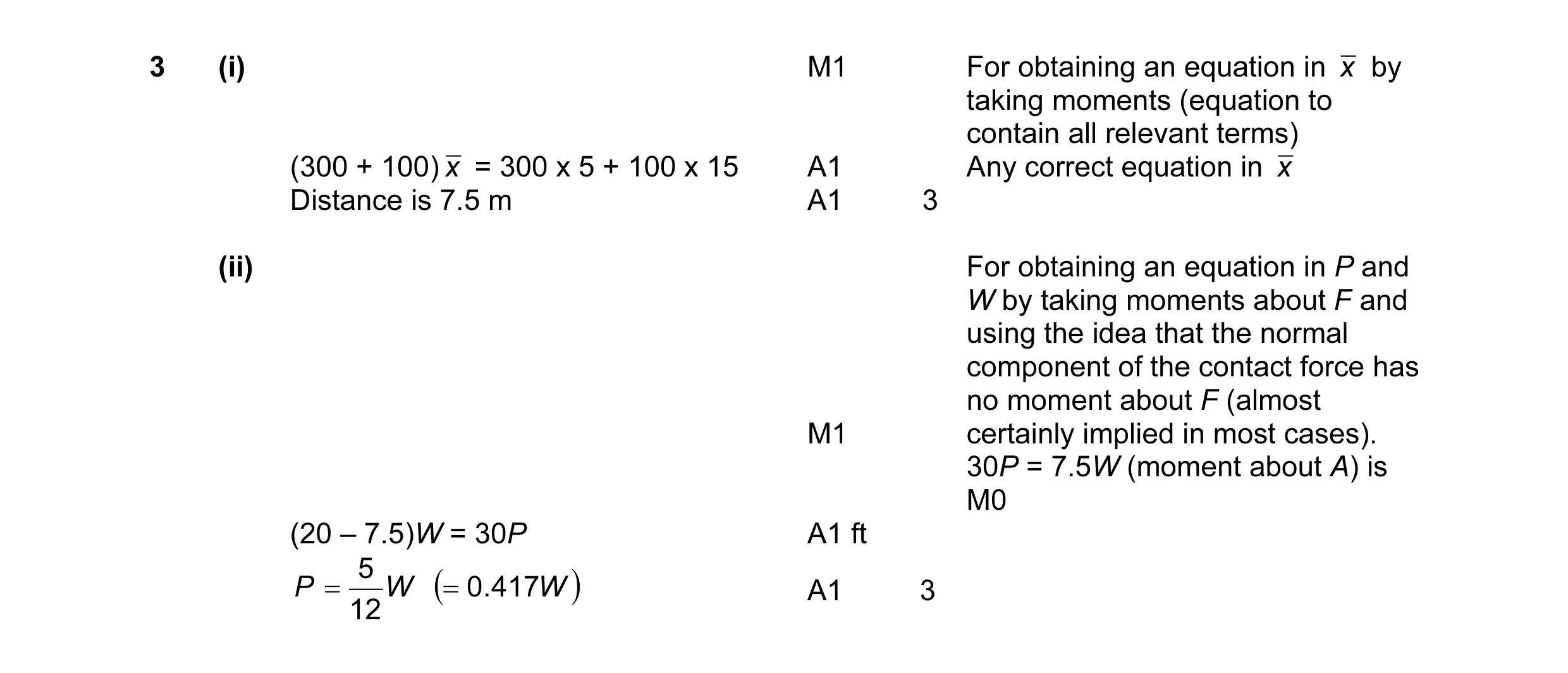 6
6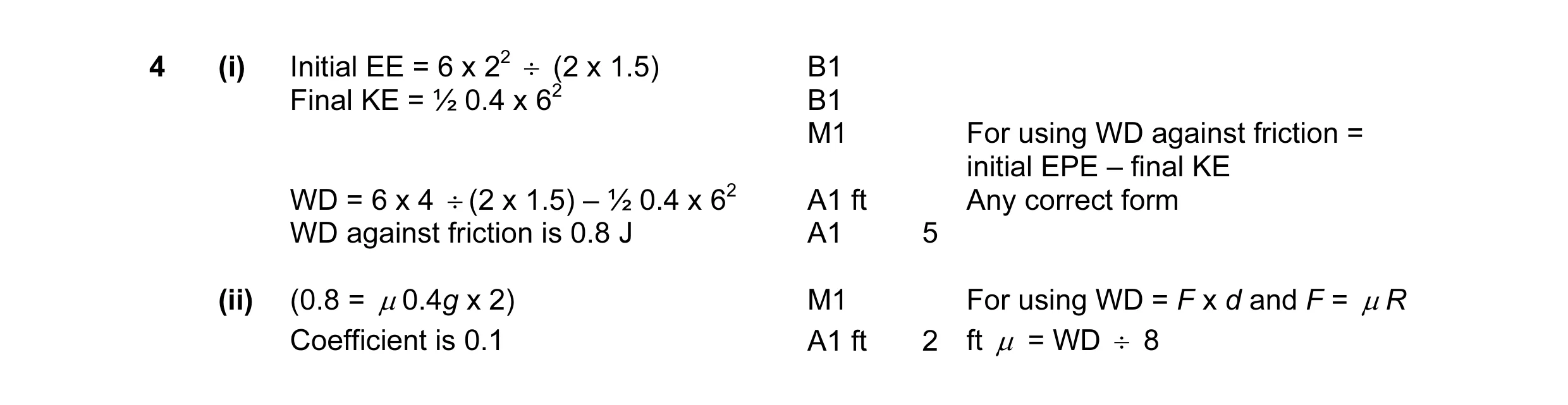 7
7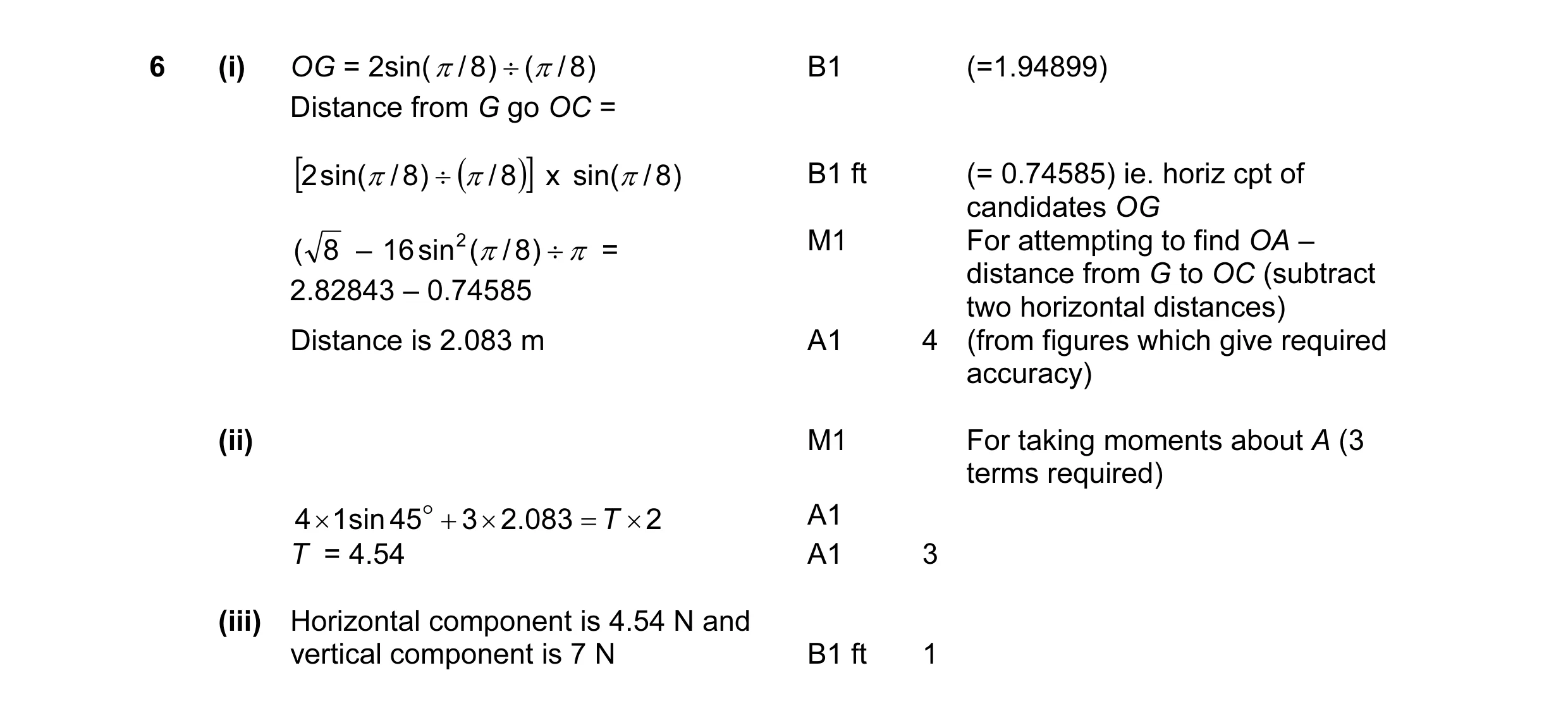 8
8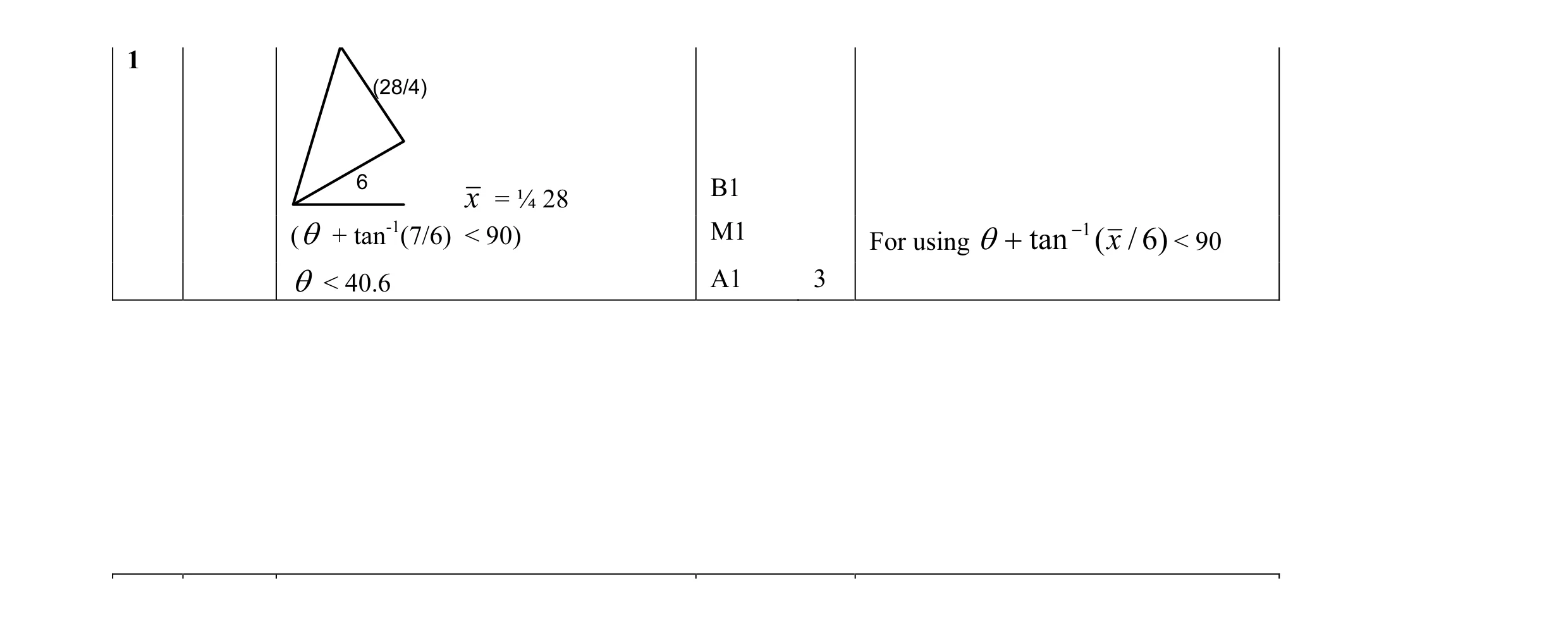 3
3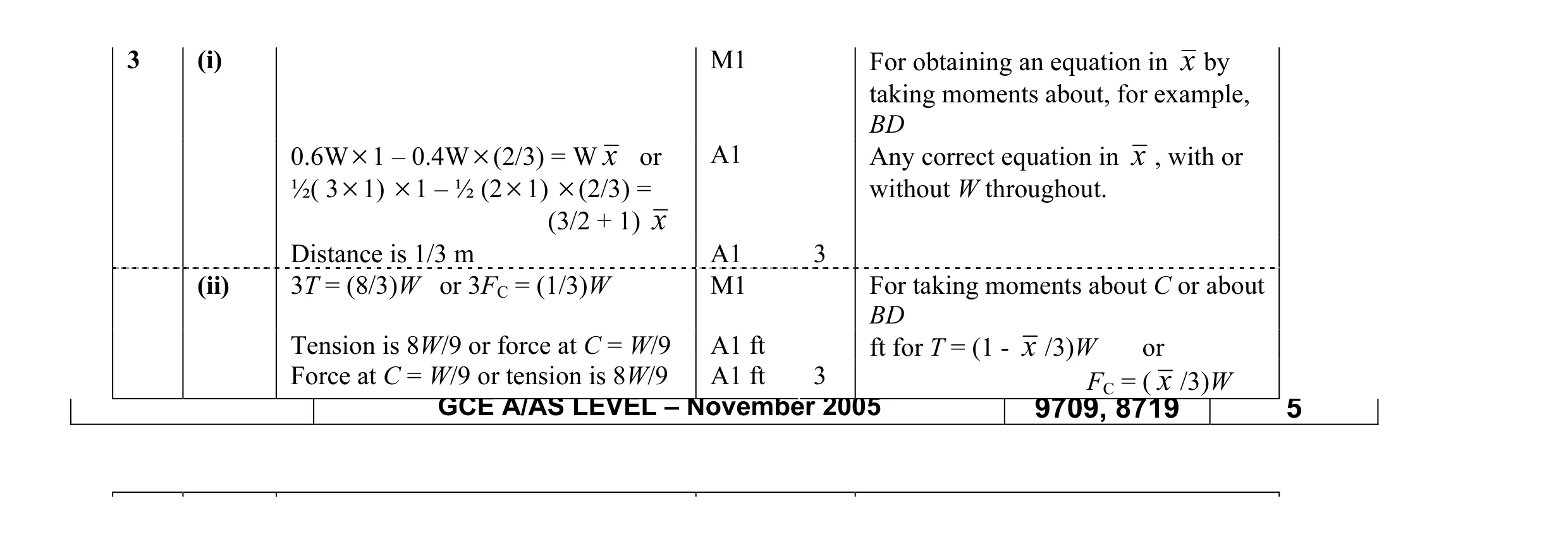 6
6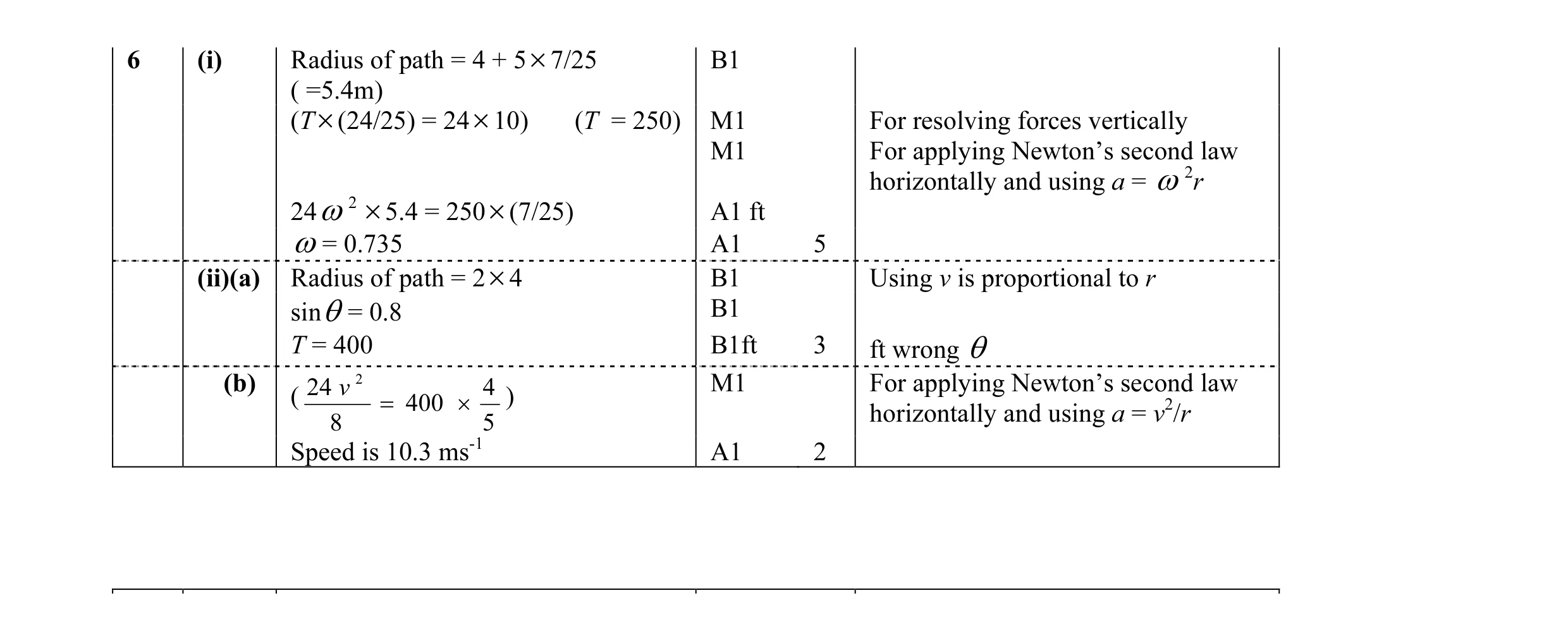 10
10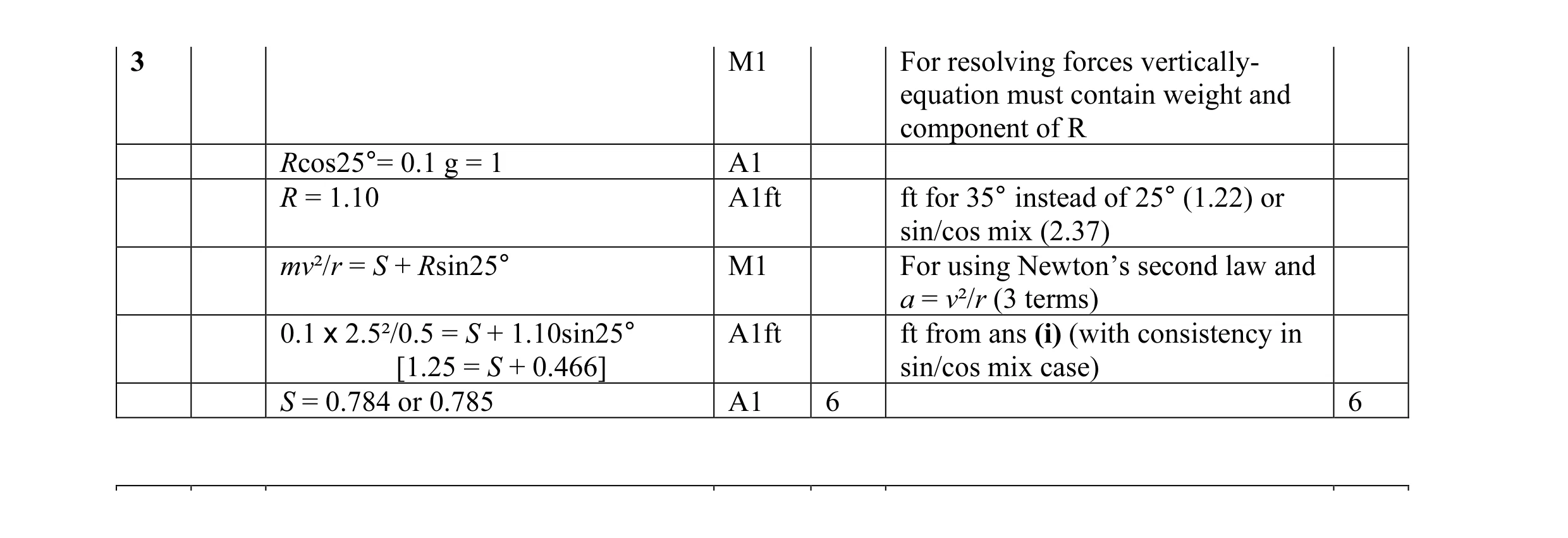 6
6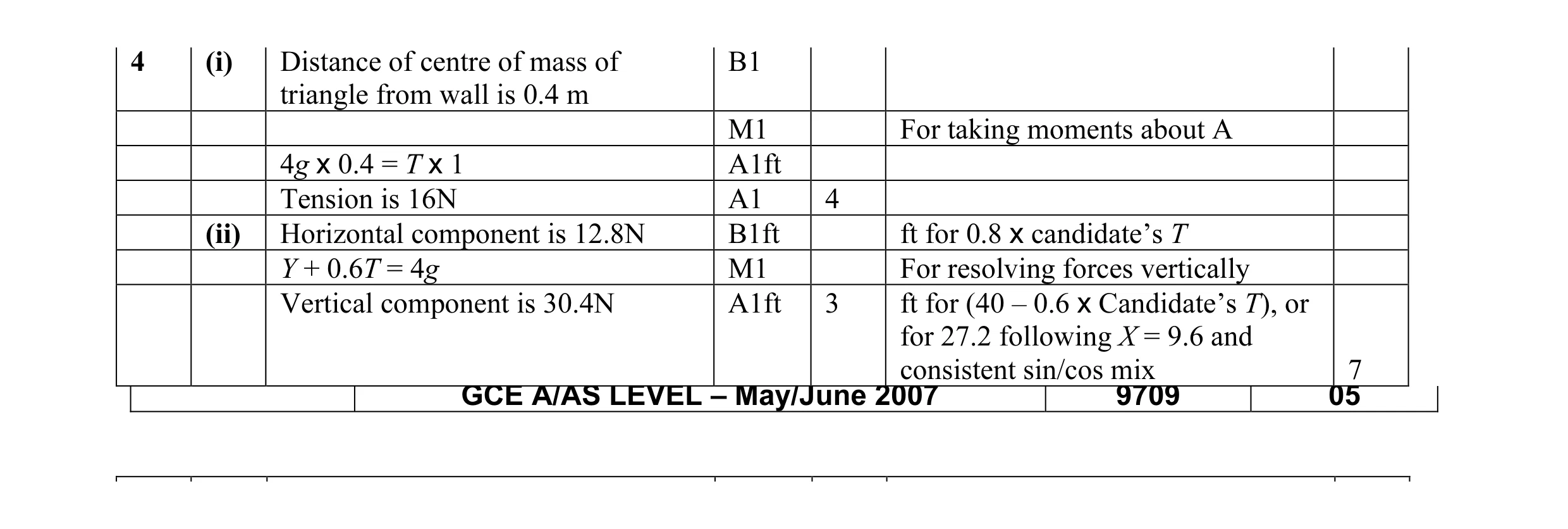 7
7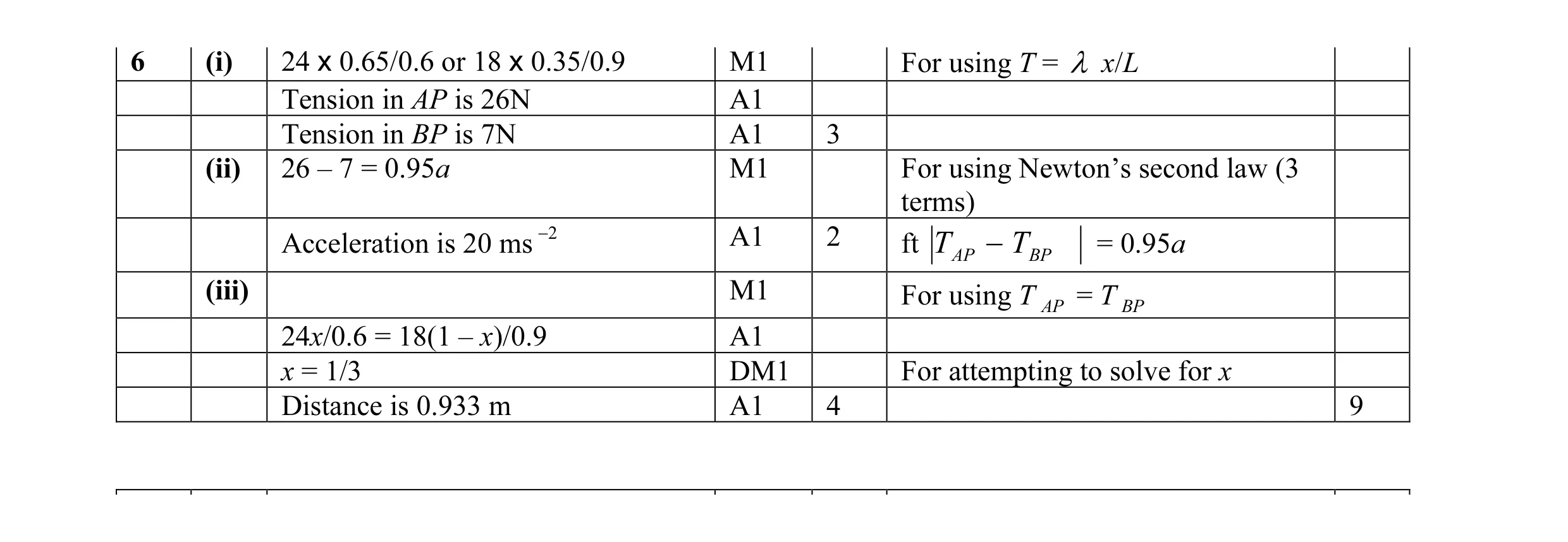 9
9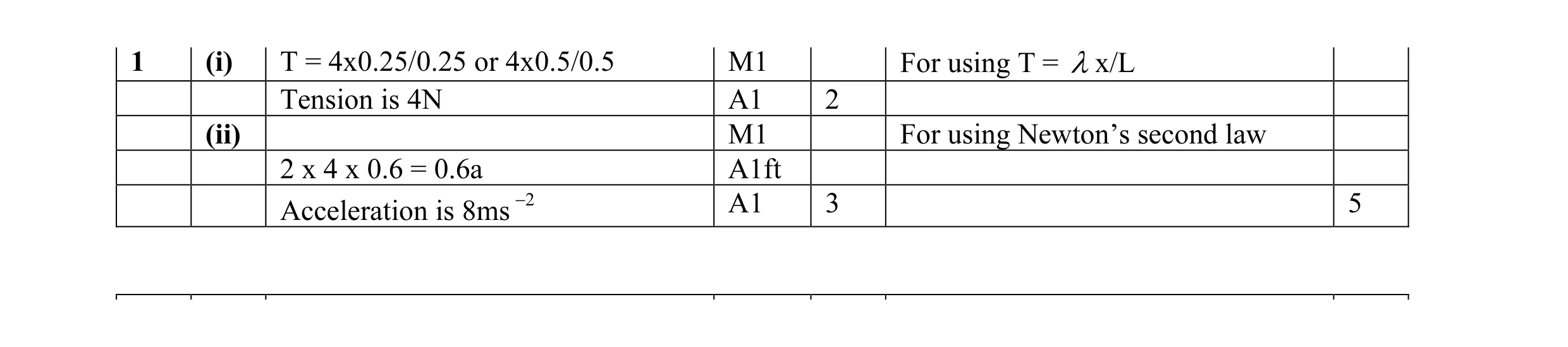 5
5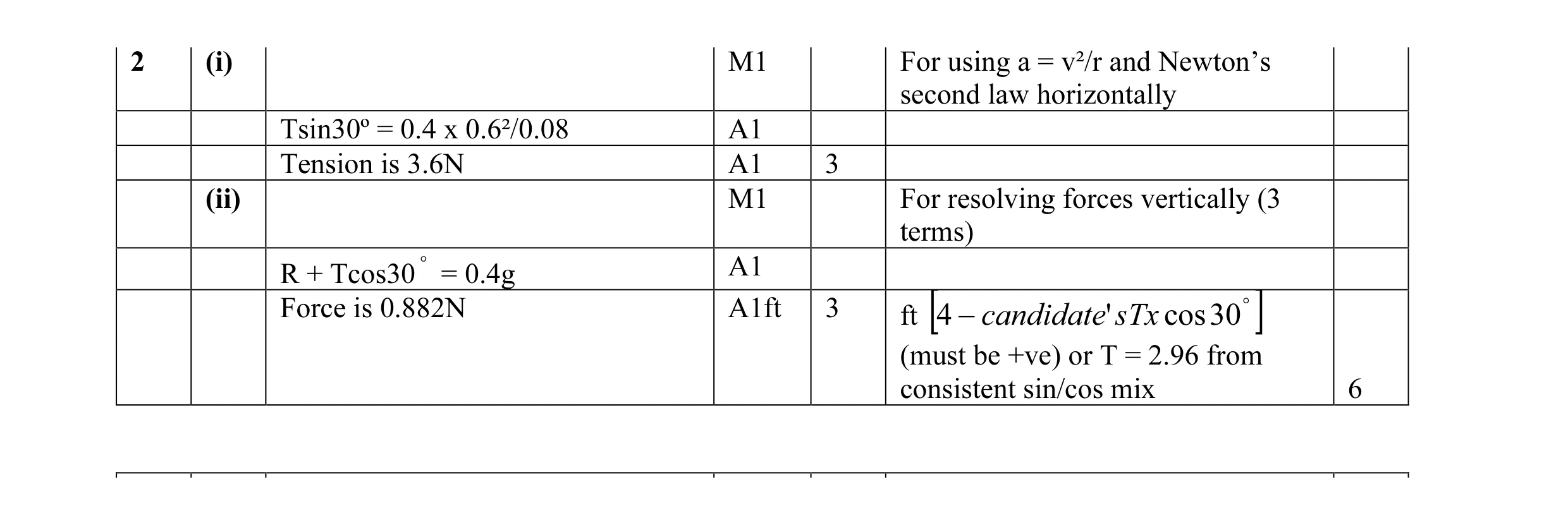 6
6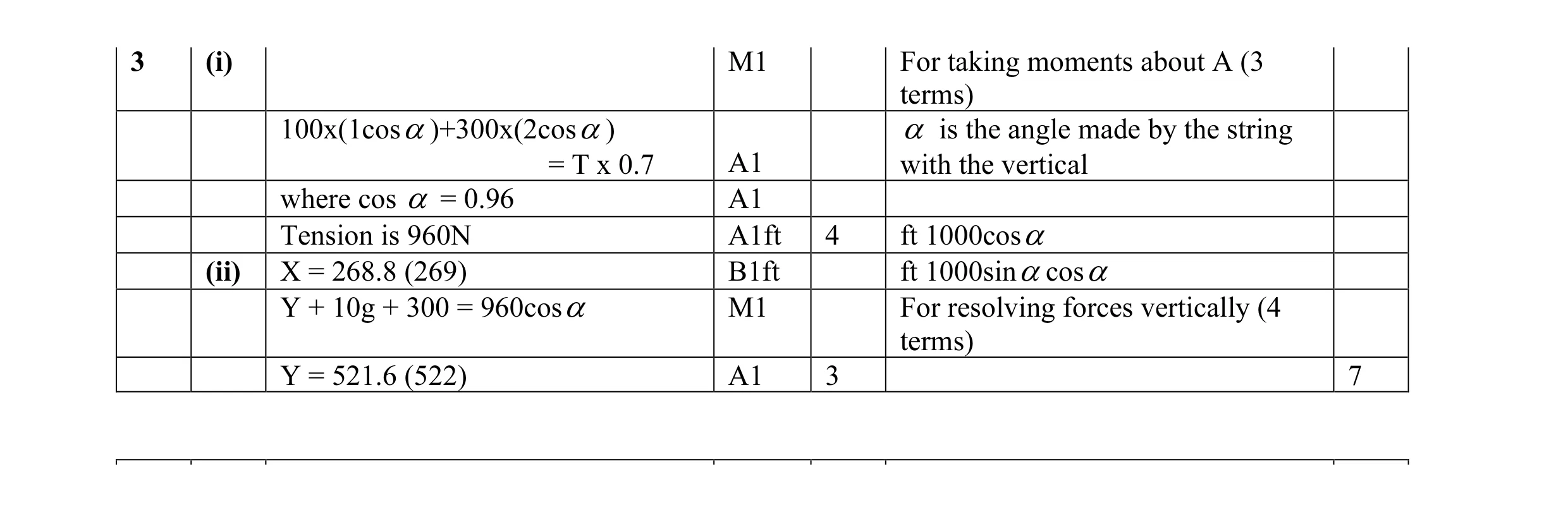 7
7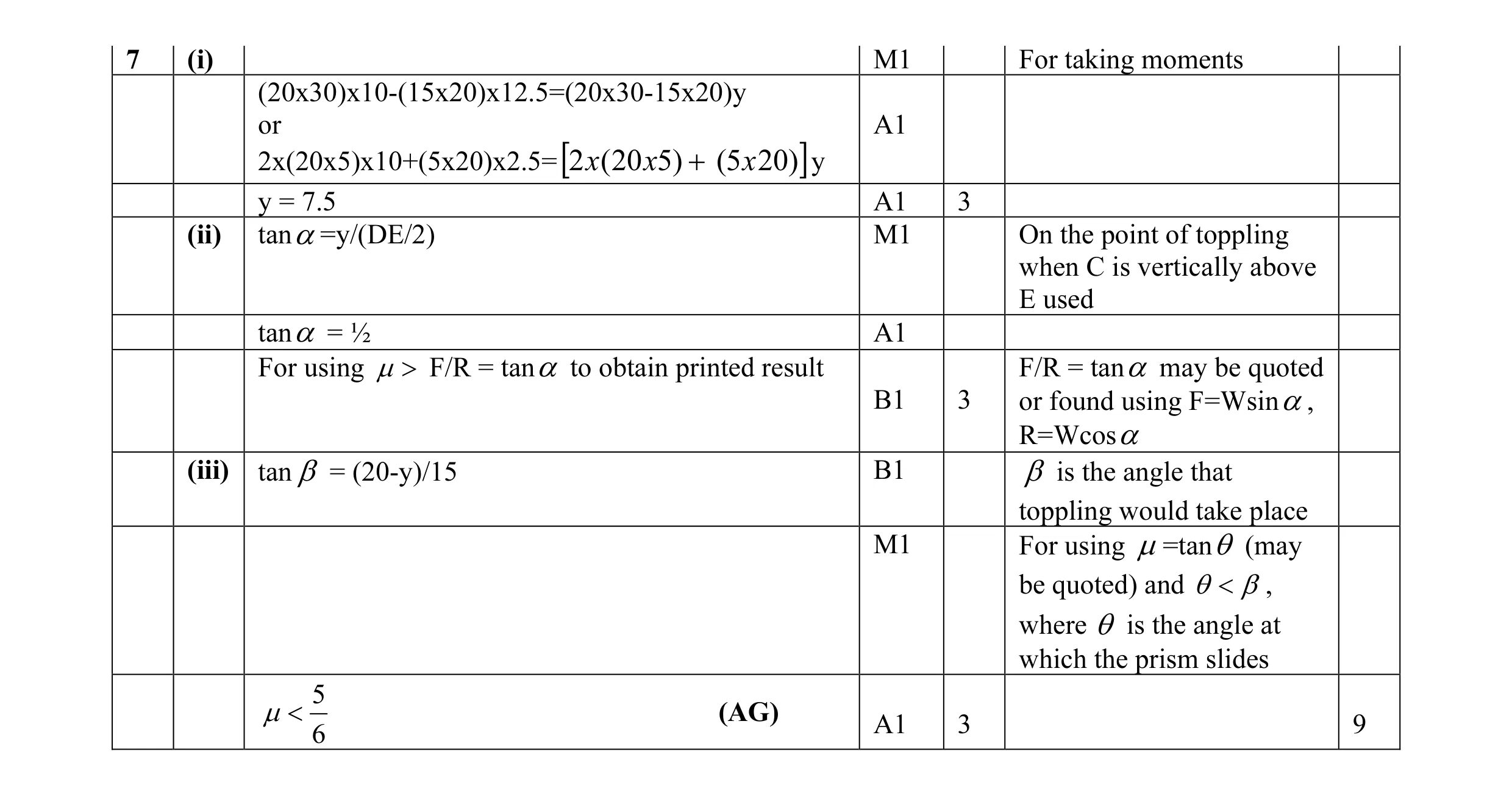 9
9 3
3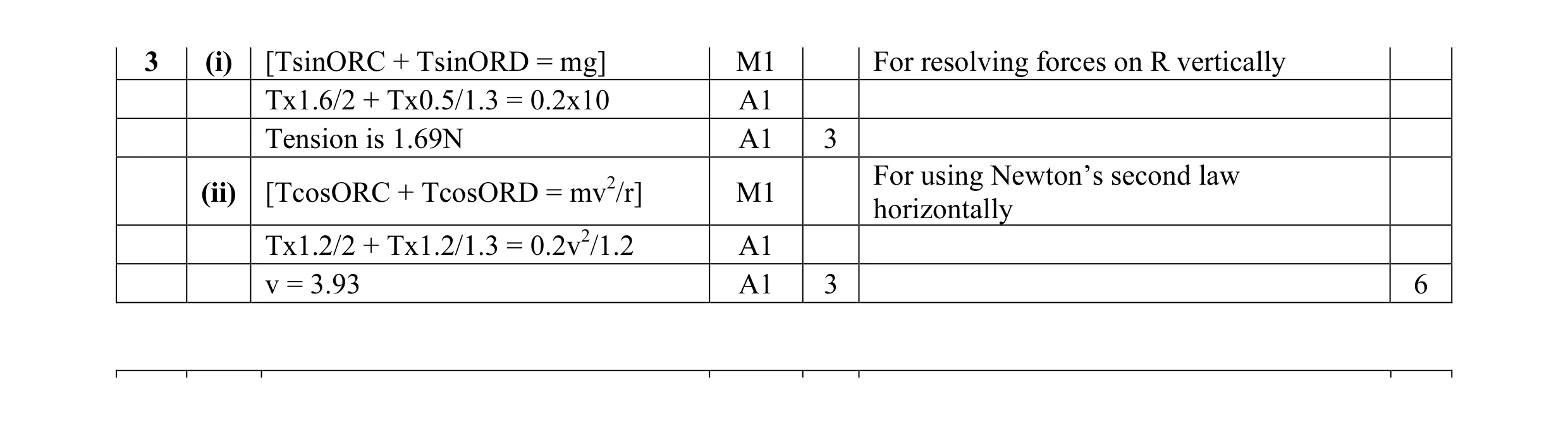 6
6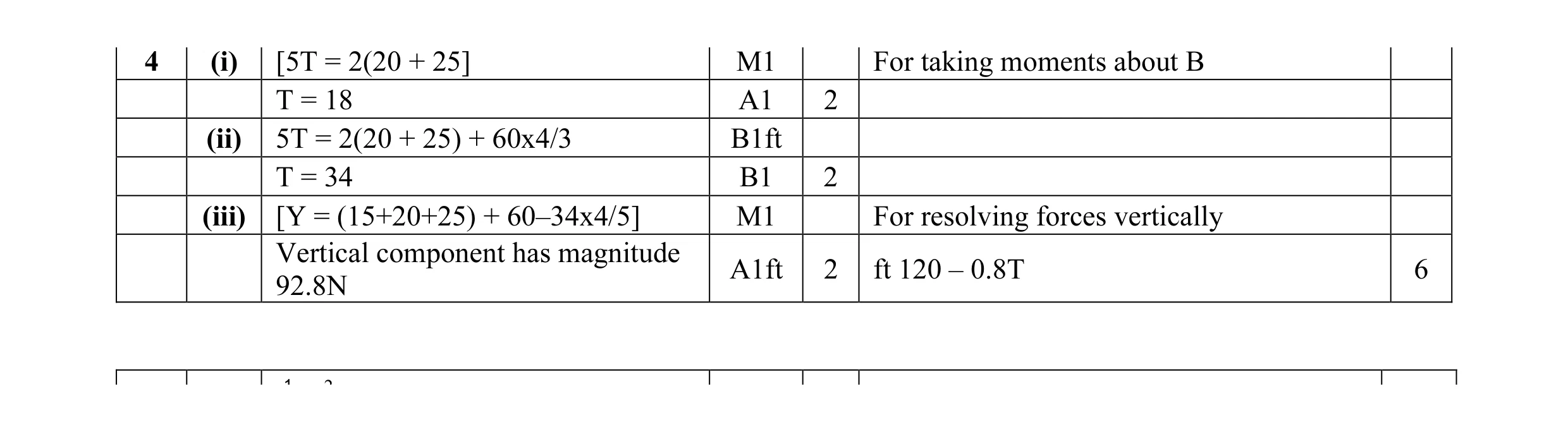 6
6 4
4 4
4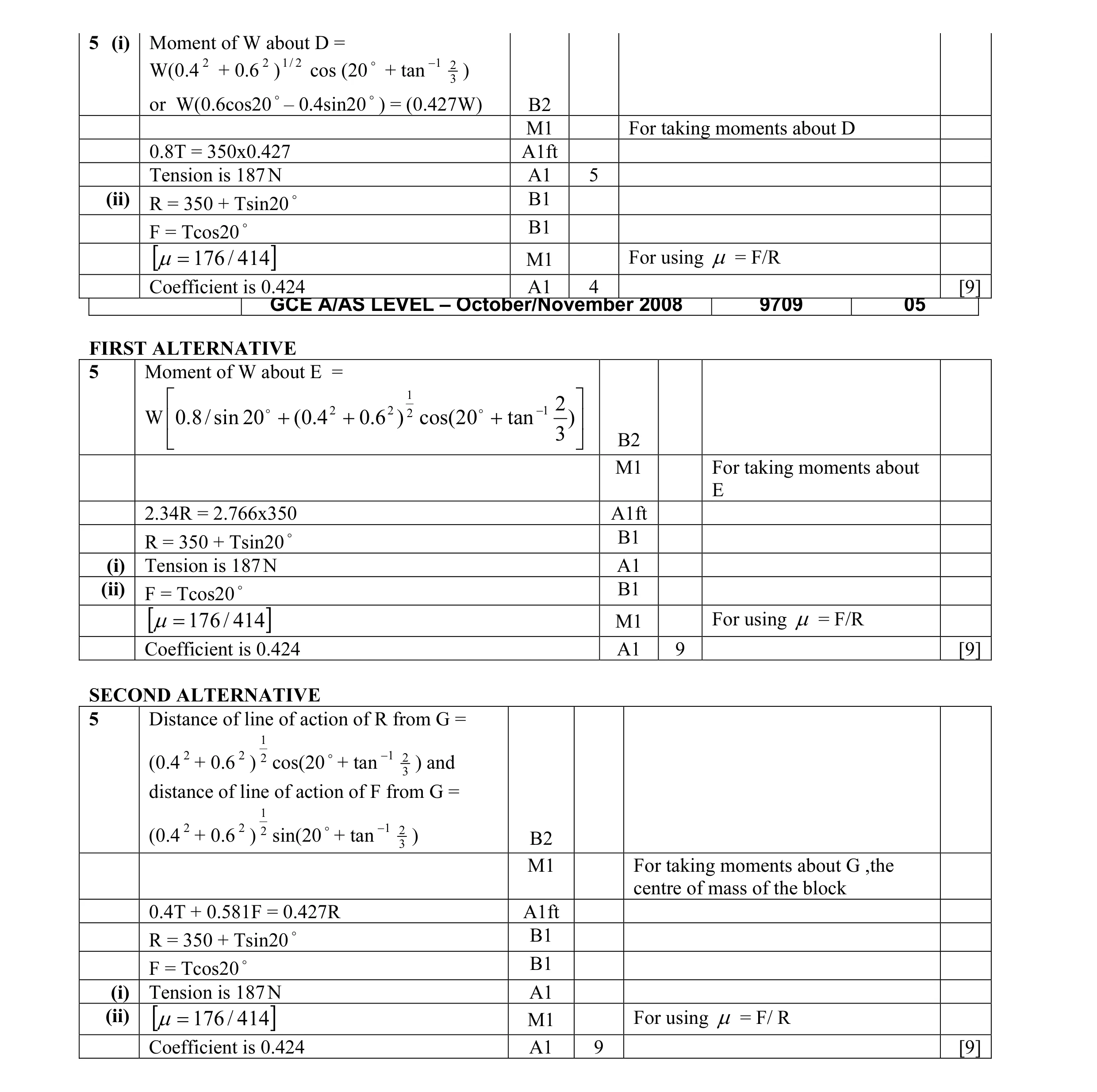 9
9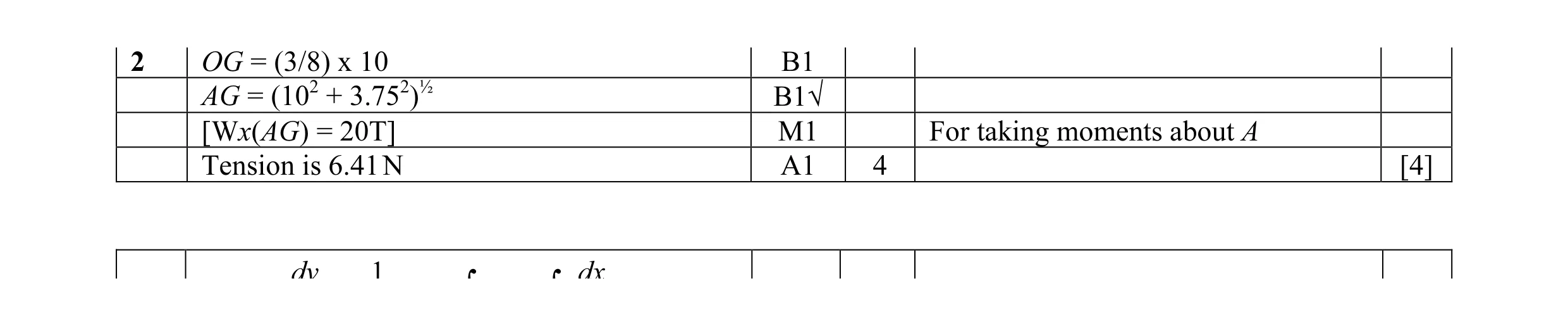 4
4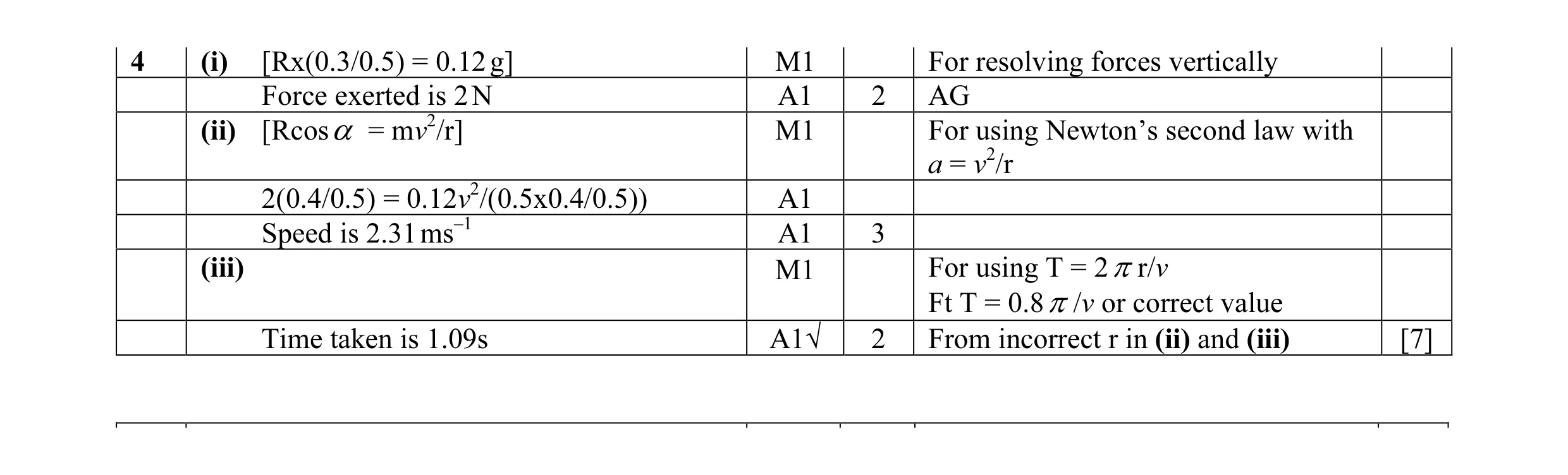 7
7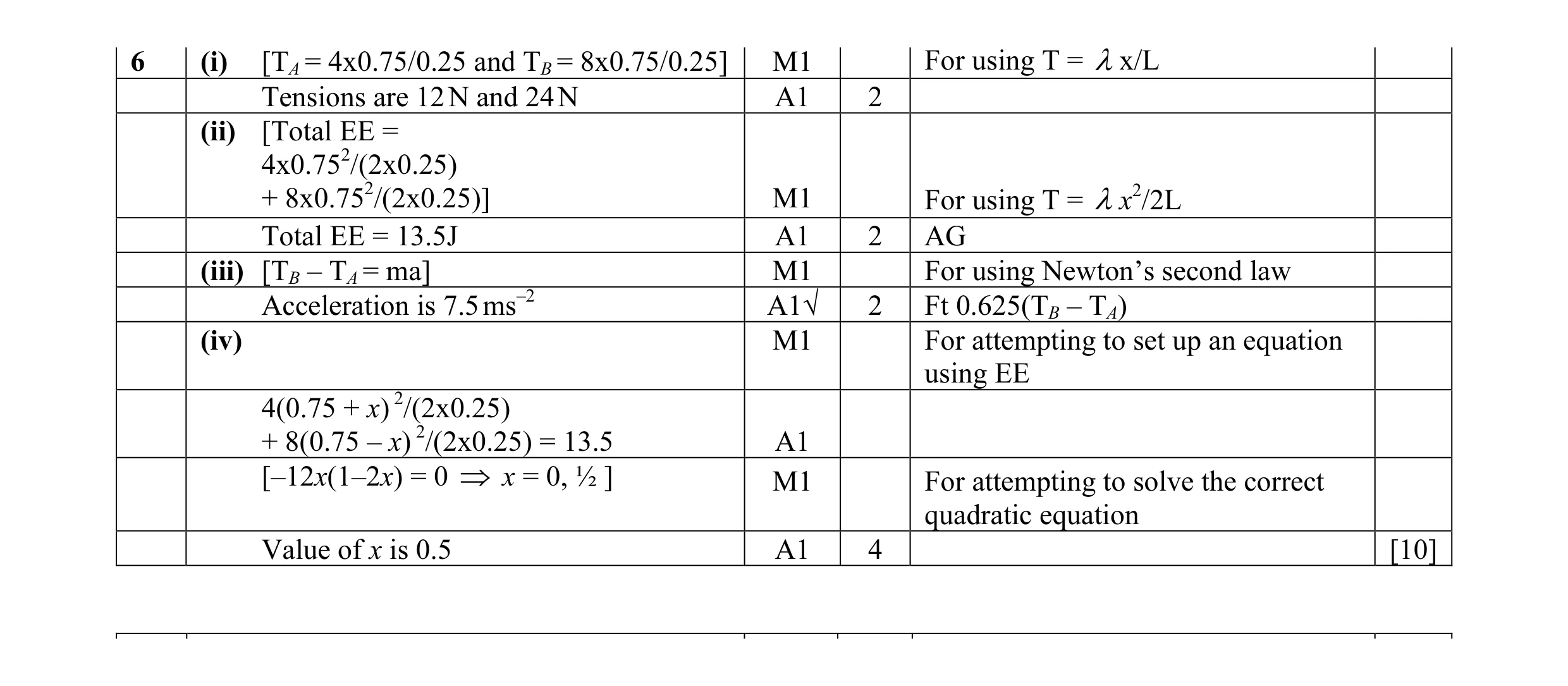 10
10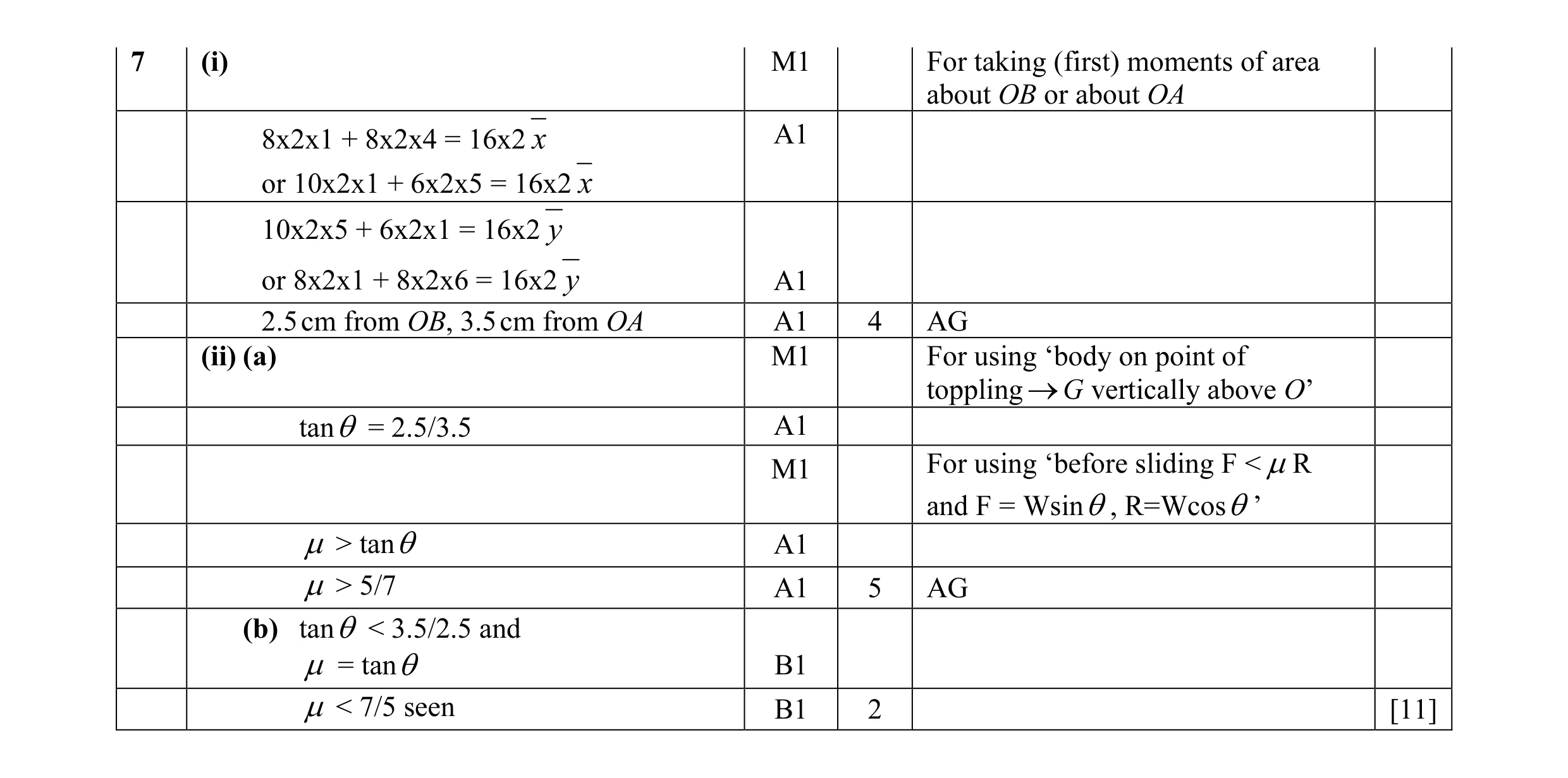 11
11 3
3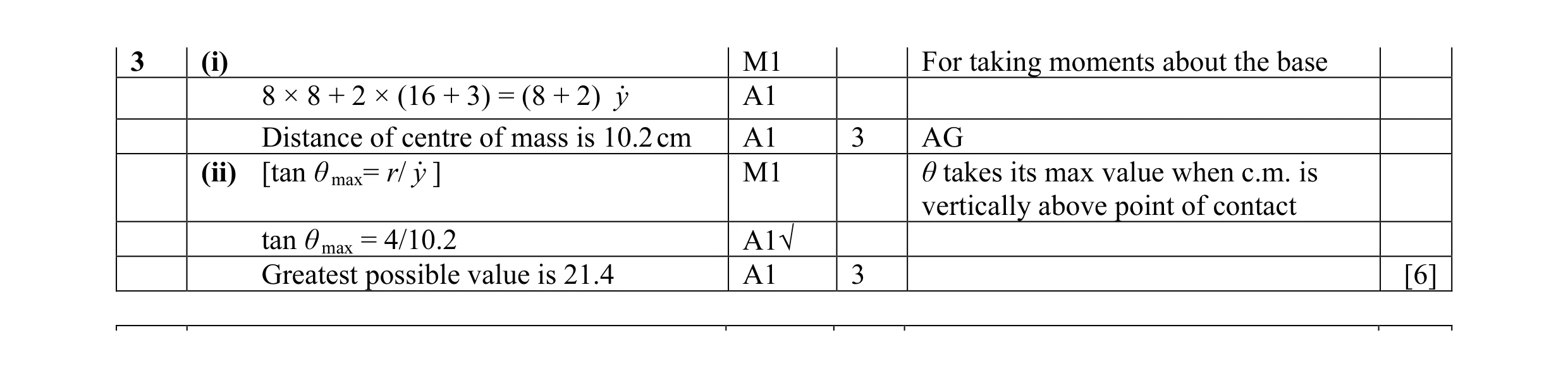 6
6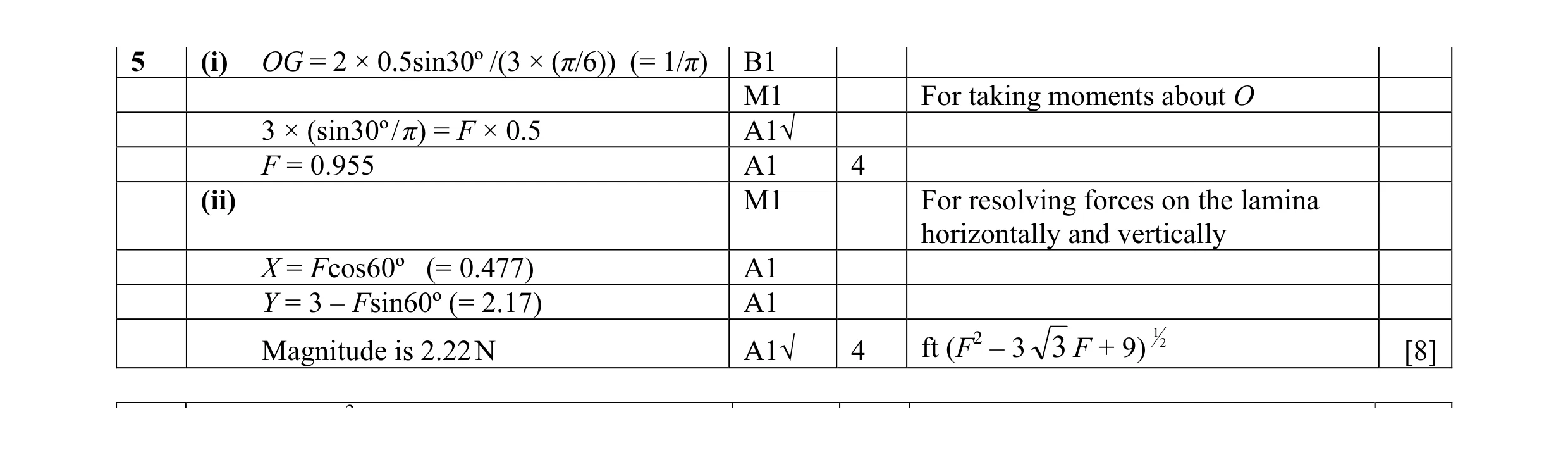 8
8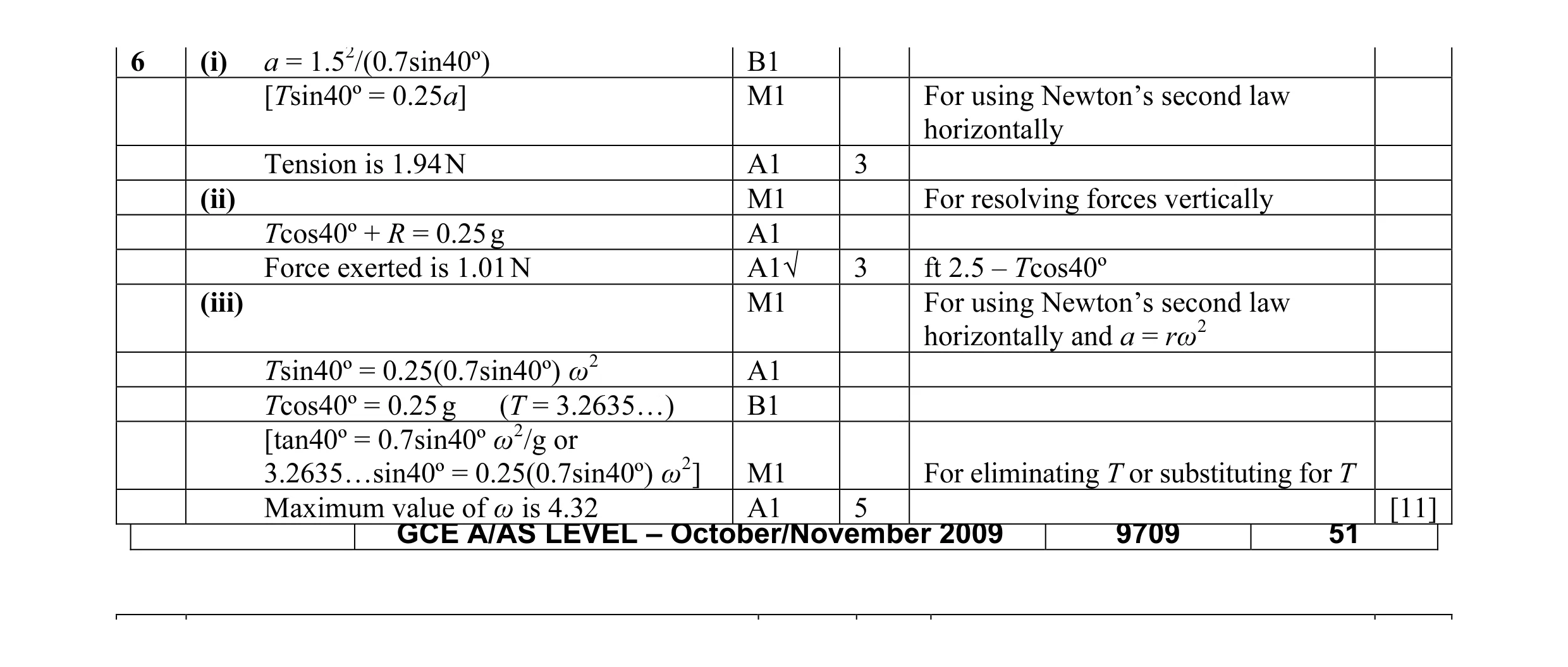 11
11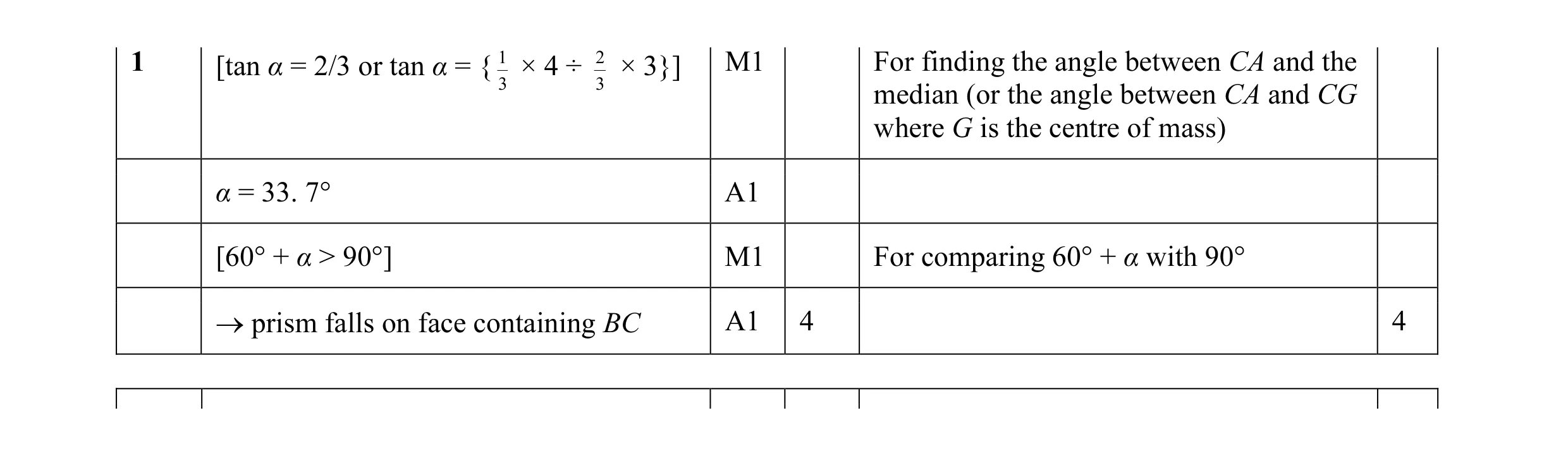 4
4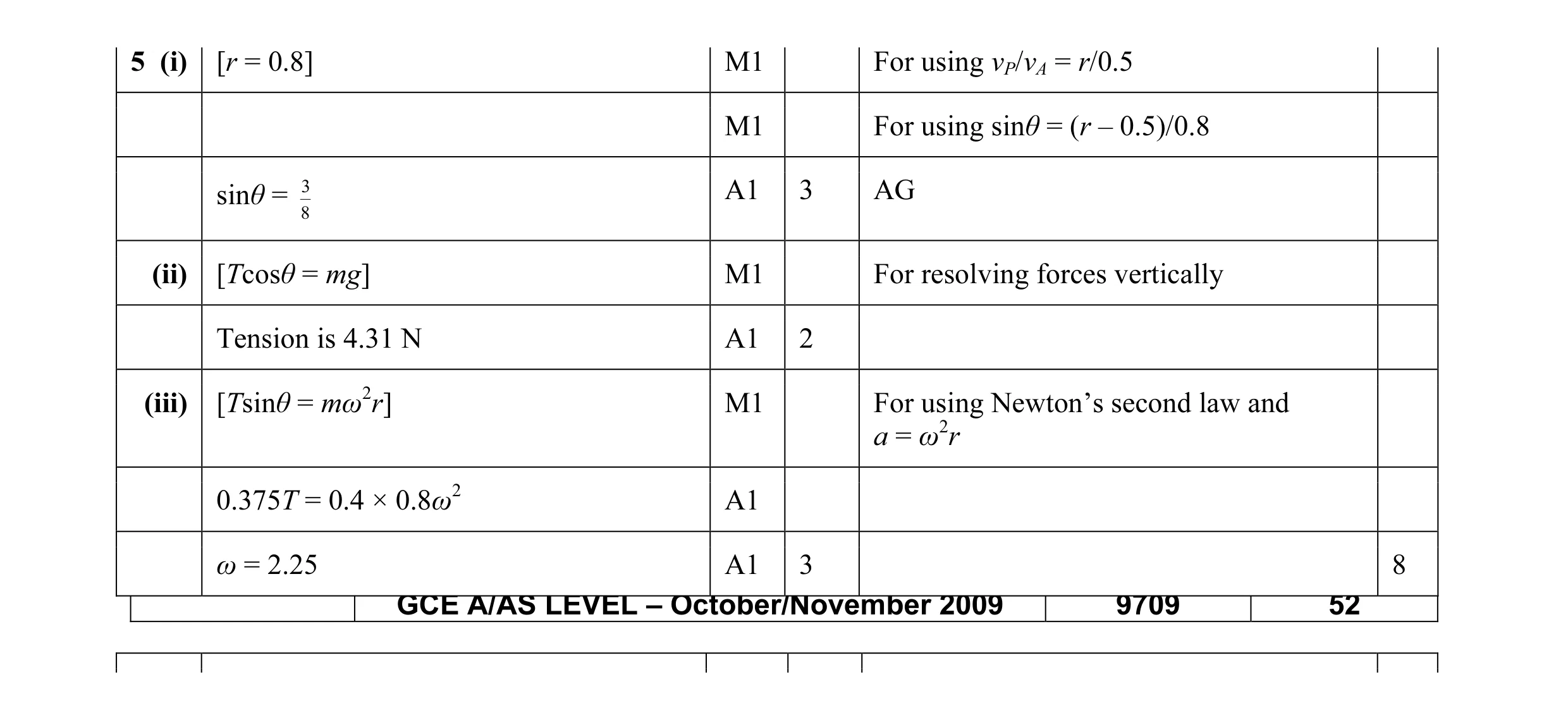 8
8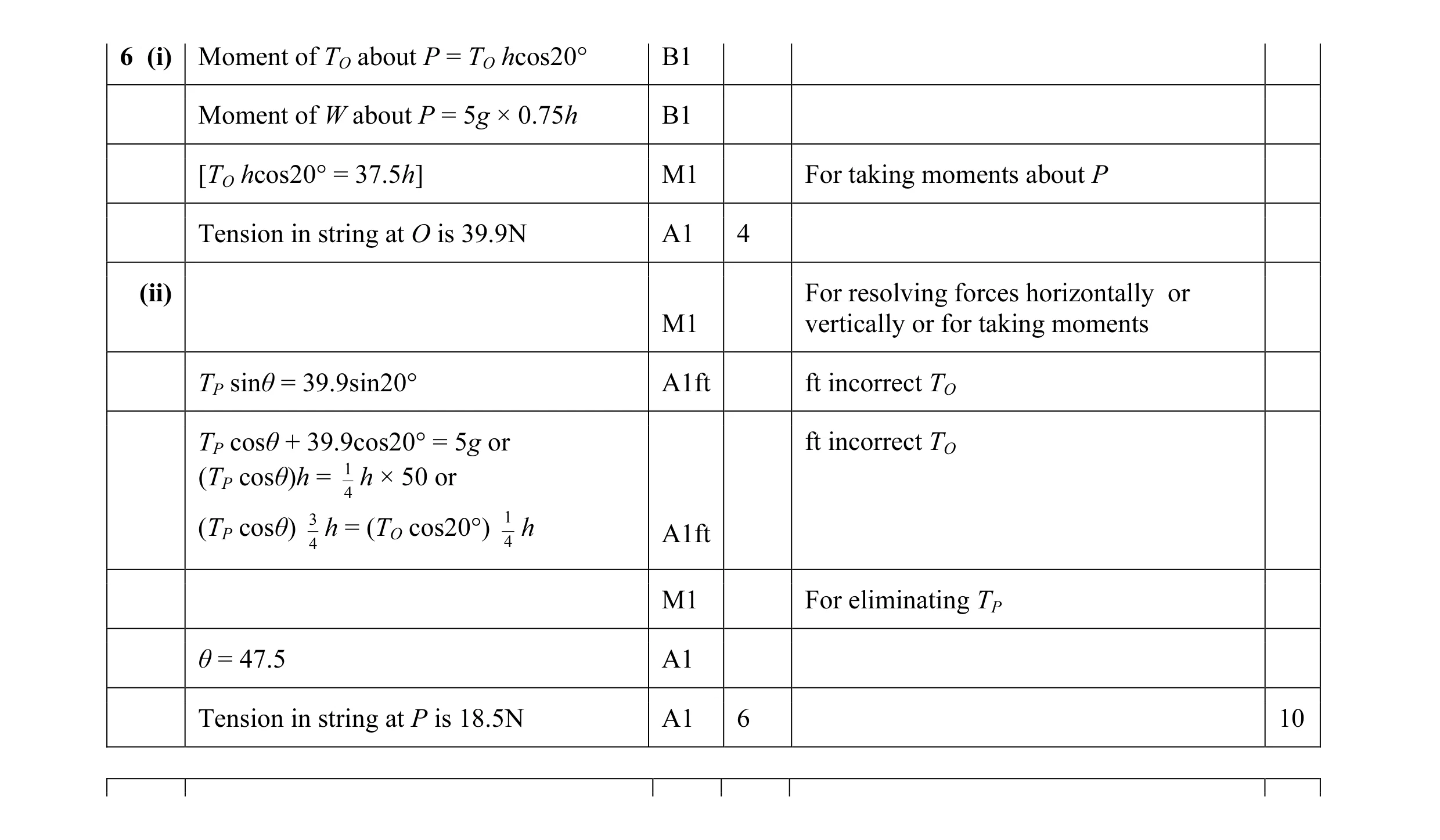 10
10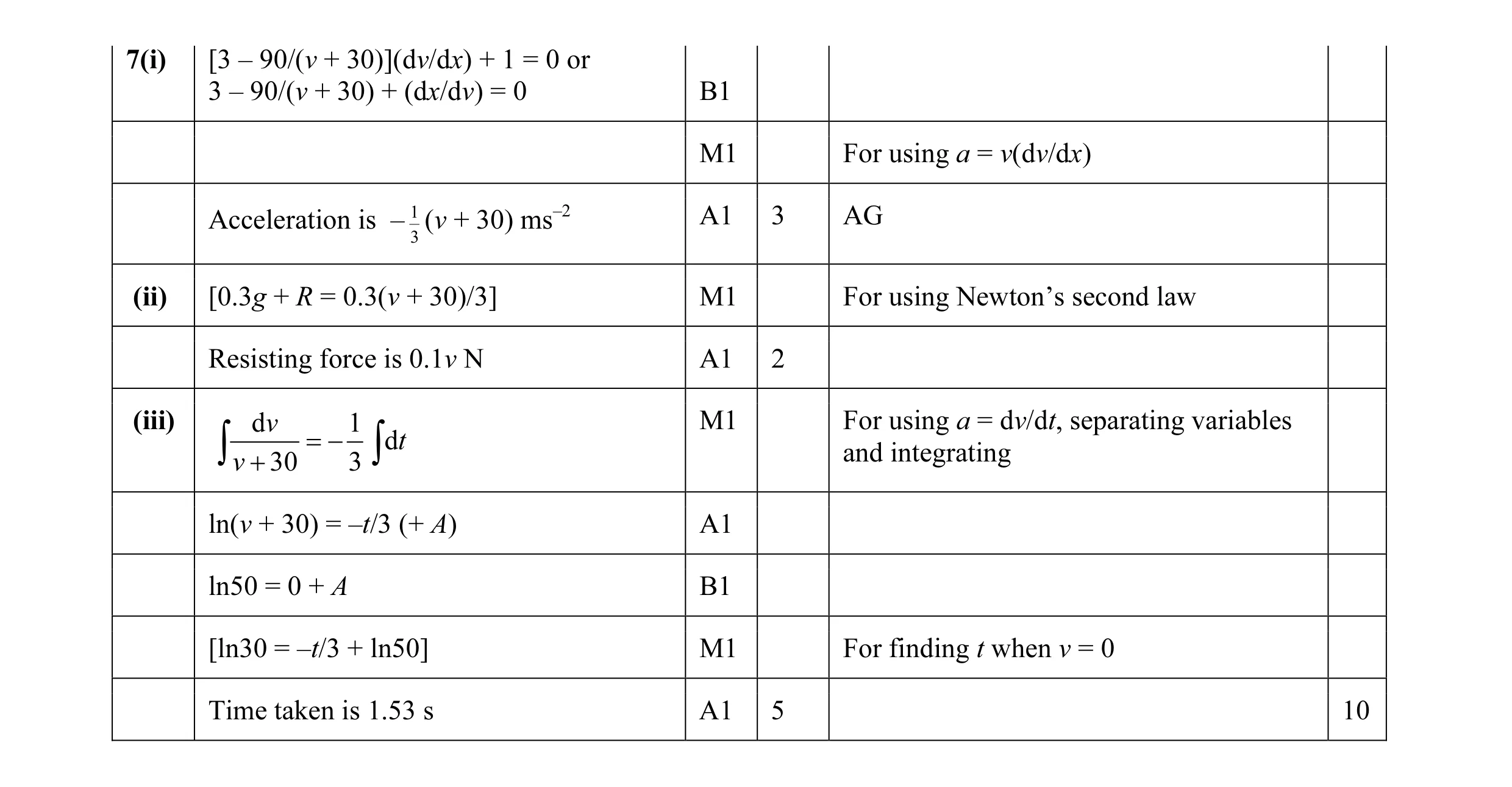 10
10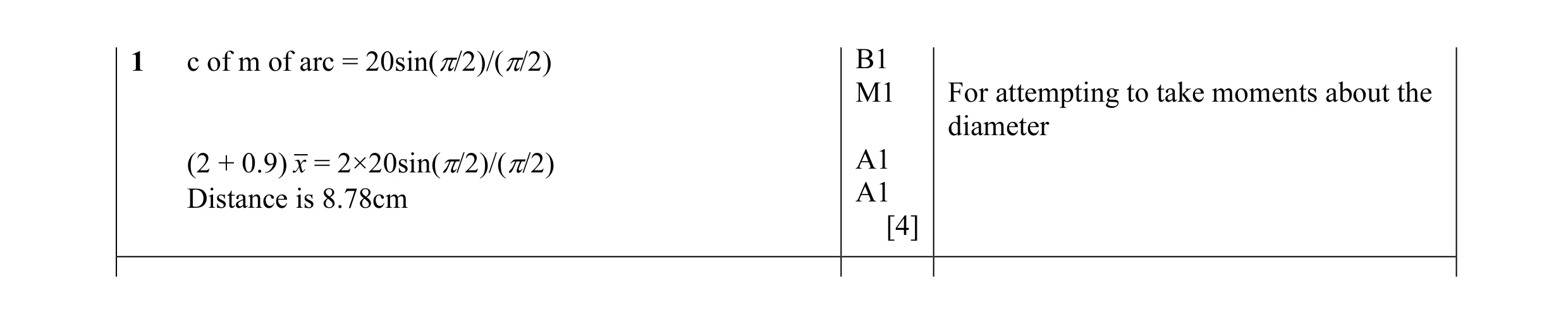 4
4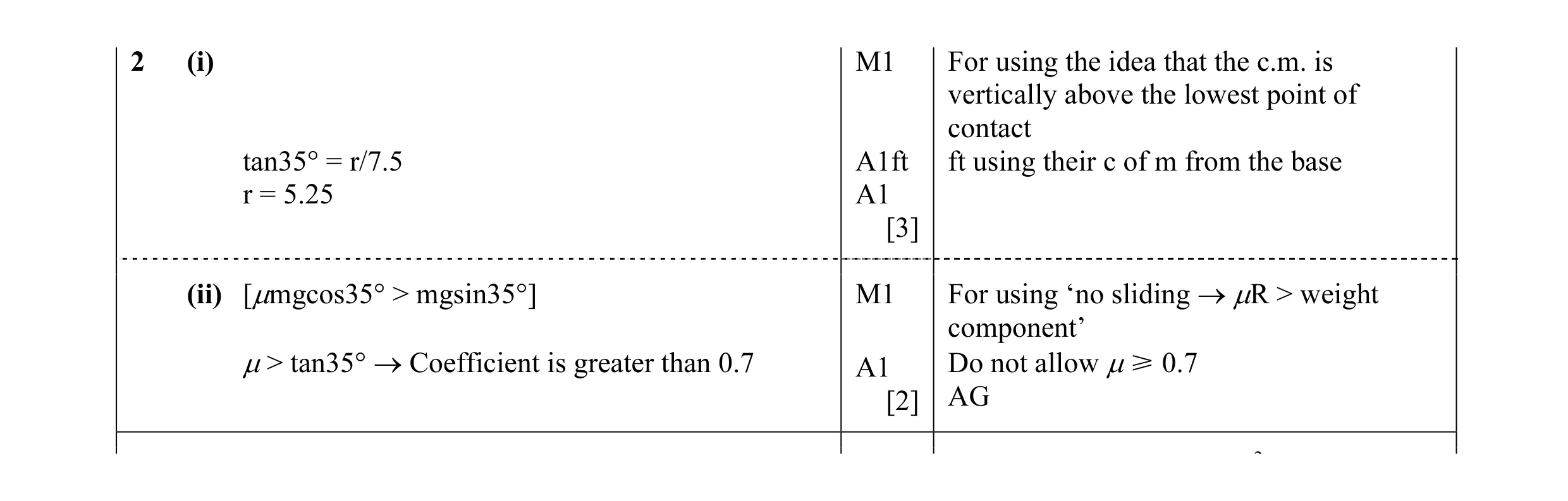 5
5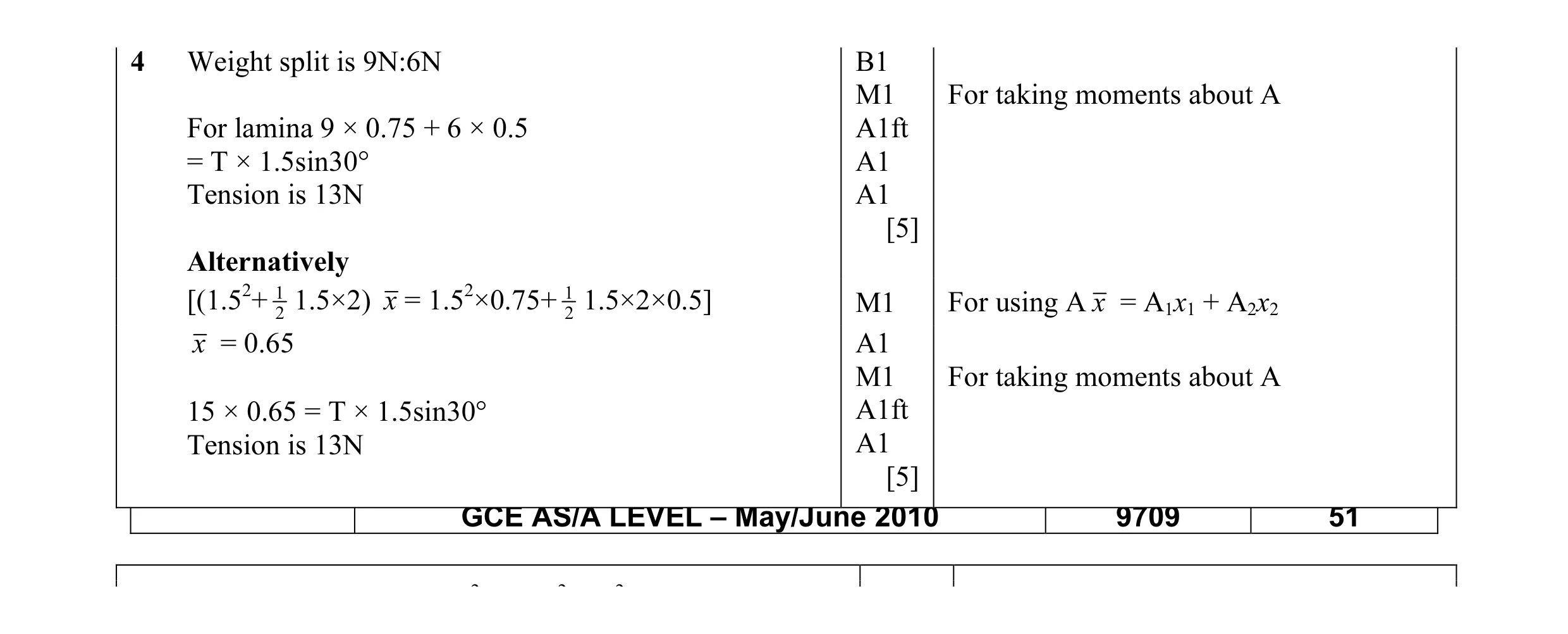 5
5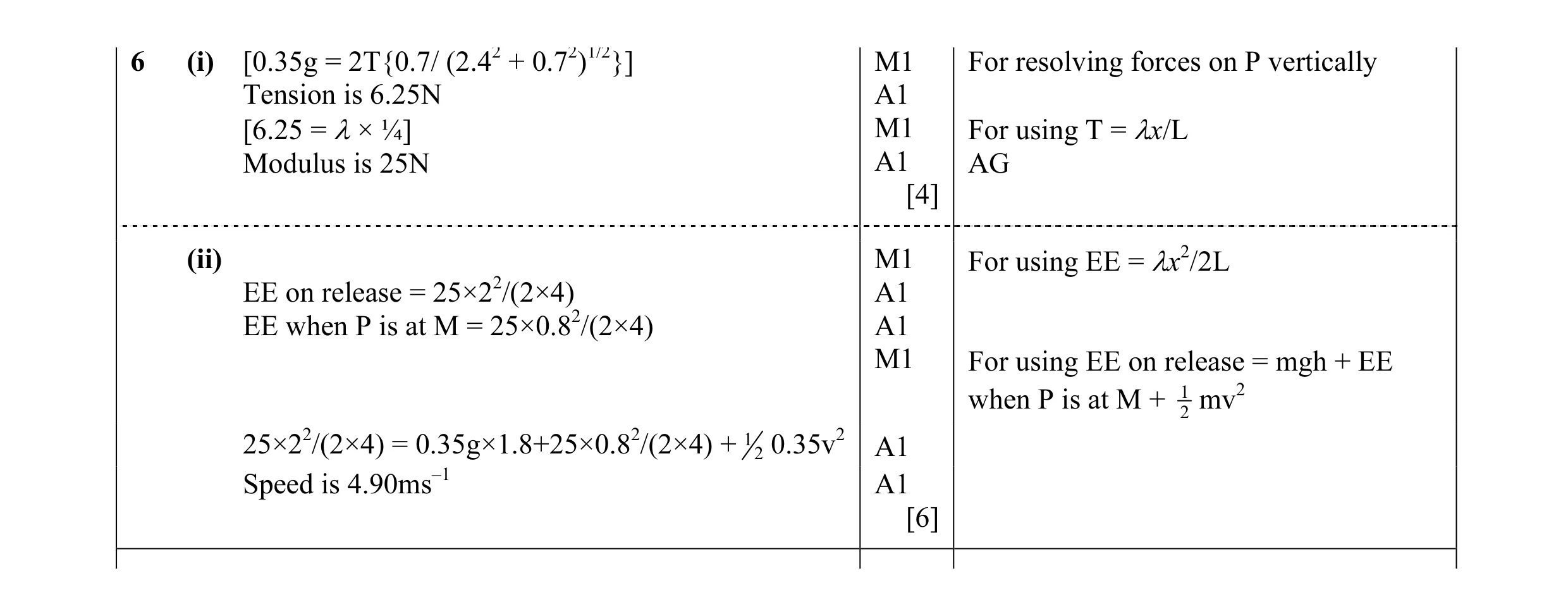 10
10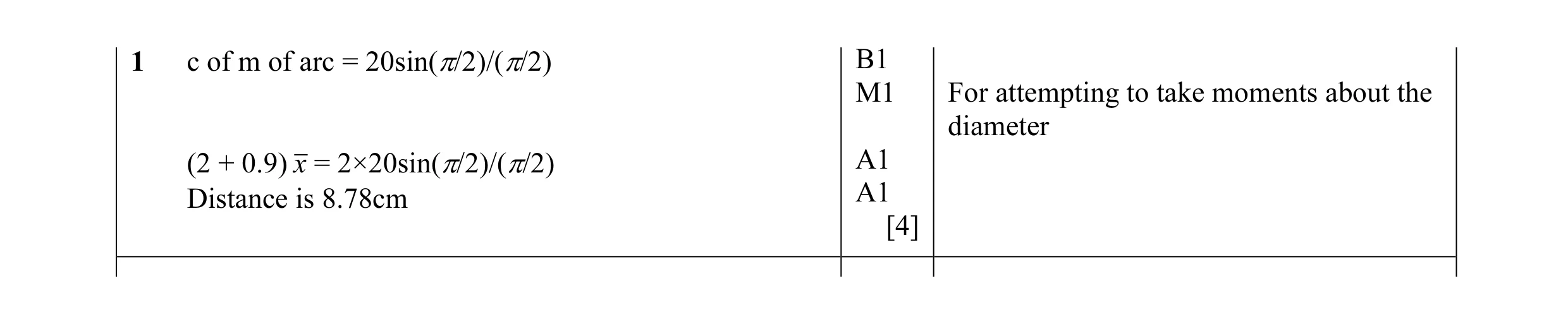 4
4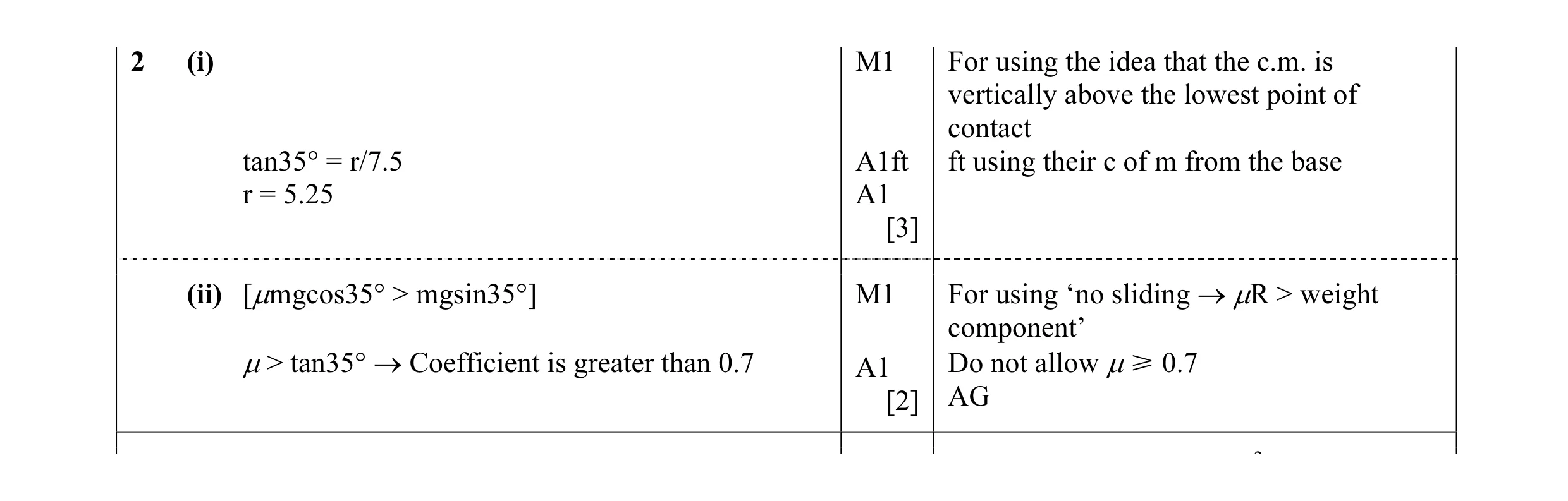 5
5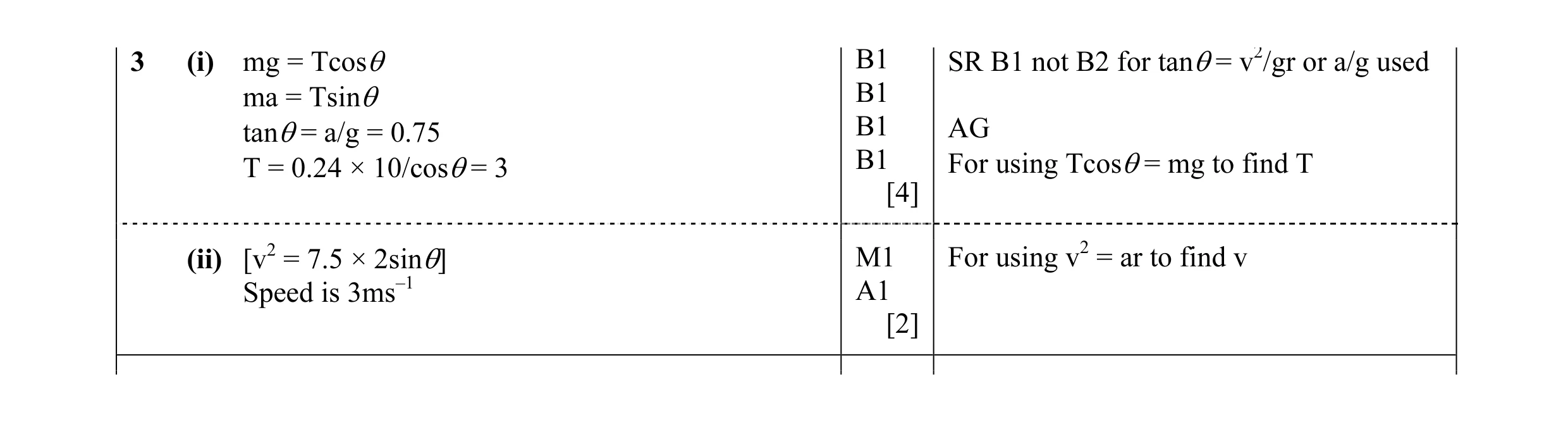 6
6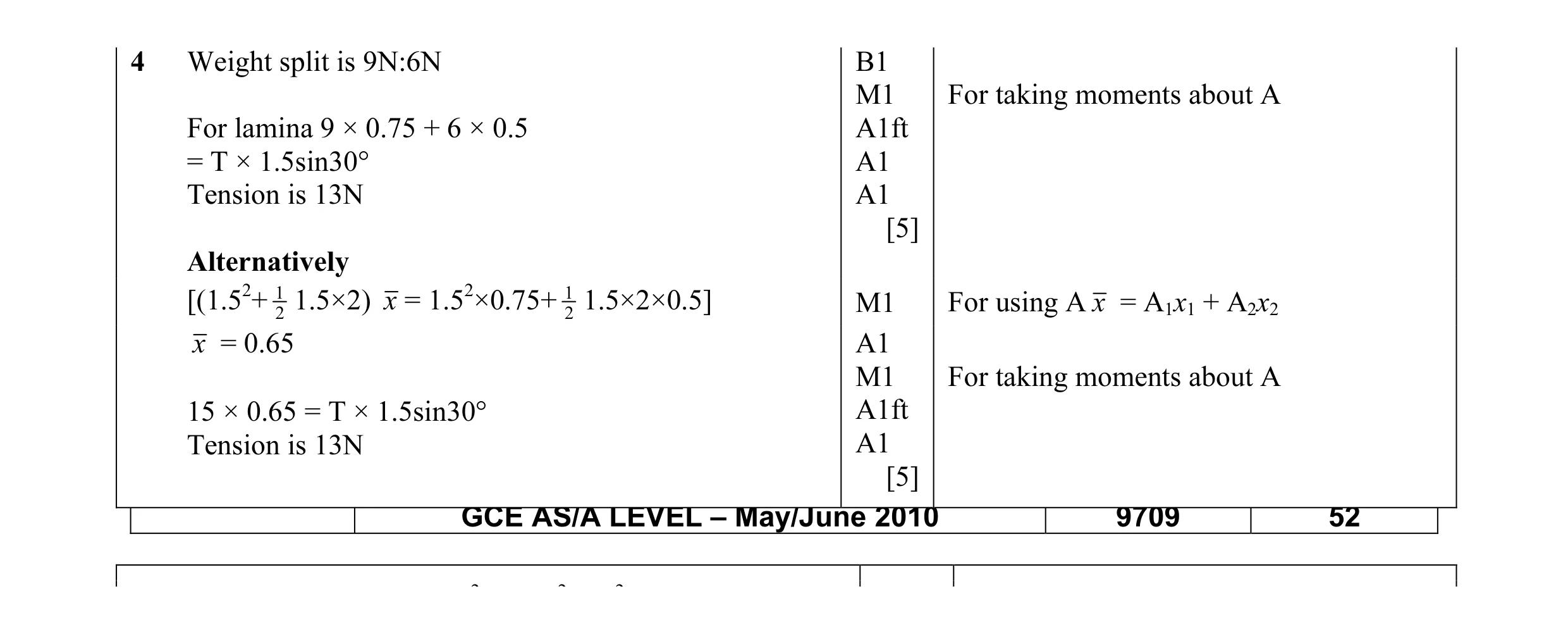 5
5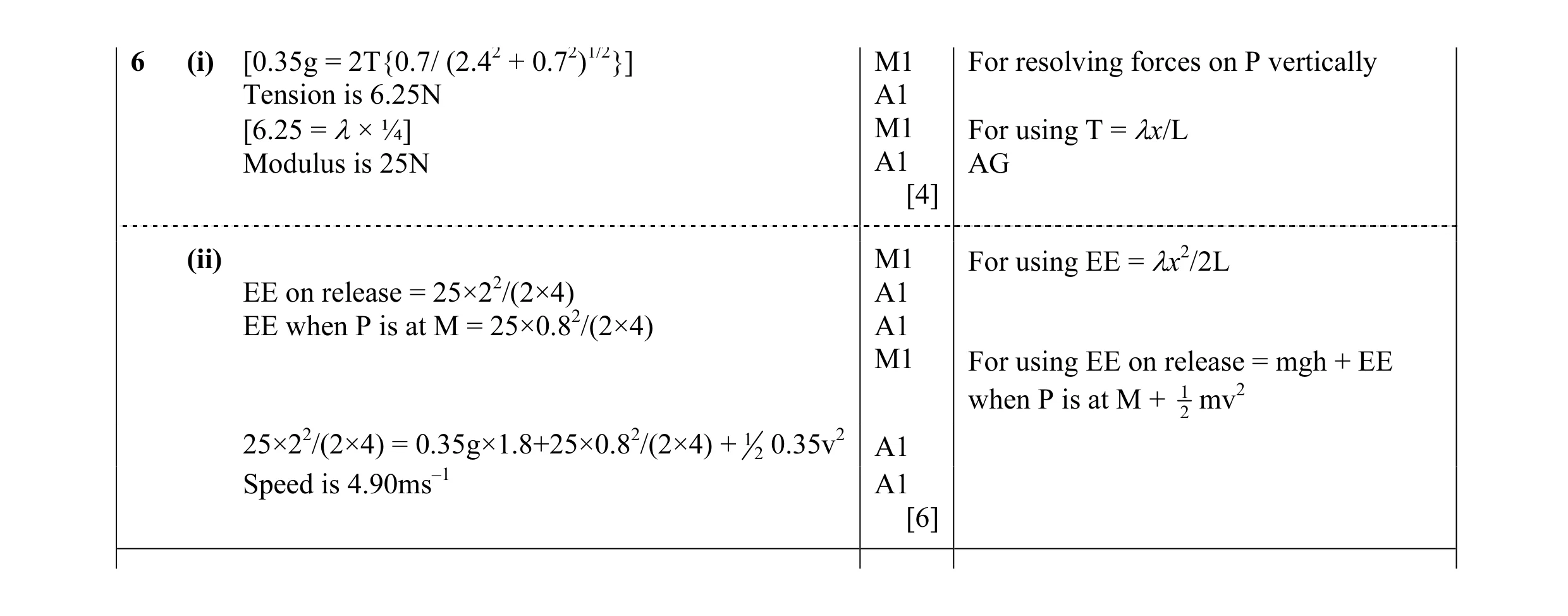 10
10 4
4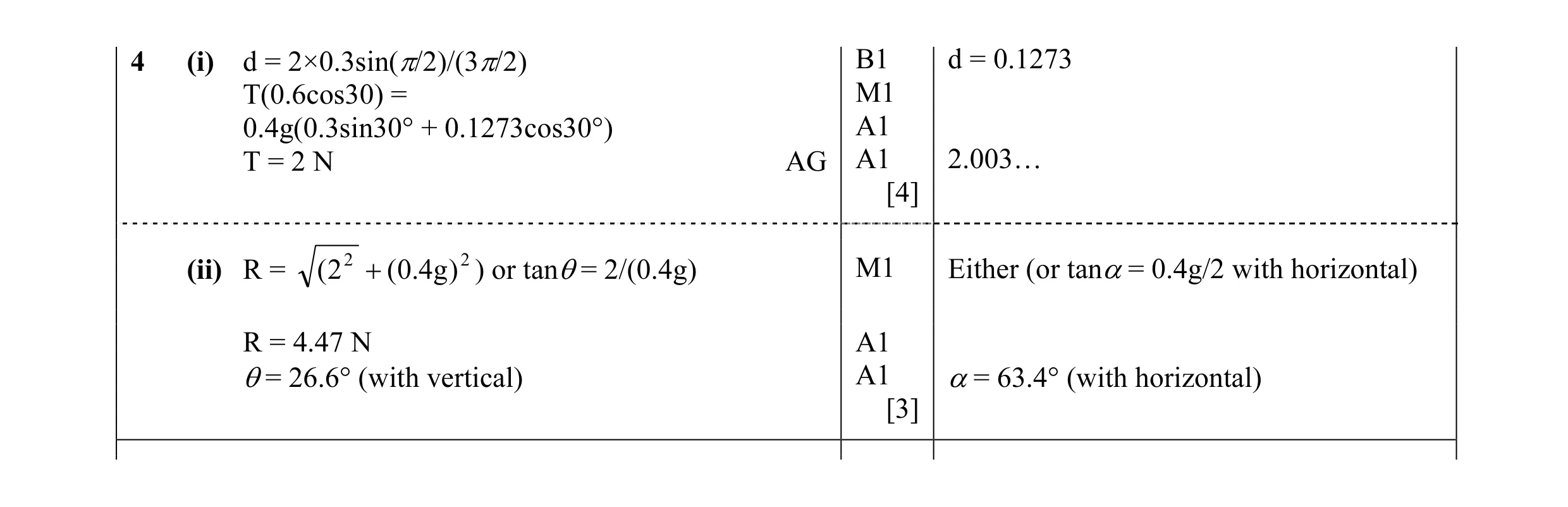 7
7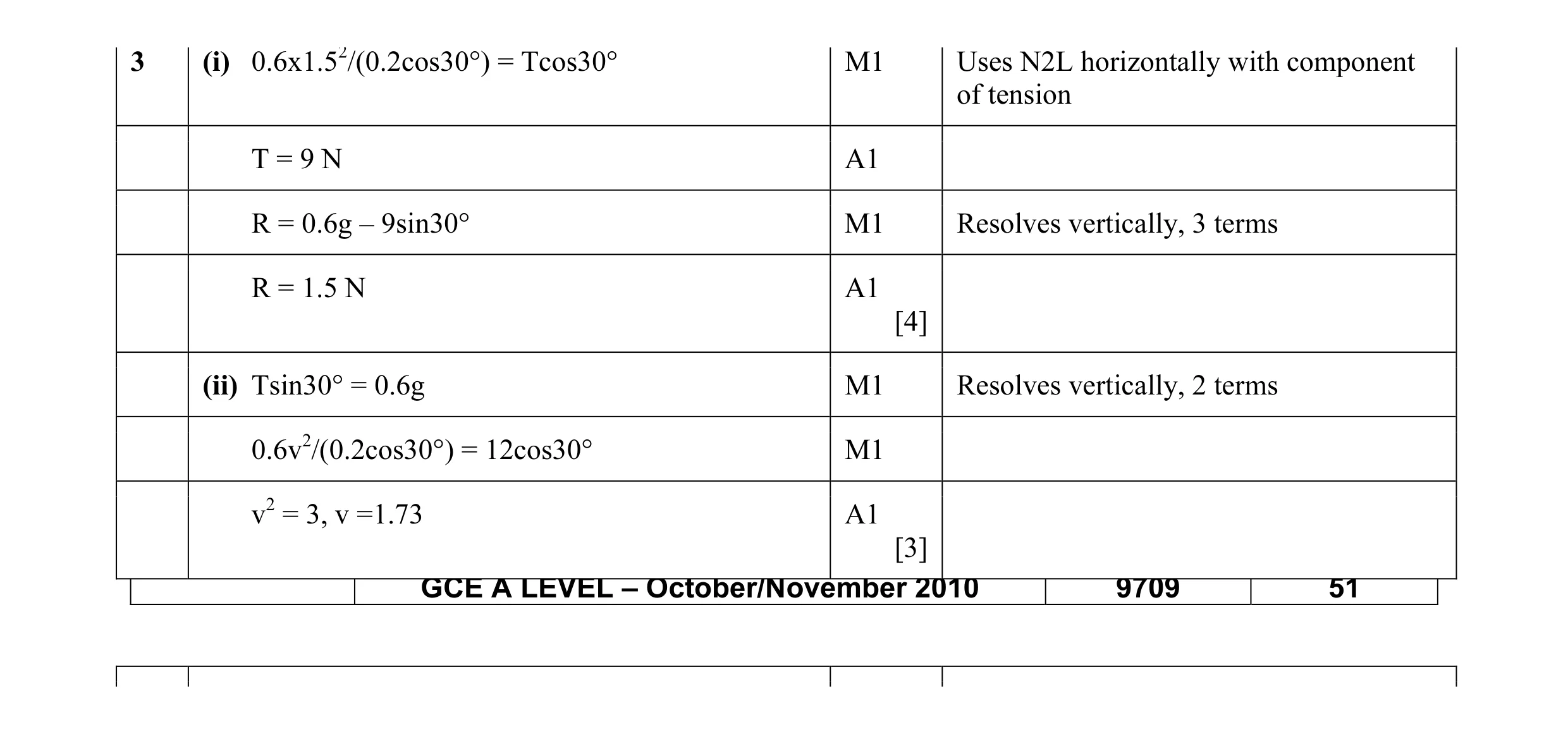 7
7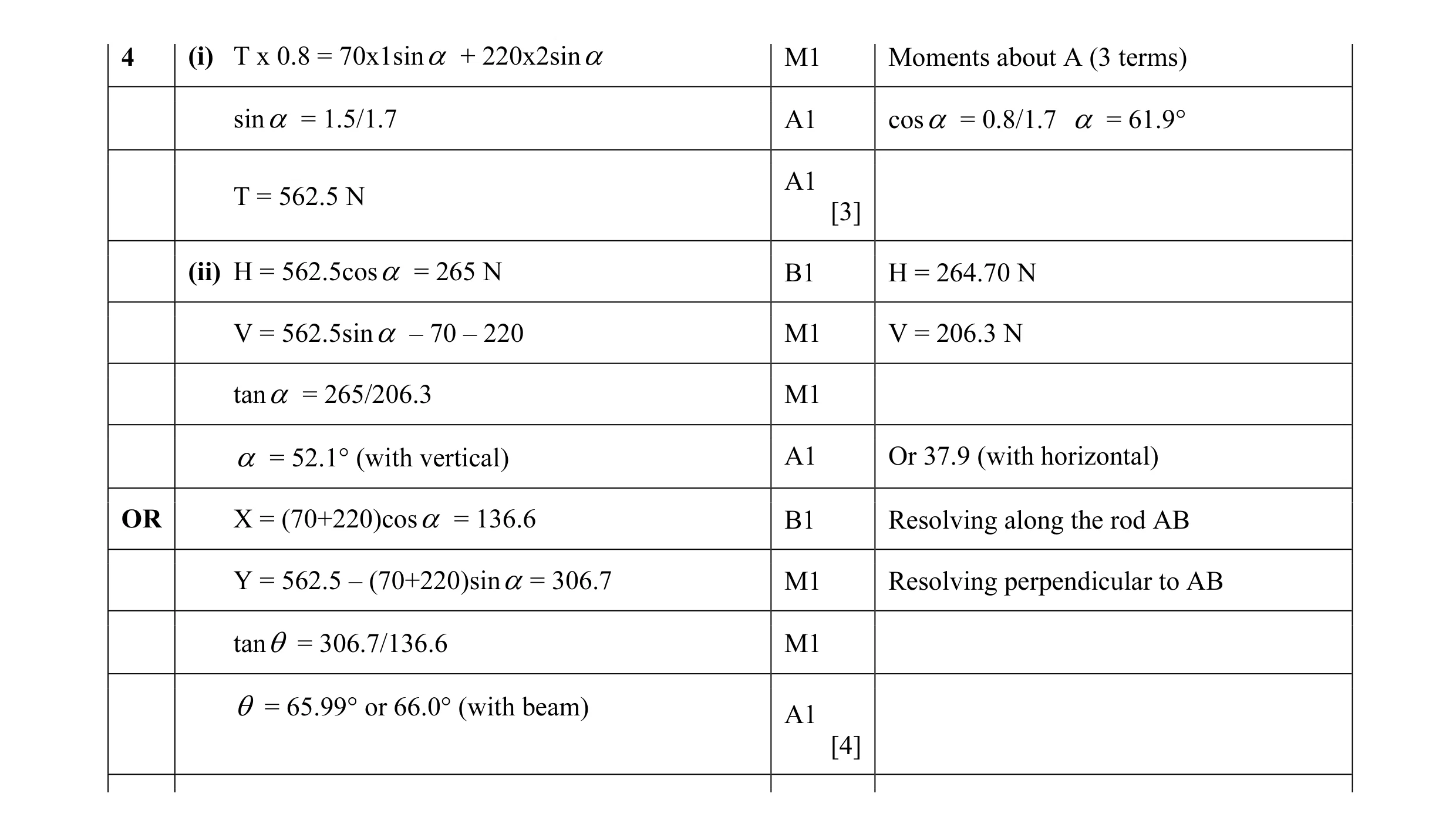 7
7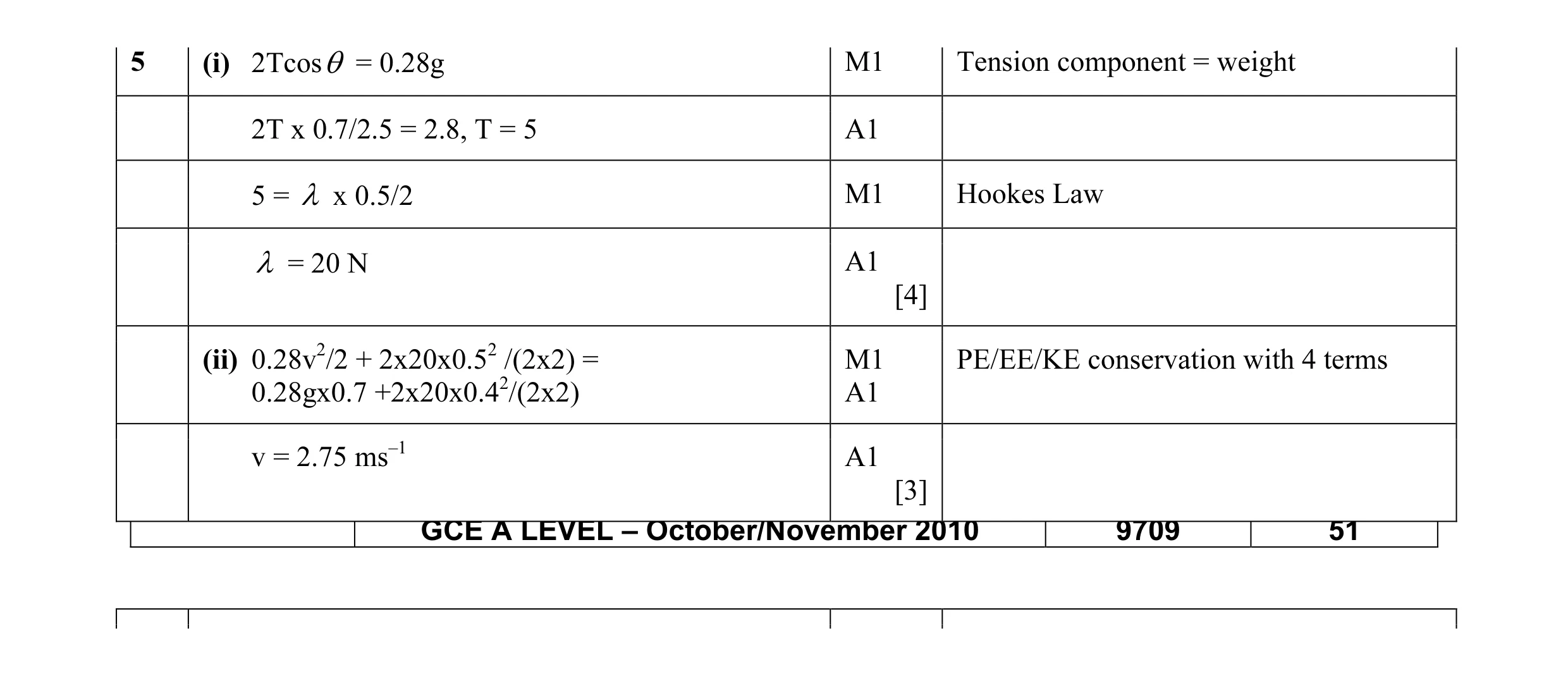 7
7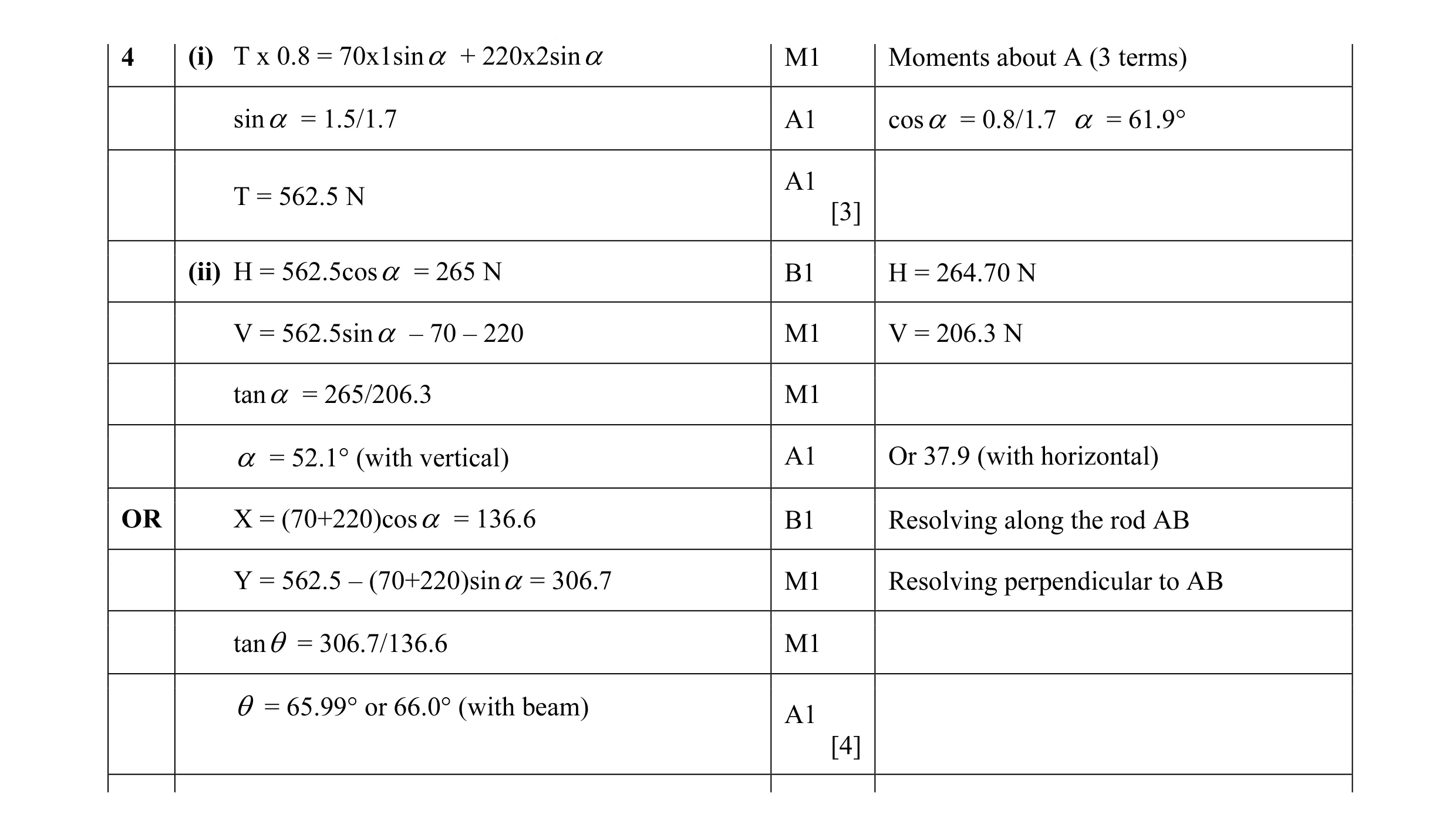 7
7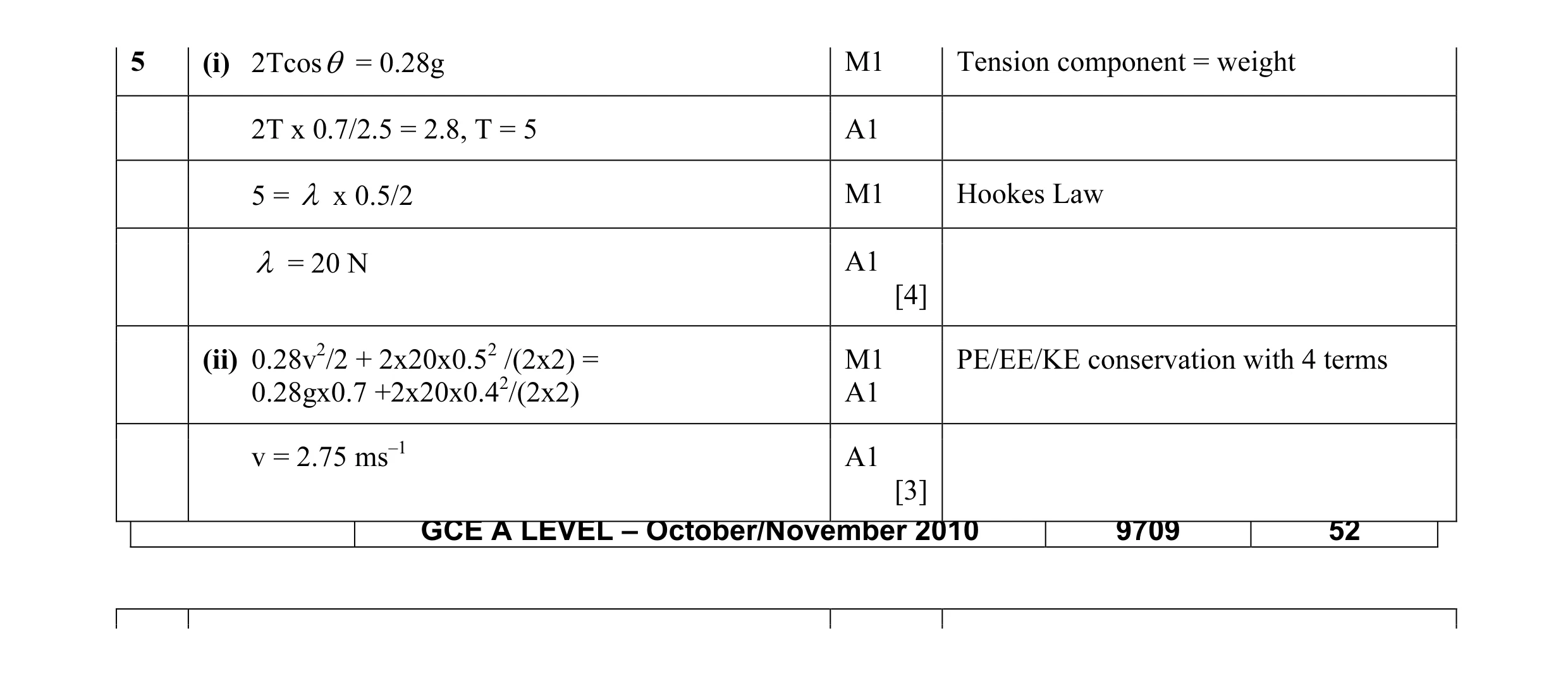 7
7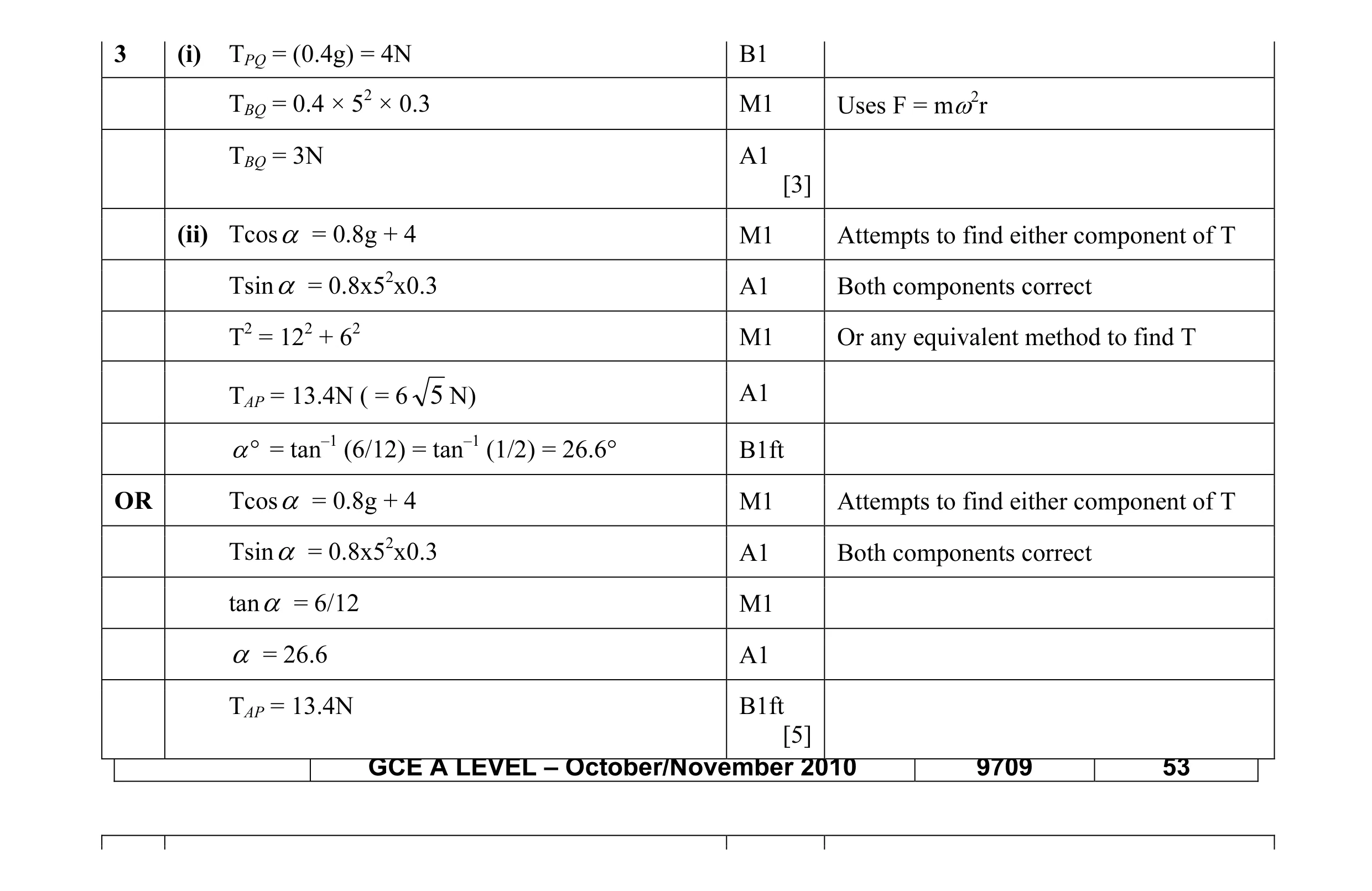 8
8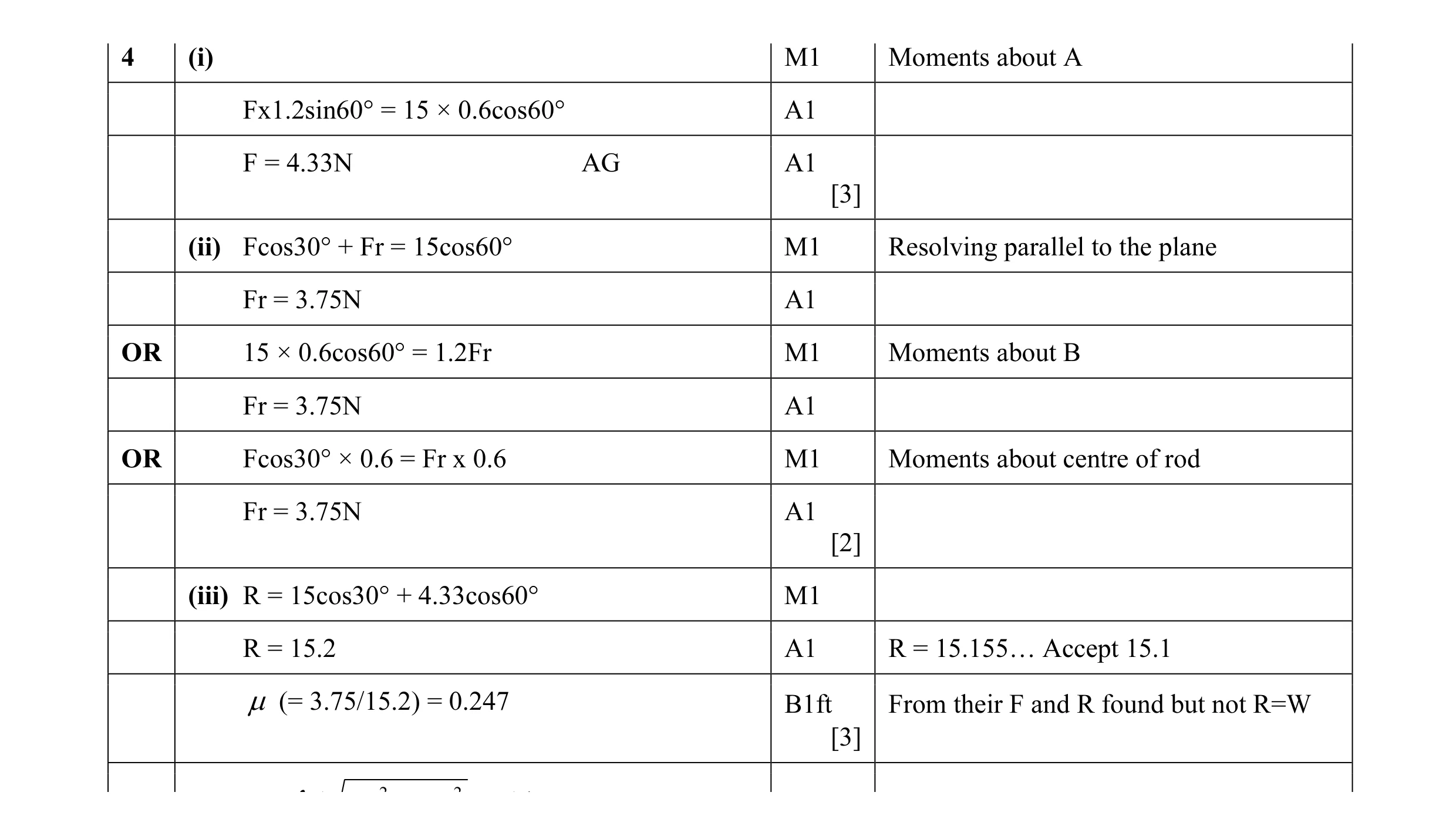 8
8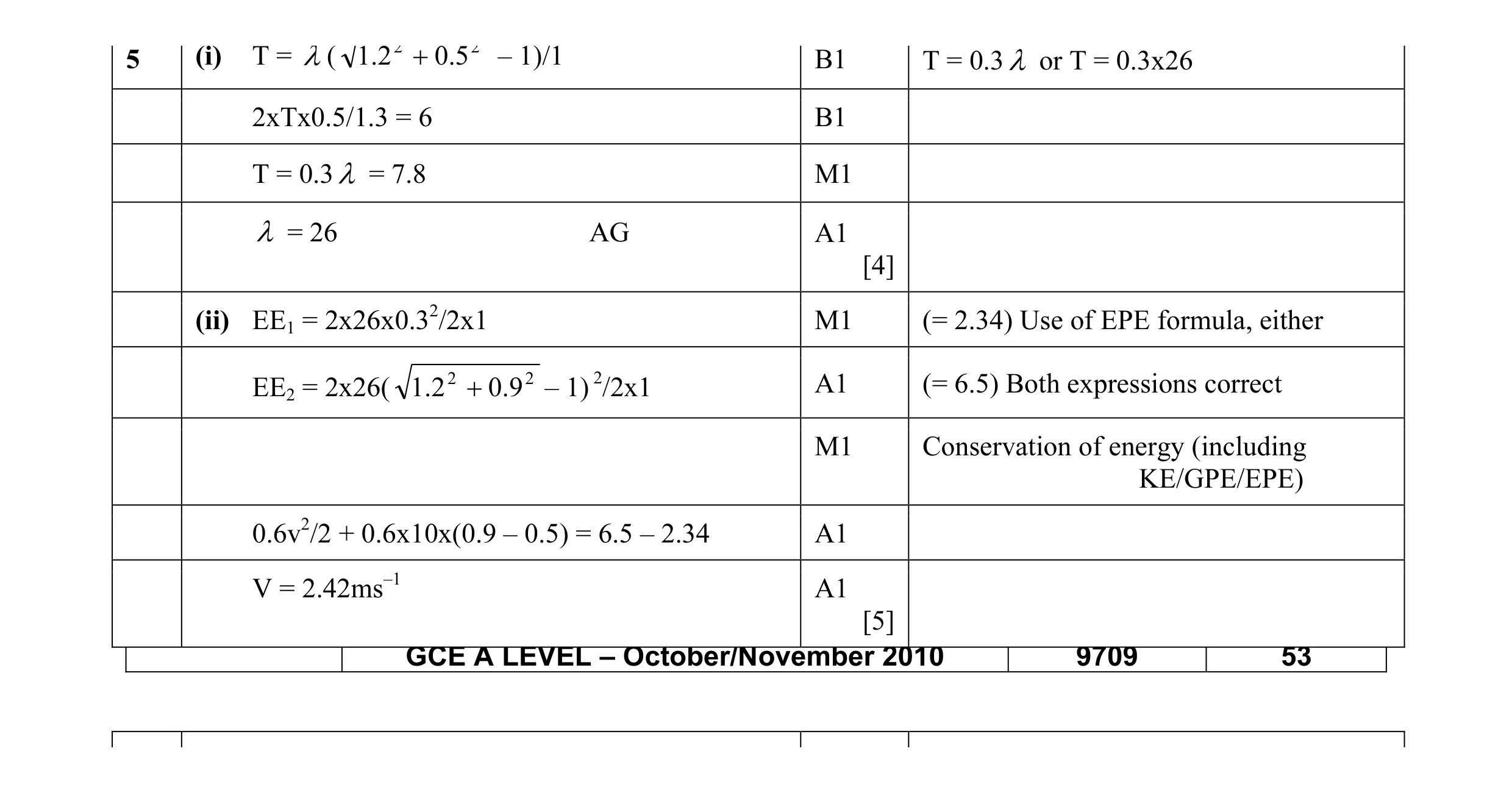 9
9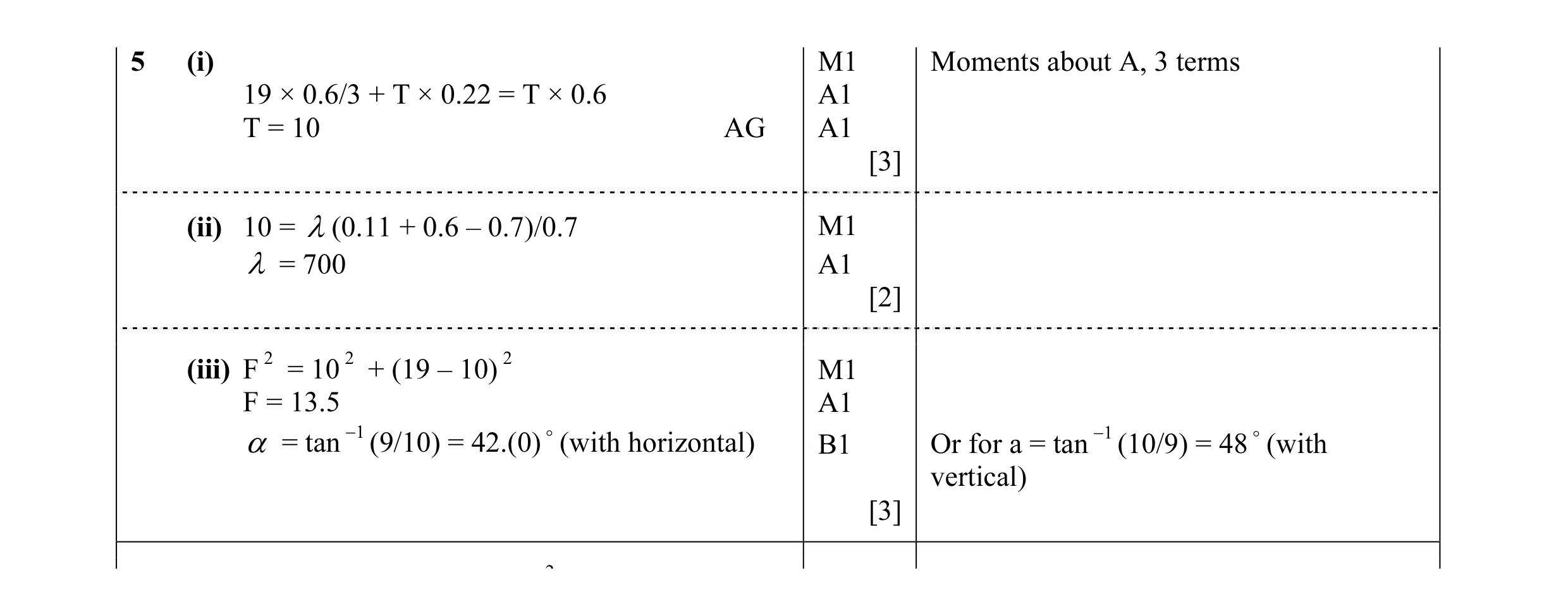 8
8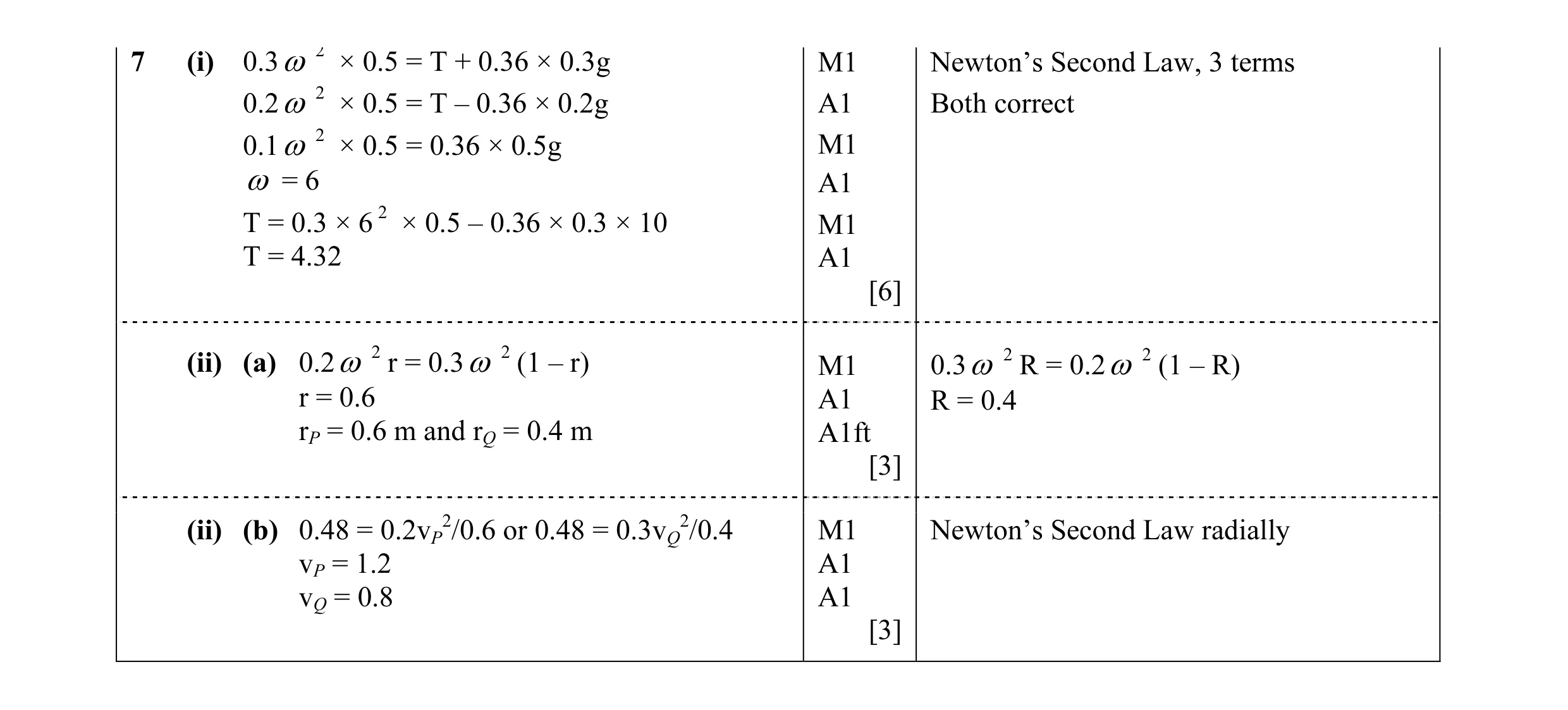 12
12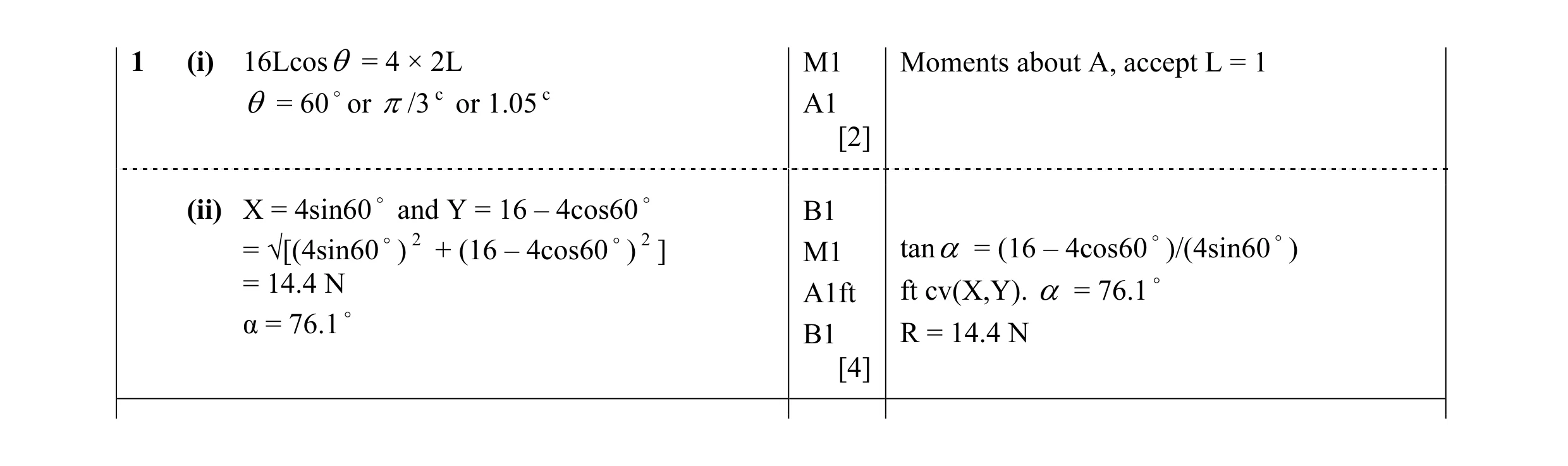 6
6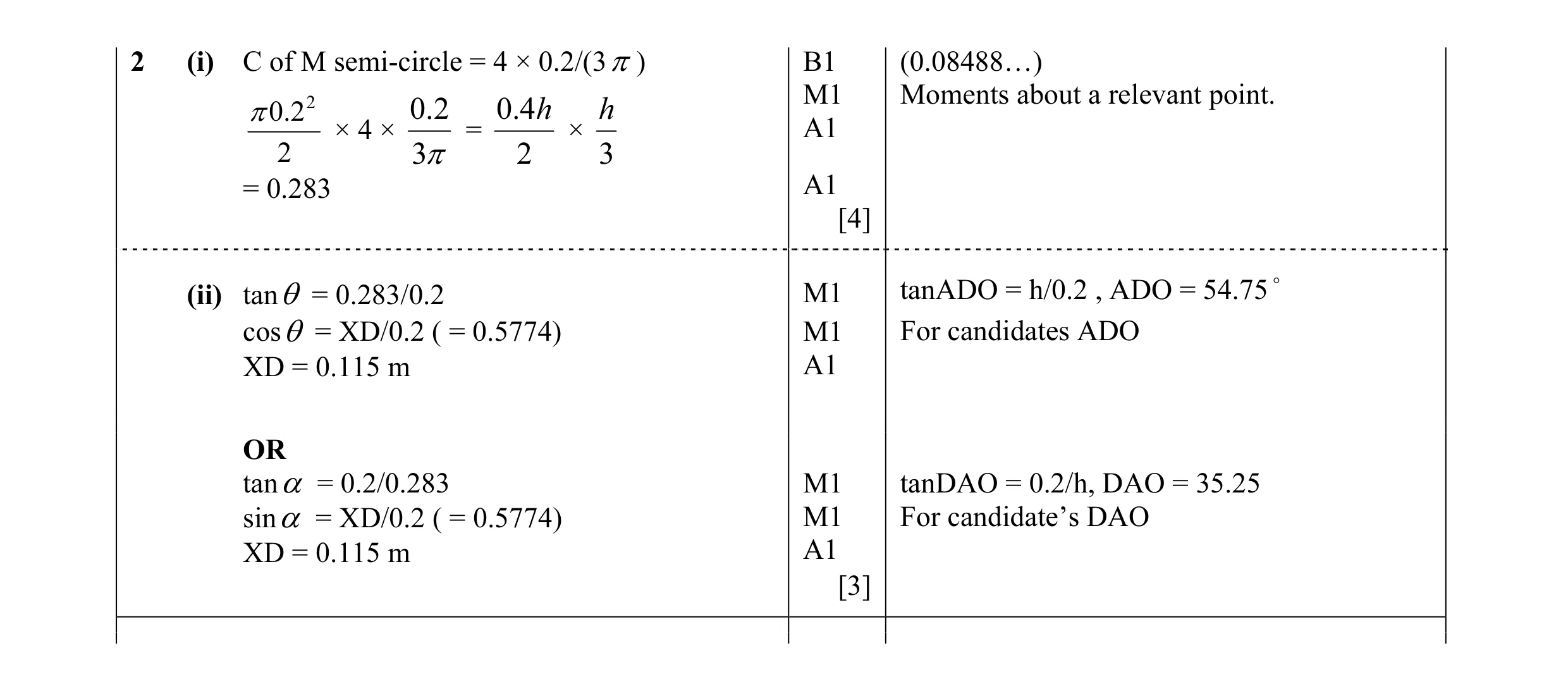 7
7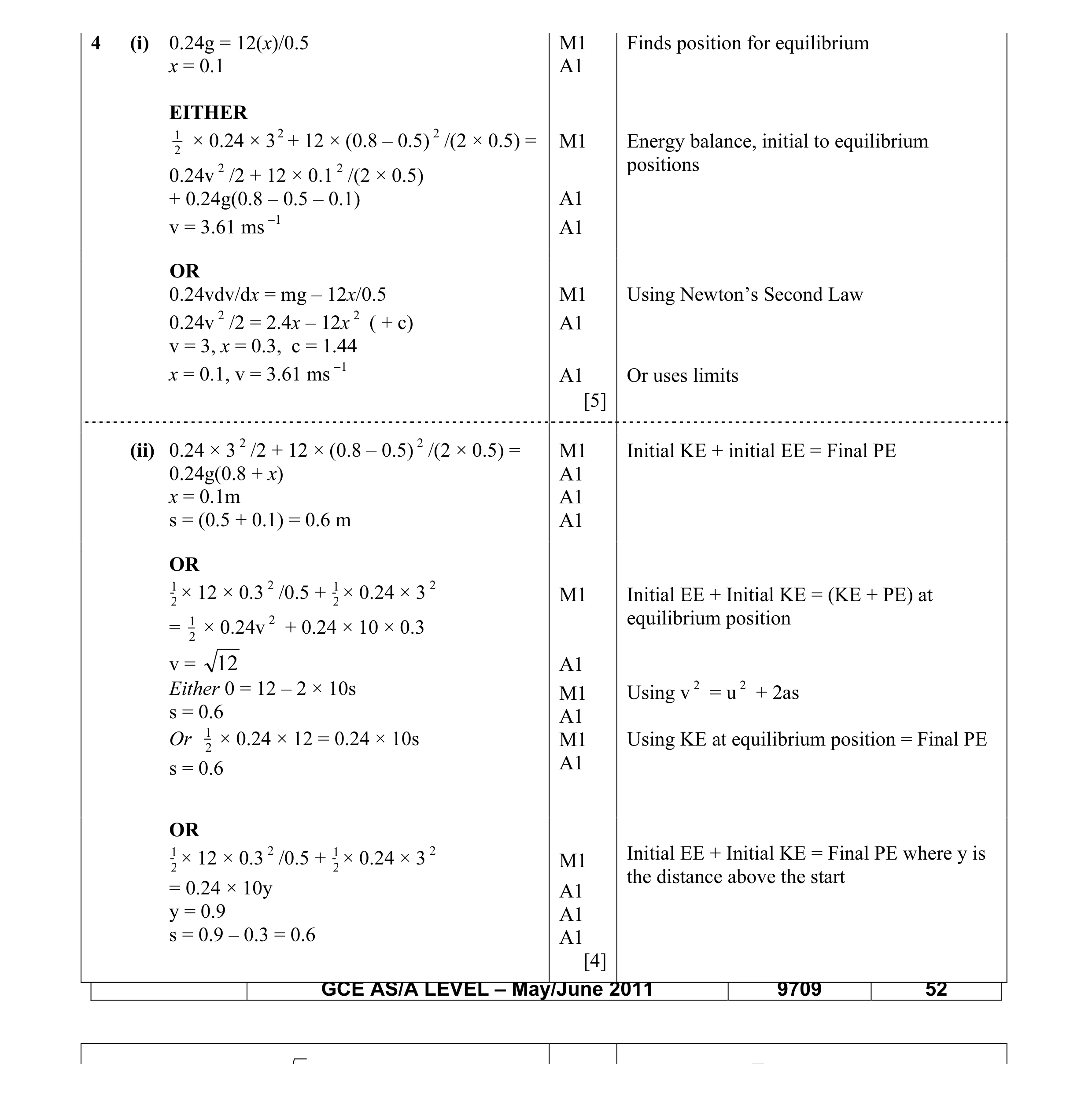 9
9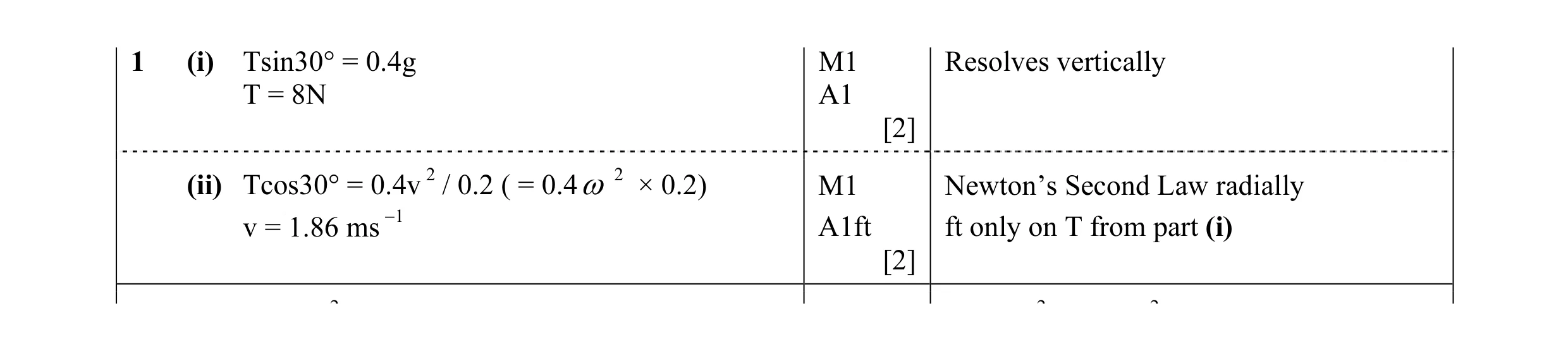 4
4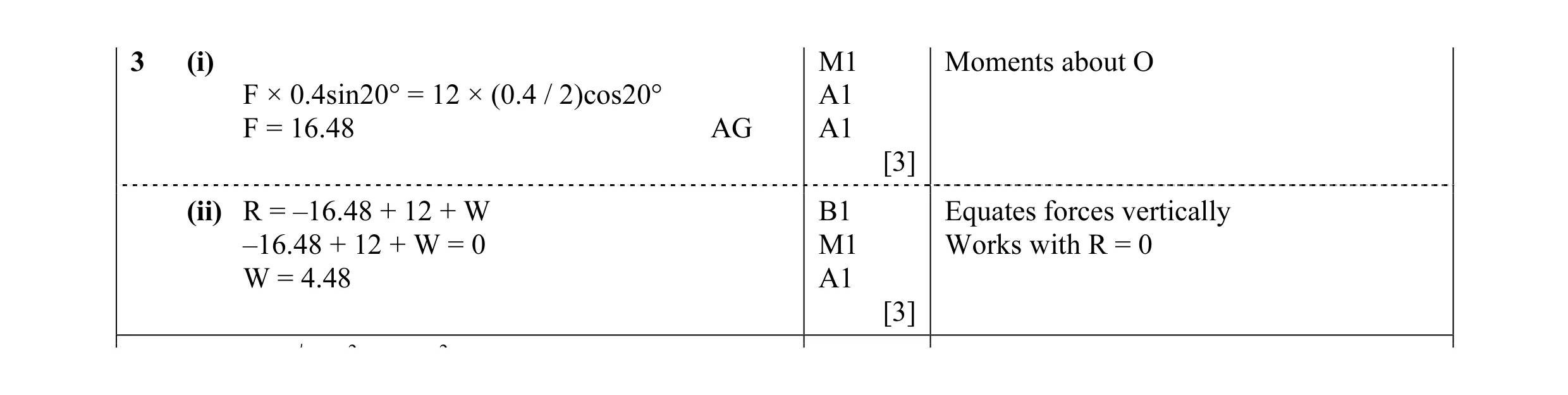 6
6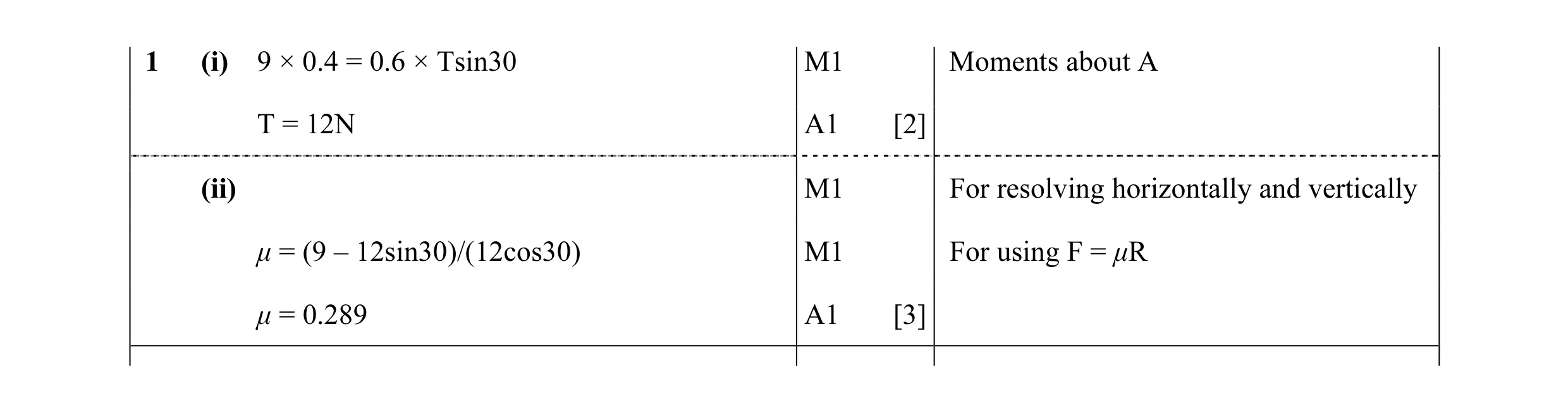 5
5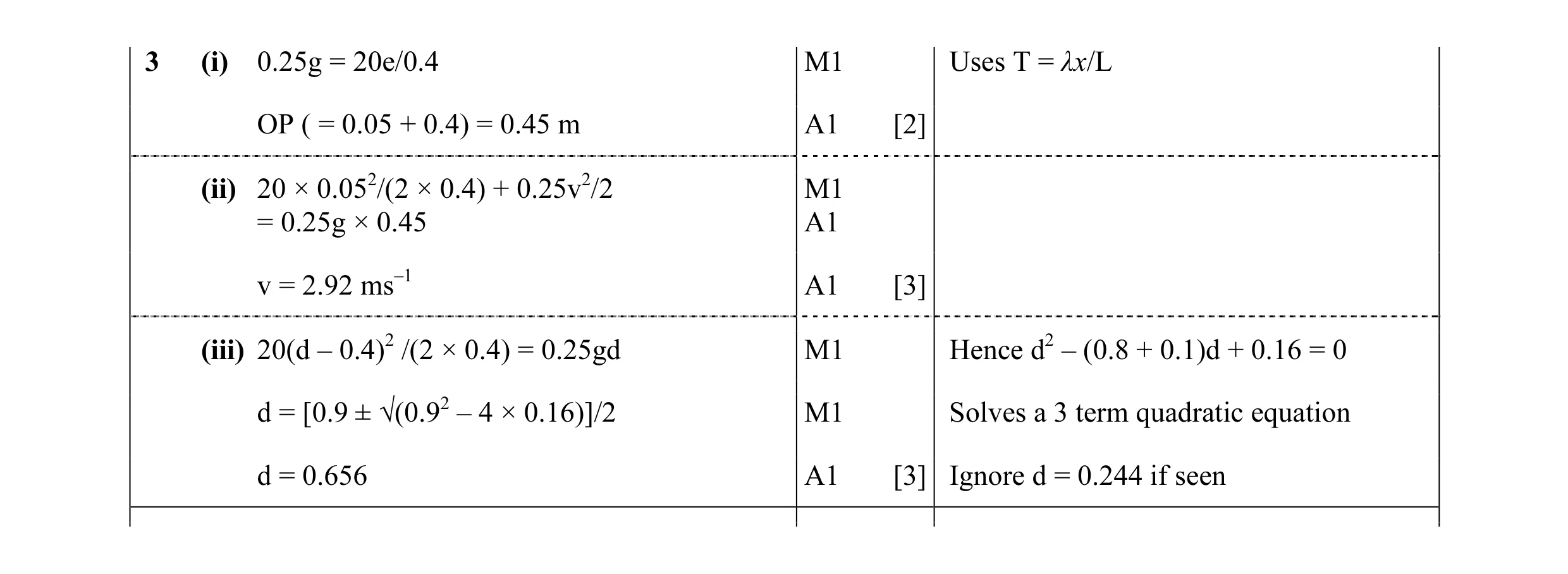 8
8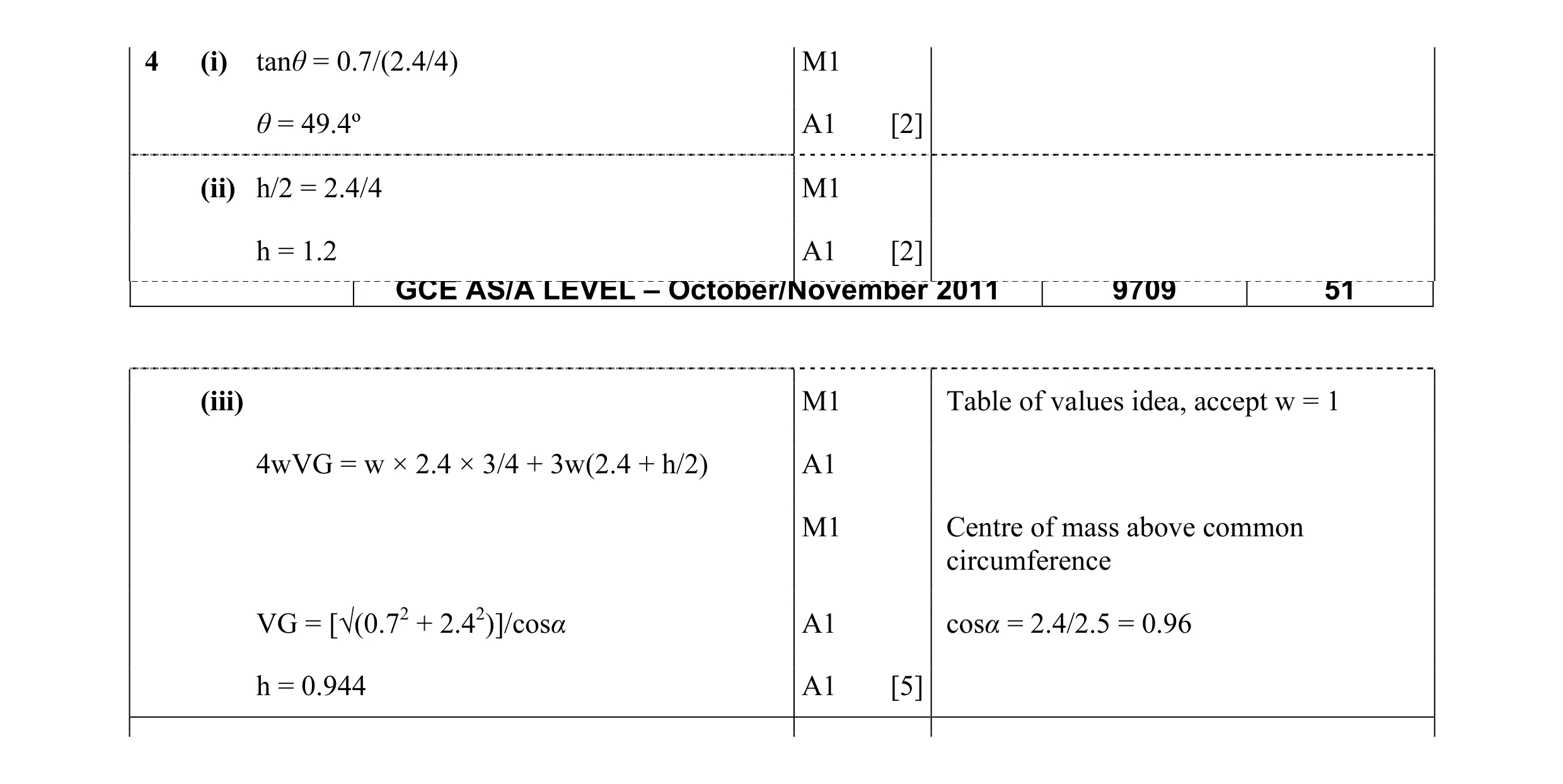 9
9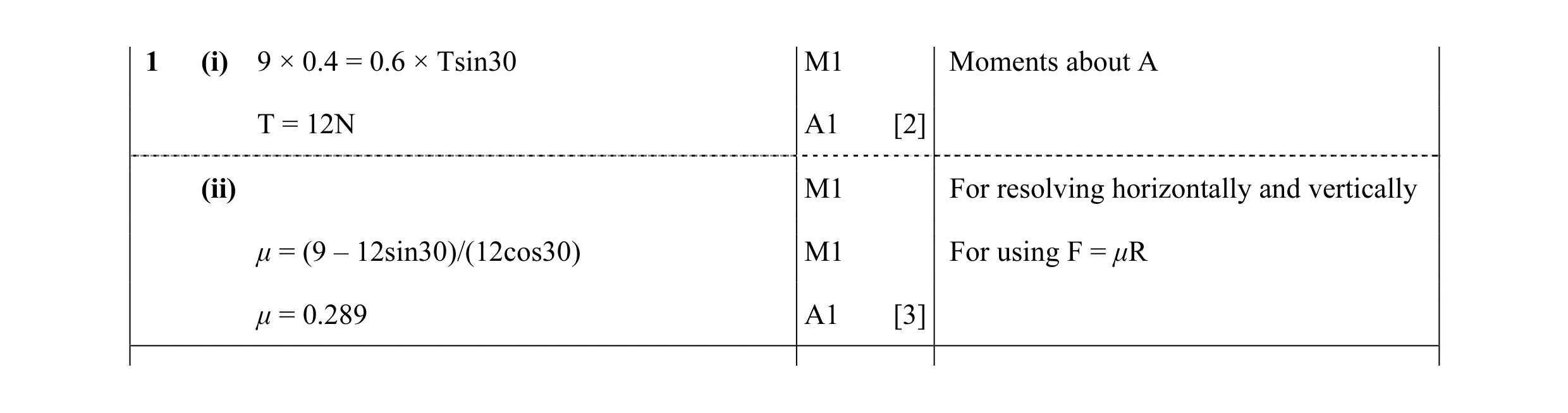 5
5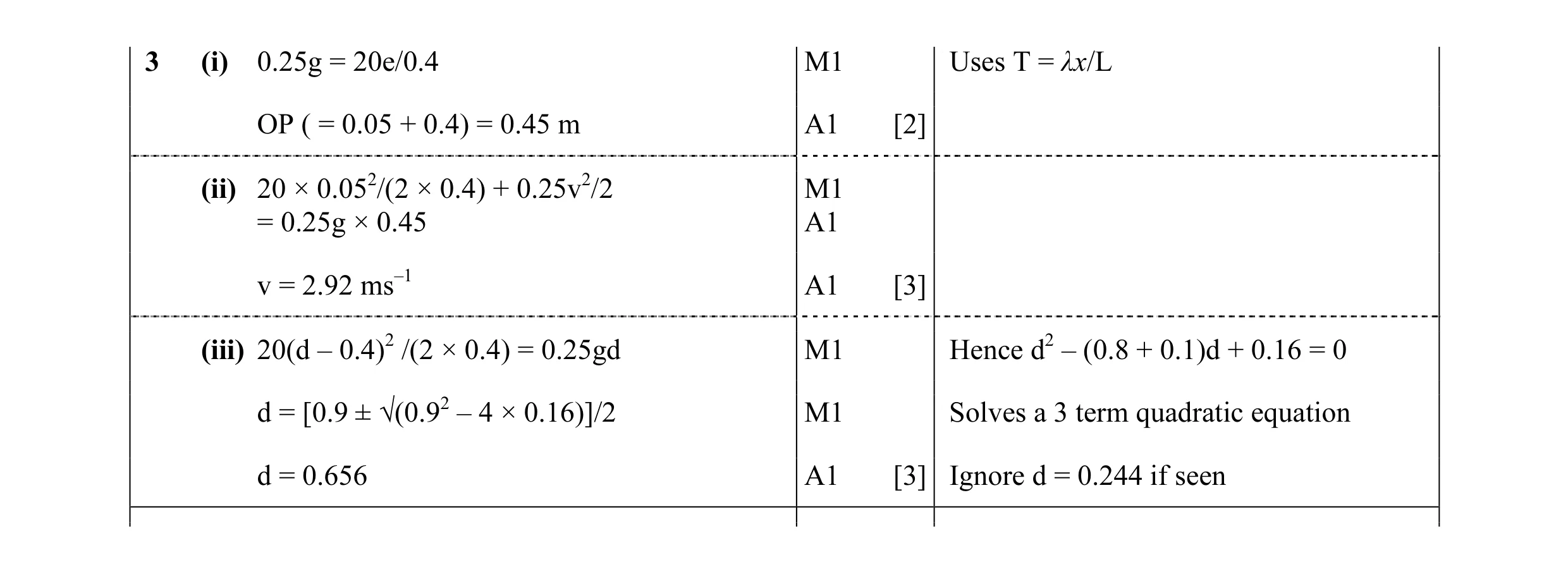 8
8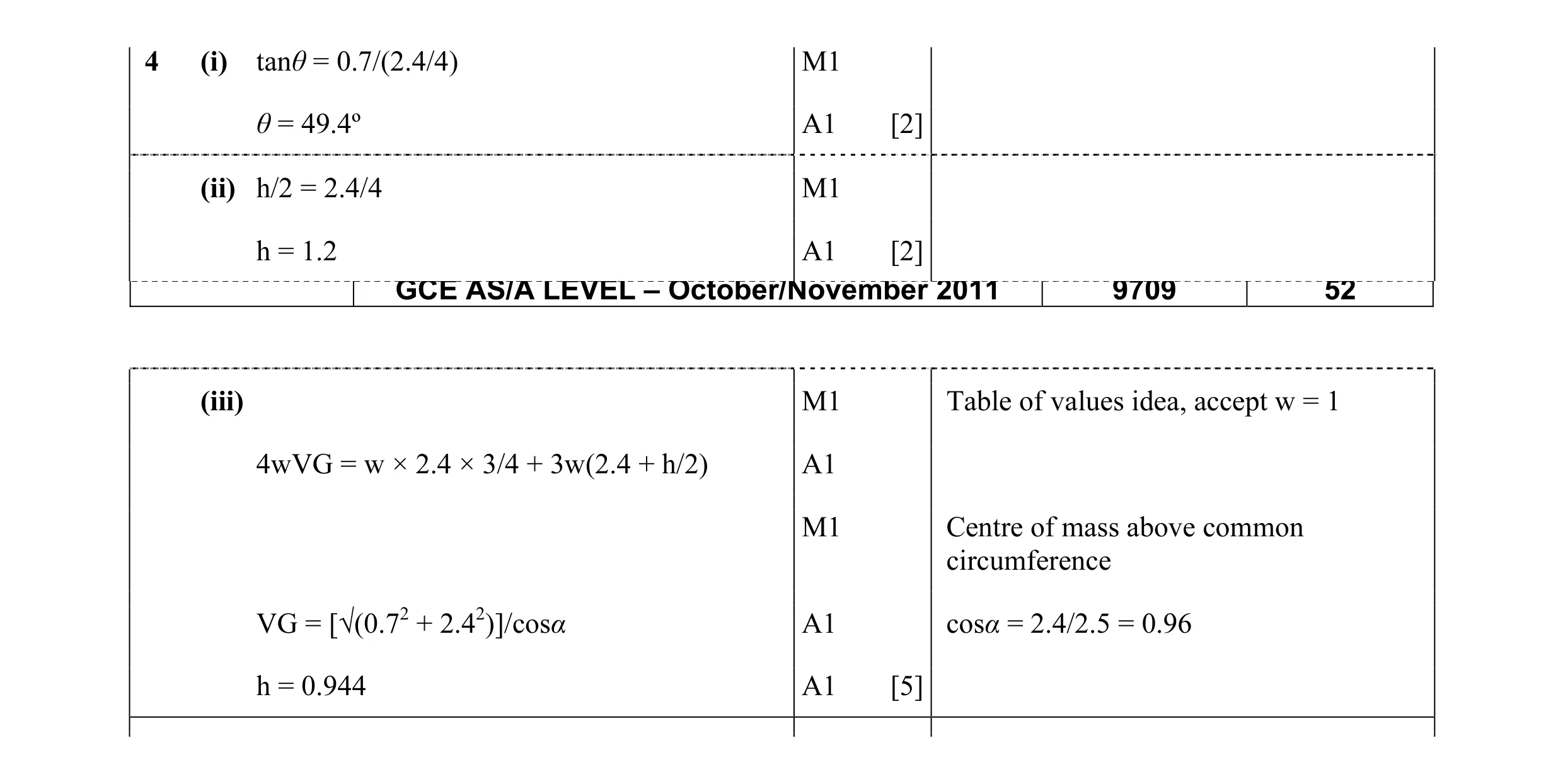 9
9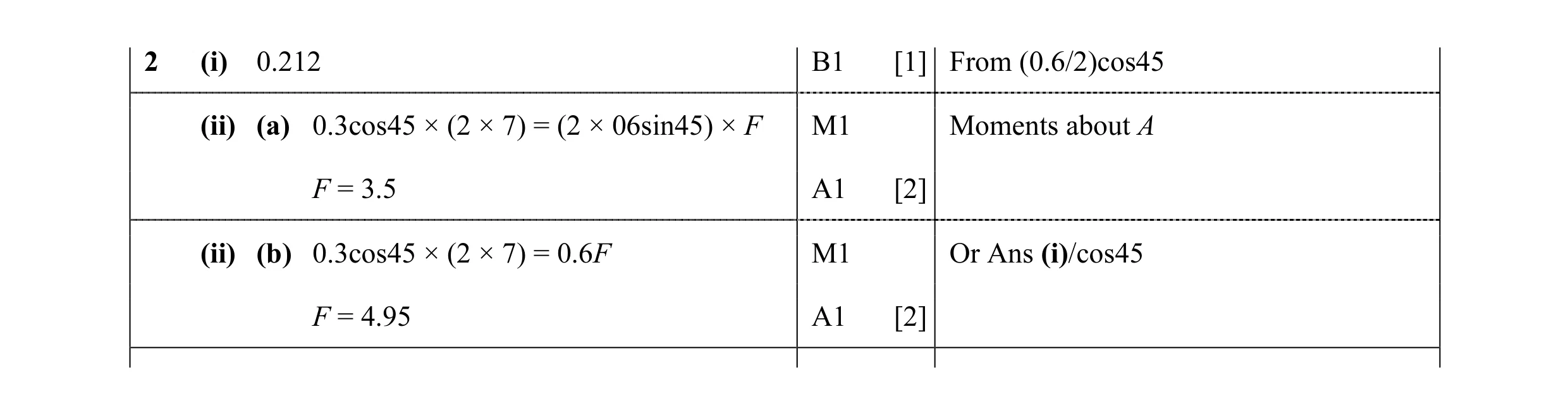 5
5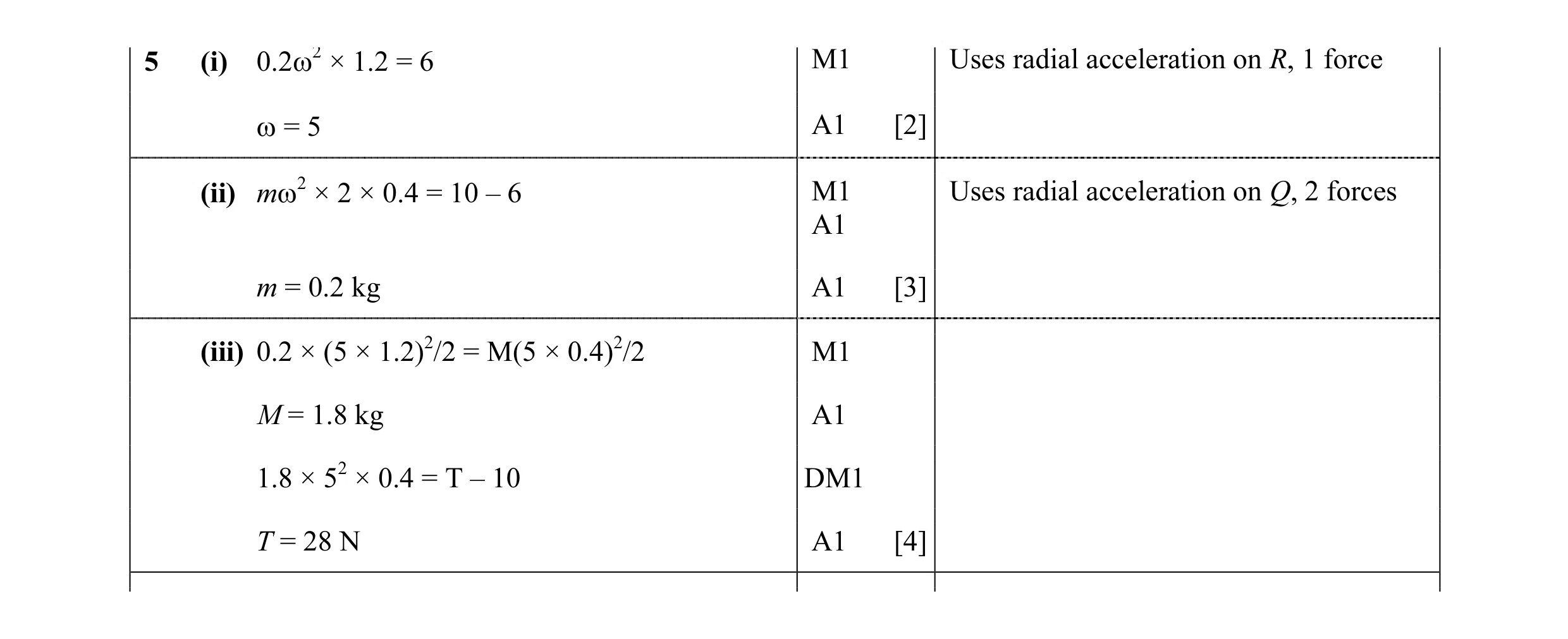 9
9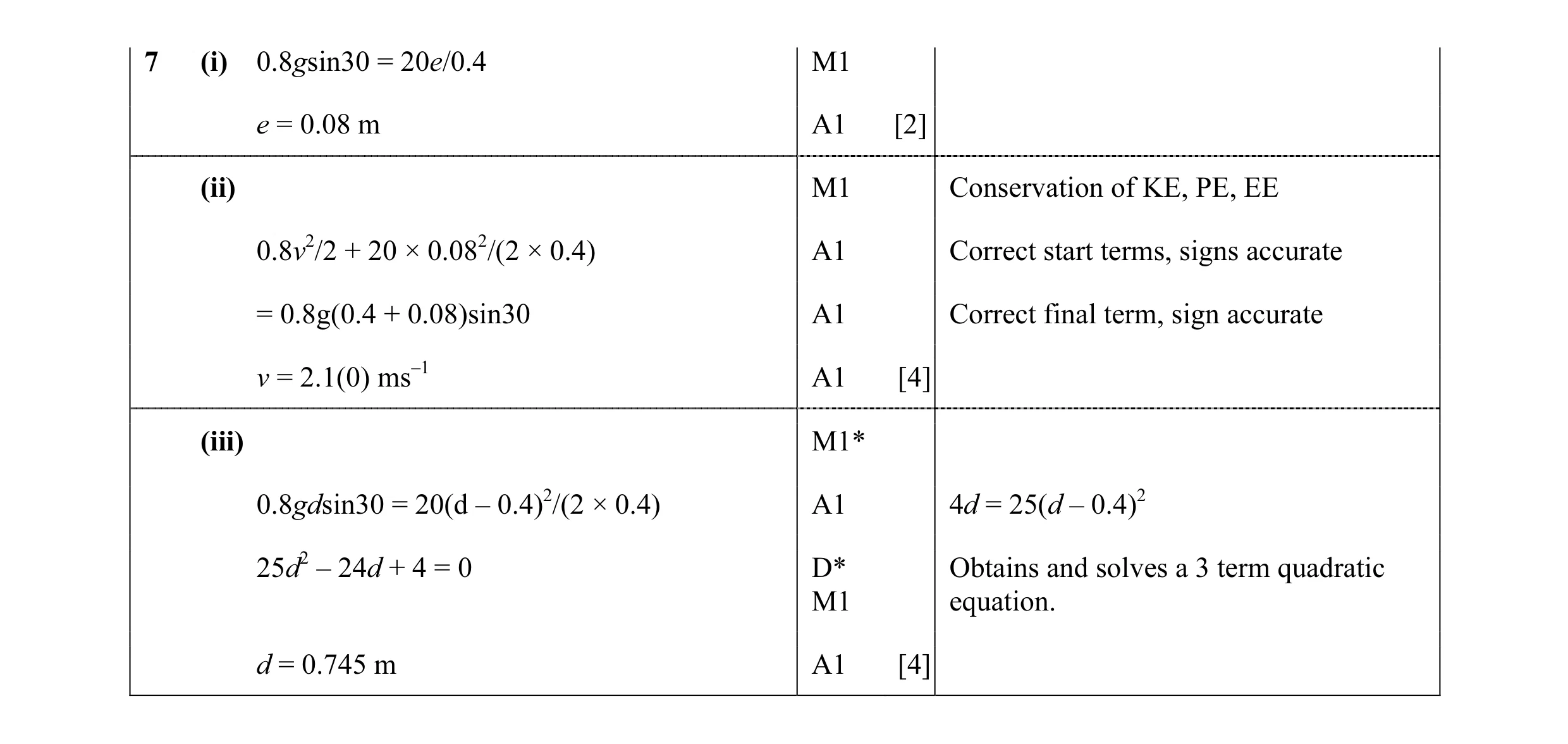 10
10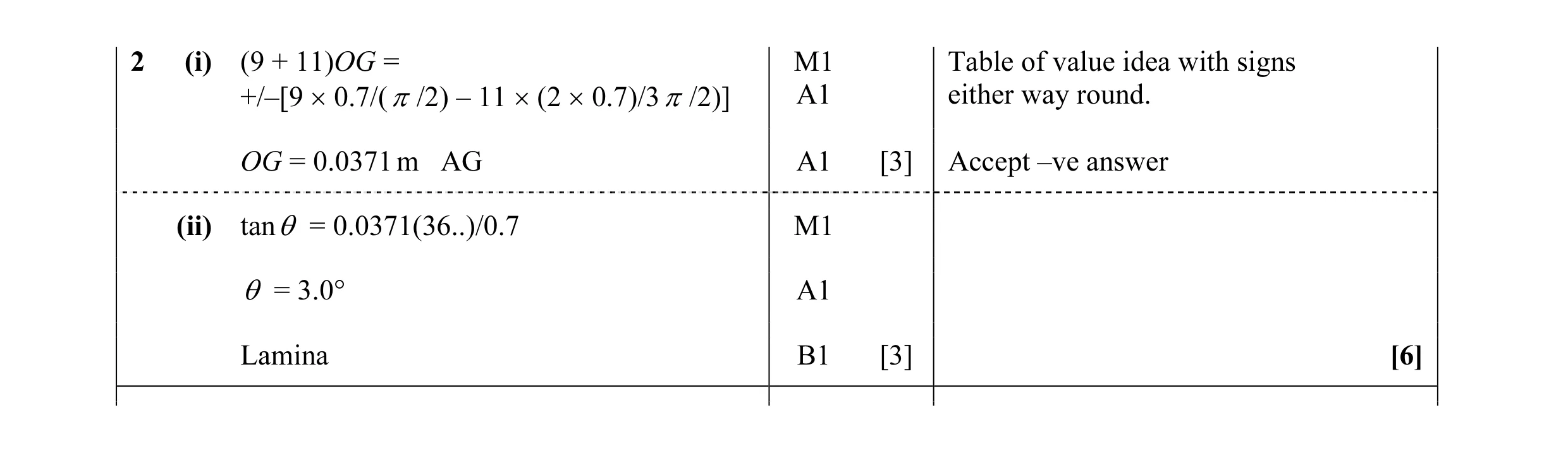 6
6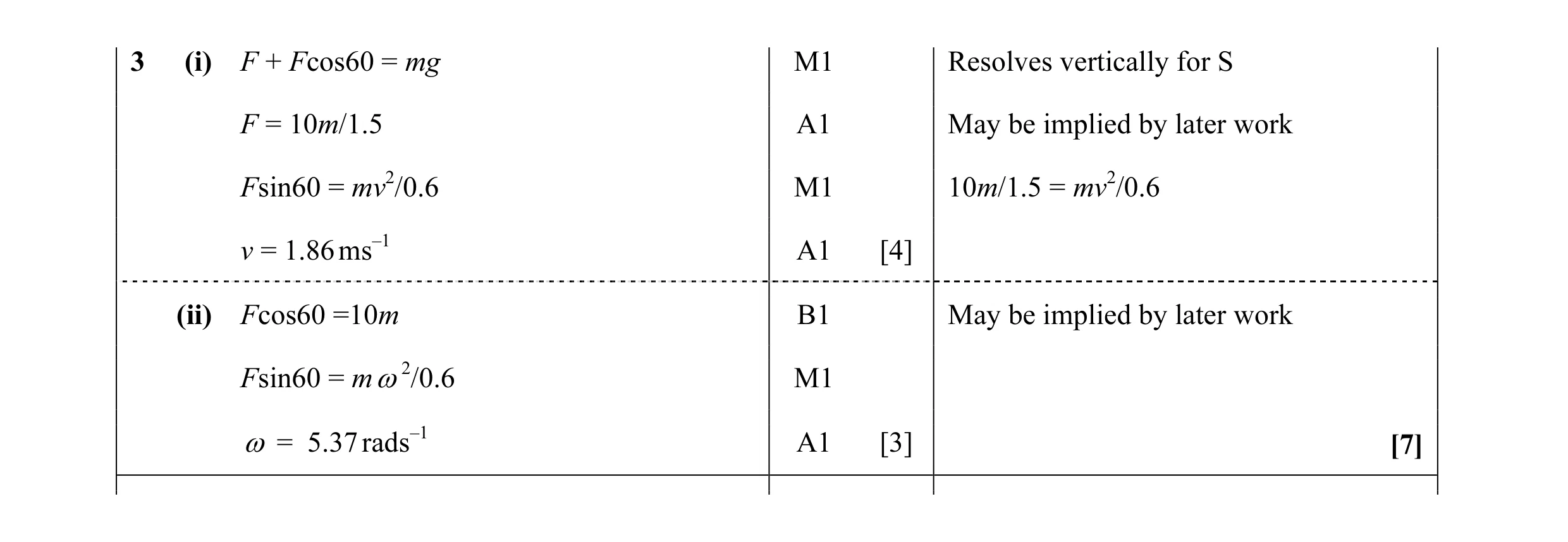 7
7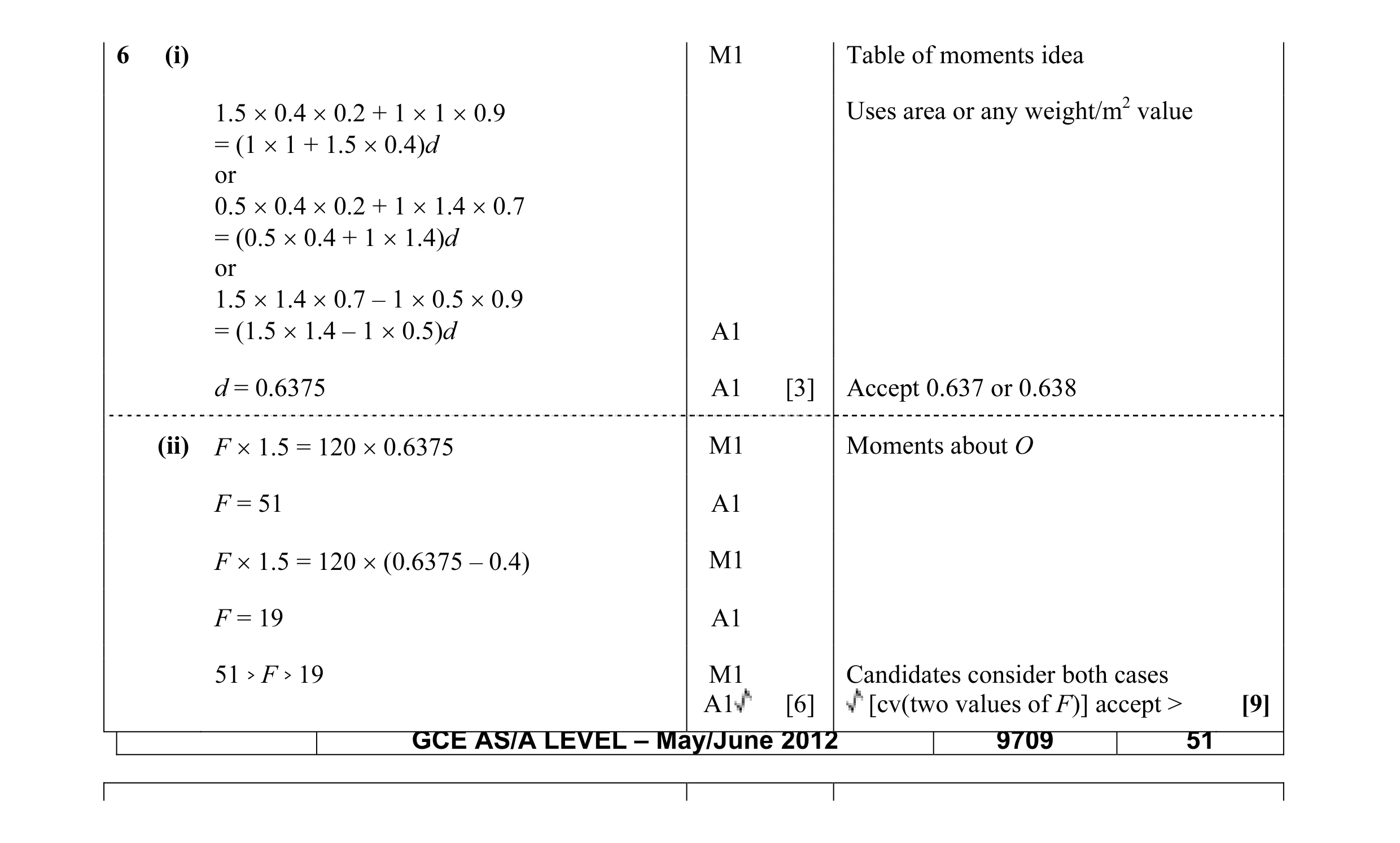 9
9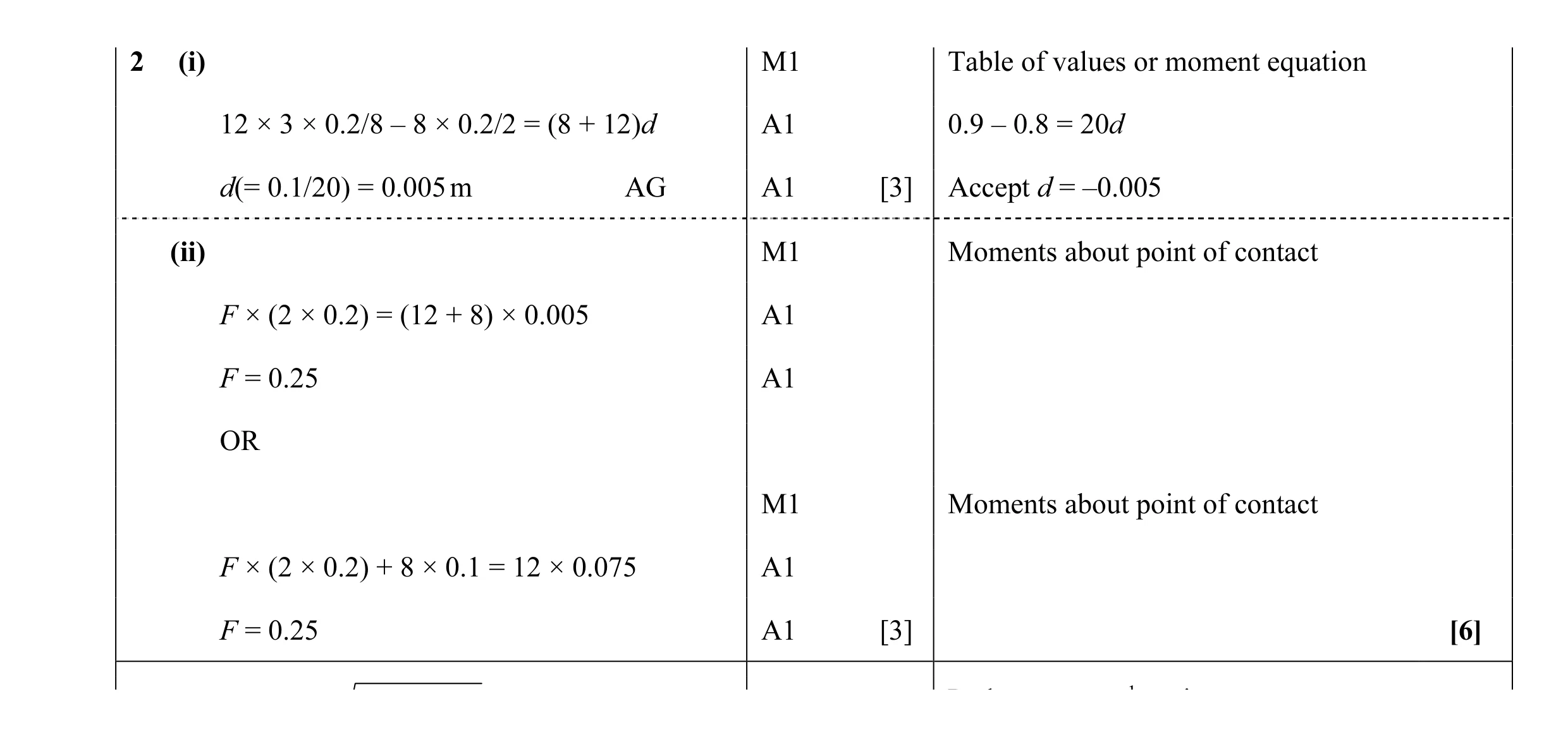 6
6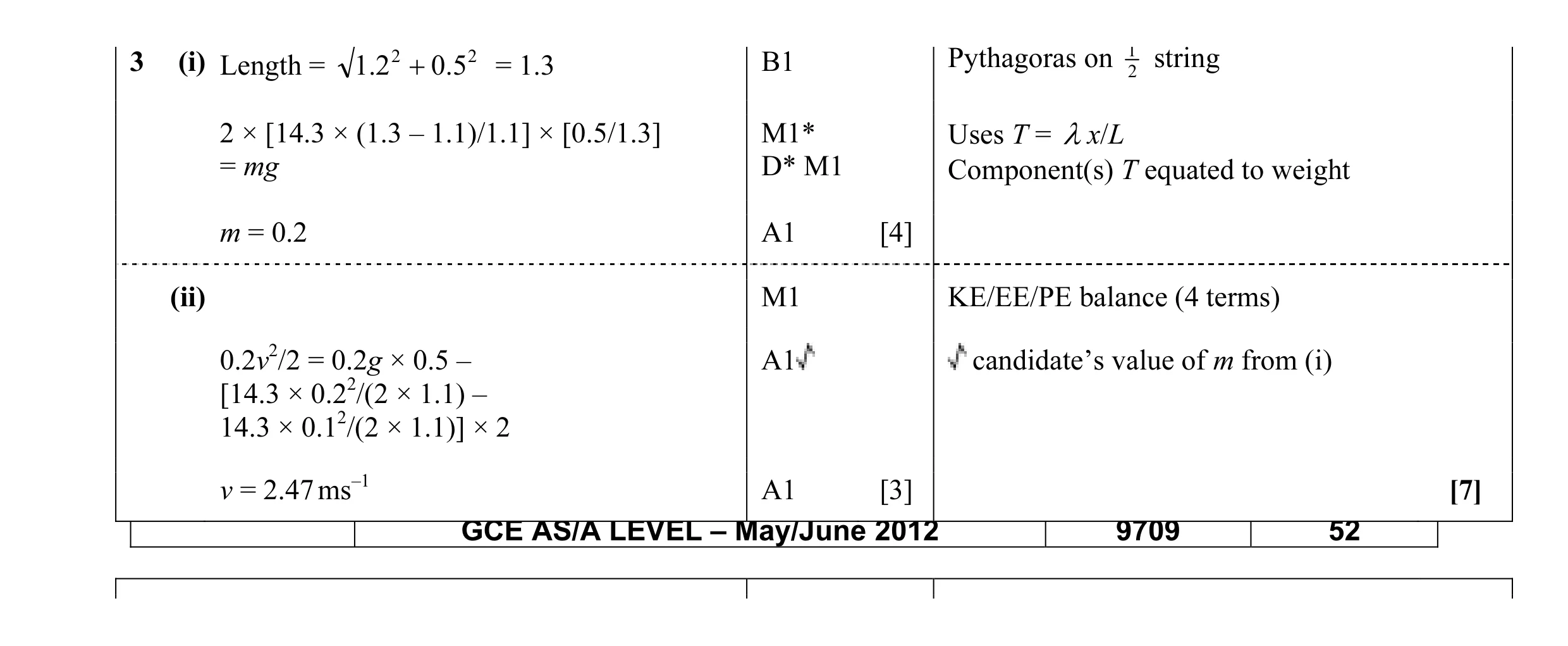 7
7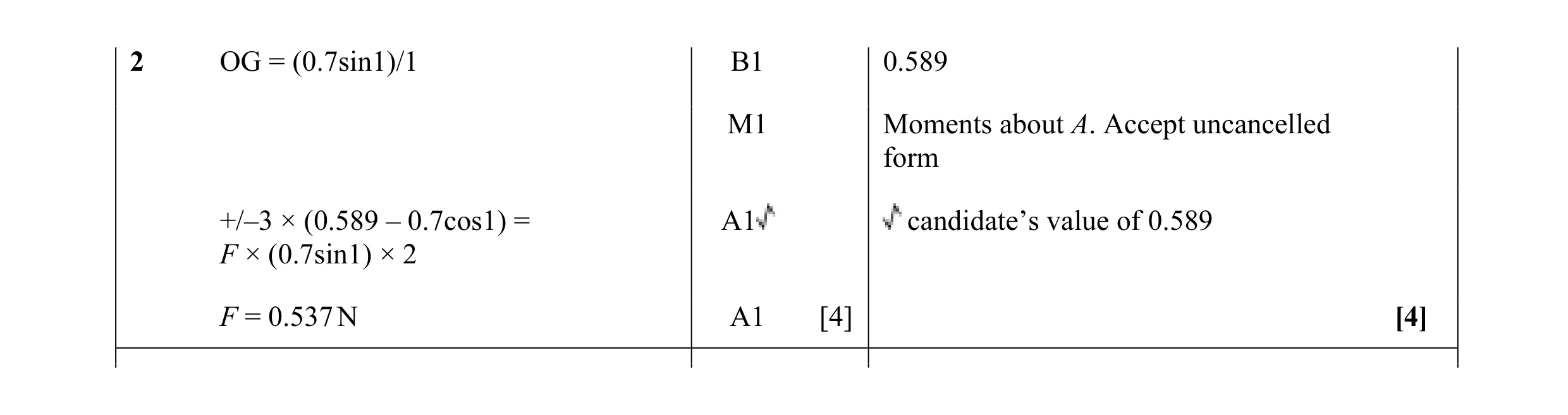 4
4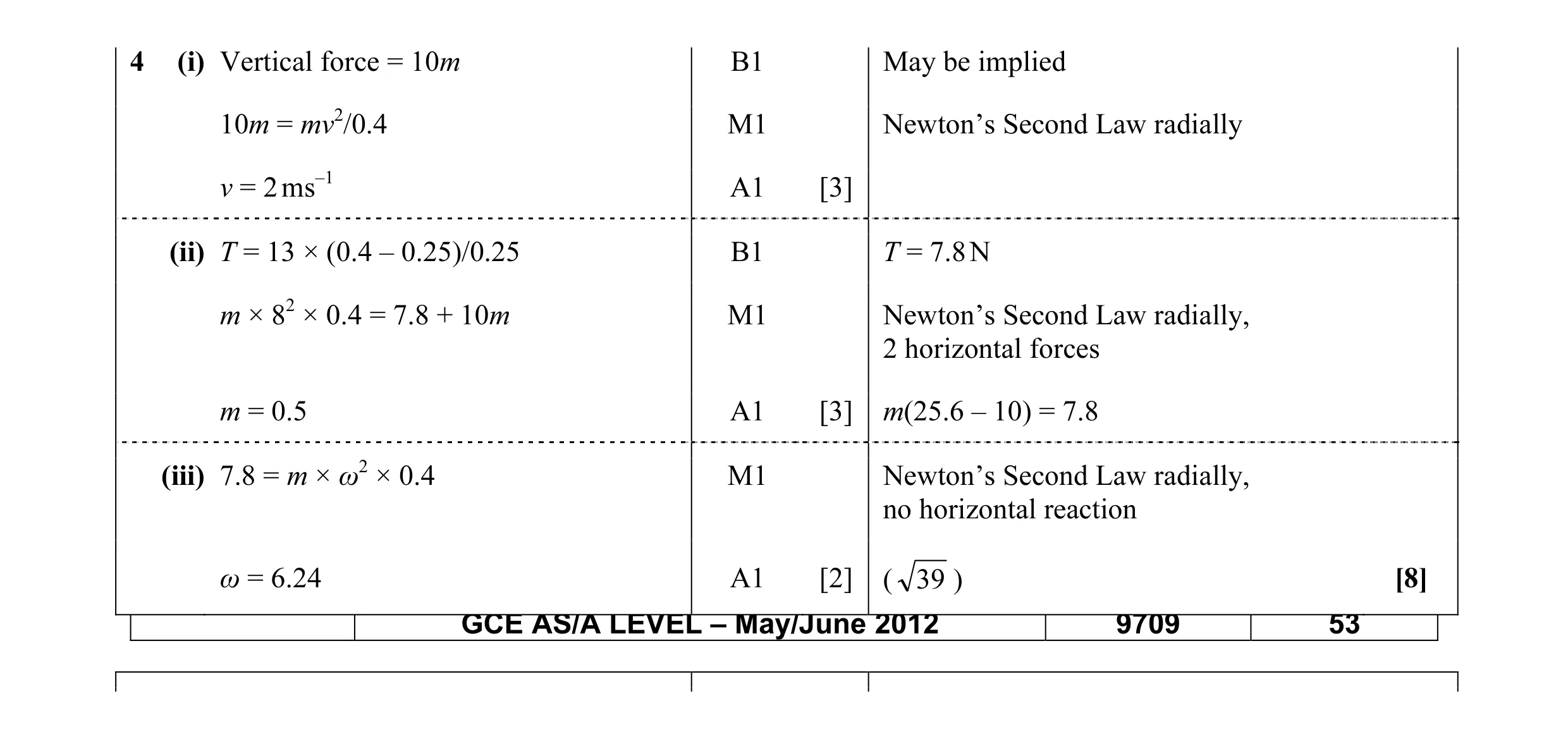 8
8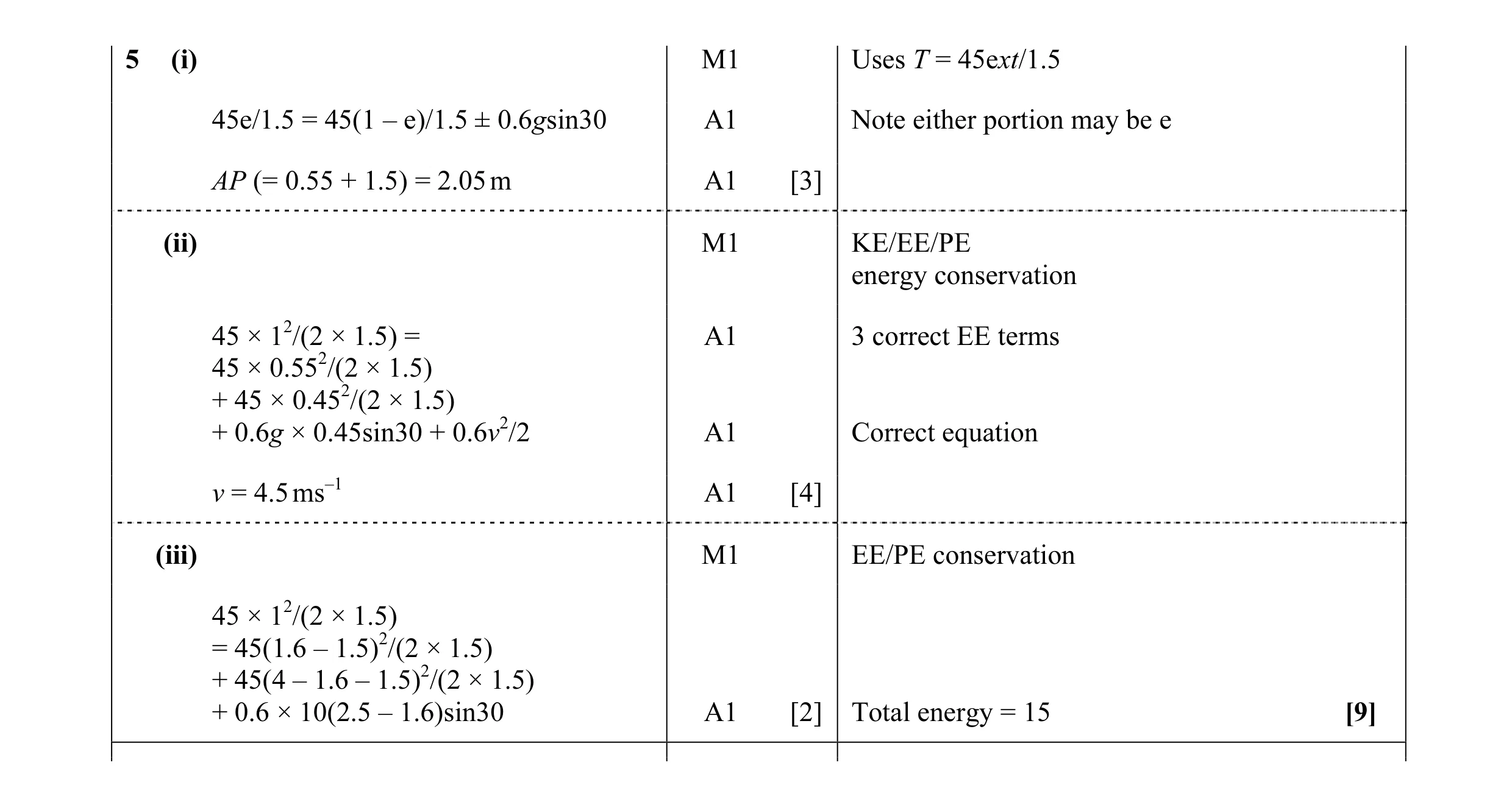 9
9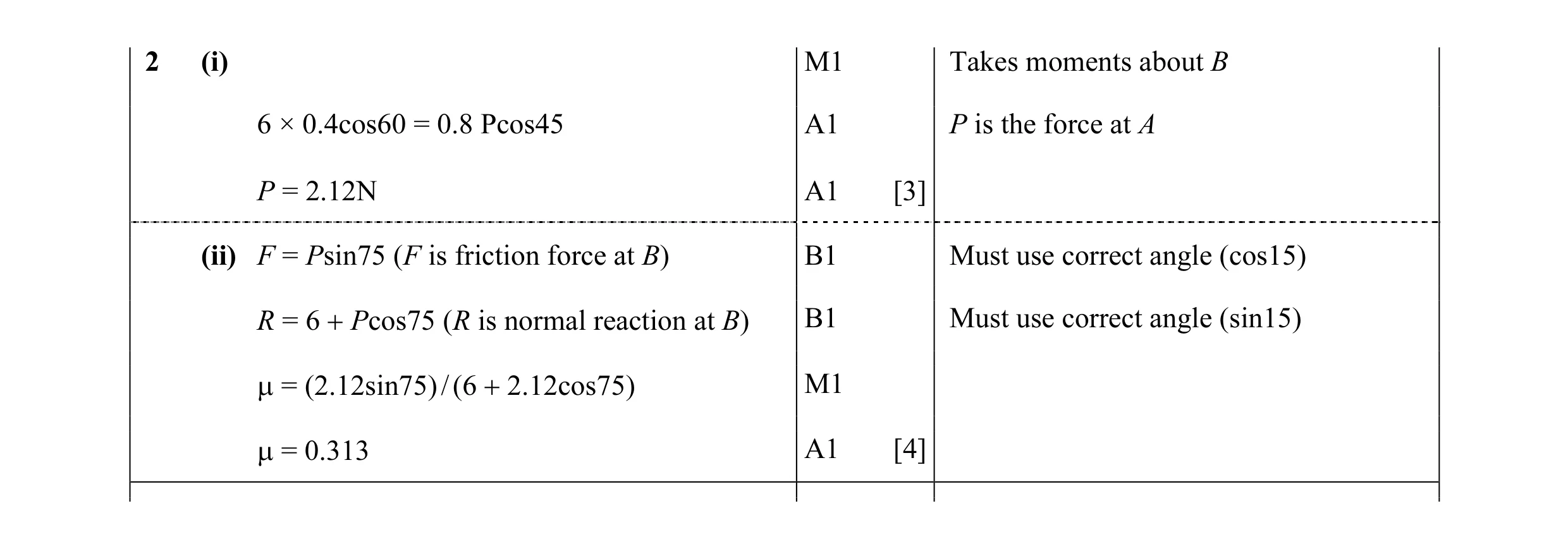 7
7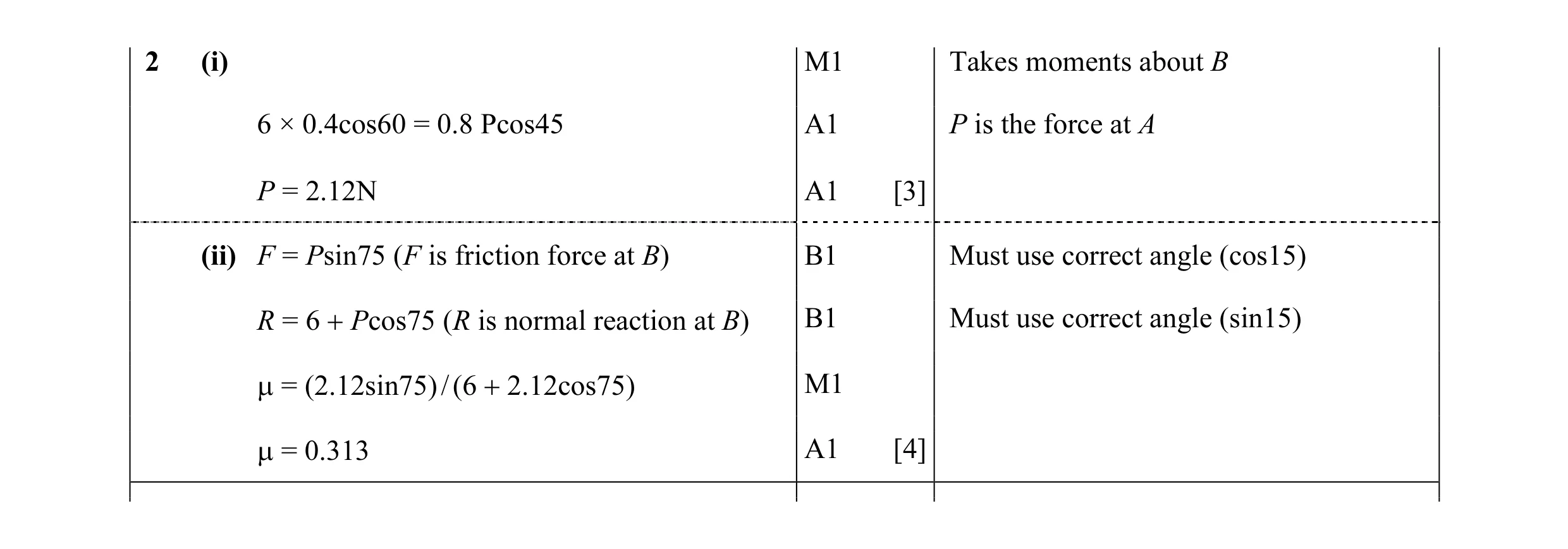 7
7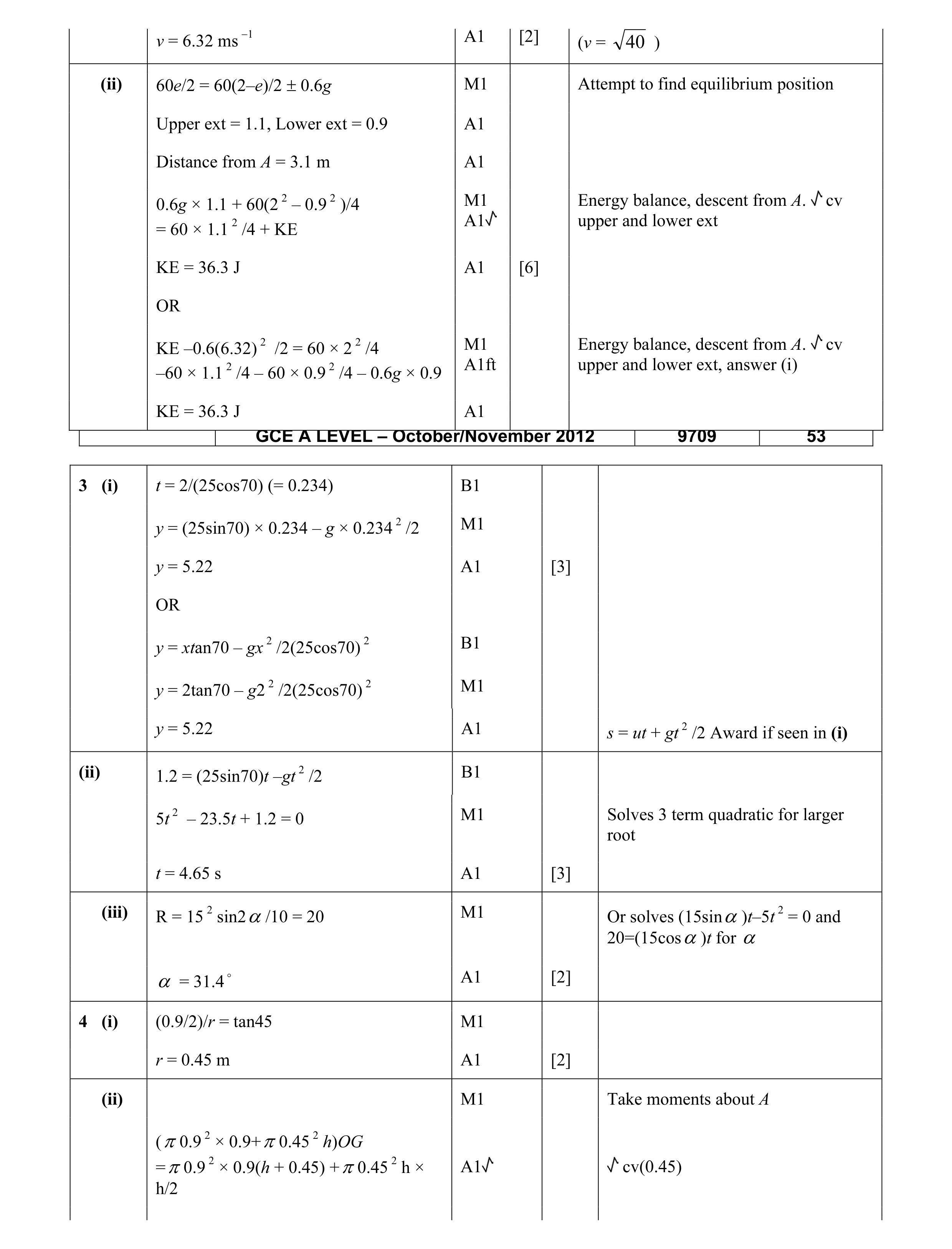 6
6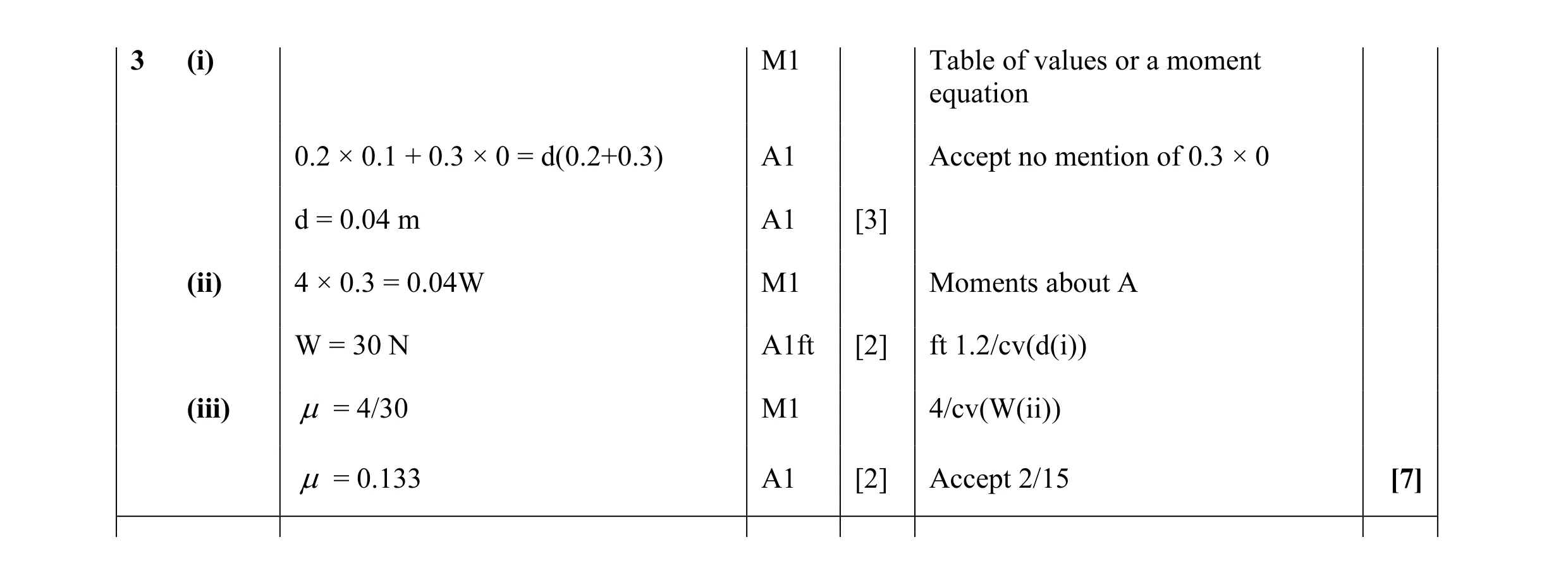 7
7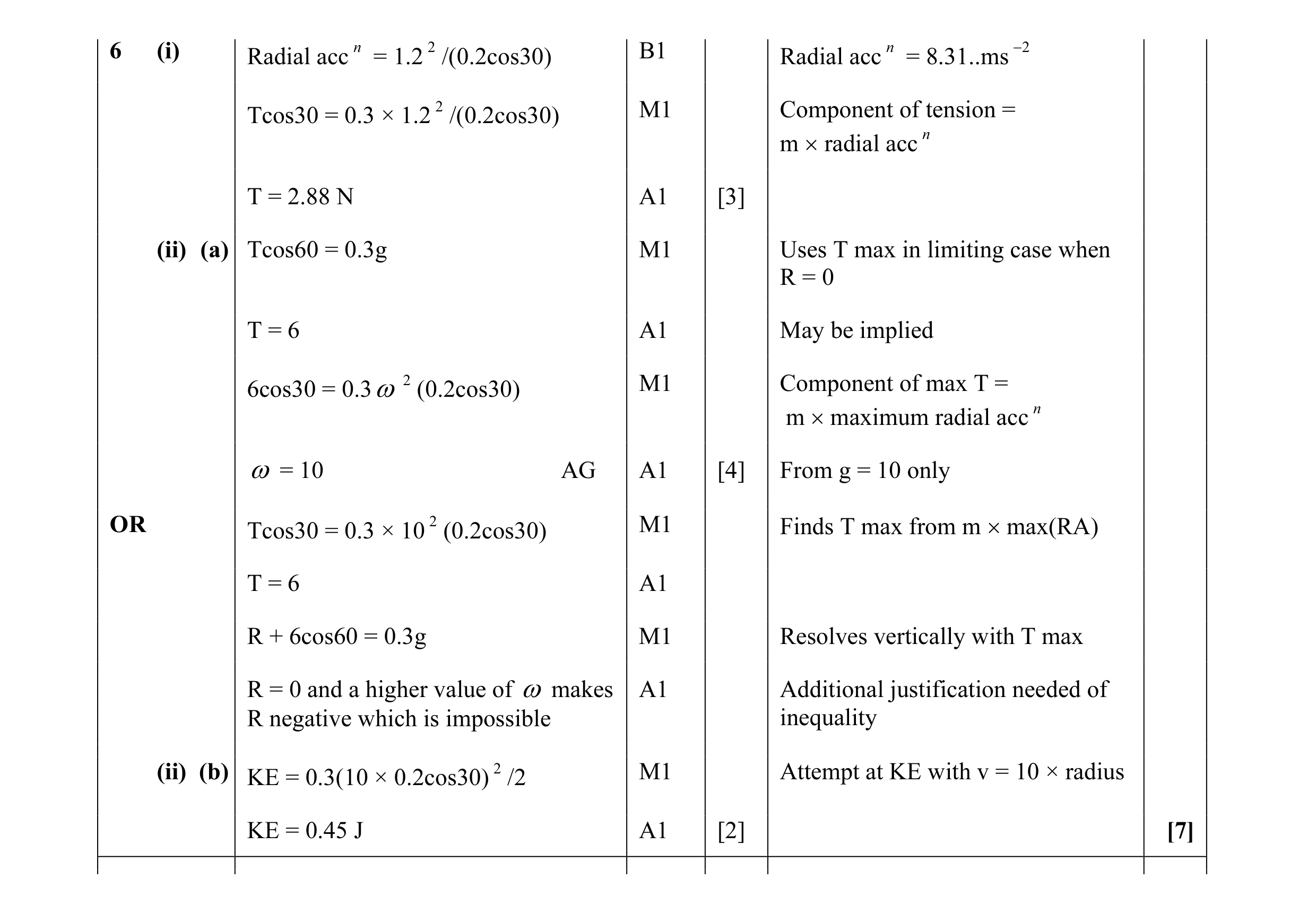 9
9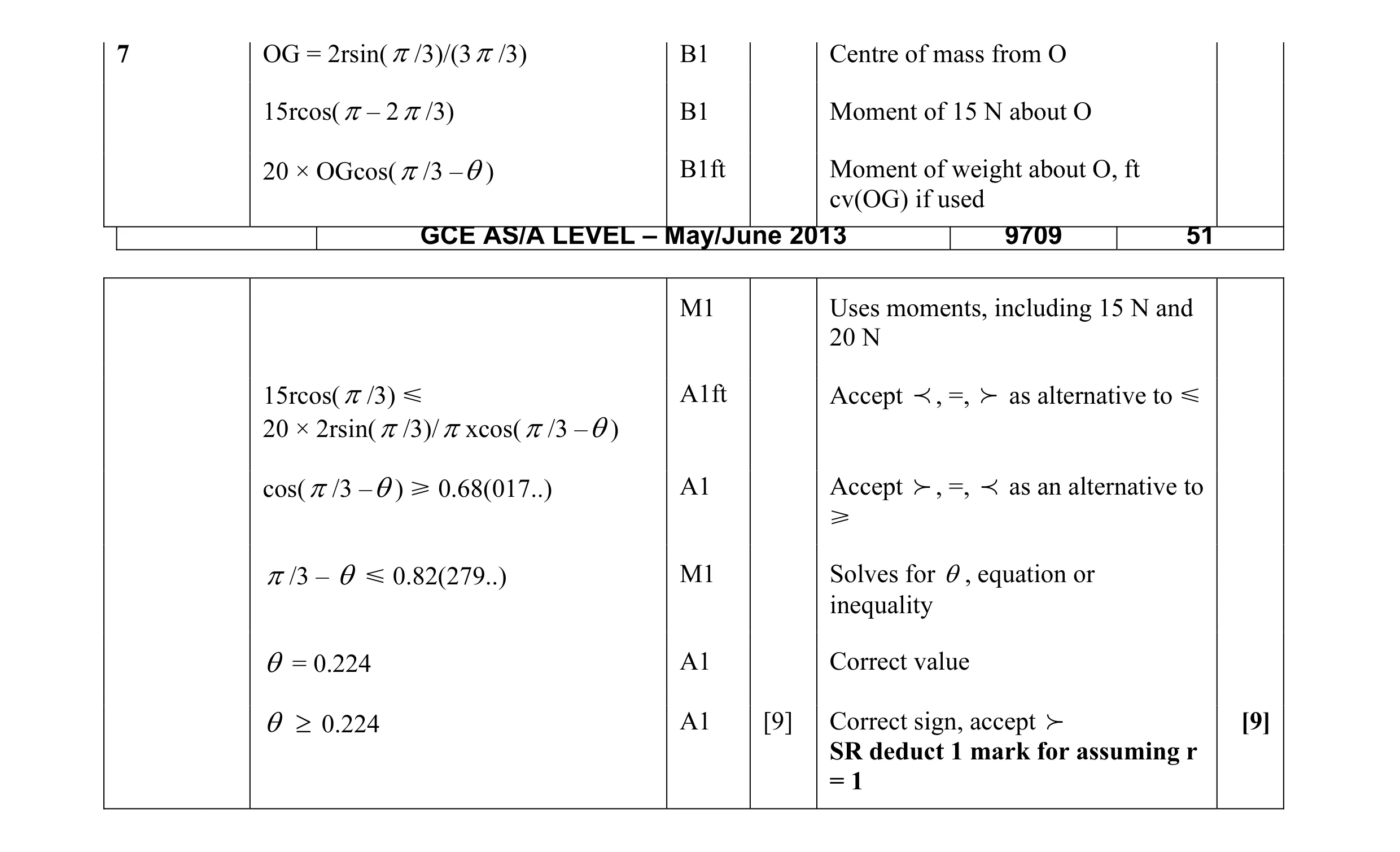 9
9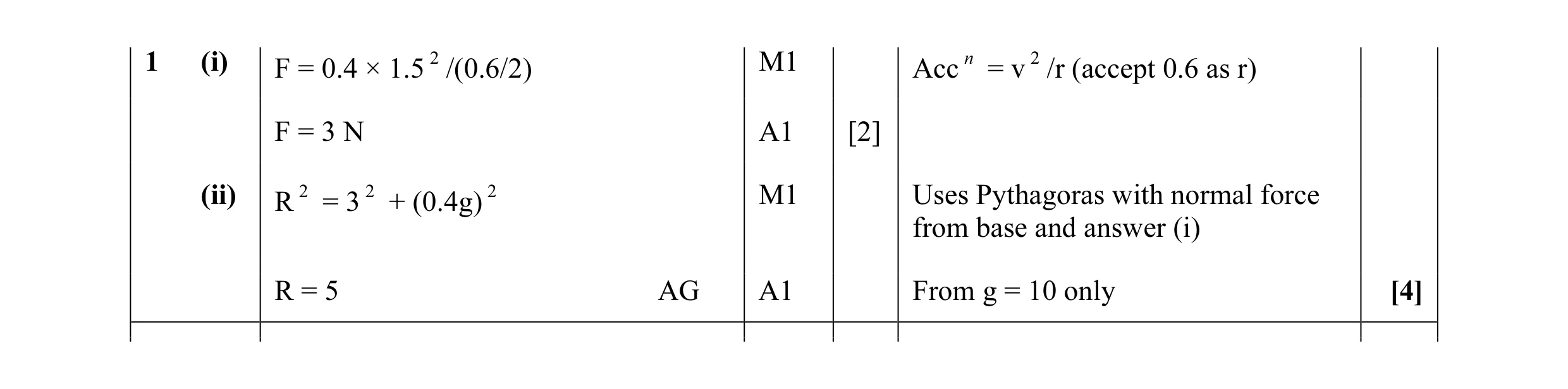 4
4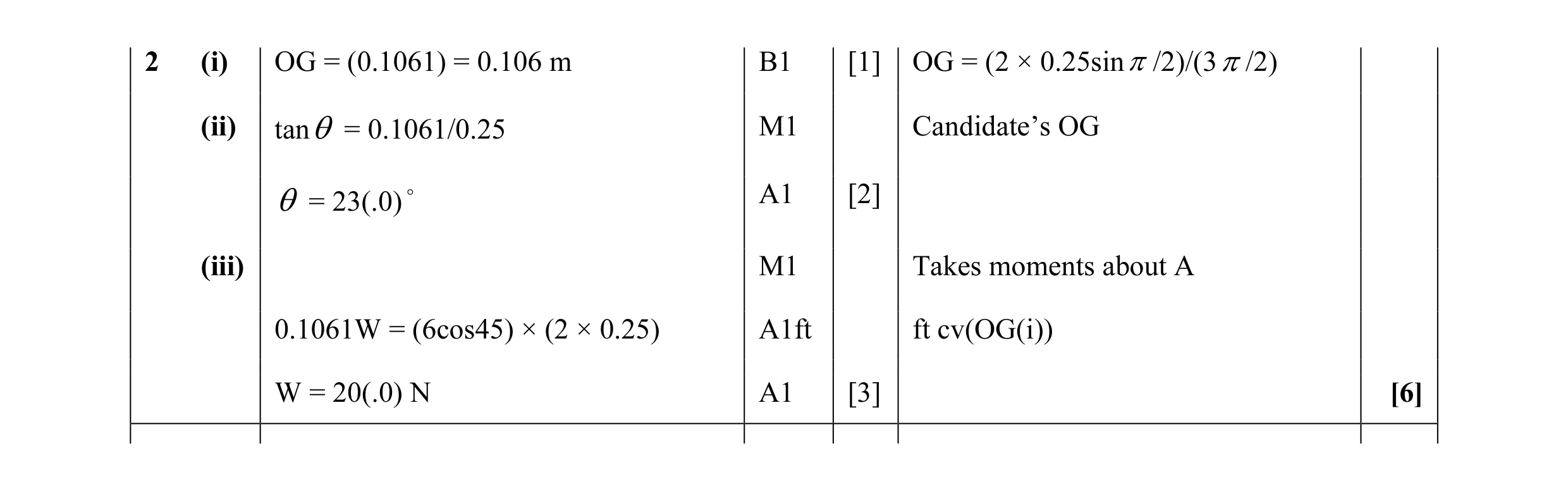 6
6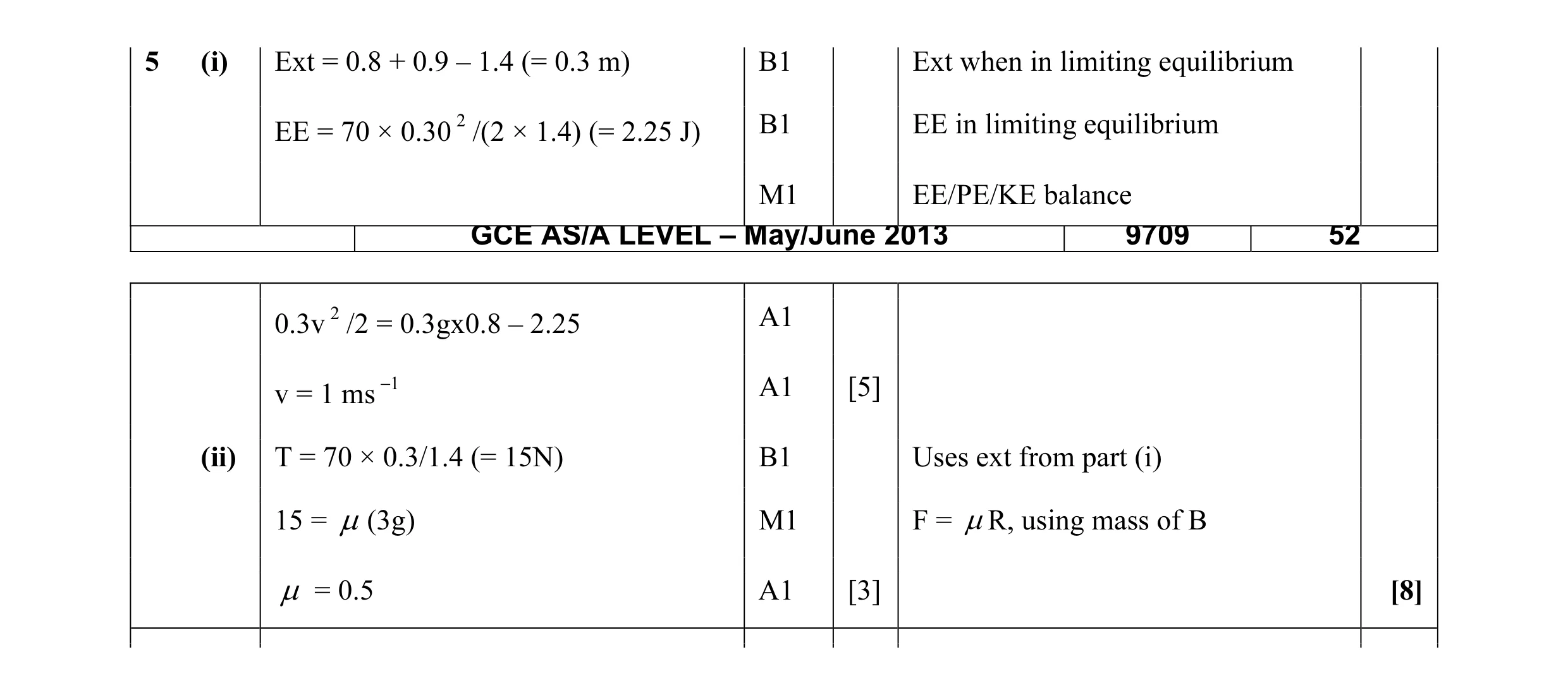 8
8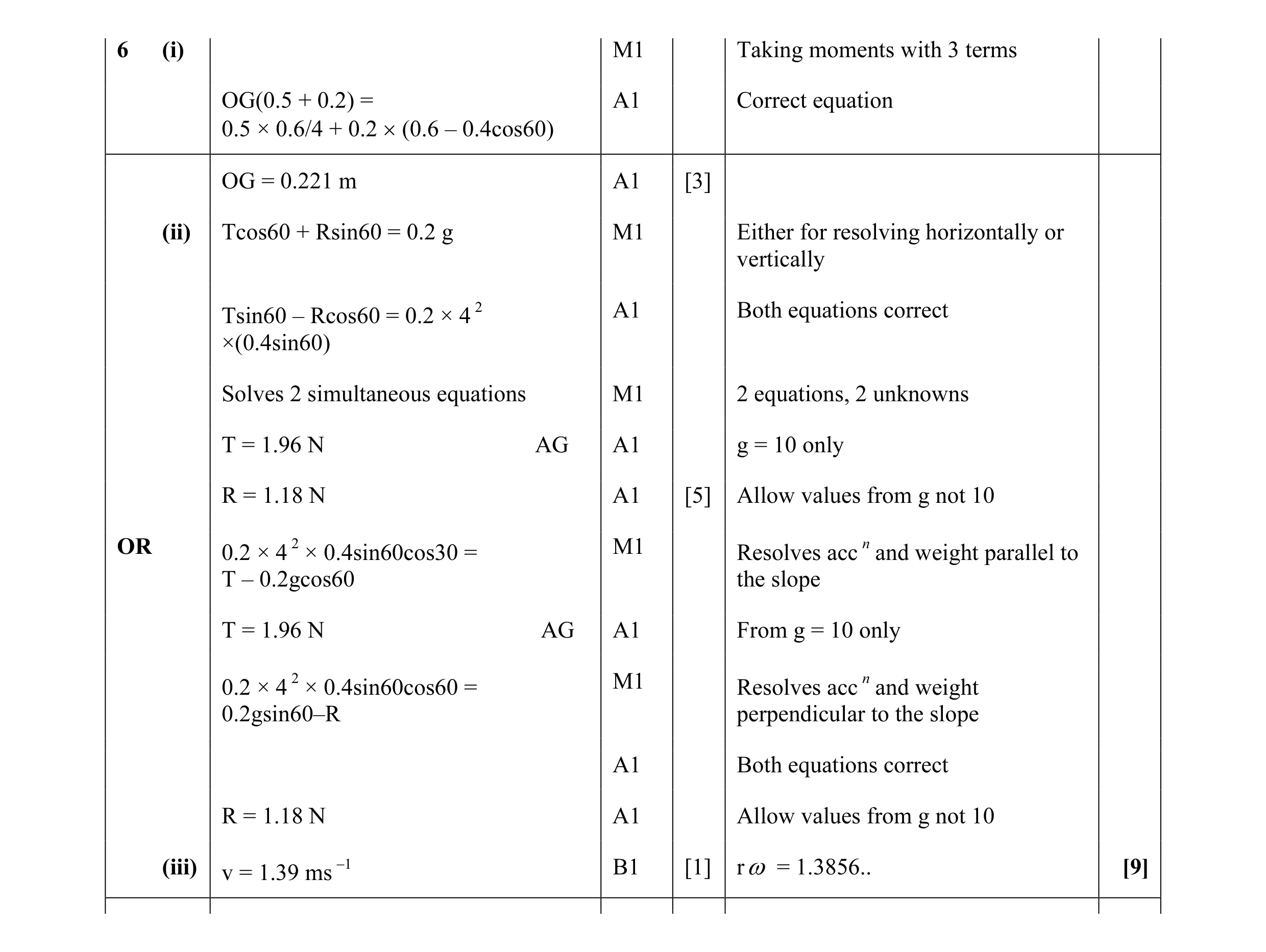 9
9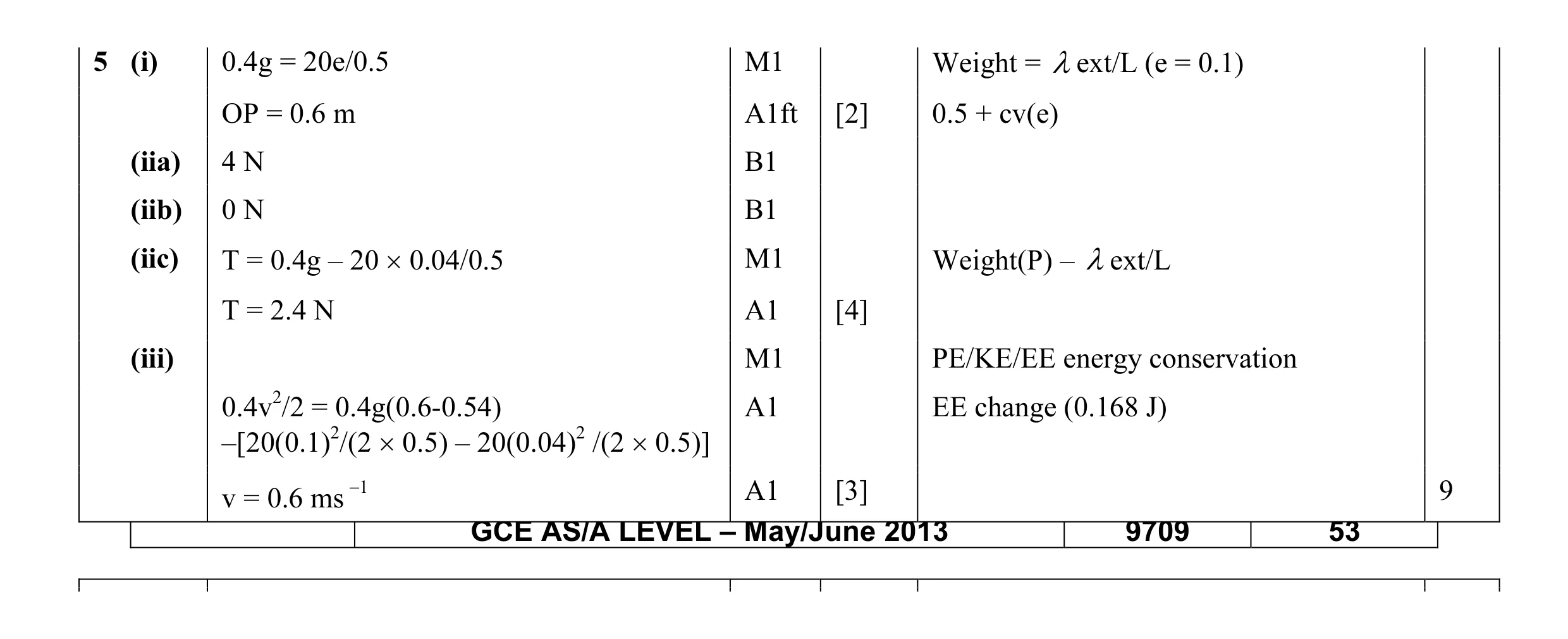 9
9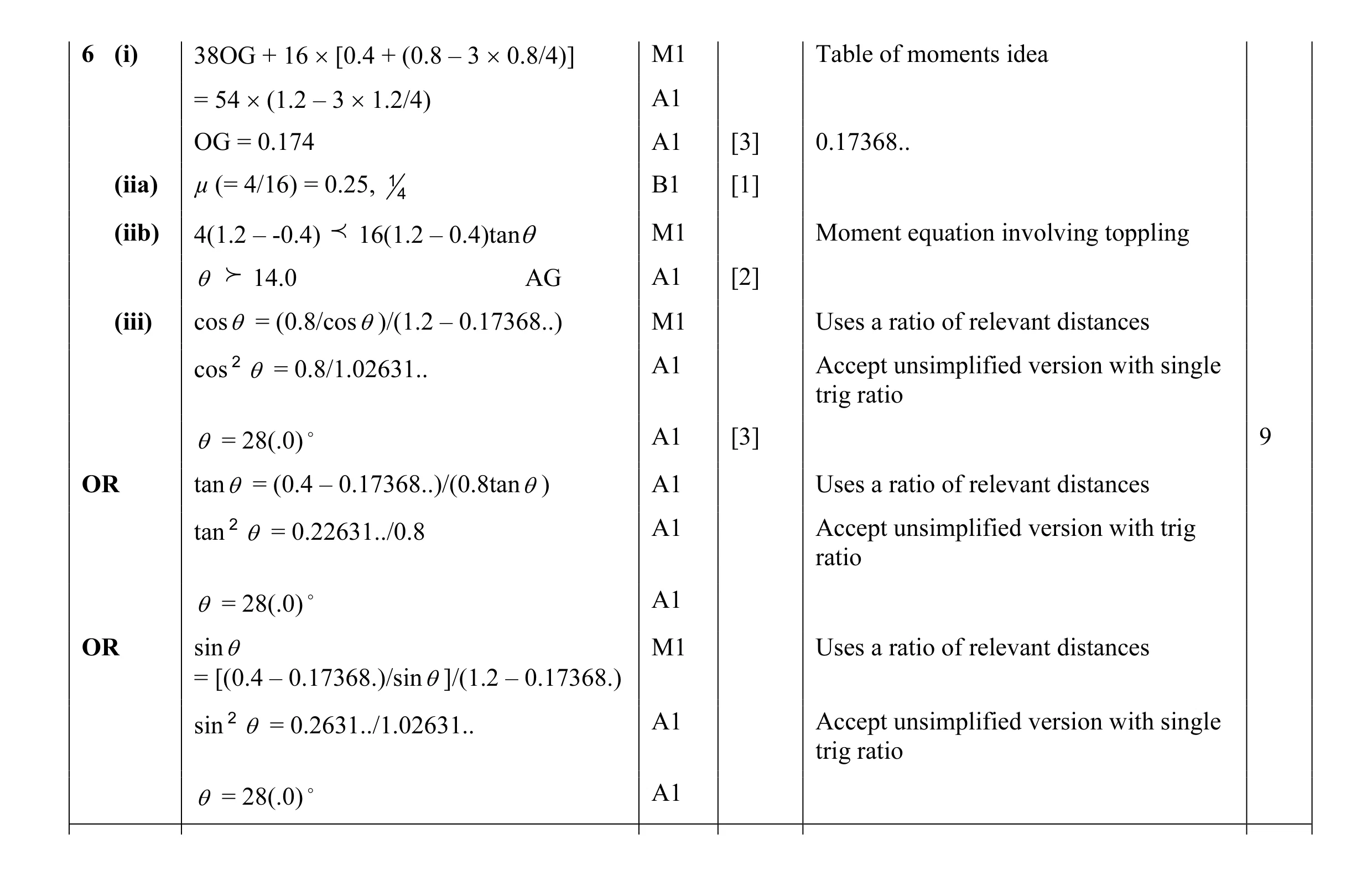 9
9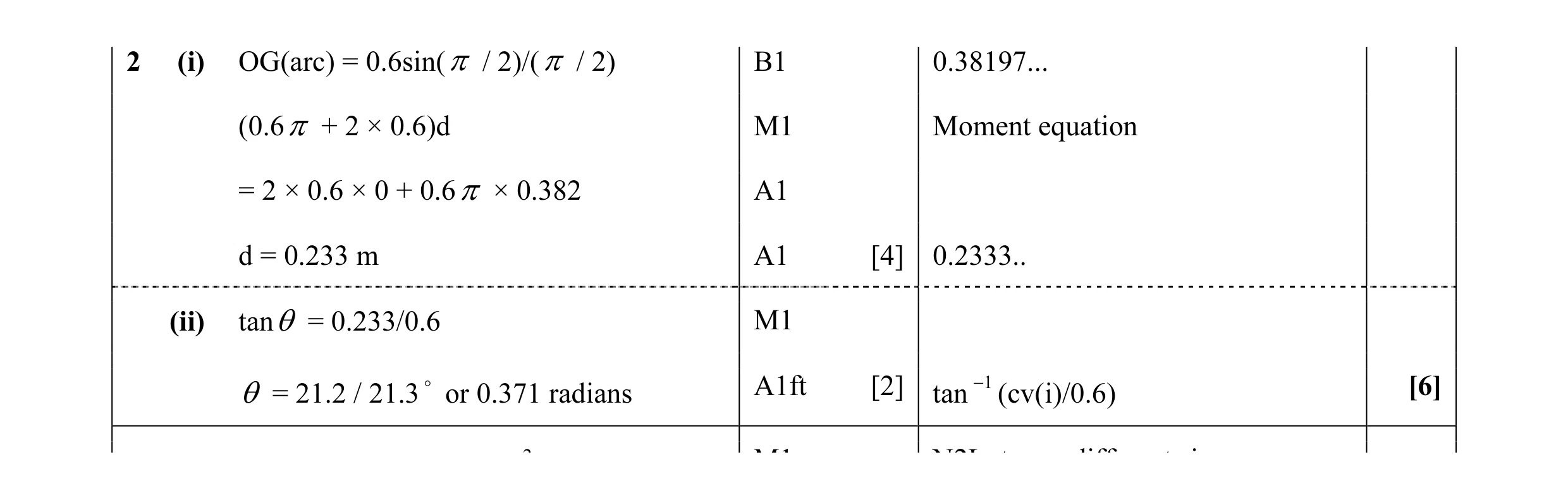 6
6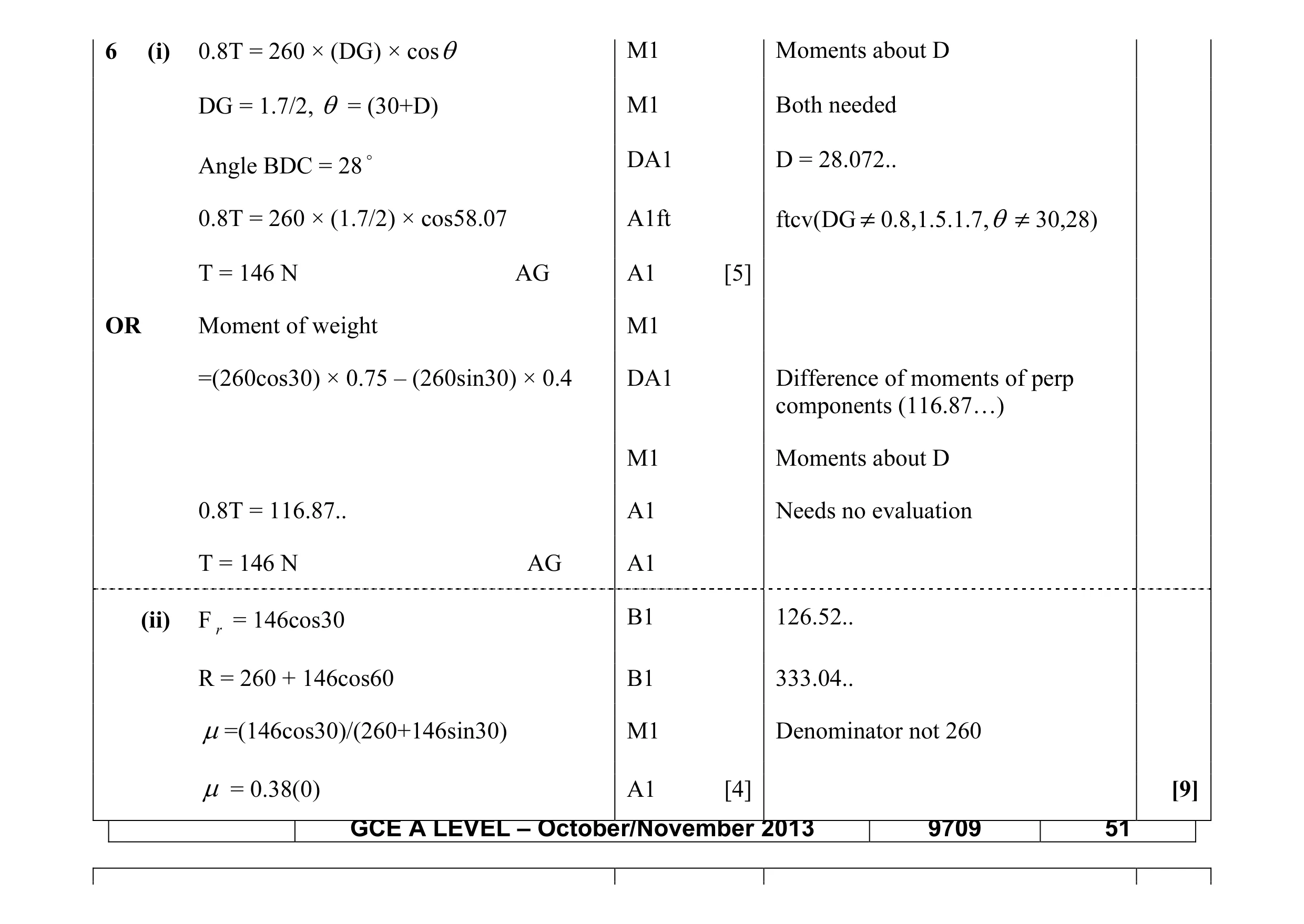 9
9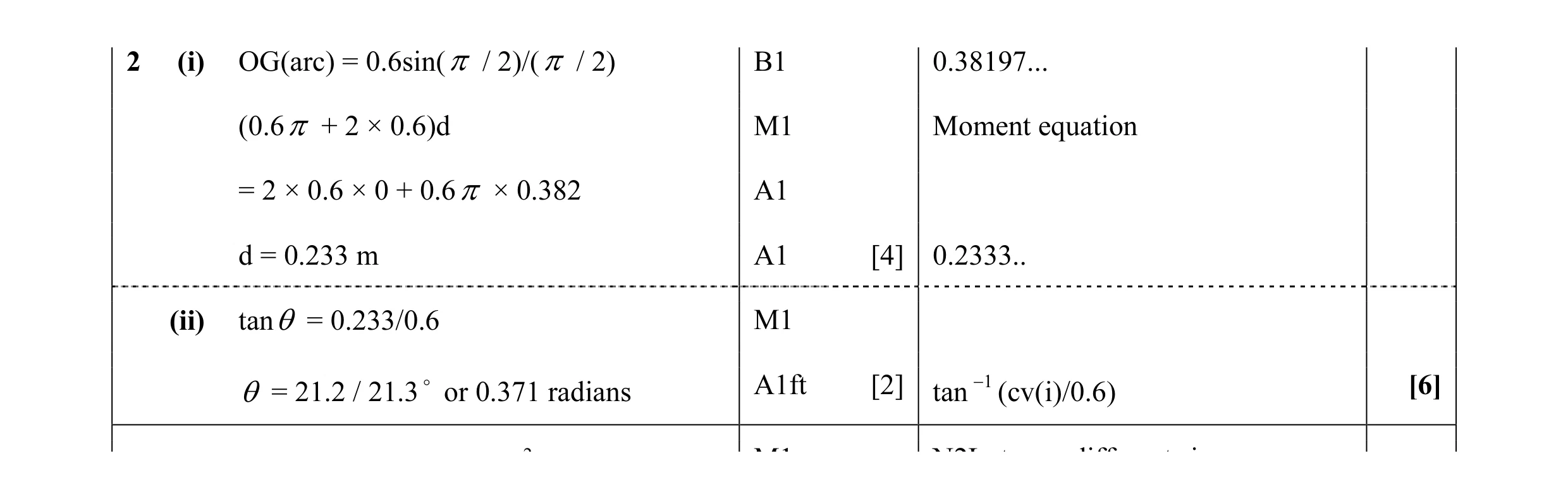 6
6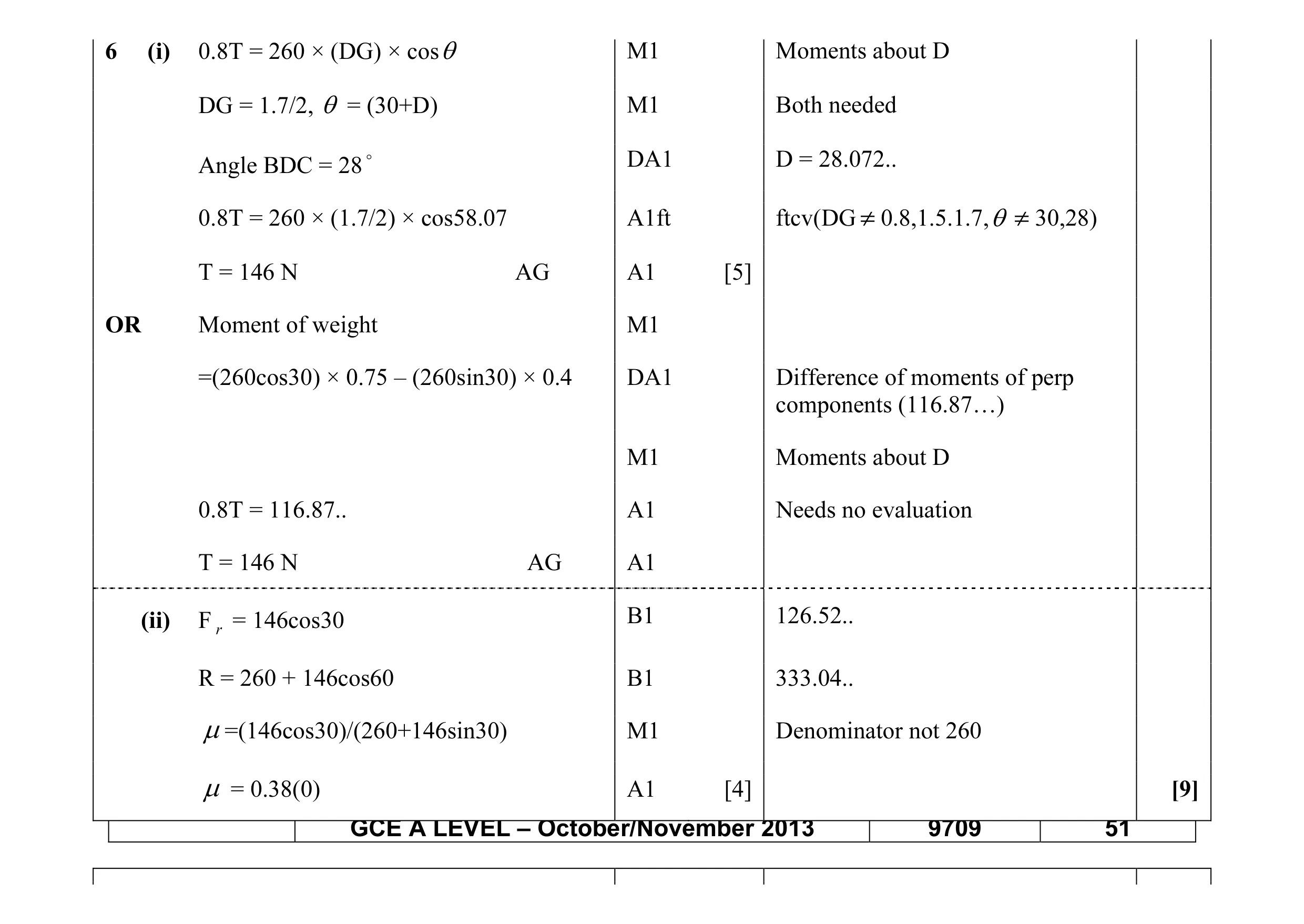 9
9 3
3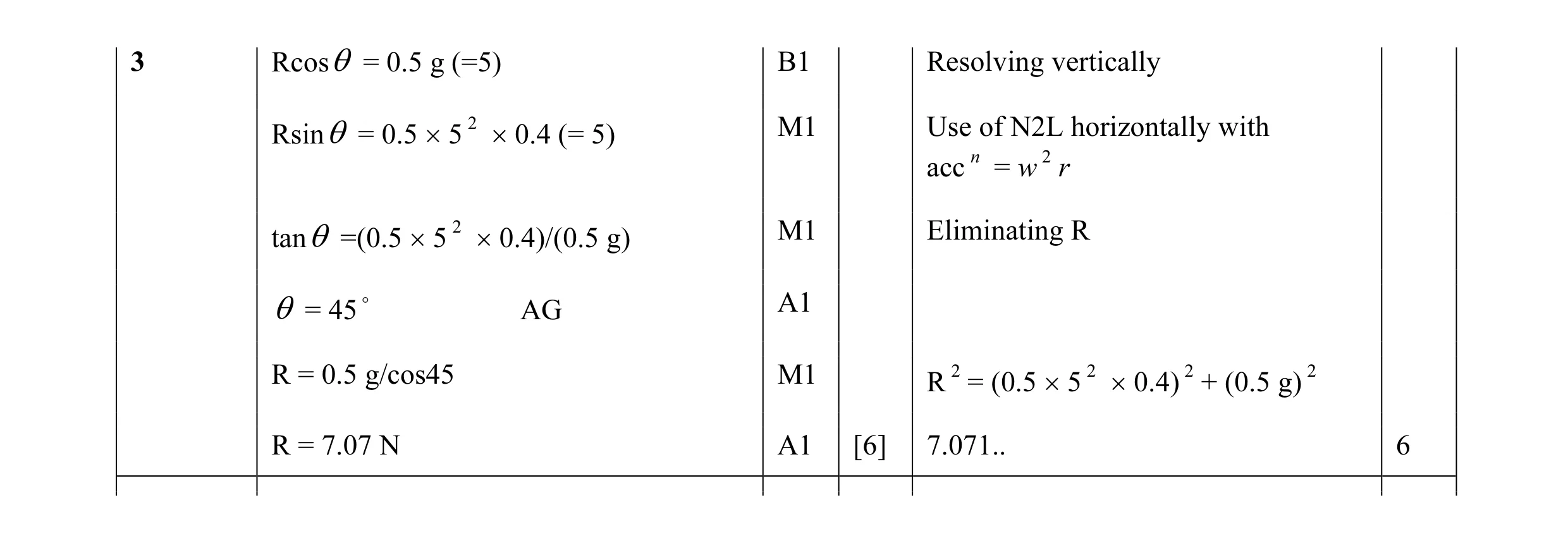 6
6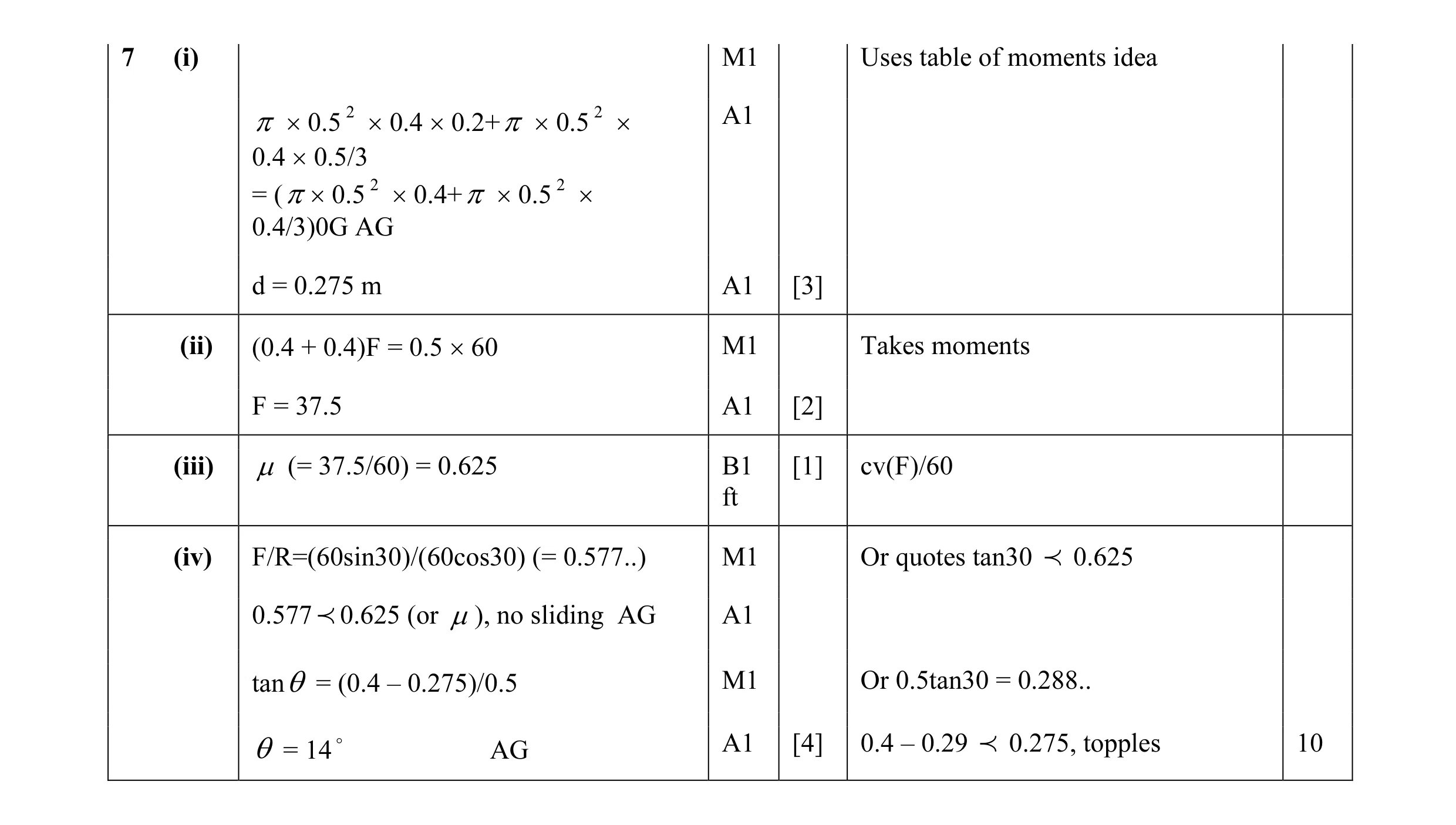 10
10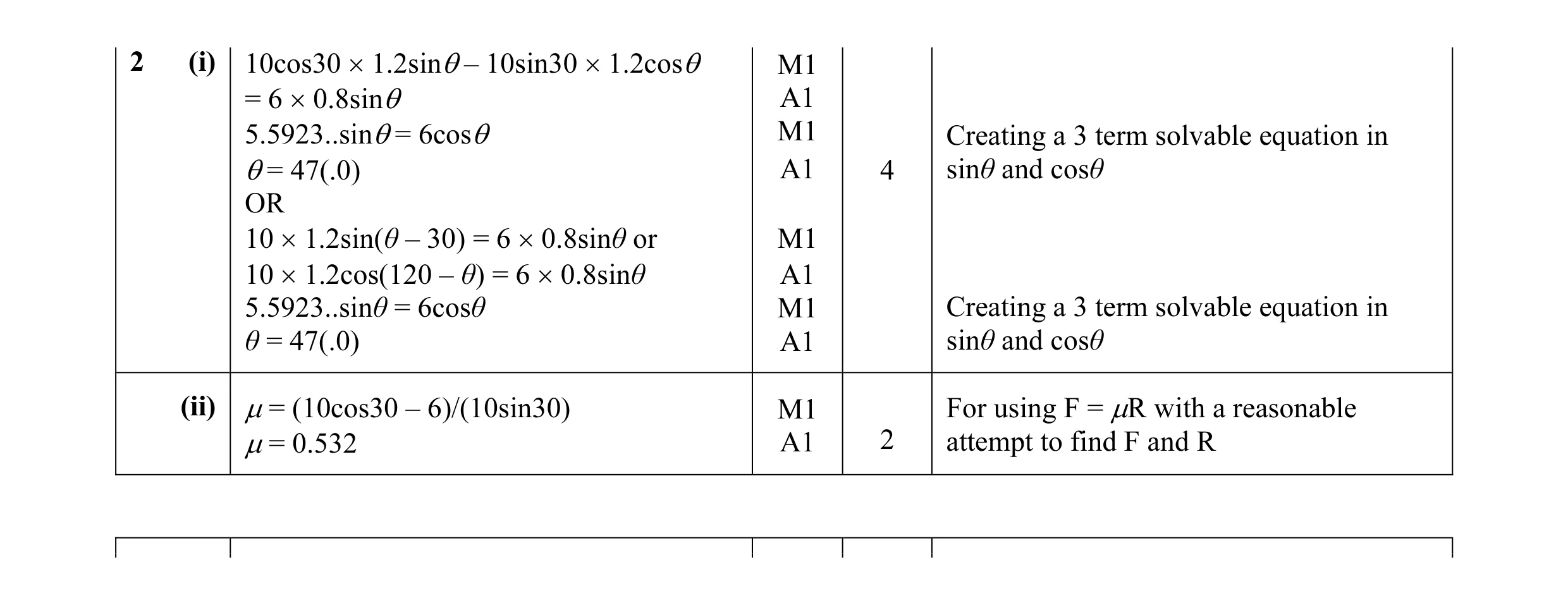 6
6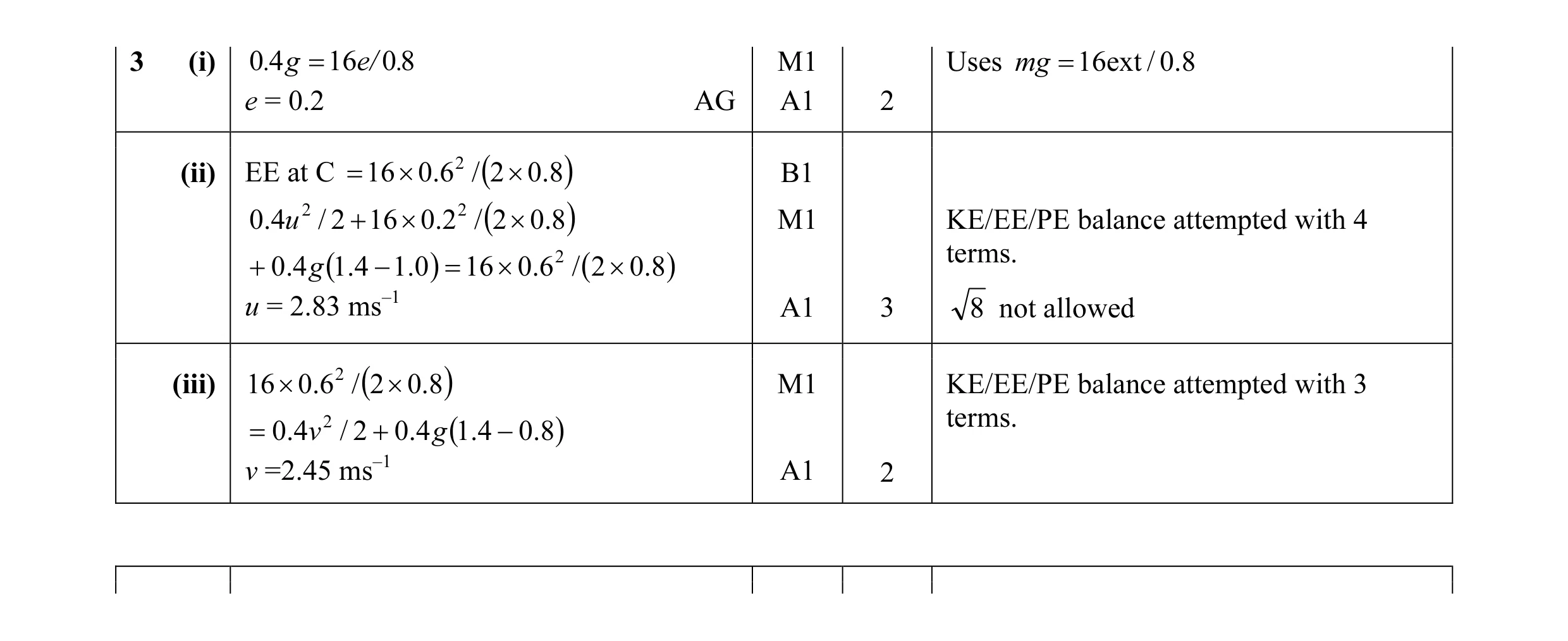 7
7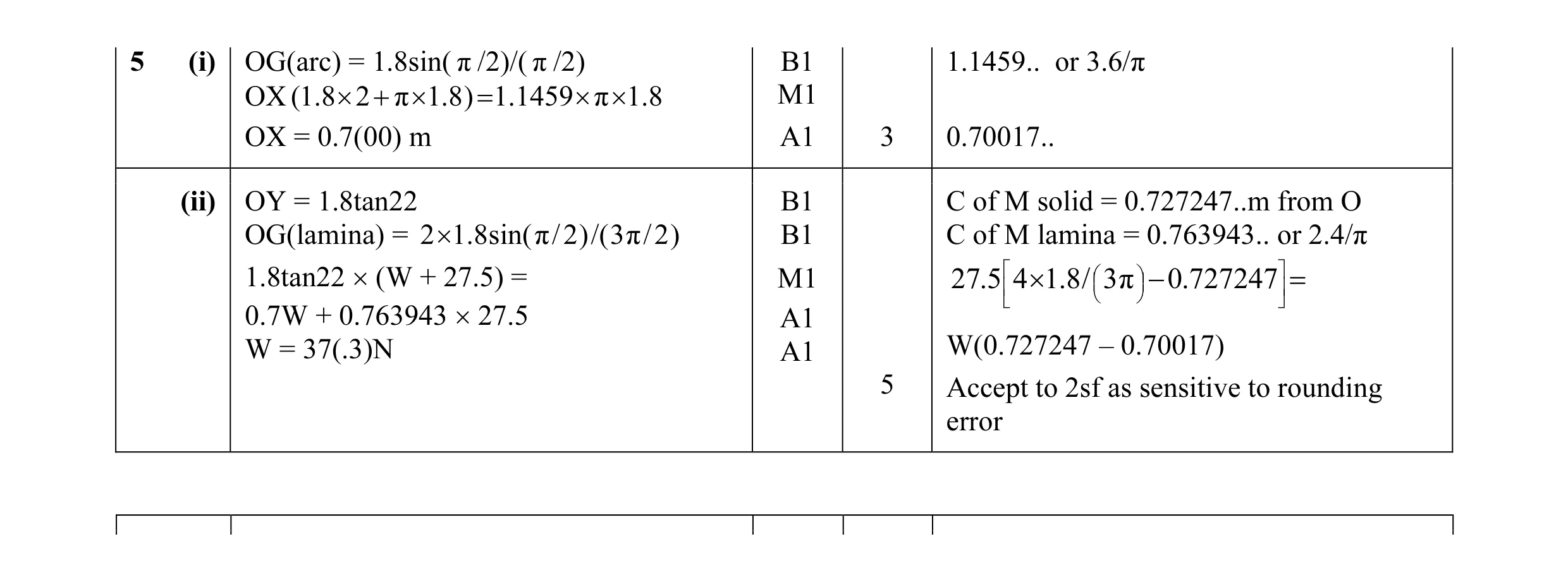 8
8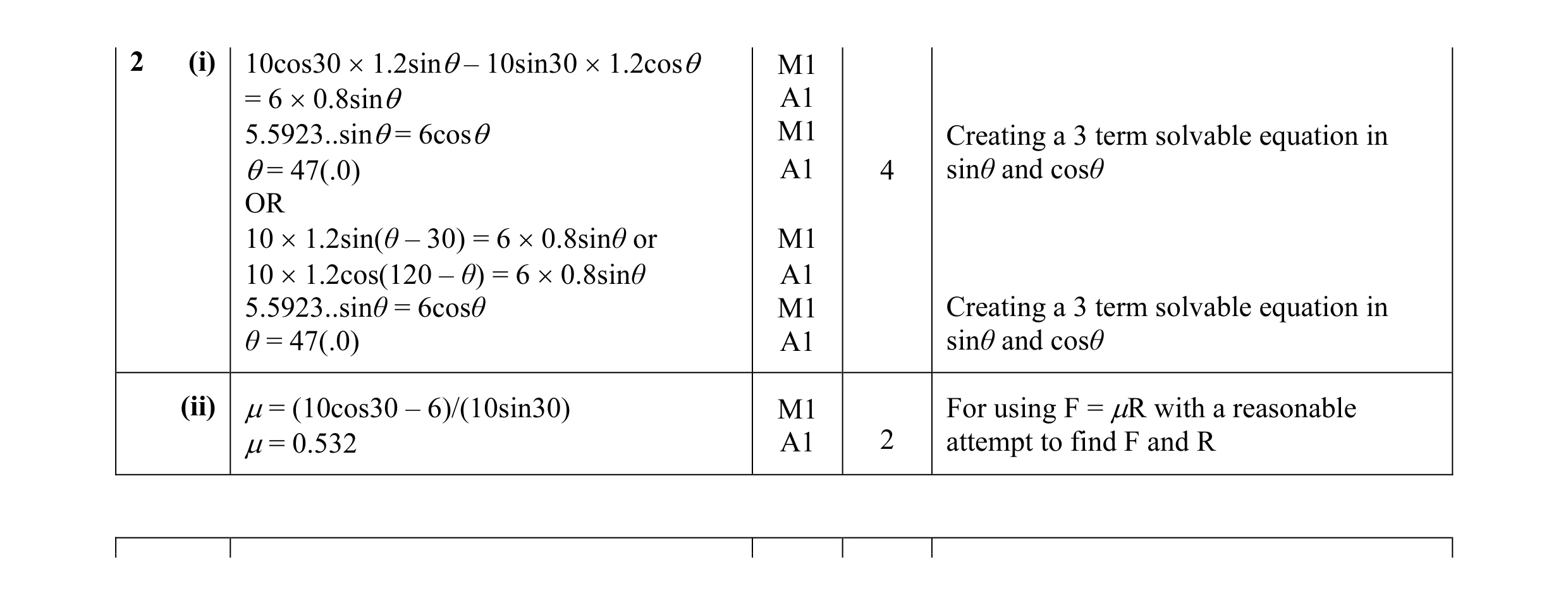 6
6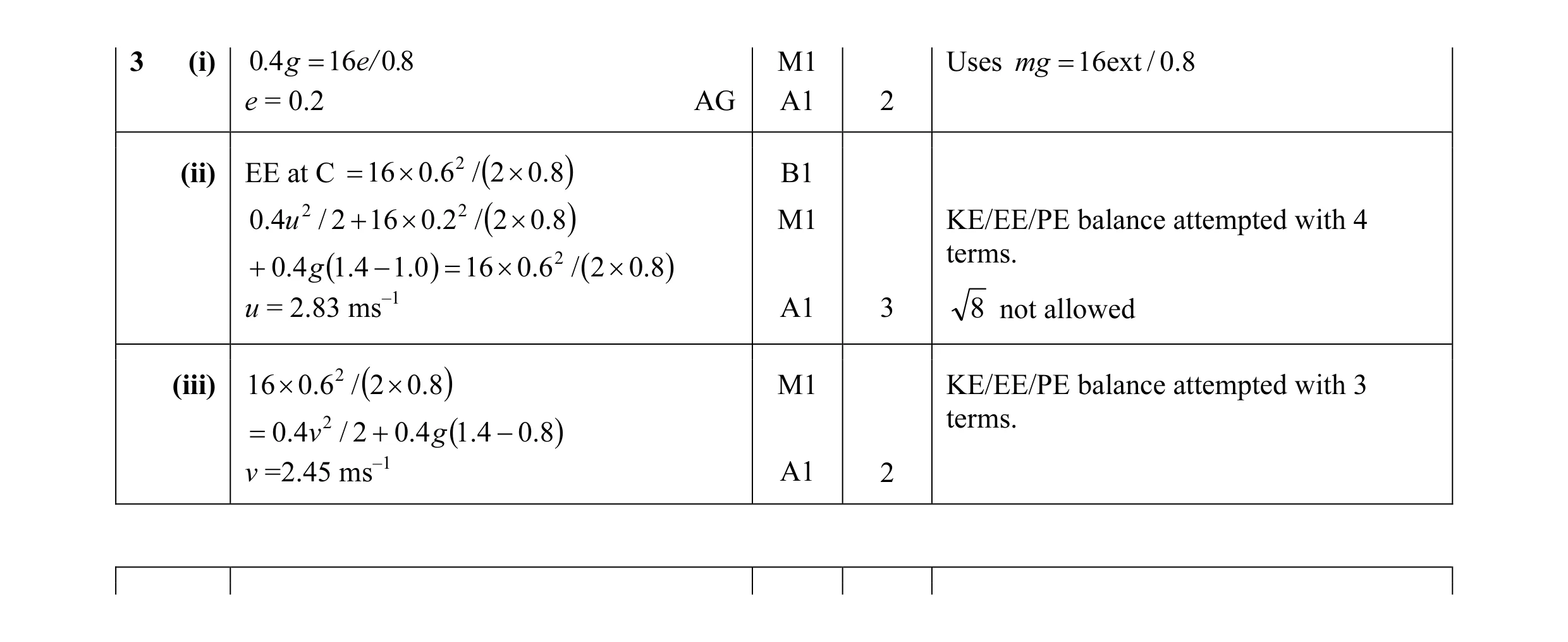 7
7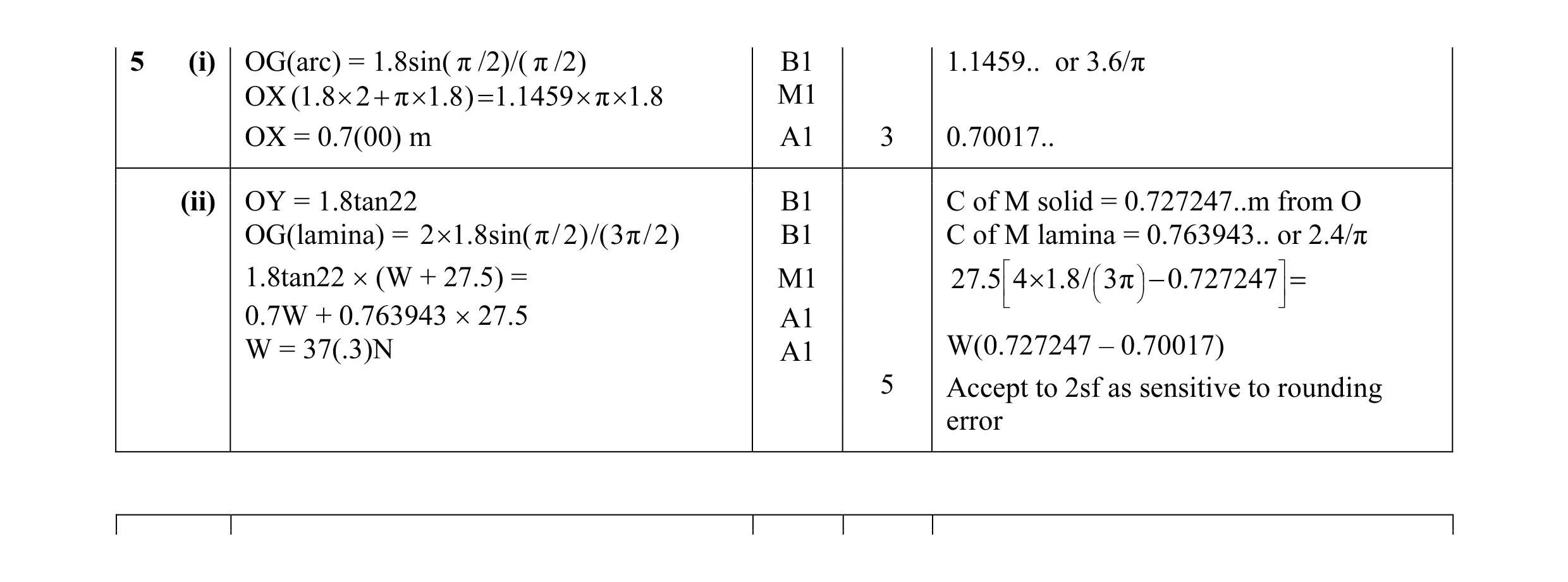 8
8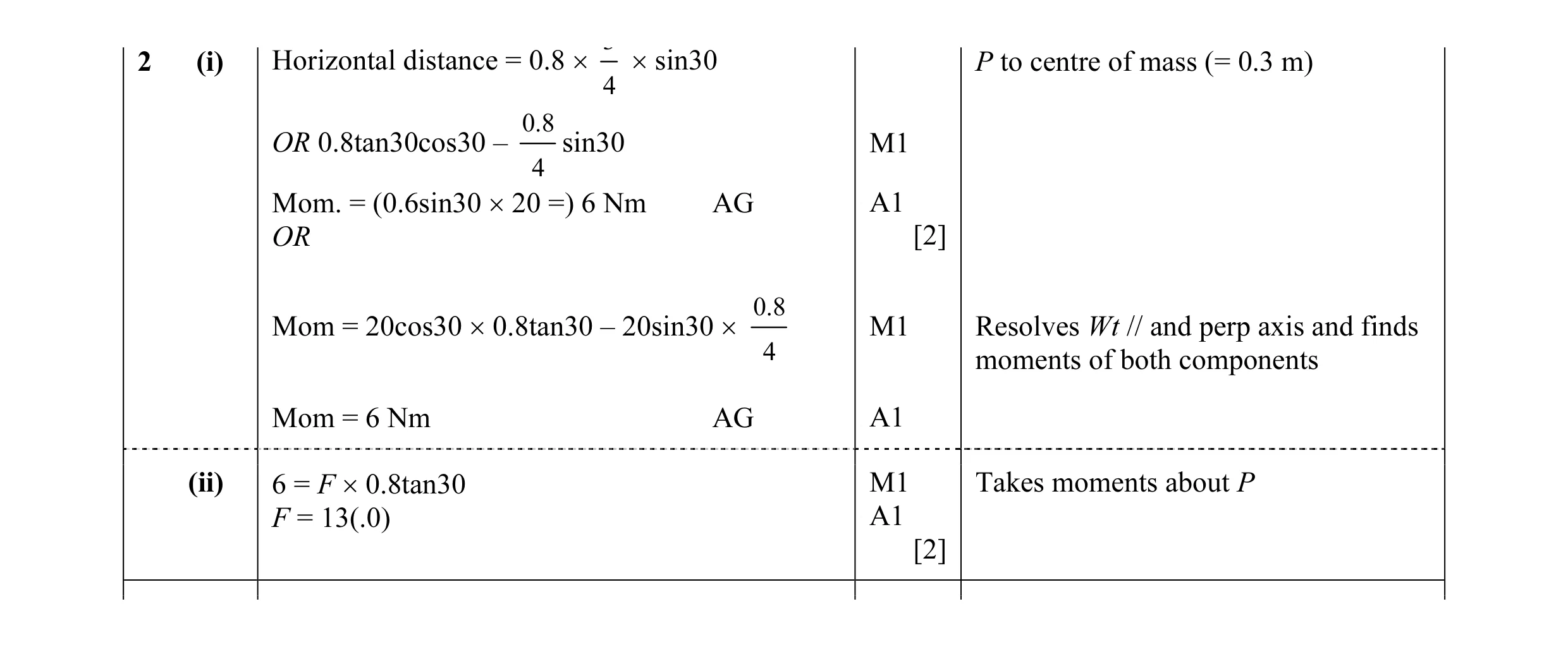 4
4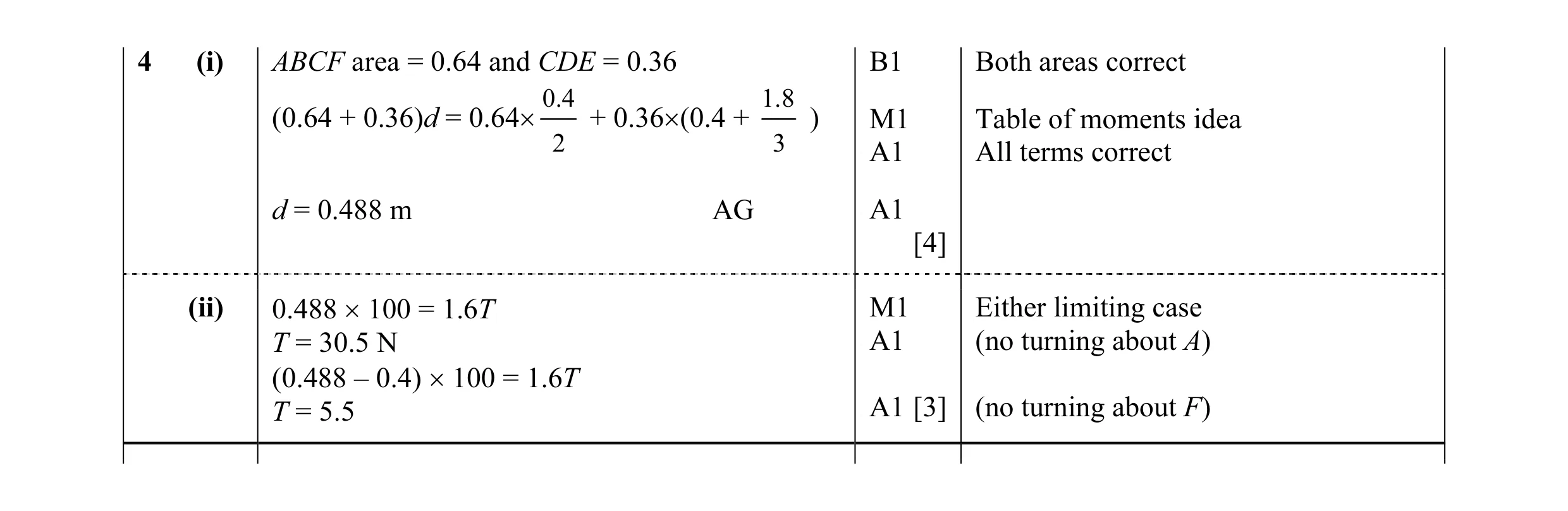 7
7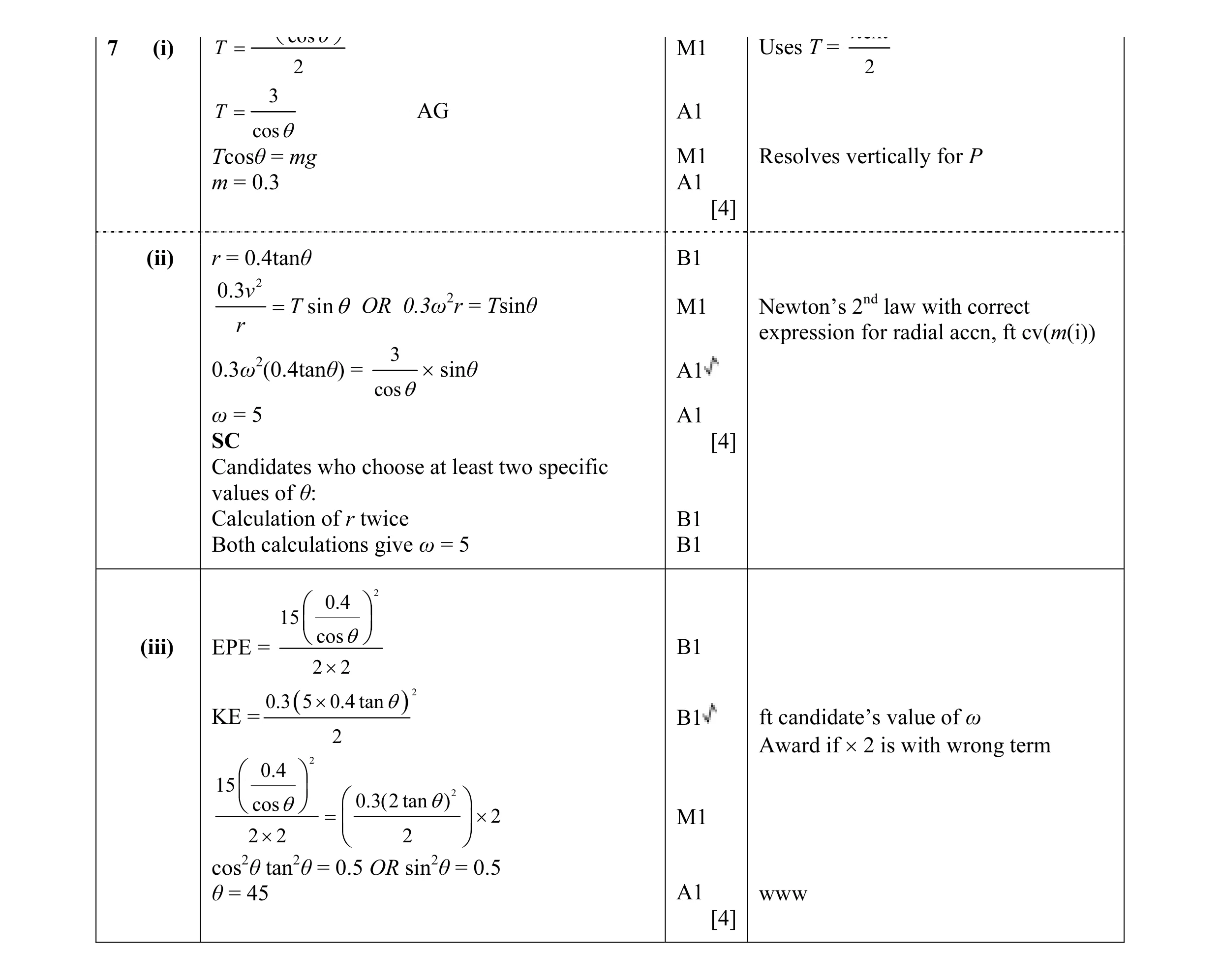 12
12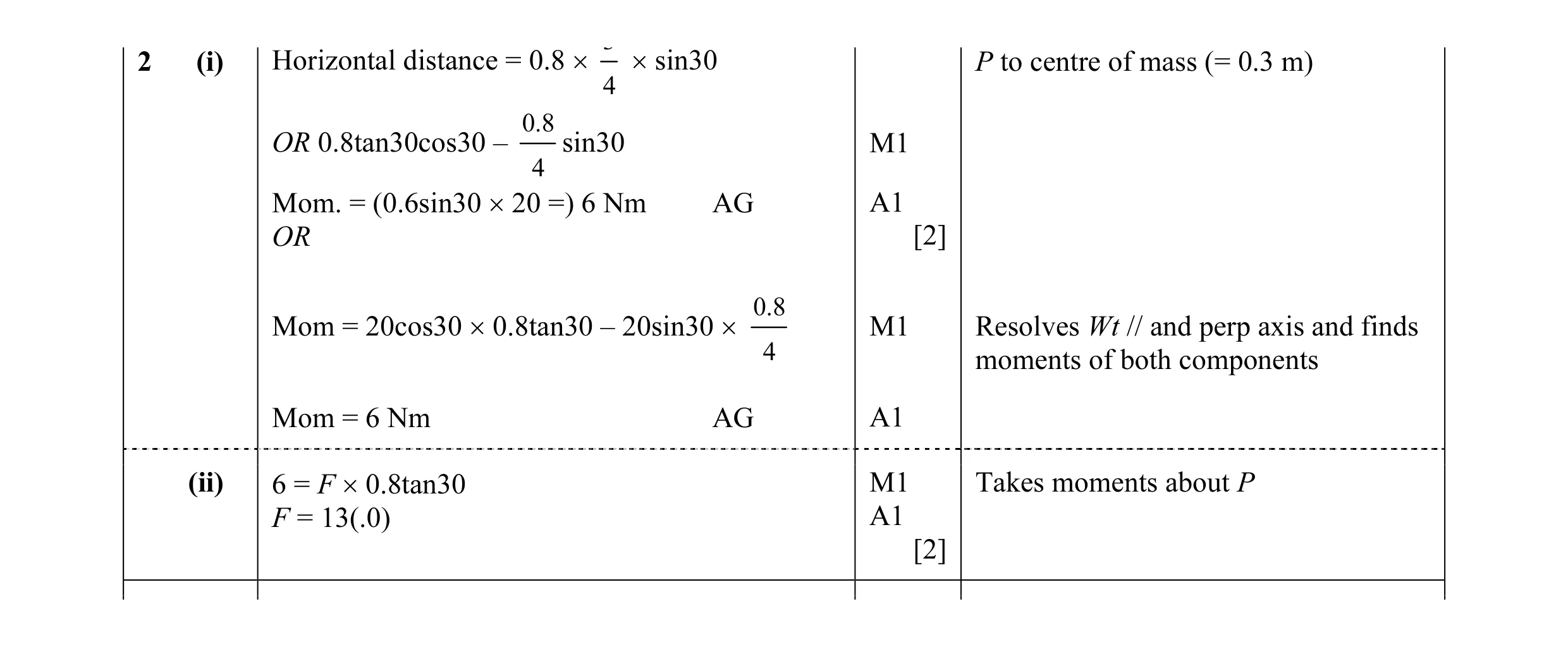 4
4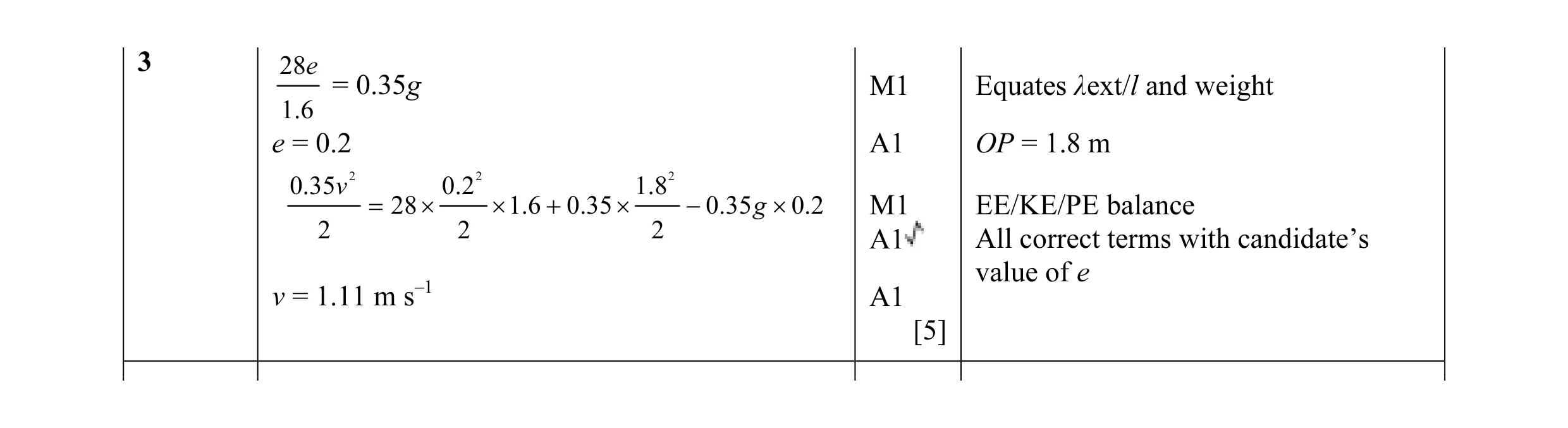 5
5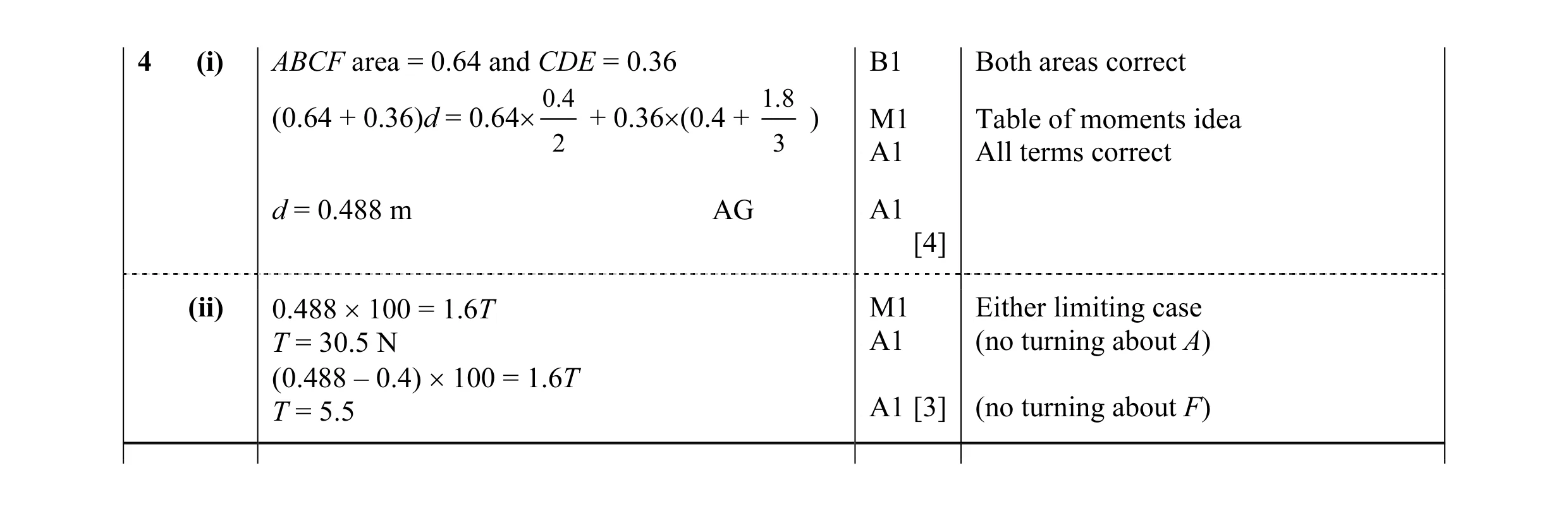 7
7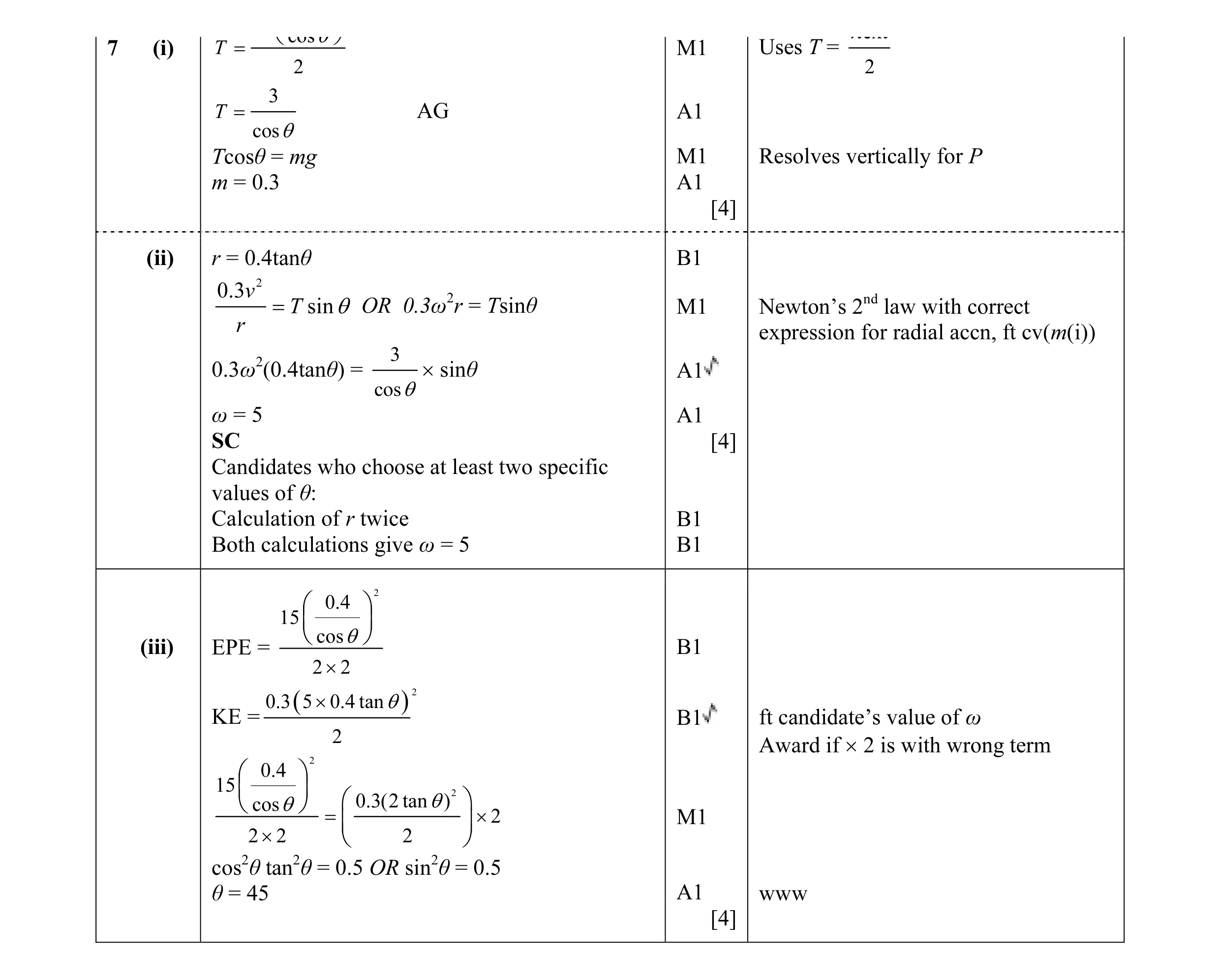 12
12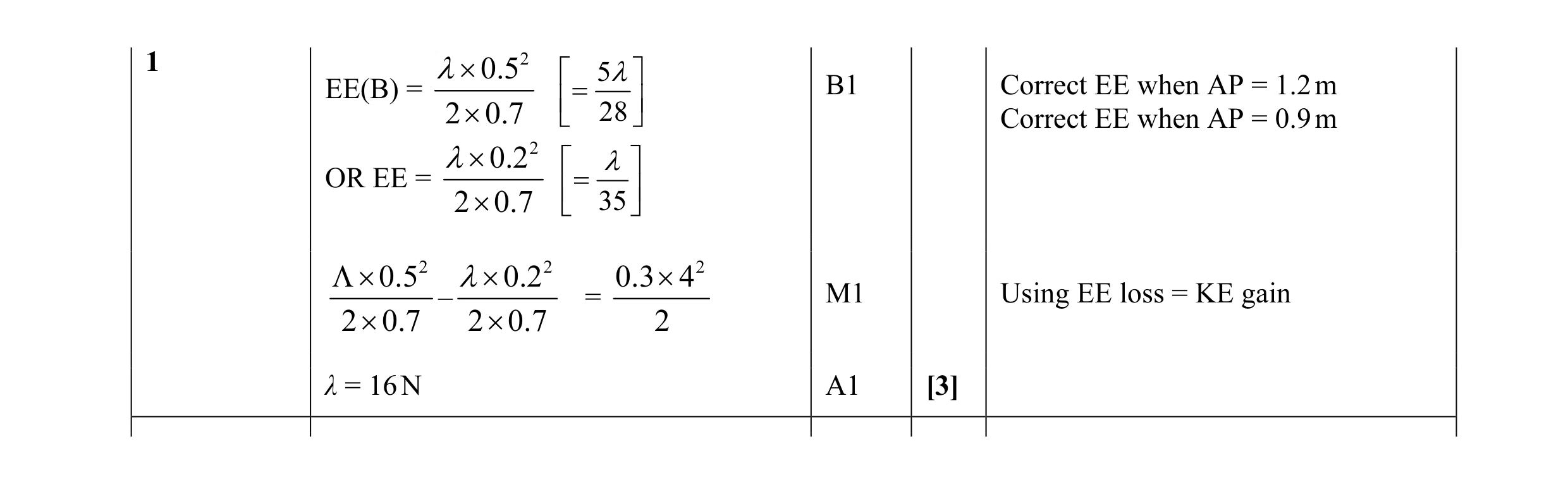 3
3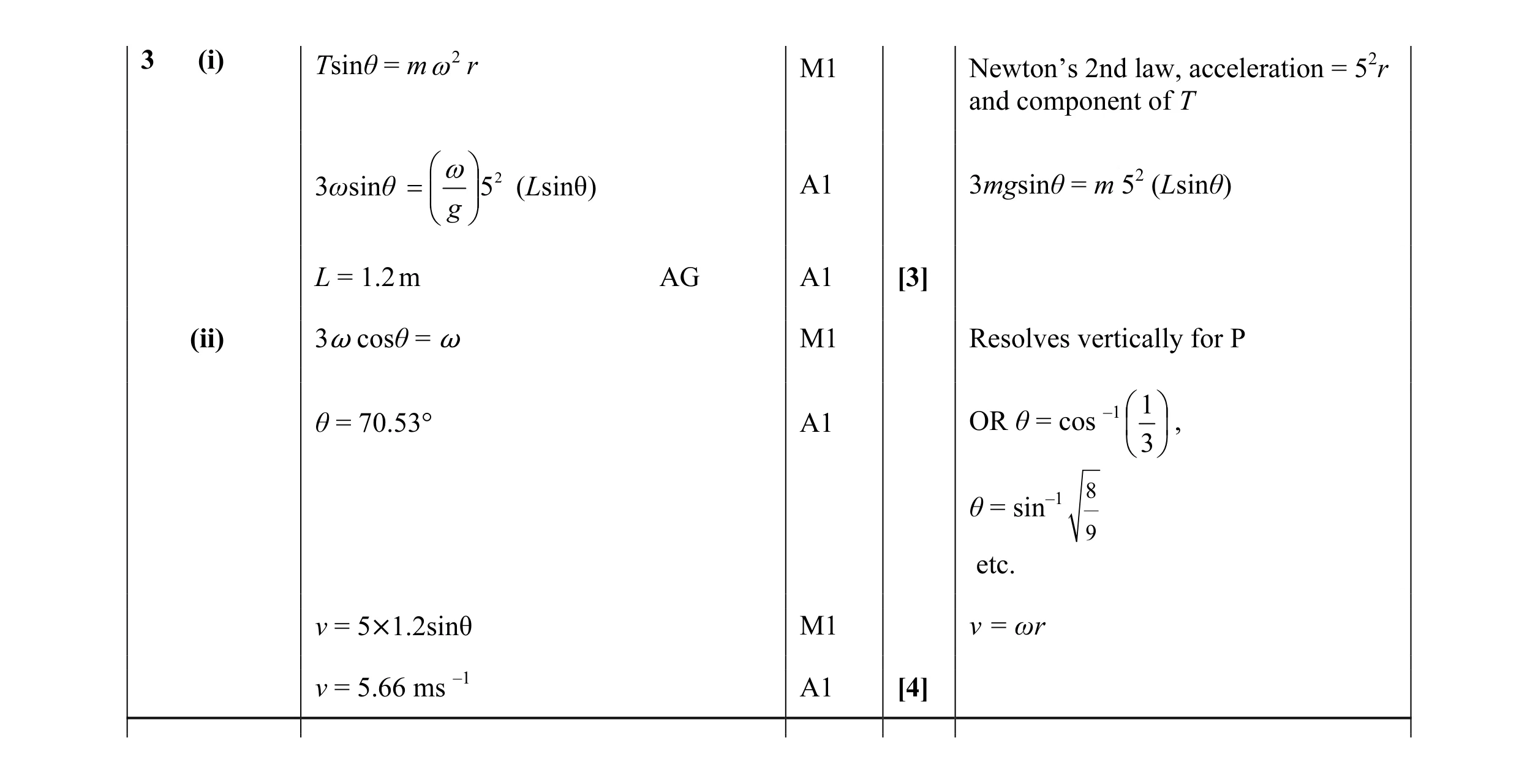 7
7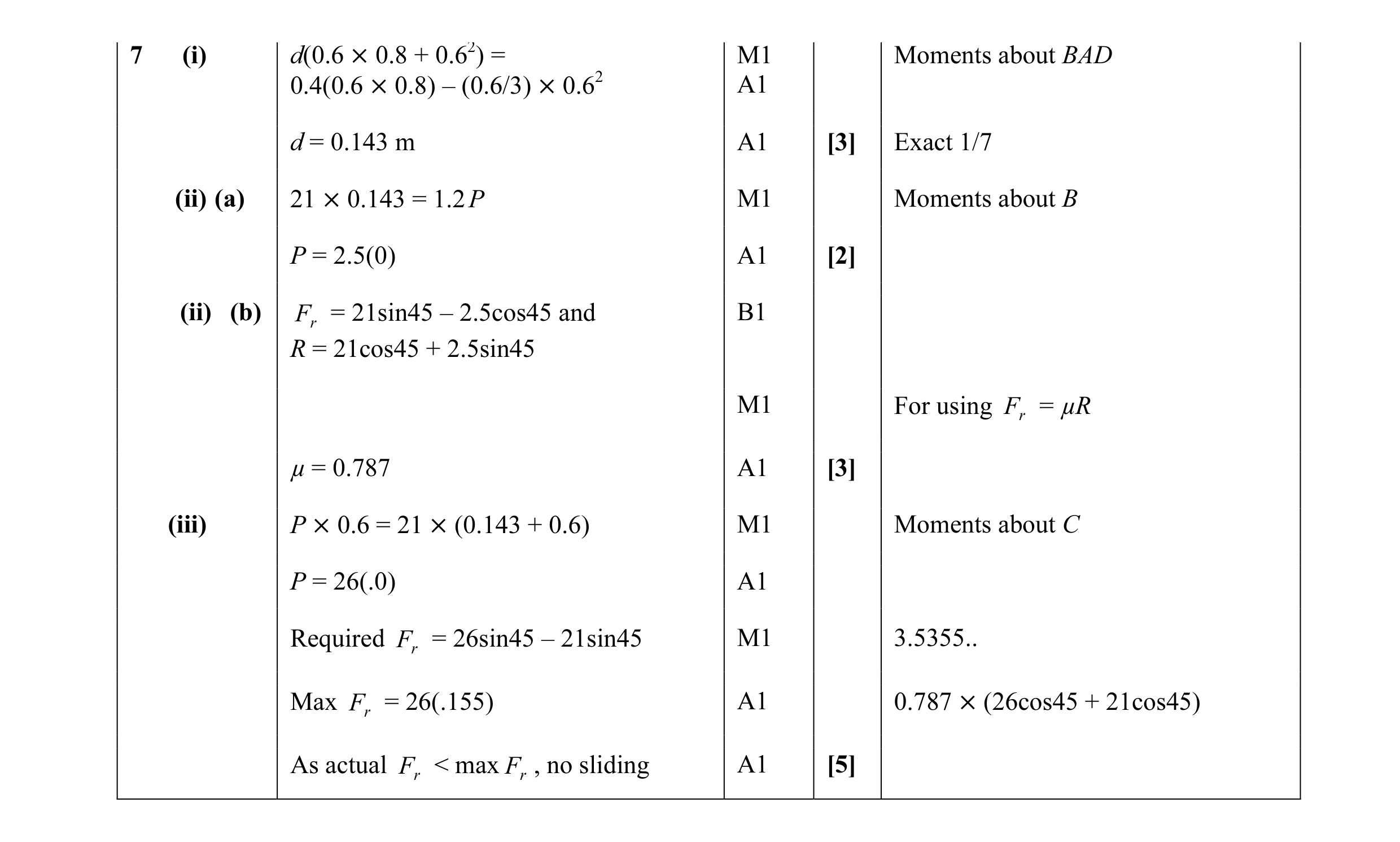 13
13 3
3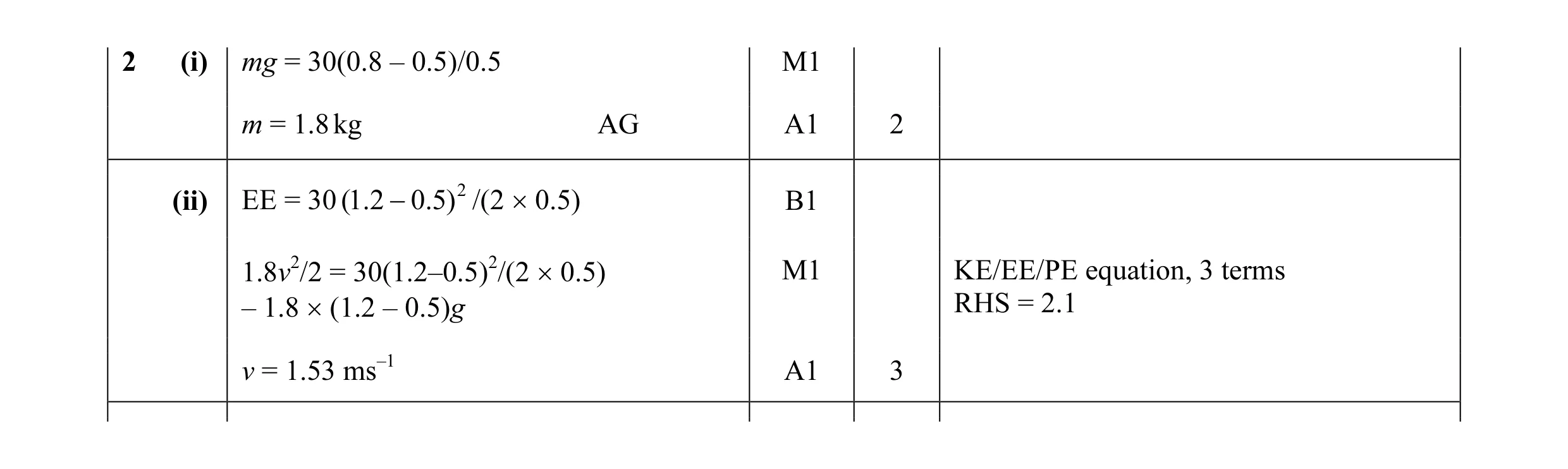 5
5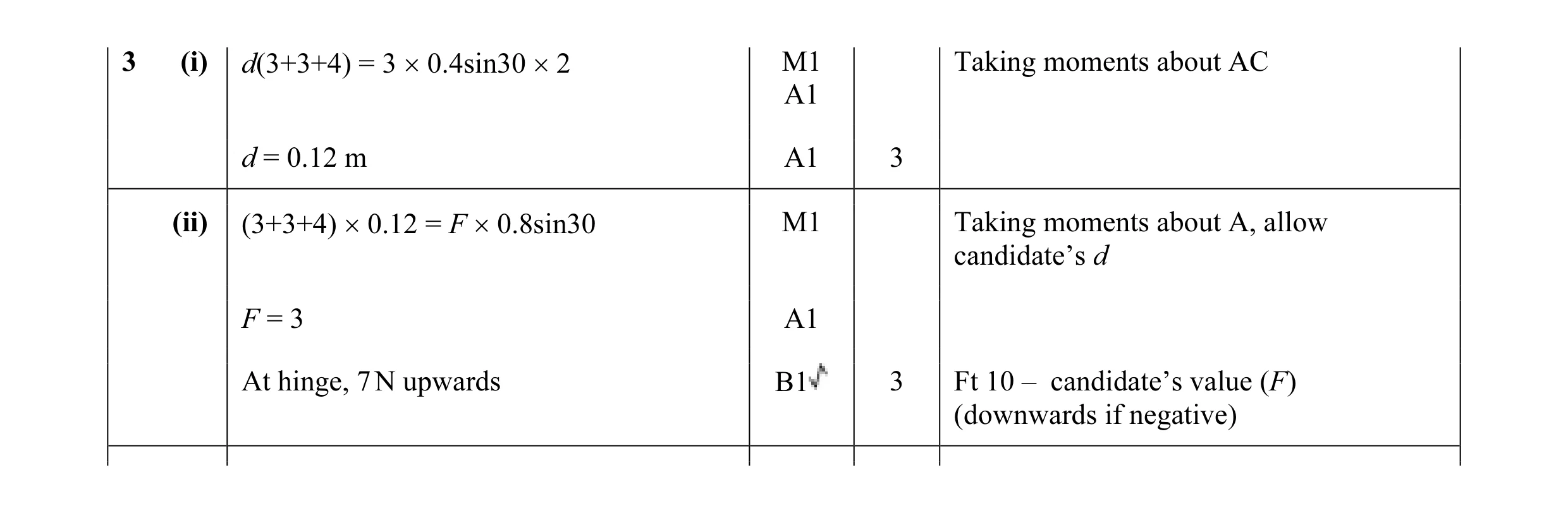 6
6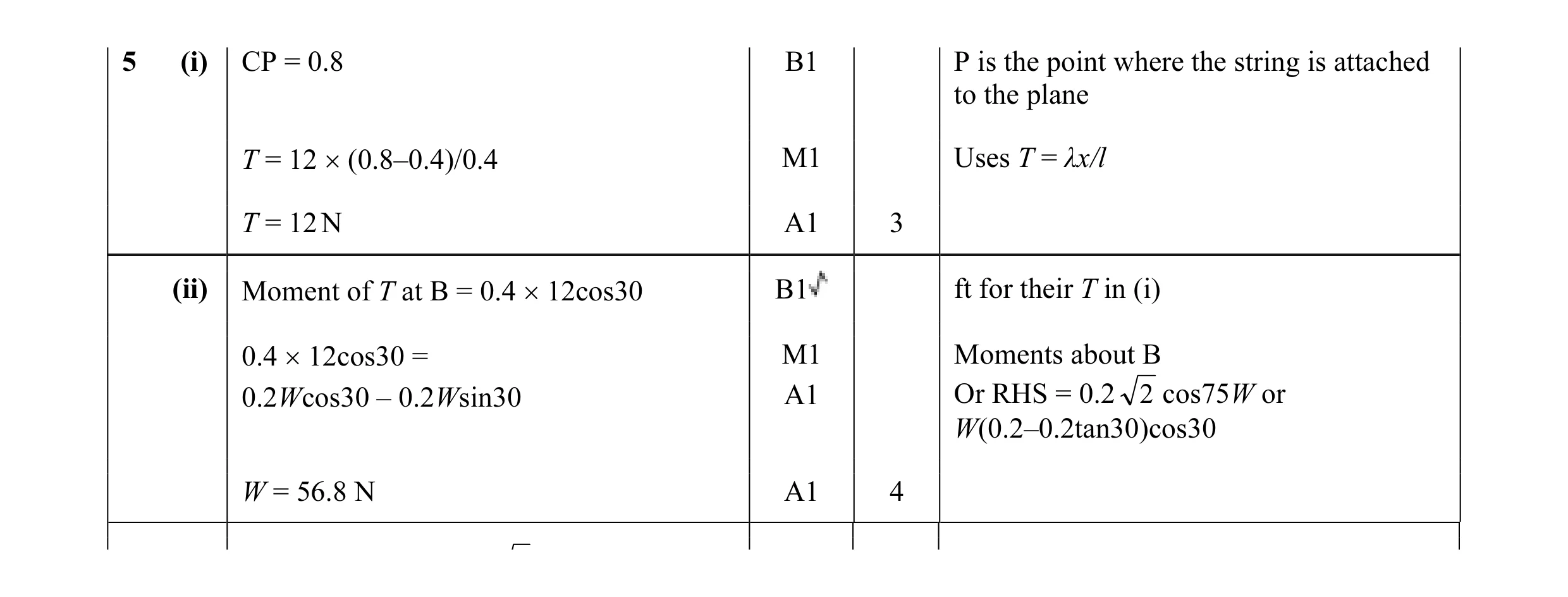 7
7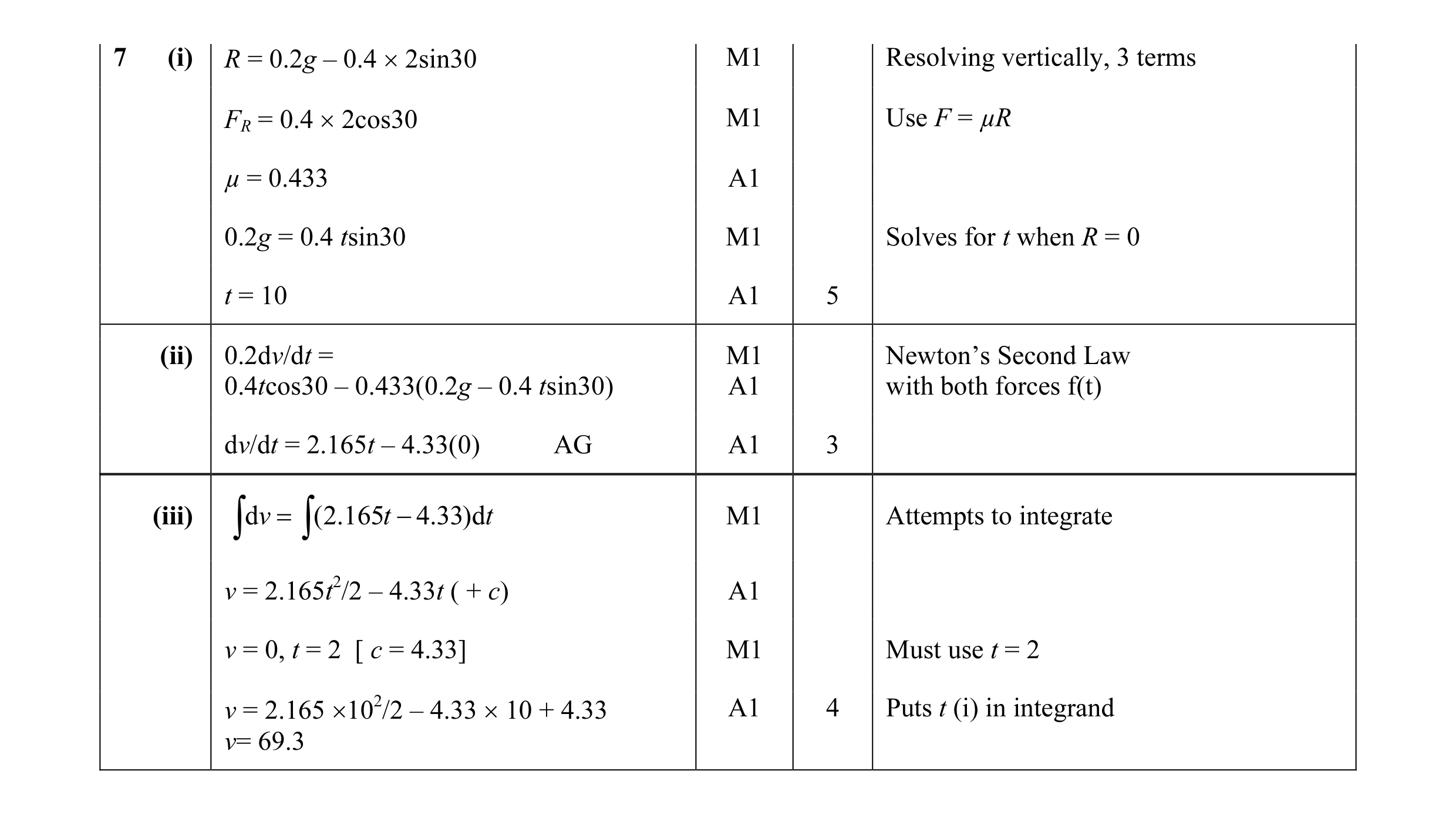 12
12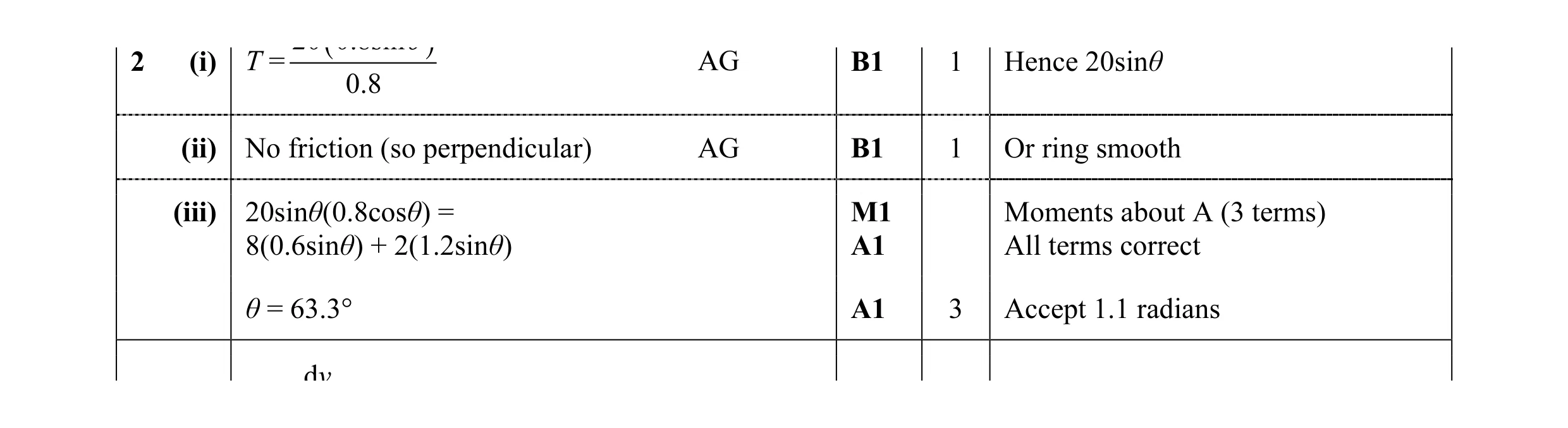 5
5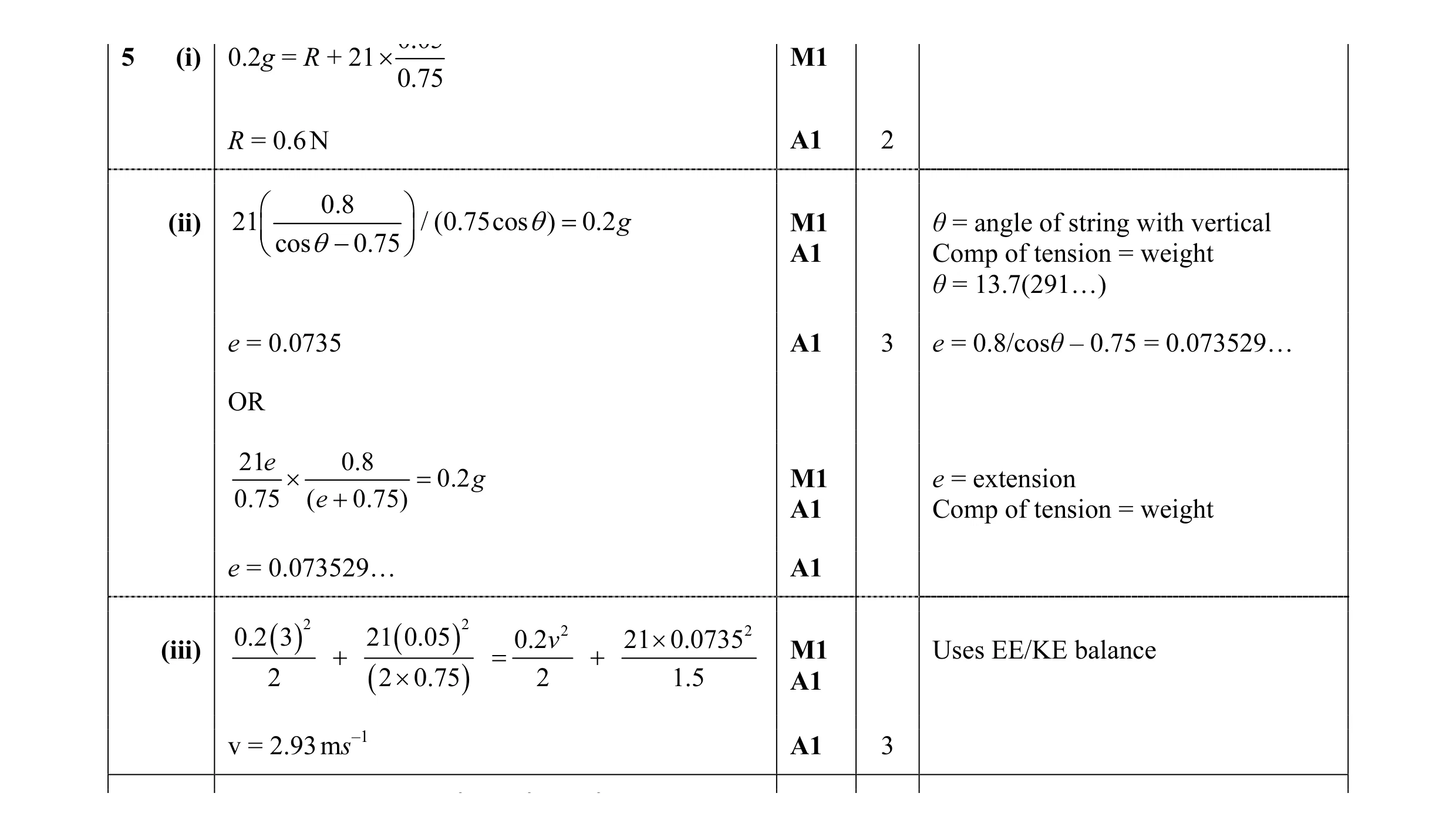 8
8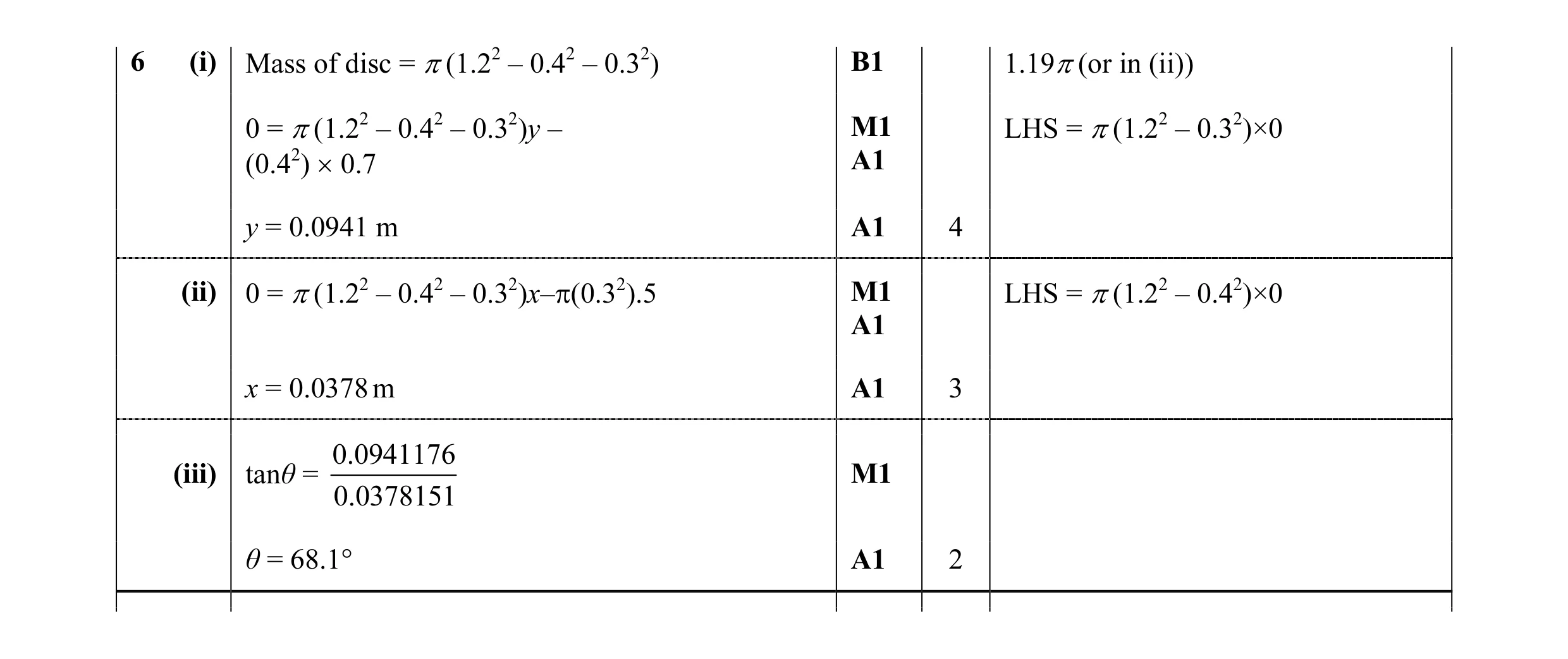 9
9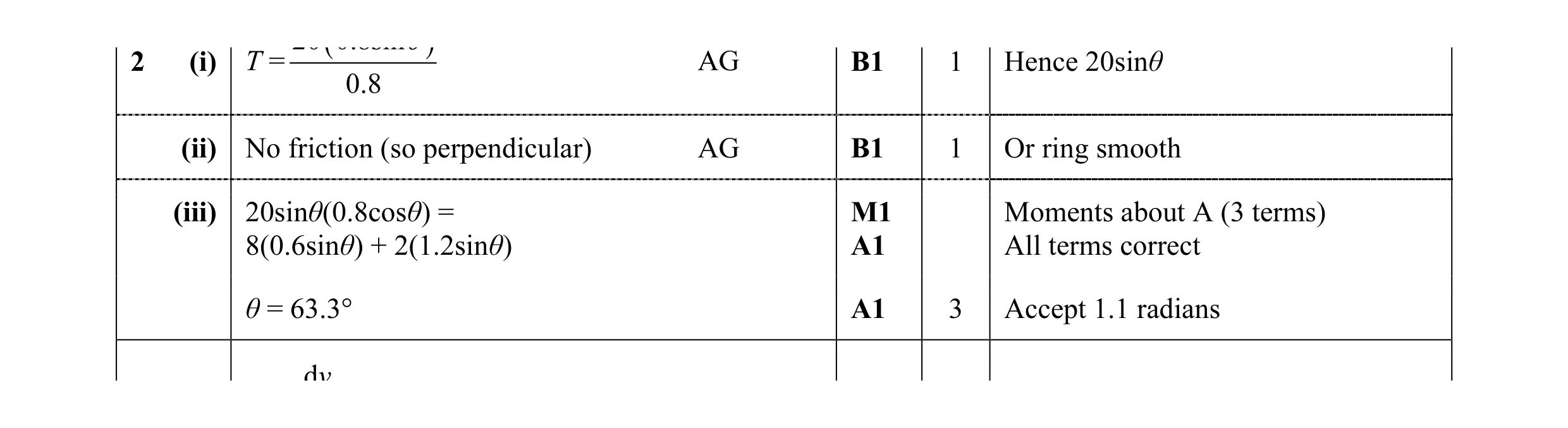 5
5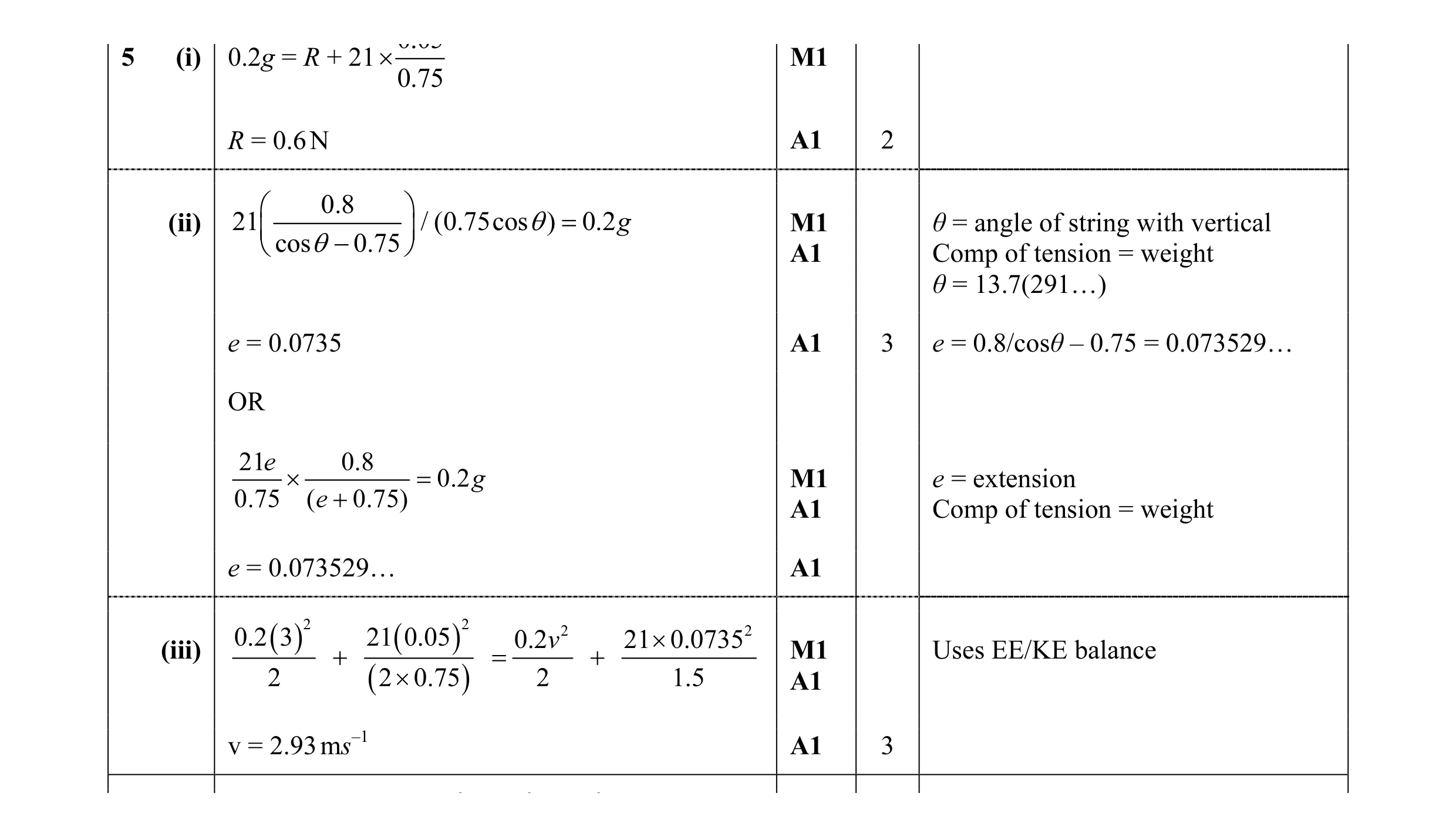 8
8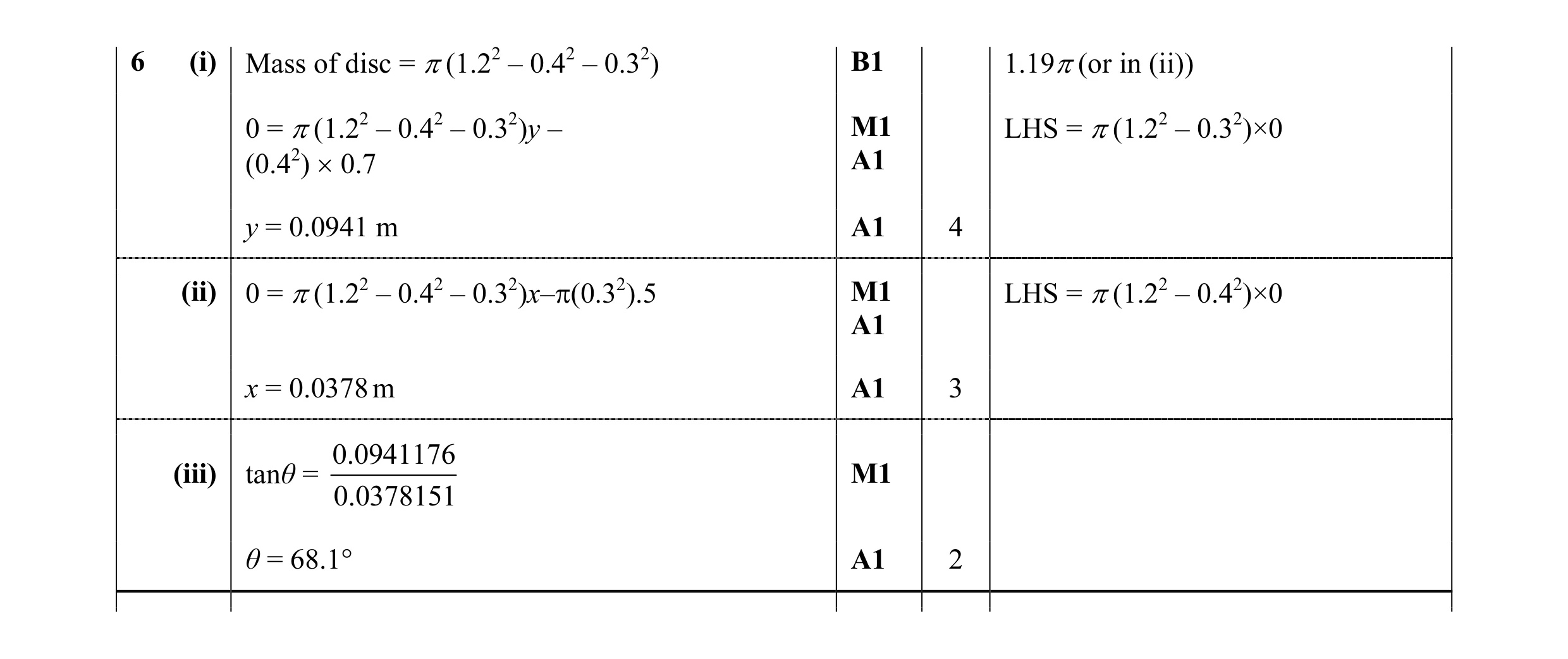 9
9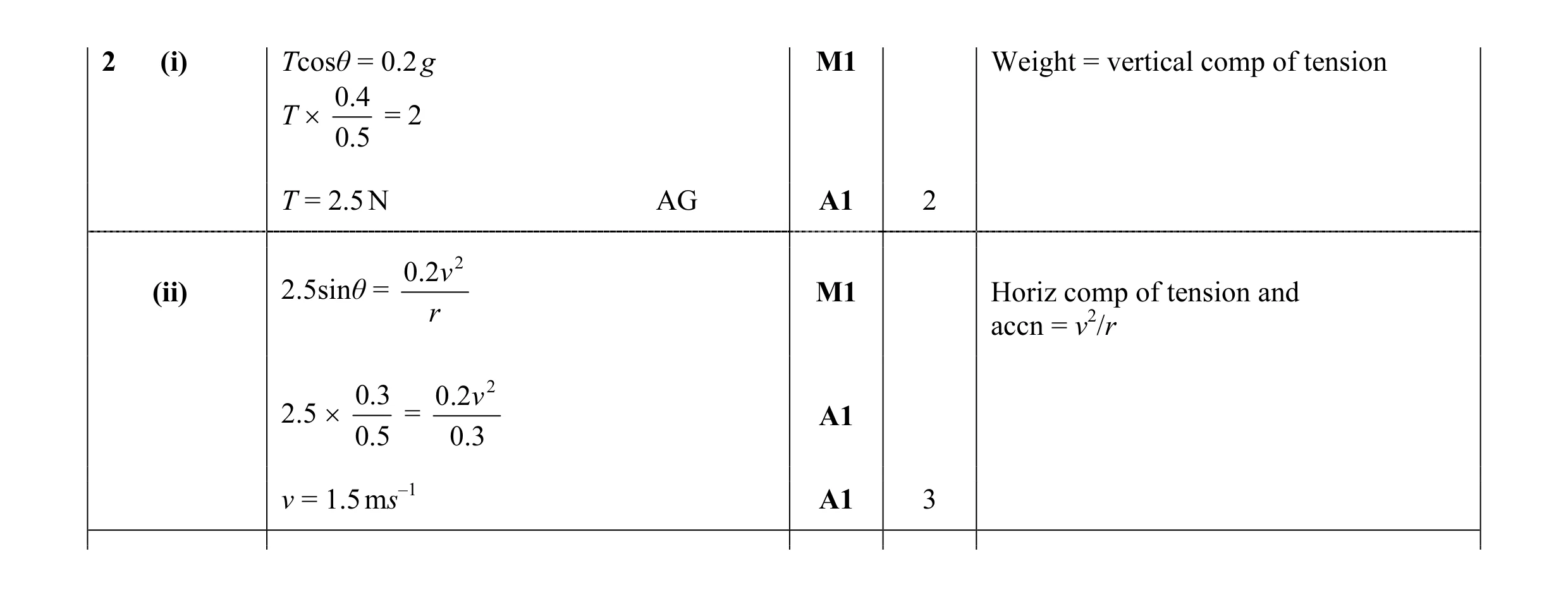 5
5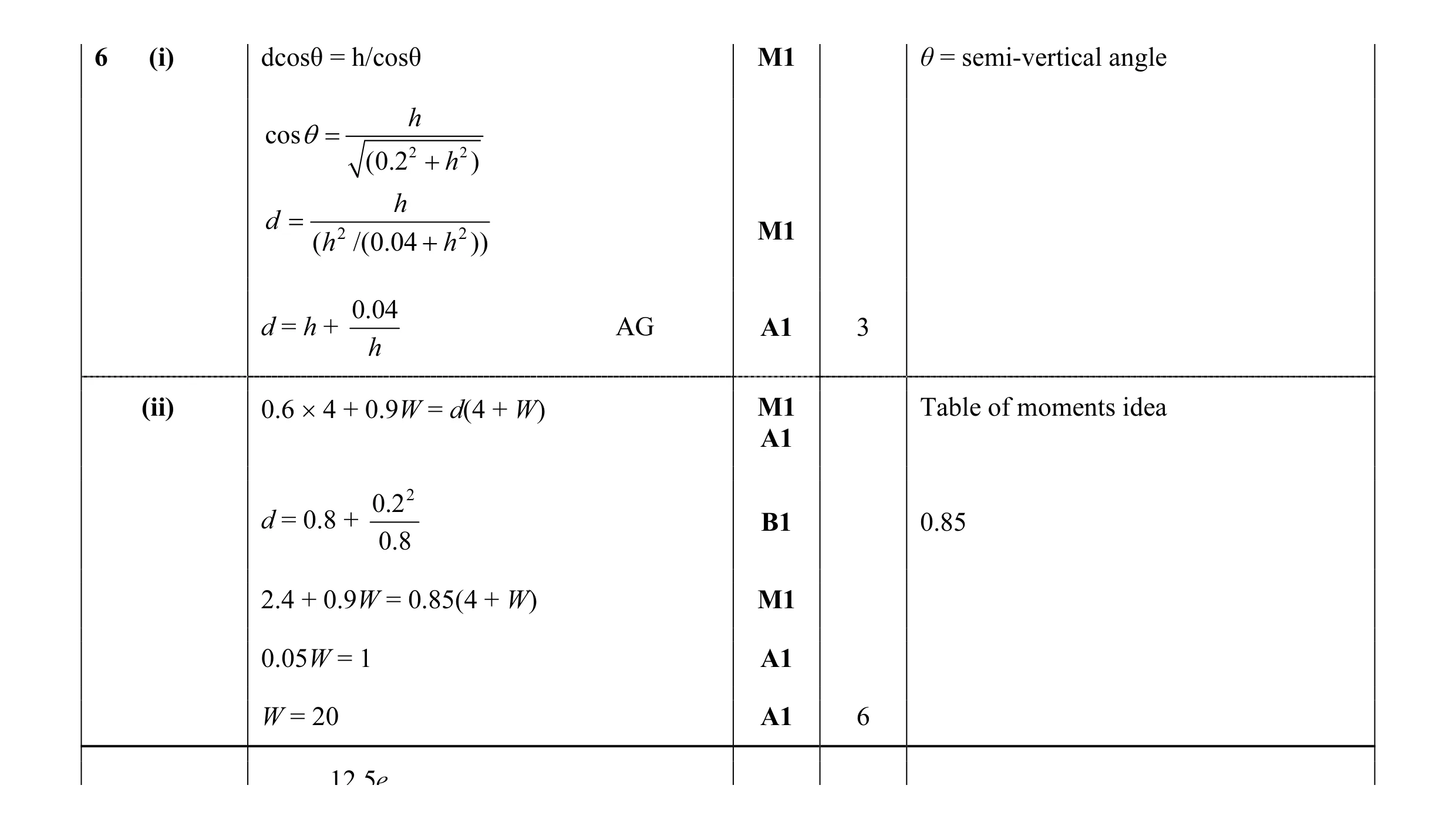 9
9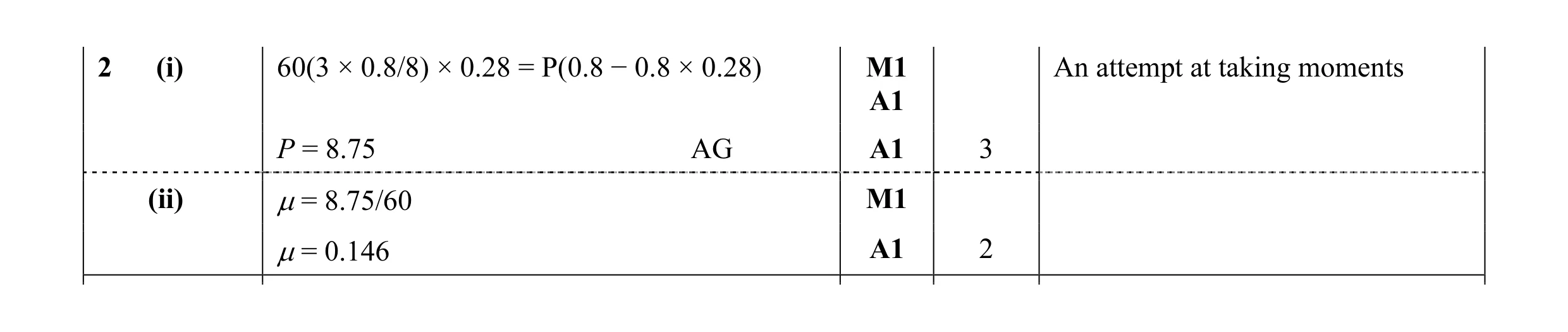 5
5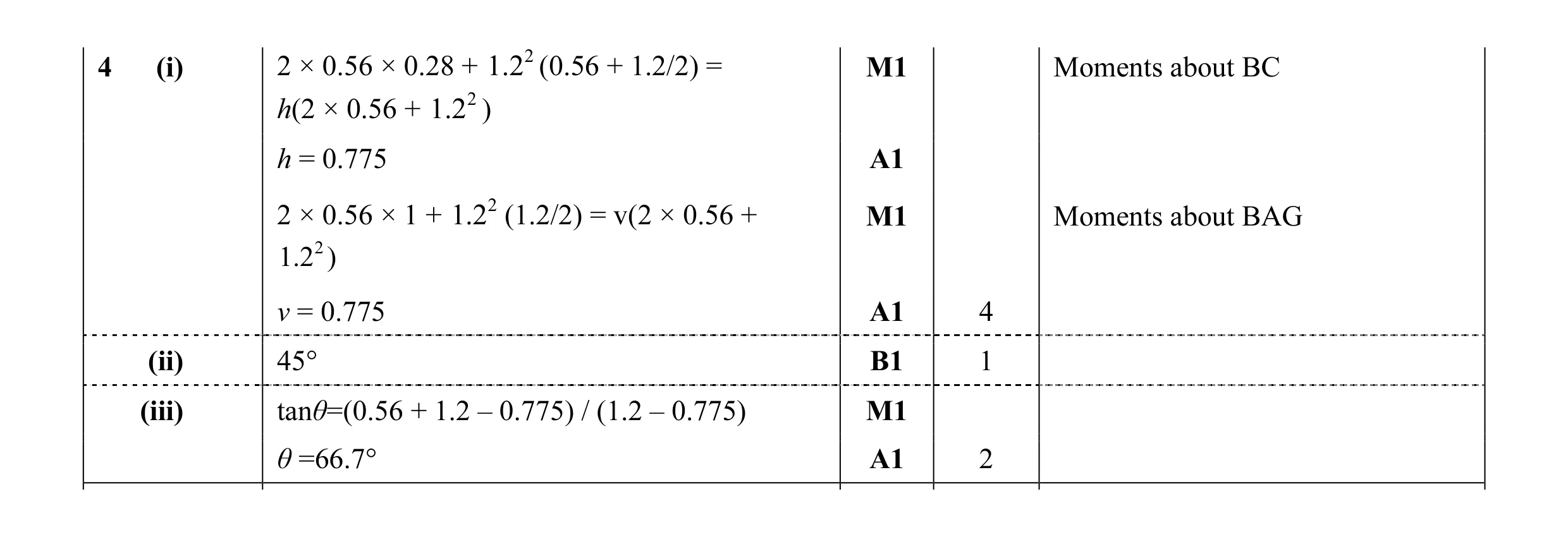 7
7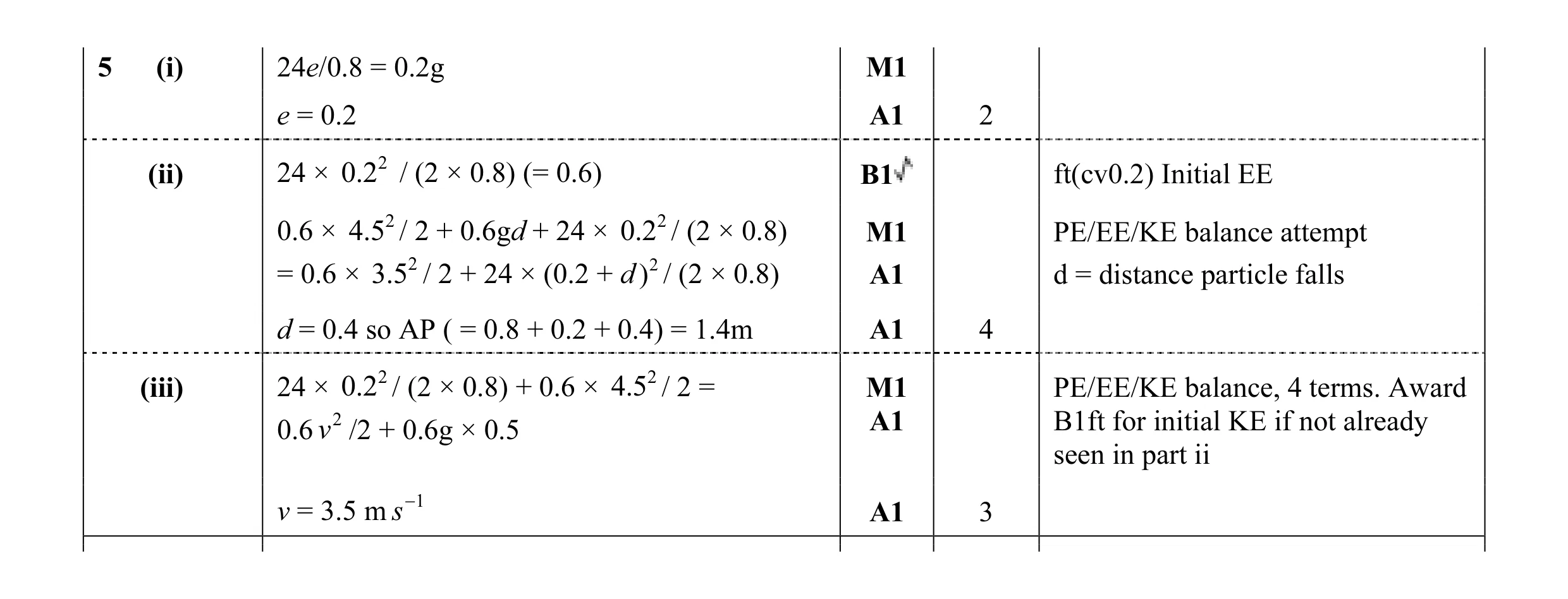 9
9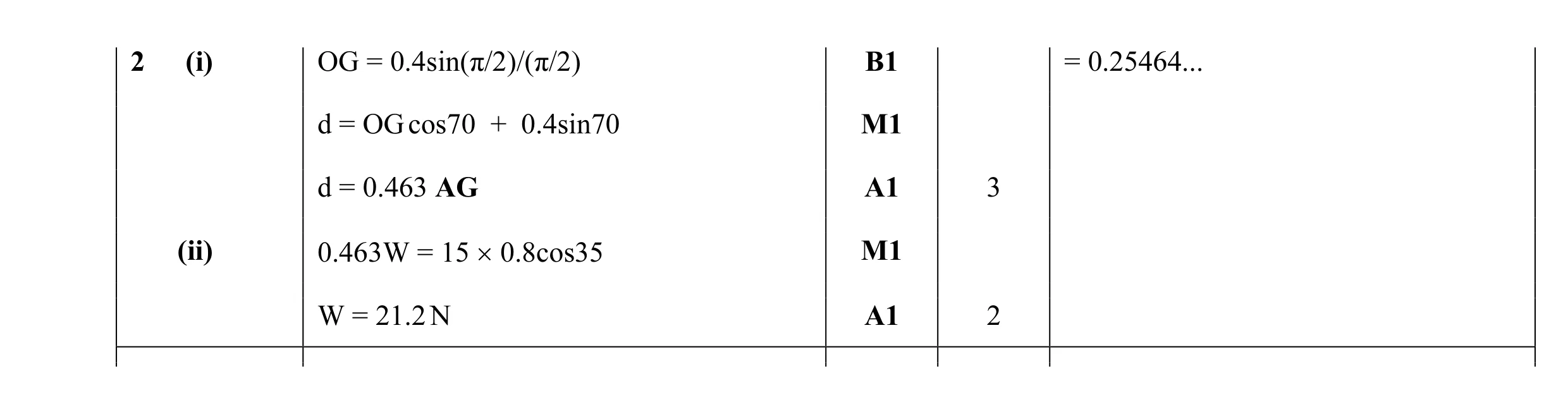 5
5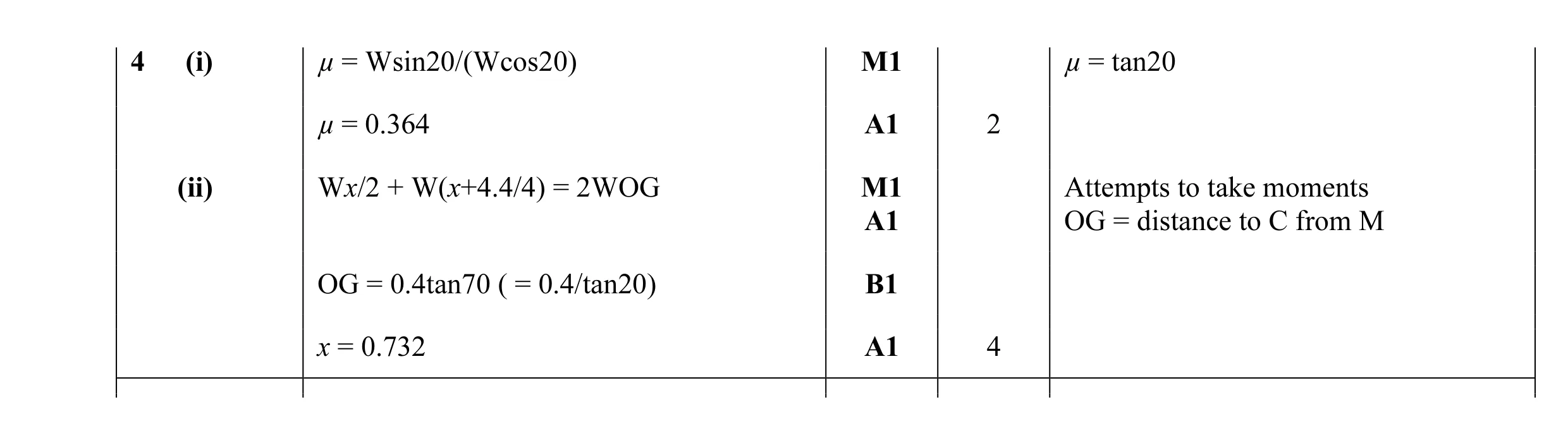 6
6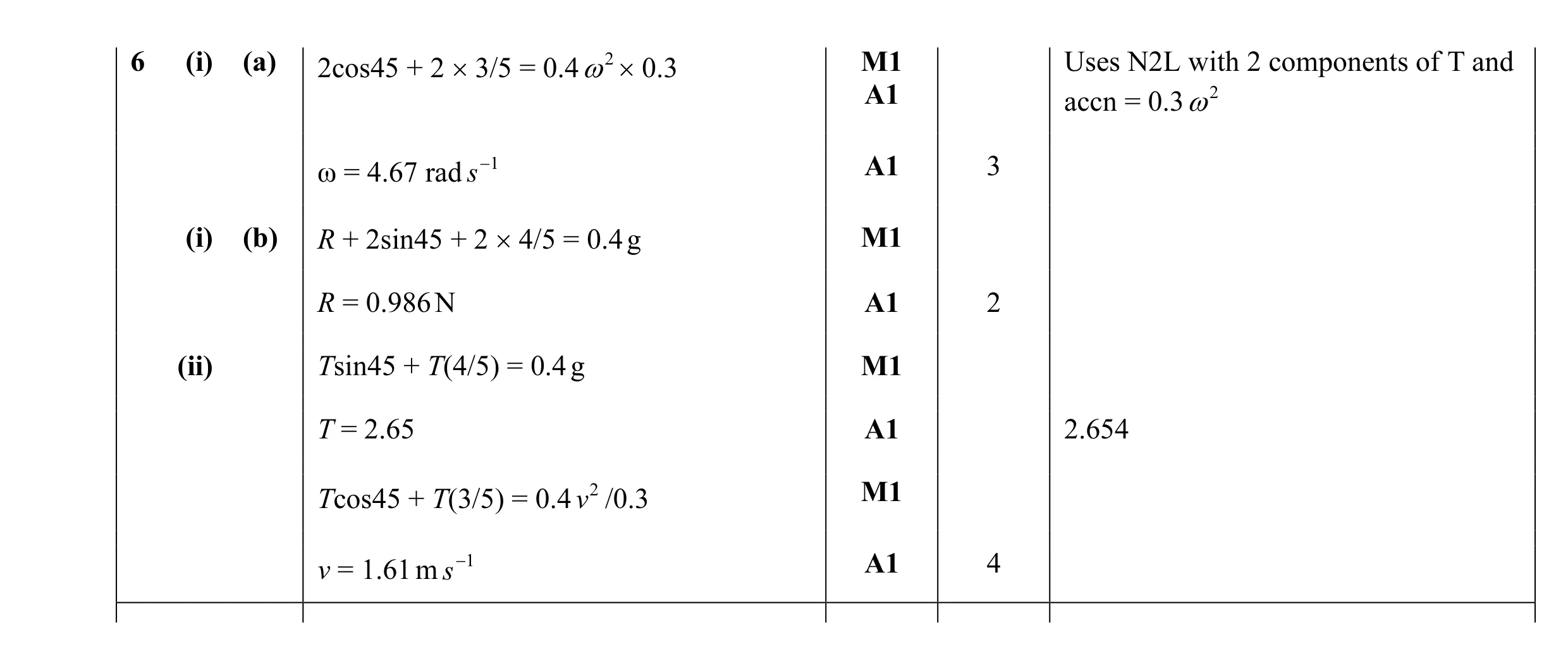 9
9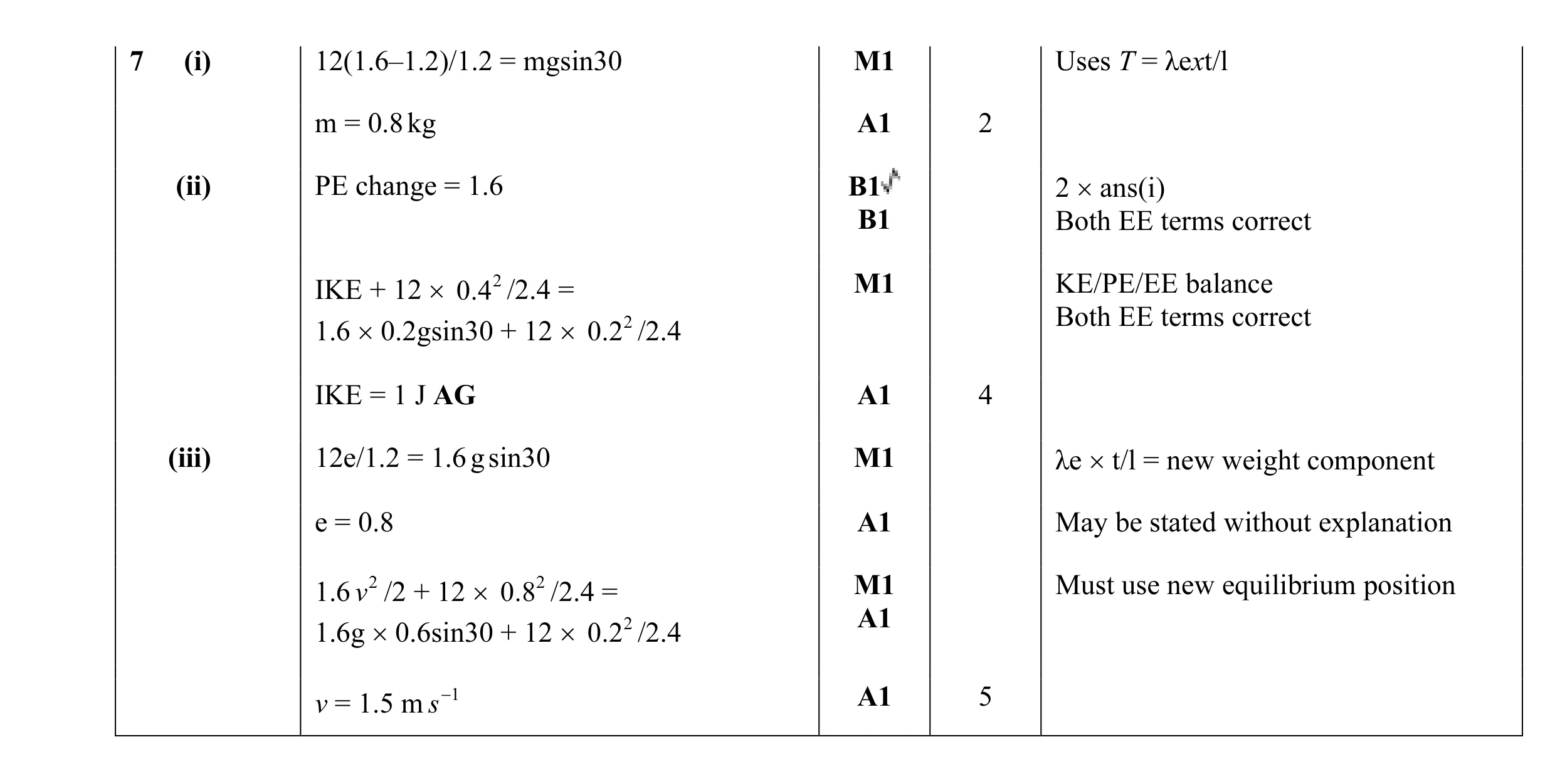 11
11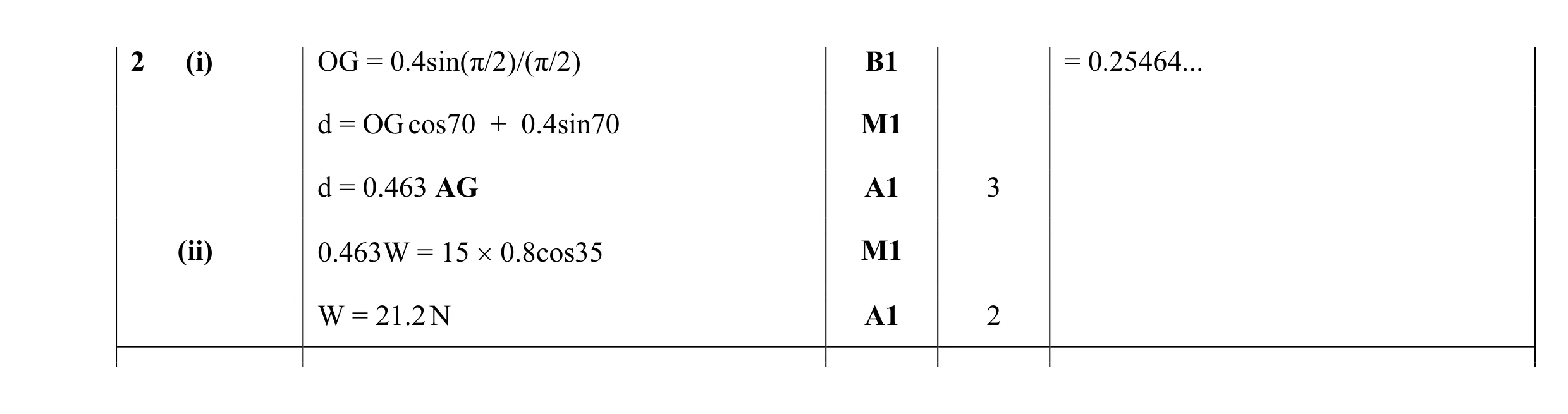 5
5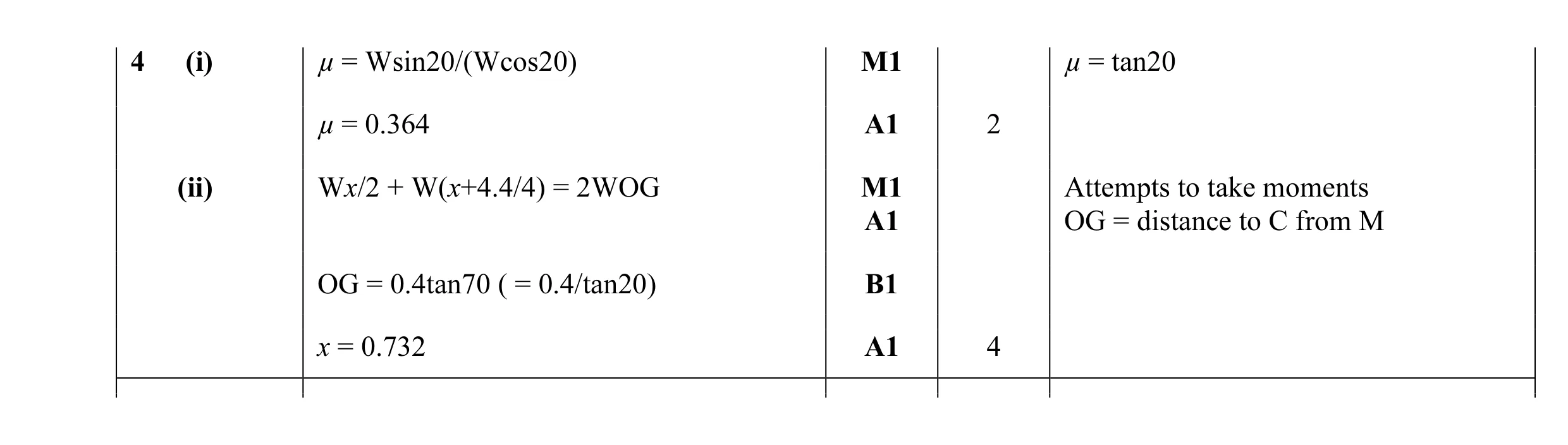 6
6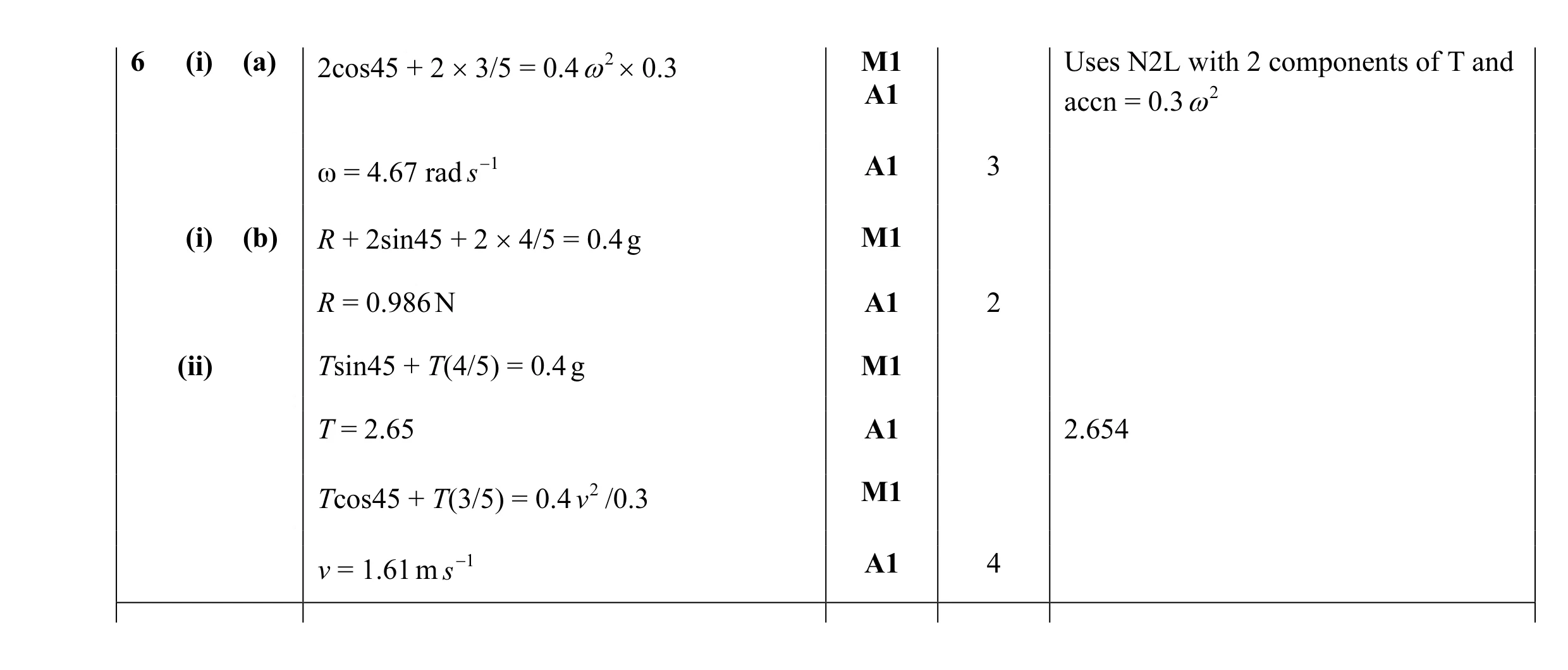 9
9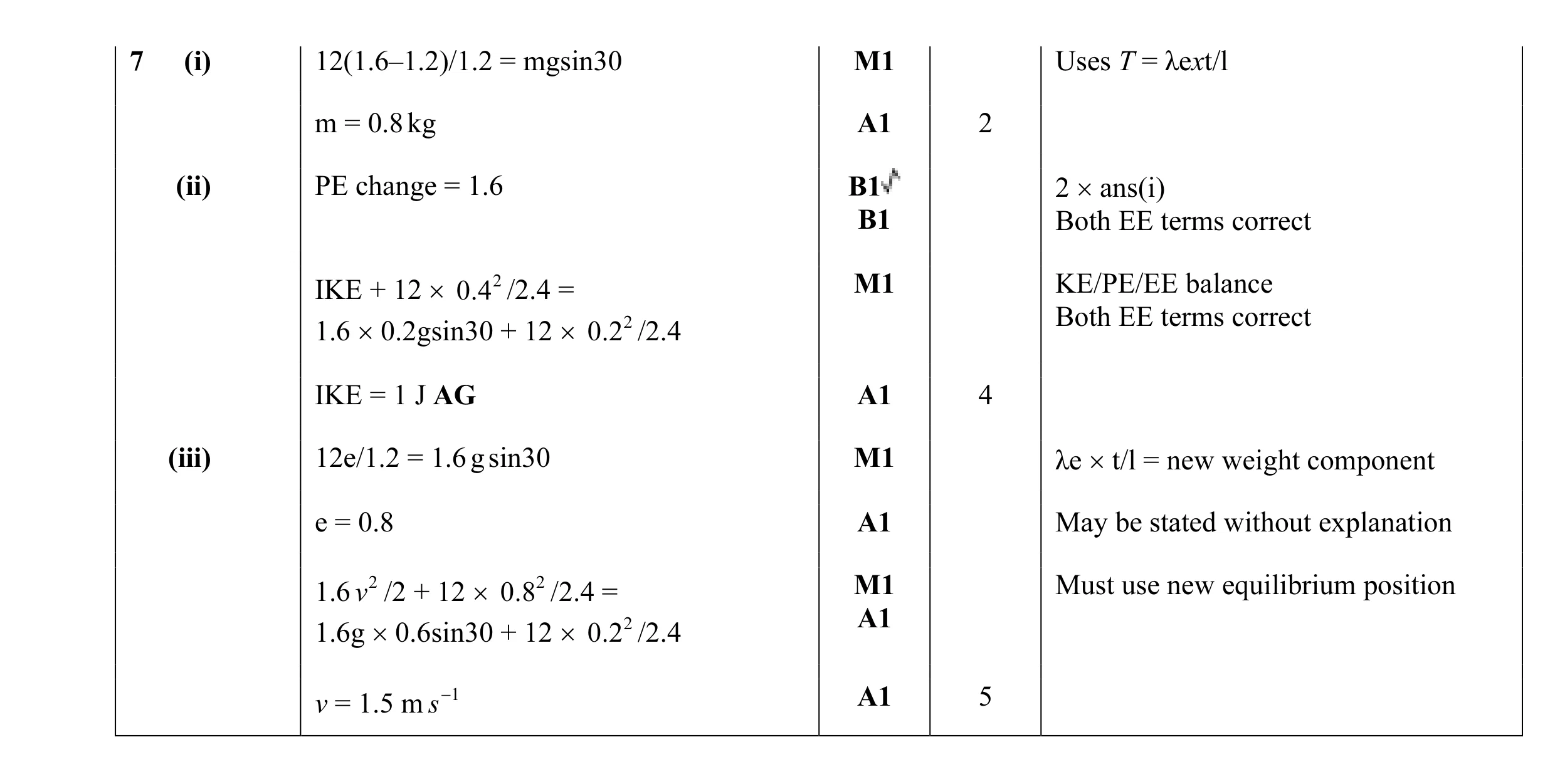 11
11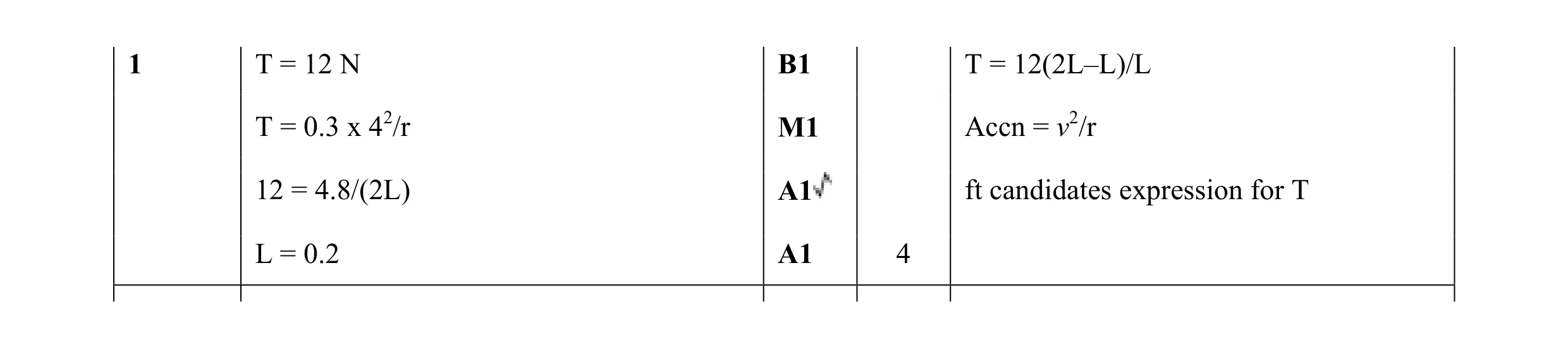 4
4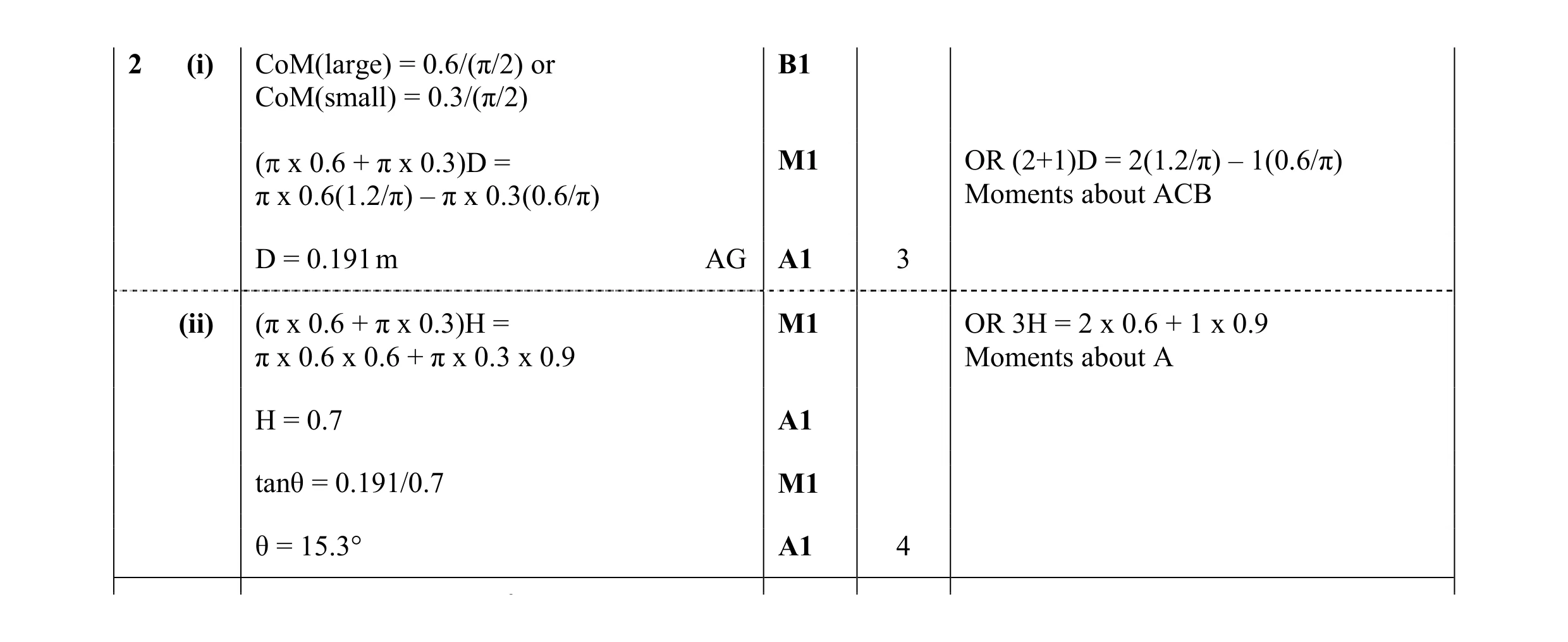 7
7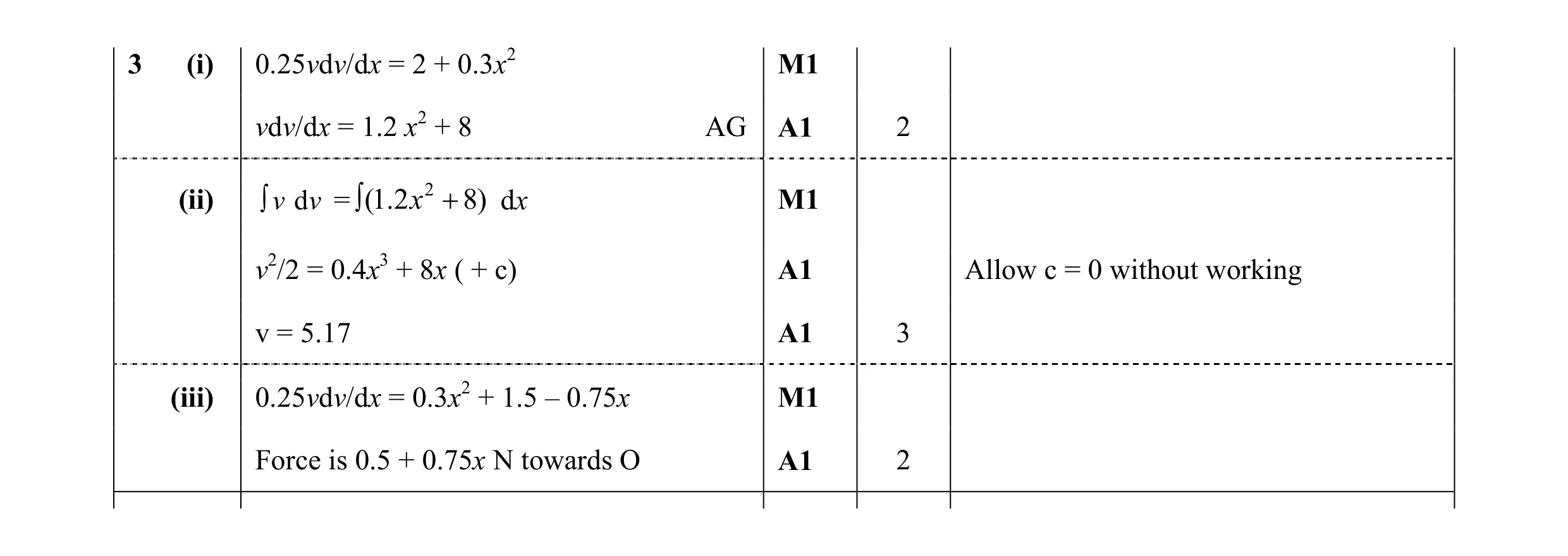 7
7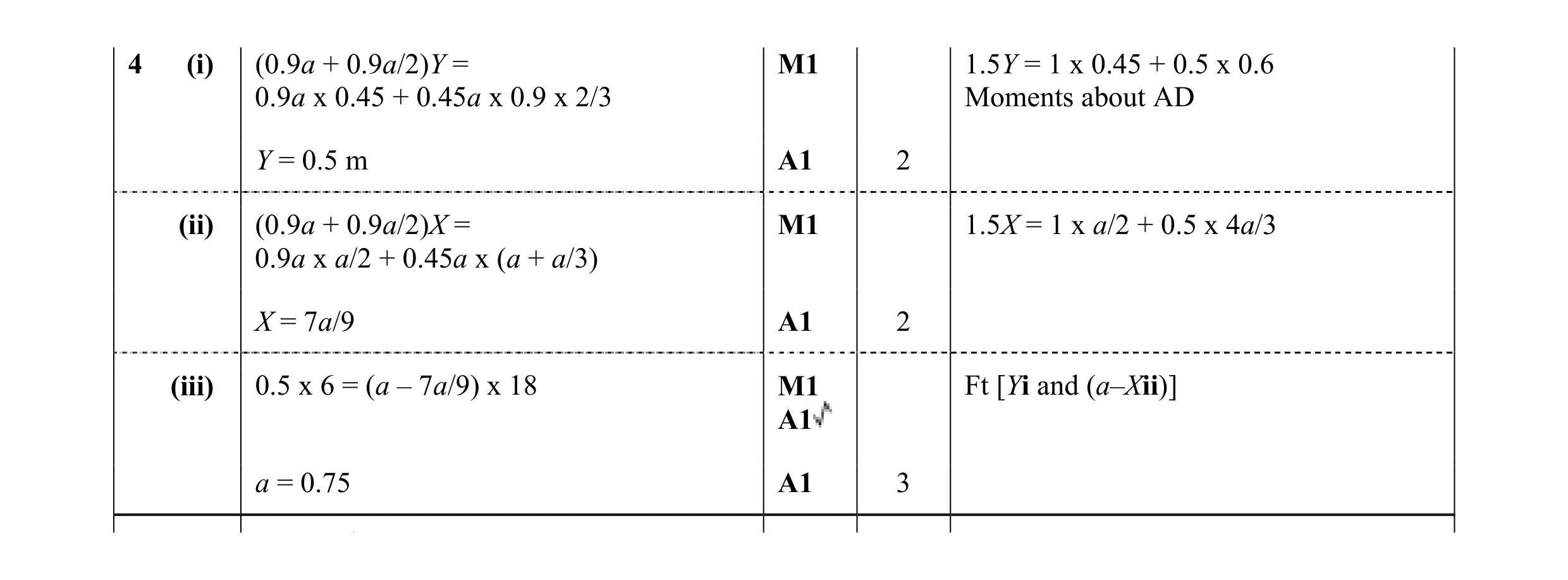 7
7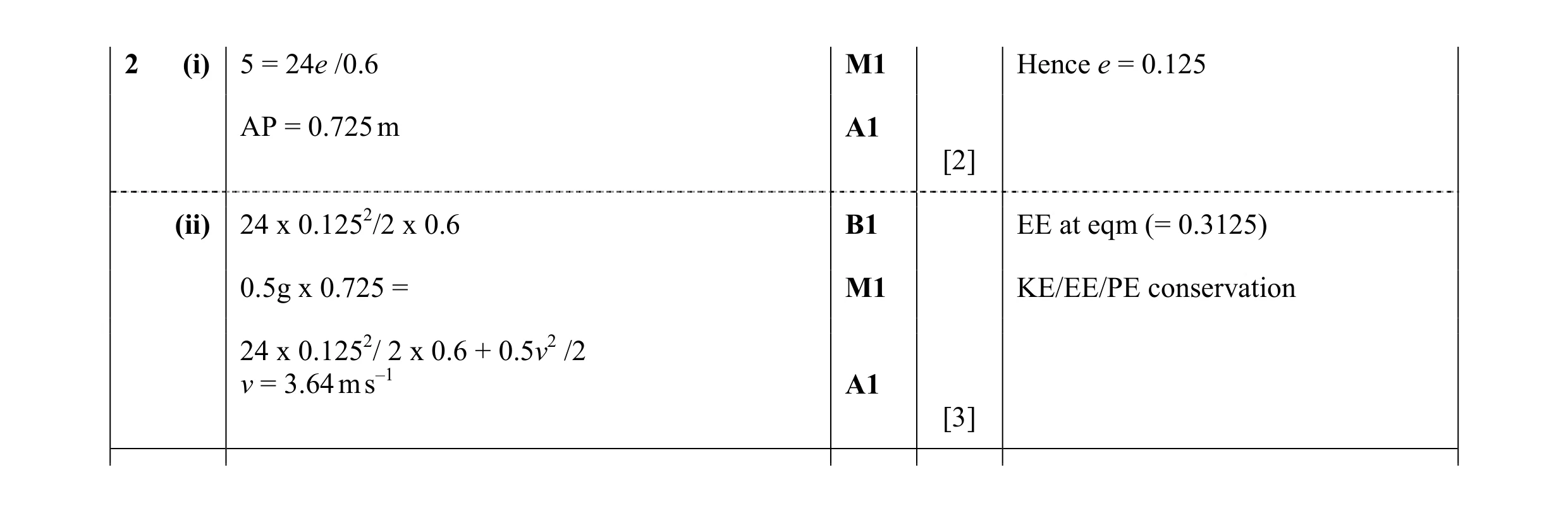 5
5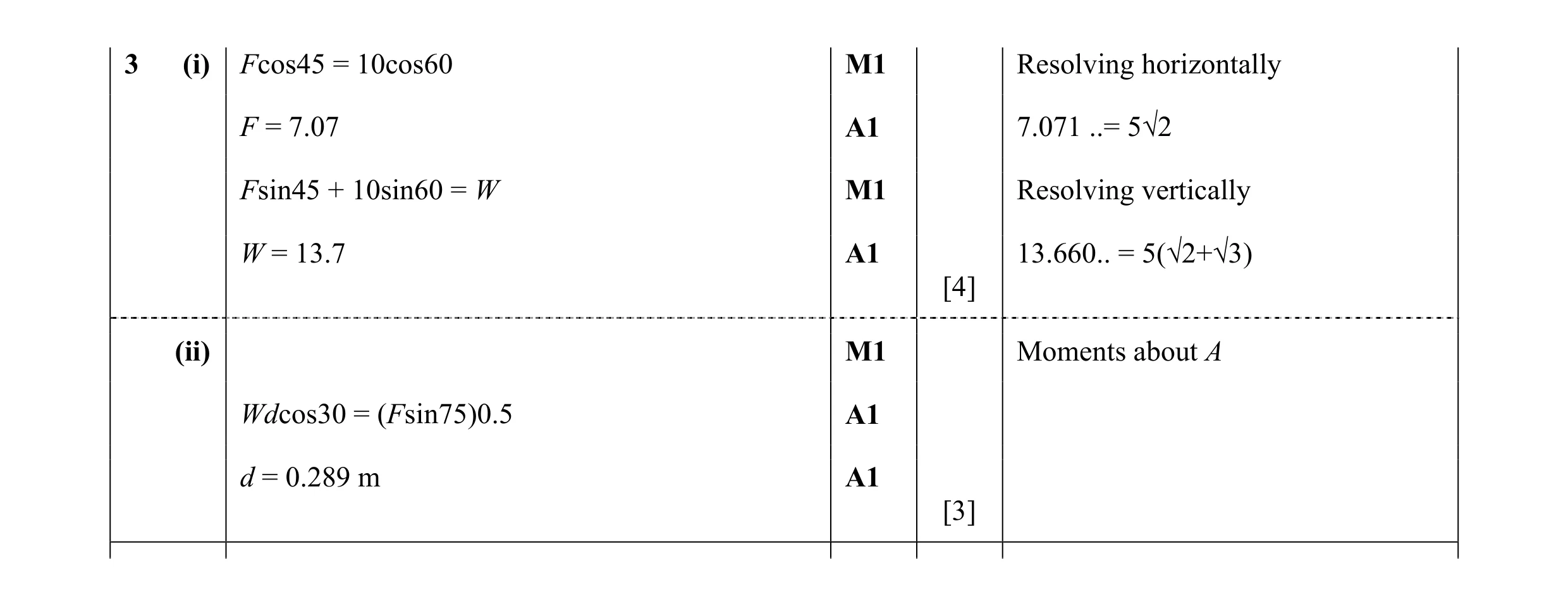 7
7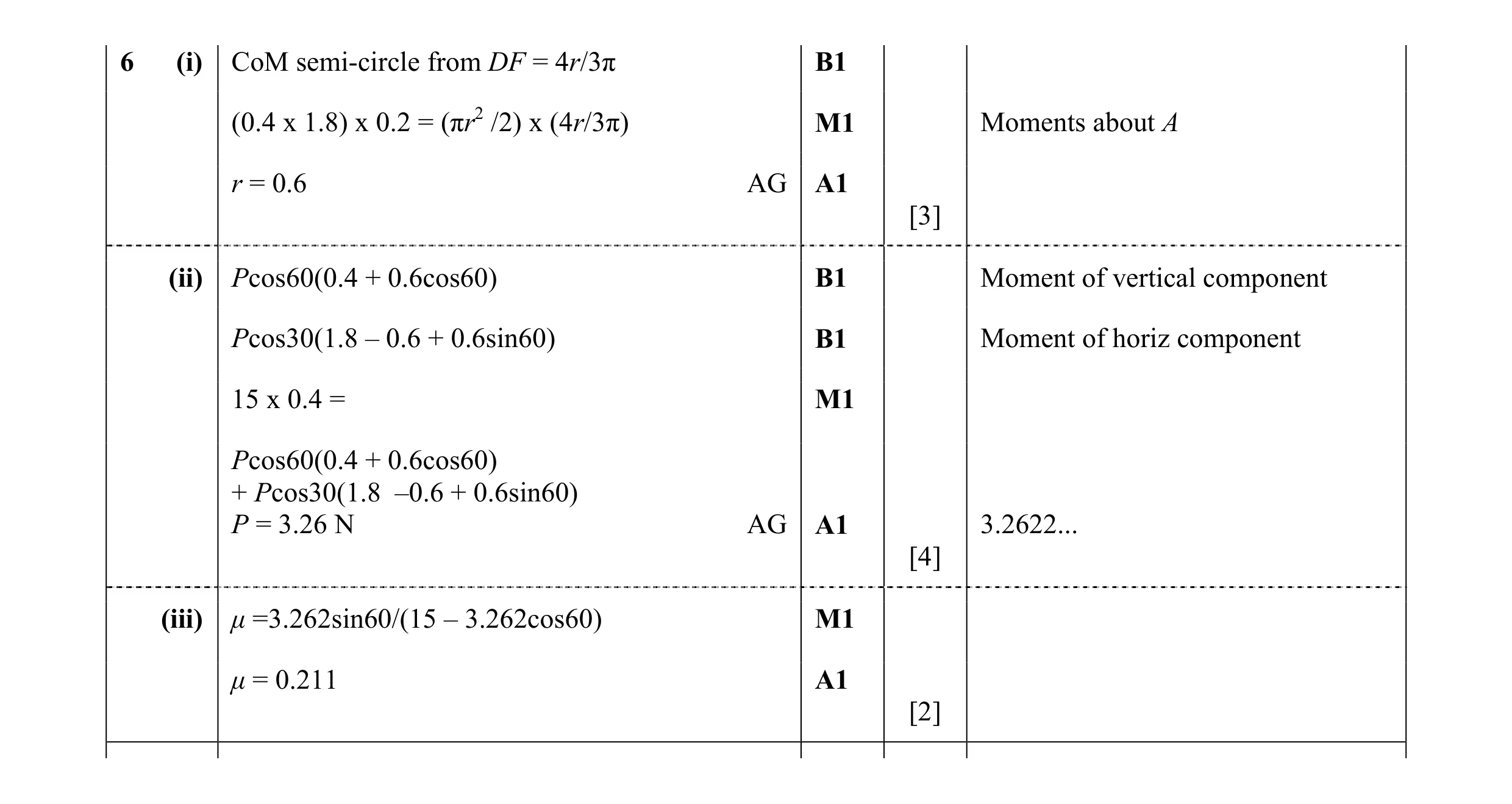 9
9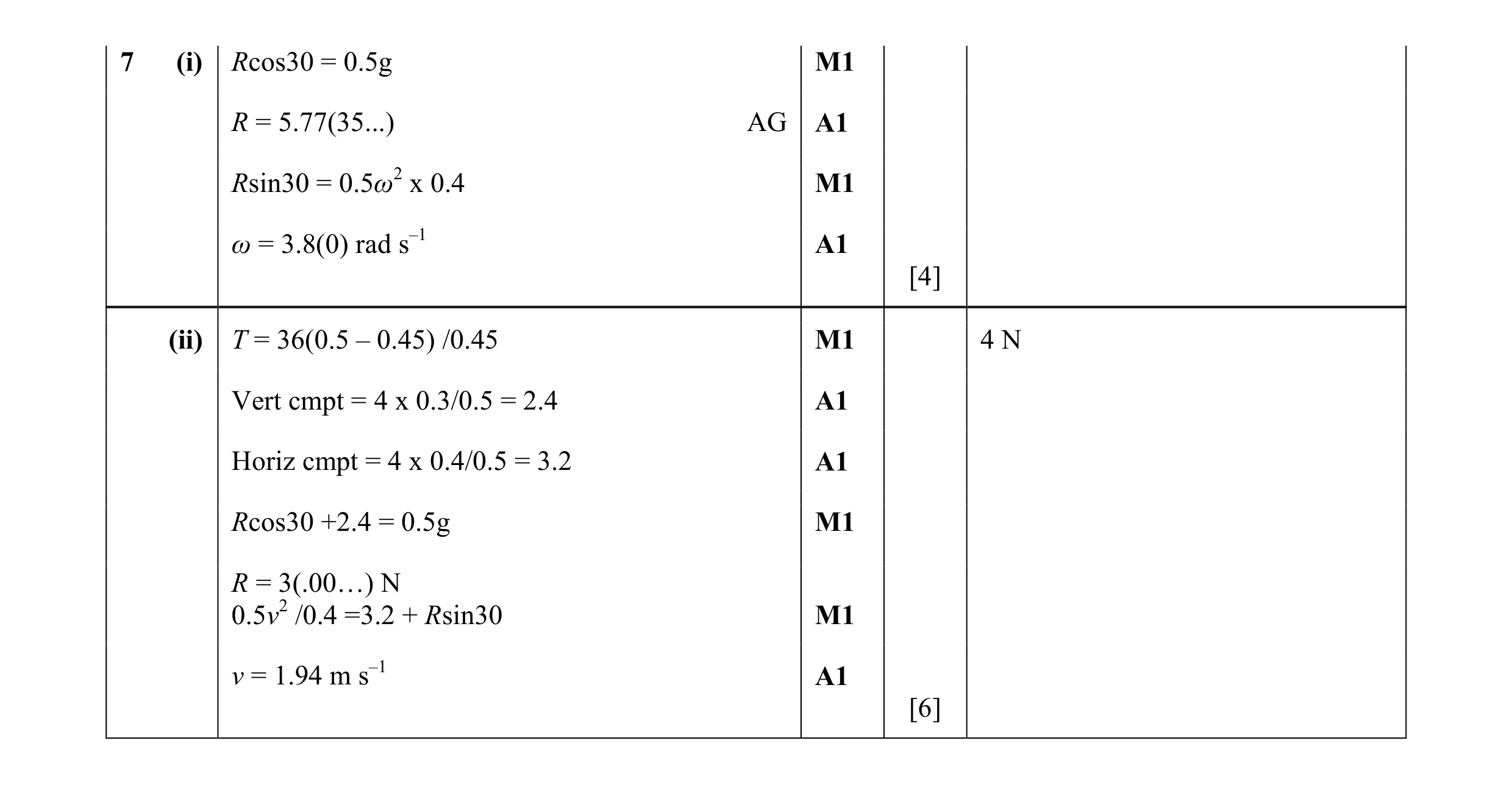 10
10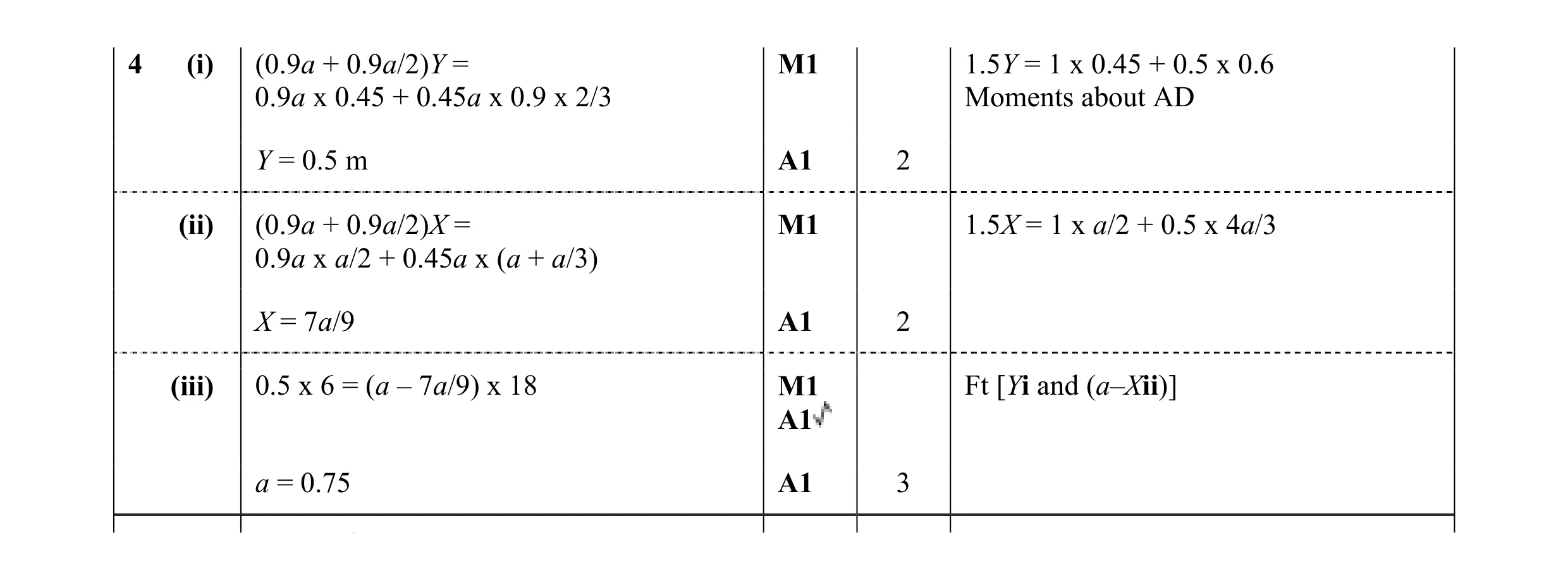 7
7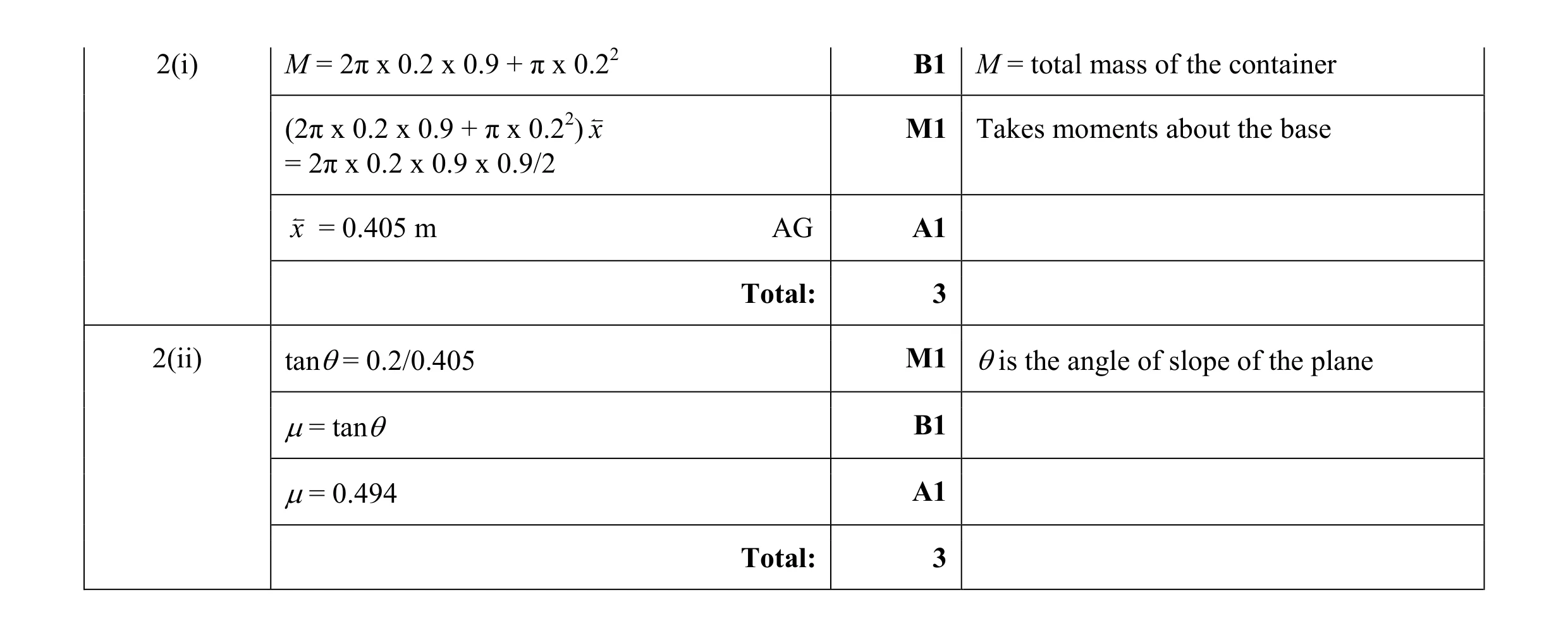 6
6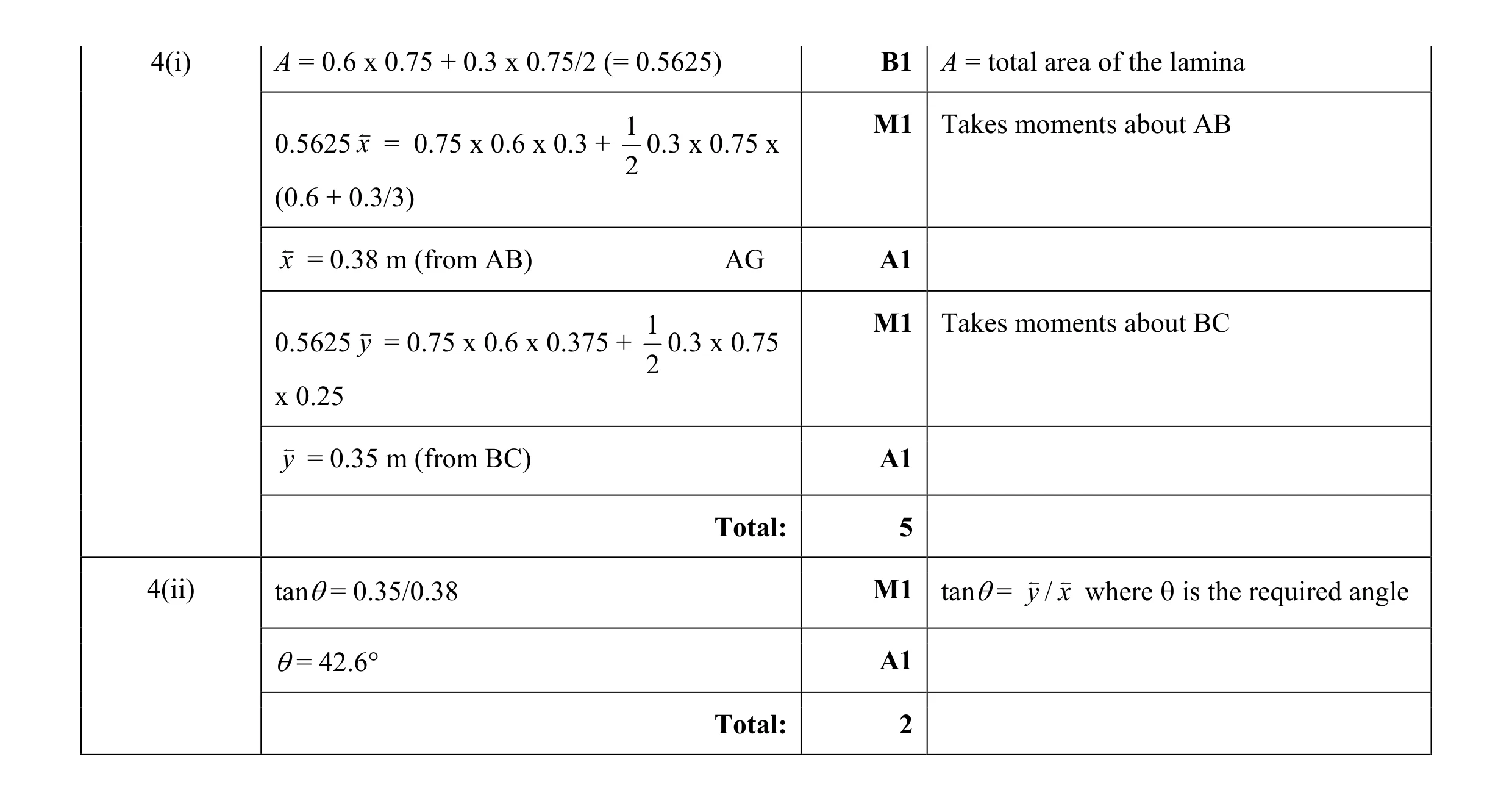 7
7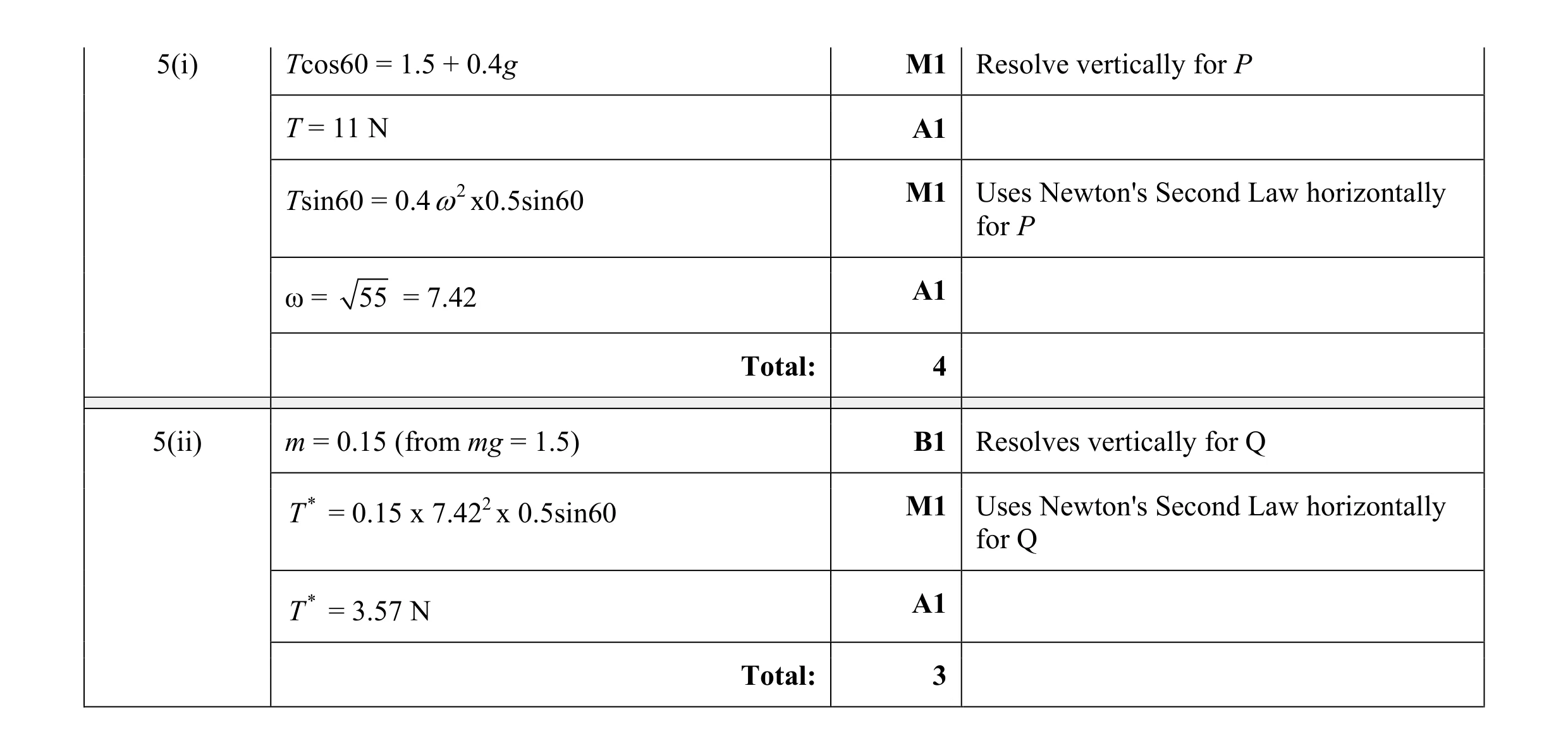 7
7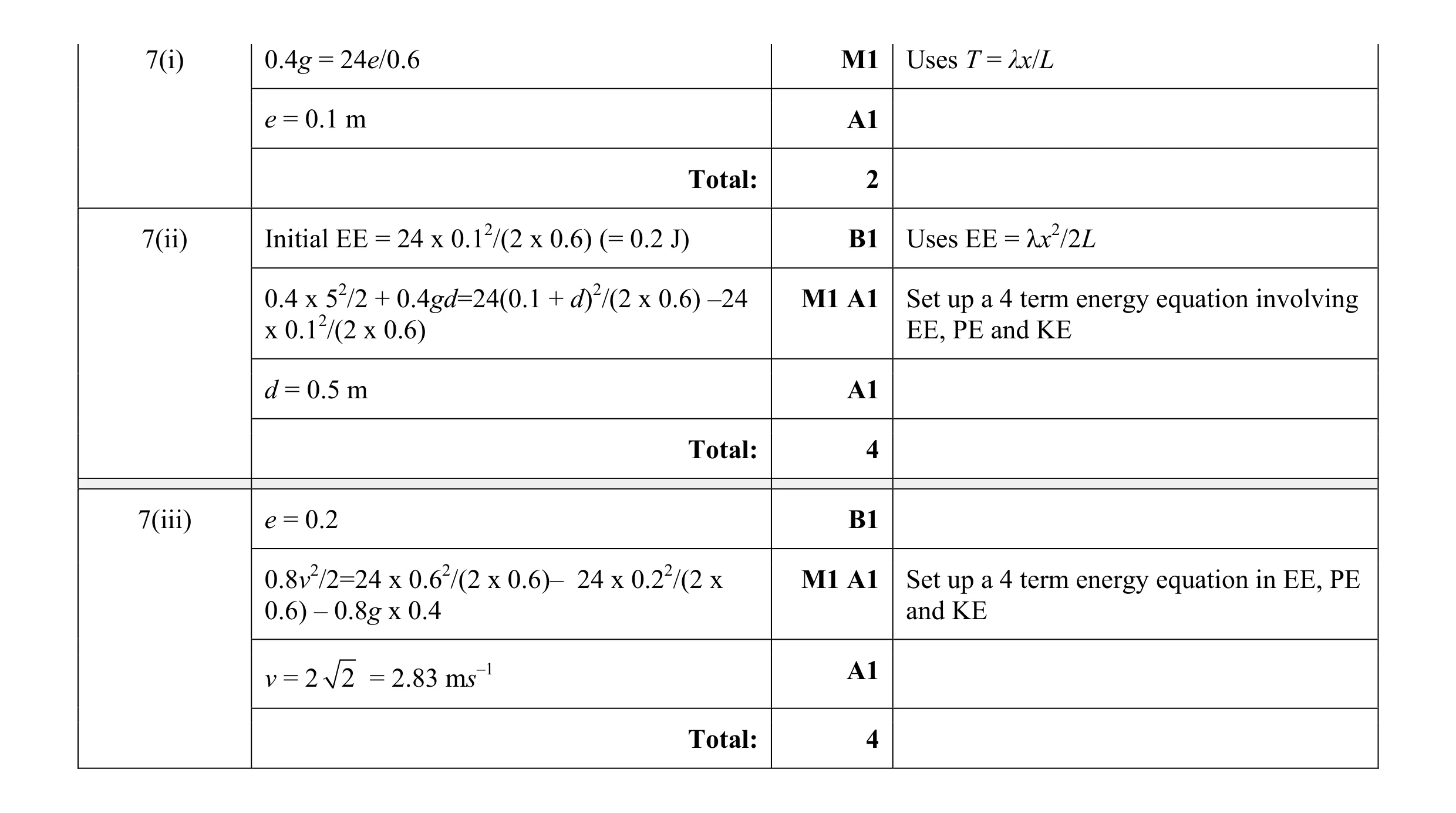 10
10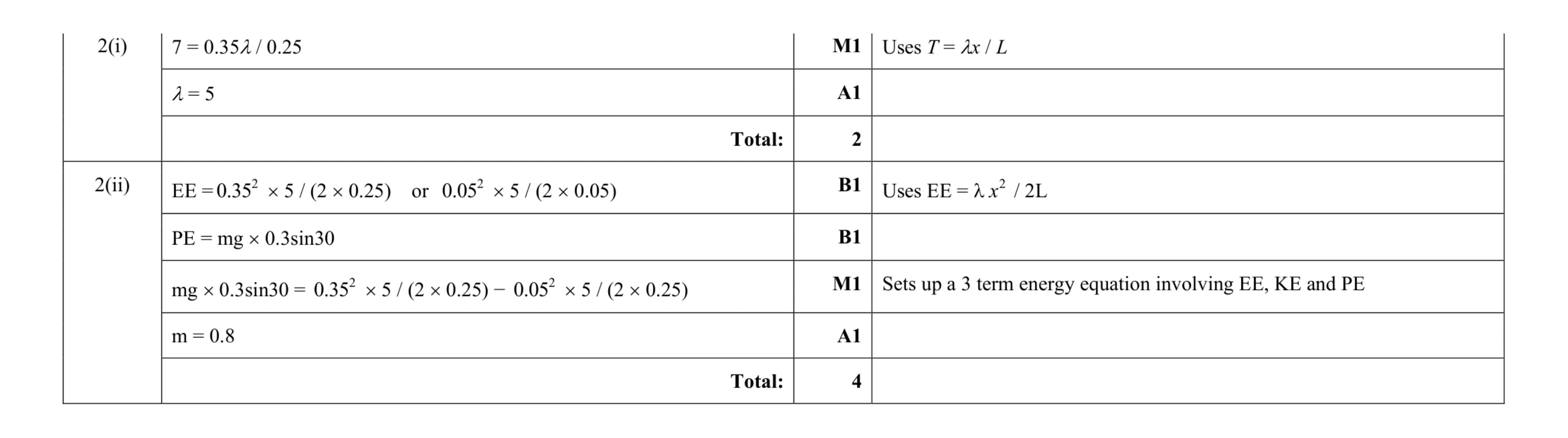 6
6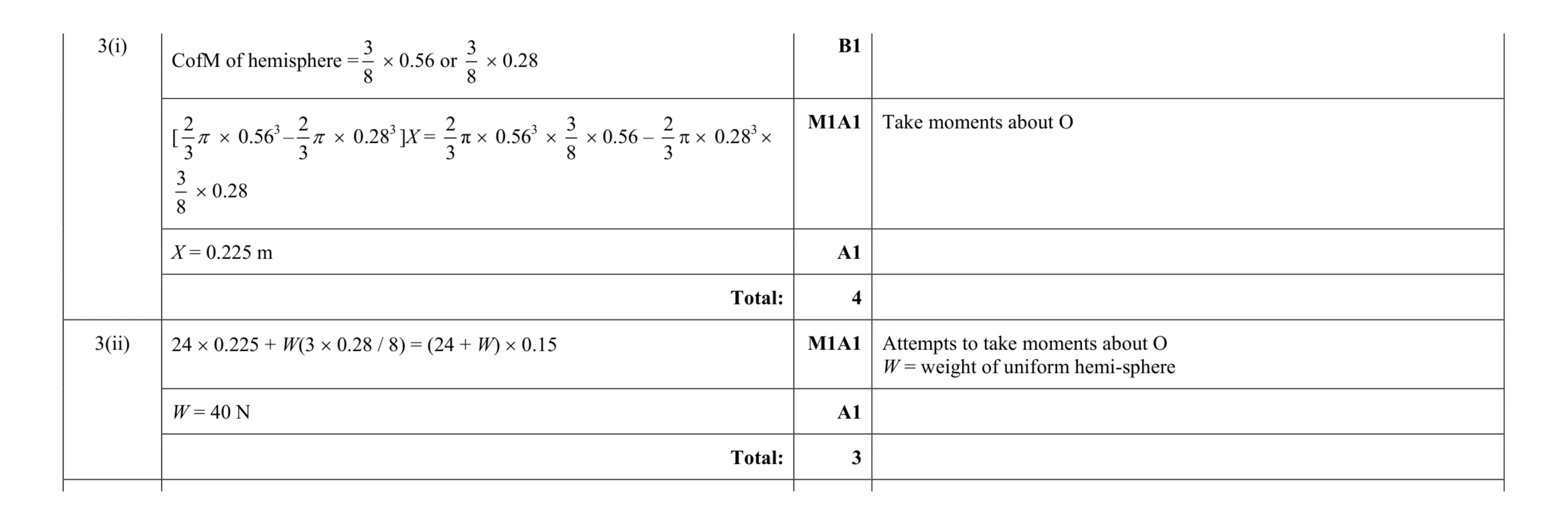 7
7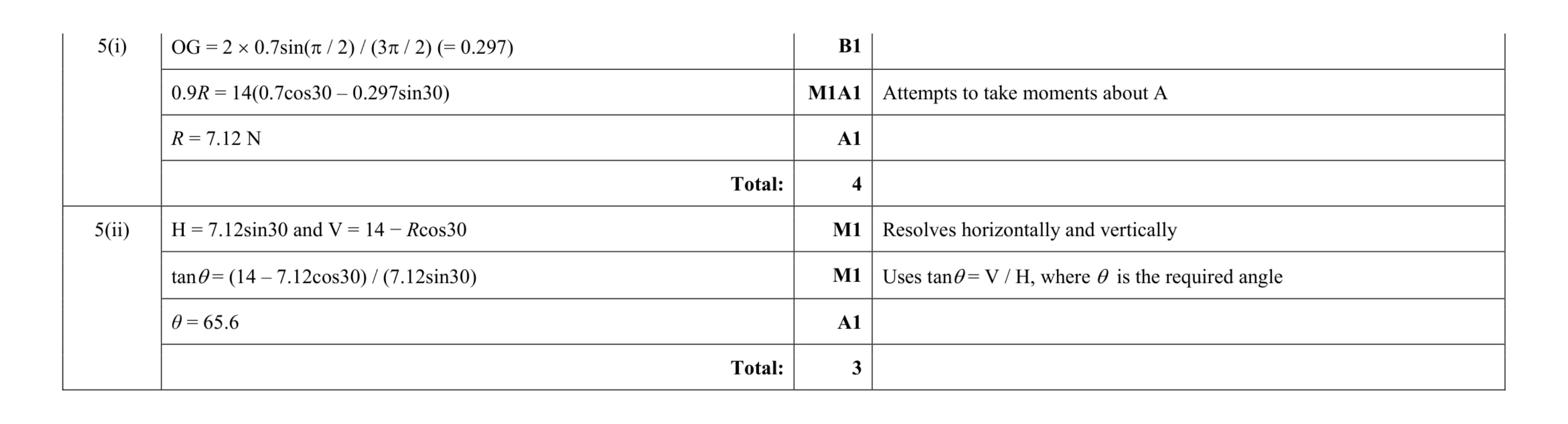 7
7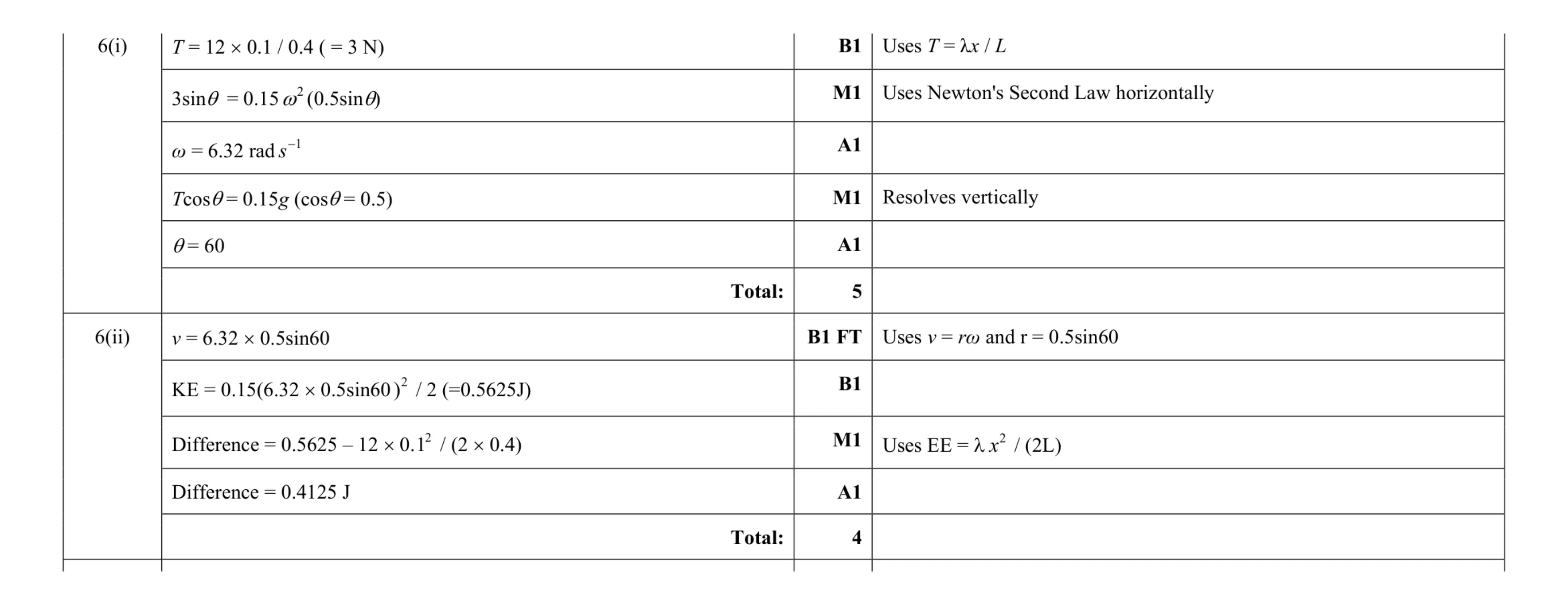 9
9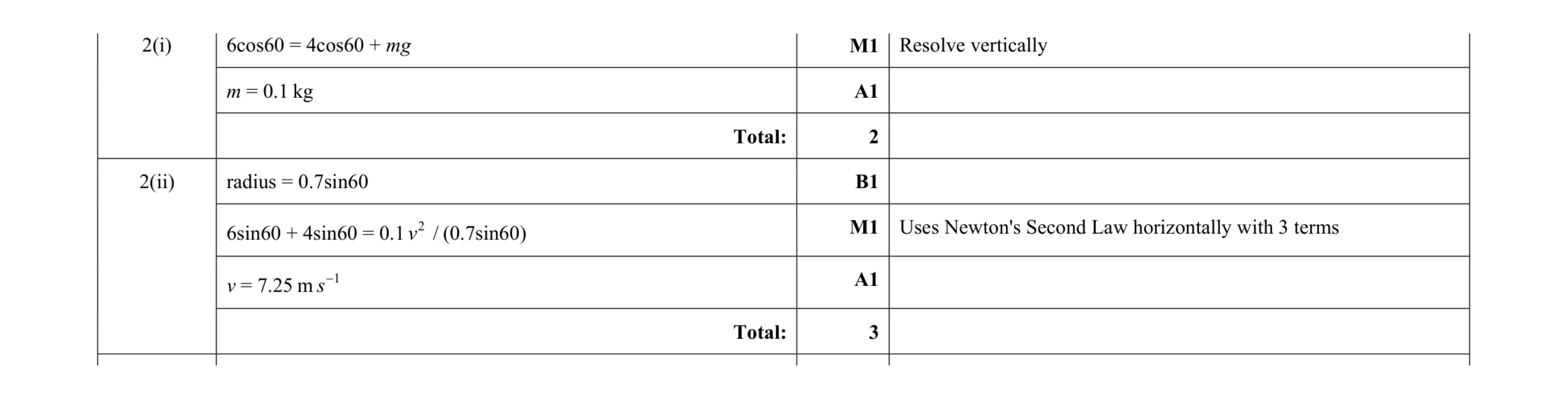 5
5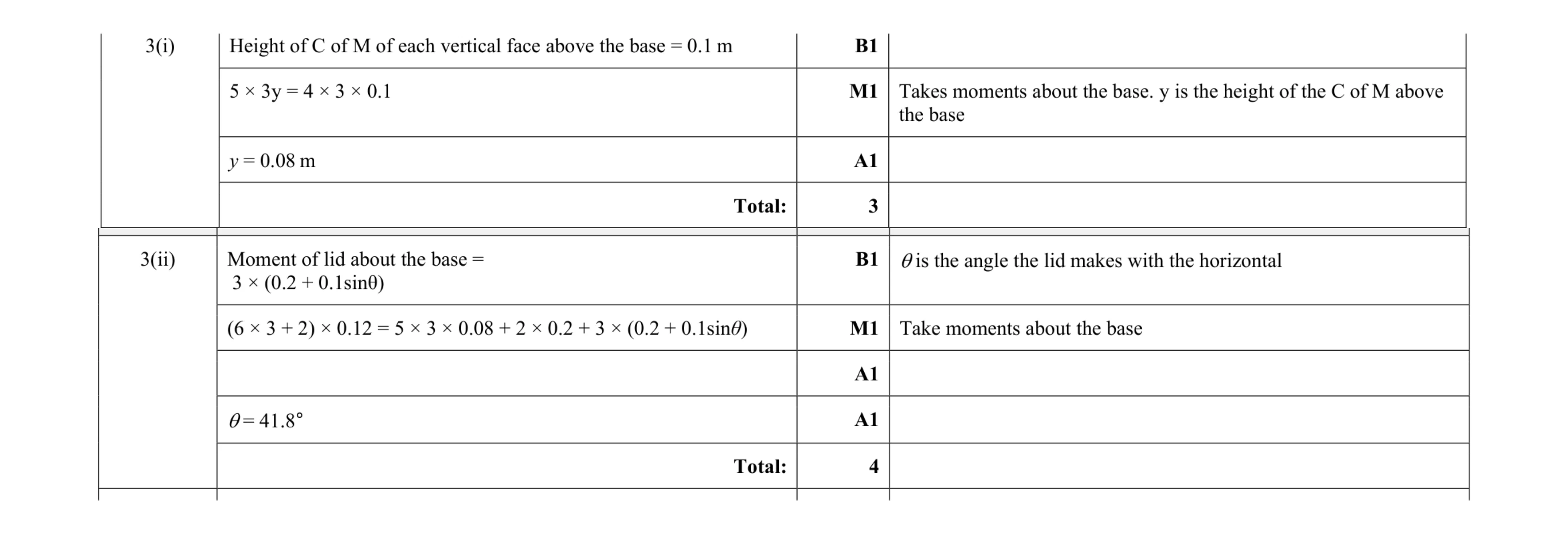 7
7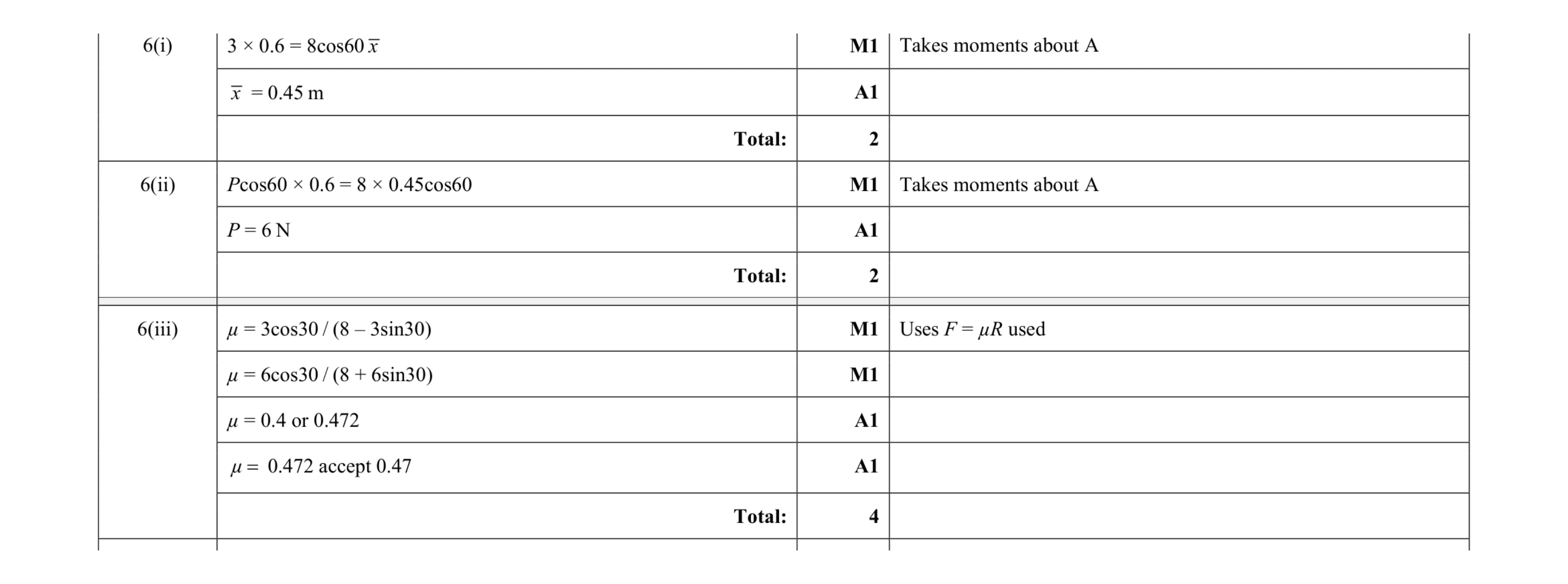 8
8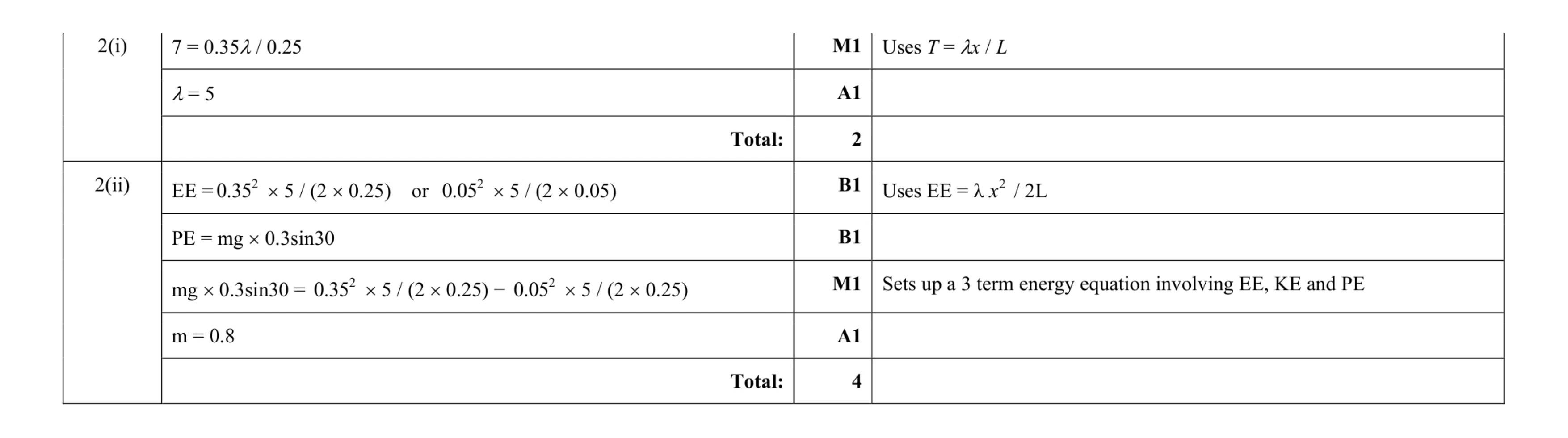 6
6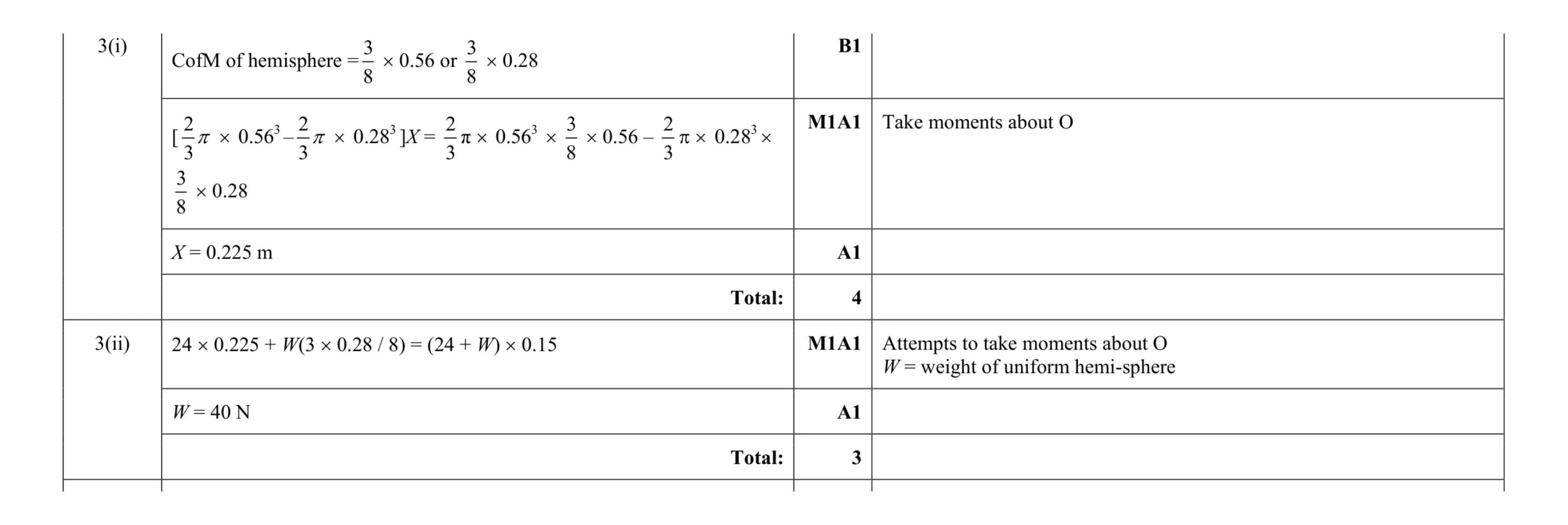 7
7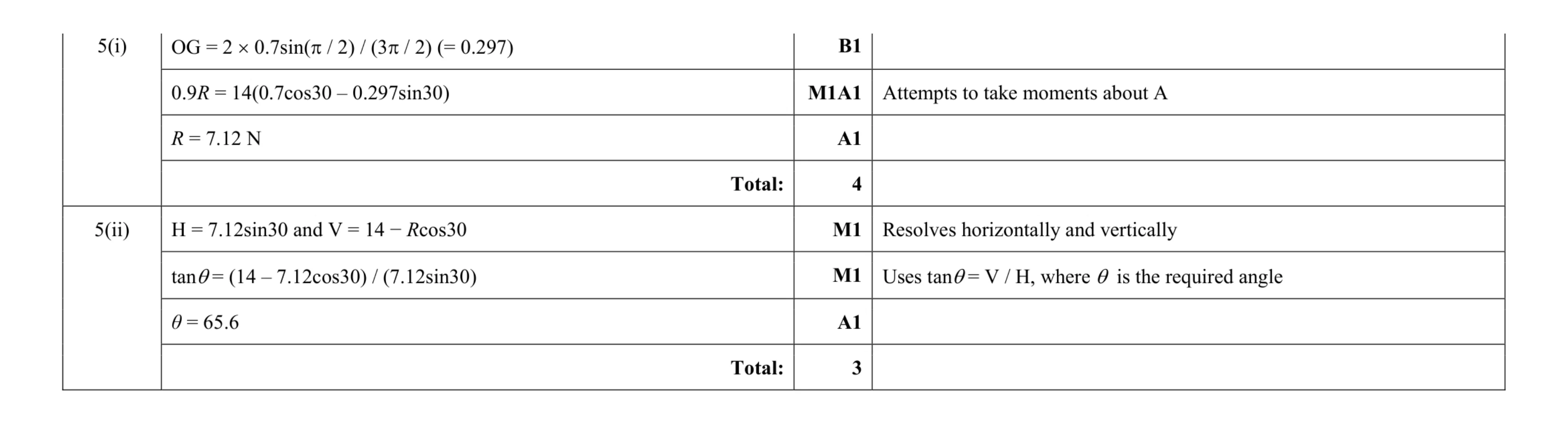 7
7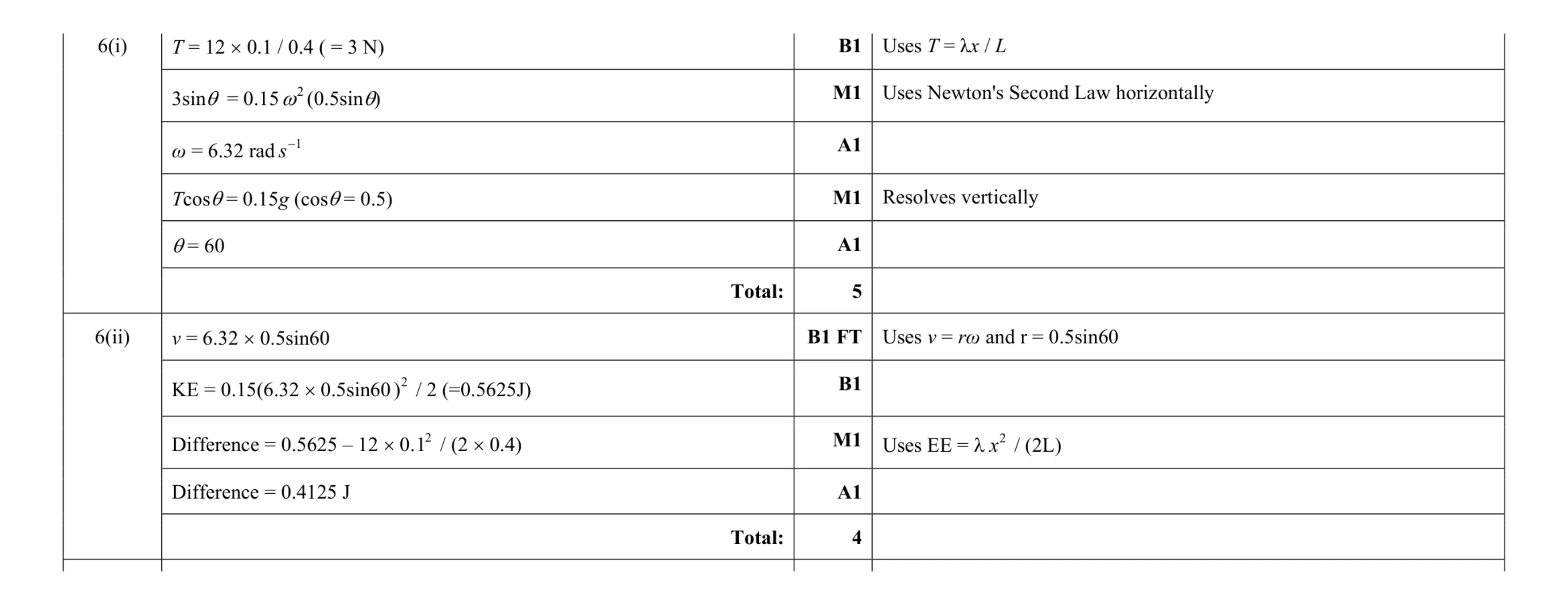 9
9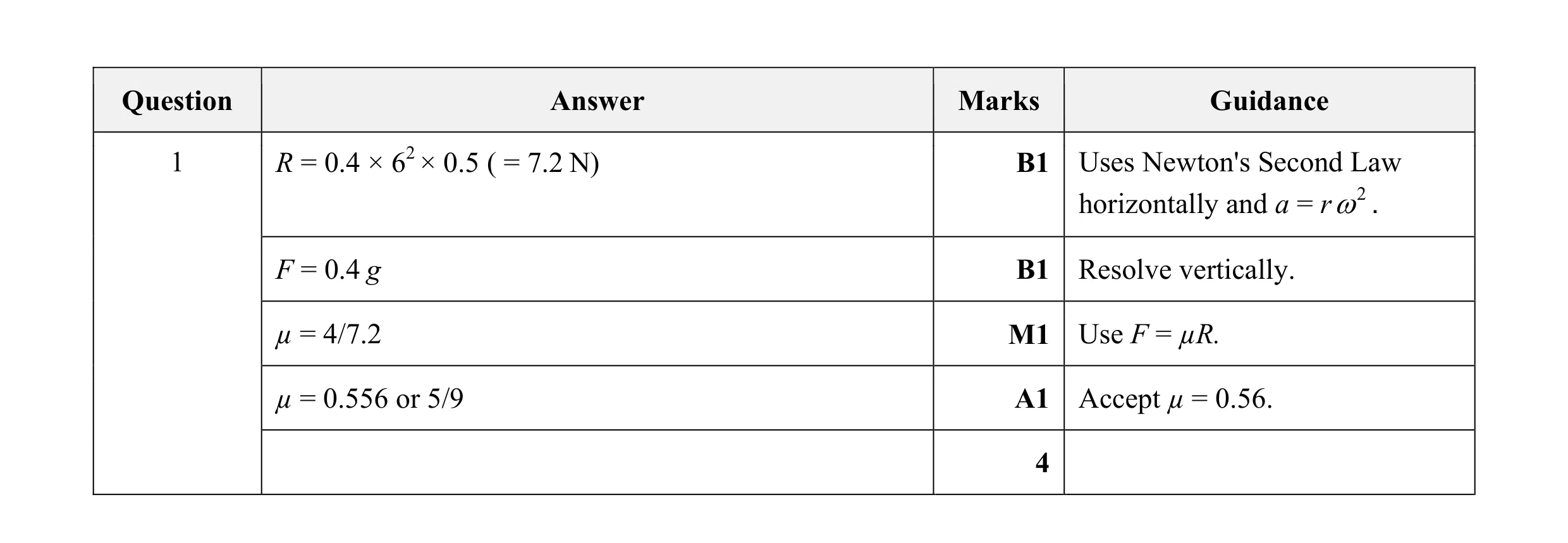 4
4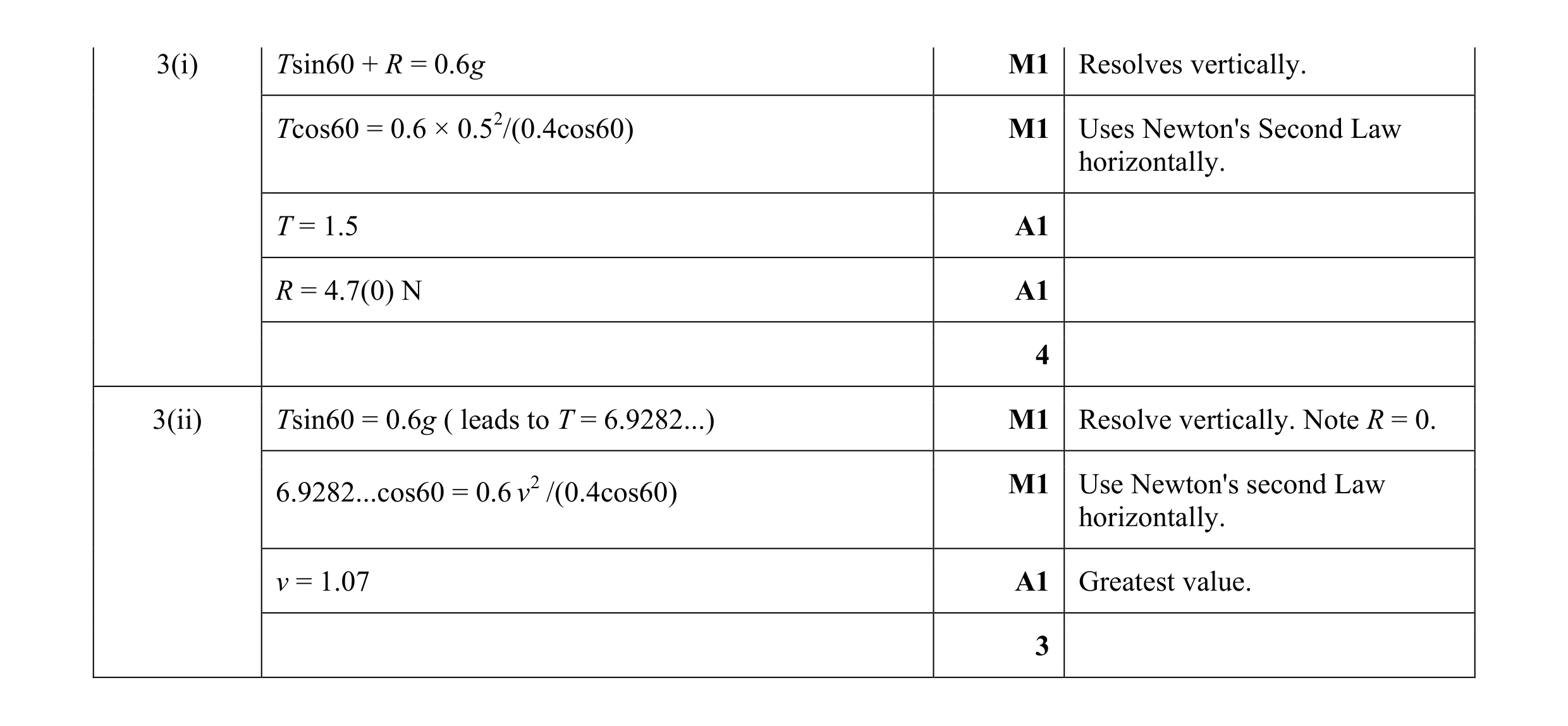 7
7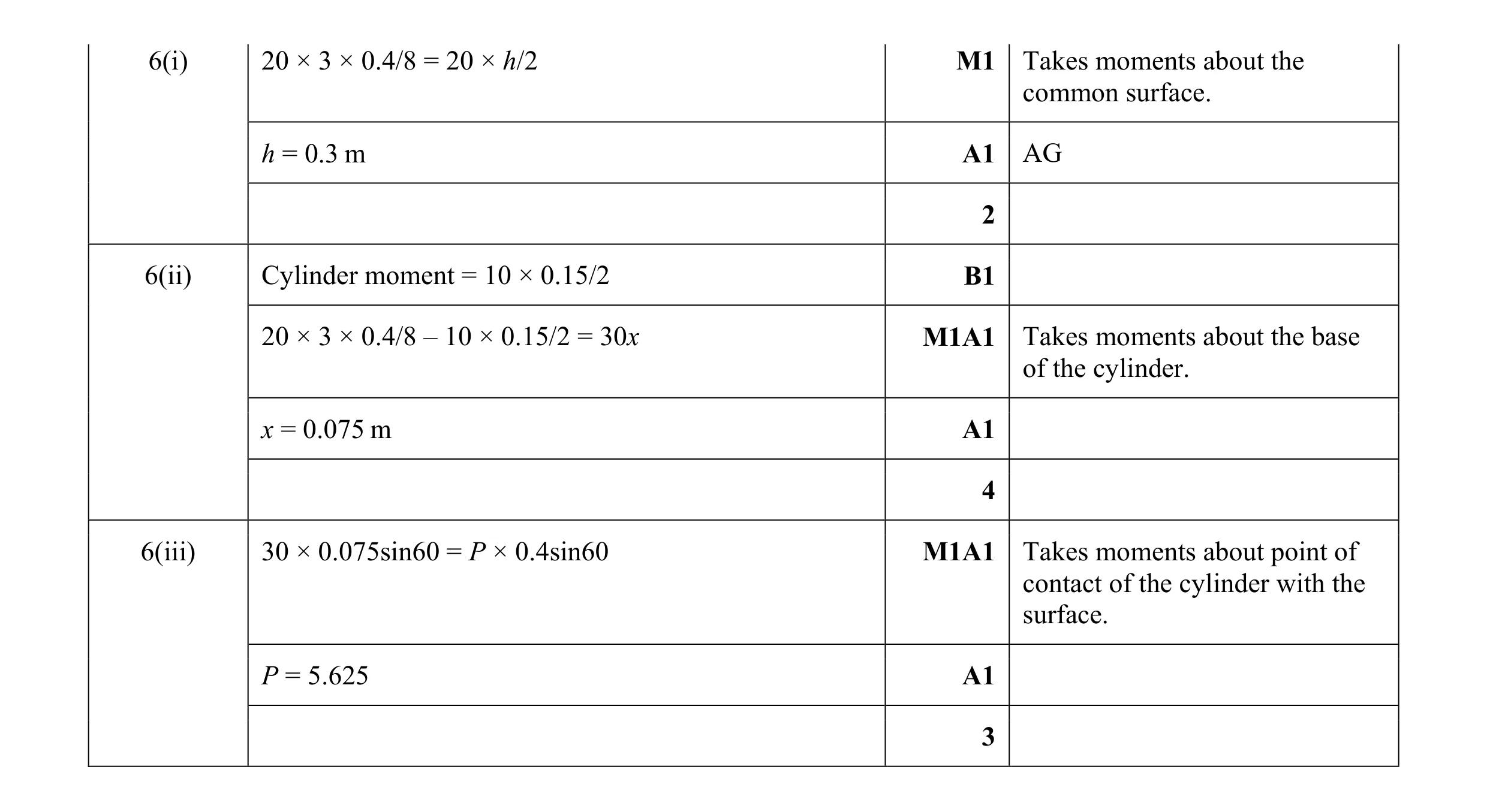 9
9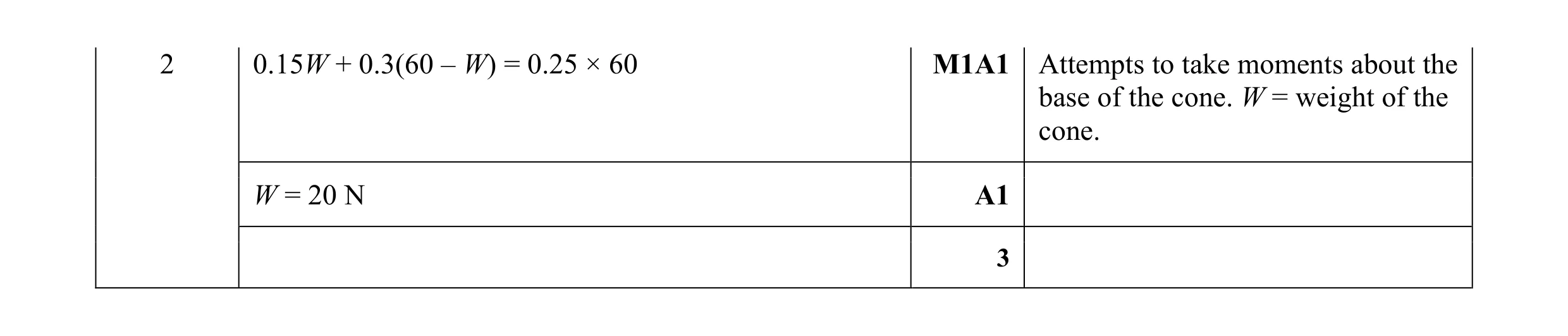 3
3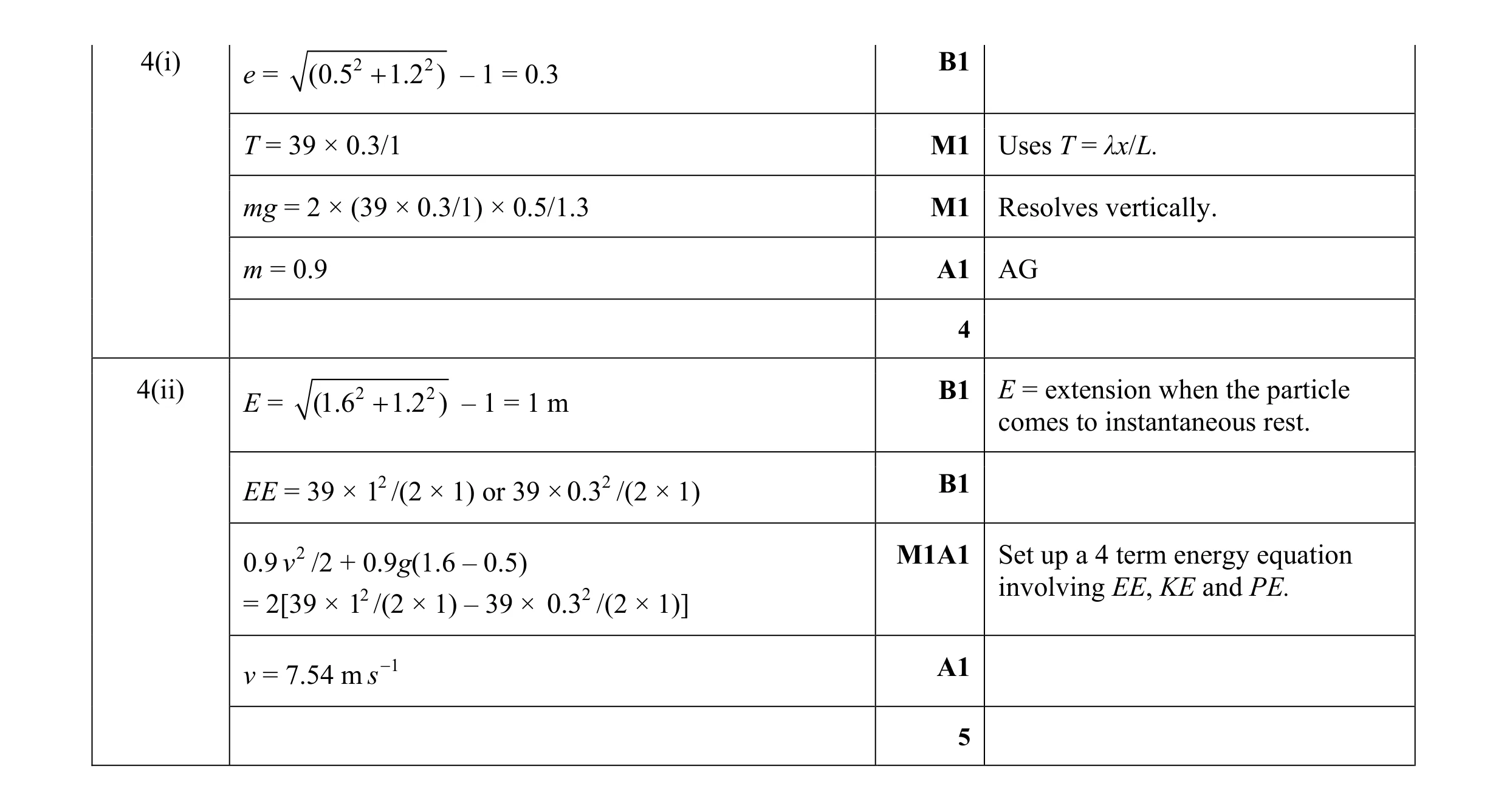 9
9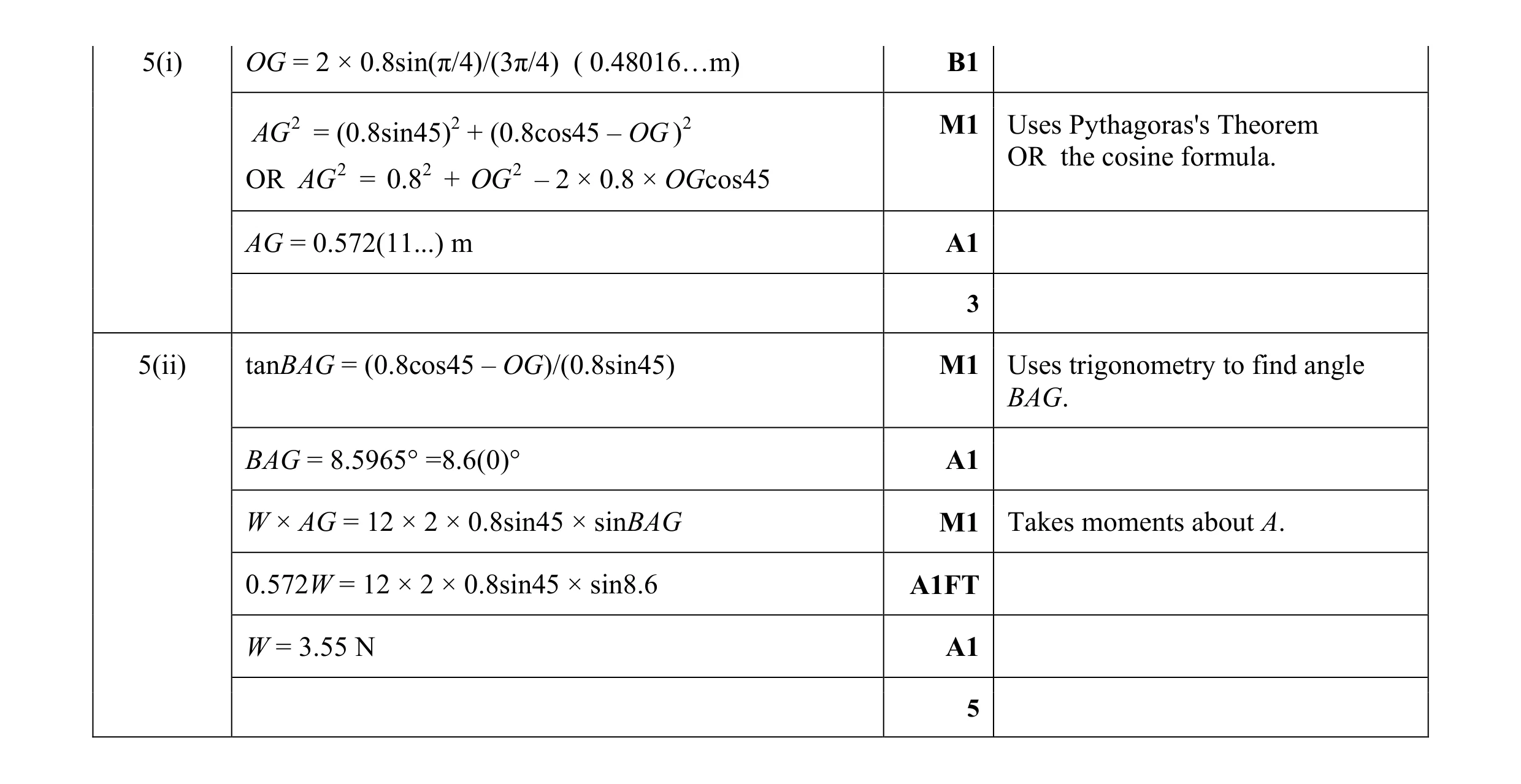 8
8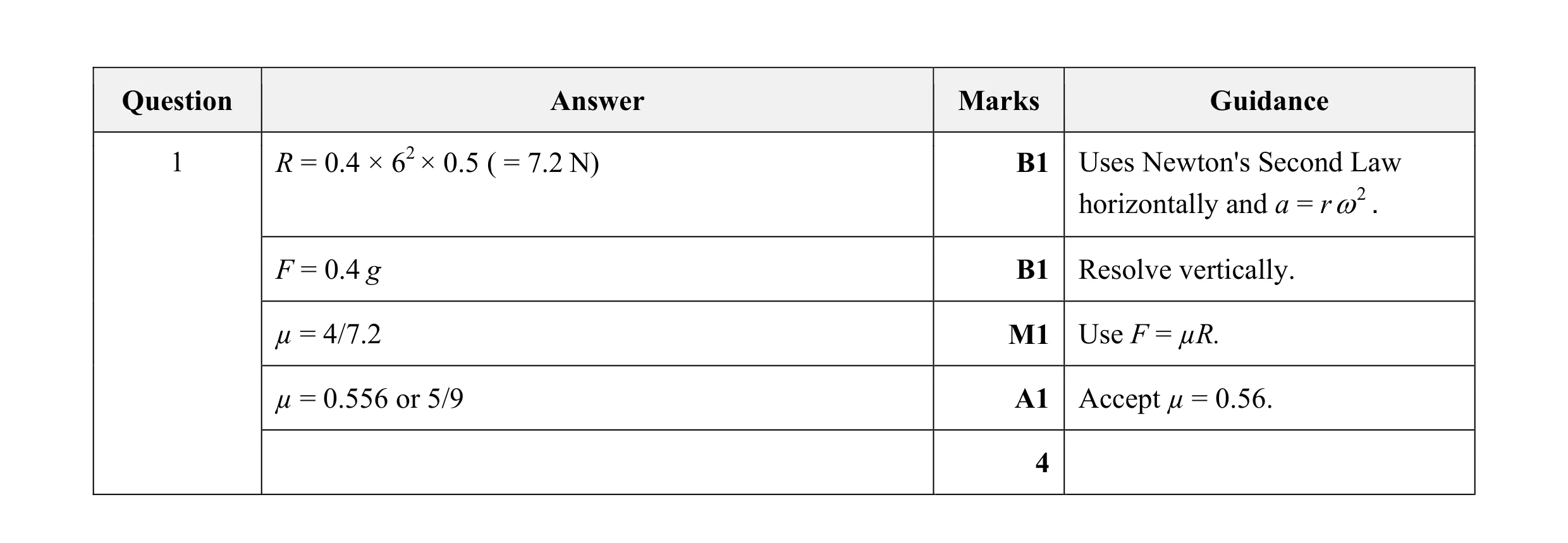 4
4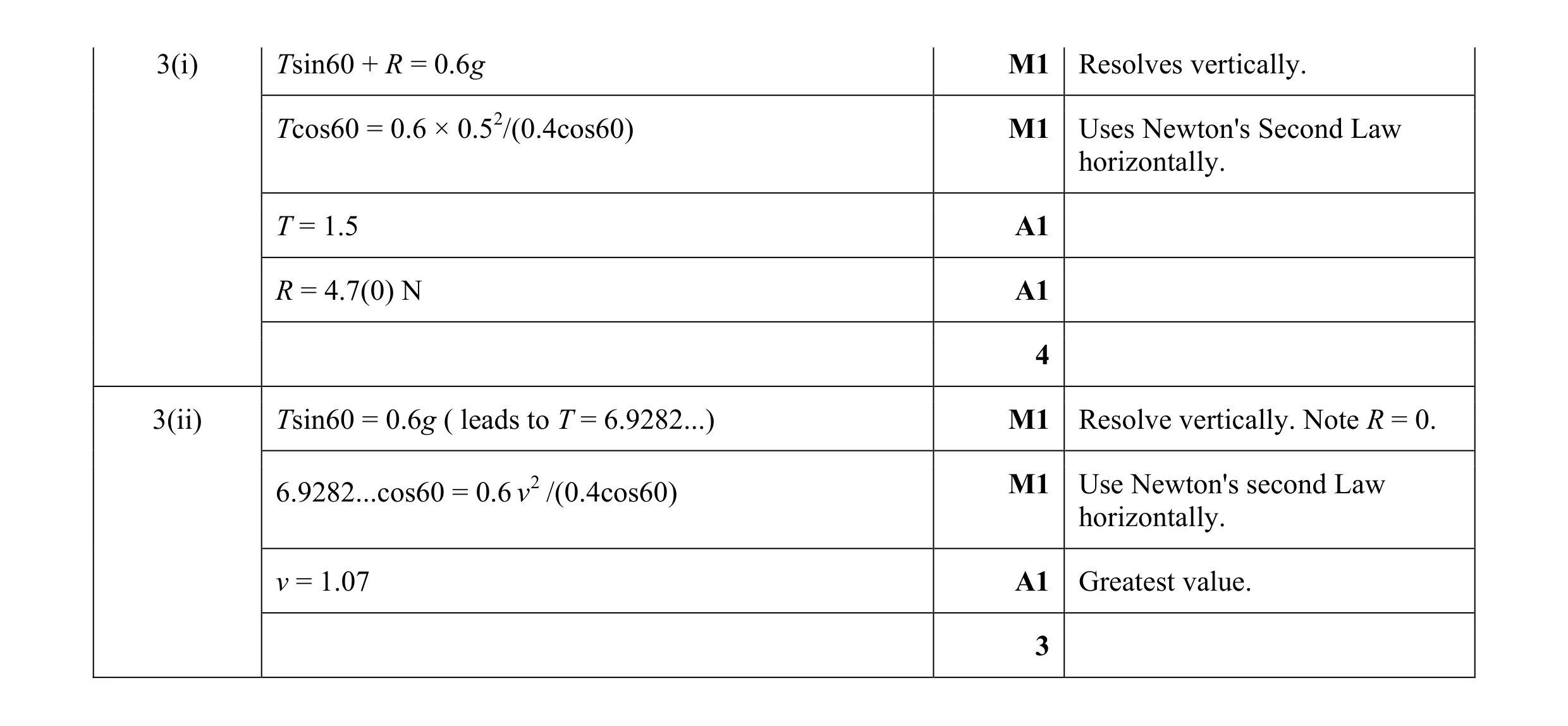 7
7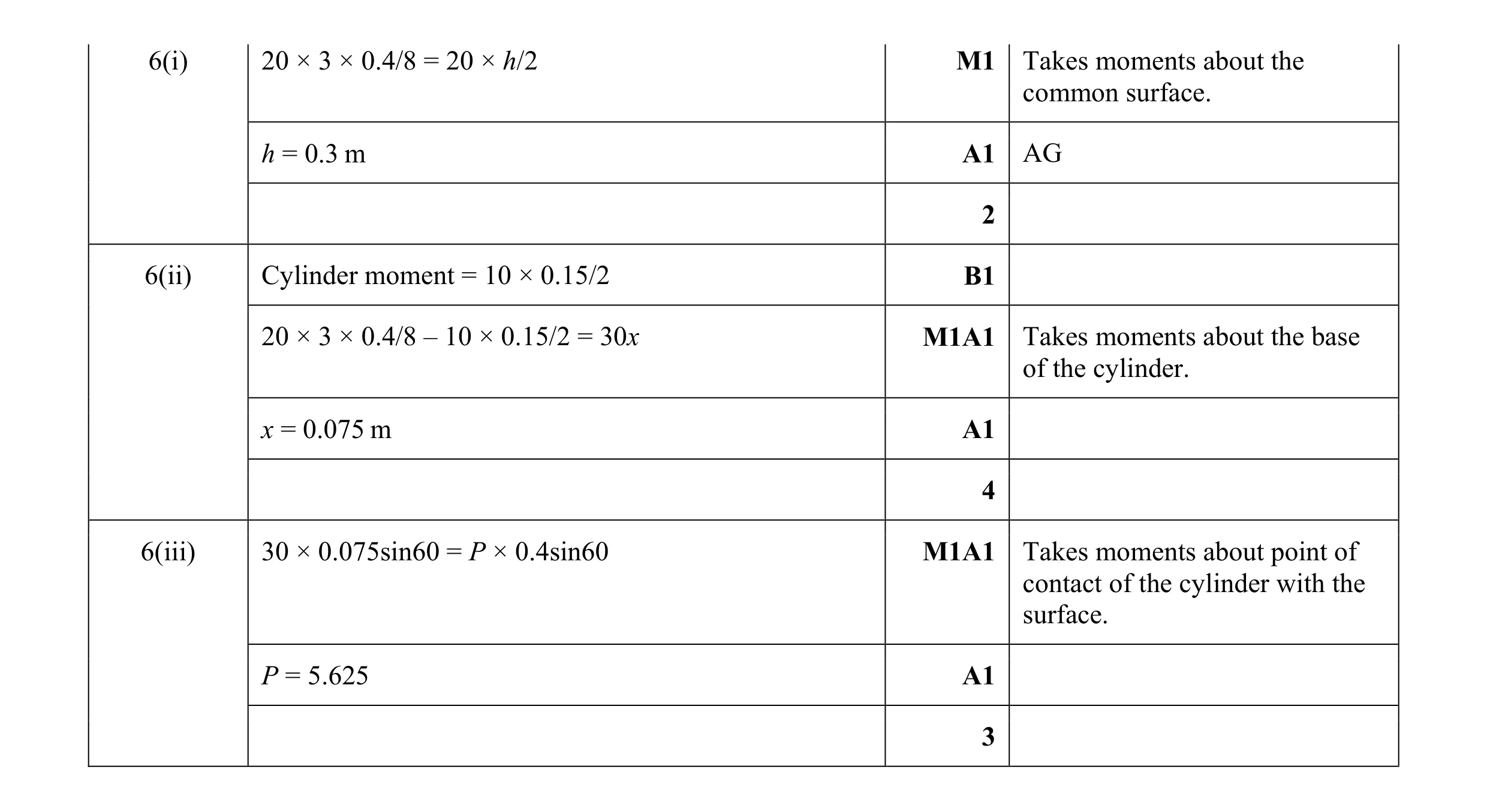 9
9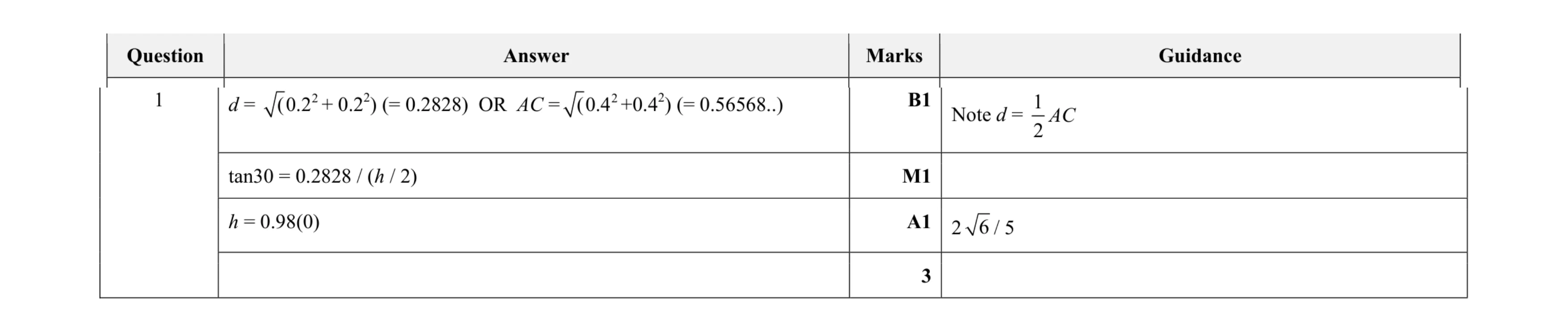 3
3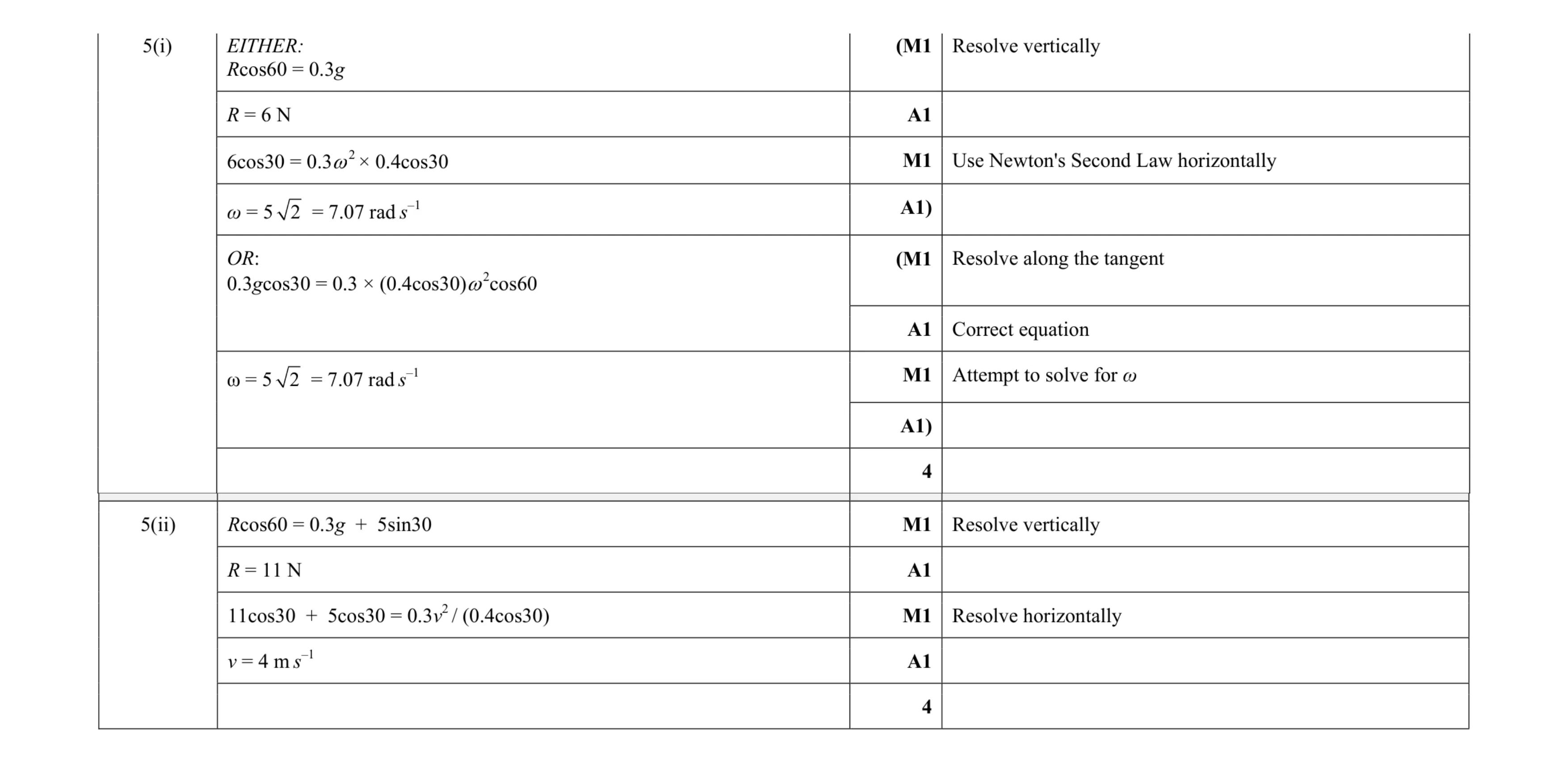 8
8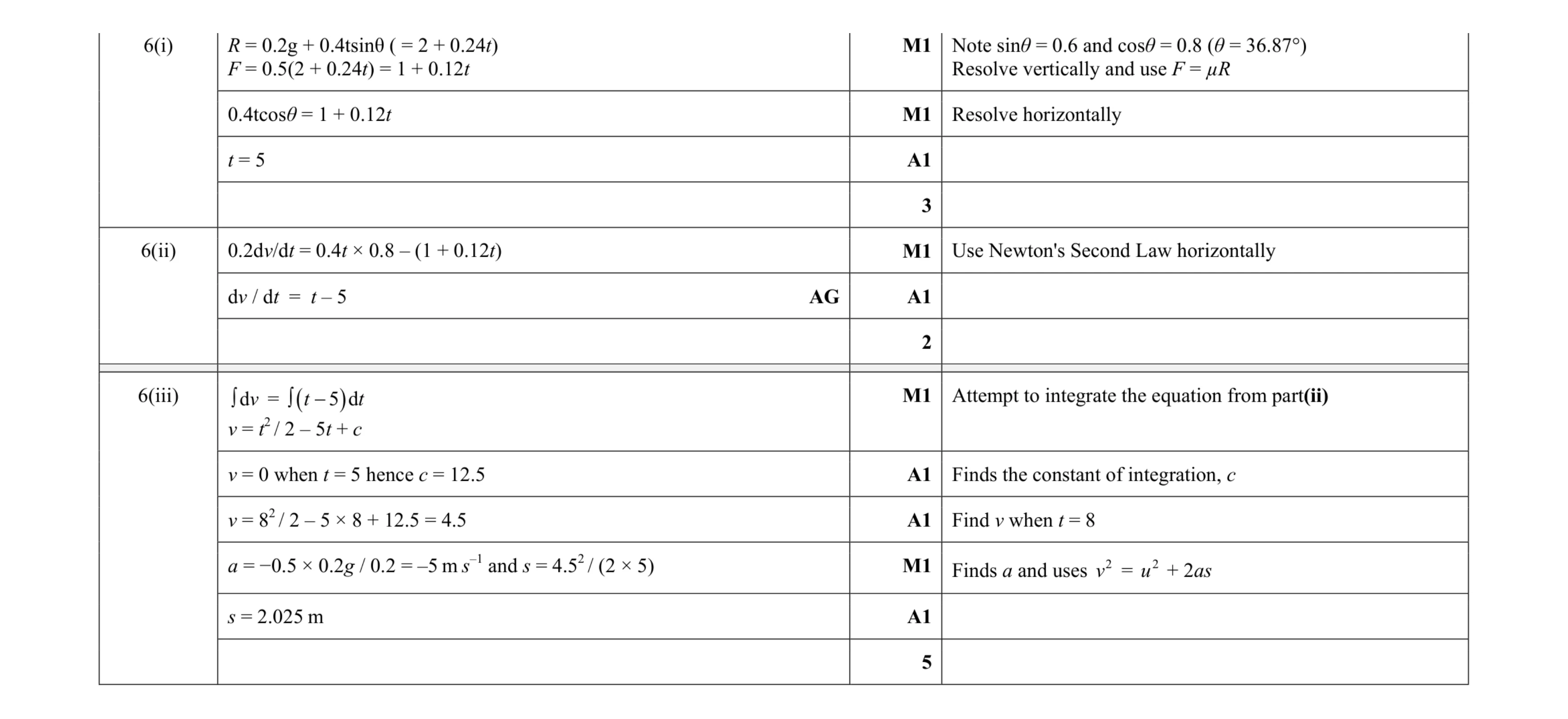 10
10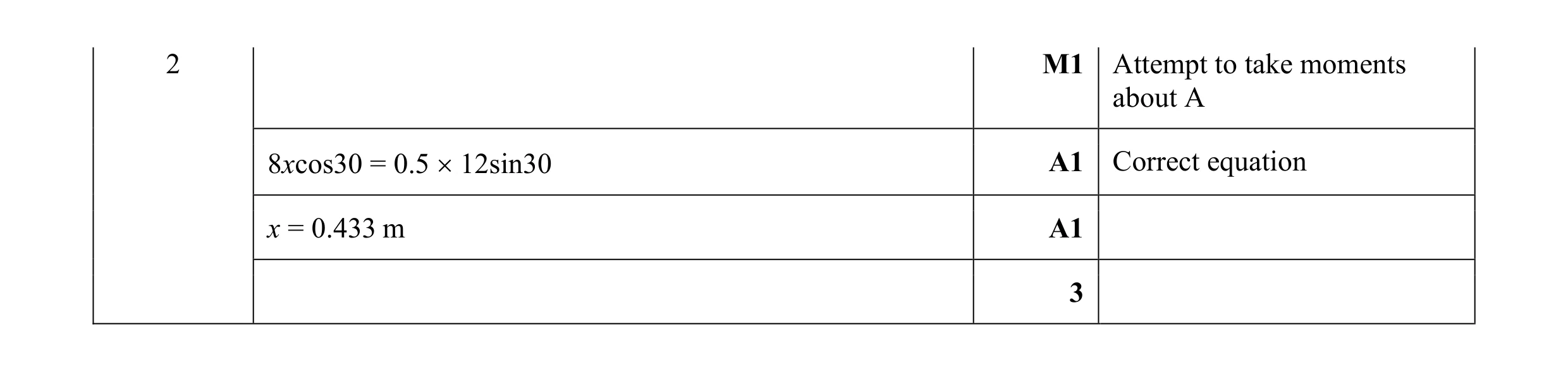 3
3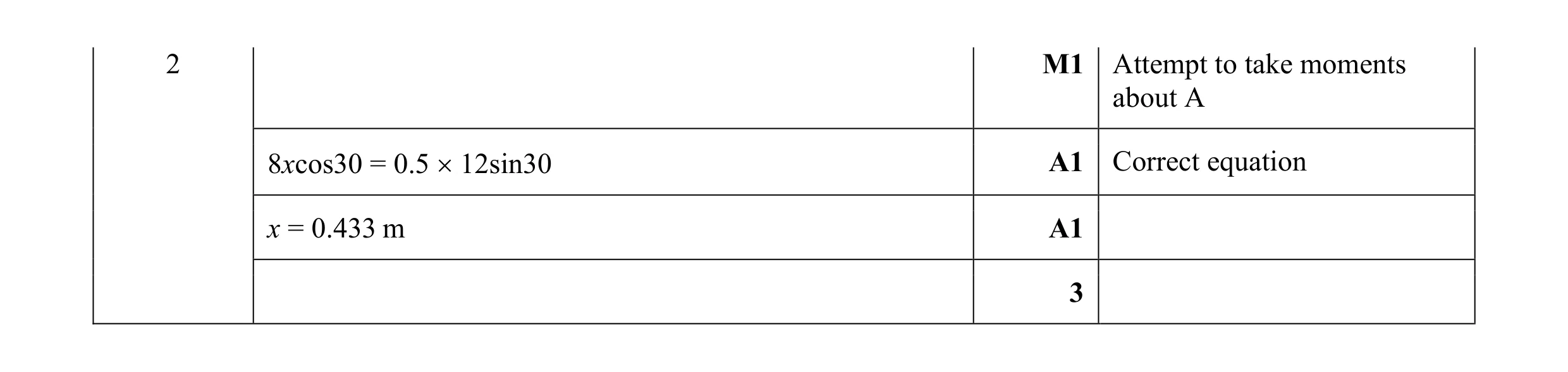 3
3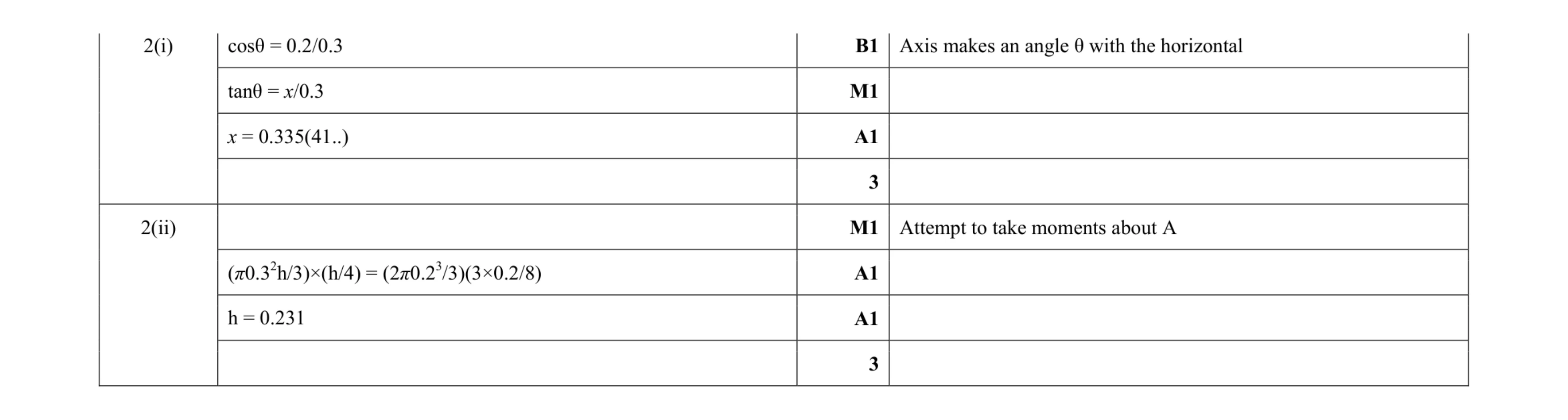 6
6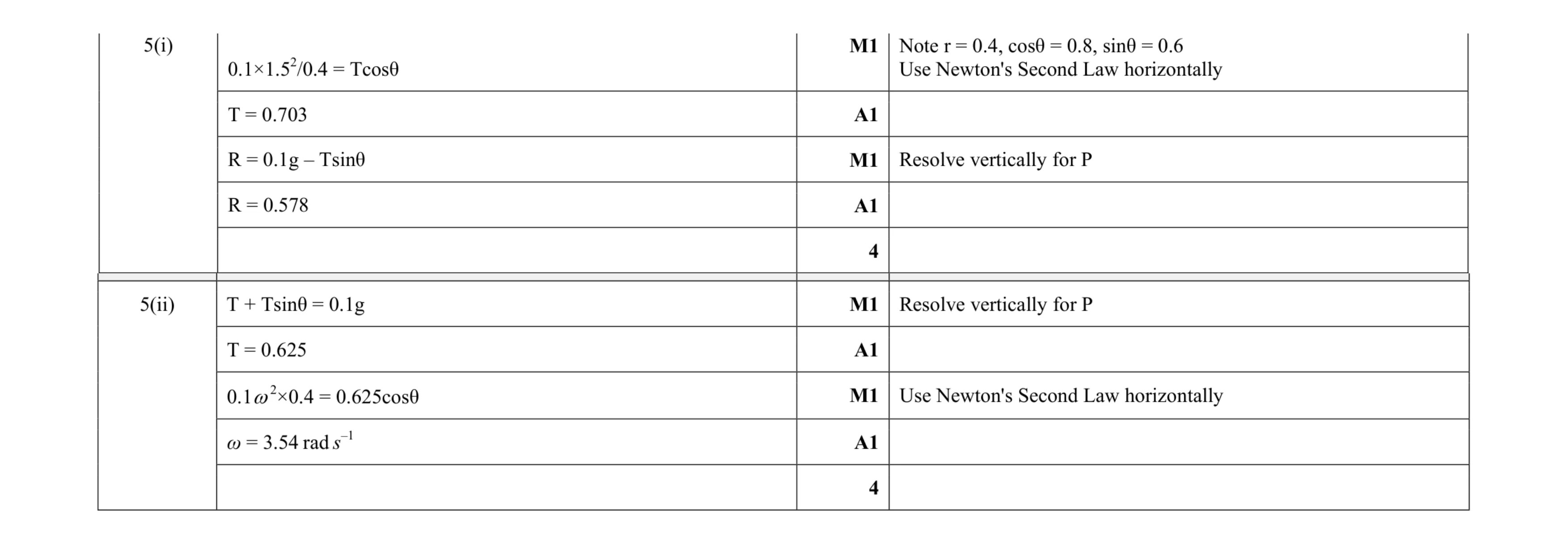 8
8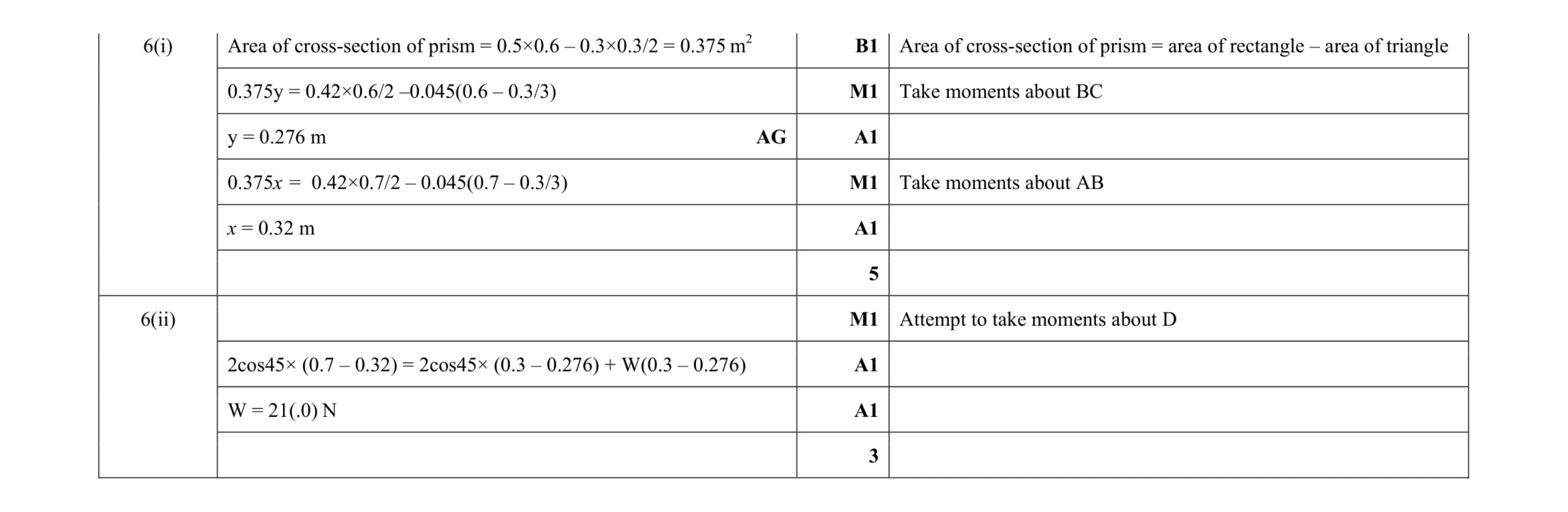 8
8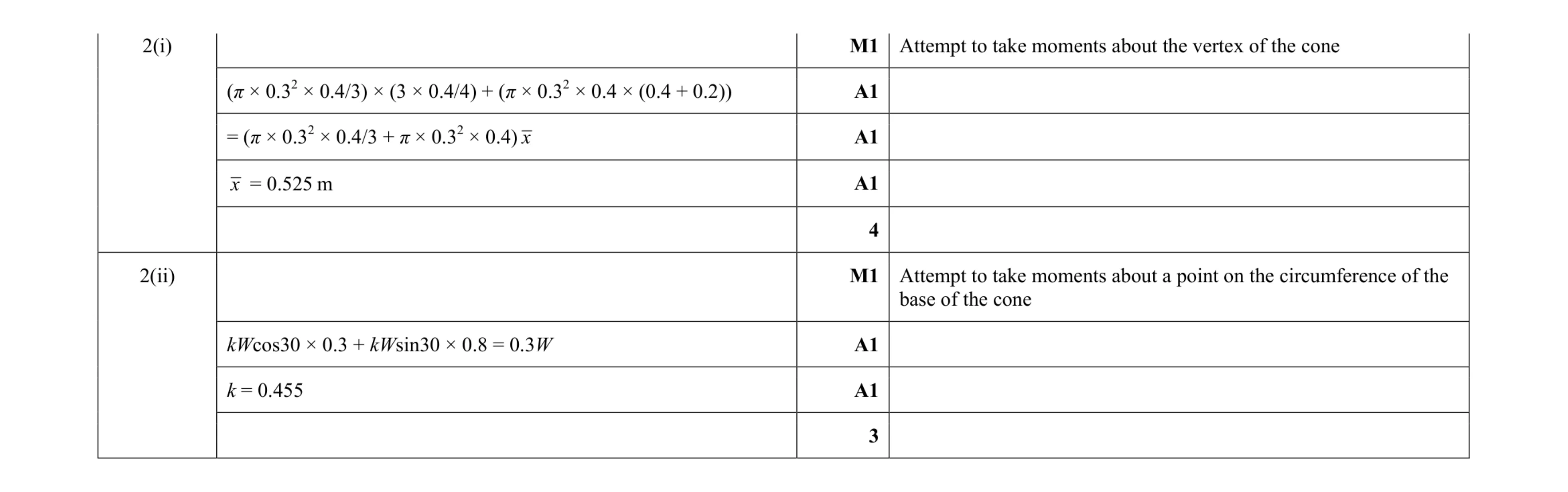 7
7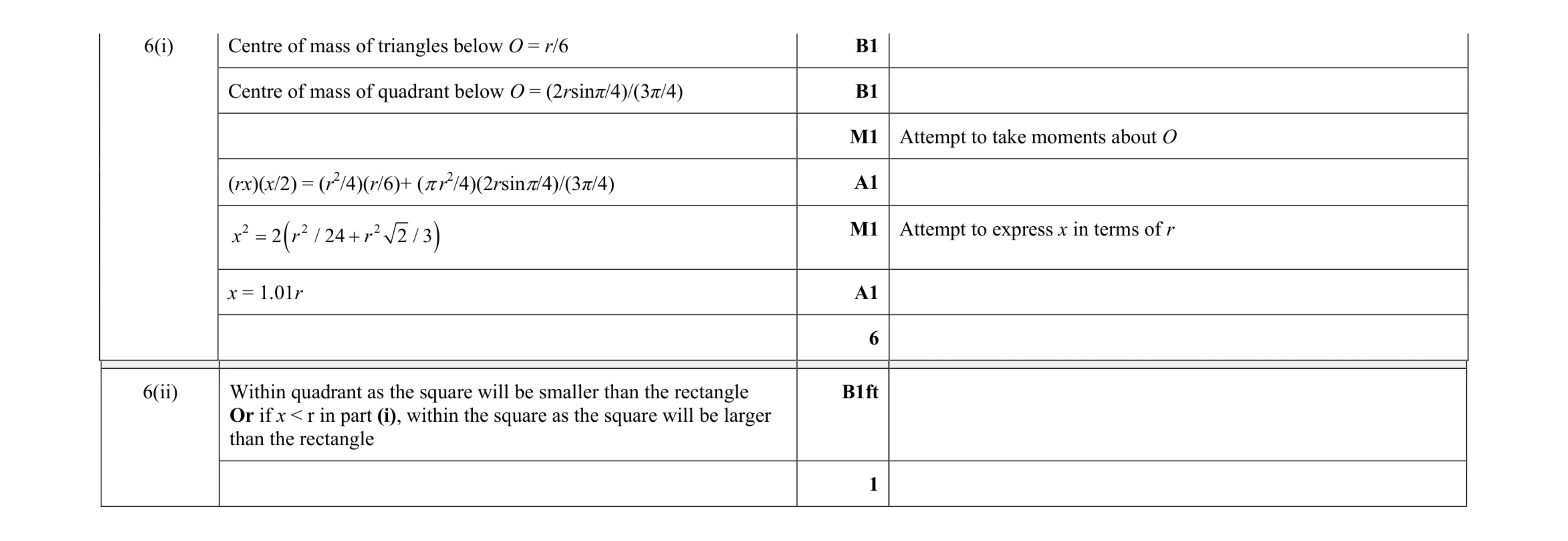 7
7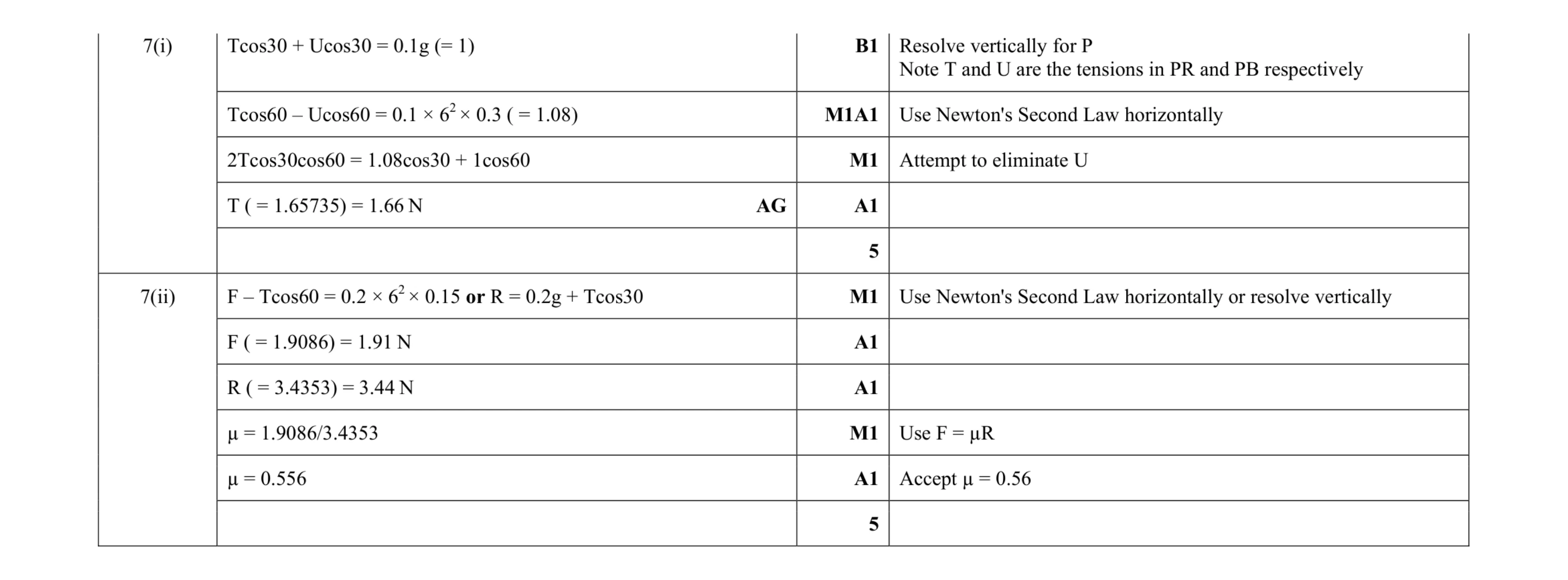 10
10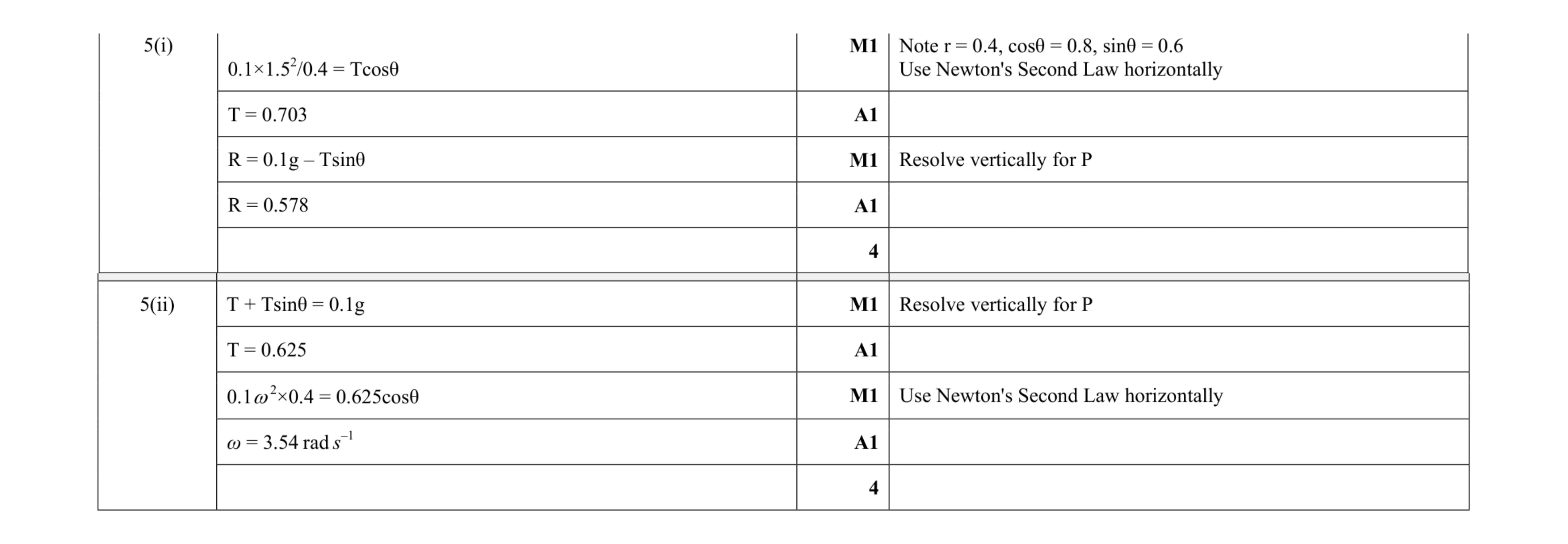 8
8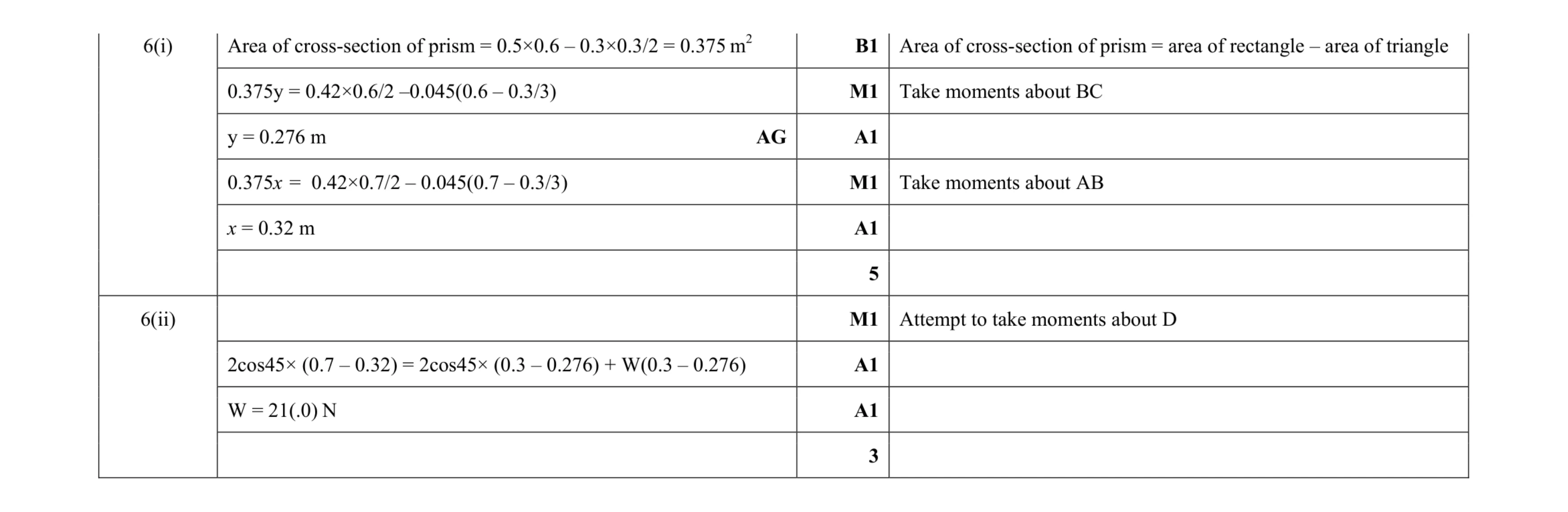 8
8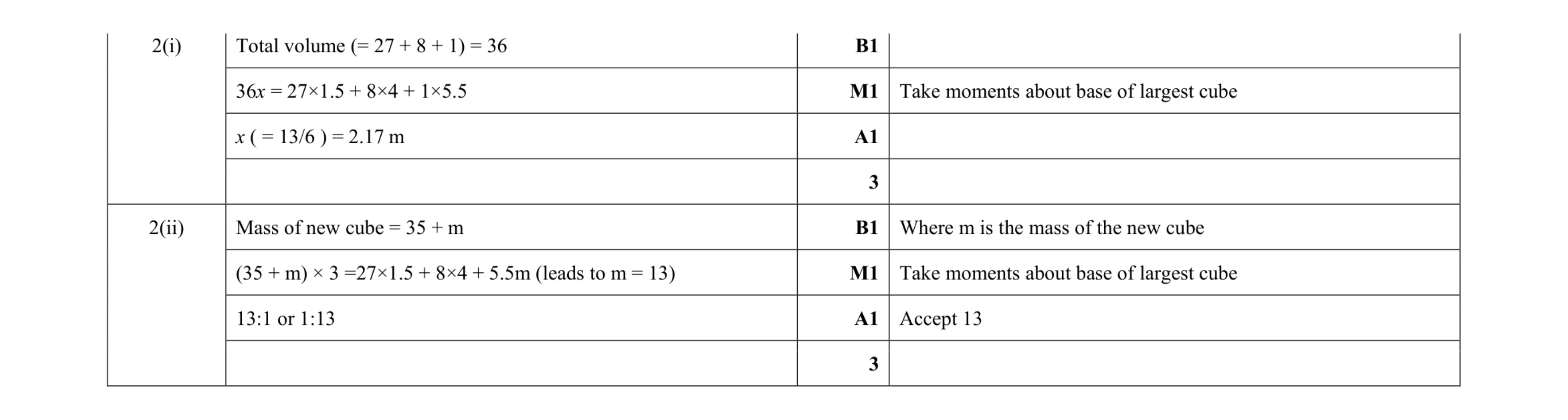 6
6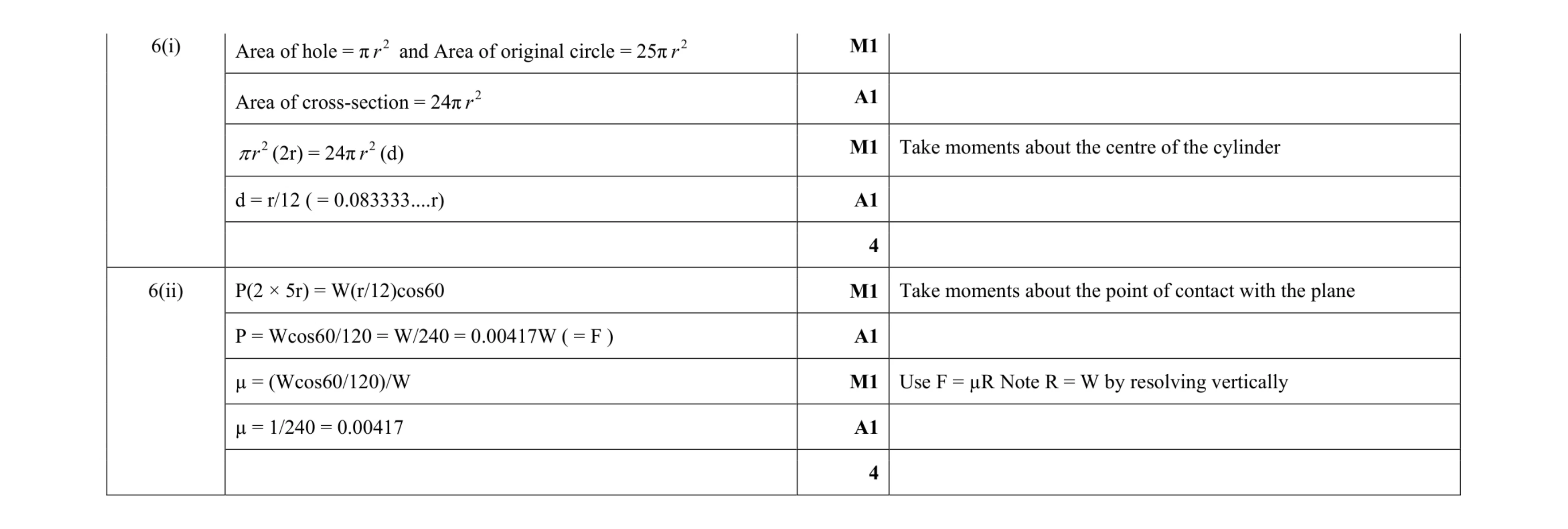 8
8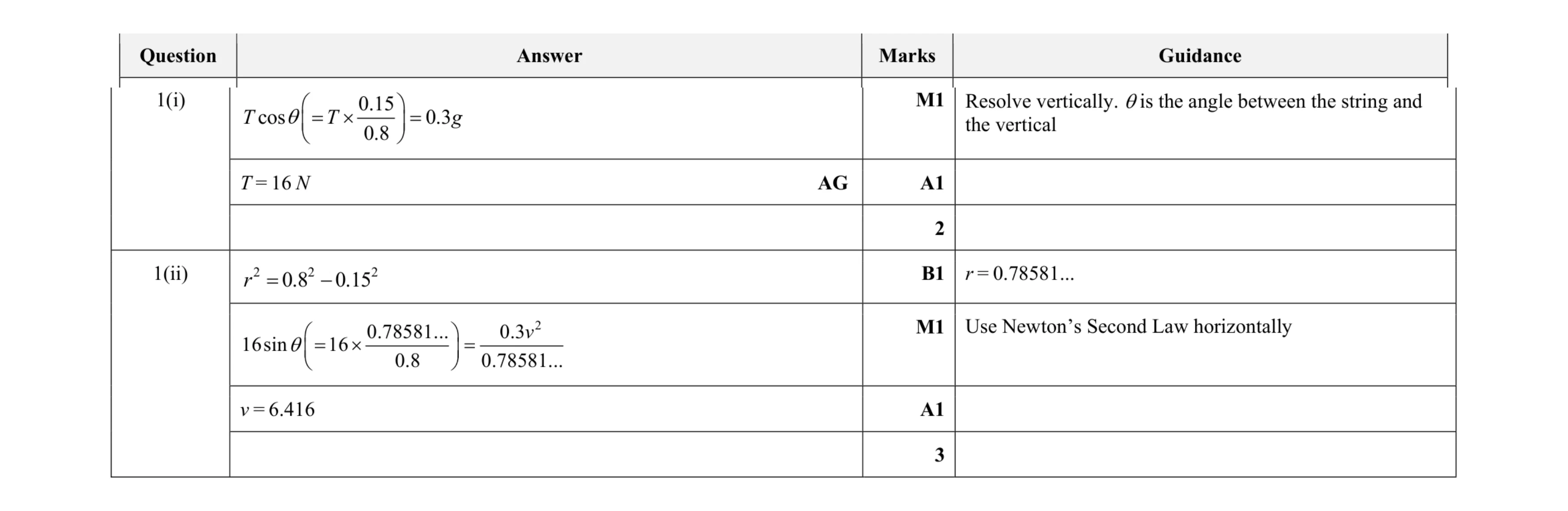 5
5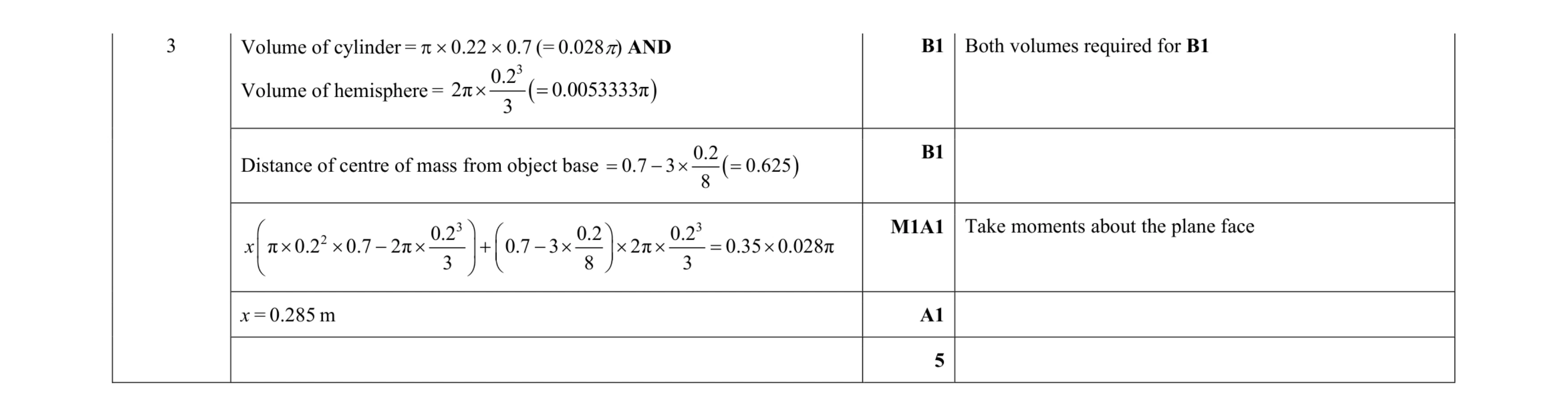 5
5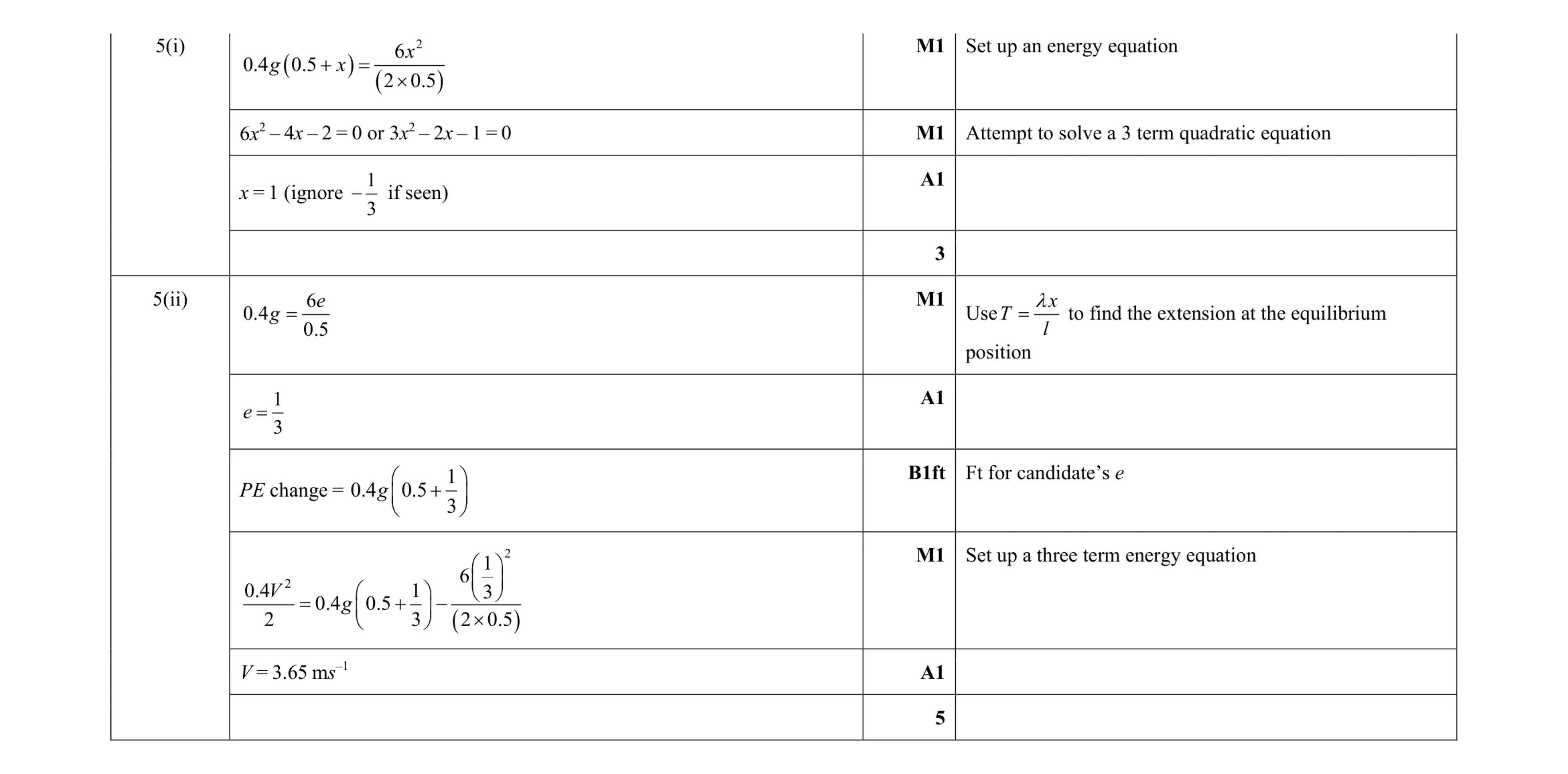 8
8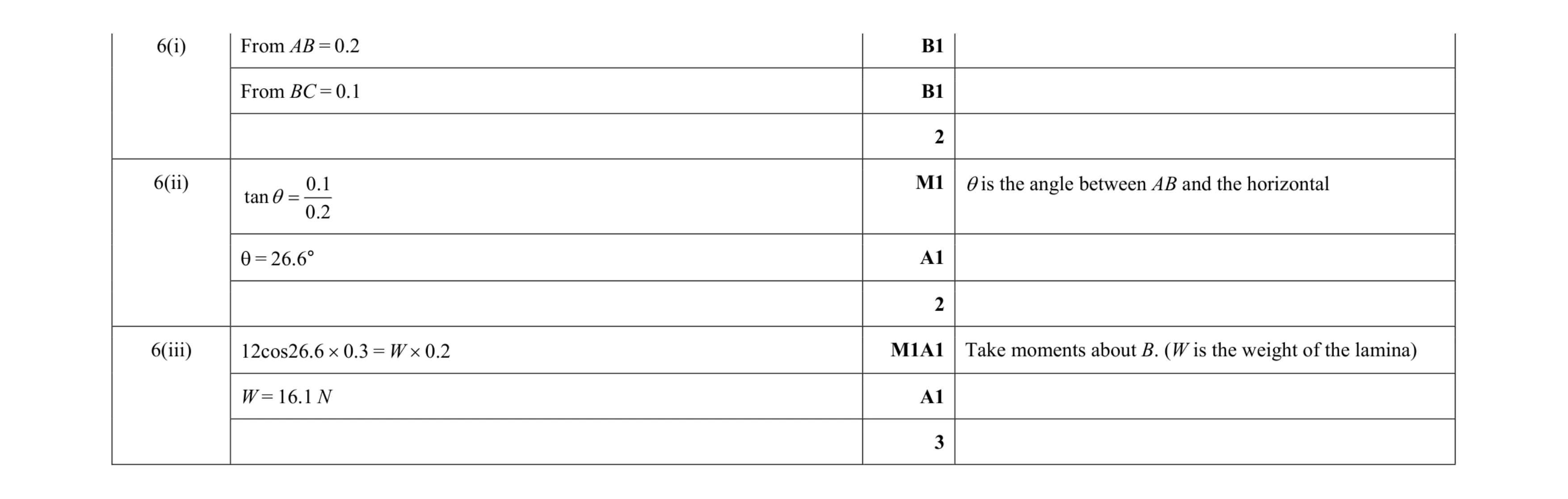 7
7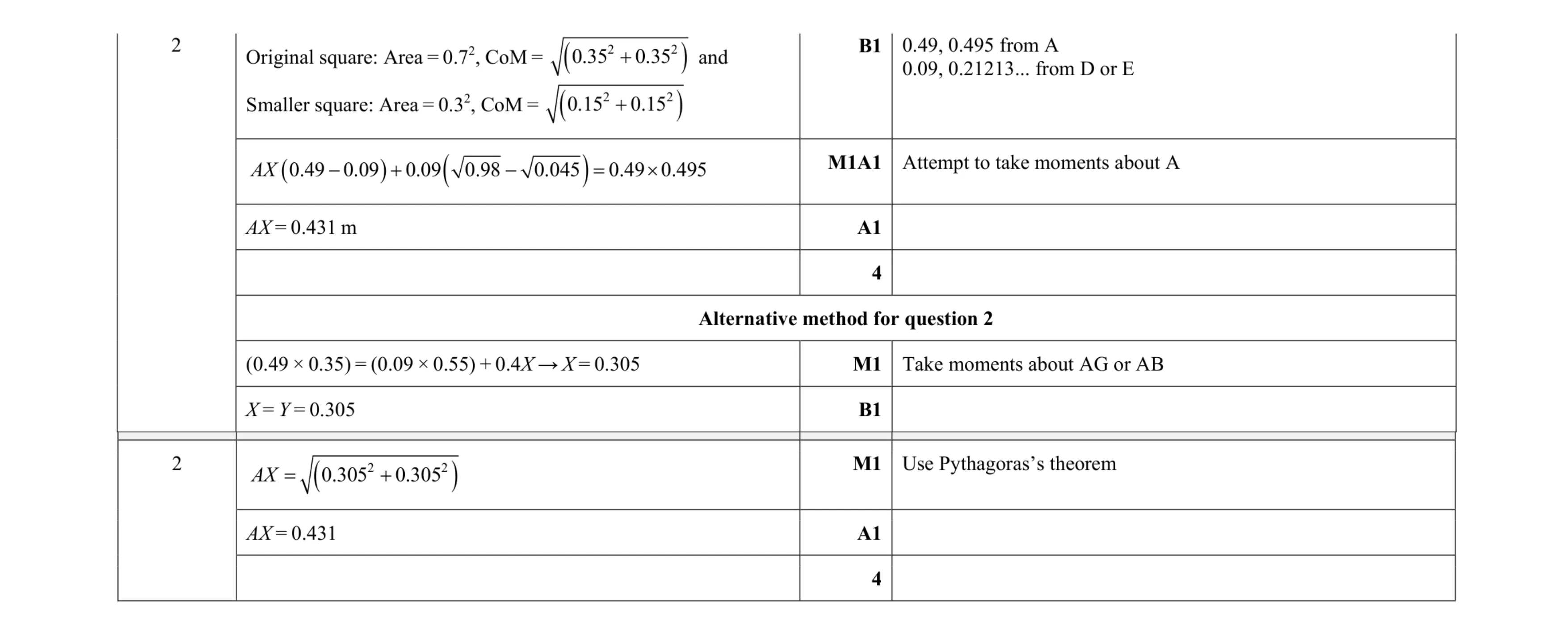 4
4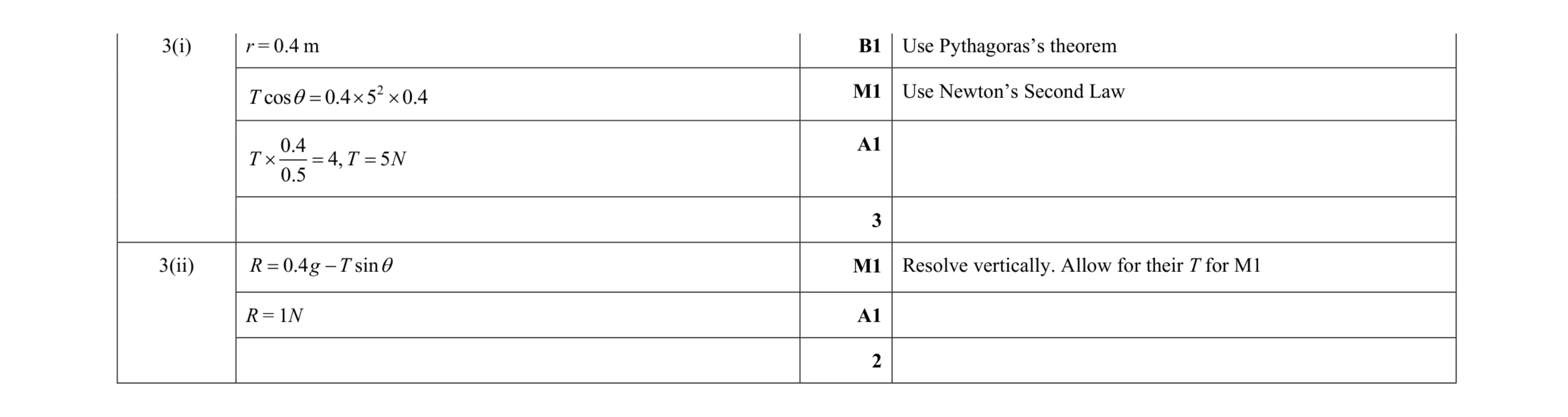 5
5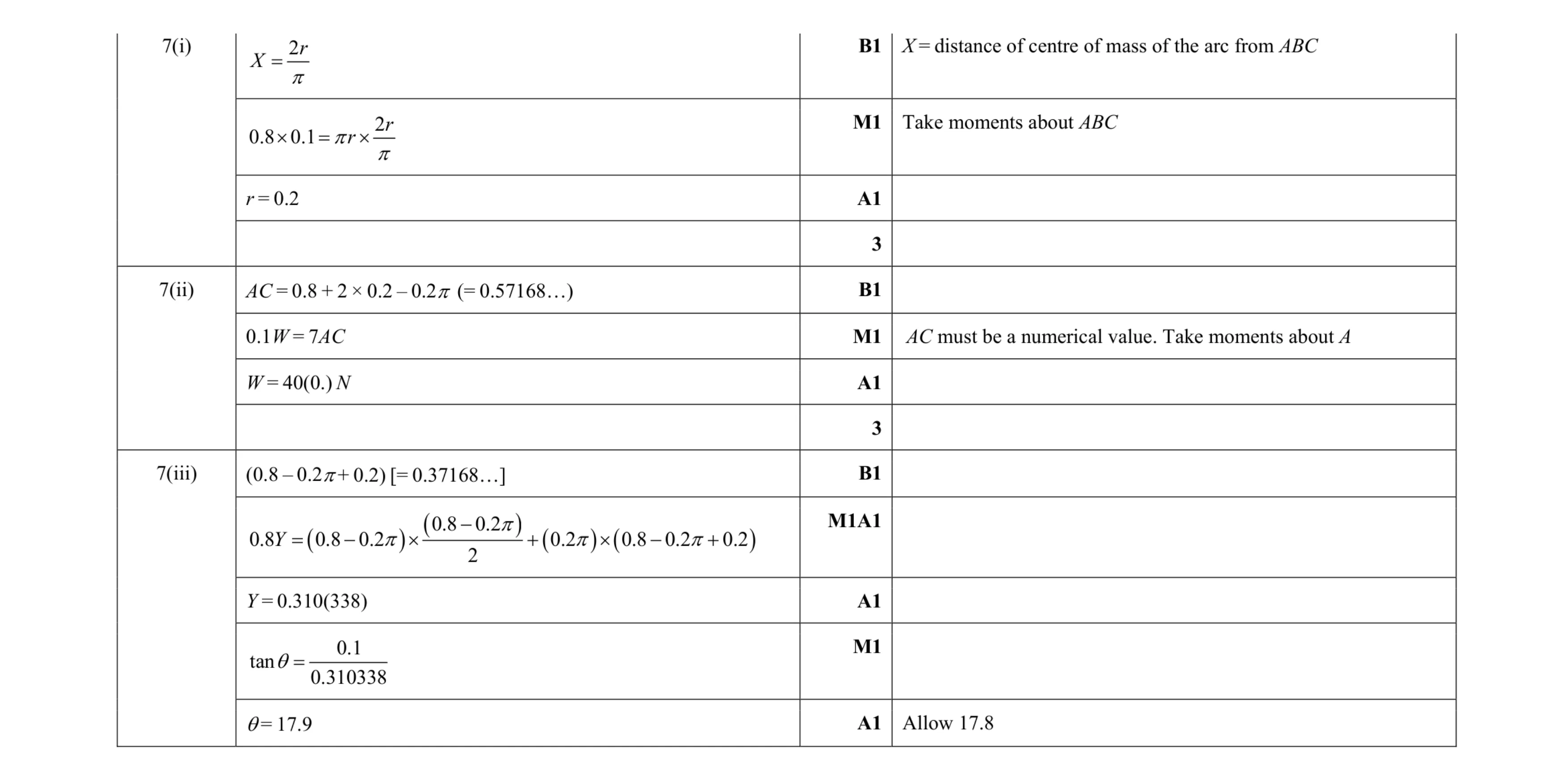 12
12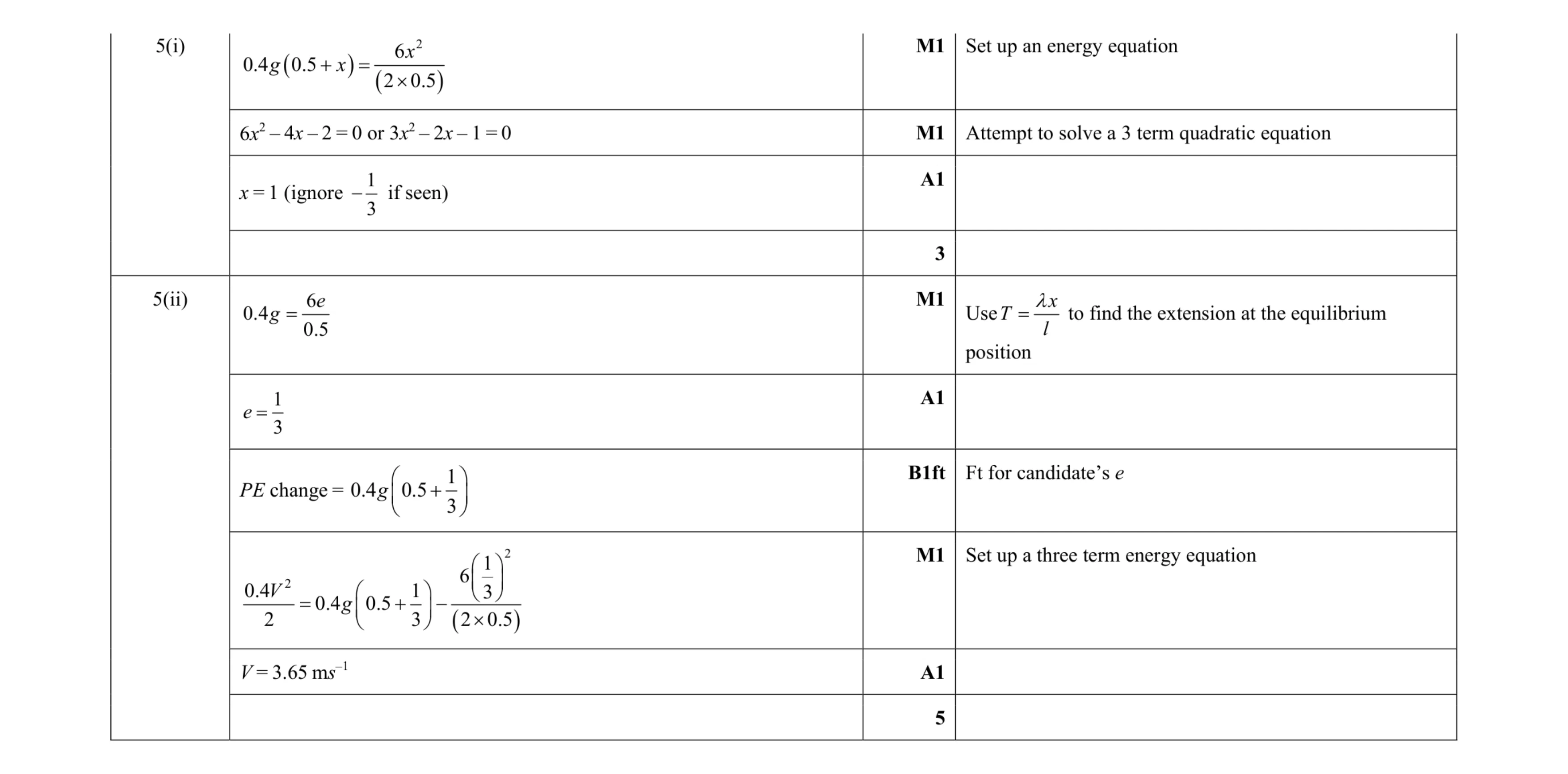 8
8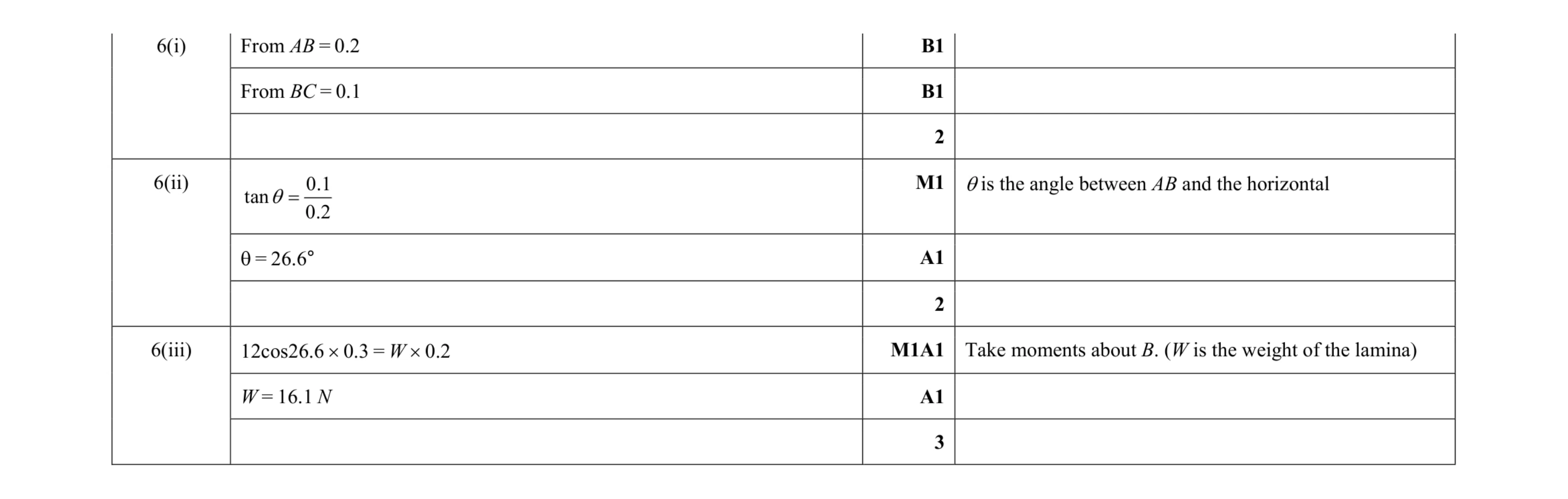 7
7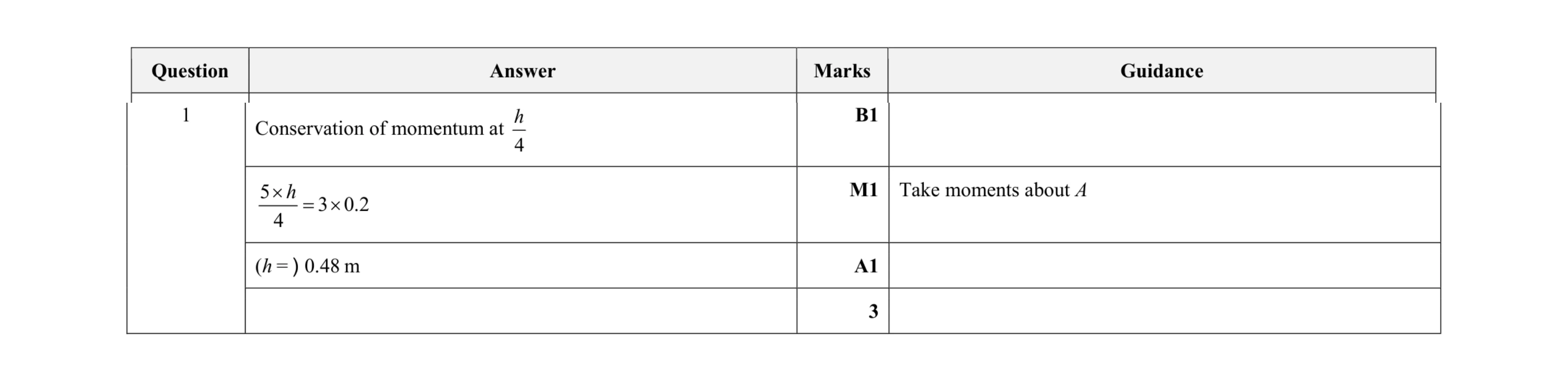 3
3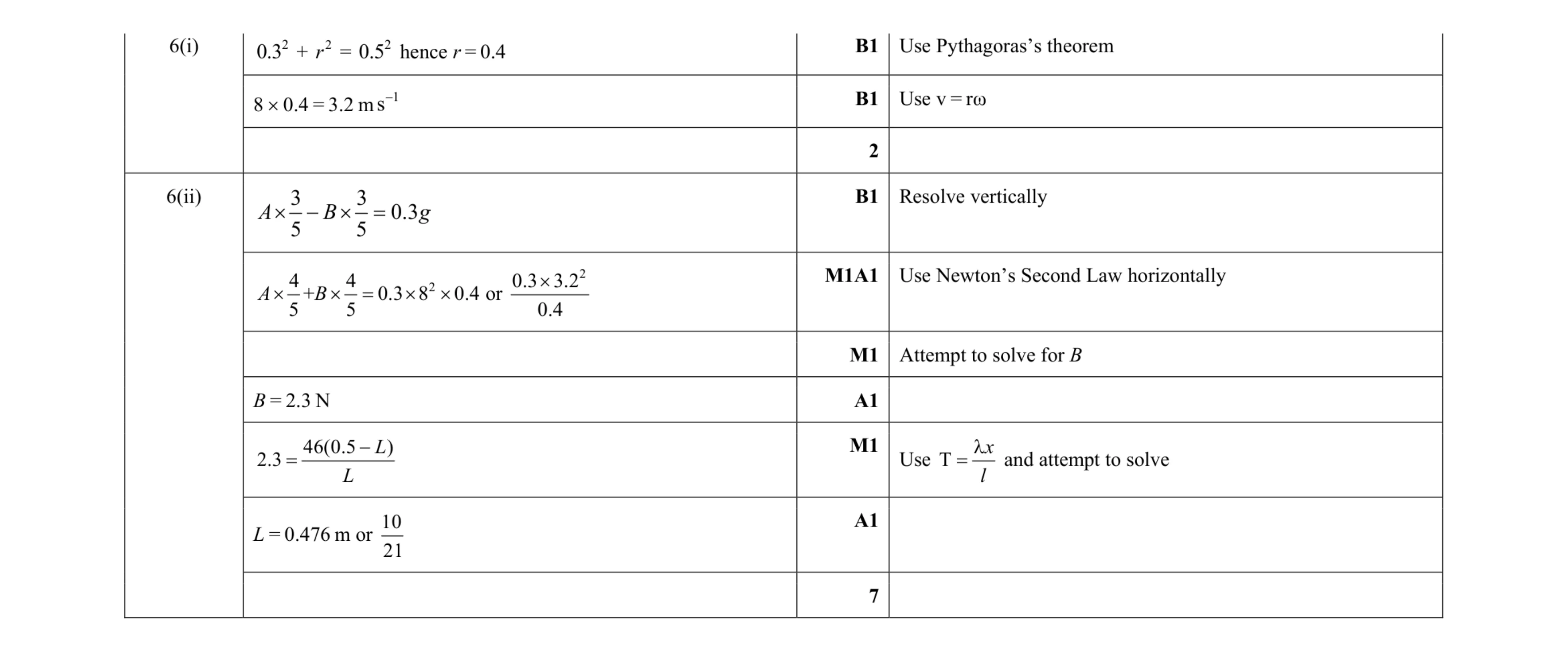 9
9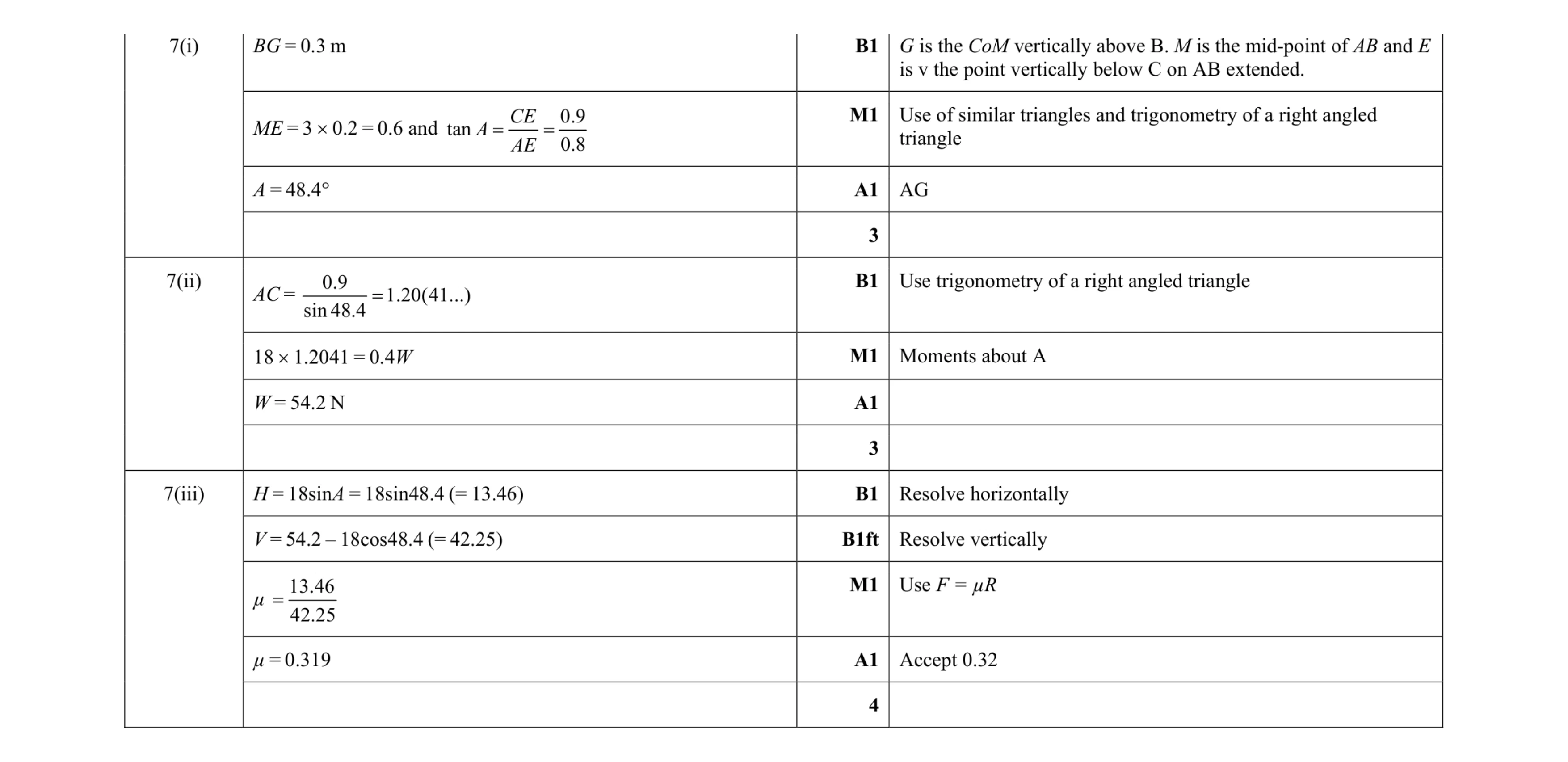 10
10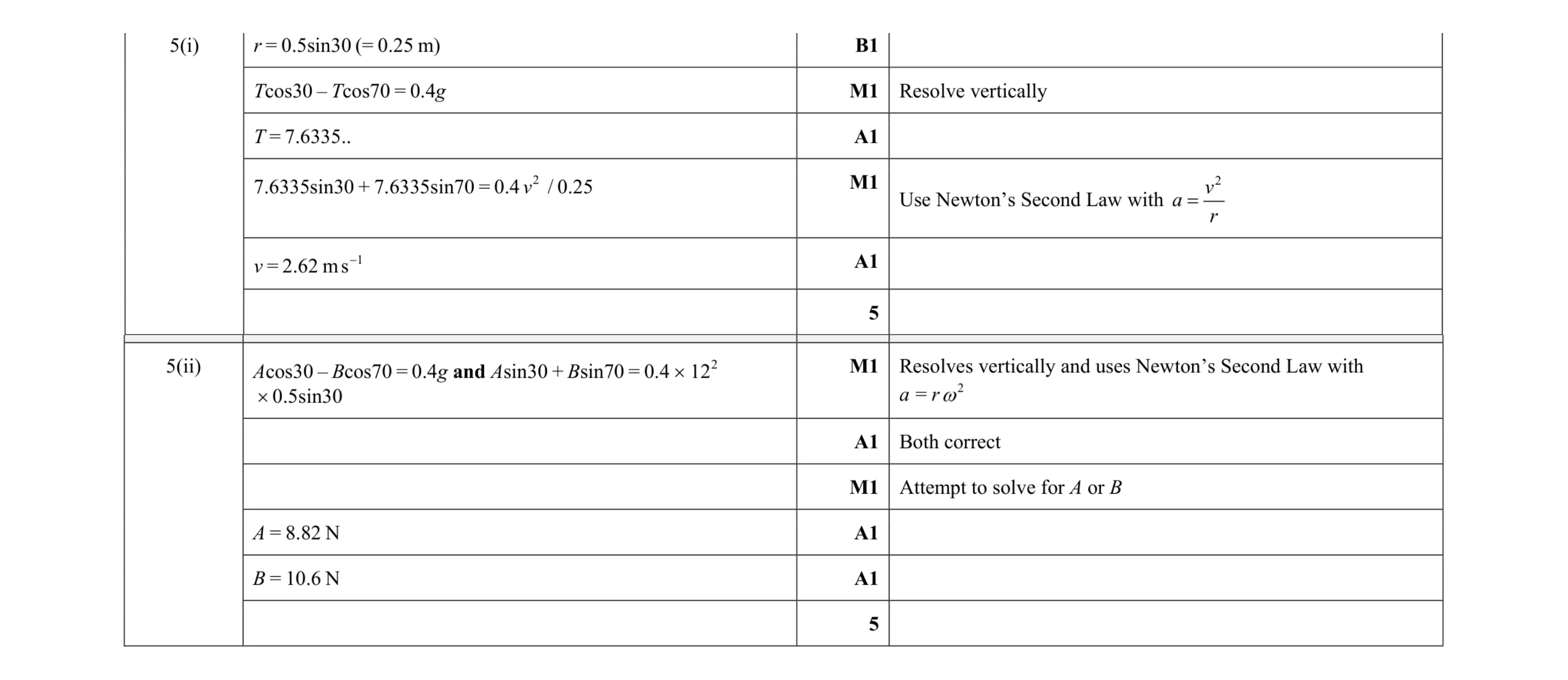 10
10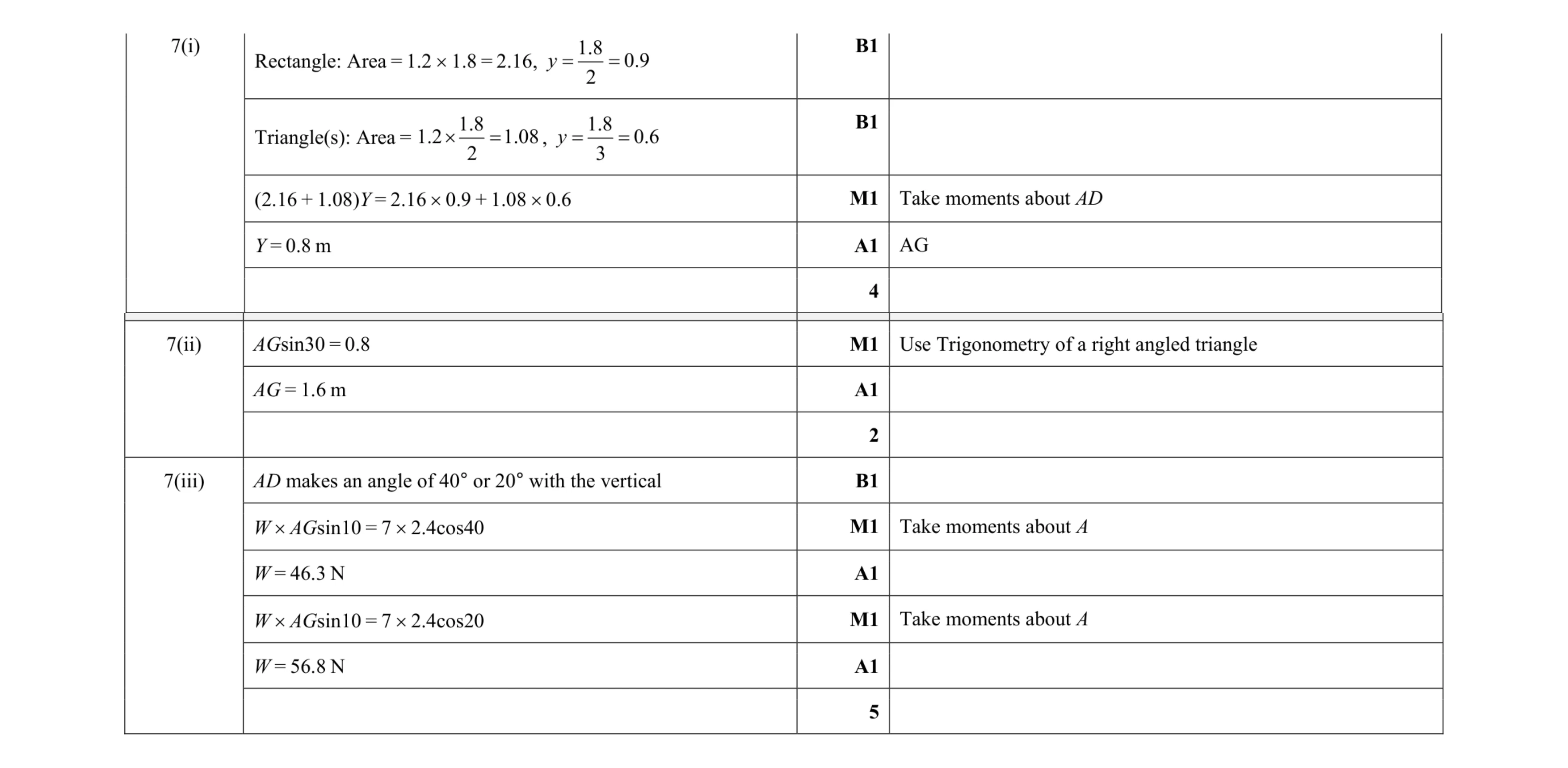 11
11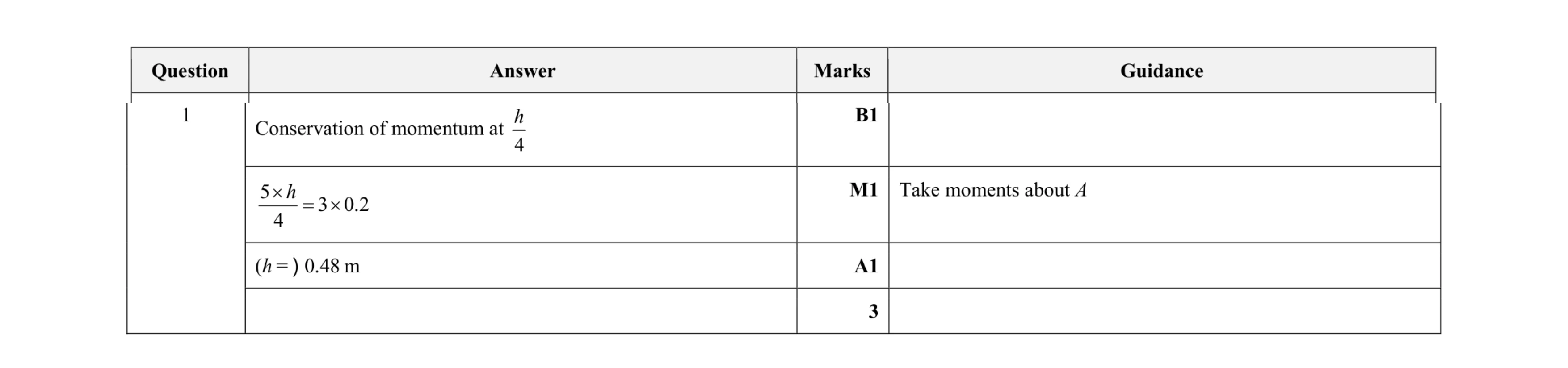 3
3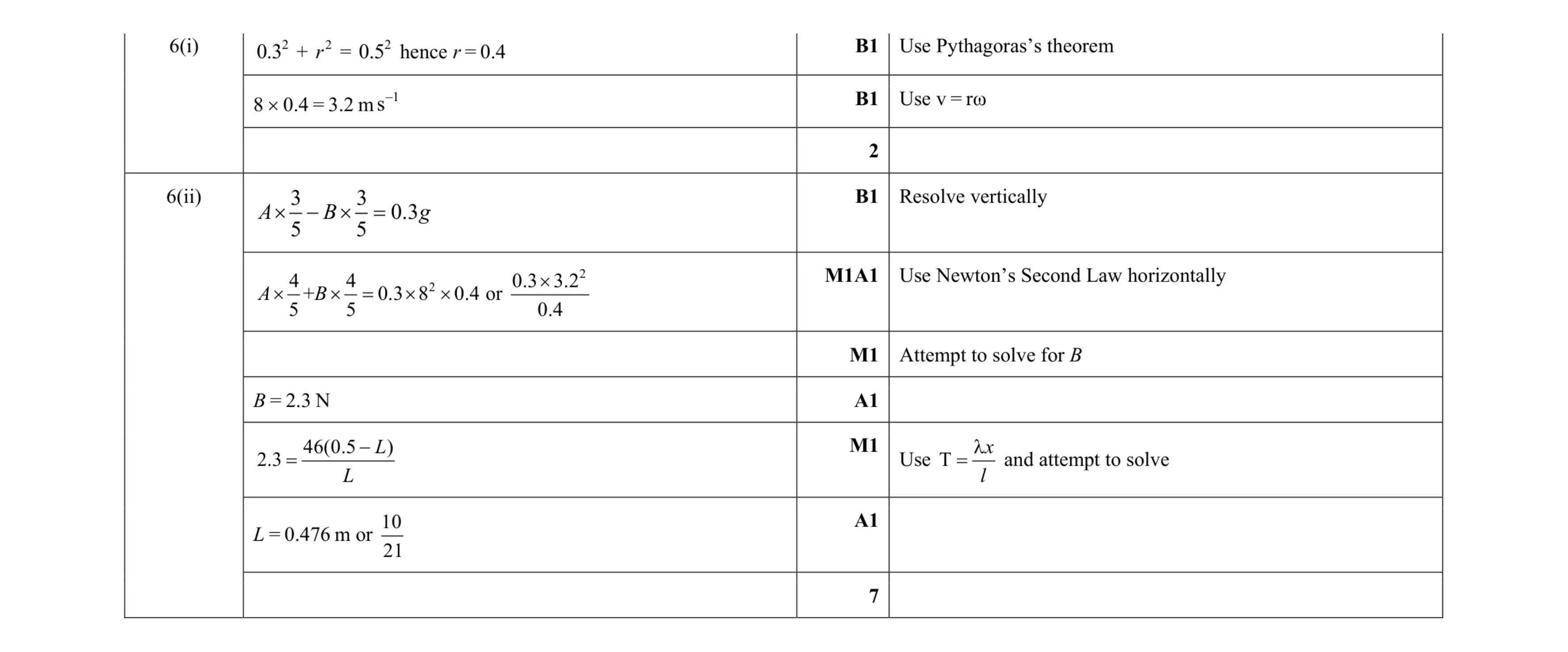 9
9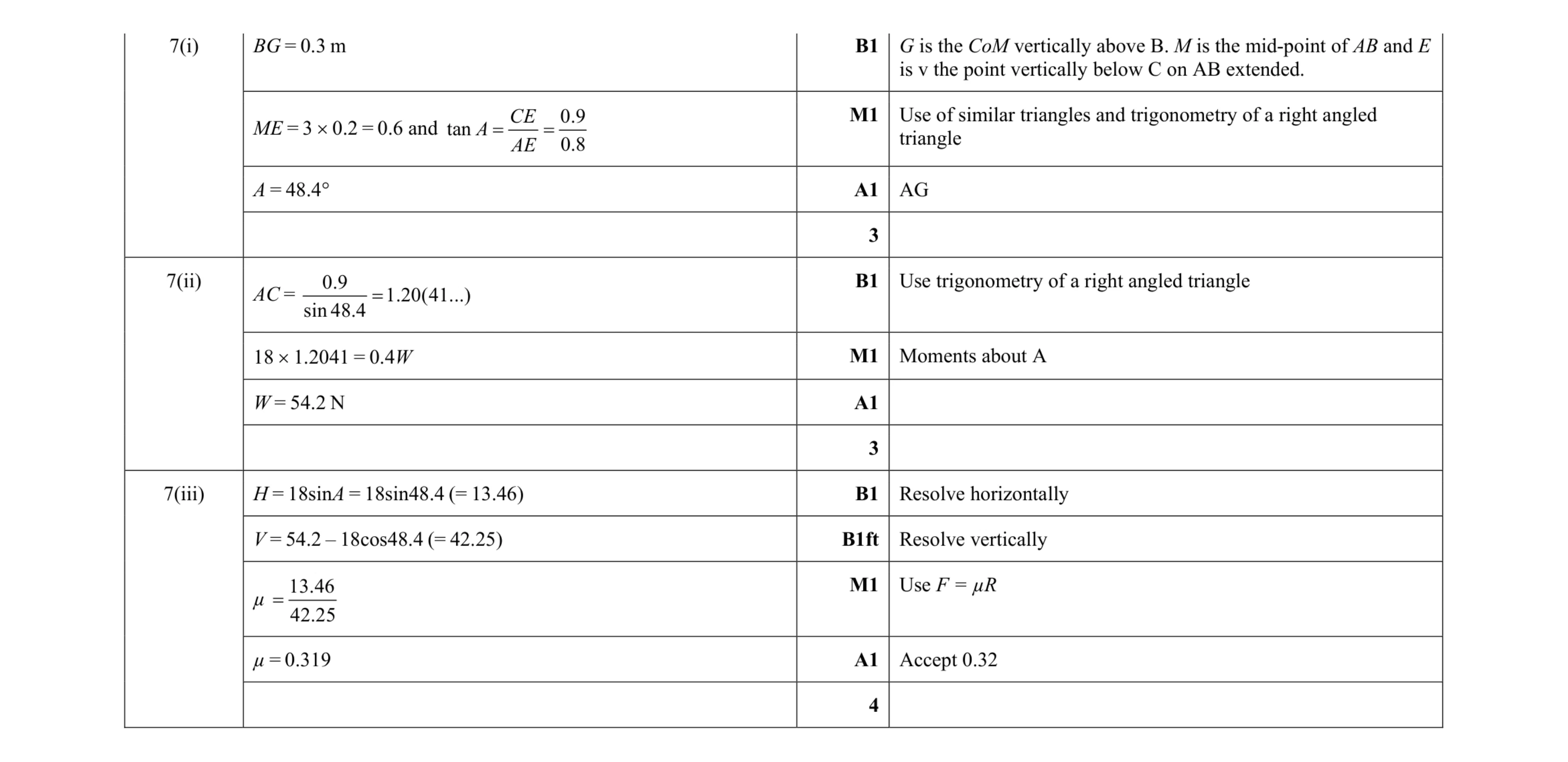 10
10