Questions as text
Q1 · ‘People who buy products will always dislike customer-focused sales techniques compared… 9990/42 Feb/March 2018
10 ‘People who buy products will always dislike customer-focused sales techniques compared to product-focused or competition sales techniques.’ To what extent do you agree with this statement? Use examples of research you have studied to support your answer. [12] Psychology and health
12 marks
Mark scheme: 10 ‘People who buy products will always dislike customer-focused sales 12 techniques compared to product-focused or competition sales techniques.’ To what extent do you agree with this statement? Use examples of research you have studied to support your answer. Marks: use generic levels of response in table C. Syllabus: selling the product: sales techniques: customer/competitor/product focused. Most likely (any other appropriate responses should be credited): Answer depends«The larger the buyer’s firm and the higher the level of the buyer’s authority equate to preference for customer-focused. The smaller and less authority prefer product-focused. Individual people buying a product may well be different. Competition and product-focused: • Competition: every buyer the same; salesperson already knows their needs. No need to ask questions. Influences buyer with examples of other customers. • Product focused: aims to educate the buyer – creates a need to buy the product. Persuasion based on attributes and performance of the product – emphasising technical details of the product. Customer-focused: • A customer’s problems are viewed as unique and salesperson will address these individual needs. • Salesperson actively engages the buyer; is a consultant rather than a persuader. • Salesperson seeks information and input from the buyer.
This question in 9990/42 Feb/March 2018
Question 2 9990/42 Oct/Nov 2018
2 Hall et al. (2010) only studied the taste of jam and the smell of tea, but their participants were not told the full truth about the study. (a) Explain how the participants were recruited in the Hall et al. study. [2] (b) Give two ‘criteria of detection’ used in this study. [4] (c) Identify two ways in which participants were deceived and suggest why each of these deceptions was necessary. [4] (d) Discuss the advantages and disadvantages of field experiments when studying consumer behaviour. You should include a conclusion in your answer. [5] Psychology and health
15 marks
Mark scheme: 2(a) Explain how the participants were recruited in the Hall et al. study. 2 Marks: 1 mark for basic answer e.g. identification. 1 mark for elaboration/ example. Most likely answer (other appropriate responses to be credited): • ‘Participants were recruited as they passed by a tasting venue we had set up in the store. We asked them whether they were willing to take part in a ‘quality control’ test of the jam and tea assortment at the store.’ • This is an opportunity sample, gathered by asking participants to take part who were there at the time. 2(b) Give two ‘criteria of detection’ used in this study. 4 Marks: 1 mark basic answer (e.g. identification of term). 2 marks elaboration (e.g. description of term) ×2 Most likely answer (other appropriate responses to be credited): Quote from study: We used three different criteria of detection for the manipulation trials. • concurrent detection if the participants voiced any concerns immediately after tasting or smelling the manipulated jam or tea. • retrospective detection if at the end of the experiment (either before or after the debriefing) the participants claimed to have noticed the manipulation. • sensory-change detection as a more implicit form of detection, even if the participants did not consciously report that something went wrong with their choice, we registered whether they for any reason described the taste or the smell of the chosen sample as somehow being different the second time around (i.e. tasting/smelling stronger, weaker, sweeter, etc., as determined by consensus agreement between two experimenters listening to the recorded experiment trials). 2(c) Identify two ways in which participants were deceived and suggest 4 why each of these deceptions was necessary. Marks: 1 mark for identifying each deception. 1 mark for suggestion of why each was necessary ×2 Most likely answer (other appropriate responses to be credited): Quoting the study: • we recruited the participants by asking them whether they were willing to take part in a ‘quality control’ test of the jam and tea assortment at the store. • we presented ourselves as being independent consultants contracted to survey the quality of the jam and tea assortment in the shop. • unknown to the participants, on certain trials, we used a card magic trick to covertly exchange one face for the other. • we created two sets of ‘magical’ jars, lidded at both ends, and with a divider inside. These jars thus looked like normal containers, but were designed to hold one variety of jam or tea at each end, and could easily be flipped over to execute a switch. Suggestions ‘why’ • participants are deceived about the researchers (and the nature of the research) so the participants do not know it is a psychological study and so not show any demand characteristics. • participants have to be deceived about the ‘magical jars’ otherwise the study would simply not work. 2(d) Discuss the advantages and disadvantages of field experiments when 5 studying consumer behaviour. You should include a conclusion in your answer. Marks: Question requires discussion; always plural of each argument, and always requires conclusion. 1 mark for each advantage/disadvantage (however detailed) and related to the question up to 4 max. 1 mark for two strengths/weaknesses unrelated to the question. 1 mark for conclusion. Most likely answer (other appropriate responses to be credited): Advantages: • a field experiment has an IV, DV and controls; • often participants do not know they are taking part in a study and so behave more naturally (in the Hall et al. study consent given at the end). • Most consumer behaviour (e.g. shopping) takes place in the real world and so studies should be conducted in the real world (rather than in a laboratory). Disadvantages: • a field experiment may have variables that are more difficult to control than a laboratory experiment; • often participants do not know they have taken part in a study at all (in this study consent given at the end). • It may be reductionist to isolate variables to study (i.e. the IV) when many other variables that are controlled may contribute to consumer behaviour as a whole. Conclusion: any appropriate conclusion drawn from the discussion that has been presented. 1 mark if appropriate. A conclusion is a ‘decision reached by reasoning’ and so a summary of points already made scores 0 marks.
This question in 9990/42 Oct/Nov 2018
Q3 · The study by Atalay et al 9990/42 Feb/March 2019
2 The study by Atalay et al. (2012) used several different ways to investigate which product on a shelf in a shop customers were more likely to choose. D rin k A D r in k B D r in k C Fig. 2.1 (a) Explain what is meant by the term ‘planogram’. [2] (b) Outline two findings from this study. [4] (c) Suggest how each of these findings is useful. [4] (d) Discuss the advantages and disadvantages of using eye-tracking techniques to gather data on consumer behaviour. You should include a conclusion in your answer. [5] Psychology and health
15 marks
Mark scheme: 2(a) Explain what is meant by the term ‘planogram’. 2 Most likely answer (other appropriate responses to be credited): • A visual diagram or drawing that provides detail of where every product in a retail store should be placed. • It can be specific (items on one shelf) in a specific aisle (or section) or be general (the whole store). • It has two functions: product placement and improved sales. Marks: 1 mark basic answer (simple description), 2 marks detailed answer/elaboration. 2(b) Outline two findings from this study. 4 Quotes from study: • a centrally located brand within a product category is chosen more often even when it is not placed in the centre of the shelf or the visual field. • horizontal centrality on choice was found across three different studies and product categories (vitamins, meal replacement bars, and energy drinks). • brands in the horizontal centre receive more visual attention. • There is an initial central fixation bias, a tendency to look first at the central option, and a central gaze cascade effect, progressively increasing attention focused on the central option right prior to decision. • A product is more likely to sell if it is placed centrally on a shelf. Marks: 1 mark basic answer (simple description of finding), 2 marks detailed answer/elaboration or use of example ×2. 2(c) Suggest how each of these findings is useful. 4 Most likely answer (other appropriate responses to be credited): • Useful to seller: A product is more likely to sell if it is placed centrally on a shelf. • Useful to seller: ‘centrality’ applies to different products; possibly all products • Useful to seller: Products on promotion can be specifically placed to sell (maybe use multiple-pricing, etc.) • Useful to seller: Products which provide higher profit margins for the retailer/seller can be placed in a central position. • Useful methodology: eye tracking software is a useful tool in consumer research. Marks: 1 mark basic answer (simple use), 2 marks detailed answer/elaboration, or use of example ×2. 2(d) Discuss the advantages and disadvantages of using eye tracking 5 techniques to gather data on consumer behaviour. You should include a conclusion in your answer. Most likely answer (other appropriate responses to be credited, such as eye movement patterns): Advantages • Eye tracking is scientific equipment which is reliable. • Data recorded is objective: where the person looks is clear and unambiguous. • Data is quantitative and so comparisons can be made between participants and between studies. • It provides immediate feedback. • It is easy to use requiring no training. Disadvantages • Participants can choose to look in whatever direction they wish – they know their eve movements are being tracked. • There may be cultural differences in where people are socialised to look. • Data is where the participant has looked but it does not provide an explanation of why that person has looked in a particular direction. • Eye tracking is reductionist – product purchase isn’t just based on vision; some products smell and touch may be important. • It cannot be used with every participant, people with contact lenses or have long eye lashes • Eye movement may be subconscious and difficult to control at all times. Data may not be accurate Conclusion: any appropriate conclusion drawn from the discussion that has been presented. 1 mark if appropriate. Marks: Question requires discussion. Question always plural of each argument. Question always requires conclusion. • 1 mark for each strength/weakness (however detailed) and related to the question up to 4 max. • 1 mark for two strengths unrelated to the question. 1 mark for two weaknesses unrelated to the question. • 1 mark for conclusion. Note: If three (or more) arguments for one side, best two credited. If strength or weakness only, max 2 marks.
This question in 9990/42 Feb/March 2019
Q4 · Three decision-making strategies are compensatory, non-compensatory or partially… 9990/42 Feb/March 2019
6 Three decision-making strategies are compensatory, non-compensatory or partially compensatory. (a) Design a study to investigate which decision-making strategies people apply when buying a new mobile (cell) phone. [10] (b) Explain the psychological and methodological evidence on which your study is based. [8] Psychology and health
18 marks
Mark scheme: 6(a) Three decision-making strategies are compensatory, non- 10 compensatory or partially compensatory. Design a study to investigate which decision-making strategies people apply when buying a new mobile (cell) phone. Marks: use generic levels of response Design a study question part (a). Additional: Candidates should design the study showing evidence of design features appropriate to the named method. The named method is: any appropriate method. Specific features: • Experiments: type, IV, DV, controls, experimental design. • Observations: type, setting, response categories, sampling frame, number of observers. • Questionnaires/Interviews: type, setting, example questions. Scoring/rating scale, analysis of responses. General features of research methodology: sampling technique and sample, type of data, ethics, reliability, validity, data analysis. 6(b) Explain the psychological and methodological evidence on which your 8 study is based. Marks: use generic levels of response ‘Design a study’ question part (b). Note: If only methodological or psychological explanation is provided max 5 marks Candidates are expected to explain the reasons for the suggested design in part (a). Explanation should be both psychological and methodological. Psychological to include appropriate theory or research. Additional: candidates are expected to justify their decisions or evidence presented regarding the design made in answer to question part (a). Syllabus: strategies: compensatory, non-compensatory and partially compensatory Psychological: Quote from study: In compensatory choice models, the overall value (utility) of a brand is a weighted average of the brand’s position on some set of attributes, where the weights measure attribute importances. Consumers make a rational choice and, select the brand with the highest overall utility. Non-compensatory decision making essentially shortcuts the compensatory process to make the decision making process easier. Consumers consider attributes sequentially and benefits on some attributes may not overbalance shortfalls on others. For example, Satisficing is a non- compensatory decision strategy in which we select the first adequate option, failing to explore or consider the entire set of options. Methodological: explanation of method using general and specific features as above.
This question in 9990/42 Feb/March 2019
Question 5 9990/41 May/June 2019
2 Gil et al. (2009) identified five shopper profiles. One type is the Raider, who walks fast, makes decisions quickly and has a preference for main aisles. Raiders go far into the store if necessary, on ‘top-up’ or ‘food for tonight’ missions. Most Raiders are male. (a) Explain how the data on shopper movement patterns was gathered from participants. [2] (b) Suggest two advantages of the way in which this data was gathered. [4] (c) Outline two shopper profiles, other than the Raider. [4] (d) Discuss the advantages and disadvantages of studying shopper movement patterns. You should include a conclusion in your answer. [5] Psychology and health
15 marks
Mark scheme: 2(a) Explain how the data on shopper movement patterns was gathered 2 from participants. Most likely answer (other appropriate responses to be credited): • Interviewing participants on entry to the store to tag them • Movement was tracked by CCTV • Interviewing participants when leaving the store (on exit). Marks: 1 mark for basic answer 1 mark for elaboration / example. 2(b) Suggest two advantages of the way in which this data was gathered. 4 Most likely answer (other appropriate responses to be credited): • People are tagged and video recordings taken; no-one is talking to them or walking with them; no researcher influencing behaviour. • The recordings are objective data and fact. • Using video recordings allows replays and inter-rater reliability to be tested. Marks: 1 mark basic answer, 2 marks detailed answer / elaboration × 2. 2(c) Outline two shopper profiles, other than the Raider. 4 Most likely answer: • The specialist: short trip; focus on few products; mainly top-up; 58% baskets and 30% shallow trolley; 42% top-up and 31% non-food missions. • The natives: long and very long trips; visit specific aisles; 90% take a trolley; 58% top-up and 37% main mission. • The tourist: short to medium trips; fast-moving; look more than buy; 68% take a trolley; 82% on a top-up mission. • The explorer: very long trips; go everywhere more than once; interact with products; buy a lot; 62% female alone; 87% take a trolley; 82% on a main mission. Marks: 1 mark identification of profile, 2 marks detailed answer / elaboration (as above) × 2. Note: accept logical points that fit the type identified. 2(d) Discuss the advantages and disadvantages of studying shopper 5 movement patterns. You should include a conclusion in your answer. Marks: Question requires discussion; always plural of each argument, and always requires conclusion. 1 mark for each advantage / disadvantage (however detailed) and related to the question up to 4 max. 2 marks max. for two strengths / weaknesses unrelated to the question. 1 mark for conclusion. Most likely answer (other appropriate responses to be credited): Advantages • Studying movement patterns can allow certain products to be placed in highly populated locations • Studying movement patterns provides information on how shops should be designed, such as ‘store interior layout’ • Research conducted in a shop / store is high in ecological validity. Disadvantages • There are too many different types of shopper to provide firm predictions (generalisations) • Data gathered from one store (such as a supermarket) can’t be generalised to other types of shop / store. • Shopper movement patterns conducted in one culture may not apply to people in other cultures. Conclusion: any appropriate conclusion drawn from the discussion that has been presented. 1 mark if appropriate. A conclusion is a ‘decision reached by reasoning’ and so a summary of points already made scores 0 marks.
This question in 9990/41 May/June 2019
Q6 · A study by Snyder and DeBono (1985) used students to investigate how high self-monitors… 9990/42 May/June 2019
2 A study by Snyder and DeBono (1985) used students to investigate how high self-monitors and low self-monitors evaluated different types of advertisements. Their results appear in Table 2.1, in which there is a maximum score of 12. Higher scores indicate greater favourability towards image- oriented advertisements and lower scores indicate greater favourability towards product-quality- orientated advertisements. Table 2.1 Product Canadian Club Barclay Irish Mocha whisky cigarettes Mint coffee High 6.84 5.00 7.40 Self-monitoring category Low 4.88 3.68 6.08 (a) Explain what the results in Table 2.1 indicate about how high self-monitors and low self- monitors respond to different types of advertising. [2] (b) Give two differences between the ‘soft-sell’ approach and the ‘hard-sell’ approach. [4] (c) Suggest how the validity of the stimulus materials (advertisements) used in the study could have been assessed. [4] (d) Discuss the strengths and weaknesses of using students in studies of consumer behaviour. You should include a conclusion in your answer. [5] Psychology and health
15 marks
Mark scheme: 2(a) Explain what the results in Table 2.1 indicate about how high self- 2 monitors and low self-monitors respond to different types of advertising. Most likely answer (other appropriate responses to be credited): • high self monitors favour image-oriented advertisements; low self monitors favour product-quality-oriented advertisements (as can be seen by looking at the rows in the table). • A wide range of answers is possible, so credit anything that is based on the table. Example below: Marks: 1 mark e.g. both prefer Irish mocha mint coffee 2 marks both prefer Irish mocha mint coffee with numbers to support (e.g. 7.40 and 6.08). Note: any appropriate analysis receives credit. Note: re-writing question scores 0 marks. 2(b) Give two differences between the ‘soft-sell’ and the ‘hard-sell’ 4 approach. Hard-sell = product (low self monitors); soft-sell = images and packaging (high self-monitors). Quote from study (reorganised into differences): • Soft-sell: create ads that appeal to the images associated with the use of the product, images that one may gain and project by using the product. Hard-sell: different ads, ones that focus on claims about the intrinsic merit, inherent quality, and functional value of the product itself. • Soft-sell: how a product is packaged by its advertising is as important as the product itself. Therefore, they tend to create advertisements that are very striking in their visual appeal; they pay particular attention to the finer details of form and color. Typically, the copy associated with these ads emphasizes the image of the product or, more specifically, the images associated with the use of the product. Hard-sell: For these advertisers, it's the "matter, not the manner" that counts. • Soft-sell: These image-oriented ads rarely, if ever, make any explicit mention of the quality of the product, and, indeed, little emphasis is placed on the product itself. Hard-sell: ads tell the consumer how good the product is, how well it works, or, with things to eat and drink, how good they taste. Marks: 1 mark basic answer. 2 marks detail/elaboration ×2. Note: descriptions of each max 1 mark each. Perfect answer ‘x’ does this; ‘y’ does that. 2(c) Suggest how the validity of the stimulus materials (advertisements) 4 used in the study could have been assessed. Most likely answer (other appropriate responses to be credited): Quote from study: As a check on the effectiveness of the manipulation, we presented 10 judges with the three sets of advertisements and, after every set, asked them, "Which ad do you think is directed at concerns about product quality?" and "Which ad do you think is directed at concerns about product image?" All of the judges correctly classified all of the advertisements into the image/product category. Marks: 1–2 marks basic answer. 3–4 marks elaboration. 2(d) Discuss the strengths and weaknesses of using students in studies of 5 consumer behaviour. You should include a conclusion in your answer. Marks: Question requires discussion; always plural of each argument, and always requires conclusion. 1 mark for each advantage/disadvantage (however detailed) and related to the question up to 4 max. 2 marks max for two strengths/weaknesses unrelated to the question. 1 mark for conclusion. Most likely answer (other appropriate responses to be credited): Strengths • students are consumers just like any other person. • students are readily available and in relatively large numbers • students may cost less: no travel expenses; course credits for ‘payment’ less advertising costs. Weaknesses • students are less representative: are younger, less experienced, may not have worked, are more academic. • students are often WEIRD – Westernised, Educated, from Industrialised, Rich Democracies. • students may not have a choice – have to participate • students may know about the research and so unconsciously alter answers to fit aims of study Conclusion: any appropriate conclusion drawn from the discussion that has been presented. 1 mark if appropriate. A conclusion is a ‘decision reached by reasoning’ and so a summary of points already made scores 0 marks.
This question in 9990/42 May/June 2019
Question 7 9990/43 May/June 2019
2 Gil et al. (2009) identified five shopper profiles. One type is the Raider, who walks fast, makes decisions quickly and has a preference for main aisles. Raiders go far into the store if necessary, on ‘top-up’ or ‘food for tonight’ missions. Most Raiders are male. (a) Explain how the data on shopper movement patterns was gathered from participants. [2] (b) Suggest two advantages of the way in which this data was gathered. [4] (c) Outline two shopper profiles, other than the Raider. [4] (d) Discuss the advantages and disadvantages of studying shopper movement patterns. You should include a conclusion in your answer. [5] Psychology and health
15 marks
Mark scheme: 2(a) Explain how the data on shopper movement patterns was gathered 2 from participants. Most likely answer (other appropriate responses to be credited): • Interviewing participants on entry to the store to tag them • Movement was tracked by CCTV • Interviewing participants when leaving the store (on exit). Marks: 1 mark for basic answer 1 mark for elaboration / example. 2(b) Suggest two advantages of the way in which this data was gathered. 4 Most likely answer (other appropriate responses to be credited): • People are tagged and video recordings taken; no-one is talking to them or walking with them; no researcher influencing behaviour. • The recordings are objective data and fact. • Using video recordings allows replays and inter-rater reliability to be tested. Marks: 1 mark basic answer, 2 marks detailed answer / elaboration × 2. 2(c) Outline two shopper profiles, other than the Raider. 4 Most likely answer: • The specialist: short trip; focus on few products; mainly top-up; 58% baskets and 30% shallow trolley; 42% top-up and 31% non-food missions. • The natives: long and very long trips; visit specific aisles; 90% take a trolley; 58% top-up and 37% main mission. • The tourist: short to medium trips; fast-moving; look more than buy; 68% take a trolley; 82% on a top-up mission. • The explorer: very long trips; go everywhere more than once; interact with products; buy a lot; 62% female alone; 87% take a trolley; 82% on a main mission. Marks: 1 mark identification of profile, 2 marks detailed answer / elaboration (as above) × 2. Note: accept logical points that fit the type identified. 2(d) Discuss the advantages and disadvantages of studying shopper 5 movement patterns. You should include a conclusion in your answer. Marks: Question requires discussion; always plural of each argument, and always requires conclusion. 1 mark for each advantage / disadvantage (however detailed) and related to the question up to 4 max. 2 marks max. for two strengths / weaknesses unrelated to the question. 1 mark for conclusion. Most likely answer (other appropriate responses to be credited): Advantages • Studying movement patterns can allow certain products to be placed in highly populated locations • Studying movement patterns provides information on how shops should be designed, such as ‘store interior layout’ • Research conducted in a shop / store is high in ecological validity. Disadvantages • There are too many different types of shopper to provide firm predictions (generalisations) • Data gathered from one store (such as a supermarket) can’t be generalised to other types of shop / store. • Shopper movement patterns conducted in one culture may not apply to people in other cultures. Conclusion: any appropriate conclusion drawn from the discussion that has been presented. 1 mark if appropriate. A conclusion is a ‘decision reached by reasoning’ and so a summary of points already made scores 0 marks.
This question in 9990/43 May/June 2019
Q8 · In a study by Milgram et al 9990/41 Oct/Nov 2019
2 In a study by Milgram et al. (1986), a stooge (confederate) intruded into a line of people waiting in a queue. ‘Hey buddy, we’ve been waiting. Get off the line and go to the back!’ was one of the verbal responses to the intrusion. (a) Outline the research method used in this study. [2] (b) Outline two features of a queue, according to Milgram. [4] (c) The behaviour of the people in the queue during the intrusion was observed in three response categories. (i) Identify the two response categories used, other than verbal objections. [2] (ii) Give one example of an observed response from each of the two categories you have identified in (c)(i). [2] (d) Discuss the advantages and disadvantages of using a stooge (confederate) in studies of consumer behaviour. You should include a conclusion in your answer. [5] Psychology and health
15 marks
Mark scheme: 2(a) Outline the research method used in this study. 2 Most likely answers: • Field experiment: conducted in different locations in New York city. Two IVs: number of intruders (one or two), and number of buffers (zero, one, or two) yielding a complete crossing of variables by level, resulting in six experimental conditions. DVs: qualitative verbal comments and quantitative behaviours (physical actions and non-verbal behaviours. • Observation: naturalistic, covert, participant, structured (qualitative verbal comments and quantitative behaviours (physical actions and non-verbal behaviours). Marks: 1 mark for identification (2 marks if both identified). 1 mark for elaboration/how used ‘in this study’. 2(b) Outline two features of a queue, according to Milgram. 4 Most likely answer: Quote from study: the queue constitutes a small scale social system that possesses three distinguishing features: • it regulates the sequence in which people gain access to goods or services (first come first served) • the ordering (of people in a line) is given a distinctive spatial form • maintenance of the line depends on a shared knowledge of the standards of behaviour appropriate to this situation (i.e. people have a script for queuing) Note: 0 marks for ‘length/size’; people in a line, etc. Marks: 1 mark for basic answer. 1 mark for elaboration/example. ×2. Any feature not above = 0. 2(c) The behaviour of the people in the queue during the intrusion was observed in three response categories. 2(c)(i) Identify the two response categories used, other than verbal objections. 2 Answer: • physical action • nonverbal objections Marks: 1 mark for each correct identification. Allow ‘physical objections/aggression, etc.’ 2(c)(ii) Give one example of an observed response from each of the two 2 categories you have identified in (c)(i). Most likely answer: • physical action. laying on of hands; tugging at the sleeve; tapping the shoulder of the intruder; pushing the intruder firmly out of the line • nonverbal objections. dirty looks; hostile stares; (similar words) gestures to the intruder to get to end of the line Note: no other response is creditworthy; these are the examples listed in the study. Allow similar terms, e.g. ‘disgust facially’. Marks: 1 mark for each correct example. 0 marks for any example not above. 2(d) Discuss the advantages and disadvantages of using a stooge 5 (confederate) in studies of consumer behaviour. You should include a conclusion in your answer. Marks: Question requires discussion; always plural of each argument, and always requires conclusion. 1 mark for each advantage/disadvantage (however detailed) and related to the question up to 4 max. 2 marks max for two strengths/weaknesses unrelated to the question. 1 mark for conclusion. Most likely answer (other appropriate responses to be credited): Strengths: • people behave naturally because they believe that the stooge is just another participant (1 mark). In this study the participants thought the stooge intruding into the line was another member of the public (1 mark) • a stooge keeps participants naïve about the nature of the study • a stooge may be used as a model to suggest to participants how to behave • use of a stooge may prevent demand characteristics • a stooge may standardise a procedure Weaknesses: • partcipants are deceived (no informed consent to participate in a study) and this is unethical • participants may not behave naturally because of the influence of the stooge • a stooge may bias results because of their appearance, their manner, or because of some other feature • the stooge may not be good at acting out an experimenters’ instructions • a stooge may be instructed to act in ways in which people would not normally behave Conclusion: any appropriate conclusion drawn from the discussion that has been presented. 1 mark if appropriate. A conclusion is a ‘decision reached by reasoning’ and so a summary of points already made scores 0 marks.
This question in 9990/41 Oct/Nov 2019
Q9 · Design a study using a questionnaire to investigate the effectiveness of the… 9990/41 Oct/Nov 2019
6 (a) Design a study using a questionnaire to investigate the effectiveness of the ‘disrupt-then- reframe’ sales technique. [10] (b) Explain the psychological and methodological evidence on which your study is based. [8] Psychology and health
18 marks
Mark scheme: 6(a) Design a study using a questionnaire to investigate the effectiveness of 10 the ‘disrupt-then-reframe’ sales technique. Marks: use generic levels of response Design a study question part (a). Additional: Candidates should design the study showing evidence of design features appropriate to the named method. The named method: Questionnaire. Specific features: Questionnaires/Interviews: type, setting, example questions. Scoring/rating scale, analysis of responses. General features of research methodology: sampling technique and sample, type of data, ethics, reliability, validity, data analysis. 6(b) Explain the psychological and methodological evidence on which your 8 study is based. Marks: use generic levels of response ‘Design a study’ question part (b). Note: If only methodological or psychological explanation is provided max 5 marks Candidates are expected to explain the reasons for the suggested design in part (a). Explanation should be both psychological and methodological. Psychological to include appropriate theory or research. Additional: candidates are expected to justify their decisions or evidence presented regarding the design made in answer to question part (a). Syllabus: interpersonal influence techniques; disrupt-then-reframe (Kardes et al., 2007) Psychological: The disrupt-then-reframe (DTR) technique involves deliberately confusing consumers with a disruptive message (or confusing information) and then reframing or re-wording in a much clearer way so the consumer understands what is being said, is happy and this (i) reduces the number of counter- arguments and (ii) can close a sale. Methodological: explanation of method using general and specific features as above.
This question in 9990/41 Oct/Nov 2019
Q10 · In a study by Milgram et al 9990/42 Oct/Nov 2019
2 In a study by Milgram et al. (1986), a stooge (confederate) intruded into a line of people waiting in a queue. ‘Hey buddy, we’ve been waiting. Get off the line and go to the back!’ was one of the verbal responses to the intrusion. (a) Outline the research method used in this study. [2] (b) Outline two features of a queue, according to Milgram. [4] (c) The behaviour of the people in the queue during the intrusion was observed in three response categories. (i) Identify the two response categories used, other than verbal objections. [2] (ii) Give one example of an observed response from each of the two categories you have identified in (c)(i). [2] (d) Discuss the advantages and disadvantages of using a stooge (confederate) in studies of consumer behaviour. You should include a conclusion in your answer. [5] Psychology and health
15 marks
Mark scheme: 2(a) Outline the research method used in this study. 2 Most likely answers: • Field experiment: conducted in different locations in New York city. Two IVs: number of intruders (one or two), and number of buffers (zero, one, or two) yielding a complete crossing of variables by level, resulting in six experimental conditions. DVs: qualitative verbal comments and quantitative behaviours (physical actions and non-verbal behaviours. • Observation: naturalistic, covert, participant, structured (qualitative verbal comments and quantitative behaviours (physical actions and non-verbal behaviours). Marks: 1 mark for identification (2 marks if both identified). 1 mark for elaboration/how used ‘in this study’. 2(b) Outline two features of a queue, according to Milgram. 4 Most likely answer: Quote from study: the queue constitutes a small scale social system that possesses three distinguishing features: • it regulates the sequence in which people gain access to goods or services (first come first served) • the ordering (of people in a line) is given a distinctive spatial form • maintenance of the line depends on a shared knowledge of the standards of behaviour appropriate to this situation (i.e. people have a script for queuing) Note: 0 marks for ‘length/size’; people in a line, etc. Marks: 1 mark for basic answer. 1 mark for elaboration/example. ×2. Any feature not above = 0. 2(c) The behaviour of the people in the queue during the intrusion was observed in three response categories. 2(c)(i) Identify the two response categories used, other than verbal objections. 2 Answer: • physical action • nonverbal objections Marks: 1 mark for each correct identification. Allow ‘physical objections/aggression, etc.’ 2(c)(ii) Give one example of an observed response from each of the two 2 categories you have identified in (c)(i). Most likely answer: • physical action. laying on of hands; tugging at the sleeve; tapping the shoulder of the intruder; pushing the intruder firmly out of the line • nonverbal objections. dirty looks; hostile stares; (similar words) gestures to the intruder to get to end of the line Note: no other response is creditworthy; these are the examples listed in the study. Allow similar terms, e.g. ‘disgust facially’. Marks: 1 mark for each correct example. 0 marks for any example not above. 2(d) Discuss the advantages and disadvantages of using a stooge 5 (confederate) in studies of consumer behaviour. You should include a conclusion in your answer. Marks: Question requires discussion; always plural of each argument, and always requires conclusion. 1 mark for each advantage/disadvantage (however detailed) and related to the question up to 4 max. 2 marks max for two strengths/weaknesses unrelated to the question. 1 mark for conclusion. Most likely answer (other appropriate responses to be credited): Strengths: • people behave naturally because they believe that the stooge is just another participant (1 mark). In this study the participants thought the stooge intruding into the line was another member of the public (1 mark) • a stooge keeps participants naïve about the nature of the study • a stooge may be used as a model to suggest to participants how to behave • use of a stooge may prevent demand characteristics • a stooge may standardise a procedure Weaknesses: • partcipants are deceived (no informed consent to participate in a study) and this is unethical • participants may not behave naturally because of the influence of the stooge • a stooge may bias results because of their appearance, their manner, or because of some other feature • the stooge may not be good at acting out an experimenters’ instructions • a stooge may be instructed to act in ways in which people would not normally behave Conclusion: any appropriate conclusion drawn from the discussion that has been presented. 1 mark if appropriate. A conclusion is a ‘decision reached by reasoning’ and so a summary of points already made scores 0 marks.
This question in 9990/42 Oct/Nov 2019
Q11 · Design a study using a questionnaire to investigate the effectiveness of the… 9990/42 Oct/Nov 2019
6 (a) Design a study using a questionnaire to investigate the effectiveness of the ‘disrupt-then- reframe’ sales technique. [10] (b) Explain the psychological and methodological evidence on which your study is based. [8] Psychology and health
18 marks
Mark scheme: 6(a) Design a study using a questionnaire to investigate the effectiveness of 10 the ‘disrupt-then-reframe’ sales technique. Marks: use generic levels of response Design a study question part (a). Additional: Candidates should design the study showing evidence of design features appropriate to the named method. The named method: Questionnaire. Specific features: Questionnaires/Interviews: type, setting, example questions. Scoring/rating scale, analysis of responses. General features of research methodology: sampling technique and sample, type of data, ethics, reliability, validity, data analysis. 6(b) Explain the psychological and methodological evidence on which your 8 study is based. Marks: use generic levels of response ‘Design a study’ question part (b). Note: If only methodological or psychological explanation is provided max 5 marks Candidates are expected to explain the reasons for the suggested design in part (a). Explanation should be both psychological and methodological. Psychological to include appropriate theory or research. Additional: candidates are expected to justify their decisions or evidence presented regarding the design made in answer to question part (a). Syllabus: interpersonal influence techniques; disrupt-then-reframe (Kardes et al., 2007) Psychological: The disrupt-then-reframe (DTR) technique involves deliberately confusing consumers with a disruptive message (or confusing information) and then reframing or re-wording in a much clearer way so the consumer understands what is being said, is happy and this (i) reduces the number of counter- arguments and (ii) can close a sale. Methodological: explanation of method using general and specific features as above.
This question in 9990/42 Oct/Nov 2019
Q12 · In a study by Milgram et al 9990/43 Oct/Nov 2019
2 In a study by Milgram et al. (1986), a stooge (confederate) intruded into a line of people waiting in a queue. ‘Hey buddy, we’ve been waiting. Get off the line and go to the back!’ was one of the verbal responses to the intrusion. (a) Outline the research method used in this study. [2] (b) Outline two features of a queue, according to Milgram. [4] (c) The behaviour of the people in the queue during the intrusion was observed in three response categories. (i) Identify the two response categories used, other than verbal objections. [2] (ii) Give one example of an observed response from each of the two categories you have identified in (c)(i). [2] (d) Discuss the advantages and disadvantages of using a stooge (confederate) in studies of consumer behaviour. You should include a conclusion in your answer. [5] Psychology and health
15 marks
Mark scheme: 2(a) Outline the research method used in this study. 2 Most likely answers: • Field experiment: conducted in different locations in New York city. Two IVs: number of intruders (one or two), and number of buffers (zero, one, or two) yielding a complete crossing of variables by level, resulting in six experimental conditions. DVs: qualitative verbal comments and quantitative behaviours (physical actions and non-verbal behaviours. • Observation: naturalistic, covert, participant, structured (qualitative verbal comments and quantitative behaviours (physical actions and non-verbal behaviours). Marks: 1 mark for identification (2 marks if both identified). 1 mark for elaboration/how used ‘in this study’. 2(b) Outline two features of a queue, according to Milgram. 4 Most likely answer: Quote from study: the queue constitutes a small scale social system that possesses three distinguishing features: • it regulates the sequence in which people gain access to goods or services (first come first served) • the ordering (of people in a line) is given a distinctive spatial form • maintenance of the line depends on a shared knowledge of the standards of behaviour appropriate to this situation (i.e. people have a script for queuing) Note: 0 marks for ‘length/size’; people in a line, etc. Marks: 1 mark for basic answer. 1 mark for elaboration/example. ×2. Any feature not above = 0. 2(c) The behaviour of the people in the queue during the intrusion was observed in three response categories. 2(c)(i) Identify the two response categories used, other than verbal objections. 2 Answer: • physical action • nonverbal objections Marks: 1 mark for each correct identification. Allow ‘physical objections/aggression, etc.’ 2(c)(ii) Give one example of an observed response from each of the two 2 categories you have identified in (c)(i). Most likely answer: • physical action. laying on of hands; tugging at the sleeve; tapping the shoulder of the intruder; pushing the intruder firmly out of the line • nonverbal objections. dirty looks; hostile stares; (similar words) gestures to the intruder to get to end of the line Note: no other response is creditworthy; these are the examples listed in the study. Allow similar terms, e.g. ‘disgust facially’. Marks: 1 mark for each correct example. 0 marks for any example not above. 2(d) Discuss the advantages and disadvantages of using a stooge 5 (confederate) in studies of consumer behaviour. You should include a conclusion in your answer. Marks: Question requires discussion; always plural of each argument, and always requires conclusion. 1 mark for each advantage/disadvantage (however detailed) and related to the question up to 4 max. 2 marks max for two strengths/weaknesses unrelated to the question. 1 mark for conclusion. Most likely answer (other appropriate responses to be credited): Strengths: • people behave naturally because they believe that the stooge is just another participant (1 mark). In this study the participants thought the stooge intruding into the line was another member of the public (1 mark) • a stooge keeps participants naïve about the nature of the study • a stooge may be used as a model to suggest to participants how to behave • use of a stooge may prevent demand characteristics • a stooge may standardise a procedure Weaknesses: • partcipants are deceived (no informed consent to participate in a study) and this is unethical • participants may not behave naturally because of the influence of the stooge • a stooge may bias results because of their appearance, their manner, or because of some other feature • the stooge may not be good at acting out an experimenters’ instructions • a stooge may be instructed to act in ways in which people would not normally behave Conclusion: any appropriate conclusion drawn from the discussion that has been presented. 1 mark if appropriate. A conclusion is a ‘decision reached by reasoning’ and so a summary of points already made scores 0 marks.
This question in 9990/43 Oct/Nov 2019
Q13 · Design a study using a questionnaire to investigate the effectiveness of the… 9990/43 Oct/Nov 2019
6 (a) Design a study using a questionnaire to investigate the effectiveness of the ‘disrupt-then- reframe’ sales technique. [10] (b) Explain the psychological and methodological evidence on which your study is based. [8] Psychology and health
18 marks
Mark scheme: 6(a) Design a study using a questionnaire to investigate the effectiveness of 10 the ‘disrupt-then-reframe’ sales technique. Marks: use generic levels of response Design a study question part (a). Additional: Candidates should design the study showing evidence of design features appropriate to the named method. The named method: Questionnaire. Specific features: Questionnaires/Interviews: type, setting, example questions. Scoring/rating scale, analysis of responses. General features of research methodology: sampling technique and sample, type of data, ethics, reliability, validity, data analysis. 6(b) Explain the psychological and methodological evidence on which your 8 study is based. Marks: use generic levels of response ‘Design a study’ question part (b). Note: If only methodological or psychological explanation is provided max 5 marks Candidates are expected to explain the reasons for the suggested design in part (a). Explanation should be both psychological and methodological. Psychological to include appropriate theory or research. Additional: candidates are expected to justify their decisions or evidence presented regarding the design made in answer to question part (a). Syllabus: interpersonal influence techniques; disrupt-then-reframe (Kardes et al., 2007) Psychological: The disrupt-then-reframe (DTR) technique involves deliberately confusing consumers with a disruptive message (or confusing information) and then reframing or re-wording in a much clearer way so the consumer understands what is being said, is happy and this (i) reduces the number of counter- arguments and (ii) can close a sale. Methodological: explanation of method using general and specific features as above.
This question in 9990/43 Oct/Nov 2019
Q14 · A company wants to increase sales of canned soup 9990/42 Feb/March 2020
2 A company wants to increase sales of canned soup. They want customers to buy 2, 3, 4 or even 10 cans, rather than buying only one. They apply some of the point of purchase promotion techniques, e.g. multiple unit pricing, suggested by Wansink et al. (1998). $0.50 per can 4 cans for $2 Fig. 2.1 (a) Explain what is meant by ‘multiple unit pricing’. [2] (b) Suggest two other point of purchase promotion techniques that increase sales, using examples to support your answer. [4] (c) Explain one strength and one weakness of using students as participants in research on purchase quantity decisions. [4] (d) Discuss the advantages and disadvantages of conducting laboratory experiments to investigate purchase quantity decisions. You should include a conclusion in your answer. [5] Psychology and health
15 marks
Mark scheme: 2 A company wants to increase sales of canned soup. They want customers to buy 2, 3, 4 or even 10 cans, rather than buying only one. They apply some of the point of purchase promotion techniques, e.g. multiple unit pricing, suggested by Wansink et al. (1998). Fig. 2.1 2(a) Explain what is meant by ‘multiple unit pricing’. 2 Most likely answer (other appropriate responses to be credited): multiple unit price promotions is where a price reduction is presented as a reduced total price for multiple units of the same item (e.g., an item regularly priced at $0.50 each is promoted as ‘4 for $2’). Marks: 1 mark basic answer (simple description), 2 marks detailed answer/elaboration/example. N.B.: 0 marks for discount if more items purchased such as buy one get one free. 2(b) Suggest two other point of purchase promotion techniques that 4 increase sales, using examples to support your answer. Quotes from study: • Purchase quantity limits is when customers react to the loss of freedom to buy more. It suggests stocks are limited at the ‘special low price’ and so six should be purchased immediately, e.g. limit of six cans per customer. • Suggestive selling is where the sales person asks the customer if they would like to include an additional purchase or recommends a product which might suit them/their needs/usage e.g. buy twelve for your freezer. It is also known as add-on selling, upselling and cross-selling. Marks: 1 mark basic answer (identification of term), 2 marks detailed answer/elaboration or use of example x2. Max 2 marks if only ‘one’ is answered. 2(c) Explain one strength and one weakness of using students as 4 participants in research on purchase quantity decisions. Most likely answer (other appropriate responses to be credited): Strengths: • students may have limited resources, like many other people and may purchase more items if it is a bargain. • students are readily available to researchers and they are consumers like anyone else. Students may have limited resources and be restricted in what they purchase. Weaknesses: • students may be single people with no dependents (children) and so purchase a limited range of items. • Students, being younger, may not be experienced shoppers and be less experienced with sales ‘tricks of the trade’. Marks: 1 mark basic answer, 2 marks detailed answer/elaboration or use of example x2. Max 2 marks if only ‘one’ is answered. 2(d) Discuss the advantages and disadvantages of conducting laboratory 5 experiments to investigate purchase quantity decisions. You should include a conclusion in your answer. Most likely answer (other appropriate responses to be credited, such as eye movement patterns): Advantages: • a laboratory experiment has an IV, DV and controls; • laboratory experiments are reductionist so one variable can be isolated and studied. • participants know they are taking part in a study (so give consent but not informed consent). • IV can be studied precisely using scientific equipment • Extraneous situational variables can be controlled Disadvantages: • Most consumer behaviour (e.g. shopping) takes place in the real world and so studies should be conducted in the real world (rather than in a laboratory). • It may be reductionist to isolate variables to study (i.e. the IV) when many other variables that are controlled may contribute to consumer behaviour as a whole. • Participants may respond to demand characteristics. Conclusion: any appropriate conclusion drawn from the discussion that has been presented. 1 mark if appropriate. A conclusion is a ‘decision reached by reasoning’ and so a summary of points already made scores 0 marks. Marks: Question requires discussion; always plural of each argument, and always requires conclusion. 1 mark for each advantage/disadvantage (however detailed) and related to the question up to 4 max. 2 marks max for two strengths/weaknesses unrelated to the question. 1 mark for conclusion.
This question in 9990/42 Feb/March 2020
Q15 · Design an experiment to investigate the difference between high self-monitors and low… 9990/42 Feb/March 2020
6 (a) Design an experiment to investigate the difference between high self-monitors and low self-monitors in relation to brand recognition. [10] (b) Explain the psychological and methodological evidence on which your experiment is based. [8] Psychology and health
18 marks
Mark scheme: 6(a) Design an experiment to investigate the difference between high self- 10 monitors and low self-monitors in relation to brand recognition. Marks: use generic levels of response Design a study question part (a). Additional: Candidates should design the study showing evidence of design features appropriate to the named method. The named method is: experiment. Typical features: Experiments: type, IV, DV, controls, experimental design. General features of research methodology: sampling technique and sample, type of data, ethics, reliability, validity, data analysis. Logically a laboratory experiment with IV of high self-monitors and low self- monitors (determined by self-monitoring test). Brands could be presented with a DV or time it takes to identify the brand correctly. 6(b) Explain the psychological and methodological evidence on which your 8 experiment is based. Marks: use generic levels of response ‘Design a study’ question part (b). N.B. If only methodological or psychological explanation is provided max 5 marks Candidates are expected to explain the reasons for the suggested design in part (a). Explanation should be both psychological and methodological. Psychological to include appropriate theory or research. Additional: candidates are expected to justify their decisions or evidence presented regarding the design made in answer to question part (a). Syllabus: brand recognition in children (Fischer et al., 1991); advertising and consumer personality (Snyder and DeBono, 1985) Psychological: Fischer et al. (1991) studied brand recognition in children not adults; Snyder and DeBono (1985) studied advertising and consumer personality so this design must, at very least, combine aspects of both studies. N.B. 2 marks max if psychological knowledge is not related to answer. Methodological: explanation of method using general and specific features as above.
This question in 9990/42 Feb/March 2020
Q16 · ‘Field experiments on consumer behaviour conducted in one country, such as that on choice… 9990/42 Feb/March 2020
10 ‘Field experiments on consumer behaviour conducted in one country, such as that on choice blindness by Hall et al. (2010), cannot be generalised to other countries.’ To what extent do you agree with this statement? Use examples of research you have studied to support your answer. [12] Psychology and health
12 marks
Mark scheme: 10 ‘Field experiments on consumer behaviour conducted in one country, 12 such as that on choice blindness by Hall et al. (2010), cannot be generalised to other countries.’ To what extent do you agree with this statement? Use examples of research you have studied to support your answer. Marks: use generic levels of response in table C. Syllabus: intuitive thinking and its imperfections: choice blindness (Hall et al., 2010) Most likely (any other appropriate responses should be credited): Can: • There are many similarities between shopper behaviour in different countries. • The cognitive processes of shoppers are the same, such as choice blindness • Experiments anywhere can control many extraneous variables Cannot: • Specific conditions created in one country cannot be recreated in a different country (e.g. outdoor temperatures, etc.) • People are different: the reasons for shopping; different priorities, amounts of money, etc. • Shops themselves are different: large malls, supermarkets.
This question in 9990/42 Feb/March 2020
Q17 · ‘There has been little attempt to understand the influence on children of branded… 9990/41 May/June 2020
2 ‘There has been little attempt to understand the influence on children of branded products that appear in television programs and movies. A study exposed children of two different age groups (6–7 and 11–12) in classrooms to a brief film clip. They were then individually asked to demonstrate their witness skills by describing in as much detail as possible what they had seen.’ Extract from the abstract from Auty and Lewis (2004) (a) Explain what is meant by ‘brand recognition’. [2] (b) Give the two conclusions from the study by Auty and Lewis (2004). [4] (c) (i) Give two examples of what Auty and Lewis did to ensure that the ethical guideline of informed consent was followed. [2] (ii) Suggest one way in which this study could be considered to be unethical. [2] (d) Discuss the advantages and disadvantages of using interviews to investigate brand recognition in children. You should include a conclusion in your answer. [5] Psychology and health
15 marks
Mark scheme: 2 ‘There has been little attempt to understand the influence on children of branded products that appear in television programs and movies. A study exposed children of two different age groups (6–7 and 11–12) in classrooms to a brief film clip. They were then individually asked to demonstrate their witness skills by describing in as much detail as possible what they had seen.’ Extract from the abstract from Auty and Lewis (2004) 2(a) Explain what is meant by ‘brand recognition’. 2 Most likely answer (other appropriate responses to be credited): Brand recognition is the consumer’s ability to recognise a firm from its distinctive logo, motto or artistic symbol. Marks: 1 mark for basic answer, 1 mark for elaboration/example. 2(b) Give the two conclusions from the study by Auty and Lewis (2004). 4 Most likely answer (other appropriate responses to be credited): Quote: ‘The responses to the interviews suggest 1 that it is not simply exposure to the film but rather previous exposure together with a reminder in the form of recent exposure that affects choice.’ 2 Age (and by implication processing skill) does not appear to be a mediating factor affecting choice, because implicit memory (mere exposure) seems to be more important than explicit recall. Marks: 1 mark basic answer, 2 marks detailed answer/elaboration × 2. 2(c)(i) Give two examples of what Auty and Lewis did to ensure that the 2 ethical guideline of informed consent was followed. Most likely answer (other appropriate responses to be credited): Quote: • ‘Within their classes, participants were randomly assigned by their teachers to groups alphabetically by last name’ [and so the teachers knew what the study involved]. • ‘Prior written permission to offer children a soft drink during a brief interview was obtained from parents.’ • ‘Parents and teachers were told that children would be asked questions about their observations after they viewed a film clip.’ Marks: 1 mark for each correct answer. 2(c)(ii) Suggest one way in which this study could be considered to be 2 unethical. Most likely answer (other appropriate responses to be credited): • Psychological harm: the children might have been uncomfortable being interviewed by a strange adult; • Right to withdraw: the children may not have understood this, or if they did, may have been afraid to exercise their right. • Debrief: no evidence that this was done: ‘Each interview took about 5 minutes after which the child was returned to the classroom and the next one called out’. Marks 0 marks for identifying a guideline. 1 mark for outline; 2 marks for identifying guideline and describing how the suggestion relates to this study. 2(d) Discuss the advantages and disadvantages of using interviews to 5 investigate brand recognition in children. You should include a conclusion in your answer. Most likely answer (other appropriate responses to be credited): Advantages: • interviews allow children to give their viewpoint of the study in full detail • interviews can be done individually, so no embarrassment, etc. • an interview could be unstructured, allowing free interaction; it could be structured allowing researchers to cover ‘essential’ questions • the interview can be recorded providing evidence of what was said should it be needed Disadvantages: • children may be reluctant to be interviewed but go ahead because it is what the adult wants • children may not tell the truth, hiding information or modifying it • children may misunderstand questions Conclusion: any appropriate conclusion drawn from the discussion that has been presented. 1 mark if appropriate. A conclusion is a ‘decision reached by reasoning’ and so a summary of points already made scores 0 marks. Marks: Question requires discussion; always plural of each argument, and always requires conclusion. 1 mark for each advantage/disadvantage (however detailed) and related to the question up to 4 max. 2 marks max for two strengths/weaknesses unrelated to the question. 1 mark for conclusion.
This question in 9990/41 May/June 2020
Q18 · Design a study using a questionnaire to investigate whether people prefer a… 9990/41 May/June 2020
6 (a) Design a study using a questionnaire to investigate whether people prefer a customer-focused approach or a product-focused approach when buying a new car. [10] (b) Explain the psychological and methodological evidence on which your study is based. [8] Psychology and health
18 marks
Mark scheme: 6(a) Design a study using a questionnaire to investigate whether people 10 prefer a customer-focused approach or a product-focused approach when buying a new car. Marks: use generic levels of response Design a study question part (a). Additional: Candidates should design the study showing evidence of design features appropriate to the named method. The named method is: questionnaire. Specific features: Questionnaires: type, setting, example questions. Scoring/rating scale, analysis of responses. General features of research methodology: sampling technique & sample, type of data, ethics, reliability, validity, data analysis. 6(b) Explain the psychological and methodological evidence on which your 8 study is based. Marks: use generic levels of response ‘Design a study’ question part (b). NB If only methodological or psychological explanation is provided max 5 marks Candidates are expected to explain the reasons for the suggested design in part (a). Explanation should be both psychological and methodological. Psychological to include appropriate theory or research. Additional: candidates are expected to justify their decisions or evidence presented regarding the design made in answer to question part (a). Syllabus: selling the product: sales techniques: customer/competitor/product focused. Psychological: Product-focused: emphasis on the product; special features, design specifications etc., educating the customer about the product; sales person needs excellent knowledge of product. Customer focused: customer viewed as unique so emphasis on customer. Seller asks about customer needs, wants and desires so fit the product to the customer. NB 2 marks max if psychological knowledge is not related to answer. Methodological: explanation of method using general and specific features as above.
This question in 9990/41 May/June 2020
Q19 · ‘The theory of planned behaviour: if you plan to buy and you intend to buy, you… 9990/41 May/June 2020
10 ‘The theory of planned behaviour: if you plan to buy and you intend to buy, you definitely will buy.’ To what extent do you agree with this statement? Use examples of research you have studied to support your answer. [12] Psychology and health
12 marks
Mark scheme: 10 ‘The theory of planned behaviour: if you plan to buy and you intend to 12 buy, you definitely will buy.’ To what extent do you agree with this statement? Use examples of research you have studied to support your answer. Marks: use generic levels of response in table C. Syllabus: purchase decisions: theory of planned behaviour (Ajzen, 1991) Most likely (any other appropriate responses should be credited): Support: • The model proposes that intentions (to purchase) automatically lead to behaviour (purchase). • The model has much supporting evidence: predictive of the purchase of a specific brand of grape drink (Bonfield, 1974), and toothpaste (Wilson, et al., 1975). • The model is said to apply in all cultures e.g. Bagozzi et al. (2000) Does not support: • Although the model proposes that intentions automatically lead to behaviour, this is not always the case. What people say and what they do is sometimes different. • There are always individual differences (e.g. as there are different types of shopper) and so there will also be cultural differences • The model is too general: whilst it might apply to some things (e.g. health behaviour) it might not apply to other things (such as consumer behaviour) • There are alternative models, such as the black-box model and the consumer decision model.
This question in 9990/41 May/June 2020
Q20 · ‘There has been little attempt to understand the influence on children of branded… 9990/43 May/June 2020
2 ‘There has been little attempt to understand the influence on children of branded products that appear in television programs and movies. A study exposed children of two different age groups (6–7 and 11–12) in classrooms to a brief film clip. They were then individually asked to demonstrate their witness skills by describing in as much detail as possible what they had seen.’ Extract from the abstract from Auty and Lewis (2004) (a) Explain what is meant by ‘brand recognition’. [2] (b) Give the two conclusions from the study by Auty and Lewis (2004). [4] (c) (i) Give two examples of what Auty and Lewis did to ensure that the ethical guideline of informed consent was followed. [2] (ii) Suggest one way in which this study could be considered to be unethical. [2] (d) Discuss the advantages and disadvantages of using interviews to investigate brand recognition in children. You should include a conclusion in your answer. [5] Psychology and health
15 marks
Mark scheme: 2 ‘There has been little attempt to understand the influence on children of branded products that appear in television programs and movies. A study exposed children of two different age groups (6–7 and 11–12) in classrooms to a brief film clip. They were then individually asked to demonstrate their witness skills by describing in as much detail as possible what they had seen.’ Extract from the abstract from Auty and Lewis (2004) 2(a) Explain what is meant by ‘brand recognition’. 2 Most likely answer (other appropriate responses to be credited): Brand recognition is the consumer’s ability to recognise a firm from its distinctive logo, motto or artistic symbol. Marks: 1 mark for basic answer, 1 mark for elaboration/example. 2(b) Give the two conclusions from the study by Auty and Lewis (2004). 4 Most likely answer (other appropriate responses to be credited): Quote: ‘The responses to the interviews suggest 1 that it is not simply exposure to the film but rather previous exposure together with a reminder in the form of recent exposure that affects choice.’ 2 Age (and by implication processing skill) does not appear to be a mediating factor affecting choice, because implicit memory (mere exposure) seems to be more important than explicit recall. Marks: 1 mark basic answer, 2 marks detailed answer/elaboration × 2. 2(c)(i) Give two examples of what Auty and Lewis did to ensure that the 2 ethical guideline of informed consent was followed. Most likely answer (other appropriate responses to be credited): Quote: • ‘Within their classes, participants were randomly assigned by their teachers to groups alphabetically by last name’ [and so the teachers knew what the study involved]. • ‘Prior written permission to offer children a soft drink during a brief interview was obtained from parents.’ • ‘Parents and teachers were told that children would be asked questions about their observations after they viewed a film clip.’ Marks: 1 mark for each correct answer. 2(c)(ii) Suggest one way in which this study could be considered to be 2 unethical. Most likely answer (other appropriate responses to be credited): • Psychological harm: the children might have been uncomfortable being interviewed by a strange adult; • Right to withdraw: the children may not have understood this, or if they did, may have been afraid to exercise their right. • Debrief: no evidence that this was done: ‘Each interview took about 5 minutes after which the child was returned to the classroom and the next one called out’. Marks 0 marks for identifying a guideline. 1 mark for outline; 2 marks for identifying guideline and describing how the suggestion relates to this study. 2(d) Discuss the advantages and disadvantages of using interviews to 5 investigate brand recognition in children. You should include a conclusion in your answer. Most likely answer (other appropriate responses to be credited): Advantages: • interviews allow children to give their viewpoint of the study in full detail • interviews can be done individually, so no embarrassment, etc. • an interview could be unstructured, allowing free interaction; it could be structured allowing researchers to cover ‘essential’ questions • the interview can be recorded providing evidence of what was said should it be needed Disadvantages: • children may be reluctant to be interviewed but go ahead because it is what the adult wants • children may not tell the truth, hiding information or modifying it • children may misunderstand questions Conclusion: any appropriate conclusion drawn from the discussion that has been presented. 1 mark if appropriate. A conclusion is a ‘decision reached by reasoning’ and so a summary of points already made scores 0 marks. Marks: Question requires discussion; always plural of each argument, and always requires conclusion. 1 mark for each advantage/disadvantage (however detailed) and related to the question up to 4 max. 2 marks max for two strengths/weaknesses unrelated to the question. 1 mark for conclusion.
This question in 9990/43 May/June 2020
Q21 · Design a study using a questionnaire to investigate whether people prefer a… 9990/43 May/June 2020
6 (a) Design a study using a questionnaire to investigate whether people prefer a customer-focused approach or a product-focused approach when buying a new car. [10] (b) Explain the psychological and methodological evidence on which your study is based. [8] Psychology and health
18 marks
Mark scheme: 6(a) Design a study using a questionnaire to investigate whether people 10 prefer a customer-focused approach or a product-focused approach when buying a new car. Marks: use generic levels of response Design a study question part (a). Additional: Candidates should design the study showing evidence of design features appropriate to the named method. The named method is: questionnaire. Specific features: Questionnaires: type, setting, example questions. Scoring/rating scale, analysis of responses. General features of research methodology: sampling technique & sample, type of data, ethics, reliability, validity, data analysis. 6(b) Explain the psychological and methodological evidence on which your 8 study is based. Marks: use generic levels of response ‘Design a study’ question part (b). NB If only methodological or psychological explanation is provided max 5 marks Candidates are expected to explain the reasons for the suggested design in part (a). Explanation should be both psychological and methodological. Psychological to include appropriate theory or research. Additional: candidates are expected to justify their decisions or evidence presented regarding the design made in answer to question part (a). Syllabus: selling the product: sales techniques: customer/competitor/product focused. Psychological: Product-focused: emphasis on the product; special features, design specifications etc., educating the customer about the product; sales person needs excellent knowledge of product. Customer focused: customer viewed as unique so emphasis on customer. Seller asks about customer needs, wants and desires so fit the product to the customer. NB 2 marks max if psychological knowledge is not related to answer. Methodological: explanation of method using general and specific features as above.
This question in 9990/43 May/June 2020
Q22 · ‘The theory of planned behaviour: if you plan to buy and you intend to buy, you… 9990/43 May/June 2020
10 ‘The theory of planned behaviour: if you plan to buy and you intend to buy, you definitely will buy.’ To what extent do you agree with this statement? Use examples of research you have studied to support your answer. [12] Psychology and health
12 marks
Mark scheme: 10 ‘The theory of planned behaviour: if you plan to buy and you intend to 12 buy, you definitely will buy.’ To what extent do you agree with this statement? Use examples of research you have studied to support your answer. Marks: use generic levels of response in table C. Syllabus: purchase decisions: theory of planned behaviour (Ajzen, 1991) Most likely (any other appropriate responses should be credited): Support: • The model proposes that intentions (to purchase) automatically lead to behaviour (purchase). • The model has much supporting evidence: predictive of the purchase of a specific brand of grape drink (Bonfield, 1974), and toothpaste (Wilson, et al., 1975). • The model is said to apply in all cultures e.g. Bagozzi et al. (2000) Does not support: • Although the model proposes that intentions automatically lead to behaviour, this is not always the case. What people say and what they do is sometimes different. • There are always individual differences (e.g. as there are different types of shopper) and so there will also be cultural differences • The model is too general: whilst it might apply to some things (e.g. health behaviour) it might not apply to other things (such as consumer behaviour) • There are alternative models, such as the black-box model and the consumer decision model.
This question in 9990/43 May/June 2020
Question 23 9990/42 Feb/March 2021
2 Guéguen et al. (2007) conducted a field experiment to test whether playing music in the background, the independent variable, had any effect on the shopping behaviour of their customers. They gathered quantitative data in three ways. (a) Explain what is meant by a ‘dependent variable’. [2] (b) Outline two of the dependent variables in the study by Guéguen et al. (2007). [4] (c) The data collected in this study was quantitative. Suggest two advantages of also gathering qualitative data in this study. [4] (d) Discuss the advantages and disadvantages of using field experiments to investigate the effect of background music on consumer behaviour. You should include a conclusion in your answer. [5] Psychology and health
15 marks
Mark scheme: 2 Guéguen et al. (2007) conducted a field experiment to test whether playing music in the background, the independent variable, had any effect on the shopping behaviour of their customers. They gathered quantitative data in three ways. 2(a) Explain what is meant by a ‘dependent variable’. 2 Most likely answer (other appropriate responses to be credited): • the DV is what is measured (1 mark) • the DV is what is expected to change (1 mark) if the IV is manipulated (2 marks) • the DV is the effect (1 mark) and the IV is the cause (2 marks) Marks: 1 mark basic answer (simple description), 2 marks detailed answer/elaboration. 2(b) Outline two of the dependent variables in the study by Guéguen et al. 4 (2007). Most likely answer There were three DVs • passer-by’s length of stay at the stall (1 mark) timed in minutes (1 mark) • sales rates (1 mark) 0 or 1 or more items (2 marks) • the average amount of sales for each customer (1 mark) amount of money spent in Euros (2 marks) Marks: 1 mark basic answer (identification of DV), 2 marks detailed answer/elaboration or use of example x2. 2(c) The data collected in this study was quantitative. 4 Suggest two advantages of also gathering qualitative data in this study. Most likely answer (other appropriate responses to be credited): Advantage: • a reason for behaviour can be provided by participants (1 mark) for both time at stall and money spent (2 marks) • participants can feel they are part of the study, rather than not knowing they are contributing (1 mark) to a study on the effects of background music (2 marks) • answers from participants can be analysed to help determine cause and affect more clearly (1 mark) to confirm quantitative results of effects of background music (2 marks) Marks: 1 mark basic answer (the advantage), 2 marks related to study x2. 2(d) Discuss the advantages and disadvantages of using field experiments 5 to investigate the effect of background music on consumer behaviour. You should include a conclusion in your answer. Marks: Question requires discussion; always plural of each argument, and always requires conclusion. 1 mark for each advantage/disadvantage (however basic/detailed) which is related to the question (max 4 marks). 1 mark for conclusion. 2 marks max for two strengths and two weaknesses unrelated to the question. Conclusion: any appropriate conclusion drawn from the discussion that has been presented. 1 mark if appropriate. A conclusion is a ‘decision reached by reasoning’ and so a summary of points already made scores 0 marks. Most likely answer (other appropriate responses to be credited, such as eye movement patterns): Advantages • a field experiment has an IV, DV and controls • often participants do not know they are taking part in a study and so behave more naturally • most consumer behaviour (e.g. shopping) takes place in the real world and so studies should be conducted in the real world (rather than in a laboratory). Disadvantages • a field experiment may have variables that are more difficult to control than a laboratory experiment; • often participants do not know they have taken part in a study at all (in this study consent given at the end). • It may be reductionist to isolate variables to study (i.e. the IV) when many other variables that are controlled may contribute to consumer behaviour as a whole. Conclusion: any appropriate conclusion drawn from the discussion that has been presented. 1 mark if appropriate.
This question in 9990/42 Feb/March 2021
Q24 · Newspaper headline: Your brain goes shopping 9990/42 May/June 2021
2 Newspaper headline: Your brain goes shopping. You go shopping and you see a product. By the time you decided to buy it, some brain regions already knew what you were buying and how much it cost. These brain regions are the neural predictors of purchases, studied by Knutson et al. (2007). (a) Identify two brain regions Knutson et al. found to be predictors of purchases. [2] (b) Outline the novel ‘SHOP’ task used when each participant had their brain scanned. [4] (c) (i) Suggest one reason why the findings of this study can be generalised. [2] (ii) Suggest one reason why the findings of this study cannot be generalised. [2] (d) Discuss the advantages and disadvantages of using brain scans to gather data about consumer decision-making. You should include a conclusion in your answer. [5] Psychology and health
15 marks
Mark scheme: 2 Newspaper headline: Your brain goes shopping. You go shopping and you see a product. By the time you decided to buy it, some brain regions already knew what you were buying and how much it cost. These brain regions are the neural predictors of purchases, studied by Knutson et al. (2007). 2(a) Identify two brain regions Knutson et al. found to be predictors of 2 purchases. Most likely answer (other appropriate responses to be credited): Quoting study • product preference activated the nucleus accumbens (NAcc), while excessive prices activated the insula and deactivated the mesial prefrontal cortex (MPFC) prior to the purchase Marks: 1 mark for identification e.g. accumbens/NAcc ×2. Note: ‘prefrontal cortex’ 0 marks or any similarly general brain region. 2(b) Outline the novel 'SHOP' task used when each participant had their 4 brain scanned. Definitive answer (Quoting study) • the novel SHOP (‘Save Holdings Or Purchase’) task, consisted of a series of trials of identical temporal structure, in which subjects could purchase products. • Subjects saw a labelled product (4 secs), saw the product’s price (4 secs), and then chose either to purchase the product or not (by selecting either ‘yes’ or ‘no’ presented randomly on the right or left side of the screen; (4 secs), before fixating on a crosshair (2 secs) prior to the onset of the next trial. Marks: 1 mark basic answer, 2 marks detailed answer/elaboration or use of example. 2(c)(i) Suggest one reason why the findings of this study can be generalised. 2 Most likely answer (other appropriate responses to be credited): • The brain regions activated by the task, the NAcc, insula and MPFC, will be the same brain regions activated in every participant whatever their culture. • People judge the quality of product and price whatever it is and wherever they are. • Data (findings) is objective; fMRI scanners were used. • Brain is physiological same in all people (1 mark) all people have NAcc, insula and MPFC (2 marks) Marks: 1 mark for reason, 2 marks linked to study. Note: allow wide interpretation of ‘findings’. ‘Large sample’ = 0 marks 2(c)(ii) Suggest one reason why the findings of this study cannot generalised. 2 Most likely answer (other appropriate responses to be credited): • Judging products and price would differ from culture to culture • The products used in the Knutson et al. study might not be available in all cultures. • All participants were right-handed. What about left-handed people? • Shopping is a real-world task; shopping in a scanner/laboratory is not. Note: ‘Only 26 subjects’ is not correct because the brain region activated will be the same/is physiological. Where the study was conducted/sample from also no credit unless full justification. Marks: 1 mark basic answer, 2 marks linked to study Note: allow wide interpretation of ‘findings’ 2(d) Discuss the advantages and disadvantages of using brain scans to 5 gather data about consumer decision-making. You should include a conclusion in your answer. Marks: 1 mark for each advantage/disadvantage (however basic/detailed) which is related/linked to the question (max 4 marks). 1 mark for conclusion. Conclusion: any appropriate conclusion drawn from the discussion that has been presented. 1 mark if appropriate. A conclusion is a ‘decision reached by reasoning’ and so a summary of points already made scores 0 marks. Most likely answer (other appropriate responses to be credited, such as eye movement patterns): Advantages • Scans are scientific, producing objective data about consumer decision- making • Scans can tell us exactly what part of the brain is responsible for what (the NAcc, insula and the MPFC) • Brain function is the same in everyone, a cultural universal. Disadvantages • Brain scans usually lack ecological validity: tasks done in a scanner rather than real world. • Tasks are usually simple and exclude all the other factors that contribute to a sale: retail ambience; sales techniques etc. They are reductionist. • Scans involve anxiety because of unknown procedure which are not usually part of shopping.
This question in 9990/42 May/June 2021
Q25 · There are several ways to close a sale, including reciprocity and authority 9990/42 May/June 2021
6 There are several ways to close a sale, including reciprocity and authority. (a) Design a study to investigate which is the most successful way to close a sale when selling a computer. [10] (b) Explain the psychological and methodological evidence on which your study is based. [8] Psychology and health
18 marks
Mark scheme: 6(a) There are several ways to close a sale, including reciprocity and 10 authority. Design a study to investigate which is the most successful way to close a sale when selling a computer. Marks: use generic levels of response Design a study question part (a). Additional: Candidates should design the study showing evidence of design features appropriate to the named method. The named method: any appropriate method. Specific features: • Experiments: type, IV, DV, controls, experimental design. • Observations: type, setting, response categories, sampling frame, number of observers. • Questionnaires/Interviews: type, setting, example questions. Scoring/rating scale, analysis of responses. General features of research methodology: sampling technique and sample, type of data, ethics, reliability, validity, data analysis. 6(b) Explain the psychological and methodological evidence on which your 8 study is based. Candidates are expected to explain the reasons for the suggested design in part (a). Explanation should be both psychological and methodological. Psychological to include appropriate theory or research. Marks: use generic levels of response ‘Design a study’ question part (b). ‘Psychological’ = 4 marks; ‘methodological’ = 4 marks If only methodological or psychological explanation is provided max 5 marks If ‘psychological’ described and not related to part (a) max 2 marks. Syllabus: ways to close a sale Psychological: Cialdini (1984) suggests there are six strategies: Reciprocity: I’ll give you something (for free) if you give me something (the sale) Commitment and consistency: get the buyer to make a small commitment and they may make a large one. Liking: if people like the salesperson, the store, the image etc, they are more likely to buy. Authority: a product sold by an ‘expert’ is more likely to be bought. Social proof: positive reviews may lead a person to buy. Scarcity and urgency: if it is ‘the last one’ people are more likely to buy. Methodological: explanation of method using general and specific features as above.
This question in 9990/42 May/June 2021
Q26 · ‘The findings of experiments of consumer behaviour using eye-tracking have no value… 9990/42 May/June 2021
10 ‘The findings of experiments of consumer behaviour using eye-tracking have no value because they lack ecological validity.’ To what extent do you agree with this statement? Use examples of research you have studied to support your answer. [12] Psychology and health
12 marks
Mark scheme: 10 ‘The findings of experiments of consumer behaviour using eye- 12 tracking have no value because they lack ecological validity.’ To what extent do you agree with this statement? Use examples of research you have studied to support your answer. Marks: use generic levels of response in table C. Syllabus: attention and shelf position (Atalay et al., 2012) Most likely (any other appropriate responses should be credited): For: • Eye tracking is scientific equipment which is reliable. • Data recorded is objective: where the person looks is clear and unambiguous. • Data is quantitative and so comparisons can be made between participants and between studies. • It provides immediate feedback. • It is easy to use requiring no training. Against: • Participants can choose to look in whatever direction they wish – they know their eve movements are being tracked. • There may be cultural differences in where people are socialised to look. • Data is where the participant has looked but it does not provide an explanation of why that person has looked in a particular direction. • Eye tracking is reductionist – product purchase isn’t just based on vision; for some products smell and touch may be important. • It cannot be used with every participant, people with contact lenses or with long eye lashes • Eye movement may be subconscious and difficult to control at all times. Data may not be accurate
This question in 9990/42 May/June 2021
Q27 · ‘There is no need to gather qualitative data when conducting studies on menu item… 9990/41 Oct/Nov 2021
10 ‘There is no need to gather qualitative data when conducting studies on menu item position.’ To what extent do you agree with this statement? Use examples of research you have studied to support your answer. [12] Psychology and health
12 marks
Mark scheme: 10 ‘There is no need to gather qualitative data when conducting studies 12 on menu item position.’ To what extent do you agree with this statement? Use examples of research you have studied to support your answer. Marks: use generic levels of response in table C. Syllabus: primacy, recency and menu item position (Dayan and Bar-Hillel, 2011) Most likely (any other appropriate responses should be credited): No need • The use of numbers and statistics allows direct comparison of participants in different conditions (gather data on items chosen from a menu) • Quantitative data can be objective – not open to subjectivity by the participant or misinterpretation by the experimenter (e.g. if eye tracking software is used) • Qualitative data is more prone to social desirability bias and might add nothing useful. Need: • Qualitative data may find out why a participant chose a particular menu item • Qualitative data can be in-depth, rich in detail, insightful and therefore not reductionist to a single IV. • Gathering qualitative data might result in a participant feeling that they have contributed something useful to a study.
This question in 9990/41 Oct/Nov 2021
Q28 · ‘Theories of consumer decision-making based on choice heuristics, such as anchoring, are… 9990/42 Oct/Nov 2021
10 ‘Theories of consumer decision-making based on choice heuristics, such as anchoring, are of no use for the person selling a product.’ To what extent do you agree with this statement? Use examples of research you have studied to support your answer. [12] Psychology and health
12 marks
Mark scheme: 10 ‘Theories of consumer decision-making based on choice heuristics, 12 such as anchoring, are of no use for the person selling a product.’ To what extent do you agree with this statement? Use examples of research you have studied to support your answer. Marks: use generic levels of response in table C. Syllabus: choice heuristics: anchoring and purchase quantity decisions (Wansink et al., 1998) Most likely (any other appropriate responses should be credited): use: • Theories suggest how we make decisions and so sales strategies can be devised, such as purchase quantity decisions • Theories suggest that anchoring, for example, is a common bias and so generalising this is useful for the seller who targets the same bias in every person. No use: • If a salesperson uses the right strategy (compensatory, etc) or knows how to close a sale, then any cognitive bias can be overcome. • Theories might sound good on paper, but do not apply in the real world. • Theories suggest generalisations, yet there are many individuals. Not every person will have the same biases.
This question in 9990/42 Oct/Nov 2021
Q29 · ‘There is no need to gather qualitative data when conducting studies on menu item… 9990/43 Oct/Nov 2021
10 ‘There is no need to gather qualitative data when conducting studies on menu item position.’ To what extent do you agree with this statement? Use examples of research you have studied to support your answer. [12] Psychology and health
12 marks
Mark scheme: 10 ‘There is no need to gather qualitative data when conducting studies 12 on menu item position.’ To what extent do you agree with this statement? Use examples of research you have studied to support your answer. Marks: use generic levels of response in table C. Syllabus: primacy, recency and menu item position (Dayan and Bar-Hillel, 2011) Most likely (any other appropriate responses should be credited): No need • The use of numbers and statistics allows direct comparison of participants in different conditions (gather data on items chosen from a menu) • Quantitative data can be objective – not open to subjectivity by the participant or misinterpretation by the experimenter (e.g. if eye tracking software is used) • Qualitative data is more prone to social desirability bias and might add nothing useful. Need: • Qualitative data may find out why a participant chose a particular menu item • Qualitative data can be in-depth, rich in detail, insightful and therefore not reductionist to a single IV. • Gathering qualitative data might result in a participant feeling that they have contributed something useful to a study.
This question in 9990/43 Oct/Nov 2021
Q30 · Consumers may not buy what they plan to buy 9990/42 Feb/March 2022
6 Consumers may not buy what they plan to buy. They may intend to make a purchase but may not do this. (a) Design a study using a questionnaire to investigate whether consumers buy what they plan to buy. [10] (b) Explain the psychological and methodological evidence on which your study is based. [8] Psychology and health
18 marks
Mark scheme: 6(a) Consumers may not buy what they plan to buy. They may intend to 10 make a purchase but may not do this. (a) Design a study using a questionnaire to investigate whether consumers buy what they plan to buy. Marks: use generic levels of response ‘Design a study’ question part (a). Additional: Candidates should design the study showing evidence of design features appropriate to the named method. The named method is: questionnaire. Specific features: Questionnaires/Interviews: type, setting, example questions. Scoring/rating scale, analysis of responses. General features of research methodology: sampling technique and sample, type of data, ethics, reliability, validity, data analysis. 6(b) Explain the psychological and methodological evidence on which your 8 study is based. Marks: use generic levels of response ‘Design a study’ question part (b). Note: If only methodological or psychological explanation is provided max 5 marks Candidates are expected to explain the reasons for the suggested design in part (a). Explanation should be both psychological and methodological. Psychological to include appropriate theory or research. Additional: candidates are expected to justify their decisions or evidence presented regarding the design made in answer to question part (a). Syllabus: purchase decisions: theory of planned behaviour (Ajzen, 1991) Psychological: The theory of planned behaviour should feature here, and the model proposed by Ajzen, 1991. Drawings can be expected. Methodological: explanation of method using general and specific features as above.
This question in 9990/42 Feb/March 2022
Q31 · ‘A questionnaire is the only way that unrealistic optimism can be assessed.’ To what… 9990/42 Feb/March 2022
11 ‘A questionnaire is the only way that unrealistic optimism can be assessed.’ To what extent do you agree with this statement? Use examples of research you have studied to support your answer. [12] Psychology and organisations
12 marks
Mark scheme: 11 ‘A questionnaire is the only way that unrealistic optimism can be 12 assessed.’ To what extent do you agree with this statement? Use examples of research you have studied to support your answer. Marks: use generic levels of response in table C. Syllabus: individual factors in changing health beliefs: unrealistic optimism (Weinstein, 1980) Most likely (any other appropriate responses should be credited): For: • People can complete questionnaires at their own leisure (in their own home), think about and then make decisions (without pressure from anyone) • Questionnaires can provide quantitative data which may allow comparisons • Questionnaires can provide qualitative data through open ended questions allowing a worker to report in detail. • Questionnaires can be completed anonymously and so honest answers are more likely. • Postal questionnaire can be more detailed than an interview, or a ‘do-it- now’ questionnaire • Weinstein (1980) used questionnaires wiith many advantages Against • People may not give honest answers on a questionnaire • People may not answer as fully as they might in an interview. • Unrealistic optimism can be assessed through observation (visits to a health practitioner) • Weinstein (1980) used questionnaires wiith many disadvantages
This question in 9990/42 Feb/March 2022
Q32 · Dayan and Bar-Hillel (2011) conducted research on how the position of a food item on a… 9990/41 May/June 2022
2 Dayan and Bar-Hillel (2011) conducted research on how the position of a food item on a menu influenced what participants ordered to eat. They compared four versions of menu item order. They described their sample and sampling technique in Study 1 as: • 240 participants • from the Hebrew University, Jerusalem • all were students • aged 19–35 years • 52% female, 48% male • recruited individually from around the campus. (a) Suggest which sampling technique could have been used in Study 1. [2] (b) (i) Suggest one strength of the sample used in this study. [2] (ii) Suggest one weakness of the sample used in this study. [2] (c) (i) Identify two of the versions of menu item order used in Study 1. [2] (ii) Explain why participants were randomly allocated to a version of menu item order. [2] (d) Discuss the strengths and weaknesses of using a laboratory experiment to study menu item order. You should include a conclusion in your answer. [5] Psychology and health
15 marks
Mark scheme: 2(a) Dayan and Bar-Hillel (2011) conducted research on how the position of 2 a food item on a menu influenced what participants ordered to eat. They compared four versions of menu item order. They described their sample and sampling technique in Study 1 as: *240 participants *from the Hebrew University, Jerusalem *all were students *aged 19–35 years *52 female, 48 male *recruited individually from around the campus. Suggest which sampling technique could have been used in Study 1. Definitive answer: Opportunity sample (1 mark) because participants were recruited individually from around the campus (1 mark). Note: 1 mark for term, 1 mark for related to study. 2(b)(i) Suggest one strength of the sample used in this study. 2 Most likely answer (other appropriate responses to be credited): large sample (240) students who will be familiar with ordering from a menu wide age range (1935) nearly equal male/female balance (52 to 48) Marks: 1 mark strength, 1 mark related to study 2(b)(ii) Suggest one weakness of the sample used in this study. 2 Most likely answer (other appropriate responses to be credited): small sample (240) students who may be less familiar ordering from a menu limited age range (1935 only) Marks: 1 mark weakness, +1 mark related to study 2(c)(i) Identify two of the versions of menu item order used in Study 1. 2 Definitive answer: Baseline menu (arbitrarily designated) Mirror menu (that reversed the Baseline menu order completely within each category) Inside-out base (that reversed the Baseline menu order within the top half and within the bottom half of each category, but not the top and bottom halves themselves, thereby turning middle items into extreme items and vice versa) Inside out mirror (as above) Marks: 1 mark each condition correctly identified. 2(c)(ii) Explain why participants were randomly allocated to a version of menu 2 item order. Definitive answer: It means that participants have an equal chance of being in any of the four conditions. It reduces the effect of systematic bias caused if the same condition were always in the same order. Marks: 1 mark reason, 1 mark related to study. 2(d) Discuss the strengths and weaknesses of using a laboratory 5 experiment to study menu item order. You should include a conclusion in your answer. Most likely answer (other appropriate responses to be credited, such as eye movement patterns): Strengths: a laboratory experiment has an IV, DV and controls e.g. extraneous situational variables laboratory experiments are reductionist so one variable can be isolated and studied. participants know they are taking part in a study (so give consent but not informed consent). Weaknesses: most consumer behaviour (e.g. shopping) takes place in the real world and so studies should be conducted in the real world (rather than in a laboratory). it may be reductionist to isolate variables to study (i.e. the IV) when many other variables that are controlled may contribute to consumer behaviour as a whole. participants may respond to demand characteristics. Conclusion: any appropriate conclusion drawn from the discussion that has been presented. 1 mark if appropriate. A conclusion is a ‘decision reached by reasoning’ and so a summary of points already made scores 0 marks. Marks: Question requires discussion; always plural of each argument, and always requires conclusion. 1 mark for each strength/weakness (however detailed) and related to the question up to 4 max. 2 marks max for two strengths/weaknesses unrelated to the question. 1 mark for conclusion.
This question in 9990/41 May/June 2022
Q33 · It is suggested that people have cognitive maps of where individual food items are… 9990/41 May/June 2022
6 It is suggested that people have cognitive maps of where individual food items are located in retail environments, such as supermarkets. (a) Design a study to investigate whether people use cognitive maps to locate individual food items in a supermarket. [10] (b) Explain the psychological and methodological evidence on which your study is based. [8] Psychology and health
18 marks
Mark scheme: 6(a) It is suggested that people have cognitive maps of where individual 10 food items are located in retail environments, such as supermarkets. Design a study to investigate whether people use cognitive maps to locate individual food items in a supermarket. Marks: use generic levels of response Design a study question part (a). Additional: Candidates should design the study showing evidence of design features appropriate to the named method. The named method is: any appropriate method. Specific features: Experiments: type, IV, DV, controls, experimental design. Observations: type, setting, response categories, sampling frame, number of observers. Questionnaires/Interviews: type, setting, example questions. Scoring/rating scale, analysis of responses. General features of research methodology: sampling technique & sample, type of data, ethics, reliability, validity, data analysis. 6(b) Explain the psychological and methodological evidence on which your 8 study is based. Marks: use generic levels of response ‘Design a study’ question part (b). Note: If only methodological or psychological explanation is provided max 5 marks Candidates are expected to explain the reasons for the suggested design in part (a). Explanation should be both psychological and methodological. Psychological to include appropriate theory or research. Additional: candidates are expected to justify their decisions or evidence presented regarding the design made in answer to question part (a). Syllabus: cognitive maps of retail locations (Mackay and Olshavsky, 1975) Psychological: Mackay and Olshavsky (1975) studied cognitive maps in retail locations. Also relevant is the study on shopper movement patterns (Gil et al., 2009) Methodological: explanation of method using general and specific features as above.
This question in 9990/41 May/June 2022
Q34 · ‘Studies using an fMRI, such as those on pre-cognitive decisions, are of no value in… 9990/41 May/June 2022
10 ‘Studies using an fMRI, such as those on pre-cognitive decisions, are of no value in understanding consumer behaviour.’ To what extent do you agree with this statement? Use examples of research you have studied to support your answer. [12] Psychology and health
12 marks
Mark scheme: 10 ‘Studies using fMRI, such as those on pre-cognitive decisions, are of 12 no value in understanding consumer behaviour.’ To what extent do you agree with this statement? Use examples of research you have studied to support your answer. Marks: use generic levels of response in table C. Syllabus: pre-cognitive decisions (Knutson et al., 2007). Most likely (any other appropriate responses should be credited): Value studying how the ‘mind’ works will always be of value fMRI is scientific equipment producing scientific/objective data data might be useful to sellers if studies reveal what people are more likely to buy. No value: just because fMRI shows that pre-cognitive decisions are possible, it has no ecological validity. decisions made before they are conscious are irrelevant if the person then acts on that decision observation of what people purchase is fact, just as fMRI is.
This question in 9990/41 May/June 2022
Q35 · Design an experiment to investigate age differences in brand recognition 9990/42 May/June 2022
6 (a) Design an experiment to investigate age differences in brand recognition. [10] (b) Explain the psychological and methodological evidence on which your experiment is based. [8] Psychology and health
18 marks
Mark scheme: 6(a) Design an experiment to investigate age differences in brand 10 recognition. Note: age differences can be any. Marks: use generic levels of response Design a study question part (a). Additional: Candidates should design the study showing evidence of design features appropriate to the named method. The named method is: experiment. Specific features: Experiments: type, IV, DV, controls, experimental design. General features of research methodology: sampling technique and sample, type of data, ethics, reliability, validity, data analysis. 6(b) Explain the psychological and methodological evidence on which your 8 experiment is based. Marks: use generic levels of response ‘Design a study’ question part (b). Note: If only methodological or psychological explanation is provided max 5 marks Candidates are expected to explain the reasons for the suggested design in part (a). Explanation should be both psychological and methodological. Psychological to include appropriate theory or research. Additional: candidates are expected to justify their decisions or evidence presented regarding the design made in answer to question part (a). Syllabus: brand recognition in children (Fischer et al., 1991) Psychological: Brand recognition is extent to which a consumer can correctly identify a particular product or service just by viewing the product or service's logo, tag line, packaging or advertising campaign Methodological: explanation of method using general and specific features as above.
This question in 9990/42 May/June 2022
Q36 · Dayan and Bar-Hillel (2011) conducted research on how the position of a food item on a… 9990/43 May/June 2022
2 Dayan and Bar-Hillel (2011) conducted research on how the position of a food item on a menu influenced what participants ordered to eat. They compared four versions of menu item order. They described their sample and sampling technique in Study 1 as: • 240 participants • from the Hebrew University, Jerusalem • all were students • aged 19–35 years • 52% female, 48% male • recruited individually from around the campus. (a) Suggest which sampling technique could have been used in Study 1. [2] (b) (i) Suggest one strength of the sample used in this study. [2] (ii) Suggest one weakness of the sample used in this study. [2] (c) (i) Identify two of the versions of menu item order used in Study 1. [2] (ii) Explain why participants were randomly allocated to a version of menu item order. [2] (d) Discuss the strengths and weaknesses of using a laboratory experiment to study menu item order. You should include a conclusion in your answer. [5] Psychology and health
15 marks
Mark scheme: 2(a) Dayan and Bar-Hillel (2011) conducted research on how the position of 2 a food item on a menu influenced what participants ordered to eat. They compared four versions of menu item order. They described their sample and sampling technique in Study 1 as: *240 participants *from the Hebrew University, Jerusalem *all were students *aged 19–35 years *52 female, 48 male *recruited individually from around the campus. Suggest which sampling technique could have been used in Study 1. Definitive answer: Opportunity sample (1 mark) because participants were recruited individually from around the campus (1 mark). Note: 1 mark for term, 1 mark for related to study. 2(b)(i) Suggest one strength of the sample used in this study. 2 Most likely answer (other appropriate responses to be credited): large sample (240) students who will be familiar with ordering from a menu wide age range (1935) nearly equal male/female balance (52 to 48) Marks: 1 mark strength, 1 mark related to study 2(b)(ii) Suggest one weakness of the sample used in this study. 2 Most likely answer (other appropriate responses to be credited): small sample (240) students who may be less familiar ordering from a menu limited age range (1935 only) Marks: 1 mark weakness, +1 mark related to study 2(c)(i) Identify two of the versions of menu item order used in Study 1. 2 Definitive answer: Baseline menu (arbitrarily designated) Mirror menu (that reversed the Baseline menu order completely within each category) Inside-out base (that reversed the Baseline menu order within the top half and within the bottom half of each category, but not the top and bottom halves themselves, thereby turning middle items into extreme items and vice versa) Inside out mirror (as above) Marks: 1 mark each condition correctly identified. 2(c)(ii) Explain why participants were randomly allocated to a version of menu 2 item order. Definitive answer: It means that participants have an equal chance of being in any of the four conditions. It reduces the effect of systematic bias caused if the same condition were always in the same order. Marks: 1 mark reason, 1 mark related to study. 2(d) Discuss the strengths and weaknesses of using a laboratory 5 experiment to study menu item order. You should include a conclusion in your answer. Most likely answer (other appropriate responses to be credited, such as eye movement patterns): Strengths: a laboratory experiment has an IV, DV and controls e.g. extraneous situational variables laboratory experiments are reductionist so one variable can be isolated and studied. participants know they are taking part in a study (so give consent but not informed consent). Weaknesses: most consumer behaviour (e.g. shopping) takes place in the real world and so studies should be conducted in the real world (rather than in a laboratory). it may be reductionist to isolate variables to study (i.e. the IV) when many other variables that are controlled may contribute to consumer behaviour as a whole. participants may respond to demand characteristics. Conclusion: any appropriate conclusion drawn from the discussion that has been presented. 1 mark if appropriate. A conclusion is a ‘decision reached by reasoning’ and so a summary of points already made scores 0 marks. Marks: Question requires discussion; always plural of each argument, and always requires conclusion. 1 mark for each strength/weakness (however detailed) and related to the question up to 4 max. 2 marks max for two strengths/weaknesses unrelated to the question. 1 mark for conclusion.
This question in 9990/43 May/June 2022
Q37 · It is suggested that people have cognitive maps of where individual food items are… 9990/43 May/June 2022
6 It is suggested that people have cognitive maps of where individual food items are located in retail environments, such as supermarkets. (a) Design a study to investigate whether people use cognitive maps to locate individual food items in a supermarket. [10] (b) Explain the psychological and methodological evidence on which your study is based. [8] Psychology and health
18 marks
Mark scheme: 6(a) It is suggested that people have cognitive maps of where individual 10 food items are located in retail environments, such as supermarkets. Design a study to investigate whether people use cognitive maps to locate individual food items in a supermarket. Marks: use generic levels of response Design a study question part (a). Additional: Candidates should design the study showing evidence of design features appropriate to the named method. The named method is: any appropriate method. Specific features: Experiments: type, IV, DV, controls, experimental design. Observations: type, setting, response categories, sampling frame, number of observers. Questionnaires/Interviews: type, setting, example questions. Scoring/rating scale, analysis of responses. General features of research methodology: sampling technique & sample, type of data, ethics, reliability, validity, data analysis. 6(b) Explain the psychological and methodological evidence on which your 8 study is based. Marks: use generic levels of response ‘Design a study’ question part (b). Note: If only methodological or psychological explanation is provided max 5 marks Candidates are expected to explain the reasons for the suggested design in part (a). Explanation should be both psychological and methodological. Psychological to include appropriate theory or research. Additional: candidates are expected to justify their decisions or evidence presented regarding the design made in answer to question part (a). Syllabus: cognitive maps of retail locations (Mackay and Olshavsky, 1975) Psychological: Mackay and Olshavsky (1975) studied cognitive maps in retail locations. Also relevant is the study on shopper movement patterns (Gil et al., 2009) Methodological: explanation of method using general and specific features as above.
This question in 9990/43 May/June 2022
Q38 · ‘Studies using an fMRI, such as those on pre-cognitive decisions, are of no value in… 9990/43 May/June 2022
10 ‘Studies using an fMRI, such as those on pre-cognitive decisions, are of no value in understanding consumer behaviour.’ To what extent do you agree with this statement? Use examples of research you have studied to support your answer. [12] Psychology and health
12 marks
Mark scheme: 10 ‘Studies using fMRI, such as those on pre-cognitive decisions, are of 12 no value in understanding consumer behaviour.’ To what extent do you agree with this statement? Use examples of research you have studied to support your answer. Marks: use generic levels of response in table C. Syllabus: pre-cognitive decisions (Knutson et al., 2007). Most likely (any other appropriate responses should be credited): Value studying how the ‘mind’ works will always be of value fMRI is scientific equipment producing scientific/objective data data might be useful to sellers if studies reveal what people are more likely to buy. No value: just because fMRI shows that pre-cognitive decisions are possible, it has no ecological validity. decisions made before they are conscious are irrelevant if the person then acts on that decision observation of what people purchase is fact, just as fMRI is.
This question in 9990/43 May/June 2022
Q39 · Design an experiment to investigate gender differences in pre‑cognitive decisions when… 9990/41 Oct/Nov 2022
6 (a) Design an experiment to investigate gender differences in pre‑cognitive decisions when buying a product. [10] (b) Explain the psychological and methodological evidence on which your experiment is based. [8] Psychology and health
18 marks
Mark scheme: 6(a) Design an experiment to investigate gender differences in pre- 10 cognitive decisions when buying a product. Marks: use generic levels of response Design a study question part (a). Additional: Candidates should design the study showing evidence of design features appropriate to the named method. The named method is experiment. Typical features: Experiments: type, IV, DV, controls, experimental design. General features of research methodology: sampling technique and sample, type of data, ethics, reliability, validity, data analysis. 6(b) Explain the psychological and methodological evidence on which your 8 study is based. Marks: use generic levels of response ‘Design a study’ question part (b). Note: If only methodological or psychological explanation is provided max 5 marks. Candidates are expected to explain the reasons for the suggested design in part (a). Explanation should be both psychological and methodological. Psychological to include appropriate theory or research. Additional: candidates are expected to justify their decisions or evidence presented regarding the design made in answer to question part (a). Syllabus: pre-cognitive decisions (Knutsson et al., 2007). Psychological: Knutsson et al. (2007) created a SHOP task (save holdings or purchase). Images of product shown for 4 seconds, then price for 4 seconds, then choice 4 seconds and participant choose yes/no to buy. This done in fMRI scanner to record ‘pre-cognitive’ decisions – brain knows decision before person ‘thinks’ it. Methodological: explanation of method using general and specific features as above.
This question in 9990/41 Oct/Nov 2022
Q40 · When looking at a drinks menu in a restaurant, some people would choose the first item… 9990/42 Oct/Nov 2022
6 When looking at a drinks menu in a restaurant, some people would choose the first item listed and some people would choose the last item listed. (a) Design a study using a questionnaire to investigate whether drinks menu item choice is influenced by primacy or recency. [10] (b) Explain the psychological and methodological evidence on which your study is based. [8] Psychology and health
18 marks
Mark scheme: 6(a) When looking at a drinks menu in a restaurant, some people would 10 choose the first item listed and some people would choose the last item listed. Design a study using a questionnaire to investigate whether drinks menu item choice is influenced by primacy or recency. Marks: use generic levels of response Design a study question part (a). Additional: Candidates should design the study showing evidence of design features appropriate to the named method. The named method is: questionnaire. Specific features: Questionnaires/Interviews: type, setting, example questions. Scoring/rating scale, analysis of responses. General features of research methodology: sampling technique & sample, type of data, ethics, reliability, validity, data analysis. 6(b) Explain the psychological and methodological evidence on which your 8 study is based. Marks: use generic levels of response ‘Design a study’ question part (b). Note: If only methodological or psychological explanation is provided max 5 marks Candidates are expected to explain the reasons for the suggested design in part (a). Explanation should be both psychological and methodological. Psychological to include appropriate theory or research. Additional: candidates are expected to justify their decisions or evidence presented regarding the design made in answer to question part (a). Syllabus: primacy, recency and menu item position (Dayan and Bar-Hillel, 2011) Psychological: Primacy, recency and menu item position: trade publications on menu design suggest that ‘people tend to remember the top two items on a list and the bottom item’ and that ‘the most frequently selected items are those in the first and last position in the category list.’ (Primacy = first items, and recency = last or most recent items). This ‘edge bias’ was studied by Dayan and Bar-Hillel (2011) who manipulated the position of different foods on a restaurant menu. Methodological: explanation of method using general and specific features as above.
This question in 9990/42 Oct/Nov 2022
Q41 · ‘Shopper movement patterns are of no use to understanding shopper behaviour.’ To what… 9990/42 Oct/Nov 2022
10 ‘Shopper movement patterns are of no use to understanding shopper behaviour.’ To what extent do you agree with this statement? Use examples of research you have studied to support your answer. [12] Psychology and health
12 marks
Mark scheme: 10 ‘Shopper movement patterns are of no use to understanding shopper 12 behaviour.’ To what extent do you agree with this statement? Use examples of research you have studied to support your answer. Marks: use generic levels of response in table C. Syllabus:); shopper movement patterns (Gil et al., 2009) Most likely (any other appropriate responses should be credited): Useful: • the study by Gil et al. (2009) shows people are shopper types and are predictable, so store design could follow these patterns • studies such as that by Gil used tags in real supermarkets so findings are ecologically valid. • Studies of movement patterns suggest how items in a store should be placed. • Studies of movement patterns shown how the store design such as layout should be organised. No use: • Shoppers may be one type on one occasion, a different type on another (depending on the reason for visiting a store). • Shoppers may behave differently in different types of store. The Gil et al. study was based on behaviour in a supermarket. • shoppers are influenced more by other variables, such as retail atmospherics and store interior layout (Vrechopoulos, 2004) • people sometimes shop on impulse rather than in predictable ways • shopper behaviour may be different in countries other than the UK (Gil et al. study)
This question in 9990/42 Oct/Nov 2022
Q42 · Design an experiment to investigate gender differences in pre‑cognitive decisions when… 9990/43 Oct/Nov 2022
6 (a) Design an experiment to investigate gender differences in pre‑cognitive decisions when buying a product. [10] (b) Explain the psychological and methodological evidence on which your experiment is based. [8] Psychology and health
18 marks
Mark scheme: 6(a) Design an experiment to investigate gender differences in pre- 10 cognitive decisions when buying a product. Marks: use generic levels of response Design a study question part (a). Additional: Candidates should design the study showing evidence of design features appropriate to the named method. The named method is experiment. Typical features: Experiments: type, IV, DV, controls, experimental design. General features of research methodology: sampling technique and sample, type of data, ethics, reliability, validity, data analysis. 6(b) Explain the psychological and methodological evidence on which your 8 study is based. Marks: use generic levels of response ‘Design a study’ question part (b). Note: If only methodological or psychological explanation is provided max 5 marks. Candidates are expected to explain the reasons for the suggested design in part (a). Explanation should be both psychological and methodological. Psychological to include appropriate theory or research. Additional: candidates are expected to justify their decisions or evidence presented regarding the design made in answer to question part (a). Syllabus: pre-cognitive decisions (Knutsson et al., 2007). Psychological: Knutsson et al. (2007) created a SHOP task (save holdings or purchase). Images of product shown for 4 seconds, then price for 4 seconds, then choice 4 seconds and participant choose yes/no to buy. This done in fMRI scanner to record ‘pre-cognitive’ decisions – brain knows decision before person ‘thinks’ it. Methodological: explanation of method using general and specific features as above.
This question in 9990/43 Oct/Nov 2022
Q43 · ‘Different types of intuitive thinking, such as thinking fast and thinking slow, are of… 9990/42 Feb/March 2023
10 ‘Different types of intuitive thinking, such as thinking fast and thinking slow, are of no value in understanding consumer decision‑making.’ To what extent do you agree with this statement? Use examples of research you have studied to support your answer. [12] Psychology and health
12 marks
Mark scheme: 10 ‘Different types of intuitive thinking, such as thinking fast and thinking 12 slow, are of no value in understanding consumer decision-making.’ To what extent do you agree with this statement? Use examples of research you have studied to support your answer. Marks: use generic levels of response in table C. Syllabus: thinking fast & thinking slow/system 1 and system 2 (Shleifer, 2012) Most likely (any other appropriate responses should be credited): Note: candidates can choose any medium, question has television as example. Are of value • thinking fast and thinking slow is the way the brain makes decisions and so studying it is of value • studying thinking fast can help understand why some people make quick decisions and then later, thinking slowly, change their mind. • thinking fast/slow involves cognitive biases and studying these is of prime importance to the seller because they can be used to ‘manipulate the consumer. Are of no value • just because thinking fast and slow exist it doesn’t mean they always apply to every decision each individual consumer makes. • thinking fast and thinking slow is reductionist. There are many more factors involved when making a decision, such as retail atmospherics. • the brain has already made a decision about a purchase even before a person can think fast. Pre-cognitive decisions (Knutson et al. (2007) are perhaps what should be studied.
This question in 9990/42 Feb/March 2023
Question 44 9990/41 May/June 2023
2 Hall et al. (2010) conducted a field experiment using an opportunity sample at a supermarket to investigate choice blindness. Participants tasted jam or smelled tea. They were deceived in a number of ways during the study. (a) Explain what is meant by the term ‘choice blindness’. [2] (b) Suggest two strengths of conducting field experiments, using examples from this study. [4] (c) Explain two ways in which the participants were deceived by the experimenters in this study. [4] (d) Discuss the strengths and weaknesses of using an opportunity sample in this study. You should include a conclusion in your answer. [5] Psychology and health
15 marks
Mark scheme: 2(a) Hall et al. (2010) conducted a field experiment using an opportunity 2 sample at a supermarket to investigate choice blindness. Participants tasted jam or smelled tea. They were deceived in a number of ways during the study. Explain what is meant by the term 'choice blindness'. Most likely answer (other appropriate responses to be credited): (from the study) choice blindness is the failure to recall a choice (1 mark) immediately after we have made that choice (2 marks) Marks: 1 mark for basic answer; 2 marks for elaboration/explanation. 2(b) Suggest two strengths of conducting field experiments, using examples 4 from this study. Most likely answer (other appropriate responses to be credited): the setting is natural / high ecological validity (1 mark) e.g. the study is conducted at a stall in a supermarket (2 marks) the participant behaves naturally because they do not know they are participating in a study (1 mark) e.g. the researchers explain they are testing the quality of food (2 marks) the task/request is congruous with the setting (1 mark) testing food (jam and tea) in a supermarket is a logical thing to do (2 marks) Marks: 1 mark for strength, 2 marks for relating to this study 2. 2(c) Explain two ways in which the participants were deceived by the 4 experimenters in this study. Most likely answer (quotes from study) They recruited the participants by asking them whether they were willing to take part in a ‘quality control’ test of the jam and tea assortment at the store. They presented themselves as being independent consultants contracted to survey the quality of the jam and tea assortment in the shop. Unknown to the participants, on certain trials, they used a card magic trick to covertly exchange one face for the other. They created two sets of ‘magical’ jars, lidded at both ends, and with a divider inside. These jars thus looked like normal containers, but were designed to hold one variety of jam or tea at each end, and could easily be flipped over to execute a switch. Marks: 1 mark outline, 2 marks detailed answer/elaboration or use of example 2. 2(d) Discuss strengths and weaknesses of using an opportunity sample in 5 this study. You should include a conclusion in your answer. Most likely answer (other appropriate responses to be credited, such as eye movement patterns): Strengths people who are ‘readily available’ can be chosen to participate people can be chosen who do not know they are in a study people can participate without informed consent a relatively large sample can be obtained easily IF reason given It is relatively quick and easy to do IF compared to other sampling techniques / reason why given Weaknesses participants may chosen by researchers because of the way they look – experimenter bias participants may not be representative of the wider population Conclusion: any appropriate conclusion drawn from the discussion that has been presented. 1 mark if appropriate. A conclusion is a ‘decision reached by reasoning’ and so a summary of points already made scores 0 marks. Marks: Question requires discussion; always plural of each argument, and always requires conclusion. 1 mark for each advantage/disadvantage (however detailed) and related to the question up to 4 max. 2 marks max for two strengths/weaknesses unrelated to the question. 1 mark for conclusion.
This question in 9990/41 May/June 2023
Q45 · Design a study using a questionnaire to investigate which type of cognitive… 9990/41 May/June 2023
8 (a) Design a study using a questionnaire to investigate which type of cognitive limitation/error is the most common in a team of managers. [10] (b) Explain the psychological and methodological evidence on which your study is based. [8] Section C You must answer one question from this section. Psychology and abnormality
18 marks
Mark scheme: 8(a) Design a study using a questionnaire to investigate which type of 10 cognitive limitation/error is the most common in a team of managers. Marks: use generic levels of response Design a study question part (a). Additional: Candidates should design the study showing evidence of design features appropriate to the named method. The named method is: questionnaire. Specific features: Questionnaires/Interviews: type, setting, example questions. Scoring/rating scale, analysis of responses. General features of research methodology: sampling technique and sample, type of data, ethics, reliability, validity, data analysis. 8(b) Explain the psychological and methodological evidence on which your 8 study is based. Marks: use generic levels of response ‘Design a study’ question part (b). NB If only methodological or psychological explanation is provided max 5 marks Candidates are expected to explain the reasons for the suggested design in part (a). Explanation should be both psychological and methodological. Psychological to include appropriate theory or research. Additional: candidates are expected to justify their decisions or evidence presented regarding the design made in answer to question part (a). Syllabus: cognitive limitations and errors (Forsyth, 2006) Psychological: group decision-making often puts group members under substantial cognitive demands. As a result, cognitive errors can adversely affect group decision-making. Forsyth (2006) lists three types: Sins of commission – errors in the use of information such as belief perseverance and sunk cost bias. Sins of omission – ignoring useful information. This can include base rate bias: and the fundamental attribution error. Sins of imprecision such as relying on rules that over-simplify complex decisions. Methodological: explanation of method using general and specific features as above.
This question in 9990/41 May/June 2023
Q46 · ‘Choice heuristics, such as availability and representativeness, are irrelevant in… 9990/41 May/June 2023
10 ‘Choice heuristics, such as availability and representativeness, are irrelevant in consumer decision-making when consumers make decisions about purchasing goods.’ To what extent do you agree with this statement? Use examples of research you have studied to support your answer. [12] Psychology and health
12 marks
Mark scheme: 10 ‘Choice heuristics, such as availability and representativeness, are 12 irrelevant in consumer decision-making when consumers make decisions about purchasing goods.’ To what extent do you agree with this statement? Use examples of research you have studied to support your answer. Marks: use generic levels of response in table C. Syllabus: choice heuristics: availability, representativeness Most likely (any other appropriate responses should be credited): Are not irrelevant heuristics are mental short cuts (rules of thumb) that commonly used in everyday life. studying heuristics (and also thinking fast and slow) can help understand why some people make quick decisions and then later change their minds. there are many heuristics (23 different have been listed) showing their importance about how decisions are made – and not just in relation to consumer behaviour. Are irrelevant just because choice heuristics exist it doesn’t mean they always apply to every decision each individual consumer makes. heuristics such as availability and representativeness are just two and so focus on these is reductionist. There are many more factors heuristics involved when making a decision such as anchoring the brain has already made a decision about a purchase even before a person can think fast. Pre-cognitive decisions (Knutson et al. (2007) are perhaps what should be studied.
This question in 9990/41 May/June 2023
Question 47 9990/42 May/June 2023
2 Gil et al. (2009) used closed-circuit television (CCTV) to record shopper movement patterns in a supermarket. Fig. 2.1 shows the movement pattern for a ‘short trip’ shopper. Shoppers were interviewed twice, with the second being an extensive interview when the shoppers left the supermarket. Fig. 2.1 (a) Suggest how one ethical guideline could have been followed in this study. [2] (b) Explain two types of movement pattern identified by the CCTV recordings, other than ‘short trip’. [4] (c) (i) Explain one feature of the interviews conducted with shoppers in this study. [2] (ii) Give one strength of using the feature you explained in (c)(i) in this study. [2] (d) Discuss the strengths and weaknesses of using CCTV to investigate shopper behaviour. You should include a conclusion in your answer. [5] Psychology and health
15 marks
Mark scheme: 2 Gil et al. (2009) used closed-circuit television (CCTV) to record shopper movement patterns in a supermarket. Fig. 2.1 shows the movement pattern for a ‘short trip’ shopper. Shoppers were interviewed twice, with the second being an extensive interview when the shoppers left the supermarket. 2(a) Suggest how one ethical guideline could have been followed in this 2 study. Most likely answer (other appropriate responses to be credited): (from the study) informed consent (1 mark): the shoppers were interviewed on entering the supermarket and gave their consent to be tracked (2 marks) right to withdraw (1 mark) the shoppers were interviewed when leaving the supermarket and so could have opted out of their data being used. deception (1 mark) there was no deception because shoppers knew exactly what was happening in the study (2 marks). other guidelines can be used if they are justified. Marks: 1 mark for identification; 2 marks for elaboration/explanation. 2(b) Explain two types of movement pattern identified by the CCTV 4 recordings, other than ‘short trip’. Definitive answer: Round trip (1 mark) shoppers moving up and along the top corridor and aisles, visiting the vegetable, fruit and bread at the start; returning along the main corridor with various types of incursions into aisles; generally exit near fruit and vegetables (2 marks) Central trip (1 mark) shoppers progressing in and out of the store using the main corridor with various types of incursions into the aisles, mainly visiting the top aisles first and the bottom ones when returning (2 marks) Wave trip (1 mark) shoppers in linear progression through the store along the main corridor, zigzagging through the aisles; most exiting near the far end of the store (2 marks) Marks: 1 mark for identification, 2 marks elaboration 2. Note: 0 marks for short trip (question states ‘other than short trip’) Note: 0 marks for ‘shopper behaviour patterns’ ie specialist, native, tourist, explorer and raider. 2(c)(i) Explain one feature of the interviews conducted with shoppers in this 2 study. Most likely answer: Face-to-face (1 mark) because the main interviews were conducted when the shoppers were leaving the store (not telephone or online) (2 marks) Structured/semi-structured (1 mark) the participants were asked about ‘aspects of the specific trip, e.g. aim of trip, use of shopping list, satisfaction, money spent, as well as more general shopping habits, e.g. frequency of visits’ (2 marks). Marks: 1 mark identification of feature, 2 marks detailed answer/elaboration or use of example 2(c)(ii) Give one strength of using the feature you explained in (c)(i) in this 2 study. Most likely answer: Face-to-face is more personal than telephone, (1 mark) non-verbal aspects of conversation can be noted (1 mark). Interview likely to last longer than telephone (telephone max 20 mins) (1 mark) Related to study (+1 mark) e.g. participants can confirm what trip they made, such as a round trip. Structured all participants are asked the same questions and so comparisons are possible (1 mark) All participants are asked questions in the same order preventing participants from questions in the wrong order (1 mark) Related to study (+1 mark) e.g. the number of wave trip shoppers (etc.) can be found. Marks: 1 mark identification of strength, 2 marks related to study 2 2(d) Discuss the strengths and weaknesses of using CCTV to investigate 5 shopper behaviour. You should include a conclusion in your answer. Most likely answer (other appropriate responses to be credited, such as eye movement patterns): Strengths a CCTV observation means the person may be unaware they are being observed and so behaves naturally CCTV recordings of behaviour are objective CCTV observations can have more than one observer so reliability of observations can be checked Weaknesses a CCTV observation where cameras are fixed may mean that an observer misses a behaviour (person being observed moves out of view) a CCTV camera has a limited panorama a CCTV camera may not be of good quality not 1080p If observing behaviour by CCTV only, what is said may not be recorded Conclusion: any appropriate conclusion drawn from the discussion that has been presented. 1 mark if appropriate. A conclusion is a ‘decision reached by reasoning’ and so a summary of points already made scores 0 marks. Marks: Question requires discussion; always plural of each argument, and always requires conclusion. 1 mark for each advantage/disadvantage (however detailed) and related to the question up to 4 max. 2 marks max for two strengths/weaknesses unrelated to the question. 1 mark for conclusion.
This question in 9990/42 May/June 2023
Q48 · ‘It is essential to collect both qualitative and quantitative data when conducting… 9990/42 May/June 2023
10 ‘It is essential to collect both qualitative and quantitative data when conducting studies about the effect of brand recognition in children.’ To what extent do you agree with this statement? Use examples of research you have studied to support your answer. [12] Psychology and health
12 marks
Mark scheme: 10 ‘It is essential to collect both qualitative and quantitative data when 12 conducting studies about the effect of brand recognition in children.’ To what extent do you agree with this statement? Use examples of research you have studied to support your answer. Marks: use generic levels of response in table C. Syllabus: advertising applications: brand recognition in children (Fischer et al., 1991) Most likely (any other appropriate responses should be credited): Qualitative or Quantitative or both quantitative data allows analysis and numbers to be compared quantitative data is all that is needed to draw statistical conclusions about brand preferences quantitative data does not provide an explanation for numbers; qualitative data does. qualitative data gives an explanation for behaviour qualitative data might support numbers qualitative data could be a problem because children might not be able to explain their thoughts or behaviour it could be debated that quantitative and qualitative data might be needed from children but not from adults or vice versa.
This question in 9990/42 May/June 2023
Question 49 9990/43 May/June 2023
2 Hall et al. (2010) conducted a field experiment using an opportunity sample at a supermarket to investigate choice blindness. Participants tasted jam or smelled tea. They were deceived in a number of ways during the study. (a) Explain what is meant by the term ‘choice blindness’. [2] (b) Suggest two strengths of conducting field experiments, using examples from this study. [4] (c) Explain two ways in which the participants were deceived by the experimenters in this study. [4] (d) Discuss the strengths and weaknesses of using an opportunity sample in this study. You should include a conclusion in your answer. [5] Psychology and health
15 marks
Mark scheme: 2(a) Hall et al. (2010) conducted a field experiment using an opportunity 2 sample at a supermarket to investigate choice blindness. Participants tasted jam or smelled tea. They were deceived in a number of ways during the study. Explain what is meant by the term 'choice blindness'. Most likely answer (other appropriate responses to be credited): (from the study) choice blindness is the failure to recall a choice (1 mark) immediately after we have made that choice (2 marks) Marks: 1 mark for basic answer; 2 marks for elaboration/explanation. 2(b) Suggest two strengths of conducting field experiments, using examples 4 from this study. Most likely answer (other appropriate responses to be credited): the setting is natural / high ecological validity (1 mark) e.g. the study is conducted at a stall in a supermarket (2 marks) the participant behaves naturally because they do not know they are participating in a study (1 mark) e.g. the researchers explain they are testing the quality of food (2 marks) the task/request is congruous with the setting (1 mark) testing food (jam and tea) in a supermarket is a logical thing to do (2 marks) Marks: 1 mark for strength, 2 marks for relating to this study 2. 2(c) Explain two ways in which the participants were deceived by the 4 experimenters in this study. Most likely answer (quotes from study) They recruited the participants by asking them whether they were willing to take part in a ‘quality control’ test of the jam and tea assortment at the store. They presented themselves as being independent consultants contracted to survey the quality of the jam and tea assortment in the shop. Unknown to the participants, on certain trials, they used a card magic trick to covertly exchange one face for the other. They created two sets of ‘magical’ jars, lidded at both ends, and with a divider inside. These jars thus looked like normal containers, but were designed to hold one variety of jam or tea at each end, and could easily be flipped over to execute a switch. Marks: 1 mark outline, 2 marks detailed answer/elaboration or use of example 2. 2(d) Discuss strengths and weaknesses of using an opportunity sample in 5 this study. You should include a conclusion in your answer. Most likely answer (other appropriate responses to be credited, such as eye movement patterns): Strengths people who are ‘readily available’ can be chosen to participate people can be chosen who do not know they are in a study people can participate without informed consent a relatively large sample can be obtained easily IF reason given It is relatively quick and easy to do IF compared to other sampling techniques / reason why given Weaknesses participants may chosen by researchers because of the way they look – experimenter bias participants may not be representative of the wider population Conclusion: any appropriate conclusion drawn from the discussion that has been presented. 1 mark if appropriate. A conclusion is a ‘decision reached by reasoning’ and so a summary of points already made scores 0 marks. Marks: Question requires discussion; always plural of each argument, and always requires conclusion. 1 mark for each advantage/disadvantage (however detailed) and related to the question up to 4 max. 2 marks max for two strengths/weaknesses unrelated to the question. 1 mark for conclusion.
This question in 9990/43 May/June 2023
Q50 · Design a study using a questionnaire to investigate which type of cognitive… 9990/43 May/June 2023
8 (a) Design a study using a questionnaire to investigate which type of cognitive limitation/error is the most common in a team of managers. [10] (b) Explain the psychological and methodological evidence on which your study is based. [8] Section C You must answer one question from this section. Psychology and abnormality
18 marks
Mark scheme: 8(a) Design a study using a questionnaire to investigate which type of 10 cognitive limitation/error is the most common in a team of managers. Marks: use generic levels of response Design a study question part (a). Additional: Candidates should design the study showing evidence of design features appropriate to the named method. The named method is: questionnaire. Specific features: Questionnaires/Interviews: type, setting, example questions. Scoring/rating scale, analysis of responses. General features of research methodology: sampling technique and sample, type of data, ethics, reliability, validity, data analysis. 8(b) Explain the psychological and methodological evidence on which your 8 study is based. Marks: use generic levels of response ‘Design a study’ question part (b). NB If only methodological or psychological explanation is provided max 5 marks Candidates are expected to explain the reasons for the suggested design in part (a). Explanation should be both psychological and methodological. Psychological to include appropriate theory or research. Additional: candidates are expected to justify their decisions or evidence presented regarding the design made in answer to question part (a). Syllabus: cognitive limitations and errors (Forsyth, 2006) Psychological: group decision-making often puts group members under substantial cognitive demands. As a result, cognitive errors can adversely affect group decision-making. Forsyth (2006) lists three types: Sins of commission – errors in the use of information such as belief perseverance and sunk cost bias. Sins of omission – ignoring useful information. This can include base rate bias: and the fundamental attribution error. Sins of imprecision such as relying on rules that over-simplify complex decisions. Methodological: explanation of method using general and specific features as above.
This question in 9990/43 May/June 2023
Q51 · ‘Choice heuristics, such as availability and representativeness, are irrelevant in… 9990/43 May/June 2023
10 ‘Choice heuristics, such as availability and representativeness, are irrelevant in consumer decision-making when consumers make decisions about purchasing goods.’ To what extent do you agree with this statement? Use examples of research you have studied to support your answer. [12] Psychology and health
12 marks
Mark scheme: 10 ‘Choice heuristics, such as availability and representativeness, are 12 irrelevant in consumer decision-making when consumers make decisions about purchasing goods.’ To what extent do you agree with this statement? Use examples of research you have studied to support your answer. Marks: use generic levels of response in table C. Syllabus: choice heuristics: availability, representativeness Most likely (any other appropriate responses should be credited): Are not irrelevant heuristics are mental short cuts (rules of thumb) that commonly used in everyday life. studying heuristics (and also thinking fast and slow) can help understand why some people make quick decisions and then later change their minds. there are many heuristics (23 different have been listed) showing their importance about how decisions are made – and not just in relation to consumer behaviour. Are irrelevant just because choice heuristics exist it doesn’t mean they always apply to every decision each individual consumer makes. heuristics such as availability and representativeness are just two and so focus on these is reductionist. There are many more factors heuristics involved when making a decision such as anchoring the brain has already made a decision about a purchase even before a person can think fast. Pre-cognitive decisions (Knutson et al. (2007) are perhaps what should be studied.
This question in 9990/43 May/June 2023
Q52 · McCarthy’s marketing mix model includes four concepts related to advertising: product… 9990/41 Oct/Nov 2023
6 McCarthy’s marketing mix model includes four concepts related to advertising: product, price, place, promotion (The 4 Ps). (a) Design a study using a questionnaire to investigate which of these four concepts has most effect on consumer behaviour. [10] (b) Explain the psychological and methodological evidence on which your study is based. [8] Psychology and health
18 marks
Mark scheme: 6(a) McCarthy's marketing mix model includes four concepts related to 10 advertising: product, price, place, promotion (The 4 Ps). Design a study using a questionnaire to investigate which of these four concepts has most effect on consumer behaviour. Marks: use generic levels of response Design a study question part (a). Additional: Candidates should design the study showing evidence of design features appropriate to the named method. The named method is: questionnaire. Specific features: Questionnaires/Interviews: type, setting, example questions. Scoring/rating scale, analysis of responses. General features of research methodology: sampling technique and sample, type of data, ethics, reliability, validity, data analysis. 6(b) Explain the psychological and methodological evidence on which your 8 study is based. Marks: use generic levels of response ‘Design a study’ question part (b). NOTE: If only methodological or psychological explanation is provided max. 5 marks Candidates are expected to explain the reasons for the suggested design in part (a). Explanation should be both psychological and methodological. Psychological to include appropriate theory or research. Additional: candidates are expected to justify their decisions or evidence presented regarding the design made in answer to question part (a). Syllabus: types of advertising and advertising techniques: marketing mix models: The 4 Ps (McCarthy) Psychological: Product: this could include the basic product or extensive product, the product with added qualities such as its packaging, brand name, service and guarantee. Price: the amount a customer pays for the product (and includes all aspects such as discount, special offer, sale price, etc.) Place: the location of where the product is sold (retail park, shopping mall, online) Promotion: includes all the communications the company makes about the product, such as advertising. Methodological: explanation of method using general and specific features as above.
This question in 9990/41 Oct/Nov 2023
Q53 · Eye-tracking is the technique of using scientific equipment to measure eye movements 9990/42 Oct/Nov 2023
2 Eye-tracking is the technique of using scientific equipment to measure eye movements. Atalay et al. (2012) investigated the central gaze cascade effect using both laboratory and ‘offline’/real-life contexts. They used eye-tracking to study whether the shelf position of an item affected whether it was chosen by participants. (a) Explain what is meant by the term ‘central gaze cascade effect’ in this study. [2] (b) Suggest two strengths of using eye-tracking to gather data in this study. [4] (c) (i) Explain how Study 2 was conducted in an ‘offline’/real-life context. [2] (ii) Explain one finding from Study 2. [2] (d) Discuss the strengths and weaknesses of using laboratory experiments to gather data on consumer product choice. You should include a conclusion in your answer. [5] Psychology and health
15 marks
Mark scheme: 2 Eye-tracking is the technique of using scientific equipment to measure eye movements. Atalay et al. (2012) investigated the central gaze cascade effect using both laboratory and ‘offline’/real life contexts. They used eye tracking to study whether the shelf position of an item affected whether it was chosen by participants. 2(a) Explain what is meant by the term 'central gaze cascade effect' in this 2 study. Most likely answer (other appropriate responses to be credited): (from the study) gifts can be presented two ways; • progressively increasing attention focused on the central option (1 mark) from the 33 matrix of vitamins or cereal bars looking at the central item (2 marks) or looking at the middle item of the three energy drinks (2 marks) • central fixation bias is a tendency to look first at the central option / more likely to choose products in the centre (1 mark) example from study such as use of planogram (2 marks) Marks: 1 mark for explanation; +1 mark for ‘in this study’. 2(b) Suggest two strengths of using eye tracking to gather data in this study. 4 Most likely answer (other appropriate responses to be credited): • the data recorded are objective: where the person looks is clear and unambiguous (1 mark) the product a person looks at, such as one of the energy drinks, is fact (2 marks) • scientific equipment (eye-tracking) is reliable (1 mark) any example from the study (2 marks) • scientific equipment (eye-tracking) is valid (1 mark) any example from the study (2 marks) Marks: 1 mark for reason, +1 mark for related to this study 2. 2(c)(i) Explain how Study 2 was conducted in an ‘offline’/real-life context. 2 Most likely answer • tangible products were used and positioned as they might in a retail context (1 mark) filler products from other categories were included on the same shelf (2 marks) OR identifying the three brands of drink (2 marks). • items were presented in a horizontal shelf layout in an array of three alternatives (1 mark) The three brands of energy drinks (Cebion, Niran, and Viba) were fictitious (2 marks) • participants were positioned in the middle of the display then to the left and right (1 mark) They were asked to carefully review and choose one of the three energy drinks (2 marks) • participants look at items on a shelf (1 mark) rather than items in a visual display (2 marks) Marks: 1 mark partial answer, 2 marks detailed answer/elaboration or use of example 2. Marks: 0 marks for ‘conducted in a supermarket’; it was not. 2(c)(ii) Explain one finding from study 2. 2 Most likely answer • the centrally located item within a product category is chosen more often (1 mark) irrespective of what energy drink it is (2 marks) OR even when it is not placed in the centre of the shelf or the visual field (2 marks) • replicating the findings with tangible products using a different product category in an offline experiment speaks to the robustness of the horizontal centrality effect and suggests that the preference for the centrally located option in an array is not an artifact of screen-based presentation. Marks: 1 mark partial answer, 2 marks detailed answer/elaboration. 2(d) Discuss the strengths and weaknesses of using laboratory experiments 5 to gather data on consumer product choice. You should include a conclusion in your answer. Most likely answer (other appropriate responses to be credited, such as eye movement patterns): Strengths: • a laboratory experiment has an IV, DV and controls; cause and effect • IV can be studied precisely using scientific equipment so accurate information is gathered • the DV can be operationalised to give precise data • extraneous situational variables can be controlled Weaknesses: • participants may respond to demand characteristics • a participant might feel uncomfortable with the equipment • most consumer behaviour takes place in the real world and so studies should be conducted in the real world (rather than in a laboratory) Conclusion: any appropriate conclusion drawn from the discussion that has been presented. 1 mark if appropriate. A conclusion is a ‘decision reached by reasoning’ and so a summary of points already made scores 0 marks. Marks: Question requires discussion; always plural of each argument, and always requires conclusion. 1 mark for each advantage/disadvantage (however detailed) and related to the question up to 4 max. 2 marks max for two strengths/weaknesses unrelated to the question. 1 mark for conclusion.
This question in 9990/42 Oct/Nov 2023
Q54 · Menu ‘eye magnets’ include the font size and font colour of the menu items 9990/42 Oct/Nov 2023
6 Menu ‘eye magnets’ include the font size and font colour of the menu items. (a) Design an experiment to investigate which eye magnet leads to the most increased orders. [10] (b) Explain the psychological and methodological evidence on which your experiment is based. [8] Psychology and health
18 marks
Mark scheme: 6(a) Menu ‘eye magnets’ include the font size and font colour of the menu 10 items. Design an experiment to investigate which eye magnet leads to the most increased orders. Marks: use generic levels of response Design a study question part (a). Additional: Candidates should design the study showing evidence of design features appropriate to the named method. The named method is: experiment. Specific features: Experiments: type, IV, DV, controls, experimental design. General features of research methodology: sampling technique & sample, type of data, ethics, reliability, validity, data analysis. 6(b) Explain the psychological and methodological evidence on which your 8 experiment is based. Marks: use generic levels of response ‘Design a study’ question part (b). Note If only methodological or psychological explanation is provided max 5 marks Candidates are expected to explain the reasons for the suggested design in part (a). Explanation should be both psychological and methodological. Psychological to include appropriate theory or research. Additional: candidates are expected to justify their decisions or evidence presented regarding the design made in answer to question part (a). Syllabus: eye movement patterns, framing and common menu mistakes (Pavesic, 2005) Psychological: Pavesic (2005) outlines a number of common menu mistakes which make a menu hard to read such as poor font size, paper colour and font style; crowded pages with too many items; printing on dark paper with dark ink. However, these factors can also be turned around and used as ‘eye magnets’ to attract attention. Which magnets (such as colour and size of font) are best? Any other magnet is also creditworthy. A magnet is anything on a menu that attracts attention. Methodological: explanation of method using general and specific features as above.
This question in 9990/42 Oct/Nov 2023
Q55 · McCarthy’s marketing mix model includes four concepts related to advertising: product… 9990/43 Oct/Nov 2023
6 McCarthy’s marketing mix model includes four concepts related to advertising: product, price, place, promotion (The 4 Ps). (a) Design a study using a questionnaire to investigate which of these four concepts has most effect on consumer behaviour. [10] (b) Explain the psychological and methodological evidence on which your study is based. [8] Psychology and health
18 marks
Mark scheme: 6(a) McCarthy's marketing mix model includes four concepts related to 10 advertising: product, price, place, promotion (The 4 Ps). Design a study using a questionnaire to investigate which of these four concepts has most effect on consumer behaviour. Marks: use generic levels of response Design a study question part (a). Additional: Candidates should design the study showing evidence of design features appropriate to the named method. The named method is: questionnaire. Specific features: Questionnaires/Interviews: type, setting, example questions. Scoring/rating scale, analysis of responses. General features of research methodology: sampling technique and sample, type of data, ethics, reliability, validity, data analysis. 6(b) Explain the psychological and methodological evidence on which your 8 study is based. Marks: use generic levels of response ‘Design a study’ question part (b). NOTE: If only methodological or psychological explanation is provided max. 5 marks Candidates are expected to explain the reasons for the suggested design in part (a). Explanation should be both psychological and methodological. Psychological to include appropriate theory or research. Additional: candidates are expected to justify their decisions or evidence presented regarding the design made in answer to question part (a). Syllabus: types of advertising and advertising techniques: marketing mix models: The 4 Ps (McCarthy) Psychological: Product: this could include the basic product or extensive product, the product with added qualities such as its packaging, brand name, service and guarantee. Price: the amount a customer pays for the product (and includes all aspects such as discount, special offer, sale price, etc.) Place: the location of where the product is sold (retail park, shopping mall, online) Promotion: includes all the communications the company makes about the product, such as advertising. Methodological: explanation of method using general and specific features as above.
This question in 9990/43 Oct/Nov 2023
Q56 · Menu item choice can be affected by both primacy and recency 9990/42 Feb/March 2024
4 Menu item choice can be affected by both primacy and recency. (a) Explain what is meant by primacy in relation to menu item choice. [2] (b) Suggest one feature of a menu that might affect item choice, other than primacy or recency. [2] (c) Explain one strength and one weakness of conducting a study on menu item choice in a laboratory. [4] Health Psychology Answer all questions if you have studied this option.
8 marks
Mark scheme: 4 Menu item choice can be affected by both primacy and recency. 4(a) Explain what is meant by primacy in relation to menu item choice. 2 Syllabus: 2.2.2 the effect of primacy and recency and menu item position on menu item choice, including a study, e.g. Dayan and Bar-Hillel (2011). Marks: Award 1 marks for general explanation. Award +1 mark for relating to menu item choice. Definitive answer: • when items are more likely to be recalled when they are at the beginning of a list (1 mark) people order items from a menu simply because they are the first thing that they see (1 mark). Note: 1 mark each point; 2 marks for both. 4(b) Suggest one feature of a menu that might affect item choice, other than 2 primacy or recency. Syllabus: 2.2.2 menu design focusing on the features of menu design which have positive and negative impacts and ways to study this, including the use of eye-tracking, e.g. Pavesic (2005). Marks: Award 2 marks for an appropriate suggestion and applied to study with detail / elaboration / example. Award 1 mark for an appropriate suggestion but not applied. Answers may include (other appropriate responses to be credited). • use of fonts, bold print, highlights, italics, etc. (1 mark). How these would apply e.g. highlighting would make an item stand out compared to non- highlighted items (2 marks). • use of eye magnets (1 mark) such as ‘slashes’, arrows, i.e. any elaboration (2 marks) 4(c) Explain one strength and one weakness of conducting a study on menu 4 item choice in a laboratory. Marks: Up to 2 marks for each strength and up to 2 marks for each weakness: Award 2 marks for an appropriate strength/weakness stated and applied as required by the question with detail / elaboration / example. Award 1 mark for an appropriate strength/weakness stated but not applied. Answers may include (other appropriate responses to be credited): Strengths: • variables can be controlled (1 mark) the items on the menu can be exactly the same and in the same order; (2 marks) • all situational variables can be controlled (1 mark) such as temperature, lighting, etc. so focus on menu items is not influenced by any other factor (2 marks) Weaknesses: • the participant is in an artificial environment (1 mark) and is not choosing a menu item in a restaurant because they are hungry (2 marks) • artificial because of absence of typical restaurant features (1 mark) such as the sight and smell of food (2 marks) • in a laboratory too many variables might be controlled (1 mark) and so viewing and choosing menu items is artificial (2 marks) • the possibility of demand characteristics could be enhanced (1 mark) and so viewing and choosing menu items is artificial (2 marks).
This question in 9990/42 Feb/March 2024
Q57 · Shoppers’ liking of a store exterior and intention to shop at that store can be… 9990/41 May/June 2024
10 Shoppers’ liking of a store exterior and intention to shop at that store can be influenced by window displays. (a) Plan an interview to investigate the effectiveness of different window displays on intention to shop. Your plan must include details about: • interview format • interview technique. [10] (b) For one piece of psychological knowledge on which your plan is based: (i) Describe this psychological knowledge. [4] (ii) Explain how you used two features of this psychological knowledge to plan your study. [4] (c) (i) Explain one reason for your choice of interview format. [2] (ii) Explain one weakness of your choice of interview format. [2] (iii) Explain one reason for your choice of interview technique. [2] Health Psychology
24 marks
Mark scheme: 10(a) Plan an interview to investigate the effectiveness of different window 10 displays on intention to shop. Your plan must include details about: interview format interview technique. Use Table A: AO2 Application to mark candidate responses to this question. Credit both general features and specific features of the plan. The specific features of the plan The general features of the plan should include: should include (if appropriate): interview technique (telephone sample and sampling technique or face-to-face) ethical guidelines interview format (structured, a procedure unstructured, semi-structured). the location type of data, question format (open and/or analysis of data, use of closed) descriptive statistics examples of questions an aim or hypothesis question scoring/interpretation (directional or non- number of questions directional)/null hypothesis steps for making the study valid and reliable Credit other elements of the plan as appropriate using the marking grid. 10(b) For one piece of psychological knowledge on which your plan is based: 10(b)(i) Describe this psychological knowledge. 4 Syllabus: 2.1.1 types of store exterior design including storefront, window displays and landscaping, including a study, e.g. Mower et al. (2012). Description: 1. Store exteriors are what customers first encounter and can create a first impression of a store and attract customers into a store. 2. Window displays congruent with the consumers’ self-image were found to be more successful in attracting customers; window displays were less successful when they only contained promotional or style information. Larger window displays were more successful in attracting consumers’ attention compared to smaller windows. Sales increased when stores used window displays compared to no window display. Successful window displays were found to be aesthetically pleasing, contained a theme, used warm colours, drew customers into the scene with the use of perspective, used lighting to highlight key areas of the display, and incorporated accessories associated with the products. Marks Description 3-4 The knowledge is appropriate. Relevant points are correctly described in good detail. 1-2 Basic points are identified with some elaboration and understanding. The answer lacks detail (a sentence or two). 0 No creditable response. 10(b)(ii) Explain how you used two features of this psychological knowledge to 4 plan your study. Candidates should explain how the psychological knowledge described in (b)(i) has informed their plan in part (a). For each feature: Marks Description 2 Suitable answer that relates a feature and explains how the feature was used, expanded or modified to make it appropriate to the plan. The knowledge has clearly been applied to the plan. 1 Basic answer that identifies a feature. 0 No creditable response. Example: interview tech such as face-to-face; format such as semi-structured. Ask sample closed questions about ‘x’ window display and ‘y’ window display. Could be outside stores or showing photographs. Open questions asking to explain reason for liking or not (so semi-structured). 10(c)(i) Explain one reason for your choice of interview format. 2 Candidates should use the interview format stated in (a). Award 2 marks if an appropriate reason is given and justified. Award 1 mark if an appropriate reason is given but not justified. Example: a structured interview was used so all participants received the same questions in the same order (1) related to plan (2). a semi-structured interview was used so although there were fixed questions there was also the option to ask questions that might arise during the interview (1) related to plan (2). an unstructured interview was used so participants had the flexibility so answer in any way they pleased (1) related to plan (2). 10(c)(ii) Explain one weakness of your choice of interview format. 2 Marks Description 2 Weakness is given and applied to the plan. 1 Weakness is given without being applied to the plan. 0 No creditable response. Example depends on choice of format: the use of unstructured interview meant that answers could not be compared easily (1) related to study (2) the use of a structured interview means there is no opportunity to ask ad hoc questions or explore answers in more detail (1) related to study (2) the use of a semi-structured interview might mean the time taken to complete the interview is too long if many ad hoc questions are asked (1) related to study (2). 10(c)(iii) Explain one reason for your choice of interview technique. 2 Candidates should use the interview technique stated in (a). Award 2 marks if an appropriate reason is given and justified. Award 1 mark if an appropriate reason is given but not justified. Example: face-to-face and then non-verbal responses can be noted by the interviewer (1) related to plan (2) face-to-face because it is much more ‘personable’ than talking on a telephone (1) related to plan (2) telephone because the interview will be short and to the point (1) related to plan (2) telephone because a much wider sample can be obtained; because there is no travelling involved by either interviewer or interviewee (1) related to plan (2).
This question in 9990/41 May/June 2024
Q58 · The central gaze cascade effect in positioning a product has been investigated using… 9990/42 May/June 2024
4 The central gaze cascade effect in positioning a product has been investigated using eye-tracking. (a) Outline the findings of one study that has used eye-tracking to investigate the central gaze cascade effect (e.g. Atalay et al., 2012). [2] (b) Suggest one way to investigate the central gaze cascade effect, other than using eye- tracking. [2] (c) Explain two weaknesses of using eye-tracking to investigate the central gaze cascade effect. [4] Health Psychology Answer all questions if you have studied this option.
8 marks
Mark scheme: 4(a) Outline the findings of one study that has used eye-tracking to 2 investigate the central gaze cascade effect (e.g. Atalay et al., 2012). Syllabus: 2.4.1 attention and shelf position including planograms, central gaze cascade effect, use of eye-tracking, including a study, e.g. Atalay et al. (2012). Marks: Award 2 marks for a detailed outline. Award 1 mark for a partial outline. Answers may include: A centrally located brand within a product category is chosen more often even when it is not placed in the centre of the shelf or the visual field (2). [Atalay study] horizontal centrality on choice was found across three different studies and product categories (vitamins, meal replacement bars, and energy drinks) (2). Brands in the horizontal centre receive more visual attention (1). There is an initial central fixation bias, a tendency to look first at the central option (1), and a central gaze cascade effect, progressively increasing attention focused on the central option right prior to decision (2). A product is more likely to sell if it is placed centrally on a shelf (1). Other appropriate responses to be credited. 4(b) Suggest one way to investigate the central gaze cascade effect, other 2 than using eye-tracking. Award 2 marks for an appropriate suggestion stated and applied to study with detail / elaboration / example. Award 1 mark for an appropriate suggestion identified but not applied. Answers may include: Conduct an experiment (type) (1) and ask participants to choose an item from a shelf where there is a central item (2). Give a questionnaire or interview (format and/or technique) (1) to ask participants where they first look when looking at a product on a shelf (2). Conduct an observation (at least one of: covert, structured, controlled, non-participant) (1) with various product layouts to investigate which item is chosen (2). NOTE: EOG acceptable (if justified); EEG and fMRI 0 marks as cannot measure eye movement Other appropriate responses to be credited. 4(c) Explain two weaknesses of using eye-tracking to investigate the central 4 gaze cascade effect. Up to 2 marks for each weakness 2. Award 2 marks for an appropriate weakness stated and applied as required by the question with detail / elaboration / example. Award 1 mark for an appropriate weakness stated but not applied. Answers may include: participants can choose to look in whatever direction they wish – they know their eye movements are being tracked (1) and so data on central gaze is false (2) there may be cultural differences in where people are socialised to look (1) so generalisations about central gaze cannot be made (2) data gathered is where the participant has looked but it does not provide an explanation of why that person has looked in a particular direction (2) which restricts the evidence of why people look centrally (2). Other appropriate responses to be credited.
This question in 9990/42 May/June 2024
Q59 · Plan a study using a face-to-face interview to investigate the effectiveness of the… 9990/42 May/June 2024
10 (a) Plan a study using a face-to-face interview to investigate the effectiveness of the ‘disrupt- then-reframe’ sales technique. Your plan must include details about: • question format • sampling technique. [10] (b) For one piece of psychological knowledge on which your plan is based: (i) Describe this psychological knowledge. [4] (ii) Explain how you used two features of this psychological knowledge to plan your study. [4] (c) (i) Explain one reason for your choice of question format. [2] (ii) Explain one weakness of your choice of question format. [2] (iii) Explain one reason for your choice of sampling technique. [2] Health Psychology
24 marks
Mark scheme: 10(a) Plan a study using a face-to-face interview to investigate the 10 effectiveness of the ‘disrupt-then-reframe’ sales technique. Your plan must include details about: question format sampling technique. Use Table A: AO2 Application to mark candidate responses to this question. Credit both general features and specific features of the plan. The specific features of the plan The general features of the plan should include: should include (if appropriate): interview technique (telephone sample and sampling or face-to-face) technique interview format (structured, ethical guidelines unstructured, semi-structured) a procedure question format (open and/or the location closed) type of data, analysis of data, examples of questions use of descriptive statistics question scoring/interpretation an aim or hypothesis number of questions (directional or non- directional)/null hypothesis steps for making the study valid and reliable Credit other elements of the plan as appropriate using the marking grid. 10(b) For one piece of psychological knowledge on which your plan is based: 10(b)(i) Describe this psychological knowledge. 4 Syllabus: 2.4.2. interpersonal influence techniques; focusing on disrupt-then- reframe including the need for cognitive closure and factors affecting the need for cognitive closure, including a study, e.g. Kardes et al. (2007). Description: The disrupt-then-reframe (DTR) technique (Kardes et al., 2007) involves deliberately confusing consumers with a disruptive message (or confusing information) and then re-wording (reframing) in a much clearer way so the consumer understands what is being said and is happy. This reduces the number of counter-arguments and can close a sale. This technique is said to work because the consumer has a need for ‘cognitive closure’ (NFCC), i.e. resolving the ambiguity rather than it being left ambiguous. Marks Description 3–4 The knowledge is appropriate. Relevant points are correctly described in good detail. 1–2 Basic points are identified with some elaboration and understanding. The answer lacks detail (a sentence or two). 0 No creditable response. 10(b)(ii) Explain how you used two features of this psychological knowledge to 4 plan your study. Candidates should explain how the psychological knowledge described in (b)(i) has informed their plan in part (a). For each feature: Marks Description 2 Suitable answer that relates a feature and explains how the feature was used, expanded or modified to make it appropriate to the plan. The knowledge has clearly been applied to the plan. 1 Basic answer that identifies a feature. 0 No creditable response. Example: Use opportunity sample participants who go to a store and who are given the DTR technique. Ask closed question: ‘Did you purchase the item? Yes/No Ask open question: Describe your thoughts about the technique used by the sales assistant. 10(c)(i) Explain one reason for your choice of question format. 2 Candidates should use the question format stated in (a). Award 2 marks if an appropriate reason is given and justified. Award 1 mark if an appropriate reason is given but not justified. Example: open questions: the data gathered may be ‘rich’ and detailed (1) related to plan (2) it allows participants the opportunity to express a range of feelings and explain their behaviour (1) related to plan (2) closed questions: answers are in the same format for all participants (1) related to plan (2) answers may be easy to score/analyse (1) related to plan (2) relatively large numbers of participants can be questioned relatively quickly (1) related to plan (2) 10(c)(ii) Explain one weakness of your choice of question format. 2 Candidates should use the question format stated in (c)(i). Marks Description 2 Weakness is given and applied to the plan. 1 Weakness is given without being applied to the plan. 0 No creditable response. Example Open questions: participants may not wish to express a range of feelings or explain their behaviour (1) related to plan (2) Closed questions: participants have no opportunity to express a range of feelings or explain their behaviour (1) related to plan (2) 10(c)(iii) Explain one reason for your choice of sampling technique. 2 Candidates should use the sampling technique stated in (a). Award 2 marks if an appropriate reason is given and justified. Award 1 mark if an appropriate reason is given but not justified. Example: a random sample was chosen so everyone in the target population has an equal chance of participating (1) related to plan (2) an opportunity sample was chosen because large numbers can be obtained relatively more easily than other methods (1) related to plan (2) a volunteer sample was chosen because people are willing and more likely to participate (1) related to plan (2)
This question in 9990/42 May/June 2024
Q60 · Shoppers’ liking of a store exterior and intention to shop at that store can be… 9990/43 May/June 2024
10 Shoppers’ liking of a store exterior and intention to shop at that store can be influenced by window displays. (a) Plan an interview to investigate the effectiveness of different window displays on intention to shop. Your plan must include details about: • interview format • interview technique. [10] (b) For one piece of psychological knowledge on which your plan is based: (i) Describe this psychological knowledge. [4] (ii) Explain how you used two features of this psychological knowledge to plan your study. [4] (c) (i) Explain one reason for your choice of interview format. [2] (ii) Explain one weakness of your choice of interview format. [2] (iii) Explain one reason for your choice of interview technique. [2] Health Psychology
24 marks
Mark scheme: 10(a) Plan an interview to investigate the effectiveness of different window 10 displays on intention to shop. Your plan must include details about: interview format interview technique. Use Table A: AO2 Application to mark candidate responses to this question. Credit both general features and specific features of the plan. The specific features of the plan The general features of the plan should include: should include (if appropriate): interview technique (telephone sample and sampling technique or face-to-face) ethical guidelines interview format (structured, a procedure unstructured, semi-structured). the location type of data, question format (open and/or analysis of data, use of closed) descriptive statistics examples of questions an aim or hypothesis question scoring/interpretation (directional or non- number of questions directional)/null hypothesis steps for making the study valid and reliable Credit other elements of the plan as appropriate using the marking grid. 10(b) For one piece of psychological knowledge on which your plan is based: 10(b)(i) Describe this psychological knowledge. 4 Syllabus: 2.1.1 types of store exterior design including storefront, window displays and landscaping, including a study, e.g. Mower et al. (2012). Description: 1. Store exteriors are what customers first encounter and can create a first impression of a store and attract customers into a store. 2. Window displays congruent with the consumers’ self-image were found to be more successful in attracting customers; window displays were less successful when they only contained promotional or style information. Larger window displays were more successful in attracting consumers’ attention compared to smaller windows. Sales increased when stores used window displays compared to no window display. Successful window displays were found to be aesthetically pleasing, contained a theme, used warm colours, drew customers into the scene with the use of perspective, used lighting to highlight key areas of the display, and incorporated accessories associated with the products. Marks Description 3-4 The knowledge is appropriate. Relevant points are correctly described in good detail. 1-2 Basic points are identified with some elaboration and understanding. The answer lacks detail (a sentence or two). 0 No creditable response. 10(b)(ii) Explain how you used two features of this psychological knowledge to 4 plan your study. Candidates should explain how the psychological knowledge described in (b)(i) has informed their plan in part (a). For each feature: Marks Description 2 Suitable answer that relates a feature and explains how the feature was used, expanded or modified to make it appropriate to the plan. The knowledge has clearly been applied to the plan. 1 Basic answer that identifies a feature. 0 No creditable response. Example: interview tech such as face-to-face; format such as semi-structured. Ask sample closed questions about ‘x’ window display and ‘y’ window display. Could be outside stores or showing photographs. Open questions asking to explain reason for liking or not (so semi-structured). 10(c)(i) Explain one reason for your choice of interview format. 2 Candidates should use the interview format stated in (a). Award 2 marks if an appropriate reason is given and justified. Award 1 mark if an appropriate reason is given but not justified. Example: a structured interview was used so all participants received the same questions in the same order (1) related to plan (2). a semi-structured interview was used so although there were fixed questions there was also the option to ask questions that might arise during the interview (1) related to plan (2). an unstructured interview was used so participants had the flexibility so answer in any way they pleased (1) related to plan (2). 10(c)(ii) Explain one weakness of your choice of interview format. 2 Marks Description 2 Weakness is given and applied to the plan. 1 Weakness is given without being applied to the plan. 0 No creditable response. Example depends on choice of format: the use of unstructured interview meant that answers could not be compared easily (1) related to study (2) the use of a structured interview means there is no opportunity to ask ad hoc questions or explore answers in more detail (1) related to study (2) the use of a semi-structured interview might mean the time taken to complete the interview is too long if many ad hoc questions are asked (1) related to study (2). 10(c)(iii) Explain one reason for your choice of interview technique. 2 Candidates should use the interview technique stated in (a). Award 2 marks if an appropriate reason is given and justified. Award 1 mark if an appropriate reason is given but not justified. Example: face-to-face and then non-verbal responses can be noted by the interviewer (1) related to plan (2) face-to-face because it is much more ‘personable’ than talking on a telephone (1) related to plan (2) telephone because the interview will be short and to the point (1) related to plan (2) telephone because a much wider sample can be obtained; because there is no travelling involved by either interviewer or interviewee (1) related to plan (2).
This question in 9990/43 May/June 2024
Q61 · From the key study by Hall et al 9990/41 Oct/Nov 2024
3 From the key study by Hall et al. (2010) on choice blindness for food items: (a) (i) Outline the sample of participants used in this study. [2] (ii) Outline the sampling technique that was used to recruit the participants. [2] (b) Suggest one sampling technique that could have been used to recruit participants for this study, other than the technique used by Hall et al. [2] (c) Explain one strength and one weakness of the sampling technique you suggested in part (b). [4]
10 marks
Mark scheme: 3 From the key study by Hall et al. (2010) on choice blindness for food items: 3(a)(i) Outline the sample of participants used in this study. 2 Syllabus: 2.3.3 Key study for choice blindness when tasting food items: Hall et al. (2010). Marks: Award 1 mark each feature (max 2 marks). Definitive answers: • 180 customers • 118 female, 62 male • Age 16–80 years • Lived in/around Lund, Sweden 3(a)(ii) Outline the sampling technique that was used to recruit the participants. 2 Marks: Award 2 marks for a detailed outline. Award 1 mark for a partial outline. Definitive answers: • opportunity sample (1 mark) • participants approached as they passed the tasting venue (+1 mark) • passed the sample stand in a supermarket (+1 mark) • researchers acting as independent consultants (+1 mark) NB: some of these features not strictly opportunity sample, but give credit as they are part of sampling used by the researchers. 3(b) Suggest one sampling technique that could have been used to recruit 2 participants for this study, other than the technique used by Hall et al. Marks: Award 2 marks for an appropriate suggestion applied to study with detail / elaboration / example. Award 1 mark for an appropriate suggestion identified but not applied. Answers may include (other appropriate responses to be credited): • self-selecting sample: participants could have seen an advertisement in a newspaper or in the supermarket (1 mark) inviting people to volunteer to participate in a study on the quality of jam and tea (2 marks) • random sampling: participants could have been given a numbered token when entering the supermarket (1 mark) and then their number drawn randomly and then they asked to ‘go to the outer aisle in the beverage section of the supermarket’ (2 marks) 3(c) Explain one strength and one weakness of the sampling technique you 4 suggested in (b). Marks: Up to 2 marks for each strength and up to 2 marks for each weakness: Award 2 marks for an appropriate strength/weakness stated and applied as required by the question with detail / elaboration / example. Award 1 mark for an appropriate strength/weakness stated but not applied. Answers may include (other appropriate responses to be credited): Strengths • because participants have volunteered for the study they are more likely to be enthusiastic and less likely to withdraw (1 mark) related to study (2 marks). • because the participants are chosen randomly, there is no selection bias by the researchers (1 mark) related to study (2 marks). Weaknesses • because participants have volunteered they be more likely to be interested in what the study is about and may be more susceptible to demand characteristics (1 mark) related to study (2 marks) • choosing people at random does not automatically mean they will participate and the sample may be small (1 mark) related to study (2 marks)
This question in 9990/41 Oct/Nov 2024
Q62 · Explain what is meant by a ‘customer-focused’ sales technique 9990/41 Oct/Nov 2024
4 (a) Explain what is meant by a ‘customer-focused’ sales technique. [2] (b) Suggest one effect a customer-focused sales technique could have on the buyer–seller relationship when buying a new car. [2] (c) Explain one strength and one weakness of a ‘competitor-focused’ sales technique. [4] Health Psychology Answer all questions if you have studied this option.
8 marks
Mark scheme: 4(a) Explain what is meant by a 'customer-focused' sales technique. 2 Syllabus: 2.4.2 sales techniques focusing on customer-focused, competitor-focused, product-focused techniques including effect of each on buyer–seller relationship. Marks: Award 2 marks for a detailed explanation (or any two partial features). Award 1 mark for a partial explanation. Answers may include (other appropriate responses to be credited): • a customer’s problems are viewed as unique, and a good salesperson will address the individual needs of the customer. • the salesperson actively engages the buyer; is a consultant rather than a persuader. • the salesperson seeks information and input from the buyer rather than telling the buyer what he or she wants. 4(b) Suggest one effect a customer-focused sales technique could have on 2 the buyer–seller relationship when buying a new car. Marks: Award 2 marks for an appropriate effect stated and applied to study with detail / elaboration / example. Award 1 mark for an appropriate effect identified but not applied. Answers may include (other appropriate responses to be credited). • the customer’s needs are focused on, so the customer feels like the seller is attentive to them, asks what they want and cares about them (1 mark) related to new car (2 marks). • this customer focus is likely to create loyal customers who rate the company highly and will recommend to others (1 mark) related to new car (2 marks). • the seller is meeting the needs of the customer, seeing what they want; they are not being forced to buy something and they are not bombarded with information as happens with other strategies (1 mark) related to new car (2 marks). 4(c) Explain one strength and one weakness of a competitor-focused sales 4 technique. Marks: Up to 2 marks for each strength and up to 2 marks for each weakness: Award 2 marks for an appropriate strength/weakness stated and applied as required by the question with detail / elaboration / example. Award 1 mark for an appropriate strength/weakness stated but not applied. Answers may include (other appropriate responses to be credited): Strengths • the cost of the product is very competitively priced. It is a good deal. • the salesperson needs little product information; needs to know very little/nothing about the customer. Weaknesses • this approach assumes that every person is the same; a competitive deal is all that is needed to secure a sale (1 mark) • in contrast to customer-focused, focus on the customer and their needs is unimportant.
This question in 9990/41 Oct/Nov 2024
Q63 · Plan a study using a questionnaire with closed questions to investigate the effectiveness… 9990/41 Oct/Nov 2024
10 (a) Plan a study using a questionnaire with closed questions to investigate the effectiveness of multiple unit pricing on purchases from a supermarket. Your plan must include details about: • the questionnaire technique • descriptive statistics. [10] (b) For one piece of psychological knowledge on which your plan is based: (i) Describe this psychological knowledge. [4] (ii) Explain how you used two features of this psychological knowledge to plan your study. [4] (c) (i) Explain one reason for your choice of questionnaire technique. [2] (ii) Explain one weakness of using closed questions in your study. [2] (iii) Explain one reason for your choice of descriptive statistics. [2] Health Psychology
24 marks
Mark scheme: 10(a) Plan a study using a questionnaire with closed questions to investigate 10 the effectiveness of multiple unit pricing on purchases from a supermarket. Your plan must include details about: • the questionnaire technique • descriptive statistics. Use Table A: AO2 Application to mark candidate responses to this question. Credit both general features and specific features of the plan. The specific features of the plan The general features of the plan should include: should include (if appropriate): • technique (paper/pencil, online, • sample and sampling technique postal) • ethical guidelines • format (open and/or closed) • a procedure • examples of questions • type of data, analysis of data, • question scoring/interpretation use of descriptive statistics • number of questions • an aim or hypothesis (directional or non- directional)/null hypothesis • steps for making the study valid and reliable Credit other elements of the plan as appropriate using the marking grid. 10(b) For one piece of psychological knowledge on which your plan is based: 10(b)(i) Describe this psychological knowledge. 4 Syllabus: 2.3.2 point of purchase decisions including multiple unit pricing and suggestive selling, including a study, e.g. Wansink et al. (1998). Description: 1 supermarket consumers are exposed to potential quantity anchors whenever multiple-unit prices are presented instead of single-unit prices (e.g., ‘On sale—6 cans for $3’ versus ‘On sale—$0.50 each’). A multiple-unit price promotion could stimulate more sales by making salient a higher than normal purchase quantity. 2 Wansink (1998): Multiple unit pricing: over 1 week, 43 stores used single unit pricing and 43 stores used multiple pricing for 13 categories of items. Results showed that, for example, for bathroom tissue, ‘buy 4 for $2 resulted in 45% more sales than ‘buy 1 for $0.50’. Marks Description 3–4 The knowledge is appropriate. Relevant points are correctly described in good detail. 1–2 Basic points are identified with some elaboration and understanding. The answer lacks detail (a sentence or two). 0 No creditable response 10(b)(ii) Explain how you used two features of this psychological knowledge to 4 plan your study. Candidates should explain how the psychological knowledge described in (b)(i) has informed their plan in part (a). For each feature: Marks Description 2 Suitable answer that relates a feature and explains how the feature was used, expanded or modified to make it appropriate to the plan. The knowledge has clearly been applied to the plan. 1 Basic answer that identifies a feature 0 No creditable response NB 1 mark for explanation of follow on from (b)i; 1 mark for explanation appearing in (a) x2 Example: Study in Supermarket with shoppers. Week 1 has cans of soft drink ‘buy 1 for $1’. Week 2 has cans of soft drink ‘buy 6 for $6’. Descriptive statistics to compare numbers. Questionnaire to shoppers leaving store: Question: Why did you choose to buy 6 cans?: always buy 6/was special offer. Question: do you always buy special offers? Yes/no. descriptive stats again. 10(c)(i) Explain one reason for your choice of questionnaire technique. 2 Candidates should use the choice of questionnaire technique stated in (a). Award 2 marks if an appropriate reason is given and justified. Award 1 mark if an appropriate reason is given but not justified. Example: Paper/pencil • because they are face-to-face perhaps participants are more likely to complete the questionnaire and perhaps be more honest in their answers (1 mark) related to plan (2 marks). • paper/pencil because the researcher is there at the time watching and waiting and so the environment is perhaps more likely to be controlled if done in a laboratory with students for example (1 mark) related to plan (2 marks). Online • online because the sample size can be much larger and potentially much more diverse than paper/pencil or face-to-face which is probably done in a relatively restricted place (in street, laboratory) related to plan (2 marks). • online because there is no researcher waiting, watching or influencing the person in any way. The participant is more likely to be honest in their responses related to plan (2 marks). Postal • postal because the sample size can be much larger and potentially much more diverse than paper/pencil or face-to-face which is probably done in in a relatively restricted place (in street, laboratory) (1 mark) related to plan (2 marks). • postal because there is no researcher waiting, watching or influencing the person in any way. The participant is more likely to be honest in their responses (1 mark) related to plan (2 marks). 10(c)(ii) Explain one weakness of using closed questions in your study. 2 Candidates should use the closed questions stated in (a) Award 2 marks if a weakness is given and justified. Award 1 mark if a weakness is given but not justified. Example: participants have no opportunity to express a range of feelings or explain their behaviour. Stating ‘yes’ for example, does not allow participants to explain how they feel (1 mark) related to plan (2 marks). 10(c)(iii) Explain one reason for your choice of descriptive statistics. 2 Candidates should use the descriptive statistics stated in (a) Award 2 marks if an appropriate reason is given and justified. Award 1 mark if an appropriate reason is given but not justified. Example: • descriptive statistics describe (summarise) data via mean, median, mode, range so outcomes can be easily identified (1 mark) related to study (2 marks) • descriptive statistics describe (summarise) data via a visual display bar chart, histogram, scatter graph (1 mark) related to study (2 marks).
This question in 9990/41 Oct/Nov 2024
Q64 · From the key study by Hall et al 9990/43 Oct/Nov 2024
3 From the key study by Hall et al. (2010) on choice blindness for food items: (a) (i) Outline the sample of participants used in this study. [2] (ii) Outline the sampling technique that was used to recruit the participants. [2] (b) Suggest one sampling technique that could have been used to recruit participants for this study, other than the technique used by Hall et al. [2] (c) Explain one strength and one weakness of the sampling technique you suggested in part (b). [4]
10 marks
Mark scheme: 3 From the key study by Hall et al. (2010) on choice blindness for food items: 3(a)(i) Outline the sample of participants used in this study. 2 Syllabus: 2.3.3 Key study for choice blindness when tasting food items: Hall et al. (2010). Marks: Award 1 mark each feature (max 2 marks). Definitive answers: • 180 customers • 118 female, 62 male • Age 16–80 years • Lived in/around Lund, Sweden 3(a)(ii) Outline the sampling technique that was used to recruit the participants. 2 Marks: Award 2 marks for a detailed outline. Award 1 mark for a partial outline. Definitive answers: • opportunity sample (1 mark) • participants approached as they passed the tasting venue (+1 mark) • passed the sample stand in a supermarket (+1 mark) • researchers acting as independent consultants (+1 mark) NB: some of these features not strictly opportunity sample, but give credit as they are part of sampling used by the researchers. 3(b) Suggest one sampling technique that could have been used to recruit 2 participants for this study, other than the technique used by Hall et al. Marks: Award 2 marks for an appropriate suggestion applied to study with detail / elaboration / example. Award 1 mark for an appropriate suggestion identified but not applied. Answers may include (other appropriate responses to be credited): • self-selecting sample: participants could have seen an advertisement in a newspaper or in the supermarket (1 mark) inviting people to volunteer to participate in a study on the quality of jam and tea (2 marks) • random sampling: participants could have been given a numbered token when entering the supermarket (1 mark) and then their number drawn randomly and then they asked to ‘go to the outer aisle in the beverage section of the supermarket’ (2 marks) 3(c) Explain one strength and one weakness of the sampling technique you 4 suggested in (b). Marks: Up to 2 marks for each strength and up to 2 marks for each weakness: Award 2 marks for an appropriate strength/weakness stated and applied as required by the question with detail / elaboration / example. Award 1 mark for an appropriate strength/weakness stated but not applied. Answers may include (other appropriate responses to be credited): Strengths • because participants have volunteered for the study they are more likely to be enthusiastic and less likely to withdraw (1 mark) related to study (2 marks). • because the participants are chosen randomly, there is no selection bias by the researchers (1 mark) related to study (2 marks). Weaknesses • because participants have volunteered they be more likely to be interested in what the study is about and may be more susceptible to demand characteristics (1 mark) related to study (2 marks) • choosing people at random does not automatically mean they will participate and the sample may be small (1 mark) related to study (2 marks)
This question in 9990/43 Oct/Nov 2024
Q65 · Explain what is meant by a ‘customer-focused’ sales technique 9990/43 Oct/Nov 2024
4 (a) Explain what is meant by a ‘customer-focused’ sales technique. [2] (b) Suggest one effect a customer-focused sales technique could have on the buyer–seller relationship when buying a new car. [2] (c) Explain one strength and one weakness of a ‘competitor-focused’ sales technique. [4] Health Psychology Answer all questions if you have studied this option.
8 marks
Mark scheme: 4(a) Explain what is meant by a 'customer-focused' sales technique. 2 Syllabus: 2.4.2 sales techniques focusing on customer-focused, competitor-focused, product-focused techniques including effect of each on buyer–seller relationship. Marks: Award 2 marks for a detailed explanation (or any two partial features). Award 1 mark for a partial explanation. Answers may include (other appropriate responses to be credited): • a customer’s problems are viewed as unique, and a good salesperson will address the individual needs of the customer. • the salesperson actively engages the buyer; is a consultant rather than a persuader. • the salesperson seeks information and input from the buyer rather than telling the buyer what he or she wants. 4(b) Suggest one effect a customer-focused sales technique could have on 2 the buyer–seller relationship when buying a new car. Marks: Award 2 marks for an appropriate effect stated and applied to study with detail / elaboration / example. Award 1 mark for an appropriate effect identified but not applied. Answers may include (other appropriate responses to be credited). • the customer’s needs are focused on, so the customer feels like the seller is attentive to them, asks what they want and cares about them (1 mark) related to new car (2 marks). • this customer focus is likely to create loyal customers who rate the company highly and will recommend to others (1 mark) related to new car (2 marks). • the seller is meeting the needs of the customer, seeing what they want; they are not being forced to buy something and they are not bombarded with information as happens with other strategies (1 mark) related to new car (2 marks). 4(c) Explain one strength and one weakness of a competitor-focused sales 4 technique. Marks: Up to 2 marks for each strength and up to 2 marks for each weakness: Award 2 marks for an appropriate strength/weakness stated and applied as required by the question with detail / elaboration / example. Award 1 mark for an appropriate strength/weakness stated but not applied. Answers may include (other appropriate responses to be credited): Strengths • the cost of the product is very competitively priced. It is a good deal. • the salesperson needs little product information; needs to know very little/nothing about the customer. Weaknesses • this approach assumes that every person is the same; a competitive deal is all that is needed to secure a sale (1 mark) • in contrast to customer-focused, focus on the customer and their needs is unimportant.
This question in 9990/43 Oct/Nov 2024
Q66 · Plan a study using a questionnaire with closed questions to investigate the effectiveness… 9990/43 Oct/Nov 2024
10 (a) Plan a study using a questionnaire with closed questions to investigate the effectiveness of multiple unit pricing on purchases from a supermarket. Your plan must include details about: • the questionnaire technique • descriptive statistics. [10] (b) For one piece of psychological knowledge on which your plan is based: (i) Describe this psychological knowledge. [4] (ii) Explain how you used two features of this psychological knowledge to plan your study. [4] (c) (i) Explain one reason for your choice of questionnaire technique. [2] (ii) Explain one weakness of using closed questions in your study. [2] (iii) Explain one reason for your choice of descriptive statistics. [2] Health Psychology
24 marks
Mark scheme: 10(a) Plan a study using a questionnaire with closed questions to investigate 10 the effectiveness of multiple unit pricing on purchases from a supermarket. Your plan must include details about: • the questionnaire technique • descriptive statistics. Use Table A: AO2 Application to mark candidate responses to this question. Credit both general features and specific features of the plan. The specific features of the plan The general features of the plan should include: should include (if appropriate): • technique (paper/pencil, online, • sample and sampling technique postal) • ethical guidelines • format (open and/or closed) • a procedure • examples of questions • type of data, analysis of data, • question scoring/interpretation use of descriptive statistics • number of questions • an aim or hypothesis (directional or non- directional)/null hypothesis • steps for making the study valid and reliable Credit other elements of the plan as appropriate using the marking grid. 10(b) For one piece of psychological knowledge on which your plan is based: 10(b)(i) Describe this psychological knowledge. 4 Syllabus: 2.3.2 point of purchase decisions including multiple unit pricing and suggestive selling, including a study, e.g. Wansink et al. (1998). Description: 1 supermarket consumers are exposed to potential quantity anchors whenever multiple-unit prices are presented instead of single-unit prices (e.g., ‘On sale—6 cans for $3’ versus ‘On sale—$0.50 each’). A multiple-unit price promotion could stimulate more sales by making salient a higher than normal purchase quantity. 2 Wansink (1998): Multiple unit pricing: over 1 week, 43 stores used single unit pricing and 43 stores used multiple pricing for 13 categories of items. Results showed that, for example, for bathroom tissue, ‘buy 4 for $2 resulted in 45% more sales than ‘buy 1 for $0.50’. Marks Description 3–4 The knowledge is appropriate. Relevant points are correctly described in good detail. 1–2 Basic points are identified with some elaboration and understanding. The answer lacks detail (a sentence or two). 0 No creditable response 10(b)(ii) Explain how you used two features of this psychological knowledge to 4 plan your study. Candidates should explain how the psychological knowledge described in (b)(i) has informed their plan in part (a). For each feature: Marks Description 2 Suitable answer that relates a feature and explains how the feature was used, expanded or modified to make it appropriate to the plan. The knowledge has clearly been applied to the plan. 1 Basic answer that identifies a feature 0 No creditable response NB 1 mark for explanation of follow on from (b)i; 1 mark for explanation appearing in (a) x2 Example: Study in Supermarket with shoppers. Week 1 has cans of soft drink ‘buy 1 for $1’. Week 2 has cans of soft drink ‘buy 6 for $6’. Descriptive statistics to compare numbers. Questionnaire to shoppers leaving store: Question: Why did you choose to buy 6 cans?: always buy 6/was special offer. Question: do you always buy special offers? Yes/no. descriptive stats again. 10(c)(i) Explain one reason for your choice of questionnaire technique. 2 Candidates should use the choice of questionnaire technique stated in (a). Award 2 marks if an appropriate reason is given and justified. Award 1 mark if an appropriate reason is given but not justified. Example: Paper/pencil • because they are face-to-face perhaps participants are more likely to complete the questionnaire and perhaps be more honest in their answers (1 mark) related to plan (2 marks). • paper/pencil because the researcher is there at the time watching and waiting and so the environment is perhaps more likely to be controlled if done in a laboratory with students for example (1 mark) related to plan (2 marks). Online • online because the sample size can be much larger and potentially much more diverse than paper/pencil or face-to-face which is probably done in a relatively restricted place (in street, laboratory) related to plan (2 marks). • online because there is no researcher waiting, watching or influencing the person in any way. The participant is more likely to be honest in their responses related to plan (2 marks). Postal • postal because the sample size can be much larger and potentially much more diverse than paper/pencil or face-to-face which is probably done in in a relatively restricted place (in street, laboratory) (1 mark) related to plan (2 marks). • postal because there is no researcher waiting, watching or influencing the person in any way. The participant is more likely to be honest in their responses (1 mark) related to plan (2 marks). 10(c)(ii) Explain one weakness of using closed questions in your study. 2 Candidates should use the closed questions stated in (a) Award 2 marks if a weakness is given and justified. Award 1 mark if a weakness is given but not justified. Example: participants have no opportunity to express a range of feelings or explain their behaviour. Stating ‘yes’ for example, does not allow participants to explain how they feel (1 mark) related to plan (2 marks). 10(c)(iii) Explain one reason for your choice of descriptive statistics. 2 Candidates should use the descriptive statistics stated in (a) Award 2 marks if an appropriate reason is given and justified. Award 1 mark if an appropriate reason is given but not justified. Example: • descriptive statistics describe (summarise) data via mean, median, mode, range so outcomes can be easily identified (1 mark) related to study (2 marks) • descriptive statistics describe (summarise) data via a visual display bar chart, histogram, scatter graph (1 mark) related to study (2 marks).
This question in 9990/43 Oct/Nov 2024
Q67 · From the key study by Hall et al 9990/42 Feb/March 2025
3 From the key study by Hall et al. (2010) on choice blindness for food items: (a) (i) Identify two ways in which deception was used in this study. [2] (ii) Explain why each of these deceptions was necessary. [2] (b) Suggest one effect on the results if deception had not been used in this study. [2] (c) Explain one strength and one weakness of the use of field experiments to investigate choice blindness. [4]
10 marks
Mark scheme: 3 From the key study by Hall et al. (2010) on choice blindness for food items: 3(a)(i) Identify two ways in which deception was used in this study. 2 AO1 Syllabus: 2.3.3 Key study for choice blindness when tasting and smelling food items: Hall et al. (2010). Marks: Award 1 mark for each correct identification. Definitive answers: (quoting the study): (i) we recruited the participants by asking them whether they were willing to take part in a ‘quality control’ test of the jam and tea assortment at the store (ii) we presented ourselves as being independent consultants contracted to survey the quality of the jam and tea assortment in the shop (iii) unknown to the participants, on certain trials, we used a card magic trick to covertly exchange one face for the other (iv) we created two sets of ‘magical’ jars, lidded at both ends, and with a divider inside. These jars thus looked like normal containers but were designed to hold one variety of jam or tea at each end and could easily be flipped over to execute a switch. 3(a)(ii) Explain why each of these deceptions was necessary. 2 AO1 Marks: Award 1 mark for each correct reason. Reasons below relate to ways in (a)(i). (i) necessary because participants would realise that they were participating in a study (ii) necessary because participants would realise that they were experimenters conducting a study (iii) participants have to be deceived about the using the magic card trick otherwise the study would simply not work (iv) participants have to deceived about the ‘magical jars’ otherwise the study would simply not work. Note: for 2 marks any two reasons, not matched; also one detailed reason. 3(b) Suggest one effect on the results if deception had not been used in this 2 study. AO2 Marks: Award 2 marks for an appropriate suggestion stated and applied to study with detail / elaboration / example. Award 1 mark for an appropriate suggestion identified but not applied. Answers may include (other appropriate responses to be credited): • the study would be confounded (1 mark) participants would realise they were in a study about choice blindness and perhaps respond to demand characteristics (2 marks) • cause and effect could not be established (1 mark) participants would realise that they were being tricked e.g. by the jars or card trick and not behave as they normally would (2 marks) 3(c) Explain one strength and one weakness of the use of field experiments 4 to investigate choice blindness. AO3 Marks: Up to 2 marks for each strength and up to 2 marks for each weakness: Award 2 marks for an appropriate strength/weakness stated and applied as required by the question with detail / elaboration / example. Award 1 mark for an appropriate strength/weakness stated but not applied Answers may include (other appropriate responses to be credited): Strengths: • a field experiment has an IV, DV and controls (1 mark) and is just as important in studies of choice blindness as in any other; e.g. of IV and DV in this study (2 marks) • often participants do not know they are taking part in a study and so behave more naturally (1 mark) in the Hall et al. study consent given at the end (2 marks). • a field experiment is the best location (1 mark) because most consumer behaviour (e.g. shopping) takes place in the real world and so studies should be conducted in the real world (rather than in a laboratory) (2 marks). • Weaknesses: • a field experiment may have variables that are more difficult to control than a laboratory experiment (1 mark) with any retail atmospheric variable as an example (2 marks) • isolating one variable to study (i.e. the IV) when many other variables are controlled may not be appropriate (1 mark) when in the real-world individual aspects of choice blindness never occur in isolation (2 marks)
This question in 9990/42 Feb/March 2025
Q68 · Point of purchase decisions include multiple unit pricing and suggestive selling 9990/42 Feb/March 2025
10 Point of purchase decisions include multiple unit pricing and suggestive selling. (a) Plan an experiment to investigate the effectiveness of suggestive selling on purchases from a supermarket. Your plan must include details about: • controls • directional or non-directional hypothesis. [10] (b) For one piece of psychological knowledge on which your plan is based: (i) Describe this psychological knowledge. [4] (ii) Explain how you used two features of this psychological knowledge to plan your study. [4] (c) (i) Explain one reason for your choice of controls. [2] (ii) Explain one weakness of your choice of controls. [2] (iii) Explain one reason for your choice of directional or non-directional hypothesis. [2] Health Psychology
24 marks
Mark scheme: 10 Point of purchase decisions include multiple unit pricing and suggestive selling. 10(a) Plan an experiment to investigate the effectiveness of suggestive selling 10 on purchases from a supermarket. Your plan must include details about: • controls • directional or non-directional hypothesis. Use Table A: AO2 Application to mark candidate responses to this question. Credit both general features and specific features of the plan. The specific features of the plan The general features of the plan should include: should include (if appropriate): • type of experiment • sample and sampling • independent variable technique • dependent variable • ethical guidelines • controls • a procedure • choice of experimental design. • the location • If appropriate: • type(s) of data, analysis of • counterbalancing, random data, use of descriptive allocation (RCT) statistics • single blind/double blind • an aim or hypothesis • • other appropriate features (directional or non- directional)/null hypothesis • steps for making the study valid and reliable 10(b) For one piece of psychological knowledge on which your plan is based: 10(b)(i) Describe this psychological knowledge. 4 Syllabus: 2.3.2 Choice heuristics. Point of purchase decisions including multiple unit pricing and suggestive selling, including a study, e.g. Wansink et al. (1998). Answers are likely to include (other appropriate responses to be credited): Suggestive selling is where the salesperson asks the customer if they would like to include an additional purchase or recommends a product which might suit them/their needs/usage. It is also known as add-on selling, up-selling and cross-selling. Wansink (1998) for example looked at suggestive selling using slogans such as ‘buy Snickers bars for your freezer’ and ‘buy 18 Snickers bars for your freezer’. Sales (of Snickers bars) increased with both of these anchors. Marks Description 3–4 The knowledge is appropriate. Relevant points are correctly described in good detail. 1–2 Basic points are identified with some elaboration and understanding. The answer lacks detail (a sentence or two). No creditable response 10(b)(ii) Explain how you used two features of this psychological knowledge to 4 plan your experiment. Candidates should explain how the psychological knowledge described in (b)(i) has informed their plan in part (a). For each feature: Marks Description 2 Suitable answer that relates a feature and explains how the feature was used, expanded or modified to make it appropriate to the plan. The knowledge has clearly been applied to the plan. 1 Basic answer that identifies a feature 0 No creditable response Note: 1 mark for explanation of follow on from (b)i; 1 mark for explanation appearing in (a) 2 Example: A plan could have an experimental group exposed to suggestive selling with information such as ‘buy 18 Snickers bars for your freezer’ (link to the theory of Wansink) and a control group where no suggestive selling technique is used. 10(c)(i) Explain one reason for your choice of controls. 2 Candidates must use the controls stated in (a). Award 2 marks: reason is given and applied to the plan Award 1 mark: reason is given without being applied to the plan Example • so the study is valid; it is more likely that the DV has been caused by the IV (1 mark) applied to specific plan (2 marks) • situational variables are controlled such as noise, temperature and lighting (1 mark) applied to specific plan (2 marks). 10(c)(ii) Explain one weakness of your choice of controls. 2 Candidates must use the controls stated in (c)(i). Award 2 marks: weakness is given and applied to the plan Award 1 mark: weakness is given without being applied to the plan Example • if too many controls are applied the experiment loses ecological validity (1 mark) related to study (2 marks) • if too many controls are applied demand characteristics are perhaps more likely (1 mark) related to study (2 marks). 10(c)(iii) Explain one reason for your choice of directional or non-directional 2 hypothesis. Candidates must use the directional/non-directional hypothesis stated in (a). Award 2 marks if an appropriate directional or non-directional hypothesis is given, applied to the plan and worded correctly. Award 1 mark if an appropriate directional or non-directional hypothesis is given, applied to the plan, but the wording is incomplete or partially incorrect. A reasonable attempt. Award 0 marks if the statement is not a directional or non-directional hypothesis or there is no attempt to apply it to the plan to the plan. Example: • a directional hypothesis was chosen because there was sufficient psychological knowledge to suggest the direction of the difference (1 mark) for example the study by X found that [insert example as appropriate] (2 marks) • a non-directional hypothesis was chosen because there was no evidence to suggest that group X would be more/better/score (1 mark) [related to specific plan] (2 marks) Note: 2 marks can also be awarded for a basic reason and a fully operational hypothesis; 1 mark for a basic reason and a partially correct statement. Note: 0 marks for a null hypothesis.
This question in 9990/42 Feb/March 2025
Q69 · From the key study by Robson et al 9990/41 May/June 2025
3 From the key study by Robson et al. (2011) on consumers’ responses to table spacing: (a) (i) Participants were asked ‘how you would feel about being seated at this table’. One of the questions that the participants then had to rate on the questionnaire was ‘I would be overheard by other diners’. Give two other questions that the participants were asked to rate. [2] (ii) Outline the type of rating scale used by participants to answer these questions. [2] (b) Suggest one way to collect data about the effect of table spacing in restaurants, other than using an online questionnaire with closed questions. [2] (c) Explain one strength and one weakness of using rating scales to assess consumers’ responses to table spacing. [4]
10 marks
Mark scheme: 3(a)(i) Participants were asked ‘how you would feel about being seated at this 2 table?’. One of the questions that the participants then had to rate on the questionnaire was ‘I would be overheard by other diners’. Give two other questions that the participants were asked to rate. Syllabus: 2.2.3 key study on consumers responses to table spacing: Robson et al. (2011). Marks: Award 1 mark for each correct statement. Definitive answers: Note: questions do not need to be word perfect. Note: answers need to be more than a single word (such as ‘comfortable’) Sitting at this table, I would: feel like the restaurant cares disturb the next table if I had to get up about me have the kind of experience I be overheard by other diners want have an exciting meal feel like I was being watched experience feel like a VIP feel exposed Sitting at this table would make me feel: bothered, contented, uptight, active, comfortable, vigorous, distressed, lively, tense, passive, crowded, worried, in control, influential It would be fine with me if I sat at this table If the host were to show me to this table, I would ask to be seated somewhere else. 3(a)(ii) Outline the type of rating scale used by participants to answer these 2 questions. Marks: Award 1 mark for each correct feature. Definitive answers: • Likert-type scale (1 mark) seven-point scale/1–7 (1 mark) agree/disagree (1 mark) OR • range: strongly disagree (1) via ‘neither agree nor disagree’ to strongly agree (7) (1 mark) 3(b) Suggest one way to collect data about the effect of table spacing in 2 restaurants, other than using an online questionnaire with closed questions. Marks: Award 2 marks for an appropriate suggestion stated and applied to study with detail / elaboration / example. Award 1 mark for an appropriate suggestion identified but not applied. Answers may include (other appropriate responses to be credited): • observation using behavioural categories (1 mark) related to table spacing (2 marks) • interview (face-to-face or by telephone) with open questions, or closed questions without a rating scale (1 mark) related to table spacing (2 marks) • questionnaire with open questions (1 mark) related to table spacing (2 marks) 3(c) Explain one strength and one weakness of using rating scales to assess 4 consumers’ responses to table spacing. Marks: Up to 2 marks for each strength and 2 marks for each weakness. Award 2 marks for an appropriate strength/weakness stated and applied as required by the question with detail / elaboration / example. Award 1 mark for an appropriate strength/weakness stated but not applied. Answers may include (other appropriate responses to be credited): Strengths: • scales provide participants with fixed responses: easier to choose and easier to analyse (1 mark) so researchers gain data about space at tables which is easier to analyse than qualitative data (2 marks) • a rating scale such as a 7-point scale allows a wider range of responses than a 3-point of 5-point scale (1 mark) in this study there is a wide scale such as ‘somewhat agree/disagree’ (2 marks) • Weaknesses: • a rating scale may include a mid-point (neutral response) which might be used as an opt-out (1 mark) and so the effect of table spacing cannot be measured (2 marks) • using a scale provides quantitative data and there is no opportunity to gather qualitative data (1 mark) so no opportunity to give an explanation for a choice of response such as ‘why they feel they were being watched by those on nearly tables’. (2 marks).
This question in 9990/41 May/June 2025
Q70 · Plan a study using a field experiment to investigate the effect of food name on menu item… 9990/41 May/June 2025
10 (a) Plan a study using a field experiment to investigate the effect of food name on menu item choice. Your plan must include details about: • type(s) of data • dependent variable. [10] (b) For one piece of psychological knowledge on which your plan is based: (i) Describe this psychological knowledge. [4] (ii) Explain how you used two features of this psychological knowledge to plan your experiment. [4] (c) (i) Explain one reason for your choice of type(s) of data. [2] (ii) Explain one weakness of your choice of type(s) of data. [2] (iii) Explain one reason for your choice of dependent variable. [2] Health Psychology
24 marks
Mark scheme: 10(a) Plan a study using a field experiment to investigate the effect of food 10 name on menu item choice. Your plan must include details about: • type(s) of data • dependent variable Use Table A: AO2 Application to mark candidate responses to this question. Credit both general features and specific features of the plan. The specific features of the The general features of the plan should plan should include: include (if appropriate): • type of experiment • sample and sampling technique • independent variable • ethical guidelines • dependent variable • a procedure • controls • a location • choice of experimental • type of data, analysis of data, use of design. descriptive statistics If appropriate: • an aim or hypothesis (directional or • counterbalancing, non-directional)/null hypothesis random allocation • steps for making the study valid and (RCT) reliable • single blind/double blind • other appropriate features Credit other elements of the plan as appropriate using the marking grid. 10(b) For one piece of psychological knowledge on which your plan is based: 10(b)(i) Describe this psychological knowledge. 4 Syllabus: 2.2.2 menu design psychology. The effect of food name on menu item choice, including a study, e.g. Lockyer (2006). Abstract from Lockyer (2006): The purpose of this paper is to examine the use of words on a restaurant menu, and to evaluate the impact that they have on the selection of menu items. The research comprised two distinct parts. First, four focus groups were held examining responses to five menus, each with the same menu items but using different wording. The results from the focus group analysis were used to develop a survey which was more widely distributed. From the focus group it was revealed that the occasion and participants in the dining experience influence the wording for menu item selection. Respondents discussed the mystique of the menu and confirmed a desire for menu items that would not normally be prepared at home. It was also of interest the ‘mouth-watering’ effect that the words have on potential customers and what a strong persuader these words were. The survey reinforced the focus group research in many ways, also stressing the positive effect of descriptive words such as ‘Tender’; ‘Golden’ and ‘Natural’ to the choice of menu items. Note: the Lockyer study is ‘an example’ so any appropriate alternative study could be used. Marks Description 3–4 The knowledge is appropriate. Relevant points are correctly described in good detail. 1–2 Basic points are identified with some elaboration and understanding. The answer lacks detail (a sentence or two). 0 No creditable response 10(b)(ii) Explain how you used two features of this psychological knowledge to 4 plan your experiment. Candidates should explain how the psychological knowledge described in (b)(i) has informed their plan in part (a). For each feature: Marks Description 2 Suitable answer that relates a feature and explains how the feature was used, expanded or modified to make it appropriate to the plan. The knowledge has clearly been applied to the plan. 1 Basic answer that identifies a feature 0 No creditable response Note 1 mark for explanation of follow on from (b)(i); 1 mark for explanation appearing in (a) 2 Example: One menu can be created, some items with ‘standard food names’ and some items with ‘mouth-watering names such as ‘Tender'; ‘Golden’ and ‘Natural’. The number of items ordered with each type of description can be compared. 10(c)(i) Explain one reason for your choice of type(s) of data. 2 Candidates must use the type(s) of data stated in (a). Award 2 marks: reason is given and applied to the plan Award 1 mark: reason is given without being applied to the plan Example: • quantitative data can be statistically analysed by researchers (1 mark) related to plan (2 marks) • qualitative data can allow participants to provide reasons for their answer (1 mark) related to plan (2 marks) • both quantitative and qualitative data can be gathered to provide ‘best of both worlds’ (1 mark) related to plan (2 marks) 10(c)(ii) Explain one weakness of your choice of type(s) of data. 2 Candidates must use the type(s) of data stated in (c)(i). Award 2 marks: weakness is given and applied to the plan Award 1 mark: weakness is given without being applied to the plan Example: • quantitative data only provides numbers, it does not provide a reason behind the number unlike qualitative data (1 mark) related to plan (2 marks) • quantitative data may limit how a participant responds (1 mark) related to plan (2 marks) • quantitative data might reduce behaviour to a single number (1 mark) related to plan (2 marks) • qualitative data often has no numbers so no descriptive statistics or statistical analysis (1 mark) related to plan (2 marks) • qualitative data needs to be interpreted and if only one judge is used, this could result in bias (1 mark) related to plan (2 marks) 10(c)(iii) Explain one reason for your choice of dependent variable. 2 Candidates must use the dependent variable stated in (a). Award 2 marks if an appropriate reason is given and justified. Explanation of why the specific DV was chosen (1 mark) related to study i.e. operationalised DV (2 marks) Award 1 mark if an appropriate reason is given but DV not operationalised. Example: • number of items chosen from menu with one type of wording compared with number of items chosen with alternative type of wording (1 mark) was chosen because it provides quantitative data allowing comparisons and descriptive statistics to be displayed (2 marks)
This question in 9990/41 May/June 2025
Q71 · From the key study by Robson et al 9990/43 May/June 2025
3 From the key study by Robson et al. (2011) on consumers’ responses to table spacing: (a) (i) Participants were asked ‘how you would feel about being seated at this table’. One of the questions that the participants then had to rate on the questionnaire was ‘I would be overheard by other diners’. Give two other questions that the participants were asked to rate. [2] (ii) Outline the type of rating scale used by participants to answer these questions. [2] (b) Suggest one way to collect data about the effect of table spacing in restaurants, other than using an online questionnaire with closed questions. [2] (c) Explain one strength and one weakness of using rating scales to assess consumers’ responses to table spacing. [4]
10 marks
Mark scheme: 3(a)(i) Participants were asked ‘how you would feel about being seated at this 2 table?’. One of the questions that the participants then had to rate on the questionnaire was ‘I would be overheard by other diners’. Give two other questions that the participants were asked to rate. Syllabus: 2.2.3 key study on consumers responses to table spacing: Robson et al. (2011). Marks: Award 1 mark for each correct statement. Definitive answers: Note: questions do not need to be word perfect. Note: answers need to be more than a single word (such as ‘comfortable’) Sitting at this table, I would: feel like the restaurant cares disturb the next table if I had to get up about me have the kind of experience I be overheard by other diners want have an exciting meal feel like I was being watched experience feel like a VIP feel exposed Sitting at this table would make me feel: bothered, contented, uptight, active, comfortable, vigorous, distressed, lively, tense, passive, crowded, worried, in control, influential It would be fine with me if I sat at this table If the host were to show me to this table, I would ask to be seated somewhere else. 3(a)(ii) Outline the type of rating scale used by participants to answer these 2 questions. Marks: Award 1 mark for each correct feature. Definitive answers: • Likert-type scale (1 mark) seven-point scale/1–7 (1 mark) agree/disagree (1 mark) OR • range: strongly disagree (1) via ‘neither agree nor disagree’ to strongly agree (7) (1 mark) 3(b) Suggest one way to collect data about the effect of table spacing in 2 restaurants, other than using an online questionnaire with closed questions. Marks: Award 2 marks for an appropriate suggestion stated and applied to study with detail / elaboration / example. Award 1 mark for an appropriate suggestion identified but not applied. Answers may include (other appropriate responses to be credited): • observation using behavioural categories (1 mark) related to table spacing (2 marks) • interview (face-to-face or by telephone) with open questions, or closed questions without a rating scale (1 mark) related to table spacing (2 marks) • questionnaire with open questions (1 mark) related to table spacing (2 marks) 3(c) Explain one strength and one weakness of using rating scales to assess 4 consumers’ responses to table spacing. Marks: Up to 2 marks for each strength and 2 marks for each weakness. Award 2 marks for an appropriate strength/weakness stated and applied as required by the question with detail / elaboration / example. Award 1 mark for an appropriate strength/weakness stated but not applied. Answers may include (other appropriate responses to be credited): Strengths: • scales provide participants with fixed responses: easier to choose and easier to analyse (1 mark) so researchers gain data about space at tables which is easier to analyse than qualitative data (2 marks) • a rating scale such as a 7-point scale allows a wider range of responses than a 3-point of 5-point scale (1 mark) in this study there is a wide scale such as ‘somewhat agree/disagree’ (2 marks) • Weaknesses: • a rating scale may include a mid-point (neutral response) which might be used as an opt-out (1 mark) and so the effect of table spacing cannot be measured (2 marks) • using a scale provides quantitative data and there is no opportunity to gather qualitative data (1 mark) so no opportunity to give an explanation for a choice of response such as ‘why they feel they were being watched by those on nearly tables’. (2 marks).
This question in 9990/43 May/June 2025
Q72 · Plan a study using a field experiment to investigate the effect of food name on menu item… 9990/43 May/June 2025
10 (a) Plan a study using a field experiment to investigate the effect of food name on menu item choice. Your plan must include details about: • type(s) of data • dependent variable. [10] (b) For one piece of psychological knowledge on which your plan is based: (i) Describe this psychological knowledge. [4] (ii) Explain how you used two features of this psychological knowledge to plan your experiment. [4] (c) (i) Explain one reason for your choice of type(s) of data. [2] (ii) Explain one weakness of your choice of type(s) of data. [2] (iii) Explain one reason for your choice of dependent variable. [2] Health Psychology
24 marks
Mark scheme: 10(a) Plan a study using a field experiment to investigate the effect of food 10 name on menu item choice. Your plan must include details about: • type(s) of data • dependent variable Use Table A: AO2 Application to mark candidate responses to this question. Credit both general features and specific features of the plan. The specific features of the The general features of the plan should plan should include: include (if appropriate): • type of experiment • sample and sampling technique • independent variable • ethical guidelines • dependent variable • a procedure • controls • a location • choice of experimental • type of data, analysis of data, use of design. descriptive statistics If appropriate: • an aim or hypothesis (directional or • counterbalancing, non-directional)/null hypothesis random allocation • steps for making the study valid and (RCT) reliable • single blind/double blind • other appropriate features Credit other elements of the plan as appropriate using the marking grid. 10(b) For one piece of psychological knowledge on which your plan is based: 10(b)(i) Describe this psychological knowledge. 4 Syllabus: 2.2.2 menu design psychology. The effect of food name on menu item choice, including a study, e.g. Lockyer (2006). Abstract from Lockyer (2006): The purpose of this paper is to examine the use of words on a restaurant menu, and to evaluate the impact that they have on the selection of menu items. The research comprised two distinct parts. First, four focus groups were held examining responses to five menus, each with the same menu items but using different wording. The results from the focus group analysis were used to develop a survey which was more widely distributed. From the focus group it was revealed that the occasion and participants in the dining experience influence the wording for menu item selection. Respondents discussed the mystique of the menu and confirmed a desire for menu items that would not normally be prepared at home. It was also of interest the ‘mouth-watering’ effect that the words have on potential customers and what a strong persuader these words were. The survey reinforced the focus group research in many ways, also stressing the positive effect of descriptive words such as ‘Tender’; ‘Golden’ and ‘Natural’ to the choice of menu items. Note: the Lockyer study is ‘an example’ so any appropriate alternative study could be used. Marks Description 3–4 The knowledge is appropriate. Relevant points are correctly described in good detail. 1–2 Basic points are identified with some elaboration and understanding. The answer lacks detail (a sentence or two). 0 No creditable response 10(b)(ii) Explain how you used two features of this psychological knowledge to 4 plan your experiment. Candidates should explain how the psychological knowledge described in (b)(i) has informed their plan in part (a). For each feature: Marks Description 2 Suitable answer that relates a feature and explains how the feature was used, expanded or modified to make it appropriate to the plan. The knowledge has clearly been applied to the plan. 1 Basic answer that identifies a feature 0 No creditable response Note 1 mark for explanation of follow on from (b)(i); 1 mark for explanation appearing in (a) 2 Example: One menu can be created, some items with ‘standard food names’ and some items with ‘mouth-watering names such as ‘Tender'; ‘Golden’ and ‘Natural’. The number of items ordered with each type of description can be compared. 10(c)(i) Explain one reason for your choice of type(s) of data. 2 Candidates must use the type(s) of data stated in (a). Award 2 marks: reason is given and applied to the plan Award 1 mark: reason is given without being applied to the plan Example: • quantitative data can be statistically analysed by researchers (1 mark) related to plan (2 marks) • qualitative data can allow participants to provide reasons for their answer (1 mark) related to plan (2 marks) • both quantitative and qualitative data can be gathered to provide ‘best of both worlds’ (1 mark) related to plan (2 marks) 10(c)(ii) Explain one weakness of your choice of type(s) of data. 2 Candidates must use the type(s) of data stated in (c)(i). Award 2 marks: weakness is given and applied to the plan Award 1 mark: weakness is given without being applied to the plan Example: • quantitative data only provides numbers, it does not provide a reason behind the number unlike qualitative data (1 mark) related to plan (2 marks) • quantitative data may limit how a participant responds (1 mark) related to plan (2 marks) • quantitative data might reduce behaviour to a single number (1 mark) related to plan (2 marks) • qualitative data often has no numbers so no descriptive statistics or statistical analysis (1 mark) related to plan (2 marks) • qualitative data needs to be interpreted and if only one judge is used, this could result in bias (1 mark) related to plan (2 marks) 10(c)(iii) Explain one reason for your choice of dependent variable. 2 Candidates must use the dependent variable stated in (a). Award 2 marks if an appropriate reason is given and justified. Explanation of why the specific DV was chosen (1 mark) related to study i.e. operationalised DV (2 marks) Award 1 mark if an appropriate reason is given but DV not operationalised. Example: • number of items chosen from menu with one type of wording compared with number of items chosen with alternative type of wording (1 mark) was chosen because it provides quantitative data allowing comparisons and descriptive statistics to be displayed (2 marks)
This question in 9990/43 May/June 2025
Q73 · Plan a field experiment to investigate the effect on spending when playing classical… 9990/41 Oct/Nov 2025
10 (a) Plan a field experiment to investigate the effect on spending when playing classical music in different types of restaurant. Your plan must include details about: • controls • a directional or non-directional hypothesis. [10] (b) For one piece of psychological knowledge on which your plan is based: (i) Describe this psychological knowledge. [4] (ii) Explain how you used two features of this psychological knowledge to plan your experiment. [4] (c) (i) Explain one reason for your choice of controls. [2] (ii) Explain one weakness of your choice of controls. [2] (iii) Explain one reason for your choice of directional or non-directional hypothesis. [2] Health Psychology
24 marks
Mark scheme: 10(a) Plan a study using a field experiment to investigate the effect on 10 spending when playing classical music in different types of restaurant. Your plan must include details about: • controls • directional or non-directional hypothesis. Use Table A: AO2 Application to mark candidate responses to this question. Credit both general features and specific features of the plan. The specific features of the plan The general features of the plan should include: should include (if appropriate): • type of experiment • sample and sampling technique • independent variable • ethical guidelines • dependent variable • a procedure • controls • type of data, analysis of data, • choice of experimental design. use of descriptive statistics If appropriate: • an aim or hypothesis • counterbalancing, random (directional or allocation (RCT) non-directional)/ null • single blind/double blind hypothesis • other appropriate features • steps for making the study valid and reliable 10(b) For one piece of psychological knowledge on which your plan is based: 10(b)(i) Describe this psychological knowledge. 4 Syllabus: 2.1.2 Key study on musical style and restaurant customers’ spending: North et al. (2003). Description: North et al. (2003) field experiment in a restaurant to investigate the effect of type of music on the amount of money spent. Conducted over 3 weeks so each of the three conditions of the IV (classical music, pop music and no music) tested on different days. 393 people ate in the restaurant over 3 weeks and listened to only one type of music (independent measures). The DV was actual spend in GBP broken down into starters, main course, dessert, coffee, bar drinks, and wine. Total spend also calculated. Most money was spent with classical music £32.50, pop music £29.46 and no music £29.73. There was very little difference in the amount spent on main course; greatest difference was spending on coffee: classical £1.06, pop £0.80 and no music £0.53. Marks Description 3–4 The knowledge is appropriate. Relevant points are correctly described in good detail. 1–2 Basic points are identified with some elaboration and understanding. The answer lacks detail (a sentence or two). 0 No creditable response 10(b)(ii) Explain how you used two features of this psychological knowledge to 4 plan your study. Candidates should explain how the psychological knowledge described in (b)(i) has informed their plan in part (a). For each feature: Marks Description 2 Suitable answer that relates a feature and explains how the feature was used, expanded or modified to make it appropriate to the plan. The knowledge has clearly been applied to the plan. 1 Basic answer that identifies a feature 0 No creditable response Example: Classical music can be played in an upmarket restaurant (similar to the one in the North et al. study) and also played in a ‘fast-food’ restaurant (the IV). Like North et al. the amount of money spent on individual products can be measured (the DV). 10(c)(i) Explain one reason for your choice of controls. 2 Candidates should use the controls stated in (a). Award 2 marks: appropriate reason is given and applied to the plan Award 1 mark: appropriate reason is given without being applied to the plan Example • so the study is valid; it is more likely that the DV has been caused by the IV (1 mark) applied to specific plan (2 marks) • situational variables are controlled such as noise, temperature and lighting (1 mark) applied to specific plan (2 marks). 10(c)(ii) Explain one weakness of your choice of controls. 2 Candidates should use the controls stated in (c)(i). Award 2 marks: weakness is given and applied to the plan Award 1 mark: weakness is given without being applied to the plan Example • if too many controls are applied the experiment loses ecological validity (1 mark) related to study (2 marks) • if too many controls are applied demand characteristics are perhaps more likely (1 mark) related to study (2 marks). 10(c)(iii) Explain one reason for your choice of directional or non-directional 2 hypothesis. Candidates should use the directional/non-directional hypothesis stated in (a). Award 2 marks if an appropriate directional or non-directional hypothesis is given, applied to the plan and worded correctly. Award 1 mark if an appropriate directional or non-directional hypothesis is given, applied to the plan, but the wording is incomplete or partially incorrect. A reasonable attempt. Award 0 marks if the statement is not a directional or non-directional hypothesis or there is no attempt to apply it to the plan to the plan. Example: • a directional hypothesis was chosen because there was sufficient psychological knowledge to suggest the direction of the difference (1 mark) for example the study by X found that [insert example as appropriate] (2 marks) • a non-directional hypothesis was chosen because there was no evidence to suggest that group X would be more/better/score (1 mark) [related to specific plan] (2 marks) NB: 2 marks can also be awarded for a basic reason and a fully operational hypothesis; 1 mark for a basic reason and a partially correct statement. NB: 0 marks for a null hypothesis.
This question in 9990/41 Oct/Nov 2025
Q74 · Cialdini outlined six ways to close a sale 9990/42 Oct/Nov 2025
4 Cialdini outlined six ways to close a sale. (a) Outline what is meant by the term ‘scarcity’ in relation to closing a sale, using any sales example. [2] (b) Suggest one reason why the use of scarcity leads people to buy a product. [2] (c) Explain two strengths of using scarcity, for the seller of a product. [4] Health Psychology Answer all questions if you have studied this option.
8 marks
Mark scheme: 4 Cialdini outlined six ways to close a sale. 4(a) Outline what is meant by the term ‘scarcity’ in relation to closing a sale, 2 using any sales example. Syllabus: 2.4.2 selling a product; Cialdini’s six ways to close a sale. Marks: Award 1 mark for outline. Award 1 mark for example. NB: Cialdini identifies six ‘principles of persuasion’: reciprocity, scarcity, authority, consistency, liking and consensus. Only scarcity is creditworthy. Answers may include (other appropriate responses to be credited): • Scarcity is ‘buy now before there are none left’ Scarcity triggers action. Products that are scarce are more valued when they are limited (1 mark) • Worchel et al. (1975) conducted the ‘cookie jar experiment’ where people rated the quality of the two cookies to be higher than the ten cookies (+1 mark) • scarcity applies when booking flights, hotels, etc. Such things are there to encourage buying when what is on offer is hardly ever scarce. Wordings such as ‘last day today’; ‘limited offer’; ‘only two more available’. (+1 mark) 4(b) Suggest one reason why the use of scarcity leads people to buy a 2 product. Marks: Award 2 marks for an appropriate suggestion stated and applied to study with detail / elaboration / example. Award 1 mark for an appropriate suggestion identified but not applied. Answers may include (other appropriate responses to be credited). • people like a bargain, want something for less than the usual cost (1 mark) anecdotal example e.g. taking the ‘last seat available at this price’ on a bus/plane/etc. (2 marks) • people like to acquire things before others/have so others cannot have, so will take up the last one before anyone else can (1 mark) example as above/anecdotal alternative (2 marks). • if people delay they may miss out, so buy now or be disappointed (1 mark) example as above/anecdotal alternative (2 marks) 4(c) Explain two strengths of using scarcity, for the seller of a product. 4 Marks: up to 2 marks for each strength 2 Award 2 marks for an appropriate strength stated and applied as required by the question with detail / elaboration / example. Award 1 mark for an appropriate strength stated but not applied. Answers may include (other appropriate responses to be credited): • sellers can sell more of their product (1 mark) such as seats on an aeroplane / rooms in a hotel when they have ample still on offer (2 marks) • sellers can sell items at the end of a line; before they are out-of-date’; the last few before new models are brought in (1 mark) e.g. offer on an ‘old’ iphone before the latest model becomes available (2 marks)
This question in 9990/42 Oct/Nov 2025
Q75 · Plan an experiment to investigate differences between adult males and adult females in… 9990/42 Oct/Nov 2025
10 (a) Plan an experiment to investigate differences between adult males and adult females in brand recognition. Your plan must include details about: • directional or non-directional hypothesis • descriptive statistics. [10] (b) For one piece of psychological knowledge on which your plan is based: (i) Describe this psychological knowledge. [4] (ii) Explain how you used two features of this psychological knowledge to plan your experiment. [4] (c) (i) Explain one reason for your choice of directional or non-directional hypothesis. [2] (ii) Explain one strength of your choice of type of experiment. [2] (iii) Explain one reason for your choice of descriptive statistics. [2] Health Psychology
24 marks
Mark scheme: 10(a) Plan an experiment to investigate differences between adult males and 10 adult females in brand recognition. Your plan must include details about: • directional or non-directional hypothesis • descriptive statistics Use Table A: AO2 Application to mark candidate responses to this question. Credit both general features and specific features of the plan. The specific features of the plan The general features of the plan should include: should include (if appropriate): • type of experiment • sample and sampling technique • independent variable • ethical guidelines • dependent variable • a procedure • controls • type of data, analysis of data, • choice of experimental design. use of descriptive statistics • If appropriate: • an aim or hypothesis • counterbalancing, random (directional or allocation (RCT) non-directional)/ null • single blind/double blind hypothesis • other appropriate features • • steps for making the study valid and reliable 10(b) For one piece of psychological knowledge on which your plan is based: 10(b)(i) Describe this psychological knowledge. 4 Syllabus: 2.5.3 Brand awareness and recognition. Brand recognition in children including how children acquire an understanding of advertising via logo recognition, including a study, e.g. Fischer et al. (1991) Description: Brand recognition is the extent to which a consumer can correctly identify a product just by viewing the product’s logo, tag line, packaging or advertising campaign. Some brands have become synonymous with their function: people ‘Hoover’ the carpet; have ‘Kellog’s’ for breakfast, for example. NB: question specifies ‘adult’ syllabus is children. Candidates may write about the Fischer et al (1991) study (which is an ‘e.g.’ study). Marks Description 3–4 The knowledge is appropriate. Relevant points are correctly described in good detail. 1–2 Basic points are identified with some elaboration and understanding. The answer lacks detail (a sentence or two). 0 No creditable response 10(b)(ii) Explain how you used two features of this psychological knowledge to 4 plan your study. Candidates should explain how the psychological knowledge described in (b)(i) has informed their plan in part (a). For each feature: Marks Description 2 Suitable answer that relates a feature and explains how the feature was used, expanded or modified to make it appropriate to the plan. The knowledge has clearly been applied to the plan. 1 Basic answer that identifies a feature 0 No creditable response Example: As I outlined in (b)(i) brand recognition is the extent to which a consumer can correctly identify a product just by viewing the product’s logo, therefore the correct identification of a brand would be the dependent variable which I outlined in (a). 10(c)(i) Explain one reason for your choice of directional or non-directional 2 hypothesis. Candidates should use the directional/non-directional hypothesis stated in (a). Award 2 marks if an appropriate directional or non-directional hypothesis is given, applied to the plan and worded correctly. Award 1 mark if an appropriate directional or non-directional hypothesis is given, applied to the plan, but the wording is incomplete or partially incorrect. A reasonable attempt. Award 0 marks if the statement is not a directional or non-directional hypothesis or there is no attempt to apply it to the plan to the plan. Example: • a directional hypothesis was chosen because there was sufficient psychological knowledge to suggest the direction of the difference (1 mark) for example the study by X found that [insert example as appropriate] (2 marks) • a non-directional hypothesis was chosen because there was no evidence to suggest that group X would be more/better/score (1 mark) [related to specific plan] (2 marks) Note: 2 marks can also be awarded for a basic reason and a fully operational hypothesis; 1 mark for a basic reason and a partially correct statement. Note: 0 marks for a null hypothesis. 10(c)(ii) Explain one strength of your choice of type of experiment. 2 Candidates should use the choice of experiment stated in (a). Award 2 marks: strength is given and applied to the plan Award 1 mark: strength is given without being applied to the plan Example • laboratory experiments have high levels of control, so the DV is more likely to be caused by the IV (1 mark) example from part (a) of plan (2 marks) • field experiment perhaps more difficult to control but possible to have high levels of ecological validity (1 mark) example from part (a) of plan (2 marks) 10(c)(iii) Explain one reason for your choice of descriptive statistics. 2 Candidates should use the descriptive statistics stated in (a). Award 2 marks: reason is given and applied to the plan Award 1 mark: reason is given without being applied to the plan Example • descriptive statistics describe (summarise) data via mean, median, mode, range so outcomes can be easily identified (1 mark) related to study (2 marks) • descriptive statistics describe (summarise) data via a visual display bar chart, histogram, scattergraph (1 mark) related to study (2 marks).
This question in 9990/42 Oct/Nov 2025
Q76 · Plan a field experiment to investigate the effect on spending when playing classical… 9990/43 Oct/Nov 2025
10 (a) Plan a field experiment to investigate the effect on spending when playing classical music in different types of restaurant. Your plan must include details about: • controls • a directional or non-directional hypothesis. [10] (b) For one piece of psychological knowledge on which your plan is based: (i) Describe this psychological knowledge. [4] (ii) Explain how you used two features of this psychological knowledge to plan your experiment. [4] (c) (i) Explain one reason for your choice of controls. [2] (ii) Explain one weakness of your choice of controls. [2] (iii) Explain one reason for your choice of directional or non-directional hypothesis. [2] Health Psychology
24 marks
Mark scheme: 10(a) Plan a study using a field experiment to investigate the effect on 10 spending when playing classical music in different types of restaurant. Your plan must include details about: • controls • directional or non-directional hypothesis. Use Table A: AO2 Application to mark candidate responses to this question. Credit both general features and specific features of the plan. The specific features of the plan The general features of the plan should include: should include (if appropriate): • type of experiment • sample and sampling technique • independent variable • ethical guidelines • dependent variable • a procedure • controls • type of data, analysis of data, • choice of experimental design. use of descriptive statistics If appropriate: • an aim or hypothesis • counterbalancing, random (directional or allocation (RCT) non-directional)/ null • single blind/double blind hypothesis • other appropriate features • steps for making the study valid and reliable 10(b) For one piece of psychological knowledge on which your plan is based: 10(b)(i) Describe this psychological knowledge. 4 Syllabus: 2.1.2 Key study on musical style and restaurant customers’ spending: North et al. (2003). Description: North et al. (2003) field experiment in a restaurant to investigate the effect of type of music on the amount of money spent. Conducted over 3 weeks so each of the three conditions of the IV (classical music, pop music and no music) tested on different days. 393 people ate in the restaurant over 3 weeks and listened to only one type of music (independent measures). The DV was actual spend in GBP broken down into starters, main course, dessert, coffee, bar drinks, and wine. Total spend also calculated. Most money was spent with classical music £32.50, pop music £29.46 and no music £29.73. There was very little difference in the amount spent on main course; greatest difference was spending on coffee: classical £1.06, pop £0.80 and no music £0.53. Marks Description 3–4 The knowledge is appropriate. Relevant points are correctly described in good detail. 1–2 Basic points are identified with some elaboration and understanding. The answer lacks detail (a sentence or two). 0 No creditable response 10(b)(ii) Explain how you used two features of this psychological knowledge to 4 plan your study. Candidates should explain how the psychological knowledge described in (b)(i) has informed their plan in part (a). For each feature: Marks Description 2 Suitable answer that relates a feature and explains how the feature was used, expanded or modified to make it appropriate to the plan. The knowledge has clearly been applied to the plan. 1 Basic answer that identifies a feature 0 No creditable response Example: Classical music can be played in an upmarket restaurant (similar to the one in the North et al. study) and also played in a ‘fast-food’ restaurant (the IV). Like North et al. the amount of money spent on individual products can be measured (the DV). 10(c)(i) Explain one reason for your choice of controls. 2 Candidates should use the controls stated in (a). Award 2 marks: appropriate reason is given and applied to the plan Award 1 mark: appropriate reason is given without being applied to the plan Example • so the study is valid; it is more likely that the DV has been caused by the IV (1 mark) applied to specific plan (2 marks) • situational variables are controlled such as noise, temperature and lighting (1 mark) applied to specific plan (2 marks). 10(c)(ii) Explain one weakness of your choice of controls. 2 Candidates should use the controls stated in (c)(i). Award 2 marks: weakness is given and applied to the plan Award 1 mark: weakness is given without being applied to the plan Example • if too many controls are applied the experiment loses ecological validity (1 mark) related to study (2 marks) • if too many controls are applied demand characteristics are perhaps more likely (1 mark) related to study (2 marks). 10(c)(iii) Explain one reason for your choice of directional or non-directional 2 hypothesis. Candidates should use the directional/non-directional hypothesis stated in (a). Award 2 marks if an appropriate directional or non-directional hypothesis is given, applied to the plan and worded correctly. Award 1 mark if an appropriate directional or non-directional hypothesis is given, applied to the plan, but the wording is incomplete or partially incorrect. A reasonable attempt. Award 0 marks if the statement is not a directional or non-directional hypothesis or there is no attempt to apply it to the plan to the plan. Example: • a directional hypothesis was chosen because there was sufficient psychological knowledge to suggest the direction of the difference (1 mark) for example the study by X found that [insert example as appropriate] (2 marks) • a non-directional hypothesis was chosen because there was no evidence to suggest that group X would be more/better/score (1 mark) [related to specific plan] (2 marks) NB: 2 marks can also be awarded for a basic reason and a fully operational hypothesis; 1 mark for a basic reason and a partially correct statement. NB: 0 marks for a null hypothesis.
This question in 9990/43 Oct/Nov 2025
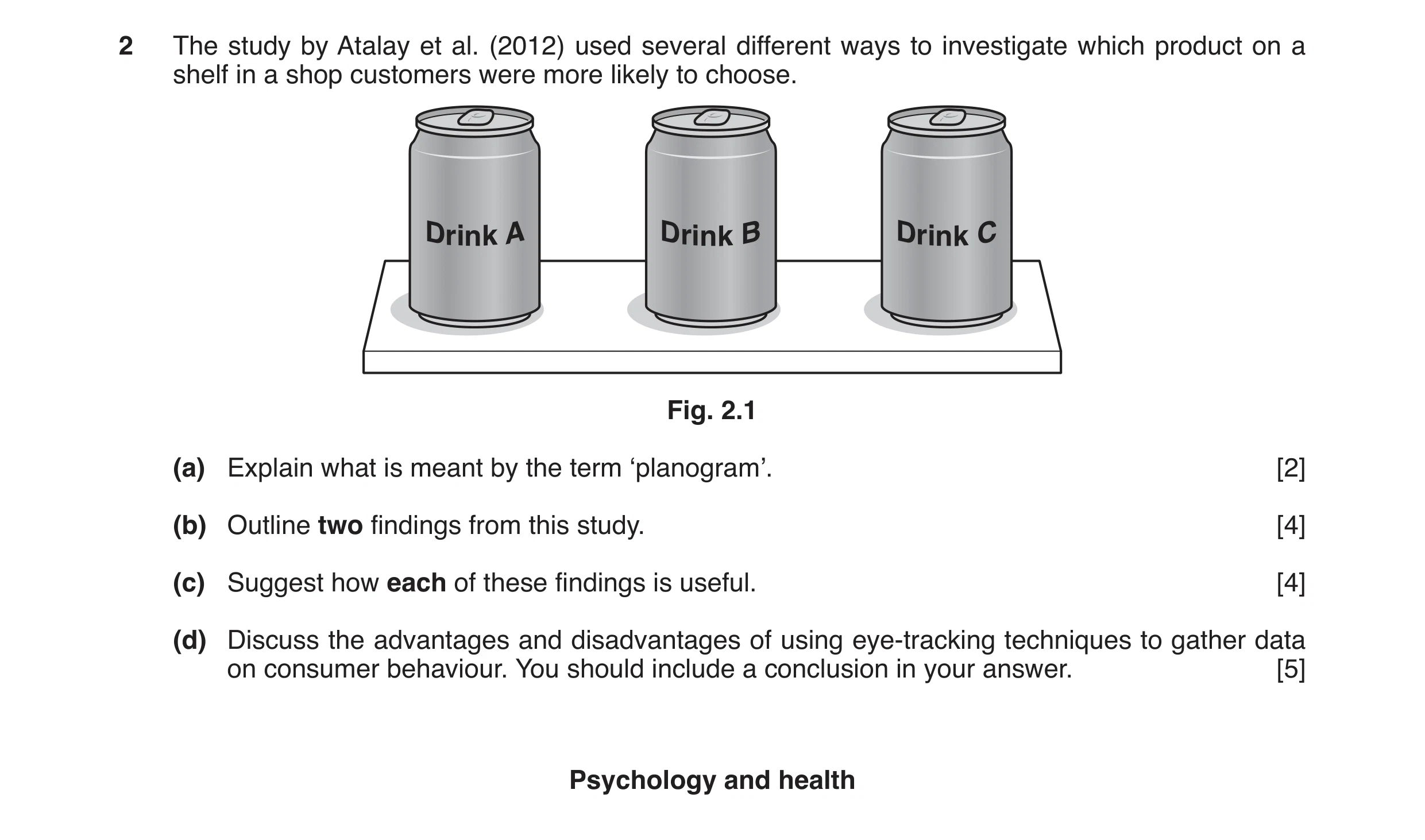 1 / 26
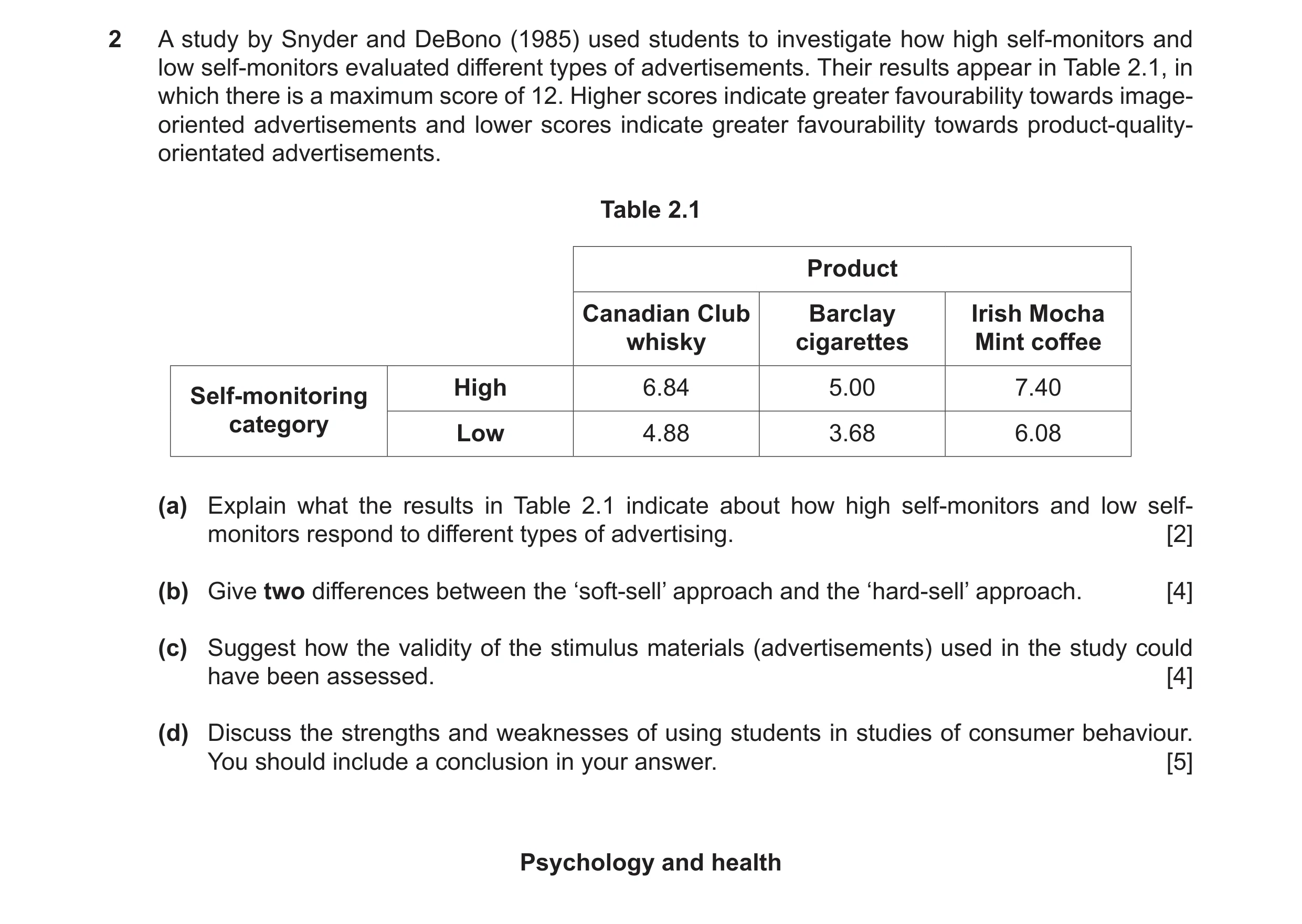 2 / 26
![Question 9: (a) Design a study using a questionnaire to investigate the effectiveness of the ‘disrupt-then- reframe’ sales technique. [10] (b) Explain …](https://img.pastlit.com/crops/178b47bf-da0e-4d15-82b8-0a5cf3e108e1/q6.webp) 3 / 26
3 / 26
![Question 11: (a) Design a study using a questionnaire to investigate the effectiveness of the ‘disrupt-then- reframe’ sales technique. [10] (b) Explain …](https://img.pastlit.com/crops/529fc217-7a95-431d-8324-507488bd5b24/q6.webp)
 4 / 26
![Question 13: (a) Design a study using a questionnaire to investigate the effectiveness of the ‘disrupt-then- reframe’ sales technique. [10] (b) Explain …](https://img.pastlit.com/crops/9db307fb-eda0-428e-9224-e78f31d7bc5c/q6.webp)
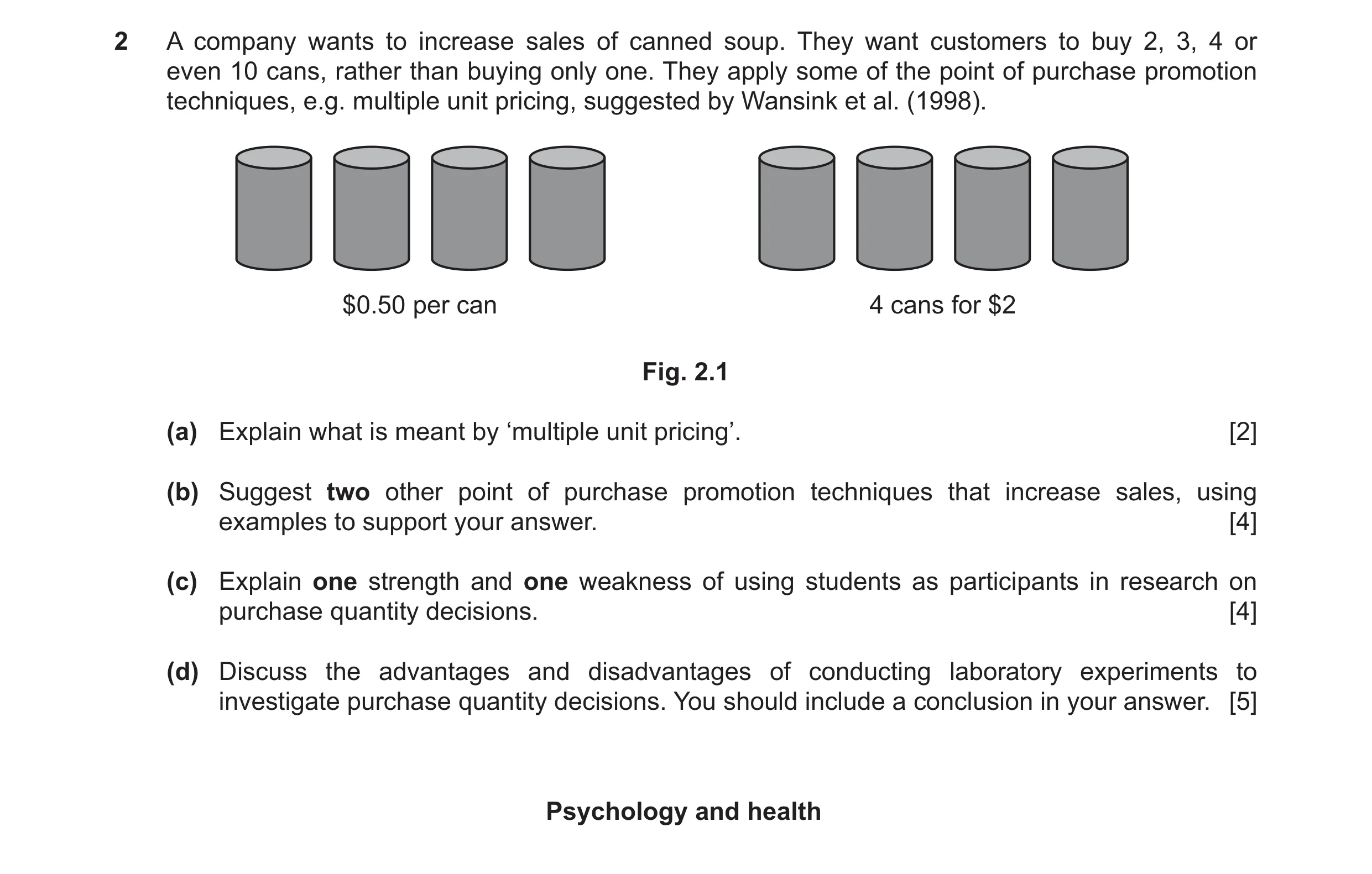
 5 / 26
 6 / 26
 7 / 26
 8 / 26
 9 / 26
 10 / 26
![Question 35: (a) Design an experiment to investigate age differences in brand recognition. [10] (b) Explain the psychological and methodological evidenc…](https://img.pastlit.com/crops/0bb7edd8-80f6-4c05-adee-9d2d8c593544/q6.webp)
 11 / 26
![Question 39: (a) Design an experiment to investigate gender differences in pre‑cognitive decisions when buying a product. [10] (b) Explain the psycholog…](https://img.pastlit.com/crops/8bec0524-407a-4634-b957-0fb32ac3506c/q6.webp)
![Question 42: (a) Design an experiment to investigate gender differences in pre‑cognitive decisions when buying a product. [10] (b) Explain the psycholog…](https://img.pastlit.com/crops/e202994b-f274-4649-a57c-37ee19a56d80/q6.webp)
 12 / 26
 13 / 26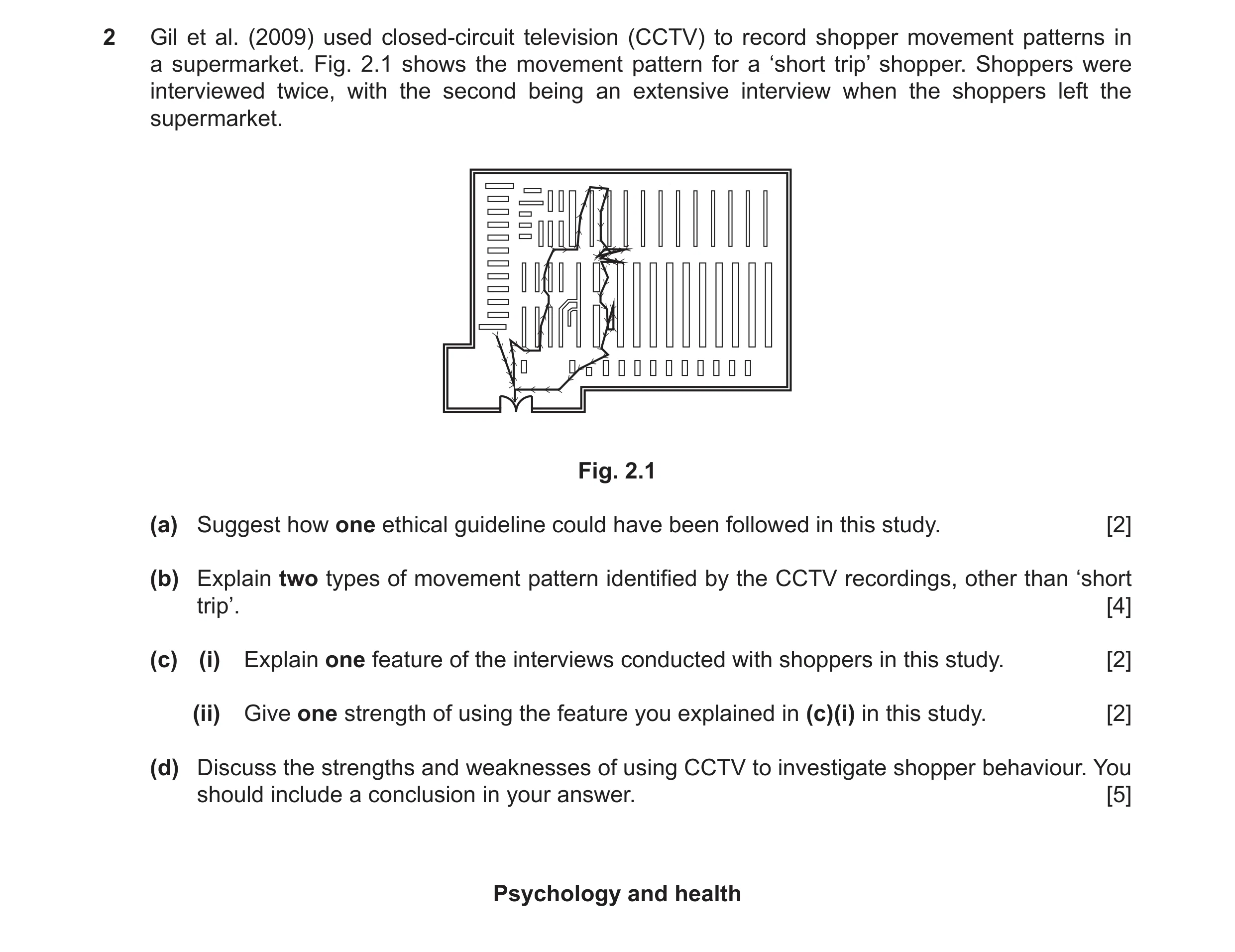
 14 / 26
 15 / 26
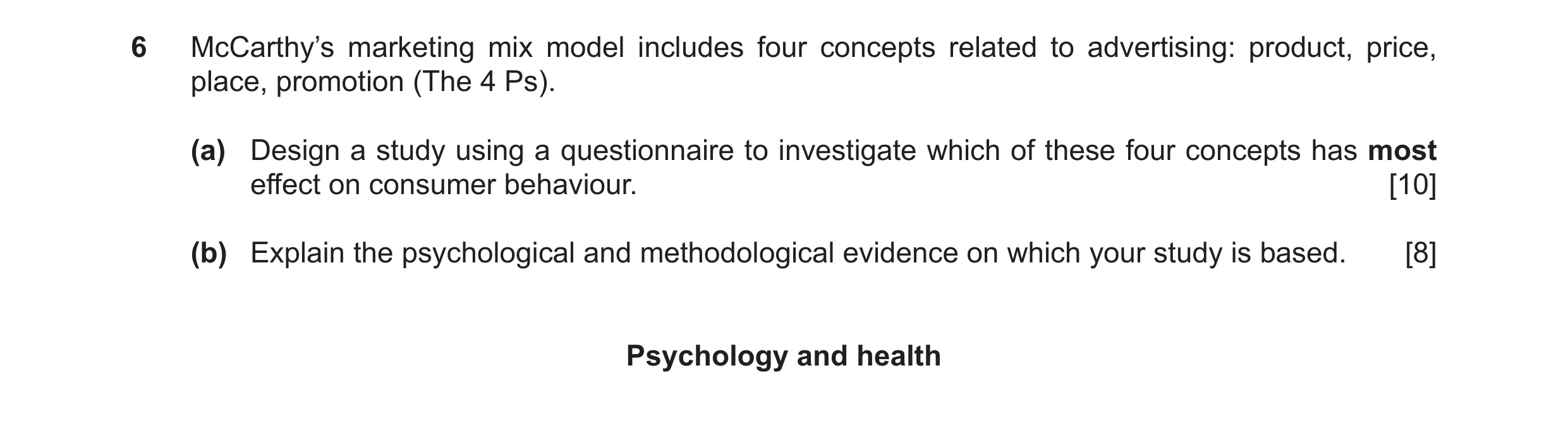 16 / 26
![Question 56: Menu item choice can be affected by both primacy and recency. (a) Explain what is meant by primacy in relation to menu item choice. [2] (b)…](https://img.pastlit.com/crops/8bc76506-f784-48eb-bc92-7728316e6459/q4.webp)
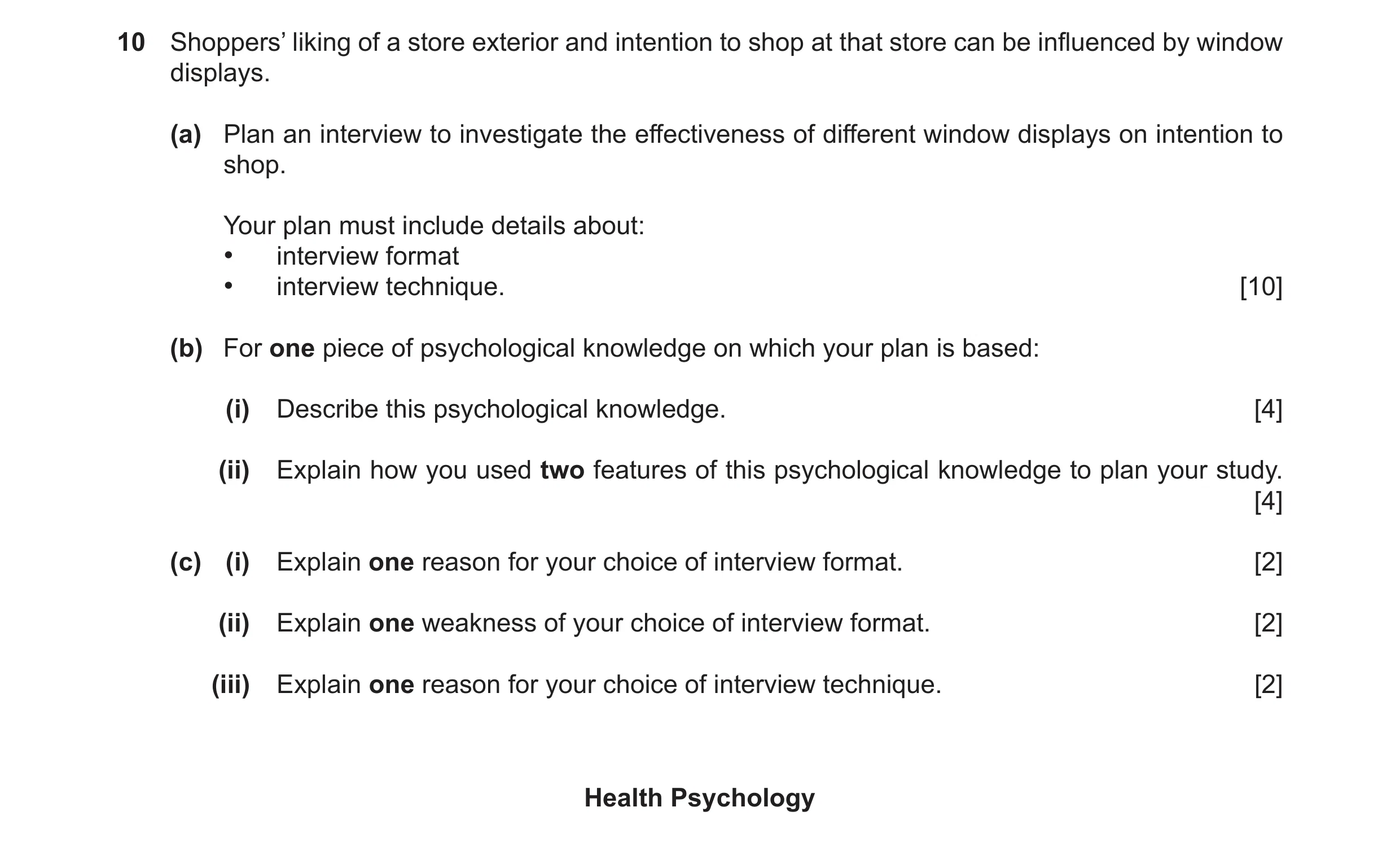 17 / 26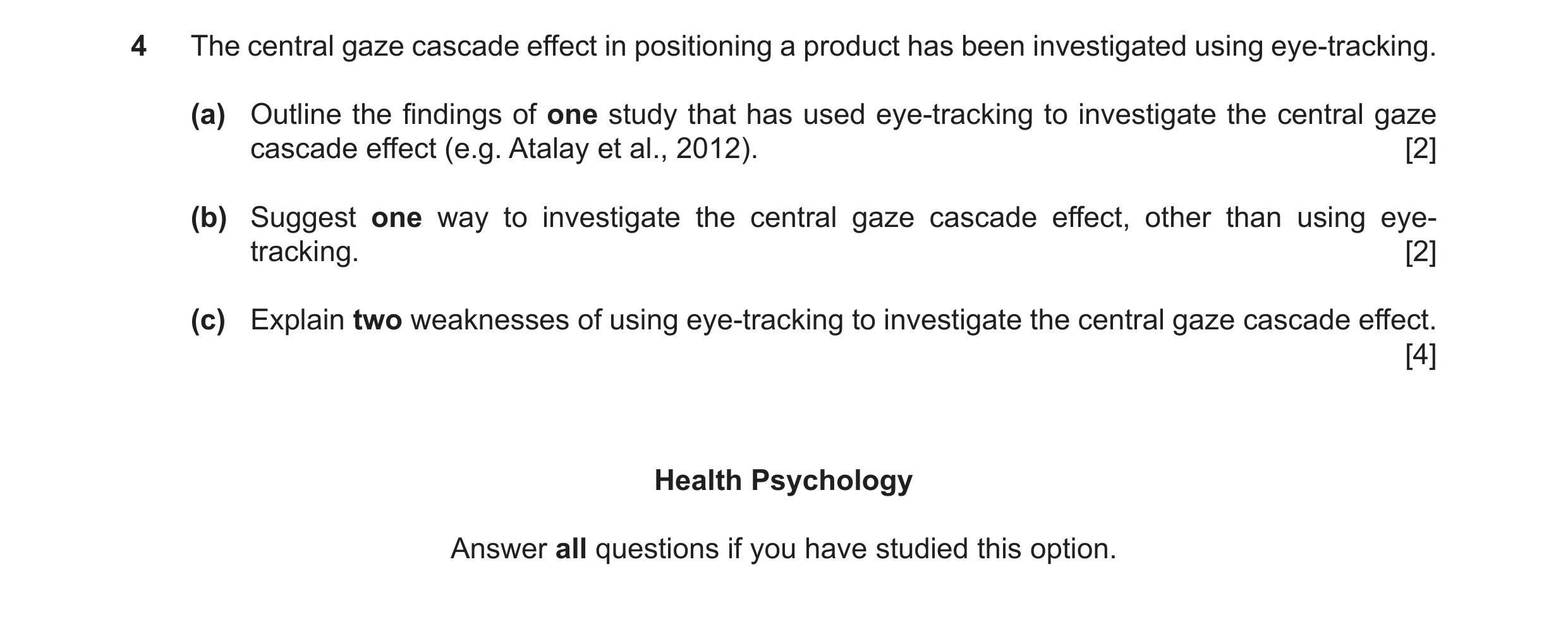
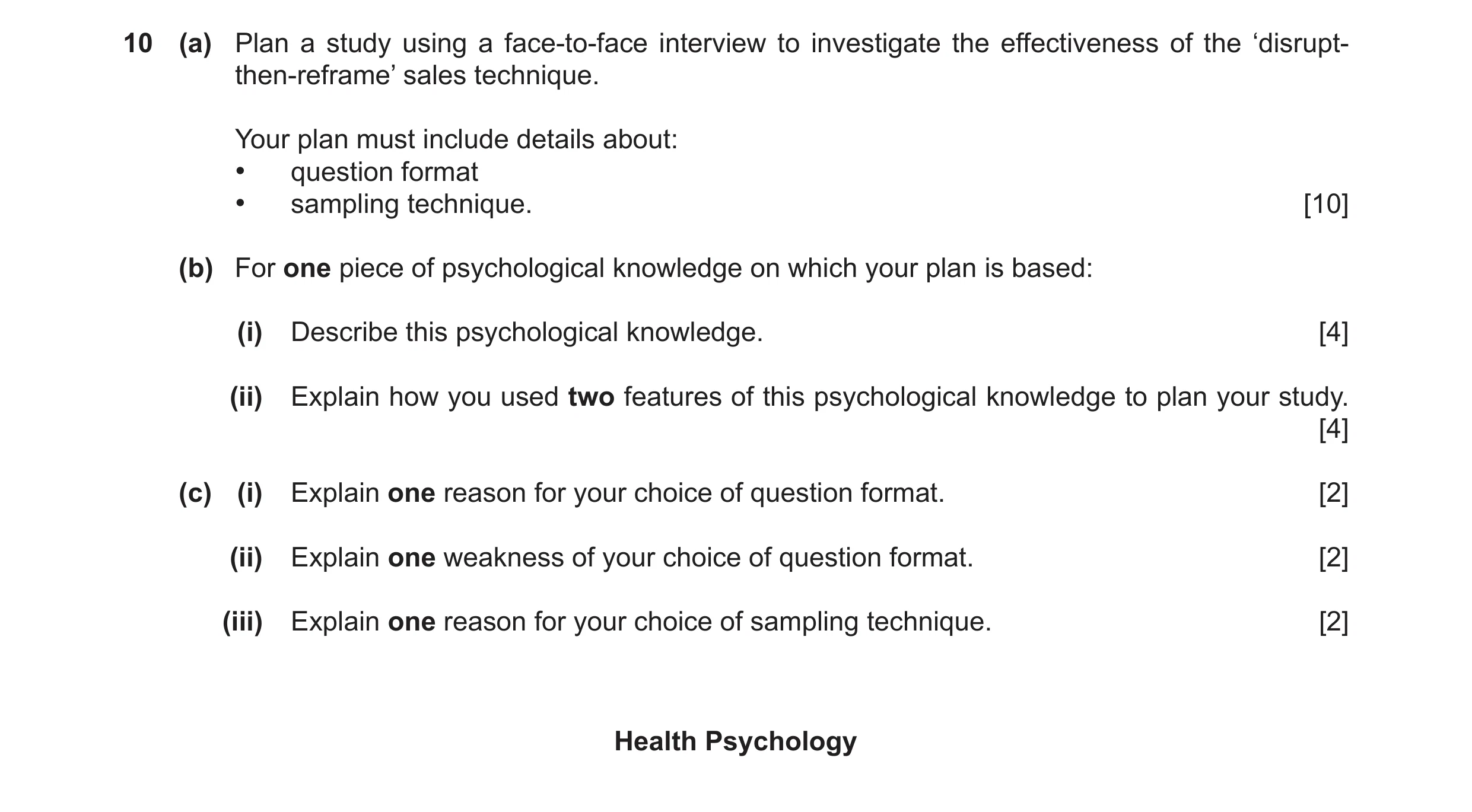 18 / 26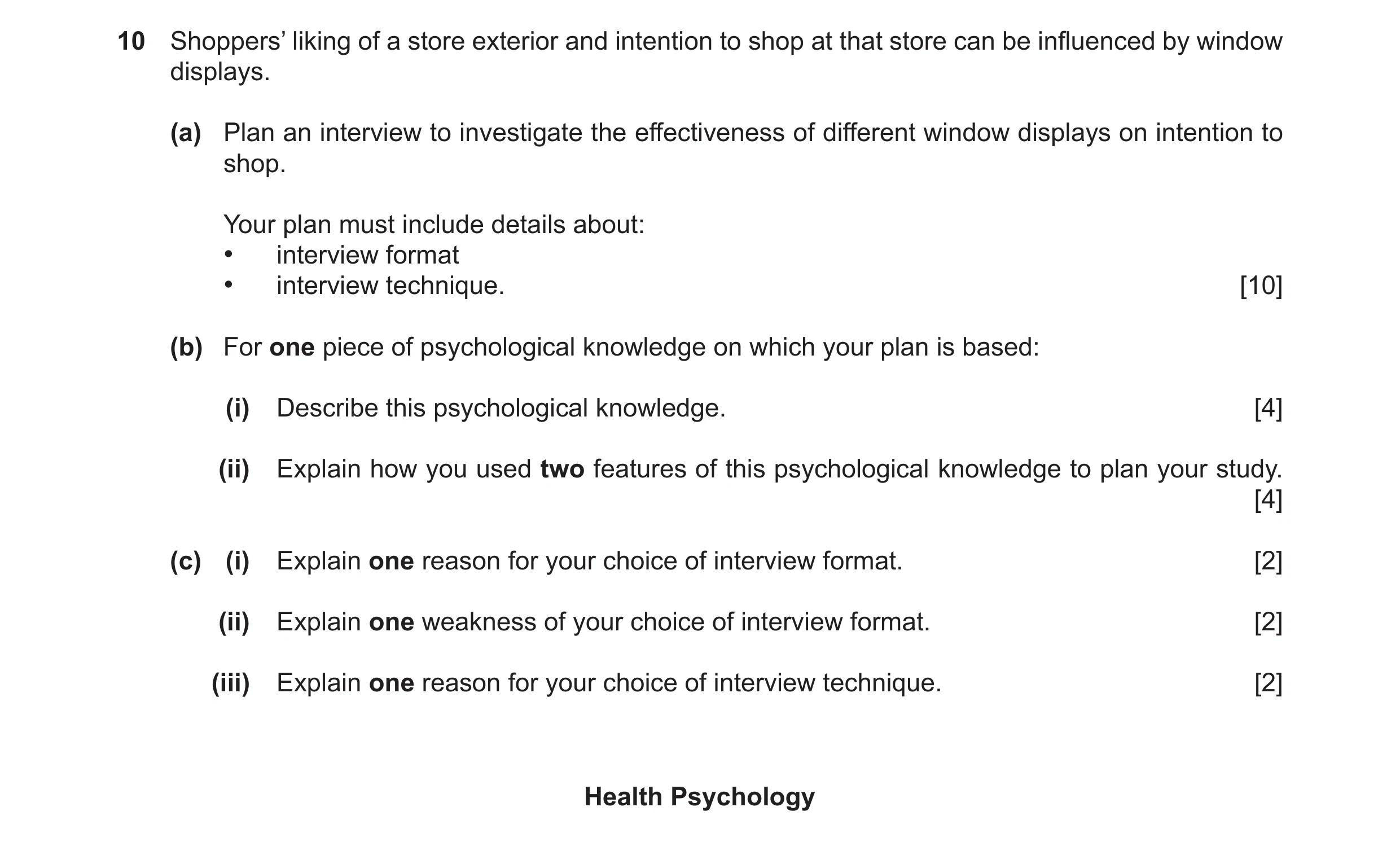
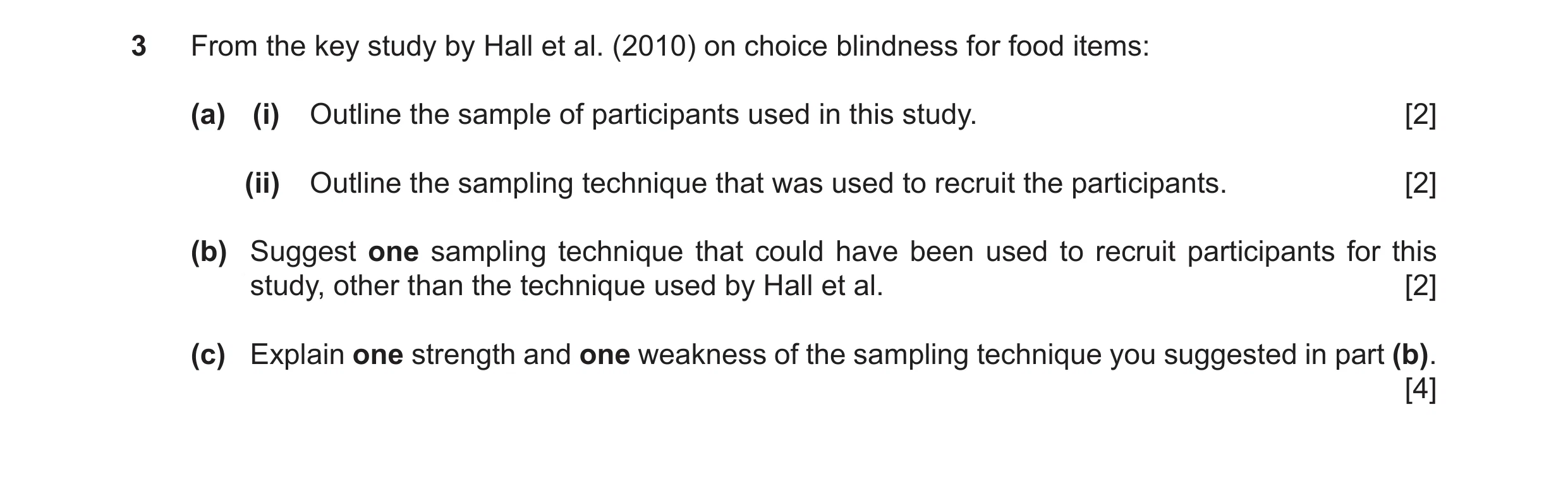
![Question 62: (a) Explain what is meant by a ‘customer-focused’ sales technique. [2] (b) Suggest one effect a customer-focused sales technique could have…](https://img.pastlit.com/crops/2734b90a-26d9-408b-8b4a-d7c96815e311/q4.webp) 19 / 26
19 / 26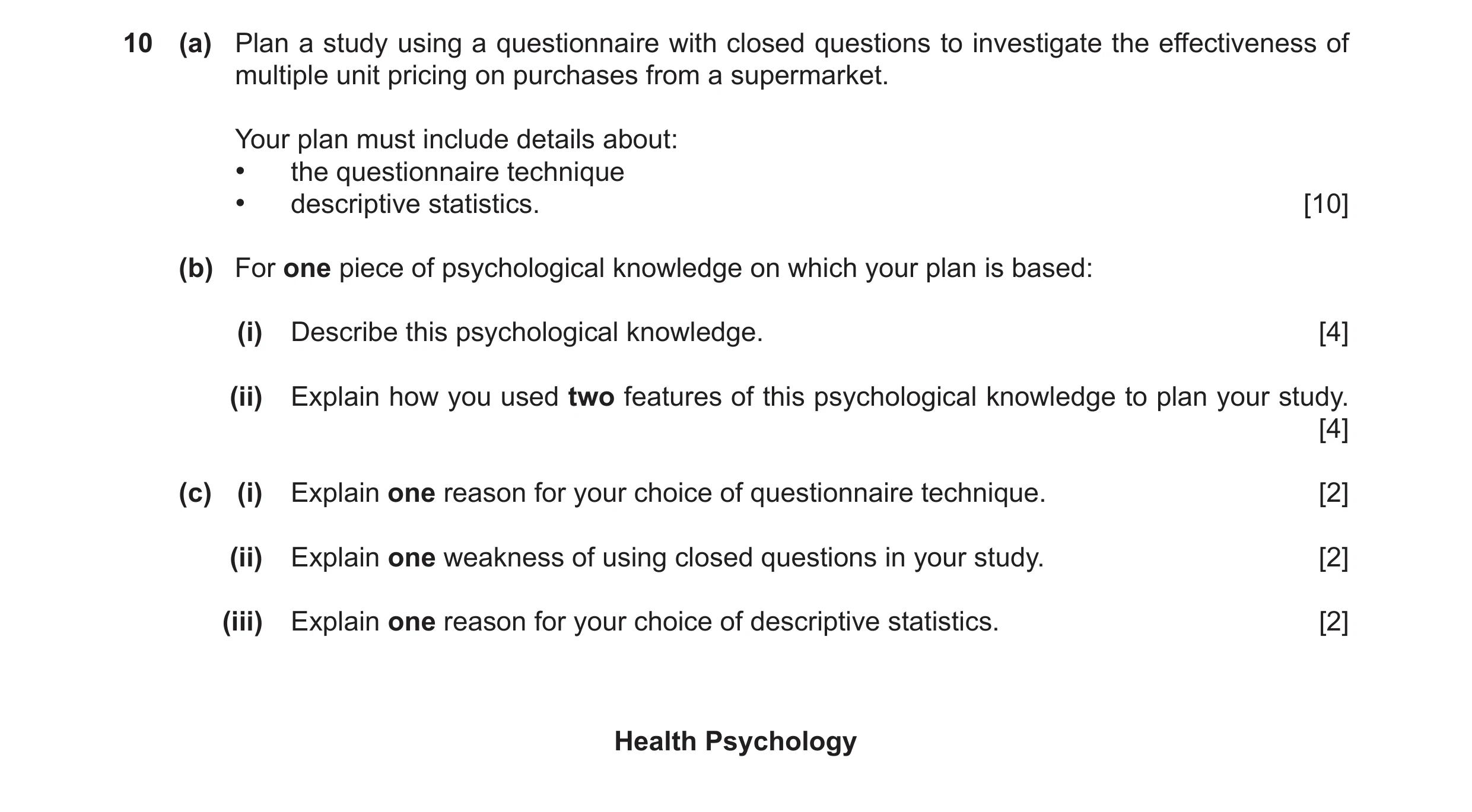
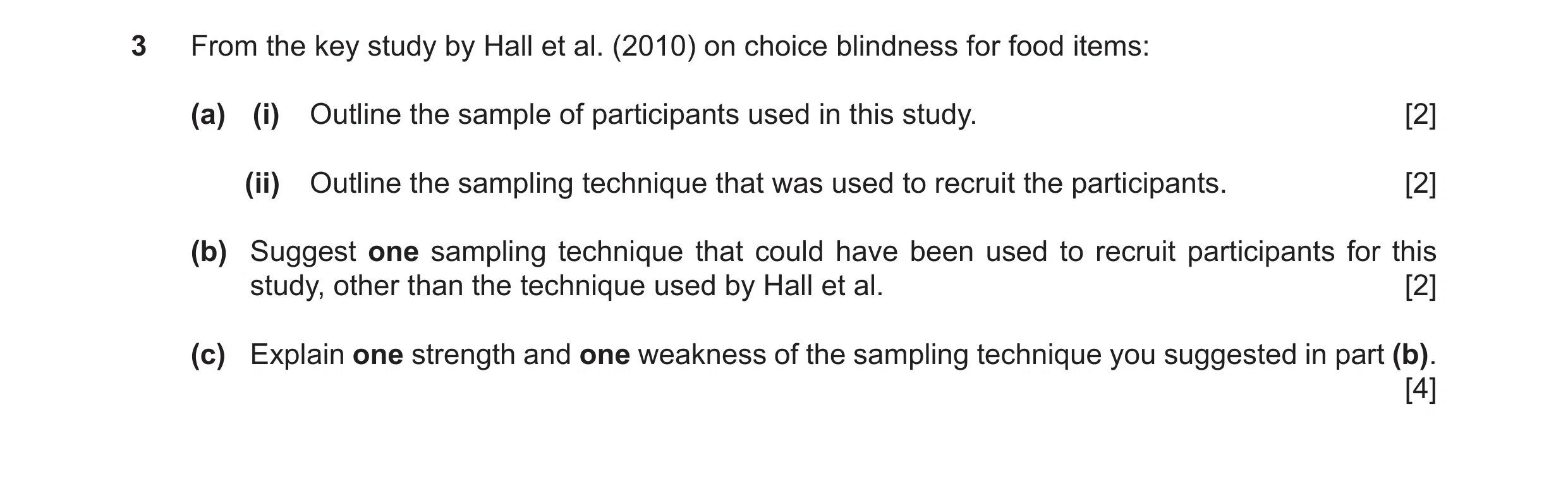
![Question 65: (a) Explain what is meant by a ‘customer-focused’ sales technique. [2] (b) Suggest one effect a customer-focused sales technique could have…](https://img.pastlit.com/crops/951ad258-22d0-4a4f-a741-9291c20187c9/q4.webp) 20 / 26
20 / 26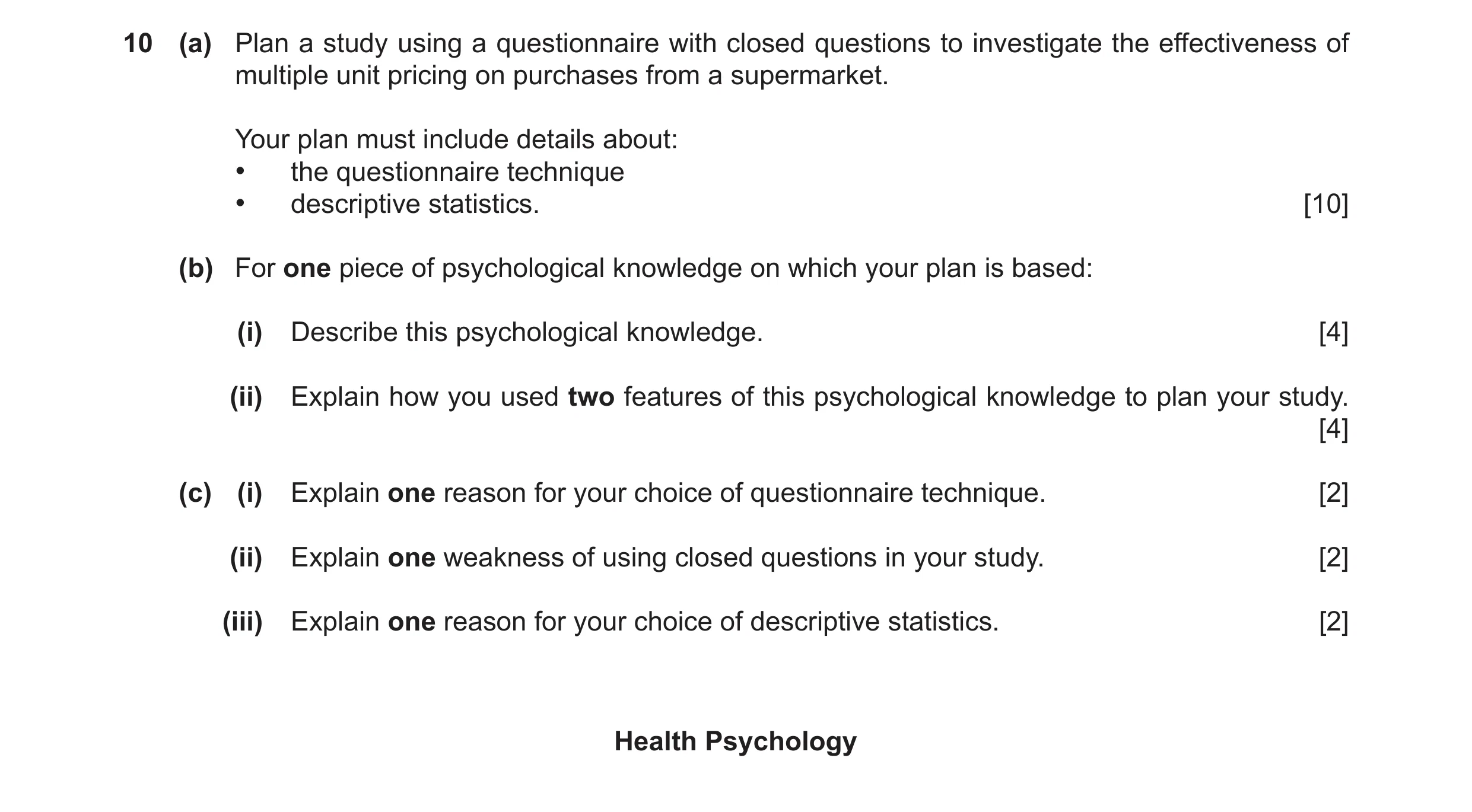
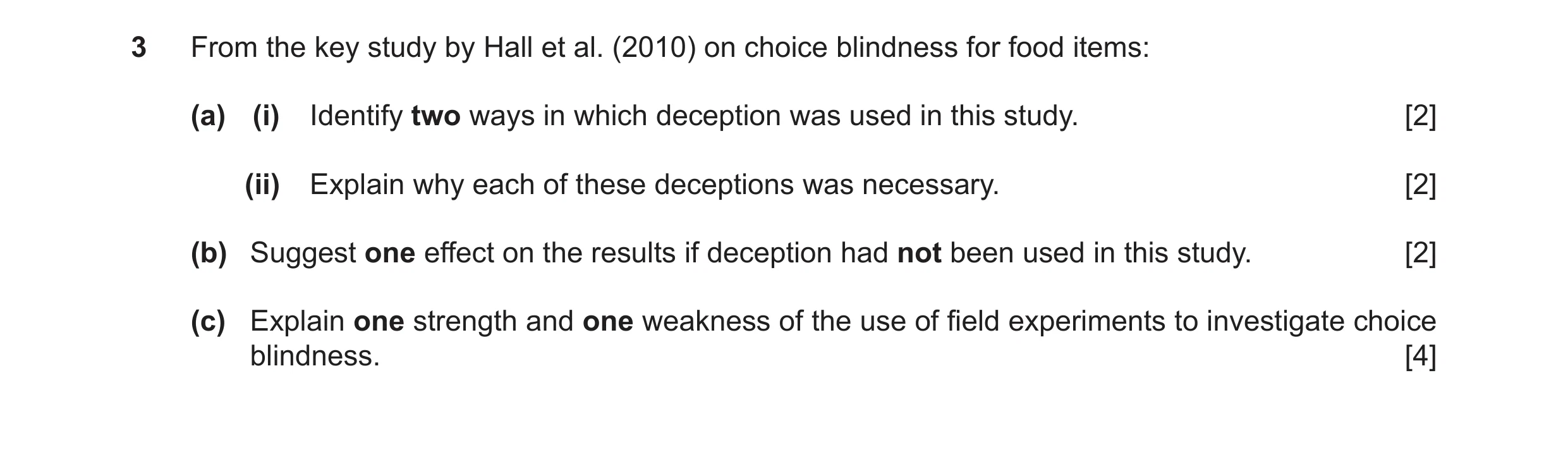 21 / 26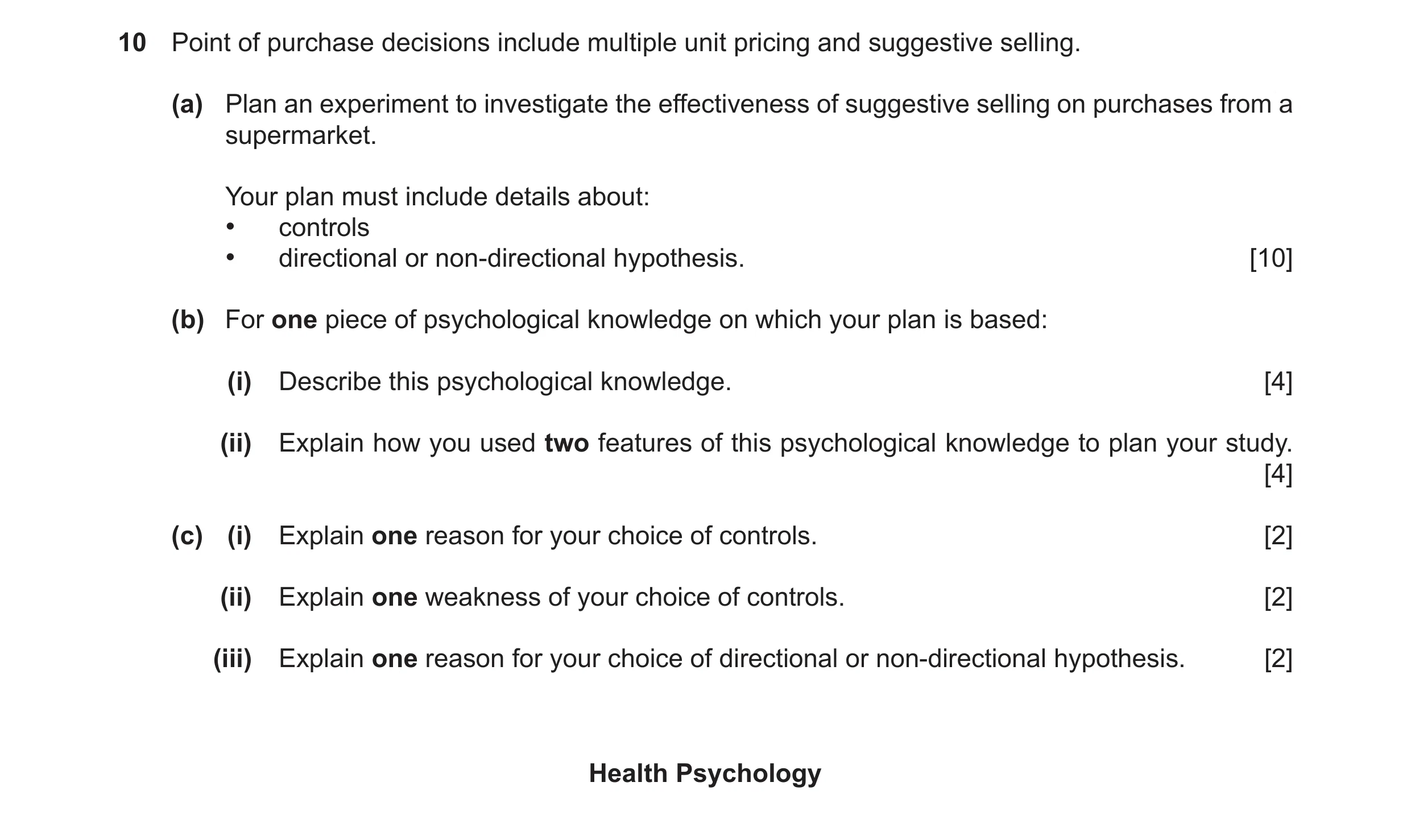
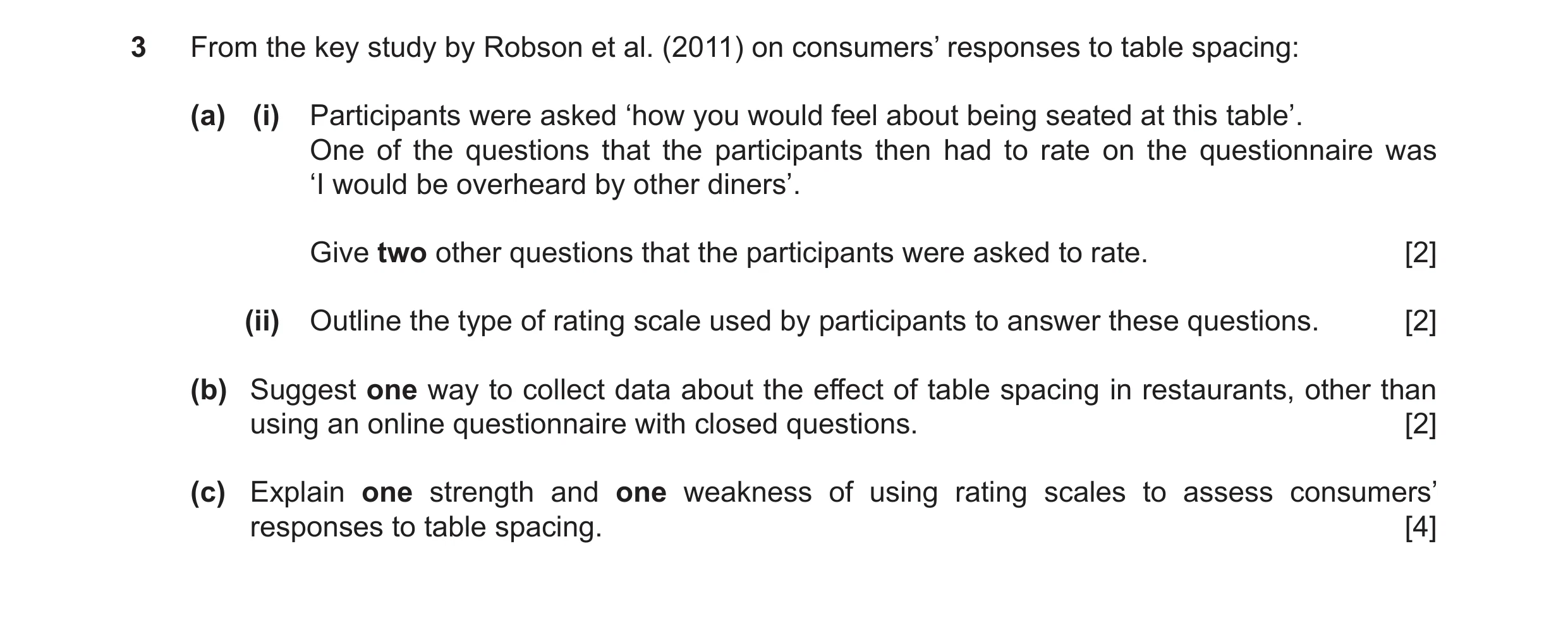 22 / 26
 23 / 26
 24 / 26
 25 / 26
 26 / 26
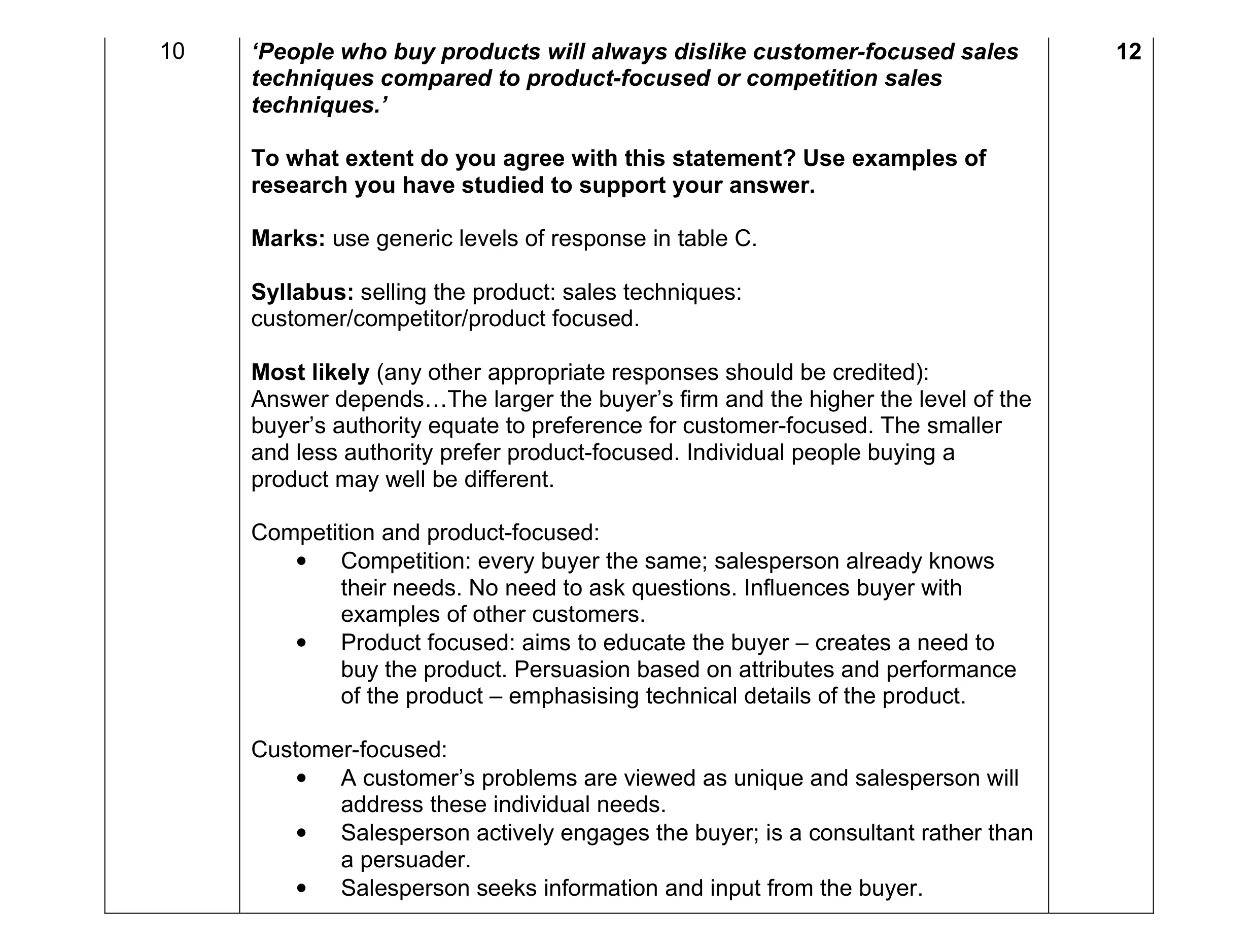 12
12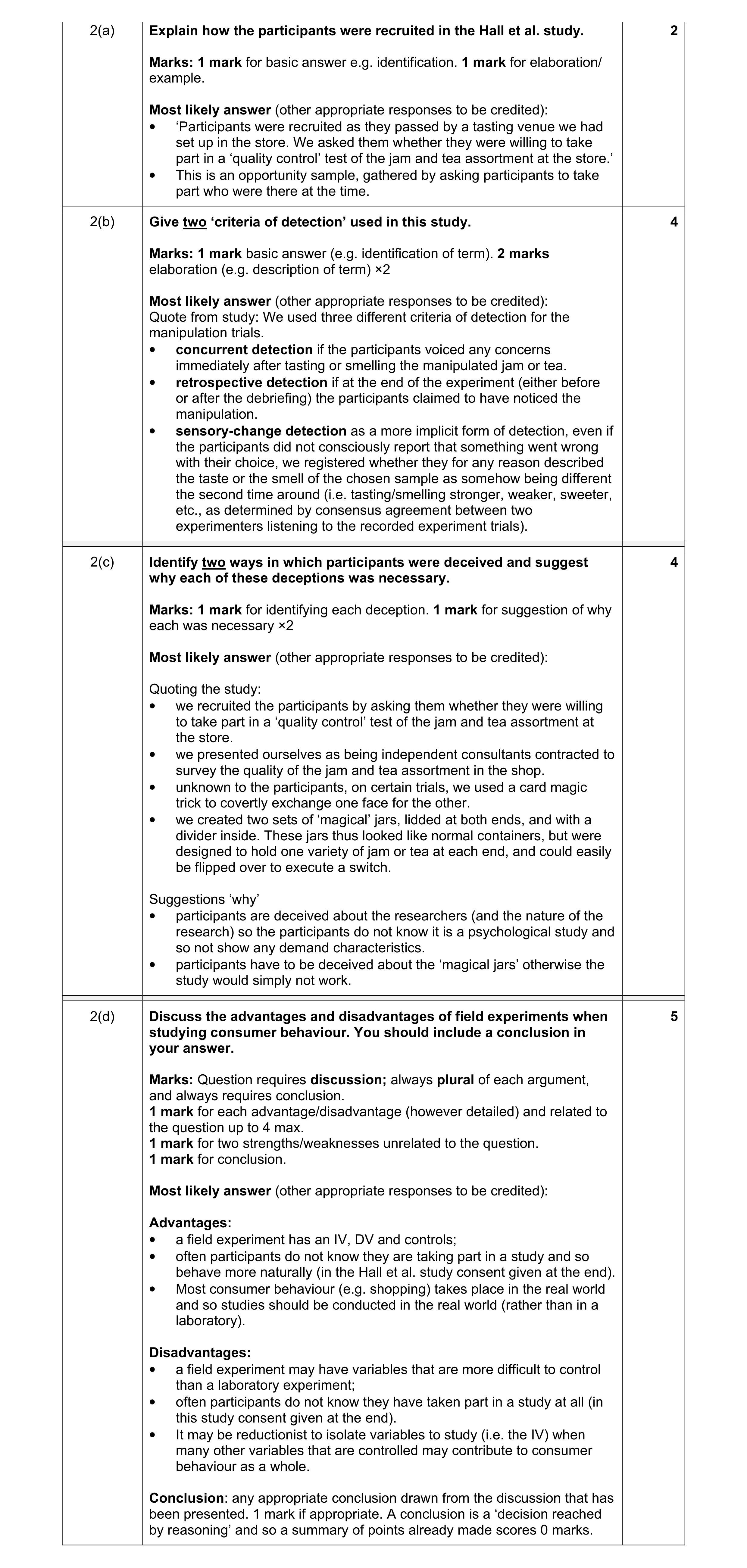 15
15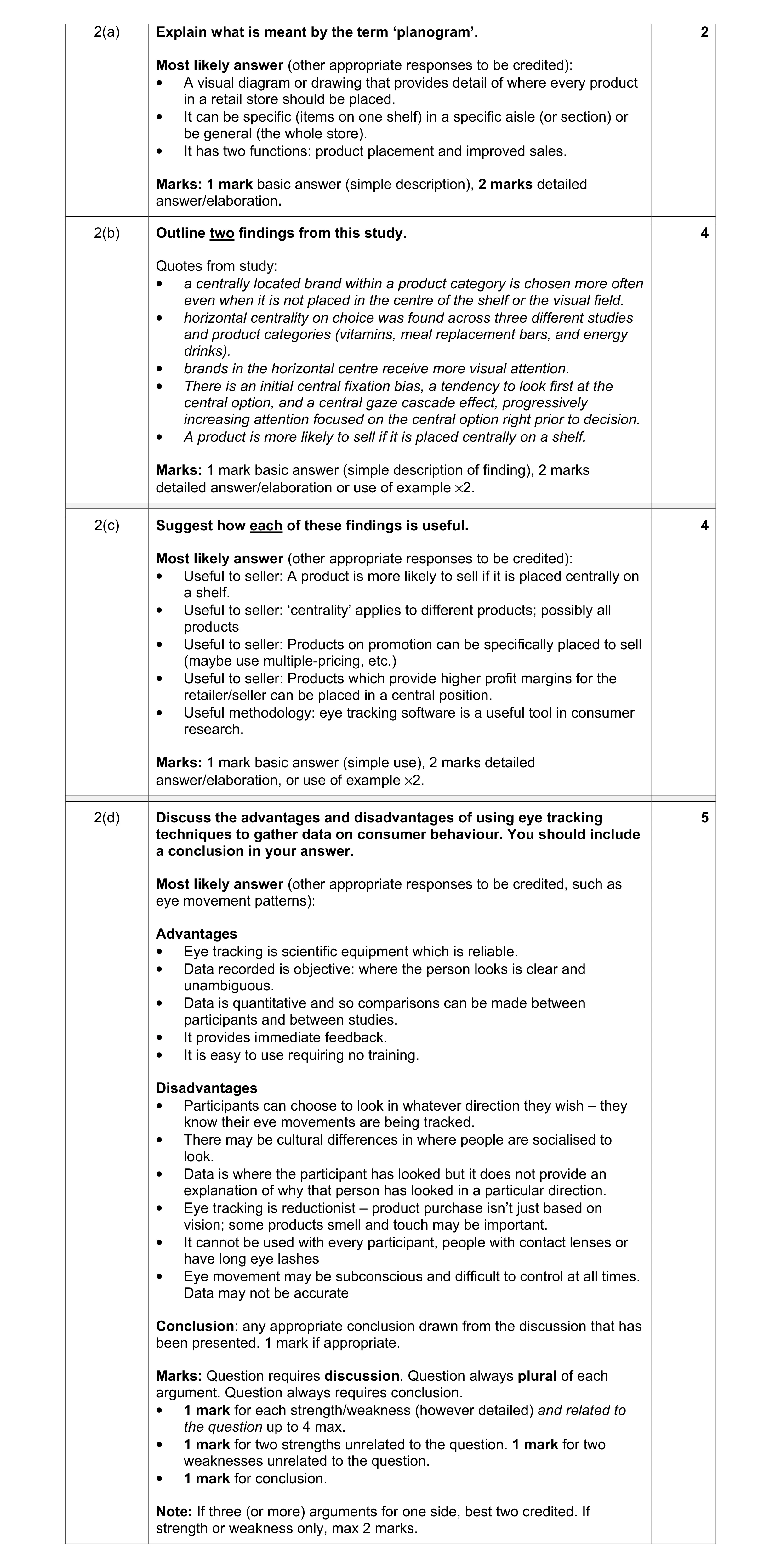 15
15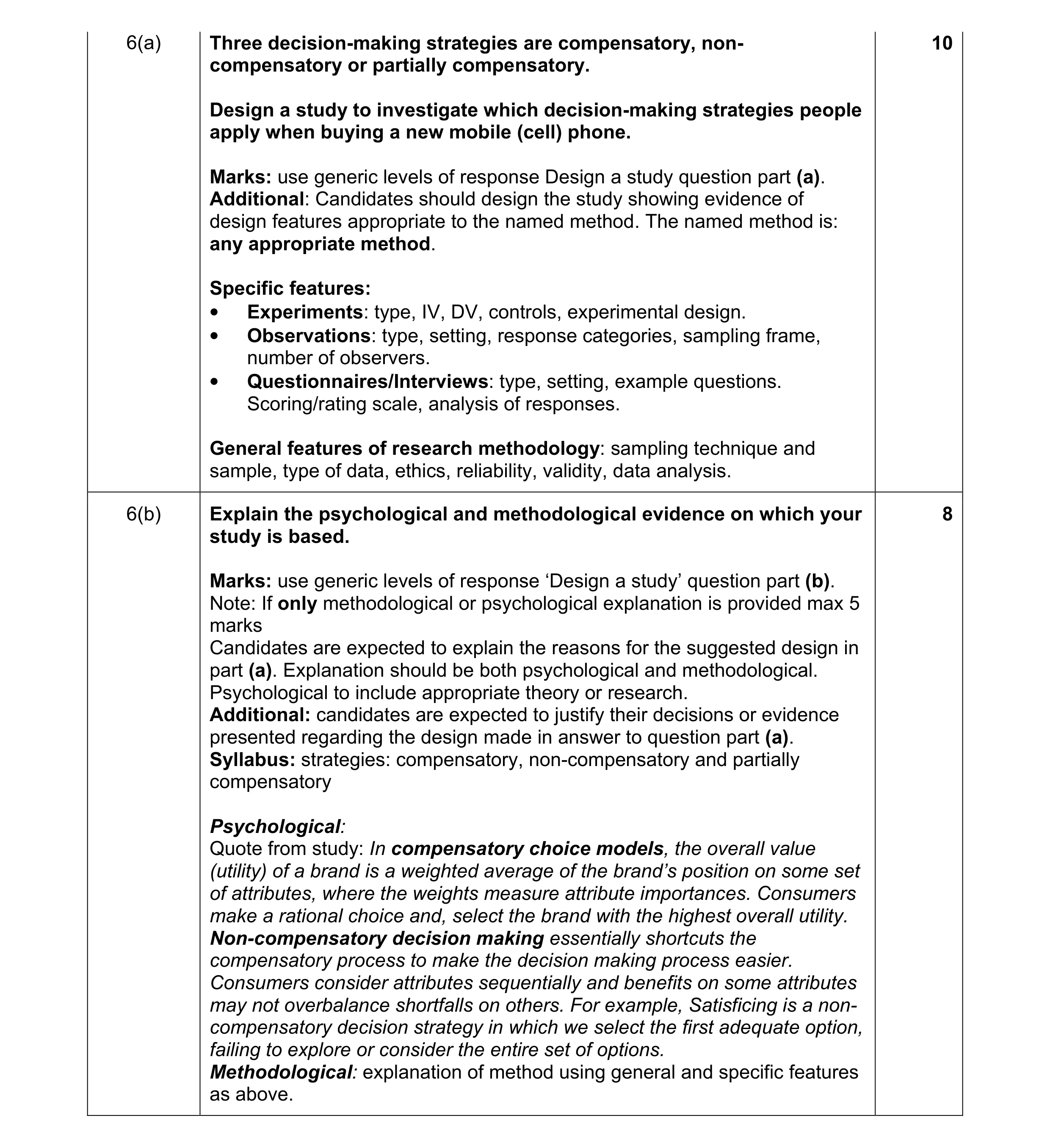 18
18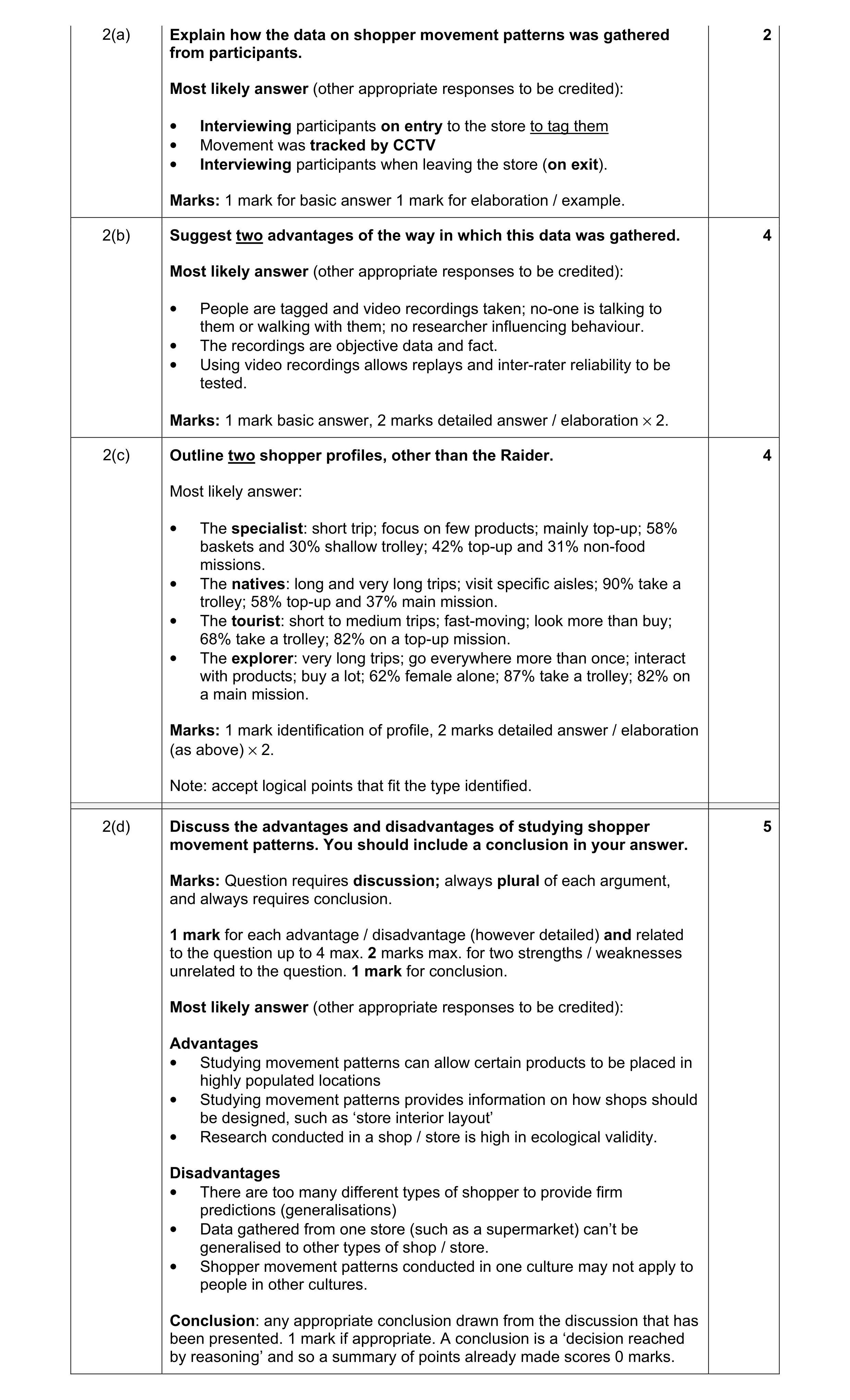 15
15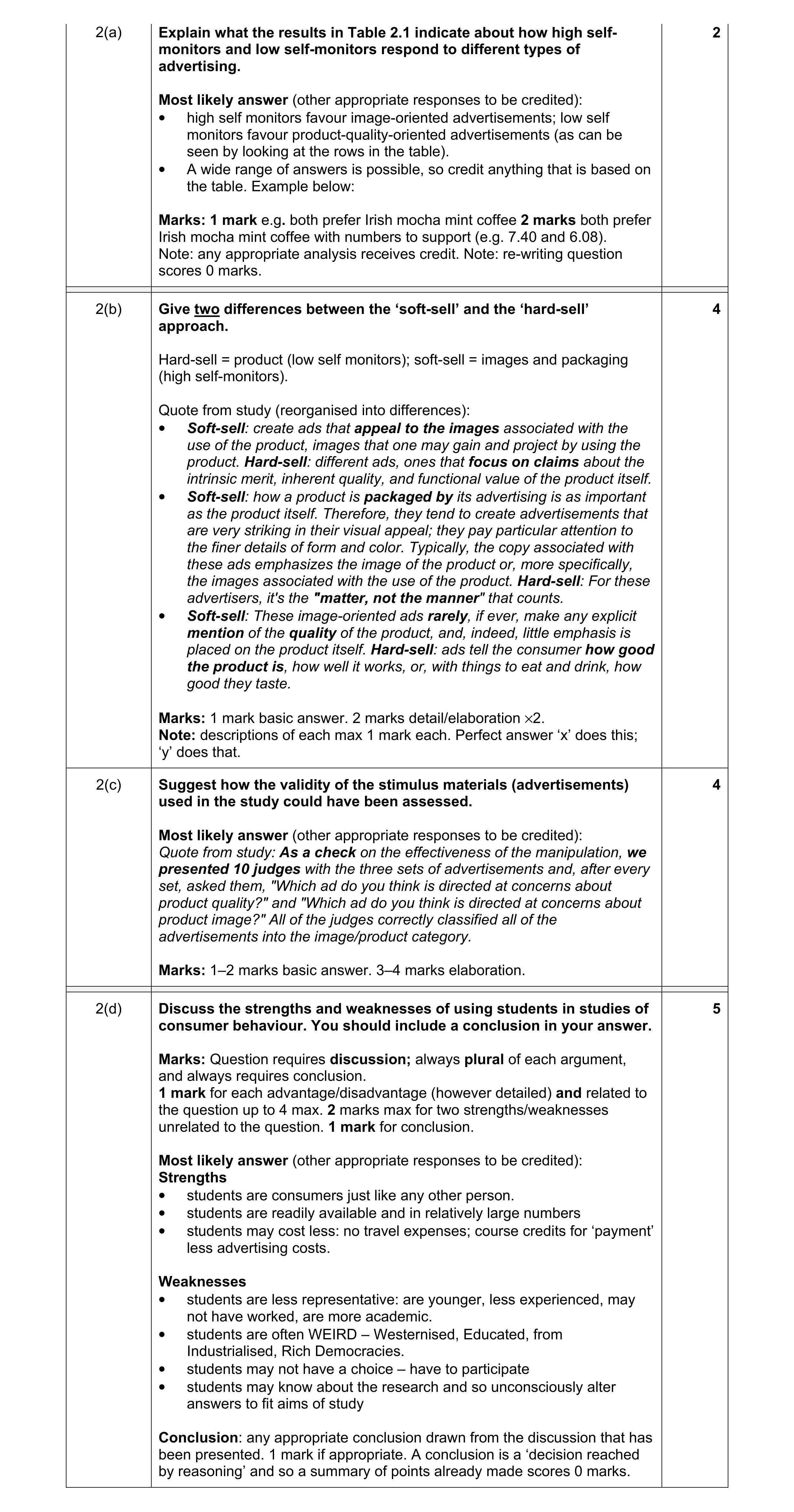 15
15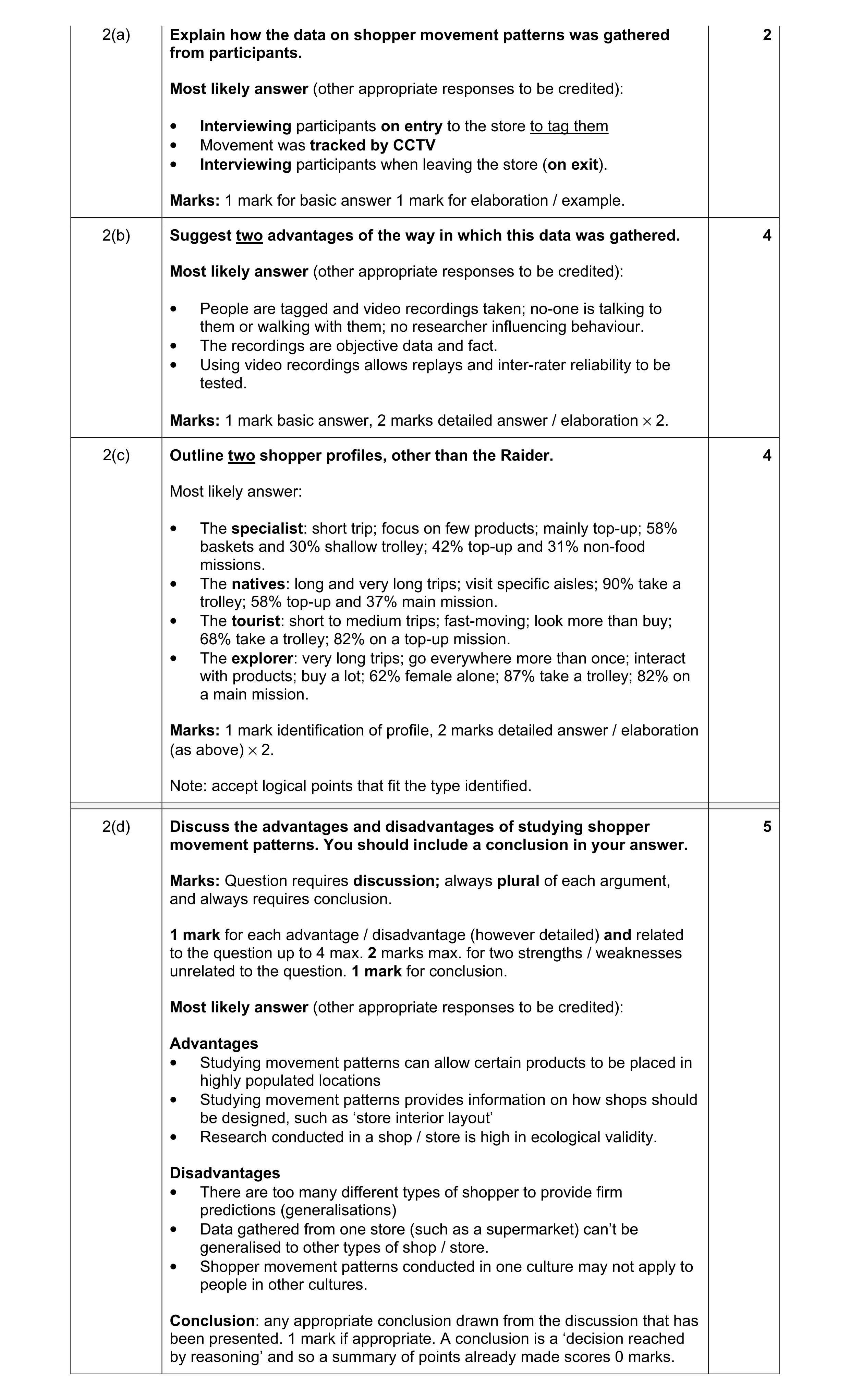 15
15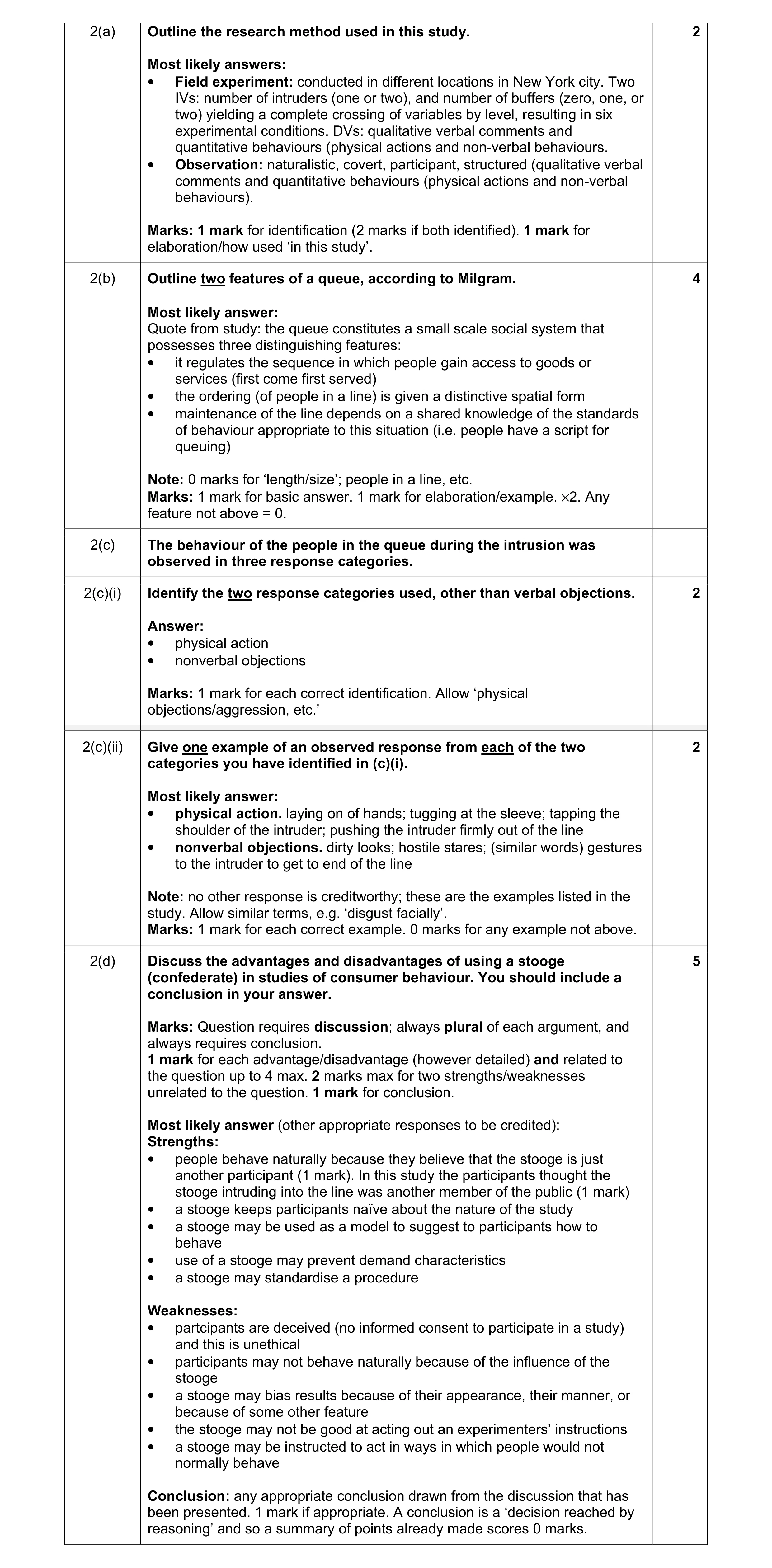 15
15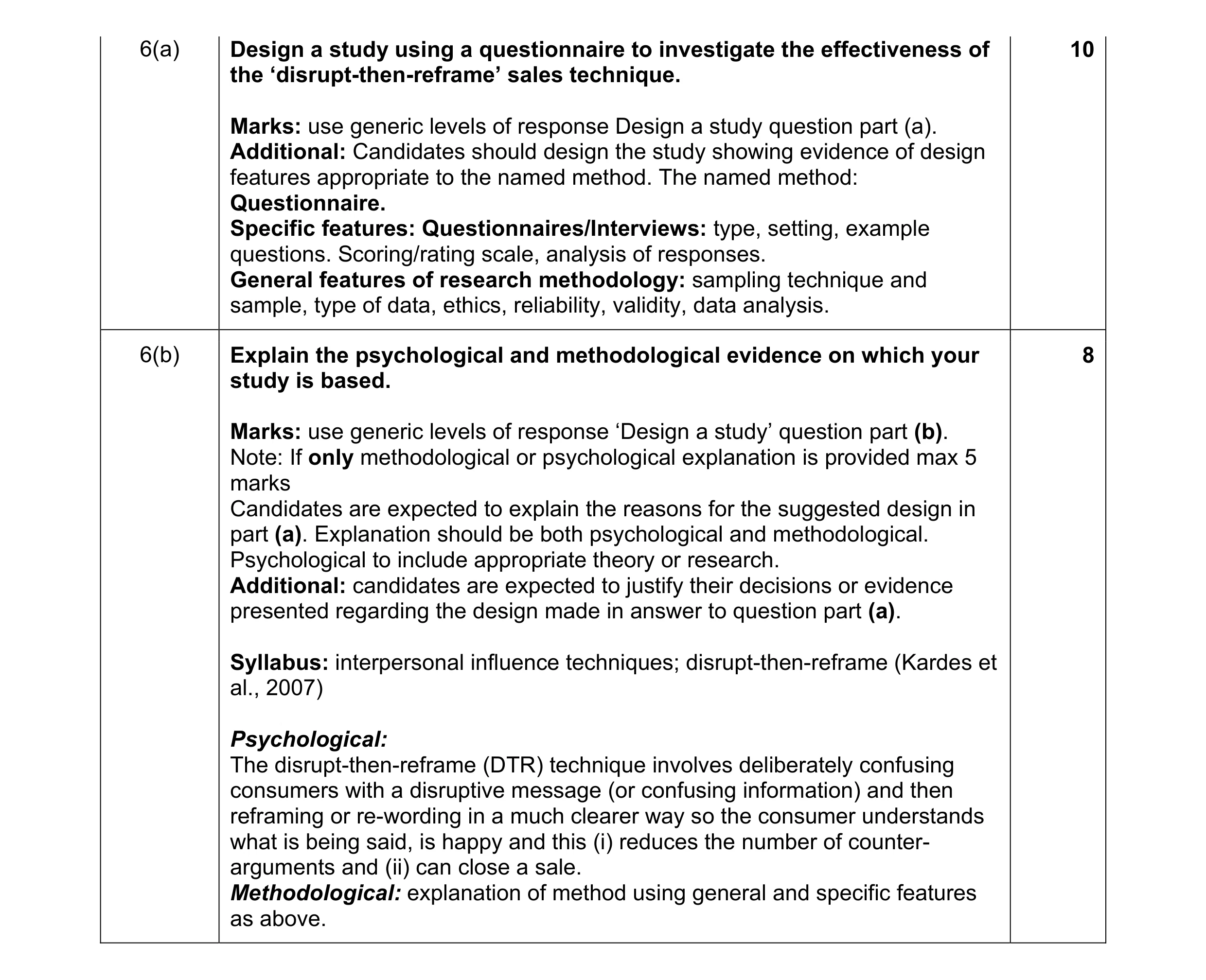 18
18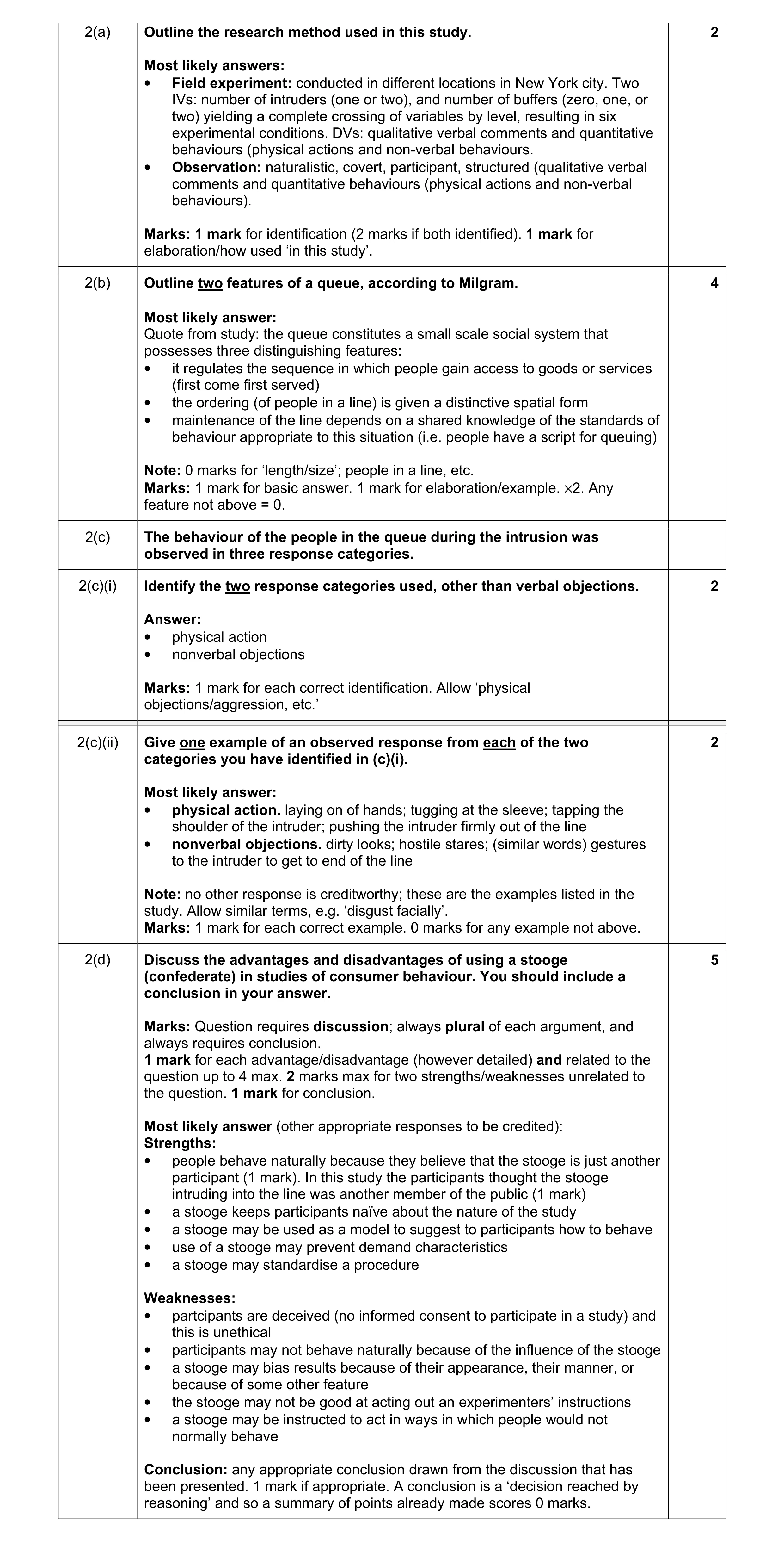 15
15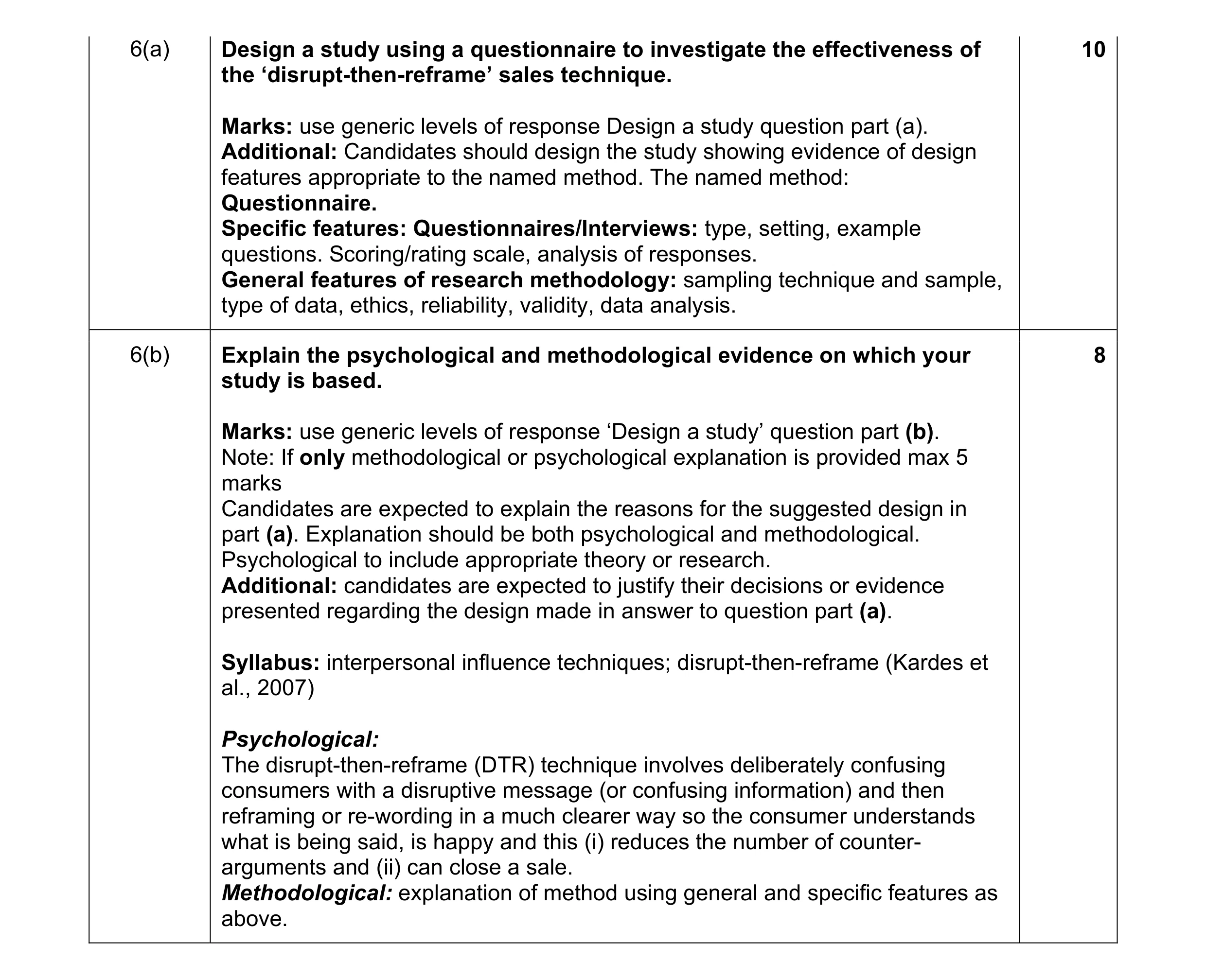 18
18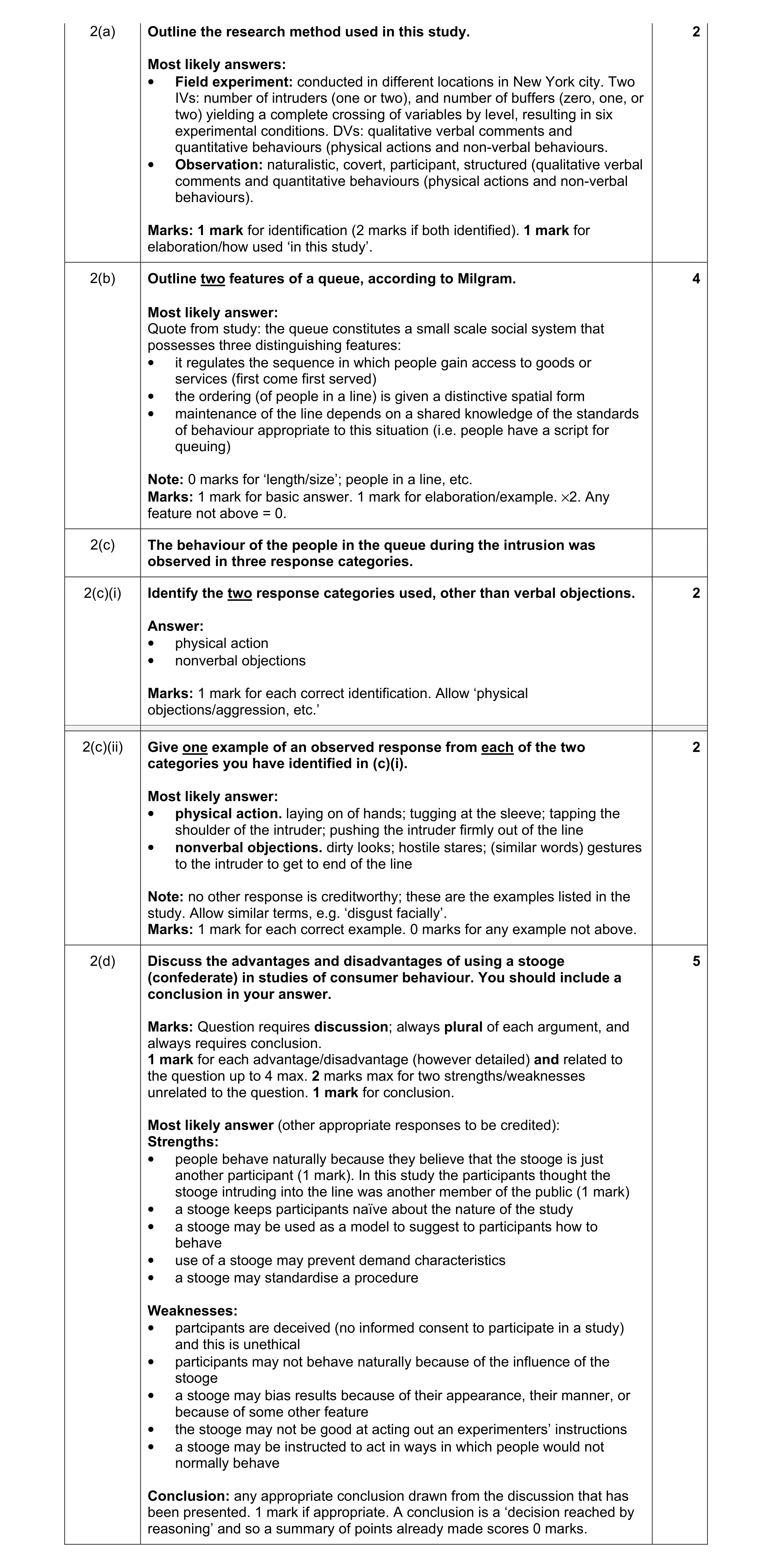 15
15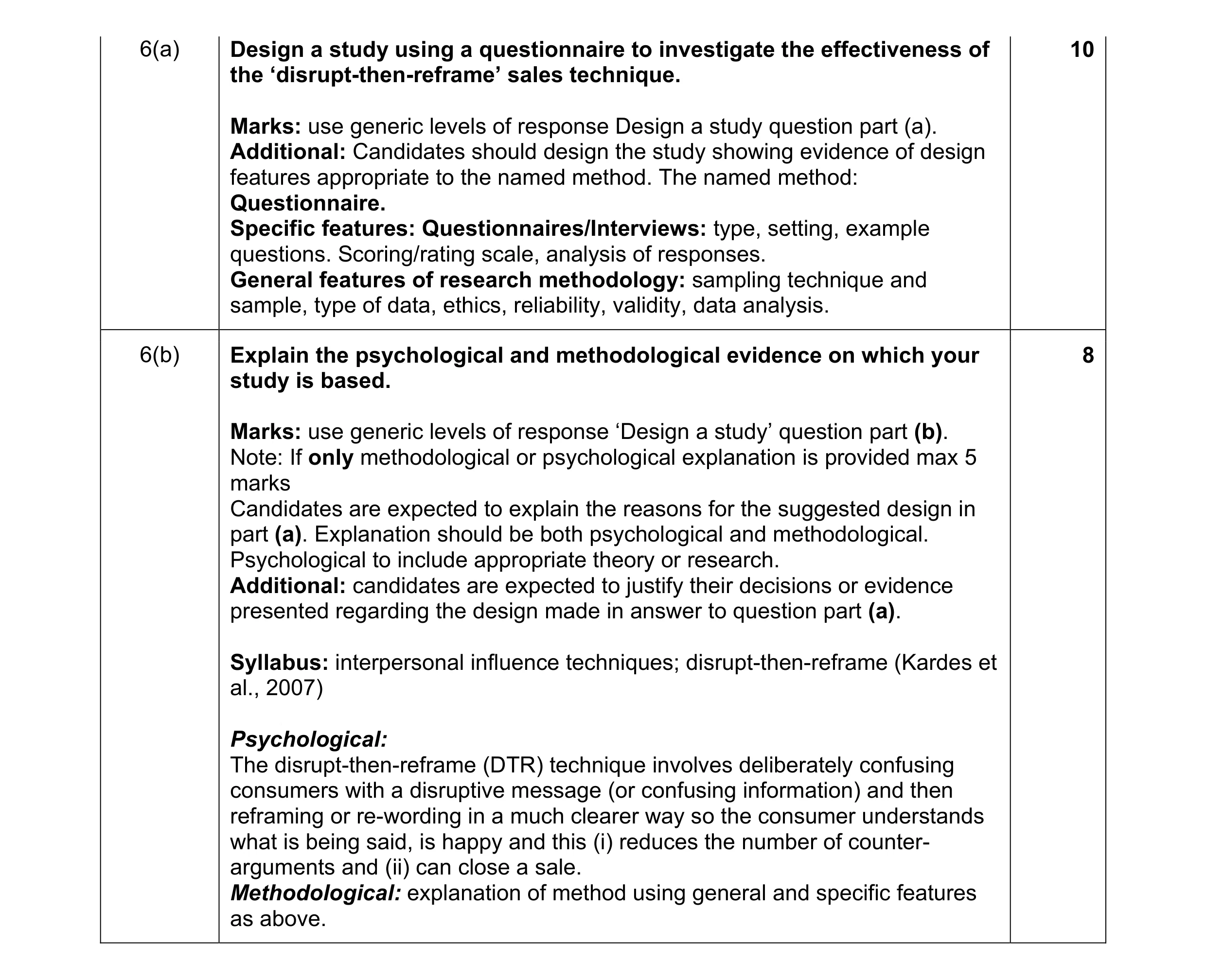 18
18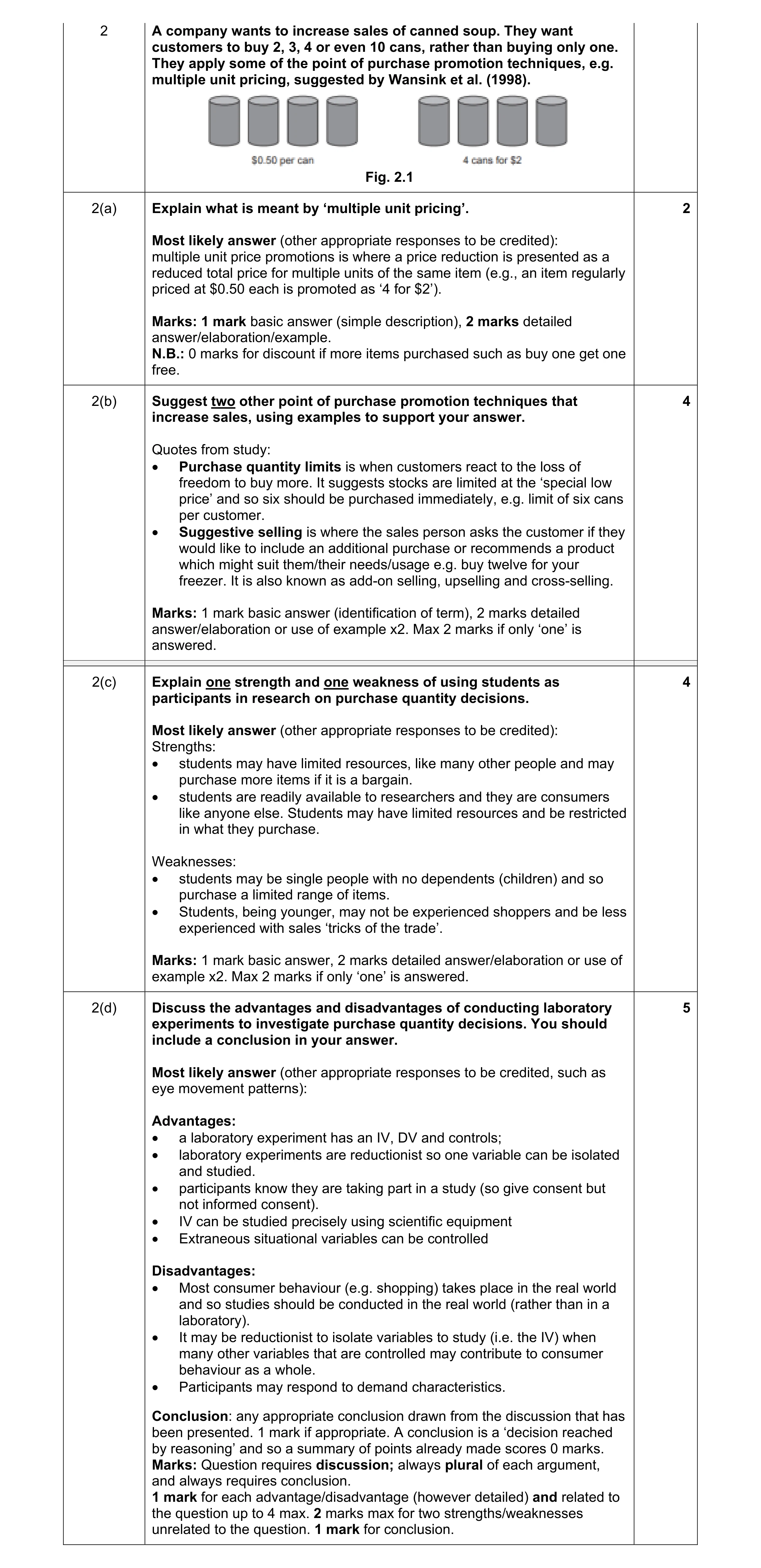 15
15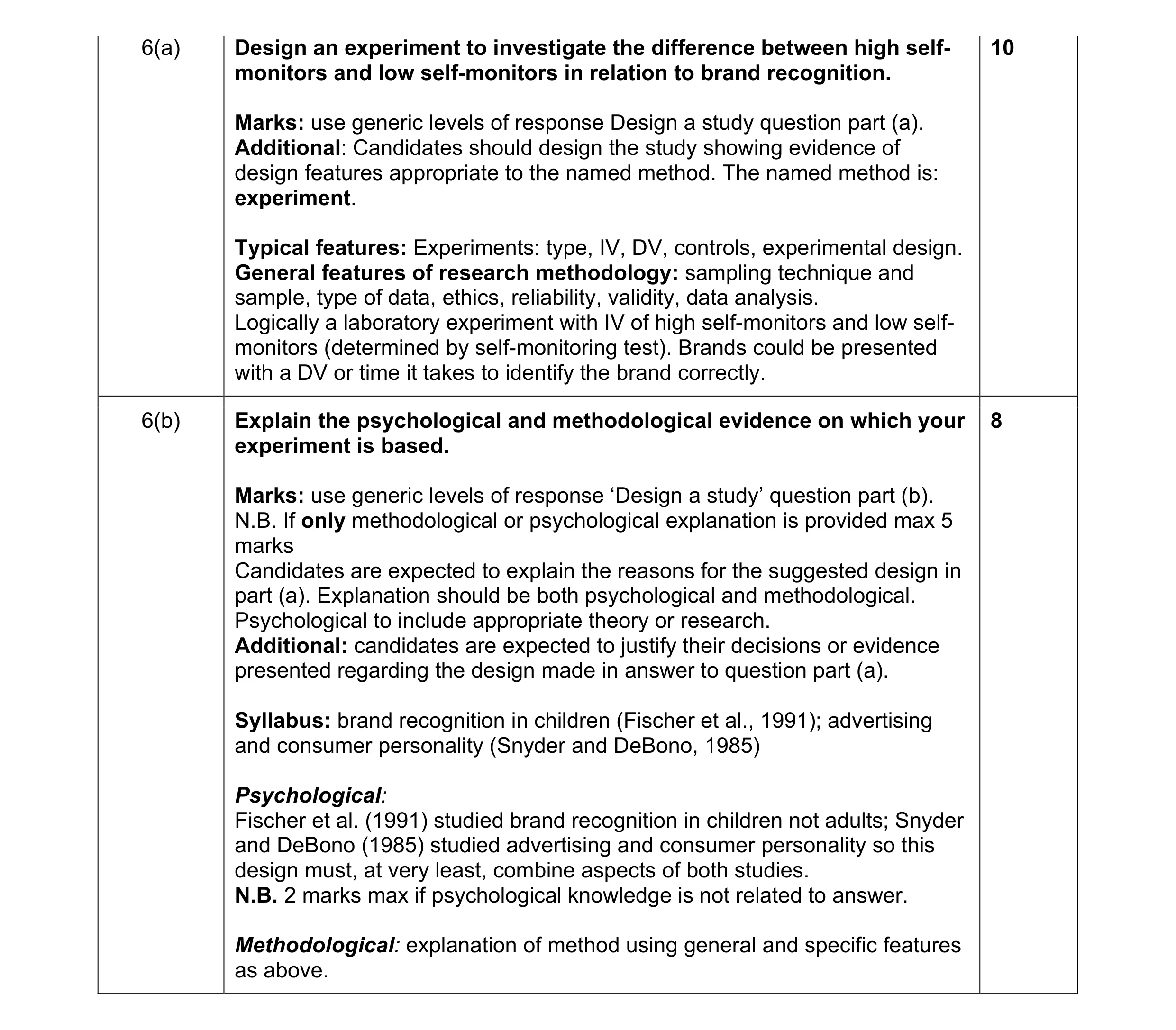 18
18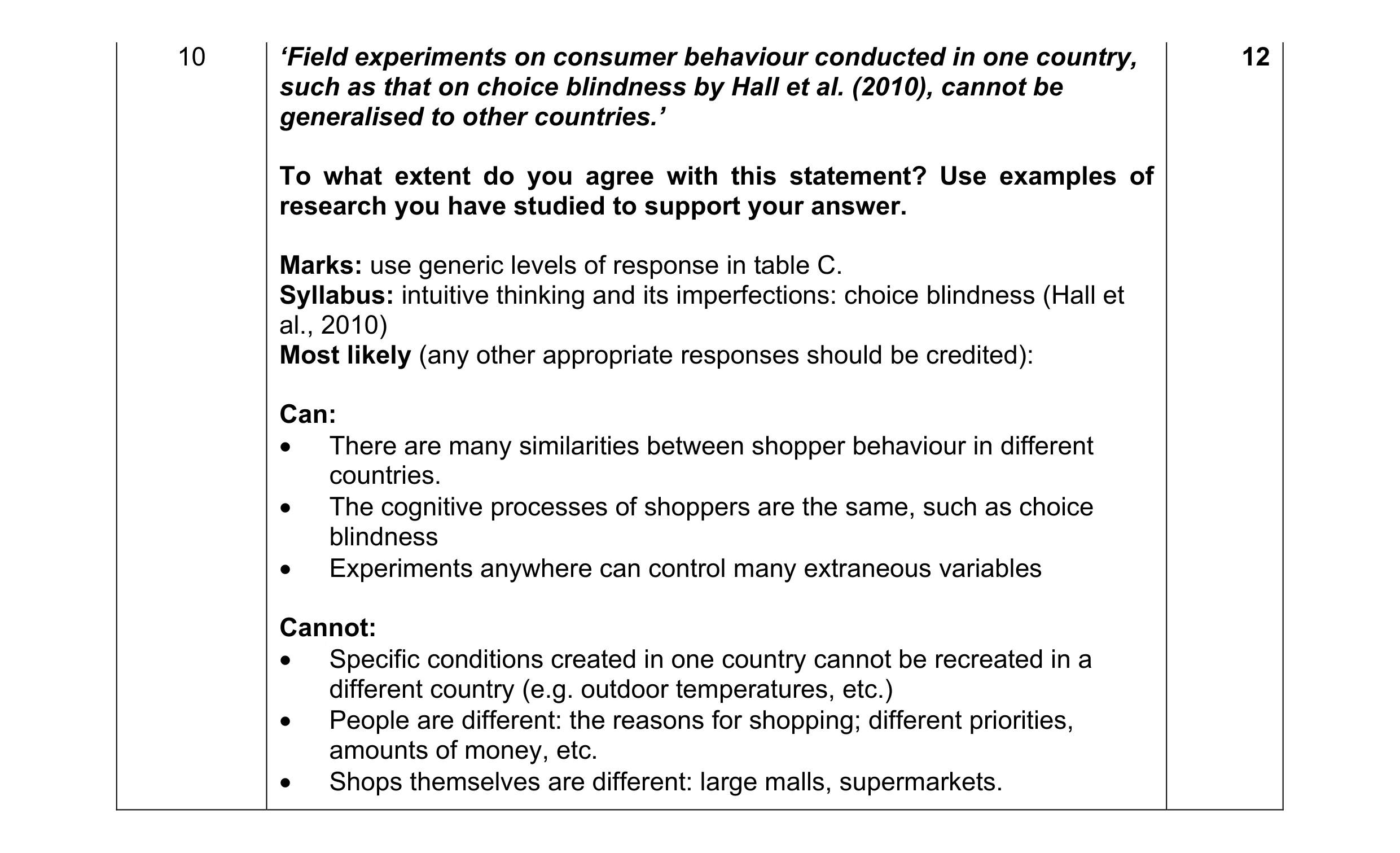 12
12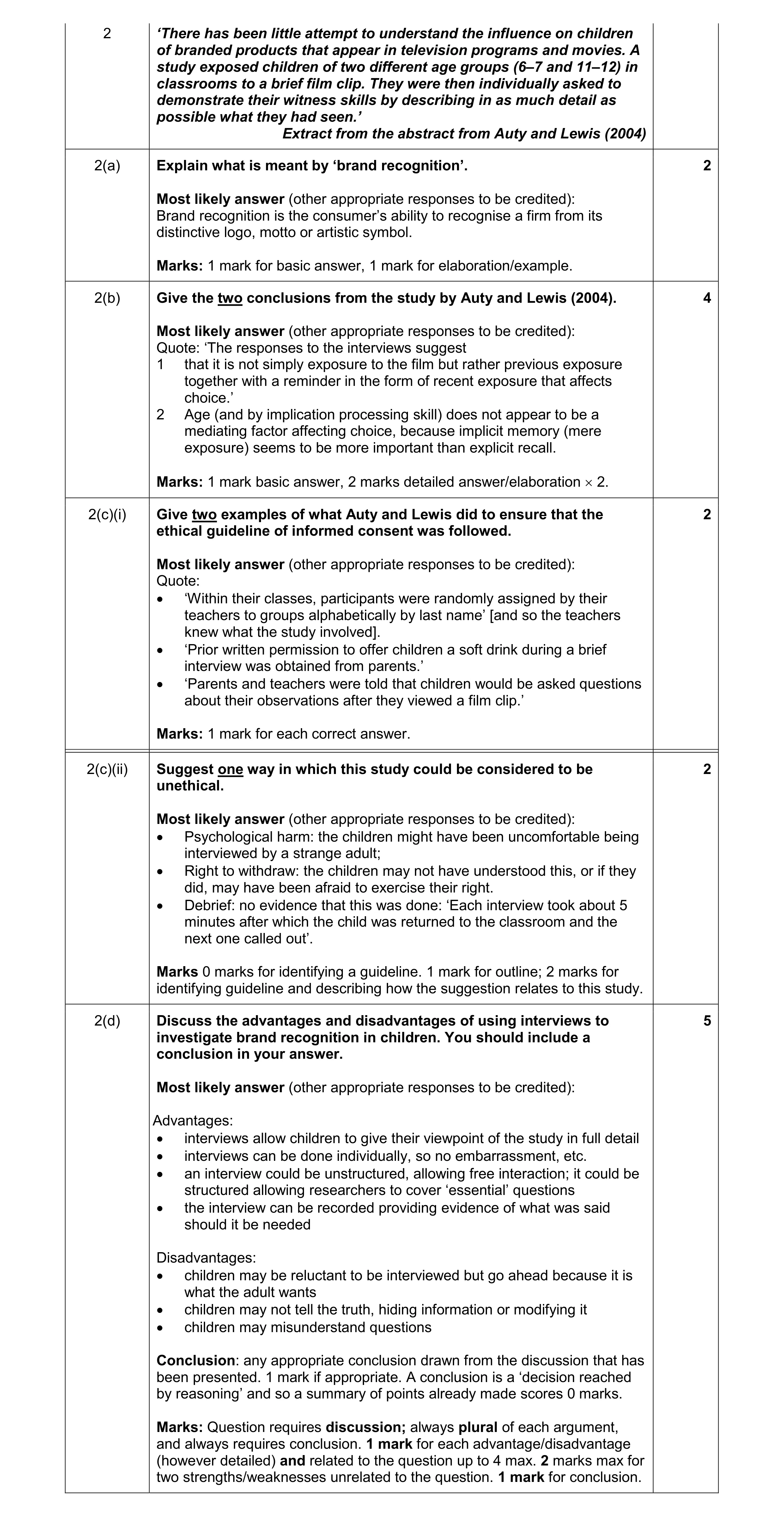 15
15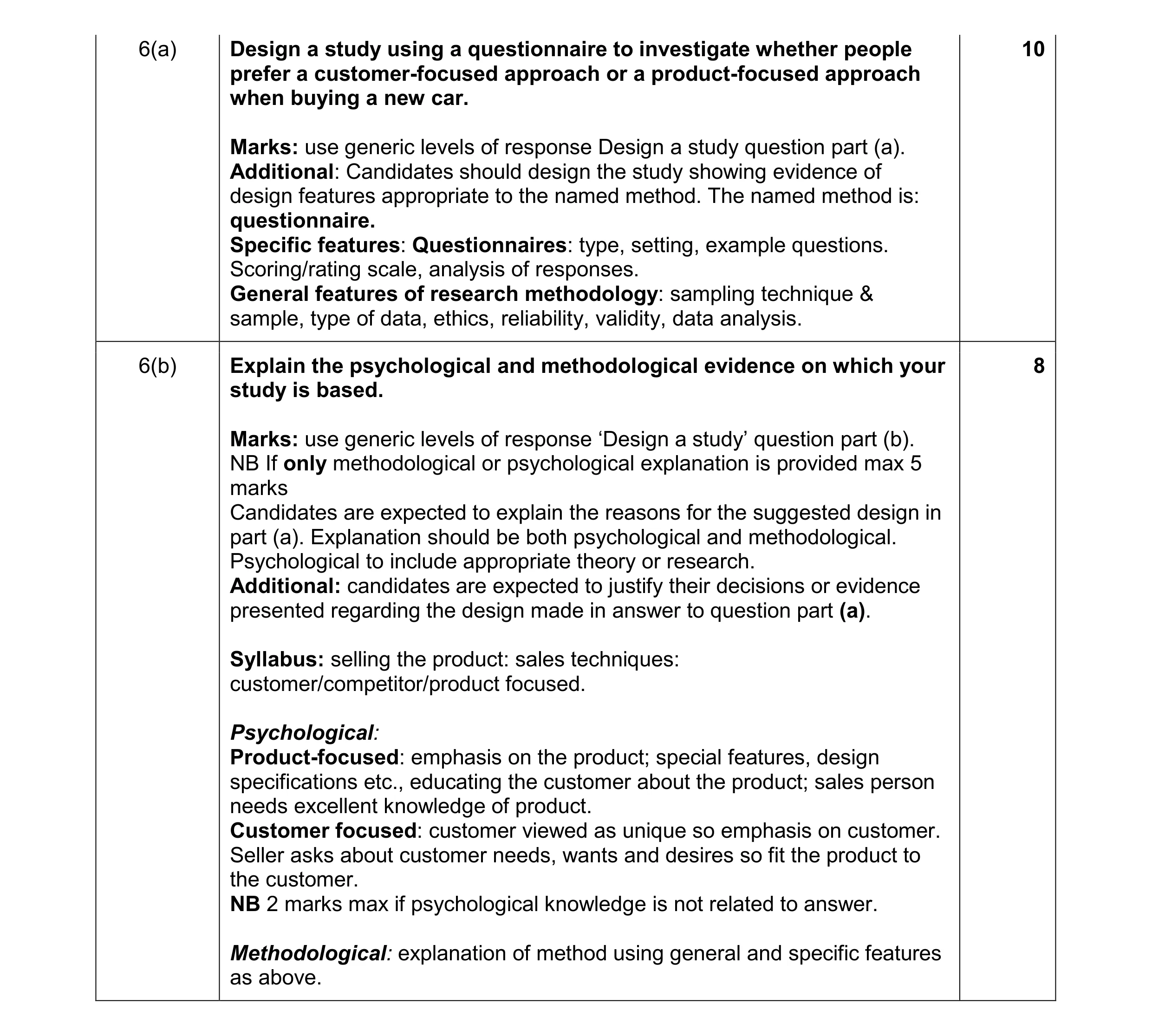 18
18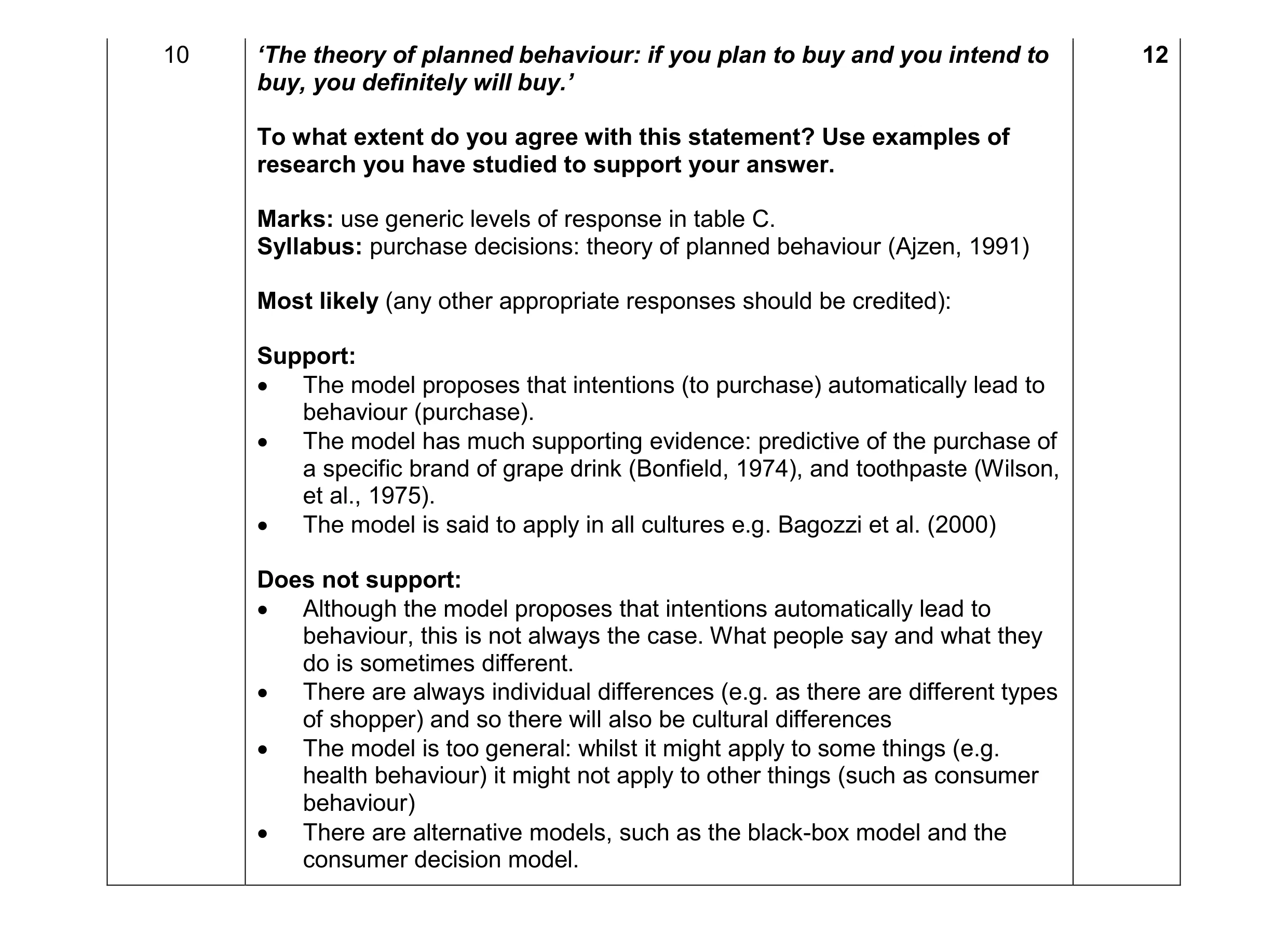 12
12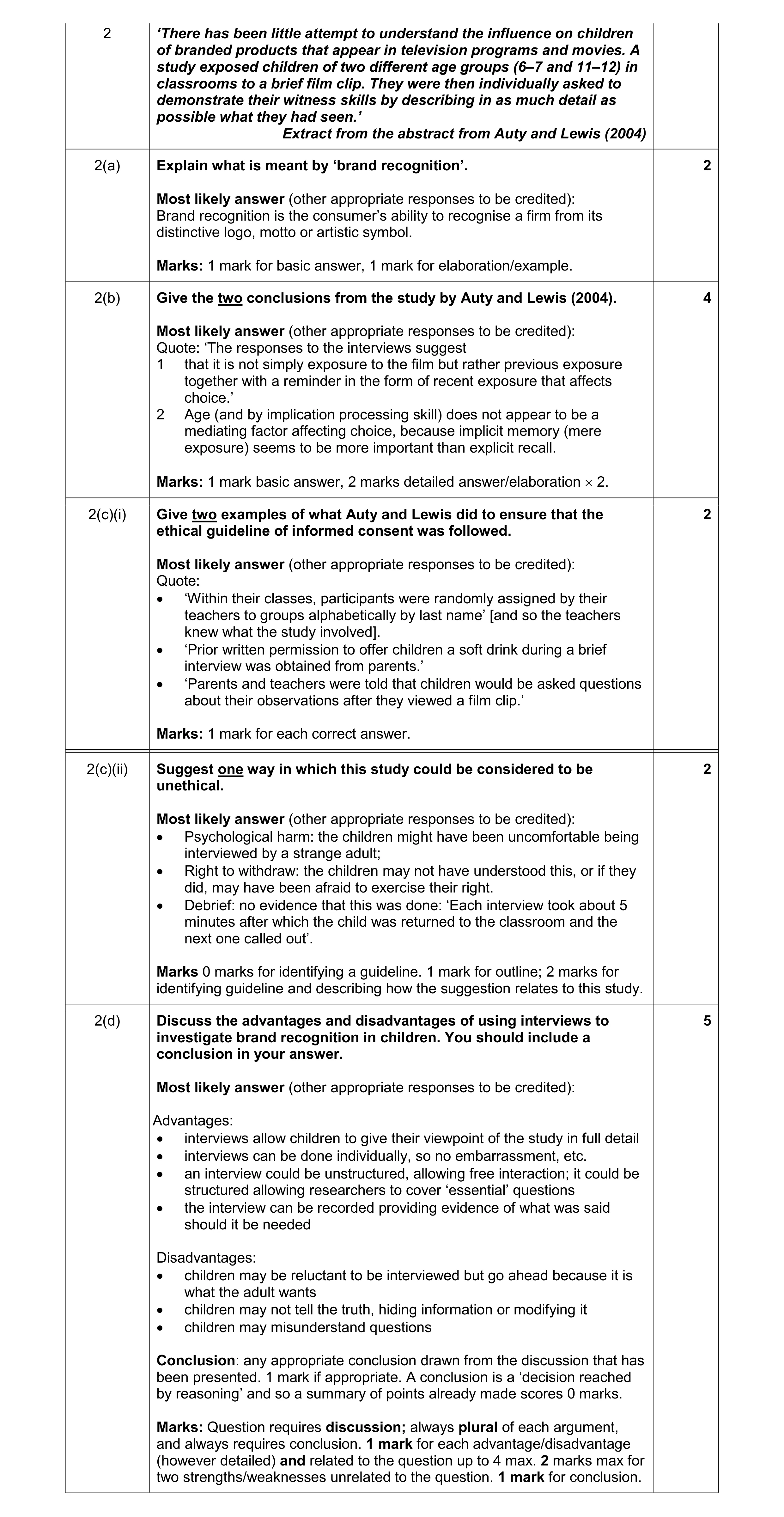 15
15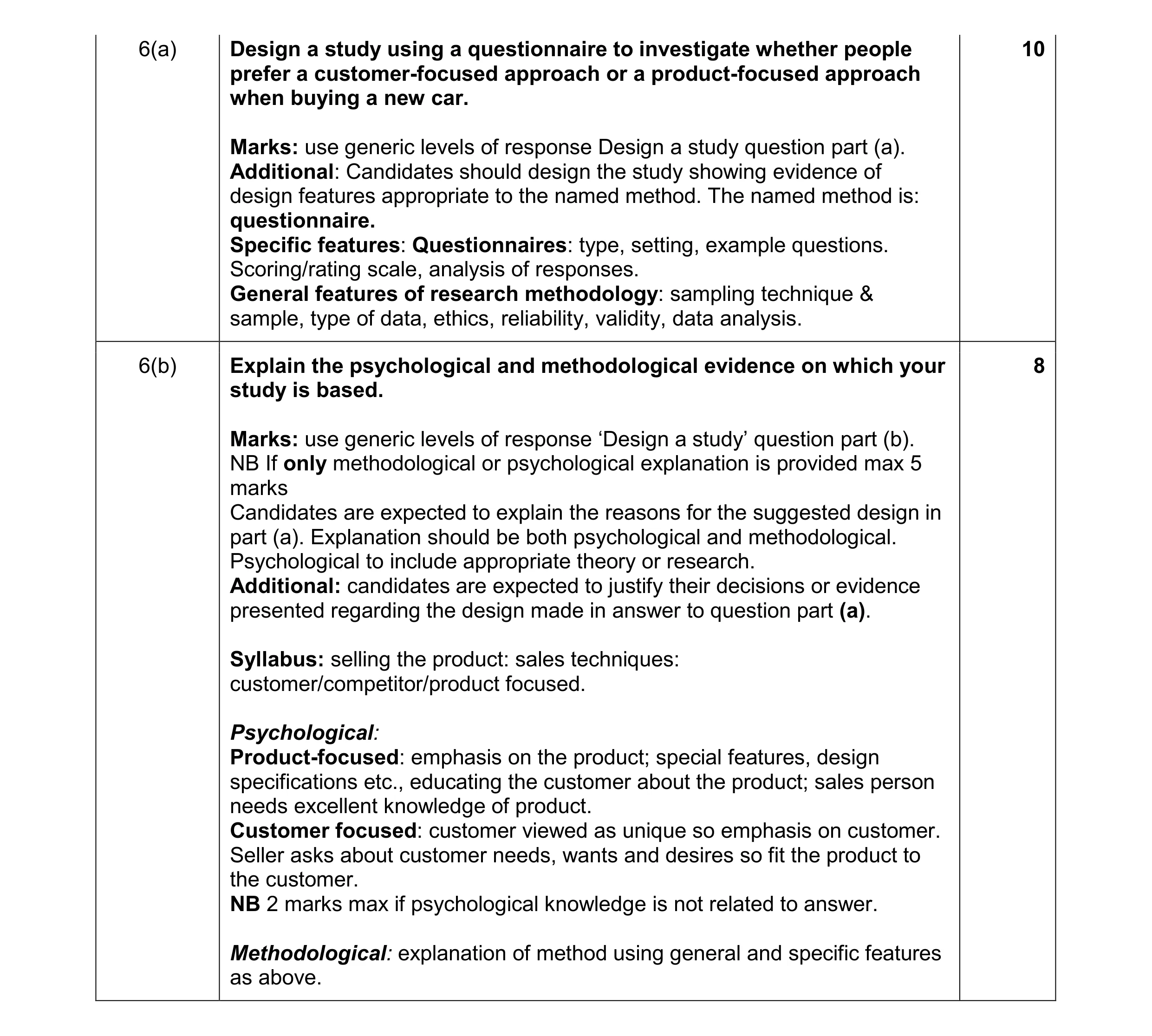 18
18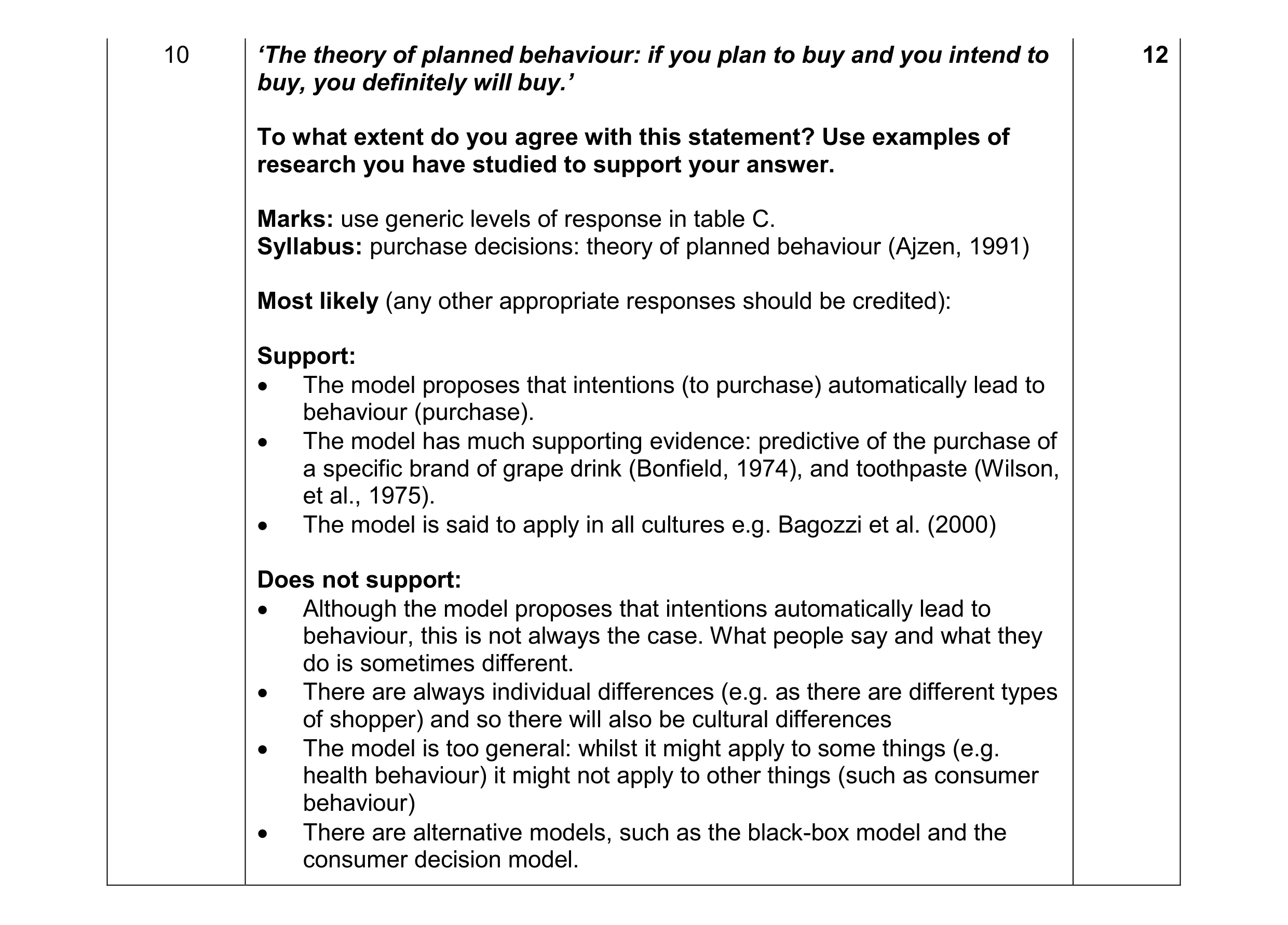 12
12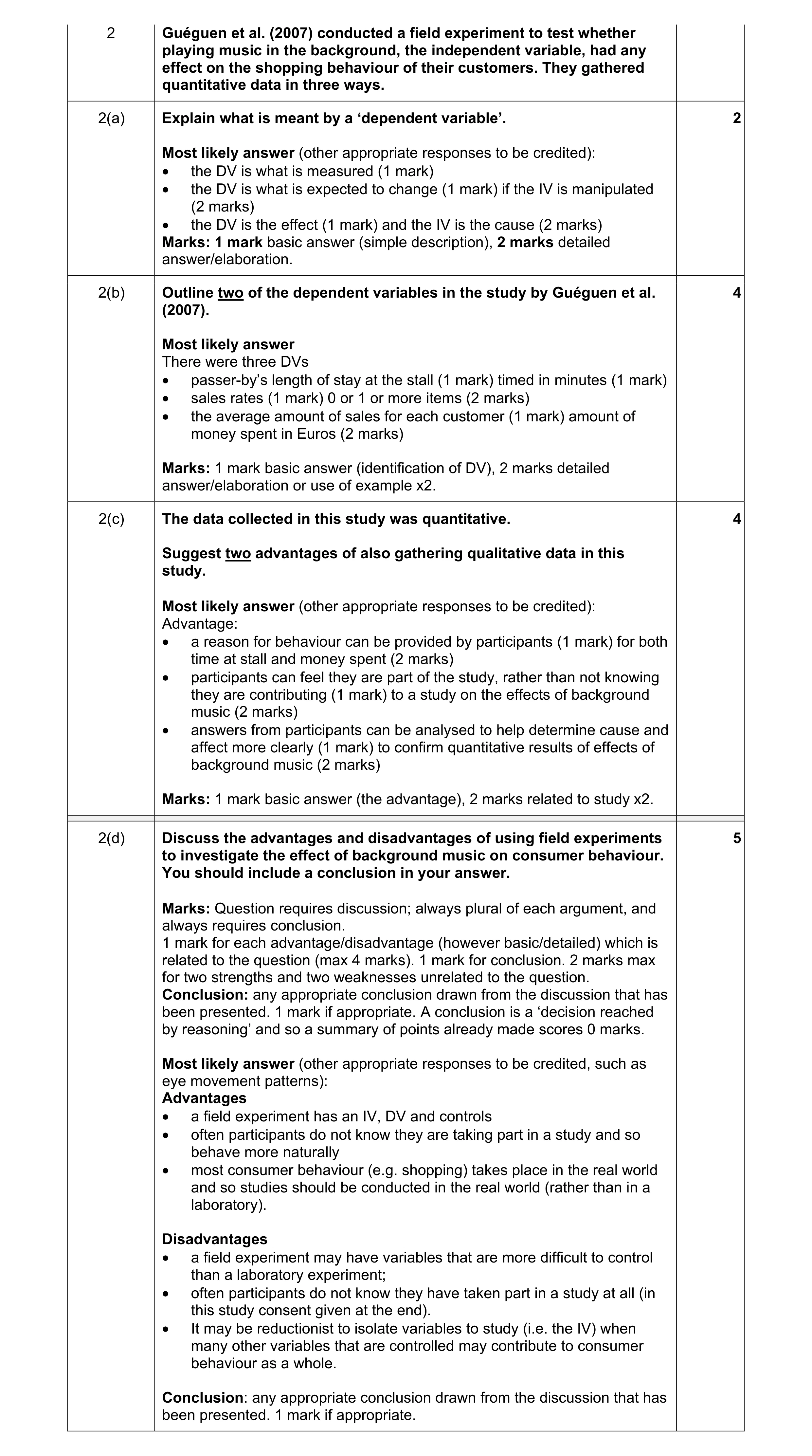 15
15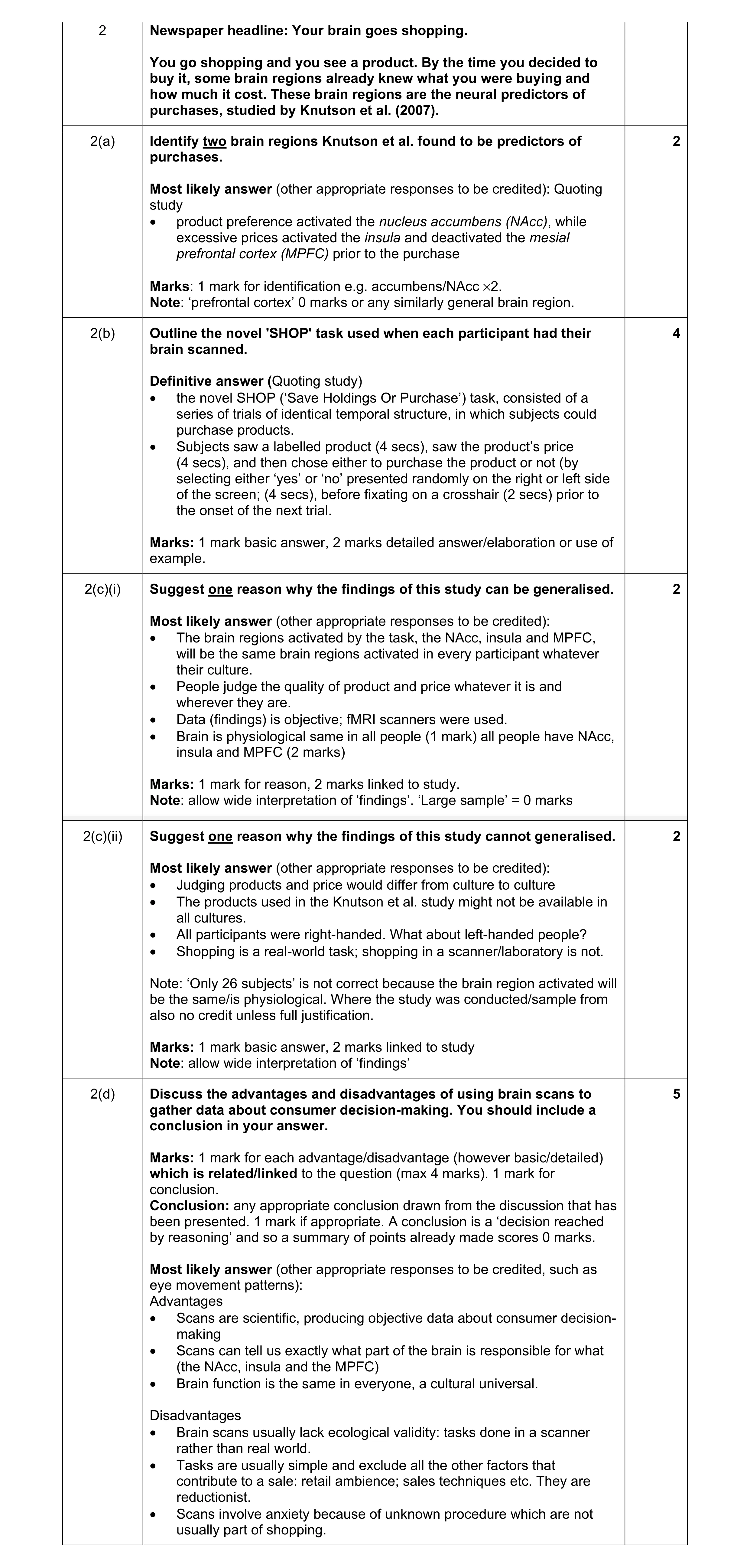 15
15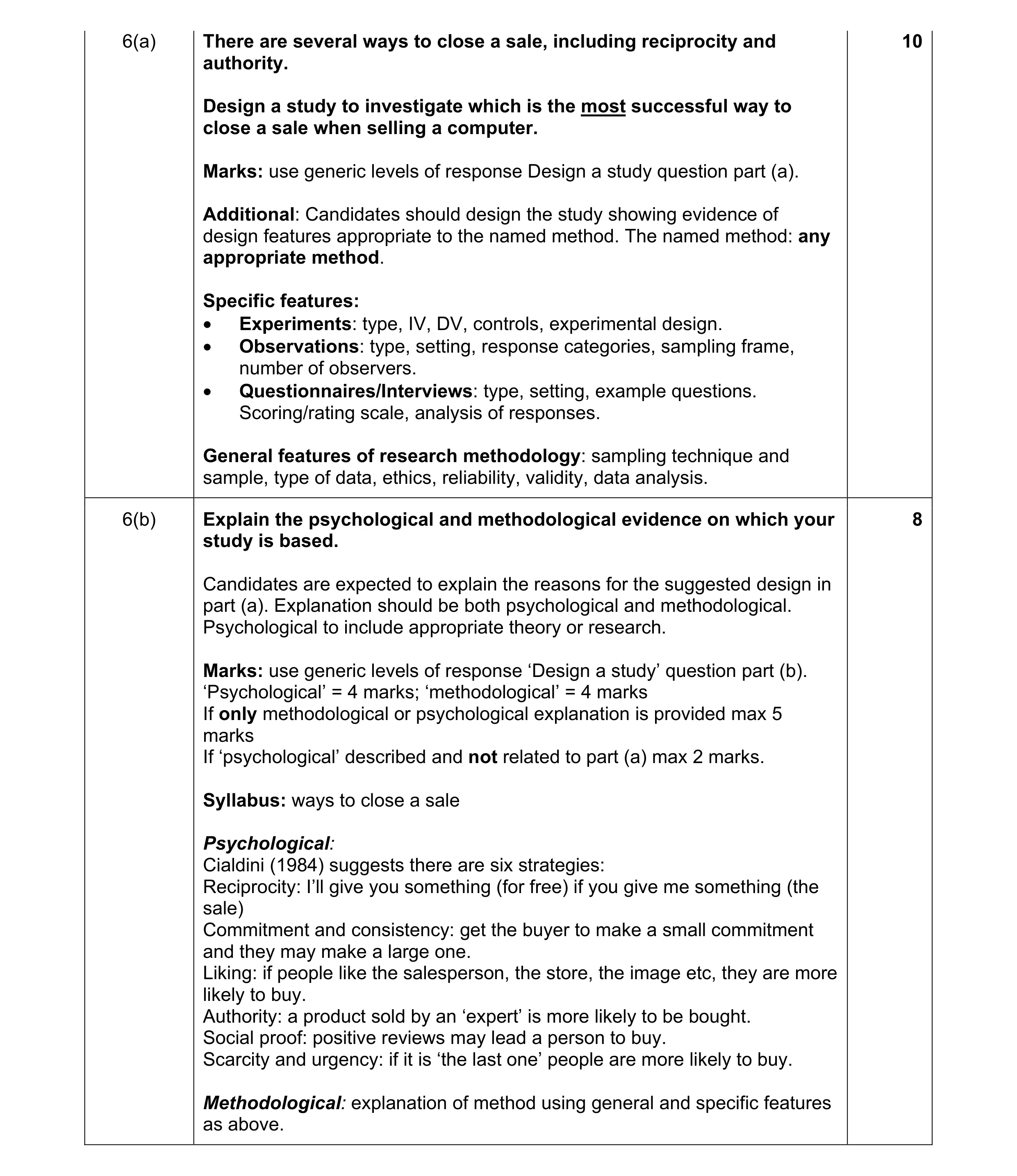 18
18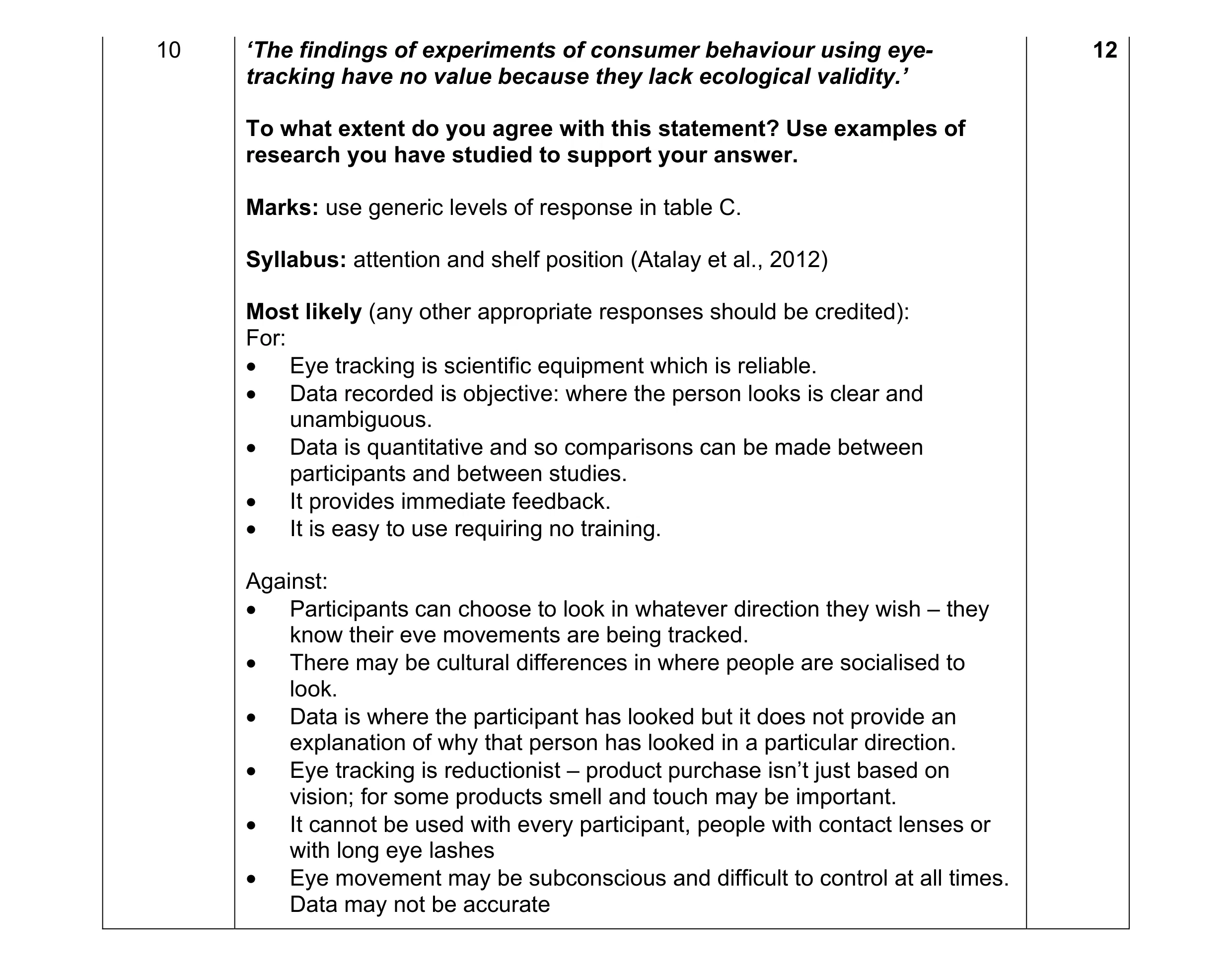 12
12 12
12 12
12 12
12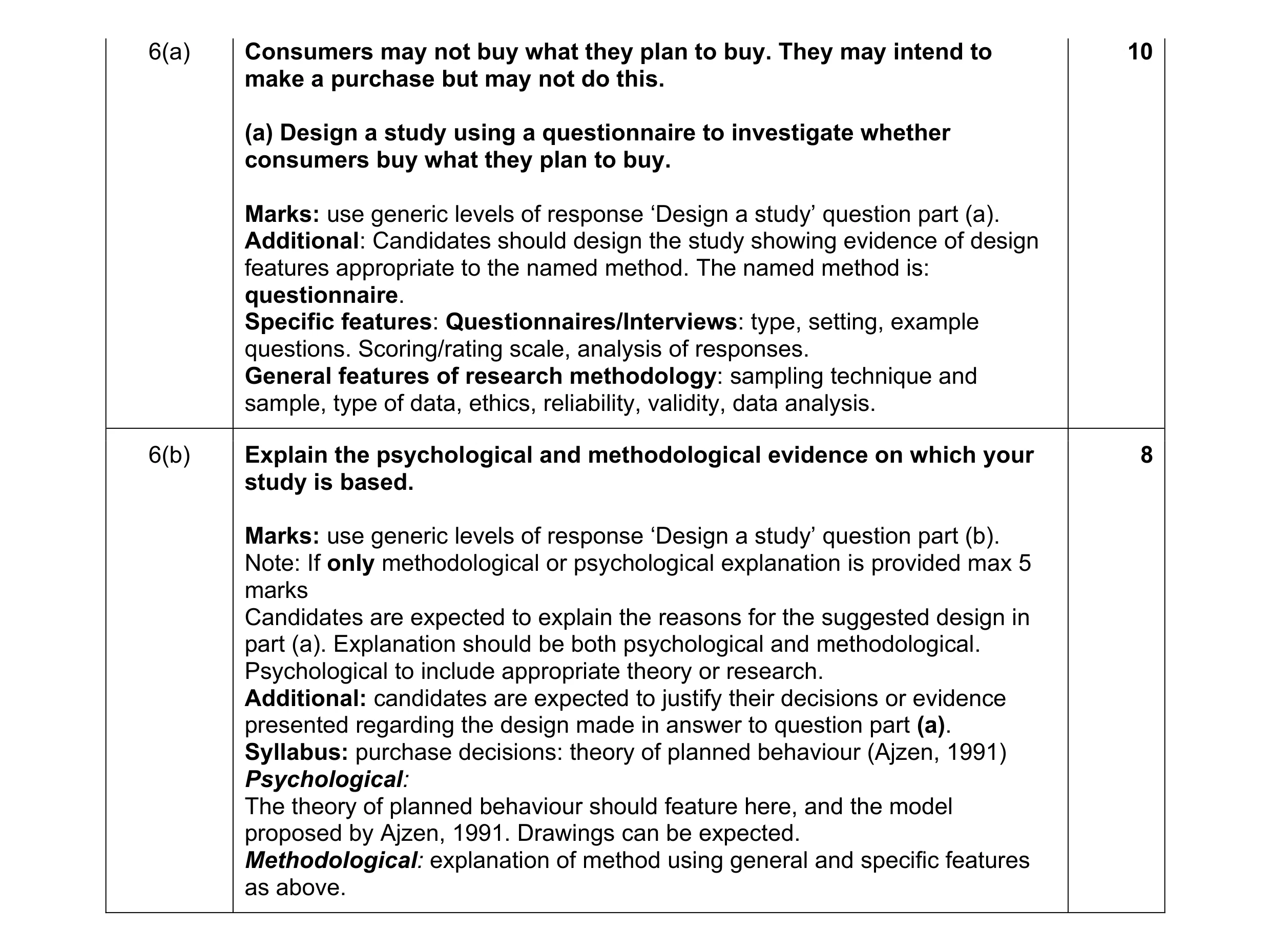 18
18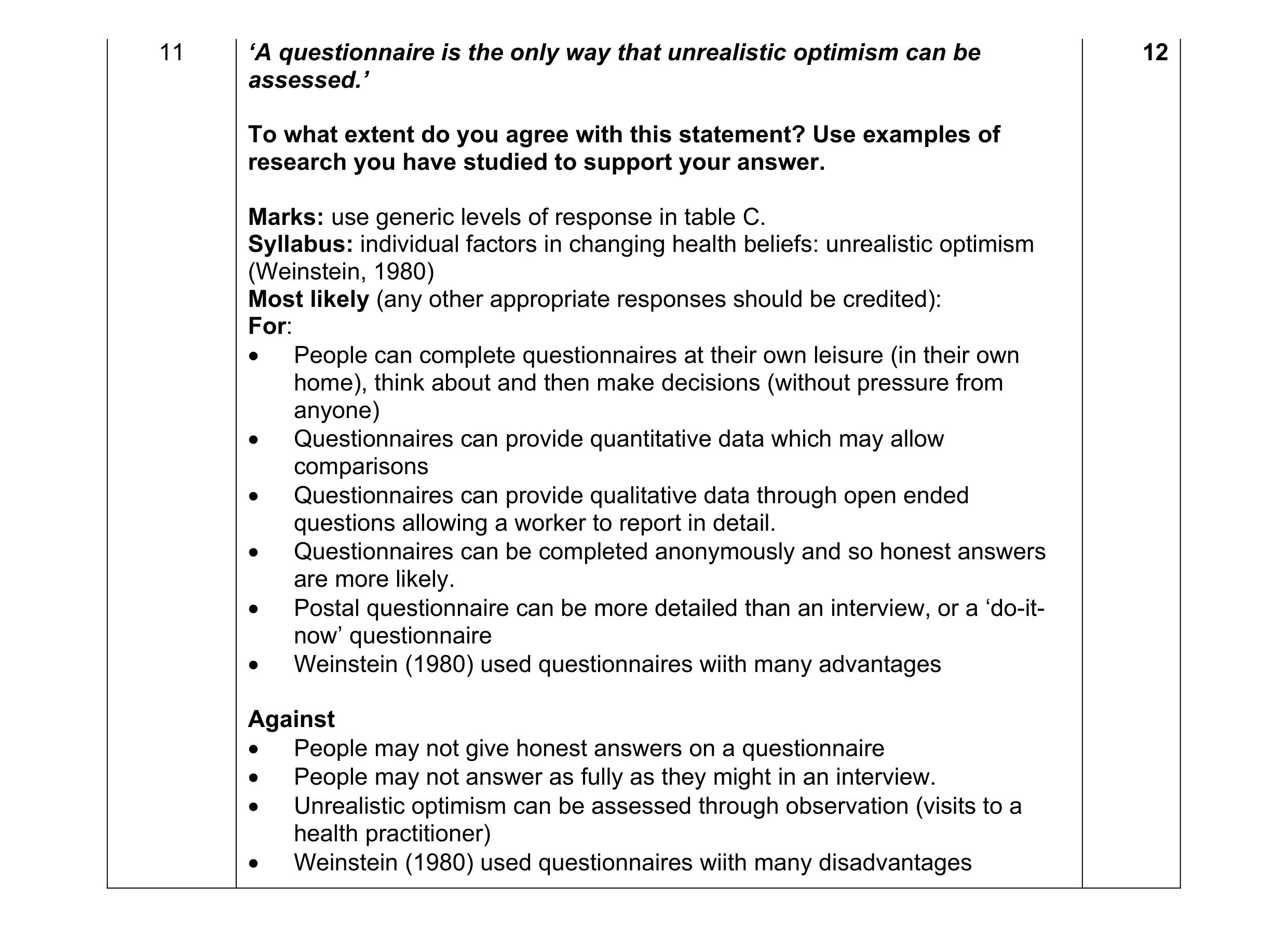 12
12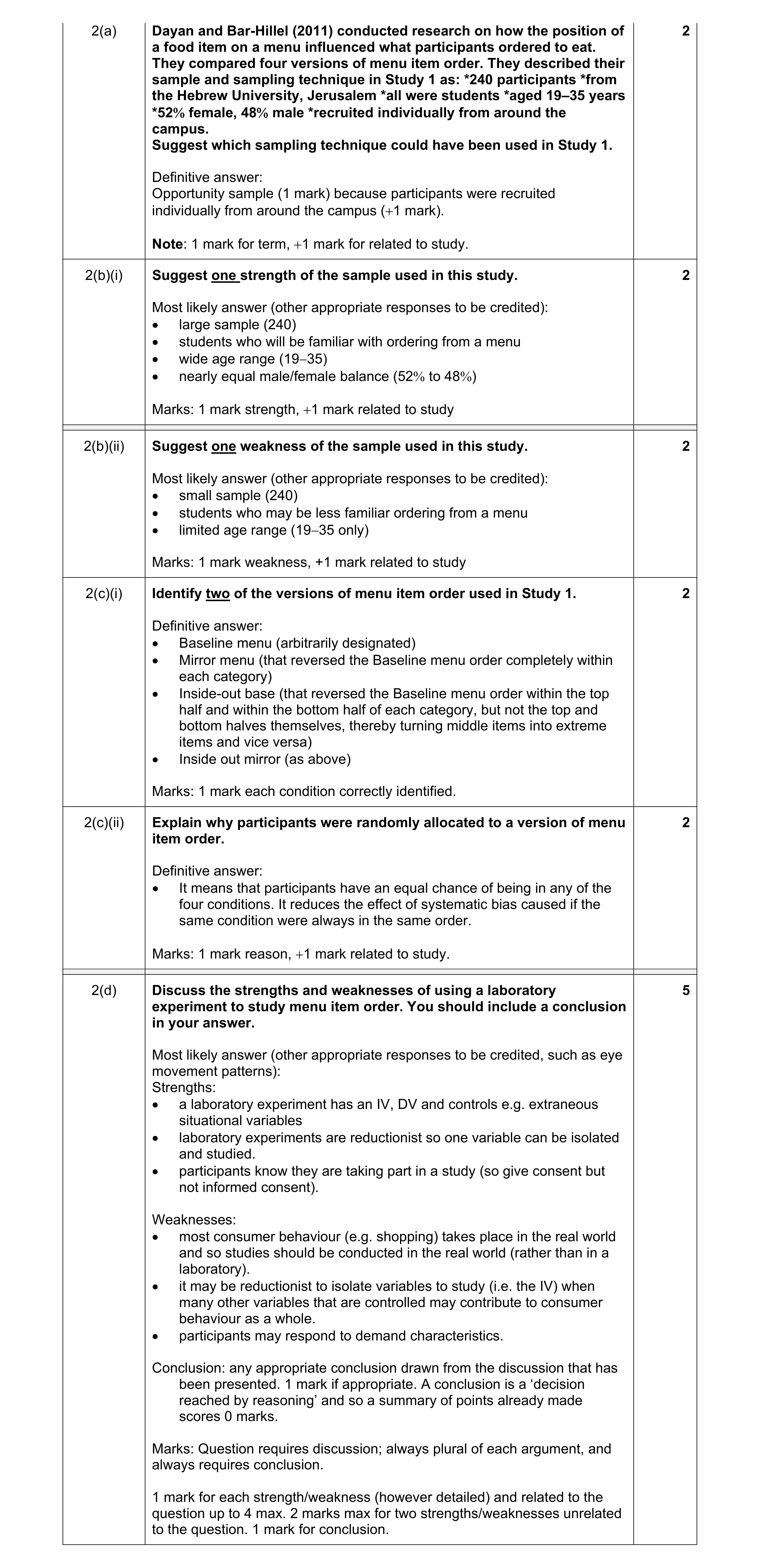 15
15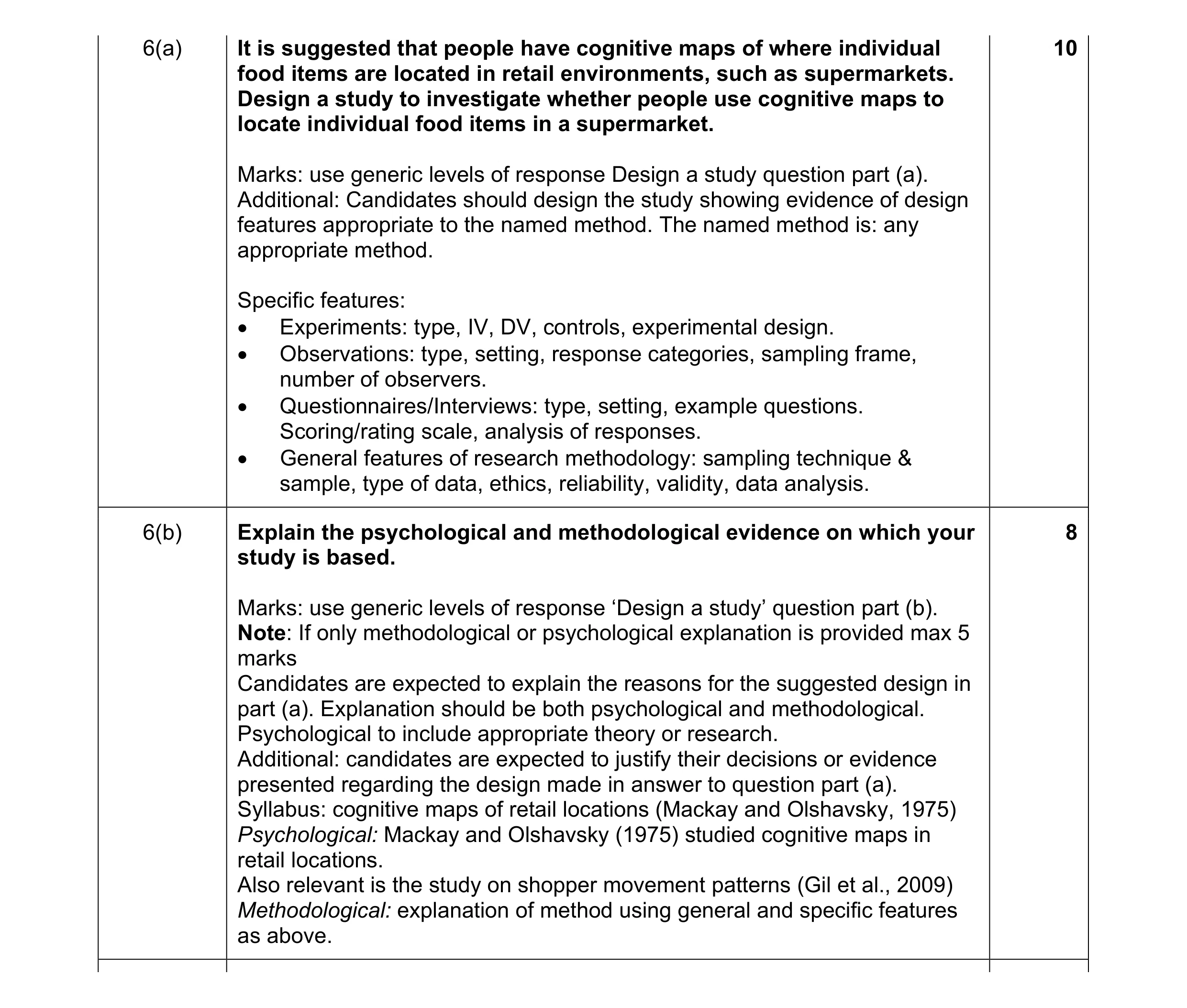 18
18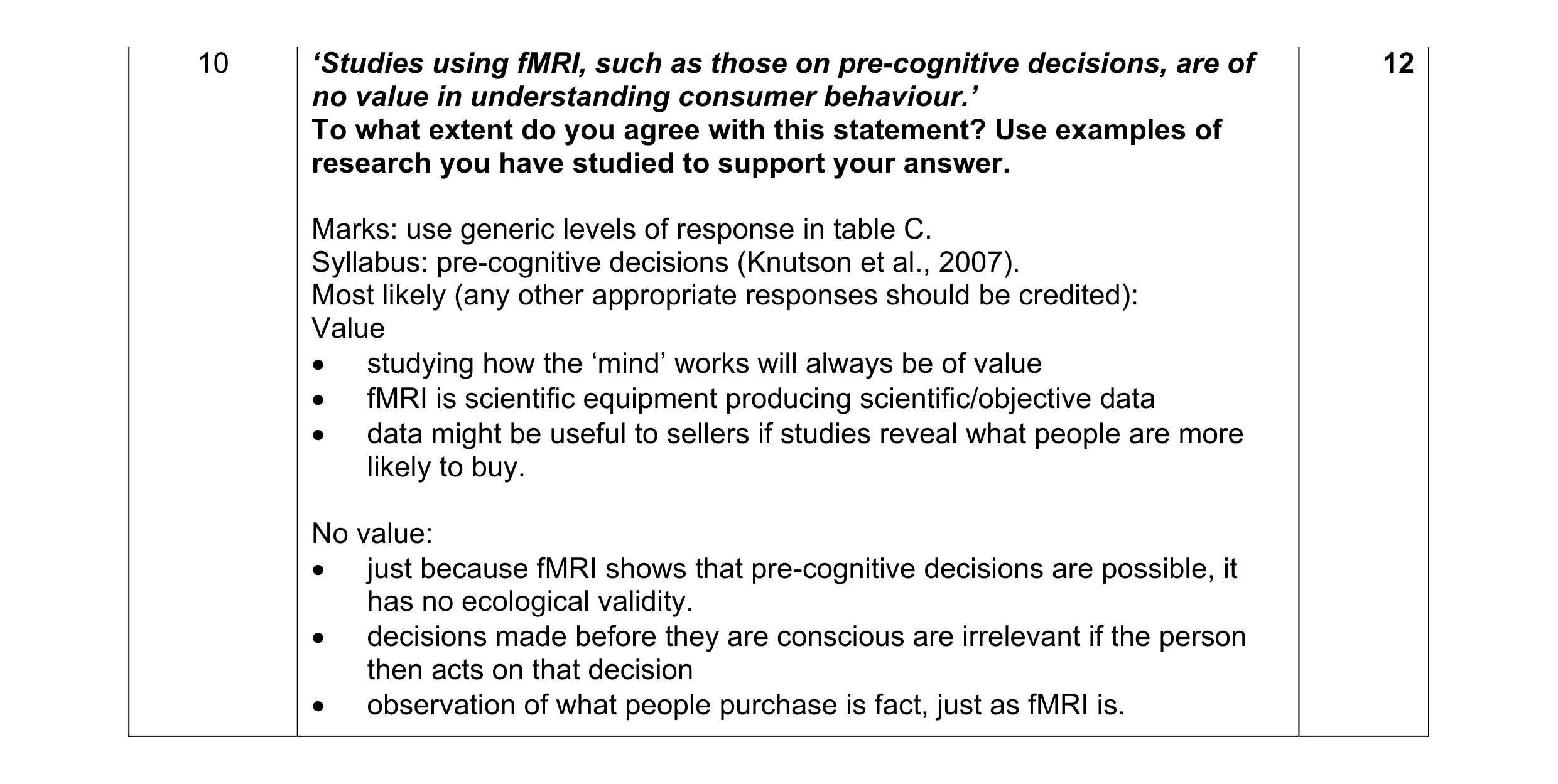 12
12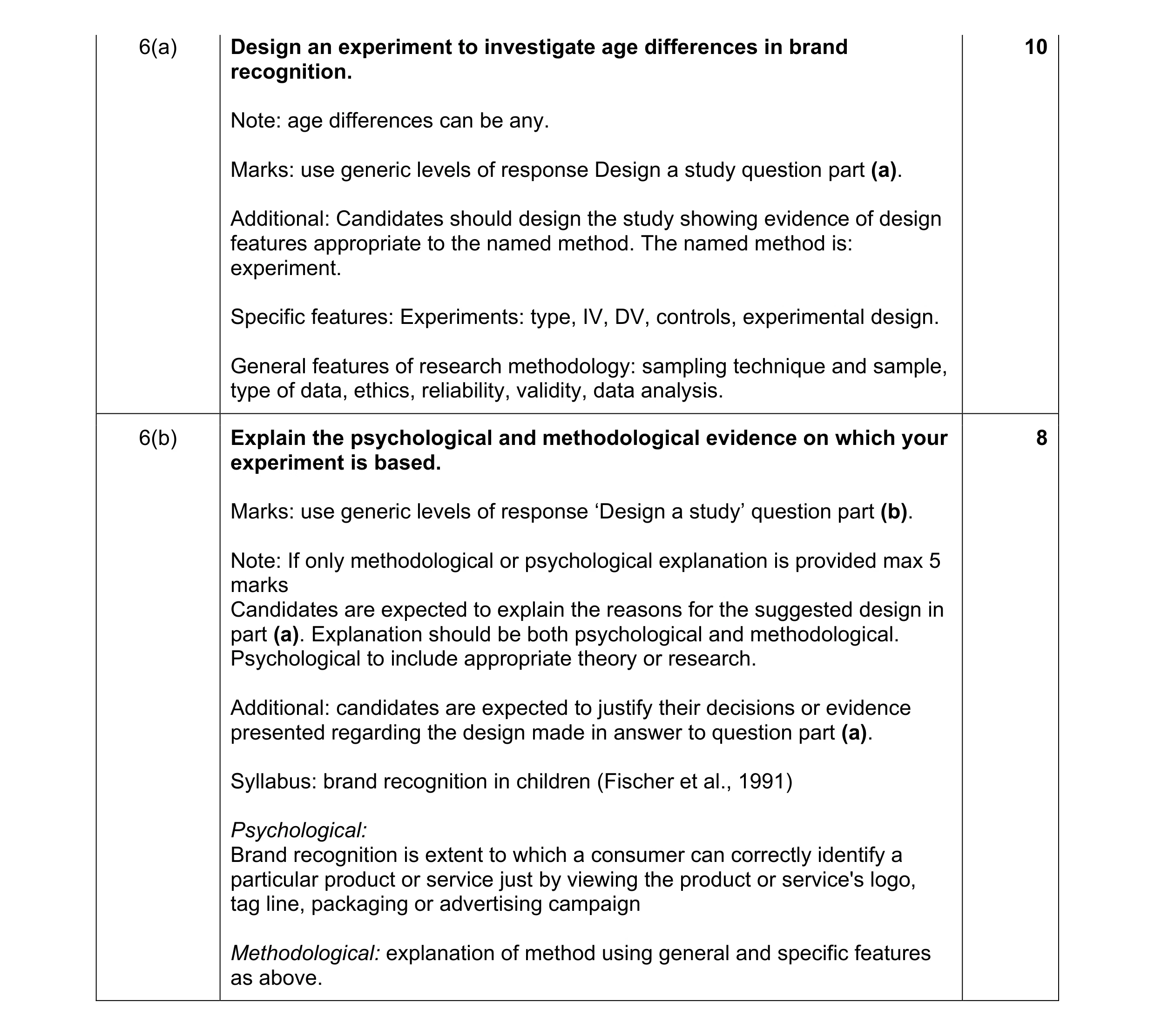 18
18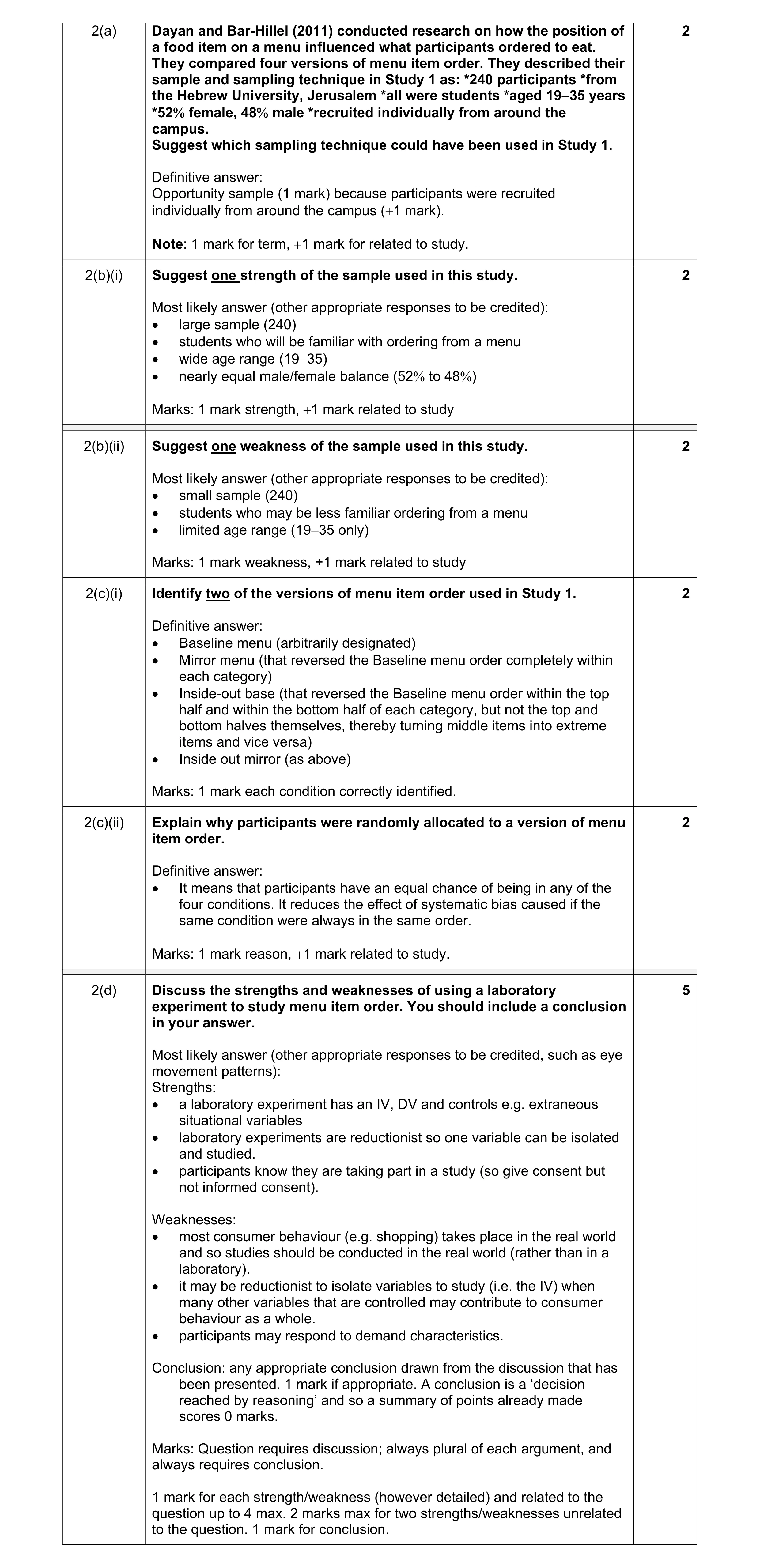 15
15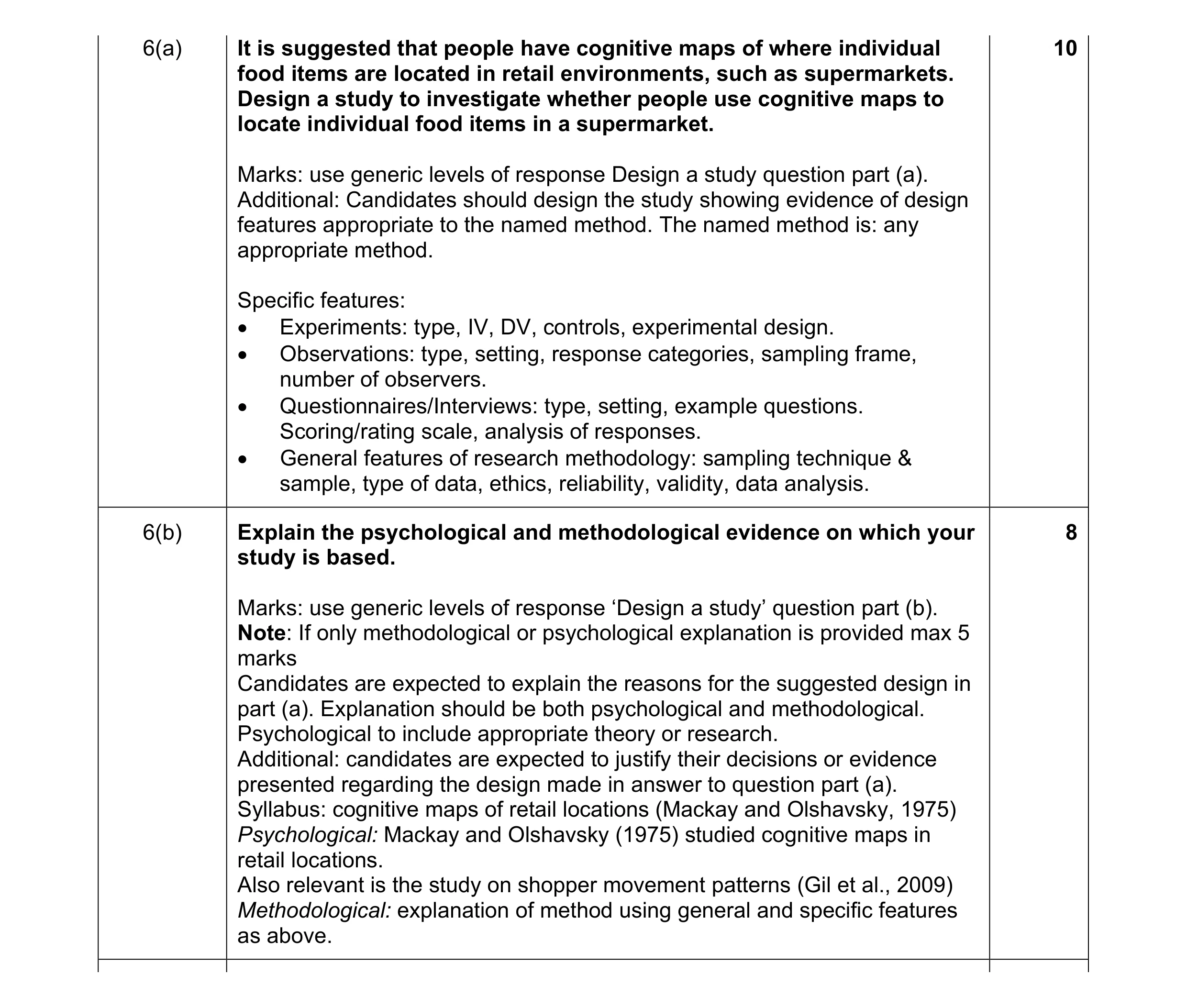 18
18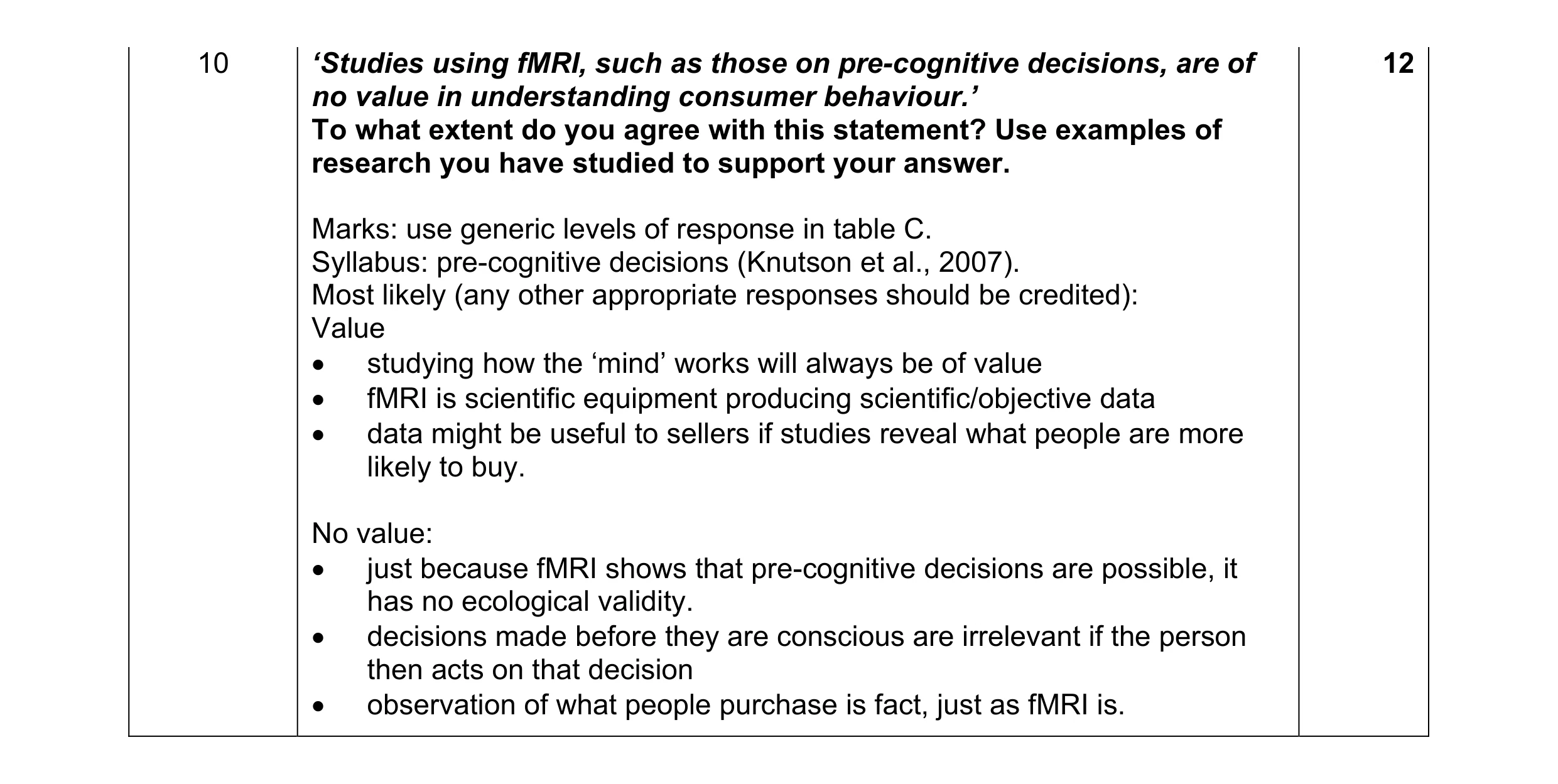 12
12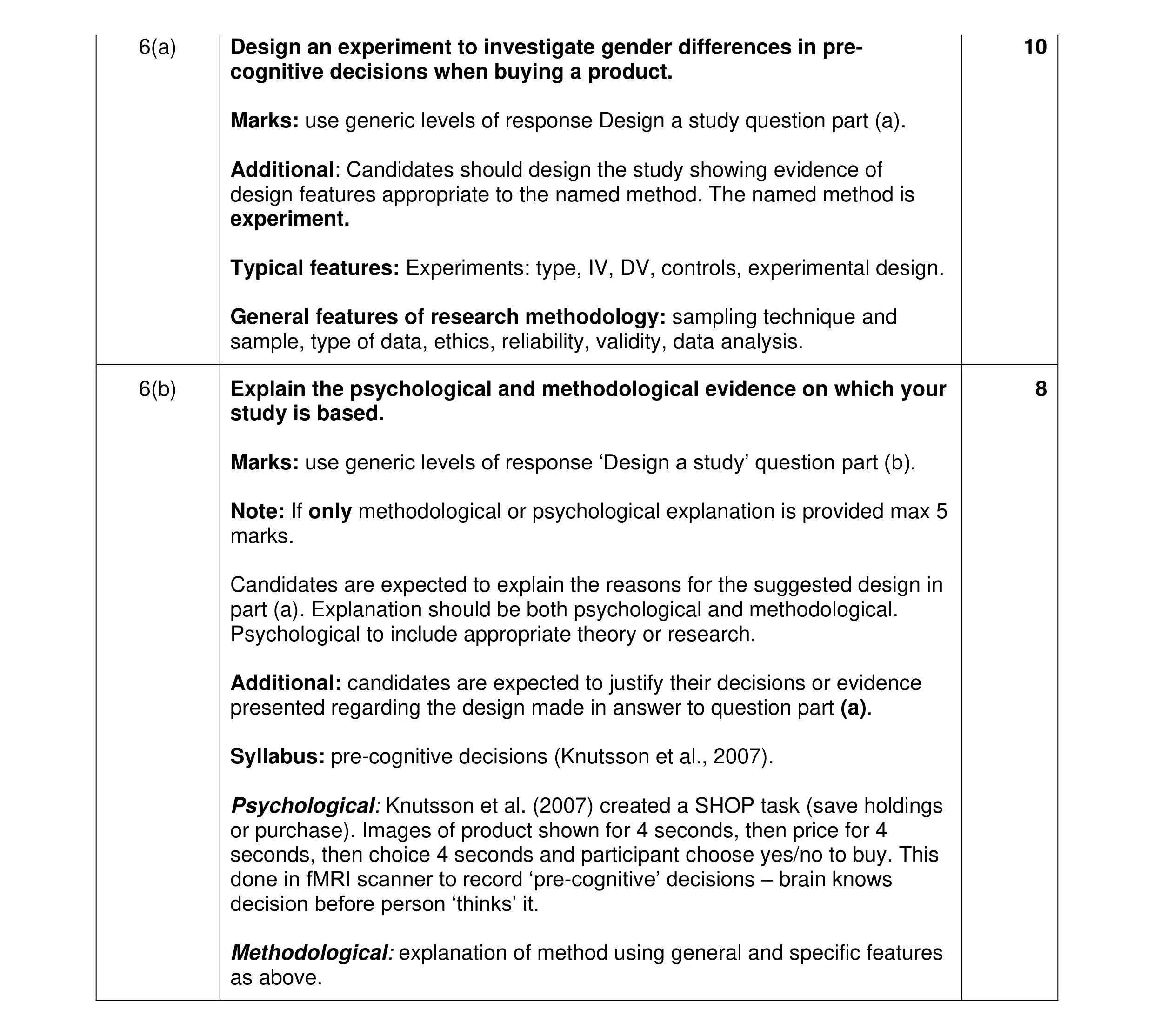 18
18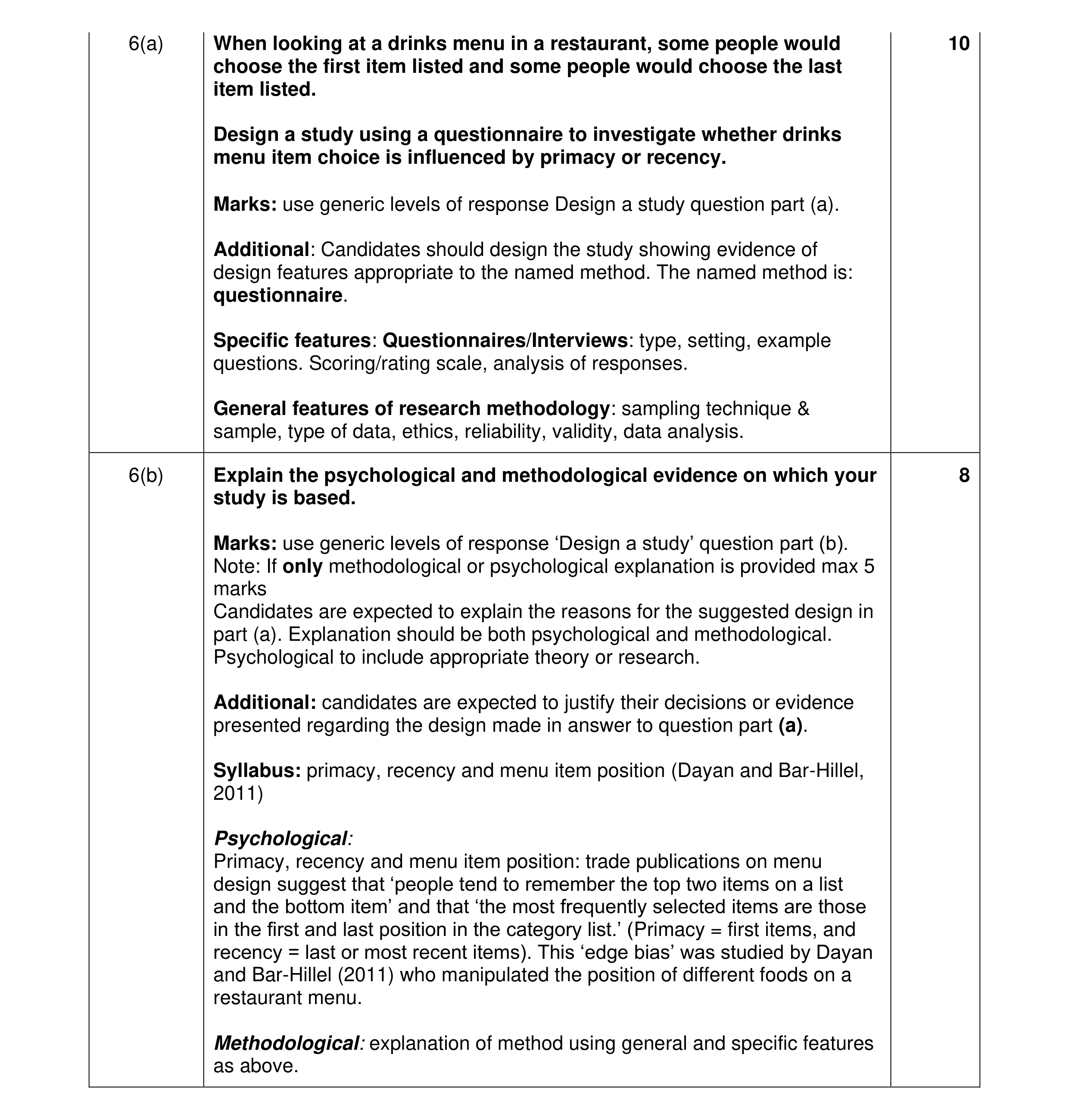 18
18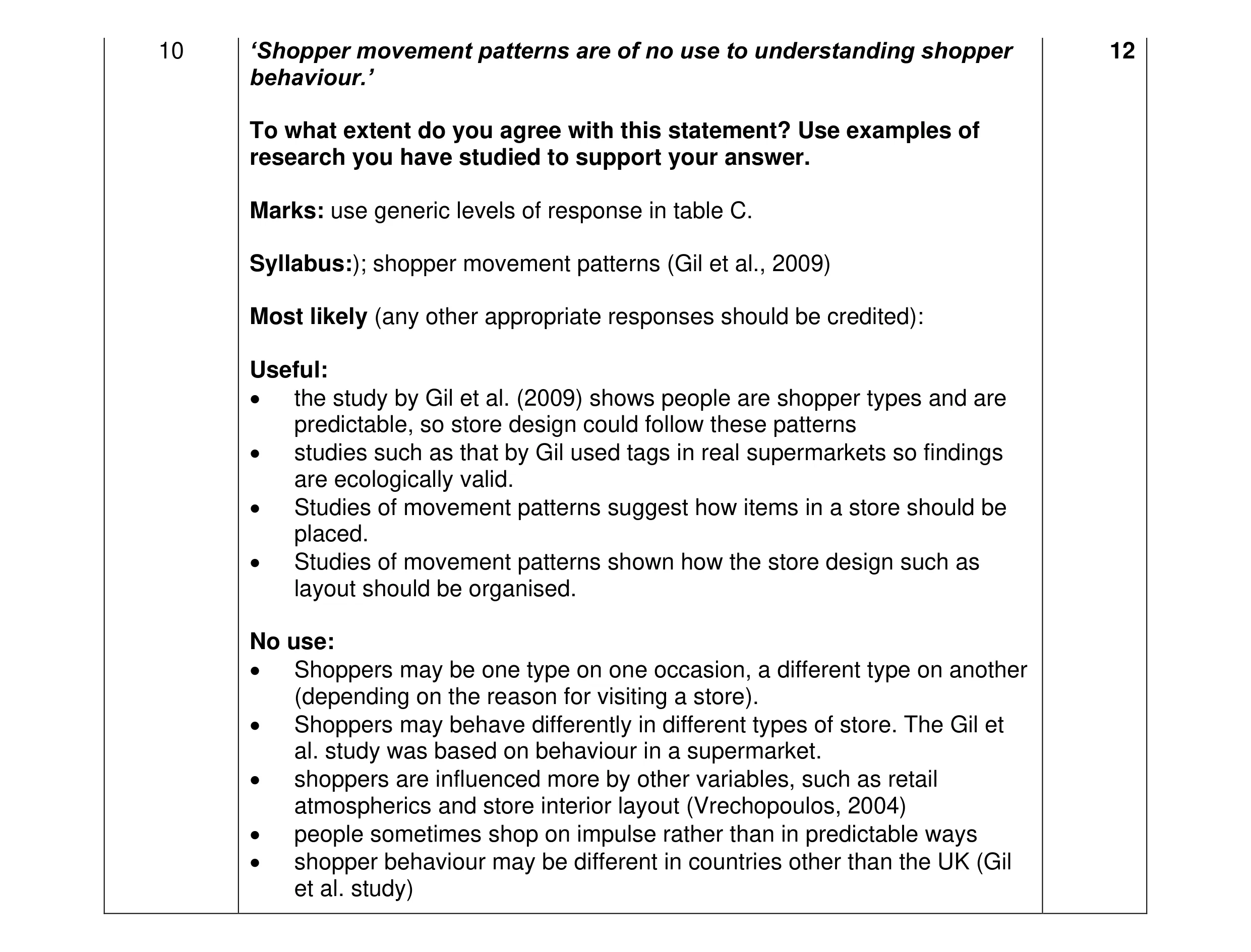 12
12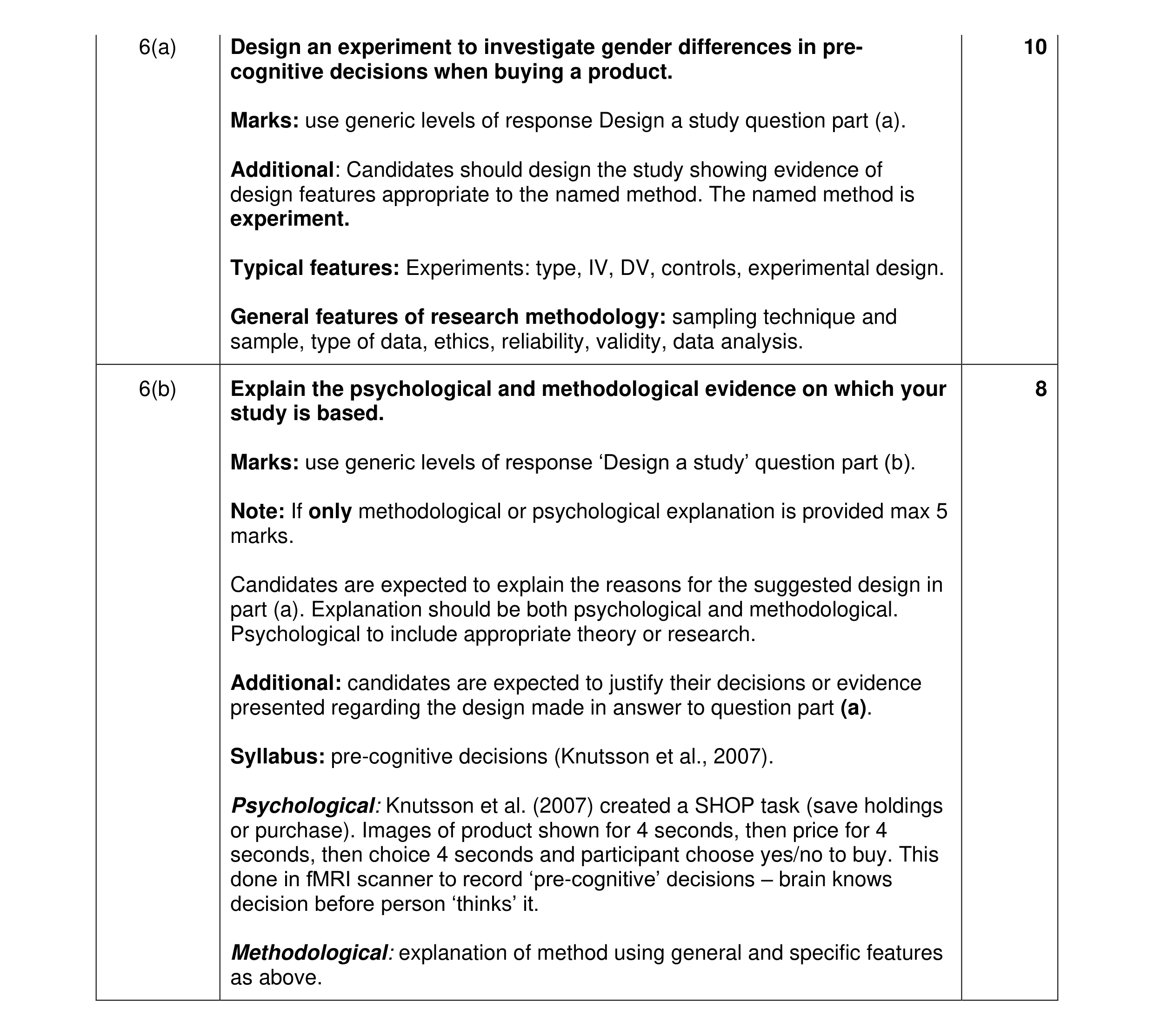 18
18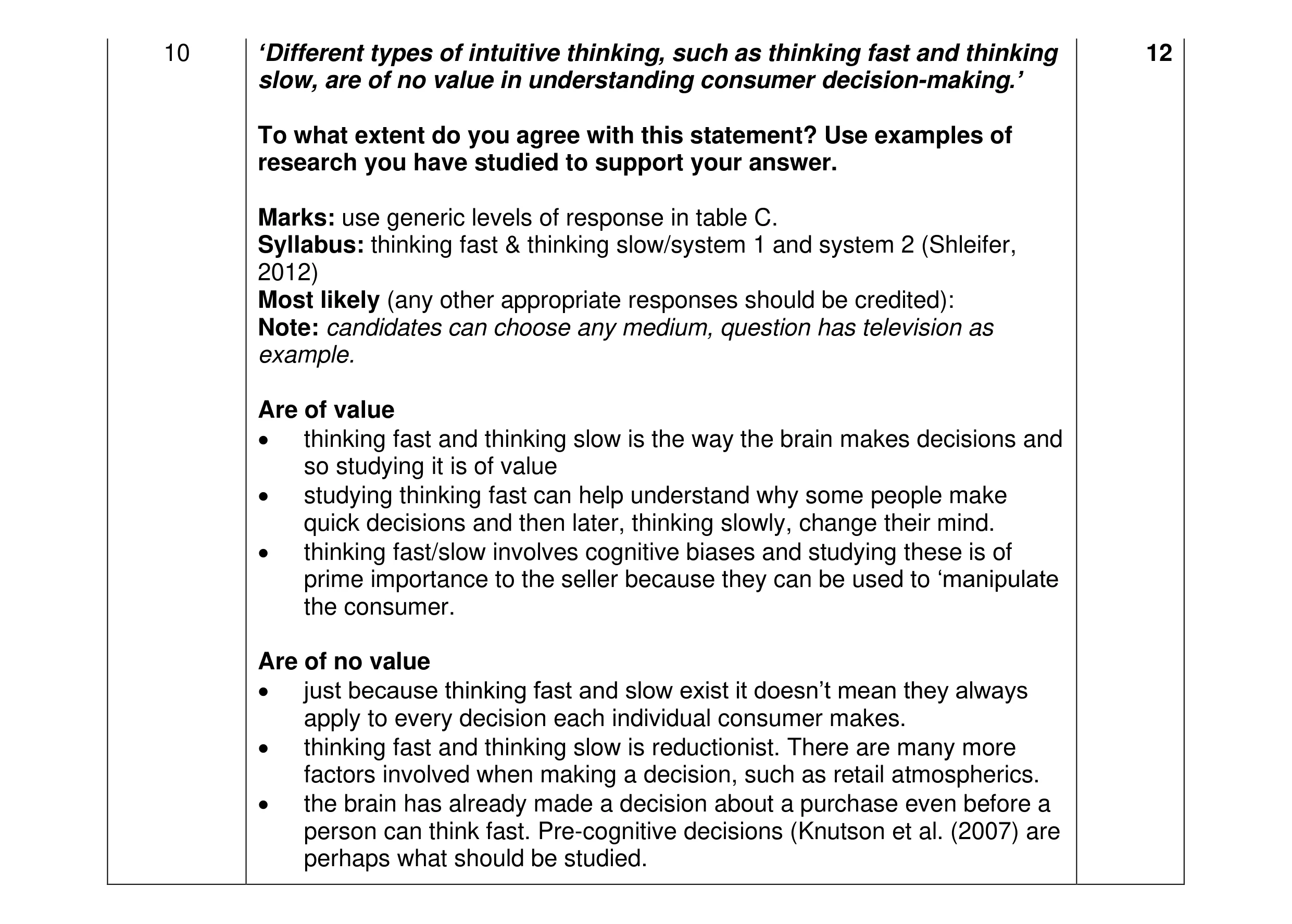 12
12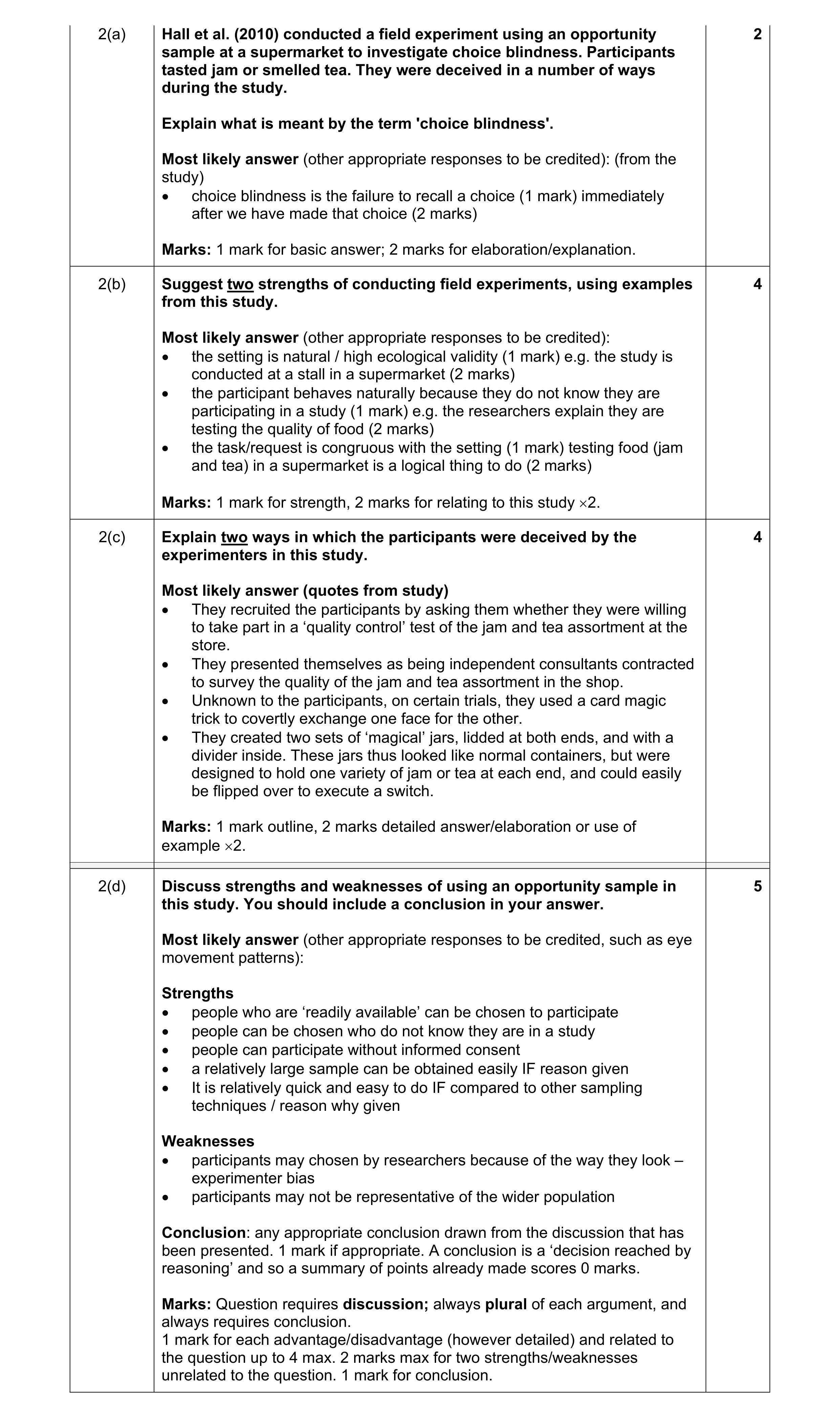 15
15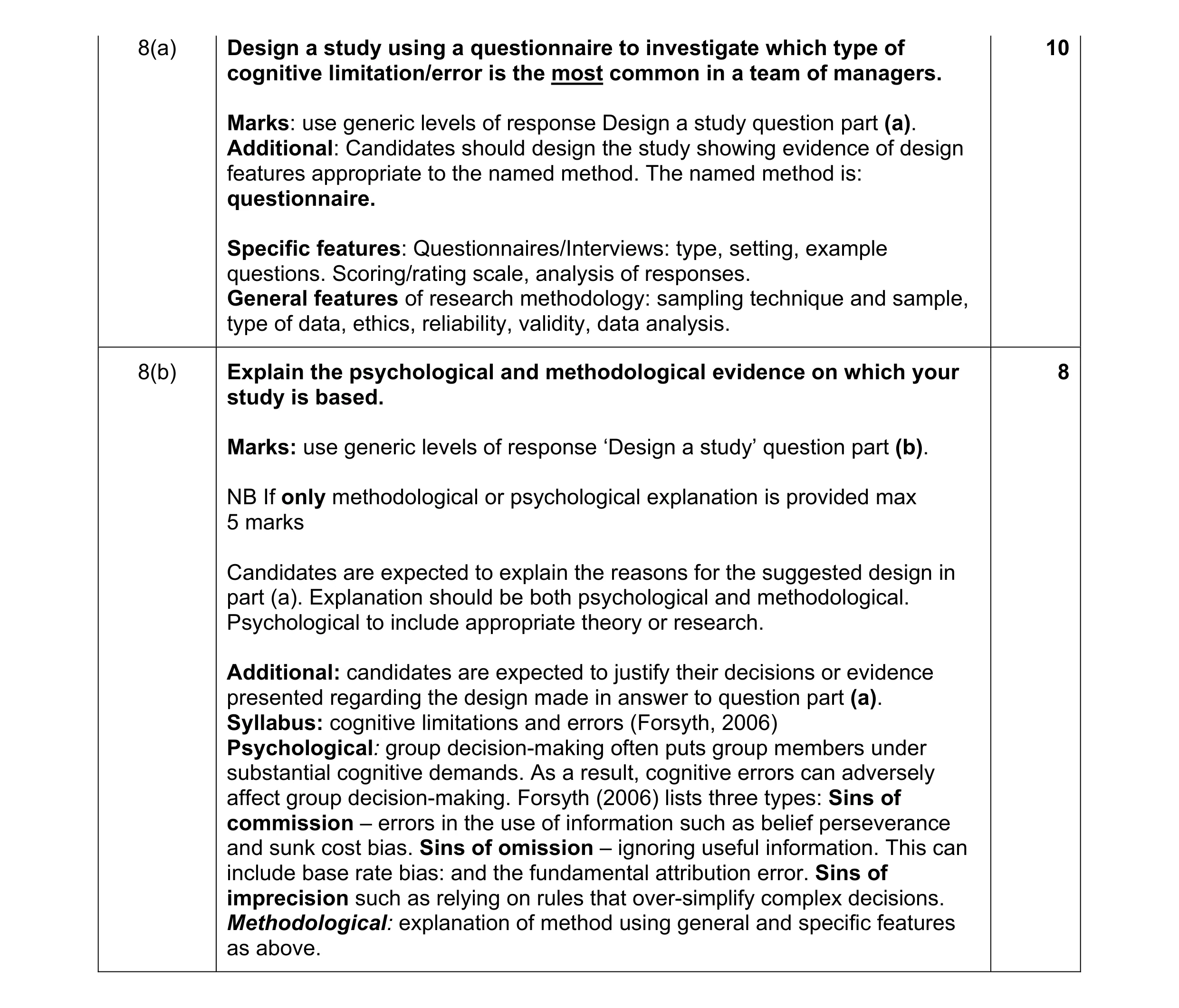 18
18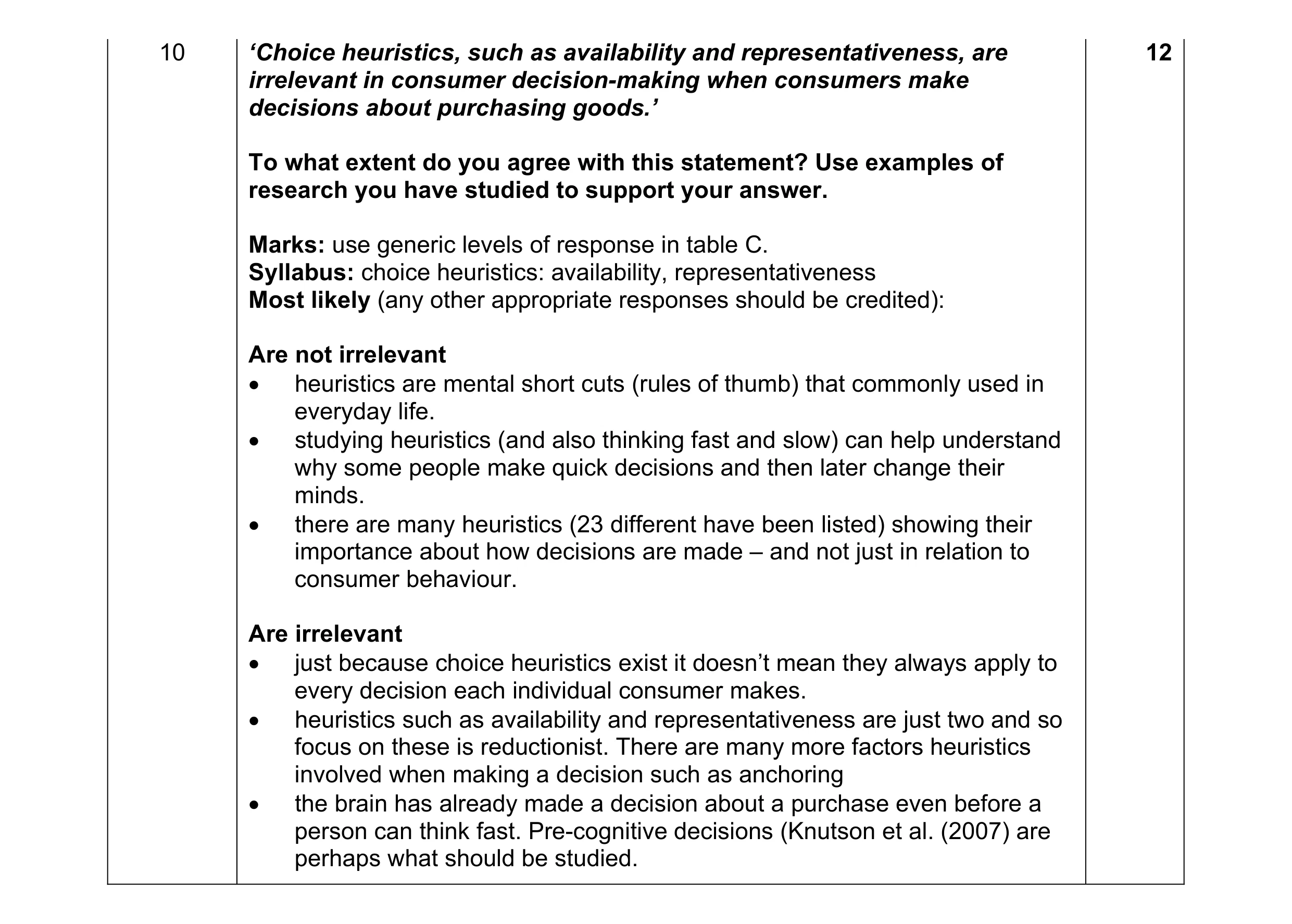 12
12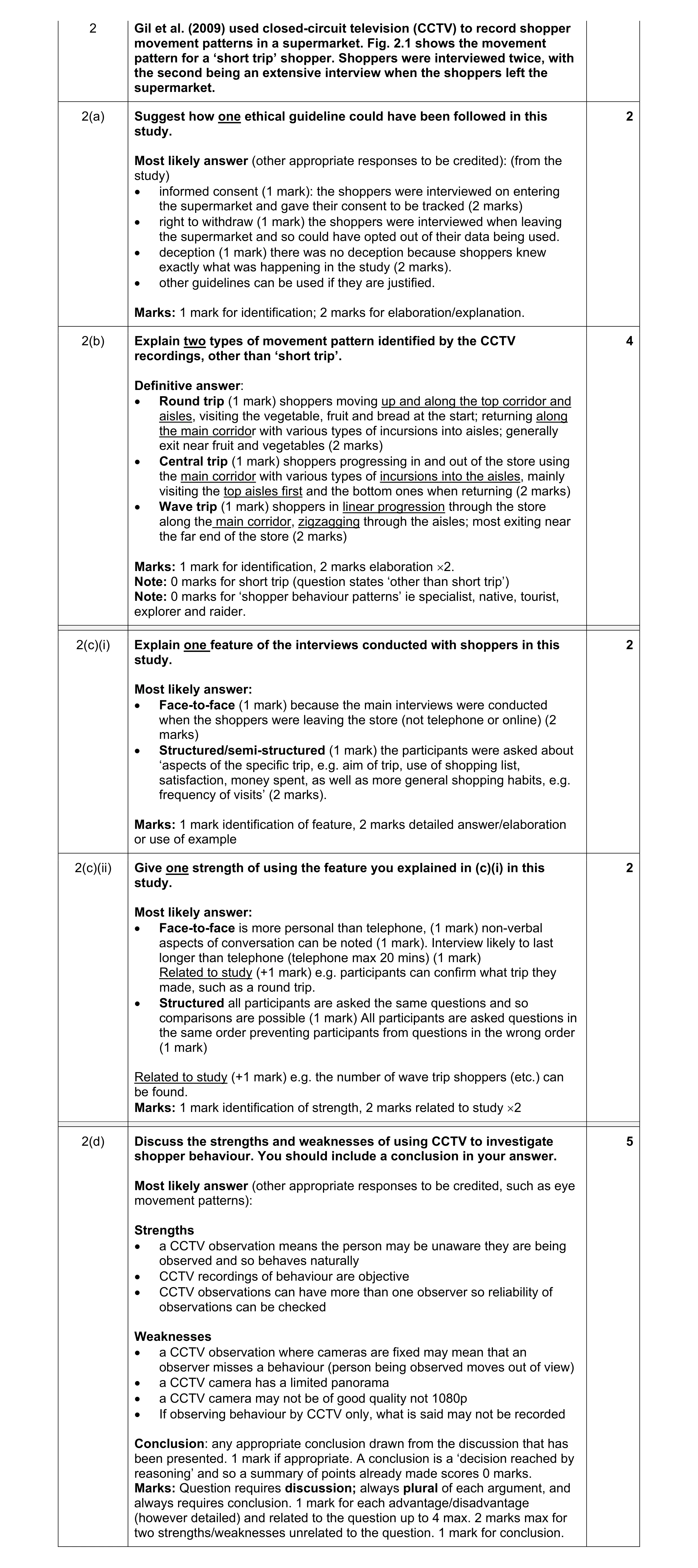 15
15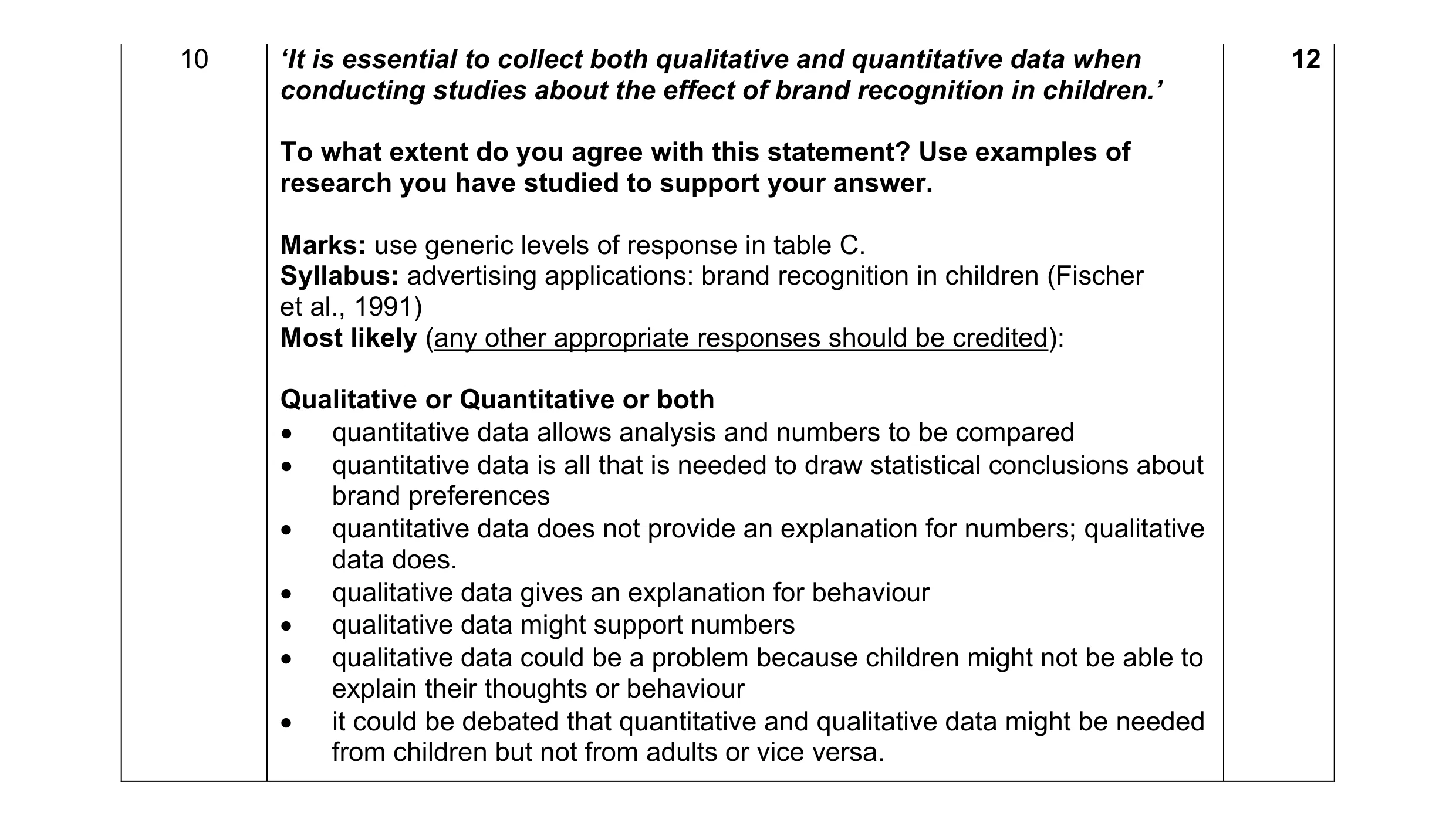 12
12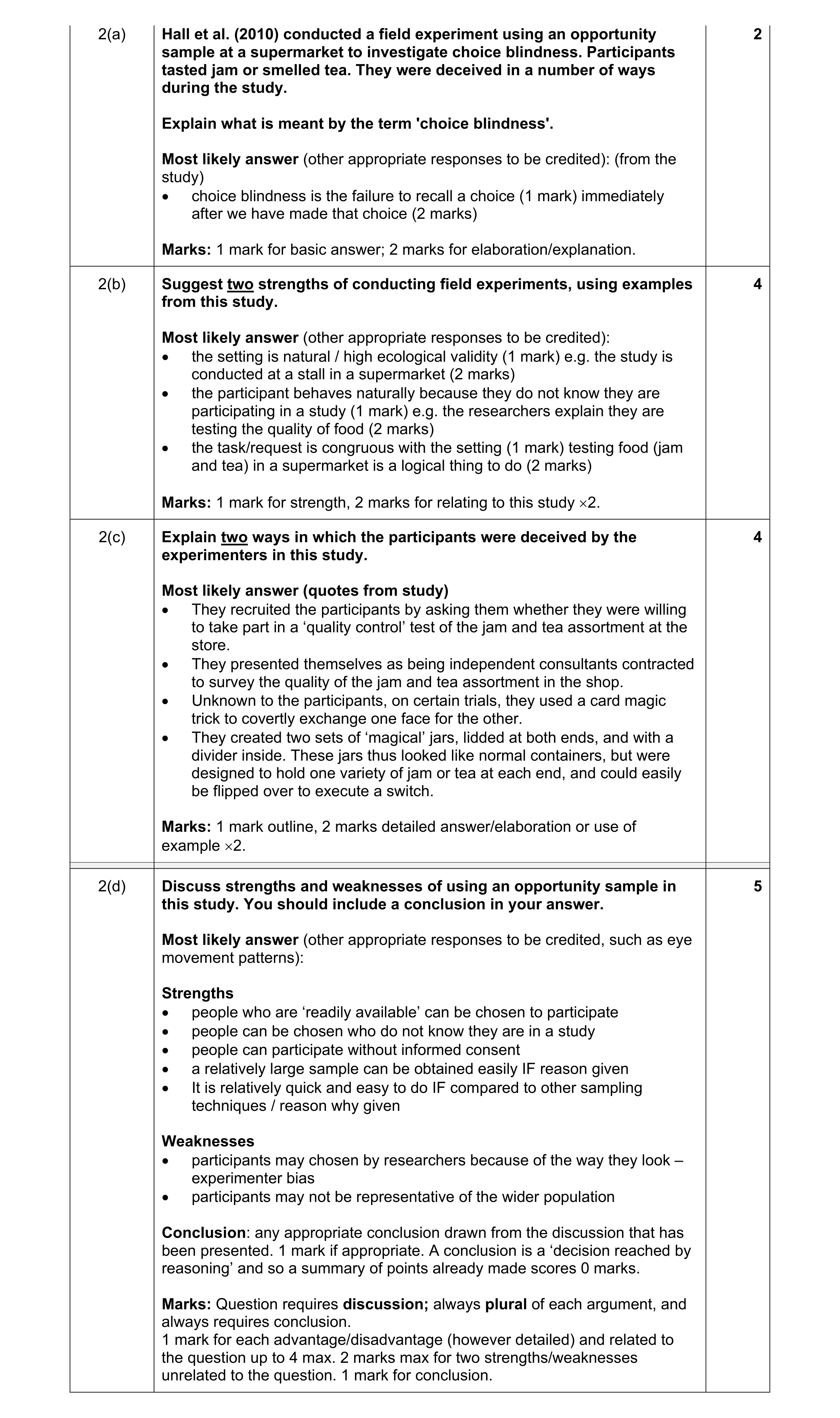 15
15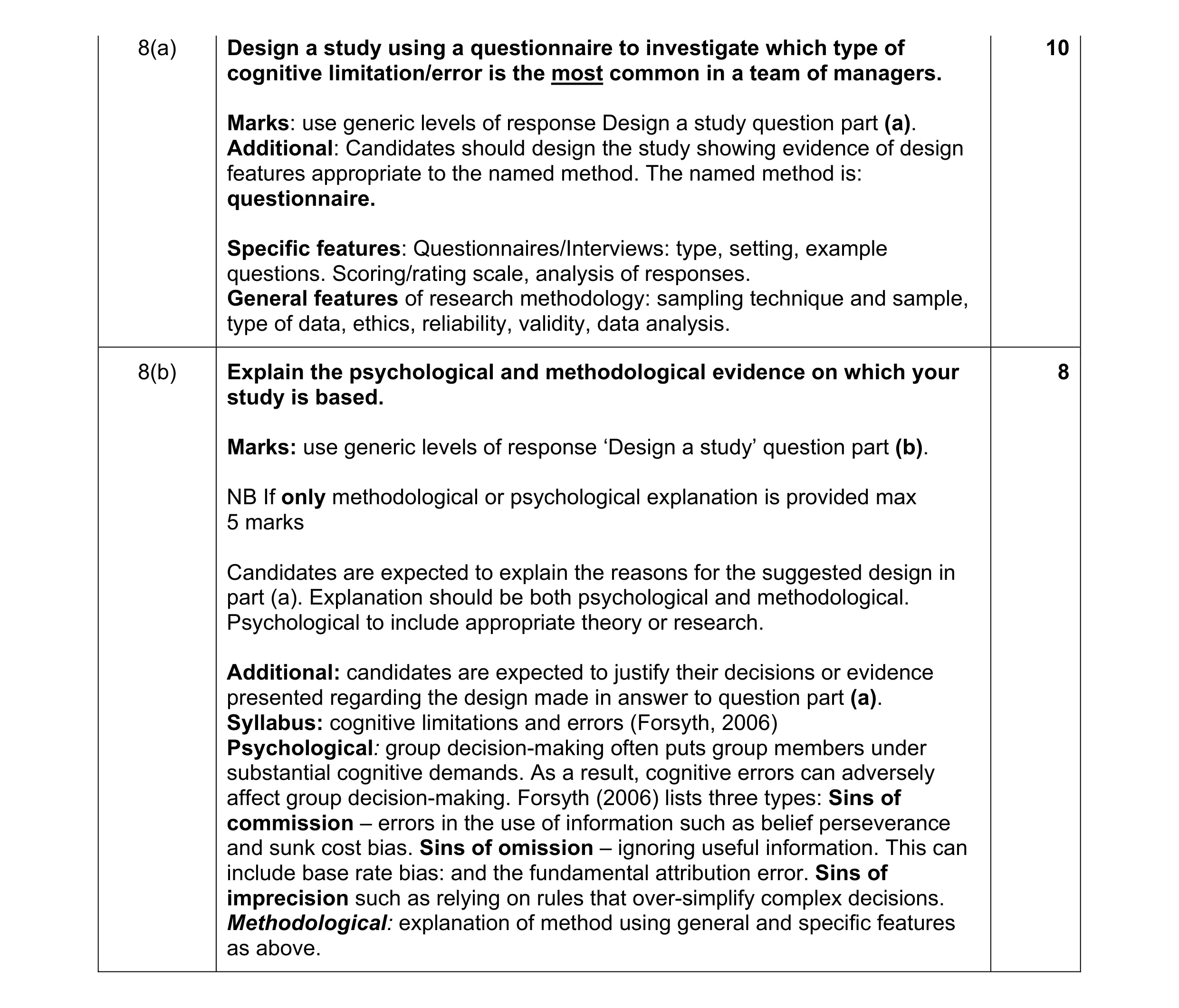 18
18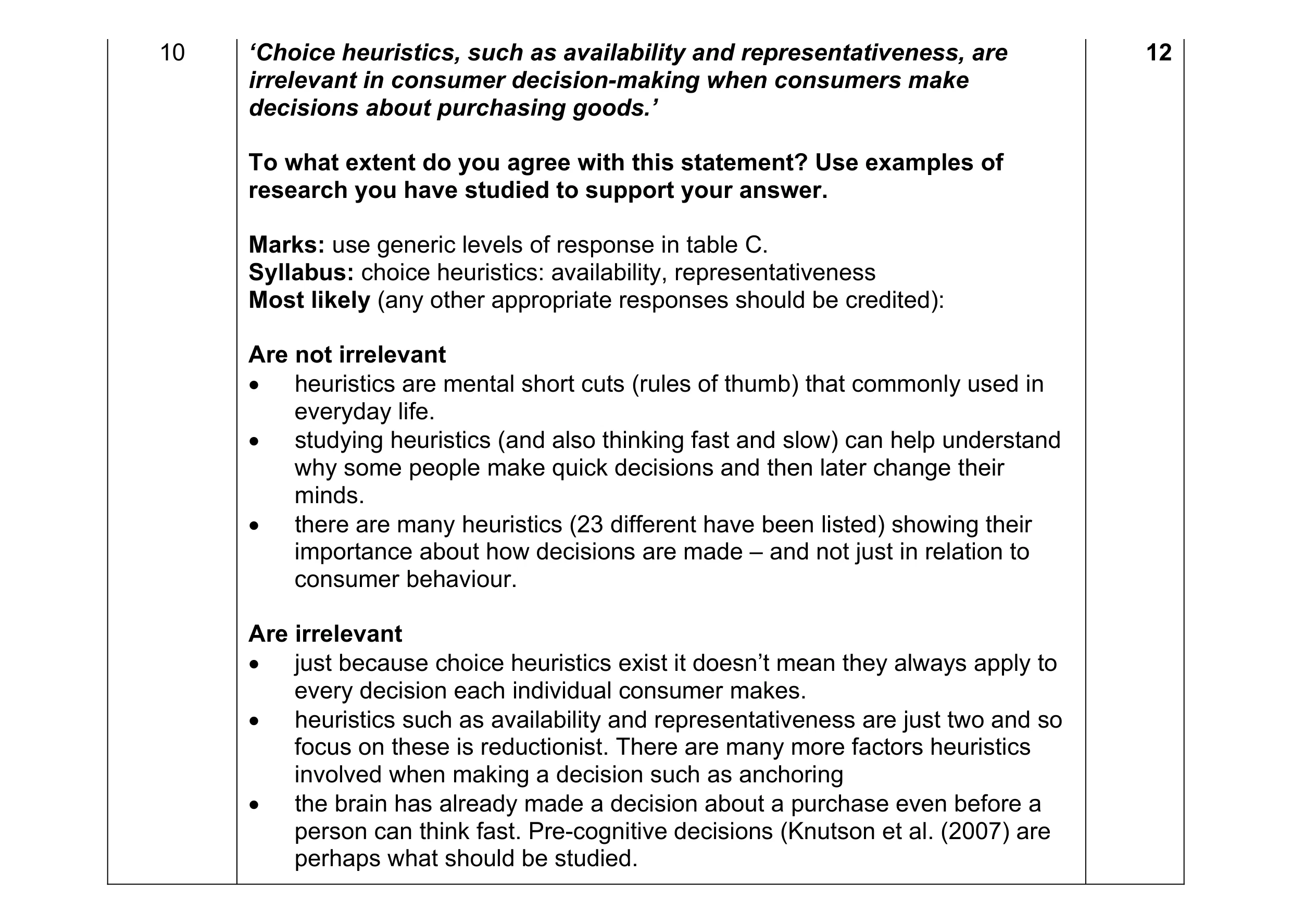 12
12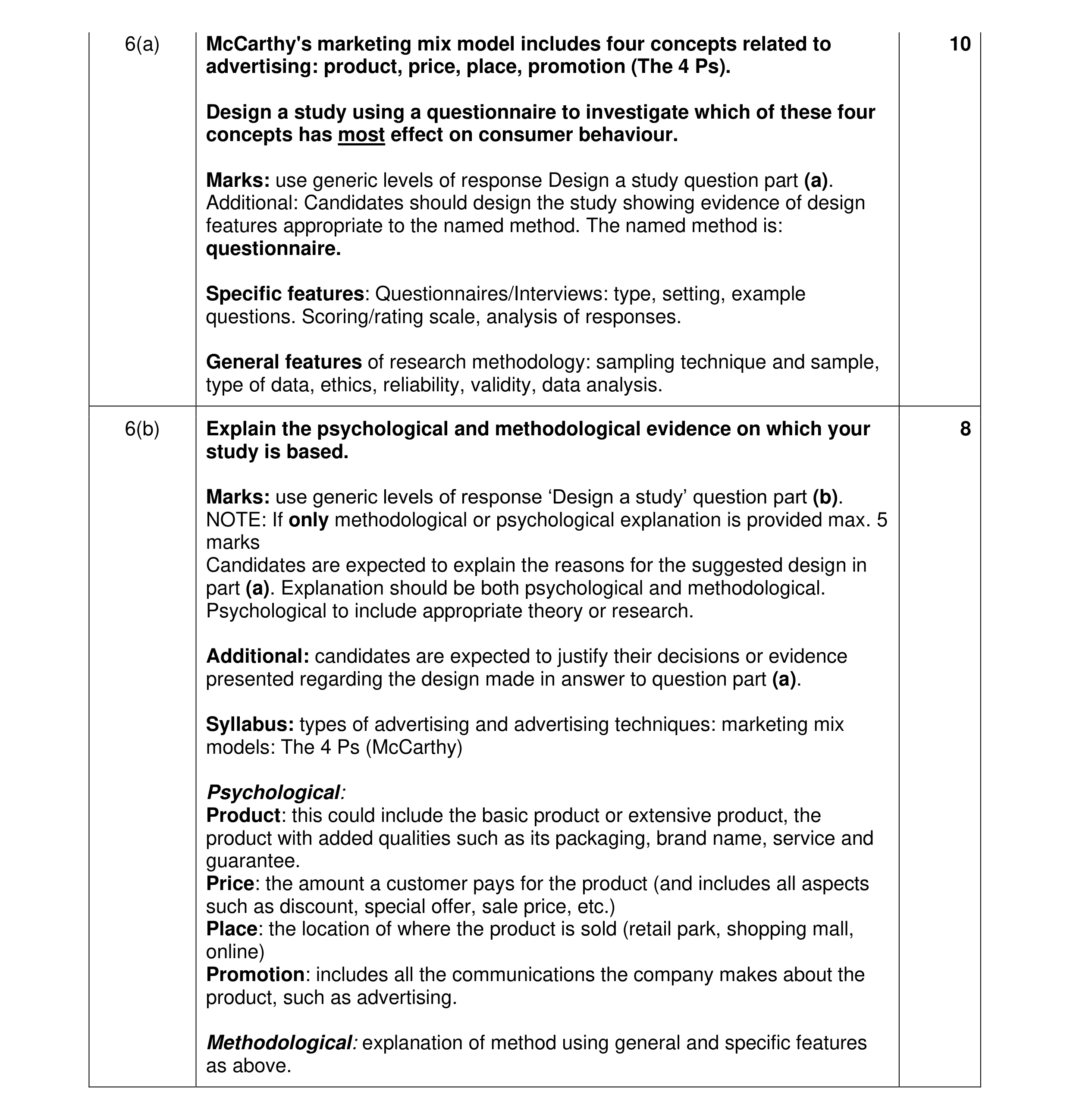 18
18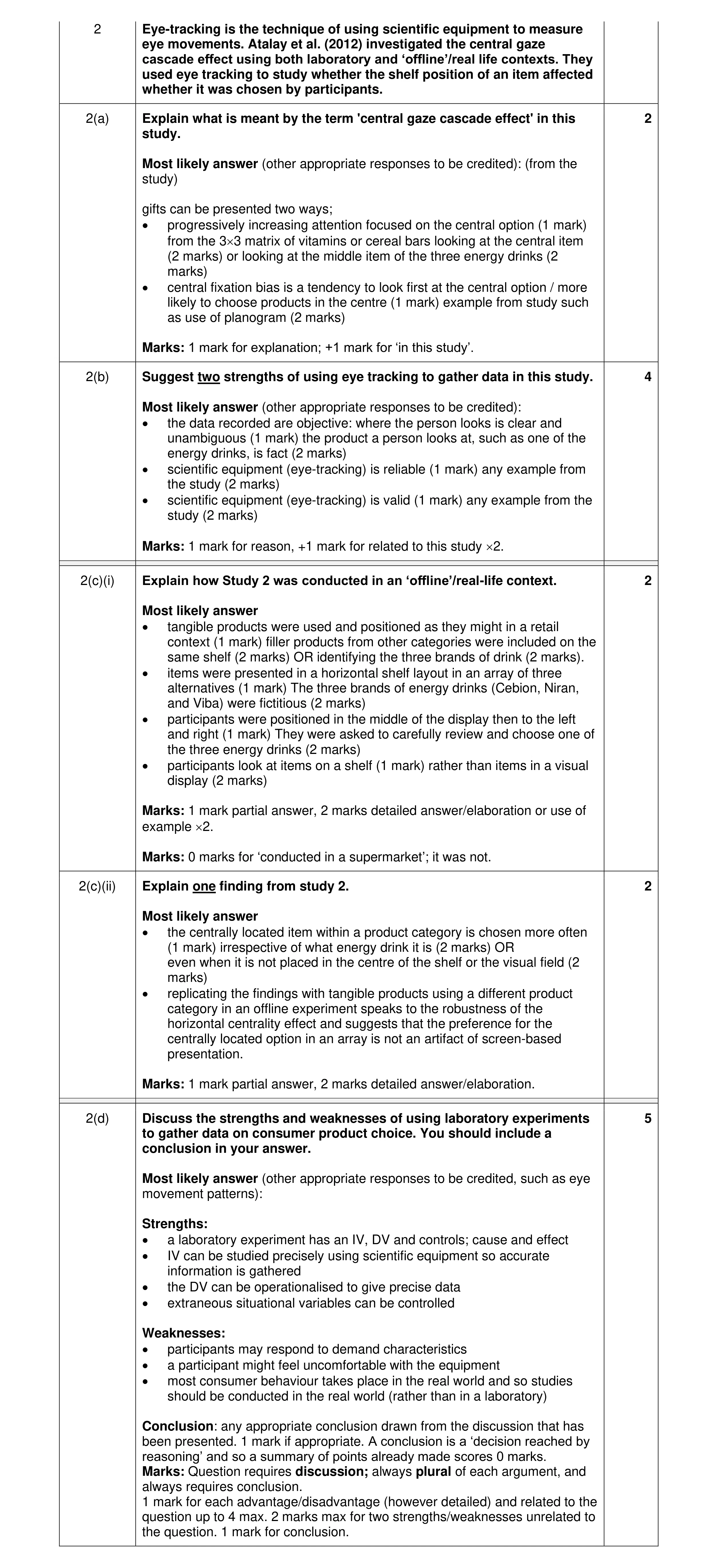 15
15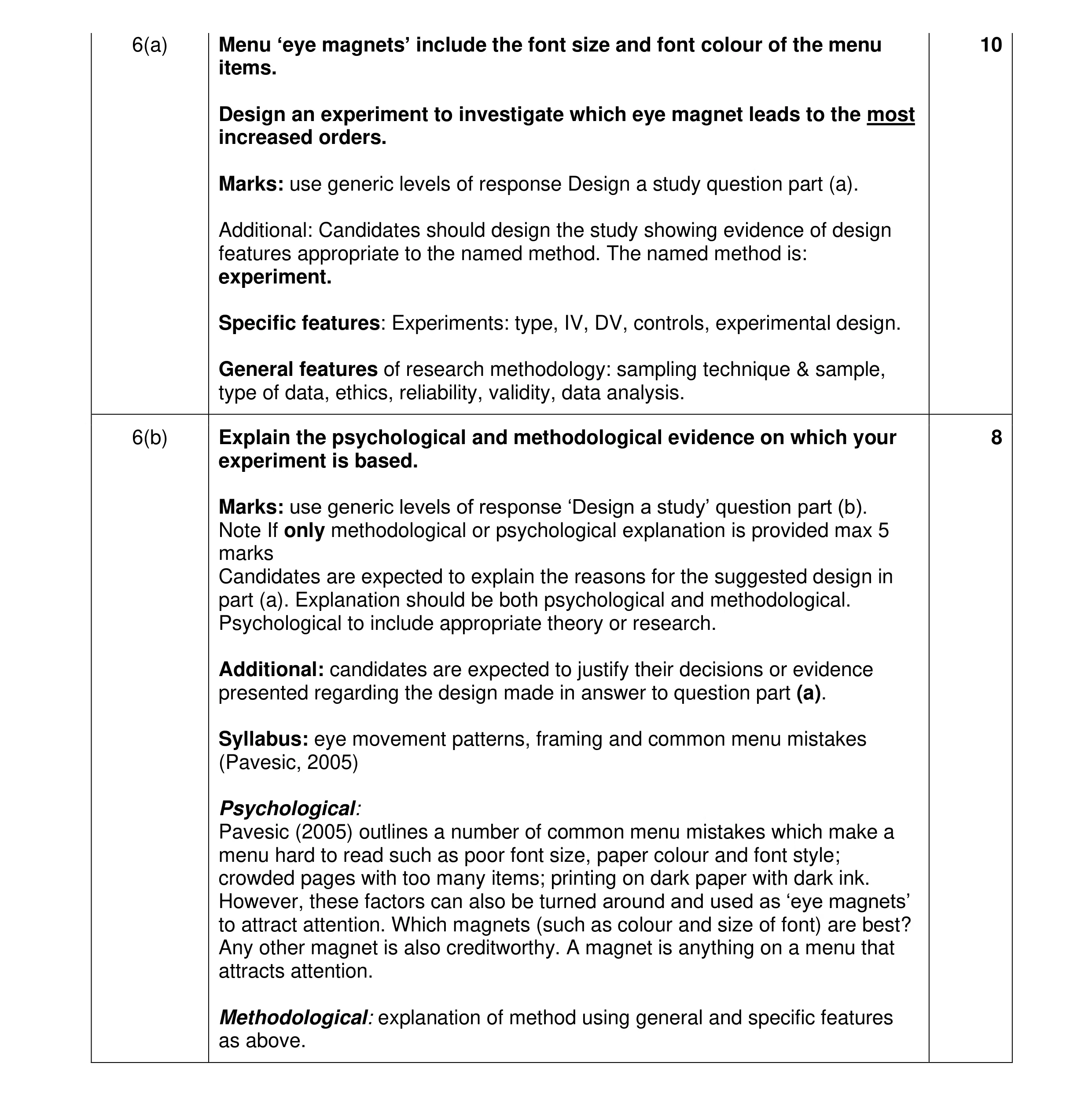 18
18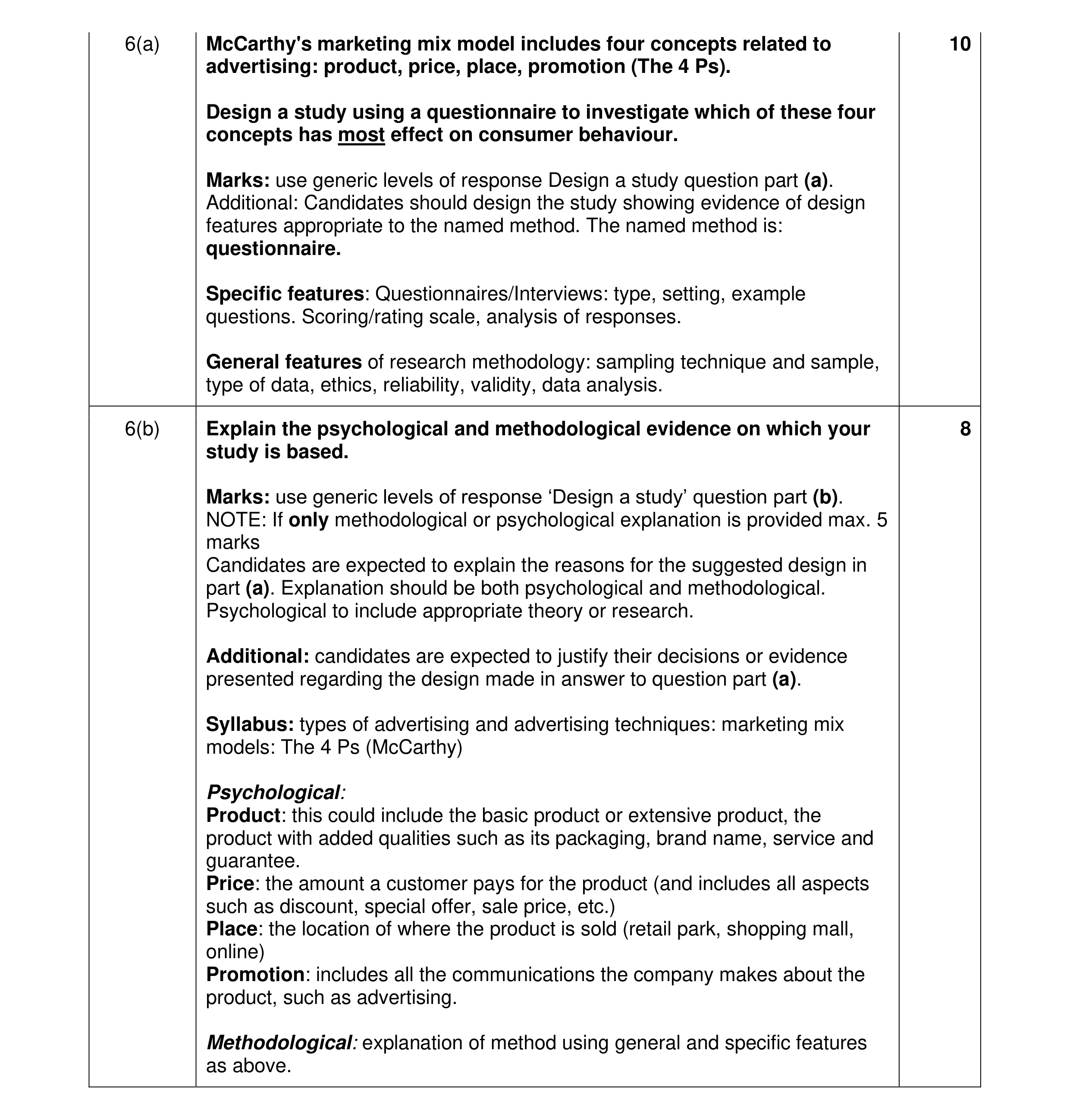 18
18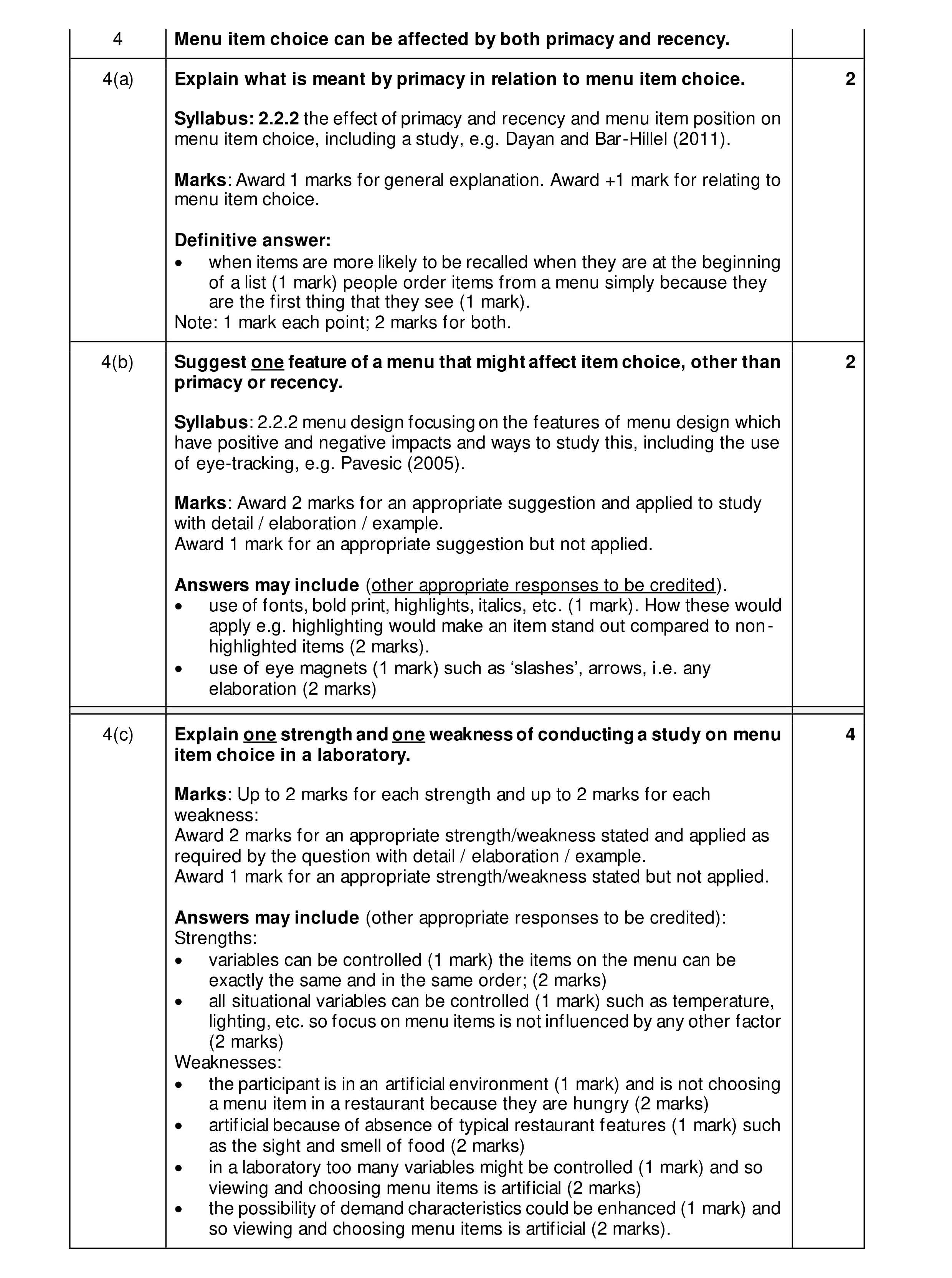 8
8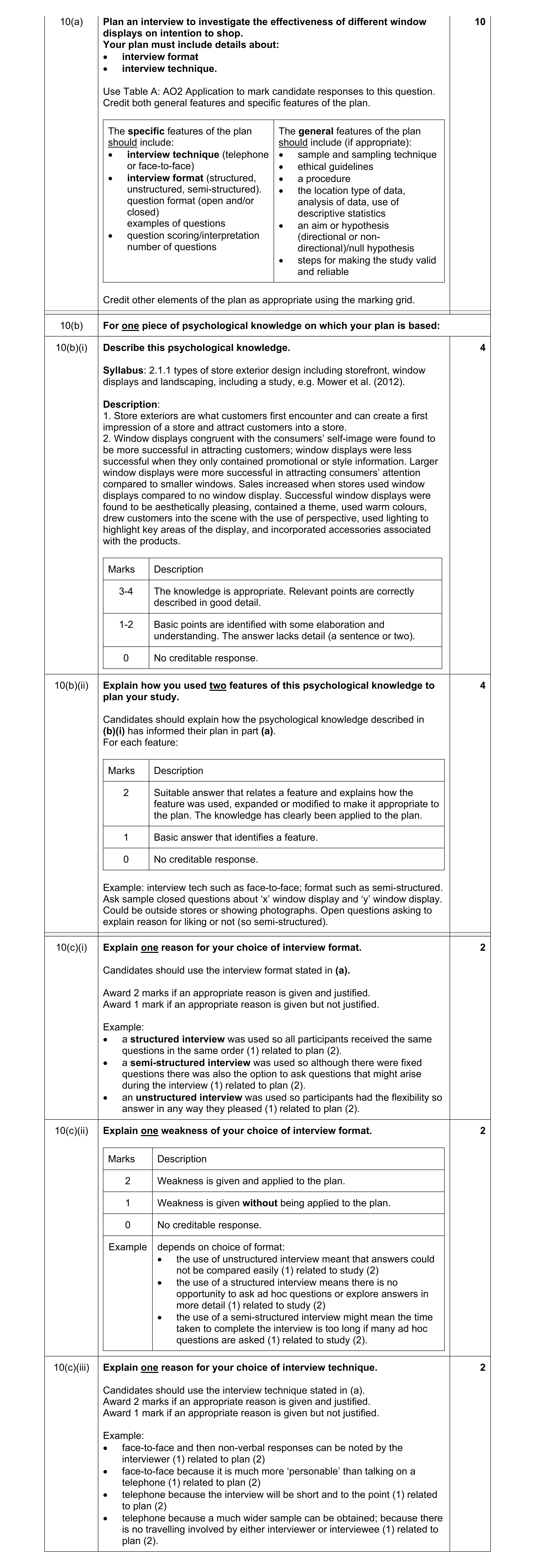 24
24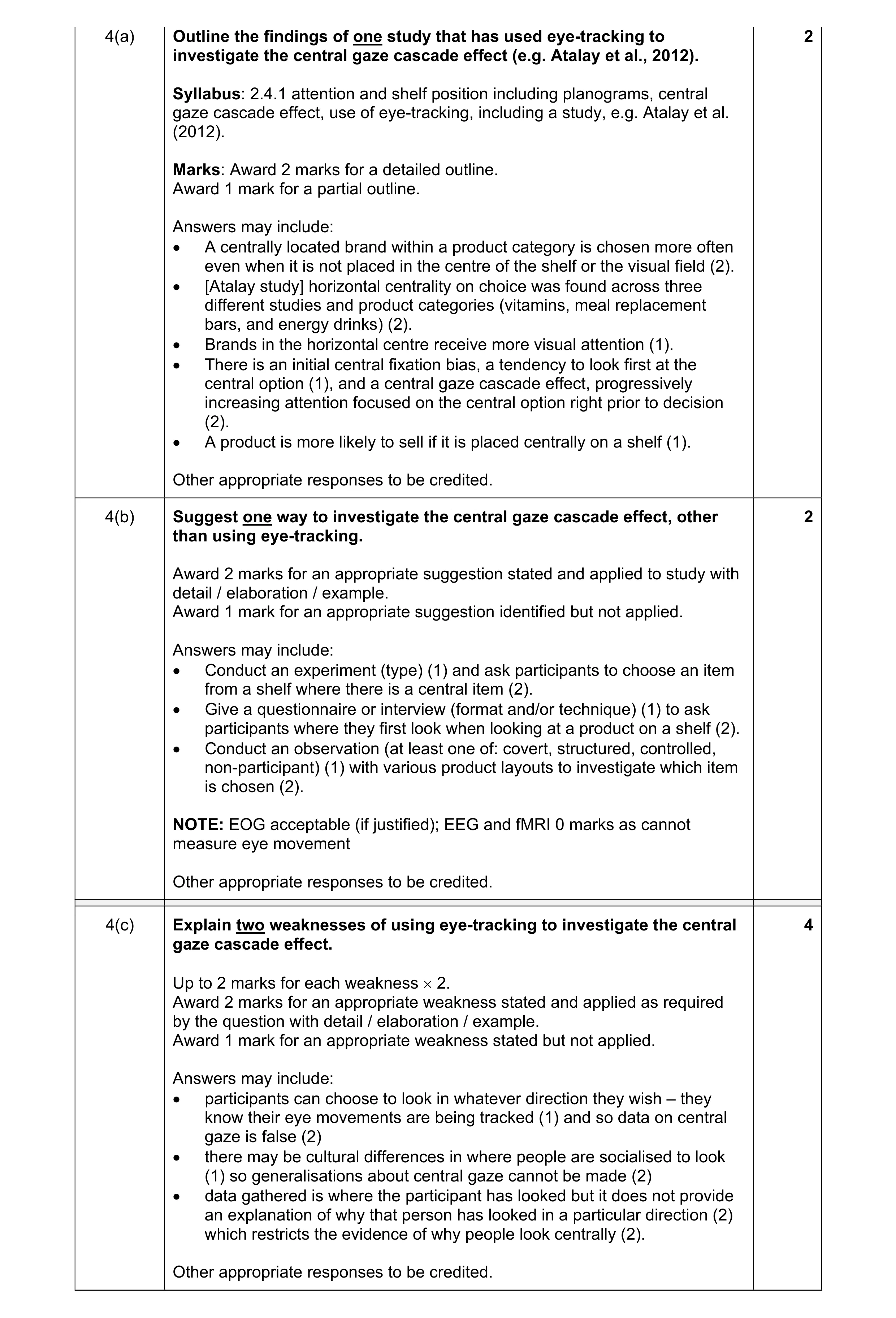 8
8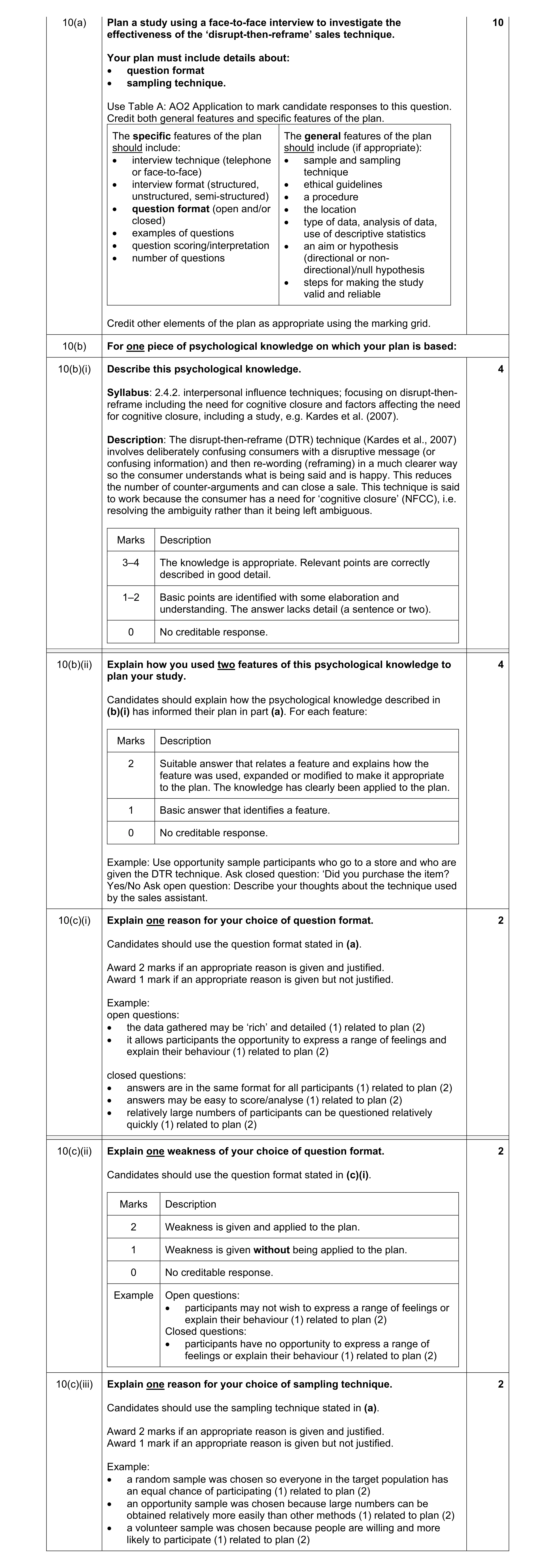 24
24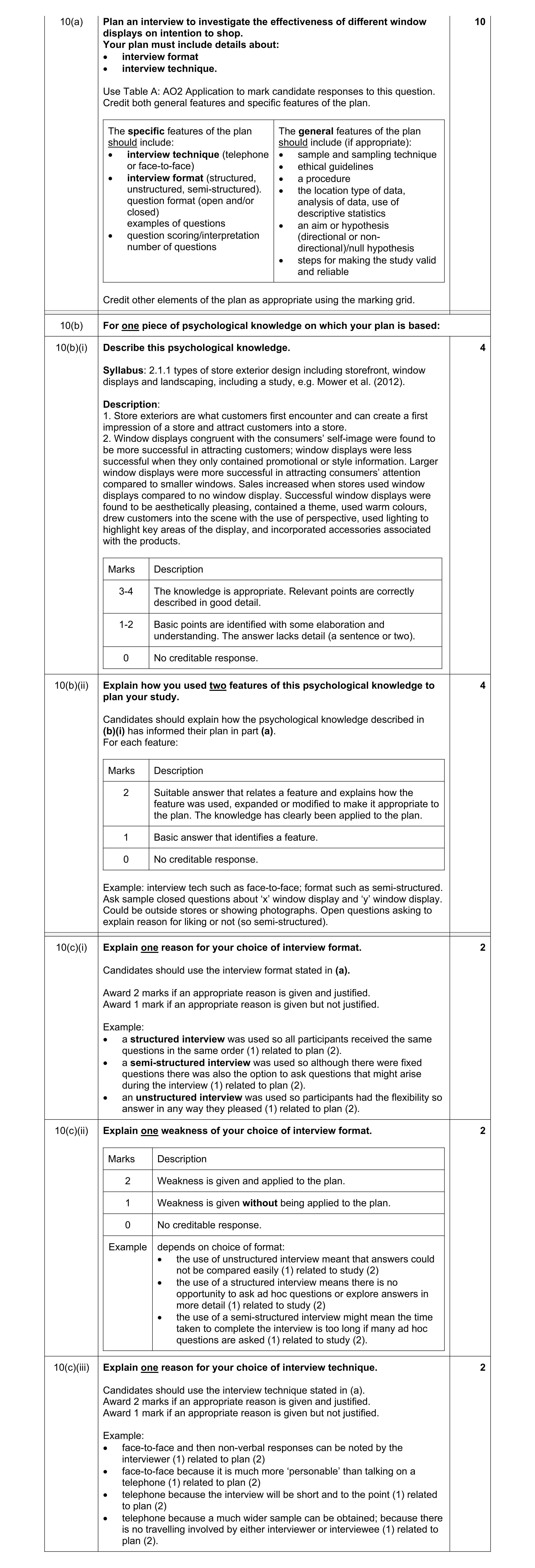 24
24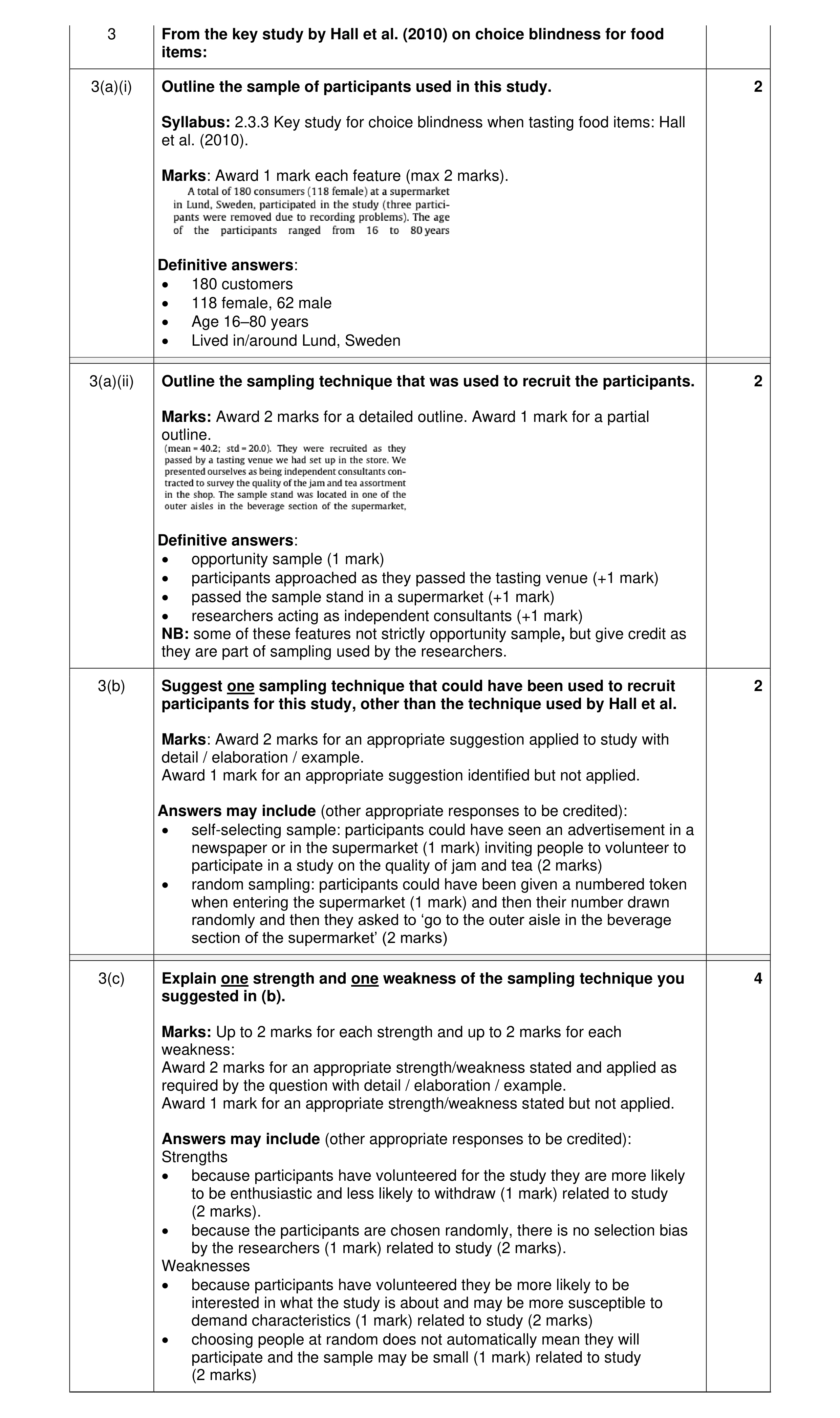 10
10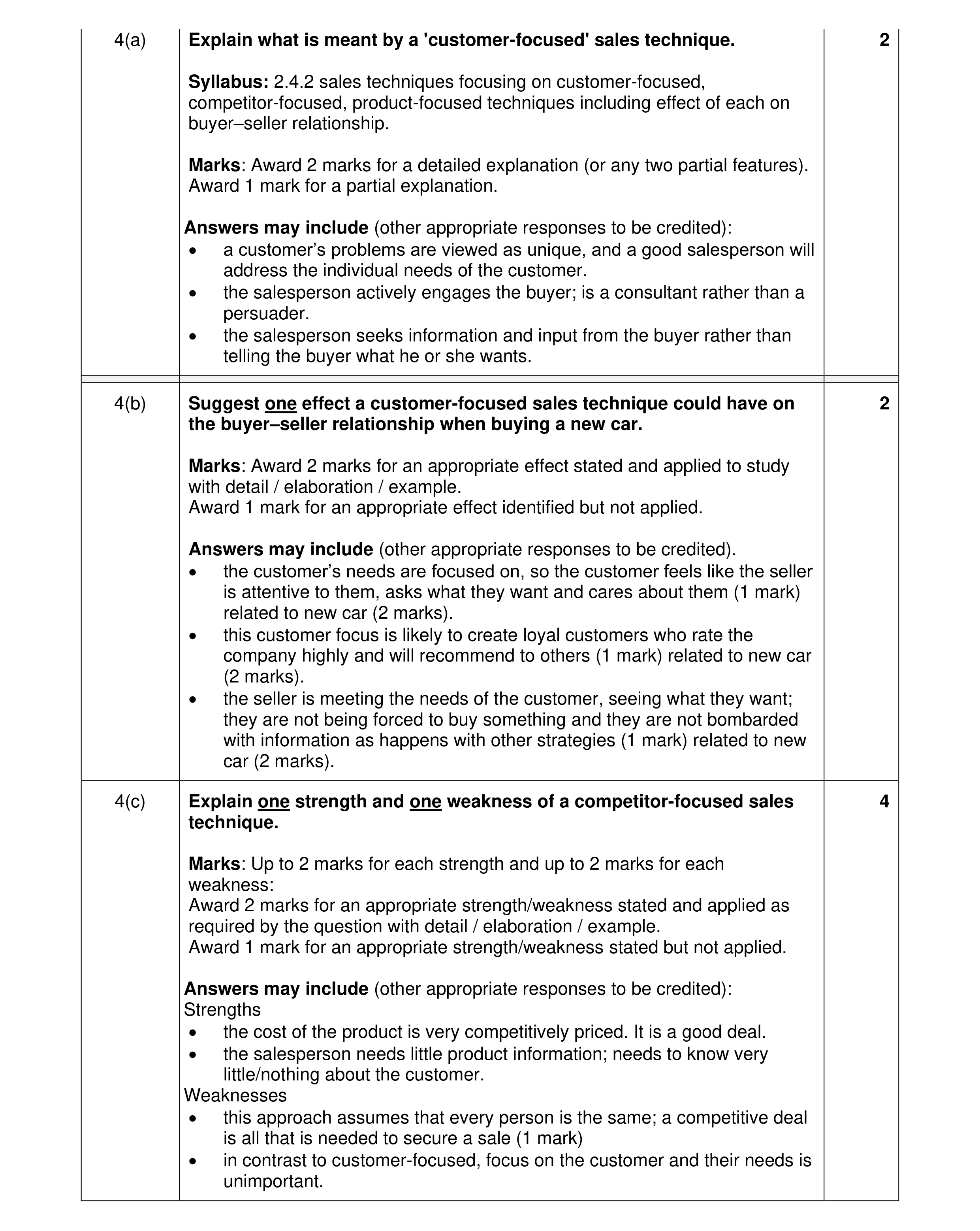 8
8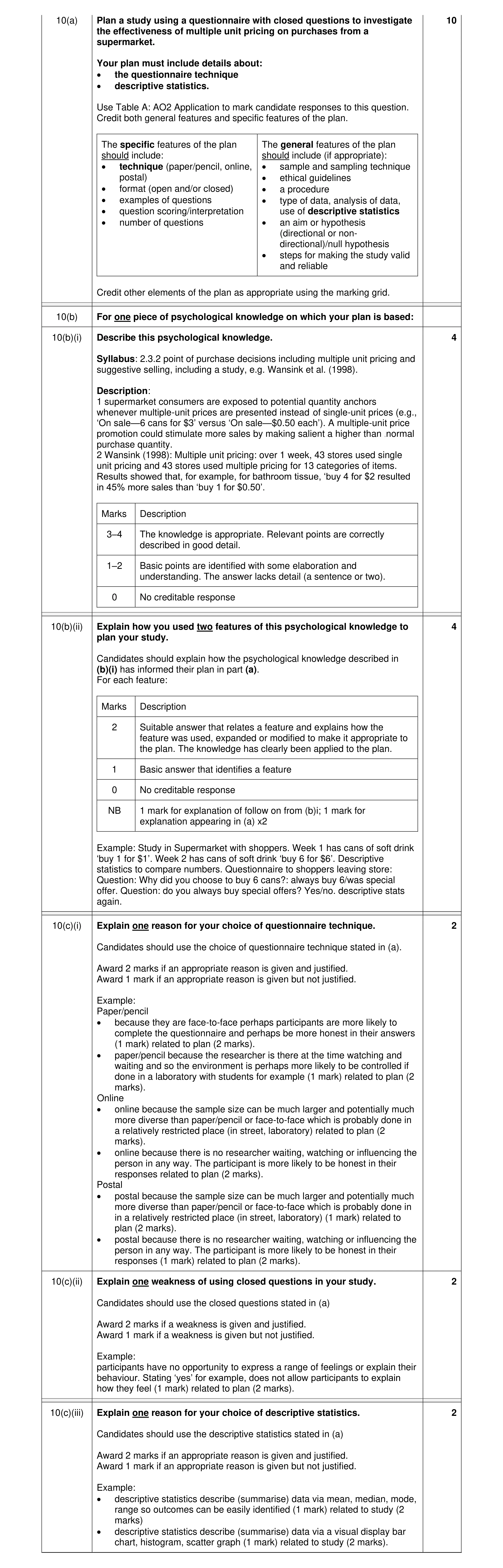 24
24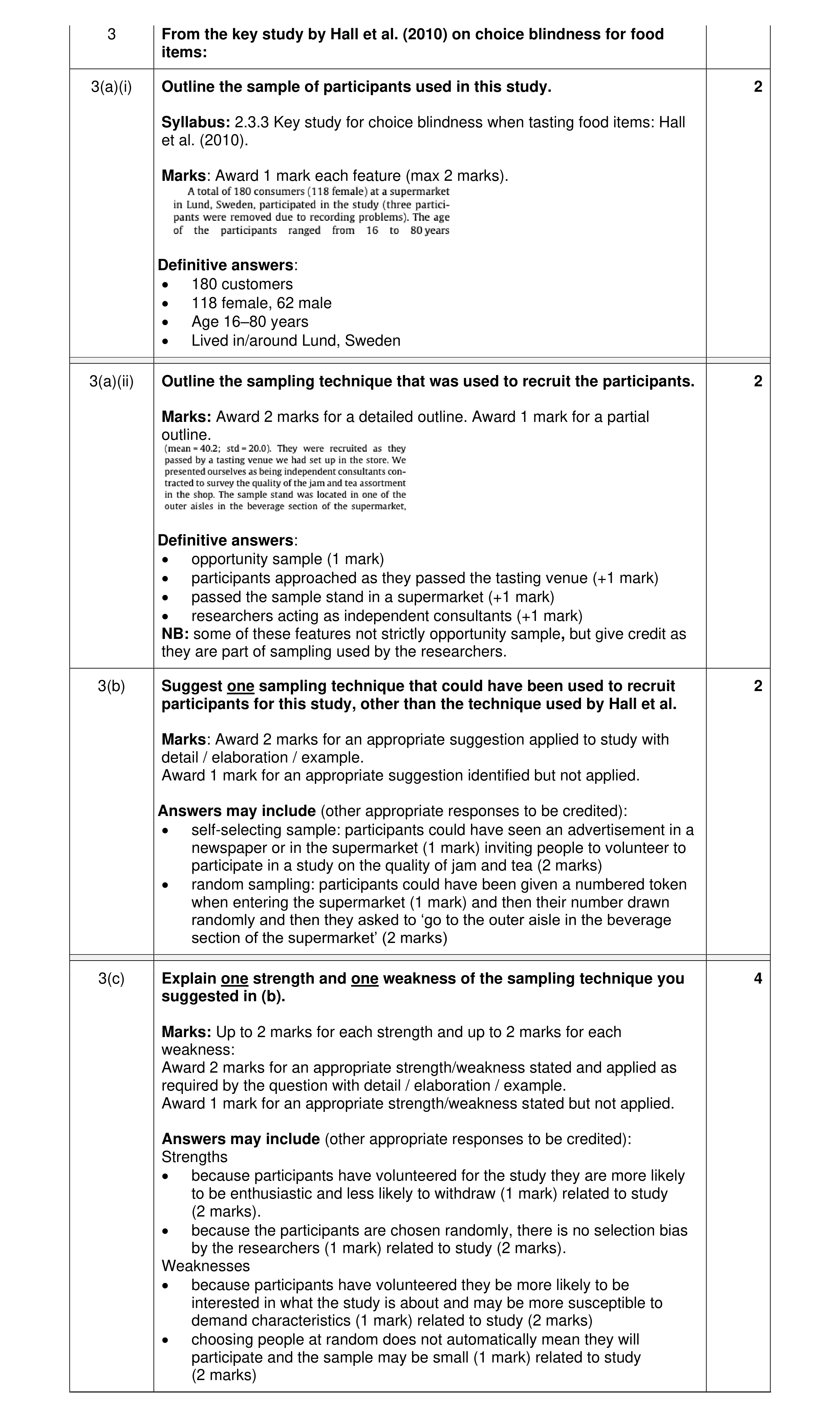 10
10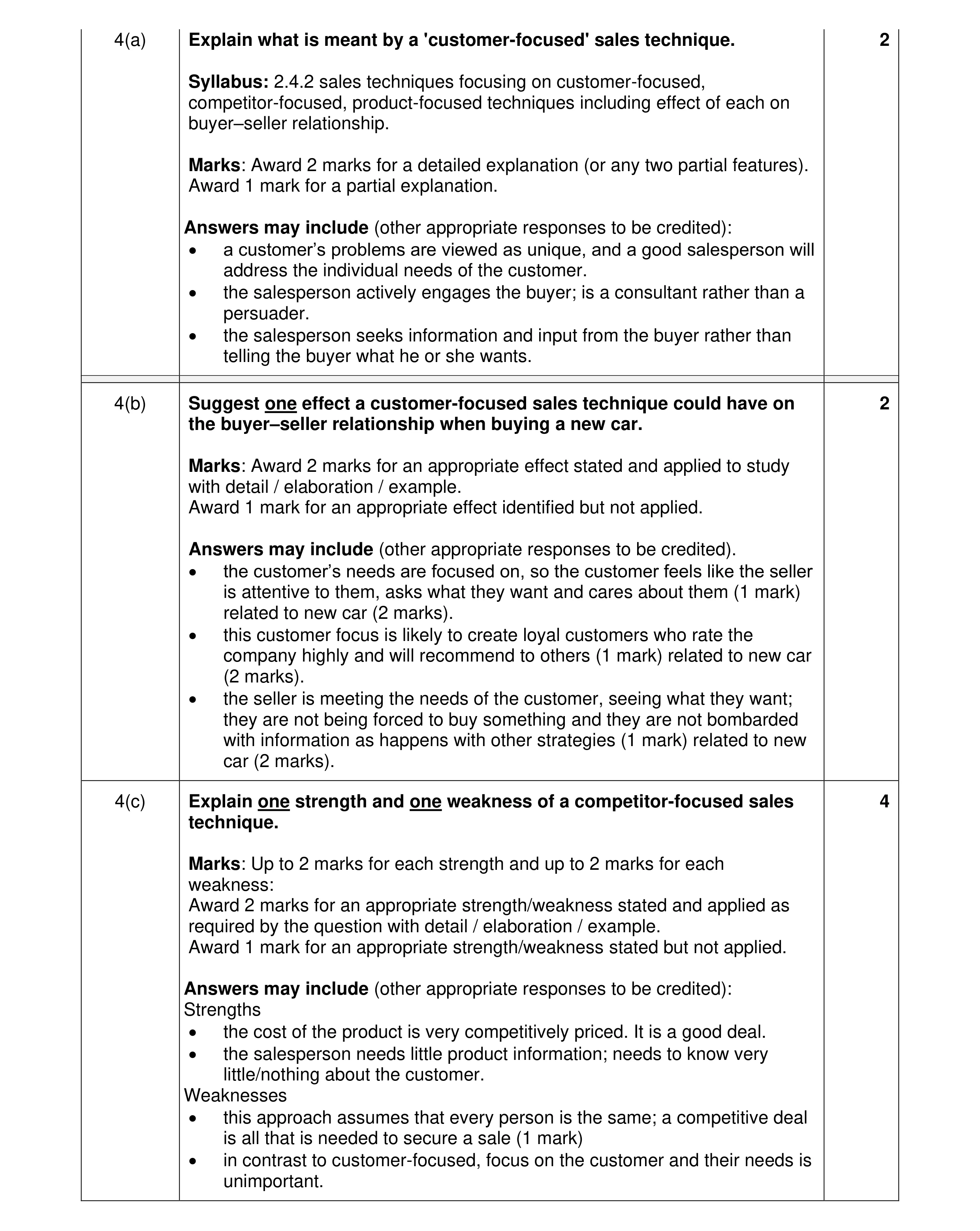 8
8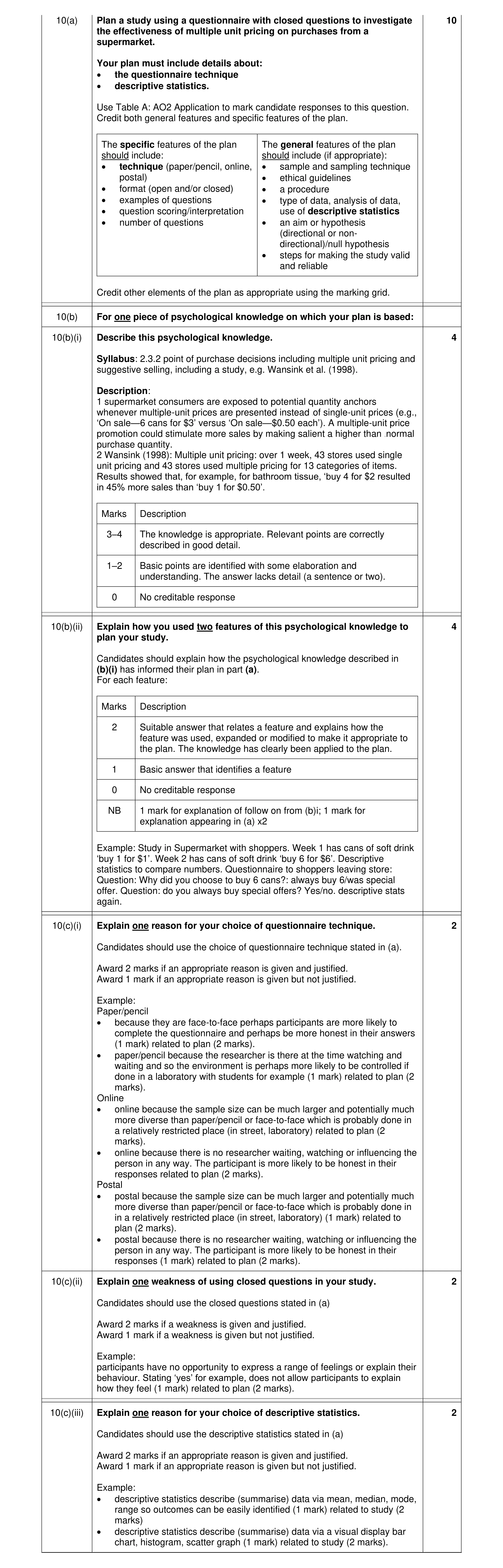 24
24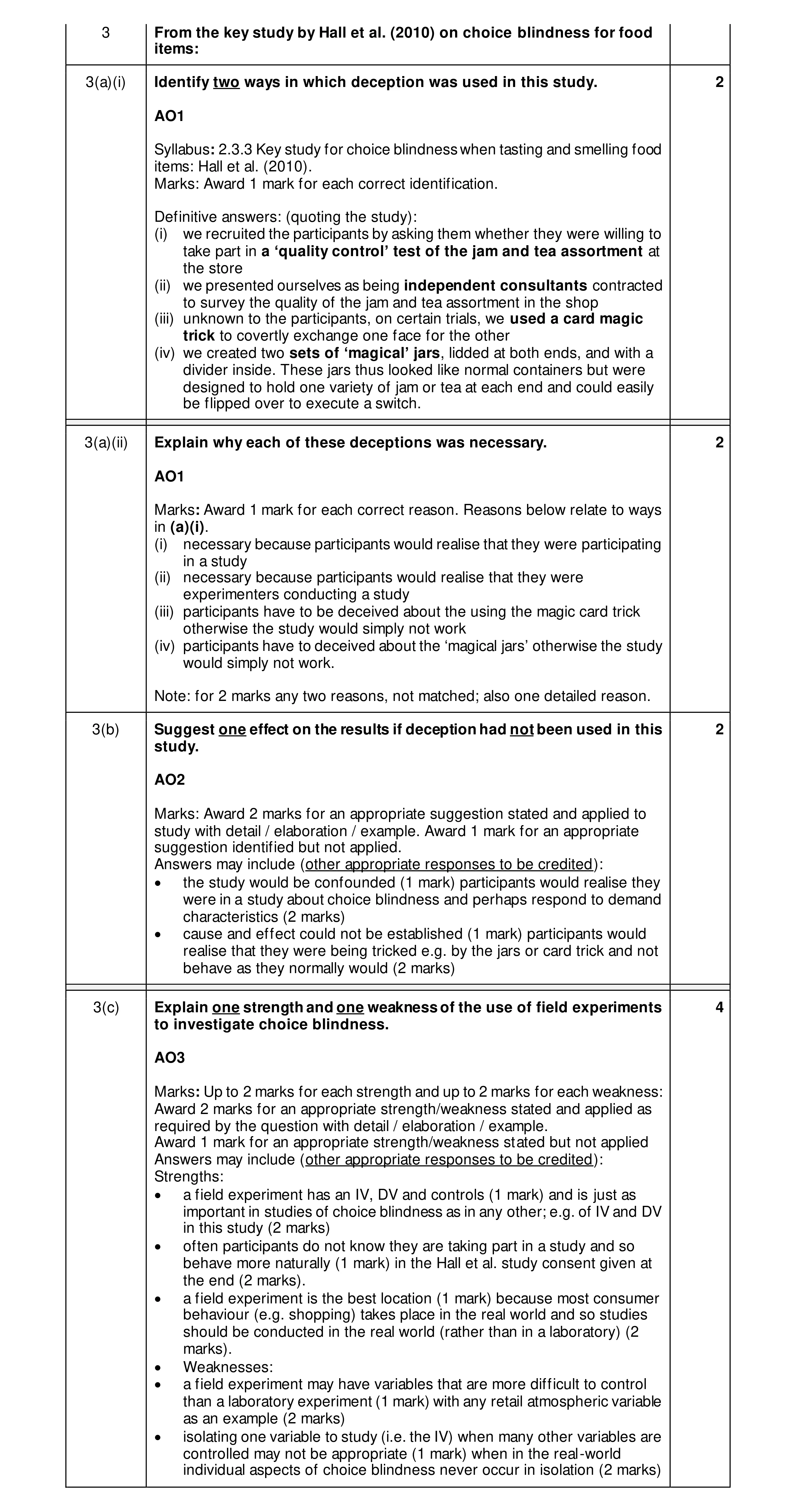 10
10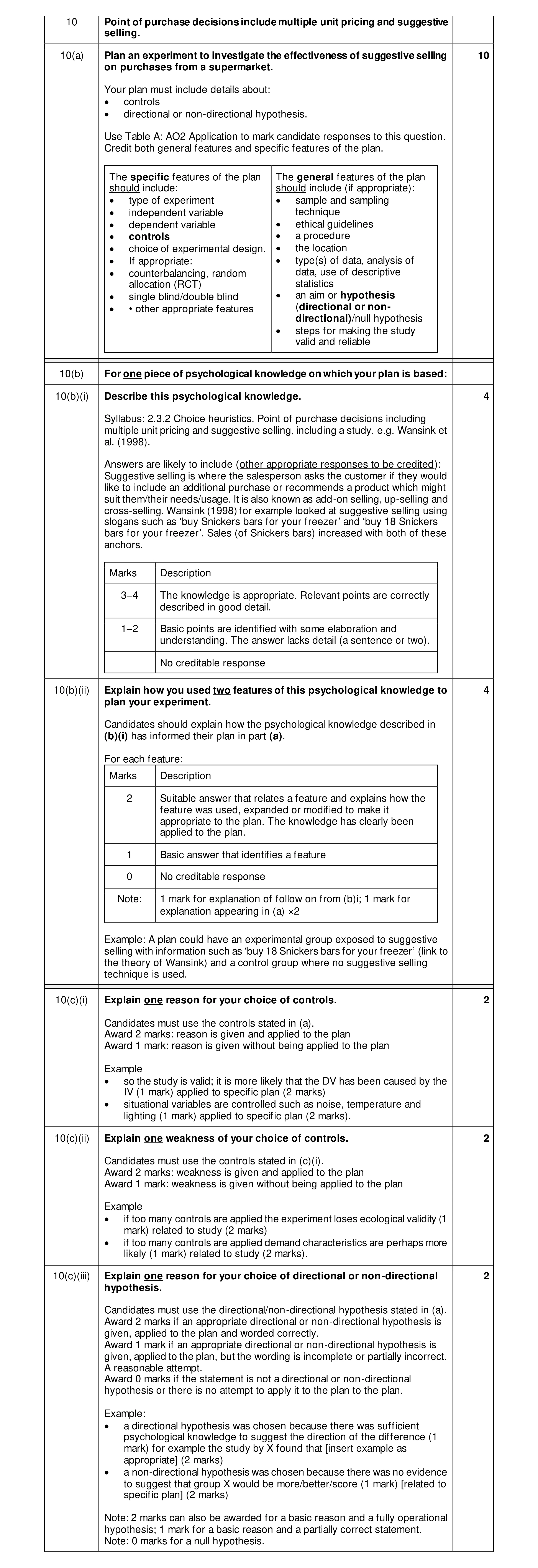 24
24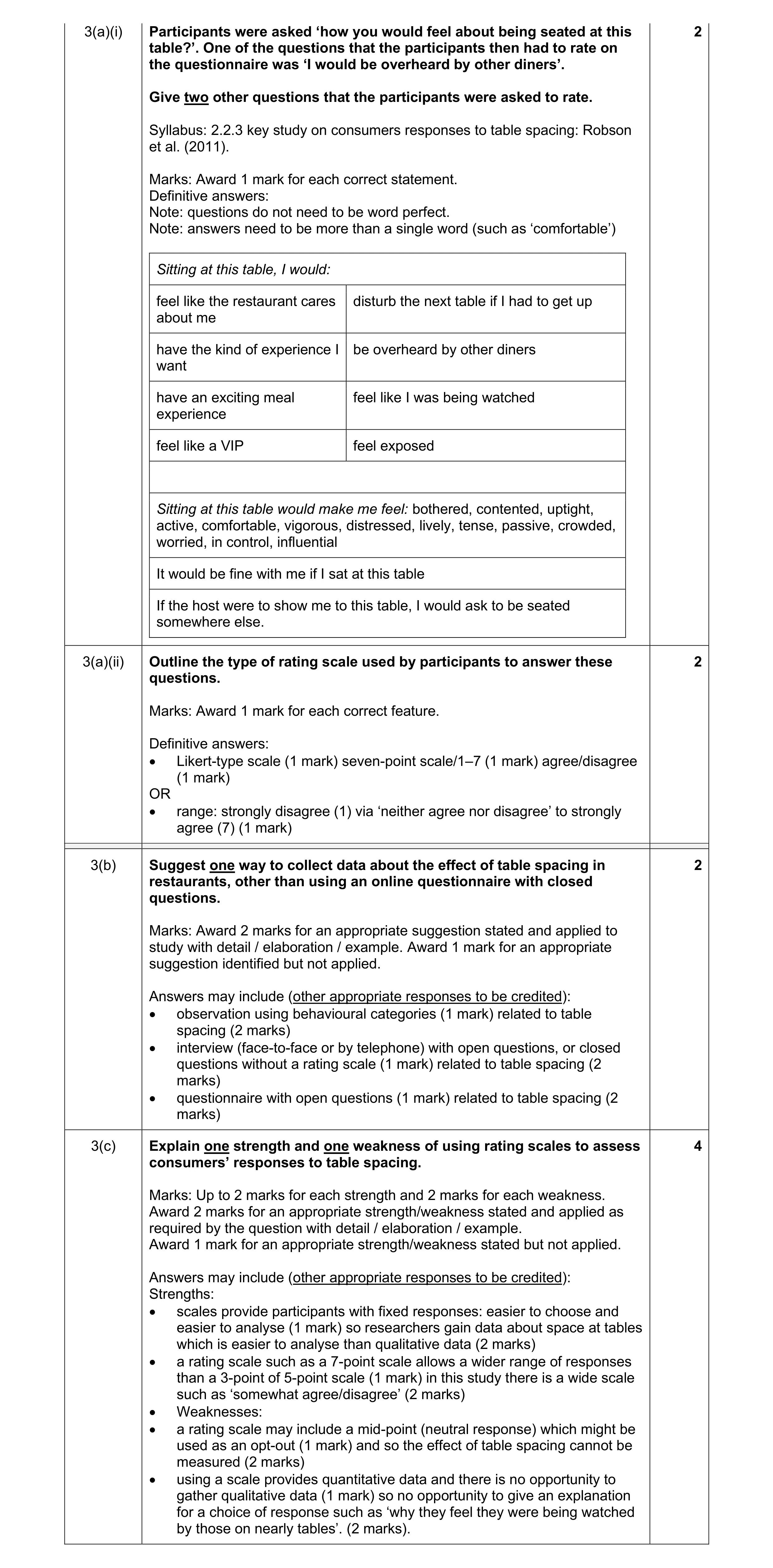 10
10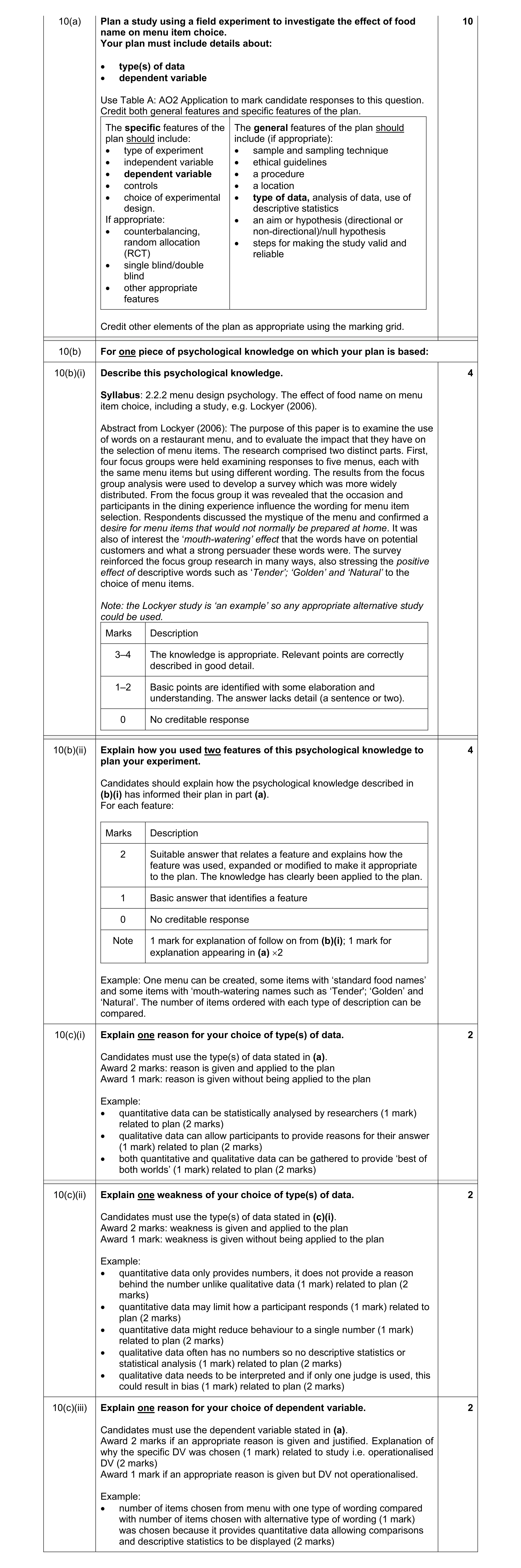 24
24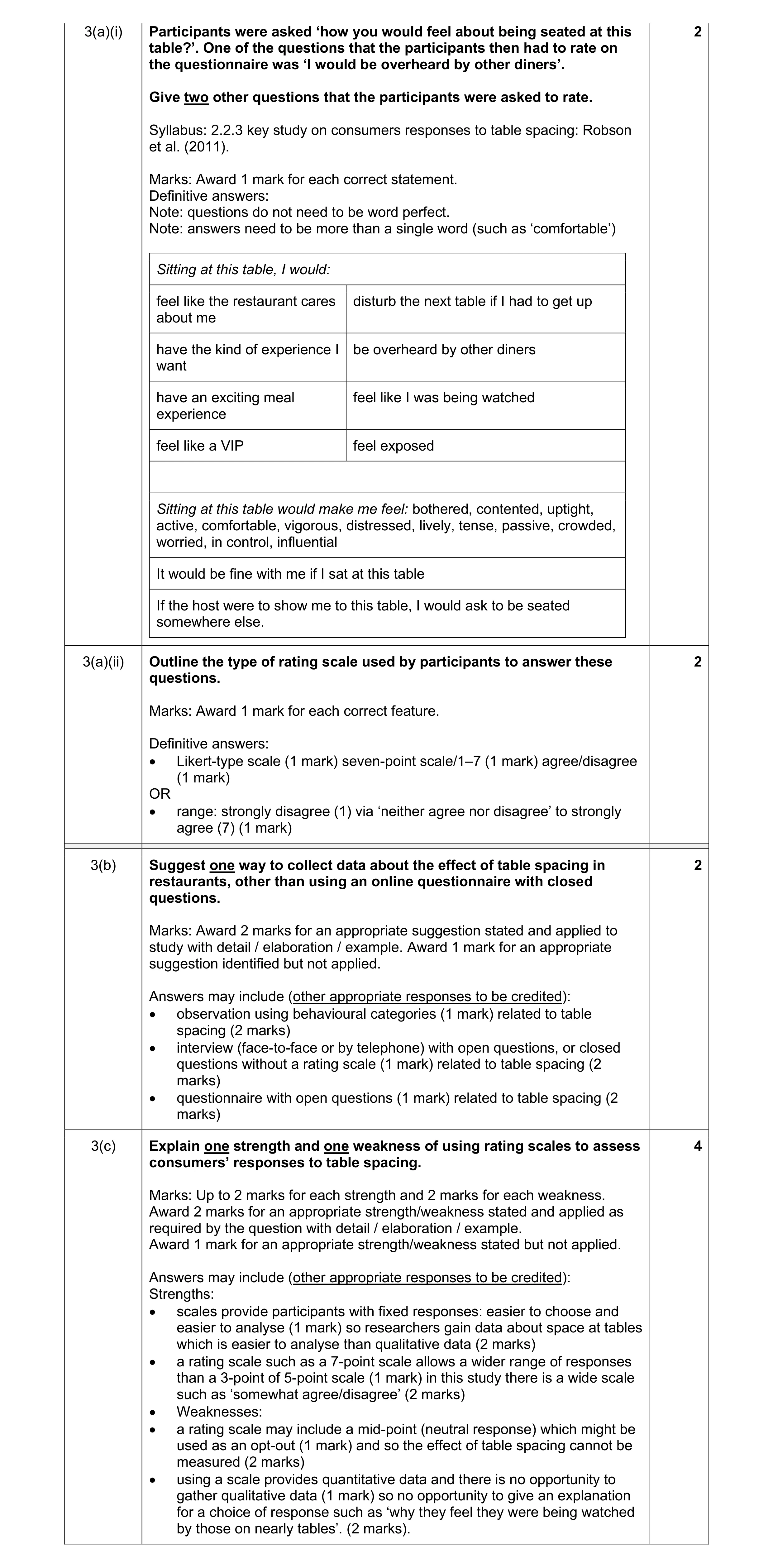 10
10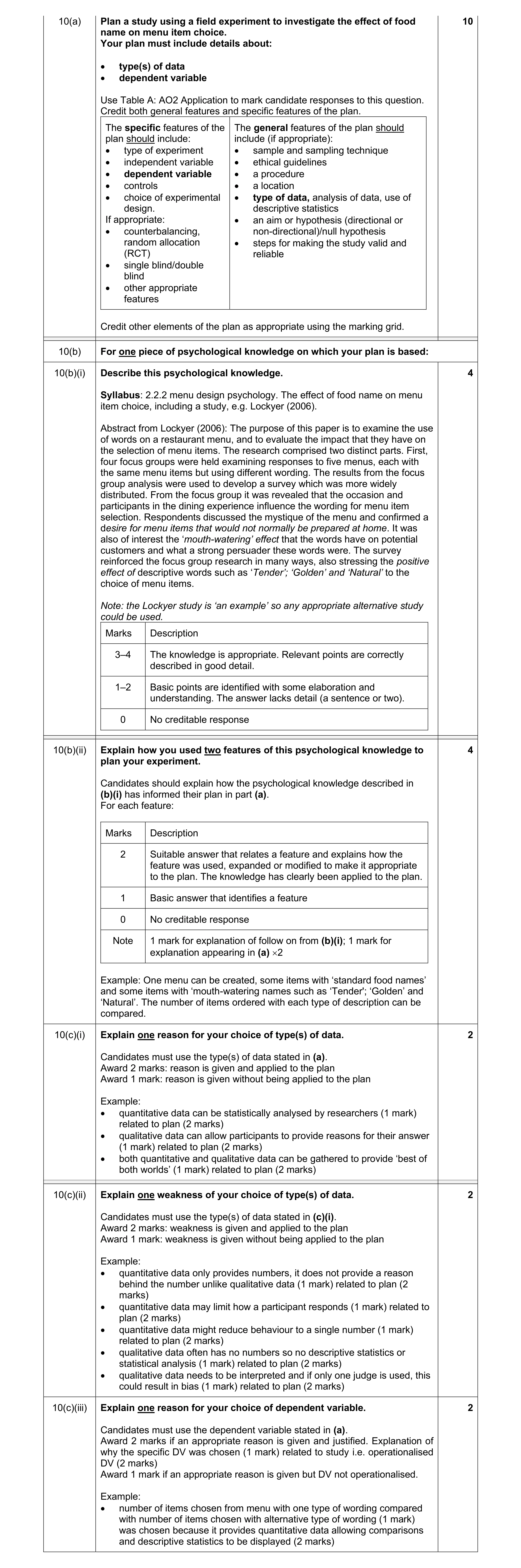 24
24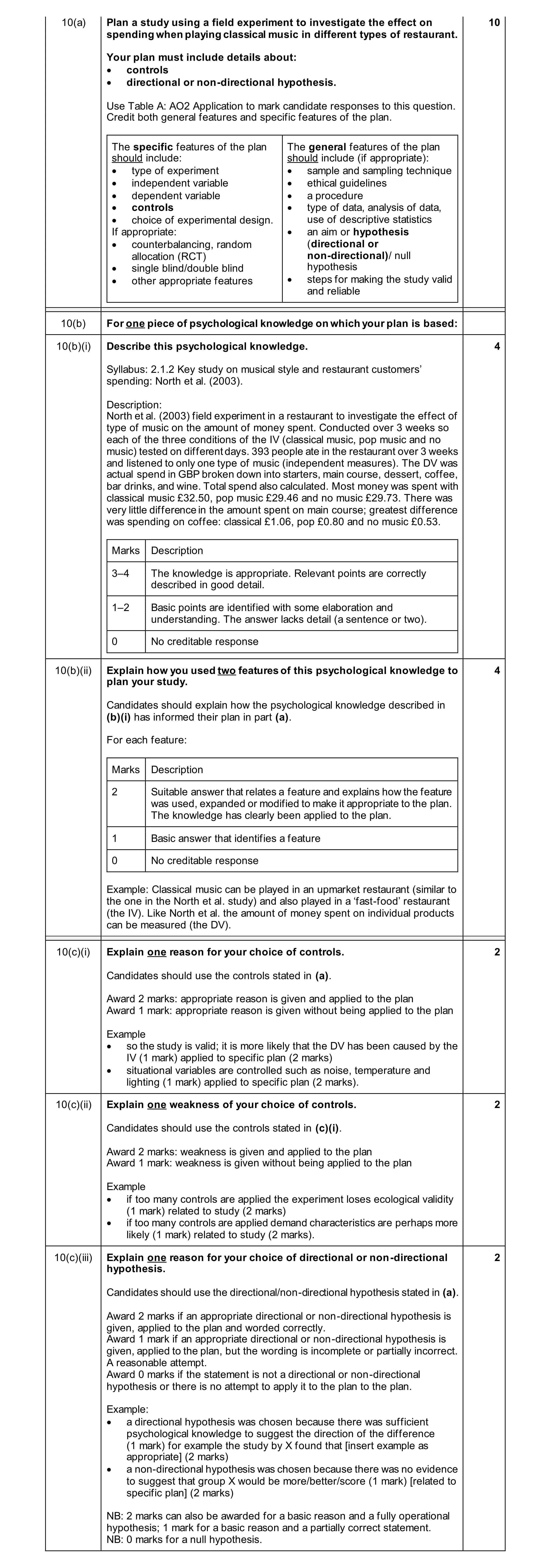 24
24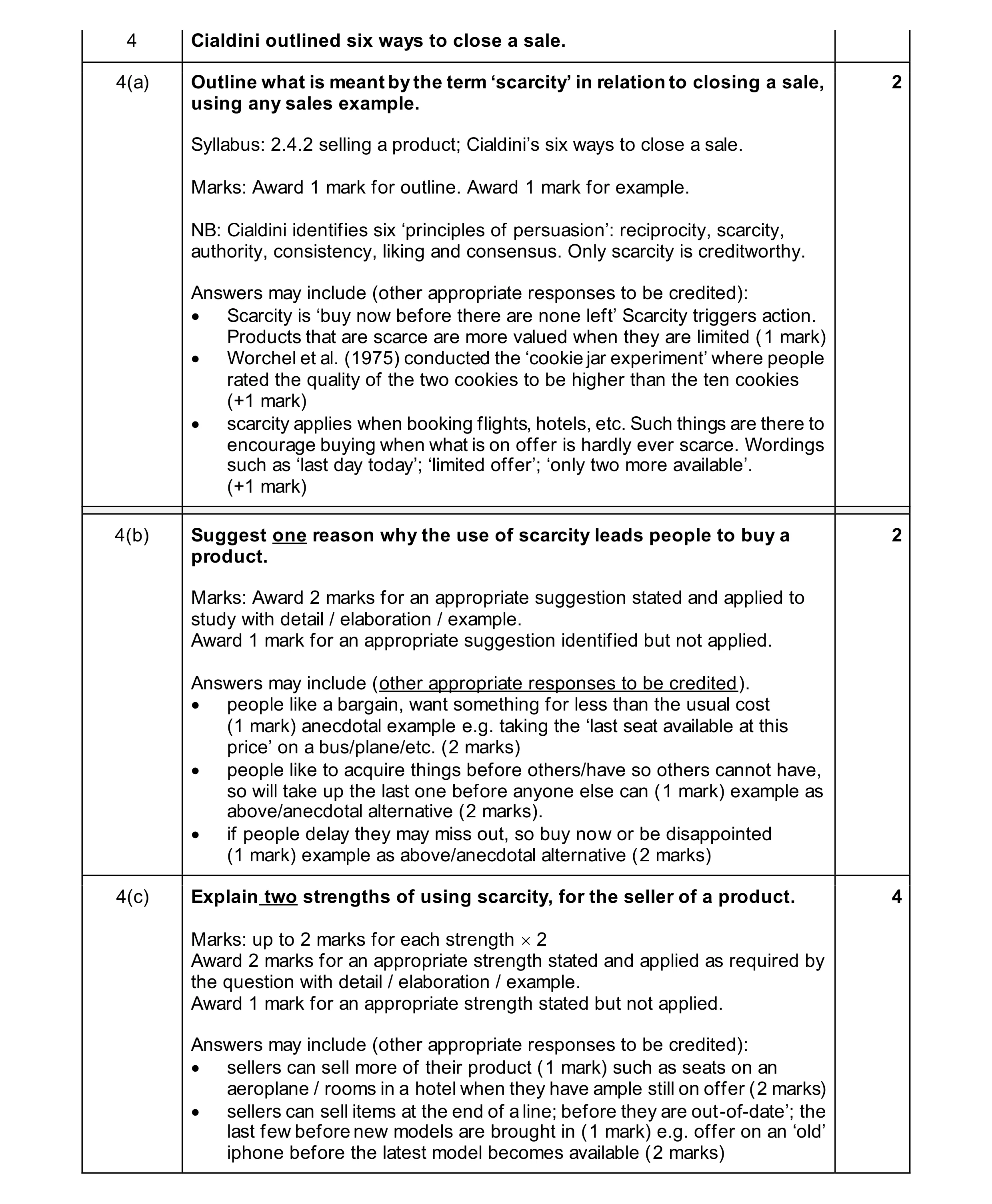 8
8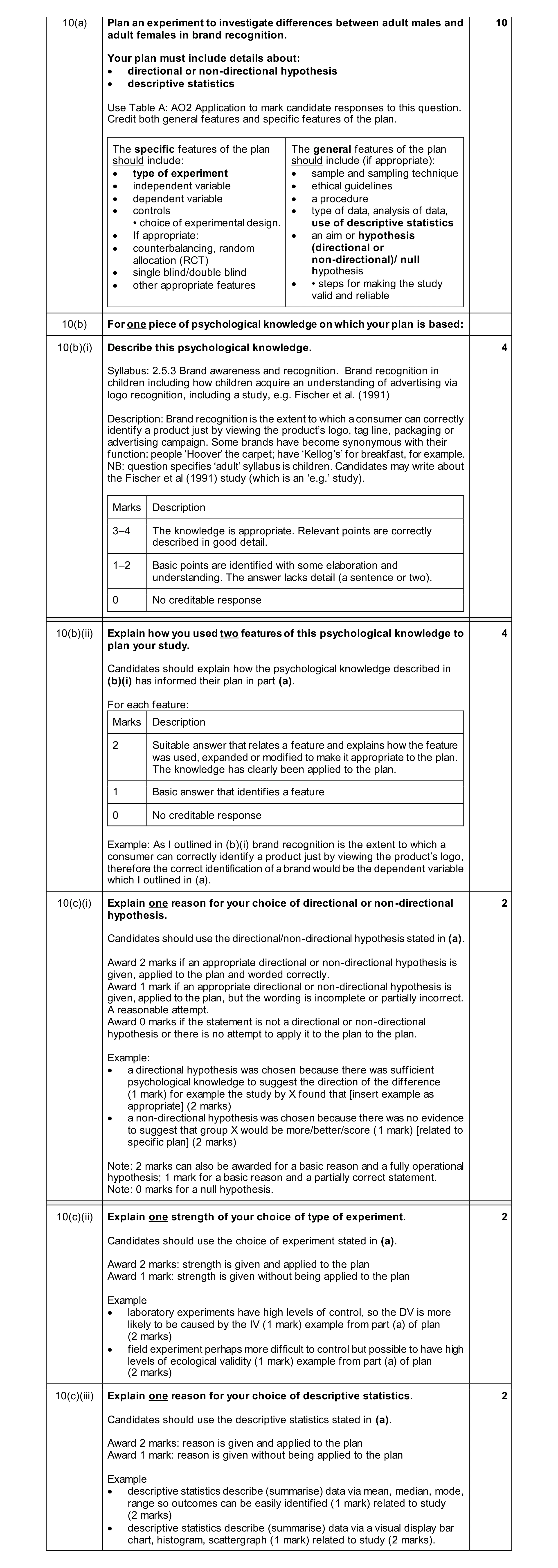 24
24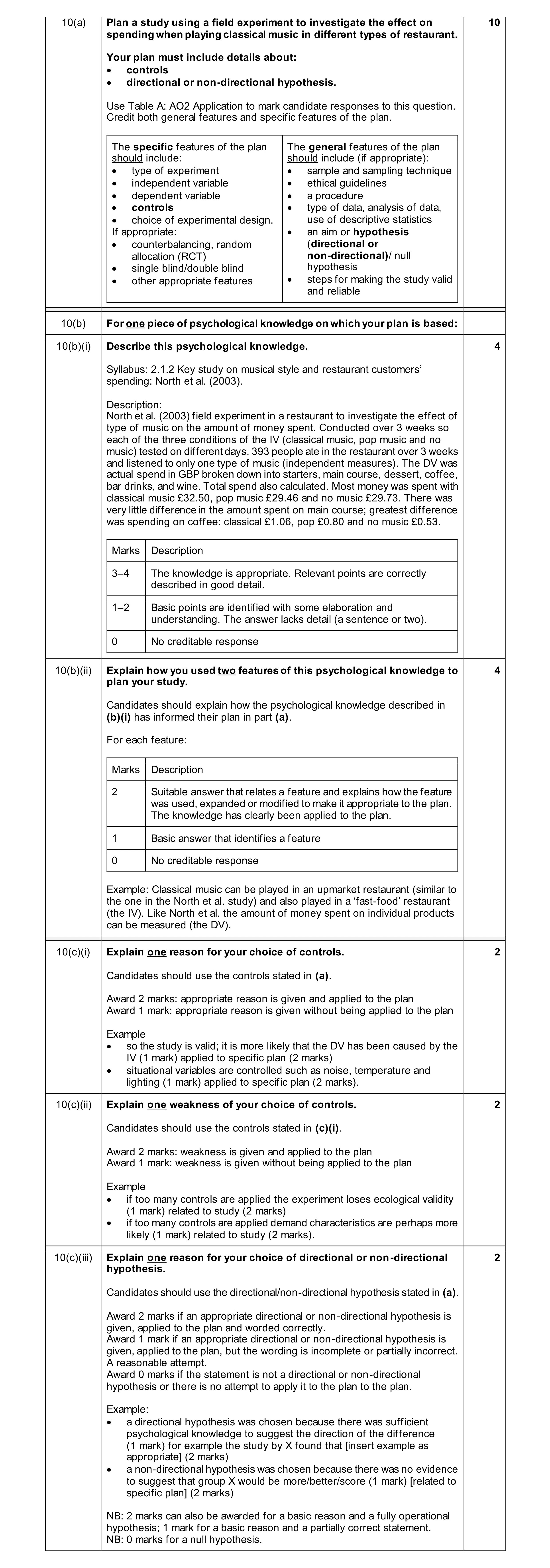 24
24