Questions as text
Q1 · The second term of a geometric progression is 3 and the sum to infinity is 12 9709/11 May/June 2007
7 The second term of a geometric progression is 3 and the sum to infinity is 12. (i) Find the first term of the progression. [4] An arithmetic progression has the same first and second terms as the geometric progression. (ii) Find the sum of the first 20 terms of the arithmetic progression. [3]
7 marks
Mark scheme: a 7 (i) ar=3 and = 12 B1 B1 co for each one. 1 −r Solution of sim eqns → a = 6 M1 A1 Needs to eliminate a or r correctly. co [4] (M mark needs a quadratic) (ii) a =6, d = −3 B1√ For d = 3 − his “6”. S20 = 10(12 − 57) M1 Sum formula must be correct and used. → −450 A1 co. [3]
This question in 9709/11 May/June 2007
Q2 · Find the first 3 terms in the expansion of (2 + 3x)5 in ascending powers of x 9709/11 May/June 2009
3 (i) Find the first 3 terms in the expansion of (2 + 3x)5 in ascending powers of x. [3] (ii) Hence find the value of the constant a for which there is no term in x2 in the expansion of (1 + ax)(2 + 3x)5. [2]
5 marks
Mark scheme: 3 (i) (2 + 3x)5 = 32 + 240x + 720x² 3 × B1 All co. [3] (ii) (1 + ax) (2 + 3x)5 → ( 1 × 720) + (a × 240) = 0 M1 Must be considering exactly 2 terms. → a = −3 A1√ √ for ( − coeff x² ÷ coeff x). [2]
This question in 9709/11 May/June 2009
Q3 · Find the sum to infinity of the geometric progression with first three terms 0.5, 0.53 and… 9709/11 May/June 2009
7 (a) Find the sum to infinity of the geometric progression with first three terms 0.5, 0.53 and 0.55. [3] (b) The first two terms in an arithmetic progression are 5 and 9. The last term in the progression is the only term which is greater than 200. Find the sum of all the terms in the progression. [4]
7 marks
Mark scheme: 7 (a) a = 0.5, r = 0.5² B1 For both a and r. Uses correct formula = 0.5÷ 0.75 M1 Uses correct formula with some a, r. → S∞ = ⅔ (or 0.667) A1 co. [3] (b) a = 5, d = 4 Uses 200 = a + (n − 1)d or T.I. M1 Attempt at finding the number of terms. 50 terms in the progression A1 co. Use of correct Sum formula M1 Correct formula (could use the last term → 5150 A1 (201)). [4] co.
This question in 9709/11 May/June 2009
Q4 · The fifth term of an arithmetic progression is 18 and the sum of the first 5 terms is 75 9709/11 Oct/Nov 2010
6 (a) The fifth term of an arithmetic progression is 18 and the sum of the first 5 terms is 75. Find the first term and the common difference. [4] (b) The first term of a geometric progression is 16 and the fourth term is 274 . Find the sum to infinity of the progression. [3]
7 marks
Mark scheme: 6 (a) a + 4d = 18 B1 co or 75 = 5/2(a + 18) → a = 12 etc 5 ( 2 a + 4 d ) = 75 B1 co 2 Solution M1 Solution of sim equations → a = 12, d = 1½ A1 co for both [4] 27 (b) a = 16 and ar3 = B1 Needs both of these 4 3 r = 4 Sum to infinity = 64 M1 A1 Correct formula and r < 1 [3] 1
This question in 9709/11 Oct/Nov 2010
Q5 · Find the first 3 terms in the expansion, in ascending powers of x, of (1 −2x2)8 9709/12 Oct/Nov 2010
1 (i) Find the first 3 terms in the expansion, in ascending powers of x, of (1 −2x2)8. [2] (ii) Find the coefficient of x4 in the expansion of (2 −x2)(1 −2x2)8. [2]
4 marks
Mark scheme: 1 (i) 1 + 8(–2x2) + 8C2(–2x2)2 B2, 1 Loses 1 for each error 1 – 16x2 + 112x4 [2] (ii) (2 – x2) × their (1 – 16x2 + 112x4) M1 Must consider exactly 2 terms (2 × their 112) – their (–16) 240 A1√ [2] 2 2 2
This question in 9709/12 Oct/Nov 2010
Q6 · The first and second terms of an arithmetic progression are 161 and 154 respectively 9709/12 Oct/Nov 2010
5 (a) The first and second terms of an arithmetic progression are 161 and 154 respectively. The sum of the first m terms is zero. Find the value of m. [3] (b) A geometric progression, in which all the terms are positive, has common ratio r. The sum of the first n terms is less than 90% of the sum to infinity. Show that rn > 0.1. [3]
6 marks
Mark scheme: 5 (a) d = –7 used B1 co (m/2)[322 + (m – 1)(–7)] = 0 M1 Condone omission of (m/2). Statement 47 A1 co (condone m = 0) [3] a 1( − r n ) 9.0 a (b) < M1 Allow for =, <, >, ≤, ≥ 1 − r 1 − r 1 – rn < 0.9 M1 Needs inequality sign correct rn > 0.1 A1 co [3] GCE AS/A LEVEL – October/November 2010 9709 12 2
This question in 9709/12 Oct/Nov 2010
Q7 · Find the term independent of x in the expansion of x −1 9 9709/13 Oct/Nov 2010
1 Find the term independent of x in the expansion of x −1 9 . [3] x2
3 marks
Mark scheme: 1 9C6 or 9C3 used M1 3 1 2 seen B1 x –84 A1 Correct answer only ⇒ 3marks [3]
This question in 9709/13 Oct/Nov 2010
Q8 · A geometric progression has first term 100 and sum to infinity 2000 9709/13 Oct/Nov 2010
9 (a) A geometric progression has first term 100 and sum to infinity 2000. Find the second term. [3] (b) An arithmetic progression has third term 90 and fifth term 80. (i) Find the first term and the common difference. [2] (ii) Find the value of m given that the sum of the first m terms is equal to the sum of the first (m + 1) terms. [2] (iii) Find the value of n given that the sum of the first n terms is zero. [2]
9 marks
Mark scheme: 100 9 (a) = 2000 M1 Correct formula and attempt to solve 1 −r r = 19/20 A1 ar = 95 A1√ For 100 × r [3] (b) (i) a + 2d = 90, a + 4d = 80 d = – 5, a = 100 B1B1 [2] (ii) a + md = 0 M1 Or use correct sum formula m = 20 A1 m = 20 with no working scores 2 [2] n (iii) [ 200 + ( n − 1)( −5)] = 0 M1 2 n = 41 A1 n = 41 with no working scores 2 Do not penalise n = 0 [2] GCE AS/A LEVEL – October/November 2010 9709 13
This question in 9709/13 Oct/Nov 2010
Q9 · 7 1 Find the coefficient of x in the expansion of x + x2 9709/11 May/June 2011
2 7 1 Find the coefficient of x in the expansion of x + x2 . [3]
3 marks
Mark scheme: 1 7C2 x5 SOI and leading to final answer B2 B1 for 2/3 parts correct leading to ans. x 2 84 or 84x as final answer B1 If no answer: 84x seen scores B2, else 2 [3] 2 7C2 x5 2 scores SCB1 only x dv 2 M1
This question in 9709/11 May/June 2011
Q10 · A television quiz show takes place every day 9709/11 May/June 2011
8 A television quiz show takes place every day. On day 1 the prize money is $1000. If this is not won the prize money is increased for day 2. The prize money is increased in a similar way every day until it is won. The television company considered the following two different models for increasing the prize money. Model 1: Increase the prize money by $1000 each day. Model 2: Increase the prize money by 10% each day. On each day that the prize money is not won the television company makes a donation to charity. The amount donated is 5% of the value of the prize on that day. After 40 days the prize money has still not been won. Calculate the total amount donated to charity (i) if Model 1 is used, [4] (ii) if Model 2 is used. [3]
7 marks
Mark scheme: 8 (i) 1000, 2000, 3000... or 50, 100, 150... M1 Recognise series, correct a/d (or 3 terms ) 40 40 or M1 Correct use of formula 2(1000 + 40000 ) 2 ( 2000 + 39000) × 5% of attempt at valid sum M1 Can be awarded in either (i) or (ii) 41000 A1 cao [4] (ii) 1000, 1000 × 1.1, 1000 × 1.12 + ... or with a = 50 M1 Recognise series, correct a/r ( or 3 terms) 10001.1(40 − )1 M1 Correct use of formula. Allow e.g. r = 0.1 1.1 − 1 A1 Or answers rounding to this 22100 [3] GCE AS/A LEVEL – May/June 2011 9709 11
This question in 9709/11 May/June 2011
Q11 · An arithmetic progression contains 25 terms and the first term is −15 9709/12 Oct/Nov 2011
10 (a) An arithmetic progression contains 25 terms and the first term is −15. The sum of all the terms in the progression is 525. Calculate (i) the common difference of the progression, [2] (ii) the last term in the progression, [2] (iii) the sum of all the positive terms in the progression. [2] (b) A college agrees a sponsorship deal in which grants will be received each year for sports equipment. This grant will be $4000 in 2012 and will increase by 5% each year. Calculate (i) the value of the grant in 2022, [2] (ii) the total amount the college will receive in the years 2012 to 2022 inclusive. [2]
10 marks
Mark scheme: 10 (a) a = −15, n = 25 (i) Use of Sn → d = 3. M1 A1 Must be correct formula. co [2] (ii) Last term = a + 24d M1 Must be a + 24d → 57 A1√ √ for his d. (or 525 = ½ × 25 × (−15 + l) → l = 57) [2] (iii) Positive terms are 3,6, … 57 Either a = 0 or 3, n = 19 or 20 M1 Correct use of formula for Sn. Use of S19 or S20 → 570 A1 co [2] (b) r = 1.05 B1 In either part (i) or (ii). (i) 11th term = ar10 = $6516 or $6520 B1 co [2] 4000 × .1( 0511 − )1 (ii) S11 = M1 Correct sum formula with their r. . 05 A1 co = $56800 or (56827) [2]
This question in 9709/12 Oct/Nov 2011
Q12 · The first and second terms of a progression are 4 and 8 respectively 9709/13 Oct/Nov 2011
2 The first and second terms of a progression are 4 and 8 respectively. Find the sum of the first 10 terms given that the progression is (i) an arithmetic progression, [2] (ii) a geometric progression. [2]
4 marks
Mark scheme: 2 (i) 5[8 + 9 × 4] M1 Use correct formula with a=4, d=4 220 A1 [2] 4 ( 210 − 1) (ii) M1 Use correct formula with a=4, r=2 or ½ 2 − 1 A1 4090 without 4092 A0 4092 [2] 5 2 5 2
This question in 9709/13 Oct/Nov 2011
Q13 · 2 Find the coefficient of x6 in the expansion of 2x3 9709/11 May/June 2012
7 2 Find the coefficient of x6 in the expansion of 2x3 . [4] −1x2
4 marks
Mark scheme: 2 [7C3] × [(2x3)4] × [(–1/x2)3] seen soi B1B1 2 elements correct, 3rd element correct 35 × 24 × (–1)3 leading to their answer soi B1 2 elements correct. Identifying reqd ‒560(x6) as answer B1 term [4] SC B3 for [560(x)6] as answer
This question in 9709/11 May/June 2012
Q14 · The first two terms of an arithmetic progression are 1 and cos2x respectively 9709/11 May/June 2012
7 (a) The first two terms of an arithmetic progression are 1 and cos2x respectively. Show that the sum of the first ten terms can be expressed in the form a where a and b are constants to be found. −bsin2x, [3] (b) The first two terms of a geometric progression are 1 and 1 tan2θ respectively, where 0 θ 1 3 2π. < < (i) Find the set of values of θ for which the progression is convergent. [2] (ii) Find the exact value of the sum to infinity when θ 16π. [2] =
7 marks
Mark scheme: 10 7 (a) S10 = 2 M1 Correct formula with d = ± (cos2 x − )1 [2 2 + 9(cos x − 1)] S10 = [5 2 − 9 sin 2 x ] M1 Use of c 2 + s 2 = 1 in a correct S10 S10 = 10 − 45 sin 2 x A1 Or a = 10, b = 45 [3] 1 2 (b) (i) (0 < ) tan θ < 1 oe M1 Allow < 3 π (0 < ) θ < A1 cao Allow < 3 [2] 1 (ii) S ∞ = M1 1 2 π 1 − tan 3 6 9 S ∞ = or 1.125 A1 cao 8 [2]
This question in 9709/11 May/June 2012
Q15 · The coefficient of x3 in the expansion of is 90 9709/12 May/June 2012
3 The coefficient of x3 in the expansion of is 90. Find the value of the positive (a + x)5 + (2 −x)6 constant a. [5]
5 marks
Mark scheme: –1 8 g = + 3 , x ≠ 0 B1 Allow if a linear denominator. x [4] +ve gradient, +ve y intercept (ii) +ve gradient, +ve y intercept y = f(x) y = x States, or shows the line y = x as a line y y = f–1(x) B1 of symmetry. B1 B1 [3] x
This question in 9709/12 May/June 2012
Q16 · In an arithmetic progression, the sum of the first n terms, denoted by Sn, is given by Sn… 9709/12 May/June 2012
7 (a) In an arithmetic progression, the sum of the first n terms, denoted by Sn, is given by Sn n2 8n. = + Find the first term and the common difference. [3] (b) In a geometric progression, the second term is 9 less than the first term. The sum of the second and third terms is 30. Given that all the terms of the progression are positive, find the first term. [5]
8 marks
Mark scheme: 7 (a) Sn = n² + 8n. S1 = 9 → a = 9 B1 co S2 = 20 → a + d = 11 → d = 2 M1 A1 Realises that S2 is a + (a + d). co (or equating n² + 8n with Sn and comparing [3] coefficients) (b) a −ar = 9 B1 co ar + ar 2 = 30 B1 co Eliminates a → 3r 2 + 13r − 10 = 0 M1 Complete elimination of r or a or → 2 a 2 − 57 a + 81 = 0 Correct quadratic. → r = ⅔ A1 → a = 27 A1 co (condone 27 or 1.5) [5] GCE AS/A LEVEL – May/June 2012 9709 12
This question in 9709/12 May/June 2012
Q17 · The third term of a geometric progression is −108 and the sixth term is 32 9709/11 May/June 2013
4 The third term of a geometric progression is −108 and the sixth term is 32. Find (i) the common ratio, [3] (ii) the first term, [1] (iii) the sum to infinity. [2]
6 marks
Mark scheme: 4 (i) ar2 = –108, ar5 = 32 B1 32 8 r3 = = M1 Eliminating a − 108 −27 2 3 2 A1 − from little or no working → www r = or –0.666 or –0.667 3 3 −3 [3] 32 or ft on their r − 1082 5 (ii) a = –243 B1 r r [1] − 243 729 = − or –145.8 (iii) S ∞ = M1A1 Accept –146. For M1 r must be < 1 2 5 1 + [2] 3 sin θ (sin θ − cos θ ) + cos θ (sin θ + cos θ )
This question in 9709/11 May/June 2013
Q18 · In an arithmetic progression, the sum, Sn, of the first n terms is given by Sn = 2n2 + 8n 9709/13 May/June 2013
9 (a) In an arithmetic progression, the sum, Sn, of the first n terms is given by Sn = 2n2 + 8n. Find the first term and the common difference of the progression. [3] (b) The first 2 terms of a geometric progression are 64 and 48 respectively. The first 3 terms of the geometric progression are also the 1st term, the 9th term and the nth term respectively of an arithmetic progression. Find the value of n. [5]
8 marks
Mark scheme: 9 (a) Sn = 2 n 2 + 8n S1 = 10 = a B1 S2 = 24 = a + (a + d) d = 4 M1 A1 [3] correct use of Sn formula. (b) GP a = 64 ar = 48 → r = ¾ B1 →3rd term is ar² = 36 M1 ar² numerical – for their r AP a = 64, a + 8d = 48 → d = −2 B1 36 = 64 + (n − 1)(−2) M1 correct use of a+(n−1)d → n = 15. A1 [5]
This question in 9709/13 May/June 2013
Q19 · In an arithmetic progression the sum of the first ten terms is 400 and the sum of the next… 9709/11 Oct/Nov 2013
9 (a) In an arithmetic progression the sum of the first ten terms is 400 and the sum of the next ten terms is 1000. Find the common difference and the first term. [5] (b) A geometric progression has first term a, common ratio r and sum to infinity 6. A second geometric progression has first term 2a, common ratio r2 and sum to infinity 7. Find the values of a and r. [5]
10 marks
Mark scheme: 10 9 (a) (2 a + 9 d ) = 400 oe B1 → 2 a + 9 d = 80 2 20 (2 a + 19 d ) = 1400 OR 2 10 [2(a + 10 d ) + 9 d ] = 1000 B1 → 2 a + 19 d = 140 or 2 a + 29 d = 200 2 d = 6 a = 13 M1A1A1 Solve sim. eqns both from S n [5] formulae a 2 a (b) = 6 = 7 B1B1 1 −r 1 −r 2 12(1 − r ) 1 − r 2 12 = 7 or = M1 Substitute or divide 1 − r 2 1 − r 7 5 r = or 0.714 A1 7 12 a = or 1.71(4) A1 Ignore any other solns for r and a 7 [5] dy [ ( )2 ] [ ] 2
This question in 9709/11 Oct/Nov 2013
Q20 · In a geometric progression, the sum to infinity is equal to eight times the first term 9709/13 Oct/Nov 2013
5 (a) In a geometric progression, the sum to infinity is equal to eight times the first term. Find the common ratio. [2] (b) In an arithmetic progression, the fifth term is 197 and the sum of the first ten terms is 2040. Find the common difference. [4]
6 marks
Mark scheme: a 5 (a) = 8a ⇒ (1 a ) = 8( a 1() − r ) B1 1 − r oe B1 [2] (b) a + 4d = 197 B1 Or 2a + 9d = 408 10 [2 a + 9 d ] = 2040 B1 Attempt to solve simultaneously 2 d = 14 M1A1 [4] 1 2 1 2
This question in 9709/13 Oct/Nov 2013
Q21 · Find the coefficient of x8 in the expansion of x + 3x2 4 9709/13 Oct/Nov 2013
8 (i) Find the coefficient of x8 in the expansion of x + 3x2 4. [1] (ii) Find the coefficient of x8 in the expansion of x + 3x2 5. [3] (iii) Hence find the coefficient of x8 in the expansion of 1 + x + 3x2 5. [4]
8 marks
Mark scheme: 8 (i) 81 (x8) B1 [1] (ii) 10 × 33 (x8) soi leading to their answer B1B1 B1 for 10, 5C2 or 5C3. B1 for 33. But must be multiplied. 270 (x8) B1 [3] (iii) k × (i) M1 k ≠ 1,0 405 soi A1 + (ii) DM1 675 (x8) A1 [4] dy 2 ( ) 2
This question in 9709/13 Oct/Nov 2013
Q22 · The 1st, 2nd and 3rd terms of a geometric progression are the 1st, 9th and 21st terms… 9709/12 May/June 2014
6 The 1st, 2nd and 3rd terms of a geometric progression are the 1st, 9th and 21st terms respectively of an arithmetic progression. The 1st term of each progression is 8 and the common ratio of the geometric progression is r, where r Find ≠1. (i) the value of r, [4] (ii) the 4th term of each progression. [3]
7 marks
Mark scheme: 6 (i) GP 8 8 r 8r² AP 8 8 + 8d 8 + 20d 8r = 8 + 8d and 8 r 2 = 8 + 20 d B1 B1 B1 for each equation. Eliminates d → 2 r 2 −r5 + 3 = 0 M1 Correct elimination. → r = 1.5 ( or 1) A1 co (no penalty for including r = 1) [4] (ii) 4th term of GP = ar³ = 8 × 27/8 = 27 B1 co If r = 1.5, d = 0.5 4th term of AP = a + 3d = 9½ M1A1 needs a +3d and correct method for d [3] − 2 3
This question in 9709/12 May/June 2014
Q23 · Find the coefficient of x in the expansion of x2 −2 5 9709/13 May/June 2014
1 Find the coefficient of x in the expansion of x2 −2 5 . [3] x
3 marks
Mark scheme: 2 2 1 x −x 3 3 2 2 Term in x is 10 × (x²)² × − B1 B1 B1 10 or 5C2 or 5C3, B1 − x x Coefficient = −80(x) B1 co Must be identified [3]
This question in 9709/13 May/June 2014
Q24 · The first term in a progression is 36 and the second term is 32 9709/13 May/June 2014
2 The first term in a progression is 36 and the second term is 32. (i) Given that the progression is geometric, find the sum to infinity. [2] (ii) Given instead that the progression is arithmetic, find the number of terms in the progression if the sum of all the terms is 0. [3]
5 marks
Mark scheme: 2 36, 32, ... (i) r = 8 S∞ = (their a) ÷ (1 – their r) M1 Method for r and S∞ ok. (│r│< 1) 9 S∞ = 36 ÷ 1 = 324 A1 co 9 [2] (ii) d = −4 B1 co n 0 = (72 + (n – 1)(–4)) M1 Sn formula ok and a value for d 8 2 ≠9 → n = 19 A1 Condone n = 0 but no other soln [3]
This question in 9709/13 May/June 2014
Q25 · In the expansion of 2 + ax 7, the coefficient of x is equal to the coefficient of x2 9709/11 Oct/Nov 2014
1 In the expansion of 2 + ax 7, the coefficient of x is equal to the coefficient of x2. Find the value of the non-zero constant a. [3]
3 marks
Mark scheme: 1 7C1 × 26 × a (=) 7C2 × 25 × a2 soi B2, 1, 0 Treat the same error in each expression as a 7 × 2 6 2 single error a = 5 = oe B1 21 × 2 3 [3] 1 1
This question in 9709/11 Oct/Nov 2014
Q26 · A geometric progression has first term a (a ≠0), common ratio r and sum to infinity S 9709/11 Oct/Nov 2014
7 (i) A geometric progression has first term a (a ≠0), common ratio r and sum to infinity S. A second geometric progression has first term a, common ratio 2r and sum to infinity 3S. Find the value of r. [3] (ii) An arithmetic progression has first term 7. The nth term is 84 and the (3n)th term is 245. Find the value of n. [4]
7 marks
Mark scheme: a a a 7 (i) S =1− r , 3 S = 1− 2 r B1 At least 3 S = 1− 2 r 1 – r = 3 – 6r M1 Eliminate S r = 2 A1 5 [3] (ii) 7 + ( n − )1 d = 84 and/or 7 + (3n − )1 d = 245 B1 At least one of these equations seen [ ( n − )1 d = 77 , (3n − )1 d = 238 , 2 nd = 161 ] B1 Two different seen – unsimplified ok 77 n −1 = (must be from the correct un formula) M1 Or other attempt to elim d. E.g. sub d = 161 3 n −1 238 2 n (if n is eliminated d must be found) 77 n = 23 (d = = 3.5) A1 22 [4]
This question in 9709/11 Oct/Nov 2014
Q27 · Find the first 3 terms, in ascending powers of x, in the expansion of 1 + x 5 9709/12 Oct/Nov 2014
3 (i) Find the first 3 terms, in ascending powers of x, in the expansion of 1 + x 5. [2] 5 The coefficient of x2 in the expansion of 1 + px + x2 is 95. (ii) Use the answer to part (i) to find the value of the positive constant p. [3]
5 marks
Mark scheme: 3 (i) (1 + x 5) = 1 + 5x + 10x² B2,1 Loses 1 for each error [2] (ii) 1( + px + x 2) 5 (1+) 5(px + x²) + 10(px + x²)2 M1 Replace x by (px + x²) in their expansion Coeff of x² = 5 + 10p² DM1 Considers 2 terms = 95 → p = 3 A1 co – no penalty for ±3 [3] 12
This question in 9709/12 Oct/Nov 2014
Q28 · The sum, Sn, of the first n terms of an arithmetic progression is given by Sn = 32n −n2 9709/12 Oct/Nov 2014
8 (a) The sum, Sn, of the first n terms of an arithmetic progression is given by Sn = 32n −n2. Find the first term and the common difference. [3] (b) A geometric progression in which all the terms are positive has sum to infinity 20. The sum of the first two terms is 12.8. Find the first term of the progression. [5] [Questions 9, 10 and 11 are printed on the next page.]
8 marks
Mark scheme: 8 (a) Sn = 32n − n². Set n to 1, a or S1 = 31 B1 co Set n to 2 or other value S2 = 60 → 2nd term = 29 → d = − 2 M1 A1 Correct method. (or equates formulae – compares co coeffs n², n) [3] [M1 comparing, A1 d A1 a] [M1 only when coeffs compared] a a 1( − r ) 2 (b) = 20 , , or a + ar = 12.8 B1 B1 co co 1 −r 1 − r a Elimination of or a or r M1 ‘Correct’ elimination to form equation in a 1 − r or r → (r = 0.6) → a = 8 DM1 A1 Complete method leading to a = [5] Condone a = 8 and 32 − 9
This question in 9709/12 Oct/Nov 2014
Q29 · In the expansion of 2 + ax 6, the coefficient of x2 is equal to the coefficient of x3 9709/13 Oct/Nov 2014
1 In the expansion of 2 + ax 6, the coefficient of x2 is equal to the coefficient of x3. Find the value of the non-zero constant a. [4]
4 marks
Mark scheme: 3 × (ax )3 B1B11 (15 or 4 × (ax )2 , (20 or 16 C 2 ) × 2 6 C 3 ) × 2 15 × 2 4 3 a = = M1A1 240 a = 160 a is M0 3 20 × 2 2 [4] 3 π
This question in 9709/13 Oct/Nov 2014
Q30 · Three geometric progressions, P, Q and R, are such that their sums to infinity are the… 9709/13 Oct/Nov 2014
4 Three geometric progressions, P, Q and R, are such that their sums to infinity are the first three terms respectively of an arithmetic progression. Progression P is 2, 1, 12, 14, . Progression Q is 3, 1, 13, 19, . (i) Find the sum to infinity of progression R. [3] (ii) Given that the first term of R is 4, find the sum of the first three terms of R. [3]
6 marks
Mark scheme: 2 3 4 (i) S P = , S P = M1 At least one correct 1 1 1 − 1 − 2 3 9 S P = ,4 S Q = A1 At least one correct 2 S R = 5 cao A1 [3] 4 (ii) = their S R M1 1 − r 1 r = A1 5 4 4 24 R = 4 + + = 4 or .496 cao A1 5 25 25 [3] ( 2 2 )( 2 2 ) 2 ( 2 ) 2 ( 2 ) 4 2 2
This question in 9709/13 Oct/Nov 2014
Q31 · The third and fourth terms of a geometric progression are 1 and 2 respectively 9709/11 May/June 2015
7 (a) The third and fourth terms of a geometric progression are 1 and 2 respectively. Find the sum to 3 9 infinity of the progression. [4] (b) A circle is divided into 5 sectors in such a way that the angles of the sectors are in arithmetic progression. Given that the angle of the largest sector is 4 times the angle of the smallest sector, find the angle of the largest sector. [4]
8 marks
Mark scheme: 1 2 7 (a) ar² = , ar³ = 3 9 2 → r = aef M1 Any valid method, seen or implied. 3 Could be answers only. 3 Substituting → a = A1 Both a and r 4 3 → S∞ = 4 = 2 14 aef M1 A1 Correct formula with r < 1 , cao 1 3 [4] (b) 4 a = a + 4 d → 3a = 4d B1 May be implied in 360 = 5 / 2( a + 4 a ) 5 360 = S5 = ( 2 a + 4 d ) or 12.5a M1 Correct Sn formula or sum of 5 2 terms → a = 28.8º aef A1 cao, may be implied Largest = a + 4d or 4a = 115.2º aef B1 (may use degrees or radians) [4] 1 8 f : x⟼5 + 3cos x for 0 ø x ø 2π. 2 1 (i) 5 + 3cos x = 7 2 1 2 Makes cos x
This question in 9709/11 May/June 2015
Q32 · The first term of an arithmetic progression is −2222 and the common difference is 17 9709/13 May/June 2015
9 (a) The first term of an arithmetic progression is −2222 and the common difference is 17. Find the value of the first positive term. [3] (b) The first term of a geometric progression is ï3 and the second term is 2 cos 1, where 0 < 1 < 0. Find the set of values of 1 for which the progression is convergent. [5]
8 marks
Mark scheme: 9 (a) 2222/17 (=131 or 130.7) M1 Ignore signs. Allow 2239/17→131.7 or 132 131 × 17 (=2227) M1 Ignore signs. Use 131. −2222 + 2227 = 5 A1 5 www gets 3/3 [3] 2 cos θ (b) r = soi oe B1 3 2 cos θ 2 cos θ ( − 1 < ) < 1 or (0 <) < 1 soi M1 Ft on their r. Ignore a 2nd inequality on 3 3 LHS π / ,6 5π / 6 soi (but dep. on M1) A1A1 Allow 30º, 150º. π / 6 < θ < 5π / 6 cao A1 Accept Y [5] d
This question in 9709/13 May/June 2015
Q33 · The first term of a progression is 4x and the second term is x2 9709/11 Oct/Nov 2015
8 The first term of a progression is 4x and the second term is x2. (i) For the case where the progression is arithmetic with a common difference of 12, find the possible values of x and the corresponding values of the third term. [4] (ii) For the case where the progression is geometric with a sum to infinity of 8, find the third term. [4]
8 marks
Mark scheme: 8 (i) x 2 −x4 = 12 M1 4 x −x 2 = 12 scores M1A0 x = − 2 or 6 A1 3rd term = ( −2) 2 + 12 = 16 or 6 2 + 12 = 48 A1A1 SC1 for 16, 48 after x = ,2 − 6 [4] 2 x 2 x (ii) r = = soi M1 4 x 4 4 x = 8 M1 Accept use of unsimplified 1 −x x 2 4 x 4 4 or or 4 x x 2 x 4 1 x = or r = A1 3 3 16 3rd term = (or 0.593) A1 27 [4] ALT 4 x 1 4 x = 8 → r = 1 − x or = 8 → x = 21( − r ) M1 1 − r 2 1 − r 2 1 21( − r ) x = 4 x − 1 x r = M1 2 4 4 1 x = r = A1 3 3
This question in 9709/11 Oct/Nov 2015
Q34 · @x 9 A7 2 Find the coefficient of x in the expansion of + 9709/13 Oct/Nov 2015
@x 9 A7 2 Find the coefficient of x in the expansion of + . [4] 3 x2
4 marks
Mark scheme: x 9 2 [7 C 2 ] × × 2 soi B2,1,0 Seen 3 x 1 5 1 21 × 5 ( x ) × 81 4 soi B1 Identified as required term 3 x B1 Accept 7x 7 [4] 2 [ ] [ ] [ ]
This question in 9709/13 Oct/Nov 2015
Q35 · A ball is such that when it is dropped from a height of 1 metre it bounces vertically… 9709/13 Oct/Nov 2015
6 A ball is such that when it is dropped from a height of 1 metre it bounces vertically from the ground to a height of 0.96 metres. It continues to bounce on the ground and each time the height the ball reaches is reduced. Two different models, A and B, describe this. Model A : The height reached is reduced by 0.04 metres each time the ball bounces. Model B : The height reached is reduced by 4% each time the ball bounces. (i) Find the total distance travelled vertically (up and down) by the ball from the 1st time it hits the ground until it hits the ground for the 21st time, (a) using model A, [3] (b) using model B. [3] (ii) Show that, under model B, even if there is no limit to the number of times the ball bounces, the total vertical distance travelled after the first time it hits the ground cannot exceed 48 metres. [2]
8 marks
Mark scheme: 6 (i) (a) 1.92 + 1.84 + 1.76 + ... oe B1 OR a=0.96, d= –.04 & ans 20 [2 × .1 92 + 19 × ( − .0 08]) oe M1 doubled/adjusted 2 23.2 cao A1 Corr formula used with corr d & their [3] a, n a = 1, n = 21 → 12.6 (25.2), a = 0.96, n = 21 → 11.76 (23.52) (b) .1 92 + .1 92 (.96 ) + .1 92 (.96 ) 2 + ... B1 .1 921( − . 96 20 M1 OR a=.96, r =.96 & ans 1 − . 96 /doubled/adjusted 26.8 cao A1 Corr formula used with r =.96 & their [3] a, n a = .96, n = 21 → 13.82 (27.63) a = 1, n = 21 →14.39 (28.78) .1 92 .0 96 a = 1→25 (50) but must be doubled = 48 or (ii) = 24 & then M1A1 1 − . 96 1 − .0 96 for M1 [2] Double AG n 1( − .0 96 ) n .1 92 < 48 → .0 96 > 0 1 − .0 96 (www) 'which is true' scores SCB1 2
This question in 9709/13 Oct/Nov 2015
Q36 · The 12th term of an arithmetic progression is 17 and the sum of the first 31 terms is 1023 9709/12 Feb/March 2016
3 The 12th term of an arithmetic progression is 17 and the sum of the first 31 terms is 1023. Find the 31st term. [5]
5 marks
Mark scheme: 3 a + 11d = 17 B1 31 ( 2 a + 30 d ) = 1023 B1 2 Solve simultaneous equations M1 d = 4, a = −27 A1 At least one correct 31st term = 93 A1 [5]
This question in 9709/12 Feb/March 2016
Q37 · @1 A5 1 Find the coefficient of x in the expansion of + 3x2 9709/13 May/June 2016
@1 A5 1 Find the coefficient of x in the expansion of + 3x2 . [3] x
3 marks
Mark scheme: 1 2 2 3x1 5C2 ( ) B1 Can be seen in expansion x 10 ( × 1) × 3 2 B1 Identified as leading to answer 90 (x) B1 [3] ( ) ∫ ( 3 ) 2
This question in 9709/13 May/June 2016
Q38 · The 1st, 3rd and 13th terms of an arithmetic progression are also the 1st, 2nd and 3rd… 9709/13 May/June 2016
4 The 1st, 3rd and 13th terms of an arithmetic progression are also the 1st, 2nd and 3rd terms respectively of a geometric progression. The first term of each progression is 3. Find the common difference of the arithmetic progression and the common ratio of the geometric progression. [5]
5 marks
Mark scheme: 3 + 2 d 3 + 12 d 2 3 + 12 d4 r = or or r = B1 1 correct equation in r and d only is 3 3 + 2 d 3 sufficient ( 3 + 2 d ) 2 = 3 ( 3 + 12 d ) oe M1 Eliminate r or d using valid method OR sub 2d = 3r – 3 ( 4 ) d ( d − 6 ) = 0 DM1 Attempt to simplify and solve quadratic OR 3r 2 = 18 r − 15 → ( r − 1)( r − 5 ) d = 6 A1 Ignore d = 0 or r = 1 Do not allow −5 or ±5 r = 5 A1 [5] dy −2 ( )
This question in 9709/13 May/June 2016
Q39 · 8 2 Find the term independent of x in the expansion of 2x + 9709/11 Oct/Nov 2016
1 8 2 Find the term independent of x in the expansion of 2x + . [4] 2x3
4 marks
Mark scheme: 6 1 soi B1 May be seen within a number of2 8C6( 2 x ) 3 2 x terms 1 28 × 64 × oe (powers and factorials evaluated) B2,1,0 May be seen within a number of 4 terms 448 B1 Identified as answer [4]
This question in 9709/11 Oct/Nov 2016
Q40 · The sum of the 1st and 2nd terms of a geometric progression is 50 and the sum of the 2nd… 9709/11 Oct/Nov 2016
5 The sum of the 1st and 2nd terms of a geometric progression is 50 and the sum of the 2nd and 3rd terms is 30. Find the sum to infinity. [6]
6 marks
Mark scheme: ( )5 a (1 + r ) = 50 or = 50 B1 1 −r a 1 − r 3 ( ) ar (1 + r ) = 30 or = 30 + a B1 Or otherwise attempt to solve 1 − r for r Eliminating a or r M1 Any correct method r = 3 / 5 A1 a = 125 / 4 oe A1 S = 625 / 8 oe A1 Ft through on their r and a [6] ( −<1 r < 1) 2 4 2 2 4 ( )
This question in 9709/11 Oct/Nov 2016
Q41 · A cyclist completes a long-distance charity event across Africa 9709/12 Oct/Nov 2016
8 (a) A cyclist completes a long-distance charity event across Africa. The total distance is 3050 km. He starts the event on May 1st and cycles 200 km on that day. On each subsequent day he reduces the distance cycled by 5 km. (i) How far will he travel on May 15th? [2] (ii) On what date will he finish the event? [3] (b) A geometric progression is such that the third term is 8 times the sixth term, and the sum of the first six terms is 3112. Find (i) the first term of the progression, [4] (ii) the sum to infinity of the progression. [1]
10 marks
Mark scheme: 8 (a) (i) 200 + (15 − 1)( + / −5 ) M1 Use of nth term with a = 200, n = 14 or 15and d = +/– 5. = 130 A1 [2] n (ii) (3050) M1 Use of Sn a=200 and d = +/– 5. 400 + ( n − 1)( + / −5 ) = 2 → 5 n 2 − 405 n + 6100 (= 0) A1 → 20 A1 [3] (b) (i) ar² , ar5 → r = ½ M1 A1 Both terms correct. a 1 − ½ 6 63 ( ) = → a = 16 M1 A1 Use of Sn = 31.5 with a numeric r. 2 ½ [4] 16 (ii) Sum to infinity = = 32 B1 for their a and r with │r│< 1. ½ [1] JJJG JJJG
This question in 9709/12 Oct/Nov 2016
Q42 · Two convergent geometric progressions, P and Q, have the same sum to infinity 9709/13 Oct/Nov 2016
9 (a) Two convergent geometric progressions, P and Q, have the same sum to infinity. The first and second terms of P are 6 and 6r respectively. The first and second terms of Q are 12 and −12r respectively. Find the value of the common sum to infinity. [3] (b) The first term of an arithmetic progression is cos 1 and the second term is cos 1 + sin21, where 0 ≤1 ≤0. The sum of the first 13 terms is 52. Find the possible values of 1. [5] [Questions 10 and 11 are printed on the next page.]
8 marks
Mark scheme: 6 12 9 (a) = M1 1 − r 1 + r 1 r = A1 3 S = 9 A1 [3] 13 2 (b) 2cosθ+ 12sin θ = 52 M1* Use of correct formula for sum of 2 AP 2cosθ+ 12(1 − cos²θ) = 8 → 6cos 2θ− cosθ− 2 ( = 0 ) DM1 Use s 2 = 1 − c 2 & simplify to 3- term quad cosθ = 2 / 3 or − 1/ 2 soi A1 Accept 0.268π, 2π/3. SRA1 for θ= 0.841 , 2.09 Dep on previous A1 A1A1 48.2˚, 120˚ Extra solutions in [5] range –1 d y 2 1 3 2 1 2 2
This question in 9709/13 Oct/Nov 2016
Q43 · @ A5 1 2 In the expansion of + 2ax2 , the coefficient of x is 5 9709/12 Feb/March 2017
@ A5 1 2 In the expansion of + 2ax2 , the coefficient of x is 5. Find the value of the constant a. [4] ax … … … … … … … … … … … … … … … … … … … … … … … … …
4 marks
Mark scheme: 2 5C2 ( ) 3 2 2 1 2ax ax soi B1 Seen or implied. Can be part of an expansion. 2 3 1 10 4 5 a a × × = soi M1A1 M1 for identifying relevant term and equating to 5, all correct. Ignore extra x 8 a = cao A1 Total: 4
This question in 9709/12 Feb/March 2017
Q44 · An arithmetic progression has a first term of 32, a 5th term of 22 and a last term of −28 9709/11 May/June 2017
4 (a) An arithmetic progression has a first term of 32, a 5th term of 22 and a last term of −28. Find the sum of all the terms in the progression. [4] … … … … … … … … … … … … … … … … … … … … … … … … … (b) Each year a school allocates a sum of money for the library. The amount allocated each year increases by 2.5% of the amount allocated the previous year. In 2005 the school allocated $2000. Find the total amount allocated in the years 2005 to 2014 inclusive. [3] … … … … … … … … … … … … … … … … … … … … … … … …
7 marks
Mark scheme: 4(a) a = 32, a + 4d = 22, → d = −2.5 B1 a + (n – 1)d = −28 → n = 25 B1 S25 = ( ) 25 64 2.5 24 2 − × = 50 M1 A1 M1 for correct formula with n = 24 or n = 25 Total: 4 4(b) a = 2000, r = 1.025 B1 1 2.5% r = + ok if used correctly in Sn formula S10 = 2000( 10 1 .025 1 1.025 1 − − ) = 22400 or a value which rounds to this M1 A1 M1 for correct formula with n = 9 or n = 10 and their a and r SR: correct answer only for n = 10 B3, for n = 9, B1 (£19 900) Total: 3
This question in 9709/11 May/June 2017
Q45 · The first two terms of an arithmetic progression are 16 and 24 9709/12 May/June 2017
7 (a) The first two terms of an arithmetic progression are 16 and 24. Find the least number of terms of the progression which must be taken for their sum to exceed 20 000. [4] … … … … … … … … … … … … … … … … … … … … … … … … … (b) A geometric progression has a first term of 6 and a sum to infinity of 18. A new geometric progression is formed by squaring each of the terms of the original progression. Find the sum to infinity of the new progression. [4] … … … … … … … … … … … … … … … … … … … … … … … …
8 marks
Mark scheme: 7(a) (Sn =) ( ) 32 1 8 2 + − n n and 20000 M1 M1 correct formula used with d from 16 24 d A1 A1 for correct expression linked to 20000. → n² + 3n – 5000 (<,=,> 0) DM1 Simplification to a three term quadratic. → (n = 69.2) → 70 terms needed. A1 Condone use of 20001 throughout. Correct answer from trial and improvement gets 4/4. Total: 4 Question Answer Marks Guidance 7(b) a = 6, 18 1 = − a r → r = ⅔ M1A1 Correct S∞ formula used to find r. New progression a = 36, r = 4 9 oe M1 Obtain new values for a and r by any valid method. New S∞ = 36 4 1 9 − → 64.8 or 324 5 oe A1 (Be aware that r =−⅔ leads to 64.8 but can only score M marks) Total: 4 uuur uuur uuur uuur
This question in 9709/12 May/June 2017
Q46 · A geometric progression has first term 3a and common ratio r 9709/11 Oct/Nov 2017
3 (a) A geometric progression has first term 3a and common ratio r. A second geometric progression has first term a and common ratio −2r. The two progressions have the same sum to infinity. Find the value of r. [3] … … … … … … … … … … … … … … … … … … … … … … … … (b) The first two terms of an arithmetic progression are 15 and 19 respectively. The first two terms of a second arithmetic progression are 420 and 415 respectively. The two progressions have the same sum of the first n terms. Find the value of n. [3] … … … … … … … … … … … … … … … … … … … … … … … …
6 marks
Mark scheme: 3(i) 3 1 1 2 = − + a a r r M1 Attempt to equate 2 sums to infinity. At least one correct 3 6 1 + = − r r DM1 Elimination of 1 variable (a) at any stage and multiplication 2 7 r = − A1 3 3(ii) ( ) ] [ ( )( ) ½ 2 15 1 4 ½ 2 420 1 5 × + − = × + − − n n n n M1A1 Attempt to equate 2 sum to n terms, at least one correct (M1). Both correct (A1) 91 = n A1 3
This question in 9709/11 Oct/Nov 2017
Q47 · Find the term independent of x in the expansion of 2x −1 9 9709/12 Oct/Nov 2017
1 Find the term independent of x in the expansion of 2x −1 9 . [4] 4x2 … … … … … … … … … … … … … … … … … … … … … … … … …
4 marks
Mark scheme: 1 EITHER: Term is 9 3 C × 26 × (−¼)3 OR1: ( ) ( ) 9 9 9 3 9 9 3 3 2 2 2 8 1 1 1 8 1 1 8 4 4 4 − = − − − x x or x x x x Term is 9 6 3 9 1 8 4 − × × C (B1, B1, B1) OE OR2: ( ) 9 9 3 1 2 1 8 − x x Term is 3 9 9 3 1 2 8 × × − C (B1, B1, B1) OE Selected term, which must be independent of x = −84 B1 4
This question in 9709/12 Oct/Nov 2017
Q48 · An arithmetic progression has first term −12 and common difference 6 9709/13 Oct/Nov 2017
1 An arithmetic progression has first term −12 and common difference 6. The sum of the first n terms exceeds 3000. Calculate the least possible value of n. [4] … … … … … … … … … … … … … … … … … … … … … … … … …
4 marks
Mark scheme: 1 ½ 24 1 6 ~ 3000 − + − n n Note: ~ denotes any inequality or equality ( )( ) ( ) 2 3 5 1000 ~ 0 − − n n A1 Rearrange into a 3-term quadratic. ( ) ~ 34.2 & 29.2 − n A1 35. Allow 35 n. A1 4 *M1 Rearrange into a 3-term quadratic.
This question in 9709/13 Oct/Nov 2017
Q49 · A geometric progression has a second term of 12 and a sum to infinity of 54 9709/11 May/June 2018
8 (a) A geometric progression has a second term of 12 and a sum to infinity of 54. Find the possible values of the first term of the progression. [4] … … … … … … … … … … … … … … … … … … … … … … … … … (b) The nth term of a progression is p + qn, where p and q are constants, and Sn is the sum of the first n terms. (i) Find an expression, in terms of p, q and n, for Sn. [3] … … … … … … … … … … … (ii) Given that S4 = 40 and S6 = 72, find the values of p and q. [2] … … … … … … … … … … … …
9 marks
Mark scheme: 8(a) ar = 12 and 1 a r − = 54 B1 B1 Eliminates a or r → 9 ² 9 2 0 r r − + = or ² 54 648 0 a a − + = M1 Elimination leading to a 3-term quadratic in a or r → r = 2 3 or 1 3 hence to a → a = 18 or 36 A1 Needs both values. 4 8(b) nth term of a progression is p + qn 8(b)(i) first term = p + q. Difference = q or last term = p + qn B1 Need first term and, last term or common difference Sn = ( ) ( ) ( ) 2 1 2 n p q n q + + − or ( ) 2 2 n p q nq + + M1A1 Use of Sn formula with their a and d. ok unsimplified for A1. 3 8(b)(ii) Hence ( ) 2 2 4 40 p q q + + = and ( ) 3 2 6 72 p q q + + = DM1 Uses their Sn formula from (i) Solution → p = 5 and q = 2 [Could use Sn with a and d → a = 7, d = 2 → p = 5, q = 2.] A1 Note: answers 7, 2 instead of 5, 2 gets M1A0 – must attempt to solve for M1 2
This question in 9709/11 May/June 2018
Q50 · A company producing salt from sea water changed to a new process 9709/12 May/June 2018
3 A company producing salt from sea water changed to a new process. The amount of salt obtained each week increased by 2% of the amount obtained in the preceding week. It is given that in the first week after the change the company obtained 8000 kg of salt. (i) Find the amount of salt obtained in the 12th week after the change. [3] … … … … … … … … … … (ii) Find the total amount of salt obtained in the first 12 weeks after the change. [2] … … … … … … … … … … … …
5 marks
Mark scheme: 3(i) r = 1.02 or 102 100 used in a GP in some way. Amount in 12th week = 8000 (their r)11 or (their a from 8000 . their r ) ( their r )12 M1 Use of arn – 1 with a = 8000 & n = 12 or with a = 8000 1.02 and n = 13. = 9950 (kg) awrt A1 Note: Final answer of either 9943 or 9940 implies M1. Full marks can be awarded for a correct answer from a list of terms. 3 Question Answer Marks Guidance 3(ii) In 12 weeks, total is ( ) ( ) ( ) ( ) 12 8000 1 1 their r their r − − M1 Use of Sn with a = 8000 and n = 12 or addition of 12 terms. = 107000 (kg) awrt A1 Correct answer but no working 2/2 2
This question in 9709/12 May/June 2018
Q51 · 2 Find the coefficient of in the expansion of x −2 5 9709/13 May/June 2018
1 2 Find the coefficient of in the expansion of x −2 5 . [3] x x … … … … … … … … … … … … … … … … … … … … … … … … …
3 marks
Mark scheme: 2 5C3 3 2 2 − x x SOI ‒80 Accept 80 − x B1 +80 without clear working scores SCB1 3
This question in 9709/13 May/June 2018
Q52 · The common ratio of a geometric progression is 0.99 9709/13 May/June 2018
3 The common ratio of a geometric progression is 0.99. Express the sum of the first 100 terms as a percentage of the sum to infinity, giving your answer correct to 2 significant figures. [5] … … … … … … … … … … … … … … … … … … … … … … … … …
5 marks
Mark scheme: 3 1 1 1 − ÷ − − n a r a r r DM1 Allow numerical a (M1M1). 3rd M1 is for division ∞ n S S (or ratio) SOI 100 1 0.99 − SOI OR ( ) ( ) 63 100 a a SOI A1 Could be shown multiplied by 100(%). Dep. on DM1 63(%) Allow 63.4 or 0.63 but not 2 infringements (e.g. 0.634, 0.63%) A1 n = 99 used scores Max M3. Condone a = 0.99 throughout ∞ = n S S ( ) without division shown scores 2 / 5 5
This question in 9709/13 May/June 2018
Q53 · The first term of a series is 6 and the second term is 2 9709/11 Oct/Nov 2018
4 The first term of a series is 6 and the second term is 2. (i) For the case where the series is an arithmetic progression, find the sum of the first 80 terms. [3] … … … … … … … … … … … … (ii) For the case where the series is a geometric progression, find the sum to infinity. [2] … … … … … … … … … … …
5 marks
Mark scheme: 4(i) ( ) 80 80 12 79 4 2 = + × − S or [ ] 80 6 , 310 2 + = − l l M1A1 –12 160 A1 3 4(ii) 6 9 1 1 3 S∞= = − M1A1 Correct formula with 1 < r for M1 2
This question in 9709/11 Oct/Nov 2018
Q54 · 2 7 1 Find the coefficient of in the expansion of 3x 9709/12 Oct/Nov 2018
1 2 7 1 Find the coefficient of in the expansion of 3x . [4] x2 + 3x2 … … … … … … … … … … … … … … … … … … … … … … … … …
4 marks
Mark scheme: 1 For a correctly selected term in 2 1 x : (3x)4 or 34 B1 Components of coefficient added together 0/4 B1 expect 81 × 2 2 ³ 3x or (2/3)3 B1 B1 expect 8/27 × 7C3 or 7C4 B1 B1 expect 35 → 840 or 2 840 x B1 All of the first three marks can be scored if the correct term is seen in an expansion and it is selected but then wrongly simplified. SC: A completely correct unsimplified term seen in an expansion but not correctly selected can be awarded B2. 4
This question in 9709/12 Oct/Nov 2018
Q55 · The first three terms of an arithmetic progression are 4, x and y respectively 9709/12 Oct/Nov 2018
5 The first three terms of an arithmetic progression are 4, x and y respectively. The first three terms of a geometric progression are x, y and 18 respectively. It is given that both x and y are positive. (i) Find the value of x and the value of y. [4] … … … … … … … … … … … … … … … … … … … … … … … … (ii) Find the fourth term of each progression. [3] … … … … … … … … … … … … … … … … … … … … … … … … …
7 marks
Mark scheme: 5(i) From the AP: 4 x y x B1 Or equivalent statement e.g. y = 2x – 4 or 4 2 y x = . From the GP: 18 y x y = B1 Or equivalent statement e.g. y2 = 18x or 2 18 y x = . Simultaneous equations: ² 9 36 0 y y − − = or 2 ² 17 8 0 x x − + = M1 Elimination of either x or y to give a three term quadratic (= 0) OR 4+d =x, 4+2d=y → 4 2 4 d r d + = + oe B1 ( ) 2 4 2 4 18 4 d d d + + = + → 2 2 28 0 d d − − = M1 Uses ar2 = 18 to give a three term quadratic (= 0) d = 4 B1 Condone inclusion of d = 7 2 − oe Question Answer Marks Guidance 5(i) OR From the GP 18 y x y = B1 → 2 18 y x = → 4+ d = 2 18 y →d = 2 18 y – 4 B1 2 4 2 4 18 y y + − = → ² 9 36 0 y y − − = M1 x = 8, y = 12. A1 Needs both x and y. Condone 1 , 3 2 − included in final answer. Fully correct answer www 4/4. 4 5(ii) AP 4th term = 16 B1 Condone inclusion of 13 2 − oe GP 4th term = 8 × 3 12 8 M1 A valid method using their x and y from (i). = 27 A1 Condone inclusion of –108 Note: Answers from fortuitous x = 8, y = 12 in (i) can only score M1. Unidentified correct answer(s) with no working seen after valid x = 8, y = 12 to be credited with appropriate marks. 3
This question in 9709/12 Oct/Nov 2018
Q56 · 1 Find the coefficient of in the expansion of x −2 7 9709/13 Oct/Nov 2018
1 1 Find the coefficient of in the expansion of x −2 7 . [3] x3 x … … … … … … … … … … … … … … … … … … … … … … … … …
3 marks
Mark scheme: 1 7C5 2 5 ( 2 / ) x x − soi 21 32 × − soi B1 Identified. Allow (21x2) × (‒32 x‒5). Implied by correct answer ‒672 B1 Allow 3 672 x − . If 0/3 scored, 672 scores SCB1 3
This question in 9709/13 Oct/Nov 2018
Q57 · In an arithmetic progression the first term is a and the common difference is 3 9709/13 Oct/Nov 2018
5 In an arithmetic progression the first term is a and the common difference is 3. The nth term is 94 and the sum of the first n terms is 1420. Find n and a. [6] … … … … … … … … … … … … … … … … … … … … … … … … …
6 marks
Mark scheme: 5 1 3 94 a n + − = ( ) [ ] 2 1 3 1420 OR 94 1420 2 2 n n a n a + − = + = B1 Attempt elimination of a or n M1 ( ) ( ) 2 2 3 191 2840 0 OR 3 598 0 n n a a − + = − − = A1 3-term quadratic (not necessarily all on the same side) n = 40 (only) A1 a = ‒23 (only) A1 Award 5/6 if a 2nd pair of solutions (71/3, 26) is given in addition or if given as the only answer. 6
This question in 9709/13 Oct/Nov 2018
Q58 · The first and second terms of a geometric progression are p and 2p respectively, where p… 9709/12 Feb/March 2019
6 (i) The first and second terms of a geometric progression are p and 2p respectively, where p is a positive constant. The sum of the first n terms is greater than 1000p. Show that 2n > 1001. [2] … … … … … … … … … … … … … … … … … … … … … … … … … (ii) In another case, p and 2p are the first and second terms respectively of an arithmetic progression. The nth term is 336 and the sum of the first n terms is 7224. Write down two equations in n and p and hence find the values of n and p. [5] … … … … … … … … … … … … … … … … … … … … … … … …
7 marks
Mark scheme: 6(i) 2 1 2 1 − = − n n p S soi M1 ( ) 2 1 1000 2 1001 − > → > n n p p AG A1 2 Question Answer Marks Guidance 6(ii) ( ) 1 336 + − = p n p B1 Expect np = 336 ( ) 2 1 7224 2 + − = n p n p B1 Expect ( ) 7224 2 + = n p np Eliminate n or p to an equation in one variable M1 Expect e.g. 168(1 + n) = 7224 or 1 + 336/p =43 etc n = 42, p = 8 A1A1 5
This question in 9709/12 Feb/March 2019
Q59 · K 6 1 The term independent of x in the expansion of 2x + , where k is a constant, is 540 9709/11 May/June 2019
k 6 1 The term independent of x in the expansion of 2x + , where k is a constant, is 540. x (i) Find the value of k. [3] … … … … … … … … … … … … (ii) For this value of k, find the coefficient of x2 in the expansion. [2] … … … … … … … … … …
5 marks
Mark scheme: 1(i) Ind term = ( ) 3 3 2 k x x × × 6C3 B2,1,0 = 540 → k = 1½ B1 3 1(ii) Term, in x² is ( ) 2 4 2 k x x × × 6C2 B1 All correct – even if k incorrect. 15 × 16 × k² = 540 (or 540 2 x ) B1 FT For 240k² or 240 2 2 k x 2
This question in 9709/11 May/June 2019
Q60 · The third and fourth terms of a geometric progression are 48 and 32 respectively 9709/11 May/June 2019
8 (a) The third and fourth terms of a geometric progression are 48 and 32 respectively. Find the sum to infinity of the progression. [3] … … … … … … … … … … … … … … … … … … … … … … … … … (b) Two schemes are proposed for increasing the amount of household waste that is recycled each week. Scheme A is to increase the amount of waste recycled each month by 0.16 tonnes. Scheme B is to increase the amount of waste recycled each month by 6% of the amount recycled in the previous month. The proposal is to operate the scheme for a period of 24 months. The amount recycled in the first month is 2.5 tonnes. For each scheme, find the total amount of waste that would be recycled over the 24-month period. [5] Scheme A … … … … … … … … … … Scheme B … … … … … … … … … …
8 marks
Mark scheme: 8(a) ar² = 48, ar³ = 32, r = ⅔ or a = 108 M1 Solution of the 2 eqns to give r (or a). A1 (both) r = ⅔ and a = 108 A1 S∞ = 108 1 3 = 324 A1 FT Needs correct formula and r between −1 and 1. 3 8(b) Scheme A a = 2.50, d = 0.16 Sn = 12(5 + 23×0.16) M1 Correct use of either AP Sn formula. Sn = 104 tonnes. A1 Scheme B a = 2.50, r = 1.06 B1 Correct value of r used in GP. = ( ) 24 2.5 1.06 1 1.06 1 − − M1 Correct use of either Sn formula. Sn = 127 tonnes. A1 5
This question in 9709/11 May/June 2019
Q61 · @2 A5 1 Find the coefficient of x in the expansion of 9709/12 May/June 2019
@2 A5 1 Find the coefficient of x in the expansion of . [3] x −3x … … … … … … … … … … … … … … … … … … … … … … … … …
3 marks
Mark scheme: 1 For 5 2 3 − x x term in x is 10 or 5C3 or 5C2 × 2 2 x × (−3x)³ or 5 3 2 2 5.4.3 3 3! 2 − x x or ( ) 2 5 2 5.4 2 3 2! 3 − x x B2,1 without x’s. Can be seen in an expansion. −1080 identified B1 Allow −1080x Allow if expansion stops at this term. Allow from expanding brackets. 3
This question in 9709/12 May/June 2019
Q62 · In an arithmetic progression, the sum of the first ten terms is equal to the sum of the… 9709/12 May/June 2019
10 (a) In an arithmetic progression, the sum of the first ten terms is equal to the sum of the next five terms. The first term is a. (i) Show that the common difference of the progression is 3a.1 [4] … … … … … … … … … … … … … (ii) Given that the tenth term is 36 more than the fourth term, find the value of a. [2] … … … … … … … … … … (b) The sum to infinity of a geometric progression is 9 times the sum of the first four terms. Given that the first term is 12, find the value of the fifth term. [4] … … … … … … … … … … … … … … … … … … … … … … … … …
10 marks
Mark scheme: 10(a)(i) S10 = S15 – S10 or S10 = S(11 to 15) M1 5(2a + 9d) oe B1 7.5(2a + 14d) – 5(2a + 9d) or 5[ 2 (a + 10d) + (a+14d)] oe A1 d = 3 a AG A1 Correct answer from convincing working 4 Condone starting with d = 3 a and evaluating both summations as 25a. 10(a)(ii) ( ) ( ) 9 36 3 + = + + a d a d M1 Correct use of ( )1 + − a n d twice and addition of ±36 a = 18 A1 2 Correct answer www scores 2/2 Question Answer Marks Guidance 10(b) S∞ = 9 ×S4; ( ) 4 1 9 1 1 − = − − a r a r r or 9(a + ar+ ar2+ar3) B1 May have 12 in place of a. 9(1 – rn) = 1 where n = 3,4 or 5 M1 Correctly deals with a and correctly eliminates ‘1 – r’ r4 = 8 9 oe A1 (5th term =) 10⅔ or 10.7 A1 4 Final answer of 10.6 suggests premature approximation – award 3/4 www.
This question in 9709/12 May/June 2019
Q63 · Two heavyweight boxers decide that they would be more successful if they competed in a… 9709/13 May/June 2019
5 Two heavyweight boxers decide that they would be more successful if they competed in a lower weight class. For each boxer this would require a total weight loss of 13 kg. At the end of week 1 they have each recorded a weight loss of 1 kg and they both find that in each of the following weeks their weight loss is slightly less than the week before. Boxer A’s weight loss in week 2 is 0.98 kg. It is given that his weekly weight loss follows an arithmetic progression. (i) Write down an expression for his total weight loss after x weeks. [1] … … … … … (ii) He reaches his 13 kg target during week n. Use your answer to part (i) to find the value of n. [2] … … … … … … … … … … … … … … … Boxer B’s weight loss in week 2 is 0.92 kg and it is given that his weekly weight loss follows a geometric progression. (iii) Calculate his total weight loss after 20 weeks and show that he can never reach his target. [4] … … … … … … … … … … … … … … … … … … … … … … … …
7 marks
Mark scheme: 5(i) ( )( ) 2 1 / 0.02 2 x x + − −+ or 2 2 1.01 0.01 or 0.99 0.01 x x x x − + oe 1 Question Answer Marks Guidance 5(ii) Equate to 13 then either simplify to a 3-term quadratic equation or find at least 1 solution (need not be correct) to an unsimplified quadratic M1 Expect n2 ‒ 101n + 1300 (=0) or 2 0.99 0.01 13 x x + = . Allow x used 16 A1 Ignore 85.8 or 86 2 5(iii) Use of ) (1 1 n a r r − − with a = 1, r = 0.92, n = 20 soi M1 (=) 10.1 A1 Use of ( ) 1 a S r ∞= − with a = 1, r = 0.92 M1 OR ( ) ) 1 (1 0.92 13 0.92 0.04 1 0.92 n n − = → = − − oe S∞= 12.5 so never reaches target or < 13 A1 Conclusion required – 'Shown' is insufficient No solution so never reaches target or < 13 4
This question in 9709/13 May/June 2019
Q64 · A runner who is training for a long-distance race plans to run increasing distances each… 9709/11 Oct/Nov 2019
4 A runner who is training for a long-distance race plans to run increasing distances each day for 21 days. She will run x km on day 1, and on each subsequent day she will increase the distance by 10% of the previous day’s distance. On day 21 she will run 20 km. (i) Find the distance she must run on day 1 in order to achieve this. Give your answer in km correct to 1 decimal place. [3] … … … … … … … … … … … … (ii) Find the total distance she runs over the 21 days. [2] … … … … … … … … …
5 marks
Mark scheme: 4(i) Identifies common ratio as 1.1 B1 Use of ( ) 20 1.1 20 = x M1 SOI ( ) 20 20 3.0 1.1 = = x A1 Accept 2.97 3 4(ii) ( ) 21 1.1 1 3.0 1.1 1 − × − their → 192 M1 A1 Correct formula used for M mark. Allow 2.97 used from (i) Accept 190 from x = 2.97… 2
This question in 9709/11 Oct/Nov 2019
Q65 · Over a 21-day period an athlete prepares for a marathon by increasing the distance she… 9709/12 Oct/Nov 2019
8 (a) Over a 21-day period an athlete prepares for a marathon by increasing the distance she runs each day by 1.2 km. On the first day she runs 13 km. (i) Find the distance she runs on the last day of the 21-day period. [1] … … … … … … … … (ii) Find the total distance she runs in the 21-day period. [2] … … … … … … … … … … … … … … … (b) The first, second and third terms of a geometric progression are x, x and x respectively. −3 −5 (i) Find the value of x. [2] … … … … … … … … … (ii) Find the fourth term of the progression. [2] … … … … … (iii) Find the sum to infinity of the progression. [2] … … … … … … … …
9 marks
Mark scheme: 8(a)(i) 21st term = 13 + 20 × 1.2 = 37 (km) B1 1 Question Answer Marks Guidance 8(a)(ii) S21= ½×21 × (26 + 20 × 1.2) or ½ × 21 × (13 + their 37) M1 A correct sum formula used with correct values for a, d and n. 525 (km) A1 2 8(b)(i) 3 5 3 − − = − x x x x oe (or use of a, ar and ar2) M1 Any valid method to obtain an equation in one variable. (a = or x =) 9 A1 2 8(b)(ii) r = 3 − x x or 5 3 − − x x or 5 − x x = ⅔. Fourth term = 9 × (⅔)3 M1 Any valid method to find r and the fourth term with their a & r. 2⅔ or 2.67 A1 OE, AWRT 2 8(b)(iii) S∞ = 2 3 9 1 1 a r = − − M1 Correct formula and using their ‘r’ and ‘a’, with r <1, to obtain a numerical answer. 27 or 27.0 A1 AWRT 2
This question in 9709/12 Oct/Nov 2019
Q66 · The first, second and third terms of a geometric progression are 3k, 5k −6 and 6k −4… 9709/13 Oct/Nov 2019
9 The first, second and third terms of a geometric progression are 3k, 5k −6 and 6k −4, respectively. (i) Show that k satisfies the equation 7k2 −48k + 36 = 0. [2] … … … … … … … … … … … (ii) Find, showing all necessary working, the exact values of the common ratio corresponding to each of the possible values of k. [4] … … … … … … … … … … … … … … … … … … … … … … … (iii) One of these ratios gives a progression which is convergent. Find the sum to infinity. [2] … … … … … … … … … … … …
8 marks
Mark scheme: 9(i) ( ) ( ) 2 5 6 6 4 5 6 3 6 4 3 5 6 k k k k k k k = → − = − − M1 OR any valid relationship 2 2 2 25 60 36 18 12 7 48 36 k k k k k k − + = − → − + A1 AG 2 9(ii) k = 6 7 , 6 B1B1 Allow 0.857(1) for 6 7 When k = 6 7 , r = 2 3 − B1 Must be exact When k = 6, r = 4 3 B1 4 9(iii) Use of 1 a S r ∞= − with 2 3 r their = − and 6 3 7 a their = × M1 Provided 0 < |their ‒2/3| < 1 18 2 54 1 7 3 35 ÷ + = or 1.54 A1 FT if 0.857(1) has been used in part (ii). 2
This question in 9709/13 Oct/Nov 2019
Q67 · A 5 6 The coefficient of in the expansion of 2x + is 720 9709/12 Feb/March 2020
1 a 5 6 The coefficient of in the expansion of 2x + is 720. x x2 (a) Find the possible values of the constant a. [3] … … … … … … … … … … … … … 1 (b) Hence find the coefficient of in the expansion. [2] x7 … … … … … … … … …
5 marks
Mark scheme: 6(a) 5C2 ( ) ( ) 2 3 2 2 a x x B1 SOI Can include correct x's 3 2 4 1 10 8 720 x a x x × × = B1 SOI Can include correct x's 3 a = ± B1 3 6(b) 5C4 ( ) ( ) 4 2 2 their a x x B1 SOI Their a can be just one of their values (e.g. just 3). Can gain mark from within an expansion but must use their value of a 810 identified B1 Allow with 7 x− 2
This question in 9709/12 Feb/March 2020
Q68 · A woman’s basic salary for her first year with a particular company is $30 000 and at the… 9709/12 Feb/March 2020
8 A woman’s basic salary for her first year with a particular company is $30 000 and at the end of the year she also gets a bonus of $600. (a) For her first year, express her bonus as a percentage of her basic salary. [1] … … … … At the end of each complete year, the woman’s basic salary will increase by 3% and her bonus will increase by $100. (b) Express the bonus she will be paid at the end of her 24th year as a percentage of the basic salary paid during that year. [5] … … … … … … … … … … … … … … … …
6 marks
Mark scheme: 8(a) 2% B1 1 8(b) Bonus = 600 + 23× 100 = 2900 B1 Salary = 23 30000 1.03 × M1 Allow 24 30000 1.03 × (60984) = 59207.60 A1 Allow answers of 3significant figure accuracy or better 2900 59200 their their M1 SOI 4.9(0)% A1 5
This question in 9709/12 Feb/March 2020
Q69 · The sum of the first nine terms of an arithmetic progression is 117 9709/11 May/June 2020
1 The sum of the first nine terms of an arithmetic progression is 117. The sum of the next four terms is 91. Find the first term and the common difference of the progression. [4] … … … … … … … … … … … … … … … … … … … … … … … …
4 marks
Mark scheme: 1 117 = ( ) 9 2 8 2 + a d B1 Either 91 = S4 with ‘a’ as a + 4d or 117 + 91 = S13 (M1 for overall approach. M1 for Sn) M1M1 Simultaneous Equations → a = 7, d = 1.5 A1 4
This question in 9709/11 May/June 2020
Q70 · 1 5 82 The coefficient of in the expansion of kx + + 1 −2 is 74 9709/11 May/June 2020
1 1 5 82 The coefficient of in the expansion of kx + + 1 −2 is 74. x x x Find the value of the positive constant k. [5] … … … … … … … … … … … … … … … … … … … … … … … …
5 marks
Mark scheme: 2 5 1 + kx x + 8 2 1 − x Coefficient in 5 1 + kx x = 10 × k² (B1 for 10. B1 for k²) B1B1 Coefficient in 8 2 1 − x = 8 × −2 B2,1,0 10k² − 16 = 74 → k = 3 B1 5
This question in 9709/11 May/June 2020
Q71 · Each year the selling price of a diamond necklace increases by 5% of the price the year… 9709/11 May/June 2020
3 Each year the selling price of a diamond necklace increases by 5% of the price the year before. The selling price of the necklace in the year 2000 was $36 000. (a) Write down an expression for the selling price of the necklace n years later and hence find the selling price in 2008. [3] … … … … … … … … … … … (b) The company that makes the necklace only sells one each year. Find the total amount of money obtained in the ten-year period starting in the year 2000. [2] … … … … … … … … … …
5 marks
Mark scheme: 3(a) (B1 for r = 1.05. M1 method for rth term) B1M1 $53 200 after 8 years. A1 3 3(b) S10 = ( ) ( ) 10 1.05 1 36000 1.05 1 − − M1 $453 000 A1 2
This question in 9709/11 May/June 2020
Q72 · The first term of a progression is sin2 1, where 0 < 1 < 12π 9709/13 May/June 2020
8 The first term of a progression is sin2 1, where 0 < 1 < 12π. The second term of the progression is sin21 cos21. (a) Given that the progression is geometric, find the sum to infinity. [3] … … … … … … … … … … … … … … … … … … … … … … … … It is now given instead that the progression is arithmetic. (b) (i) Find the common difference of the progression in terms of sin 1. [3] … … … … … … … … … … … (ii) Find the sum of the first 16 terms when 1 = 13π. [3] … … … … … … … … … … … …
9 marks
Mark scheme: 8(a) 2 cos θ = r SOI M1 2 2 sin 1 cos θ θ ∞= − S M1 1 A1 3 8(b)(i) 2 2 2 sin cos sin θ θ θ = − d M1 ( ) 2 2 sin cos 1 θ θ − M1 4 sin θ − A1 3 Question Answer Marks 8(b)(ii) Use of [ ] 16 16 2 15 2 = + S a d M1 With both 3 9 and 4 16 = = − a d A1 16 1 55 2 = − S A1 3
This question in 9709/13 May/June 2020
Q73 · A geometric progression has first term a, common ratio r and sum to infinity S 9709/11 Oct/Nov 2020
8 A geometric progression has first term a, common ratio r and sum to infinity S. A second geometric progression has first term a, common ratio R and sum to infinity 2S. (a) Show that r = 2R −1. [3] … … … … … … … … … … … … … … … … … … … … … … … … It is now given that the 3rd term of the first progression is equal to the 2nd term of the second progression. (b) Express S in terms of a. [4] … … … … … … … … … … … … … … … … … … … … … … … …
7 marks
Mark scheme: 8(a) , 2 1 1 a a S S r R = = − − B1 SOI at least one correct 2 1 1 = − − a a r R M1 SOI 2 2 1 2 1 − = − → = − R r r R A1 AG 3 Question Answer Marks Guidance 8(b) ( )( ) ( ) 2 2 2 1 = → − = ar aR a R R a *M1 ( ) ( )( ) ( ) 2 4 5 1 0 4 1 1 0 − + = → − − = R R R R DM1 Allow use of formula or completing square. 1 4 R = A1 Allow R = 1 in addition 2 3 = a S A1 Alternative method for question 8(b) ( ) ( )( ) 2 2 ½ 1 = → = + ar aR a r r a *M1 Eliminating 1 variable ( ) ( )( ) ( ) 2 2 1 0 2 1 1 0 − − = → + − = r r r r DM1 Allow use of formula or completing square. Must solve a quadratic. 1 2 = − r A1 Allow r = 1 in addition 2 3 = a S A1 4
This question in 9709/11 Oct/Nov 2020
Q74 · The first, second and third terms of a geometric progression are 2p 6, and p 2… 9709/12 Oct/Nov 2020
2 The first, second and third terms of a geometric progression are 2p 6, and p 2 respectively, + −2p + where p is positive. Find the sum to infinity of the progression. [5] … … … … … … … … … … … … … … … … … … … … … … … …
5 marks
Mark scheme: 2 (−2p)² = (2p + 6) × (p + 2) or 2 2 2 6 2 p p p p − + = + − M1 OE. Using “a, b, c then b² = ac” or a =2p+6 , ar = −2p and ar² = p + 2 to form a correct relationship in terms of p only ( 2 ² 10 12 0 − − = p p ) p = 6 A1 a = 18 and r = −⅔ A1 (s∞ ) = their a ÷ (1 − their r) 5 18 3 = ÷ M1 Correct formula used with their values for a and r , r < 1 Both a & r from the same value of p. (s∞ = )10.8 A1 OE. A0 if an extra solution given SC B2 for s∞ = 2 6 2 6 2 2 1 1 2 6 2 + + − + − − + − p p or p p p p ignore any subsequent algebraic simplification. 5
This question in 9709/12 Oct/Nov 2020
Q75 · The sum, Sn, of the first n terms of an arithmetic progression is given by Sn n2 4n 9709/12 Oct/Nov 2020
4 The sum, Sn, of the first n terms of an arithmetic progression is given by Sn n2 4n. = + The kth term in the progression is greater than 200. Find the smallest possible value of k. [5] … … … … … … … … … … … … … … … … … … … … … …
5 marks
Mark scheme: 4 1 + x x S and S M1 Using two values of n in the given formula a = 5, d = 2 A1 A1 a + (n – 1) d > 200 → 5 + 2(k – 1) > 200 M1 Correct formula used with their a and d to form an equation or inequality with 200, condone use of n (k =) 99 A1 Condone ⩾ 99 Alternative method for question 4 ( 2 n 2a + (n – 1) d ) ≡ 2 4 + n n → 1 1 , 4 2 2 d a d = − = M1 Equating two correct expressions of n S and equating coefficients of n and 2 n d = 2, a = 5 A1 A1 a + (n – 1) d > 200 → 5 + 2(k – 1) > 200 M1 Correct formula used with their a and d to form an equation or inequality with 200, condone use of n (k =) 99 A1 Condone ⩾ 99 Alternative method for question 4 ( ) 2 2 1 4 ( 1) 4 1 − − → + − − − − k k sum sum k k k k M1 A1 Using given formula with consecutive expressions subtracted. Allow k+1 and k. 2 3 200 or 200 k + > = M1 A1 Simplifying to a linear equation or inequality (k =) 99 A1 Condone ⩾ 99 5
This question in 9709/12 Oct/Nov 2020
Q76 · The first term of a progression is cos 1, where 0 < 1 < 12π 9709/12 Feb/March 2021
9 The first term of a progression is cos 1, where 0 < 1 < 12π. 1 (a) For the case where the progression is geometric, the sum to infinity is cos 1. (i) Show that the second term is cos 1 sin21. [3] … … … … … … … … … … (ii) Find the sum of the first 12 terms when 1 = 13π, giving your answer correct to 4 significant figures. [2] … … … … … … … … … … … (b) For the case where the progression is arithmetic, the first two terms are again cos 1 and cos 1 sin21 respectively. Find the 85th term when 1 = 13π. [4] … … … … … … … … … … … … … … … … … … … … … … … …
9 marks
Mark scheme: 9(a)(i) cos 1 1 cos θ θ = −r B1 2 1 cos r θ − = leading to 2 1 cos r θ = − M1 Eliminate fractions 2 sin r θ = leading to 2nd term = 2 cos sin θ θ A1 AG 3 9(a)(ii) ( ) 12 2 12 12 2 cos 1 sin 0.5 1 0.75 1 0.75 1 sin π π 3 3 π 3 S − − = = − − M1 Evidence of correct substitution, use of nS formula and attempt to evaluate 1.937 A1 2 9(b) [ ] 2 cos sin cos d θ θ θ = − M1 Use of 2 1 d u u = − 1 8 − A1 [85th term =] 1 1 84 2 8 + × − M1 Use of a + 84d with a calculated value of d 10 − A1 4
This question in 9709/12 Feb/March 2021
Q77 · The sum of the first 20 terms of an arithmetic progression is 405 and the sum of the first… 9709/11 May/June 2021
2 The sum of the first 20 terms of an arithmetic progression is 405 and the sum of the first 40 terms is 1410. Find the 60th term of the progression. [5] … … … … … … … … … … … … … … … … … … … … … … … …
5 marks
Mark scheme: 2 10(2a + 19d) = 405 B1 20(2a + 39d) = 1410 B1 Solving simultaneously two equations obtained from using the correct sum formulae [a = 6, d = 1.5] M1 Reach = a or = d Using the correct formula for 60th term with their a and d M1 60th term = 94.5 A1 OE, e.g. 189 2 5
This question in 9709/11 May/June 2021
Q78 · The fifth, sixth and seventh terms of a geometric progression are 8k, −12 and 2k… 9709/11 May/June 2021
5 The fifth, sixth and seventh terms of a geometric progression are 8k, −12 and 2k respectively. Given that k is negative, find the sum to infinity of the progression. [4] … … … … … … … … … … … … … … … … … … … … … … … …
4 marks
Mark scheme: 5 M1 Forming an equation in k k = −3 A1 Using correct formula for S∞ [r = 0.5, a = −384] M1 With 1 1 −< < r S∞ = −768 A1 Alternative method for Question 5 2 2 8 = k r k M1 [ ]0.5 = ± r A1 Using correct formula for S∞ [r = 0.5, a = −384] M1 1 1 −< < r S∞ = −768 A1 4
This question in 9709/11 May/June 2021
Q79 · 3 1 4 The coefficient of x in the expansion of 4x + is p 9709/12 May/June 2021
10 3 1 4 The coefficient of x in the expansion of 4x + is p. The coefficient of in the expansion of x x @ A5 k 2x + is q. x2 Given that p = 6q, find the possible values of k. [5] … … … … … … … … … … … … … … … … … … … … … … …
5 marks
Mark scheme: 4 [Coefficient of x or p =] 480 B1 SOI. Allow 480x even in an expansion. [ ]( ) 2 3 2 1 Term in 10 2 = × k or q x x x M1 Appropriate term identified and selected. [10 × 23k2 =] 80k2 A1 Allow 2 80k x p = 6q used (480 = 6 × 80k2 or 80 = 80k2) M1 Correct link used for their coefficient of x and 1 x (p and q) with no x’s. [k2 = 1 ⇒] k = ±1 A1 A0 if a range of values given. Do not allow 1 ± . 5
This question in 9709/12 May/June 2021
Q80 · The first, second and third terms of an arithmetic progression are a, 32a and b… 9709/12 May/June 2021
8 The first, second and third terms of an arithmetic progression are a, 32a and b respectively, where a and b are positive constants. The first, second and third terms of a geometric progression are a, 18 and b + 3 respectively. (a) Find the values of a and b. [5] … … … … … … … … … … … … … … … (b) Find the sum of the first 20 terms of the arithmetic progression. [3] … … … … … … …
8 marks
Mark scheme: 8(a) 3 2 2 2 + = × = a b a b a 182 = a(b + 3) OE or 2 correct statements about r from the GP, e.g. 18 = r a and b + 3 = 18r or 2 3 + = b r a B1 SOI 324 = a(2a + 3) ⇒ 2a2 + 3a – 324[= 0] or b2 + 3b – 648[= 0] or 6r2 – r – 12[= 0] or 4d2 + 3d – 162[= 0] M1 Using the correct connection between AP and GP to form a 3-term quadratic with all terms on one side. (a – 12)(2a + 27)[= 0] or ( )( )[ ] 24 27 0 − + = b b or ( )( )[ ] 2 3 3 4 0 − + = r r or ( )( )[ ] 6 4 27 0 − + = d d M1 Solving their 3-term quadratic by factorisation, formula or completing the square to obtain answers for a, b, r or d. a = 12, b = 24 A1 WWW. Condone extra ‘solution’ 13.5, 27 =− = − a b only. 5 Question Answer Marks Guidance 8(b) Common difference d = 6 B1 FT SOI. FT their 2 a ( ) 20 20 S 2 12 19 6 2 = × + × M1 Using correct sum formula with their a, their calculated d and 20. 1380 A1 3
This question in 9709/12 May/June 2021
Q81 · The first term of an arithmetic progression is a and the common difference is The first term… 9709/11 Oct/Nov 2021
4 The first term of an arithmetic progression is a and the common difference is The first term of a geometric progression is 5a and the common ratio is The sum to infinity−4.of the geometric 4. progression is equal to the sum of the first eight terms of the−1arithmetic progression. (a) Find the value of a. [4] … … … … … … … … … … … … … The kth term of the arithmetic progression is zero. (b) Find the value of k. [2] … … … … … … … …
6 marks
Mark scheme: 4(a) ( ) 1 4 5 1 a −± B1 Use of correct formula for sum to infinity. ( ) 8 2 7 4 2 a + − *M1 Use of correct formula for sum of 8 terms and form equation; allow 1 error. 4 8 112 = − a a leading to [ ] 28 = a DM1 Solve equation to reach a value of a. 28 = a A1 Correct value. 4 4(b) ( )( ) 28 1 4 0 + − − = their k M1 Use of correct method with their a. [ ] 8 = k A1 2
This question in 9709/11 Oct/Nov 2021
Q82 · The first, third and fifth terms of an arithmetic progression are 2 cos x, −6 3 sin x and… 9709/12 Oct/Nov 2021
5 The first, third and fifth terms of an arithmetic progression are 2 cos x, −6 3 sin x and 10 cos x respectively, where 2π1 < x < π. (a) Find the exact value of x. [3] … … … … … … … … … … … … … (b) Hence find the exact sum of the first 25 terms of the progression. [3] … … … … … … … … …
6 marks
Mark scheme: 5(a) 6 3sin 2cos 10cos 6 3sin x x x x − − = + leading to 12 3sin 12cos x x − = OR [(1st term + 5th term) = 2 × 3rd term leading to…] 12cos 12 3sin x x = − *M1 OE. From the given terms, obtain 2 expressions relating to the common difference of the arithmetic progression, attempt to solve them simultaneously and achieve an equation just involving sinx and cosx. Elimination of sinx and cosx to give an expression in tanx 1 tan 3 x = − DM1 For use of sin tan cos x x x = [ ]5π 6 x = only A1 CAO. Must be exact. 3 5(b) d = 2cosx or d = 2cos(their x) B1 FT Or an equivalent expression involving sinx and cosx e.g. ( ) ( ) 3 3sin cos their x their x − − 3 = − FT for their x from (a) only. If not ± 3 , must see unevaluated form. S25 ( ) ( ) ( ) ( ) ( ) 25 2 2cos 25 1 2 their x their d = × + − × ( ) ( ) ( ) 12.5 2 3 24 3 = × − + − M1 Using the correct sum formula with 25 2 , (25 — 1) and with a replaced by either 2(cos(their x)) or ± 3 and d replaced by either 2(cos(their x)) or ± 3 . 325 3 − A1 Must be exact. 3
This question in 9709/12 Oct/Nov 2021
Q83 · The second term of a geometric progression is 54 and the sum to infinity of the… 9709/12 Oct/Nov 2021
6 The second term of a geometric progression is 54 and the sum to infinity of the progression is 243. The common ratio is greater than 2.1 Find the tenth term, giving your answer in exact form. [5] … … … … … … … … … … … … … … … … … … … … … … … …
5 marks
Mark scheme: 6 or 54 and 243 1 a their a ar r = = − B1 SOI ( ) 54 243 1 r r = − leading to [ ] 2 243 243 54 0 r r − + = [ 2 9 9 2 0] r r − + = OR [ ] 2 243 13122 0 a a − + = *M1 Forming a 3-term quadratic expression in r or a using their 2nd term and S∞. Allow ± sign errors. ( )( )[ ] 3 2 3 1 0 k r r − − = OR ( )( )[ ] 81 162 0 a a − − = DM1 Solving their 3-term quadratic using factorisation, formula or completing the square. If factorising, factors must expand to give ±their coefficient of 2 r . 2 54 3 their a ÷ = OR ( ) 54 81 their r ÷ = DM1 May be implied by final answer. Tenth term = 9 8 512 2 2 OR 81 OR 54 243 3 3 × × A1 OE. Must be exact. Special case: If B1M1DM0DM1 scored then SC B1 can be awarded for the correct final answer. 5
This question in 9709/12 Oct/Nov 2021
Q84 · The first term of an arithmetic progression is 84 and the common difference is −3 9709/13 Oct/Nov 2021
4 The first term of an arithmetic progression is 84 and the common difference is −3. (a) Find the smallest value of n for which the nth term is negative. [2] … … … … … … … … … It is given that the sum of the first 2k terms of this progression is equal to the sum of the first k terms. (b) Find the value of k. [3] … … … … … … … … … … … … …
5 marks
Mark scheme: 4(a) ( ) 84 3 1 0 n − − = M1 OE, SOI. Allow either = 0 or < 0 (to -3). Smallest n is 30 A1 SC B2 for answer only n = 30 WWW. 2 4(b) ( )( ) ( )( ) 2 168 2 1 3 168 1 3 2 2 k k k k + − − = + − − M1 A1 M1 for forming an equation using correct formula. A1 for at least one side correct. 19 k = A1 3
This question in 9709/13 Oct/Nov 2021
Q85 · The first term of a geometric progression and the first term of an arithmetic progression… 9709/12 Feb/March 2022
4 The first term of a geometric progression and the first term of an arithmetic progression are both equal to a. The third term of the geometric progression is equal to the second term of the arithmetic progression. The fifth term of the geometric progression is equal to the sixth term of the arithmetic progression. Given that the terms are all positive and not all equal, find the sum of the first twenty terms of the arithmetic progression in terms of a. [6] … … … … … … … … … … … … … … … … … … … … …
6 marks
Mark scheme: 4 + ar a d B1 4 5 = + ar a d B1 ( ) ( ) 2 2 4 2 5 leading to 5 = + + = + a r a a d a ad a d *M1 Eliminating r or complete elimination of a and d. 2 3 0 leading to 3 − = = ad d d a OR [ ] 2 leading to 3 = = r d a A1 [ ] 20 20 2 19 3 2 = + × S a a DM1 Use of formula with their d in terms of a. 590a A1 6
This question in 9709/12 Feb/March 2022
Q86 · The thirteenth term of an arithmetic progression is 12 and the sum of the first 30 terms… 9709/11 May/June 2022
2 The thirteenth term of an arithmetic progression is 12 and the sum of the first 30 terms is −15. Find the sum of the first 50 terms of the progression. [5] … … … … … … … … … … … … … … … … … … … … … … … …
5 marks
Mark scheme: 2 12 12 a d 30 2 30 1 15 2 a d B1 For correct equation in a and d. If using 2 n a l , must replace l with an expression involving a and d. a = 72, d = 5 B1 Both values correct SOI. 50 50 S 2 49 2 theira theird M1 Using sum formula with their a and d values obtained via a valid method. S50 = 2525 A1 5
This question in 9709/11 May/June 2022
Q87 · K2 5 3 The coefficient of x4 in the expansion of 2x2 + is a 9709/11 May/June 2022
k2 5 3 The coefficient of x4 in the expansion of 2x2 + is a. The coefficient of x2 in the expansion of x 2kx −1 4 is b. (a) Find a and b in terms of the constant k. [3] … … … … … … … … … … … … … … … … … … … … … … … (b) Given that a + b = 216, find the possible values of k. [3] … … … … … … … … … … … … … … … … … … … … … … … … …
6 marks
Mark scheme: 3(a) 4 x term is 2 2 3 2 10 2 k x x M1 For selecting the term in 4 x . 4 4 4 80 80 k x a k A1 For correct value of a. Allow 4 4 8 0 k x . [ 2 x term is [6 ](2kx)2 1 = 24k2x2 ] 2 2 4 b k B1 For correct value of b. Allow 2 2 2 4 k x . 3 3(b) 4 2 4 2 80 24 216 0 10 3 27 0 k k k k M1 Forming a 3-term equation in k (all terms on one side) with their a and b and no x’s. 2 2 2 3 5 9 0 k k [⇒ 2 3 9 or ] 2 5 k M1 Attempt to solve 3-term quartic (or quadratic in another variable) by factorisation, formula or completing the square – see guidance. 3 2 k A1 OE e.g. 6 2 , 1 .5 , AWRT 1 .22 Omission of A0. Additional answers A0. If M1 M0, SC B1 can be awarded for correct final answer, max 2/3. 3
This question in 9709/11 May/June 2022
Q88 · The second and third terms of a geometric progression are 10 and 8 respectively 9709/12 May/June 2022
2 The second and third terms of a geometric progression are 10 and 8 respectively. Find the sum to infinity. [4] … … … … … … … … … … … … … … … … … … … … … … … …
4 marks
Mark scheme: 2 r = 0.8 B1 OE a = 12.5 B1 OE 12.5 1 0.8 S M1 Using 1 a r with ‘their a’ and ‘their r’ but must be 1 r . 125 1 , 62 or 62.5 2 2 S A1 1 12 2 1 5 or similar does not get A1. 4
This question in 9709/12 May/June 2022
Q89 · The first, second and third terms of an arithmetic progression are k, 6k and k + 6… 9709/12 May/June 2022
4 The first, second and third terms of an arithmetic progression are k, 6k and k + 6 respectively. (a) Find the value of the constant k. [2] … … … … … … … … … … (b) Find the sum of the first 30 terms of the progression. [3] … … … … … … … … … … … … …
5 marks
Mark scheme: 4(a) or 2d = 6 leading to d = 3, ⸫ 6k – 3 = k B1 OE A correct equation in k only. Can be implied by correct final answer. 6 10 k or 0.6 B1 OE 2 Question Answer Marks Guidance 4(b) d = 3 B1 Correct value of d can be implied by a correct final answer. Working may be seen in part (a) but must be used in (b). 30 30 2 ‘ ’ 29 ‘ ’ 2 S their k their d M1 It needs to be clear that the candidate is using a correct sum formula. There is no requirement to check the candidates working for d but it must be clearly identified. S30 = 1323 A1 ISW if corrected to 1320. 3
This question in 9709/12 May/June 2022
Q90 · 4 1 The coefficient of x3 in the expansion of p is 144 9709/13 May/June 2022
1 4 1 The coefficient of x3 in the expansion of p is 144. + px Find the possible values of the constant p. [4] … … … … … … … … … … … … … … … … … … … … … … … …
4 marks
Mark scheme: 1 3 3 1 4 1 C p x p B1 OE soi Can be seen in an expansion. 2 4 144 p B1 OE Correct with correct power of p and only one p term. 1 6 p B1 B1 OE ± 2 12 etc. Allow ±0.167 for B1 B1. SC B1 for 1 36 B1 only, 4
This question in 9709/13 May/June 2022
Q91 · An arithmetic progression has first term 4 and common difference d 9709/13 May/June 2022
3 An arithmetic progression has first term 4 and common difference d. The sum of the first n terms of the progression is 5863. 11726 (a) Show that n d [1] −1 = n −8. … … … … … … … … (b) Given that the nth term is 139, find the values of n and d, giving the value of d as a fraction. [4] … … … … … … … … … … … … … …
5 marks
Mark scheme: 3(a) 8 1 5863 leading to 8 1 11726 2 n n d n n d 11726 leading to 1 8 n d n B1 Must show a useful intermediate step. WWW AG. 1 3(b) 11726 4 1 139 leading to 8 135 n d n *M1 OE Use of correct un formula with expression from (a) or Sn formula to eliminate d. n = 11726 143 = 82 A1 11726 81 8 82 d DM1 Substitute their n into a correct un or Sn formula 5 3 d A1 Accept 138 81 OE fraction only If M0 DM0 scored them SC B1 B1 for correct n and d values only. 4
This question in 9709/13 May/June 2022
Q92 · A tool for putting fence posts into the ground is called a ‘post-rammer’ 9709/11 Oct/Nov 2022
7 A tool for putting fence posts into the ground is called a ‘post-rammer’. The distances in millimetres that the post sinks into the ground on each impact of the post-rammer follow a geometric progression. The first three impacts cause the post to sink into the ground by 50mm, 40mm and 32mm respectively. (a) Verify that the 9th impact is the first in which the post sinks less than 10mm into the ground. [3] … … … … … … … … … … … … … … … … … … … … … … … (b) Find, to the nearest millimetre, the total depth of the post in the ground after 20 impacts. [2] … … … … … … … … … … … … (c) Find the greatest total depth in the ground which could theoretically be achieved. [2] … … … … … … … … … … … …
7 marks
Mark scheme: 7(a) r = 0.8 B1 SOI 7 M1 Evaluate 8th or 9th term in GP. 50 ( their 0.8 ) = 10.5 8 A1 AG Two terms correct + conclusion (mention of 9th 50 ( their 0.8 ) = 8.39 . Hence 9th impact required impact or u9 somewhere in the solution). Statement that one is <10 (and the other >10) is insufficient unless it mentions 9th impact or u9. Alternative method for final two marks: Logarithm method n n M1 50 ( their 0.8 ) 10 ( their 0.8 ) 0.5 n log ( their 0.8 ) log0.5 log0.5 n n 7.2 log ( their 0.8 ) n = 8 hence 9th impact required A1 AG Need conclusion that mentions 9th impact or u9. 3 7(b) 20 M1 OE Use of formula with their r SOI. 50 1 − ( their 0.8 ) ( ) 1 − their 0.8 = 247 A1 Must be to the nearest mm (not 247.1). 2 7(c) 50 M1 Use of sum to infinity formula with their r SOI. Substituting a value of n into the sum formula M0. 1 −their 0.8 = 250 A1 2
This question in 9709/11 Oct/Nov 2022
Q93 · The first, second and third terms of an arithmetic progression are a, 2a and a2… 9709/12 Oct/Nov 2022
2 The first, second and third terms of an arithmetic progression are a, 2a and a2 respectively, where a is a positive constant. Find the sum of the first 50 terms of the progression. [5] … … … … … … … … … … … … … … … … … … … … … … … …
5 marks
Mark scheme: 2 2 a − a = a 2 − 2a B1 OE An unsimplified correct equation in a or d only, e.g. a 2 + a = 4 a . Can be implied by correct values for a or d. a = 3 or d = 3 B1 Condone ‘extra’ solution of a = 0 or d = 0. a = 3 and d = 3 B1 SOI 50 M1 May be done using 50th term (=150). Their a and d must be S50 = ( 2 their a + 49 their d ) numerical. 2 3825 A1 ISW SC B2 for 1275 a or 1275d 5
This question in 9709/12 Oct/Nov 2022
Q94 · A geometric progression is such that the third term is 1764 and the sum of the second and… 9709/12 Oct/Nov 2022
4 A geometric progression is such that the third term is 1764 and the sum of the second and third terms is 3444. Find the 50th term. [4] … … … … … … … … … … … … … … … … … … … … … … … …
4 marks
Mark scheme: 4 a r2 = 1764 and a r + a r2 = 3444 or a r = 1680 or B1 Two correct algebraic statements. a 1 − r 3 ( ) − a = 3444 1 − r Attempt to solve as far as r = or a = M1 Any valid method, e.g. 1764 1680 or from 20 r 2 − 41r + 21 OE (condone solving using a calculator). 1764 21 A1 1764 r = = or 1.05 [ a = 1600] Note: r = www implies B1 and M1. 1680 20 3444 − 1764 17 500 A1 AWRT e.g. 17 474.1….. 4
This question in 9709/12 Oct/Nov 2022
Q95 · The first term of a geometric progression is 216 and the fourth term is 64 9709/13 Oct/Nov 2022
9 The first term of a geometric progression is 216 and the fourth term is 64. (a) Find the sum to infinity of the progression. [3] … … … … … … … … … … … … … … … … … … … … … … … … The second term of the geometric progression is equal to the second term of an arithmetic progression. The third term of the geometric progression is equal to the fifth term of the same arithmetic progression. (b) Find the sum of the first 21 terms of the arithmetic progression. [6] … … … … … … … … … … … … … … … … … … … … … … …
9 marks
Mark scheme: 9(a) 216 r 3 = 64 →=r 2/3 B1 Allow decimal to 3sf (AWRT). 216 M1 A1 M1 depends on their |r| < 1. S = = 648 cao 1 − their⅔ 3 9(b) 2 B1 FT SOI, may be implied in the use of 96 = 144 + 3d 216 = 144 → 144 = a + d and finding .a Mis-reads not condoned in 9(b). 3 2 B1 FT SOI, may be implied in the use of 96 = 144 + 3d 2 = 216 96 → 96 = a + 4d and finding .a 3 Solve simultaneously *M1 No working may be seen. d = −16, a = 160 A1 Both required. 21 DM1 A1 S 21 = 320 + 20 ( −16 ) = 0 Or use of 21( a+u21). 2 2 6
This question in 9709/13 Oct/Nov 2022
Q96 · The circumference round the trunk of a large tree is measured and found to be 5.00m 9709/12 Feb/March 2023
4 The circumference round the trunk of a large tree is measured and found to be 5.00m. After one year the circumference is measured again and found to be 5.02m. (a) Given that the circumferences at yearly intervals form an arithmetic progression, find the circumference 20 years after the first measurement. [2] … … … … … … … … … … (b) Given instead that the circumferences at yearly intervals form a geometric progression, find the circumference 20 years after the first measurement. [3] … … … … … … … … … … …
5 marks
Mark scheme: 4(a) 5.00 + 20 0.02 or 5.02 + 19 0.02 M1 Allow for a = 5, n = 20 with d = 0.02 only. a = 5, n = 21(OE) with d = 0.2 gets M1 only. 5.40 A1 2 4(b) 5.02 251 B1 r = = 1.004 or 5 250 20 19 M1 Allow a = 5, n = 20. 5.00 ( their1.004 ) or 5.02 ( their1.004 ) 5.42 A1 Any correct rounding of 5.41557108 . 3
This question in 9709/12 Feb/March 2023
Q97 · @ A7 x a 6 In the expansion of + , it is given that a x2 the coefficient of x4 = 3 9709/12 Feb/March 2023
@ A7 x a 6 In the expansion of + , it is given that a x2 the coefficient of x4 = 3. the coefficient of x Find the possible values of the constant a. [6] … … … … … … … … … … … … … … … … … … … … … …
6 marks
Mark scheme: 6 6 6 5 2 5 2 B1 B1 4 x a x a x a x a Coefficients x & x . Can be seen in an 7C1 2 or 7C6 2 7C2 2 or 7C5 2 expansion. a x a x a x a x 7 M1 OE. Allow extraneous 4x and x at this stage; 5 a numerator and denominator must be functions of = 3 .a 21 3 Allow errors in evaluation of the combinations. a A1 Completely correct. 2 1 A1 1 a = SOI (implied by a = ). 9 3 1 A1 Allow ± 0.333 . a = 3 6
This question in 9709/12 Feb/March 2023
Q98 · P2 6 The first three terms of an arithmetic progression are , 2p −6 and p 9709/11 May/June 2023
p2 6 The first three terms of an arithmetic progression are , 2p −6 and p. 6 (a) Given that the common difference of the progression is not zero, find the value of p. [3] … … … … … … … … … … … … … … … (b) Using this value, find the sum to infinity of the geometric progression with first two terms p2 and 2p −6. [2] 6 … … … … … …
5 marks
Mark scheme: 6(a) 2 2 2 2 6 3 12 0 6 6 p p p p p OR 2 2 2 6 2 6 3 12 0 6 6 p p p p p p OR 2 1 0 6 d d quadratic in p (all terms on one side) or 2-term quadratic in . d OE e.g. 2 18 72 0 p p , 2 1 9 36 0 2 p p . 2 18 72 0 p p ⇒ 6 12 0 p p or 2 18 18 4 1 72 2 OR 1 1 0 6 6 d d d DM1 Solve a 3-term quadratic in p by factorisation, formula or completing the square or solve a 2-term quadratic in d by factorisation. p = 12 only A1 Since p = 6 gives d = 0. If *M1 DM0 then p = 12 only, award SC B1, max 2/3 marks. A0 XP if error in either factor and 12 p only. 12 p only by trial and improvement 3/3. 3 Question Answer Marks Guidance 6(b) For GP r = 2 2 6 6 p p = 18 3 24 4 B1 OE SOI. Sum to infinity = 24 3 1 4 = 96 B1 FT FT their value of p if used correctly to find r (B0 if ‘ p ’ used) provided 1 r . e.g. 18 p ⇒ 54 121.5 5 1 9 S . 2
This question in 9709/11 May/June 2023
Q99 · The second term of a geometric progression is 16 and the sum to infinity is 100 9709/12 May/June 2023
9 The second term of a geometric progression is 16 and the sum to infinity is 100. (a) Find the two possible values of the first term. [4] … … … … … … … … … … … … … … … … … … … … … … … … (b) Show that the nth term of one of the two possible geometric progressions is equal to 4n−2 multiplied by the nth term of the other geometric progression. [4] … … … … … … … … … … … … … … … … … … … … … … … … …
8 marks
Mark scheme: 9(a) 16 , 100 1 a ar r leading to 16 and 100 1 a a r r These can be implied by a correct equation in one variable. 100 1 16 r r leading to 2 100 100 16 0 r r *M1 Using their two expressions and rearranging to get a 3-term quadratic expression with all of the terms on one side. Condone sign errors only. 5 4 5 1 0 r r OR 2 25 25 4.25.4 2.25 leading to 4 1 or 5 5 r DM1 Condone 5 4 5 1 r r following 2 100 100 16 r r . a = 20, a = 80 A1 SC: if DM0 scored SCB1 is available for sight of 20 and 80. Alternative Method for Question 9(a) 16, 100 1 a ar r leading to 16 100 and 100 a r r a B1 Rearranging two algebraic statements to give r . These can be implied by a correct equation in one variable. 2 1600 100 a a leading to 2 100 1600 0 a a *M1 Using their two expressions and rearranging to get a 3-term quadratic expression with all of the terms on one side. Condone sign errors and 160 instead of 1600 only. 20 80 0 a a OR 2 100 100 4.1600 2 DM1 a = 20, a = 80 A1 SC: if DM0 scored SCB1 is available for sight of 20 and 80. 4 Question Answer Marks Guidance 9(b) 4 1 , 5 5 r B1 OE SOI 1 1 4 1 [ ] 20 80 5 5 n n n n u their their v their their B1FT 2 expressions for the nth term FT their values from part (a) if r less than 1. Method 1 for final 2 marks 1 1 1 20 4 5 n n M1 Correctly separating the numerator and denominator of their 1 4 5 n or one correct step towards the solution eg 2 1 4 80 5 n n n u . 1 1 1 2 2 1 1 1 80 4 4 80 4 4 5 5 n n n n n n n u v A1 AG Given result clearly shown Method 2 for final 2 marks 1 1 1 20 0.8 1 4 4 80 0.2 n n n M1 Dividing two nth terms of the correct format and simplifying their terms in r. = 1 1 2 4 4 4 n n A1 AG 4
This question in 9709/12 May/June 2023
Q100 · A2 8 A progression has first term a and second term where a is a positive constant 9709/13 May/June 2023
a2 8 A progression has first term a and second term where a is a positive constant. a + 2, (a) For the case where the progression is geometric and the sum to infinity is 264, find the value of a. [5] … … … … … … … … … … … … … … … … … … … … … … … (b) For the case where the progression is arithmetic and a = 6, determine the least value of n required for the sum of the first n terms to be less than −480. [5] … … … … … … … … … … … … … … … … … … … … … … … … …
10 marks
Mark scheme: 8(a) 2 a r a 264 1 2 a a a M1 Use of S∞ formula. 2 264 2 a a a a leading to 2 264 2 a a leading to 2 2 528 0 a a M1* Process to a 3 term quadratic or a 3 term cubic. May contain terms on LHS and RHS. 22 24 0 a a DM1 Attempt to solve. 22 a (only) A1 22 without working SC DB1 (dep on 2nd M1). 5 8(b) 2 6 3 6 6 2 2 d B1 3 12 1 [ ] 480 2 2 n n M1* Forming an inequation with their numerical d. May use an equality. 2 3 9 640 [ 0] n n A1 OE May contain terms on LHS and RHS. 9 81 2560 2 n DM1 OE. Expect 30.19 . Working for solution must be shown. 31 only A1 Must come from a correct first inequality (or an equality). 31 no working SC DB1 (dep on correct quadratic and correct inequality/equality). 5
This question in 9709/13 May/June 2023
Q101 · The sum of the first two terms of a geometric progression is 15 and the sum to infinity is… 9709/11 Oct/Nov 2023
7 The sum of the first two terms of a geometric progression is 15 and the sum to infinity is 125 . The 7 common ratio of the progression is negative. Find the third term of the progression. [7] … … … … … … … … … … … … … … … … … … … … … … … …
7 marks
Mark scheme: 1 − r 27 a (1 + r ) = 15 B1 a ( ) Accept = 15 for first B1. 1 − r a 125 B1 = 1 − r 7 125 M1 Eliminate a. (1 − r )(1 + r ) = 15 7 2 105 M1 1 − r = 125 2 4 2 A1 2 2 r = leading to r = − Condone or ± . 25 5 5 5 125 7 A1 Ignore 2nd answer. a = = 25 7 5 4 A1 CAO 3rd term = 25 = 4 25 7 Alternative method for Question 7 a (1 + r ) = 15 B1 a 125 B1 = 1 − r 7 7(15-15r) = (125 – 125r)(1 – r2) M1 125r3 – 125r2 – 20r +20 = 0 M1 −2 2 A1 Condone extra ‘answer’ of r = 1. r = [1, ] 5 5 a = 25 A1 Ignore 2nd answer. 3rd term = 4 A1 CAO 7 Alternative method for Question 7 a (1 + r ) = 15 B1 a 125 B1 = 1 − r 7 a 125 M1 Eliminate r. = 15 7 1 − − 1 a 7a2 – 250a + 1875 [= 0] M1 75 A1 75 a = 25, Condone extra ‘answer’ of r = . 7 7 −2 A1 Ignore 2nd answer. r = 5 4 A1 CAO 3rd term = 25 = 4 25 7
This question in 9709/11 Oct/Nov 2023
Q102 · The first, second and third terms of a geometric progression are sin 1, cos 1 and 2 −sin 1… 9709/12 Oct/Nov 2023
5 The first, second and third terms of a geometric progression are sin 1, cos 1 and 2 −sin 1 respectively, where 1 radians is an acute angle. (a) Find the value of 1. [3] … … … … … … … … … … … … … … … … … … … … … … … … (b) Using this value of 1, find the sum of the first 10 terms of the progression. Give the answer in b the form c −1, where b and c are integers to be found. [3] … … … … … … … … … … … … … … … … … … … … … … … …
6 marks
Mark scheme: 5(a) cos 2 − sin 2 *M1 OE. Forming a correct equation in only using the terms of = leading to cos sin = sin( 2 − sin)sin the GP and an attempt to clear fractions. sin cos 2 2 1 DM1 Correct use of cos 2 + sin 2 = 1 and attempt to solve for cos + sin = 2sin leading to sin = 2 sin. A1 AWRT = π or 0.524 5π 6 A0 for = 30. Condone inclusion of and/or 6 3 5(b) 1 B1 OE SOI a = r = 3 Trigonometric values need to have been evaluated but allow 2 decimal equivalents (0.5 and 1.73 AWRT) 10 M1 Use of a correct formula for S10, with their value of . 1 − their 3 π ( ) S10 = sin their Their 3 needs to come from their 3 6 1 − ( ) cos ( their) 2 − sin ( their) or OE sin ( their) cos ( their) 121 A1 −121 [ S10 = ] or 165 AWRT scores B1M1A0. 3 − 1 1 − 3 3
This question in 9709/12 Oct/Nov 2023
Q103 · The first, second and third terms of a geometric progression are 2p + 6, 5p and 8p + 2… 9709/13 Oct/Nov 2023
5 The first, second and third terms of a geometric progression are 2p + 6, 5p and 8p + 2 respectively. (a) Find the possible values of the constant p. [3] … … … … … … … … … … … (b) One of the values of p found in (a) is a negative fraction. Use this value of p to find the sum to infinity of this progression. [4] … … … … … … … … … … …
7 marks
Mark scheme: 5(a) 5 p 8 p + 2 M1 OE. Setting up a valid relationship in terms of p. = 2 p + 6 5 p 9 p 2 − 52 p − 12 [ = 0] DM1 OE. Simplifying to a 3 term quadratic equation, only condone sign errors. leading to p = −92 and 6 A1 ( 9 p + 2 )( p − 6 ) = 0 3 5(b) 2 50 *M1 2 a = 2 − + 6 = FT their − , allow any negative non-integer. 9 9 9 10 50 1 *M1 2 r = − =− Ft their − , allow any negative non-integer. 9 9 5 9 50 1 125 DM1 A1 Can only get DM1 if |r| < 1. S = 1 −− = Accept AWRT 4.63 . 9 5 27 4
This question in 9709/13 Oct/Nov 2023
Q104 · An arithmetic progression is such that its first term is 6 and its tenth term is 19.5 9709/12 Feb/March 2024
8 (a) An arithmetic progression is such that its first term is 6 and its tenth term is 19.5 . Find the sum of the first 100 terms of this arithmetic progression. [4] … … … … … … … … … … (b) A geometric progression a1, a2, a3, ... is such that a 1 = 24 and the common ratio is 1.2 The sum to infinity of this geometric progression is denoted by S. The sum to infinity of the even-numbered terms (i.e. a2, a4, a6, ...) is denoted by SE. Find the values of S and SE. [4] … … … … … … … … … … … … …
8 marks
Mark scheme: 8(a) Substitute n = 10 and a = 6 into u n = a + ( n − 1) d *M1 Expect 6 + 9d = 19.5 or equivalent. d = 1.5 A1 Substitute a = 6 and their d into correct formula for the sum of 100 terms DM1 Obtain 8025 A1 4 8(b) Obtain S = 48 B1 Identify for S E first term 12 and common ratio 14 B1 Attempt sum to infinity, S E , with at least one of first term and common ratio M1 Only awarded if |r| < 1. correct Obtain S E = 16 A1 4
This question in 9709/12 Feb/March 2024
Q105 · The coefficient of x3 in the expansion of ( 3 + ax) 6 is 160 9709/11 May/June 2024
3 The coefficient of x3 in the expansion of ( 3 + ax) 6 is 160. (a) Find the value of the constant a. [2] … … … … … … … … … … … (b) Hence find the coefficient of x3 in the expansion of ( 3 + ax) 6 ( 1 - 2x) . [3] … … … … … … … … … … … … … …
5 marks
Mark scheme: 3(a) 3 20 27 160 a M1 Allow 6C3 33 3 160 a . Accept 540a3 with no other working for M1. 2 3 a A1 Allow 0.667 AWRT. SC B1 is a = 2 3 with no other working. 2 Question Answer Marks Guidance 3(b) Coefficient of 2 x is 2 2 15 81 540 3 their B1 FT May be in a list. 6C2 and 34 must be evaluated but may be implied by later work. Condone 540 with no working. 160 1 2 540 their M1 920 A1 Condone 3 920 x . 3
This question in 9709/11 May/June 2024
Q106 · The first three terms of an arithmetic progression are 25, 4p - 1 and 13- p , where p is… 9709/11 May/June 2024
8 (a) The first three terms of an arithmetic progression are 25, 4p - 1 and 13- p , where p is a constant. Find the value of the tenth term of the progression. [4] … … … … … … … … … … … … … … … … … … … … … … … … … … (b) The first three terms of a geometric progression are 25, 4q - 1 and 13- q , where q is a positive constant. Find the sum to infinity of the progression. [4] … … … … … … … … … … … … … … … … … … … … … … … … … …
8 marks
Mark scheme: 8(a) 2 4 1 25 13 p p *M1 40 9 p A1 40 74 4 1 25 9 9 d DM1 Using their p to find d. 10th term = 25 9 49 d A1 Alternative Method for first 3 marks of Question 8(a) 4 26 d p , 14 5 d p , p + 2d = -12 Any two (*M1) Allow unsimplified or equivalent. Solving simultaneously to find p or d (DM1) 40 9 p , 74 9 d (A1) 4 Question Answer Marks Guidance 8(b) 2 4 1 25 13 q q ⇒ 2 16 17 324 0 q q M1 4 16 81 0 q q leading to 4 q M1 Solve 3 term quadratic with real solutions. 3 5 r A1 Ignore 17 20 . Sum to infinity = 25 125 3 2 1 5 A1 Ignore extra solution. SC B1 if no method shown for solving quadratic. Alternative Method for Question 8(b) 25r = 4q – 1, 25r2 = 13 – q leading to 2 100r + 25r – 51 = 0 (M1) 5 3 20 17 0 r r (M1) Solve 3 term quadratic with real solutions. r = 3 5 (A1) Ignore 17 20 . Sum to infinity = 25 125 3 2 1 5 (A1) Ignore extra solution. SC B1 if no method shown for solving quadratic. 4
This question in 9709/11 May/June 2024
Q107 · The coefficient of x2 in the expansion of ( 1 - 4)x 6 is 12 times the coefficient of x2… 9709/12 May/June 2024
1 The coefficient of x2 in the expansion of ( 1 - 4)x 6 is 12 times the coefficient of x2 in the expansion of ( 2 + ax) 5 . Find the value of the positive constant a. [3] … … … … … … … … … … … … … … … … … … … … … … … … … …
3 marks
Mark scheme: 1 2 240 x or 2 80a [x2] B1 May be seen in an expansion. 2 240 12 80 a M1 Their 240 equated to 12 × their 2 80a which must contain a2. 0.5 A1 OE Condone ± 0.5 3
This question in 9709/12 May/June 2024
Q108 · The first and second terms of an arithmetic progression are tan i and sin i respectively… 9709/12 May/June 2024
5 The first and second terms of an arithmetic progression are tan i and sin i respectively, where r . 0 1 i 1 12 r , find the exact sum of the first 40 terms of the progression. [4] (a) Given that i = 14 … … … … … … … … … … … … … … … … … … … … … … … … … The first and second terms of a geometric progression are tan i and sin i respectively, where r .0 1 i 1 12 (b) (i) Find the sum to infinity of the progression in terms of i. [2] … … … … … … … … r , find the sum of the first 10 terms of the progression. Give your answer (ii) Given that i = 13 correct to 3 significant figures. [3] … … … … … … … … … … … … … … … …
9 marks
Mark scheme: 5(a) sin tan d term. Condone incorrect evaluation before subtraction. 2 1 2 d A1 OE Sight of 0.29 AWRT can be awarded M1A1. 40 40 2 tan 39 sin tan 2 S M1 Use of a correct formula for S40. Condone use of their, clearly identified, incorrect values for a and d for this mark. 780 390 2 740 or 740 2 A1 ISW If A0 then sight of 188 AWRT, 188.5 or 189 should be awarded M1A1M1A0. 4 5(b)(i) sin cos tan r B1 Condone omission of . tan 1 cos S or 2 sin cos cos or 2 tan tan sin B1 ISW Do not allow fractions within fractions nor omission of . 2 Question Answer Marks Guidance 5(b)(ii) 1 3 1.73.. and 2 a r B1 OE, SOI. 10 10 1 1 2 3 1 1 2 S M1 This mark can be awarded for a correct formula with their values for a and r or sin tan and or cos . tan a r Condone 10 1 2 . = 3.46 A1 AWRT Condone 1023 3 512 . 3 Note: S9 gives the same answer but scores B1M0A0.
This question in 9709/12 May/June 2024
Q109 · Find the coefficient of x2 in the expansion of ( 2 - 5x) ( 1 + 3x) 10 9709/13 May/June 2024
1 Find the coefficient of x2 in the expansion of ( 2 - 5x) ( 1 + 3x) 10 . [4] … … … … … … … … … … … … … … … … … … … … … … … … … …
4 marks
Mark scheme: 1 Correct second term 30x in expansion of 10 (1 3 ) x B1 WWW, may be implied later. Correct third term 2 405 x B1 Ignore subsequent terms, may be implied later. Multiply 2 5 x by their 2 30 405 x x to obtain two 2 x terms only M1 Expect 2 2 150 , 810 x x . Coefficient is 660 A1 Must be clearly identified. Allow final answer 2 660x . 4
This question in 9709/13 May/June 2024
Q110 · The first term of an arithmetic progression is 1.5 and the sum of the first ten terms is… 9709/13 May/June 2024
7 The first term of an arithmetic progression is 1.5 and the sum of the first ten terms is 127.5 . (a) Find the common difference. [2] … … … … … … … (b) Find the sum of all the terms of the arithmetic progression whose values are between 25 and 100. [5] … … … … … … … … … … … … … … … … … …
7 marks
Mark scheme: 7(a) B1 OE 2.5 d B1 2 7(b) Attempt to find either the first term or the last term in the set by considering 1.5 2.5( 1) 25 n or 1.5 2.5( 1) 100 n or equivalent equations M1 Using their d. May be implied by correct answers. State or imply that 11th term or 26.5 is the first in the set A1 State or imply that 40th term or 99 is the last in the set A1 Either use 40 10 S S Or use 1 2 ( ) n a l with correct results for their d Or use 1 2 [2 ( 1) ] n a n d with correct results for their d DM1 Their 40 and 10 from correct working with their d. Correct values 30, 26.5 and 99 respectively. Correct values 30, 26.5 and 2.5 respectively. Obtain 1882.5 A1 OE 5
This question in 9709/13 May/June 2024
Q111 · The geometric progression a , a , a , … has first term 2 and common ratio r where r 2 0 9709/13 May/June 2024
10 The geometric progression a , a , a , … has first term 2 and common ratio r where r 2 0 . 1 2 3 It is given that 9 a + 7a = 8 . 2 5 3 (a) Find the value of r. [3] … … … … … … … … … … … … … … (b) Find the sum of the first 20 terms of the geometric progression. Give your answer correct to 4 significant figures. [2] … … … … … … … … … … (c) Find the sum to infinity of the progression a , a , a , … . [3] 2 5 8 … … … … … … … … … … … … … … … … … … … … … … … … … … …
8 marks
Mark scheme: 10(a) Substitute to obtain equation 4 2 9 14 8 0 r r B1 OE Attempt solution of quadratic equation in 2 r to obtain at least one value of r or 2 r M1 Expect 2 2 9 4 2 r r . 2 3 r only A1 SC B1 answer without working. 3 10(b) Substitute 2 a and their r in correct formula and attempt to evaluate M1 Expect 20 2 2 1 3 2 1 3 or 20 2 2 1 3 . 2 1 3 5.998 A1 AWRT and no other value. 2 10(c) Identify 2 4 3 a and common ratio as 8 27 . B1 FT Following their r provided 1. r May be implied in the sum to infinity. Allow 3 . 2 3 Substitute their new a and r in correct formula for sum to infinity and evaluate M1 1 r otherwise M0. 36 19 A1 OE Accept 1.89 or better from 1.894736….. 3
This question in 9709/13 May/June 2024
Q112 · 41 In the expansion of bkx + l , where k is a positive constant, the term independent of… 9709/11 Oct/Nov 2024
2 41 In the expansion of bkx + l , where k is a positive constant, the term independent of x is equal to 150. x Find the value of k and hence determine the coefficient of x2 in the expansion. [4] … … … … … … … … … … … … … … … … … … … … … … … … … …
4 marks
Mark scheme: Question Answer Marks Guidance 1 4! 2 2 M1 Needs numerical coefficient or not 4 C 2 . Identify correct term and obtain 6( kx ) 2 2!2!, x 5 A1 5 Equate to 150 and obtain k = Ignore – 2 2 3 2 M1 4! Needs numerical coefficient or . Identify correct term 4 ( kx ) with their value of k x 3!1! Obtain coefficient 125 A1 Accept 125x 2 as final answer. 4
This question in 9709/11 Oct/Nov 2024
Q113 · An arithmetic progression has first term 5 and common difference d, where d 2 0 9709/11 Oct/Nov 2024
10 An arithmetic progression has first term 5 and common difference d, where d 2 0 . The second, fifth and eleventh terms of the arithmetic progression, in that order, are the first three terms of a geometric progression. (a) Find the value of d. [3] … … … … … … … … … … … … … … … … … … … … … … … … … (b) The sum of the first 77 terms of the arithmetic progression is denoted by S77. The sum of the first 10 terms of the geometric progression is denoted by G10. Find the value of S - G . [5] 77 10 … … … … … … … … … … … … … … … … … … … … … … … … … …
8 marks
Mark scheme: 10(a) State or imply that first 3 terms of GP are 5 + d , 5 + 4d , 5 + 10d B1 Form equation (5 + 4d ) 2 = ( 5 + d )( 5 + 10d ) or equivalent M1 Obtain d = 2.5 A1 Ignore 0 as a solution. SC B1 Obtain d = 2.5 and 7.5, 15, 30 by trial and improvement www. Alternative Method for Question 10(a): State or imply that first 3 terms of GP are 5 + d , 5 + 4d , 5 + 10d B1 5 − 5 R 2 M1 OE (5 + d )R = 5 + 4d → d = , ( 5 + d ) R = 5 + 10 d → R2 – 3R + 2 [= 0] Eliminates d. R − 4 Obtain d = 2.5 A1 3 10(b) Use correct formula for sum of AP with their value of d M1 Obtain or imply 7700 A1 State or imply GP is 7.5, 15, 30,... B1 Use correct formula for sum of GP with their common ratio M1 Obtain S 77 − G10 = 27.5 A1 5
This question in 9709/11 Oct/Nov 2024
Q114 · The first term of an arithmetic progression is -20 and the common difference is 5 9709/12 Oct/Nov 2024
2 The first term of an arithmetic progression is -20 and the common difference is 5. (a) Find the sum of the first 20 terms of the progression. [2] … … … … … … … It is given that the sum of the first 2k terms is 10 times the sum of the first k terms. (b) Find the value of k. [3] … … … … … … … … … … … … … … … … …
5 marks
Mark scheme: 2(a) 20 ( 2 −20 + ( 20 − 1) 5 ) or 20 ( −20 + 75 ) M1 Correct use of either S20 formula with a = — 20 and d = 5. 2 2 550 A1 2 2(b) 2 k k M1* Correct use of Sn formula with a = −20 , d = 5 and either k or ( −40 + ( 2k − 1) 5 ) or ( −40 + ( k − 1) 5 ) 2k. 2 2 n This mark can be awarded for clear use of ( a + l ) when 2 correct values of a and d are used. −40k + 10k 2 − 5k = −200k + 25k 2 − 25k 15k 2 − 180k = 0 DM1 Equating their S2k to 10 × their Sk and reaching a 2-term quadratic or 2 term linear equation if k has been cancelled. Condone errors in simplification. k = 12 A1 Condone extra solution k = 0. 3
This question in 9709/12 Oct/Nov 2024
Q115 · Find the term independent of x in the expansion of each of the following: 6 3 (a) e x + 2… 9709/12 Oct/Nov 2024
4 Find the term independent of x in the expansion of each of the following: 6 3 (a) e x + 2 o [2] x … … … … … … … 6 3 3 (b) ( 4x - 5 ) e x + 2 o . [4] x … … … … … … … … … … … … … … … … …
6 marks
Mark scheme: 4(a) 6 4 3 2 6 6 5 3 2 B1 OE 15 or x 2 or x 3 May be in a list. 2 x 2 x 6 Allow . 4 135 B1 Correct term must be identified if in a list. Allow 135x0. 2 4(b) 6 3 3 3 6 6.5.4 3 3 B1 OE 20 or x 2 or x 3 May be in a list. 3 x 3! x 540 B1 1 = Identifying term. x 3 x 3 This can be implied by sight of 2160 as part of the constant term. 4 540 −5 135 M1 4 their 540 −5 their 135 1485 A1 Allow 1485x0. 4
This question in 9709/12 Oct/Nov 2024
Q116 · An arithmetic progression has fourth term 15 and eighth term 25 9709/13 Oct/Nov 2024
1 An arithmetic progression has fourth term 15 and eighth term 25. Find the 30th term of the progression. [3] … … … … … … … … … … … … … … … … … … … … … … … … … …
3 marks
Mark scheme: Question Answer Marks Guidance 1 a + 3d = 15 and a + 7d = 25 M1 Or forming any valid equations which can be used to find d or a. 5 15 DM1 Or any valid method to find a using their d or d using their a Finding a and d d = , a = 2 2 or finding u30 directly from either u 4 or u 8 and d. 15 5 A1 u30 = + 29 = 80 2 2 3
This question in 9709/13 Oct/Nov 2024
Q117 · The first term of a convergent geometric progression is 10 9709/13 Oct/Nov 2024
6 The first term of a convergent geometric progression is 10. The sum of the first 4 terms of the q 17 progression is p and the sum of the first 8 terms of the progression is q. It is given that = . p 16 Find the two possible values of the sum to infinity. [5] … … … … … … … … … … … … … … … … … … … … … … … … … … …
5 marks
Mark scheme: 6 8 M1* 10 1 − r ( ) 8 4 OE, i.e. substituting p and q expressions into ratio 17. 1 − r 1 − r ) 17 ( ) 16 1 − r 17 ( = [ a = a ] 4 8 1 − r 1 − r 10 1 − r 4 16 (1 − r ) 16 (1 − r ) ( ) ( ) ( ) 16 = a , 17 = a gets M0 unless recovered later. 1 − r (1 − r ) (1 − r ) 1 − r 8 Simplifying to 16 r 8 − 17r 4 + 1 = 0 (or equivalent form) DM1 ( ) 4 17 Or = 1 + r = . 4 ( ) 1 − r 16 ( ) 4 4 1 A1 4 1 1 16r − 1 r − 1 = 0 r = Or r = r = (condone extra r = 1 solution). ( )( ) 2 16 2 10 DM1 Use of correct sum to infinity formula with either of their r S = 1 values providing r .1 1 − 2 20 A1 Allow 6.67 or better. S= 20 and 3 A0 if there is only one or more than two S values. 5
This question in 9709/13 Oct/Nov 2024
Q118 · 43 (a) Find the complete expansion of b2x - l 9709/12 Feb/March 2025
3 43 (a) Find the complete expansion of b2x - l . [4] x … … … … … … … … … … … … … … 2 3 4 (b) Hence determine the coefficient of x2 in the expansion of `x + 5bj2x - l . [2] x … … … … … … … … … … … …
6 marks
Mark scheme: 3(a) 4 3 4 B1 May be seen in a full expansion. ( 2 x ) and 4 81 x This can be implied by 16x and + 4 unless they are x 3 clearly using + throughout. x 2 3 B1 Correct combination of numerical coefficients for the 3 −3 2 −3 −3 4 ( 2 x ) + 6 ( 2 x ) + 4 ( 2 x ) middle three terms. x x x Can be implied by a correct full expansion. 16 x 4 + k1 x 2 + k 2 x 0 + k3 x −2 +81x −4 M1 OE Powers now simplified correctly with their k1 , k 2 , k3 0. 16 x 4 − 96 x 2 + 216 − 216 x −2 + 81x − 4 A1 OE 4 3(b) Use of (their 216) + 5×(their –96) only, to arrive at the coefficient of x 2 M1 Other terms may be seen. –264 A1 Accept −264 x 2 as the final answer. 2
This question in 9709/12 Feb/March 2025
Q119 · An arithmetic progression has first term 5 and common difference 6 9709/12 Feb/March 2025
5 An arithmetic progression has first term 5 and common difference 6. For this progression, find the sum of all the terms that lie between 150 and 400. [6] … … … … … … … … … … … … … … … … … … … … … … … … … …
6 marks
Mark scheme: 5 Attempt to solve either: M1 Attempt to determine positions of first and last terms involved 5 + ( n − 1) 6 = 150 or 5 + ( n − 1) 6 = 400 151 401 A1 OE and Can be implied by 25 or 26 and 66 or 67. 6 6 Correct use of Sn formula with their 66 and their 25 M1 S 66 or 67 − S 25 or 26 M1 S66 – S25 A1 11275 A1 Alternative Method for Question 5: Attempt to find new a and l for reduced series M1 155 and 395 A1 their 395 = their 155 + ( n − 1) 6 M1 Attempt to find n, which results in 40, 41 or 42. n = 41 A1 CWO their 41 M1 OE Stheir 41 = ( their 155 + their 395 ) 2 11275 A1 6
This question in 9709/12 Feb/March 2025
Q120 · A geometric progression is such that its second term is - 120 and its sum to infinity is… 9709/12 Feb/March 2025
8 A geometric progression is such that its second term is - 120 and its sum to infinity is 160. (a) Find the common ratio. [4] … … … … … … … … … … … (b) The first nine terms of the progression are now removed. Find the sum to infinity of the remaining terms of the progression. [3] … … … … … … … … … … … … …
7 marks
Mark scheme: 8(a) a B1 ar = −120 and = 160 1 − r 120 1 a M1 Elimination of either a or r. − = 160 or = 160 r 1 − r 120 Condone errors for this mark. 1 + a 2 2 A1 OE 4r − 4r − 3 = 0 or a − 160a − 19200 = 0 Rearrange to arrive at a three-term quadratic. 1 A1 r = −only2 4 8(b) a = 240 B1 FT −120 ( their r ) , where −1 r 1, r 0. 1 9 M1 With (their 240) and ( their r ) as long as −1 r 1, r 0. 240 1 −−( ) 2 Condone reversed subtraction. 160 − 1 1 −− 2 Alternative Method 1 for first two marks of Question 8(b) a = 240 B1 FT −120 ( their r ) , where −1 r 1, r 0. 1 9 M1 Correctly using the 10th term as ‘a’ and the sum to infinity. 240 −( ) 2 With (their 240) and ( their r ) as long as −1 r 1, r 0. 1 1 −− 2 Alternative Method 2 for first two marks of Question 8(b) 15 B1 FT 8 [10th term =] − , 0.46875 OE −120 ( theirr ) , where −1 r 1, r 0. 32 15 M1 With ( their a and r ) , where −1 r 1, r 0. − 32 1 1 −− 2 5 A1 5 − or − 0.3125 A0 for −0.313 without sight of − or −0.3125. 16 16 3 Condone use of r = to provide a second solution. 2 3
This question in 9709/12 Feb/March 2025
Q121 · The third term of a geometric progression is 18 and the sum of the first three terms is 26 9709/11 May/June 2025
3 The third term of a geometric progression is 18 and the sum of the first three terms is 26. It is given that the common ratio is negative. (a) Find the tenth term of the progression. Give your answer correct to 3 significant figures. [5] … … … … … … … … … … … … … … … … … … … (b) Find the exact value of the sum to infinity of the progression. [2] … … … … … …
7 marks
Mark scheme: 3(a) ar 2 = 18 , a + ar + ar 2 = 26 or a + ar + 18 = 26 B1 For first and second, or first and third equations. 18 18 2 M1 For expressing as a 3-term quadratic from two 2 + + 18 = 26 ⇒ 8r − 18r − 18 = 0 ( 4r + 3)( r − 3) = 0 expressions with sign errors only. Terms need r r not all be on one side. 3 A1 CAO r = − [or r = 3 ] Allow – 0.75. 4 a = 32 A1 CAO Ignore a = 2. May not find a, but instead use expression for a 18 in terms of r e.g. a = 2 and then find a in r part (b). Tenth term = −2.40 A1 AWRT. Ignore other values. Alternative Method for first three marks in Question 3(a) 3 B1 a 1 − r 2 ( ) ar = 18 , 26 = 1 − r 18 3 M1 Expressing as a 3-term cubic from two 1 − r ( ) 3 2 expressions with sign errors only. Terms need r 2 26 = ⇒ 8 r − 26 r + 18 = 0 not all be on one side 1 − r 3 A1 CAO r = − [or r = 3, 1 ] Accept −0.75. 4 5 Note: SC B1 B1 B1 is possible following B1 3 M0 if no method is shown for finding r = − 4 [or r = 3 ]. 3(b) 32 M1 FT on values of a and r, provided −1 r 1. S= 3 1 −− 4 128 A1 FT FT on values of a and r, provided −1 r 0. 7 Condone extra answers. 2
This question in 9709/11 May/June 2025
Q122 · 43 The coefficient of x7 in the expansion of e px + xo is 1280 9709/12 May/June 2025
2 43 The coefficient of x7 in the expansion of e px + xo is 1280. p Find the value of the constant p. [4] … … … … … … … … … … … … … … … … … … … … … … … … … … …
4 marks
Mark scheme: 3 5 − 3 4 3 B1 May be seen in a list. 5 5 2 px x Allow with or without x’s. or or 10 ( ) 3 2 p Condone missing brackets only if recovered later. 2 64 B1 This term must now be identified if given as part of a list. 10p 3 Allow with or without x’s. p Their integer k 7 7 M1 640 x 7 x = 1280 x Condone e.g. = 1280 if 7x then disappears in p p 3 5 − 3 4 2 px subsequent work. Must be from a x . ( ) p 1 A1 OE p = 1 5 −1 4 2 5 5 2 px p = 4. SC B1 for or or 5 ( ) 4 1 px 4
This question in 9709/12 May/June 2025
Q123 · The first, second and third terms of an arithmetic progression are 4k, k2 and 8k… 9709/12 May/June 2025
10 (a) The first, second and third terms of an arithmetic progression are 4k, k2 and 8k respectively, where k is a non-zero constant. (i) Find the value of k. [2] … … … … … … … … … … … (ii) Find the sum of the first 20 terms of the progression. [3] … … … … … … … … … … … … … … (b) The fourth and sixth terms of a geometric progression are 36 and 6 respectively. The common ratio of the progression is positive. a Find the sum to infinity of the progression. Give your answer in the form , where a, b and c b - c are integers. [5] … … … … … … … … … … … … … … … … … … … … … … … … …
10 marks
Mark scheme: 10(a)(i) 2 2 2 2 M1 OE k − 4 k = 8 k 8k − k = k − 4k or 2k = 4k + 8k or 4 k + 2 ( ) Forming an equation in k only, clearly using the first 3 terms of an AP. [2 k ( k − 6 ) = 0 ⇒] k = 6 [or k = 0] A1 Condone extra ‘solution’ k = 0. Note: can be done by inspection or with no working. 2/ 2 2 10(a)(ii) d = 8k − k 2 or 2 k or k 2 − 4 k = 12 and a = 4 k = 24 *M1 Using a correct method to find a and d from their k. SOI. May have been found in (a)(i) but must be used in (ii). 20 20 DM1 Use of correct sum formula with n = 20 and their a and d. S20 = ( 2 24 + 19 12 ) or = ( 24 + 252 ) 2 2 S20 = 2760 A1 3 10(b) ar 3 = 36 and ar 5 = 6 B1 SOI WWW 2 1 or r = 6 6 1 6 *M1 Using a correct method to find r. Condone . r = = or 36 6 6 36 3 1296 *M1 Using a correct method to find a. Condone . a = = 36 6 , 216 6 or 3 1 6 6 216 6 DM1 Using the correct formula with their a and their r .1 S= 1 1 − 6 1296 7776 A1 OE in the required form. [S=] or 6 − 1 216 − 6 r = 0.408 a = 529 S = 894 scores 4/5. 5
This question in 9709/12 May/June 2025
Q124 · The first two terms of a geometric progression are 4 sin 2i, 8 sin 3i, where i is an… 9709/13 May/June 2025
2 The first two terms of a geometric progression are 4 sin 2i, 8 sin 3i, where i is an angle such that 0 1 i 1 1 r . 6 Given that the sum to infinity of the progression is 1, find the value of i. Give your answer in the form 2 sin -1 k , where k is a rational number. [4] … … … … … … … … … … … … … … … … … … … … … … … …
4 marks
Mark scheme: 2 3 B1 A correct unsimplified expression for r, this may only be seen 8sin r = 2 = 2sin in a correct S∞ 4sin 2 *M1 OE 4sin 1 = Correct S∞ with their expression for r. 1 − 2sin 2 Or 3 2 B1 8sin 4sin 1 r = 2 and = 4sin 1 − r 2 3 *M1 2 8sin 1 − 8sin = 2 4sin Then Expect 8sin 2 + 2sin − 1 = 0 DM1 OE and attempt to solve. Attempt to solve a three-term quadratic to find at least one value of sin. This can be implied by a final answer of = 0.253 c AWRT −1 1 A1 OE = sin ,0.25 Clearly identify one answer only. 4 1 1 Accept sin = k = etc. 4 4 4
This question in 9709/13 May/June 2025
Q125 · Find the first three terms in the expansion of b2 - 3 xl in ascending powers of x 9709/13 May/June 2025
4 (a) Find the first three terms in the expansion of b2 - 3 xl in ascending powers of x. [3] 2 … … … … … … … … … … … … … (b) Use your answer to part (a), with a suitable value of x, to find an approximation to .19855. [3] … … … … … … … … … … … … …
6 marks
Mark scheme: 4(a) 0 2 B1B1B1 Coefficients must be simplified. 32 −120 x +180 x x Ignore further terms in the expansion. 5 15 45 2 SC B3: 2 1 − x + x . can be awarded full marks, 4 8 ISW. 3 4(b) 1 B1 Identify 0.01 as the only value to substitute, condone any x = 0.01 or method. 100 2 x = ( their 0.01) M1 Clear use of their x-value from their solution of ( Their 32 − 120 x + 180 x ) with 3 2 − x = 1.985 and their answer to (a). 2 Expect 32 – 120(0.01) + 180(0.01)2 = 32 – 1.2+ 0.018. Condone substitution into further terms in the expansion. 30.8[18] A1 Correct answer to at least 3sf coming from substitution into three or more terms. ‘Correct’ answers without appropriate working get A0. 3
This question in 9709/13 May/June 2025
Q126 · An arithmetic progression has first term a and common difference 2 9709/13 May/June 2025
6 An arithmetic progression has first term a and common difference 2. The N th term is 55 and the sum of the first 3N terms is 5760. Find the values of N and a. [6] … … … … … … … … … … … … … … … … … … … … … … … … … …
6 marks
Mark scheme: 6 a + 2 ( N − 1) = 55 B1 SOI 1 B1 SOI 3 N ( 2 a + 2 ( 3 N − 1) ) = 5760 2 Eliminate either a or N M1 Using a valid substitution, expect either ( 57 − a ) a = 57 − 2 N or N = . 2 Condone +/–sign errors in their substitution or during simplification. N 2 + 56 N − 1920 or a 2 − 226 a + 1953 = 0 A1 All terms need not be collected on one side. N = 24 , a = 9 A1 A1 Ignore presence of extra solutions for N and a. 6
This question in 9709/13 May/June 2025
Q127 · In the expansion of ( 3 + ax) 5 + ( 6 - x) 4 , the coefficient of x2 is six times the… 9709/15 May/June 2025
2 In the expansion of ( 3 + ax) 5 + ( 6 - x) 4 , the coefficient of x2 is six times the coefficient of x. Find the possible values of the constant a. [5] … … … … … … … … … … … … … … … … … … … … … … … … … …
5 marks
Mark scheme: 2 x2 coeff = 10 33 a 2 and 6 62 −( 1) 2 allow correct terms with x2 B1 Expect 270 a 2 and 216. Terms may be seen separately. Allow if seen in an expansion. Combinations must be evaluated. x coeff = 5 34 a and 4 6 3 −( 1) allow correct terms with x B1 Expect 405a and − 864. Terms may be seen separately. Allow if seen in an expansion. Combinations must be evaluated. 270 a 2 + 216 = 6 ( 405 a − 864 ) M1 OE For forming a correct quadratic equation using their 4 terms only. 45a 2 − 405a + 900 = 0 ⇒ 45 ( a − 4 )( a − 5 ) = 0 DM1 For evidence of a correct method of solving. If quadratic formula used a full substitution must be seen. a = 4 or a = 5 A1 Only dependent on the first M1. 5
This question in 9709/15 May/June 2025
Q128 · Each year, on her birthday, Ananya receives some money from each of her parents 9709/15 May/June 2025
6 Each year, on her birthday, Ananya receives some money from each of her parents. On Ananya’s first birthday, her father gives her $10. Every subsequent year, her father gives her $5 more than he gave her the previous year. On Ananya’s first birthday, her mother also gives her $10. Every subsequent year, her mother gives her 20% more than she gave her the previous year. (a) Show that on Ananya’s eleventh birthday she receives more from her mother than from her father. [3] … … … … … … … … … … … … … … … … … … … … … … … (b) Find the total amount of money Ananya receives up to and including her eighteenth birthday. [5] … … … … … … … … … … … … … … … … … … … … … … … … … … …
8 marks
Mark scheme: 6(a) Eleventh birthday: Father 10+10×5 [= 60] M1 For correct use of AP formula OE. Mother 10×1.210 [= 61.9(2)] M1 For correct use of GP formula OE. 60 and 61.9 A1 Both answers. Accept 2 sf answers. 3 6(b) 18 M1A1 A1 may be implied by a correct final answer. Father ( 2 10 + 17 5 ) = 945 2 18 M1A1 A1 may be implied by a correct final answer. 10 1 − 1.2 ( ) Mother = 1281.17 (1 − 1.2 ) Total = 2226.17 A1 Accept 3 or more sf answers. Ignore S17 ( = 1909.3 ) as an extra answer. 5
This question in 9709/15 May/June 2025
Q129 · A geometric progression has first term a and common ratio cosi, where 0 1 i 1 1 r 9709/11 Oct/Nov 2025
2 A geometric progression has first term a and common ratio cosi, where 0 1 i 1 1 r . It is given that 2 the second term is 8 and the fifth term is 1. 8 (a) Find the value of i. Give your answer correct to 3 significant figures. [3] … … … … … … … … … … … … … … … (b) Find the exact value of the sum to infinity. [2] … … … … … … … … … …
5 marks
Mark scheme: 2(a) 4 1 B1 Condone poor notation. State or imply that second and fifth terms are a cos and a cos or r3 = 64 Attempt solution of equation of form cos 3 = k as far as cos θ =… , where 0 k 1 M1 Must come from division. Obtain cos= 0.25, and hence = 1.32 only A1 Allow greater accuracy 1.318116… A0 for 75.5o. 3 2(b) Attempt to find a using their θ and substitute in correct formula for sum to infinity M1 Using exact or approximate value for r. −1 r 1 Obtain a = 32 and use exact value of r to obtain 1283 A1 Or exact equivalent. 2
This question in 9709/11 Oct/Nov 2025
Q130 · In the expansion of 5 3 p 4 ( px + 3) - b x + l , x the coefficient of x4 is 216 9709/11 Oct/Nov 2025
3 In the expansion of 5 3 p 4 ( px + 3) - b x + l , x the coefficient of x4 is 216. Find the value of the positive constant p. [5] … … … … … … … … … … … … … … … … … … … … … … … …
5 marks
Mark scheme: 3 x4 term from ( px + 3) 5 is 5 p 4 x 4 3 B1 Or coefficient is 15 p 4 . Not 5C1 × 3 or factorial form or 15(px)4. Can be in a list. 2 4 M1 6 3 p Identify term involving x p 2 as relevant term from x + x x Obtain 6p 2 x 4 or −p6 2 x 4 A1 Or coefficient is 6 p 2 or − 6 p 2 . Not 4C2 or factorial form. Attempt solution for p2 of equation that is quadratic in p 2 M1 Solve quadratic in p2 using suitable method. E.g. factorisation, quadratic formula, completing the square. E.g. 3(5p2 + 18)(p2 – 4) Obtain 15 p 4 − 6 p 2 − 216 = 0 or equivalent and hence p = 2 B1 No other solutions. 5
This question in 9709/11 Oct/Nov 2025
Q131 · An arithmetic progression has first term 2 and common difference d 9709/11 Oct/Nov 2025
9 An arithmetic progression has first term 2 and common difference d. The sum of the first n terms is denoted by Sn. (a) It is given that ( S - 1 ) , are the first three terms of a second arithmetic progression. 2 S4, S9 Find the value of d. [4] … … … … … … … … … … … … … … … … … … … … … … … … … (b) Hence find the difference between the values of the 15th terms of the two arithmetic progressions. [4] … … … … … … … … … … … … … … … … … … … … … … … … … … …
8 marks
Mark scheme: 9(a) Attempt to express each of S 2 − 1, S 4 , S9 in terms of d (with at least one correct) *M1 Allow unsimplified. Obtain S 2 −=1 3 + d , S 4 = 8 + 6 d , S9 = 18 + 36d A1 Must be simplified but can be implied by later work. Attempt equation in d by linking the three values DM1 Obtain correct (3 + d ) + (18 + 36d ) = 2(8 + 6d ) or equivalent, and hence d = − 15 A1 4 9(b) 2 + 14 × their d M1 Second progression: obtain either first term = 145 or common difference = 4 B1 Must be from correct d in part (a). Second progression: attempt to find 15th term M1 Using a = 3 + their d from part (a). Obtain 58.8, and hence difference = 59.6 A1 4
This question in 9709/11 Oct/Nov 2025
Q132 · 3 62 Find the term independent of x in the expansion of b2 x - l 9709/12 Oct/Nov 2025
2 3 62 Find the term independent of x in the expansion of b2 x - l . [3] x … … … … … … … … … … … … … … … … … … … … … … … … … … …
3 marks
Mark scheme: 2 6 2 2 3 6 − 2 B1 6 6 (2 x ) − may be replaced by or 15. 2 x 2 4 6 6 2 2 3 6 − 2 May be seen in a list. or 2 ( x ) − Condone missing brackets only if recovered later. 2 2 x Identifying the relevant term of the form: M1 May still be part of a list if, e.g., underlining or 6 − 2 arrow. 2 2 3 k (2 x ) − p x k can be any constant or any . 6 − 2 q 6 2 2 3 or k 2 ( x ) − May be implied by correct final answer. 2 x If constants evaluated, then condone errors for this mark. = 4860 A1 0 Accept 4860x SC B2 for – 4860 3
This question in 9709/12 Oct/Nov 2025
Q133 · The first three terms of a geometric progression are a, b and c respectively, where a, b… 9709/12 Oct/Nov 2025
8 The first three terms of a geometric progression are a, b and c respectively, where a, b and c are positive constants. The first three terms of an arithmetic progression are a, b and -3c respectively. (a) Show that a 2 - 10ac + 9c 2 = 0 . [3] … … … … … … … … … It is now given that a = 9 and c takes the smaller of its two possible values. (b) (i) Find the sum to infinity of the geometric progression. [5] … … … … … … … … … … … … … … … … … … … … … … … … … (ii) Find the sum of the first 20 terms of the arithmetic progression. [3] … … … … … … … … … … … … … … … … …
11 marks
Mark scheme: 8(a) − 3c − b = b − a B1 For one correct equation connecting a, b and c only. or 2b = a − 3c Allow a + 2 ( b − a ) = −3c. b c or = a b or b 2 = ac oe 2 M1 Forming an equation in a and c only using both the 4ac = ( a − 3c ) or 2 ac = a − 3c oe AP and GP. Condone sign errors only. 2 2 2 2 A1 AG ⇒ a − 6ac + 9c = 4ac ⇒ a − 10 ac + 9c = 0 Convincing proof needed, e.g. ( a − 3c ) 2 expanded. 3 8(b)(i) 2 90 5184 90 72 M1 Factorising or other accepted method for solving. 81 − 90c + 9c = 0 ⇒ (9 c − 9 )( c − 1) = 0 or = See quadratics guidance but condone missing the 18 18 factor 9. Allow presence of a. c = 1 B1 Condone extra ‘solution’ c = 9. B0 if any error seen leading to c = 1 but all further marks are still available in this part and (b)(ii). 2 their 1 1 M1* Correctly finding a value for r from their c. r = ⇒ r = , 1 1 1 9 3 May be implied by r = or r = or r = − . 3 3 3 2 1 or b = their 1 9 ⇒ b = 3 ⇒ r = 3 9 DM1 Use of correct sum to infinity formula with 9 and S= 1 1 − 3 their r 1. Ignore any extra working with a negative value of r. 27 A1 Do not condone extra ‘answer’. S= oe This mark is not dependent upon the first M1. 2 5 8(b)(ii) d = −6 B1 SOI 20 M1 Use of a correct sum formula with n = 20 , a = 9 and S20 = ( 2 +9 ( 20 − 1) −( 6 ) ) 2 their non-zero d stated in this part (can be implied by quoting the correct formula then substituting). But allow use of 6 without stating either the formula or ‘d =’. S20 = −960 A1 3
This question in 9709/12 Oct/Nov 2025
Q134 · Expand b2 - 1 xl in ascending powers of x up to and including the term in x3 9709/13 Oct/Nov 2025
1 (a) Expand b2 - 1 xl in ascending powers of x up to and including the term in x3. [3] 2 … … … … … … … … … … … … … … … 6 (b) Hence find the coefficient of x3 in the expansion of `3 - x + 2x 3bj2 - 1 xl . [2] 2 … … … … … … … … … …
5 marks
Mark scheme: Question Answer Marks Guidance 1(a) 6 6 6 5 x 6 4 x 2 6 3 x 3 M1 OE 2 2 2 2 A correct unsimplified expansion of at least four terms. Condone 0 1 2 2 2 3 2 sign errors for this mark. Condone omission of brackets if x 6.5 x 2 6.5.4 x 3 recovered. 6 1 6 or 2 This mark can be implied by sight of 64 + 96 x + 60 x 2 + 20 x 3 . 2! 3! 4 4 4 2 3 A1 Three correct simplified terms. 64 − 96 x + 60 x − 20 x A1 Four correct simplified terms. Accept these terms given in a list. 3 1(b) ( 3 their ( −20 ) ) + ( −1 their 60 ) + ( 2 their 64 ) M1 Selecting the correct products using their expansion. 8 A1 Accept 8 x 3 . 2
This question in 9709/13 Oct/Nov 2025
Q135 · The first, second and third terms of a progression are 20, k and k - 5 respectively 9709/13 Oct/Nov 2025
4 The first, second and third terms of a progression are 20, k and k - 5 respectively. (a) Given that the progression is arithmetic, find the 30th term. [2] … … … … … … … … … … (b) Given instead that the progression is geometric, find the sum to infinity. [4] … … … … … … … … … … … … … … …
6 marks
Mark scheme: 4(a) 20 + ( 30 − 1) ( their − 5 ) M1 Correct expression for u30 using their calculated value of d. −125 A1 2 4(b) k k − 5 B1 OE r = and r = 20 k k k − 5 For two correct expressions for r. Can be implied by = 20 k OE. k 2 − 20k + 100 = 0 M1 Forming a 3-term quadratic. Condone only errors. r = 12 A1 May be seen in the S∞ formula. 20 A1 S = 1 = 40 1 − 2 Alternative Method for Question 4(b) 20 r = k and 20r 2 = k − 5 B1 Stating two correct relationships between k and r. This can be implied by 20 r 2 = 20 r − 5 OE. 20r 2 − 20r + 5 = 0 M1 Forming a three-term quadratic in r. Condone only errors. r = 12 A1 May be seen in the S∞ formula. 20 A1 S = 1 = 40 1 − 2 4
This question in 9709/13 Oct/Nov 2025
Q136 · A geometric progression has first term 3 + 4 2 and second term 5 - 2 9709/15 Oct/Nov 2025
2 A geometric progression has first term 3 + 4 2 and second term 5 - 2 . (a) Find the common ratio of the geometric progression. Give your answer in the form 2 + p , where p is an integer to be found. [3] … … … … … … … … … … … … (b) Find the sum to infinity of the geometric progression. [2] … … … … … … … … … … … … …
5 marks
Mark scheme: 2(a) 5 − 2 B1 Correct quotient SOI. r = 3 + 4 2 M1 Rationalise their denominator (must see clear 5 − 2 3 − 4 2 ( )( ) = process), or equate their r to 2 + p and solve. 9 − 32 23 − 23 2 B1 = = 2 − 1 p = −1 −23 3 2(b) 3 + 4 2 M1 Uses S formula. S = 1 − 2 − 1 FT a = 3 + 4 2 and their r from 2(a), provided ( ) −1 r 1 and r is evaluated. Do not condone missing brackets unless corrected in the calculation. 14 + 11 2 11 2 A1 Allow answers from a correct expression which = or 7 + round to 14.8 to 3sf. 2 2 2
This question in 9709/15 Oct/Nov 2025
Q137 · In the expansion of ( p + qx) 4 , the coefficient of x is equal to the coefficient of x 2 9709/15 Oct/Nov 2025
9 In the expansion of ( p + qx) 4 , the coefficient of x is equal to the coefficient of x 2. The constants p and q are both positive. (a) Find the ratio p : q. Give your answer in its simplest form. [3] … … … … … … … … … … (b) It is given that the coefficient of x 3 is 486. Find the values of p and q. [4] … … … … … … … … … … … … … …
7 marks
Mark scheme: 9(a) 4 p 3 q or 6 p 2 q 2 M1 Attempt to find either term in x or 2x – must use binomial coefficients. May see x terms. p 3 DM1 Equate coefficients and simplify to an equation = oe equivalent to 2 p = 3q (no x’s should be present). q 2 p : q = 3:2 A1 Must be in this form only. 3 9(b) 4 p q 3 = 486 B1 Set coefficient of the term in 3x equal to 486. May include 3x on both sides of the equation. 3q 3 M1 Substitute their 9(a) equation, providing this is of 4 q = 486 the form p = aq where a is positive and rational. 2 4 9 A1 Solve for q (or p). q = 81 q = 3, p = 2 A1 Solve for p and q with no negative answer. SC B1 for answers without working. 4
This question in 9709/15 Oct/Nov 2025
![Question 1: The second term of a geometric progression is 3 and the sum to infinity is 12. (i) Find the first term of the progression. [4] An arithmetic …](https://img.pastlit.com/crops/6f87434c-1a74-4a0a-b557-c966e5bf19a6/q7.webp)
![Question 2: (i) Find the first 3 terms in the expansion of (2 + 3x)5 in ascending powers of x. [3] (ii) Hence find the value of the constant a for which …](https://img.pastlit.com/crops/38b78239-bbb0-4ce9-b04c-cea1bd1921a3/q3.webp)
![Question 3: (a) Find the sum to infinity of the geometric progression with first three terms 0.5, 0.53 and 0.55. [3] (b) The first two terms in an arithme…](https://img.pastlit.com/crops/38b78239-bbb0-4ce9-b04c-cea1bd1921a3/q7.webp)

![Question 5: (i) Find the first 3 terms in the expansion, in ascending powers of x, of (1 −2x2)8. [2] (ii) Find the coefficient of x4 in the expansion of …](https://img.pastlit.com/crops/b84e7a19-7582-41cb-80a1-29afac53e28a/q1.webp)

![Question 7: Find the term independent of x in the expansion of x −1 9 . [3] x2](https://img.pastlit.com/crops/514f9e6e-9aff-4c9a-a939-32557b62237f/q1.webp) 1 / 130
1 / 130![Question 8: (a) A geometric progression has first term 100 and sum to infinity 2000. Find the second term. [3] (b) An arithmetic progression has third te…](https://img.pastlit.com/crops/514f9e6e-9aff-4c9a-a939-32557b62237f/q9.webp)
![Question 9: 7 1 Find the coefficient of x in the expansion of x + x2 . [3]](https://img.pastlit.com/crops/db524538-8583-4784-aabf-89f7f22dfd9b/q1.webp)
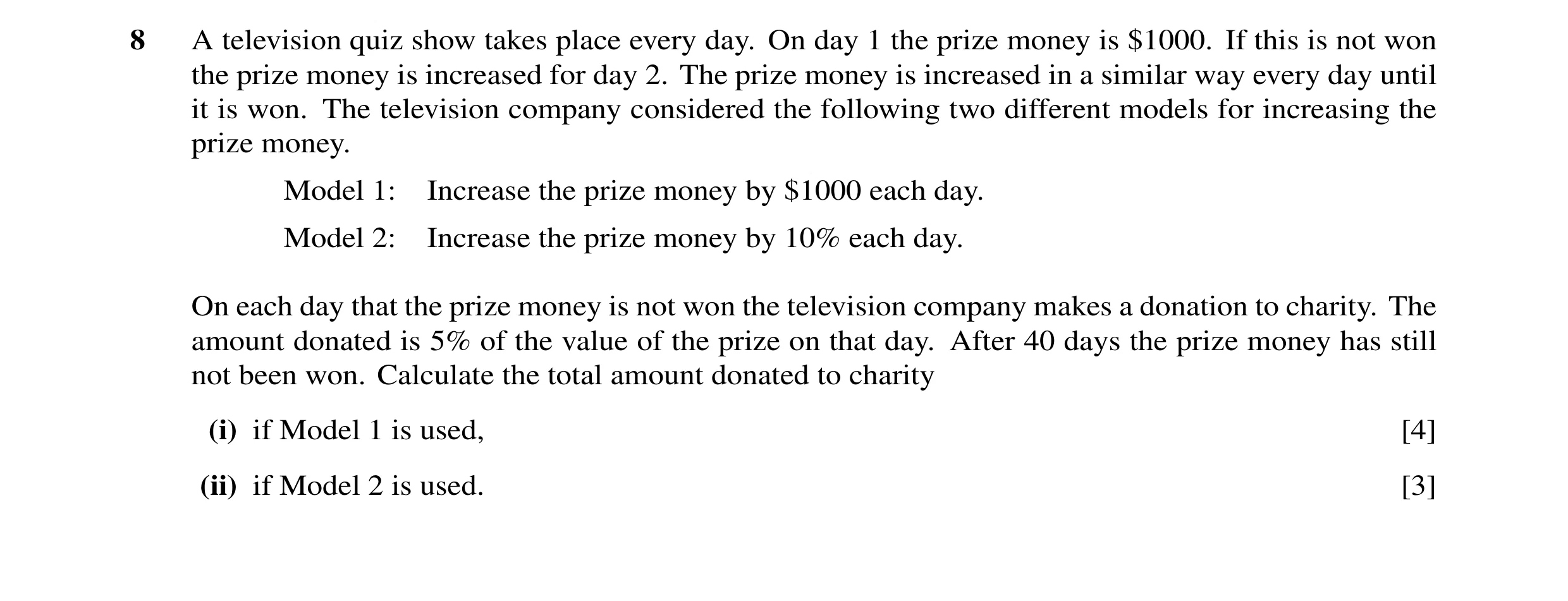
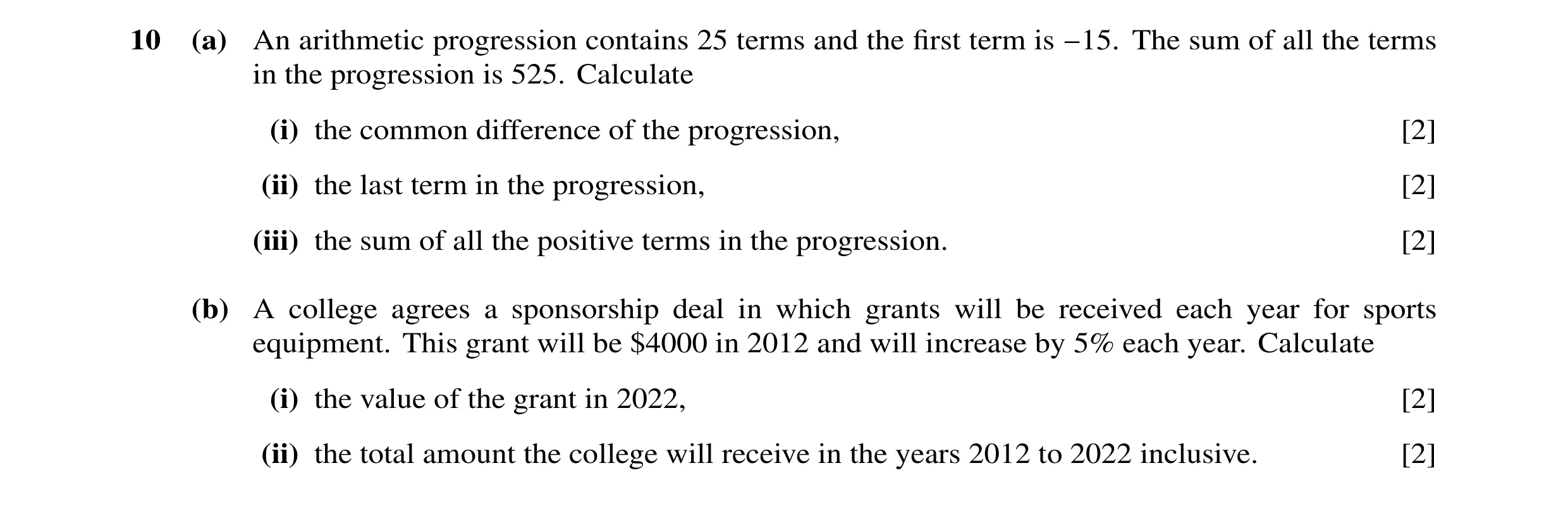
 2 / 130
![Question 13: 2 Find the coefficient of x6 in the expansion of 2x3 . [4] −1x2](https://img.pastlit.com/crops/b481afc1-a1df-4815-9cf0-41b2e8b72baf/q2.webp)
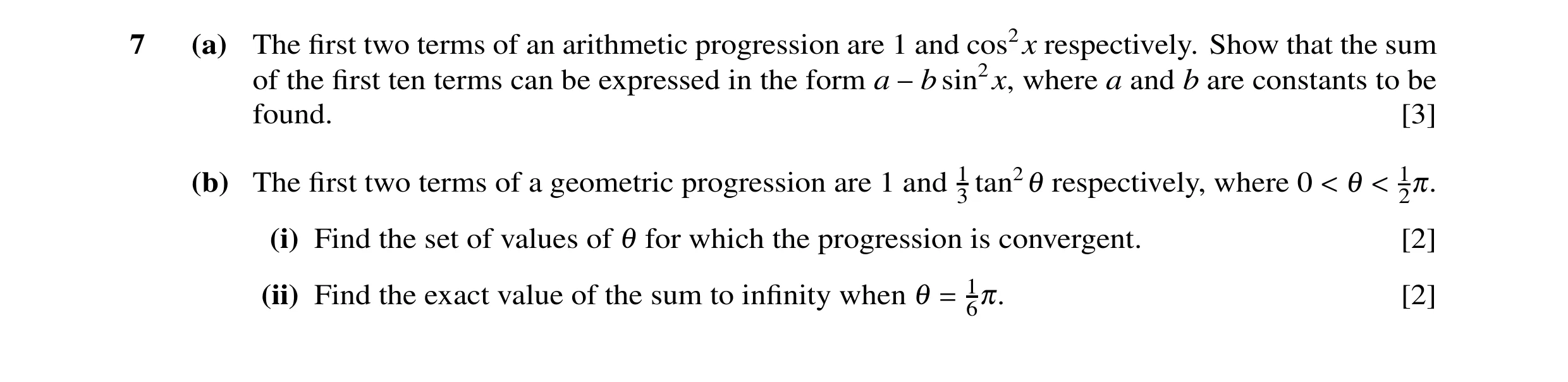
![Question 15: The coefficient of x3 in the expansion of is 90. Find the value of the positive (a + x)5 + (2 −x)6 constant a. [5]](https://img.pastlit.com/crops/8c52c895-e4f4-40fc-b338-c5fd214c4ae0/q3.webp)
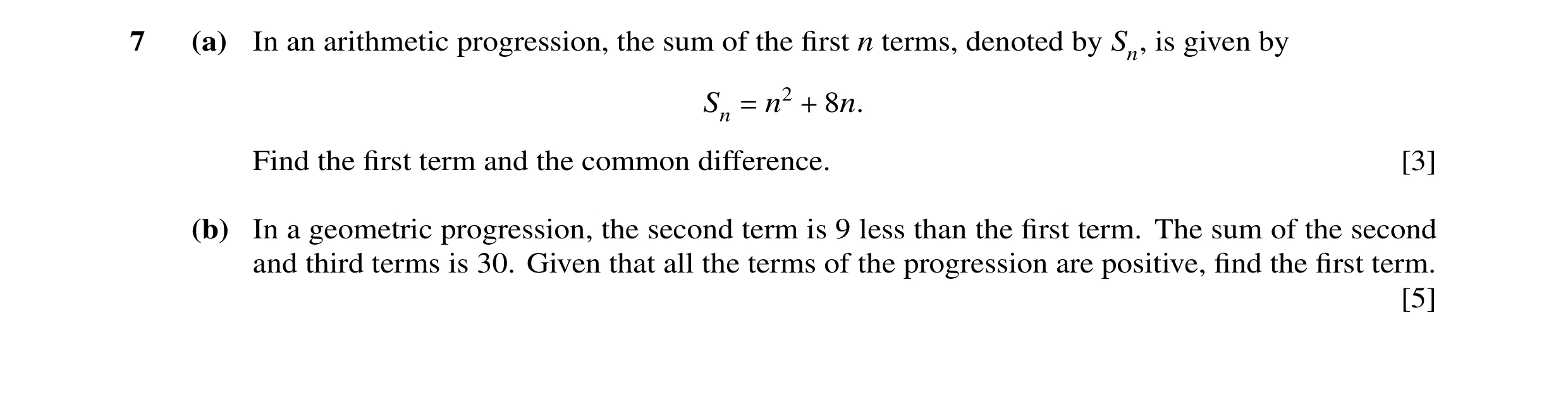
![Question 17: The third term of a geometric progression is −108 and the sixth term is 32. Find (i) the common ratio, [3] (ii) the first term, [1] (iii) th…](https://img.pastlit.com/crops/bb0757a0-ce42-4c99-87f1-70840fd83a3b/q4.webp)
 3 / 130
![Question 20: (a) In a geometric progression, the sum to infinity is equal to eight times the first term. Find the common ratio. [2] (b) In an arithmetic p…](https://img.pastlit.com/crops/58d07b05-fab5-45dc-b598-1a5023d7e9e2/q5.webp)
![Question 21: (i) Find the coefficient of x8 in the expansion of x + 3x2 4. [1] (ii) Find the coefficient of x8 in the expansion of x + 3x2 5. [3] (iii) He…](https://img.pastlit.com/crops/58d07b05-fab5-45dc-b598-1a5023d7e9e2/q8.webp)

![Question 23: Find the coefficient of x in the expansion of x2 −2 5 . [3] x](https://img.pastlit.com/crops/883e8d39-9abe-4193-bb93-3f17dc2de94a/q1.webp)
![Question 24: The first term in a progression is 36 and the second term is 32. (i) Given that the progression is geometric, find the sum to infinity. [2] (i…](https://img.pastlit.com/crops/883e8d39-9abe-4193-bb93-3f17dc2de94a/q2.webp)
![Question 25: In the expansion of 2 + ax 7, the coefficient of x is equal to the coefficient of x2. Find the value of the non-zero constant a. [3]](https://img.pastlit.com/crops/b3ec1609-b62f-4edd-9c6e-78aded864a65/q1.webp) 4 / 130
4 / 130
![Question 27: (i) Find the first 3 terms, in ascending powers of x, in the expansion of 1 + x 5. [2] 5 The coefficient of x2 in the expansion of 1 + px + x…](https://img.pastlit.com/crops/c4f03189-de60-47e4-a64c-2d78bbd0ef41/q3.webp)
![Question 29: In the expansion of 2 + ax 6, the coefficient of x2 is equal to the coefficient of x3. Find the value of the non-zero constant a. [4]](https://img.pastlit.com/crops/592e771a-e0c0-419f-bf50-3ab5c978a58a/q1.webp)
![Question 31: (a) The third and fourth terms of a geometric progression are 1 and 2 respectively. Find the sum to 3 9 infinity of the progression. [4] (b)…](https://img.pastlit.com/crops/5d659e3f-cda8-4462-bf4b-7320b77276c0/q7.webp) 5 / 130
5 / 130![Question 32: (a) The first term of an arithmetic progression is −2222 and the common difference is 17. Find the value of the first positive term. [3] (b) …](https://img.pastlit.com/crops/09858a70-a0a7-4dcb-828c-a986fe85b964/q9.webp)
![Question 34: @x 9 A7 2 Find the coefficient of x in the expansion of + . [4] 3 x2](https://img.pastlit.com/crops/659f53f7-7627-4e23-a029-8f608b6c20e3/q2.webp)
![Question 36: The 12th term of an arithmetic progression is 17 and the sum of the first 31 terms is 1023. Find the 31st term. [5]](https://img.pastlit.com/crops/503c85ab-1020-41fc-8c95-f65b7499cb92/q3.webp)
![Question 37: @1 A5 1 Find the coefficient of x in the expansion of + 3x2 . [3] x](https://img.pastlit.com/crops/aa1dbf1b-bba5-41c0-8987-852050491242/q1.webp) 6 / 130
6 / 130
![Question 39: 8 2 Find the term independent of x in the expansion of 2x + . [4] 2x3](https://img.pastlit.com/crops/31ef89a5-a80a-4ea0-8f21-2e8c5d45c89f/q2.webp)
![Question 40: The sum of the 1st and 2nd terms of a geometric progression is 50 and the sum of the 2nd and 3rd terms is 30. Find the sum to infinity. [6]](https://img.pastlit.com/crops/31ef89a5-a80a-4ea0-8f21-2e8c5d45c89f/q5.webp)
 7 / 130
![Question 43: @ A5 1 2 In the expansion of + 2ax2 , the coefficient of x is 5. Find the value of the constant a. [4] ax ...................................…](https://img.pastlit.com/crops/6a448d56-9ad8-49a7-baa3-31ebc1fda9ab/q2.webp) 8 / 130
8 / 130
![Question 47: Find the term independent of x in the expansion of 2x −1 9 . [4] 4x2 ......................................................................…](https://img.pastlit.com/crops/b7bc9a23-fb7f-4af6-9ed2-2f5d54f07d81/q1.webp) 15 / 130
15 / 130 16 / 130
 19 / 130
![Question 51: 2 Find the coefficient of in the expansion of x −2 5 . [3] x x ..............................................................................…](https://img.pastlit.com/crops/0b8d4840-ac35-4edb-8644-695927b77a0d/q2.webp) 20 / 130
20 / 130 21 / 130
 22 / 130
![Question 54: 2 7 1 Find the coefficient of in the expansion of 3x . [4] x2 + 3x2 .........................................................................…](https://img.pastlit.com/crops/78e7d933-604d-44cb-816a-539b81edc54a/q1.webp) 23 / 130
23 / 130
![Question 56: 1 Find the coefficient of in the expansion of x −2 7 . [3] x3 x .............................................................................…](https://img.pastlit.com/crops/7cd9cf34-16c9-4e1a-868e-80ac32e2d71f/q1.webp) 26 / 130
26 / 130 27 / 130
![Question 59: k 6 1 The term independent of x in the expansion of 2x + , where k is a constant, is 540. x (i) Find the value of k. [3] ..................…](https://img.pastlit.com/crops/a3f765d2-a966-49f0-9690-ca5b1d00727c/q1.webp) 30 / 130
30 / 130![Question 60: (a) The third and fourth terms of a geometric progression are 48 and 32 respectively. Find the sum to infinity of the progression. [3] .....…](https://img.pastlit.com/crops/a3f765d2-a966-49f0-9690-ca5b1d00727c/q8.webp)
![Question 61: @2 A5 1 Find the coefficient of x in the expansion of . [3] x −3x ...........................................................................…](https://img.pastlit.com/crops/0f09d31e-9514-4896-8fb8-79d9eeb77cbd/q1.webp) 33 / 130
33 / 130
 38 / 130
![Question 67: a 5 6 The coefficient of in the expansion of 2x + is 720. x x2 (a) Find the possible values of the constant a. [3] ..........................…](https://img.pastlit.com/crops/f34237d1-5a29-4a0c-ab2d-85ccb9b9c16e/q6.webp) 43 / 130
43 / 130 44 / 130
 45 / 130
![Question 70: 1 5 82 The coefficient of in the expansion of kx + + 1 −2 is 74. x x x Find the value of the positive constant k. [5] .......................…](https://img.pastlit.com/crops/335708ba-e9c7-4682-8033-2376210b0c59/q2.webp) 46 / 130
46 / 130 47 / 130
 52 / 130
 53 / 130
 56 / 130
 57 / 130
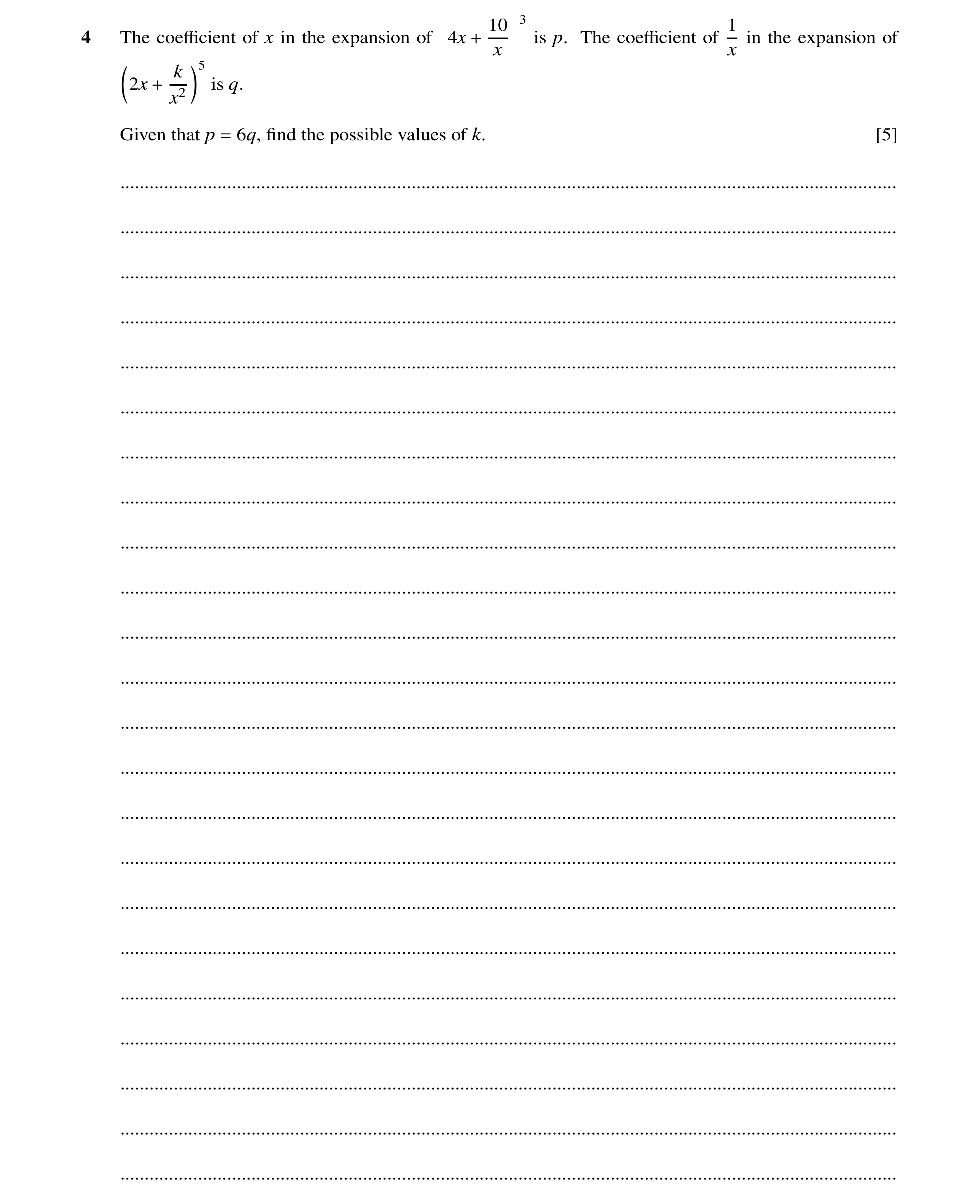 58 / 130
 59 / 130
 60 / 130
 61 / 130
 62 / 130
 63 / 130
 64 / 130
 65 / 130
![Question 88: The second and third terms of a geometric progression are 10 and 8 respectively. Find the sum to infinity. [4] .............................…](https://img.pastlit.com/crops/7c451ea6-2c13-4769-8d56-2268535cbdbb/q2.webp) 68 / 130
68 / 130![Question 89: The first, second and third terms of an arithmetic progression are k, 6k and k + 6 respectively. (a) Find the value of the constant k. [2] .…](https://img.pastlit.com/crops/7c451ea6-2c13-4769-8d56-2268535cbdbb/q4.webp) 69 / 130
69 / 130![Question 90: 4 1 The coefficient of x3 in the expansion of p is 144. + px Find the possible values of the constant p. [4] ................................…](https://img.pastlit.com/crops/423e4ce0-e477-4985-b359-80b0ef55a1be/q1.webp) 70 / 130
70 / 130 71 / 130
 74 / 130
![Question 94: A geometric progression is such that the third term is 1764 and the sum of the second and third terms is 3444. Find the 50th term. [4] ....…](https://img.pastlit.com/crops/6aa5094a-97b4-44e8-9ef8-0fce912a145b/q4.webp) 75 / 130
75 / 130![Question 95: The first term of a geometric progression is 216 and the fourth term is 64. (a) Find the sum to infinity of the progression. [3] ............…](https://img.pastlit.com/crops/1fc7b303-e23b-4e63-9c8d-4f517c2a43bf/q9.webp)
 78 / 130
 79 / 130
 80 / 130
![Question 99: The second term of a geometric progression is 16 and the sum to infinity is 100. (a) Find the two possible values of the first term. [4] ....…](https://img.pastlit.com/crops/c80da14b-b14b-49a5-b89f-320916dbdf4d/q9.webp)
 85 / 130
 88 / 130
 89 / 130
![Question 105: The coefficient of x3 in the expansion of ( 3 + ax) 6 is 160. (a) Find the value of the constant a. [2] ...................................…](https://img.pastlit.com/crops/67c066b8-3770-43fa-b902-931b865fb047/q3.webp) 90 / 130
90 / 130
 93 / 130
![Question 109: Find the coefficient of x2 in the expansion of ( 2 - 5x) ( 1 + 3x) 10 . [4] ...............................................................…](https://img.pastlit.com/crops/e8bdf74a-dfee-4178-bb01-4e1ec31fe5e5/q1.webp) 96 / 130
96 / 130![Question 110: The first term of an arithmetic progression is 1.5 and the sum of the first ten terms is 127.5 . (a) Find the common difference. [2] ......…](https://img.pastlit.com/crops/e8bdf74a-dfee-4178-bb01-4e1ec31fe5e5/q7.webp) 97 / 130
97 / 130
 100 / 130
 103 / 130
![Question 115: Find the term independent of x in the expansion of each of the following: 6 3 (a) e x + 2 o [2] x .........................................…](https://img.pastlit.com/crops/37ecc913-dfcf-4b60-9b03-dcd4d7075a6b/q4.webp) 104 / 130
104 / 130![Question 116: An arithmetic progression has fourth term 15 and eighth term 25. Find the 30th term of the progression. [3] ...............................…](https://img.pastlit.com/crops/213fb9ab-55a4-4cb9-b320-df7a32b7525b/q1.webp) 105 / 130
105 / 130 106 / 130
![Question 118: 43 (a) Find the complete expansion of b2x - l . [4] x .....................................................................................…](https://img.pastlit.com/crops/3cdac5a4-8a23-4583-a570-d2901d64686a/q3.webp) 107 / 130
107 / 130 108 / 130
![Question 120: A geometric progression is such that its second term is - 120 and its sum to infinity is 160. (a) Find the common ratio. [4] ..............…](https://img.pastlit.com/crops/3cdac5a4-8a23-4583-a570-d2901d64686a/q8.webp) 109 / 130
109 / 130 110 / 130
![Question 122: 43 The coefficient of x7 in the expansion of e px + xo is 1280. p Find the value of the constant p. [4] ...................................…](https://img.pastlit.com/crops/fd7f1dcf-dd85-463a-affa-12775d64d07f/q3.webp) 111 / 130
111 / 130
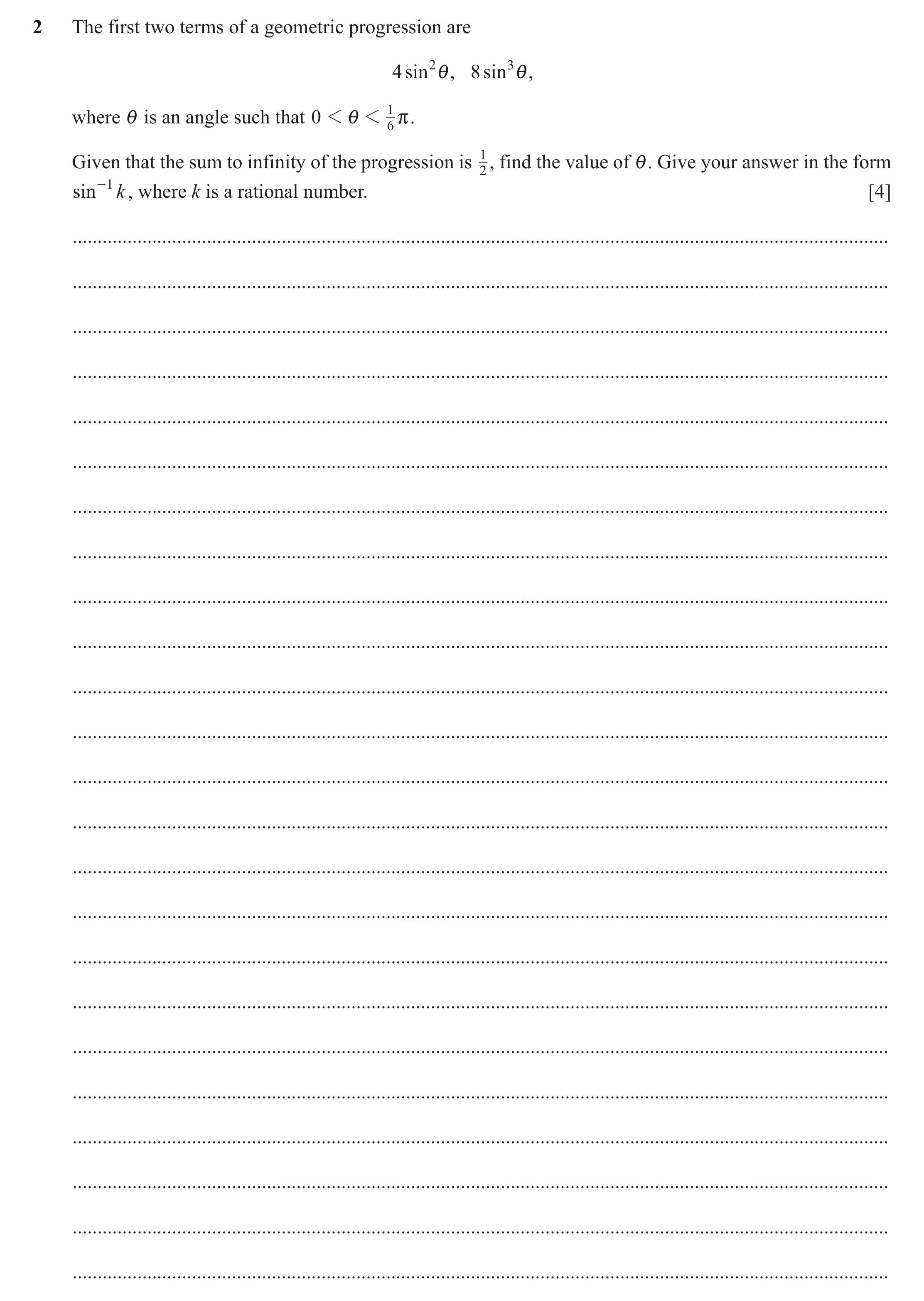 114 / 130
![Question 125: (a) Find the first three terms in the expansion of b2 - 3 xl in ascending powers of x. [3] 2 ..............................................…](https://img.pastlit.com/crops/4b0c72ad-9eb0-4f13-8801-e6da23fe9a3b/q4.webp) 115 / 130
115 / 130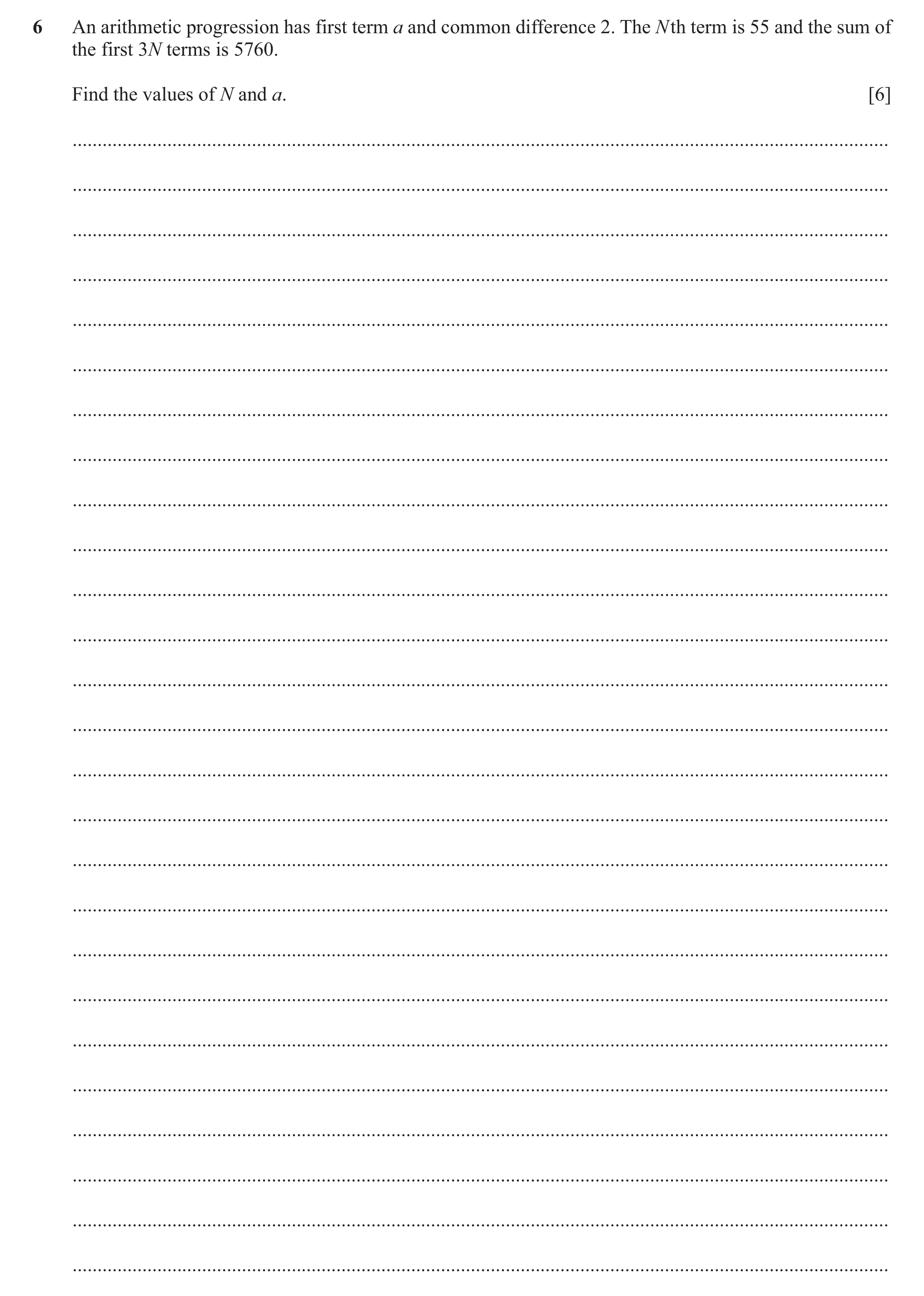 116 / 130
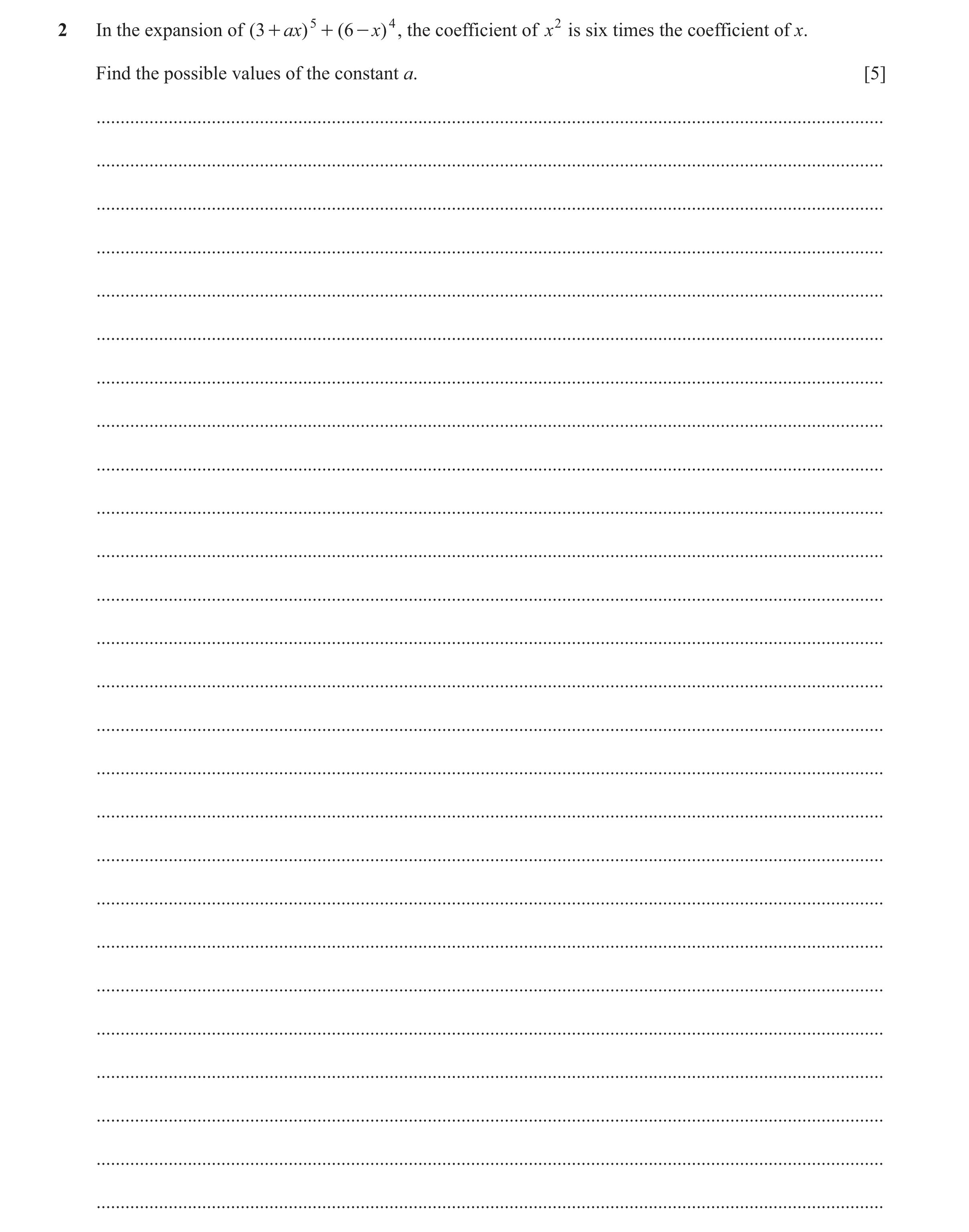 117 / 130
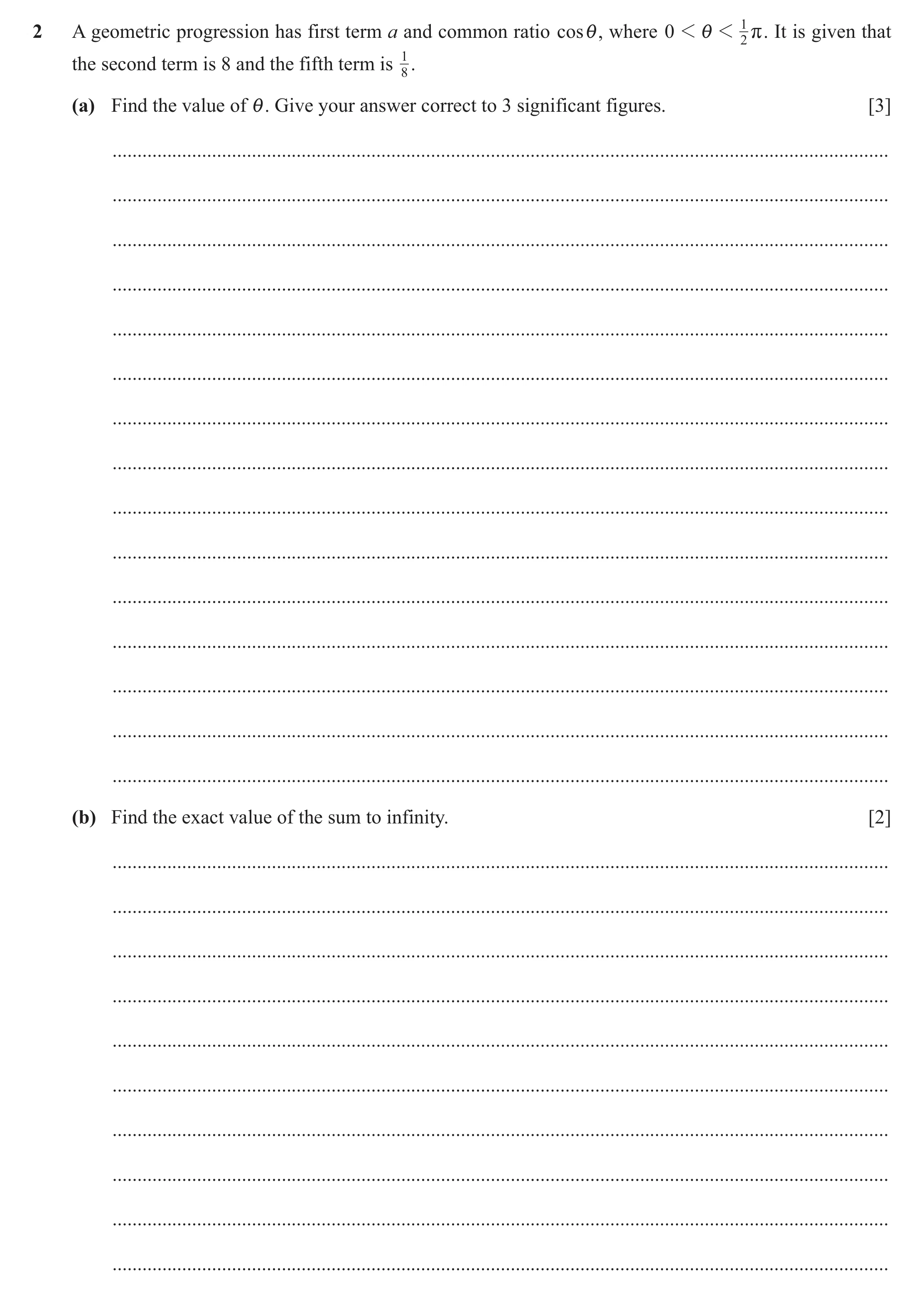 120 / 130
![Question 130: In the expansion of 5 3 p 4 ( px + 3) - b x + l , x the coefficient of x4 is 216. Find the value of the positive constant p. [5] ..........…](https://img.pastlit.com/crops/6d1359a3-4977-4094-8e2c-10748a08d5c9/q3.webp) 121 / 130
121 / 130
![Question 132: 3 62 Find the term independent of x in the expansion of b2 x - l . [3] x ..................................................................…](https://img.pastlit.com/crops/0e24c104-8d1d-48f0-97c7-665e1c0c5363/q2.webp) 124 / 130
124 / 130
![Question 134: (a) Expand b2 - 1 xl in ascending powers of x up to and including the term in x3. [3] 2 ...................................................…](https://img.pastlit.com/crops/126c78a5-90b1-484e-ac58-5f839273be50/q1.webp) 127 / 130
127 / 130 128 / 130
 129 / 130
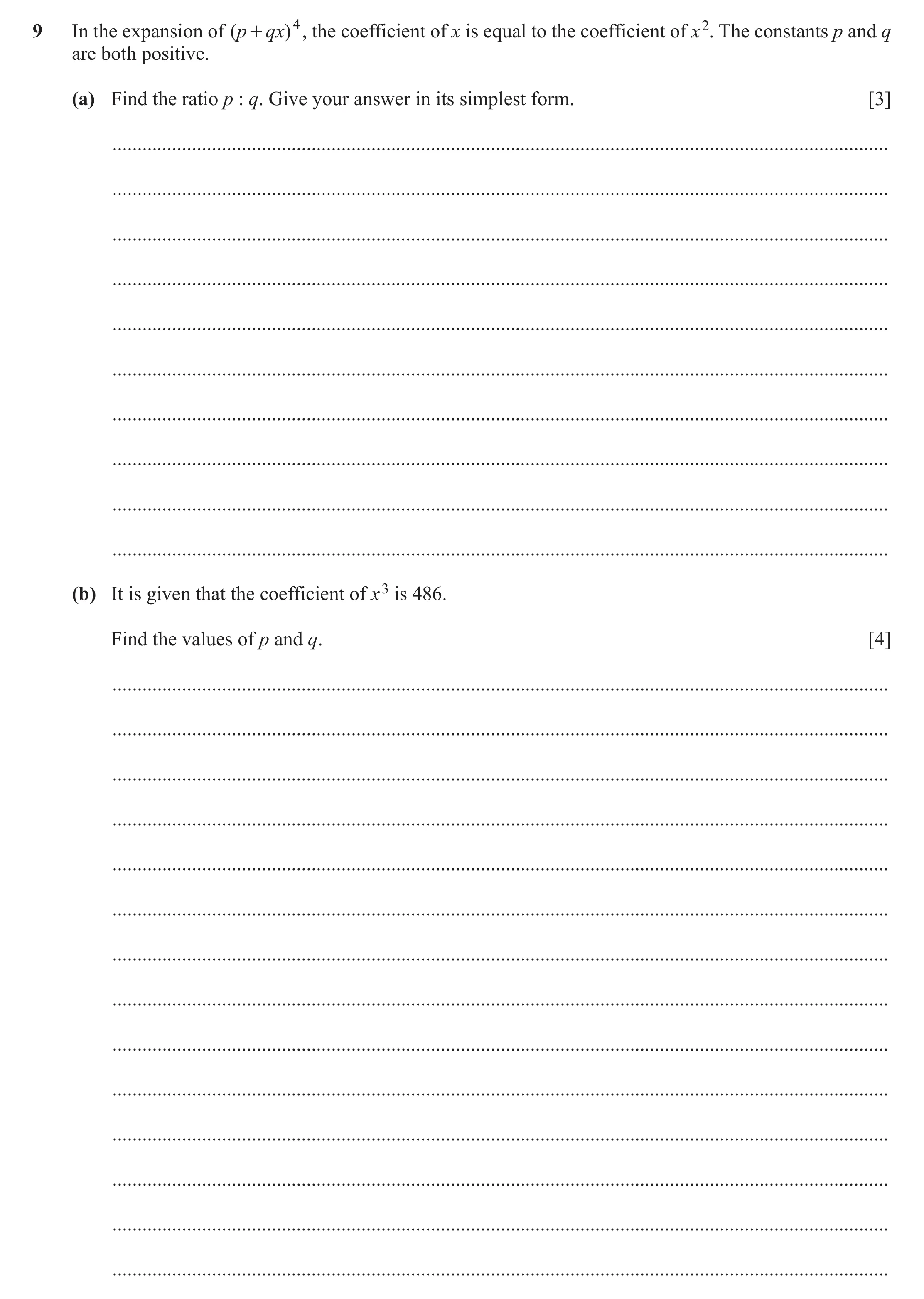 130 / 130
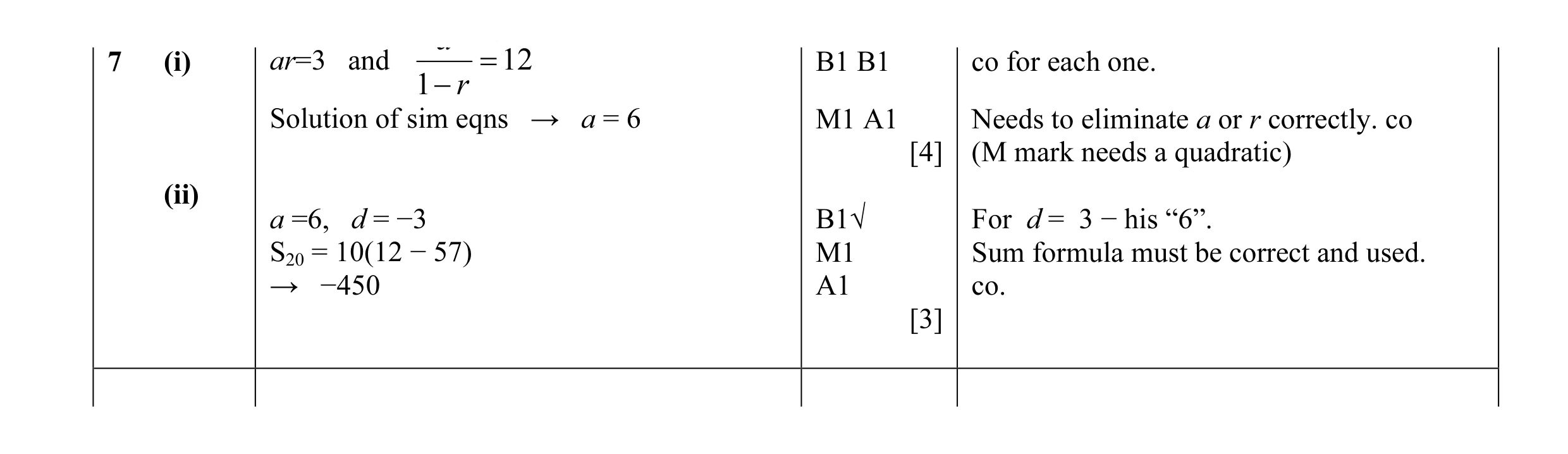 7
7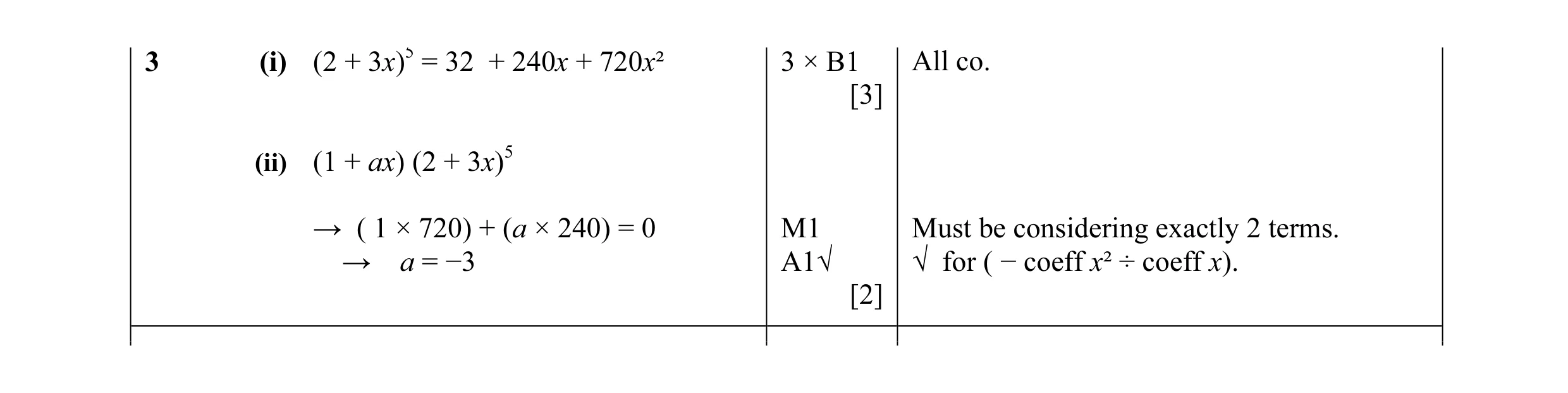 5
5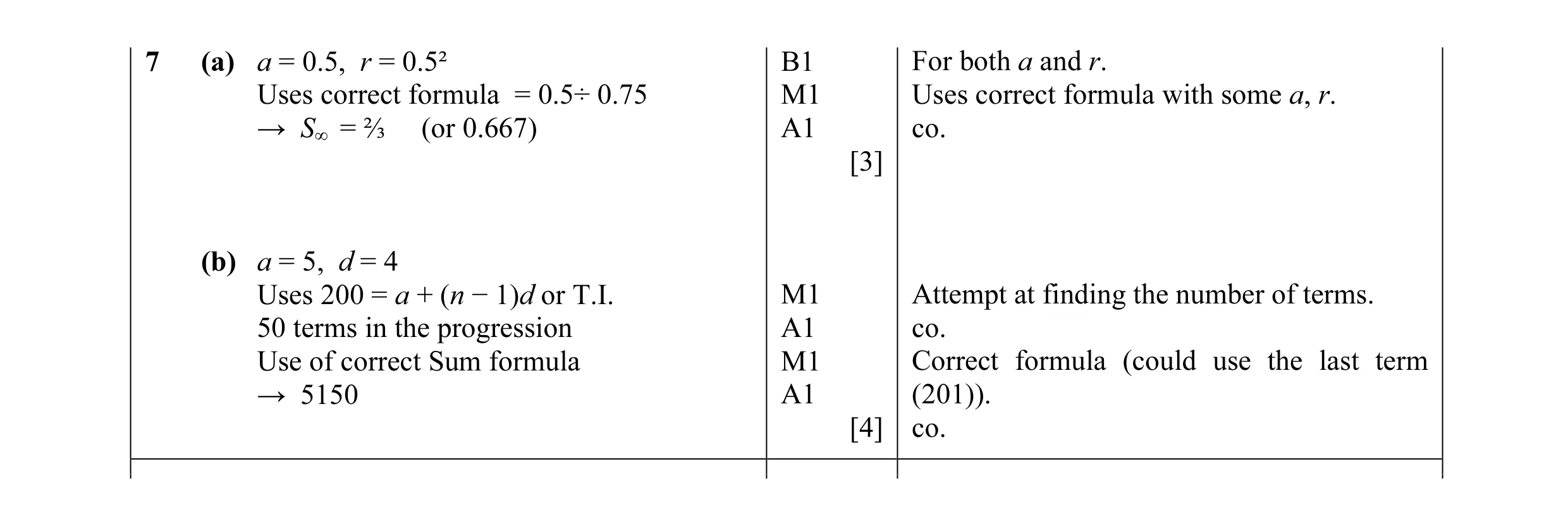 7
7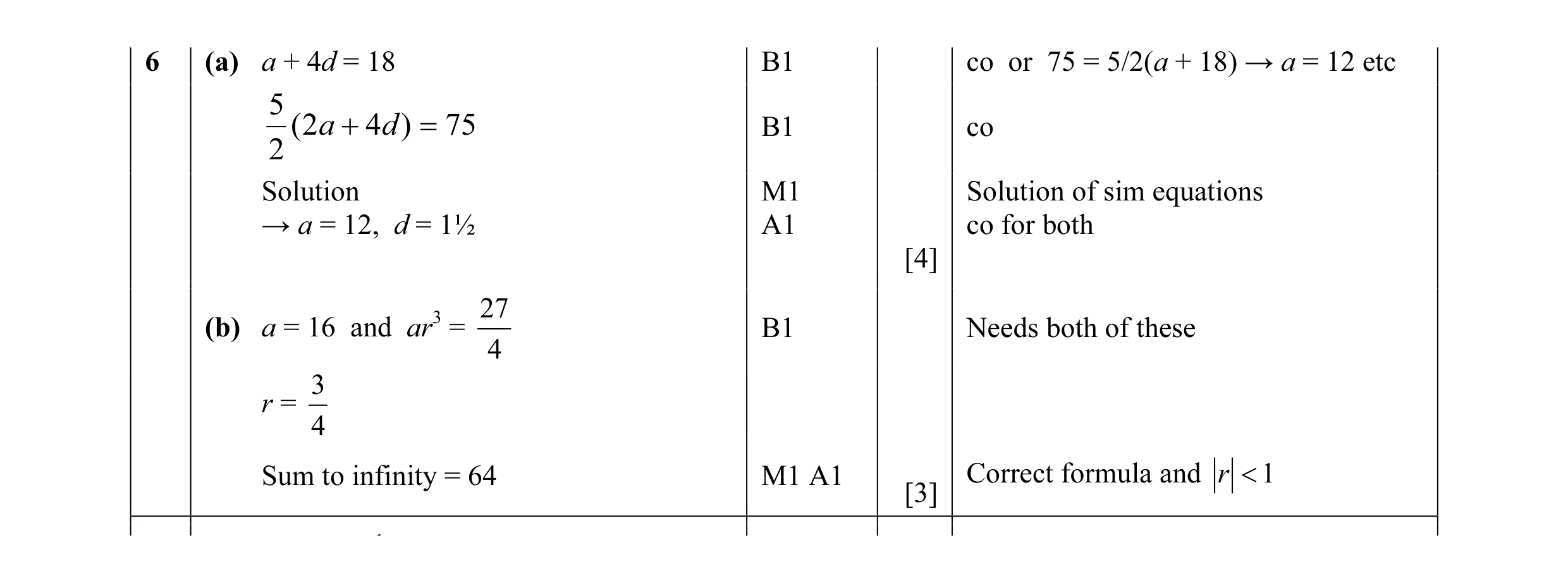 7
7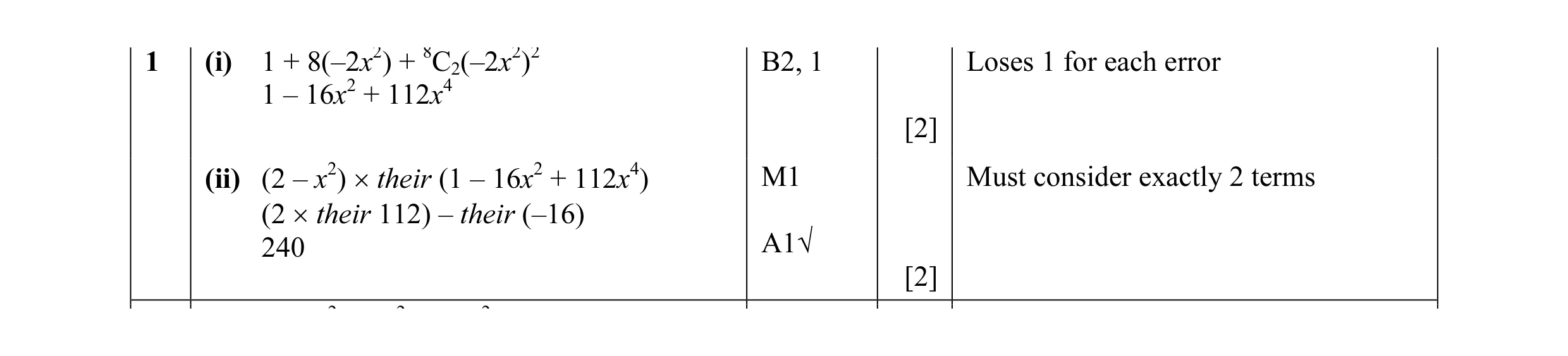 4
4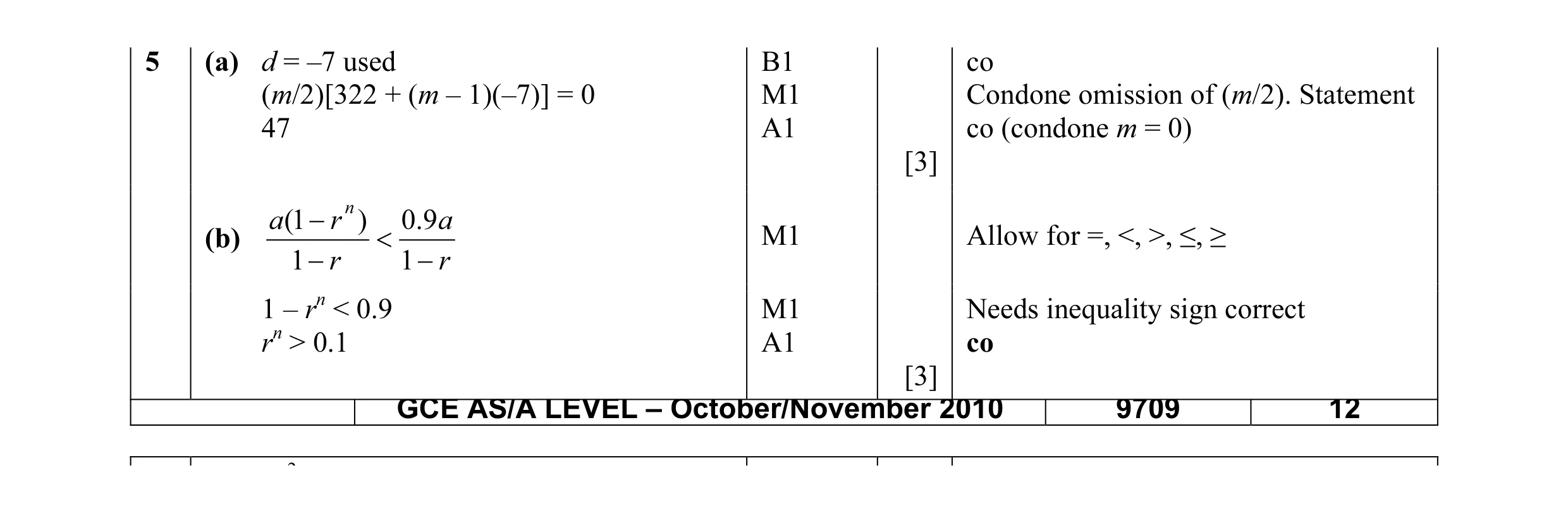 6
6 3
3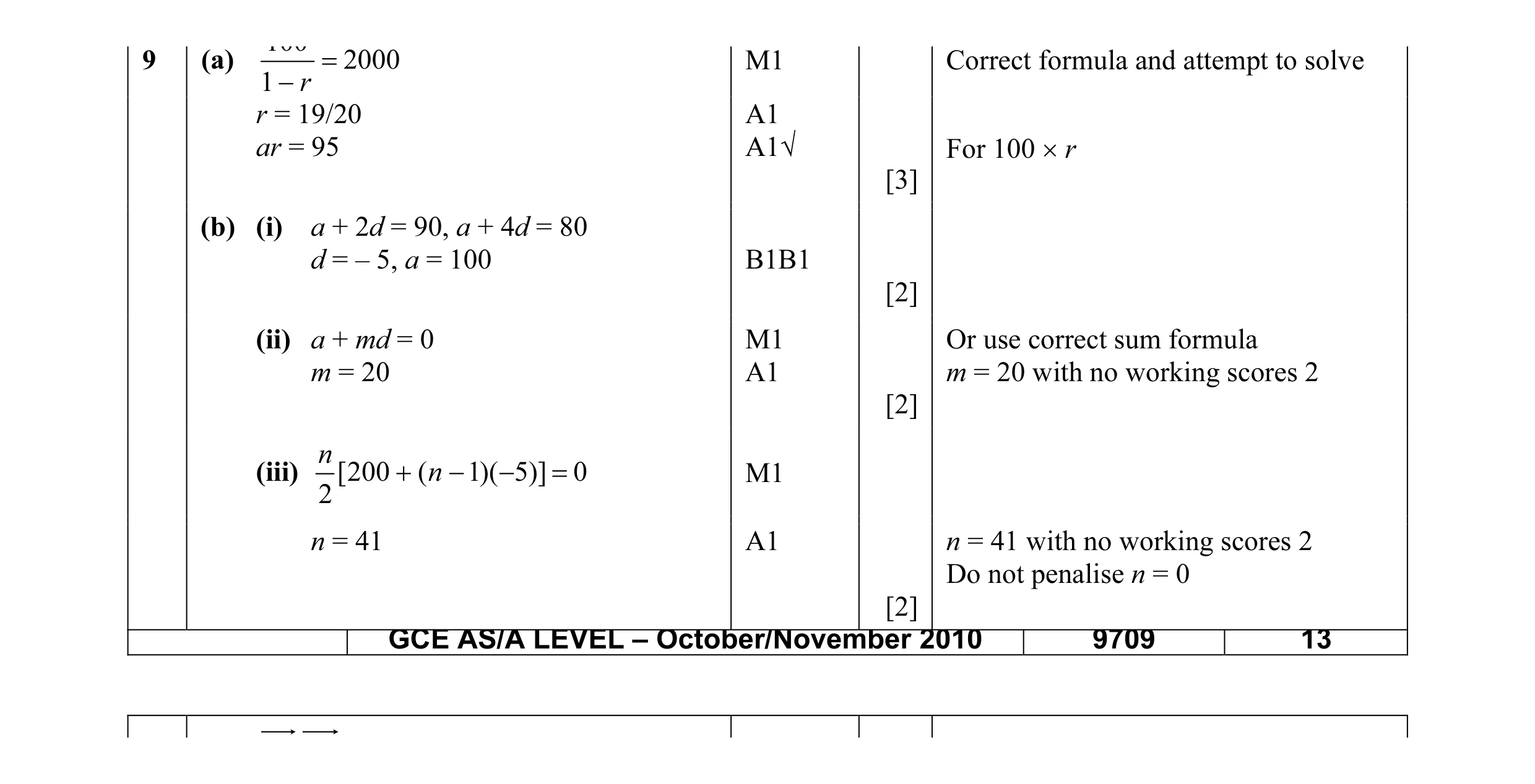 9
9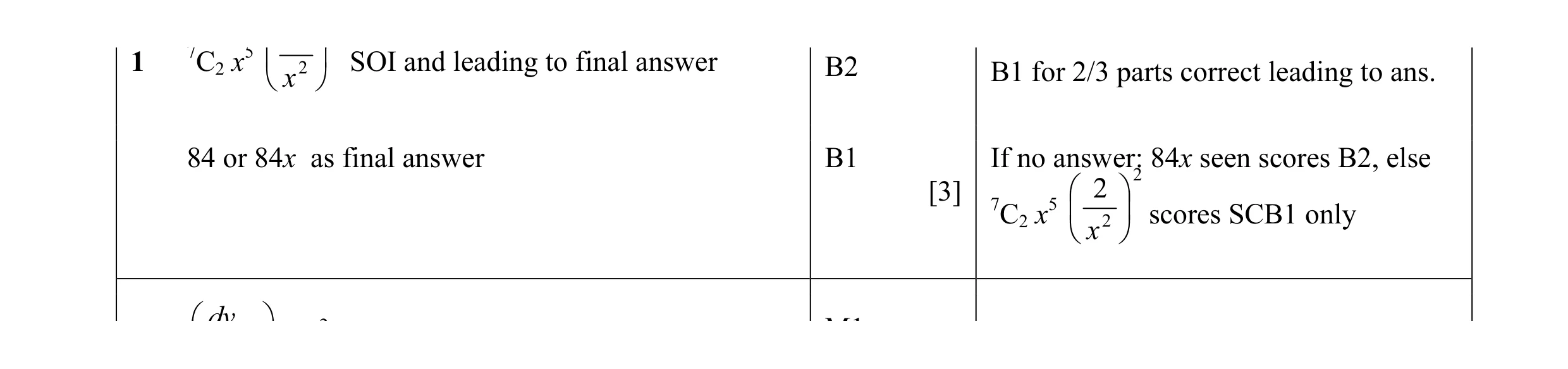 3
3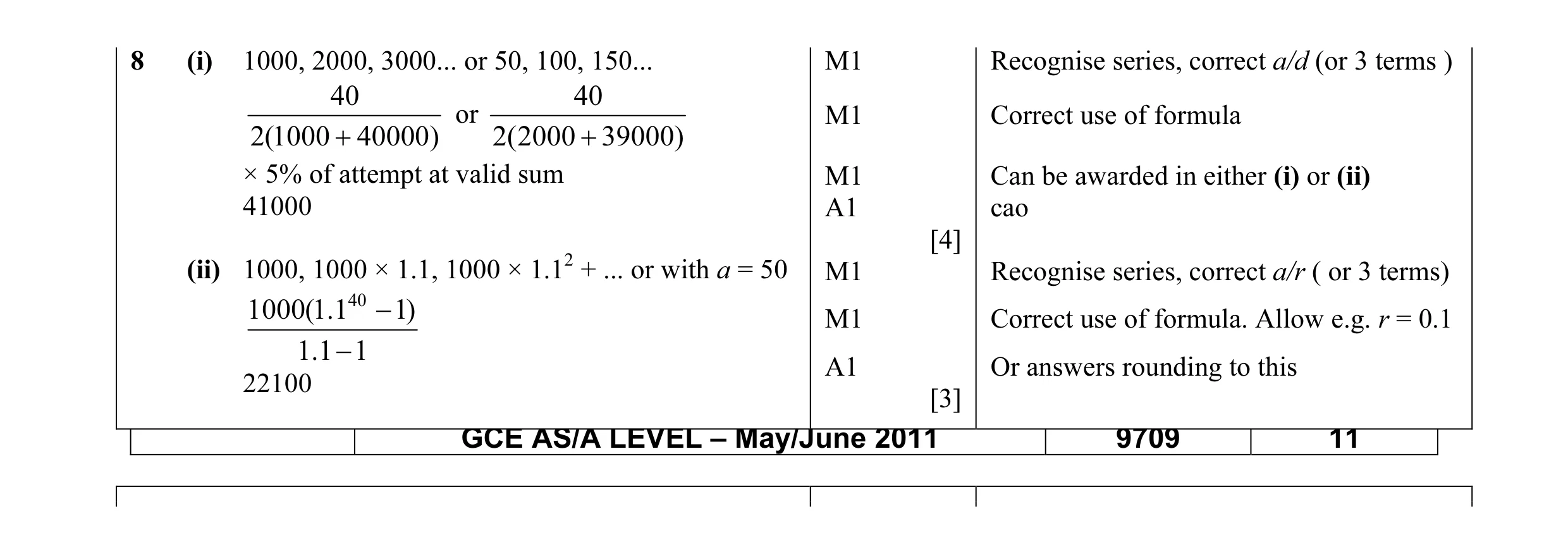 7
7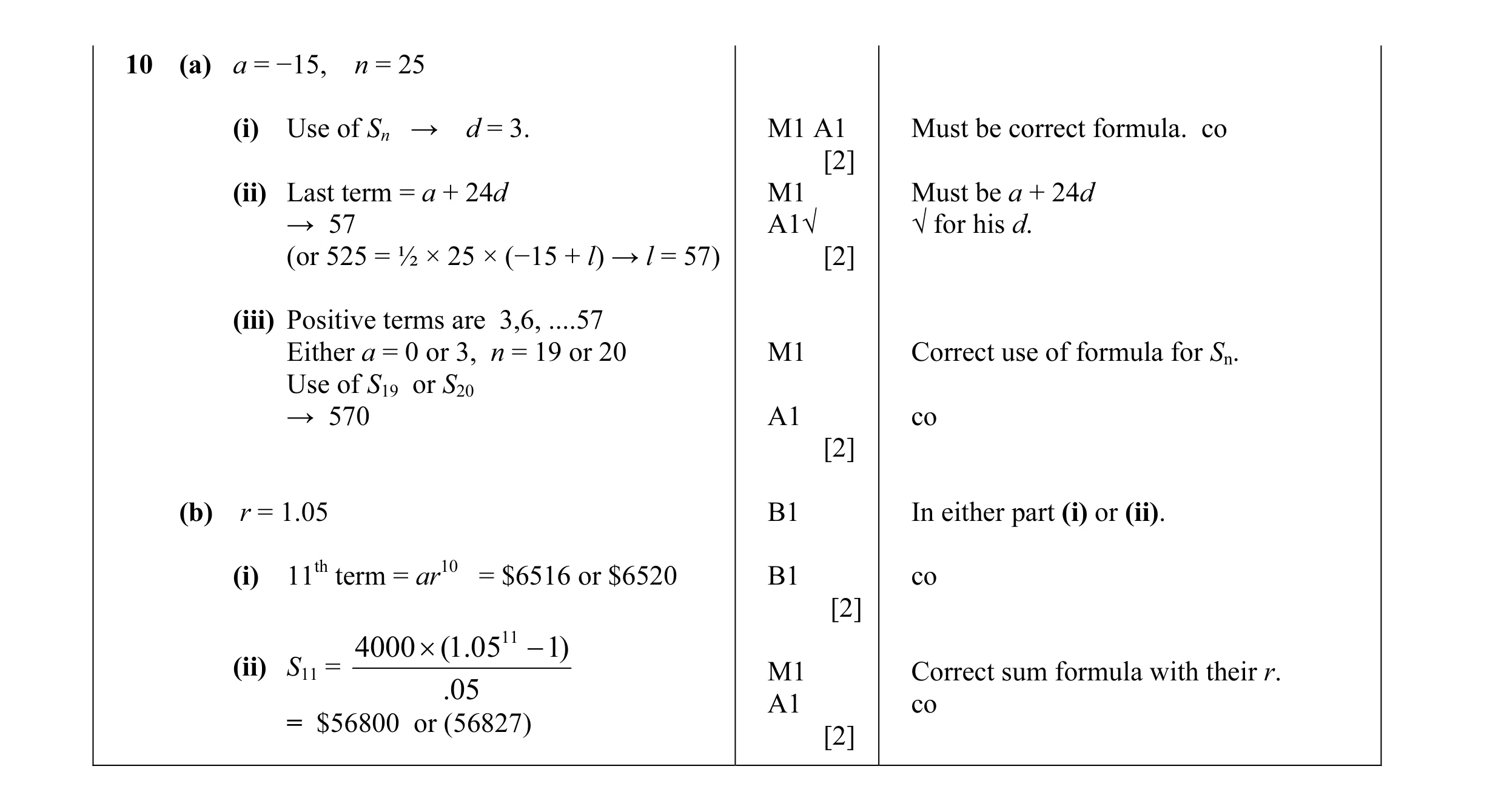 10
10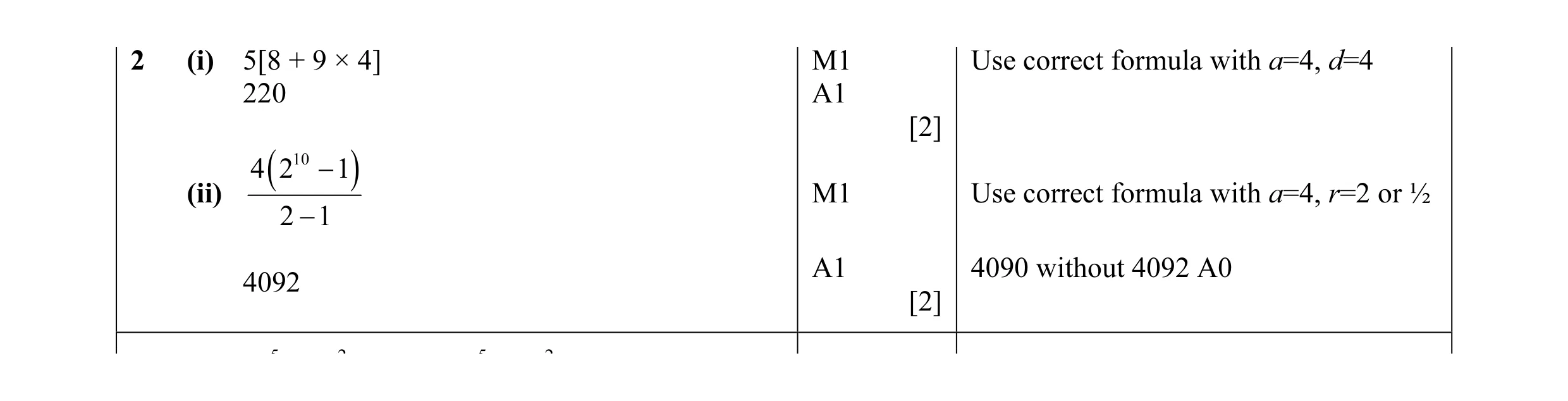 4
4 4
4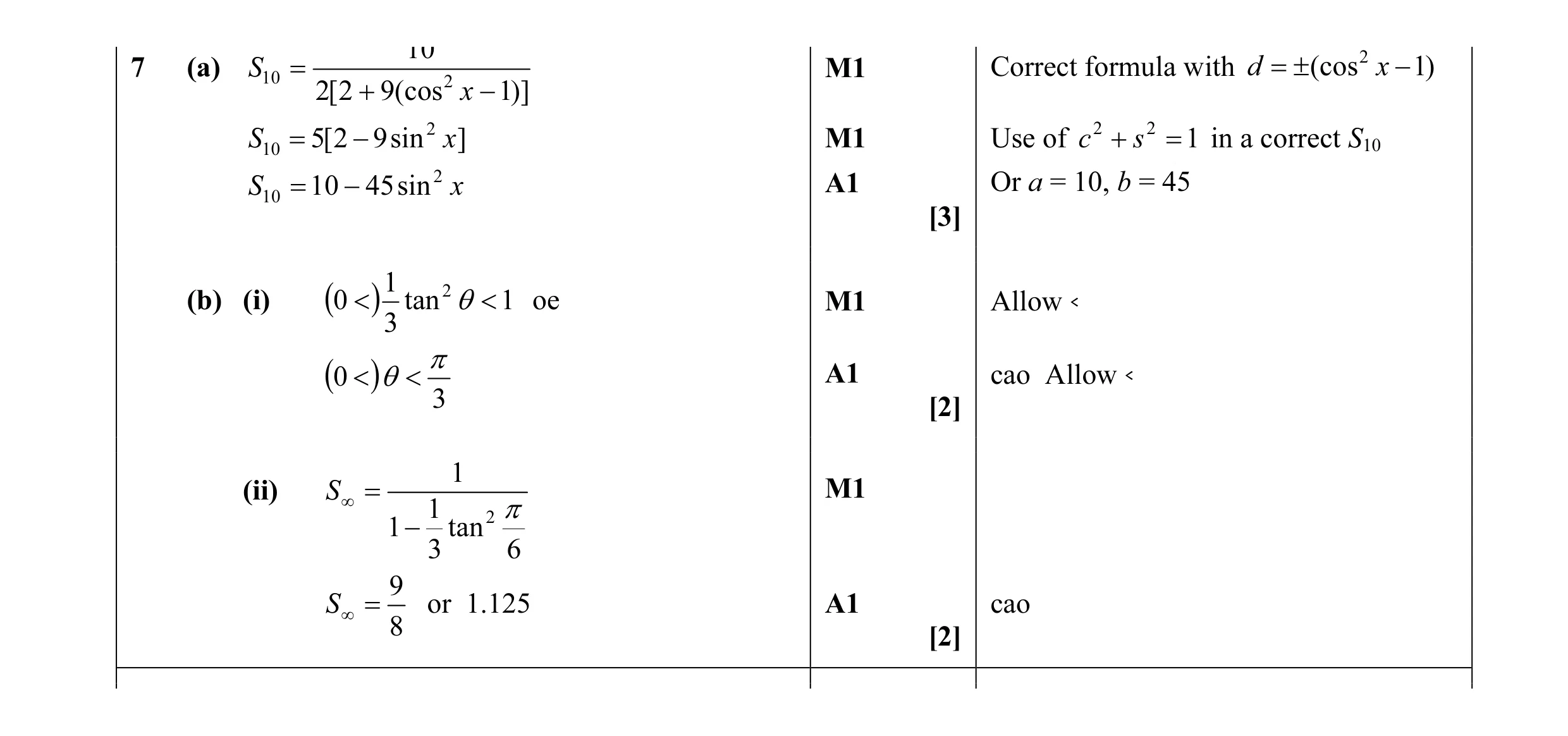 7
7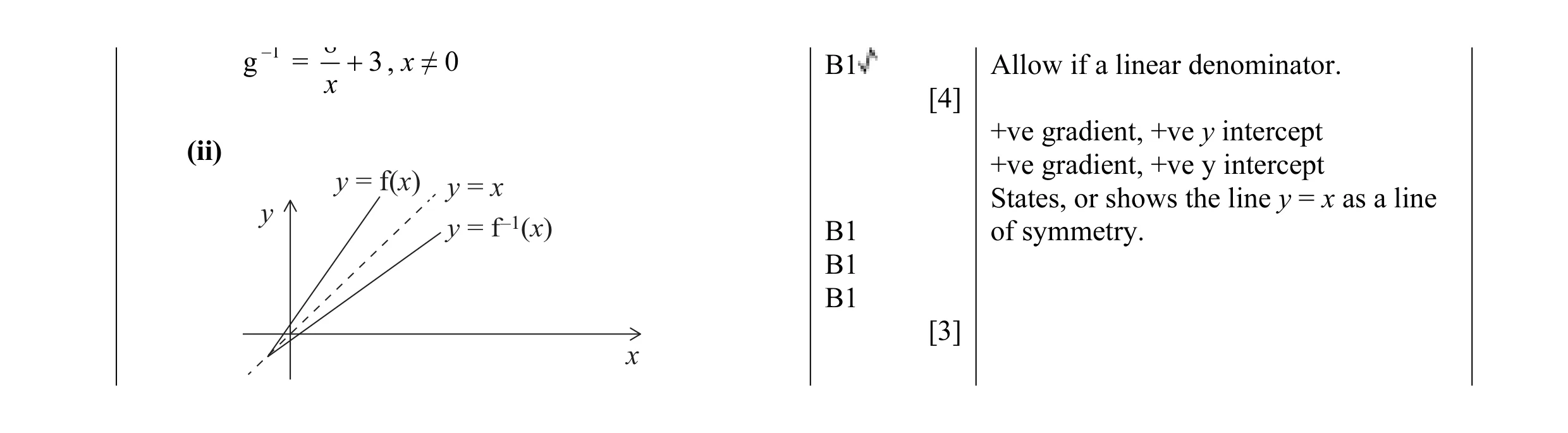 5
5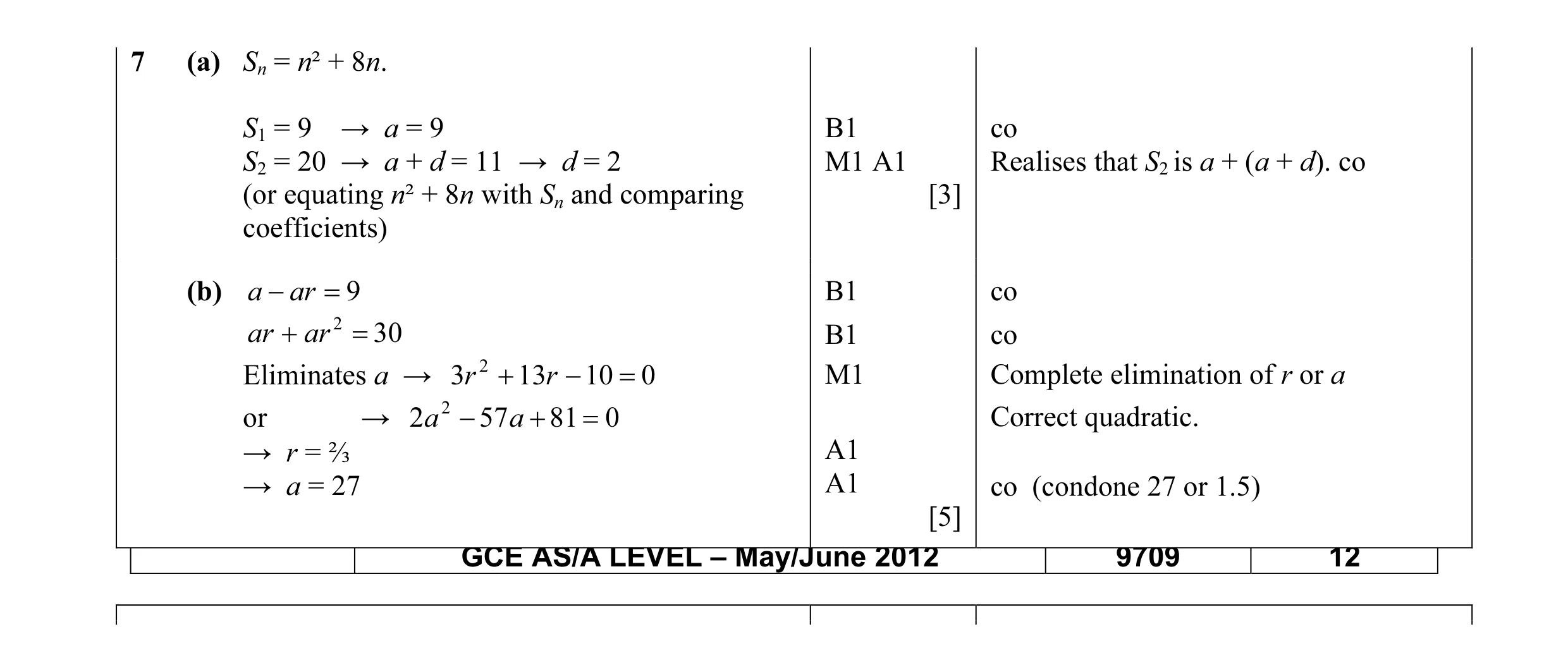 8
8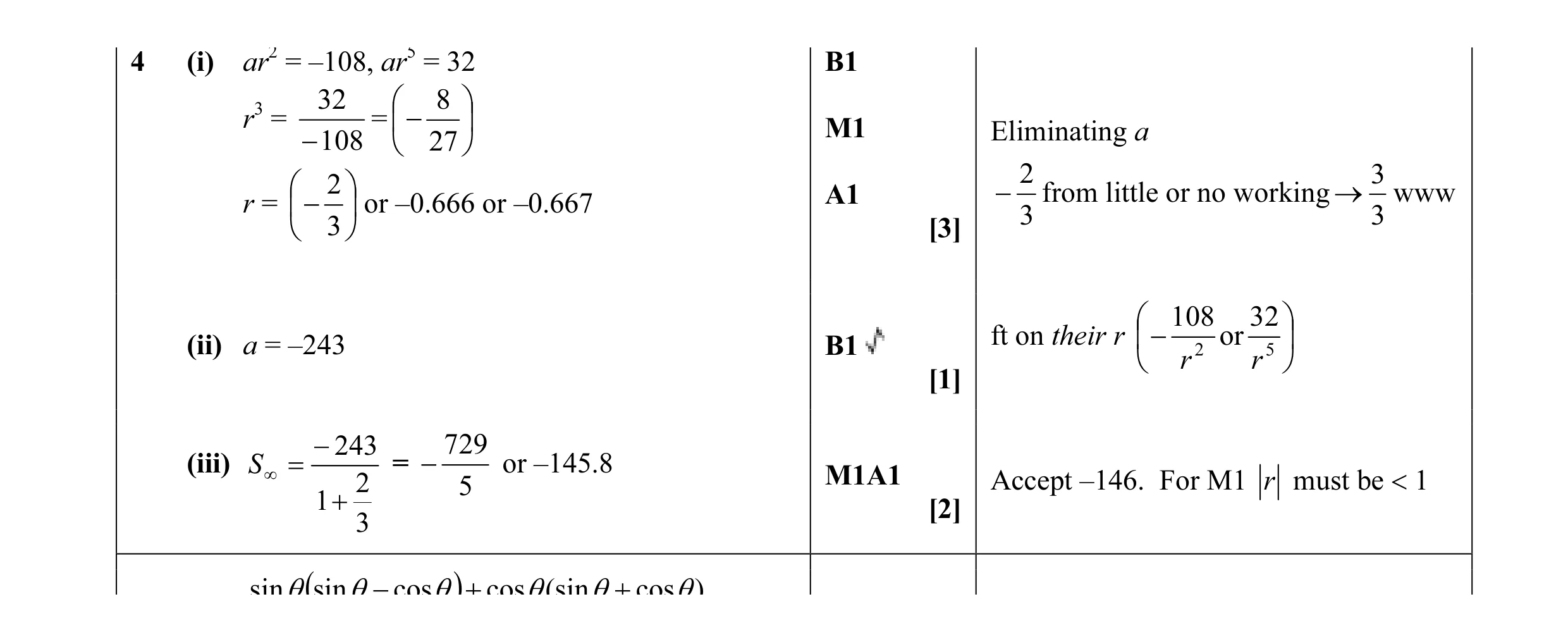 6
6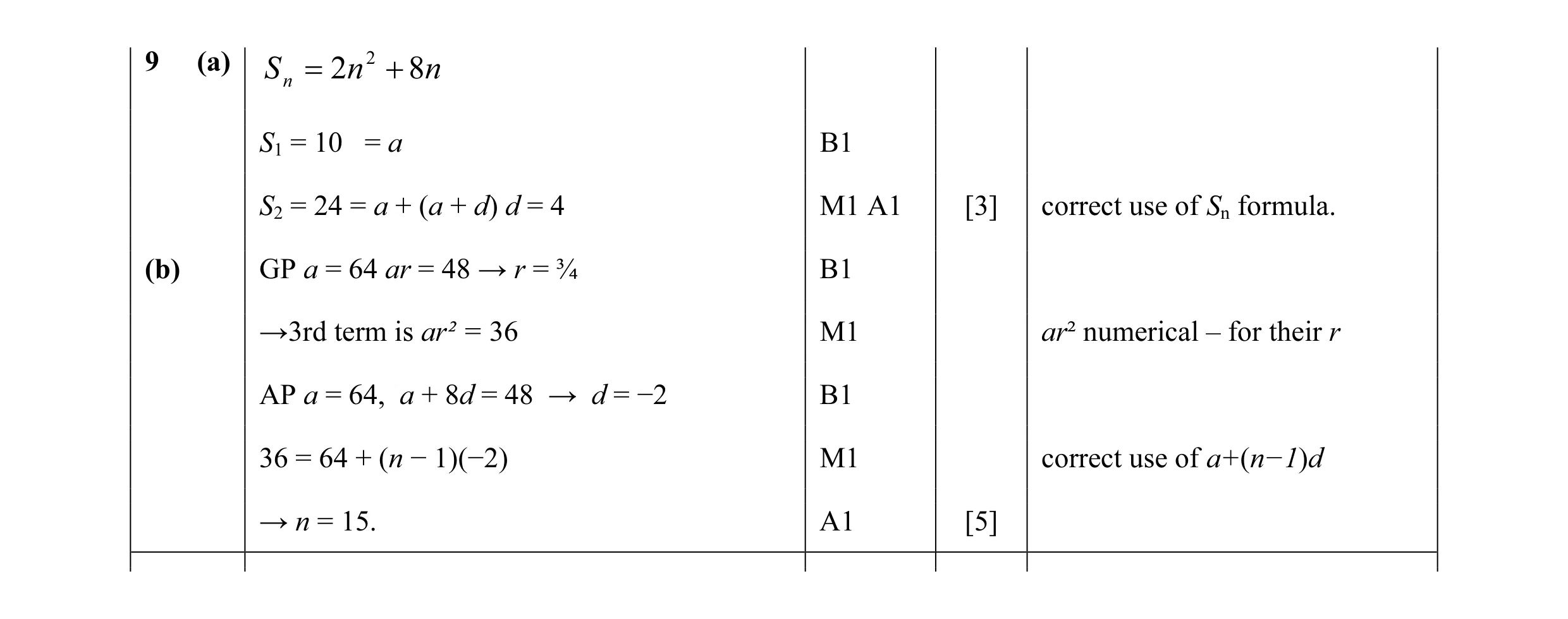 8
8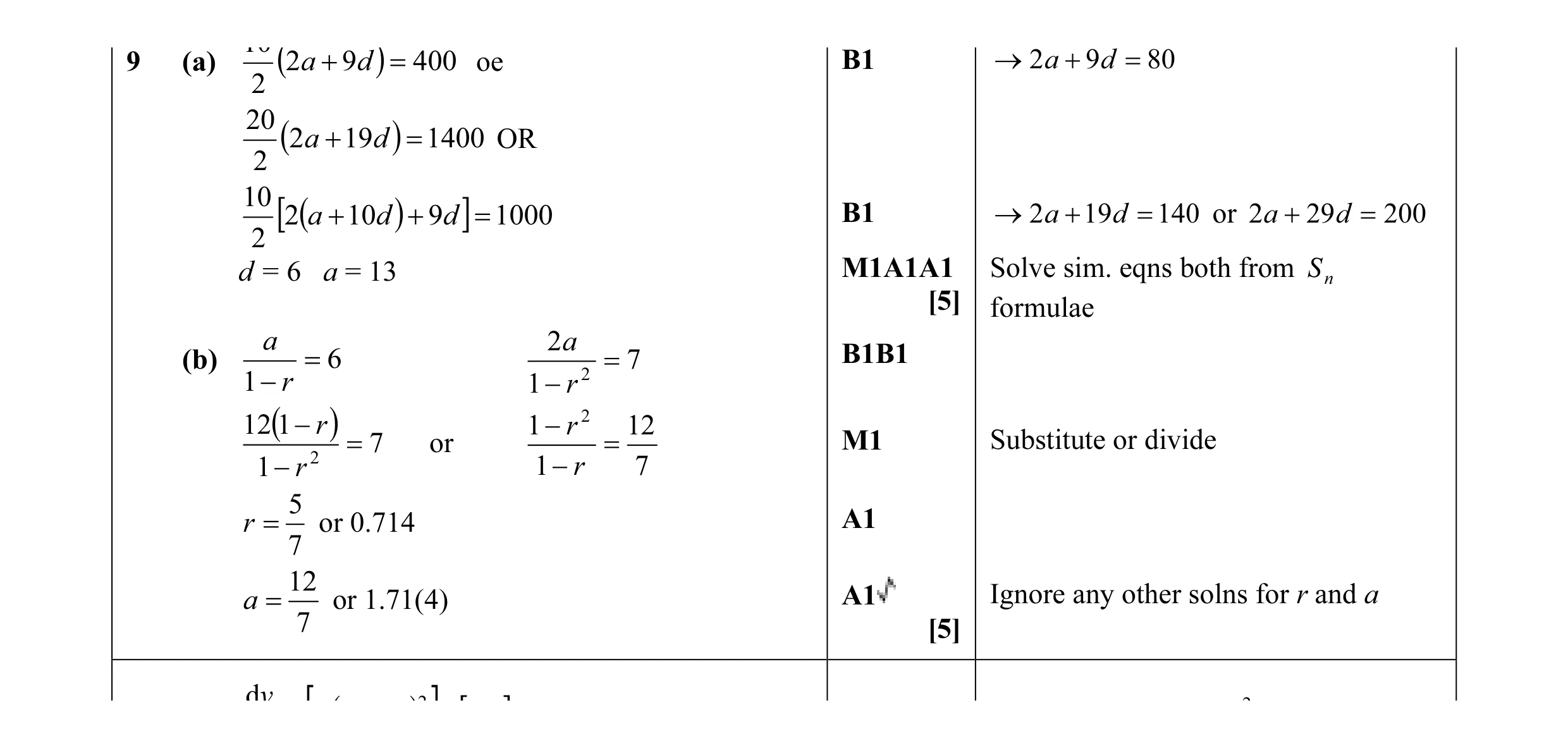 10
10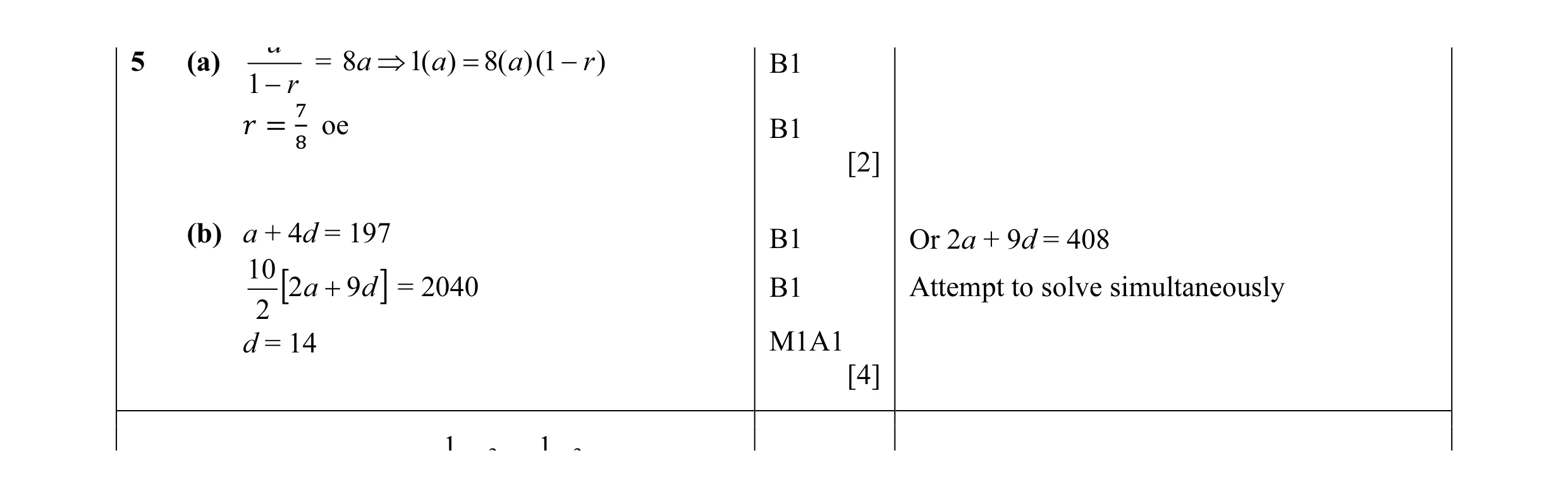 6
6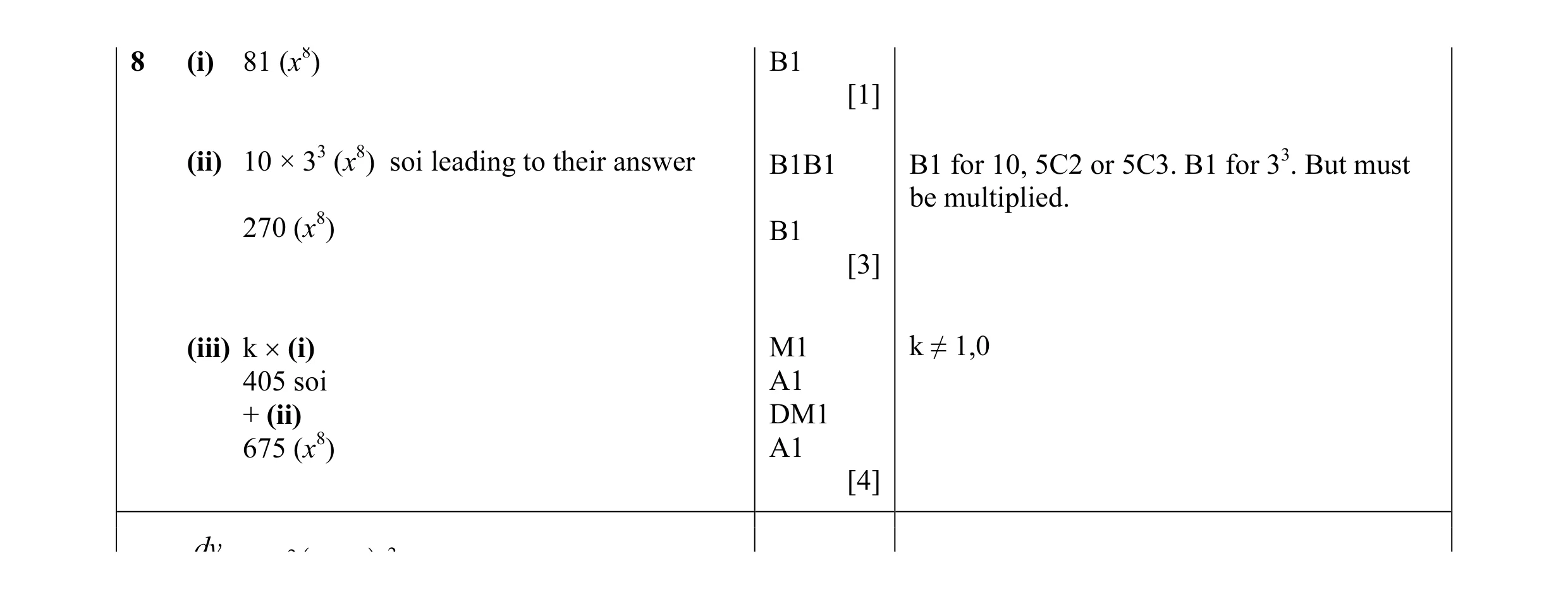 8
8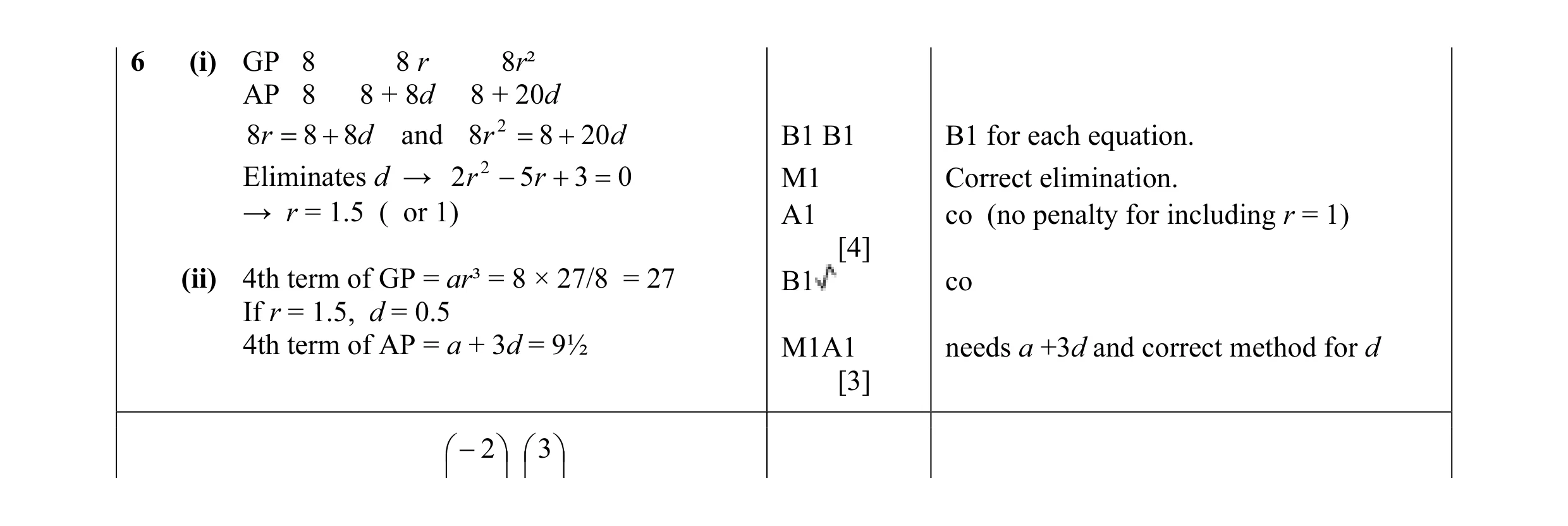 7
7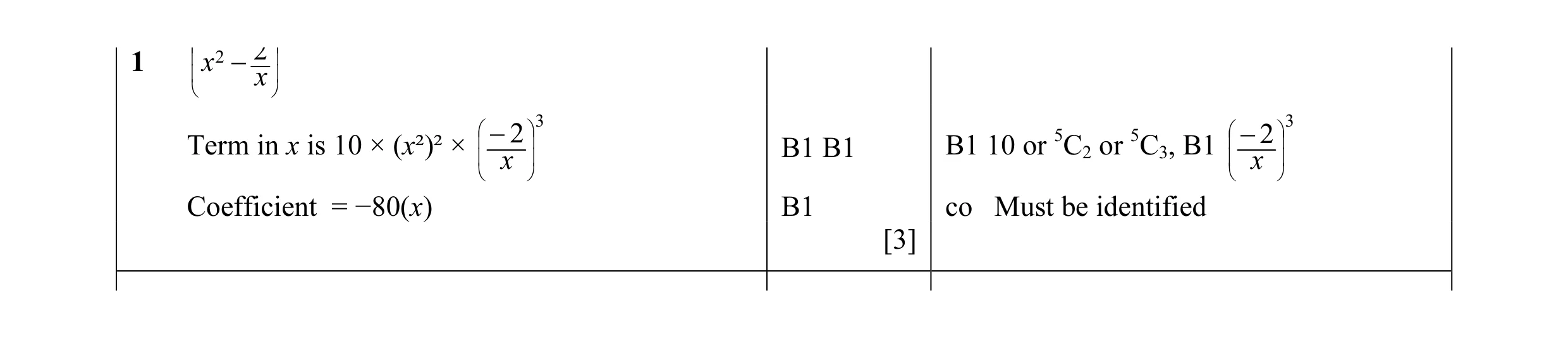 3
3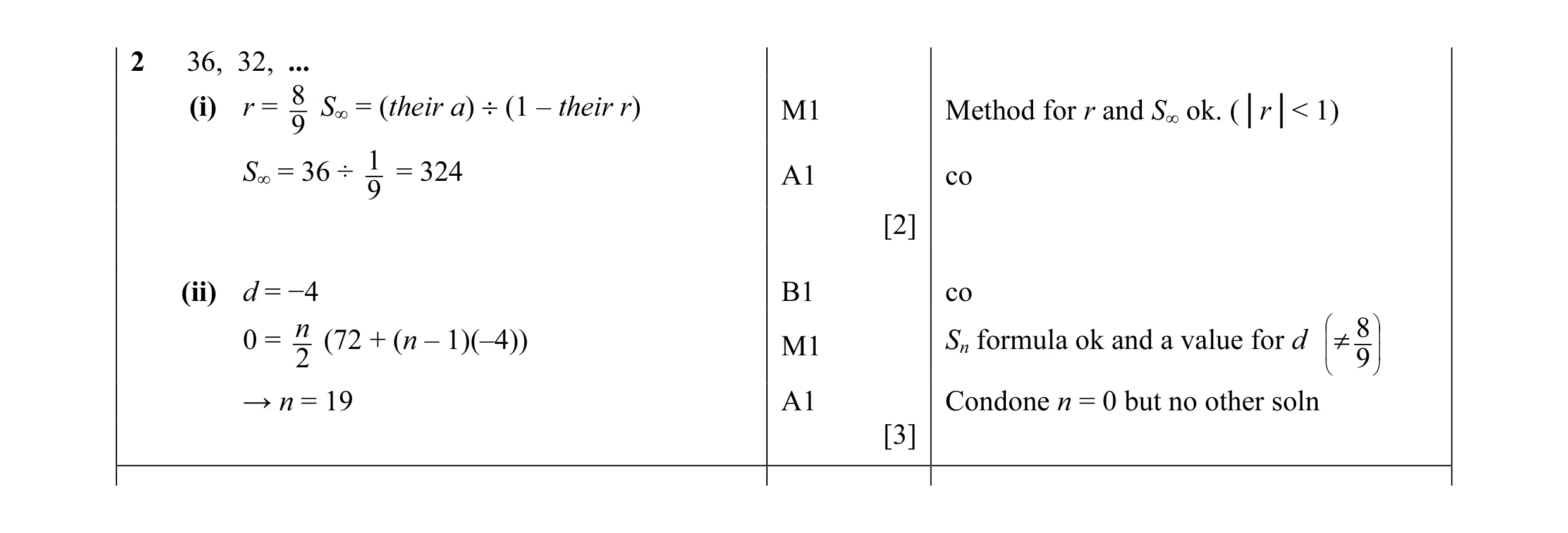 5
5 3
3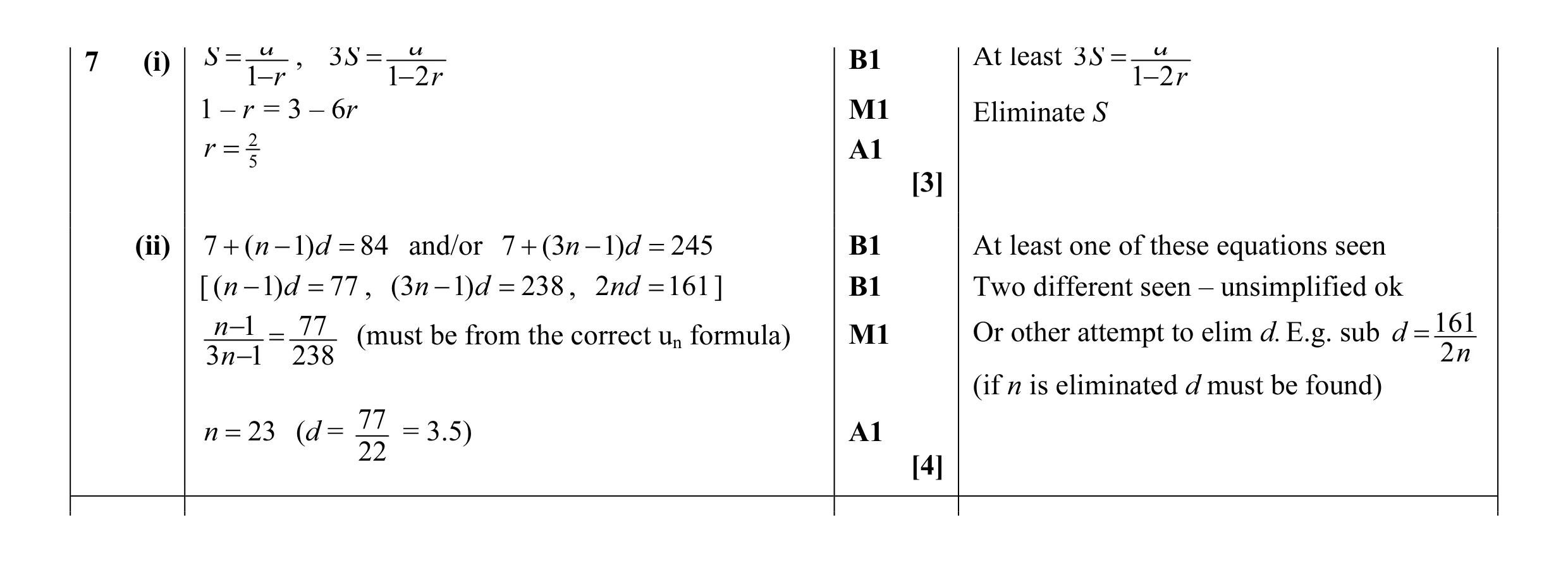 7
7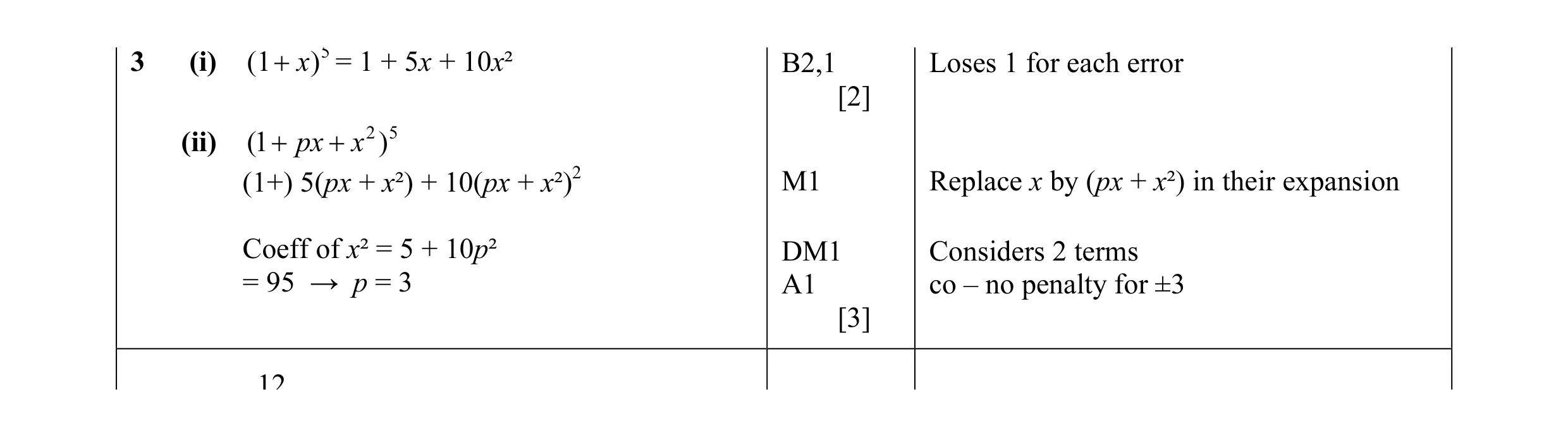 5
5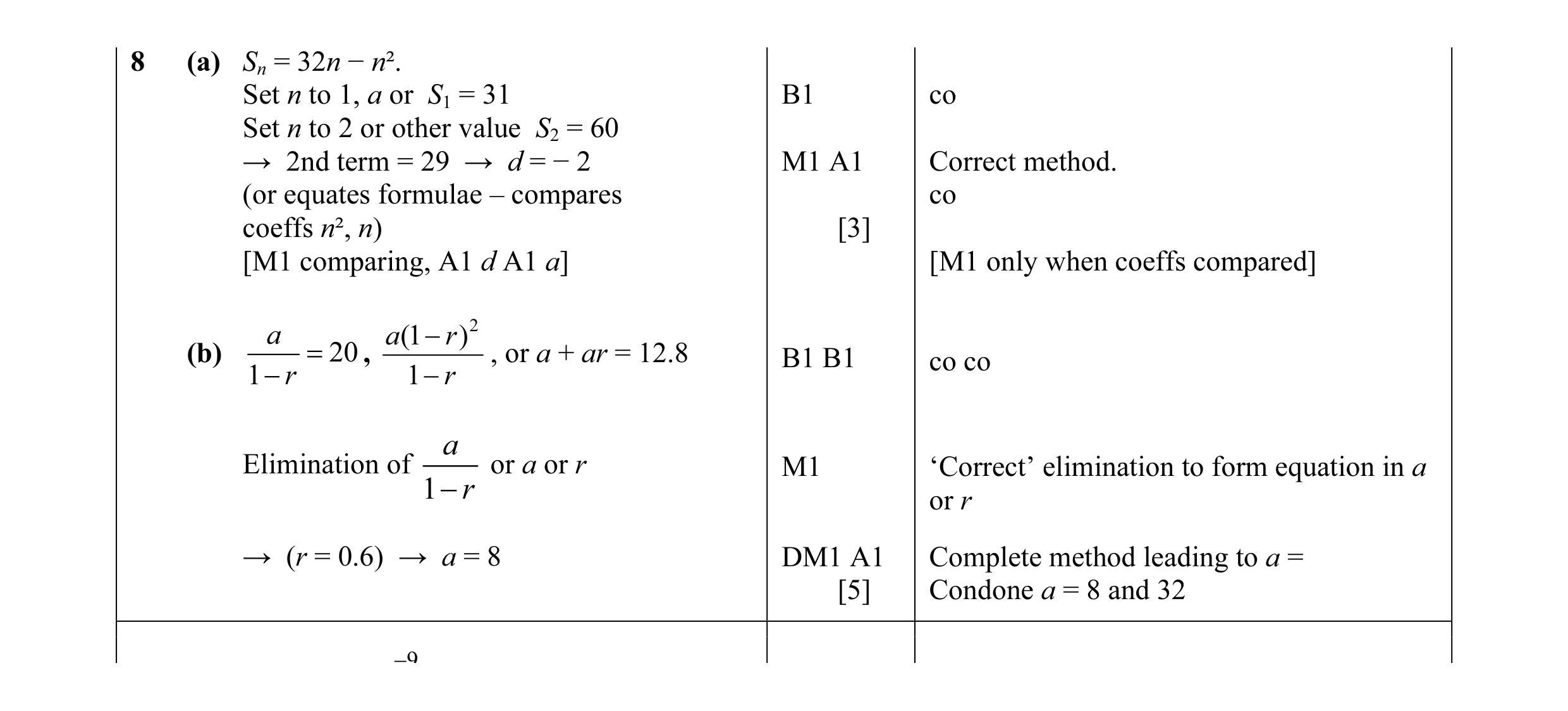 8
8 4
4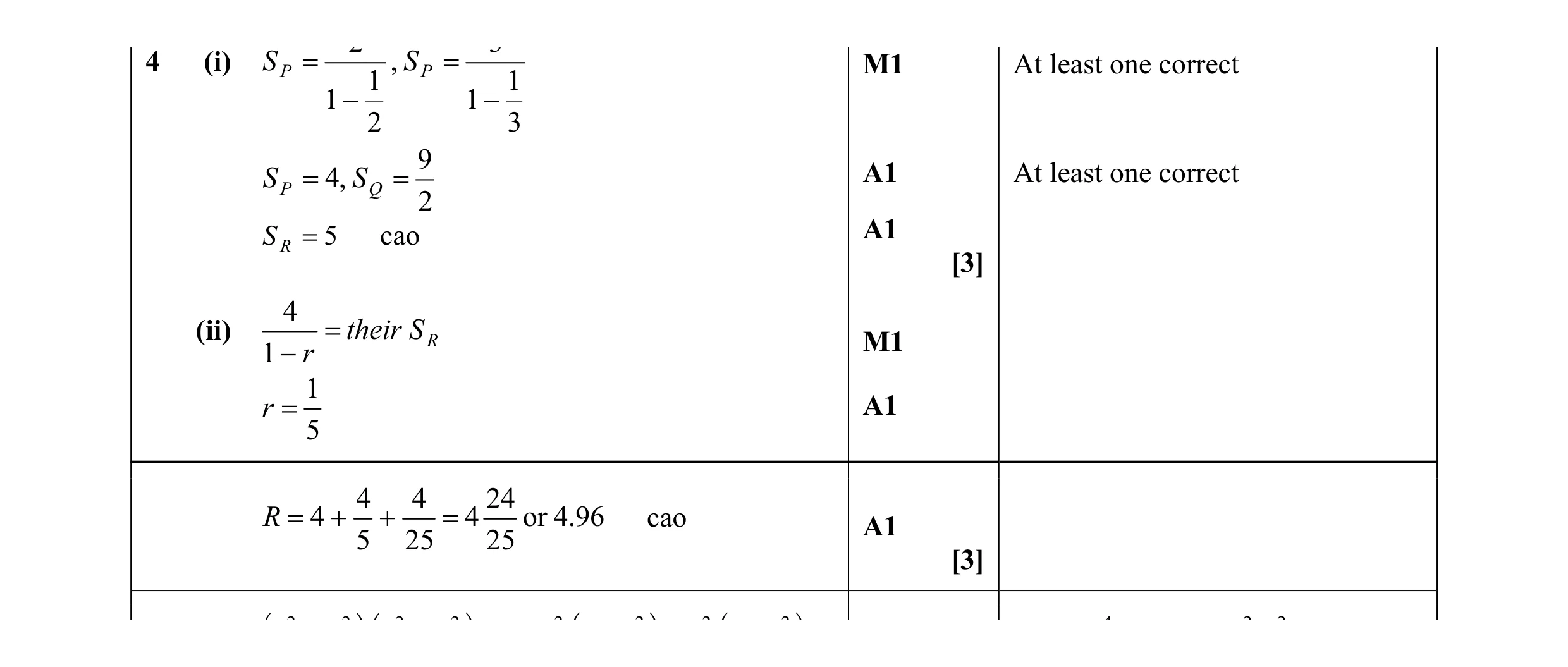 6
6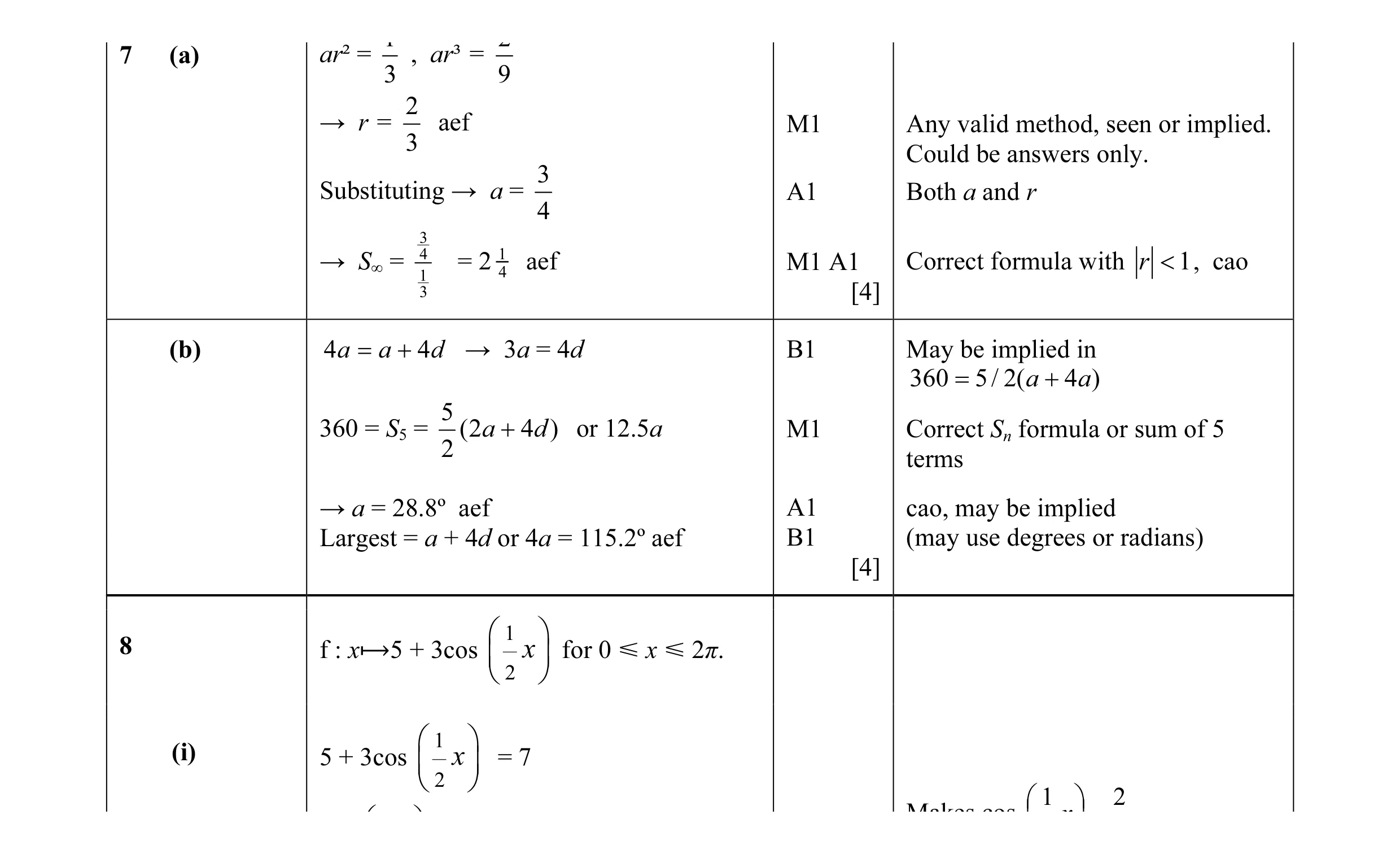 8
8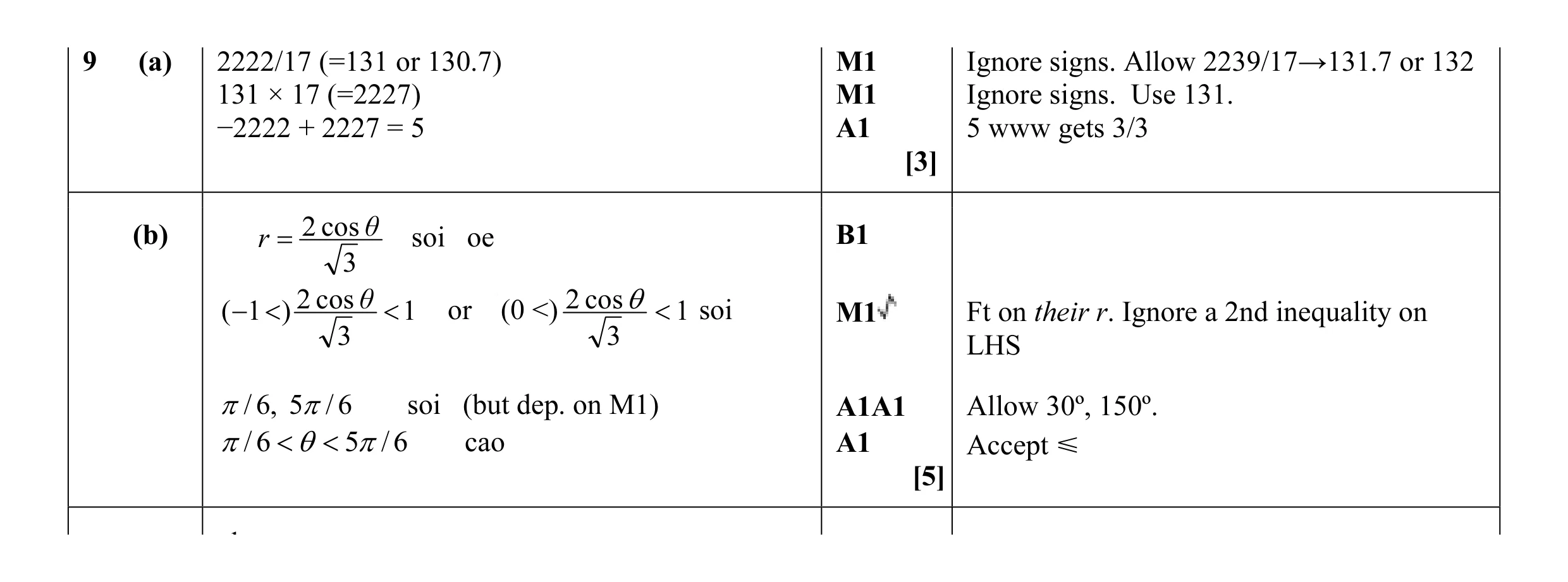 8
8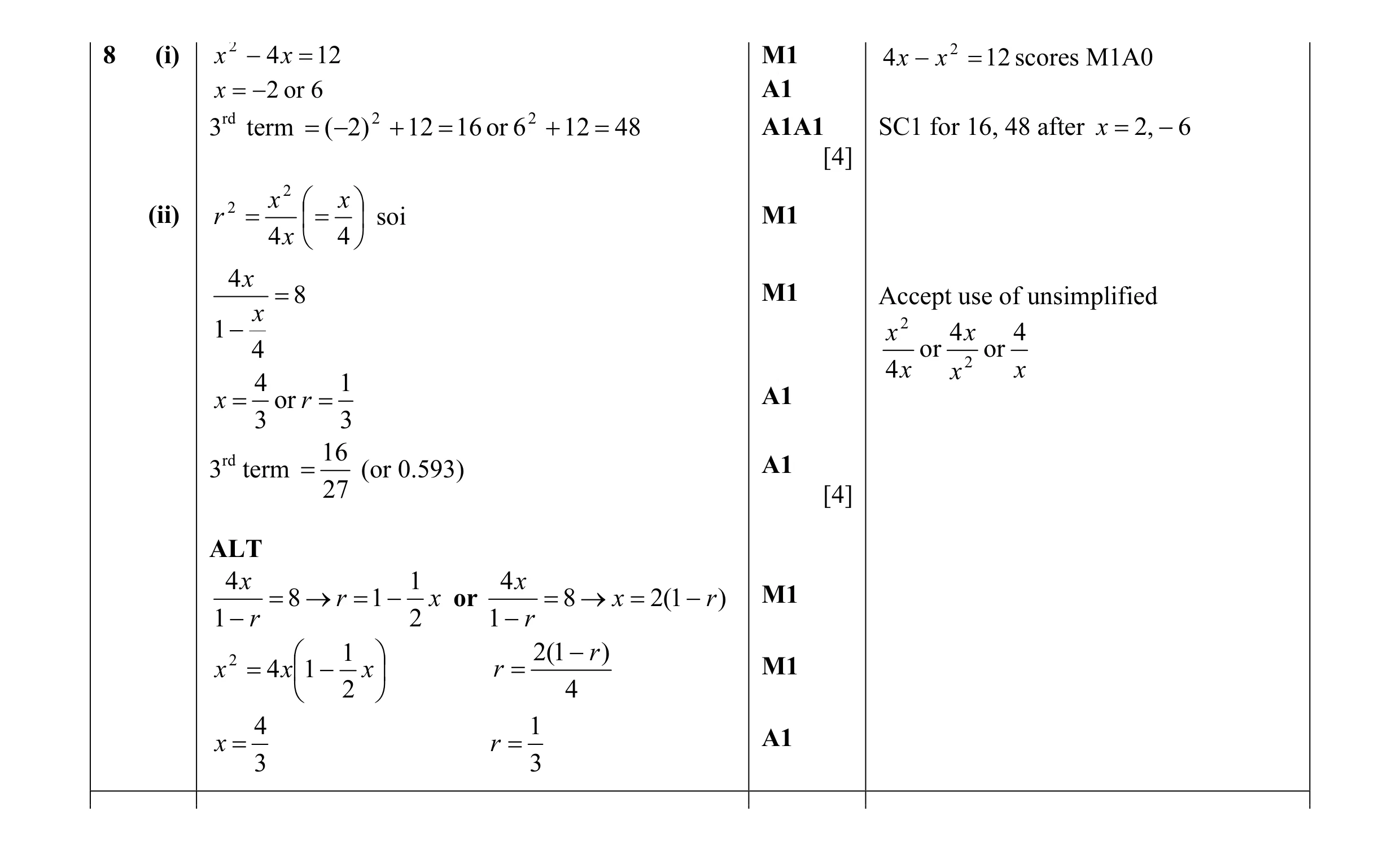 8
8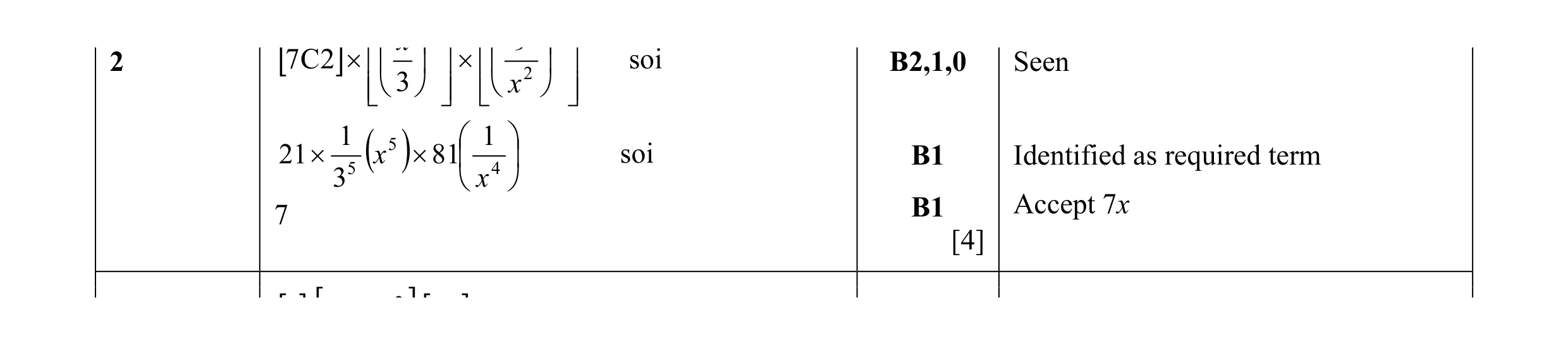 4
4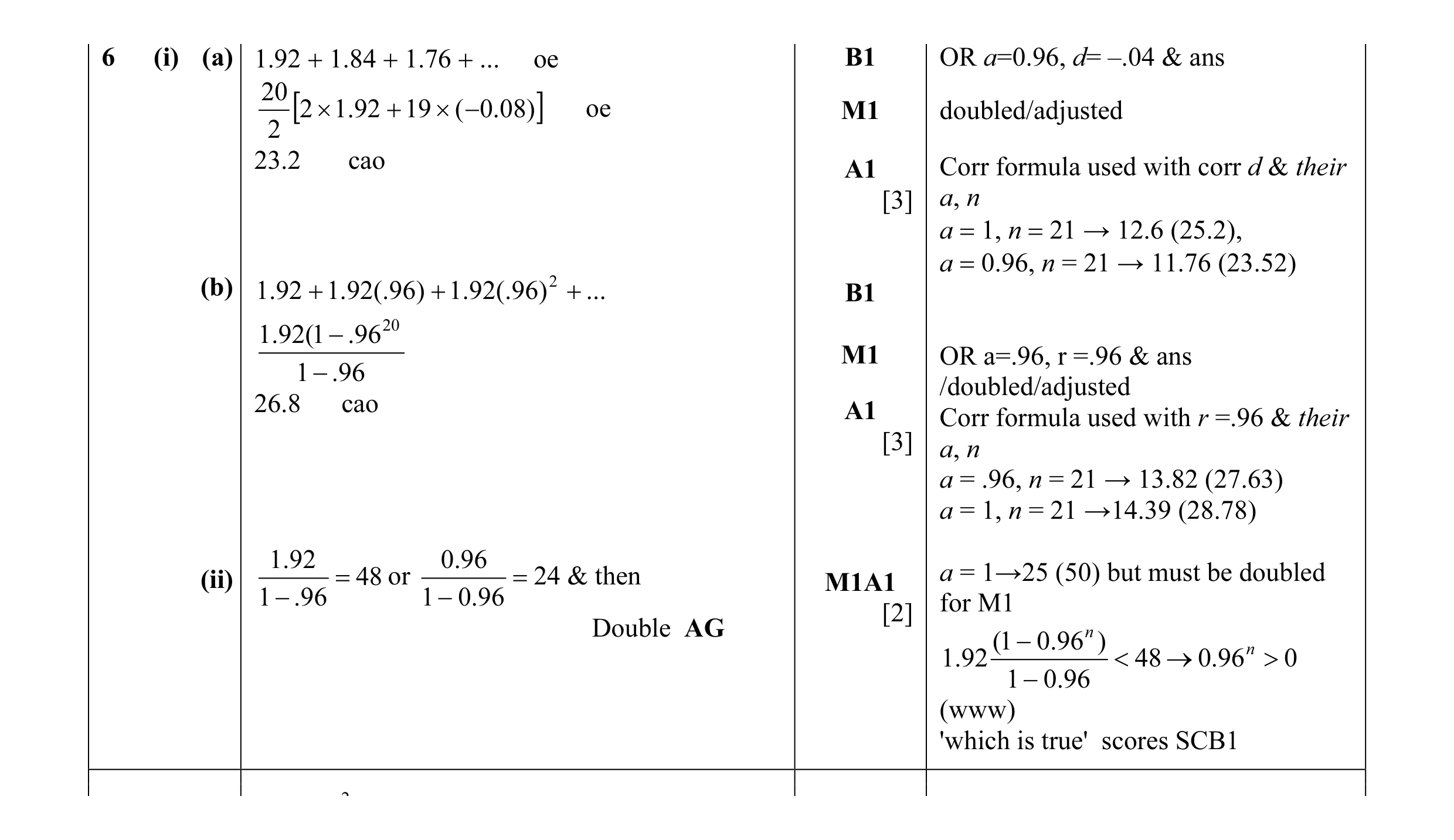 8
8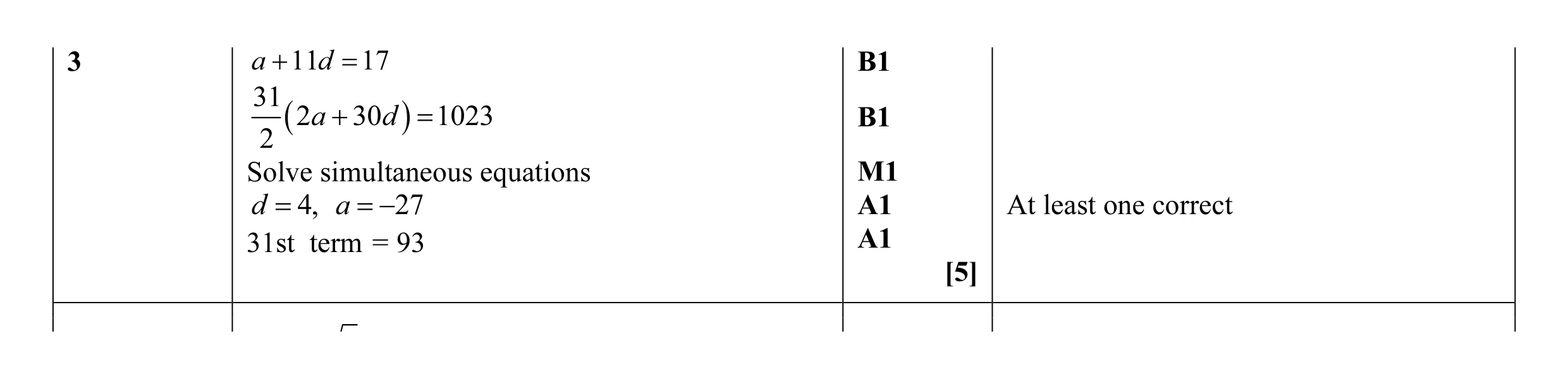 5
5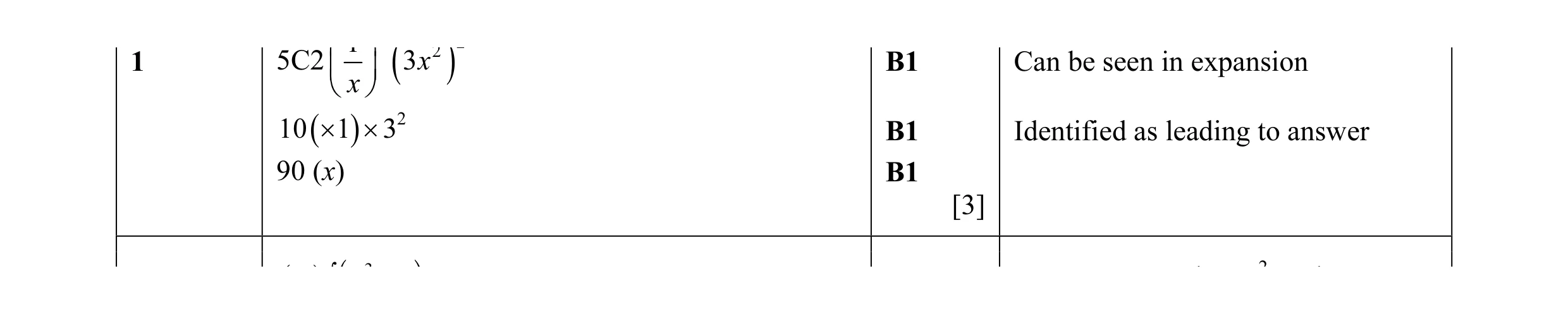 3
3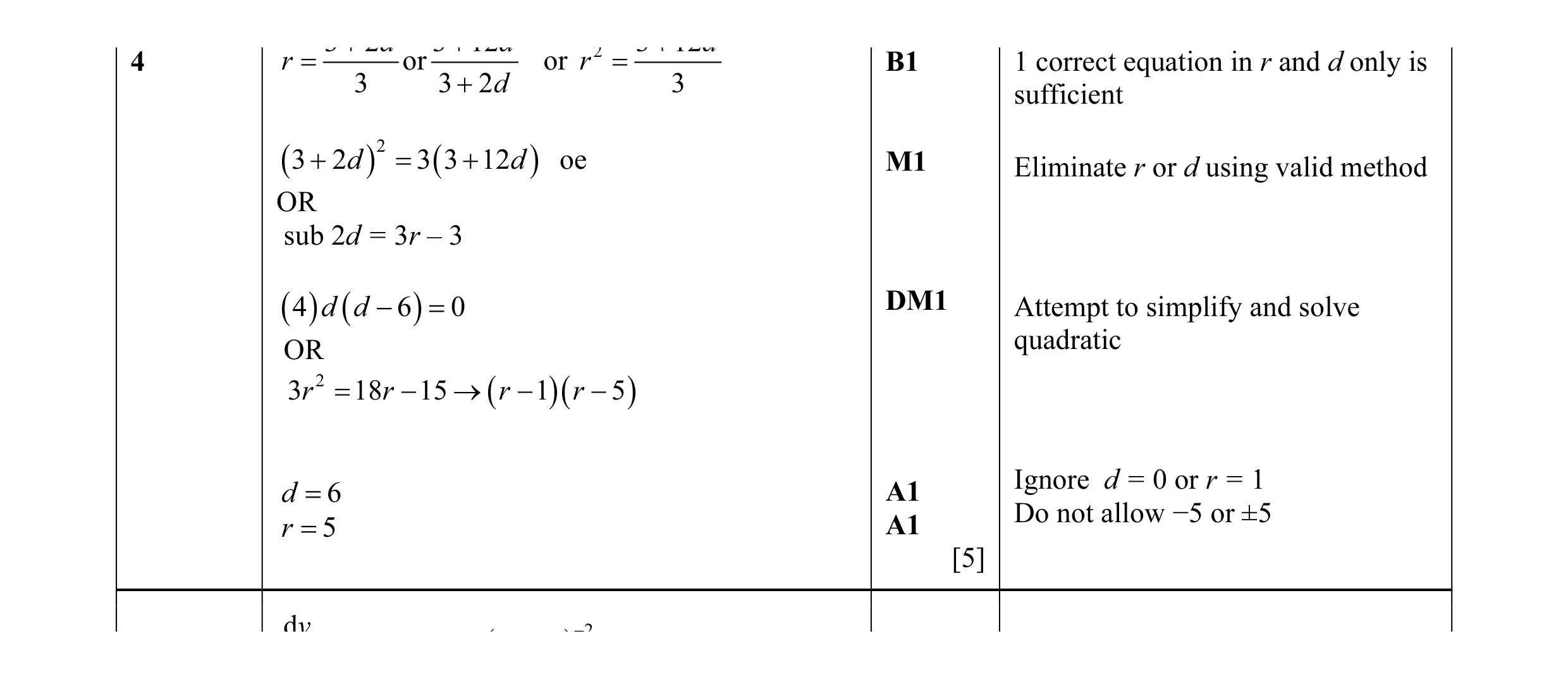 5
5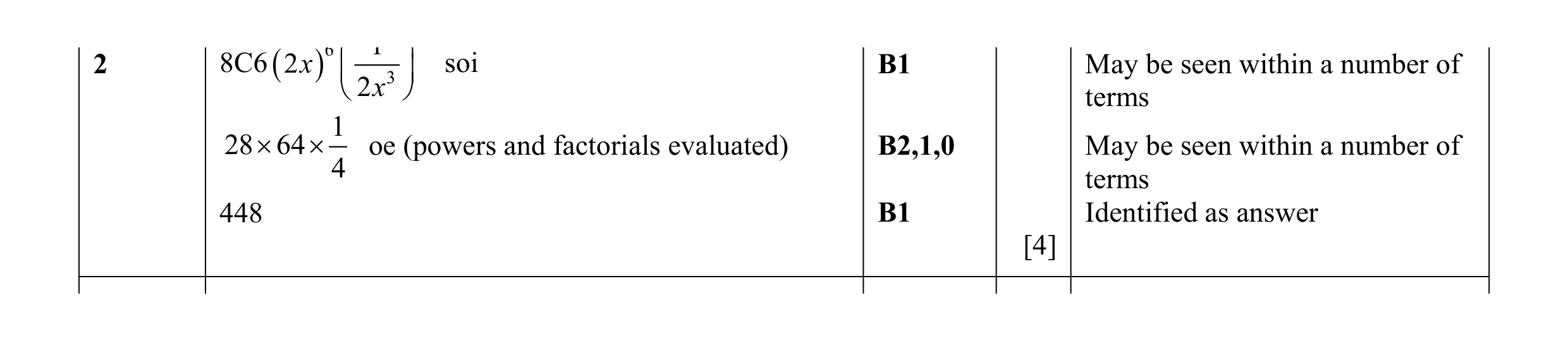 4
4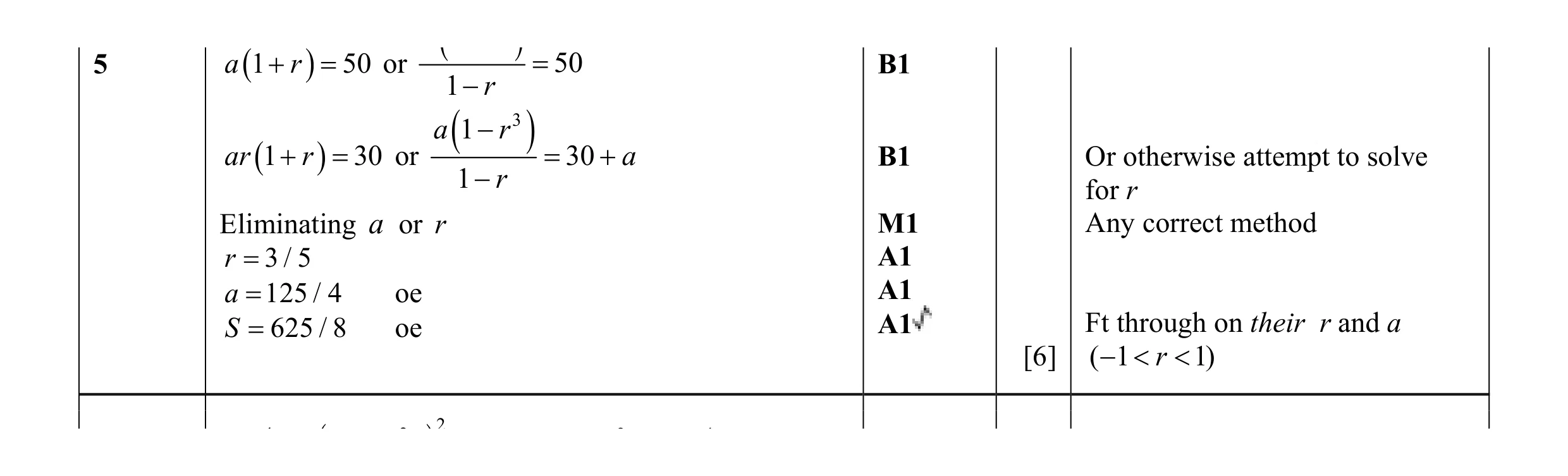 6
6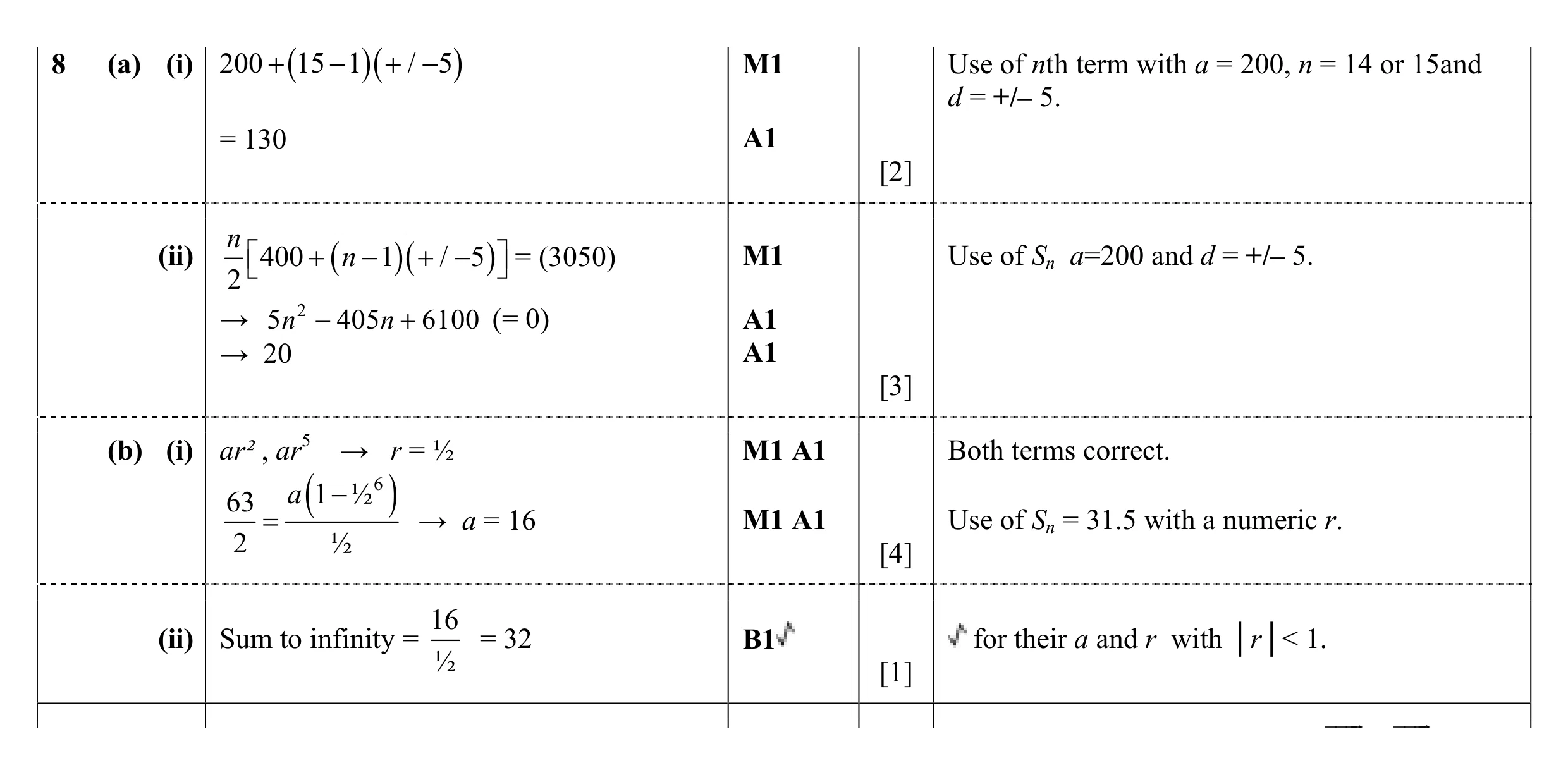 10
10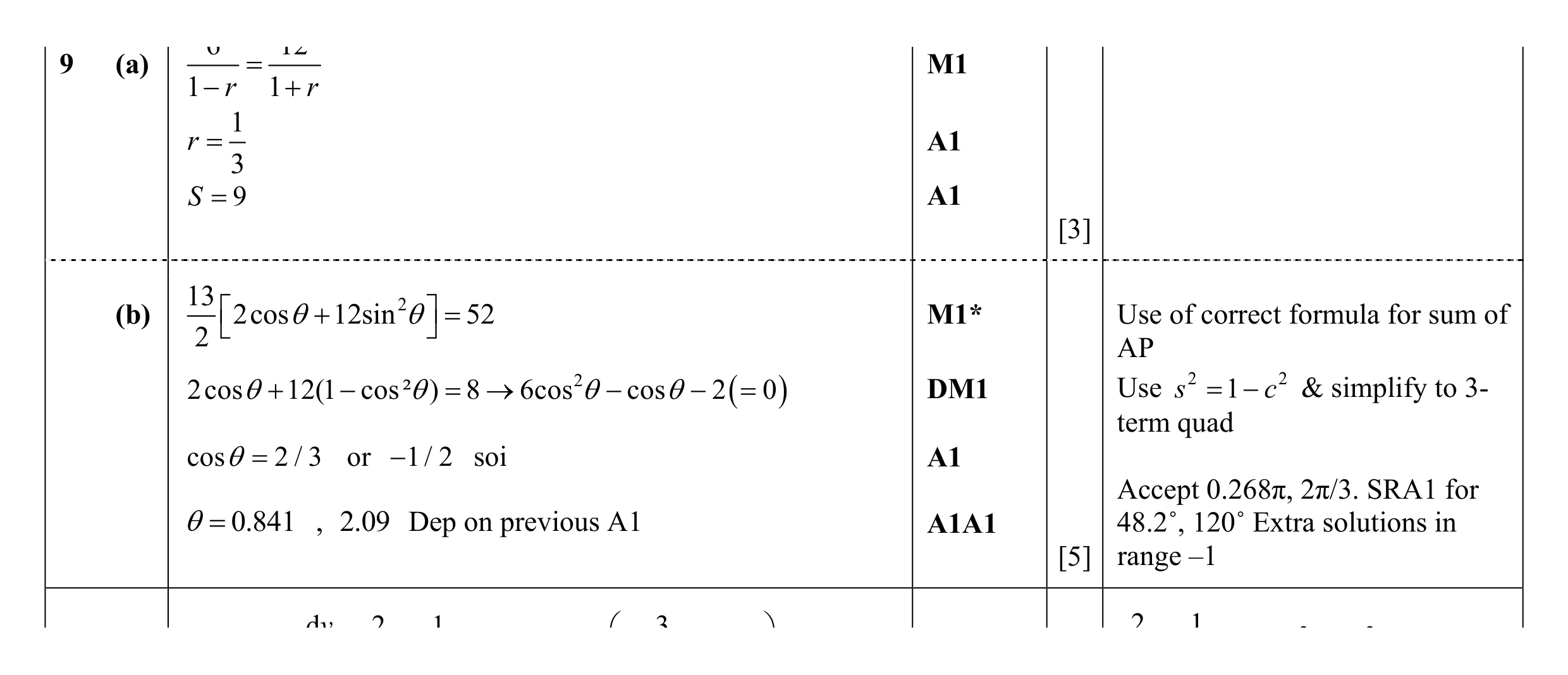 8
8 4
4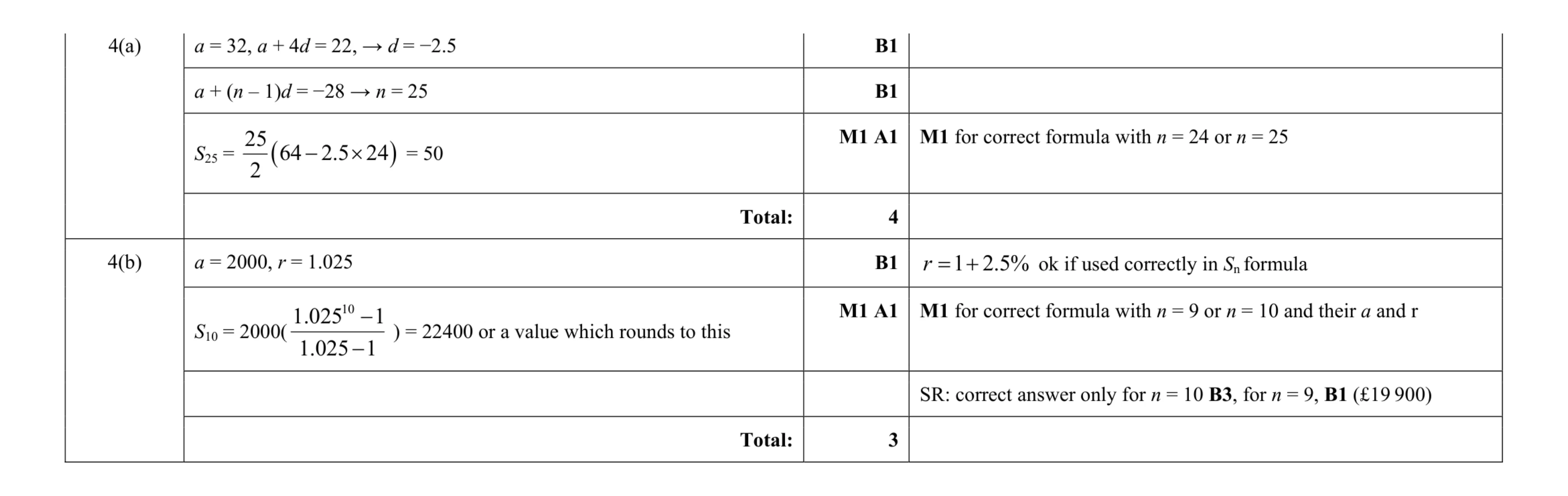 7
7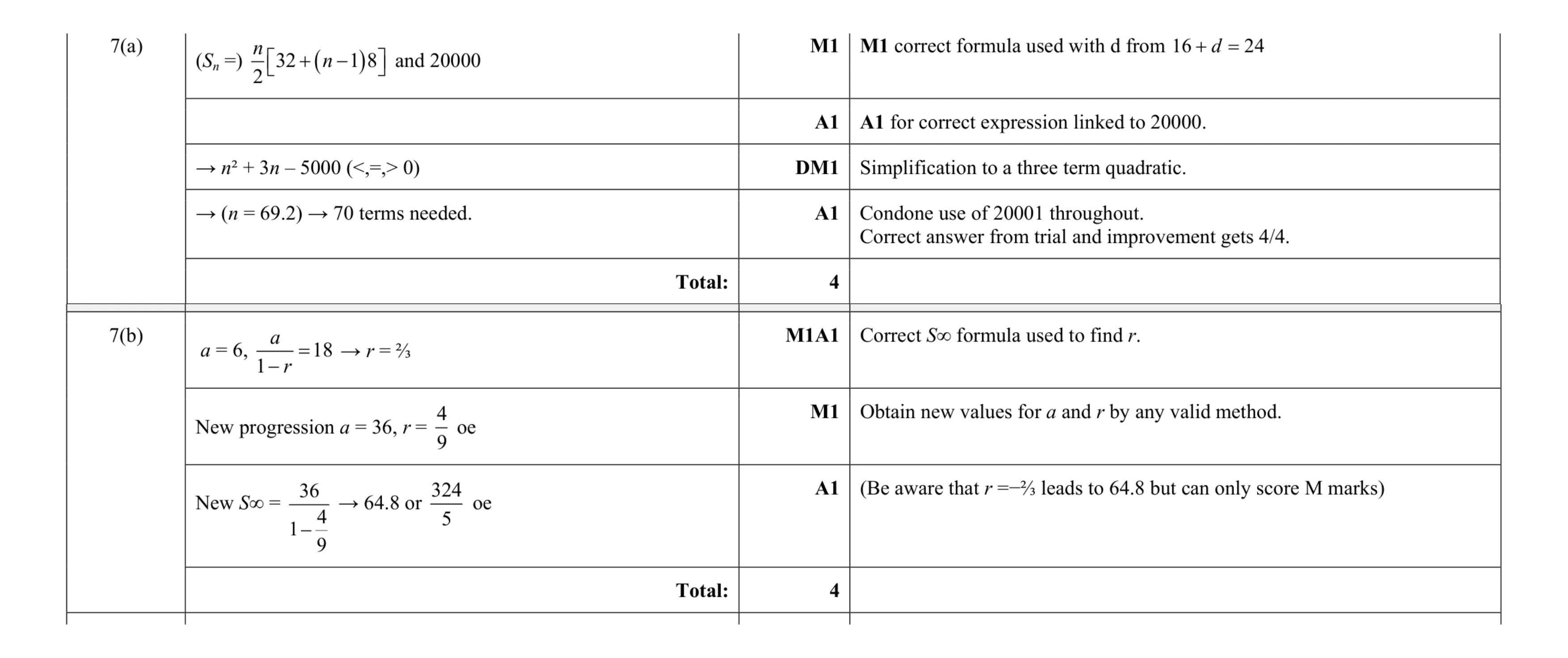 8
8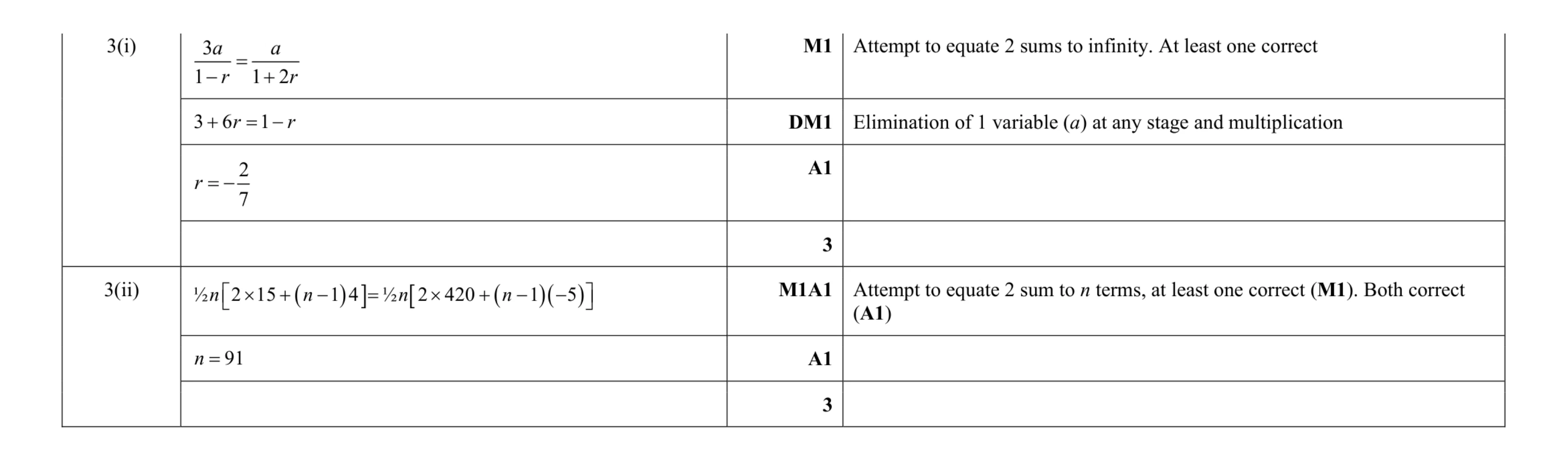 6
6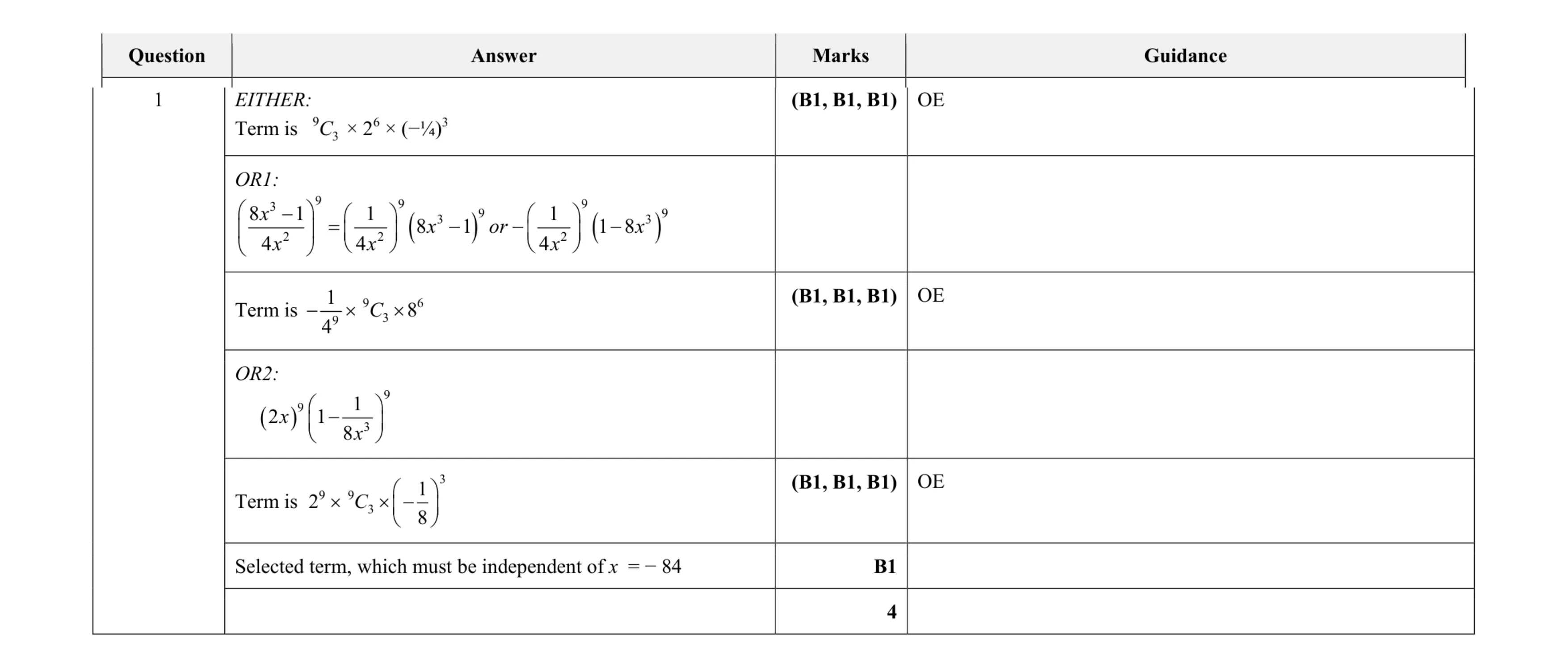 4
4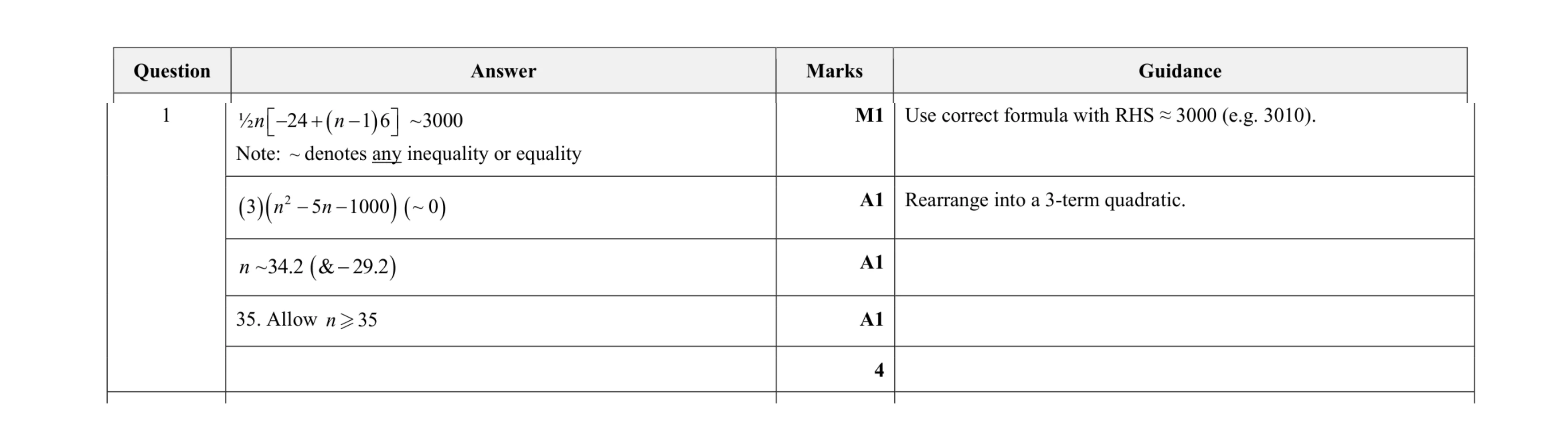 4
4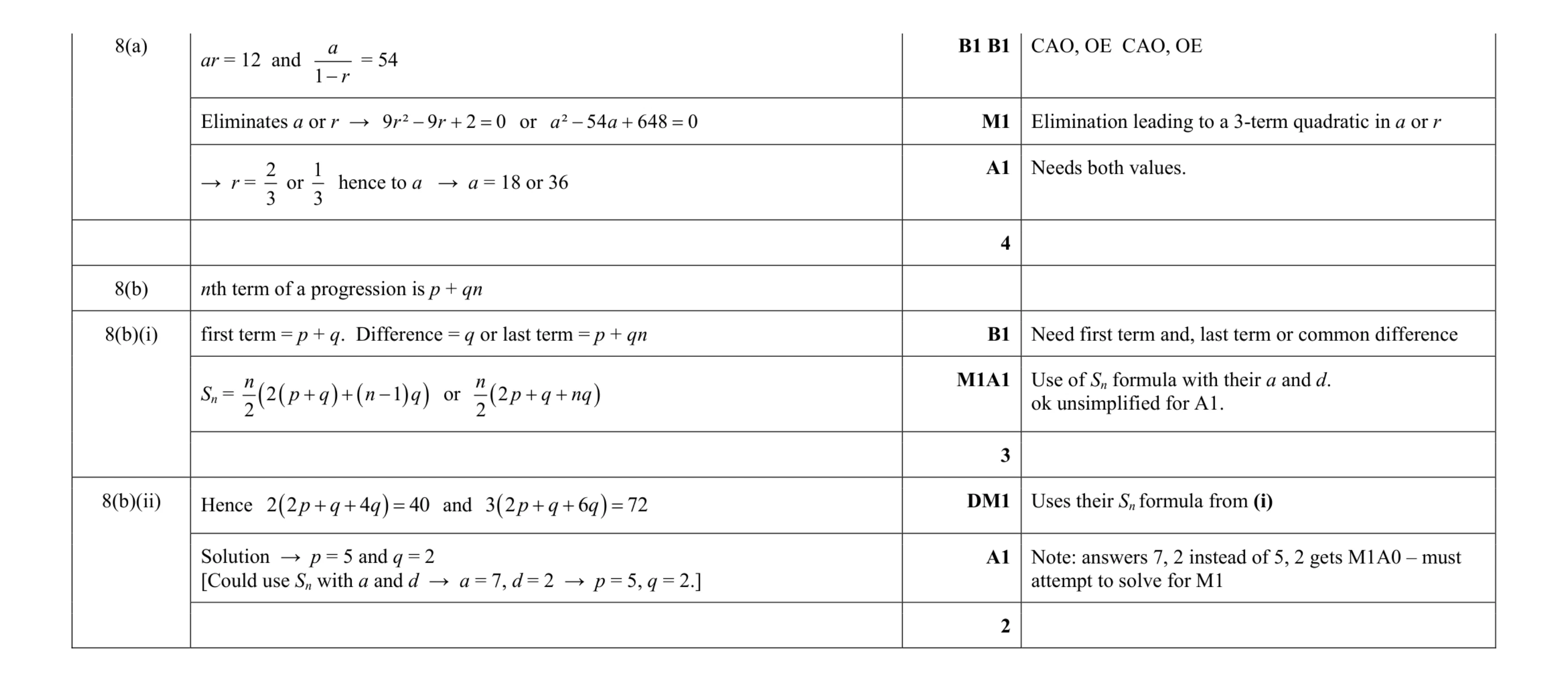 9
9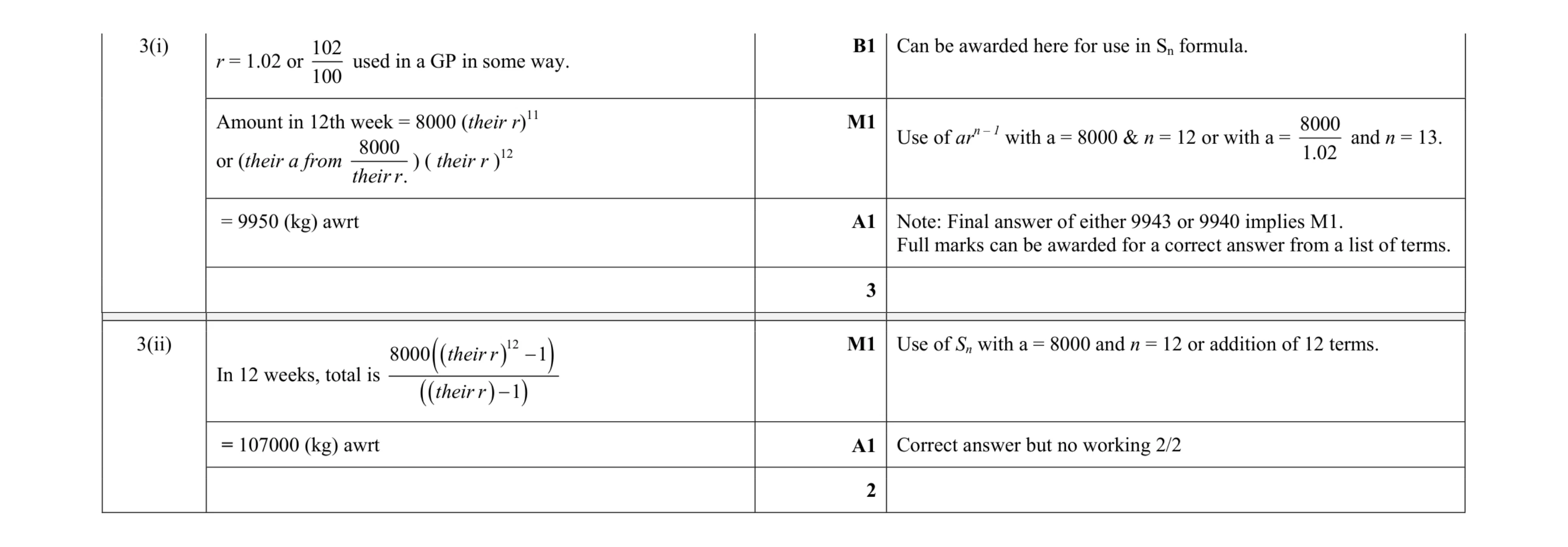 5
5 3
3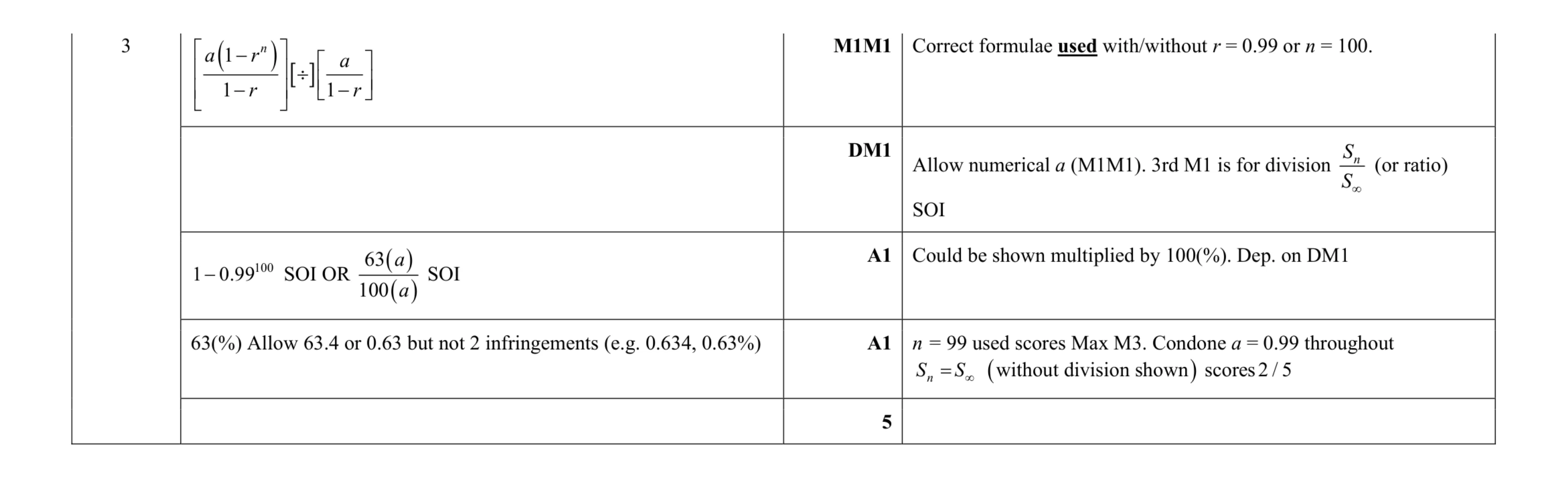 5
5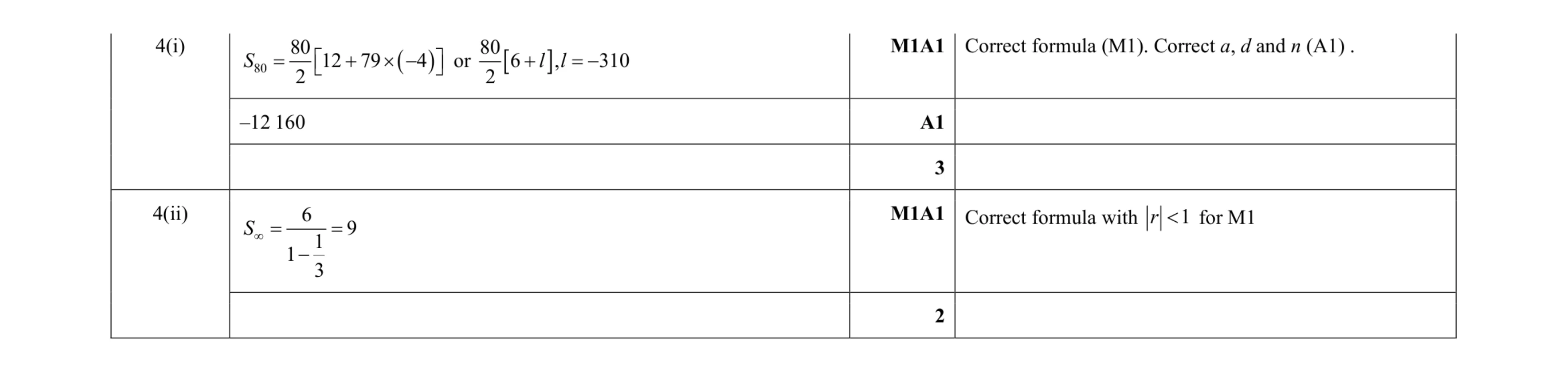 5
5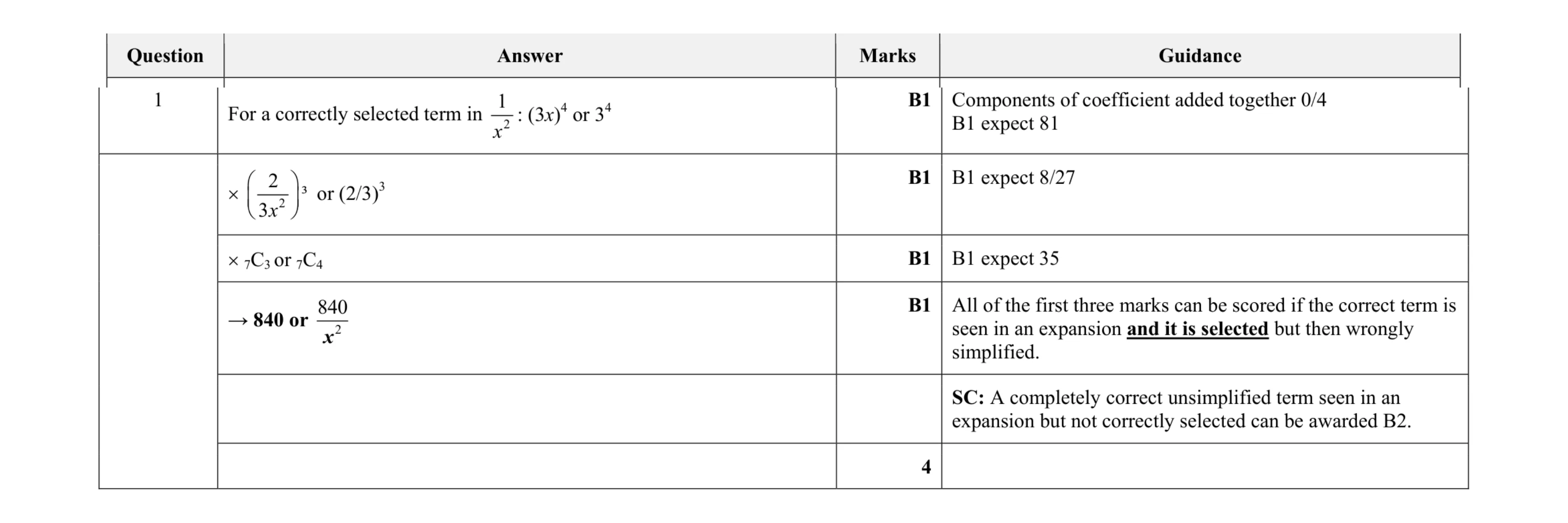 4
4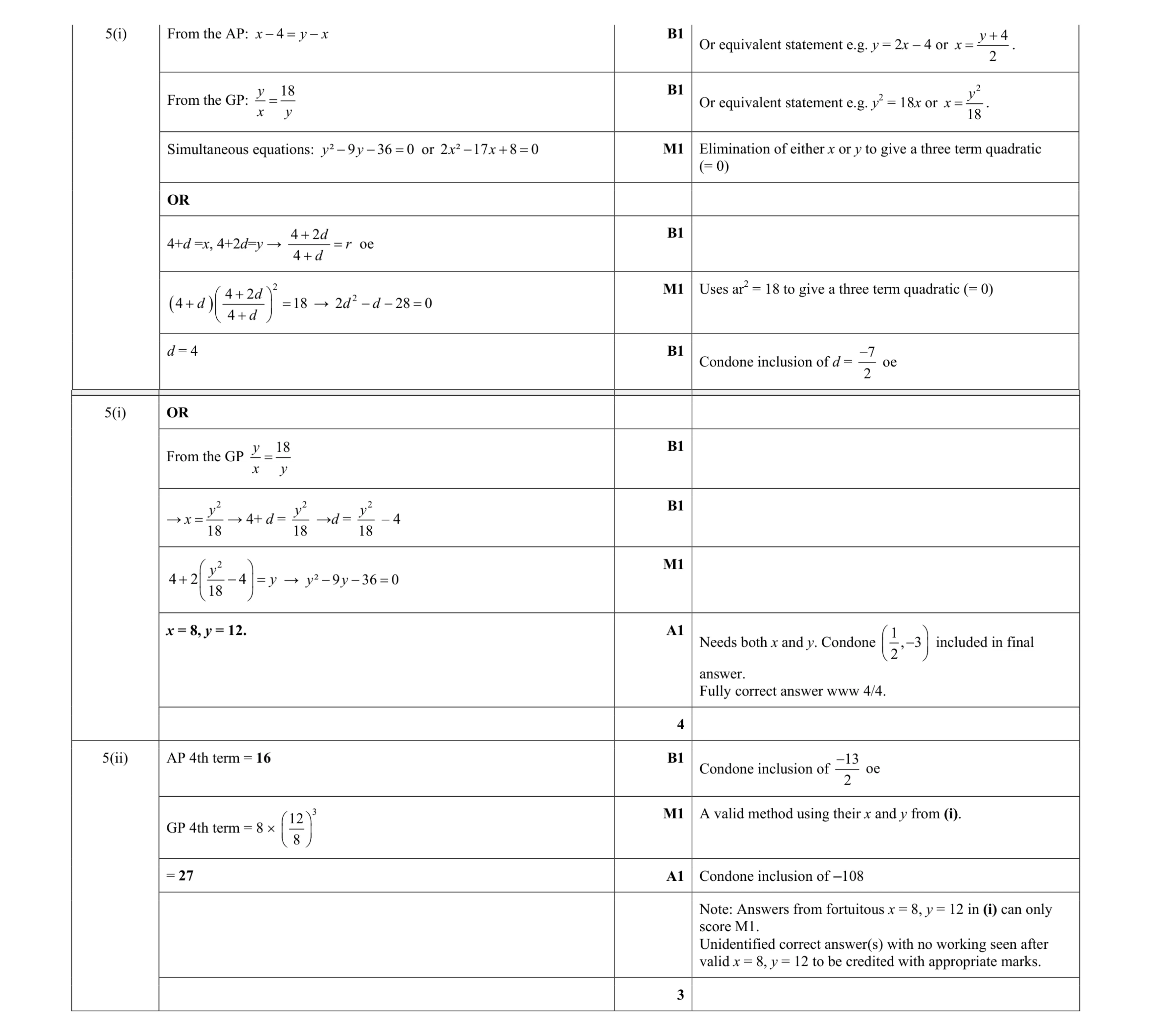 7
7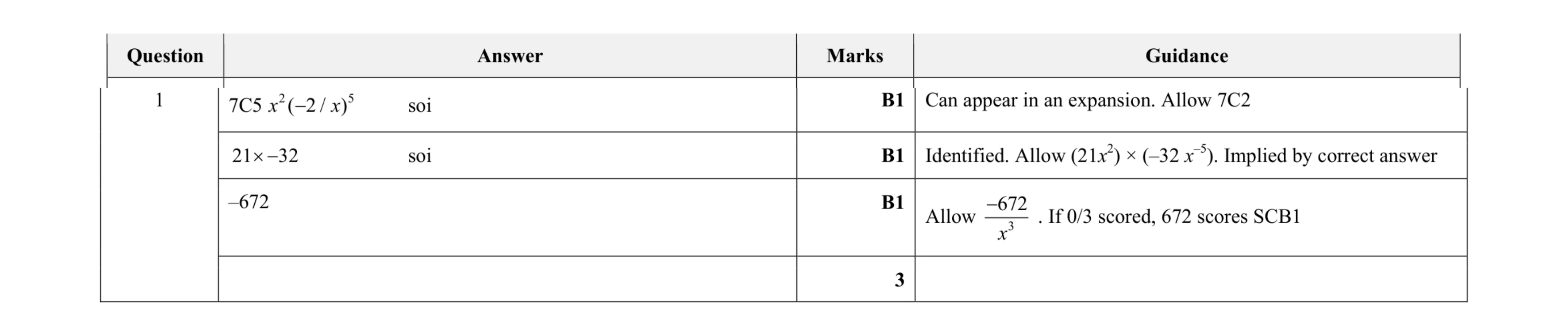 3
3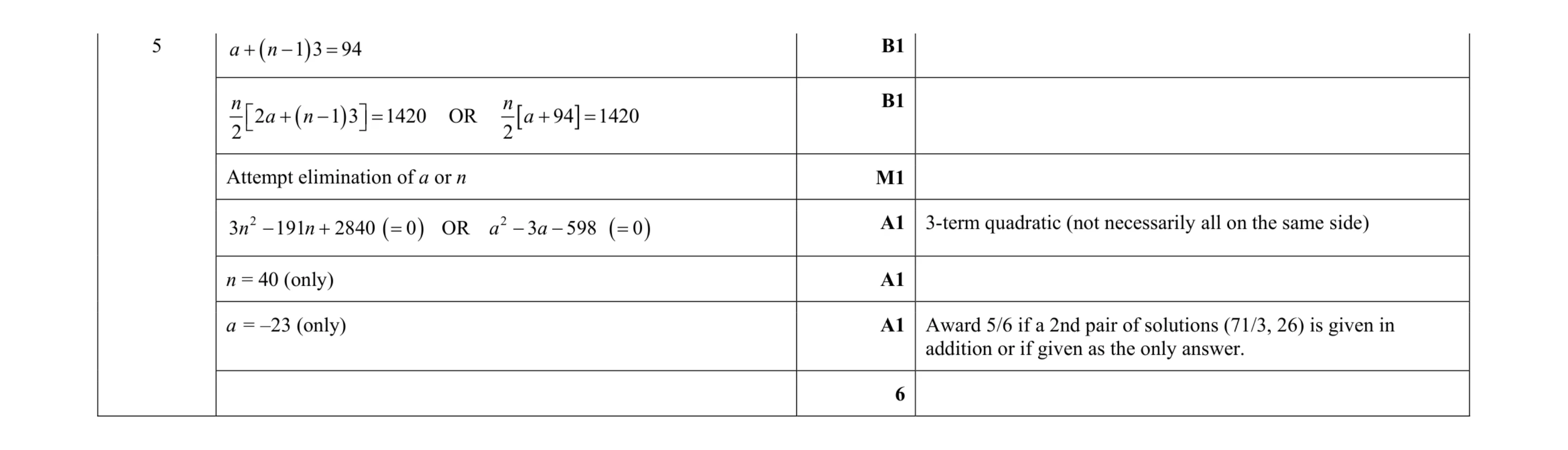 6
6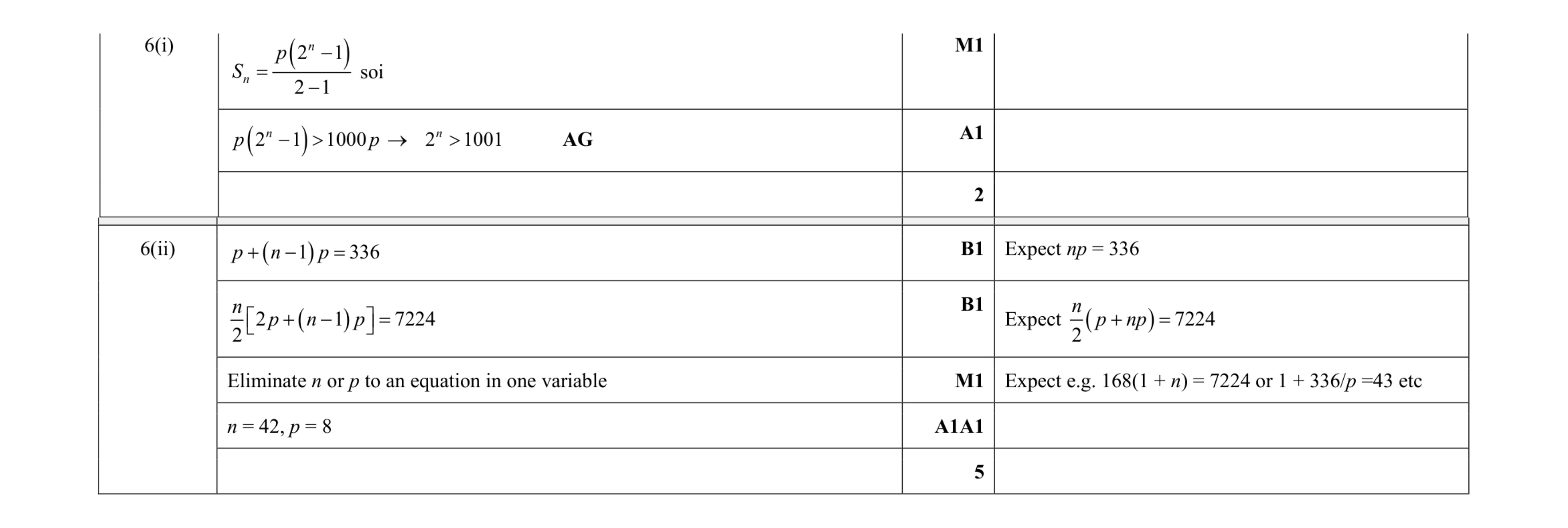 7
7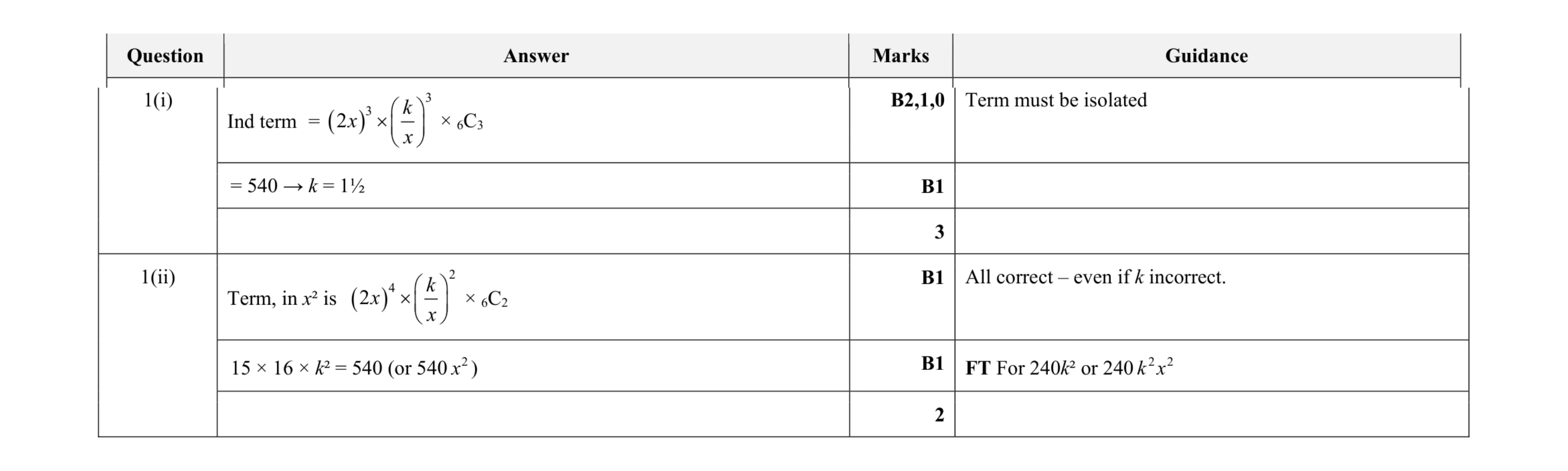 5
5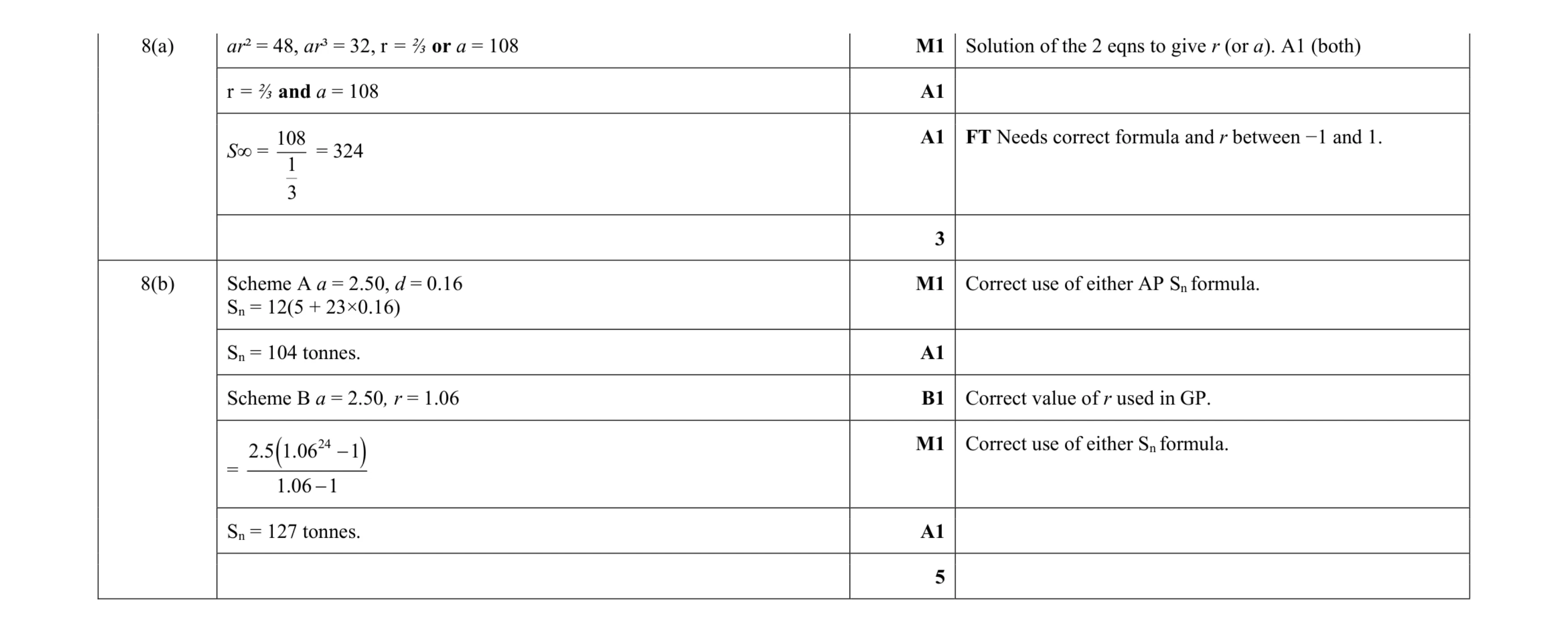 8
8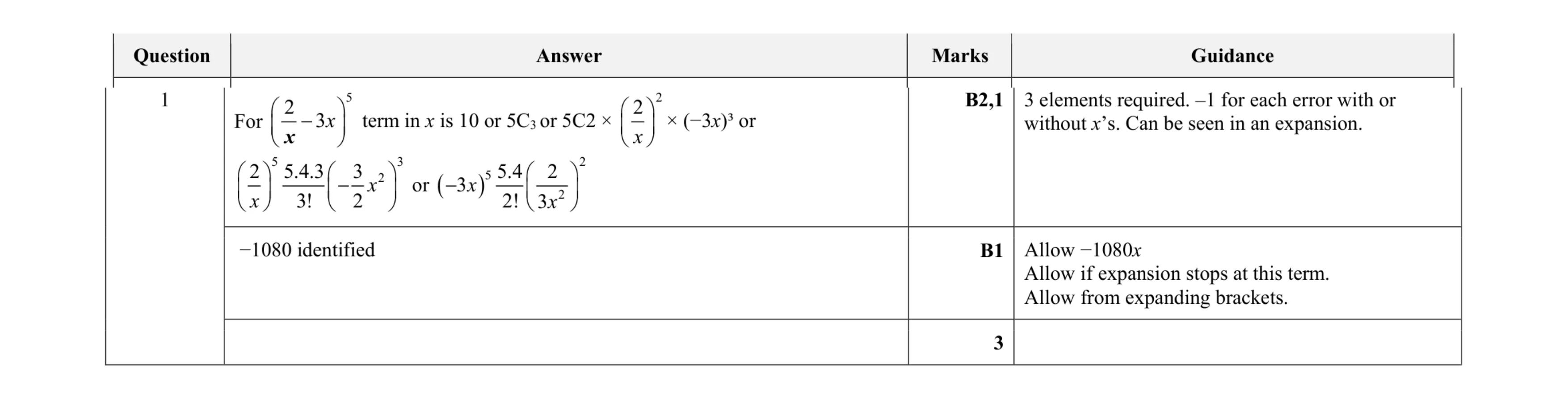 3
3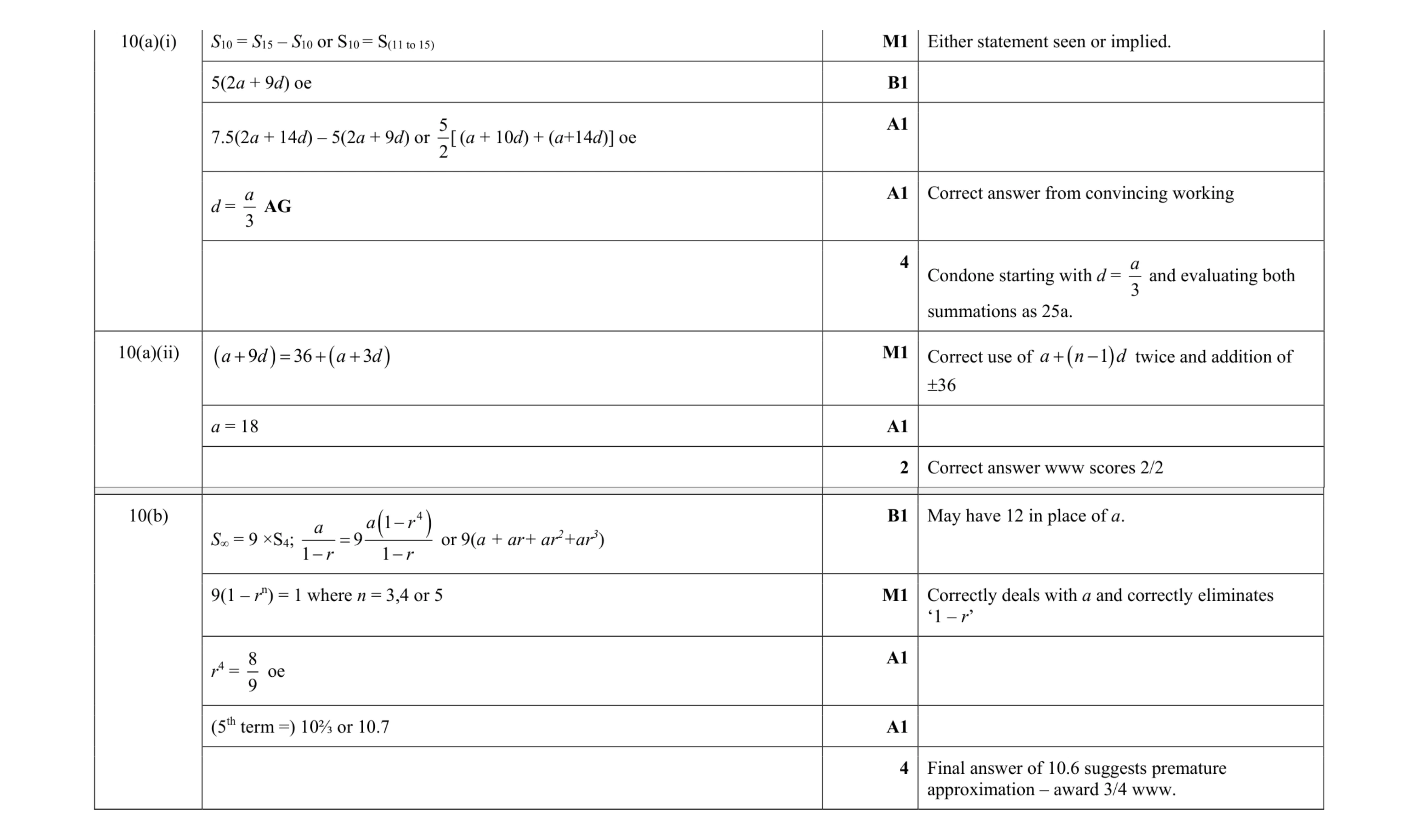 10
10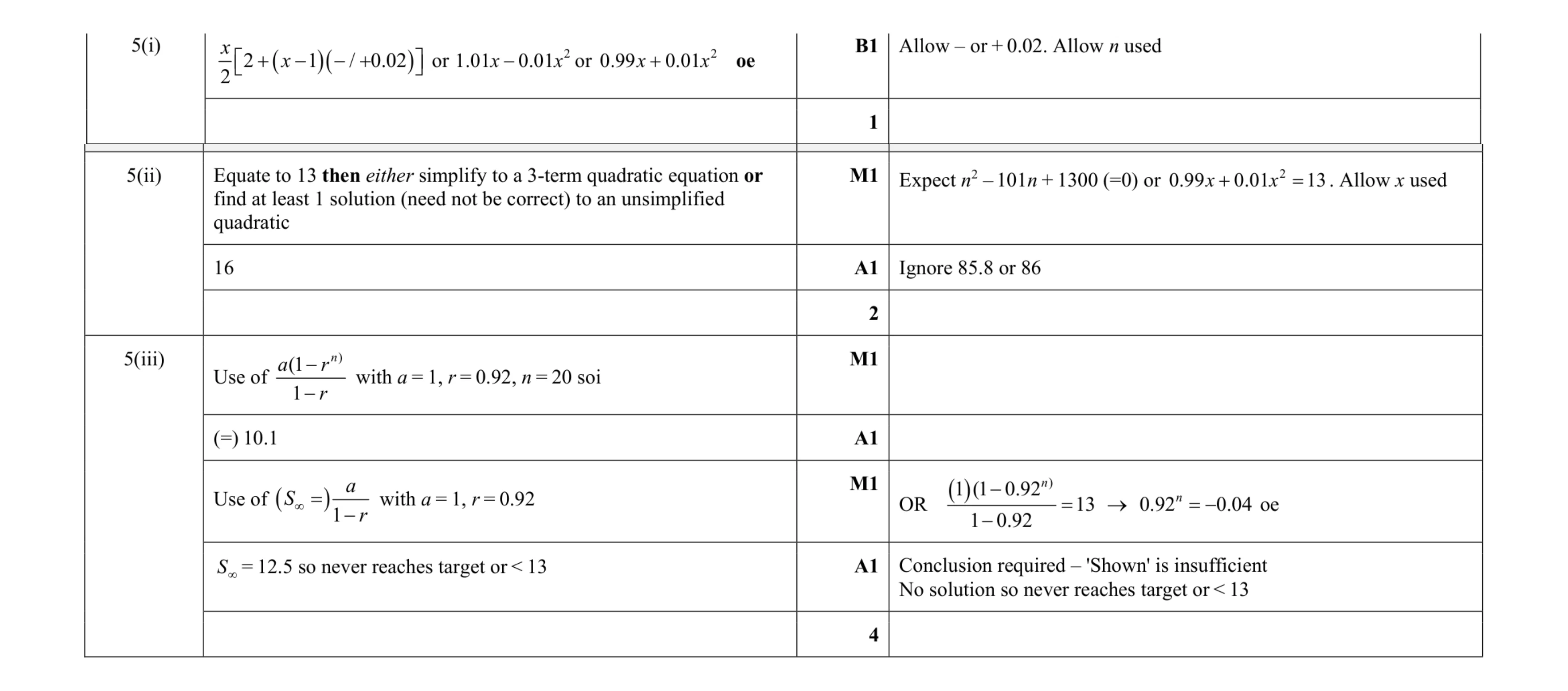 7
7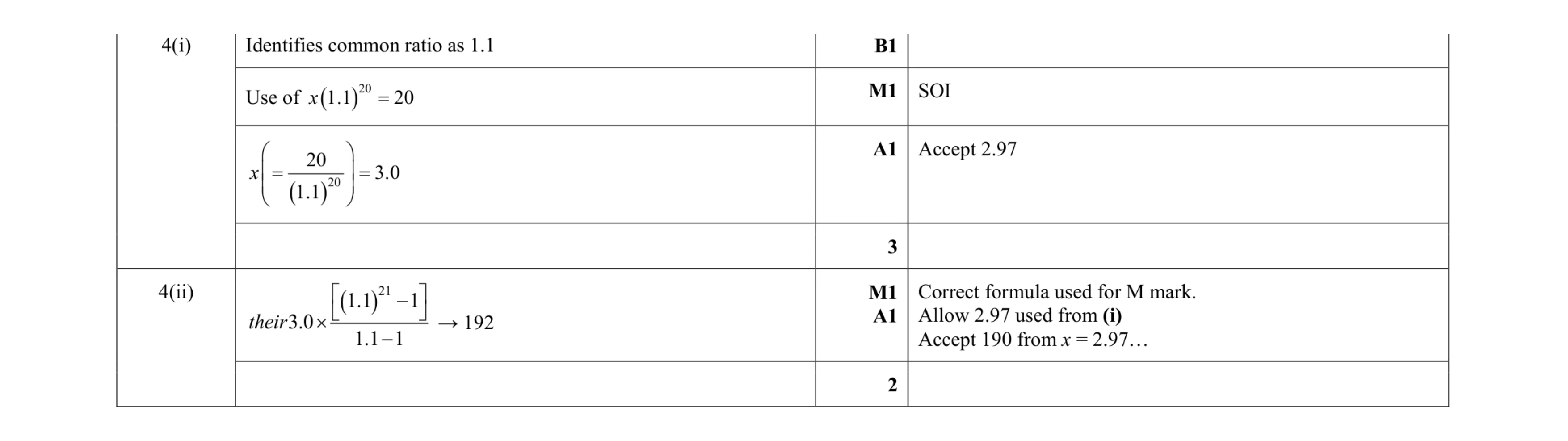 5
5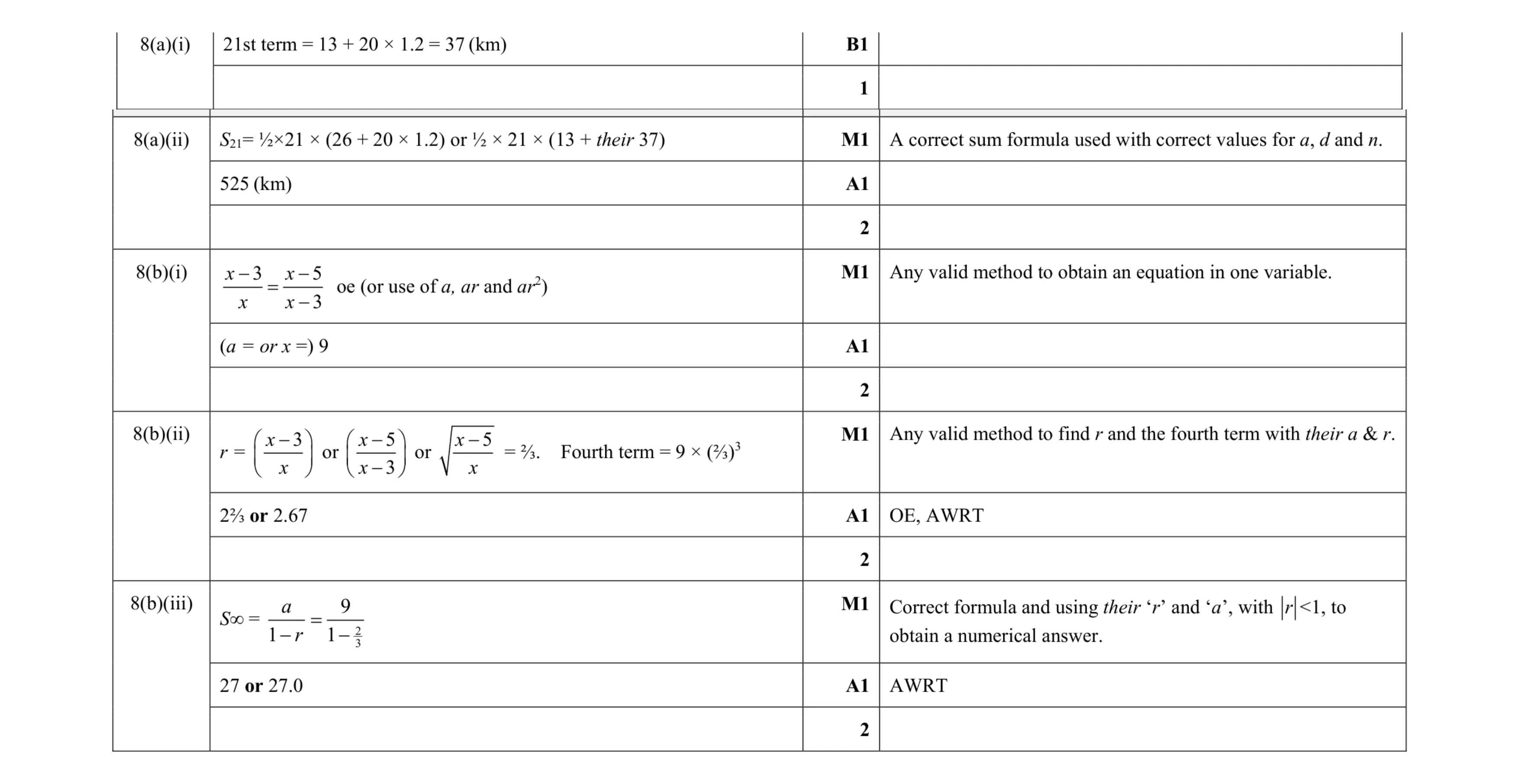 9
9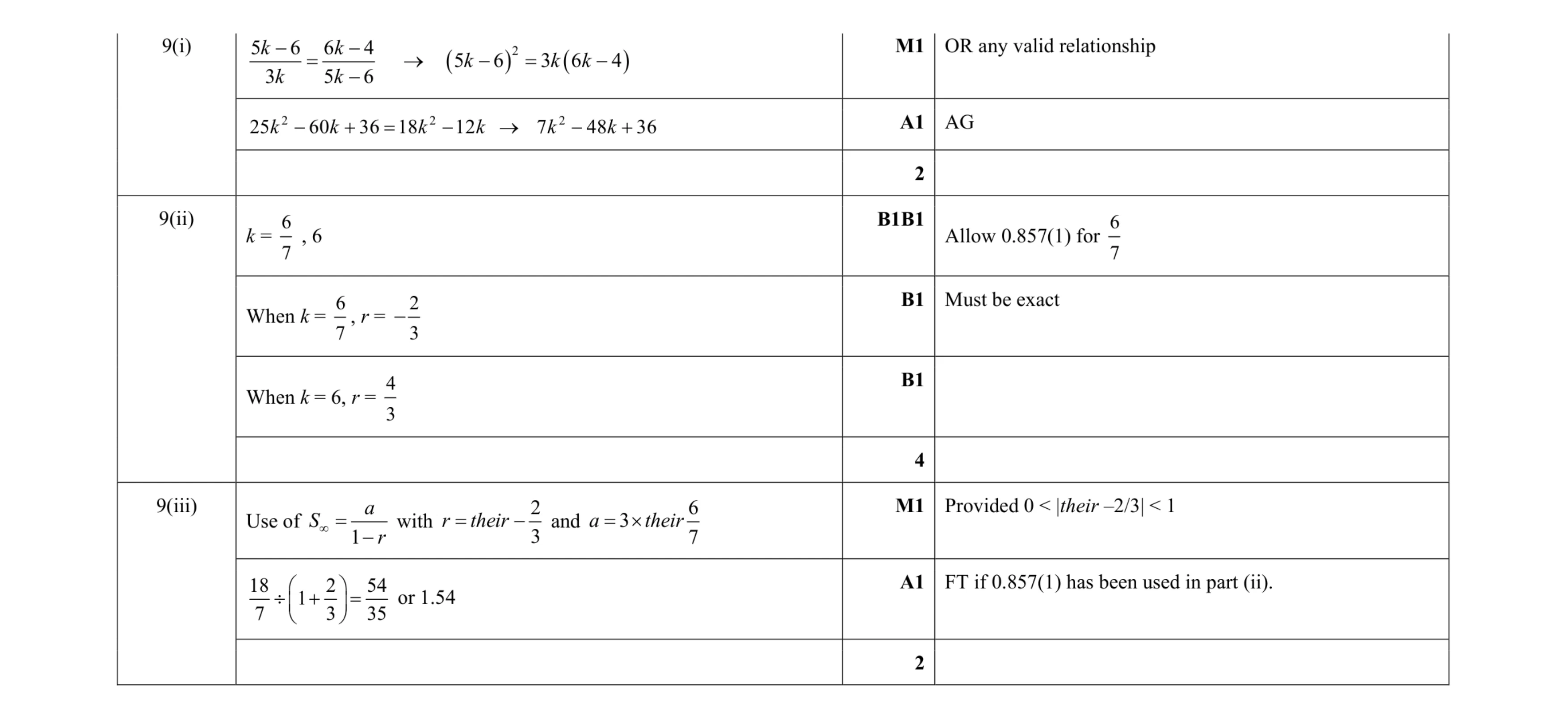 8
8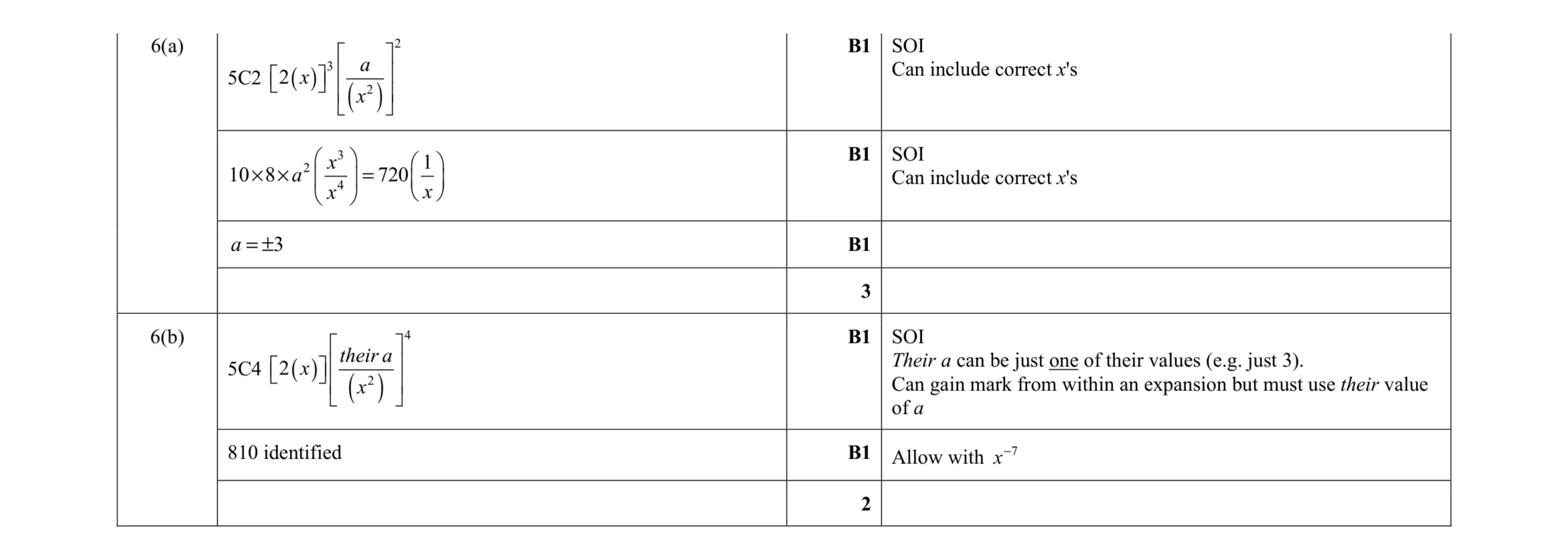 5
5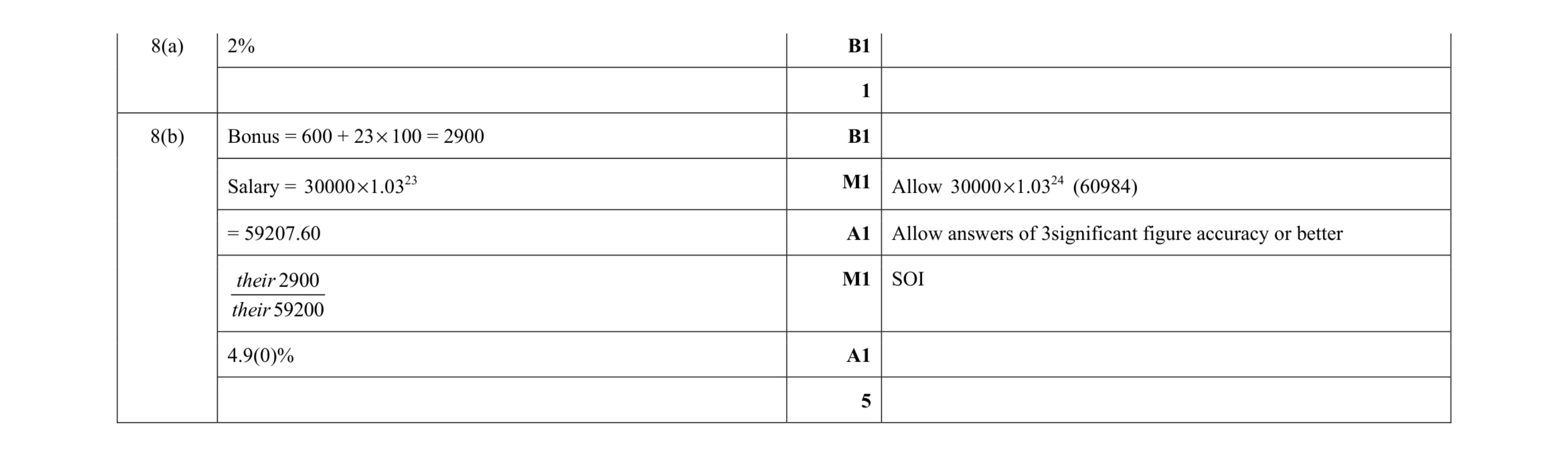 6
6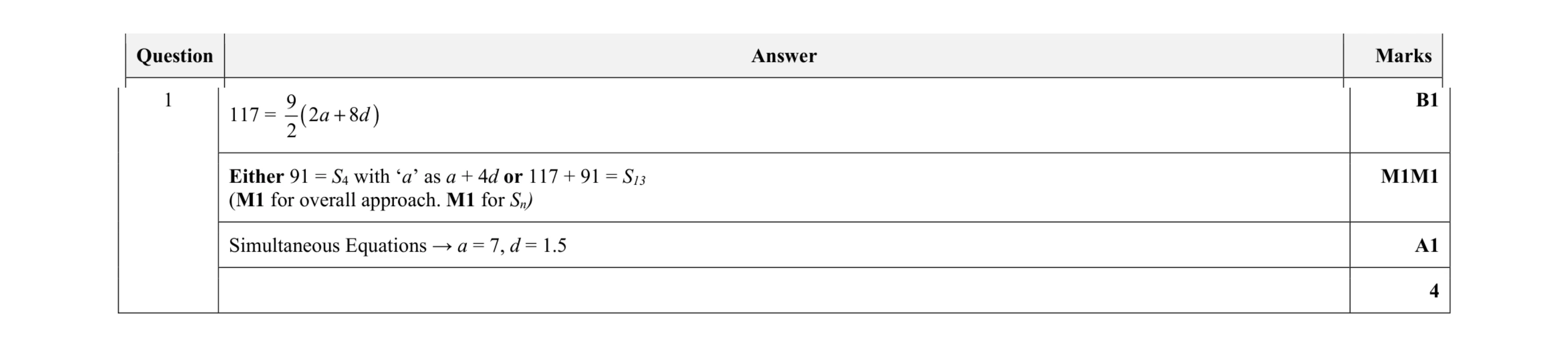 4
4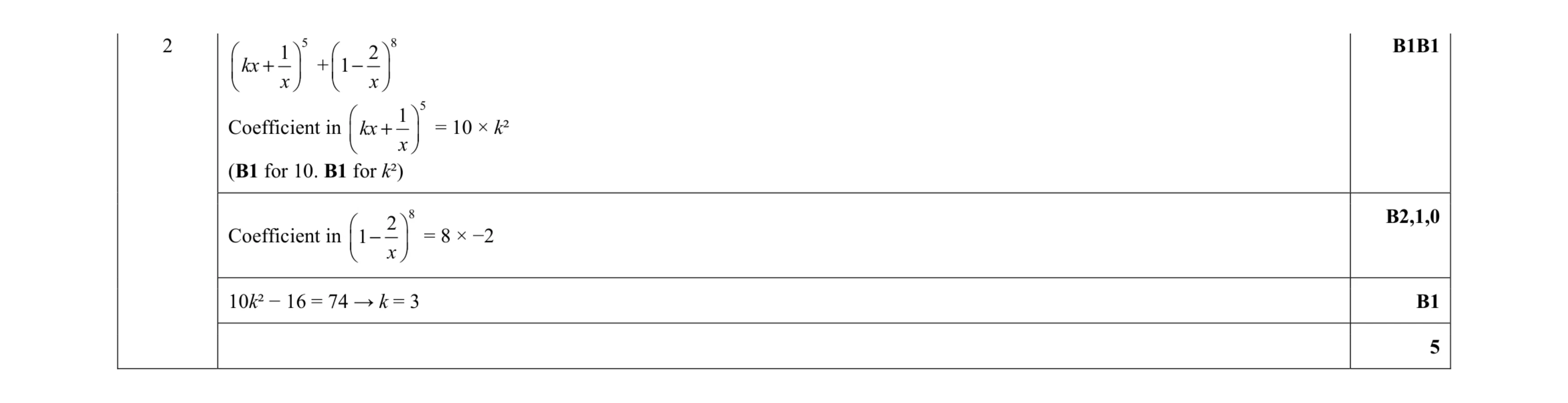 5
5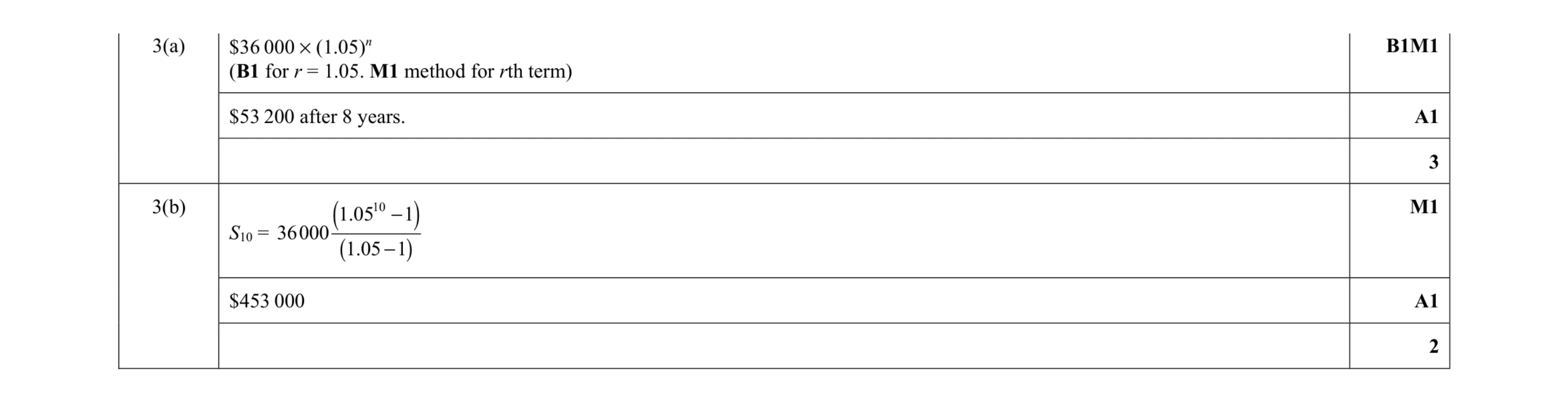 5
5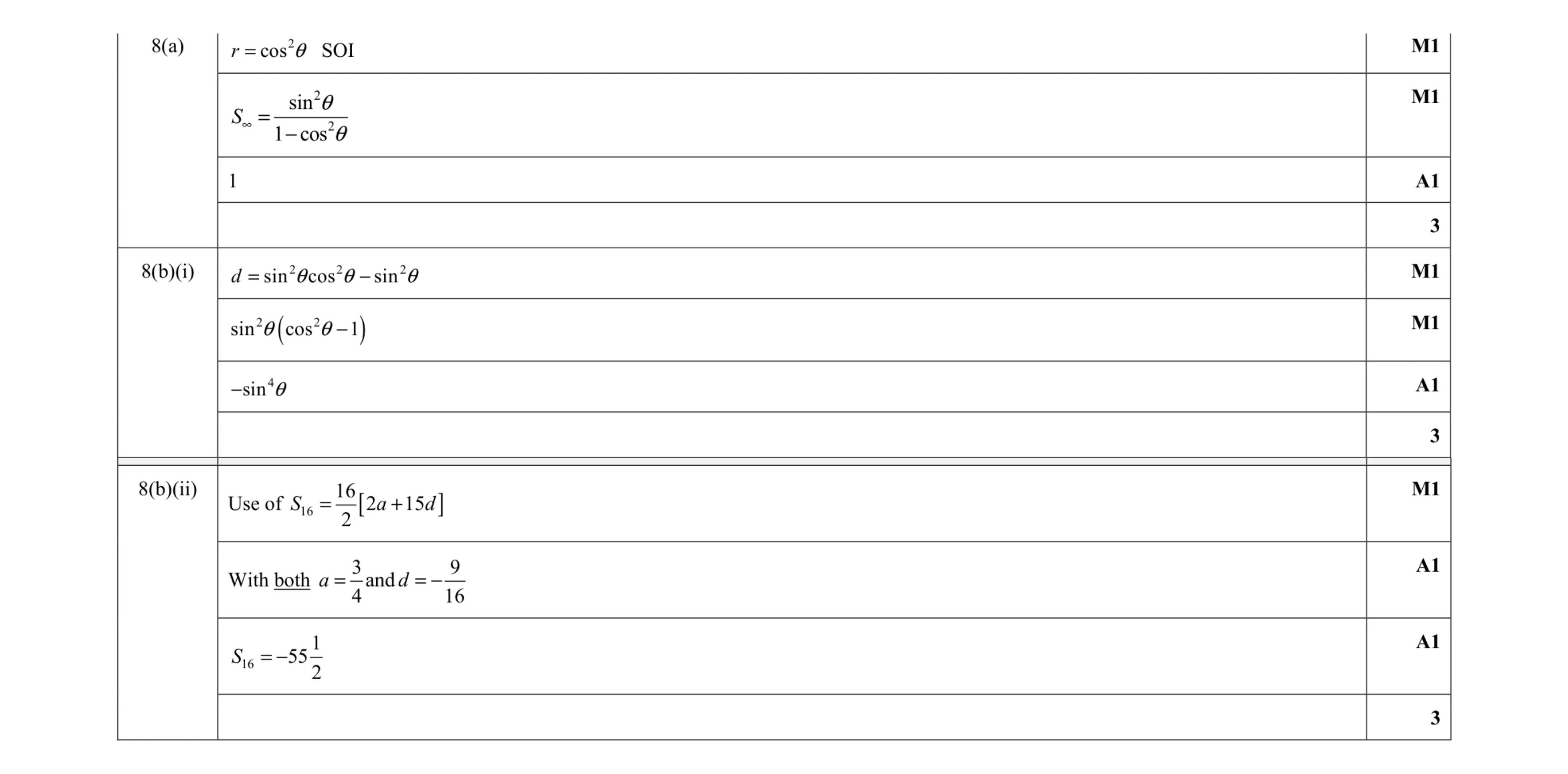 9
9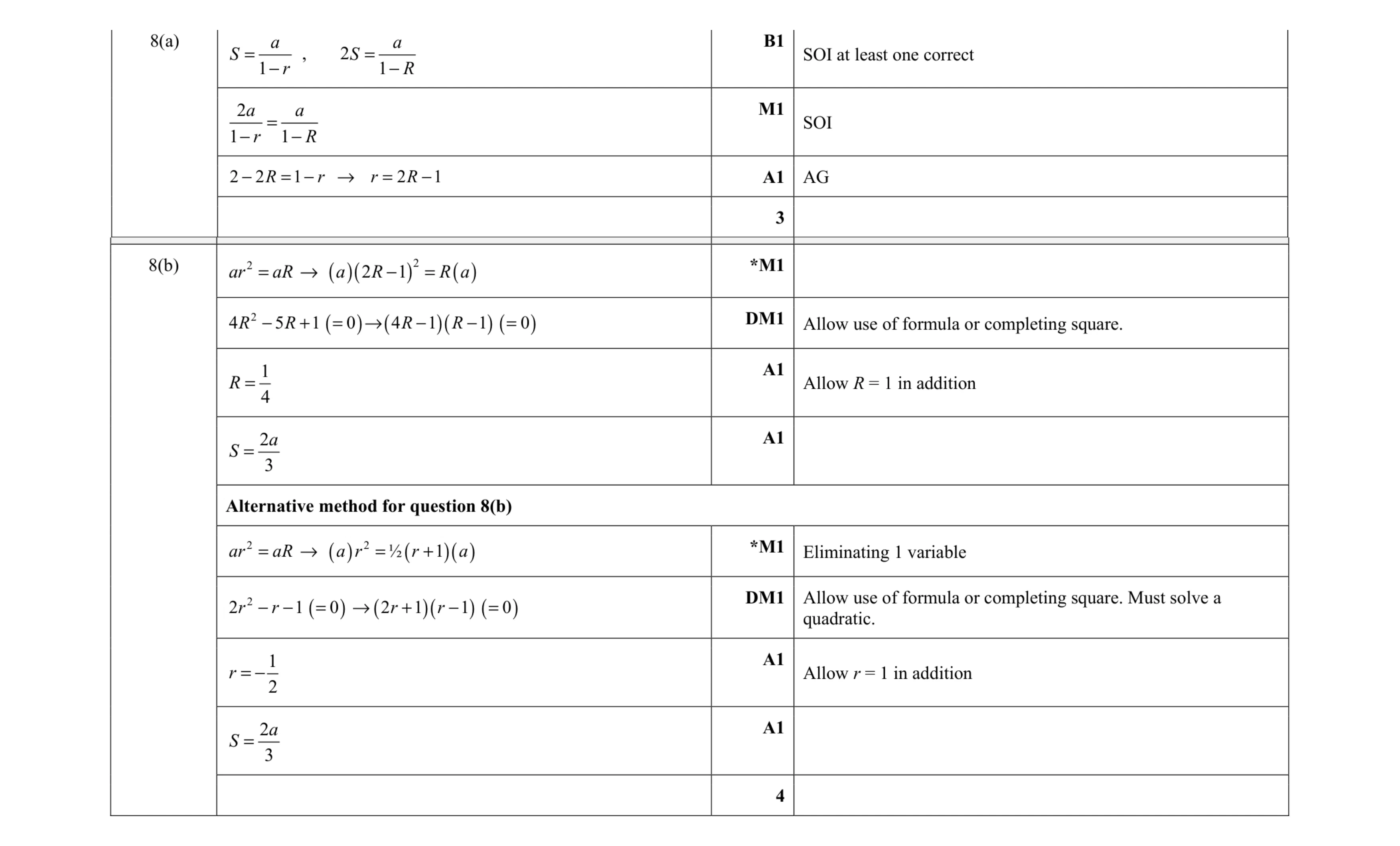 7
7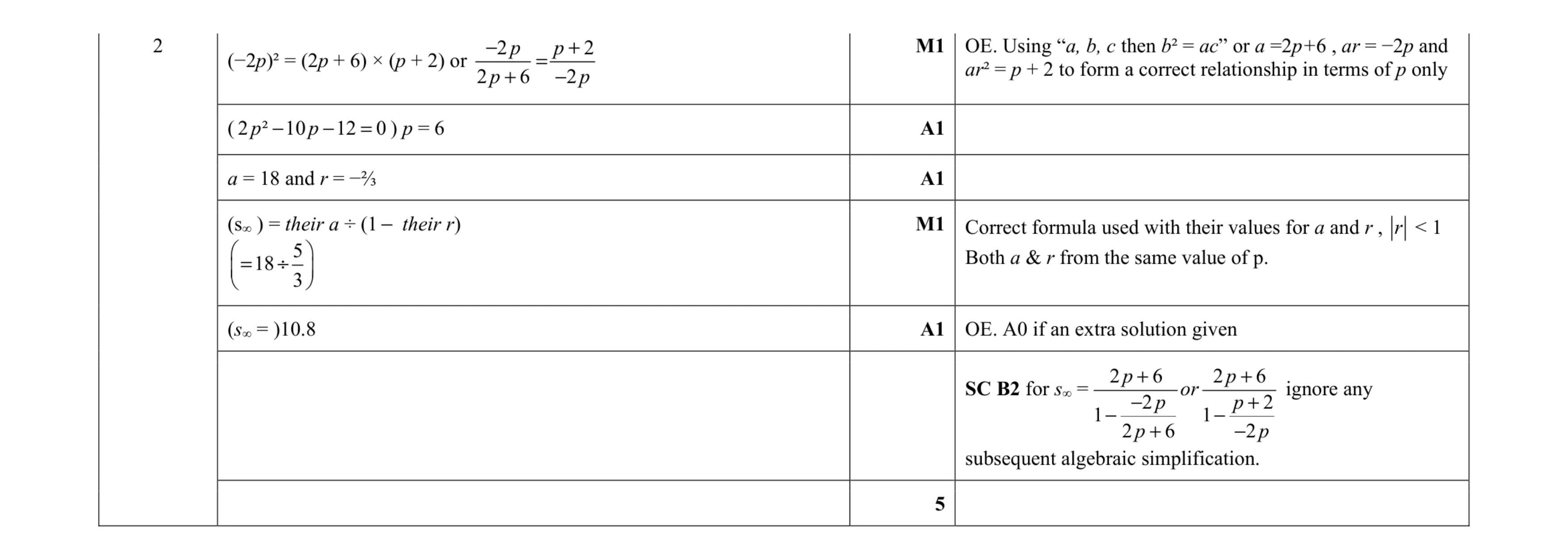 5
5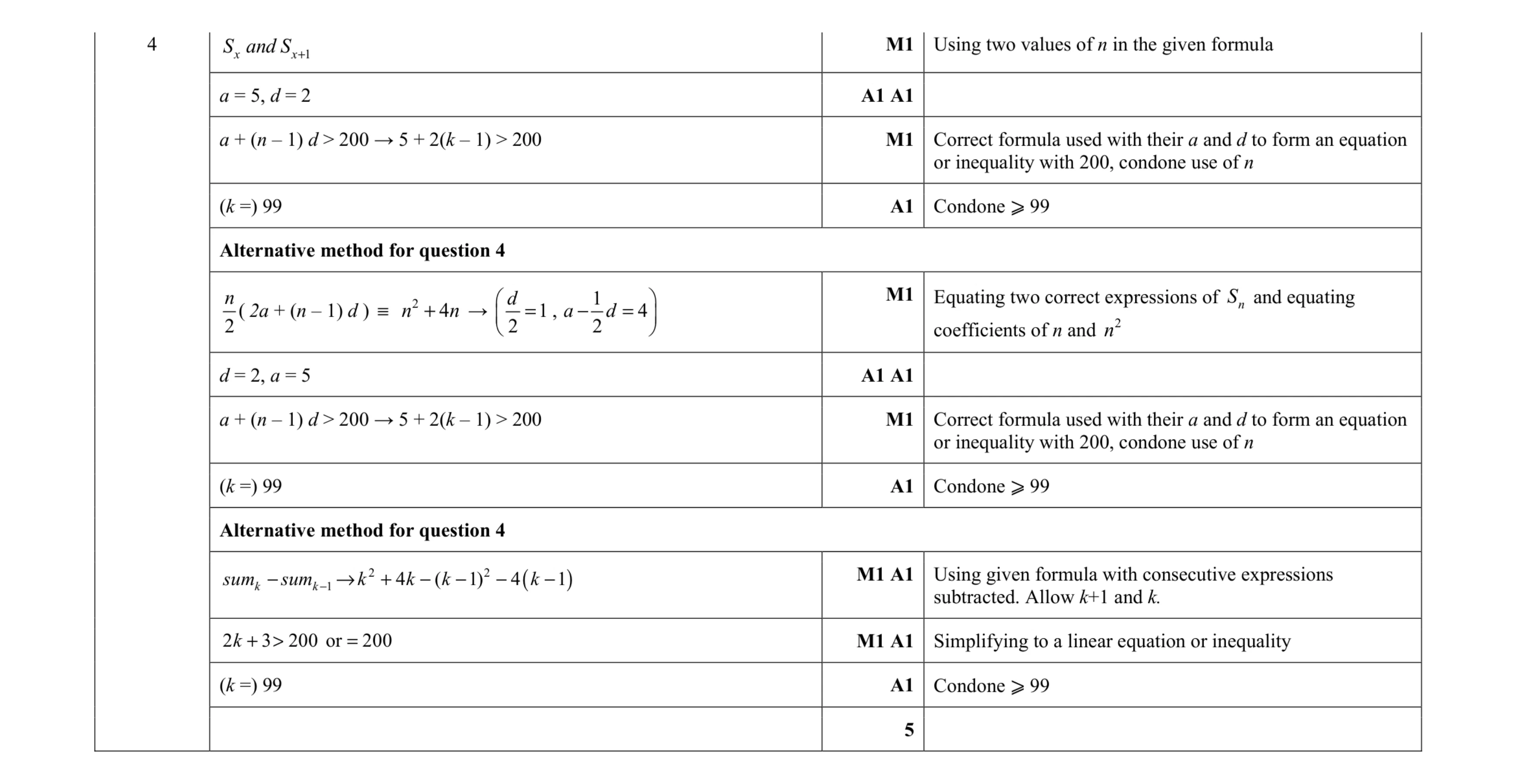 5
5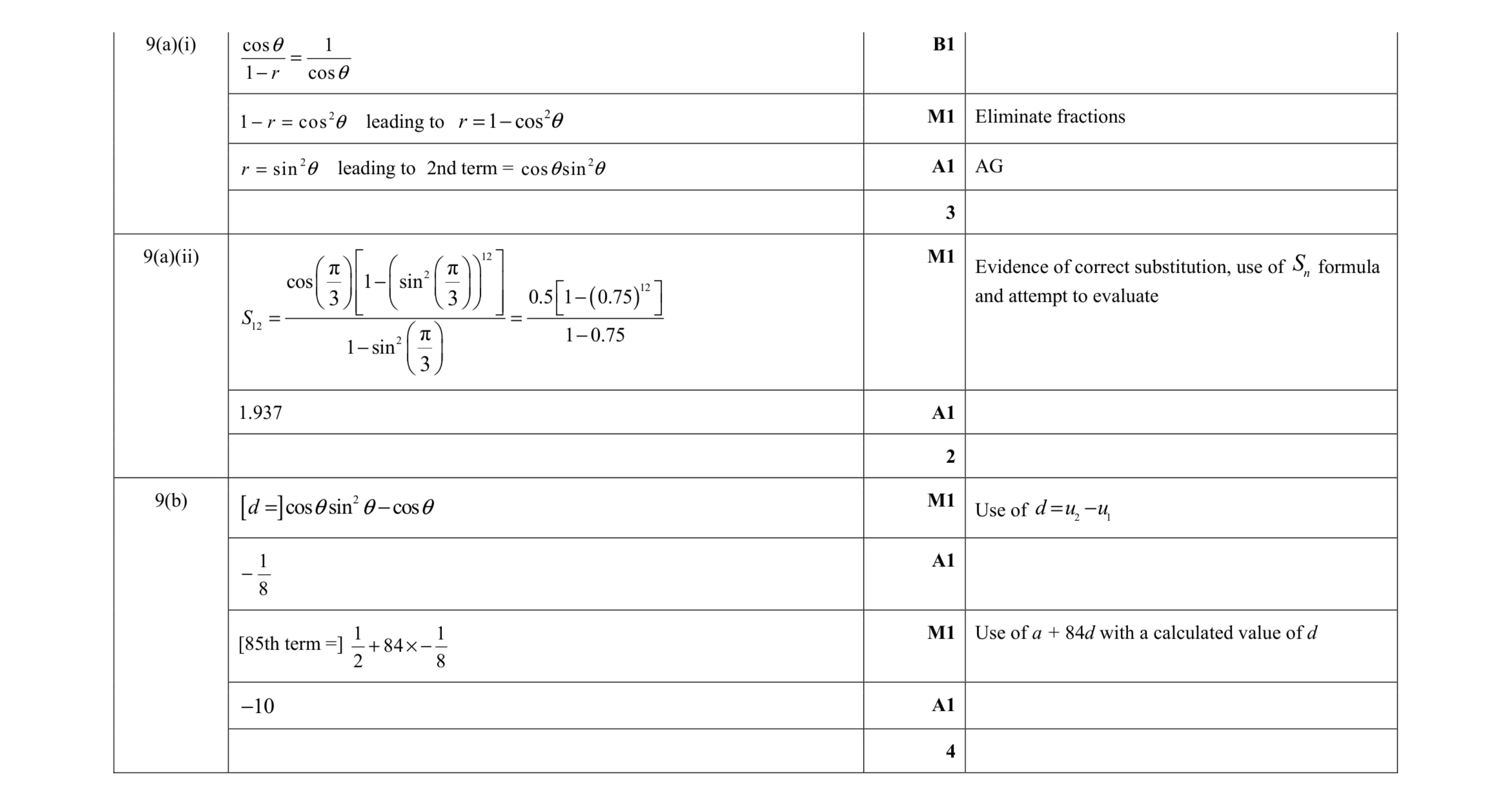 9
9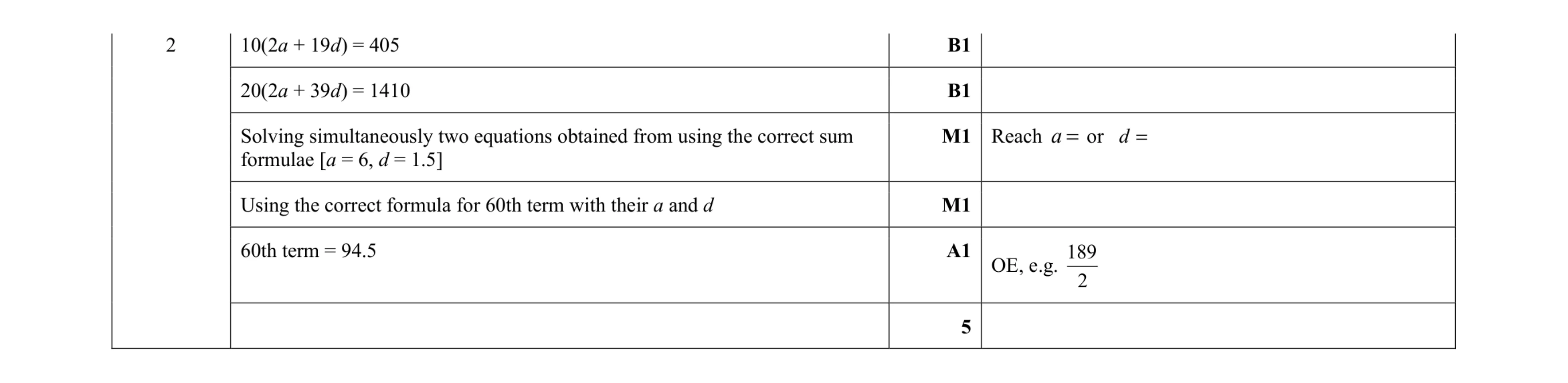 5
5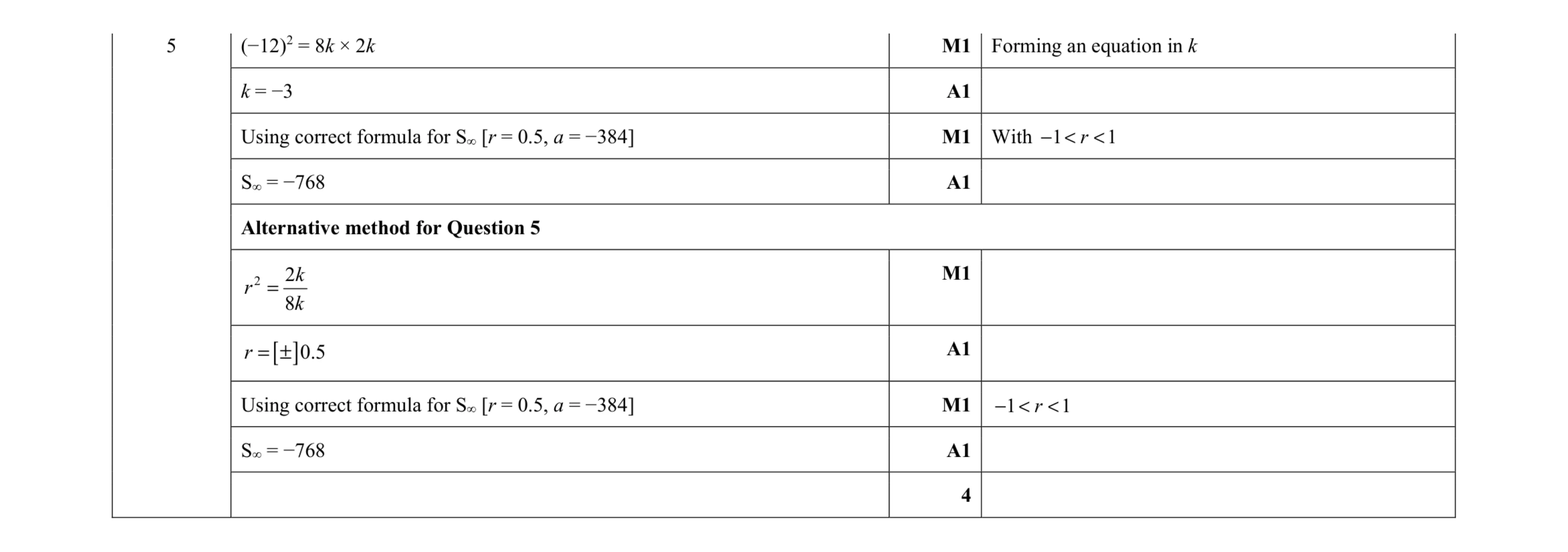 4
4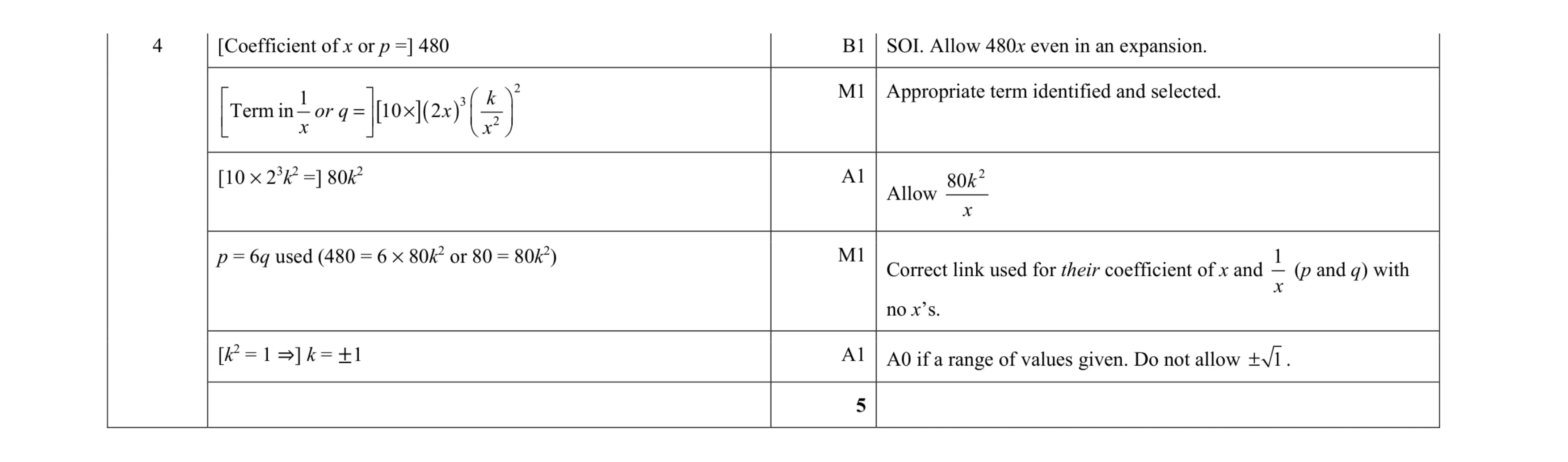 5
5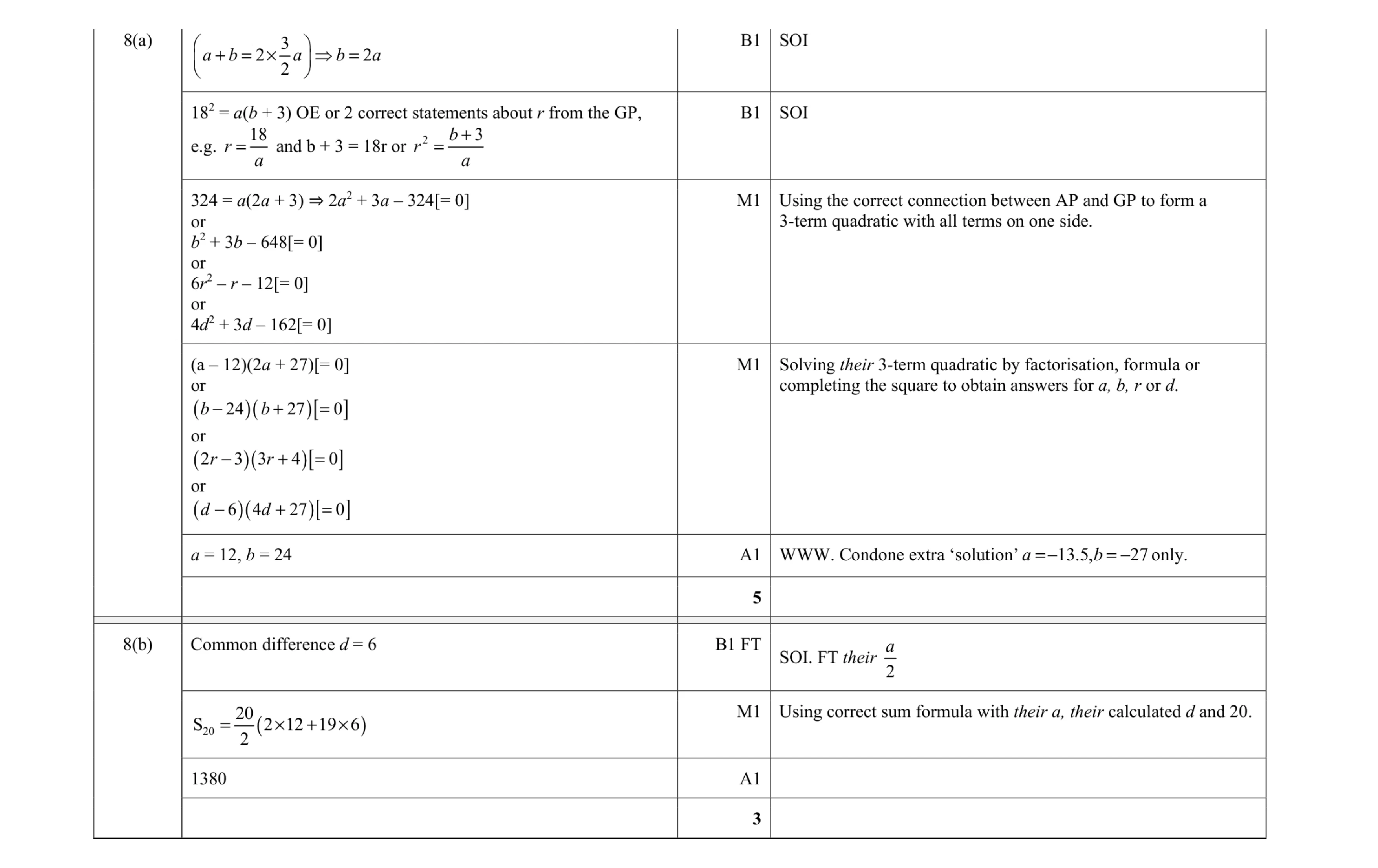 8
8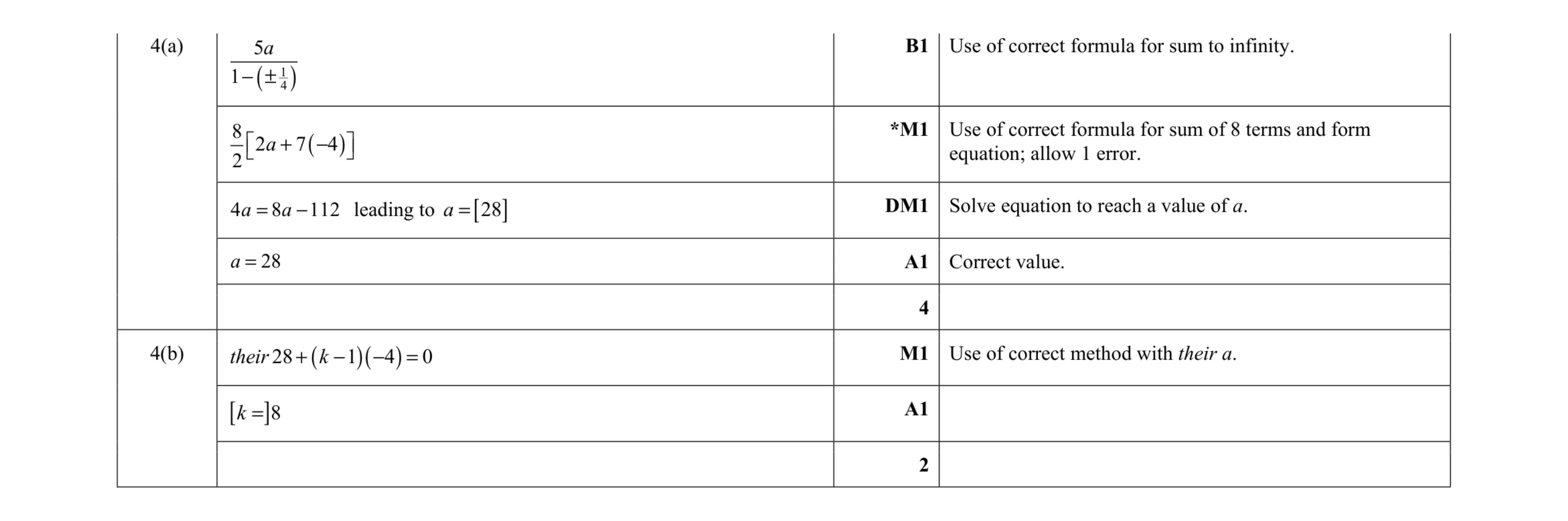 6
6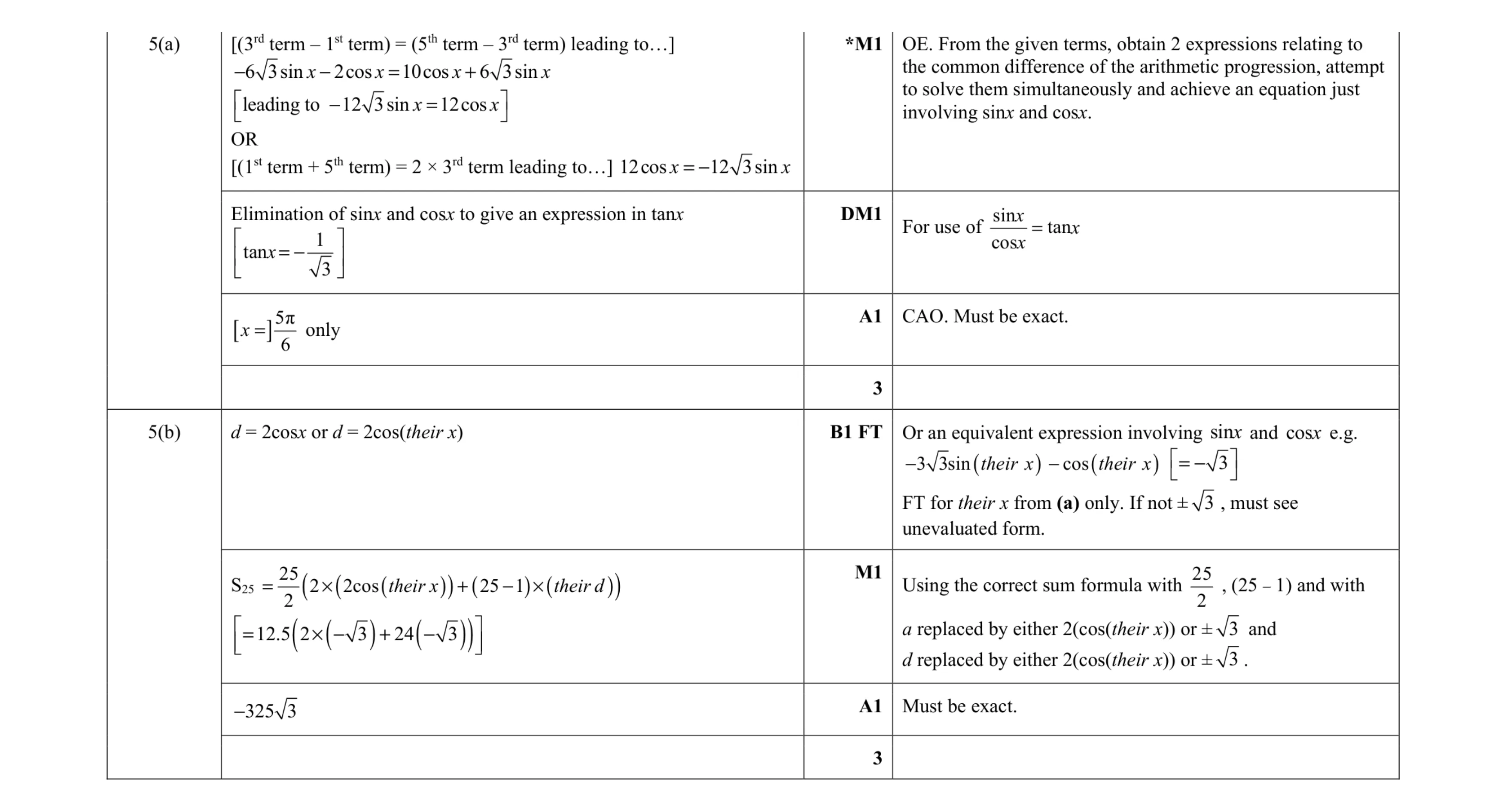 6
6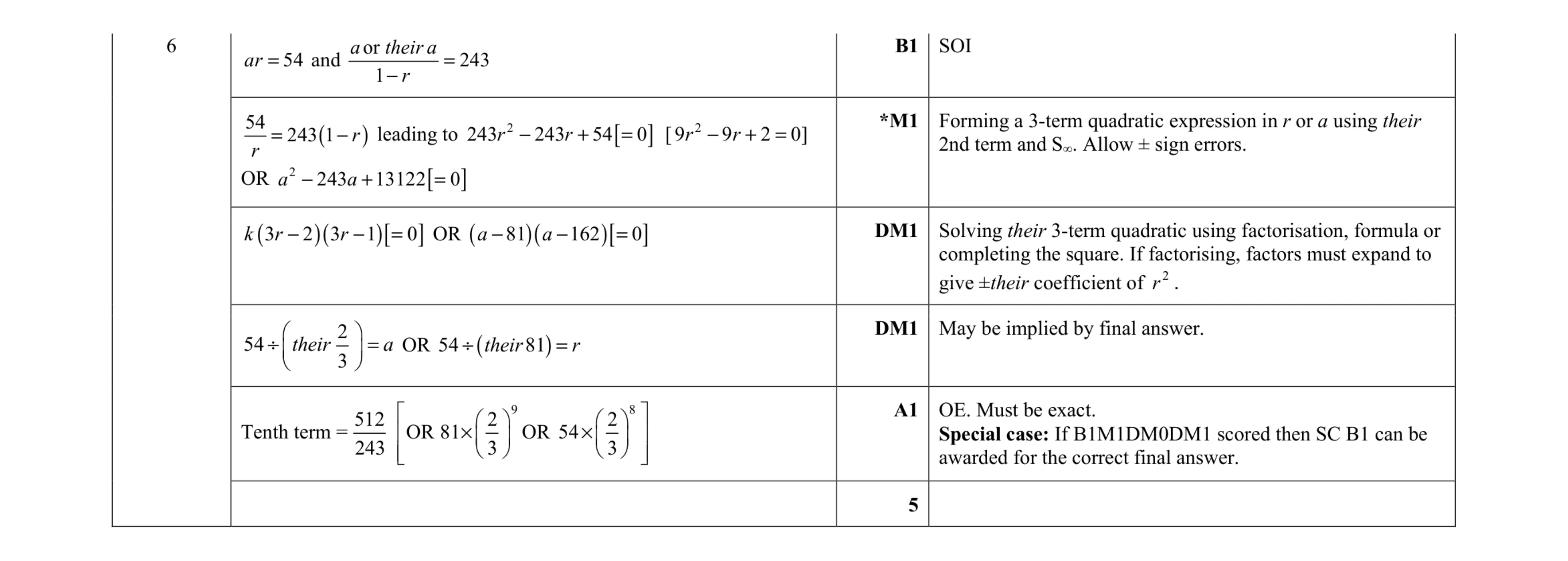 5
5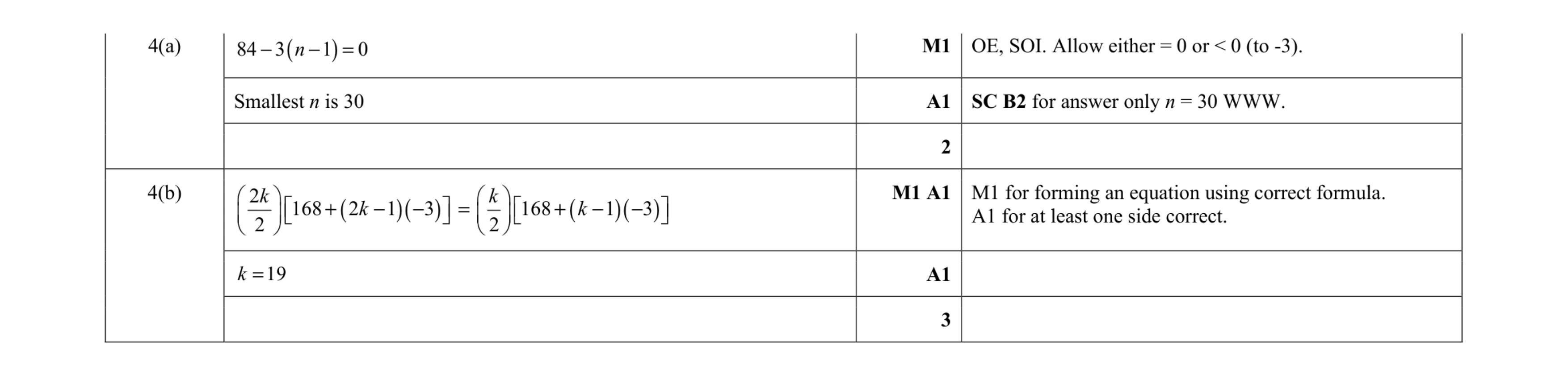 5
5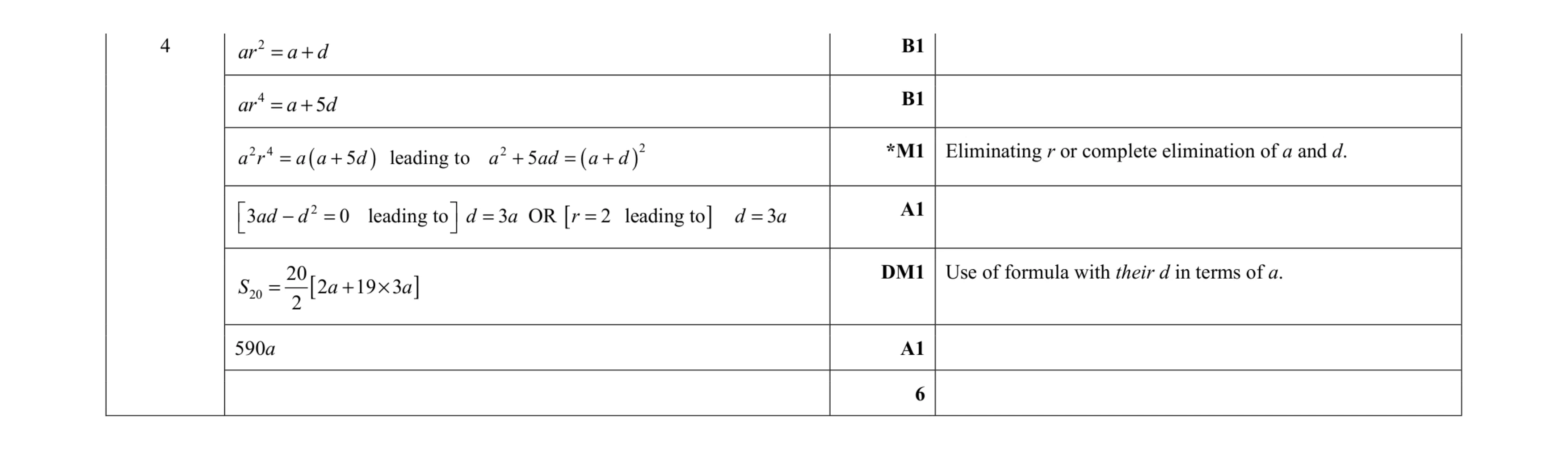 6
6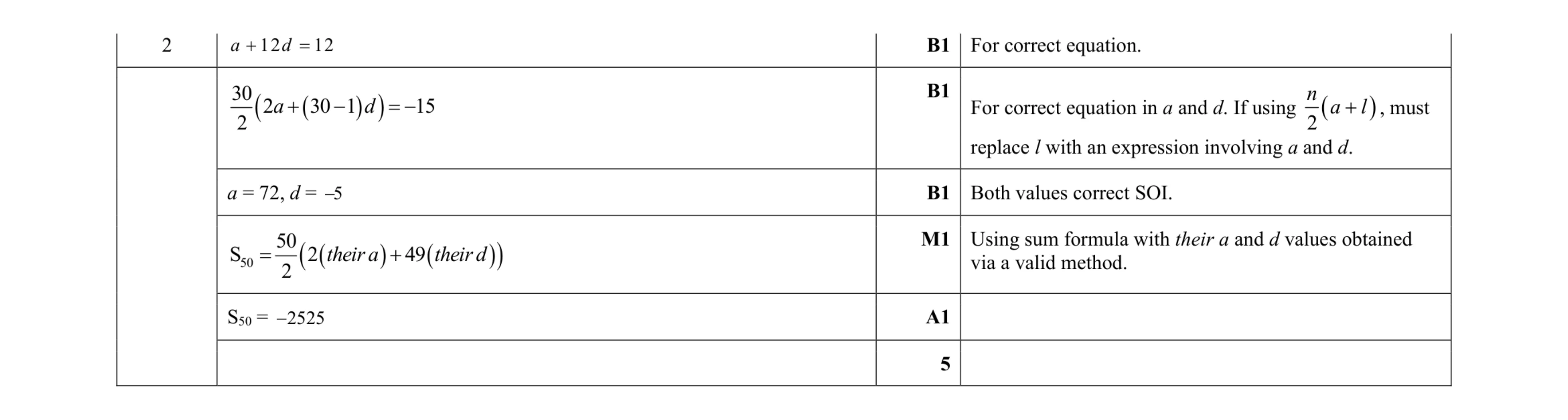 5
5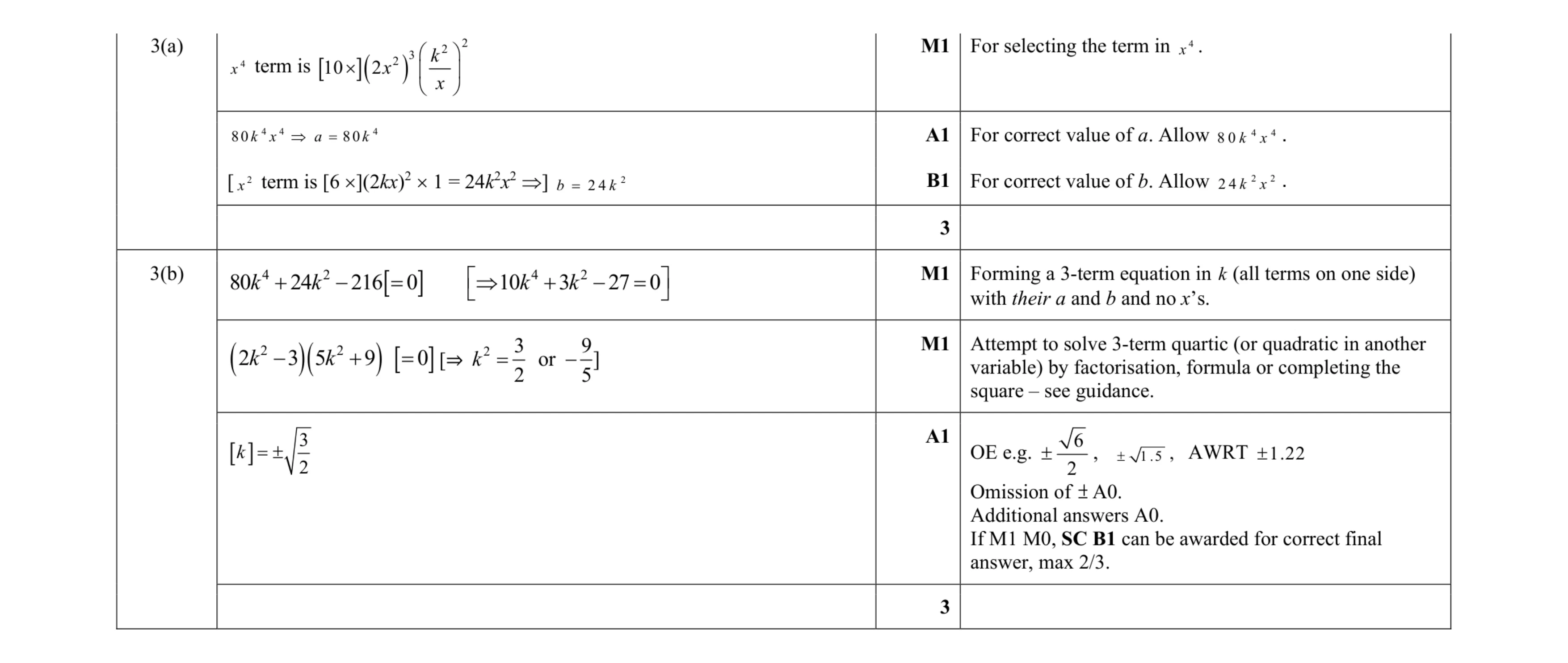 6
6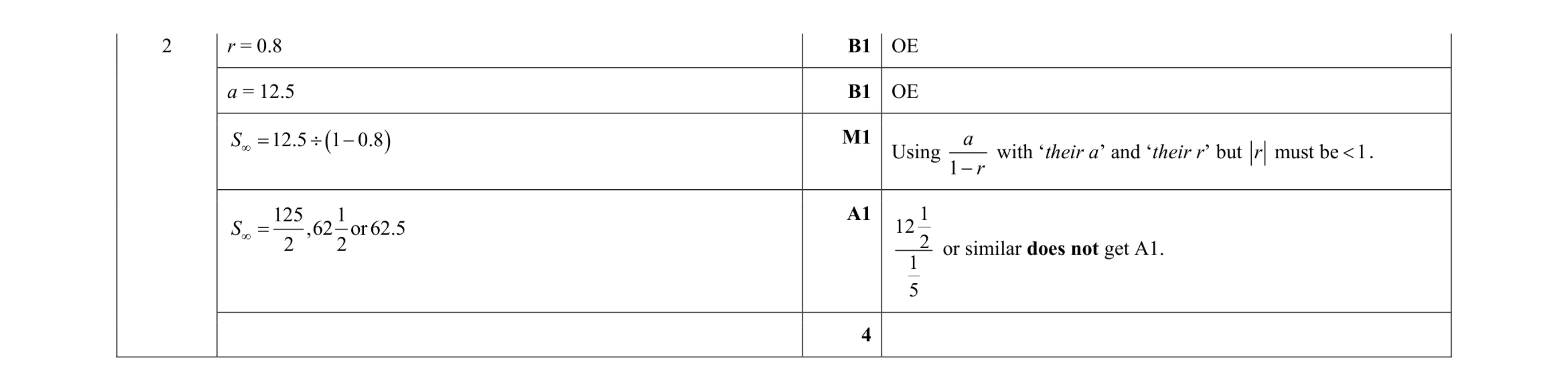 4
4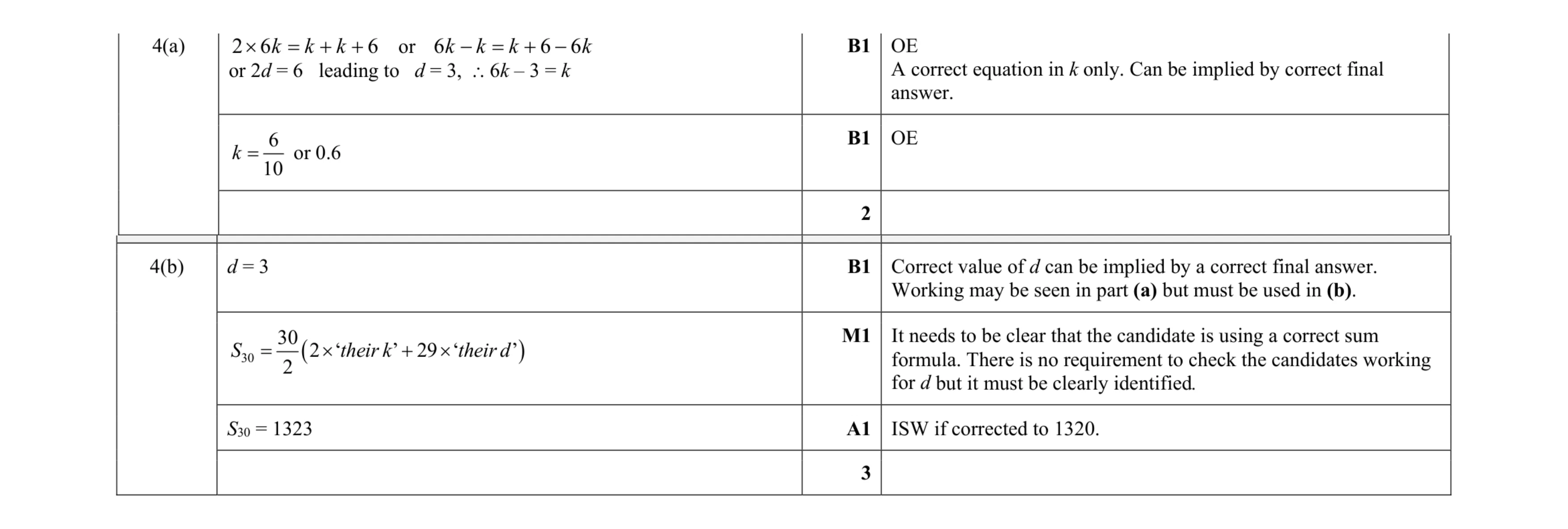 5
5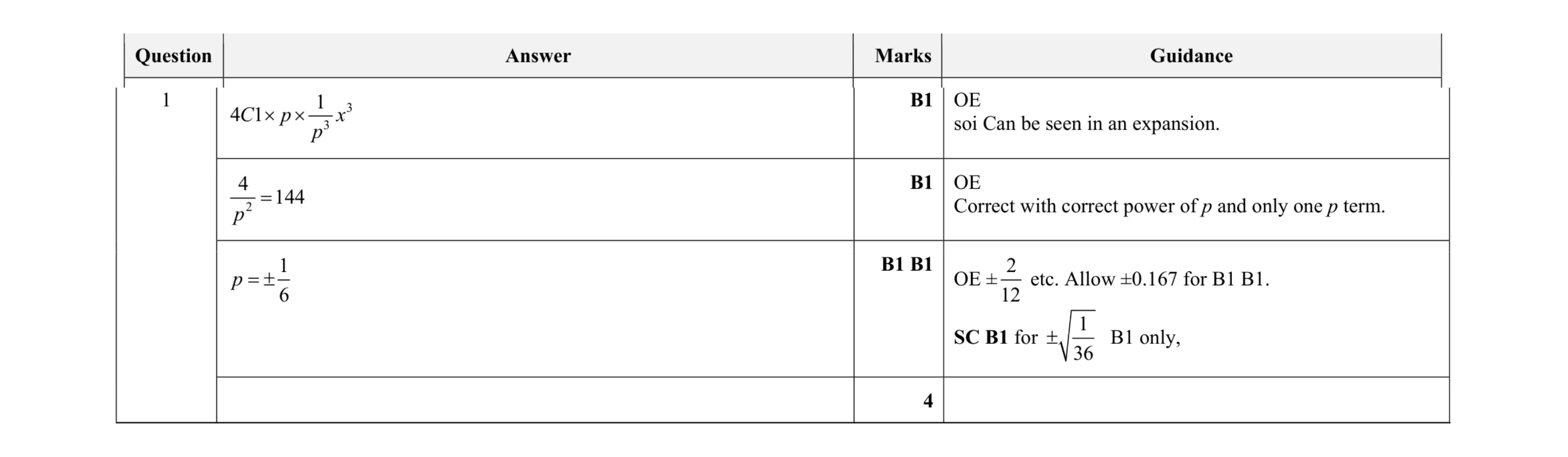 4
4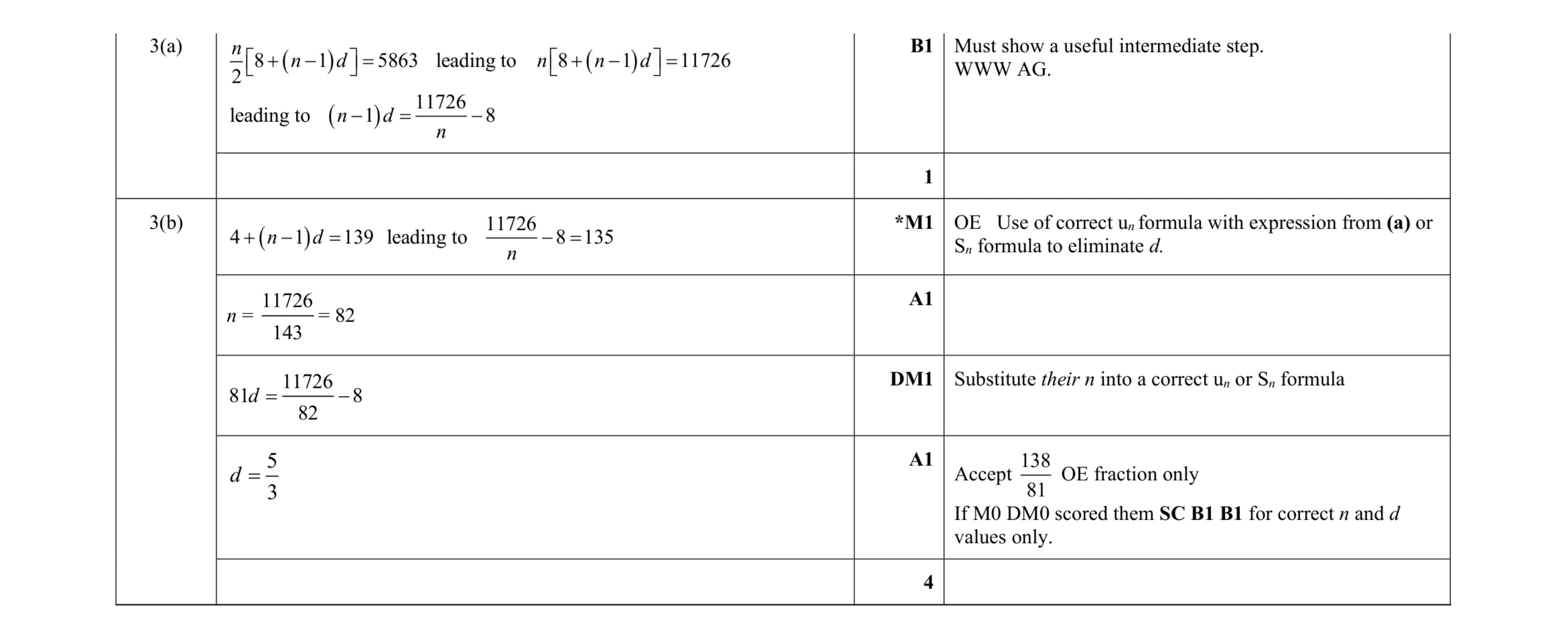 5
5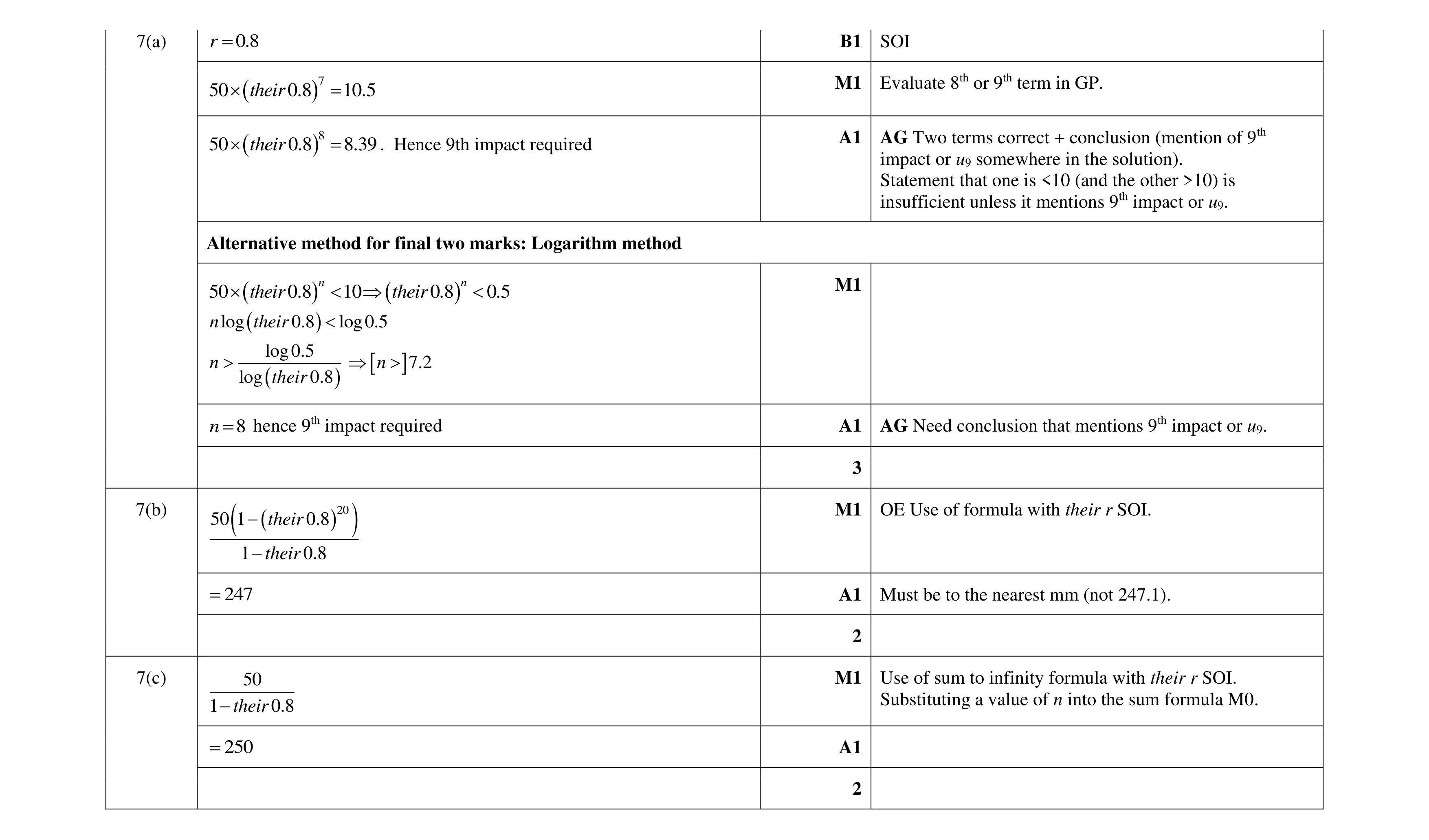 7
7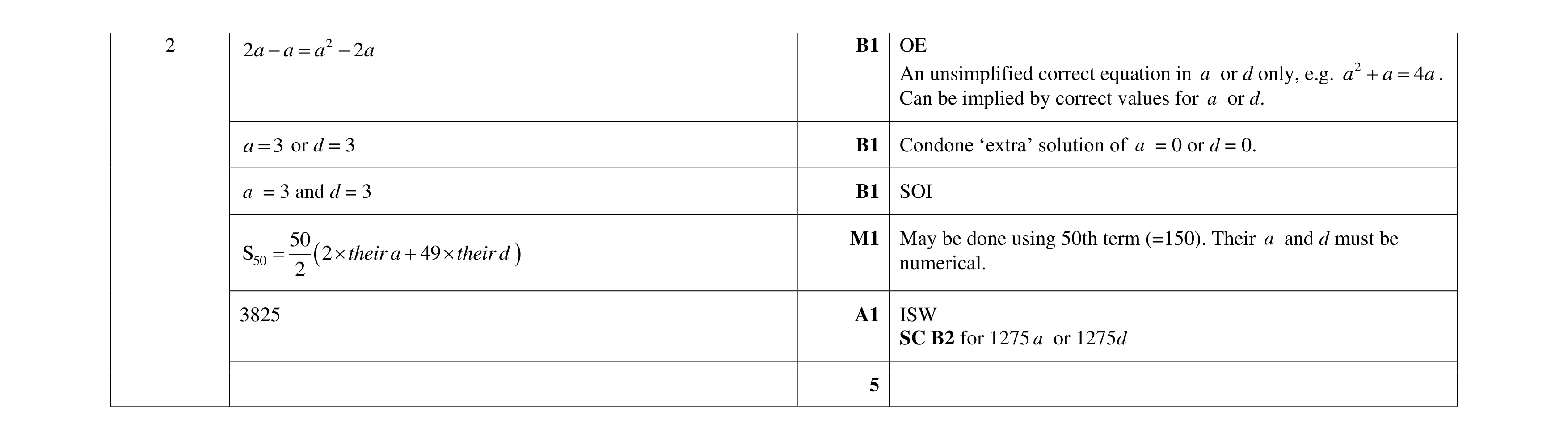 5
5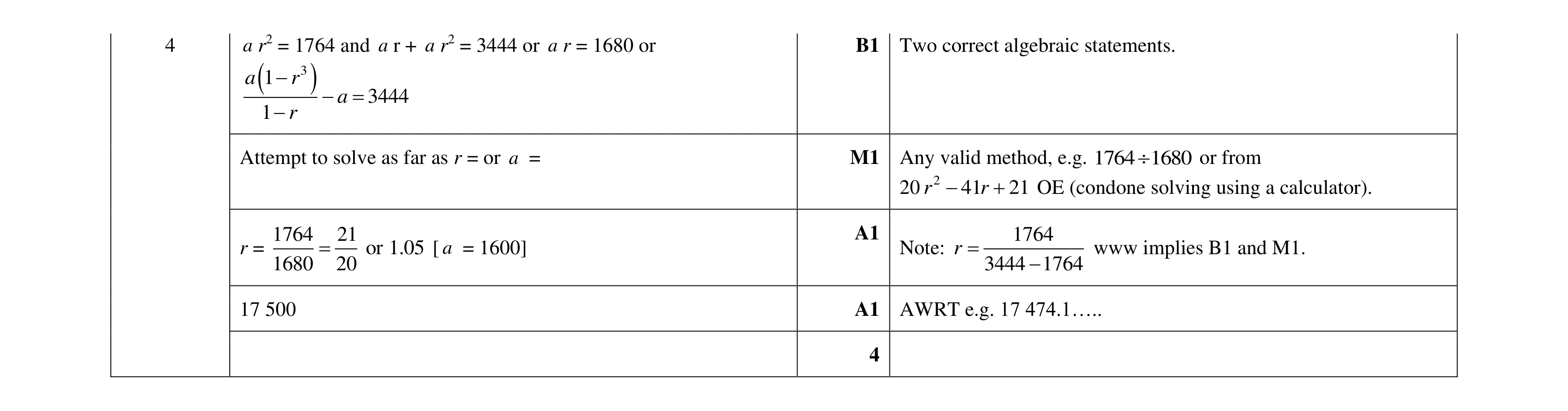 4
4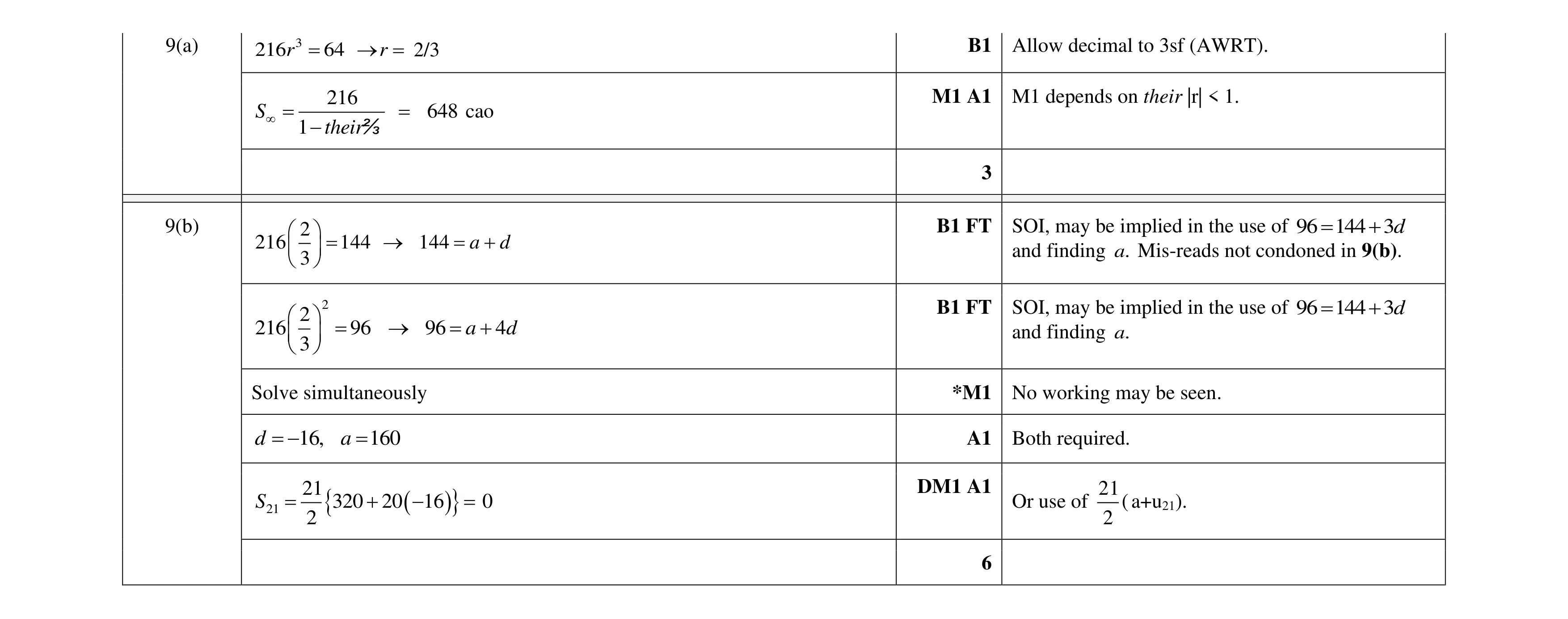 9
9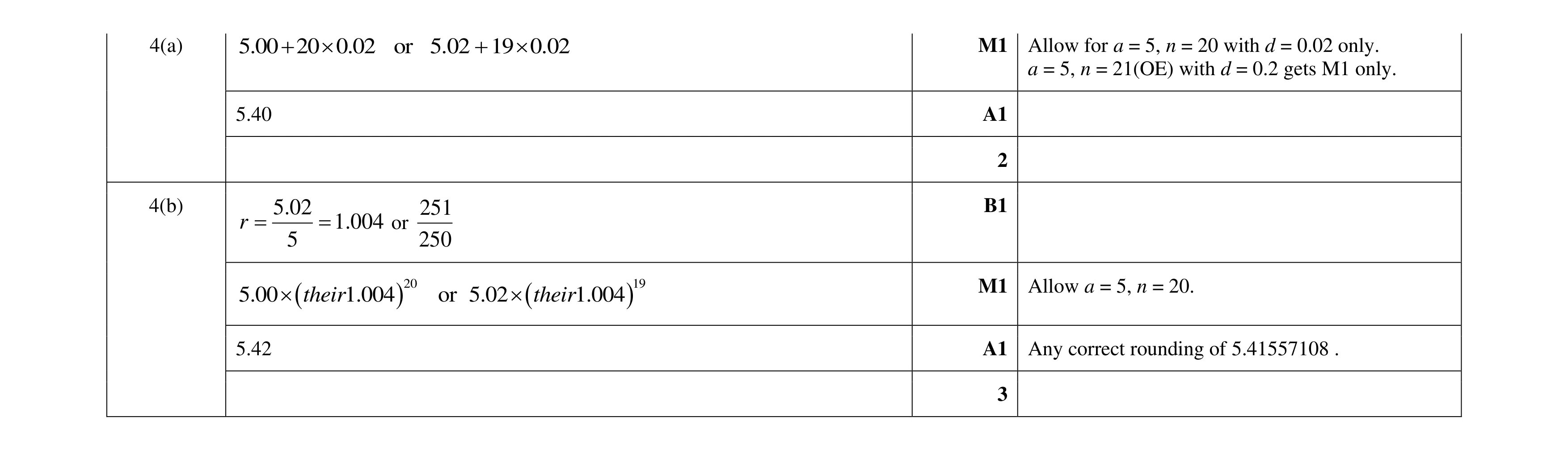 5
5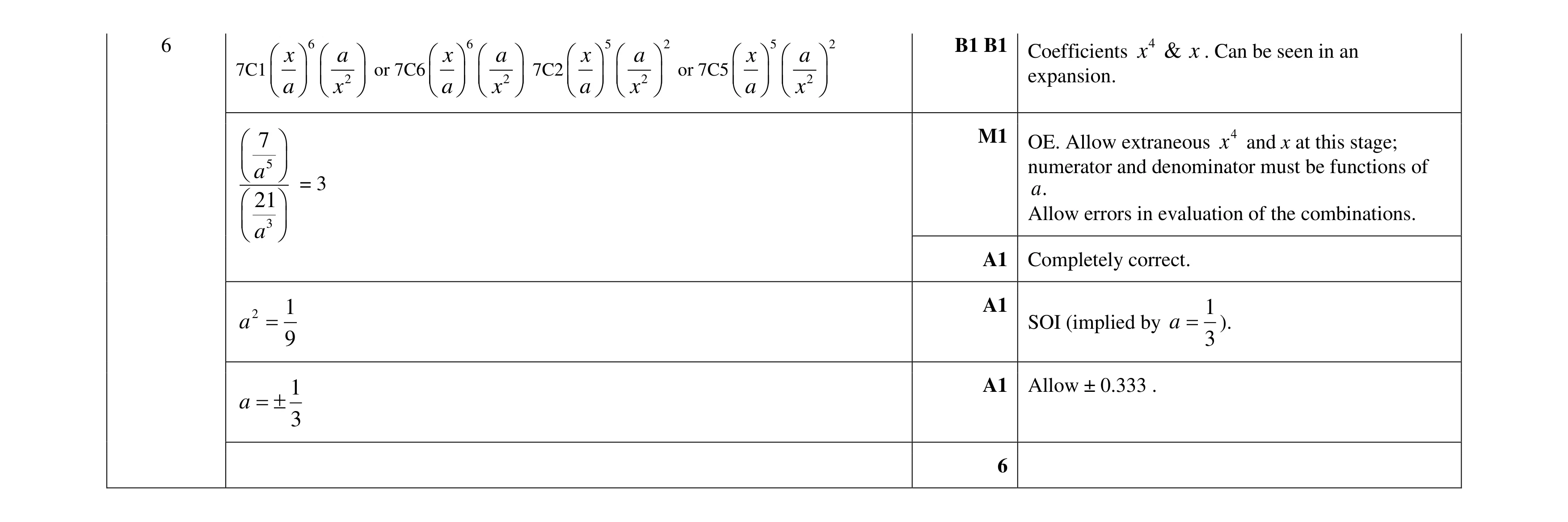 6
6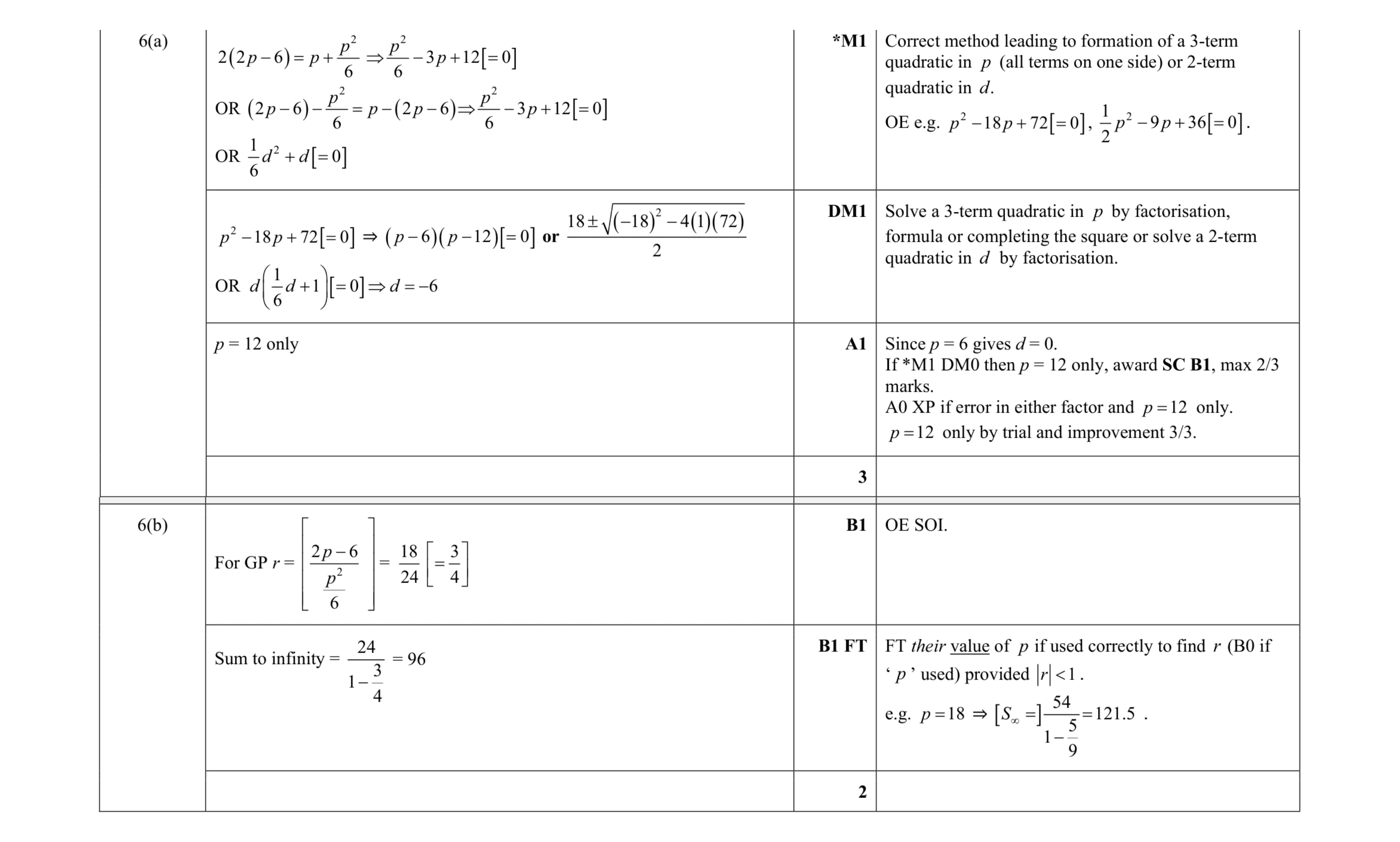 5
5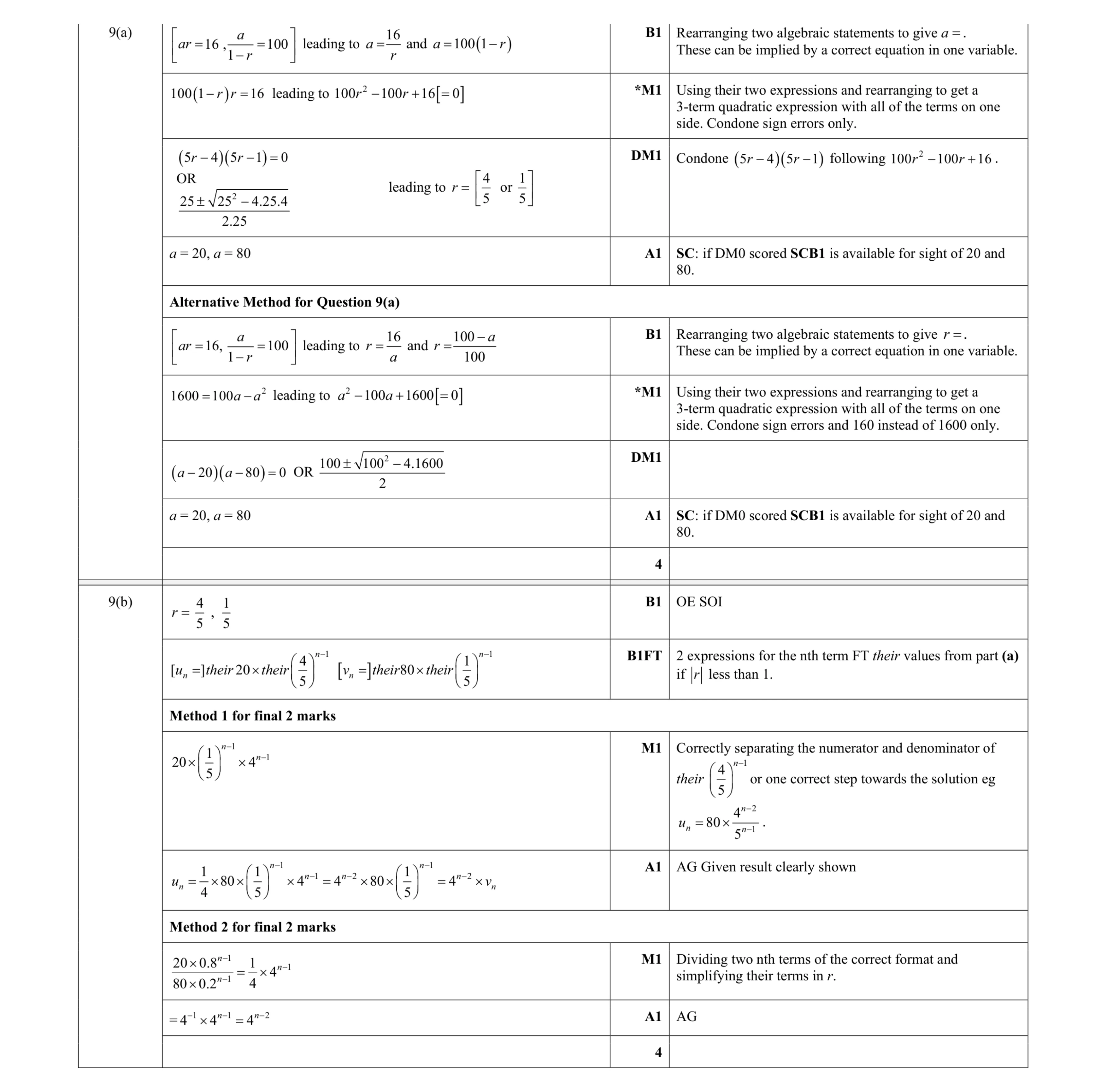 8
8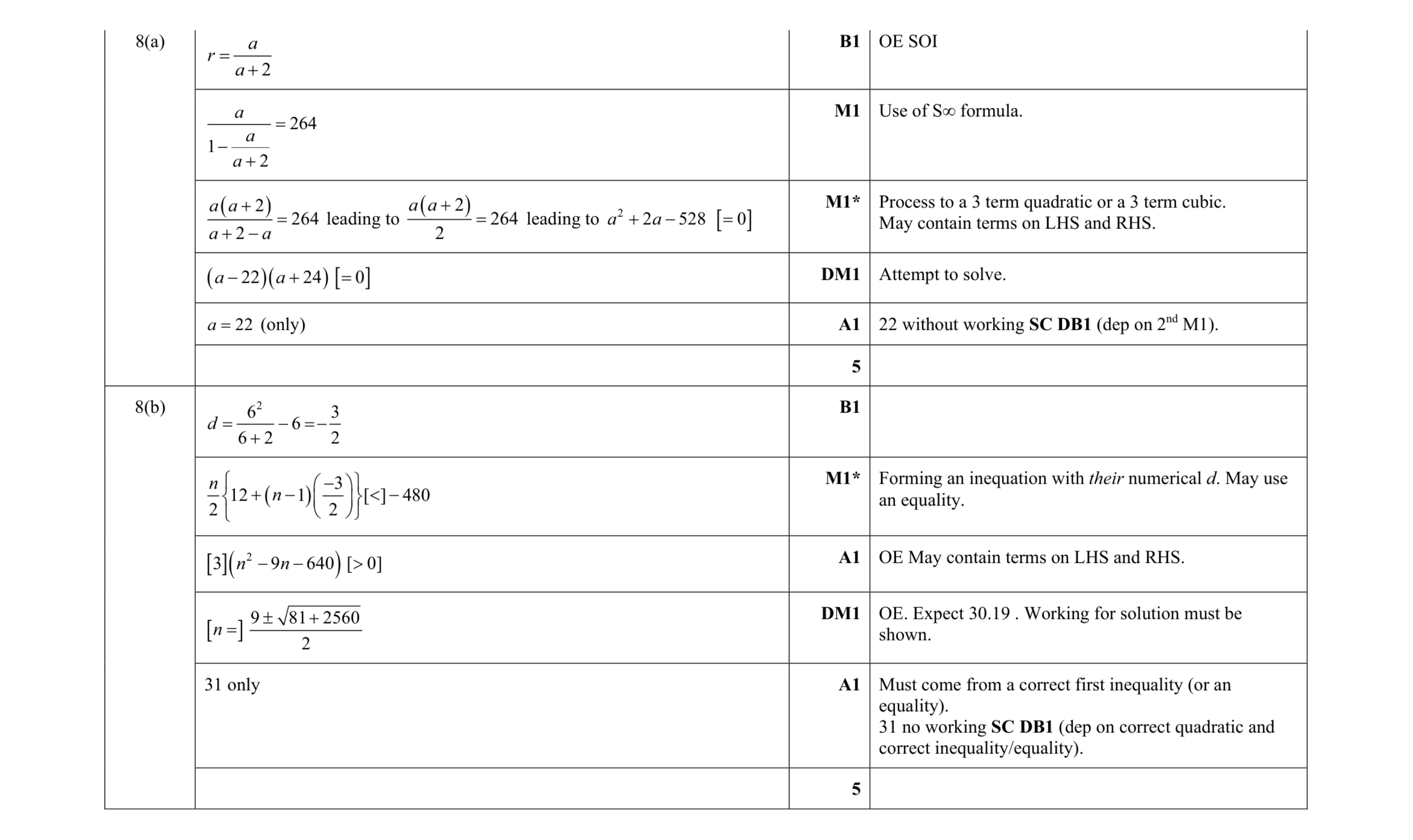 10
10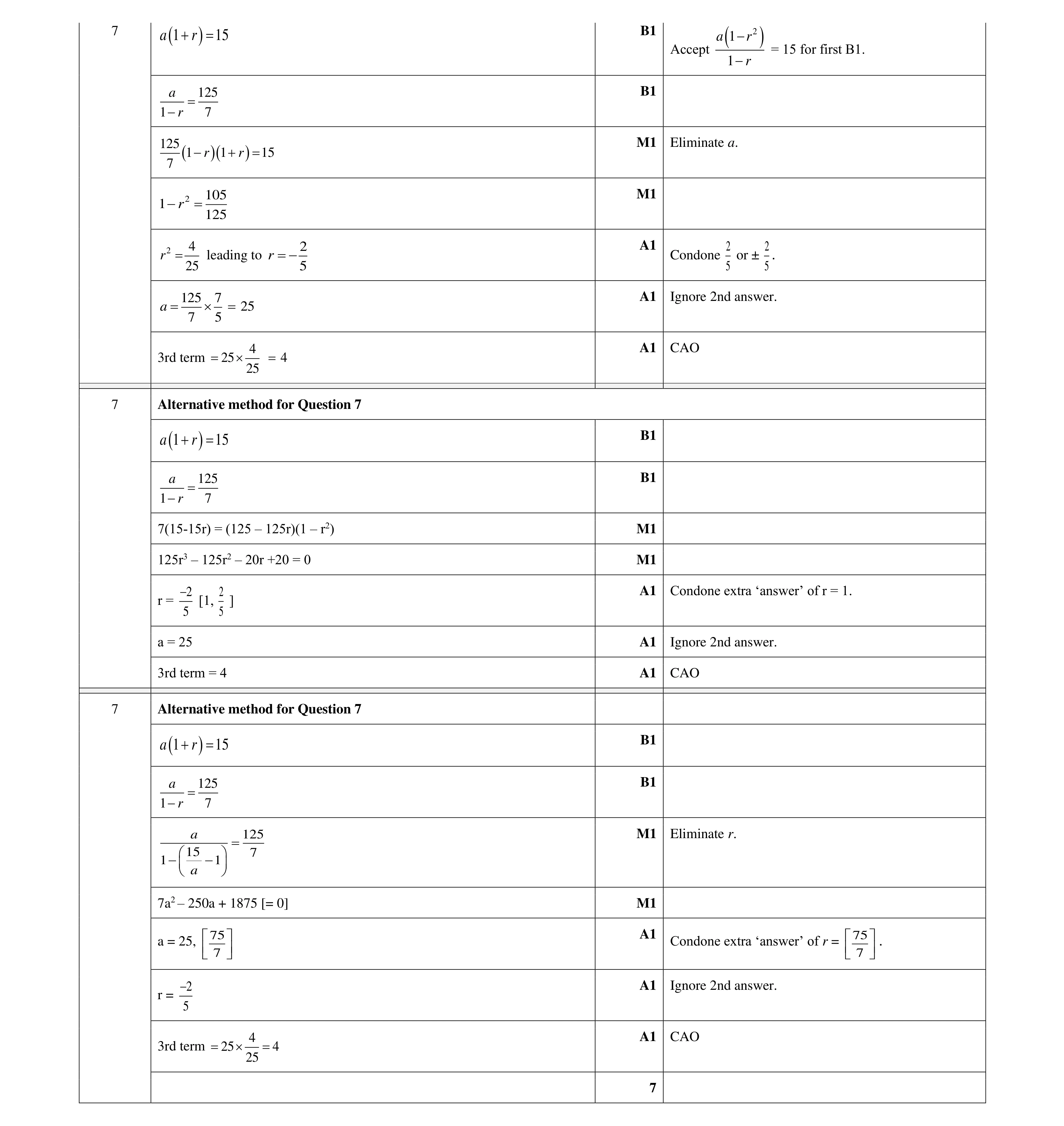 7
7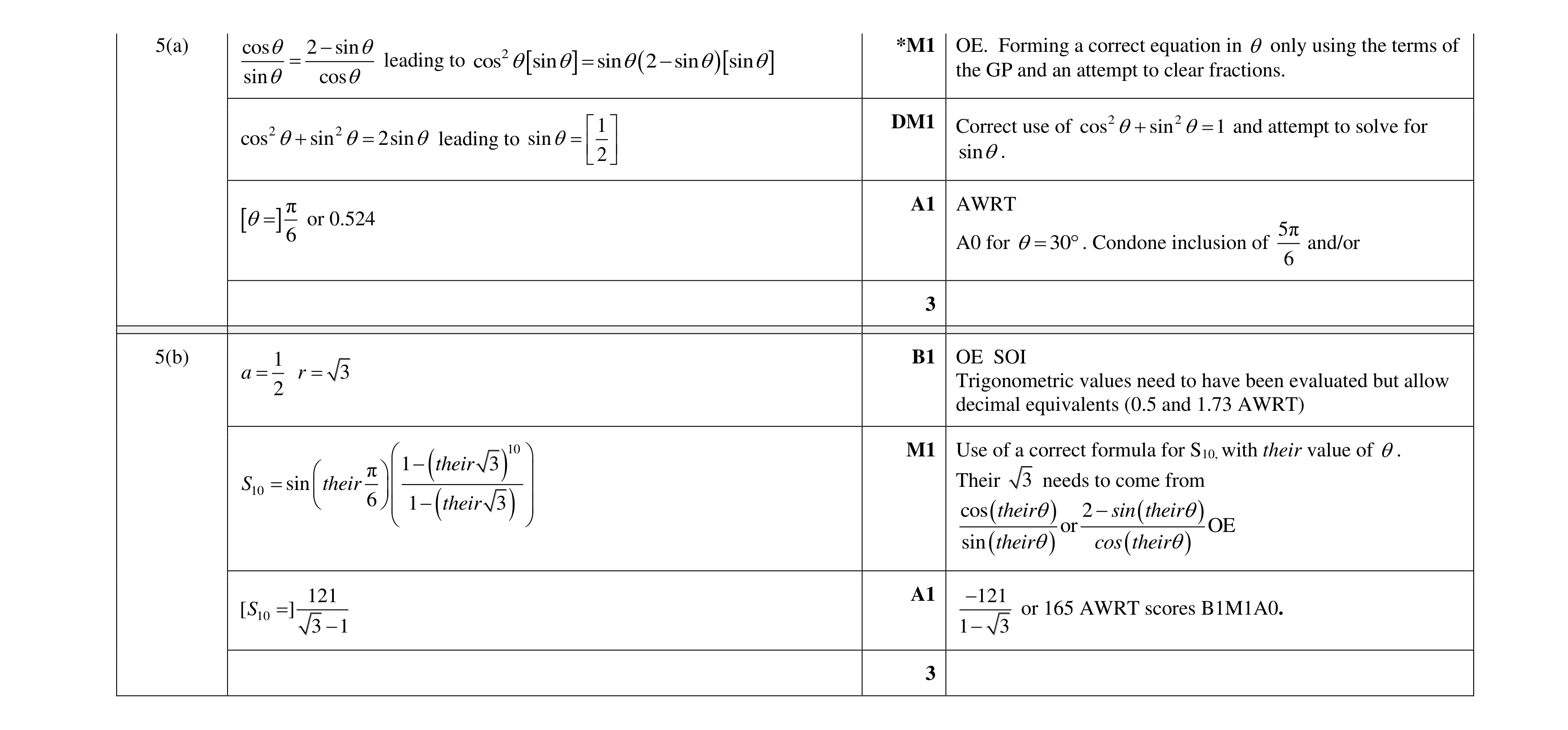 6
6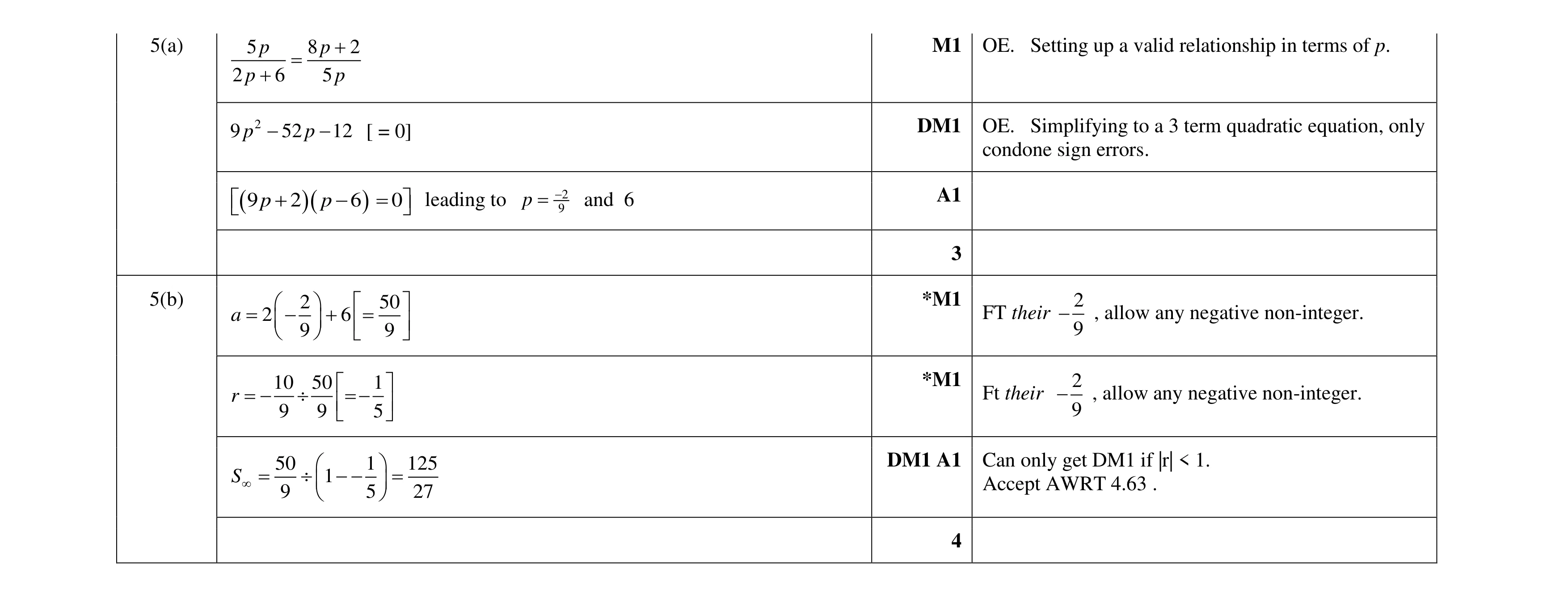 7
7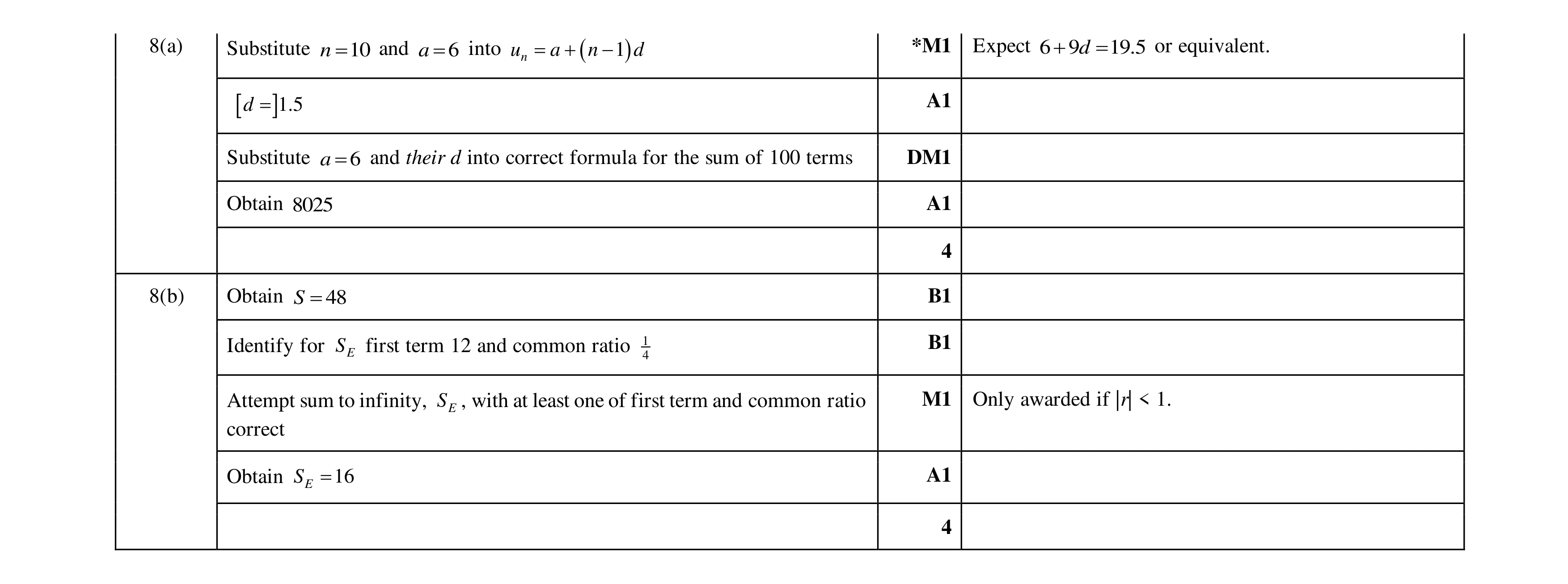 8
8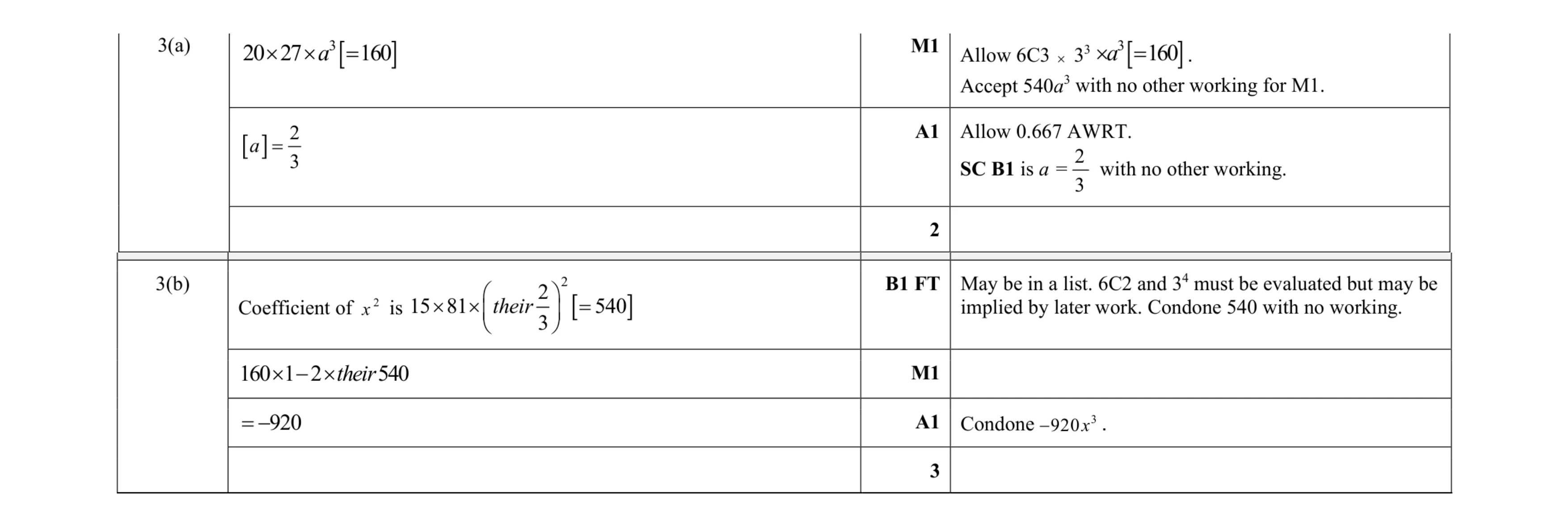 5
5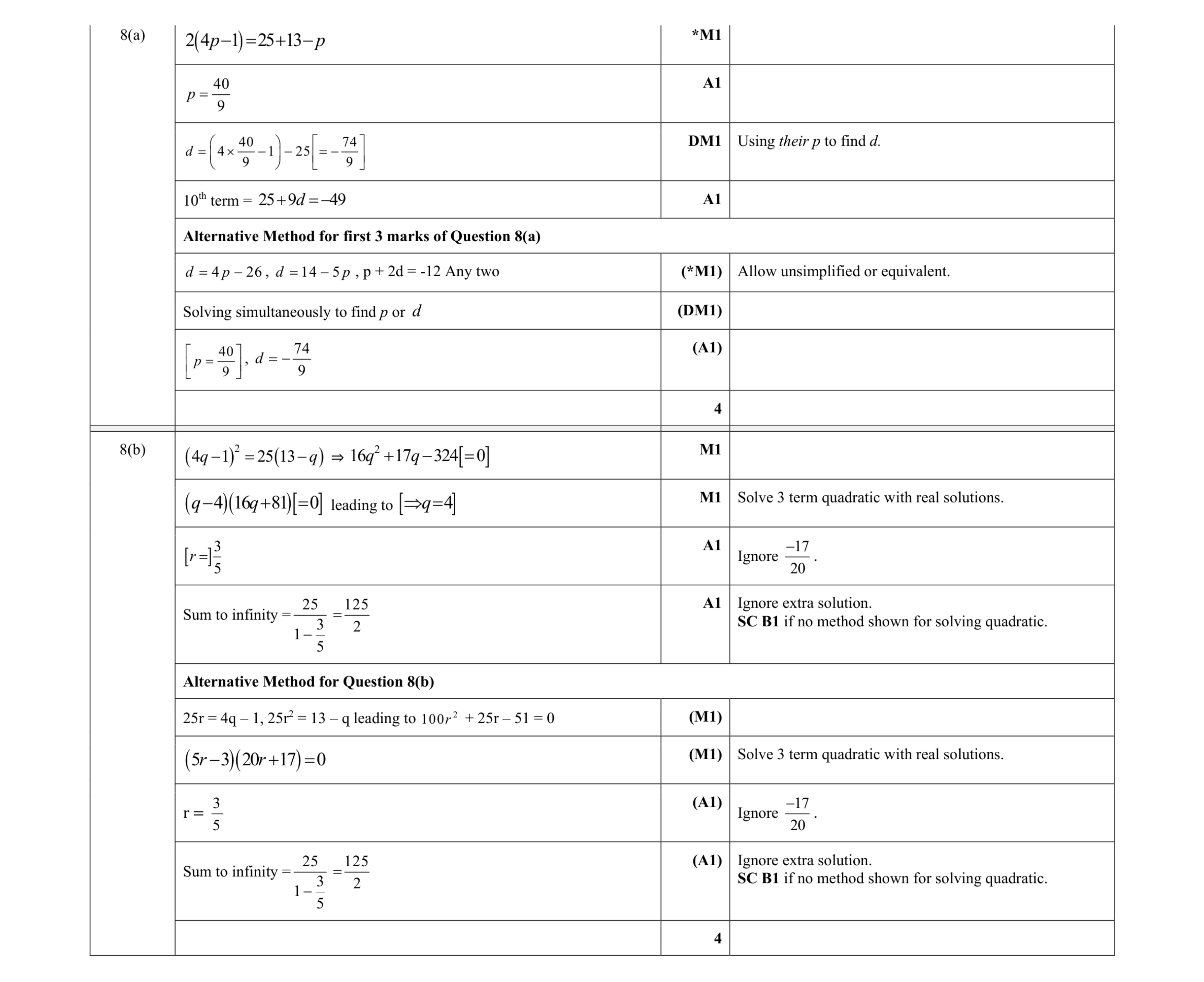 8
8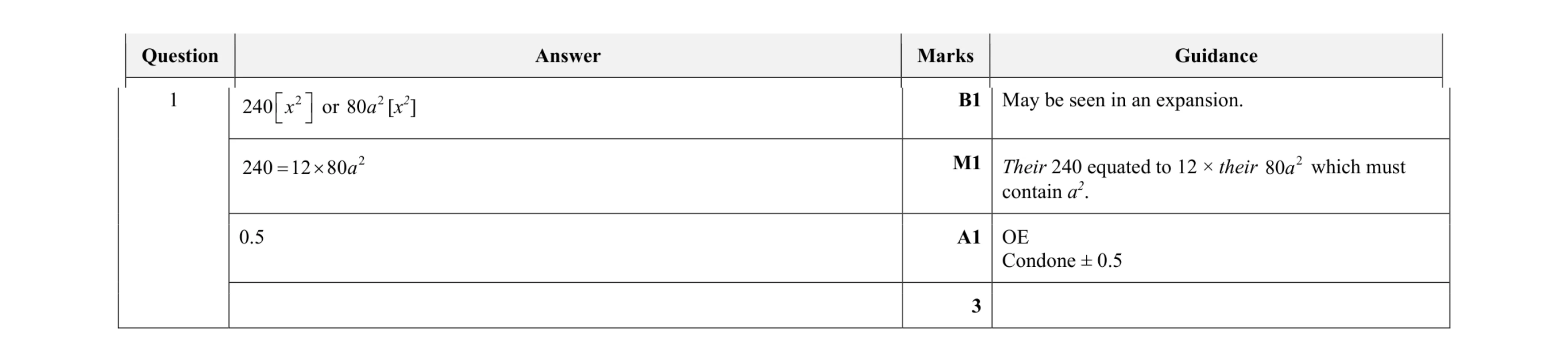 3
3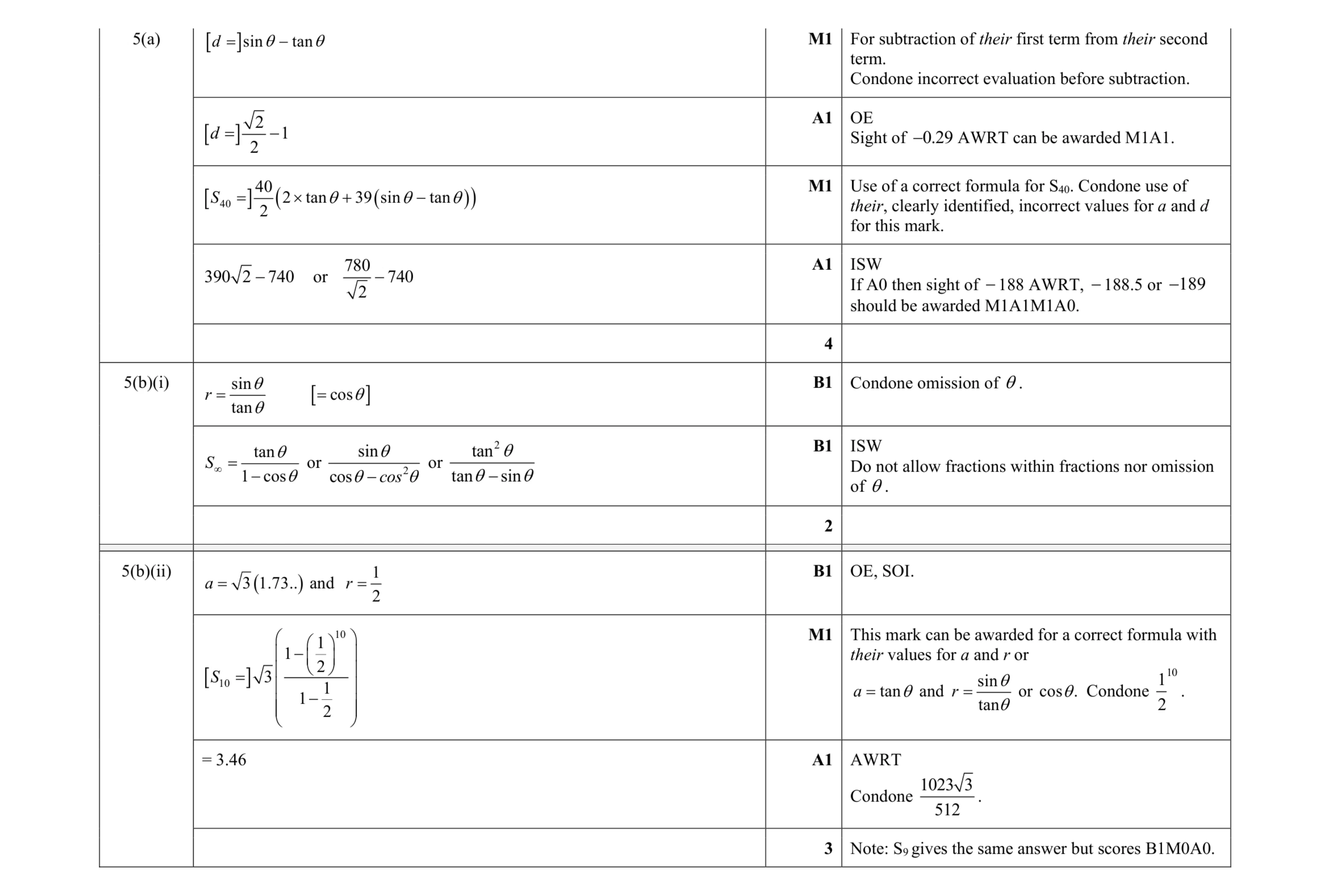 9
9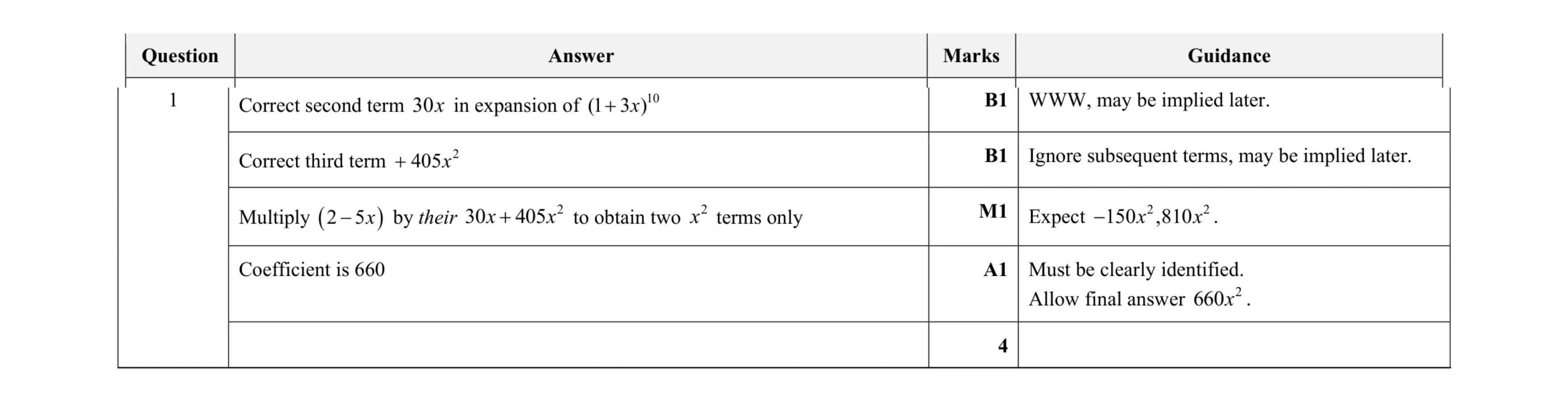 4
4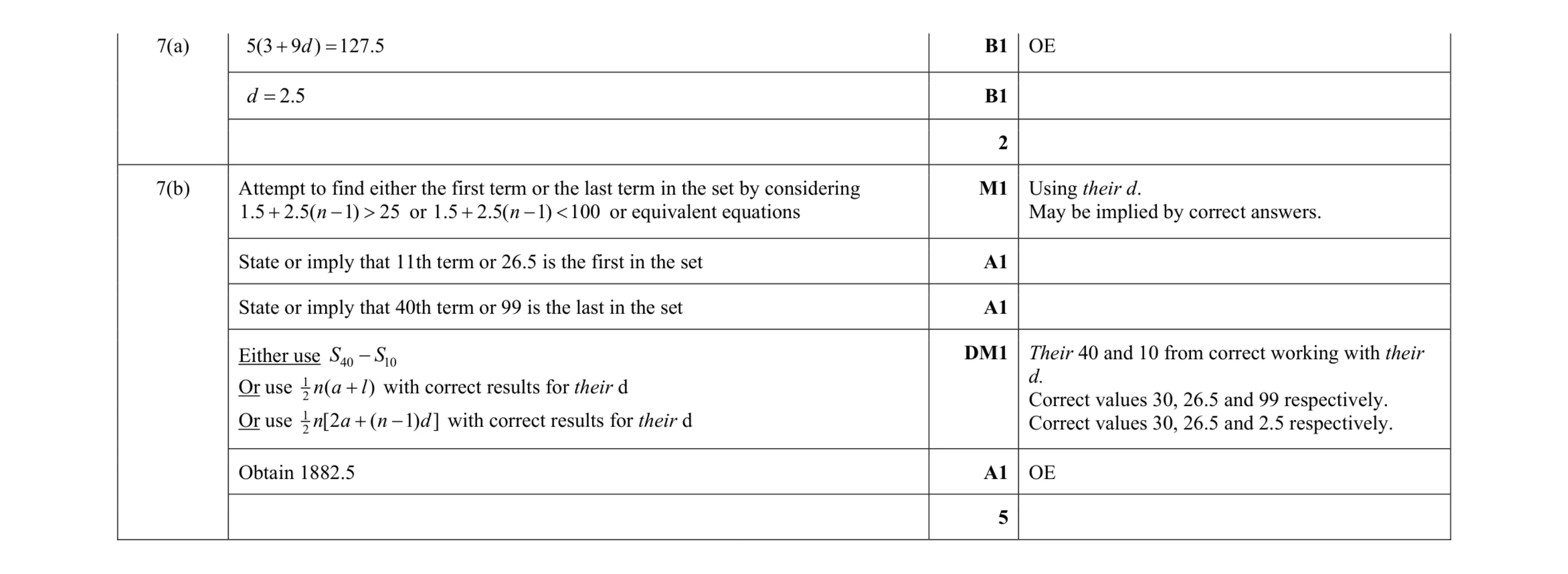 7
7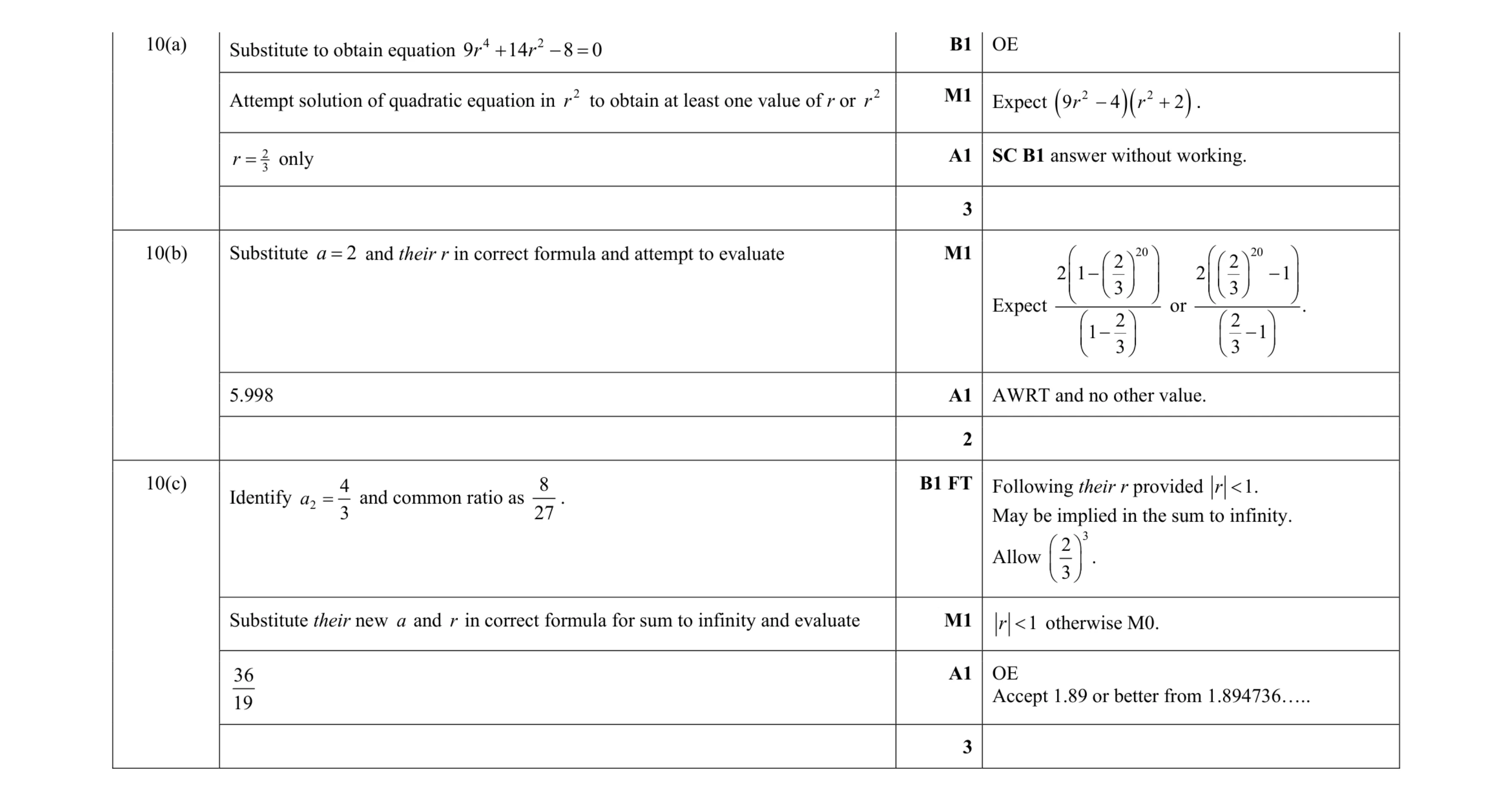 8
8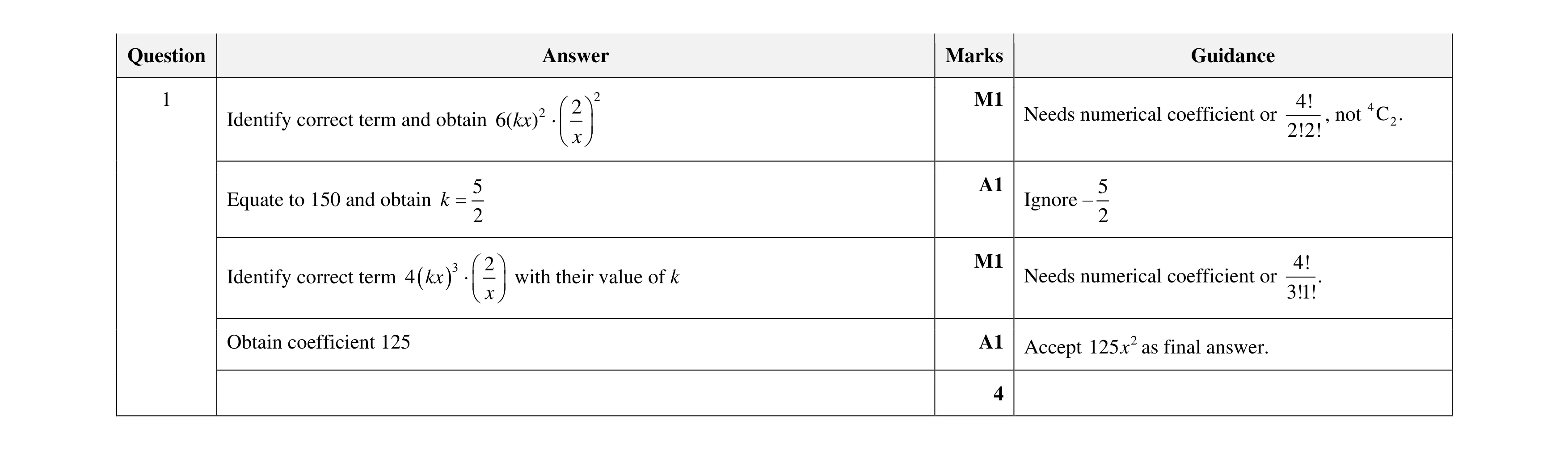 4
4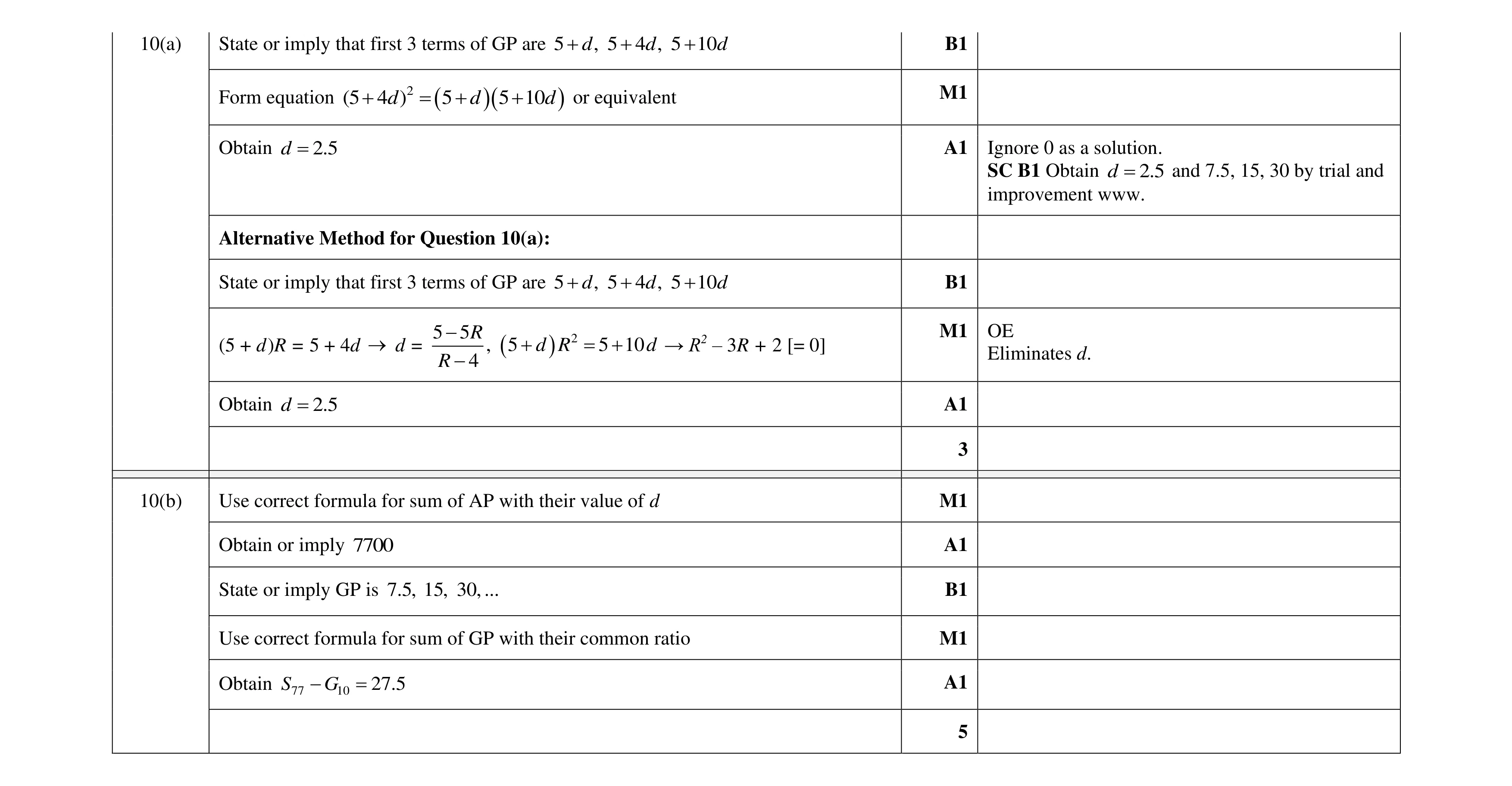 8
8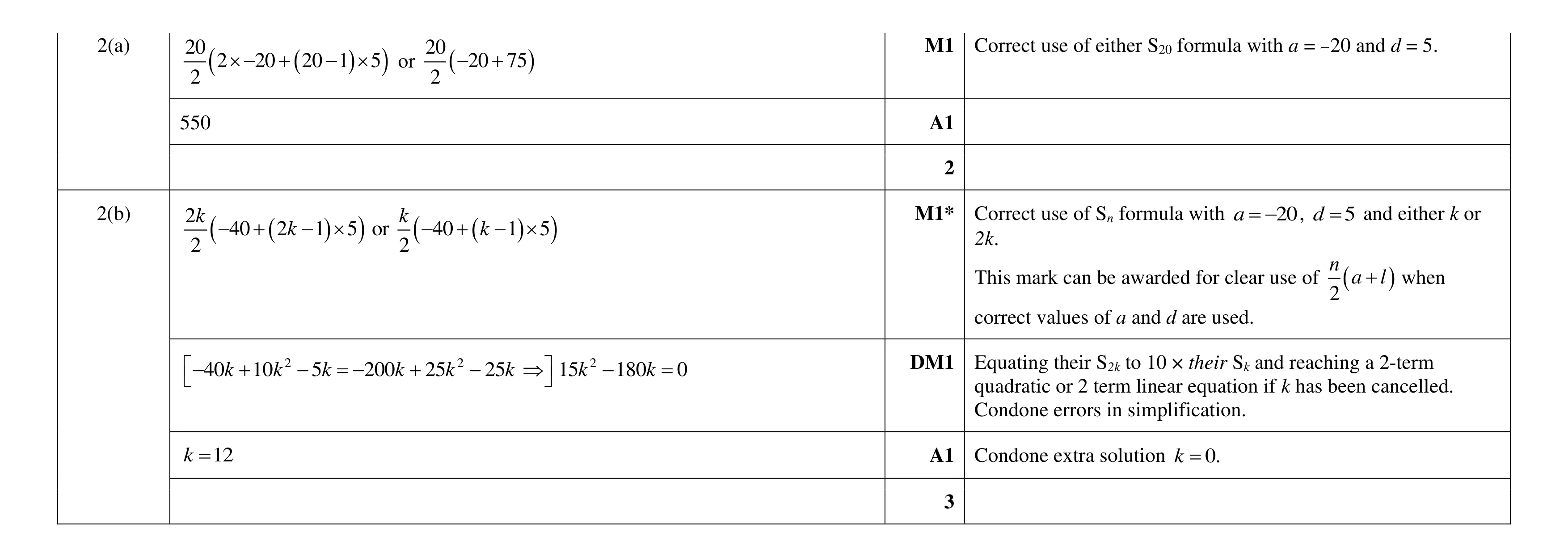 5
5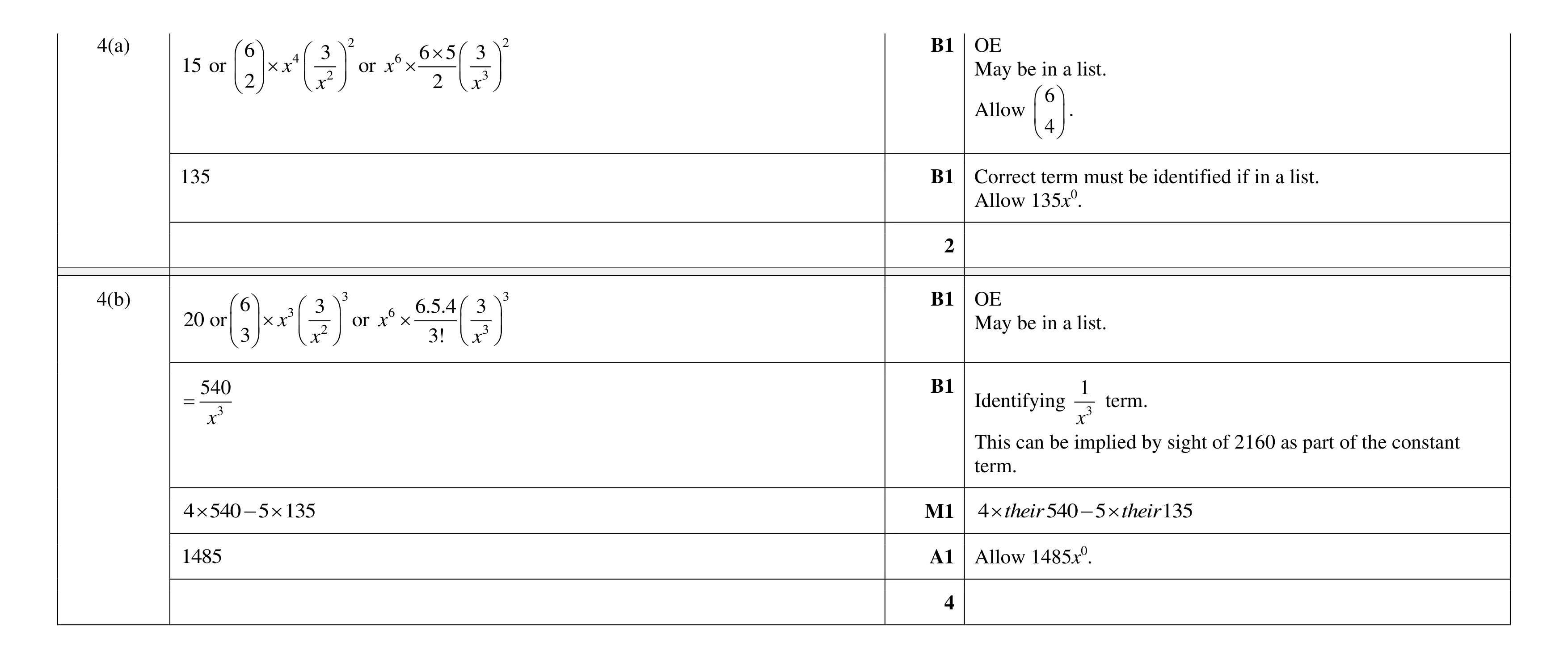 6
6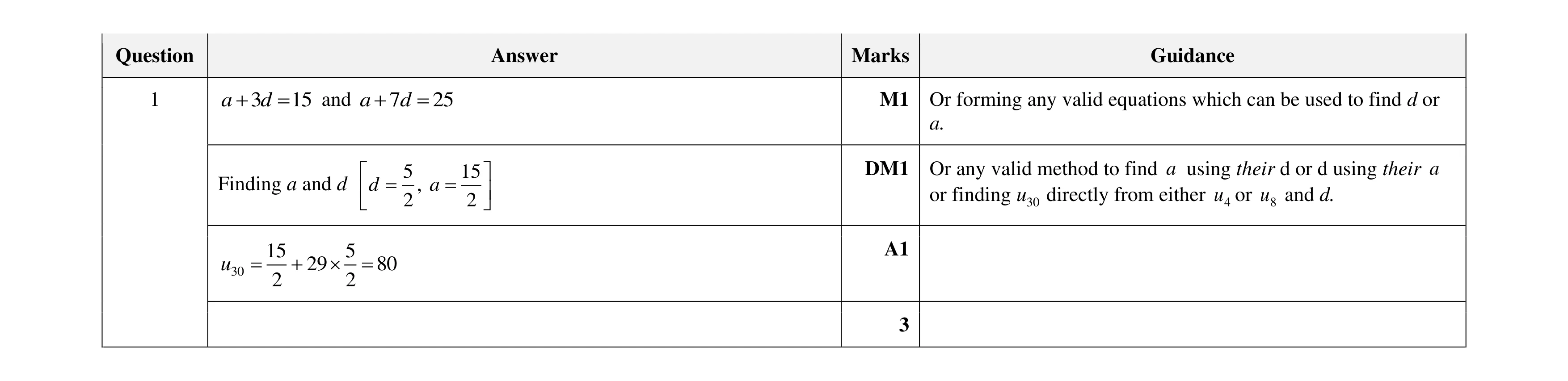 3
3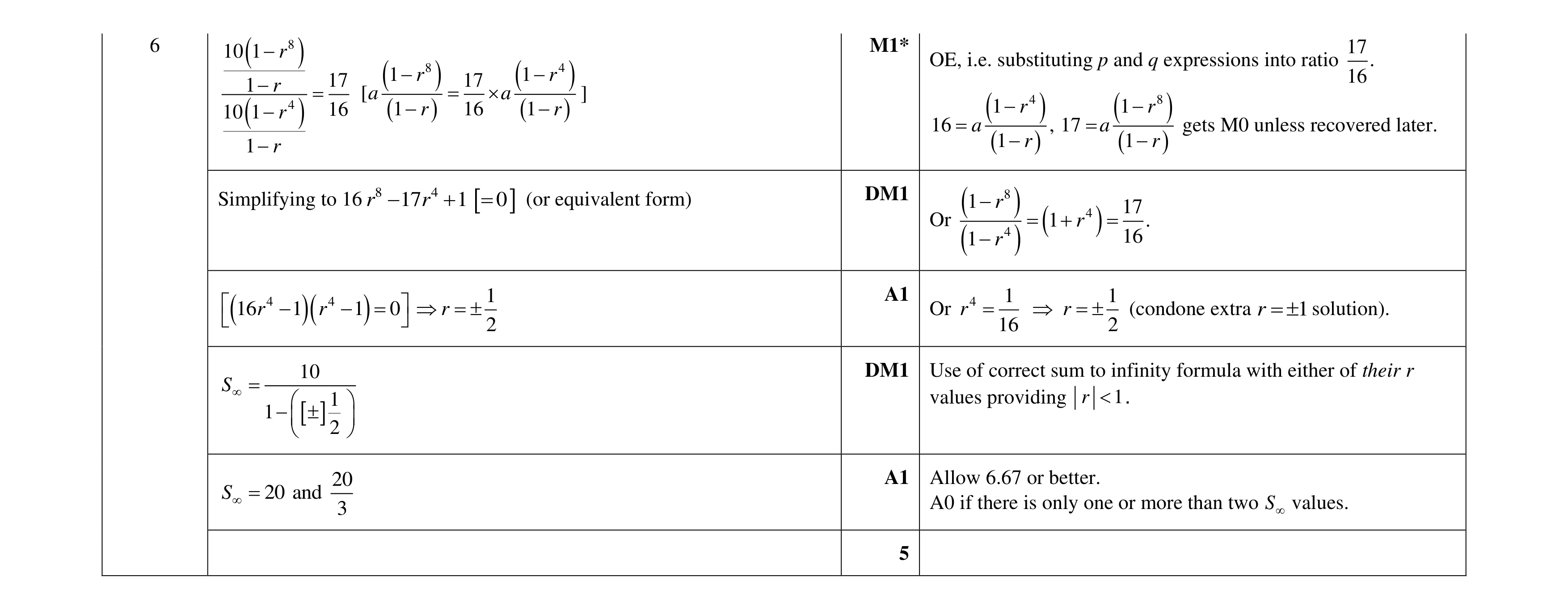 5
5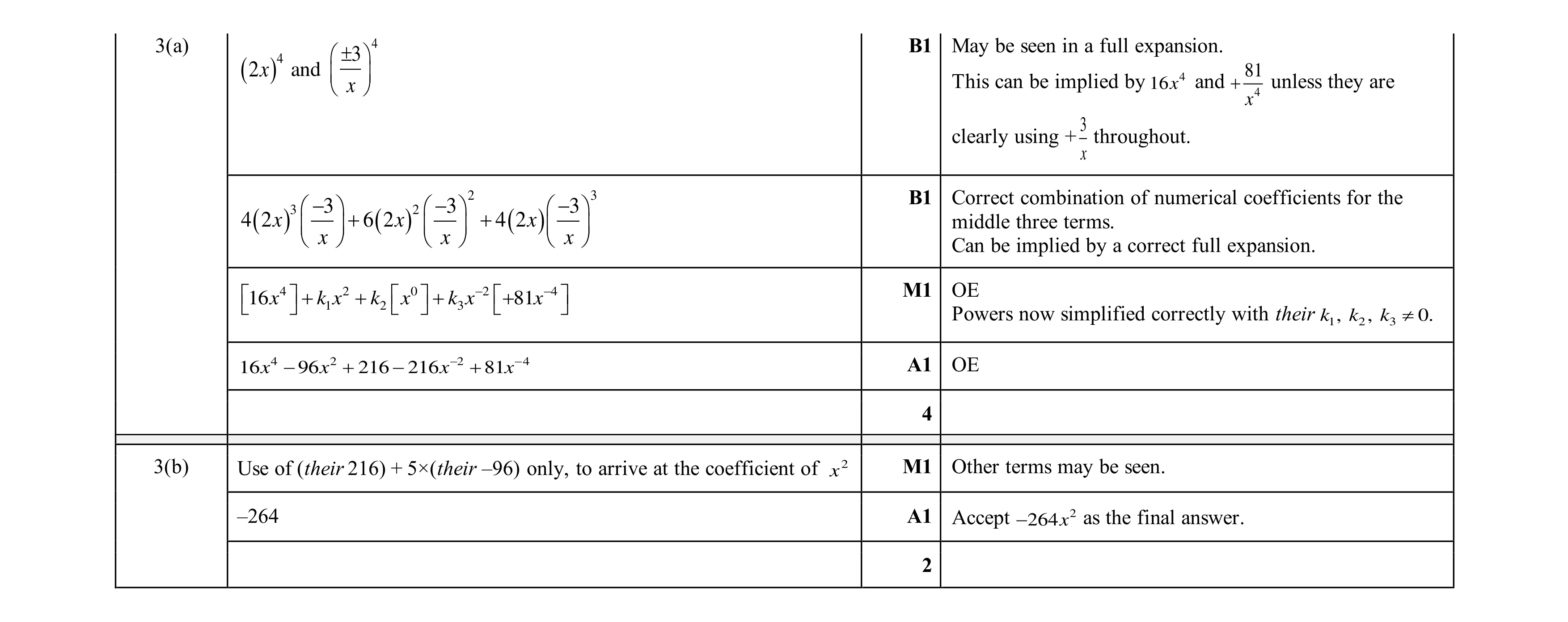 6
6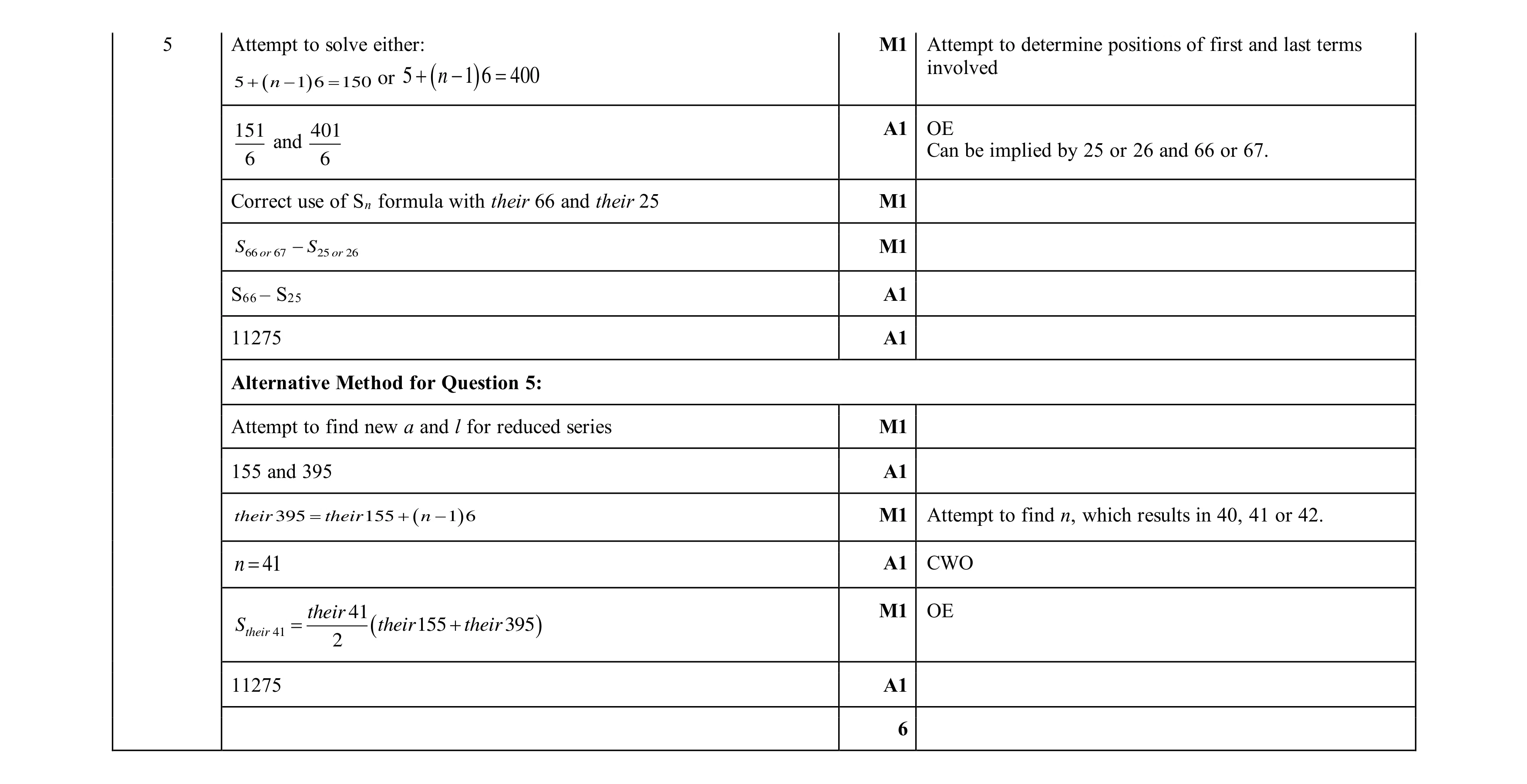 6
6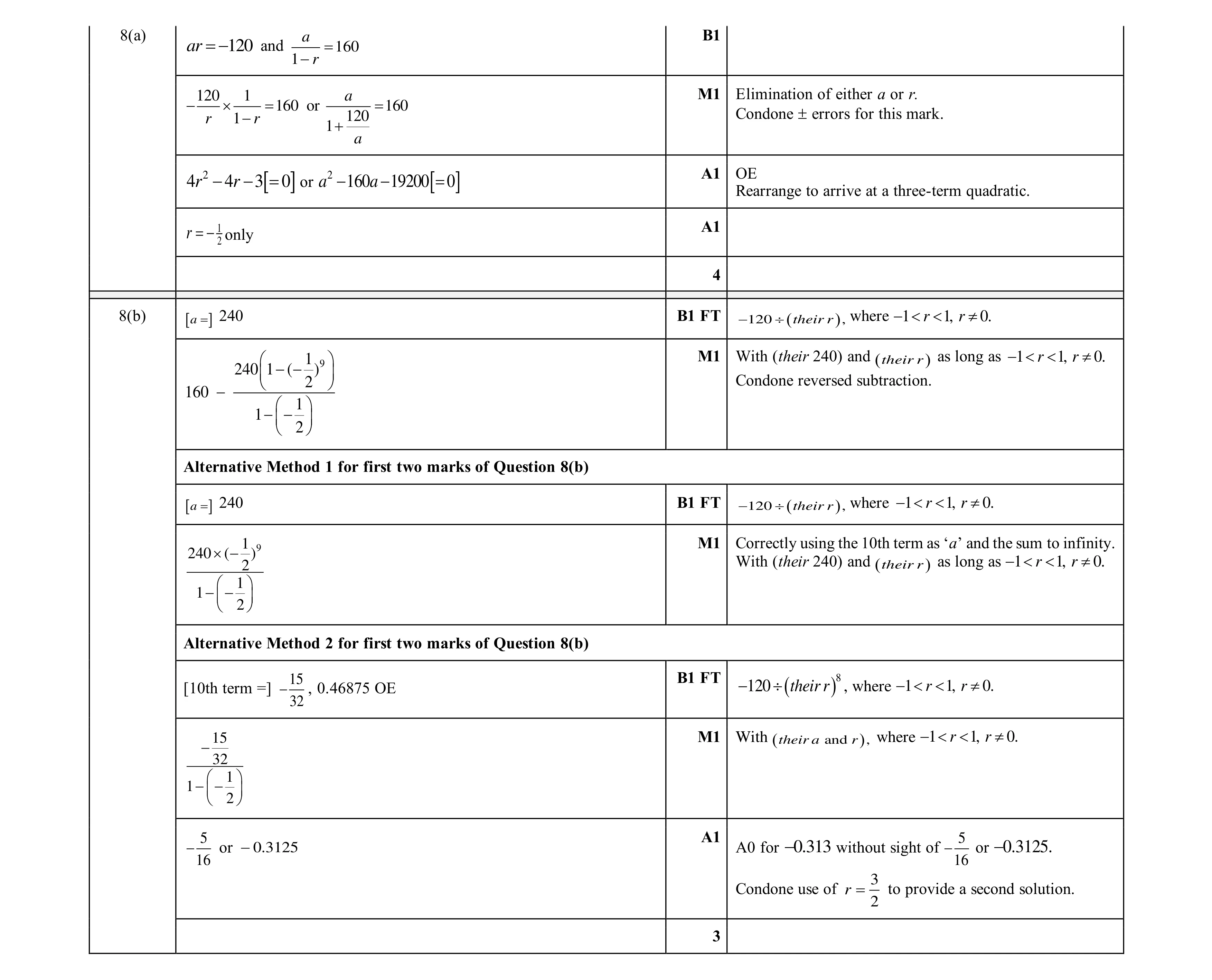 7
7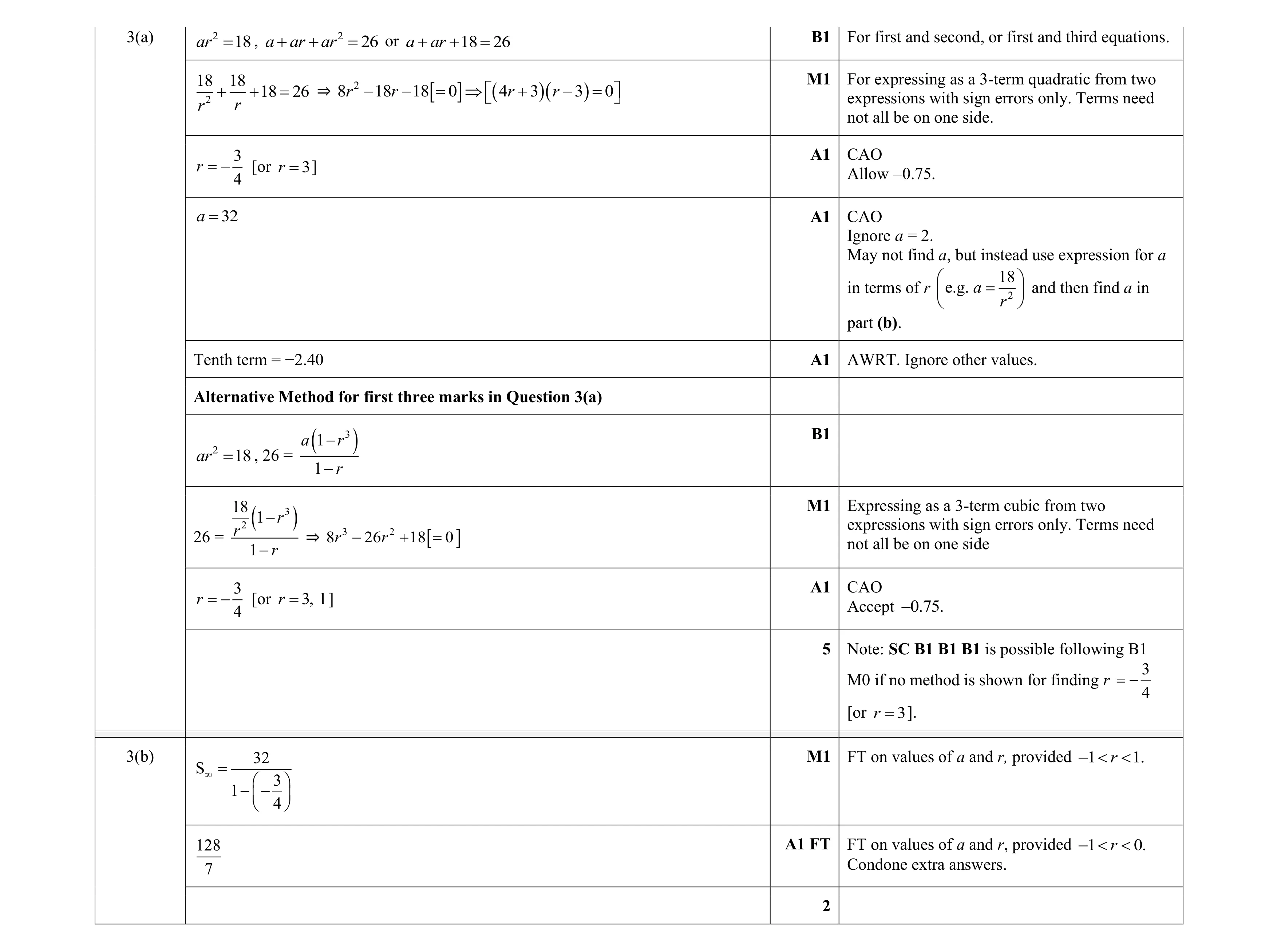 7
7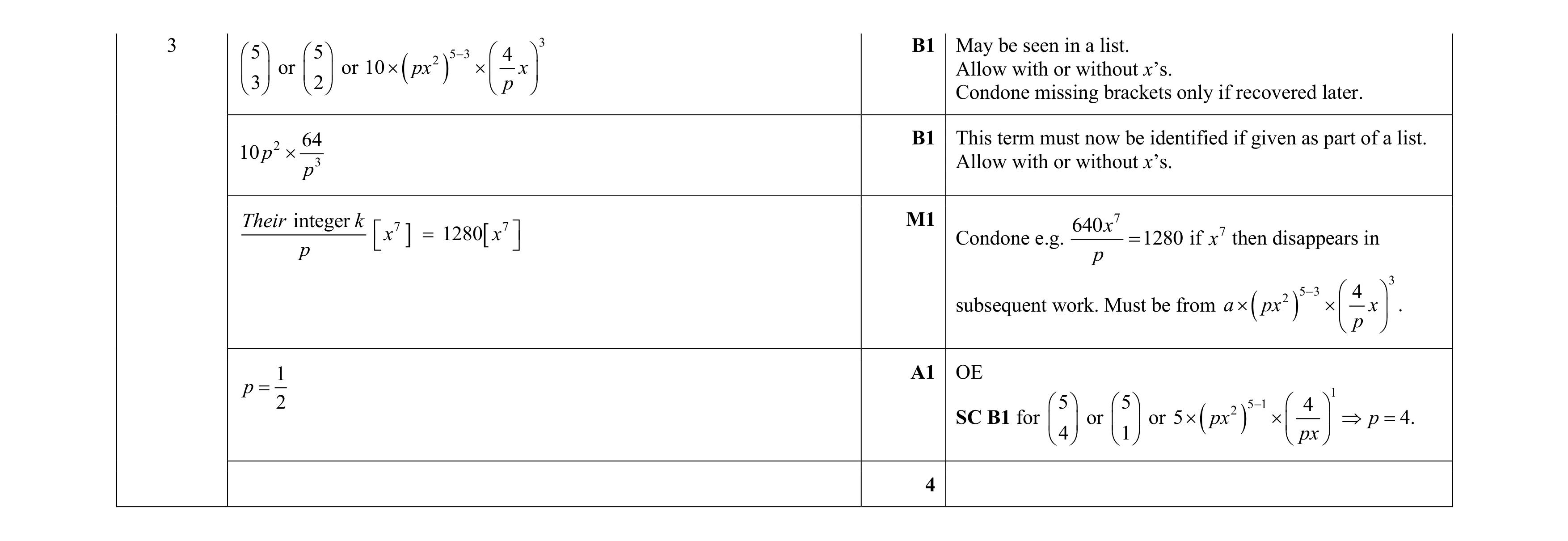 4
4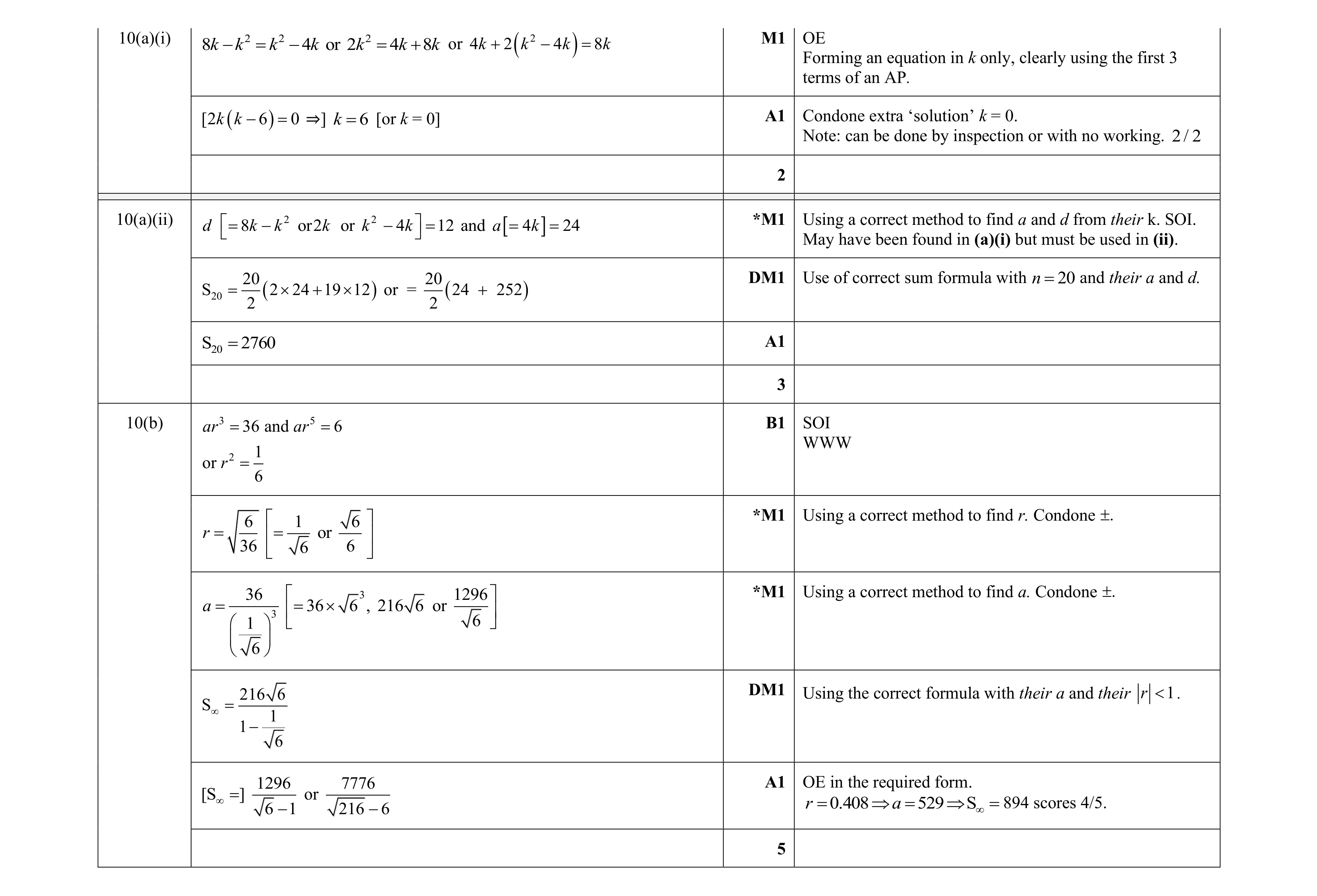 10
10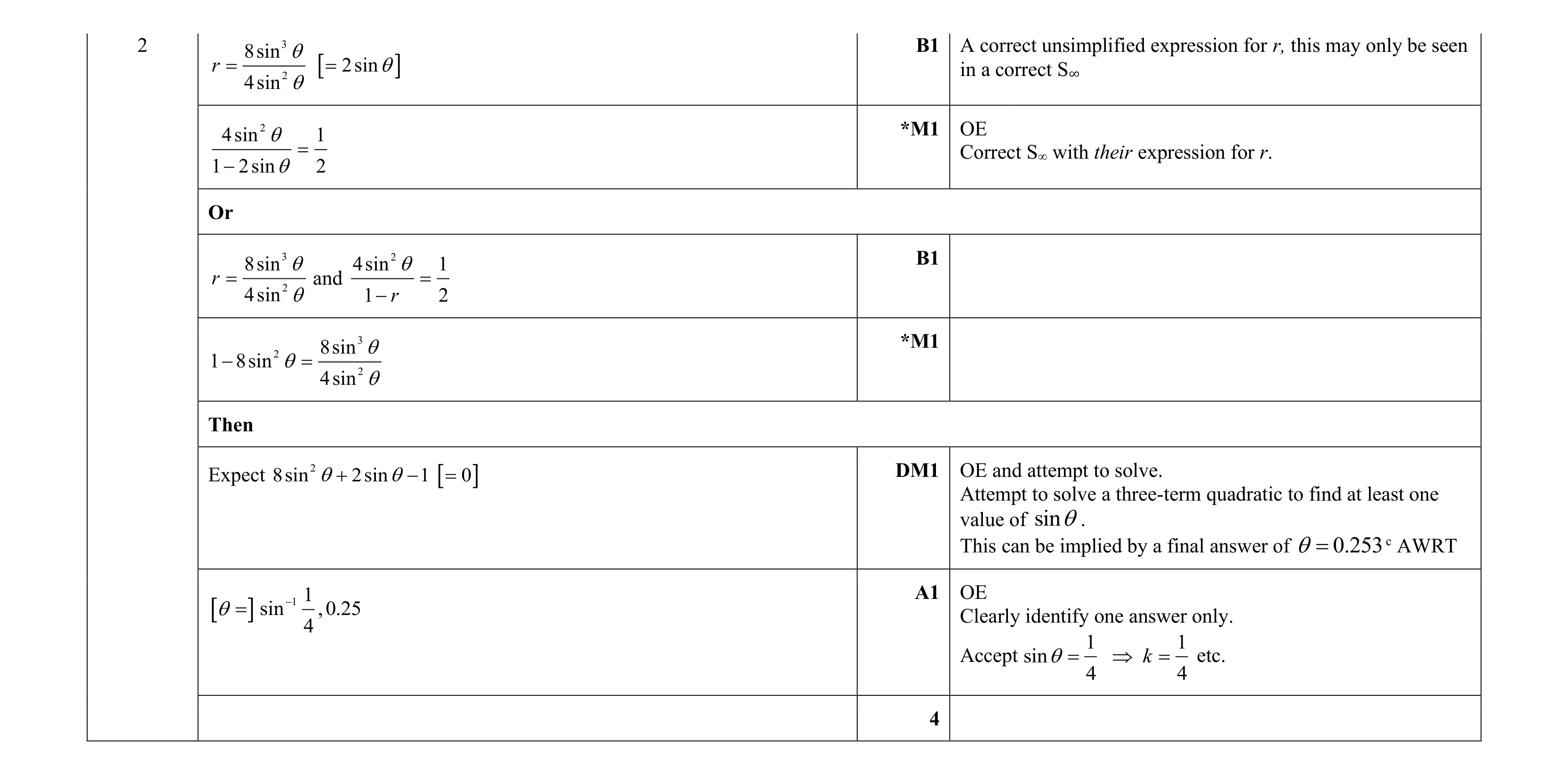 4
4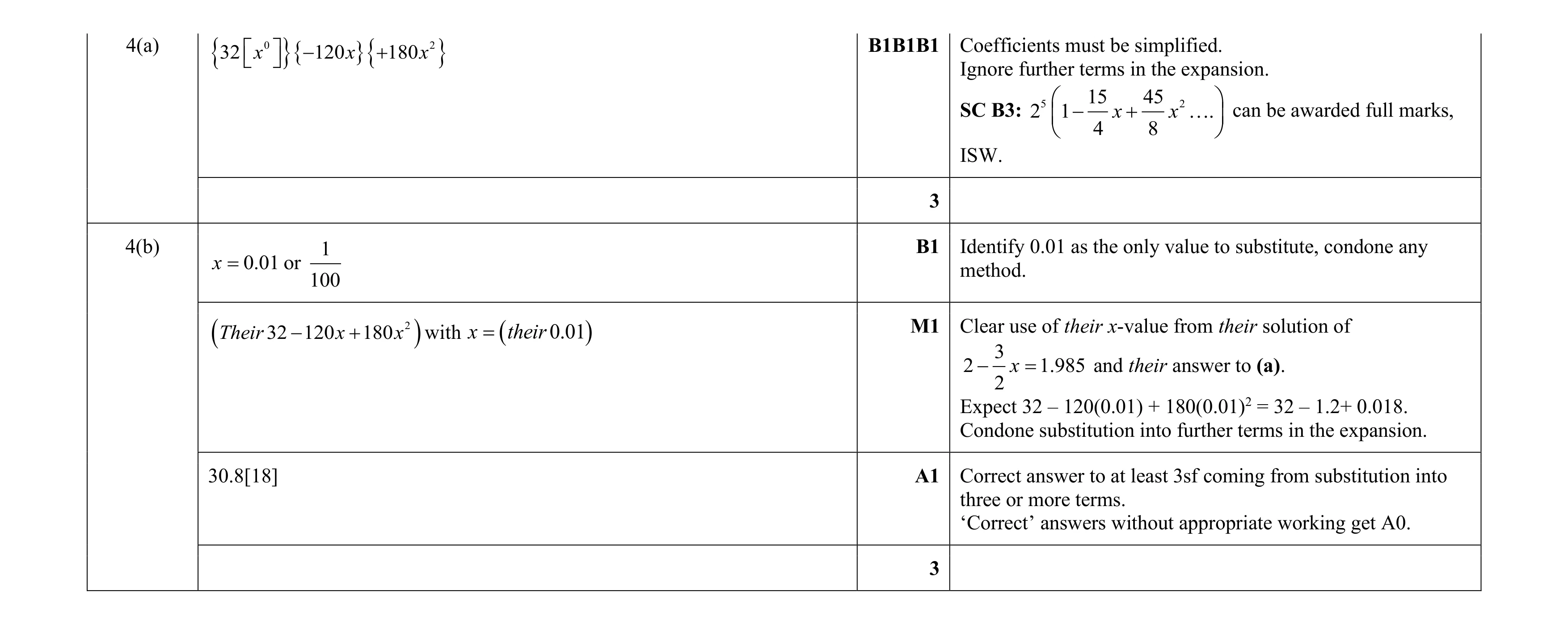 6
6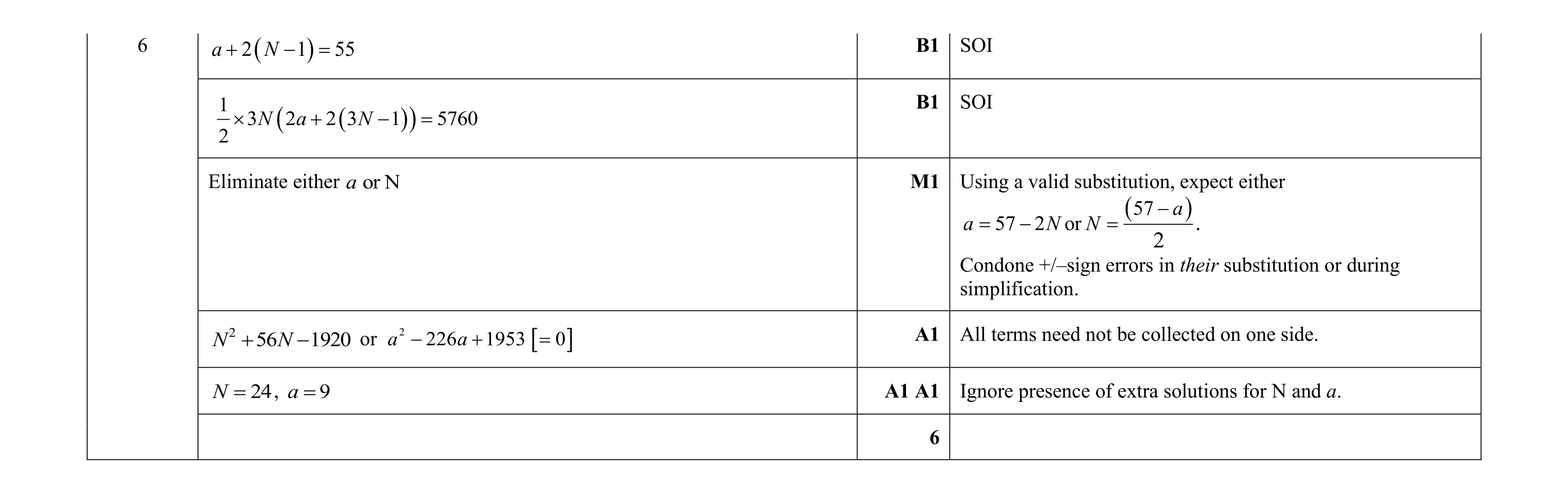 6
6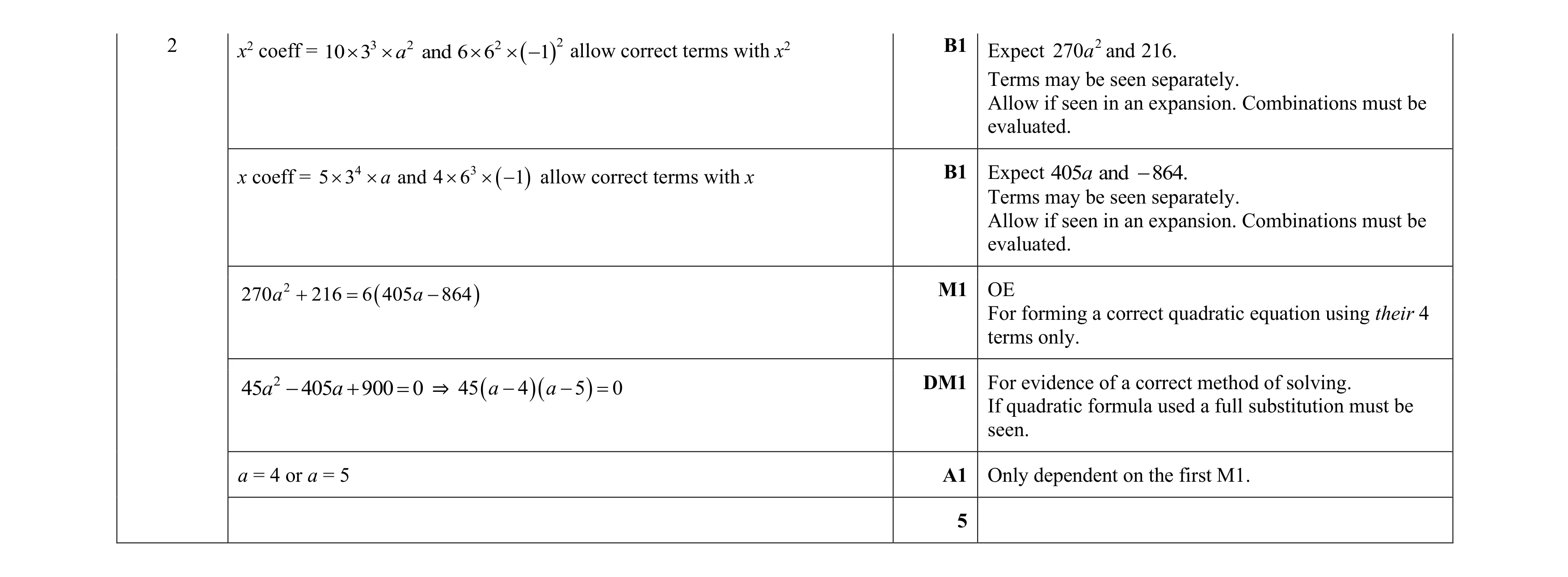 5
5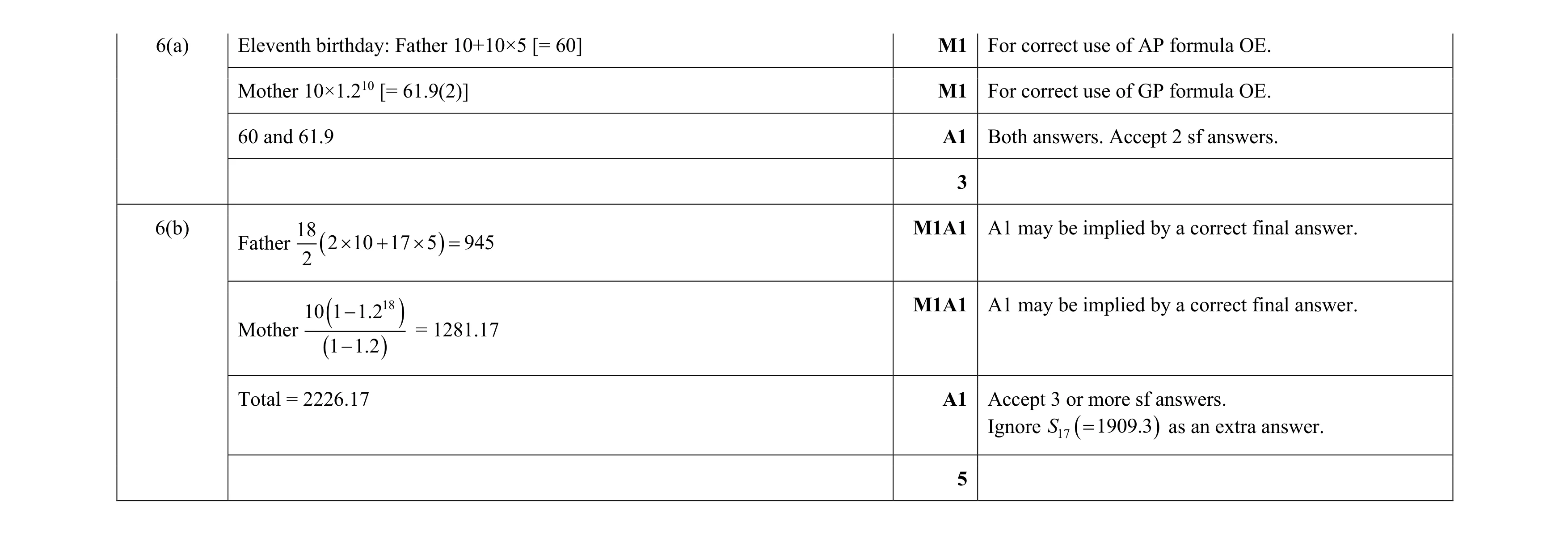 8
8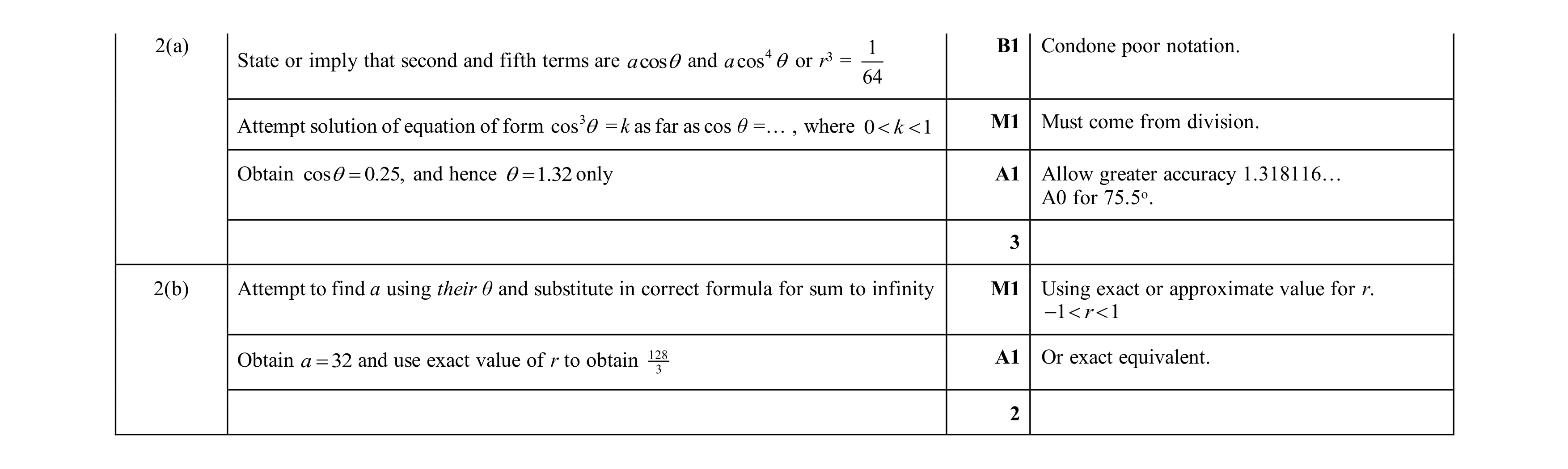 5
5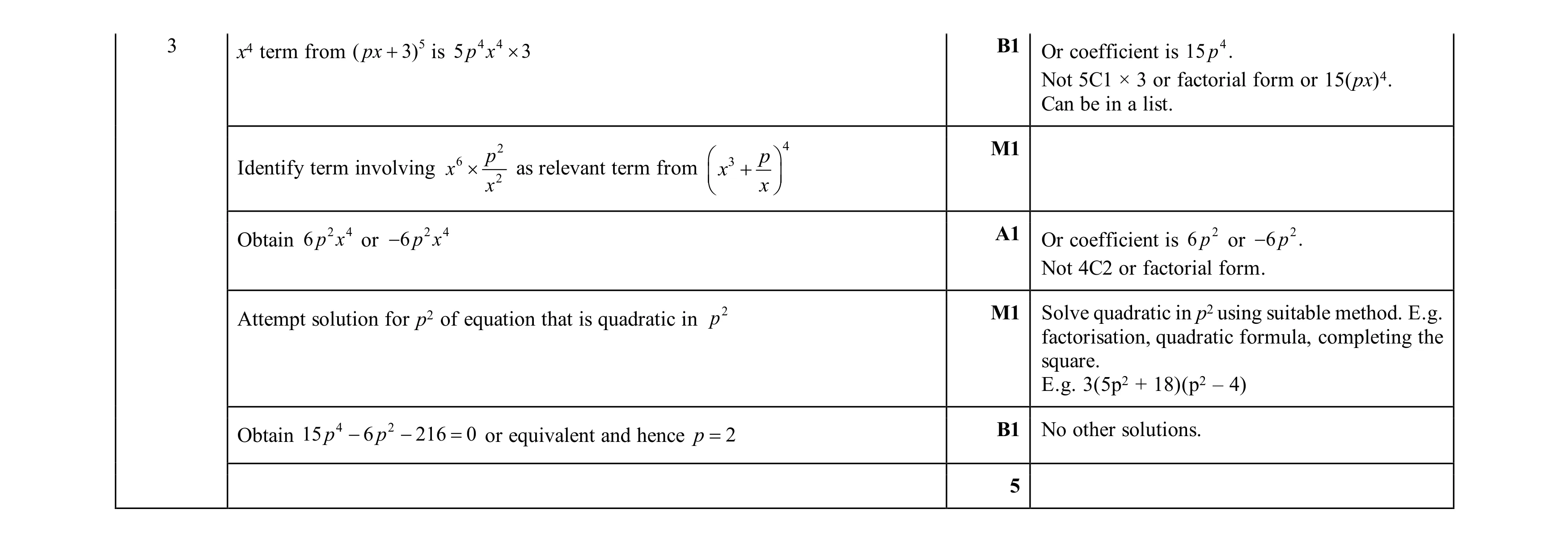 5
5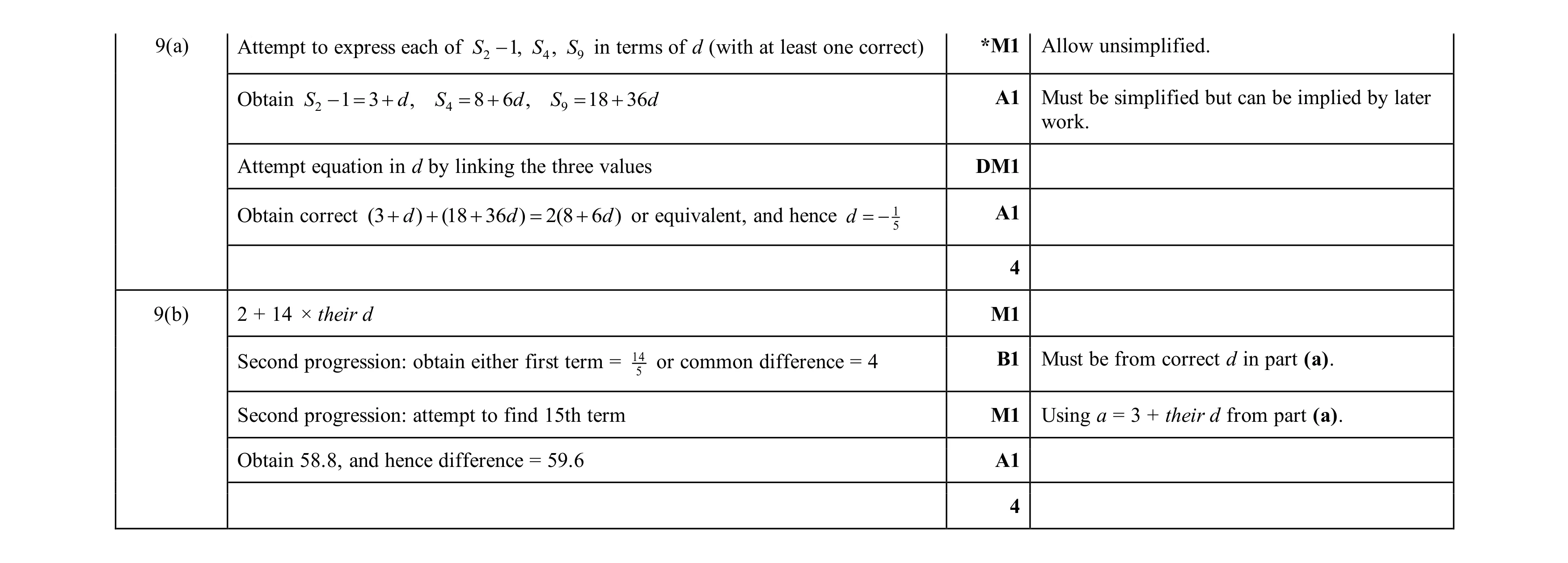 8
8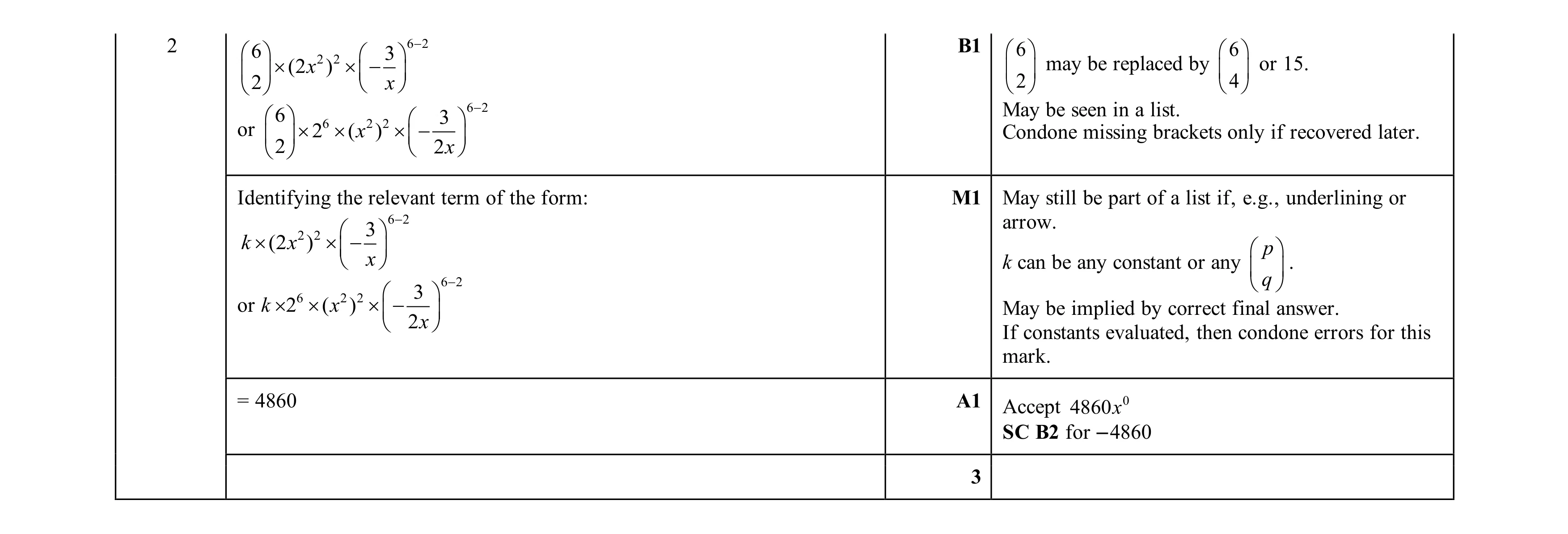 3
3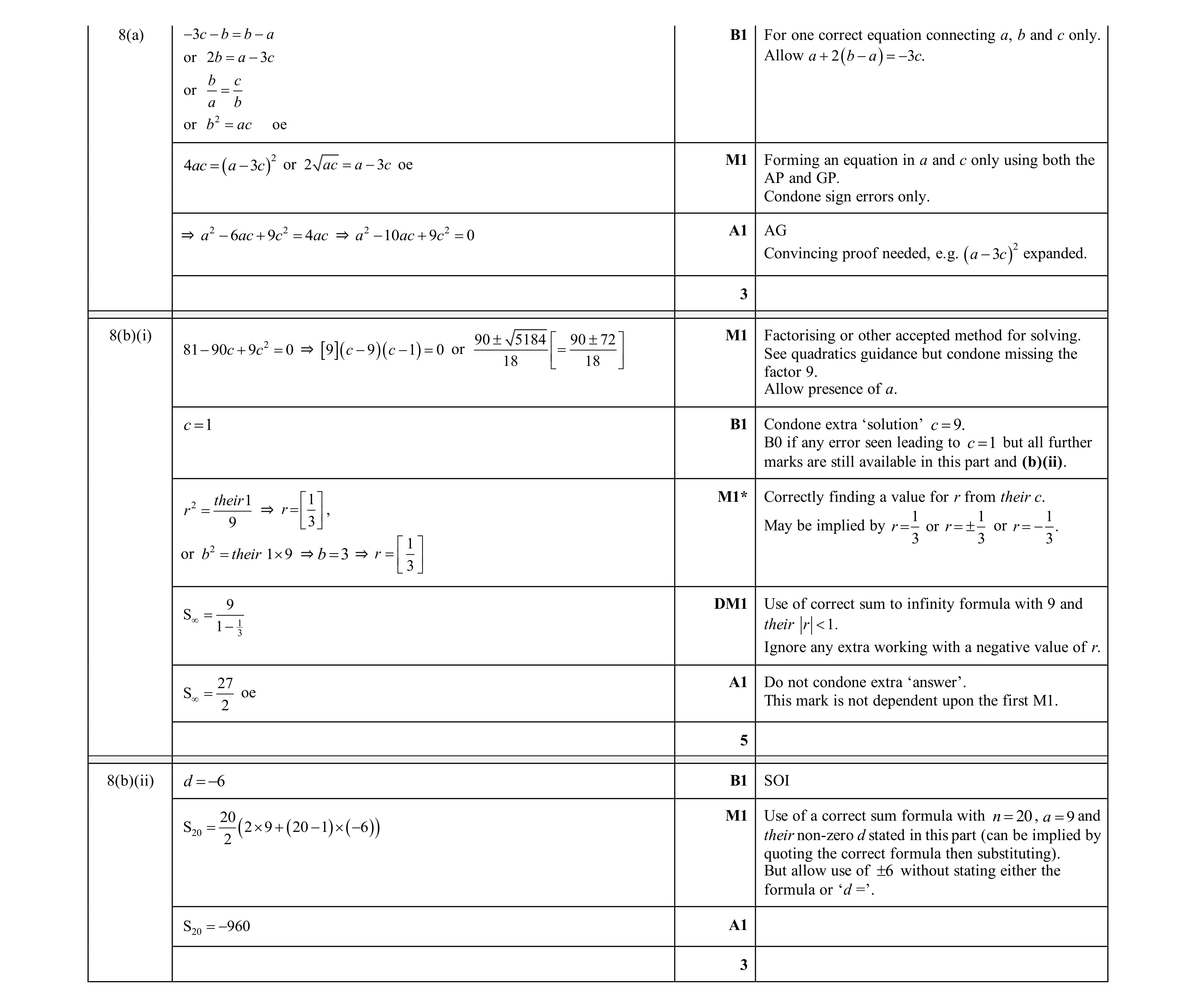 11
11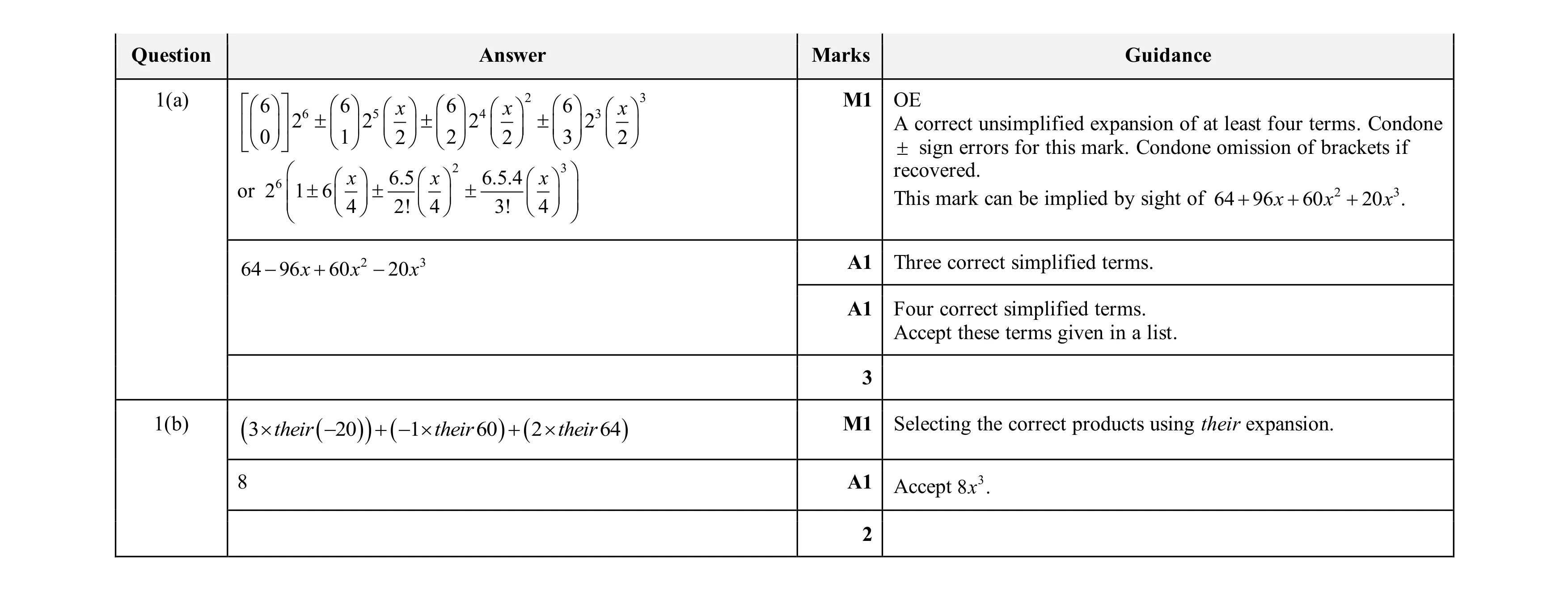 5
5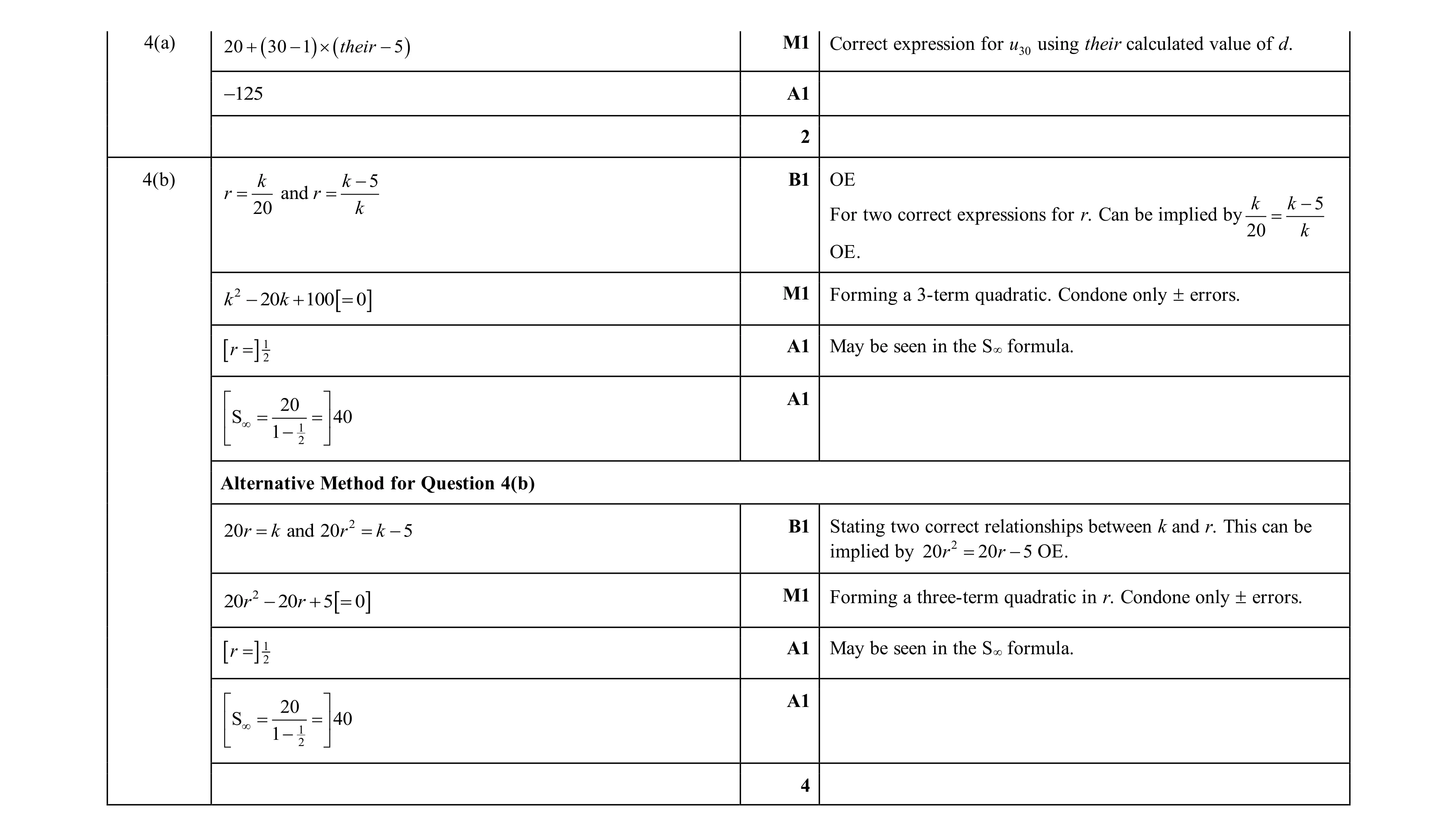 6
6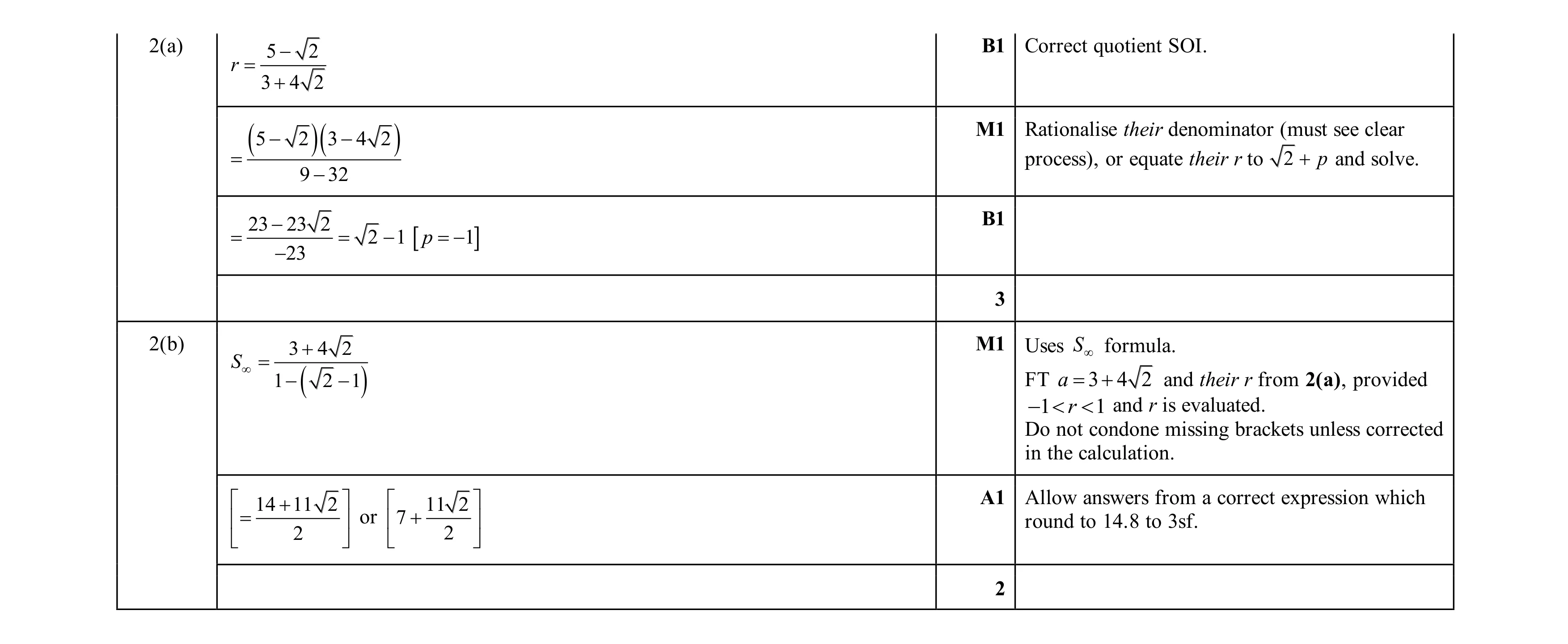 5
5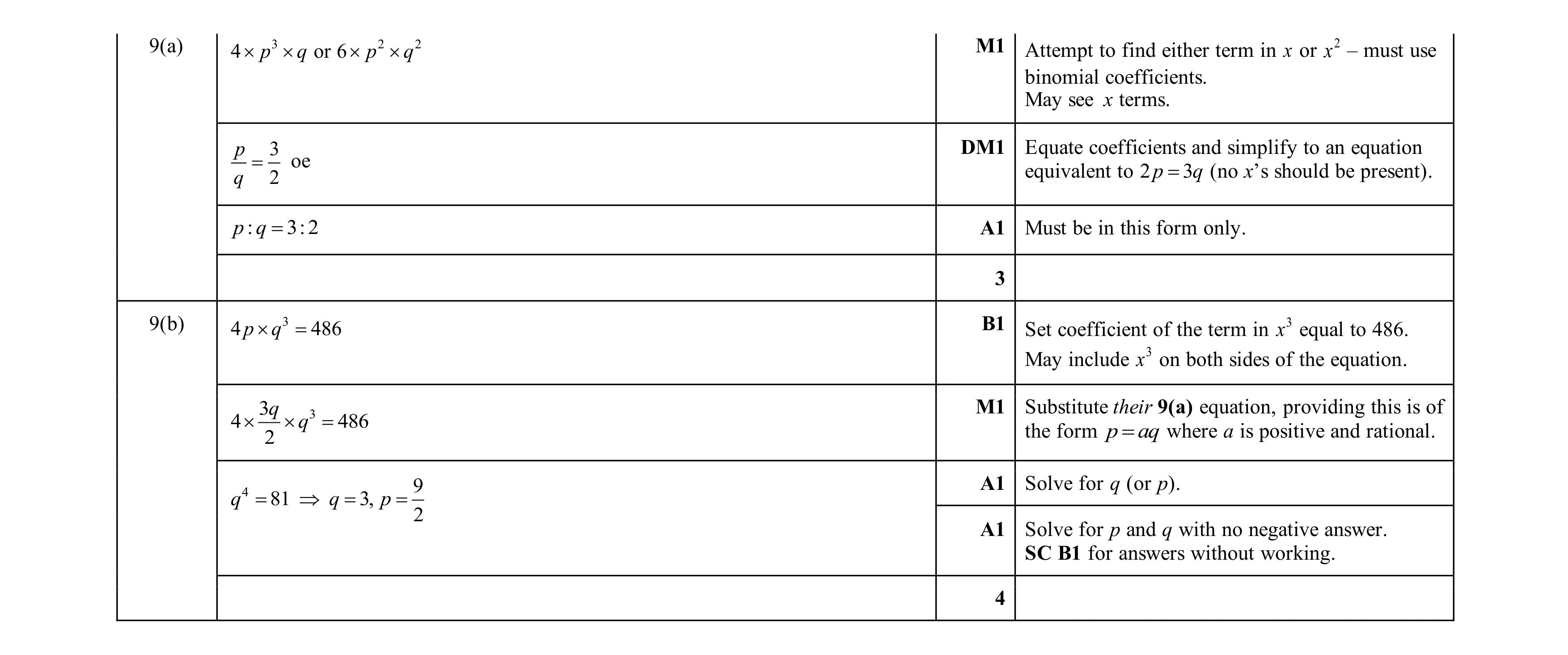 7
7