Questions as text
Q1 · In June 2015 the value of the Swiss franc rose by 30% against the euro 0455/21 May/June 2017
5 In June 2015 the value of the Swiss franc rose by 30% against the euro. The countries that Switzerland exports to are changing. Exports to the USA, UK, India and South Korea are growing in importance, while exports to Germany, Italy and France are declining. A possible effect of an appreciation of the exchange rate is a fall in the inflation rate. (a) Define ‘inflation’. [2] (b) Explain why a country’s exports to one country may increase, while those to another country decrease. [4] (c) Analyse how an appreciation of the exchange rate may reduce the country’s inflation rate. [6] (d) Discuss whether a low inflation rate always benefits an economy. [8]
20 marks
Mark scheme: 5(a) Define ‘inflation’. A rise in the price level/rise in average prices (2). A rise in prices (1). A change in the price of a good (1). 2 5(b) Explain why a country’s exports to one country may increase, while those to another country decrease. Exports to one country may increase because incomes in that country increase (1) increasing demand for products including imports (1) while incomes in the other country may fall (1) decreasing demand for products including imports (1). Exports to one country may increase because the country’s exchange rate may fall against that country (1) making exports cheaper (1) while the exchange rate may increase against another country (1) making exports more expensive (1). Exports to one country may increase because trade restrictions imposed on them may be reduced (1) e.g. tariffs lowered (1) while trade restrictions may be increased by the other country (1) to protect its industries (1). 4 Maximum of 2 marks if an explanation is a static cause e.g. may be high because the exchange rate is low. Explanations must relate to what causes the change. Reward but do not expect an explanation using comparative advantage. 5(c) Analyse how an appreciation of the exchange rate may reduce the country’s inflation rate. An appreciation in the exchange rate means a rise in the value of the currency (1) higher export prices (1) lower import prices (1) less competitive (1) may reduce net exports (1) may increase imports (1) lower total demand (1) reduce demand-pull inflation (1). Lower import prices will reduce the price of some of the products people in the country buy (1) may lower price of raw materials (1) lower costs of production (1) reduce cost-push inflation (1). Lower import prices and higher export prices will put pressure on domestic firms to keep prices low (1). 6 Maximum of 3 marks for a list-like approach. Question Answer Marks Guidance 5(d) Discuss whether a low inflation rate always benefits an economy. Up to 5 marks for why it might: It may mean that domestic products may become more internationally competitive (1) exports may increase (1) current account position may improve (1) output may increase (1) employment may increase (1) resulting in higher economic growth/rise in GDP. A low inflation rate which is also stable (1) may create greater confidence (1) may promote investment/attract MNCs to set up in the country (1) may encourage production (1). It will mean menu and shoe leather costs will be low (1) keeping firms’ costs low (1). It may benefit savers (1) if the interest rate is above the inflation rate (1). It will mean that inflationary noise will not be significant (1) so firms and households can make efficient choices (1). Fiscal drag is unlikely to be a problem (1) people may not be dragged into higher tax brackets (1). Up to 5 marks for why it might not: It may be too low which may discourage production (1). There may be a risk of deflation (1) which may discourage consumption (1). Less tax revenue for the government (1) to spend on objectives such as better education and healthcare (1) It may still be higher than rival countries (1) leading to a current account deficit (1). It may harm certain groups including borrowers (1) who had expected debt to fall at a more rapid rate (1). To achieve low inflation a government may have used deflationary policy measures (1) which could reduce output (1) increase unemployment (1). 8 A response may develop a mixture of relevant points to achieve up to 5 marks on either side. Maximum of 2 marks on each side of the discussion for a list-like approach.
This question in 0455/21 May/June 2017
Q2 · In 2015 some German commercial banks reduced their already very low interest rates on… 0455/22 May/June 2017
3 In 2015 some German commercial banks reduced their already very low interest rates on deposit accounts. The German Government was hoping that such a change would encourage more Germans to buy shares in German firms. The ability of German firms to buy capital goods would be increased if they could sell more shares or borrow more from commercial banks. (a) Identify two ways a commercial bank differs from a central bank. [2] (b) Explain the connection between opportunity cost and the purchase of shares. [4] (c) Analyse how a fall in the rate of interest may affect a country’s exchange rate. [6] (d) Discuss whether an increase in spending on capital goods will help to achieve the aims of government policies. [8]
20 marks
Mark scheme: 3(a) Identify two ways a commercial bank differs from a central bank. Features of a central bank include: • owned by the government • objective is to create price stability • only one in a country • issues note and coins • operates monetary policy/sets the rate of interest (base rate) • intervenes in foreign exchange markets to influence the exchange rate • lender of last resort to governments • owned by the government • supervises and regulates the financial system Features of a commercial bank include: • owned by shareholders/privately owned • objective is to make a profit • there are usually many commercial banks in a country • exchanges foreign currency • accepts deposits from households and firms • lends to households and firms • provides insurance services to households and firms 2 Up to 2 marks for two features of a central bank, or of a commercial bank, or a combination of both. 3(b) Explain the connection between opportunity cost and the purchase of shares. The (next) best alternative (1) forgone/sacrificed (1). Instead of buying shares people may buy something else (1) example of what the money may be used for instead e.g. putting money in a bank/buying other goods and services (1). 4 Question Answer Marks Guidance 3(c) Analyse how a fall in the rate of interest may affect a country’s exchange rate. A fall in the rate of interest may increase demand/spending (1) increasing the demand for imports (1) the higher demand may result in products being diverted from the export market to the domestic market (1) increased spending on imports will increase the supply of the domestic currency (1) lower revenue from exports will reduce the demand for the domestic currency (1) price of currency will fall (1). A fall in the rate of interest may discourage foreigners from putting money into the country’s banks (1) this will reduce demand for currency (1) some domestic residents may decide to move funds abroad (1) this will increase the supply of the currency (1) the price of the currency will fall (1). A fall in the rate of interest may encourage firms to invest/attract foreign firms to invest in the country (1) spend more on capital goods (1) increase efficiency (1) increase exports (1) increase demand for the currency (1) raise exchange rate (1). 6 The focus is on how the exchange rate is affected, not the effects of a change in the exchange rate. Question Answer Marks Guidance 3(d) Discuss whether an increase in spending on capital goods will help to achieve the aims of government policies. Up to 5 marks for why it might: Higher spending on capital goods/investment: • may increase total demand (1) raise productivity (1) and increase total supply/productive potential/output (1) resulting in economic growth (1) • may reduce costs of production (1) introduce new technology (1) may improve the quality of products (1) may make products more internationally competitive (1) increasing exports (1) improving the current account position (1) • may mean firms will need more workers e.g. to operate machinery (1) reducing unemployment (1) • may raise productivity (1) reducing unit costs of production (1) which may lead to a reduction in the average price level (1) leading to lower inflation (1) • may increase tax revenue (1) which could enable the government to re-distribute income from the rich to the poor (1) Up to 5 marks for why it might not: • Capital goods may not be used (1) leaving output unchanged (1) • Capital goods may replace workers (1) causing unemployment (1) • Other countries may spend more on capital goods (1) making the country less internationally competitive (1) increasing a current account deficit (1) • In the short run, higher spending on capital goods may increase total demand (1) causing inflation (1) • In the short run, producing more capital goods may be achieved with an opportunity cost (1) of fewer consumer goods (1) 8 A response may develop a mixture of relevant points to achieve up to 5 marks on either side. Maximum of 2 marks on each side of the discussion for a list- like approach.
This question in 0455/22 May/June 2017
Q3 · 2015 saw more than US$4000 billion-worth of mergers worldwide, many in the USA and the UK 0455/23 May/June 2017
4 2015 saw more than US$4000 billion-worth of mergers worldwide, many in the USA and the UK. Some mergers occur between firms in different countries. These are influenced by a number of factors, including the size and structure of the markets in the countries and their exchange rates. Mergers influence the level of competition in markets. (a) Define ‘conglomerate integration’. [2] (b) Explain why firms in a perfectly competitive market are price-takers. [4] (c) Analyse the causes of an increase in a country’s exchange rate. [6] (d) Discuss whether a large firm will always have lower average costs of production than a small firm. [8]
20 marks
Mark scheme: 4(a) Define ‘conglomerate integration’ A merger (1) between firms producing different products (1). 2 4(b) Explain why firms in a perfectly competitive market are price-takers. • No one firm can change market price/one firm’s output is insufficient to influence price (1) price takers have to accept the market price (1) • If one firm raises its price it will lose all of its customers (1) as demand for its products will be perfectly elastic (1) all the products of the firms in the industry are homogeneous/perfect substitutes for each other (1) price will not be lowered (1) as the firms will be able to sell any quantity they want at the market price (1) • Perfect information (1) so no consumer will be willing to pay one firm’s higher price (1) 4 4(c) Analyse the causes of an increase in a country’s exchange rate. • Change in market conditions for a floating exchange rate (1) • Increase in demand for the currency (1) cheaper exports/higher quality exports (1) may lead to greater demand for exports (1) higher interest rates may increase demand for financial investment (1) there may be speculation that the currency may rise further (1) • Decrease in supply of the currency (1) more expensive imports/poorer quality imports/trade barriers (1) may lead to lower demand for imports (1) lower interest rates may cause inward financial investment (hot money) to fall (1) • Government decision to raise the value of the currency (1) for a fixed exchange rate (1) 6 Maximum of 3 marks for a list-like approach. Question Answer Marks Guidance 4(d) Discuss whether a large firm will always have lower average costs of production than a small one. Up to 5 marks for why they might: • May be able to take advantage of economies of scale (1) purchasing/buying economies – receiving discounts from buying in bulk (1) • technical – using large scale capital equipment (1) • managerial – employing specialists (1) • selling – e.g. lower transport costs (1) • financial – borrowing at lower interest rates (1) • research and development – running a department to develop new products (1) • Large firms spread fixed costs over high output, reducing AFC (1) • Large firms may have access to cheap labour abroad (1) Up to 5 marks for why they might not: • May experience diseconomies of scale (1) raising average cost (1) • problems managing the firms (1) poor communication (1) • poor industrial relations (1) • involve an opportunity cost (1) • may have to switch resources from producing consumer goods (1) • lower living standards in the short run (1) • Large firms are less likely to receive government support (1) in the form of a subsidy (1) • Large firms may pay higher rates of tax (1) adding to average costs (1) corporation tax is progressive (1) 8 A response may develop a mixture of relevant points to achieve up to 5 marks on either side. Maximum of 2 marks on each side of the discussion for a list- like approach. Accept advantages of small firms over large firms, e.g. government support.
This question in 0455/23 May/June 2017
Q4 · The Central Bank of Nigeria has set a limit for inflation of 9%, but in August 2015 the… 0455/23 May/June 2017
5 The Central Bank of Nigeria has set a limit for inflation of 9%, but in August 2015 the country’s inflation rate reached 9.2%. The Governor of the Central Bank said he would welcome the use of fiscal policy to reduce the inflation rate and would resist calls to devalue the country’s exchange rate. (a) Define ‘Central Bank’. [2] (b) Explain the difference between a fixed exchange rate and a floating exchange rate. [4] (c) Analyse how fiscal policy could reduce the inflation rate. [6] (d) Discuss whether inflation causes more problems than deflation. [8]
20 marks
Mark scheme: 5(a) Define ‘Central Bank’. A government owned bank (1) acts as bank to government (1) acts as bank to commercial banks (1) operates monetary policy (1) lender of last resort (1) sets inflation target(s)/sets rate of interest (1). 2 5(b) Explain the difference between a fixed exchange rate and a floating exchange rate. • The value of a fixed exchange rate is set by the government (1) using purchases and sales of foreign currency/changes in interest rates (1) • The value of a floating exchange rate is determined by market forces (1) changes in demand and supply (1) e.g. a rise in demand causes currency to appreciate (1) 4 5(c) Analyse how fiscal policy could reduce the inflation rate. • Contractionary/deflationary fiscal policy could be used (1). • A reduction in government spending (1) may reduce total demand (1) reducing demand-pull inflation (1) • An increase in income tax (1) would reduce disposable income (1) this may lower consumer spending (1) reducing total demand (1) lowering demand-pull inflation (1) • Increased in spending on education/healthcare (1) may raise productivity (1) lower costs (1) and reduce cost-push inflation (1) 6 Increase in tax without type is acceptable. Maximum of 3 marks for a list-like approach. Question Answer Marks Guidance 5(d) Discuss whether inflation causes more problems than deflation. Up to 5 marks for disadvantages of inflation or advantages of deflation: • Inflation is a general rise in the price level, whereas deflation is a persistent fall (1) • Inflation reduces the value of money/spending power (1) increasing the cost of living (1) it may be of a high rate/hyperinflation (1) reducing the value of money significantly (1) • It may be fluctuating (1) creating uncertainty (1) • Savers are adversely affected (1) by the fall in the real value of their savings (1) • Living standards will fall (1) if price inflation exceeds wage inflation (1) • It may reduce international competitiveness (1) worsening the current account position (1) • Other costs e.g. menu costs, shoe leather costs (up to 2) • Deflation may be beneficial if it is caused by advances in technology (1) lower costs of production (1) can increase output (1) raise employment (1) improve the current account (1) Up to 5 marks for disadvantages of deflation or advantages of inflation: • Borrowers gain from inflation (1) which reduces the burden of debts (1) if inflation rate is higher than the interest rate (1) • Deflation may be caused by a decrease in total demand (1) consumers delay purchases (1) firms may reduce/delay output/(1) profits may fall (1) unemployment may increase (1) • Inflation at a low rate may stimulate production (1) producers encouraged by rising prices (1) 8 A response may develop a mixture of relevant points to achieve up to 5 marks on either side. Maximum of 2 marks on each side of the discussion for a list- like approach.
This question in 0455/23 May/June 2017
Q5 · Changes in the global balance of economic power In 2014, global Gross Domestic Product… 0455/23 Oct/Nov 2017
1 Changes in the global balance of economic power In 2014, global Gross Domestic Product (GDP) stood at US$78 000 billion. A year later it had increased to US$80 730 billion. In the past, countries such as the USA and Germany might have been expected to have made the largest contribution to the increase in GDP. China accounted for 20% of the increase in world output in 2015. China is set to become the largest economy. It is becoming a stronger competitor in a number of markets. This increased price competitiveness is the result of a number of factors including maintaining a low exchange rate, providing subsidies to a number of industries and increased labour productivity. However, in 2015 the Chinese Government was considering whether to reduce the size of the country’s steel industry, possibly by cutting the subsidy it received. Fig. 1 shows how the market for steel might be affected by such a change. price of steel S2 S1 P2 P1 D1 O Q2 Q1 quantity of steel Fig. 1 The market for steel in China in 2015 Some developed countries have been struggling recently. For example, Australia has seen its economic growth rate declining. To try to increase domestic economic activity the Reserve Bank of Australia has cut interest rates. Developing and emerging economies’ economic growth rates are increasing. In Africa, this is in part because of the discovery and exploitation of oil and mineral resources. These countries have different exchange rate systems and have different records of success in attracting multinational companies. Many African countries use protectionist measures but some are moving towards free trade. In most developing and emerging economies the birth rate is falling. The impact of this change is influenced by the relative size of the fall. For instance, Nauru is one of the smallest countries in the world having a population of only 10 000. Its birth rate fell from 26 to 25 in 2015. (a) Identify, from the extract, two monetary policy measures. [2] (b) Explain two causes of a fall in the birth rate. [4] (c) Calculate, using information from the extract: (i) the value in US$ of China’s contribution to global GDP growth in 2015 [2] (ii) the number of children born in Nauru in 2015. [2] (d) Analyse, using a production possibility curve diagram, how the discovery of new oil reserves would affect an economy. [5] (e) Discuss whether a firm would benefit from a fall in its country’s exchange rate. [5] (f) Explain, using information from the extract and Fig. 1, what might have happened to the market for steel in China in 2015. [4] (g) Discuss whether engaging in free trade increases living standards in a country. [6]
30 marks
Mark scheme: 1(a) Identify from the extract, two monetary policy measures. interest rates (1) exchange rates (1) 2 expansionary monetary policy 1(b) Explain two causes of a fall in the birth rate. 1 mark each for each of two causes identified: • rise in incomes / standard of living • Increase in education • more women working • improved family planning • women marrying later • improved social provision / more affordable healthcare • higher cost of raising children / cut in government child benefits • fall in infant mortality rates • government discourages births. 1 mark each for each of two explanations: • richer people tend to have fewer children – tend to spend more on their education, do not rely on children to support them • increased education raises people’s expectations of living standards for themselves and for their children • more educated women tend to marry later • more knowledge and availability of ways to limit families will reduce the number of unwanted births • more children surviving to adulthood so fewer births • working women tend to limit their families to avoid too many career breaks • provision of state pensions and healthcare reduces parents, need to have children to look after them • reduces incentives to have children. 4 Question Answer Marks Guidance 1(c)(i) Calculate, using information from the extract: the value in US$ of China’s contribution to global GDP growth in 2015 $546 billion (2) Correct method, i.e. 20% of US$2.730 billion or $546/546 billion (1) 2 1(c)(ii) Calculate, using information from the extract: the number of children born in Nauru in 2015. 250 (2) Correct method, i.e. 25 × 10 (1) 2500 (1) 2 1(d) Analyse, using a production possibility curve diagram, how the discovery of new oil reserves would affect an economy. Up to 4 marks for the diagram: • 1 mark for axes correctly labelled • 1 mark for original curve/straight downward sloping line drawn to the axes. • 1 mark for new production possibility curve • 1 mark for indicating curve will shift to the right – either by arrows or labels. Up to 1 mark for explanation: A discovery of new oil reserves will increase productive potential / capacity / be able to produce more / results in economic growth (1) 5 Accept any reasonable label of axis. If labelled with oil / petrol accept parallel PPCs. Do not reward output / production increases O e.g. capital goods e.g. consumer goods B B A A O other products oil / petrol B1 A B Question Answer Marks Guidance 1(e) Discuss whether a firm would benefit from a fall in its country’s exchange rate. Up to 3 marks for why it might: Lower prices of exports (1) increase demand for its products (1) raise sales / revenue (1) increase profits (1). Increase size of market (1) enabling it to take greater advantage of economies of scale (1) lower average costs of production (1). Domestic producers can produce goods cheaper than overseas goods (1) resulting in higher home sales (1). Up to 3 marks for why it might not: Increase price of imports (1) raise a firm’s costs of production (1) lower profits (1). If demand for exports is price-inelastic (1) a fall in price of exports will cause a fall in revenue (1). A fall in the exchange rate (1) may create uncertainty making it difficult for a firm to plan (1) Maybe recession in other countries (1) will not result in increased sales (1). Quality of goods may be poor compared with other competitors (1) sales do not rise (1). 5 To achieve full marks, benefits to a firm must be discussed. 1(f) Explain, using information from the extract and Fig. 1, what might have happened to the market for steel in China in 2015. The diagram shows: supply decreasing (1). price rising (1). demand contracting / less steel / fall in quantity (1). if the subsidy to steel industry was cut (1). demand and supply are inelastic (1). 4 Question Answer Marks Guidance 1(g) Discuss whether engaging in free trade increases living standards in a country. Up to 4 marks for why it might: Free trade may increase competition / removal of tariffs and quotas (1) encourages multinational corporations (MNCs) to set up in country (1) specialise (1) drives down prices (1) promotes efficiency (1) encourages innovation (1) increases quality (1) increase the range of products available (1) reduce unemployment (1) raise income/GDP (1). May increase the size of firms’ markets (1) allowing them to take advantage of economies of scale (1). Up to 4 marks for why it might not: Free trade may cause some industries to go out of business (1) increasing unemployment (1) reducing incomes / GDP falls (1) may cause higher pollution (1). Unsafe products/low quality products may be imported (1). Dumping may occur (1) driving out domestic producers (1) which can raise prices (1) lower quality in the long run (1). 6
This question in 0455/23 Oct/Nov 2017
Q6 · In August 2015, China devalued its currency, the yuan 0455/23 Oct/Nov 2017
4 In August 2015, China devalued its currency, the yuan. The Chinese Government was trying to increase output, including the output of food. It had experienced a slow-down in its economic growth. However, some other countries had actually experienced a decrease in output. One of the causes of the decline in economic growth in some countries was problems connected with their commercial banks. Some commercial banks were at risk of going out of business. (a) Define ‘devaluation’. [2] (b) Explain two disadvantages of a decrease in a country’s output. [4] (c) Analyse the effect on the market for food of an increase in population combined with a prolonged period of bad weather. [6] (d) Discuss whether a central bank should lend to commercial banks which get into financial difficulties. [8]
20 marks
Mark scheme: 4(a) Define ‘devaluation’. A fall in the value (1) of the currency (1) in the case of a fixed exchange rate/caused by government decision / against other currencies (1). 2 Question Answer Marks Guidance 4(b) Explain two disadvantages of a decrease in a country’s output. 1 mark each for each of two benefits identified: • rise in unemployment / recession / less exports • reduction in living standards • reduction in tax revenue. 1 mark each for each of two explanations given: • fewer workers will be needed if output falls/cyclical unemployment • negative impact on balance of payments • there will be fewer goods and services for people to consume • lower incomes and spending to tax • lower GDP. 4 4(c) Analyse the effect on the market for food of an increase in population combined with a prolonged period of bad weather. There will be more people to buy food (1) demand would increase – written or shown by a shift to the right of a demand curve (1). Bad weather will reduce crop yields (1) supply will decrease – written or shown by a shift to the left of the supply curve (1). Price will increase (1) but the effect on quantity is unclear (1) – can both be shown by change in equilibrium price and quantity on a diagram. 6 Question Answer Marks Guidance 4(d) Discuss whether a central bank should lend to commercial banks which get into financial difficulties. Up to 5 marks for why it should: A central bank is a lender of last resort (1) one of its functions is to lend to commercial banks when they cannot borrow elsewhere (1) example of another function (1). If a central bank does not lend, the commercial banks may collapse (1) holders of bank accounts will lose money (1) they may get into difficulties (1) there may be a ‘run’ on other banks (1) with people withdrawing their money (1) putting other banks at risk (1). Fewer banks would reduce the funds for firms to borrow (1) investment would be reduced (1) economic growth would decline (1) makes it more difficult for commercial banks to carry out their function (1) example of another function (1). Up to 5 marks for why it should not: May encourage banks to take risks (1) lend to creditworthy customers (1) they may think they are too big to fail (1). It would involve an opportunity cost (1) could use funds to lend to new, expanding banks (1). 8
This question in 0455/23 Oct/Nov 2017
Q7 · In 2014, the government of Kazakhstan devalued its currency, the tenge 0455/21 May/June 2018
3 In 2014, the government of Kazakhstan devalued its currency, the tenge. A year later the country still had a current account deficit. Therefore, in 2016 it considered adopting a floating exchange rate which might help to remove the deficit. However, it had concerns that this might affect the country’s inflation rate which was already high at 17%. (a) Define devaluation. [2] (b) Explain two advantages of a floating exchange rate. [4] (c) Analyse how fiscal policy measures could reduce inflation. [6] (d) Discuss whether or not a reduction in a current account deficit on the balance of payments will benefit an economy. [8]
20 marks
Mark scheme: 3(a) Define devaluation. A fall in the value (1) of a (fixed) exchange rate (1). Fall in value of currency (1) relative to another (1). Fall/decrease in exchange rate (1). Fall/decrease in currency (0). 2 one currency relative to another. ‘Currency’ means one currency on its own – mark as Too Vague 3(b) Explain TWO advantages of a floating exchange rate. It should automatically eliminate current account imbalances (1) by floating down when there is a deficit (1). No currency reserves are needed (1) as the government will not intervene to influence the value of the currency (1). No government intervention needed (1) as the exchange rate will be at the market price / determined by supply and demand (1). The exchange rate is not a policy target (1) policy measures do not have to be used to influence its value (1). 4 3(c) Analyse how fiscal policy measures could reduce inflation. A rise in taxes (1) causes a fall in disposable income/rise in costs (1) fall in government spending (1) will reduce total (aggregate) demand (1) reduce demand-pull inflation (1). Government spending on education/training/subsidies (1) lower taxes (1) could reduce costs of production (1) will increase total (aggregate) supply (1) lower cost-push inflation (1). Lower taxes on imports would reduce cost-push inflation (1). 6 Question Answer Marks Guidance 3(d) Discuss whether or not a reduction in a current account deficit on the balance of payments will benefit an economy. Up to 5 marks for why it might: May mean that demand for imports has fallen (1) and/or demand for exports has risen (1) higher total (aggregate) demand (1) may increase GDP/create economic growth (1) reduce unemployment (1). Will reduce debt (1) not have to borrow as much to finance it (1). May cause appreciation of exchange rate (1) leading to lower inflation (1). Up to 5 marks for why it might not: If the deficit is reduced by buying fewer imports of raw materials (1) and capital goods (1) may reduce GDP (1) lower exports in the longer run (1). If fewer imports are being purchased because of a recession (1) GDP will be falling (1). If fewer imports are being purchased because trade restrictions are introduced (1) there may be retaliation (1) with tariffs/quotas being imposed one exports (1). Higher total (aggregate) demand might lead to (demand-pull) inflation (1). Exchange rate may appreciate (1) can reduce total demand/worsen the deficit in the long run (1). 8 Accept higher total demand on either side. One mark if given on both sides. More marks can only be awarded if a reason why this leads to a benefit/cost is given.
This question in 0455/21 May/June 2018
Q8 · In 2016, there were fears that the Singaporean economy could enter a recession because of… 0455/23 May/June 2018
7 In 2016, there were fears that the Singaporean economy could enter a recession because of falling demand from China, its biggest export market. One of the results of a recession is likely to be a fall in consumer spending. A previous recession in 2008 had led to unemployment increasing from 1.6% to 3.4%. Singapore’s central bank therefore decided to intervene in the foreign exchange market to influence the value of the currency. (a) Define recession. [2] (b) Explain why a recession is likely to reduce consumer spending. [4] (c) Analyse the consequences of rising unemployment on a government’s spending and tax revenue. [6] (d) Discuss whether or not an exchange rate depreciation will prevent an economy from experiencing a recession. [8]
20 marks
Mark scheme: 7(a) Define recession. A fall in GDP / negative economic growth (1) for two successive quarters / 6 months or more (1) 2 7(b) Explain why a recession is likely to reduce consumer spending. Rise in unemployment (1) reduced income (1) reduced ability to spend (1). Consumers save more (1) for fear of future / increased pessimism (1). Likely to be associated with lower prices (1) consumers delay purchases (1). 4 7(c) Analyse the consequences of rising unemployment on a government’s spending and tax revenue. Pressure on the government budget will increase (1) as tax revenue will fall (1) from both direct (income) taxes (1) and indirect (spending) taxes (1). Expenditure on unemployment benefits will increase (1) spending in other areas will increase (1) e.g. healthcare (1) higher spending on benefits involves an opportunity cost (1) e.g. education (1). A government may increase spending and reduce taxes to increase total demand (1) to reduce cyclical unemployment (1). Taxes may have to rise (1) creating a disincentive to work and enterprise (1). 6 Question Answer Mark Guidance 7(d) Discuss whether or not an exchange rate depreciation will prevent an economy from experiencing a recession. Up to 5 marks for why it might: Depreciation means foreign consumers have to exchange less units of their currency for one unit of domestic currency (1), making exports cheaper (1) raising export demand (1) and imports more expensive (1) reducing demand for imports (1) as domestic consumers will find domestic goods and services relatively cheaper (1). Firms have more domestic and foreign demand (1) and will increase output to meet this demand (1) preventing a recession (1). Net exports will increase (1) increasing aggregate demand (1). Up to 5 marks for why it might not: Demand for imports may be inelastic (1) and a depreciation will not have a great effect (1). Demand for exports may be inelastic (1) so export demand will not boost output (1). If there is a recession in main export markets then demand for exports may still fall (1) even if they are now relatively cheaper (1). It may cause cost-push inflation (1) as domestic firms have to pay more for imported inputs (1). Depreciation may worsen investor confidence (1) reducing investment and causing a recession (1). 8
This question in 0455/23 May/June 2018
Q9 · Russia’s struggle for economic recovery Shortly after the 2014 Winter Olympic Games in… 0455/21 Oct/Nov 2018
1 Russia’s struggle for economic recovery Shortly after the 2014 Winter Olympic Games in Sochi, Russia, the value of the Russian currency, the rouble, depreciated significantly against the US$. Russian Gross Domestic Product (GDP) growth rates also became negative. Political and economic instability in the region contributed to these changes. To avoid further outflows of financial capital from the Russian economy and further falls in the value of the Russian rouble, the central bank of Russia increased the official interest rate to 17%. By 2016, the rouble fell even more and the central bank considered selling its foreign reserves to raise the exchange rate against the US$. Overall, things did not look good for the Russian economy in 2016. Export values fell and foreign investors lacked confidence in the Russian economy. This not only had a negative impact on unemployment rates and economic growth but also had an impact on poverty rates which were expected to return to pre-2007 levels. Demographic trends did not help as Russia’s population declined due to high death rate, low fertility rate, and a high level of emigration. Domestic consumption and investment, however, showed some positive signs. Consumers bought more domestic products and domestic investment increased. However, inflation rose and the central bank introduced policy measures to avoid a rapid increase in prices. As an oil producer, Russia’s economy was affected by falling international oil prices. Saudi Arabia, the world’s second largest oil producer, continued to increase oil production despite pressures by other producers to cut production. In addition, global demand for oil was weak. Table 1 shows the price of oil between 2010 and 2016. Table 1 Price of Oil 2010–16 (US$) Price of Oil Year (US$ per barrel) 2010 82 2011 92 2012 103 2013 93 2014 95 2015 53 2016 37 In 2016, domestic Russian oil producers struggled to make a profit due to economic uncertainty and competition from renewable energy. They were also concerned that it may become even more difficult for them to make a profit in the future. This was because the government wanted to increase tax on oil producers to raise more revenue. The government believed that such an extra tax would not actually hurt the large oil producers. (a) Calculate, using the information in Table 1, the percentage change in the price of oil between 2010 and 2016. [2] (b) Explain, using information from the extract, two reasons for falling oil prices. [4] (c) Identify, using information from the extract, two ways a central bank could try to stop a fall in the international value of its currency. [2] (d) Explain, using information from the extract, two reasons for Russia’s declining population. [4] (e) Analyse the extent to which a rise in oil prices will cause inflation. [5] (f) Discuss whether or not increasing taxes on Russian oil producers will be harmful to those producers. [5] (g) Identify one way in which monetary policy differs from fiscal policy. [2] (h) Discuss whether or not the Russian government should have been concerned about the state of the Russian economy in 2016. [6]
30 marks
Mark scheme: 1(a) Calculate, using the information in Table 1, the percentage change in the price of oil between 2010 and 2016. 54.9 (2) − $37 $82 $82 × 100 correct working (1) 2 1(b) Explain, using information from the extract, two reasons for falling oil prices. Saudi Arabia’s output of oil is growing (1) increasing the supply / shown on accurate diagram (1). (Global) demand for oil is weak/decreasing / shown on accurate diagram (1) due to global economic uncertainty / competition from renewable energy / price reduced to attract consumers (1). 4 1(c) Identify, using information from the extract, two ways a central bank could try to stop a fall in the international value of its currency. Increase interest rate (1). Sell its foreign reserves / buy its own currency (1). 2 1(d) Explain, using information from the extract, two reasons for Russia’s declining population. High death rate (1) e.g. low life expectancy / poor health of the population / poor healthcare system (1). Low fertility rate (1) e.g. low birth rate / birth rates below the replacement rate (1). High levels of emigration (1) e.g. better opportunities elsewhere, unemployment, poverty, domestic political, social, and economic instability (1). 4 Question Answer Marks Guidance 1(e) Analyse the extent to which a rise in oil prices will cause inflation. Rise in oil prices will increase costs of production (1) e.g. higher energy costs / transport costs (1) resulting in cost-push inflation (1). Demand for oil is price-inelastic (1) if prices rise most consumers will keep buying it (1) some producers and consumers however may switch to other products (1) The extent will depend upon the proportion of oil costs in the total costs of other products (1) other costs may be falling (1). Because of rising oil prices, workers may demand higher wages (1) causing cost-push inflation (1). Movements in exchange rates will affect the impact on inflation (1) a rise in the exchange rate would reduce the overall effect (1). For oil producing countries export revenue may rise (1) causing higher demand (1) and demand-pull inflation (1). 5 Question Answer Marks Guidance 1(f) Discuss whether or not increasing taxes on Russian oil producers will be harmful to those producers. Up to 3 marks for reasons why it would be harmful: Producers’ costs will rise (1) they will become less profitable (1) and they already struggled to make a profit (1) small producers will find it difficult to absorb the extra costs (1). They may need to cut production / stop production completely (1) or cut costs (1) causing unemployment of the workforce (1). They might pass on the tax (1) by raising prices (1) to maintain profits (1) but this could reduce demand (1) by making them less competitive with other countries e.g. Saudi Arabia (1) less competitive with other energies e.g. renewables (1) Investments in the oil industry may fall (1) due to less funds available (1). Up to 3 marks for reasons why it would not be harmful: Demand for oil is likely to be price inelastic (1) this may enable the producers to pass on the tax in higher price to consumers (1) without losing revenue (1). Most oil producers are large (1) and earn very high profits (1) paying extra tax will not harm them significantly (1). Some of the tax revenue may be used on e.g. education/training (1) which could increase productivity of workers (1) lowering oil producer’s costs (1). 5 Each point may be credited only once, on either side of an argument, but separate development as to how/why the outcome may differ is to be rewarded. 1(g) Identify one way in which monetary policy differs from fiscal policy. Fiscal policy includes taxes / government spending (1) monetary policy includes interest rates / money supply / exchange rate (1). Fiscal policy is conducted by the government of the country (1) while monetary policy is conducted by the central bank of the country (1). 2 Maximum 1 mark for reference to only monetary OR fiscal. Question Answer Marks Guidance 1(h) Discuss whether or not the Russian government should have been concerned about the state of the Russian economy in 2016. Up to 4 marks for why they should have been concerned: Negative economic growth / recession (1) increasing unemployment (1) increasing poverty rates (1) possible policy measures to reduce poverty (1) e.g. costs of healthcare may rise (1) need for greater spending on benefits e.g. unemployment benefits (1) falling tax revenues (1) may have to increase taxes (1) opportunity cost(s) involved / reduced spending on other areas e.g. defence (1). Rising inflation (1) making goods and services less affordable (1). Emigration from Russia is increasing (1) reducing the available workforce (1). Export values are falling (1) so less foreign currency is earned (1) falling value of the rouble (1) causing imported inflation (1) leading to higher interest rates (1) higher cost of borrowing for government (1). Investors lacked confidence in the Russian economy (1) may have reduced productive potential (1). Up to 4 marks for why it is less of a cause for concern: Government spending may not need to rise (1) and tax revenue may increase (1). Domestic consumption is increasing (1) and domestic investment is increasing (1) this may create employment (1) and offset decreases in foreign investments and exports (1) therefore total (aggregate) demand might not decrease significantly (1). Inflation may be a sign of increasing demand (1) showing confidence in the economy (1). Emigration may be mainly of unskilled workers (1) who are less valuable to firms (1). The falling exchange rate may improve the current account (1) with no need for government / central bank action (1). 6 For all ‘Discuss’ questions Each point may be credited only once, on either side of an argument, but separate development as to how/why the outcome may differ is to be rewarded. Generic example Mark Economic growth will increase 1 because of reason« e.g. demand for services is increasing globally 1 Economic growth will decrease (reverse of 1st argument) 0 because of a different reason / not a reverse argument e.g. a country’s resources may be more suited to producing primary products. 1
This question in 0455/21 Oct/Nov 2018
Q10 · Mexico has recently experienced relatively low inflation and the Mexican government wants… 0455/22 Oct/Nov 2018
2 Mexico has recently experienced relatively low inflation and the Mexican government wants to maintain this price stability. Despite this its currency has fallen in value with each Mexican peso exchanging for less foreign currency. The government is also trying to reduce pollution in the country. One key cause of pollution in Mexico is car travel. Driving has both private and external costs. (a) Define private cost. [2] (b) Explain two ways a government could reduce external costs. [4] (c) Analyse how a high rate of inflation affects the functions of money. [6] (d) Discuss whether or not a fall in its foreign exchange rate will benefit an economy. [8]
20 marks
Mark scheme: 2(a) Define private cost. Private costs are costs borne by those producing the product (1) consuming the product (1) example of such a cost (1) social costs – external costs (1). 2 2(b) Explain two ways a government could reduce external costs. Up to 2 marks for two explanations from: Impose a tax (1) to discourage production / discourage consumption / turn external into private cost (1). Regulation (1) ban or restrict production / ban or restrict consumption / may be enforced by fines (1). Provide information (1) to discourage consumption / discourage production (1). Government subsidies (1) to encourage cleaner production methods / the consumption of healthier food e.g. fruit instead of high fat foods (1). 4 Reward but do not expect explanation of tradeable / pollution permits / property rights. 2(c) Analyse how a high rate of inflation affects the functions of money. People may not want to save money (1) as it may lose value (1) stop acting as a store of value (1). People may not accept money as a payment (1) as it may lose value / people may not know what its value is (1) stop acting as a medium of exchange (1). People may not be willing to lend money (1) inflation rate may be higher than interest rate (1) stop acting as a standard of deferred payments (1). People may stop valuing products in monetary terms (1) due to instability of prices (1) stop acting as a unit of account / measure of value (1). 6 Maximum 2 marks for a list-like approach applied to high inflation. Maximum 1 mark for a list of three or more functions of money. Question Answer Marks Guidance 2(d) Discuss whether or not a fall in its foreign exchange rate will benefit an economy. Up to 5 marks for why it might: A lower exchange rate will reduce the price of exports (1) raise the price of imports (1) net exports may rise / exports may rise / imports may fall (1) current account of the balance of payments may improve (1) total (aggregate) demand may increase (1) real GDP may increase economic growth (1) employment may rise (1). Up to 5 marks for why it might not: Higher import prices may not reduce spending on imports if demand for imports is inelastic (1) export revenue may not rise if demand for exports is inelastic (1) import restrictions imposed on other countries may make it difficult to sell more exports (1). Higher import prices may cause inflation (1) imported raw material costs may rise (1) causing cost-push inflation (1) imported finished products may not be replaced by domestic products (1) rise in net exports may cause demand – pull inflation (1). Domestic citizens may be able to purchase fewer imports (1) lower living standards (1). If the country is in debt (1) it may increase the cost of repaying the debt (1). If the country is operating at full employment (1) it may not be possible to produce more exports / substitutes for imports (1). Demand for the country’s exports may be low (1) if quality is poor / incomes abroad are falling abroad (1). If the fall is used as a way to capture markets abroad / protect domestic industries (1) there may be retaliation (1). 8 Each point may be credited only once, on either side of an argument, but separate development as to how/why the outcome may differ is expected.
This question in 0455/22 Oct/Nov 2018
Q11 · Nigeria adopts a floating exchange rate In June 2016, Nigeria adopted a floating exchange… 0455/23 Oct/Nov 2018
1 Nigeria adopts a floating exchange rate In June 2016, Nigeria adopted a floating exchange rate after the country’s central bank had spent months trying to maintain its fixed exchange rate. It had used foreign currency reserves to buy its currency, imposed tariffs and limited the amount of foreign currency that Nigerians could purchase. Most economists thought that the value of Nigeria’s currency would depreciate. A lower value of the Nigerian naira might help increase output and reduce the deficit on the current account of the country’s balance of payments. In 2015, Nigeria experienced a deficit on its current account for the first time in 20 years. Countries with a current account deficit often have a higher inflation rate and a lower economic growth rate than those with a current account surplus. Fig. 1 shows the inflation rate, economic growth rate and the current account balance of selected countries in 2015. Fig. 1 The inflation rate, economic growth rate and current account balance of selected countries in 2015 China Colombia Germany Nigeria Turkey -8 -6 -4 -2 0 2 4 6 8 10 Inflation rate Economic growth rate Current account balance (% of GDP) A current account deficit can lower the exchange rate and so may increase import prices. A higher price of imports, including imported food, can accelerate inflation. In 2015, as well as experiencing a current account deficit, tax revenue fell in Nigeria and was lower than government expenditure. Some economists predicted that the government would cut spending on education and healthcare in 2016 to reduce the gap between tax revenue and government spending. The Nigerian government has been trying to reduce poverty in the country. In 2015, more than 60% of the population were living in poverty. Among the causes of the high level of absolute poverty was an unemployment rate of 9.5%. One policy measure proposed to reduce poverty in Nigeria is for the government to raise the wages of low-paid workers. The government also wants to diversify the economy because the oil industry accounts for almost 90% of the country’s export earnings. The oil industry pays high wages to some of its workers and relatively high interest rate payments to local banks. It also creates water pollution and air pollution. (a) Identify, from the extract, two methods of trade protection. [2] (b) Analyse what may cause a depreciation in an exchange rate. [5] (c) Analyse to what extent the information in Fig. 1 suggests that countries with current account deficits have higher inflation rates and lower economic growth rates than those with current account surpluses. [4] (d) Explain, using information from the extract, two reasons why poverty may have increased in Nigeria in 2015–16. [4] (e) Discuss whether or not a cut in government spending on education would reduce the gap between government spending and tax revenue. [5] (f) Explain, using information from the extract, two external costs that arise from oil production in Nigeria. [4] (g) Discuss whether or not an increase in the wages of low-paid workers will reduce poverty. [6]
30 marks
Mark scheme: 1(a) Identify, from the extract, two methods of trade protection. Tariffs (1) Exchange control/limit on foreign currency that people can buy (1). 2 1(b) Analyse what may cause a depreciation in an exchange rate. A deficit on the balance of payments on current account (1) imports are greater than exports resulting in fall in market price (1). A fall in demand for the currency (1) a rise in the supply of the currency (1). A fall in exports/rise in imports (1) due to higher inflation (1) lower quality of goods being produced (1) higher costs of production (1). A rise in imports/fall in exports (1) due to increase in demand in the economy/economic growth (1). A fall in the rate of interest (1) due to a fall in FDI/speculation (1). An expansionary government monetary policy (1) to sell currency to encourage exports (1). 5 1(c) Analyse to what extent the information in Table 1 suggests that countries with current account deficits have higher inflation rates and lower economic growth rates than those with current account surpluses. The three countries with current account deficits do have higher inflation rates (1). Correct identification of Columbia/Nigeria/Turkey as the three countries with a deficit (1). China and Germany have lower inflation (1). The picture is less certain in terms of economic growth (1). Evidence (up to 2) e.g. Columbia has a deficit but relatively high economic growth (1). Germany had a surplus but low economic growth (1). 4 Question Answer Marks Guidance 1(d) Explain, using information from the extract, two reasons why poverty may have increased in Nigeria in 2015–2016. Higher price of imported food (1) the poor spend a high proportion of their income on food (1). Current account deficit (1) results in lower demand and unemployment rises (1). Inflation (1) people can afford less (1). Spending on education and health care may have been cut (1) this may have reduced some people’s ability to access this services/reduced employment in these sectors/unable to get jobs due to lack of skills/illness (1). Unemployment may have increased/high unemployment (1) reducing some people’s income (1). Lower tax revenue (1) spending on welfare benefits may have fallen (1). Water pollution (1) clean drinking water is seen as a necessity (1). 4 Question Answer Marks Guidance 1(e) Discuss whether or not a cut in government spending on education would reduce the gap between government spending and tax revenue. Up to 3 marks for why it might: Spending on education may form a relatively high percentage of government spending/a reduction will reduce overall government spending (1) this could have big impact on gap if government does not raise spending on other items (1) if tax revenue remains unchanged (1). The government may have used the tax revenue to spend on stimulating the economy (1) raising tax revenue (1). Up to 3 marks for why it might not: Lower government spending on education may reduce skills (1) lowering employment (1) reducing incomes (1) lowering tax revenue (1) increasing government spending on benefits (1) gap may widen (1). Government may increase spending elsewhere e.g. infrastructure (1) therefore gap is not reduced (1). May encourage emigration (1) fewer people to pay taxes (1). 5 For all ‘Discuss’ questions Each point may be credited only once, on either side of an argument, but separate development as to how/why the outcome may differ is to be rewarded. Generic example Mark Tax revenue may decrease 1 because of reason« e.g. incomes may be lower 1 Tax revenue may increase (reverse of 1st argument) 0 because of a different reason / not a reverse argument e.g. government spending on subsidies may stimulate the economy more than spending on education. 1 1(f) Explain, using information from the extract, two external costs that arise from oil production in Nigeria. Water pollution (1) imposing a cost on fishermen/poor quality drinking water affects health of local people/cost on third parties/government may have to spend money clearing up the pollution (1). Air pollution (1) imposing a cost on local people e.g. quality of air affects breathing/damage to the environment/global warming (1). 4 Question Answer Marks Guidance 1(g) Discuss whether or not an increase in the wages of low-paid workers will reduce poverty. Up to 4 marks for why it might: One cause of poverty is low pay (1) raising the pay of the poor can take them out of poverty/increase their income (1) their spending is likely to increase (1) enabling them to buy more basic necessities (1) reducing absolute poverty (1) stimulating higher output/demand (1) reducing unemployment (1). Enables low-income families to spend on education of children (1) raising skills and pay in long-run (1). Raising the pay of low-paid workers may increase their motivation (1) which may increase their productivity (1) increasing their chances of keeping their jobs/gaining promotion (1). Up to 4 marks for why it might not: Increase may be very small (1) insufficient to take people out of poverty (1) Increase maybe less than inflation rate (1) leaves poor worse off (1). Poor may not have jobs (1) increase in pay has no affect for them (1). The rise in pay (1) may increase firms’ costs of production (1) causing them to make some workers redundant (1) reducing their income (1). 6 Each point may be credited only once, on either side of an argument, but separate development as to how/why the outcome may differ is to be rewarded.
This question in 0455/23 Oct/Nov 2018
Q12 · The Saudi Arabian government is encouraging the growth of the private sector 0455/21 May/June 2019
2 The Saudi Arabian government is encouraging the growth of the private sector. It is a low-cost oil producer, but its exports to South Africa have fallen recently. South Africa has a floating foreign exchange rate, but its central bank has recently tried to prevent a large fall in its foreign exchange rate. (a) Define a floating foreign exchange rate. [2] (b) Explain two benefits a government may gain from the growth of the private sector. [4] (c) Analyse why a country with low costs of production may experience a decrease in its exports. [6] (d) Discuss whether or not a government should prevent a fall in its country’s foreign exchange rate. [8]
20 marks
Mark scheme: 2(a) Define a floating foreign exchange rate. The price of a currency (1) determined by market forces (1). 2 2(b) Explain two benefits a government may gain from the growth of the private sector. Higher tax revenue (1) private sector may be more efficient / private sector may earn higher profits / higher tax revenue may be spent on e.g. education (1). Lower government spending on supporting state-owned enterprises (1) spending could rise on other areas e.g. healthcare (1). Increases employment / reduces unemployment (1) which is a government objective / reduces government payments on unemployment benefits (1). 4 2(c) Analyse why a country with low costs of production may experience a decrease in its exports. The foreign exchange rate may increase (1) leading to higher export prices (1). The quality of the products produced may fall (1) reducing demand (1). Incomes abroad may have fallen (1) reducing foreigners’ ability to buy exports (1). There may be a rise in competition (1) with foreign firms having even lower costs (1). Producers may charge higher prices (1) leading to a fall in demand (1). Foreign countries may implement protection measures (1) e.g. tariffs (1). 6 The analysis must be dynamic / about change. Question Answer Marks Guidance 2(d) Discuss whether or not a government should prevent a fall in its country’s foreign exchange rate. Up to 5 marks for why it should: A fall in the exchange rate would increase the price of imports (1) this will increase the price of imported raw materials (1) this will increase costs of production (1) inflation may occur (1). A rise in the price of finished products (1) will reduce the goods and services people can buy (1) reduce living standards (1). A fall in the exchange rate may reduce confidence in the country (1) this may reduce investment (1). A lower exchange rate may increase debt repayments (1) making it more difficult for firms and the government to pay back loans (1). Higher government spending on e.g. state benefits (1) will increase disposable income (1) some of this might be spent on imports (1). Up to 5 marks for why it should not: A lower exchange rate will reduce the price of exports (1) more exports may be sold (1) this combined with lower imports may improve the current account balance (1). Demand for domestic products may rise (1) this may increase output (1) so cause economic growth (1) reduce unemployment (1). 8
This question in 0455/21 May/June 2019
Q13 · After the UK’s decision to leave the European Union (EU) in June 2016, the value of the… 0455/23 May/June 2019
4 After the UK’s decision to leave the European Union (EU) in June 2016, the value of the British currency, the pound (£), depreciated. However, in August 2016, despite the fall in the value of the £, the Bank of England reduced interest rates from 0.5% to 0.25%. This was to encourage further spending and borrowing to avoid a lower economic growth rate. (a) Identify two motives for consumer spending. [2] (b) Explain two benefits a firm can gain by borrowing. [4] (c) Analyse two consequences of a depreciating foreign exchange rate. [6] (d) Discuss whether or not a fall in interest rates will benefit an economy. [8]
20 marks
Mark scheme: 4(a) Identify two motives for consumer spending. • to satisfy needs e.g food, shelter • to satisfy wants e.g. luxury goods • fear of future price rises • to gain satisfaction from that consumption 2 4(b) Explain two benefits a firm can gain by borrowing. • it can pay running costs / unexpected expenses (1) to enable the firm to stay in business (1) • it can invest/purchase capital (1) to lower costs/improve efficiency (1) to increase profits (1) • it can improve products/add new products (1) by spending on R&D (1) • it can spend on advertising (1) to increase demand/market share (1) • in a recession, it can help to cover its costs (1) in order to stay in business, e.g. paying wages, covering debts (1) 4 4(c) Analyse two consequences of a depreciating foreign exchange rate. • price of exports decreases (1) quantity of exports demanded increases (1) value of exports increases (1) net exports increase (1) • price of imports increases (1) quantity demanded for imports decreases (1) value of imports decreases (1) • current account deficit decreases / surplus increases (1) total (aggregate) demand increases (1) inflation increases (1) • price of imported raw materials / semi-finished goods increases (1) cost of production increases (1) price level increases / inflation (1) • discourages savers from overseas (1) who fear losing money (1) 6 Maximum of 4 marks if only one consequence analysed. Question Answer Marks Guidance 4(d) Discuss whether or not a fall in interest rates will benefit an economy. Up to 5 marks for why it might: Cost of borrowing decreases / borrowing increases (1) may cause increase in consumption (1) investment (1) decrease in savings (1) total (aggregate) demand increases (1) economic growth (1) reduces unemployment (1). May increase spending on research and development (1) increase productivity (1) increase potential growth (1). Value of currency will fall (1) decrease price of exports (1) increase price of imports (1) net exports increases (1). Up to 5 marks for why it might not: May cause inflation (1) due to increased levels of borrowing / consumption / demand (1) Returns from savings decreases (1) those who rely on savings will suffer (1) e.g. pensioners (1). Value of currency will fall, increasing price of imports (1) decreases choice / reduce purchasing power (1) decrease standards of living (1) cost-push inflation (1). Could result in firms/individuals borrowing who would not be able to repay if the interest rate rises (1) unsustainable economic growth (1). 8
This question in 0455/23 May/June 2019
Q14 · The Indian government subsidises the country’s exports of cotton textiles 0455/22 Oct/Nov 2019
6 The Indian government subsidises the country’s exports of cotton textiles. The USA, the largest buyer of Indian cotton textiles, benefited from this. India planned to stop the subsidy by 2019. This was welcomed by other cotton textile exporters. The USA may not be much affected, in part, because income usually rises in the country. The value of the Indian rupee against the US dollar was relatively stable in this period but rose slightly in mid-2017. (a) Identify the difference between an export and an import. [2] (b) Explain how a rise in the income of its main trading partners may affect a country’s trade in goods balance. [4] (c) Analyse how a rise in a country’s foreign exchange rate may affect its unemployment rate. [6] (d) Discuss whether or not a government should subsidise its exports. [8]
20 marks
Mark scheme: 6(a) Identify the difference between an export and an import. An export is sold to other countries / outflow of goods and services in exchange for money / credit item in the balance of payments (1) an import is purchased from other countries / inflow of goods and services in exchange for money / debit item in the balance of payments (1). 2 6(b) Explain how a rise in the income of its main trading partners may affect a country’s trade in goods balance. A rise in income abroad will increase the countries’ ability to purchase products (1) demand for this country’s exports may rise (1) particularly luxury products / products without domestic substitutes (1) exports are a credit item in the trade in goods balance (1) the trade in goods balance may improve (1) may move from a deficit to a surplus / any deficit may be reduced / any surplus may be increased (1). The rise in income may be the result of the countries selling more goods to this country (1) this may increase the country’s imports (1) imports are a debit term (1) the trade in goods balance may move from a surplus to deficit / any deficit may become larger / any surplus may get smaller (1). 4 6(c) Analyse how a rise in a country’s foreign exchange rate may affect its unemployment rate. A rise in the exchange rate will make exports more expensive (1) imports cheaper (1) demand for exports may fall / export revenue may decrease (1) demand for imports may rise / import expenditure may rise (1) net exports may fall (1) total (aggregate) demand may fall (1) output may decline (1) demand for labour may fall (1) unemployment may rise (1) cyclical unemployment (1). 6 Reward but do not expect reference to PED. Question Answer Marks Guidance 6(d) Discuss whether or not a government should subsidise its exports. Up to 5 marks for why it should: A subsidy would lower costs of production (1) lower the price of exports (1) this may make them more internationally competitive (1). Some industries producing exports may be infant industries (1) may need support before advantage can be taken of economies of scale (1). Exports may rise (1) this may improve the current account / trade in goods and services balance (1) raise GDP / increase economic growth (1) increase employment / lower unemployment (1). Up to 5 marks for why it should not: Some domestic firms may already be price competitive (1) and so do not need a subsidy (1). The subsidy may encourage some domestic firms to become inefficient (1) not cutting their costs (1) and improving the quality of their output (1). It may be regarded to be a form of trade protection (1) other countries may retaliate (1) so exports may not increase (1). There will be an opportunity cost involved (1) example (1). 8
This question in 0455/22 Oct/Nov 2019
Q15 · A new capital for Zambia? 0455/23 Oct/Nov 2019
1 A new capital for Zambia? Zambia is a middle-income country but one with 60% of its population of 15 million living below the poverty line. In 2017, the Zambian government announced that it was planning to move the country’s capital from Lusaka in the south of the country to Ngabwe, a village in the centre of the country. Ngabwe currently lacks good roads and other infrastructure. A move to Ngabwe, however, may help the country to cope with its high rate of population growth and encourage entrepreneurs to set up new businesses in that area. In 2017, the country had a zero net migration rate, a birth rate of 41.8, a death rate of 12.4, and a life expectancy of 52.5 years. Zambia’s economic growth rate averaged 6.8% between 2004 and 2014. This rate fell after 2014 due, in part, to a depreciation in the kwacha, Zambia’s currency. The reduction in the foreign exchange rate of the kwacha contributed to the rise in the country’s inflation rate from 10.1% in 2015 to 20.6% in 2016. In 2017, the labour force of 7.2 million accounted for 48% of the country’s population. Workers are employed in a range of industries including agriculture, banking, building, copper mining, and emerald mining. Fig. 1.1 shows the relationship between copper output and revenue from the sale of copper, the index for 2010 is 100. 140 130 120 110 index 100 90 80 70 60 2010 2011 2012 2013 2014 2015 2016 2017 Copper output Revenue from the sale of copper Fig. 1.1 Copper output and revenue from the sale of copper 2010—17 (index numbers) In 2017, Zambia’s central bank reduced commercial bank lending. This lowered investment and household borrowing. Government spending rose more slowly and some cuts were made to the government’s spending on training. (a) Identify, from the extract, two primary sector industries. [2] (b) Calculate, using information from the extract, how many people in Zambia lived in poverty in 2017. [2] (c) Explain, using information from the extract, why Zambia had a high rate of population growth in 2017. [2] (d) Explain, using information from the extract, why a depreciation of the kwacha harmed the Zambian economy. [4] (e) Analyse, using Fig. 1.1, the relationship between copper output and revenue from the sale of copper. [5] (f) Discuss whether or not a central bank should reduce commercial bank lending. [5] (g) Explain, using information from the extract, two reasons why productivity may have been low in Zambia. [4] (h) Discuss whether or not building a new city will benefit an economy. [6]
30 marks
Mark scheme: 1(a) Identify, from the extract, two primary sector industries. • agriculture • copper mining • emerald mining 2 1(b) Calculate, using information from the extract, how many people in Zambia lived in poverty in 2017. • 9m (2). • Correct working: 15 m × 60% (1). 2 1(c) Explain, using information from the extract, why Zambia had a high rate of population growth in 2017. • Birth rate exceed death rate / more people being born than dying (2). • High birth rate / high natural increase (1). • Birth rate 41.8 and death rate 12.4 (1). 2 1(d) Explain, using information from the extract, why a depreciation of the kwacha harmed the Zambian economy. • Inflation rate rose (1) from 10.1% in 2015 to 20.6% in 2016 (1). • Growth rate fell (1) from 6.8% after 2014 (1). • Depreciation is a fall in the value of the currency (1) import prices would have been higher (1) increasing costs of production (1) leads to higher prices (1) demand for higher wages (1) creating a wage-price spiral (1). • Higher inflation may have reduced international competitiveness (1) reducing output / economic growth rate (1) leading to lower employment (1) and reduction in living standards (1). 4 Question Answer Marks Guidance 1(e) Analyse, using Fig.1.1, the relationship between copper output and revenue from the sale of copper. Expected relationship - a direct relationship would have been expected / moved in same direction / as copper output rose, revenue should have risen (1). Evidence in support of unexpected relationship • Does not support expected relationship / shows an inverse relationship (1). • Between 2010–14 revenue rose (from 100 to 128) but output fell (from 100 to 90) so prices rose (1). • Between 2014–17 revenue fell (from128 to 90) but output rose (from 90 to 108) which meant that prices fell (1). • In 2014 copper revenue was highest 128 and output at its lowest 90, while in 2017 copper revenue was at its lowest 90 and output at its highest 108, so changes in revenue were greater than changes in output of copper (1). Analysis of inverse relationship: • When output fell, price per unit may have risen more than fall in output, due to loss of economies of scale causing average costs to rise (1). • Price for Zambian copper affected by world market prices (1). • Copper is likely to be inelastic in demand so prices rise by more than fall in output increasing revenue (1). 5 A pattern of analysis is expected in response to this type of question. Do not reward simple statements (repetition) of the figures given in the table. Question Answer Marks Guidance 1(f) Discuss whether or not a central bank should reduce commercial bank lending. Up to 3 marks for why it should: • Lowering consumer expenditure / investment by firms (1) may reduce demand-pull inflation (1) making exports more competitive (1). • May prevent households and firms getting into debt (1) that they cannot repay banks (1) may avoid a financial crisis in the future (1). • May reduce spending on imports (1) improve the current account position (1). Up to 3 marks for why it should not: • It may reduce consumer expenditure (1) investment (1) this will lower total (aggregate) demand (1) which may reduce economic growth (1). • Some firms may go out of business (1) causing unemployment (1) results in poverty (1). • Firms may not keep up with advances in technology (1) reduce international competitiveness (1) harm the current account position (1). • Households may not be able to borrow to pay for their everyday living / their children’s education / their higher education (1) lower their career prospects (1). 5 Apply this example to all questions with the command word DISCUSS (1g, 1h, 2d, 3d, 4d and 5d) Each point may be credited only once, on either side of an argument, but separate development as to how/why the outcome may differ is rewarded. Generic example mark Tax revenue may decrease « 1 ... because of reason e.g. incomes may be lower. 1 Tax revenue may increase because incomes may be higher i.e. reverse of a previous argument. 0 Tax revenue may increase because of a different reason i.e. not the reverse of a previous argument e.g. government spending on subsidies may stimulate the economy more than spending on education. 1 Question Answer Marks Guidance 1(g) Explain, using information from the extract, two reasons why productivity may have been low in Zambia. • Low investment (1) e.g. fewer workers might be working with new advanced capital equipment (1). • Cut in the government spending on training (1) workers may be less skilled (1). • People living in poverty / poor health (1) more time off work (1). • Lack of infrastructure e.g. lack of roads / lack of school buildings (1) means greater difficulty getting to work / gaining adequate education (1). • Only 48% of the population work (1) less people in work (1). • Life expectancy of only 52.5 years (1) lack of skills / experience (1). 4 1(h) Discuss whether or not building a new city will benefit an economy. Up to 4 marks for why it might: • Jobs will be created (1) reduce unemployment (1) higher total demand / economic growth (1) creating higher income / less poverty (1). • Better housing may be constructed (1) overcrowding may be reduced / less homelessness (1) living standards may rise (1). • MNCs may be attracted into the country (1) by improved facilities (1). • Results in higher tax revenue (1) which government can spend on other objectives e.g. education and health (1). Up to 4 marks for why it might not: • It will involve an opportunity cost (1) money spent/resources used could have been used to e.g. improve education and healthcare (1) may cause a budget deficit (1). • It may cause external costs (1) e.g. damage the environment (1). • People and firms may not want to move (1) new facilities will be wasted (1). • Causes inflation (1) if already at or close to full employment (1). • Pushes up prices (1) causing cost-push inflation (1). • Depletes natural resources / raw materials (1) more dependent on imports (1). 6
This question in 0455/23 Oct/Nov 2019
Q16 · Calculate Vietnam’s GDP per head in 2017 0455/21 May/June 2020
1 (a) Calculate Vietnam’s GDP per head in 2017. [1] (b) Identify two rewards to factors of production. [2] (c) Explain what happened to Vietnam’s foreign exchange rate between 2010 and 2017. [2] (d) Explain two benefits an economy may gain from having a young labour force. [4] (e) Analyse why Vietnam’s budget deficit may decline in the future. [4] (f) Analyse the relationship between government spending on education and the percentage of the labour force employed in the tertiary sector. [5] (g) Discuss whether or not an increase in competition is likely to benefit Vietnamese consumers. [6] (h) Discuss whether or not the increase in borrowing is likely to have caused inflation in Vietnam in 2017. [6]
30 marks
Mark scheme: Question Answer Marks 1(a) Calculate Vietnam’s GDP per head in 2017. 1 $6900 (1). 1(b) Identify two rewards to factors of production. 2 Wages (1) profits (1). 1(c) Explain what happened to Vietnam’s foreign exchange rate between 2 2010 and 2017. Logical explanation which might include: It fell/depreciated (1) more dong had to be given to buy one dollar (1). 1(d) Explain two benefits an economy may gain from having a young 4 labour force. Logical explanation which might include: May be more flexible (1) switch from doing different tasks (1). May be more mobile (1) able to switch from one job to another or from one place to another place (1). May be more up to date with advances in technology (1) more productive/able to use advanced technology (1). 1(e) Analyse why Vietnam’s budget deficit may decline in the future. 4 Coherent analysis which might include: High economic growth will raise incomes/wages rising (1) higher profits (1) more revenue from direct taxes (1) higher incomes is likely to result in more spending (1) more revenue from indirect taxes (1). Tax rates may be increased (1) reducing the gap between tax revenue and government spending (1). Deregulation / privatisation may increase profits (1) resulting in higher revenue from direct taxes /corporation tax (1). 1(f) Analyse the relationship between government spending on education 5 and the percentage of the labour force employed in the tertiary sector. Coherent analysis which might include: Generally the countries with the highest % spending on education have the highest percentage employed in the tertiary sector and vice versa (1) up to two examples e.g. Norway has the highest % spending and the highest % employed in the tertiary sector, Bangladesh has the lowest % spending and the lowest % employed in the tertiary sector (2) the main exception is Vietnam – second highest % spending but lowest % employed in the tertiary sector (1) there may be a time lag in this case (1). It is the expected relationship as some tertiary jobs require high skills (1) countries that can afford to devote a high percentage of resources to education may have achieved a relatively high level of development (1) a higher percent spent will create jobs in education (1). 1(g) Discuss whether or not an increase in competition is likely to benefit 6 Vietnamese consumers. Apply this example to all questions with the command word DISCUSS (1g, 1h, 2d, 3d, 4d and 5d) Each point may be credited only once, on either side of an argument, but separate development as to how/why the outcome may differ is rewarded. Generic example mark Tax revenue may decrease… 1 ...because of reason e.g. incomes may be lower. 1 Tax revenue may increase because incomes may be higher i.e. 0 reverse of a previous argument. Tax revenue may increase because of a different reason i.e. not the reverse of a previous argument e.g. government spending on 1 subsidies may stimulate the economy more than spending on education. Award up to 4 marks for logical reasons why it might, which may include: • prices may be reduced to attract more consumers (1) making them more affordable to consumers (1) • choice will be increased in terms of sellers (1) and possibly in terms of a greater range of products (1) • quality may rise (1) with pressure being put on producers to produce good products to attract consumers (1) • producers may respond more fully to changes in consumer demand (1) Award up to 4 marks for logical reasons why it might not, which may include: • firms may be smaller (1), less able to take advantage of economies of scale (1), so prices may be higher (1) • firms may have less profit (1) and so spend less improving the quality of the product (1) • some firms may be MNCs (1), less concerned about causing external costs (1) 1(h) Discuss whether or not the increase in borrowing is likely to have 6 caused inflation in Vietnam in 2017. Award up to 4 marks for logical reasons why it might, which may include: • higher consumer demand (1) and investment (1) will increase total (aggregate) demand (1) • higher total demand may cause demand-pull inflation/cause producers to raise prices (1) • government spending may rise, further adding to total (aggregate) demand (1) • the economy has very low unemployment/full employment (1) making it difficult for supply to respond to higher demand (1) • tax rates may rise (1) which may increase costs of production (1) causing cost-push inflation (1) Award up to 4 marks for logical reasons why it might not, which may include: • higher investment may reduce costs of production (1) lowering cost- push inflation (1) • higher consumer spending may enable firms to grow (1) and take greater advantage of economies of scale (1) • increased education (1) may raise labour productivity (1), reduce costs of production (1) and lower cost-push inflation (1) • privatised firms may be more efficient (1) • more competition may reduce price rises (1)
This question in 0455/21 May/June 2020
Q17 · Calculate the total number of people over 60 years old in Greece in 2015 0455/23 May/June 2020
1 (a) Calculate the total number of people over 60 years old in Greece in 2015. [1] (b) Explain what is meant by an unemployment rate of 24%. [2] (c) Identify two reasons for the recovery of the European economies, other than Greece. [2] (d) Explain the two supply-side policy measures being used by the Greek government. [4] (e) Analyse how two of Greece’s population trends may have affected its economy. [4] (f) Analyse the relationship between Greece’s GDP per head and its HDI value. [5] (g) Discuss whether or not having a strong foreign exchange rate is a problem for Greece’s economy. [6] (h) Discuss whether or not a market economic system improves living standards. [6]
30 marks
Mark scheme: Question Answer Marks 1(a) Calculate the total number of people over 60 years old in Greece in 1 2015. 27% × 10.8 million = 2.92 million 1(b) Explain what is meant by an unemployment rate of 24%. 2 Logical explanation which might include: 24% of the total labour force (1) is actively searching for jobs (willing and able to work) but cannot find work/job (1) 1(c) Identify two reasons for the recovery of the European economies, 2 other than Greece. successful supply-side policy measures (1) improving global economy (1) 1(d) Explain the two supply-side policy measures being used by the Greek 4 government. Logical explanation which might include: labour market reforms (1) making it easier to hire and fire workers / giving workers more skills to enable them to take various jobs / making it easier for workers to move from one place to another or one job to another (1) Privatisation (1) increasing efficiency due to the profit-maximising motive (1) 1(e) Analyse how two of Greece’s population trends may have affected its 4 economy. Coherent analysis which might include: The Greek population has been falling ever since 2010 (1) resulting in a smaller labour force (1). Ageing population (1) increase in dependency ratio (1). Emigration (1) loss of skilled workers (1). 1(f) Analyse the relationship between Greece’s GDP per head and its HDI 5 value. Coherent analysis which might include: Greece’s GDP per head has been falling from 2010–2015 (1) but HDI has been increasing (1) negative relationship (1) data for GDP per head (1) data for HDI value (1). This could be because of improving education (1) and healthcare (1). HDI consists of GDP per head / education / health (1) hence even though GDP per head is falling this is more than offset by rise in education / health (1). 1(g) Discuss whether or not having a strong foreign exchange rate is a 6 problem for Greece’s economy. Generic example mark Tax revenue may decrease… 1 ...because of reason e.g. incomes may be lower. 1 Tax revenue may increase because incomes may be higher i.e. 0 reverse of a previous argument. Tax revenue may increase because of a different reason i.e. not the reverse of a previous argument e.g. government spending on 1 subsidies may stimulate the economy more than spending on education. Up to 4 marks for why it might be a problem: Strong foreign exchange rate will lead to high price of exports (1) decreasing the quantity demanded for exports (1) decreasing value of exports (1) strong foreign exchange rate will lead to low price of imports (1) increasing the quantity demanded for import (1) increasing value of imports (1) decreasing net exports (1) decreasing total demand (1) decreasing economic growth (1) decreasing employment (1). Up to 4 marks for why it might not be a problem: Strong foreign exchange rate will lead to low price of imported raw materials, machines / capital, or semi manufactured goods (1) this could decrease cost of production (1) decreasing the price of domestically produced goods (1) increasing demand / consumption / exports (1) increasing total demand (1) increasing economic growth (1) increasing employment (1) 1(h) Discuss whether or not a market economic system improves living 6 standards. Up to 4 marks for why it does improve living standards: Economic freedom (1) consumers and producers can make their own decisions on what to consume and produce (1) no government intervention enables more efficient allocation of resources (1) firms react to the wants of consumers to gain profits for themselves then consumers are fairly likely to get what they want and gain high levels of satisfaction from their income (1) costs are lower and prices are lower (1) more affordable (1). Up to 4 marks for why it does not improve living standards: Instability and uncertainty (1) Unemployment especially when there is a recession (1) high inflation could decrease affordability (1) monopolies exploit consumers (1) workers paid low wages (1) pollution and other external costs (1) Unequal distribution of income and wealth (1) under provision of public goods (1).
This question in 0455/23 May/June 2020
Q18 · Wage rate growth has increased recently in Kazakhstan, but its economic growth rate has… 0455/22 Oct/Nov 2020
5 Wage rate growth has increased recently in Kazakhstan, but its economic growth rate has slowed. This is, in part, due to a fall in exports. To try to increase the economic growth rate, the government has increased its spending on investment. In August 2015, it adopted a floating foreign exchange rate system in an attempt to improve the country’s macroeconomic performance. (a) Define wages. [2] (b) Explain two reasons, other than methods of protection, why a country’s exports may fall. [4] (c) Analyse how a rise in investment could increase a country’s economic growth rate. [6] (d) Discuss whether or not a country should switch from a fixed foreign exchange rate system to a floating foreign exchange rate system. [8]
20 marks
Mark scheme: 5(a) Define wages. A payment/reward (1) to labour/workers (1). 2 5(b) Explain two reasons, other than methods of protection, why a country’s exports may fall. Logical explanation which might include: Lower incomes abroad (1) reduce the ability of foreigners to buy the country’s exports / lower demand (1). Rise in the foreign exchange rate (1) will make exports more expensive (1). Quality may fall (1) e.g. educational standards may have declined (1). Price may rise (1) due to inflation/higher costs of production/lower productivity/making exports less competitive (1). Domestic demand may rise (1) products may be switched from the export to the home market (1). Lower output (1) reduce the ability of firms to export as many goods and services / result of fewer resources (1). 4 One mark for each of two reasons identified and one mark for each of two explanations. Question Answer Marks Guidance 5(c) Analyse how a rise in investment could increase a country’s economic growth rate. Coherent analysis which might include: More investment will increase total (aggregate) demand (1) there will be more capital goods (1) these may be more efficient / embody advanced technology (1) productive capacity will increase / productivity rise (1) costs of production may fall (1) prices may fall (1) quality may rise (1) more products may be demanded by domestic consumers (1) foreign buyers / more exports (1) output may increase (1). Higher investment may increase employment (1) raise income (1). Investment in human capital/education/healthcare (1) can raise productivity (1). 6 Question Answer Marks Guidance 5(d) Discuss whether or not a country should switch from a fixed foreign exchange rate system to a floating foreign exchange rate system. In assessing each answer, use the table opposite. Why it should: • the government will not have to devote time and attention to maintaining the exchange rate and so may use policy measures to e.g. reduce inflation • fewer foreign exchange reserves would have to be kept to maintain the exchange rate. These could be used to stimulate economic activity • exchange rate may be lower which may increase economic growth, lower unemployment and improve the current account position. Why it should not: • a lower exchange rate may cause inflation • fluctuations in the exchange rate may create uncertainty. This may discourage investment and reduce economic growth • may discourage MNCs from setting up in the country • a higher exchange rate could reduce economic growth, employment and harm the current account position. 8 Level Descriptors Mark 3 A reasoned discussion which accurately examines both sides of the economic argument, making use of economic information and clear and logical analysis to evaluate economic issues and situations. One side of the argument may have more depth than the other, but overall both sides of the argument are considered and developed. There is thoughtful evaluation of economic concepts, terminology, information and/or data appropriate to the question. The discussion may also point out the possible uncertainties of alternative decisions and outcomes. 6–8 2 A reasoned discussion which makes use of economic information and clear analysis to evaluate economic issues and situations. The answer may lack some depth and development or may be one-sided. There is relevant use of economic concepts, terminology, information and data appropriate to the question. 3–5 1 There is a simple attempt at using economic definitions and terminology. Some reference may be made to economic theory, with occasional understanding. 1–2 0 A mark of zero should be awarded for no creditable content. 0 Question Answer Marks Guidance 5(d) Example of L3 answer: A floating exchange rate changes with changes in demand and supply. A country should switch from a fixed foreign exchange rate system to a floating exchange rate system as there will be no need to keep foreign reserves so it can spend foreign reserves on something else. A country can easily change monetary policy changing interest rate without being worried. It can concentrate on other aims and not the exchange rate. Floating exchange rate automatically adjust current account of the balance of payments as increase in demand for exports will increase exchange rate reducing demand on exports. A country should not switch from fixed foreign exchange rate system to floating exchange rate as speculation could say that the value of local currency will decrease so people will sell it causing value to decrease as it will have lower demand. The uncertainty about export and import prices may discourage MNCs. Principal Examiner comment: Strong on one side and reasonable on the other.
This question in 0455/22 Oct/Nov 2020
Q19 · The money supply in Bangladesh increased every year from 2010 to 2018 0455/22 May/June 2021
5 The money supply in Bangladesh increased every year from 2010 to 2018. Changes in the money supply and the foreign exchange rate can affect a government’s macroeconomic policy aims, including full employment. There have been few mergers between commercial banks in Bangladesh, although its banks are larger than many of its other firms. (a) Identify two functions of money. [2] (b) Explain two reasons why commercial banks may want to merge. [4] (c) Analyse how a fall in a country’s foreign exchange rate could increase employment. [6] (d) Discuss whether or not it is an advantage to keep a firm small. [8]
20 marks
Mark scheme: 5(a) Identify two functions of money. Two from: Medium of exchange, store of value, standard of deferred payments, unit of account / measure of value. 2 Note: a description of the function gets the mark e.g. money can be used to buy and sell products, may be used to trade. Nothing for characteristics of money, 5(b) Explain two reasons why commercial banks may want to merge. Logical explanation which might include: Greater market power/share (1) eliminating a competitor / providing a greater range of services (1). More opportunity to take advantage of economies of scale (1) lower costs of production / higher profit / example e.g. share ATMs (1). May enable the merged bank to operate in more than one country / become a multinational company (1) access to new market (1). Become better known (1) large banks may be more likely to have a brand image (1). May enable rationalisation (1) eliminate duplication / rase efficiency (1). Survival (1) may have been loss making / at risk of going out of business (1). 4 One mark each for each of two reasons identified and one mark each for each of two explanations. Nothing for increase revenue. Question Answer Marks Guidance 5(c) Analyse how a fall in a country’s foreign exchange rate could increase employment. Coherent analysis which might include: A fall in a country’s foreign exchange rate will lower the price of exports (1) raise the price of imports (1) make domestically produced products more price competitive (1) reduce demand for imports (1) increase demand for exports (1) increase total demand (1) raise firms’ revenue and/or profits (1) encourage firms to increase output (1) take on more workers (1). 6 Question Answer Marks Guidance 5(d) Discuss whether or not it is an advantage to keep a firm small. In assessing each answer, use the table opposite. Why it might: • flexible, less people to consult, more in touch with consumers • may be able to provide more personal attention • may receive government subsidies • may be able to concentrate on a niche market • may have good labour relations • may avoid diseconomies of scale Why it might not: • may not be able to take advantage of economies of scale • may be driven out of business by larger competitors • may be difficult to raise finance • risk of being taken over by a larger firm • may have difficulty recruiting highly skilled workers • may not have the resources to survive a fall in demand 8 Accept an answer based on the advantages that large firms have over small firms. Level Description Marks 3 A reasoned discussion which accurately examines both sides of the economic argument, making use of economic information and clear and logical analysis to evaluate economic issues and situations. One side of the argument may have more depth than the other, but overall both sides of the argument are considered and developed. There is thoughtful evaluation of economic concepts, terminology, information and/or data appropriate to the question. The discussion may also point out the possible uncertainties of alternative decisions and outcomes. 6–8 2 A reasoned discussion which makes use of economic information and clear analysis to evaluate economic issues and situations. The answer may lack some depth and development may be one-sided. There is relevant use of economic concepts, terminology, information and data appropriate to the question. 3–5 1 There is a simple attempt at using economic definitions and terminology. Some reference may be made to economic theory, with occasional understanding. 1–2 0 A mark of zero should be awarded for no creditable content. 0
This question in 0455/22 May/June 2021
Q20 · Uruguay’s inflation rate reached 8.4% in July 2018 0455/21 Oct/Nov 2021
4 Uruguay’s inflation rate reached 8.4% in July 2018. The central bank considered increasing the interest rate to reduce the inflation rate. An increase in interest rates might influence total demand in an economy and lead to an appreciation of its currency. This might influence Uruguay’s exports, especially soybean exports. The total revenue of Uruguay’s soybean firms might change if there is an appreciation of the Uruguayan peso. (a) Define total revenue. [2] (b) Explain two causes of inflation. [4] (c) Analyse how an increase in the interest rate could reduce total demand in an economy. [6] (d) Discuss whether or not an appreciation of a country’s domestic currency will have negative effects on its economy. [8]
20 marks
Mark scheme: 4(a) Define total revenue. Total amount of money earned by firms (1) for selling their products (1). Price times quantity (2), P × Q (2) Total costs plus profit (2). 4(b) Explain two causes of inflation. Logical explanation which might include: Demand-pull inflation (1) increase in total demand (1) e.g. increase in consumption / increase in investment / government spending / net exports (1) e.g. cut in income tax / decrease interest rate / increase employment / increase in the money supply (1). Cost-push inflation (1) increase in costs of production (1) e.g. increase in wages / raw material cost / profit margin / tariffs (1) e.g. wages may rise more than productivity / fall in exchange rate would increase raw material costs (1). 4 One mark each for each of two causes identified and one mark each for each of two explanations. Full marks may be awarded for a detailed explanation of two causes of one type of inflation. 4(c) Analyse how an increase in interest rate could reduce total demand in an economy. Coherent analysis which might include: Increase in interest rate will lead to an increase in the cost of borrowing (1) there will be less borrowing (1) less consumption / spending (1) less investments (1) An increase in interest rate will lead to an increase in the returns from savings (1) there will be more savings (1) less consumption / less spending (1) An increase in interest rate may attract an inflow of money from other countries into the country’s banks (1) leading to an appreciation of the currency (1) leading to increase in price of exports / decrease in price of imports (1) increase exports / decrease imports (1) decrease net exports (1) 6 Question Answer Marks Guidance 4(d) Discuss whether or not an appreciation of a country’s domestic currency will have negative effects on its economy. In assessing each answer, use the table opposite. Why appreciation will have a negative impact: • Price of exports will be higher – decrease export revenue. • Price of imports will be lower – increase import spending. • Decrease demand for domestic products – decrease demand for labour. • Decrease current account surplus / increase current account deficit. • Lower economic growth. Why appreciation will not have a negative impact: • Price of imports cheaper – increase affordability of imports – increase standards of living. • Price of imported raw materials / machinery lower – lower cost of production – lower final price. • PED for exports and imports might be inelastic. • May encourage foreign investment as there may be increased confidence in the country’s future economic prospects 8 Level Description Marks 3 A reasoned discussion which accurately examines both sides of the economic argument, making use of economic information and clear and logical analysis to evaluate economic issues and situations. One side of the argument may have more depth than the other, but overall both sided of the argument are considered and developed. There is thoughtful evaluation of economic concepts, terminology, information and/or data appropriate to the question. The discussion may also point out the possible uncertainties of alternative decisions and outcomes. 6–8 Question Answer Marks Guidance 4(d) Level Description Marks 2 A reasoned discussion which makes use of economic information and clear analysis to evaluate economic issues and situations. The answer may lack some depth and development may be one- sided. There is relevant use of economic concepts, terminology, information and data appropriate to the question. 3–5 1 There is a simple attempt at u sing economic definitions and terminology. Some reference may be made to economic theory, with occasional understanding. 1–2 0 A mark of zero should be awarded for no creditable content. 0
This question in 0455/21 Oct/Nov 2021
Q21 · In Tunisia, resource allocation decisions are made by both the public sector and private… 0455/22 Oct/Nov 2021
4 In Tunisia, resource allocation decisions are made by both the public sector and private sector. Tunisia’s GDP increased from 2014 to 2018 but its households saved less. Income levels can be affected by changes in trade union activity and the foreign exchange rate. From 2014 to 2018, Tunisia experienced a number of strikes organised by its largest trade union, the Tunisian General Labour Union. There was also a significant fall in its foreign exchange rate. (a) Identify two of the three resource allocation decisions. [2] (b) Explain two reasons why households may save less even though their income has increased. [4] (c) Analyse how a trade union may benefit its members. [6] (d) Discuss whether or not a fall in its foreign exchange rate will improve a country’s macroeconomic performance. [8]
20 marks
Mark scheme: 4(a) Identify two of the three resource allocation decisions. Two from: • what to produce • how to produce • who to produce for 2 Question Answer Marks Guidance 4(b) Explain two reasons why households may save less even though their income has increased. Logical explanation which might include: Fall in the rate of interest (1) which would reduce the return from saving / spend/borrow rather than save (1). Inflation (1) spend more now before prices rise further / may reduce the real rate of interest (1). Increase in confidence about the future (1) less motive to save for hard times / less concerned will experience unemployment or fall in income (1). Fall in range, number or reliability of financial institutions (1) which would reduce the safe places to save (1). Greater consumption opportunities / spend more / higher living standards (1) with the introduction of new products / lower prices / may be able to afford private education / healthcare (1). Increase in taxes (1) reducing disposable income (1). Rise in family size (1) increasing household expenses (1). Rise in debt (1) may reduce ability of households to e.g. to put money into a savings account (1). Change in social attitudes (1) due to e.g. change in age of households (1). 4 One mark each for each of two reasons identified and one mark each for each of two explanations. Question Answer Marks Guidance 4(c) Analyse how a trade union may benefit its members. Coherent analysis which might include: A trade union may negotiate with employers (1) to raise wages (1) improve working conditions (1) example (1) increase fringe benefits (1) example (1) through collective bargaining (1) and sometimes industrial action / strikes (1). A trade union may settle disputes between the employer and the workers (1) e.g. over changes in working practices (1) protect workers’ rights (1). A trade union may seek to protect the employment of its members (1) in some cases negotiate favourable redundancy terms (1). A trade union may negotiate / put pressure on the government (1) to e.g. raise a national minimum wage or reduce the retirement age (1). In some countries, trade unions provide benefits and services to members (1) e.g. training services (1). 6 Question Answer Marks Guidance 4(d) Discuss whether or not a fall in its foreign exchange rate will improve a country’s macroeconomic performance. In assessing each answer, use the table opposite. Why it might: • export prices will fall and import prices will rise • demand for exports may rise and demand for imports may fall • domestic output will increase, economic growth may rise • more workers may be employed, reducing unemployment • a deficit on the current account of the balance of payments may be reduced or a surplus increased • may encourage foreign investment if it is thought assets can be bought more cheaply. Why it might not: • rise in price of imported capital goods and raw materials may increase costs of production, causing cost-push inflation • higher total (aggregate) demand may cause demand-pull inflation, especially if the economy is working close to full capacity • demand for exports and imports may be price inelastic, causing export revenue to fall and import expenditure to rise – in such a case may benefit more from a rise in the exchange rate • trade restrictions imposed by other countries may prevent the country from exporting more products • may discourage foreign investment due to a lack of confidence in the country’s future economic prospects. 8 Level Description Marks 3 A reasoned discussion which accurately examines both sides of the economic argument, making use of economic information and clear and logical analysis to evaluate economic issues and situations. One side of the argument may have more depth than the other, but overall, both sides of the argument are considered and developed. There is thoughtful evaluation of economic concepts, terminology, information and/or data appropriate to the question. The discussion may also point out the possible uncertainties of alternative decisions and outcomes. 6–8 2 A reasoned discussion which makes use of economic information and clear analysis to evaluate economic issues and situations. The answer may lack some depth and development may be one-sided. There is relevant use of economic concepts, terminology, information and data appropriate to the question. 3–5 1 There is a simple attempt at u sing economic definitions and terminology. Some reference may be made to economic theory, with occasional understanding. 1–2 Question Answer Marks Guidance 4(d) Level Description Marks 0 A mark of zero should be awarded for no creditable content. 0
This question in 0455/22 Oct/Nov 2021
Q22 · Norway has engaged in free trade to a greater extent in recent years 0455/23 Oct/Nov 2021
4 Norway has engaged in free trade to a greater extent in recent years. The country operates a floating foreign exchange rate. There has been a change in the pattern of employment in Norway. For example, more Norwegians now work in jobs requiring a university degree. Some of these graduates work as economists and lawyers dealing with mergers between firms. In 2017, there were 332 mergers, an increase of 23% on the previous year. (a) Identify two benefits of free trade. [2] (b) Explain two differences between a floating foreign exchange rate and a fixed foreign exchange rate. [4] (c) Analyse how a change in the pattern of employment in a country may change its average wage. [6] (d) Discuss whether or not a government should stop firms merging. [8]
20 marks
Mark scheme: 4(a) Identify two benefits of free trade. Two from: • higher output/growth • higher income/living standards • more employment/more jobs • more choice/access to other markets • lower price • greater ability to take advantage of economies of scale/greater efficiency/specialisation • drives competition • better quality goods • stronger global co-operation 2 Question Answer Marks Guidance 4(b) Explain two differences between a floating foreign exchange rate and a fixed foreign exchange rate. Logical explanation which might include: A floating exchange rate is determined by market forces (1) a fixed exchange rate is set by the government/central bank (1). A floating exchange rate can change on a day-to-day basis (1) whereas a fixed exchange does not often change in value (1). A rise in the value of floating exchange rate is an appreciation / a fall in the value of a floating exchange rate is a depreciation (1) a rise in the value of a fixed exchange rate is a revaluation/a fall in value of a fixed exchange rate is a devaluation (1). A floating exchange rate does not require a central bank to buy and sell the currency (1) a fixed exchange rate needs reserves of foreign currency to maintain it (1). 4 One mark each for each of two differences identified and one mark each for each of two explanations. Question Answer Marks Guidance 4(c) Analyse how a change in the pattern of employment in a country may change its average wage. Coherent analysis which might include: A higher proportion of skilled workers (1) due to better education/training (1) will raise the average wage/skilled workers tend to be highly paid (1). An increase in proportion of workers in the tertiary sector/smaller proportion of workers in the primary sector (1) example of industry/as economy develops there tends to be more workers in the tertiary sector/fewer in the primary sector (1) will tend to increase the average wage (1). A greater proportion of women workers (1) change in social attitudes/anti-discrimination legislation (1) may increase the average wage (1). A higher proportion of workers in the public sector (1) may be better training / may be more fringe benefits/may be more job security (1) may increase/reduce the average wage (1). A larger proportion of workers in the formal economy (1) more likely to be represented by a trade union/will have legal rights (1) may increase the average wage. Age (1) older workers may be more experienced/in promoted posts (1) may be better paid (1). 6 Allow up to 3 marks for why wages may change due to changes in demand and supply with reference to a particular industry. Note: answers must address a change in pattern of employment Question Answer Marks Guidance 4(d) Discuss whether or not a government should stop firms merging. In assessing each answer, use the table opposite. Why it should: • will have greater market share • may abuse greater market power • may become complacent • consumers may experience higher prices and lower quality • may engage in rationalisation • may increase unemployment • may experience diseconomies of scale Why it should not: • may innovate more • may provide consumers with lower prices and higher quality • may be more international competitive • may improve current account position • may increase economic growth • may experience economies of scale 8 Level Description Marks 3 A reasoned discussion which accurately examines both sides of the economic argument, making use of economic information and clear and logical analysis to evaluate economic issues and situations. One side of the argument may have more depth than the other, but overall, both sides of the argument are considered and developed. There is thoughtful evaluation of economic concepts, terminology, information and/or data appropriate to the question. The discussion may also point out the possible uncertainties of alternative decisions and outcomes. 6–8 2 A reasoned discussion which makes use of economic information and clear analysis to evaluate economic issues and situations. The answer may lack some depth and development may be one- sided. There is relevant use of economic concepts, terminology, information and data appropriate to the question. 3–5 Question Answer Marks Guidance 4(d) Level Description Marks 1 There is a simple attempt at u sing economic definitions and terminology. Some reference may be made to economic theory, with occasional understanding. 1–2 0 A mark of zero should be awarded for no creditable content. 0
This question in 0455/23 Oct/Nov 2021
Q23 · Australia’s foreign exchange rate fluctuates 0455/21 May/June 2022
2 Australia’s foreign exchange rate fluctuates. The value of Australia’s exports is regularly greater than the value of its imports. Australia is Papua New Guinea’s main trading partner. In 2019, the government of Papua New Guinea increased income tax to reduce its inflation rate. It used other policy measures to increase its economic growth rate. (a) Define foreign exchange rate. [2] (b) Explain two reasons why the value of a country’s exports may be greater than the value of its imports. [4] (c) Analyse how an increase in income tax can affect a country’s inflation rate. [6] (d) Discuss whether or not governments should aim for a high rate of economic growth. [8]
20 marks
Mark scheme: 2(a) Define foreign exchange rate. The price / value of a currency (1) in terms of another currency / currencies (1). 2 2(b) Explain two reasons why the value of a country’s exports may be greater than the value of its imports. Logical explanation which might include: Price of exports may be lower than price of other countries’ products (1) due to e.g., devaluation / depreciation / weaker currency / higher productivity / lower inflation (1). Quality of exports may be higher than the quality of other countries’ products (1) due to e.g., more investment / better education / specialisation (1). Incomes abroad may have increased (1) enabling foreigners to buy more of the country’s products (1). Protective measures (1) restrict imports / subsidise domestic firms or exports (1). May have high value exports e.g., oil (1) with high (global) demand (1). Recession / low demand at home (1) results in fewer imports / encourages firms to export (1). 4 One mark for each of two reasons identified and one mark for each explanation. Question Answer Marks Guidance 2(c) Analyse how an increase in income tax can affect a country’s inflation rate. One mark for a simple explanation that an increase in income tax can reduce the rate of inflation Coherent analysis which might include: An increase in income tax will reduce disposable income / purchasing power (1) this may reduce consumer spending (1) lower total demand (1) this may encourage firms to reduce prices / reduce price rises (1) lower demand-pull inflation (1). Increase in income tax may encourage workers to press for wage rises (1) increase costs of production (1) cause cost-push inflation (1). Income tax revenue can be used to provide e.g., subsidies to certain goods and services (1) reducing prices (1). 6 Question Answer Marks Guidance 2(d) Discuss whether or not governments should aim for a high rate of economic growth. In assessing each answer, use the table opposite. Why it should: economic growth can raise incomes higher incomes can raise living standards economic growth can reduce unemployment economic growth can increase tax revenue allowing the government to spend more on e.g., education. Why it should not: may deplete non-renewable resources which can reduce future growth may result in pollution may put other demands on workers who may have to work long hours may lead to a deficit on current account of the balance of payment may result in greater inequality risk of inflation 8 Level Description Marks 3 A reasoned discussion which accurately examines both sides of the economic argument, making use of economic information and clear and logical analysis to evaluate economic issues and situations. One side of the argument may have more depth than the other, but overall, both sides of the argument are considered and developed. There is thoughtful evaluation of economic concepts, terminology, information and / or data appropriate to the question. The discussion may also point out the possible uncertainties of alternative decisions and outcomes. 68 2 A reasoned discussion which makes use of economic information and clear analysis to evaluate economic issues and situations. The answer may lack some depth and development may be one- sided. There is relevant use of economic concepts, terminology, information and data appropriate to the question. 35 Question Answer Marks Guidance 2(d) Level Description Marks 1 There is a simple attempt at using economic definitions and terminology. Some reference may be made to economic theory, with occasional understanding. 12 0 A mark of zero should be awarded for no creditable content. 0
This question in 0455/21 May/June 2022
Q24 · The South Korean government thinks that Japan is dumping steel 0455/22 May/June 2022
4 The South Korean government thinks that Japan is dumping steel. South Korean firms trade with, and produce in, other countries. Some South Korean multinational companies (MNCs) claim to reduce poverty in their host countries. In 2019, South Korean firms were affected by a depreciation in South Korea’s foreign exchange rate. Some firms also experienced a shortage of workers, which was influenced by the country’s very low birth rate. (a) Define dumping. [2] (b) Explain two reasons why a country’s foreign exchange rate may depreciate. [4] (c) Analyse how a MNC could reduce poverty in a host country. [6] (d) Discuss whether or not a very low birth rate would be a cause for concern for a government. [8]
20 marks
Mark scheme: 4(a) Define dumping. The sale of a product at less than cost price (1) in a foreign country (1) to gain a larger market share (1) to get rid of surplus stock / to prevent price falling on the domestic market (1). 2 Accept the sale of a product at a low price. 4(b) Explain two reasons why a country’s foreign exchange rate may depreciate. Logical explanation which might include: Inflation / fall in productivity (1) may make domestic products less internationally competitive / reducing net exports / reducing exports / increasing imports (1). Income at home may rise (1) increasing demand for imports / diverting products from the home market (1). Incomes abroad may have fallen (1) reducing demand for exports (1). The rate of interest may have fallen (1) discouraging an inflow of funds from other countries / encouraging an outflow of funds to other countries (1). There may be speculation that the currency will fall in value (1) selling the currency before it falls in value (1) Inward foreign direct investment may fall / outward fdi may increase (1) due to changes in economic activity (1). A central bank/government may sell the currency (1) to increase exports / reduce imports / improve the balance of payments (1). Increase in supply of currency (could be shown by a diagram) (1). Decrease in demand for the currency (could be shown on a diagram) (1). 4 One mark for each of two reasons identified and one mark for each explanation. A common response may be an increase in the supply of the currency (1) to buy more imports (1); A decrease in demand for the currency (1) if less exports are sold (1). Total = 4. Question Answer Marks Guidance 4(c) Analyse how a MNC could reduce poverty in a host country. Coherent analysis which might include: A MNC could increase employment / create job opportunities (1) some of the unemployed could gain jobs / unemployment could fall (1). It may pay higher wages / incomes may rise (1) increasing workers’ ability to buy products / buy basic necessities (1). It may provide accommodation (1) and healthcare for workers (1). It may provide infrastructure (1) making e.g. transport/energy more affordable (1). It may provide training / invest in education (1) enabling people to earn higher wages in the long run (1). It may sell products at a cheaper price (1) enabling more goods and services to be purchased (1). It may pay taxes to the government / tax revenue may rise (1) enabling the government to spend on measures to reduce poverty (1). 6 Question Answer Marks Guidance 4(d) Discuss whether or not a very low birth rate would be a cause for concern for a government. In assessing each answer, use the table opposite. Why it might: may create an ageing population may reduce size of the labour force in the future may increase dependency ratio may reduce tax revenue may take population below the optimum level. Why it might not: may maintain the size of the labour force in the short run as parents do not have to leave the labour force may reduce overcrowding may reduce pollution may reduce depletion of non-renewable resources. 8 Level Description Marks 3 A reasoned discussion which accurately examines both sides of the economic argument, making use of economic information and clear and logical analysis to evaluate economic issues and situations. One side of the argument may have more depth than the other, but overall, both sides of the argument are considered and developed. There is thoughtful evaluation of economic concepts, terminology, information and/or data appropriate to the question. The discussion may also point out the possible uncertainties of alternative decisions and outcomes. 68 Question Answer Marks Guidance 4(d) 2 A reasoned discussion which makes use of economic information and clear analysis to evaluate economic issues and situations. The answer may lack some depth and development may be one-sided. There is relevant use of economic concepts, terminology, information and data appropriate to the question. 35 1 There is a simple attempt at using economic definitions and terminology. Some reference may be made to economic theory, with occasional understanding. 12 0 A mark of zero should be awarded for no creditable content. 0
This question in 0455/22 May/June 2022
Q25 · Jordan has a fixed foreign exchange rate with the US dollar 0455/21 Oct/Nov 2022
3 Jordan has a fixed foreign exchange rate with the US dollar. The monetary policy of Jordan, therefore, follows the monetary policy of the US very closely. Due to low confidence in the global economy in 2019, central banks around the world, including Jordan and the US, cut interest rates to stimulate growth. However, this may have conflicted with the macroeconomic aim of low inflation. (a) Define inflation. [2] (b) Explain the effects of low confidence on both spending and borrowing. [4] (c) Analyse how a cut in interest rates might create conflicts between macroeconomic aims. [6] (d) Discuss whether or not a country will benefit from having a fixed foreign exchange rate system. [8]
20 marks
Mark scheme: 3(a) Define inflation. 2 Increase (1) in price level (1) over time / persistent (1) Rise in price (1) 3(b) Explain the effects of low confidence on both spending and borrowing. 4 Maximum 2 marks for spending and maximum 2 marks for borrowing Logical explanation which might include: Low confidence will reduce spending (1) as consumers will save instead (1) e.g. lack of job security / risk of firms failing / asset prices falling (1). Falling confidence will reduce borrowing (1) risk of borrowing and investing is too high (1). 3(c) Analyse how a cut in interest rates could create conflicts between 6 Maximum 4 marks if only 1 conflict analysed macroeconomic aims. Also accept conflict between economic Coherent analysis which might include: growth and redistribution of income i.e. Cut Cut in interest rates could lead to conflicts between full employment versus in interest rates could lead to conflicts stable prices (1) because cut in interest rates lead to increase borrowing (1) between economic growth and redistribution decreased savings (1) and increased spending (1) this will lead to an of income (1) because a cut in interest rates increase in demand-pull (1) inflation (1). could lead to more spending and investment Cut in interest rates could lead to conflicts between economic growth versus (1) leading to more economic growth (1) balance of payments stability (1) because if people may also buy more and higher incomes for entrepreneurs (1) imports (1) and therefore current account deficit will increase / current but savers could get lower returns from account surplus will decrease (1). savings (1) profits may rise more than Cut in interest rates could lead to conflicts between full employment versus wages (1) leading to an increase in balance of payments stability (1) because a cut in interest rates could lead inequality (1). to more investments (1) more firms starting up (1) increasing demand for workers (1) increased wages (1) which would lead to increase in spending (1) including imports (1) which will increase current account deficit / decrease current account surplus (1). 3(d) Discuss whether or not a country will benefit from having a fixed 8 Level Description Marks foreign exchange rate system. 3 A reasoned 6–8 In assessing each answer, use the table opposite. discussion which accurately examines Why it might be an advantage both sides of the • Certainty - with a fixed exchange rate, firms will always know the economic argument, exchange rate and this makes trade and investment less risky. making use of • Absence of speculation - with a fixed exchange rate, there will be no economic speculation if people believe that the rate will stay fixed with no information and revaluation or devaluation. clear and logical • Constraint on government policy - if the exchange rate is fixed, then the analysis to evaluate government may be unable to pursue extreme or irresponsible macro- economic issues economic policies as these would cause a run on the foreign exchange and situations. One reserves and this would be unsustainable in the medium-term. side of the argument • Keep inflation low. Firms have an incentive to keep cutting costs to may have more remain competitive. Governments who allow their exchange rate to depth than the other, depreciate may cause inflationary pressures to occur. Depreciation can but overall both cause inflation because total demand increases, import prices increase sides of the and firms have less incentive to cut costs. argument are • Maintain competitiveness - a fixed exchange rate can ensure that considered and exports remain price competitive. A rapid appreciation in a floating developed. There is exchange rate system will badly affect manufacturing firms who export; thoughtful evaluation this may also cause a worsening of the current account. of economic concepts, Why it might be a disadvantage terminology, • The economy may be unable to respond to shocks - a fixed exchange information and/or rate means that there may be no mechanism for the government to data appropriate to respond rapidly to balance of payments crises. the question. The • Problems with reserves - fixed exchange rate systems require large discussion may also foreign exchange reserves and there can be international liquidity point out the problems as a result. possible uncertainties of alternative decisions and outcomes. 3(d) • Speculation – if foreign exchange markets believe that there may be a Level Description Marks revaluation or devaluation, then there may be a run of speculation. 2 A reasoned 3–5 Fighting this may cost the government significantly in terms of their discussion which foreign exchange reserves. makes use of • Policy conflicts - the fixed exchange rate may not be compatible with economic other economic targets for growth, inflation and unemployment and this information and may cause conflicts of policies. This is especially true if the exchange clear analysis to rate is fixed at a level that is either too high or too low. evaluate economic issues and situations. The answer may lack some depth and development may be one-sided. There is relevant use of economic concepts, terminology, information and data appropriate to the question. 1 There is a simple 1–2 attempt at using economic definitions and terminology. Some reference may be made to economic theory, with occasional understanding. 0 A mark of zero 0 should be awarded for no creditable content.
This question in 0455/21 Oct/Nov 2022
Q26 · Calculate how many dollars 6400 Nigerian naira would have bought in 2019 0455/22 Oct/Nov 2022
1 (a) Calculate how many dollars 6400 Nigerian naira would have bought in 2019. [1] (b) Identify two ways a bank could increase demand for its services. [2] (c) State why a merger between two commercial banks is a horizontal merger. [2] (d) Explain two reasons why a large US commercial bank may charge a high price for its services. [4] (e) Analyse how an increase in unemployment may affect the Nigerian government’s budget. [4] (f) Analyse the relationship between countries’ average years of schooling and birth rates. [5] (g) Discuss whether or not a subsidy, given to farmers by the Nigerian government, would reduce the deficit on the current account of its balance of payments. [6] (h) Discuss whether or not the US government should impose a minimum price on chocolate. [6]
30 marks
Mark scheme: Question Answer Marks Guidance 1(a) Calculate how many dollars 6400 Nigerian naira would 1 have bought in 2019. 16 (1). 1(b) Identify two ways a bank could increase demand for its 2 services. Open more branches (1) carry out an advertising campaign (1) improve online / mobile banking (1). 1(c) State why a merger between two commercial banks is a 2 horizontal merger. Same stage of production / both in the tertiary (service) sector / same sector (1) same industry / same product / same service (1) can increase market share (1). 1(d) Explain two reasons why a large US commercial bank 4 One mark for each of two reasons identified and one mark may charge a high price for its services. for each explanation. Logical explanation which might include: High spending on opening new branches / advertising campaigns / developing online banking (1) need to get back costs / make a profit / may experience diseconomies of scale (1). May offer high quality services (1) have high demand / customers willing to pay a high price (1). High degree of monopoly / market power / control 32% of market (1) customers may have brand loyalty / reluctant to switch banks / lack of substitutes / inelastic demand / can charge high prices to earn high profits/raise total revenue / be a price maker (1). High incomes in the US (1) many customers have the ability to pay a high price (1). Employ skilled / well educated workers (1) so may pay high wages / may have high costs of production (1). 1(e) Analyse how an increase in unemployment may affect 4 the Nigerian government’s budget. Coherent analysis which might include: Likely to increase a deficit / reduce a surplus / may result in a budget deficit (1). Tax revenue likely to fall / budget likely to fall (1) due to lower incomes (1) less income tax revenue (1) lower profits (1) less corporation tax revenue (1) lower spending (1) less indirect tax revenue (1) government may cut taxes to reduce unemployment (1). Government spending likely to rise (1) more spending on e.g. benefits / subsidies to the poor / law and order/ healthcare (1) may be more spending on measures to reduce unemployment / expansionary fiscal policy (1) may spend less on other areas e.g. education (1). 1(f) Analyse the relationship between countries’ average 5 No marks for just stating what the figures are e.g. Germany years of schooling and birth rates. has 15 years of schooling and a birth rate of approximately 8. US has 14 years of schooling and a birth rate of Coherent analysis which might include: approximately 12. Argentina has 11 years of schooling and Overview a birth rate of approximately 16 etc. Generally, an inverse relationship / the more years of schooling, the lower the birth rate / the fewer years of schooling, the higher the birth rate (1). Supporting evidence Up to 2 marks maximum for two pieces of relevant supporting evidence e.g.: • Germany has the highest years of schooling and lowest birth rate (1) • Chad has lowest years of schooling and highest birth rate (1) • US has more years of schooling than Argentina and so a lower birth rate (1) • the three countries with three highest years of schooling have the three lowest birth rates (1). Exception Nigeria / Eritrea (1) Nigeria has more years of schooling than Eritrea but a higher birth rate (1). Comments More years of schooling is likely to cause people to form partnerships / have children later / focus on careers / increase awareness of contraception/family planning / increase health / reduce size of families (1) increase cost of raising children / having more children may reduce the ability of families to keep their children in education for many years / exception may be result of other influences e.g. differences in fertility rates / differences in social attitudes (1). 1(g) Discuss whether or not a subsidy, given to farmers by 6 Apply this example to all questions with the command the Nigerian government, would reduce the deficit on word DISCUSS the current account of its balance of payments. (1g, 1h, 2d, 3d, 4d and 5d) Award up to 4 marks for logical reasons why it might, which Each point may be credited only once, on either side of an may include: argument, but separate development as to how/why the It should raise supply / increase output (1) equivalent to outcome may differ is rewarded. lower cost (1) lower price (1) increasing international competitiveness (1). Generic example mark There may be more funds available to invest (1) raise quality (1) increase exports / reduce imports (1). Tax revenue may decrease… 1 Award up to 4 marks for logical reasons why it might not, ...because of reason e.g. incomes may be 1 which may include: lower. It may increase inefficiency (1) as firms rely on the subsidy (1) may not pass on the benefit of the subsidy to consumers Tax revenue may increase because incomes 0 (1). may be higher i.e. reverse of a previous Nigeria may have a high inflation rate (1) which may offset argument. the cost advantage of the subsidy (1). There may an increase in incomes at home (1) which may Tax revenue may increase because of a 1 increase imports / divert exports to the home market (1). different reason i.e. not the reverse of a There may be a recession abroad / decrease in incomes of previous argument e.g. government spending trading partners (1) which reduces exports (1). on subsidies may stimulate the economy more Lower export prices will not raise export revenue if demand than spending on education. is inelastic (1). The exchange rate may rise (1) increasing export prices / lowering import prices (1). Farmers may import e.g. more machinery (1). There may be adverse weather conditions / disease (1) which reduces quality / quality may remain poor (1). There may be import restrictions / increase in import restrictions imposed by other countries (1). 1(h) Discuss whether or not the US government should 6 A minimum price diagram without explanation can get a impose a minimum price on chocolate. maximum of 2 marks. These marks may be the equivalent of a combination of two of higher price, demand extending, Award up to 4 marks for logical reasons why it should, supply extending or a surplus being created. which may include: It will raise price (1) reduce demand / demand contracts / quantity demand falls / consumption falls. (1) reduce obesity (1). Social cost of eating chocolate may exceed social benefit (1) due to external costs (1) example e.g. cost on health service / may reduce need for government spending on healthcare (1) overconsumption of chocolate (1) move market closer to where social benefit equals social cost (1) increase welfare (1). May raise health of the population / eating chocolate may be unhealthy (1) raise labour productivity (1). There may be information failure (1) some chocolate is a demerit good (1). Award up to 4 marks for logical reasons why it should not, which may include: Poor may not be able to afford chocolate (1) regressive measure (1). Not everyone overweight / some may consume chocolate in quantities that are not harmful (1) may cause demand to switch to other high sugar products / discriminate against other high sugar products (1). It will encourage supply to extend (1) a surplus may develop (1). There may be an illegal market in chocolate (1). There may be a cost to the government (1) it may have to pay to monitor that the price is being charged (1) lower tax revenue from chocolate (1) may be an increase in unemployment (1). 1(h) Demand may be inelastic (1) resulting in a relatively small fall in demand / chocolate may be addictive (1). It depends on how high the minimum price is (1) may have no effect if set below the market equilibrium (1).
This question in 0455/22 Oct/Nov 2022
Q27 · While 15% of US exports go to Mexico, 80% of Mexico’s exports go to the US 0455/22 Oct/Nov 2022
5 While 15% of US exports go to Mexico, 80% of Mexico’s exports go to the US. In 2019, the US government imposed some methods of protection to reduce imports from Mexico. This US action caused a fall in Mexico’s foreign exchange rate. Despite a rise in its inflation rate, Mexico’s central bank reduced the rate of interest from 7.75% at the end of 2019 to 6.5% in March 2020. (a) Identify two methods of protection. [2] (b) Explain two reasons why a government may want to reduce imports. [4] (c) Analyse how a fall in a country’s foreign exchange rate could increase its inflation rate. [6] (d) Discuss whether or not a decrease in the rate of interest will increase a country’s GDP. [8]
20 marks
Mark scheme: 5(a) Identify two methods of protection. 2 Tariffs (1) quotas (1) subsidies (1) embargo (1). 5(b) Explain two reasons why a government may want to 4 One mark for each of two reasons identified and one mark reduce imports. for each explanation. So, for improve balance of payments reason, there is a maximum of 2 marks. Logical explanation which might include: To improve the current account of the balance of payments (1) reduce a current account deficit (1) move from a deficit to a surplus / move to a balance / achieve balance of payments stability (1) increase net exports (1). To increase GDP / economic growth (1) switch demand from imports to domestically produced products / increase demand for domestically produced goods / protect domestic firms (1) allow infant industries to grow (1) Prevent dumping (1) the sale of goods from abroad at below cost / predatory prices (1). To increase employment / reduce unemployment (1) to raise living standards (1). To reduce dependence on other countries / make the country more independent (1) as risk of supplies being cut off / price being increased (1). To stop / reduce a fall in the exchange rate (1) less of the currency will be sold to buy imports (1). 5(c) Analyse how a fall in a country’s foreign exchange rate 6 could increase its inflation rate. Coherent analysis which might include: Raise import prices (1) increase price of imported raw materials / capital goods (1) increase costs of production (1) if demand is inelastic (1) cause cost-push inflation / imported inflation (1). Reduce export prices (1) increase demand for exports (1) increase export revenue if demand is elastic (1) switch demand for imports to domestic products (1) increase total demand (1) cause demand-pull inflation (1). 5(d) Discuss whether or not a decrease in the rate of interest 8 Level Description Marks will increase a country’s GDP. 3 A reasoned discussion which 6–8 In assessing each answer, use the table opposite. accurately examines both sides of the economic argument, making use of Why it might: economic information and clear and • reduce saving logical analysis to evaluate economic • increase borrowing issues and situations. One side of the argument may have more depth than • increase consumer spending the other, but overall both sided of the • raise total demand argument are considered and • encourage firms to produce more developed. There is thoughtful • increase investment evaluation of economic concepts, • raise ability of firms to produce more terminology, information and/or data appropriate to the question. The Why it might not: discussion may also point out the • households and firms may be worried about the future possible uncertainties of alternative and so may not spend more decisions and outcomes. • there may be a culture of saving • households and firms may think the cut is only 2 A reasoned discussion which makes 3–5 use of economic information and clear temporary • the rate may initially have been low analysis to evaluate economic issues and situations. The answer may lack • may spend more on imports, increasing other countries’ some depth and development may be GDP one-sided. There is relevant use of • an economy may initially have been at full employment. economic concepts, terminology, information and data appropriate to the question. 1 There is a simple attempt at using 1–2 economic definitions and terminology. Some reference may be made to economic theory, with occasional understanding. 0 A mark of zero should be awarded for 0 no creditable content. 5(d) For an answer which shows awareness of how a change in the rate of interest may affect GDP but writes about an increase in the rate of interest = maximum of 2 marks.
This question in 0455/22 Oct/Nov 2022
Q28 · Many people from the Philippines work in another country, often in industries that… 0455/21 May/June 2023
4 Many people from the Philippines work in another country, often in industries that provide merit goods and public goods. In 2020, the Philippine government raised more tax revenue. Some was spent on policy measures to increase life expectancy and some on policy measures to reduce unemployment. The country’s unemployment rate was also affected by a rise in the country’s foreign exchange rate. (a) Identify two influences on which country a person decides to work in. [2] (b) Explain, with examples, the difference between a merit good and a public good. [4] (c) Analyse how an increase in government spending could increase life expectancy. [6] (d) Discuss whether or not a rise in a country’s foreign exchange rate would benefit its economy. [8]
20 marks
Mark scheme: 4(a) Identify two influences on which country a person decides to work in. Two from: wages / GDP per head working conditions job opportunities / job security qualifications required family ties language spoken immigration restrictions personal safety/ freedom from persecution living standards / cost of living better welfare / healthcare / education provision 2 If more than two influences are given, consider the first three. 4(b) Explain, with examples, the difference between a merit good and a public good. Logical explanation which might include: A merit good e.g. education / fruit (1) is beneficial / is under- consumed / people unaware of benefits / so underproduced without government intervention / government encourage consumption (1). A public good e.g. defence / streetlighting / police / sea defences / roads (1) would not be produced by the private sector / needs to be financed by the government/ non-rival/ non-excludable (1). 4 One mark each for each of two differences identified and one mark each for each of two examples Question Answer Marks Guidance 4(c) Analyse how an increase in government spending could increase life expectancy. Coherent analysis which might include increased government spending on: Healthcare (1) could raise quality / accessibility of healthcare (1). Education (1) may result in people leading healthier lives (1) more exercise (1) better nutrition (1). Benefits (1) may increase access to basic necessities / reduce poverty (1). Green energy (1) may reduce pollution (1). Infrastructure (1) could reduce traffic accidents (1) reduce traffic congestion (1) reduce stress (1). Police (1) reduces deaths through crime (1). Increased government spending (in total) (1) may increase employment / raise income / raise standards of living (1). 6 MAX of three marks for just identifying areas of government spending MAX of three marks for analysis of any single area of spending. One item analysed well MAX 4 marks. Question Answer Marks Guidance 4(d) Discuss whether or not a rise in a country’s foreign exchange rate would benefit its economy. In assessing each answer, use the table opposite. Why it might: reduce price of imports this could lower inflation as raw material costs may fall and more competitive pressure for firms to keep price rises low enables a country to buy more imports for any given quantity of exports could reduce a current account surplus which may enable more products to be consumed. Why it might not: increase the price of exports this could reduce exports and export revenue economic growth could fall unemployment could rise could increase a current account deficit. 8 Level Description Marks 3 A reasoned discussion which accurately examines both sides of the economic argument, making use of economic information and clear and logical analysis to evaluate economic issues and situations. One side of the argument may have more depth than the other, but overall, both sides of the argument are considered and developed. There is thoughtful evaluation of economic concepts, terminology, information and/or data appropriate to the question. The discussion may also point out the possible uncertainties of alternative decisions and outcomes. 6–8 2 A reasoned discussion which makes use of economic information and clear analysis to evaluate economic issues and situations. The answer may lack some depth and development may be one-sided. There is relevant use of economic concepts, terminology, information and data appropriate to the question. 3–5 1 There is a simple attempt at using economic definitions and terminology. Some reference may be made to economic theory, with occasional understanding. 1–2 0 A mark of zero should be awarded for no creditable content. 0
This question in 0455/21 May/June 2023
Q29 · In 2020, Australia had a high national minimum wage (NMW) 0455/22 May/June 2023
4 In 2020, Australia had a high national minimum wage (NMW). The NMW is received by some people who work on Australian dairy farms. Australia produces milk and soft drinks. Milk is purchased by some people as an alternative to soft drinks. Some dairy farms and some small firms went out of business in 2020. The year saw an increase in the value of the country’s floating foreign exchange rate. (a) Identify two reasons why a government may set an NMW. [2] (b) Explain two causes of an increase in the value of a country’s floating foreign exchange rate. [4] (c) Analyse how an increase in the price of milk may affect the revenue earned by milk producers and soft drinks producers. [6] (d) Discuss whether or not small firms are more likely to go out of business than large firms. [8]
20 marks
Mark scheme: 4(a) Identify two reasons why a government may set an NMW. Two from: to raise wages to reduce poverty / raise living standards reduce income inequality to correct market failure / ensure fair wages / prevent exploitation of workers to encourage job seeking / reduce unemployment reduce emigration 2 If more than two reasons given, consider the first three. 4(b) Explain two causes of an increase in the value of a country’s floating foreign exchange rate. Logical explanation which might include: Increase in demand for the currency (1) rise in exports / exports exceeding imports / current account surplus (1) due to higher incomes abroad (1) lower inflation / deflation / lower prices for exports (1) better quality (1). Increase in foreign investment in the country (1). Higher rate of interest (1) attracts hot money flows (1). Speculation (1) that the currency will rise in value (1). Decrease in supply of the currency (1) fall in imports / fall in current account deficit (1) fall in incomes at home (1) lower inflation / higher prices of imports / fall in quality of imports (1). The country’s firms reducing investment in other countries (1) Lower rate of interest in other countries (1) reduce hot money going out of the country (1). Speculation (1) that other currencies will fall in value (1). 4 Causes may be linked here in different ways. Also allow explanation of two causes of an increase in demand for the currency or two causes of a decrease in supply of the currency. Credit higher demand mark only once and lower supply mark only once. Question Answer Marks Guidance 4(c) Analyse how an increase in the price of milk may affect the revenue earned by milk producers and soft drinks producers. Coherent analysis which might include: Demand for milk is likely to fall / contraction in demand (1) The effect on the revenue of milk producers will depend on price elasticity of demand (1) if demand is elastic, revenue will fall (1) as demand will fall by a greater percentage than the rise in price (1) if demand is inelastic, or demand is constant, revenue will increase (1) as demand will fall by a smaller percentage than the rise in price (1). Demand for soft drinks is likely to increase (1) the revenue of soft drinks producers is likely to rise (1) as soft drinks are a substitute / alternative to milk (1). 6 Question Answer Marks Guidance 4(d) Discuss whether or not small firms are more likely to go out of business than large firms. In assessing each answer, use the table opposite. Why they might: may have high average costs less able to take advantage of economies of scale may be less likely to get a loan from commercial banks may have less retained profits may be new, testing out whether there is demand, inexperienced entrepreneurs Why they might not: less likely to experience diseconomies of scale may receive financial assistance from the government may have customer loyalty may be more flexible may be a monopoly in a niche / specialist market. 8 Level Description Marks 3 A reasoned discussion which accurately examines both sides of the economic argument, making use of economic information and clear and logical analysis to evaluate economic issues and situations. One side of the argument may have more depth than the other, but overall, both sides of the argument are considered and developed. There is thoughtful evaluation of economic concepts, terminology, information and/or data appropriate to the question. The discussion may also point out the possible uncertainties of alternative decisions and outcomes. 6–8 2 A reasoned discussion which makes use of economic information and clear analysis to evaluate economic issues and situations. The answer may lack some depth and development may be one-sided. There is relevant use of economic concepts, terminology, information and data appropriate to the question. 3–5 1 There is a simple attempt at using economic definitions and terminology. Some reference may be made to economic theory, with occasional understanding. 1–2 0 A mark of zero should be awarded for no creditable content. 0
This question in 0455/22 May/June 2023
Q30 · In 2020, Paraguay’s Consumer Prices Index rose by 3% and its foreign exchange rate… 0455/23 Oct/Nov 2023
5 In 2020, Paraguay’s Consumer Prices Index rose by 3% and its foreign exchange rate fluctuated. Each year Paraguay experiences net emigration. People leave a country for a number of reasons. These include a low rate of economic growth and high level of market failure. The Paraguayan government does intervene in the economy in an attempt to reduce market failure. (a) Define Consumer Prices Index. [2] (b) Explain two ways a government could intervene to reduce market failure. [4] (c) Analyse how an increase in a country’s foreign exchange rate could reduce inflation. [6] (d) Discuss whether or not an increase in a country’s economic growth rate will reduce emigration from the country. [8]
20 marks
Mark scheme: 5(a) Define a Consumer Prices Index. 2 A measure of inflation / cost of living (1) using weights / basket of goods and services (1). 5(b) Explain two ways a government could intervene to 4 One mark each for each of two ways identified and one reduce market failure. mark each for each of two explanations. Logical explanation which might include: If more than two ways of government intervention are given, Subsidise merit goods (goods with positive externalities) (1) consider the first three. to encourage consumption / production (1). Tax on demerit goods (goods with negative externalities) (1) to discourage consumption / production (1). Apply maximum price on merit goods (1) to increase consumption (1) OR apply minimum price on demerit goods (1) to reduce consumption (1) Finance / produce public goods (1) as private sector firms will have no incentive to produce them (1). Regulate monopolies (1) to restrict exploitation of market power (1). Provide education / training / public information campaign (1) to raise awareness of benefits of a merit good / drawbacks of a demerit good (1) Provide education / training (1) to increase labour mobility (1). 5(c) Analyse how an increase in a country’s foreign 6 exchange rate could reduce inflation. Coherent analysis which might include: A rise in the exchange rate / appreciation of a currency (1) can increase export prices (1) lower import prices (1). Net exports may fall (1) exports form part of total demand (1) reducing demand-pull inflation (1). Lower import prices will increase pressure for firms to keep price rises low (1) lower imported raw material prices (1) reduce costs of production (1) reduce cost-push inflation (1). 5(d) Discuss whether or not an increase in a country’s 8 Level Description Marks economic growth rate will reduce emigration from the country. 3 A reasoned discussion which 6–8 accurately examines both sides of the In assessing each answer, use the table opposite. economic argument, making use of economic information and clear and Why it might: logical analysis to evaluate economic • employment may increase issues and situations. One side of the • people will not have to seek jobs abroad argument may have more depth than • incomes may rise / poverty may decrease the other, but overall, both sided of the • tax revenue may be higher, allowing the government to argument are considered and spend more on e.g. education and healthcare. developed. There is thoughtful evaluation of economic concepts, Why it might not: terminology, information and/or data • incomes may still be low appropriate to the question. The • income can be unevenly distributed discussion may also point out the • may not expect rise in growth rate to last possible uncertainties of alternative • there may be higher economic growth and job decisions and outcomes. opportunities in other countries • pollution levels may increase 2 A reasoned discussion which makes 3–5 • may lead to higher external costs e.g. pollution use of economic information and clear • economic growth comes at cost of worse working analysis to evaluate economic issues and situations. The answer may lack conditions some depth and development may be • there are other reasons for emigrating. one-sided. There is relevant use of economic concepts, terminology, Note: level 1 would be knowledge and understanding of information and data appropriate to the economic growth and emigration or just identification of question. points. 5(d) Level Description Marks 1 There is a simple attempt at using 1–2 economic definitions and terminology. Some reference may be made to economic theory, with occasional understanding. 0 A mark of zero should be awarded for 0 no creditable content.
This question in 0455/23 Oct/Nov 2023
Q31 · Calculate Tunisia’s balance on the current account of its balance of payments 0455/22 May/June 2024
1 (a) Calculate Tunisia’s balance on the current account of its balance of payments. [1] (b) Identify two qualities of a good tax that the Tunisian government aimed to achieve. [2] (c) Explain one reason why the Tunisian government regulates the price of flour and milk. [2] (d) Explain two ways the Tunisian government tried to reduce frictional unemployment. [4] (e) Analyse the relationship between the change in Tunisia’s average wage and inflation rate. [4] (f) Analyse, using a demand and supply diagram, how an increase in wage costs would affect the market for shoes. [5] (g) Discuss whether or not the Tunisian government should continue to subsidise electricity production. [6] (h) Discuss whether or not a rise in the value of the Tunisian dinar would benefit the Tunisian economy. [6]
30 marks
Mark scheme: 1(a) Calculate Tunisia’s balance on the current account of its balance of payments. –$2.4bn 1 Accept –2.4bn. Also accept –6.8 or –6.9 billion TND. 1(b) Identify two qualities of a good tax that the Tunisian government aimed to achieve. Efficiency / efficient / the tax should improve market performance / reduce market failure (1). Economical / economy / the tax should raise more in revenue than it costs to collect it (1). 2 If more than 2 qualities are given, consider the first 3. 1(c) Explain one reason why the Tunisian government regulates the price of flour and milk. Reduce poverty (1) flour and milk are basic necessities /essential products / people may be able to buy enough basic necessities / make them affordable / keep price relatively low (1). Or Prevent monopoly firms exploiting their market power (1) stop the firms raising price to a high level (1). 2 One mark for a reason identified and one mark for an explanation. Question Answer Marks Guidance 1(d) Explain two ways the Tunisian government tried to reduce frictional unemployment. Logical explanation which might include: Increased the labour market information available to workers and employers (1) so workers would be more aware of job vacancies / skills and qualifications required / employers more aware of those seeking jobs / may enable workers to move more quickly/easily between jobs / reduce search time / increase mobility of workers (1). Did not raise unemployment benefit (in line with inflation) (1) so, the purchasing power of unemployment benefit would fall / increase the incentive to work (1). 4 One mark for each of two ways identified and one mark for each of two explanations. If more than 2 ways are given, consider the first 3. Question Answer Marks Guidance 1(e) Analyse the relationship between the change in Tunisia’s average wage and the inflation rate. Relationship (up to 2 marks) Direct relationship / positive relationship (1) as change in the average wage increases so does the inflation rate / if change in average wage / rise in average wage falls so does the inflation rate / both fall and rose together / same trend (1). Evidence (up to 3 marks) 2016 – 2017 / 2018 both the average wage / change in average wage and inflation rate rose (1). Between 2014 – 2018, the average wage rose more rapidly than the inflation rate (1) real wages would have increased between 2014 – 2018 (1). Between 2018 – 2020 / in 2019 – 2020, the inflation rate was higher than the rise in the average wage (1) real wages would have fallen (1). Between 2014 – 2015/2016 / 2018 – 2019/2020 both the change in average wage and inflation rate fell (1). 2018 had the highest rise in the average wage and the highest inflation (1). 2016 had the lowest increase in the inflation rate but not the lowest increase in the average wage / 2020 had the lowest increase in the average wage but not the lowest inflation rate (1). Over the whole period the inflation rate rose while the increase in the average wage fell (1). Explanation (up to 2 marks) A rise in the average wage may increase costs of production / cause cost push inflation / a higher inflation rate will encourage workers to press for a wage rise (1). A rise in the average wage may increase disposable income / consumer expenditure / total demand / cause demand-pull inflation (1). 4 Responses do not have to be in the format suggested but they should address the expected/normal relationship, offer supporting evidence of that, highlight any exceptions to that, and analyse the overall data. Note: average wage did not fall. Question Answer Marks Guidance 1(f) Analyse, using a demand and supply diagram, how an increase in wage costs would affect the market for shoes. Coherent analysis which might include: D&S diagram: Axes correctly labelled – price and quantity or p and q (1). Original demand and supply curves correctly labelled (1). New supply curve shifted to the left (1). Equilibriums – shown by lines P1 and Q1 and P2 and Q2 or equilibrium points marked as E1 and E2 (1). Written analysis: An increase in wage costs would increase costs of production which may raise price (1). 5 Note: higher price needs to be linked to higher costs of production/higher costs/higher wage costs. Question Answer Marks Guidance 1(g) Discuss whether or not the Tunisian government should continue to subsidise electricity production. Award up to 4 marks for logical reasons why it might, which may include: reduce costs of producing electricity (1) increase supply of electricity (1) lower price of electricity (1) make electricity more affordable / reduce poverty (1) lower costs of firms that use electricity (1) which may encourage them to expand / attract MNCs / increase output / increase GDP / cause economic growth (1) increase employment / lower unemployment (1) reduce inflation / firms lower prices (1) make Tunisia’s products more internationally competitive / increase exports / lower imports / improve the current account balance (1) may reduce pollution / external costs (1) if subsidising green sources of energy (1). Award up to 4 marks for logical reasons why it might not, which may include: electricity firms may rely on the subsidy (1) may not keep costs low / become inefficient (1) may not pass on the subsidy in the form of lower price (1) opportunity cost (1) government could spend money on e.g. healthcare (1) may result in a budget deficit / increase in taxes (1) may cause pollution / external costs (1) if e.g. coal powered / deplete non-renewable resources (1). 6 Apply this example to all questions with the command word DISCUSS (1g, 1h, 2d, 3d, 4d and 5d) Each point may be credited only once, on either side of an argument, but separate development as to how/why the outcome may differ is rewarded. Generic example Mark Tax revenue may decrease… 1 ...because of reason e.g. incomes may be lower. 1 Tax revenue may increase because incomes may be higher i.e. reverse of a previous argument. 0 Tax revenue may increase because of a different reason i.e. not the reverse of a previous argument e.g. government spending on subsidies may stimulate the economy more than spending on education. 1 Question Answer Marks Guidance 1(h) Discuss whether or not a rise in the value of the Tunisian dinar would benefit the Tunisian economy. Award up to 4 marks for logical reasons why it might, which may include: may reduce inflation (1) imports would be cheaper (1) enable households to buy more imports / higher purchasing power (1) more choice (1) may lower price of some raw materials and/or capital goods (1) increase competitive pressure on domestic firms (1) lower costs of production (1) lower total (aggregate) demand (1) which may reduce demand-pull inflation (1) may be taken as an indicator of a strong economy / increase confidence (1) encourage investment / attract MNCs (1) if demand for exports is price inelastic, export revenue may rise (1). Award up to 4 marks for logical reasons why it might not, which may include: higher export prices / may reduce exports / export revenue (1) lower price of imports (1) may increase imports / import expenditure (1) reduce international competitiveness (1) increase the deficit / reduce surplus on the current account of Tunisia’s balance of payments (1) lower net exports may reduce GDP / economic growth (1) which may increase unemployment / reduce employment (1) may discourage MNCs / investment (1) because of higher cost of setting up in the country (1). 6 Note: lower total demand may be credited on either side but only once. Note: the generic advice above in terms of MNCs. One mark for attract or discourage MNCs. Another mark could be gained by explaining why they may be attracted and another mark for explaining why they may be discouraged.
This question in 0455/22 May/June 2024
Q32 · Calculate the percentage of the population who were foreign nationals living in the UAE 0455/21 Oct/Nov 2024
1 (a) Calculate the percentage of the population who were foreign nationals living in the UAE. [1] (b) Identify two features of globalisation. [2] (c) Explain one factor that can influence labour mobility between countries. [2] (d) Explain one advantage and one disadvantage of producing a product which is price-inelastic in demand such as oil. [4] (e) Explain the relationship between the oil price and the UAE’s current account balance. [4] (f) Analyse, using a production possibility curve (PPC) diagram, the effect of technological progress on an economy such as the UAE. [5] (g) Discuss whether or not luxury tourism and financial services have helped Dubai achieve economic development. [6] (h) Discuss whether or not having a fixed exchange rate is beneficial for a country such as the UAE. [6]
30 marks
Mark scheme: Question Answer Mark Guidance 1(a) Calculate the percentage of the population who were 1 Accept answer without % foreign nationals living in the UAE. 89% 1(b) Identify two features of globalisation. 2 The increased connection of people from all over the world through migration (1) the trade of goods and services (1) the sharing of ideas (1) technological development (1). 1(c) Explain one factor that can influence labour mobility 2 One mark for a factor identified and one mark for an between countries. explanation. • Good transport helping workers to move (1) availability of flights / development of air travel (1) • Technological progress / development (1) increasing quality / quantity of factors production (1) 1(d) Explain one advantage and one disadvantage of 4 One mark for each effect identified and one mark for each producing a product which is price-inelastic in demand explanation. such as oil. Accept responses that consider perfect price inelasticity Logical explanation which might include: (PED = 0) Advantage: when price increases, there is a less than proportionate fall in quantity demanded (1) revenue generated from the product increases (1) because it’s a necessity / has no substitutes (1) Disadvantage: when price decreases, there is a less than proportionate rise in quantity demanded (1) revenue generated from this product decreases (1) 1(e) Explain the relationship between the oil price and the 4 Responses do not have to be in the format suggested but UAE’s current account balance. they should address the expected / normal relationship, offer supporting evidence of that, and analyse the overall data. Coherent analysis which might include: Expected relationship: Positive / direct relationship (1) the oil price and the current account balance would be expected to move in the same direction (1). Supporting Evidence: As the % change in the price of oil increases, the % change in the current account balance increases (1) (and vice versa). When oil price goes up, the current account balance goes up, e.g. 2016 – 2018, 2020 – 2022 (1) When oil price goes down, the current account balance goes down, e.g. 2019 – 2020 (1). When the % change in the price of oil is highest, the % change in the current account balance is also the highest e.g. 2021 (1). When the % change in the price of oil is lowest, the % change in the current account is also the lowest e.g. 2020 (1) Analysis: Higher oil prices increase export revenue as demand for oil is inelastic (1) increases inflows into current account (1). Exception: There is no exception evident in the figure (1) 1(f) Analyse, using a production possibility curve (PPC) 5 diagram, the effect of technological progress on an economy such as the UAE. PPC diagram: Axes correctly labelled with different outputs (1). Initial curve drawn as a curve / line sloping downward to the axes (1). New curve drawn to the right of the initial curve as a curve / line sloping downward to the axes (1). Shift to the right indicated by arrow or PPC1 to PPC2 (1). Written analysis: Technological progress can increase productive capacity / the economy is able to produce more (1). 1(g) Discuss whether or not luxury tourism and financial 6 Apply this example to all questions with the command services have helped Dubai achieve economic word DISCUSS development. (1g, 1h, 2d, 3d, 4d and 5d) Award up to 4 marks for logical reasons why it might, which Each point may be credited only once, on either side of an may include: argument, but separate development as to how / why the • they attract foreign tourists (1) who spend on goods and outcome may differ is rewarded. services in Dubai (1) increasing total demand / economic growth (1) Generic example mark • employment is generated (1) increasing incomes (1) and improving living standards (1) Tax revenue may decrease… 1 • increased government’s tax revenues (1) may be spent on public services / infrastructure / education / healthcare because of reason e.g. incomes may be 1 (1) lower. • increased export revenues (1) improve the current account of the balance of payments (1) increase profits Tax revenue may increase because 0 of firms in tourism and financial services (1). incomes may be higher i.e. reverse of a previous argument. Award up to 4 marks for logical reasons why it might not, which may include: Tax revenue may increase because of a 1 • increased pollution (1) environmental damage / external different reason i.e. not the reverse of a costs e.g. health problems (1) high use of water previous argument e.g. government resources (1) spending on subsidies may stimulate the • inequality in the distribution of income (1) some workers economy more than spending on education. may be paid much lower than others (1) • spending on luxury tourism and financial services may change with income (1) depending on them could be risky (1) • workers may lack the skills for these occupations (1) be unable to gain employment to improve living standards (1) 1(h) Discuss whether or not having a fixed exchange rate is 6 Maximum 3 marks for only identifying benefits / disbenefits. beneficial for a country such as the UAE. Award up to 4 marks for logical reasons why it might, that may include: • currency has more stability (1) it will not increase / decrease in value (1) avoiding reduced / increased competitiveness (1) • maintains investor confidence in the economy (1) increasing investments (1) increasing total demand / employment (1) • may maintain consumer confidence (1) by controlling inflation (1) • it can be set at a low rate to gain a competitive advantage (1). Award up to 4 marks for logical reasons why might it not, that may include: • limits the government’s flexibility (1) with monetary policy (1) as interest rate changes (1) may be used to maintain the fixed exchange rate (1) • other macroeconomic objectives cannot be met (1) e.g. if a low exchange rate is fixed, inflation might occur (1) • reserves of foreign currency have to be kept (1) to maintain the exchange rate (1) • the fixed exchange rate might not reflect market conditions (supply and demand) for the currency (1)
This question in 0455/21 Oct/Nov 2024
Q33 · The central bank of Madagascar intervenes in the country’s foreign exchange market 0455/22 Oct/Nov 2024
3 The central bank of Madagascar intervenes in the country’s foreign exchange market. However, Madagascar has a largely market economic system. Nearly 70% of Madagascar’s population live in poverty. Most of the country’s industries are labour-intensive. In 2020, Madagascar had an economic growth rate of 6% and a deficit on the current account of its balance of payments of $0.6bn. (a) Define foreign exchange market. [2] (b) Explain two reasons why a firm may adopt labour-intensive production. [4] (c) Analyse how the macroeconomic aims of economic growth and balance of payments stability may conflict. [6] (d) Discuss whether or not a high level of poverty is likely to exist in a market economic system. [8]
20 marks
Mark scheme: 3(a) Define foreign exchange market. 2 An arrangement / place (1) where different countries’ currencies are bought/demanded (1) and sold/supplied (1) one currency is exchanged for another currency (1). 3(b) Explain two reasons why a firm may adopt labour- 4 One mark each for each of two reasons identified and one intensive production. mark for each of two explanations. Logical explanation which might include: • Labour may be low in price / wages may be low (1) which might make labour cheaper than capital / there may be a high supply of labour (1). • Labour may be very productive / efficient (1) which can make employment profitable / result in low costs of production (1). • The government may subsidise the employment of workers (1) to reduce unemployment (1). • The firm may provide personal services (1) with individual attention (1). • Labour may be more creative / adaptable / provide feedback (1) produce high quality products / improve methods of production (1) • Labour may be unskilled / low level of education (1) unable to use high-tech capital equipment (1). 3(c) Analyse how the macroeconomic aims of economic 6 growth and balance of payments stability may conflict. Coherent analysis which might include: Economic growth may increase employment (1) increase wages / incomes / purchasing power (1) this may increase imports (1). Higher consumer spending (1) may encourage firms to switch products to the domestic market (1) reduce exports (1) increase / cause a current account deficit (1). To produce more goods and services, firms may import more raw materials (1) capital goods (1). Economic growth may result in inflation (1) which would make domestic products less price competitive (1). Economic growth may deplete resources (1) increase need for imports (1). Economic growth may be export-led (1) may be achieved by restricting imports (1) result in a current account surplus (1). Migrant workers may send more money home (1). Export-led growth may increase the exchange rate (1) which may increase imports / reduce exports (1). 3(d) Discuss whether or not a high level of poverty is likely 8 Level Description Marks to exist in a market economic system. 3 A reasoned discussion which 6–8 In assessing each answer, use the table opposite. accurately examines both sides of the economic argument, making use of Why it might: economic information and clear and • may be unemployment logical analysis to evaluate economic • lack of welfare benefits issues and situations. One side of the argument may have more depth than • likely to be income inequality the other, but overall both sides of the • merit goods including healthcare and education may be argument are considered and under-consumed and so underproduced developed. There is thoughtful • monopolies may develop resulting in higher prices. evaluation of economic concepts, terminology, information and/or data Why it might not: appropriate to the question. The • competition / profit motive may result in low prices discussion may also point out the • efficiency is encouraged which can result in high wages possible uncertainties of alternative and high employment decisions and outcomes. • greater response to changes in consumer demand, may increase economic growth 2 A reasoned discussion which makes 3–5 • countries with efficient private sector firms may have use of economic information and clear relative poverty but low absolute poverty. analysis to evaluate economic issues and situations. The answer may lack some depth and development may be one-sided. There is relevant use of economic concepts, terminology, information and data appropriate to the question. 1 There is a simple attempt at using 1–2 economic definitions and terminology. Some reference may be made to economic theory, with occasional understanding. 0 A mark of zero should be awarded for 0 no creditable content.
This question in 0455/22 Oct/Nov 2024
Q34 · In 2021, the central bank of Turkey cut the interest rate on four occasions 0455/23 Oct/Nov 2024
5 In 2021, the central bank of Turkey cut the interest rate on four occasions. This was despite the country’s inflation rate rising from 15% at the start of the year to 36% at the end of the year. Turkish commercial banks attracted more customers which led to a 10% rise in bank deposits. The country’s currency, the Turkish lira, fell to a record low against the US dollar later that year. (a) Define a central bank. [2] (b) Explain two ways a commercial bank could attract more customers. [4] (c) Analyse the possible causes of a fall in a country’s foreign exchange rate. [6] (d) Discuss whether or not a cut in the interest rate will reduce inflation. [8]
20 marks
Mark scheme: 5(a) Define a central bank. 2 • A government owned bank (1). • Operates monetary policy / sets interest rates /manages foreign exchange rates(1). • Provides banking services to the government / commercial banks (1). 5(b) Explain two ways a commercial bank could attract more 4 One mark each for each of two reasons identified and one customers. mark for each of two explanations. Logical explanation which might include: • lower interest rate on loans (1) attracts new customers for loans (1) • higher interest rates on savings (1) attracts more customers to save (1) • make loan conditions easier (1) e.g. lend to people with lower incomes / give longer to repay (1) • improve / increase range of services (1) e.g. offer insurance / bank cards with added benefits (1) • increase accessibility (1) e.g. by opening more branches or increasing range of internet banking (1) • advertising (1) may increase brand awareness (1). 5(c) Analyse the possible causes of a fall in a country’s 6 foreign exchange rate. Coherent analysis which might include: • a central bank / government may reduce a fixed exchange rate (1) leading to devaluation of a currency (1) in order to correct a balance of payments deficit (1) • a central bank/government may try to reduce a floating exchange rate (1) by decreasing the interest rate (1) or selling the domestic currency (1) • increase in the supply of the currency (1) due to increase in imports (1) increased investment in other countries / higher interest rates abroad (1) expectation that the exchange rate will fall (1) • reduction in demand for the currency (1) due to a decrease in exports (1) fall in the rate of interest (1) decrease in money sent home by country’s people working in other countries (1). 5(d) Discuss whether or not a cut in the interest rate will 8 Level Description Marks reduce inflation. 3 A reasoned discussion which accurately 6–8 In assessing each answer, use the table opposite. examines both sides of the economic argument, making use of economic Why it will reduce inflation: information and clear and logical analysis to evaluate economic issues and • may reduce firms’ costs of production situations. One side of the argument may • may increase investment have more depth than the other, but • may result in total (aggregate) supply increasing more overall both sided of the argument are rapidly than total (aggregate) demand considered and developed. There is • reduce cost-push inflation thoughtful evaluation of economic • increased imports lowering total (aggregate) demand concepts, terminology, information and/or • reduce demand-pull inflation. data appropriate to the question. The discussion may also point out the Why it will not reduce inflation: possible uncertainties of alternative decisions and outcomes. • may increase consumer spending • reduced return from saving / less saving 2 A reasoned discussion which makes use 3–5 • reduced cost of borrowing / more borrowing of economic information and clear • increase total (aggregate) demand analysis to evaluate economic issues and • increase demand-pull inflation. situations. The answer may lack some depth and development may be one- sided. There is relevant use of economic concepts, terminology, information and data appropriate to the question. 1 There is a simple attempt at using 1–2 economic definitions and terminology. Some reference may be made to economic theory, with occasional understanding. 0 A mark of zero should be awarded for no 0 creditable content.
This question in 0455/23 Oct/Nov 2024
Q35 · Nigeria has a mixed economic system 0455/22 Feb/March 2025
4 Nigeria has a mixed economic system. In January 2023, Nigeria had a high unemployment rate of 33% which created a number of costs. Its high inflation rate of 22% had several effects on the country’s firms. In 2022 and the start of 2023, Nigerians increased their demand for foreign currency. (a) Identify two costs of unemployment. [2] (b) Explain how the key resource allocation decisions are made in a mixed economic system. [4] (c) Analyse the causes of an increase in the demand for foreign currency. [6] (d) Discuss whether or not inflation will harm a country’s firms. [8]
20 marks
Mark scheme: 4(a) Identify two costs of unemployment. 2 If more than two costs given, consider the first three. Two from: • loss of output / low economic growth • loss of tax revenue / budget deficit • high government spending on benefits • higher government spending on measures to reduce unemployment / training the unemployed • loss of income / poverty / low living standards • loss of skills • health problems / high government spending on healthcare • more crime • movement of a production point inside the PPC / not producing at full capacity. 4(b) Explain how the key resource allocation decisions are made in a 4 Maximum of three marks if only one sector is mixed economic system. covered. Logical explanation which might include: For the last mark: accept, but do not expect reference to ‘may carry out a cost-benefit Private sector / individuals / households / firms / consumers (1) will use analysis’, price mechanism (1) demand and supply / demand / market forces (1) influenced by the profit motive (1) use most cost-effective methods of production (1). Public sector / government / state (1) will use its spending (1) taxation (1) regulation / maximum prices / minimum prices / directives (1) influenced by social costs / social benefits / economic welfare (1). 4(c) Analyse the causes of an increase in the demand for foreign 6 currency. Coherent analysis which might include: To buy more goods and services from that country / higher demand by other countries for that country’s products (1) increased foreign tourism (1) may be the result of higher inflation in the buying country (1) may be due to removal of trade restrictions (1) rise in quality of the other country’s products (1) higher incomes in the buying country (1). To speculate / increased confidence in the currency (1) that it will rise in price / value (1) make a profit (1). To invest more in that country (1) e.g. set up a branch of a MNC / FDI (1) MNC sending profit home (1). To send more money home to relatives (1) workers’ remittances (1). The government / central bank may buy it (1) to influence the exchange rate (1) add to the reserves (1). To take advantage of a rise in interest rates in that country (1) increase hot money flows (1) increase return on saving / financial investment (1). More people may migrate to that country (1) to e.g. buy a home in another country (1). 4(d) Discuss whether or not inflation will harm a country’s firms. 8 Level Description Marks In assessing each answer, use the table opposite. 3 A reasoned discussion 6–8 which accurately Why it might: examines both sides of the • may increase price of raw materials and capital goods economic argument, • increase costs of production making use of economic • increase menu and shoe leather costs information and clear and • workers may take industrial action to gain wage rises logical analysis to evaluate • increase costs and disrupt output economic issues and • cost-push inflation situations. One side of the • less internationally competitive argument may have more • profits may fall depth than the other, but • may make it difficult to plan. overall both sides of the argument are considered Why it might not: and developed. There is • demand-pull inflation can increase sales thoughtful evaluation of • revenue may rise by more than costs, increase profits economic concepts, • if lower than rival countries can make products more internationally terminology, information competitive and/or data appropriate to • if low and stable, may not be a problem the question. The • may reduce real value of debts discussion may also point out the possible • may be able to reduce real costs of wages. uncertainties of alternative decisions and outcomes. 4(d) Level Description Marks 2 A reasoned discussion 3–5 which makes use of economic information and clear analysis to evaluate economic issues and situations. The answer may lack some depth and development may be one- sided. There is relevant use of economic concepts, terminology, information and data appropriate to the question. 1 There is a simple attempt 1–2 at using economic definitions and terminology. Some reference may be made to economic theory, with occasional understanding. 0 A mark of zero should be 0 awarded for no creditable content.
This question in 0455/22 Feb/March 2025
Q36 · Australia has a number of firms that operate in other countries 0455/21 May/June 2025
5 Australia has a number of firms that operate in other countries. These multinational companies (MNCs) provide several benefits for their home country of Australia. The Australian Government imposes relatively low import tariffs and the country has a floating exchange rate. In recent years, Australia has experienced an increase in investment and a higher Human Development Index (HDI) value. (a) Identify two benefits an MNC may provide for its home country. [2] (b) Explain two disadvantages of import tariffs. [4] (c) Analyse how an increase in investment can result in a rise in a country’s HDI value. [6] (d) Discuss whether or not having a floating exchange rate benefits an economy. [8]
20 marks
Mark scheme: 5(a) Identify two benefits an MNC may provide for its home 2 If more than two benefits given, consider the first three. country. Identify means that the benefit does not have to be Two from: explained. • profits • (increased) exports • raw materials • job opportunity / wages for workers • raise country’s income 5(b) Explain two disadvantages of import tariffs. 4 One mark each for each of two disadvantages identified and one mark each for each of two explanations. Logical explanation which might include: If more than two disadvantages given, consider the first • Reduce (free) trade (1) lower competition (1) . three. • Risk of retaliation (1) resulting in trade war / unemployment (1). Only allow one mark for reference to lower competition. • Raise price of imports (1) which may raise price of domestically produced goods (because of the lack of competition) (1) . • Raise the price of imported raw materials / capital goods (1) cause cost-push inflation (1) . • Reduce quality (1) due to lower competition (1) • Protected industries / infant industries / declining industries may become inefficient (1) if become reliant on tariff (protection) (1). • Reduce output / consumption / less quality / less choice (1) lower living standards (1). • Reduce ability of countries to specialise (1) less efficient use of resources / loss of potential economies of scale (1). 5(c) Analyse how an increase in investment can result in a 6 rise in a country’s HDI value. Coherent analysis which might include: • Investment can increase GDP / GNI (1) employment (1) which may increase GDP/ GNI per head (1) higher GDP/ GNI may raise tax revenue (1) enabling the government to spend more on education and healthcare (1). • Higher personal income / wages (1) enabling families to afford sending children to school (1) pay for private healthcare (1). • An increase in investment in healthcare facilities (1) can increase life expectancy (1). • An increase in investment in education (1) will increase mean / expected and expected years of schooling (1) increase skills/productivity (1) which may increase GDP per head (1) raise awareness about nutrition (1) increase life expectancy (1). • An increase in investment may introduce more advanced technology (1) which can make work less physically demanding (1) improving health / life expectancy (1). 5(d) Discuss whether or not having a floating exchange rate 8 Level Description Marks benefits an economy. 3 A reasoned discussion which accurately 6–8 In assessing each answer, use the table opposite. examines both sides of the economic argument, making use of economic Why it might: information and clear and logical • may eliminate a current account imbalance analysis to evaluate economic issues • if there is a current account deficit, exchange rate may and situations. One side of the fall making exports fall in price and imports rise in price argument may have more depth than • no need to keep reserves of foreign exchange the other, but overall both sided of the • no need to change interest rates to influence the argument are considered and exchange rate developed. There is thoughtful • enable government to concentrate on other aims as evaluation of economic concepts, does not have to keep the exchange rate fixed. terminology, information and/or data appropriate to the question. The Why it might not: discussion may also point out the • may make it difficult for firms to plan, not knowing how possible uncertainties of alternative much they will have to pay for imports and earn from decisions and outcomes. exports • may create uncertainty 2 A reasoned discussion which makes 3–5 • discourage investment use of economic information and clear • speculation can cause (significant) destabilising analysis to evaluate economic issues changes in the exchange rate. and situations. The answer may lack some depth and development may be one-sided. There is relevant use of economic concepts, terminology, information and data appropriate to the question. 5(d) 8 Level Description Marks 1 There is a simple attempt at using 1–2 economic definitions and terminology. Some reference may be made to economic theory, with occasional understanding. 0 A mark of zero should be awarded for 0 no creditable content. Note: reward candidates if they refer to the impact of appreciation and depreciation of the currency in their answers.
This question in 0455/21 May/June 2025
Q37 · Calculate the number of people who are in poverty in Egypt 0455/23 May/June 2025
1 (a) Calculate the number of people who are in poverty in Egypt. [1] (b) Identify two of Egypt’s primary sector exports. [2] (c) Explain how building a new city can reduce unemployment. [2] (d) Explain why tourism is a good source of economic growth for Egypt. [4] (e) Draw a demand and supply diagram to show the likely effect of falling incomes on the market for housing in the new city. [4] (f) Analyse the relationship between investment (as a % of GDP) and economic growth rates for Egypt. [5] (g) Discuss whether or not deregulation in education in Egypt will increase living standards. [6] (h) Discuss whether or not a fall in the value of the Egyptian currency would harm the Egyptian economy. [6]
30 marks
Mark scheme: Question Answer Mark Guidance 1(a) Calculate the number of people who are in poverty in 1 30 690 000 Egypt. Accept 30.7 million. 30.69 million 1(b) Identify two of Egypt’s primary sector exports. 2 Accept any two Two from: oil (1), citrus fruits (1), gold (1) 1(c) Explain how building a new city can reduce 2 Only one mark if not linked to building. unemployment. Building a new city requires labour / creates job opportunities / increases demand for labour (1) to work in construction / build new buildings (1). 1(d) Explain why tourism is a good source of economic 4 Award a maximum of 2 marks for just identification of points growth for Egypt. without explanation. Logical explanation which might include: Egypt has many ancient / human-made attractions and buildings (1) not found in many parts of the world / that tourists want to visit (1) creating more employment / tax revenue (1). Egypt has natural attractions, such as beautiful beaches / warm climate / good weather (1) these attract tourists / low government spending required / low investments required (1). Egypt has good infrastructure (1) this can attract tourists as its easier to travel to the country or attractions / can attract investors with lower cost of production (1). Egypt has good security (1) tourists feel safe / investors are confident in the security of their investments (1). Egypt has experienced a fall its currency value (1) making holidays more affordable (1). 1(e) Draw a demand and supply diagram to show the likely 4 effect of falling incomes on the market for housing in the new city. D&S diagram: Axes correctly labelled – price and quantity or p and q (1). Original demand and supply curves correctly labelled (1). New demand curve shifted to the left (1). Equilibriums – shown by lines P1 and Q1 and P2 and Q2 or equilibrium points marked as E1 and E2 (1). 1(f) Analyse the relationship between investment (as a % of 5 Responses do not have to be in the format suggested but GDP) and economic growth rates for Egypt. they should address the expected / normal relationship, offer supporting evidence of that, highlight any exceptions to that, Coherent analysis which might include: and analyse the overall data. Expected relationship: Positive / direct (1) higher / lower investment should lead to higher / lower economic growth rates (1). Supporting evidence: From 2017–2019, Investment rising and economic growth also rising (1) From 2019–2020, investment falling and economic growth also falling (1). Analysis: Higher investment leads to higher economic growth due to higher total demand / investment is a component of total demand (1) and increased productivity / lower cost of production (1). Exception: identification of an exception 2015–2017 or 2020–21 (1), 2015–2017, investment rising but economic growth falling slightly / relatively stable / largely unchanged (1), 2020–2021, investment falling but economic growth rate rising (1). Analysis of the exception: Current investment increase now could lead to a delayed response in economic growth rates (1) data shows percentage not total investment (1). 1(g) Discuss whether or not deregulation in education in 6 Answers not referring to education, max 3 marks. Egypt will increase living standards. Apply this example to all questions with the command Award up to 4 marks for logical reasons why it might, which word DISCUSS may include: (1(g), 1(h), 2(d), 3(d), 4(d) and 5(d)) • deregulation has led to an increased number of schools / universities in Egypt (1) may increase competition Each point may be credited only once, on either side of an between private schools / universities (1) may lower argument, but separate development as to how/why the fees (1) raise quality (1) outcome may differ is rewarded. • more people have opportunities for education and training (1) making people more educated / skilled / Generic example mark qualified / literate / productive (1) easier to find jobs (1) earn an income (1) increasing affordability of goods and Tax revenue may decrease 1 services (1) more educated people tend to enjoy better health / spend more on healthcare (1) longer life because of reason e.g. incomes may be lower. 1 expectancy (1) increase HDI (1) • more school buildings will increase employment (1) of Tax revenue may increase because incomes 0 builders (1) teachers (1) may be higher i.e. reverse of a previous • may reduce government spending on education (1) argument. allowing the government to spend more on items that could increase living standards e.g. healthcare (1). Tax revenue may increase because of a different 1 reason i.e. not the reverse of a previous Award up to 4 marks for logical reasons why it might not: argument e.g. government spending on • opening more private schools and universities in Egypt subsidies may stimulate the economy more than might increase the level of inequality (1) as private spending on education. education remains unaffordable to lower income groups (1) restricting their employment opportunities (1) as private education is usually more expensive than state- provided education (1) • standards of living only improve for those from higher income groups (1) lower income groups remain in relative poverty (1) widen gap between rich and poor / increase relative poverty (1) • private schools and universities may prioritise profits (1) over the quality / standards of education provided (1). 1(h) Discuss whether or not a fall in the value of the 6 One mark for identifying increase or decrease in investment. Egyptian currency would harm the Egyptian economy. Award up to 4 marks for logical reasons why it might, which may include: • fall in the value of the Egyptian currency may cause cost push (1) inflation (1) reducing the purchasing power of Egyptians (1) as imported goods become more expensive (1) standards of living could decrease (1) • cost of production could increase (1) increasing the price of domestically produced goods (1) some firms may try to cut cost by reducing jobs (1) increase unemployment (1) • may create uncertainty / reduce confidence (1) discourage investment (1). Award up to 4 marks for logical reasons why it might not, which may include: • Egyptian exports become cheaper (1) increasing demand for exports / increasing revenues of domestic producers / incomes (1) causing economic growth (1) demand may switch from imports to domestically produced products (1) may reduce current account deficit (1) • industries such as the tourism industry may benefit (1) as holidays in Egypt become more affordable for non- Egyptians (1) • workers also have more job opportunities (1) since there is more demand for domestically produced goods and services (1) • may increase investment / hot money flows (1) reduced cost to set up an MNC / may expect profit if currency value rises later (1).
This question in 0455/23 May/June 2025
Q38 · Calculate the total financial sector contribution (in $) to Switzerland’s GDP 0455/21 Oct/Nov 2025
1 (a) Calculate the total financial sector contribution (in $) to Switzerland’s GDP. [1] (b) Identify two microeconomic policy measures. [2] (c) Explain one reason why overdependence on foreign markets is a disadvantage to the Swiss economy. [2] (d) Draw a demand and supply diagram to show how a subsidy to solar energy producers would affect the market for solar energy. [4] (e) Explain two reasons why Switzerland had a current account surplus. [4] (f) Analyse the relationship between the global GDP growth rate and the change in the value of the Swiss franc. [5] (g) Discuss whether or not an increase in interest rates will harm the Swiss economy. [6] (h) Discuss whether or not a bank merger will benefit Swiss consumers and workers. [6]
30 marks
Mark scheme: Question Answer Marks Guidance 1(a) Calculate the total financial sector contribution (in $) to 1 Accept $73 billion or 73 billion. Switzerland’s GDP. $72 720 000 000. 7.27 1010 $72.7 billion 1(b) Identify two microeconomic policy measures. 2 Accept organising mergers. maximum prices (1) If more than two suggested measures are given, consider subsidies (1) the first three. 1(c) Explain one reason why overdependence on foreign 2 One mark for the reason and one mark for an explanation. markets is a disadvantage to the Swiss economy. Makes it more exposed to external shocks (1) as anything that happens in other countries could also affect the Swiss economy, for example reduced exports / increased import prices / potential shortages (1). 1(d) Draw a demand and supply diagram to show how a 4 subsidy to solar energy producers would affect the market for solar energy. D&S diagram: Axes correctly labelled – price and quantity or p and q (1). Original demand and supply curves correctly labelled (1). New supply curve shifted to the right (1). Equilibriums – shown by lines P1 and Q1 and P2 and Q2 or equilibrium points marked as E1 and E2 (1). 1(e) Explain two reasons why Switzerland had a current 4 One mark each for each of two reasons identified and one account surplus. mark each for each of two explanations. Logical explanation which might include: If more than two reasons are given, consider the first three. • low inflation (1) price of Swiss exports relatively lower, leading to increased exports / price of domestically produced goods relatively lower leading to decreased imports (1) • high-quality products (1) demand for Swiss exports higher, leading to increased exports / demand for domestically produced goods higher, leading to decreased imports (1) • strong currency (1) has kept cost of imported raw materials in Switzerland low, reducing costs of production (1). 1(f) Analyse the relationship between the global GDP 5 Responses do not have to be in the format suggested but growth rate and the change in the value of the Swiss they should address the expected / normal relationship, offer Franc. supporting evidence of that, highlight any exceptions to that, and analyse the overall data. Coherent analysis which might include the following. Expected relationship: generally negative / inverse relationship (1) as the global growth rate falls, the value of the Swiss Franc rises / as the global growth rate rises, the value of the Swiss Franc falls (1). Supporting evidence: fall in global growth rate led to rise in the value of Swiss Franc from 2018–2019 or 2019–2020 (1), rise in global growth rate led to fall in the value of Swiss Franc from 2020–2021 (1). Analysis: Swiss Franc’s status as a “safe haven” currency (1) when investors are unsure about the economy, they usually keep their money in Swiss francs (1). Exception: 2021–2022 (1) where global growth was falling but Swiss Franc was stable / rising only slightly (1). Analysis for exception: Other reasons could affect the value of Swiss Franc (1), for example Switzerland was also affected by the Covid–19 pandemic (1). 1(g) Discuss whether or not an increase in interest rates will 6 Falling profits can only be rewarded once. harm the Swiss economy. Apply this example to all questions with the command Award up to 4 marks for logical reasons why it might, which word DISCUSS (1g, 1h, 2d, 3d, 4d and 5d). may include: Each point may be credited only once, on either side of an • cost of borrowing increases for firms (1) increasing total argument, but separate development as to how / why the costs (1) reducing profits (1) outcome may differ is rewarded. • firms may invest less (1) may have to shut down (1) • unemployment rises (1) decreasing incomes Generic example Mark (1)decreasing total demand (1) decreasing economic growth (1) Tax revenue may decrease… 1 • consumers may borrow less (1) save more (1) less spending (1) demand for goods and services decreases ...because of reason e.g. incomes may be 1 (1) as returns from savings increase (1) decreasing lower. revenues of firms (1) decreasing profits (1) • Government borrowing costs more (1) leaving less Tax revenue may increase because 0 funding available for e.g. education / health (1). incomes may be higher i.e. reverse of a previous argument. Award up to 4 marks for logical reasons why it might not, which may include: Tax revenue may increase because of a 1 different reason i.e. not the reverse of a • hot money inflows strengthen the Swiss Franc (1) previous argument e.g. government reduce cost of e.g. imported raw materials (1) reducing spending on subsidies may stimulate the inflation (1) increasing export competitiveness (1) economy more than spending on education. • reduced demand-pull inflationary pressures (1) as cost of borrowing increases (1) decreasing demand for loans (1) increasing saving / decreasing consumption (1) investment (1) decreasing total demand (1) firms may reduce prices (1) increasing affordability of goods and services for consumers (1). • costs of production may decrease (1) reducing cost- push inflationary pressures (1). 1(h) Discuss whether or not a bank merger will benefit Swiss 6 Award a maximum of 4 marks if candidates only mention consumers and workers. one of consumers or workers. Award up to 4 marks for logical reasons why it might, which Reward, but do not expect reference to inelasticity of may include: demand in monopoly. • to avoid one of them collapsing (1) reducing confidence in the whole banking system (1) greater job security (1) less chance of bank customers losing their savings (1) • economies of scale (1) as output increases (average) costs fall (1) prices may decrease (1) goods and services more affordable for consumers (1) • the merged firm may make higher profits (1) able to pay higher wages to workers who remain employed (1) • workers in merged firm can share skills (1) improving efficiency (1). Award up to 4 marks for logical reasons why it might not, which may include: • monopoly power may increase (1) restricting supply (1) decreasing consumer choice (1) increasing prices (1) decreasing quality (1) • workers may lose their jobs (1) as the bank might shut down some operations / reduce duplication (1) increasing unemployment (1) • the merged firm may be too large / experience diseconomies of scale (1) example (1) reducing efficiency (1).
This question in 0455/21 Oct/Nov 2025
Q39 · Calculate the number of Malawians who had access to electricity in 2022 0455/23 Oct/Nov 2025
1 (a) Calculate the number of Malawians who had access to electricity in 2022. [1] (b) Identify two capital goods used in Malawi. [2] (c) Explain what is likely to have happened to Malawi’s production possibility curve (PPC) in January 2022. [2] (d) Explain two reasons why the supply of Malawian tea may increase. [4] (e) Draw a demand and supply diagram to show the effect of a report stating the health risks of consuming sugar on the market for sugar. [4] (f) Analyse the relationship between GDP per head and the percentage of children who complete primary education. [5] (g) Discuss whether or not Malawi should develop a solar energy industry. [6] (h) Discuss whether or not a government should try to stop its country’s foreign exchange rate falling in value. [6]
30 marks
Mark scheme: Question Answer Marks Guidance 1(a) Calculate the number of Malawians who had access to 1 Accept 3.3 106. electricity in 2022. 3.3 m or 3 300 000. 1(b) Identify two capital goods used in Malawi. 2 If more than two capital goods are given, consider the first three. Two from: Factories (1) power stations (1) solar panels (1) electricity (1) fertilisers (1). 1(c) Explain what is likely to have happened to Malawi’s 2 Accept an accurate and fully labelled PPC diagram showing production possibility curve (PPC) in January 2022. the PPC shifting to the left for the first mark. • It is likely to have shifted to the left / inside / inwards / Second mark for any relevant reason from the source contract (1). material. • due to natural disasters / Storm (Ana) / resources destroyed / productive capacity (or land) reduced / less labour (1). 1(d) Explain two reasons why the supply of Malawian tea 4 One mark each for two reasons identified and one mark may increase. each for two explanations. Logical explanation which might include: If more than two reasons are given, consider the first three. • good weather conditions (1) would increase crop yields / Do not accept an answer that links tea with sugar. prevent crops being destroyed (1). • government subsidies (1) provide a financial incentive / additional payment to that received from consumers / reduce costs of production (1). • fall in price of fertiliser (1) which reduces cost of production / increase crop yields / allows farmers to purchase more fertiliser (1). • fall in exchange rate (1) higher demand for Malawian tea (1). 1(e) Draw a demand and supply diagram to show the effect 4 of a report stating the health risks of consuming sugar on the market for sugar. Coherent analysis which might include the following. D&S diagram: • Axes correctly labelled – price and quantity or p and q (1). • Original demand and supply curves correctly labelled (1). • New labelled demand curve shifted to the left (1). • Equilibriums – shown by lines P1 and Q1 and P2 and Q2 or equilibrium points marked as E1 and E2 (1). 1(f) Analyse the relationship between GDP per head and the 5 Responses do not have to be in the format suggested but percentage of children who complete primary they should address the expected / normal relationship, offer education. supporting evidence of that, highlight any exceptions to that, and analyse the overall data. Coherent analysis which might include the following. Supporting evidence should involve interpretation, not just Expected relationship: description e.g. simply quoting data without reference to Generally, a direct / positive relationship (1) the higher the high or low. GDP per head, the higher the percentage of children who complete primary education (1). 1(f) Supporting evidence: Four countries with the highest GDP per head had the highest percentage of children who complete primary education / Malawi / Uganda have the lowest of both (1). South Africa had the highest GDP per head and the highest percentage of children who complete primary education (1). Comparison of two countries (e.g. Namibia and Senegal where GDP falls as does percentage of children completing primary education). Analysis of the expected relationship: Parents in countries with high incomes are more likely to be able to afford to keep their children in primary education (1). Government tax revenue is likely to be higher in countries with high incomes and so will be able to spend more on primary education (1). Completing primary education may increase the chance of skilled / occupationally mobile high income earning workers (1). Exception: Malawi / Uganda (1) Malawi has a lower GDP per head but a higher percentage of children who complete primary education than Uganda (1). Analysis of exception: A higher percentage of children may complete primary education but the quality of the education may be low leading to a low GDP per head / GDP per head may be high but there may be a high degree of inequality with a relatively high proportion of the population unable to keep their children in primary education (1). 1(g) Discuss whether or not Malawi should develop a solar 6 Apply this example to all questions with the command energy industry. word DISCUSS (1g, 1h, 2d, 3d, 4d and 5d) Award up to 4 marks for logical reasons why it might, which may include: Each point may be credited only once, on either side of an • a sustainable source of energy (1) enables future argument, but separate development as to how / why the generations to access energy (1) outcome may differ is rewarded. • would create less pollution / external costs than burning wood and charcoal / improve air quality (1) reduce Generic example mark deforestation (1) improve health (1) • may enable more Malawian households to gain access Tax revenue may decrease… 1 to electricity (1) increase living standards / reduce inequality (1) ...because of reason e.g. incomes may be lower. 1 • setting up solar panels creates jobs (1) leads to increased output / economic growth / access to Tax revenue may increase because incomes 0 electricity for Malawian firms (1) may be higher i.e. reverse of a previous • long hours / 3000 hours of sunshine (1) a good / viable argument. source of energy (1) • less need to import energy (1) reduce current account Tax revenue may increase because of a different 1 deficit (1) reason i.e. not the reverse of a previous • develops employment opportunities (1) raising incomes argument e.g. government spending on subsidies (1). may stimulate the economy more than spending on education. 1(g) Award up to 4 marks for logical reasons why it might not, which may include: • opportunity cost of installing (1) example (1) • opportunity cost of land use (1) reduced agricultural output (1) • dependent on weather / sunshine and days lost (1) unstable supply (1) may experience storm damage / natural disasters (1) • visual pollution (1) might reduce tourism / reduce house prices (1) • cost of developing an electricity distribution network may be prohibitive • cost of switching from fossil-fuel burning domestic appliances to electrical ones may not be affordable to households (1) limiting the impact of the switch (1) • expensive to install (1) worsen government budget position (1) • visual pollution (1) might reduce tourism / reduce house prices (1) • solar panels could be damaged by storms (1) making them inefficient (1). 1(h) Discuss whether or not a government should try to stop 6 Note: many candidates provide incorrect analysis e.g. its country’s foreign exchange rate falling in value. wrong way around. Award up to 4 marks for logical reasons why it should try to Maximum of 3 marks if there is no development / evaluation stop it falling in value e.g. the disadvantages of the fall, of reasons given. including: • will increase import prices (1) reducing imports (1) may increase cost of imported raw materials and capital goods cost (1) cause cost-push inflation (1) cause slow economic growth (1) • may reduce pressure on domestic firms to keep prices low (1) quality high (1) • may reduce confidence in the economy (1) reduce investment (1) increase debt (1). Award up to 4 marks for logical reasons why it should allow a fall in value e.g. the advantages of the fall, including: • will reduce export prices (1) increase exports (1) reduce imports (1) • make domestic goods more competitive (1) reduce a current account deficit / improve the balance of payments (1) • may increase economic growth (1) reduce unemployment (1) attract MNCs / attract investment (1) increase tourism (1) • opportunity cost / costly for government to intervene (1) e.g. less funding for education / healthcare / housing (1) • may increase government tax revenue (1).
This question in 0455/23 Oct/Nov 2025
 1 / 17
 2 / 17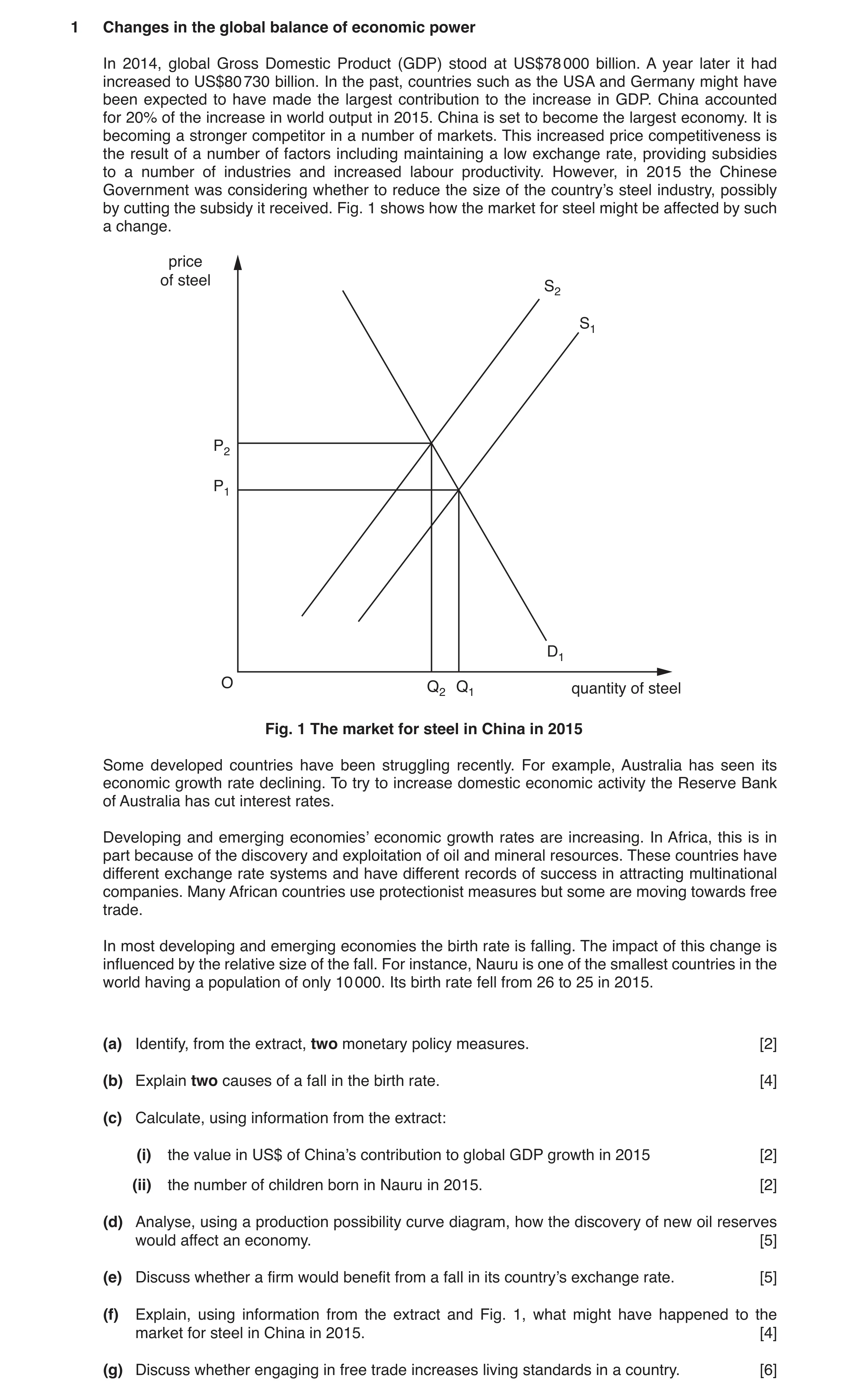
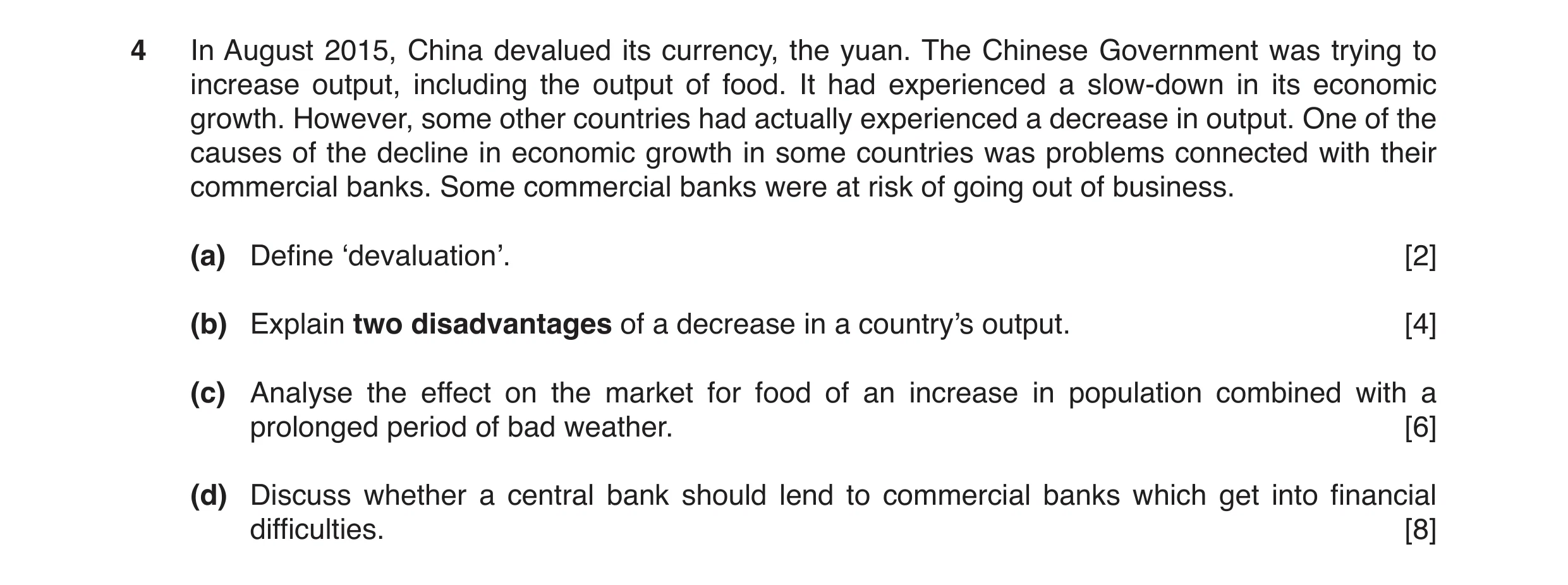 3 / 17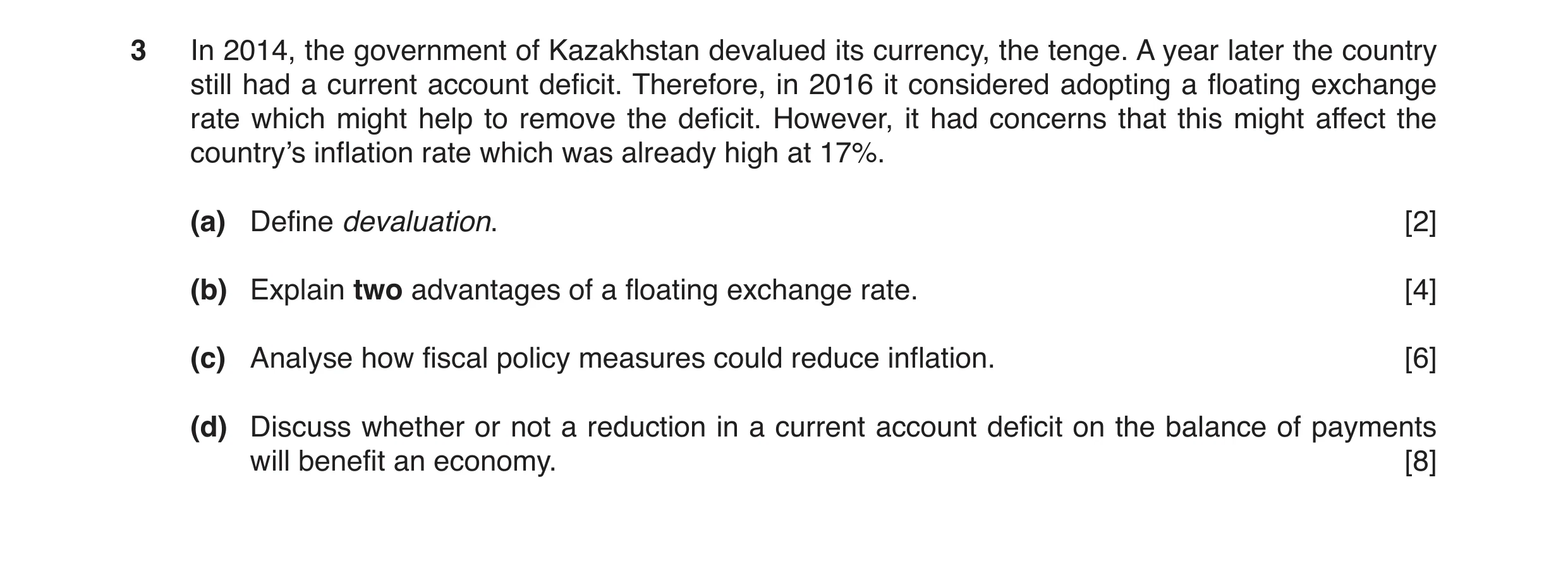
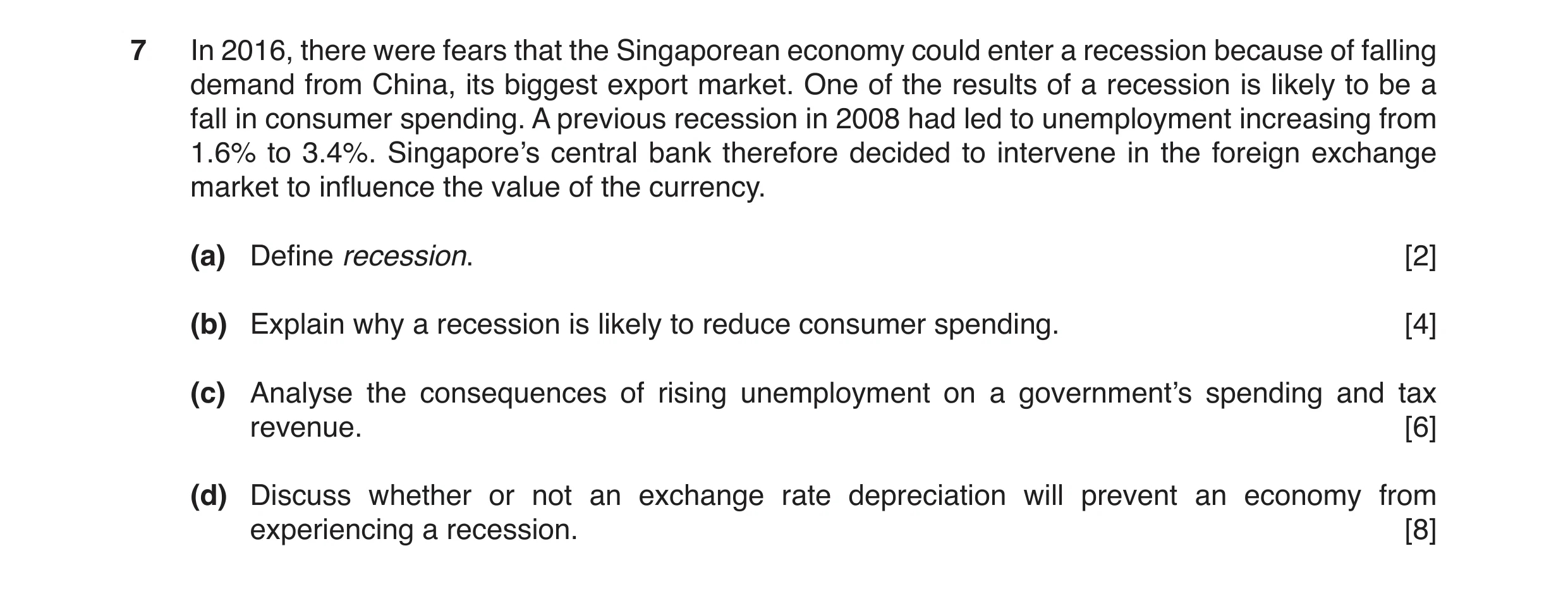 4 / 17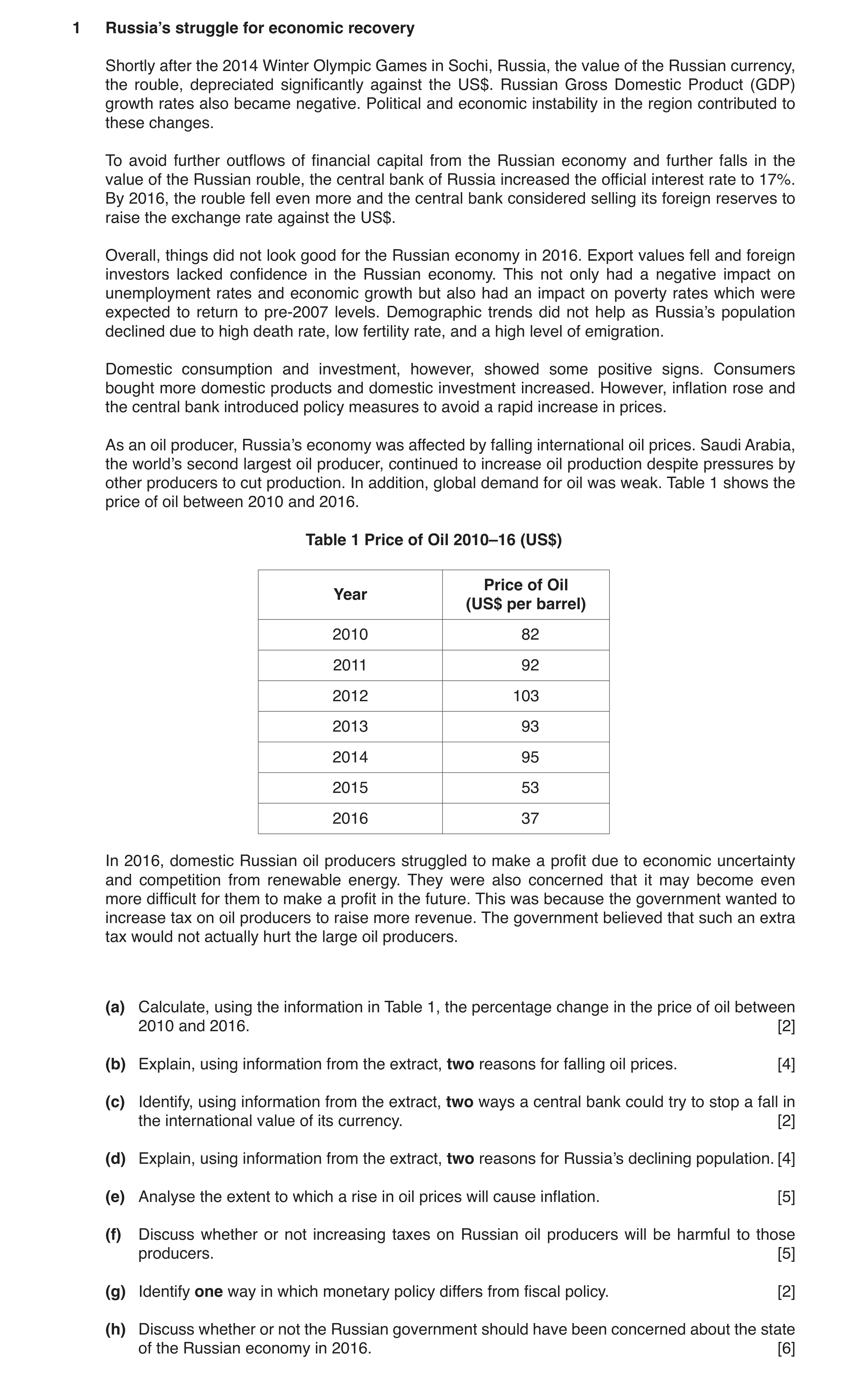
 5 / 17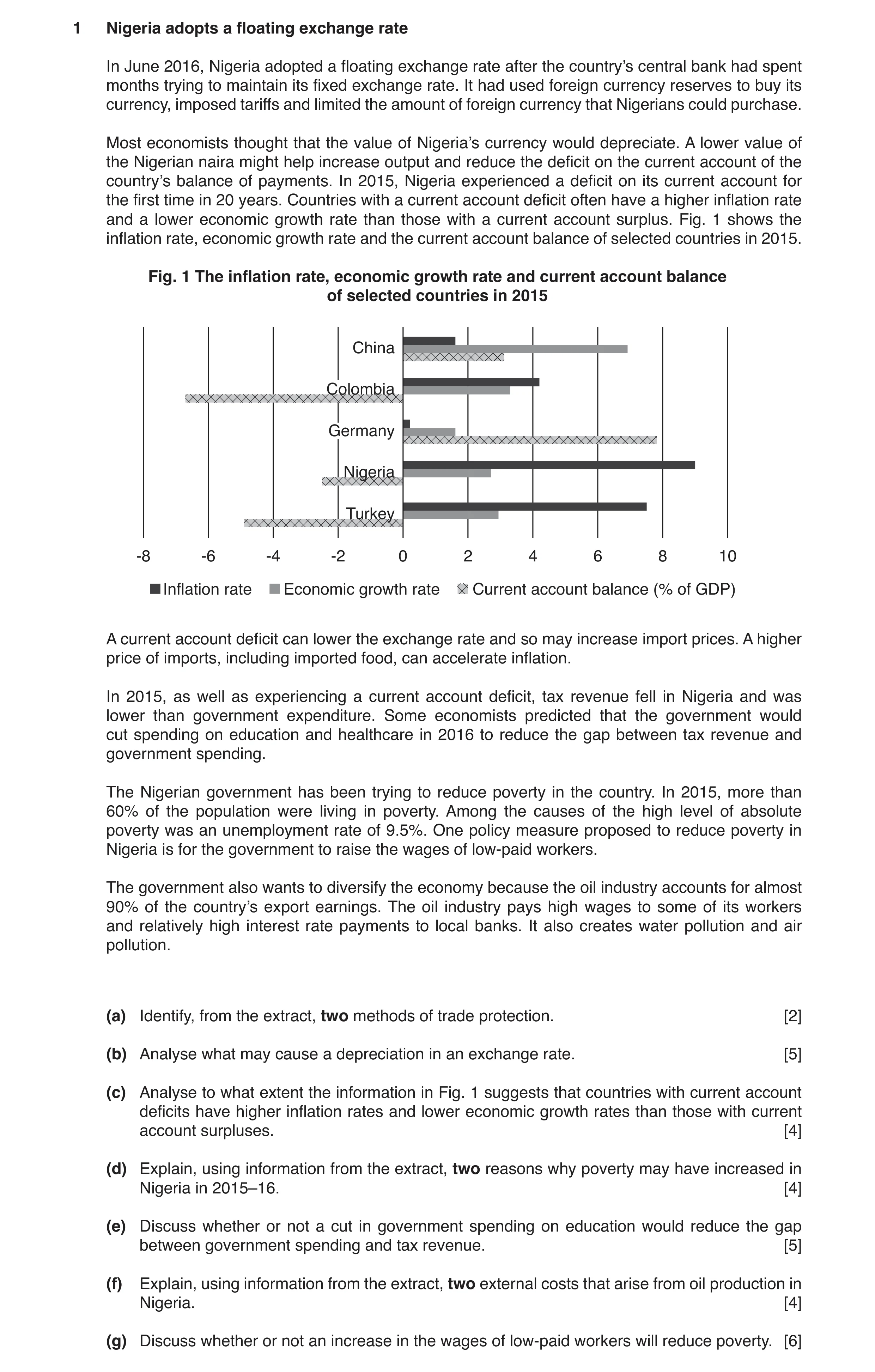
 7 / 17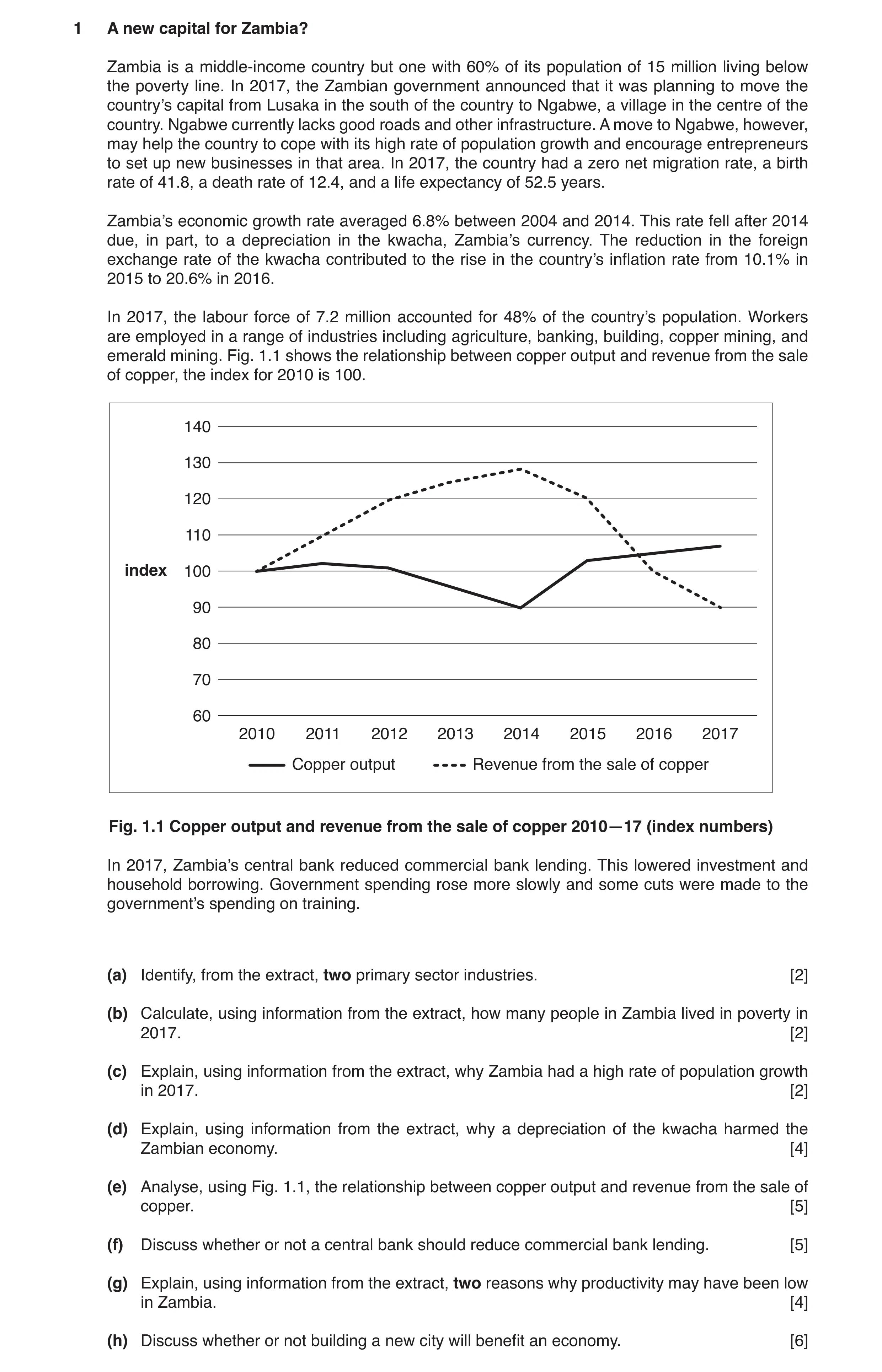
![Question 16: (a) Calculate Vietnam’s GDP per head in 2017. [1] (b) Identify two rewards to factors of production. [2] (c) Explain what happened to Vietn…](https://img.pastlit.com/crops/339f5c2b-98fa-4dba-9866-bf03ddb49b01/q1.webp)
![Question 17: (a) Calculate the total number of people over 60 years old in Greece in 2015. [1] (b) Explain what is meant by an unemployment rate of 24%.…](https://img.pastlit.com/crops/7071ffa7-db29-414f-a3b4-ea04bddb8fea/q1.webp) 9 / 17
9 / 17
 10 / 17
 11 / 17
![Question 26: (a) Calculate how many dollars 6400 Nigerian naira would have bought in 2019. [1] (b) Identify two ways a bank could increase demand for it…](https://img.pastlit.com/crops/c39693d5-ae5b-4fc2-a086-04c09261f682/q1.webp) 12 / 17
12 / 17
 13 / 17
![Question 31: (a) Calculate Tunisia’s balance on the current account of its balance of payments. [1] (b) Identify two qualities of a good tax that the Tu…](https://img.pastlit.com/crops/be2eae48-7d6d-4658-a839-9de8b9e591eb/q1.webp)
![Question 32: (a) Calculate the percentage of the population who were foreign nationals living in the UAE. [1] (b) Identify two features of globalisation…](https://img.pastlit.com/crops/7eea9f29-1b7b-4af3-bef9-c39a027dec63/q1.webp) 14 / 17
14 / 17
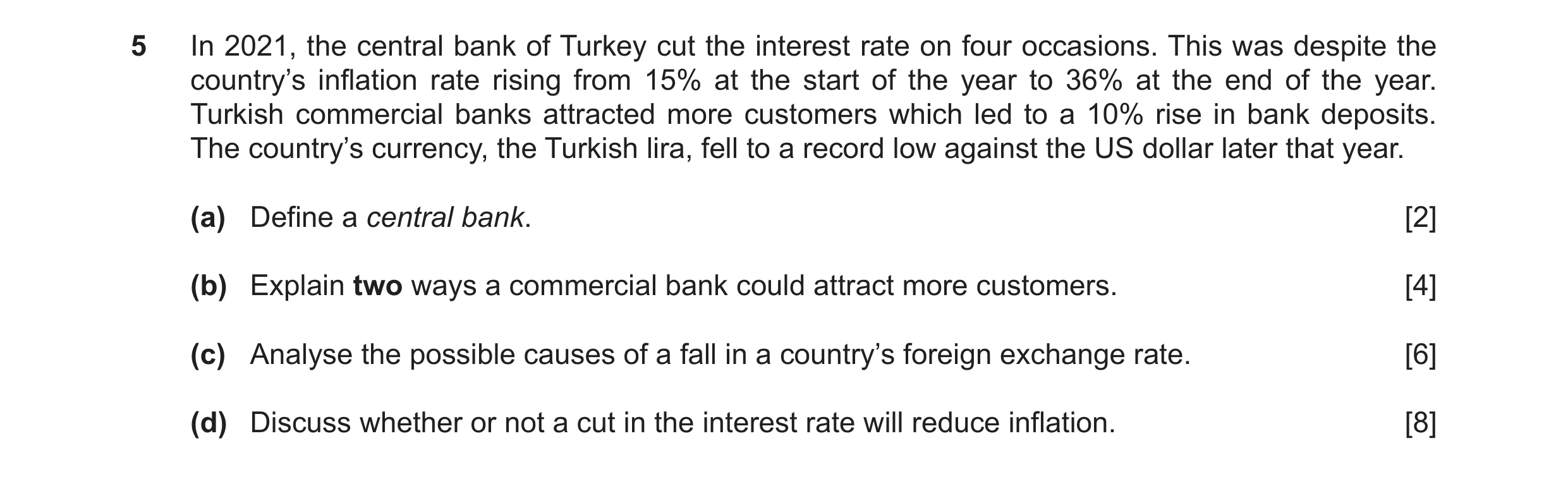
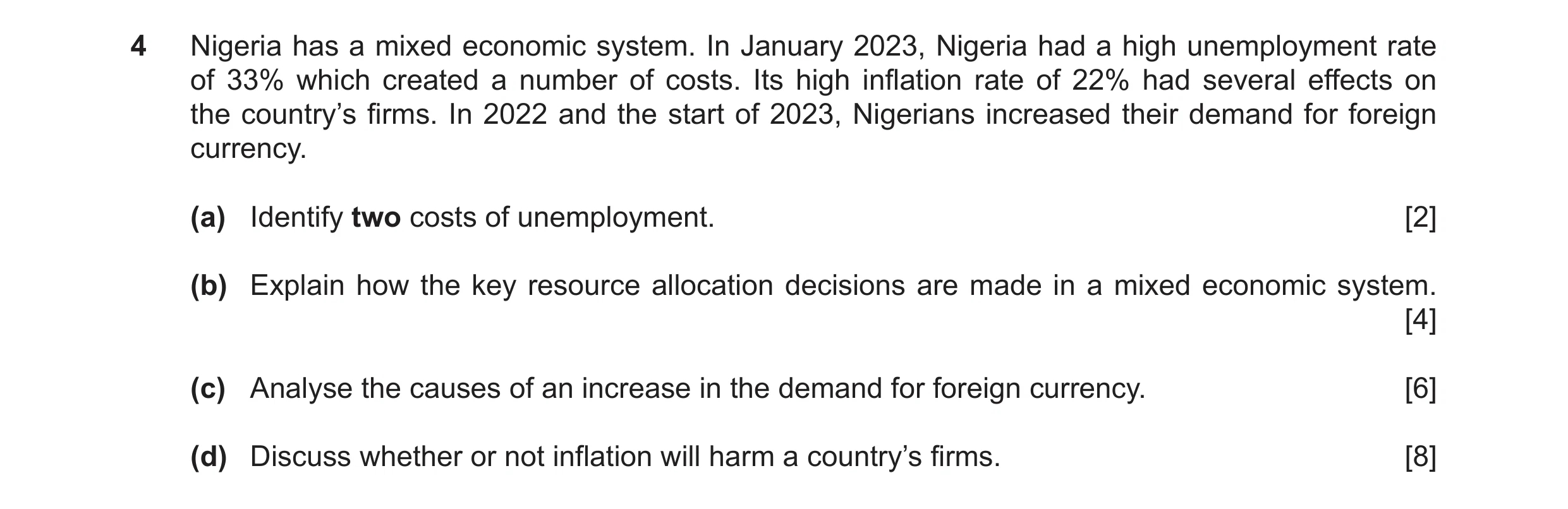 15 / 17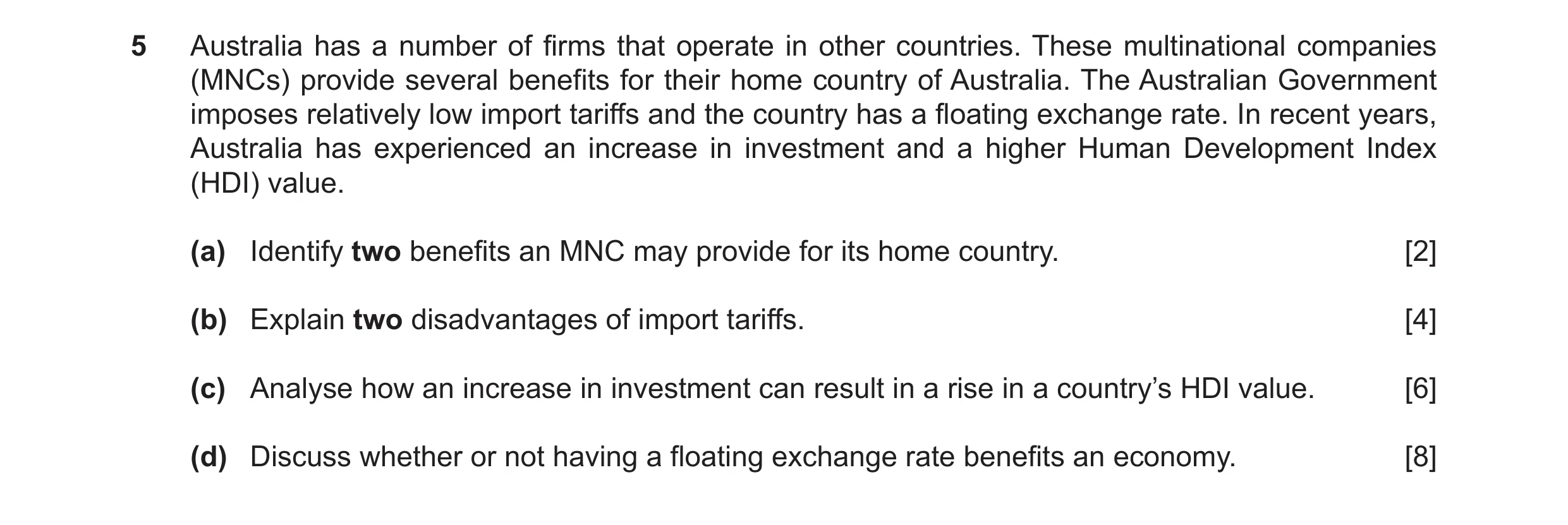
![Question 37: (a) Calculate the number of people who are in poverty in Egypt. [1] (b) Identify two of Egypt’s primary sector exports. [2] (c) Explain how…](https://img.pastlit.com/crops/f345e47f-9ea3-4d9e-a01f-8a2b5580df46/q1.webp)
![Question 38: (a) Calculate the total financial sector contribution (in $) to Switzerland’s GDP. [1] (b) Identify two microeconomic policy measures. [2] …](https://img.pastlit.com/crops/b38e75ad-fcd4-44cf-951d-3089d4177a8a/q1.webp) 16 / 17
16 / 17![Question 39: (a) Calculate the number of Malawians who had access to electricity in 2022. [1] (b) Identify two capital goods used in Malawi. [2] (c) Exp…](https://img.pastlit.com/crops/b205f8e6-b286-4d23-b321-d74a5c411a28/q1.webp) 17 / 17
17 / 17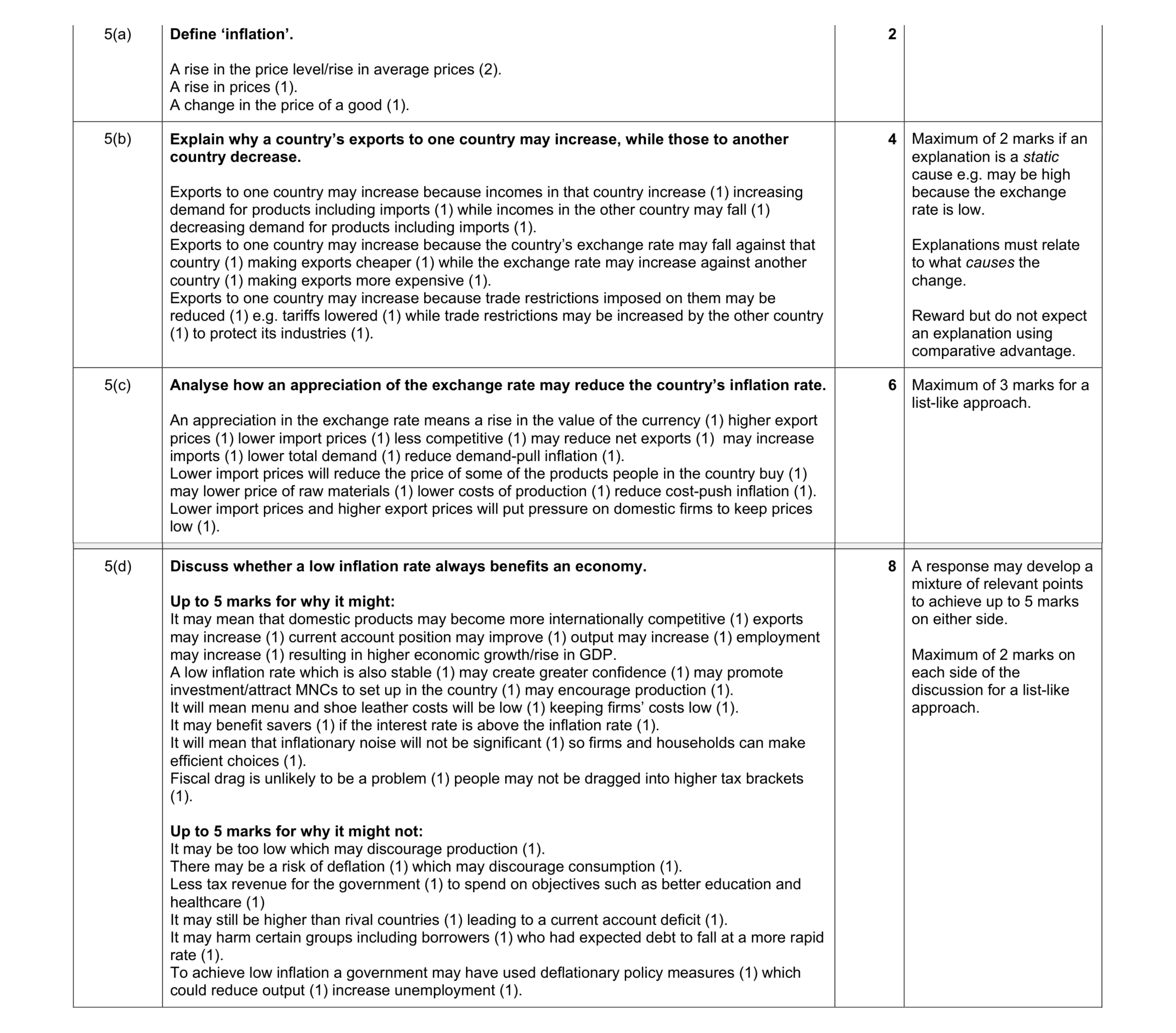 20
20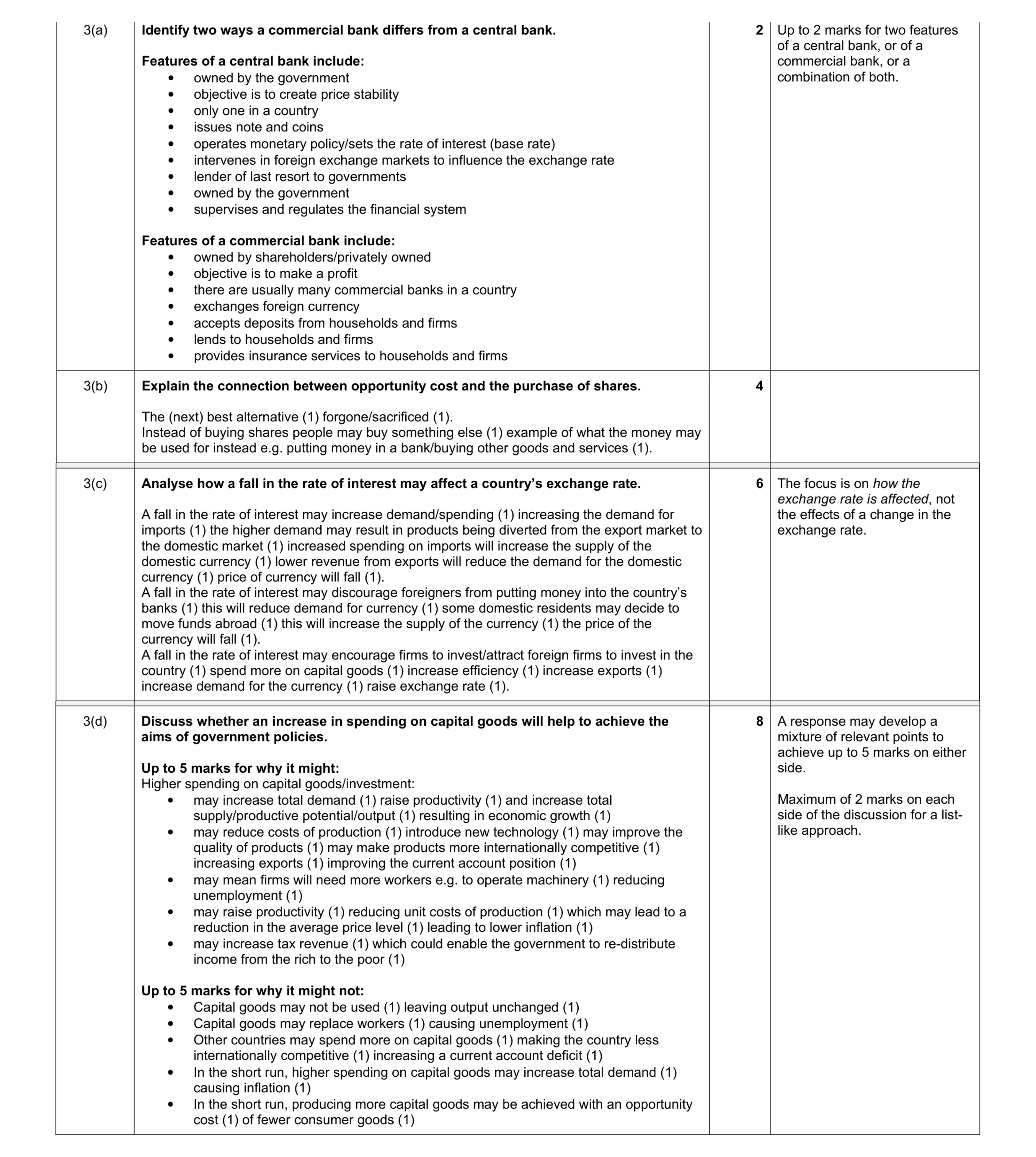 20
20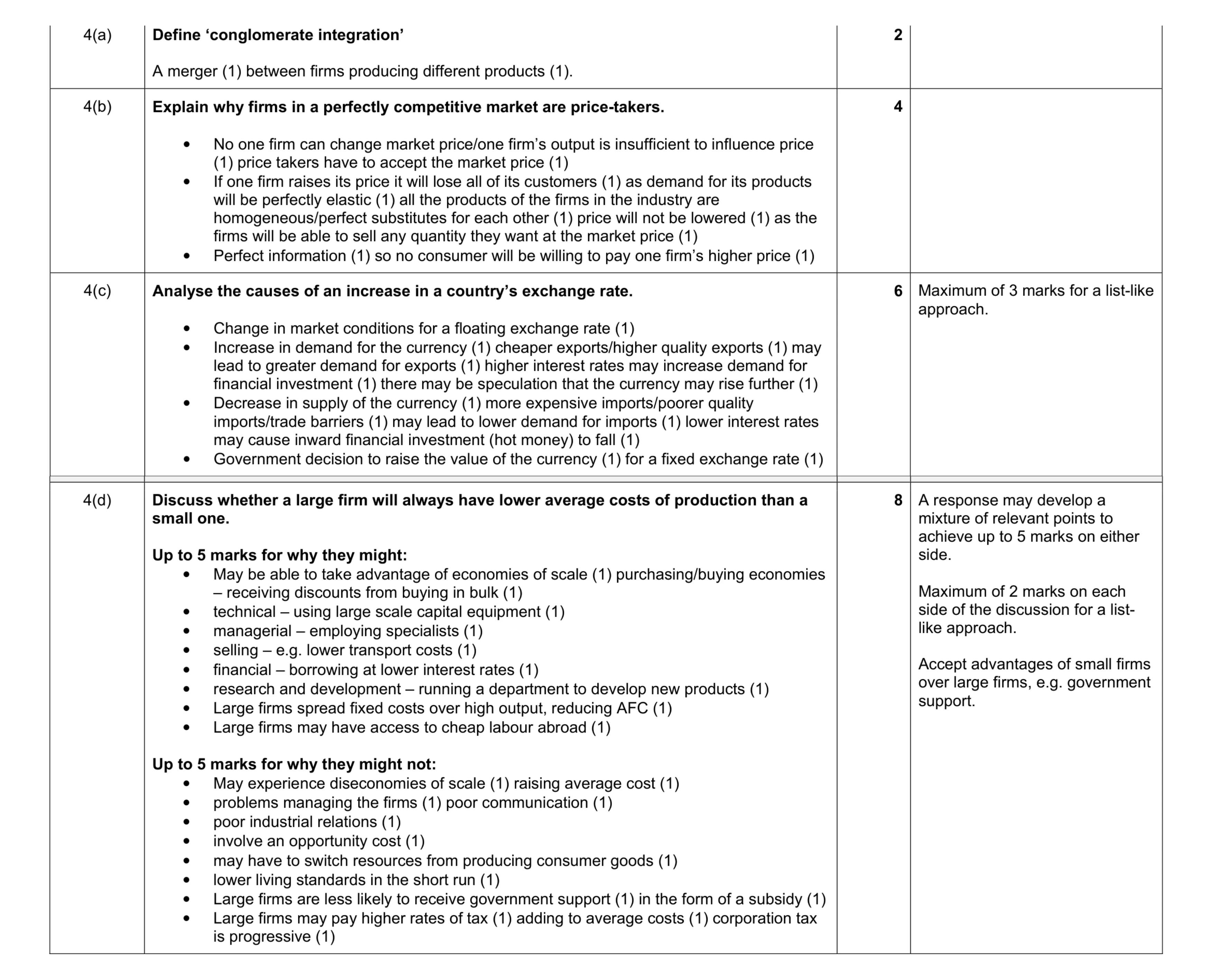 20
20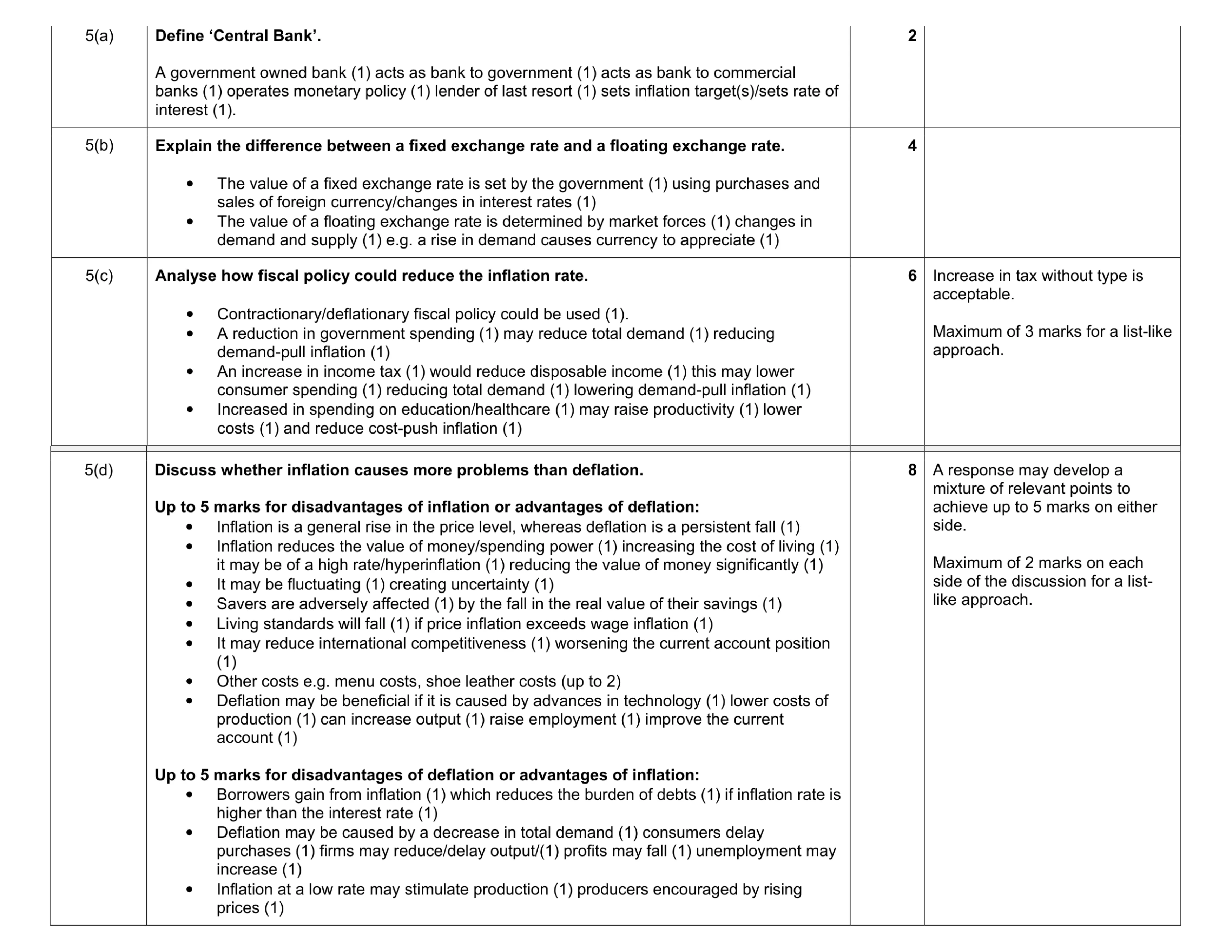 20
20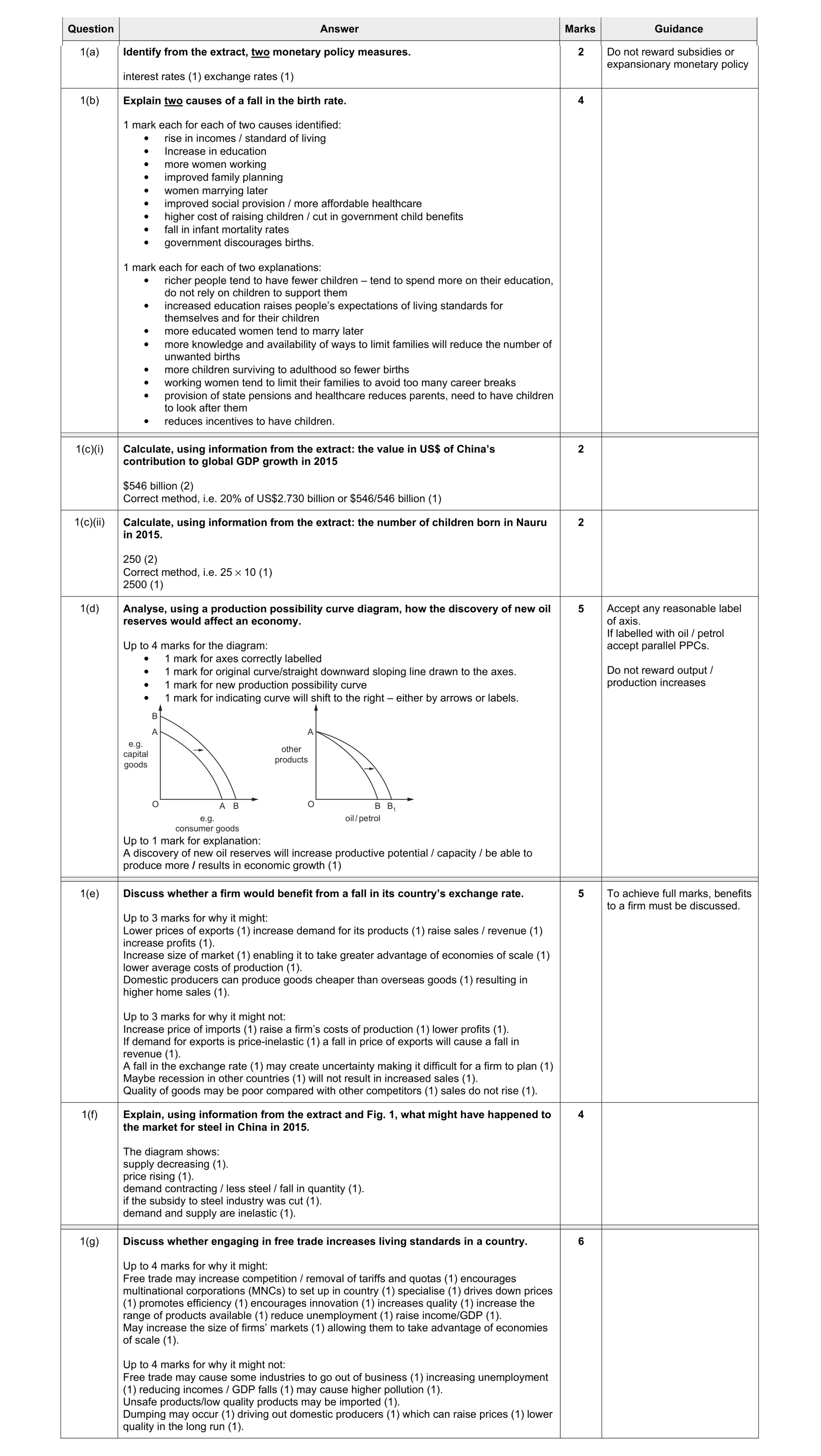 30
30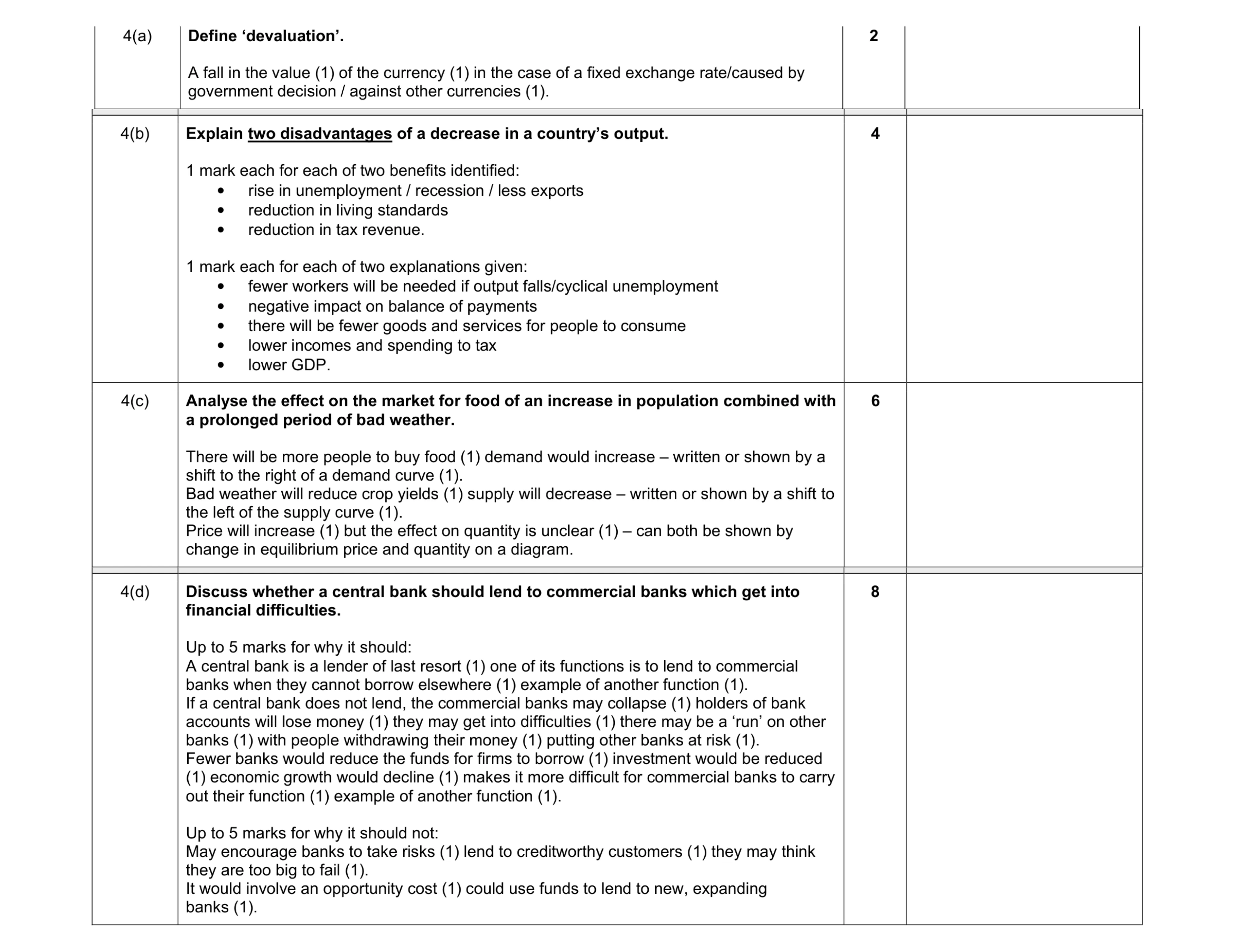 20
20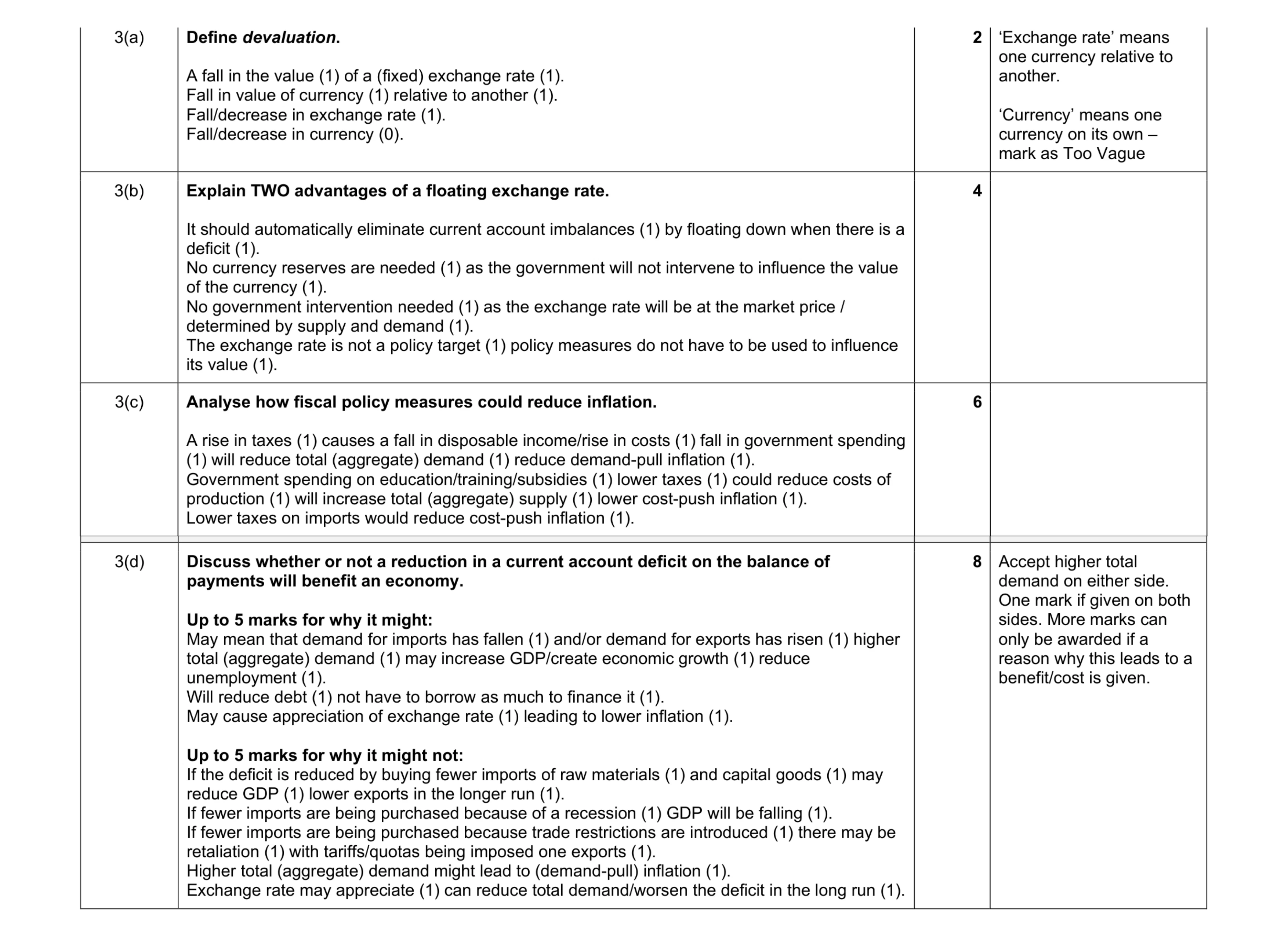 20
20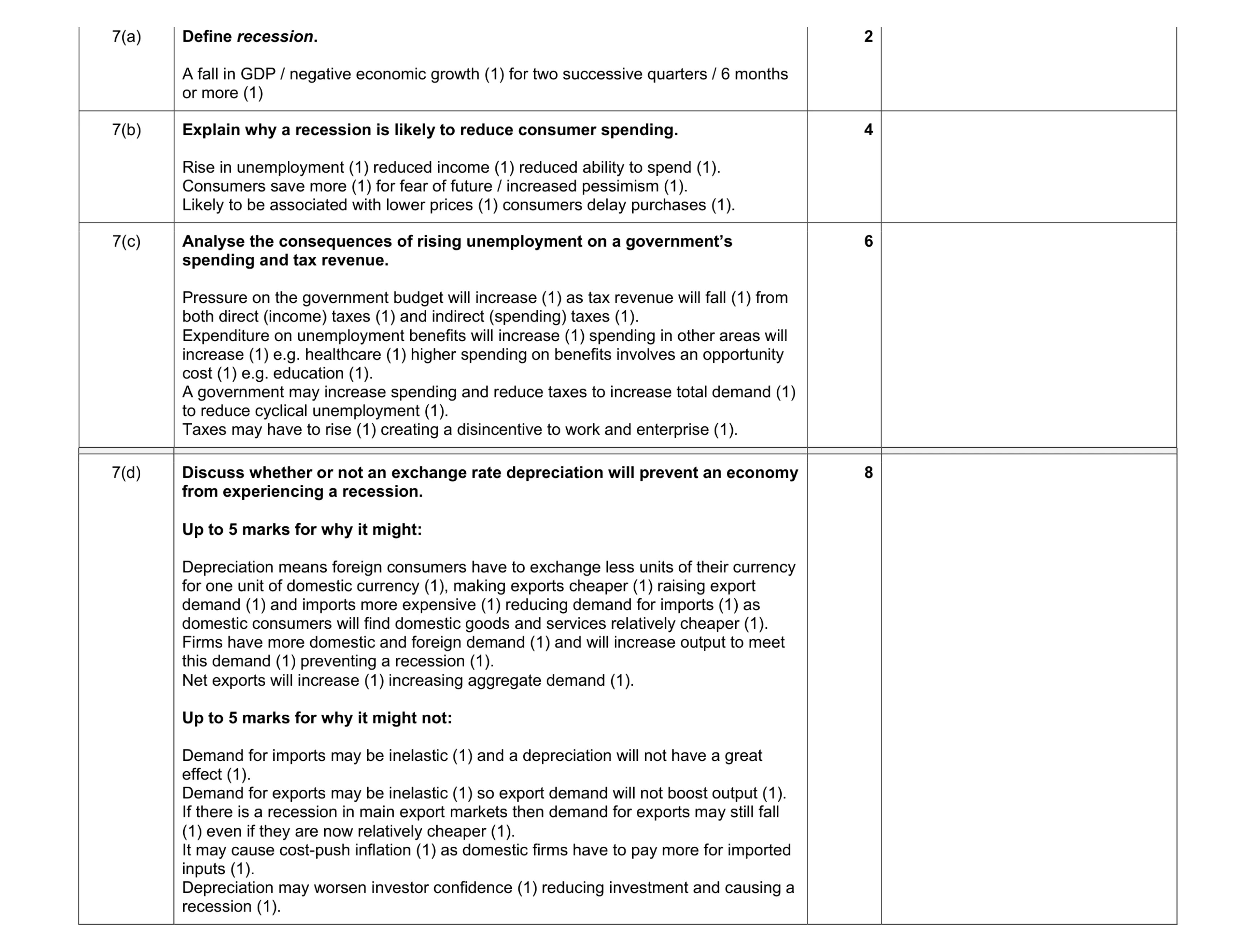 20
20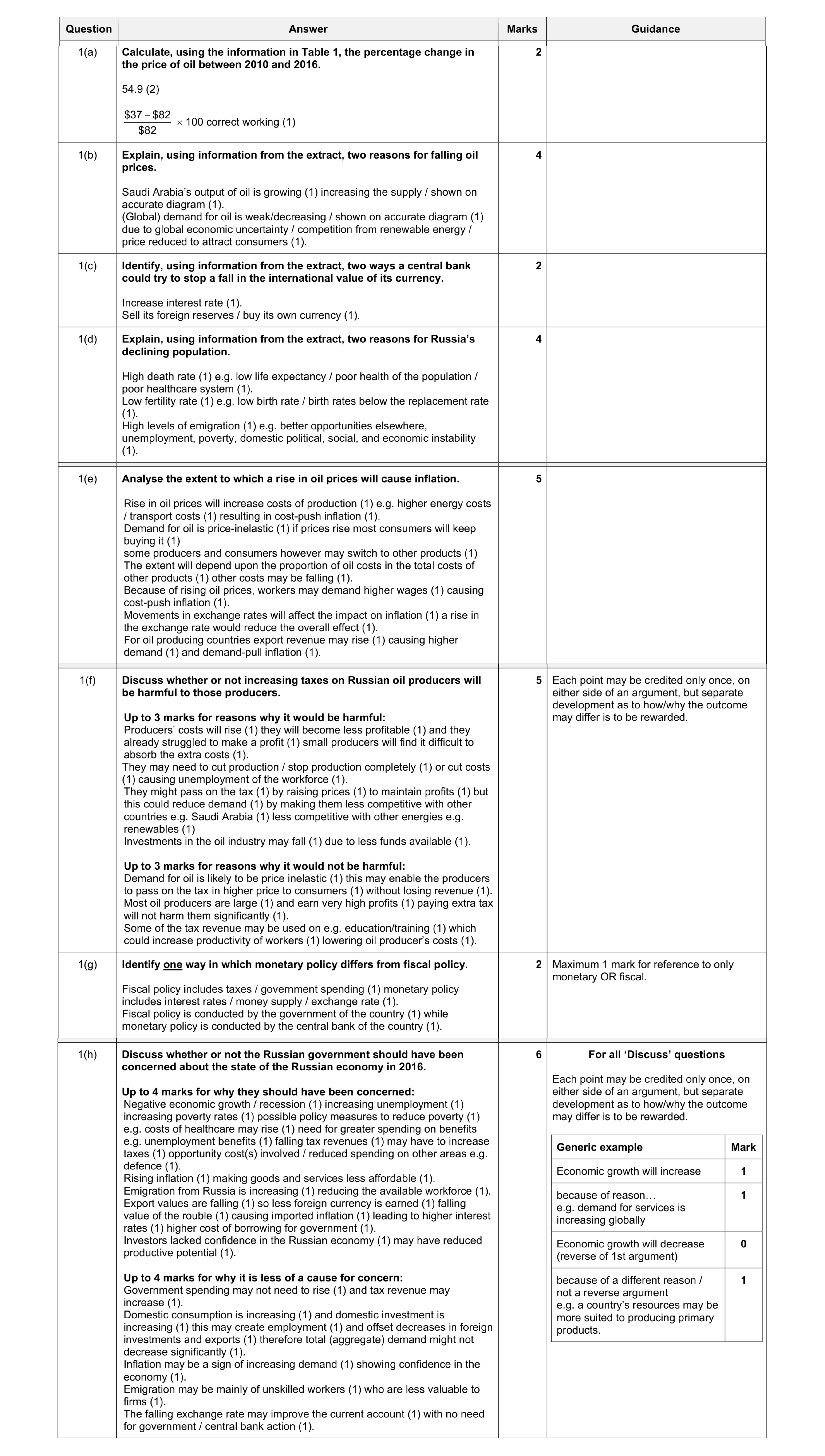 30
30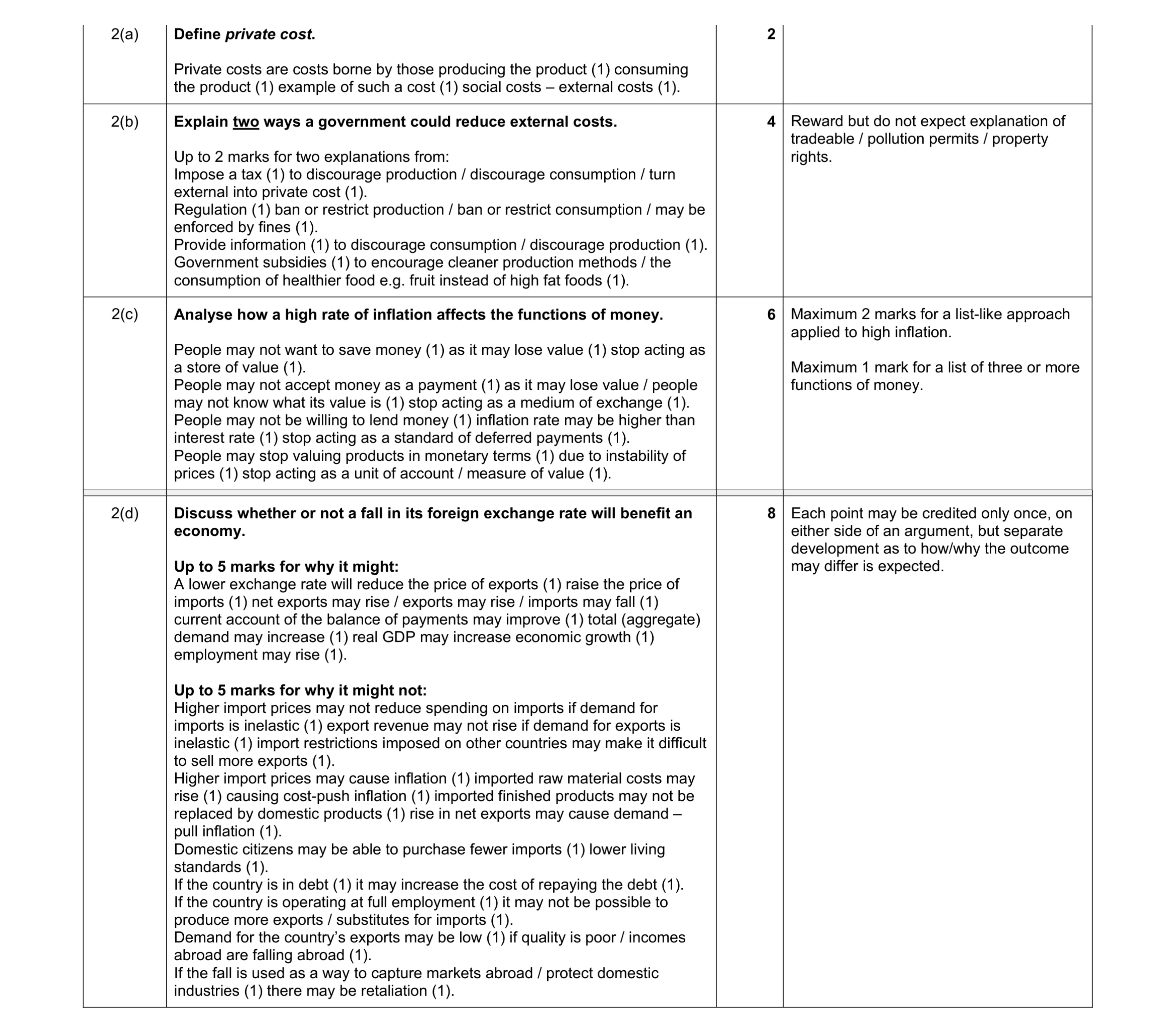 20
20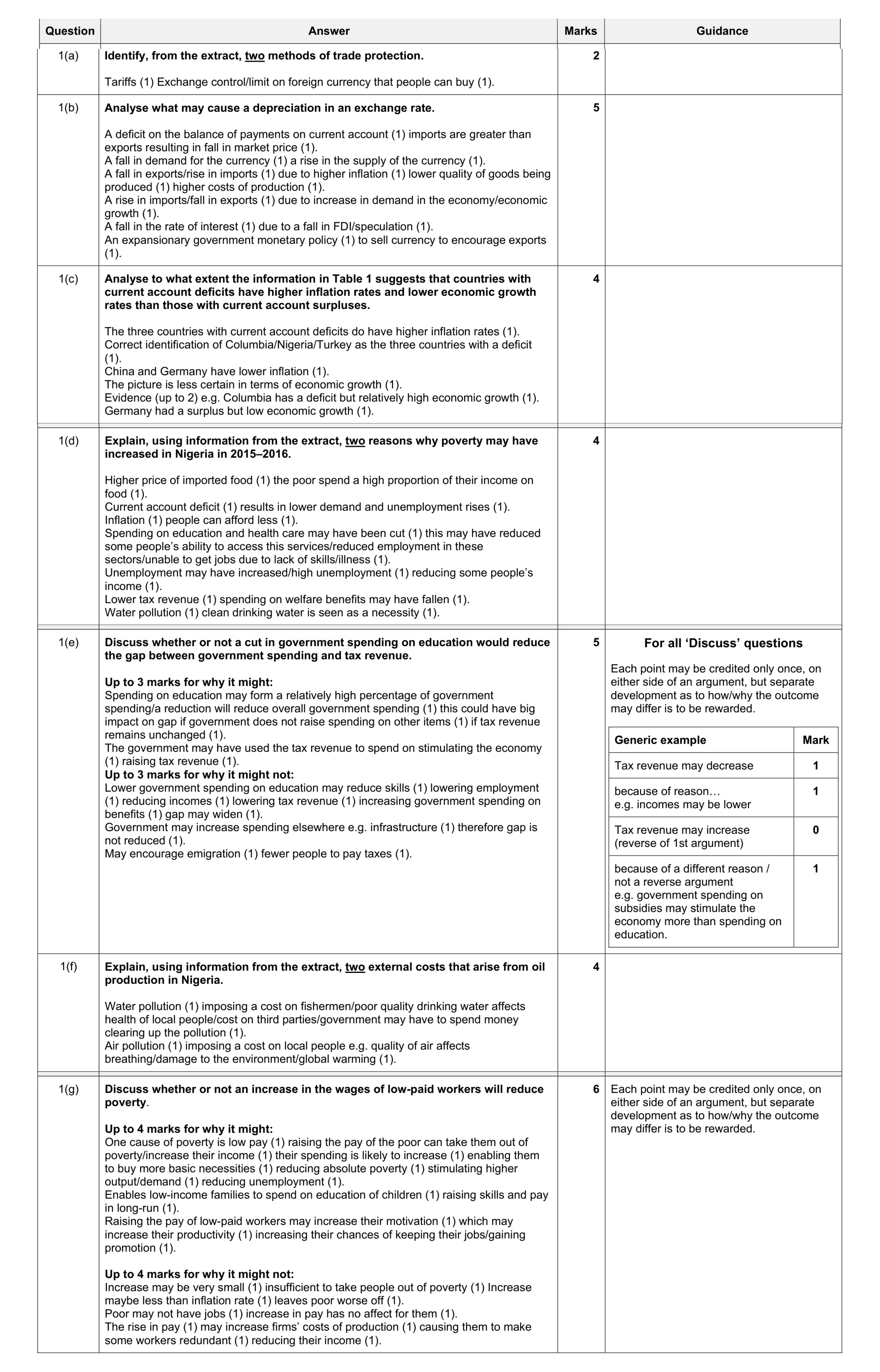 30
30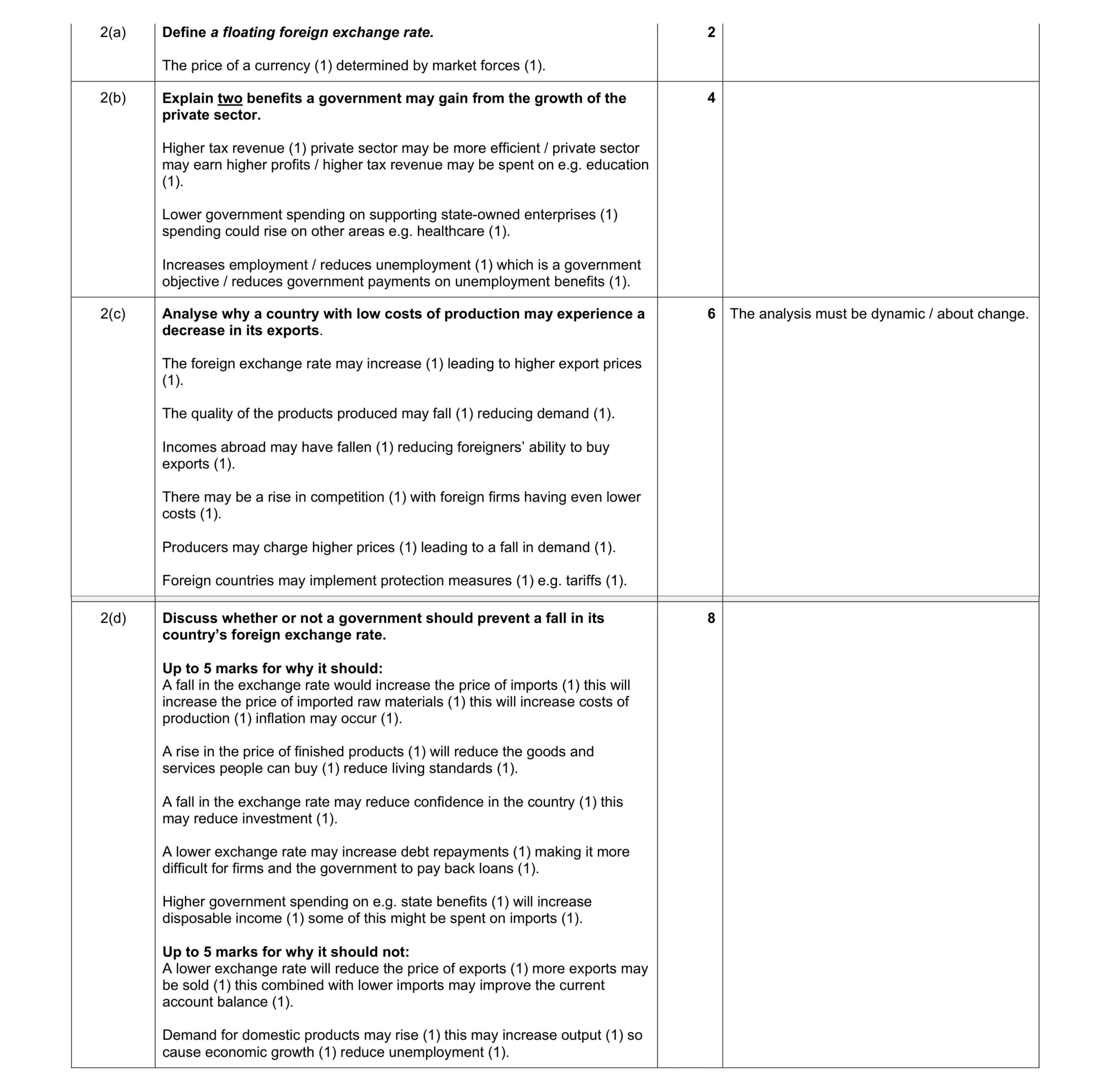 20
20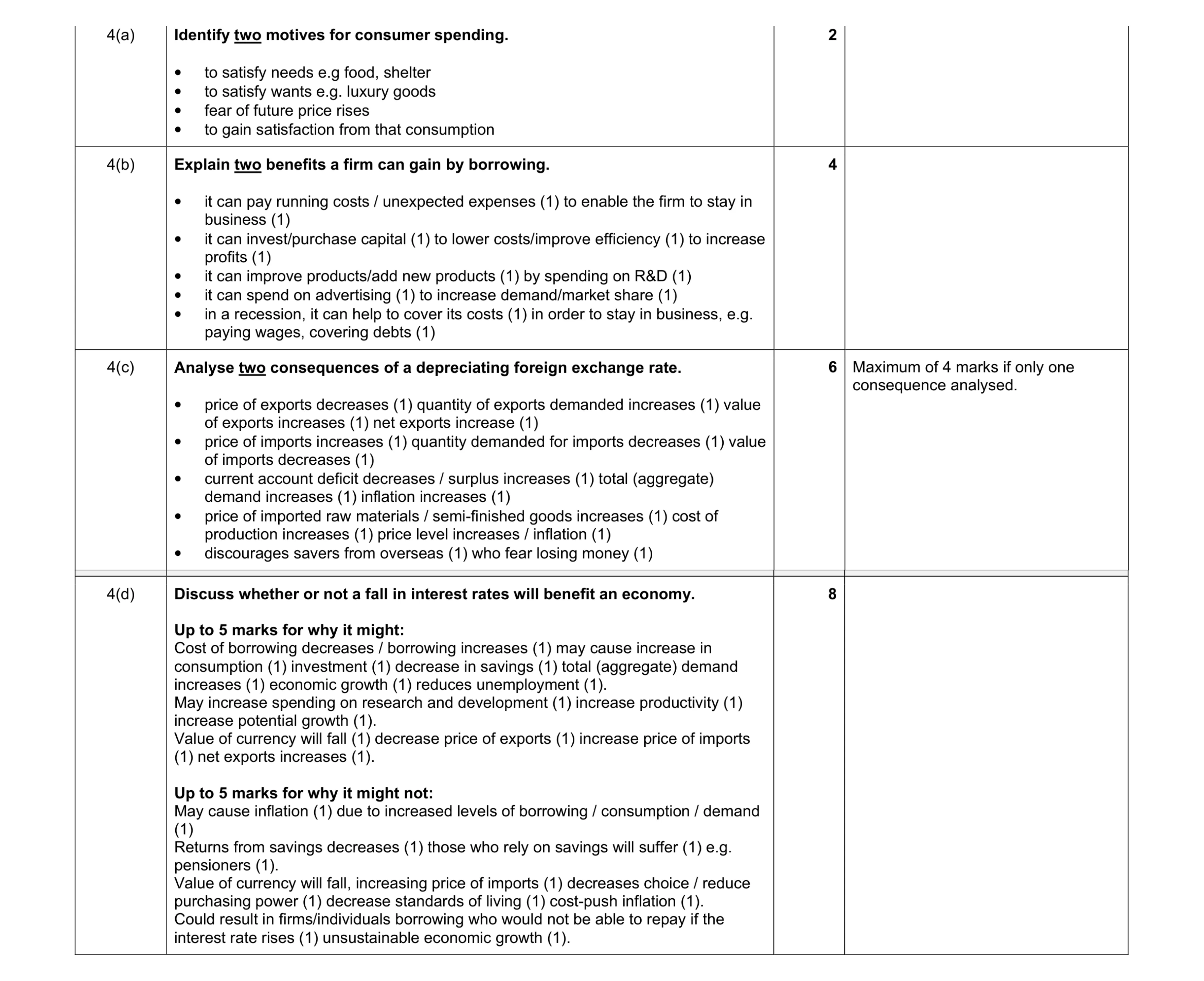 20
20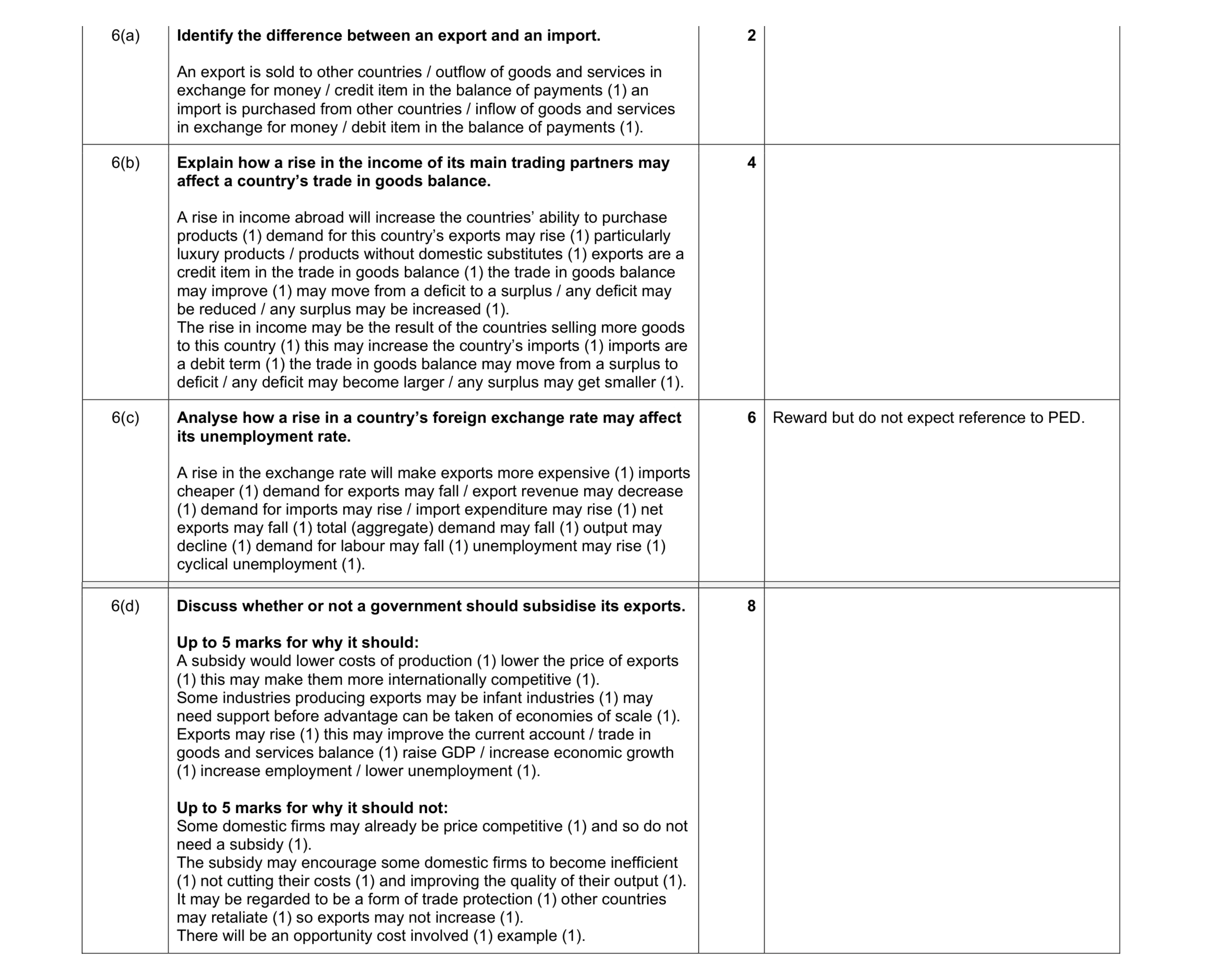 20
20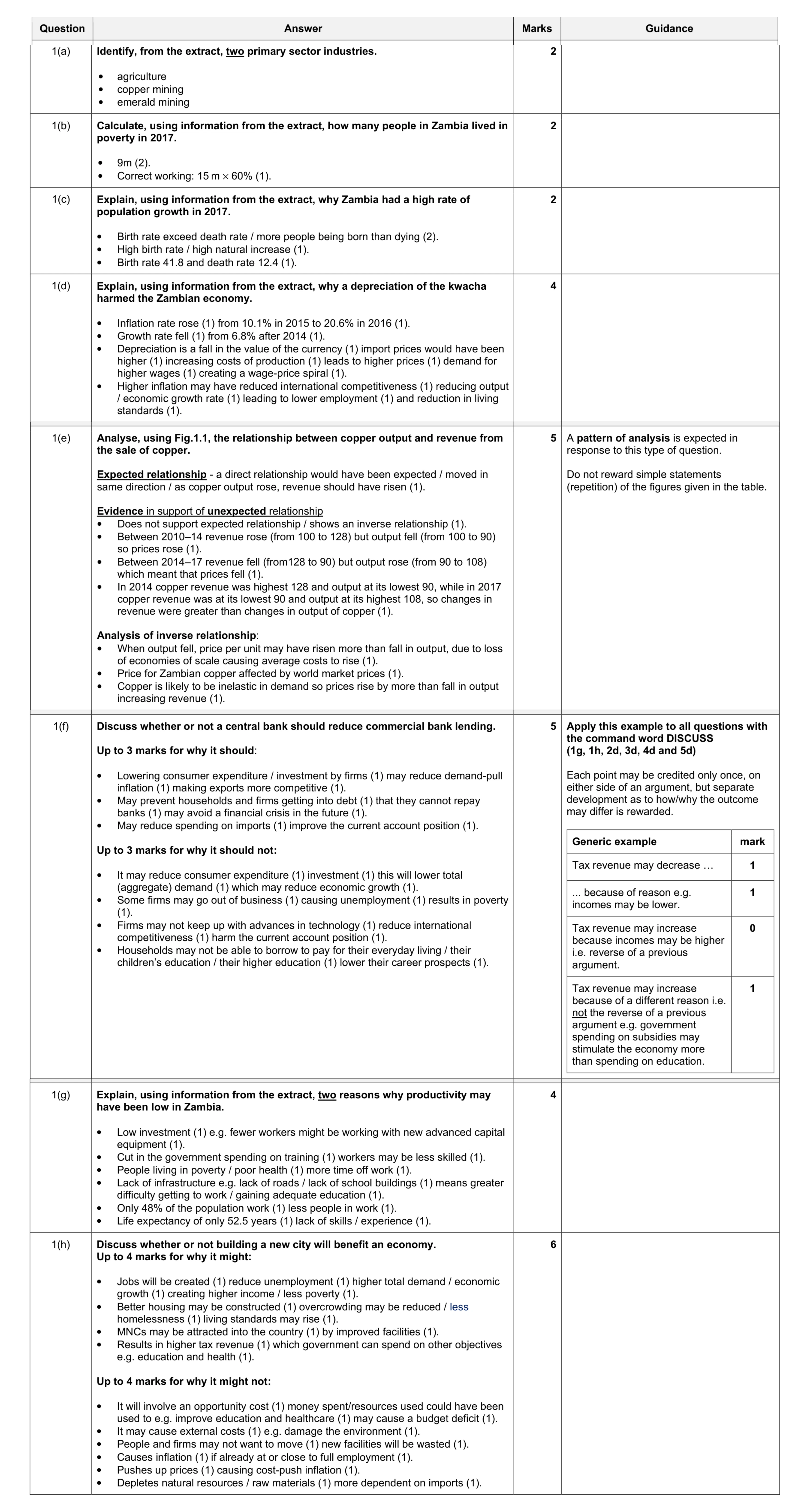 30
30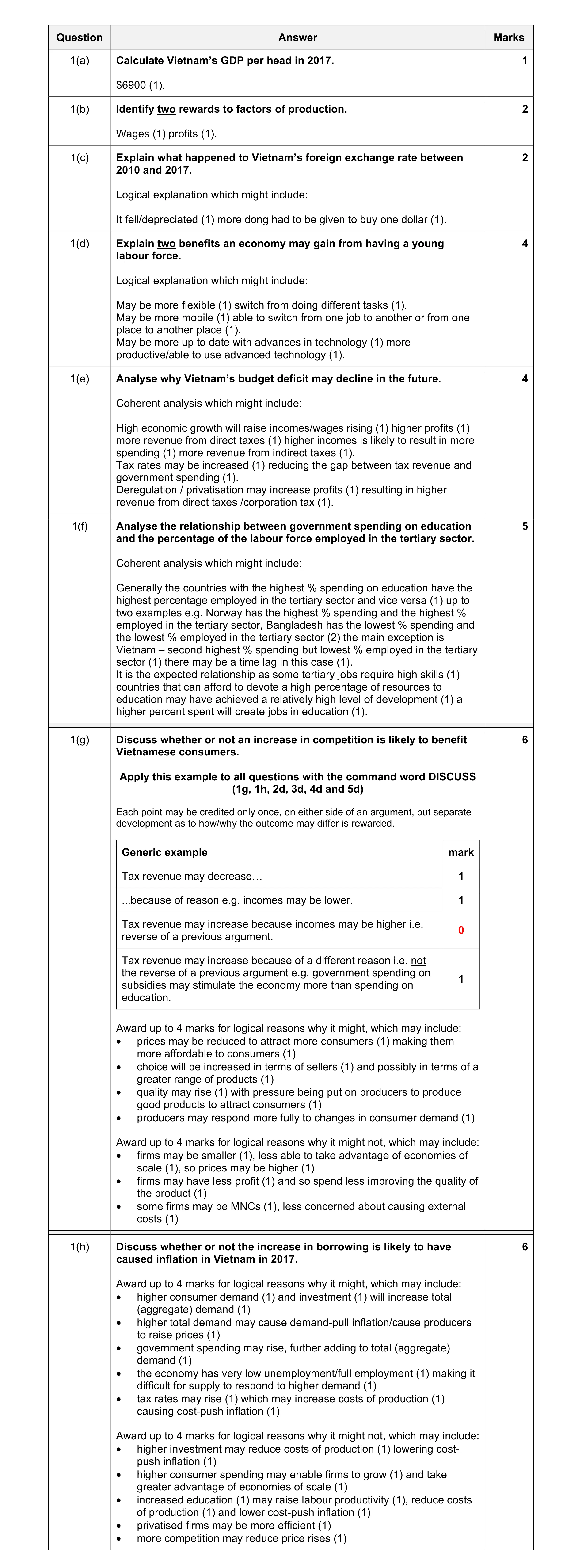 30
30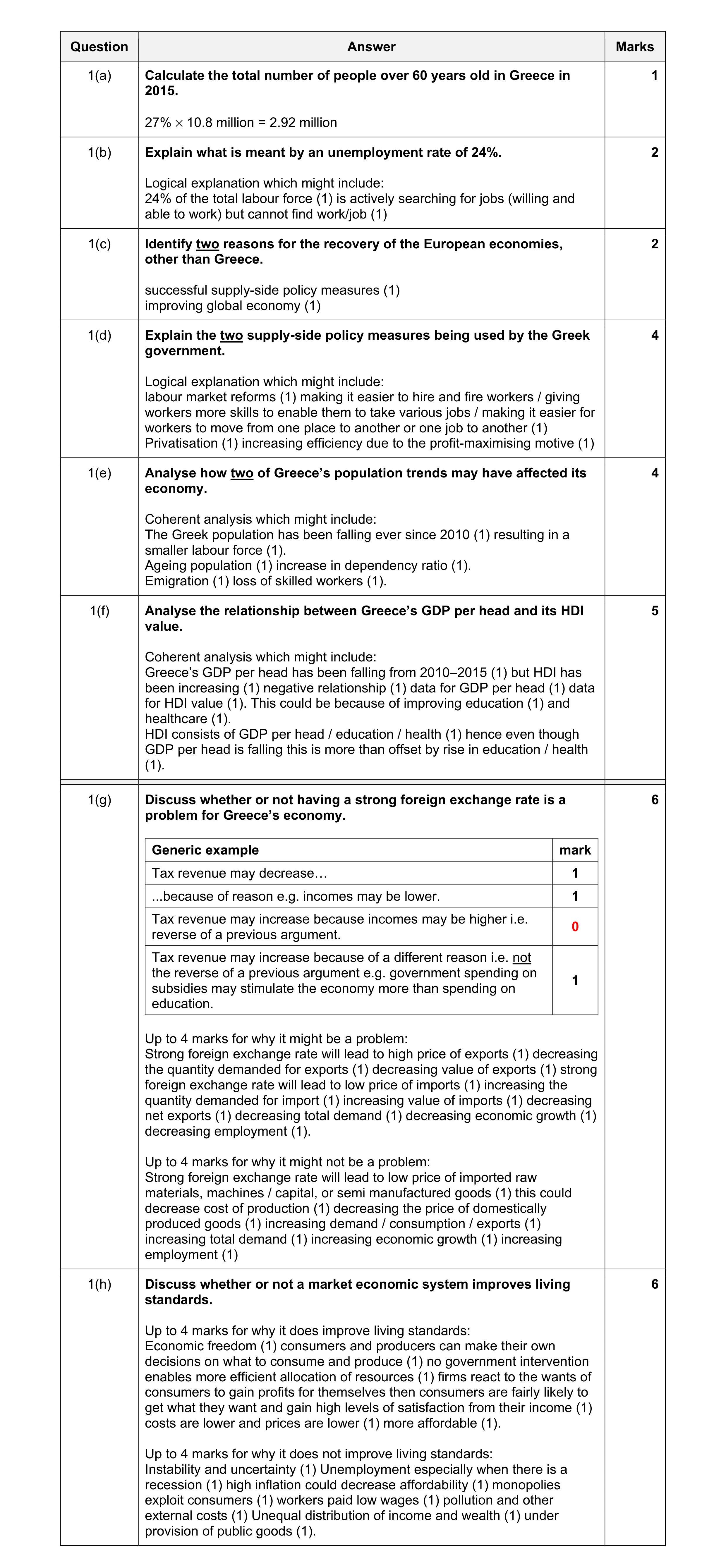 30
30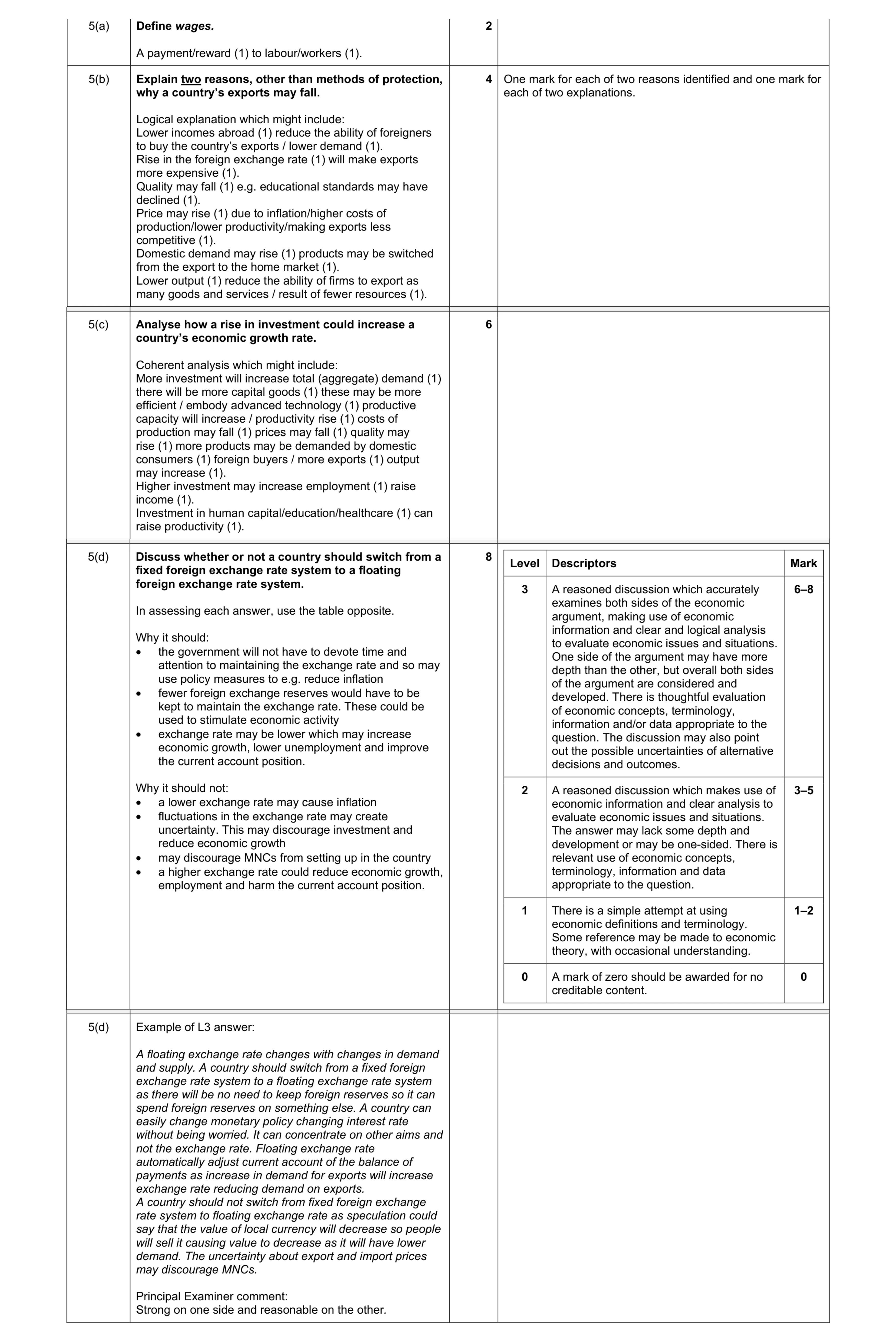 20
20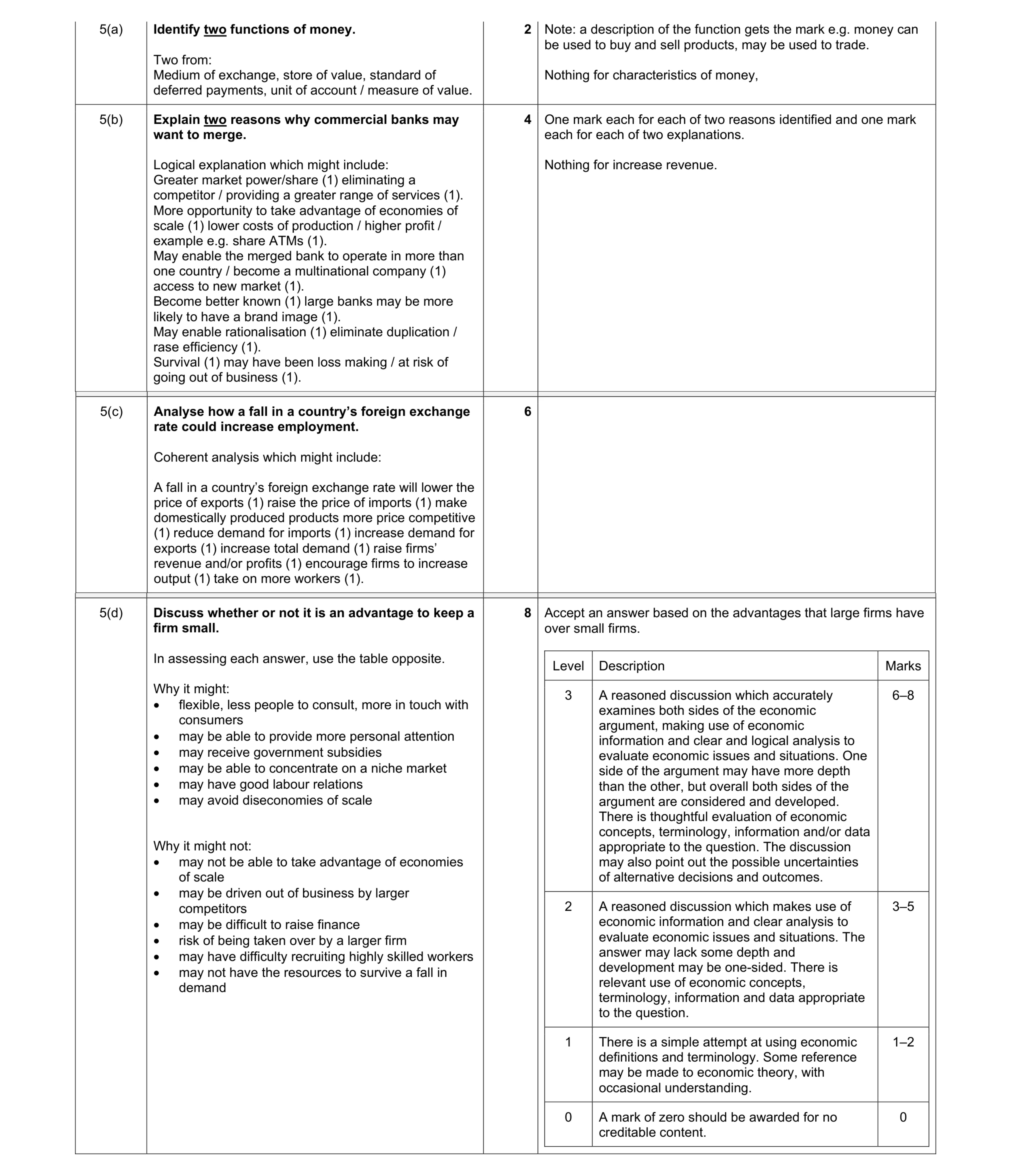 20
20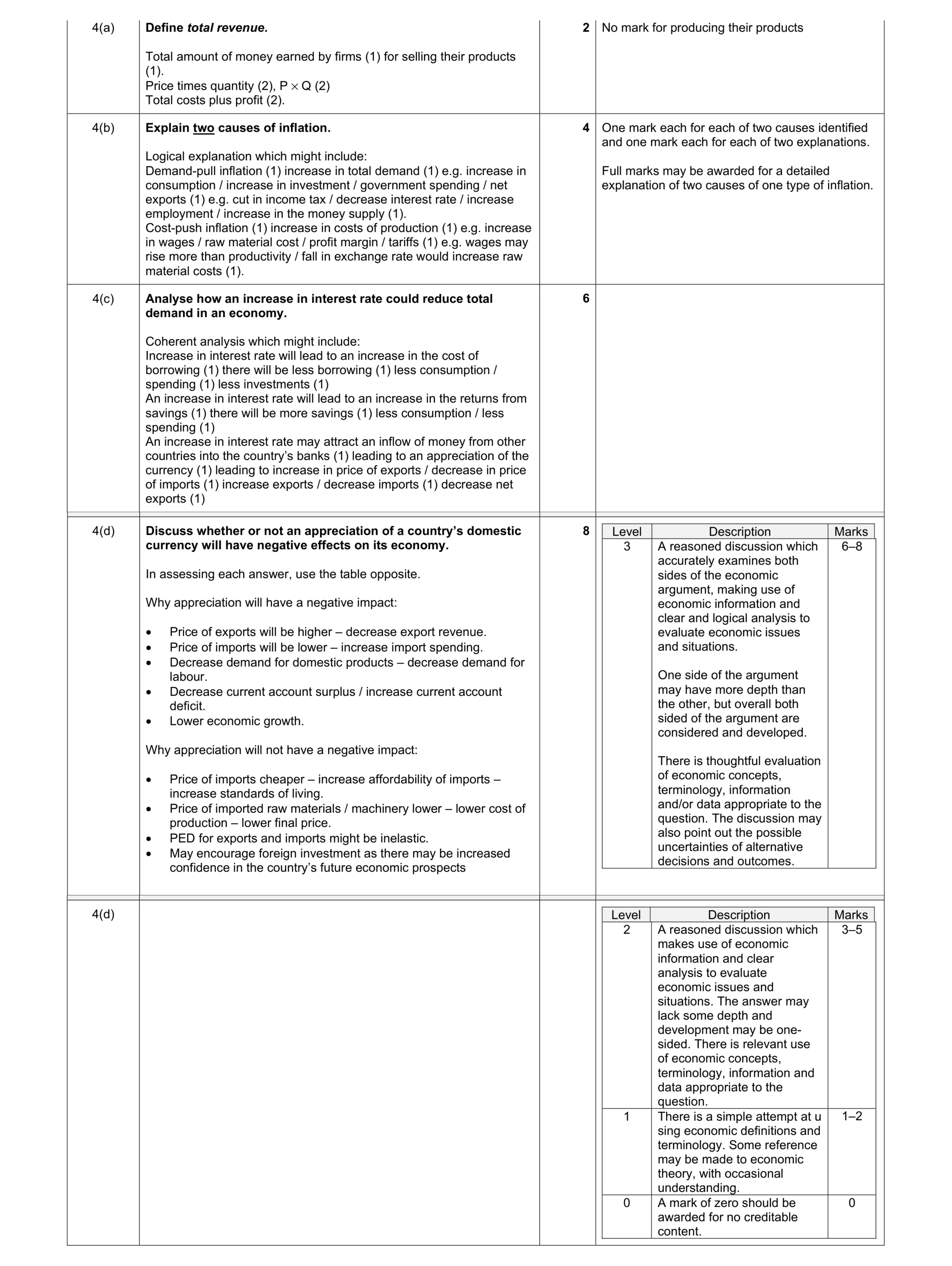 20
20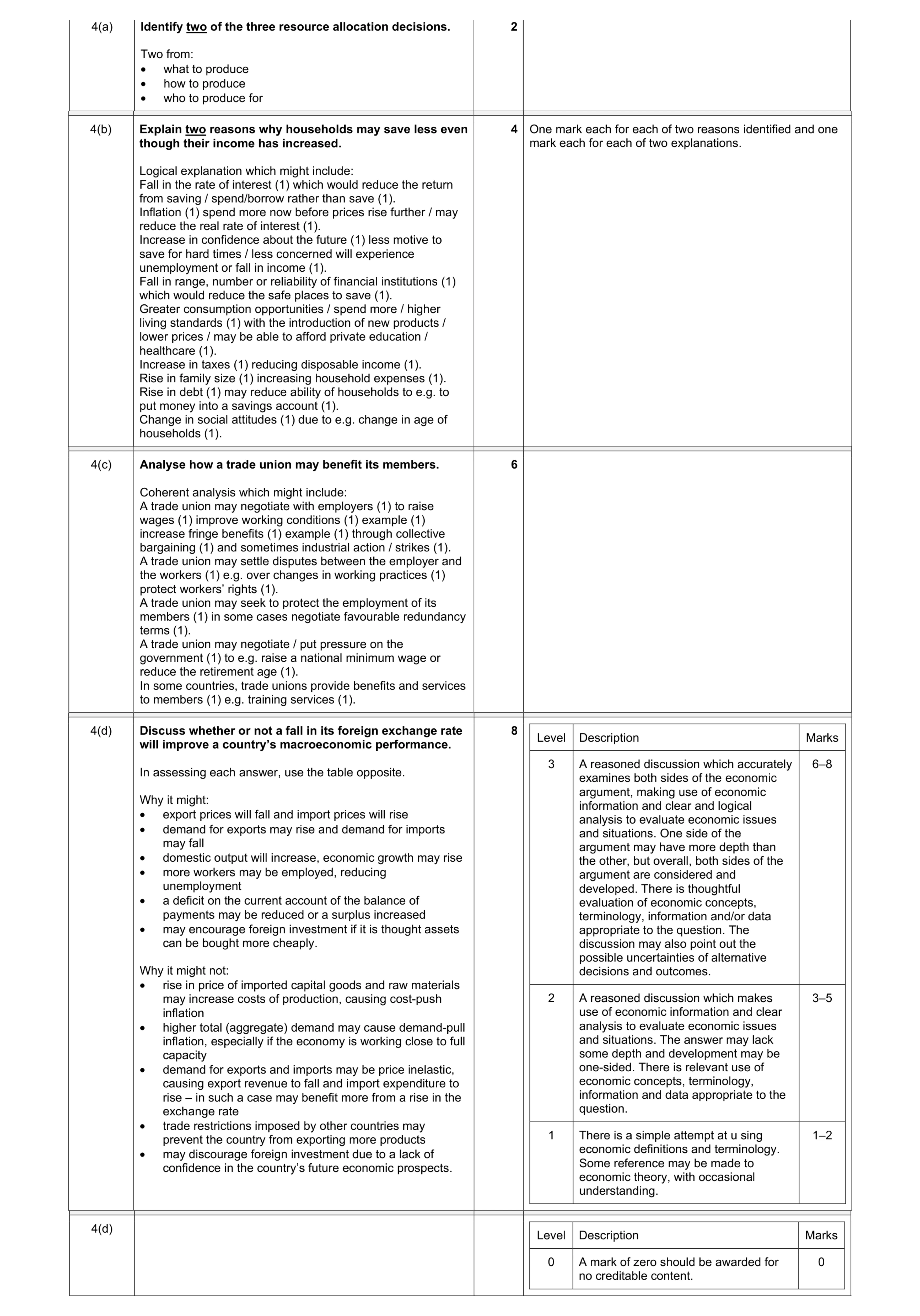 20
20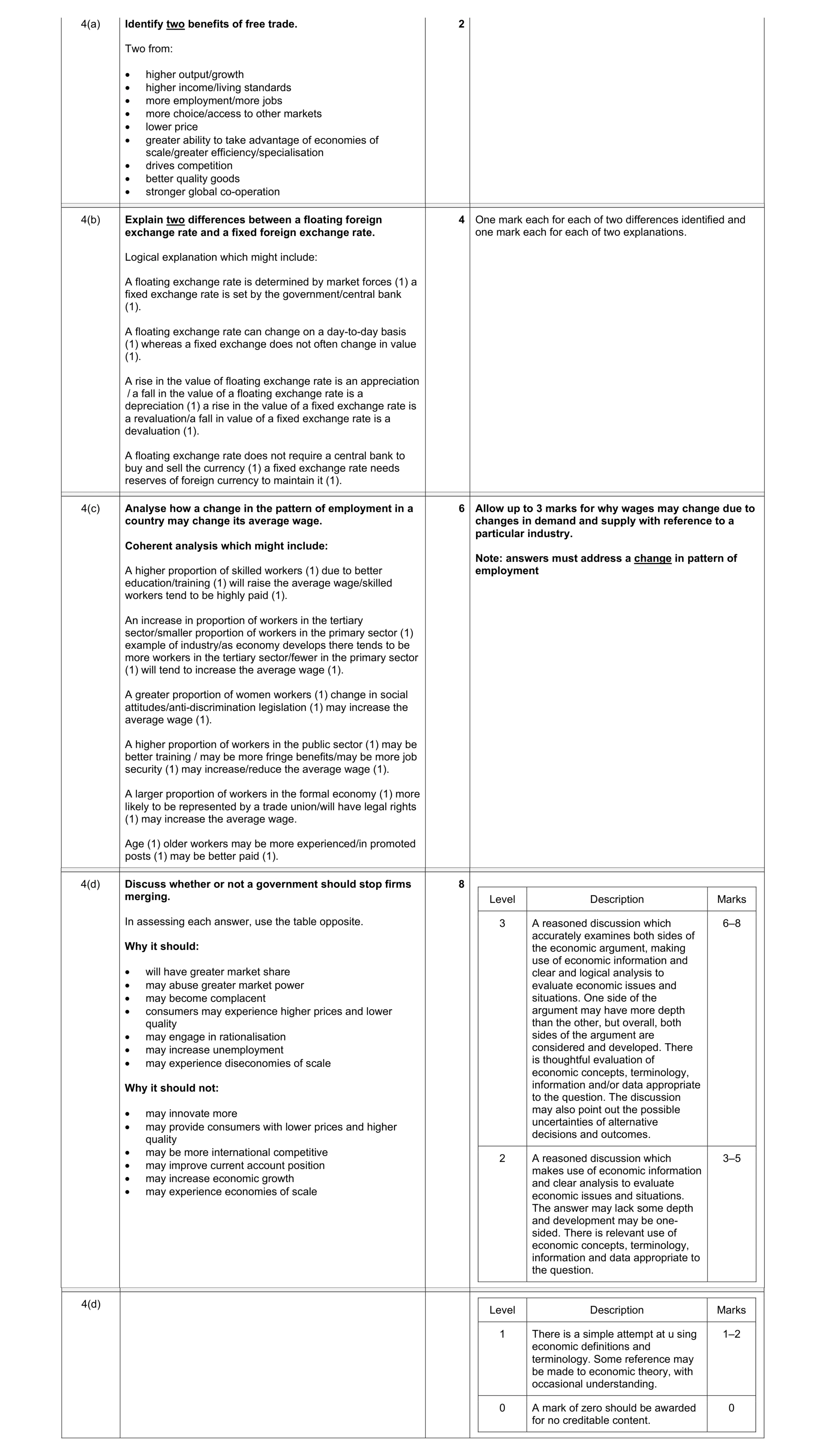 20
20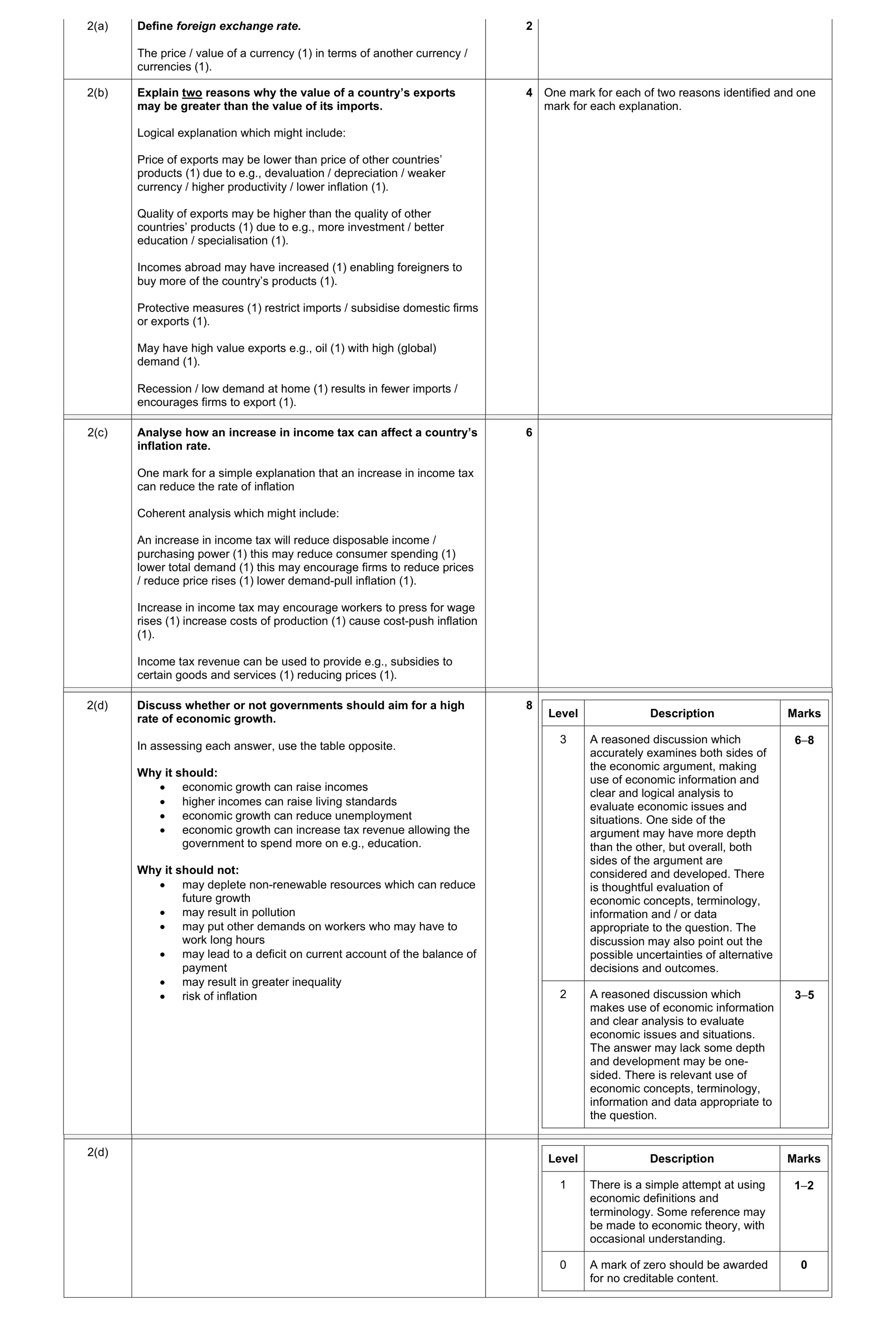 20
20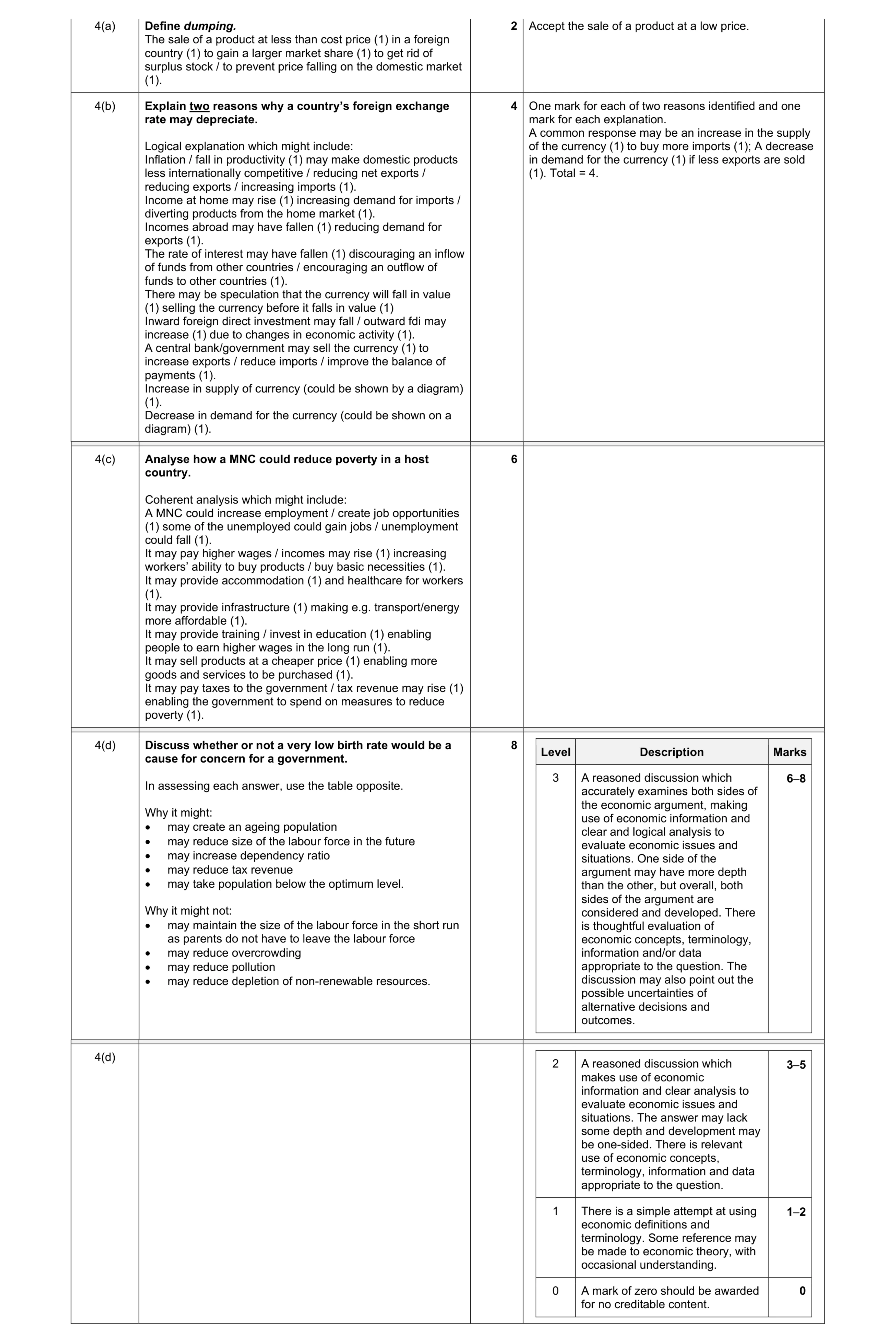 20
20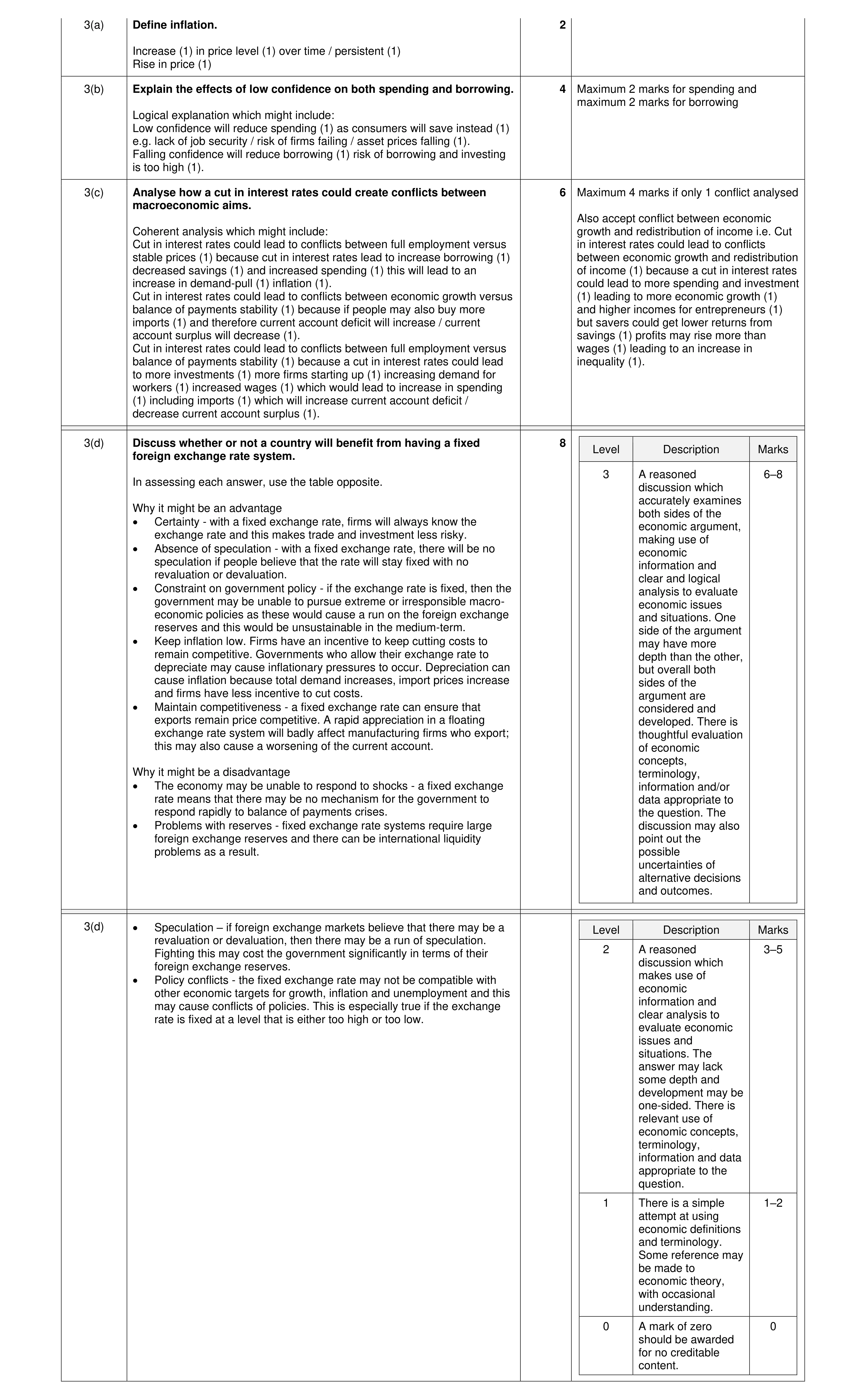 20
20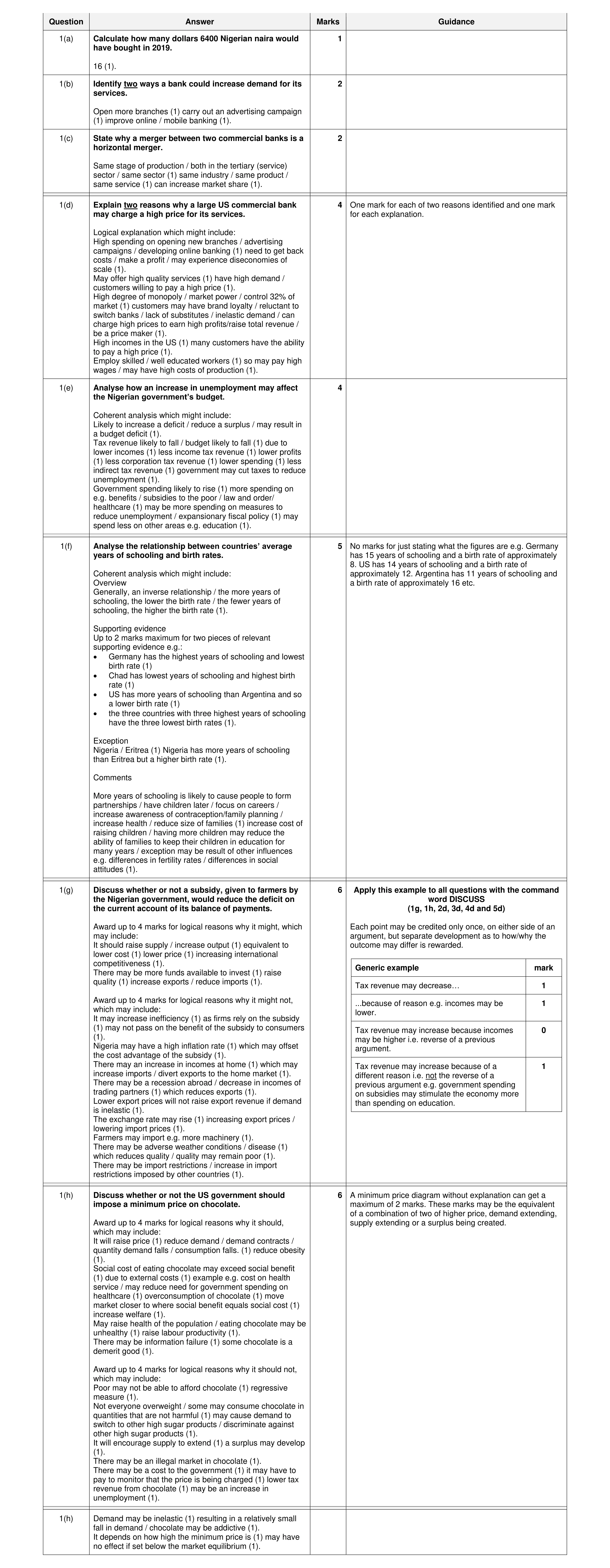 30
30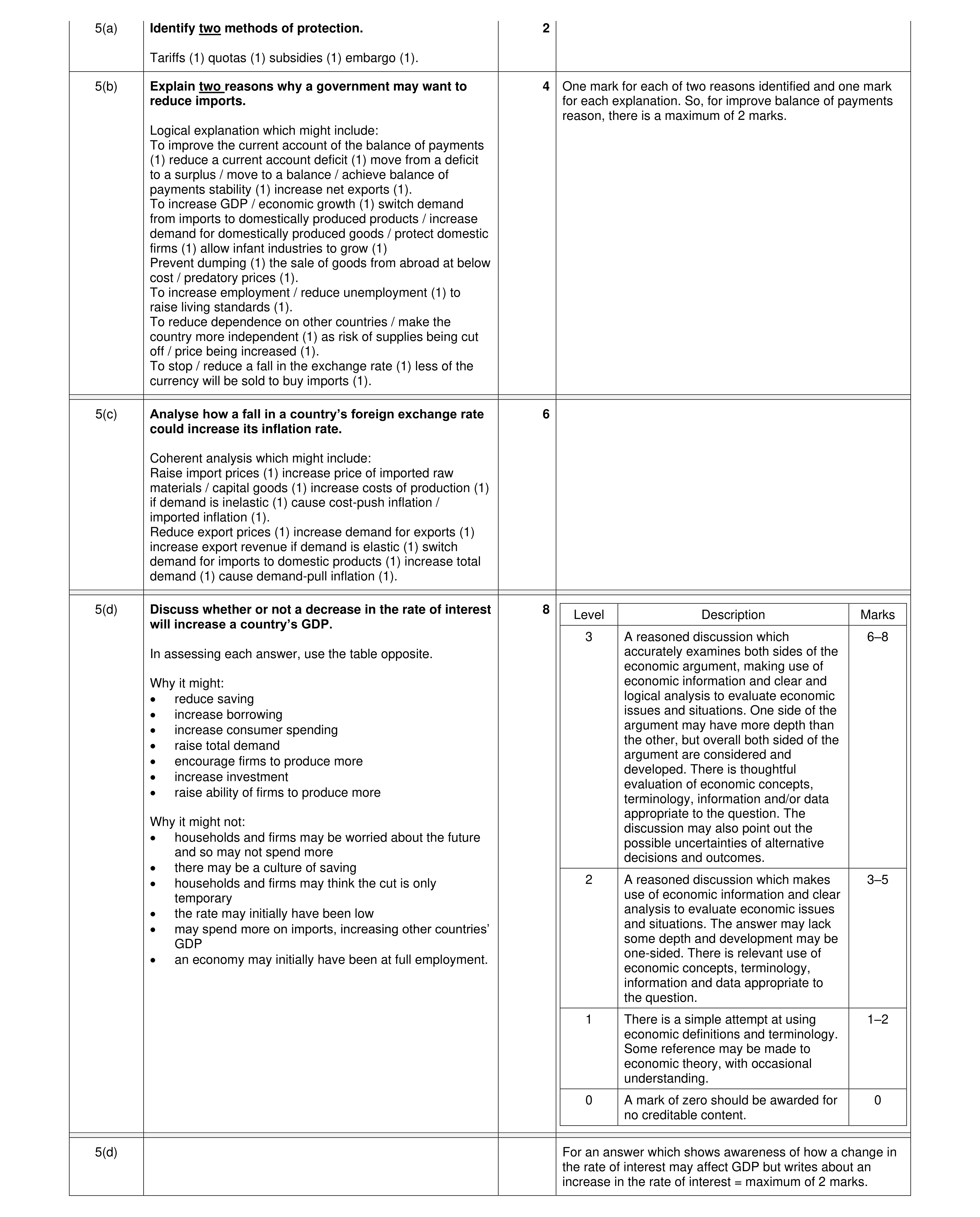 20
20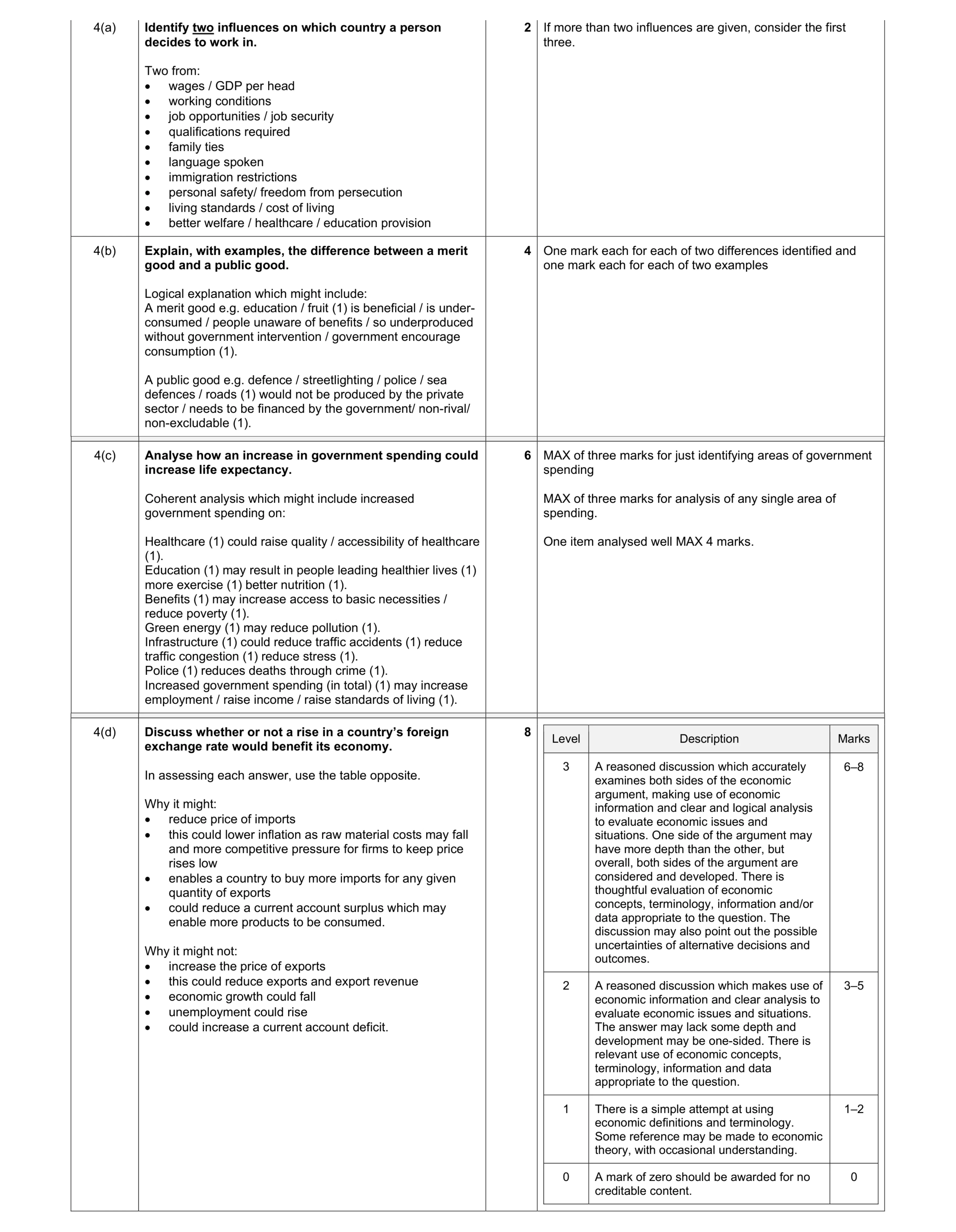 20
20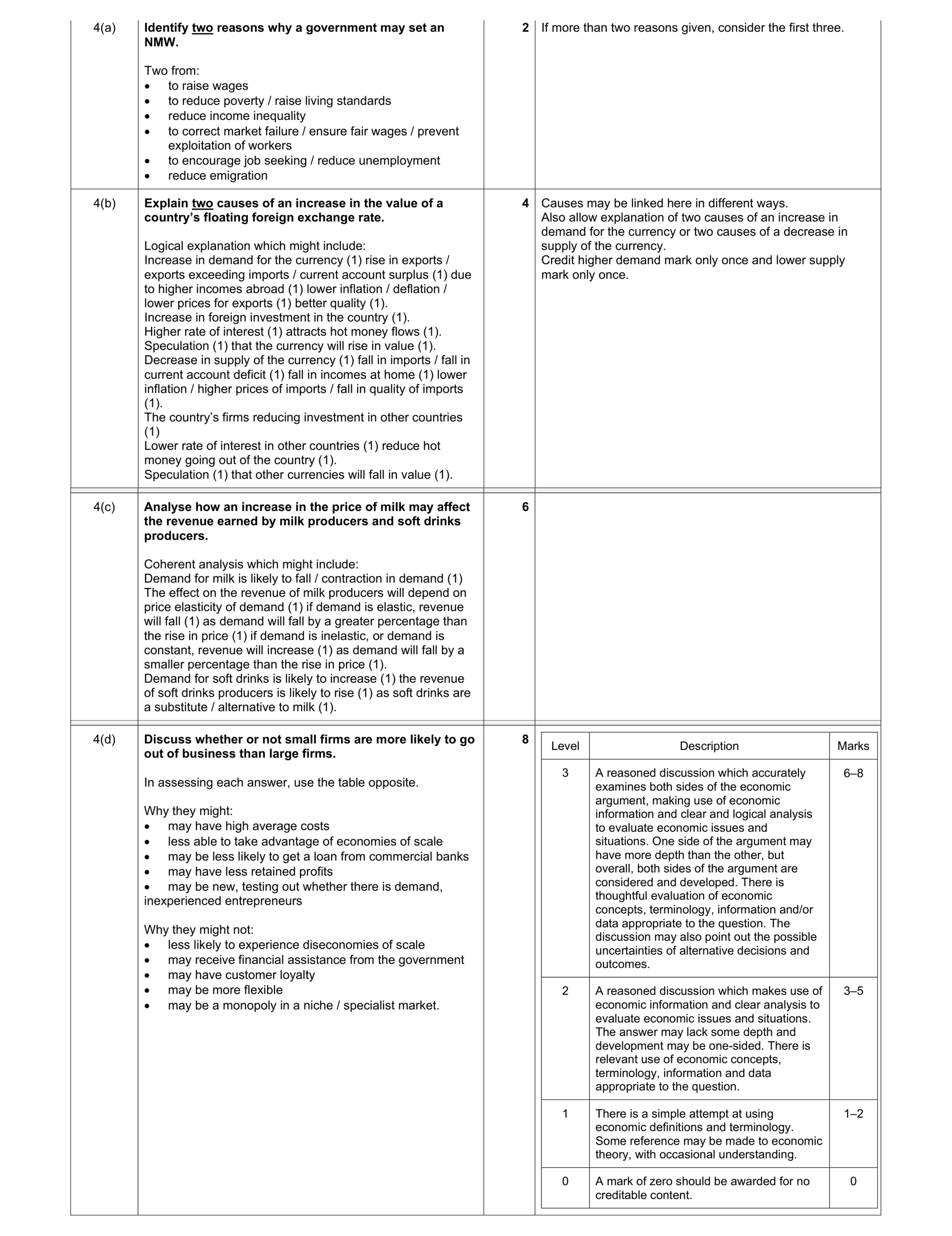 20
20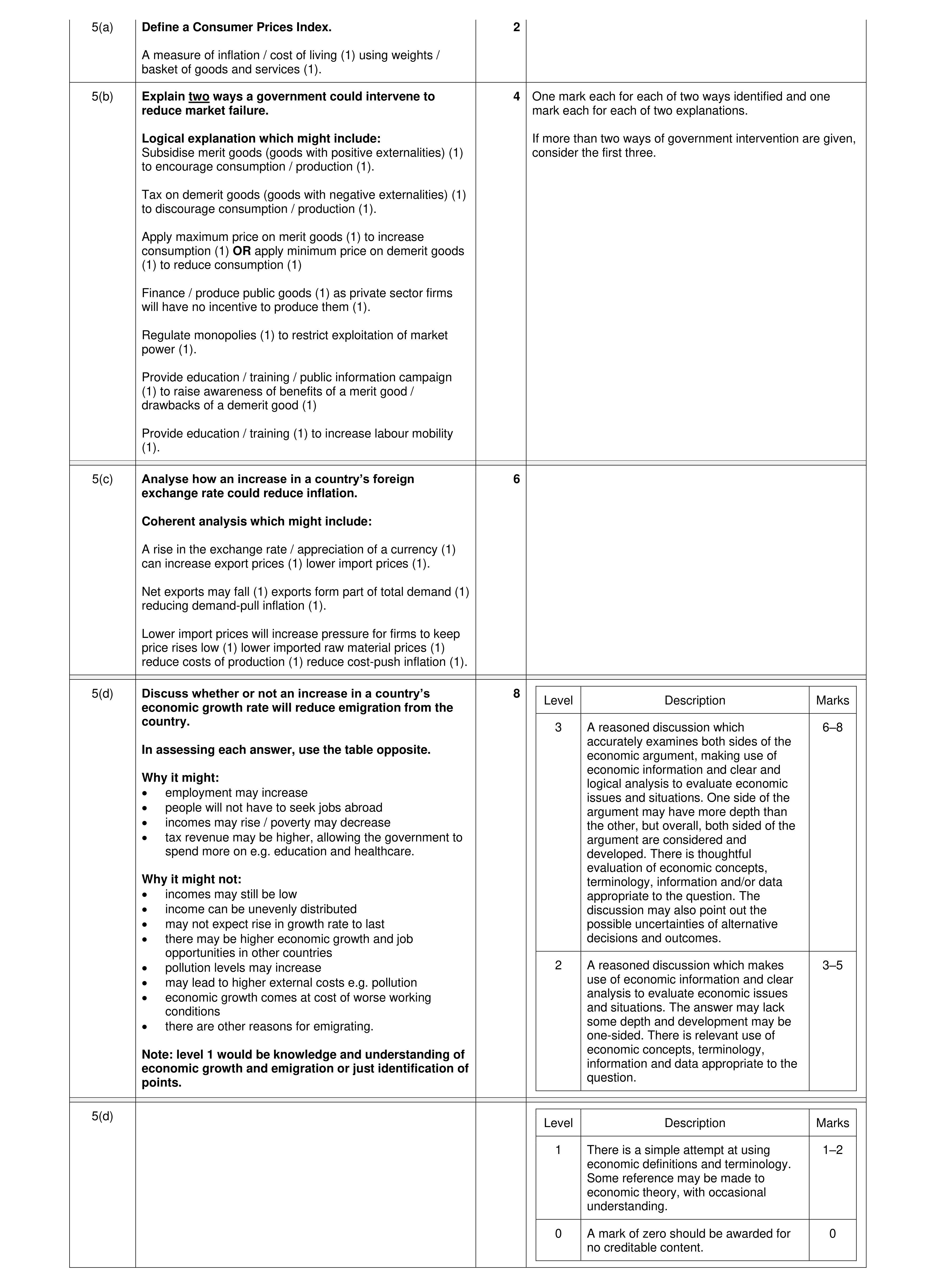 20
20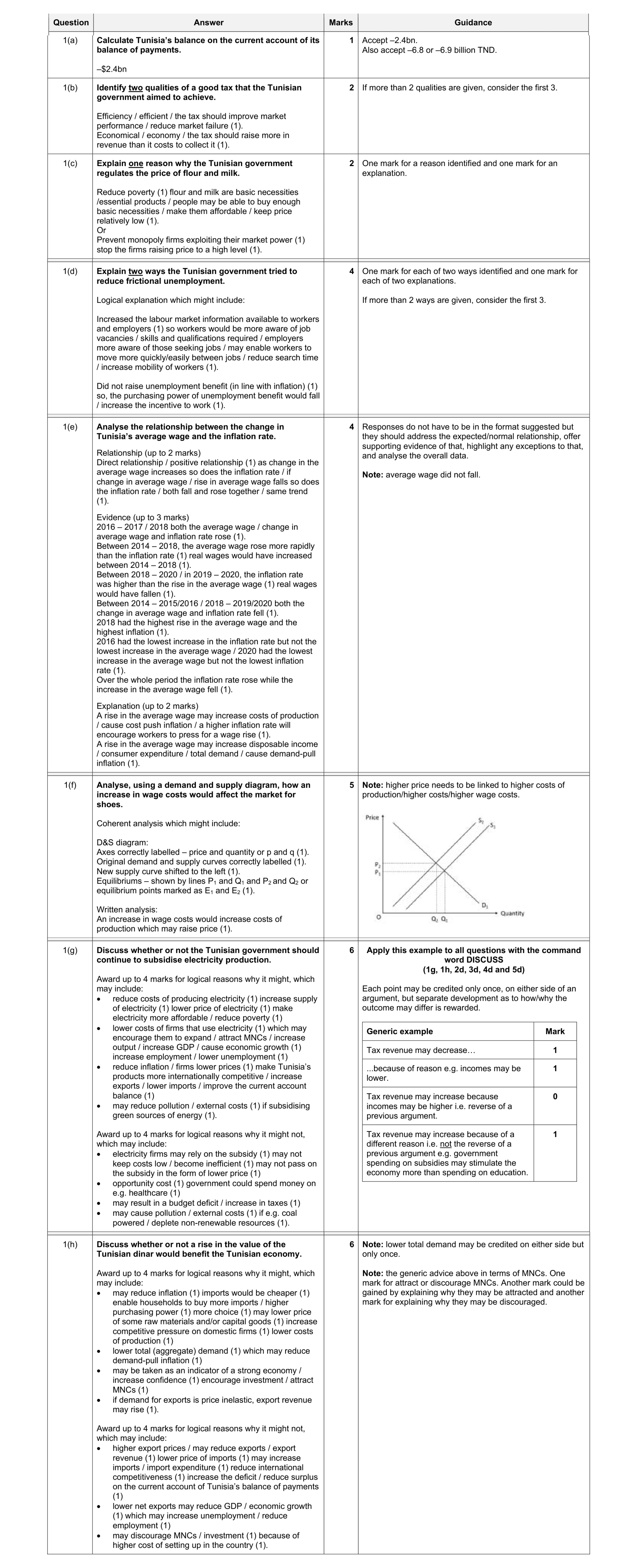 30
30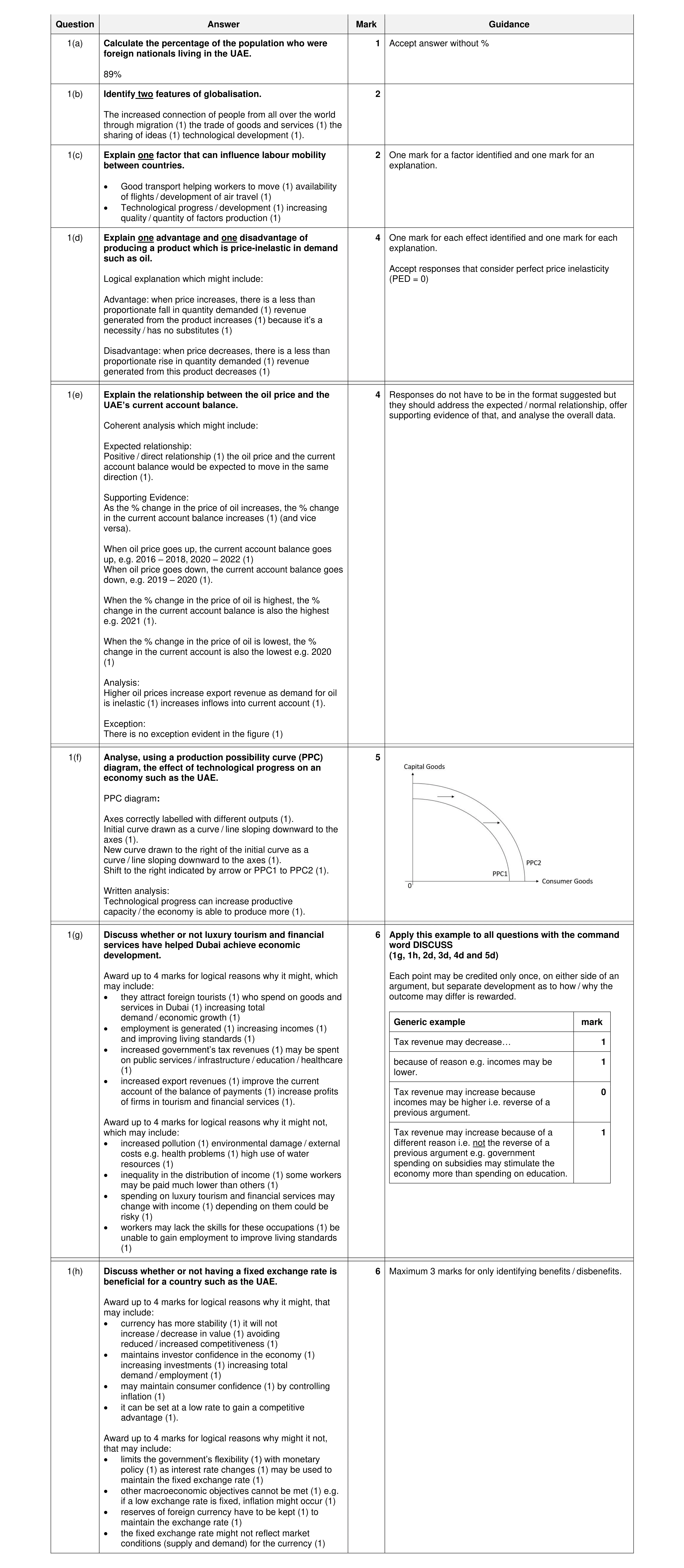 30
30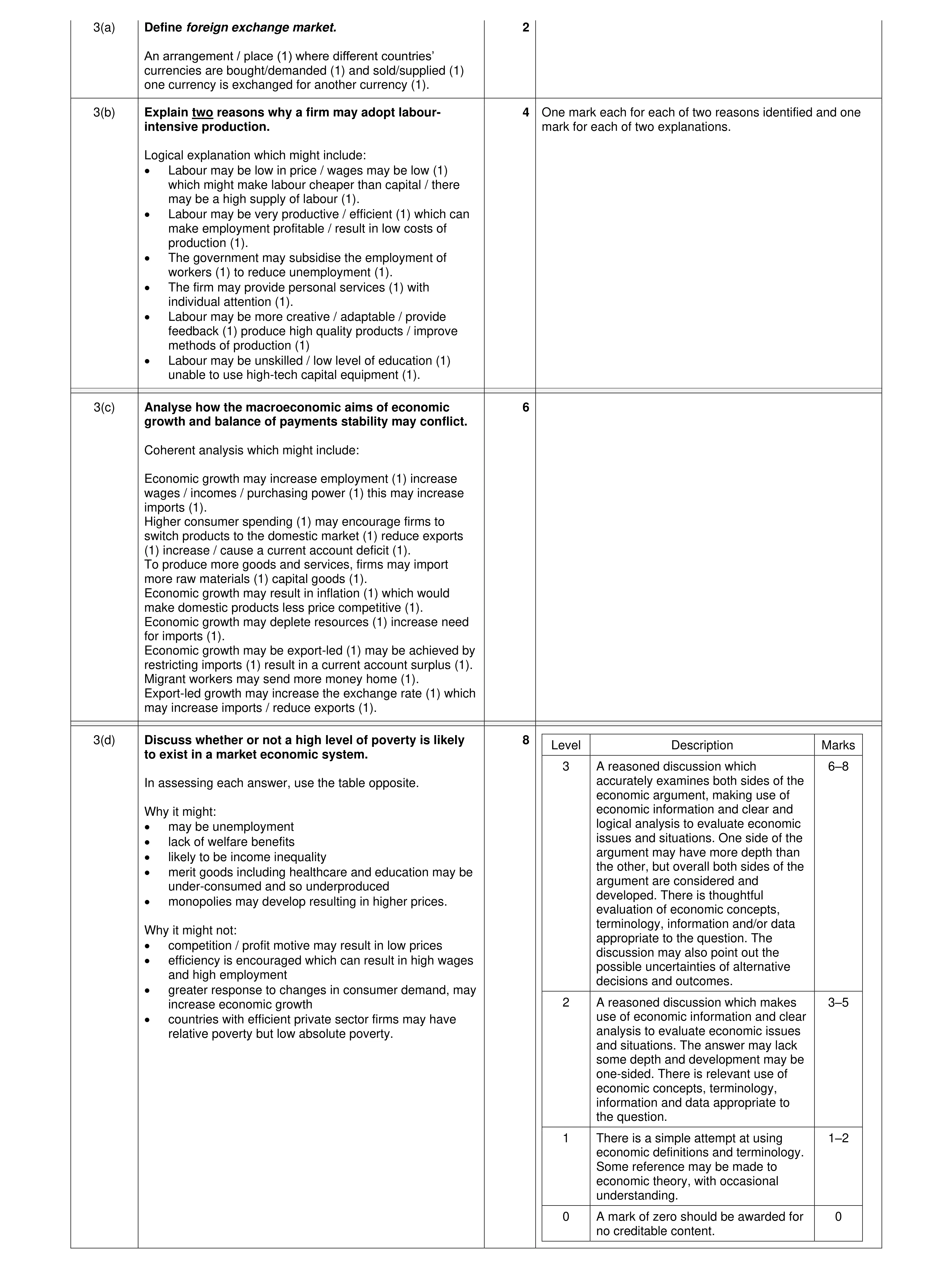 20
20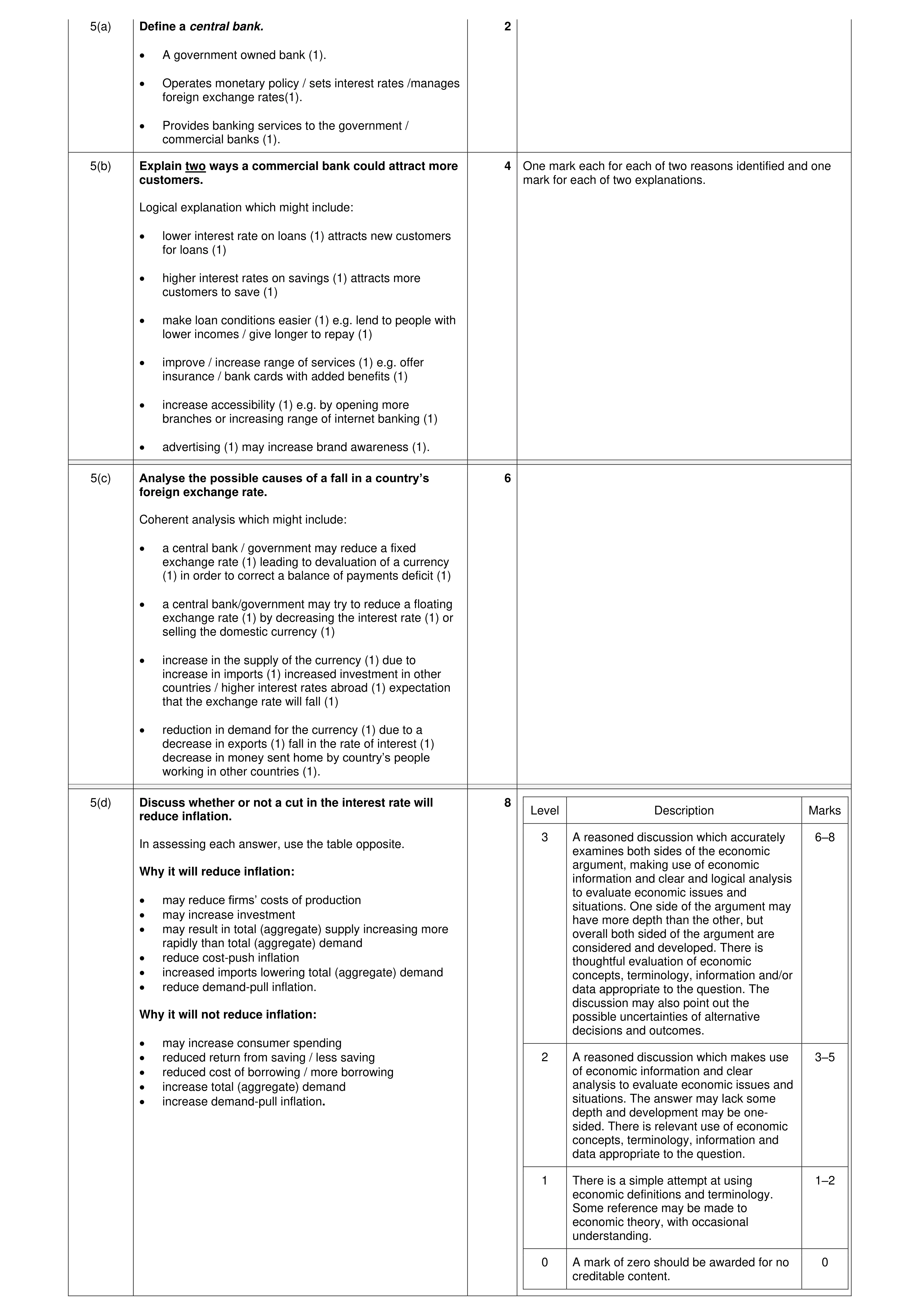 20
20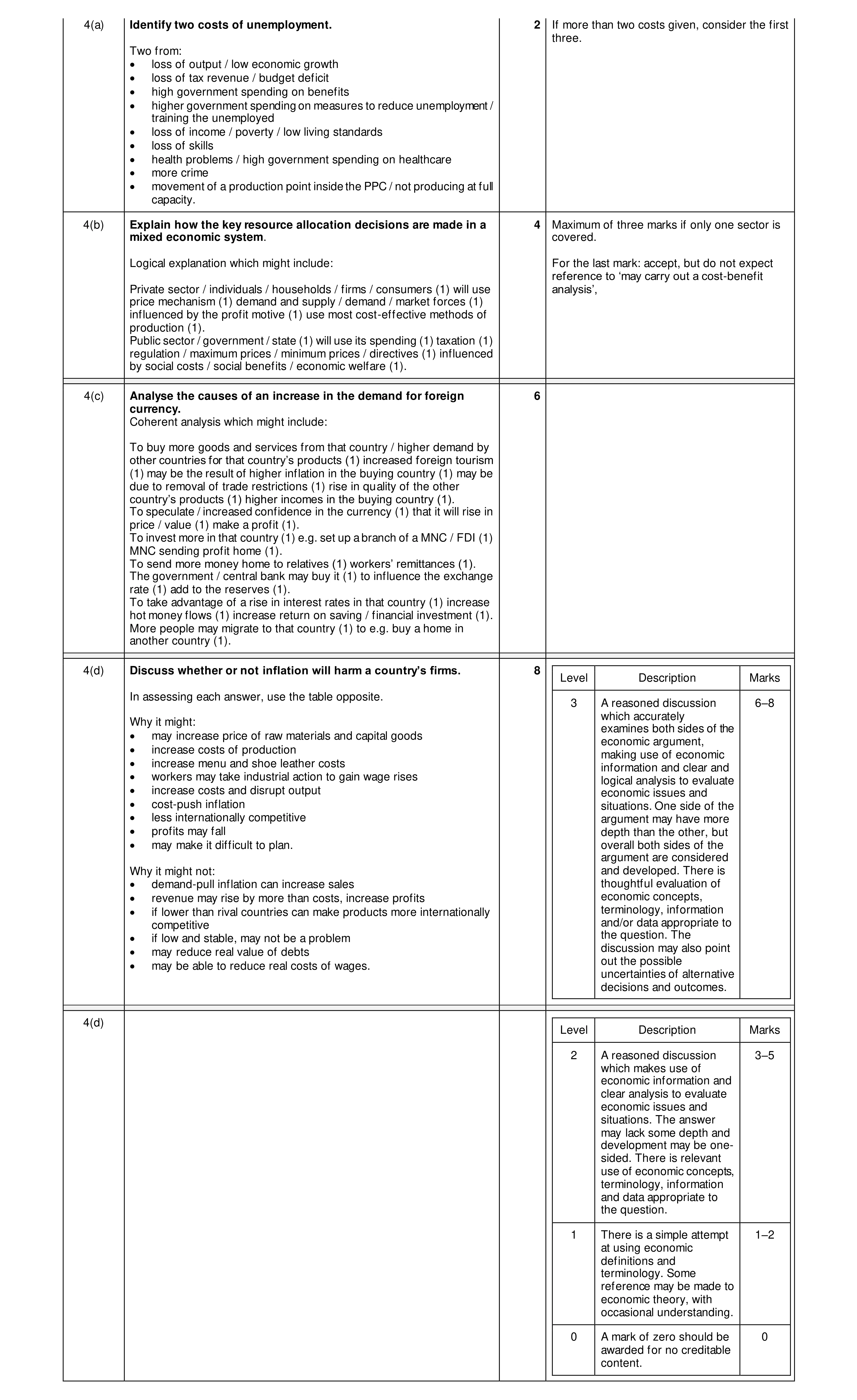 20
20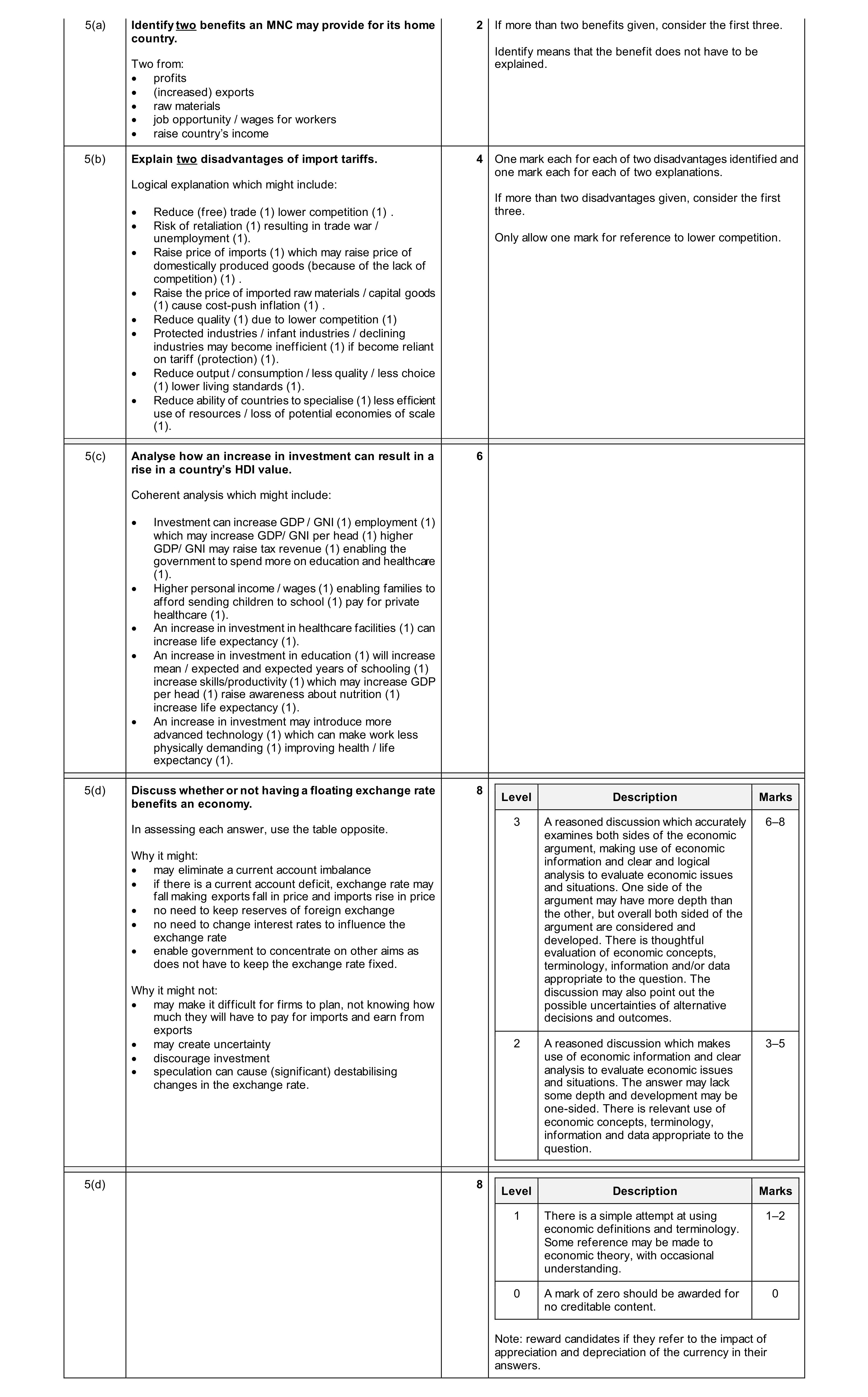 20
20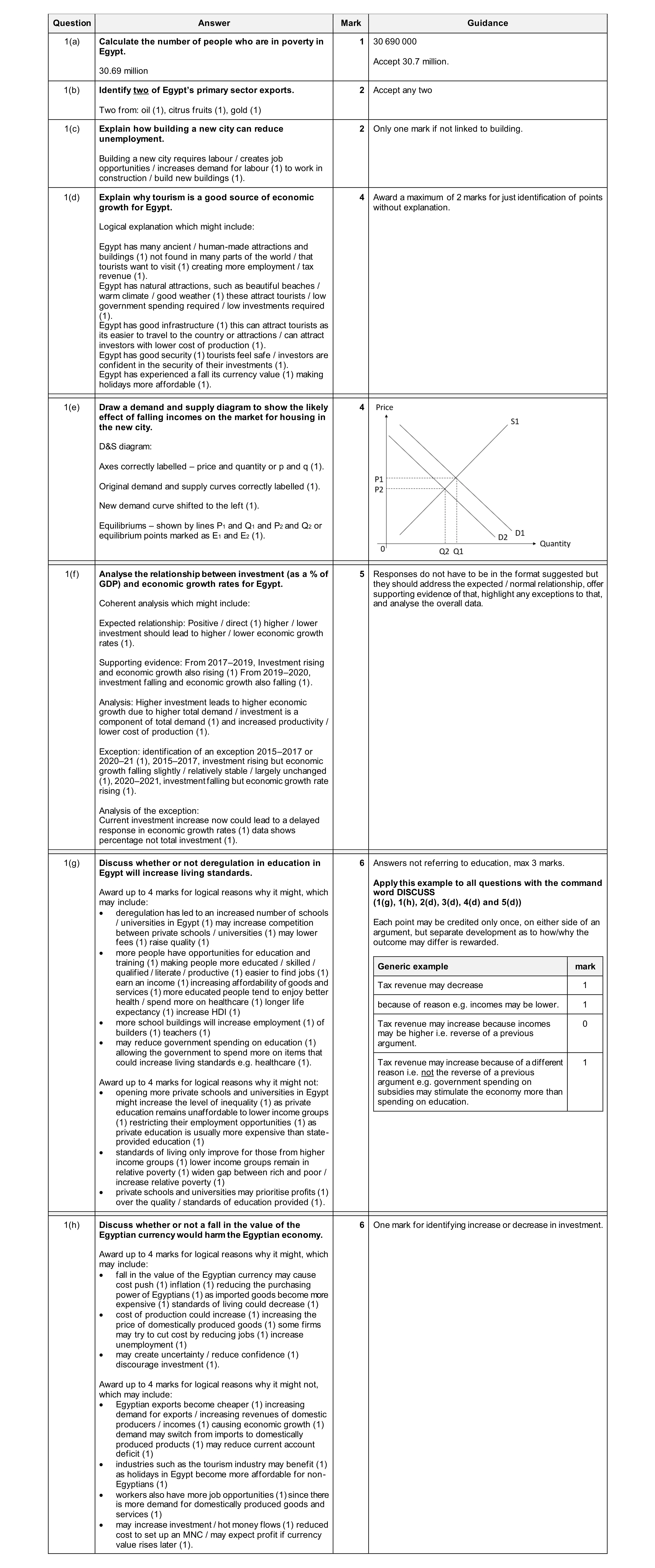 30
30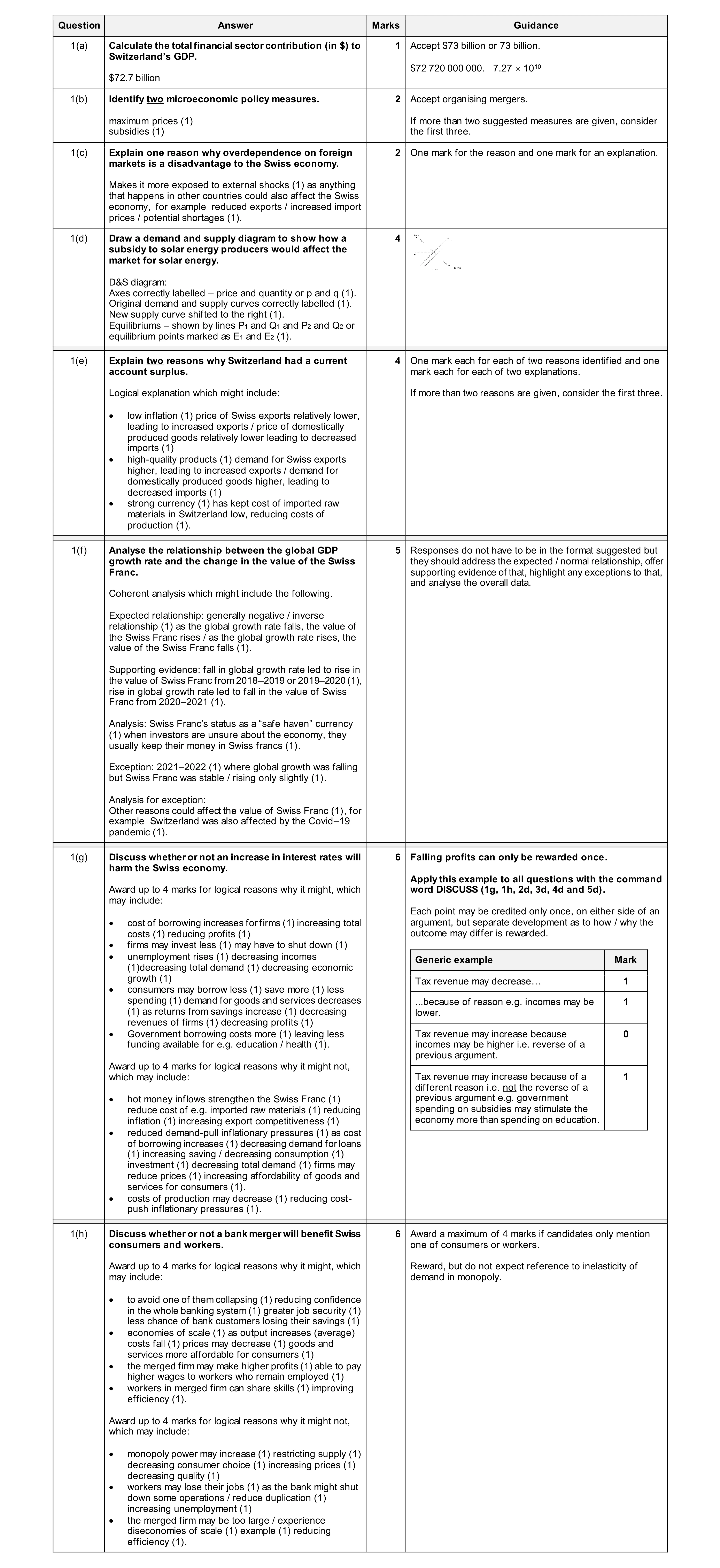 30
30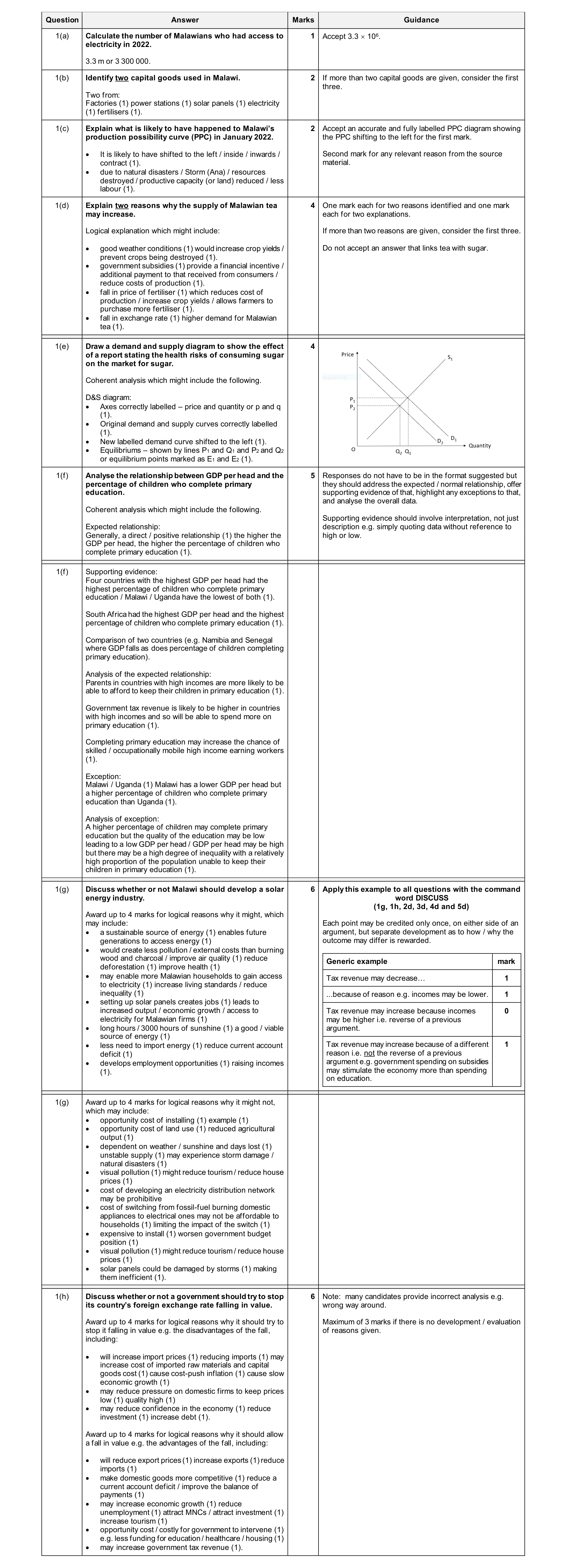 30
30