Questions as text
Q1 · Low-cost airlines For several decades, low-cost airlines have been competing on… 0455/22 Feb/March 2017
1 Low-cost airlines For several decades, low-cost airlines have been competing on short-distance flights not just with established airlines, but also with train travel and car travel. Now they are starting to compete with established airlines on long-distance flights. In response to this increased competition there have been some horizontal mergers occurring between the established airlines. It is predicted that by 2030 China will become the world’s largest domestic air travel market, with 20% of all global air travel. The USA is currently the dominant market and it is predicted that between 2015 and 2030 the country will order 6160 of the 28 000 passenger aircraft that will be produced. India, which has both state-owned and private-sector airlines, is experiencing a great increase in both internal flights and flights to other countries. More airports are being built in India, with more facilities being provided inside and around the airports. For example, more taxi firms are being set up to take passengers to and from the airports. The rapid expansion of air travel in India and other countries is having an impact on the market for pilots, as shown in Fig. 1. S price of pilots P2 P1 D2 D1 O Q1 Q2 quantity / number of pilots Fig. 1 The market for pilots How rapidly the Indian air travel market will grow will be influenced by a number of factors. These include the extent to which business travel will grow and how rapidly demand for foreign holidays will increase. Demand for these forms of air travel is, in turn, influenced by changes in price. The price elasticity of demand for air travel has been estimated at −1.2. One factor that influences prices, and so the inflation rate, is changes in taxation. (a) Identify, using information from the extract: (i) a substitute for air travel [1] (ii) a complement to air travel. [1] (b) Explain two advantages that firms may gain from a horizontal merger. [4] (c) Calculate, using information from the extract: (i) the percentage of the new passenger aircraft that the USA is predicted to purchase between 2015 and 2030 [2] (ii) the percentage change in demand for air travel if the price of air travel falls by 15%. [2] (d) Analyse why demand for a luxury holiday may be price elastic. [5] (e) Discuss whether airlines should be state-owned or operated by the private sector. [5] (f) Explain, using information from the extract and Fig. 1, what happened to the market for pilots in India in 2015. [4] (g) Discuss whether a cut in taxation will reduce inflation. [6]
30 marks
Mark scheme: 1(a) Using information from the extract, identify (i) a substitute and (ii) a complement to air travel. substitute: train travel/car travel (1) complement: taxi travel/foreign holidays (1). 2 1(b) Explain two advantages that firms may gain from a horizontal merger. 1 mark each for each of two advantages identified: • able to take advantage of economies of scale • increased market share/market power • rationalisation • exchange ideas/technology 1 mark each for each of two explanations: • larger firms may be able to reduce average costs/become more efficient/increase productivity • a direct competitor is eliminated • savings may be made by e.g. operating only one warehouse • increase innovation/better quality • higher profit 4 Not sufficient just to have higher demand on its own. 1(c)(i) Calculate the percentage of the new passenger aircraft that the USA are predicted to purchase between 2015 and 2030. 22% (2) Correct working i.e. 6160/28 000 × 100 (1). 2 1 mark if the final answer is different but 22% is given part way through the answer. 1(c)(ii) Calculate the percentage change in demand for air travel if the price of air travel falls by 15%. 18%/18 (2) Correct working i.e. – 1.2 × 15% or 0.18 (%). Or 1.8 (%) (1). 2 Question Answer Marks Guidance 1(d) Analyse why demand for a luxury holiday may be price-elastic. Price-elastic means a percentage change in price creates a greater percentage change in demand (1). A luxury holiday may have a substitute (1) in the form of another holiday (1) a rise in price will make substitutes relatively cheaper (1) demand will be more elastic the closer the substitute (1). Taking a luxury holiday can be postponed/does not have to be purchased (1) it is not a necessity (1). The purchase of a luxury holiday takes up a large proportion of people’s income (1) this would make the change in price more noticeable/more significant (1) a fall in price may make it affordable to many more people (1). 5 1(e) Discuss whether airlines should be state-owned or operated by the private sector. Up to 3 marks for why they should be state-owned: The government will base decisions on social costs and benefits (1) may try to cut down on pollution (1) may be less chance of market failure occurring (1) may carry out a CBA (1). The government may act in the public interest/aim may be to promote welfare (1) may be safer (1). The government may keep prices low (1) to ensure access to flights (1). The government may have more funds available (1) may be able to operate them on a large scale (1) enjoy economies of scale (1). The government may employ more workers (1) to keep unemployment low (1). If profitable can provide funds for the government (1) increase ability of government to spend on e.g. education (1). Up to 3 marks for why they should be operated by the private sector: Profit motive (1) may make the firm/s more responsive to consumer demand (1) may provide better quality (1). Will not require tax revenue/allow government to concentrate on other areas (1) tax revenue can be used for other purposes/example of what revenue could be spent on (1). State-owned may be a monopoly/may be more competition in the private sector (1) competition may drive down price (1) may provide more choice (1). 5 Question Answer Marks Guidance 1(f) Using information from the extract including Fig. 1, explain what happened to the market for pilots in India in 2015. The diagram shows demand increasing (1) inelastic demand (1) wages / prices rising (1) supply extending / more pilots (1) inelastic supply (1) due to countries wanting to recruit more pilots/increased demand for flights (1). 4 1(g) Discuss whether a cut in taxation will reduce inflation. Up to 4 marks for why it might: A cut in indirect taxes/corporation tax (1) will reduce firms’ costs of production (1) reduce cost-push inflation (1). A cut in tariffs (1) will lower cost of imports (1) reduce price of products consumers buy (1). Lower taxes may increase incentives (1) increase supply (1) reduce costs (1) lower cost-push inflation (1). Up to 4 marks for why it might not: A cut in income tax (1) will increase disposable income/increase purchasing power (1) increase demand (1) firms raise prices to increase profits (1) increase demand-pull inflation (1). Lower indirect taxes (1) may not be passed on to consumers in lower prices (1). 6 Note: maximum of 2 if no link to inflation,
This question in 0455/22 Feb/March 2017
Q2 · The actions of the Government of Georgia to reduce inflation and unemployment had an… 0455/22 Feb/March 2017
2 The actions of the Government of Georgia to reduce inflation and unemployment had an impact on the business organisations operating in the country in 2015. The country has an expanding tertiary sector including its banking sector. The country now has some features of a market economy. (a) Identify two goals that business organisations may have. [2] (b) Explain two functions of a commercial bank. [4] (c) Analyse how the price mechanism influences the allocation of resources in a market economy. [6] (d) Discuss whether an increase in output will increase the profits that firms receive. [8]
20 marks
Mark scheme: 2(a) Identify two goals that business organisations may have. 1 mark each for each of two goals: • profit maximisation • growth • survival • sales revenue maximisation • profit satisficing • social responsibility • improving the environment 2 for profit maximisation. 2(b) Explain two functions of a commercial bank. 1 mark each for each of two functions identified e.g.: • accepting deposits/allow people to save • lending • allowing customers to make payments • providing a range of other financial services e.g. insurance 1 mark each for each of two explanations given: • customers can open current accounts or deposit accounts/earn interest on savings • customers may keep e.g. documents at the bank. • customers can borrow money to e.g. purchase a home/pay interest on loans. • customers can make payments through e.g. direct debits • customers may be able to get e.g. a guarantee of compensation for theft from a bank. 4 Question Answer Marks Guidance 2(c) Analyse how the price mechanism influences the allocation of resources in a market economy. An increase in demand (1) will increase price (1) this will provide a financial incentive (1) profit motive (1) to supply more of the product (1) resources will move away from less popular products (1). An increase in supply (1) will reduce price (1) this will lead to a rise in demand (1) resulting in more resources being devoted to the product (1). Makes use of demand and supply (1) consumers make the decisions/consumer sovereignty (1). Will encourage firms to use the most cost efficient methods of production (1) e.g. will use labour intensive method of production (1) if ready supply of labour (1). Award up to 3 marks for a correctly labelled demand & supply diagram, showing 3 elements of the above e.g. shift (1) change in price (1) and new equilibrium quantity (1). 6 If a diagram is included, avoid double credit e.g. only 1 mark can be awarded for an increase in demand whether written or drawn. 2(d) Discuss whether an increase in output will increase the profits that firms receive. Up to 5 marks for why it might: The higher output may be the response to higher demand (1) raise revenue (1) may widen the gap between revenue and cost (1). If to sell the higher output a firm has lowered price, revenue would increase if demand is elastic (1) fall in price will cause a greater percentage rise in demand (1). A higher output may enable a firm to take greater advantage of economies of scale (1) lower average costs (1) example (1). Up to 5 marks for why it might not: If demand is inelastic (1) a fall in price will cause a smaller percentage rise in demand (1) revenue will fall (1). May result in the firm experiencing diseconomies of scale (1) raise average costs (1) example (1). May occur when demand is falling (1) revenue will fall (1) may make a loss (1). 8
This question in 0455/22 Feb/March 2017
Q3 · Money and banking are closely linked 0455/21 May/June 2017
3 Money and banking are closely linked. Money performs a number of functions, including being a standard for deferred payments, and it is used to pay workers, often directly into their bank accounts. The amount workers earn differs depending on the industry in which they work. Bank lending from both private sector and public sector (state-owned) banks has increased in some countries in recent years. (a) Define ‘a standard for deferred payments’. [2] (b) Explain two reasons why agricultural workers may be paid less than manufacturing workers. [4] (c) Analyse why private sector banks may earn higher profits than public sector banks. [6] (d) Discuss whether an increase in bank lending will benefit an economy. [8]
20 marks
Mark scheme: 3(a) Define a ‘standard for deferred payments’. A function of money that enables people to borrow (1) pay back at a later date (1) and to lend (1). The function of money that enables a price/interest rate to be set on the amount a borrower will pay (1) that a lender will earn (1). 2 3(b) Explain two reasons why agricultural workers may be paid less than manufacturing workers. 1 mark each for each of two reasons identified: • may be in less demand • may be in higher supply • may have less bargaining power • may benefit less from government policies 1 mark each for each of two explanations given: • may be in less demand as less productive/product they produce can be sold for less/replaced by capital good e.g. tractors • may be in higher supply as work may require fewer qualifications/less skill • may have less bargaining power as they may not belong to a trade union • may not be covered by minimum wage legislation 4 3(c) Analyse why private sector banks may earn higher profits than public sector banks. May have different goals (1) private sector banks may aim for profit maximisation (1) while public sector banks may seek to e.g. provide a service/keep employment high (1). Private sector banks may have lower costs of production (1) due to greater size (economies of scale) or lower size (less experience of diseconomies of scale (1) or due to more efficient production (1). Private sector banks may earn more revenue (1) may be better at attracting consumers through e.g. higher quality products (1) may respond quicker to changes in consumer demand (1). 6 Maximum of 3 marks for a list-like approach. Question Answer Marks Guidance 3(d) Discuss whether an increase in bank lending will benefit an economy. Up to 5 marks for why it might: It may enable households to borrow more (1) increasing their spending (1) to increase their living standards (1) be able to buy housing or other basic necessities (1) educate their children (1) reduce poverty (1). It may enable firms to borrow more to expand output (1) raise employment (1) increase economic growth (1). It may enable firms to buy better capital equipment (1) lower costs of production (1) lower prices (1) increase exports (1). Up to 5 marks for why it might not: It may increase consumer expenditure/total demand (1) this may cause inflation (1) total demand exceeding total supply (1) demand-pull inflation (1). Households and firms may spend more on imports (1) increasing a current account deficit (1) and may result in imported inflation (1). It may encourage households to get into debt (1) borrowing more than they can repay (1). It may encourage inefficient firms to expand (1) rising costs (1) increasing prices (1). 8 A response may develop a mixture of relevant points to achieve up to 5 marks on either side. Maximum of 2 marks on each side of the discussion for a list-like approach.
This question in 0455/21 May/June 2017
Q4 · Mining diamonds in Botswana Botswana is the world’s largest producer of diamonds 0455/22 May/June 2017
1 Mining diamonds in Botswana Botswana is the world’s largest producer of diamonds. Indeed, in 2015 diamonds accounted for a third of the country’s Gross Domestic Product (GDP) of US$18 billion and for 80% of the country’s exports. The country currently gets most of its income from mining and selling rough (uncut) diamonds. It receives only US$700 for a 1.5 carat rough diamond. The diamond is then cut, polished and finished, usually in other countries. India is the market leader in cutting and polishing diamonds. The cost of cutting and polishing diamonds in India is only a quarter of the cost in Botswana. The global average cost of finishing a 1.5 carat diamond is US$8000. The diamond is sold to the customer with a 25% profit margin. Botswana is trying to develop industries connected with diamond mining, such as cutting, polishing and jewellery making including diamond rings. Fig. 1 shows how the global market for diamond rings changed in 2015. price of S diamond rings P2 P1 D1 D2 O Q1 Q2 quantity of diamond rings Fig. 1 The global market for diamond rings in 2015 The Botswanan Government has also encouraged the world’s largest diamond company to set up in Gaborone, the capital of Botswana. Some government ministers, however, are concerned that Botswana is too dependent on diamonds. They warn that there is a finite supply of diamonds and urge the government to encourage diversification. As well as diamonds, the country has a number of other strengths. It has good infrastructure, a developed education system and free hospital treatment. (a) Identify, using information from the extract, two reasons why a foreign diamond company may set up in Botswana. [2] (b) Explain two benefits that a country may gain from the presence of a foreign multinational company. [4] (c) Calculate, using information from the extract: (i) the value of diamonds produced in Botswana in 2015 [2] (ii) the average price of a 1.5 carat diamond in 2015. [2] (d) Analyse why a country could have lower production costs for a particular good than another country. [5] (e) Discuss whether Botswana should mine all its diamonds and sell them as quickly as possible. [5] (f) Explain, using information from the extract and Fig. 1, what happened to the market for diamond rings in 2015. [4] (g) Discuss the economic arguments for and against providing free hospital treatment to patients. [6]
30 marks
Mark scheme: 1(a) Identify, using information from the extract, two reasons why a foreign diamond company may set up in Botswana. 1 mark each for each of two reasons identified: • supply of diamonds / largest producer of diamonds • cheap diamonds • educated labour force / developed education system • free healthcare • good infrastructure e.g. transport system • government encouragement • supporting (ancillary) industries e.g. diamond cutting 2 Do not accept subsidies. Question Answer Marks Guidance 1(b) Explain two benefits that a country may gain from the presence of a foreign multinational company. 1 mark each for each of two benefits identified: • higher output / economic growth • higher employment • contribution to current account position • higher tax revenue • new technology introduced • encourage other MNCs to invest • increase competition • increase variety of products produced • train workers in new skills 1 mark each for each of two explanations given: • MNCs’ output will count in the country’s GDP / raise living standards • MNCs may employ workers from the country • MNCs may export products from the country • MNCs profits will be taxed / tax revenue can be spent on e.g. education • MNCs may use more advanced capital equipment • more MNCs can increase employment • increased competition may make domestic firms more efficient/more productive / lower prices • a greater variety of products will increase consumer satisfaction • more skilled workers will be more productive 4 Maximum of 2 marks for a list of benefits. 1(c)(i) Calculate, using information from the extract, the value of diamonds produced in Botswana in 2015. $6 billion (2). Correct method i.e. 33% of US$18 billion (1). 2 Correct answer and $ sign and billion/bn/b required for 2 marks. 6 + >000s = 1 mark Question Answer Marks Guidance 1(c)(ii) Calculate, using information from the extract, the average price of a 1.5 carat diamond in 2015. $10 000 (2). Correct method: $8000 + 25% (1). OR $10 875 (2). Correct method: $8 700 + 25% (1). OR $10 667 ($10 666.66) (2) Correct method: $8000 × 100 / 75. 2 1(d) Analyse why a country could have lower production costs for a particular good than another country. • It may have a more educated/skilled labour force (1) higher productivity/greater efficiency (1) lower wastage (1). • It may have more capital goods (1) may use more advanced technology (1) lower capital costs (1). • Its firms may be producing on a larger scale (1) taking greater advantages of economies of scale (1) example (1). • The government may subsidise the product (1) or tax the product less (1). • It may specialise in the product (1). • It may have easier access to raw materials / natural resources (1) and so raw materials/natural resources may be cheaper (1). • It may have a large supply of labour (1) with low wage rates (1). • It may have low transport costs (1) due to good infrastructure (1). • It may have a more favourable climate (1). • It may have a lower inflation rate than other countries (1). • It may have lower minimum wage (1) lowering wages cost (1). • It may have weaker trade unions (1) reducing bargaining power (1). • It may have a stronger currency (1) causing lower cost of importing raw materials (1). 5 Accept but do not expect reference to comparative/absolute advantage. Maximum of 3 marks for a list- like approach. Question Answer Marks Guidance 1(e) Discuss whether Botswana should mine all its diamonds and sell them as quickly as possible. Up to 3 marks for why it should: • Increase income (1) and employment (1) and living standards now (1). • Increase government tax revenue (1) enabling government to spend more on e.g. infrastructure (1). • Increase export revenue (1) improving the current account position (1). • Demand may be high now (1) causing price to be high (1) causing greater incentive to supply now (1). • Demand may fall in the future (1) lowering prices (1) so income earned in the future may be lower in the future (1). • Higher output now may result in improved economies of scale (1) lowering costs (1). • Higher output may enable greater advantage to be taken of economies of scale (1) lowering average cost (1). Up to 3 marks for why it should not: • Will deplete stocks of diamonds (1) preventing diamond production in the future (1) there is a finite supply of diamonds (1). • Global demand may be low now (1) demand may be higher in the future (1). • Increase in supply may lower prices (1) which may reduce revenue (1). • Risk of relying on one product / one export / being too dependent on diamonds (1). • Advances in technology (1) may reduce costs of mining in the future (1). • May increase the risk of pollution (1) causing environmental damage (1). • In the long run employment (1) and GDP may be higher (1). 5 Reverse arguments may be awarded if justified by reference to short and long run. A response may develop a mixture of relevant points to achieve up to 3 marks on either side. Maximum of 2 marks for a list- like approach. 1(f) Explain, using information from the extract and Fig. 1, what happened to the market for diamond rings in 2015. The diagram shows: • Demand increasing (1) price rising (1) • Supply extending/rising/higher quantity/more diamond rings (1) due to higher income or other valid reasons (1) • Demand is inelastic (1) • Supply is inelastic (1) 4 No marks for just stating the demand curve has shifted to the right or supply is unchanged. Question Answer Marks Guidance 1(g) Discuss the economic arguments for and against providing free hospital treatment to patients. Up to 4 marks for why it should: • It may increase health (1) increase life expectancy/reduce death rate (1) improve living standards/economic development (1) • It would provide access to the poor (1) reduce poverty/provide a necessity (1) • The social benefit of hospital treatment is greater than the private benefit (1) provides external benefits (1) e.g. better quality/higher output/economic growth (1) higher labour productivity (1) may be under-consumed/under-produced (1) if left to market forces (1) people may not appreciate private benefits/benefits to themselves of hospital treatment (1) • People will have more money to spend on other items (1) Up to 4 marks for why it should not: • May increase government spending (1) opportunity cost (1) government spending on e.g. education could be higher (1) taxes may be higher (1) leading to demand-pull inflation (1) • Some of those treated could afford to pay (1) in this case not a good use of government funds (1) • May result in over-consumption (1) people seeking treatment who do not need it (1). • May reduce the work incentive of potential consumers (1) as people will need less income to pay for healthcare (1) • The quality of healthcare may fall (1) loss of profit motive (1) may reduce e.g. innovation (1) • May encourage people to take greater risks (1) e.g. eat less healthily (1). • Government could charge for healthcare/allow private sector to charge for healthcare to get more tax revenue (1) to spend on e.g. education (1) taxes could be lower (1) 6 A response may develop a mixture of relevant points to achieve up to 4 marks on either side. Maximum of 3 marks for a list- like approach.
This question in 0455/22 May/June 2017
Q5 · In 2015 the world saw many changes in demand and advances in technology 0455/22 May/June 2017
6 In 2015 the world saw many changes in demand and advances in technology. People were using new ways to transfer money and there was an increase in the number of stock exchanges. Some governments also raised the school-leaving age, that is the minimum age at which children are legally allowed to leave school. (a) What is sold on a stock exchange? [2] (b) Explain how money helps specialisation and trade to occur. [4] (c) Analyse how advances in technology can affect demand and supply. [6] (d) Discuss the economic arguments for and against a government raising the school-leaving age. [8]
20 marks
Mark scheme: 6(a) What is sold on a stock exchange? Shares/stocks (1) in public limited companies (1) government bonds/securities (1). 2 6(b) Explain how money helps specialisation and trade to occur. • If workers and firms specialise they have to sell what they produce (1) to get the products they want/to buy other products (1) • Money helps trade as it avoids the need for barter (1) overcomes the double coincidence of wants (1) • Any functions of money e.g. medium of exchange or store of value (max 2) 4 6(c) Analyse how advances in technology can affect demand and supply. • Advances in technology reduce costs of production (1) increases the speed of production (1) increases supply (1) lower price (1) increases quality/efficiency/reduces waste (1) lower price causes an extension in demand (1) • Advances in technology create new products and newer versions of products (1) higher demand will increase price (1) higher prices will cause supply to extend (1) • Advances in technology decreases demand for some products (1) example (1) • Advances in technology may reduce demand for labour (1) as machines may replace workers (1) example (1) • Advances in technology may enable firms to extract raw materials more easily (1) increasing the supply of raw materials (1) example (1) 6 Maximum of 4 marks if there is only reference to demand or supply. Question Answer Marks Guidance 6(d) Discuss the economic arguments for and against a government raising the school- leaving age. Up to 5 marks for why it should: • It may increase educational standards (1) increase skills (1) raise labour productivity (1) increase innovation/technology (1) lower costs of production (1) raise output (1) improve the current account position (1). • More educated workers are likely to be in higher demand from employers (1) more occupationally mobile (1) lower unemployment (1) create jobs for teachers (1) raise wages (1) improve living standards (1) may reduce income inequality (1). • It may attract more MNCs to set up in the country (1) as they will expect a more skilled labour force (1) which may increase GDP(1). Up to 5 marks for why it should not: • It will increase government spending (1) opportunity cost (1) example (1) may lead to higher taxes (1). • Workers may be sufficiently qualified/there may not be vacancies for more-skilled workers (1) inappropriate use of resources (1) workers may become over-qualified for the jobs they do (1). • In the short run will reduce the size of the labour force (1) lower output/productive potential (1). 8 A response may develop a mixture of relevant points to achieve up to 5 marks on either side. Reward but do not expect education being a merit good. Maximum of 2 marks on each side of the discussion for a list- like approach.
This question in 0455/22 May/June 2017
Q6 · 2015 saw more than US$4000 billion-worth of mergers worldwide, many in the USA and the UK 0455/23 May/June 2017
4 2015 saw more than US$4000 billion-worth of mergers worldwide, many in the USA and the UK. Some mergers occur between firms in different countries. These are influenced by a number of factors, including the size and structure of the markets in the countries and their exchange rates. Mergers influence the level of competition in markets. (a) Define ‘conglomerate integration’. [2] (b) Explain why firms in a perfectly competitive market are price-takers. [4] (c) Analyse the causes of an increase in a country’s exchange rate. [6] (d) Discuss whether a large firm will always have lower average costs of production than a small firm. [8]
20 marks
Mark scheme: 4(a) Define ‘conglomerate integration’ A merger (1) between firms producing different products (1). 2 4(b) Explain why firms in a perfectly competitive market are price-takers. • No one firm can change market price/one firm’s output is insufficient to influence price (1) price takers have to accept the market price (1) • If one firm raises its price it will lose all of its customers (1) as demand for its products will be perfectly elastic (1) all the products of the firms in the industry are homogeneous/perfect substitutes for each other (1) price will not be lowered (1) as the firms will be able to sell any quantity they want at the market price (1) • Perfect information (1) so no consumer will be willing to pay one firm’s higher price (1) 4 4(c) Analyse the causes of an increase in a country’s exchange rate. • Change in market conditions for a floating exchange rate (1) • Increase in demand for the currency (1) cheaper exports/higher quality exports (1) may lead to greater demand for exports (1) higher interest rates may increase demand for financial investment (1) there may be speculation that the currency may rise further (1) • Decrease in supply of the currency (1) more expensive imports/poorer quality imports/trade barriers (1) may lead to lower demand for imports (1) lower interest rates may cause inward financial investment (hot money) to fall (1) • Government decision to raise the value of the currency (1) for a fixed exchange rate (1) 6 Maximum of 3 marks for a list-like approach. Question Answer Marks Guidance 4(d) Discuss whether a large firm will always have lower average costs of production than a small one. Up to 5 marks for why they might: • May be able to take advantage of economies of scale (1) purchasing/buying economies – receiving discounts from buying in bulk (1) • technical – using large scale capital equipment (1) • managerial – employing specialists (1) • selling – e.g. lower transport costs (1) • financial – borrowing at lower interest rates (1) • research and development – running a department to develop new products (1) • Large firms spread fixed costs over high output, reducing AFC (1) • Large firms may have access to cheap labour abroad (1) Up to 5 marks for why they might not: • May experience diseconomies of scale (1) raising average cost (1) • problems managing the firms (1) poor communication (1) • poor industrial relations (1) • involve an opportunity cost (1) • may have to switch resources from producing consumer goods (1) • lower living standards in the short run (1) • Large firms are less likely to receive government support (1) in the form of a subsidy (1) • Large firms may pay higher rates of tax (1) adding to average costs (1) corporation tax is progressive (1) 8 A response may develop a mixture of relevant points to achieve up to 5 marks on either side. Maximum of 2 marks on each side of the discussion for a list- like approach. Accept advantages of small firms over large firms, e.g. government support.
This question in 0455/23 May/June 2017
Q7 · Argentina once had one of the highest levels of Gross Domestic Product (GDP) per head in… 0455/23 May/June 2017
7 Argentina once had one of the highest levels of Gross Domestic Product (GDP) per head in the world and one of the highest economic growth rates. Many multinational companies were producing in the country. Some suggest that for Argentina to regain its position among the top ten richest countries, it needs to increase spending on education and move towards free trade. (a) Define ‘free trade’. [2] (b) Explain two reasons why governments aim for economic growth. [4] (c) Analyse why the social benefits of education are greater than the private benefits. [6] (d) Discuss whether multinational companies (MNCs) will always locate in countries with a high GDP per head. [8]
20 marks
Mark scheme: 7(a) Define ‘free trade’. Trade without restrictions/having no barriers (1) example of a trade restriction (1) without intervention of governments (1). 2 7(b) Explain two reasons why governments aim for economic growth. 1 mark each for each of two reasons identified: • Higher living standards/higher incomes (1) • higher employment (1) • less government spending on benefits (1) • more tax revenue (1) allowing more spending on e.g. health (1) • more exports (1) • reduced poverty (1) • To attract investment from abroad/MNCs (1) 1 mark each for each of two explanations given: • higher living standards as people can enjoy more goods and services (1) • more workers will be needed to produce the higher output (1) • government may be able to spend more on e.g. education and healthcare (1) • fewer unemployed workers will reduce the burden on government expenditure (1) • current account position will improve if there is the demand for exports (1) • incomes will rise which may allow more people to enjoy basic necessities (1) • growth means foreign firms have the potential to earn high revenues/make high profits (1) 4 7(c) Analyse why the social benefits of education are greater than the private benefits. • Social benefits are private benefits plus external benefits (1) • Private benefits include self-fulfilment (1) increased job opportunities (1) higher income/standard of living (1) better health (1) • Education also provides external benefits (1) higher output/GDP/economic growth (1) better quality output (1) improved literacy (1) more skilled workers (1) • improved productivity (1) more tax revenue (1) 6 Maximum of 3 marks for a list-like approach. Question Answer Marks Guidance 7(d) Discuss whether multinational companies (MNCs) will always locate in countries with a high GDP per head. Up to 5 marks for why some will: • The countries will have high average incomes (1) there may be a high demand for the firms’ products (1) can sell at high prices (1) increase revenue (1) raise profits (1) • The countries may have a skilled labour force (1) high labour productivity (1) low costs of production (1) • The countries may have better infrastructures, e.g. motorways (1) reducing transport costs (1) making transport more reliable (1) Up to 5 marks for why some will not: • Countries with a high GDP per head may not have supplies of specific raw materials/they may be expensive (1) which the companies can use for their production (1) • Countries with a high GDP per head may have few unemployed workers (1) that the firms can recruit (1) at low wages (1) • Countries with a high GDP per head may have more expensive labour (1) land (1) making production costs high (1) • The government of the country may provide subsidies for the firms to set up there (1) this would, in effect, reduce average costs (1) • There may already be (similar) MNCs in the country (1) increasing competition (1) increasing PED for the firm’s products (1) reducing ability to charge high prices (1) 8 Accept arguments from the perspective of countries with a low income per head, but don’t count them twice. A response may develop a mixture of relevant points to achieve up to 5 marks on either side. Maximum of 2 marks on each side of the discussion for a list- like approach.
This question in 0455/23 May/June 2017
Q8 · Cigarette smoking in China China has recently experienced rapid economic growth and an… 0455/21 Oct/Nov 2017
1 Cigarette smoking in China China has recently experienced rapid economic growth and an improving Human Development Index (HDI) ranking. It is, however, facing a number of health challenges. It is currently the world’s largest cigarette market, with more than 350 million smokers. A higher proportion of men smoke in China than in most other countries, including Russia and the USA. While 50% of Chinese men smoke, only 2% of Chinese women smoke. It has been estimated that nearly 2 million Chinese citizens a year die from smoking-related illnesses. These include smokers and those who have suffered from passive smoking. As well as being the largest consumer of cigarettes, China is also the world’s largest producer of cigarettes. Tobacco is grown in a number of the provinces of China, including the province of Yunnan. Over 3 million workers are employed in the industry, which is increasingly using advanced technological capital equipment. However, between 2009 and 2014 the number of cigarette- producing firms declined from 200 to 40 as firms merged and grew in size. Although revenue from taxes on cigarettes earned the Chinese Government 800 billion yuan in 2014 (5% of the government’s total tax revenue), it recently introduced a number of measures to discourage smoking. It has imposed a ban on smoking in public places, hospitals, schools and public transport. Health campaigns are also being used. Such campaigns are used throughout the world both to discourage the consumption of some products that are thought to be harmful to health and to encourage the consumption of products that are considered to be beneficial to health. For example, an information campaign on the benefits of consuming fruit has met with some success in the UK. Fig. 1 shows the impact it had on the market for fruit in the UK in 2015. price S of fruit P2 P1 D2 D1 O Q1 Q2 quantity of fruit Fig. 1 The market for fruit in the UK in 2015 (a) Identify, from the extract, two factors of production used in producing cigarettes. [2] (b) Explain two reasons why firms merge. [4] (c) Calculate, using information from the extract: (i) the percentage decrease in the number of cigarette firms in China from 2009 to 2014 [2] (ii) the total tax revenue that the Chinese Government received in 2014. [2] (d) Analyse, using a production possibility curve diagram, the effect of moving factors of production from producing cigarettes to producing other products. [5] (e) Discuss whether people in countries with a high HDI always enjoy a high standard of living. [5] (f) Explain, using information from the extract and Fig. 1, what happened to the market for fruit in the UK in 2015. [4] (g) Discuss the arguments for and against the Chinese Government increasing the tax on cigarettes. [6]
30 marks
Mark scheme: Question Answer Mark 1(a) Identify, from the extract, two factors of production employed in 2 producing cigarettes. Workers/labour (1) capital (1). 1(b) Explain two reasons why firms merge. 4 1 mark each for each of two reasons identified: • to take advantage of economies of scale / reduce costs of production • to gain greater market share / market power / reduce competition • to gain access to market outlets • to gain access to raw materials / resources / better methods of production • to diversify • to prevent one firm going out of business • to increase profit • to grow / expand / become larger 1 mark each for each of two explanations: • a merged firm will be larger and due to economies of scale, average costs may be lower, example • a merged firm eliminates a competitor • a vertical merger forwards gives the firm control of the sale of its product • a vertical merger backwards may ensure an adequate supply of a raw material • a conglomerate merger will increase the range of products produced • a combined, larger firm will be able to survive • the combined profit of two merged firms might be greater than the profit of two individual firms • one of the key business goals is growth 1(c)(i) Calculate, using information from the extract, the percentage decrease 2 in the number of cigarette firms in China from 2009 to 2014 80% (2). Correct working e.g. 160/200 × 100 (1). 1(c)(ii) Calculate, using information from the extract, the total tax revenue that 2 the Chinese government received in 2014. 16 000 billion yuan (2). 16 000 billion OR yuan (1). Correct working i.e. 800 billion × 100/5 (1). Note: 16 000 billion = 16 000 000 000 000 or 1.6 × 10¹³ 1(d) Analyse, using a production possibility curve diagram, the effect of 5 moving factors of production from producing cigarettes to producing other products. Up to 3 marks for the diagram: Axes correctly labelled (1). Curve / downward-sloping straight line drawn to the axes (1). Movement along curve from cigarettes to other products (1) shown by an arrow on the curve or by change in combinations. cigarettes A1 A2 O B1 B2 other products Up to 2 marks for explanation: Opportunity cost of producing more other products / devoting more resources to other products (1) means producing fewer cigarettes (1). 1(e) Discuss whether people in countries with a high HDI always enjoy a 5 high standard of living. Up to 3 marks for why they might: Indicates high income per head / high purchasing power / high ability to buy goods (1) high life expectancy / low death rate / good healthcare (1) good education / high literacy (1). 1 mark for a general idea of what the HDI includes. Up to 3 marks for why they might not: May be uneven distribution of income / GDP figure is an average (1) so that not everyone enjoys a high standard of living / there may still be many poor people (1) unemployment may still be high (1) healthcare may still be poor for some (1) literacy levels may be high but there may be no suitable jobs (1). There are other influences on living standards (1) working hours may be long (1) working conditions may be poor (1) there may be high levels of pollution (1). 1(f) Explain, using information from the extract and Fig. 1, what happened 4 to the market for fruit in the UK in 2015. The diagram shows demand increasing (1) price rising (1) revenue increasing (1) supply extending / quantity of fruit consumed increasing (1). This is due to the information campaign / people being better informed about the benefits of fruit (1). Inelastic demand (1) inelastic supply (1). 1(g) Discuss the arguments for and against the Chinese Government 6 increasing the tax on cigarettes. Up to 4 marks for why it should: Demand for cigarettes is price-inelastic (1) so may increase tax revenues (1) which government could spend on public services, e.g. health and education (1). Smoking is harmful (demerit good) (1) tax will raise the price (1) may discourage cigarette smoking / reduce consumption (1) improve smokers’ health (1) prevent early deaths from smoking related diseases (1) reduce external costs (1) e.g. air pollution, passive smoking (1) reduces health costs (1) increases productivity of workers (1). Up to 4 marks for why it should not: May not be very effective in reducing consumption (1) smoking is addictive / demand is price-inelastic (1) and tax will therefore not reduce smoking significantly (1). May reduce output of cigarettes in the country / tobacco firms may close (1) may increase unemployment (1). May lead to an illegal market in cigarettes / cheap alternatives (1) people not paying the tax (1).
This question in 0455/21 Oct/Nov 2017
Q9 · Qatar is a growing economy and has benefited from the expansion of the insurance industry 0455/21 Oct/Nov 2017
3 Qatar is a growing economy and has benefited from the expansion of the insurance industry. This industry is currently dominated by one firm and is a long way from perfect competition. The economy has also experienced a general increase in labour productivity. However, the nature of the relationship between free trade and economic growth is debated among economists. (a) Define ‘perfect competition’. [2] (b) Explain two influences on the size of firms. [4] (c) Analyse the causes of an increase in labour productivity. [6] (d) Discuss whether a country that engages in free trade is likely to have a higher economic growth rate than one that uses trade protection. [8]
20 marks
Mark scheme: 3(a) Define ‘perfect competition’. 2 Very high level of competition (1) firms are price takers (1) many buyers and sellers (1) free entry and exit (1) homogeneous / same product (1) perfect information (1) 3(b) Explain two influences on the size of firms. 4 1 mark each for each of two influences identified: • size of market • availability of finance/capital • type of business organisation • influence of government policies • age of firms • skills of entrepreneurs • goals of entrepreneurs. 1 mark each for each of two explanations given: • the higher the demand for the product/greater the value of sales, the larger the firm is likely to be • firms that can borrow, sell shares or have high profits are able to expand • a MNC will be larger than e.g. a sole trader • a government may run large state-owned enterprises/operate restrictions on mergers • older firms tend to be larger than younger firms • firms run by skilful entrepreneurs are likely to be larger than those run by less skilful entrepreneurs • entrepreneurs may want the firm to remain small to keep control / may want it to be large to e.g. gain economies of scale. 3(c) Analyse the causes of an increase in labour productivity. 6 Improved education/training (1) workers will be skilled/specialised (1) capable of producing a higher output per hour (1). Advances in technology (1) better quality of capital goods (1) with more and better capital goods workers can produce more (1). Better working conditions (1) contented workers may be more productive (1). Better health (1) healthier workers can produce more (1) Higher wages (1) may motivate workers more (1). Fall in employment (1) the less productive workers tend to lose their jobs first (1) the more productive workers will remain (1). 3(d) Discuss whether a country which engages in free trade is likely to 8 have a higher economic growth rate than one which uses trade protection. Up to 5 marks for why it might: It may enable countries to concentrate on what they are best at (1) making best use of their resources/specialisation (1). Greater exports bring in foreign revenue (1) contributing to economic growth (1). Unrestricted competition may improve efficiency of firms (1) increase sales (1) increase output (1). Firms will have more sources of raw materials (1) may lower production costs (1) lower prices (1) increase international competitiveness (1) make firms more price competitive (1). Capital equipment / new technology can be imported (1) gaining new ideas (1) improving production (1). Firms may be able to grow (1) take advantage of economies of scale (1) lower average costs (1). May attract MNCs (1) that contribute to economic growth (1). Note: reward but do not expect reference to comparative or absolute advantage. Up to 5 marks for why it might not: May make it difficult for infant industries to grow (1) unable to compete (1) because too small to take advantage of economies of scale (1). May result in declining industries going out of business (1) no longer contributing to output/GDP (1). Foreign firms may dump products in the country (1) selling at less than cost price (1) may drive domestic firms out of business (1).
This question in 0455/21 Oct/Nov 2017
Q10 · In 2015, Venezuela was facing a number of challenges 0455/21 Oct/Nov 2017
5 In 2015, Venezuela was facing a number of challenges. Despite government subsidies, increases in demand meant there were shortages of food. The fall in the global price of oil increased the deficit on the current account of the country’s balance of payments. Oil accounted for nearly 90% of the country’s export earnings. In Venezuela, oil is produced by one large state-owned company, but the country also has many sole traders involved in other industries. (a) Define a ‘subsidy’. [2] (b) Explain two causes of a decrease in demand for oil. [4] (c) Analyse the advantages of being a sole trader. [6] (d) Discuss whether a government should be concerned about a growing deficit on the current account of its balance of payments. [8]
20 marks
Mark scheme: 5(a) Define a ‘subsidy’. 2 A payment by e.g. a government (1) to reduce production costs (1) to increase output (1) to improve quality (1) reduce prices for consumers (1). 5(b) Explain two causes of a decrease in demand for oil. 4 1 mark each for each of two reasons identified: • fall in price of another fuel / reduction in its availability • decrease in car driving • change in fashion/taste e.g. electric cars • greater concern for the environment • decrease in output / manufacturing of goods • decrease in population • decrease in income. 1 mark each for each of two explanations: • if the price of e.g. coal falls, some firms and households may switch from a substitute such as oil • oil/petrol is a complement to a car • e.g. electric cars are substitutes for petrol driven cars • people may use cars less because they are concerned about e.g. pollution • lower output will require less fuel to produce it / fewer people will be using fuel to get to and from work • lower population will mean there are fewer people to consume products that require fuel to produce or use them • decrease in income will decrease demand for products, e.g. car driving which requires fuel. Note: accept an increase in the price of oil as a possible reason. 5(c) Analyse the advantages of being a sole trader. 6 Flexible / can respond quickly to changes in demand (1) as one person makes all the decisions (1). Easy to set up (1) limited finance / limited paperwork needed (1). Can provide a personal service (1) get to know customers personally (1). Profit incentive (1) owner will get all the profits (1). Sole trader has total control (1) can decide e.g. hours of work, holidays (1) May have good relationships with staff (1) less industrial disputes (1). 5(d) Discuss whether a government should be concerned about a growing 8 deficit on the current account of its balance of payments. Up to 5 marks for why it should: Imports exceeding exports (1) country will be living beyond its means (1) consuming more than it produces (1) net exports will be making a negative contribution to output (1) output will be lower than possible (1) employment lower than possible (1) unemployment (1) may lead to increased government spending on benefits (1). May indicate a lack of international competitiveness (1) may suggest that the price of domestically produced products is too high (1) quality of domestically produced products too low (1). Country may be dependent on foreign products (1) causing security concerns (1). May put downward pressure on the exchange rate (1) increase the value of exports that have to be exchanged to gain a certain value of imports (1). Need to cover the deficit with e.g. borrowing/attracting investment from abroad (1). Up to 5 marks for why it should not: Deficit may only be temporary (1) more raw materials (1) capital goods may be imported (1) in the longer run these may be turned into exports (1). The deficit on current account may be balanced out by a surplus elsewhere (1) e.g. direct investment (1). The deficit may have been caused by a fall in incomes abroad (1) these may rise in the future, increasing exports (1). If the country has a floating exchange rate (1) a fall in the exchange rate resulting from the deficit will lower export prices (1) raise import prices (1) and so move the current account position towards a balance (1). A deficit reduces total demand (1) and this can reduce demand-pull inflation (1). Note: reward but do not expect reference to other parts of the balance of payments.
This question in 0455/21 Oct/Nov 2017
Q11 · In June 2015, trade unions in Argentina demanded higher wages and lower taxes 0455/23 Oct/Nov 2017
3 In June 2015, trade unions in Argentina demanded higher wages and lower taxes. As well as pressure for increased wages the economy was facing a number of other challenges. It was trying to promote the formation of public limited companies and economic growth. (a) Identify two reasons why governments impose taxes. [2] (b) Explain two advantages a business organisation may gain from becoming a public limited company. [4] (c) Analyse how a cut in tax rates could increase tax revenue. [6] (d) Discuss whether an economy would benefit from an increase in the strength of its trade unions. [8]
20 marks
Mark scheme: 3(a) Identify two reasons why governments impose taxes. 1 mark each for each of two reasons identified: • raise revenue • discourage consumption of harmful products / correct market failure / negative externalities • discourage purchase of imports • redistribute income / reduce income inequality • reduce total demand / reduce rate of inflation. 2 reference to demerit goods. Question Answer Marks Guidance 3(b) Explain two advantages a business organisation may gain from becoming a public limited company. 1 mark each for each of two advantages identified: • relatively easy to raise finance • likely to be relatively large • sustainability • take advantage of limited liability. 1 mark each for each of two explanations given: • able to sell shares on the stock exchange / limited liability may attract shareholders / banks may be more willing to lend • the ability to raise finance can allow firms to expand/take advantage of economies of scale • not dependent on current owners for survival of firm • owners can only lose the value of their shares. 4 3(c) Analyse how a cut in taxes would increase tax revenue. A cut in income tax rates (1) may increase the incentive to work (1) an increase in disposable income (1) would increase the financial reward from working (1) reduces tax evasion (1). A cut in corporation tax (1) may increase the incentive for firms to increase output (1) increasing the total value of profits that can be taxed (1). A cut in indirect taxes (1) may increase spending (1) raising expenditure that can be taxed (1). 6 Question Answer Marks Guidance 3(d) Discuss whether an economy would benefit from an increase in the strength of its trade unions. Up to 5 marks for why it might: Stronger trade unions may achieve higher wages (1) this could increase living standards (1) enabling workers to afford e.g. better healthcare (1) improve training / skills of workers (1) motivate workers (1). Stronger trade unions may improve working conditions (1) prevent workers being discriminated against (1) this may increase labour productivity (1) can make exports more competitive (1) improving balance of payments (1) which can increase economic growth (1). Stronger trade unions may increase communication between workers and employers (1) may help promote training (1) reduce cost of negotiations / making negotiations more effective (1). Up to 5 marks for why it might not: Stronger trade unions may raise firms’ costs of production (1) higher costs of production can reduce firms’ profits (1) cause wage/price spiral (1) resulting in a fall in output (1) increase in unemployment (1) causing cost push inflation (1). Stronger trade unions may increase industrial action (1) will disrupt firms’ production (1) result in a fall in orders (1) fall in investor confidence (1). Stronger trade unions may restrict the ability of firms to change their output (1) reducing their responsiveness to changes in market conditions (1). 8
This question in 0455/23 Oct/Nov 2017
Q12 · In February 2016, share prices on stock exchanges fell throughout the world 0455/22 May/June 2018
6 In February 2016, share prices on stock exchanges fell throughout the world. There were a number of reasons for this; including concerns about the slowdown in world growth, the possibility of deflation and unemployment, and fears that some commercial banks could go out of business. (a) Define commercial bank. [2] (b) Explain how a stock exchange could encourage economic growth. [4] (c) Analyse what can cause deflation. [6] (d) Discuss whether or not government policy measures to reduce unemployment will cause inflation. [8]
20 marks
Mark scheme: 6(a) Define commercial bank. Two marks from: A financial institution (1) that offers services to people/households/firms (1) examples of services (1) that is profit orientated (1) (usually) in the private sector (1). 2 6(b) Explain how a stock exchange could encourage economic growth. A stock exchange enables firms to raise finance by issuing shares (1) by providing a market for shares / enables shares to be bought and sold (1) finance allows firms to invest (1) which increases their ability to produce more (1). A stock exchange helps firms merge (1) enabling firms to take greater advantage of economies of scale (1) reducing costs of production (1) increasing international competitiveness (1) capturing more market share (1). If stock exchange is doing well (1) wealth/dividends may rise (1) causing higher spending (1). Allows sales of government bonds/securities (1) money raised can be spent on e.g. infrastructure (1). 4 6(c) Analyse what can cause deflation. A fall in the price level could be caused by a fall in total (aggregate) demand (1). This may be due to a fall in consumer expenditure / rise in saving (1) a fall in borrowing (1) a fall in investment (1) due to e.g. a lack of confidence (1) spending may be delayed due to the expectation that prices may be lower in the future (1) deflationary demand-side policy measures (1) e.g. a rise in the rate of interest (1) rise in direct taxation (1). Exports may fall (1) due to e.g. fall in incomes abroad (1) a rise in exchange rate (1). A rise in total (aggregate) supply (1) due to e.g. advances in technology (1) increased investment (1) reduced costs of production (1) increase in productivity (1) supply-side policy measures (1) resulting from e.g. improvements in education and training (1). 6 6(d) Discuss whether or not government policy measures to reduce unemployment will cause inflation. Up to 5 marks for why they might: Increased government spending and/or lower taxes / expansionary fiscal policy (1) lower interest rates and/or increased money supply / expansionary monetary policy (1) will increase total (aggregate) demand/spending (1) may reduce cyclical unemployment / more workers may be employed to meet the higher demand (1) but may cause demand-pull inflation (1). Higher demand may also cause cost-push inflation (1) as demand for workers rises (1) firms may compete for workers (1) causing wage rates to rise (1). Up to 5 marks for why they might not: An increase in demand may not push up prices if unemployment is initially high (1) firms will be able to attract more workers by just offering jobs (1) they will not have to raise wages (1). The government may use supply side policy measures to reduce unemployment (1) e.g. improved education and training/privatisation/deregulation (1) such policy measures may reduce costs (1) may increase total (aggregate) supply by as much as total (aggregate) demand (1). The government may use price controls (1). 8
This question in 0455/22 May/June 2018
Q13 · The largest airline in Pakistan was originally formed as a result of a merger between a… 0455/21 Oct/Nov 2018
5 The largest airline in Pakistan was originally formed as a result of a merger between a state- owned airline and a private airline. In April 2016, the Pakistan government made this merged firm a public limited company. This was hoped to improve the productivity of this loss-making airline and also improve the overall economy of Pakistan. (a) Define public limited company. [2] (b) Explain the difference between productivity and production. [4] (c) Analyse how increased productivity could reduce inflation. [6] (d) Discuss whether or not a merger might make it easier for a firm to achieve its goals. [8]
20 marks
Mark scheme: 5(a) Define public limited company. A company whose securities/shares/stocks are traded on a stock exchange (1) can be bought and sold by anyone (1) has limited liability (1) makes its accounts public (1) legal entity separate to owners (1). 2 5(b) Explain the difference between productivity and production. Productivity is the output produced per factor / input, e.g. per worker (1) per period of time, e.g. per hour (1) measure of efficiency / how quickly products are produced (1). Production is the total output (1) the process of producing goods and services (1) in a period of time, e.g. per year (1) 4 5(c) Analyse how increased productivity could reduce inflation. An increase in productivity means that more could be produced / output increased (1) from a given set of factors/inputs (1) could also lower (average) costs of production (1) reducing prices (1). Increased productivity could reduce wage costs (1) reduce waste (1) increased profits of firms (1) increasing investments / expansion of business (1) new capital equipment could further lower costs of production (1) lowering cost-push inflation (1). 6 Question Answer Marks Guidance 5(d) Discuss whether or not a merger would make it easier for a firm to achieve its goals. Up to 5 marks for why it would be easier: It could be a horizontal merger (1) enabling easier exploitation of economies of scale (1) leading to lower average costs (1) examples of economies of scale (max 2) lower prices (1) leading to more demand (1) and higher profits (1). It could be a vertical merger (1) reducing the costs of obtaining materials / making it easier to distribute the firm’s products (1) Reduced competition / monopoly (1) a quick way to grow (1) the firm can set higher prices (1) without losing too many customers (1). Reduced risk (1) the loss of one part of the business could be offset by the other (1) it is easier for the firm to survive (1). Up to 5 marks for why it would not be easier: Reduced competition may cause complacency (1) may fail to control of costs (1). The merged firm may experience diseconomies of scale (1) average cost may increase as output increases (1) example (max 2) leading to higher prices (1) reduced demand (1) and lower profit (1). Large firms may lose customers due to lack of personal touch (1). Cost of integrating firms such as redundancies / fall in morale (1). Government may no longer support large firms (government support small firms) (1) removing tax advantages (1) and subsidies (1). 8 Each point may be credited only once, on either side of an argument, but separate development as to how/why the outcome may differ is to be rewarded.
This question in 0455/21 Oct/Nov 2018
Q14 · A United Arab Emirates (UAE) airport announced a record profit of $1.9 billion in 2016 0455/23 Oct/Nov 2018
2 A United Arab Emirates (UAE) airport announced a record profit of $1.9 billion in 2016. This was despite a fall in its total revenue. In 2016, the UAE considered introducing Value Added Tax (VAT). The introduction of an indirect tax may have an impact on unemployment. The UAE has a very low unemployment rate which is one reason why multinational companies (MNCs) set up in the UAE. (a) Define total revenue. [2] (b) Explain how a firm may earn a profit despite a fall in revenue. [4] (c) Analyse how the introduction of an indirect tax may cause unemployment. [6] (d) Discuss whether or not MNCs are likely to set up in countries with low unemployment. [8]
20 marks
Mark scheme: 2(a) Define total revenue. Price × quantity (2). Total cost plus total profit/total cost minus any loss (2). The amount received (1) from selling a product (1). 2 2(b) Explain how a firm may earn a profit despite a fall in revenue. Profit is revenue minus cost (1). Costs of production may fall by more than revenue (1) e.g. fuel costs may have fallen/action taken to reduce costs if revenue falls (1). Revenue may have initially been higher than cost (1) profit may have fallen but still be positive (1). The firm may receive government subsidies (1) reducing costs of production (1). 4 2(c) Analyse how the introduction of an indirect tax may cause unemployment. An indirect tax will impose an additional cost on firms (1) example of an indirect tax (1) producers are likely to pass some of the tax on to consumers (1) raise the price of products (1) to maintain profit (1) higher price reduces demand for products (1) reduces supply (1) reduce demand for labour (1). Higher prices may reduce total demand (1) as consumption is a component of total demand (1) reduction in derived demand for labour (1). If tax mainly borne by producer/demand for the good is elastic (1) less money to invest (1) less jobs available (1). 6 Question Answer Marks Guidance 2(d) Discuss whether or not MNCs are likely to set up in countries with low unemployment. Up to 5 marks for why they might: Incomes/GDP may be high (1) creating high demand for the MNCs’ products (1) increasing profit (1). People they employ are likely to have work experience (1) may be trained/need less expenditure on training (1) have higher productivity (1) lowering costs of production (1). Employment may be in primary sector (1) where wages are lower (1). May be a capital intensive and don’t need many workers (1) just skilled workers (1). Tax revenue may be high (1) due to high incomes and spending (1) so the government may not set high corporation tax (1) may provide subsidies to the MNCs (1) infrastructure is good reducing costs for MNCs (1). Up to 5 marks for why they might not: May have to pay high wages (1) provide generous fringe benefits (1) to attract workers from other firms/difficult to recruit (1) increasing costs of production (1) are uncompetitive with other MNCs in other countries (1) reducing profits (1). The workers may be employed in low-skilled jobs (1) the MNCs may have to spend money on training workers (1). High wages mean MNCs are unable to exploit labour with low wages (1) prefer to locate in countries where pay low wages (1) as this means low costs of production (1) and increases profits (1). Low unemployment may mean a high level of demand (1) causing demand -pull inflation (1) it may push up wages (1) causing cost-push inflation (1) higher inflation may make it harder for the MNCs to export (1). 8 Each point may be credited only once, on either side of an argument, but separate development as to how/why the outcome may differ is to be rewarded. Accept responses from the opposite perspective i.e. why MNCs may want to establish in countries with high unemployment.
This question in 0455/23 Oct/Nov 2018
Q15 · Ireland has attracted a significant number of foreign multinational companies (MNCs) to… 0455/22 Feb/March 2019
2 Ireland has attracted a significant number of foreign multinational companies (MNCs) to set up production in the country. These firms employ approximately 10% of the country’s labour force and make a high proportion of Ireland’s exports. The surplus on the current account of Ireland’s balance of payments fell in 2016 while government spending rose. (a) Identify two reasons why an MNC may decide to start producing in a foreign country. [2] (b) Explain two reasons why someone may want to work for an MNC. [4] (c) Analyse how an increase in exports could improve a country’s economic performance. [6] (d) Discuss whether or not an increase in government spending will reduce a surplus on the current account of that country’s balance of payments. [8]
20 marks
Mark scheme: 2(a) Identify two reasons why an MNC may decide to start producing in a 2 foreign country. • access to raw materials • cheap labour • skilled labour • large market • government support • low taxes • avoid trade restrictions 2(b) Explain two reasons why someone may want to work for an MNC. 4 • wages may be high (1) giving high living standards (1) • working conditions may be good (1) e.g. short working hours, good health and safety standards (1) • training may be good (1) raising worker’s future job prospects (1) • fringe benefits may be good (1) e.g. free accommodation (1) • more chance of promotion (1) higher earnings in the long run (1) • Good reputation (1) prestige working for the firm / increased future employment opportunities (1). 2(c) Analyse how an increase in exports could improve a country’s 6 macroeconomic performance. An increase in exports can increase export revenue (1) this may reduce a current account deficit (1). An increase in exports will increase total (aggregate) demand (1) firms will produce more products / higher output (1) more workers will be employed (1) unemployment will fall (1) economic growth will increase / incomes will rise / higher living standards (1). 2(d) Discuss whether or not an increase in government spending will 8 reduce a surplus on the current account of the country’s balance of payments. Up to 5 marks for why it might: Higher government spending may go on imports (1) e.g. imported computers for government offices (1). Higher government spending on e.g. state benefits (1) will increase disposable income (1) some of this might be spent on imports (1). Higher government spending will increase total (aggregate) demand (1) this may cause inflation (1) reduce international competitiveness (1) reduce exports (1) increase imports (1). Up to 5 marks for why it might not: Government spending on education and training / healthcare (1) may raise labour productivity (1) reduce costs of production (1) improve quality (1) increased demand for domestically produced products (1) increase exports (1) reduce imports (1). Government spending on infrastructure (1) may reduce transport costs (1) increasing price competitiveness (1) increasing exports (1) reducing imports (1). The government may subsidise domestic products (1) lowering the price of domestic products (1) increasing exports (1) reducing imports (1).
This question in 0455/22 Feb/March 2019
Q16 · The mobile (cell) phone industry is growing in Asia with more workers being employed 0455/22 Feb/March 2019
5 The mobile (cell) phone industry is growing in Asia with more workers being employed. In March 2017, there was a merger between two mobile phone producers, both of which had relatively high fixed costs. This merger created one of the largest mobile phone firms and moved the Asian market further from perfect competition and closer to monopoly. It was expected that profits in the industry would increase as a result of the merger. (a) Identify two fixed costs. [2] (b) Explain two ways monopoly differs from perfect competition. [4] (c) Analyse what determines a firm’s demand for labour. [6] (d) Discuss whether or not a merger will increase profits. [8]
20 marks
Mark scheme: 5(a) Identify two fixed costs. 2 • rent • interest on past loans • insurance • salaries 5(b) Explain two ways monopoly differs from perfect competition. 4 • one supplier in monopoly (1) many suppliers in perfect competition (1) • a monopoly has 100% share of the market (1) one perfectly competitive firm will have a small share of the market (1) • barriers to entry and exit in monopoly (1) free entry and exit in perfect competition (1) • a monopoly is a price maker (1) while a perfectly competitive firm is a price taker (1) • a monopolist may advertise (1) no advertising in perfect competition (1) • there may be brand loyalty in monopoly (1) but no attachment between buyers and sellers in perfect competition (1) • there are no substitutes in a monopoly (1) there are perfect substitutes in perfect competition (1). 5(c) Analyse what determines a firm’s demand for labour. 6 Demand for the product (1) demand for labour is a derived demand (1) the higher the demand for the product, the more workers employed (1). Productivity / high skills / qualifications (1) a rise in productivity will increase the return from employing labour / the higher skills the higher the demand (1). Wage rate (1) a fall in the wage rate would be likely to increase the demand for labour (1). The price (1) and productivity (1) of substitutes to labour (1) and complements to labour (1). Production method (1) demand will be higher if production is labour- intensive (1). 5(d) Discuss whether or not a merger will increase profits. 8 Up to 5 marks for why it might: A merger will reduce competition (1) the merged firm will have increased market share (1) this may make demand for its products more inelastic (1) may be able to raise price (1). The new combined firm may be able to take greater advantage of economies of scale (1) so lower average cost (1) examples (2). The new firm may be able to rationalise (1) cut out duplication (1) lower average cost (1). There may be more ideas / sharing of ideas (1) increasing innovation / raising quality (1). A vertical merger will provide greater control over the quality of raw materials / outlets (1). Up to 5 marks for why it might not: The reduction in competition may reduce competitive pressure on the new firm to keep costs low (1) and quality high (1) so demand may fall (1). It may be difficult for the two former firms to adopt common methods of production (1) there may be duplication of equipment and staff (1). The merged firm may experience diseconomies of scale (1) higher average cost (1) examples (2).
This question in 0455/22 Feb/March 2019
Q17 · A number of book publishers operate in Pakistan 0455/21 May/June 2019
6 A number of book publishers operate in Pakistan. These include multinational companies (MNCs). They employ a range of specialist workers. A number of these specialists estimate the price elasticity of demand (PED) for their firms’ books. There is a debate about whether some books should be subsidised by the government. (a) Define a multinational company. [2] (b) Explain two disadvantages a worker could experience from specialising. [4] (c) Analyse how a change in the PED for its products may benefit a firm. [6] (d) Discuss whether or not the government should subsidise the production of books. [8]
20 marks
Mark scheme: 6(a) Define a multinational company. A firm that produces / operates (1) in more than one country (1). A firm that has its headquarters in one country (1) but also produces / operates in other countries (1). 2 6(b) Explain two disadvantages a worker could experience from specialising. Monotony / boredom / lower efficiency (1) doing the same task over and over again (1). Workers may not develop a range of skills (1) this may limit their earning potential (1). Workers may become dependent on other workers (1) this may reduce their earning potential (1). There may be a greater risk of unemployment (1) which could lead to lower income / living standards / due to lack of wider skills (1). 4 6(c) Analyse how a change in the PED for its products may benefit a firm. A more elastic demand (1) would mean that the firm could raise revenue (1) by lowering price (1) profit would rise (1) if revenue rises by more than costs (1). A more inelastic demand (1) would mean the firm could raise revenue (1) by raising price (1) profit would rise (1) if a lower output increases the gap between revenue and cost (1). 6 No marks for a definition of PED. Allow one mark for explanation of elastic demand and one mark for explanation of inelastic demand. Analysis of change in elasticity of demand is required. Question Answer Marks Guidance 6(d) Discuss whether or not the government should subsidise the production of books. Up to 5 marks for why it should: A subsidy would increase the supply of books / reduce costs of production (1) lower their price (1) and cause demand to rise (1). More books being purchased may raise education standards / literacy (1) increase productivity (1) raise output / result in economic growth (1). A subsidy may reduce the price of school textbooks (1) reducing the cost of education (1). Some publishers may be making a loss (1) and may be in danger of going out of business (1) this would cause unemployment (1). Up to 5 marks for why it should not: Some book publishers may be making high profits (1) and so do not need a subsidy (1). The subsidy may encourage the book publishers to become inefficient (1) not cutting their costs (1) and improving the quality of the books they produce (1). There will be an opportunity cost involved (1) e.g. spending on education (1). Waste of resources (1) e.g. growth of internet / e-books (1) There may be an external cost (1) e.g. trees (1). Certain books should not be subsidised (1) example (1). 8 Reward but do not expect reference to books being a merit good / a positive externality.
This question in 0455/21 May/June 2019
Q18 · The markets for cars and tyres are closely related 0455/22 May/June 2019
2 The markets for cars and tyres are closely related. The five largest tyre firms used to make 66% of all tyres. The entry of more than 250 Chinese firms has reduced the global market share of the largest five firms to less than 50%. This also changed the price elasticity of demand (PED) for individual firms’ tyres. Some of these firms are state-owned enterprises and some are in the private sector. (a) Identify two types of business organisation that operate in the private sector. [2] (b) Explain what effect more firms producing tyres would have on the PED of individual firms’ tyres. [4] (c) Analyse, using a demand and supply diagram, the effect of an increase in demand for cars on the market for tyres. [6] (d) Discuss whether a large firm will earn more profit per unit sold than a small firm. [8]
20 marks
Mark scheme: 2(a) Identify two types of business organisation that operate in the private sector. • sole trader • public limited companies • cooperatives • multinationals 2 limited companies. 2(b) Explain what effect more firms producing tyres would have on the PED of individual firms’ tyres. Will increase competition (1) more substitutes will be available (1) a rise in the price of one firm’s tyres would cause people to switch to other firms’ tyres (1) demand would become more elastic (1). 4 Accept a diagram as an alternative to the last mark 2(c) Analyse, using a demand and supply diagram, the effect of an increase in demand for cars on the market for tyres. Up to 4 marks for the diagram: Axes correctly labelled – price and quantity or P and Q (1). Demand and supply curves correctly labelled (1). Shift in the demand curve to the right (1). Equilibriums correctly identified either by lines or by e.g. E1 and E2 (1). Up to 2 marks for written analysis: Price of tyres will increase / quantity traded will rise (1). Tyres are a complement of cars (1). More tyres may be purchased by drivers / car firms (1). 6 Question Answer Marks Guidance 2(d) Discuss whether a large firm will earn more profit per unit sold than a small firm. Up to 5 marks for why it might: May be able to take advantage of economies of scale (1) examples (2) lower average cost (1) permitting a lower price to be charged raising sales / enabling more profit to be made even if the price charged is the same (1). May have funds available to spend on advertising (1) create a brand image / brand loyalty (1) allowing the firm to raise price (1). May have more market power (1) may be able to keep competitors out of the market/have high barriers to entry (1) allowing the firm to raise price (1). Up to 5 marks for why it might not: Large firm may experience diseconomies of scale (1) examples (2) higher average cost (1). Small firms may be subsidised by the government (1) lower average cost/extra source of revenue (1). Small firms may be producing a new product (1) for which there may be a high demand (1). Small firms may be in a niche market (1) consumers may be willing to pay a high price (1). Small firms may respond quicker to a change in demand (1) reducing surpluses and shortages (1). Small firms may provide a personal service / develop a personal contact (1) increasing demand / enabling a higher price to be charged (1). 8 Accept an answer from the perspective of a small firm earning more/less profit.
This question in 0455/22 May/June 2019
Q19 · Moldova is Europe’s poorest economy with many of its people living in poverty 0455/22 May/June 2019
5 Moldova is Europe’s poorest economy with many of its people living in poverty. It is mainly an agricultural economy with many small farms. Its shops are also small. The government has used a range of policies, including supply-side policy, to improve the economy’s performance. It has mostly been successful. For instance, unemployment has fallen. (a) Identify two supply-side policy measures. [2] (b) Explain two ways a government could reduce relative poverty. [4] (c) Analyse the reasons why small shops may be easy to set up. [6] (d) Discuss whether or not firms will benefit from a fall in unemployment. [8]
20 marks
Mark scheme: 5(a) Identify two supply-side policy measures. • a cut in income tax • a cut in corporation tax • a cut in unemployment benefit • education • training • privatisation • deregulation • subsidy • legislation to reduce trade union power 2 e.g. lower indirect taxes and reduced interest rate. 5(b) Explain two ways a government could reduce relative poverty. • progressive taxation / higher direct taxes (1) which takes a higher proportion of the income of the rich (1) • reduction of tax on basic foodstuffs / indirect taxes (1) benefiting mainly the poor (1) • state benefits given to the poor (1) increasing their purchasing power / living standards (1) • education and training of the poor (1) increasing their earning potential (1) • provision of healthcare to the poor (1) increasing productivity/reducing cost of medication (1) • provision of subsidies to firms (1) reducing unemployment / reducing prices (1) 4 Reward but do not expect reference to minimum wage and price controls. Question Answer Marks Guidance 5(c) Analyse the reasons why small shops may be easy to set up. They do not take much money to set up (1) costs initially will be low (1) low fixed costs (1) it may be possible to borrow the money (1) or use savings (1). There may be government subsidies (1) designed to encourage the growth of small firms/shops / lower costs of production (1). Running a small shop does not require significant management skills (1) people do not need a high level of education to run a small shop (1). May be less paperwork involved / regulations (1) reducing time and effort (1). 6 Question Answer Marks Guidance 5(d) Discuss whether or not firms will benefit from a fall in unemployment. Up to 5 marks for why they might: A fall in unemployment will increase incomes (1) this is likely to increase total (aggregate) demand (1) firms may sell more products (1) raise firms’ profits (1). Having more workers will enable firms to increase their output (1) can respond to rising demand (1). Lower unemployment may increase consumer confidence (1) encouraging them to spend more (1). Tax revenue will rise (1) spending on unemployment benefit will fall (1) government may spend more in ways that will benefit firms (1) e.g. spending on training (1). Up to 5 marks for why they might not: Firms may find it more difficult to recruit workers (1) they may not able to fill some jobs (1) this may mean that output will be restricted/order not filled (1). Competition for workers may drive up wages (1) increasing firms costs (1) lowering their profits (1). Trade unions may become more powerful (1) leading to more strikes (1). Less skilled workers may be employed (1) reducing productivity (1) raising costs (1). Shortage of workers may force firms to use more capital-intensive production methods (1) increasing their costs (in the short run) (1). Some firms may lose whilst others gain (1) example of a reason e.g. differences in what is being produced (1). 8
This question in 0455/22 May/June 2019
Q20 · The South Korean economy was dominated by many family-owned firms which have now become… 0455/23 May/June 2019
5 The South Korean economy was dominated by many family-owned firms which have now become large public limited companies. The government provided subsidies and imposed trade protection to help their domestic firms to grow. Since 2010, average earnings have risen in South Korea. (a) Define public limited company. [2] (b) Explain two reasons for growth in average earnings. [4] (c) Analyse, using a demand and supply diagram, how government subsidies help firms grow. [6] (d) Discuss whether or not trade protection supports the growth of domestic firms. [8]
20 marks
Mark scheme: 5(a) Define public limited company. A company whose shares are traded on a stock exchange (1) these shares can be bought and sold by the public (1) the company has limited liability (1). 2 5(b) Explain two reasons for growth in average earnings. • increase in demand for goods and services (1) increase demand for workers / derived demand (1) an increase in demand would increase wages (1) • increase in inflation (1) workers demand higher wages (1) • trade union bargaining power (1) e.g. threat of industrial action (1) • increased productivity of workers (1) increasing demand for labour (1) • reduction in income tax (1) increasing disposable incomes (1) • the legal minimum wage increases (1) the lowest paid earn more, increasing the average (1) 4 2 marks could be awarded for an accurately drawn demand and supply diagram. 5(c) Analyse, using a demand and supply diagram, how government subsidies help firms grow. Up to 4 marks for the diagram: Axes correctly labelled – price and quantity or P and Q (1) Demand and supply curves correctly labelled (1) Shift in supply curve to the right (1) Equilibriums – shown by lines or labels e.g. E1 and E2 (1) Up to 2 marks for written analysis: Will lead to a decrease in cost of production (1) output increases / price will fall (1). Profits / revenue of firms may increase (1) profits can be reinvested (1) increasing productivity (1) increasing competitiveness of firms (1). 6 S2 S1 Q2 Q1 P1 P2 D O quantity price Question Answer Marks Guidance 5(d) Discuss whether or not trade protection supports the growth of domestic firms. Up to 5 marks for how it might: Protectionism may increase the price of imports (1) making imports less desirable (1) quantity of imports demanded decreases (1) quantity of domestic goods demanded increases (1). Protectionism may reduce the quantity of imports e.g. quotas (1) An increase in demand for domestic goods may lead to an increase in revenue (1) and profits (1) of domestic firms, encouraging them to hire more workers (1) decreasing unemployment (1). Trade protection can allow infant industries to grow / prevent sunset industries from declining (1) which may enable then to take greater advantage of economies of scale (1) making them more internationally competitive (1). Up to 5 marks for how it might not: Protectionism might lead to retaliation (1) other countries might put a protectionist policy on domestically produced goods (1) increasing the price of the country’s exports / reducing the quantity allowed (1) decreasing the demand for exports (1). An increase in price of imported raw materials may increase some firms costs of production (1) lowering profits (1). Domestic substitute raw materials may be of a lower quality (1) which will reduce the quality of the output of domestic firms (1) may lead to lower demand (1). Trade protection may make domestic firms complacent/less efficent (1) may become reliant on protection (1) less incentive to grow (1). 8
This question in 0455/23 May/June 2019
Q21 · New York: A Global Financial Centre New York is the best city in the world in terms of… 0455/21 Oct/Nov 2019
1 New York: A Global Financial Centre New York is the best city in the world in terms of human capital according to the Global Financial Centres Index. This, along with economic freedom that encourages new business start ups, has contributed to high economic growth rates. In fact, the city’s economic growth rate is higher than the GDP growth rate for the entire USA. Overall, New York’s economy grew 3.4% in 2015, faster than the 2.4% recorded nationally. However, land area is scarce, especially in the Manhattan district of New York, where most economic activity is concentrated. The financial sector is the most important sector in the city’s economy – New York is home to the first and second largest stock exchanges in the world and 3 of the top 10 largest banks in the USA have their headquarters in New York. Improvements in education also contribute to New York’s fast economic growth rate as New York continues to attract students from all over the world and from various areas of study. Unemployment rates in the city continue to fall. In addition, average weekly wages in New York are consistently higher than the rest of the USA. Table 1.1 shows the average weekly hours worked and average weekly wages in New York between 2011 and 2017. Table 1.1 Average weekly hours worked and average weekly wages in New York, 2011–17 Average weekly hours worked Average weekly wages (US$) 2011 33.9 906.83 2012 34.1 933.66 2013 33.5 932.31 2014 33.4 935.87 2015 33.5 961.45 2016 33.4 976.95 2017 33.5 1011.03 New jobs that are created today are in middle and low-paying jobs, not in high-paying jobs. Finance industry workers are 20% of the workers in the city, but they earn more than half of all the wages paid in New York. The pay gap between workers in the finance industry and the 1.6 million other workers in the city continues to widen. This is often due to the lack of skills of the lower paid workers and also the male-dominance in the finance industry. In addition to the income inequality, continuous economic development in the city has affected the environment. The ever-expanding finance industry is also creating the risk of a repetition of the 2007–08 Global Recession with the possibility of bank failures. Rising trade protection by the US government may negatively affect American cities such as New York, especially while Asian cities such as Singapore, Hong Kong, and Shanghai continue to open up to free trade. (a) State a factor of production and identify an example of it from the extract. [2] (b) Explain, using information from the extract, two causes of economic growth in New York. [4] (c) Calculate, using information from the extract, the total number of workers in New York. [2] (d) Analyse, using Table 1.1, the relationship between average weekly hours worked and average weekly wages. [5] (e) Explain, using information from the extract, one reason for differences in earnings between different jobs in New York. [2] (f) Explain, using information from the extract, the possible negative effects of economic growth in New York. [4] (g) Discuss the advantages and disadvantages of a city having a large tertiary sector. [5] (h) Discuss whether or not opening up to free trade benefits an economy. [6]
30 marks
Mark scheme: 1(a) State a factor of production and identify an example of it from the extract. land (1) scarce land in Manhattan / New York (1). labour (1) finance industry workers / wages (1). capital (1) stock exchange (1). enterprise (1) new business start ups (1) 2 1(b) Explain, using information from the extract, two causes of economic growth in New York. • good human capital (1) high skills / labour productivity (1) • economic freedom encouraging business start-ups (1) increased investment / innovation (1) • strong finance/manufacturing growth (1) increased investment/consumption/exports (1) • education (1) improved skills (1) increased productivity/growth of tertiary sector/greater GDP per capita (1) attracts students who spend on local goods and services (1) • falling unemployment (1) greater use of resources (1) 4 Two causes must be explained for maximum marks. 1(c) Calculate, using information from the extract, the total number of workers in New York city. 2m (2). Correct working 1.6m × 100/80, or 80% = 1.6m, or 20% = 0.4m (1). 2 . Question Answer Marks Guidance 1(d) Analyse, using Table 1.1, the relationship between average weekly hours worked and average weekly wages. Expected relationship – they would move in the same direction (1). Reason for expected relationship – more hours to produce more output (1). Evidence in support of expected relationship - data does not support expected relationship (1). Evidence against expected relationship – wages increase (1) hours fall / hours stay same (1) workers getting paid more per hour (1). 5 A pattern of analysis is expected in response to this type of question. If there is no expected pattern of analysis, the following may be worthy of some reward, e.g.: less hours worked will lead to workers becoming more productive; therefore earning more (1) 1(e) Explain, using information from the extract, one reason for differences in earnings between different jobs in New York. • diiferent skills required / lower productivity (1) higher skill leads to higher pay (1) • discrimination (1) men paid more than women / male- dominance in the financial sector leads to higher pay for men (1) • different industries (1) finance paid more than in education (1) 2 Question Answer Marks Guidance 1(f) Explain, using information from the extract, the possible negative effects of economic growth in New York. • pay gap widening/inequality (1) creating more social tensions (1) reducing productivity due to dissastisfaction (1) • external costs / environmental problems (1) increased pollution (1) lack of green, open space (1) • risk of financial crisis / recession (1) bank runs/asset bubbles bursting (1) lack of job security (1) • more people move to New York for employment (1) increasing the shortage of affordable homes (1) increasing housing prices (1) 4 Question Answer Marks Guidance 1(g) Discuss the advantages and disadvantages of a city having a large tertiary sector. Up to 3 marks for advantages: Generates economic growth (1) high value output (1). Generates jobs (1) leading to low unemployment (1). Tertiary sector has high productivity (1) high pay (1) which can lead to increased consumer spending (1). Encourages foreign investment (1) more capital spending (1) may also encourage financial investment (1). Less pollution (1) no need for factories which creates lots of external costs (1). Low transport costs (1) not having to move raw materials (1). Can export services (1) improve the current account of the balance of payments (1). More tax revenue (1) government can spend more on e.g. healthcare (1). Up to 3 for marks for disadvantages: Limited job choices (1) no manufacturing/agricultural jobs (1). Risk of specialising (1) overdependence on other economies (1). Inequality (1) not all will be able to get jobs in high-paying services such as finance (1) need high qualifications to get high pay (1). Congestion/transport problems (1) overcrowding (1) high house prices/housing shortage (1). 5 Apply this example to all questions with the command word DISCUSS (1g, 1h, 2d, 3d, 4d and 5d) Each point may be credited only once, on either side of an argument, but separate development as to how/why the outcome may differ is rewarded. Generic example mark Tax revenue may decrease« 1 because of reason e.g. incomes may be lower. 1 Tax revenue may increase because incomes may be higher i.e. reverse of a previous argument. 0 Tax revenue may increase because of a different reason i.e. not the reverse of a previous argument e.g. government spending on subsidies may stimulate the economy more than spending on education. 1 Application can be made to the financial sector, but it is not essential. Question Answer Marks Guidance 1(h) Discuss whether or not opening up to free trade benefits an economy. Up to 4 marks for how it might: Opening up to free trade will increase choices from imports (1) obtain products cannot produce (1) reduce prices (1) standards of living increases (1). More competition from imports (1) improve quality (1) increase productivity (1). Encourage more foreign investments (1) increase employment / decrease unemployment (1) increase capital spending (1) increase innovation (1) May increase the opportunity of specialisation (1) increase exports (1) increase GDP/GDP per capita/income (1). Avoid retaliation (1) that can occur if trade restrictions are imposed (1). Up to 4 for marks for how it might not: Domestic producers might be adversely affected (1) can’t compete with foreign firms (1) who might be more cost competitive (1) unemployment increases (1). Increase imports (1) will increase current account of the balance of payment deficit (1). May become dependent on other countries (1) they may gain monopoly power (1). Free trade may involve the removal of tariffs (1) reducing government revenue (1) 6
This question in 0455/21 Oct/Nov 2019
Q22 · In 2017, two firms in the chemical industry in China merged 0455/21 Oct/Nov 2019
2 In 2017, two firms in the chemical industry in China merged. This created the world’s largest chemical group with approximately US$100 billion revenue. The main aim of this integration was to control the domestic market for chemicals and fertilisers by creating a monopoly. The new firm is a multinational company (MNC) as it also produces in other countries such as Italy and Switzerland. (a) Define industry. [2] (b) Explain two types of integration (merger). [4] (c) Analyse the advantages that an MNC has over a firm which only produces domestically. [6] (d) Discuss whether or not an economy benefits from firms which are monopolies. [8]
20 marks
Mark scheme: 2(a) Define industry. Firms (1) that produce the same product (1) example (1) 2 2(b) Explain two types of integration (merger). • horizontal integration (1) firms from same industry and same level of production integrate (1) • vertical integration (1) firms from same industry but different levels of production integrate (1) • conglomerate integration (1) firms from different industries integrate (1) 4 Allow full marks if forward and backward vertical integration is explained accurately. 2(c) Analyse the advantages that an MNC has over a firm which only produces domestically. Set up in economies where labour costs are less (1) and raw material costs are cheaper (1) which can give them cost advantage in the international markets (1). Greater market (1) easier access to foreign markets (1) greater profits (1) fewer trade barriers (1) production set up in countries which have lots of favourable trade agreements (1) bigger output (1) economies of scale (1). Reduction in risk (1) diversified markets (1). Locate operations near the potential market (1) which results in lower transportation cost (1). Wider access to more skilled workers (1) more productive (1). 6 Question Answer Marks Guidance 2(d) Discuss whether or not an economy benefits from firms which are monopolies. Up to 5 marks for how it might: Monopolies can gain more profits (1) they will be able to reinvest more (1) more choices from the company (1) total demand increases (1) economic growth (1) expand production (1) employ more workers (1) unemployment decreases (1) more R&D (1) more innovation (1) higher quality (1) more productivity (1) more exports (1) improved current account position (1). Up to 5 marks for how it might not: Lack of competition (1) complacency (1) less productivity (1) less innovation (1) price is higher (1) inflation (1) exploitation of consumers (1) less choice (1) lower quality (1). 8
This question in 0455/21 Oct/Nov 2019
Q23 · It has recently been revealed that a king works as a part-time pilot for a multinational… 0455/23 Oct/Nov 2019
6 It has recently been revealed that a king works as a part-time pilot for a multinational airline. Some pilots and police officers have left their jobs to become teachers and others have left to become sole traders. The wages teachers earn vary according to their age. (a) Define wages. [2] (b) Explain why the opportunity cost of becoming a teacher for one worker may be greater than for another worker. [4] (c) Analyse how an individual’s earnings are likely to change over her or his lifetime. [6] (d) Discuss whether most people would prefer to work for a multinational company (MNC) or a sole trader. [8]
20 marks
Mark scheme: 6(a) Define wages. • A payment (1) to a worker (1). • Amount earned (1) by labour / employees (1). • Reward (1) for labour (1). 2 6(b) Explain why the opportunity cost of becoming a teacher for one worker may be greater than for another worker. • Opportunity cost is the (next) best alternative (1) forgone (1). • One worker may have earned more than another (1) and so would be giving up more earnings (1). • One worker may give up more non-wage benefits (1) example e.g. promotion chances (1). • One worker has further to travel to work / higher costs of travelling (1) loss of leisure time / time with family / lower net income (1). 4 6(c) Analyse how an individual’s earnings are likely to change over her or his lifetime. • At first an individual’s earnings are likely to be low (1) they will lack training / experience (1) low qualifications / skills (1) unlikely to have been promoted (1). • In early middle-age earnings may be higher (1) become more productive due to higher skills / experience(1) adding value for employer (1) may have been promoted (1) may work overtime (1) have higher expenses (1) e.g. purchase of a house / paying to support children (1). • In late-age before retirement (1) earnings may be high due to experience (1) but may be low due to working part-time (1) being less productive (1) as being more tired / less physically fit (1). • At retirement (1) rely on pension / family for financial support (1). • Gender discrimination may fall (1) so increasing a woman’s earnings (1). 6 Question Answer Marks Guidance 6(d) Discuss whether most people would prefer to work for a multinational company (MNC) or a sole trader. Up to 5 marks for why they might want to work for an MNC: • An MNC may earn high profits (1) benefits from economies of scale (1) lower costs enable them to pay high wages (1) may offer good fringe benefits (1) example (1) better working conditions (1) • An MNC may provide training (1) improving their skills (1) give the opportunity to work with advanced technology (1) making it easier to get a well-paid job in another firm (1) better reputation / status for employee (1). • The firm may provide the opportunity of promotion (1) and possibly the opportunity to work in another country (1) • MNC more likely to provide stable employment (1) more likely to survive in recession (1) Up to 5 marks for why they might want to work for a sole trader: • A sole trader may provide a friendlier environment (1) more contact with the employer (1) less exploitation of worker’s rights (1) may have more say in decision- making (1). • There may be a greater sense of job security (1) as an MNC may pull out of the country (1). • A worker may gain more responsibility working for a sole trader (1) undertaking a greater range of tasks (1). • The sole trader’s business may be closer to the worker’s home (1) more convenient / lower costs of travelling to work (1). 8
This question in 0455/23 Oct/Nov 2019
Q24 · There is a smaller proportion of large firms in Africa than in Asia 0455/21 May/June 2020
3 There is a smaller proportion of large firms in Africa than in Asia. The two African countries with the largest firms are Nigeria and South Africa. These two countries’ firms have more capital goods than most other African countries’ firms. Firms in South Africa produce a range of products including gold and petrochemicals. In recent years, a number of African firms have developed into multinational companies (MNCs), producing mainly in other African countries. (a) Define a capital good. [2] (b) Explain two challenges facing small firms. [4] (c) Analyse, using a demand and supply diagram, how a rise in income may affect the market for gold. [6] (d) Discuss whether or not MNCs increase production and productivity in their host countries. [8]
20 marks
Mark scheme: 3(a) Define a capital good. 2 Human-made good (1) used in production/used to produce other goods and services (1). 3(b) Explain two challenges facing small firms. 4 Logical explanation which might include: Lack of finance/difficulty raising finance (1) banks may be more reluctant to lend to small firms (1). May not be able to take advantage of economies of scale (1) may have higher average cost (1). Not well known (1) difficult to attract consumers (1). May face fierce competition from large firms (1) which may lower their prices/spend more on advertising (1). Risk of failure (1) due to inexperience of owners (1). 3(c) Analyse, using a demand and supply diagram, how a rise in income 6 may affect the market for gold. Up to 4 marks for the diagram: Axes correctly labelled – price and quantity or p and q (1). Demand and supply curves correctly labelled (1). Demand curve shifted to the right (1). Equilibriums – shown by lines P1, P2/Q1, Q2 or marking the equilibrium points E1 and E2 (1). Up to 2 marks for logical analysis: An increase in income will increase people’s ability to buy gold/raise purchasing power (1). Price will rise/quantity traded will rise (1). 3(d) Discuss whether or not MNCs increase production and productivity in 8 their host countries. In assessing each answer, use the table below. Level Description Marks 3 A reasoned discussion which accurately examines both 6–8 sides of the economic argument, making use of economic information and clear and logical analysis to evaluate economic issues and situations. One side of the argument may have more depth than the other but, overall, both sides of the argument are considered and developed. There is thoughtful evaluation of economic concepts, terminology, information and/or data appropriate to the question. The discussion may also point out the possible uncertainties of alternative decisions and outcomes. 2 A reasoned discussion which makes use of economic 3–5 information and clear analysis to evaluate economic issues and situations. The answer may lack some depth and development may be one-sided. There is relevant use of economic concepts, terminology, information and data appropriate to the question. 1 There is a simple attempt at using economic definitions 1–2 and terminology. Some reference may be made to economic theory, with occasional understanding. 0 A mark of zero should be awarded for no creditable 0 content. Why they might: • may have high demand for their products • may create demand for raw materials from domestic firms • may bring new technology and working practices into the countries • may train workers • may pay higher wages which may motivate workers. Why it might not: • may drive some domestic firms of business • may deplete natural resources, reducing output in the future • may have long/unsociable working hours • may generate external costs including pollution which may reduce the health of workers. Limit to level 2 if only production or productivity is considered.
This question in 0455/21 May/June 2020
Q25 · Ireland has one of the lowest rates of corporation tax in Europe 0455/23 May/June 2020
3 Ireland has one of the lowest rates of corporation tax in Europe. This has encouraged many multinational companies (MNCs) to produce in Ireland. Other reasons why firms want to produce in Ireland include access to freer trade with other European countries, higher labour productivity and government grants. (a) State two benefits of free trade. [2] (b) Explain two reasons why governments levy taxes. [4] (c) Analyse, using a production possibility curve (PPC) diagram, the impact of higher labour productivity on an economy. [6] (d) Discuss whether or not MNCs always benefit their host countries. [8]
20 marks
Mark scheme: 3(a) State two benefits of free trade. 2 Any two from: Increase choices, more competition, lower prices, more specialisation 3(b) Explain two reasons why governments levy taxes. 4 Logical explanation which might include: To be able to fund government spending (1) types of government spending (1) to improve standards of living (1). To be able to control inflation (1) fiscal policy (1) reducing total demand (1). To reduce inequality (1) tax the rich and help the poor (1). To discourage the consumption of demerit good (1), to improve allocation of resources / reduce external cost (1) to change external costs to private costs (1) e.g. reduce pollution (1). To reduce imports (1) to protect home producers (1). 3(c) Analyse, using a production possibility curve (PPC) diagram, the 6 impact of higher labour productivity on an economy. Up to 4 marks for the diagram: Axes correctly drawn (1) Initial curve or line sloping downward drawn to the axes (1) New curve or line sloping downward drawn to the axes (1) Shift to the right indicated by arrow or lettering (1). Up to 2 marks for coherent analysis which might include: Higher labour productivity will increase output per worker (1) increase productive capacity (1). 3(d) Discuss whether or not MNCs always benefit their host countries. 8 In assessing each answer, use the table below. Level Description Marks 3 A reasoned discussion which accurately examines both 6–8 sides of the economic argument, making use of economic information and clear and logical analysis to evaluate economic issues and situations. One side of the argument may have more depth than the other but, overall, both sides of the argument are considered and developed. There is thoughtful evaluation of economic concepts, terminology, information and/or data appropriate to the question. The discussion may also point out the possible uncertainties of alternative decisions and outcomes. 2 A reasoned discussion which makes use of economic 3–5 information and clear analysis to evaluate economic issues and situations. The answer may lack some depth and development may be one-sided. There is relevant use of economic concepts, terminology, information and data appropriate to the question. 1 There is a simple attempt at using economic definitions 1–2 and terminology. Some reference may be made to economic theory, with occasional understanding. 0 A mark of zero should be awarded for no creditable 0 content. Why they might: • bring in more investment • increase total demand and economic growth • provide more employment opportunities • bring in more foreign capital and more advanced machinery. Why they might not: • MNCs might exploit local workers, pay low wages / provide low quality working environments • most profits of MNCs not reinvested back into the domestic economy but brought back to home country • big MNCs may meddle with domestic policy making.
This question in 0455/23 May/June 2020
Q26 · Business-friendly fiscal policy in the United States (US) has encouraged firms to produce… 0455/23 May/June 2020
4 Business-friendly fiscal policy in the United States (US) has encouraged firms to produce more. The US government has also encouraged mergers, including firms in the gas and electricity industries. Even though there are significant regulations, entrepreneurs have found that mergers enable them to maximise their profits. However, this may make markets less competitive and some states have imposed a maximum price for gas and electricity. (a) Define profit maximisation. [2] (b) Explain two types of mergers. [4] (c) Analyse how fiscal policy can encourage firms to produce more. [6] (d) Discuss whether or not maximum prices are beneficial. [8]
20 marks
Mark scheme: 4(a) Define profit maximisation. 2 When a firm produces at the level of output (1) which makes the highest profits for the firm (1). When a firm produces where the gap between TR and TC (1) is largest (1). Reward, but do not expect, produce at a point where MC = MR 4(b) Explain two types of mergers 4 Logical explanation which might include: Horizontal (1) when two or more firms from the same industry and the same stage of production merge (1). Vertical (1) when two or more firms from the same industry but different stage of production merge (1). Conglomerate (1) when two or more firms from different industries merge (1). Allow vertical forward and vertical backward as two separate points. 4(c) Analyse how fiscal policy can encourage firms to produce more. 6 Coherent analysis which might include: Reduce corporation tax (1) could lead to more profits after tax (1) enabling firms to invest more and expand (1). Reduce income tax (1) could increase spending (1) raise total demand (1) encouraging firms to produce more (1). Increase government spending (1) such as increasing subsidies (1) could lead to firms being able to expand production (1) decreasing cost of production (1) decreasing prices (1) increasing demand for the firms’ products (1). 4(d) Discuss whether or not maximum prices are beneficial. 8 In assessing each answer, use the table below. Level Description Marks 3 A reasoned discussion which accurately examines both 6–8 sides of the economic argument, making use of economic information and clear and logical analysis to evaluate economic issues and situations. One side of the argument may have more depth than the other but, overall, both sides of the argument are considered and developed. There is thoughtful evaluation of economic concepts, terminology, information and/or data appropriate to the question. The discussion may also point out the possible uncertainties of alternative decisions and outcomes. 2 A reasoned discussion which makes use of economic 3–5 information and clear analysis to evaluate economic issues and situations. The answer may lack some depth and development may be one-sided. There is relevant use of economic concepts, terminology, information and data appropriate to the question. 1 There is a simple attempt at using economic definitions 1–2 and terminology. Some reference may be made to economic theory, with occasional understanding. 0 A mark of zero should be awarded for no creditable 0 content. Why maximum prices will be beneficial: • More affordable products • More choices for consumers • Less poverty • To prevent exploitation of consumers by producers – especially monopolies • Firms forced to become more efficient to be able to make profit. Why maximum prices will not be beneficial: • Producers will not want to supply that much • Firms leave the market • Could lead to shortage • Black market creation • Less choices for consumers
This question in 0455/23 May/June 2020
Q27 · Calculate the percentage of total world output of palm oil produced by Indonesia in 2017 0455/22 Oct/Nov 2020
1 (a) Calculate the percentage of total world output of palm oil produced by Indonesia in 2017. [1] (b) Identify two variable costs of producing palm oil. [2] (c) Explain one opportunity cost of conserving forests in Indonesia. [2] (d) Explain two external costs of the destruction of forests in Indonesia. [4] (e) Draw a demand and supply diagram to show the effect of a ban on burning stubble on the market for rice. [4] (f) Analyse the relationship between countries’ GDP per head ranking and HDI ranking. [5] (g) Discuss whether or not the immigration of workers would be likely to benefit the Indonesian economy. [6] (h) Discuss whether or not the Indonesian tourism industry will increase in the future. [6]
30 marks
Mark scheme: 1(a) Calculate the percentage of total world output of palm oil produced by Indonesia in 2017. 60% (1). 1 Accept 60. 1(b) Identify two variable costs of producing palm oil. • fertilisers • palm oil seeds • casual labour 2 If more than two are given, consider the first two only. Accept ‘labour’, ‘workers’ or ‘wages’ for ‘casual labour’. 1(c) Explain one opportunity cost of conserving forests in Indonesia. Logical explanation which might include: Palm oil not produced / rice not produced / tourism lost as a result of building fewer hotels / lost opportunity to Norwegian government to spend on e.g. education (1) (next) best alternative forgone (1). 2 1(d) Explain two external costs of the destruction of forests in Indonesia. Logical explanation which might include: Loss of wildlife habitats (1) extinction of species / harmful effect on animals not involved in the economic decision (1). Harmful gases/air pollution/pollution (1) unpleasant atmosphere for local residents / illnesses / global warming (1). 4 One mark for each of two costs identified and one mark for each of two explanations. Question Answer Marks Guidance 1(e) Draw a demand and supply diagram to show the effect of a ban on burning stubble on the market for rice. Axes correctly labelled – price and quantity or p and q (1). Demand and supply curves correctly labelled (1). Supply curve shifted to the left (1). Equilibriums – shown by lines P1 and Q1 and P2 and Q2, or by labelling equilibrium points as E1 and E2 (1). 4 For quantity label accept Q, quantity demanded, quantity supplied. Do not reward a completely macro diagram. O S2 P2 Q2 Q1 P1 S1 D1 price of rice quantity of rice Question Answer Marks Guidance 1(f) Analyse the relationship between countries’ GDP per head ranking and HDI ranking. Coherent analysis which might include: Expected relationship: Generally, the higher the GDP per head ranking, the higher the HDI ranking / positive relationship / direct relationship (1). Supporting evidence: The top country, the top two or top three countries with the highest GDP per head ranking have the highest HDI ranking (1) the country, two countries with the lowest GDP per head ranking have the lowest HDI ranking (1). Exception: Cuba or Indonesia (1) supportive data – Cuba has a lower GDP per head ranking than Indonesia but a higher HDI ranking than Indonesia (1). Analysis: It is the expected relationship (1). GDP is a component of HDI / HDI ranking influenced by additional factors – education and/or life expectancy / higher GDP per head enables more to be spent on education and healthcare (1). 5 HDI now includes years of schooling but accept an idea that it includes education - adult literacy rate was included in the old measure. Responses do not have to be in the format suggested but they should address the expected/normal relationship, offer supporting evidence of that, highlight any exceptions to that, and analyse the overall data. Question Answer Marks Guidance 1(g) Discuss whether or not the immigration of workers would be likely to benefit the Indonesian economy. Up to 4 marks why it might: • may be skilled workers (1) who may be more productive (1) • may be motivated to work harder (1) to improve quality of life (1) • bring in new ideas (1) improving production methods / use advanced technology (1) • may pay taxes (1) enabling the government to spend more (1) • fill vacancies left by Indonesians going to work abroad (1) • increase size of labour force (1) increase productive capacity (1) reduce dependency ratio (1) • may increase exports / total (aggregate) demand (1) may result in economic growth / increase output (1). Up to 4 marks why it might not: • population is already increasing (1) immigration may take it above the optimum level / lead to overpopulation / put pressure on resources (1) • pressure may be put on housing / education / food (1) • may put downward pressure on wages (1) may replace Indonesian workers / cause unemployment (1) lowering living standards (1) • may need training (1) increasing firms’ costs (1) • may increase pollution (1) • may send money home to relatives (1) may have to import more e.g. rice (1) negative impact on the current account of the balance of payments (1). 6 For an answer that examines the effects of migration of workers from Indonesia, a maximum of 2 marks. Apply this example to all questions with the command word DISCUSS (1(g), 1(h), 2(d), 3(d), 4(d) and 5(d)). Each point may be credited only once, on either side of an argument, but separate development as to how/why the outcome may differ is rewarded. Generic example mark Tax revenue may decrease … 1 ... because of reason e.g. incomes may be lower. 1 Tax revenue may increase because incomes may be higher i.e. reverse of a previous argument. 0 Tax revenue may increase because of a different reason i.e. not the reverse of a previous argument e.g. government spending on subsidies may stimulate the economy more than spending on education. 1 Question Answer Marks Guidance 1(h) Discuss whether or not the Indonesian tourism industry will increase in the future. Up to 4 marks for why it might: • it is currently price competitive (1) • if the exchange rate continues to fall (1), price of tourism for foreign visitors will fall (1) • it has natural tourist attractions (1) may preserve forests (1) • global economy is growing (1), incomes are rising (1) enabling foreigners to afford more holidays (1) • people coming from abroad to work in high paid jobs may be skilled / highly motivated (1) raise quality of tourism (1). • Indonesian government may subsidise the tourism industry (1) lowering costs of production (1). • the industry may be promoted /advertised (1) • air travel is falling in price (1) air travel is a complement to holidays (1) • foreign investment may be attracted into the industry (1) Up to 4 marks for why it might not: • pollution may discourage visitors (1) worried about health (1) • there are substitutes (1) Indonesia has competition from neighbouring countries (1) • natural areas of beauty may be destroyed (1) by e.g. new palm oil plantations / natural disasters (1) • net emigration (1) may mean there are not enough workers (1). • Covid-19 may continue to reduce tourism (1). 6
This question in 0455/22 Oct/Nov 2020
Q28 · The money supply in Bangladesh increased every year from 2010 to 2018 0455/22 May/June 2021
5 The money supply in Bangladesh increased every year from 2010 to 2018. Changes in the money supply and the foreign exchange rate can affect a government’s macroeconomic policy aims, including full employment. There have been few mergers between commercial banks in Bangladesh, although its banks are larger than many of its other firms. (a) Identify two functions of money. [2] (b) Explain two reasons why commercial banks may want to merge. [4] (c) Analyse how a fall in a country’s foreign exchange rate could increase employment. [6] (d) Discuss whether or not it is an advantage to keep a firm small. [8]
20 marks
Mark scheme: 5(a) Identify two functions of money. Two from: Medium of exchange, store of value, standard of deferred payments, unit of account / measure of value. 2 Note: a description of the function gets the mark e.g. money can be used to buy and sell products, may be used to trade. Nothing for characteristics of money, 5(b) Explain two reasons why commercial banks may want to merge. Logical explanation which might include: Greater market power/share (1) eliminating a competitor / providing a greater range of services (1). More opportunity to take advantage of economies of scale (1) lower costs of production / higher profit / example e.g. share ATMs (1). May enable the merged bank to operate in more than one country / become a multinational company (1) access to new market (1). Become better known (1) large banks may be more likely to have a brand image (1). May enable rationalisation (1) eliminate duplication / rase efficiency (1). Survival (1) may have been loss making / at risk of going out of business (1). 4 One mark each for each of two reasons identified and one mark each for each of two explanations. Nothing for increase revenue. Question Answer Marks Guidance 5(c) Analyse how a fall in a country’s foreign exchange rate could increase employment. Coherent analysis which might include: A fall in a country’s foreign exchange rate will lower the price of exports (1) raise the price of imports (1) make domestically produced products more price competitive (1) reduce demand for imports (1) increase demand for exports (1) increase total demand (1) raise firms’ revenue and/or profits (1) encourage firms to increase output (1) take on more workers (1). 6 Question Answer Marks Guidance 5(d) Discuss whether or not it is an advantage to keep a firm small. In assessing each answer, use the table opposite. Why it might: • flexible, less people to consult, more in touch with consumers • may be able to provide more personal attention • may receive government subsidies • may be able to concentrate on a niche market • may have good labour relations • may avoid diseconomies of scale Why it might not: • may not be able to take advantage of economies of scale • may be driven out of business by larger competitors • may be difficult to raise finance • risk of being taken over by a larger firm • may have difficulty recruiting highly skilled workers • may not have the resources to survive a fall in demand 8 Accept an answer based on the advantages that large firms have over small firms. Level Description Marks 3 A reasoned discussion which accurately examines both sides of the economic argument, making use of economic information and clear and logical analysis to evaluate economic issues and situations. One side of the argument may have more depth than the other, but overall both sides of the argument are considered and developed. There is thoughtful evaluation of economic concepts, terminology, information and/or data appropriate to the question. The discussion may also point out the possible uncertainties of alternative decisions and outcomes. 6–8 2 A reasoned discussion which makes use of economic information and clear analysis to evaluate economic issues and situations. The answer may lack some depth and development may be one-sided. There is relevant use of economic concepts, terminology, information and data appropriate to the question. 3–5 1 There is a simple attempt at using economic definitions and terminology. Some reference may be made to economic theory, with occasional understanding. 1–2 0 A mark of zero should be awarded for no creditable content. 0
This question in 0455/22 May/June 2021
Q29 · Global spending on the health sector, by both the private and public sectors, is the… 0455/23 May/June 2021
4 Global spending on the health sector, by both the private and public sectors, is the highest compared with all other sectors including education and defence. Investment in education and the health sector has resulted in new life-saving technology being introduced. However, demand for certain vaccinations has decreased over the years, shifting the demand curve of vaccinations to the left. (a) Define investment. [2] (b) Explain two causes of a shift of a product’s demand curve to the left. [4] (c) Analyse, using a production possibility curve diagram (PPC), the effect of increased investment in both education and the health sector. [6] (d) Discuss whether consumers would benefit more from healthcare being provided by the private sector or the public sector. [8]
20 marks
Mark scheme: 4(a) Define investment. Investment is spending (1) on capital goods (1) to increase output (1). 2 4(b) Explain two causes of a shift of a product’s demand curve to the left. Logical explanation which might include: Decrease in price / rise in quality of substitutes (1) increased demand for substitutes (1). Increase in price of complements (1) decrease demand for complements (1). Decrease in income (1) decrease in purchasing power (1). Changing trends / tastes (1) decrease popularity (1). Changing seasons (1) changing demand (1). Decrease in population size (1) fewer people to buy the product (1). Rise in the rate of interest (1) less able to borrow to buy the product (1). 4 One mark for each cause identified and one mark for each explanation. No mark for stating demand falls because of a rise in price. No diagram is required. No marks for a diagram. Question Answer Mark Guidance 4(c) Analyse, using a production possibility curve diagram (PPC), the effect of increased investment in both education and the health sector. Up to 4 marks for the diagram: Axes correctly labelled with different goods or services (1). Initial curve drawn as a curve / line sloping downward to the axes (1). New curve drawn to the right as a curve / line sloping downward to the axes (1). Shift indicated by arrow or letters (1). Up to 2 marks for written comments: Increased investments in education and healthcare leads to better health/qualification / higher quality resources (1) better technology (1) increased productivity (1) better quality workforce/skills/qualification (1) may be more resources (1) increase productive capacity / the maximum quantity of products that can be produced within a certain time period / create economic growth (1). 6 Accept education on one axis and health on the other. Accept any other two relevant categories e.g. manufactured and agricultural goods. Accept a pivot out if education and health is on one axis and other goods on the other. Question Answer Mark Guidance 4(d) Discuss whether consumers would benefit more from healthcare being provided by the private sector or the public sector. In assessing each answer, use the table opposite. Why private sector is better: • profit maximising objective will lead to higher efficiency. • lower costs. • more choice • private firms will try to compete • could lead to higher quality • private sector more likely to be able to raise funds • private sector investment will lead to less opportunity cost for public sector – leading to more spending on other industries e.g. education / government do not have to raise taxes to fund healthcare services Why public sector is better: • private sector investment leads to market failure such as merit goods • public sector cares more about the wellbeing of the people • could lead to higher quality provisions • public sector may produce on a larger scale and take advantage of economies of scale • public sector may not charge for services whereas private sector will or public sector may charge a lower price. 8 Level Description Marks 3 A reasoned discussion which accurately examines both sides of the economic argument, making use of economic information and clear and logical analysis to evaluate economic issues and situations. One side of the argument may have more depth than the other, but overall both sides of the argument are considered and developed. There is thoughtful evaluation of economic concepts, terminology, information and/or data appropriate to the question. The discussion may also point out the possible uncertainties of alternative decisions and outcomes. 6–8 2 A reasoned discussion which makes use of economic information and clear analysis to evaluate economic issues and situations. The answer may lack some depth and development may be one- sided. There is relevant use of economic concepts, terminology, information and data appropriate to the question. 3–5 Question Answer Mark Guidance 4(d) Level Description Marks 1 There is a simple attempt at using economic definitions and terminology. Some reference may be made to economic theory, with occasional understanding. 1–2 0 A mark of zero should be awarded for no creditable content. 0
This question in 0455/23 May/June 2021
Q30 · Calculate the number of Bermudian workers who were unemployed in 2018 0455/22 Feb/March 2022
1 (a) Calculate the number of Bermudian workers who were unemployed in 2018. [1] (b) Identify two reasons why demand for holidays in Bermuda may be price-elastic. [2] (c) State two reasons why a foreign MNC may want to operate in Bermuda. [2] (d) Explain two reasons why Bermuda has a higher level of economic development than many other countries. [4] (e) Analyse the role of the Bermudian Monetary Authority (BMA). [4] (f) Analyse the relationship between GDP per head and life expectancy. [5] (g) Discuss whether or not Bermudian government policy measures designed to reduce unemployment would increase the inflation rate. [6] (h) Discuss whether or not higher indirect taxes can reduce the market failure caused by demerit goods. [6]
30 marks
Mark scheme: 1(a) Calculate the number of Bermudian workers who were unemployed in 2018. 2345 (1). 1 1(b) Identify two reasons why demand for holidays in Bermuda may be price-elastic. Luxury (not a necessity) (1) expensive / high price (1). 2 If more than two reasons are given, consider the first three, 1(c) State two reasons why a foreign MNC may want to operate in Bermuda. Any two from: Tax haven / no corporation tax (1) High GDP per head (1) High import tariffs (1) High literacy rate / skilled workers / educated workers (1) Low inflation (1). 2 If more than two reasons are given, consider the first three, Question Answer Marks Guidance 1(d) Explain two reasons why Bermuda has higher level of economic development than many other countries. Logical explanation which might include: Large tertiary sector (1) jobs in the tertiary sector tend to be better paid / have better working conditions (1). High literacy rate (1) a higher literacy rate will tend to increase employability / provide more choices / increase quality of jobs obtained / increase pay / increase skills / produce better quality products / may suggest a good level of education / raise productivity / increase output (1). Low population growth (1) a lower population growth may mean that dependency ratio may be low / less stress on resources / more resources can be devoted to e.g. investment (1). High GDP per head (1) a higher GDP per head can increase living standards / result in high consumer expenditure (1). High life expectancy (1) which can reflect good health care / may mean high quality labour (1). 4 One mark each for each of two reasons identified and one mark for each of two explanations. If more than two relevant reasons are identified, consider the first three and take the two which gain the highest marks. Note: no mark for high GDP, low unemployment or just e.g. population growth. 1(e) Analyse the role of the Bermudian Monetary Authority (BMA). Coherent analysis which might include: Carries out (most) of the functions of a central bank (1). Acts as banker to the government (1) receives tax payments / enables government to make payments / manages national debt / allows government to borrow and lend (1). Holds the country’s reserves of foreign currency (1) may use reserves to influence the value of Bermuda’s currency / buy / sell currency (1). Carries out the government’s monetary policy / keeps inflation low (1) by changing interest rate / money supply (1). 4 Maximum of 2 marks for recognising functions (including carrying out the functions of a central bank) from the source material. Question Answer Marks Guidance 1(f) Analyse the relationship between GDP per head and life expectancy. Coherent analysis which might include: Overview Generally, a positive relationship / the higher the GDP per head, the longer the life expectancy (1). Supporting evidence Evidence in terms of an individual country or group of countries e.g. Monaco has the highest GDP per head and the longest life expectancy or e.g. the three countries with the highest GDP per head have the longest life expectancy (1) evidence in terms of another country or group of countries e.g. Eswatini has the lowest GDP per head and the lowest life expectancy or e.g. Argentina, Bahamas and Eswatini have the lowest GDP per head and the lowest life expectancy (1). Exception Argentina or Bahamas (1) not in same order / reason for why difference may exist (1). Comments Higher income allows more to be spent on healthcare (1) better healthcare reduces illness / reduces death rate (1). 5 No marks for just stating the figures e.g. Monaco has a GDP per head of approximately $185 000 and a life expectancy of 90 years and Eswatini has a GDP per head of approximately $4000 and a life expectancy of 58. Question Answer Marks Guidance 1(g) Discuss whether or not Bermudian government policy measures designed to reduce unemployment would increase the inflation rate. Award up to 4 marks for logical reasons why they might, which may include: Expansionary fiscal and/or monetary policy measures (1) example of a measure (1) could increase total demand / increase spending (1) higher total demand could cause demand-pull inflation (1) if total (aggregate) demand exceeds total (aggregate) supply / there is limited or no spare capacity (1). Shortage of unemployed workers / lower unemployment could push up wage rates / incomes (1) higher output could push up costs of raw materials (1) and cost of capital goods (1) higher costs of production (1) could cause cost-push inflation (1). Award up to 4 marks for logical reasons why they might not, which may include: Supply-side policy measures (1) could raise productivity (1) example of a measure (1) higher productivity could reduce costs of production (1) total supply could increase to match higher total demand / productive potential/capacity could increase (1) avoid / reduce cost-push inflation (1). Expectations of future inflation could be low (1) resulting in e.g. lower wage claims (1). Unemployment rate is at 7% (1) not at full employment (1) unemployed workers may be willing to work at existing wage rates (1) there is some spare capacity (1). Inflation rate is low (1) and so expectations of inflation may be low (1). Expansionary demand-side policy measures may just result in higher savings (1). 6 Apply this example to all questions with the command word DISCUSS (1g, 1h, 2d, 3d, 4d and 5d) Each point may be credited only once, on either side of an argument, but separate development as to how/why the outcome may differ is rewarded. Generic example Mark Tax revenue may decrease… 1 ...because of reason e.g. incomes may be lower. 1 Tax revenue may increase because incomes may be higher i.e. reverse of a previous argument. 0 Tax revenue may increase because of a different reason i.e. not the reverse of a previous argument e.g. government spending on subsidies may stimulate the economy more than spending on education. 1 Question Answer Marks Guidance 1(h) Discuss whether or not higher indirect taxes can reduce the market failure caused by demerit goods. Award up to 4 marks for logical reasons why they might, which may include: Demerit goods are more harmful than consumers realise / are harmful / consuming less would make people healthier (1) they usually have negative external costs (1) examples include fast food, alcohol and tobacco (1). Demerit goods are overconsumed (1) and overproduced (1) higher indirect taxes will impose an extra cost / raise cost of production (1) which may lower output / supply (1) be likely to raise price (1) which is likely to reduce consumption (1) lower consumption/lower output/lower supply may move output to a point where social costs equal social benefits (1). May raise tax revenue (1) which can be spent on campaigns to reduce e.g. smoking (1). Award up to 4 marks for logical reasons why it might not, which may include: It may be difficult to change consumers’ behaviour / spending patterns (1) some demerit goods are addictive (1) those with high incomes may not be affected by a rise in price (1) demand for demerit goods may be inelastic (1). Producers may not pass on price rise to consumers / products may be sold on an illegal market (1) to avoid fall in demand (1). It can be difficult to determine the output of demerit goods which will avoid market failure. (1) the output where social cost will equal social benefit (1). 6 Examples of demerit goods may be rewarded in why might or why might not.
This question in 0455/22 Feb/March 2022
Q31 · Voralberg, a region in Austria, has the highest income and best healthcare of any region… 0455/23 May/June 2022
2 Voralberg, a region in Austria, has the highest income and best healthcare of any region in Austria. It benefits from its short distance to Germany and Switzerland, and from the free trade between these countries. However, Voralberg hosts only a small number of foreign multinational companies (MNCs) and its inflation is higher than most areas in Europe. (a) Define free trade. [2] (b) Explain two possible causes of better healthcare. [4] (c) Analyse why few MNCs may choose to locate in a particular region. [6] (d) Discuss whether or not inflation is always a disadvantage to an economy. [8]
20 marks
Mark scheme: 2(a) Define free trade. Free trade is when countries export and import between each other / countries exchange goods and services (1) without any restrictions / protection (1) such as tariffs or quotas (1). 2(b) Explain two possible causes of better healthcare. Logical explanation which might include: More government expenditure on healthcare (1) e.g. on hospitals / training / due to higher tax revenue (1) Higher incomes (1) can spend more on healthcare (1) Better / more hospitals (1) better quality service / less waiting time (1) Better (health) training / education (1) more qualified / specialised / doctors (1) Better medical technology (1) better machines / life-saving equipment (1) Easier access to medicine (1) more affordable (1) 4 One mark for each of two causes identified and one mark for each explanation. Question Answer Marks Guidance 2(c) Analyse why few MNCs may choose to locate in a particular region. Coherent analysis which might include: The region may have higher cost of production / inflation (1) than other regions. e.g. higher cost of labour / land (1) reduces potential profit (1). May also be higher taxation e.g. corporation tax (1) which may reduce the incentive of an MNC to locate in the region (1). May be more regulations e.g. labour laws (1) which may make it more difficult for an MNC to locate in that region / which may increase costs (1). May be a lack of skilled workers (1) due to poor education (1) may reduce productivity (1). May be low/lack of demand (1) limiting the revenues and profitability of the MNC (1). May be a lack of subsidies (1) which would reduce the incentive of an MNC to locate in the region (1). May be a lack of resources e.g. raw materials, labour (1) Major competitors may have already located in that region (1) The region may have corrupt government(s) (1) causing political instability / war (1) It may be outside a free trade area, e.g. the EU (1) unable to gain benefits (1) 6 Accept answers that analyse why MNC's may choose to locate in a region (rather than few choosing to locate there). Question Answer Marks Guidance 2(d) Discuss, whether or not, inflation is always a disadvantage to an economy. In assessing each answer, use the table opposite. Why it might be a disadvantage: lower purchasing power for consumers – lower standards of living lower price competitiveness of exports – lower exports / high imports higher cost of production – lower profits lose value of savings and lenders lose value of lending difficult for consumers, firms, and governments to plan for the future. shoe leather costs, menu costs may discourage investment as may be difficult to plan those on fixed incomes may lose Why it might be an advantage: borrowers may benefit – value of debt decreases may encourage investment as may be cheaper to borrow may be a sign that an economy is growing may be demand-pull inflation – increasing firms’ revenue / employment if inflation is low and stable – it is better than prices decreasing (deflation) may be lower than other countries’ inflation rates 8 Level Description Marks 3 A reasoned discussion which accurately examines both sides of the economic argument, making use of economic information and clear and logical analysis to evaluate economic issues and situations. One side of the argument may have more depth than the other, but overall both sides of the argument are considered and developed. There is thoughtful evaluation of economic concepts, terminology, information and/or data appropriate to the question. The discussion may also point out the possible uncertainties of alternative decisions and outcomes. 6–8 Question Answer Marks Guidance 2(d) Level Description Marks 2 A reasoned discussion which makes use of economic information and clear analysis to evaluate economic issues and situations. The answer may lack some depth and development may be one-sided. There is relevant use of economic concepts, terminology, information and data appropriate to the question. 3–5 1 There is a simple attempt at using economic definitions and terminology. Some reference may be made to economic theory, with occasional understanding. 1–2 0 A mark of zero should be awarded for no creditable content. 0
This question in 0455/23 May/June 2022
Q32 · Calculate the total value of the tertiary sector in Mauritius in 2019 0455/21 Oct/Nov 2022
1 (a) Calculate the total value of the tertiary sector in Mauritius in 2019. [1] (b) Explain the meaning of a change from an economy based on the primary sector to one based on the tertiary sector. [2] (c) Identify two indicators of improving healthcare in Mauritius. [2] (d) Explain two reasons why millions of tourists visit Mauritius each year. [4] (e) Explain two advantages of setting up a firm in Mauritius. [4] (f) Analyse the relationship between the percentage of international trade to GDP and GDP per head. [5] (g) Discuss whether or not outward investment might benefit a Mauritian firm. [6] (h) Discuss whether or not government infrastructure spending benefits the Mauritian economy. [6]
30 marks
Mark scheme: Question Answer Marks Guidance 1(a) Calculate the total value of the tertiary sector in Mauritius in 2019. 1 $ sign not essential. $10.79 billion 1(b) Explain the meaning of a change from an economy based on the 2 Accept any examples of primary sector primary sector to one based on the tertiary sector. industry for 1 mark and any examples of tertiary sector-based industry for 1 mark. When an economy moves from mainly primary industries e.g. agriculture / fishing (1) to mainly tertiary industries e.g. tourism. (1) 1(c) Identify two indicators of improving healthcare in Mauritius. 2 Life expectancy increased (1) and infant mortality rate fallen. (1) 1(d) Explain two reasons why millions of tourists visit Mauritius each year. 4 Coherent analysis which might include: Mauritius has tourist attractions (1) such as its beautiful beaches (1). Easy to travel to Mauritius (1) as the government does not require visa / just need passport (1). Good infrastructure (1) such as good airports / ports and public transport around the island (1). 1(e) Explain two advantages of setting up a firm in Mauritius. 4 Fast growth (1) higher incomes which leads to higher consumption of good and services (1). Political stability (1) which reduces risk / increases confidence (1). Low levels of regulations to start and run a business (1) lower cost of start up / easier to register for a business (1). Better infrastructure (1) more efficient / lower cost of production (1). 1(f) Analyse the relationship between the percentage of international trade 5 to GDP and GDP per head. Coherent analysis which might include: Overview Generally, as percentage of international trade to GDP increases, GDP per head is increasing as well / positive relationship between percentage of international trade to GDP and GDP per head (1). Supporting Evidence Kenya has the lowest percentage of international trade to GDP and lowest GDP per head (1) while Luxembourg has the highest percentage of international trade to GDP and highest GDP per head (1). Exception Mauritius (1) where percentage of international trade to GDP is higher than Qatar but GDP per head is lower (1). Comments This is because trade brings gains from specialisation / enables exploitation of economies of scale (1) increases earnings from exports / total demand / economic growth (1) 1(g) Discuss whether or not outward investment might benefit a Mauritian 6 Apply this example to all questions with firm. the command word DISCUSS (1g, 1h, 2d, 3d, 4d and 5d) Award up to 4 marks for logical reasons why it might be beneficial, which might include: Each point may be credited only once, on • Enables firms to enter new markets (1) increase export (1) increase either side of an argument, but separate revenues (1) achieve economies of scale (1) e.g. of economies of scale development as to how/why the outcome (1) increase output (1) increase profits (1). may differ is rewarded. • Import products at a lower cost (1) lower cost of production (1). • Increase access to foreign technology (1) better quality / higher Generic example mark productivity (1) decrease average cost (1). Tax revenue may decreases 1 Award up to 4 marks for logical reasons why it might not be beneficial, which might include: because of reason e.g. incomes 1 • Capital aboard might not be reinvested back (1) to help the firm in the may be lower. home country (1) lower firm’s potential productivity (1) decrease profits (1). Tax revenue may increase 0 • Changes in international economy may affect potential earnings (1) because incomes may be higher recession in another country will affect export earnings (1) may create i.e. reverse of a previous recession domestically as well (1) decrease output (1). argument. • Other countries might impose restrictions on Mauritian investment (1) or Mauritian government could impose restrictions on outward investment Tax revenue may increase 1 (1) cost might be higher (1). because of a different reason i.e. not the reverse of a previous argument e.g. government spending on subsidies may stimulate the economy more than spending on education. 1(h) Discuss whether or not government infrastructure spending benefits 6 the Mauritian economy. Award up to 4 marks for logical reasons why it might be beneficial, which might include: • Increase efficiency / productivity (1) decrease cost of production for firms (1) increase profits (1) increase investment (1) increase output (1). • Decrease factor immobility (1) decrease market failure (1) easier for workers to move from one place to another in the economy (1) decrease structural unemployment (1). • Increase government spending (1) increase total demand (1) increase output (1) economic growth (1). • Increase job opportunities (1) decrease unemployment (1). Award up to 4 marks how why it might not be beneficial, which might include: • Increase total demand (1) could lead to increase demand-pull (1) inflation (1). • Cost of providing infrastructure is very high (1) opportunity cost of the government (1) cannot spend on other projects such as education and healthcare (1) which may be more beneficial than infrastructure spending (1). • Infrastructure such as big new international airports not really needed (1) domestic demand too low (1) white elephant projects (1). • Benefits foreign firms more than the local community (1).
This question in 0455/21 Oct/Nov 2022
Q33 · Medan is the third largest city in Indonesia by population 0455/21 Oct/Nov 2022
2 Medan is the third largest city in Indonesia by population. It is sometimes known as the city of a million shop-houses as many people start small firms at the street level of their homes. This has led to an increase in the market supply of industries such as cafes and clothes shops. Also, due to the growth in demand for food delivery, the unemployment rate has fallen. However, mobility of labour is limited both within Medan and within Indonesia. (a) Identify the difference between individual supply and market supply. [2] (b) Explain two influences on the mobility of labour. [4] (c) Analyse the reasons for the existence of small firms. [6] (d) Discuss whether or not a reduction in the unemployment rate benefits an economy. [8]
20 marks
Mark scheme: 2(a) Identify the difference between individual supply and market supply. 2 Individual supply is the amount that a single firm is willing and able to supply at a specific price (1) while market supply is the total of all individual supply / the amount that all the firms in the market is willing and able to supply at a specific price (1). 2(b) Explain two influences on the mobility of labour. 4 Also accept answers based on influences for low mobility of labour. Logical explanation which might include: Good transport links (1) such as public transport / highways (1) ease of workers moving from one place to another to take up a job (1). Cheap cost of living / relocation (1) such as good access to affordable homes in different places (1). Similar culture (1) such as similar languages / work culture (1). Ease of workers moving from one job to another job (1) lots of re-training opportunities (1) good quality education (1) skills/qualification needed between different jobs are similar (1). 2(c) Analyse the reasons for the existence of small firms 6 Coherent analysis which might include: Barriers to entry may be low (1) easy for firms to enter (1) e.g. low capital start-up cost / low government regulations (1). Small firms can be monopolist (1) small / niche market (1). Lots of government support for small firms (1) e.g. subsidies to SME (1) to maintain competition (1). Firms desire to remain small (1) keep it within family members (1) easy to control (1) satisfied with amount of profit (1). Difficult for firm to grow (1) as there are dominant firms in the market (1) or difficult to get enough capital to grow large (1). Economies of scale may be very small (1) low long average costs at low levels of output (1) e.g. not much bulk discount, not much expensive equipment (1). Diseconomies of scale may be achieved at low levels of output (1) due to the productive inefficiency (1). 2(d) Discuss whether or not a reduction in the unemployment rate benefits 8 Level Description Marks an economy. 3 A reasoned 6–8 In assessing each answer, use the table opposite. discussion which accurately examines Why it might be beneficial: both sides of the • increase in output, increase economic growth / GDP economic argument, • increase in tax revenue making use of • decrease cost of unemployment benefits economic • increase income for individuals information and • decrease inequality clear and logical • decrease crime rates analysis to evaluate • decrease stress level, decrease occurrence of homelessness and economic issues family breakdown and situations. One • decrease indebtedness. side of the argument may have more Why it might not be beneficial: depth than the other, • wages increasing, higher cost of production, increase cost-push but overall both inflation sides of the • increase consumption, increased total demand, increase demand-pull argument are inflation considered and • decrease competitiveness of exports developed. There is • decrease attractiveness to foreign investors. thoughtful evaluation of economic concepts, terminology, information and/or data appropriate to the question. The discussion may also point out the possible uncertainties of alternative decisions and outcomes. 2(d) Level Description Marks 1 There is a simple 1–2 attempt at using economic definitions and terminology. Some reference may be made to economic theory, with occasional understanding. 0 A mark of zero 0 should be awarded for no creditable content.
This question in 0455/21 Oct/Nov 2022
Q34 · Some firms have social welfare as their main objective 0455/21 Oct/Nov 2022
4 Some firms have social welfare as their main objective. Globally, the number of this type of firm is increasing. Consumers are also starting to change their spending patterns by moving towards environmentally friendly products such as solar energy. Environmentally unfriendly firms are less able to make profits and some of these firms must merge to survive. (a) Identify two examples of social welfare objectives of firms. [2] (b) Explain two types of merger. [4] (c) Analyse, using a demand and supply diagram, the effects on the solar energy industry of the change in spending patterns towards environmentally friendly products. [6] (d) Discuss whether or not a merger can help a firm survive. [8]
20 marks
Mark scheme: 4(a) Identify two examples of social welfare objectives of firms. 2 Accept any reasonable example. Environmental protection (1) Provide jobs to disabled / ex-convicts / minorities (1) Promoting healthy lifestyle (1) Provide basic necessities to local communities (1) Good working conditions (1) 4(b) Explain two types of merger. 4 Accept forward and backward vertical integration for all 4 marks. Horizontal (1) is when two (or more) firms at the same stages of production in the same industry merge (1). Vertical (1) is when two (or more) firms at different stages of production in the same industry merge (1). Conglomerate (1) is when two (or more) firms in different industries merge (1). 4(c) Analyse, using a demand and supply diagram, the effects on the solar 6 energy industry of the change in spending patterns towards environmentally friendly products. Up to 4 marks for the diagram: Axes correctly labelled – price and quantity or p and q (1) Original demand and supply curves correctly labelled (1) Demand curve shifts to the right (1) Equilibriums shown by lines or e.g. E1 and E2 (1). Up to 2 marks for written comments: Changing spending patterns towards greener products will encourage more people to demand solar energy since it is more environmentally friendly and cleaner (1) decreased demand for polluting substitutes such as coal energy (1) price and quantity of solar energy will be higher (1). 4(d) Discuss whether or not a merger can help a firm survive. 8 Level Description Marks In assessing each answer, use the table opposite. 3 A reasoned 6–8 discussion which Why merger can help a firm survive: accurately examines • Merger may enable a firm to take greater advantage of economies of both sides of the scale economic argument, • Merger will enable struggling firm to get more capital injection to enable making use of more production / cover debts economic • Merger will enable transfer of technology from other firms which could information and lead to increase efficiency and productivity clear and logical • Merger will increase awareness of struggling firm and could increase analysis to evaluate demand. economic issues and situations. One Why merger cannot help a firm survive: side of the argument • Mergers could lead to diseconomies of scale which will increase the may have more average cost depth than the other, • Mergers that lacks synergy will make it more difficult for the firm to but overall both operate sides of the • Mergers may eliminate the brand name of the struggling company argument are altogether considered and • Merger will close parts of the firm. developed. There is thoughtful evaluation of economic concepts, terminology, information and/or data appropriate to the question. The discussion may also point out the possible uncertainties of alternative decisions and outcomes. 4(d) Level Description Marks 2 A reasoned 3–5 discussion which makes use of economic information and clear analysis to evaluate economic issues and situations. The answer may lack some depth and development may be one-sided. There is relevant use of economic concepts, terminology, information and data appropriate to the question. 1 There is a simple 1–2 attempt at using economic definitions and terminology. Some reference may be made to economic theory, with occasional understanding. 0 A mark of zero 0 should be awarded for no creditable content.
This question in 0455/21 Oct/Nov 2022
Q35 · Calculate how many dollars 6400 Nigerian naira would have bought in 2019 0455/22 Oct/Nov 2022
1 (a) Calculate how many dollars 6400 Nigerian naira would have bought in 2019. [1] (b) Identify two ways a bank could increase demand for its services. [2] (c) State why a merger between two commercial banks is a horizontal merger. [2] (d) Explain two reasons why a large US commercial bank may charge a high price for its services. [4] (e) Analyse how an increase in unemployment may affect the Nigerian government’s budget. [4] (f) Analyse the relationship between countries’ average years of schooling and birth rates. [5] (g) Discuss whether or not a subsidy, given to farmers by the Nigerian government, would reduce the deficit on the current account of its balance of payments. [6] (h) Discuss whether or not the US government should impose a minimum price on chocolate. [6]
30 marks
Mark scheme: Question Answer Marks Guidance 1(a) Calculate how many dollars 6400 Nigerian naira would 1 have bought in 2019. 16 (1). 1(b) Identify two ways a bank could increase demand for its 2 services. Open more branches (1) carry out an advertising campaign (1) improve online / mobile banking (1). 1(c) State why a merger between two commercial banks is a 2 horizontal merger. Same stage of production / both in the tertiary (service) sector / same sector (1) same industry / same product / same service (1) can increase market share (1). 1(d) Explain two reasons why a large US commercial bank 4 One mark for each of two reasons identified and one mark may charge a high price for its services. for each explanation. Logical explanation which might include: High spending on opening new branches / advertising campaigns / developing online banking (1) need to get back costs / make a profit / may experience diseconomies of scale (1). May offer high quality services (1) have high demand / customers willing to pay a high price (1). High degree of monopoly / market power / control 32% of market (1) customers may have brand loyalty / reluctant to switch banks / lack of substitutes / inelastic demand / can charge high prices to earn high profits/raise total revenue / be a price maker (1). High incomes in the US (1) many customers have the ability to pay a high price (1). Employ skilled / well educated workers (1) so may pay high wages / may have high costs of production (1). 1(e) Analyse how an increase in unemployment may affect 4 the Nigerian government’s budget. Coherent analysis which might include: Likely to increase a deficit / reduce a surplus / may result in a budget deficit (1). Tax revenue likely to fall / budget likely to fall (1) due to lower incomes (1) less income tax revenue (1) lower profits (1) less corporation tax revenue (1) lower spending (1) less indirect tax revenue (1) government may cut taxes to reduce unemployment (1). Government spending likely to rise (1) more spending on e.g. benefits / subsidies to the poor / law and order/ healthcare (1) may be more spending on measures to reduce unemployment / expansionary fiscal policy (1) may spend less on other areas e.g. education (1). 1(f) Analyse the relationship between countries’ average 5 No marks for just stating what the figures are e.g. Germany years of schooling and birth rates. has 15 years of schooling and a birth rate of approximately 8. US has 14 years of schooling and a birth rate of Coherent analysis which might include: approximately 12. Argentina has 11 years of schooling and Overview a birth rate of approximately 16 etc. Generally, an inverse relationship / the more years of schooling, the lower the birth rate / the fewer years of schooling, the higher the birth rate (1). Supporting evidence Up to 2 marks maximum for two pieces of relevant supporting evidence e.g.: • Germany has the highest years of schooling and lowest birth rate (1) • Chad has lowest years of schooling and highest birth rate (1) • US has more years of schooling than Argentina and so a lower birth rate (1) • the three countries with three highest years of schooling have the three lowest birth rates (1). Exception Nigeria / Eritrea (1) Nigeria has more years of schooling than Eritrea but a higher birth rate (1). Comments More years of schooling is likely to cause people to form partnerships / have children later / focus on careers / increase awareness of contraception/family planning / increase health / reduce size of families (1) increase cost of raising children / having more children may reduce the ability of families to keep their children in education for many years / exception may be result of other influences e.g. differences in fertility rates / differences in social attitudes (1). 1(g) Discuss whether or not a subsidy, given to farmers by 6 Apply this example to all questions with the command the Nigerian government, would reduce the deficit on word DISCUSS the current account of its balance of payments. (1g, 1h, 2d, 3d, 4d and 5d) Award up to 4 marks for logical reasons why it might, which Each point may be credited only once, on either side of an may include: argument, but separate development as to how/why the It should raise supply / increase output (1) equivalent to outcome may differ is rewarded. lower cost (1) lower price (1) increasing international competitiveness (1). Generic example mark There may be more funds available to invest (1) raise quality (1) increase exports / reduce imports (1). Tax revenue may decrease… 1 Award up to 4 marks for logical reasons why it might not, ...because of reason e.g. incomes may be 1 which may include: lower. It may increase inefficiency (1) as firms rely on the subsidy (1) may not pass on the benefit of the subsidy to consumers Tax revenue may increase because incomes 0 (1). may be higher i.e. reverse of a previous Nigeria may have a high inflation rate (1) which may offset argument. the cost advantage of the subsidy (1). There may an increase in incomes at home (1) which may Tax revenue may increase because of a 1 increase imports / divert exports to the home market (1). different reason i.e. not the reverse of a There may be a recession abroad / decrease in incomes of previous argument e.g. government spending trading partners (1) which reduces exports (1). on subsidies may stimulate the economy more Lower export prices will not raise export revenue if demand than spending on education. is inelastic (1). The exchange rate may rise (1) increasing export prices / lowering import prices (1). Farmers may import e.g. more machinery (1). There may be adverse weather conditions / disease (1) which reduces quality / quality may remain poor (1). There may be import restrictions / increase in import restrictions imposed by other countries (1). 1(h) Discuss whether or not the US government should 6 A minimum price diagram without explanation can get a impose a minimum price on chocolate. maximum of 2 marks. These marks may be the equivalent of a combination of two of higher price, demand extending, Award up to 4 marks for logical reasons why it should, supply extending or a surplus being created. which may include: It will raise price (1) reduce demand / demand contracts / quantity demand falls / consumption falls. (1) reduce obesity (1). Social cost of eating chocolate may exceed social benefit (1) due to external costs (1) example e.g. cost on health service / may reduce need for government spending on healthcare (1) overconsumption of chocolate (1) move market closer to where social benefit equals social cost (1) increase welfare (1). May raise health of the population / eating chocolate may be unhealthy (1) raise labour productivity (1). There may be information failure (1) some chocolate is a demerit good (1). Award up to 4 marks for logical reasons why it should not, which may include: Poor may not be able to afford chocolate (1) regressive measure (1). Not everyone overweight / some may consume chocolate in quantities that are not harmful (1) may cause demand to switch to other high sugar products / discriminate against other high sugar products (1). It will encourage supply to extend (1) a surplus may develop (1). There may be an illegal market in chocolate (1). There may be a cost to the government (1) it may have to pay to monitor that the price is being charged (1) lower tax revenue from chocolate (1) may be an increase in unemployment (1). 1(h) Demand may be inelastic (1) resulting in a relatively small fall in demand / chocolate may be addictive (1). It depends on how high the minimum price is (1) may have no effect if set below the market equilibrium (1).
This question in 0455/22 Oct/Nov 2022
Q36 · Romania’s indirect tax rate was 19% between 2017 and 2019 0455/23 Oct/Nov 2022
3 Romania’s indirect tax rate was 19% between 2017 and 2019. There is a high proportion of foreign multinational companies (MNCs), especially US MNCs, in Romania. MNCs have helped to increase productivity in Romania and lower its unemployment rate. There are also benefits of MNCs to their home countries. (a) Define, with an example, an indirect tax. [2] (b) Explain two benefits of MNCs to their home countries. [4] (c) Analyse how an increase in productivity can affect unemployment. [6] (d) Discuss whether or not a decrease in a country’s unemployment rate will reduce poverty. [8]
20 marks
Mark scheme: 3(a) Define, with an example, an indirect tax. 2 Allow an example of a product that is taxed for the example mark e.g. motor cars. A tax on goods and services / tax on sales / purchases / consumer spending (1) Allow an answer that explains that the tax is levied on a VAT / GST / import tariff (1). producer but passed onto consumers to pay. Do not reward answers that refer to a tax levied on a third party. 3(b) Explain two benefits of MNCs to their home countries. 4 One mark for each of two benefits identified and one mark Logical explanation which might include: for each explanation. Increasing income / improving the current account balance / raise living standards /higher tax revenue (1) if profits Note: common error is to confuse host and home country so returned to home county (1). before awarding marks be clear that the candidate is not writing about the host country. Reduces prices in the home country (1) if goods now produced at lower costs in host countries (1). Reduce unemployment (1) employment of workers from the home countries in host countries / may employ more in head office (1). Higher revenue for firms (1) which may increase their profits (1) can gain subsidies/grants from host countries governments (1) May e.g. be able to dump waste materials / reduce pollution (1) host countries may have fewer rules and regulation (1). 3(c) Analyse how an increase in productivity can affect 6 Candidates need to be clear about distinction between unemployment. productivity and production. Coherent analysis which might include: An increase in productivity will lower average costs of production (1) may increase output / revenue (1) raise firms’ profits (1) may encourage firms to expand / attract MNCs (1) employ more workers (1) reducing unemployment (1). An increase in productivity will make firms more competitive internationally (1) leading to more exports (1) and higher demand for labour further reducing unemployment (1). May enable the same or more output to be produced with fewer workers (1) saving money / increasing profits (1) may increase unemployment (1). Higher productivity may mean higher wages (1) raising consumption / demand for goods and services (1) more incentive to seek employment / leading to more employment (1). Increase productivity may be due to capital investment / better equipment /technology (1) could reduce demand for labour (1). 3(d) Discuss whether or not a decrease in a country’s 8 Level Description Marks unemployment rate will reduce poverty. 3 A reasoned discussion which 6–8 In assessing each answer, use the table opposite. accurately examines both sides of the Why it might: economic argument, making use of • may increase employment economic information and clear and • may raise incomes logical analysis to evaluate economic issues and situations. One side of the • may enable people to buy more goods and services argument may have more depth than • may reduce the gap between the high-paid and the low- the other, but overall both sided of the paid argument are considered and • More government tax revenue to spend on developed. There is thoughtful benefits/services for poor. evaluation of economic concepts, terminology, information and/or data Why it might not: appropriate to the question. The • may not be an increase in employment – unemployed discussion may also point out the may have left the labour force e.g. emigrated, retired possible uncertainties of alternative • may be in low-paid jobs decisions and outcomes. • may be in part-time jobs • some of the poor are not in the labour force e.g. 2 A reasoned discussion which makes 3–5 homemakers, sick and informal economy use of economic information and clear • may result in inflationary pressures reducing real analysis to evaluate economic issues and situations. The answer may lack incomes • may reduce absolute poverty but may not reduce some depth and development may be one-sided. There is relevant use of relative poverty. economic concepts, terminology, information and data appropriate to the question. 1 There is a simple attempt at using 1–2 economic definitions and terminology. Some reference may be made to economic theory, with occasional understanding. 0 A mark of zero should be awarded for 0 no creditable content.
This question in 0455/23 Oct/Nov 2022
Q37 · Poland is the world’s top exporter of toothpaste, a product that is in inelastic demand 0455/23 Oct/Nov 2022
4 Poland is the world’s top exporter of toothpaste, a product that is in inelastic demand. In 2019, some Polish firms producing toothpaste considered a horizontal merger. Also in 2019, the wages of dentists increased globally. This increase was particularly high in the UK where dentists received, on average, a 25% wage rise. (a) Identify two determinants of price elasticity of demand. [2] (b) Explain two advantages to a firm of a horizontal merger. [4] (c) Analyse, using a demand and supply diagram, how the market for toothpaste would be affected by an increase in population. [6] (d) Discuss whether or not an increase in the wages of dentists will increase the number of dentists employed. [8]
20 marks
Mark scheme: 4(a) Identify two determinants of price elasticity of demand. 2 Availability of substitutes (1) Availability of complements (1) Proportion of income (1) Whether the product is a luxury or a necessity / essential (1) Whether it is addictive (1) Whether the purchase can be postponed (1) Impact of advertising / brand loyalty (1). 4(b) Explain two advantages to a firm of a horizontal merger. 4 One mark for each of two reasons identified and one mark for each explanation. Logical explanation which might include: To gain market power or share / monopoly power / become larger (1) by eliminating a competitor / controlling more of the market (1) can increase prices as fewer competitors (1). To reduce average costs of production (1) by being able to take greater advantage of economies of scale (1) example of economy of scale (1) more competitive internationally (1) may decrease prices / profits (1). To keep up with competitors (1) to avoid being driven out of the market (1). 4(c) Analyse, using a demand and supply diagram, how the 6 Diagram does not need to refer to toothpaste but if not; the market for toothpaste would be affected by an increase analysis must refer to increase in demand toothpaste. in population. Coherent analysis which might include Up to 4 marks for the D&S diagram: Axes correctly labelled – price and quantity or p and q (1). Original demand and supply curves correctly labelled (1). New demand curve shifted to the right (1). Equilibriums – shown by lines P1 and Q1 and P2 and Q2 or equilibrium points E1 and E2 (1). Up to 2 marks for written analysis which might include: An increase in population will mean there are more people to buy / demand toothpaste (1). Price will rise / quantity traded will increase (1). 4(d) Discuss whether or not an increase in the wages of 8 Level Description Marks dentists will increase the number of dentists employed. 3 A reasoned discussion which 6–8 In assessing each answer, use the table opposite. accurately examines both sides of the economic argument, making use of Why it might: economic information and clear and • increase in demand may cause supply to extend logical analysis to evaluate economic • may encourage more people to train to be dentists issues and situations. One side of the argument may have more depth than • higher pay may increase the standard of living of the other, but overall both sided of the dentists argument are considered and • may persuade current dentists not to leave the developed. There is thoughtful occupation / delay retirement. evaluation of economic concepts, • may cause increased inward migration of qualified terminology, information and/or data dentists appropriate to the question. The discussion may also point out the Why it might not: possible uncertainties of alternative • decrease in supply may cause demand to contract long decisions and outcomes. period of training may discourage people • people may lack qualifications / skills 2 A reasoned discussion which makes 3–5 • people may not find the job enjoyable use of economic information and clear • people may think the job will be too physically analysis to evaluate economic issues demanding e.g. backache and situations. The answer may lack • wages may rise more in other occupations some depth and development may be • may increase costs for dental firms employing dentists / one-sided. There is relevant use of economic concepts, terminology, consumers reducing demand for dentists information and data appropriate to the question. 1 There is a simple attempt at using 1–2 economic definitions and terminology. Some reference may be made to economic theory, with occasional understanding. 0 A mark of zero should be awarded for 0 no creditable content.
This question in 0455/23 Oct/Nov 2022
Q38 · In 2020, Australia had a high national minimum wage (NMW) 0455/22 May/June 2023
4 In 2020, Australia had a high national minimum wage (NMW). The NMW is received by some people who work on Australian dairy farms. Australia produces milk and soft drinks. Milk is purchased by some people as an alternative to soft drinks. Some dairy farms and some small firms went out of business in 2020. The year saw an increase in the value of the country’s floating foreign exchange rate. (a) Identify two reasons why a government may set an NMW. [2] (b) Explain two causes of an increase in the value of a country’s floating foreign exchange rate. [4] (c) Analyse how an increase in the price of milk may affect the revenue earned by milk producers and soft drinks producers. [6] (d) Discuss whether or not small firms are more likely to go out of business than large firms. [8]
20 marks
Mark scheme: 4(a) Identify two reasons why a government may set an NMW. Two from: to raise wages to reduce poverty / raise living standards reduce income inequality to correct market failure / ensure fair wages / prevent exploitation of workers to encourage job seeking / reduce unemployment reduce emigration 2 If more than two reasons given, consider the first three. 4(b) Explain two causes of an increase in the value of a country’s floating foreign exchange rate. Logical explanation which might include: Increase in demand for the currency (1) rise in exports / exports exceeding imports / current account surplus (1) due to higher incomes abroad (1) lower inflation / deflation / lower prices for exports (1) better quality (1). Increase in foreign investment in the country (1). Higher rate of interest (1) attracts hot money flows (1). Speculation (1) that the currency will rise in value (1). Decrease in supply of the currency (1) fall in imports / fall in current account deficit (1) fall in incomes at home (1) lower inflation / higher prices of imports / fall in quality of imports (1). The country’s firms reducing investment in other countries (1) Lower rate of interest in other countries (1) reduce hot money going out of the country (1). Speculation (1) that other currencies will fall in value (1). 4 Causes may be linked here in different ways. Also allow explanation of two causes of an increase in demand for the currency or two causes of a decrease in supply of the currency. Credit higher demand mark only once and lower supply mark only once. Question Answer Marks Guidance 4(c) Analyse how an increase in the price of milk may affect the revenue earned by milk producers and soft drinks producers. Coherent analysis which might include: Demand for milk is likely to fall / contraction in demand (1) The effect on the revenue of milk producers will depend on price elasticity of demand (1) if demand is elastic, revenue will fall (1) as demand will fall by a greater percentage than the rise in price (1) if demand is inelastic, or demand is constant, revenue will increase (1) as demand will fall by a smaller percentage than the rise in price (1). Demand for soft drinks is likely to increase (1) the revenue of soft drinks producers is likely to rise (1) as soft drinks are a substitute / alternative to milk (1). 6 Question Answer Marks Guidance 4(d) Discuss whether or not small firms are more likely to go out of business than large firms. In assessing each answer, use the table opposite. Why they might: may have high average costs less able to take advantage of economies of scale may be less likely to get a loan from commercial banks may have less retained profits may be new, testing out whether there is demand, inexperienced entrepreneurs Why they might not: less likely to experience diseconomies of scale may receive financial assistance from the government may have customer loyalty may be more flexible may be a monopoly in a niche / specialist market. 8 Level Description Marks 3 A reasoned discussion which accurately examines both sides of the economic argument, making use of economic information and clear and logical analysis to evaluate economic issues and situations. One side of the argument may have more depth than the other, but overall, both sides of the argument are considered and developed. There is thoughtful evaluation of economic concepts, terminology, information and/or data appropriate to the question. The discussion may also point out the possible uncertainties of alternative decisions and outcomes. 6–8 2 A reasoned discussion which makes use of economic information and clear analysis to evaluate economic issues and situations. The answer may lack some depth and development may be one-sided. There is relevant use of economic concepts, terminology, information and data appropriate to the question. 3–5 1 There is a simple attempt at using economic definitions and terminology. Some reference may be made to economic theory, with occasional understanding. 1–2 0 A mark of zero should be awarded for no creditable content. 0
This question in 0455/22 May/June 2023
Q39 · The number of Chinese restaurants in the UK fell by approximately 7% in 2020 compared to… 0455/23 May/June 2023
3 The number of Chinese restaurants in the UK fell by approximately 7% in 2020 compared to the year before. Reasons for this include falling demand for Chinese food and increasing competition from other types of food. Some small firms selling Chinese food are also unwilling to invest in the latest technology because of the possible opportunity costs. (a) Identify two challenges facing small firms. [2] (b) Explain two possible opportunity costs for firms if they invest in the latest technology. [4] (c) Analyse two causes of a fall in demand for a product such as Chinese food. [6] (d) Discuss whether or not competition is harmful to a firm. [8]
20 marks
Mark scheme: 3(a) Identify two challenges facing small firms. Two from: Raising finance (1) May not be able to employ specialist staff (1) Less well known (1) Managing cash flow (1) Survival / may have high level of competition (1) Not able to take advantage of economies of scale / high average cost (1) Accept any reasonable challenges facing small firms. Question Answer Mark Guidance 3(b) Explain two possible opportunity costs for firms if they invest in the latest technology. Logical explanation which might include: They may not be able to pay as much in wages (1) forgoing having extra workers to help in their business / more skilled workers (1) They may not be able to get good quality raw materials (1) sacrificing the quality of their product (1) They may not be able to operate in a good location (1) more difficult for customers to reach the firm (1) They may not be able to buy land (1) for expansion (1) They may not be able to spend on advertising / marketing / spending on the brand (1) forgoing the opportunity to increase demand (1) Retained profits (1) could have been distributed to the owners (1) 4 One mark each for each of two opportunity costs identified and one mark each for each of two explanations. If more than two opportunity costs given, consider the first three. Question Answer Mark Guidance 3(c) Analyse two causes of a fall in demand for a product such as Chinese food. Coherent analysis which might include: Decrease in price of substitutes / better quality substitutes (1) increasing demand for substitutes (1) such as Indian food or other kinds of food (1) there may be an increase in the advertising of substitutes / better known rivals may enter the market (1). Increase in the price of complements (1) e.g. delivery charges (1) Decrease in income (1) decreasing demand for Chinese food as people eat out less (1) as eating out is seen as luxury goods (1). Change in tastes / trends moving away from Chinese food (1) increasing demand for other types of food (1) Decrease in quality of Chinese food (1) lack of investments (1) may be a health report about the advantages of eating another type of food (1). Lack of advertising (1) due to little investments in marketing (1) less popular / less awareness of product (1). 6 If more than two causes given, consider the first three. Question Answer Mark Guidance 3(d) Discuss whether or not competition is harmful to a firm. In assessing each answer, use the table opposite. Why it might be: reduction in market share less revenues / less profits less growth less reinvested profits – less innovation may need to lower prices / spend more in order to compete may be difficult to enter or stay in an industry if there are large firms with low average costs Why it might not be: less complacency more innovation increase quality of goods and services produced domestic competition leads to international competitiveness 8 Level Description Marks 3 A reasoned discussion which accurately examines both sides of the economic argument, making use of economic information and clear and logical analysis to evaluate economic issues and situations. One side of the argument may have more depth than the other, but overall both sides of the argument are considered and developed. There is thoughtful evaluation of economic concepts, terminology, information and/or data appropriate to the question. The discussion may also point out the possible uncertainties of alternative decisions and outcomes. 6−8 2 A reasoned discussion which makes use of economic information and clear analysis to evaluate economic issues and situations. The answer may lack some depth and development may be one−sided. There is relevant use of economic concepts, terminology, information and data appropriate to the question. 3−5 1 There is a simple attempt at using economic definitions and terminology. Some reference may be made to economic theory, with occasional understanding. 1−2 0 A mark of zero should be awarded for no creditable content. 0
This question in 0455/23 May/June 2023
Q40 · Calculate the total number of people in Cambridge aged 18–29 in 2019 0455/21 Oct/Nov 2023
1 (a) Calculate the total number of people in Cambridge aged 18–29 in 2019. [1] (b) Identify two types of industries in Cambridge that operate in the tertiary sector. [2] (c) Identify two benefits of having highly knowledge‑intensive exports. [2] (d) Explain how having a more educated labour force can reduce poverty. [4] (e) Draw a demand and supply diagram to show the effects of increased global income on the market for education in Cambridge. [4] (f) Analyse the relationship between the percentage of population aged 25–64 with a university degree and GDP per head. [5] (g) Discuss whether or not free trade is beneficial for a city such as Cambridge. [6] (h) Discuss whether or not firms in Cambridge will continue to grow. [6]
30 marks
Mark scheme: Question Answer Marks Guidance 1(a) Calculate the total number of people in Cambridge aged 18– 1 29 in 2019. 37 440 (1) 1(b) Identify two types of industries in Cambridge that operate in 2 If more than two types are given, consider the first three. the tertiary sector. Education (1). Healthcare (1). Research and development (1). 1(c) Identify two benefits of having highly knowledge-intensive 2 If more than two benefits are given, consider the first exports. three. Exports highly priced (1). Accept high value for highly priced. Price inelastic in demand (1). Increased demand for exports (due to increased global incomes) (1). 1(d) Explain how having a more educated labour force can 4 reduce poverty. Logical explanation which might include: a more educated labour force will be more skilled / more productive (1) enabling them to earn higher wages (1) able to afford basic necessities (1). a more educated labour force may have more job opportunities / less unemployment (1) wages may be higher than unemployment benefits (1). a more educated labour force has access to more information on health (1) increasing the ability to work (1) have access to better healthcare (1). 1(e) Draw a demand and supply diagram to show the effects of 4 increased global income on the market for education in Cambridge. D&S diagram: Axes correctly labelled – price and quantity or p and q (1). Original demand and supply curves correctly labelled (1). New curve shifted to the right (1). Equilibriums – shown by lines P1 and Q1 and P2 and Q2 or equilibrium points marked as E1 and E2 (1). 1(f) Analyse the relationship between the percentage of 5 Responses do not have to be in the format suggested population with a university degree and GDP per head. but they should address the expected / normal relationship, offer supporting evidence of that, highlight Coherent analysis which might include: any exceptions to that, and analyse the overall data. Expected relationship: Positive / direct relationship (1) the higher percentage of population with a university degree, the higher the GDP per head (1). Analysis of expected relationship: as percentage of population with a university degree increases, the more skills / qualification they will have (1) therefore, they have higher productivity and can earn more (1). Supporting evidence: e.g. Indonesia lowest percentage of population with a university degree, lowest GDP per head ; Canada, Switzerland and UK have the highest three in each category; Colombia has the second lowest percentage of population with a university degree and the second lowest GDP per head (2). Exception: Switzerland (1) has lower percentage of population with a university degree than Canada or the UK, but higher GDP per head (1). Analysis of the exception: Other influences, e.g. quality of secondary education, proportion of the population employed in banking (1). 1(g) Discuss whether or not free trade is beneficial for a city 6 Apply this example to all questions with the such as Cambridge. command word DISCUSS (1g, 1h, 2d, 3d, 4d and 5d) Award up to 4 marks for logical reasons why it might, which may include: Each point may be credited only once, on either side of an argument, but separate development as to how / why • easier to export (1) increased export revenues (1) increased the outcome may differ is rewarded. revenue / profits for producers (1) higher growth in the city (1). Generic example mark • easier to import / more imports (1) cheaper imports of goods and materials / lower costs for firms (1) lower prices (of Tax revenue may decrease… 1 exports) (1). • more jobs created (1) reducing the level of unemployment ...because of reason e.g. incomes may be 1 (1). lower. • increase size of the market (1) economies of scale (1) e.g. purchasing / technical / marketing / managerial / financial Tax revenue may increase because 0 (1). incomes may be higher i.e. reverse of a • increased choice for consumers (1) from increased imports previous argument. (1) higher quality goods / variety of goods (1). • more competition (1) or more transfer of ideas and Tax revenue may increase because of a 1 knowledge (1) leads to more innovation (1) lower prices (1) different reason i.e. not the reverse of a • encourage entrepreneurship / investment (1) profit incentive previous argument e.g. government (1) spending on subsidies may stimulate the economy more than spending on education. 1(g) Award up to 4 marks for logical reasons why it might not, which may include: • overdependence on foreign markets (1) economic shocks in other countries can negatively affect revenues of firms (1) reduce economic growth and development in the city (1). • free trade could reduce competitiveness of firms (1) other economies might have relatively lower costs (1) cheap imports / more imports (1) stop development of infant industries (1) may lead to job losses in the city (1). • free trade only affects certain producers / firms / workers (1) leads to increased inequality / uneven distribution of income (1). • free trade leads to more environmental degradation (1) due to more production / more need for cross-border transport (1) creating external costs / negative externalities (1). • may increase consumption of demerit goods (1) reduce health (1). • free trade could lead to the creation of global monopolies (1). reducing the ability of smaller domestic firms to compete (1). 1(h) Discuss whether or not firms in Cambridge will continue to 6 grow. Award up to 4 marks for logical reasons why it might, which may include: • ease of access to a large amount of highly-skilled and educated workers, from all over the world (1) easy to find workers (1) to produce goods and services (1) or lower cost of labour (1) • skilled workers are more productive (1) more innovation / new ideas / high quality products (1) • young workers (1) may be up-to-date with modern technology (1) • good infrastructure (1) such as access to ultra-fast broadband (1) productivity is higher (1) faster production / less delays (1) • good transport links to other cities and international airports (1) easy to export / high demand for their exports (1) easy to reach customers (1) faster deliveries (1) increased demand for goods and services (1). Award up to 4 marks for logical reasons why it might not, which may include: • high land and office costs (1) high cost of production (1) higher capital start-up costs (1) lower profits (1) • high house prices (1) poor air quality (1) may discourage workers from locating in Cambridge (1) difficult for firms to find workers (1) • small population (1) small market (1) limited demand (1) limited scope for revenue / profits for Cambridge firms (1) • overdependence on one sector (e.g. education) (1) limits potential growth from other sectors (1) • skilled workers are available in other cities (1).
This question in 0455/21 Oct/Nov 2023
Q41 · A third of the world’s ski resorts are located in the Alps 0455/21 Oct/Nov 2023
2 A third of the world’s ski resorts are located in the Alps. Prices for holidays in the Alps are relatively higher than in other regions. The recent pandemic, however, reduced the revenues of many large and small firms in the tourism industry in the winter season of 2020/2021. Many blamed strict government regulations for this. However, government intervention also helped many firms to survive. (a) State how average revenue is calculated. [2] (b) Explain two advantages of a large firm. [4] (c) Analyse the possible causes of higher prices of a product such as ski holidays in the Alps. [6] (d) Discuss whether or not government intervention is beneficial for firms. [8]
20 marks
Mark scheme: 2(a) State how average revenue is calculated. 2 Accept quantity without ‘sold’ as the divisor. Average revenue = total revenue (1) / quantity sold (1) 2(b) Explain two advantages of a large firm. 4 One mark each for each of two advantages identified and one mark each for each of two explanations. Logical explanation which might include: Accept explanation of two different economies of scale. economies of scale (1) (average) cost lower than smaller firms Credit another example of economies of scale e.g. (1) financial economies. finance / capital available (1) ease of getting loans from banks (1) technological development (1) high productivity (1) large customer base (1) high revenue / profits (1) may be well-known (1) increase brand loyalty (1). 2(c) Analyse the possible causes of higher prices of a product 6 Accept any relevant example of a fall in the price of a such as ski holidays in the Alps. complement e.g. ski equipment, as a reason for higher demand. Coherent analysis which might include: • higher demand / higher popularity (1) from e.g. advertisements / reputation (1) rise in quality (1) rise in price of a substitute / another type of holiday (1) • more inelastic demand (1) quantity demanded less responsive to changes in price (1) e.g, due to higher brand loyalty (1) • higher income of target market (1) luxury good (1) • lower supply (1) e.g. due to better quality (1) • more inelastic supply (1) quantity supplied less responsive to changes in price (1) more regulations (1) • higher cost of production (1) higher labour costs (1) higher minimum wage (1) higher living costs of workers in ski industry (1) • investment in improving facilities e.g. ski lifts (1) may raise costs in the short run (1). 2(d) Discuss whether or not government intervention is 8 Level Description Marks beneficial for firms. 3 A reasoned discussion which 6–8 In assessing each answer, use the table opposite. accurately examines both sides of the economic argument, making use of Why it might: economic information and clear and logical analysis to evaluate economic • government could provide subsidies to reduce firms' costs / issues and situations. One side of the help boost output / help during natural disasters / help firms argument may have more depth than survive the other, but overall both sides of the • government could reduce taxes to reduce cost of production argument are considered and • minimum prices could increase revenues of firms developed. There is thoughtful • government spending on education could increase skills of evaluation of economic concepts, workers terminology, information and / or data • government spending on benefits could increase demand appropriate to the question. The for products discussion may also point out the • regulations controlling monopolies could promote possible uncertainties of alternative competition. decisions and outcomes. Why it might not: 2 A reasoned discussion which makes 3–5 use of economic information and clear • government regulations could increase cost of production analysis to evaluate economic issues • minimum wage could add to firms' costs, reducing profits and situations. The answer may lack • indirect taxes or direct taxes could reduce firms’ profits some depth and development may be • maximum prices could reduce firms’ revenues one-sided. There is relevant use of • trade restrictions could limit competition. economic concepts, terminology, information and data appropriate to the question. 2(d) Level Description Marks 1 There is a simple attempt at using 1–2 economic definitions and terminology. Some reference may be made to economic theory, with occasional understanding. 0 A mark of zero should be awarded for 0 no creditable content.
This question in 0455/21 Oct/Nov 2023
Q42 · Some firms in Monaco have experienced external growth 0455/22 Feb/March 2024
3 Some firms in Monaco have experienced external growth. Firms in Monaco pay high wages. Workers in Monaco benefit from fiscal policy which contributes to high employment. Their government does impose VAT on food, including fruit. Some economists have suggested that instead of taxing fruit, governments should provide free fruit to consumers. (a) Define external growth of firms. [2] (b) Explain two reasons why low-skilled workers may be highly paid. [4] (c) Analyse how fiscal policy can increase employment. [6] (d) Discuss whether or not a government should provide free fruit to consumers. [8]
20 marks
Mark scheme: 3(a) Define external growth of firms. 2 Accept but do not expect reference to acquisition as merger. Increase in size / output of a firm / expansion of a firm (1) due to a merger / takeover (1). 3(b) Explain two reasons why low-skilled workers may be 4 One mark each for each of two reasons identified and one highly paid. mark for each of two explanations. Logical explanation which might include: Award 2 marks for high national minimum wage. High demand / inelastic demand (1) due to e.g. expansion of the industry / economy (1). High cost of capital / relative cost of factors of production (1) may encourage use of labour-intensive production (1). Low supply (1) due to e.g. emigration / high employment / unsociable hours (1). Minimum wage (1) set at a high level / government policy may be to raise wages of low-skilled workers (1). The job may be dangerous/ unpleasant / poor working conditions (1) so a high wage is needed to attract workers / retain workers / example (1). The workers may be in a trade union (1) with strong/collective bargaining power / may take industrial action (1). May work long hours (1) so total pay is high (1). May work in a very profitable/high value-added industry (1) example (1). 3(c) Analyse how fiscal policy can increase employment. 6 Coherent analysis which might include: Rise in government spending / reduction in taxation (1) expansionary fiscal policy (1) may increase total (aggregate) demand (1) which can encourage firms to expand (1) reduce cyclical unemployment (1). Increase in government spending on education / training / health care (1) may increase skills / productivity of workers (1) which may increase their mobility / attractiveness to employers (1). Increase in government spending on infrastructure (1) can attract MNCs / attract FDI (1). Increase government spending on housing (1) which can increase (geographical) mobility of labour (1). Increase subsidies (1) which can encourage firms to expand and take on more workers (1). Cut in (personal) income tax (1) cut in unemployment benefit (1) increase disposable income (1) may increase the incentive to work (1). Cut in indirect taxes (1) which can encourage an increase in consumer spending (1) which can encourage firms to expand and take on more workers / reduce costs of production (1). Cut in corporate (income) tax (1) may give firms the funds / incentive to expand (1). Higher import tariffs (1) may encourage domestic firms to expand (1). 3(d) Discuss whether or not a government should provide 8 Level Description Marks free fruit to consumers. 3 A reasoned discussion which 6–8 In assessing each answer, use the table opposite. accurately examines both sides of the economic argument, making use of Why it should: economic information and clear and • fruit is a merit good logical analysis to evaluate economic • people may not appreciate its private benefits issues and situations. One side of the • social benefit of consuming it exceeds the private argument may have more depth than benefit the other, but overall both sides of the • without government intervention, it may be under- argument are considered and developed. There is thoughtful consumed • may increase the health of the population and so may evaluation of economic concepts, terminology, information and/or data increase workers’ productivity appropriate to the question. The • may benefit fruit farmers discussion may also point out the • would enable the poor to consume it. possible uncertainties of alternative decisions and outcomes. Why it should not: • rich can afford to buy it 2 A reasoned discussion which makes 3–5 • may result in it being overconsumed use of economic information and clear • some may be wasted analysis to evaluate economic issues • may lose tax revenue if indirect tax imposed on food and situations. The answer may lack • opportunity cost – government spending on e.g. some depth and development may be education may have to be reduced. one-sided. There is relevant use of economic concepts, terminology, information and data appropriate to the question. 1 There is a simple attempt at using 1–2 economic definitions and terminology. Some reference may be made to economic theory, with occasional understanding. 0 A mark of zero should be awarded for 0 no creditable content.
This question in 0455/22 Feb/March 2024
Q43 · In 2020, wages paid to Mexican workers, including those in the primary sector, fell 0455/22 May/June 2024
2 In 2020, wages paid to Mexican workers, including those in the primary sector, fell. This fall contributed to a 9% rise in poverty in the country. In the same year, many small and medium-sized firms closed down. The country also suffered from traffic congestion. Its capital, Mexico City, is the world’s most congested city. (a) Identify two possible opportunity costs of producing primary sector products. [2] (b) Explain two policy measures which may reduce poverty. [4] (c) Analyse how the closure of firms may harm consumers. [6] (d) Discuss whether or not a government should encourage people to walk to school and work. [8]
20 marks
Mark scheme: 2(a) Identify two possible opportunity costs of producing primary sector products. Secondary sector products / capital goods / manufactured goods (1) tertiary sector products / services (1) Wildlife habitats/quality of the ecosystem (1) 2 If more than 2 are given, consider the first 3. Question Answer Marks Guidance 2(b) Explain two policy measures which may reduce poverty. Logical explanation which might include: Introduce / increase minimum wage (1) help low-paid workers / raise income of low-paid workers (1). Provide state benefits (1) e.g. unemployment benefit can enable those who have lost their jobs to purchase basic necessities (1). Reduce indirect taxation (1) tax on goods and services tends to fall more heavily on the poor (1). Provide education / training (1) increase earning potential / income / employment opportunities (1). Job creation schemes / increase jobs in the public sector (1) e.g. expanding state-owned firms / increase employment / raise incomes / Subsidising private sector firms (1) lower prices (1). Reduction in interest rate / expansionary monetary policy (1) encouraging firms to expand / take on more workers (1). Increase in government spending (1) increase employment opportunities (1). Reduce direct taxation / expansionary fiscal policy (1) which may encourage firms to expand and take on more workers / increase disposable income (of the poor) (1). Progressive taxes (1) reduce relative poverty (1). Provide job information (1) reduce frictional unemployment (1). Introduce a maximum price (1) to make necessities more affordable (1). 4 One mark each for each of two policy measures identified and one mark for each of two explanations. If more than 2 policy measures are given, consider the first 3. Explanation marks e.g. reduce unemployment can be given without identification of policy measure as a candidate may write e.g. use a policy measure that will reduce unemployment. Question Answer Marks Guidance 2(c) Analyse how the closure of firms may harm consumers. Coherent analysis which might include: May reduce competition (1) increase monopoly power / market share (1) may result in higher prices (1) may not innovate / spend on R&D / become inefficient / complacent (1) lower quality (1) slower to respond to changes in consumer demand (1). May mean that consumers have to travel further to purchase products (1) may take time to find alternatives (1) there may be a reduction in the range of products available / less choice / less variety (1) lower quantity / it may not be possible to buy some products (1). May reduce consumer confidence (1) lowering quality of life / reduce consumer welfare / living standards (1). May reduce external economies of scale (1) example (1) raise average cost (1) which may raise price (1). 6 Focus should be on consumers. One mark in total for higher price. Question Answer Marks Guidance 2(d) Discuss whether or not a government should encourage people to walk to school and work. In assessing each answer, use the table opposite. Why it might: may make people healthier may raise productivity may reduce healthcare costs may reduce pollution and traffic congestion may be less need for car parking space. Why it might not: may not be safe may make people late may increase stress and lower productivity may reduce demand for bus and train use may cause some bus and train drivers to lose their jobs may restrict job choice due to distance from home. 8 Level Description Marks 3 A reasoned discussion which accurately examines both sides of the economic argument, making use of economic information and clear and logical analysis to evaluate economic issues and situations. One side of the argument may have more depth than the other, but overall both sides of the argument are considered and developed. There is thoughtful evaluation of economic concepts, terminology, information and/or data appropriate to the question. The discussion may also point out the possible uncertainties of alternative decisions and outcomes. 6–8 2 A reasoned discussion which makes use of economic information and clear analysis to evaluate economic issues and situations. The answer may lack some depth and development may be one-sided. There is relevant use of economic concepts, terminology, information and data appropriate to the question. 3–5 1 There is a simple attempt at using economic definitions and terminology. Some reference may be made to economic theory, with occasional understanding. 1–2 Question Answer Marks Guidance 2(d) Level Description Marks 0 A mark of zero should be awarded for no creditable content. 0
This question in 0455/22 May/June 2024
Q44 · In 2021, the US had a trade in goods deficit on the current account of its balance of… 0455/23 May/June 2024
4 In 2021, the US had a trade in goods deficit on the current account of its balance of payments. The US has many firms in a wide range of industries. Import tariffs are used to protect some of these industries. The US government’s higher spending on healthcare, which reached $797bn that year, also affected many of the country’s industries. (a) Define a trade in goods deficit. [2] (b) Explain two ways firms can be classified. [4] (c) Analyse why a government may protect its country’s industries from foreign competition. [6] (d) Discuss whether or not a government should increase its spending on healthcare. [8]
20 marks
Mark scheme: 4(a) Define a trade in goods deficit. Expenditure on imports (of goods) exceeds revenue from exports (of goods) (2). Imports exceed exports (1). 2 4(b) Explain two ways firms can be classified. Logical explanation which might include: By stage (1): primary / secondary / tertiary (1) according to the product produced (1). By sector (1) private sector / public sector (1) according to who owns the firm (1). By size (1) according to amount of output produced / number of workers employed (1). By location (1) MNC or domestically-based (1) according to whether operates in more than one country (1). By level of competition (1) may be a monopoly or competitive firm (1). By use of factors of production (1) capital intensive or labour intensive (1). 4 One mark each for each of two ways identified and one mark for each of two explanations. Question Answer Mark Guidance 4(c) Analyse why a government may protect its country’s industries from foreign competition. Coherent analysis which might include: To improve / stop decline of the balance of payments (1) by increasing exports / reducing imports (1) increasing economic growth (1). To protect infant (sunrise) industries (1) allow growth in order to take advantage of economies of scale (1) charge lower prices (1). To protect declining (sunset) industries (1) allow industries to decline gradually (1) unable to replace workers leaving / retiring (1) to protect jobs / avoid rising unemployment (1). To protect strategic industries (1) to ensure supply of e.g. food (1) not disrupted by e.g. economic sanctions (1). To protect industries from unfair competition (1) e.g. dumping (1) government subsidies (1). 6 Question Answer Mark Guidance 4(d) Discuss whether or not a government should increase its spending on healthcare. In assessing each answer, use the table opposite. Why it should: to prevent illness / the spread of diseases / reduce death rates may improve productivity healthcare may be under-consumed healthcare is a merit good the poor may not be able to afford healthcare may increase life expectancy may increase employment in healthcare may boost total (aggregate) demand / economic growth may reduce unemployment may increase government tax revenues. Why it should not: increased cost of healthcare may cause a budget deficit may have to raise taxes increased spending may cause inflation opportunity cost e.g. spending on education private sector provision may be more efficient doesn't guarantee higher quality healthcare. 8 Level Description Marks 3 A reasoned discussion which accurately examines both sides of the economic argument, making use of economic information and clear and logical analysis to evaluate economic issues and situations. One side of the argument may have more depth than the other, but overall both sides of the argument are considered and developed. There is thoughtful evaluation of economic concepts, terminology, information and/or data appropriate to the question. The discussion may also point out the possible uncertainties of alternative decisions and outcomes. 6–8 2 A reasoned discussion which makes use of economic information and clear analysis to evaluate economic issues and situations. The answer may lack some depth and development may be one-sided. There is relevant use of economic concepts, terminology, information and data appropriate to the question. 3–5 1 There is a simple attempt at using economic definitions and terminology. Some reference may be made to economic theory, with occasional understanding. 1–2 Question Answer Mark Guidance 4(d) Level Description Marks 0 A mark of zero should be awarded for no creditable content. 0
This question in 0455/23 May/June 2024
Q45 · In 2020, investment in vaccine production was very high 0455/23 May/June 2024
5 In 2020, investment in vaccine production was very high. There was a plan for a major vaccine producer to horizontally merge with another firm but the plan was cancelled. This was not surprising as a similar merger of two firms in the same industry had failed the previous year. However, most firms in this industry are still meeting their objectives and also creating many external benefits for the wider economy. (a) Identify two benefits of a horizontal merger. [2] (b) Explain two possible external benefits of vaccines. [4] (c) Analyse potential reasons why a merged firm may fail. [6] (d) Discuss whether or not investment is beneficial to an economy. [8]
20 marks
Mark scheme: 5(a) Identify two benefits of a horizontal merger. economies of scale / lower costs lower prices (for consumers) sharing of each firm's strengths more capital available market power / higher prices higher quality more efficient use of resources higher profit international competitiveness 2 Higher revenue not accepted. 5(b) Explain two possible external benefits of vaccines. Logical explanation which might include: healthier overall population (1) reduced risk for others to become infected / for those who have been vaccinated to spread the disease to the rest of the population (1) improved HDI (1) life expectancy is part of a country's HDI (1) reduced long term spending on healthcare (1) freeing funds for other areas (1) healthier labour force (1) higher productivity / higher output / lower prices (1) more jobs to the community near the vaccine production site (1) higher incomes / lower unemployment (1) increased medical research and development/ innovation (1) helps other fields in medicine and science (1). 4 Question Answer Mark Guidance 5(c) Analyse potential reasons why a merged firm may fail. Coherent analysis which might include: diseconomies of scale (1) higher long run (average) cost as output increases (1) decreasing profits (1) lack of coordination (1) difficult to coordinate between the different departments in a larger company (1) may require additional managers / processes (1) lack of control (1) difficult to ensure everyone in a large company is working towards the same goal (1) increased absences / slacking-off (1) lack of cooperation / disagreements (1) no sense of belonging and personal connections (1) and therefore workers may not want to work with each other (1) lack of synergy (1) different parts of the merged companies can’t work well with each other (1) don’t have the same philosophy / management styles (1) reduced competition may increase complacency / reduce efficiency / innovation (1) lower quality (1) reduce demand (1) other possible reasons for failure, not directly related to merger, e.g. fall in demand (1) supply chain difficulties (1). 6 Question Answer Mark Guidance 5(d) Discuss whether or not investment is beneficial to an economy. In assessing each answer, use the table opposite. Why it might: improves productivity / technological innovation creates jobs – decreasing unemployment consumers may benefit if investment reduces prices, improves quality of products increases total demand and output of the economy – economic growth improves quality of education improves quality of health if FDI, it provides funds not available in home country. Why it might not: if financed by borrowing, affected by interest rate changes creates inflation in short run increases pollution – external cost if foreign investment – overdependence on foreign parties increased inequality increased unemployment if capital goods act as a substitute for labour opportunity cost in the form of fewer consumer goods in the short run. 8 Level Description Marks 3 A reasoned discussion which accurately examines both sides of the economic argument, making use of economic information and clear and logical analysis to evaluate economic issues and situations. One side of the argument may have more depth than the other, but overall both sided of the argument are considered and developed. There is thoughtful evaluation of economic concepts, terminology, information and/or data appropriate to the question. The discussion may also point out the possible uncertainties of alternative decisions and outcomes. 6–8 2 A reasoned discussion which makes use of economic information and clear analysis to evaluate economic issues and situations. The answer may lack some depth and development may be one-sided. There is relevant use of economic concepts, terminology, information and data appropriate to the question. 3–5 1 There is a simple attempt at using economic definitions and terminology. Some reference may be made to economic theory, with occasional understanding. 1–2 Question Answer Mark Guidance 5(d) Level Description Marks 0 A mark of zero should be awarded for no creditable content. 0
This question in 0455/23 May/June 2024
Q46 · Calculate the percentage of the Jordanian labour force employed in the secondary sector 0455/22 Oct/Nov 2024
1 (a) Calculate the percentage of the Jordanian labour force employed in the secondary sector. [1] (b) Identify two components of the current account of Jordan’s balance of payments. [2] (c) Explain the main type of unemployment experienced by Jordan in 2020. [2] (d) Explain two advantages the Jordanian economy may gain from the mergers between its tourism firms. [4] (e) Analyse the relationship between birth rate and average age. [4] (f) Analyse, using a demand and supply diagram, how an increase in population size will affect the market for clothing. [5] (g) Discuss whether or not the Jordanian government should spend more on renewable energy. [6] (h) Discuss whether or not the Jordanian central bank should have raised the rate of interest in 2021. [6]
30 marks
Mark scheme: Question Answer Marks Guidance 1(a) Calculate the percentage of the Jordanian labour force 1 Accept 19. employed in the secondary sector. 19% (1). 1(b) Identify two components of the current account of 2 If more than two suggested components are given, consider Jordan’s balance of payments. the first three. Trade in services (1) primary income (1). Accept invisibles for trade in services. 1(c) Explain the main type of unemployment experienced by 2 Faill in demand is not sufficient here for fall in total demand Jordan in 2020. as total demand is given in the source material – must be macro. Cyclical unemployment (1) lower total demand / fall in employment in most industries / number of workers greater Accept ‘demand deficient unemployment for cyclical than the number of jobs available (1). unemployment. 1(d) Explain two advantages the Jordanian economy may 4 One mark each for each of two advantages identified and gain from the mergers between its tourism firms. one mark for each of two explanations. Logical explanation which might include: Lower prices may be linked to either ‘raise output’ etc. or Lower prices (1) may raise output/GDP/employment/living ‘raise exports’ etc. standards / may be the result of taking advantage of Similarly higher quality may be linked to ‘raise exports etc.’ economies of scale (1). or ‘raise output etc.’. Higher quality (1) may raise exports / reduce current account deficit / increase international competitiveness / increase tourism revenue / more foreign currency / may be the result of sharing ideas (1). 1(e) Analyse the relationship between birth rate and average 4 Responses do not have to be in the format suggested but age. they should address the expected/normal relationship, offer supporting evidence of that, highlight any exceptions to that, Coherent analysis which might include: and analyse the overall data. Expected relationship (up to 2 marks): Accept analysis based on how differences in the average of Countries with a low birth rate are likely to have a high population may affect the birth rate. average age (1) an inverse relationship / negative relationship / move in opposite directions (1). For supporting evidence and the second ‘exception’ mark, comparisons must be made. No marks for just stating the Supporting evidence (up to 2 marks): birth rate and average age figures. Four countries with the lowest birth rates had the highest average age (1) Monaco had the lowest birth rate and the highest average age (1) Niger with the highest birth rate has the lowest average age (1) e.g. Germany has a lower birth rate and a higher average age than Jordan (1). Analysis of expected relationship (up to 2 marks): A low birth rate would mean that children would form a small proportion of the population / a high birth rate may mean children would form a high proportion of the population / it would increase the proportion of people aged over 65 (1). A high birth rate may indicate low living standards / lower income which may be associated with low life expectancy (1). A high average age may mean that there are fewer people of child-bearing age (1). Exception (up to 2 marks): Venezuela or Maldives (1) Maldives had a lower birth rate than Venezuela but the same average age (1). Analysis of exception (up to 1 mark): The average age of a country’s population is also influenced by the death rate and net migration (1). 1(f) Analyse, using a demand and supply diagram, how an 5 increase in population size will affect the market for clothing. Coherent analysis which might include: D&S diagram: Axes correctly labelled – price and quantity or p and q (1). Original demand and supply curves correctly labelled (1). New demand curve shifted to the right (1). Equilibriums – shown by lines P1 and Q1 and P2 and Q2 or equilibrium points marked as E1 and E2 (1). Written analysis: An increase in population size will increase the number of consumers / increase demand for clothes / price increases (1). 1(g) Discuss whether or not the Jordanian government 6 Apply this example to all questions with the command should spend more on renewable energy. word DISCUSS (1g, 1h, 2d, 3d, 4d and 5d) Award up to 4 marks for logical reasons why it should, which may include: Each point may be credited only once, on either side of an • need for more energy due to an increase in population argument, but separate development as to how/why the (1) non-renewable sources of energy will run out / outcome may differ is rewarded. reduced dependency on fossil fuels (1) may reduce import bills (1) Generic example mark • would reduce environmental damage (1) reduce external costs (1) lower pollution (1) reduce extent of Tax revenue may decrease… 1 climate change / global warming / promote sustainable development (1) improve health (1). ...because of reason e.g. incomes may be 1 • cheaper in the longer run (1) solar and wind power are lower. free goods (1) lower costs of production (1) reduce household bills (1). Tax revenue may increase because incomes 0 may be higher i.e. reverse of a previous Award up to 4 marks for logical reasons why it should not, argument. which may include: • expensive to build (1) opportunity cost (1) example (1) Tax revenue may increase because of a 1 • relies on weather (1) supplies may be disrupted / different reason i.e. not the reverse of a insufficient / unreliable (1) previous argument e.g. government spending • cost of renewable energy projects may increase with on subsidies may stimulate the economy more high interest than spending on education. • rates (1) may be funded by borrowing (1) may increase taxes (1) • may cause visual pollution (1) e.g. wind turbines (1). 1(h) Discuss whether or not the Jordanian central bank 6 Some points e.g. discouraged spending may be considered should have raised the rate of interest in 2021. from either side but see guidance table on 1f. Award up to 4 marks for logical reasons why it should have, which may include: • total demand predicted to increase / may have reduced total demand (1) encouraged saving (1) discouraged spending / borrowing (1) lowered demand-pull (1) inflation (1) reduced imports (1) • may have attracted more funds for the Jordanian government to borrow / use (1) for e.g. renewable energy projects (1). Award up to 4 marks for logical reasons why it should not have, which may include: • cost of government borrowing would have increased / may have difficulty paying off government debt (1) • investment may have been discouraged (1) lowered economic growth (1) reduced growth in employment / caused unemployment (1) • may have increased the exchange rate (1) foreigners depositing money in the country’s banks / attracted hot money flow (1) raised export prices / lowered import prices / decreased exports / increased imports (1) reduced tourism (1) increased the current account deficit (1).
This question in 0455/22 Oct/Nov 2024
Q47 · Australia has a number of firms that operate in other countries 0455/21 May/June 2025
5 Australia has a number of firms that operate in other countries. These multinational companies (MNCs) provide several benefits for their home country of Australia. The Australian Government imposes relatively low import tariffs and the country has a floating exchange rate. In recent years, Australia has experienced an increase in investment and a higher Human Development Index (HDI) value. (a) Identify two benefits an MNC may provide for its home country. [2] (b) Explain two disadvantages of import tariffs. [4] (c) Analyse how an increase in investment can result in a rise in a country’s HDI value. [6] (d) Discuss whether or not having a floating exchange rate benefits an economy. [8]
20 marks
Mark scheme: 5(a) Identify two benefits an MNC may provide for its home 2 If more than two benefits given, consider the first three. country. Identify means that the benefit does not have to be Two from: explained. • profits • (increased) exports • raw materials • job opportunity / wages for workers • raise country’s income 5(b) Explain two disadvantages of import tariffs. 4 One mark each for each of two disadvantages identified and one mark each for each of two explanations. Logical explanation which might include: If more than two disadvantages given, consider the first • Reduce (free) trade (1) lower competition (1) . three. • Risk of retaliation (1) resulting in trade war / unemployment (1). Only allow one mark for reference to lower competition. • Raise price of imports (1) which may raise price of domestically produced goods (because of the lack of competition) (1) . • Raise the price of imported raw materials / capital goods (1) cause cost-push inflation (1) . • Reduce quality (1) due to lower competition (1) • Protected industries / infant industries / declining industries may become inefficient (1) if become reliant on tariff (protection) (1). • Reduce output / consumption / less quality / less choice (1) lower living standards (1). • Reduce ability of countries to specialise (1) less efficient use of resources / loss of potential economies of scale (1). 5(c) Analyse how an increase in investment can result in a 6 rise in a country’s HDI value. Coherent analysis which might include: • Investment can increase GDP / GNI (1) employment (1) which may increase GDP/ GNI per head (1) higher GDP/ GNI may raise tax revenue (1) enabling the government to spend more on education and healthcare (1). • Higher personal income / wages (1) enabling families to afford sending children to school (1) pay for private healthcare (1). • An increase in investment in healthcare facilities (1) can increase life expectancy (1). • An increase in investment in education (1) will increase mean / expected and expected years of schooling (1) increase skills/productivity (1) which may increase GDP per head (1) raise awareness about nutrition (1) increase life expectancy (1). • An increase in investment may introduce more advanced technology (1) which can make work less physically demanding (1) improving health / life expectancy (1). 5(d) Discuss whether or not having a floating exchange rate 8 Level Description Marks benefits an economy. 3 A reasoned discussion which accurately 6–8 In assessing each answer, use the table opposite. examines both sides of the economic argument, making use of economic Why it might: information and clear and logical • may eliminate a current account imbalance analysis to evaluate economic issues • if there is a current account deficit, exchange rate may and situations. One side of the fall making exports fall in price and imports rise in price argument may have more depth than • no need to keep reserves of foreign exchange the other, but overall both sided of the • no need to change interest rates to influence the argument are considered and exchange rate developed. There is thoughtful • enable government to concentrate on other aims as evaluation of economic concepts, does not have to keep the exchange rate fixed. terminology, information and/or data appropriate to the question. The Why it might not: discussion may also point out the • may make it difficult for firms to plan, not knowing how possible uncertainties of alternative much they will have to pay for imports and earn from decisions and outcomes. exports • may create uncertainty 2 A reasoned discussion which makes 3–5 • discourage investment use of economic information and clear • speculation can cause (significant) destabilising analysis to evaluate economic issues changes in the exchange rate. and situations. The answer may lack some depth and development may be one-sided. There is relevant use of economic concepts, terminology, information and data appropriate to the question. 5(d) 8 Level Description Marks 1 There is a simple attempt at using 1–2 economic definitions and terminology. Some reference may be made to economic theory, with occasional understanding. 0 A mark of zero should be awarded for 0 no creditable content. Note: reward candidates if they refer to the impact of appreciation and depreciation of the currency in their answers.
This question in 0455/21 May/June 2025
Q48 · The world’s four largest accountancy firms experienced a decline in demand for their… 0455/22 May/June 2025
2 The world’s four largest accountancy firms experienced a decline in demand for their services at the start of 2023. One cause of this lower demand was a decline in mergers in other industries, including the chocolate industry. Three of the accountancy firms reduced the number of new workers they hired and the other accountancy firm announced job losses. The ability of workers to gain new jobs is influenced by their mobility. (a) Identify two advantages a firm may gain from merging with another firm. [2] (b) Explain two disadvantages workers may experience as a result of losing their jobs. [4] (c) Analyse the advantages of an increase in labour mobility. [6] (d) Discuss whether or not the demand for chocolate is likely to be price elastic. [8]
20 marks
Mark scheme: 2(a) Identify two advantages a firm may gain from merging 2 If more than two advantages given, consider the first three. with another firm. Two from: • reduce competition / increase market power / increase market share / may become a monopoly / become a price maker / higher barriers to entry • gain economies of scale / reduce (average) cost / increased efficiency / higher productivity • gain control over outlets • gain control over raw materials • rationalisation • greater profit / revenue • new ideas / access to improved technology • spread risks • more resources / more labour / more capital / more enterprise / more land • higher demand / more sales / larger size of firm • gain consumer data 2(b) Explain two disadvantages workers may experience as 4 One mark each for each of two reasons identified and one a result of losing their jobs. mark each for each of two explanations. Logical explanation which might include: Loss of income (1) resulting in lower living standards / lower If more than two reasons given, consider the first three. quality of life / poverty / inability to buy necessities / lower purchasing power / lower spending / lower consumption / Reward ‘making it more difficult to get another job’ only lower spending on a particular good or services e.g. once. education/healthcare/housing/holidays (1). Loss of skills (1) may need to gain new skills / as miss out on training / make it more difficult to get another job / lower paid job / reduced mobility of labour (1). May be more likely to get into debt (1) harder to repay any past loans (1). Harder to get a loan (1) banks may not expect them to be able to repay loan (1). Loss of fringe benefits (1) example e.g. health insurance / home (1). Less attractive to future employers / bad reputation (1) make it more difficult to get another job (1). Mental health problems / stress / illness / divorce (1) loss of self-esteem / loss of self-confidence / making it more difficult to get another job / reduced life expectancy / due to difficulty/time to find another job (1). May have to sell possessions (1) to gain money / to meet bills (1). Demotivation (1) give up looking for work / become a discouraged worker / become voluntarily unemployed (1). Reduced ability to save (1) reduced ability to cope with unexpected events / to finance e.g. education / healthcare / retirement (1). 2(c) Analyse the advantages of an increase in labour 6 Reward but do not expect reference to reduce labour market mobility. failure. Coherent analysis which might include: • An increase in the ability of workers to change jobs / provide more choice of jobs (1) occupational mobility of labour (1) improve skills / productivity / experience by changing jobs (1). • An increase in the ability of workers to move from one area to another (1) geographical mobility of labour (1) move to a more pleasant area (1). • Can reduce structural / regional / frictional (1) unemployment (1) enable workers to get new jobs more quickly / reduce long term unemployment (1) may enable some workers to find higher paid jobs / gain higher wages / reduce poverty / higher standard of living / better working conditions (1) raise tax revenue / reduce government spending on benefits (1). • It can reduce labour shortages (1) reduce costs / cost- push inflation (1) increase output / increase GDP / cause economic growth (1). • It can enable firms to respond more quickly/more fully to changes in consumer demand / increase flexibility / change in size (1) reduce surpluses and shortages of products (1). 2(d) Discuss whether or not the demand for chocolate is 8 Level Description Marks likely to be price elastic. 3 A reasoned discussion which accurately 6–8 In assessing each answer, use the table opposite. examines both sides of the economic argument, making use of economic Why it might: information and clear and logical • may have substitutes analysis to evaluate economic issues • may be seen as a luxury and situations. One side of the argument • PED of particular brands will be more elastic than may have more depth than the other, but demand for chocolate as a whole overall both sides of the argument are • the longer the time period, the easier it will be for considered and developed. There is consumers to change their spending patterns. thoughtful evaluation of economic concepts, terminology, information Why it might not: and/or data appropriate to the question. • may be addictive The discussion may also point out the • may be seen as a necessity possible uncertainties of alternative • may take up a small % of income. decisions and outcomes. 2 A reasoned discussion which makes use 3–5 of economic information and clear analysis to evaluate economic issues and situations. The answer may lack some depth and development may be one-sided. There is relevant use of economic concepts, terminology, information and data appropriate to the question. 2(d) Level Description Marks 1 There is a simple attempt at using 1–2 economic definitions and terminology. Some reference may be made to economic theory, with occasional understanding. 0 A mark of zero should be awarded for no 0 creditable content.
This question in 0455/22 May/June 2025
Q49 · The public sector in Andorra is focusing on developing the healthcare, biotechnology and… 0455/23 May/June 2025
3 The public sector in Andorra is focusing on developing the healthcare, biotechnology and sports industries. Andorra has the natural advantage of being a mountainous country. Several winter sports firms in Andorra have recently merged. This will affect the level of competition in the winter sports market in Andorra. (a) Define public sector. [2] (b) Explain two types of merger. [4] (c) Analyse how differences in healthcare can lead to differences in economic development between countries. [6] (d) Discuss whether or not competitive markets are beneficial for consumers. [8]
20 marks
Mark scheme: 3(a) Define public sector. 2 Sector which is owned / managed / economic decisions made (1) by the government (1). 3(b) Explain two types of mergers. 4 Accept, but do not expect, explanation of lateral mergers. Logical explanation which might include: Allow vertical backwards and vertical forwards as two • Horizontal merger (1) where two or more firms in the different types of merger. same industry at the same stage of production merge / relevant example (1). • Vertical merger (1) where two or more firms in the same industry but different stage of production merge / relevant example (1). • Conglomerate (1) where two or more firms in different industries merge / relevant example (1). 3(c) Analyse how differences in healthcare can lead to 6 The question can be analysed from either poorer or better differences in economic development between healthcare provision in one country compared with another countries. but the same point should not be rewarded twice. Coherent analysis which might include: If healthcare is better in one country than another, workers will be healthier / take less time off sick (1) the productivity of labour may be higher (1) leading to higher incomes of workers (1) improved standard of living (for workers) (1) longer life expectancy / lower death rate (1) higher HDI (1). Firms may gain higher profits (1) due to lower average cost / higher revenue (1) higher quality output (1) productivity capacity of the economy will increase (1) leading to economic growth (1) exports may increase due to higher competitiveness (1) investment may increase (1) creating more jobs (1) reducing unemployment (1) increasing incomes and reducing (child) poverty (1) may increase spending on education (1). 3(d) Discuss whether or not competitive markets are 8 Level Description Marks beneficial for consumers. 3 A reasoned discussion which accurately 6–8 In assessing each answer, use the table opposite. examines both sides of the economic argument, making use of economic Why it might: information and clear and logical • more firms in the market leads to lower price analysis to evaluate economic issues • higher quality and situations. One side of the argument • more choice may have more depth than the other, but • firms may be smaller and so may not experience overall both sides of the argument are diseconomies of scale considered and developed. There is • more innovation in terms of production methods and thoughtful evaluation of economic products concepts, terminology, information and/or data appropriate to the question. Why it might not: The discussion may also point out the • lower profits for firms – less innovation and quality possible uncertainties of alternative improvement decisions and outcomes. • too many choices – takes up consumer time and effort • firms may spend on advertising, increasing their costs 2 A reasoned discussion which makes use 3–5 and prices of economic information and clear • lower quality due to race to the bottom analysis to evaluate economic issues • firms may be smaller and may not experience and situations. The answer may lack some depth and development may be economies of scale • competition may lead to resource depletion / negative one-sided. There is relevant use of economic concepts, terminology, externalities information and data appropriate to the question. 3(d) 8 Level Description Marks 1 There is a simple attempt at using 1–2 economic definitions and terminology. Some reference may be made to economic theory, with occasional understanding. 0 A mark of zero should be awarded for no 0 creditable content.
This question in 0455/23 May/June 2025
Q50 · Street vendors mostly operate outside of the formal economy to avoid government regulation 0455/21 Oct/Nov 2025
5 Street vendors mostly operate outside of the formal economy to avoid government regulation. However, many are now entering the formal economy. This has led to more government revenue, increased productivity and higher economic growth. Some governments plan to take measures to increase the number of firms in the economy. (a) Identify two reasons why workers may choose to work in the formal economy. [2] (b) Explain two effects of economic growth on a country’s population. [4] (c) Analyse how government regulation can reduce market failure. [6] (d) Discuss whether or not an increase in the number of firms will benefit an economy. [8]
20 marks
Mark scheme: 5(a) Identify two reasons why workers may choose to work 2 Accept any relevant reason. in the formal economy. If more than two suggested measures are given, consider Two from: the first three. • higher incomes in the formal economy • may have access to employment protection • may be covered by a national minimum wage • may be able to join a trade union • may be entitled to receive unemployment benefit • may be entitled to retirement benefits / pensions • will have a formal income record needed for e.g. bank loans • formal economy may be regulated by government. 5(b) Explain two effects of economic growth on a country’s 4 One mark each for effects identified and one mark each for population. explanations. Logical explanation which might include: If more than two effects are given, consider the first three. • more goods and services available / greater ability to purchase health care (1) higher living standards / life expectancy (1) less poverty (1) • higher employment / more job opportunities (1) more income (1) • more choice (1) due to more firms starting up / expanding (1) • lower inflation (1) if due to higher productivity / lower costs / more competition (1) • higher tax revenue (1) allows more government spending on e.g. education / health (1) • higher prices (1) due to increasing total demand (1) • more pollution / external costs (1) due to higher output of manufactured goods (1) • depletion of non-renewable resources (1) reducing future economic growth (1) • attracts immigrants / deters emigrants (1) due to benefits from high living standards e.g. job opportunities (1). 5(c) Analyse how government regulation can reduce market 6 Only reward answers that refer to laws and regulations, failure. not taxes and subsidies. Coherent analysis which might include: market failure occurs when there is an inefficient allocation of resources in a free market (1). laws / rules can be used (1): • to promote the use of merit goods (1) that are under- consumed (1) e.g. making it compulsory to wear seat belts in a car (1) • to reduce the consumption of demerit goods (1) that are over-consumed (1) e.g. banning smoking in public places (1) • to ensure minimum standards for goods and services (1) e.g. making it compulsory for restaurants to reach certain standards of cleanliness (1) can overcome the problem of sellers having more information than buyers (1). • to prevent abuse of monopoly power (1) by imposing maximum prices (1) e.g. a limit can be imposed on the price that can be charged by a monopoly water company (1) • to reduce exploitation of labour (1) by imposing minimum wages (1). 5(d) Discuss whether or not an increase in the number of 8 Level Description Marks firms will benefit an economy. 3 A reasoned discussion which 6-8 In assessing each answer, use the table opposite. accurately examines both sides of the economic argument, making use Why it might: of economic information and clear • may increase competition and logical analysis to evaluate • higher competition may lower costs and prices and economic issues and situations. One increase quality side of the argument may have more • may increase choice depth than the other, but overall, • may reduce monopoly power both sided of the argument are • more firms may increase output considered and developed. There is • higher output may increase employment and living thoughtful evaluation of economic standards. concepts, terminology, information and/or data appropriate to the question. The discussion may also point out the possible uncertainties of alternative decisions and outcomes. 2 A reasoned discussion which makes 3-5 use of economic information and clear analysis to evaluate economic issues and situations. The answer may lack some depth and development may be one-sided. There is relevant use of economic concepts, terminology, information and data appropriate to the question. 5(d) Why it might not: Level Description Marks • firms may be smaller • may not be able to take advantage of economies of 1 There is a simple attempt at using 1-2 scale economic definitions and • may be wasteful duplication terminology. Some reference may be • may have lower profits and so invest less, lower made to economic theory, with innovation. occasional understanding. 0 A mark of zero should be awarded 0 for no creditable content.
This question in 0455/21 Oct/Nov 2025
Q51 · A Swiss multinational food manufacturer increased prices for its products by an average… 0455/23 Oct/Nov 2025
2 A Swiss multinational food manufacturer increased prices for its products by an average of 8% in 2022. It increased its prices in the USA by 11.6%. This multinational company (MNC) is one of the world’s oldest MNCs. It started as a small firm but has grown over the last 160 years. Over this period, its decisions have always been influenced by opportunity cost. (a) Define multinational company. [2] (b) Explain two reasons why a firm may charge a different price for the same product in two different countries. [4] (c) Analyse how opportunity cost influences the decisions made by consumers, workers and producers. [6] (d) Discuss whether or not consumers would benefit from an increase in the number of small firms in an industry. [8]
20 marks
Mark scheme: 2(a) Define multinational company. 2 No mark for an example of an MNC. A firm that is based / has its headquarters in one country (1). Operates / produces / sets up / works (1) in another country or countries (1). 2(b) Explain two reasons why a firm may charge a different 4 One mark each for two reasons identified and one mark price for the same product in two different countries. each for two explanations. Logical explanation which might include: If more than two reasons are given, consider the first three. • demand may be higher / lower in one country (1) Note: There will be other relevant reasons. To get the resulting in higher / lower prices (1) development mark there must be a justification of why that • supply maybe higher / lower in one country (1) resulting factor will affect prices. in lower prices (1) • higher income / GNP per head in one country (1) means Do not accept answers based on foreign exchange rate. more able to afford to pay higher price (1) • price elasticity of demand may vary (1) more power to raise price where demand is inelastic (1) • greater competition in one country / more substitutes (1) leads to lower prices to be competitive (1) • indirect tax rates may vary e.g. higher GST / VAT / import tariffs (1) will lead to higher price (1) • government subsidies may be given in some countries (1) lowering price (1) • local material costs / wages may be lower in one country (1) lowering costs of production mean lower prices (1) • different transport costs (1) may be cheaper to transport to countries close by (1) • quality of good may be higher (1) enable firm to charge a higher price (1). 2(c) Analyse how opportunity cost influences the decisions 6 Maximum of 4 marks if candidates do not cover at least two made by consumers, workers and producers. out of consumers / workers / producers. Coherent analysis which might include: • opportunity cost is the (next) best alternative (1) forgone / given up (1) • example of consumers e.g. must decide between buying different products (1) due to limited income (1) • example of workers e.g. must decide between different jobs or between work and leisure (1) as time is limited (1) • example of producers / firms e.g. must decide what to make / how to make it / where to locate (1) as they have limited (financial) resources (1). 2(d) Discuss whether or not consumers would benefit from 8 Level Description Marks an increase in the number of small firms in an industry. 3 A reasoned discussion which accurately 6–8 In assessing each answer, use the table opposite. examines both sides of the economic argument, making use of economic Why they might: information and clear and logical analysis • more competition, lower price, higher quality to evaluate economic issues and • small firms may provide a more personal service situations. One side of the argument may • may produce niche products have more depth than the other, but • may be more flexible / react quickly to consumer needs overall, both sides of the argument are • may introduce new ideas / new varieties of products considered and developed. • may be easier access – consumers may not have to travel so far. There is thoughtful evaluation of economic concepts, terminology, Why they might not: information and/or data appropriate to • may be wasteful duplication the question. The discussion may also • may waste consumers time with too much information to point out the possible uncertainties of process alternative decisions and outcomes. • may have higher costs as unable to take advantage of economies of scale 2 A reasoned discussion which makes use 3–5 • may reduce profits of larger firms, reducing their of economic information and clear spending on research and development analysis to evaluate economic issues • may not stay in business for long. and situations. The answer may lack some depth and development may be one-sided. There is relevant use of economic concepts, terminology, information and data appropriate to the question. 2(d) Level Description Marks 1 There is a simple attempt at using 1–2 economic definitions and terminology. Some reference may be made to economic theory, with occasional understanding. 0 A mark of zero should be awarded for no 0 creditable content. L1 and up to 2 marks for an understanding of consumers, small firms or industry.
This question in 0455/23 Oct/Nov 2025
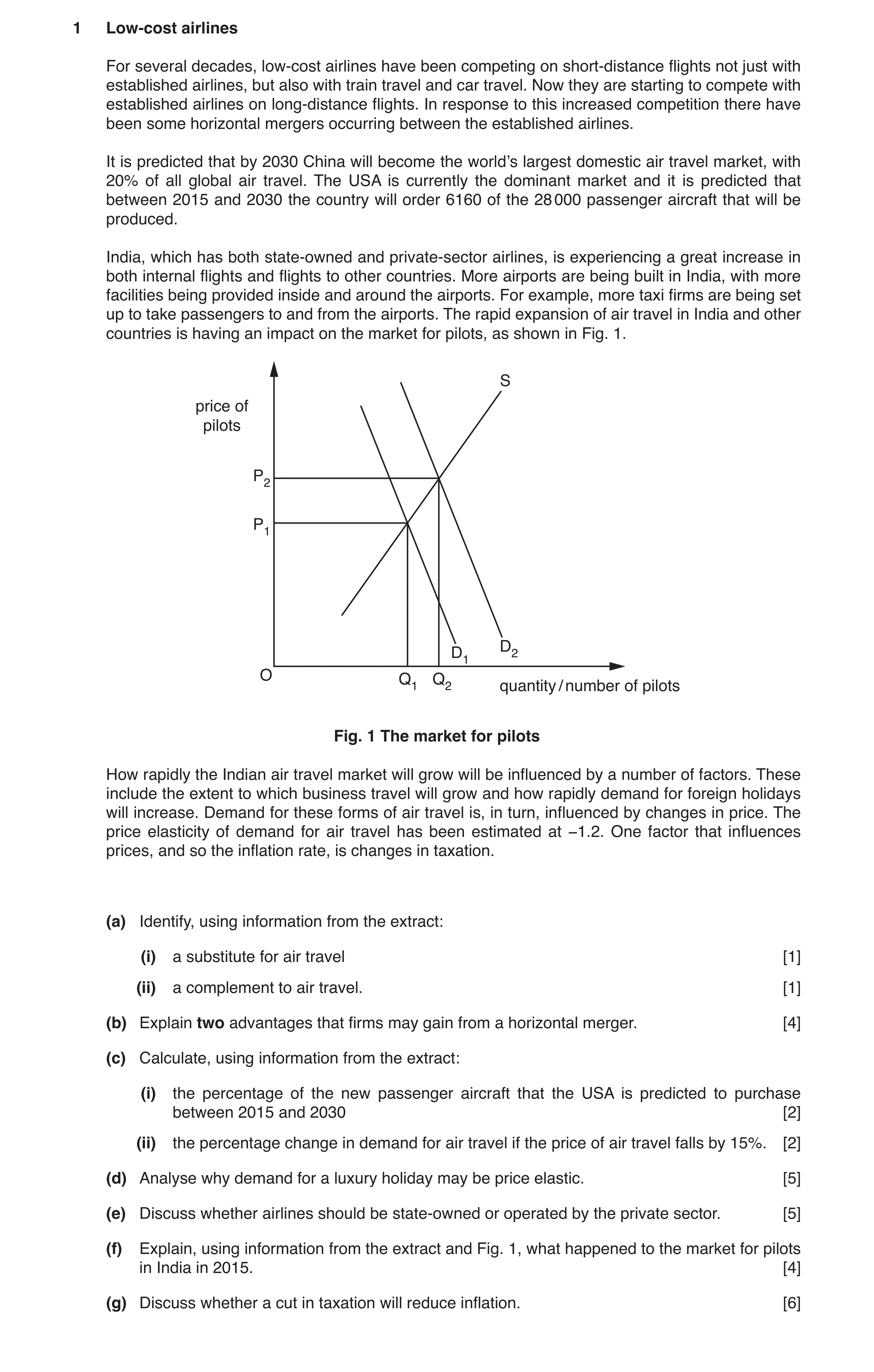
 2 / 20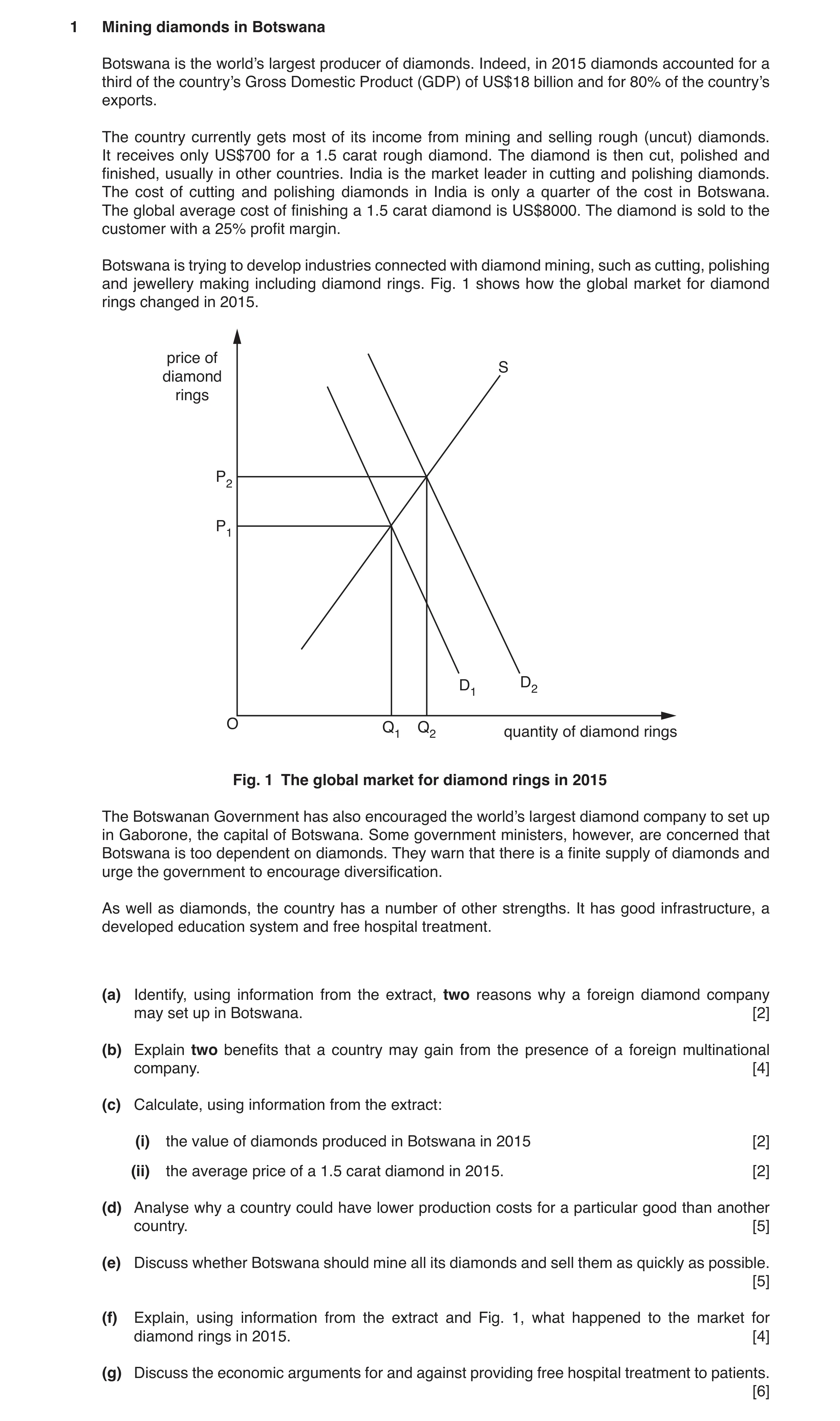
 4 / 20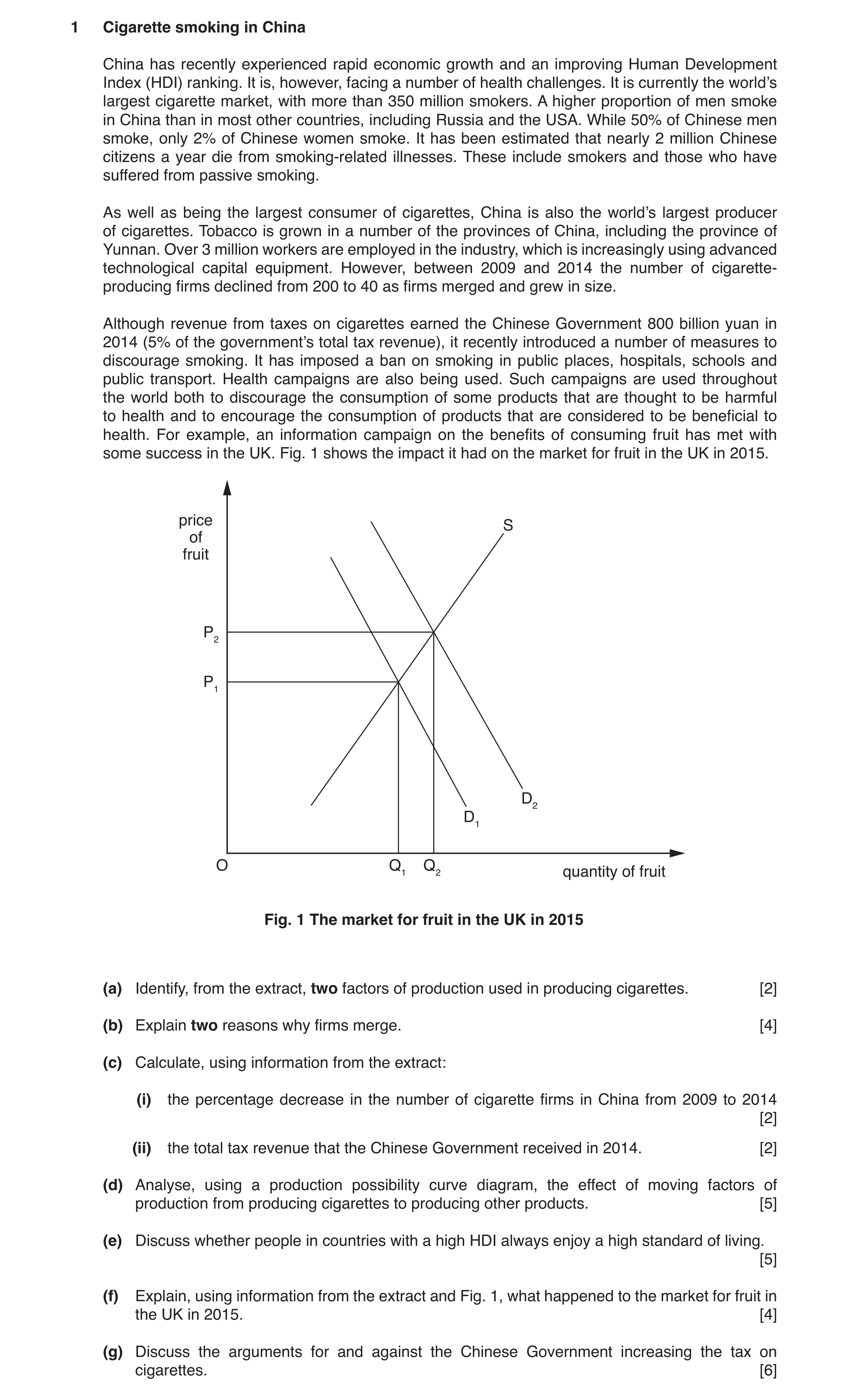
 6 / 20
 7 / 20
 8 / 20
 9 / 20
 10 / 20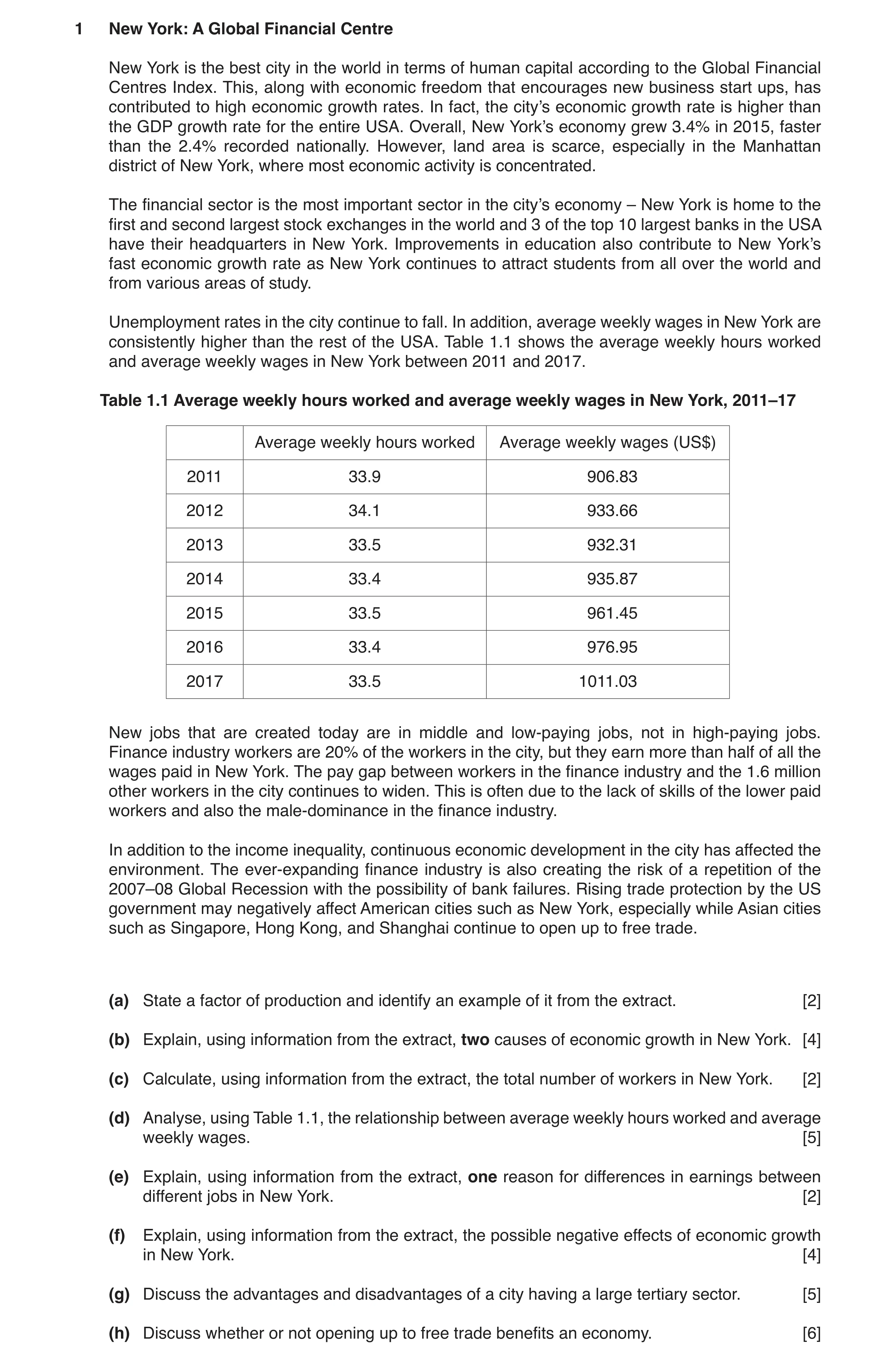
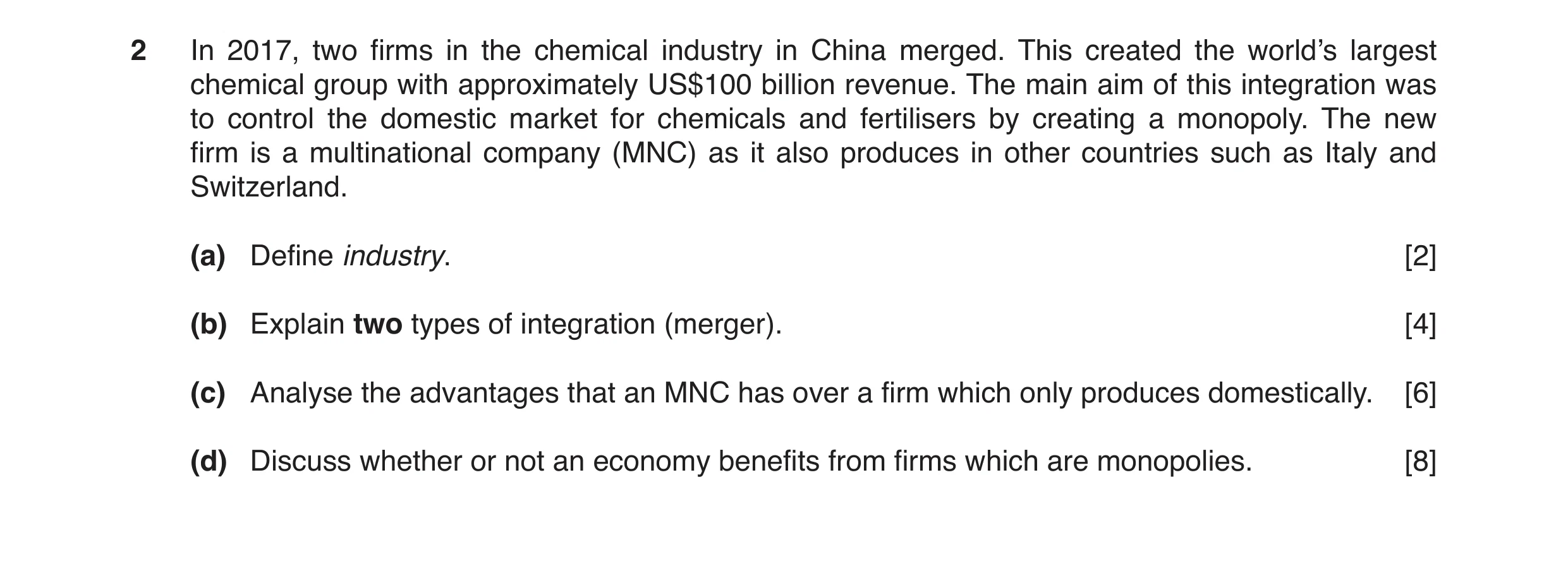
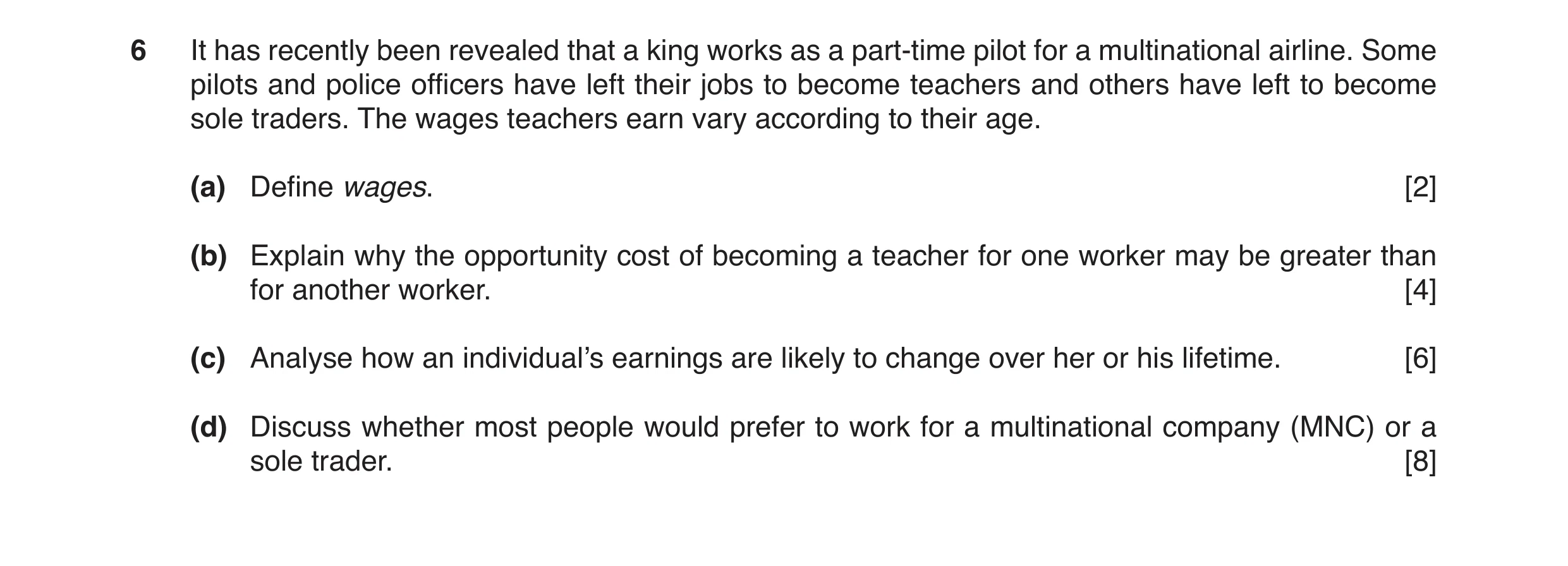 11 / 20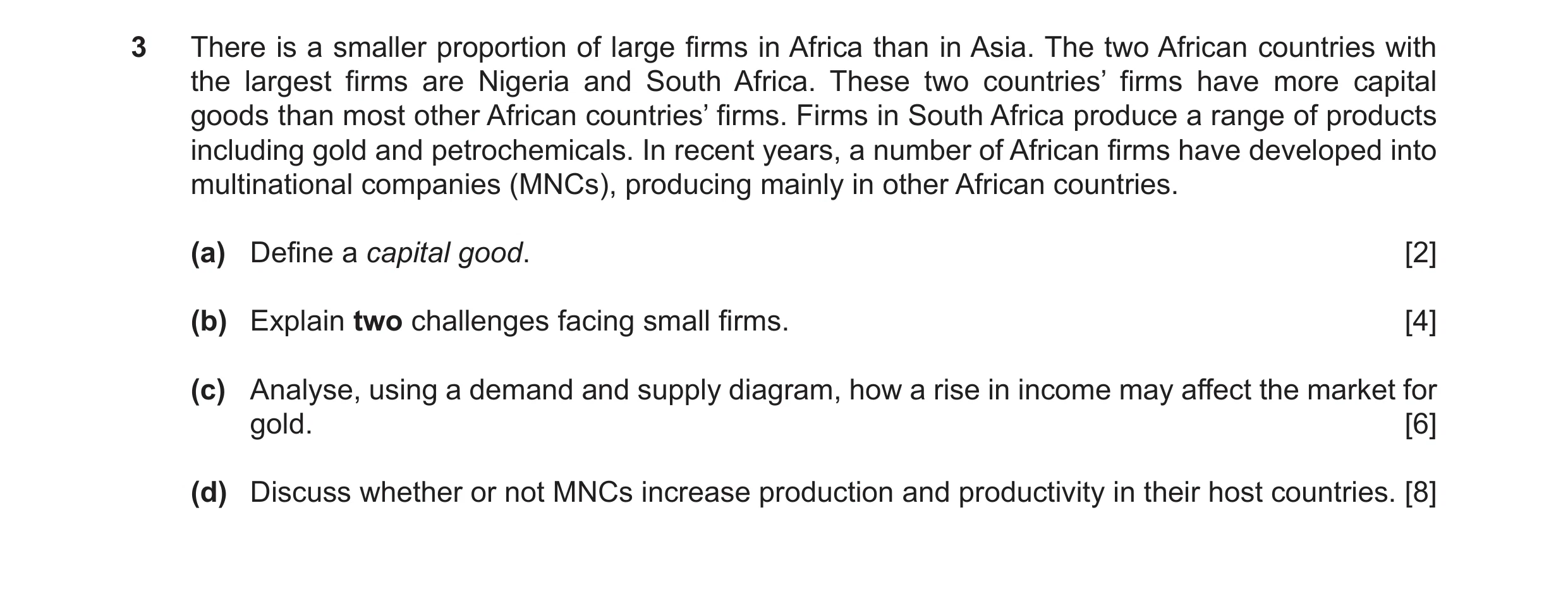
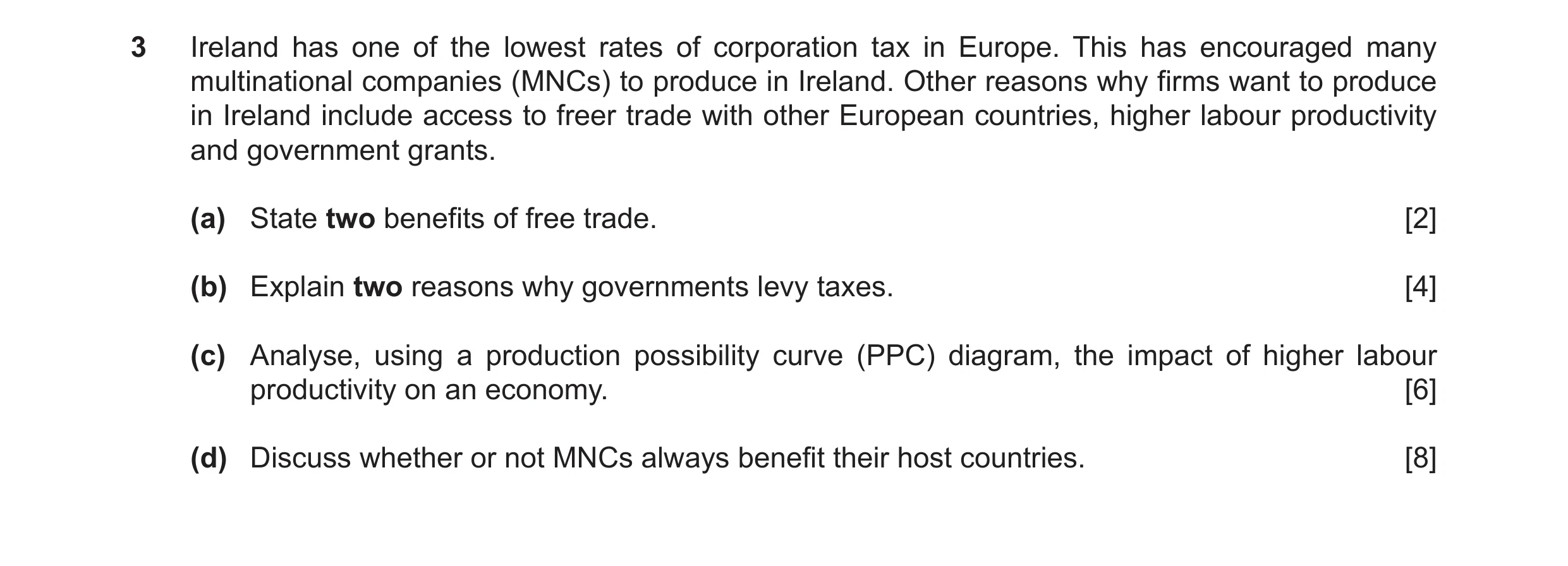
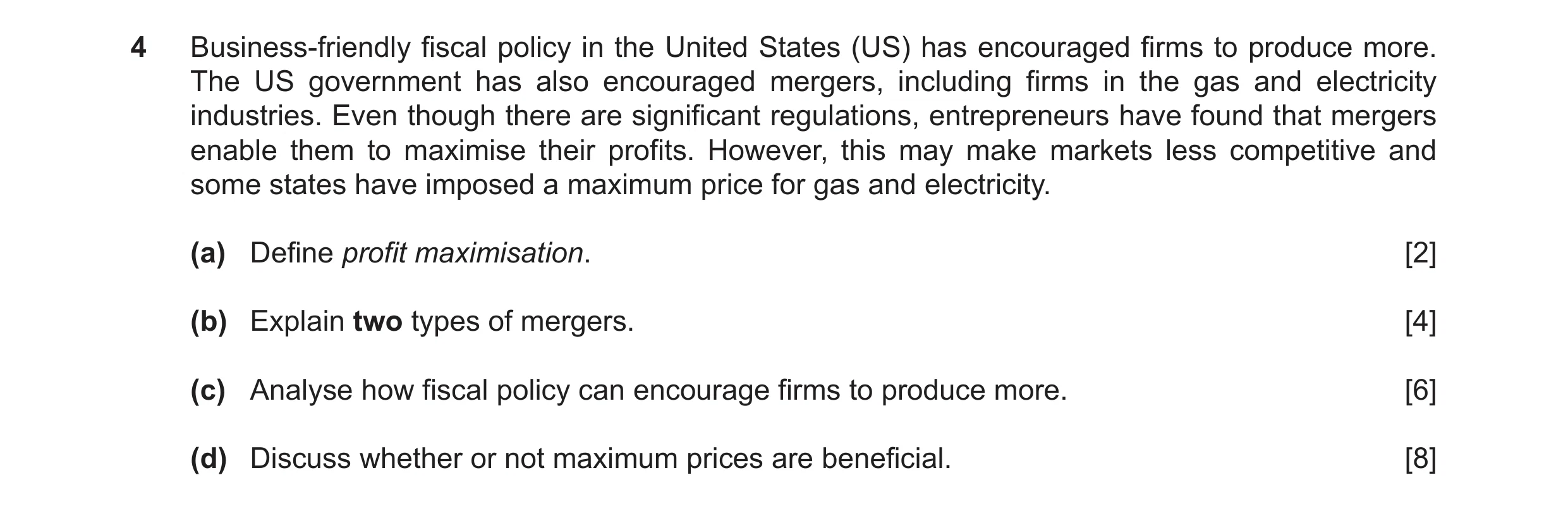 12 / 20
![Question 27: (a) Calculate the percentage of total world output of palm oil produced by Indonesia in 2017. [1] (b) Identify two variable costs of produc…](https://img.pastlit.com/crops/5a673893-06b0-42f3-86c9-97cce6ecfc5a/q1.webp)
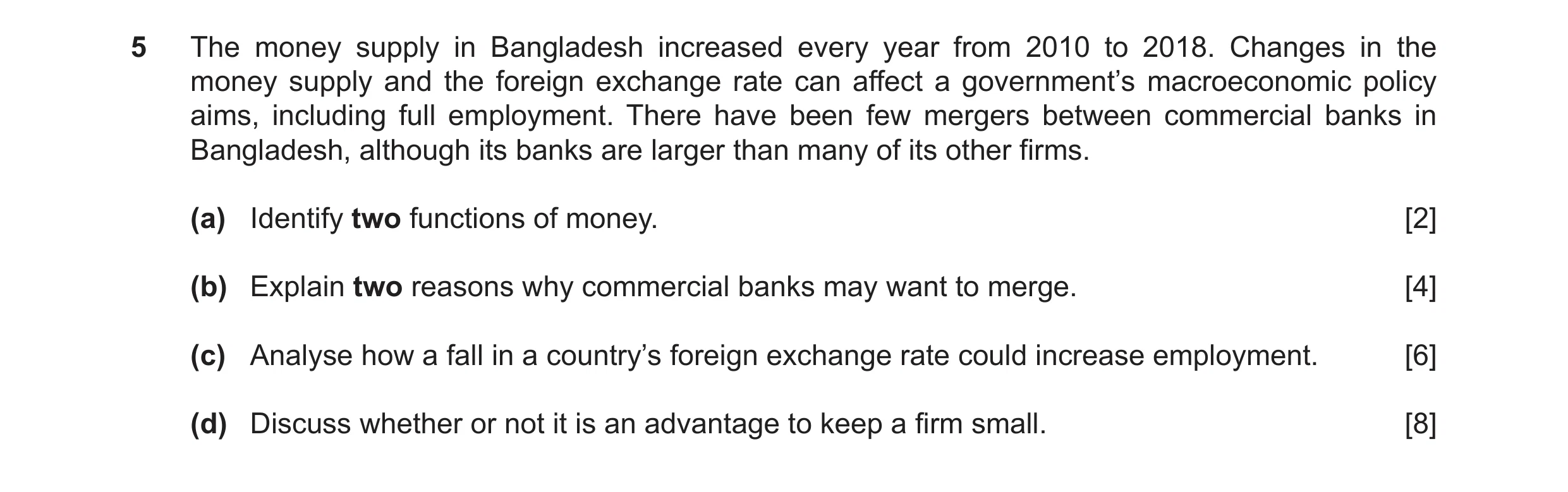
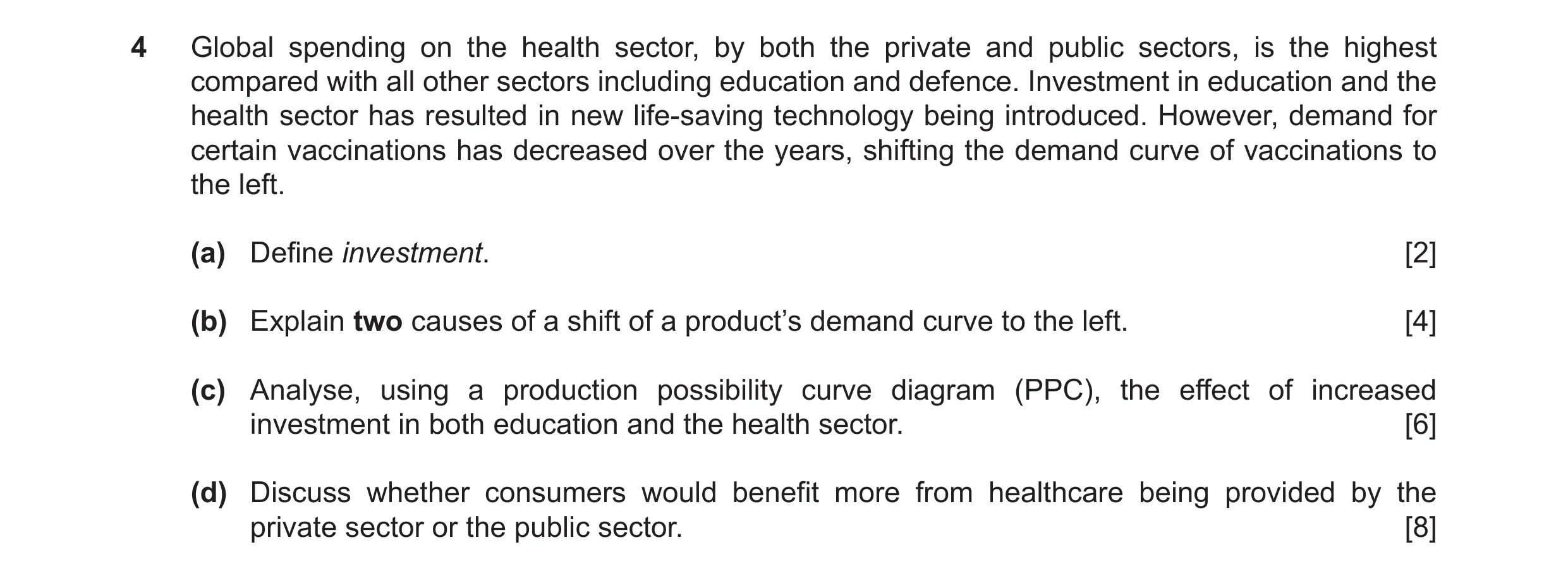 13 / 20
![Question 30: (a) Calculate the number of Bermudian workers who were unemployed in 2018. [1] (b) Identify two reasons why demand for holidays in Bermuda …](https://img.pastlit.com/crops/c0e68d91-70be-408e-9dd5-92967753d3fe/q1.webp)
![Question 32: (a) Calculate the total value of the tertiary sector in Mauritius in 2019. [1] (b) Explain the meaning of a change from an economy based on…](https://img.pastlit.com/crops/ebd0627f-2c7a-4d68-94cb-219507b37bc2/q1.webp) 14 / 20
14 / 20
![Question 35: (a) Calculate how many dollars 6400 Nigerian naira would have bought in 2019. [1] (b) Identify two ways a bank could increase demand for it…](https://img.pastlit.com/crops/c39693d5-ae5b-4fc2-a086-04c09261f682/q1.webp) 15 / 20
15 / 20
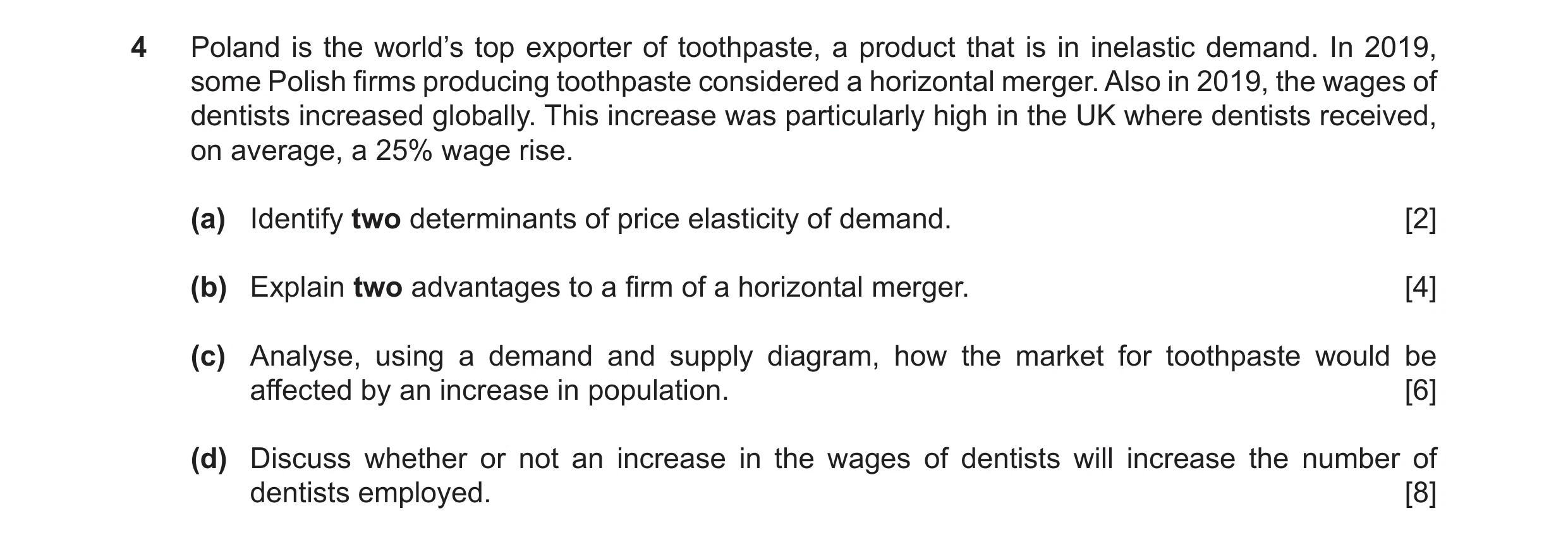
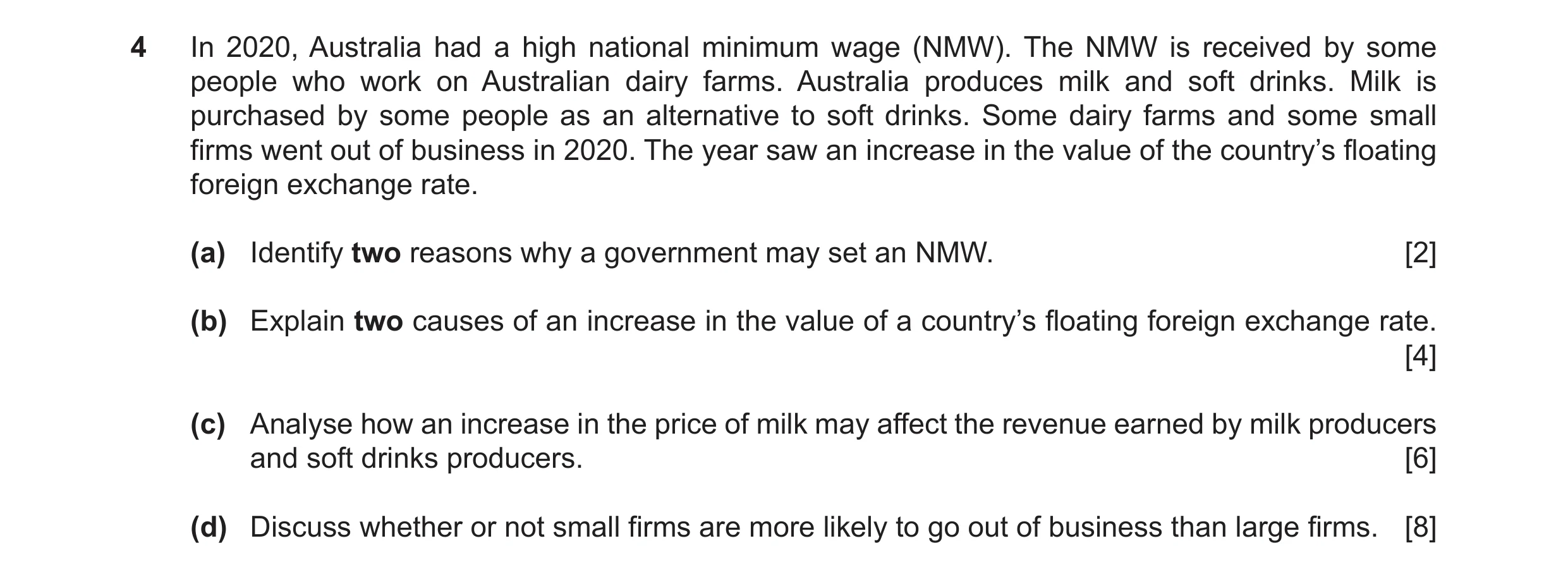 16 / 20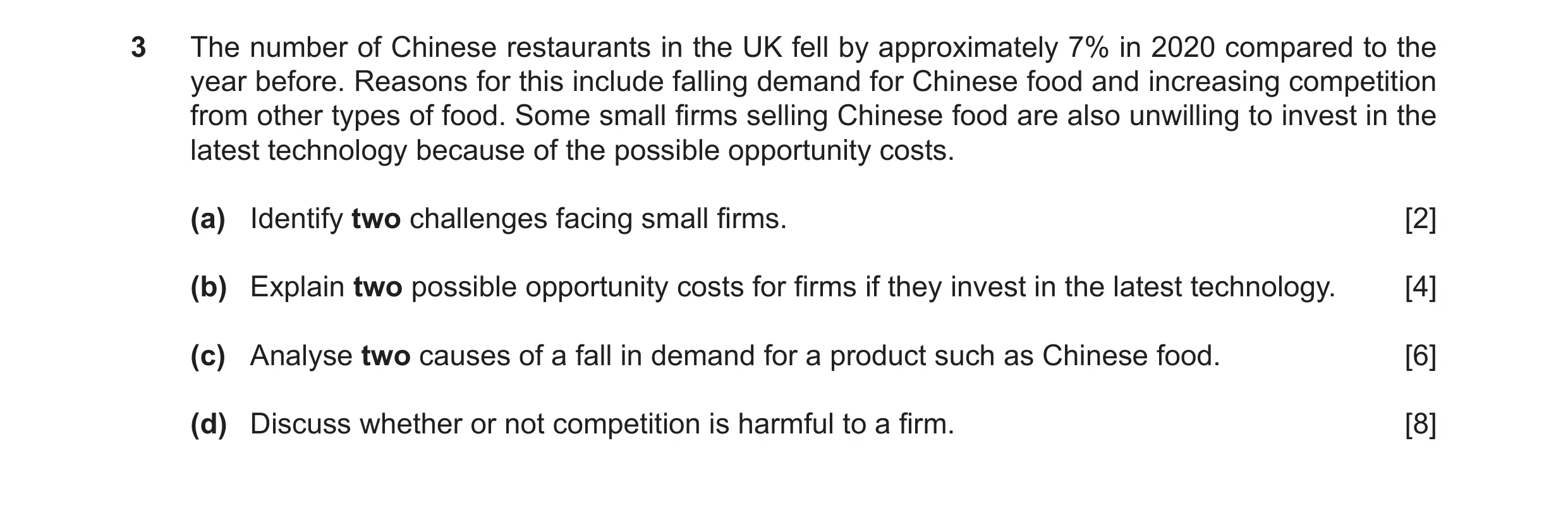
![Question 40: (a) Calculate the total number of people in Cambridge aged 18–29 in 2019. [1] (b) Identify two types of industries in Cambridge that operat…](https://img.pastlit.com/crops/c116d3dd-bfe8-4182-b029-588b408c7b8e/q1.webp)
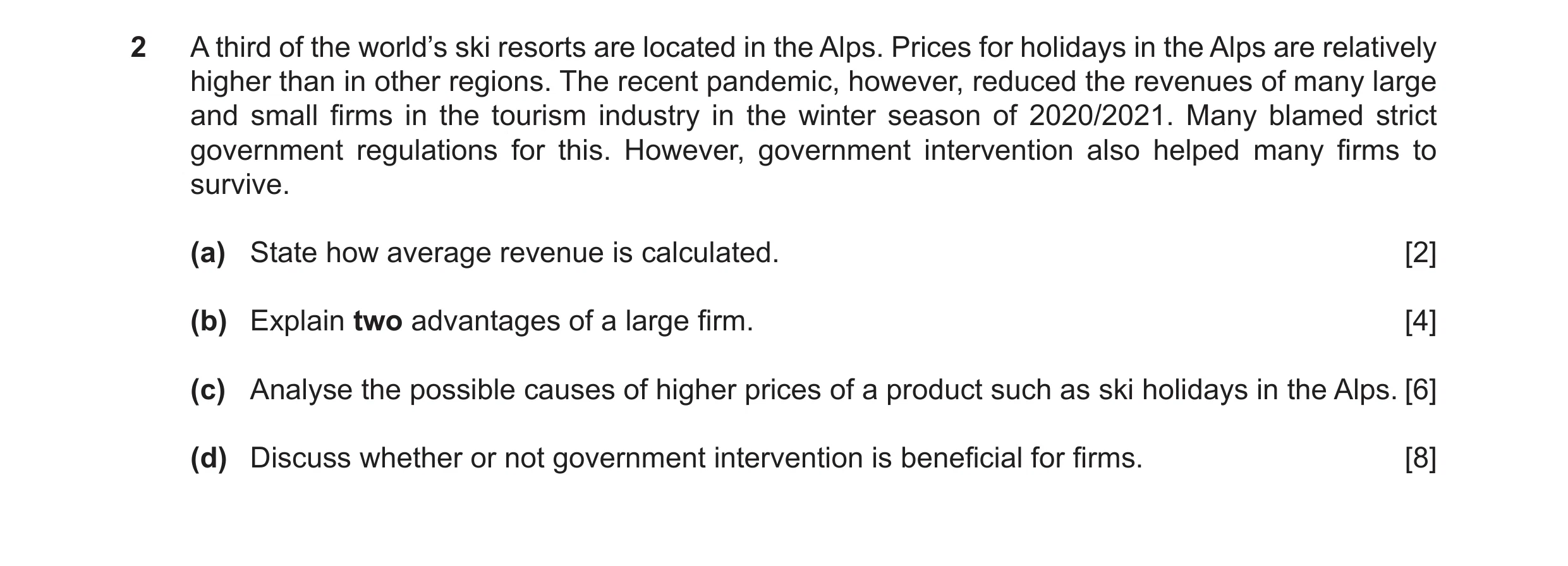 17 / 20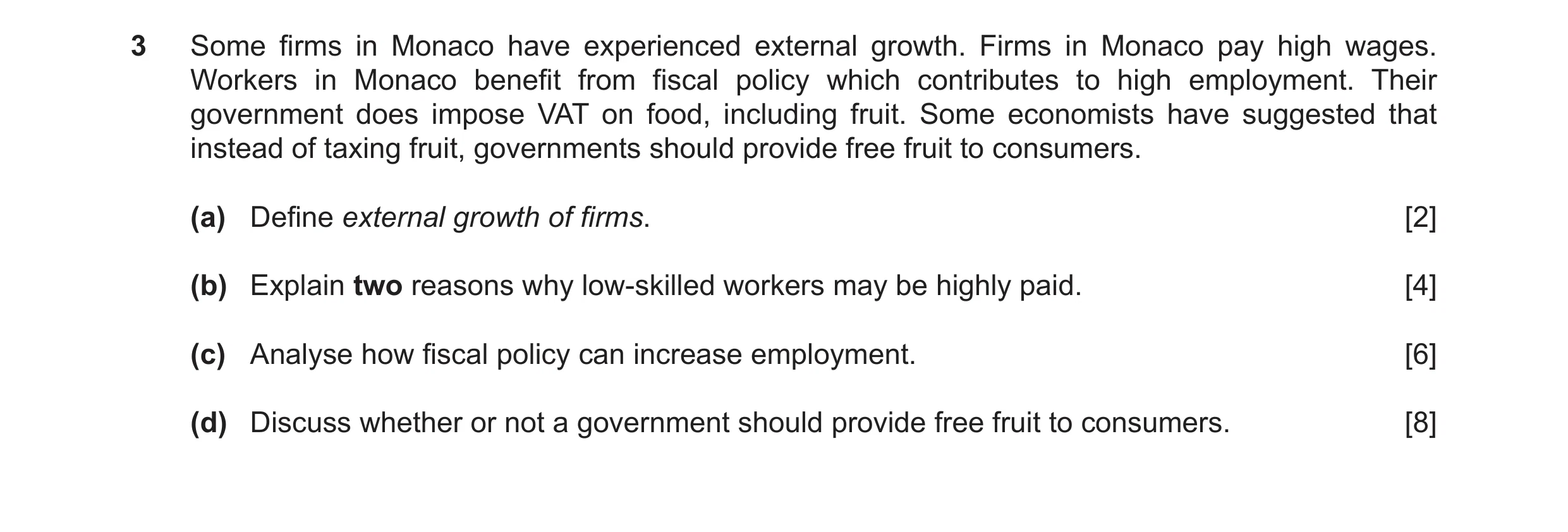
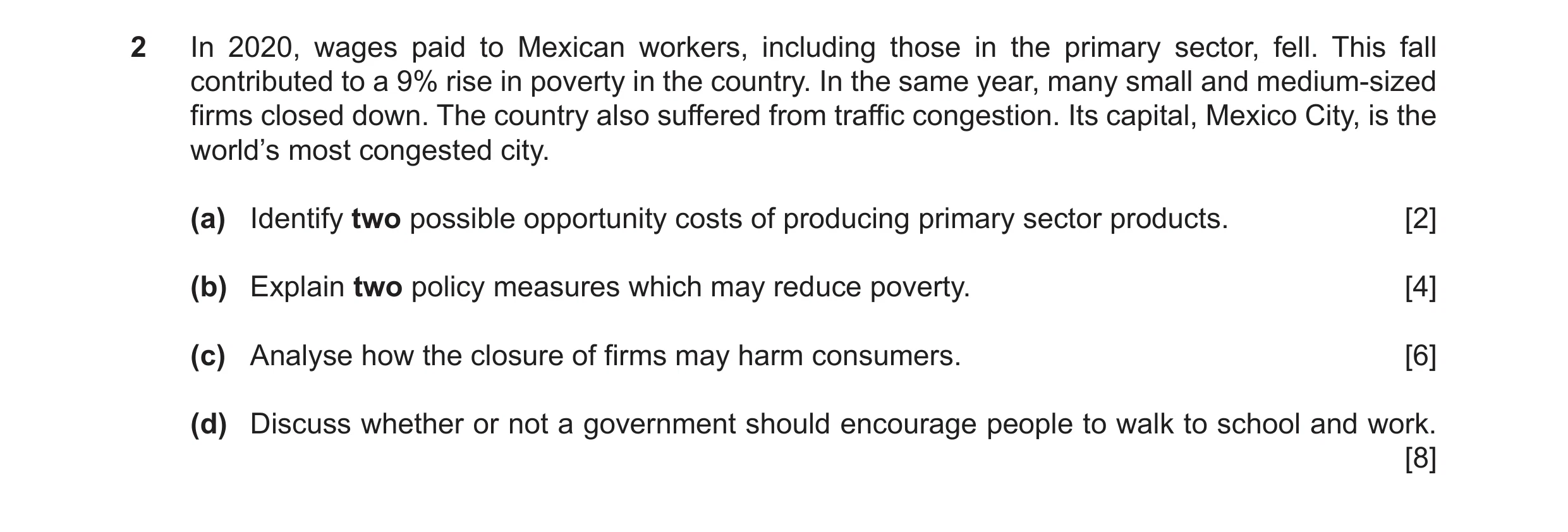
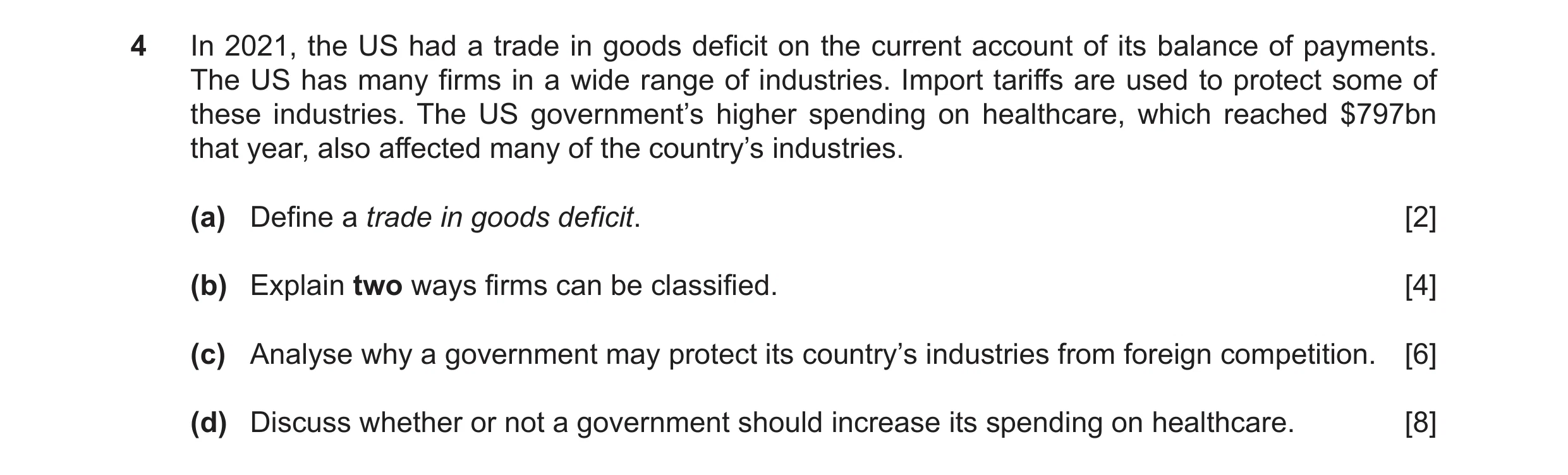
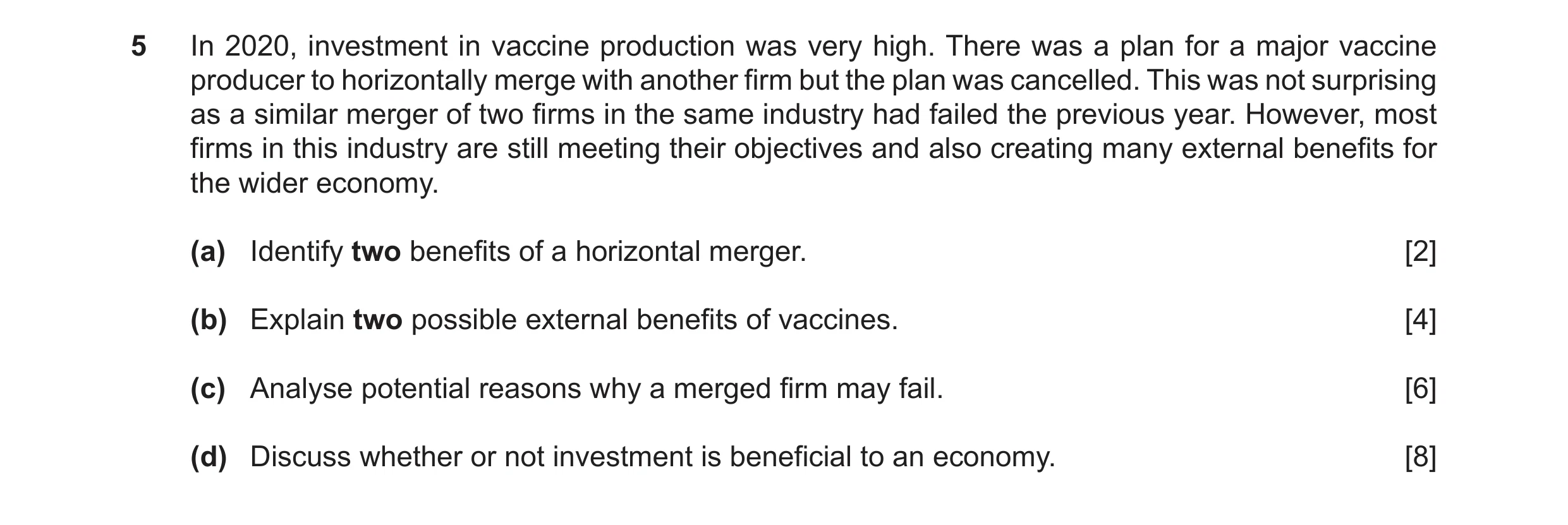 18 / 20
![Question 46: (a) Calculate the percentage of the Jordanian labour force employed in the secondary sector. [1] (b) Identify two components of the current…](https://img.pastlit.com/crops/b43aa342-e5a5-4c0e-be3d-dfe11d01ecea/q1.webp)
 19 / 20
 20 / 20
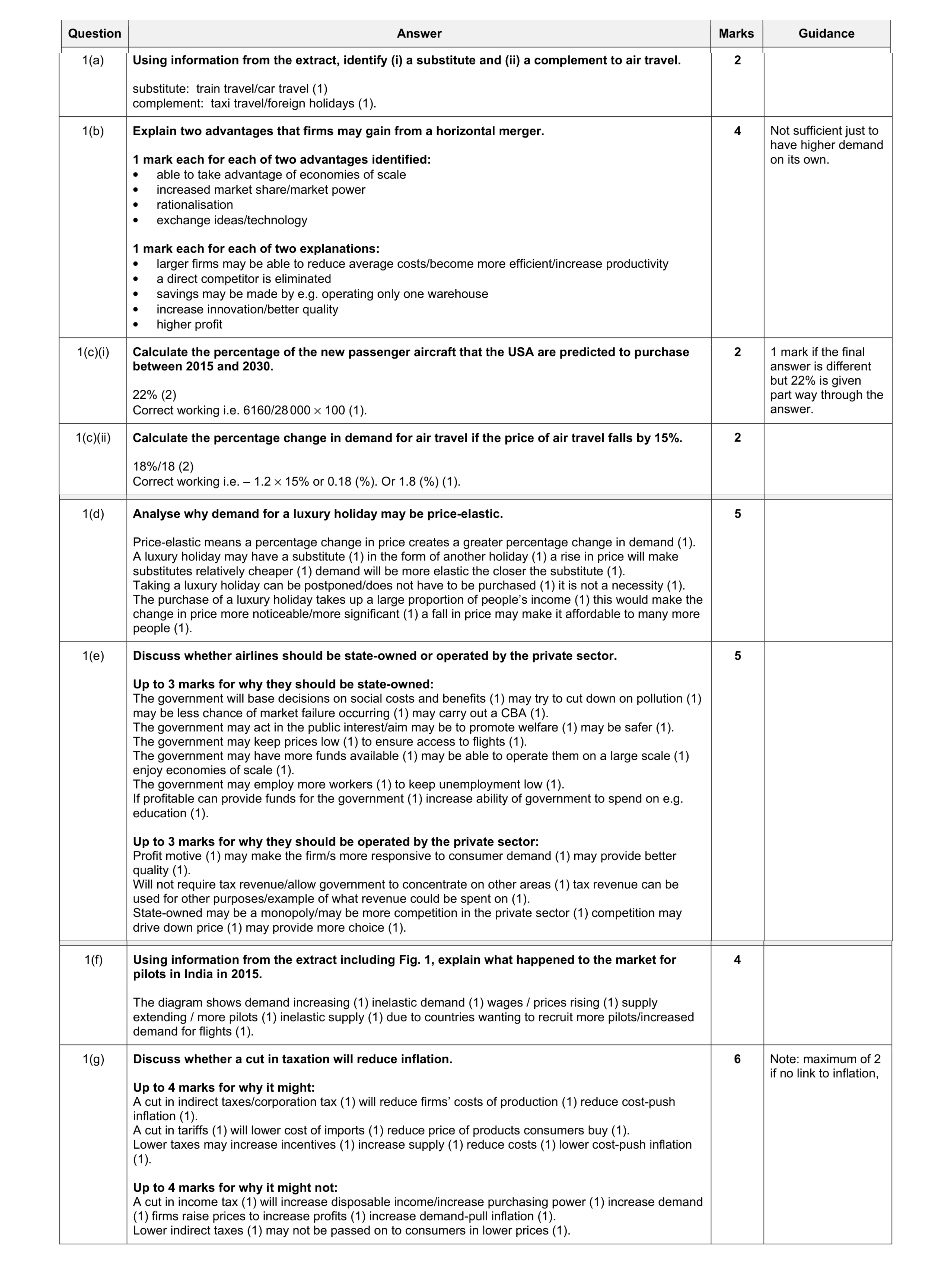 30
30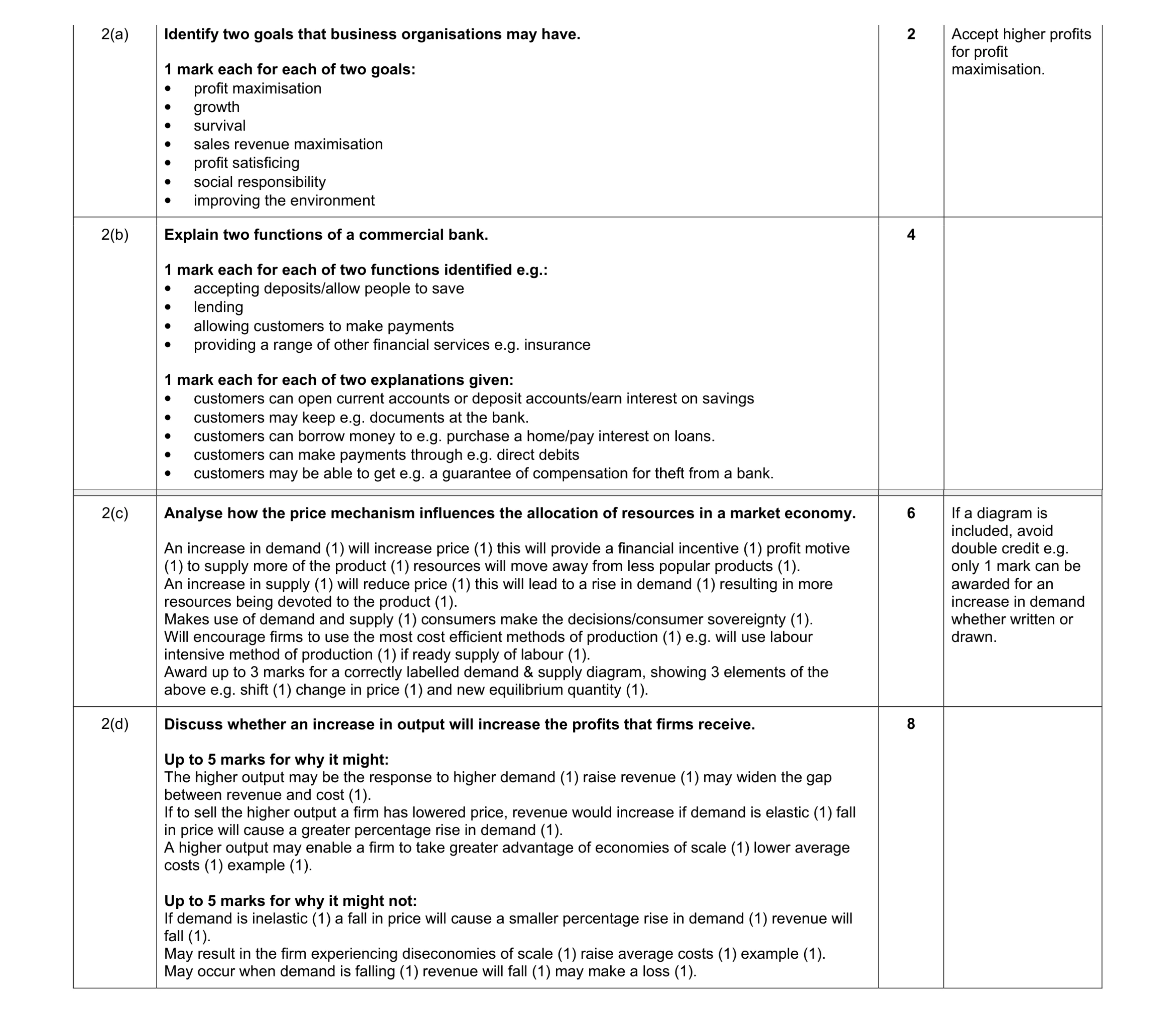 20
20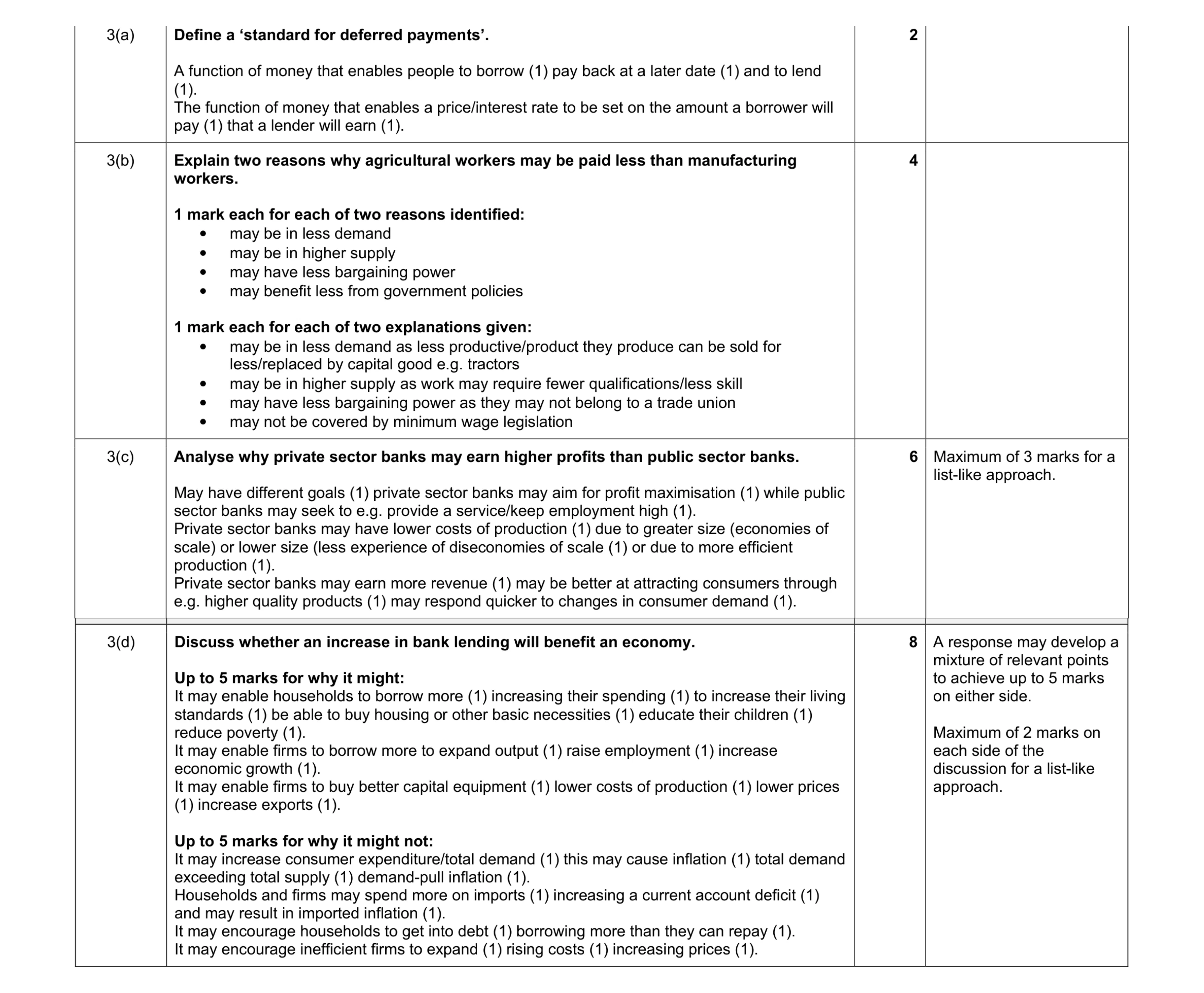 20
20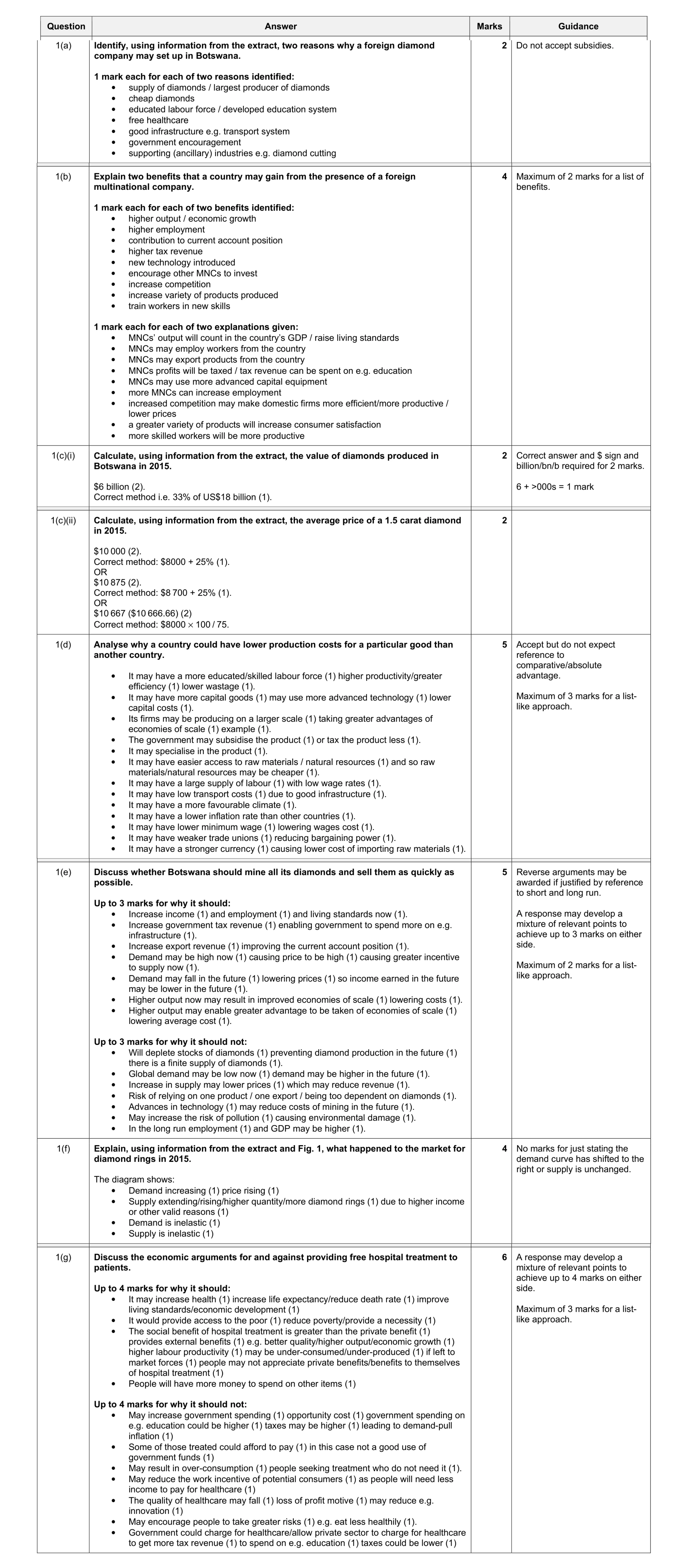 30
30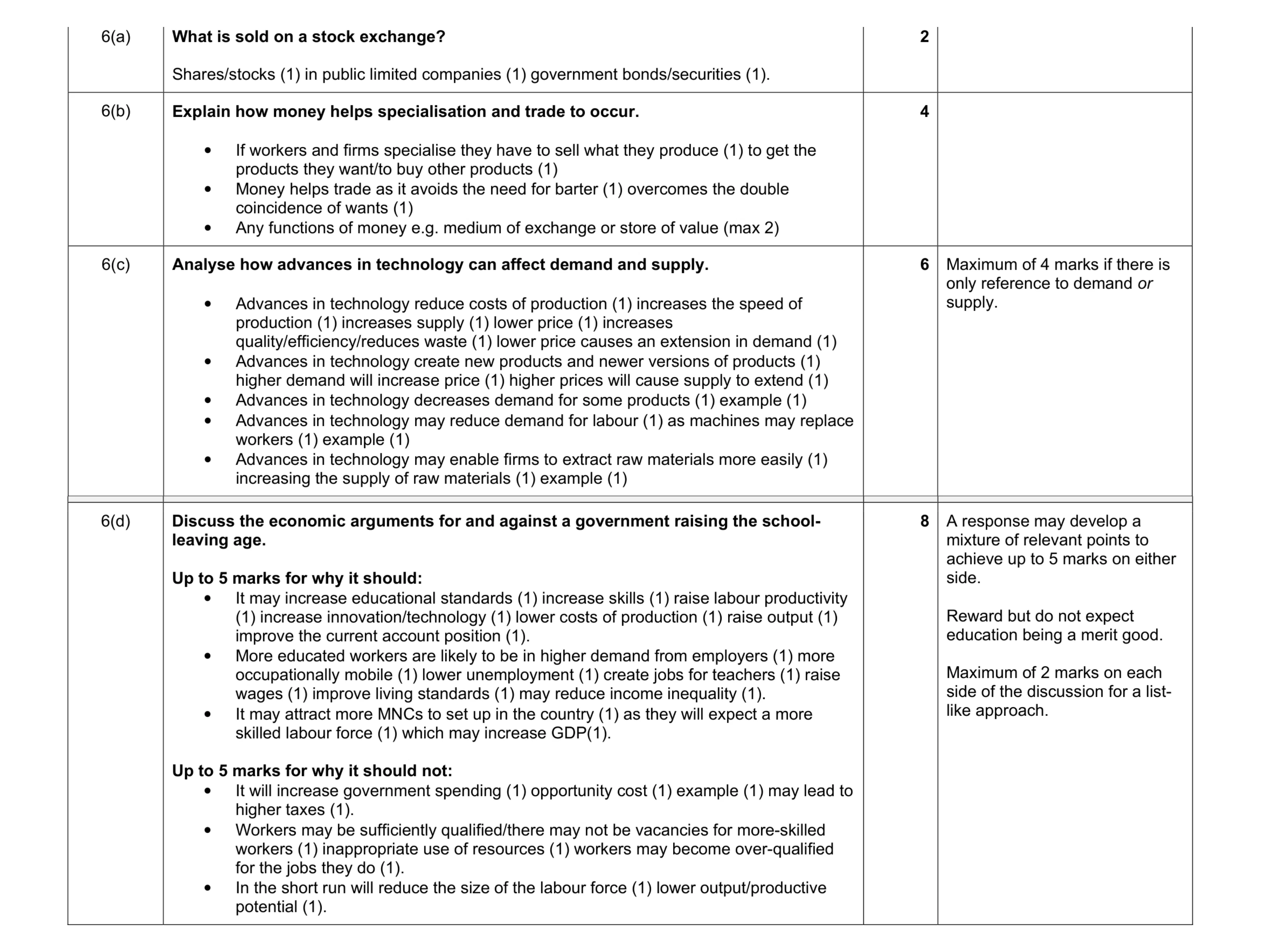 20
20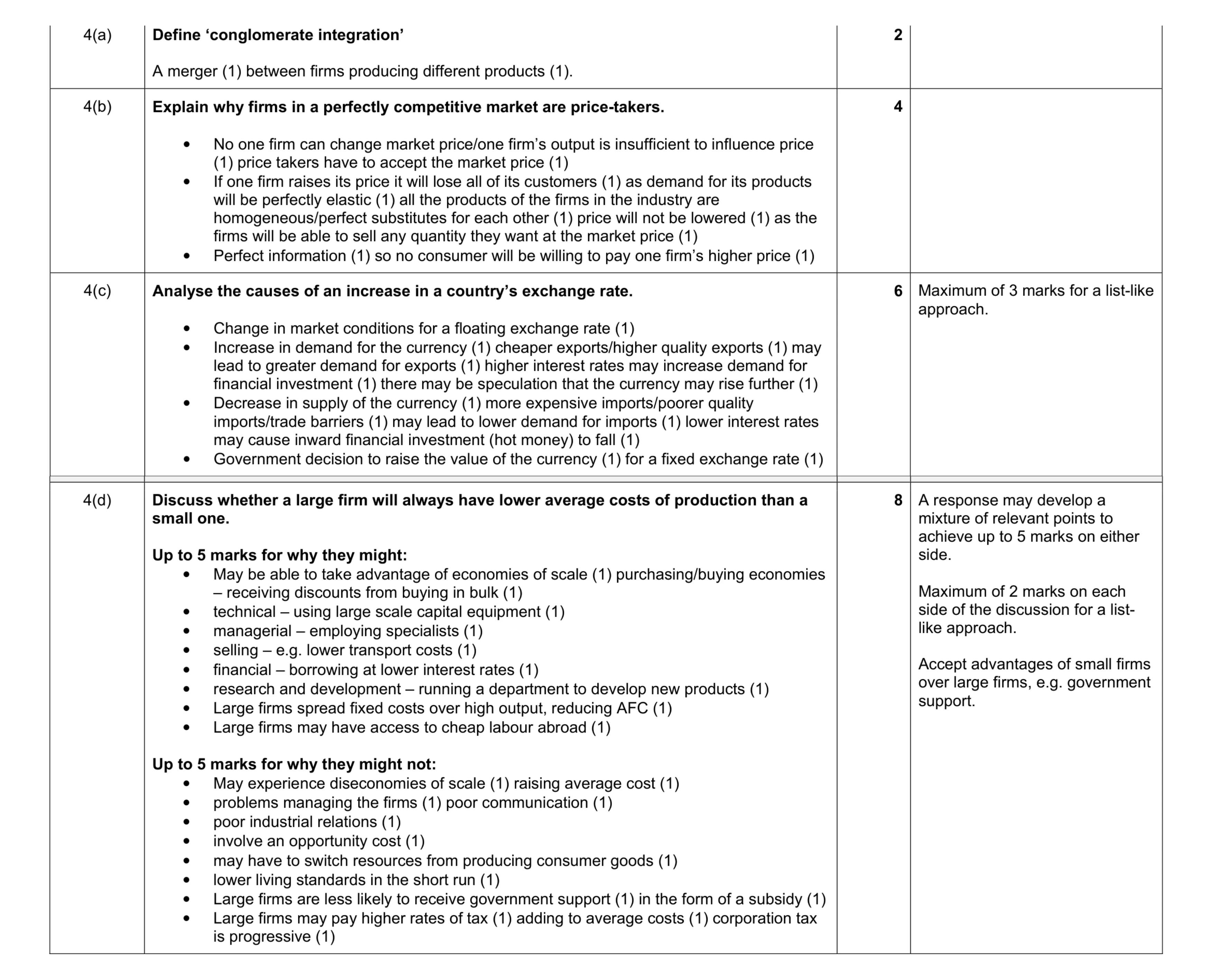 20
20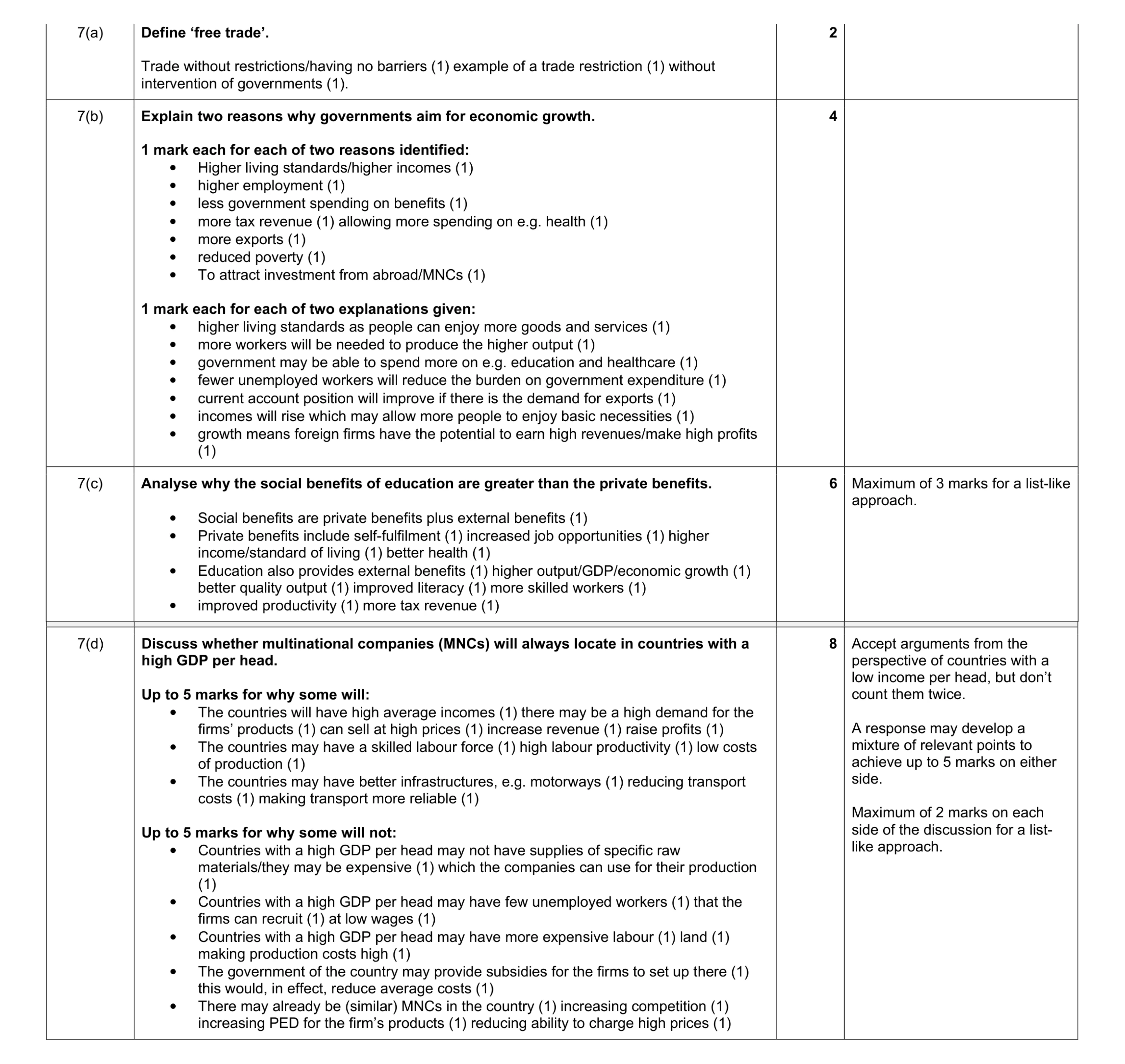 20
20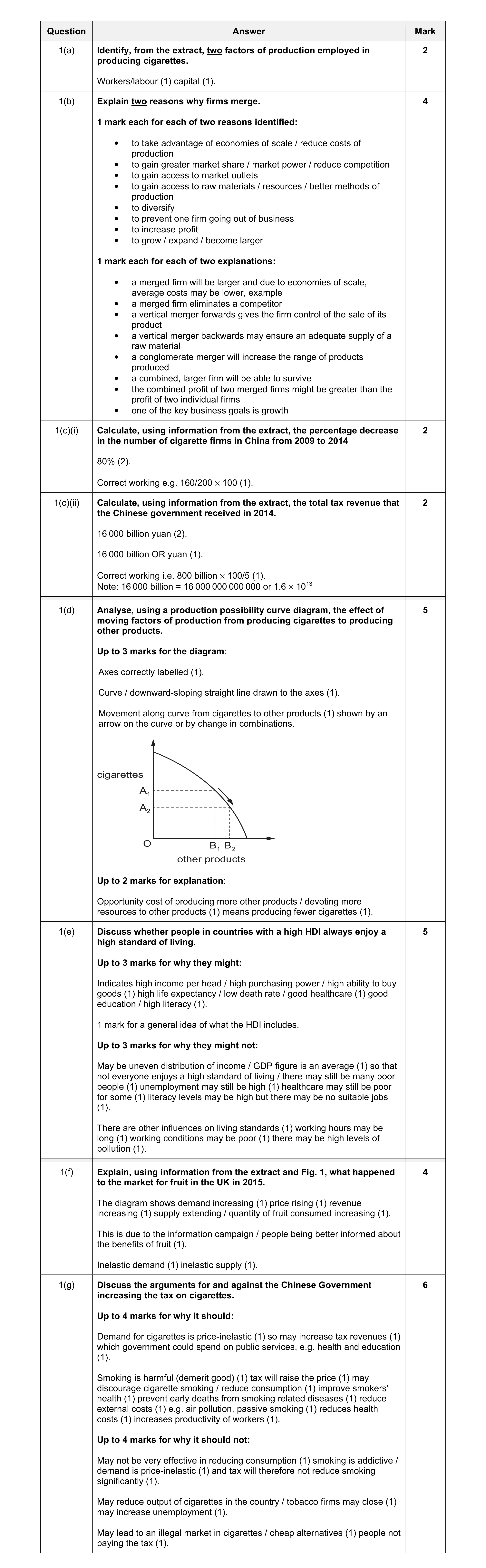 30
30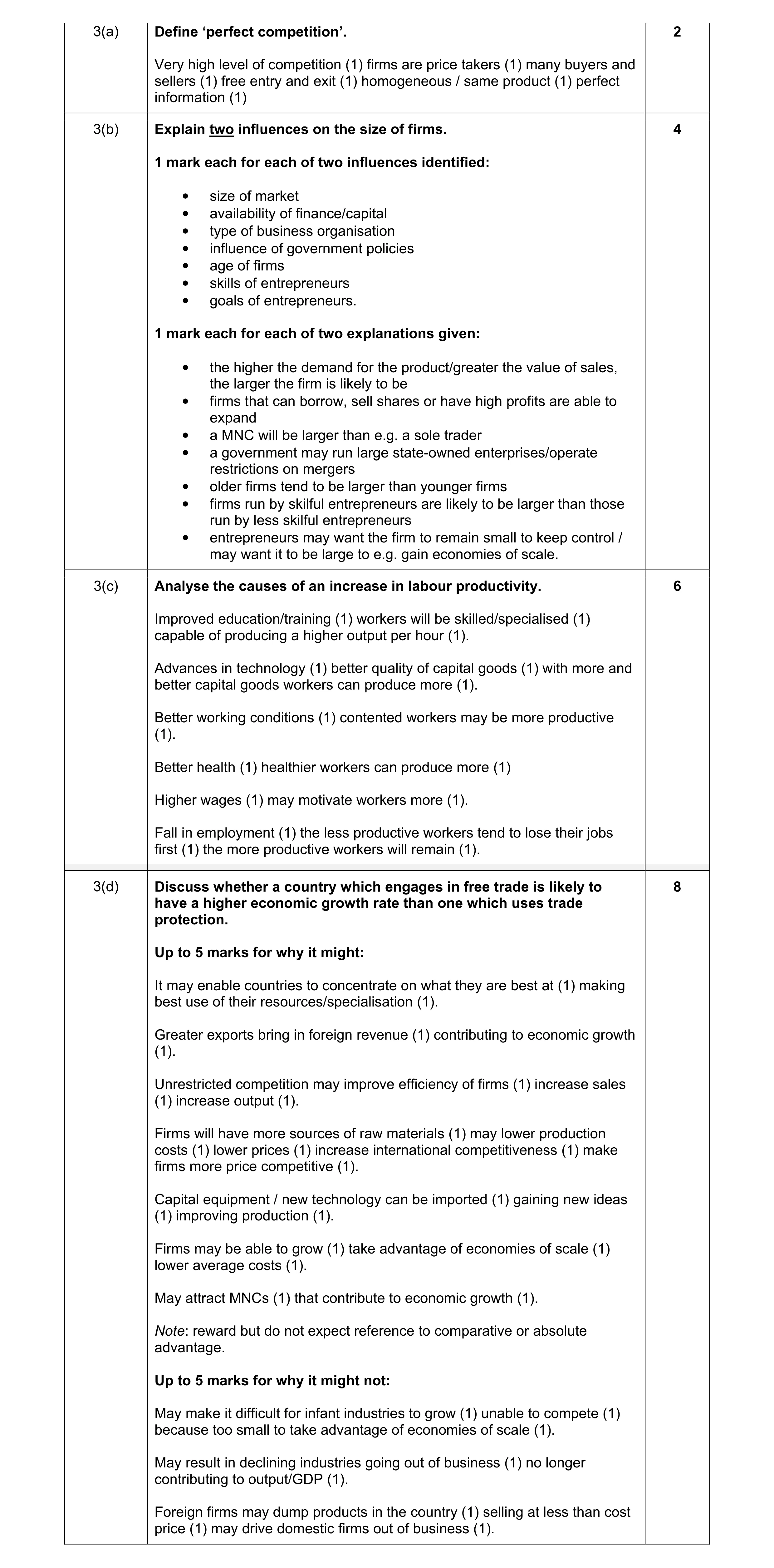 20
20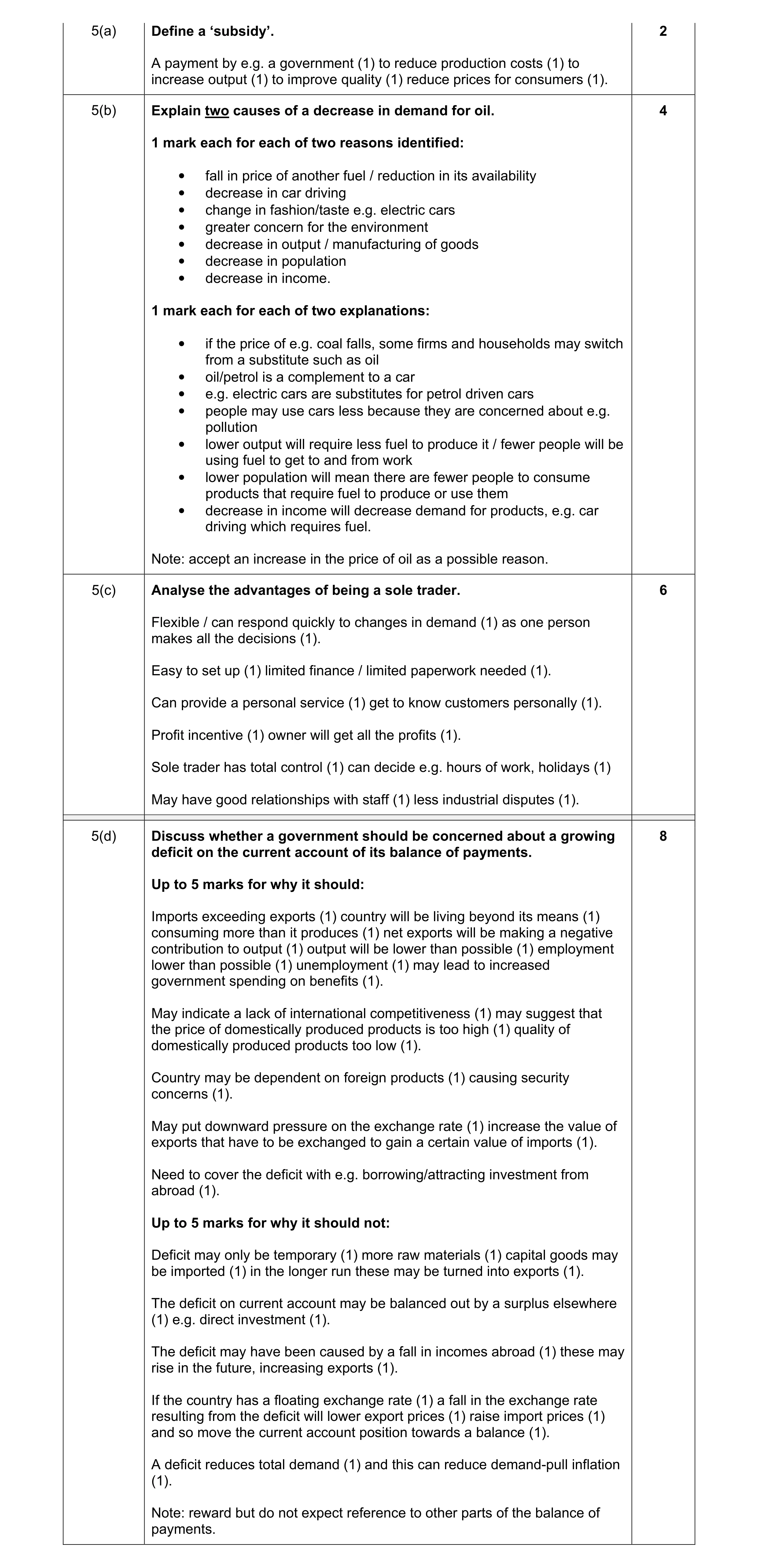 20
20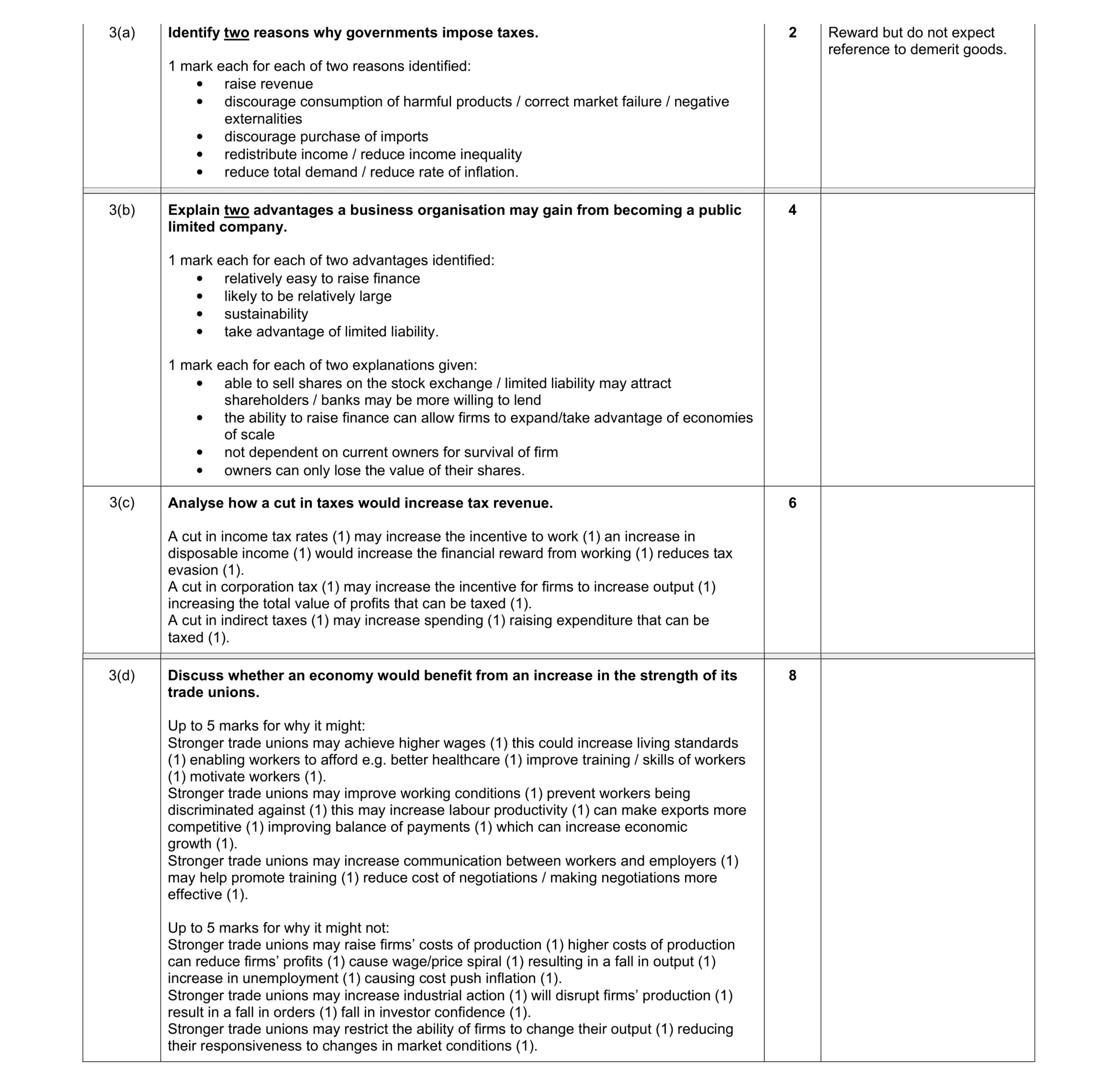 20
20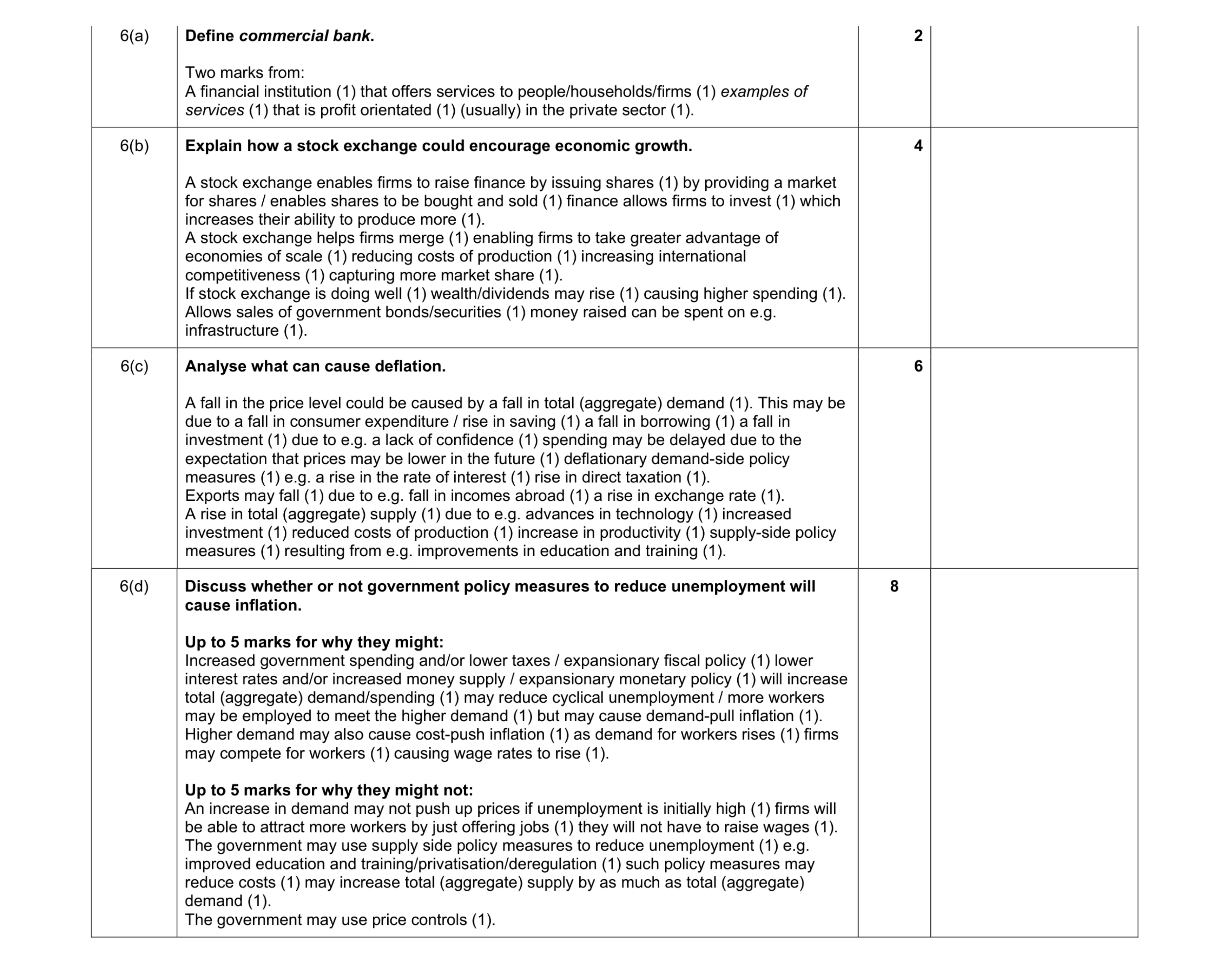 20
20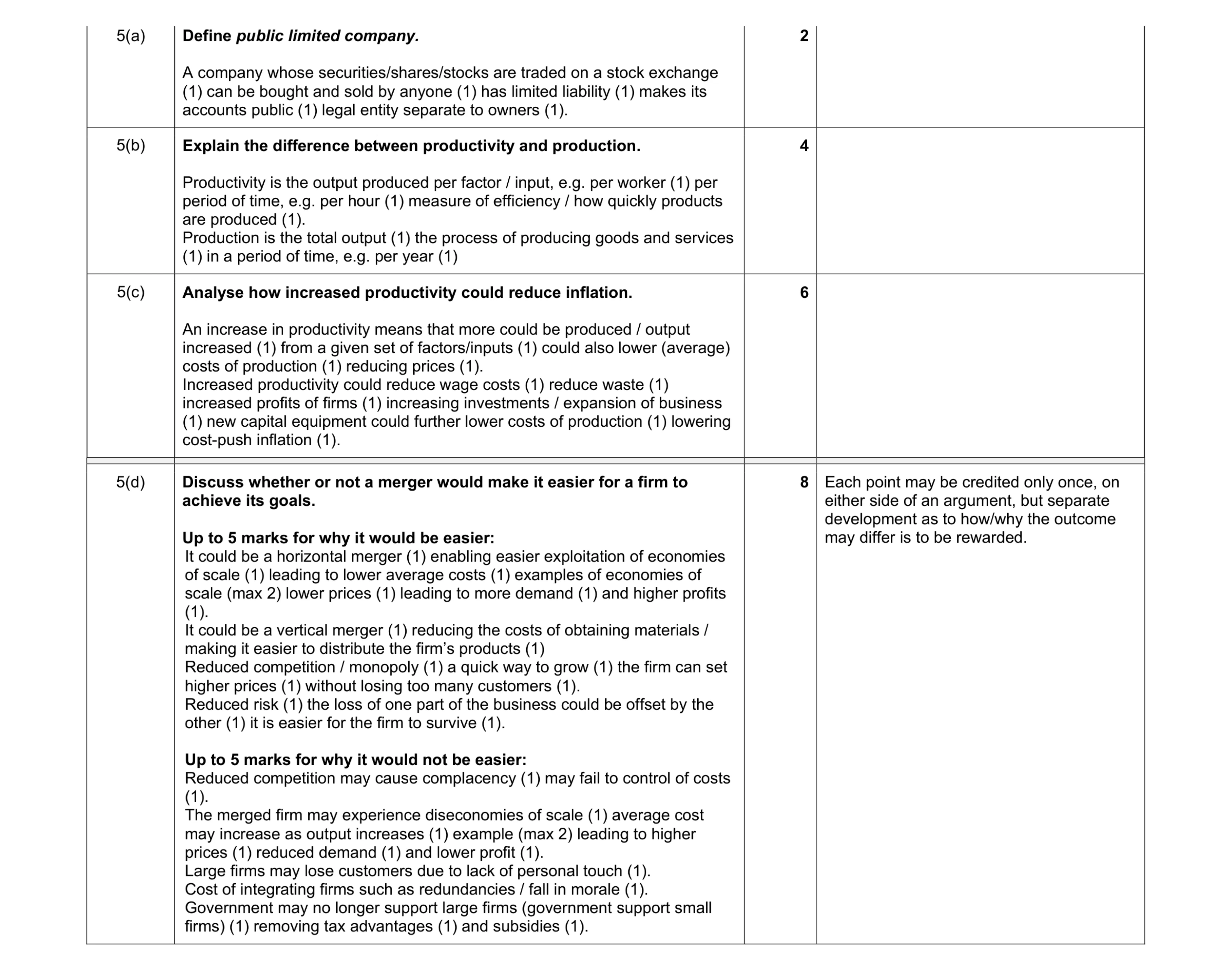 20
20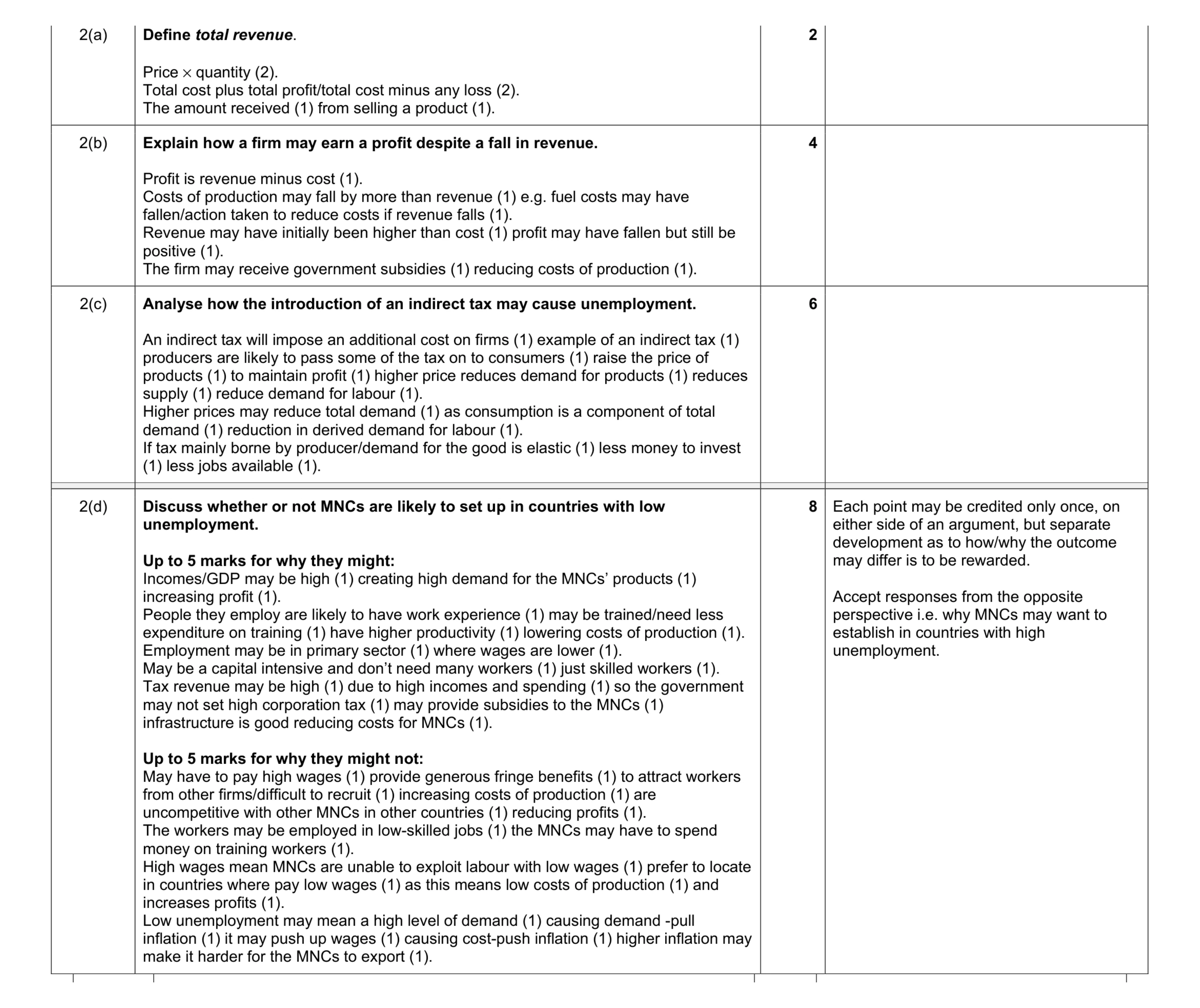 20
20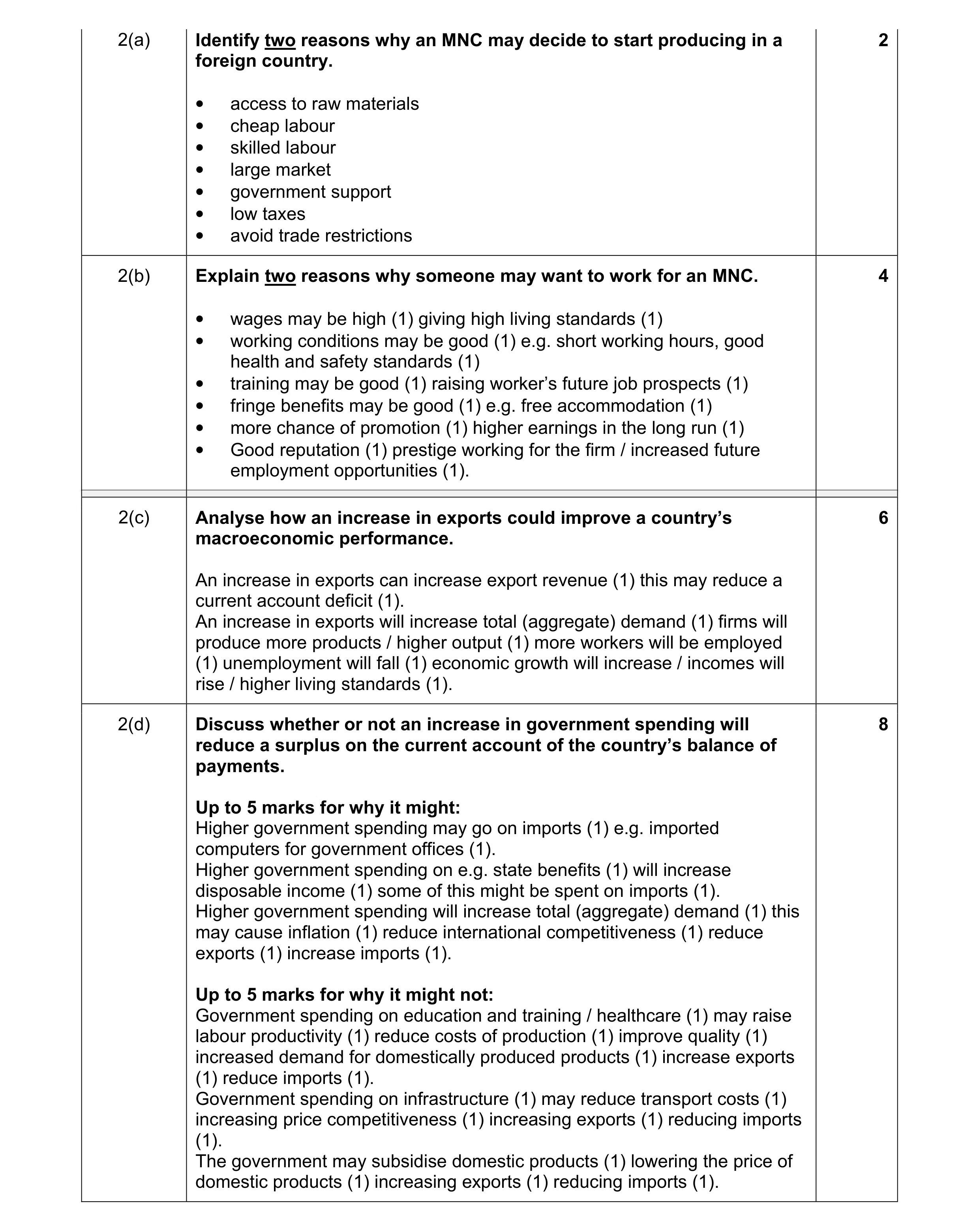 20
20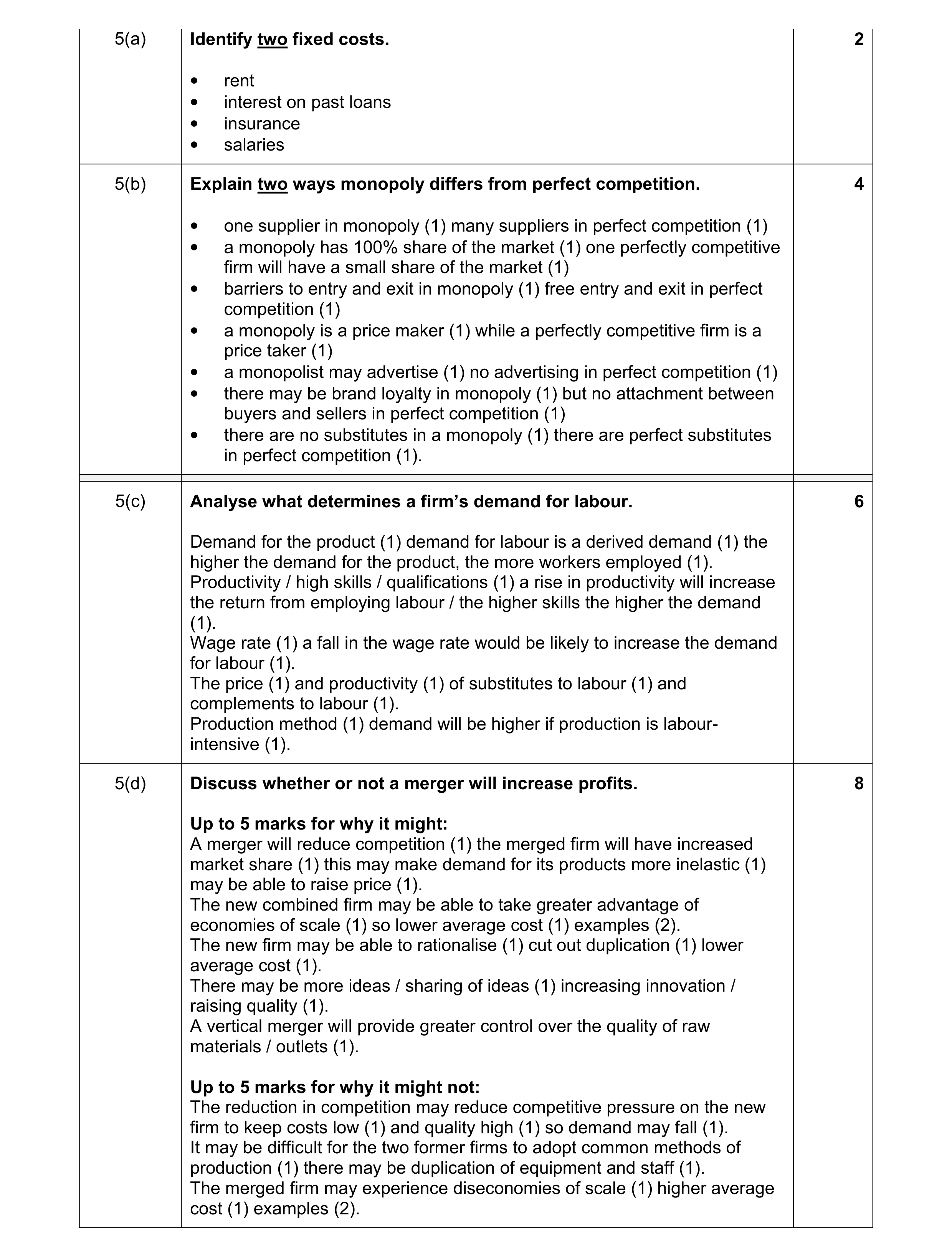 20
20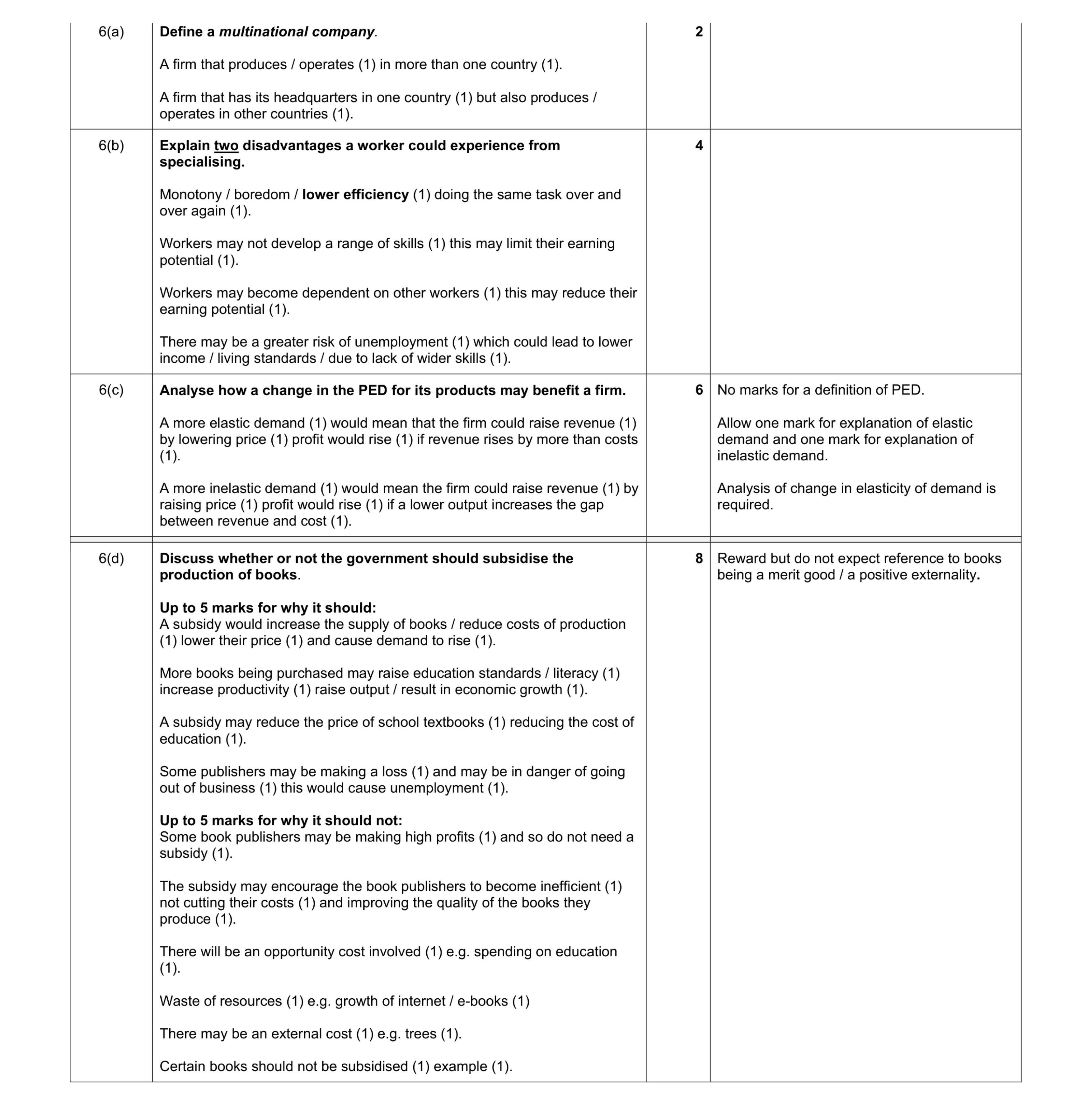 20
20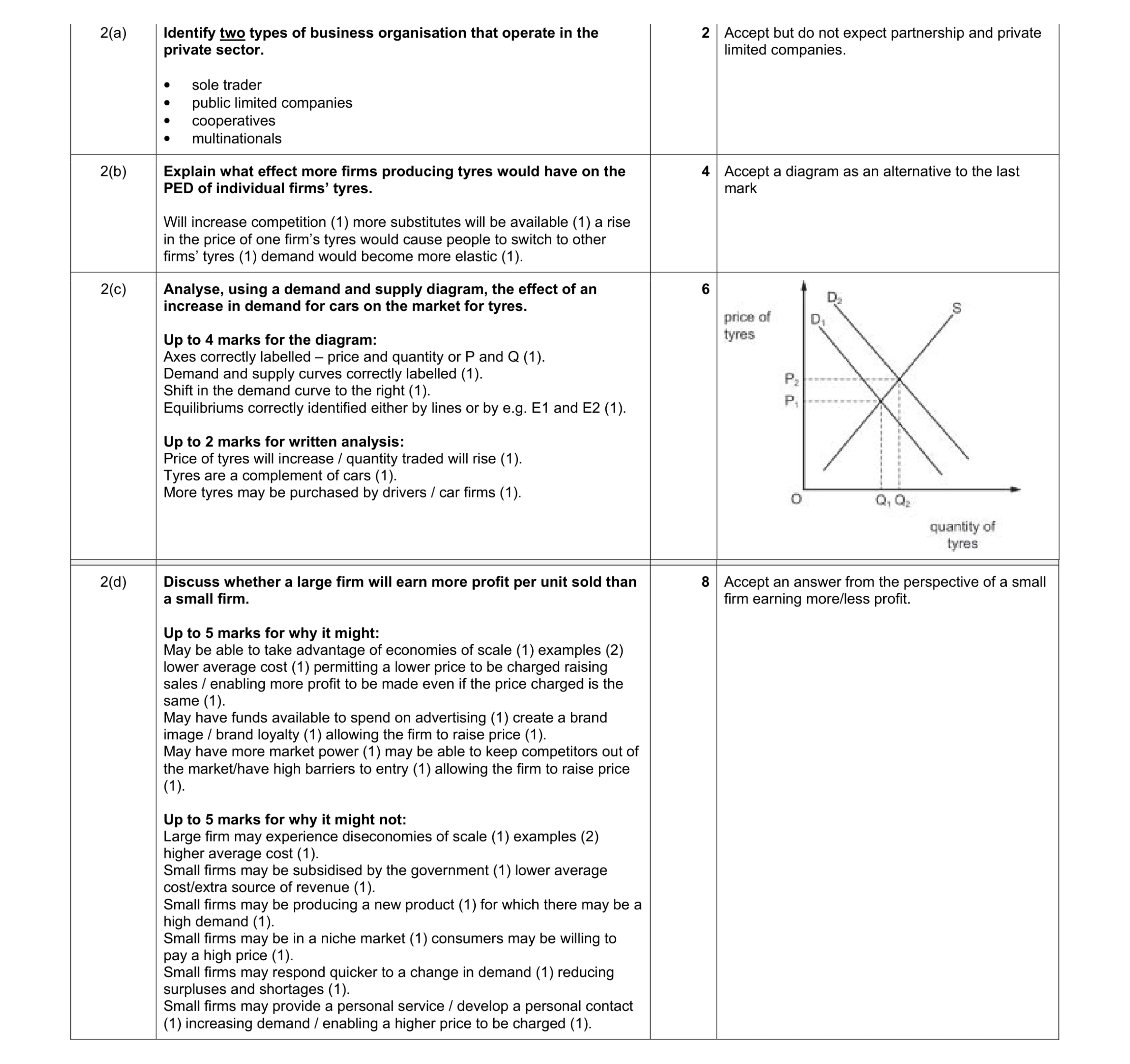 20
20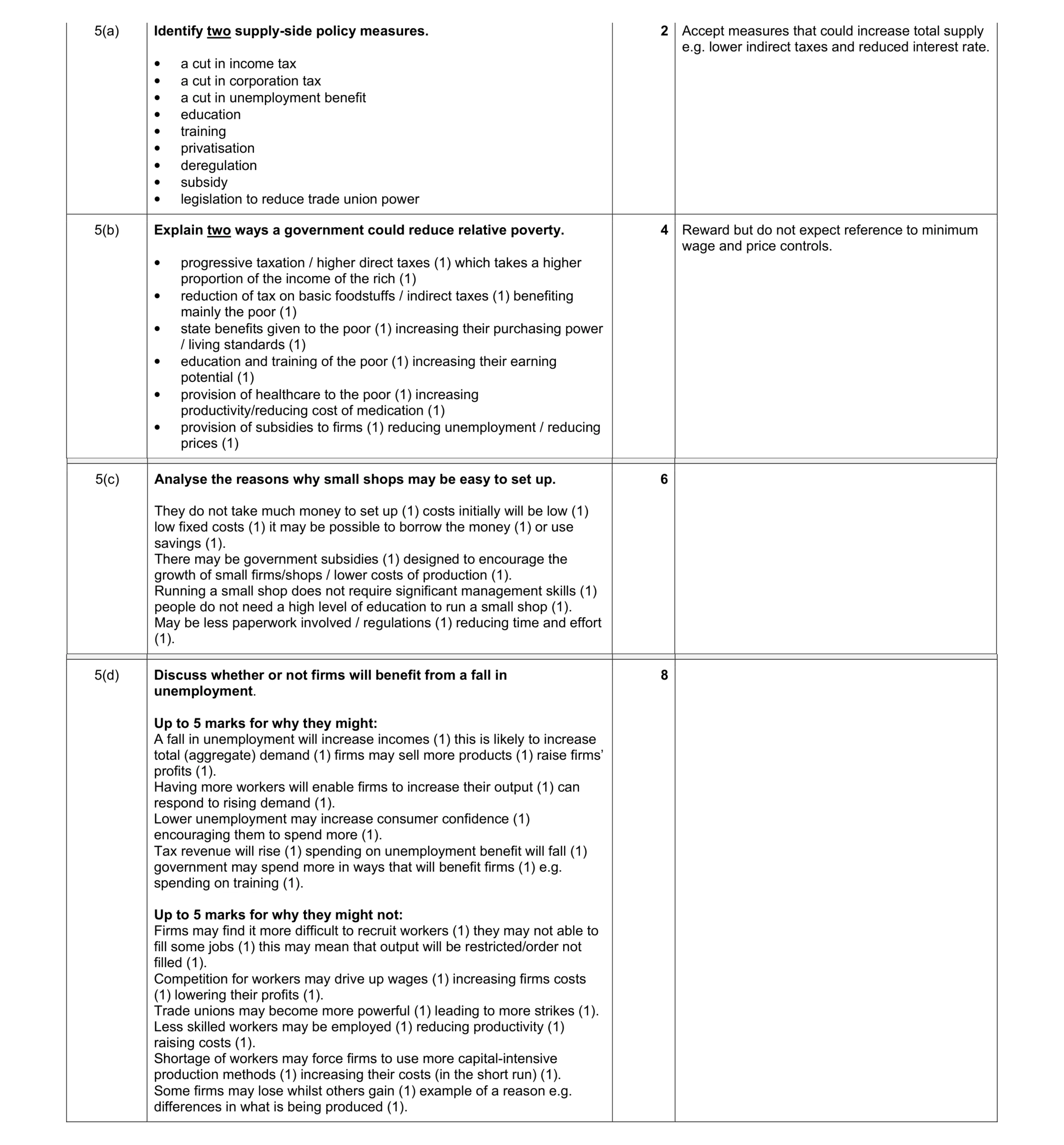 20
20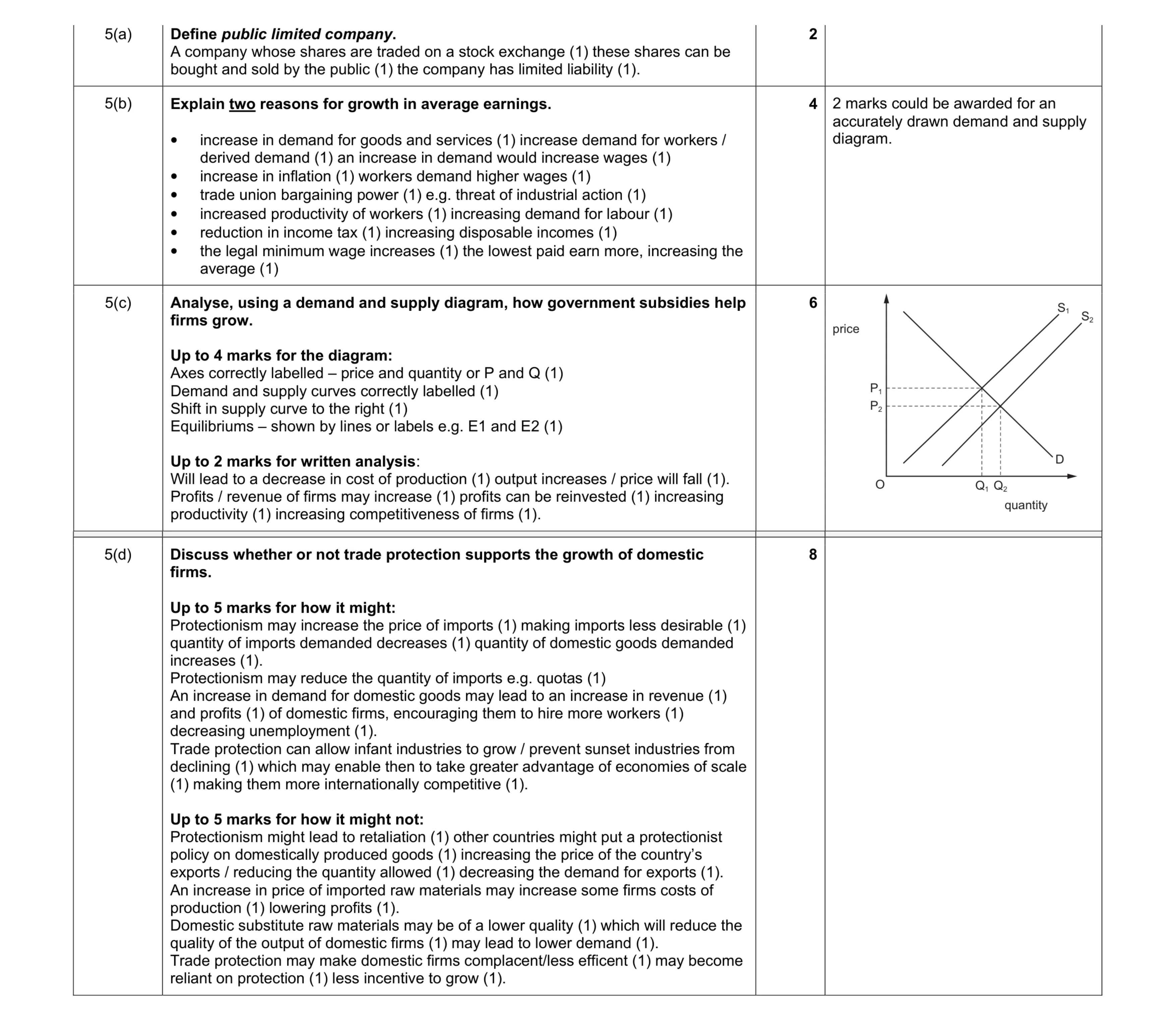 20
20 30
30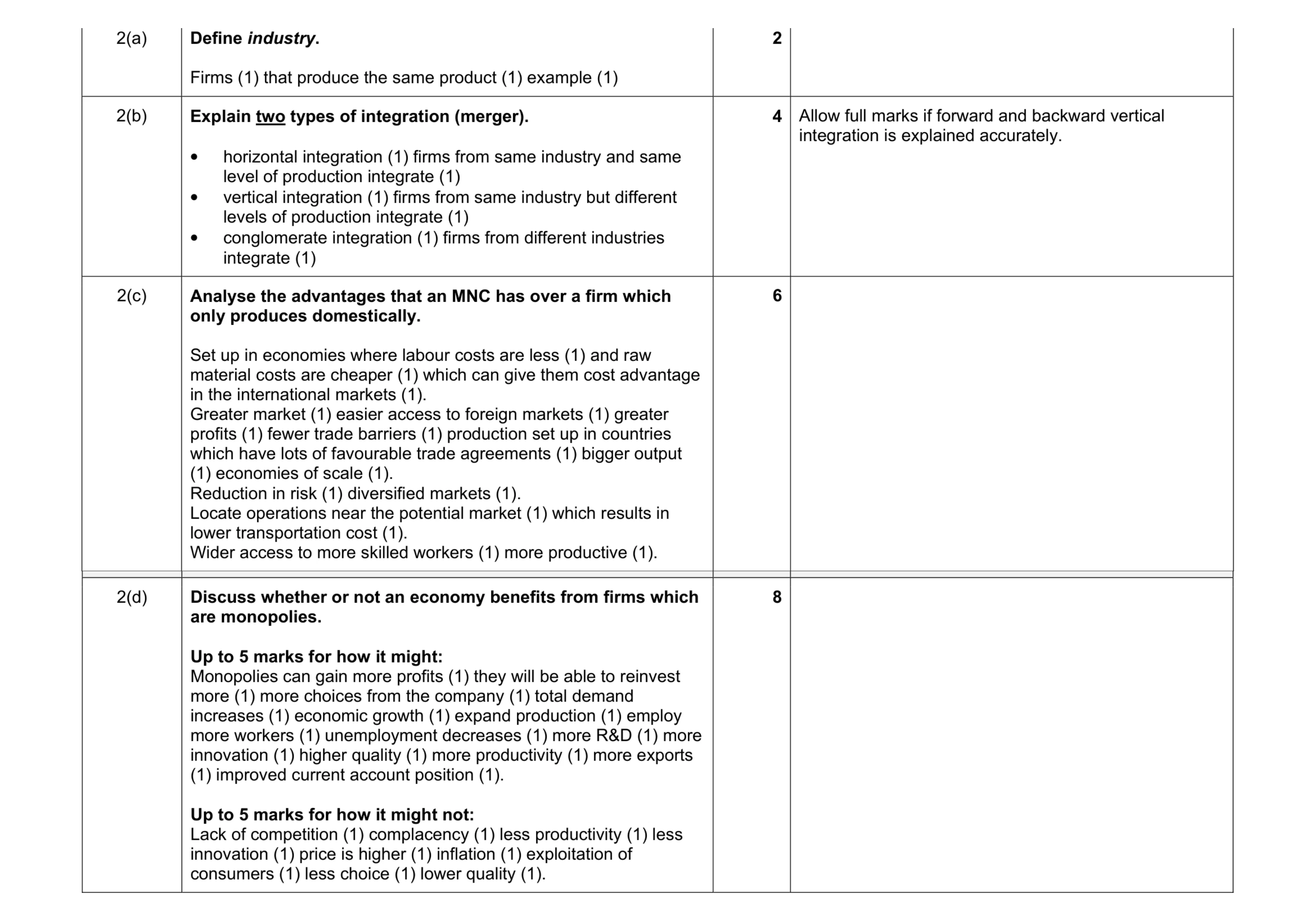 20
20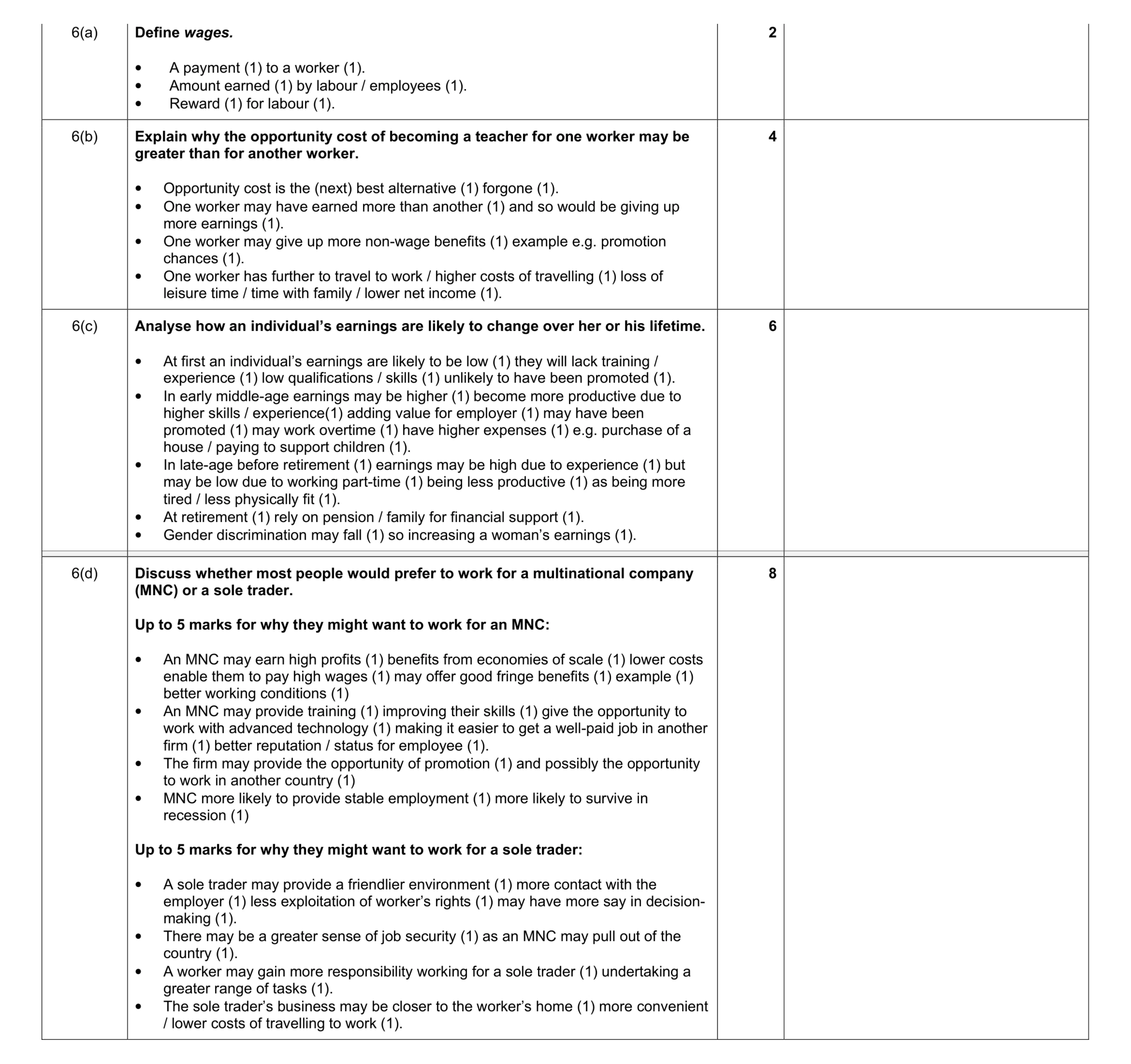 20
20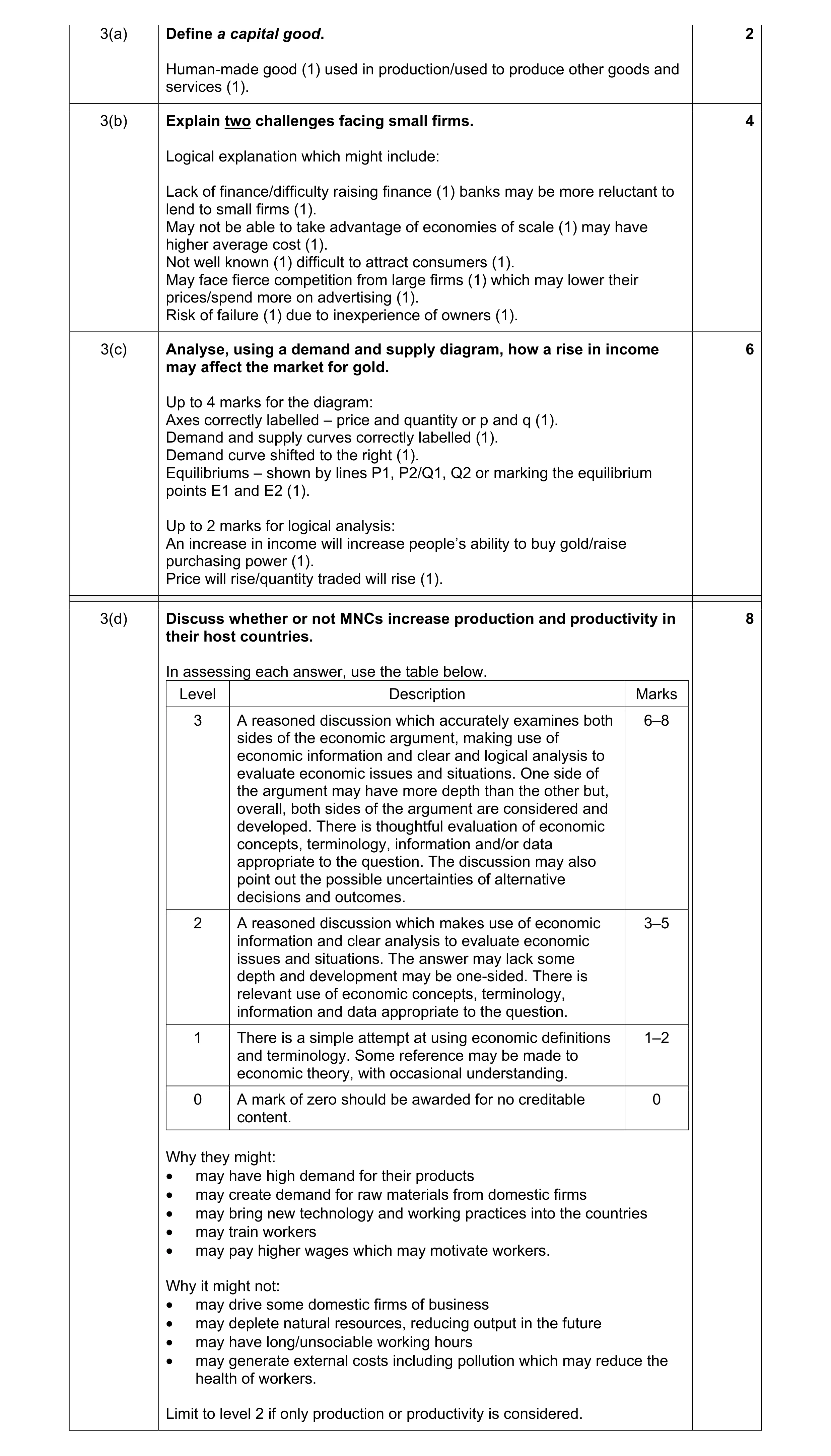 20
20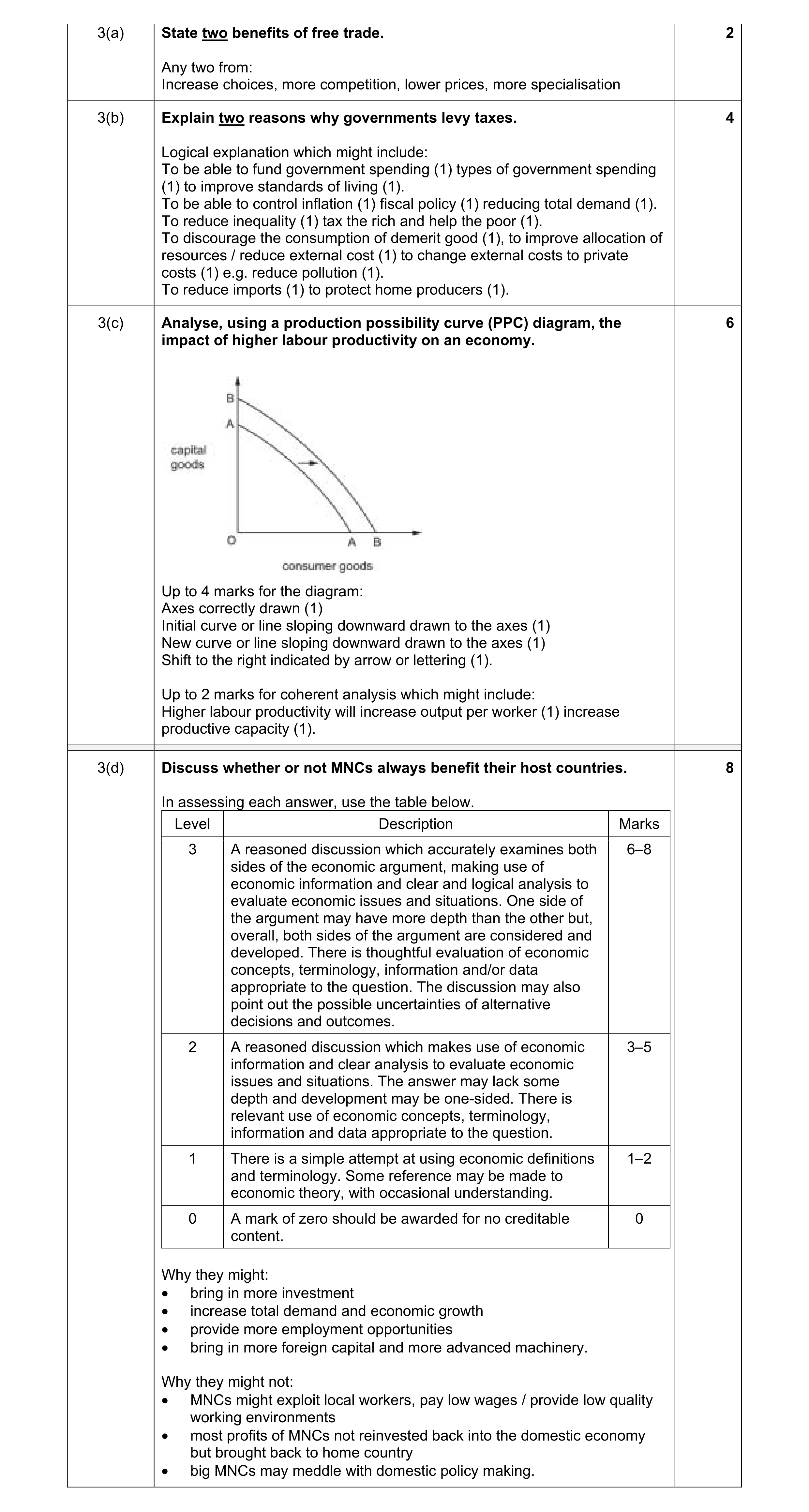 20
20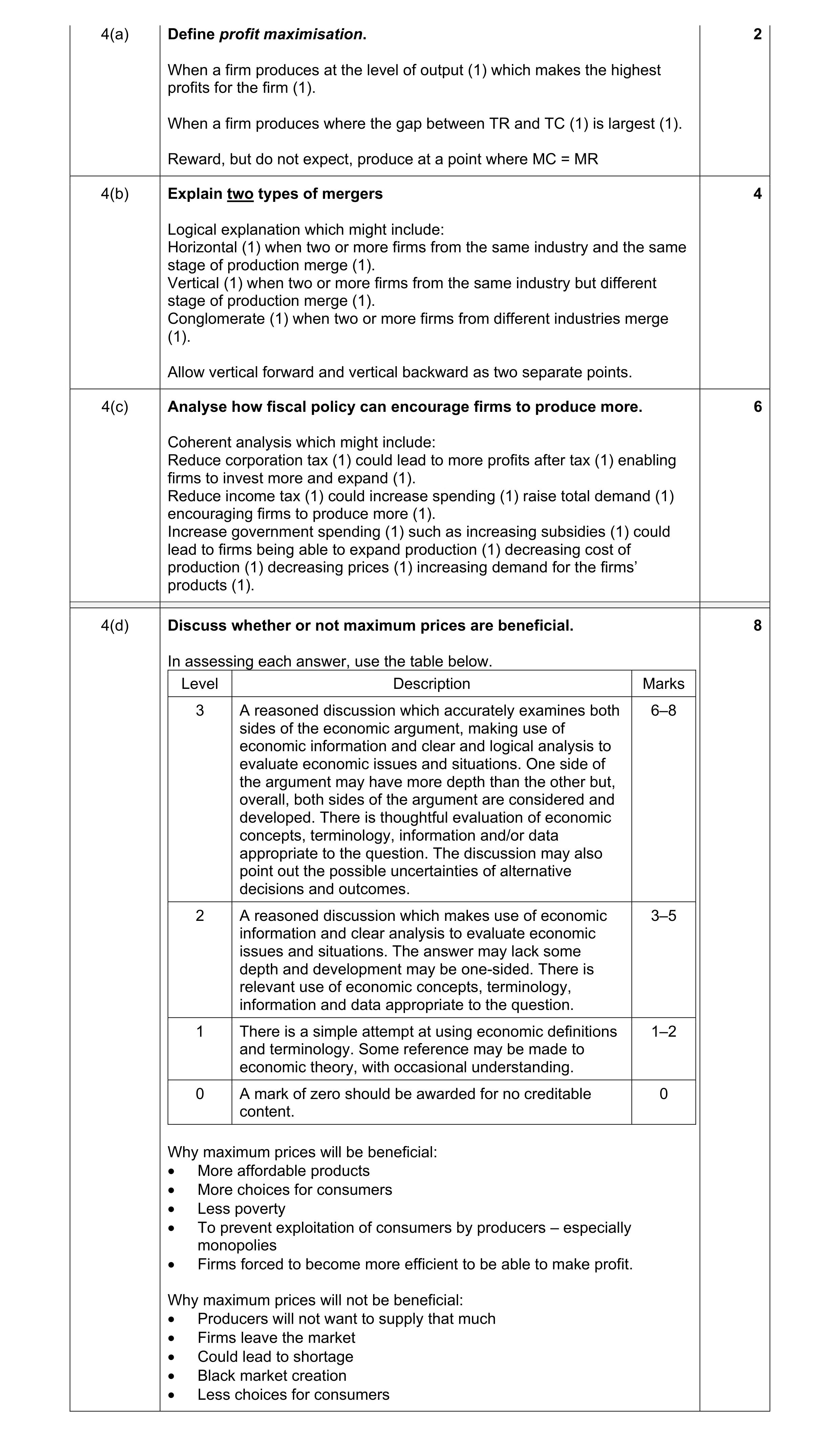 20
20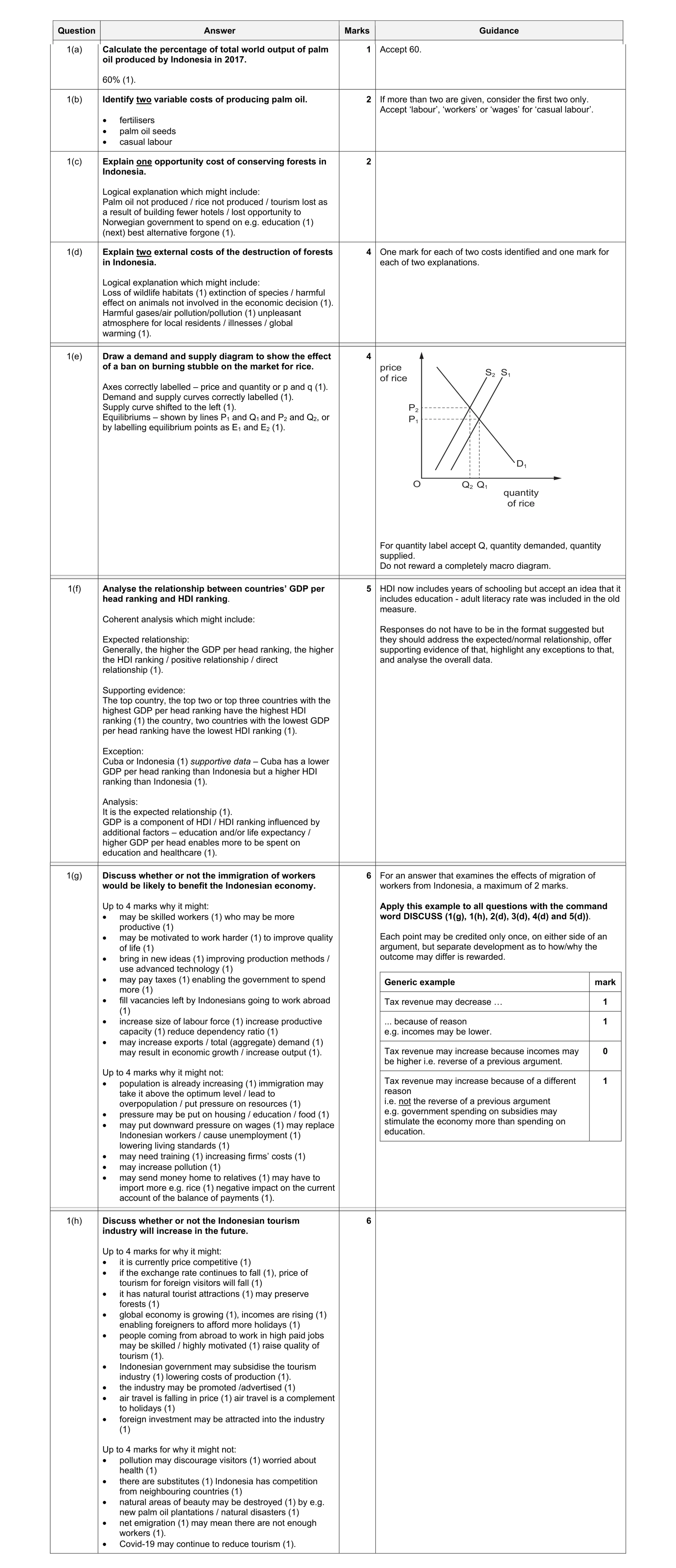 30
30 20
20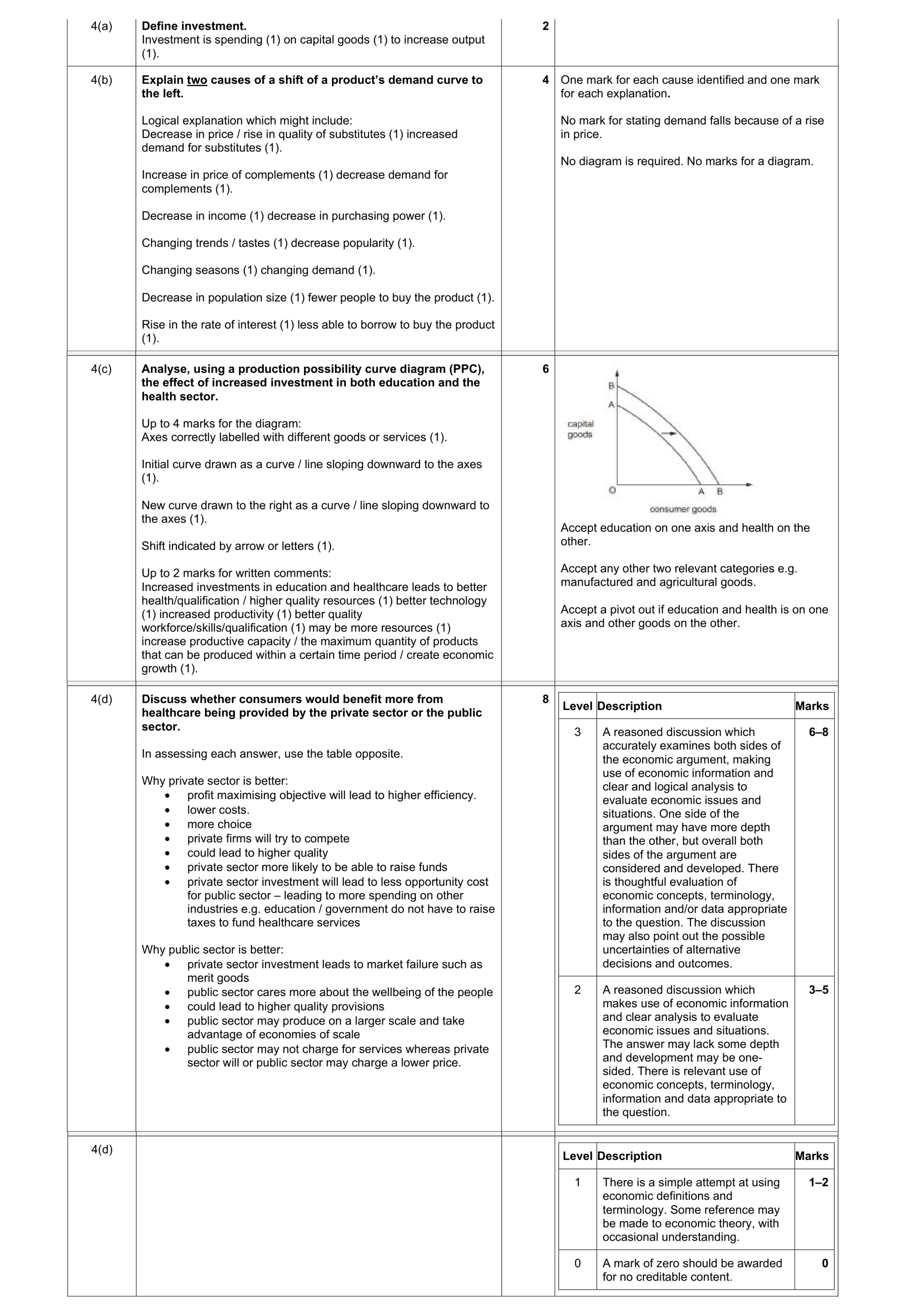 20
20 30
30 20
20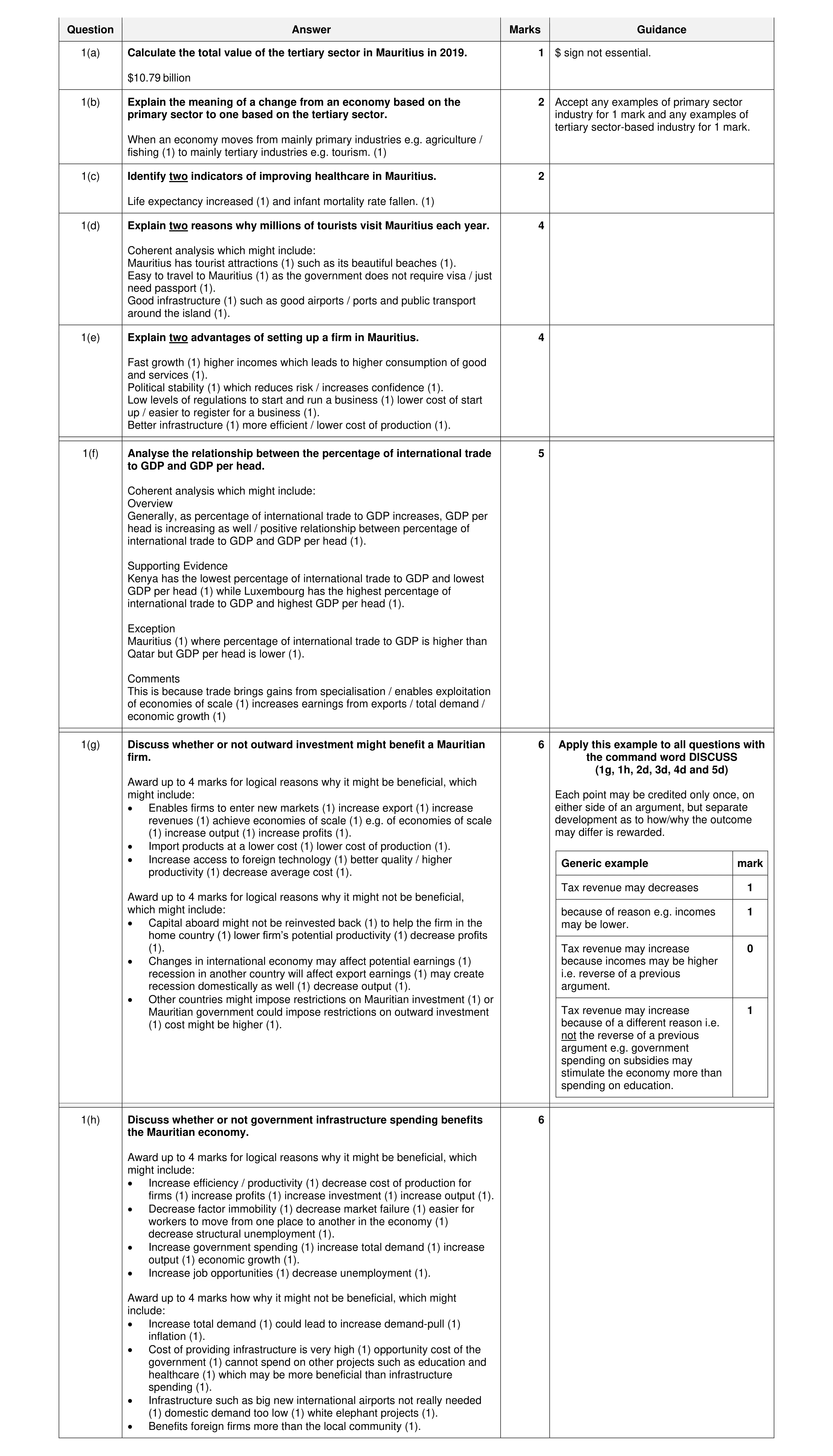 30
30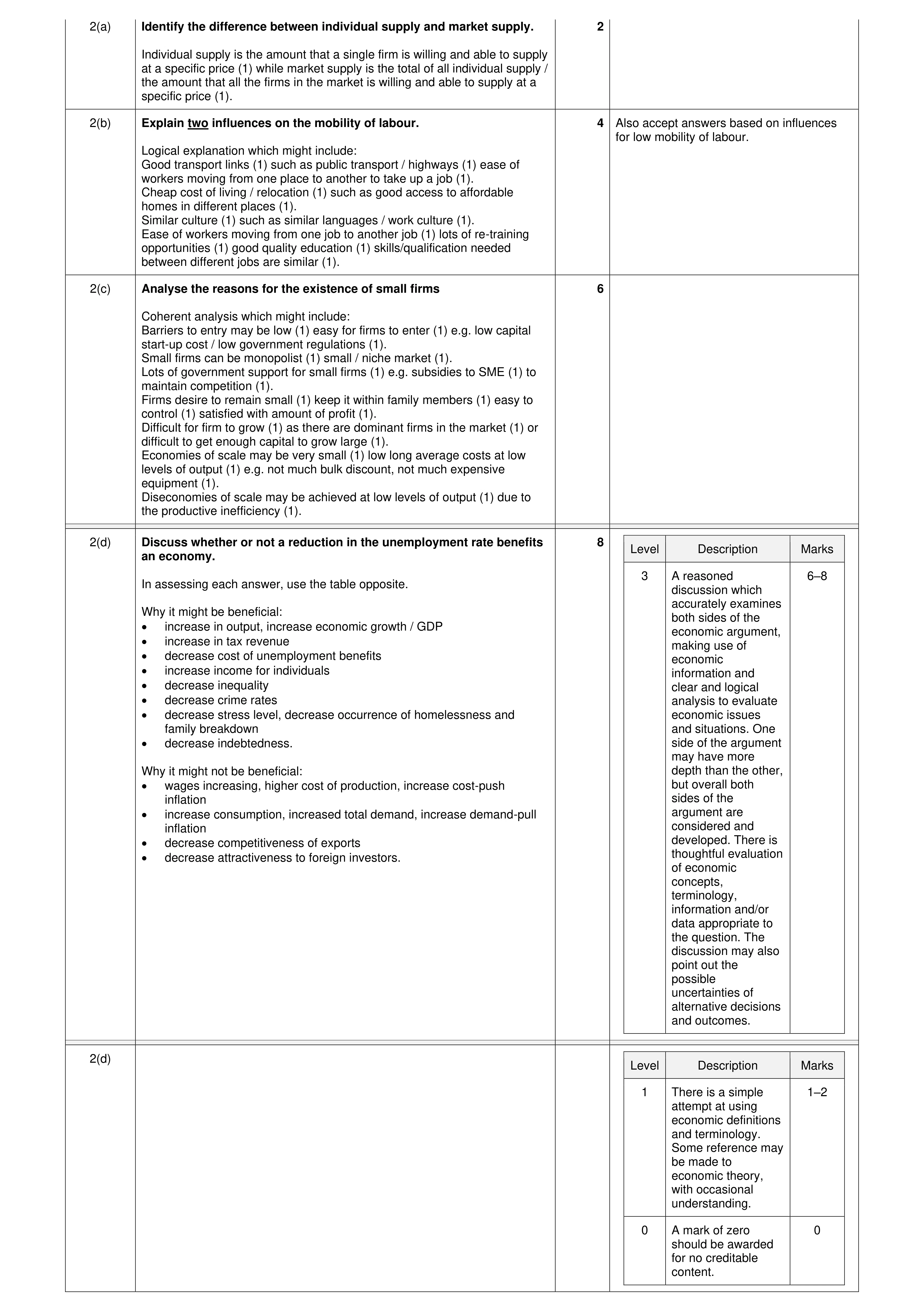 20
20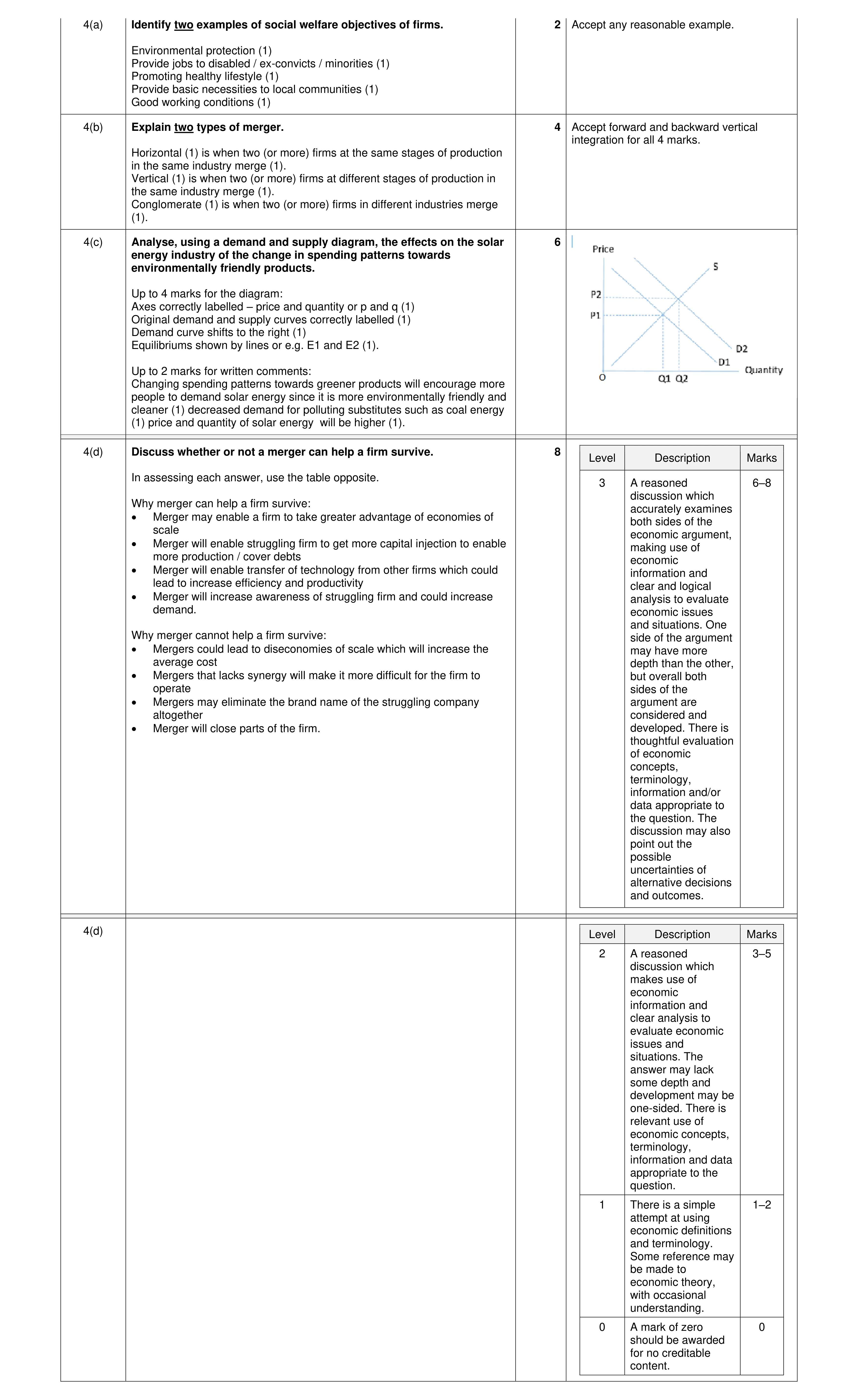 20
20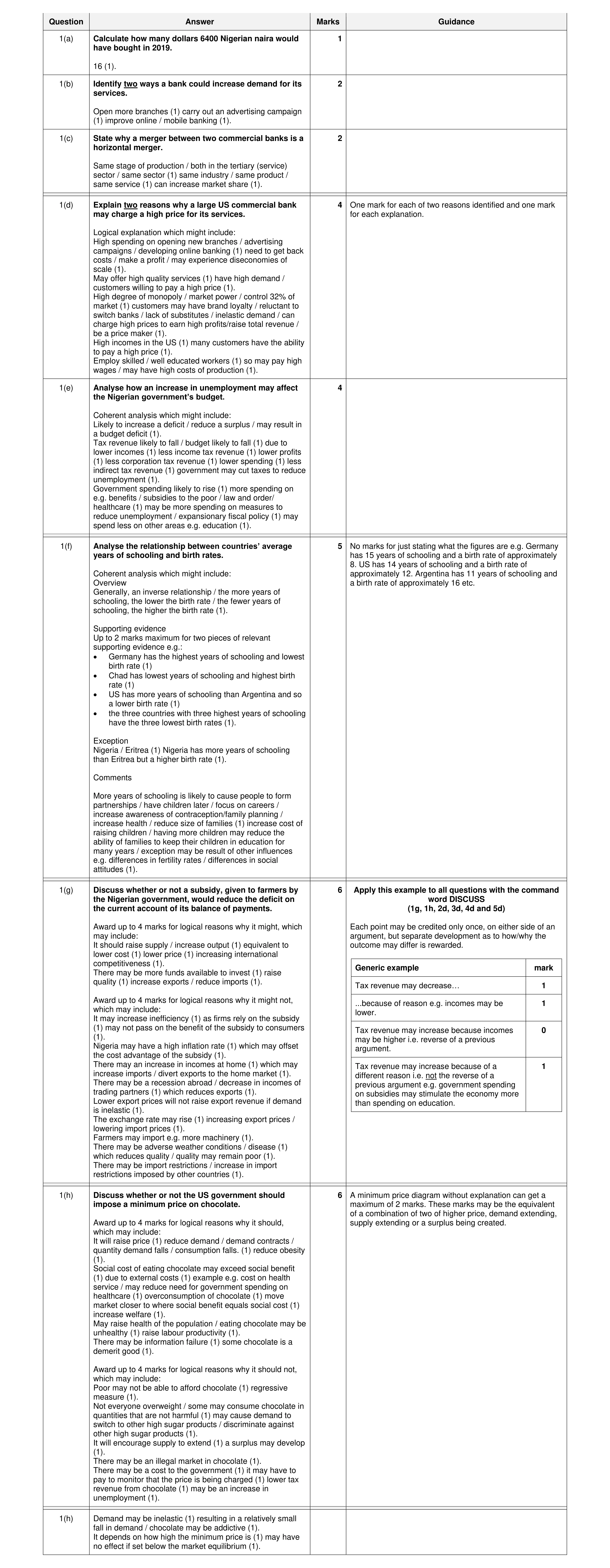 30
30 20
20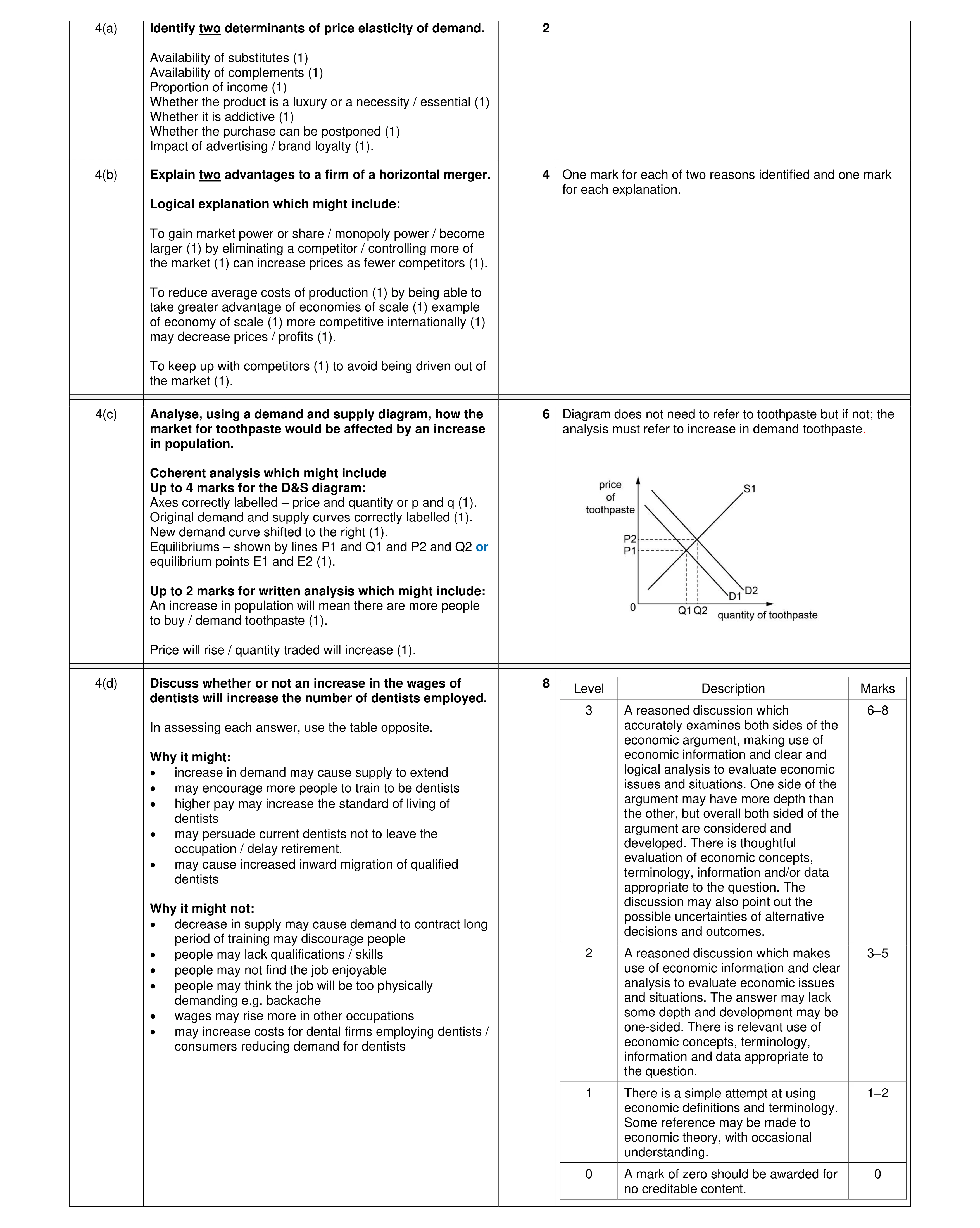 20
20 20
20 20
20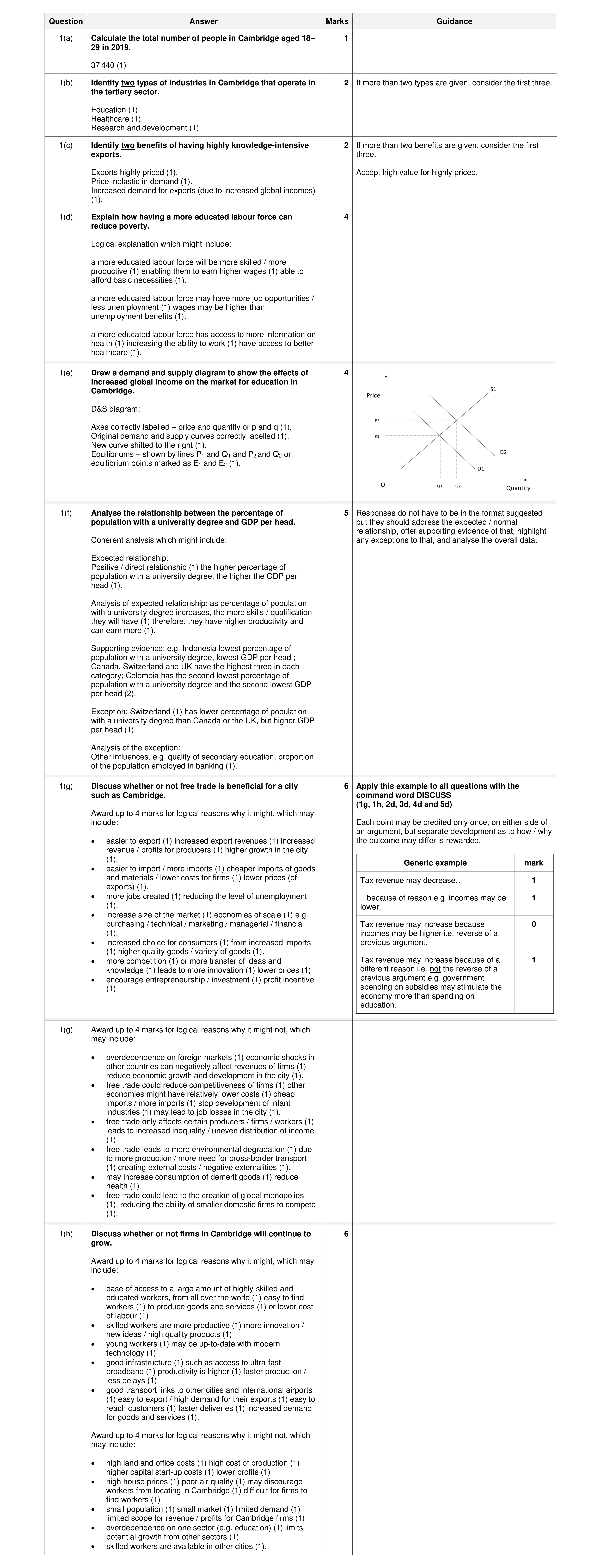 30
30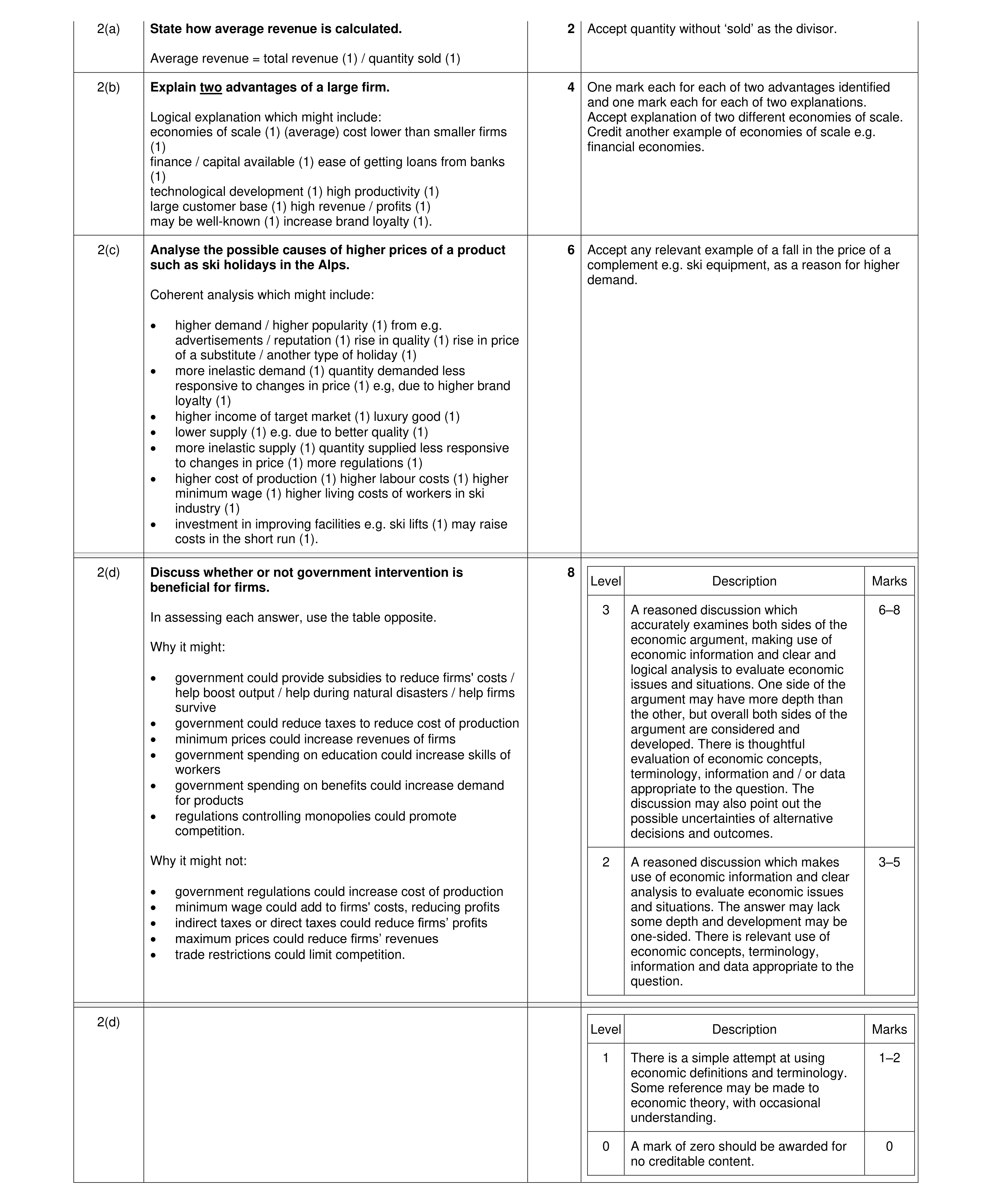 20
20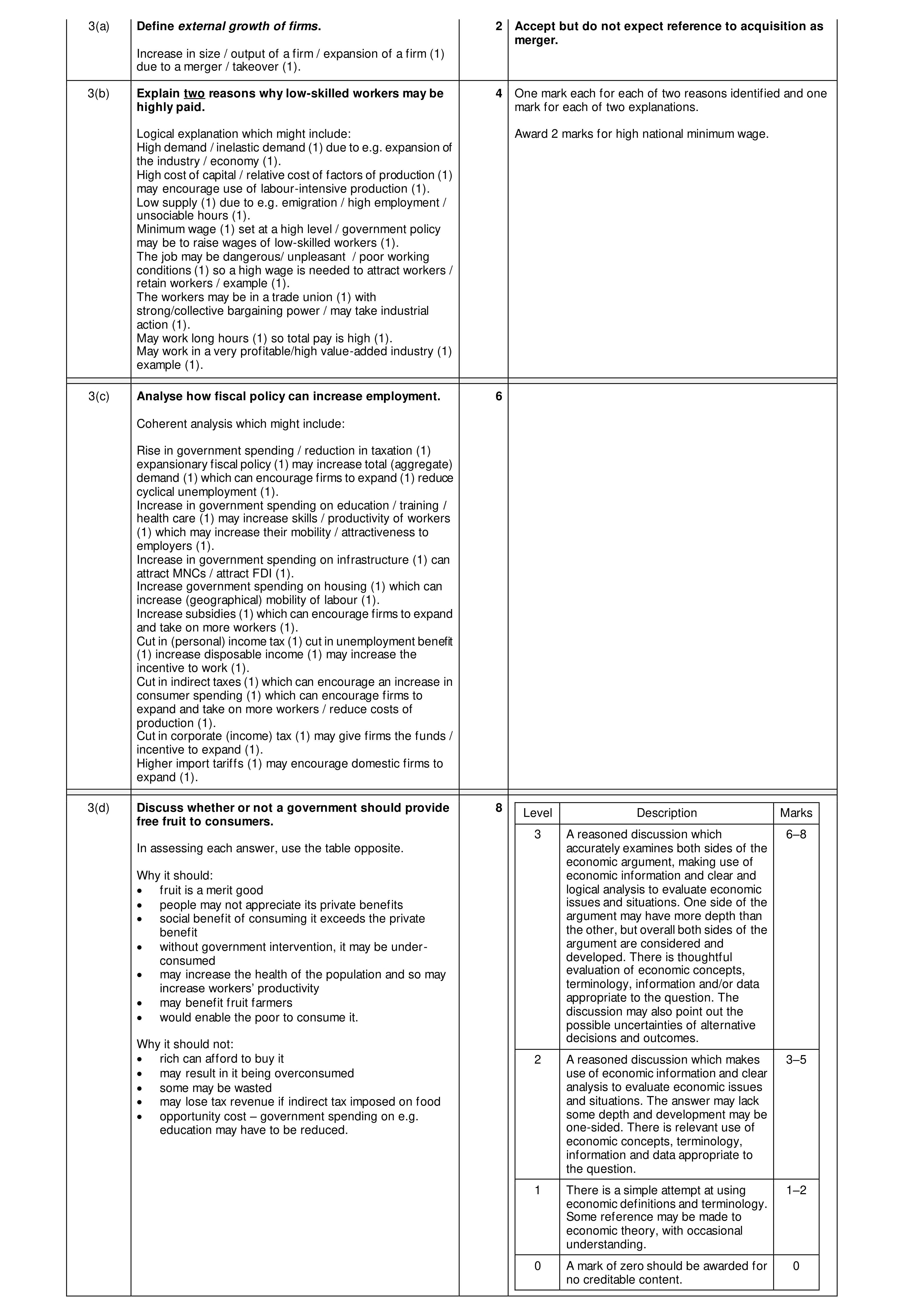 20
20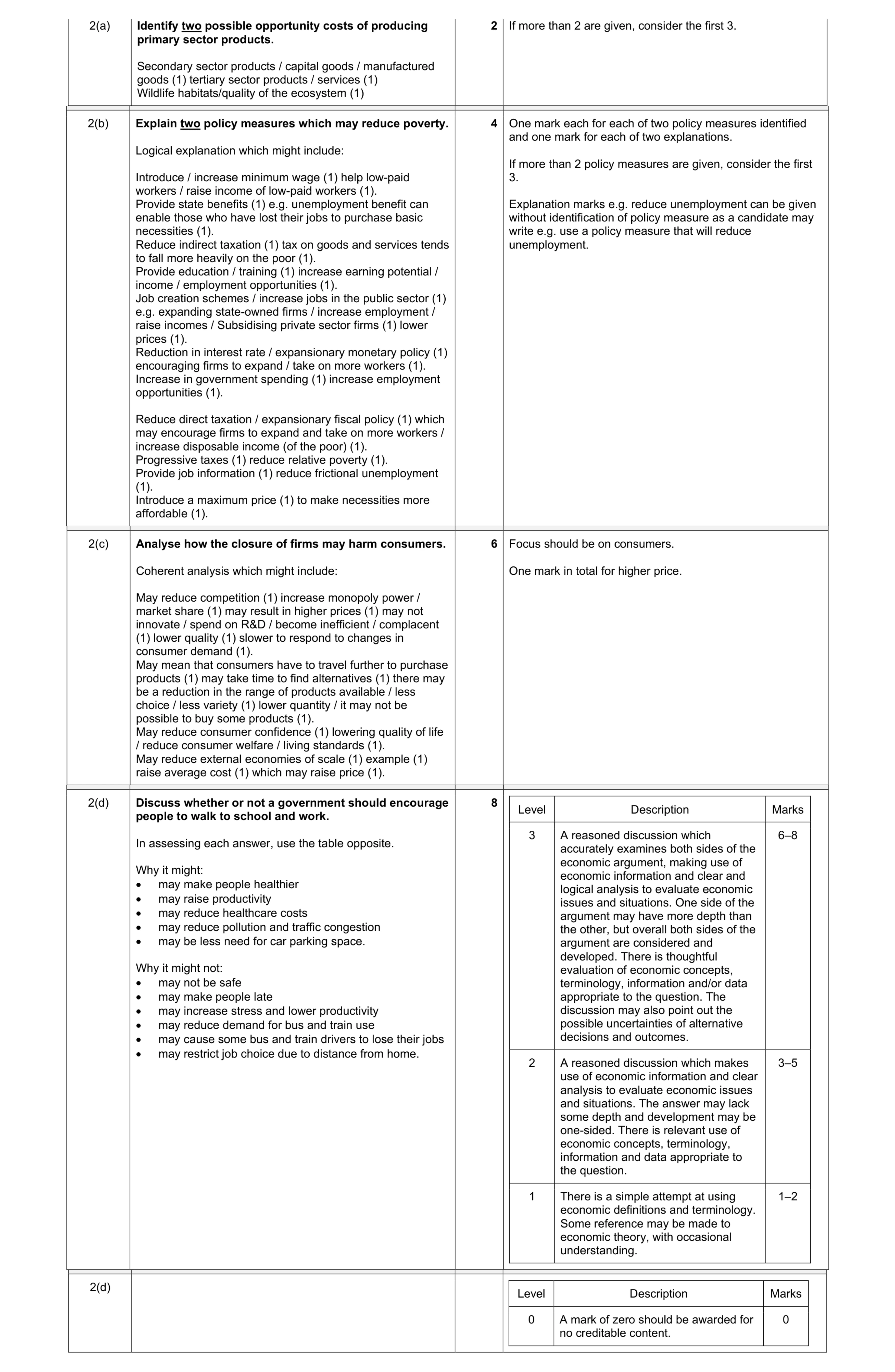 20
20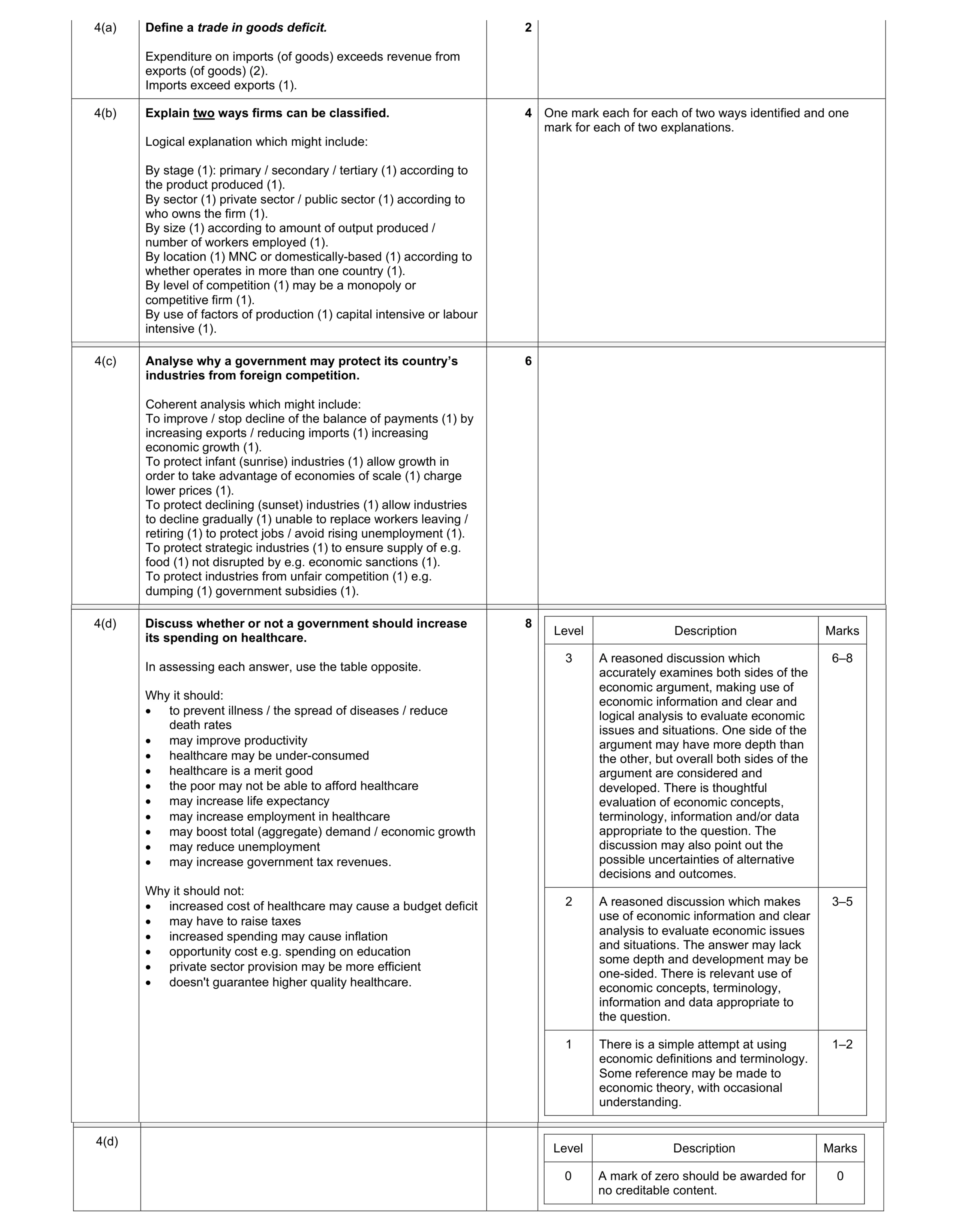 20
20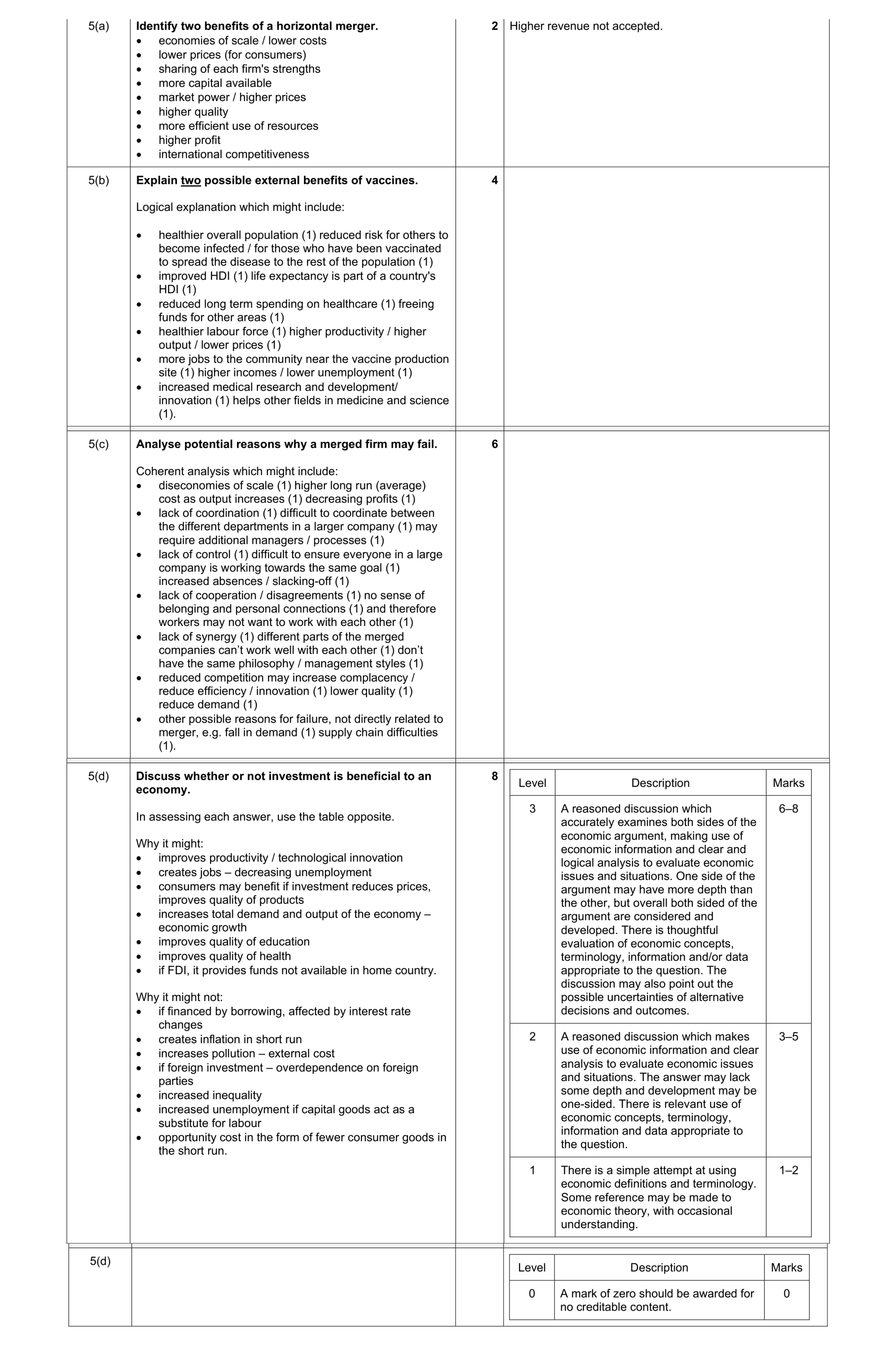 20
20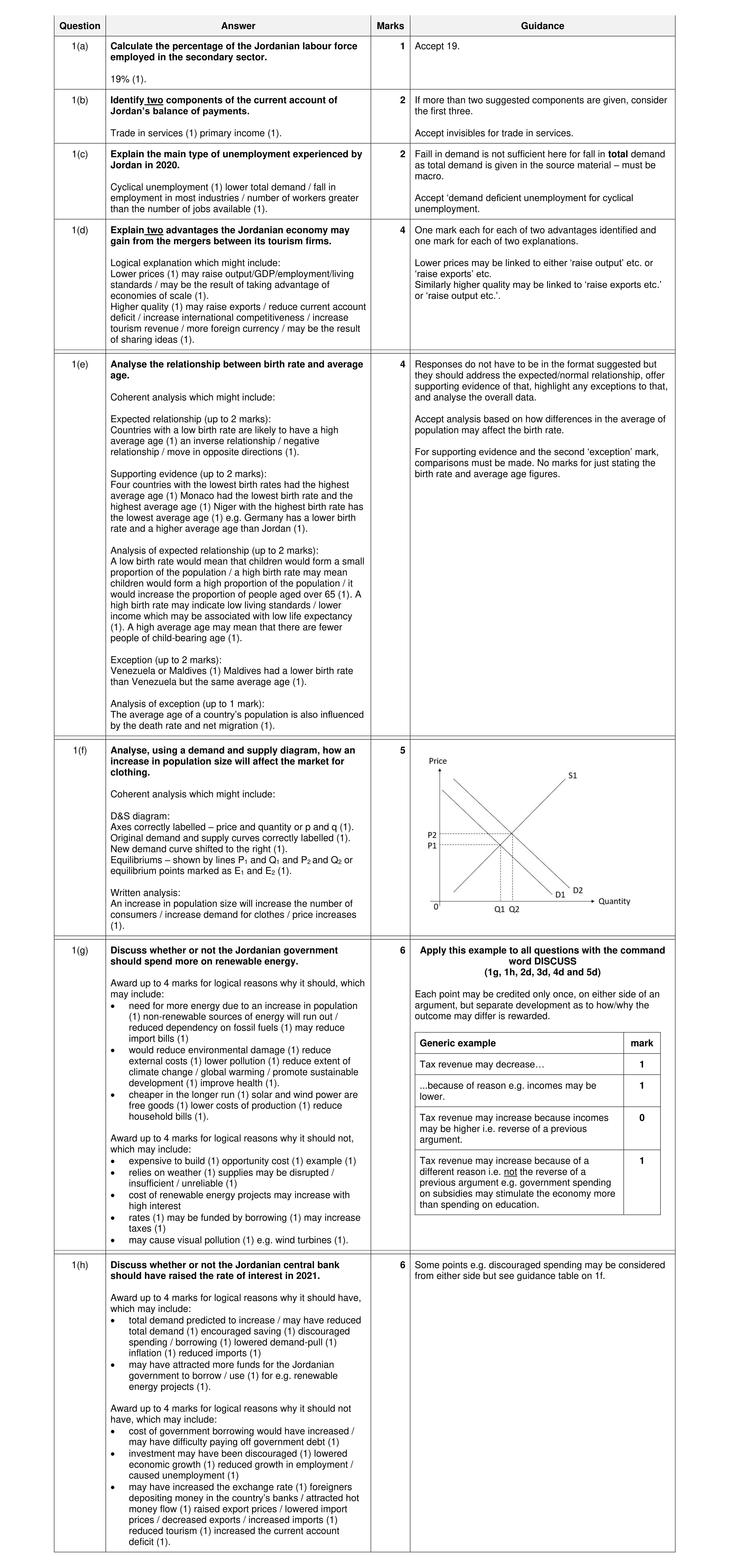 30
30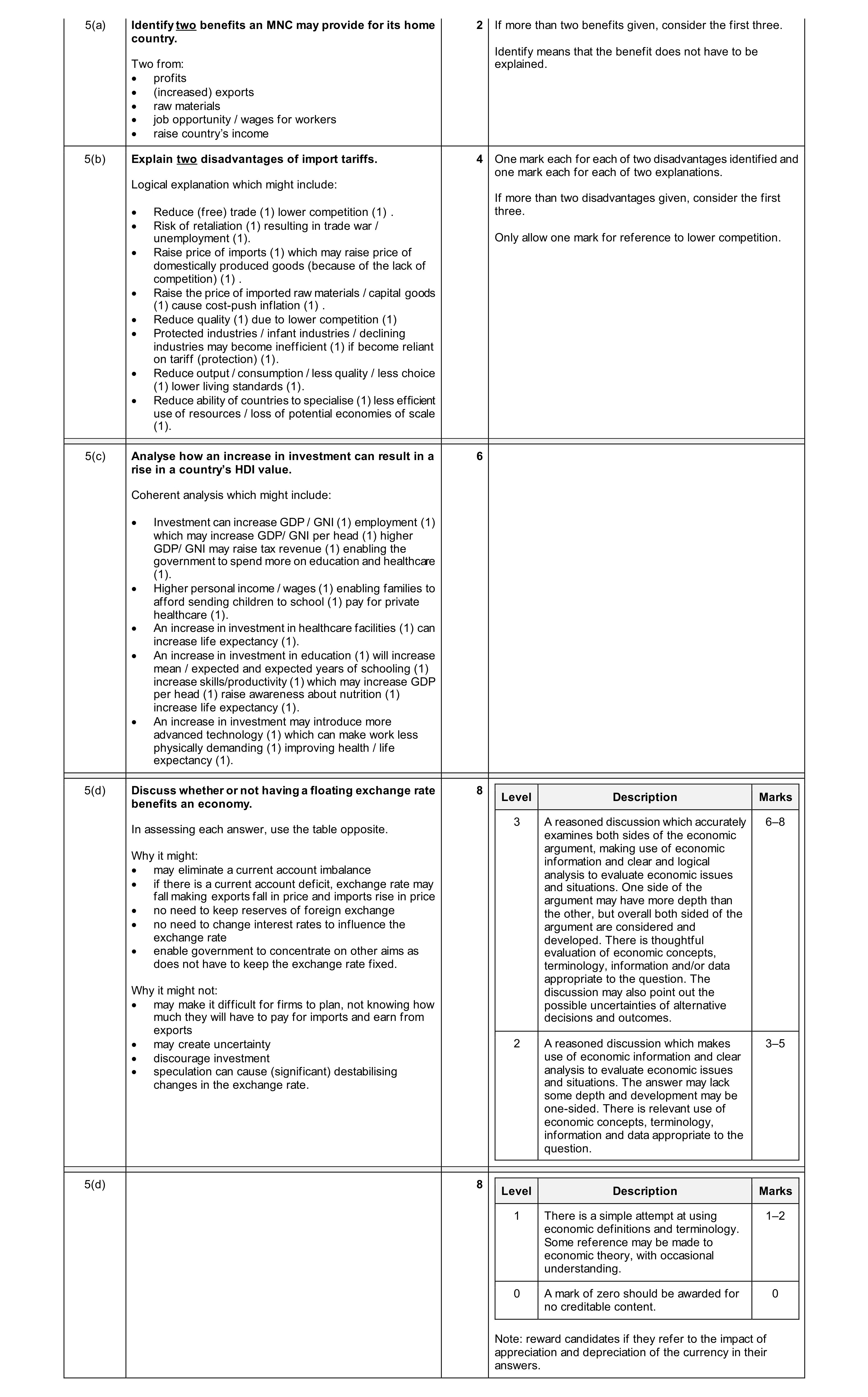 20
20 20
20 20
20 20
20 20
20