Questions as text
Q1 · Read the extract and then answer the question 9489/32 Feb/March 2021
1 Read the extract and then answer the question. The options available to Grey were limited. No British government could ignore the German challenge. In so far as this situation was due to internal conflicts within Germany, the British were relatively helpless. If the German leaders were determined to alter the European balance, it was difficult to believe that without a coalition of powers against them, the bid would fail. If Germany controlled the continent, British security would be menaced. It was never clear what Germany would see as its proper place in Europe, something reflected in Wilhelm II’s own unpredictable nature. It was never apparent where German ambitions would find their proper outlets. Who knew what the Germans wanted? An African empire? A controlling position in the Balkans and in Turkey? A Central European Customs Union? Control of the sea? As the Germans themselves were divided, no foreign secretary, however perceptive, could have understood the German mind. Moreover, even if Grey had made it perfectly clear where Britain stood, the Germans would still have moved. Germany was too strong to accept a final check on its ambitions without at least trying to break out of its enclosed position unless that check was powerful enough to make all hope of success futile. Britain, even in alliance with France and Russia, could not pose that kind of threat. What alternative policies, if any, existed that might have proved superior to the one that Grey followed? Had Grey committed Britain, as his professional advisers advocated, to France and Russia, would this have prevented Berlin and Vienna going to war in 1914? Further, it might, as Grey contended, have made Paris and St Petersburg adopt an assertive policy that would have increased German fears of encirclement, and, in any case, such a policy was not a domestic political possibility for Grey. What of neutrality? Here we are bound by the iron logic that Grey himself presented to Parliament on the eve of war. If Britain were to remain above the conflict, no result would have been satisfactory. If Germany and Austria-Hungary were triumphant, then Germany, master of the Channel coast and with the resources of the continent at its disposal, would have destroyed the balance of power and have been even more dangerous to Britain than before. Britain would have had no allies against this more powerful Reich. If France and Russia emerged victorious, they would have had no use for a Britain that had abandoned them in their time of need. Russia, freed of its concerns about Germany, would have been able to move against Britain’s imperial interests, and France could have resumed the policies that were in place before Fashoda. A policy of neutrality in war was equivalent to a policy of isolation in peace, and, to Grey and the group who determined British policy, such a role was instinctively unsuitable. Grey has been criticised by historians on a variety of levels. Some have considered that he was ill-suited intellectually to being foreign secretary. Others have argued that he was so fixated on the German threat that he lost touch with the realities of power on the continent and therefore pursued an anti-German policy to the detriment of Britain’s position. In fact, Grey has been accused of the invention of a German menace in order to provide a rationale for the creation of the entente with Russia, all to protect Britain’s imperial interests in Asia. But, while Grey may have given Germany more attention than the other powers, this was not due to him inventing an aggressive Germany: that was created in Berlin. What can you learn from this extract about the interpretation and approach of the historian who wrote it? Use the extract and your knowledge of the origins of the First World War to explain your answer. [40]
40 marks
Mark scheme: Question Answer Marks 1 The Origins of the First World War 40 Interpretation/Approach The main interpretation is that in the period before the war Grey had little choice but to follow the policy he pursued, but that ultimately German aggression would have occurred no matter what line he adopted. Showing complete understanding of the Interpretation will involve discussion of both these aspects. This is an interpretation that focuses on Grey and the choices available to him. It sees his actions as making little difference, and implicitly rejects the views of those historians who criticise Grey/Britain for not taking a firmer/clearer line. It clearly attributes blame to German aggression by illustrating that Grey had no satisfactory way of dealing with the German threat. Glossary: Early post-First World War interpretations tended to blame Germany, but quickly a reaction against this occurred, with a variety of interpretations blaming other nations. This may be termed revisionism. The turning point in the historiography was Fischer’s work of the early 1960s which went back to blaming Germany – sometimes known as anti- revisionism. Since then there has been a vast variety of interpretations, looking at the importance of culture, individuals, contingent factors etc., with no clear consensus, though most historians would still place a significant burden of responsibility on Germany.
This question in 9489/32 Feb/March 2021
Q2 · Read the extract and then answer the question 9489/32 Feb/March 2021
2 Read the extract and then answer the question. In his speech to the Reichstag on 30 January 1939, Hitler had already pointed in the direction of the future Nazi policy of mass murder. Historians have interpreted his remarks as everything from a clear announcement of the forthcoming Final Solution to a typical outburst of anti-Semitic rhetoric without substantive meaning. Actually, the speech, planned in advance, fitted into the context of Hitler’s foreign policy. It was too calculated to be without importance. He wanted to issue a strong warning to his enemies in the West, whom of course he associated with the Jews. He accused his critics in the West as being supporters of a war sought by international Jewry. He urged the Western nations to take Germany’s Jews off his hands. Europe would not find rest, he proclaimed, until the Jewish question was resolved. When Hitler warned international Jewry against forcing another world war, he was warning the Western powers not to obstruct his own objectives in the East. He knew there was going to be a war—the question was whether the West would jump in. If they committed all their resources to war, not only would they regret it militarily, but the Jews would suffer the results of genocide. Or so he said. One way to test the seriousness of Hitler’s threats on 30 January is to look for other evidence of the coordination of his racial and foreign policy goals. On 10 February he gave a private speech to high-ranking officers in the three armed services. He predicted that the next war would be an ideological and racial war that would determine the fate of the German race. According to one witness, Hitler made it clear that he intended to establish German domination of Europe and the world for centuries. Another supporter of a wartime programme to kill Jews was Goebbels. On one occasion in March 1939, he pressed for a total elimination of the Jews: ‘We cannot allow Jewry to exist any longer.’ Goebbels said this elimination might be done in more humane fashion in time of peace, and in more inhumane fashion if there was war. With mass murder or even genocide, however, there is a huge gulf between talk and action. For the historian to take Hitler’s threat as something that, even in 1939, was likely to happen, there need to be some signs—if not hard evidence—of a general strategy or preliminary plan. It need not have been Hitler who provided the evidence; he was not in the habit of drawing up detailed plans personally anyway. But those who would have to respond to Hitler’s desire and carry it out required some advance preparation. As far as is known, neither Himmler nor Heydrich wrote or talked much in 1939 about plans for the Jews. A programme for the complete destruction of the Jewish people depended on many unrealised preconditions—military conquest of most of the European continent, availability of a suitable technique for mass murder and sufficient numbers of executioners, commitment of resources and the ability to keep the whole process secret. Given this it is hard to see that anyone, even Hitler, could have made any kind of commitment, privately to himself or confidentially to others. Hitler was a fanatical anti-Semite, but he was also an opportunistic politician. He would undoubtedly seek to unleash his rage against the Jews; how and when he did so depended upon the circumstances, opportunities and plans presented to him. Anyone planning a campaign of mass murder had to start by thinking on a smaller scale than the whole continent. What can you learn from this extract about the interpretation and approach of the historian who wrote it? Use the extract and your knowledge of the Holocaust to explain your answer. [40] Section C: Topic 3 The origins and development of the Cold War
40 marks
Mark scheme: 2 The Holocaust 40 Interpretation/Approach The main interpretation is that although Hitler clearly claimed to intend some kind of final reckoning with the Jews, there is no evidence that any prior plan existed, or could have existed, before the outbreak of war. Showing complete understanding of the interpretation will involve discussion of both these aspects. The interpretation stresses that any Final Solution would have to be contingent upon a wide range of factors that could not be predicted. By 1939, even though Hitler might have said he was planning genocide, there was no evidence that he was actually doing so. The most satisfactory label to attach to this interpretation is synthesis – Hitler certainly was violently anti-Semitic, but for this to produce genocide would require wartime developments. Labelling the interpretation as functionalist would also be acceptable and with proper support could achieve L5 or L6. Opting for intentionalism alone would be ignoring too much and could not be better than L4, even if properly supported. Glossary: Candidates may use some/all of the following terms: Intentionalism – interpretations which assume that Hitler/the Nazis planned to exterminate the Jews from the start. Structuralism - interpretations which argue that it was the nature of the Nazi state that produced genocide. There was no coherent plan but the chaotic competition for Hitler’s approval between different elements of the leadership produced a situation in which genocide could occur. Functionalism sees the Holocaust as an unplanned, ad hoc response to wartime developments in Eastern Europe, when Germany conquered areas with large Jewish populations. Candidates may also refer to synthesis interpretations, i.e. interpretations which show characteristics of more than one of the above. What counts is how appropriate the use of this kind of terminology is in relation to the extract, and how effectively the extract can be used to support it.
This question in 9489/32 Feb/March 2021
Q3 · Read the extract and then answer the question 9489/31 May/June 2021
1 Read the extract and then answer the question. In December 1920 Lloyd George made a famous speech in which he argued that the nations had ‘drifted, or rather staggered and stumbled’ into war. As late as 1936 he still maintained, ‘No sovereign or leading statesman in any of the belligerent countries sought or desired war – certainly not a European war.’ This ‘slide to war’ thesis makes careful examination of the July Crisis unnecessary: no motive, no intention, no responsibility. We suggest instead a consistent pattern, multiple instances of moves for engagement, and we argue that the very essence of decision-making is a matter of choice. And so it was in 1914. For decades European leaders had assessed the likely scenarios for conflict on the Continent. In each case, they rejected the notion that a war could be localised or isolated. They recognised the danger of diplomatic escalation leading to armed conflict. They knew the dangers of a general European war. In each case they accepted those risks and dangers in July and August, and they decided for war with the full expectation of winning and thereby solving the problems that prompted them to consider armed conflict in the first place. That is what made the July Crisis radically different from previous crises, such as the two Moroccan crises, the two Balkan wars, and the Tripoli crisis. In fact, there was a surprising single-mindedness of purpose in the decision-makers of 1914. Almost all of them recognised that the strategic argument of perceived decline or threat demanded the call to arms. The murder of Archduke Franz Ferdinand quickly disappeared from their considerations. Instead, the leaders in Vienna and Berlin, St Petersburg and Paris, persisted in their view that war alone could resolve their perceived insecure positions in the European balance of power. And when two monarchs, Wilhelm II and Nicholas II, at the last moment tried to draw back, the governing cliques in Berlin and St Petersburg forced them back on course. The ‘slide to war’ thesis is also disproven by the various actions, especially in the three critical capitals, Vienna, Berlin and St Petersburg, to block possible mediation of the crisis. As early as 3 July Berchtold boldly informed the German ambassador in Vienna of his government’s need for a ‘final and fundamental reckoning’ with Serbia. Kaiser Wilhelm endorsed that with his note, ‘now or never’. Vienna refused a state funeral for Franz Ferdinand in part because it might have offered the crowned heads of Europe an opportunity to coordinate their responses to the assassination. Vienna was determined to strike out at Belgrade; Berlin seconded that initiative. And once Russia had decided to block the proposed ‘punitive expedition’ against Serbia, Foreign Minister Sazonov prevented further discussion and possible resolution of the crisis by instructing the chief of the General Staff to smash his telephone! Perhaps the last word on the ‘slide to war’ thesis should go to one of the pivotal players, the chief of the German General Staff. Already in March 1913, Moltke confided to the Italian military attaché Germany’s intention to violate Belgian neutrality in case of war. The next war, he stated, would be between France and Germany. In brutal terms, he stated that this war would be ‘a question of life or death for us. We shall stop at nothing to gain our end. In the struggle for existence, one does not bother about the means one uses.’ And in retirement in June 1915, Moltke in a private letter spoke of ‘this war which I prepared and initiated’. No drift, no slide. What can you learn from this extract about the interpretation and approach of the historian who wrote it? Use the extract and your knowledge of the origins of the First World War to explain your answer. [40]
40 marks
Mark scheme: Question Answer Marks 1 The Origins of the First World War 40 Interpretation/Approach The main interpretation is that in 1914, European leaders deliberately chose to go to war because they feared that their prospects of success would deteriorate if they waited. Showing complete understanding of the interpretation will involve discussion of both these aspects. The interpretation is an explicit rejection of Lloyd George’s ‘slide to war’ thesis. It places prime responsibility on Germany, Austria, and Russia as the three states that could have prevented war but chose not to. However, this is a sub-message of the extract. Glossary: Interpretations soon after World War Ⅰ tended to blame Germany, but this was quickly countered by a variety of interpretations that blamed other nations. This may be termed revisionism. The turning point in the historiography was Fischer’s work of the early 1960s, which went back to blaming Germany – sometimes known as anti-revisionism. Since then, there has been a vast variety of interpretations, looking at the importance of culture, individuals, contingent factors, etc., with no clear consensus. Even so, most historians would still place a significant burden of responsibility on Germany. What counts is how appropriate the use of this kind of terminology is in relation to the extract, and how effectively the extract can be used to support it.
This question in 9489/31 May/June 2021
Q4 · Read the extract and then answer the question 9489/31 May/June 2021
2 Read the extract and then answer the question. The evidence confirms the impression that the various authorities of the National Socialist regime were ready in late 1941 for the extermination process aimed at reducing the number of Jews. There existed no real capacity to absorb the mass deportations which everybody urged and, further, the campaign in the East, which had reached a stalemate by the winter, offered no prospect for sending the Jews beyond the Urals. There were other reasons as well: the ghettos which had been created in order to isolate and select the Jews for deportation (in occupied Poland, as early as 1939–40) were now spreading destitution and disease, and the Nazis regarded the ghettos as sources of an infection to be wiped out. The Jews had to be ‘exterminated somehow’. This fatal expression recurs again and again in documents of various origins at this stage (late 1941), revealing evidence of the improvisation of extermination as the simplest solution – one that would, with additional extermination camps in occupied Poland, finally generate the potential for the mass murders. If we base our interpretation on the concept that the annihilation of the Jews was thus ‘improvised’ rather than set off by a one-time secret order, it follows that the responsibility and the initiative for the killing were not Hitler’s, Himmler’s or Heydrich’s alone. This does not, however, free Hitler from blame. We know almost nothing about the way in which Hitler spoke about these matters with Himmler and Heydrich, who bore institutional responsibility for the acts of liquidation, and who at this time frequently visited the Führer’s headquarters. Hitler had good reasons that prompted him to hide the full truth even from high-ranking associates; these strictly unlawful measures could be ordered only by verbal instructions on the part of Hitler and not by way of legally binding formal directives. His responsibility for the murder of the Jews can only be established indirectly. The idea that it would be possible to ‘prove’ this by means of some document signed by Hitler, as yet undiscovered, is derived from false assumptions. Hitler, as is well known, rarely processed files himself, and his signature or handwriting on documents, except in the case of laws and ordinances, is hardly ever found. Indications pointing to his responsibility are nonetheless overwhelming. A great number of documents concerning anti-Jewish legislation prove that Hitler concerned himself with numerous details of the measures, and that these were dependent upon his decisions. It could not be hidden from any important functionary of the National Socialist regime that Hitler had the greatest interest possible in the solution of the Jewish question. To assume that such important decisions as the measures for the destruction of Jewry could be taken by any individual without Hitler’s approval is to ignore the power structure and hierarchy of the Führer state. It is especially baseless regarding Himmler, whose loyalty to his Führer was at this stage absolute. Such an idea is also flawed as the preparations for the extermination of the Jews (e.g. transportation and the release of Jews from essential war work) interfered directly with the interests of the Wehrmacht, and could not be implemented without the backing that Hitler alone could impose. Goebbels reveals in his diaries that every important stage of the deportation of the Jews from the capital of the Reich required the approval of Hitler: at the Wannsee Conference (January 1942), which convened to discuss the ‘final solution of the Jewish question’, Heydrich made pointed reference to the necessary ‘previous authorisation of the Führer’. What can you learn from this extract about the interpretation and approach of the historian who wrote it? Use the extract and your knowledge of the Holocaust to explain your answer. [40] Section C: Topic 3 The origins and development of the Cold War
40 marks
Mark scheme: 2 The Holocaust 40 Interpretation/Approach The main interpretation is that the Final Solution was not pre-planned, but that the nature of the Nazi state made it clear that it could not happen without Hitler’s approval. Showing complete understanding of the interpretation will involve discussion of both these aspects. The interpretation addresses Hitler’s responsibility for the Final Solution, but without claiming that it was pre-planned. This may be concluded as a functionalist viewpoint, with the situation in late 1941 closing all alternatives except genocide. An intentionalist conclusion is limited to a maximum of Level 4 and would need to be argued properly using the second aspect of the main interpretation. This applies also to claims that the interpretation is synthesis, which if argued properly could be Level 5 or Level 6. There are also structuralist aspects to the extract, but these are sub-messages in nature. Glossary: Candidates may use some or all the following terms: Intentionalism – interpretations which assume that Hitler/the Nazis planned to exterminate the Jews from the start. Structuralism – interpretations which argue that it was the nature of the Nazi state that produced genocide. There was no coherent plan, but the chaotic competition for Hitler’s approval between different elements of the leadership produced a situation in which genocide could occur. Functionalism – interpretations which sees the Holocaust as an unplanned, ad hoc response to wartime developments in Eastern Europe, when Germany conquered areas with large Jewish populations. Candidates may also refer to synthesis interpretations, i.e., interpretations which show characteristics of more than one of the above. What counts is how appropriate the use of this kind of terminology is in relation to the extract, and how effectively the extract can be used to support it.
This question in 9489/31 May/June 2021
Q5 · Read the extract and then answer the question 9489/32 May/June 2021
1 Read the extract and then answer the question. The conflict of military and political interests, of resentment and ideas, which found expression in the July crisis, left no government of any of the European powers free of some measure of responsibility —greater or smaller—for the outbreak of the war. It is, however, not the purpose of this work to enter into the familiar controversy over the question of war guilt, to discuss exhaustively the responsibility of the individual statesmen and soldiers of all the European powers concerned, or to pass judgement on them. We are concerned solely with the German leaders’ objectives and with the policy actually followed by them in the July crisis, and only in relation to how their policy throws light on the assumptions and origins of Germany’s war aims. Given the tenseness of the world situation in 1914, any limited or local war in Europe directly involving one great power would inevitably carry with it the imminent danger of a general war. Germany’s world policy, which had already led to three dangerous crises (those of 1905, 1908 and 1911), was largely responsible for this tension. As Germany willed and sought the Austrian– Serbian war and, in its confidence in its military superiority, deliberately faced the risk of conflict with Russia and France, its leaders must bear a substantial share of the historical responsibility for the outbreak of general war in 1914. This responsibility is not lessened by the fact that at the last moment Germany tried to stop the inevitable war, for its efforts to influence Vienna were due exclusively to the threat of British intervention and, even so, they were half-hearted, belated and immediately withdrawn. German politicians and writers, both during and after the war—particularly after Versailles— invariably maintained that the war was forced on Germany, or at least that Germany’s share of the responsibility was no greater than that of the other participants. But confidential exchanges between Germany and Austria, and between the responsible figures in Germany itself, throw a revealing spotlight on the real responsibility. A few weeks after the outbreak of war, the Austrians asked urgently for German help against the superior Russian armies facing them. It was refused. Tisza (the Hungarian Prime Minister) then advised Berchtold to tell the Germans that ‘We took our decision to go to war on the strength of the express statements both of the Kaiser and of the German Chancellor that they regarded the moment as suitable and would be glad if we showed our support’. Just three years later, in August 1917, at the climax of a heated debate whether the war should be continued in the interests of Germany’s war aims, Austria’s Foreign Minister, Czernin, told the Germans present that ‘It was not Austria alone that began the war then’. Characteristically, the official German record of the meeting left Czernin’s next sentence incomplete, but the records of the German High Command gave it in full: ‘It was Germany which demanded that the ultimatum to Serbia should be drawn up in those sharp terms.’ The official documents prove that during the July crisis the Kaiser, the German military leaders and the Foreign Ministry were pressing Austria-Hungary to strike against Serbia without delay, or alternatively agreed to the despatch of an ultimatum to Serbia which made war between the two countries more than probable. In doing so they deliberately took the risk of a continental war against Russia and France. What can you learn from this extract about the interpretation and approach of the historian who wrote it? Use the extract and your knowledge of the origins of the First World War to explain your answer. [40]
40 marks
Mark scheme: Question Answer Marks 1 The Origins of the First World War 40 Interpretation/Approach The main interpretation is that the objectives of German policy, before and throughout 1914, knowingly created the likelihood of war, and that Germany therefore bears a greater responsibility for war than any other nation. Showing complete understanding of the interpretation will involve discussion of both these aspects. This is an interpretation that focuses on Germany – it concedes that other nations bear some responsibility but does not concern itself with that. It looks solely at the evidence for German guilt. This concentration on Germany looks like an anti-revisionist view of the Fischer school. Any answer placed in Level 5 or Level 6 must rest securely on an argument for German responsibility. Glossary: Interpretations soon after World War Ⅰ tended to blame Germany, but this was quickly countered by a variety of interpretations that blamed other nations. This may be termed revisionism. The turning point in the historiography was Fischer’s work of the early 1960s, which went back to blaming Germany – sometimes known as anti-revisionism. Since then, there has been a vast variety of interpretations, looking at the importance of culture, individuals, contingent factors, etc., with no clear consensus. Even so, most historians would still place a significant burden of responsibility on Germany. What counts is how appropriate the use of this kind of terminology is in relation to the extract, and how effectively the extract can be used to support it.
This question in 9489/32 May/June 2021
Q6 · Read the extract and then answer the question 9489/32 May/June 2021
2 Read the extract and then answer the question. By late 1941 the Germans and their allies were slaughtering Jews throughout the east. The Wehrmacht was fully involved. It had moved far beyond facilitating the Einsatzgruppen by participating in the murder of Jews as ‘resistance fighters’. Now the army operated on its own initiative. On the order of General Braemer, army commander in Ostland, a police reserve battalion attached to his forces massacred the inhabitants of the local ghettos. The perpetrators knew what to do on the ground. But they were not quite clear about policy. The ‘Brown Portfolio’, the official guidelines for the treatment of Jews, did not mention genocide. Nor were the perpetrators totally comfortable murdering German Jews. As the General Commander for Belorussia explained to his superior, Heinrich Lohse, the Reich Commissioner for Ostland: ‘I am certainly tough and prepared to do my bit toward the solution of the Jewish Question, but people from our own cultural sphere are rather different from the uncivilised hordes living here.’ Lohse, a civilian Nazi, sympathised. He had intervened in the execution of some Jews two months earlier. When the SS complained to Berlin, he protested that he had not been given clear instructions: ‘I have forbidden the indiscriminate executions of Jews because they were not carried out in a justifiable manner. Is there a directive to liquidate all Jews in the east? Is this to take place without regard to age or sex and their usefulness to the economy? So far I have not been able to find such a directive either in the regulations regarding the Jewish Question in the ‘Brown Portfolio’ or in other decrees.’ It took the political department of the Ministry of the Eastern Territories over a month to respond: ‘The Jewish Question has probably been clarified by now through verbal discussions. Economic considerations are to be regarded as fundamentally irrelevant.’ Deeply anti-Semitic, Hitler believed the myth of the immensely powerful Jew. He had trusted the American Jews to keep their government out of the war in order to protect their fellow Jews in Germany. Now that Germany was at war with the United States, he no longer had any use for the German Jews. Still, Lohse’s question remained unanswered. What was the government policy with regard to the Jews, and who was responsible for formulating and implementing it? If Himmler was sure of anything, it was that he wanted to be in charge and not some local Gauleiters, Reichskommissars, or—far worse for the political future of the SS—Wehrmacht generals. He saw himself as Hitler’s most loyal servant, and he understood that his Führer was determined to annihilate the Jews. Himmler wished above all else to ‘work towards the Führer’. In addition, his vision of a German East was close to his heart. He took seriously his mission of forging a Volk of physically perfect and genetically German people entitled to the Lebensraum of the east. But how to manage it? He knew that Hitler would not appoint him Reich Commissioner for the Final Solution of the Jewish Question. Indeed, he knew that the Führer now regretted the written authorisation he had given for the euthanasia programme. Himmler had to gain official authorisation another way. Göring’s letter expanding Heydrich’s authority to ‘carry out all necessary preparations with regard to organisational and financial viewpoints for a total solution of the Jewish Question in the German sphere of influence in Europe’ was the best Himmler could do. He would use it to establish his authority. What can you learn from this extract about the interpretation and approach of the historian who wrote it? Use the extract and your knowledge of the Holocaust to explain your answer. [40] Section C: Topic 3 The origins and development of the Cold War
40 marks
Mark scheme: 2 The Holocaust 40 Interpretation/Approach The main interpretation is that even in late 1941, there was still uncertainty over whether there was a policy for genocide, and that it was Himmler who aimed to fill this policy vacuum by working towards the Führer. Showing complete understanding of the interpretation will involve discussion of both these aspects. Late 1941, according to the interpretation, was a time when Hitler could radicalise policy because he was now at war with the US, but it was clear that he would not issues an explicit order. Killing was happening, but there was no explicit plan in operation. Himmler was determined to resolve this situation and take charge by following Hitler’s instructions. This is an interpretation with clear functionalist characteristics, arguing the importance of the wartime situation. However, the idea of ‘working towards the Führer’ also has a structuralist dimension. This may be concluded that this is a synthesis interpretation, but a functionalist conclusion could reach Level 5 and Level 6. Intentionalism or structuralism on their own would not be enough for Level 5 or Level 6. An answer arguing for a synthesis of intentionalism with functionalism or structuralism has potential to be Level 4. However, a purely intentionalist argument would be limited to Level 3. Glossary: Candidates may use some or all the following terms: Intentionalism – interpretations which assume that Hitler/the Nazis planned to exterminate the Jews from the start. Structuralism – interpretations which argue that it was the nature of the Nazi state that produced genocide. There was no coherent plan, but the chaotic competition for Hitler’s approval between different elements of the leadership produced a situation in which genocide could occur. Functionalism – interpretations which sees the Holocaust as an unplanned, ad hoc response to wartime developments in Eastern Europe, when Germany conquered areas with large Jewish populations. Candidates may also refer to synthesis interpretations, i.e., interpretations which show characteristics of more than one of the above. What counts is how appropriate the use of this kind of terminology is in relation to the extract, and how effectively the extract can be used to support it.
This question in 9489/32 May/June 2021
Q7 · Read the extract and then answer the question 9489/33 May/June 2021
1 Read the extract and then answer the question. We need to distinguish between the objective factors acting on the decision-makers and the stories they told themselves and each other about what they thought they were doing and why they were doing it. All the key characters saw the world through narratives that were built from pieces of experience glued together with fears, projections and interests that they accepted as truths. In Austria, the story of a Serbian nation of youthful bandits endlessly provoking a patient elderly neighbour got in the way of a cool-headed assessment of how to manage relations with Belgrade. In Serbia, fantasies of victimhood and oppression by an aggressive, all-powerful Habsburg Empire did the same in reverse. In Germany, a fear of future invasions troubled decision-making in the summer of 1914. And the Russian story of repeated humiliations at the hands of the central powers had a similar impact, at once distorting the past and clarifying the present. Most important of all was the widely repeated narrative of Austria-Hungary’s historically necessary decline, which incited Vienna’s enemies, undermining the notion that Austria-Hungary, like every other great power, possessed interests that it had the right to robustly defend. Do we really have to rank the states according to their respective share in responsibility for the outbreak of war? The problem with a blame-centred account is not that one may end up blaming the wrong party. It is rather that accounts structured around them come with built-in assumptions. They tend firstly to presume that in any conflict one side must ultimately be right and the other wrong. Were the Serbs wrong to seek to unify Serbdom? Were the Austrians wrong to insist on the independence of Albania? Was one of these enterprises more wrong than the other? The question is meaningless. A further drawback of these narratives is that they narrow down the field of vision by focusing on the political culture and actions of one particular state rather than on interactions between states. Then there is the problem that the quest for blame pushes the historian to view the actions of decision-makers as planned and driven by a coherent intention. In its extreme form, this approach produces conspiratorial interpretations in which a small group of powerful individuals controls events from behind the scenes in accordance with an evil plan. There is no denying the moral satisfaction delivered by such interpretations, but the view of this book is that such arguments are not supported by the evidence. The outbreak of war in 1914 is not a detective drama at the end of which we will discover the culprit standing over a corpse with a smoking gun. There is no smoking gun in this story; or rather there is one in the hands of every major character. Viewed in this light, the outbreak of war was a tragedy, not a crime. We should not minimise the aggression and imperial paranoia of the Austrian and German policymakers that rightly absorbed the attention of Fritz Fischer. But the Germans were not the only imperialists and not the only ones to suffer from paranoia. The crisis that brought war in 1914 was the outcome of a shared political culture. It involved many nations and was genuinely interactive–that is what makes it the most complex event of modern times and that is why the debate over it continues, one century after Princip fired those two fatal shots on Franz Joseph Street. What can you learn from this extract about the interpretation and approach of the historian who wrote it? Use the extract and your knowledge of the origins of the First World War to explain your answer. [40]
40 marks
Mark scheme: Question Answer Marks 1 The Origins of the First World War 40 Interpretation/Approach The main interpretation is that there is no point trying to allocate specific amounts of blame to individual nations, because the causes of war in 1914 are rooted in the cultural context of the time and in the complex interactions between all the nations involved. Showing complete understanding of the Interpretation will involve discussion of both these aspects. In the lack of interest this extract shows in the question of blame (coupled with the reference to Fischer), this interpretation is clearly relatively recent, and looks instead at the influence of cultural factors on the decision-makers of 1914. Glossary: Interpretations soon after World War Ⅰ tended to blame Germany, but this was quickly countered by a variety of interpretations that blamed other nations. This may be termed revisionism. The turning point in the historiography was Fischer’s work of the early 1960s, which went back to blaming Germany – sometimes known as anti-revisionism. Since then, there has been a vast variety of interpretations, looking at the importance of culture, individuals, contingent factors, etc., with no clear consensus. Even so, most historians would still place a significant burden of responsibility on Germany. What counts is how appropriate the use of this kind of terminology is in relation to the extract, and how effectively the extract can be used to support it.
This question in 9489/33 May/June 2021
Q8 · Read the extract and then answer the question 9489/33 May/June 2021
2 Read the extract and then answer the question. US newspapers must not be excused for their treatment of the genocide on the basis that the story was impossible to believe. While the unprecedented nature of this news made it easier, particularly at the beginning, to discount it, by 1944 even the most dubious knew that terrible things were under way. Numerous eyewitness accounts which supported each other had been provided by independent sources. Towns, villages and ghettos which had once housed millions now stood empty. Where could these people be? Had they simply disappeared? There was only one possible answer. And most newspapers, when they stopped to consider the matter, knew it. By the latter stages of the war virtually every major American newspaper had acknowledged that Jews were being murdered. They regretted what was happening, condemned the perpetrators, and then returned to their practice of burying the information. This detachment, if not indifference, of most newspapers was even more noteworthy when compared to the behaviour of a few liberal publications such as the New York Post, The Nation and The New Republic, which put aside the supposed absence of impartial witnesses, the problems of German attempts to confuse and conceal, and the unprecedented nature of the tragedy. The real difference between these publications and the others was not between belief and disbelief, but between action and inaction, passion and indifference. They not only believed what was being reported, but also refused to accept it as inevitable. They were convinced that the Allies could do something if they would stop behaving as if the Jews were unimportant. Some suggest that little was done because of the contempt the Allies held for these particular victims because they were Jews. One is reluctant to accept this as true, but it must be acknowledged that many government officials, journalists, and leaders of other religions behaved as if Jewish lives were a cheap commodity. The government and journalists reacted much more forcefully when non-Jewish lives were threatened. The Allies allowed food to be shipped to Axis-occupied Greece because the population was starving. They rejected requests from Jewish groups that the same be done for Jews in eastern Europe. The Americans claimed that they had no means to transport Jews to safety at the same time that cargo ships were returning empty from Europe. Newspapers were far more outraged by the killing of European resistance fighters than they were over similar action against Jews. When Jewish fighters in Warsaw managed to rise against the Germans, most newspapers simply ignored the fact. A real dislike of Jews certainly affected the Allied response. While no one among the Allies wanted to see Jews killed, virtually no one was willing to propose steps to try and stop the killing. Many Allied officials in positions of power in London and Washington were tired of hearing about Jews and even more tired of being asked to do something about them. In 1942 British officials described eyewitness accounts of massacres as ‘familiar stuff. The Jews have spoilt their case by exaggerating it for years.’ In 1944 US State Department officials warned that the War Refugee Board should be restrained in its rescue efforts in case ‘Hitler takes advantage of the offer to embarrass us at this time by proposing to deliver thousands of refugees’. Newspapers, having hardened themselves against the moral considerations of what was happening, followed suit. It was a cumulative and collective failure. What can you learn from this extract about the interpretation and approach of the historian who wrote it? Use the extract and your knowledge of the Holocaust to explain your answer. [40] Section C: Topic 3 The origins and development of the Cold War
40 marks
Mark scheme: 2 The Holocaust 40 Interpretation/Approach The main interpretation is that the US press was broadly indifferent to the fate of the Jews, and that the basic reason for this was anti-Semitism among British and US governments and the press. Showing complete understanding of the Interpretation will involve discussion of both these aspects. This is an extract about bystanders, and answers that attempt to attach ‘labels’ about Holocaust causation to it will be limited to Level 3. The extract argues that there was widespread awareness of the genocide, but that the US press paid only lip-service to condemning it. More could have been done to save Jews, but there was a lack of will to do it, and this was rooted in anti-Semitism. Glossary: Candidates may use some or all the following terms: Intentionalism – interpretations which assume that Hitler/the Nazis planned to exterminate the Jews from the start. Structuralism – interpretations which argue that it was the nature of the Nazi state that produced genocide. There was no coherent plan, but the chaotic competition for Hitler’s approval between different elements of the leadership produced a situation in which genocide could occur. Functionalism – interpretations which sees the Holocaust as an unplanned, ad hoc response to wartime developments in Eastern Europe, when Germany conquered areas with large Jewish populations. Candidates may also refer to synthesis interpretations, i.e., interpretations which show characteristics of more than one of the above. What counts is how appropriate the use of this kind of terminology is in relation to the extract, and how effectively the extract can be used to support it.
This question in 9489/33 May/June 2021
Q9 · Read the extract and then answer the question 9489/33 May/June 2021
3 Read the extract and then answer the question. By the summer of 1945 Americans and Russians had collected plenty of evidence that the other side was failing to live up to its obligations under the Yalta agreements. The Soviets were breaking their pledges on eastern Europe; the Americans were wriggling out of their promises on reparations. Attempts to disguise deep-rooted divisions between the wartime Allies with reassuring words and vaguely worded announcements succeeded only in providing each side with ammunition to attack the other when a suitable moment came. Relations between Russia and the western Allies deteriorated sharply in the aftermath of the Potsdam conference. Molotov met his fellow foreign ministers in London in September, but a deadlock developed after the United States rejected Soviet demands for a substantial role in the affairs of post-war Japan. Stalin had already decided that the time had come to strip away the pretence of friendship with the West, ‘the appearance of which the Americans are so keen to preserve’. He instructed Molotov to stand firm on eastern Europe. ‘The Allies are pushing you to break your will and make concessions,’ he wrote in a coded message from Moscow. ‘It is obvious you should show complete inflexibility.’ Stalin felt it was better to let the London conference end in failure, as it eventually did, than to make another agreement that simply masked over the irreconcilable differences with people ‘who call themselves our allies’. Stalin and US Ambassador Harriman met for the last time on 24 October. On a personal level the meeting went smoothly enough, but ominously Stalin raised the possibility of an isolationist shift in Soviet foreign policy. Harriman understood him to mean not isolationism in the classic American sense, but of a policy of ‘increased militancy and self-reliance’. Attitudes were hardening on the American side as well. This was evident in a February 1946 despatch from George Kennan in Moscow that came to be known as the ‘Long Telegram’. Pushed into action by the crisis over Iran, senior Truman officials finally paid attention to the diplomat’s bleak picture of an evil, totalitarian power determined to destroy the international authority of the United States. But he also offered a way out. The Kremlin, he observed, ‘does not take unnecessary risks. It is highly sensitive to the logic of force. For this reason it can easily withdraw when strong resistance is encountered’. Kennan’s ideas became the basis of a new US foreign policy doctrine known as containment. Reaching a friendly compromise on dividing the gains of the Second World War might have been possible if the results of the conflict had been clear-cut, but this was not the case. Russian and American interests overlapped in many parts of the world. Stalin resented being excluded from any say in the post-war arrangements in Japan. Truman was unwilling to recognise the Soviet- dominated regimes in Hungary, Romania and Bulgaria, and was determined to hang on to the American foothold in Berlin. In their diplomatic relationship, both sides followed the rule ‘What’s mine is mine, what’s yours is up for negotiation.’ The dramatic confrontations of 1947 to 1949 followed the jubilation, disappointments and turmoil of 1945 just as night follows day. The historical record shows that none of the leaders wanted a Cold War. In their different ways, Roosevelt, Stalin, Churchill and Truman all struggled to prevent the division of the globe into rival ideological- military camps. But even the most powerful warlords were unable to avoid the inevitable. What can you learn from this extract about the interpretation and approach of the historian who wrote it? Use the extract and your knowledge of the Cold War to explain your answer. [40]
40 marks
Mark scheme: 3 The Origins and Development of the Cold War, 1941–1950 40 Interpretation/Approach The main interpretation is that whilst neither side wanted the Cold War, the actions of both sides helped to bring it about. Showing complete understanding of the Interpretation will involve discussion of both these aspects. According to the interpretation, irreconcilable differences between the two sides pushed them apart after Yalta. In portraying this as an inevitable process, for which both or neither were to blame, the interpretation has a clear post-revisionist character. Any answer using another label could not be awarded Level 5 or Level 6. Glossary: Candidates may use some or all the following terms: Traditional/Orthodox interpretations of the Cold War were generally produced early after World War Ⅱ. They blame the Soviet Union and Stalin’s expansionism for the Cold War. Revisionist historians challenged this view and shifted more of the focus onto the United States, generally through an economic approach which stressed the alleged aim of the US to establish its economic dominance over Europe. Post-revisionists moved towards a more balanced view in which elements of blame were attached to both sides. Since the opening of the Soviet archives post-1990 there has been a shift to attributing prime responsibility to Stalin – a post-post-revisionist stance which often seems very close to the traditional view, but which often places great importance on ideology. What counts is how appropriate the use of this kind of terminology is in relation to the extract, and how effectively the extract can be used to support it.
This question in 9489/33 May/June 2021
Q10 · Read the extract and then answer the question 9489/31 Oct/Nov 2021
1 Read the extract and then answer the question. By the late nineteenth century, numerous procedures and norms had been well established which could have prevented the outbreak of the First World War, such as mediation by an international court, by a friendly neutral power, or from pressure by the Great Powers sitting in conference. It was the decline of the ‘culture of peace’, that is the reluctance to follow normal procedures and rules of international conduct, which paved the way for world war. This decline took place to a differing extent in each nation. While the British and French political elite remained relatively attached to the culture of peace, among the German and Austrian political and military elite, the notion of international law and propriety of conduct had declined sharply for some time. On a general level, this points to the choices faced by the leaders of some of the most powerful nations. While these leaders were in theory best placed to enforce international norms, they were often precisely the ones who despised or disregarded them when they were inconvenient or in conflict with national ambitions. Instead they believed they could regulate everything by means of power. Furthermore, these leaders were preoccupied with prestige, and incapable of seeing things in proportion. Although it did not automatically trigger war, the Serbian government’s support of terrorism was without doubt outside the norms of nineteenth-century politics. The Serbian elite, apparently, had never accepted the international legal norms. Instead they had accepted the nationalism that destabilised the society of states throughout the nineteenth century. Austria’s preference for resolving its conflict with Serbia by a bilateral war was, in theory, compatible with the culture of war as practised in the mid-nineteenth century. But this practice of waging war to preserve one’s honour, like a duel, had fallen into disuse since the Franco-Prussian War and since then considerable efforts had been deployed to prevent the recurrence of war, through international mediation. Nonetheless, by any standards, Germany’s choice to turn the limited war into a world war— by rushing to declare war on Russia, almost a week before Austria had done so, and invading Belgium—was clearly outside any international norms and practices, and lacked any legitimacy. Accordingly, from this viewpoint, Germany was the main culprit, because its violation of the culture of peace was much more severe than Austria’s or Serbia’s. Austria was to blame as well, because it ran high risks in opting for a bilateral war with Serbia without knowing exactly whether the Serbian government had been involved in the assassination or not. Austria should have known that any war could turn out as a calamity. Russia’s general mobilisation, though clearly a trigger for the expansion of the war, was not by any standard a violation of norms. It was essentially a precaution intended to warn Austria and put pressure on Germany to restrain its ally. Contrary to Bethmann’s allegations, there was no necessity for Germany to declare war; there was only a defensive necessity to mobilise in response. By suggesting that a conference be held to preserve peace, the Austrian government might have had an opportunity to achieve a diplomatic victory without risking a catastrophe. It would have been legitimate to demand the establishment of an international commission to supervise the Serbs’ search for those involved in the assassination. If the Serbs had produced no results, back-tracked, or hindered such a commission, the majority of the powers might have given Austria diplomatic support. At least this procedure would have been an appropriate response in line with the ‘culture of peace’. What can you learn from this extract about the interpretation and approach of the historian who wrote it? Use the extract and your knowledge of the origins of the First World War to explain your answer. [40]
40 marks
Mark scheme: Question Answer Marks 1 The origins of the First World War 40 Interpretation/Approach The main interpretation is that in Germany and Austria there was a growing willingness to ignore the norms of international behaviour and, if these norms had been applied, war could have been avoided in 1914. Showing complete understanding of the interpretation will involve discussion of both these aspects. The interpretation uses an examination of standards established by international law to reach judgements on the conduct of each of the nations in 1914. It demonstrates how peace could have been maintained had all the countries observed international norms of behaviour and concludes that Germany and Austria (to a lesser extent) both departed from these norms. Whilst Serbia did too, its behaviour was not the immediate trigger for war. Glossary: Early post-First World War interpretations tended to blame Germany, but quickly a reaction against this occurred, with a variety of interpretations blaming other nations. This may be termed revisionism. The turning point in the historiography was Fischer’s work of the early 1960s which went back to blaming Germany – sometimes known as anti- revisionism. Since then there has been a vast variety of interpretations, looking at the importance of culture, individuals, contingent factors etc., with no clear consensus, though most historians would still place a significant burden of responsibility on Germany.
This question in 9489/31 Oct/Nov 2021
Q11 · Read the extract and then answer the question 9489/31 Oct/Nov 2021
2 Read the extract and then answer the question. We do not know for sure when Hitler finally made up his mind to exterminate the Jews in order to ‘solve’ the Jewish problem. It may be assumed that he considered such a prospect from the beginning of his political career, as suggested by many of his speeches and by his well known comments in Mein Kampf that during the First World War thousands of Jews should have been gassed. But at that time, and for many years thereafter, this aspiration was certainly no more than a vision for the distant future. Nor do we know of any statement by Hitler at the time of the conquest of Poland that indicates he viewed the concentration of the Jews in ghettos as a preparatory stage for systematic mass extermination, although he and his henchmen apparently hoped to reduce the Jewish population through poor and hazardous living conditions. However, Hitler did think it essential and possible to link up the military campaign against Russia with the liquidation of the Jews. The directives issued to the heads of the army and the SS in March 1941 were probably accompanied by verbal orders to include the Jewish population in the planned extermination operations. It was obvious that the task would be entrusted to Himmler’s men. Since the very beginning of the Polish campaign, Himmler had been in charge of implementing the racist plans, and it was he who had masterminded the exchanges of populations and deportations. That same month, at a meeting with several senior SS officers, Himmler explained that the decision had been taken: they were about to attack Russia. He informed these officers of the ‘special tasks’ that would be entrusted to the SS units, the SD and the police. ‘Without remorse, cruel war will develop between nations; in its course, twenty to thirty million Slavs and Jews will perish because of war activities and food shortages.’ It is well known that Hitler apparently did not issue written orders on the ‘Final Solution’. Heydrich, however, received his from Göring on 31 July 1941: ‘I herewith charge you with making all necessary preparations with regard to the organisational, practical and financial aspects for an overall solution of the Jewish question in the German sphere of influence in Europe. I further charge you with submitting to me an overall plan for the execution of the intended final solution of the Jewish question.’ As in numerous other National Socialist procedures, Göring’s directive did not launch a completely new process but rather gave approval to an operation that was already under way and had to be officially implemented by various government agencies. We may, then, assume that by the end of July 1941 a clear-cut decision had been taken to exploit the conquered territories in order to solve the Jewish problem throughout Europe in the spirit proclaimed by Hitler again and again. Hence, it is reasonable to assume that Heydrich would require the cooperation of other administrative bodies in the operation, for example, the Foreign Ministry or the Ministry of Transport, and because of this he would require explicit authorisation. For the first time, we encounter here, in an official document, the phrase ‘the final solution of the Jewish problem’. As we know, this phrase served to disguise the intention to wipe out the Jewish population of Europe and, if possible, throughout the world. Not by chance, the two aspects emphasised in the directive were totality and finality. What can you learn from this extract about the interpretation and approach of the historian who wrote it? Use the extract and your knowledge of the Holocaust to explain your answer. [40] Section C: Topic 3 The origins and development of the Cold War
40 marks
Mark scheme: 2 The Holocaust 40 Interpretation/Approach The main interpretation is that we can infer that Hitler had long considered the Final Solution and took the opportunity offered by the invasion of Russia in 1941 to carry out his intention to destroy the Jews. Showing complete understanding of the interpretation will involve discussion of both these aspects. The extract does not argue that the circumstances of war led to an improvised final solution; rather that the invasion of Russia simply gave Hitler an opportunity that he chose to take. It also makes clear that Hitler had considered genocide for a long time. This is, then, an interpretation that has strong intentionalist elements. There are slight structuralist references to modes of operation within the Nazi state, but these are really sub- messages. A single ‘label’ would have to be intentionalism to achieve L5/L6. Glossary: Candidates may use some/all of the following terms: Intentionalism – interpretations which assume that Hitler/the Nazis planned to exterminate the Jews from the start. Structuralism – interpretations which argue that it was the nature of the Nazi state that produced genocide. There was no coherent plan but the chaotic competition for Hitler’s approval between different elements of the leadership produced a situation in which genocide could occur. Functionalism sees the Holocaust as an unplanned, ad hoc response to wartime developments in Eastern Europe, when Germany conquered areas with large Jewish populations. Candidates may also refer to synthesis interpretations, i.e. interpretations which show characteristics of more than one of the above. What counts is how appropriate the use of this kind of terminology is in relation to the extract, and how effectively the extract can be used to support it.
This question in 9489/31 Oct/Nov 2021
Q12 · Read the extract and then answer the question 9489/32 Oct/Nov 2021
1 Read the extract and then answer the question. None of the great powers wanted a general war in 1914, but, with the exception of Italy, they were all willing to risk it. This was the marked difference with previous crises, when at most one power or one bloc had been willing to risk war. Their decisions interacted with each other so that the crisis escalated. Austria-Hungary’s decision to destroy Serbia, backed by Germany, prompted Russia to begin partial mobilisation on 26 July with a view to preventing an Austro-Hungarian offensive. Russian and Austro-Hungarian aims were mutually incompatible and left no room for negotiation. As Russia mobilised, Germany followed. Whereas Russian mobilisation was one step short of war, German mobilisation was effectively a declaration of war. Because of the Schlieffen Plan, itself a product of the fear of a two-front war, Germany attacked France as well as Russia. France, which held back its troops ten kilometres from the border, had no option but to fight. Britain had more room for manoeuvre, but Grey’s unclear messages alternately caused despair and hope in Berlin. Once the German army went on the offensive in western Europe, Britain could not remain out of the war, as the balance of power in Europe, one of the foundations of its security, was in danger. What is striking about the decisions taken in the July crisis is that governments conceived of them as defensive – not the methods used, but the aims they hoped to achieve. They also considered themselves to be defending often contradictory principles: European values, international law, and sovereignty. For Austria-Hungary, its existence appeared to be at stake, at the mercy of a ‘criminal state’. In St Petersburg, the Tsar and his advisers feared that Russia’s great power status was at stake. In Germany, upholding Austria-Hungary’s great power position had become a vital interest, the sole means of preserving Germany’s long-term independence, which was threatened by the encirclement of the Triple Entente. Poincaré reasoned in a similar way about the necessity of the Russian alliance to French security. Britain aimed to uphold the balance of power and international treaty law. If each power could claim that its aims were defensive, then this signified that the international system could no longer accommodate the tensions between the great powers. Great powers could only preserve their vital interests at the expense of another power’s vital interests, leading to a general war. Why did this happen in 1914, as opposed to an earlier date? War was the result of an accumulation of decisions, each one of which individually was not designed to provoke war, but which interacted with other decisions to destroy the foundations of peace. Between late 1912 and June 1914, a series of decisions on future foreign policy was made in Vienna, St Petersburg, and Berlin, which reflected fears that each great power’s position was deteriorating and could only be rescued by a more assertive foreign policy. This risked war, but the risk was outweighed by the fear that, in the future, their position would become progressively worse. Moreover, there was also the hope, even expectation, that the other side would back down in the face of an assertive military stance. Of all the great powers, it was Austria-Hungary that most clearly stepped away from the practices and norms of the international system. The concentration on its position in the Balkans, ignoring European perspectives in its confrontation with Serbia, and the issuing of ultimatums, backed by the threat of military force, all stemmed from Austro-Hungarian weakness. What can you learn from this extract about the interpretation and approach of the historian who wrote it? Use the extract and your knowledge of the origins of the First World War to explain your answer. [40]
40 marks
Mark scheme: Question Answer Marks 1 The origins of the First World War 40 Interpretation/Approach The main interpretation is that the international system could no longer maintain peace by 1914, because all powers had a sense of their own weakness that made them willing to risk war. Showing complete understanding of the interpretation will involve discussion of both these aspects. Although the greatest amount of blame is placed on Austria, this is an interpretation that views a breakdown of the international system as being the fundamental cause of war in 1914. Several of the powers felt that their prospects would deteriorate if war was delayed, so therefore were willing to adopt more aggressive policies, which interacted in such a way as to intensify the July crisis. Conclusions focusing on Austria’s guilt will be missing the main interpretation and will therefore be limited to L3. Glossary: Early post-First World War interpretations tended to blame Germany, but quickly a reaction against this occurred, with a variety of interpretations blaming other nations. This may be termed revisionism. The turning point in the historiography was Fischer’s work of the early 1960s which went back to blaming Germany – sometimes known as anti- revisionism. Since then there has been a vast variety of interpretations, looking at the importance of culture, individuals, contingent factors etc. with no clear consensus, though most historians would still place a significant burden of responsibility on Germany.
This question in 9489/32 Oct/Nov 2021
Q13 · Read the extract and then answer the question 9489/32 Oct/Nov 2021
3 Read the extract and then answer the question. Clearly, the ideological differences that had made Soviet–American relations difficult before the Second World War were bound to revive after both nations emerged from that conflict as the world’s leading powers. Initially Truman tried to follow Roosevelt’s cooperative approach to the Soviet Union. But pressure from hardliners in his administration and the Republican Party, who were angered by the Soviet occupation policy in Eastern Europe and attempted intimidation in Turkey and Iran, compelled Truman to revert to a confrontational policy early in 1946. He pressured the Soviets to withdraw from Iran and, in the Truman Doctrine, declared his intention to extend economic and military aid to Turkey and Greece. With the Marshall Plan the Truman administration initiated a massive economic aid programme to the nations of Europe with the expectation that the reconstruction of capitalism in the region would halt the expansion of communism. The growing US hostility towards the Soviets was fuelled by a number of other problems. The two sides were unable to agree on several German issues, including reparations, the German-Polish border, and the political and economic nature of a reunited German state. Nor could they agree on an international arrangement for the control of atomic energy. These failures inevitably promoted distrust between the superpowers. Their inability to resolve these and other issues also helped to make the United Nations a focus of Cold War confrontation, rather than a forum for the resolution of international differences. Economic factors were important in explaining the breakdown of the grand alliance. The United States did attempt to use economic leverage to modify Soviet behaviour, for example with Truman’s suspension of Lend-Lease and refusal of a US loan. Not surprisingly, the Soviets were led to believe that the Americans had a sinister motive in offering the Marshall Plan; that is, the manipulation of Soviet domestic and foreign policies, particularly the undermining of Soviet control in Eastern Europe. As a result, the Soviets rejected the Marshall Plan, and compelled its satellites to follow suit. The Soviet rejection of the Marshall Plan, the communist coup in Czechoslovakia, and the Soviet blockade of Berlin, reinforced an emerging Cold War consensus in the United States. Americans believed that, if they withdrew into isolation, Western Europe would again fall under the dominion of an aggressive power, and US forces would again have to fight on the continent. This realisation was central in persuading the United States to join the North Atlantic alliance in 1949. To be sure, the Truman administration did exaggerate its estimates of Soviet military strength to win public support for its commitment to NATO. In fact, the Soviet Union demobilised the vast majority of its troops after the war, and had roughly the same amount of troops available to attack Western Europe as the NATO nations had to defend themselves. Anyway, a Soviet invasion at the end of the Second World War was not a realistic possibility. The Soviet Union was greatly weakened and was in no position to engage in a protracted military conflict with the United States. Still, memories of Pearl Harbor and the explosion of the first Soviet atom bomb in 1949 convinced Americans that it was better to err on the side of exaggeration than to underestimate another enemy. Moreover, the possibility of communist subversion, as the Czechoslovak coup had demonstrated, was real. What can you learn from this extract about the interpretation and approach of the historian who wrote it? Use the extract and your knowledge of the Cold War to explain your answer. [40]
40 marks
Mark scheme: 3 The origins and development of the Cold War, 1941–50 40 Interpretation/Approach The main interpretation is that in the post-war period US policy makers became increasingly suspicious of the Soviet Union and the mutual mistrust which arose from this made cooperation increasingly difficult. Showing complete understanding of the interpretation will involve discussion of both these aspects. The extract focuses mainly on the United States and appears critical of US policy choices. However, the overall argument seems based more on the idea of mutual suspicion and there is a concession at the end that the Soviet threat was real. Properly argued this could be seen as revisionist or post-revisionist in L5/L6. A traditional/orthodox which blames the Soviet Union and is properly based on the extract could achieve L4. Glossary: Traditional/Orthodox interpretations of the Cold War were generally produced early after the Second World War. They blame the Soviet Union and Stalin’s expansionism for the Cold War. Revisionist historians challenged this view and shifted more of the focus onto the United States, generally through an economic approach which stressed the alleged aim of the US to establish its economic dominance over Europe. Post-revisionists moved towards a more balanced view in which elements of blame were attached to both sides. Since the opening of the Soviet archives post-1990 there has been a shift to attributing prime responsibility to Stalin – a post- post-revisionist stance which often seems very close to the traditional view, but which often places great importance on ideology. What counts is how appropriate the use of this kind of terminology is in relation to the extract, and how effectively the extract can be used to support it.
This question in 9489/32 Oct/Nov 2021
Q14 · Read the extract and then answer the question 9489/32 Feb/March 2022
1 Read the extract and then answer the question. The catastrophe, though long predicted by a good number of statesmen, soldiers and writers, took the mass of mankind by surprise. Content removed due to copyright restrictions. Their excessive armaments made war, if not inevitable, then at least increasingly difficult to avoid. What can you learn from this extract about the interpretation and approach of the historian who wrote it? Use the extract and your knowledge of the origins of the First World War to explain your answer. [40]
40 marks
Mark scheme: Question Answer Marks 1 The Origins of the First World War 40 Interpretation/Approach This is an interpretation that implicates almost all of the Powers, because of their inability/unwillingness to address the international problems caused by nationality. However, they did not seek war, indeed it took them by surprise. The main interpretation, then, is that the problem of nationality was the underlying cause of war, but that when war came in 1914 it was unplanned and unexpected. Showing complete understanding of the Interpretation will involve discussion of both these aspects. Candidates may see this interpretation as pre-Fischer in its avoidance of placing blame solely on Germany, and in its focus on a broader explanatory factor than individual national culpability. Glossary: Early post-First World War interpretations tended to blame Germany, but quickly a reaction against this occurred, with a variety of interpretations blaming other nations. This may be termed revisionism. The turning point in the historiography was Fischer’s work of the early 1960s which went back to blaming Germany, sometimes known as anti-revisionism. Since then there has been a vast variety of interpretations, looking at the importance of culture, individuals, contingent factors etc., with no clear consensus, though most historians would still place a significant burden of responsibility on Germany.
This question in 9489/32 Feb/March 2022
Q15 · Read the extract and then answer the question 9489/32 Feb/March 2022
2 Read the extract and then answer the question. In late February and March 1941, Hitler made a number of statements in which he outlined his vision of a war of destruction – an ideological and racial war – in the Soviet Union. Content removed due to copyright restrictions. What was not yet certain was exactly how and when the prophecy would be fulfilled. What can you learn from this extract about the interpretation and approach of the historian who wrote it? Use the extract and your knowledge of the Holocaust to explain your answer. [40] Section C: Topic 3 The origins and development of the Cold War
40 marks
Mark scheme: 2 The Holocaust 40 Interpretation/Approach The main interpretation is that although by July 1941 Hitler had decided on the extermination of Soviet Jewry (i.e. there was intent), there was uncertainty about how this was to be extended to the murder of all European Jews. Showing complete understanding of the interpretation will involve discussion of both these aspects. The interpretation stresses that the decision for genocide was consequent on the assumption of victory in Russia, but how or even if it was to be achieved was uncertain. An Intentionalist interpretation is evident as Hitler certainly had the intent, as the reference to his ‘Prophecy’ speech signals suggest, although the Nazis were still working out the means for murder as they went along. Labelling the interpretation as functionalist/synthesis would not work properly since the argument is not that the Holocaust was the outcome of improvised reactions to events. The best this could achieve would be L4. Glossary: Candidates may use some/all of the following terms: Intentionalism – interpretations which assume that Hitler/the Nazis planned to exterminate the Jews from the start. Structuralism – interpretations which argue that it was the nature of the Nazi state that produced genocide. There was no coherent plan but the chaotic competition for Hitler’s approval between different elements of the leadership produced a situation in which genocide could occur. Functionalism sees the Holocaust as an unplanned, ad hoc response to wartime developments in Eastern Europe, when Germany conquered areas with large Jewish populations. Candidates may also refer to synthesis interpretations, i.e. interpretations which show characteristics of more than one of the above. What is assessed is how appropriate the use of this kind of terminology is in relation to the extract, and how effectively the extract can be used to support it.
This question in 9489/32 Feb/March 2022
Q16 · Read the extract and then answer the question 9489/32 Feb/March 2022
3 Read the extract and then answer the question. Even if, as the revisionists suggest, American officials had enjoyed a completely free hand in seeking a settlement with the Soviet Union, it seems unlikely that they would have succeeded. Accomplishment of this task required not only conciliatory actions by Washington but a receptive attitude on the part of Moscow. The latter simply did not exist. Traditional distrust of foreigners, combined with ideological differences, would have made a relationship of mutual trust with the United States unlikely regardless of who ruled the Soviet Union. Stalin’s paranoia, together with the institutionalised suspicion with which he surrounded himself, made the situation much worse. Information on the internal workings of the Soviet government during this period is still sparse, but sufficient evidence exists to confirm the accuracy of Kennan’s 1946 conclusion that Russian hostility came chiefly from internal sources not susceptible to gestures of conciliation from the West. Historians have debated at length the question of who caused the Cold War, but without shedding much light on the subject. Too often they view that event exclusively as a series of actions by one side and reactions by the other. In fact, policymakers in both the United States and the Soviet Union were constantly weighing each other’s intentions, as they perceived them, and modifying their own courses of action accordingly. In addition, officials in Washington and Moscow brought to the task of policy formulation a variety of preconceptions, shaped by personality, ideology, political pressures, even ignorance and irrationality, all of which influenced their behaviour. Once this complex interaction of stimulus and response is taken into account, it becomes clear that neither side can bear sole responsibility for the onset of the Cold War. But neither should the conflict be seen as unavoidable. The power vacuum in central Europe caused by Germany’s collapse made a Russian–American confrontation likely; it did not make it inevitable. Men as well as circumstances make foreign policy, and through such drastic expedients as war, appeasement or resignation, policymakers can always alter difficult situations in which they find themselves. To view their actions as predetermined by blind impersonal ‘forces’ is to deny the complexity of human behaviour, not to mention the ever-present possibility of accident. If one must assign responsibility for the Cold War, the most meaningful way to proceed is to ask which side had the greater opportunity to accommodate itself, at least in part, to the other’s position, given the range of alternatives as they appeared at the time. Revisionists have argued that American policymakers possessed greater freedom of action, but their view ignores the constraints imposed by domestic politics. Little is known even today about how Stalin defined his options, but it does seem safe to say that the very nature of the Soviet system afforded him a larger selection of alternatives than were open to leaders of the United States. The Russian dictator was immune to the pressures of Congress, public opinion or the press. Even ideology did not restrict him: Stalin was the master of communist doctrine, not a prisoner of it, and could modify or suspend Marxism-Leninism whenever it suited him to do so. This is not to say that Stalin wanted a Cold War – he had every reason to avoid one. But his absolute powers did give him more chances to surmount the internal restraints on his policy than were available to his counterparts in the West. What can you learn from this extract about the interpretation and approach of the historian who wrote it? Use the extract and your knowledge of the Cold War to explain your answer. [40]
40 marks
Mark scheme: 3 The Cold War 40 Interpretation/Approach The main interpretation is that although, because of the complexity of the situation, both sides were implicated in causing the Cold War, Stalin must bear the greater share of the responsibility. Showing complete understanding of the Interpretation will involve discussion of both these aspects. In dismissing revisionism on the one hand, and in admitting the shortage of Soviet sources on the other, the only satisfactory label for the interpretation is post-revisionist. It is not, though, arguing for the inevitability of the clash. It instead offers a much more nuanced view where individuals and their decisions make a difference. Any other label would inevitably indicate some misunderstanding, and could not reach L5/L6. Even arguing that the historian blames Stalin alone would be insufficient. Glossary: Traditional/Orthodox interpretations of the Cold War were generally produced early after the Second World War. They blame the Soviet Union and Stalin’s expansionism for the Cold War. Revisionist historians challenged this view and shifted more of the focus onto the United States, generally through an economic approach which stressed the alleged aim of the US to establish its economic dominance over Europe. Post-revisionists moved towards a more balanced view in which elements of blame were attached to both sides. Since the opening of the Soviet archives post-1990 there has been a shift to attributing prime responsibility to Stalin – a post-post-revisionist stance which often seems very close to the traditional view, but which often places great importance on ideology. What is assessed is how appropriate the use of this kind of terminology is in relation to the extract, and how effectively the extract can be used to support it.
This question in 9489/32 Feb/March 2022
Q17 · Read the extract and then answer the question 9489/31 May/June 2022
1 Read the extract and then answer the question. The statesmen of 1914 often felt that they were the victims of objective forces which they could not control or that they were part of some unavoidable historical process. Content removed due to copyright restrictions. Men are not motivated by a clear view of their own interests; their minds are filled with the remains of discarded beliefs; their motives are not always clear even to themselves. What can you learn from this extract about the interpretation and approach of the historian who wrote it? Use the extract and your knowledge of the origins of the First World War to explain your answer. [40]
40 marks
Mark scheme: Question Answer Marks 1 The Origins of the First World War 40 Interpretation/Approach The Key Question to be addressed is ‘Who (or what) was to blame for the First World War?’ The main interpretation is that if you want to explain why the war occurred when and how it did, then you have to focus on individual responsibility. Other factors can only explain why war was possible in 1914, not why it actually happened. Showing complete understanding of the Interpretation will involve discussion of both these aspects. The historian believes that a general explanation of the causation of the First World War encompassing a wide range of different factors can be advanced but would ultimately be lost in the sheer size of the question. Broad social and economic developments can explain the likelihood of war, but not its actual occurrence, which would be a matter of individual responsibility. This is an interpretation about the difficulty of providing satisfactory explanations for complex events. Glossary: Early post First World War interpretations tended to blame Germany, but quickly a reaction against this occurred, with a variety of interpretations blaming other nations. This may be termed revisionism. The turning point in the historiography was Fischer’s work of the early 1960s which went back to blaming Germany – sometimes known as anti- revisionism. Since then, there has been a vast variety of interpretations, looking at the importance of culture, individuals, contingent factors etc, with no clear consensus, though most historians would still place a significant burden of responsibility on Germany.
This question in 9489/31 May/June 2022
Q18 · Read the extract and then answer the question 9489/32 May/June 2022
1 Read the extract and then answer the question. Plenty of Germans knew that the ring around them was not solid. Bethmann and the foreign ministry were right in thinking that Great Britain would turn away from Russia and towards them, if France were left alone. German capitalists were winning the mastery of Europe without war, but Germany lacked a directing hand to insist on priorities. It was easier to give in to all the aggressive impulses and to drift with events. Germany lay in the centre of Europe. It could turn its neighbours against each other, as Bismarck had done; or it could abuse its position to unite its neighbours against it, not from policy, but from having none. Tirpitz and his capitalist supporters wanted a naval conflict with Great Britain, and deplored the hostility towards France and Russia. Germany’s professional soldiers and their capitalist supporters wanted a continental war, especially against France, and deplored the naval rivalry with Great Britain. The mass parties – the Social Democrats and the Roman Catholic Centre – were friendly to both Great Britain and France, and could be won over only for the old radical programme of war against Russia. It is futile to discuss whether the naval race, the Baghdad railway, or the bid for continental supremacy was the decisive factor in German policy. But the bid for continental supremacy was certainly decisive in bringing about European war. If Germany destroyed France as an independent power, it could then pursue its imperial rivalries against Russia and Great Britain, both of which had recognised this by supporting the independence of France long before either the German navy or the Baghdad railway existed. Nevertheless, they would not have been so ready to cooperate with France, and not ready at all to cooperate with each other, if Germany had not also challenged them directly. German policy, or rather lack of it, made the Triple Entente a reality. The ineffective rulers of Germany, William II and Bethmann, preferred a ring of foreign enemies to trouble at home. It has been strongly argued that the Germans deliberately timed war for August 1914. There is little evidence for this, and a decisive argument against it. Bethmann and William II were incapable of consistent policy. The Germans were involved in war by Austria-Hungary, but they went willingly. It was easy to cooperate with Austria; it would have needed a statesman to refuse. On 28 June Franz Ferdinand was assassinated in Sarajevo. Berchtold was weary of being mocked by Austrian army chiefs as weak. The murder revived the Balkan question and enabled Austria-Hungary to reappear misleadingly as a Great Power. The German talk of abandoning Austria-Hungary and of somehow restoring good relations with Russia had not escaped Austrian attention. The Habsburg monarchy brought about its fatal crisis to prove it was still alive. Berchtold determined to force war on Serbia, though he had no proof of Serbian complicity and never found any. At Berlin there was no serious consultation. William II invited the Austrian ambassador to lunch. At first he said that he must wait for Bethmann’s opinion, then changed his mind and committed himself. The ambassador reported: ‘Action against Serbia should not be delayed. Even if it should come to a war between Austria and Russia, we could be convinced that Germany would stand by our side.’ Bethmann arrived in the afternoon, went for a walk in the park with William, and approved of what he had said. What can you learn from this extract about the interpretation and approach of the historian who wrote it? Use the extract and your knowledge of the origins of the First World War to explain your answer. [40]
40 marks
Mark scheme: Question Answer Marks 1 The Origins of the First World War 40 Interpretation/Approach The Key Question to be addressed is ‘Who (or what) was to blame for the First World War?’ The main interpretation is that BOTH Germany and Austria are blamed, but for different reasons: Germany for lacking any proper policy or competent leadership in the crisis of 1914, and Austria for being determined on war without any adequate justification. Showing complete understanding of the Interpretation will involve discussion of both these aspects. The interpretation focuses on the failures of German policy – acts of omission rather than commission – brought about by the inadequacies of the German leaders. The argument implies that, although Austrian actions brought about war, it was German inaction that allowed this to occur. L6 answers will explain the culpability of both nations. L5 answers will see both are blamed but will only explain one in relation to the main interpretation. L4 answers will argue that either Austria OR Germany is blamed, with explanation. L3 answers will argue some other cause(s), or Austria/Germany, but without explanation from the main interpretation. Glossary: Early post- First World War interpretations tended to blame Germany, but quickly a reaction against this occurred, with a variety of interpretations blaming other nations. This may be termed revisionism. The turning point in the historiography was Fischer’s work of the early 1960s which went back to blaming Germany – sometimes known as anti- revisionism. Since then there has been a vast variety of interpretations, looking at the importance of culture, individuals, contingent factors etc, with no clear consensus, though most historians would still place a significant burden of responsibility on Germany.
This question in 9489/32 May/June 2022
Q19 · Read the extract and then answer the question 9489/32 May/June 2022
2 Read the extract and then answer the question. Structuralists stress the improvised and reactive nature of decision-making, and the importance of essentially local initiatives albeit operating with approval from above, or in other words the ways in which lesser figures worked their way towards the Führer. This of course raises the question of how the lesser or local figures knew which wishes they were anticipating. Structuralists have the advantage of directly addressing the question of how Hitler’s undeniable and pathological hatred of Jews was translated into concrete policy by a host of lesser functionaries within a complex, modern, bureaucratic framework. The disadvantage of this approach can be to focus too much on the contingent and chaotic details of the regime’s administrative arrangements. One must not lose sight of the motives and ideological climate which shaped these decisions, not to speak of the devastatingly effective way in which industrialised mass murder was implemented. Concentrating on the details of bureaucratic chaos can only run the risk of overlooking the fierce hatred which drove not only Hitler, but also the labours of the bureaucrats. The ‘banality of evil’, a concept based upon the fact that most of those involved were not psychopaths or sadists, but steely, desk-bound functionaries, following routine and the division of labour, has become something of a cliché. By using these terms, one runs the danger of seeing these men as bloodless and unimaginative, whilst in reality they simply concealed their deep irrational hatreds in coolly detached bureaucratic language. Reading some of the more theoretical accounts of the origins of the ‘Final Solution’, one can easily obtain the misleading impression that the regime somehow stumbled into murdering millions of people. This overlooks the passionate hatreds of the perpetrators towards their victims, or the group intoxication with violence and the prospect of going beyond the limits of accepted moral norms which were also part of the crimes we are considering. How, then, and why did the persecution of German Jews escalate into the mass murder of European Jewry? In November 1938, Göring stated: ‘If the German Reich becomes involved in a diplomatic conflict in the foreseeable future, it is only natural that we shall also contemplate a major reckoning with the Jews.’ Nine months before this conflict broke out, Hitler’s ‘Prophecy’ speech spelled out what this ‘reckoning’ might involve: ‘The result will not be the Bolshevising of the earth, and thus a victory of Jewry, but the annihilation of the Jewish race in Europe.’ The war intensified Nazi paranoia about the ‘enemy within’, made easier the imposition of extreme solutions in extreme conditions, and dispensed with the need to take into account international opinion. A war of racial imperialist conquest also vastly increased the scale of the ‘question’ by multiplying the number of Jews under Nazi tyranny. However, the fact that the regime continued to pursue plans for Jewish emigration two years into the war has led some historians to regard Hitler’s pre-war threats as empty talk, bearing no automatic relation to the onset of the ‘Final Solution’. Yet the Madagascar Plan envisaged using the Jews as a means of blackmailing the US government, and undoubtedly would have led to physical extermination. The expectation of massive fatalities was also built into subsequent schemes for a ‘Jewish reservation’ in eastern Poland, plans which Hitler himself acknowledged ‘would never represent a solution’. What can you learn from this extract about the interpretation and approach of the historian who wrote it? Use the extract and your knowledge of the Holocaust to explain your answer. [40] Section C: Topic 3 The origins and development of the Cold War
40 marks
Mark scheme: 2 The Holocaust 40 Interpretation/Approach The Key Question to be addressed is ‘Why did the Holocaust occur?’ The main interpretation is that the Final Solution was driven by a virulent hatred of Jews, and the war merely allowed the Nazis to carry out a genocide that they already intended. Showing complete understanding of the Interpretation will involve discussion of both these aspects. The historian clearly favours the intentionalist approach, dismissing the tendency of structuralists to focus on the ‘how’ of genocide rather than the ‘why’. Though the influence of war is accepted, it is only to permit the Nazis to do what they wished to do anyway. There is no functionalist argument that genocide was an ad hoc reaction to the contingencies of war. The rejection of arguments relating to emigration plans is also an implicit rejection of functionalism. Thus to achieve L5/L6, the only acceptable label will be intentionalism. Synthesis arguments that include explanation of the intentionalism in the main interpretation will be L4. Arguments for structuralism or functionalism being the approach will be L3 at best. Glossary: Candidates may use some/all of the following terms: Intentionalism – interpretations which assume that Hitler/the Nazis planned to exterminate the Jews from the start. Structuralism - interpretations which argue that it was the nature of the Nazi state that produced genocide. There was no coherent plan but the chaotic competition for Hitler’s approval between different elements of the leadership produced a situation in which genocide could occur. Functionalism sees the Holocaust as an unplanned, ad hoc response to wartime developments in Eastern Europe, when Germany conquered areas with large Jewish populations. Candidates may also refer to synthesis interpretations, i.e. interpretations which show characteristics of more than one of the above. What counts is how appropriate the use of this kind of terminology is in relation to the extract, and how effectively the extract can be used to support it.
This question in 9489/32 May/June 2022
Q20 · Read the extract and then answer the question 9489/33 May/June 2022
1 Read the extract and then answer the question. War seemed absurd, but it happened nonetheless, and events even showed some logic – as well as chaos, incompetence and blindness. Content removed due to copyright restrictions. Thus the alliances, instead of preserving peace, made war almost inevitable. What can you learn from this extract about the interpretation and approach of the historian who wrote it? Use the extract and your knowledge of the origins of the First World War to explain your answer. [40]
40 marks
Mark scheme: Question Answer Marks 1 The Origins of the First World War 40 Interpretation/Approach The Key Question to be addressed is ‘Who (or what) was to blame for the First World War?’ The main interpretation is that there was no real intent to cause a general war in 1914, but decision-makers were powerless to resist what seemed to them the inevitable logic for war implicit in the alliance system. Showing complete understanding of the Interpretation will involve discussion of both these aspects. The historian believes that war was effectively inevitable because everyone thought it inevitable. Events assumed a momentum which no-one could stop. The picture offered of the great powers is unflattering – incompetent, ignorant, at the mercy of events. Blame, in this context, is focused on the alliance system, rather than one a particular individual or nation. Glossary: Early post-First World War interpretations tended to blame Germany, but quickly a reaction against this occurred, with a variety of interpretations blaming other nations. This may be termed revisionism. The turning point in the historiography was Fischer’s work of the early 1960s which went back to blaming Germany – sometimes known as anti- revisionism. Since then, there has been a vast variety of interpretations, looking at the importance of culture, individuals, contingent factors etc, with no clear consensus, though most historians would still place a significant burden of responsibility on Germany.
This question in 9489/33 May/June 2022
Q21 · Read the extract and then answer the question 9489/33 May/June 2022
2 Read the extract and then answer the question. Nazi genocide did not take place in a vacuum. Genocide was only the most radical method of excluding groups of human beings from the German national community. The policy of exclusion drew upon and followed more than fifty years of scientific opposition to the equality of man. Since the turn of the century, the German elite – that is, the members of the educated professional classes – had increasingly accepted an ideology of human inequality. Scientists advanced a theory of human heredity that merged with the racist doctrine of ultra-nationalists to form a political ideology based on race. The Nazi movement both absorbed and advanced this ideology. After coming to power in 1933, the Nazis created the political framework that made it possible to translate this ideology of inequality into a policy of exclusion. At the same time, the German bureaucratic, professional and scientific elite provided the legitimacy the regime needed for the smooth implementation of this policy. As the Nazi regime moved towards war, Hitler authorised state and party planners to proceed from the exclusion policies of emigration, incarceration and sterilisation to the most radical exclusion solution of killings. The first group targeted were the handicapped, in the so-called euthanasia programme. In 1940 and early 1941, when the radical killing solution was already being applied to the handicapped, the policy towards Jews did not yet include killings. At that time, limited emigration, ghettoisation, and schemes calling for the establishment of Jewish reservations remained the only exclusion policy options for Jews. But when international conditions and the progress of the war made a more radical solution possible, the killings were expanded to include Jews. The much smaller group of Roma was also not at first a target of the killing solution. Roma were initially subjected to persecution by the police, who imprisoned them as criminals. Then they were studied and sterilised by race scientists, in a close collaboration between the police and health authorities. Eventually, after they had been classified as racially inferior, they were killed alongside Jews. The killing operations that commenced with the start of the Second World War were the result of old beliefs and recent policies. Although the Nazi policies of exclusion, including compulsory sterilisation, were crucial steps toward the implementation of the killings, old beliefs that predated Hitler’s assumption of power were equally essential. As early as 1920, prominent scientists had called for the ‘destruction of the unworthy of life’. The Nazi regime merely put their proposal into practice. The euthanasia killings – that is, the systematic and secret execution of the handicapped – were the Nazis’ first organised mass murder, in which the perpetrators developed their killing techniques. They created the method for selecting the victims. They invented techniques to gas people and burn their bodies. They employed deception to hide the killings, and they did not hesitate to rob the corpses. The euthanasia killings proved to be the opening act of Nazi genocide. The mass murder of the handicapped preceded that of the Jews and Roma. The Final Solution followed euthanasia. In euthanasia, the perpetrators faced popular disapproval, so the killings were transferred from Germany to the East. No essential difference existed, however, between the killing operations directed against the handicapped, Jews and Roma. The killing technique that had been developed and tested in euthanasia was used again and again. The killers who learned their trade in euthanasia killing centres also staffed the killing centres at Belzec, Sobibor and Treblinka. What can you learn from this extract about the interpretation and approach of the historian who wrote it? Use the extract and your knowledge of the Holocaust to explain your answer. [40] Section C: Topic 3 The origins and development of the Cold War
40 marks
Mark scheme: 2 The Holocaust 40 Interpretation/Approach The Key Question to be addressed is ‘Why did the Holocaust occur?’ The main interpretation is that Nazi genocide rested on ‘scientific’ ideas that had developed over many years and been adopted into Nazi racial policy, and that al the excluded groups were treated in the same way. Showing complete understanding of the Interpretation will involve discussion of both these aspects. The historian adopts an approach to the Holocaust that does not limit the victims to Jews alone. Rather, the Nazi policy of exclusion applied equally to each of the groups, and even before war started was extended to include killing. This interpretation puts genocide into an historical context broader than the Nazis alone, but nonetheless still makes clear their intention first to persecute, and then, when the opportunity arose, to murder. The war is mentioned as providing opportunity for the Nazis to do what they anyway intended, and not as a cause in its own right of the Holocaust. The only acceptable ‘label’ at L5/L6 is intentionalism. ‘Synthesis’ could be L4 if the intentionalist element is explained. Functionalism and structuralism will be L3 max. Glossary: Candidates may use some/all of the following terms: Intentionalism – interpretations which assume that Hitler/the Nazis planned to exterminate the Jews from the start. Structuralism - interpretations which argue that it was the nature of the Nazi state that produced genocide. There was no coherent plan but the chaotic competition for Hitler’s approval between different elements of the leadership produced a situation in which genocide could occur. Functionalism sees the Holocaust as an unplanned, ad hoc response to wartime developments in Eastern Europe, when Germany conquered areas with large Jewish populations. Candidates may also refer to synthesis interpretations, i.e., interpretations which show characteristics of more than one of the above. What counts is how appropriate the use of this kind of terminology is in relation to the extract, and how effectively the extract can be used to support it.
This question in 9489/33 May/June 2022
Q22 · Read the extract and then answer the question 9489/33 May/June 2022
3 Read the extract and then answer the question. Stalin assumed that the other Great Powers would remain selfish, scheming and quarrelsome, in accordance with the Leninist concept of imperialism. When Stalin assessed his Western opponents, he did it on his notion of their ‘imperialist’ nature and logic. When the Labour government in London did not show consistency in this regard, Stalin mocked them. Bevin and Attlee, he said in November 1945, ‘are great fools: they have the power in a great country and they don’t know what to do with it’. Ideological differences explained Stalin’s expansionism and his belief that the Soviet Union could get away with it. In particular, his expectation of an inevitable post-war economic crisis, and his belief in ‘imperialist contradictions’ among capitalist states, made him dismiss the possibility of Western cooperation. Also, Stalin’s expansionism was linked to his domestic policies, which included Russo-centric propaganda and his appeal to other forms of nationalism. Nationalist sentiments and aspirations amongst Soviet elites and the broader public gave domestic support for the Kremlin’s policies of ‘socialist imperialism’ in 1945–46. It is not possible to determine whether Stalin expected that his toughness in the Balkans and his interfering in Iran and Turkey would provoke a rupture with his Western allies. It is clear, though, that Stalin’s actions helped to pave the way for the Cold War. His tactics in the Middle East helped to bring about a post-war cooperation between Great Britain and the United States, and made US administrations react harshly to ‘Soviet expansionism’. Stalin’s assumptions played a trick on him. He was brutally effective where his territorial and political goals could be supported by the force of the Soviet army. However, as for diplomacy and public relations, his stance was disastrous. Without adequate feedback about his own failures, he persevered in the course that helped to turn the tension between the Soviet Union and the United States into a full-scale confrontation. And, later, his black-and-white world view, faith in brute force, and Marxist-Leninist ideological baggage, left him without any alternative to the Cold War and the mobilisation of Soviet economic and military power. Stalin’s mind was closed to the motives behind American global interventionism. Stalin could foresee the end of American isolationism, but he failed to understand the appeal of the multilateralist ideas which drove the United States to stay involved in Europe. Until the autumn of 1945, Stalin received many benefits from his partnership with Washington. His experience dealing with Americans led him to believe that he could achieve other marginal gains without encountering US resistance, so long as Soviet actions targeted the British spheres of influence. Much to Stalin’s surprise, the Truman administration decided that there was no alternative to containment of Soviet expansionism in every part of the world, including Central Europe. This decision set the stage for decades of Cold War. Stalin did avoid one huge mistake. He never openly posed as an aggressor and carefully preserved the pretence of international legitimacy on his expansionism. The Soviet leader left to the West the role of breaking the agreements of Yalta and Potsdam and starting a confrontation. Later Molotov could claim: ‘What does the ‘Cold War’ mean? We were simply making gains. They became angry at us, of course, but we had to consolidate what we had conquered.’ The majority of Soviet citizens shared this perception. For decades to come, they would continue to believe that not Stalin but the United States had unleashed the Cold War. What can you learn from this extract about the interpretation and approach of the historian who wrote it? Use the extract and your knowledge of the Cold War to explain your answer. [40]
40 marks
Mark scheme: 3 The Origins and Development of the Cold War 40 Interpretation/Approach The Key Question to be addressed is ‘Who (or what) was to blame for the Cold War?’ The main interpretation is that Stalin was personally responsible for the Cold War because i) he was an ideologically driven expansionist, and ii) he made mistakes and misjudgements in his dealings with the West. Showing complete understanding of the Interpretation will involve discussion of both these aspects. The focus on ideology and on Stalin mark this out as a post- post-revisionist interpretation, which is the only label that can be rewarded in L6. Traditionalist/orthodox can be given L5 if dealing with at least one aspect of the main interpretation. Post-revisionist will be L4 if the aspect blaming Stalin is properly explained. L3 for revisionism and any other approaches missing the main interpretation. Glossary: Traditional/Orthodox interpretations of the Cold War were generally produced early after the Second World War. They blame the Soviet Union and Stalin’s expansionism for the Cold War. Revisionist historians challenged this view and shifted more of the focus onto the United States, generally through an economic approach which stressed the alleged aim of the US to establish its economic dominance over Europe. Post- revisionists moved towards a more balanced view in which elements of blame were attached to both sides. Since the opening of the Soviet archives post-1990 there has been a shift to attributing prime responsibility to Stalin – a post-post-revisionist stance which often seems very close to the traditional view, but which often places great importance on ideology. What counts is how appropriate the use of this kind of terminology is in relation to the extract, and how effectively the extract can be used to support it.
This question in 9489/33 May/June 2022
Q23 · Read the extract and then answer the question 9489/31 Oct/Nov 2022
1 Read the extract and then answer the question. The Russian Finance Minister shared Nicholas II’s optimism. Given the immense success of the German economy in recent years, they could not believe that Berlin would risk everything by starting an unnecessary war. They were wrong. The Austrian ultimatum to Serbia was designed to make war inevitable. Vienna believed that its position in the Balkans could only be restored by forcing Belgrade back into dependence on Austria. Other Balkan states would learn from this that opposition to Vienna did not pay, and that in the last resort Russia would not protect its clients at the risk of war. The Austrians tended to believe that fear of revolution would make Russia back down. If not, Vienna and Berlin agreed that it was better to start a war now than to delay matters, since Russia’s resources, together with the rapid growth of its economic and military strength, would make victory for the Central Powers unobtainable in a few years’ time. Now it seems certain that the only thing which might have deterred the Germans was a belief that Britain would enter the war on the side of Russia and France. But by the time the likelihood of British intervention had become clear, Austro-German policy had gone too far to make peaceful compromise possible without great damage to Austrian and German prestige. The first rather hesitant calls to Vienna for restraint from the German Chancellor were in any case undermined by contrary advice from Moltke, the Chief of the German General Staff. Moreover, even by 29 July the Central Powers’ position remained that Russia must cease military preparations while the Austrian offensive in Serbia be allowed to proceed. No one in St Petersburg could have accepted such terms. Nicholas II was much less enthusiastic about the Balkan Slavs than some of his ministers, let alone public opinion. But in January 1914 he had promised, ‘We will not let ourselves be trampled upon.’ At the crucial meeting of the Russian Council of Ministers that took place on the afternoon of 24 July, Sazonov maintained that Austria-Hungary and Germany were determined to deal a decisive blow at Russian authority in the Balkans by annihilating Serbia. He argued that Russia could not allow this to happen. Domestic political considerations counted for something: ‘Public and parliamentary opinion would fail to understand why, at this critical moment involving Russia’s vital interests, the Imperial Government was reluctant to act boldly.’ More important were considerations of national honour and prestige. Given Russia’s centuries-old role in the Balkans, if it allowed itself to be driven out of the region in such a total and humiliating way, no one would take it seriously again. Russia’s obvious weakness and many concessions since 1905 had not brought security. Instead, they had merely encouraged its opponents to push it around. If Russia conceded again despite so blatant a challenge to its interests, no one – ally or enemy – would believe it would ever stand up for itself. Even if it deserted its Balkan allies, it could very possibly still be forced to fight in the near future in the face of further German challenges. Sazonov admitted that ‘war with Germany would bring great risks’, particularly since it was not known what the attitude of Great Britain would be. Nevertheless he, and with him the whole Council of Ministers, decided that if Austria refused all negotiations and insisted on the invasion of Serbia, Russia could not stand aside. Russia would mobilise four military districts in the hope that this would be a warning to Austria but not a provocation to Germany. What can you learn from this extract about the interpretation and approach of the historian who wrote it? Use the extract and your knowledge of the origins of the First World War to explain your answer. [40]
40 marks
Mark scheme: Question Answer Marks 1 The origins of the First World War 40 Interpretation/Approach The main interpretation is that Austria/Germany were to blame for following an irresponsible policy risking war, leaving Russia with no choice but to respond. Showing complete understanding of the Interpretation will involve discussion of both these aspects. The focus of the interpretation is on Russian decision-making, and, broadly speaking, it exonerates them, though there are hints that Russian policy was a product of weakness rather than strength. The aggressors are clearly Austria and Germany, who, at the very best, were careless about the prospect of causing a general European war. Glossary: Early post-First World War interpretations tended to blame Germany, but quickly a reaction against this occurred, with a variety of interpretations blaming other nations. This may be termed revisionism. The turning point in the historiography was Fischer’s work of the early 1960s which went back to blaming Germany – sometimes known as anti- revisionism. Since then there has been a vast variety of interpretations, looking at the importance of culture, individuals, contingent factors etc., with no clear consensus, though most historians would still place a significant burden of responsibility on Germany.
This question in 9489/31 Oct/Nov 2022
Q24 · Read the extract and then answer the question 9489/31 Oct/Nov 2022
2 Read the extract and then answer the question. The first deportations of German Jews in mid-October 1941 had not always resulted in instant death. An element of uncertainty about how to deal with them is suggested by a letter in December 1941 from Wilhelm Kube (General Commissar of Byelorussia and a longtime Nazi Party member) to Heinrich Lohse (Reich Commissar for Ostland) describing the condition of German Jews who had been sent to Minsk, and asking for clear directives. Kube observed that these Jews included First World War heroes decorated with the Iron Cross, war invalids, and half and even three-quarter ‘Aryans’. He asserted that they differed sharply from Russian Jews in their skills, productivity and ‘personal cleanliness’. These German Jews were ‘people who come from our own cultural sphere, not at all like the brutish hordes in this place’. Kube asked if the proposed slaughter was to be carried out by Lithuanians and Latvians, ‘themselves rejected by the population here’, and respectfully requested that the ‘necessary action be taken in the most humane manner’. He did not want to give an order for liquidation on his own authority. Kube’s concerns make it clear that the application of the genocidal plan to German Jews was not immediately self-evident, even for some hardened Party members. This fact was reflected in the delay – until late 1941 – in requiring Jews of the Reich to wear the yellow star, or in finally completing the deportations from Germany. The Nazi regime proceeded more cautiously in this area, since the forcible removal of German Jews could not be hidden from the population and might provoke uncomfortable questions. An even more serious potential obstacle to a speedy and comprehensive elimination of the Jews arose from the usefulness to the German military machine of industrious Jewish workers in the eastern territories. The SS was determined to overrule, wherever possible, such practical considerations. This would be made crystal clear in reply to an important query raised in November 1941 by Lohse, who had written to the Ministry of Occupied Eastern Territories concerning Jewish workers. He wished to know if there was a ‘directive to liquidate all the Jews in Ostland’. Was this to be done ‘regardless of age, sex and economic requirements’ (for instance, the Wehrmacht’s demand for skilled workers in the armaments industry)? Lohse was all in favour of the ‘cleansing of Ostland of Jews’, but he was also sensitive to the needs of the armaments plants and repair workshops. To deprive the factories of Jewish workers ‘through their liquidation’ when they could not yet be replaced by local personnel did not seem sensible to Lohse. The reply he received, signed by liaison officer Otto Bräutigam, was significant: ‘The Jewish Question has presumably been clarified meanwhile by means of verbal discussion. In principle, economic considerations are not to be taken into account in the settlement of the problem. It is further requested that any questions that arise be settled directly with the Higher SS and Police Leader.’ It is evident from such correspondence that the implications of the ‘Final Solution’ were not always apparent to those in the field who were expected to implement it. Undoubtedly there was much administrative chaos and confusion, and many clashing interests and logistical problems that needed improvised solutions. But that does not mean that the mass murder of the European Jews was something that the Nazis just stumbled into, without any centralised control or ideological guidelines. Undoubtedly, for Hitler, the genocide was a matter of grand policy, though he left the execution of its details to trusted subordinates. What can you learn from this extract about the interpretation and approach of the historian who wrote it? Use the extract and your knowledge of the Holocaust to explain your answer. [40] Section C: Topic 3 The origins and development of the Cold War
40 marks
Mark scheme: 2 The Holocaust 40 Interpretation/Approach The main interpretation is that even though the implementation of genocide was confused and chaotic, the Holocaust was nonetheless intended. Showing complete understanding of the Interpretation will involve discussion of both these aspects. The historian, despite making the point about the chaotic nature of implementation, is also clear that there was a central decision for the Final Solution. Even amongst the confusion, there was no lack of evidence of evil intent towards the Jews; it was simply the details that were in doubt. For this extract if candidates do use historiographical labels, they should be credited as follows: • To reach L5/L6 only intentionalism can be accepted. • Synthesis can be credited in L4 if the intentionalist aspect is explained. • Any other labels will be L3 at best – there is no proper way structuralism or functionalism can be illustrated from the extract. Glossary: Candidates may use some/all of the following terms: Intentionalism – interpretations which assume that Hitler/the Nazis planned to exterminate the Jews from the start. Structuralism - interpretations which argue that it was the nature of the Nazi state that produced genocide. There was no coherent plan but the chaotic competition for Hitler’s approval between different elements of the leadership produced a situation in which genocide could occur. Functionalism sees the Holocaust as an unplanned, ad hoc response to wartime developments in Eastern Europe, when Germany conquered areas with large Jewish populations. Candidates may also refer to synthesis interpretations, i.e. interpretations which show characteristics of more than one of the above. What counts is how appropriate the use of this kind of terminology is in relation to the extract, and how effectively the extract can be used to support it.
This question in 9489/31 Oct/Nov 2022
Q25 · Read the extract and then answer the question 9489/31 Oct/Nov 2022
3 Read the extract and then answer the question. This is the sense in which it seems to me that ideology was enormously important for the origins of the Cold War. In the Soviet Union there was a series of domestic factors which led to the need for an external enemy. By the end of the war, although the Stalinist state remained unchallenged, its ideological framework had been shaken – in a sense deliberately – in the interests of rallying popular support for the wartime alliance with the West, because the alliance was necessary for the survival of the regime. During the war there was much less focus on Marxism-Leninism. There was a dilution of ideology, and more emphasis was placed on patriotic themes. This led many intellectuals to hope for a relaxation of the dictatorship after the war. In contrast, Stalin was more aware than ever of the need to reestablish the kinds of political controls which he deemed necessary for the massive task of reconstruction. Sixty-six years old at the end of the war, he was also bound to consider the struggle for succession. His objectives could be accomplished only through a regeneration of ideology, through – more specifically – the identification of an external enemy. If one thinks of the alternatives open to Stalin, you reach the conclusion that all alternative courses were quite simply unacceptable to him. From Stalin’s point of view, the Soviet system would have had to pay, or least run the risk of having to pay, a totally unacceptable price for a continuation of the wartime cooperation, which in any case had only been intermittent. But I also believe that the very ideological threat to the Soviet system implicit in the involvement of the United States in world affairs – alas, not strong enough at that time to make it a real threat – nonetheless did reinvigorate Stalin’s drive for Soviet ideological purity. These observations leave open the question of whether or not the Cold War at its most intense and rigid was really inevitable or not. The answer to that question depends on your view of history, I suppose. All I want to suggest is that a continuation of those tentative lines of cooperation between the Soviet Union and the West which had developed during the war years was, for a variety of quite understandable Soviet domestic considerations, quite unacceptable to Stalin. I regard Stalin’s point of view not as the assessment of a madman but rather as the perception of a shrewd leader, accustomed to the burdens of power. He was conscious of his own objectives and all too aware of those Soviet realities that seemed to call their achievement into question. Given this situation, something like the Cold War as it actually occurred was the inevitable outcome of Western policies. Perhaps Stalin would have preferred non-involvement in world affairs altogether. But isolationism was no longer a genuine alternative for a Soviet Union which, despite all its obvious post-war weaknesses, still was one of the two major Powers in a divided international system. This being the case, further scholarly progress in exploring the roots of the Cold War can, it seems to me, come by concentrating more closely than we have up till now upon the domestic foundations of Soviet foreign policy. Reexamination of the strengths and weaknesses of the diplomacy of the two sides may still be necessary; but it can never be sufficient. In the Cold War, it is time to assert the primacy of domestic, rather than foreign, policy. What can you learn from this extract about the interpretation and approach of the historian who wrote it? Use the extract and your knowledge of the Cold War to explain your answer. [40]
40 marks
Mark scheme: 3 The origins and development of the Cold War 40 Interpretation/Approach The main interpretation is that Stalin was responsible for the Cold War because of domestic considerations, and that ideology (i.e. hostility to the West) gave him a way of reasserting his dominance over the Soviet Union by providing him with an external enemy. Showing complete understanding of the Interpretation will involve discussion of both these aspects. The focus on ideology, rather than on Soviet expansionism, and the focusing of blame on Stalin, mark this out as a post-post-revisionist interpretation, which is the only label that can be rewarded in L5/L6. It is notable, however, that Stalin is seen as rational. This, and the lack both of exoneration of the West and of Soviet expansionism, indicate that it cannot be traditional/orthodox. Post- revisionism would be acceptable at L4 if it included some/all of the main interpretation on Stalin, as could traditionalist/orthodox. However, blaming the West is not valid, so revisionism can be credited at L3 at best. Answers that deal properly with some/all of the main interpretation, but also include discussion of inevitability/Stalin having no choice, need not be penalised as showing lack of understanding, as long as these ideas are not carried through to a post-revisionist conclusion. Be careful not to credit ideology if presented simply as a clash between US and the Soviet Union – it’s the use of ideology by Stalin for his domestic purposes that matters in this interpretation. Glossary: Traditional/Orthodox interpretations of the Cold War were generally produced early after the Second World War. They blame the Soviet Union and Stalin’s expansionism for the Cold War. Revisionist historians challenged this view and shifted more of the focus onto the United States, generally through an economic approach which stressed the alleged aim of the United States to establish its economic dominance over Europe. Post-revisionists moved towards a more balanced view in which elements of blame were attached to both sides. Since the opening of the Soviet archives post-1990 there has been a shift to attributing prime responsibility to Stalin – a post-post-revisionist stance which often seems very close to the traditional view, but which often places great importance on ideology. What counts is how appropriate the use of this kind of terminology is in relation to the extract, and how effectively the extract can be used to support it.
This question in 9489/31 Oct/Nov 2022
Q26 · Read the extract and then answer the question 9489/32 Oct/Nov 2022
1 Read the extract and then answer the question. Militarism is a vague and emotional term, but two fairly specific aspects of it are of concern here: the amount of arms available in 1914, and the more than occasional dominance of military over political considerations. The military expenditures of the European Powers rose at an unprecedented rate, until, at the beginning of 1914, they stood at three hundred per cent of what they had been in 1870. While the amount of weapons was measurable, their influence on policy was a more subtle matter. But with all these instruments of destruction available, it would have been surprising if there had not been people prepared to use them. This brings us to the second and even more crucial aspect of the matter, the undue influence of military over political decision-making. The Germans and the Russians were the worst, though not the only, guilty ones here. Instead of supporting policy, the preparations undertaken by Russia’s and Germany’s military authorities – general mobilisation and Schlieffen Plan – decided policy and, in the event, disastrously so. Relatively little blame belongs to the generals. It is their task to prepare for war. A great deal of blame, however, belongs to the statesmen. It was they who should have known how flexible a term ‘military necessity’ was, who should have seen how perilous the plans of the respective general staffs were, and have overturned them. Why they did not do so is not an entirely easy question to answer. One can say the statesmen were men of limited ability who lacked the qualities necessary to establish the absolute priority of civilian over military authority. Berchtold and Sazonov, one suspects, were so much the prisoners of their generals’ plans in July 1914 largely because they had previously been too lazy to find out what those plans were. And one can add that it was in those countries where the military stood at the top of the social hierarchy that there occurred the worst violation of the rule, essential to sound government and sensible diplomacy alike, that the sovereign must be commander-in-chief, rather than the commander-in-chief being sovereign. But this is not the whole answer. For in Britain and France too, membership of the general staff tended to be an indication of more than usual intelligence and social acceptability. Nor did the military staff talks held under the Entente Cordiale invariably follow the instructions of the representatives of the people or crown. In the summer of 1914, the majority of the British cabinet would be just as surprised by how committed Britain already was to France as was the majority of the German government by the details of the Schlieffen Plan. Still, there were some important differences. Thus the French government, when presented with counter plans envisaging a French invasion of Belgium in response to the Schlieffen Plan, told the generals to discard it and come up with something politically more tenable. And while professional soldiers of all nations were perhaps equally fascinated by the technological necessities of modern warfare, it was in Russia and Germany again that technology was allowed its clearest triumph over diplomacy. The First World War was to a large extent a war of railroad timetables. Governments built railroads according to the requirements of the plans. But once the trains were set in motion, how were they to be stopped without creating havoc to the plan? Hence, in the Russo–German stand-off over mobilisation, much more was involved than diplomacy and prestige. The means of war were being allowed to bring about a state of war. What can you learn from this extract about the interpretation and approach of the historian who wrote it? Use the extract and your knowledge of the origins of the First World War to explain your answer. [40]
40 marks
Mark scheme: Question Answer Marks 1 The origins of the First World War 40 Interpretation/Approach The main interpretation is that militarism was an important factor in causing the First World War, and that political leaders were culpable in not restraining it. Showing complete understanding of the Interpretation will involve discussion of both these aspects. Although some countries were worse than others in restraining militarism (Germany, Russia, Austria), all were affected by it. The historian clearly thinks that politicians were at fault, but the argument also encompasses the idea that a point was reached at which military necessity would override diplomacy. Glossary: Early post-First World War interpretations tended to blame Germany, but quickly a reaction against this occurred, with a variety of interpretations blaming other nations. This may be termed revisionism. The turning point in the historiography was Fischer’s work of the early 1960s which went back to blaming Germany – sometimes known as anti- revisionism. Since then there has been a vast variety of interpretations, looking at the importance of culture, individuals, contingent factors etc., with no clear consensus, though most historians would still place a significant burden of responsibility on Germany.
This question in 9489/32 Oct/Nov 2022
Q27 · Read the extract and then answer the question 9489/32 Oct/Nov 2022
2 Read the extract and then answer the question. All the women I interviewed resisted their fates. They supported each other like sisters and nurtured each other like mothers. To a certain extent, women’s Holocaust experiences were determined by their gender and their roles in families. When the invading Germans shot Jewish leadership shortly after occupation, Jewish communities were shorn of their most active and experienced men. In an attempt to evade forced labour, Jewish men fled east, leaving women and children alone. Selections for forced labour in ghettos and then in concentration camps were usually gender and age-based, separating able-bodied males and females, and condemning mothers with very young children, or the aged, to death. The Nazis had genocidal plans for all Jews, including women and children, whose labour was not worth exploiting even temporarily. Women who joined resistance groups may have come individually, but in the social structure of such groups women often found protectors among the men and established relationships that later often became stable marriages. These women filled nurturing and supporting roles, like Aida Brydbord, who nursed the sick and wounded even though she had a gun and was trained to use it. Marysia Warman, like other women in resistance groups, exploited the stereotypical view of women held by the Nazis to serve as a courier and in other roles in which Jewish men would have been more easily detected. In concentration camps, strict segregation of the sexes was the rule. Women were forced to rely on their own resources, developing leadership roles and loyalties to each other. In another sense, women, like men, influenced their own destinies by taking action unrelated to gender. None of the women was passive. Each acted and reacted to events, evading, hiding, resisting, making choices, taking initiatives, fighting the death that was intended for them. By refusing to be separated, mothers and daughters or sisters resisted the isolation that was the first step in the dehumanisation process. By taking risks for each other they fought the system and their own despair. By remaining true to their Jewish identities, even when they were ‘posing’ as Aryans, Jewish women drew spiritual and moral strength that contributed to their survival and assured Jewish continuity after the Holocaust. Jewish women, like Jewish men, had strong identities as Jews. Even those who were not particularly observant of religious laws acted and reacted as Jews. Trying to behave in accordance with Jewish values, keeping track of the Jewish calendar, risking their lives to save other Jews, particularly children, and retaining a sense of decency even when opportunities arose for revenge after liberation, are a few examples of such behaviour. An important characteristic of Jewish society was the primacy of the family. Loyalty to, and responsibility for, family members is a basic Jewish value, which prevented many Jews from leaving their families to engage in resistance activities. Aida Brydbord did not leave the ghetto for the forests with her fiancé until her father gave his consent. Only after mass deportations destroyed family structure did remaining Jews feel free to join resistance groups. Marysia Warman did not leave the Warsaw ghetto to work for the resistance until her mother was deported and she had managed to arrange a haven for her sister. Often families that had risked much to stay together were deported together to their deaths. In the camps, as all vestiges of their human identities were stripped from them, Jews could only retain what was in their hearts and souls. What can you learn from this extract about the interpretation and approach of the historian who wrote it? Use the extract and your knowledge of the Holocaust to explain your answer. [40] Section C: Topic 3 The origins and development of the Cold War
40 marks
Mark scheme: 2 The Holocaust 40 Interpretation/Approach The main interpretation is that maintaining their Jewish identity helped Jewish women to resist and to deal with the Holocaust, and that the nature of their resistance can be defined very broadly. Showing complete understanding of the Interpretation will involve discussion of both these aspects. The historian understands that there were differences between the experiences of men and women, but also similarities, particularly in the will to resist and to maintain Jewish identity. This extract focuses on gender and on the responses of victims. It is not about Holocaust causation, and use of any historiographical label will indicate lack of understanding. Answers can achieve L4 on explaining some/all of the main interpretation but adding something unsupportable, e.g. labelling the extract intentionalist. Answers which only address sub-messages will be restricted to L3. Glossary: Candidates may use some/all of the following terms: Intentionalism – interpretations which assume that Hitler/the Nazis planned to exterminate the Jews from the start. Structuralism - interpretations which argue that it was the nature of the Nazi state that produced genocide. There was no coherent plan but the chaotic competition for Hitler’s approval between different elements of the leadership produced a situation in which genocide could occur. Functionalism sees the Holocaust as an unplanned, ad hoc response to wartime developments in Eastern Europe, when Germany conquered areas with large Jewish populations. Candidates may also refer to synthesis interpretations, i.e. interpretations which show characteristics of more than one of the above. What counts is how appropriate the use of this kind of terminology is in relation to the extract, and how effectively the extract can be used to support it.
This question in 9489/32 Oct/Nov 2022
Q28 · Read the extract and then answer the question 9489/32 Oct/Nov 2022
3 Read the extract and then answer the question. Stalin’s effort to solve the Soviet Union’s problem of security and recovery short of widespread conflict with the United States was not matched by American leaders who came to power on the death of Roosevelt. The President left them little beyond the traditional method of open- door expansion, with the whole world available for US trade. They proceeded rapidly and with a minimum of debate to translate that conception of America and the world into a series of actions and policies which closed the door to any result but cold war. The various themes which went into the United States’ conception of the freedom and necessity of open-door expansion had been formed into an ideology before Roosevelt’s death. It was based on an economic definition of the world, and this explanation of reality was persistently stressed by US corporate leadership as it developed its policy towards the Soviet Union and other nations. It was not the possession of the atom bomb which prompted American leaders to get tough with the Soviet Union, but rather their open-door outlook which interpreted the bomb as the final guarantee that they could go further, faster down that path to world predominance. Long before anyone knew that the bomb would work, most American leaders were operating on the basis of three assumptions which defined the world in terms of a cold war. The first specified the Soviet Union as being evil but weak. Another basic attitude held by American leaders defined the United States as the symbol and the agent of positive good as opposed to Soviet evil, and assumed that the combination of American strength and Russian weakness made it possible to determine the future of the world in accordance with that judgement. One leading Congressman thought in terms of the ‘United States seeking world power as a trustee for civilisation’. Following the even earlier lead of publisher Henry Luce, who had announced in 1941 that it was ‘the climax of the American century’, various business spokesmen began stressing the need to become ‘missionaries of capitalism and democracy’. Shortly afterwards a leading oil industry leader asserted that the United States ‘must set the pace and assume the responsibility of the majority stockholder in this corporation known as the world’. Such remarks were not unique; they merely represented the increasing expression of one aspect of US traditional policy. The third essential aspect of the open-door outlook, which also made its appearance before the end of the war, was the fear that the US economic system would suffer a serious depression if it did not continue to expand overseas. Stressing the fact that there remained roughly nine million unemployed in 1940, one leading Senator warned in 1941 that the danger of another depression could not be overemphasised. The drive to achieve the desired post-war results began in earnest while the war was still going on. Cordell Hull, Secretary of State until 1944, stated in 1941 that ‘the primary object is both to reopen the old and seek new outlets for our surplus production’. One of his principal concerns was to break into the British trading system, a campaign in which he was vigorously supported by American exporters. Hull’s weapons included Lend-Lease, and Britain’s growing need for a major recovery loan. The United States made its aid conditional upon the acceptance by Britain of the open-door principle. What can you learn from this extract about the interpretation and approach of the historian who wrote it? Use the extract and your knowledge of the Cold War to explain your answer. [40]
40 marks
Mark scheme: 3 The origins and development of the Cold War 40 Interpretation/Approach The main interpretation is that the United states is to blame for the Cold War because of (i) its pursuance of its open-door economic expansionism, and (ii) its insistence on having the right to determine the future of the world. Showing complete understanding of the interpretation will involve discussion of both these aspects. This is the classic revisionist viewpoint, and only this label would be acceptable at L5/L6. The historian shows that the US attitude and its insistence on an open-door policy predated the end of the war. The idea that the United States would lead a world open to capitalism and democracy was an assumption that meant cold war was inevitable. Answers could reach L4 on post-revisionism if explaining part/all of the main interpretation, as well as blaming the Soviet Union. Claiming that the historian blames the Soviets (trad/orthodox/post post rev) will be credited at no more than L3. Glossary: Traditional/Orthodox interpretations of the Cold War were generally produced early after the Second World War. They blame the Soviet Union and Stalin’s expansionism for the Cold War. Revisionist historians challenged this view and shifted more of the focus onto the United States, generally through an economic approach which stressed the alleged aim of the United States to establish its economic dominance over Europe. Post-revisionists moved towards a more balanced view in which elements of blame were attached to both sides. Since the opening of the Soviet archives post-1990 there has been a shift to attributing prime responsibility to Stalin – a post-post-revisionist stance which often seems very close to the traditional view, but which often places great importance on ideology. What counts is how appropriate the use of this kind of terminology is in relation to the extract, and how effectively the extract can be used to support it.
This question in 9489/32 Oct/Nov 2022
Q29 · Read the extract and then answer the question 9489/33 Oct/Nov 2022
1 Read the extract and then answer the question. Most of the literature on the events of 1914 understandably asks why the Great War broke out. Content removed due to copyright restrictions. Why, in other words, did the peace fail? What can you learn from this extract about the interpretation and approach of the historian who wrote it? Use the extract and your knowledge of the origins of the First World War to explain your answer. [40]
40 marks
Mark scheme: Question Answer Marks 1 The origins of the First World War 40 Interpretation/Approach The main interpretation addresses the issue of ‘Why this time?’ The answer is that (i) over the years the international situation had become increasingly tense and dangerous, and (ii) that in the July crisis the decisions of individuals were still what mattered. Showing complete understanding of the Interpretation will involve discussion of both these aspects. The interpretation seeks to explain what was different in 1914 – why had peace been maintained before, but on this occasion was not? It argues that each preceding crisis in turn served to narrow down options. However, in the final analysis, war was brought about by the decisions of individuals. Implicit in this is the idea that, whilst the preceding context helps to explain their actions, they did not have to act as they did. Glossary: Early post-First World War interpretations tended to blame Germany, but quickly a reaction against this occurred, with a variety of interpretations blaming other nations. This may be termed revisionism. The turning point in the historiography was Fischer’s work of the early 1960s which went back to blaming Germany – sometimes known as anti- revisionism. Since then there has been a vast variety of interpretations, looking at the importance of culture, individuals, contingent factors etc., with no clear consensus, though most historians would still place a significant burden of responsibility on Germany.
This question in 9489/33 Oct/Nov 2022
Q30 · Read the extract and then answer the question 9489/33 Oct/Nov 2022
3 Read the extract and then answer the question. By early 1945, Stalin could confidently envisage a Europe so weak and fragmented that none of its states would be capable of resisting his will. The political collapse of Europe brought about by Germany’s aggression opened up for the Soviet Union the attractive prospect of its being able to act after the war as the controller of the continent. In Stalin’s scheme of things, military seizure of territory for political gain was less important than has usually been assumed. In their readiness to agree in advance conquests he had not yet made, the Western powers mistook his ability to use force for a determination to use it. This may not have made a difference to the fate of Poland, but could have in the case of Hungary, where the Red Army only moved in when the British and Americans, for their own military reasons, chose not to act on Stalin’s suggestions that they should advance on it themselves. Stalin made the achievement of his preferred post-war order dependent less on the progress of the war than on the emergence after its conclusion of a favourable international environment. He tried to accomplish what he wanted with, rather than against, his powerful Western allies, whose support he regarded as vital for achieving the kind of security he sought. Nowhere beyond what Moscow considered the Soviet borders did its policies foresee the establishment of communist regimes. In shaping the post-war order, the February 1945 Yalta conference was not as important as its later reputation suggested. No deal about the division of Europe into spheres of influence was struck there. However, despite their growing concerns about Soviet intentions, the Western Allies did little to discourage Stalin from thinking that he could take their agreement for granted. The outcome of the August summit conference at Potsdam was seen as acknowledging that the West had lost eastern Europe and the Balkans. By the end of the year the West had accepted, however unhappily, the Soviet takeover there after a few changes to local governments in the region had, in Kennan’s words, ‘attached some fig leaves of democratic procedure to hide the nakedness of Stalinist dictatorship’. Stalin’s quest for security by empire could not have been more successful. Victory in the Second World War promised the Soviet Union more security than it had ever had, yet it was not enough for Stalin. His overwhelming desire for it was the root cause of the growing East-West tension, regardless of his and his Western partners’ desire for manageable, if not necessarily friendly, relations. The forthcoming Cold War was both unintended and unexpected, but it was predetermined all the same. None other than Litvinov expressed through his indiscreet remarks to visiting Westerners the opinion that his government’s drive for security without clearly defined limits was the primary cause of trouble. However, the West’s failure to resist it early and firmly enough was an important secondary cause. But Molotov, Stalin’s chief diplomat, saw nothing wrong. Later he explained the origins and nature of the quarrel as follows: ‘All this simply happened because we were advancing. They, of course, hardened against us, and we had to firm up what we had conquered. Everywhere it was necessary to make order and suppress capitalist ways. That’s what the Cold War was about’. So, Molotov agreed with Litvinov in his judgement that the conflict had arisen from Soviet actions, but still insisted that Stalin ‘knew the limits’. What can you learn from this extract about the interpretation and approach of the historian who wrote it? Use the extract and your knowledge of the Cold War to explain your answer. [40]
40 marks
Mark scheme: 3 The origins and development of the Cold War 40 Interpretation/Approach The main interpretation is that Stalin is to blame for Cold War tensions because of his expansionism in search for security, and that this should have been resisted more firmly by the West (i.e. there is some element of blame attached to the West too). Showing complete understanding of the Interpretation will involve discussion of both these aspects. The extract focuses on Stalin, and clearly holds him mainly responsible for the breakdown of relations. However, it also makes clear that he did not intend this breakdown, and that the West bears some lesser responsibility for helping bring it about. Given the way that Stalin is portrayed, and in particular the insistence that he was not engaged in the aggressive expansion of a communist empire, the interpretation cannot satisfactorily be seen/argued as traditional. For this extract if candidates do use historiographical labels, they should be credited as follows: • Fully explained explained, post-post-revisionism will be L5/L6. • Traditional / orthodox will be credited L5 even if the whole interpretation is explained. • Post-revisionism can be credited in L4 if blame on the Soviet Union is explained properly. • Revisionist would be L3 at best. Glossary: Traditional/Orthodox interpretations of the Cold War were generally produced early after the Second World War. They blame the Soviet Union and Stalin’s expansionism for the Cold War. Revisionist historians challenged this view and shifted more of the focus onto the United States, generally through an economic approach which stressed the alleged aim of the United States to establish its economic dominance over Europe. Post-revisionists moved towards a more balanced view in which elements of blame were attached to both sides. Since the opening of the Soviet archives post-1990 there has been a shift to attributing prime responsibility to Stalin – a post-post-revisionist stance which often seems very close to the traditional view, but which often places great importance on ideology. What counts is how appropriate the use of this kind of terminology is in relation to the extract, and how effectively the extract can be used to support it.
This question in 9489/33 Oct/Nov 2022
Q31 · Read the extract and then answer the question 9489/32 Feb/March 2023
1 Read the extract and then answer the question. When we examine the key moral question of 1914, blame for the outbreak of the war, it is important to keep degrees of responsibility in mind. Evil acts are greater sins than failures to act; likewise, actions are more telling than the reactions they cause. Princip and his fellow assassination plotters bear ultimate responsibility for provoking the July Crisis. True, there was no intention on Princip’s part, or that of the Black Hand organisers in Belgrade, to cause a world war. Nevertheless, some of them clearly sought to cause a confrontation with Austria. Historians continue to argue about the different motivations of the Serbian leaders. Pašić, the Prime Minister, almost certainly did not approve of the plot when he learned of it, but he made only a half-hearted, ineffectual attempt to stop it. The only things we know for certain are that high-ranking Serbian officials were complicit in the crime and that Pašić neither prevented it nor gave the Austrians any genuine help in investigating it. The Austrians bear their share of blame. It was clearly the intention of every imperial minister except Tisza to use the Sarajevo outrage as a pretext for war against Serbia. Berchtold and Conrad did not know, at the beginning of July, what Russia’s reaction would be, but by the end of the month they did, and they proceeded against Serbia anyway. The Austrian sin was therefore in taking action, although the goal in Vienna was a local war with Serbia, not a European war involving Russia, much less France, Britain and all the other eventual participants. This was made dramatically clear when, having caused the July Crisis in the first place, Austria refused to declare war on Russia till 6 August – two days after even Britain had joined in. The German sin was more serious. By giving Austria-Hungary a blank cheque against Serbia, Wilhelm II and Bethmann Hollweg made a broader escalation of the Balkan Crisis possible. Given Tisza’s opposition, Conrad probably would not have got his Serbian war at all without German intervention. Austria’s diplomatic isolation and military weakness meant that German backing was indispensable. Still, although it is undoubtedly true that many military chiefs in Berlin were keen on the idea of a ‘preventive war’, it is equally clear that Wilhelm and Bethmann Hollweg did not expect Russia to fight. While they recognised the risks and were willing to take them, they did not intend to provoke a European war. Yet the blank cheque was foolish and self-defeating. It encouraged Berchtold to behave as recklessly as possible, under the mistaken impression that this was what the Germans wanted him to do. Berchtold himself must shoulder the greatest blame for bringing the crisis to the danger point on 23 July, detonating his ultimatum bombshell without even clearing the wording first with his German ally. Jagow, the German Foreign Minister, did request to see it. He also asked that Berchtold do his ‘homework’ and finalise a dossier on Serbia’s guilt before dispatching the ultimatum, and make sure of Italy’s support. Berchtold did nothing of the kind. After sending the ultimatum to Belgrade, he even lied to Germany’s ambassador that it was not yet finished. Here was conscious intention to deceive not only a hostile power such as Russia, but even Austria’s closest ally. If Berchtold had done as the Germans asked and convinced Europe of Serbia’s guilt, the diplomatic burden would have been placed on Russia to defend its guilty client. It seems astonishing that Austrian officials were unable to marshal a convincing case against Serbia even a month after the crime in Sarajevo. What can you learn from this extract about the interpretation and approach of the historian who wrote it? Use the extract and your knowledge of the origins of the First World War to explain your answer. [40]
40 marks
Mark scheme: Question Answer Marks 1 The Origins of the First World War 40 Interpretation/Approach The main interpretation is that there are degrees of responsibility for bringing about war in 1914 with blame shared by Serbs, Austria (Berchtold) and Germany, but that nobody intended to cause a general European war. Showing complete understanding of the Interpretation will involve discussion of both these aspects, including explanation of how degrees of blame are apportioned. They are all responsible, but some more than others, and the relative degrees of responsibility must be explained. This is an interpretation that sees shared blame amongst the key actors of 1914 and argues that some aspects of blame (sins of commission) are more significant than others (sins of omission). It implicates Germany, Austria, and Serbia alike, but sees Berchtold as most to blame. Seeing any single actor or nation as being solely to blame would not be accurate. This is a traditional, diplomatic explanation, looking at the July Crisis, rather than at background, ‘enabling’ factors, and seeing a major war as being unintended. Glossary: Early post-WW1 interpretations tended to blame Germany, but quickly a reaction against this occurred, with a variety of interpretations blaming other nations. This may be termed revisionism. The turning point in the historiography was Fischer’s work of the early 1960s which went back to blaming Germany – sometimes known as anti-revisionism. Since then, there has been a vast variety of interpretations, looking at the importance of culture, individuals, contingent factors etc., with no clear consensus, though most historians would still place a significant burden of responsibility on Germany.
This question in 9489/32 Feb/March 2023
Q32 · Read the extract and then answer the question 9489/32 Feb/March 2023
2 Read the extract and then answer the question. Once war began in September 1939, genocide soon made its way from theory to practice. First and foremost, Hitler saw far more possibilities for radical solutions to all kinds of problems, chief amongst them from his point of view being the ‘Jewish question’. He had repeatedly uttered threats about what would happen to the Jews should ‘they’ cause another world war. These threats were first made in the days following ‘Kristallnacht’ and were repeated in public in his ‘prophecy’ of 30 January 1939. Over the next several years he and other Nazi leaders repeated the threat on more than a dozen occasions, so much so that any thinking person would have had to conclude that the Jews were being done away with. German authorities in Poland reported as early as September 1939 the murder of ‘tens of thousands’ of civilians (Jews and non-Jews). By early 1940 in one area after another in Poland, there were mass shootings of Jews. However, a decision for the total elimination of the Jews was taken (if at all) only in the autumn of 1941. In the period from autumn 1939 into the first months of 1941, the Nazis considered a territorial solution to the ‘Jewish question’, by which they meant finding a place to which the Jews could be deported. Hitler and other Nazi leaders evidently continued to think in terms of some kind of reservation in the newly conquered east. Heydrich was one of the first to use the ominous phrase ‘the final solution to the Jewish question’ in December 1939, but it still meant finding a reservation in Eastern Europe. It still seems unlikely that Hitler had decided in his own mind to murder all the European Jews, not least because of the absence of the most important single precondition for the annihilation to begin, as given in his own ‘prophecy’ – namely world war, which was still months away. The scope of the ‘Jewish question’, from the Nazi point of view, grew in difficulty as, beginning with the attack on the Soviet Union in June 1941, the German armies captured enormous areas of land with Jewish populations. Murder of Jews soon reached monumental proportions during the first successes of the attack on the Soviet Union. Disruption of food supplies and shortages that came with the war soon provided an additional justification for the murder both of Soviet prisoners and of the Jews. However, we have neither a direct Hitler order for the systematic annihilation of all European Jews, nor anything but circumstantial evidence that he ever issued one. As best we can reconstruct, it would seem likely that he stated some kind of verbal wish or merely agreed to proposals put to him some time in the autumn of 1941. Hitler took the fateful step of declaring war on the United States on 11 December, and for the first time since 1918, the world was at war. Any thoughts Hitler had about holding the Jews as hostages to keep the United States in line now vanished. In meetings Hitler held with top officials on 12 December, he repeated his prophecy that the Jews would pay for causing world war. Merely repeating this just hours after world war had finally come about may have been all that was needed to accelerate the process into a determination to kill all the European Jews. What can you learn from this extract about the interpretation and approach of the historian who wrote it? Use the extract and your knowledge of the Holocaust to explain your answer. [40] Section C: The origins and development of the Cold War
40 marks
Mark scheme: 2 The Holocaust 40 Interpretation/Approach The main interpretation is that there was no original intention to exterminate the Jewish race, and that the decision to murder all Jews was contingent on the circumstances brought about by the invasion of the Soviet Union in 1941. Showing complete understanding of the Interpretation will involve explanation of both these aspects. The interpretation is explicit that no decision was taken on extermination of the Jews until autumn 1941 at the earliest (if at all), under the circumstances of war. The declaration of war on the USA also marked an important change in the pace and nature of the killing process. The most obvious ‘label’ to attach to this extract is functionalist, though the detail provided on anti- Jewish violence pre-1941 could plausibly be used to support a synthesis view. This synthesis would have to be that whilst Hitler clearly pursued a murderous policy towards the Jews before 1941 (i.e. he had a prior intention to cause serious harm), it was only the circumstances of war against the Soviet Union that produced the Final Solution. Only these labels are acceptable in L5 and L6. Glossary: Candidates may use some/all of the following terms: Intentionalism – interpretations which assume that Hitler/the Nazis planned to exterminate the Jews from the start. Structuralism – interpretations which argue that it was the nature of the Nazi state that produced genocide. There was no coherent plan but the chaotic competition for Hitler’s approval between different elements of the leadership produced a situation in which genocide could occur. Functionalism sees the Holocaust as an unplanned, ad hoc response to wartime developments in Eastern Europe, when Germany conquered areas with large Jewish populations. Candidates may also refer to synthesis interpretations, i.e. interpretations which show characteristics of more than one of the above. What counts is how appropriate the use of this kind of terminology is in relation to the extract, and how effectively the extract can be used to support it.
This question in 9489/32 Feb/March 2023
Q33 · Read the extract and then answer the question 9489/31 May/June 2023
1 Read the extract and then answer the question. Would any of the Entente Powers have acted differently had they known of the deep involvement of the Serbian army, though not the government, in the murder of Franz Ferdinand? Content removed due to copyright restrictions. Even if Germany is acquitted of pursuing a design for a general European war in 1914, it still had the power to prevent it and did not do so. What can you learn from this extract about the interpretation and approach of the historian who wrote it? Use the extract and your knowledge of the origins of the First World War to explain your answer. [40]
40 marks
Mark scheme: Question Answer Marks 1 The Origins of the First World War 40 Interpretation/Approach The main interpretation is that the historian blames Germany for desiring European dominance, which in the circumstances of 1914 was bound to produce a general European war. Showing complete understanding of the Interpretation will involve explanation and illustration from the extract of both these aspects. This is an interpretation that sees the nature of Wilhelm’s Germany as being the underlying cause of the war. It accepts that the participants had different motives, but the issue that brought all the contributory factors together was Germany’s push for dominance. Britain, France and Russia had to react, but it was Germany’s actions that forced them to do so. In this sense, Germany bears greatest blame of the war, even if a general European war was not their intent. Glossary: Early post-WW1 interpretations tended to blame Germany, but quickly a reaction against this occurred, with a variety of interpretations blaming other nations. This may be termed revisionism. The turning point in the historiography was Fischer’s work of the early 1960s which went back to blaming Germany – sometimes known as anti-revisionism. Since then there has been a vast variety of interpretations, looking at the importance of culture, individuals, contingent factors etc, with no clear consensus, though most historians would still place a significant burden of responsibility on Germany.
This question in 9489/31 May/June 2023
Q34 · Read the extract and then answer the question 9489/31 May/June 2023
3 Read the extract and then answer the question. By mid‑March 1945, the Soviets were clearly taking over Romania in violation of Stalin’s pledges at Yalta. Most distressing of all was unmistakable evidence that the Soviets, also in defiance of the Yalta pact, were setting up in Poland a ready‑made Communist government. Unless there was a freely established Polish regime, the heart would be cut out of the Yalta agreement, which would then turn out to be a cruel hoax. Why did the Kremlin so rudely slap aside the hand of cooperation and fellowship? The Soviets had never allied themselves with the Western democracies in spirit, and when the fighting stopped there was a natural tendency for the Russian mind to turn to the old ways of anti‑Western distrust. US Secretary of State Hull concluded that Moscow started out on its independent course as early as 1944 when it sensed final victory and felt less dependent on the Western democracies for aid. About the same time, Soviet spokesmen began to stress once more the orthodox Communist ideals of internationalism and world revolution, quite in contrast to their emphasis on nationalism during the wartime crisis. This worrying development was entirely natural. Communism, which openly proclaims warfare on capitalism, could not trust the democratic world, and Moscow’s policy was undoubtedly shaped by anti‑capitalistic fears. These fears were deepened by the Western Allies’ attitude towards Moscow’s dealings with its weaker neighbours, notably Poland, whose democratic status had apparently been guaranteed at Yalta. The protests of the Allies against Soviet encroachments merely confirmed the Kremlin’s suspicions and provided the Russians with justification for building up anti‑capitalist puppet governments. The war‑hating Americans were especially disturbed by the inability of the Soviet Union to agree with the Western world on the terms of peace for the defeated Axis enemies. Despite prolonged arguments at a series of meetings of the foreign ministers of the major powers, by late 1946 no agreement had been reached on treaties with Germany, Austria or Japan. Prospects seemed darkest in Germany, which had been chopped up into four administrative zones. Contrary to the Potsdam agreement, the Soviets seized reparations out of current production, supported the temporary western boundary of Poland as permanent, and blocked Allied efforts to treat Germany as a single economic unit. They sought to communise Germany by propaganda, by distributing food to their supporters, and by other police‑state methods. The Russians also retained hundreds of thousands of German prisoners‑of‑war, contrary to agreement, and deported or lured away German scientists, thus securing the expertise to make the latest‑type submarines and other lethal weapons. The Russians further opposed urgently needed currency reform, persecuted anti‑Communists and accused the Western powers of trying to revive Nazi businesses. The deadlock finally became so paralysing that the three Western Allies were faced with the choice either of abandoning their respective zones, leaving Germany with its enormous war potential to fall into the hands of the Russians, or to create a reduced new Germany around the three Western zones. Following Secretary of State Byrnes’ uncompromising speech in Stuttgart in September 1946, giving notice that the United States was in Europe to stay, determined steps began in the direction of establishing a western Germany, to the accompaniment of charges from Moscow that the Allies had broken the Potsdam pact. The ghost of Hitler must have laughed out loud to see the democratic West building up Germany against Communist Russia. The disheartening conviction gradually deepened amongst the peoples of the West that the Kremlin did not want agreement – except on its own terms. What can you learn from this extract about the interpretation and approach of the historian who wrote it? Use the extract and your knowledge of the Cold War to explain your answer. [40] To avoid the issue of disclosure of answer‑related information to candidates, all copyright acknowledgements are reproduced online in the Cambridge Assessment International Education Copyright Acknowledgements Booklet. This is produced for each series of examinations and is freely available to download
40 marks
Mark scheme: 3 The Origins and Development of the Cold War 40 Interpretation/Approach The main interpretation is that the historian blames the development of the Cold War on the Russians for their lack of trust of the West/reversion to anti- capitalism (i.e. attitudes) and for pursuing aggressive and uncooperative policies (i.e. actions), which exonerates the West which has no choice but to take steps to resist. Showing complete understanding of the Interpretation will involve explanation and illustration from the extract of both these aspects. The interpretation repeatedly identifies examples of Russian obstructionism and uses loaded language to describe them. This marks the historian out as a traditionalist (or orthodox) because the extract has no particular focus on Stalin and clearly seeks to exonerate the West. Only traditional/orthodox can reach L6 if both aspects of the interpretation are covered. It will be L5 if only Russia is dealt with (but must have both attitudes and actions. L4 if Russia is dealt with, but only one of attitudes/actions. Labelling it as post-post-revisionist can get L5 max if properly arguing on Russia. As there is no blame allocated to the West, post-revisionist will be L4 max if Russia properly argued. Arguing West to blame will be L3 max. Glossary: Traditional/Orthodox interpretations of the Cold War were generally produced early after WW2. They blame the Soviet Union and Stalin’s expansionism for the Cold War. Revisionist historians challenged this view and shifted more of the focus onto the United States, generally through an economic approach which stressed the alleged aim of the US to establish its economic dominance over Europe. Post-revisionists moved towards a more balanced view in which elements of blame were attached to both sides. Since the opening of the Soviet archives post-1990 there has been a shift to attributing prime responsibility to Stalin – a post-post- revisionist stance which often seems very close to the traditional view, but which often places great importance on ideology. What counts is how appropriate the use of this kind of terminology is in relation to the extract, and how effectively the extract can be used to support it.
This question in 9489/31 May/June 2023
Q35 · Read the extract and then answer the question 9489/32 May/June 2023
1 Read the extract and then answer the question. Amongst people in Britain who thought about the implications of a possible Austrian response to the murder of Franz Ferdinand, the general view was that the Serbs were a bloodthirsty and dangerous bunch. Even on 31 July, the British Prime Minister, Asquith, gave his opinion that the Serbs ‘deserved a thorough thrashing’. By then, Austria-Hungary and Serbia were at war. On 23 July, the Austrian ambassador to Serbia delivered an ultimatum, demanding that the Serb government take steps to crush terrorist organisations operating within its frontiers, that it suppress anti-Austrian propaganda, and that it accept Austrian representation on its internal enquiry into the assassination. A deadline of 48 hours was set for Serbia’s reply, but the ambassador had packed his bags before this expired. Germany’s role on 24 July was to work to contain the effects of the ultimatum. Given the widespread perception that Serbia was in the wrong and Austria in the right, that should not have been too difficult. But it rested on a fundamental miscalculation. Nobody in the Triple Entente was inclined to see Austria-Hungary as an independent actor. Vienna had taken a firm line because it was anxious to capitalise on Germany’s backing while it had it. Those on the other side took account of the weakness of Austria and assumed Austro-German solidarity was stronger than Vienna itself believed. But if Austria wanted Germany to cover its back, it could not easily escape the suspicion that it was acting as Germany’s agent. The conflict with Serbia would not be localised because by July 1914 the experience of earlier crises had conditioned statesmen to put events in the broader context of European international relations. Serbia, moreover, acted with considerable skill. It disarmed criticism by proclaiming its readiness to go as far in its compliance with Austria’s demands as was compatible with its status as an independent country. By accepting all Austria’s terms but one, Pašić, Serbia’s Prime Minister, swung international opinion his way. He needed all the help he could get. Militarily Serbia had been weakened by two Balkan Wars, which had depleted the army’s munitions stocks and inflicted 91000 casualties. But Pašić had to act. He was clear in his own mind that Austria was squaring up for a fight. On the afternoon of 25 July, he ordered the army to mobilise. Serbia had therefore moved to a military response before the diplomatic tools had been exhausted. But it was not the first power in the July crisis to do so. On receipt of the ultimatum, Prince Alexander of Serbia had immediately appealed to the Tsar of Russia. The Russian council of ministers met the next day, 24 July. Sazonov, Russia’s Foreign Minister, said that Germany was using the crisis as an excuse for a preventive war. The Minister of the Interior proved wrong those in Berlin and Vienna who believed Russia would be deterred from responding by the fear of revolution: he said he believed war would rally the nation. And the ministers for the army and navy, who had received so much funding over the five previous years, could hardly confess the truth – that their forces were not yet ready. The council approved orders for four military districts to prepare for mobilisation. Mobilisation was not the same as war. It had been used in previous crises to back up diplomacy, rather than as a step in an inevitable escalation. But in those earlier confrontations, developments had been spread over months. In 1914 the pace of events was such that there was no time to clarify the difference between a warning and intent. What can you learn from this extract about the interpretation and approach of the historian who wrote it? Use the extract and your knowledge of the origins of the First World War to explain your answer. [40]
40 marks
Mark scheme: Question Answer Marks 1 The Origins of the First World War 40 Interpretation/Approach The main interpretation is that there were two main reasons why the Balkan Crisis of 1914 could not be resolved: first, because earlier crises meant that everyone thought of the crisis as having a Europe-wide relevance, and second, because the pace of events meant that military preparations meant only as warnings were taken as intent to fight. Showing complete understanding of the Interpretation will involve discussion of both these aspects. This is an interpretation that does not seek to place primary blame on individual nations or statesmen, but instead sees war as the result of the situation that Europe found itself in by 1914. War should have been avoidable, but events took on a momentum of their own. Answers claiming to detect blame being attached to individual nations will be missing the main point. Glossary: Early post-WW1 interpretations tended to blame Germany, but quickly a reaction against this occurred, with a variety of interpretations blaming other nations. This may be termed revisionism. The turning point in the historiography was Fischer’s work of the early 1960s which went back to blaming Germany – sometimes known as anti-revisionism. Since then, there has been a vast variety of interpretations, looking at the importance of culture, individuals, contingent factors etc, with no clear consensus, though most historians would still place a significant burden of responsibility on Germany.
This question in 9489/32 May/June 2023
Q36 · Read the extract and then answer the question 9489/32 May/June 2023
2 Read the extract and then answer the question. There is an increasing readiness amongst scholars to accept that no single decision brought about the ‘Final Solution’. Content removed due to copyright restrictions. However falteringly at first, decisive steps were taken at the centre to coordinate measures for total extermination. What can you learn from this extract about the interpretation and approach of the historian who wrote it? Use the extract and your knowledge of the Holocaust to explain your answer. [40] Section C: The origins and development of the Cold War
40 marks
Mark scheme: 2 The Holocaust 40 Interpretation/Approach The main interpretation is that whilst Hitler was indispensable in legitimising and authorising steps towards genocide, he needed to do little to bring it about as ad hoc initiatives by subordinates would achieve this. Showing complete understanding of the Interpretation will involve discussion of both these aspects. This is a true synthesis interpretation, insisting on the indispensable role of Hitler in setting a context from which genocide could emerge, yet rejecting the notion of a pre-ordained plan, and identifying ad hoc initiatives as the mechanism by which genocide came about. There is a strong enough emphasis on Hitler for the label ‘intentionalist’ to be viable at L5 and even L6, though ‘synthesis’ would be a more plausible route into L6. It is hard to see that ‘functionalist/structuralist’ could be applied properly to the extract as a whole, though there are elements of them in the synthesis. Glossary: Candidates may use some/all of the following terms: Intentionalism – interpretations which assume that Hitler/the Nazis planned to exterminate the Jews from the start. Structuralism – interpretations which argue that it was the nature of the Nazi state that produced genocide. There was no coherent plan but the chaotic competition for Hitler’s approval between different elements of the leadership produced a situation in which genocide could occur. Functionalism sees the Holocaust as an unplanned, ad hoc response to wartime developments in Eastern Europe, when Germany conquered areas with large Jewish populations. Candidates may also refer to synthesis interpretations, i.e. interpretations which show characteristics of more than one of the above. What counts is how appropriate the use of this kind of terminology is in relation to the extract, and how effectively the extract can be used to support it.
This question in 9489/32 May/June 2023
Q37 · Read the extract and then answer the question 9489/33 May/June 2023
1 Read the extract and then answer the question. The word militarism includes two definite elements. First, dangerous and burdensome standing armies and large navies, with the evils of spying, fear and hatred that they bring with them. Second, the existence of a powerful class of military and naval officers, headed by a General Staff, who tend to dominate, especially at a time of political crisis, over the civilian authorities. From the Franco-Prussian War onwards, the armaments of all the Great Powers tended to grow larger and larger, and the financial burden became heavier and heavier. Armaments were alleged to be for defence and in the interests of peace. They were intended to produce a sense of security. What they really did produce was universal suspicion, fear and hatred between nations. If one country increased its army, its fearful neighbours were immediately frightened into doing likewise. So the mad competition in armaments went on in a vicious circle. This was made worse by the system of alliances. Germany and Austria, unsure of Italy’s loyalty, believed they must increase their armaments to secure their own safety. France urged Russia to increase its army and build strategic railways against Germany and loaned half a billion francs on condition that it be spent for these purposes. Militarism also implied the existence of an influential body of military and naval officers, whose whole psychological outlook was naturally coloured by the possibility, if not the inevitability, of an early war. War held out the prospect of quick promotion and great distinction. Quite aside from any personal motives, military officers had a high sense of national honour and patriotic duty, as they understood it. It was their supreme duty to be ready at any moment to protect the state by force of arms. To this end, every General Staff drew up and revised every year the most detailed plans for mobilisation. They generally held the view that it was advantageous to take the offensive. In a political crisis, therefore, military leaders exerted their influence to ensure that mobilisation was ordered at the earliest possible moment. But a general mobilisation really did make war inevitable, a process impossible to halt once begun. This was one of the greatest evils of militarism. In a crisis, precisely when it was most difficult for diplomats to keep their heads clear, the military would exert their influence to hasten decisions for war. Another evil of militarism was that the plans of the General Staff were technical and worked out in absolute secrecy. Not only were they not known to parliament and the public, they were often not even known by ministers of foreign affairs, or at least their details and significance were not fully understood. The plans were calculated to bring military victory, regardless of their political implications which might be imposed on civilian authorities. And when war became ‘inevitable’, there was tremendous pressure on the civilians to accept the military arrangements. The military mind was much the same in all the countries, but there was a difference as to the extent to which the civilian authorities exercised control. The French general, Joffre, in 1912, exactly like the German planners, urged the necessity of disregarding Belgian neutrality, but while Moltke was allowed to build his whole plan on this, Poincaré was strong and shrewd enough to veto Joffre’s views. Generally speaking, it can be said that this aspect of militarism – the influence of the military upon the civilian authorities – was a serious matter in the three eastern monarchies of Germany, Austria and Russia, but much less significant in France and Britain. What can you learn from this extract about the interpretation and approach of the historian who wrote it? Use the extract and your knowledge of the origins of the First World War to explain your answer. [40]
40 marks
Mark scheme: Question Answer Marks 1 The Origins of the First World War 40 Interpretation/Approach The main interpretation is that Europe by 1914 was highly militarised, and that this made war more likely. Showing complete understanding of the Interpretation will involve discussion of both these aspects. This is an interpretation that explains the ways in which militarism would heighten tensions generally, but would also work in times of crisis to increase the risk of war. The historian is concerned with the significance of a background factor – militarism – rather than with the specific triggers for war in 1914. The issue of blame on specific countries or individuals is not the focus, though militarism is seen as more dangerous in Germany/Russia/Austria- Hungary than in Britain and France. Glossary: Early post-WW1 interpretations tended to blame Germany, but quickly a reaction against this occurred, with a variety of interpretations blaming other nations. This may be termed revisionism. The turning point in the historiography was Fischer’s work of the early 1960s which went back to blaming Germany – sometimes known as anti-revisionism. Since then, there has been a vast variety of interpretations, looking at the importance of culture, individuals, contingent factors etc., with no clear consensus, though most historians would still place a significant burden of responsibility on Germany.
This question in 9489/33 May/June 2023
Q38 · Read the extract and then answer the question 9489/33 May/June 2023
2 Read the extract and then answer the question. The importance of the intentionalist/functionalist debate has declined because the question of the undoubted significance of Hitler’s ideological views for the overall context and goals of the regime has, over time, been somewhat split off from earlier debates about power structures. Although the concept of totalitarianism lives on, there is by now far wider agreement on the nature of the Nazi regime. Hitler’s own role as charismatic leader, and the significance of an appeal to the Führer’s orders, or to Hitler’s will, are now widely seen as having developed in large part because of the increasingly decentralised structure of the state, with its lack of clear, institutionalised lines of authority. Hitler’s ‘intentions’, while still central, thus did not translate into outcomes in any simple way, through a direct line of orders and commands in a streamlined state. Rather, Hitler’s views provided a framework of ideological aspirations within which different organisations and people sought to ‘work towards the Führer’ and to implement the racially pure state which was the widely acknowledged goal of the Nazis from the very outset. The sudden shifts from the inhumane practices of persecution and exclusion in the 1930s, causing massive disruption of lives and thousands of deaths, through the heightened but still sporadic violence of the early war years, to the ever more efficient mass murder programme in the extermination camps, was obviously an increasingly extreme process. However, this process is better seen as a series of improvisations rather than in terms of any clear prior planning. Accepting a combination of a focus on Hitler’s intentions (or rather, his ideological obsessions and ultimate goals, without clear long-term plans for achieving his goals) with a state characterised by internal feuds and competition, still leaves open the question of explaining the transition to a policy of seeking total eradication of the Jewish race, rather than simply ‘removal’, including deaths, from areas of German settlement and occupation. It also leaves open a whole variety of far wider questions concerning the conditions and responses which made such developments possible. But the final switch to genocide remains a central puzzle. It is unlikely – given Hitler’s work habits, his known desire to disguise the Final Solution, and his experiences with opposition to the euthanasia order – that a single, explicit order for mass murder would have been issued in written form, so the question is rather one of piecing together many often inconclusive scraps of evidence over a longer period of time to try to identify key turning points. Much detailed attention has been focused on the ‘fateful months’ of 1941, and particularly on the ways in which the fortunes of the Russian campaign were related to the erratic, uneven but dramatic radicalisation of policy. There was an unfolding process, characterised by wide variations in the scale of killing between different Einsatzgruppen, which cannot be explained in terms of a single order or command from Hitler. Rather, initiatives appear to have been taken on the ground, within a general framework of overall aims and objectives set by Hitler, and in the context of increasing brutalisation of warfare. Experiments with Zyklon-B gas, the introduction for German Jews of the yellow star badge and the pressures for deportation of German Jews in September, the prohibition of further emigration from Germany in October, and the gassing of Jews from the Lodz ghetto in Chelmno in December, were just uncertain steps along the road. Even by the time that Hitler talked about the Final Solution in early December, the precise shape this would take remained vague. What can you learn from this extract about the interpretation and approach of the historian who wrote it? Use the extract and your knowledge of the Holocaust to explain your answer. [40] Section C: The origins and development of the Cold War
40 marks
Mark scheme: 2 The Holocaust 40 Interpretation/Approach The main interpretation is that whilst the first paragraph explains why a ‘Holocaust’ could occur, it is insufficient to explain why the ‘Final Solution’ did occur, which is done in the second paragraph. Showing complete understanding of the Interpretation will involve illustration and explanation of both these aspects from the extract. The historian assumes that a synthesis of intentionalism and structuralism (i.e. Hitler and the nature of the Nazi state) is now the accepted view of how a holocaust could occur, but points out what this leaves unexplained, in particular the escalation to a policy of genocide. The conclusion appears to be that this was driven by local initiatives/improvised steps taken in the war context of late 1941. Applying ‘labels’ plausibly to this interpretation will depend even more than usual on the quality of explanation of the extract: the historian clearly has a synthesis view of explaining how ‘a’ Holocaust could occur, but a functionalist explanation of how ‘the’ Holocaust came about. Understanding and illustrating this distinction will be required for L6. Answers explaining both paragraphs, but not seeing the insufficiency of the first will be L5. Explaining just one paragraph = L4. Glossary: Candidates may use some/all of the following terms: Intentionalism – interpretations which assume that Hitler/the Nazis planned to exterminate the Jews from the start. Structuralism – interpretations which argue that it was the nature of the Nazi state that produced genocide. There was no coherent plan but the chaotic competition for Hitler’s approval between different elements of the leadership produced a situation in which genocide could occur. Functionalism sees the Holocaust as an unplanned, ad hoc response to wartime developments in Eastern Europe, when Germany conquered areas with large Jewish populations. Candidates may also refer to synthesis interpretations, i.e. interpretations which show characteristics of more than one of the above. What counts is how appropriate the use of this kind of terminology is in relation to the extract, and how effectively the extract can be used to support it.
This question in 9489/33 May/June 2023
Q39 · Read the extract and then answer the question 9489/31 Oct/Nov 2023
1 Read the extract and then answer the question. Diplomatic historians tend to detach foreign policy from domestic politics, and to disconnect foreign policymakers from the political and social contexts from which they originate and in which they operate. Content removed due to copyright restrictions. These mounting social, political and economic struggles radicalised the extremes, weakened the centre, and inclined governments to push military preparedness and diplomatic stubbornness as part of their efforts to maintain their vulnerable domestic social positions. What can you learn from this extract about the interpretation and approach of the historian who wrote it? Use the extract and your knowledge of the origins of the First World War to explain your answer. [40]
40 marks
Mark scheme: Question Answer Marks 1 The Origins of the First World War 40 Interpretation/Approach The main interpretation is that the historian blames domestic factors because (i) in pre-war Europe social change and the fear of revolution were destabilising domestic politics, and (ii) this served to intensify rising international tensions. Showing complete understanding of the Interpretation will involve discussion of both these aspects. This is an interpretation that relates international developments to their domestic political contexts and sees the fear of revolution amongst insecure social groups as an important factor in generating a more radical, aggressive approach to foreign policy. This is not an interpretation that seeks to explain ‘why war in 1914’ but is rather concerned with the broader domestic background that made war possible. It does not deny ‘reckless brinkmanship’ amongst the foreign policy actors but is focused on why they could behave in that way, rather than the effects of their actions. Glossary: Early post-WW1 interpretations tended to blame Germany, but quickly a reaction against this occurred, with a variety of interpretations blaming other nations. This may be termed revisionism. The turning point in the historiography was Fischer’s work of the early 1960s which went back to blaming Germany – sometimes known as anti-revisionism. Since then, there has been a vast variety of interpretations, looking at the importance of culture, individuals, contingent factors etc, with no clear consensus, though most historians would still place a significant burden of responsibility on Germany.
This question in 9489/31 Oct/Nov 2023
Q40 · Read the extract and then answer the question 9489/31 Oct/Nov 2023
2 Read the extract and then answer the question. On 29 November 1941, Heydrich invited twelve leading civil servants and SS figures to a conference to be convened at midday on 9 December. Its apparent purpose was to achieve a definitive resolution on the question of who was to be regarded as a Jew, for among German Jews being deported to the east were Great War veterans, ‘half Jews’ and Jewish spouses of ‘Aryan’ partners. Lack of precision was causing problems. In the east some Nazi functionaries objected to killing assimilated German Jews without clear higher authorisation. A messy situation ensued, with some deportees being murdered on arrival, others starving to death, while still others were consigned to ghettoes whose original inmates had been killed to make way for them. Those attending the conference were not people used to dealing with contradictions, inconsistencies or partial solutions. They wanted someone to assume overall responsibility for taking the Jews off their hands. The German declaration of war on the United States on 11 December meant that the conference was postponed until 20 January 1942. By the time it was convened, the purpose of the Wannsee Conference was not to resolve who were Jews. American entry into the war had brought about the situation Hitler had ‘prophesied’ in January 1939, a ‘prophecy’ coupled with dire consequences for the Jews, whom he blamed for Roosevelt’s decision. The conference’s purpose changed accordingly. Hitler had addressed fifty Nazi Party leaders on 12 December in his private apartment at the Reich Chancellery. The essence of what he said was recorded. It was time to ‘clear the decks’ on the Jewish Question ‘without sentimentality or pity’. Those who had caused a conflict that would cost Germany so many dead were to pay for it with their own lives. In effect, Hitler was provoking general murder. Although this record does not tell us when Hitler had decided in his own mind to murder the Jews of Europe, for that may have been there all along, it represents the best evidence we have for when he decided to share this decision with his most trusted followers. On 18 December, Himmler noted in his appointment book after an afternoon session with Hitler: ‘Jewish Question: exterminate as resistance fighters’. This shows that at high levels murder was in the air and that the excuse used in Russia was to be extended elsewhere. The prospects opened up by Hitler’s speech probably explain why the Wannsee Conference was postponed for six weeks. The Conference did not create the ‘Final Solution’ since most of the participants were not the most senior decision-makers in their agencies and ministries. It was a formal sit-down between mass murderers and senior civil servants, designed to test the reactions of the ministerial bureaucracy, which would inevitably have to be involved in the massive operations that were planned. Determining who was a Jew was now secondary to making plans to kill every Jew in Europe. Heydrich, who assumed the burden of solving everyone’s ‘Jewish problem’, unveiled indisputable evidence that the Jews were going to be killed. The assembled bureaucrats did not object. Heydrich restated his personal control of the ‘Final Solution’ ‘without regard to national boundaries’, although no one present had much of an interest in disputing the issue. No one would have to bother any longer with improvised regional killing centres, randomly established to deal with each local ‘Jewish Question’. Heydrich and the SS had taken over everybody’s problem and had outlined how they planned to proceed. What can you learn from this extract about the interpretation and approach of the historian who wrote it? Use the extract and your knowledge of the Holocaust to explain your answer. [40] Section C: The origins and development of the Cold War
40 marks
Mark scheme: 2 The Holocaust 40 Interpretation/Approach The main interpretation is that the historian (i) blames Hitler for his genocidal intent, and (ii) wartime developments for the change from unplanned/ disorganised/improvised killing to genocide. Showing complete understanding of the Interpretation will involve discussion of both these aspects. The extract is clear on the point that, prior to late 1941, mass murder of the Jews had been carried out in an ad hoc manner. Whether or not Hitler had long-term genocidal intent is less clear (it ‘may have been there all along’). Nonetheless, December 1941 is argued to be a turning point, after which killing all Jews became the policy aim. It seems likely that Hitler authorised a move to making genocide official policy in late 1941 (consequent on the US joining the war), and that the Wannsee Conference was about putting this policy into practice. Synthesis is the only label that can be awarded L6. Intentionalism and functionalism can reach L5 if the relevant aspect of the main interpretation is properly argued. Structuralism is not right, so L3 max. Answers claiming a synthesis of structuralism with either intentionalism or functionalism can reach L4 if there is proper explanation of the relevant aspect of the main interpretation. Glossary: Candidates may use some/all of the following terms: Intentionalism – interpretations which assume that Hitler/the Nazis planned to exterminate the Jews from the start. Structuralism – interpretations which argue that it was the nature of the Nazi state that produced genocide. There was no coherent plan but the chaotic competition for Hitler’s approval between different elements of the leadership produced a situation in which genocide could occur. Functionalism sees the Holocaust as an unplanned, ad hoc response to wartime developments in Eastern Europe, when Germany conquered areas with large Jewish populations. Candidates may also refer to synthesis interpretations, i.e. interpretations which show characteristics of more than one of the above. What counts is how appropriate the use of this kind of terminology is in relation to the extract, and how effectively the extract can be used to support it.
This question in 9489/31 Oct/Nov 2023
Q41 · Read the extract and then answer the question 9489/32 Oct/Nov 2023
1 Read the extract and then answer the question. Whether Austria would have pressed on to the destruction of Serbia without its blank cheque from Germany is still a matter of controversy. Content removed due to copyright restrictions. Landlocked Germany could only expand at the expense of its neighbours and in so doing destroy a European order that had been peacefully established for a hundred years. What can you learn from this extract about the interpretation and approach of the historian who wrote it? Use the extract and your knowledge of the origins of the First World War to explain your answer. [40]
40 marks
Mark scheme: Question Answer Marks 1 The Origins of the First World War 40 Interpretation/Approach The main interpretation is that the historian blames Germany (i) for not trying to avoid war, and (ii) for actively desiring war. Showing complete understanding of the Interpretation will involve discussion of both these aspects. This is an extract that considers the nature of German culpability. Whilst Germany did not intend to cause war in 1914, it must still bear most blame because its behaviour was careless of the risk of war occurring. Germany is seen as a restless and dangerous power, willing to assert its power against its competitors, and accepting the assumption that war, sooner or later, would happen. Instead of trying to avoid this, many in Germany welcomed it. This is not an interpretation that focuses particularly on the course of events in 1914 but is concerned more with explaining why ‘the German Question’ made war more or less inevitable. Glossary: Early post-WW1 interpretations tended to blame Germany, but quickly a reaction against this occurred, with a variety of interpretations blaming other nations. This may be termed revisionism. The turning point in the historiography was Fischer’s work of the early 1960s which went back to blaming Germany – sometimes known as anti-revisionism. Since then, there has been a vast variety of interpretations, looking at the importance of culture, individuals, contingent factors etc, with no clear consensus, though most historians would still place a significant burden of responsibility on Germany. Accept any other valid responses.
This question in 9489/32 Oct/Nov 2023
Q42 · Read the extract and then answer the question 9489/32 Oct/Nov 2023
2 Read the extract and then answer the question. That Hitler gave an oral order sometime in the spring or summer of 1941 for the overall extermination of the Jews of Europe is highly probable, but cannot be proven with absolute certainty on the basis of existing documents. Content removed due to copyright restrictions. But many of those who had laughed would not do so anymore. What can you learn from this extract about the interpretation and approach of the historian who wrote it? Use the extract and your knowledge of the Holocaust to explain your answer. [40] Section C: The origins and development of the Cold War
40 marks
Mark scheme: 2 The Holocaust 40 Interpretation/Approach The main interpretation is that the historian blames Hitler (i) for his long-held desire to destroy the Jews, and (ii) for his close involvement in driving Jewish policy. Showing complete understanding of the Interpretation will involve discussion of both these aspects. The historian recognises that Hitler did not have genocidal policies from the start, but stresses that only circumstances made Jewish policy a’ twisted road’. From the earliest opportunity Hitler pursued destructive policies towards the Jews, and it merely needed the opportunity for this to be escalated into genocide. The desire to destroy the Jews was always present and Hitler played a central role in developing Jewish policy. Despite the fact that Hitler’s policies were often contradictory to his pronouncements, the persecution of the Jews grew ever more severe, and always left open the possibility of worse to come. Once the right moment arrived, Hitler’s genocidal intent could become policy. The historian’s approach is clearly intentionalist, and this will be the only ‘label’ in L5 and L6. If a synthesis of intentionalism with another approach is argued, then it could be L4 if the intentionalism was properly explained. Functionalism or structuralism will be L3 max. Glossary: Candidates may use some/all of the following terms: Intentionalism – interpretations which assume that Hitler/the Nazis planned to exterminate the Jews from the start. Structuralism – interpretations which argue that it was the nature of the Nazi state that produced genocide. There was no coherent plan but the chaotic competition for Hitler’s approval between different elements of the leadership produced a situation in which genocide could occur. Functionalism sees the Holocaust as an unplanned, ad hoc response to wartime developments in Eastern Europe, when Germany conquered areas with large Jewish populations. Candidates may also refer to synthesis interpretations, i.e. interpretations which show characteristics of more than one of the above. What counts is how appropriate the use of this kind of terminology is in relation to the extract, and how effectively the extract can be used to support it.
This question in 9489/32 Oct/Nov 2023
Q43 · Read the extract and then answer the question 9489/33 Oct/Nov 2023
1 Read the extract and then answer the question. The narrative of events from the assassination to the decisions of August demonstrates the importance of individuals and their actions. Our comprehension of the choices that lay before those involved in the crisis enables us to grasp the values, the hopes, and the fears of those whose decisions led to the catastrophe. Blind ‘historical forces’ did not devise ultimatums or mobilise millions. Men of flesh and blood did. Assumptions about honour and prestige, the past and the future, determined all the decisions they made. The statesmen responsible for guiding the policies of the Great Powers believed, ultimately, that they could not appear to be weak. Weakness would erode the prestige of their state; without prestige, they would no longer command respect; without respect, they could be ignored. Their study of the past had taught them that the great could decline. The only safeguard against decline, decay and disappearance was strength of purpose. For Austria-Hungary to admit that it lacked the toughness or determination to put an end to Serbian propaganda and plots would be an admission that it was no longer a Great Power. For Russia to admit that it could do nothing to stop Serbia from becoming an Austrian satellite state would confirm that it was an empire in decay, incapable of exerting itself in the Slavic sphere and of protecting its brothers in the Orthodox Church. There were, however, many choices made between 28 June and 4 August. The choices were made by men of experience and intelligence, and they made their choices consciously, rationally, on the basis of national interest, on the foundations of the fears they faced in the present and on their hopes for a better future. Few were eager for war – or at least for the great European war they got in August. Most of the men who mattered in Austria-Hungary were prepared for war with Serbia but believed it unlikely, given Germany’s support, that Russia would go to war to defend fellow Slavs. Most Germans who mattered agreed with this assessment. They were mistaken. Their mistakes came from a mix of wishful thinking and deliberate blindness – that Russia was not yet prepared and would back down; that Britain cared nothing for the fate of Serbia; that France would not back Russia without a guarantee of British support. Every one of their assumptions proved to be mistaken, but they rushed ahead anyway, confident that – in spite of everything – they still enjoyed a military advantage, and fearful that this advantage would slip away if they waited too long. Austria-Hungary, with Germany’s support, seized the initiative. Russia, France and Britain reacted to it. Their statesmen and diplomats proved to be as mistaken and misguided as those of the Triple Alliance. Europe had been through many crises as bad as this one – and some that seemed worse. Serbia, they believed, would be disciplined, punished in some manner or other. Indeed, Serbia deserved to be punished. Surely, they thought, it would not take an unprecedented intellectual effort on the part of Europe’s statesmen to devise a formula that would satisfy Austrian honour and limit the chance of Serbia upsetting the balance of power in the future. They all trusted that Germany would restrain Austria from going too far; even some Germans thought this should be their role in the crisis. On almost every day of the July crisis a solution seemed to be at hand. No one knows what would have happened had different decisions been taken. War was not planned, but neither was it accidental. What can you learn from this extract about the interpretation and approach of the historian who wrote it? Use the extract and your knowledge of the origins of the First World War to explain your answer. [40]
40 marks
Mark scheme: Question Answer Marks 1 The Origins of the First World War 40 Interpretation/Approach The main interpretation is that the historian blames decisions taken by individuals, and the mistaken assumptions made by all the nations. Showing complete understanding of the Interpretation will involve discussion of both these aspects. This is an interpretation that rejects the significance of ‘impersonal forces’ and asserts the primacy of human agency in causing war. Different decisions could have been taken and would possibly have avoided war. Indeed, everyone assumed that a major war would be avoided, but they were wrong, mainly because they were driven by a fear of appearing weak. All countries’ statesmen were as misguided and mistaken as each other, but Austria-Hungary and Germany are seen as the initiators of a process to which the Entente powers reacted. Seeing Austria and Germany alone as being blamed would indicate lack of understanding. Glossary: Early post-WW1 interpretations tended to blame Germany, but quickly a reaction against this occurred, with a variety of interpretations blaming other nations. This may be termed revisionism. The turning point in the historiography was Fischer’s work of the early 1960s which went back to blaming Germany – sometimes known as anti-revisionism. Since then, there has been a vast variety of interpretations, looking at the importance of culture, individuals, contingent factors, etc., with no clear consensus, though most historians would still place a significant burden of responsibility on Germany.
This question in 9489/33 Oct/Nov 2023
Q44 · Read the extract and then answer the question 9489/33 Oct/Nov 2023
2 Read the extract and then answer the question. Between 1939 and 1941, several key Nazi agencies, including the SS and the Führer’s Chancellery, were engaged in developing policies to change radically the population of the occupied parts of Poland. Content removed due to copyright restrictions. The genocide of the Jews developed almost unnoticed as the outcome of everything that occurred before it: the failed resettlement project, the inability to defeat the Red Army, and the skill acquired in killing the handicapped and shipping masses of people from one part of the Nazi empire to the other. What can you learn from this extract about the interpretation and approach of the historian who wrote it? Use the extract and your knowledge of the Holocaust to explain your answer. [40] Section C: The origins and development of the Cold War
40 marks
Mark scheme: 2 The Holocaust 40 Interpretation/Approach The main interpretation is that the historian blames the failure of resettlement plans, confirmed by defeat in Barbarossa, for the emergence of the Holocaust. Showing complete understanding of the Interpretation will involve discussion of both these aspects. From 1939 the Nazis were developing policies towards the Jews that were murderous, but not genocidal. The Holocaust was not planned but emerged from a set of contingent factors. The interpretation makes no mention of Hitler, but it is clear that the historian thinks that there was no genocidal intent before late 1941. Prior to that, policy towards the Jews was confused, improvised and failing. If a label is used for the historian’s approach, in L5/L6 it could only be functionalist. Any other label will be L4 at best. Glossary: Candidates may use some/all of the following terms: Intentionalism – interpretations which assume that Hitler/the Nazis planned to exterminate the Jews from the start. Structuralism – interpretations which argue that it was the nature of the Nazi state that produced genocide. There was no coherent plan but the chaotic competition for Hitler’s approval between different elements of the leadership produced a situation in which genocide could occur. Functionalism – sees the Holocaust as an unplanned, ad hoc response to wartime developments in Eastern Europe, when Germany conquered areas with large Jewish populations. Candidates may also refer to synthesis interpretations, i.e. interpretations which show characteristics of more than one of the above. What counts is how appropriate the use of this kind of terminology is in relation to the extract, and how effectively the extract can be used to support it.
This question in 9489/33 Oct/Nov 2023
Q45 · Read the extract and then answer the question 9489/33 Oct/Nov 2023
3 Read the extract and then answer the question. The Cold War was a strange war. We call it a ‘cold’ war because each great power was using every technique at its disposal, short of actual war, to counter the objectives of the other. The United States and Russia acted in this manner because each believed the other was out for world domination and might start a third world war. Neither side, as far as we can tell, ever seriously contemplated an attack on the other. The United States had the atomic bomb and Russia had a great army. Each felt insecure. But once the tension started, each nation considered the moves of the other as offensive. Consequently, each power tightened control over its sphere of influence. A vicious, escalating circle of move and counter-move had begun, fed by the distorted perceptions of the leaders and peoples of each country. Soviet blindness resulted from years of communist indoctrination. But many in the West had similarly poor insight. They had swung from popular affection for Russia to hysterical anti-communism. Americans were angry because they felt betrayed by Russia, and guilty because of what was happening in Eastern Europe. Each move by Russia was interpreted as part of an elaborate scheme to dominate the world. With the advantage of hindsight, Stalin’s objectives in this period seem actually to have been much less ambitious. Nonetheless, the Soviet Union must bear the major share of guilt for the Cold War. It was Stalin’s growing appetite for territory and power which finally provoked the West to action. The Soviets had legitimate security needs and Western leaders were willing to grant these. But Stalin did not stop there. At a certain point his demands began to look illegitimate. In addition, Stalin’s techniques for controlling the areas the Red Army had occupied looked questionable. Perhaps Stalin began to communise the East European countries just to ensure they were friendly to Russia. Perhaps he was not simply pushing Marxism–Leninism. But to the people involved – and to the West – communism was communism regardless of why it was imposed. Why didn’t Soviet Russia put its faith in the United Nations? Why was Stalin’s concept of security so different from that held by Roosevelt? True, Russia had seen the League of Nations fail to stop Germany. But Roosevelt had offered to merge American and Russian might with that of the other Western Allies to preserve world peace. Stalin was unmoved. It has been argued by some historians that Stalin’s mistrust of the West and its international organisation stemmed basically from his difficulties with the Western powers during the war, and particularly with Truman’s abrupt termination of Lend-Lease. Certainly, there could have been some cause for suspicion, but this could hardly have justified the belief that the West was determined to destroy the Soviet Union. Roosevelt had gone out of his way to treat Stalin decently and even generously. Moreover, US armed forces were being rushed home from Europe. What was Stalin afraid of? In fact, Stalin feared the Western Allies from the day the war began – and from long before. His ideological conditioning, added to his personal insecurity, led him to believe that all capitalist statesmen were fundamentally opposed to the very existence of the Soviet Union. He could hardly rely on an international security organisation which consisted of a solid bloc of capitalist states ranged against one socialist state – the Soviet Union. There wasn’t much the West could do to prevent the Cold War except appeasement, and there’s no real reason to assume appeasement would have worked any better on Stalin than on Hitler. What can you learn from this extract about the interpretation and approach of the historian who wrote it? Use the extract and your knowledge of the Cold War to explain your answer. [40]
40 marks
Mark scheme: 3 The Origins and Development of the Cold War 40 Interpretation/Approach The main interpretation is that, despite the mutual hostility that characterised the Cold War, the historian blames Stalin for causing it, as his actions and ideology left the West no option but to resist. Showing complete understanding of the interpretation will involve discussion of both these aspects. Despite the fact that the first paragraph of the extract seems to characterise the Cold War as ‘move and countermove’ between the two great powers, the true focus of the interpretation is on Stalin, and on attributing the main share of the blame for the Cold War to him. He is portrayed as pushing the West into resisting his expansionist policies and rebuffing Western attempts to work with him. His hostility was derived from an ideologically based view of the West. The only ‘label’ acceptable at L5/L6 is post-post-revisionist, given its stress on Stalin, ideology and its failure to exonerate the West. Post-Revisionist and Traditional can be L4 if Stalin’s blame is properly argued. Revisionist would be L3 max. Glossary: Traditional/Orthodox interpretations of the Cold War were generally produced early after WW2. They blame the Soviet Union and Stalin’s expansionism for the Cold War. Revisionist historians challenged this view and shifted more of the focus onto the United States, generally through an economic approach which stressed the alleged aim of the US to establish its economic dominance over Europe. Post-revisionists moved towards a more balanced view in which elements of blame were attached to both sides. Since the opening of the Soviet archives post-1990 there has been a shift to attributing prime responsibility to Stalin – a post-post-revisionist stance which often seems very close to the traditional view, but which often places great importance on ideology. What counts is how appropriate the use of this kind of terminology is in relation to the extract, and how effectively the extract can be used to support it.
This question in 9489/33 Oct/Nov 2023
Q46 · Read the extract and then answer the question 9489/32 Feb/March 2024
1 Read the extract and then answer the question. A detailed discussion of the causes of the war can speedily reject two standard arguments, because they do not really explain anything. It is, of course, true that the war was a result of the tensions in the age of imperialism. But this is no more helpful than to say that a motor accident was caused by the bad state of roads or the density of traffic. An enquiry into the immediate causes will have to consider the circumstances which led to the accident at the given place and time. Secondly, it is not enough to be satisfied with the statement that in 1914 no one really wanted the world war. Hardly anyone wanted a world war, and apart from the years of the war itself, no one has ever seriously claimed that Germany wanted the First World War. The desire of any Power to bring about the First World War, therefore, is no longer a point of dispute. Yet world war did break out, and the real causes have to be analysed. It seems advisable to make a two-fold distinction; first between the three types of war and second between desiring and merely causing any of the three types. In July and August 1914 the three types of war appear to have come about within one week; local war (Austria-Hungary against Serbia), continental war (Austria-Hungary and Germany against Russia and France), and world war (Britain joining the continental war). The discussion has to concentrate on finding out which Power desired or merely sparked off one particular type of war. Thus, by desiring the local war it might be possible to cause the continental or even the world war. Clearly, the Power or Powers who encouraged the local war against Serbia had the greatest share in causing the world war, as all concerned knew perfectly well that war against Serbia would provoke Russia’s intervention and might lead to a world war. Why was it not possible to find a peaceful solution in July 1914? This time war was envisaged from the first moment of the crisis, even if only against tiny Serbia. This is why the diplomatic crisis could not follow its natural course, but was speedily pushed aside, resulting in an actual state of war on 28 July. Among the Powers involved, we can easily eliminate those who certainly did not want the local war or continental war; Britain, Russia and France. They all tried desperately to prevent the war against Serbia, because they knew it could not be localised. Serbia did not want such a war either, at least not in July 1914, because its leaders knew that it would be crushed by Austria-Hungary. The decisive factor is to be found in German policy in July 1914. It is true that Austria envisaged war against Serbia and did actually open hostilities by the declaration of war on Serbia on 28 July. But war against Serbia would have been out of the question without the approval of the dominating Power in the Triple Alliance, the German Reich. Immediately after the murder at Sarajevo, feelings in Vienna were running high, and there was strong pressure for immediate war against Serbia. Yet all those in power were prepared to let their final decision depend on the attitude of the German government. It was only after the Germans had urged their allies to make war against Serbia as soon as possible, that the Austrians finally made up their minds, and even then, not without hesitation and misgiving. What can you learn from this extract about the interpretation and approach of the historian who wrote it? Use the extract and your knowledge of the origins of the First World War to explain your answer. [40]
40 marks
Mark scheme: Question Answer Marks 1 The Origins of the First World War 40 Interpretation/Approach The main interpretation is that the historian blames the war on the fact that the 1914 crisis was different because it was clear that a local war was going to occur, which short-circuited the normal processes of diplomacy, but that Germany’s encouragement of Austria was what risked a general European war. Showing complete understanding of the interpretation will involve discussion of both these aspects. This is an interpretation that blames Germany for causing the world war, not because it wanted to cause it, but because it was willing to take the risk, as everyone knew that war with Serbia would provoke Russian intervention. It is clear that, without German backing, Austria would not have gone ahead with war against Serbia. Better responses might note that whilst the interpretation obviously blames Germany, it does not offer any explanation of why German policy encouraged Austria to go to war with Serbia. There is some blame attributed to Austria, but it is portrayed as being so much in thrall to Germany that its level of blame is secondary. Glossary: Early post-WW1 interpretations tended to blame Germany, but quickly a reaction against this occurred, with a variety of interpretations blaming other nations. This may be termed revisionism. The turning point in the historiography was Fischer’s work of the early 1960s which went back to blaming Germany – sometimes known as anti-revisionism. Since then, there has been a vast variety of interpretations, looking at the importance of culture, individuals, contingent factors etc., with no clear consensus, though most historians would still place a significant burden of responsibility on Germany.
This question in 9489/32 Feb/March 2024
Q47 · Read the extract and then answer the question 9489/32 Feb/March 2024
2 Read the extract and then answer the question. What can we conclude from the evidence contained in Hitler’s speeches? It would appear that Hitler did not openly state his intention to exterminate the Jews until 1936, and given his tendency for the over-dramatic, even his comments at that time might be interpreted as merely what he wished for rather than as a concrete plan. But his speech to Nazi Party district leaders in April 1937 also indicates that he was considering a ‘fateful blow’ to the Jews, and one speech in 1938 clearly implies that the Jews were under direct physical threat. Hitler’s speech to the Reichstag in January 1939 is very important but hard to interpret because it depends on what meanings translators give to his words. It is variously translated that world war would mean ‘the end’, ‘destruction’, or ‘annihilation’ of the Jews in Europe. Hitler deliberately chose a word (die Vernichtung) with ambiguous meaning because he wanted to frighten the Jews of foreign countries so that they would not encourage their governments to wage war against Germany. On the other hand, he could not directly state that he wanted to exterminate European Jewry because he wanted to preserve domestic unity in the forthcoming war. The German public had shown after Kristallnacht that they did not approve of violence against the Jews, and his choice of an ambiguous word was probably the result of his uncertainty about public support for extermination. It would hardly be necessary even to refer to Hitler’s own words were it not for some misguided writers who question that Hitler was the prime mover behind the Holocaust. Although Hitler was a deliberate liar, his wartime speeches confirm his boast that he decided on the extermination of European Jewry. Hitler wanted to rid Europe of the Jews, and this was clearly his objective in 1924 as stated in Mein Kampf. But the possibility of exterminating them might just have stayed at the back of Hitler’s mind during the years when he was strengthening the Party and fighting for power. However, with his appointment as Chancellor in 1933, he may have decided that the elimination of Jews from Europe was a real possibility, rather than a dream that could never be realised. He soon discovered, though, that he could not act without taking domestic and foreign opinion into account. He therefore had to confine his attacks on Jews to a much slower timetable than he would have hoped. He clearly thought that they were the greatest menace in the world, and the sooner they were eliminated, the better. But he was willing to take his time. Above all, his coming to power meant that Hitler could plan for mass murder under the cover of a war, which he knew was certain to come. He never lost sight of his ambitions in the east, and these could only be fulfilled through a gigantic war with Russia. He knew when he took power in 1933 that both the conquest of Russia and the destruction of German Jewry were within reach if only he could adequately strengthen Germany’s military machine. Therefore, Hitler’s decision to eradicate European Jews could have been made any time between 1924 and 1936. Even if one accepts the theory that Hitler was only posing as a man of extreme ruthlessness in 1936, and that his statements in 1937 and 1938 are inconclusive, then one might conclude that he made the mental decision only in 1939. But to overlook the evidence in his speeches and conversations and conclude that he made the decision later than 1939 would be clearly misguided. What can you learn from this extract about the interpretation and approach of the historian who wrote it? Use the extract and your knowledge of the Holocaust to explain your answer. [40] Section C: Topic 3 The origins and development of the Cold War
40 marks
Mark scheme: 2 The Holocaust 40 Interpretation/Approach The main interpretation is that the historian blames Hitler for deciding on (i.e. not just wanting) the extermination of the Jews from an early stage, and certainly from before war in 1939, though the evolution of genocidal policy was held back by practical constraints. Showing complete understanding of the Interpretation will involve discussion of both these aspects, with deciding on and (not) doing) both being explained. This historian believes that the evidence of Hitler’s speeches makes it unbelievable that Hitler decided on genocide any later than 1939. However, he could not be entirely open about his intentions because of worries about domestic and foreign public opinion. The approach taken by the historian is clearly intentionalist and no other label can be accepted in L5/L6. Glossary: Candidates may use some/all of the following terms: Intentionalism – interpretations which assume that Hitler/the Nazis planned to exterminate the Jews from the start. Structuralism – interpretations which argue that it was the nature of the Nazi state that produced genocide. There was no coherent plan but the chaotic competition for Hitler’s approval between different elements of the leadership produced a situation in which genocide could occur. Functionalism sees the Holocaust as an unplanned, ad hoc response to wartime developments in Eastern Europe, when Germany conquered areas with large Jewish populations. Candidates may also refer to synthesis interpretations, i.e. interpretations which show characteristics of more than one of the above. What counts is how appropriate the use of this kind of terminology is in relation to the extract, and how effectively the extract can be used to support it.
This question in 9489/32 Feb/March 2024
Q48 · Read the extract and then answer the question 9489/32 Feb/March 2024
3 Read the extract and then answer the question. The eighteen months following the Potsdam Conference are crucial to an understanding of the later development of the Cold War. During 1945–46 the American national mood was almost isolationist. US armed forces were swiftly demobilised, and American foreign policy officially was based on cooperation with the Soviet Union. On the other hand, the Soviet leaders saw their military strength as an unprecedented opportunity for the establishment of communist regimes in a number of former capitalist countries. The power of the Red Army, combined with the total economic, social and political disintegration of most of Europe, had produced a situation of historic advantage for the communists. The Marxist-Leninist belief that the bourgeois world-system would collapse after a series of frightful conflicts had apparently been justified. There can be little doubt that Stalin saw the immediate post-war situation as a moment of destiny for the Soviet leadership. It was conceivable that their power might be advanced as far as the Atlantic. An ideological warning was sounded when in November 1945 Molotov announced that, ‘As long as the roots of fascism and imperialist aggression have not finally been destroyed, our vigilance in regard to possible new breaches of peace will not weaken.’ And, as if preparing the faithful for the very worst outcome, Stalin, three months later, referred to the possibility of a war between capitalism and communism. Thus, between 1945 and 1948 nearly all the territories under Soviet military occupation were brought under Moscow’s political control. In Czechoslovakia the coup was postponed until 1948, but in Poland, Bulgaria, Romania and Hungary coalition governments eventually succumbed to violence, intimidation and rigged elections, to become communist-controlled states and, before long, fully fledged ‘people’s democracies’. As Stalin said in April 1945, ‘Whoever occupies a territory also imposes on it his own social system. It cannot be otherwise.’ But Stalin’s ambitions did not only involve territories under Red Army occupation. There was an active attempt to extend Soviet control beyond this zone. In June 1945 Moscow suggested joint control of the Straits to the Turkish government – a proposal which would have put a Soviet garrison on the Dardanelles. At the same time Turkey was asked to return to Russia frontier districts it had gained in 1921. These pressures continued until 1946. Across the border in Persia during November 1945 a communist ‘democratic’ regime was formed in Azerbaijan and in March 1946 a shadowy ‘Kurdish Republic’ was also proclaimed. Only after the most intense Anglo-American diplomatic pressure did Soviet troops withdraw from these regions. As Churchill rightly saw, it was Germany that lay at the centre of the developing conflict. The Russians had broken the Potsdam agreements and had sealed off their zone, economically as well as politically. The West was thus both supplying reparations to the Soviet Union from their zones while still pouring in money in an attempt to set up a stable German economy. Such a state of affairs was clearly ridiculous. In May 1946 reparations were suspended from the American zone, and then in July the West agreed on a complete economic unification of their zones; Bizonia came into operation in January 1947. Yet the great crisis which committed the United States to a new global balance of power did not arise over Germany. In February 1947, as Britain faced economic disaster, the Attlee government told Washington that it could not continue military assistance to Greece and Turkey. Unless the United States acted, the collapse of European democracy seemed imminent. What can you learn from this extract about the interpretation and approach of the historian who wrote it? Use the extract and your knowledge of the Cold War to explain your answer. [40]
40 marks
Mark scheme: 3 The Origins and Development of the Cold War 40 Interpretation/Approach The main interpretation is that the historian blames the Soviet Union for pursuing an aggressive expansionist policy in the early post-war period, which forced the West to respond and resist the threat it posed (thus exonerating the West). Showing complete understanding of the Interpretation will involve discussion of both these aspects. The language used in the extract is clearly blaming the Soviets whilst exonerating the West. This is clearly a traditional/orthodox interpretation, and only this label is acceptable at L6. Seeing the approach as post-post-revisionist is questionable because of the uncritical view taken of the West and the lack of focus on Stalin, but can get max. L5 on blaming the Soviet Union. Glossary: Traditional/Orthodox interpretations of the Cold War were generally produced early after WW2. They blame the Soviet Union and Stalin’s expansionism for the Cold War. Revisionist historians challenged this view and shifted more of the focus onto the United States, generally through an economic approach which stressed the alleged aim of the US to establish its economic dominance over Europe. Post-revisionists moved towards a more balanced view in which elements of blame were attached to both sides. Since the opening of the Soviet archives post-1990 there has been a shift to attributing prime responsibility to Stalin – a post-post-revisionist stance which often seems very close to the traditional view, but which often places great importance on ideology. What counts is how appropriate the use of this kind of terminology is in relation to the extract, and how effectively the extract can be used to support it.
This question in 9489/32 Feb/March 2024
Q49 · Read the extract and then answer the question 9489/31 May/June 2024
1 Read the extract and then answer the question. Critics of Britain’s entente policy with France have claimed that London had all the obligations of an alliance and none of the advantages. They argue that frequent cooperation between the two partners created a moral commitment to provide support, if needed. But without a formal alliance, London possessed no restraining veto over French diplomacy and strategy. Further, the entente’s weakness when dealing with shifts in public opinion imposed limitations on its unity in the crucial early stages of any diplomatic clash. These critics claim that, instead of the secret and uncertain diplomacy of the entente, a formal alliance with its deterrent effect would have better protected the peace of Europe and avoided any confusion in Berlin about British intentions. These criticisms of the entente system usually ignore or minimise the political environment in which Grey, the British Foreign Minister, operated. To many in Britain ‘splendid isolation’ remained an attractive policy. On the other hand, a vocal group of Britons, even some in the governing party, supported friendship with Germany. Nor did many politicians or journalists of whatever party welcome the thought of being indirectly allied through Paris to St Petersburg. Moreover, with French nationalism becoming stronger, many feared that a closer cross-Channel relationship might encourage an aggressive France to seek revenge on Germany. Even if an alliance with France had been politically possible, there is little ground for believing that this would necessarily have altered Berlin’s course of action in 1914. Lichnowsky, Germany’s ambassador in London, repeatedly warned Berlin that Britain would support France, yet his warnings were ignored. And, in any case, German war plans assumed and disregarded the prospect of British intervention. Finally, critics of the entente system ignore some of the benefits it gave to the Liberal government. The fundamental principle of Grey’s policy was that Britain must not allow itself to become isolated against Germany. Thus, Grey consistently sought to maintain friendship with France without at the same time losing his ability to influence Paris. The entente was the perfect instrument for his purposes, for by its very uncertainty it exercised a greater restraint upon French policy that an alliance would have. On several occasions, most notably in 1911, doubts about British dependability helped to limit French action. Even in 1914, with the terms of the Franco-Russian alliance clearly at stake, Paris was extremely careful to avoid any appearance of aggressive action in case it lost British assistance. The entente, given the balance of opinions within the Cabinet and the traditions of British diplomacy, was perhaps the ideal way to protect British interests with a minimum of obligation and risks. However, the entente raised for Britain serious questions of parliamentary honesty and the democratic control of foreign policy. The military staff talks were deliberately concealed from the Cabinet in 1906 and were only revealed in 1911. Equally deliberate were the repeated evasions by Grey in Parliament about the exact nature of the entente relationship. Grey’s lack of respect for the Cabinet and later for Parliament reflected not only deep distrust of his colleagues, but also a willingness to practise secret diplomacy. Lack of honesty about the entente had other consequences too. First, it convinced many in the 1920s that Britain had become committed to France and against Germany through a policy of deception. Second, the secret military talks left behind a negative impression which, for many, hid the real and difficult problems of controlling the various aspects of modern diplomacy. Third, these talks became a useful weapon in later German efforts to discredit the decisions made at Versailles. What can you learn from this extract about the interpretation and approach of the historian who wrote it? Use the extract and your knowledge of the origins of the First World War to explain your answer. [40]
40 marks
Mark scheme: Question Answer Marks 1 The Origins of the First World War 40 Interpretation/Approach The main interpretation is that although the Entente had disadvantages, it was still the best policy for Britain, and in any case it made no difference to Germany in 1914. Showing complete understanding of the Interpretation will involve discussion of both these aspects. The historian dismisses the usual criticisms of the entente policy and argues that on balance Grey’s policy towards France was right, and in any case made no difference to Germany’s actions in 1914. However, the policy was not without its difficulties and disadvantages, some of which had longer-term consequences. With regard to blame for the war, the historian seems to believe that the entente policy served to minimise French aggression in 1914, though making no difference to German behaviour. Glossary: Early post-WW1 interpretations tended to blame Germany, but quickly a reaction against this occurred, with a variety of interpretations blaming other nations. This may be termed revisionism. The turning point in the historiography was Fischer’s work of the early 1960s which went back to blaming Germany – sometimes known as anti-revisionism. Since then, there has been a vast variety of interpretations, looking at the importance of culture, individuals, contingent factors etc., with no clear consensus, though most historians would still place a significant burden of responsibility on Germany.
This question in 9489/31 May/June 2024
Q50 · Read the extract and then answer the question 9489/31 May/June 2024
3 Read the extract and then answer the question. For Stalin, the two ideas – world revolution and empire – did not contradict each other at all. What, after all, was the ideal of communists? A universal state with domination over the globe, a world without borders, in short, an unprecedented empire. Marxism was imperial by its nature. Only the building of an empire would awaken people’s enthusiasm and provide revolutionaries with a fitting task. That is why Stalin was so successful in bringing together the ideas of revolutionary destiny (death of the old world and birth of the new) and imperial glory. Stalin viewed himself not only as the founder of a new Soviet empire, but also as the heir of the empire which had seemingly collapsed – the Russian empire. Yet co-operation with the leaders of Britain and the United States proved to be very satisfactory in the psychological sense. The atmosphere was relatively relaxed; the Big Three behaved as a group with specific relations between the members, with common memories, even jokes they could share. Stalin had found the company of equals. It was an important motive that pushed him towards post-war cooperation. The relationship between them was certainly not ideal. However, in general one is struck by the spirit of mutual understanding in this imperialist circle: liberal Roosevelt, anti-communist Churchill, communist Stalin. The West was acknowledging Soviet predominance in Poland, the Baltics, Eastern Europe in general. Stalin knew it and he was prepared to cooperate with the West after the war. In his speech of 9 February 1946 that is usually regarded in the West as the start of the Cold War, Stalin actually proposed a model of peaceful coexistence. He said: ‘It might be possible to avoid military catastrophes, if there were a way of regularly reallocating raw materials and markets among the countries according to their economic weight – taking shared and peaceful decisions.’ He added, ‘But this is impossible to fulfil in contemporary capitalist conditions of world economic development.’ This was an awkward reference to Western values, as he understood them. But the American embassy in Moscow overlooked this point. When Stalin spoke about raw materials and markets, he must have meant spheres of influence; but many in Washington simply saw his speech as a declaration of Cold War. Yet Stalin’s forcible seizure of Eastern Europe preceded the Cold War. Stalin did not understand the difference between swallowing eastern Poland, the Baltics and eastern Prussia, on the one hand, and the construction of ‘friendly’ regimes in Poland and Czechoslovakia. And in terms of moral or international law there really was not any difference. As a result, to Stalin, Western protests against changes in eastern Europe seemed just a political game. By approving the earlier Stalin gains, the West lost the moral ground to protest against further expansion of the Soviet empire. Today most historians speak about lost opportunities in the Cold War. But when one thinks about the real lost opportunities in 1945–48, the probable hypothesis is – the West was not firm enough, it did not prevent Stalin’s imperial expansion. In categories of ‘good guys’ and ‘bad guys’, Stalin was indisputably a bad guy in the Cold War. But he had also been a bad guy during the Second World War and before it – and the good guys had encouraged him to go on being bad, for they needed his strength. Stalin was allowed to feel he was good when he was occupying eastern Prussia and keeping lands seized before the war. Then, suddenly, he became bad, without obvious reasons. He felt betrayed by his former allies. What can you learn from this extract about the interpretation and approach of the historian who wrote it? Use the extract and your knowledge of the Cold War to explain your answer. [40]
40 marks
Mark scheme: 3 The Origins and Development of the Cold War 40 Interpretation/Approach The main interpretation is that both Stalin and the West are to blame for the Cold War; Stalin for being a revolutionary expansionist, and the West because they should have stopped him but didn’t. Showing complete understanding of the Interpretation will involve discussion of both these aspects. The historian’s focus is on Stalin, who is unambiguously portrayed as a ‘bad guy’. The West bears blame for not having done enough to hold Stalin back when they had the chance to do so. The only plausible label at L5/L6 is post-revisionist. L4 will be any label/argument for one side being blamed, with the relevant aspect of the main interpretation properly explained. L3 will argue blame, but miss the main interpretation. Glossary: Traditional/Orthodox interpretations of the Cold War were generally produced early after WW2. They blame the Soviet Union and Stalin’s expansionism for the Cold War. Revisionist historians challenged this view and shifted more of the focus onto the United States, generally through an economic approach which stressed the alleged aim of the US to establish its economic dominance over Europe. Post-revisionists moved towards a more balanced view in which elements of blame were attached to both sides. Since the opening of the Soviet archives post-1990 there has been a shift to attributing prime responsibility to Stalin – a post-post-revisionist stance which often seems very close to the traditional view, but which often places great importance on ideology. What counts is how appropriate the use of this kind of terminology is in relation to the extract, and how effectively the extract can be used to support it.
This question in 9489/31 May/June 2024
Q51 · Read the extract and then answer the question 9489/32 May/June 2024
1 Read the extract and then answer the question. Poincaré’s diplomacy was far more passive than has often been claimed. Although he was undoubtedly suspicious of Germany, he did not act aggressively towards it. He merely sought to consolidate France’s position in Europe and to prepare for any possibility. In no way was Poincaré’s foreign policy intended to provoke war; indeed, it was more restrained than those of Germany, Austria-Hungary or Russia. For Poincaré, peace was best safeguarded by the balance of power achieved by rigid separation of the two alliance systems. France, more than any other European nation, understood the necessity for strong alliances. Ever since 1871 it had attempted to break out of its diplomatic isolation. The process had been a long and painful one, which had only really been completed in 1907 with the formation of the Triple Entente, the benefits of which, principally international security, were only just being felt. The balance of power after 1907 was arguably of even greater importance to France than to Britain. However, Britain had a more flexible approach to it. Britain was opposed to any weakening of the alliance system but was willing to negotiate agreements with the Triple Alliance bloc. Despite considerable opposition from French diplomats, Poincaré ruled out any such move, though his attitude softened in 1913 and 1914, notably towards Germany. Overall, however, his insistence on applying the notion of the strict separation of the two alliances inevitably built into it the inflexibility which was its greatest weakness in times of crisis. In this manner, Poincaré’s foreign policy seriously contributed to further separating the two blocs. Thus, whereas in 1907 Triple Alliance and Triple Entente had stood side by side, in 1914 they stood face to face. But a balance of power is by definition fragile. It is, therefore, natural that politicians should prepare for the balance being upset. They do so by attempting to gain a margin of superiority over their rivals which they perceive as a guarantee of safety but which their opponents see as a threat. By 1914 it appeared to most French politicians and soldiers that France had finally gained this superiority. This appeared to be confirmed by a War Ministry report of September 1912 which predicted victory for the Triple Entente in any conflict against the Triple Alliance. It was, therefore, in France’s national interest to maintain that margin of superiority not for any warlike reasons, but as a guarantee of safety. France’s decision to support Russia in the July Crisis was not taken because of their alliance, but because its margin of safety was at risk. To have stopped Russia from entering the war would have allowed Austria-Hungary to regain some prestige, while seriously reducing that of Russia. This would have altered the balance between Triple Entente and Triple Alliance to the disadvantage of the former. The alternative of allowing Russia to fight alone would have condemned it to certain defeat, thus even more seriously endangering France’s international security. Even if the final decision had not been made for France by Germany declaring war on it, France would still have felt compelled to fight alongside Russia. Like Britain, France entered the war for negative reasons. Britain’s decision to go to war was not primarily to uphold the 1839 guarantee of Belgian neutrality, but because it feared the consequences of German domination of the continent. France did not decide to go to war because of the Franco-Russian alliance, but did so because it was unwilling to live again in the shadow of a mighty Germany. What can you learn from this extract about the interpretation and approach of the historian who wrote it? Use the extract and your knowledge of the origins of the First World War to explain your answer. [40]
40 marks
Mark scheme: Question Answer Marks 1 The Origins of the First World War 40 Interpretation/Approach The main interpretation is that Poincaré did not want war and merely sought to maintain France’s security, but this policy left France no choice but to go to war in 1914. Showing complete understanding of the Interpretation will involve discussion of both these aspects. The historian explains how France’s desire for security determined that it had to support Russia in order to avoid domination by Germany. The interpretation makes it clear that whether or not there would be war in 1914 was decided by Germany, but that Poincaré’s policy had left France with less room for manoeuvre than, for example, Britain. Implicit in this is a view that is, to some degree, critical of Poincaré, but not to the point of blaming him for war. Glossary: Early post-WW1 interpretations tended to blame Germany, but quickly a reaction against this occurred, with a variety of interpretations blaming other nations. This may be termed revisionism. The turning point in the historiography was Fischer’s work of the early 1960s which went back to blaming Germany – sometimes known as anti-revisionism. Since then, there has been a vast variety of interpretations, looking at the importance of culture, individuals, contingent factors etc, with no clear consensus, though most historians would still place a significant burden of responsibility on Germany.
This question in 9489/32 May/June 2024
Q52 · Read the extract and then answer the question 9489/32 May/June 2024
2 Read the extract and then answer the question. The killing of the Jews began in the east and there, principally, it stayed – a fact which fundamentally shaped both the events of the ‘Final Solution’ and the ways in which it was perceived by contemporaries. Content removed due to copyright restrictions. More important than such accurate guessing is the fact that people immediately grasped that a central decision had been made to deport the Jews; this was not a local action, like so many bans on using swimming pools or park benches. What can you learn from this extract about the interpretation and approach of the historian who wrote it? Use the extract and your knowledge of the Holocaust to explain your answer. [40] Section C: Topic 3 The origins and development of the Cold War
40 marks
Mark scheme: 2 The Holocaust 40 Interpretation/Approach The main interpretation is that the German people knew, and did not disapprove, that the invasion of Russia involved the mass murder of Jews, and that this mass murder was a result of official policy. Showing complete understanding of the Interpretation will involve discussion of both these aspects. This is an interpretation that takes issue with the idea that public knowledge in Germany of the Holocaust was limited. It argues instead that such knowledge was widespread, and that people assumed that the Nazi regime had an official policy of removal of Jews to the East in order to exterminate them. Although this is primarily an extract about public knowledge, it can be inferred that the Nazis had intent to commit genocide, thus the only label that can satisfactorily be applied to it at L5/L6 is intentionalist. Nowhere is there an argument that genocide was caused by circumstances of war, so functionalist/structuralist will be L3 at best. ‘Synthesis’ could be L4 if the intentionalism aspect is satisfactorily explained. Glossary: Candidates may use some/all of the following terms: Intentionalism – interpretations which assume that Hitler/the Nazis planned to exterminate the Jews from the start. Structuralism – interpretations which argue that it was the nature of the Nazi state that produced genocide. There was no coherent plan but the chaotic competition for Hitler’s approval between different elements of the leadership produced a situation in which genocide could occur. Functionalism sees the Holocaust as an unplanned, ad hoc response to wartime developments in Eastern Europe, when Germany conquered areas with large Jewish populations. Candidates may also refer to synthesis interpretations, i.e. interpretations which show characteristics of more than one of the above. What counts is how appropriate the use of this kind of terminology is in relation to the extract, and how effectively the extract can be used to support it.
This question in 9489/32 May/June 2024
Q53 · Read the extract and then answer the question 9489/33 May/June 2024
1 Read the extract and then answer the question. In the latter part of the nineteenth century the German Empire had undergone a particularly rapid process of industrialisation. This technical and economic change had taken place in a country whose social and political structures were poorly prepared to cope with such a transition. These structures were pre-industrial and continued to be controlled by an elite whose economic power base was agriculture and whose existence was threatened by the factories. This elite was opposed to any kind of political modernisation, and resisted it with increasing strength. The obvious effect of this was that little or nothing was done to remove even the clearest injustices of the class system, with the result that political dissatisfaction grew and gradually became a potentially dangerous force. No one was more aware of the fragile state of the Reich than the top advisers of the Kaiser. Yet with reform out of the question all they could do to try and block the movement for fundamental change was to resort to devious national strategies of distraction: nationalism, colonial enthusiasm, anti-socialism, and armaments programmes. These were deliberately used for the primary purpose of reinforcing the vulnerable position of the monarchical system against all modernising tendencies. William’s naval and world policy at the turn of the century represented the most comprehensive attempt to mobilise the forces of conservatism. Tirpitz’s naval programme aimed at upsetting the international order in order to preserve the domestic balance of power within Germany. By expanding the navy, the Reich government aimed to create a military capability which, it was hoped, would enable it to bully the other powers into making colonial concessions. The economic and emotional benefits to be derived from this would in turn silence internal criticism and generate lasting support for Kaiser and Reich. Yet this grand design of the late 1890s did not work. The international tensions which the Reich government provoked, rather than relieving its internal difficulties, had actually worsened them. The question of how the tax burdens, imposed by the arms race and Germany’s ‘active’ foreign policy, were to be distributed was socially and politically extraordinarily destructive. The result was a growing division of social forces and the eventual stagnation of many aspects of political life. At the same time the success of the Triple Entente’s policies of containment and rearmament increasingly limited the scope of German diplomacy. In the end the Reich stood completely isolated with Austria-Hungary, an empire bursting with social and national conflicts, as its only reliable ally. Thus, while the appearance of the monarchy may have continued to look prosperous and impressive, the existing order behind it had begun to crumble – or this at least was the belief of many leading conservatives inside and outside the Army. A profound pessimism slowly displaced the optimism of the turn of the century when everything seemed to be going well at home and abroad. Soon, they argued, the German monarchy would be no more than an empty shell. Germany would collapse into a parliamentary system of government and bring to an end the dominance of the traditional elites. And what about its external enemies? Would they not try to exploit Germany’s internal crisis and destroy its continental position? Germany’s rulers were increasingly haunted by the nightmare of impending internal chaos and external defeat, so that an offensive war appeared to be the only way out of the general deadlock. What the Kaiser’s armaments policy had failed to do in peacetime was now to be achieved by the German armed forces in wartime. What can you learn from this extract about the interpretation and approach of the historian who wrote it? Use the extract and your knowledge of the origins of the First World War to explain your answer. [40]
40 marks
Mark scheme: Question Answer Marks 1 The Origins of the First World War 40 Interpretation/Approach The main interpretation is that Germany followed an aggressive world policy in order to maintain the power of its traditional elites, and when this policy failed it had no option left but to resort to war. Showing complete understanding of the Interpretation will involve discussion of both these aspects. The historian argues that Germany went to war because of the internal problems it faced; to its elites there seemed no alternative but war if the Kaiser’s regime was to survive. In blaming Germany for the war, but seeing it as weak and vulnerable, rather than aggressive and expansionist, this may be seen by candidates as a post-Fischer account. Glossary: Early post-WW1 interpretations tended to blame Germany, but quickly a reaction against this occurred, with a variety of interpretations blaming other nations. This may be termed revisionism. The turning point in the historiography was Fischer’s work of the early 1960s which went back to blaming Germany – sometimes known as anti-revisionism. Since then, there has been a vast variety of interpretations, looking at the importance of culture, individuals, contingent factors etc., with no clear consensus, though most historians would still place a significant burden of responsibility on Germany.
This question in 9489/33 May/June 2024
Q54 · Read the extract and then answer the question 9489/33 May/June 2024
2 Read the extract and then answer the question. In London and Washington, the facts about the ‘Final Solution’ were known within government circles from an early date. But the facts were not considered to be of great interest or importance, and at least some of the officials either did not believe them, or at least thought them exaggerated. There was no deliberate attempt to stop the flow of information about the mass killings (except for a while on the part of officials in the US State Department), but simply a lack of interest and disbelief. This disbelief can be explained against the background of Anglo-American lack of knowledge of European affairs in general and Nazism in particular. Although it was generally accepted that the Nazis behaved in a less civilised way than the German armies of 1914–18, the idea of genocide nevertheless seemed far-fetched. Barbaric fanaticism was beyond the comprehension of people accustomed to thinking on practical lines, who believed that slave labour rather than annihilation was the fate of the Jews in Europe. But even if the realities of the ‘Final Solution’ had been accepted in London and Washington, the issue would still have figured very low on the scale of Allied priorities. Strategists and bureaucrats were not to be distracted from the pursuit of victory by considerations not directly connected with the war effort. Thus, too much publicity about the mass murder seemed undesirable, for fear of generating demands to help the Jews. Even in later years when victory was assured there was little willingness to help. Churchill showed more interest in the Jewish tragedy than Roosevelt but even he was not willing to devote much thought to the subject. Public opinion in Britain and the United States was kept informed by the press about the progress of the ‘Final Solution’, but the impact of the news was small or at most short-lived. The fact that millions were killed seemed more or less meaningless. People could identify perhaps with the fate of a single individual or a family but not with the fate of millions. The statistics of murder were either disbelieved or dismissed from people’s minds. Would it have made any difference if the information about the mass murder had been believed right from the start? Nothing could have saved the majority of the Jews of the Reich and of Eastern Europe in the summer of 1942. Some might have tried to escape their fate if information had been more widely known. Some might have been saved if Hitler’s allies had been threatened with punishment and if the peoples of Europe had been called upon to extend help to the Jews. But after the winter of 1942 the situation rapidly changed. These allies and even some German officials were no longer eager to be accessories to mass murder. Some, at least, would have responded to Allied pressure, but such pressure was never applied. Many Jews could certainly have been saved in 1944 by bombing the railway lines leading to the extermination centres, and possibly the centres themselves. This could have been done without diverting any major resources from the general war effort. It has been argued that the Jews could not, in any case, have escaped, but this is not correct. The Russians were no longer far away, and the German forces in Poland were concentrated in some of the bigger towns. They no longer had the manpower to round up escaped Jews. In short hundreds of thousands could have been saved. What can you learn from this extract about the interpretation and approach of the historian who wrote it? Use the extract and your knowledge of the Holocaust to explain your answer. [40] Section C: Topic 3 The origins and development of the Cold War
40 marks
Mark scheme: 2 The Holocaust 40 Interpretation/Approach The main interpretation is that bystanders (the West) are blamed for (i) not being more sympathetic to the fate of the Jews, and (ii) not doing more to help. Showing complete understanding of the Interpretation will involve discussion of both these aspects. This is an interpretation that is about bystanders. It argues that, although the facts were known, the reality of genocide was not fully grasped. However, the main reason why the Allies took no effective action to stop the Holocaust was that it was seen as a low priority, certainly compared with the task of winning the war. Unlike some historians who have argued that effective action to help the Jews was impossible, this account suggests that, particularly in the later stages of the war, it would have been possible to save many lives. Answers in L5 and L6 will be explicit about the historian attributing blame. If blame is clearly argued but with no separate explanations of the two aspects of the interpretation, then L5. In L4 the blame will be implicit, in that the historian will be demonstrating blameworthiness rather than attributing blame (either attitudes or actions is sufficient). L3 is sub-messages only. This is not an extract about causation of the Holocaust, and use of historiographical labels to describe the historian’s approach will not therefore be appropriate. Insistence on such labels will be evidence of misunderstanding and will prevent answers achieving Levels 5 and 6. Glossary: Candidates may use some/all of the following terms: Intentionalism – interpretations which assume that Hitler/the Nazis planned to exterminate the Jews from the start. Structuralism – interpretations which argue that it was the nature of the Nazi state that produced genocide. There was no coherent plan but the chaotic competition for Hitler’s approval between different elements of the leadership produced a situation in which genocide could occur. Functionalism sees the Holocaust as an unplanned, ad hoc response to wartime developments in Eastern Europe, when Germany conquered areas with large Jewish populations. Candidates may also refer to synthesis interpretations, i.e. interpretations which show characteristics of more than one of the above. What counts is how appropriate the use of this kind of terminology is in relation to the extract, and how effectively the extract can be used to support it.
This question in 9489/33 May/June 2024
Q55 · Read the extract and then answer the question 9489/33 May/June 2024
3 Read the extract and then answer the question. After 1943 there were three major themes which comprised most of the concerns of those in Washington who thought about the problems of American peace aims. Content removed due to copyright restrictions. At the same time the United States defined for its own purposes the preconditions for the Soviet Union’s return to the family of nations after twenty-five years of isolation, preconditions that vividly illustrate the nature of the world which the United States hoped might emerge from the war. What can you learn from this extract about the interpretation and approach of the historian who wrote it? Use the extract and your knowledge of the Cold War to explain your answer. [40]
40 marks
Mark scheme: 3 The Origins and Development of the Cold War 40 Interpretation/Approach The main interpretation is that the United States is blamed for (i) its hostility to the Left in post-war Europe, and (ii) for unnecessarily seeing the USSR as a threat. Showing complete understanding of the interpretation will involve discussion of both these aspects. The historian argues that the collapse of pre-war social systems in Western Europe raised the possibility of revolutionary social change which the USA and Britain would be bound to oppose. It seemed self-evident to the USA that the Soviet Union would be supporting such revolutionary groups, even though in fact it had no control over them. For the USA, though, the behaviour of the Soviets in Eastern Europe simply confirmed its fear of a revolutionary Left, which threatened to prevent the US achieving the outcome it wanted from the war. Answers that perceive the historian’s approach as revisionist can reach L5/L6. It is hard to see any other label being argued effectively as little blame is attached to the Soviets, who are seen as weak and not in control of revolutionary groups in Western Europe. Post-revisionist could be L4 if blame on the USA was properly argued, but traditional/orthodox or post-post-revisionist will be a maximum of L3. Glossary: Traditional/Orthodox interpretations of the Cold War were generally produced early after WW2. They blame the Soviet Union and Stalin’s expansionism for the Cold War. Revisionist historians challenged this view and shifted more of the focus onto the United States, generally through an economic approach which stressed the alleged aim of the US to establish its economic dominance over Europe. Post-revisionists moved towards a more balanced view in which elements of blame were attached to both sides. Since the opening of the Soviet archives post-1990 there has been a shift to attributing prime responsibility to Stalin – a post-post-revisionist stance which often seems very close to the traditional view, but which often places great importance on ideology. What counts is how appropriate the use of this kind of terminology is in relation to the extract, and how effectively the extract can be used to support it.
This question in 9489/33 May/June 2024
Q56 · Read the extract and then answer the question 9489/31 Oct/Nov 2024
1 Read the extract and then answer the question. The Franco-Russian alliance that was concluded by 1894 was transformed into an offensive organisation following 1912 through the cooperation of Izvolsky (the Russian ambassador in Paris) and Poincaré. Both recognised that the chief objects of Russian and French foreign policy – the seizure of the Straits and the return of Alsace–Lorraine – could only be realised through a general European war. From 1912 to 14 their joint plans had three aspects: exploiting the Balkan situation in such a way as to be able to take advantage of any crisis likely to provoke war; an arrangement to get Britain so involved that it would be bound to come in on the side of France and Russia; and a great increase in military preparations in France and Russia. It was decided that Serbia would be the most favourable area in which to create the desired incident in the Balkans. In early 1914 prominent officers in the Serbian army planned the assassination of Archduke Franz Ferdinand. The Serbian government was aware of the plot for at least a month before it was carried out, but made no adequate effort to stop it or to warn Austria. When the assassination came, the French and Russians recognised that the impending clash between Austria and Serbia would be a highly appropriate moment at which to bring about the desired conflict. The year 1914 was a particularly favourable year because there was imminent danger that Britain might develop more happy relations with Germany, and that the French radicals might be able to secure the repeal of the French army bill. Poincaré went to St Petersburg, and, before knowing the terms of the Austrian ultimatum, renewed his pledge to support Russia, and indicated that the probable Austro-Serbian conflict would meet the conditions demanded by the French in supporting Russian intervention in the Balkans. The Franco-Russian plan in 1914 was to show an apparent willingness to settle the dispute through diplomacy. Meanwhile secret Franco-Russian military preparations were to be continued which would ultimately make a diplomatic settlement quite impossible. Hence, Russia urged Serbia not to declare war on Austria, and, to ensure a sufficiently cooperative Serbian reply, the Serbian response to the Austrian ultimatum was drafted in outline in the French Foreign Office. Russia did not desire to have Serbia act too soon by declaring war on Austria, because this would have negatively affected European, and particularly British, opinion. It would also have brought about military activity too rapidly for Russia, whose mobilisation over a vast area would necessarily be slower than that of Austria and Germany. On 24 July, the moment Russia and France learnt of the terms of the Austrian ultimatum to Serbia, they began their dual programme of diplomatic activity combined with secret military preparations which made European war inevitable. Both countries began systematic preparations for war on 26 July, but by 29 July the time had come to begin a Russian general mobilisation, and the Tsar was persuaded to consent to this order. The French and the Russians had understood for a generation that once Russian general mobilisation was ordered there would be no way of preventing a general European war. The French authorities had been thoroughly informed as to the nature and progress of the Russian military preparations, but they made no effort to restrain them. They actually urged the Russians to speed up, but to be more secretive about their military preparations, so as not to upset the British or provoke Germany to counter-mobilisation. What can you learn from this extract about the interpretation and approach of the historian who wrote it? Use the extract and your knowledge of the origins of the First World War to explain your answer. [40]
40 marks
Mark scheme: Question Answer Marks 1 The origins of the First World War 40 Interpretation/Approach The extract blames France and Russia for war in 1914. The main interpretation is that from 1912 France and Russia planned for war, and in 1914 took active steps to bring war about. Showing complete understanding of the Interpretation will involve discussion of both these aspects. The historian depicts France and Russia as responsible for war in 1914 and portrays them as having planned war for some time. They are shown as acting in bad faith during the July crisis, pretending to want peace but plotting to bring about war. This is a classic revisionist interpretation, and it is hard to imagine this argument being advanced by modern historians. Glossary: Early post-WW1 interpretations tended to blame Germany, but quickly a reaction against this occurred, with a variety of interpretations blaming other nations. This may be termed revisionism. The turning point in the historiography was Fischer’s work of the early 1960s which went back to blaming Germany – sometimes known as anti-revisionism. Since then, there has been a vast variety of interpretations, looking at the importance of culture, individuals, contingent factors etc, with no clear consensus, though most historians would still place a significant burden of responsibility on Germany.
This question in 9489/31 Oct/Nov 2024
Q57 · Read the extract and then answer the question 9489/31 Oct/Nov 2024
3 Read the extract and then answer the question. Truman had postponed the Big Three meeting in order to have his new weapon, the atomic bomb, ready when he left for Potsdam. Content removed due to copyright restrictions. Unlike Churchill and Attlee, Truman had not come to Potsdam to make deals with the Soviets. What can you learn from this extract about the interpretation and approach of the historian who wrote it? Use the extract and your knowledge of the Cold War to explain your answer. [40]
40 marks
Mark scheme: 3 The origins and development of the Cold War 40 Interpretation/Approach The extract blames Truman for the difficulties at the Potsdam Conference. The main interpretation is that Truman is blamed for being unwilling to negotiate seriously at the Potsdam Conference (his intentions), and for his impatience at the way the conference progressed (his actions). Showing complete understanding of the interpretation will involve discussion of both these aspects. This is an extract that focuses on Truman. It implies that he lacked the skills and understanding to achieve his aims, seeing both the Russians and the British as obstructing him from making progress. He is portrayed as wanting to be able to dictate the terms at Potsdam but failing to do so. His impatience meant he was not prepared to use traditional diplomacy. This is all critical of Truman, and revisionism is therefore the only label acceptable at L5/L6. Answers in L5/L6 MUST be on Truman at Potsdam. Answers using the extract to show Truman blamed but not linking the interpretation to Potsdam can be L4. Post-revisionism properly explaining Truman’s blame can be L4. Answers blaming the West/USA (but not Truman) can only be L3. Blaming the USSR (orthodox/traditional or post-post- revisionist) will be L3. Glossary: Traditional/Orthodox interpretations of the Cold War were generally produced early after WW2. They blame the Soviet Union and Stalin’s expansionism for the Cold War. Revisionist historians challenged this view and shifted more of the focus onto the United States, generally through an economic approach which stressed the alleged aim of the US to establish its economic dominance over Europe. Post-revisionists moved towards a more balanced view in which elements of blame were attached to both sides. Since the opening of the Soviet archives post-1990 there has been a shift to attributing prime responsibility to Stalin – a post-post-revisionist stance which often seems very close to the traditional view, but which often places great importance on ideology. What counts is how appropriate the use of this kind of terminology is in relation to the extract, and how effectively the extract can be used to support it.
This question in 9489/31 Oct/Nov 2024
Q58 · Read the extract and then answer the question 9489/32 Oct/Nov 2024
1 Read the extract and then answer the question. Leaders in Berlin faced a hard choice in the summer of 1914. Content removed due to copyright restrictions. A week later, he expressed his delight to the Crown Prince that Germany could take part in the approaching crisis as Austria’s supporter, rather than as the primary cause of conflict. What can you learn from this extract about the interpretation and approach of the historian who wrote it? Use the extract and your knowledge of the origins of the First World War to explain your answer. [40]
40 marks
Mark scheme: Question Answer Marks 1 The origins of the First World War 40 Interpretation/Approach The extract blames Germany for war in 1914. The main interpretation is that (i) Germany had no plan to go to war but (ii) given the specific circumstances of 1914 Bethmann was willing to take the risk. Showing complete understanding of the interpretation will involve discussion of both these aspects. The historian argues that given the widespread belief that sooner or later war would occur, Bethmann was willing to take a ‘calculated risk’ to take advantage of the situation in 1914. This might mean war, but if not it would bring a diplomatic victory. This places the blame for war on Germany (Bethmann) for being willing to risk war as a means of dealing with its diplomatic encirclement by the Entente. Glossary: Early post-WW1 interpretations tended to blame Germany, but quickly a reaction against this occurred, with a variety of interpretations blaming other nations. This may be termed revisionism. The turning point in the historiography was Fischer’s work of the early 1960s which went back to blaming Germany – sometimes known as anti-revisionism. Since then, there has been a vast variety of interpretations, looking at the importance of culture, individuals, contingent factors etc., with no clear consensus, though most historians would still place a significant burden of responsibility on Germany.
This question in 9489/32 Oct/Nov 2024
Q59 · Read the extract and then answer the question 9489/33 Oct/Nov 2024
1 Read the extract and then answer the question. The Austrians were not the only ones looking for a fight in July 1914. Content removed due to copyright restrictions. Given the power of the British navy, and its determination to keep Belgian ports out of German hands, this was a reckless decision. What can you learn from this extract about the interpretation and approach of the historian who wrote it? Use the extract and your knowledge of the origins of the First World War to explain your answer. [40]
40 marks
Mark scheme: Question Answer Marks 1 The origins of the First World War 40 Interpretation/Approach The extract blames the Austrians and the Germans for the outbreak of war. The main interpretation is that both Austria and Germany thought 1914 was their last chance of victory (so war now or never), and the Schlieffen Plan was dangerous and reckless (made war unavoidable in 1914). Showing complete understanding of the interpretation will involve discussion of both these aspects. The historian argues that Germany and Austria wanted war in 1914. The balance of power seemed to be shifting rapidly against them, and they opted for war out of desperation. Once the crisis commenced, the Schlieffen Plan would serve to make war almost inevitable. The historian points out the reluctance of the other powers to fight, and clearly blames Austria and Germany, though the main focus of the extract is on Germany. If a label is used, it must be anti-revisionist for L5/L6. Glossary: Early post-WW1 interpretations tended to blame Germany, but quickly a reaction against this occurred, with a variety of interpretations blaming other nations. This may be termed revisionism. The turning point in the historiography was Fischer’s work of the early 1960s which went back to blaming Germany – sometimes known as anti-revisionism. Since then, there has been a vast variety of interpretations, looking at the importance of culture, individuals, contingent factors etc., with no clear consensus, though most historians would still place a significant burden of responsibility on Germany.
This question in 9489/33 Oct/Nov 2024
Q60 · Read the extract and then answer the question 9489/33 Oct/Nov 2024
2 Read the extract and then answer the question. By 1941 the Nazis saw at least three connected aspects of the ‘Jewish problem’: the German, the ‘eastern’ and the European. They had come to power vowing to rid Germany of its Jews, and forced emigration from the Reich and its newly conquered territories remained their preferred strategy for more than a year into the war itself. The 1940 Madagascar Plan was a revised version of this, and in fact it was only in October 1941 that Heydrich made it very clear in a message to the Foreign Ministry that the Reich was actually discouraging Jewish emigration from the European continent. The invasion of the Soviet Union in 1941 was the turning point. Inside the newly occupied territories, Jews were killed in the first days and weeks of the campaign in huge numbers. From July and August, SS death squads, helped by local auxiliaries, systematically carried out massacres in many towns and villages. The eastern killing grounds were seen as an eventual destination for Germany’s Jews too. When the Romanians and Hungarians began driving tens of thousands of Jews from their newly acquired border provinces across into former Soviet territory, they were only doing what the Nazis themselves planned on a much larger and more systematic scale. ‘Evacuation to the east’ was meant literally before it became a German cover-up phrase. By August the Nazi leadership was coming under pressure from its own Gauleiters to use the eastern territories to make the Reich ‘free of Jews’ as quickly as possible. At a meeting called by Goebbels (not only propaganda minister but also Gauleiter for Berlin), speaker after speaker complained that they could not understand why, after going through hell on the Eastern front, soldiers would come back to find Jews enjoying such freedom in Germany. Hitler initially resisted the idea of deporting German Jews while the war was in progress, and even hesitated to order the wearing of the yellow star, even though this had been compulsory in the General Government and the Warthegau for nearly two years. But he changed his mind with the news that Stalin had responded to the German drive deep into Ukraine by deporting hundreds of thousands of Volga Germans. Ideas of revenge lay behind many German atrocities and Hitler considered deporting all central European Jews to the eastern territories. But the practical difficulties of doing this while the German offensive was still in full operation were enormous, so he agreed instead with Heydrich’s suggestion of starting off with the main German cities. Where precisely the German Jews should go, however, and what should happen to them, was anything but clear. The Wehrmacht was already finding it difficult to keep and feed three million Soviet prisoners-of-war. Heydrich was not deterred, however. Initially he considered using the prisoner-of-war camps themselves. But the formation of larger, overcrowded ghettoes in places like Minsk, Riga and Lodz suggested another answer. Surely they could house newcomers from the Old Reich, especially if some of the current inhabitants were killed off? Lodz, in the annexed lands of the Warthegau, was closest, and in September Himmler asked Gauleiter Greiser to prepare the ghetto for approximately sixty thousand Jews. The following month some twenty thousand were transported there from Vienna, Prague and major German cities. Within months many had frozen or starved to death, while from January 1942 onwards others were gassed at nearby Chelmno. What can you learn from this extract about the interpretation and approach of the historian who wrote it? Use the extract and your knowledge of the Holocaust to explain your answer. [40] Section C: Topic 3 The origins and development of the Cold War
40 marks
Mark scheme: 2 The Holocaust 40 Interpretation/Approach The extract blames the circumstances of war for the development of the Holocaust. The main interpretation is that before the invasion of the Soviet Union there was no plan for genocide (no prior plan), and even after the invasion measures against the Jews were improvised (ad hoc developments). Showing complete understanding of the Interpretation will involve discussion of both these aspects. The historian signals that even as late as 1941 genocide cannot have been intended since Jewish emigration from the Reich was still permitted. Certainly treatment of Jews in the East was murderous, but what would happen to Germans Jews once they were deported remained unclear. There are strong indications that the historian sees the Holocaust emerging as an ad hoc response to circumstances brought about by war. The only label acceptable in L5/L6 is functionalist. Intentionalism can be refuted, and there is no structuralist argument that the nature of the Nazi state was responsible. These will be L3 only, unless an element of the interpretation is explained properly. Synthesis would need the functionalist element to be explained to reach L4. Glossary: Candidates may use some/all of the following terms: Intentionalism – interpretations which assume that Hitler/the Nazis planned to exterminate the Jews from the start. Structuralism – interpretations which argue that it was the nature of the Nazi state that produced genocide. There was no coherent plan but the chaotic competition for Hitler’s approval between different elements of the leadership produced a situation in which genocide could occur. Functionalism sees the Holocaust as an unplanned, ad hoc response to wartime developments in Eastern Europe, when Germany conquered areas with large Jewish populations. Candidates may also refer to synthesis interpretations, i.e. interpretations which show characteristics of more than one of the above. What counts is how appropriate the use of this kind of terminology is in relation to the extract, and how effectively the extract can be used to support it.
This question in 9489/33 Oct/Nov 2024
Q61 · Read the extract and then answer the question 9489/32 Feb/March 2025
1 Read the extract and then answer the question. Some writers have claimed that the war was brought about by background factors such as militarism, alliances, imperialism and nationalism. These all played a part in creating the conditions in which war broke out, but none of them individually or in combination can be said to have ‘caused’ the First World War. There is, for instance, no evidence that the arms race led directly to conflict. Certainly, the Anglo-German naval building competition destabilised relations between these two states, but it was the German army’s invasion of Belgium that was the cause of war for Britain. The so-called ‘war by timetable’ debate argues that rigid military plans tied the hands of politicians during the fateful days of July and August 1914. When on 1 August the Kaiser suddenly demanded that the German armies be sent against Russia alone, Moltke had to say no. There was no alternative to the Schlieffen Plan by which the bulk of the German army would be deployed to the west. In that armies were dependent on carefully calculated mobilisation plans, the ‘war by timetable’ idea contains some truth. However, the notion that civilian leaders were pushed into war by aggressive generals does not bear scrutiny. Both the German and Austrian chiefs of staff had been urging war for some years, but only in the summer of 1914 were their strident demands finally aligned with the decision of the politicians to go to war. The network of alliances has been blamed for causing a wider war by a sort of ‘domino effect’, but the existence of rival power blocs did not make a major war inevitable. Instead, such groupings can actually bring stability to a situation, not least through deterrence and the discipline imposed by being a member of an alliance. In the instance of 1914, a good case can be made that the problem was not that the alliances were too strong, but that they were too weak. Germany believed that the Triple Entente rested on foundations sufficiently insecure that the bloc could be broken apart over the July Crisis with or without war. Indeed, a fundamental problem which contributed to the outbreak of war was the lack of a fully effective balance of power in Europe, not its existence. It was once fashionable to blame the outbreak of the war on imperialism, the drive to acquire colonies, raw materials and markets overseas. Marxists saw German Weltpolitik in economic terms with capitalists encouraging foreign policy, which in turn led to a clash with other capitalist states. However, there are many reasons why this seems improbable, not least the fact that the economies of Europe were increasingly inter-dependent. The idea that unchecked nationalism drove Europe into war in 1914 is also wrong. Reactions to the outbreak of war ranged from outright enthusiasm to outright opposition, but for the masses war was seen as something to be endured and certainly not to be greeted with joy. In fact, the outbreak of war in August 1914 was wholly avoidable. It came about because key individuals in Austria-Hungary and Germany took conscious decisions to achieve diplomatic objectives even at the cost of conflict with Russia and France. The responses of Russia, France and eventually Britain to events in the Balkans were essentially reactive and defensive. The actions of the Great Powers in limiting the damage from previous Balkan crises strongly suggest that, had the Austrians and Germans wished it, the crisis of 1914 could have been resolved by the cooperation of the international community. This would have isolated and punished Serbia but left its independence and security intact. What can you learn from this extract about the interpretation and approach of the historian who wrote it? Use the extract and your knowledge of the origins of the First World War to explain your answer. [40]
40 marks
Mark scheme: Question Answer Marks 1 The Origins of the First World War 40 Interpretation/Approach The main interpretation blames a range of background causes for bringing about a situation in which war could occur, and the decisions of key individuals in Austria and Germany for bringing about war in 1914. Showing complete understanding of the Interpretation will involve discussion of both these aspects. This is an interpretation that seeks to refute the idea that the war was caused by anything other than the decisions of individuals; it was therefore avoidable, had everyone wished to avoid it. But leaders in Germany and Austria did not want to avoid it, and they therefore are to blame. In looking at a variety of alternative explanations, but seeing them as no more than background factors that made war possible, this appears to be in line with the current (near) consensus that places the greatest share of blame on the Central Powers. Glossary: Early post-WW1 interpretations tended to blame Germany, but quickly a reaction against this occurred, with a variety of interpretations blaming other nations. This may be termed revisionism. The turning point in the historiography was Fischer’s work of the early 1960s which went back to blaming Germany – sometimes known as anti-revisionism. Since then, there has been a vast variety of interpretations, looking at the importance of culture, individuals, contingent factors etc., with no clear consensus, though most historians would still place a significant burden of responsibility on Germany.
This question in 9489/32 Feb/March 2025
Q62 · Read the extract and then answer the question 9489/32 Feb/March 2025
2 Read the extract and then answer the question. From the outset Nazi ideology and practice linked attacks on Jews with preparations for war. In March 1935, Hitler announced full German rearmament. Within weeks, German Jews were banned from military service. This exclusion implied that Jews were dishonourable, unfit to be soldiers, and loyal to Germany’s enemies. Even before Hitler’s war began, the assault on the Jews was under way. ‘Europe cannot find peace until the Jewish question has been solved,’ Hitler told the Reichstag on 30 January 1939, less than three months after thugs torched synagogues and plundered the homes and businesses of Jews all over Germany. War, Hitler had already decided, would start that year. ‘Today I will once more be a prophet. If the international Jewish financiers in and outside Europe should succeed in plunging the nations once more into a world war, then the result will be the annihilation of the Jewish race in Europe.’ Later, Goebbels and others often quoted this prophecy, which they consistently misdated to coincide with the German invasion of Poland on 1 September 1939. This ‘mistake’ was a trick, an attempt to cast Hitler’s words as self- defence, a response to attack, rather than a declaration of murderous intent. War made Nazi anti-semitism more significant in every possible way. Most obviously, it multiplied almost tenfold the number of Jews under German rule. The invasion of Poland in September 1939 put approximately two million Polish Jews in German hands, and Nazi ideology plus years of anti-semitic propaganda and action inside Germany made those Jews targets against whom anything and everything was permitted. To the Germans in Poland, Jews embodied both the racial threat to Aryan blood and a major obstacle to German order. German practices in conquered Poland reinforced notions of Jews as dangerous and created new ‘proof’ of Jewish inferiority. Ghettoisation of Jews began in late 1939. According to the official line, Jews had to be confined to preserve German safety and prevent the spread of disease. In fact, ghettoisation made easier the theft of Jewish property and drove a wedge between Polish Jews and non-Jews. Like other Nazi anti-semitic measures, ghettoisation functioned as a self-fulfilling prophecy. Locked up under conditions of terrible shortage – of food, housing, sanitation, and everything else needed to live – Jews in the ghettos of occupied Poland sank into desperation. Starving, begging, dressed in rags, and dying in the street, they embodied the opposite of the Aryan ideal. During wartime as before, anti-semitism connected Nazi prejudices and policies, and provided coherence where there was none. After the Nazi-Soviet Pact in August 1939, anti-semitism remained the only constant in Nazi ideology. Hitler’s deal with Stalin blocked anti-communist actions for the time being, but the notion of a Jewish conspiracy survived. Stepped-up violence against Jews became the accepted way to solve problems. When Himmler’s Race and Settlement authorities began bringing ethnic Germans from eastern Europe back into the Reich – that is, resettling them in occupied Poland – they ran into major difficulties. Where could they house the hundreds of thousands, eventually to be millions, of people they had lured in with promises of prosperity and comfort? Their answers invariably targeted Jews. In Lodz, SS men went door-to-door through Jewish neighbourhoods, demanding people leave their homes within hours. In Germany, when local authorities ran short of money, they cut Jews off from public assistance, even before the central government in Berlin demanded they do so. Anti-semitism enabled ambitious Germans to ‘work towards the Führer’ while serving their own schemes, and Nazi propaganda made clear the advantages of such behaviour. What can you learn from this extract about the interpretation and approach of the historian who wrote it? Use the extract and your knowledge of the Holocaust to explain your answer. [40] Section C: Topic 3 The origins and development of the Cold War
40 marks
Mark scheme: 2 The Holocaust 40 Interpretation/Approach The main interpretation blames Hitler, in that his intent to harm the Jews predated the war, and the war for accelerating the radicalisation of Nazi policy towards the Jews. Showing complete understanding of the Interpretation will involve discussion of both these aspects. The historian illustrates how the circumstances of war brought about intensified persecution but makes it clear that the intent to harm was always there. This gives a suggestion of functionalism to what is clearly an intentionalist interpretation, which cannot be ignored if an answer is to reach L6. Therefore, if a label is applied, only intentionalism or synthesis will be acceptable in the top level. Intentionalism on its own can be L5/L6. Functionalism on its own, properly supported, could be L4. Glossary: Candidates may use some/all of the following terms: Intentionalism – interpretations which assume that Hitler/the Nazis planned to exterminate the Jews from the start. Structuralism – interpretations which argue that it was the nature of the Nazi state that produced genocide. There was no coherent plan but the chaotic competition for Hitler’s approval between different elements of the leadership produced a situation in which genocide could occur. Functionalism sees the Holocaust as an unplanned, ad hoc response to wartime developments in Eastern Europe, when Germany conquered areas with large Jewish populations. Candidates may also refer to synthesis interpretations, i.e. interpretations which show characteristics of more than one of the above. What counts is how appropriate the use of this kind of terminology is in relation to the extract, and how effectively the extract can be used to support it.
This question in 9489/32 Feb/March 2025
Q63 · Read the extract and then answer the question 9489/31 May/June 2025
1 Read the extract and then answer the question. No one can say exactly when the war started. Content removed due to copyright restrictions. Once started, the momentum for war could not be stopped. What can you learn from this extract about the interpretation and approach of the historian who wrote it? Use the extract and your knowledge of the origins of the First World War to explain your answer. [40]
40 marks
Mark scheme: Question Answer Marks 1 The origins of the First World War 40 Interpretation/Approach The main interpretation blames the European system in 1914 because (i) it was on the point of collapse, which meant that (ii) in the crisis of 1914 all shared the responsibility for the outbreak of war. Showing complete understanding of the interpretation will involve discussion of both these aspects. This is an interpretation that seems very similar to Lloyd George’s ‘slide into war’, blaming no individual person or country, but seeing war as an almost inevitable outcome of the dangerous situation in which Europe found itself. People certainly miscalculated, but this happened everywhere, with no nation exempt from the collective responsibility. Candidates may well label this extract as revisionist. Glossary: Early post-WW1 interpretations tended to blame Germany, but quickly a reaction against this occurred, with a variety of interpretations blaming other nations. This may be termed revisionism. The turning point in the historiography was Fischer’s work of the early 1960s which went back to blaming Germany – sometimes known as anti-revisionism. Since then, there has been a vast variety of interpretations, looking at the importance of culture, individuals, contingent factors etc, with no clear consensus, though most historians would still place a significant burden of responsibility on Germany.
This question in 9489/31 May/June 2025
Q64 · Read the extract and then answer the question 9489/32 May/June 2025
1 Read the extract and then answer the question. Bethmann Hollweg’s hope of localising the Austro-Serbian war was poorly founded from the outset. As early as 6 July, the day of the famous ‘blank cheque’ for Vienna, Bethmann realised that the danger of Russian intervention in an Austrian war in the Balkans was greater this time than in 1912 as in the meantime Russia had greatly improved its rearmament. An added element was that the German foreign ministry was in possession of secret intelligence that Britain was about to negotiate a naval convention with Russia, in the form of an agreement between the two admiralty staffs rather than the two governments – in other words, in the informal way that the Entente Cordiale with France had been negotiated by the army chiefs. As Bethmann told the German Ambassador in London as early as 16 June, this was bound to result in a dangerous increase in Russian and French confidence. If the Russians intervened, the French would inevitably follow. In other words, Bethmann Hollweg made out the ‘blank cheque’ in full awareness that he was thereby running the risk of not only a local but a continental war. Of itself none of this is new. We know that Austria was reasonably certain that Russia would intervene. Bethmann would have had to be blind if he had trusted with absolute certainty that this time things would again proceed as they had in 1908 and 1912. What is new is the impression of gloomy acceptance that emerges from Bethmann’s comments to Riezler, his private secretary. Germany seemed to him to be in extreme peril, even without war. As its enemies well knew, it was completely constrained by Entente encirclement, while Austria-Hungary was growing steadily weaker. Russia’s military might was growing rapidly, haunting the Germans like a nightmare. Within a few years, Russia’s growing claims and immense explosive force could no longer be contained. The conclusion was that a ‘leap in the dark’ must be risked, in other words, the possibility of a great war. That was Germany’s ‘gravest duty’, for on no account could Germany accept the disintegration and loss of its last ally, together with Russian predominance on the continent. We see that in all this there is no suggestion of the pursuit of world power, only of Germany’s unavoidable ‘duty’ to stop the decline in its status as a great power, endangered especially from the east. It wished to maintain that position, together with that of its Austrian ally, even at the risk of European war. Overall, the Chancellor’s decision to side with Austria-Hungary can be called an act of desperate resolve rather than of arrogant faith in victory. Beyond doubt it contained a strong element of reluctant surrender to what was seemingly inevitable. The nightmare confronting the Chancellor was, according to the military authorities, the disaster that threatened from the side of Russia, magnified by the tremendous dominance soon resulting from the Russo-French military alliance. Yet there seems to me a danger of over-estimating the practical importance of emotional outbursts to which Bethmann, always brooding and worrying, was given in intimate discussions with his loyal follower, Riezler. There are many other utterances during the July crisis that clearly show Bethmann’s hope that it might in the end be possible to localise the war. Bethmann’s hope was based in the main on the fact that Russia had not yet by far completed its arms programme. The Russian Tsar and his generals might well pull back from prematurely involving themselves in military action, the consequences of which were impossible to predict. What can you learn from this extract about the interpretation and approach of the historian who wrote it? Use the extract and your knowledge of the origins of the First World War to explain your answer. [40]
40 marks
Mark scheme: Question Answer Marks 1 40 The origins of the First World War Interpretation/Approach The main interpretation blames Bethmann (i) for being willing to risk war (ii) because he felt he had to save Germany’s status as a great power. Showing complete understanding of the interpretation will involve discussion of both these aspects. This historian both notes and seems to question the evidence from Riezler. This suggests that Bethmann felt it was his duty to risk war as Germany’s relative position as a great power was deteriorating. However, this evidence must be treated carefully as Bethmann was given to over-emotional outbursts, and during the July crisis clearly hoped that war could be avoided. Overall, however, the interpretation does not doubt that Bethmann was to a great degree culpable for risking war. Glossary: Early post-WW1 interpretations tended to blame Germany, but quickly a reaction against this occurred, with a variety of interpretations blaming other nations. This may be termed revisionism. The turning point in the historiography was Fischer’s work of the early 1960s which went back to blaming Germany – sometimes known as anti-revisionism. Since then, there has been a vast variety of interpretations, looking at the importance of culture, individuals, contingent factors etc, with no clear consensus, though most historians would still place a significant burden of responsibility on Germany.
This question in 9489/32 May/June 2025
Q65 · Read the extract and then answer the question 9489/32 May/June 2025
2 Read the extract and then answer the question. The inevitable result of the acquisition of territory, particularly in the east where Hitler’s ambitions lay, was that it brought more ‘racial inferiors’ and Jews with it. Content removed due to copyright restrictions. The corporate sense of superiority these unlikely rulers shared in the administration of masses of supposedly hostile ‘primitives’, the oppressive strangeness of these lands, and their unusual executive freedom proved a murderous combination. What can you learn from this extract about the interpretation and approach of the historian who wrote it? Use the extract and your knowledge of the Holocaust to explain your answer. [40] Section C: Topic 3 The origins and development of the Cold War
40 marks
Mark scheme: 2 The Holocaust 40 Interpretation/Approach The main interpretation blames the Nazis because (i) they knew in advance that any expansion brought about by war in the east would radicalise Jewish policy, and (ii) for bringing about new ruling structures in the east that would be harmful to the Jews. Showing complete understanding of the interpretation will involve discussion of both these aspects. The historian accepts that the decision to expand wittingly involved the inevitable radicalisation of policy, and there are suggestions of Hitler’s murderous intent. Nonetheless the interpretation is focused more on how expansion brought this about, not as a response to circumstance, but rather through a structuralist mechanism, with power over eastern territories being disputed by different centres of authority in the Party, with freedom to act much as they wished, allowing radical elements to be murderous towards the Jews. Acceptable labels at L6 are intentionalist or synthesis (i.e. intentionalist and structuralist). L5 could be intentionalist or structuralist depending on which element of the main interpretation is explained. L4 would be a synthesis including functionalism (i.e. either intentionalism or structuralism properly explained). Functionalism alone does not work and would be limited to L3. Glossary: Candidates may use some/all of the following terms: Intentionalism – interpretations which assume that Hitler/the Nazis planned to exterminate the Jews from the start. Structuralism – interpretations which argue that it was the nature of the Nazi state that produced genocide. There was no coherent plan but the chaotic competition for Hitler’s approval between different elements of the leadership produced a situation in which genocide could occur. Functionalism sees the Holocaust as an unplanned, ad hoc response to wartime developments in Eastern Europe, when Germany conquered areas with large Jewish populations. Candidates may also refer to synthesis interpretations, i.e. interpretations which show characteristics of more than one of the above. What counts is how appropriate the use of this kind of terminology is in relation to the extract, and how effectively the extract can be used to support it.
This question in 9489/32 May/June 2025
Q66 · Read the extract and then answer the question 9489/33 May/June 2025
1 Read the extract and then answer the question. Balkan problems could not always be effectively managed by the Great Powers. The situation there was too complex to be completely contained within the Great Powers system. Essentially there were three dimensions to the Balkan problem. First was the question of the Ottoman Empire. Ottoman power was in decline, and control of its south-eastern European possessions weakened. The resulting power vacuum attracted the attention of the other Great Powers, leading to the second problem. In particular, Austria and Russia sought to realise imperialistic goals at the expense of the fading Ottoman Empire. The Austrians had vague ambitions of extending their rule into the western part of the Balkan peninsula. The Russians had a more specific agenda. They posed as the champions of the followers of the Eastern Orthodox Church in the region. They also sought to control the strategic straits region between the Black Sea and the Aegean. A third issue complicating the situation in the Balkans was the strong nationalist inclinations of the mainly Orthodox peoples living there. None of the Balkan states that emerged during the nineteenth century was satisfied with its geopolitical situation. All sought expansion at the expense of their neighbours. The Balkan Wars of 1912–1913 resulted in huge military casualties. The Bulgarians lost around 65 000 men, the Greeks 9 500, the Montenegrins 3 000, and the Serbs at least 35 000. The Ottomans lost as many as 125 000. In addition, tens of thousands of civilians died from diseases and other causes. Deliberate atrocities occurred in every area of fighting. In military terms, the Balkan Wars were the forerunner of the First World War, and initiated a period of conflict that would last until 1921. One important consequence of the Balkan Wars was the alienation of Bulgaria from Russia. Blaming Russia for its catastrophic defeat in the Second Balkan War, Bulgaria turned to the Triple Alliance, hoping for revenge. This left Serbia as Russia’s only ally in the Balkans. When Austrian action threatened Serbia in July 1914, the Russians had to act to protect Serbia, or else lose the Balkans completely. The issue that eventually ignited a European war occurred in Bosnia. Just as the Great Powers could not control their supposed Balkan client states, the Balkan states could not control the strong nationalist ambitions of the groups within their own countries. The assassins of Franz Ferdinand had been assisted by the Black Hand, a Serbian nationalist society operating outside the control of the Serbian government. When, on 23 July 1914, the Austrians delivered an ultimatum to Serbia, the Serbs called on Russia for support. On 28 July the Austrians declared war on Serbia. At this point, the solidarity of the Great Powers on Balkan issues collapsed. Attempts by the British to arrange a Great Powers conference proved hopeless. The Germans intended to uphold the Triple Alliance, and the French adhered to the Triple Entente. Failure to do so in both cases could have resulted in the loss of an alliance partner and collapse of the alliance itself. Conflict in twentieth-century Europe began with the nationalist urges of the peoples of south-eastern Europe. The Great Powers system, which had managed to limit nineteenth-century European wars in terms of duration and location, was unable to restrain the nationalist passions erupting in south-eastern Europe. The Balkan Wars of 1912–13 initiated a war that would sweep most of the continent. In a larger sense, the conflict that began in 1912 would endure in some form or other throughout the twentieth century. The cause of these problems would be the same: uncontrolled, unpredictable nationalism. What can you learn from this extract about the interpretation and approach of the historian who wrote it? Use the extract and your knowledge of the origins of the First World War to explain your answer. [40]
40 marks
Mark scheme: Question Answer Marks 1 The origins of the First World War 40 Interpretation/Approach The main interpretation blames Balkan problems because (i) the Great Powers were unable to resolve them, which produced increased tensions, and (ii) the impacts of Balkan nationalism actually brought conflict in 1912–14. Showing complete understanding of the interpretation will involve discussion of both these aspects. The historian argues that developments in the Balkans brought about a state of affairs where the assassination of Franz Ferdinand could cause a general European war to break out. No nation or individual is blamed for this; instead, the causal factor is simply uncontrollable nationalism. Glossary: Early post-WW1 interpretations tended to blame Germany, but quickly a reaction against this occurred, with a variety of interpretations blaming other nations. This may be termed revisionism. The turning point in the historiography was Fischer’s work of the early 1960s which went back to blaming Germany – sometimes known as anti-revisionism. Since then, there has been a vast variety of interpretations, looking at the importance of culture, individuals, contingent factors etc, with no clear consensus, though most historians would still place a significant burden of responsibility on Germany.
This question in 9489/33 May/June 2025
Q67 · Read the extract and then answer the question 9489/31 Oct/Nov 2025
1 Read the extract and then answer the question. Matters grew more serious on 25 July, when the Austro‑Hungarian emperor authorised his army to invade Serbia. Content removed due to copyright restrictions. Use the extract and your knowledge of the origins of the First World War to explain your answer.
0 marks
Mark scheme: Question Answer Marks 1 The Origins of the First World War 40 Interpretation/Approach The main interpretation is that the First World War started because (i) Austria was aggressive and reckless in starting a local war against Serbia (ii) Although European war was not Austria’s intention, it nonetheless developed due to contingent factors. Showing complete understanding of the interpretation will involve discussion of both these aspects. The historian argues that Austria’s determination to deal with Serbia was not in itself a cause for other European powers to go to war, but it set in motion a process which dragged first Russia, then other nations, into what was essentially an ‘Austro-Serb’ conflict. Austria did not intend, or expect, a general war, but was culpable in wanting a war with Serbia, the implications of which were unclear, but dangerous. Once diplomatic complications arose, countries would be forced to support their allies, even though they cared little about Serbia. The extract could be labelled revisionist as it does not blame Germany. Glossary: Early post-First World War interpretations tended to blame Germany, but quickly a reaction against this occurred, with a variety of interpretations blaming other nations. This may be termed revisionism. The turning point in the historiography was Fischer’s work of the early 1960s which went back to blaming Germany – sometimes known as anti-revisionism. Since then, there has been a vast variety of interpretations, looking at the importance of culture, individuals, contingent factors etc., with no clear consensus, though most historians would still place a significant burden of responsibility on Germany.
This question in 9489/31 Oct/Nov 2025
Q68 · Read the extract and then answer the question 9489/31 Oct/Nov 2025
3 Read the extract and then answer the question. American foreign policy in the first six months of 1947 was coming to terms with shaping its response to the emerging Cold War. The Truman Doctrine released funds to Greece and Turkey to assist their governments in resisting leftist subversion. In June, Marshall laid out his ambitious plan to extend economic aid to all European countries. If Truman had ever been tentative and unsure in the field of foreign affairs he was becoming less so. At the beginning of 1947 he dismissed his first Secretary of State, James F Byrnes, for daring to be too independent, and replaced him with the great soldier, Marshall. Yet with Byrnes went any confidence in a better world order based on superpower cooperation. Roosevelt had always made it his policy to show confidence in the future. Truman, Marshall and their advisers, chose to be pessimistic about Europe. There was a straightforward explanation for this: fear of an expansionist Soviet Union, using indirect, and hard to resist, tactics to bring the countries of Europe under its influence. Yet this pessimism also had another source: an attitude, verging on disdain towards the nations of western Europe, and a belief that they could succeed neither politically nor economically except under American direction. This mixture of optimism and pessimism combined powerfully at the beginning of 1947 to produce purposeful American action for the reconstruction of the world order. The structure of American foreign policies, however, provided the Soviet Union with key opportunities. The possibility of pushing the USA back into greater cooperation existed as did the possibility of driving a wedge between Britain and America. American capitalism had English capitalism as its greatest and most stubborn competitor. Such competition might prevent a stable Anglo‑American alliance from emerging. Stalin had taken decisive action in the immediate postwar period to reestablish his control over any areas of Soviet foreign and defence policy on which the war had loosened his grip. His personality thus had a peculiarly influential role in shaping the Cold War. Yet very little direct evidence exists to show what motivated him. Men did not give Stalin advice; they told him what they thought he wanted to hear. We can however suggest three broad conclusions about Stalin’s general attitude to international relations. First, he perceived a very high level of threat. Even if the western nations were not joining together to strangle the Soviet Union, the internal contradictions of capitalism still threatened to produce a war into which the Soviet Union might be dragged. This point of view, which was shared by his colleagues, was sharpened by intense paranoia. In one of his last pronouncements on international affairs to the Central Committee he stated that ‘a difficult struggle with the capitalist world lay ahead and that the most dangerous thing in the struggle was to show weakness, to take fright, to retreat, to capitulate.’ Notwithstanding this, and second, Stalin believed in his own personal genius. The belief was genuine, and also strengthened his own political position – if he could ensure the survival of the Soviet Union, he was irreplaceable. Third, Stalin had a firm grasp of the limits of power. Despite his paranoia Stalin was not self‑destructive in the sense Hitler had been. Disaster should be avoided, not welcomed. Stalin had reached his position in the Soviet Union in the face of intense opposition by using clever and ruthless political tactics. If he was to achieve the same mastery over international politics, similar tactics would be required. What can you learn from this extract about the interpretation and approach of the historian who wrote it? Use the extract and your knowledge of the Cold War to explain your answer. [40]
40 marks
Mark scheme: 3 The Origins and Development of the Cold War 40 Interpretation/Approach The main interpretation is that both the USA and USSR were both to blame because by 1947 (i) the USA took a harder line to increase its influence over Europe (ii) and Stalin developed an equally negative attitude towards international relations for reasons of personal and state security Showing complete understanding of the interpretation will involve discussion of both these aspects. The historian’s interpretation sees the two superpowers as being set on a course of confrontation. The USA became more pessimistic towards Europe and determined to increase its influence to establish a new world order. Stalin, while he had opportunities to push back against these moves from the US, chose not to. He was more concerned to secure his own position within the Soviet Union. Comments made about each of the powers can be seen as less than approving, so the obvious conclusion is that the historian sees both sides as bearing an element of responsibility for the Cold War. The obvious label is post-revisionist. Glossary: Traditional/Orthodox interpretations of the Cold War were generally produced early after the Second World War. They blame the Soviet Union and Stalin’s expansionism for the Cold War. Revisionist historians challenged this view and shifted more of the focus onto the United States, generally through an economic approach which stressed the alleged aim of the US to establish its economic dominance over Europe. Post-revisionists moved towards a more balanced view in which elements of blame were attached to both sides. Since the opening of the Soviet archives post-1990 there has been a shift to attributing prime responsibility to Stalin – a post-post-revisionist stance which often seems very close to the traditional view, but which often places great importance on ideology. What counts is how appropriate the use of this kind of terminology is in relation to the extract, and how effectively the extract can be used to support it.
This question in 9489/31 Oct/Nov 2025
Q69 · Read the extract and then answer the question 9489/32 Oct/Nov 2025
1 Read the extract and then answer the question. While there were certainly dangerous forces at work inside Germany in 1914, the Kaiser and Bethmann Hollweg were not ruthless militarists eager to assert Germany’s claim to world power. Content removed due to copyright restrictions. The urgent need of both France and Germany for rapid mobilisation and early offensive action by their eastern allies accelerated the whole pace of the crisis of July 1914. What can you learn from this extract about the interpretation and approach of the historian who wrote it? Use the extract and your knowledge of the origins of the First World War to explain your answer. [40]
40 marks
Mark scheme: Question Answer Marks 1 The Origins of the First World War 40 Interpretation/Approach The main interpretation is that Germany is culpable (i) for choosing to go to war in 1914 simply because of its deteriorating international position, and (ii) for the Schlieffen Plan, which in a time of crisis would force nations rapidly to war. Showing complete understanding of the interpretation will involve discussion of both these aspects. The historian argues against Fischer, saying that Germany went to war with no expectation of winning, but because if it waited the situation would just become worse. Germany’s war plan was also guaranteed to make any serious crisis worse, because the nature of the Schlieffen Plan required everyone to mobilise rapidly. Glossary: Early post-First World War interpretations tended to blame Germany, but quickly a reaction against this occurred, with a variety of interpretations blaming other nations. This may be termed revisionism. The turning point in the historiography was Fischer’s work of the early 1960s which went back to blaming Germany – sometimes known as anti-revisionism. Since then, there has been a vast variety of interpretations, looking at the importance of culture, individuals, contingent factors etc., with no clear consensus, though most historians would still place a significant burden of responsibility on Germany.
This question in 9489/32 Oct/Nov 2025
Q70 · Read the extract and then answer the question 9489/32 Oct/Nov 2025
2 Read the extract and then answer the question. Once the Nazis were in power, the rest followed from the logic of their ideology and their victories in the east. There is no need to look for a specific time of decision for the Holocaust, nor to write as if it depended on Hitler. Until 1938 the officially stated policy of the Nazis was forced emigration without property, but the regime knew that no nation would accept hundreds of thousands of impoverished Jews, let alone millions of eastern Jews. The regime did not want the West to know of its ultimate plans for the resolution of the Jewish problem any more than it wished to discuss publicly the true goals of its foreign policy. The German Foreign Office, not the Nazis, first proposed shipping the Jews to Madagascar, then a French colony off the coast of Africa. Madagascar was to be turned over to Himmler and the SS for this purpose after the defeat of France. But first Britain would have to be defeated because during wartime the British fleet would likely prevent any huge resettlement by stopping German ships. Hence the plan was forgotten when the invasion of England was postponed and the east was available. Some assume the Madagascar proposal indicates the Nazis did not at first plan mass murder, but there is no reason to assume the SS would have behaved any differently in Madagascar than in the death camps. In a news conference in February 1939, Alfred Rosenberg, the prominent Nazi racial theorist, suggested the Jews be sent there and said that in the ‘wild island with its deadly climate, the obnoxious Jewish race will find itself isolated in a reservation from which there is only one exit – death’. Too much has been made of the Nazi encouragement of Zionists during the pre-war years. Hitler never desired an independent Israel – he did not want international Jewry to have a national base. The Nazis held that in Palestine the Jews would exploit the Arabs, and, incapable of building a nation, would continue their international commercial domination and subversion. Eichmann worked with Zionists for a brief time, but, as he said, ‘The policy of the Reich is to hinder the development of a Jewish state in Palestine.’ In 1937 Eichmann declared it wrong to place Jews in nations abroad, although until 1940 German and Austrian Jews were pressured to emigrate. But as Hitler said to a Palestinian Arab leader in November 1941, ‘The objectives of my fight are clear. Primarily I am in a constant fight against the Jews, and the fight includes the fight against the so-called Jewish home in Palestine.’ Hitler’s moves towards war and his Jewish policies were closely connected. By 1939 there were some 300 000 Jews left in Germany, unemployed and destitute. Millions more waited in the east. In the midst of a savage war for a racial empire, how could those believed to be the most dangerous racial enemy be allowed to survive? On 30 January 1939, Hitler made his famous, public, internationally publicised and glaringly clear prophecy: ‘If international finance Jewry inside and outside of Europe should succeed once more in plunging nations into another world war, the consequence will not be the Bolshevisation of the earth and thereby the victory of Jewry, but the annihilation of the Jewish race in Europe.’ Almost every book and film on the Nazis repeats these words, yet many still do not believe the decision to destroy the Jews was made long before the summer of 1941. What can you learn from this extract about the interpretation and approach of the historian who wrote it? Use the extract and your knowledge of the Holocaust to explain your answer. [40] Section C: Topic 3 The origins and development of the Cold War
40 marks
Mark scheme: 2 The Holocaust 40 Interpretation/Approach The main interpretation is that the Hitler (and the Nazis) were responsible for the Holocaust because (i) genocide was implicit in Nazi policies towards the Jews, (ii) but became explicit in early 1939 as war approached Showing complete understanding of the interpretation will involve discussion of both these aspects. The historian argues that even before the war the Nazis intended to murder the Jews, but the coming of war would provide the opportunity to bring this about. The Nazis were never serious about emigration as a solution but could not make their intentions explicit until war loomed. Arguing that the Nazis always had the intent for genocide, and were merely awaiting an opportunity to implement it, is clearly intentionalist, which is the only label acceptable in L5/L6. Glossary: Candidates may use some/all of the following terms: Intentionalism – interpretations which assume that Hitler/the Nazis planned to exterminate the Jews from the start. Structuralism – interpretations which argue that it was the nature of the Nazi state that produced genocide. There was no coherent plan but the chaotic competition for Hitler’s approval between different elements of the leadership produced a situation in which genocide could occur. Functionalism sees the Holocaust as an unplanned, ad hoc response to wartime developments in Eastern Europe, when Germany conquered areas with large Jewish populations. Candidates may also refer to synthesis interpretations, i.e. interpretations which show characteristics of more than one of the above. What counts is how appropriate the use of this kind of terminology is in relation to the extract, and how effectively the extract can be used to support it.
This question in 9489/32 Oct/Nov 2025
Q71 · Read the extract and then answer the question 9489/33 Oct/Nov 2025
1 Read the extract and then answer the question. The great powers did not somehow ‘slip over the brink without any worries as if in a fit of absent mindedness’, as Lloyd George put it in his war memoirs. War had come as a result of individual decisions, and a rapid series of moves and counter-moves by the governments of Europe, set against the background of recent shifts in the international landscape and anticipated changes in the years to come. The powers did not operate in a vacuum. There was a system of great-power relationships – the European concert, with its norms of behaviour, accepted rules of conduct, and conflict-resolution arrangements. It is true that the understandings that underpinned great-power politics had become a little worn out by 1914, and the tools by which international disputes were settled were a little blunt from frequent use. Even so, each of the powers acted with explicit reference to the system and its norms, and it is against these that their actions need to be judged. The system of great-power politics was not a vast impersonal force that directed the actions of the statesmen of Europe. It was rather an informal framework of often unspoken assumptions about international behaviour and the accepted methods of allowing for the interests of the greater and smaller powers. The pre-1914 international system, then, consisted of shared understandings of the ‘rules of the game’, what the powers were and not permitted to do, and what tools they could use and under what circumstances. However, abstract concepts, such as the ‘balance of power’ or the ‘alliance system’, did not cause Europe’s descent into war. Individuals acting in response to external and internal events, and to perceived opportunities and threats, were central to the developments in July 1914. Their warlike or conciliatory views on the perceived realities of international politics, and how they acted given the existing political arrangements in their respective countries, hold the key to understanding how and why Europe descended into world war. The causes of the war are at one and the same time more ordinary and more complex than the standard arguments about the deeper forces determining Europe’s unavoidable progress towards war would suggest. They are to be found in the near-collective failure of statecraft by the rulers of Europe. For much of the nineteenth century there had been a clear appreciation of the respective roles, rights and responsibilities of the great powers. This understanding had become more fragile by 1914. Thus, Sazonov (the Russian foreign minister), and Poincaré, and to some extent Grey, too, insisted that any Austrian demands on Belgrade had to respect Serbian sovereignty and independence. Yet at the same time the powers did little to establish effective limits for Serbia’s undoubted provocations of Austria-Hungary, and for the pan-Serb agitation that was aimed at undermining the internal cohesion of one of the existing great powers. Statesmen of the nineteenth century would surely not have tolerated such an explicit challenge to the established international order. The role of individuals in July 1914 was critical. Until the end of July diplomats and politicians continued to make the key decisions, although the important role played by junior and middle-ranking officials was one of the peculiarities of the crisis, especially so during its early stages. For much of the month, for instance, Russia’s ambassadors were absent from the embassies in Paris, Berlin, Vienna and Belgrade. The German Chancellor was away from Berlin until late July, and the foreign minister had been on his honeymoon when the Austrians extracted ‘the blank cheque’ from the Kaiser. What can you learn from this extract about the interpretation and approach of the historian who wrote it? Use the extract and your knowledge of the origins of the First World War to explain your answer. [40]
40 marks
Mark scheme: Question Answer Marks 1 The Origins of the First World War 40 Interpretation/Approach The main interpretation is that the First World War broke out because (i) although there was an international system of great power relationships which should have prevented war, (ii) this failed in 1914 because of the poor quality of individual decision- making. Showing complete understanding of the interpretation will involve discussion of both these aspects. The historian argues for the overriding importance of decisions made by individuals and rejects the notion that war came about because of concepts like the balance of power or the alliance system. By implication, blame is attributed to all the major players, who failed to grasp the true nature of their responsibilities. Glossary: Early post-WW1 interpretations tended to blame Germany, but quickly a reaction against this occurred, with a variety of interpretations blaming other nations. This may be termed revisionism. The turning point in the historiography was Fischer’s work of the early 1960s which went back to blaming Germany – sometimes known as anti-revisionism. Since then, there has been a vast variety of interpretations, looking at the importance of culture, individuals, contingent factors etc., with no clear consensus, though most historians would still place a significant burden of responsibility on Germany.
This question in 9489/33 Oct/Nov 2025
Q72 · Read the extract and then answer the question 9489/33 Oct/Nov 2025
2 Read the extract and then answer the question. The precondition for starting up the machinery of destruction was not the development of the varied schemes of economic and population planning, but their repeated and utter failure. With the arrival in German-controlled territory of the first tens of thousands of ethnic Germans from eastern and south-eastern Europe, a sinister chain reaction was set in motion. In order to make room for the resettled Germans, large numbers of Poles and especially Jews were deported from the Warthegau and other regions without provision being made for them. Now began a series of increasingly extensive deportation schemes contained within the idea of the ‘ethnic cleansing’ of central Europe. At the centre of these plans for expulsion and deportation stood the Jews, who the Germans wanted to push out of their sphere of influence entirely, into the eastern regions of the Government General, to Madagascar, or to the Arctic Ocean in northern Russia. Since no-one in a position of authority in the Nazi regime was prepared to accept the Jews in ‘his’ area, a system of stop-gap measures and compromises developed that, because of the much-deplored ‘unacceptable conditions’ that they brought about, created pressures for a long-term or ‘final’ solution. The murder of the Jews, who could not be resettled, began as the consequence of the failures of the various plans for deportation. Often, the same men who had been responsible for relocating Germans from the Soviet Union – Eichmann, for example – subsequently organised the deportation and murder of the Jews. To be sure, a range of questions remains open. The radicalisation of Jewish policy is no longer understood as the product of long-term schemes, but rather as the result of the failure of plans for the Jews that were always being revised and extended – a process that proceeded in fits and starts and was always made to fit decisions designed to deal with the problems of the moment. Moreover, such plans, ultimately culminating in Generalplan Ost, never embraced the Jews alone but also involved Russians, Poles, and other countries lying to Germany’s east. But the failure of the deportation plans evolved into the practice of genocide only in the case of the Jews. It was only that group that National Socialist ideology had branded as the unshakeable enemy, and which, within a few years of the Nazis’ assumption of power in Germany, had been massively persecuted and deprived of its rights. What role, then, did antisemitism play here? In what ways did the dilemmas – real and contrived – arising in specific situations link up with long-standing attitudes and aims? What was the relationship between ideological factors, such as racism and hatred of Jews, to so-called ‘rational’ motives, such as economic modernisation or dealing with food scarcity? How did the motives – both individual and determined by the situation – of the murderers and those who bore responsibility for their actions relate to a general dynamic of violence directed against the Jews? Considering these questions together enables us to distinguish two main lines of development leading to genocide. First, there were those ruthless and unethical schemes that, when implemented as an imperialistic policy, adapted themselves according to the circumstances, regarding the fates of independent ethnic populations as unimportant. Second there was that racist brand of antisemitism that set as its goal the expulsion, and ultimately the murder, of some or all Jews. The histories of each of these factors are closely intertwined, involving the planning for a German, quasi-colonial hinterland in eastern and south-eastern Europe, and on the other hand, the tradition of modern antisemitism. What can you learn from this extract about the interpretation and approach of the historian who wrote it? Use the extract and your knowledge of the Holocaust to explain your answer. [40] Section C: Topic 3 The origins and development of the Cold War
40 marks
Mark scheme: 2 The Holocaust 40 Interpretation/Approach The main interpretation is that the Final Solution emerged (i) from a series of ad hoc measures designed to cope with circumstances which arose from the failure of deportation schemes, (ii) but consideration of Nazi anti-Semitism is needed to explain why they led to genocide in the case of the Jews Showing complete understanding of the interpretation will involve discussion of both these aspects. The main thrust of the interpretation is clearly functionalist. It explicitly rejects the notion of any long-term plan for genocide and portrays Nazi policy as a series of expedients to cope with the failure of resettlement plans. However, in distinguishing between the impact of Nazi plans on other Eastern European groups and the Jews, the historian accepts that only anti-Semitism can account for the difference. The most likely and plausible label for the interpretation is functionalist, but properly argued, seeing it as synthesis of functionalism and intentionalism would be feasible. Glossary: Candidates may use some/all of the following terms: Intentionalism – interpretations which assume that Hitler/the Nazis planned to exterminate the Jews from the start. Structuralism – interpretations which argue that it was the nature of the Nazi state that produced genocide. There was no coherent plan but the chaotic competition for Hitler’s approval between different elements of the leadership produced a situation in which genocide could occur. Functionalism sees the Holocaust as an unplanned, ad hoc response to wartime developments in Eastern Europe, when Germany conquered areas with large Jewish populations. Candidates may also refer to synthesis interpretations, i.e. interpretations which show characteristics of more than one of the above. What counts is how appropriate the use of this kind of terminology is in relation to the extract, and how effectively the extract can be used to support it.
This question in 9489/33 Oct/Nov 2025
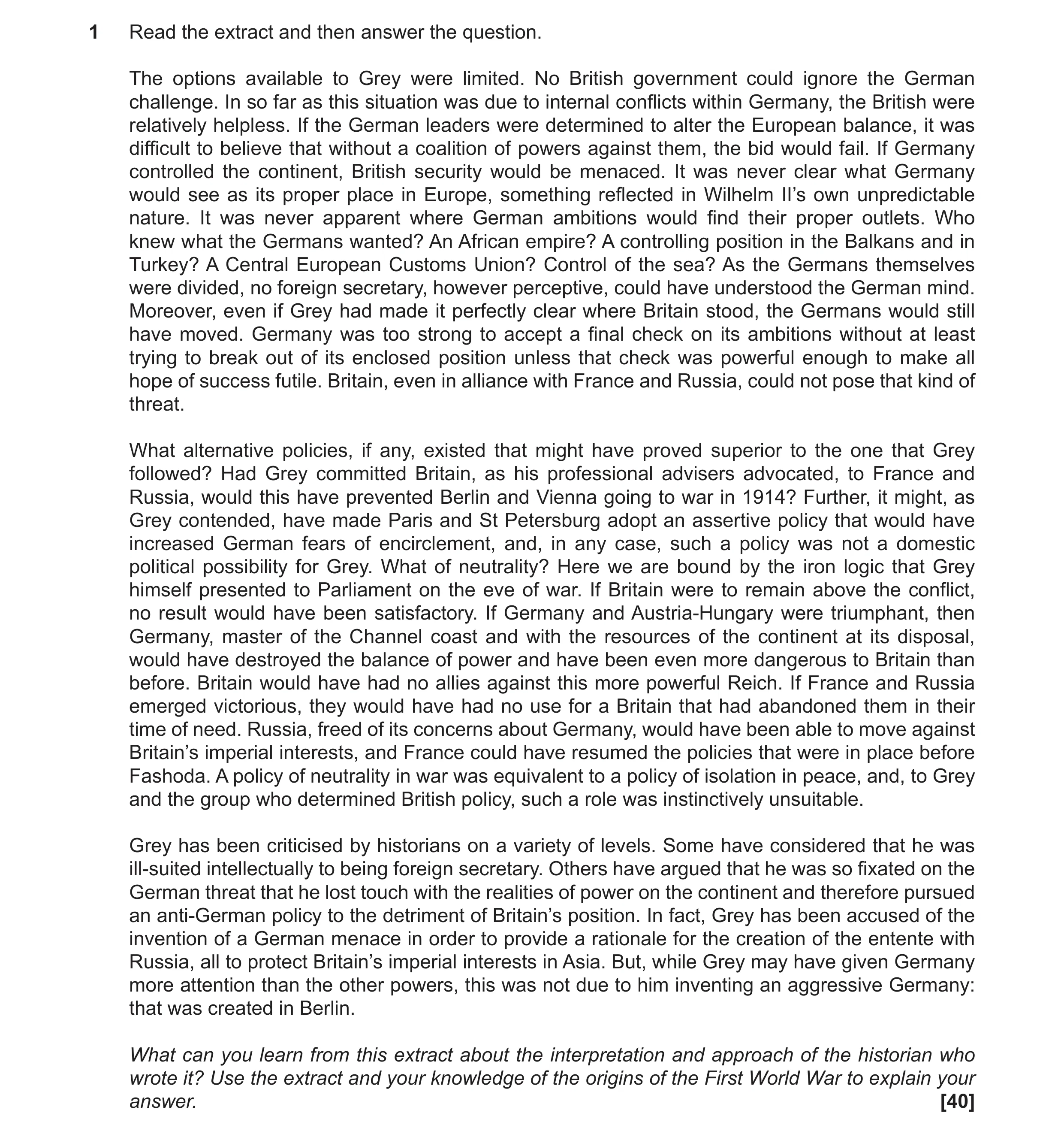 1 / 72
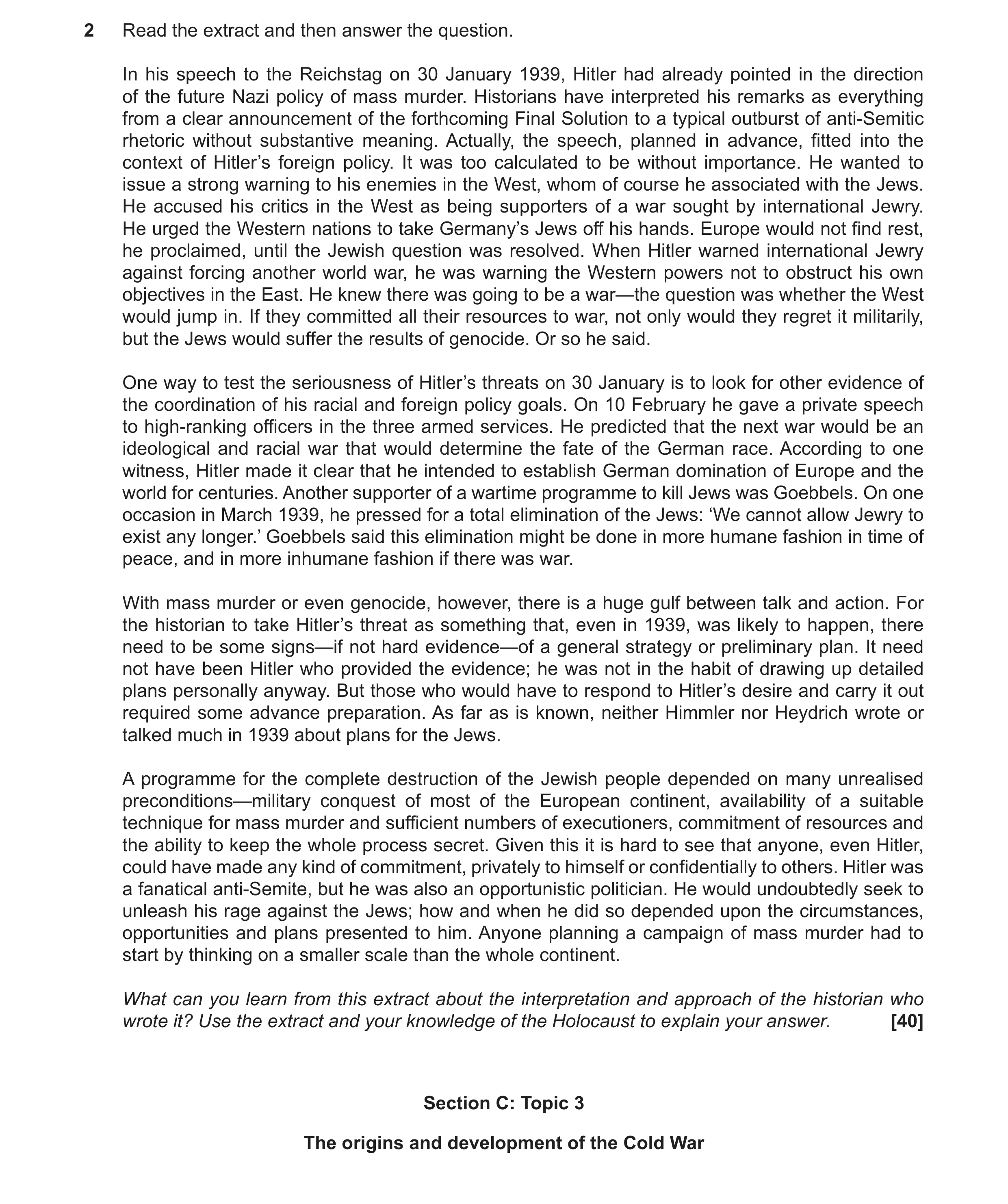 2 / 72
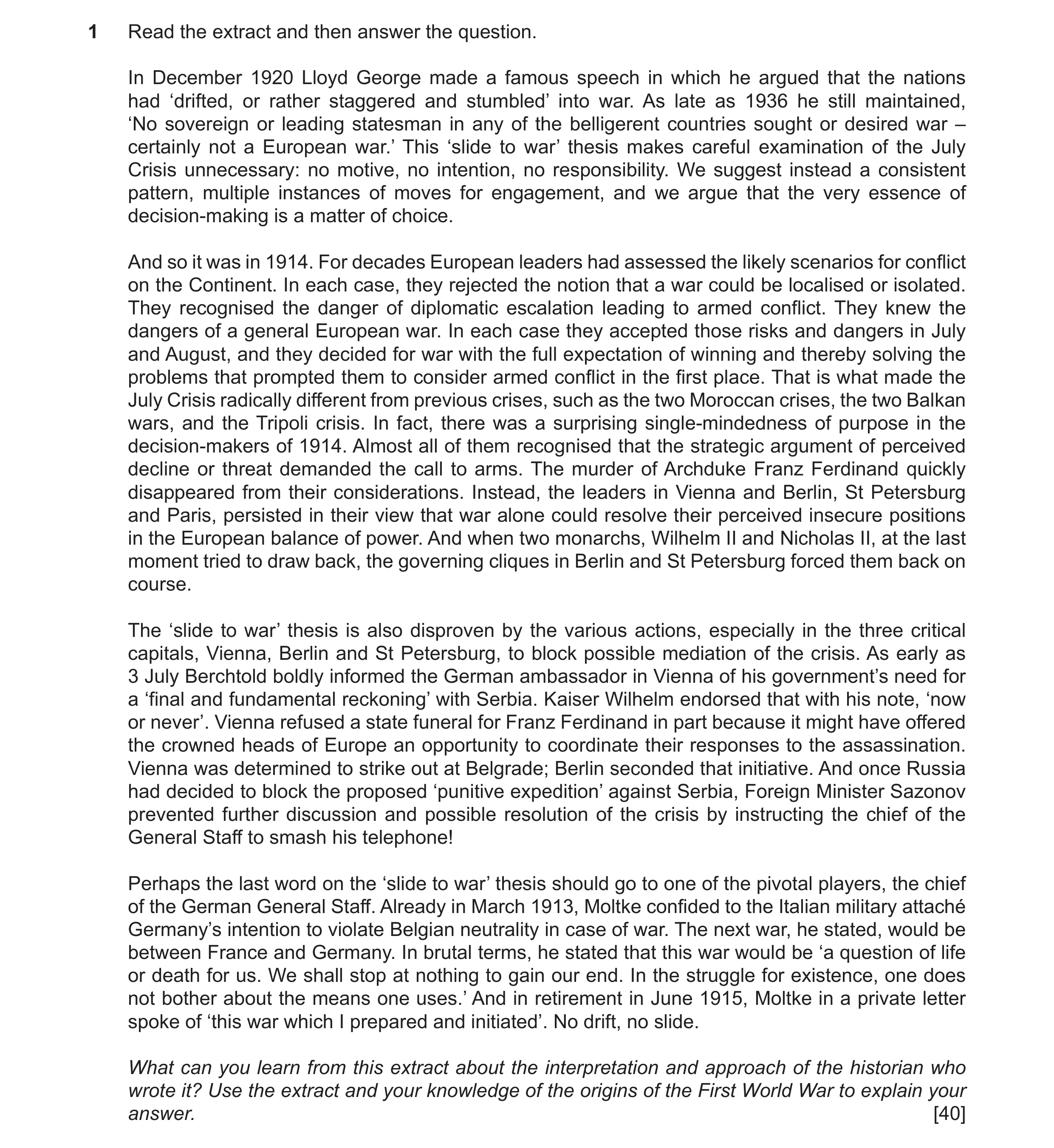 3 / 72
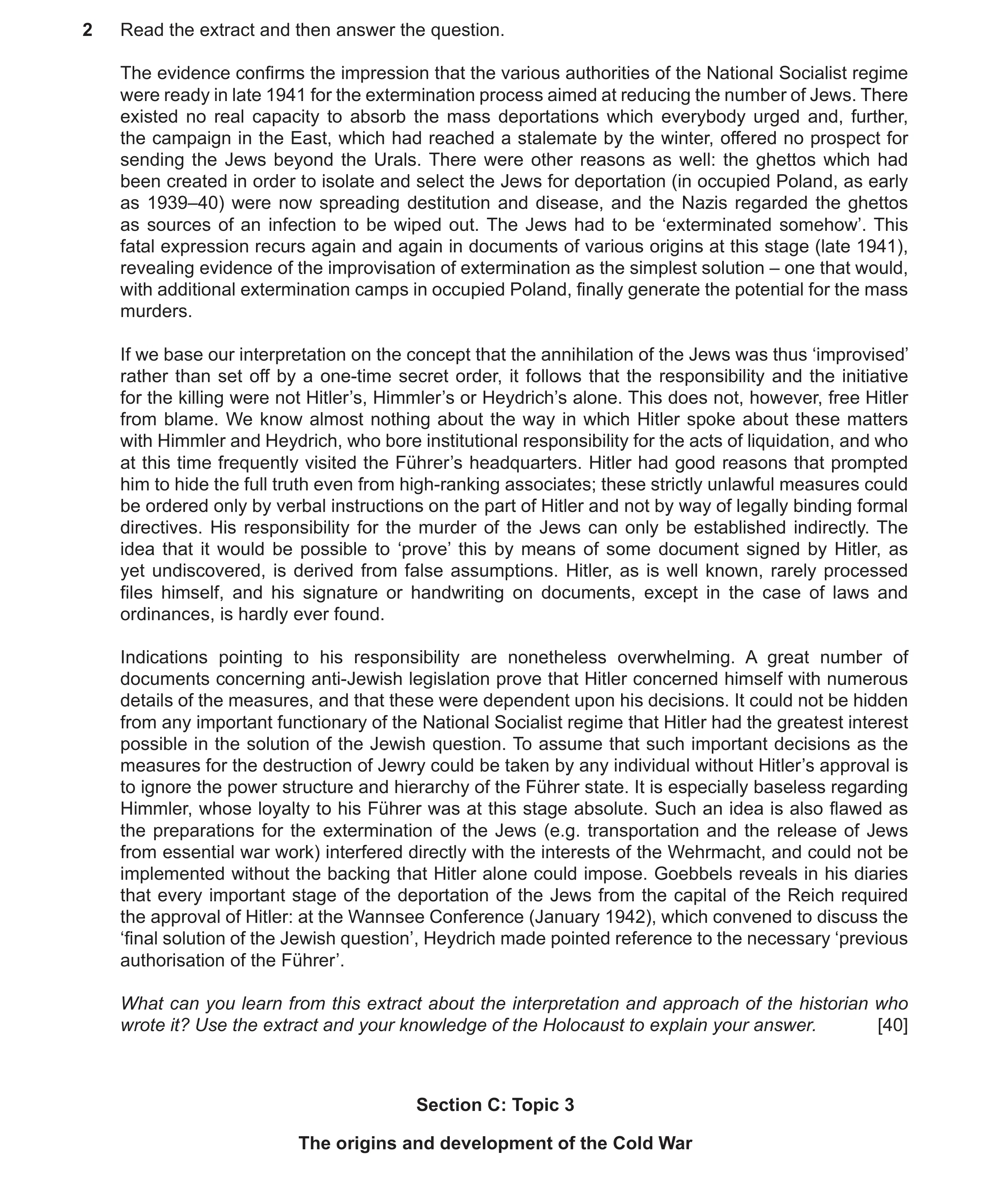 4 / 72
 5 / 72
 6 / 72
 7 / 72
 8 / 72
 9 / 72
 10 / 72
 11 / 72
 12 / 72
 13 / 72
 14 / 72
 15 / 72
 16 / 72
 17 / 72
 18 / 72
 19 / 72
 20 / 72
 21 / 72
 22 / 72
 23 / 72
 24 / 72
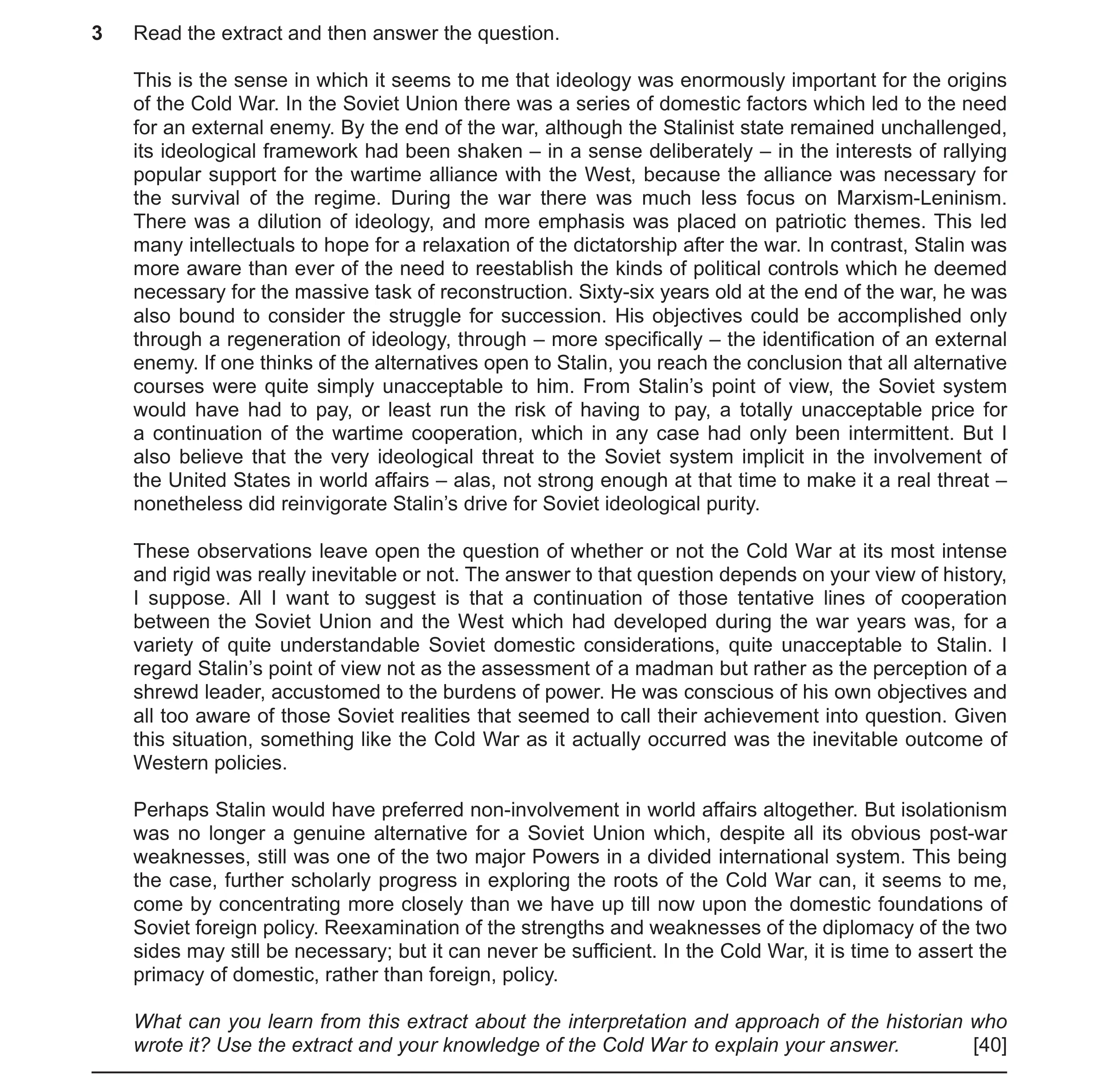 25 / 72
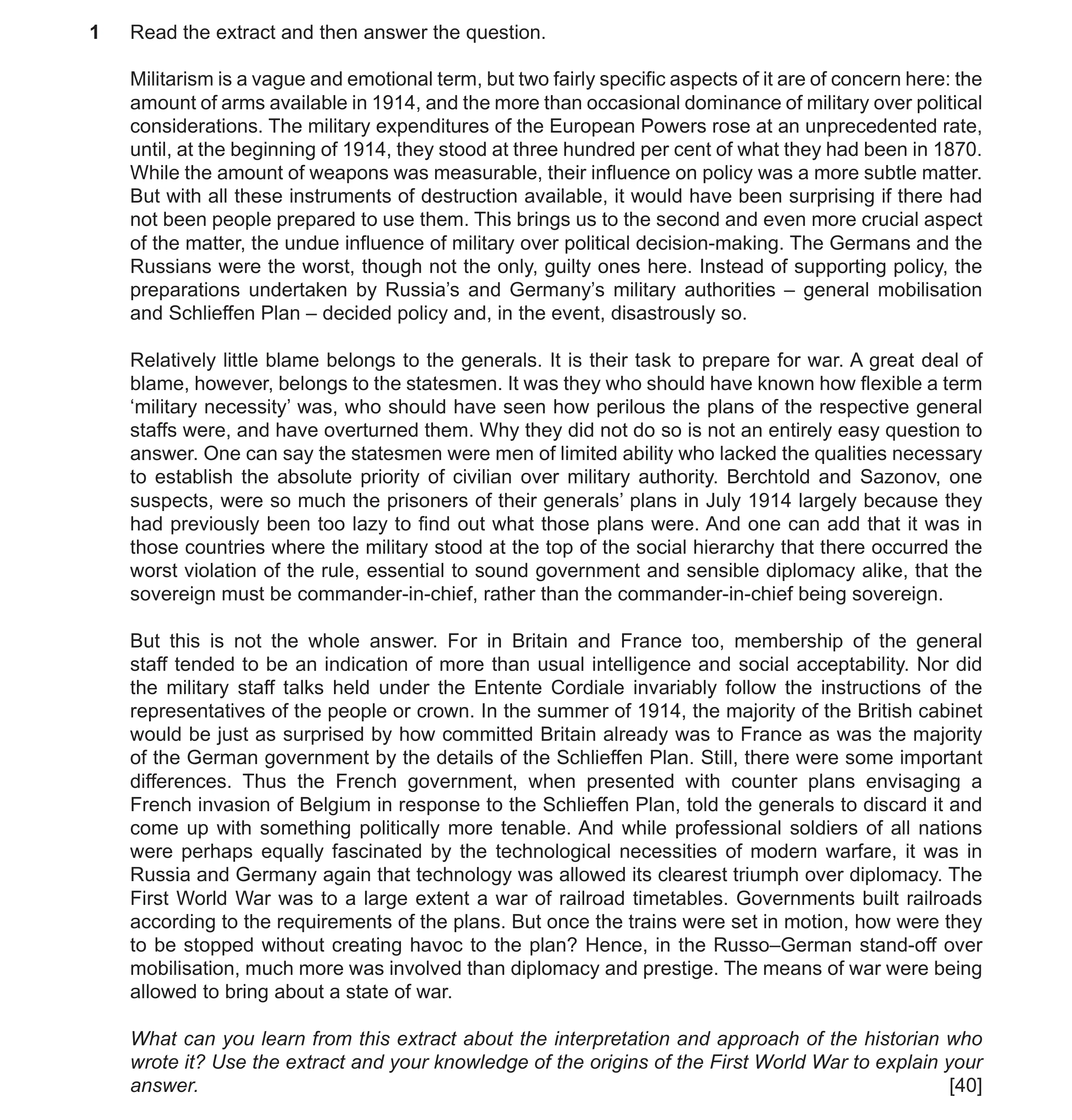 26 / 72
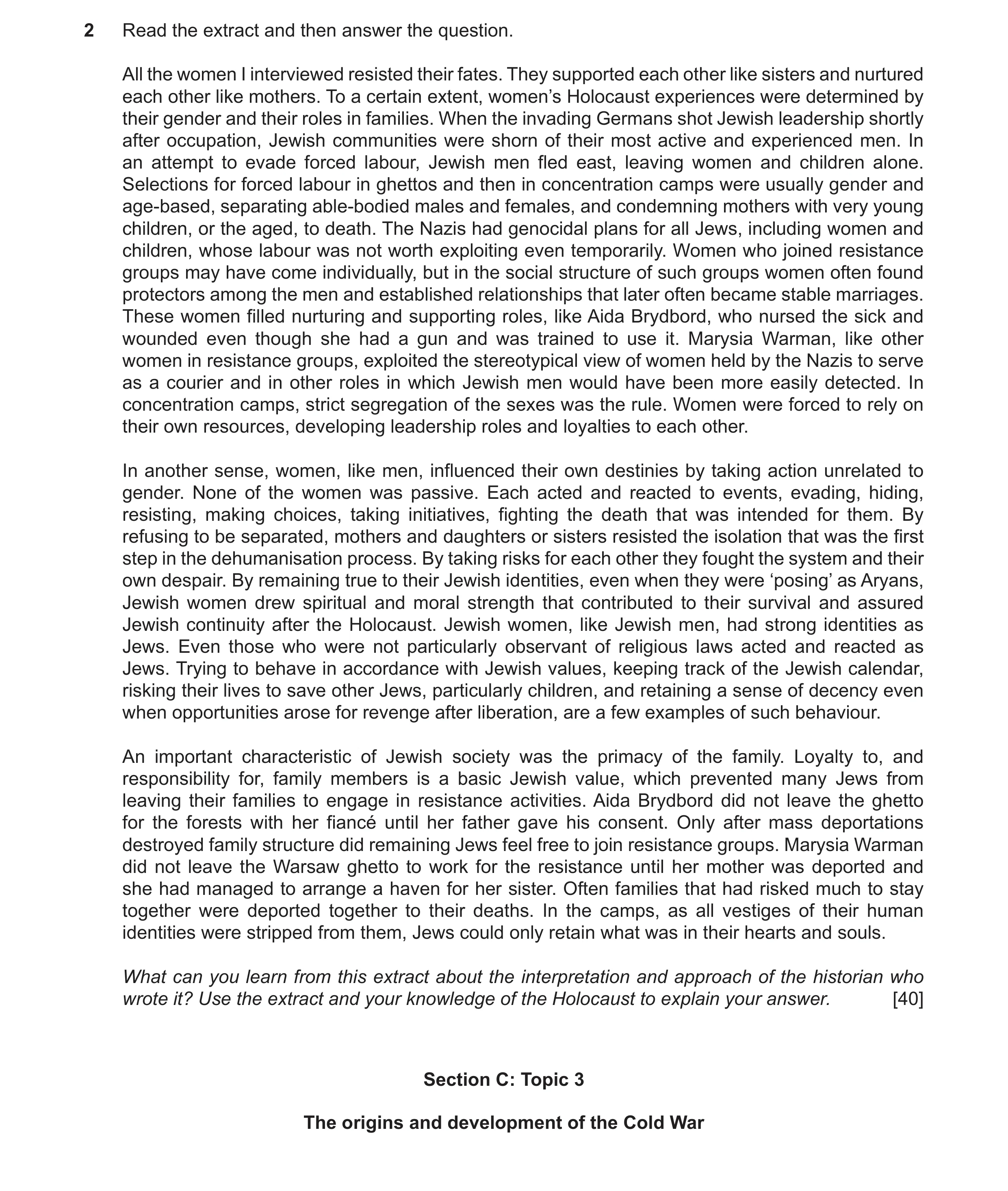 27 / 72
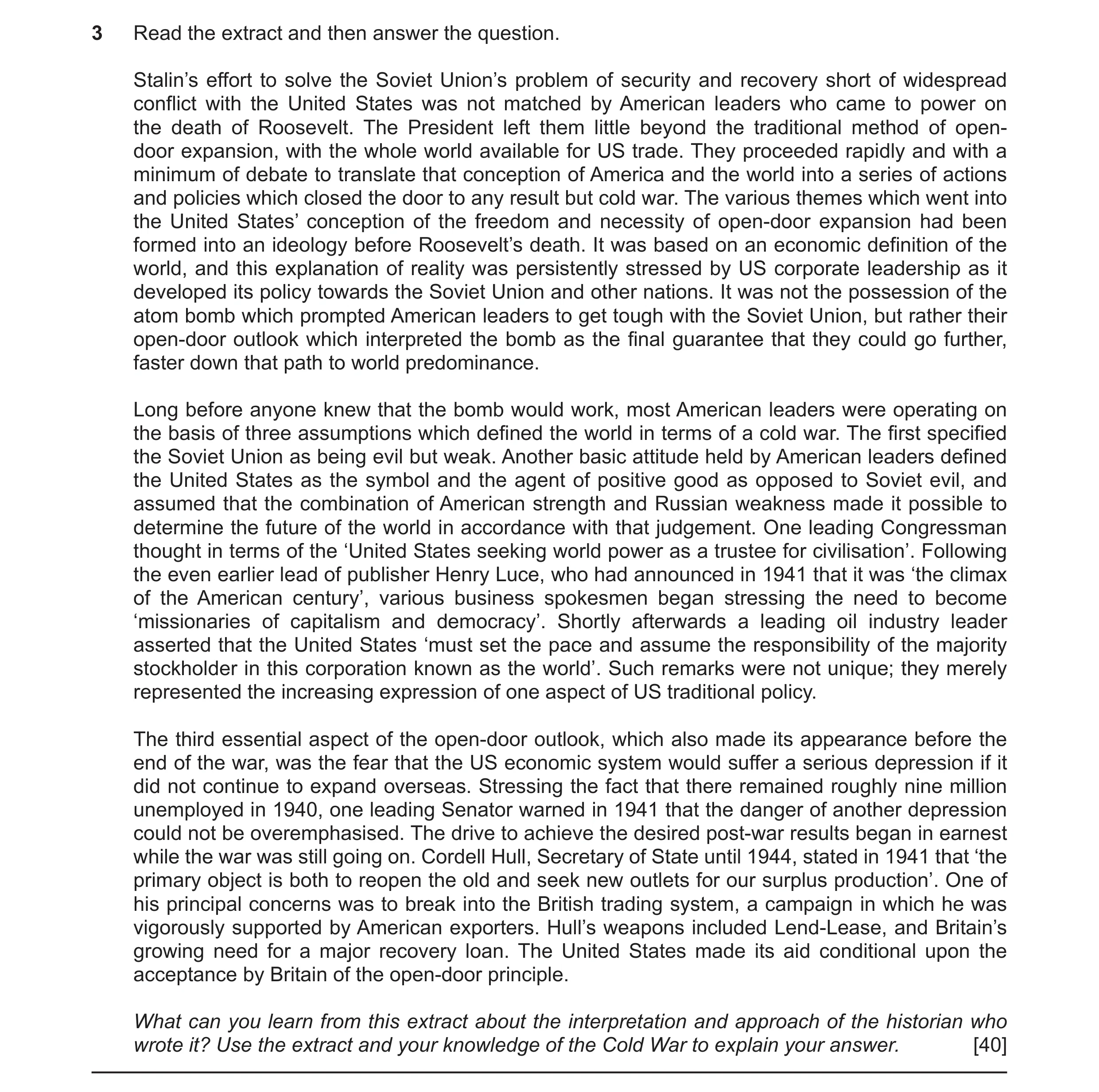 28 / 72
 29 / 72
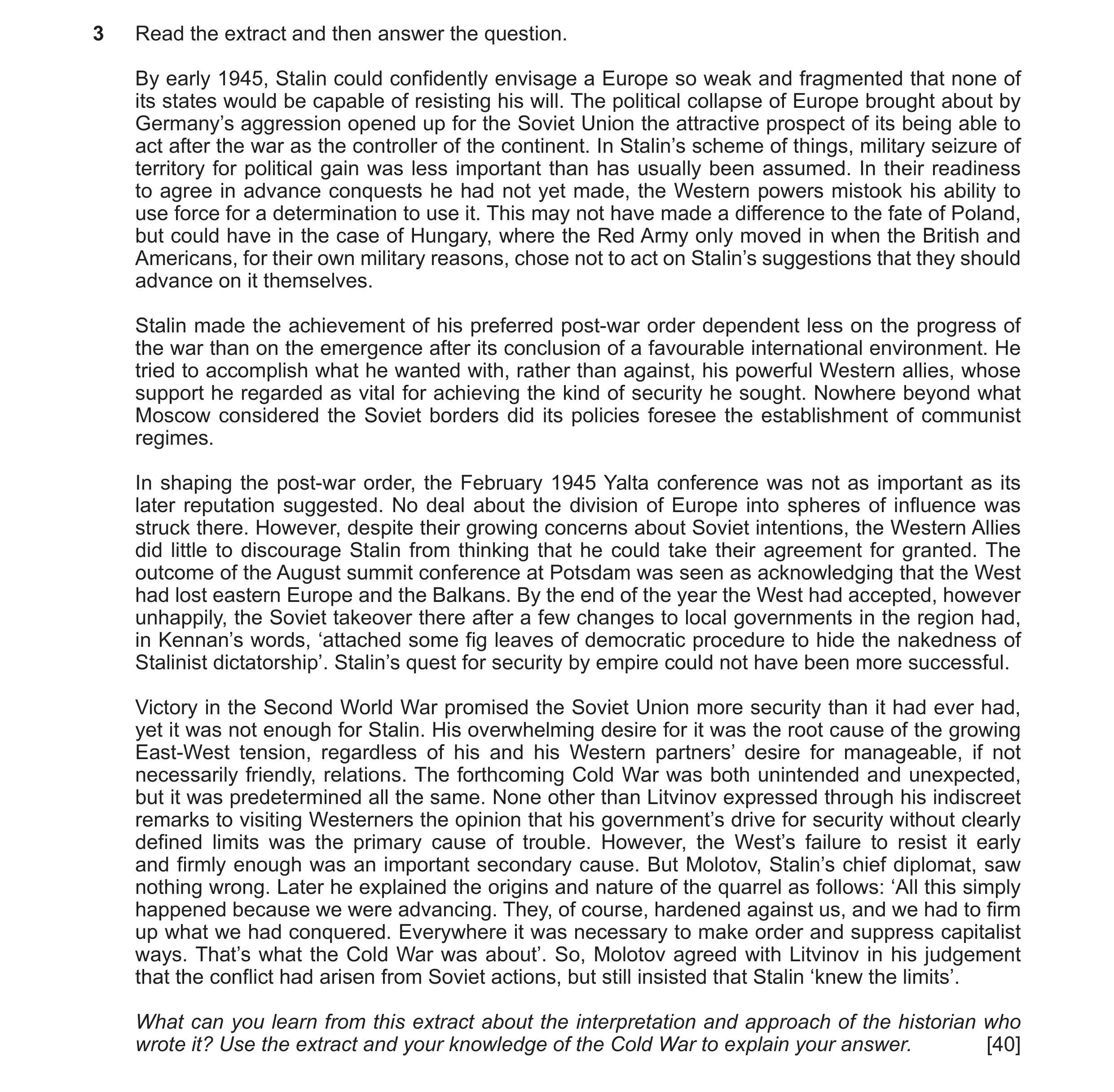 30 / 72
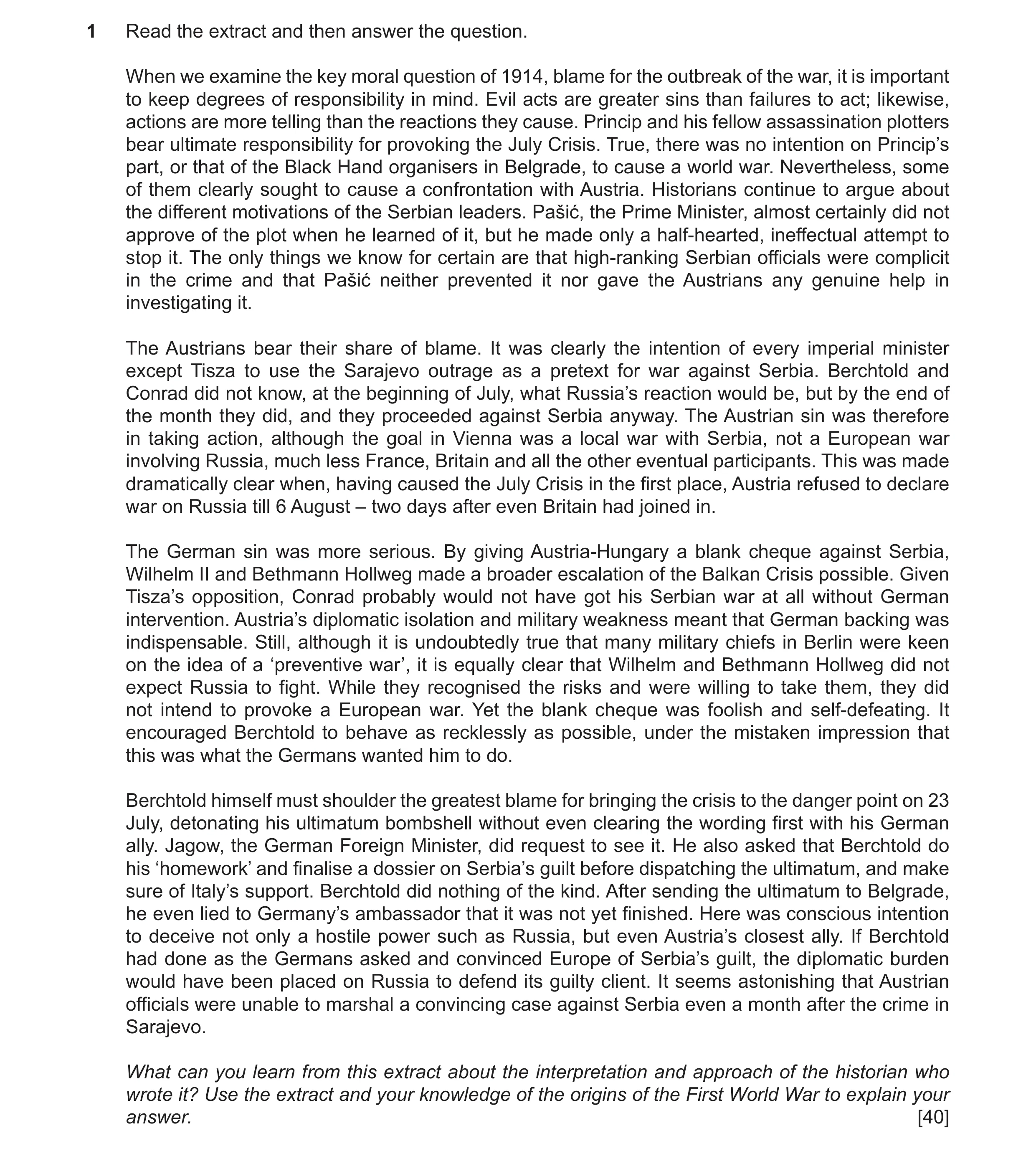 31 / 72
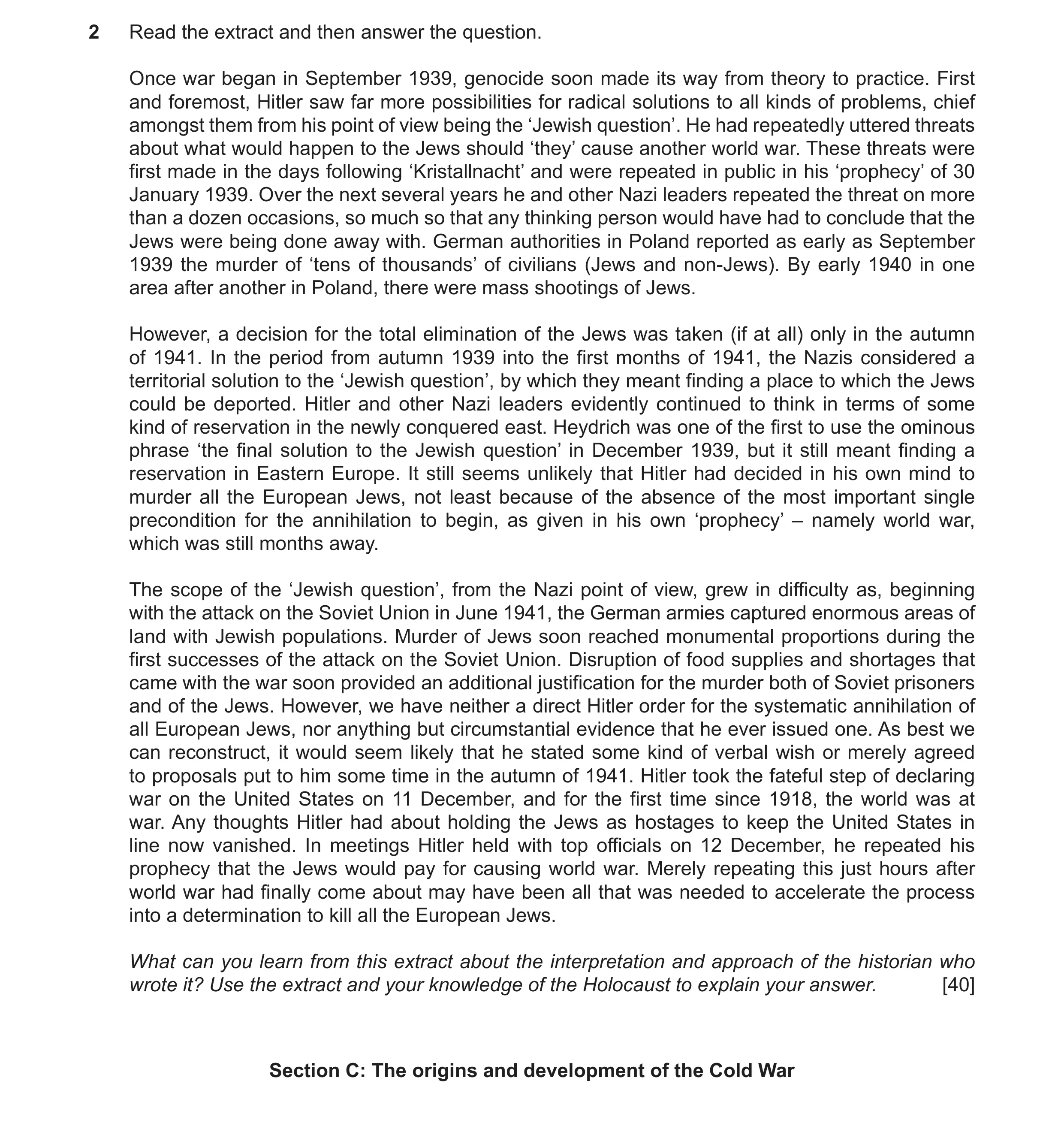 32 / 72
 33 / 72
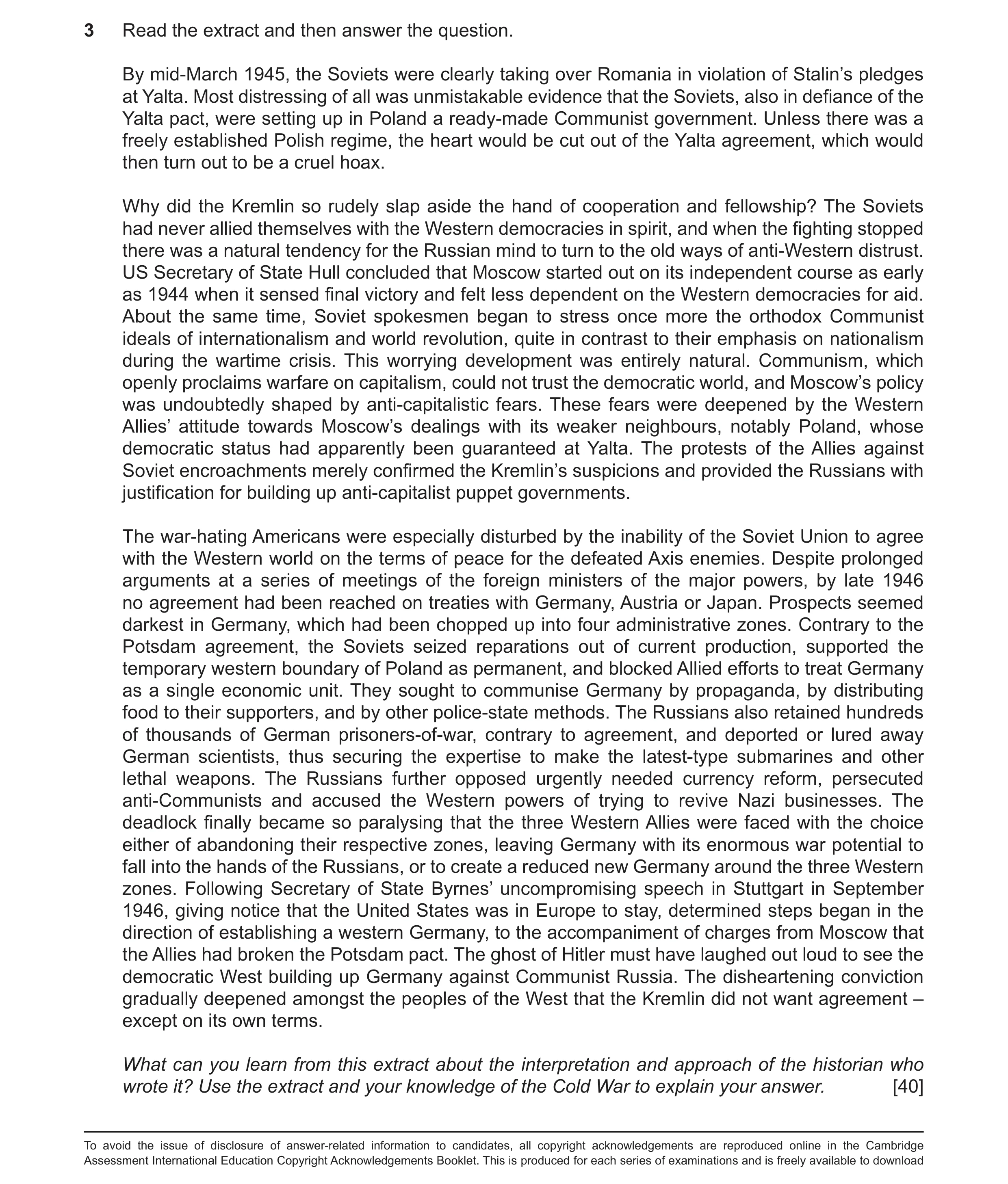 34 / 72
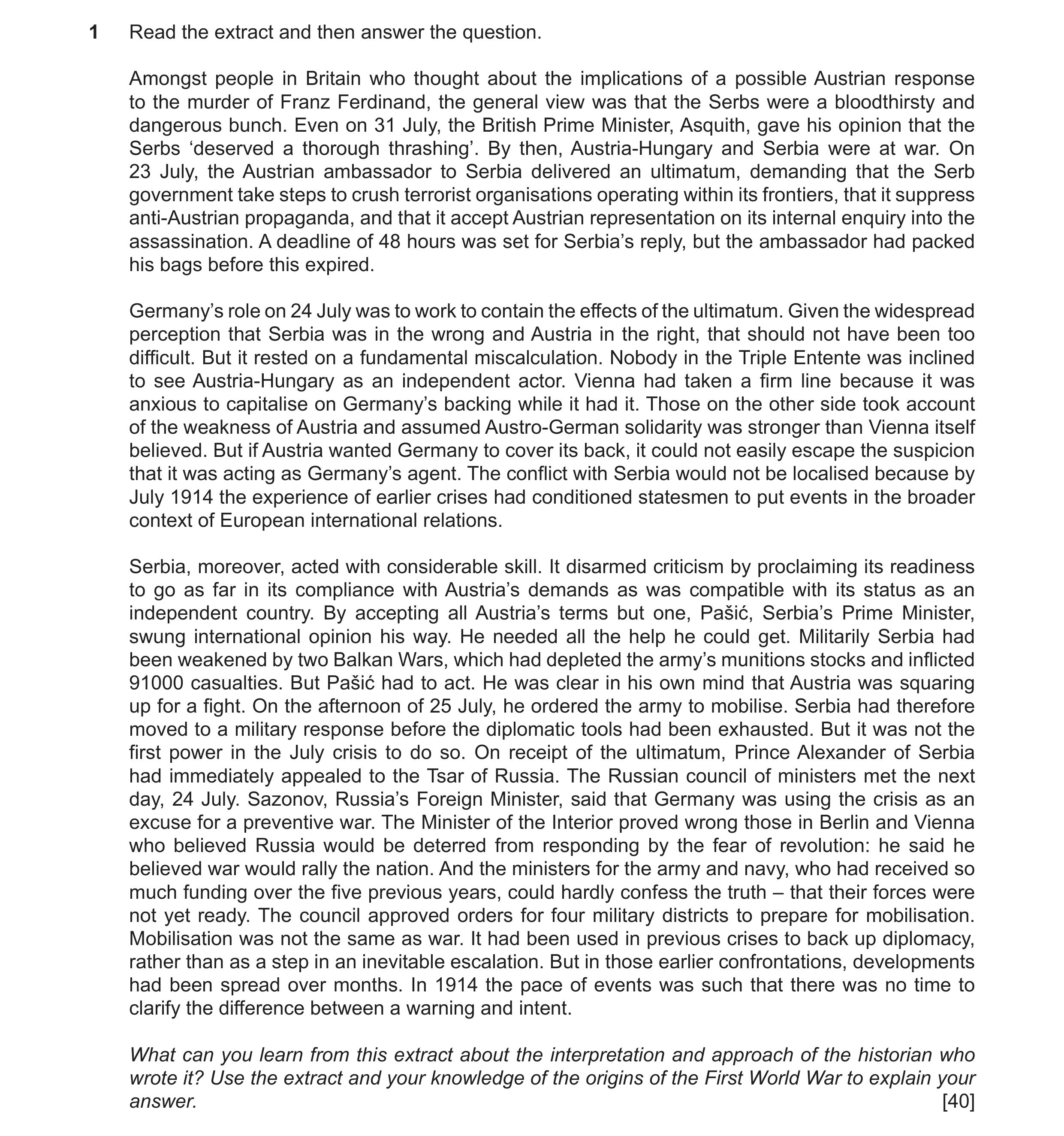 35 / 72
 36 / 72
 37 / 72
 38 / 72
 39 / 72
 40 / 72
 41 / 72
 42 / 72
 43 / 72
 44 / 72
 45 / 72
 46 / 72
 47 / 72
 48 / 72
 49 / 72
 50 / 72
 51 / 72
 52 / 72
 53 / 72
 54 / 72
 55 / 72
 56 / 72
 57 / 72
 58 / 72
 59 / 72
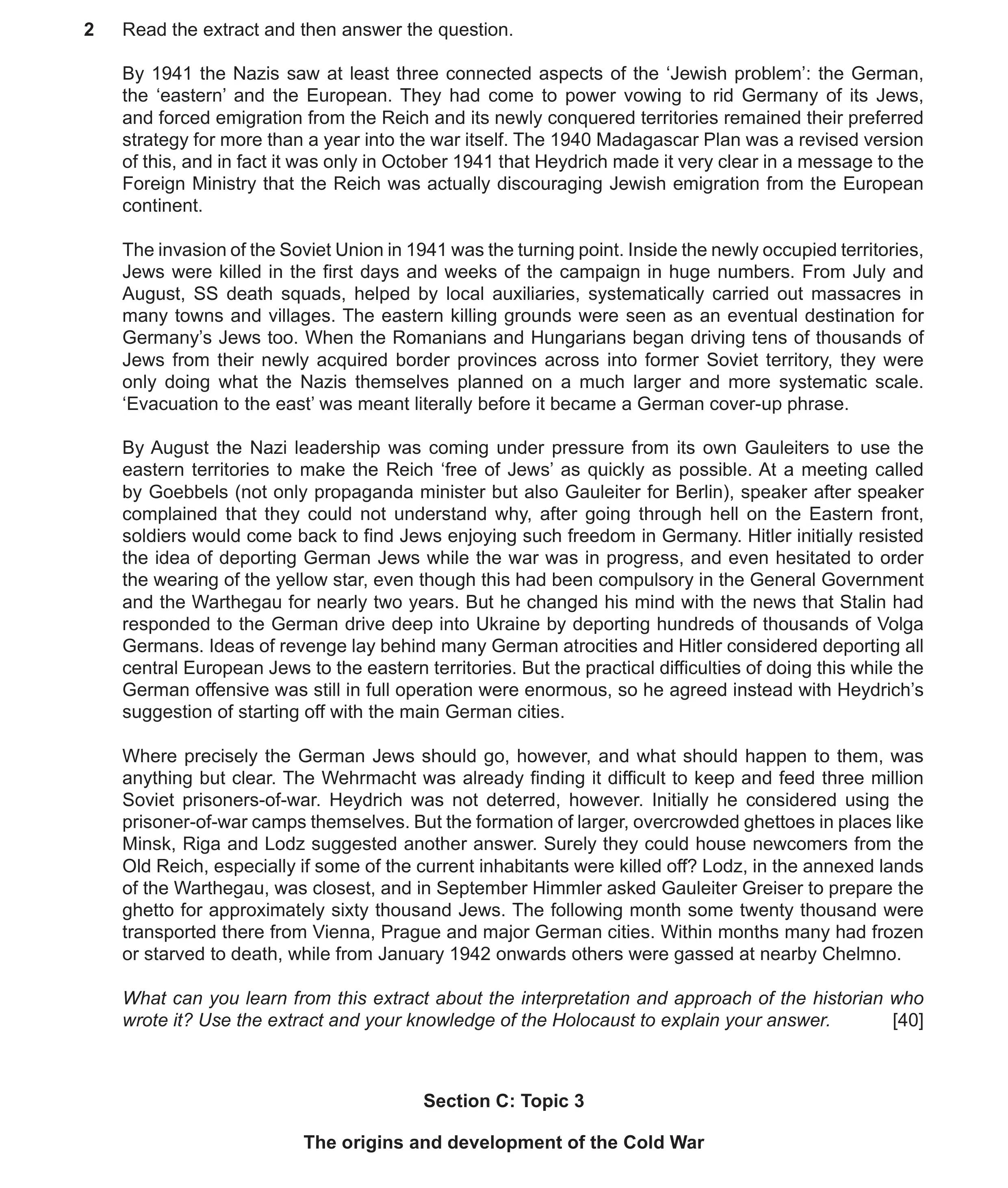 60 / 72
 61 / 72
 62 / 72
 63 / 72
 64 / 72
 65 / 72
 66 / 72
 67 / 72
 68 / 72
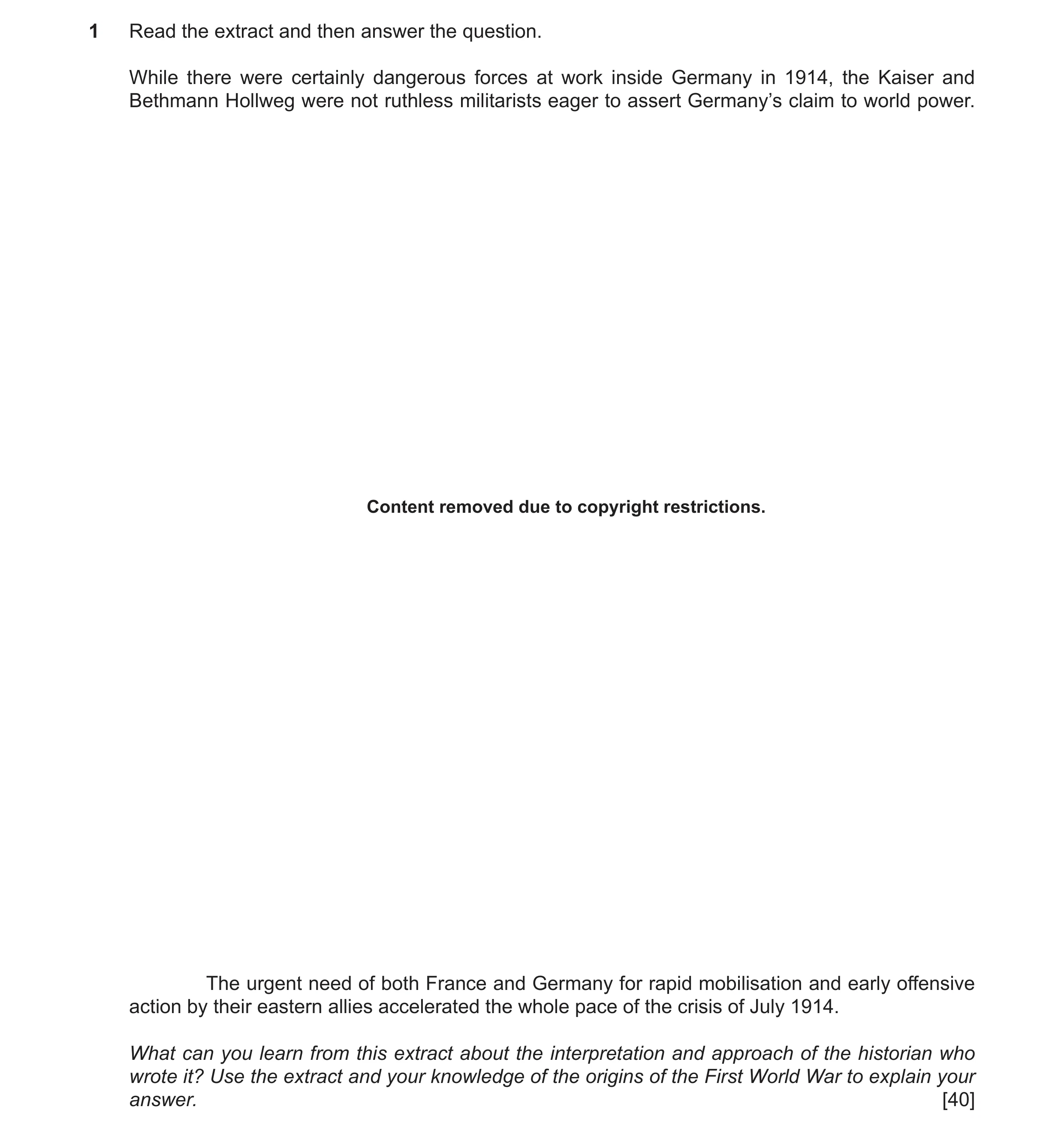 69 / 72
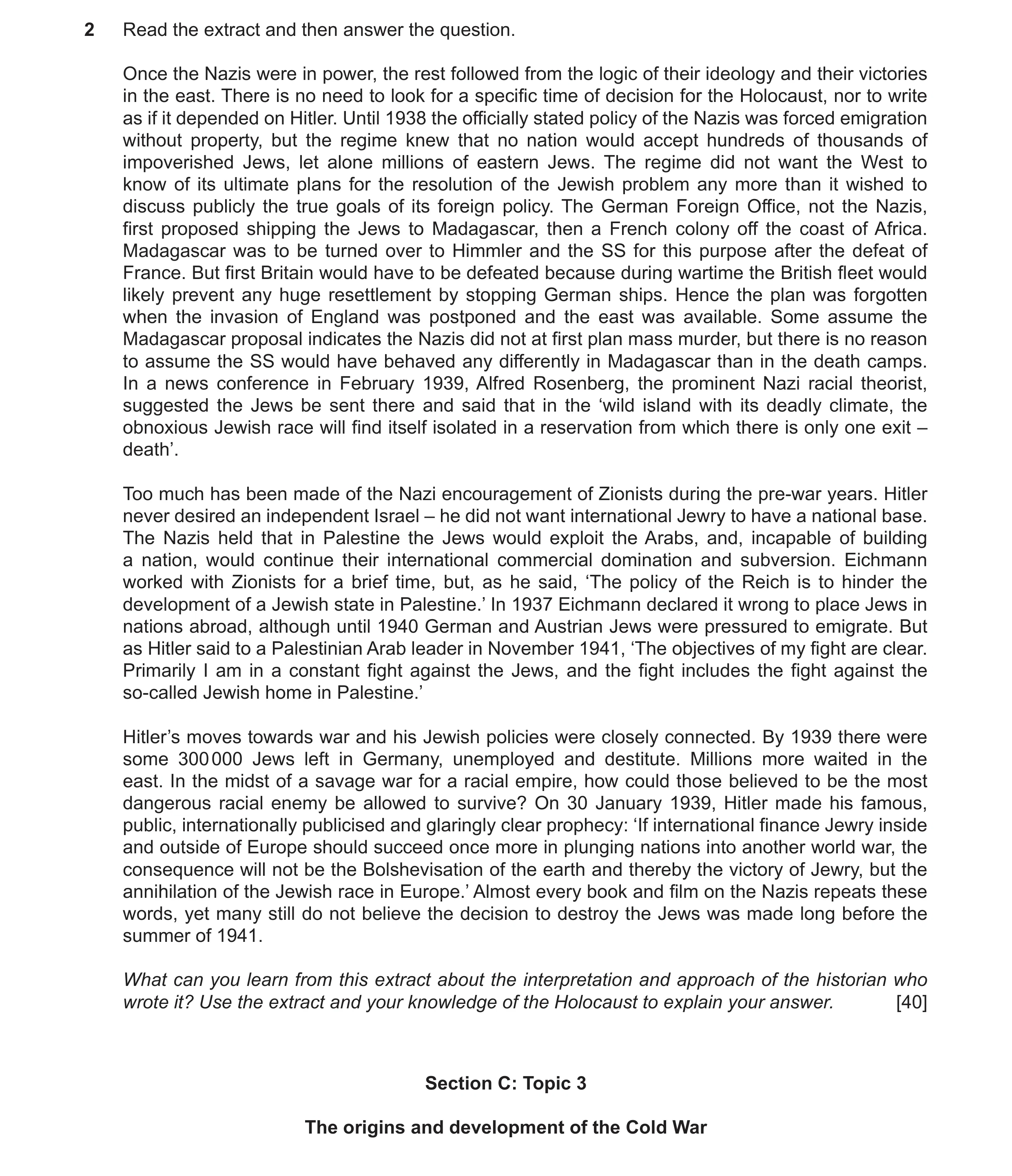 70 / 72
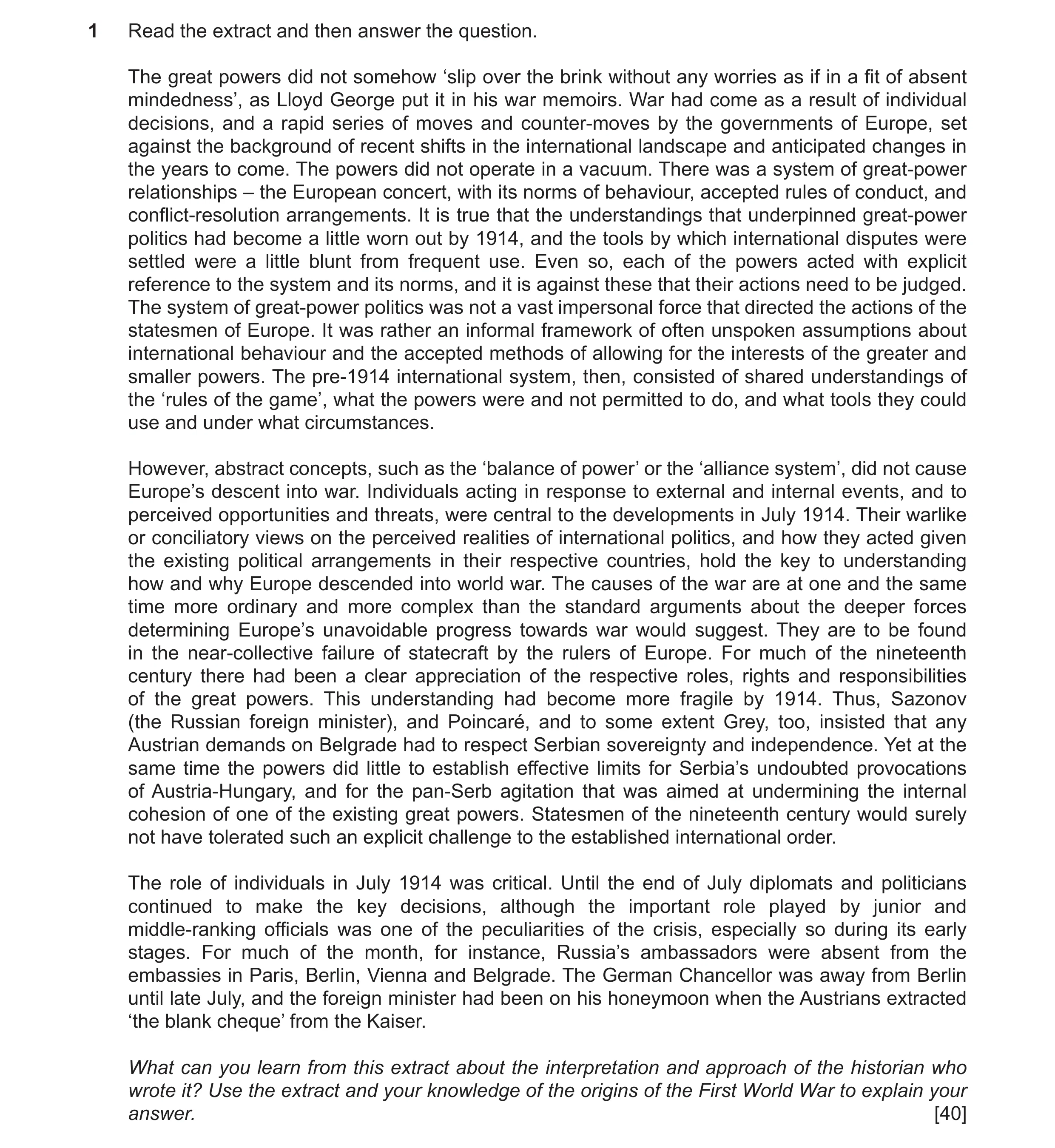 71 / 72
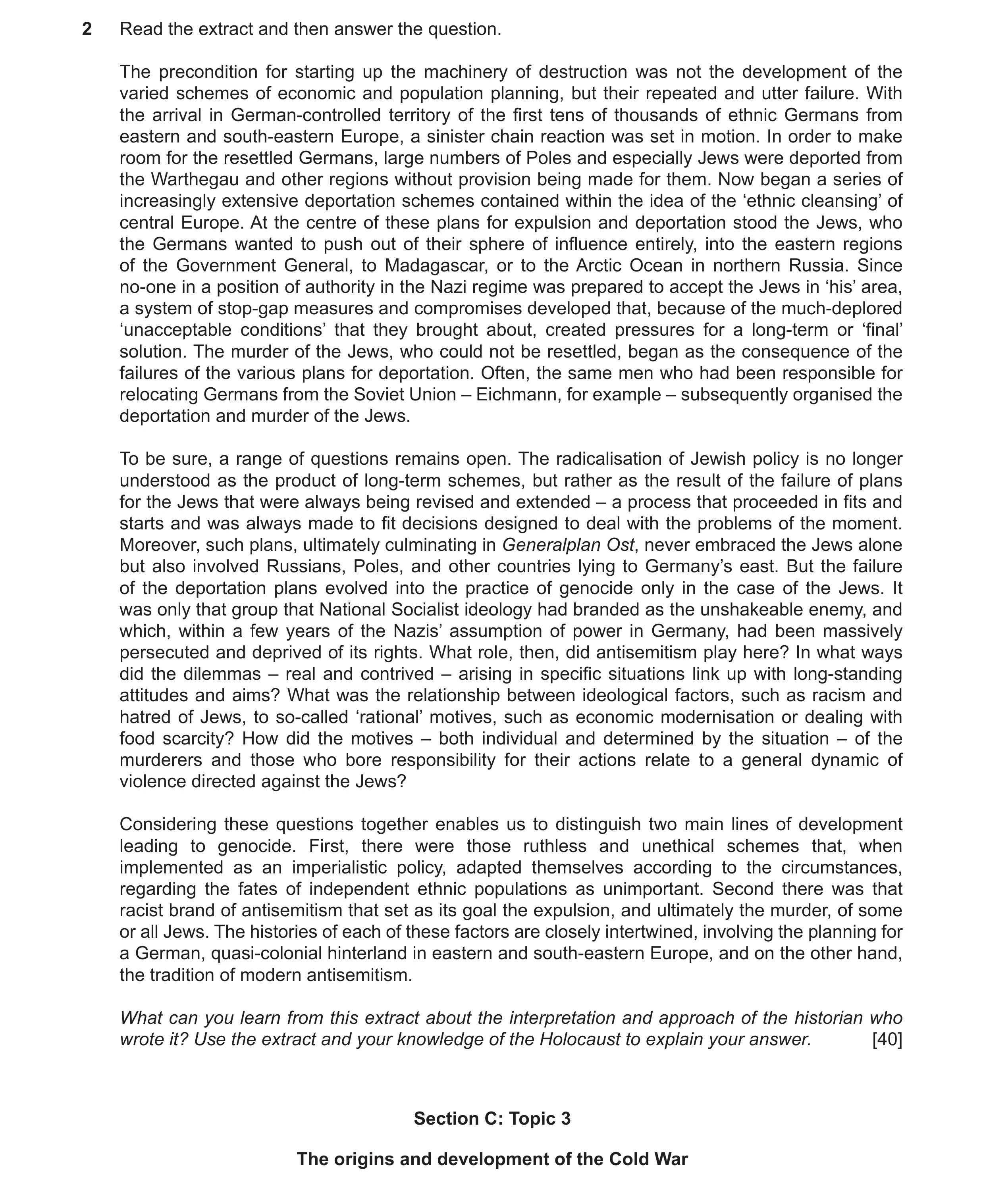 72 / 72
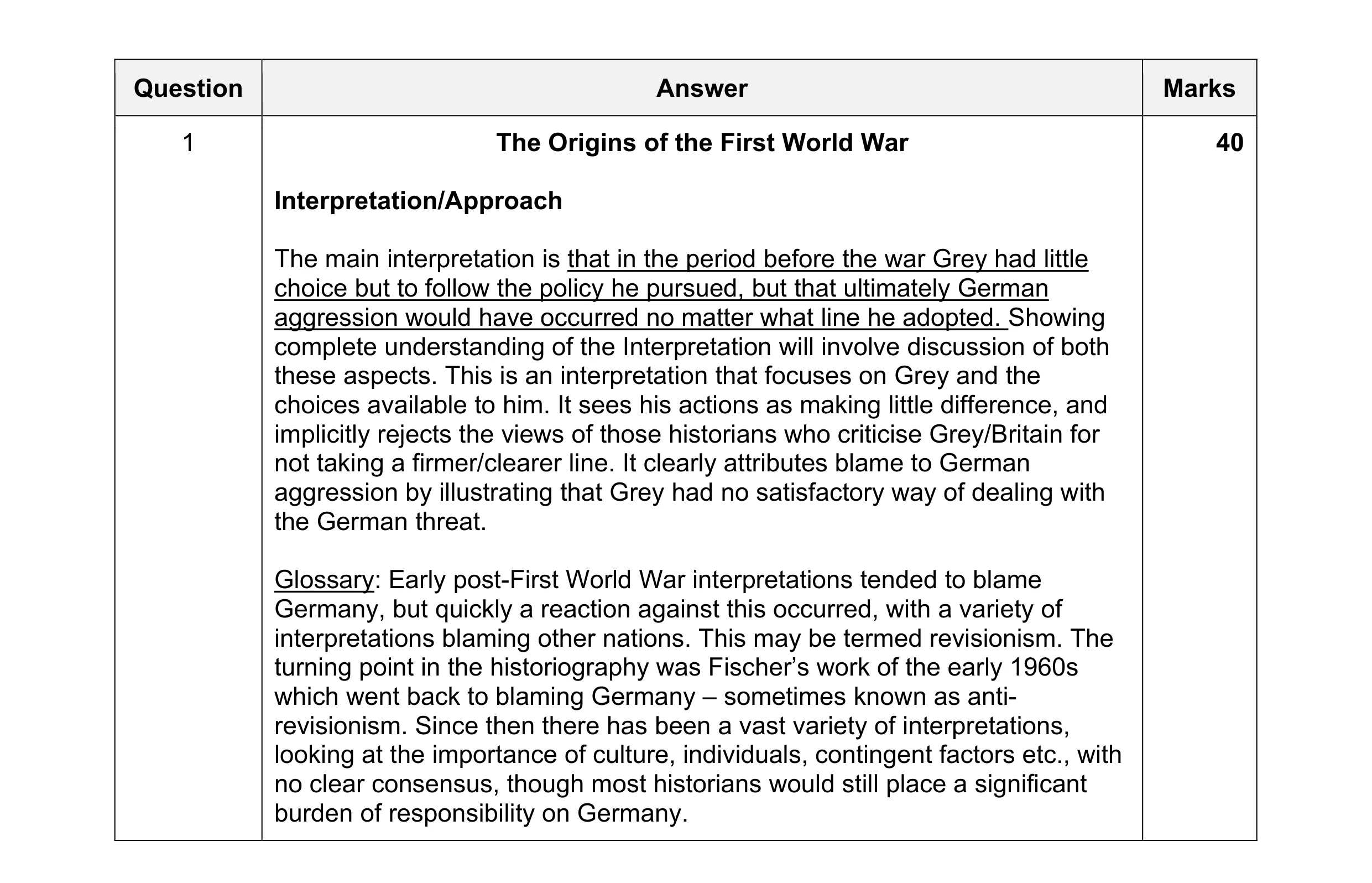 40
40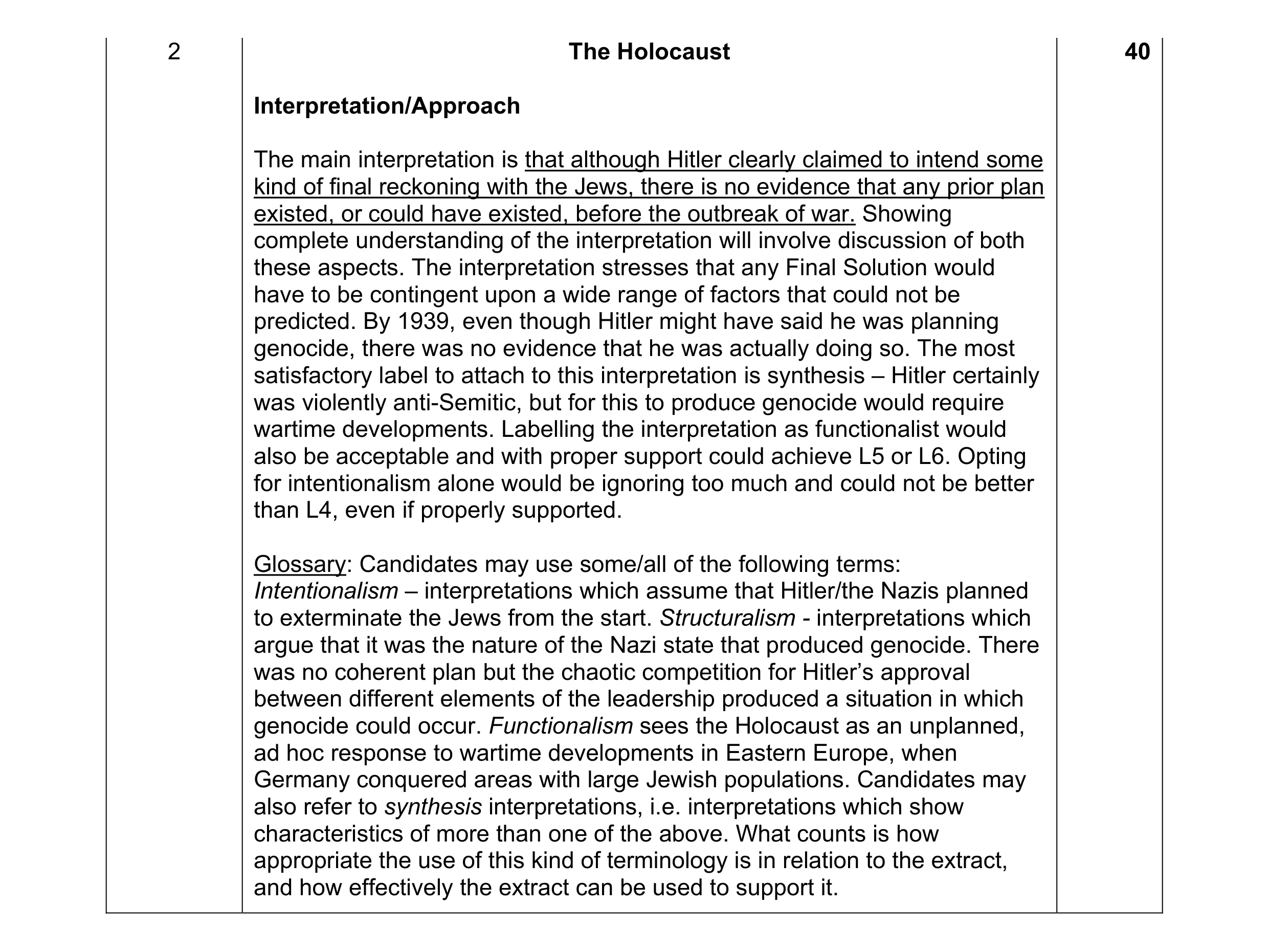 40
40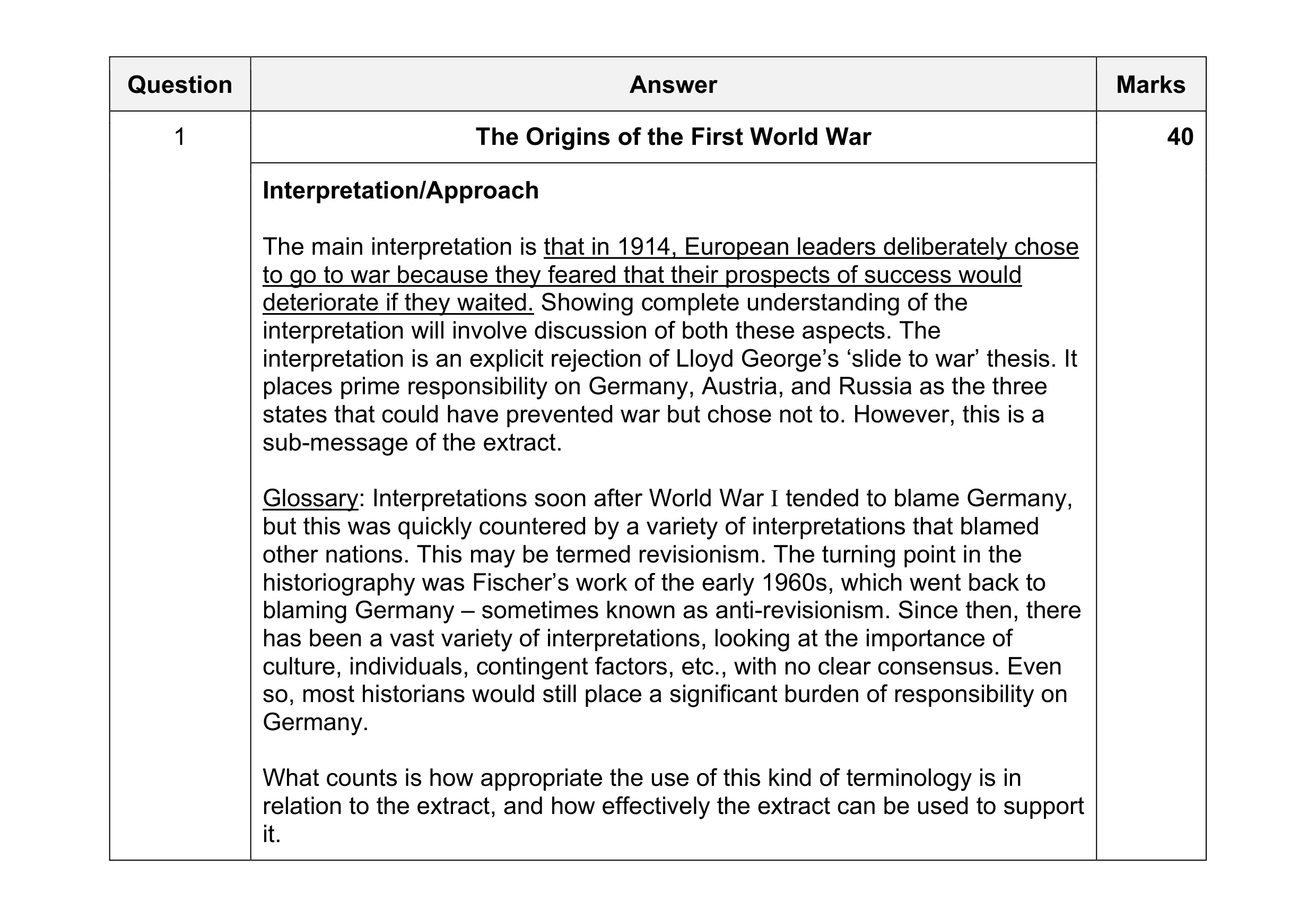 40
40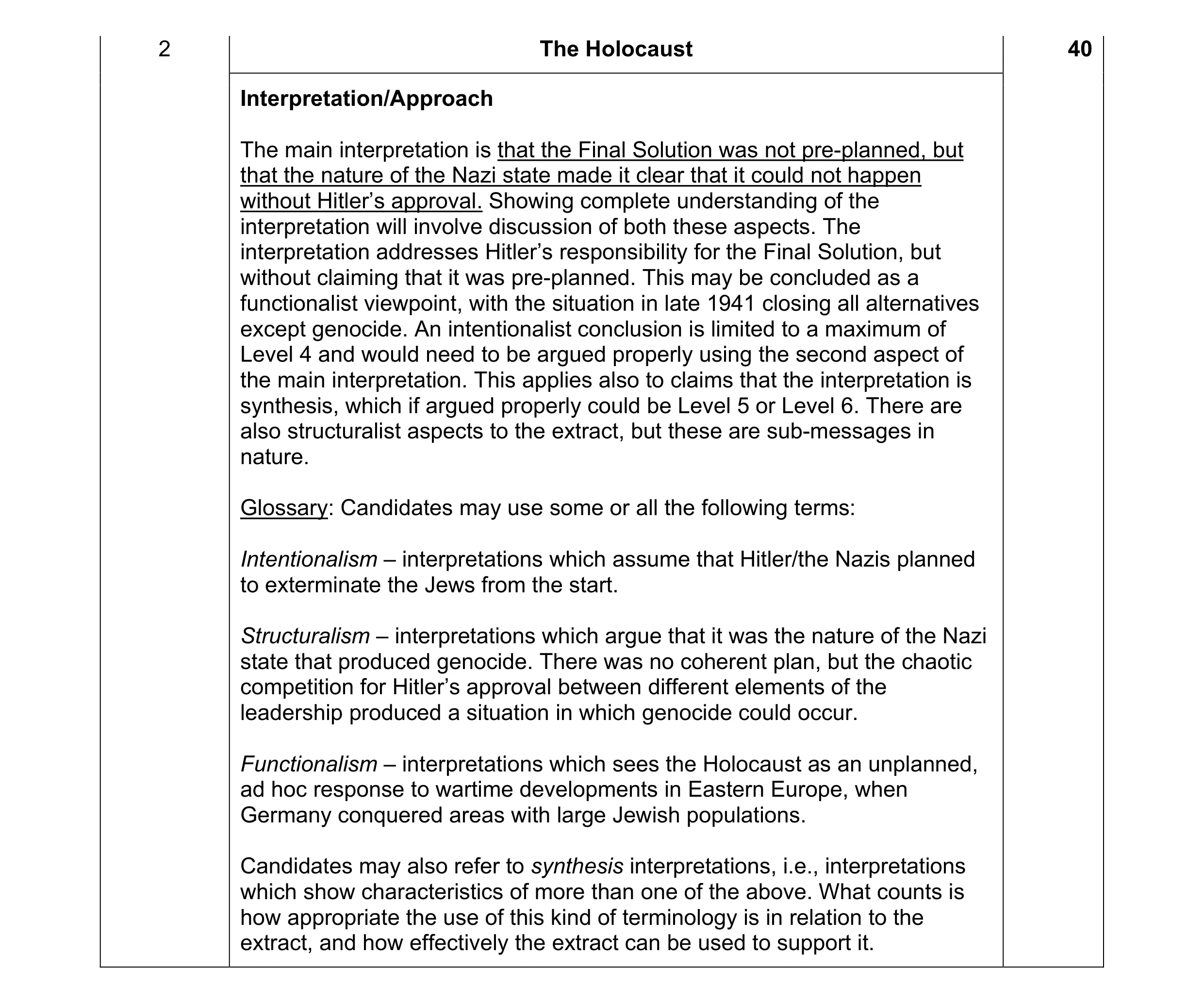 40
40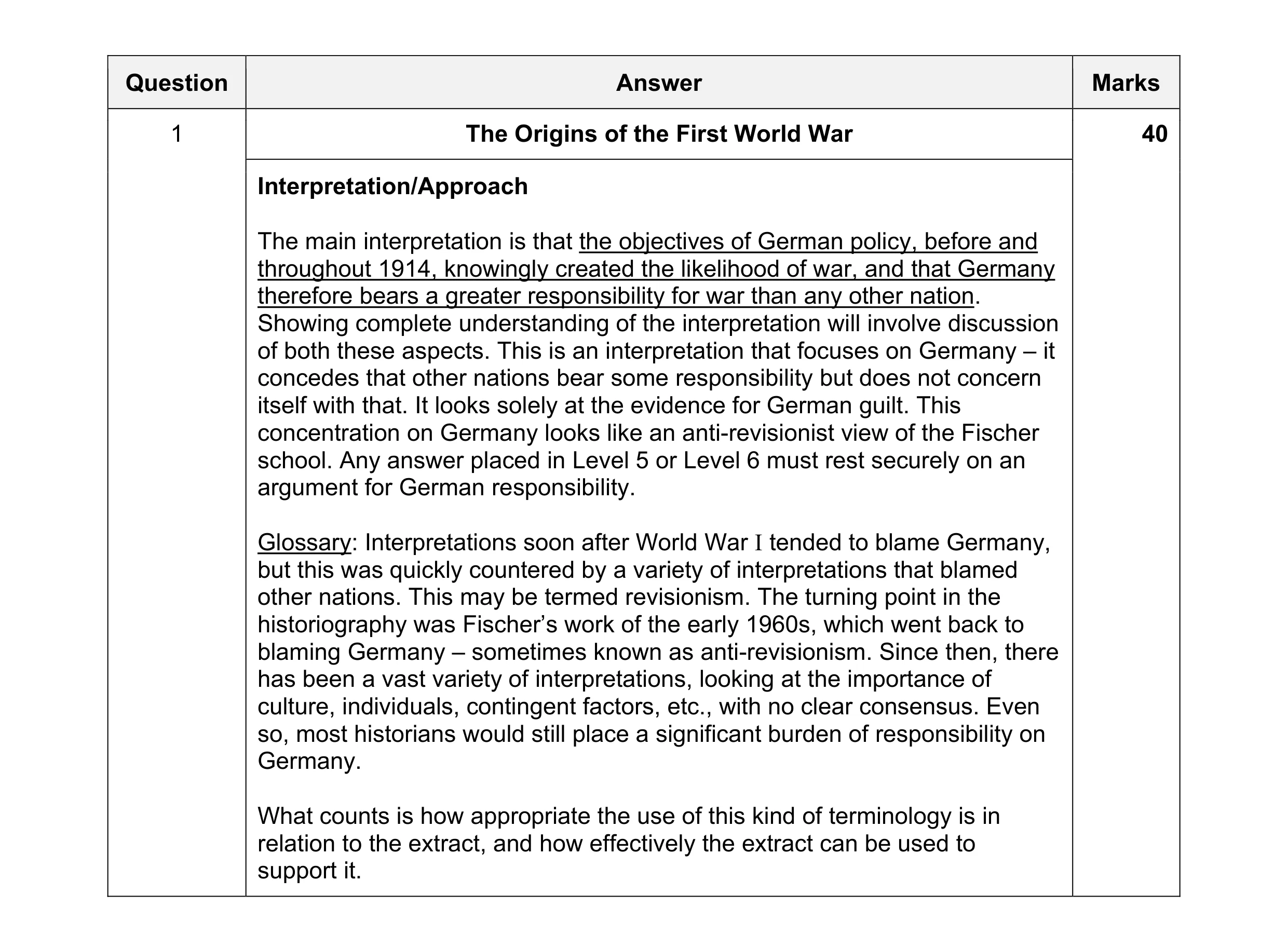 40
40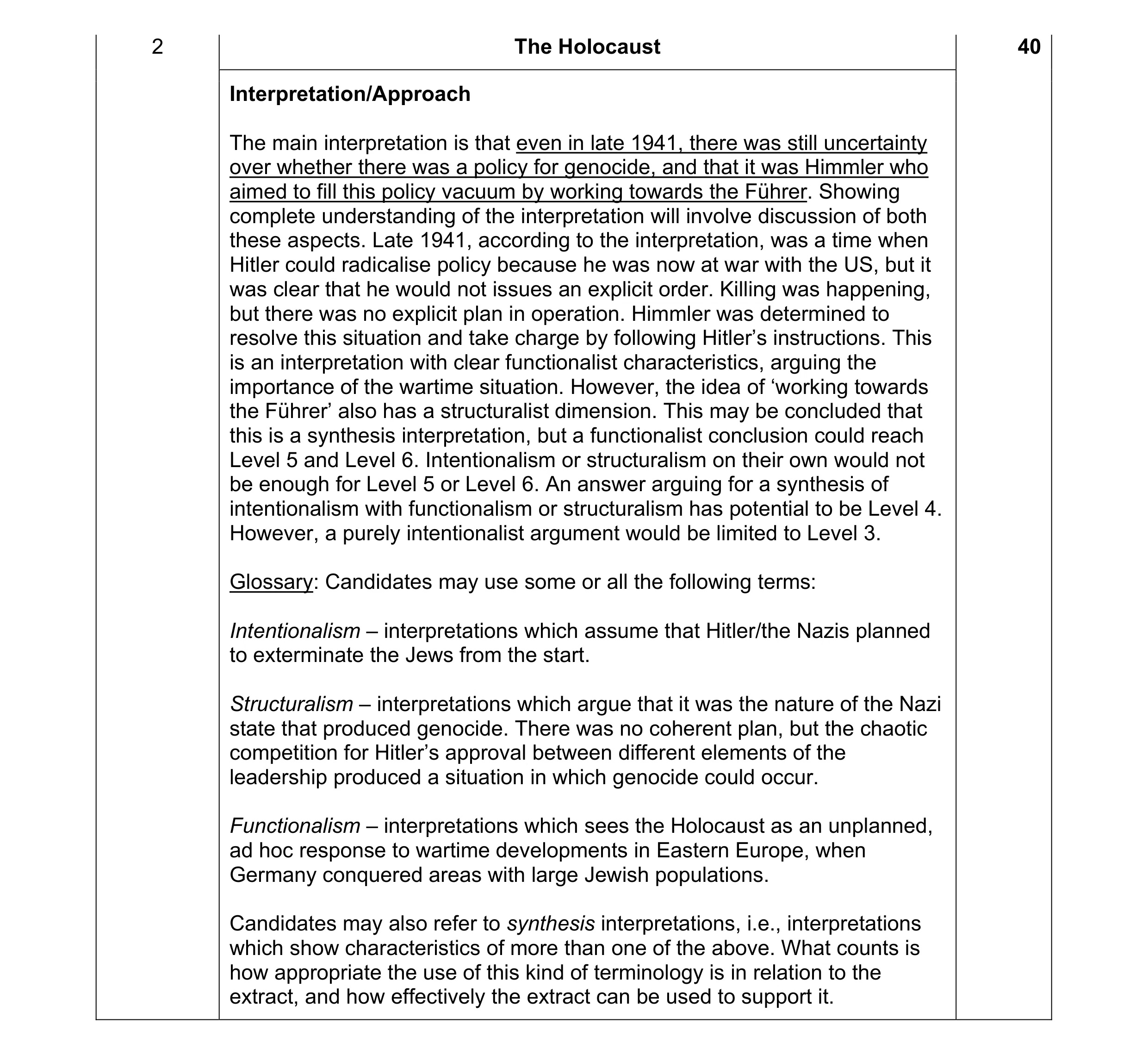 40
40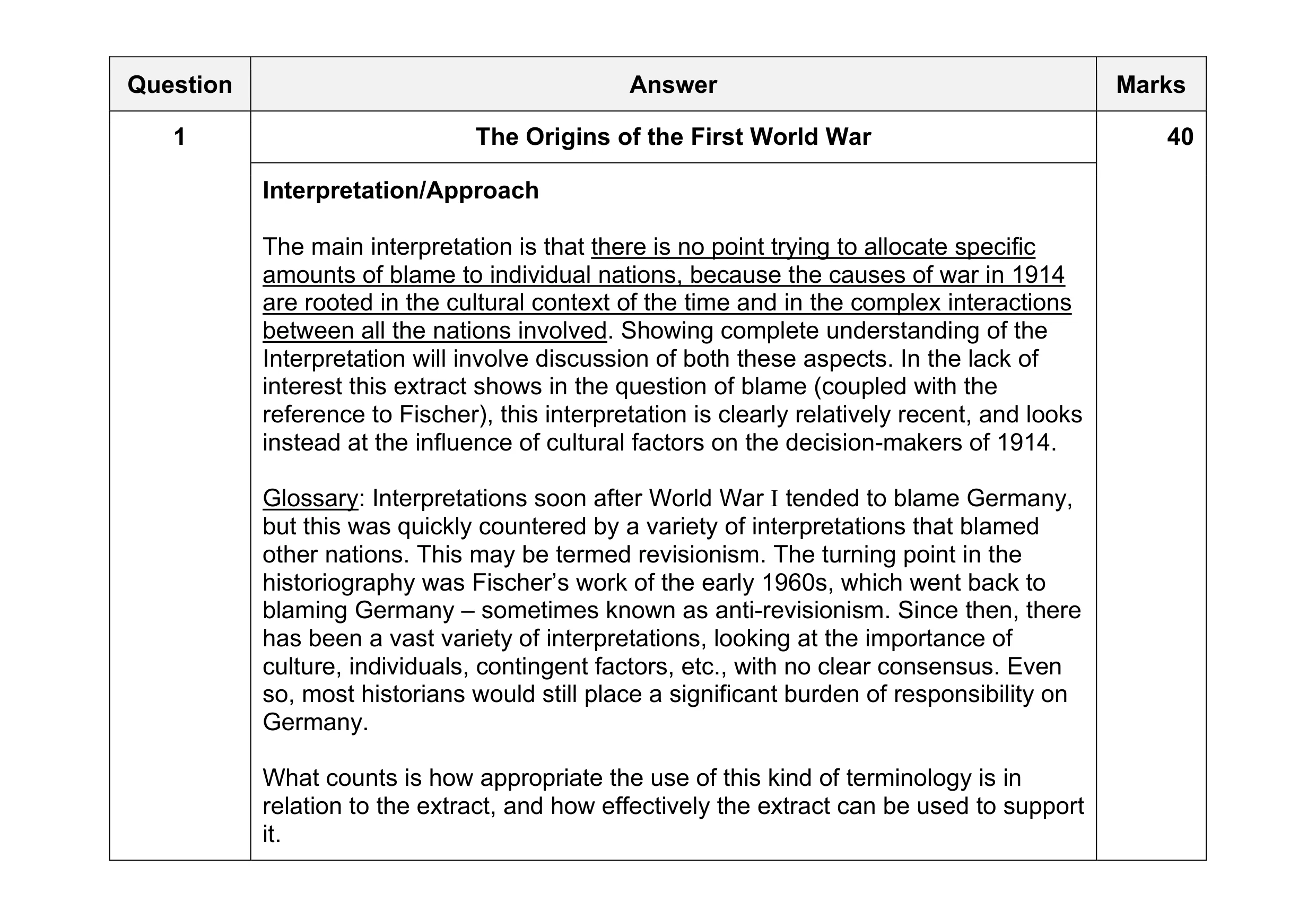 40
40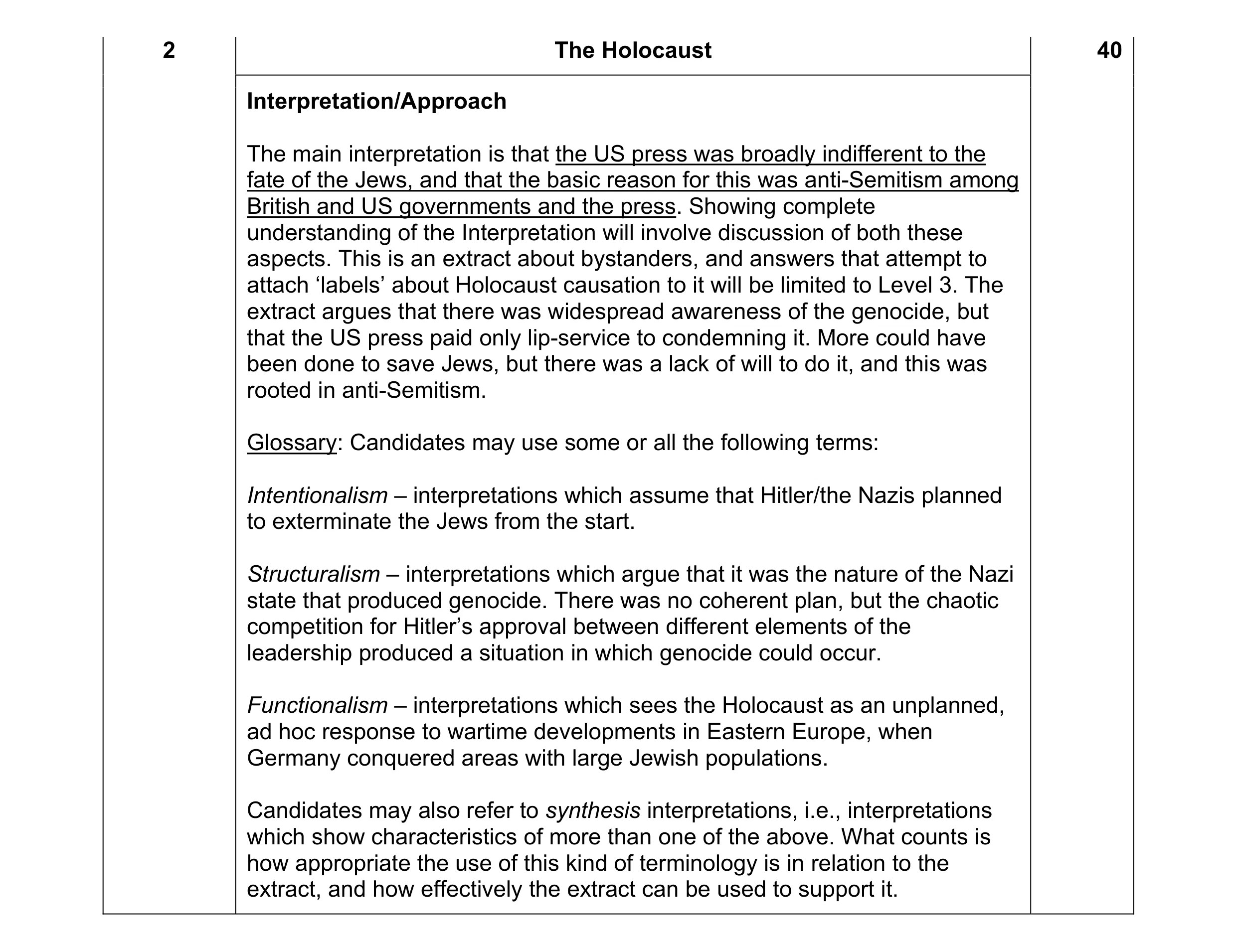 40
40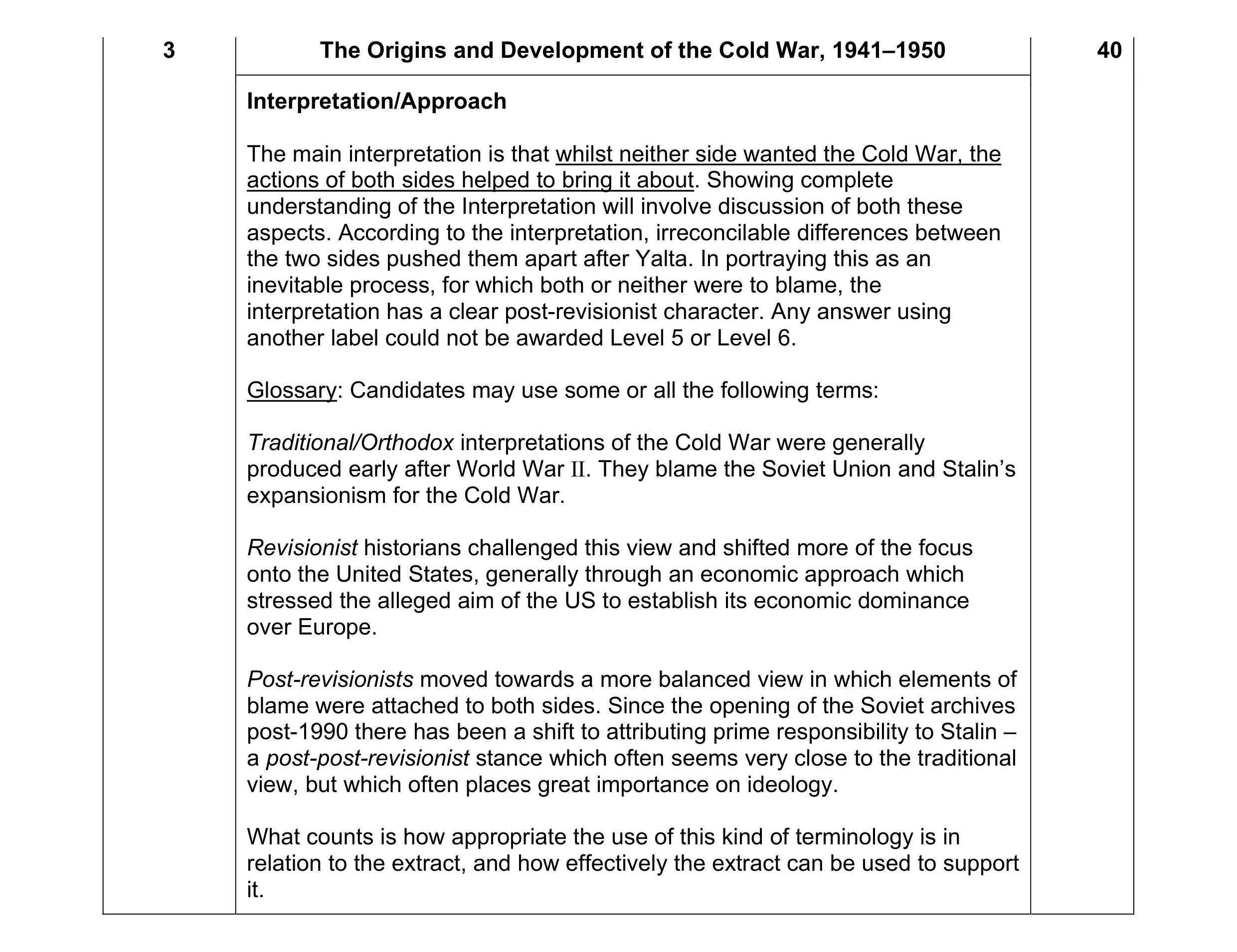 40
40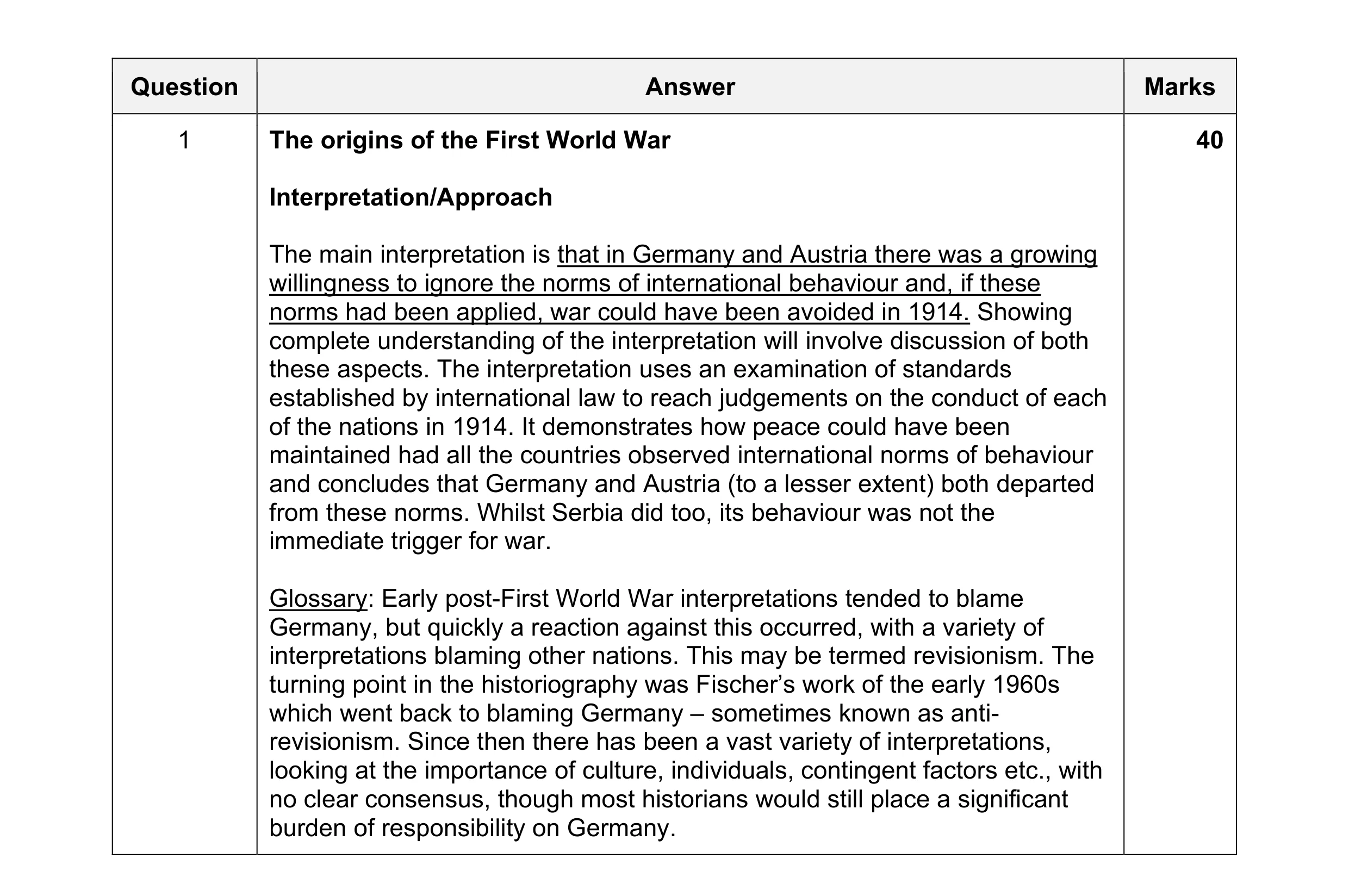 40
40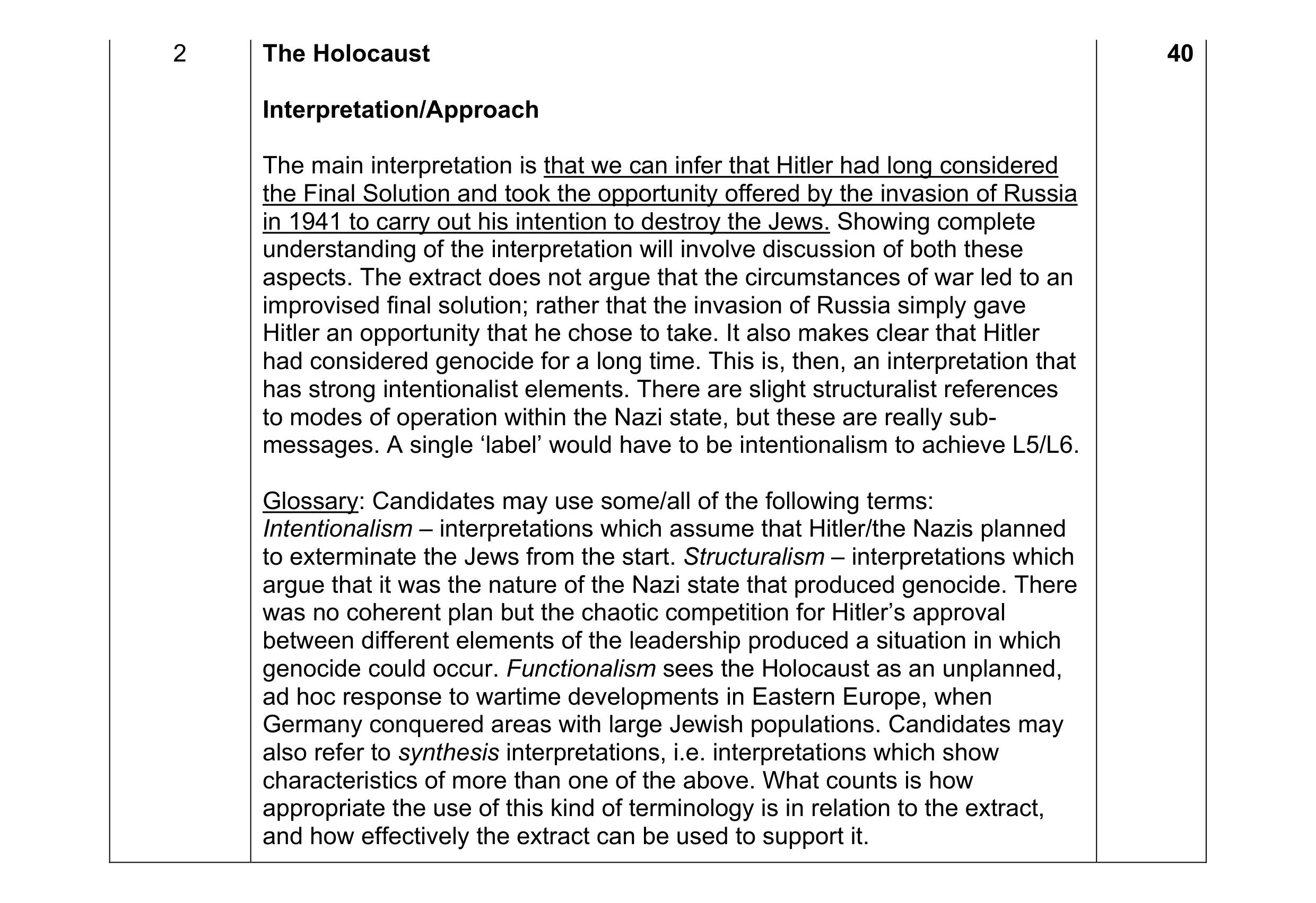 40
40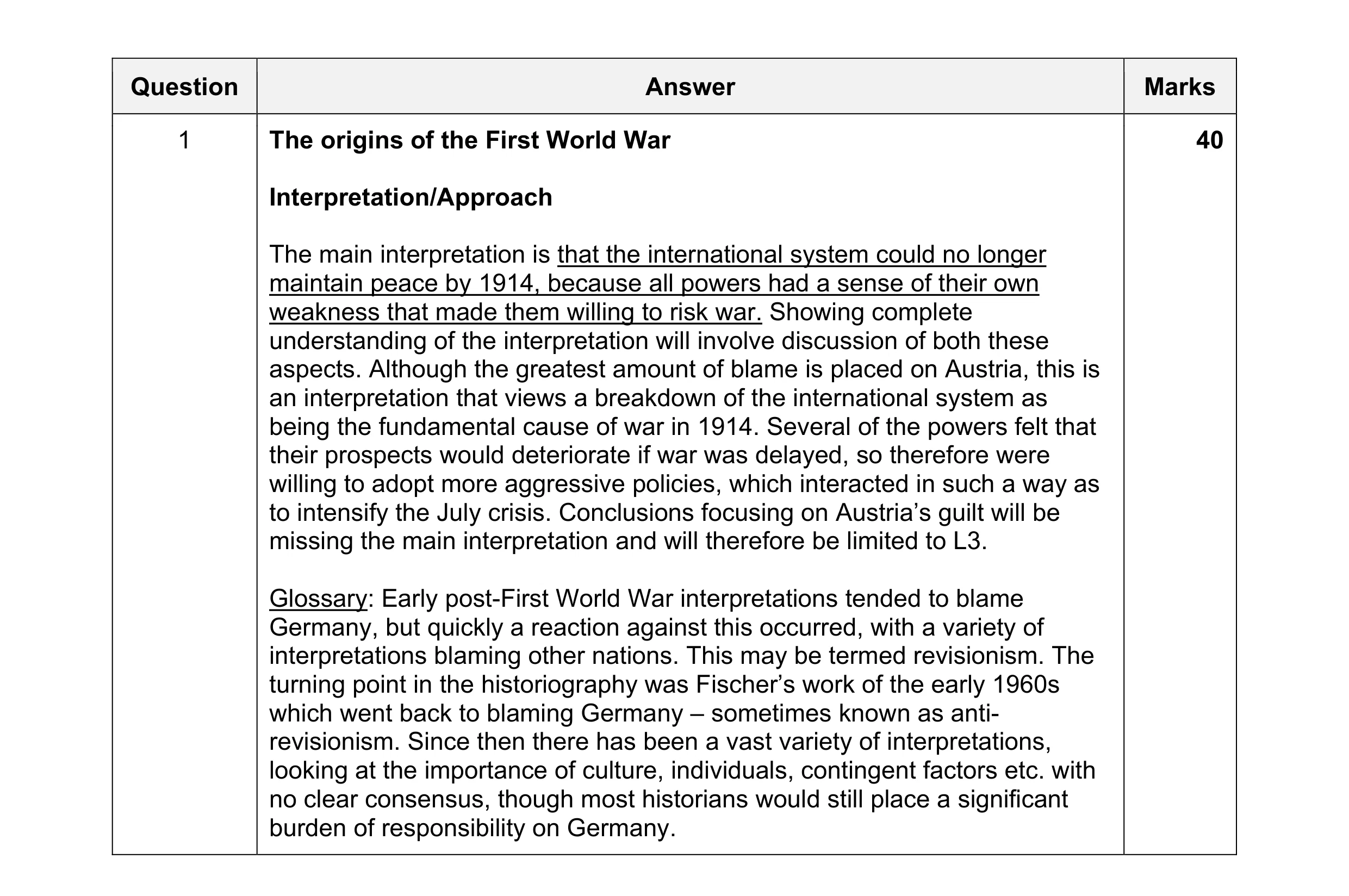 40
40 40
40 40
40 40
40 40
40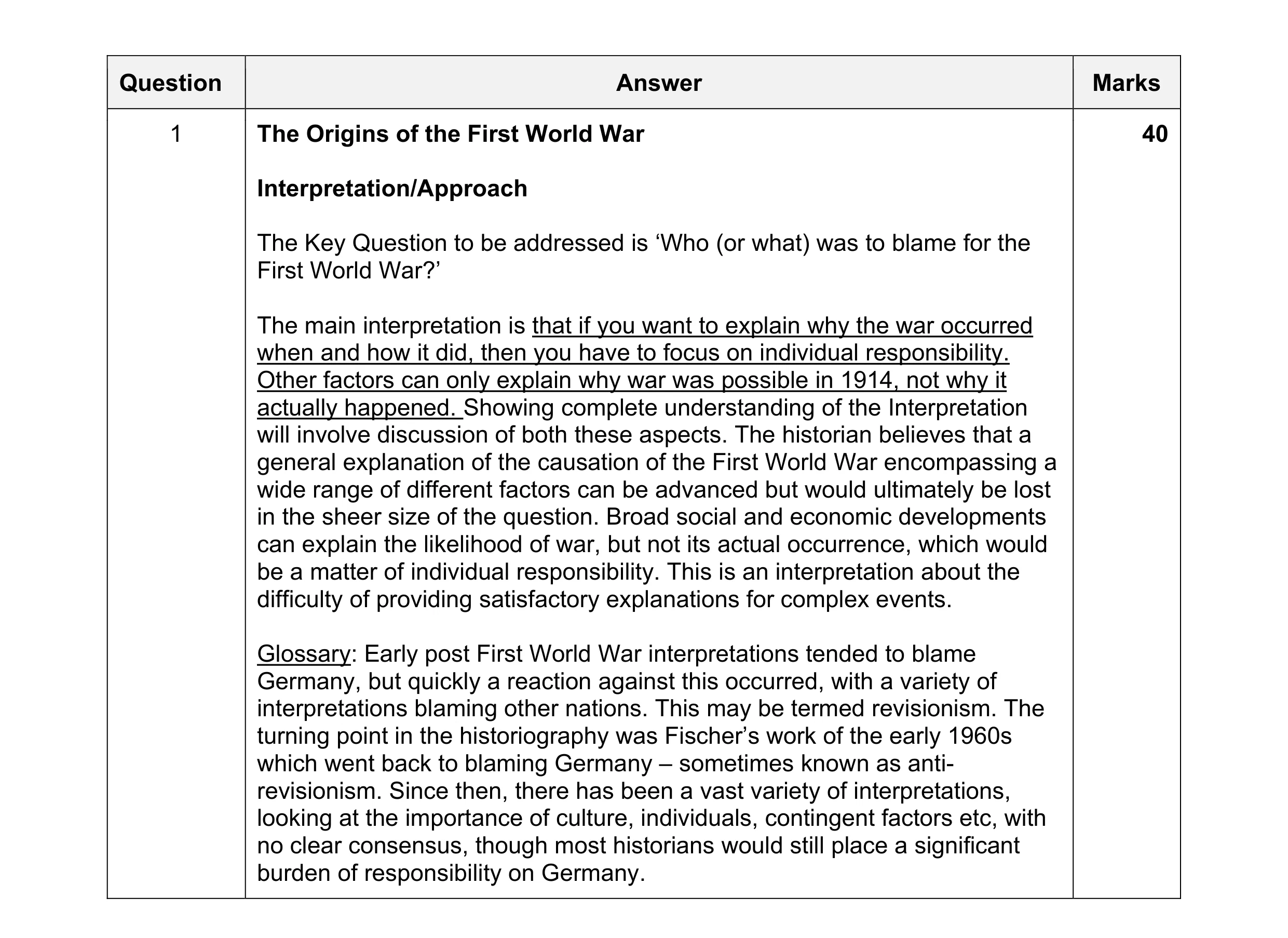 40
40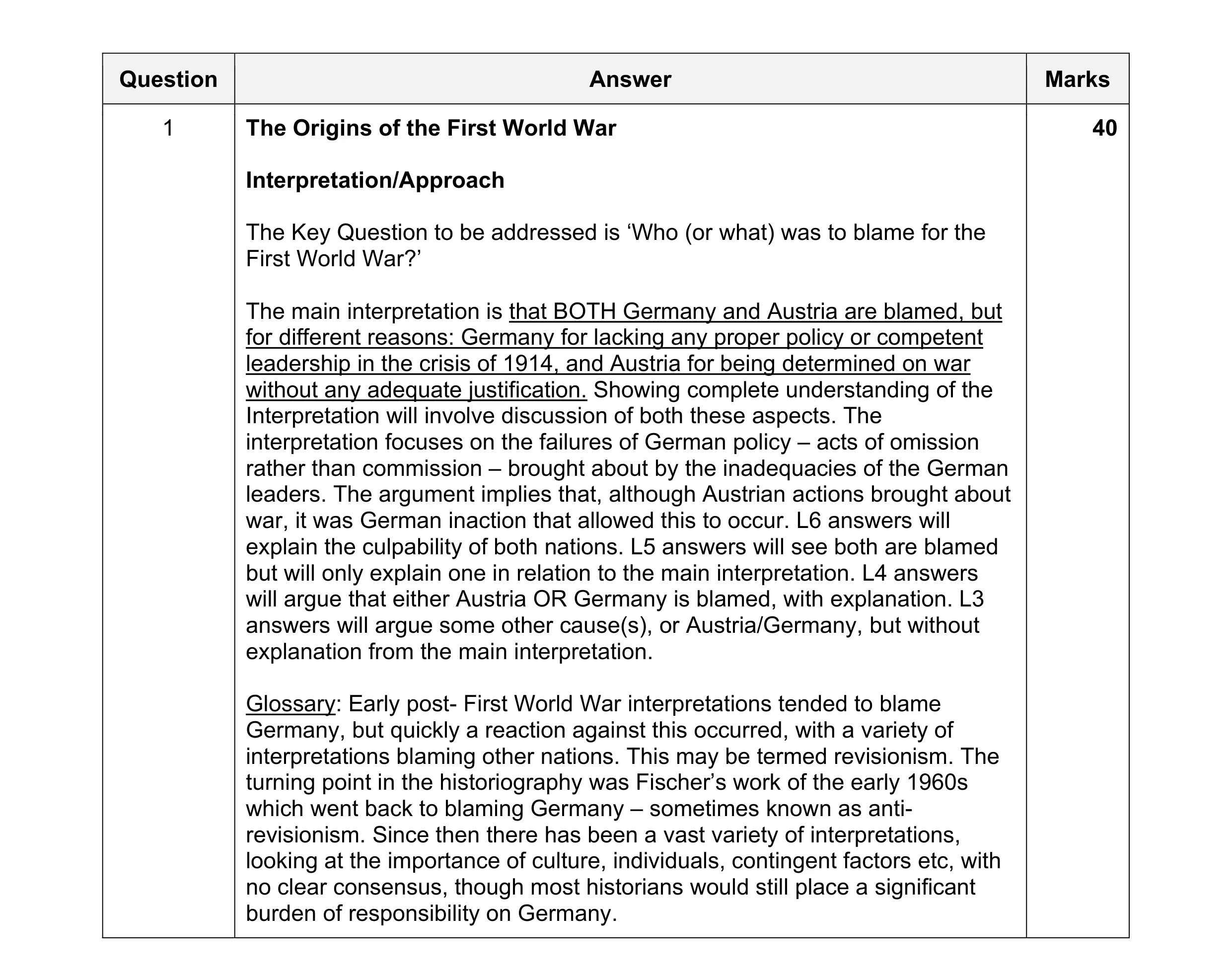 40
40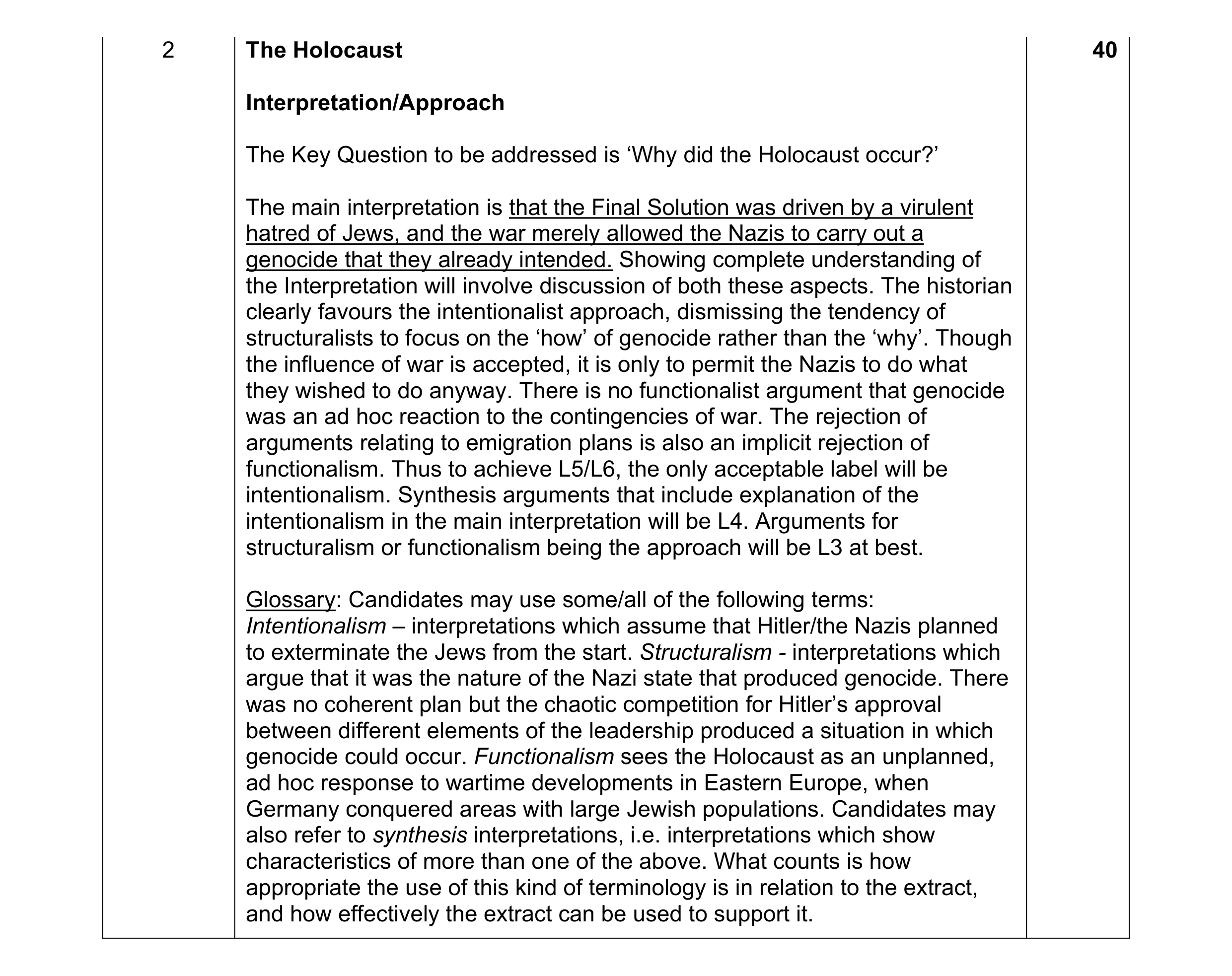 40
40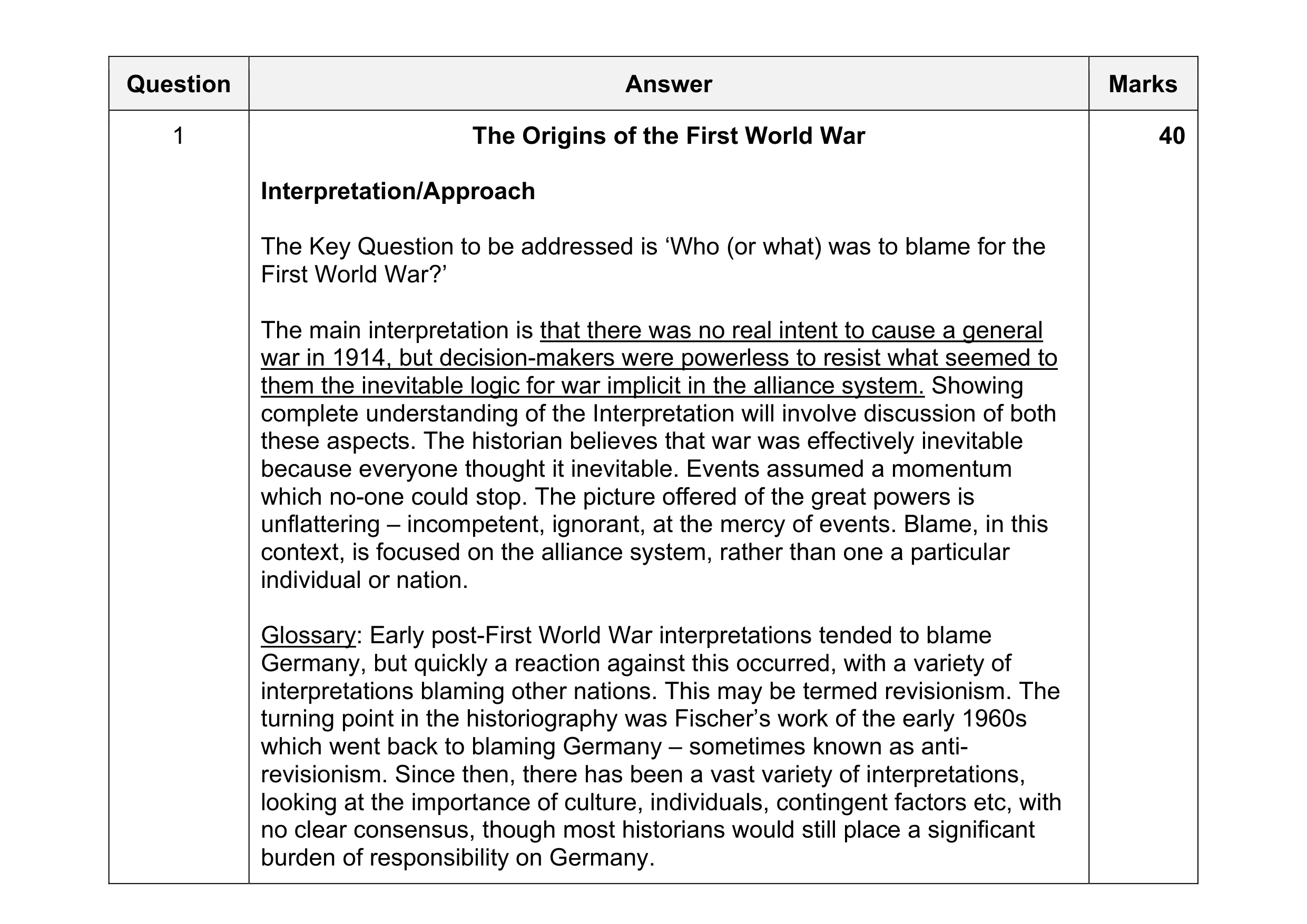 40
40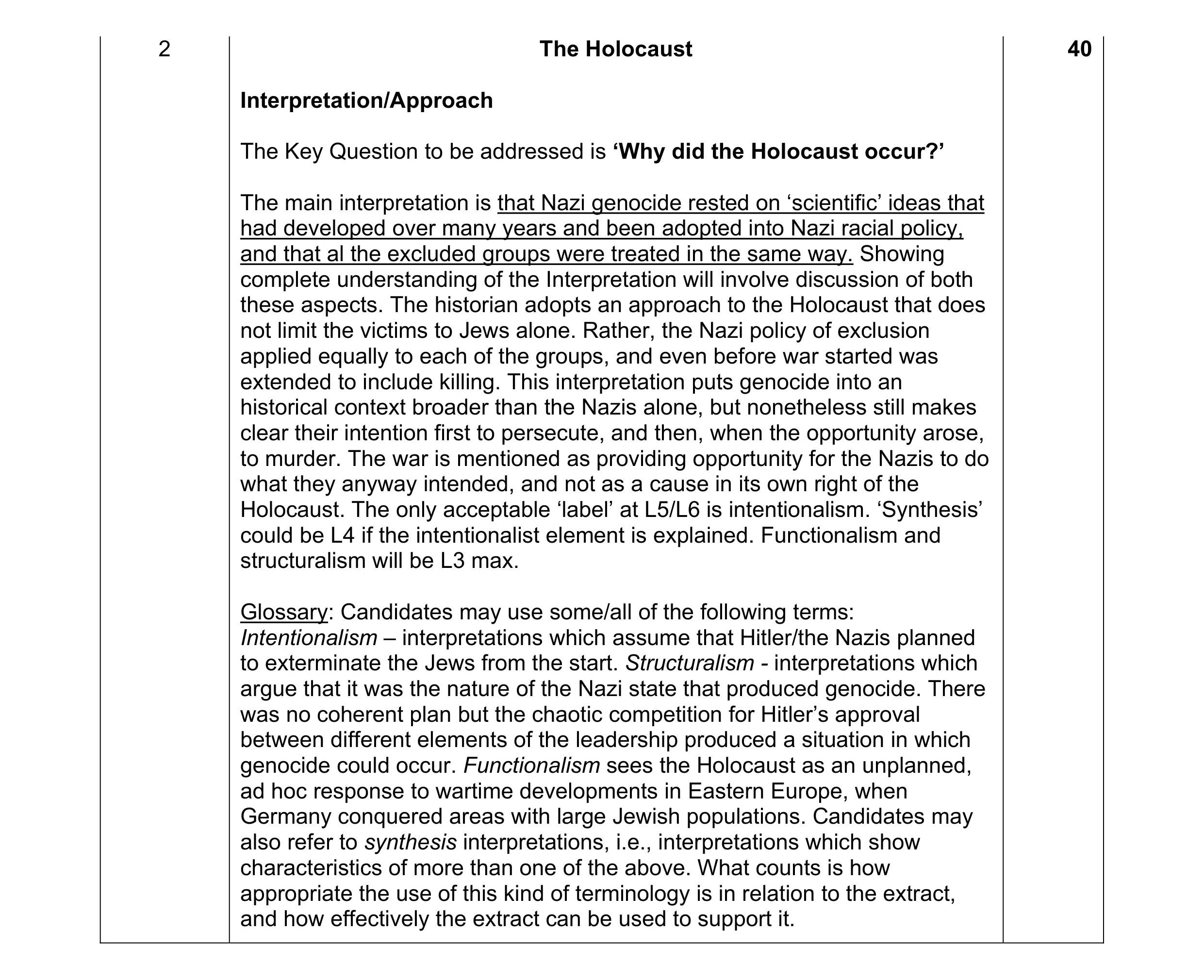 40
40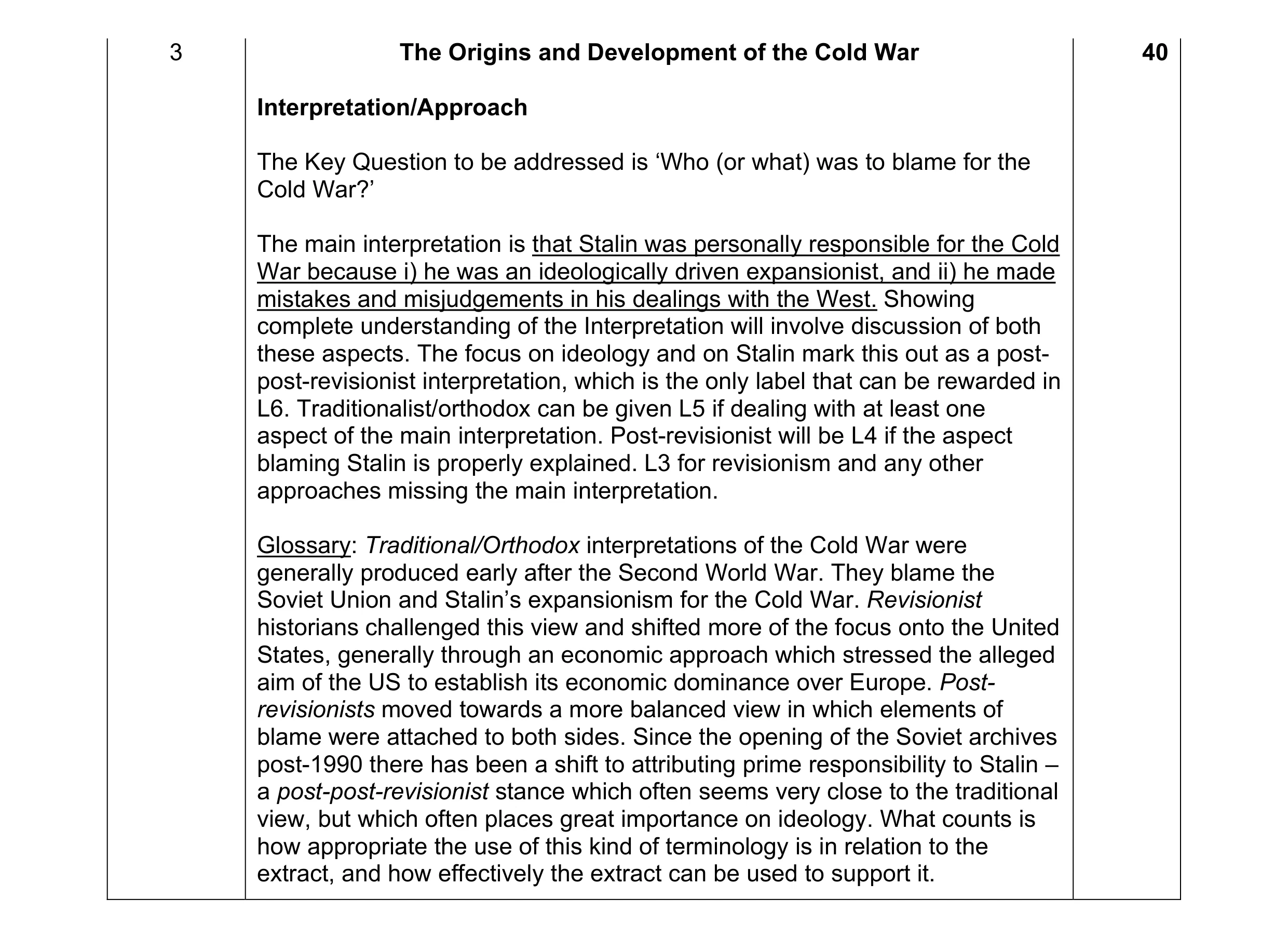 40
40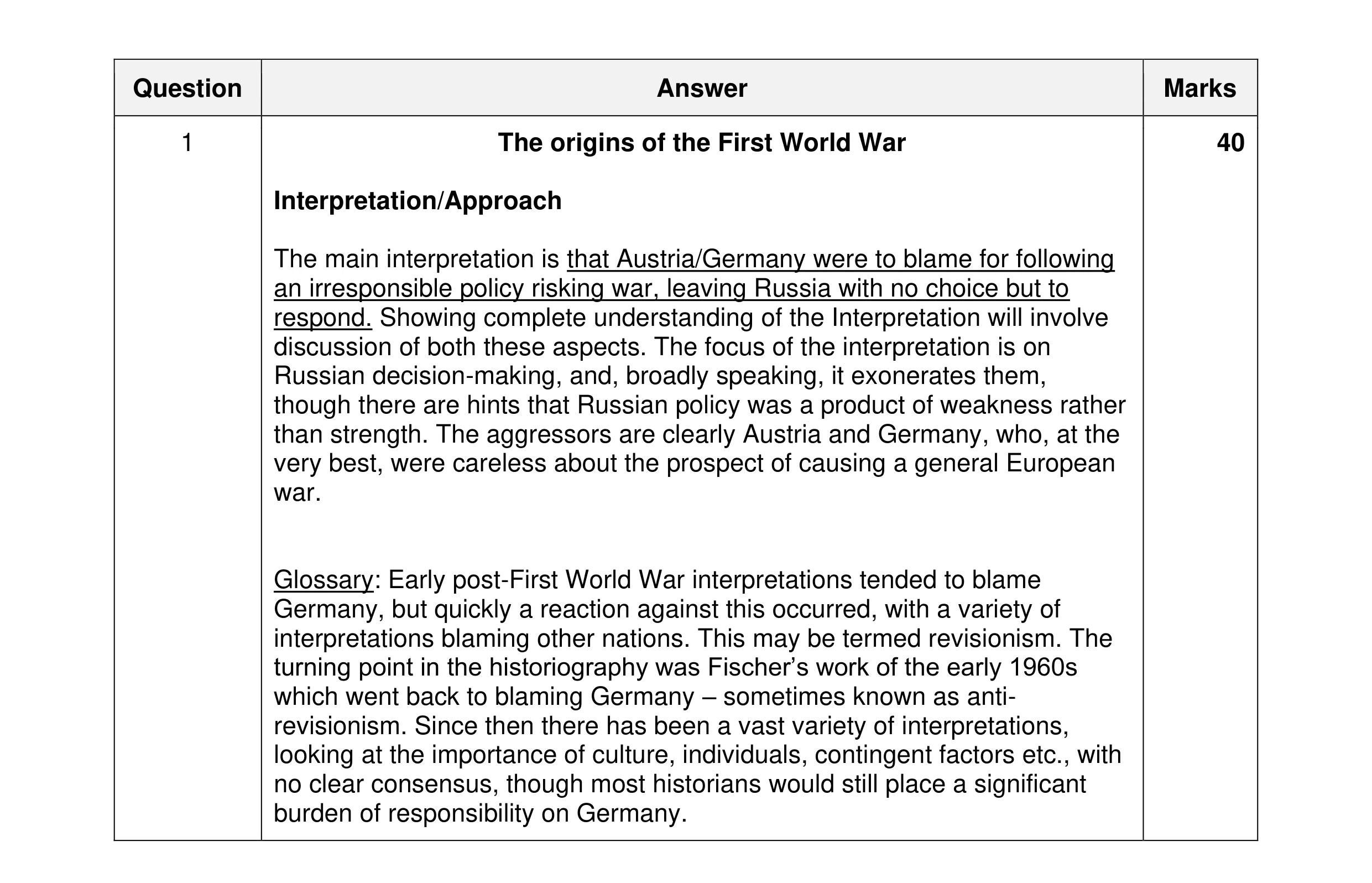 40
40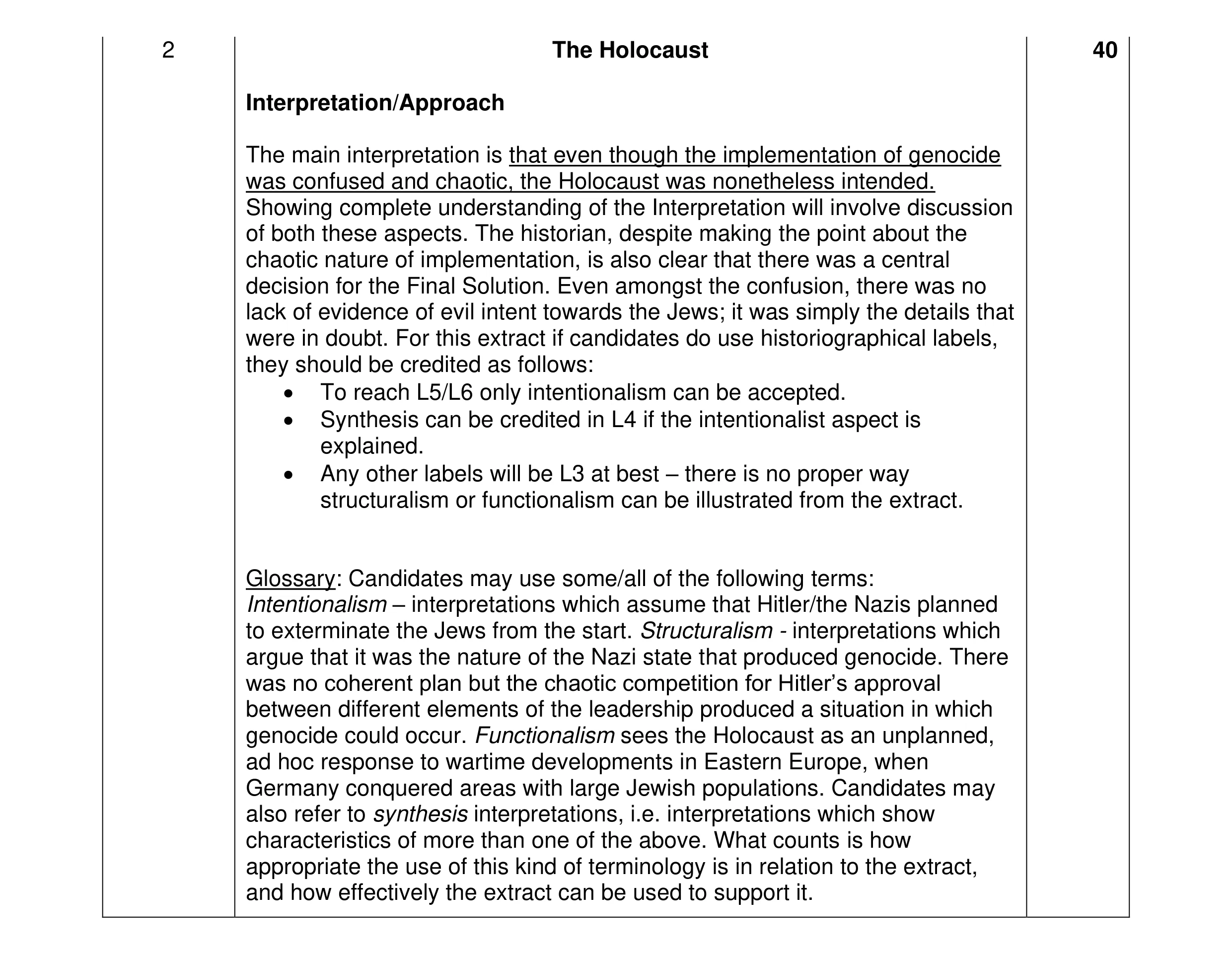 40
40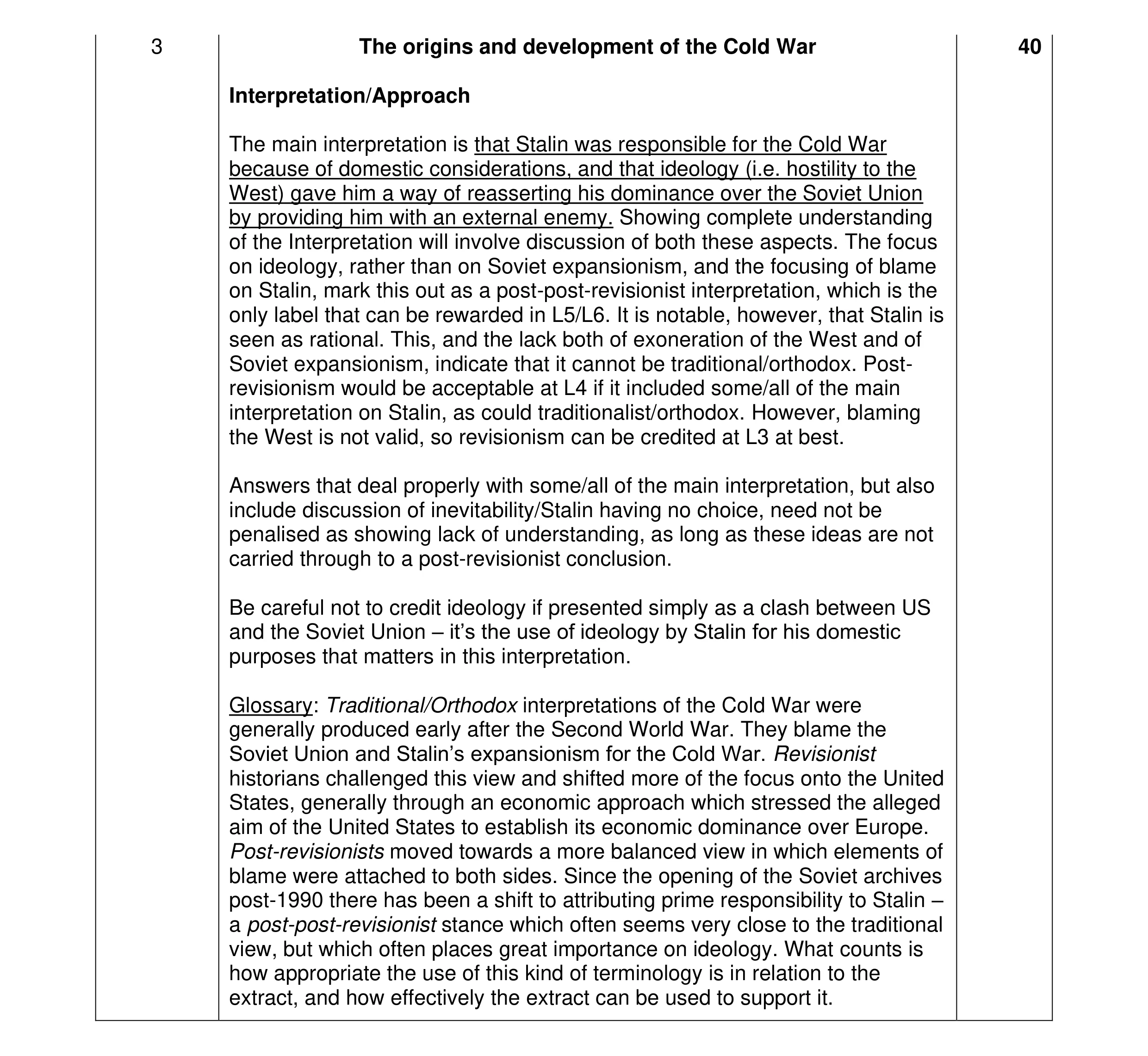 40
40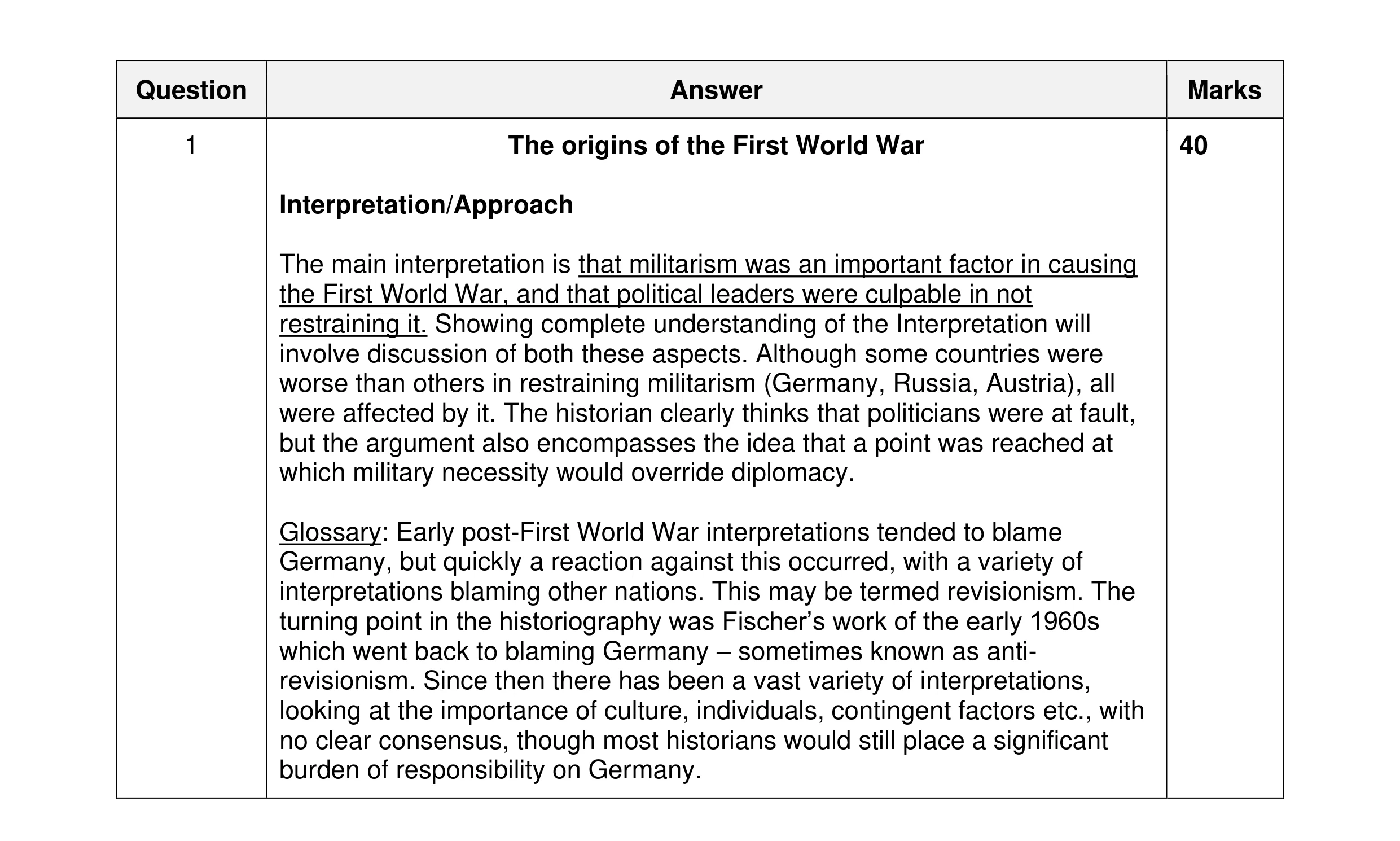 40
40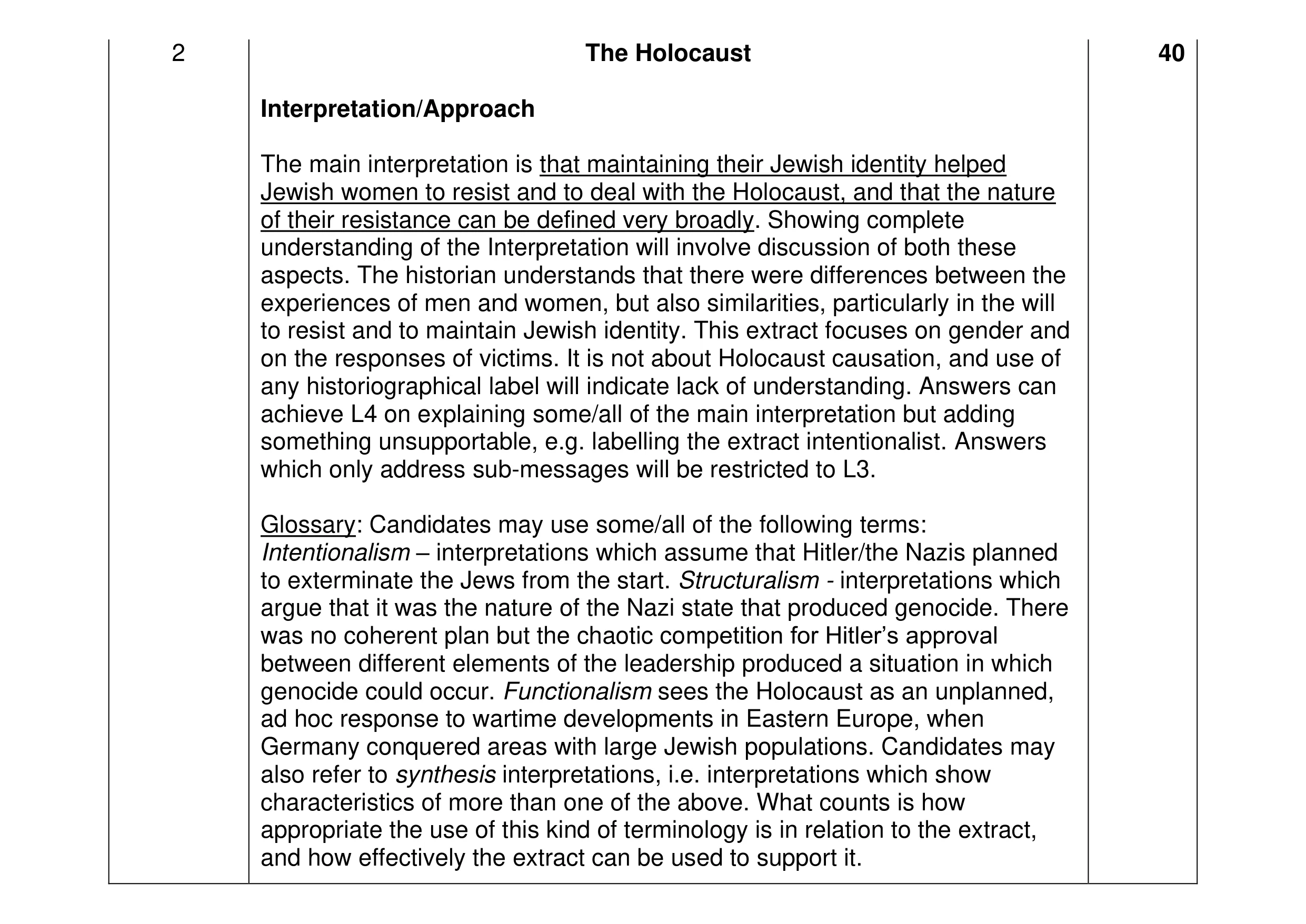 40
40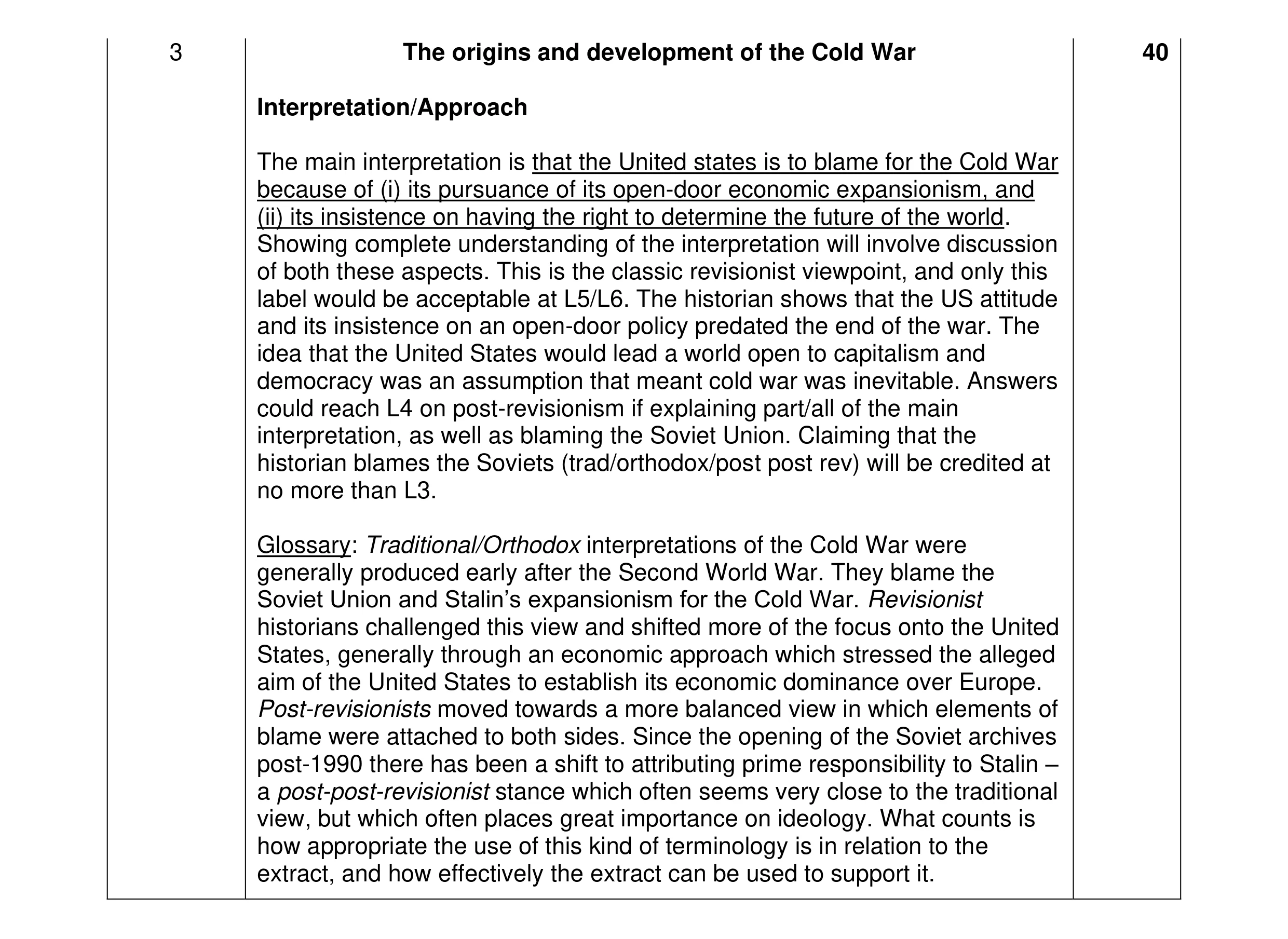 40
40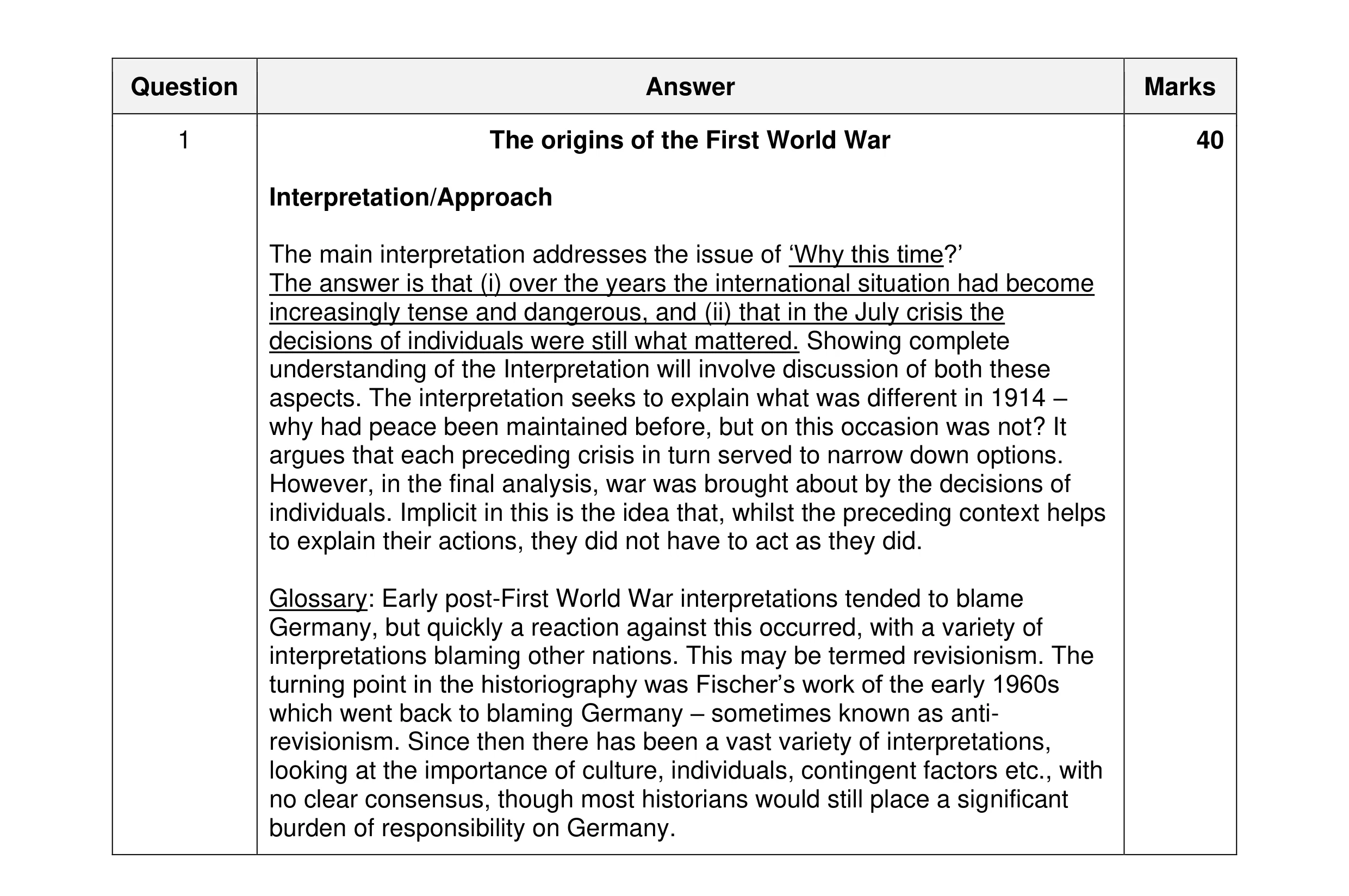 40
40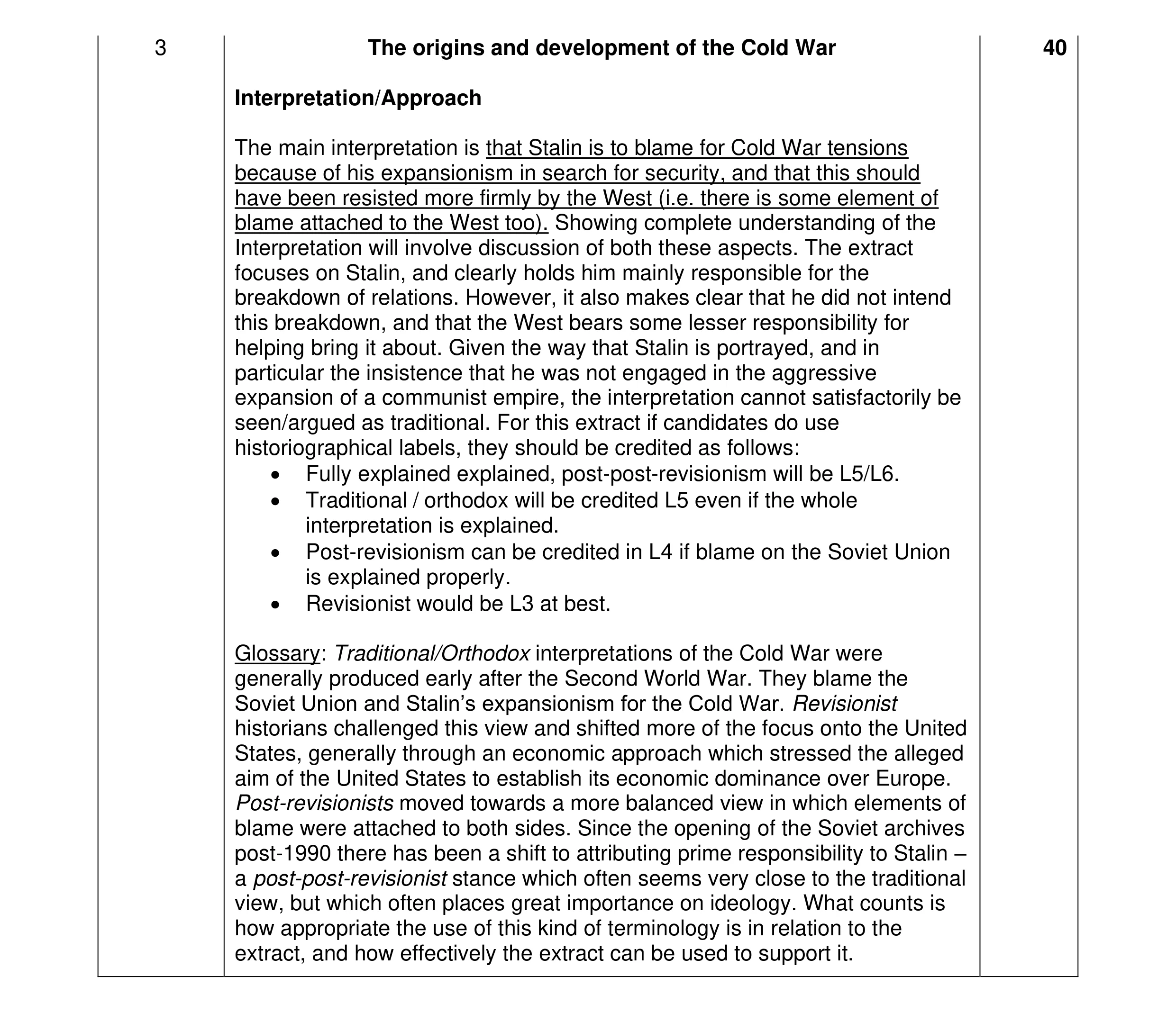 40
40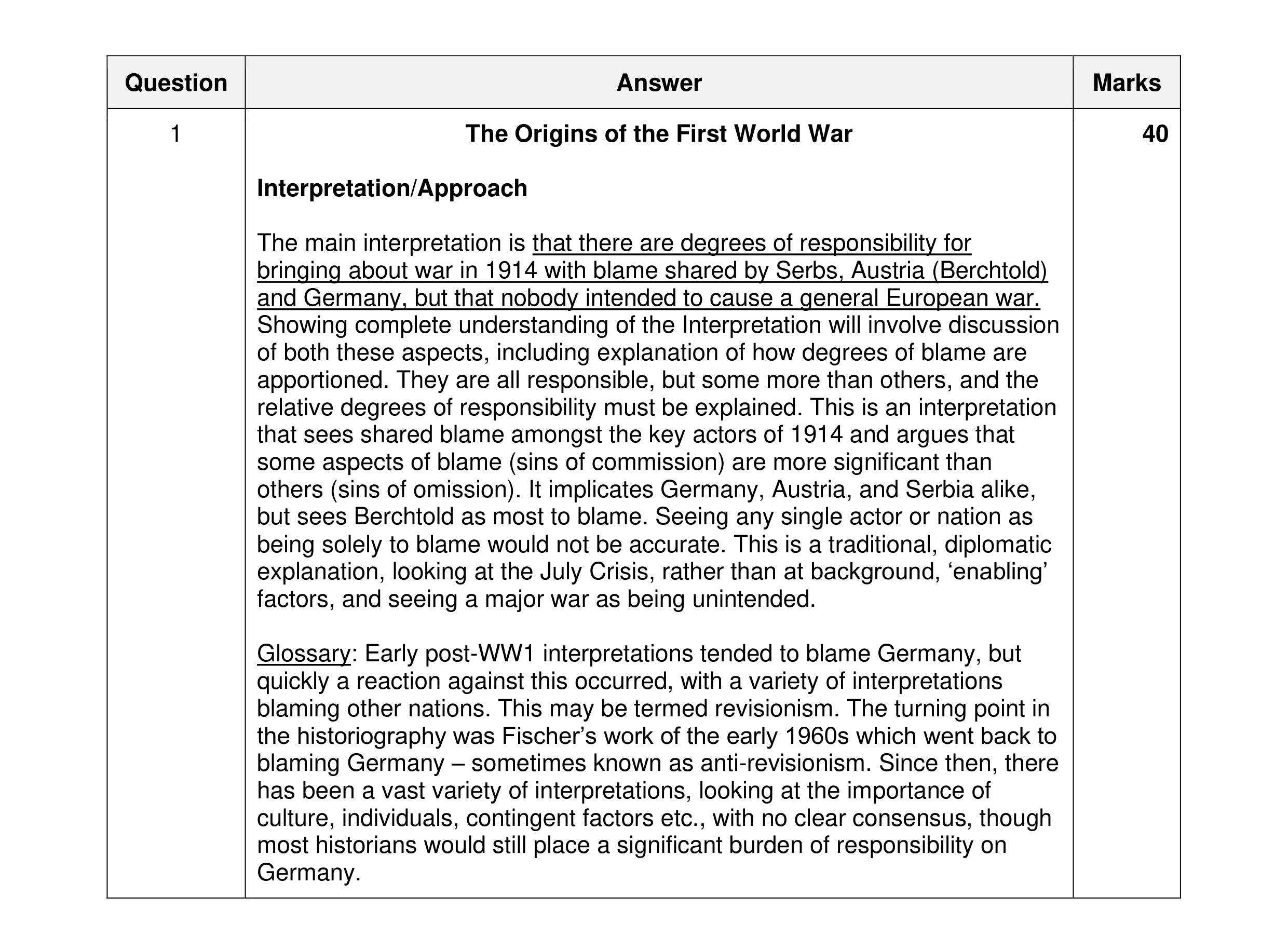 40
40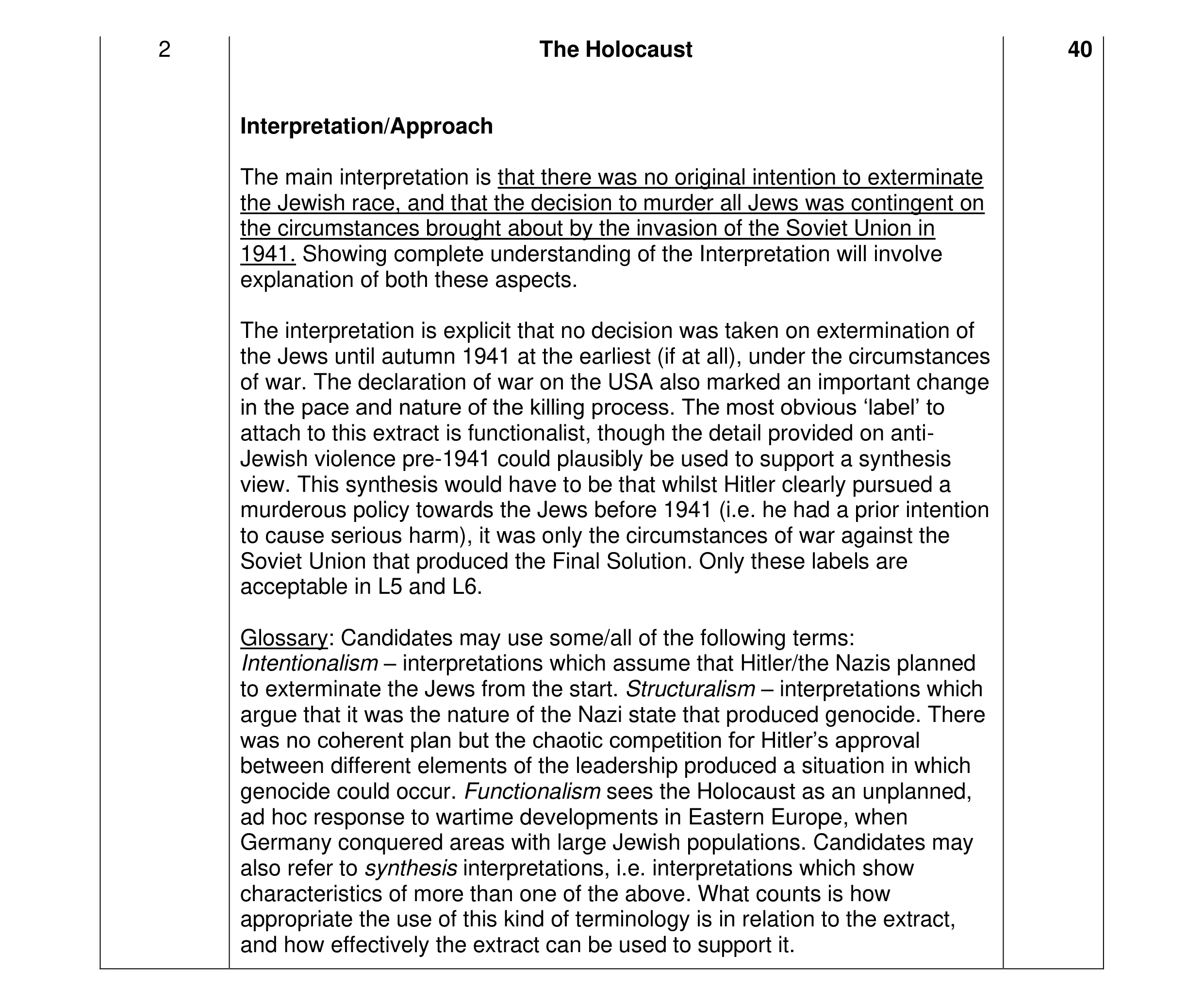 40
40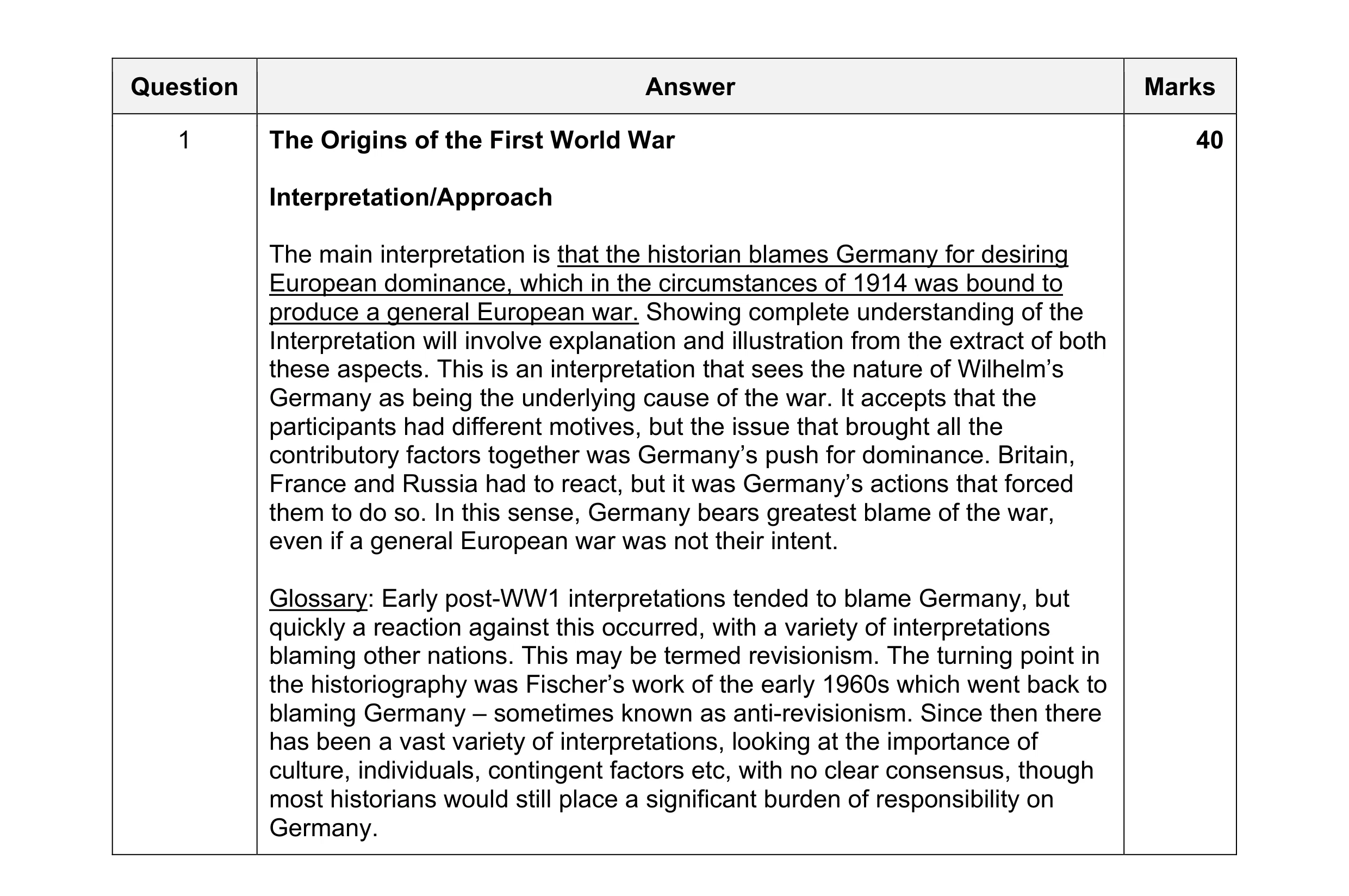 40
40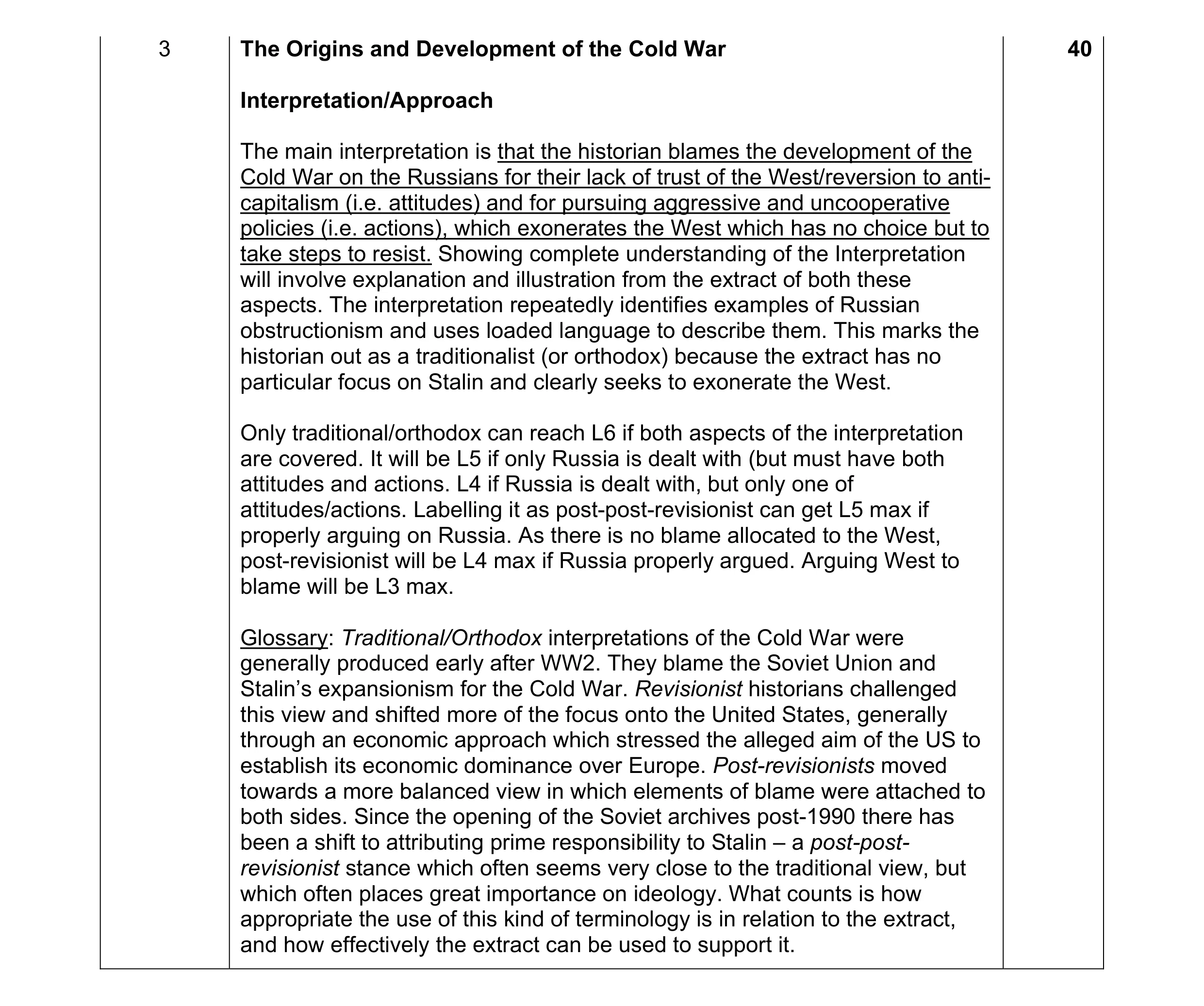 40
40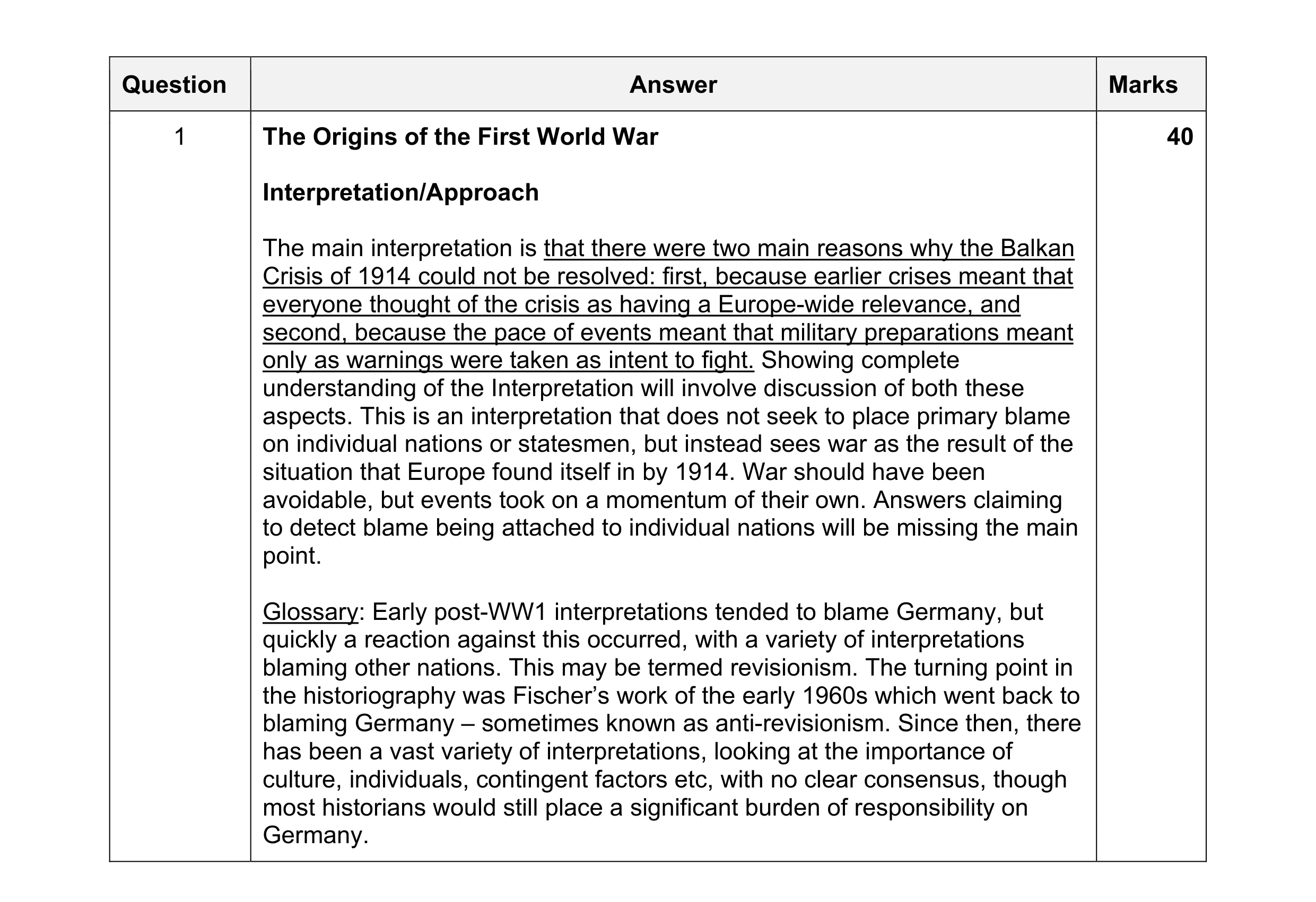 40
40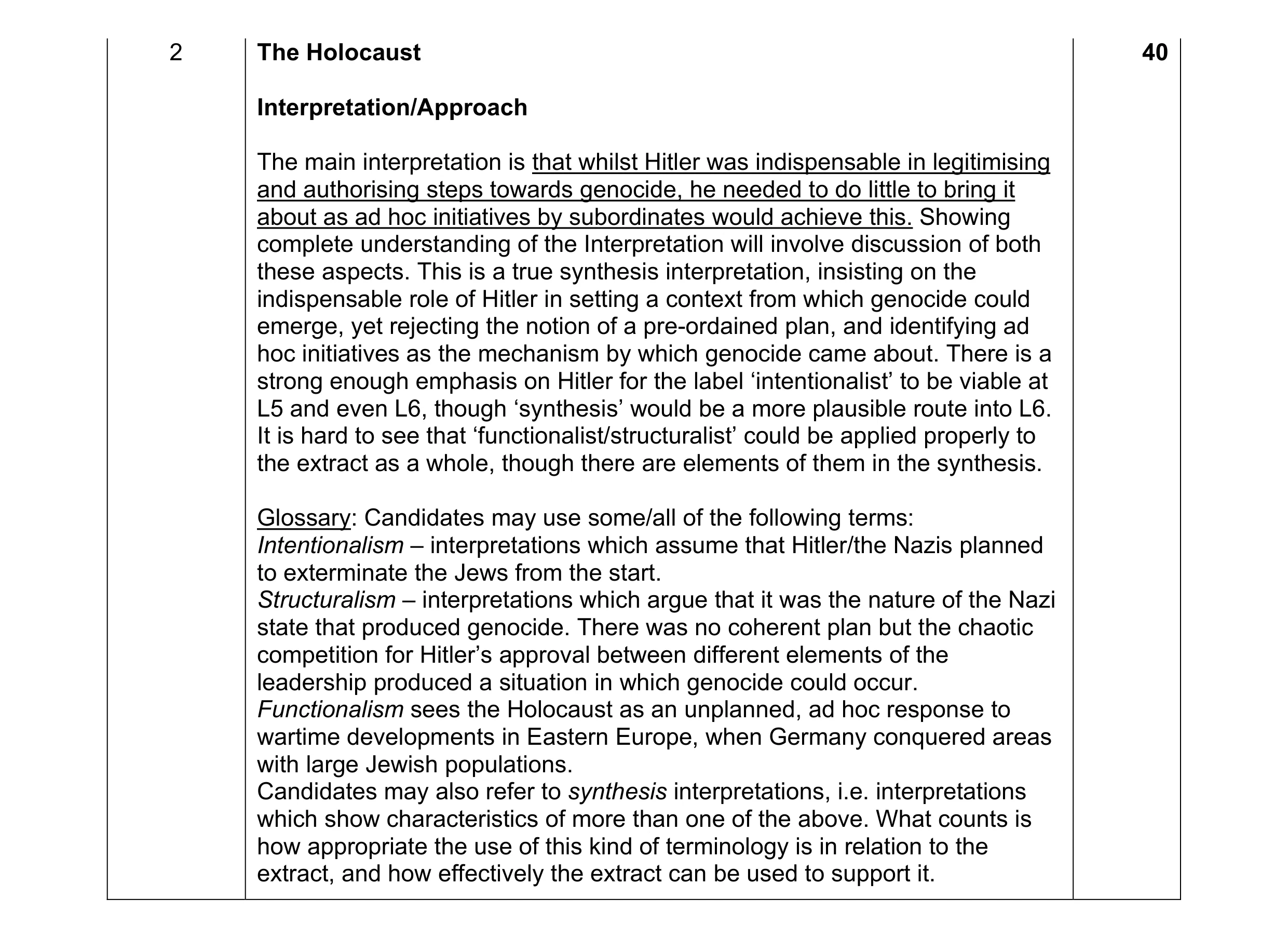 40
40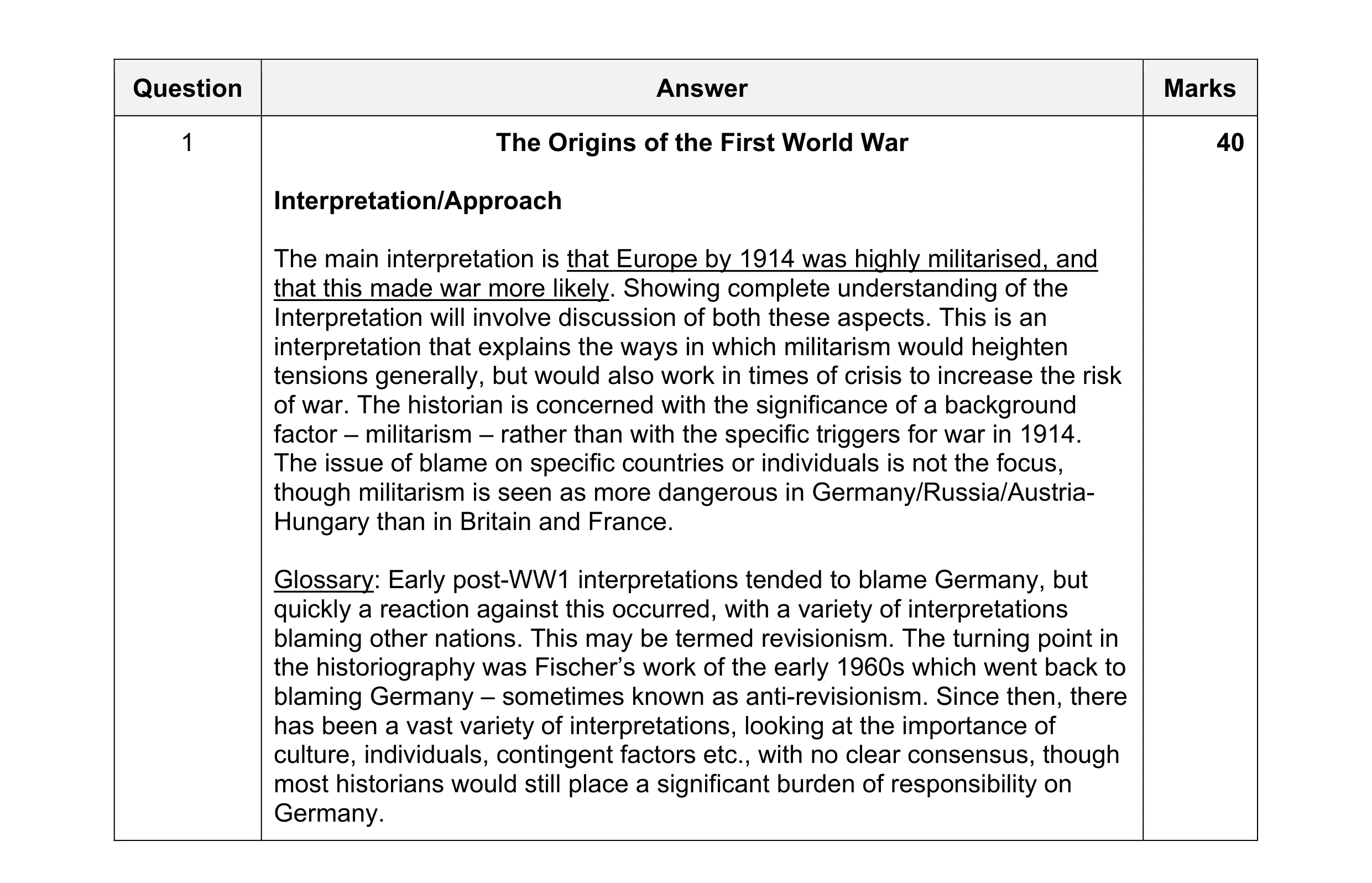 40
40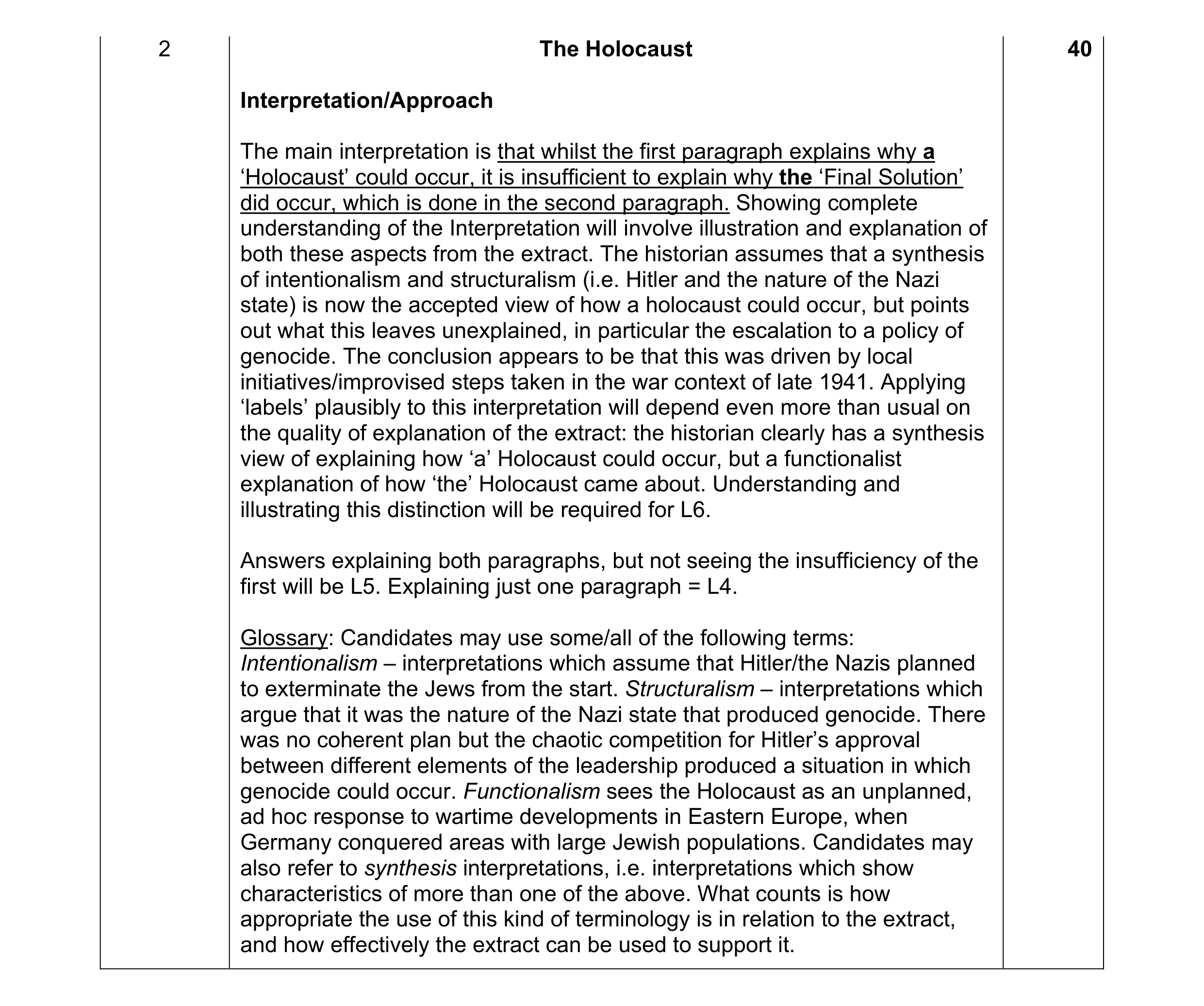 40
40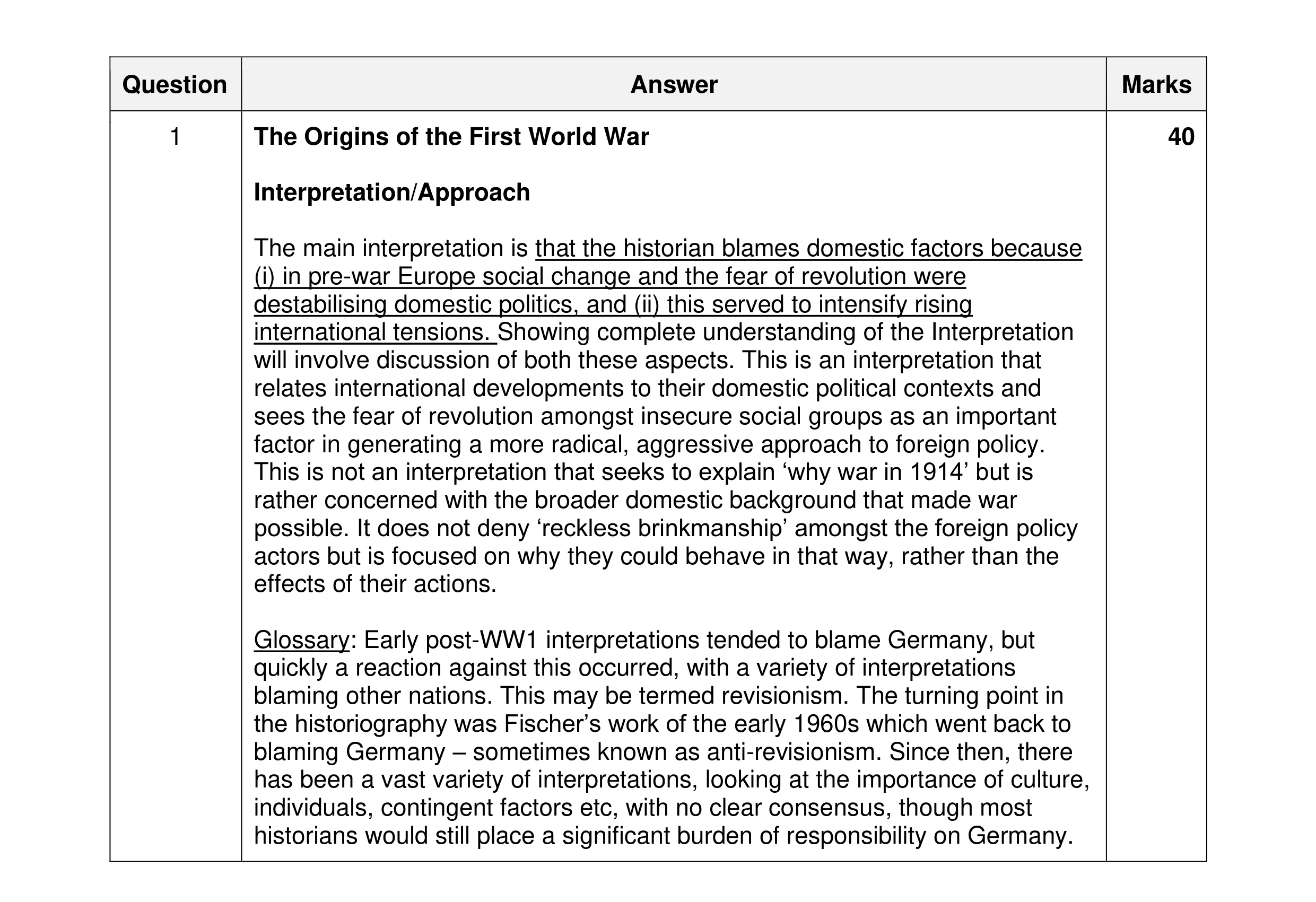 40
40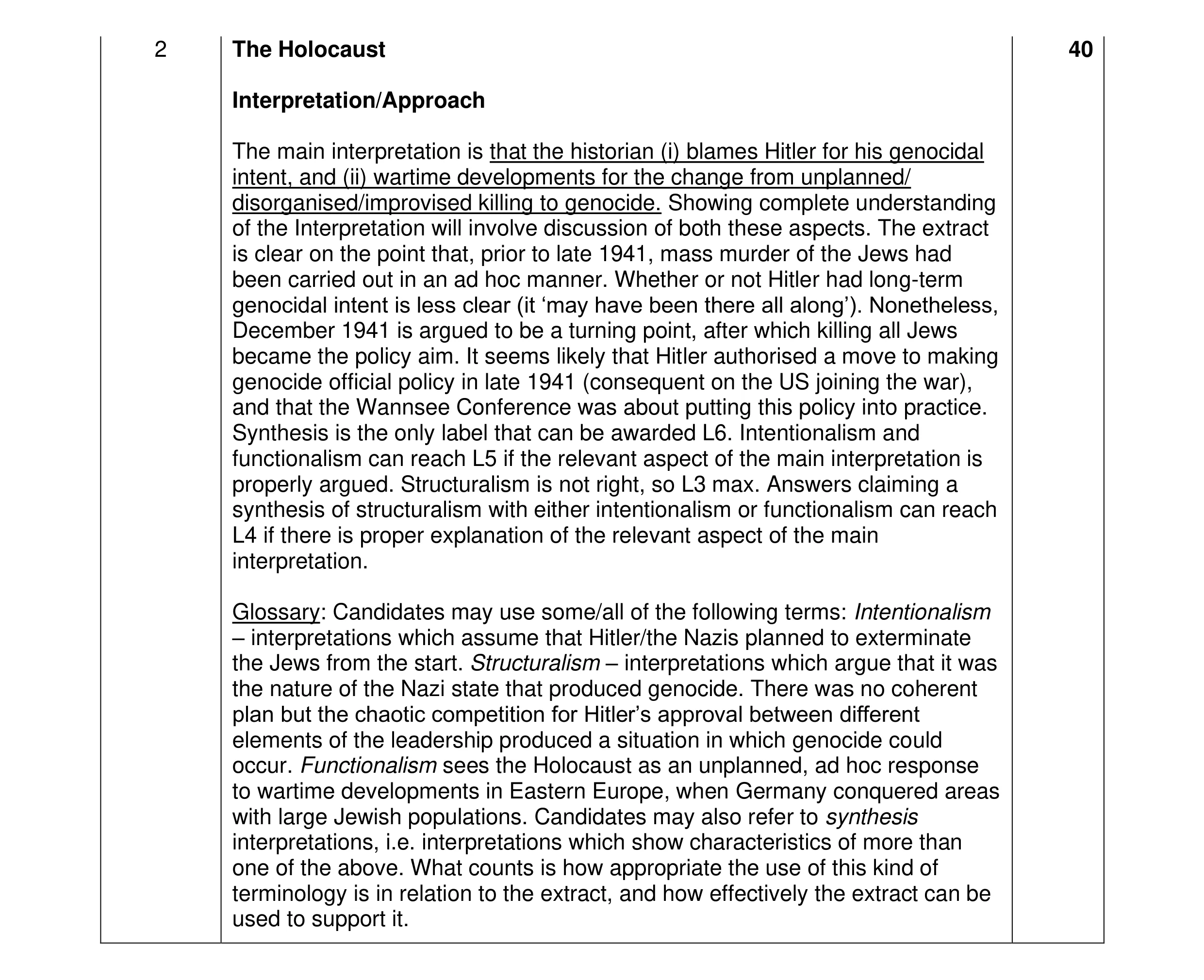 40
40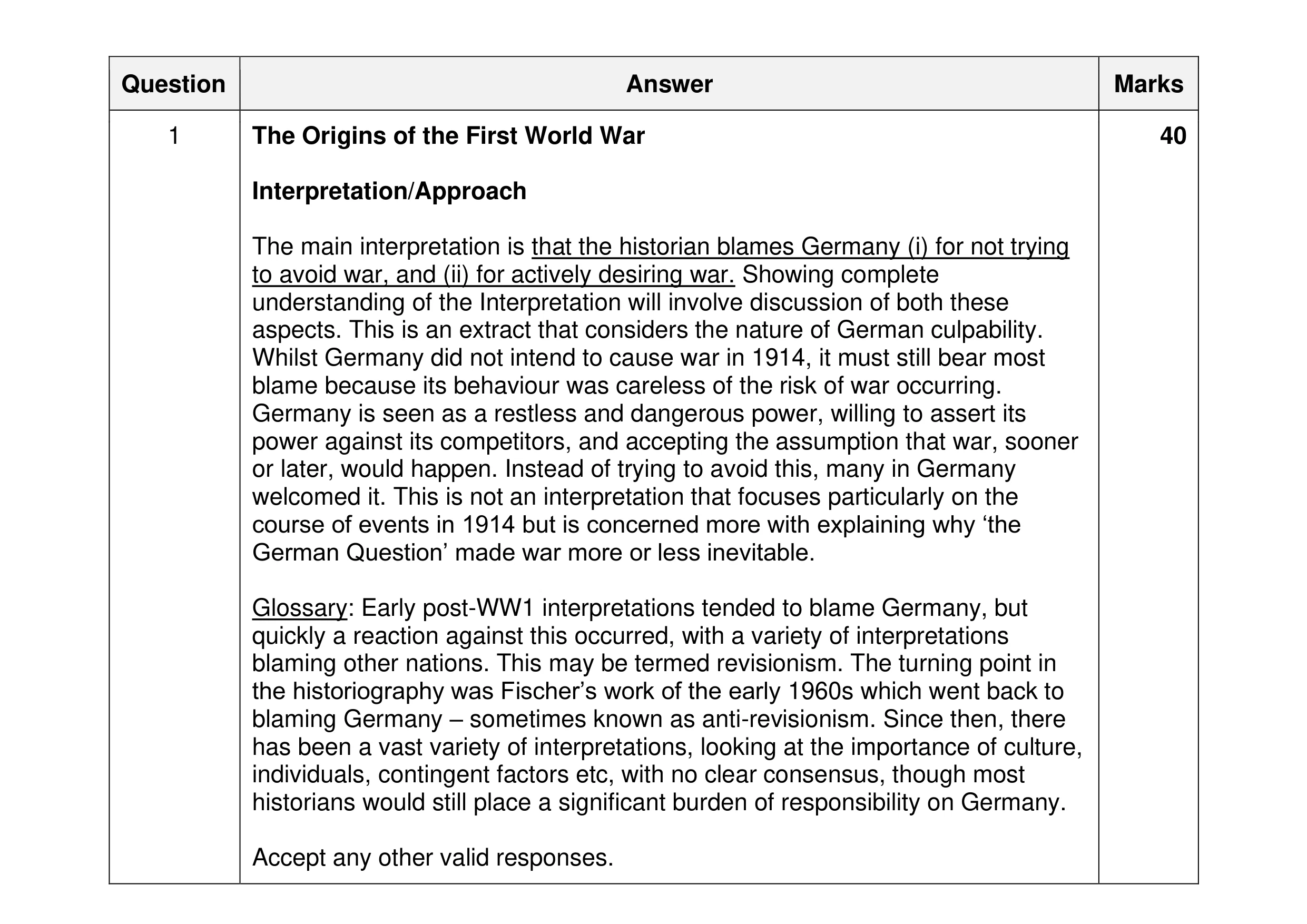 40
40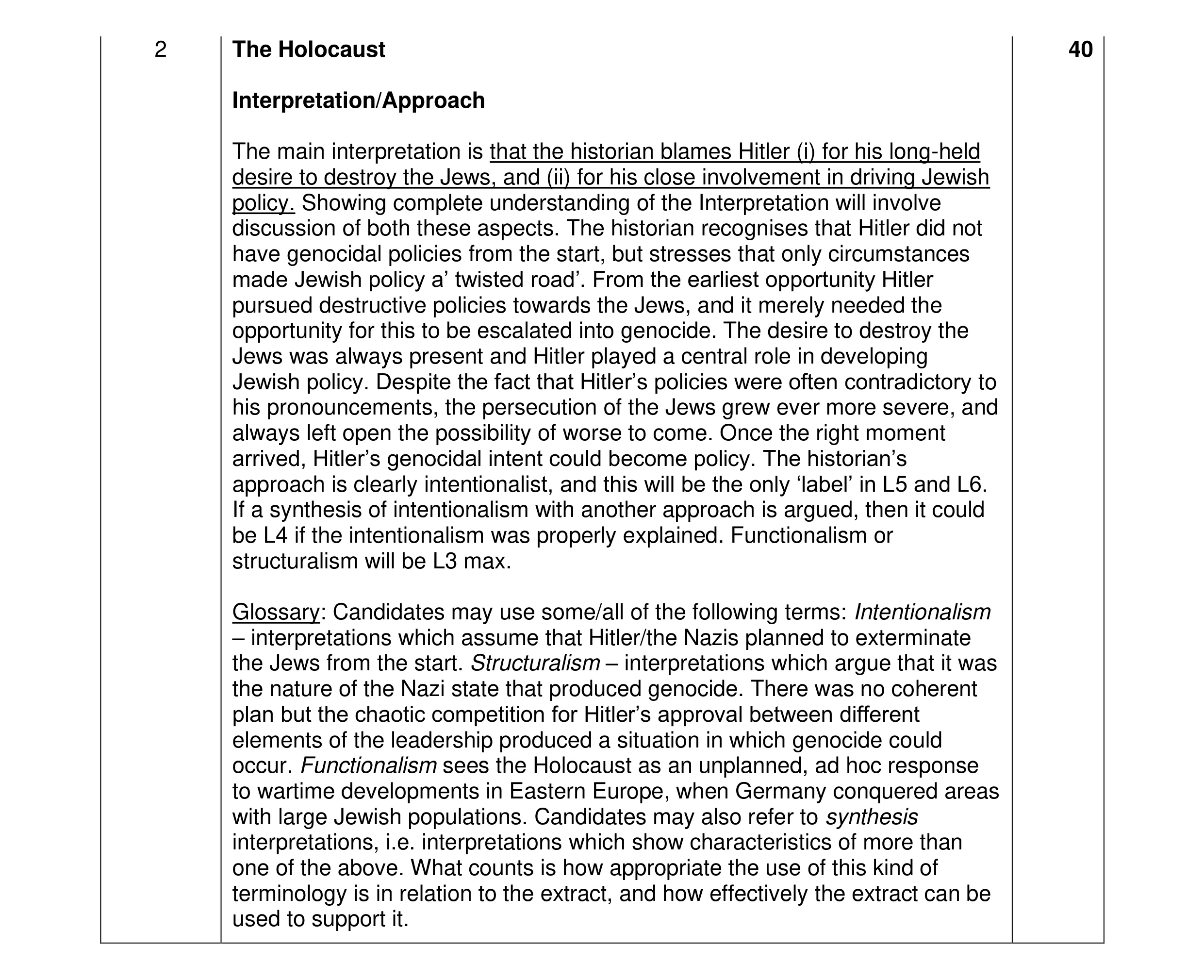 40
40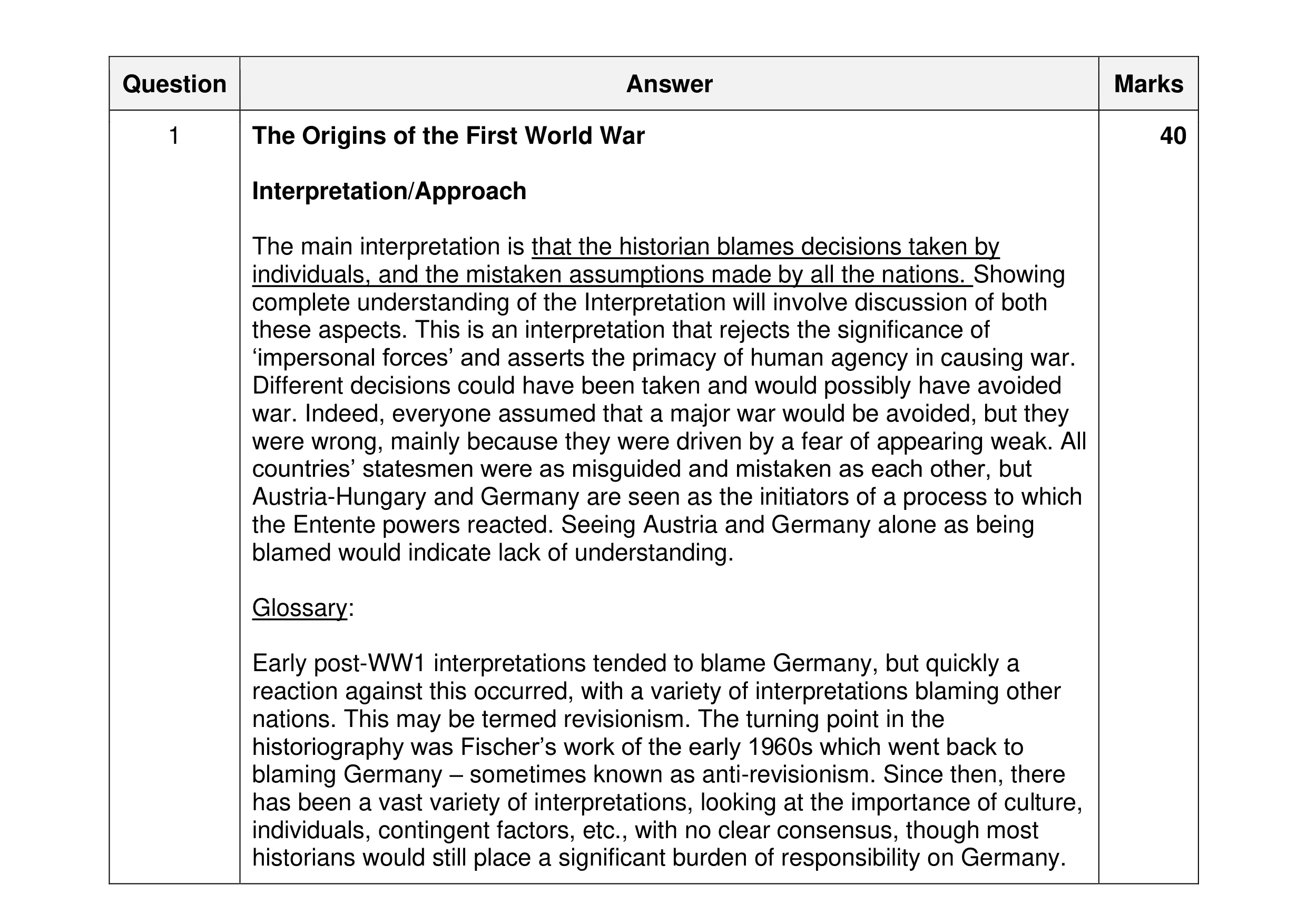 40
40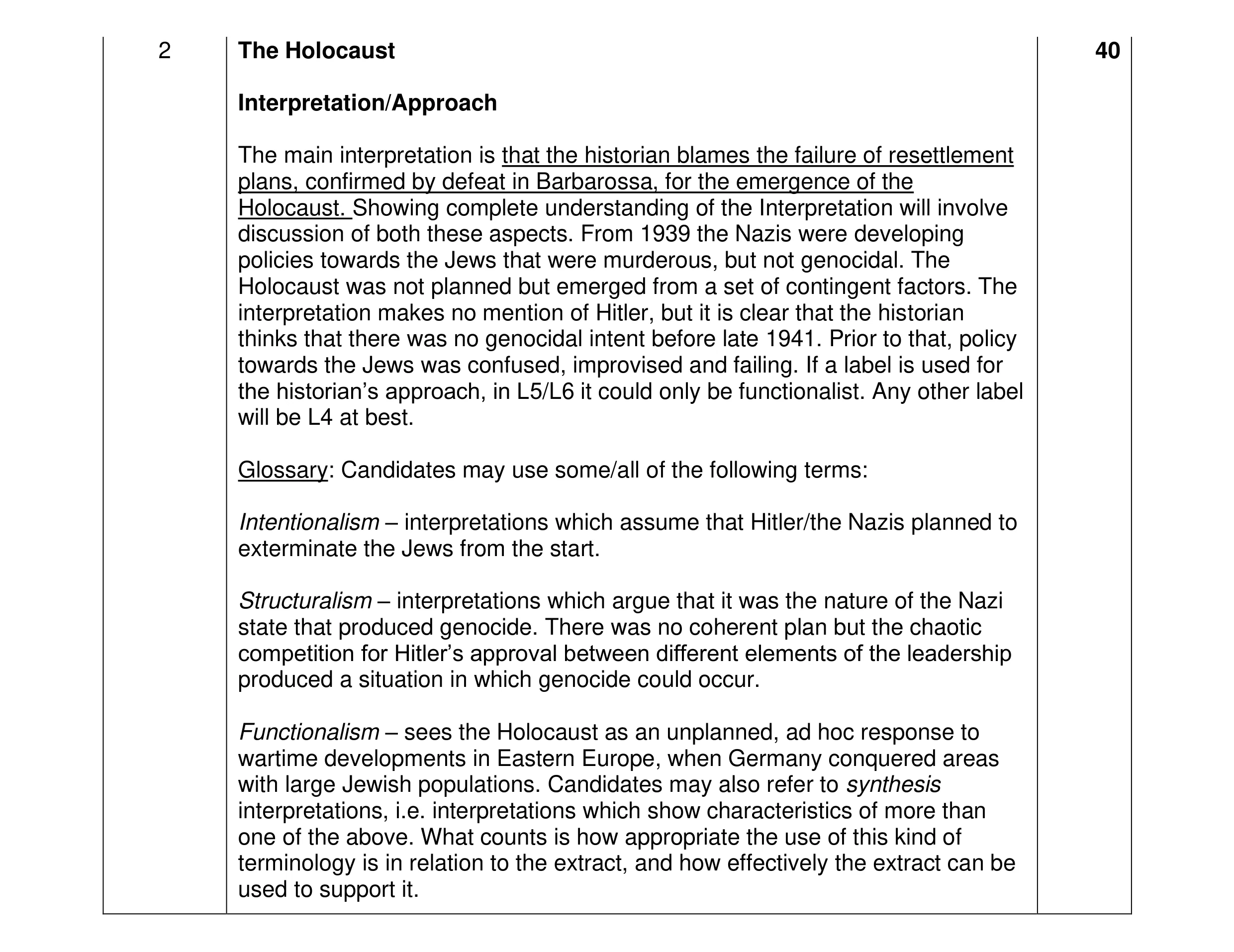 40
40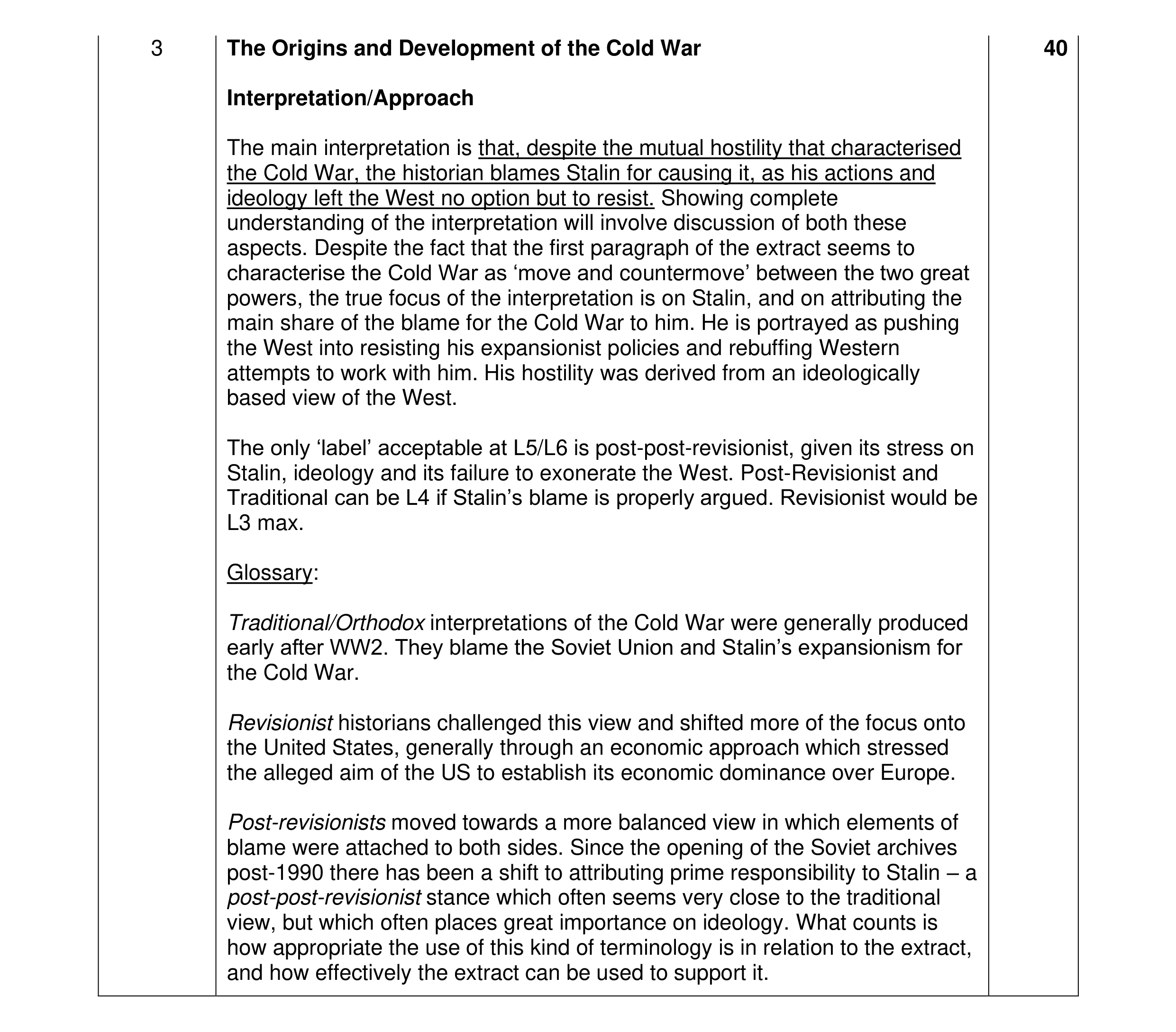 40
40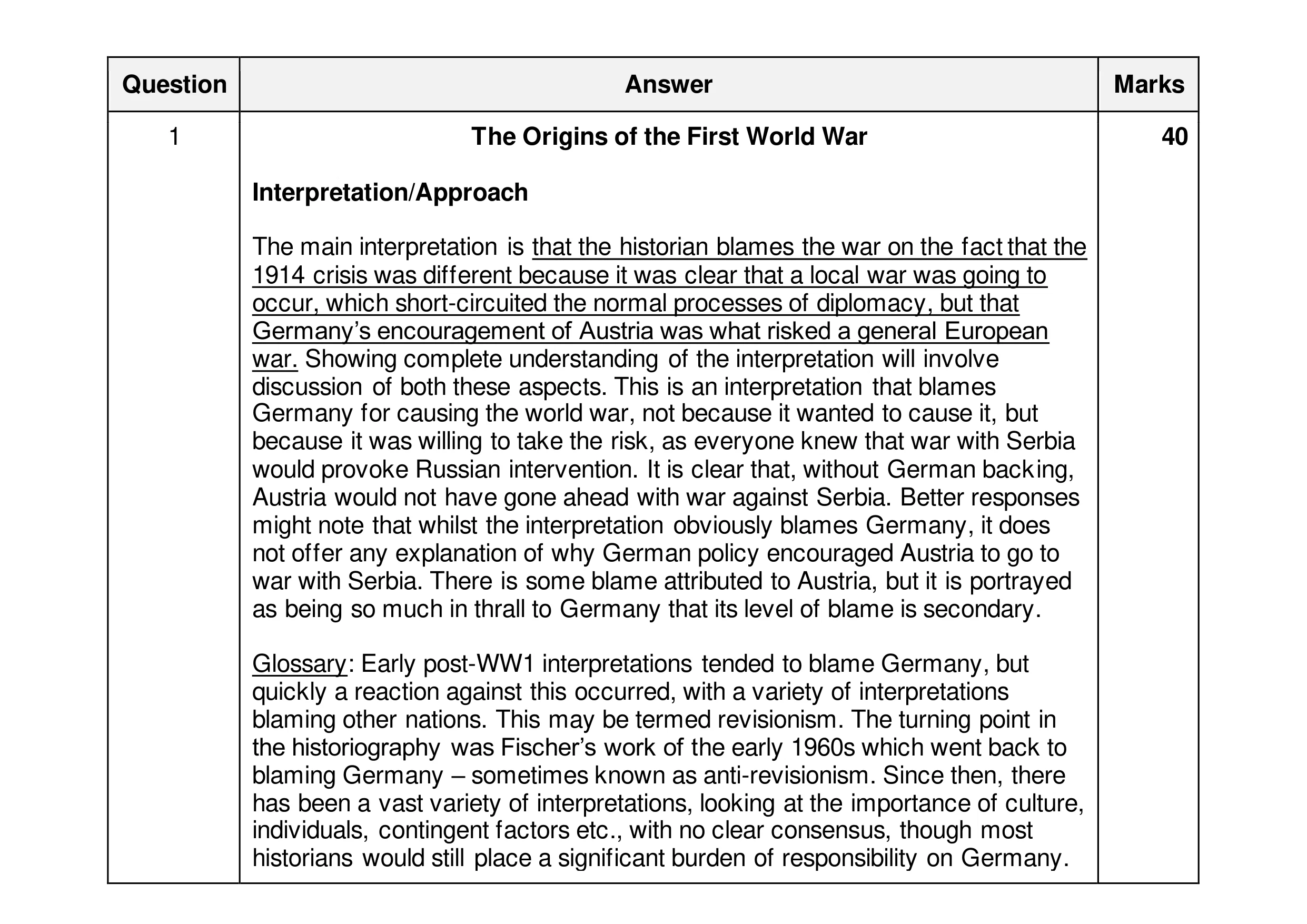 40
40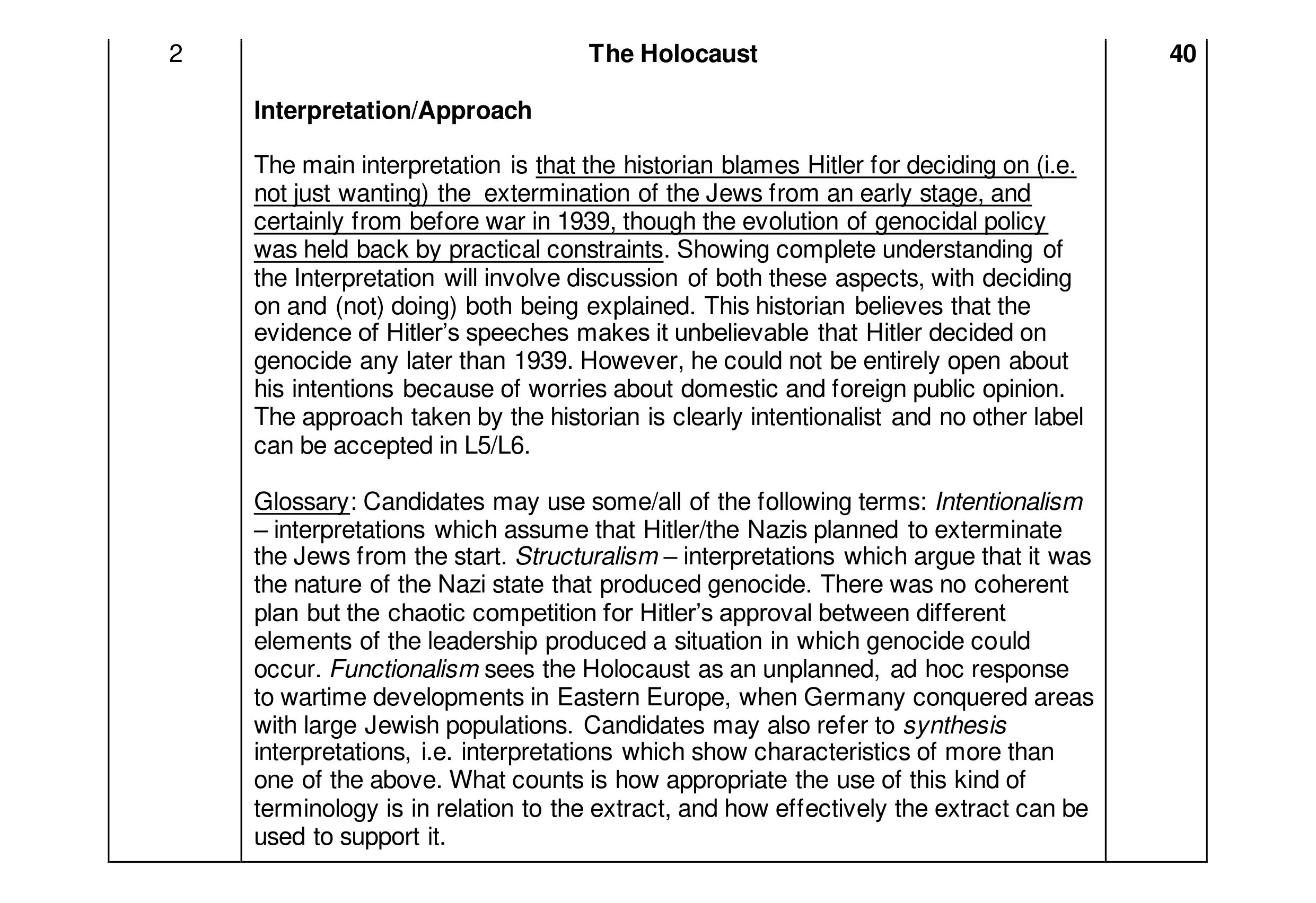 40
40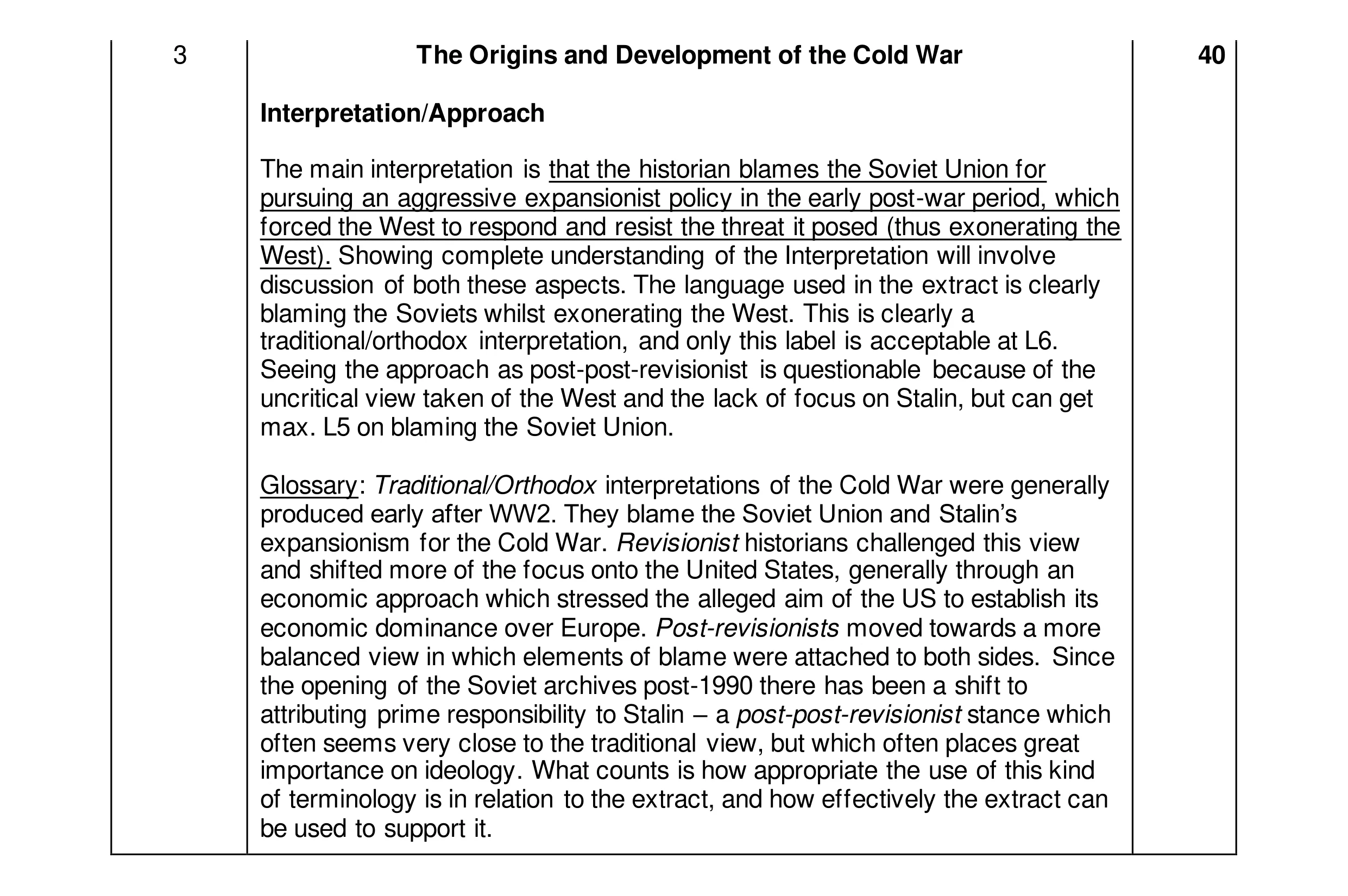 40
40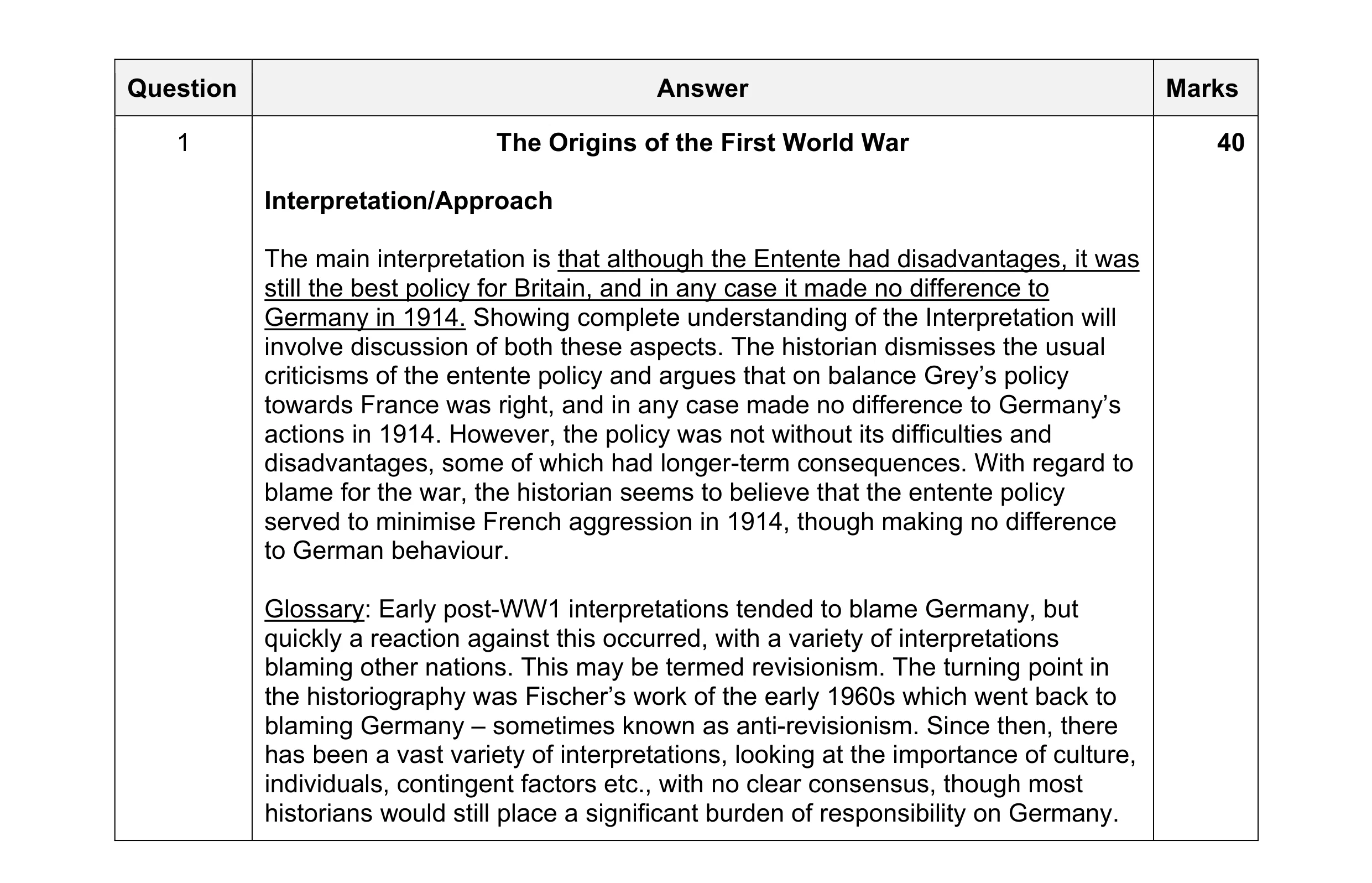 40
40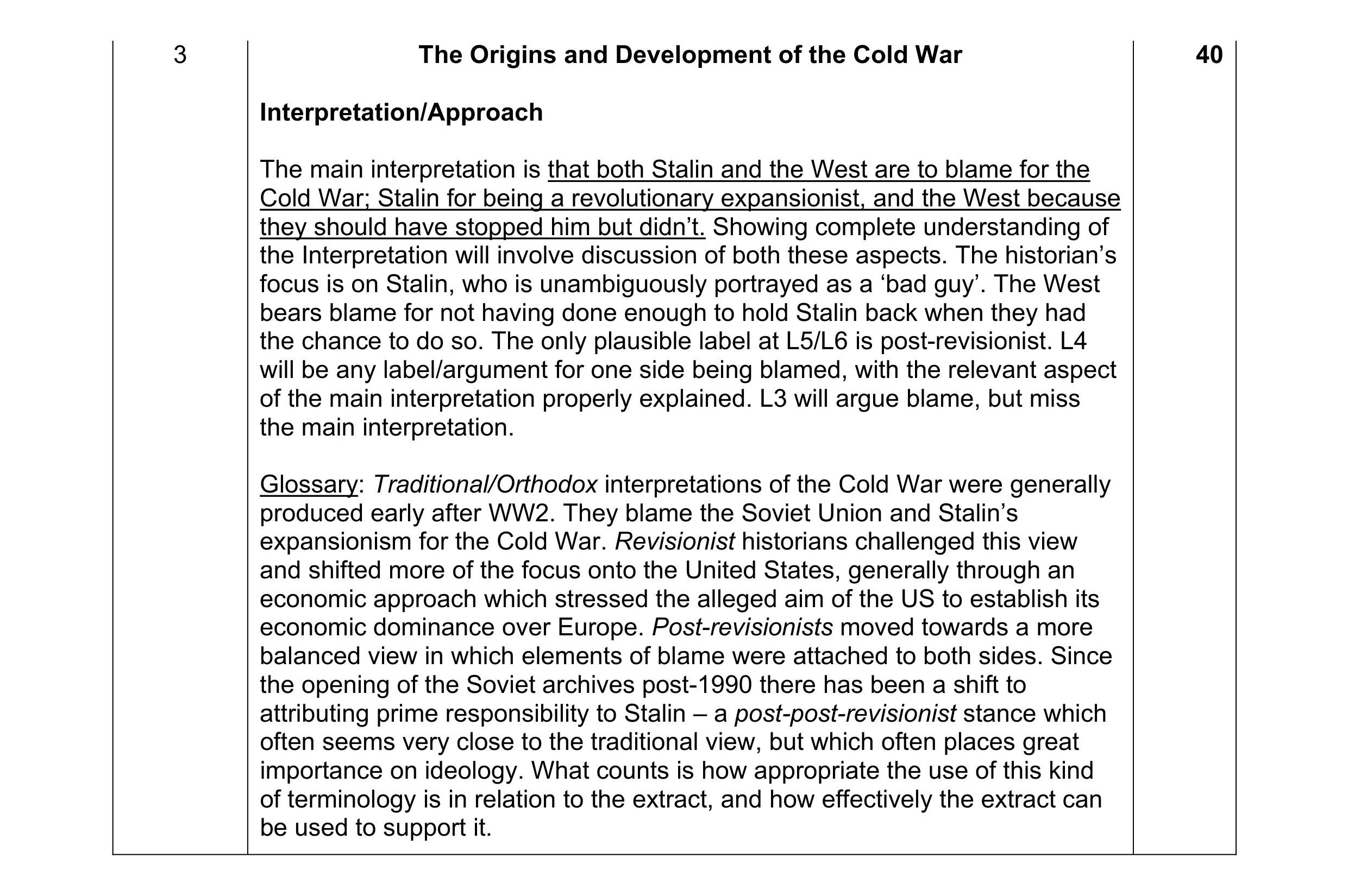 40
40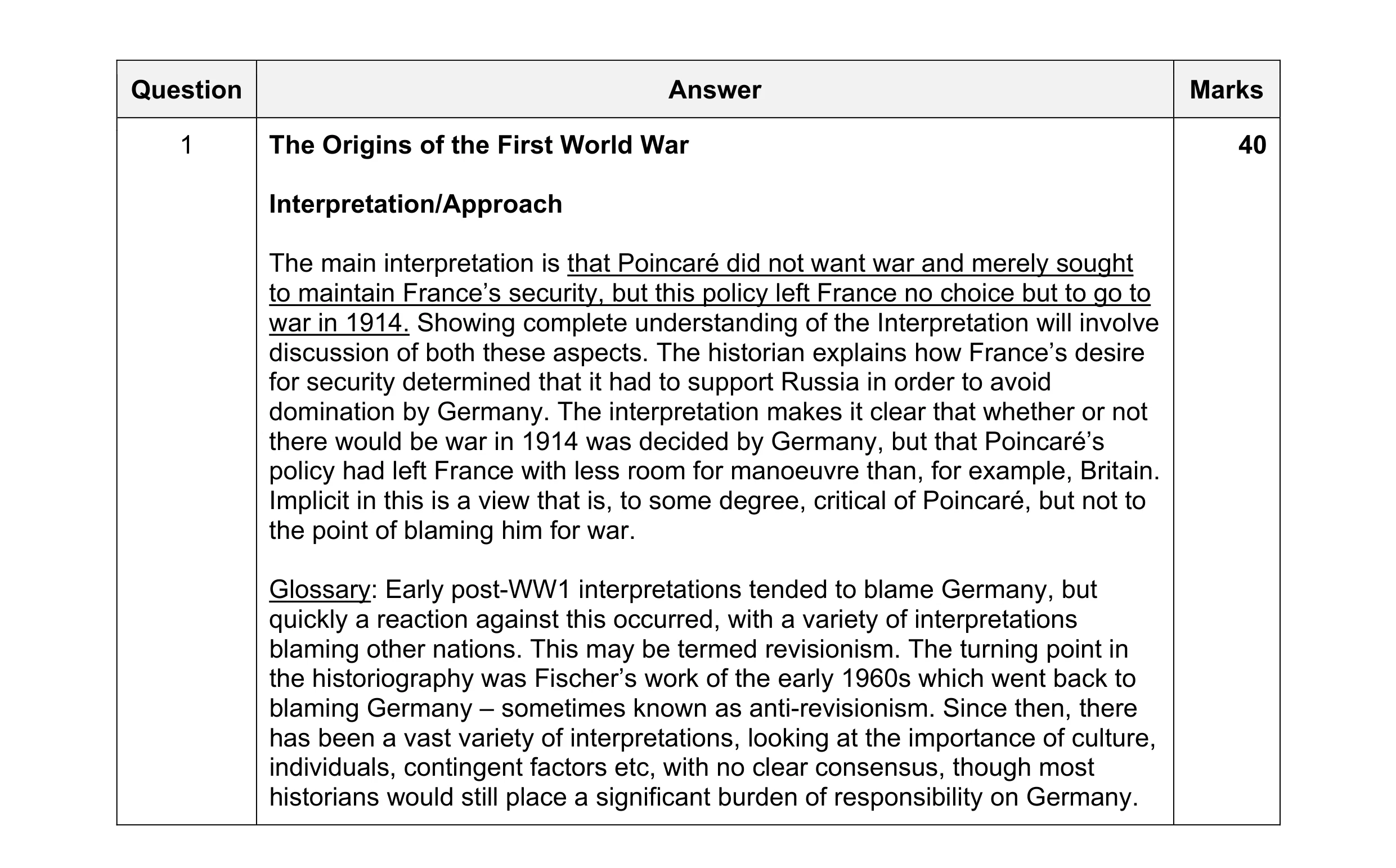 40
40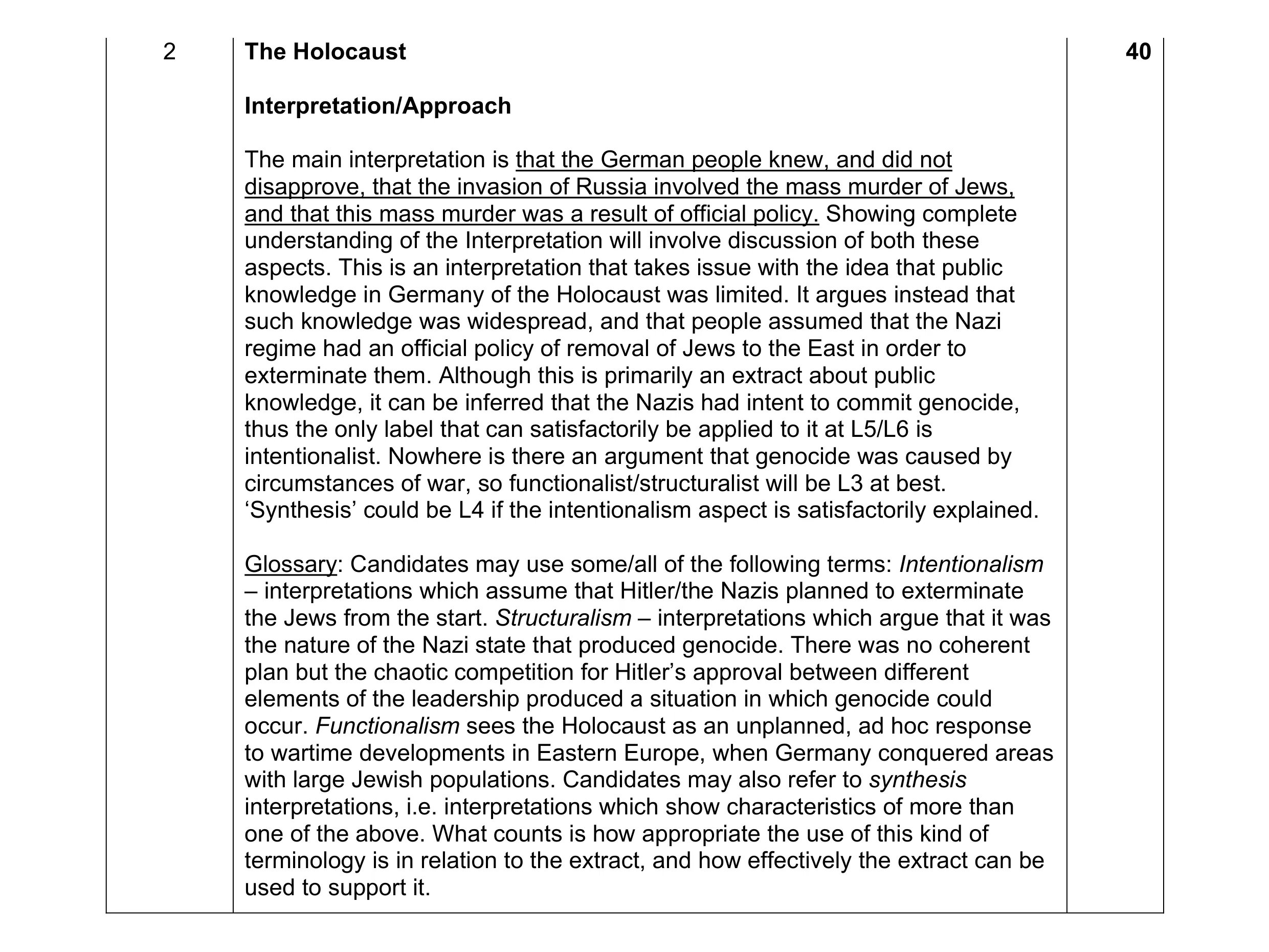 40
40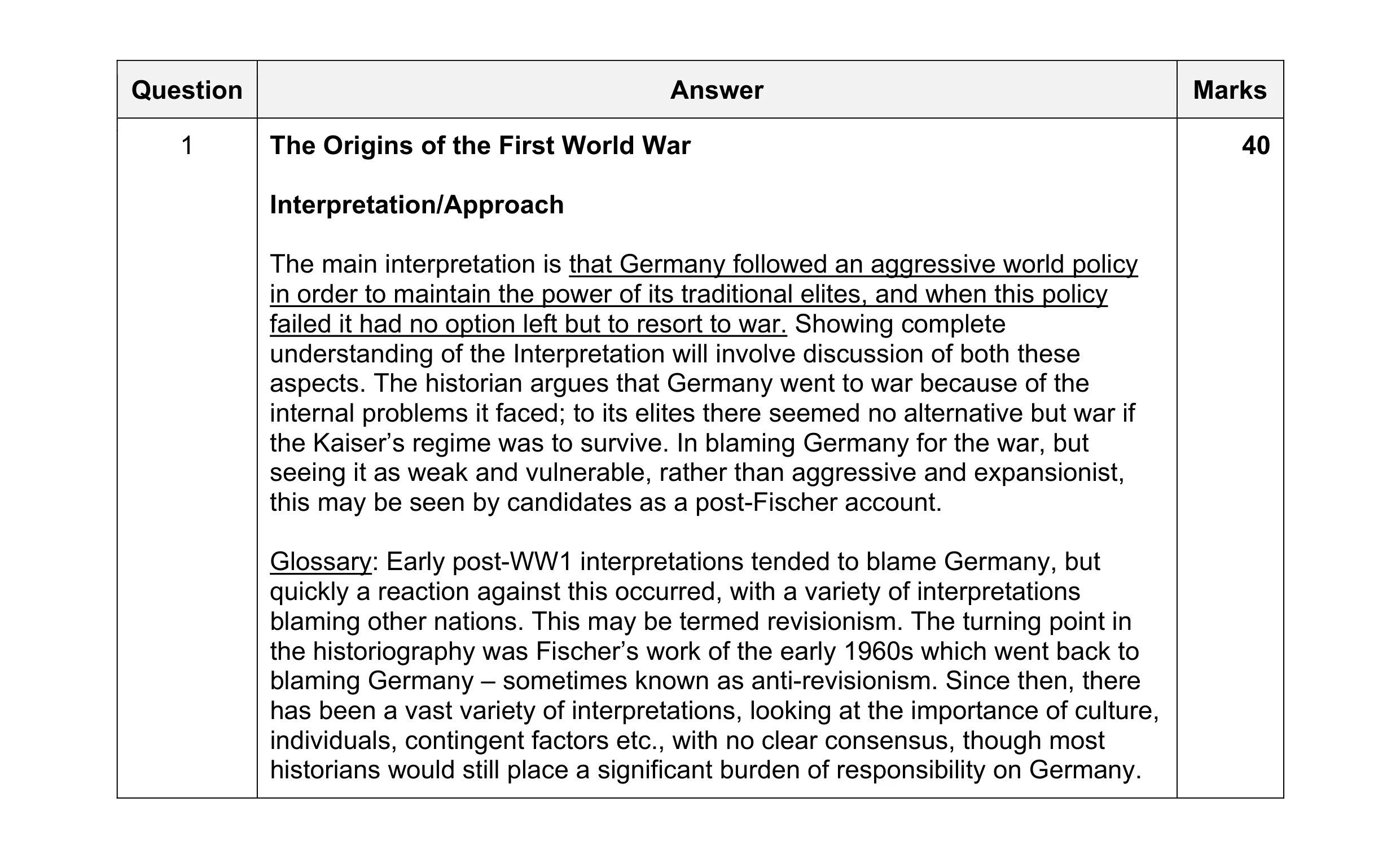 40
40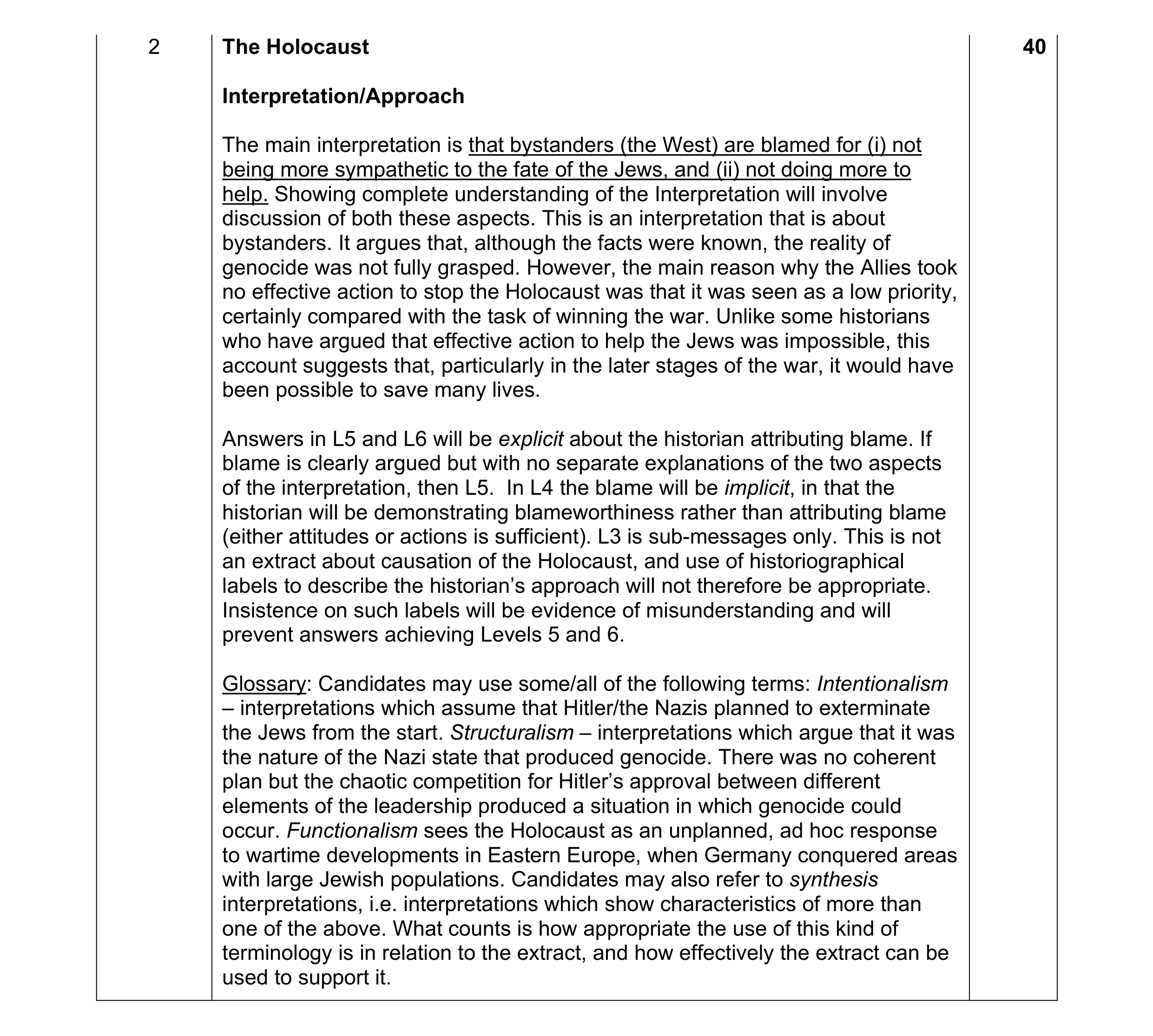 40
40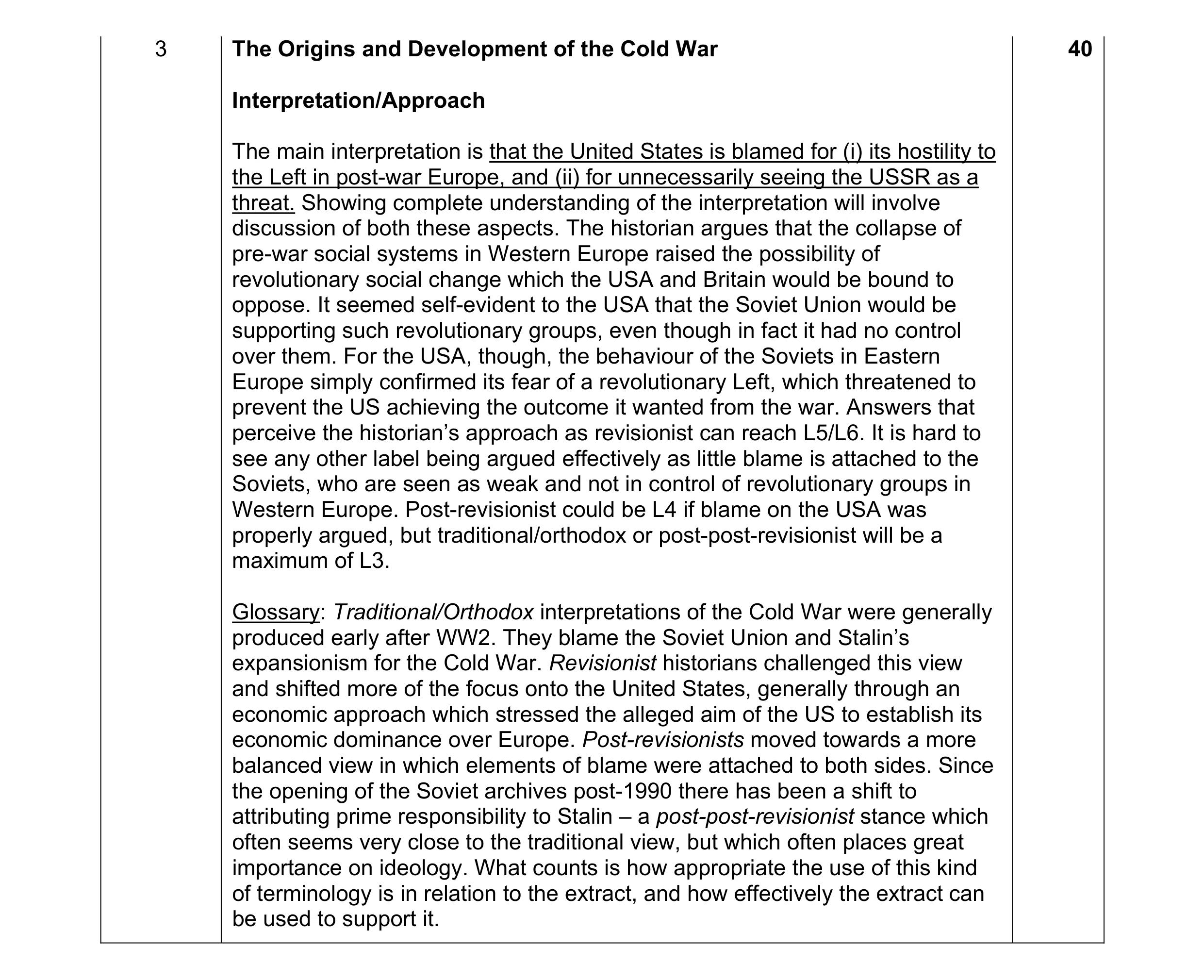 40
40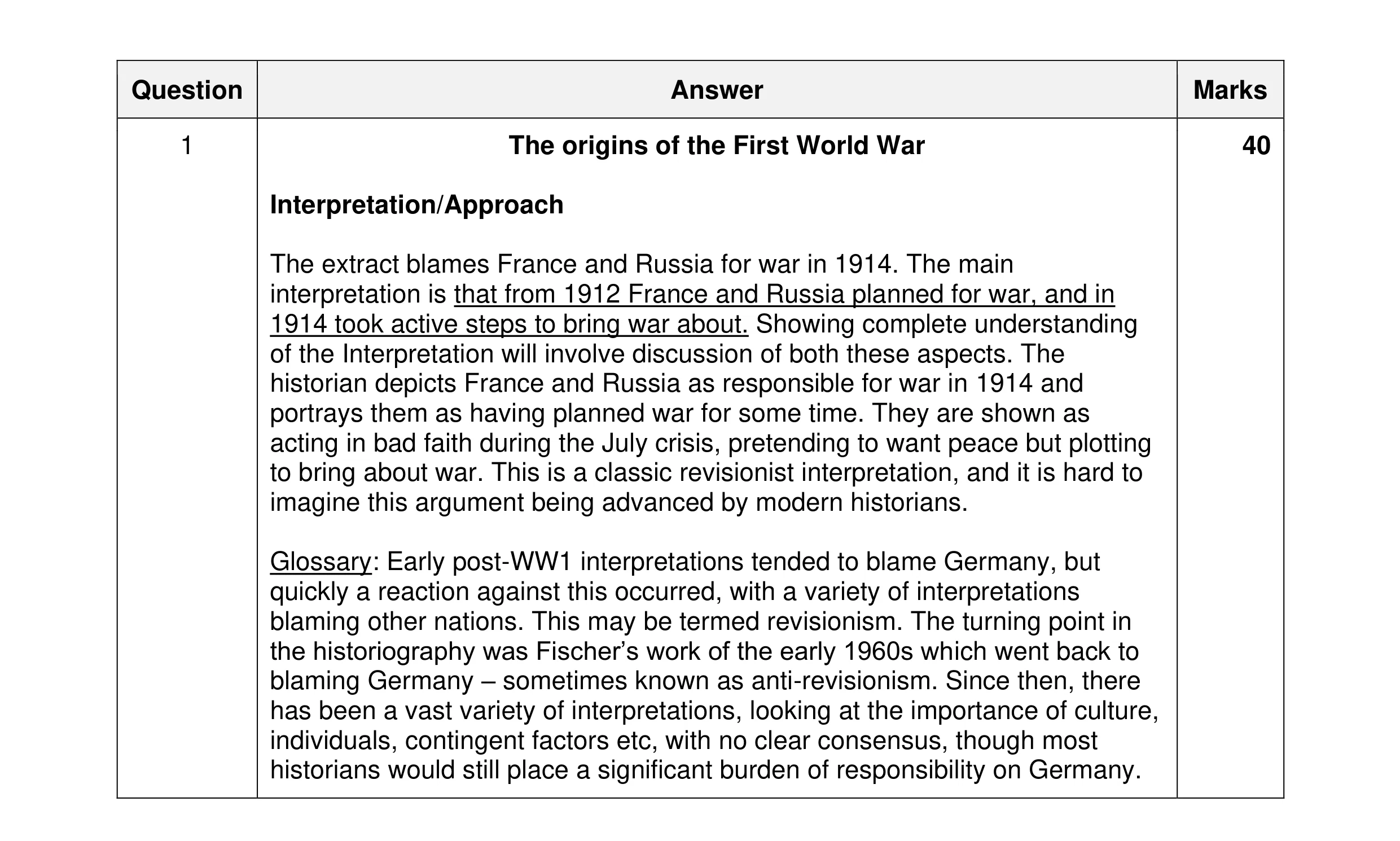 40
40 40
40 40
40 40
40 40
40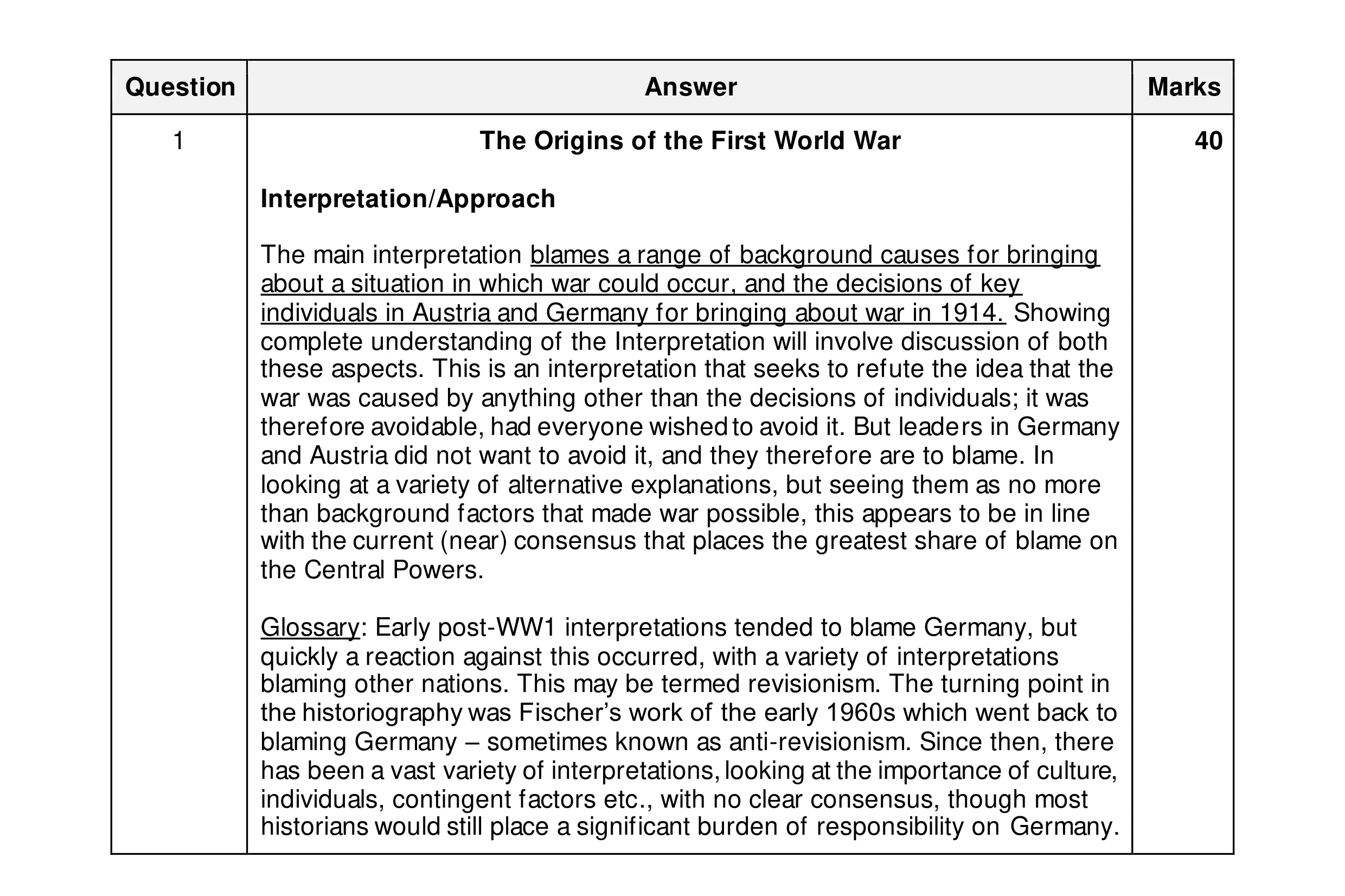 40
40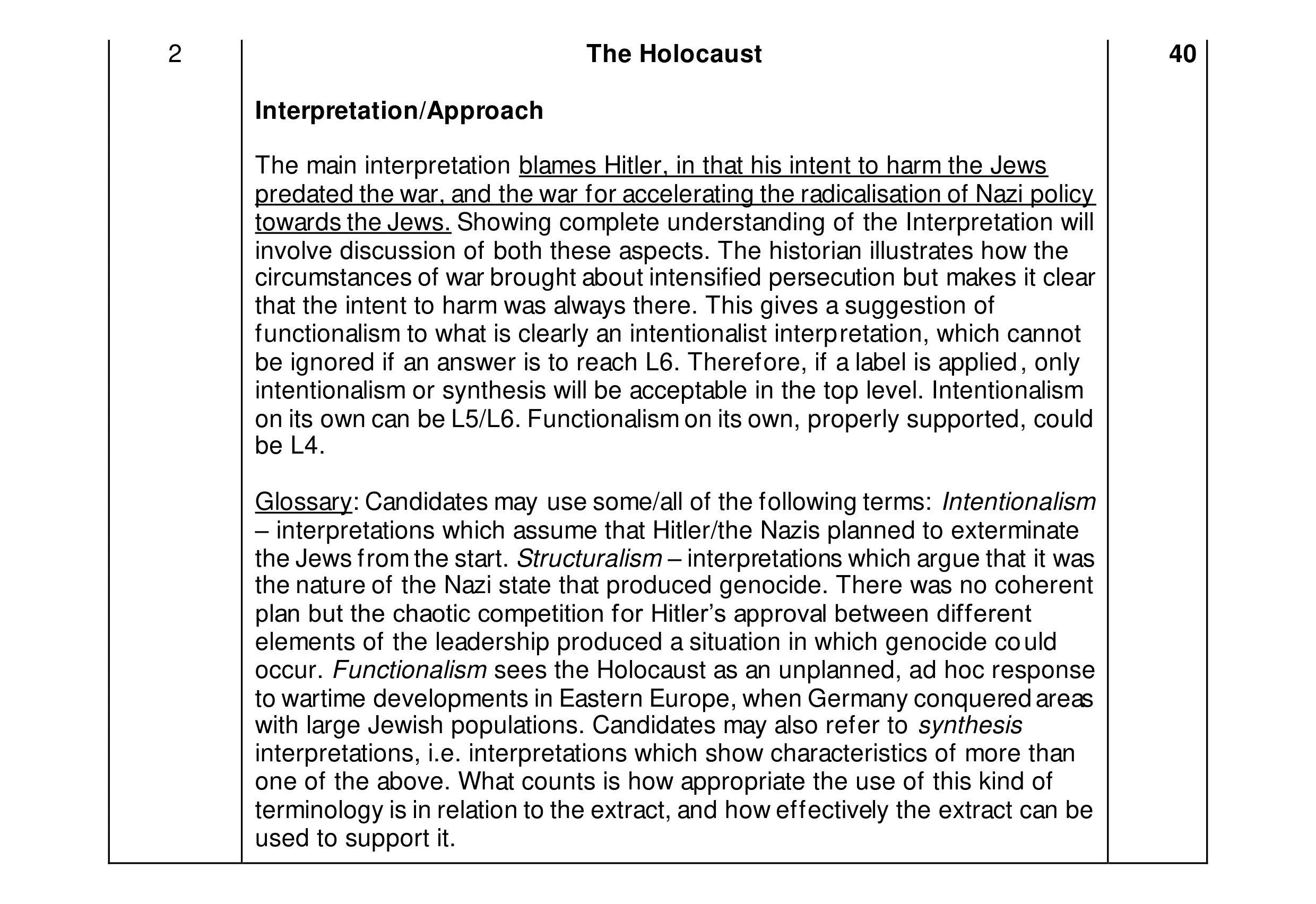 40
40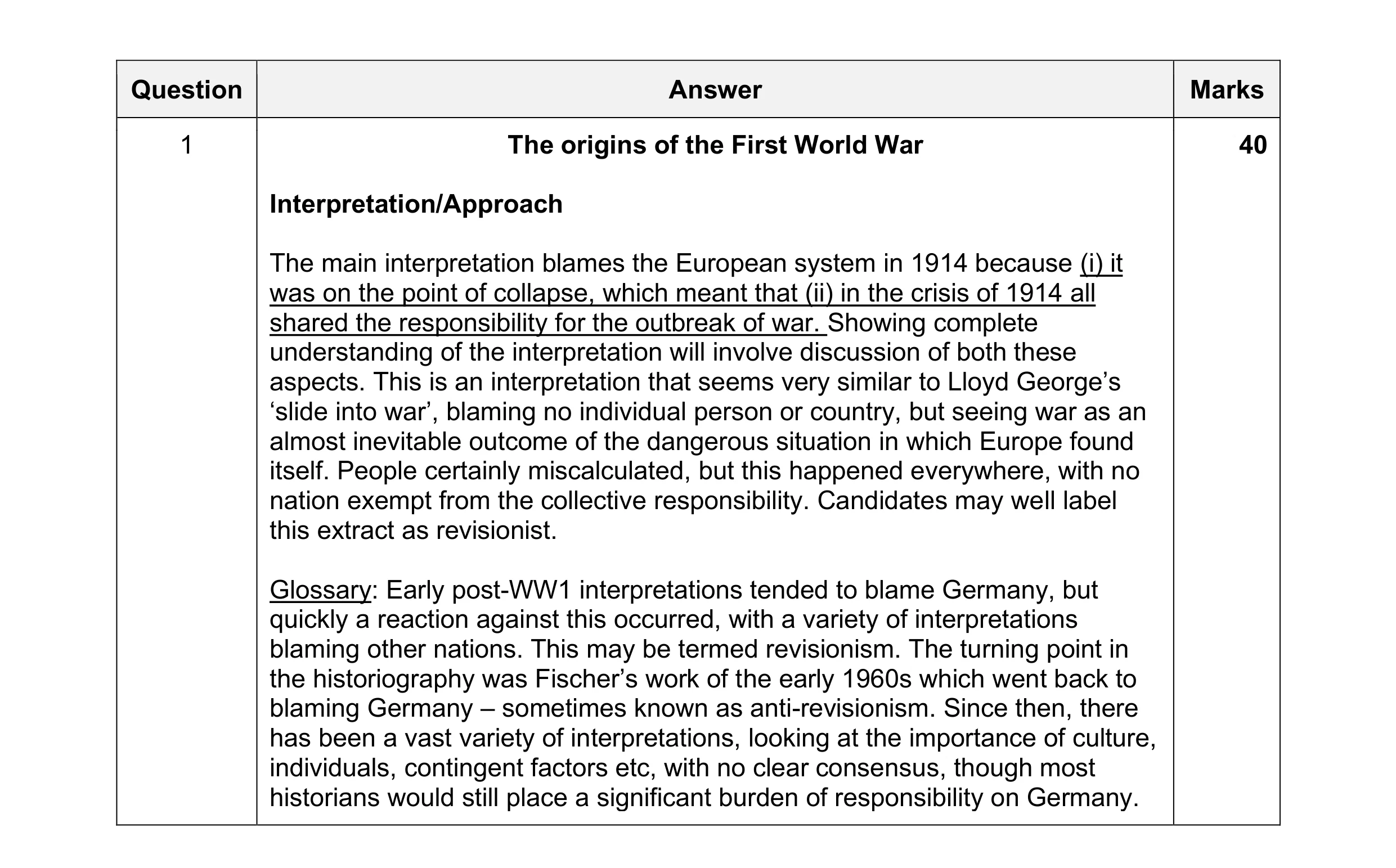 40
40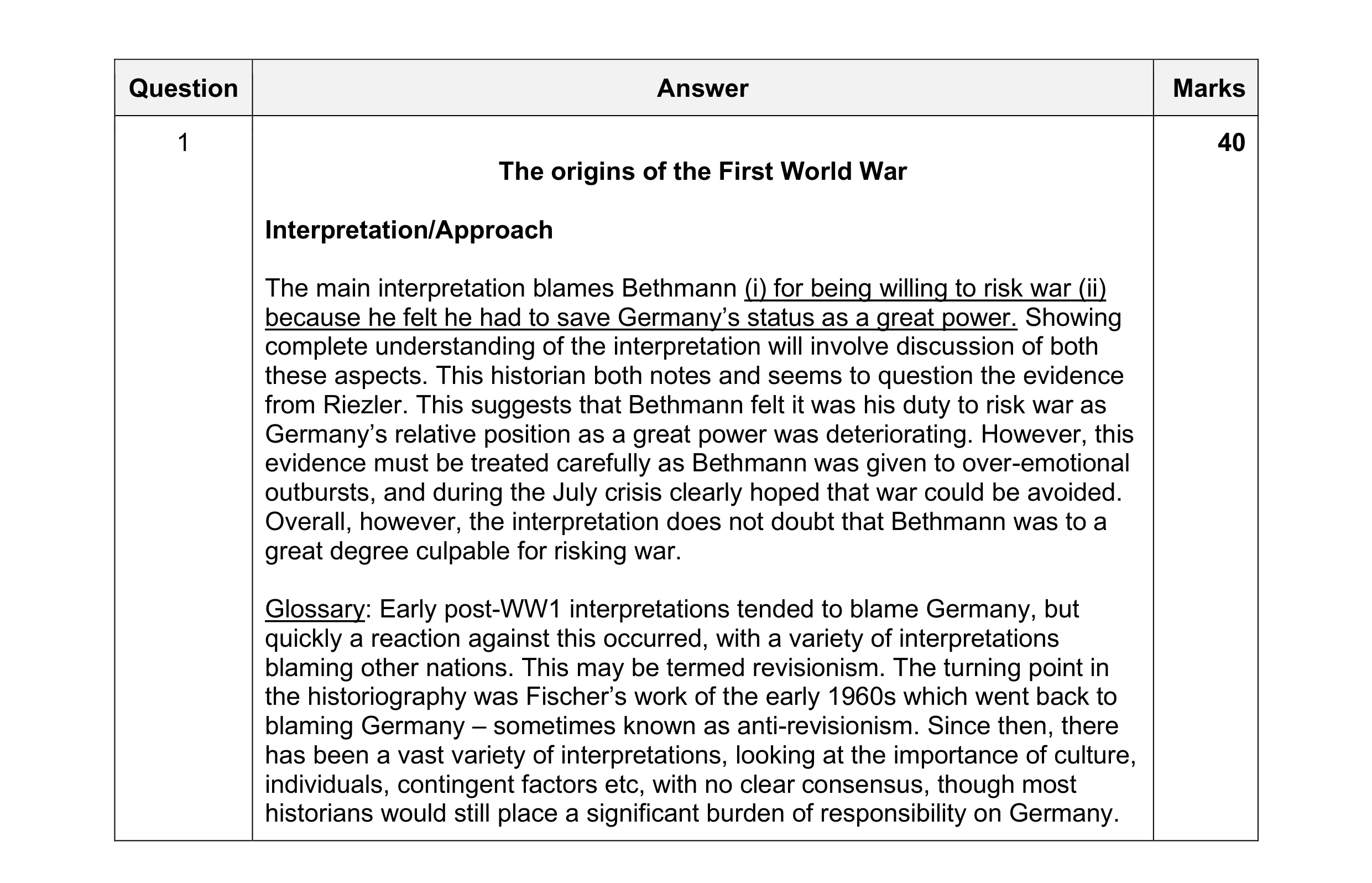 40
40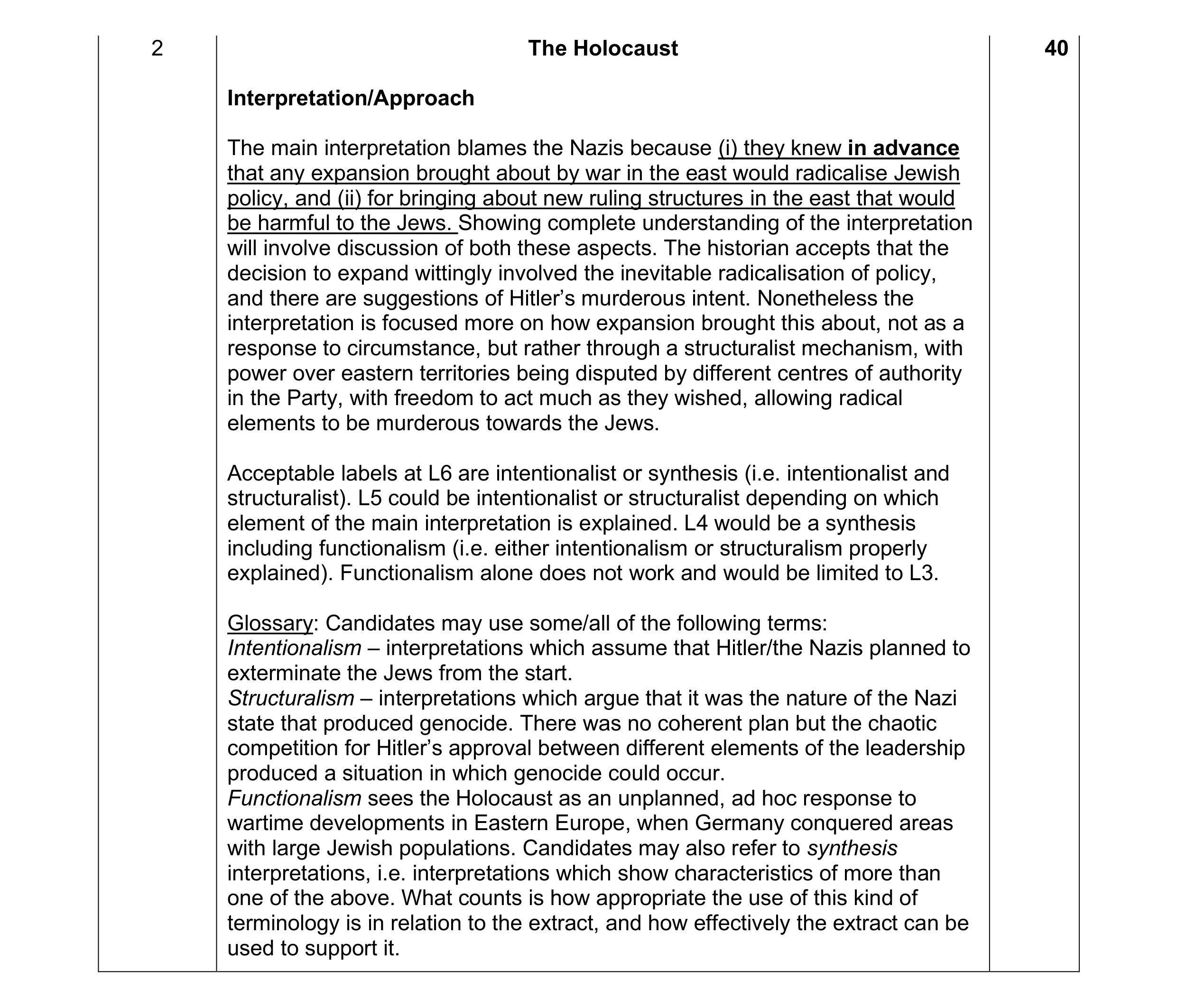 40
40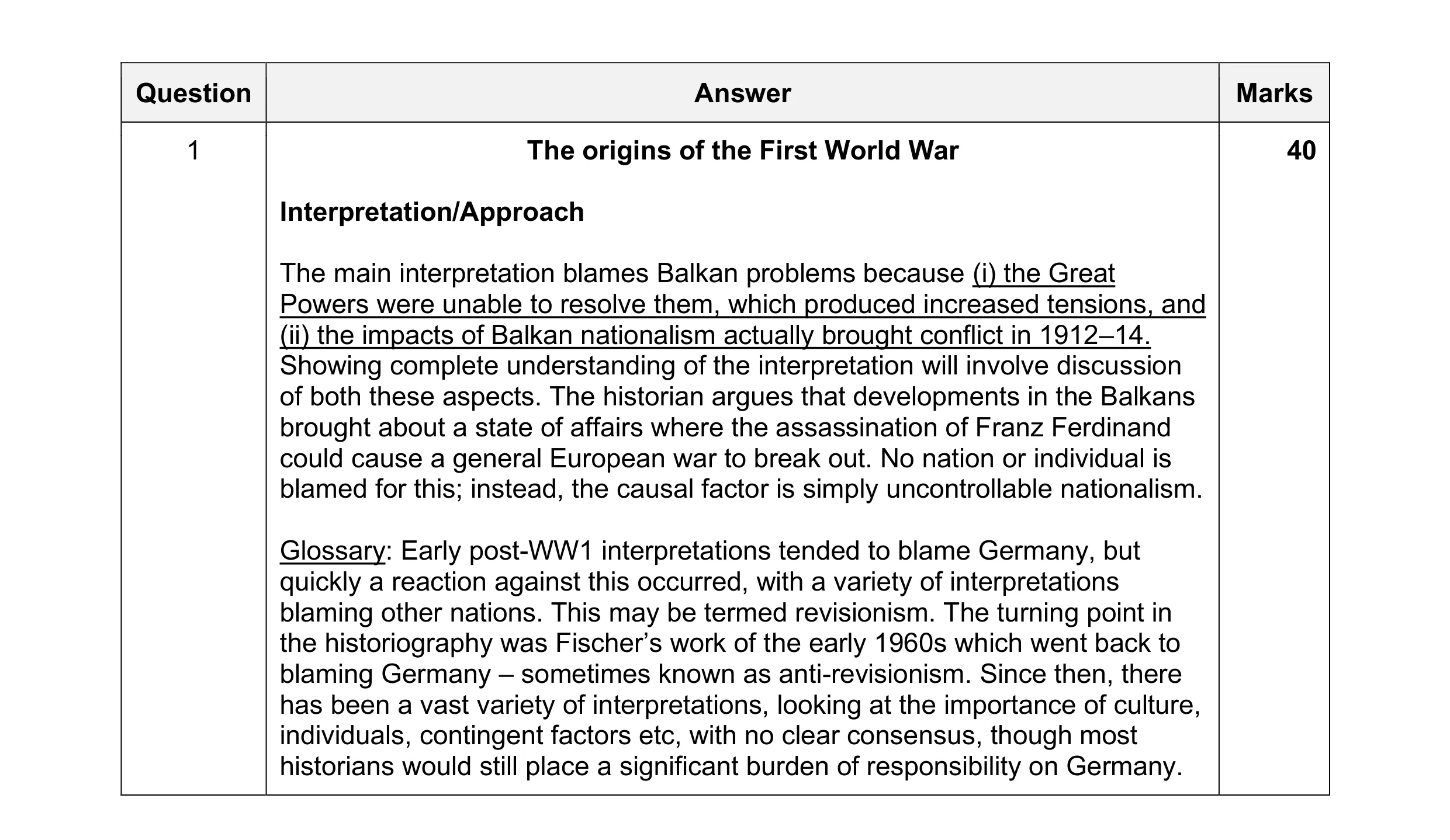 40
40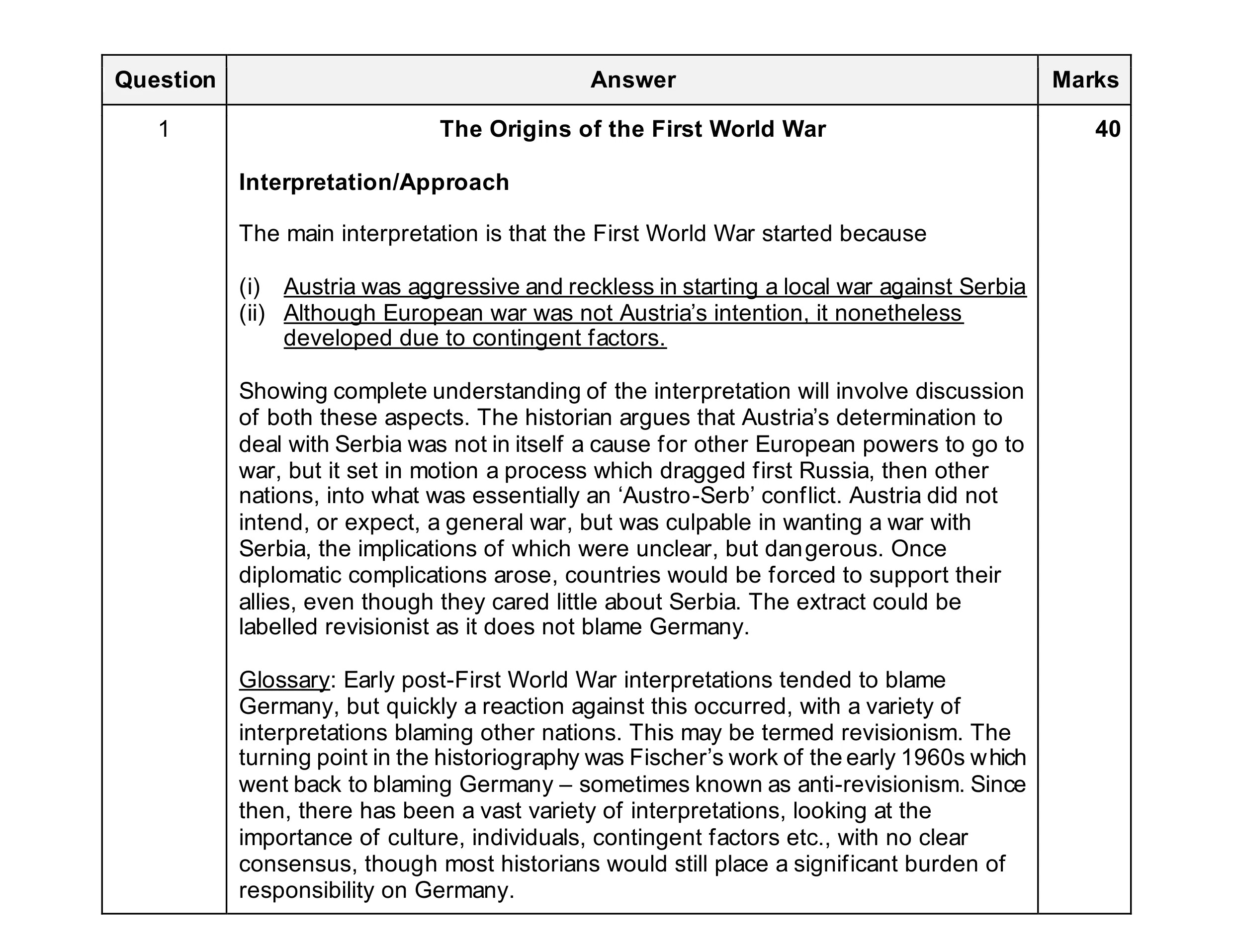 0
0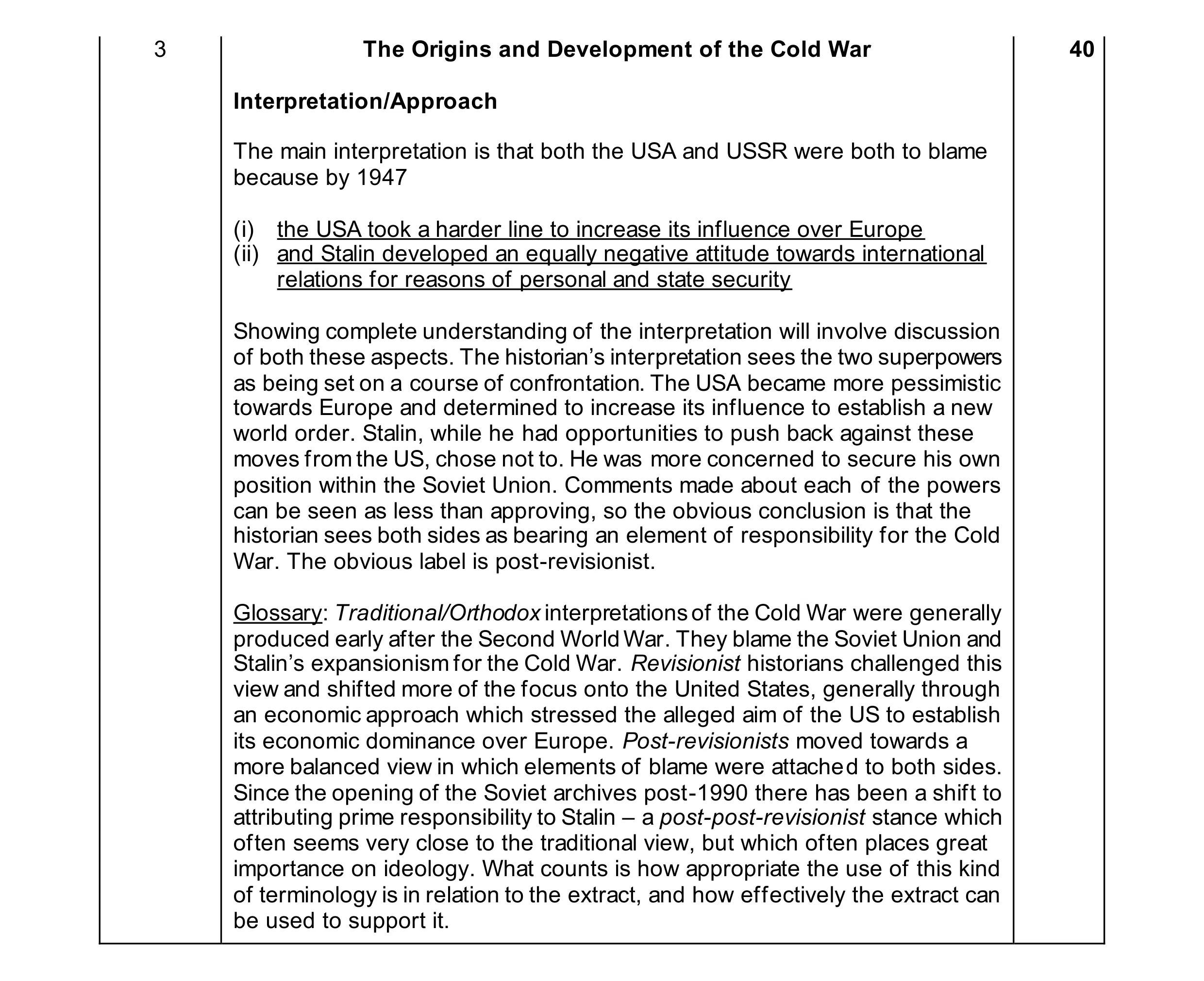 40
40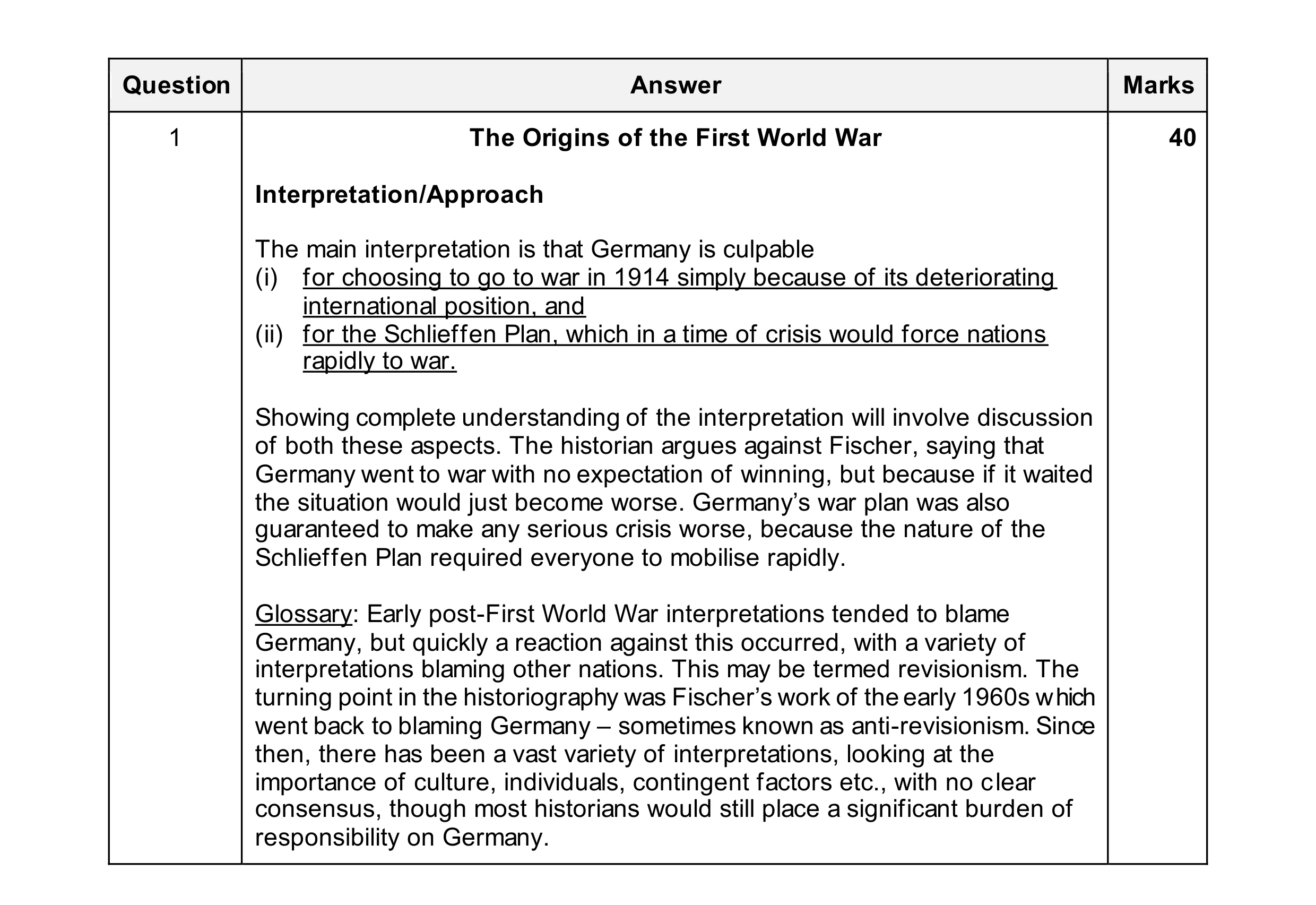 40
40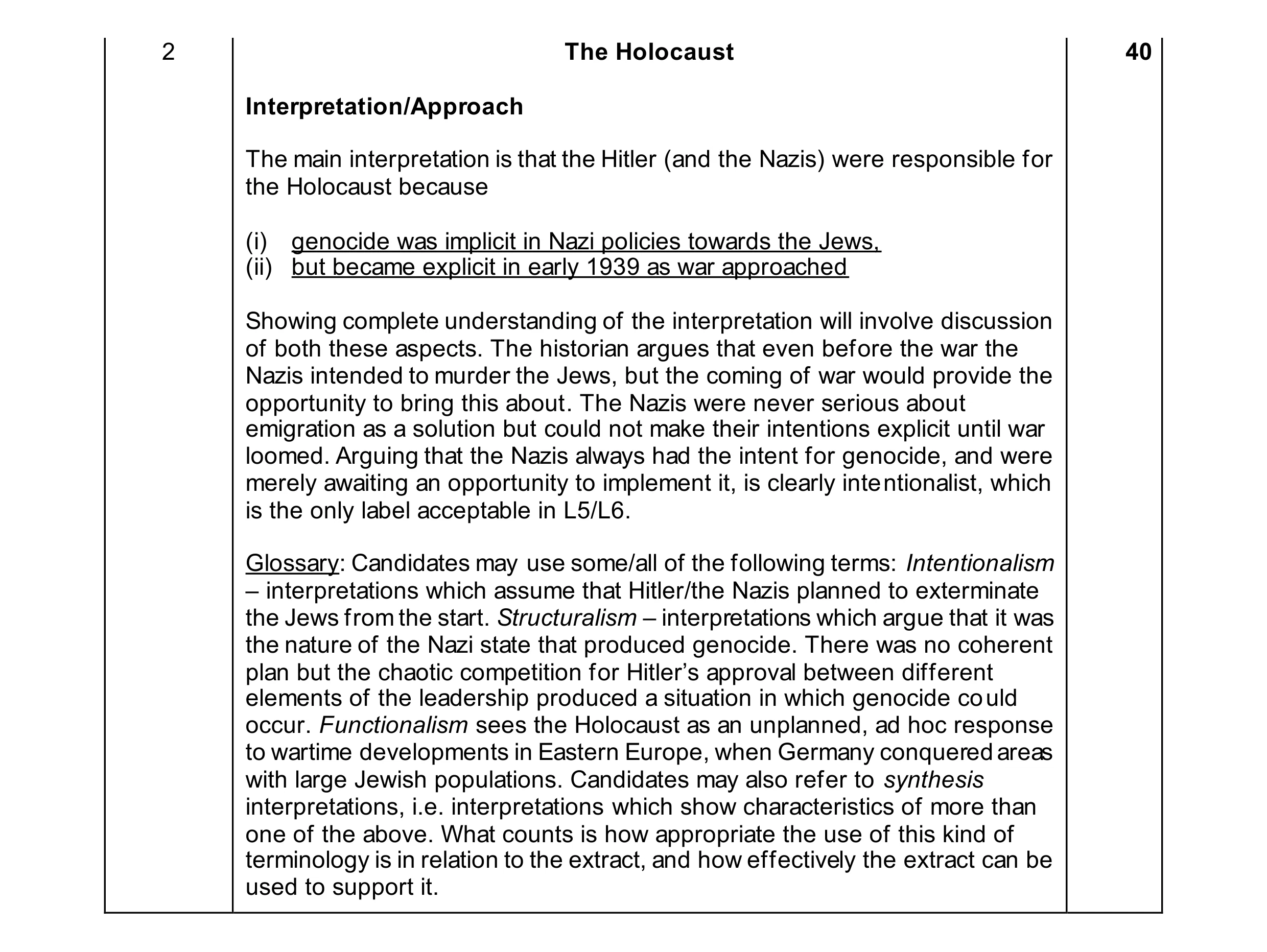 40
40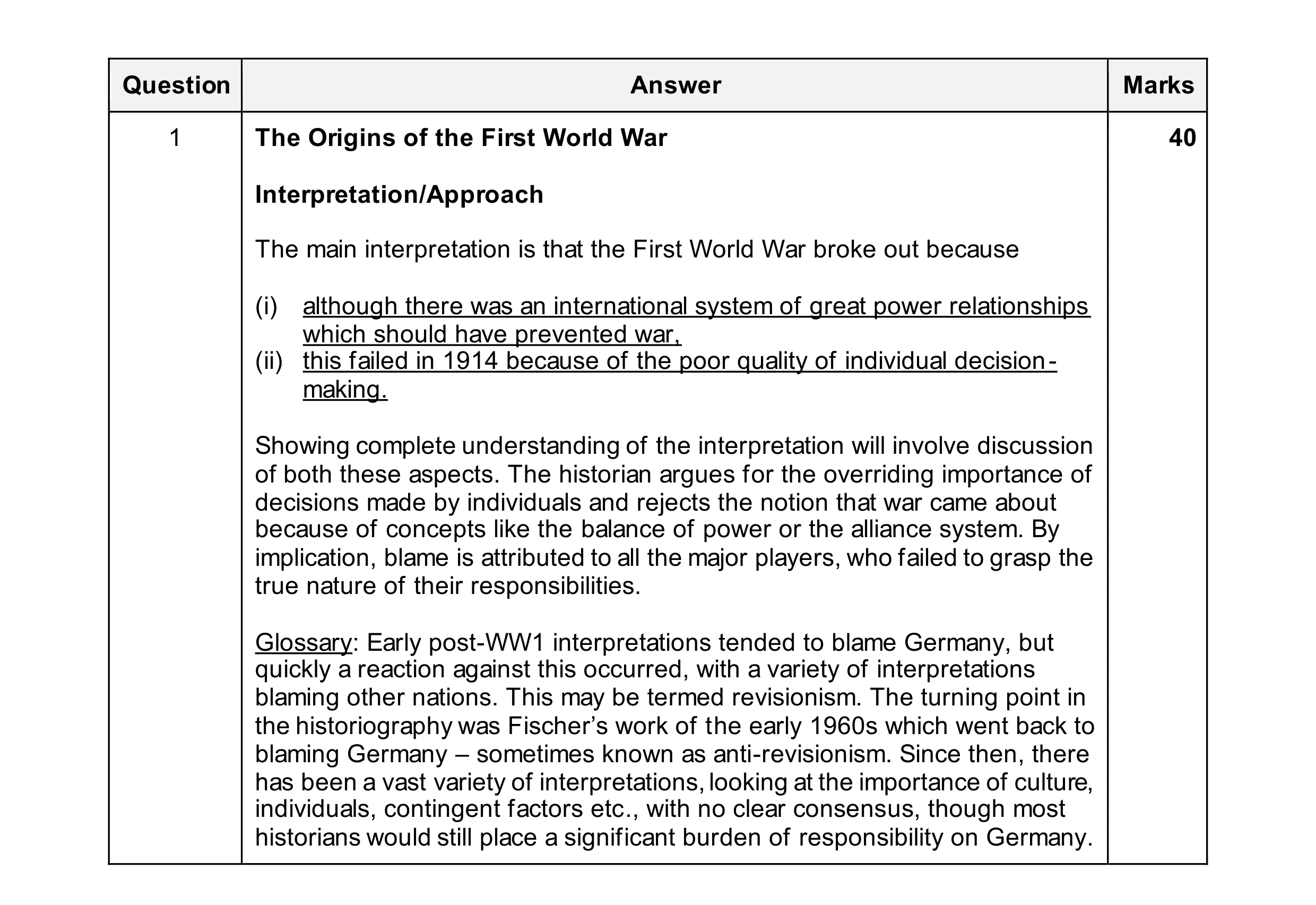 40
40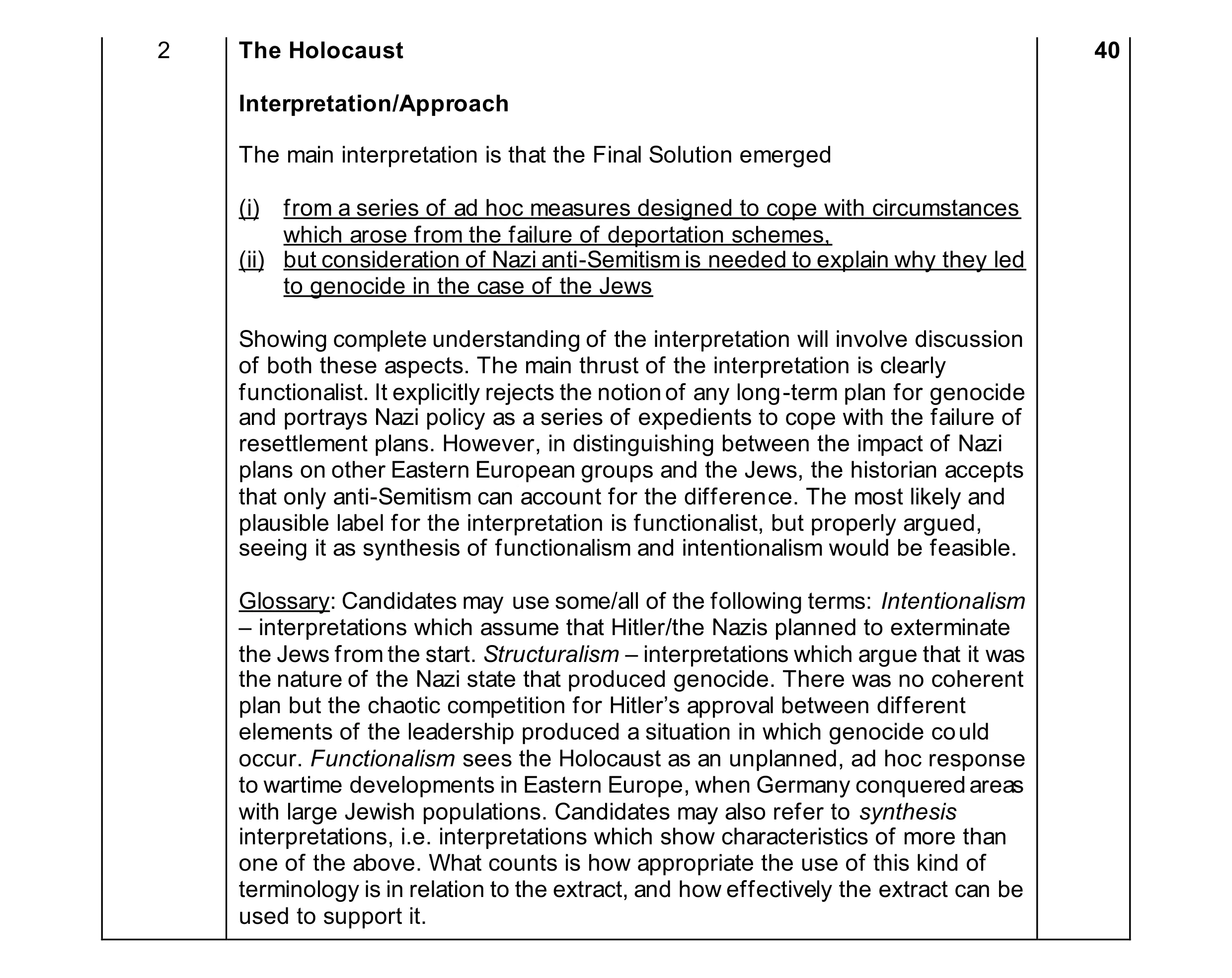 40
40