Questions as text
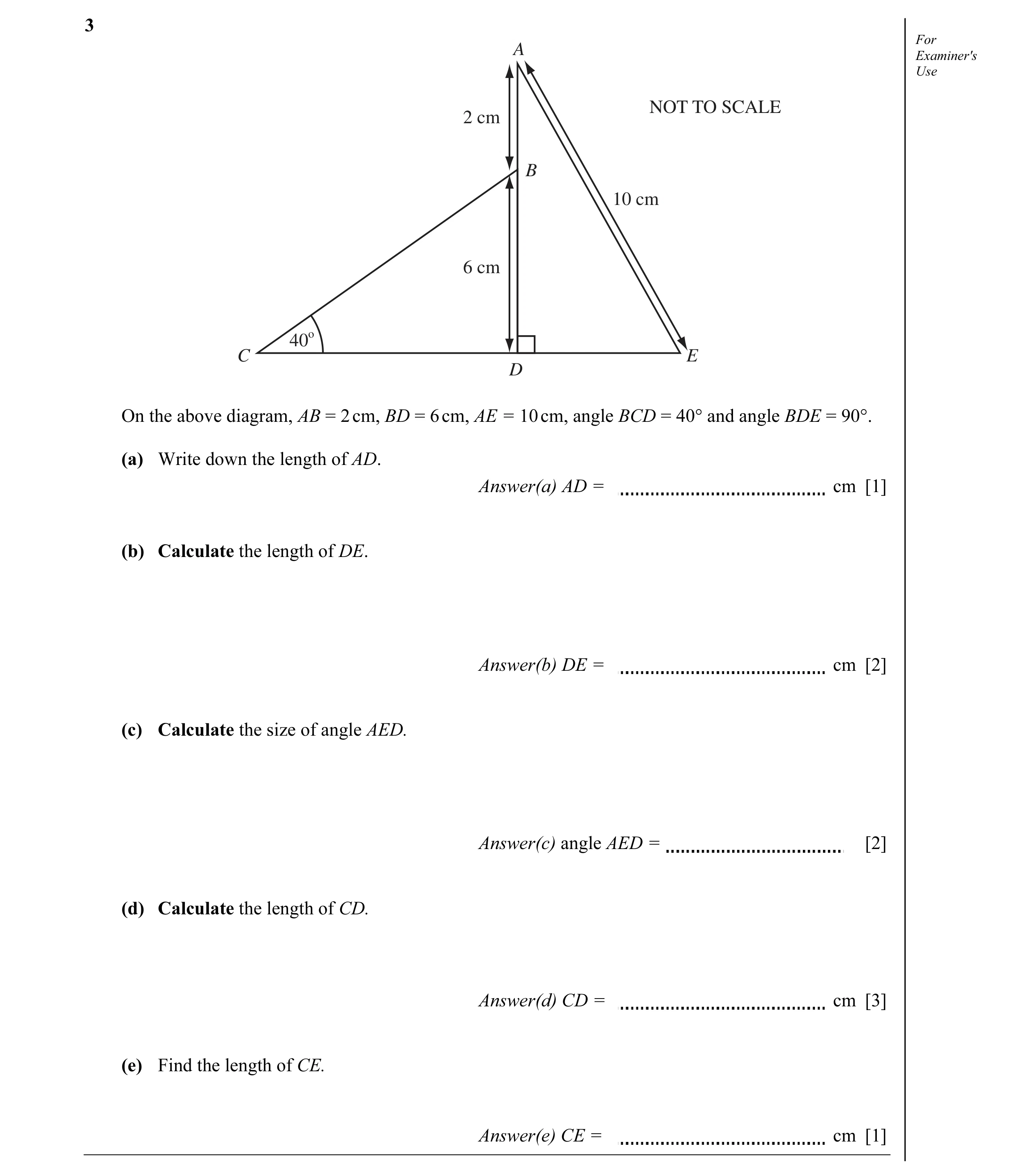
Q1 · For A Examiner's Use NOT TO SCALE 2 cm B 10 cm 6 cm 40o C E D On the above diagram, AB =… 0580/31 Oct/Nov 2004
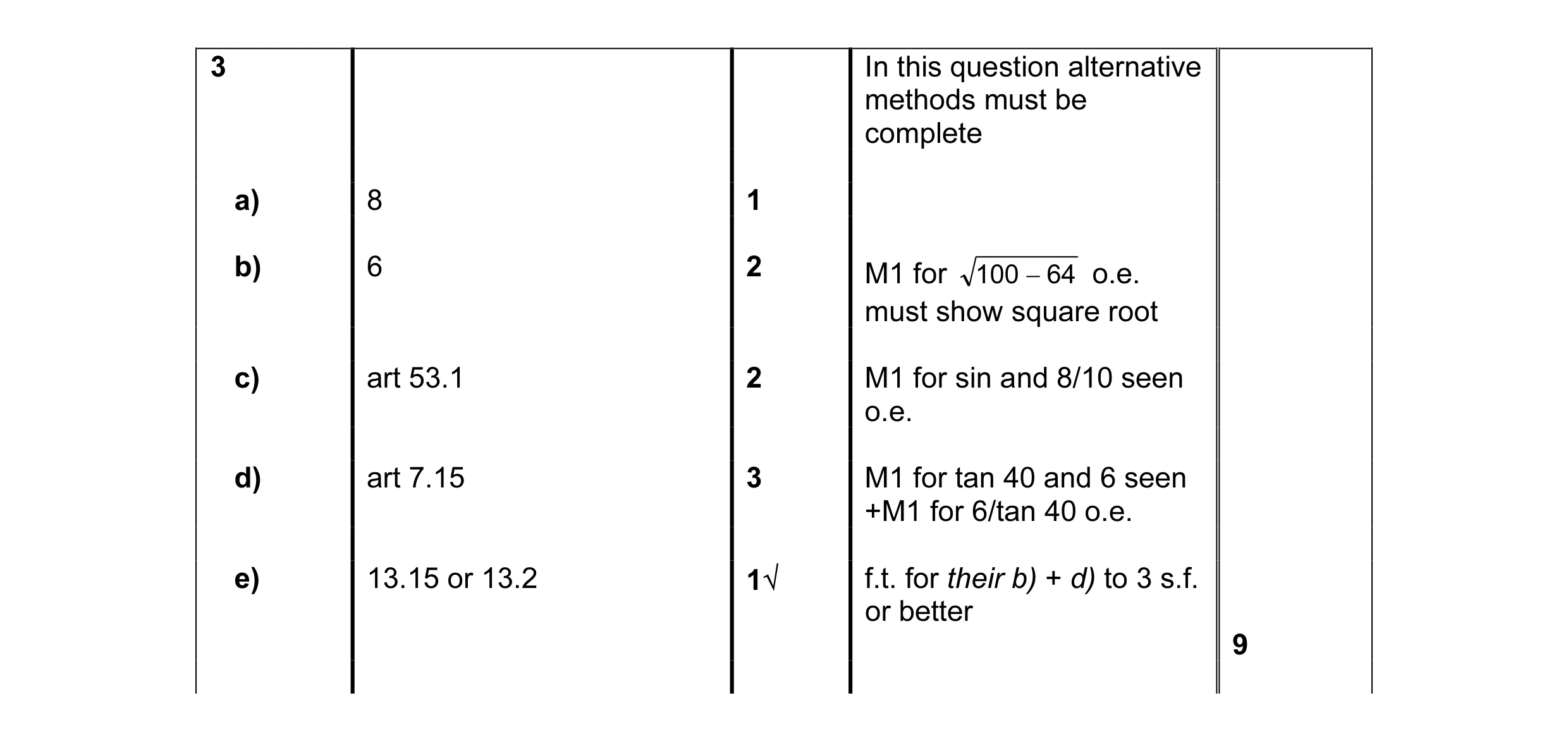
3 For A Examiner's Use NOT TO SCALE 2 cm B 10 cm 6 cm 40o C E D On the above diagram, AB = 2 cm, BD = 6 cm, AE = 10 cm, angle BCD = 40° and angle BDE = 90°. (a) Write down the length of AD. Answer(a) AD = cm [1] (b) Calculate the length of DE. Answer(b) DE = cm [2] (c) Calculate the size of angle AED. Answer(c) angle AED = [2] (d) Calculate the length of CD. Answer(d) CD = cm [3] (e) Find the length of CE. Answer(e) CE = cm [1]
9 marks
Mark scheme: 3 In this question alternative methods must be complete a) 8 1 b) 6 2 M1 for 100 − 64 o.e. must show square root c) art 53.1 2 M1 for sin and 8/10 seen o.e. d) art 7.15 3 M1 for tan 40 and 6 seen +M1 for 6/tan 40 o.e. e) 13.15 or 13.2 1√ f.t. for their b) + d) to 3 s.f. or better 9
This question in 0580/31 Oct/Nov 2004
Q2 · For A Examiner's Use NOT TO SCALE 5 cm 6 cm B C 4 cm (i) In the space below, using a… 0580/31 Oct/Nov 2004
4 (a) For A Examiner's Use NOT TO SCALE 5 cm 6 cm B C 4 cm (i) In the space below, using a ruler and compasses only, construct the above triangle accurately. [3] (ii) Using the triangle you have drawn, measure and write down the size of angle ACB. Answer(a)(ii) angle ACB = [1] (b) In the diagram below two points, P and Q, are joined by a straight line. For Examiner's Use P Q (i) On the diagram draw the locus of all the points that are 4 centimetres from the line PQ. [3] (ii) On the same diagram, using a straight edge and compasses only, construct the locus of the points that are equidistant from P and Q. Show all your construction lines. [2] (iii) Shade the region which contains the points that are closer to P than to Q and are less than 4 centimetres from the line PQ. [2]
11 marks
Mark scheme: 4 a) i) triangle drawn with three 3 2 for two sides correct, sides the correct length with arcs ± 0.1 cm 1 for two sides correct without arcs ii) 56 ± 2 c.a.o. 1 b) in this part of the question deduct 1 once for broken lines i) complete locus drawn 3 1 for a line correct distance from PQ 1 for a semicircle IGCSE EXAMINATIONS – NOVEMBER 2004 0580/0581 3 ii) correct line drawn B1 ± 1 mm, ± 1o correct arcs, radius > 4 cm B1 iii) correct area shaded 2 SC1 for shading on left hand side of their ‘mediator’ or inside lines drawn for their b) i) 11
This question in 0580/31 Oct/Nov 2004
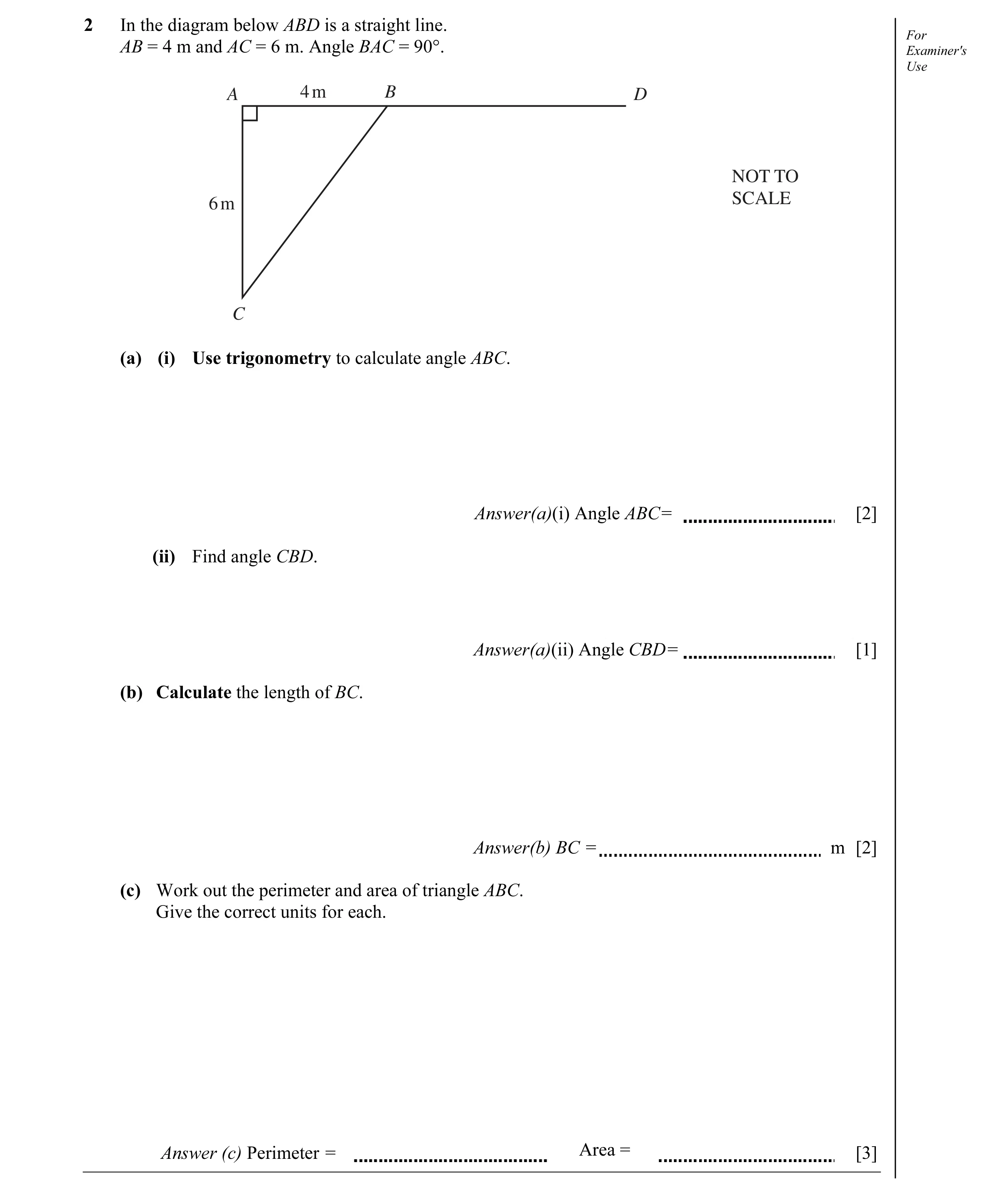
Q3 · In the diagram below ABD is a straight line 0580/31 Oct/Nov 2005
2 In the diagram below ABD is a straight line. For AB = 4 m and AC = 6 m. Angle BAC = 90°. Examiner's Use A 4 m B D NOT TO 6 m SCALE C (a) (i) Use trigonometry to calculate angle ABC. Answer(a)(i) Angle ABC= [2] (ii) Find angle CBD. Answer(a)(ii) Angle CBD= [1] (b) Calculate the length of BC. Answer(b) BC = m [2] (c) Work out the perimeter and area of triangle ABC. Give the correct units for each. Answer (c) Perimeter = Area = [3]
8 marks
Mark scheme: 2 (a) (i) 56.3 2 M1 for tan ABC = 6/4 oe (ii) 123.7 1√ (b) 7.21 2 M1 for 62 + 42 oe (c) 17.2 m 3√ M1 for area method 12 m2 A1 for both numerically correct B1 for both units correct [8]
This question in 0580/31 Oct/Nov 2005
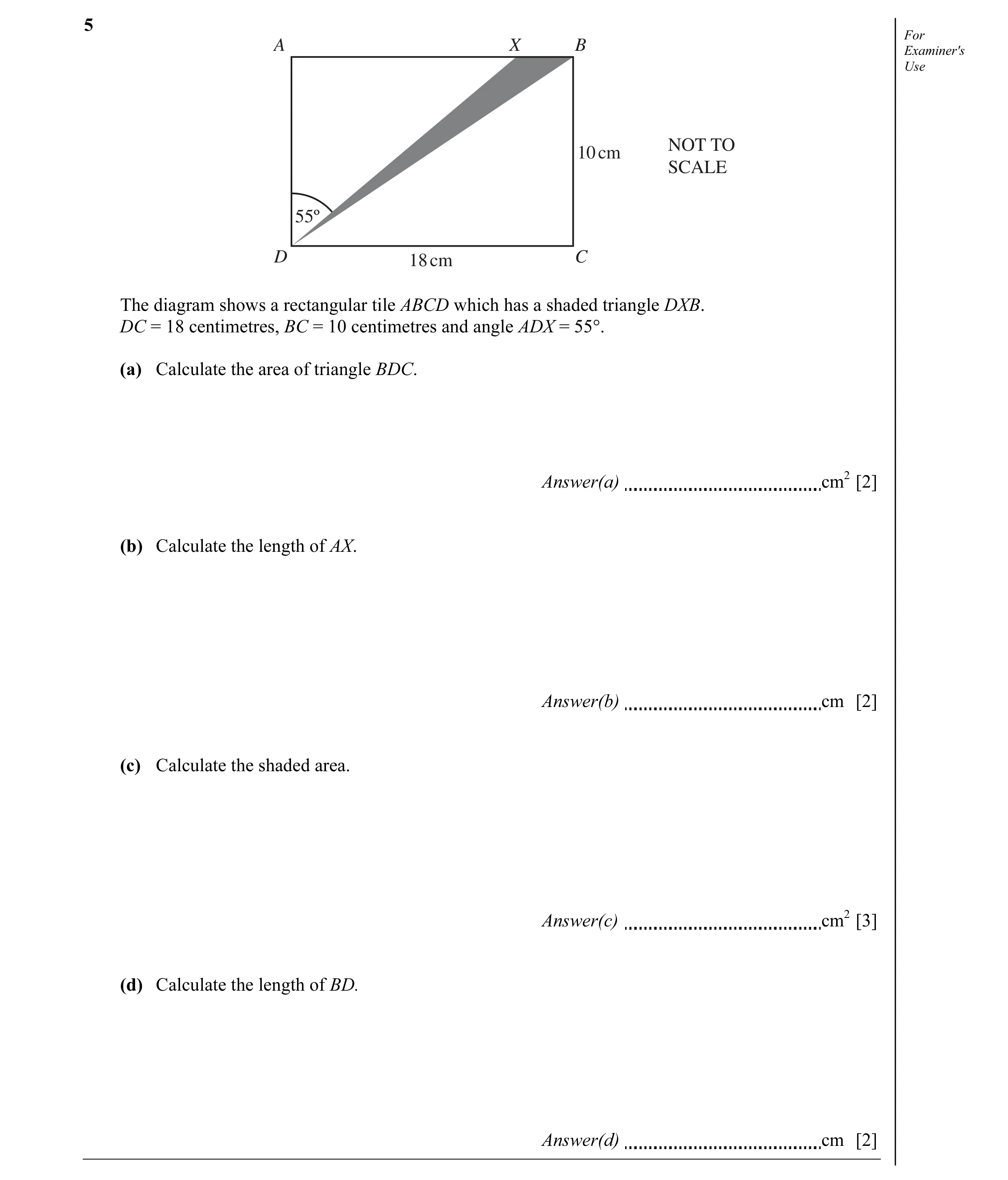
Q4 · For A X B Examiner's Use NOT TO 10 cm SCALE 55º D 18 cm C The diagram shows a rectangular… 0580/31 Oct/Nov 2006
5 For A X B Examiner's Use NOT TO 10 cm SCALE 55º D 18 cm C The diagram shows a rectangular tile ABCD which has a shaded triangle DXB. DC = 18 centimetres, BC = 10 centimetres and angle ADX = 55°. (a) Calculate the area of triangle BDC. Answer(a) cm2 [2] (b) Calculate the length of AX. Answer(b) cm [2] (c) Calculate the shaded area. Answer(c) cm2 [3] (d) Calculate the length of BD. Answer(d) cm [2]
9 marks
Mark scheme: 5 (a) 90 2 M1 for 0.5 × 18 × 10 (b) 14.3 art 2 M1 for 10 × tan 55oe (c) 18.5 to 18.6 3 M1 for 0.5 × 10 × their (b) or M1 18 – their (b) 1 M1 x 10 x their BX 2 M1 for Their (a) – (0.5 × 10 × their (b)) (d) 20.6 art 2 M1 for √( 182 + 102) oe 9
This question in 0580/31 Oct/Nov 2006
Q5 · For E Examiner's Use D C 6 m 6 m NOT TO SCALE 56° A B O ABCED is the cross-section of a… 0580/31 May/June 2007
6 For E Examiner's Use D C 6 m 6 m NOT TO SCALE 56° A B O ABCED is the cross-section of a tunnel. ABCD is a rectangle and DEC is a semi-circle. O is the mid-point of AB. OD = OC = 6 m and angle DOC = 56°. (a) (i) Show that angle COB = 62°. Answer(a)(i) [1] (ii) Calculate the length of OB. Answer(a)(ii) OB = m [2] (iii) Write down the width of the tunnel, AB. Answer(a)(iii) AB= m [1] (iv) Calculate the length of BC. Answer(a)(iv) BC = m [2] (b) Calculate the area of For Examiner's (i) the rectangle ABCD, Use Answer(b)(i) m2 [2] (ii) the semi-circle DEC, Answer(b)(ii) m2 [2] (iii) the cross-section of the tunnel. Answer(b)(iii) m2 [1] (c) The tunnel is 500 metres long. (i) Calculate the volume of the tunnel. Answer(c)(i) m3 [2] (ii) A car travels through the tunnel at a constant speed of 60 kilometres per hour. How many seconds does it take to go through the tunnel? Answer(c)(ii) s [3]
16 marks
Mark scheme: 6 (a) (i) (180 – 56)/2 B1 Alt. 90 − (56 ÷ 2) (ii) art 2.82 B2 M1 for 6cos 62° (implied by 2.8) Long method must be complete. (iii) 5.63 to 5.64 B1ft 2 × their (a)(ii) (iv) 5.3 or art 5.30 B2 M1 for 6sin 62°oe Long method must be complete. (b)(i) 29.8 to 29.9 B2ft M1 for their (a)(iii) × (a)(iv) (ii) art 12.5 B2ft M1 for 0.5 × π × (their (a)(ii)2) (iii) 42.3 to 42.4 B1ft ft is their (b)(i) + (b)(ii) (c)(i) 21100 to 21200 B2ft M1 for their (b)(iii) × 500 500 3600 (ii) × oe M2 M1 for figs 500 ÷ figs 60 60 1000 1 30 A1 SC2 for answer of min 2 or SC1 for1km per minute seen. www B3 [16] IGCSE – May/June 2007 0580/0581 03
This question in 0580/31 May/June 2007
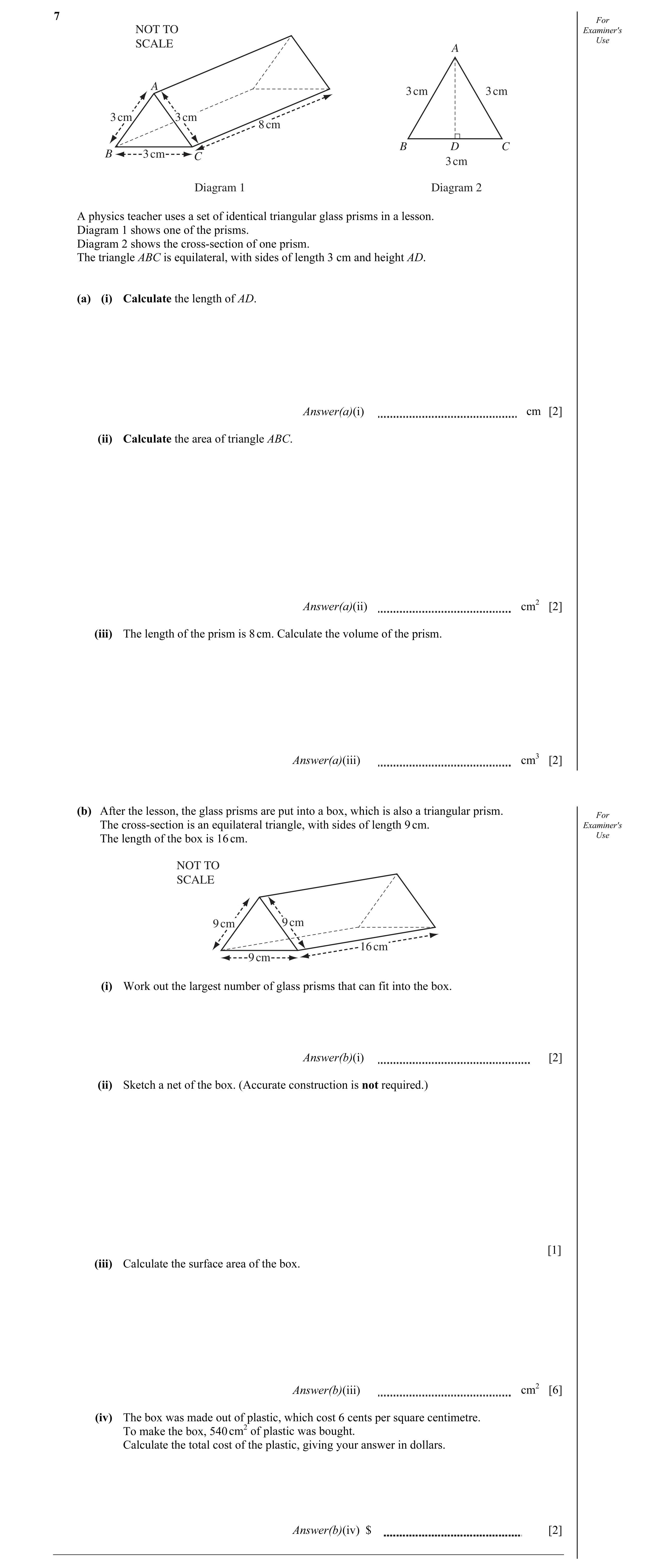
Q6 · For NOT TO Examiner's SCALE Use A A 3 cm 3 cm 3 cm 3 cm 8 cm B D C B 3 cm C 3 cm Diagram… 0580/31 Oct/Nov 2007
7 For NOT TO Examiner's SCALE Use A A 3 cm 3 cm 3 cm 3 cm 8 cm B D C B 3 cm C 3 cm Diagram 1 Diagram 2 A physics teacher uses a set of identical triangular glass prisms in a lesson. Diagram 1 shows one of the prisms. Diagram 2 shows the cross-section of one prism. The triangle ABC is equilateral, with sides of length 3 cm and height AD. (a) (i) Calculate the length of AD. Answer(a)(i) cm [2] (ii) Calculate the area of triangle ABC. Answer(a)(ii) cm2 [2] (iii) The length of the prism is 8 cm. Calculate the volume of the prism. Answer(a)(iii) cm3 [2] (b) After the lesson, the glass prisms are put into a box, which is also a triangular prism. For The cross-section is an equilateral triangle, with sides of length 9 cm. Examiner's The length of the box is 16 cm. Use NOT TO SCALE 9 cm 9 cm 16 cm 9 cm (i) Work out the largest number of glass prisms that can fit into the box. Answer(b)(i) [2] (ii) Sketch a net of the box. (Accurate construction is not required.) [1] (iii) Calculate the surface area of the box. Answer(b)(iii) cm2 [6] (iv) The box was made out of plastic, which cost 6 cents per square centimetre. To make the box, 540 cm2 of plastic was bought. Calculate the total cost of the plastic, giving your answer in dollars. Answer(b)(iv) $ [2]
17 marks
Mark scheme: 7 (a) (i) 2.60 art or 2.6 B2 M1 for √(3²–1.5²) or better (√6.75) oe (ii) 3.90 art or 3.9 B2 ft M1 for 0.5 x 3 x their(a)(i) (iii) 31.2 art B2 ft M1 for 8 x their (a)(ii) (b) (i) 18 www2 M1 for 9 triangles implied, or 2 x k, or attempted sketch (ii) reasonable sketch B1 shows 3 rectangles, 2 triangles in reasonable proportion (iii) area of "rectangle" M1 for 16 x 9, 144, 3 x 9 x 16, 27 x 16, 432 height of triangle M1 for √(9²–4.5²), √60.75, 7.79, 7.8, 3 x (a)(i) ft or trig area of triangle M1 for 0.5 x height (ft but not 9) x 9, 35.1, 70.2, 70.1 OR M2 for 9 x 3.90, 9 x their (a)(ii), 35.1 , 70.2, 70.1 total area M1 3 rectangles and 2 triangles, 432 + 70.2 or 70.1 soi 502 art A2 if M<3 then add SC3 for 502 art with no wrong working seen (iv) 32.4(0) B2 M1 for 540 x 6 or figs 324 [17]
This question in 0580/31 Oct/Nov 2007
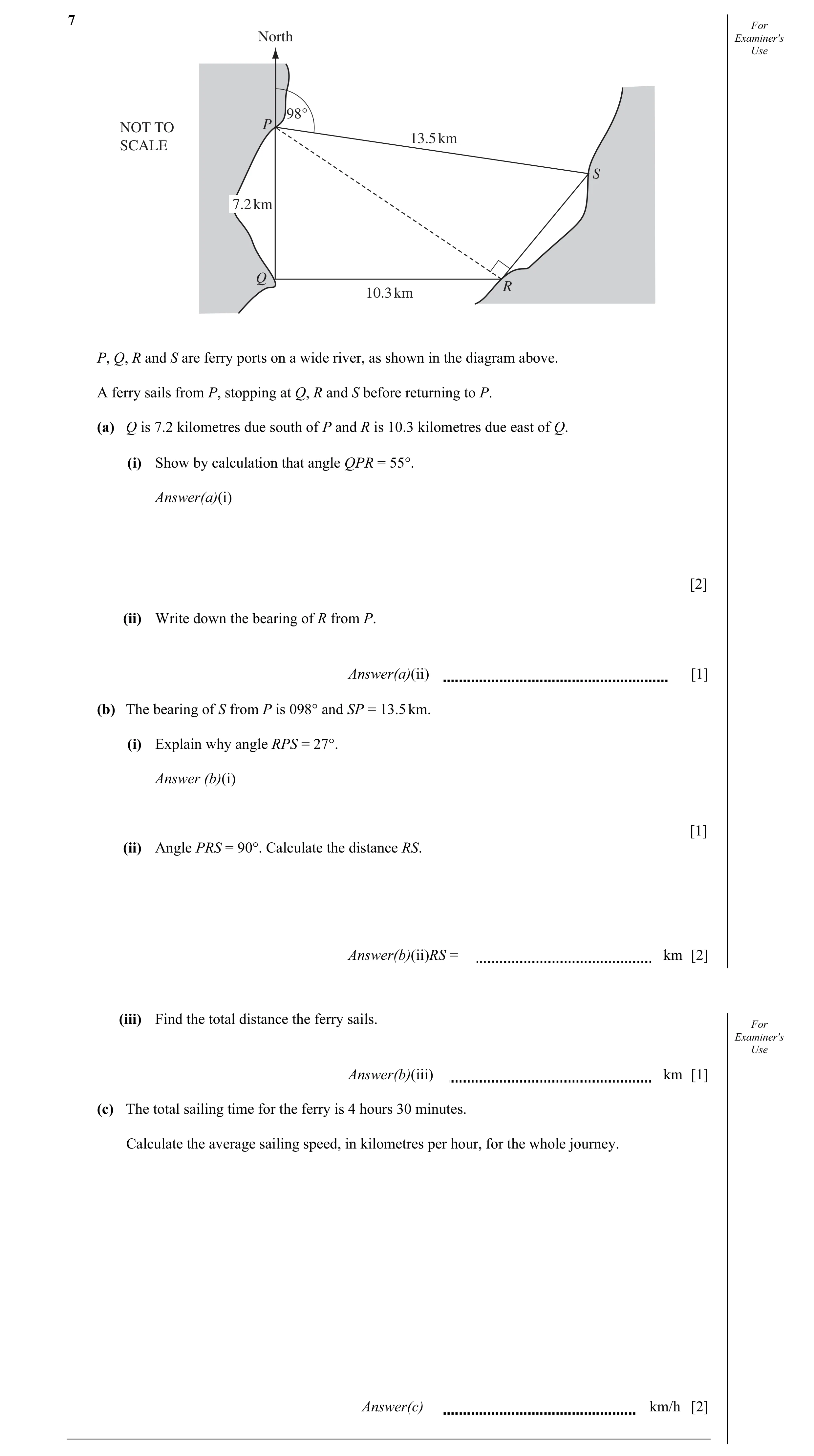
Q7 · For North Examiner's Use 98° NOT TO P 13.5 km SCALE S 7.2 km Q R 10.3 km P, Q, R and S… 0580/31 May/June 2008
7 For North Examiner's Use 98° NOT TO P 13.5 km SCALE S 7.2 km Q R 10.3 km P, Q, R and S are ferry ports on a wide river, as shown in the diagram above. A ferry sails from P, stopping at Q, R and S before returning to P. (a) Q is 7.2 kilometres due south of P and R is 10.3 kilometres due east of Q. (i) Show by calculation that angle QPR = 55°. Answer(a)(i) [2] (ii) Write down the bearing of R from P. Answer(a)(ii) [1] (b) The bearing of S from P is 098° and SP = 13.5 km. (i) Explain why angle RPS = 27°. Answer (b)(i) [1] (ii) Angle PRS = 90°. Calculate the distance RS. Answer(b)(ii)RS = km [2] (iii) Find the total distance the ferry sails. For Examiner's Use Answer(b)(iii) km [1] (c) The total sailing time for the ferry is 4 hours 30 minutes. Calculate the average sailing speed, in kilometres per hour, for the whole journey. Answer(c) km/h [2]
9 marks
Mark scheme: 7 (a) (i) tan (QPR) = 10.3 ÷ 7.2 M1 M1 for complete long method 55 (.0) E1 (ii) 125 B1 cao (b) (i) 125 - 98 accept 55 + 98 + 27 = 180 or 180 - ( 98 + 55 ) E1 do not accept 180 - 153 (ii) 6.13 art B2cao M1 for 13.5 x sin27 oe (allow full correct long methods) SCM1 for PR (pythag, sin or cos) RS (pythag) then A1 for 4.9 art or SCM1 for PR (pythag, sin or cos) RS(tan) then A1 for 6.4 art. (iii) 37.1 or 37.13 art B1 ft ft is 31 + their (b)(ii) (c) 8.24 to 8.25(1….) B2 ft M1 for their (b)(iii) ÷ 4.5 [9]
This question in 0580/31 May/June 2008
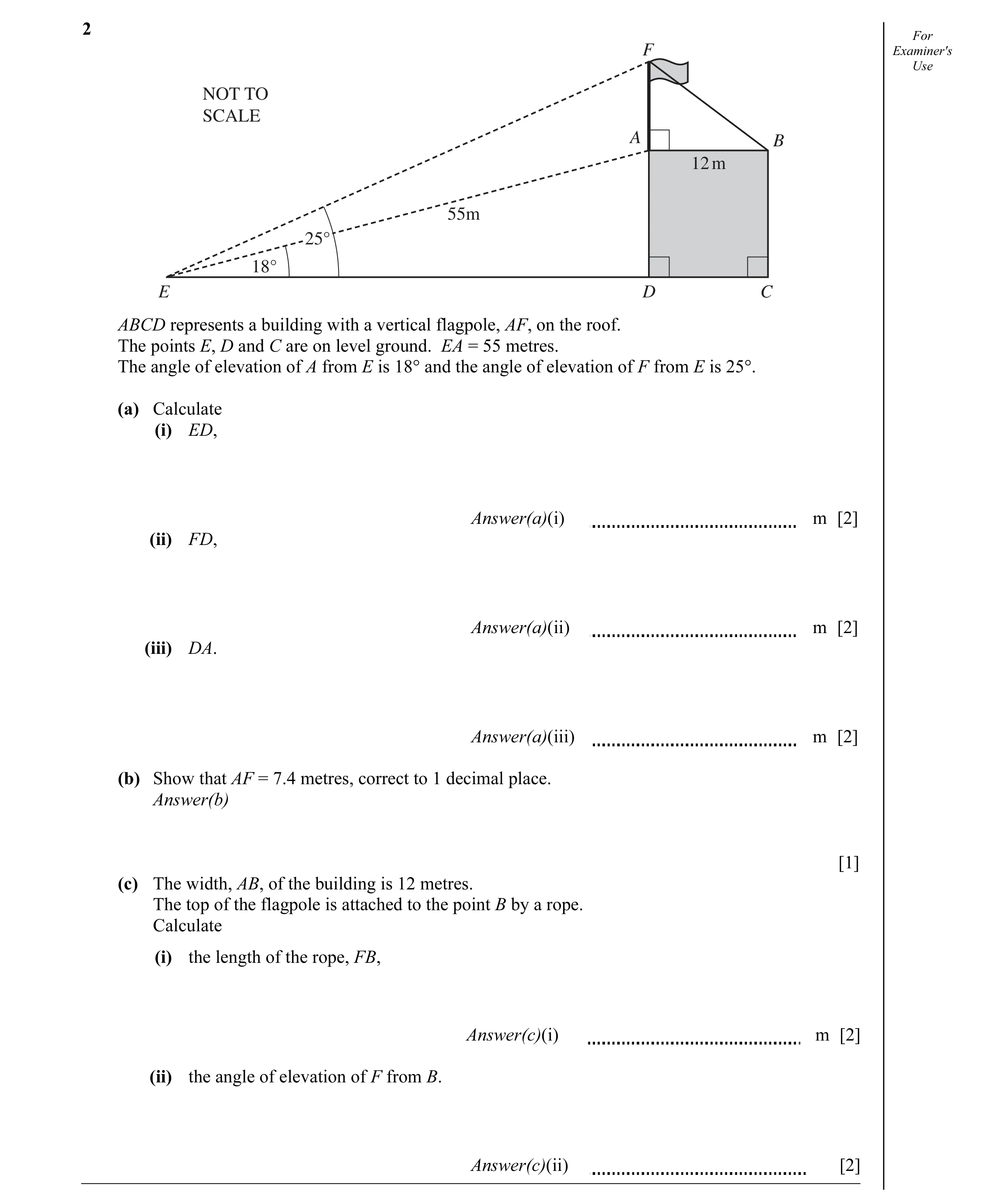
Q8 · For F Examiner's Use NOT TO SCALE A B 12 m 55m 25° 18° E D C ABCD represents a building… 0580/31 Oct/Nov 2008
2 For F Examiner's Use NOT TO SCALE A B 12 m 55m 25° 18° E D C ABCD represents a building with a vertical flagpole, AF, on the roof. The points E, D and C are on level ground. EA = 55 metres. The angle of elevation of A from E is 18° and the angle of elevation of F from E is 25°. (a) Calculate (i) ED, Answer(a)(i) m [2] (ii) FD, Answer(a)(ii) m [2] (iii) DA. Answer(a)(iii) m [2] (b) Show that AF = 7.4 metres, correct to 1 decimal place. Answer(b) [1] (c) The width, AB, of the building is 12 metres. The top of the flagpole is attached to the point B by a rope. Calculate (i) the length of the rope, FB, Answer(c)(i) m [2] (ii) the angle of elevation of F from B. Answer(c)(ii) [2]
11 marks
Mark scheme: 2 (a) (i) 52.3 art W2cao M1 for 55cos18° (ii) 24.4 art W2 ft M1 for ‘52.3’tan25°. Ft their ED (iii) 17.0 art W2cao M1 for 55sin18° or √(55 2 − ‘52.3’ 2 ) or ‘52.3’ tan18° Long methods, e.g. sine rule must be explicit and ‘correct’. (b) ‘24.4’ − ‘17.0’ (= 7.4) M1 Allow for clear attempt to find FD − AD. (c) (i) 14.1 art W2cao M1 for √( 12 2 + 7.4 2 ) or correct long methods 12 ÷ cos (tan −1 4.712 ) or 7.4 ÷ sin(tan −1 4.712 ) (ii) 31.7 art W2cao M1 for tan (FBA) = 4.712 oe or sin FBA = ' 4.7FB ' or cos FBA = ' FB12 '
This question in 0580/31 Oct/Nov 2008
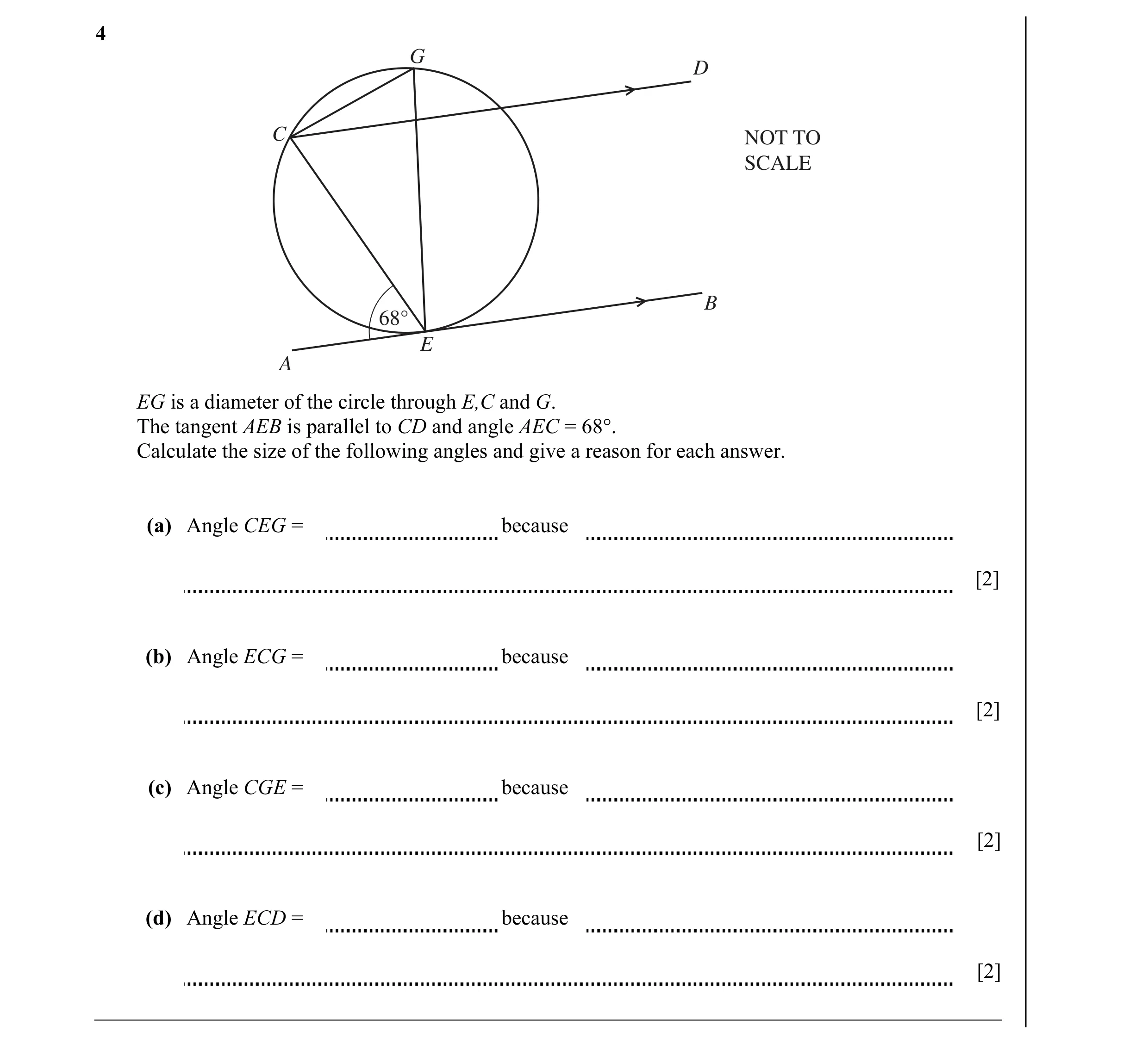
Q9 · G D C NOT TO SCALE B 68° E A EG is a diameter of the circle through E,C and G 0580/31 Oct/Nov 2008
4 G D C NOT TO SCALE B 68° E A EG is a diameter of the circle through E,C and G. The tangent AEB is parallel to CD and angle AEC = 68°. Calculate the size of the following angles and give a reason for each answer. (a) Angle CEG = because [2] (b) Angle ECG = because [2] (c) Angle CGE = because [2] (d) Angle ECD = because [2]
8 marks
Mark scheme: ( ) g 4 (a) 22° W1cao Degree symbol not essential throughout question. Tangent (and) radius/ W1 Allow perpendicular for 90° diameter (meet at) 90° (b) 90° W1cao (Angle in a) semi-circle W1 (c) 68° W1ft Ft is180 −( their (a) + their (b)) (Angles in a )triangle W1 or alternate segment (theorem) (=)180° (d) 68° W1cao Alternate or Z (angles) W1 Allow Z correctly placed on the diagram.
This question in 0580/31 Oct/Nov 2008
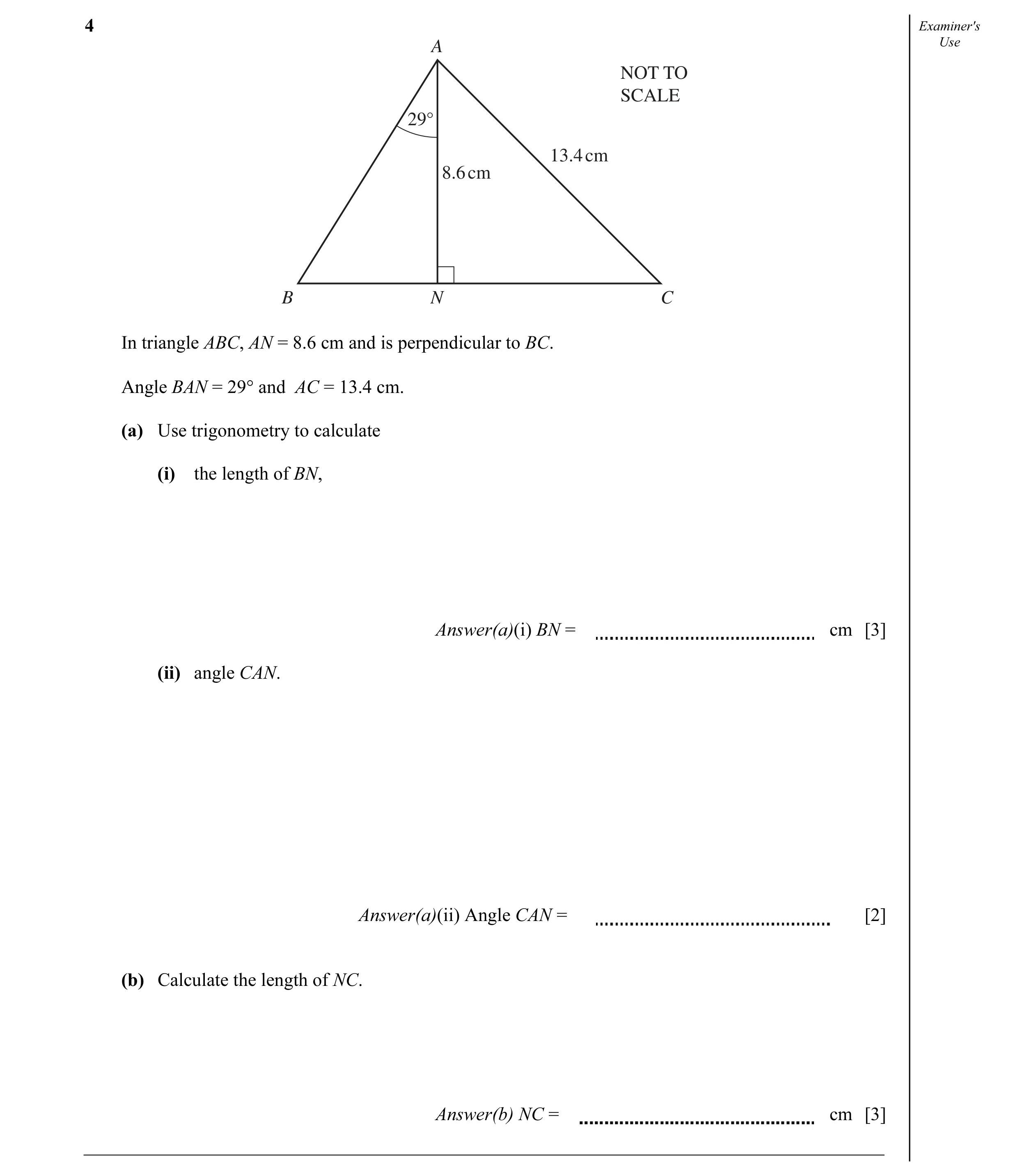
Q10 · Examiner's A Use NOT TO SCALE 29° 13.4 cm 8.6 cm B N C In triangle ABC, AN = 8.6 cm and… 0580/31 May/June 2010
4 Examiner's A Use NOT TO SCALE 29° 13.4 cm 8.6 cm B N C In triangle ABC, AN = 8.6 cm and is perpendicular to BC. Angle BAN = 29° and AC = 13.4 cm. (a) Use trigonometry to calculate (i) the length of BN, Answer(a)(i) BN = cm [3] (ii) angle CAN. Answer(a)(ii) Angle CAN = [2] (b) Calculate the length of NC. Answer(b) NC = cm [3]
8 marks
Mark scheme: 4 (a) (i) art 4.77 3 M2 for BN = 8.6 × tan 29 oe BN or M1 for = tan 29 oe 6.8 (ii) art 50.1° 2 M1 for cos CAN = 8.6 ÷ 13.4 (b) 10.2 to 10.3 3 M1 for 13.42 – 8.62 (105.6) M1 dep for 134. 2 − 6.8 2 4 k 3
This question in 0580/31 May/June 2010
Q11 · For 210 km Examiner's L M Use North NOT TO 325 km SCALE R The diagram shows three… 0580/31 Oct/Nov 2010
9 For 210 km Examiner's L M Use North NOT TO 325 km SCALE R The diagram shows three islands, L, M and R. L is due west of M and R is due south of M. LM = 210 km and LR = 325 km. (a) Calculate the distance RM. Answer(a) RM = km [3] (b) (i) Use trigonometry to calculate angle LRM. Answer(b)(i) Angle LRM = [2] (ii) Find the bearing of L from R. Answer(b)(ii) [2] (c) (i) A ferry travels directly from M to L. For It leaves M at 06 15 and arrives at L at 13 45. Examiner's Use Calculate the average speed of the ferry in kilometres per hour. Answer(c)(i) km/h [2] (ii) The ferry then travels the 325 km from L to R at an average speed of 37 km/h. Calculate the time taken. Give your answer in hours and minutes, to the nearest minute. Answer(c)(ii) h min [3] (iii) The ferry leaves L at 14 00. Use your answer to part (c)(ii) to find the time it arrives at R. Answer(c)(iii) [1]
13 marks
Mark scheme: 9 (a) 248 art 3 M2 for 325 2 − 210 2 or better M1 for 325² = x² + 210² or better (b) (i) 40.3° art 2 M1 sin = 210 ÷ 325 or their (a) 210 cos = or tan = 325 their (a) (ii) 319.7(5)° or 320° 2ft M1 for 360 – their (b)(i) (c) (i) 28 2 B1 for (time =) 7.5 or 7.30 or M1 for 210 ÷ their 7.5 (ii) 8h 47min 3 M1 for 325 ÷ 37 A1 for 8.78(37…) B1 independent converting decimal time to minutes (iii) 22 47 or 10 47 pm 1ft ft 1400 + their (c)(ii)
This question in 0580/31 Oct/Nov 2010
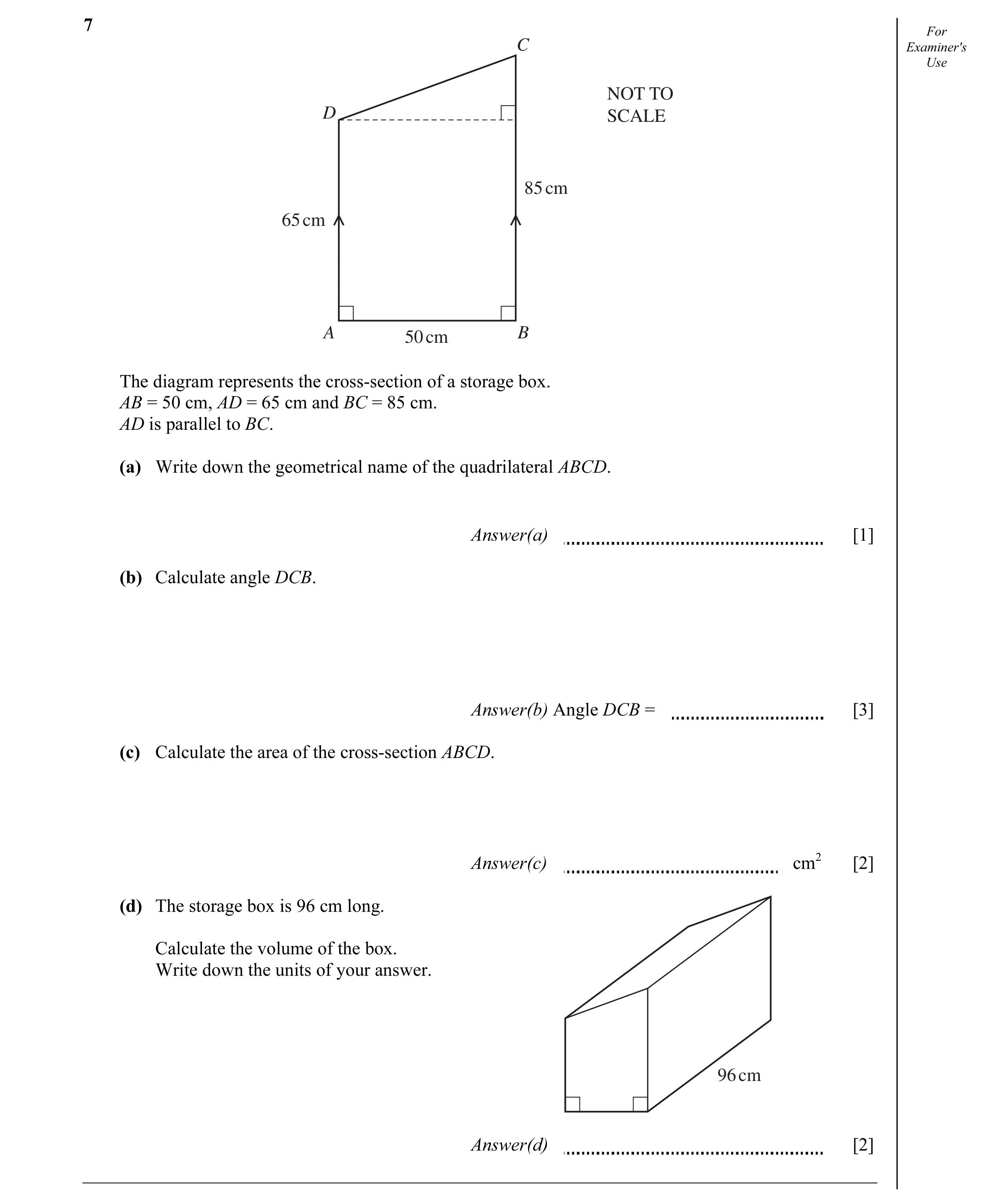
Q12 · For C Examiner's Use NOT TO D SCALE 85 cm 65 cm A 50 cm B The diagram represents the… 0580/32 Oct/Nov 2010
7 For C Examiner's Use NOT TO D SCALE 85 cm 65 cm A 50 cm B The diagram represents the cross-section of a storage box. AB = 50 cm, AD = 65 cm and BC = 85 cm. AD is parallel to BC. (a) Write down the geometrical name of the quadrilateral ABCD. Answer(a) [1] (b) Calculate angle DCB. Answer(b) Angle DCB = [3] (c) Calculate the area of the cross-section ABCD. Answer(c) cm2 [2] (d) The storage box is 96 cm long. Calculate the volume of the box. Write down the units of your answer. 96 cm Answer(d) [2]
8 marks
Mark scheme: 7 (a) Trapezium 1 (b) 68.2 3 M2 for tan = 50 ÷ (85–65) or better B1 for 85 – 65 (= 20) seen in working area (c) 3750 2 M1 for 0.5(65 + 85) × 50 (d) 360 000 1ft ft their (c) × 96, correct to a minimum of 3sf cm3 1 units mark independent
This question in 0580/32 Oct/Nov 2010
Q13 · For B D Examiner's Use 2.7 cm NOT TO cm 2.7 SCALE C A E (a) In the diagram above, AB and… 0580/32 Oct/Nov 2010
9 For B D Examiner's Use 2.7 cm NOT TO cm 2.7 SCALE C A E (a) In the diagram above, AB and ED are vertical. The diagram is symmetrical about a line through C parallel to AB. Angle BCD = 90° and BC = CD = 2.7 cm. (i) Calculate BD. Answer(a)(i) BD = cm [2] (ii) Complete the statement. Triangle BCD is right-angled and [1] (iii) Find the size of angle ABC. Answer(a)(iii) Angle ABC = [1] For Examiner's Use Diagram 1 Diagram 2 Diagram 3 Diagram 4 (b) The pattern of diagrams above is continued by adding more lines and dots. (i) On the grid, draw diagram 4. [1] (ii) Complete the table below. Diagram 1 2 3 4 5 Number of lines 4 7 [2] (c) How many lines will there be in (i) Diagram 9, Answer(c)(i) [1] (ii) Diagram n? Answer(c)(ii) [2] (d) The number of lines in Diagram r is 76. Find the value of r. Answer(d) r = [2] (e) Write down an expression, in terms of n, for the number of dots in Diagram n. Answer(e) [1]
13 marks
Mark scheme: 9 (a) (i) 3.82 art 2 M1 for 2.72 + 2.72 or better 27 or sin 45 = or better BD 27 or cos 45 = or better BD (ii) Isosceles 1 (iii) 45 cao 1 (b) (i) Diagram 4 1 (ii) 10, 13, 16 2 B1 for 2 correct or difference of 3 seen between diagram 4 and diagram 5 in table (c) (i) 28 1 (ii) 3n + 1 oe 2 B1 for pn + 1 (p ≠ 0) or 3n + q (d) 25 2ft M1 for 76 = their (c)(ii) (if linear) (e) 3n + 2 oe 1ft ft their (c)(ii) + 1 (must be a linear expression)
This question in 0580/32 Oct/Nov 2010
Q14 · For North Examiner's Use North NOT TO C SCALE 75 m B 200 m North A Dariella walks 200 m… 0580/33 Oct/Nov 2010
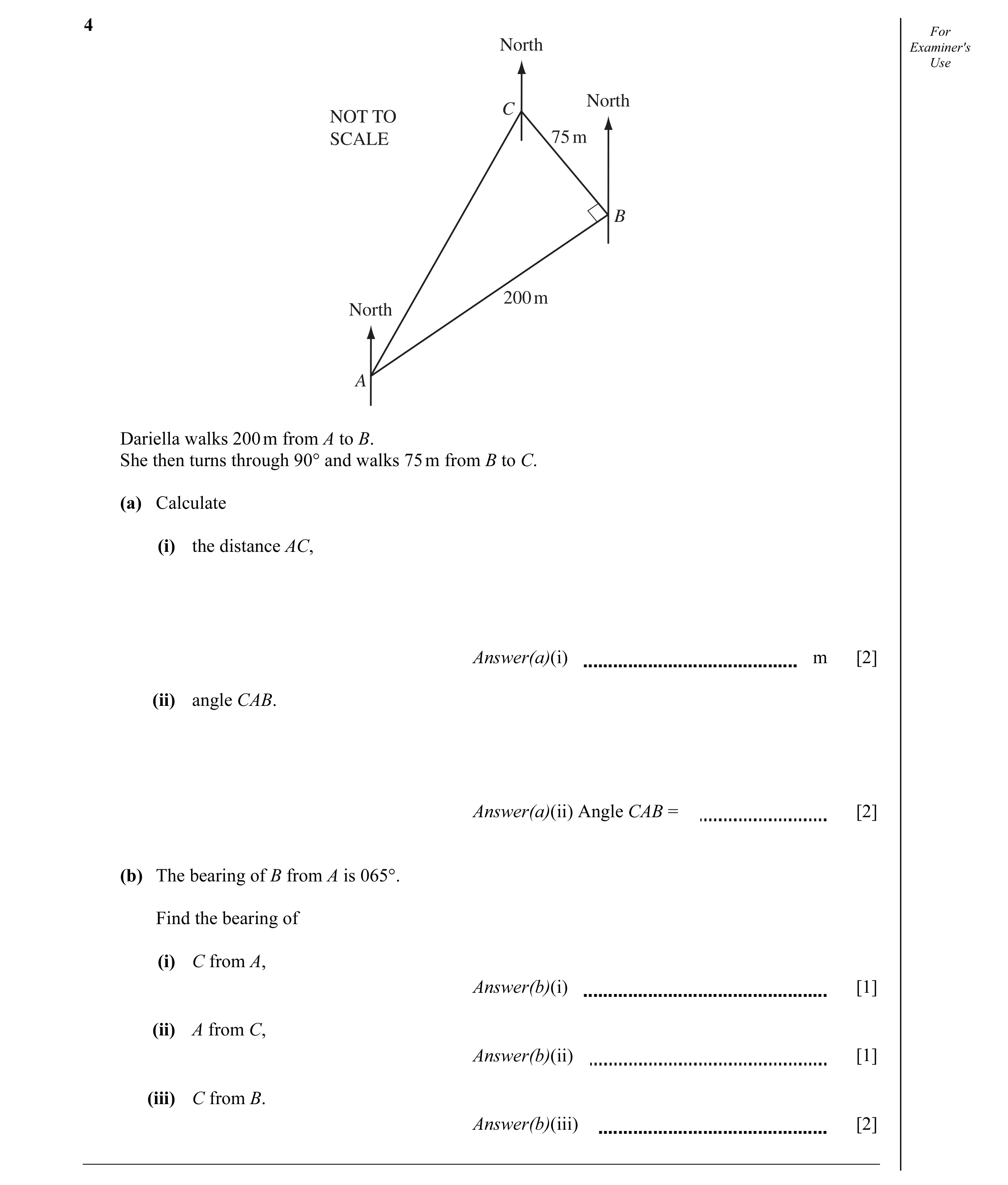
4 For North Examiner's Use North NOT TO C SCALE 75 m B 200 m North A Dariella walks 200 m from A to B. She then turns through 90° and walks 75 m from B to C. (a) Calculate (i) the distance AC, Answer(a)(i) m [2] (ii) angle CAB. Answer(a)(ii) Angle CAB = [2] (b) The bearing of B from A is 065°. Find the bearing of (i) C from A, Answer(b)(i) [1] (ii) A from C, Answer(b)(ii) [1] (iii) C from B. Answer(b)(iii) [2]
8 marks
Mark scheme: 4 (a) (i) 214 (213.6…) 2 M1 for 752 + 2002 (ii) 20.6 or (20.55 – 20.56) 2 M1 for tan = 75/200 or sin = 75/their (i) or cos = 200/their (i) (b) (i) (0)44 ((0)44.4…) 1ft B1 65 – their (a)(ii) if < 65 (ii) 224 (224.4…) 1ft 180 + their (b)(i) (iii) 335 2 B1 for 65 below B or 25 above B, may be on diagram
This question in 0580/33 Oct/Nov 2010
Q15 · An aeroplane takes off 140 metres before reaching the end of the runway 0580/32 Oct/Nov 2011
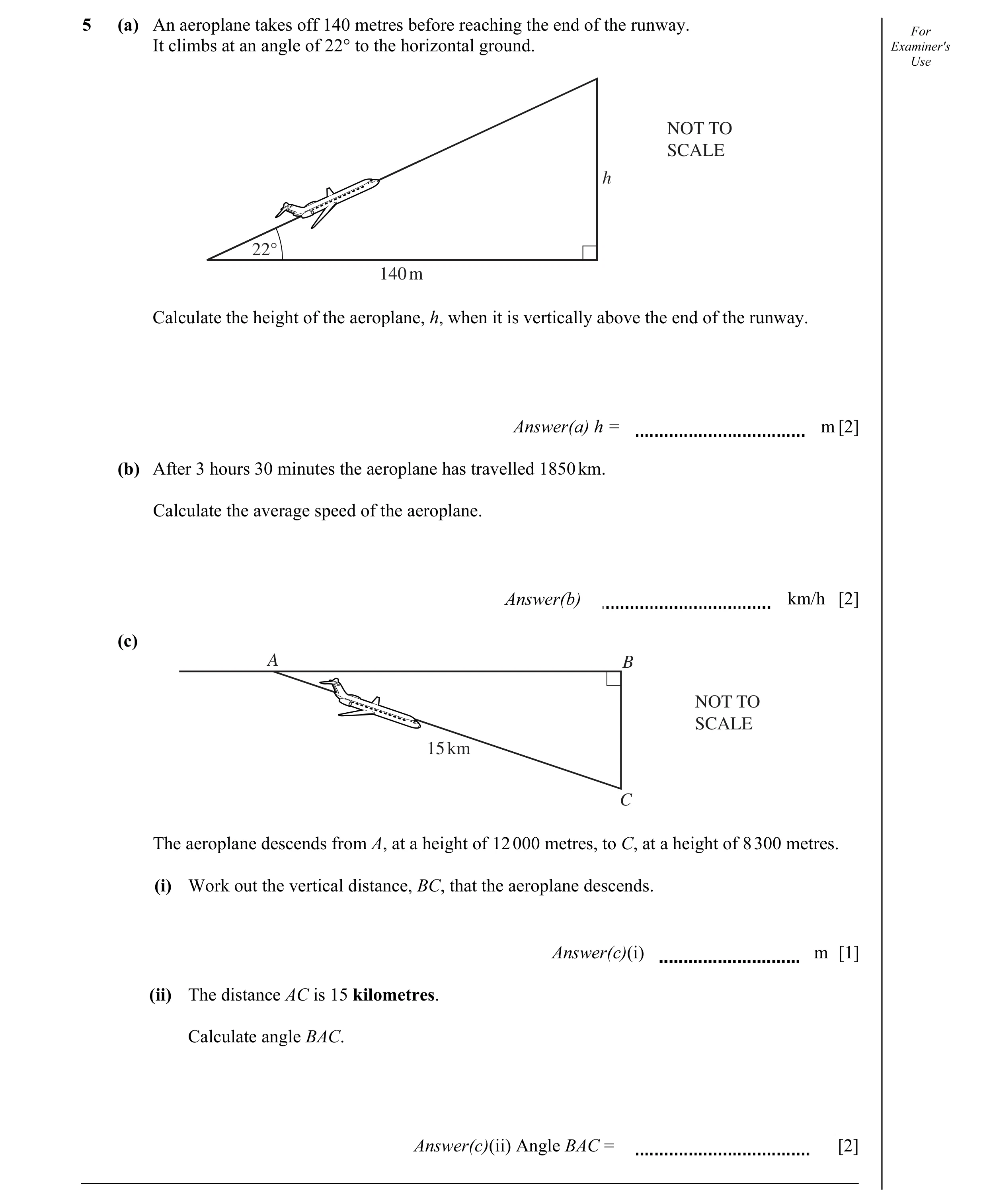
5 (a) An aeroplane takes off 140 metres before reaching the end of the runway. For It climbs at an angle of 22° to the horizontal ground. Examiner's Use NOT TO SCALE h 22° 140 m Calculate the height of the aeroplane, h, when it is vertically above the end of the runway. Answer(a) h = m [2] (b) After 3 hours 30 minutes the aeroplane has travelled 1850 km. Calculate the average speed of the aeroplane. Answer(b) km/h [2] (c) A B NOT TO SCALE 15 km C The aeroplane descends from A, at a height of 12 000 metres, to C, at a height of 8 300 metres. (i) Work out the vertical distance, BC, that the aeroplane descends. Answer(c)(i) m [1] (ii) The distance AC is 15 kilometres. Calculate angle BAC. Answer(c)(ii) Angle BAC = [2]
7 marks
Mark scheme: h 5 (a) 56.6 or 56.56… 2 M1 for tan 22 =140 or better 140 or M1 for tan(90–22) = or better h (1850) (b) 529 (km/h) or 528.6 or 528.57… 2 M1 for or better. 5.3 (c) (i) 3700(m) 1 their (c)(i) (ii) 14.3 or 14.2(8…) 2ft M1 for sin (BAC) = 15000 IGCSE – October/November 2011 0580 32
This question in 0580/32 Oct/Nov 2011
Q16 · The diagram shows a regular hexagon inside a circle, centre O and radius 8 cm 0580/33 May/June 2012
9 The diagram shows a regular hexagon inside a circle, centre O and radius 8 cm. For Each vertex of the hexagon is on the circumference of the circle. Examiner's A and B are two vertices of the hexagon and M is the midpoint of AB. Use NOT TO SCALE O 8 cm A M B (a) Calculate (i) angle AOB, Answer(a)(i) Angle AOB = [1] (ii) angle AOM. Answer(a)(ii) Angle AOM = [1] (b) Write down the length AB. Answer(b) AB = cm [1] (c) Show that the length of OM = 6.93 cm, correct to 3 significant figures. Answer(c) [2] (d) Calculate the area of triangle AOB. For Examiner's Use Answer(d) cm2 [2] (e) Calculate the shaded area. Answer(e) cm2 [4] Question 10 is printed on the next page.
11 marks
Mark scheme: 9 (a) (i) 60 1 (ii) 30 1ft ft their (i) ÷ 2 (b) 8 (cm) 1 x (c) cos 30 = or 82 = x2 + 42 M1ft ft their angle AOM or AB 8 6.928 … A1 (d) 27.7(2) cao 2 1 M1 × their (b) × 6.93 soi 2 (e) 34.7–34.9 4 M1 (circle) = π × 82 soi M1 (hexagon) = 6 × their (d) soi M1dep their circle – their hexagon
This question in 0580/33 May/June 2012
Q17 · For C Examiner's Use 70° NOT TO SCALE D 40° B E A In the diagram, ACE is a triangle 0580/31 Oct/Nov 2012
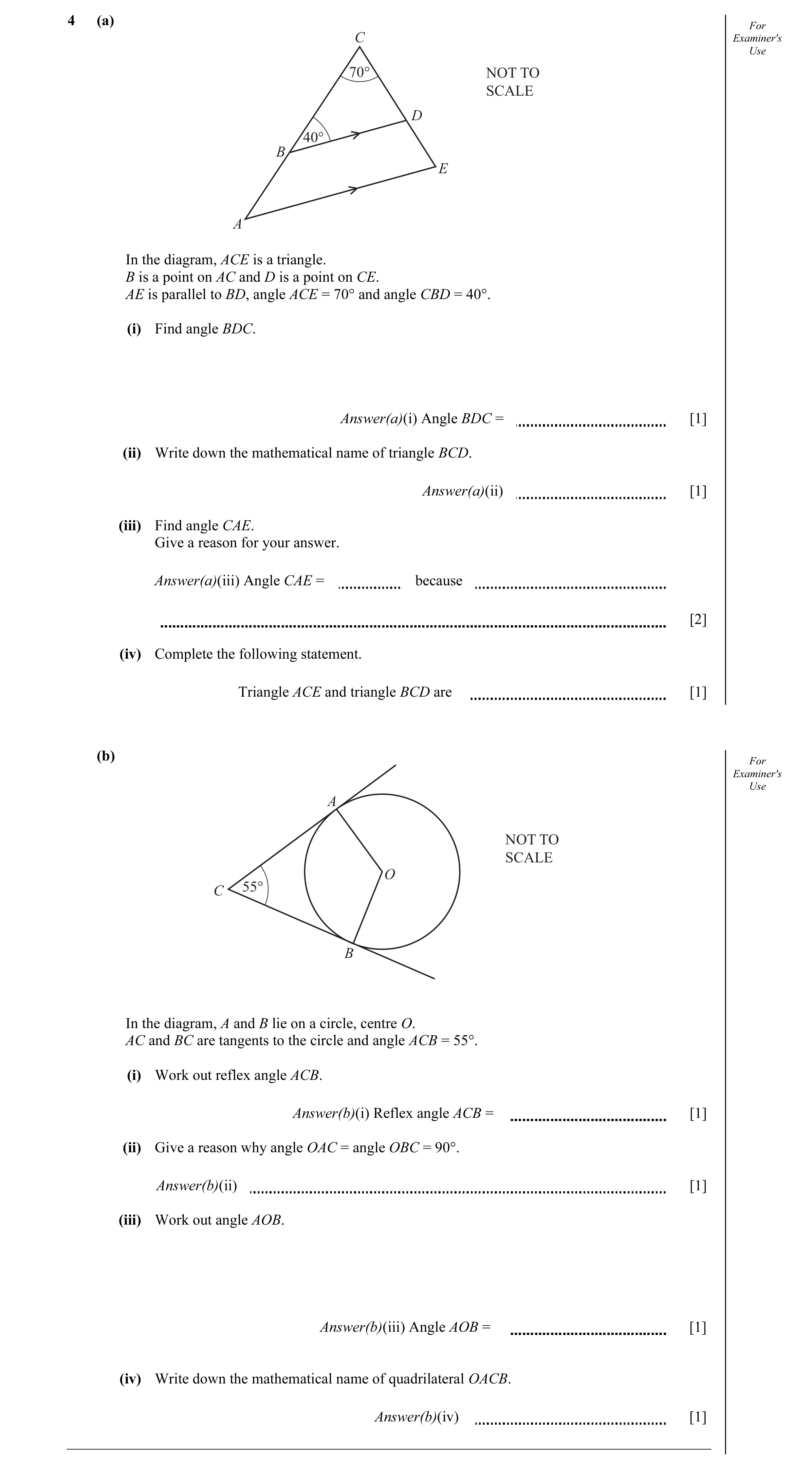
4 (a) For C Examiner's Use 70° NOT TO SCALE D 40° B E A In the diagram, ACE is a triangle. B is a point on AC and D is a point on CE. AE is parallel to BD, angle ACE = 70° and angle CBD = 40°. (i) Find angle BDC. Answer(a)(i) Angle BDC = [1] (ii) Write down the mathematical name of triangle BCD. Answer(a)(ii) [1] (iii) Find angle CAE. Give a reason for your answer. Answer(a)(iii) Angle CAE = because [2] (iv) Complete the following statement. Triangle ACE and triangle BCD are [1] (b) For Examiner's Use A NOT TO SCALE O C 55° B In the diagram, A and B lie on a circle, centre O. AC and BC are tangents to the circle and angle ACB = 55°. (i) Work out reflex angle ACB. Answer(b)(i) Reflex angle ACB = [1] (ii) Give a reason why angle OAC = angle OBC = 90°. Answer(b)(ii) [1] (iii) Work out angle AOB. Answer(b)(iii) Angle AOB = [1] (iv) Write down the mathematical name of quadrilateral OACB. Answer(b)(iv) [1]
9 marks
Mark scheme: 4 (a) (i) 70° 1 (ii) isosceles 1 (iii) 40° 1 Corresponding (to angle CBD) 1 dep on 40° (accept longer reasons) (iv) similar 1 (b) (i) 305° 1 (ii) (Angle between) tangent (and) 1 radius (iii) 125° or 235° 1 (iv) kite 1 IGCSE – October/November 2012 0580 31 2 2 2
This question in 0580/31 Oct/Nov 2012
Q18 · For Examiner′s North Use B NOT TO SCALE 27 km A 82 km C The diagram shows the positions… 0580/31 May/June 2013
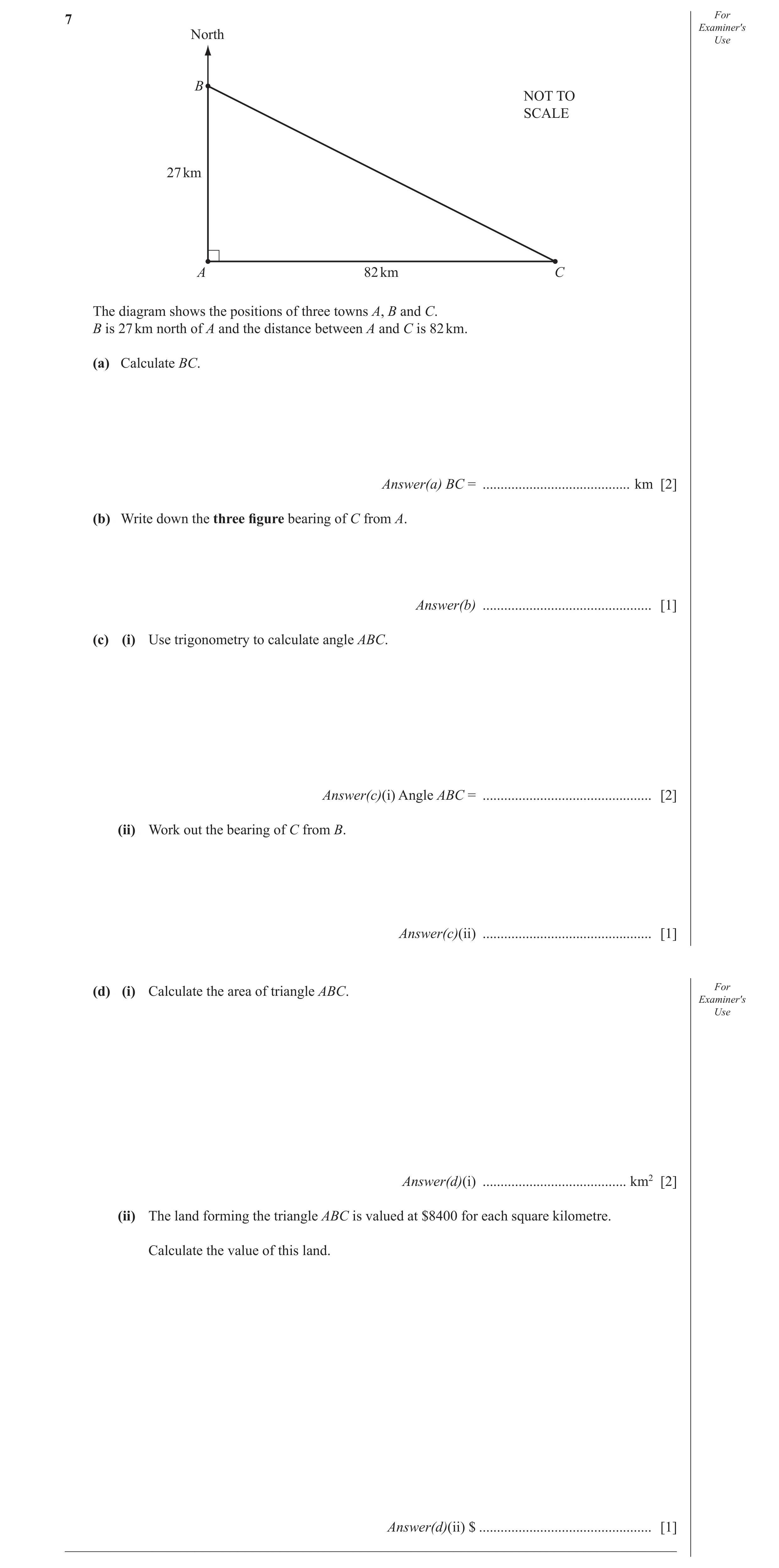
7 For Examiner′s North Use B NOT TO SCALE 27 km A 82 km C The diagram shows the positions of three towns A, B and C. B is 27 km north of A and the distance between A and C is 82 km. (a) Calculate BC. Answer(a) BC = … km [2] (b) Write down the three fi gure bearing of C from A. Answer(b) … [1] (c) (i) Use trigonometry to calculate angle ABC. Answer(c)(i) Angle ABC = … [2] (ii) Work out the bearing of C from B. Answer(c)(ii) … [1] (d) (i) Calculate the area of triangle ABC. For Examiner′s Use Answer(d)(i) … km2 [2] (ii) The land forming the triangle ABC is valued at $8400 for each square kilometre. Calculate the value of this land. Answer(d)(ii) $ … [1] _____________________________________________________________________________________
9 marks
Mark scheme: 7 (a) 86.3 or 86.33075….. 2 M1 for [BC =] 27 2 + 82 2 or 729+ 6724 or 7453 (b) 090 cao 1 (c) (i) 71.8 or 71.77492….. 2 M1 for tan [x=] (82÷27) or better oe (ii) 108.2 or 108 1ft (d) (i) 1107 2 M1 for 27×82÷2 or better, imp by 1110 (ii) 9 298 800 1ft
This question in 0580/31 May/June 2013
Q19 · For Examiner′s 8.4 cm B C Use NOT TO SCALE 5.5 cm h 70° A 12.5 cm D In the quadrilateral… 0580/33 May/June 2013
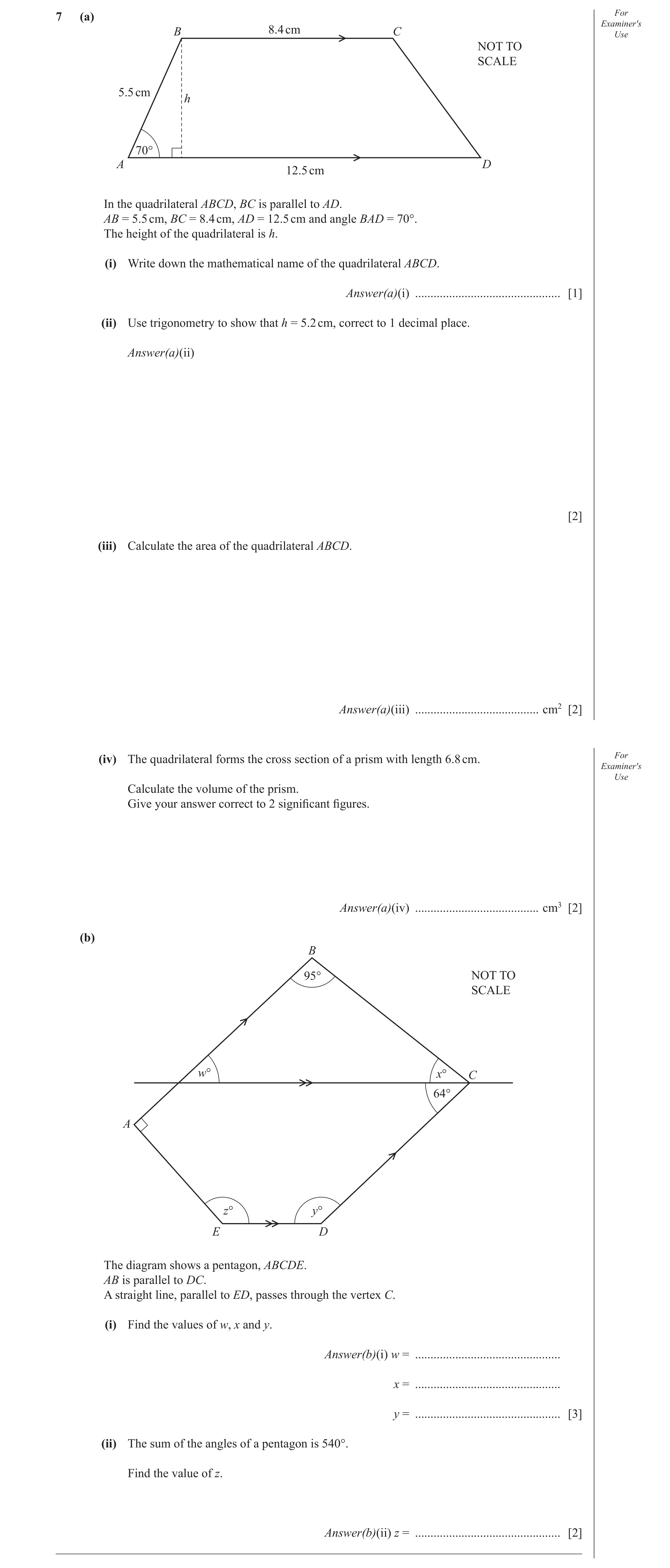
7 (a) For Examiner′s 8.4 cm B C Use NOT TO SCALE 5.5 cm h 70° A 12.5 cm D In the quadrilateral ABCD, BC is parallel to AD. AB = 5.5 cm, BC = 8.4 cm, AD = 12.5 cm and angle BAD = 70°. The height of the quadrilateral is h. (i) Write down the mathematical name of the quadrilateral ABCD. Answer(a)(i) … [1] (ii) Use trigonometry to show that h = 5.2 cm, correct to 1 decimal place. Answer(a)(ii) [2] (iii) Calculate the area of the quadrilateral ABCD. Answer(a)(iii) … cm2 [2] (iv) The quadrilateral forms the cross section of a prism with length 6.8 cm. For Examiner′s Use Calculate the volume of the prism. Give your answer correct to 2 signifi cant fi gures. Answer(a)(iv) … cm3 [2] (b) B 95° NOT TO SCALE w° x° C 64° A z° y° E D The diagram shows a pentagon, ABCDE. AB is parallel to DC. A straight line, parallel to ED, passes through the vertex C. (i) Find the values of w, x and y. Answer(b)(i) w = … x = … y = … [3] (ii) The sum of the angles of a pentagon is 540°. Find the value of z. Answer(b)(ii) z = … [2] _____________________________________________________________________________________
12 marks
Mark scheme: 7 (a) (i) Trapezium 1 (ii) h M1 = sin 70 or better 5.5 5.17 or 5.16(8...) seen A1 (iii) 54.3 or 54.34 or 54.(0...) 2 M1 for 0.5 (8.4 + 12.5) × 5.2 oe (iv) 370 2ft B1ft Their (a)(iii) × 6.8 not correctly rounded to 2sf (b) (i) 64 1 21 1ft ft 85 – their (b)(i) 116 1 (ii) 154 2ft M1 for 540 – (90 + 95 + 64 + their x + their y)
This question in 0580/33 May/June 2013
Q20 · North Q North 48 km P (a) The scale drawing shows a ship’s voyage from port P to port Q 0580/32 Oct/Nov 2014
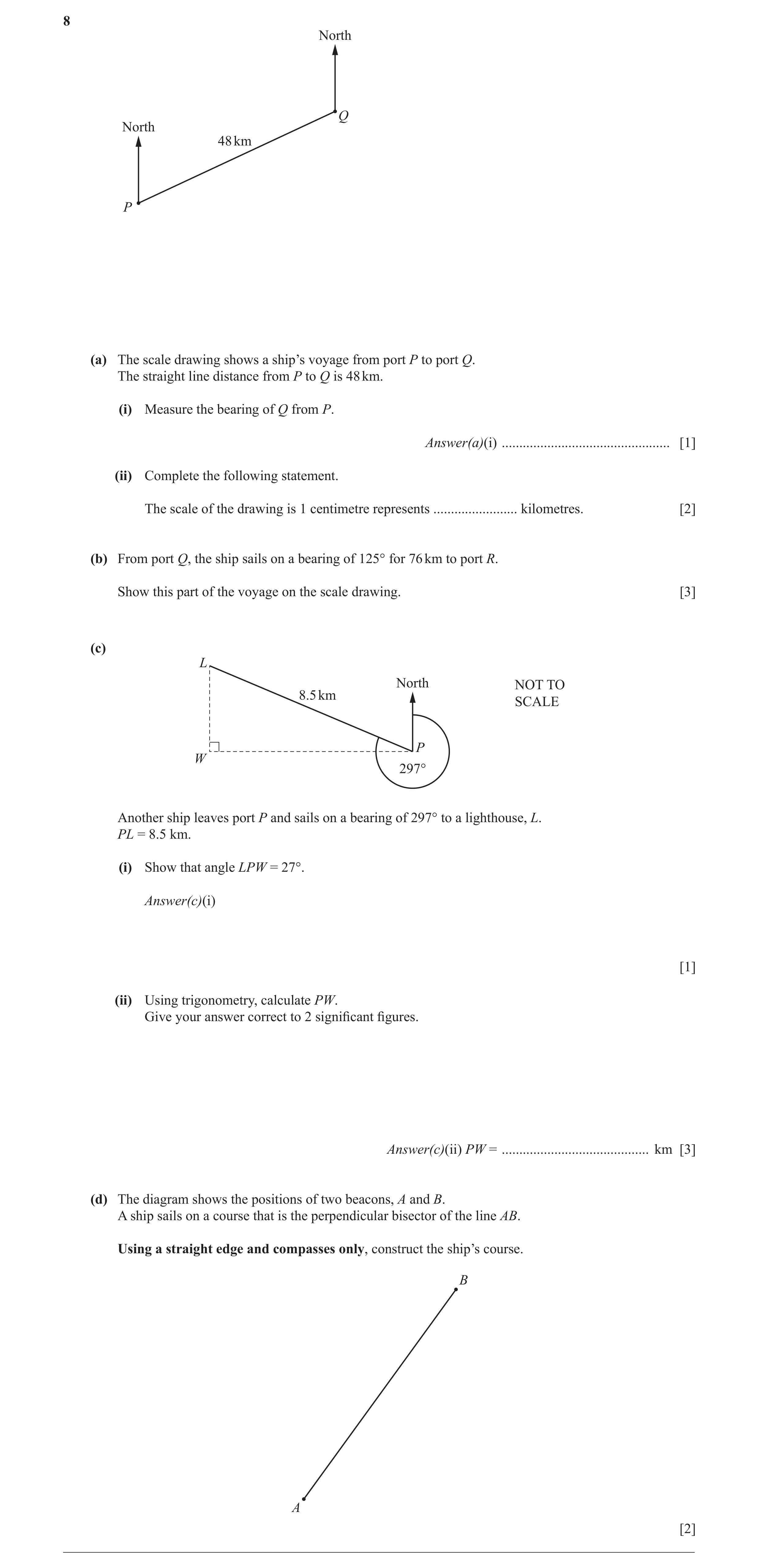
8 North Q North 48 km P (a) The scale drawing shows a ship’s voyage from port P to port Q. The straight line distance from P to Q is 48 km. (i) Measure the bearing of Q from P. Answer(a)(i) … [1] (ii) Complete the following statement. The scale of the drawing is 1 centimetre represents … kilometres. [2] (b) From port Q, the ship sails on a bearing of 125° for 76 km to port R. Show this part of the voyage on the scale drawing. [3] (c) L North NOT TO 8.5 km SCALE P W 297° Another ship leaves port P and sails on a bearing of 297° to a lighthouse, L. PL = 8.5 km. (i) Show that angle LPW = 27°. Answer(c)(i) [1] (ii) Using trigonometry, calculate PW. Give your answer correct to 2 signifi cant fi gures. Answer(c)(ii) PW = … km [3] (d) The diagram shows the positions of two beacons, A and B. A ship sails on a course that is the perpendicular bisector of the line AB. Using a straight edge and compasses only, construct the ship’s course. B A [2] __________________________________________________________________________________________
12 marks
Mark scheme: 8 (a) (i) [0]63 to [0]67 1 (ii) 8 2 B1 for 6 ± 0.2 [cm] seen in working (b) QR on bearing 123o to 127o 1 B1 for bearing of 123o to 127o 9.3 cm to 9.7 cm continuous ruled line 2FT M1FT for 76 ÷ their (a)(ii) soi by calculation or distance on diagram (c) (i) 297 – 270 1 or 90 – (360 – 297) PW PW (ii) 7.6 cao nfww 3 M1 for cos27° = or sin63° = or 5.8 5.8 better A1 for 7.57(...) B1ind for correctly rounding their 7.57(...) to 2 sig figs if their 7.57(…) is to 3 sig figs or more (d) Correct continuous perpendicular 2 B1 for correct continuous bisector without arc bisector of AB with two pairs of correct or with incorrect arcs arcs
This question in 0580/32 Oct/Nov 2014
Q21 · The grid shows part of the net of a cuboid 0580/32 Feb/March 2015
6 (a) The grid shows part of the net of a cuboid. Complete the net. [2] (b) The volume of another cuboid is 60 cm3. Each side is a whole number of centimetres long. Write down a possible set of dimensions for the cuboid. Answer(b) Length … cm Width … cm Height … cm [2] (c) Each side of a cube has length 2 cm. Work out the total surface area of the cube. Give the units of your answer. Answer(c) … … [3] (d) Change 9 cm2 into mm2. Answer(d) … mm2 [1] (e) The diagram shows a triangle. B NOT TO SCALE 11 m A 8 m C (i) Calculate the length AB. Answer(e)(i) AB = … m [3] (ii) Use trigonometry to calculate angle ACB. Answer(e)(ii) Angle ACB = … [2] (f) NOT TO SCALE The diameter of the large circle is 13 cm. The radius of the small circle is 2 cm. Calculate the shaded area. Answer(f) … cm2 [4] __________________________________________________________________________________________
17 marks
Mark scheme: 6 (a) correct net drawn 2 B1 for 2 correct faces seen added to correct edges of net (b) 60,1,1 or 30,2,1 or 20,3,1 or 2 SC1 for 3 numbers with a product of 60 but 15,4,1 or 15,2,2 or 12,5,1 or including non-integer values 10,6,1 or 10,3,2 or 6,5,2 or 5,4,3 (c) 24 2 M1 for 2 × 2 × 6 oe cm2 1 (d) 900 1 (e) (i) 7.55 or 7.549 … 3 M2 for (11 2 − 8 2 ) or M1 for AB2 + 82 = 112 8 (ii) 43.3 or 43.34 2 M1 for cos [C] = or better 11 (f) 120 or 120.16 to 120.2 4 B1 for 6.5 seen M2 for their 6.52π – their 22π (must be using πr2) or M1 for 6.52π or 22π seen If M0 scored, SC1 for 165π or 518(.3) to 518.43 or 41.25π or 129.59 … to 129.6075
This question in 0580/32 Feb/March 2015
Q22 · Y 4 3 2 B 1 x –5 –4 –3 –2 –1 0 1 2 3 4 5 –1 –2 A –3 –4 (i) Plot point C at (–4, 2) 0580/31 Oct/Nov 2017
4 (a) y 4 3 2 B 1 x –5 –4 –3 –2 –1 0 1 2 3 4 5 –1 –2 A –3 –4 (i) Plot point C at (–4, 2). [1] (ii) Write down the mathematical name of the triangle formed by joining the points A, B and C. … [1] (iii) Write down the vector AB. AB = [1] f p (iv) (a) Find the gradient of the line AB. … [2] (b) Write down the equation of the line AB. y = … [1] (b) (i) Complete the table of values for y = x 2 + x - 5 . x –4 –3 –2 –1 0 1 2 3 4 y 7 –3 –3 7 [3] (ii) On the grid below, draw the graph of y = x 2 + x - 5 for - 4 G x G 4 . y 16 14 12 10 8 6 4 2 x –4 –3 –2 –1 0 1 2 3 4 –2 –4 –6 [4] (iii) Use your graph to solve the equation x 2 + x - 5 = 0 . x = … or x = … [2]
15 marks
Mark scheme: 4(a)(i) Correct point plotted 1 4(a)(ii) Right-angled or scalene 1 4(a)(iii) 8 1 4 4(a)(iv)(a) 0.5 oe 2 M1 for attempt at rise ÷ run 4(a)(iv)(b) [y =] 0.5x oe 1FT Correct or FT their (iv)(a) 4(b)(i) …1 …–5 –5…1 15 3 B2 for 3 or 4 correct or B1 for 1 or 2 correct 4(b)(ii) Correct curve 4 B3FT for 8 or 9 points correctly plotted or B2FT for 6 or 7 points correctly plotted or B1FT for 4 or 5 points correctly plotted 4(b)(iii) –2.8 1.8 2FT B1FT for each
This question in 0580/31 Oct/Nov 2017
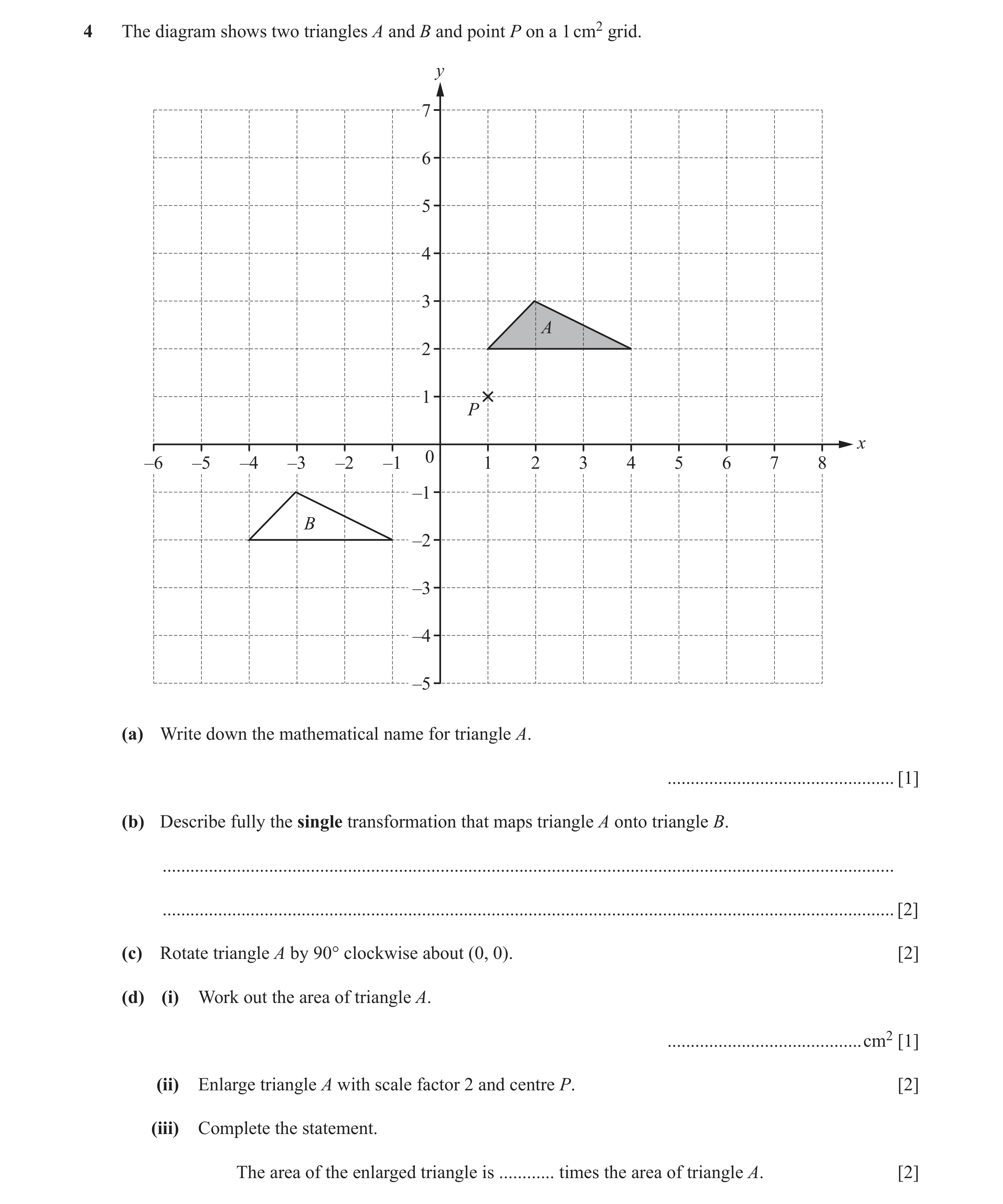
Q23 · The diagram shows two triangles A and B and point P on a 1 cm2 grid 0580/33 Oct/Nov 2017
4 The diagram shows two triangles A and B and point P on a 1 cm2 grid. y 7 6 5 4 3 A 2 1 P x 0 –6 –5 –4 –3 –2 –1 1 2 3 4 5 6 7 8 –1 B –2 –3 –4 –5 (a) Write down the mathematical name for triangle A. … [1] (b) Describe fully the single transformation that maps triangle A onto triangle B. … … [2] (c) Rotate triangle A by 90° clockwise about (0, 0). [2] (d) (i) Work out the area of triangle A. … cm2 [1] (ii) Enlarge triangle A with scale factor 2 and centre P. [2] (iii) Complete the statement. The area of the enlarged triangle is … times the area of triangle A. [2]
10 marks
Mark scheme: 4(a) Scalene 1 4(b) Translation 1 −5 1 −4 4(c) Correct rotation 2 B1 for correct orientation but Vertices (2, –1), (2, –4), (3, –2) wrong position or for rotation of 90° anticlockwise about origin 4(d)(i) 1.5 oe 1 4(d)(ii) Correct enlargement 2 B1 for correct size and orientation, Vertices (1, 3), (3, 5), (7, 3) incorrect position 4(d)(iii) 4 2 1 M1 for × 6 × 2 soi by 6 2 or correct method to find area of their triangle
This question in 0580/33 Oct/Nov 2017
Q24 · NOT TO SCALE 108° 136° A C B In the diagram, AB = AC 0580/32 May/June 2018
8 (a) NOT TO SCALE 108° 136° A C B In the diagram, AB = AC. Find (i) angle BAC, Angle BAC = … [1] (ii) angle ABC. Angle ABC = … [1] (b) E NOT TO SCALE G D 72° F C B A The diagram shows a circle, centre F and diameter BG. AC is a tangent to the circle at B. BF is parallel to DE, angle GFE = 72° and angle BCD = angle CDE. (i) Write down the mathematical name of the polygon BCDEF. … [1] (ii) Explain why angle FBC is a right angle. … [1] (iii) Find angle BFE, giving a reason for your answer. Angle BFE = … because … … [2] (iv) Find angle FED. Angle FED = … [1] (v) Calculate angle BCD. Angle BCD = … [4] Question 9 is printed on the next page.
11 marks
Mark scheme: 8(a)(i) 116 1 8(a)(ii) 32 1 FT (180 – their (a)(i)) ÷ 2 8(b)(i) Pentagon 1 8(b)(ii) Angle [between] tangent [and] radius 1 8(b)(iii) 108 2 B1 for angle Angles [on a straight] line [add up to] B1 for reason 180 8(b)(iv) 72 1 8(b)(v) 135 4 B3FT for (540 – (90 + their (b)(iii) + their (b)(iv))) ÷ 2 oe OR B2 for 540 or M1 for (5 – 2) × 180 oe M1 for (P – (90 + their (b)(iii) + their (b)(iv))) ÷ 2 oe where P is any value >270
This question in 0580/32 May/June 2018
Q25 · On the 1cm2 grid, draw one rectangle that has • a perimeter of 22 cm and • an area of… 0580/32 Feb/March 2021
9 (a) On the 1cm2 grid, draw one rectangle that has • a perimeter of 22 cm and • an area of 24cm2. [2] (b) 94° 127° NOT TO SCALE x° 298° Work out the value of x. Write down the two geometrical properties needed to find x. 1 … 2 … x = … [4] (c) P Draw a tangent to the circle at point P. [1] (d) The exterior angle of a regular polygon is 24°. Work out the number of sides of this polygon. … [1] (e) D 13.6 cm x cm NOT TO SCALE 41° A B C 7.4 cm Calculate the value of x. x = … [5]
13 marks
Mark scheme: 9(a) 8 cm by 3 cm rectangle drawn 2 B1 for rectangle with perimeter 22 or for rectangle with area 24 If no rectangle drawn, SC1 for showing calculations that go together and satisfy either area=24 or perimeter=22 9(b) 77 with two correct properties 4 B2 for 77 or M1 for 360 − 298 B1 for angles [at a] point [add to] 360 B1 for angles [in a] quadrilateral [add to] 360 9(c) Ruled tangent drawn 1 9(d) 15 1 9(e) 17.4 or 17.39… 5 M2 for 13.6 2 − 7.4 2 oe or better 2 2 2 or M1 for 7.4 + ( BD ) = 13.6 oe and theirBD M2FT for x = sin 41 theirBD or M1FT for sin41 = oe or better x BD or B1 for stating sin41 = or better x
This question in 0580/32 Feb/March 2021
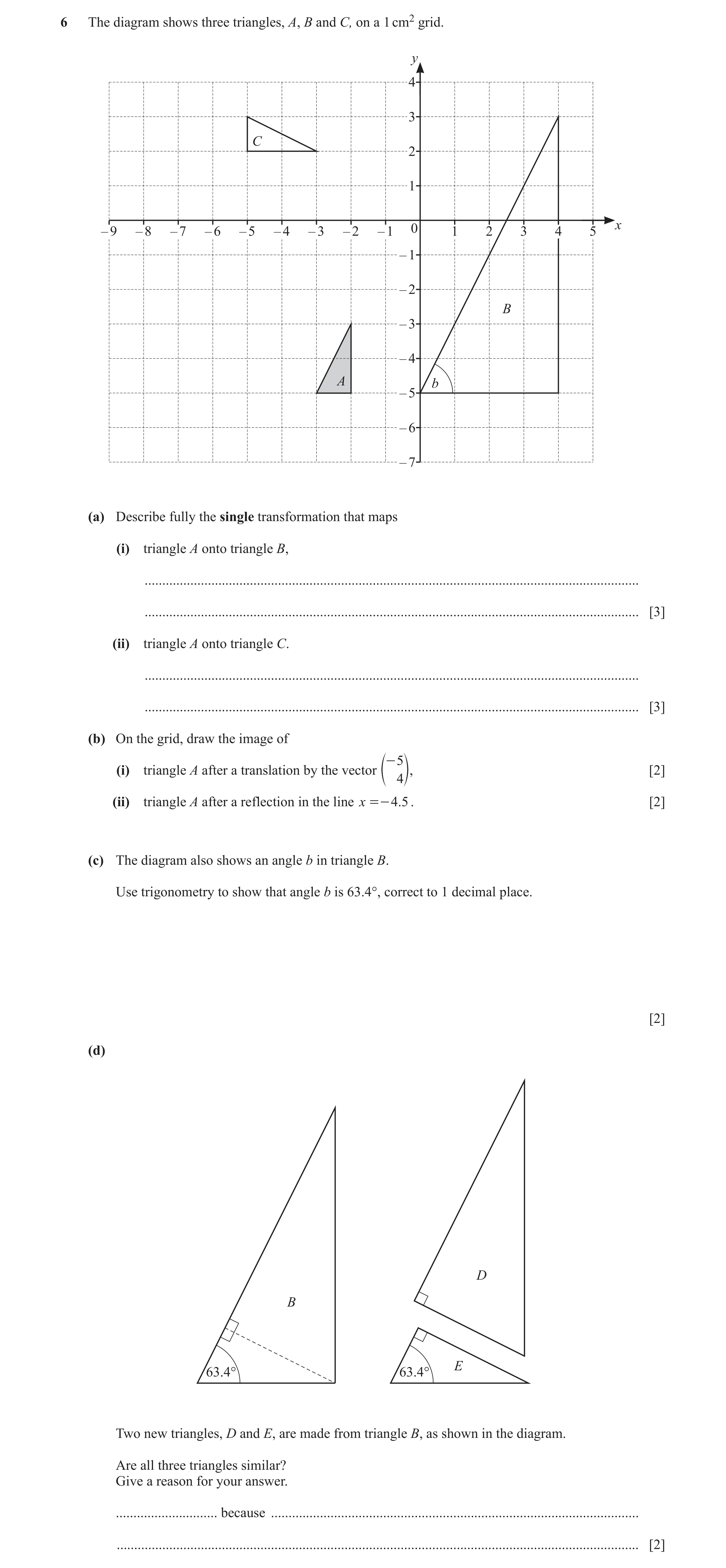
Q26 · The diagram shows three triangles, A, B and C, on a 1 cm2 grid 0580/31 May/June 2021
6 The diagram shows three triangles, A, B and C, on a 1 cm2 grid. y 44 33 C 22 11 x –– 99 –– 88 –– 77 –– 66 –– 55 –– 44 –– 33 –– 22 –– 11 0 11 22 33 44 55 –– 11 –– 22 B –– 33 –– 44 A b –– 55 –– 66 –– 77 (a) Describe fully the single transformation that maps (i) triangle A onto triangle B, … … [3] (ii) triangle A onto triangle C. … … [3] (b) On the grid, draw the image of - 5 (i) triangle A after a translation by the vector [2] e 4o, (ii) triangle A after a reflection in the line x =- 4.5 . [2] (c) The diagram also shows an angle b in triangle B. Use trigonometry to show that angle b is 63.4°, correct to 1 decimal place. [2] (d) D B E 63.4° 63.4° Two new triangles, D and E, are made from triangle B, as shown in the diagram. Are all three triangles similar? Give a reason for your answer. … because … … [2]
14 marks
Mark scheme: 6(a)(i) Enlargement 3 B1 for each [centre] ( − 4, − 5) [scale factor] 4 6(a)(ii) Rotation 3 B1 for each [centre] (0, 0) oe 90° clockwise oe 6(b)(i) Correct translation 2 k −5 ( −7,1) ,( −−7, 1) , ( −−8, 1) B1 for translation or 4 k 6(b)(ii) Correct reflection 2 B1 for reflection in x = k , k ≠−4.5 = − 4.5 ( −−6, 5) ,( −−7, 3) , ( −−7, 5) or in y 6(c) 8 M1 tan b = oe 4 63.43… A1 6(d) Yes correct reason 2 B1 for evidence that all three triangles each have angles 63.4°, 26.6° and 90° B1 for yes and statement that triangles are similar because they have the same 3 angles oe
This question in 0580/31 May/June 2021
Q27 · B NOT TO 125 m SCALE A C 100 m The diagram shows a right-angled triangle, ABC 0580/31 Oct/Nov 2021
8 (a) B NOT TO 125 m SCALE A C 100 m The diagram shows a right-angled triangle, ABC. (i) Show that BC = 75 m . [2] (ii) Calculate angle BAC. Angle BAC = … [2] (b) x cm NOT TO SCALE 20 cm 12 cm 16 cm The diagram shows a shape made from two right-angled triangles. The total area of this shape is 246 cm 2. Work out the value of x. x = … [3]
7 marks
Mark scheme: 8(a)(i) 2 2 M2 M1 for BC2 + 1002 = 1252 125 − 100 or for [BC2] = 1252 – 1002 8(a)(ii) 36.9 or 36.86 to 36.87 2 100 M1 for cos [BAC =] oe or better 125 75 or for tan [BAC =] oe or better 100 75 or for sin [BAC =] oe or better 125 8(b) 15 nfww 3 M2 for ½ × 16 × 12 + ½ × 20 × x = 246 or better or M1 for ½ × 16 × 12
This question in 0580/31 Oct/Nov 2021
Q28 · X (i) Measure the size of angle x 0580/33 Oct/Nov 2021
4 (a) x (i) Measure the size of angle x. Angle x = … [1] (ii) Write down the mathematical name of this type of angle. … [1] (b) D NOT TO 74° SCALE y° A B C ABC is a straight line and ABD is an isosceles triangle. Find the value of y. y = … [3] (c) G F NOT TO SCALE O E E, F and G are points on the circle, centre O. EG = 12 cm. (i) Write down the mathematical name for the line FG. … [1] (ii) Explain why angle EFG is 90°. … [1] (iii) Calculate the area of the circle. … cm2 [2]
9 marks
Mark scheme: 4(a)(i) 42 1 4(a)(ii) Acute 1 4(b) 127 3 B2 for 53 or M2 for 180 −[(180 – 74) ÷ 2] or M1 for (180 – 74) ÷ 2 or better 4(c)(i) Chord 1 4(c)(ii) Angle in a semicircle = 90 1 4(c)(iii) 113 or 113.0 to 113.1[...] 2 M1 for 62 × π oe
This question in 0580/33 Oct/Nov 2021
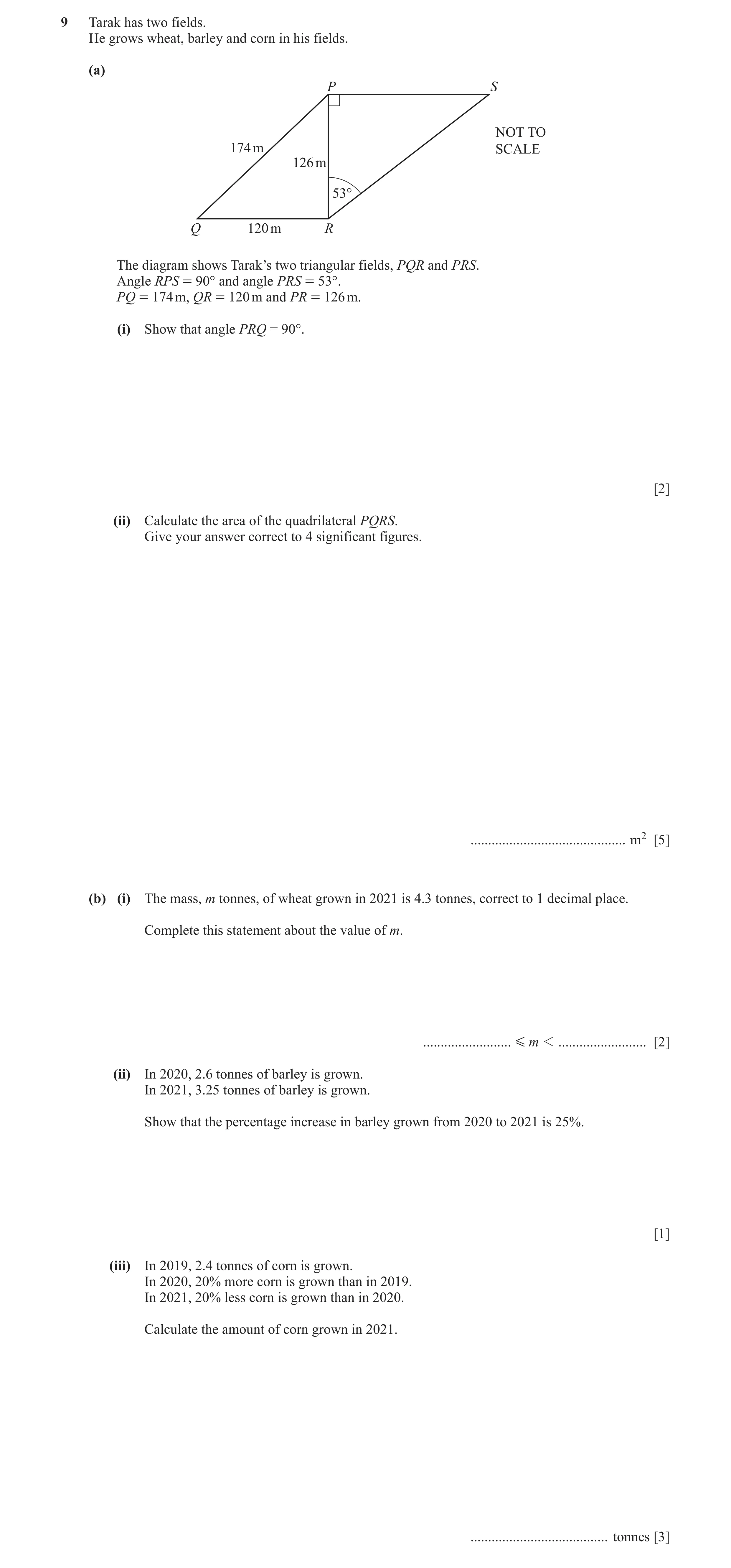
Q29 · Tarak has two fields 0580/32 Feb/March 2022
9 Tarak has two fields. He grows wheat, barley and corn in his fields. (a) P S NOT TO 174 m SCALE 126 m 53° Q 120 m R The diagram shows Tarak’s two triangular fields, PQR and PRS. Angle RPS = 90° and angle PRS = 53°. PQ = 174 m, QR = 120 m and PR = 126 m. (i) Show that angle PRQ = 90°. [2] (ii) Calculate the area of the quadrilateral PQRS. Give your answer correct to 4 significant figures. … m2 [5] (b) (i) The mass, m tonnes, of wheat grown in 2021 is 4.3 tonnes, correct to 1 decimal place. Complete this statement about the value of m. … G m 1 … [2] (ii) In 2020, 2.6 tonnes of barley is grown. In 2021, 3.25 tonnes of barley is grown. Show that the percentage increase in barley grown from 2020 to 2021 is 25%. [1] (iii) In 2019, 2.4 tonnes of corn is grown. In 2020, 20% more corn is grown than in 2019. In 2021, 20% less corn is grown than in 2020. Calculate the amount of corn grown in 2021. … tonnes [3]
13 marks
Mark scheme: 9(a)(i) Complete method shown and 2 M1 for correct Pythagoras evaluated e.g. 120 2 + 126 2 = 174 2 9(a)(ii) 18 090 cao 5 B4 for 18 081 to 18 094.1 OR M2 for 126 × tan53 x or M1 for tan53 = 126 and 1 M1 for × 120 × 126 2 1 or × 126 ×theirPS 2 1 or × 126 × (120 + theirPS ) oe 2 If 0 scored, SC1 for evidence of rounding their answer to 4sf 9(b)(i) 4.25 4.35 2 B1 for each If 0 scored, SC1 for answers correct but reversed 9(b)(ii) Complete method seen 1 3.25 − 2.6 e.g. × 100 [ = 25 ] 2.6 9(b)(iii) 2.304 3 100 + 20 100 − 20 M2 for 2.4 × × oe 100 100 100 + 20 or M1 for 2.4 × oe 100 100 − 20 100 + 20 or B1 for and used 100 100
This question in 0580/32 Feb/March 2022
Q30 · Write down the number of sides of a hexagon 0580/31 May/June 2022
2 (a) Write down the number of sides of a hexagon. … [1] (b) B A C In triangle ABC, AB = AC. (i) Write down the mathematical name for this type of triangle. … [1] (ii) Measure angle CAB. Angle CAB = … [1] (iii) Write down the mathematical name for angle CAB. … [1] (c) Show that the interior angle of a regular pentagon is 108°. [2] (d) B C NOT TO SCALE D A 248° ABCD is a parallelogram. The reflex angle at D is 248°. Find angle DCB. Angle DCB = … [2] (e) The angles of a triangle are in the ratio 3 : 5 : 7. Find the size of the largest angle in this triangle. … [3]
11 marks
Mark scheme: 2(a) 6 1 2(b)(i) Isosceles 1 2(b)(ii) 124 1 2(b)(iii) Obtuse 1 2(c) 360 M2 360 180 − [= 108] M1 for or (5 – 2) 180 5 5 (5 2) 180 or [= 108 ] 5 2(d) 68 2 360 2 (360 248) M1 for 248 – 180 or 2 or 180 – (360 – 248) or B1 for ADC = 112 2(e) 84 3 180 M2 for j or better 3 5 7 where j = 1, 3, 5 or 7 7 or B1 for 180 or k 15
This question in 0580/31 May/June 2022
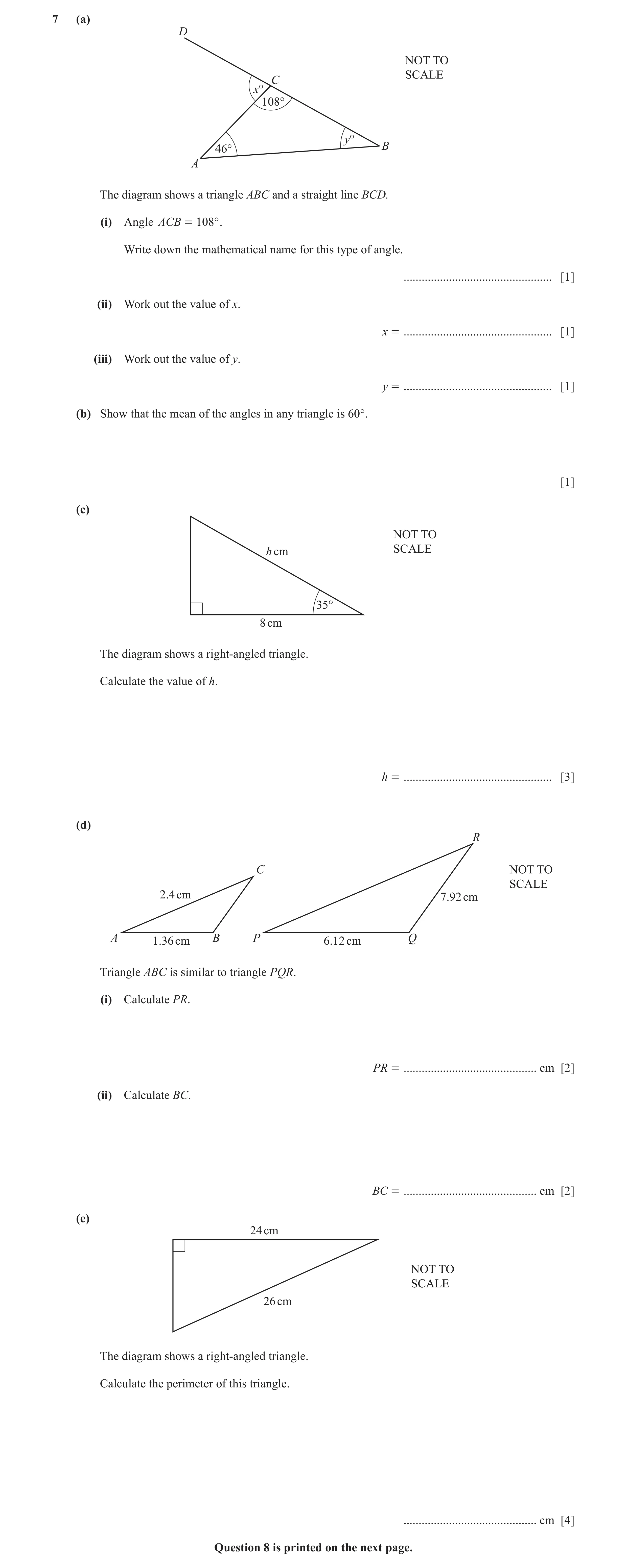
Q31 · D NOT TO SCALE C x° 108° y° 46° B A The diagram shows a triangle ABC and a straight line… 0580/33 May/June 2023
7 (a) D NOT TO SCALE C x° 108° y° 46° B A The diagram shows a triangle ABC and a straight line BCD. (i) Angle ACB = 108° . Write down the mathematical name for this type of angle. … [1] (ii) Work out the value of x. x = … [1] (iii) Work out the value of y. y = … [1] (b) Show that the mean of the angles in any triangle is 60°. [1] (c) NOT TO h cm SCALE 35° 8 cm The diagram shows a right-angled triangle. Calculate the value of h. h = … [3] (d) R C NOT TO SCALE 2.4 cm 7.92 cm A 1.36 cm B P 6.12 cm Q Triangle ABC is similar to triangle PQR. (i) Calculate PR. PR = … cm [2] (ii) Calculate BC. BC = … cm [2] (e) 24 cm NOT TO SCALE 26 cm The diagram shows a right-angled triangle. Calculate the perimeter of this triangle. … cm [4] Question 8 is printed on the next page.
15 marks
Mark scheme: 7(a)(i) Obtuse 1 7(a)(ii) 72 1 7(a)(iii) 26 1 7(b) 180 1 3 7(c) 9.77 or 9.766… 3 8 8 M2 for h oe or oe cos35 sin55 8 or M1 for cos35 oe or h 8 sin55 oe h 7(d)(i) 10.8 2 1.36 2.4 M1 for oe or better 6.12 PR 7(d)(ii) 1.76 2 6.12 7.92 M1 for oe or better 1.36 BC 7(e) 60 4 M2 for 26 2 24 2 oe or better or M1 for 26 2 x 2 24 2 AND M1 for their10 24 26
This question in 0580/33 May/June 2023
Q32 · U P 21.4 cm 14.4 cm NOT TO 9.6 cm SCALE Q R V W 12.8 cm Triangle PQR is mathematically… 0580/31 Oct/Nov 2023
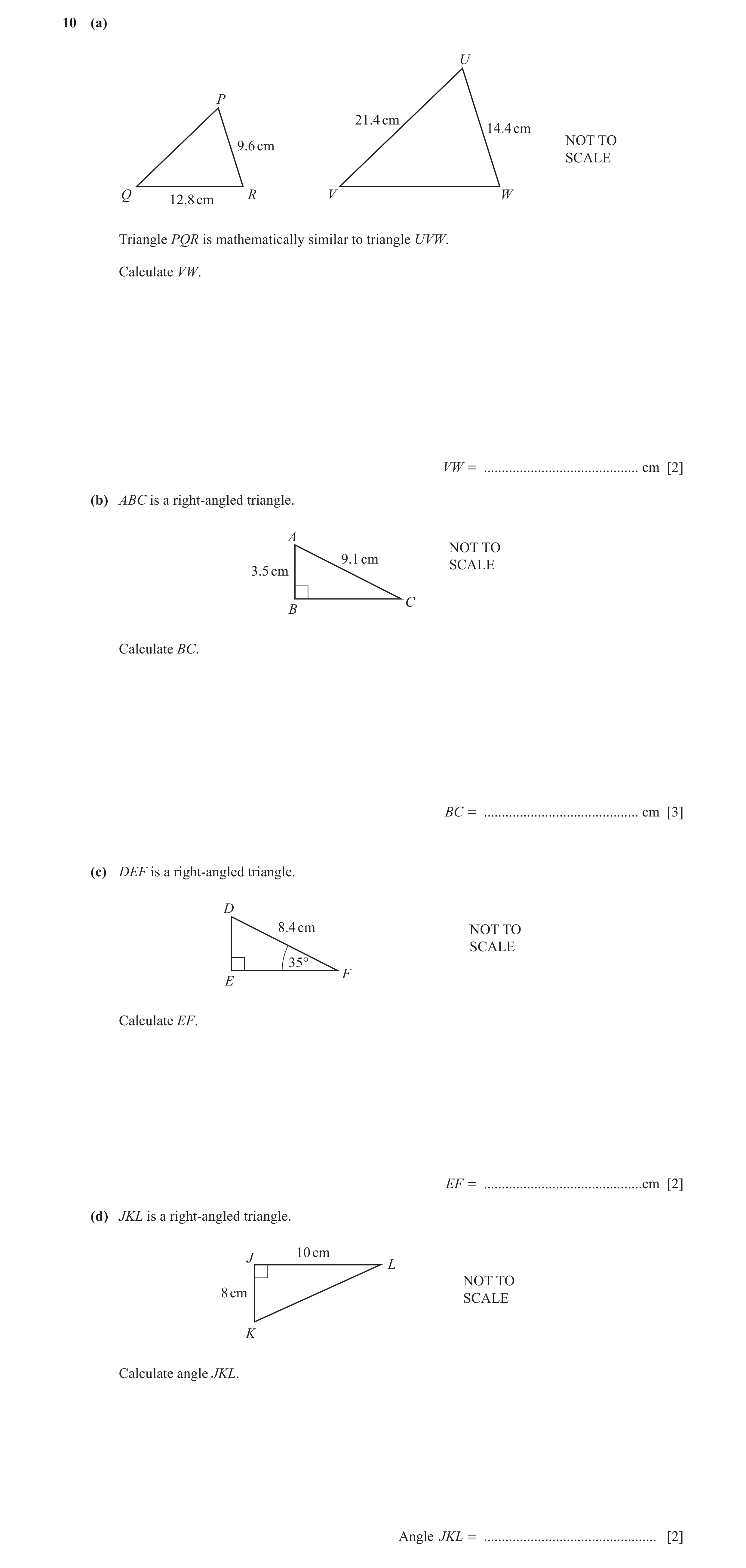
10 (a) U P 21.4 cm 14.4 cm NOT TO 9.6 cm SCALE Q R V W 12.8 cm Triangle PQR is mathematically similar to triangle UVW. Calculate VW. VW = … cm [2] (b) ABC is a right-angled triangle. A NOT TO 9.1 cm SCALE 3.5 cm C B Calculate BC. BC = … cm [3] (c) DEF is a right-angled triangle. D 8.4 cm NOT TO SCALE 35° F E Calculate EF. EF = … cm [2] (d) JKL is a right-angled triangle. 10 cm J L NOT TO 8 cm SCALE K Calculate angle JKL. Angle JKL = … [2]
9 marks
Mark scheme: 10(a) 19.2 2 14.4 VW M1 for = oe or better 9.6 12.8 10(b) 8.4 3 M2 for 9.12 – 3.52 oe or better or M1 for […]2 + 3.52 = 9.12 oe or better 10(c) 6.88 to 6.881 2 [...] M1 for cos35 = oe or better 8.4 or sin 55 = oe or better 8.4 10(d) 51.3[4…] 2 10 M1 for tan[… =] oe or better 8
This question in 0580/31 Oct/Nov 2023
Q33 · NOT TO 10 cm SCALE 4 cm 7 cm Find the perimeter of the triangle 0580/31 Oct/Nov 2024
7 (a) NOT TO 10 cm SCALE 4 cm 7 cm Find the perimeter of the triangle. … cm [1] (b) The diagram shows a shape made from rectangles. 18.6 cm 4 cm NOT TO 7 cm 7 cm SCALE 13.5 cm Calculate the area of the shape. … cm2 [3] (c) The diagram shows a right-angled triangle ABC. B NOT TO 27.2 cm SCALE A C 24 cm Calculate the area of the triangle. … cm2 [5] (d) Calculate the volume of a sphere with diameter 5.25 cm. 4 [The volume, V, of a sphere with radius r is V = rr 3.] 3 … cm3 [2]
11 marks
Mark scheme: 7(a) 21 1 7(b) 118.1 cao 3 M2 for 18.6 × 4 + (13.5 – 4) × (18.6 –7 – 7) oe or 2 × 4 × 7 + 13.5 × (18.6 –7 –7) oe or 18.6 × 13.5 – 2 ×7 × (13.5 – 4) oe or 2×4×7+ (13.5–4)×(18.6–7–7)+ (18.6– 7–7)×4 oe or B1 for 9.5 or 4.6 seen 7(c) 153.6 cao 5 B3 for 12.8 or M2 for 27.22 – 242 oe or M1 for AB2 + 242 = 27.22 oe AND M1 for 0.5 × 24 × their AB oe 7(d) 75.8 or 75.76 to 75.78 2 4 5.25 3 M1 for oe 3 2
This question in 0580/31 Oct/Nov 2024
Q34 · Calculate the volume of a cylinder with radius 7.8 cm and height 15 cm 0580/32 Oct/Nov 2024
4 (a) Calculate the volume of a cylinder with radius 7.8 cm and height 15 cm. … cm3 [2] (b) A cube has a volume of 3375 cm3. Calculate the surface area of this cube. … cm2 [3] (c) Area A = 37 000 cm2 Area B = 5.4 m2 Which of these two areas is the larger? You must show all your working. Area … [2] (d) The diagram shows a right-angled triangle ABC. A NOT TO 15 cm SCALE 7 cm B C Calculate angle ACB. Angle ACB = … [2] (e) The diagram shows a rectangle DEFG. D G NOT TO SCALE 31.2 cm 12 cm E F DE = 12 cm and DF = 31.2 cm. Calculate the area of the rectangle DEFG. … cm2 [4]
13 marks
Mark scheme: 4(a) 2870 or 2867 to 2867.4 2 M1 for π × 7.82 × 15 oe 4(b) 1350 3 3 2 M2 for 3375 oe or better or M1 for 3 3375 oe 4(c) 5.4 × 1002 = 54 000 M1 or 37 000 ÷ 1002 = 3.7 Area B A1 4(d) 27.8 or 27.81… to 27.82 2 7 M1 for sin[...] = or better 15 −1 7 or 90 − cos oe 15 4(e) 345.6 4 B3 for 28.8 OR M2 for 31.22 – 122 oe or M1 for [...]2 + 122 = 31.22 oe M1dep for their 28.8 × 12
This question in 0580/32 Oct/Nov 2024
Q35 · P 6 cm 8 cm NOT TO SCALE R Q The diagram shows a right-angled triangle, PQR 0580/31 May/June 2025
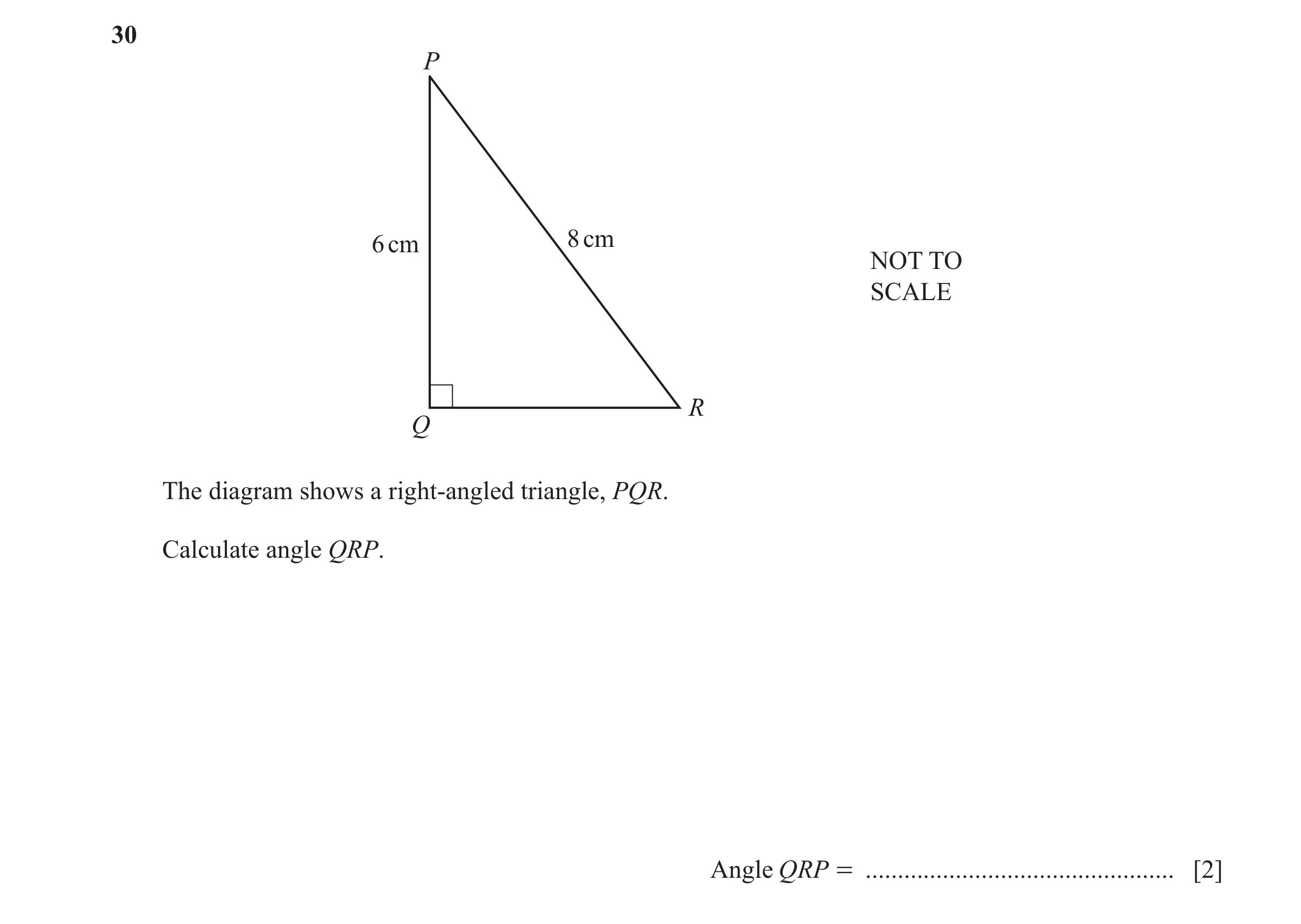
30 P 6 cm 8 cm NOT TO SCALE R Q The diagram shows a right-angled triangle, PQR. Calculate angle QRP. Angle QRP = … [2]
2 marks
Mark scheme: 30 48.6 or 48.59… 2 6 M1 for sin […=] oe 8
This question in 0580/31 May/June 2025
Q36 · The diagram shows a right-angled triangle 0580/33 May/June 2025
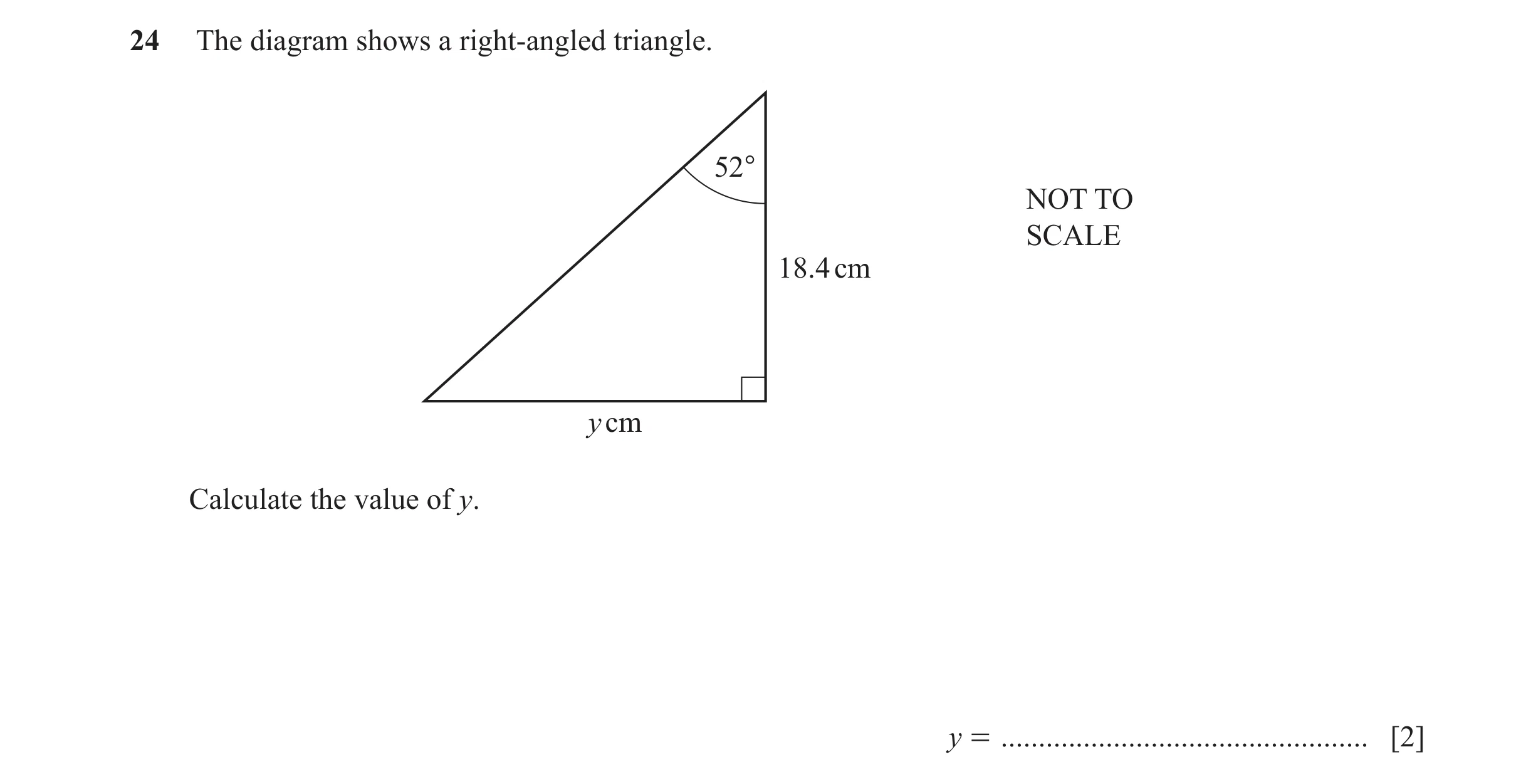
24 The diagram shows a right-angled triangle. 52° NOT TO SCALE 18.4 cm y cm Calculate the value of y. y = … [2]
2 marks
Mark scheme: 24 23.6 or 23.55… 2 y M1 for tan52 = oe or better 18.4
This question in 0580/33 May/June 2025
Q37 · 32 cm A C NOT TO SCALE 27° B ABC is a right-angled triangle 0580/31 Oct/Nov 2025
24 32 cm A C NOT TO SCALE 27° B ABC is a right-angled triangle. Calculate BC. BC = ĭĭĭĭĭĭĭĭĭĭĭĭĭĭĭĭĭĭĭĭĭĭĭĭĭĭĭĭĭĭĭĭĭĭĭĭĭĭĭĭĭĭĭĭĭĭĭĭ cm [3]
3 marks
Mark scheme: 24 70.5 or 70.48 to 70.49 3 32 32 M2 for [ BC = ]sin27 or cos63 oe 32 32 or M1 for sin 27 = or cos 63 = oe BC BC
This question in 0580/31 Oct/Nov 2025
Q38 · The diagram shows a right-angled triangle 0580/32 Oct/Nov 2025
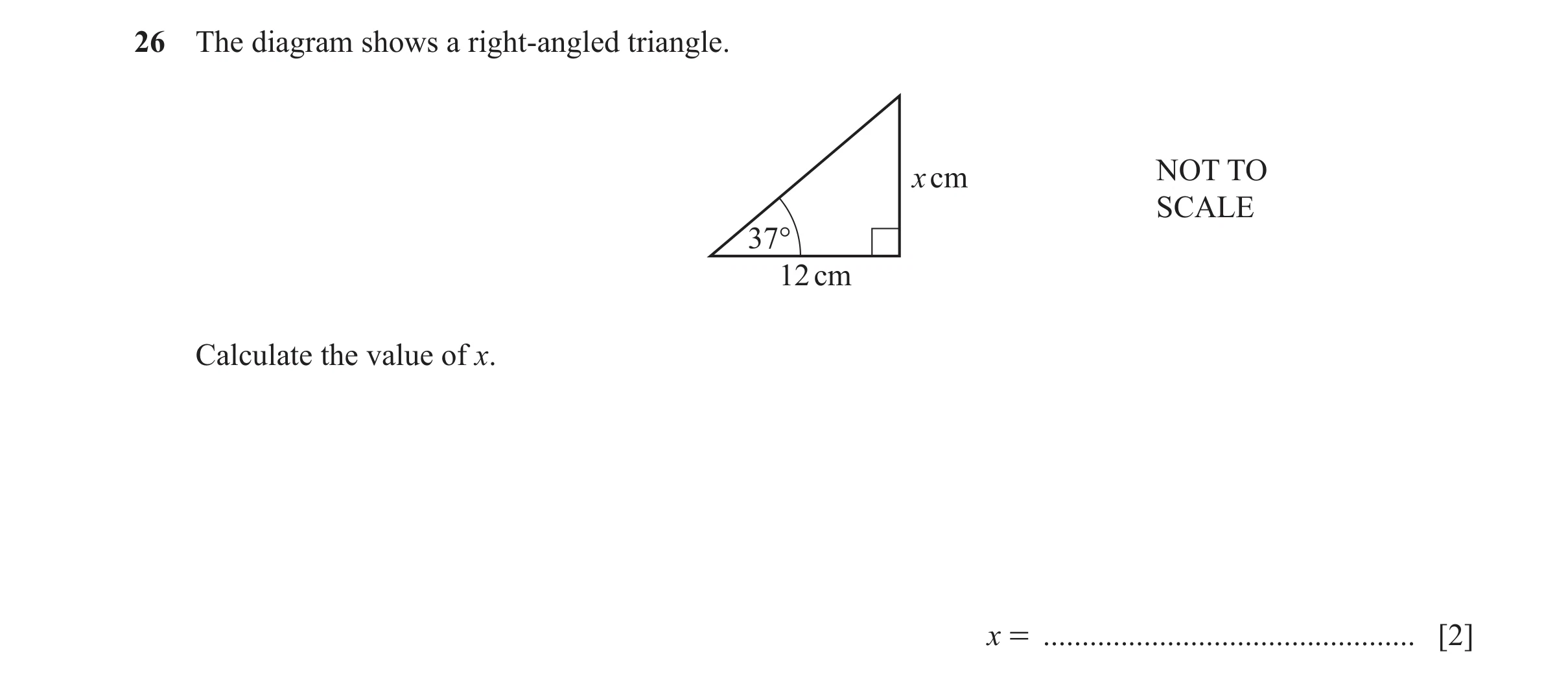
26 The diagram shows a right-angled triangle. x cm NOT TO SCALE 37° 12 cm Calculate the value of x. x = … [2]
2 marks
Mark scheme: 26 9.04 or 9.042 to 9.043 2 x M1 for tan 37 = or better 12 12 or tan 53 = or better x
This question in 0580/32 Oct/Nov 2025
Q39 · NOT TO x cm SCALE 5 cm 4 cm The diagram shows an isosceles triangle 0580/33 Oct/Nov 2025
16 NOT TO x cm SCALE 5 cm 4 cm The diagram shows an isosceles triangle. (a) Calculate the value of x. x = … [2] (b) The triangle is one face of a square-based pyramid. Each triangular face of the pyramid is the same. On the 1 cm2 grid, draw a net of this pyramid. [3]
5 marks
Mark scheme: 16(a) 5.39 or 5.385… 2 M1 for 52 + 22 oe 16(b) Correct net of the pyramid 3 B2 for a 4 by 4 square and 4 identical isosceles triangles correctly placed on the square or 3 correct faces e.g. a 4 by 4 square and at least two correct triangles correctly placed on the square or B1 for one correct face on a net or 4 isosceles triangles with height 5 on the sides of a square
This question in 0580/33 Oct/Nov 2025
 1 / 57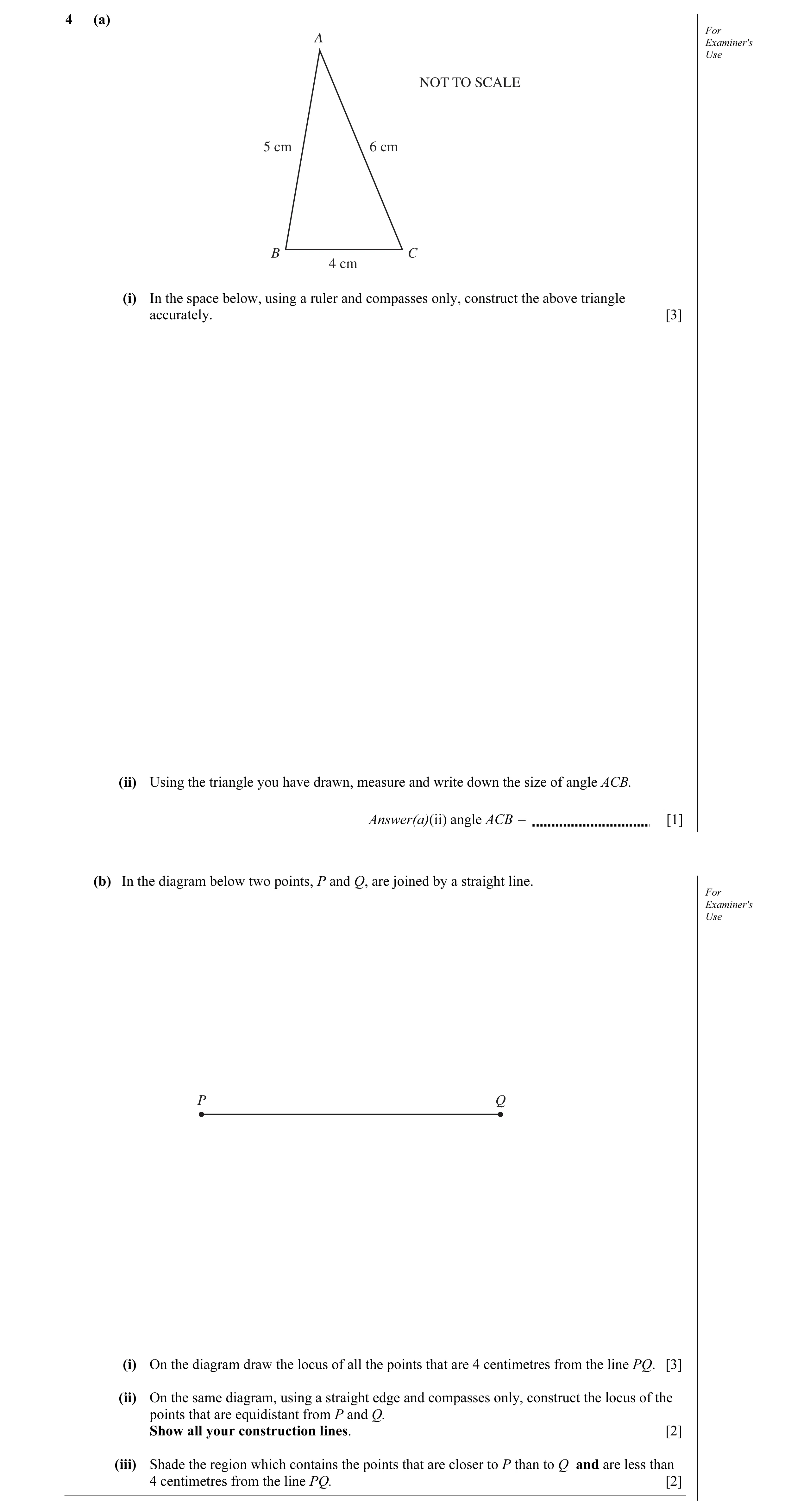
 4 / 57
 5 / 57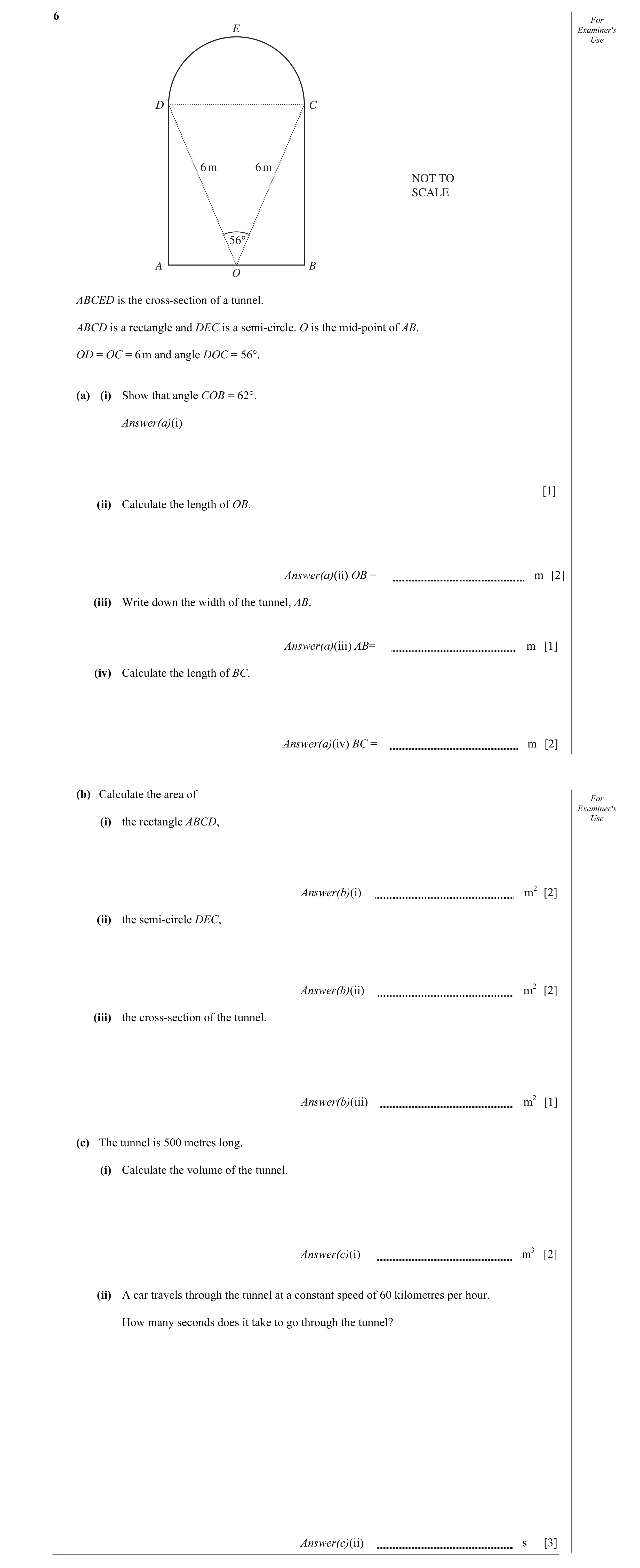
 12 / 57
 13 / 57
 14 / 57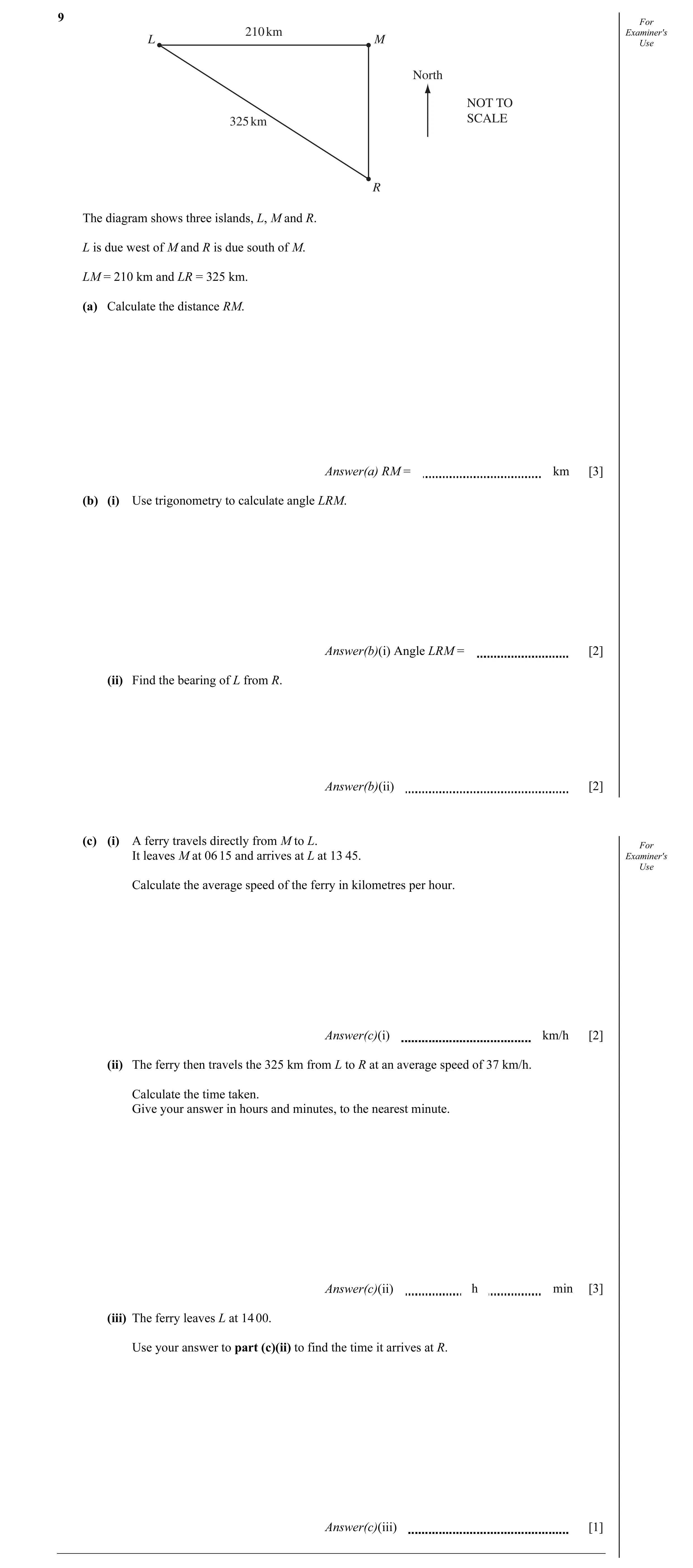
 17 / 57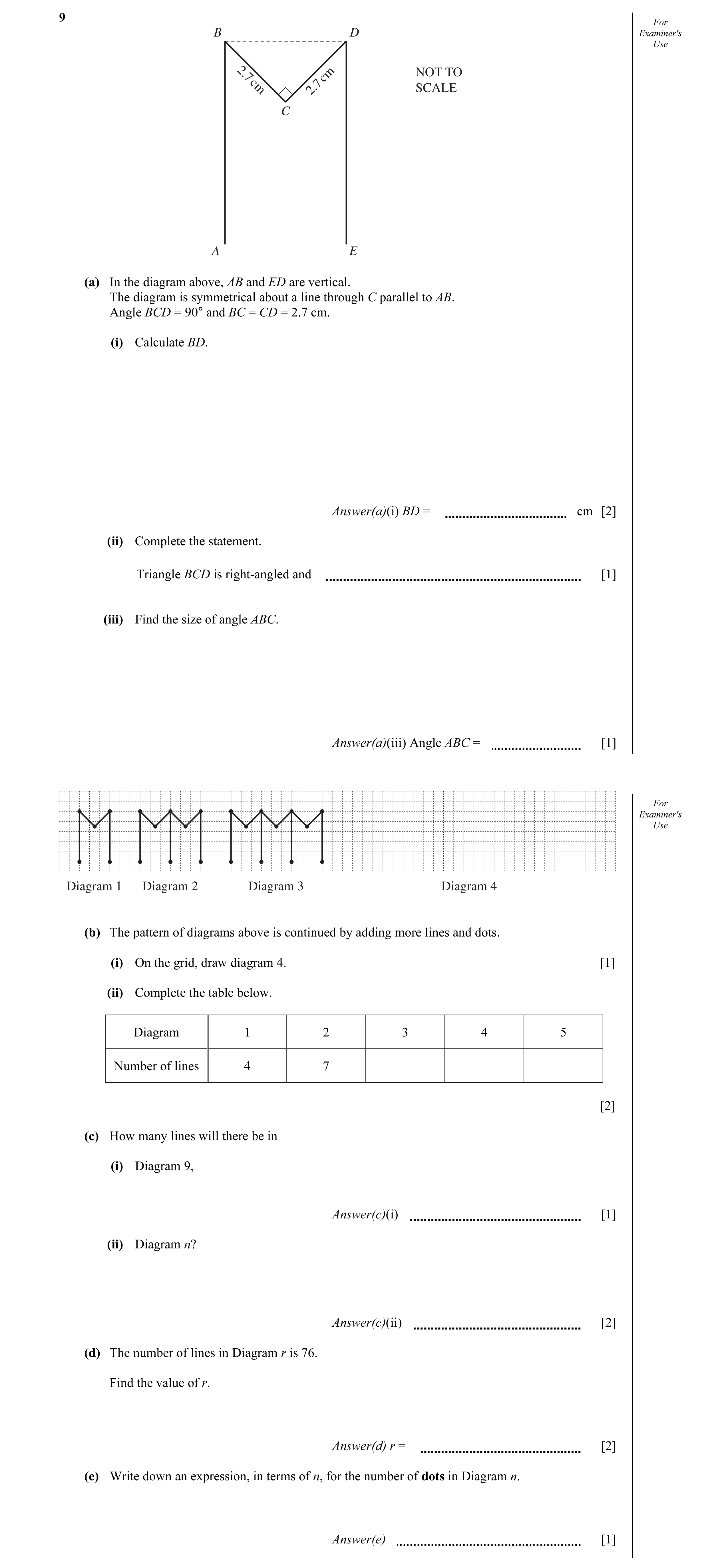
 20 / 57
 21 / 57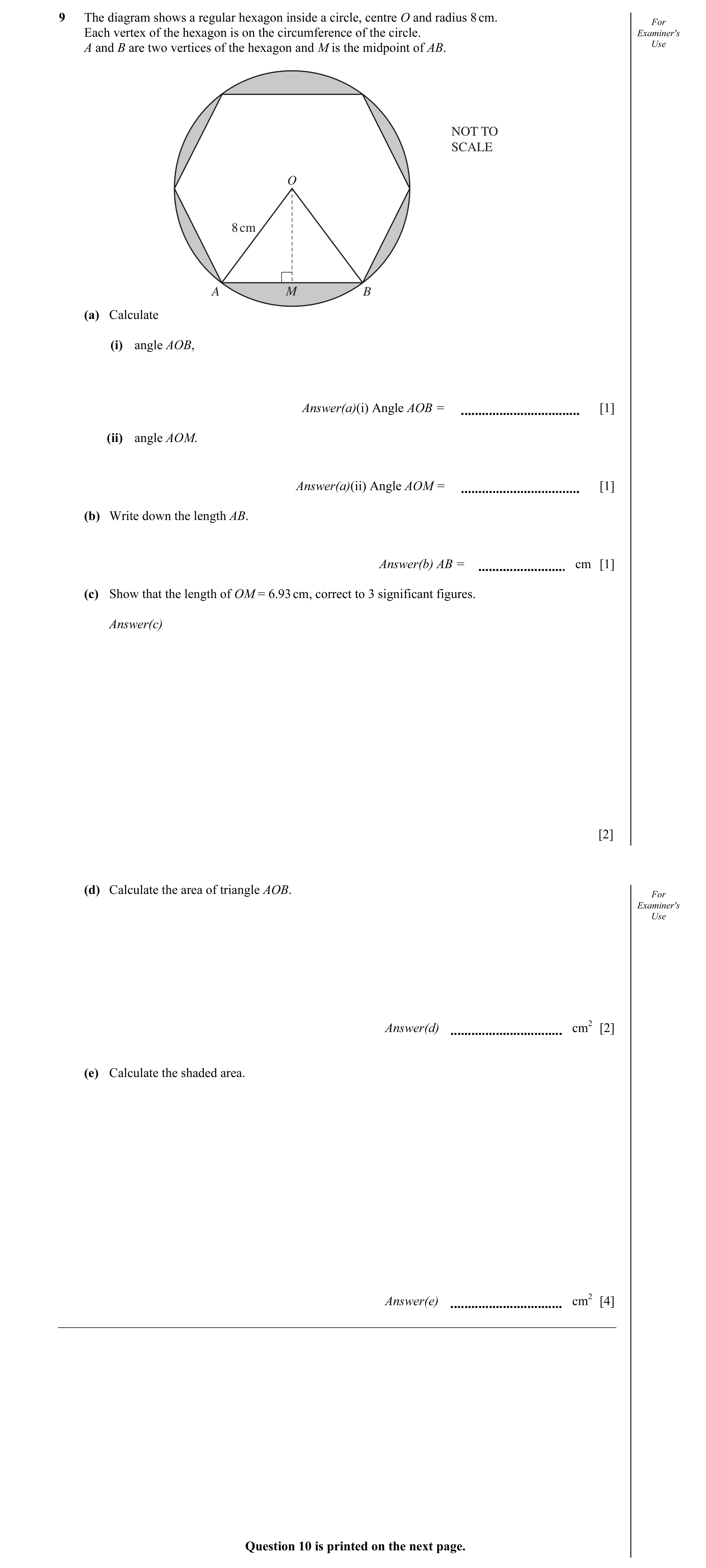
![Question 21: (a) The grid shows part of the net of a cuboid. Complete the net. [2] (b) The volume of another cuboid is 60 cm3. Each side is a whole numb…](https://img.pastlit.com/crops/dcd45baf-932a-4bbf-9f88-7bc3eecf09a2/q6.webp)
![Question 22: (a) y 4 3 2 B 1 x –5 –4 –3 –2 –1 0 1 2 3 4 5 –1 –2 A –3 –4 (i) Plot point C at (–4, 2). [1] (ii) Write down the mathematical name of the tr…](https://img.pastlit.com/crops/43c56002-14ed-403f-be73-7f519e6c0974/q4.webp)
 35 / 57
![Question 24: (a) NOT TO SCALE 108° 136° A C B In the diagram, AB = AC. Find (i) angle BAC, Angle BAC = ............................................. [1]…](https://img.pastlit.com/crops/fe0bc729-6ca2-4cdd-be28-509730896f74/q8.webp)
![Question 25: (a) On the 1cm2 grid, draw one rectangle that has • a perimeter of 22 cm and • an area of 24cm2. [2] (b) 94° 127° NOT TO SCALE x° 298° Work…](https://img.pastlit.com/crops/1fcbe8a1-d11f-4e6f-833a-064983c160bf/q9.webp)
![Question 27: (a) B NOT TO 125 m SCALE A C 100 m The diagram shows a right-angled triangle, ABC. (i) Show that BC = 75 m . [2] (ii) Calculate angle BAC. …](https://img.pastlit.com/crops/6070a48c-fc8a-4af8-84d1-0b60f411fbda/q8.webp)
![Question 28: (a) x (i) Measure the size of angle x. Angle x = ................................................ [1] (ii) Write down the mathematical name…](https://img.pastlit.com/crops/61379cd6-b627-47dc-935f-94e6ad969515/q4.webp)
![Question 30: (a) Write down the number of sides of a hexagon. ................................................. [1] (b) B A C In triangle ABC, AB = AC. …](https://img.pastlit.com/crops/687830e1-184a-433b-8370-66ee3b3a9dab/q2.webp)
![Question 33: (a) NOT TO 10 cm SCALE 4 cm 7 cm Find the perimeter of the triangle. ............................................ cm [1] (b) The diagram sh…](https://img.pastlit.com/crops/a2efe686-db90-487b-a415-0737091e3760/q7.webp)
![Question 34: (a) Calculate the volume of a cylinder with radius 7.8 cm and height 15 cm. .......................................... cm3 [2] (b) A cube h…](https://img.pastlit.com/crops/c8ad130c-4f12-4a33-ba01-607046251534/q4.webp)
 54 / 57
![Question 37: 32 cm A C NOT TO SCALE 27° B ABC is a right-angled triangle. Calculate BC. BC = ĭĭĭĭĭĭĭĭĭĭĭĭĭĭĭĭĭĭĭĭĭĭĭĭĭĭĭĭĭĭĭĭĭĭĭĭĭĭĭĭĭĭĭĭĭĭĭĭ cm [3]](https://img.pastlit.com/crops/780b211c-ee73-4bc3-9f20-8ac8060777bf/q24.webp)
 55 / 57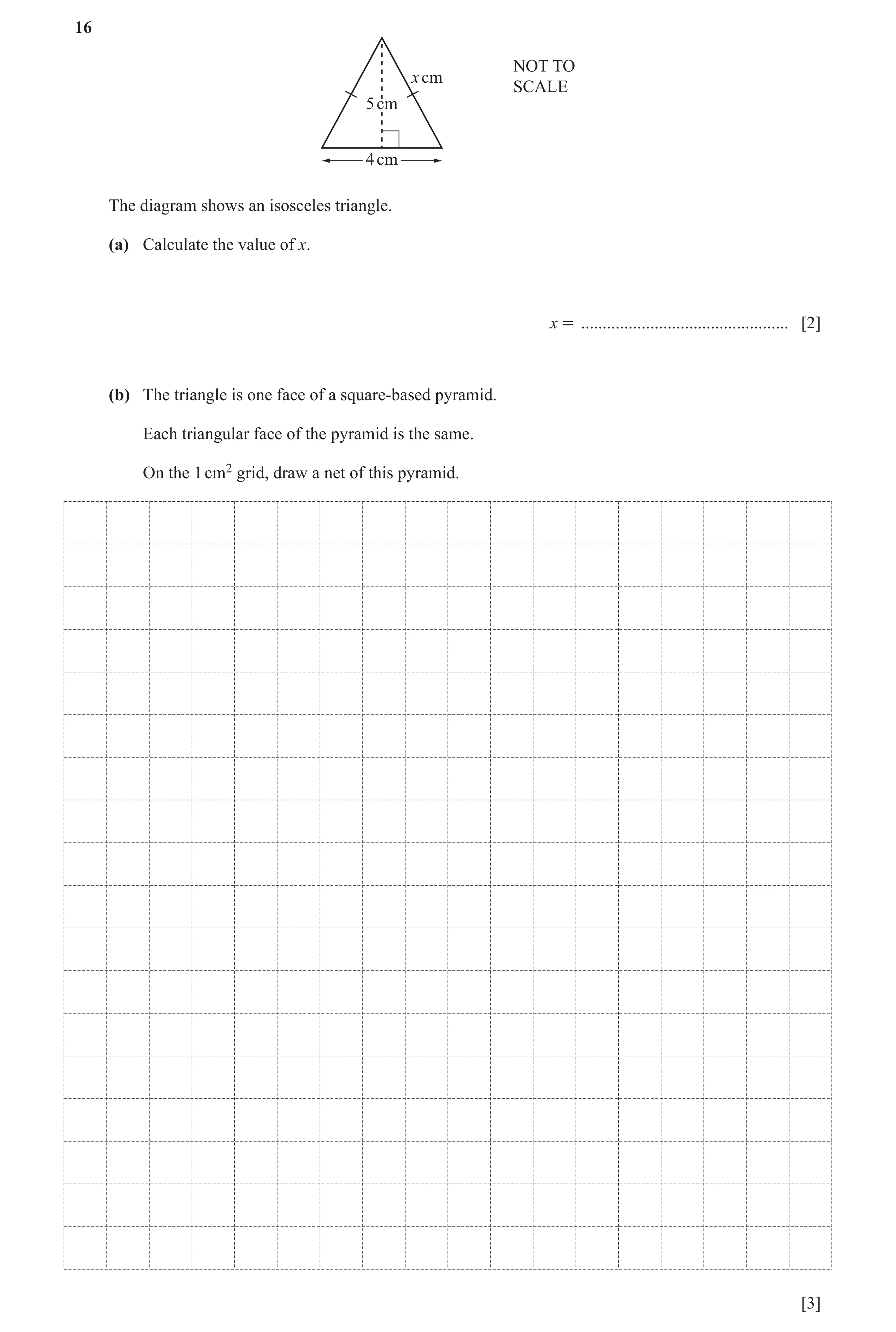
 9
9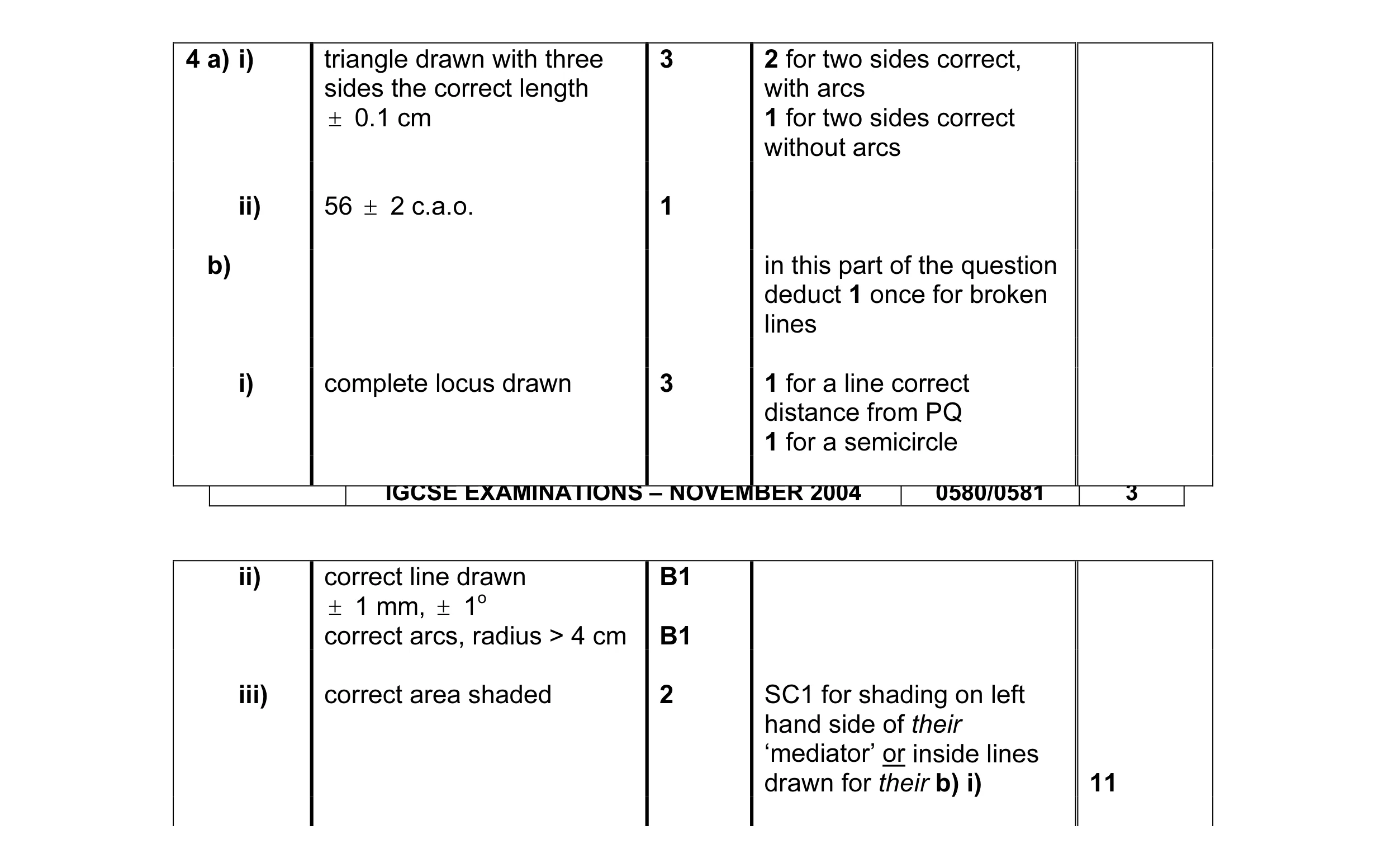 11
11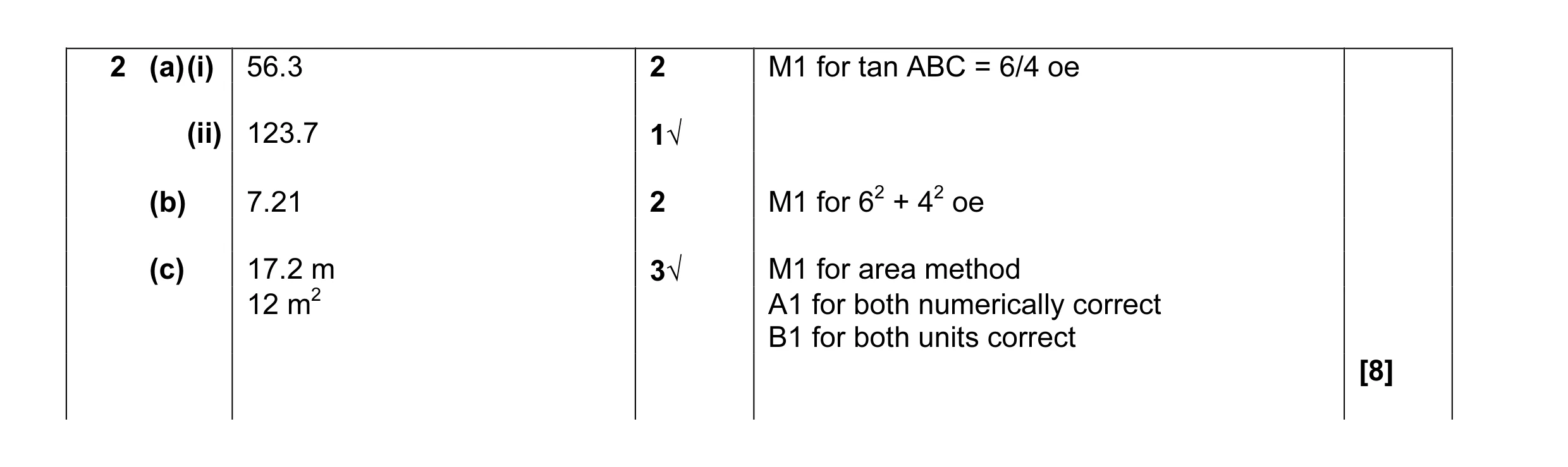 8
8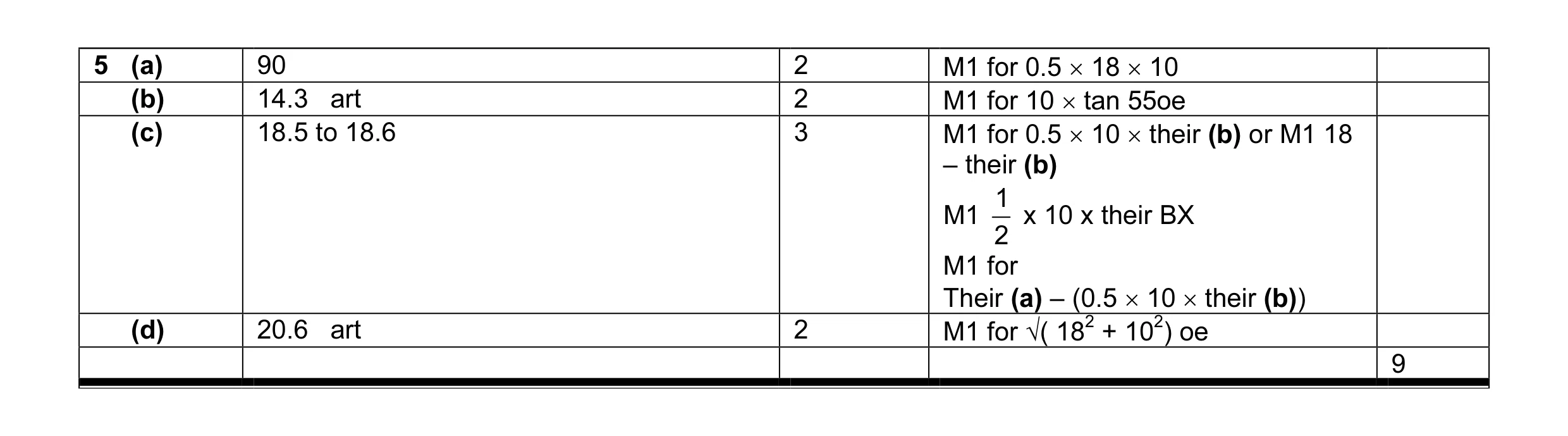 9
9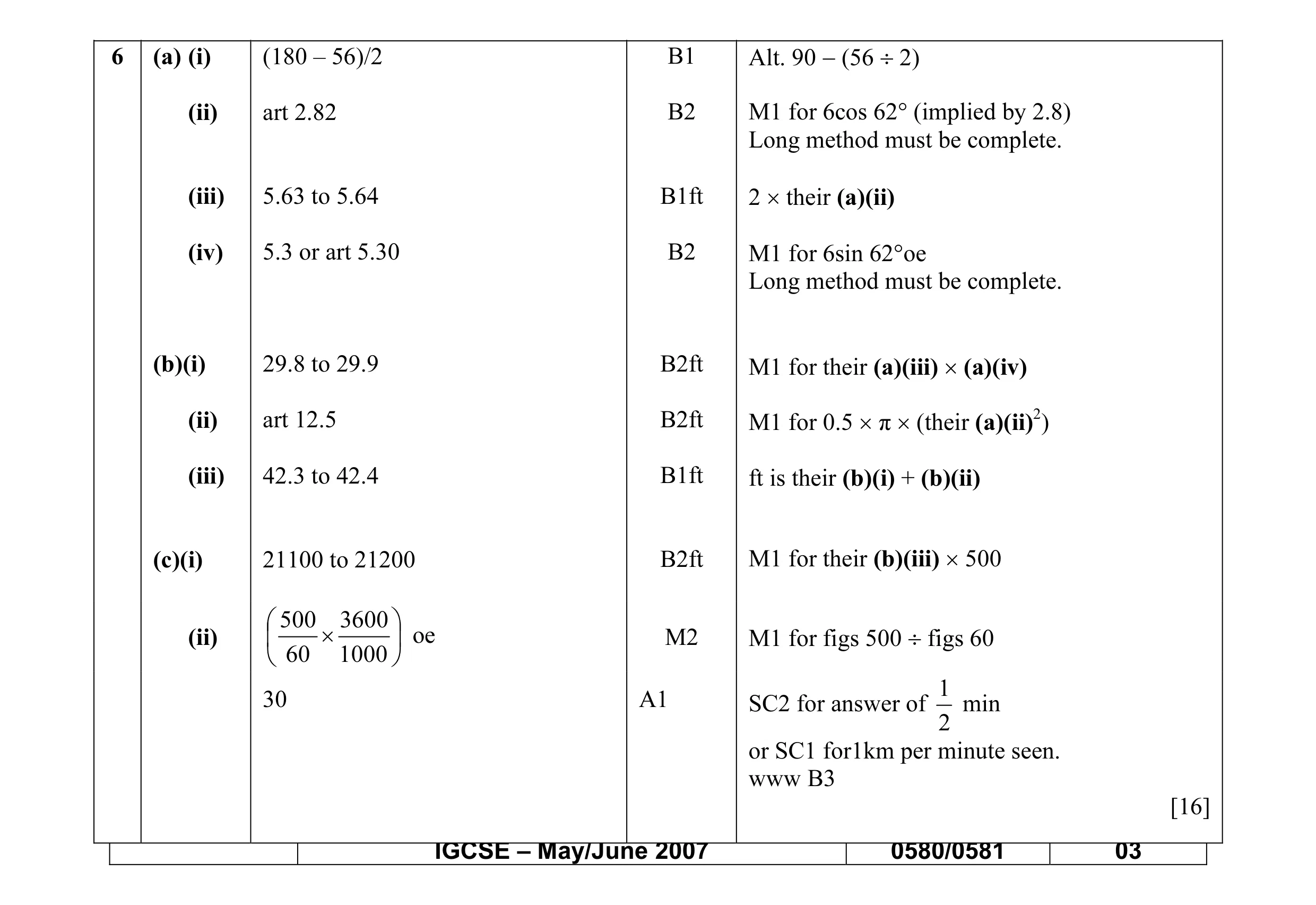 16
16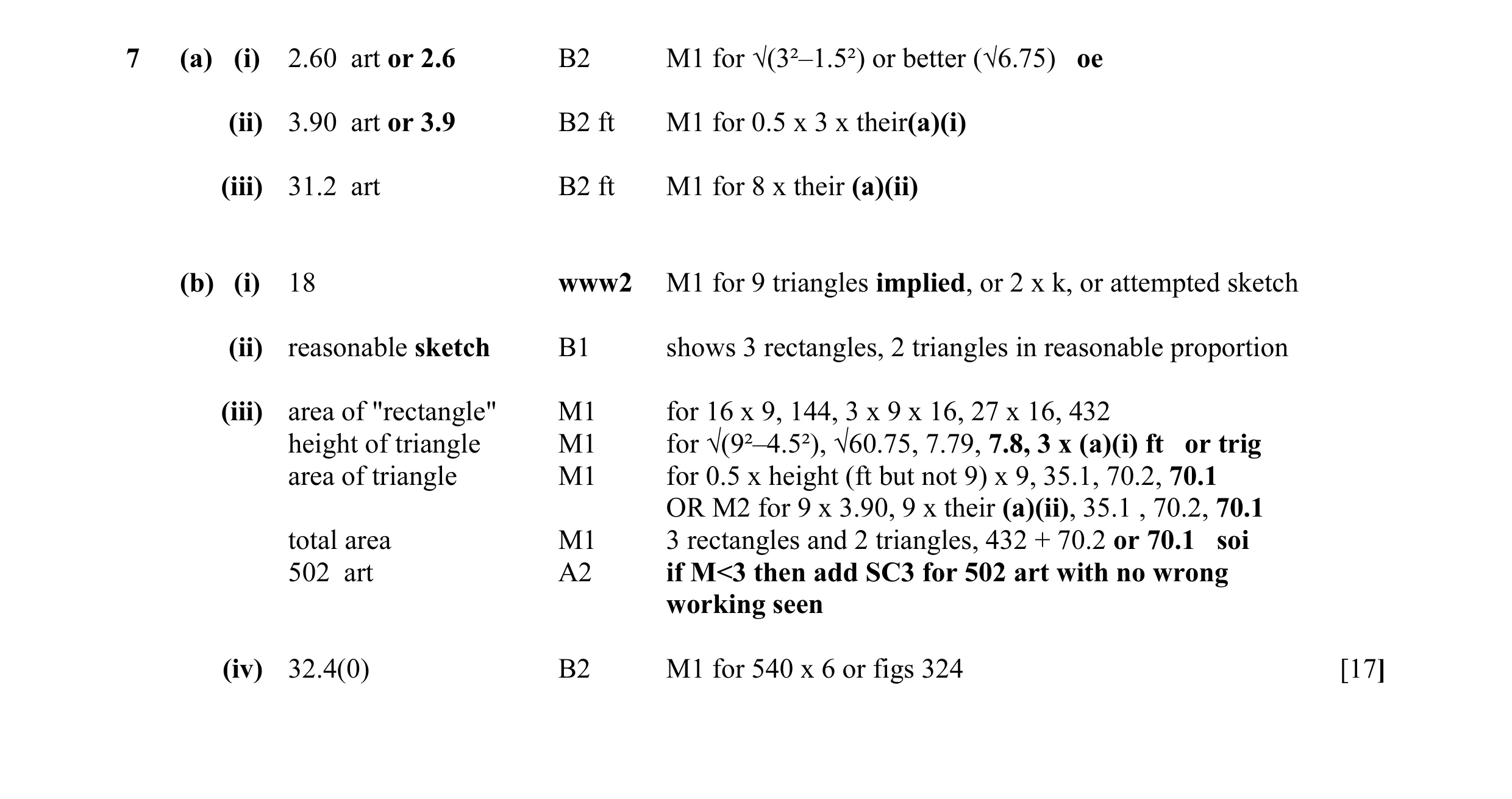 17
17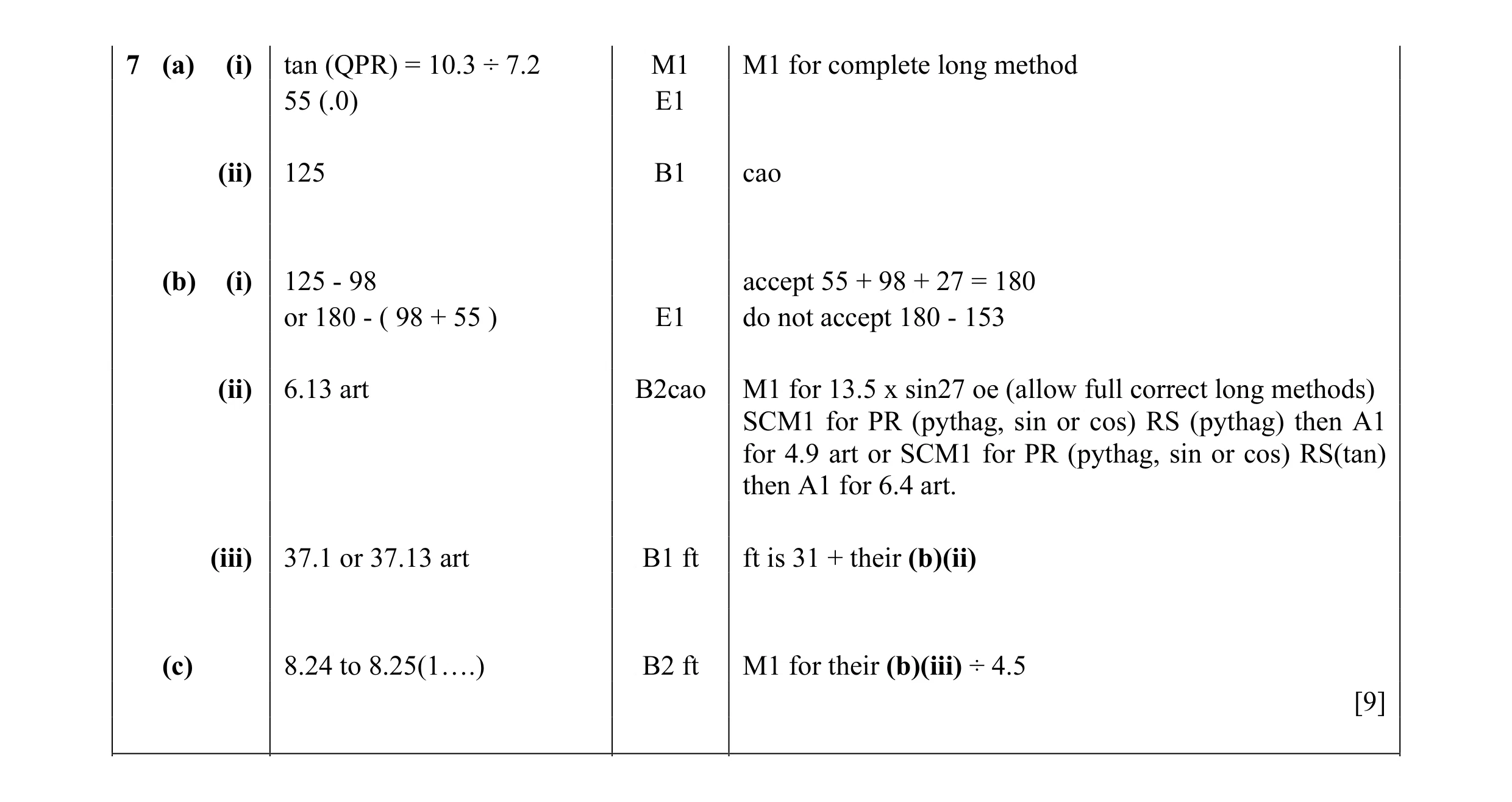 9
9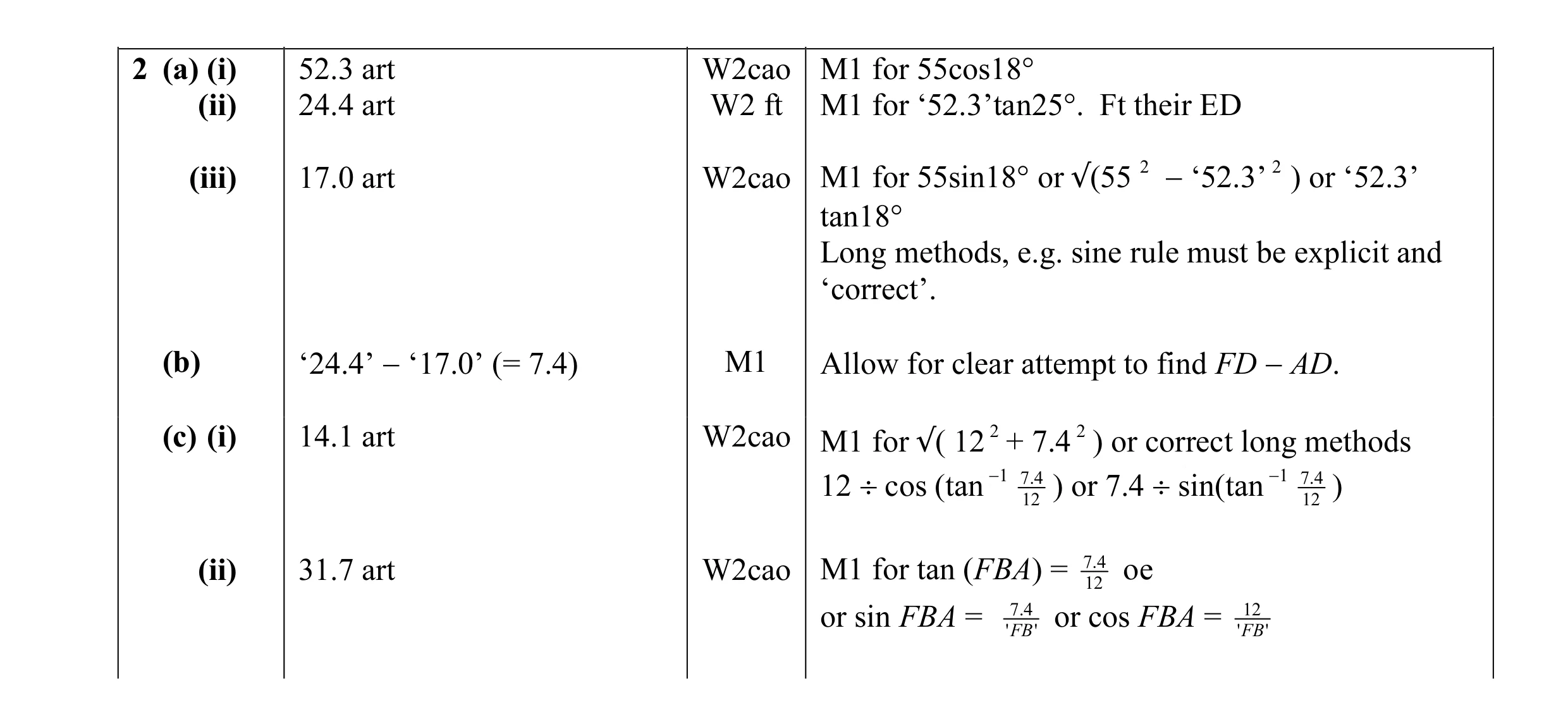 11
11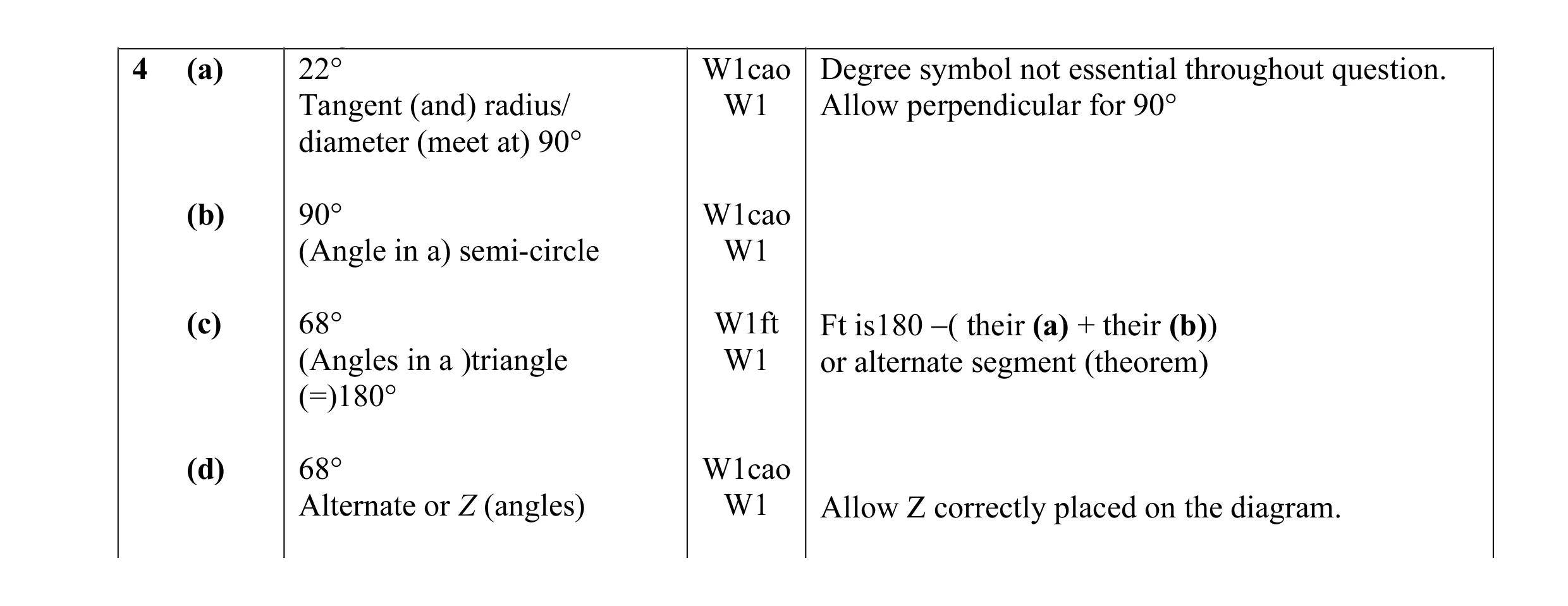 8
8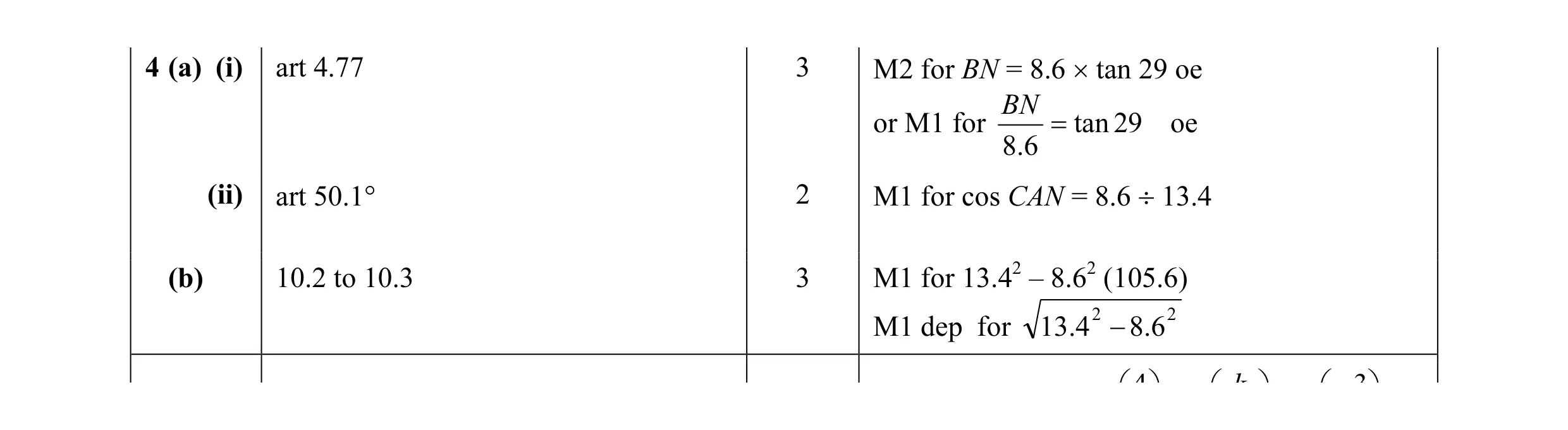 8
8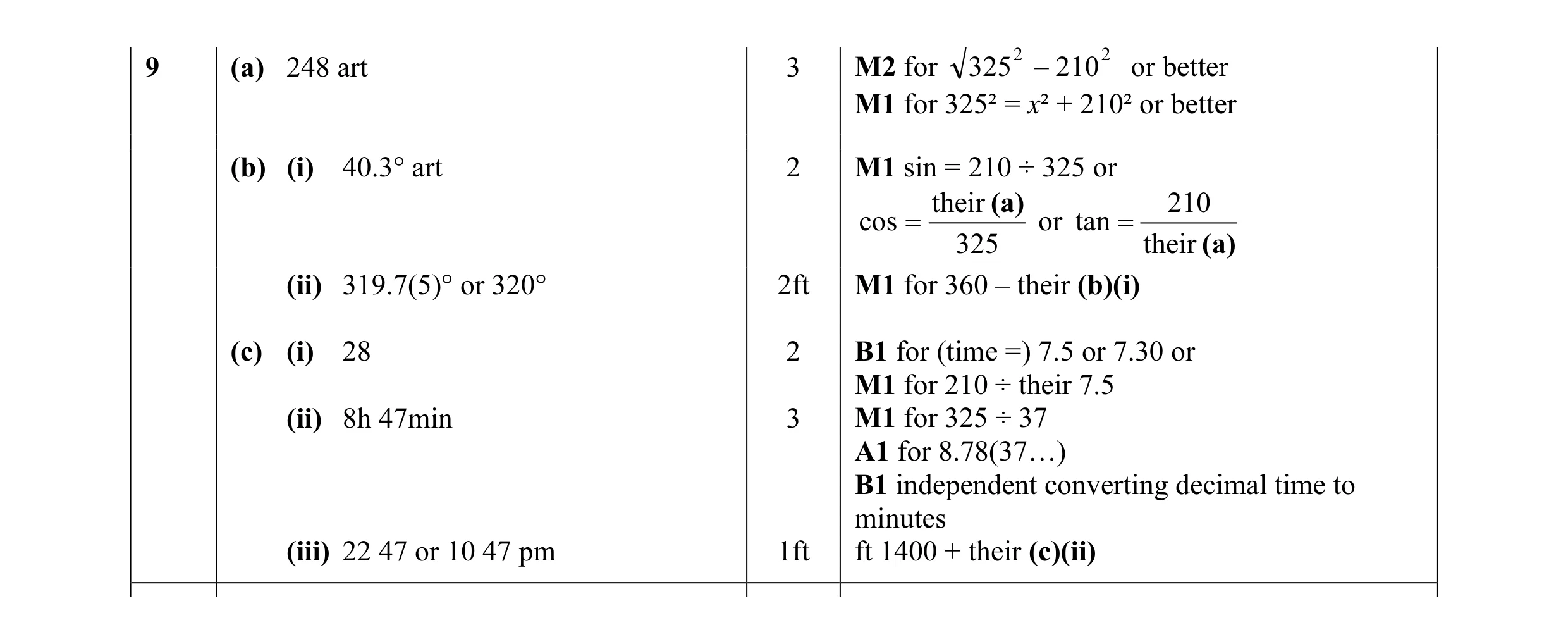 13
13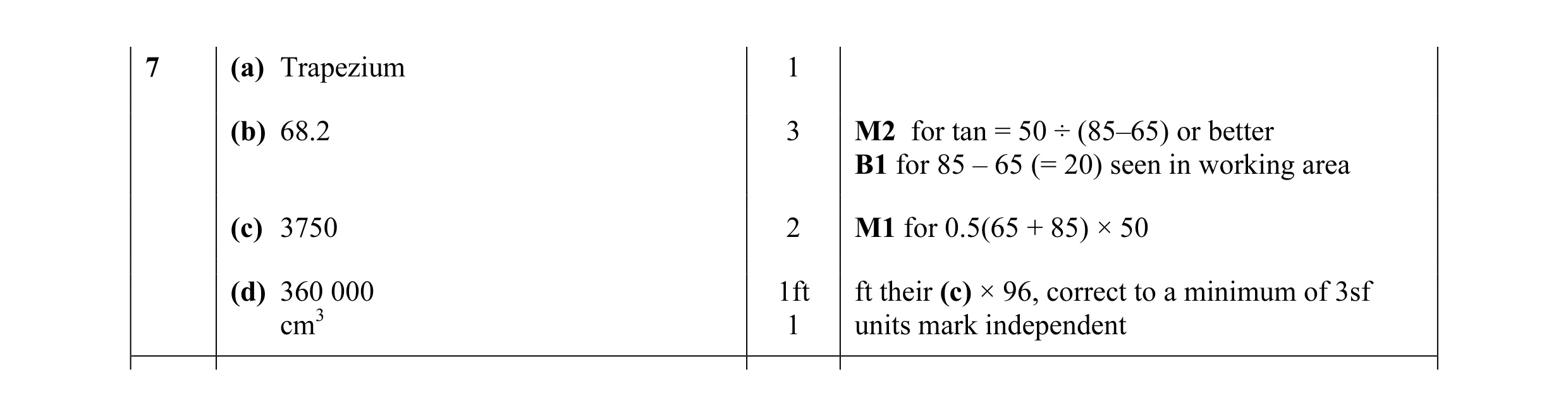 8
8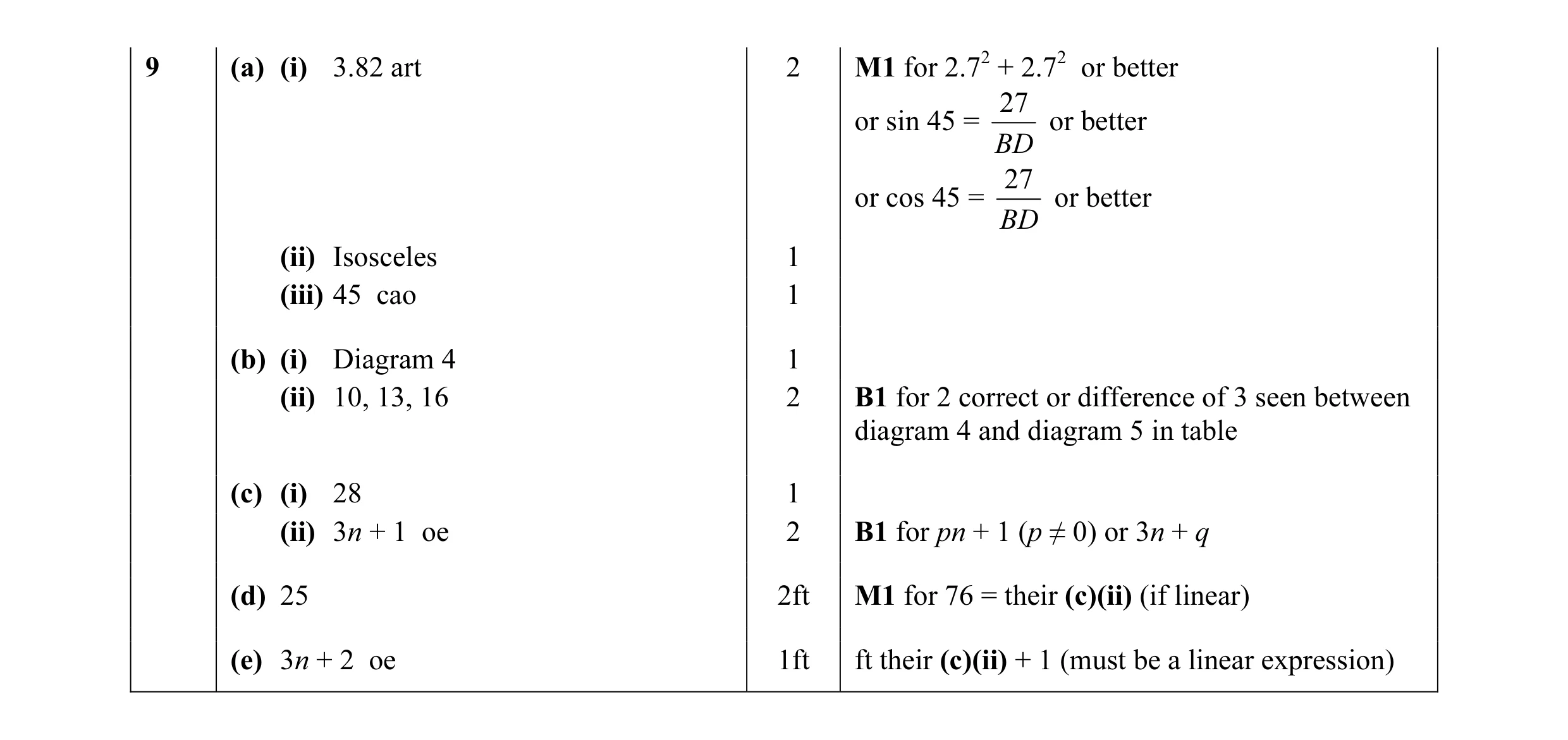 13
13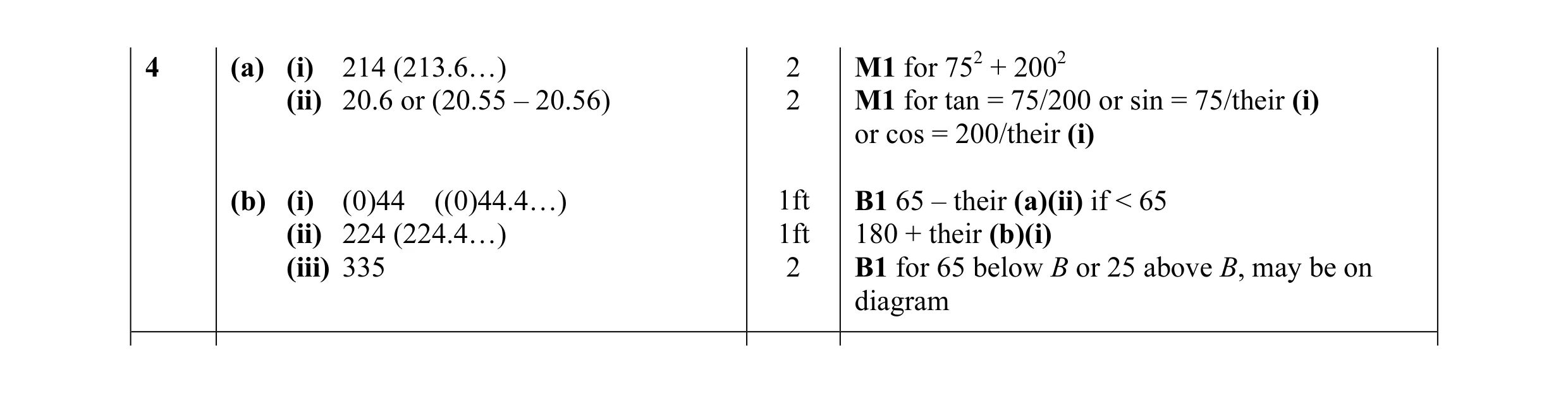 8
8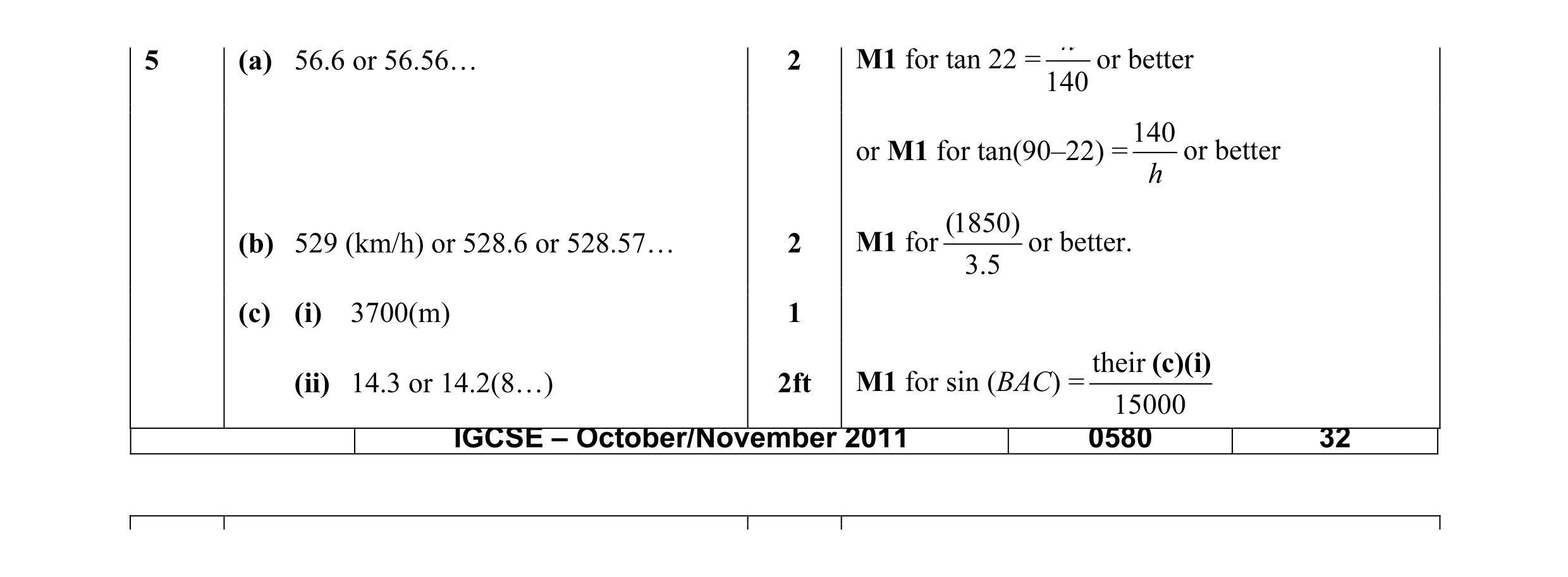 7
7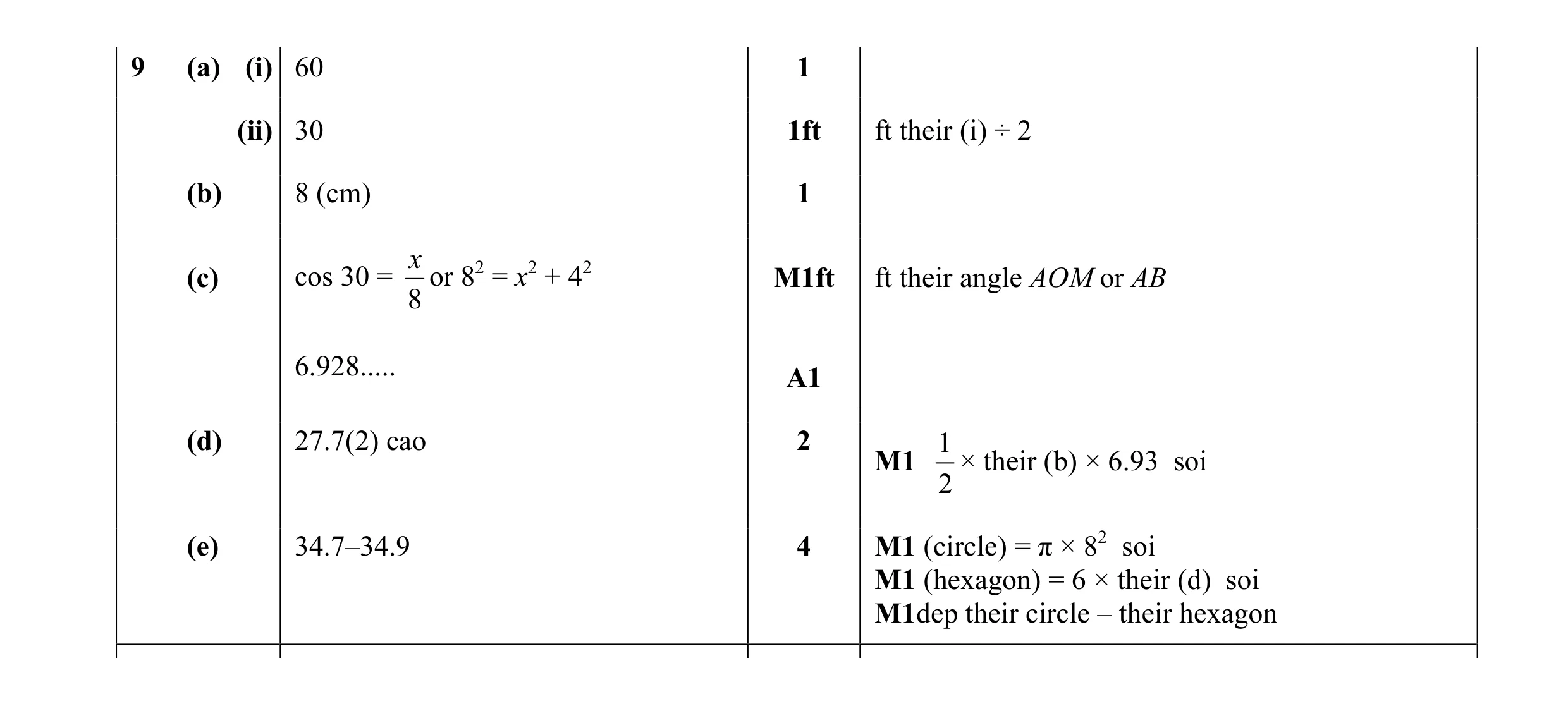 11
11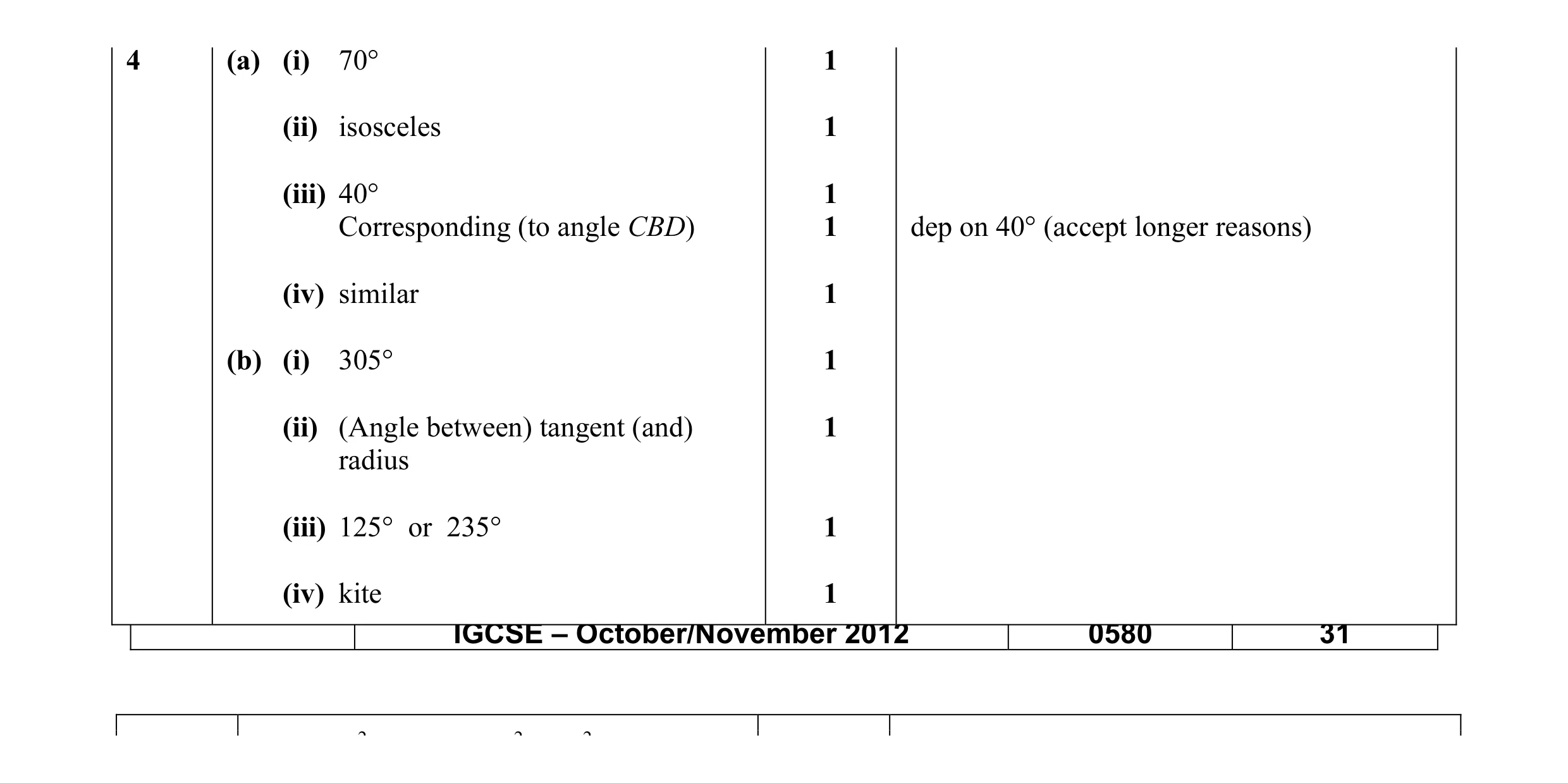 9
9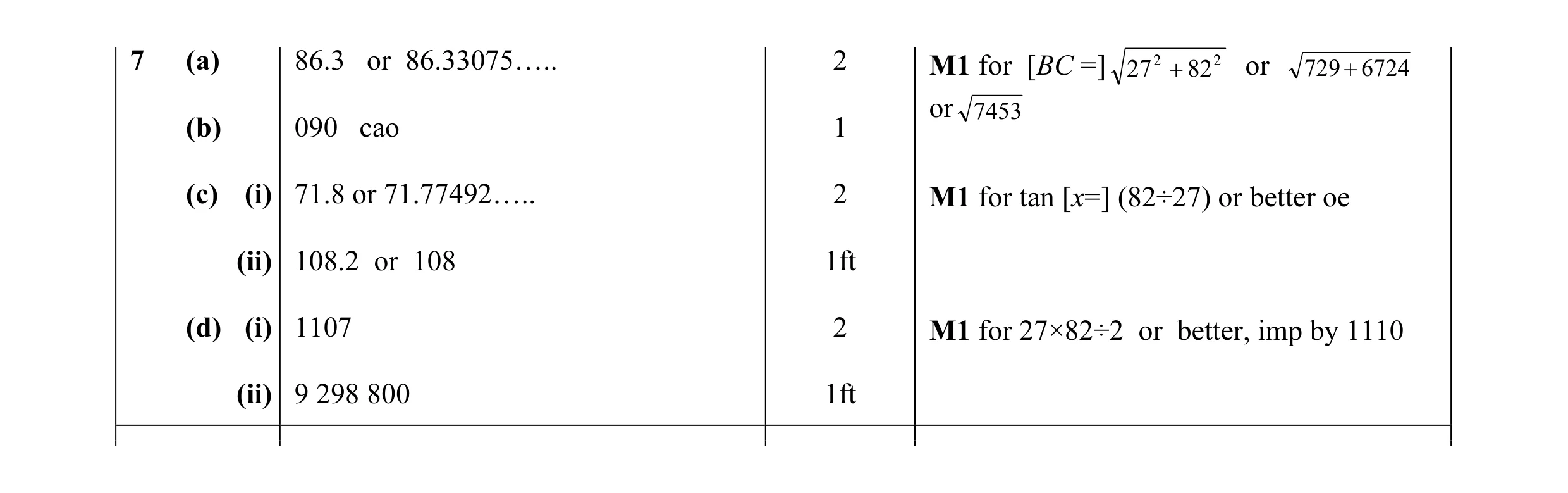 9
9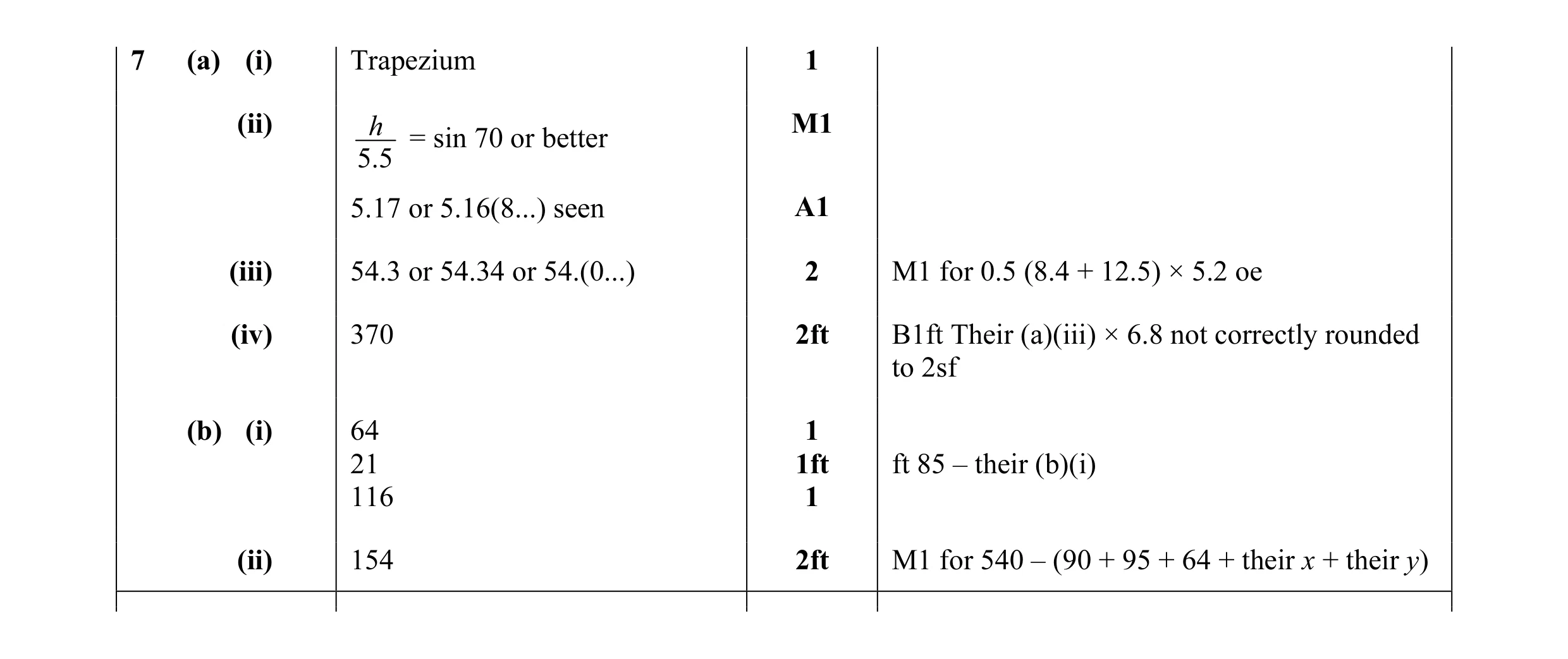 12
12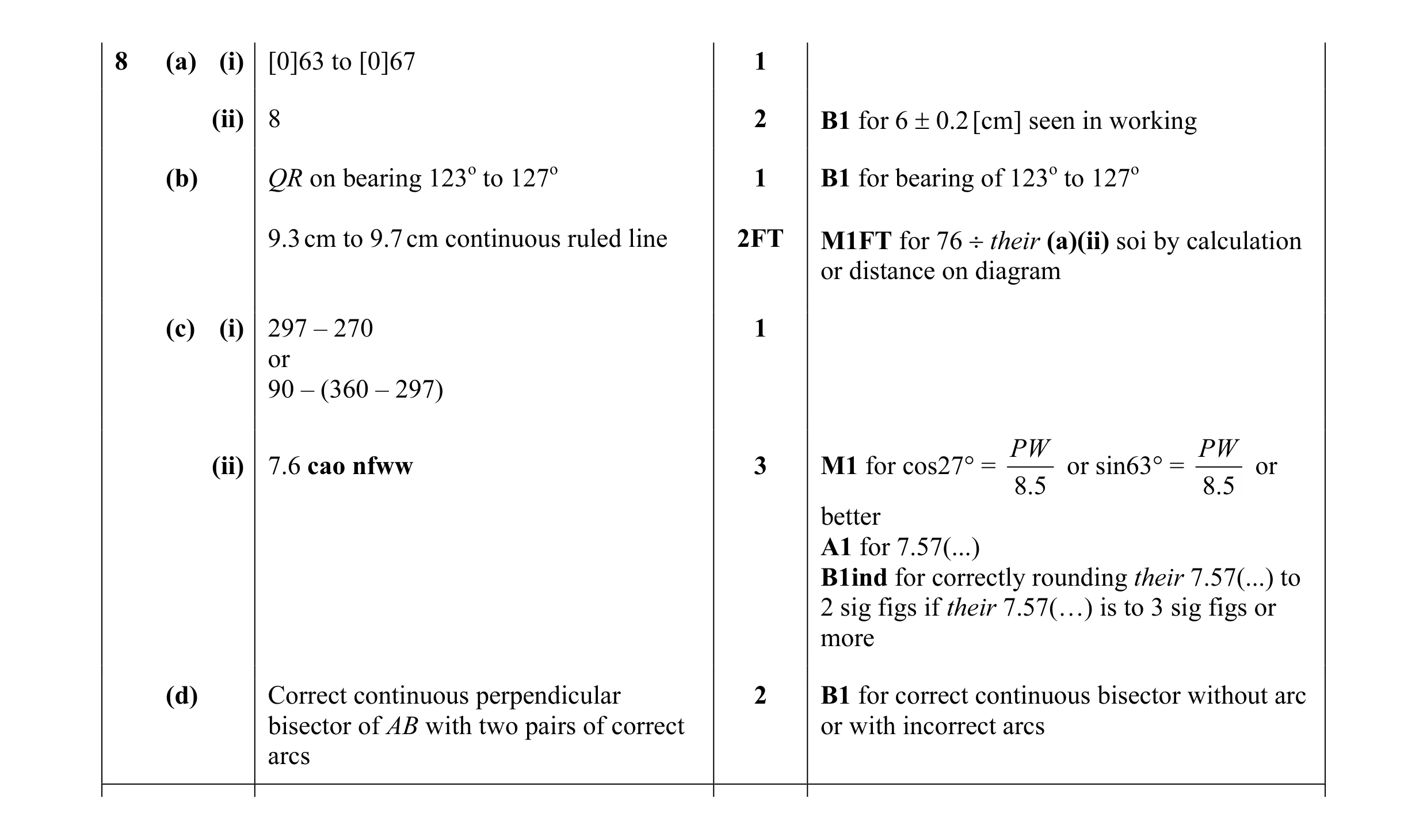 12
12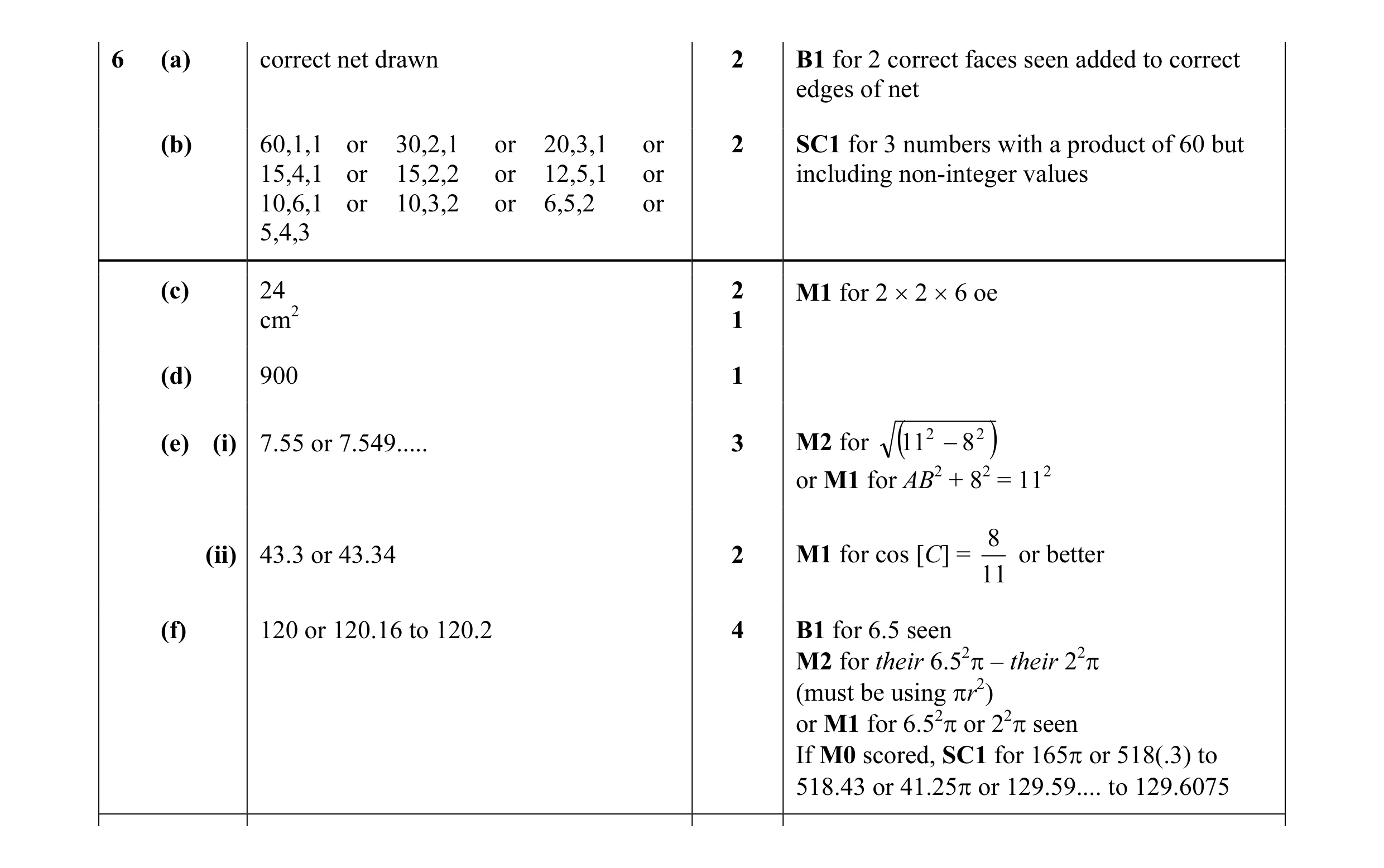 17
17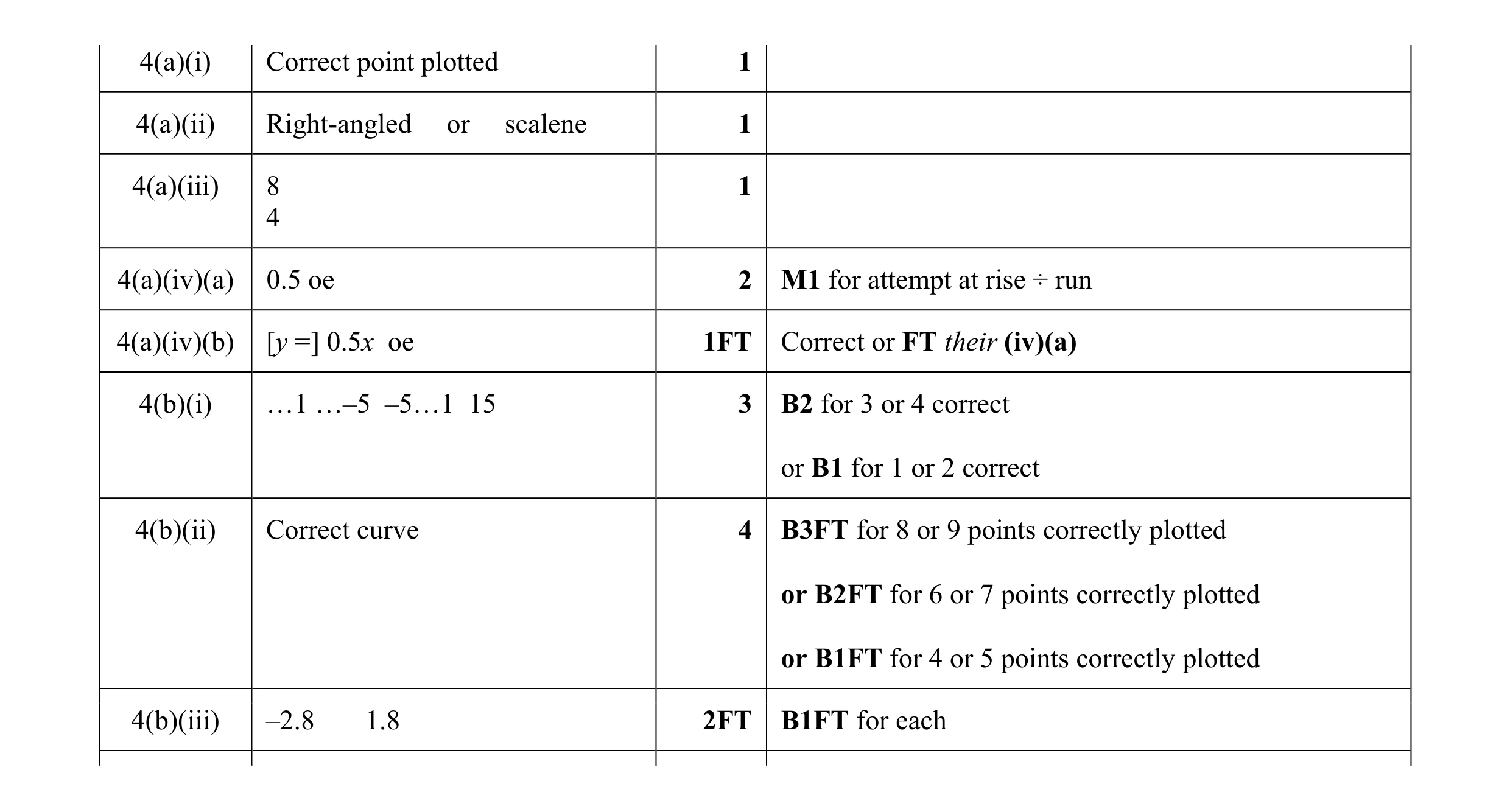 15
15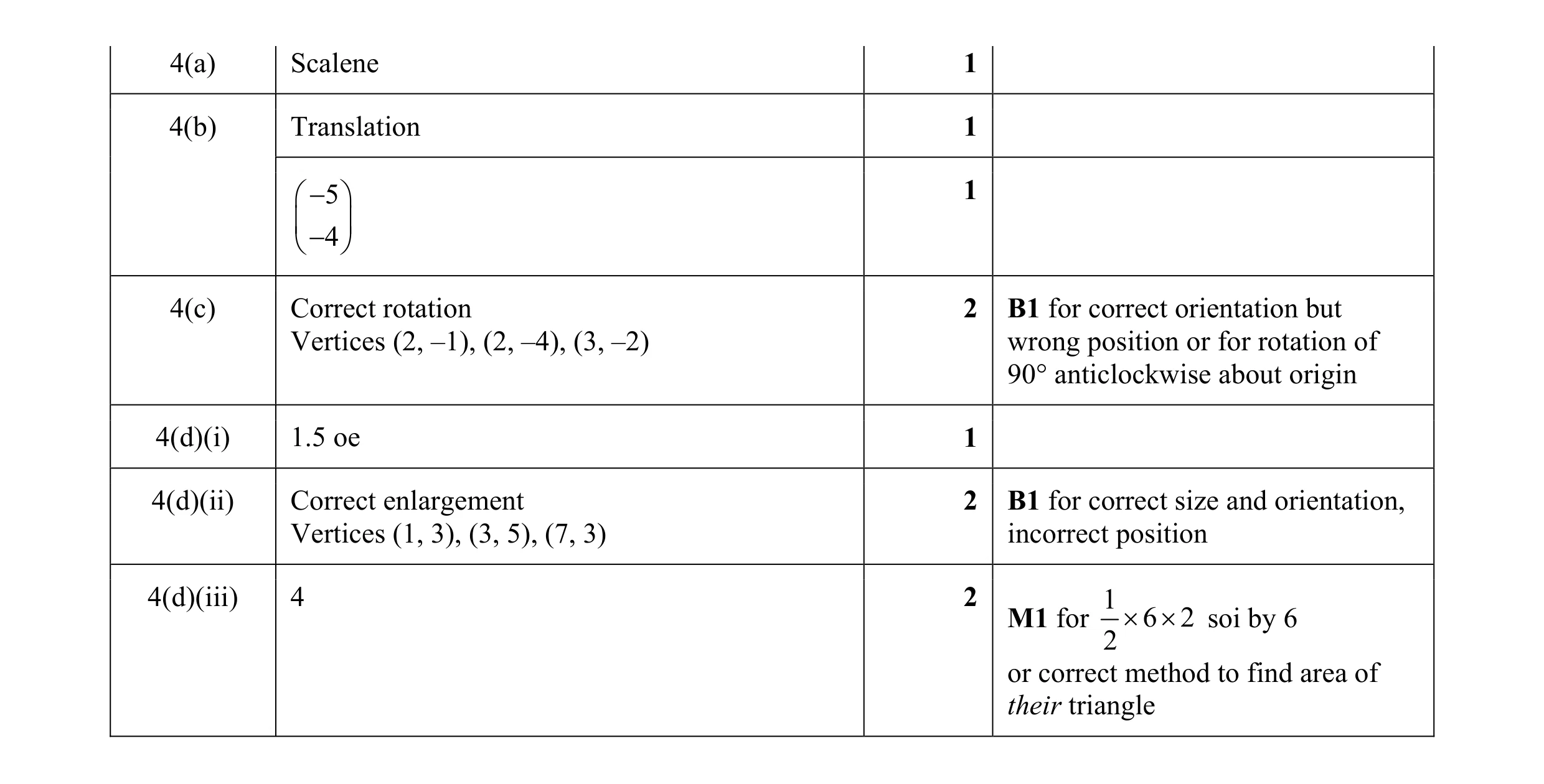 10
10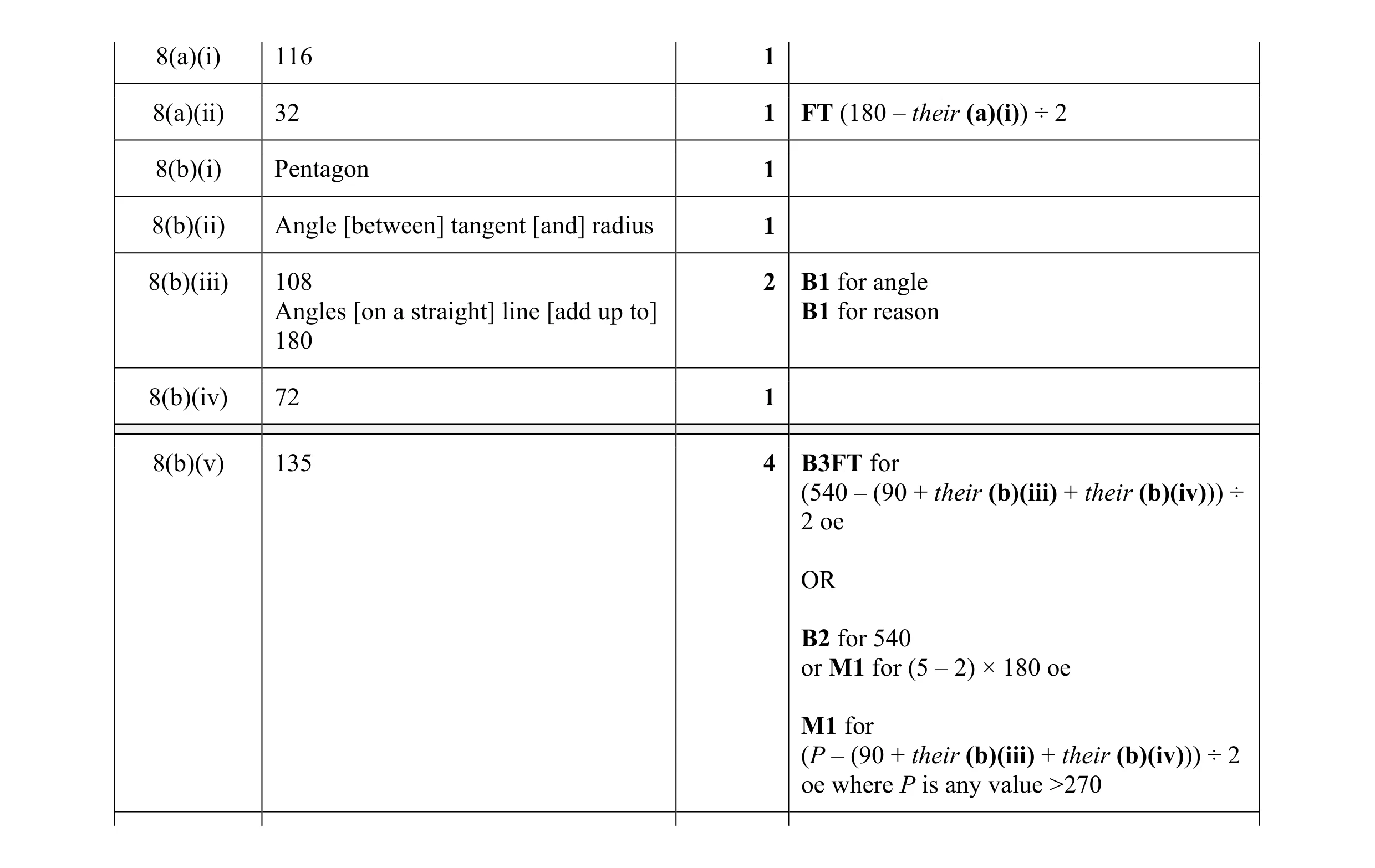 11
11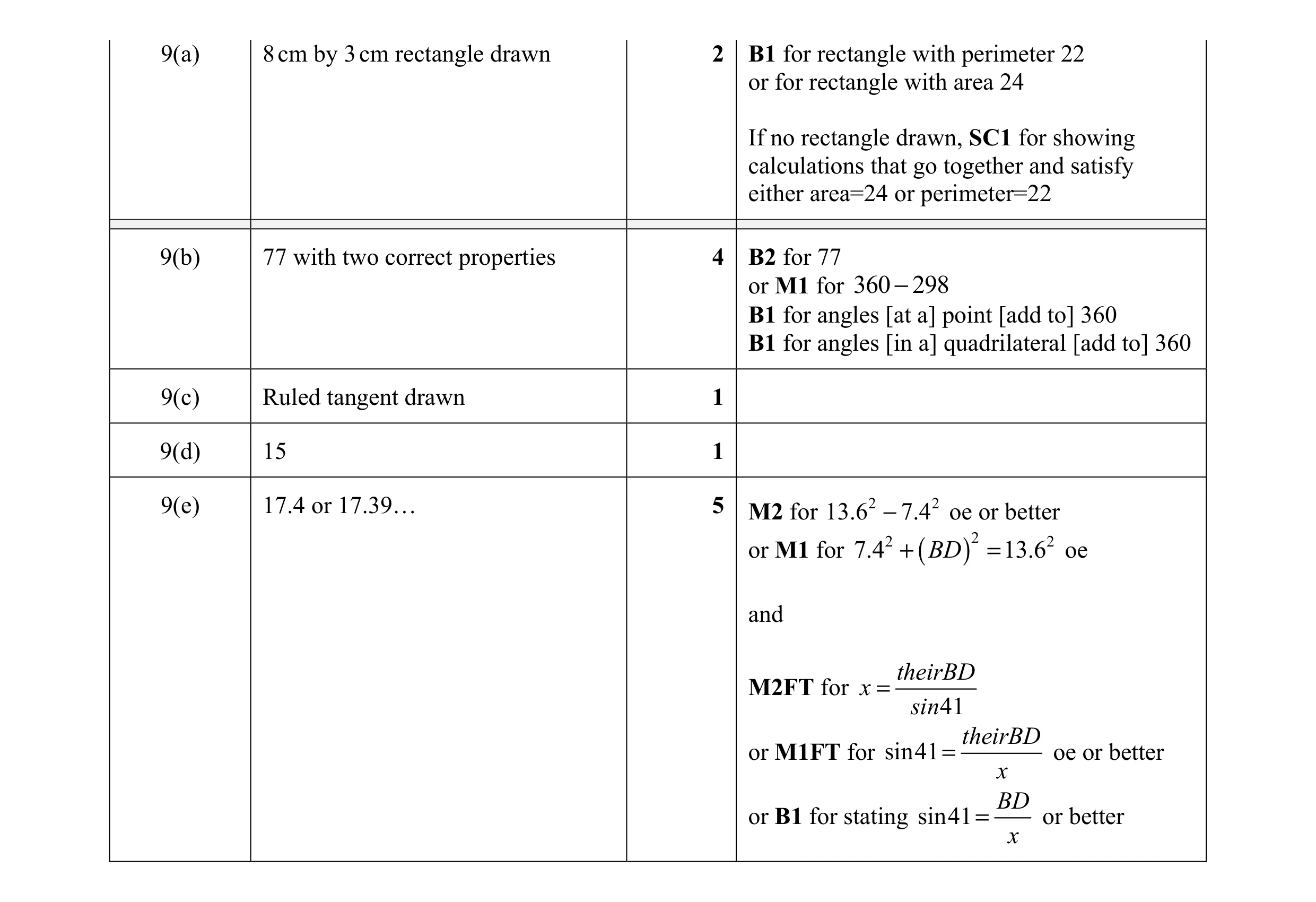 13
13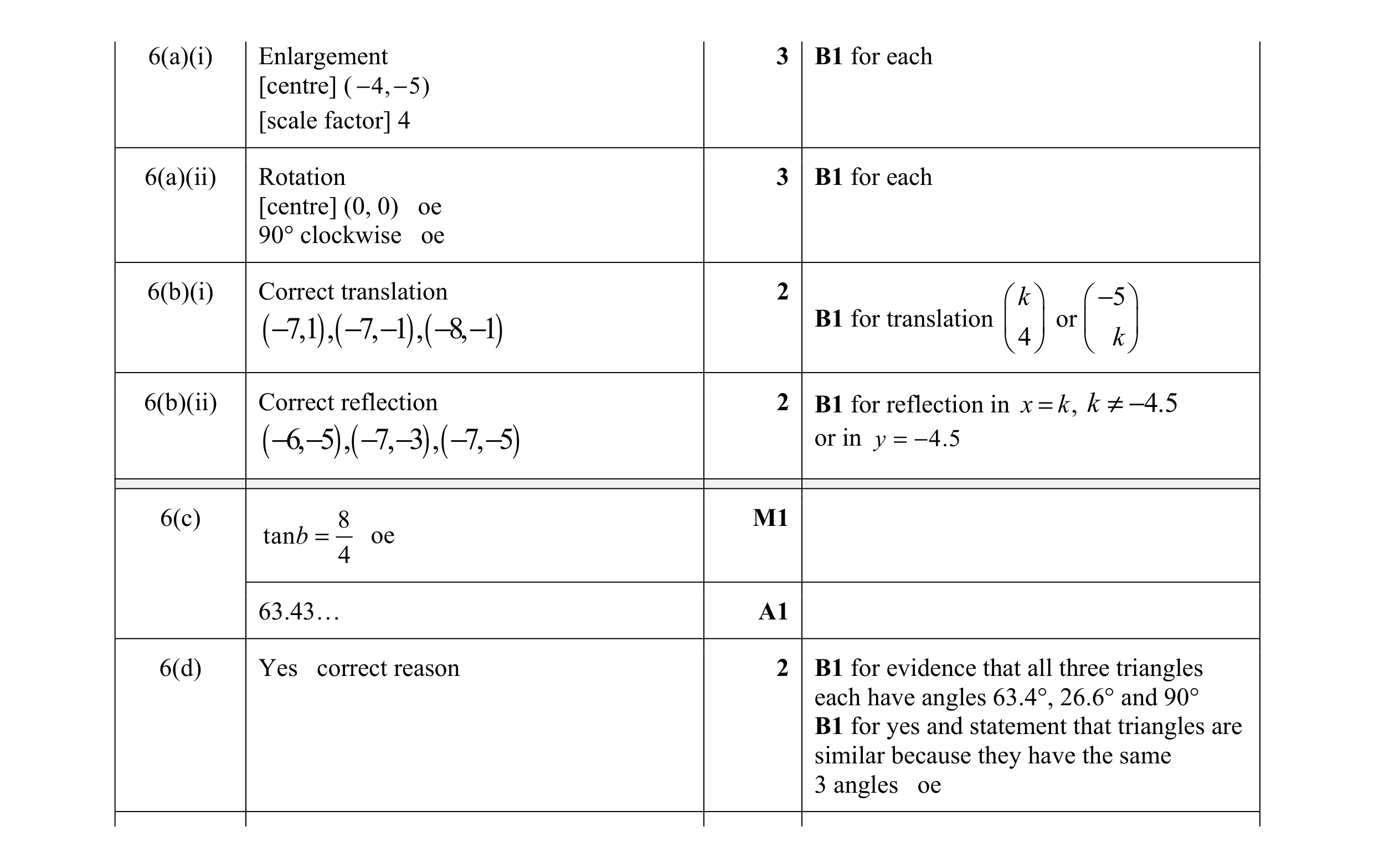 14
14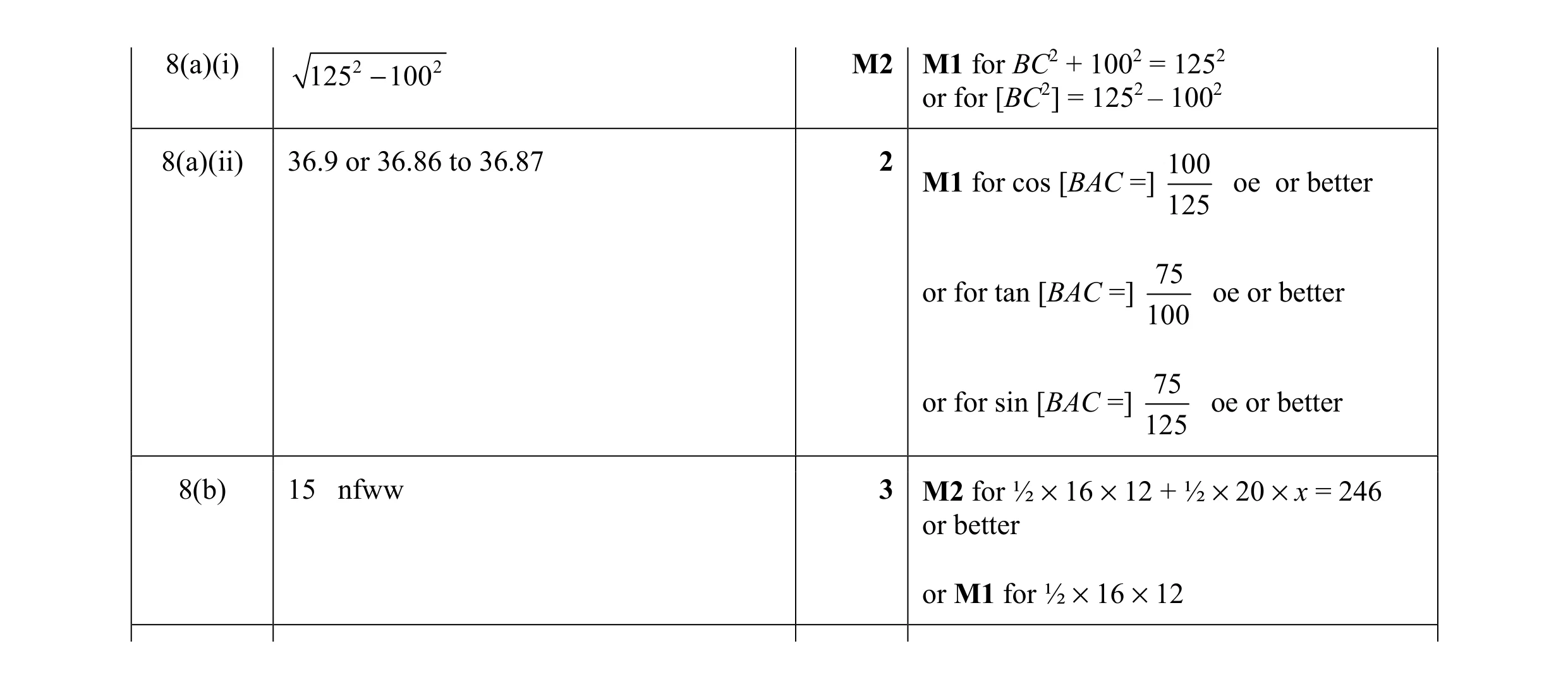 7
7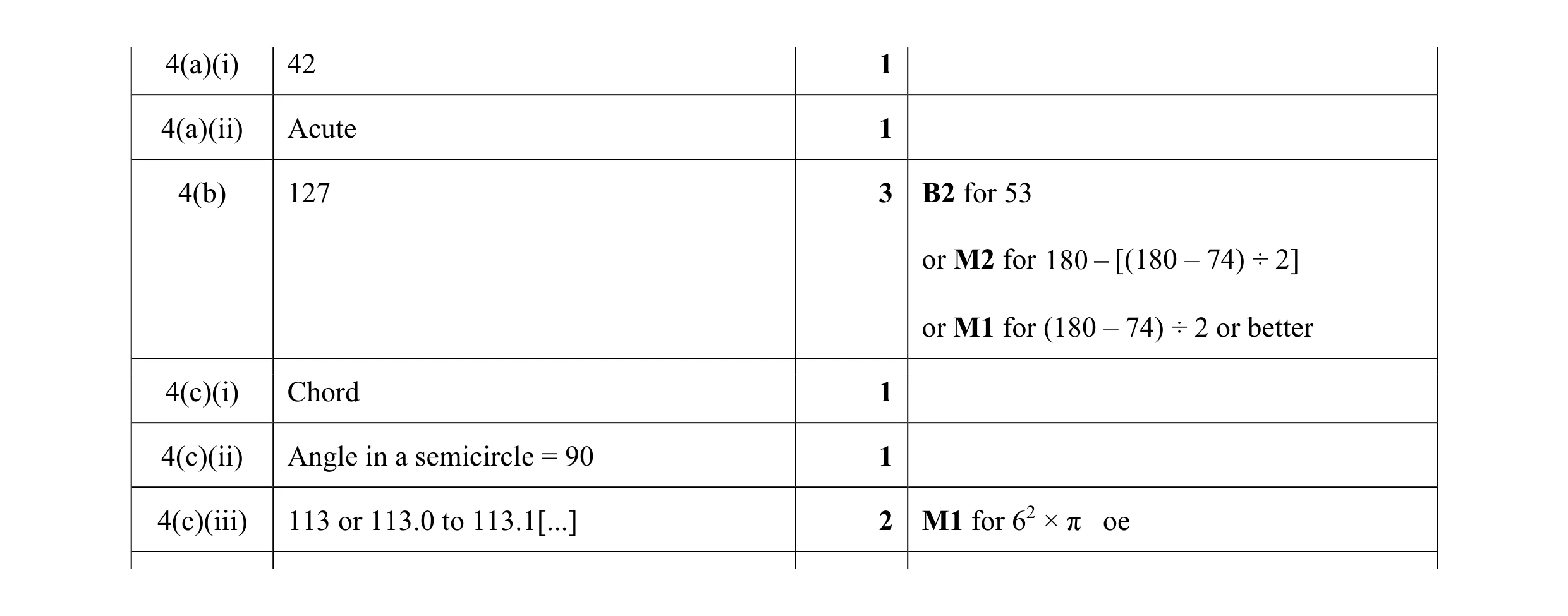 9
9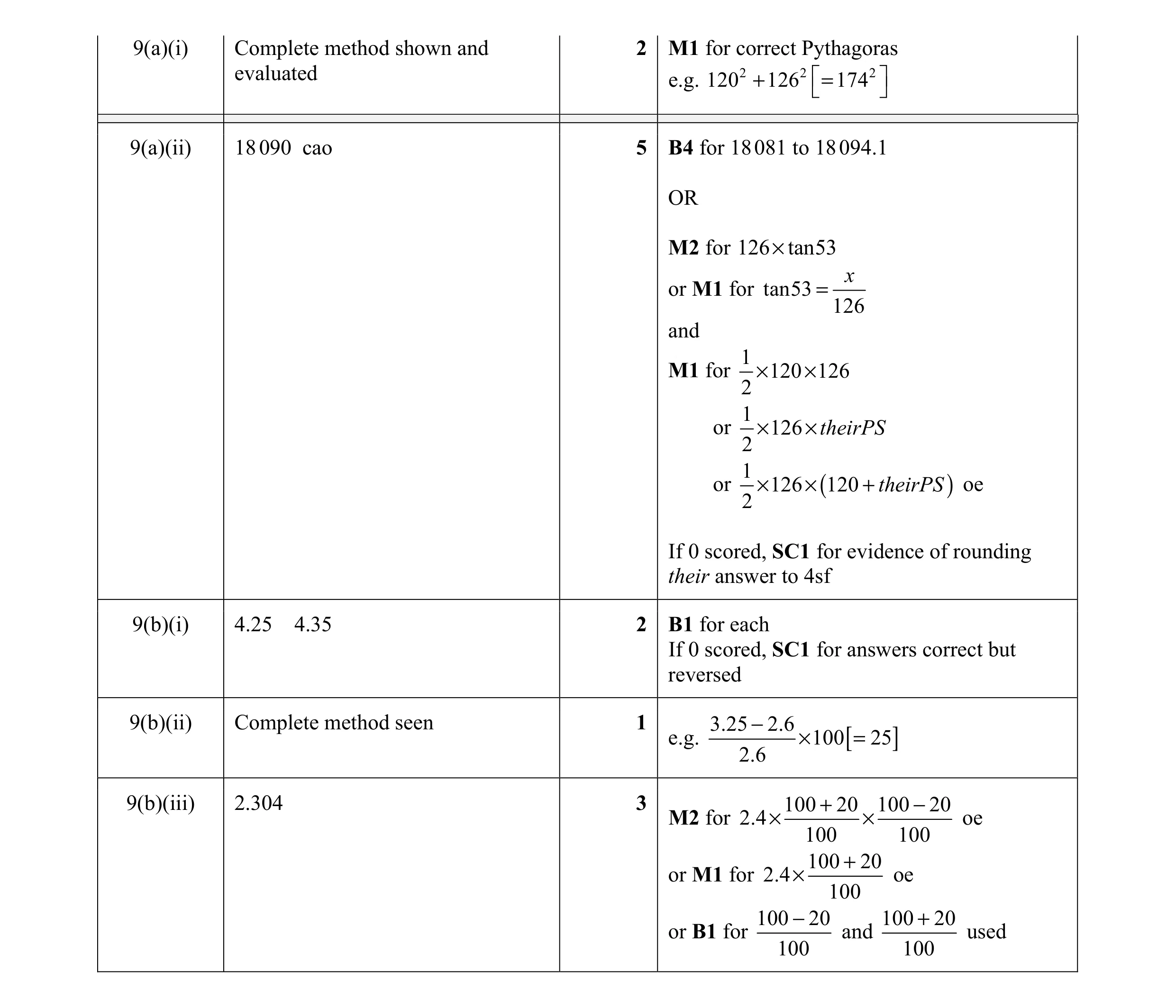 13
13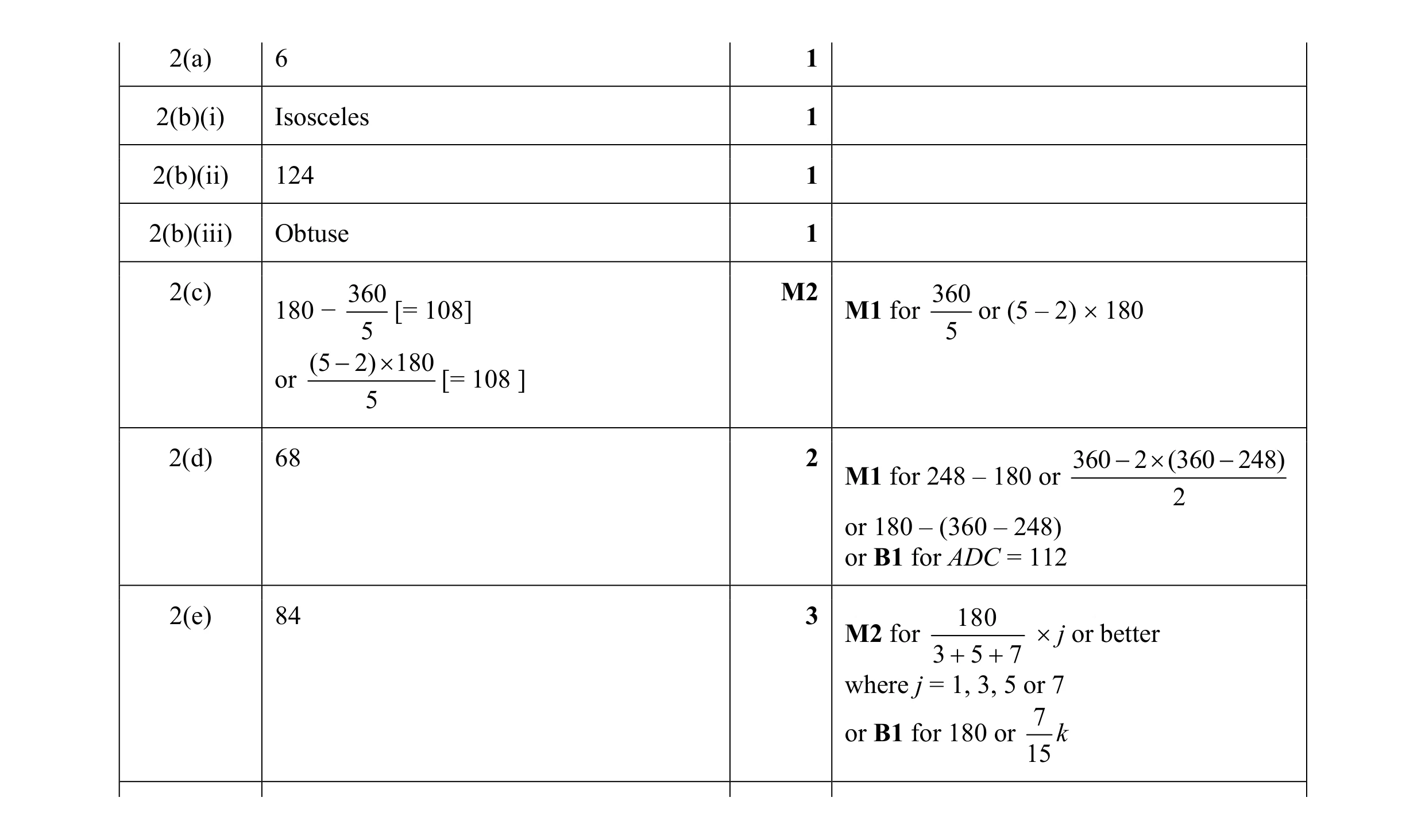 11
11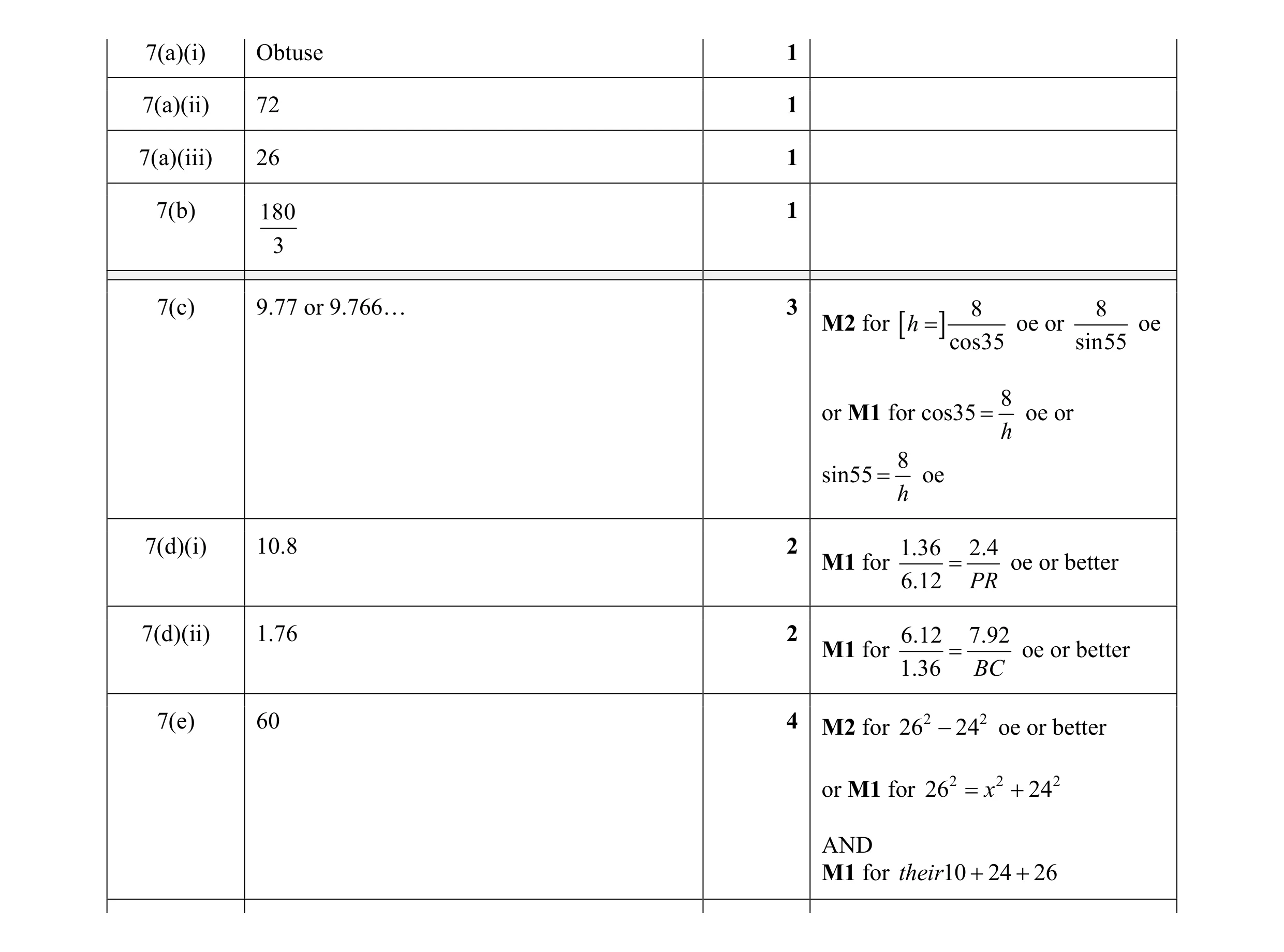 15
15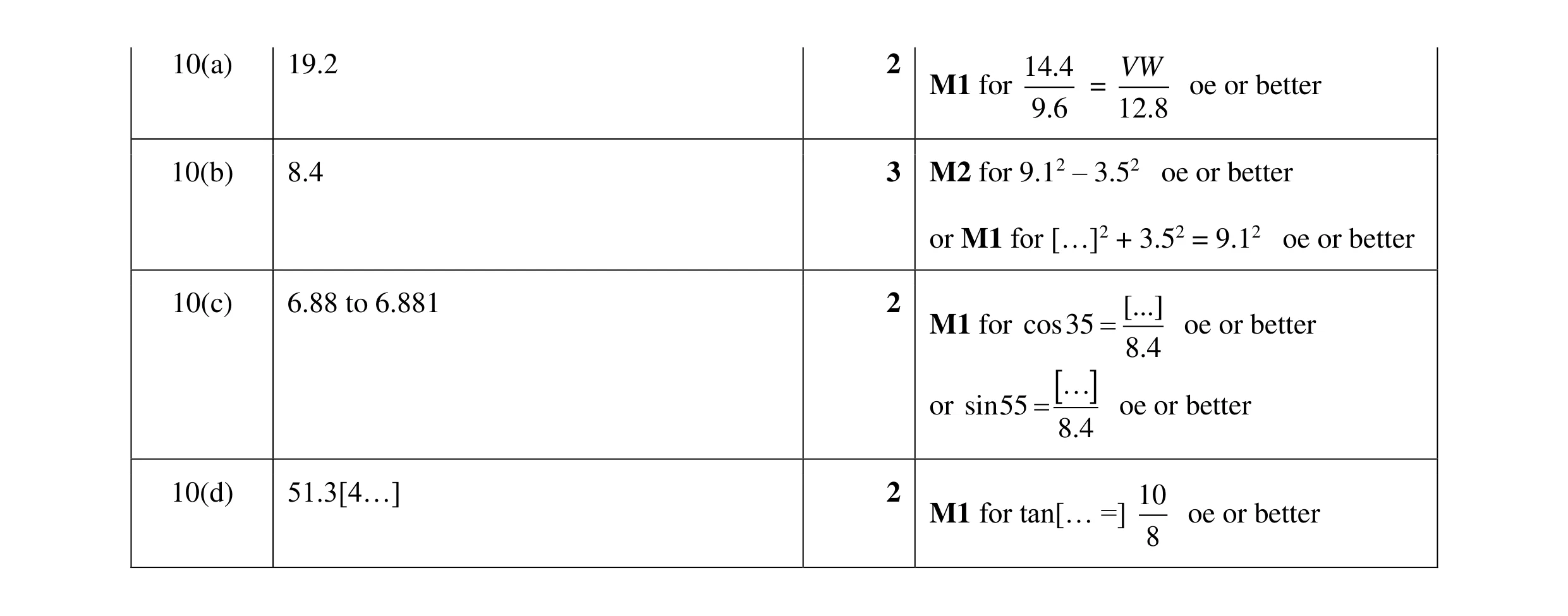 9
9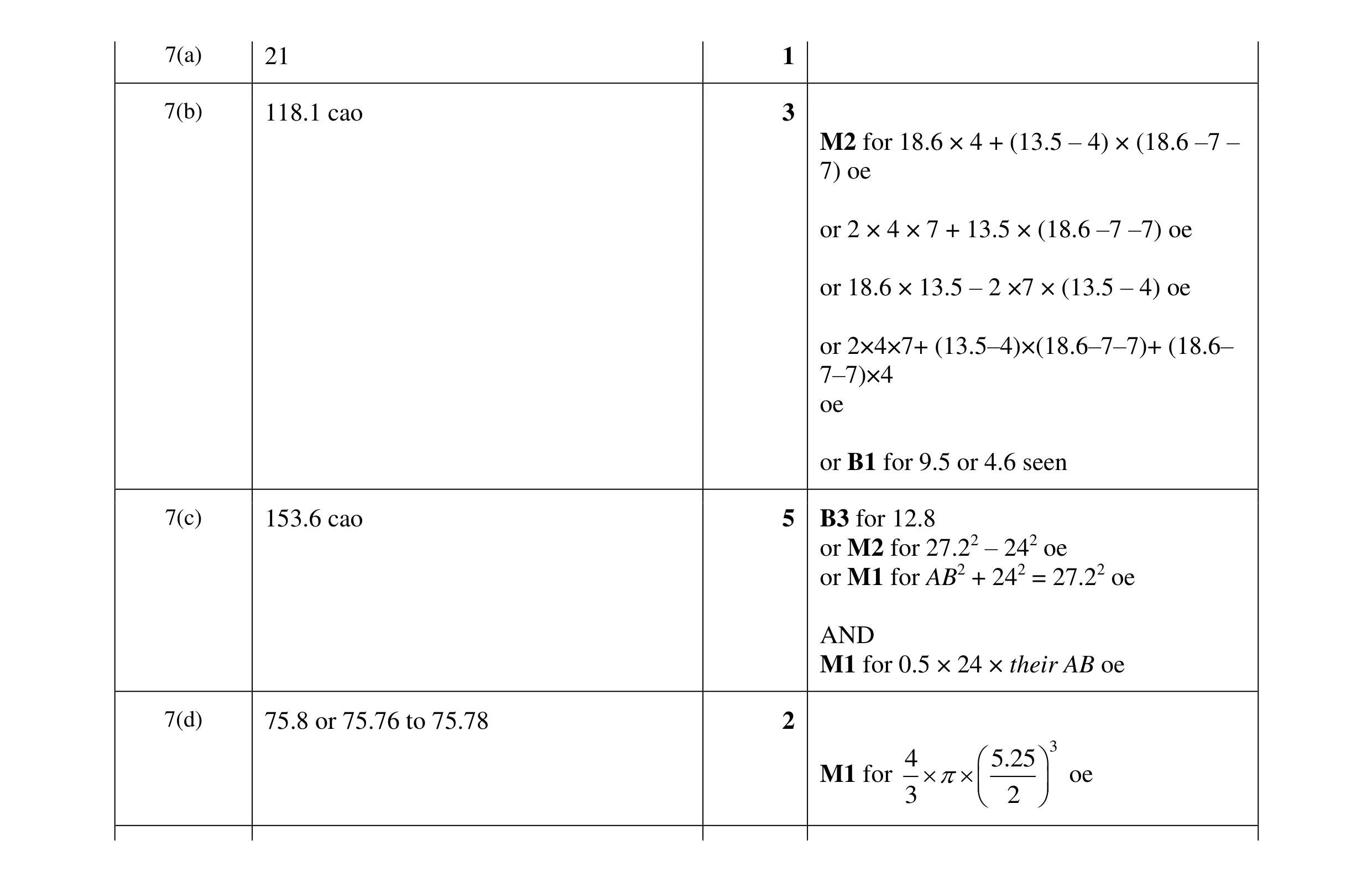 11
11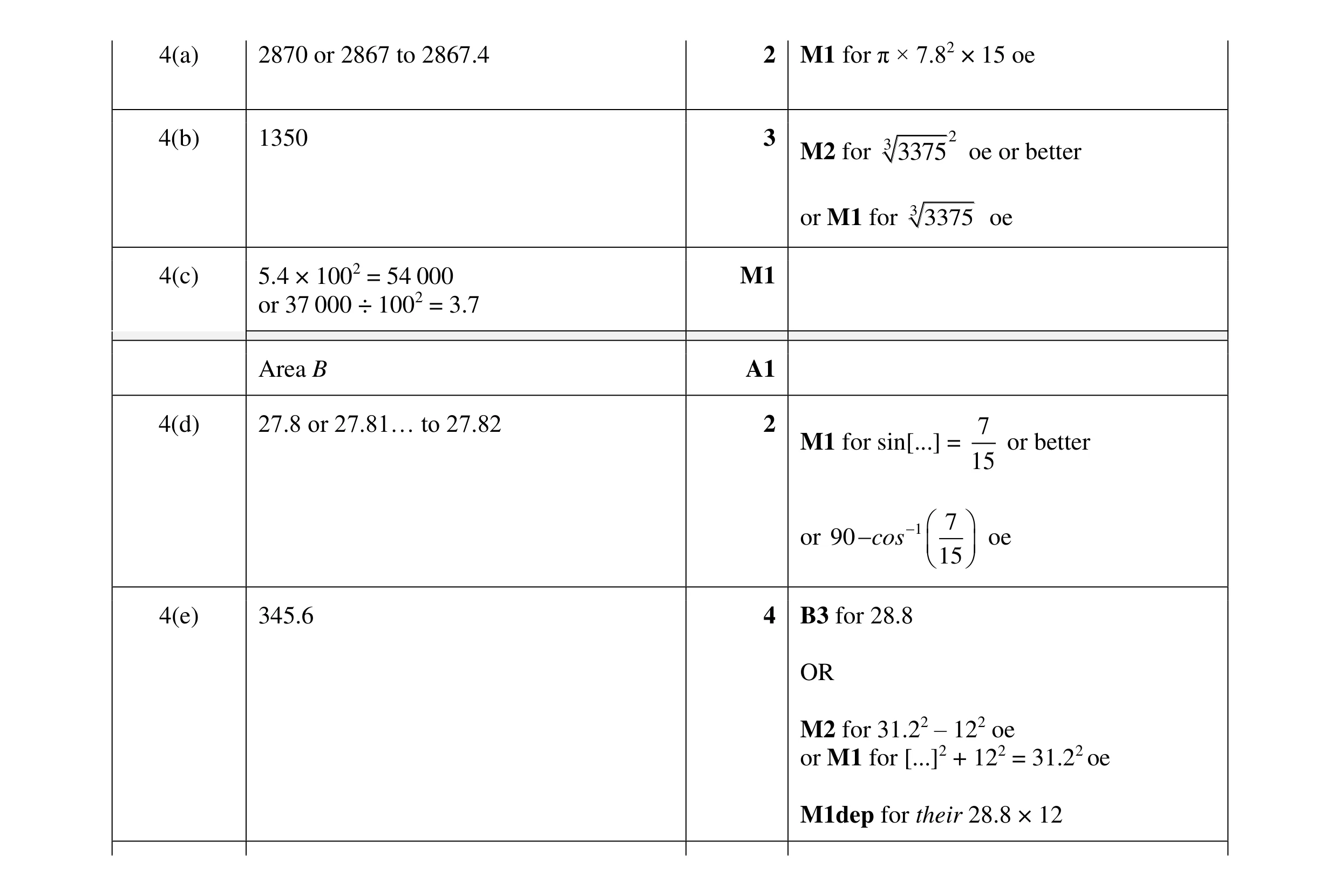 13
13 2
2 2
2 3
3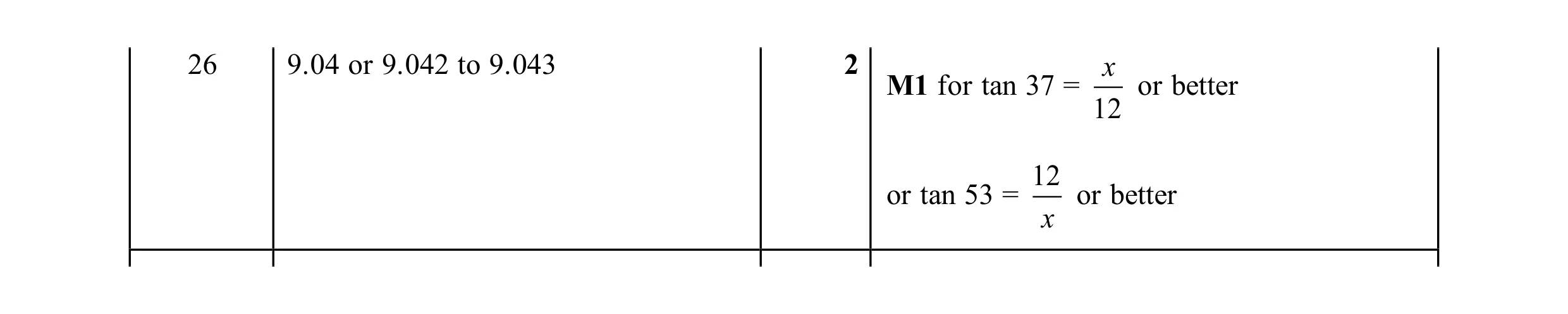 2
2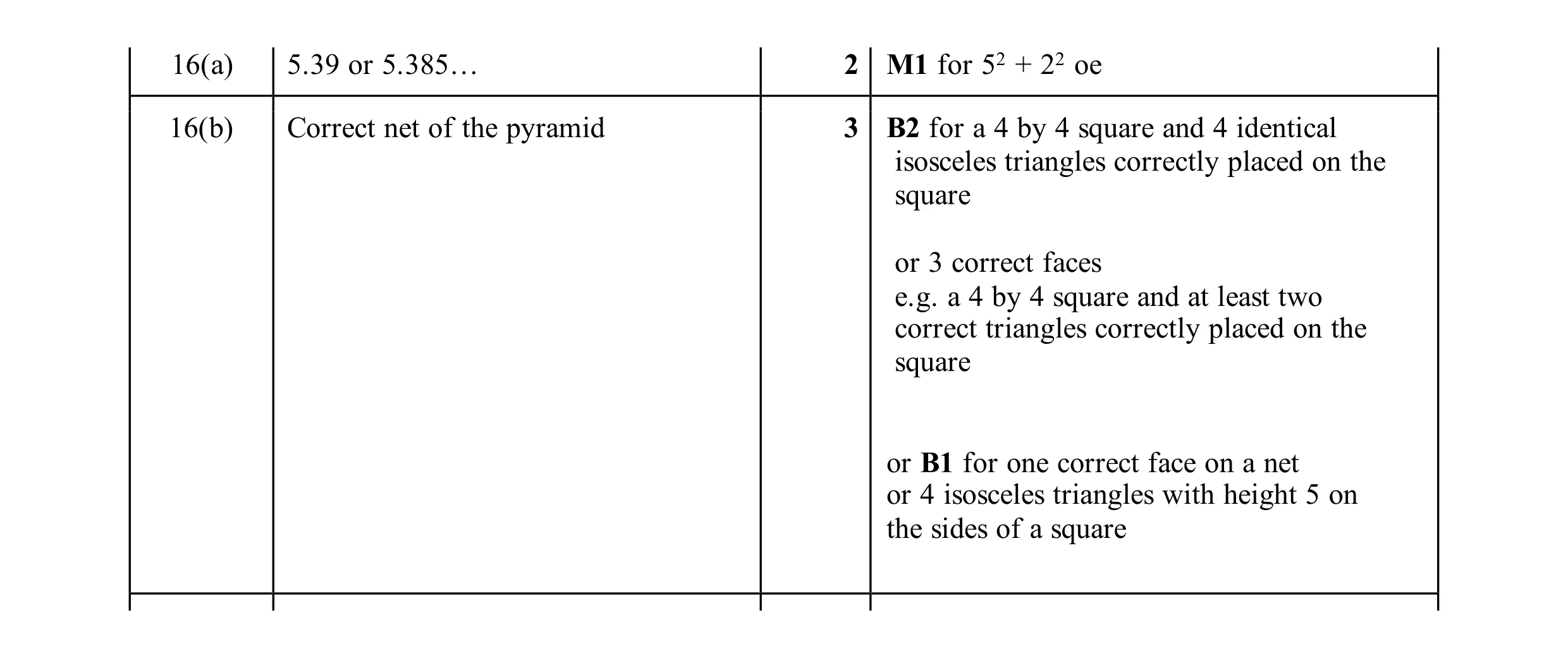 5
5