Questions as text
Q1 · The polynomial x3 −x2 + ax + b is denoted by p(x) 9709/21 May/June 2005
4 The polynomial x3 −x2 + ax + b is denoted by p(x). It is given that (x + 1) is a factor of p(x) and that when p(x) is divided by (x −2) the remainder is 12. (i) Find the values of a and b. [5] (ii) When a and b have these values, factorise p(x). [2]
7 marks
Mark scheme: 4 (i) Substitute x = −1 and equate to zero obtaining e.g. (–1)3 – (–1)2 + a(–1) + b = 0 B1 Substitute x = 2 and equate to 12 M1 Obtain a correct 3-term equation A1 Solve a relevant pair of equations for a or b M1 Obtain a = 2 and b = 4 A1 5 (ii) Attempt division by x + 1 reaching a partial quotient of x 2 + kx , or similar stage M1 by inspection Obtain quadratic factor x 2 −x2 = 4 A1 2 [Ignore failure to repeat that x + 1 is a factor]
This question in 9709/21 May/June 2005
Q2 · The polynomial 2x3 −3x2 + ax + b, where a and b are constants, is denoted by p(x) 9709/21 May/June 2007
4 The polynomial 2x3 −3x2 + ax + b, where a and b are constants, is denoted by p(x). It is given that (x −2) is a factor of p(x), and that when p(x) is divided by (x + 2) the remainder is −20. (i) Find the values of a and b. [5] (ii) When a and b have these values, find the remainder when p(x) is divided by (x2 −4). [3]
8 marks
Mark scheme: 4 (i) Substitute x = 2, equate to zero, and state a correct equation, e.g. 16 – 12 + 2a + b = 0 B1 Substitute x = –2 and equate to –20 M1 Obtain a correct equation, e.g. –16 – 12 – 2a + b = –20 A1 Solve for a or for b M1 Obtain a = –3 and b = 2 A1 [5] (ii) Attempt division by x2 – 4 reaching a partial quotient of 2x – 3, or a similar stage by inspection B1 Obtain remainder 5x – 10 B1√ + B1√ [3]
This question in 9709/21 May/June 2007
Q3 · Solve the inequality |y −5| < 1 9709/21 Oct/Nov 2007
3 (i) Solve the inequality |y −5| < 1. [2] (ii) Hence solve the inequality |3x −5| < 1, giving 3 significant figures in your answer. [3]
5 marks
Mark scheme: 3 (i) Obtain critical values 4 and 6 B1 State answer 4 < y < 6 B1 [2] (ii) Use correct method for solving an equation of the form 3x = a, where a > 0 M1 Obtain one critical value, i.e. either 1.26 or 1.63 A1 State answer 1.26 < x <1.63 A1 [3] 2
This question in 9709/21 Oct/Nov 2007
Q4 · The polynomial 3x3 + 8x2 + ax −2, where a is a constant, is denoted by p(x) 9709/21 Oct/Nov 2007
5 The polynomial 3x3 + 8x2 + ax −2, where a is a constant, is denoted by p(x). It is given that (x + 2) is a factor of p(x). (i) Find the value of a. [2] (ii) When a has this value, solve the equation p(x) = 0. [4]
6 marks
Mark scheme: 5 (i) Substitute x = –2 and equate to zero M1 Obtain answer a = 3 A1 [2] (ii) At any stage state that x = –2 is a solution B1 EITHER: Attempt division by x + 2 and reach a partial quotient of 3x2 + kx M1 Obtain quadratic factor 3x2 + 2x – 1 A1 1 Obtain solutions x = – 1 and x = A1 3 OR: Obtain solution x = –1 by trial or inspection B1 1 Obtain solution x = similarly B2 [4] 3 GCE A/AS LEVEL – October/November 2007 9709 02
This question in 9709/21 Oct/Nov 2007
Q5 · The polynomial 2x3 + 7x2 + ax + b, where a and b are constants, is denoted by p(x) 9709/21 May/June 2008
4 The polynomial 2x3 + 7x2 + ax + b, where a and b are constants, is denoted by p(x). It is given that (x + 1) is a factor of p(x), and that when p(x) is divided by (x + 2) the remainder is 5. Find the values of a and b. [5]
5 marks
Mark scheme: 4 Substitute x = –1, equate to zero and obtain a correct equation in any form B1 Substitute x = –2 and equate to 5 M1 Obtain a correct equation in any form A1 Solve a relevant pair of equations for a or for b M1 Obtain a = 2 and b = –3 A1 [5]
This question in 9709/21 May/June 2008
Q6 · Solve the inequality |x −3| > |2x| 9709/21 Oct/Nov 2008
1 Solve the inequality |x −3| > |2x|. [4]
4 marks
Mark scheme: 1 EITHER: State or imply non-modular inequality (x – 3)2 > (2x)2 or corresponding quadratic equation or pair of linear equations (x – 3) = ± 2x M1 Make reasonable solution attempt at a 3-term quadratic, or solve two linear equations M1 Obtain critical values x = 1 and x = –3 A1 State answer –3 < x < 1 A1 OR: Obtain critical value x = –3 from a graphical method, or by inspection, or by solving a linear inequality or linear equation B1 Obtain the critical value x = 1 similarly B2 State answer –3 < x < 1 B1 [4]
This question in 9709/21 Oct/Nov 2008
Q7 · The polynomial 2x3 −x2 + ax −6, where a is a constant, is denoted by p(x) 9709/21 Oct/Nov 2008
2 The polynomial 2x3 −x2 + ax −6, where a is a constant, is denoted by p(x). It is given that (x + 2) is a factor of p(x). (i) Find the value of a. [2] (ii) When a has this value, factorise p(x) completely. [3]
5 marks
Mark scheme: 2 (i) Substitute x = –2 and equate result to zero, or divide by x + 2 and equate constant remainder to zero M1 Obtain answer a = –13 A1 [2] (ii) Obtain quadratic factor 2x2 – 5x – 3 B1 Obtain linear factor 2x + 1 B1 Obtain linear factor x –3 B1 [3] [Condone omission of repetition that x + 2 is a factor.] [If linear factors 2x + 1, x – 3 obtained by remainder theorem or inspection, award B2 + B1.]
This question in 9709/21 Oct/Nov 2008
Q8 · Solve the inequality [4] |3x + 2| < |x| 9709/21 May/June 2009
2 Solve the inequality [4] |3x + 2| < |x|.
4 marks
Mark scheme: 2 EITHER: State or imply non-modular inequality (3x + 2)2 < x2, or corresponding quadratic equation, or pair of linear equations 3x + 2 = ± x M1 Make reasonable solution attempt at a 3-term quadratic, or solve two linear equations M1 Obtain critical values x = –1 and x = – 1 A1 2 State answer –1 < x < – 1 A1 2 OR: Obtain the critical value x = –1 from a graphical method or by inspection, or by solving a linear equation or inequality B1 Obtain the critical value x = – 1 similarly B2 2 State answer –1 < x < – 1 B1 [4] 2
This question in 9709/21 May/June 2009
Q9 · The polynomial x3 ax2 bx 6, where a and b are constants, is denoted by It is given that… 9709/21 May/June 2009
6 The polynomial x3 ax2 bx 6, where a and b are constants, is denoted by It is given that is a factor of+ +and that+ when is divided by the remainderp(x).is 4. (x −2) p(x), p(x) (x −1) (i) Find the values of a and b. [5] (ii) When a and b have these values, find the other two linear factors of [3] p(x).
8 marks
Mark scheme: 6 (i) Substitute x = 2, equate to zero and state a correct equation, e.g. 8 + 4a + 2b + 6 = 0 B1 Substitute x = 1 and equate to 4 M1 Obtain a correct equation. e.g. 1 + a + b + 6 = 4 A1 Solve for a or for b M1 Obtain a = –4 and b = 1 A1 [5] (ii) EITHER: Attempt division by x –2 reaching a partial quotient of x2 + kx M1 Obtain remainder quadratic factor x2 – 2x – 3 A1 State linear factors (x –3) and (x + 1) A1 OR: Obtain linear factor (x + 1) by inspection B1 Obtain factor (x –3) similarly B2 [3]
This question in 9709/21 May/June 2009
Q10 · Find the equation of the tangent to the curve y at the point where x 1 9709/21 May/June 2009
8 (a) Find the equation of the tangent to the curve y at the point where x 1. [4] = ln(3x −2) = (b) (i) Find the value of the constant A such that 6x A 3x 3x ≡2 + [2] −2 −2. 6 6x 8 (ii) Hence show that dx 8 ln 2. [5] 3 3x ä = + 2 −2
11 marks
Mark scheme: 8 (a) State derivative is k/(3x –2) where k = 3.1, or 1 M1 3 State correct derivative 3/(3x –2) A1 Form the equation of the tangent at the point where x = 1 M1 Obtain answer y = 3x –3, or equivalent A1 [4] (b) (i) Carry out a complete method for finding A M1 Obtain A = 4 A1 [2] (ii) Integrate and obtain term 2x B1 Obtain second term of the form aln(3x –2) M1 Obtain second term 4 ln(3x – 2) A1√ 3 Substitute limits correctly M1 Obtain given answer following full and correct working A1 [5]
This question in 9709/21 May/June 2009
Q11 · The polynomial 4x3 ax where a is a constant, is denoted by It is given that −8x2 + −3… 9709/21 Oct/Nov 2009
3 The polynomial 4x3 ax where a is a constant, is denoted by It is given that −8x2 + −3, p(x). (2x + 1) is a factor of p(x). (i) Find the value of a. [2] (ii) When a has this value, factorise completely. [4] p(x)
6 marks
Mark scheme: 3 (i) Substitute x = − 1 and equate to zero M1 2 Obtain a = –11 A1 [2] (ii) EITHER: Attempt division by 2x + 1 reaching a partial quotient 2x2 – 5x M1 Obtain quadratic factor 2x2 – 5x – 3 A1 Obtain complete factorisation (2x + 1)2(x – 3) A1 + A1 OR: Obtain factor (x – 3) by inspection or factor theorem B2 Attempt division by (x – 3) reaching a partial quotient 4x2 + 4x M1 Obtain complete factorisation (2x + 1)2(x – 3) A1 [4]
This question in 9709/21 Oct/Nov 2009
Q12 · The equation of a curve is y2 2xy 2 9709/21 Oct/Nov 2009
8 The equation of a curve is y2 2xy 2. + −x2 = (i) Find the coordinates of the two points on the curve where x 1. [2] = (ii) Show by differentiation that at one of these points the tangent to the curve is parallel to the x-axis. Find the equation of the tangent to the curve at the other point, giving your answer in the form ax by c 0. [7] + + =
9 marks
Mark scheme: 8 (i) EITHER: Substitute x = 1 and attempt to solve 3-term quadratic in y M1 Obtain answers (1, 1) and (1, –3) A1 OR: State answers (1, 1) and (1, –3) B1 + B1 [2] dy (ii) State 2y as derivative of y2 B1 dx dy State 2y + 2x as derivative of 2xy B1 dx dy Substitute for x and y, and solve for M1 dx d y Obtain = 0 when x = 1 and y = 1 A1 dx d y Obtain = –2 when x = 1 and y = –3 A1√ dx Form the equation of the tangent at (1, –3) M1 Obtain answer 2x + y + 1 = 0 A1 [7]
This question in 9709/21 Oct/Nov 2009
Q13 · The polynomial ax3 bx2 2, where a and b are constants, is denoted by It is given that and… 9709/22 Oct/Nov 2009
5 The polynomial ax3 bx2 2, where a and b are constants, is denoted by It is given that and are+ factors−5xof+ p(x). (x + 1) (x −2) p(x). (i) Find the values of a and b. [5] (ii) When a and b have these values, find the other linear factor of [2] p(x).
7 marks
Mark scheme: 5 (i) Substitute x = –1 or x = 2 and equate to zero M1 Obtain a correct equation, e.g. –a + b + 5 + 2 = 0 A1 Obtain a second correct equation, e.g. 8a + 4b – 10 + 2 = 0 A1 Solve for a or b M1 Obtain a = 3 and b = –4 A1 [5] (ii) Substitute for a and b and attempt division by (x + 1)(x – 2) or attempt third factor by inspection M1 Obtain answer 3x – 1 A1 [2] GCE A/AS LEVEL – October/November 2009 9709 22
This question in 9709/22 Oct/Nov 2009
Q14 · Solve the inequality 5 9709/21 May/June 2010
1 Solve the inequality 5. [3] |2x −3| >
3 marks
Mark scheme: 1 EITHER: State or imply non-modular inequality (2x – 3)2 > 52 , or corresponding equation or pair of linear equations M1 Obtain critical values –1 and 4 A1 State correct answer x < –1, x > 4 A1 OR: State one critical value, e.g. x = 4, having solved a linear equation (or inequality) or from a graphical method or by inspection B1 State the other critical value correctly B1 State correct answer x < –1, x > 4 B1 [3]
This question in 9709/21 May/June 2010
Q15 · The polynomial 2x3 ax2 bx 6, where a and b are constants, is denoted by It is given that… 9709/22 May/June 2010
7 The polynomial 2x3 ax2 bx 6, where a and b are constants, is denoted by It is given that + + + p(x). when is divided by the remainder is 30, and that when is divided by the p(x) (x −3) p(x) (x + 1) remainder is 18. (i) Find the values of a and b. [5] (ii) When a and b have these values, verify that is a factor of and hence factorise (x −2) p(x) p(x) completely. [4]
9 marks
Mark scheme: 7 (i) Substitute x = 3 and equate to 30 M1 Substitute x = –1 and equate to 18 M1 Obtain a correct equation in any form A1 Solve a relevant pair of equations for a or for b M1 Obtain a = 1 and b = –13 A1 [5] (ii) Either show that f(2) = 0 or divide by (x – 2), obtaining a remainder of zero B1 Obtain quadratic factor 2x2 + 5x – 3 B1 Obtain linear factor 2x – 1 B1 Obtain linear factor x + 3 B1 [Condone omission of repetition that x – 2 is a factor.] [If linear factors 2x – 1, x + 3 obtained by remainder theorem or inspection, award B2 + B1.] [4]
This question in 9709/22 May/June 2010
Q16 · Solve the inequality [4] |2x −1| < |x + 4| 9709/23 May/June 2010
3 Solve the inequality [4] |2x −1| < |x + 4|. 1
4 marks
Mark scheme: 3 EITHER State or imply non-modular inequality (2x –1)2 < (x + 4)2, or corresponding equation or pair of linear equations M1 Make reasonable solution attempt at a 3-term quadratic, or solve two linear equations M1 Obtain critical values –1 and 5 A1 State correct answer –1 < x < 5 A1 [4] OR Obtain one critical value, e.g. x = 5, by solving a linear equation (or inequality) or from a graphical method or by inspection B1 Obtain the other critical value similarly B2 State correct answer –1 < x < 5 B1 1
This question in 9709/23 May/June 2010
Q17 · The polynomial 3x3 2x2 ax b, where a and b are constants, is denoted by It is given that… 9709/21 Oct/Nov 2010
7 The polynomial 3x3 2x2 ax b, where a and b are constants, is denoted by It is given that + + + p(x). is a factor of and that when is divided by the remainder is 10. (x −1) p(x), p(x) (x −2) (i) Find the values of a and b. [5] (ii) When a and b have these values, solve the equation 0. [4] p(x) =
9 marks
Mark scheme: 7 (i) Substitute x = 1, equate to zero and obtain a correct equation in any form B1 Substitute x = 2 and equate to 10 M1 Obtain a correct equation in any form A1 Solve a relevant pair of equations for a or for b M1 Obtain a = –17 and b = 12 A1 [5] (ii) At any stage, state that x = 1 is a solution B1 EITHER: Attempt division by x – 1 and reach a partial quotient of 3 x 2 + 5 x M1 Obtain quotient 3 x 2 + 5 x − 12 A1 4 Obtain solutions x = –3 and x = A1 3 OR: Obtain solution x = –3 by trial and error or inspection B1 4 Obtain solution x = B2 3 [If an attempt at the quadratic factor is made by inspection, the M1 is earned if it reaches an unknown factor of 3 x 2 + 5 x + λ and an equation in λ ] [4]
This question in 9709/21 Oct/Nov 2010
Q18 · 6 The curve with equation y intersects the line y x 1 at the point P 9709/22 Oct/Nov 2010
6 6 The curve with equation y intersects the line y x 1 at the point P. = x2 = + (i) Verify by calculation that the x-coordinate of P lies between 1.4 and 1.6. [2] (ii) Show that the x-coordinate of P satisfies the equation q 6 x . = x 1 [2] + (iii) Use the iterative formula r 6 xn+1 = , xn 1 + with initial value x1 1.5, to determine the x-coordinate of P correct to 2 decimal places. Give = the result of each iteration to 4 decimal places. [3]
7 marks
Mark scheme: 6 6 (i) Consider sign of 2 −x − 1 at x = 1.4 and x = 1.6, or equivalent M1 x Complete the argument correctly with appropriate calculations A1 [2] 6 (ii) State 2 = x + 1 B1 x Rearrange equation to given equation or vice versa B1 [2] (iii) Use the iterative formula correctly at least once M1 Obtain final answer 1.54 A1 Show sufficient iterations to justify its accuracy to 2 d.p. or show there is a sign change in the interval (1.535, 1.545) B1 [3]
This question in 9709/22 Oct/Nov 2010
Q19 · The polynomial 3x3 2x2 ax b, where a and b are constants, is denoted by It is given that… 9709/22 Oct/Nov 2010
7 The polynomial 3x3 2x2 ax b, where a and b are constants, is denoted by It is given that + + + p(x). is a factor of and that when is divided by the remainder is 10. (x −1) p(x), p(x) (x −2) (i) Find the values of a and b. [5] (ii) When a and b have these values, solve the equation 0. [4] p(x) =
9 marks
Mark scheme: 7 (i) Substitute x = 1, equate to zero and obtain a correct equation in any form B1 Substitute x = 2 and equate to 10 M1 Obtain a correct equation in any form A1 Solve a relevant pair of equations for a or for b M1 Obtain a = –17 and b = 12 A1 [5] (ii) At any stage, state that x = 1 is a solution B1 EITHER: Attempt division by x – 1 and reach a partial quotient of 3 x 2 + 5 x M1 Obtain quotient 3 x 2 + 5 x − 12 A1 4 Obtain solutions x = –3 and x = A1 3 OR: Obtain solution x = –3 by trial and error or inspection B1 4 Obtain solution x = B2 3 [If an attempt at the quadratic factor is made by inspection, the M1 is earned if it reaches an unknown factor of 3 x 2 + 5 x + λ and an equation in λ ] [4]
This question in 9709/22 Oct/Nov 2010
Q20 · Solve the inequality 8 9709/23 Oct/Nov 2010
1 Solve the inequality 8. [3] |3x + 1| >
3 marks
Mark scheme: 1 EITHER State or imply non-modular inequality (3x + 1)2 > 82, or corresponding equation or pair of linear equations M1 7 Obtain critical values or –3 A1 3 7 State correct answer x < –3 or x > Al 3 OR State one critical value, e.g. x = –3, by solving a linear equation (or inequality) or from a graphical method or by inspection B1 State the other critical value correctly B1 7 State correct answer x < –3 or x > B1 [3] 3
This question in 9709/23 Oct/Nov 2010
Q21 · The polynomial x3 4x2 ax 2, where a is a constant, is denoted by It is given that the… 9709/23 Oct/Nov 2010
3 The polynomial x3 4x2 ax 2, where a is a constant, is denoted by It is given that the remainder when + is divided+ +by is equal to the remainder when p(x).is divided by p(x) (x + 1) p(x) (x −2). (i) Find the value of a. [3] (ii) When a has this value, show that is a factor of and find the quotient when is divided by (x −1) p(x) p(x)[3] (x −1).
6 marks
Mark scheme: 3 (i) Substitute x = –l OR x = 2 correctly M1 Equate remainders to obtain correct equation 5 – a = 26 + 2a or equivalent Al Obtain a = –7 A1 [3] (ii) Attempt division by x – 1 and reach a partial quotient of x2 + kx M1 Obtain quotient x2 + 5x – 2 A1 EITHER Show remainder is zero OR substitute x = 1 to obtain zero B1 [3] 1 2
This question in 9709/23 Oct/Nov 2010
Q22 · The polynomial is defined by f(x) 3x3 ax2 ax a, f(x) = + + + where a is a constant 9709/21 May/June 2011
4 The polynomial is defined by f(x) 3x3 ax2 ax a, f(x) = + + + where a is a constant. (i) Given that is a factor of find the value of a. [2] (x + 2) f(x), (ii) When a has the value found in part (i), find the quotient when is divided by [3] f(x) (x + 2).
5 marks
Mark scheme: 4 (i) Substitute –2 and equate to zero or divide by x + 2 and equate remainder to zero M1 Obtain a = 8 A1 [2] (ii) Attempt to find quotient by division or inspection or use of identity M1 Obtain at least 3 x 2 + 2 x A1 Obtain 3 x 2 + 2 x + 4 with no errors seen A1 [3] 1
This question in 9709/21 May/June 2011
Q23 · The sequence x1, x2, x3, 9709/22 May/June 2011
3 The sequence x1, x2, x3, . . . defined by x2n 6 x1 1, 12 3p = xn+1 = + converges to the value α. (i) Find the value of α correct to 3 decimal places. Show your working, giving each calculated value of the sequence to 5 decimal places. [3] (ii) Find, in the form ax3 bx2 c 0, an equation of which α is a root. [2] + + = 2
5 marks
Mark scheme: 3 (i) Use the iteration process correctly at least once M1 Obtain at least two correct iterates to 5 decimal places A1 Conclude α = 0.952 A1 [3] [1 → 0.95647 → 0.95257 → 0.95223 → 0.95220] 1 3 2 (ii) State or imply equation is x = x + 6 B1 2 Obtain 8x3 – x2 – 6 = 0 B1 [2] 1
This question in 9709/22 May/June 2011
Q24 · The cubic polynomial is defined by p(x) 6x3 ax2 bx 10, p(x) = + + + where a and b are… 9709/22 May/June 2011
7 The cubic polynomial is defined by p(x) 6x3 ax2 bx 10, p(x) = + + + where a and b are constants. It is given that is a factor of and that, when is divided (x + 2) p(x) p(x) by the remainder is 24. (x + 1), (i) Find the values of a and b. [5] (ii) When a and b have these values, factorise completely. [3] p(x)
8 marks
Mark scheme: 7 (i) Substitute x = –2 and equate to zero M1 Substitute x = –1 and equate to 24 M1 Obtain 4a – 2b = 38 and a – b = 20 or equivalents A1 Attempt solution of two linear simultaneous equations (dependent on M1 M1) M1 Obtain a = –1 and b = –21 A1 [5] (ii) Attempt to find quadratic factor by division, inspection or use of identity M1 Obtain 6x2 – 13x + 5 A1√ Conclude ( x + 2 )(2 x − 1)(3 x − 5 ) A1 [3] 1 1
This question in 9709/22 May/June 2011
Q25 · The sequence x1, x2, x3, 9709/23 May/June 2011
3 The sequence x1, x2, x3, . . . defined by x2n 6 x1 1, 12 3p = xn+1 = + converges to the value α. (i) Find the value of α correct to 3 decimal places. Show your working, giving each calculated value of the sequence to 5 decimal places. [3] (ii) Find, in the form ax3 bx2 c 0, an equation of which α is a root. [2] + + = 2
5 marks
Mark scheme: 3 (i) Use the iteration process correctly at least once M1 Obtain at least two correct iterates to 5 decimal places A1 Conclude α = 0.952 A1 [3] [1 → 0.95647 → 0.95257 → 0.95223 → 0.95220] 1 3 2 (ii) State or imply equation is x = x + 6 B1 2 Obtain 8x3 – x2 – 6 = 0 B1 [2] 1
This question in 9709/23 May/June 2011
Q26 · The cubic polynomial is defined by p(x) 6x3 ax2 bx 10, p(x) = + + + where a and b are… 9709/23 May/June 2011
7 The cubic polynomial is defined by p(x) 6x3 ax2 bx 10, p(x) = + + + where a and b are constants. It is given that is a factor of and that, when is divided (x + 2) p(x) p(x) by the remainder is 24. (x + 1), (i) Find the values of a and b. [5] (ii) When a and b have these values, factorise completely. [3] p(x)
8 marks
Mark scheme: 7 (i) Substitute x = –2 and equate to zero M1 Substitute x = –1 and equate to 24 M1 Obtain 4a – 2b = 38 and a – b = 20 or equivalents A1 Attempt solution of two linear simultaneous equations (dependent on M1 M1) M1 Obtain a = –1 and b = –21 A1 [5] (ii) Attempt to find quadratic factor by division, inspection or use of identity M1 Obtain 6x2 – 13x + 5 A1√ Conclude ( x + 2 )(2 x − 1)(3 x − 5 ) A1 [3] 1 1
This question in 9709/23 May/June 2011
Q27 · Solve the inequality |4 - 5x| < 3 9709/21 Oct/Nov 2011
1 Solve the inequality |4 - 5x| < 3. [3]
3 marks
Mark scheme: 1 EITHER State or imply non-modular inequality (4 – 5x)2 < 32, or corresponding equation or pair of linear equations M1 1 7 Obtain critical values and A1 5 5 1 7 State correct answer < x < A1 5 5 1 OR State one critical value, e.g. x = , by solving a linear equation (or inequality) 5 or from a graphical method or by inspection B1 State the other critical value correctly B1 1 7 State correct answer < x < B1 [3] 5 5
This question in 9709/21 Oct/Nov 2011
Q28 · The polynomial 4x3 ax2 9x 9, where a is a constant, is denoted by It is given that when… 9709/21 Oct/Nov 2011
5 The polynomial 4x3 ax2 9x 9, where a is a constant, is denoted by It is given that when is divided by + +the remainder+ is 10. p(x). p(x) (2x −1) (i) Find the value of a and hence verify that is a factor of [3] (x −3) p(x). (ii) When a has this value, solve the equation 0. [4] p(x) =
7 marks
Mark scheme: 1 5 (i) Substitute x = and equate to 10 M1 2 Obtain answer a = –16 A1 Either show that f(3) = 0 or divide by (x – 3) obtaining a remainder of zero B1 [3] (ii) At any stage state that x = 3 is a solution B1 Attempt division by (x – 3) reaching a partial quotient of 4x2 + kx M1 Obtain quadratic factor 4x2 – 4x – 3 A1 3 1 Obtain solutions x = and x = – A1 2 2 S.C. M1A1√ if value of ‘a’ incorrect [4] GCE AS/A LEVEL – October/November 2011 9709 21 3 2
This question in 9709/21 Oct/Nov 2011
Question 29 9709/22 Oct/Nov 2011
1 Solve the inequality . [4] |x + 2| > 12x −2
4 marks
Mark scheme: 1 1 EITHER State or imply non-modular inequality ( x + 2 )2 > x − 2 , or corresponding 2 equation or pair of linear equations M1 Make reasonable solution attempt at a 3-term quadratic, or solve two linear equations M1 Obtain critical values –8 and 0 A1 State correct answer x < –8 or x > 0 A1 OR Obtain one critical value, e.g. x = –8, by solving a linear equation (or inequality) or from a graphical method or by inspection B1 Obtain the other critical value similarly B2 State correct answer x < –8 or x > 0 B1 [4]
This question in 9709/22 Oct/Nov 2011
Q30 · The polynomial ax3 b, where a and b are constants, is denoted by It is given that −3x2… 9709/22 Oct/Nov 2011
7 The polynomial ax3 b, where a and b are constants, is denoted by It is given that −3x2 −11x + p(x). is a factor of and that when is divided by the remainder is 12. (x + 2) p(x), p(x) (x + 1) (i) Find the values of a and b. [5] (ii) When a and b have these values, factorise completely. [3] p(x)
8 marks
Mark scheme: 7 (i) Substitute x = –2, equate to zero and obtain a correct equation in any form B1 Substitute x = –1 and equate to 12 M1 Obtain a correct equation in any form A1 Solve a relevant pair of equations for a or b M1 Obtain a = 2 and b = 6 A1 [5] (ii) Attempt division by x + 2 and reach a partial quotient of 2x2 – 7x M1 Obtain quotient 2x2 – 7x + 3 A1 Obtain linear factors 2x – 1 and x – 3 A1 [Condone omission of repetition that x + 2 is a factor.) [If linear factors 2x – 1, x – 3 obtained by remainder theorem or inspection, award B2 + B1.] S.C. M1A1√ if a, b not both correct [3]
This question in 9709/22 Oct/Nov 2011
Q31 · The polynomial x4 ax3 bx 2, where a and b are constants, is denoted by It is + −x2 + +… 9709/23 Oct/Nov 2011
6 (i) The polynomial x4 ax3 bx 2, where a and b are constants, is denoted by It is + −x2 + + p(x). given that and are factors of Find the values of a and b. [5] (x −1) (x + 2) p(x). (ii) When a and b have these values, find the quotient when is divided by x2 x [3] p(x) + −2.
8 marks
Mark scheme: 6 (i) Substitute x = 1 or x = –2 and equate to zero M1 Obtain a correct equation in any form with powers of x values calculated A1 Obtain a second correct equation in any form A1 Solve a relevant pair of equations for a or for b M1 Obtain a = 3 and b = –5 A1 [5] (ii) Attempt division by x2 + x – 2, or equivalent, and reach a partial quotient of x2 + kx M1 Obtain partial quotient x2 + 2x A1 Obtain x2 + 2x – 1 with no errors seen A1 S.C. M1A1√ if ‘a’ and/or ‘b’ incorrect [3] 1 x
This question in 9709/23 Oct/Nov 2011
Q32 · Solve the equation 13, showing all your working 9709/21 May/June 2012
1 Solve the equation 13, showing all your working. [4] |x3 −14| =
4 marks
Mark scheme: 1 Either: Obtain value x3 = 27 from inspection, equation, … B1 Obtain value x3 = 1 similarly B2 Obtain x = 1 and x = 3 B1 Or: Attempt to square both sides obtaining 3 terms on LHS M1 Attempt solution for x3 of 3-term quadratic DM1 Obtain x3 = 1 and x3 = 27 A1 Obtain x = 1 and x = 3 A1 [4]
This question in 9709/21 May/June 2012
Q33 · The polynomial is defined by p(x) ax3 a 4, p(x) = −3x2 −5x + + where a is a constant 9709/21 May/June 2012
3 The polynomial is defined by p(x) ax3 a 4, p(x) = −3x2 −5x + + where a is a constant. (i) Given that is a factor of find the value of a. [2] (x −2) p(x), (ii) When a has this value, (a) factorise completely, [3] p(x) (b) find the remainder when is divided by [2] p(x) (x + 1).
7 marks
Mark scheme: 3 (i) Substitute 2 and equate to zero or divide and equate remainder to zero M1 Obtain a = 2 A1 [2] (ii) (a) Attempt to find quadratic factor by division, inspection or identity M1 Obtain 2x2 + x – 3 A1 Conclude (x – 2)(2x + 3)(x – 1) A1 [3] (b) Attempt substitution of –1 or attempt complete division by x + 1 M1 Obtain 6 A1 [2] 2 2
This question in 9709/21 May/June 2012
Q34 · Find the quotient when the polynomial 8x3 13 −4x2 −18x + is divided by 4x2 4x and show… 9709/22 May/June 2012
3 (i) Find the quotient when the polynomial 8x3 13 −4x2 −18x + is divided by 4x2 4x and show that the remainder is 4. [3] + −3, (ii) Hence, or otherwise, factorise the polynomial 8x3 9. −4x2 −18x + [2]
5 marks
Mark scheme: 3 (i) Attempt division, or equivalent, at least as far as quotient 2x + k M1 Obtain quotient 2x – 3 A1 Complete process to confirm remainder is 4 A1 [3] (ii) State or imply (4x2 + 4x – 3) is a factor B1 Obtain (2x – 3)(2x – 1)(2x + 3) B1 [2]
This question in 9709/22 May/June 2012
Q35 · Solve the equation 13, showing all your working 9709/23 May/June 2012
1 Solve the equation 13, showing all your working. [4] |x3 −14| =
4 marks
Mark scheme: 1 Either: Obtain value x3 = 27 from inspection, equation, … B1 Obtain value x3 = 1 similarly B2 Obtain x = 1 and x = 3 B1 Or: Attempt to square both sides obtaining 3 terms on LHS M1 Attempt solution for x3 of 3-term quadratic DM1 Obtain x3 = 1 and x3 = 27 A1 Obtain x = 1 and x = 3 A1 [4]
This question in 9709/23 May/June 2012
Q36 · The polynomial is defined by p(x) ax3 a 4, p(x) = −3x2 −5x + + where a is a constant 9709/23 May/June 2012
3 The polynomial is defined by p(x) ax3 a 4, p(x) = −3x2 −5x + + where a is a constant. (i) Given that is a factor of find the value of a. [2] (x −2) p(x), (ii) When a has this value, (a) factorise completely, [3] p(x) (b) find the remainder when is divided by [2] p(x) (x + 1).
7 marks
Mark scheme: 3 (i) Substitute 2 and equate to zero or divide and equate remainder to zero M1 Obtain a = 2 A1 [2] (ii) (a) Attempt to find quadratic factor by division, inspection or identity M1 Obtain 2x2 + x – 3 A1 Conclude (x – 2)(2x + 3)(x – 1) A1 [3] (b) Attempt substitution of –1 or attempt complete division by x + 1 M1 Obtain 6 A1 [2] 2 2
This question in 9709/23 May/June 2012
Q37 · Solve the inequality [3] |x −2| ≥|x + 5| 9709/21 Oct/Nov 2012
1 Solve the inequality [3] |x −2| ≥|x + 5|.
3 marks
Mark scheme: 1 EITHER State or imply non-modular inequality ( x − 2 )2 ≥ ( x + 5 )2 , or corresponding equation or pair of linear equations M1 3 Obtain critical value − A1 2 3 State correct answer x ≤ − A1 2 OR State a correct linear equation for the critical value, e.g. x – 2 = – x – 5, or corresponding correct linear inequality, e.g. x – 2 ≥ – x – 5 M1 3 Obtain critical value − A1 2 3 State correct answer x ≤ − A1 [3] 2
This question in 9709/21 Oct/Nov 2012
Q38 · The polynomial 2x3 ax b, where a and b are constants, is denoted by It is given that when… 9709/21 Oct/Nov 2012
7 The polynomial 2x3 ax b, where a and b are constants, is denoted by It is given that when is divided−4x2by+ + the remainder is 4, and that when is dividedp(x).by the remainder p(x)is 12. (x + 1) p(x) (x −3) (i) Find the values of a and b. [5] (ii) When a and b have these values, find the quotient and remainder when is divided by p(x) (x2 −2).[3]
8 marks
Mark scheme: 7 (i) Substitute x = −1, equate to zero and obtain a correct equation in any form B1 Substitute x = 3 and equate to 12 M1 Obtain a correct equation in any form A1 Solve a relevant pair of equations for a or for b M1 Obtain a = −4 and b = 6 A1 [5] (ii) Attempt division by x2 − 2 and reach a partial quotient of 2 x − k M1 Obtain quotient 2 x − 4 A1 Obtain remainder −2 A1 [3]
This question in 9709/21 Oct/Nov 2012
Q39 · The polynomial x4 3x2 4x is denoted by −4x3 + + −4 p(x) 9709/22 Oct/Nov 2012
3 The polynomial x4 3x2 4x is denoted by −4x3 + + −4 p(x). (i) Find the quotient when is divided by x2 2. [3] p(x) −3x + (ii) Hence solve the equation 0. [3] p(x) =
6 marks
Mark scheme: 3 (i) Attempt division by x2 – 3x + 2 or equivalent, and reach a partial quotient of x 2 + kx M1 Obtain partial quotient x 2 − x A1 Obtain x 2 −x − 2 with no errors seen A1 [3] (ii) Correct solution method for either quadratic e.g. factorisation M1 One correct solution from solving quadratic or inspection B1 All solutions x = 2, x = 1 and x = –1 given and no others A1 [3]
This question in 9709/22 Oct/Nov 2012
Q40 · The polynomial 2x3 ax b, where a and b are constants, is denoted by It is given that when… 9709/23 Oct/Nov 2012
7 The polynomial 2x3 ax b, where a and b are constants, is denoted by It is given that when is divided−4x2by+ + the remainder is 4, and that when is dividedp(x).by the remainder p(x)is 12. (x + 1) p(x) (x −3) (i) Find the values of a and b. [5] (ii) When a and b have these values, find the quotient and remainder when is divided by p(x) (x2 −2).[3]
8 marks
Mark scheme: 7 (i) Substitute x = −1, equate to zero and obtain a correct equation in any form B1 Substitute x = 3 and equate to 12 M1 Obtain a correct equation in any form A1 Solve a relevant pair of equations for a or for b M1 Obtain a = −4 and b = 6 A1 [5] (ii) Attempt division by x2 − 2 and reach a partial quotient of 2 x − k M1 Obtain quotient 2 x − 4 A1 Obtain remainder −2 A1 [3]
This question in 9709/23 Oct/Nov 2012
Q41 · The polynomial ax3 bx 9, where a and b are constants, is denoted by It is given that −5x2… 9709/21 May/June 2013
4 The polynomial ax3 bx 9, where a and b are constants, is denoted by It is given that −5x2 + + p(x). is a factor of and that when is divided by the remainder is 8. (2x + 3) p(x), p(x) (x + 1) (i) Find the values of a and b. [5] (ii) When a and b have these values, factorise completely. [3] p(x)
8 marks
Mark scheme: 3 4 (i) Substitute x = −2 , equate to zero M1 Substitute x = −1 and equate to 8 M1 Obtain a correct equation in any form A1 Solve a relevant pair of equations for a or for b M1 Obtain a = 2 and b = −6 A1 [5] GCE AS LEVEL – May/June 2013 9709 21 (ii) Attempt either division by 2x + 3 and reach a partial quotient of x 2 + kx , use of an identity or observation M1 Obtain quotient x 2 −x4 + 3 Obtain linear factors x – 1 and x – 3 A1 [Condone omission of repetition that 2x + 3 is a factor.] A1 [If linear factors x – 1, x − 3 obtained by remainder theorem or inspection, award B2 + B1.] [3]
This question in 9709/21 May/June 2013
Q42 · The polynomial ax3 bx 9, where a and b are constants, is denoted by It is given that −5x2… 9709/23 May/June 2013
4 The polynomial ax3 bx 9, where a and b are constants, is denoted by It is given that −5x2 + + p(x). is a factor of and that when is divided by the remainder is 8. (2x + 3) p(x), p(x) (x + 1) (i) Find the values of a and b. [5] (ii) When a and b have these values, factorise completely. [3] p(x)
8 marks
Mark scheme: 3 4 (i) Substitute x = −2 , equate to zero M1 Substitute x = −1 and equate to 8 M1 Obtain a correct equation in any form A1 Solve a relevant pair of equations for a or for b M1 Obtain a = 2 and b = −6 A1 [5] GCE AS LEVEL – May/June 2013 9709 23 (ii) Attempt either division by 2x + 3 and reach a partial quotient of x 2 + kx , use of an identity or observation M1 Obtain quotient x 2 −x4 + 3 Obtain linear factors x – 1 and x – 3 A1 [Condone omission of repetition that 2x + 3 is a factor.] A1 [If linear factors x – 1, x − 3 obtained by remainder theorem or inspection, award B2 + B1.] [3]
This question in 9709/23 May/June 2013
Q43 · Solve the inequality x 1 3x 5 9709/21 Oct/Nov 2013
1 Solve the inequality x 1 3x 5 . [4] + < +
4 marks
Mark scheme: 1 Either State or imply non-modular inequality ( x + 1) 2 < (3 x + 5 ) 2 , or corresponding equation or pair of linear equations M1 Make reasonable solution attempt at a 3-term quadratic, or solve two linear equations M1 Obtain critical values −2 and − 32 A1 State correct answer x < −2 or x > − 32 A1 Or Obtain one critical value, e.g. x = −2, by solving a linear equation (or inequality) or from a graphical method or by inspection B1 Obtain the other critical value similarly B2 State correct answer x < −2 or x > − 32 B1 [4] 4
This question in 9709/21 Oct/Nov 2013
Q44 · Y x O P The diagram shows the curve y x4 2x The curve cuts the positive x-axis at the… 9709/21 Oct/Nov 2013
2 y x O P The diagram shows the curve y x4 2x The curve cuts the positive x-axis at the point P. = + −9. (i) Verify by calculation that the x-coordinate of P lies between 1.5 and 1.6. [2] (ii) Show that the x-coordinate of P satisfies the equation 3O@9 A x . x = −2 (iii) Use the iterative formula _P Q 3 9 xn+1 = xn −2 to determine the x-coordinate of P correct to 2 decimal places. Give the result of each iteration to 4 decimal places. [3]
5 marks
Mark scheme: 2 (i) Consider sign of x4 + 2x – 9 at x = 1.5 and x = 1.6 M1 Complete the argument correctly with appropriate calculations A1 [2] (f (1.5 ) = −.0 9375f, (1.6 ) = .0 7536 ) (ii) Rearrange x4 + 2x – 9 = 0 to given equation or vice versa B1 [1] (iii) Use the iterative formula correctly at least once M1 Obtain final answer 1.56 A1 Show sufficient iterations to justify its accuracy to 2 d.p. B1 [3] xo = 1.5 xo = 1.55 xo = 1.6 1.5874 1.5614 1.5362 1.5424 1.5556 1.5685 1.5653 1.5520 1.5536 1.5604 1 5595 1.5561 1.5565 or show there is a sign change in the interval (1.555, 1.565) 2
This question in 9709/21 Oct/Nov 2013
Q45 · Solve the inequality x 1 3x 5 9709/23 Oct/Nov 2013
1 Solve the inequality x 1 3x 5 . [4] + < +
4 marks
Mark scheme: 1 Either State or imply non-modular inequality ( x + 1) 2 < (3 x + 5 ) 2 , or corresponding equation or pair of linear equations M1 Make reasonable solution attempt at a 3-term quadratic, or solve two linear equations M1 Obtain critical values −2 and − 32 A1 State correct answer x < −2 or x > − 32 A1 Or Obtain one critical value, e.g. x = −2, by solving a linear equation (or inequality) or from a graphical method or by inspection B1 Obtain the other critical value similarly B2 State correct answer x < −2 or x > − 32 B1 [4] 4
This question in 9709/23 Oct/Nov 2013
Q46 · Y x O P The diagram shows the curve y x4 2x The curve cuts the positive x-axis at the… 9709/23 Oct/Nov 2013
2 y x O P The diagram shows the curve y x4 2x The curve cuts the positive x-axis at the point P. = + −9. (i) Verify by calculation that the x-coordinate of P lies between 1.5 and 1.6. [2] (ii) Show that the x-coordinate of P satisfies the equation 3O@9 A x . x = −2 (iii) Use the iterative formula _P Q 3 9 xn+1 = xn −2 to determine the x-coordinate of P correct to 2 decimal places. Give the result of each iteration to 4 decimal places. [3]
5 marks
Mark scheme: 2 (i) Consider sign of x4 + 2x – 9 at x = 1.5 and x = 1.6 M1 Complete the argument correctly with appropriate calculations A1 [2] (f (1.5 ) = −.0 9375f, (1.6 ) = .0 7536 ) (ii) Rearrange x4 + 2x – 9 = 0 to given equation or vice versa B1 [1] (iii) Use the iterative formula correctly at least once M1 Obtain final answer 1.56 A1 Show sufficient iterations to justify its accuracy to 2 d.p. B1 [3] xo = 1.5 xo = 1.55 xo = 1.6 1.5874 1.5614 1.5362 1.5424 1.5556 1.5685 1.5653 1.5520 1.5536 1.5604 1 5595 1.5561 1.5565 or show there is a sign change in the interval (1.555, 1.565) 2
This question in 9709/23 Oct/Nov 2013
Q47 · Solve the equation 3x 2x 5 9709/22 Oct/Nov 2014
1 Solve the equation 3x 2x 5 . [3] −1 = +
3 marks
Mark scheme: 1 Either Square both sides obtaining 3 terms on each side M1 Solve 3-term quadratic equation M1 Obtain − 54 and 6 A1 [3] Or Obtain value 6 from graphical method, inspection, linear equation, … B1 Obtain value − 54 similarly B2 [3] 3
This question in 9709/22 Oct/Nov 2014
Q48 · Solve the equation 2x 3 x 8 9709/23 Oct/Nov 2015
2 (i) Solve the equation 2x 3 x 8 . [3] + = + (ii) Hence, using 3 2y 8 . Give the answer correct to logarithms, solve the equation 2y+1 + = + 3 significant figures. [2]
5 marks
Mark scheme: 2 (i) Either State or imply non-modulus equation ( 2 x + 3) 2 = ( x + 8) 2 or corresponding pair of linear equations B1 Solve 3-term quadratic equation or 2 linear equations M1 Obtain x = − 113 and x = 5 A1 Or Obtain x = 5 from graphical method, inspection, equation, … B1 Obtain x = − 113 similarly B2 [3] (ii) Use logarithms to solve equation of form 2 y = k where k > 0 M1 Obtain 2.32 A1 [2] dx t t
This question in 9709/23 Oct/Nov 2015
Q49 · Solve the inequality x 2x 3 9709/22 Feb/March 2016
2 Solve the inequality x 2x 3 . [4] −5 < +
4 marks
Mark scheme: 2 Either State or imply non-modular inequality ( x − 5 ) 2 < ( 2 x + 3 ) 2 or corresponding pair of linear equations B1 Attempt solution of 3-term quadratic equation or of 2 linear equations M1 2 Obtain critical values −8 and A1 3 2 State answer x < − 8, x > A1 3 Or Obtain critical value −8 from graphical method, inspection, equation B1 2 Obtain critical value similarly B2 3 2 State answer x < − 8, x > B1 [4] 3
This question in 9709/22 Feb/March 2016
Q50 · The sequence of values given by the iterative formula , / n ! 9709/22 Feb/March 2016
4 The sequence of values given by the iterative formula , / n ! 12x2n + 4x−3 xn+1 = with initial value x1 1.5, converges to = !. (i) Use this iterative formula to find correct to 3 decimal places. Give the result of each iteration ! to 5 decimal places. [3] (ii) State an equation that is satisfied by and hence find the exact value of [2] ! !.
5 marks
Mark scheme: 4 (i) Use the iterative formula correctly at least once M1 Obtain final answer 1.516 A1 Show sufficient iterations to justify accuracy to 3 dp or show sign change in interval (1.5155,1.5165) B1 [3] (ii) State equation x = 12 x 2 + 4 x −3 or equivalent B1 Obtain exact value 5 8 or 80.2 B1 [2]
This question in 9709/22 Feb/March 2016
Q51 · Find the quotient and remainder when 2x3 3 is divided by x2 5 9709/22 May/June 2016
2 (i) Find the quotient and remainder when 2x3 3 is divided by x2 5. [3] −7x2 −9x + −2x + (ii) Hence find the values of the constants p and q such that x2 5 is a factor of 2x3 px q. −2x + −7x2 + +[2]
5 marks
Mark scheme: 2 (i) Carry out division, or equivalent, at least as far as quotient 2x + k M1 Obtain quotient 2 x − 3 A1 Obtain remainder −25 x + 18 A1 [3] (ii) Subtract remainder of form ax + b ( ab ≠ 0 ) from 2 x 3 − 7 x 2 − 9 x + 3 or multiply their quotient by x 2 − 2 x + 5 M1 Obtain p = 16 and q = −15 A1 [2] 2 2
This question in 9709/22 May/June 2016
Q52 · Solve the equation 3u 1 2u 9709/22 May/June 2016
3 (i) Solve the equation 3u 1 2u . [3] + = −5 (ii) Hence solve the equation 3 cotx 1 2 cotx for 0 x 1 giving your answer correct to 3 significant figures. + = −5 < < 20, [2]
5 marks
Mark scheme: 3 (i) State or imply non-modular equation (3u + 1) 2 = (2u − 5) 2 or corresponding pair of linear equations B1 Attempt solution of 3-term quadratic equation or of 2 linear equations M1 Obtain −6 and 54 A1 [3] (ii) Evaluate tan −1 1k for at least one of their solutions k from part (i) M1 Obtain 0.896 A1 [2]
This question in 9709/22 May/June 2016
Q53 · Find the quotient and remainder when 2x3 3 is divided by x2 5 9709/23 May/June 2016
2 (i) Find the quotient and remainder when 2x3 3 is divided by x2 5. [3] −7x2 −9x + −2x + (ii) Hence find the values of the constants p and q such that x2 5 is a factor of 2x3 px q. −2x + −7x2 + +[2]
5 marks
Mark scheme: 2 (i) Carry out division, or equivalent, at least as far as quotient 2x + k M1 Obtain quotient 2 x − 3 A1 Obtain remainder −25 x + 18 A1 [3] (ii) Subtract remainder of form ax + b ( ab ≠ 0 ) from 2 x 3 − 7 x 2 − 9 x + 3 or multiply their quotient by x 2 − 2 x + 5 M1 Obtain p = 16 and q = −15 A1 [2] 2 2
This question in 9709/23 May/June 2016
Q54 · Solve the equation 3u 1 2u 9709/23 May/June 2016
3 (i) Solve the equation 3u 1 2u . [3] + = −5 (ii) Hence solve the equation 3 cotx 1 2 cot x for 0 x 1 giving your answer correct to 3 significant figures. + = −5 < < 20, [2]
5 marks
Mark scheme: 3 (i) State or imply non-modular equation (3u + 1) 2 = (2u − 5) 2 or corresponding pair of linear equations B1 Attempt solution of 3-term quadratic equation or of 2 linear equations M1 Obtain −6 and 54 A1 [3] (ii) Evaluate tan −1 1k for at least one of their solutions k from part (i) M1 Obtain 0.896 A1 [2]
This question in 9709/23 May/June 2016
Q55 · Solve the inequality 2x x 3 9709/22 Feb/March 2017
3 (i) Solve the inequality 2x x 3 . [4] −5 < + … … … … … … … … … … … … … … … … … (ii) Hence find the largest integer y satisfying the inequality 2 ln y ln y 3 . [2] −5 < + … … … … … … …
6 marks
Mark scheme: 3(i) State or imply non-modulus inequality (2 x − 5) 2 < ( x + 3) 2 or B1 corresponding equation or pair of linear equations Attempt solution of 3-term quadratic inequality or equation M1 or of 2 linear equations Obtain critical values 23 and 8 A1 State answer 23 < x < 8 A1 Total: 4 3(ii) Attempt to find y from ln y = upper limit of answer to part (i) M1 Obtain 2980 A1 Total: 2
This question in 9709/22 Feb/March 2017
Q56 · Solve the inequality 4 3 9709/21 May/June 2017
2 Solve the inequality 4 3 . [4] −x ≤ −2x … … … … … … … … … … …
4 marks
Mark scheme: 2 2 4 x − 2 3 2x − or corresponding equation, pair of linear equations or linear inequalities M1 Attempt solution of 3-term quadratic equation, of two linear equations or of two linear inequalities M1 Obtain critical values 1 − and 7 3 A1 SR Allow B1 for x ⩽–1 only or x ⩾7 3 only if first M1 is not given State answer x ⩽ –1, x ⩾ 7 3 A1 Do not accept 7 3 ⩽x ⩽–1 or –1⩾x ⩾7 3 for A1 Total: 4
This question in 9709/21 May/June 2017
Q57 · Solve the equation x a 2x , giving x in terms of the positive constant a 9709/22 May/June 2017
1 Solve the equation x a 2x , giving x in terms of the positive constant a. [3] + = −5a … … … … … … … … … … … …
3 marks
Mark scheme: 1 2 2 2 5 x a x a + = − or pair of linear equations B1 SR B1 for 6 x a Attempt solution of quadratic equation or of pair of linear equations M1 Allow M1 if 4 3 and 6 seen Obtain, as final answers, 6a and 4 3 a A1 Total: 3
This question in 9709/22 May/June 2017
Q58 · By sketching a suitable pair of graphs, show that the equation x3 11 = −2x has exactly… 9709/22 May/June 2017
3 (i) By sketching a suitable pair of graphs, show that the equation x3 11 = −2x has exactly one real root. [2] … … … (ii) Use the iterative formula xn+1 = 3 11 −2xn to find the root correct to 4 significant figures. Give the result of each iteration to 6 significant figures. [3] … … … … … … … … … … …
5 marks
Mark scheme: 3(i) Draw sketch of 3 y x = *B1 Draw straight line with negative gradient crossing positive y-axis and indicate one intersection DB1 dep *B Total: 2 3(ii) Use iterative formula correctly at least once M1 Obtain final answer 1.926 A1 Show sufficient iterations to justify 4 sf or show sign change in interval ( ) 1.9255,1.9265 A1 Total: 3
This question in 9709/22 May/June 2017
Q59 · By sketching a suitable pair of graphs, show that the equation x3 11 = −2x has exactly… 9709/23 May/June 2017
3 (i) By sketching a suitable pair of graphs, show that the equation x3 11 = −2x has exactly one real root. [2] … … … (ii) Use the iterative formula xn+1 = 3 11 −2xn to find the root correct to 4 significant figures. Give the result of each iteration to 6 significant figures. [3] … … … … … … … … … … …
5 marks
Mark scheme: 3(i) Draw sketch of 3 y x = *B1 Draw straight line with negative gradient crossing positive y-axis and indicate one intersection DB1 dep *B Total: 2 3(ii) Use iterative formula correctly at least once M1 Obtain final answer 1.926 A1 Show sufficient iterations to justify 4 sf or show sign change in interval ( ) 1.9255,1.9265 A1 Total: 3
This question in 9709/23 May/June 2017
Q60 · Solve the inequality 5x 2 4x 3 9709/22 Feb/March 2018
1 Solve the inequality 5x 2 4x 3 . [4] + > + … … … … … … … … … … … … … … … … … … … … … … … … …
4 marks
Mark scheme: 1 EITHER: State or imply non-modular inequality 2 2 (5 2) (4 3) + > + x x or corresponding equation or pair of linear equations (B1 Attempt solution of 3-term quadratic equation or of 2 linear equations M1 Obtain critical values 5 9 − and 1 A1 And no others State answer 5 9 , 1 < − > x x A1) OR: Obtain critical value 1 = x from graph, inspection, equation (B1 Obtain critical value 5 9 = − x similarly B2 State answer 5 9 , 1 < − > x x B1) 4
This question in 9709/22 Feb/March 2018
Q61 · Find the quotient when x4 8x2 13 −2x3 + −12x + is divided by x2 6 and show that the… 9709/22 May/June 2018
3 (i) Find the quotient when x4 8x2 13 −2x3 + −12x + is divided by x2 6 and show that the remainder is 1. [3] + … … … … … … … … … … … … … … … … … … … … … … … … (ii) Show that the equation x4 8x2 12 0 −2x3 + −12x + = has no real roots. [3] … … … … … … … … … … … … … … … … … … … … … … … …
6 marks
Mark scheme: 3(i) Carry out division and reach at least partial quotient of form x kx M1 Obtain quotient 2 2 2 − + x x A1 Obtain remainder 1 A1 AG; necessary detail needed and all correct 3 Question Answer Marks Guidance 3(ii) State equation as 2 2 ( 6)( 2 2) 0 + − + = x x x B1 FT Following their 3-term quotient from part (i) Calculate discriminant of 3-term quadratic or equivalent M1 Obtain 4 − and state no root, also referring to no root from 2 6 + x factor A1 AG; necessary detail needed 3
This question in 9709/22 May/June 2018
Q62 · Find the quotient when x4 8x2 13 −2x3 + −12x + is divided by x2 6 and show that the… 9709/23 May/June 2018
3 (i) Find the quotient when x4 8x2 13 −2x3 + −12x + is divided by x2 6 and show that the remainder is 1. [3] + … … … … … … … … … … … … … … … … … … … … … … … … (ii) Show that the equation x4 8x2 12 0 −2x3 + −12x + = has no real roots. [3] … … … … … … … … … … … … … … … … … … … … … … … …
6 marks
Mark scheme: 3(i) Carry out division and reach at least partial quotient of form x kx M1 Obtain quotient 2 2 2 − + x x A1 Obtain remainder 1 A1 AG; necessary detail needed and all correct 3 Question Answer Marks Guidance 3(ii) State equation as 2 2 ( 6)( 2 2) 0 + − + = x x x B1 FT Following their 3-term quotient from part (i) Calculate discriminant of 3-term quadratic or equivalent M1 Obtain 4 − and state no root, also referring to no root from 2 6 + x factor A1 AG; necessary detail needed 3
This question in 9709/23 May/June 2018
Q63 · Solve the equation 9x 3x 2 9709/23 Oct/Nov 2018
1 (i) Solve the equation 9x 3x 2 . [3] −2 = + … … … … … … … … … … … … … … … (ii) Hence, using logarithms, solve the equation 2 , giving your answer correct to 3 significant figures. 3y+2 −2 = 3y+1 + [2] … … … … … … … …
5 marks
Mark scheme: 1(i) State or imply non-modular equation 2 2 (9 2) (3 2) x x − = + or pair of linear equations B1 Attempt solution of quadratic equation or of 2 linear equations M1 Obtain 0 and 2 3 A1 SC: B1 for one correct solution 3 1(ii) Apply logarithms and use power law for 3y k = where 0 k > M1 Must be using their answers to part (i) Obtain 0.369 − A1 2
This question in 9709/23 Oct/Nov 2018
Q64 · Solve the inequality 3x x 3 9709/21 May/June 2019
2 (i) Solve the inequality 3x x 3 . [4] −5 < + … … … … … … … … … … … … … … … … (ii) Hence find the greatest integer n satisfying the inequality 30.1n 3 . [2] 30.1n+1 −5 < + … … … … … … … …
6 marks
Mark scheme: 2(i) State or imply non-modular inequality 2 2 (3 5) ( 3) x x − < + or corresponding equation or pair of different linear equations/inequalities B1 SC: Allow B1 for 4 from only one linear inequality Attempt solution of 3-term quadratic equation/inequality or of two different linear equations/inequalities M1 For M1, must get as far as 2 critical values Obtain critical values 1 2 and 4 A1 State answer 1 2 4 x < < or equivalent A1 If given as 2 separate statements, condone omission of ‘and’ or ∩ but penalise inclusion of ‘or’ or ∪ 4 Question Answer Marks Guidance 2(ii) Attempt to find n (not necessarily an integer so far) from 0.1 3 n = or < their positive upper value from part (i) or 0.1 1 3 n+ = or < 3 × their positive upper value from part (i) M1 0/2 for trial and improvement Conclude 12 A1 2
This question in 9709/21 May/June 2019
Q65 · Solve the equation 4 2x 3 9709/22 May/June 2019
2 (i) Solve the equation 4 2x 3 . [3] + = −5x … … … … … … … … … … … … … (ii) Hence solve the equation 4 2e3y 3 , giving the answer correct to 3 significant figures. + = −5e3y [2] … … … … … … … … … …
5 marks
Mark scheme: 2(i) State or imply non-modular equation 2 2 (4 2 ) (3 5 ) x x + = − or pair of linear equations Attempt solution of 3-term quadratic eqn or pair of linear equations M1 Obtain 7 1 7 3 , − A1 SC B1 for 1 7 x = − from one linear equation 3 2(ii) Attempt correct process to solve 3e y k = where 0 k > from (i) M1 Obtain 0.282 and no others A1 2
This question in 9709/22 May/June 2019
Q66 · Solve the equation 4 2x 3 9709/23 May/June 2019
2 (i) Solve the equation 4 2x 3 . [3] + = −5x … … … … … … … … … … … … … (ii) Hence solve the equation 4 2e3y 3 , giving the answer correct to 3 significant figures. + = −5e3y [2] … … … … … … … … … …
5 marks
Mark scheme: 2(i) State or imply non-modular equation 2 2 (4 2 ) (3 5 ) x x + = − or pair of linear equations Attempt solution of 3-term quadratic eqn or pair of linear equations M1 Obtain 7 1 7 3 , − A1 SC B1 for 1 7 x = − from one linear equation 3 2(ii) Attempt correct process to solve 3e y k = where 0 k > from (i) M1 Obtain 0.282 and no others A1 2
This question in 9709/23 May/June 2019
Q67 · Solve the inequality 2x 2x 9709/21 Oct/Nov 2019
1 (i) Solve the inequality 2x 2x . [3] −7 < −9 … … … … … … … … … … … … … (ii) Hence find the largest integer n satisfying the inequality 2 ln n 2 ln n . [2] −7 < −9 … … … … … … … … … … …
5 marks
Mark scheme: 1(i) State or imply non-modular inequality 2 2 (2 7) (2 9) x x − < − or corresponding equation or linear equation (with signs of 2x different) M1 Obtain critical value 4 A1 State 4 x < only A1 3 1(ii) Attempt to find n from lnn = their critical value from part (i) M1 Obtain or imply 4 e n < and hence 54 A1 2
This question in 9709/21 Oct/Nov 2019
Q68 · Solve the equation 4x 5 x 9709/22 Oct/Nov 2019
2 (i) Solve the equation 4x 5 x . [3] + = −7 … … … … … … … … … … … … … (ii) Hence, using logarithms, solve the equation 5 2y , giving the answer correct to 3 significant figures. 2y+2 + = −7 [2] … … … … … … … … … …
5 marks
Mark scheme: 2(i) State or imply non-modular equation 2 2 (4 5) ( 7) x x + = − or pair of different linear equations Attempt solution of 3-term quadratic equation or pair of linear equations M1 Obtain 2 5 and 4 − A1 SC For 4 x = −only, from correct work, allow B1 3 2(ii) Apply logarithms and use power law for 2y k = where 0 k > from (i) M1 Obtain –1.32 only A1 AWRT 2
This question in 9709/22 Oct/Nov 2019
Q69 · Solve the inequality 2x 2x 9709/23 Oct/Nov 2019
1 (i) Solve the inequality 2x 2x . [3] −7 < −9 … … … … … … … … … … … … … (ii) Hence find the largest integer n satisfying the inequality 2 ln n 2 ln n . [2] −7 < −9 … … … … … … … … … … …
5 marks
Mark scheme: 1(i) State or imply non-modular inequality 2 2 (2 7) (2 9) x x − < − or corresponding equation or linear equation (with signs of 2x different) M1 Obtain critical value 4 A1 State 4 x < only A1 3 1(ii) Attempt to find n from lnn = their critical value from part (i) M1 Obtain or imply 4 e n < and hence 54 A1 2
This question in 9709/23 Oct/Nov 2019
Q70 · Find the quotient when 4x3 17x2 9x is divided by x2 5x 6, and show that the remainder is… 9709/22 Feb/March 2020
2 (a) Find the quotient when 4x3 17x2 9x is divided by x2 5x 6, and show that the remainder is 18. + + + + [3] … … … … … … … … … … … … (b) Hence solve the equation 4x3 17x2 9x 0. [3] + + −18 = … … … … … … … … … … …
6 marks
Mark scheme: 2(a) + Obtain quotient 4 3 x − A1 Confirm remainder is 18 A1 AG necessary detail needed 3 2(b) State or imply equation is 2 (4 3)( 5 6) 0 x x x − + + = B1FT Following their quotient from part (a) Attempt solution of cubic equation to find three real roots M1 Obtain 3 4 3, 2, − − A1 3
This question in 9709/22 Feb/March 2020
Q71 · Sketch, on the same diagram, the graphs of y 3x 2a and y 3x , where a is a positive… 9709/21 May/June 2020
4 (a) Sketch, on the same diagram, the graphs of y 3x 2a and y 3x , where a is a positive constant. = + = −4a Give the coordinates of the points where each graph meets the axes. [3] (b) Find the coordinates of the point of intersection of the two graphs. [3] … … … … … … … … (c) Deduce the solution of the inequality 3x 2a 3x . [1] + < −4a … … … …
7 marks
Mark scheme: 4(a) Draw two V-shaped graphs with one vertex on negative x-axis and one vertex on positive x-axis M1 Draw correct graphs related correctly to each other A1 State correct coordinates 2 4 , 2 , , 4 3 3 − a a a a A1 3 4(b) Solve linear equation with signs of 3x different or solve non-modulus equation 2 2 (3 2 ) (3 4 ) + = − x a x a M1 Obtain 1 3 = x a A1 Obtain 3 = y a A1 3 Question Answer Marks 4(c) State 1 3 < x a (FT from part (b)) B1FT 1
This question in 9709/21 May/June 2020
Q72 · Sketch, on the same diagram, the graphs of y 2x and y 3x 5 9709/22 May/June 2020
5 (a) Sketch, on the same diagram, the graphs of y 2x and y 3x 5. [2] = −3 = + (b) Solve the inequality 3x 5 2x . [3] + < −3 … … … … … … … … … … … …
5 marks
Mark scheme: 5(a) Draw V-shaped graph with vertex on positive x-axis B1 Draw (more or less) correct graph of 3 5 = + y x B1 2 5(b) State equation 3 5 (2 3) + = − − x x or corresponding inequality B1 Attempt solution of linear equation / inequality where signs of 3x and 2x are different M1 State answer 2 5 < − x A1 Alternative method for question 5(b) Square both sides of equation / inequality and attempt solution of 3-term quadratic equation / inequality M1 Obtain (eventually) only 2 5 − A1 State answer 2 5 < − x A1 3
This question in 9709/22 May/June 2020
Q73 · Sketch, on the same diagram, the graphs of y 2x and y 3x 5 9709/23 May/June 2020
5 (a) Sketch, on the same diagram, the graphs of y 2x and y 3x 5. [2] = −3 = + (b) Solve the inequality 3x 5 2x . [3] + < −3 … … … … … … … … … … … …
5 marks
Mark scheme: 5(a) Draw V-shaped graph with vertex on positive x-axis B1 Draw (more or less) correct graph of 3 5 = + y x B1 2 5(b) State equation 3 5 (2 3) + = − − x x or corresponding inequality B1 Attempt solution of linear equation / inequality where signs of 3x and 2x are different M1 State answer 2 5 < − x A1 Alternative method for question 5(b) Square both sides of equation / inequality and attempt solution of 3-term quadratic equation / inequality M1 Obtain (eventually) only 2 5 − A1 State answer 2 5 < − x A1 3
This question in 9709/23 May/June 2020
Q74 · Solve the equation 2x x 6 9709/21 Oct/Nov 2020
4 (a) Solve the equation 2x x 6 . [3] −5 = + … … … … … … … … … … … … … 6 . Give your answer correct to 3 significant (b) Hence find the value of y such that 21−y −5 = 2−y + figures. [2] … … … … … … … … … …
5 marks
Mark scheme: 4(a) State or imply non-modulus equation 2 2 (2 5) ( 6) x x − = + or pair of linear equations B1 Attempt solution of 3-term quadratic equation or of pair of linear equations M1 Obtain 1 3 − and 11 A1 3 Question Answer Marks Guidance 4(b) Apply logarithms and use power law for 2 y k − = where 0 k > from (a) M1 Obtain 3.46 − A1 AWRT 2
This question in 9709/21 Oct/Nov 2020
Q75 · Solve the equation 2x x 6 9709/23 Oct/Nov 2020
4 (a) Solve the equation 2x x 6 . [3] −5 = + … … … … … … … … … … … … … 6 . Give your answer correct to 3 significant (b) Hence find the value of y such that 21−y −5 = 2−y + figures. [2] … … … … … … … … … …
5 marks
Mark scheme: 4(a) State or imply non-modulus equation 2 2 (2 5) ( 6) x x − = + or pair of linear equations B1 Attempt solution of 3-term quadratic equation or of pair of linear equations M1 Obtain 1 3 − and 11 A1 3 Question Answer Marks Guidance 4(b) Apply logarithms and use power law for 2 y k − = where 0 k > from (a) M1 Obtain 3.46 − A1 AWRT 2
This question in 9709/23 Oct/Nov 2020
Q76 · Sketch, on the same diagram, the graphs of y 3x and y x 2 9709/22 Feb/March 2021
1 (a) Sketch, on the same diagram, the graphs of y 3x and y x 2. [2] = −5 = + (b) Solve the equation 3x x 2. [3] −5 = + … … … … … … … … … … … … … …
5 marks
Mark scheme: 1(a) Draw V-shaped graph with vertex on positive x-axis B1 Draw correct graph of 2 y x = + with smaller positive gradient B1 Crossing y-axis between 0 and y-intercept of first graph. 2 1(b) Solve 3 5 2 x x − = + to obtain 7 2 x = B1 Attempt solution of linear equation where signs of 3x and x are different. M1 Obtain 3 4 x = A1 Alternative method for question 1(b) State or imply non-modulus equation 2 2 (3 5) ( 2) x x − = + B1 Attempt solution of 3-term quadratic equation M1 Obtain 3 4 and 7 2 A1 3
This question in 9709/22 Feb/March 2021
Q77 · The polynomial p x is defined by p x x3 ax b, = + + where a and b are constants 9709/22 Feb/March 2021
6 The polynomial p x is defined by p x x3 ax b, = + + where a and b are constants. It is given that x 2 is a factor of p x and that the remainder is 5 when p x is divided by x . + −3 (a) Find the values of a and b. [5] … … … … … … … … … … … … … … … … … … … … … … (b) Hence find the exact root of the equation p e2y 0. [5] = … … … … … … … … … … … … … … … … … … … … … … … … …
10 marks
Mark scheme: 6(a) Substitute 2 x = − and equate to zero *M1 Substitute 3 x = and equate to 5 *M1 Obtain 8 2 0 a b −− + = and 27 3 5 a b + + = or equivalents A1 Solve a pair of relevant linear simultaneous equations for a or b DM1 Dependent at least one M mark. Obtain 6 a = − and 4 b = − A1 5 Question Answer Marks Guidance 6(b) Attempt division by 2 x + at least as far as 2 x kx + M1 Obtain 2 2 2 x x − − A1 Obtain (at least) the positive root 2 12 2 + or exact equivalent A1 Equate 2 e y to positive root, apply logarithms and use power law M1 Obtain 1 2 12 ln 2 2 + or 1 ln(1 3) 2 + or exact equivalent A1 5
This question in 9709/22 Feb/March 2021
Q78 · Solve the inequality 3x 4x 5 9709/21 May/June 2021
1 Solve the inequality 3x 4x 5 . [4] −7 < + … … … … … … … … … … … … … … … … … … … … … … … … …
4 marks
Mark scheme: 1 State or imply non-modulus inequality 2 2 (3 7) (4 5) − < + x x or corresponding equation or pair of linear equations B1 Attempt solution of 3-term quadratic equation/inequality or of two linear equations M1 Obtain critical values 12 − and 2 7 A1 May be seen in a number line. State answer 2 12, 7 < − > x x or ( ) 2 . 12 , 7 −∞− ∪ ∞ or ( ) 2 . 12 , , 7 −∞− ∞ A1 OE 2 12 7 − > > x or similar would get A0 Mark the final answer. 4
This question in 9709/21 May/June 2021
Q79 · Find the quotient when x4 55 is divided by x 2 and show that the remainder is 7 9709/22 May/June 2021
5 (a) Find the quotient when x4 55 is divided by x 2 and show that the remainder is 7. −32x + −2 [3] … … … … … … … … … … … … … … … … … … … … … … … … … (b) Factorise x4 48. [2] −32x + … … … … … … … … … … … … 48 0, giving your answer in an exact form. [2](c) Hence solve the equation e−12y −32e−3y + = … … … … … … … … … … … …
7 marks
Mark scheme: 5(a) Carry out division at least as far as x kx or equivalent … M1 OE, e.g. comparing coefficients with coefficient of 2 x equal to 1 and attempt at a second coefficient. Obtain quotient 2 4 12 + + x x A1 Confirm remainder is 7 A1 AG 3 5(b) Include 2 ( 2) − x as a factor M1 Must be a product of factors only SC B1 for ( )( ) 2 2 4 4 4 12 − + + + x x x x Conclude 2 2 ( 2) ( 4 12) − + + x x x A1 isw any attempt to factorise the quotient. 2 5(c) Apply logarithms and use power law for 3 e− = y k where 0 > k M1 Obtain 1 1 1 ln2, ln 3 3 2 = − y A1 Or exact equivalent Must be simplified e.g. not lne or 6 3 ISW extra solutions but A0 if undefined solutions are included. 2
This question in 9709/22 May/June 2021
Q80 · Find the quotient when x4 55 is divided by x 2 and show that the remainder is 7 9709/23 May/June 2021
5 (a) Find the quotient when x4 55 is divided by x 2 and show that the remainder is 7. −32x + −2 [3] … … … … … … … … … … … … … … … … … … … … … … … … … (b) Factorise x4 48. [2] −32x + … … … … … … … … … … … … 48 0, giving your answer in an exact form. [2](c) Hence solve the equation e−12y −32e−3y + = … … … … … … … … … … … …
7 marks
Mark scheme: 5(a) Carry out division at least as far as x kx or equivalent … M1 OE, e.g. comparing coefficients with coefficient of 2 x equal to 1 and attempt at a second coefficient. Obtain quotient 2 4 12 + + x x A1 Confirm remainder is 7 A1 AG 3 5(b) Include 2 ( 2) − x as a factor M1 Must be a product of factors only SC B1 for ( )( ) 2 2 4 4 4 12 − + + + x x x x Conclude 2 2 ( 2) ( 4 12) − + + x x x A1 isw any attempt to factorise the quotient. 2 5(c) Apply logarithms and use power law for 3 e− = y k where 0 > k M1 Obtain 1 1 1 ln 2, ln 3 3 2 = − y A1 Or exact equivalent Must be simplified e.g. not lne or 6 3 ISW extra solutions but A0 if undefined solutions are included. 2
This question in 9709/23 May/June 2021
Q81 · Sketch, on the same diagram, the graphs of y 3x and y x 9709/21 Oct/Nov 2021
2 (a) Sketch, on the same diagram, the graphs of y 3x and y x . [2] = = −3 (b) Find the coordinates of the point where the two graphs intersect. [3] … … … … … … … … … … … … (c) Deduce the solution of the inequality 3x x . [1] < −3 … … … …
6 marks
Mark scheme: 2(a) Draw V-shaped graph with vertex on positive x-axis B1 Must be straight lines. Draw straight line through origin with positive gradient greater than gradient of first graph, together with a V shaped graph B1 Must have the first B1. 2 2(b) Solve linear equation with signs of 3x and x different or solve non-modulus equation 2 2 (3 ) ( 3) = − x x M1 Obtain 3 4 = x A1 Obtain 9 4 = y A1 And no other point. 3 2(c) State 3 4 < x B1 FT Following their (single) x-coordinate from part (b). 1
This question in 9709/21 Oct/Nov 2021
Q82 · Sketch, on the same diagram, the graphs of y x 3 and y 2x 9709/22 Oct/Nov 2021
2 (a) Sketch, on the same diagram, the graphs of y x 3 and y 2x . [2] = + = −1 (b) Solve the equation x 3 2x . [3] + = −1 … … … … … … … … … … 12y 12y 3 2 5 . Give your answer correct to 3 significant (c) Find the value of y such that 5 + = . × −1. figures. [2] … … … … … …
7 marks
Mark scheme: 2(a) Draw V-shaped graph with vertex on positive x-axis *B1 Must be straight lines. Draw (more or less) correct graph of 3 = + y x with smaller gradient together with a V shaped graph DB1 And crossing y-axis above y-intercept of first graph. Intersection in the first quadrant may be implied. 2 Question Answer Marks Guidance 2(b) Solve 3 2 1 + = − x x to obtain 4 = x B1 Attempt solution of linear equation where signs of 2x and xare different M1 Obtain 2 3 = − x A1 Alternative method for question 2(b) State or imply non-modulus equation 2 2 ( 3) (2 1) + = − x x B1 Attempt solution of 3-term quadratic equation obtained from squaring both terms. M1 Must have B1. Obtain 2 3 − and 4 A1 3 2(c) Apply logarithms and use power law for 1 2 5 = y k where 0 > k M1 Using their positive root from part (b). Allow M1 for 5 2log 4 = y . Obtain 1.72 = y A1 AWRT; and no other values. 2
This question in 9709/22 Oct/Nov 2021
Q83 · Sketch, on the same diagram, the graphs of y 3x and y x 3 9709/23 Oct/Nov 2021
2 (a) Sketch, on the same diagram, the graphs of y 3x and y x 3 . [2] (b) Find the coordinates of the point where the two graphs intersect. [3] … … … … … … … … … … … … (c) Deduce the solution of the inequality 3x x . [1] < −3 … … … …
6 marks
Mark scheme: 2(a) Draw V-shaped graph with vertex on positive x-axis B1 Must be straight lines. Draw straight line through origin with positive gradient greater than gradient of first graph, together with a V shaped graph B1 Must have the first B1. 2 2(b) Solve linear equation with signs of 3x and x different or solve non-modulus equation 2 2 (3 ) ( 3) = − x x M1 Obtain 3 4 = x A1 Obtain 9 4 = y A1 And no other point. 3 2(c) State 3 4 < x B1 FT Following their (single) x-coordinate from part (b). 1
This question in 9709/23 Oct/Nov 2021
Q84 · The polynomials f x and g x are defined by f x 4x3 ax2 8x 15 and g x x2 bx 18, = + + + = +… 9709/23 Oct/Nov 2021
6 The polynomials f x and g x are defined by f x 4x3 ax2 8x 15 and g x x2 bx 18, = + + + = + + where a and b are constants. (a) Given that x 3 is a factor of f x , find the value of a. [2] + … … … … … … … … … … (b) Given that the remainder is 40 when g x is divided by x , find the value of b. [2] −2 … … … … … … … … … … … (c) When a and b have these values, factorise f x x completely. [3] −g … … … … … … … … … … … … (d) Hence solve the equation f cosec cosec 0 for 0 [3] −g = < < 2π. … … … … … … … … … … … …
10 marks
Mark scheme: 6(a) Substitute = − , equate to zero and attempt solution for a M1 Allow attempt at synthetic division, must be a complete method. Allow one sign error carried through. Allow attempt at algebraic long division, must be complete with the remainder equated to zero. Obtain 13 = a A1 2 6(b) Substitute 2 = x , equate to 40 and attempt solution for b M1 Obtain 9 = b A1 2 6(c) Identify 3 + x as factor of f ( ) g( ) − x x B1 May be implied by synthetic division. If working backwards from solutions from a calculator then B0 M0. Attempt, by division or equivalent, to find quadratic factor M1 ( )( )( ) 3 2 1 2 1 + + − k x x x where 1 ≠ k gets B1 M1. Obtain ( 3)(2 1)(2 1) + − + x x x A1 3 6(d) Attempt correct process to find at least 1 value from cosecθ = k where 1 < − k M1 Allow for o 199.5 or o 19.5 − . Obtain 3.48or 5.94 A1 Obtain a second correct solution A1 And no others within the range. 3
This question in 9709/23 Oct/Nov 2021
Q85 · Solve the inequality 2x x 9709/21 Oct/Nov 2022
1 Solve the inequality 2x x. [4] −5 > … … … … … … … … … … … … … … … … … … … … … … … … …
4 marks
Mark scheme: Question Answer Marks Guidance 1 Solve 2 x −=5 x to obtain x = 5 B1 Attempt solution of linear equation where signs of 2x and x are different M1 Obtain x = 5 A1 3 Conclude x 53, x 5 A1 Must be 2 separate inequalities. 5 5, ) . Allow equivalents −, ( 3 Alternative method for question 1 State or imply non-modulus equation (2 x − 5) 2 = x 2 B1 Attempt solution of 3-term quadratic equation M1 Obtain 5 and 5 A1 3 Conclude x 53, x 5 A1 Must be 2 separate inequalities. 5 5, ) . Allow equivalents −, ( 3 4
This question in 9709/21 Oct/Nov 2022
Q86 · Solve the inequality 2x x 9709/23 Oct/Nov 2022
1 Solve the inequality 2x x. [4] −5 > … … … … … … … … … … … … … … … … … … … … … … … … …
4 marks
Mark scheme: Question Answer Marks Guidance 1 Solve 2 x −=5 x to obtain x = 5 B1 Attempt solution of linear equation where signs of 2x and x are different M1 Obtain x = 5 A1 3 Conclude x 53, x 5 A1 Must be 2 separate inequalities. 5 5, ) . Allow equivalents −, ( 3 Alternative method for question 1 State or imply non-modulus equation (2 x − 5) 2 = x 2 B1 Attempt solution of 3-term quadratic equation M1 Obtain 5 and 5 A1 3 Conclude x 53, x 5 A1 Must be 2 separate inequalities. 5 5, ) . Allow equivalents −, ( 3 4
This question in 9709/23 Oct/Nov 2022
Q87 · Sketch, on the same diagram, the graphs of y 3x and y 2x 7 9709/21 Oct/Nov 2023
4 (a) Sketch, on the same diagram, the graphs of y 3x and y 2x 7. [2] = −5 = + (b) Solve the equation 3x 2x 7. [3] −5 = + … … … … … … (c) Hence solve the equation 2 3y 7, giving your answer correct to 3 significant figures. 3y+1 −5 = × + [2] … … … … … …
7 marks
Mark scheme: 4(a) Draw V-shaped graph with vertex on positive x-axis B1 Draw (more or less) correct graph of y = 2 x + 7 with smaller gradient B1 And crossing y-axis above y-intercept of modulus graph. 2 4(b) Solve 3x −=5 2 x + 7 to obtain x = 12 B1 Attempt solution of linear equation where signs of 3x and 2x are M1 3x −=5 −2 x − 7 OE. different 2 A1 Obtain x = − 5 Alternative solution for question 4(b) State or imply non-modulus equation (3 x − 5) 2 = (2 x + 7) 2 B1 Must be working with (3 x − 5) 2 = (2 x + 7) 2 Attempt solution of 3-term quadratic equation M1 2 A1 Obtain − and 12 5 3 4(c) Apply logarithms and use power law for 3y = k where k 0 or M1 Using their positive answer from part (b) correct equivalent or greater accuracy; and no other values. Obtain 2.26 A1 2
This question in 9709/21 Oct/Nov 2023
Q88 · Find the quotient when 6x3 is divided by 2x 1 , and show that the remainder is 6 9709/22 Oct/Nov 2023
5 (a) Find the quotient when 6x3 is divided by 2x 1 , and show that the remainder is 6. −5x2 −24x −4 + [3] … … … … … … … … … … … … … … … … … … … … … … … … … (b) Hence find 7 6x3 dx, −5x2 −24x −4 2x 1 Ô2 + giving your answer in the form a ln b, where a and b are integers. [5] + … … … … … … … … … … … … … … … … … … … … … … …
8 marks
Mark scheme: 5(a) Carry out division at least as far as 3x 2 + k1 x M1 OE (e.g. by inspection). Obtain quotient 3 x 2 − 4 x − 10 A1 Confirm given result of remainder is 6 with sufficient detail A1 AG SC If remainder = 6 shown using remainder theorem allow B1. 3 5(b) Integrate to obtain at least 3x and term of form k 2 ln(2 x + 1) *M1 ln term must be added. Obtain x 3 − 2 x 2 − 10 x + 3ln(2 x + 1) A1 Apply limits correctly to expression with four terms DM1 Apply appropriate logarithm properties correctly to obtain the form k3 ln a DM1 Obtain 195 + ln27 A1 5
This question in 9709/22 Oct/Nov 2023
Q89 · Sketch, on the same diagram, the graphs of y 3x 5 and y 2x 7 9709/23 Oct/Nov 2023
4 (a) Sketch, on the same diagram, the graphs of y 3x 5 and y 2x 7. [2] (b) Solve the equation 3x 2x 7. [3] −5 = + … … … … … … (c) Hence solve the equation 2 3y 7, giving your answer correct to 3 significant figures. 3y+1 −5 = × + [2] … … … … … …
7 marks
Mark scheme: 4(a) Draw V-shaped graph with vertex on positive x-axis B1 Draw (more or less) correct graph of y = 2 x + 7 with smaller gradient B1 And crossing y-axis above y-intercept of modulus graph. 2 4(b) Solve 3x −=5 2 x + 7 to obtain x = 12 B1 Attempt solution of linear equation where signs of 3x and 2x are M1 3x −=5 −2 x − 7 OE. different 2 A1 Obtain x = − 5 Alternative solution for question 4(b) State or imply non-modulus equation (3 x − 5) 2 = (2 x + 7) 2 B1 Must be working with (3 x − 5) 2 = (2 x + 7) 2 . Attempt solution of 3-term quadratic equation M1 2 A1 Obtain − and 12 5 3 4(c) Apply logarithms and use power law for 3y = k where k 0 or M1 Using their positive answer from part (b) correct equivalent or greater accuracy; and no other values. Obtain 2.26 A1 2
This question in 9709/23 Oct/Nov 2023
Q90 · The polynomial p x is defined by p x 6x3 ax2 bx = + + −20, where a and b are constants 9709/23 Oct/Nov 2023
5 The polynomial p x is defined by p x 6x3 ax2 bx = + + −20, where a and b are constants. It is given that x 2 is a factor of p x and that the remainder is when p x is divided by x 1 . + −11 + (a) Find the values of a and b. [5] … … … … … … … … … … … … … … … … … … … … … … (b) Hence factorise p x , and determine the exact roots of the equation p 3x 0. [4] = … … … … … … … … … … … … … … … … … … … … … … … … …
9 marks
Mark scheme: 5(a) Substitute x = −2 and equate to zero *M1 Substitute x = −1 and equate to −11 *M1 Obtain 4a − 2b − 68 = 0 and a −−b 26 = −11 or equivalents A1 Solve a pair of relevant simultaneous linear equations to find a or b DM1 Dependent at least one M1 mark. Obtain a = 19 and b = 4 A1 5 5(b) Divide by x+ 2 at least as far as the x term M1 or equivalent (inspection, …). Obtain ( x + 2) 2 (6 x − 5) A1 OE Replace (or imply replacement of) x by 3x in factorised form M1 2 5 A1 and no others. Obtain − and 3 18 4
This question in 9709/23 Oct/Nov 2023
Q91 · Sketch the graph of y = 3 x - 7 , stating the coordinates of the points where the graph… 9709/22 Feb/March 2024
2 (a) Sketch the graph of y = 3 x - 7 , stating the coordinates of the points where the graph meets the axes. [2] (b) Hence find the set of values of the constant k for which the equation 3 x - 7 = k ( x - 4) has exactly two real roots. [2] … … … … … … … … … … … … … … …
4 marks
Mark scheme: 2(a) Draw V-shaped graph with vertex on positive x-axis B1 State 3(7 , 0) and (0, 7) B1 Allow if only 73 and 7 shown on relevant axes. 2 2(b) State or imply that gradient of left-hand part of graph is –3 B1 State −3 k 0 B1 Using < and not ⩽. 2
This question in 9709/22 Feb/March 2024
Q92 · The polynomial p( )x is defined by p( x) = 6 x 3 + ax 2 + 3 x - 10 , where a is a constant 9709/22 Feb/March 2024
3 The polynomial p( )x is defined by p( x) = 6 x 3 + ax 2 + 3 x - 10 , where a is a constant. It is given that ( 2 x - 1) is a factor of p( )x . (a) Find the value of a and hence factorise p( )x completely. [5] … … … … … … … … … … … … … … … … (b) Solve the equation p( cosec i) = 0 for - 90° 1 i 1 90° . [2] … … … … … … …
7 marks
Mark scheme: 3(a) Substitute x = 1 , equate to zero and attempt solution M1 2 Obtain a = 31 A1 Divide by 2 x − 1 at least as far as 3x 2 + mx M1 Or equivalent (for example by inspection, …). Obtain 3 x 2 + 17 x + 10 A1 Obtain (2 x − 1)(3 x + 2)( x + 5) A1 5 3(b) Attempt solution of sin= k where k is valid constant from answer to part (a) M1 Obtain −11.5 A1 Or greater accuracy. 2
This question in 9709/22 Feb/March 2024
Q93 · Sketch on the same diagram the graphs of y = 3x - 8 and y = 5 - x 9709/21 May/June 2024
3 (a) Sketch on the same diagram the graphs of y = 3x - 8 and y = 5 - x . [2] (b) Solve the inequality 3x - 8 1 5 - x . [4] … … … … … … … … … … … … … … … (c) Hence determine the largest integer N satisfying the inequality 3 e 0 .1 N - 8 1 5 - e 0 .1 N . [2] … … … … … … … … … … … … … … … … … … … … … …
8 marks
Mark scheme: 3(a) Draw V-shaped graph with vertex on positive x-axis in the first quadrant. B1 Draw correct graph of 5 y x correctly positioned with respect to modulus graph. B1 Two points of intersection. 2 3(b) Solve 3 8 5 x x to obtain 13 4 B1 Or inequality. Solve linear equation or inequality with signs of 3x and x the same M1 Obtain 3 2 A1 Conclude 3 13 2 4 x or 3 2 x and 13 4 x A1 Allow alternative notation e.g. 3 13 2 4 , . Alternative Method for Question 3(b) State or imply non-modulus equation (or inequality) 2 2 (3 8) (5 ) x x (B1) Attempt solution of three-term equation (or inequality) (M1) Obtain 3 2 and 13 4 (A1) Conclude 3 13 2 4 x or 3 2 x and 13 4 x (A1) Allow alternative notation e.g. 3 13 2 4 , . 4 3(c) Attempt value of N (maybe non-integer at this stage) for 0.1 13 4 e N their M1 Allow 0.1 13 4 e N their (or inequality). Conclude with single integer 11 A1 2
This question in 9709/21 May/June 2024
Q94 · The polynomial p ( )x is defined by p ( )x = 9 x 3 + 6x 2 + 12x + k , where k is a… 9709/21 May/June 2024
7 The polynomial p ( )x is defined by p ( )x = 9 x 3 + 6x 2 + 12x + k , where k is a constant. (a) Find the quotient when p ( )x is divided by ( 3x + 2) and show that the remainder is ( k - 8 ) . [3] … … … … … … … … … … … 6 p ( x) (b) It is given that dx = a + ln 64 , where a is an integer. + 2 y1 3 x Find the values of a and k. [6] … … … … … … … … … … … … … … … … … … … … … … … … … … … … … … … … … … … … … … Additional page If you use the following page to complete the answer to any question, the question number must be clearly shown. … … … … … … … … … … … … … … … … … … … … … … … … …
9 marks
Mark scheme: 7(a) Carry out division at least as far as 2 1 3x n M1 Or equivalent (inspection, …). Obtain quotient 2 3 4 x A1 Confirm remainder is 8 k A1 Answer given – necessary detail needed. SC B1 for correct use of factor theorem to show remainder is 8 k . Alternative Method for Question 7(a) Synthetic division –2/3 9 6 12 k –6 0 –8 9 0 12 8 k (M1) Allow one sign error. Obtain quotient 2 3 4 x (A1) Confirm remainder is 8 k (A1) 3 Question Answer Marks Guidance 7(b) Integrate to obtain at least a term in 3 x and term of form 2 ln(3 2) n x *M1 Need to be using their answer to part (a). Obtain 3 1 3 4 ( 8)ln(3 2) x x k x A1 FT on a quotient of 2 9 12 x . Apply limits correctly to expression with three terms DM1 Obtain 235 a A1 FT on a quotient of 2 9 12 x . Equate logarithm term to ln64 and apply appropriate logarithm properties DM1 Obtain 17 k A1 6 SC 2 marks for use of quotient 2 3 4 x or 2 9 12 x to obtain either 235 or 705 if no other marks are available.
This question in 9709/21 May/June 2024
Q95 · The polynomial p ( )x is defined by p ( )x = 9 x 3 + 18x 2 + 5x + 4 9709/22 May/June 2024
5 The polynomial p ( )x is defined by p ( )x = 9 x 3 + 18x 2 + 5x + 4 . (a) Find the quotient when p ( )x is divided by ( 3x + 2) , and show that the remainder is 6. [3] … … … … … … … … … … … … … … … … … … … … … … … … … … 2 p ( x) (b) Find the value of dx , giving your answer in the form a + ln b where a and b are integers. + 2 y0 3x [5] … … … … … … … … … … … … … … … … … … … … … … … … … …
8 marks
Mark scheme: 5(a) Carry out division at least as far as 2 1 3 x k x M1 Or equivalent (inspection, …). Obtain quotient 2 3 4 1 x x A1 Confirm remainder is 6 A1 Answer given – necessary detail needed. SC B1 for use of the factor theorem to show remainder is 6 if no other marks are awarded. Alternative Method for Question 5(a) Synthetic division –2/3 9 18 5 4 –6 8 –2 9 12 –3 6 (M1) Obtain quotient 2 3 4 1 x x (A1) Confirm remainder is 6 (A1) 3 Question Answer Marks Guidance 5(b) Identify integrand as 2 6 3 4 1 3 2 x x x B1FT Following their quotient. Integrate to obtain at least 3 x and 2 ln(3 2) k x terms *M1 Obtain 3 2 2 2ln(3 2) x x x x A1 Apply limits and appropriate logarithm properties DM1 Obtain 14 ln16 A1 5
This question in 9709/22 May/June 2024
Q96 · Solve the inequality 5x + 7 2 2x - 3 9709/23 May/June 2024
1 Solve the inequality 5x + 7 2 2x - 3 . [4] … … … … … … … … … … … … … … … … … … … … … … … … … … …
4 marks
Mark scheme: 1 Solve 5 7 2 3 x x to obtain 10 3 B1 Or inequality. Attempt solution of linear equation where 5x and 2x have different signs M1 Or inequality. Obtain 4 7 A1 State 10 4 3 7 , x x A1 A0 if ‘… and …’ used. Alternative Method for Question 1 State or imply non-modulus equation 2 2 (5 7) (2 3) x x (B1) Or inequality. Attempt solution of three-term quadratic equation (M1) Or inequality. Obtain 10 3 and 4 7 (A1) State 10 4 3 7 , x x (A1) A0 if ‘… and …’ used. 4
This question in 9709/23 May/June 2024
Q97 · The polynomial p ( )x is defined by p ( )x = 9 x 3 + 18x 2 + 5x + 4 9709/23 May/June 2024
5 The polynomial p ( )x is defined by p ( )x = 9 x 3 + 18x 2 + 5x + 4 . (a) Find the quotient when p ( )x is divided by ( 3x + 2) , and show that the remainder is 6. [3] … … … … … … … … … … … … … … … … … … … … … … … … … … 2 p ( x) (b) Find the value of dx , giving your answer in the form a + ln b where a and b are integers. y 0 3x + 2 [5] … … … … … … … … … … … … … … … … … … … … … … … … … …
8 marks
Mark scheme: 5(a) Carry out division at least as far as 2 1 3 x k x M1 Or equivalent (inspection, …). Obtain quotient 2 3 4 1 x x A1 Confirm remainder is 6 A1 Answer given – necessary detail needed. SC B1 for use of the factor theorem to show remainder is 6 if no other marks are awarded. Alternative Method for Question 5(a) Synthetic division –2/3 9 18 5 4 –6 8 –2 9 12 –3 6 (M1) Obtain quotient 2 3 4 1 x x (A1) Confirm remainder is 6 (A1) 3 Question Answer Marks Guidance 5(b) Identify integrand as 2 6 3 4 1 3 2 x x x B1 FT Following their quotient. Integrate to obtain at least 3 x and 2 ln(3 2) k x terms *M1 Obtain 3 2 2 2ln(3 2) x x x x A1 Apply limits and appropriate logarithm properties DM1 Obtain 14 ln16 A1 5
This question in 9709/23 May/June 2024
Q98 · Solve the inequality x - 7 2 4 x + 3 9709/21 Oct/Nov 2024
2 Solve the inequality x - 7 2 4 x + 3 . [4] … … … … … … … … … … … … … … … … … … … … … … … … … … …
4 marks
Mark scheme: 2 Attempt solution of equation or inequality, where signs of x and 4x are different M1 Obtain 54 … A1 OE … and finally no other value A1 Conclude x 54 A1 4 Allow − , . 5 Alternative Method for Question 2 State or imply non-modulus equation ( x − 7) 2 = (4 x + 3) 2 or inequality B1 Attempt solution of three-term quadratic equation or inequality M1 Obtain finally 54 only A1 Conclude x 54 A1 4 Allow − , 5 4
This question in 9709/21 Oct/Nov 2024
Q99 · The polynomial p ( x) is defined by p ( x) = ax 3 - ax 2 - 15 x + 18 , where a is a… 9709/21 Oct/Nov 2024
4 The polynomial p ( x) is defined by p ( x) = ax 3 - ax 2 - 15 x + 18 , where a is a constant. It is given that ( x + 2) is a factor of p ( x) . (a) Find the value of a. [2] … … … … … … … … … … … … (b) Hence factorise p ( x) completely. [3] … … … … … … … … … … … (c) Solve the equation p ( cosec 2i) = 0 for - 90° 1 i 1 90° . [3] … … … … … … … … … … … … … … … … … … … … … … … … … … …
8 marks
Mark scheme: 4(a) Substitute x = −2, equate to zero and attempt solution M1 Obtain a = 4 A1 2 4(b) Divide by x + 2 at least as far as k1 x 2 + k 2 x M1 Obtain 4 x 2 − 12 x + 9 A1 Obtain ( x + 2)(2 x − 3) 2 or equivalent with integer coefficients only A1 3 4(c) Equate sin 2 to appropriate value from factorised form and attempt solution M1 2 Using their . 3 Obtain 54.7 A1 Or greater accuracy. Obtain –54.7 A1 Or greater accuracy. No others in −90 90. 3
This question in 9709/21 Oct/Nov 2024
Q100 · The polynomial p ( )x is defined by p ( )x = ax 3 + bx 2 - ax + 8 , where a and b are… 9709/22 Oct/Nov 2024
5 The polynomial p ( )x is defined by p ( )x = ax 3 + bx 2 - ax + 8 , where a and b are constants. It is given that ( x + 2) is a factor of p ( )x , and that the remainder is 24 when p ( )x is divided by ( x - 2) . (a) Find the values of a and b. [4] … … … … … … … … … … … … … … … … … … … … … … … (b) Factorise p ( )x and hence show that the equation p ( )x = 0 has exactly one real root. [3] … … … … … … … … … … … … (c) Solve the equation p b 1 cosec il = 0 for - 90° 1 i 1 90° . [3] 2 … … … … … … … … … … … … … …
10 marks
Mark scheme: 5(a) Substitute x = −2 and equate to zero M1 −8a + 4b + 2a + 8 = 0 Substitute x = 2 and equate to 24 M1 8a + 4b − 2a + 8 = 24 Obtain −6a + 4b + 8 = 0 and 6a + 4b − 16 = 0 A1 OE Obtain a = 2 and b = 1 A1 4 5(b) Divide by x + 2 at least as far as the x term M1 OE Obtain ( x + 2)(2 x 2 − 3 x + 4) A1 SOI Conclude with reference to root –2, discriminant is –23 and no further root A1 Or complete equivalent. 3 5(c) State cosec= −4 B1 1 May be implied by sin= − 4 1 M1 Allow for 14.5, 14.4. Attempt to find at least one value of from sin= 4 Obtain –14.5 only and no others in the range A1 Or greater accuracy (14.4775…). 3
This question in 9709/22 Oct/Nov 2024
Q101 · Solve the inequality x - 7 2 4 x + 3 9709/23 Oct/Nov 2024
2 Solve the inequality x - 7 2 4 x + 3 . [4] … … … … … … … … … … … … … … … … … … … … … … … … … … …
4 marks
Mark scheme: 2 Attempt solution of equation or inequality, where signs of x and 4x are different M1 Obtain 54 … A1 OE … and finally no other value A1 Conclude x 54 A1 4 Allow − , . 5 Alternative Method for Question 2 State or imply non-modulus equation ( x − 7) 2 = (4 x + 3) 2 or inequality B1 Attempt solution of three-term quadratic equation or inequality M1 Obtain finally 54 only A1 Conclude x 54 A1 4 Allow − , 5 4
This question in 9709/23 Oct/Nov 2024
Q102 · The polynomial p ( x) is defined by p ( x) = ax 3 - ax 2 - 15 x + 18 , where a is a… 9709/23 Oct/Nov 2024
4 The polynomial p ( x) is defined by p ( x) = ax 3 - ax 2 - 15 x + 18 , where a is a constant. It is given that ( x + 2) is a factor of p ( x) . (a) Find the value of a. [2] … … … … … … … … … … … … (b) Hence factorise p ( x) completely. [3] … … … … … … … … … … … (c) Solve the equation p ( cosec 2i) = 0 for - 90° 1 i 1 90° . [3] … … … … … … … … … … … … … … … … … … … … … … … … … … …
8 marks
Mark scheme: 4(a) Substitute x = −2, equate to zero and attempt solution M1 Obtain a = 4 A1 2 4(b) Divide by x + 2 at least as far as k1 x 2 + k 2 x M1 Obtain 4 x 2 − 12 x + 9 A1 Obtain ( x + 2)(2 x − 3) 2 or equivalent with integer coefficients only A1 3 4(c) Equate sin 2 to appropriate value from factorised form and attempt solution M1 2 Using their . 3 Obtain 54.7 A1 Or greater accuracy. Obtain –54.7 A1 Or greater accuracy. No others in −90 90. 3
This question in 9709/23 Oct/Nov 2024
Q103 · The polynomial p( )x is defined by p( )x = ax 3 + bx 2 - ax - 24 , where a and b are… 9709/21 May/June 2025
5 The polynomial p( )x is defined by p( )x = ax 3 + bx 2 - ax - 24 , where a and b are constants. It is given that ( 2x - 3 ) is a factor of p( )x and that the remainder is -15 when p( )x is divided by ( x + 1 ) . (a) Find the values of a and b. [4] … … … … … … … … … … … … … … … … … … … … … … … … (b) Hence factorise p( )x completely. [3] … … … … … … … … … … … … … (c) Hence solve the equation p(3 cosec i) = 0 for 90° 1 i 1 270° . [2] … … … … … … … … … … … … …
9 marks
Mark scheme: 5(a) Substitute x = 32 equating to 0, and x = −1 equating to −15 M1 Allow algebraic long division, but must result in two expressions correctly equated to 0 and −15. SC B1 for b = 9 if M0 scored. Obtain 278 a + 94 b − 32 a − 24 = 0 A1 OE Powers of 32 must be evaluated. Obtain −+a b + a − 24 = −15 A1 Solve to obtain a = 2 and b = 9 A1 4 5(b) Divide p( x ) by 2 x − 3 M1 OE method, such as inspection. For algebraic long division, must go as far as the term in x. Allow attempt at synthetic division. 3 2 9 –2 –24 2 3 18 24 2 x 2 + 12 x + 16 Allow one sign error. 2 A1 2 Obtain quotient x + 6 x + 8 Allow 2 x + 12 x + 16 from synthetic division. Conclude (2 x − 3)( x + 2)( x + 4) A1 3 5(c) Use factorised form to determine value of sin, with −1 sin 1 M1 Obtain finally sin= − 34 only and hence angle 228.6 A1 Or greater accuracy 228.590… Ignore solutions outside the range. 2
This question in 9709/21 May/June 2025
Q104 · Sketch on the same diagram the graphs of y = 2x - 9 and y = 4x - 5 9709/22 May/June 2025
2 (a) Sketch on the same diagram the graphs of y = 2x - 9 and y = 4x - 5 . [2] (b) Solve the inequality 2x - 9 1 4 x - 5 . [3] … … … … … … … … … … … … … … …
5 marks
Mark scheme: 2(a) Draw V-shaped graph with vertex on positive x-axis B1 Draw correct graph of y = 4 x − 5 B1 Correctly placed with reference to modulus graph and with steeper gradient. 2 2(b) Solve linear equation or inequality with signs of 2x and 4x different M1 Obtain −2 x + 9 = 4 x − 5 and hence x = 73 A1 OE Conclude x 7 A1 7 7 3 OE, e.g. , , or , . 3 3 Alternative Method for Question 2(b) State or imply non-modulus equation (or inequality) (2 x − 9) 2 = (4 x − 5) 2 B1* Attempt solution of three-term quadratic equation (or inequality) DM1 12 x 2 − 4 x − 56 = 0 leading to 73 and −2. Obtain at least 7 and conclude x 7 A1 Must be from correct work. 3 3 7 7 OE, e.g. , or , 3 3 3
This question in 9709/22 May/June 2025
Q105 · The polynomial p ( )x is defined by p ( )x = ax 4 + bx 3 + 13 x 2 - 35 x + 15 , where a… 9709/22 May/June 2025
5 The polynomial p ( )x is defined by p ( )x = ax 4 + bx 3 + 13 x 2 - 35 x + 15 , where a and b are constants. It is given that ( 2x - 1 ) and ( x - 3 ) are factors of p ( )x . (a) Find the values of a and b. [4] … … … … … … … … … … … … … … … … … … … … … … … … (b) Hence factorise p ( )x . [3] … … … … … … … … … … … … … (c) Find the least positive value of i in radians such that p ( cot2 i) = 0 . [2] … … … … … … … … … … … … …
9 marks
Mark scheme: 5(a) Substitute x = 1 and x = 3, and equate each to zero to produce two equations M1 SC B1 for a correct equation, if M0 otherwise. 2 Obtain 1 a + 1 b = − 3 A1 OE 16 8 4 a + 2b + 12 = 0 Obtain 81a + 27b = −27 A1 OE 3a + b + 1 = 0 Solve simultaneous equations to obtain a = 2 and b = −7 A1 4 5(b) Divide by 2 x 2 − 7 x + 3 or successively by 2 x − 1 and x − 3 M1 OE method, such as inspection. from synthetic division. Obtain quotient x 2 + 5 A1 Condone 2 ( x 2 + 5 ) State fully factorised form (2 x − 1)( x − 3)( x 2 + 5) A1 3 5(c) Attempt solution of at least cot2= 3 M1 Obtain tan 2= 1 and hence = 0.161 A1 Or greater accuracy 0.16087… 3 2
This question in 9709/22 May/June 2025
Q106 · Sketch on the same diagram the graphs of y = 2x - 9 and y = 4x - 5 9709/23 May/June 2025
2 (a) Sketch on the same diagram the graphs of y = 2x - 9 and y = 4x - 5 . [2] (b) Solve the inequality 2x - 9 1 4 x - 5 . [3] … … … … … … … … … … … … … … …
5 marks
Mark scheme: 2(a) Draw V-shaped graph with vertex on positive x-axis B1 Draw correct graph of y = 4 x − 5 B1 Correctly placed with reference to modulus graph and with steeper gradient. 2 2(b) Solve linear equation or inequality with signs of 2x and 4x different M1 Obtain −2 x + 9 = 4 x − 5 and hence x = 73 A1 OE Conclude x 7 A1 7 7 3 OE, e.g. , , or , . 3 3 Alternative Method for Question 2(b) State or imply non-modulus equation (or inequality) (2 x − 9) 2 = (4 x − 5) 2 B1* Attempt solution of three-term quadratic equation (or inequality) DM1 12 x 2 − 4 x − 56 = 0 leading to 73 and −2. Obtain at least 7 and conclude x 7 A1 Must be from correct work. 3 3 7 7 OE, e.g. , or , 3 3 3
This question in 9709/23 May/June 2025
Q107 · The polynomial p ( )x is defined by p ( )x = ax 4 + bx 3 + 13 x 2 - 35 x + 15 , where a… 9709/23 May/June 2025
5 The polynomial p ( )x is defined by p ( )x = ax 4 + bx 3 + 13 x 2 - 35 x + 15 , where a and b are constants. It is given that ( 2x - 1 ) and ( x - 3 ) are factors of p ( )x . (a) Find the values of a and b. [4] … … … … … … … … … … … … … … … … … … … … … … … … (b) Hence factorise p ( )x . [3] … … … … … … … … … … … … … (c) Find the least positive value of i in radians such that p ( cot2 i) = 0 . [2] … … … … … … … … … … … … …
9 marks
Mark scheme: 5(a) Substitute x = 1 and x = 3, and equate each to zero to produce two equations M1 SC B1 for a correct equation, if M0 otherwise. 2 Obtain 1 a + 1 b = − 3 A1 OE 16 8 4 a + 2b + 12 = 0 Obtain 81a + 27b = −27 A1 OE 3a + b + 1 = 0 Solve simultaneous equations to obtain a = 2 and b = −7 A1 4 5(b) Divide by 2 x 2 − 7 x + 3 or successively by 2 x − 1 and x − 3 M1 OE method, such as inspection. from synthetic division. Obtain quotient x 2 + 5 A1 Condone 2 ( x 2 + 5 ) State fully factorised form (2 x − 1)( x − 3)( x 2 + 5) A1 3 5(c) Attempt solution of at least cot2= 3 M1 Obtain tan 2= 1 and hence = 0.161 A1 Or greater accuracy 0.16087… 3 2
This question in 9709/23 May/June 2025
Q108 · The polynomial p ( )x is defined by p ( )x = ax 4 + bx 3 + 13 x 2 - 35 x + 15 , where a… 9709/25 May/June 2025
5 The polynomial p ( )x is defined by p ( )x = ax 4 + bx 3 + 13 x 2 - 35 x + 15 , where a and b are constants. It is given that ( 2x - 1 ) and ( x - 3 ) are factors of p ( )x . (a) Find the values of a and b. [4] … … … … … … … … … … … … … … … … … … … … … … … … (b) Hence factorise p ( )x . [3] … … … … … … … … … … … … … (c) Find the least positive value of i in radians such that p ( cot2 i) = 0 . [2] … … … … … … … … … … … … …
9 marks
Mark scheme: 5(a) Substitute x = 1 and x = 3, and equate each to zero to produce two equations M1 SC B1 for a correct equation, if M0 otherwise. 2 Obtain 1 a + 1 b = − 3 A1 OE 16 8 4 a + 2b + 12 = 0 Obtain 81a + 27b = −27 A1 OE 3a + b + 1 = 0 Solve simultaneous equations to obtain a = 2 and b = −7 A1 4 5(b) Divide by 2 x 2 − 7 x + 3 or successively by 2 x − 1 and x − 3 M1 OE method, such as inspection. from synthetic division. Obtain quotient x 2 + 5 A1 Condone 2 ( x 2 + 5 ) State fully factorised form (2 x − 1)( x − 3)( x 2 + 5) A1 3 5(c) Attempt solution of at least cot2= 3 M1 Obtain tan 2= 1 and hence = 0.161 A1 Or greater accuracy 0.16087… 3 2
This question in 9709/25 May/June 2025
Q109 · Solve the equation 2x - 3 = 5 x + 2 9709/21 Oct/Nov 2025
3 (a) Solve the equation 2x - 3 = 5 x + 2 . [3] … … … … … … … … … … … … (b) Hence solve the equation 2 sec i - 3 = 5 sec i + 2 for r 1 i 1 2 r . Give your answer correct to 3 significant figures. [3] … … … … … … … … … … … … … …
6 marks
Mark scheme: 3(a) Solve 2 x −=3 5 x + 2 to obtain − 53 B1 Or exact equivalent. Attempt solution of linear equation where 2x and 5x have different signs M1 Obtain 1 A1 OE 7 Alternative Method for Question 3(a) State or imply non-modulus equation (2 x − 3) 2 = (5 x + 2) 2 B1 Attempt complete solution of three-term quadratic equation M1 Obtain − 53 and 17 or equivalents A1 OE 3 3(b) State or imply cos= − 53 B1 FT Following an appropriate answer from part (a). Attempt correct process for finding third quadrant angle M1 Condone working in degrees for this mark. Obtain 4.07 A1 Or greater accuracy 4.0688… 3
This question in 9709/21 Oct/Nov 2025
Q110 · The polynomial p ( )x is defined by p ( )x = 2 x 4 + kx 3 + kx 2 + 17x + 18 , where k is… 9709/21 Oct/Nov 2025
7 The polynomial p ( )x is defined by p ( )x = 2 x 4 + kx 3 + kx 2 + 17x + 18 , where k is a constant. It is given that ( x + 2 ) is a factor of p ( )x . (a) Find the value of k. [2] … … … … … … It is given that the equation p ( )x = 0 has exactly two real roots, denoted by a and b, where a is an integer and b is not an integer. (b) State the value of a and show that b satisfies the equation x = 3 - 2x - 4 .5 . [4] … … … … … … … … … … … … … … … … (c) Show by calculation that -1.4 1 b 1 -1 .0 . [2] … … … … … … … … … … (d) Use an iterative formula, based on the equation in part (b), to find the value of b correct to 3 significant figures. Give the result of each iteration to 5 significant figures. [3] … … … … … … … … … … … … … … … …
11 marks
Mark scheme: 7(a) Substitute x = −2 , equate to zero and attempt solution M1 Obtain 32 − 8k + 4k − 34 + 18 = 0 or equivalent and hence k = 4 A1 2 7(b) State = −2 B1 Divide by x + 2 at least as far as 2 x 3 + mx M1 Or equivalent method, e.g. inspection. Obtain 2 x 3 + 4 x + 9 A1 Rearrange 2 x 3 + 4 x + 9 = 0 to confirm x = 3 −2 x − 4.5 A1 AG – necessary detail needed. 4 7(c) Consider sign of x − 3 −2 x − 4.5 or equivalent for −1.4 and −1.0 M1 Or Example 1: f ( x ) = 2 x3 + 4 x + 9, finding f ( − 1.4 ) and f ( − 1) . Example 2: f ( x ) = 3 −2 x − 4.5, finding f ( − 1.4 ) and f ( − 1) . Obtain −0.2... and 0.3… or equivalents and justify conclusion A1 Example 1: f ( −1) = 3, f ( −1.4 ) = −1.2... with a correct conclusion. Example 2: f ( −1) = − 1.357 … so −−1 1.357... f ( −1.4 ) = −1.193 … so −1.4 −1.19... with a correct conclusion. AG – necessary detail needed. 2 7(d) Use iterative process correctly at least once M1 Obtain final answer −1.26 A1 Answer required to exactly 3 significant figures. Show sufficient iterations to 5 sf to justify answer or show sign change in interval A1 [ −1.265, − 1.255] 3
This question in 9709/21 Oct/Nov 2025
Q111 · The polynomial p ( )x is defined by p ( )x = x 4 - 10x 3 + 20 x 2 - 30 x + 40 9709/22 Oct/Nov 2025
4 The polynomial p ( )x is defined by p ( )x = x 4 - 10x 3 + 20 x 2 - 30 x + 40 . (a) Find the quotient when p ( )x is divided by (x 2 + 3 ) and show that the remainder is –11. [3] … … … … … … … … … … … … (b) Hence find the real roots of the equation p ( )x + 11 = 0 . Give your answers in exact form. [3] … … … … … … … … … … … …
6 marks
Mark scheme: 4(a) Carry out division as far as x 2 10 x M1 Or equivalent method, e.g. inspection. Obtain quotient x 2 − 10 x + 17 A1 WWW Confirm remainder is –11 A1 WWW AG – necessary detail needed. 3 4(b) State or imply that equation is ( x 2 + 3)( x 2 − 10 x + 17) = 0 B1 FT Following their quotient from part (a). Attempt solution of their three-term quadratic quotient from (a) to give two exact M1 roots Obtain 5 8 or 5 2 2 and no other solutions A1 Do not ISW. 16 2 2 gets A0. 3
This question in 9709/22 Oct/Nov 2025
Q112 · Solve the equation 2x - 3 = 5 x + 2 9709/23 Oct/Nov 2025
3 (a) Solve the equation 2x - 3 = 5 x + 2 . [3] … … … … … … … … … … … … (b) Hence solve the equation 2 sec i - 3 = 5 sec i + 2 for r 1 i 1 2 r . Give your answer correct to 3 significant figures. [3] … … … … … … … … … … … … … …
6 marks
Mark scheme: 3(a) Solve 2 x −=3 5 x + 2 to obtain − 53 B1 Or exact equivalent. Attempt solution of linear equation where 2x and 5x have different signs M1 Obtain 1 A1 OE 7 Alternative Method for Question 3(a) State or imply non-modulus equation (2 x − 3) 2 = (5 x + 2) 2 B1 Attempt complete solution of three-term quadratic equation M1 Obtain − 53 and 17 or equivalents A1 OE 3 3(b) State or imply cos= − 53 B1 FT Following an appropriate answer from part (a). Attempt correct process for finding third quadrant angle M1 Condone working in degrees for this mark. Obtain 4.07 A1 Or greater accuracy 4.0688… 3
This question in 9709/23 Oct/Nov 2025
Q113 · The polynomial p ( )x is defined by p ( )x = 2 x 4 + kx 3 + kx 2 + 17x + 18 , where k is… 9709/23 Oct/Nov 2025
7 The polynomial p ( )x is defined by p ( )x = 2 x 4 + kx 3 + kx 2 + 17x + 18 , where k is a constant. It is given that ( x + 2 ) is a factor of p ( )x . (a) Find the value of k. [2] … … … … … … It is given that the equation p ( )x = 0 has exactly two real roots, denoted by a and b, where a is an integer and b is not an integer. (b) State the value of a and show that b satisfies the equation x = 3 - 2x - 4 .5 . [4] … … … … … … … … … … … … … … … … (c) Show by calculation that -1.4 1 b 1 -1 .0 . [2] … … … … … … … … … … (d) Use an iterative formula, based on the equation in part (b), to find the value of b correct to 3 significant figures. Give the result of each iteration to 5 significant figures. [3] … … … … … … … … … … … … … … … …
11 marks
Mark scheme: 7(a) Substitute x = −2 , equate to zero and attempt solution M1 Obtain 32 − 8k + 4k − 34 + 18 = 0 or equivalent and hence k = 4 A1 2 7(b) State = −2 B1 Divide by x + 2 at least as far as 2 x 3 + mx M1 Or equivalent method, e.g. inspection. Obtain 2 x 3 + 4 x + 9 A1 Rearrange 2 x 3 + 4 x + 9 = 0 to confirm x = 3 −2 x − 4.5 A1 AG – necessary detail needed. 4 7(c) Consider sign of x − 3 −2 x − 4.5 or equivalent for −1.4 and −1.0 M1 Or Example 1: f ( x ) = 2 x3 + 4 x + 9, finding f ( − 1.4 ) and f ( − 1) . Example 2: f ( x ) = 3 −2 x − 4.5, finding f ( − 1.4 ) and f ( − 1) . Obtain −0.2... and 0.3… or equivalents and justify conclusion A1 Example 1: f ( −1) = 3, f ( −1.4 ) = −1.2... with a correct conclusion. Example 2: f ( −1) = − 1.357 … so −−1 1.357... f ( −1.4 ) = −1.193 … so −1.4 −1.19... with a correct conclusion. AG – necessary detail needed. 2 7(d) Use iterative process correctly at least once M1 Obtain final answer −1.26 A1 Answer required to exactly 3 significant figures. Show sufficient iterations to 5 sf to justify answer or show sign change in interval A1 [ −1.265, − 1.255] 3
This question in 9709/23 Oct/Nov 2025
Q114 · Solve the equation 2x - 3 = 5x + 2 9709/25 Oct/Nov 2025
3 (a) Solve the equation 2x - 3 = 5x + 2 . [3] … … … … … … … … … … … … (b) Hence solve the equation 2 sec i - 3 = 5 sec i + 2 for r 1 i 1 2 r . Give your answer correct to 3 significant figures. [3] … … … … … … … … … … … … … …
6 marks
Mark scheme: 3(a) Solve 2 x −=3 5 x + 2 to obtain − 53 B1 Or exact equivalent. Attempt solution of linear equation where 2x and 5x have different signs M1 Obtain 1 A1 OE 7 Alternative Method for Question 3(a) State or imply non-modulus equation (2 x − 3) 2 = (5 x + 2) 2 B1 Attempt complete solution of three-term quadratic equation M1 Obtain − 53 and 17 or equivalents A1 OE 3 3(b) State or imply cos= − 53 B1 FT Following an appropriate answer from part (a). Attempt correct process for finding third quadrant angle M1 Condone working in degrees for this mark. Obtain 4.07 A1 Or greater accuracy 4.0688… 3
This question in 9709/25 Oct/Nov 2025
Q115 · The polynomial p ( )x is defined by p ( )x = 2 x 4 + kx 3 + kx 2 + 17x + 18 , where k is… 9709/25 Oct/Nov 2025
7 The polynomial p ( )x is defined by p ( )x = 2 x 4 + kx 3 + kx 2 + 17x + 18 , where k is a constant. It is given that ( x + 2 ) is a factor of p ( )x . (a) Find the value of k. [2] … … … … … … It is given that the equation p ( )x = 0 has exactly two real roots, denoted by a and b, where a is an integer and b is not an integer. (b) State the value of a and show that b satisfies the equation x = 3 - 2x - 4.5 . [4] … … … … … … … … … … … … … … … … (c) Show by calculation that -1. 4 1 b 1 -1.0 . [2] … … … … … … … … … … (d) Use an iterative formula, based on the equation in part (b), to find the value of b correct to 3 significant figures. Give the result of each iteration to 5 significant figures. [3] … … … … … … … … … … … … … … … …
11 marks
Mark scheme: 7(a) Substitute x = −2 , equate to zero and attempt solution M1 Obtain 32 − 8k + 4k − 34 + 18 = 0 or equivalent and hence k = 4 A1 2 7(b) State = −2 B1 Divide by x + 2 at least as far as 2 x 3 + mx M1 Or equivalent method, e.g. inspection. Obtain 2 x 3 + 4 x + 9 A1 Rearrange 2 x 3 + 4 x + 9 = 0 to confirm x = 3 −2 x − 4.5 A1 AG – necessary detail needed. 4 7(c) Consider sign of x − 3 −2 x − 4.5 or equivalent for −1.4 and −1.0 M1 Or Example 1: f ( x ) = 2 x3 + 4 x + 9, finding f ( − 1.4 ) and f ( − 1) . Example 2: f ( x ) = 3 −2 x − 4.5, finding f ( − 1.4 ) and f ( − 1) . Obtain −0.2... and 0.3… or equivalents and justify conclusion A1 Example 1: f ( −1) = 3, f ( −1.4 ) = −1.2... with a correct conclusion. Example 2: f ( −1) = − 1.357 … so −−1 1.357... f ( −1.4 ) = −1.193 … so −1.4 −1.19... with a correct conclusion. AG – necessary detail needed. 2 7(d) Use iterative process correctly at least once M1 Obtain final answer −1.26 A1 Answer required to exactly 3 significant figures. Show sufficient iterations to 5 sf to justify answer or show sign change in interval A1 [ −1.265, − 1.255] 3
This question in 9709/25 Oct/Nov 2025
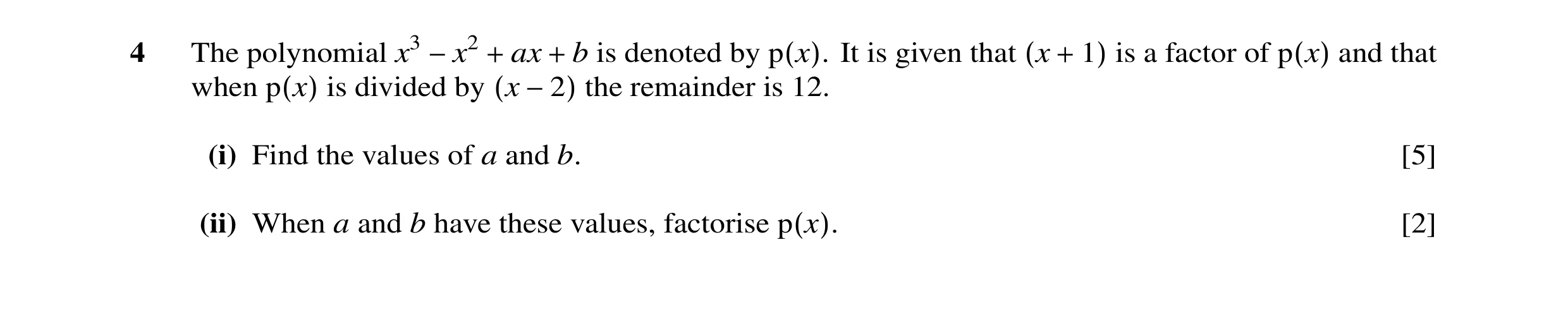
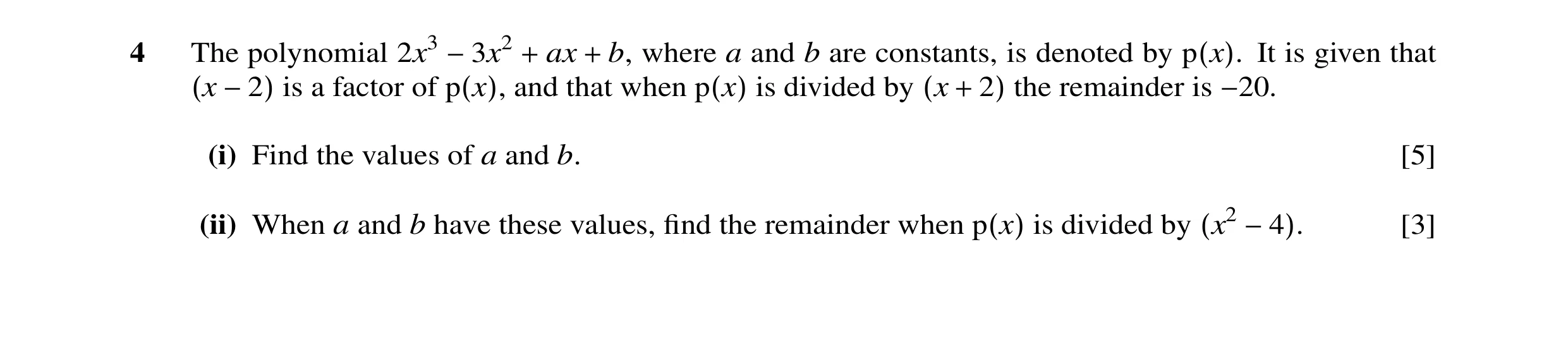
![Question 3: (i) Solve the inequality |y −5| < 1. [2] (ii) Hence solve the inequality |3x −5| < 1, giving 3 significant figures in your answer. [3]](https://img.pastlit.com/crops/2a2a50d4-ddfb-4b31-9298-333fcdc5103e/q3.webp)
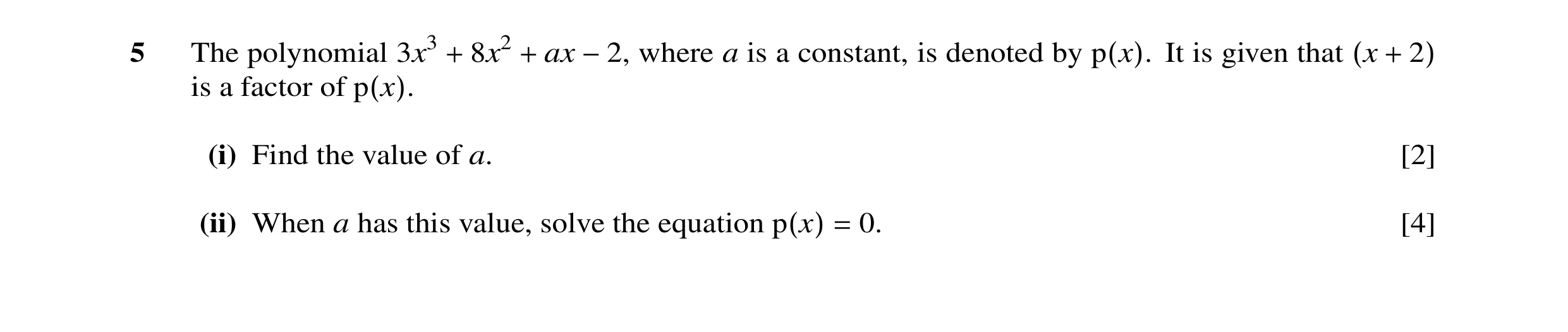

![Question 6: Solve the inequality |x −3| > |2x|. [4]](https://img.pastlit.com/crops/f4198a1f-0cee-4541-bbf6-e9a383d01bad/q1.webp)
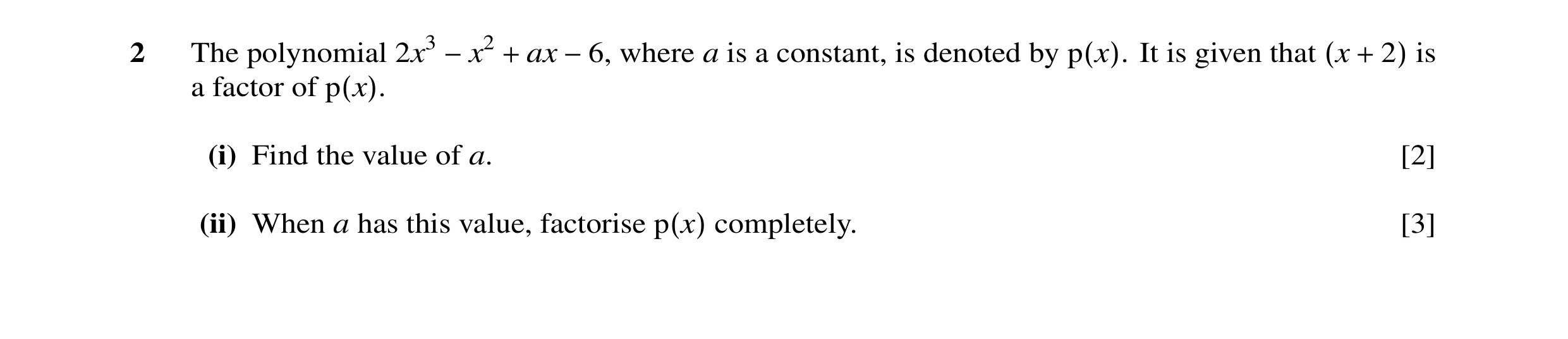 1 / 92
![Question 8: Solve the inequality [4] |3x + 2| < |x|.](https://img.pastlit.com/crops/4fe5e427-155b-4864-bc8e-84d07929a1fe/q2.webp)
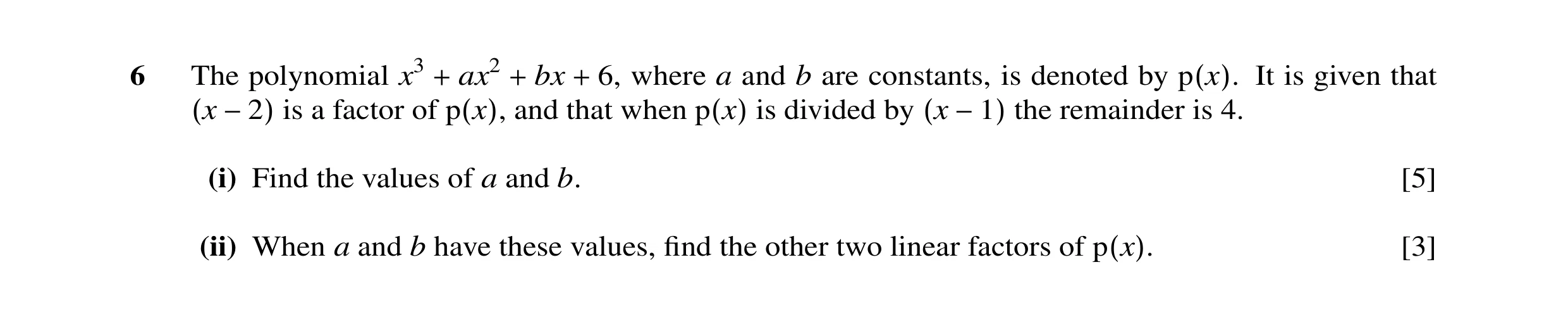
![Question 10: (a) Find the equation of the tangent to the curve y at the point where x 1. [4] = ln(3x −2) = (b) (i) Find the value of the constant A such…](https://img.pastlit.com/crops/4fe5e427-155b-4864-bc8e-84d07929a1fe/q8.webp)
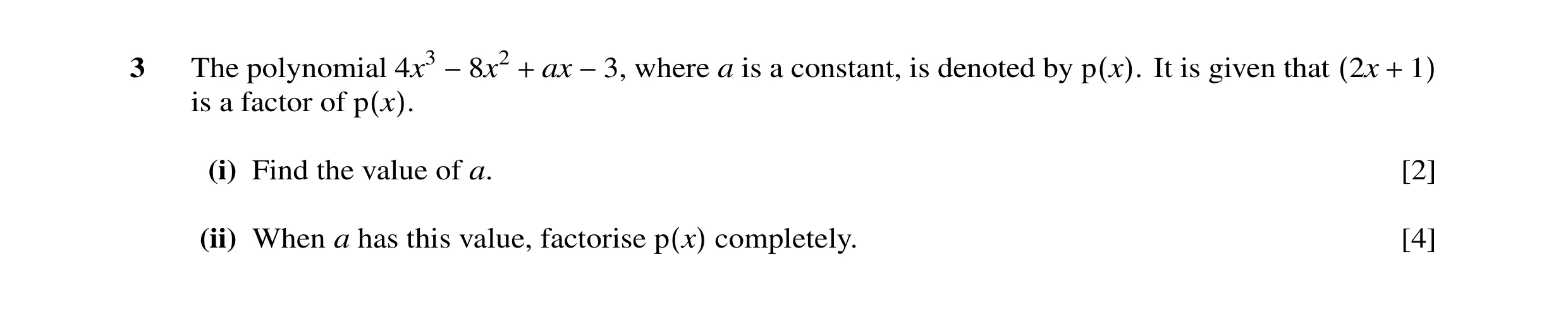
![Question 12: The equation of a curve is y2 2xy 2. + −x2 = (i) Find the coordinates of the two points on the curve where x 1. [2] = (ii) Show by differen…](https://img.pastlit.com/crops/022fd03f-43a0-4b00-9b56-653d6b52dad5/q8.webp)
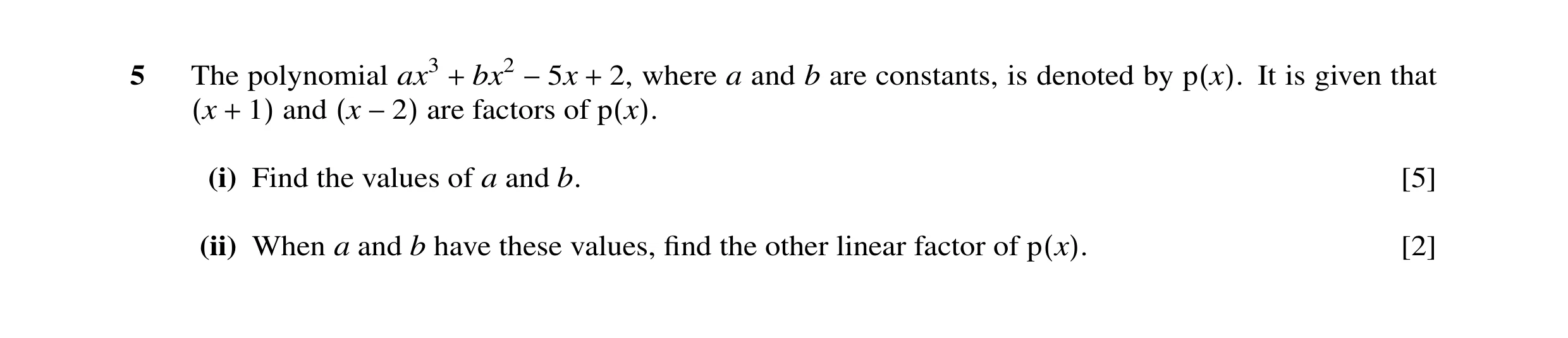 2 / 92
![Question 14: Solve the inequality 5. [3] |2x −3| >](https://img.pastlit.com/crops/5f1a17a1-a695-4b99-96d7-9a9c5c93fb58/q1.webp)
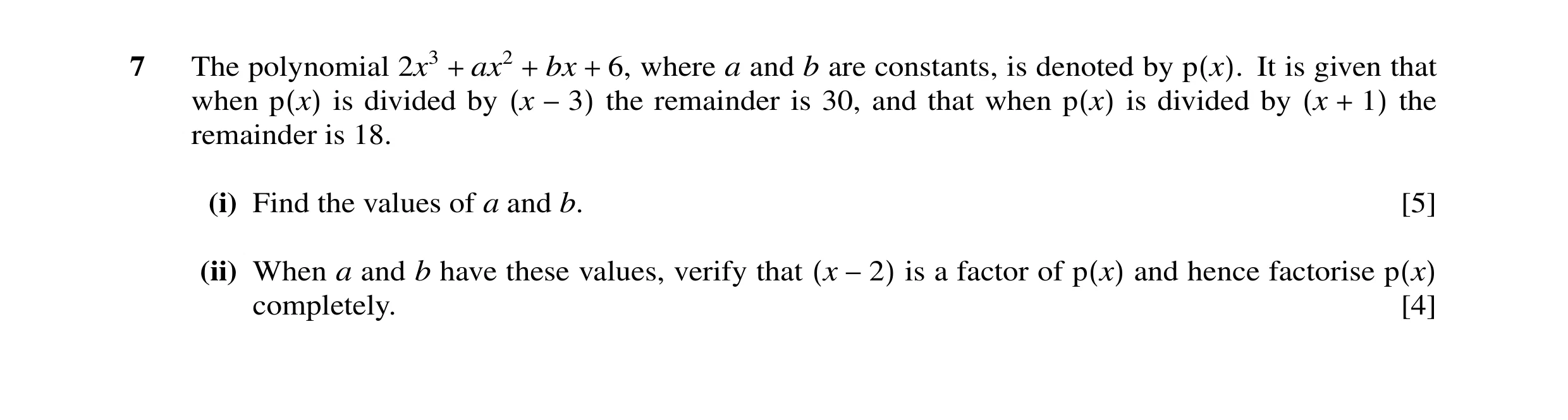
![Question 16: Solve the inequality [4] |2x −1| < |x + 4|. 1](https://img.pastlit.com/crops/a41c4a4d-3d65-4642-a77e-cc2d1613f35a/q3.webp)

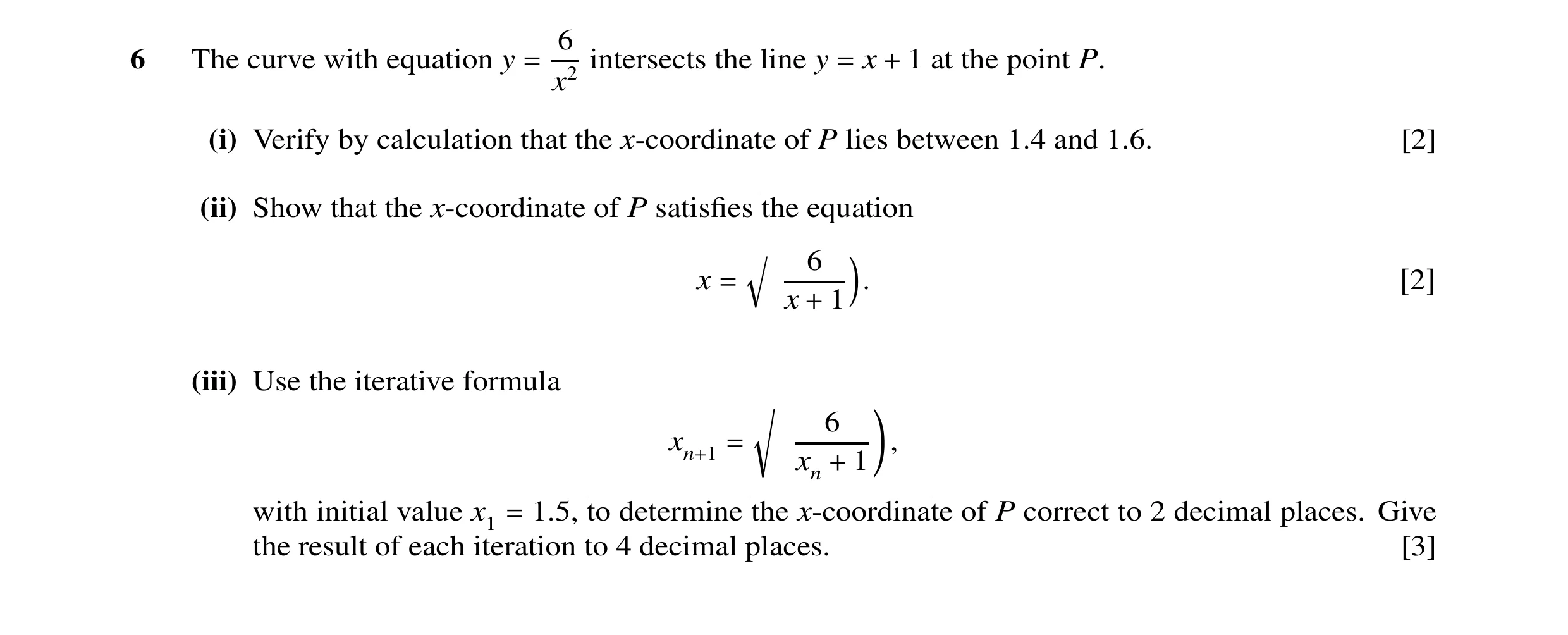
 3 / 92
![Question 20: Solve the inequality 8. [3] |3x + 1| >](https://img.pastlit.com/crops/fcc42d41-5740-4929-b684-4c2a07f82c67/q1.webp)
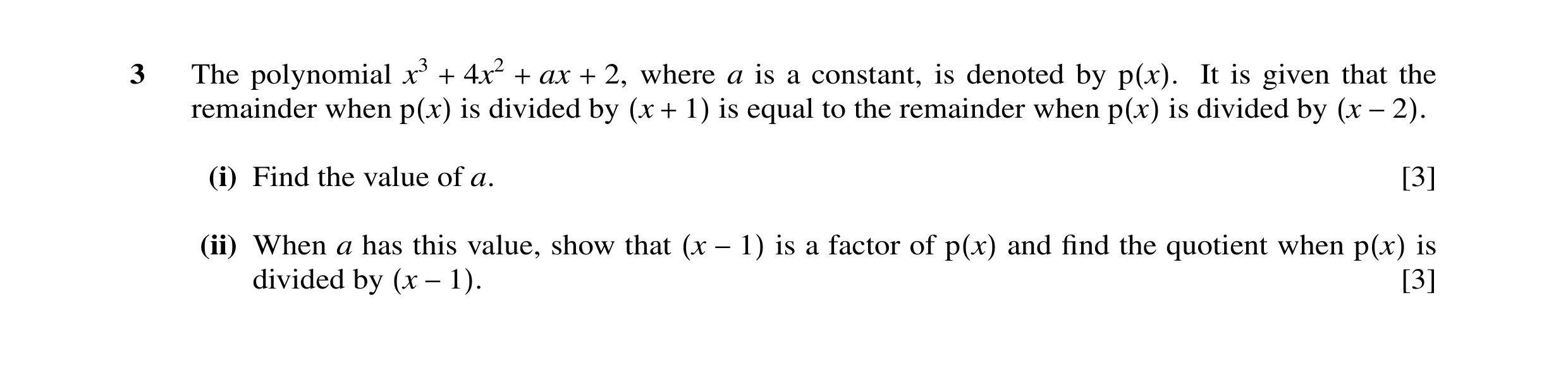
![Question 22: The polynomial is defined by f(x) 3x3 ax2 ax a, f(x) = + + + where a is a constant. (i) Given that is a factor of find the value of a. [2] (x…](https://img.pastlit.com/crops/98297437-e985-428b-a403-b38d58faa0a8/q4.webp)
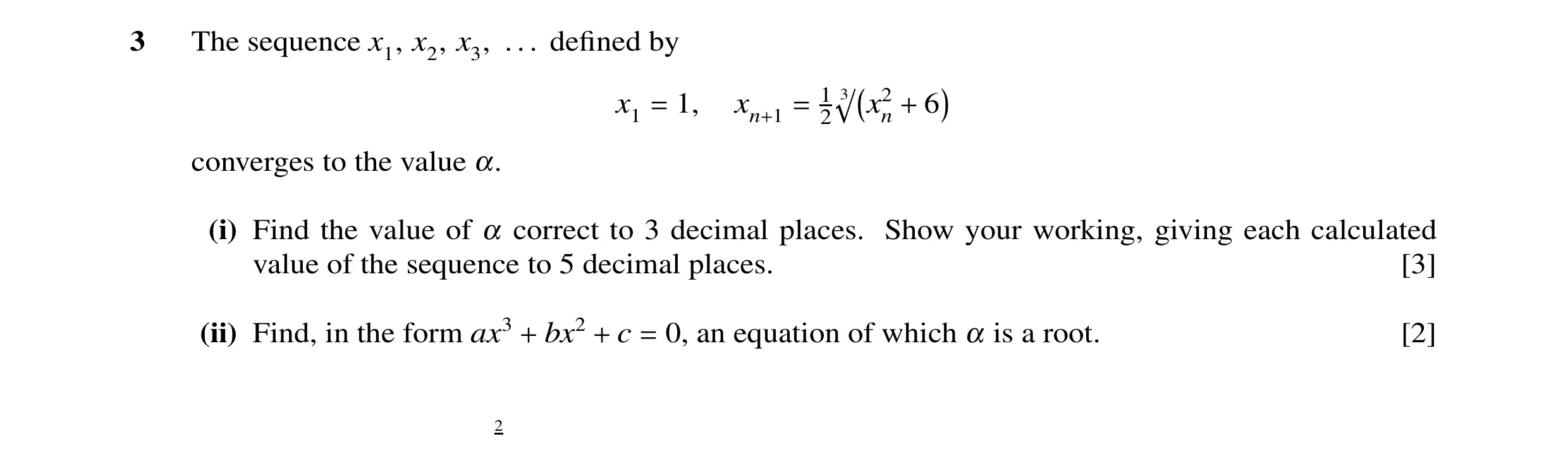
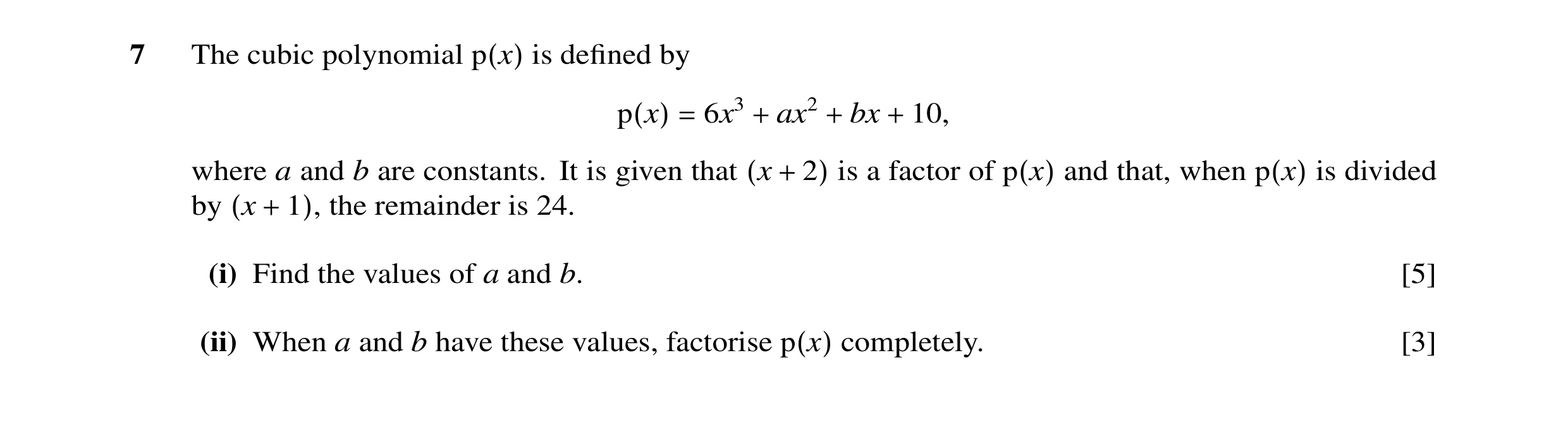 4 / 92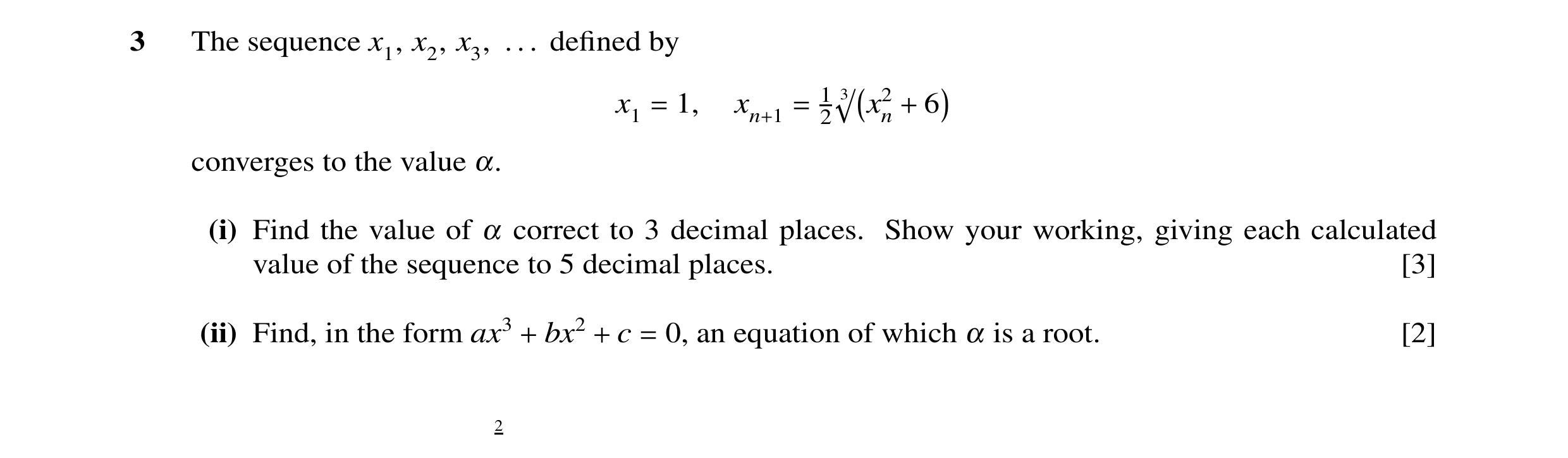
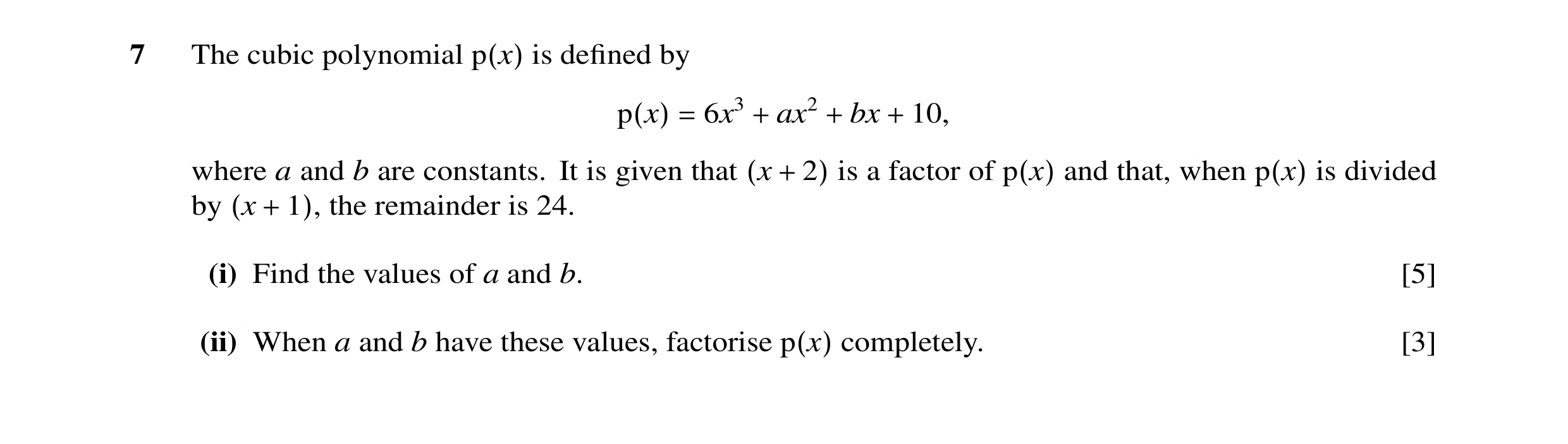
![Question 27: Solve the inequality |4 - 5x| < 3. [3]](https://img.pastlit.com/crops/4cc97a69-9a61-42c3-91ee-3b299f1ace0d/q1.webp)
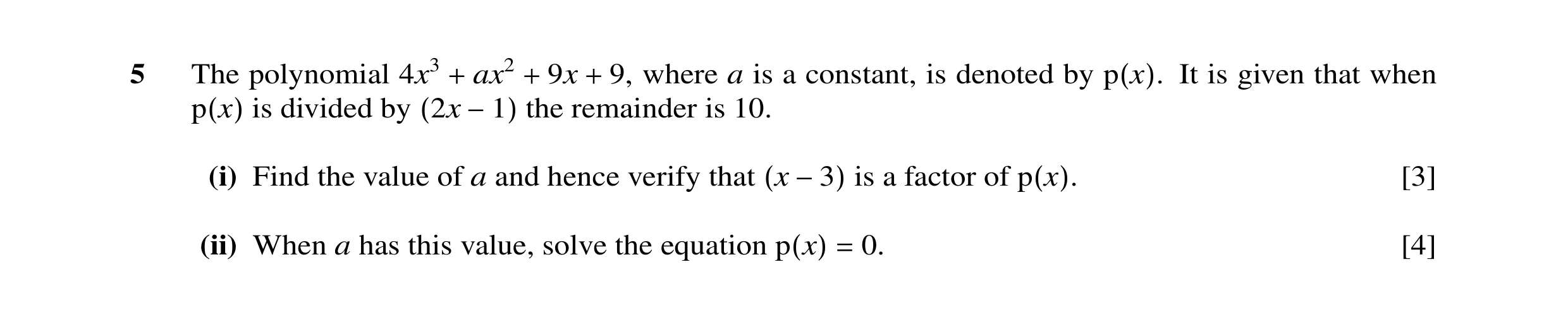
![Question 29: Solve the inequality . [4] |x + 2| > 12x −2](https://img.pastlit.com/crops/d0387d23-e673-4ca5-8723-81912b69fb8c/q1.webp)
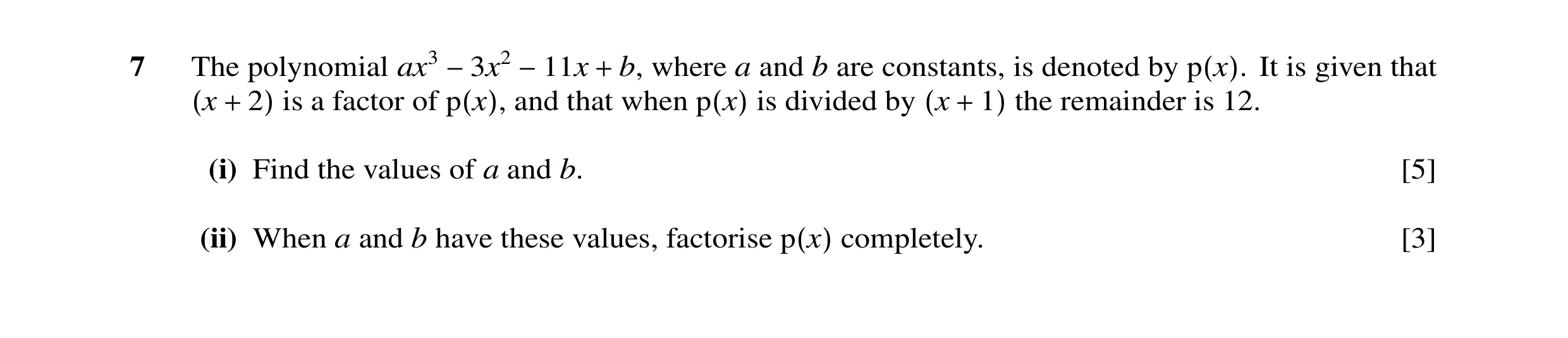 5 / 92
![Question 32: Solve the equation 13, showing all your working. [4] |x3 −14| =](https://img.pastlit.com/crops/57e0a1ae-48ed-409c-83a9-5615a6e7d331/q1.webp)
![Question 33: The polynomial is defined by p(x) ax3 a 4, p(x) = −3x2 −5x + + where a is a constant. (i) Given that is a factor of find the value of a. [2] …](https://img.pastlit.com/crops/57e0a1ae-48ed-409c-83a9-5615a6e7d331/q3.webp)
![Question 34: (i) Find the quotient when the polynomial 8x3 13 −4x2 −18x + is divided by 4x2 4x and show that the remainder is 4. [3] + −3, (ii) Hence, o…](https://img.pastlit.com/crops/28e6bda5-823c-479d-ba2a-ebb4359da100/q3.webp)
![Question 35: Solve the equation 13, showing all your working. [4] |x3 −14| =](https://img.pastlit.com/crops/6ccf1951-906b-4e45-b3d8-7a79988b53f5/q1.webp) 6 / 92
6 / 92![Question 36: The polynomial is defined by p(x) ax3 a 4, p(x) = −3x2 −5x + + where a is a constant. (i) Given that is a factor of find the value of a. [2] …](https://img.pastlit.com/crops/6ccf1951-906b-4e45-b3d8-7a79988b53f5/q3.webp)
![Question 37: Solve the inequality [3] |x −2| ≥|x + 5|.](https://img.pastlit.com/crops/d881e80a-3799-4e14-b14b-ea95d9aea1ca/q1.webp)
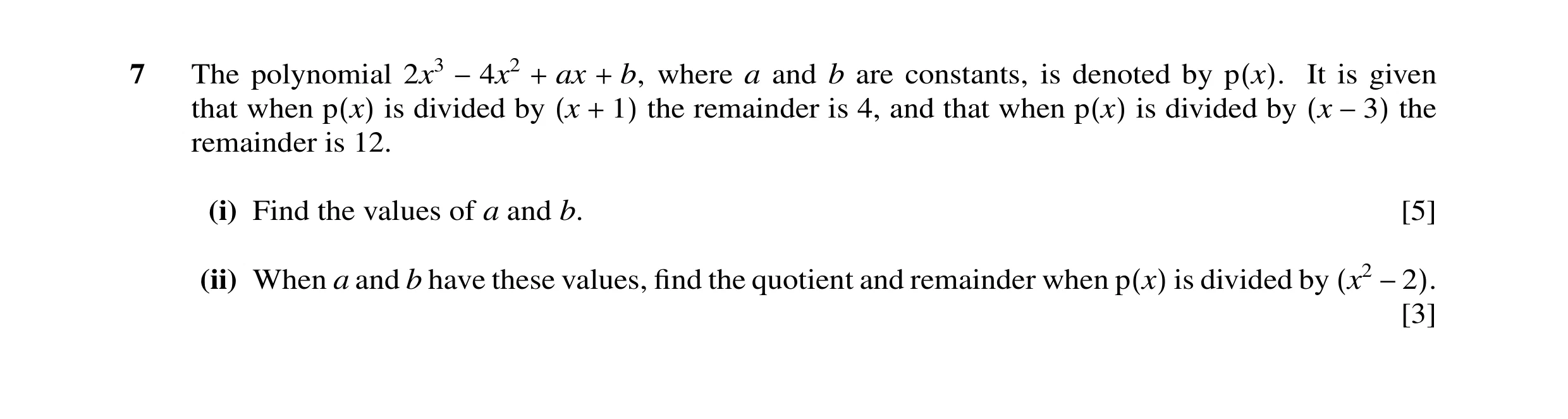
![Question 39: The polynomial x4 3x2 4x is denoted by −4x3 + + −4 p(x). (i) Find the quotient when is divided by x2 2. [3] p(x) −3x + (ii) Hence solve the…](https://img.pastlit.com/crops/d37bbec1-1777-407a-8af2-ca11cc2ca40a/q3.webp)
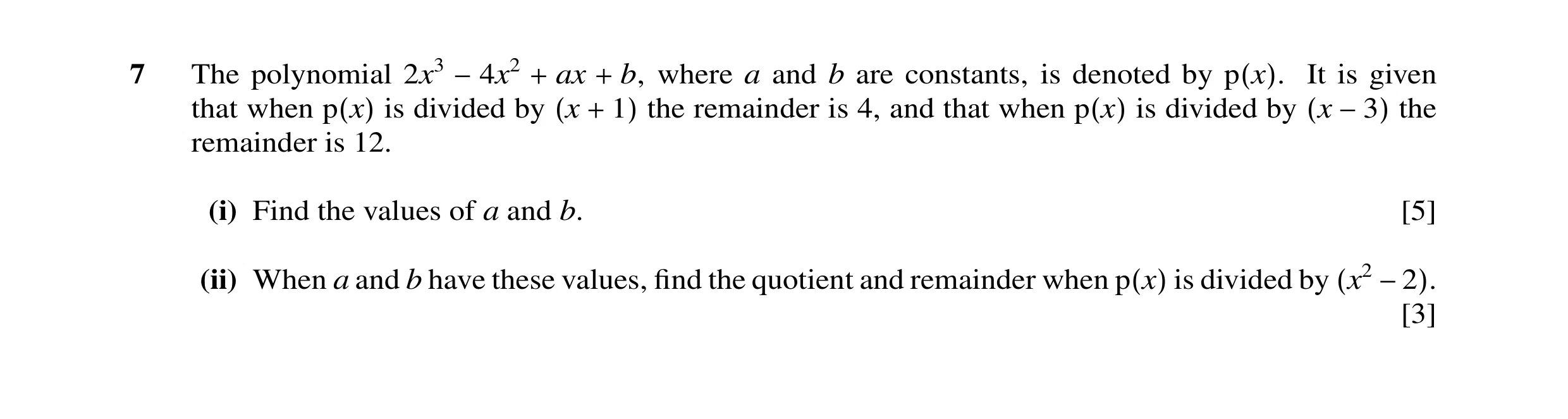 7 / 92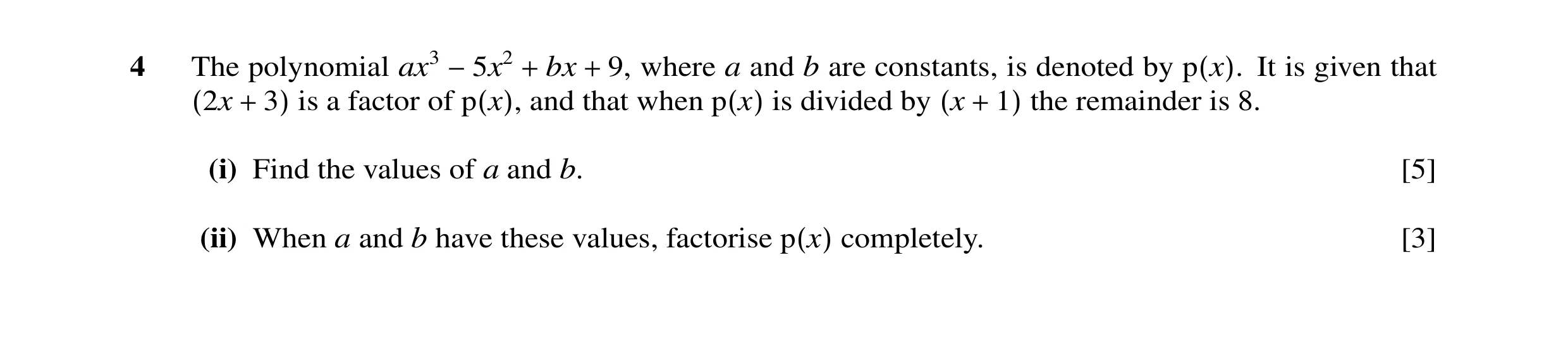
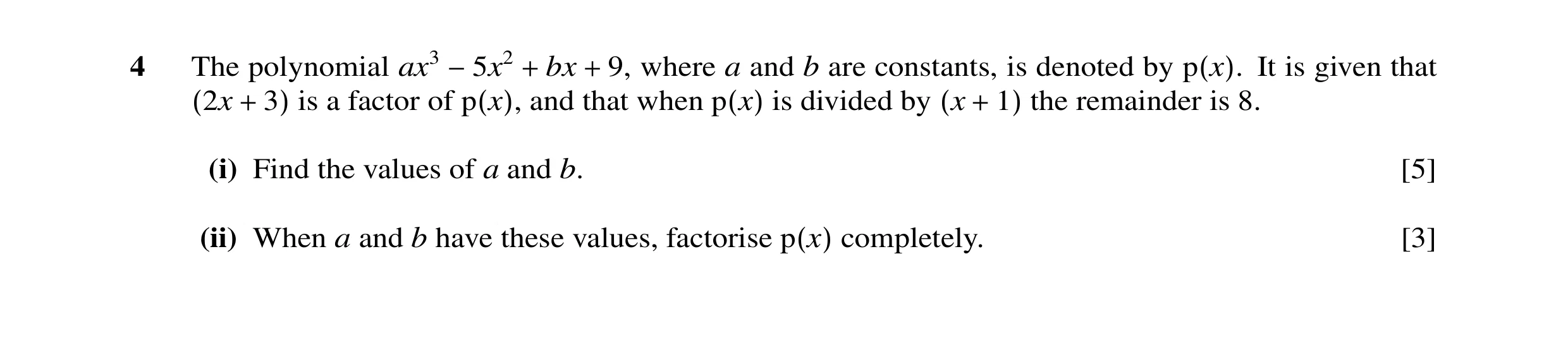
![Question 43: Solve the inequality x 1 3x 5 . [4] + < +](https://img.pastlit.com/crops/12e27d96-cedb-48ca-99d6-920b343263c5/q1.webp)
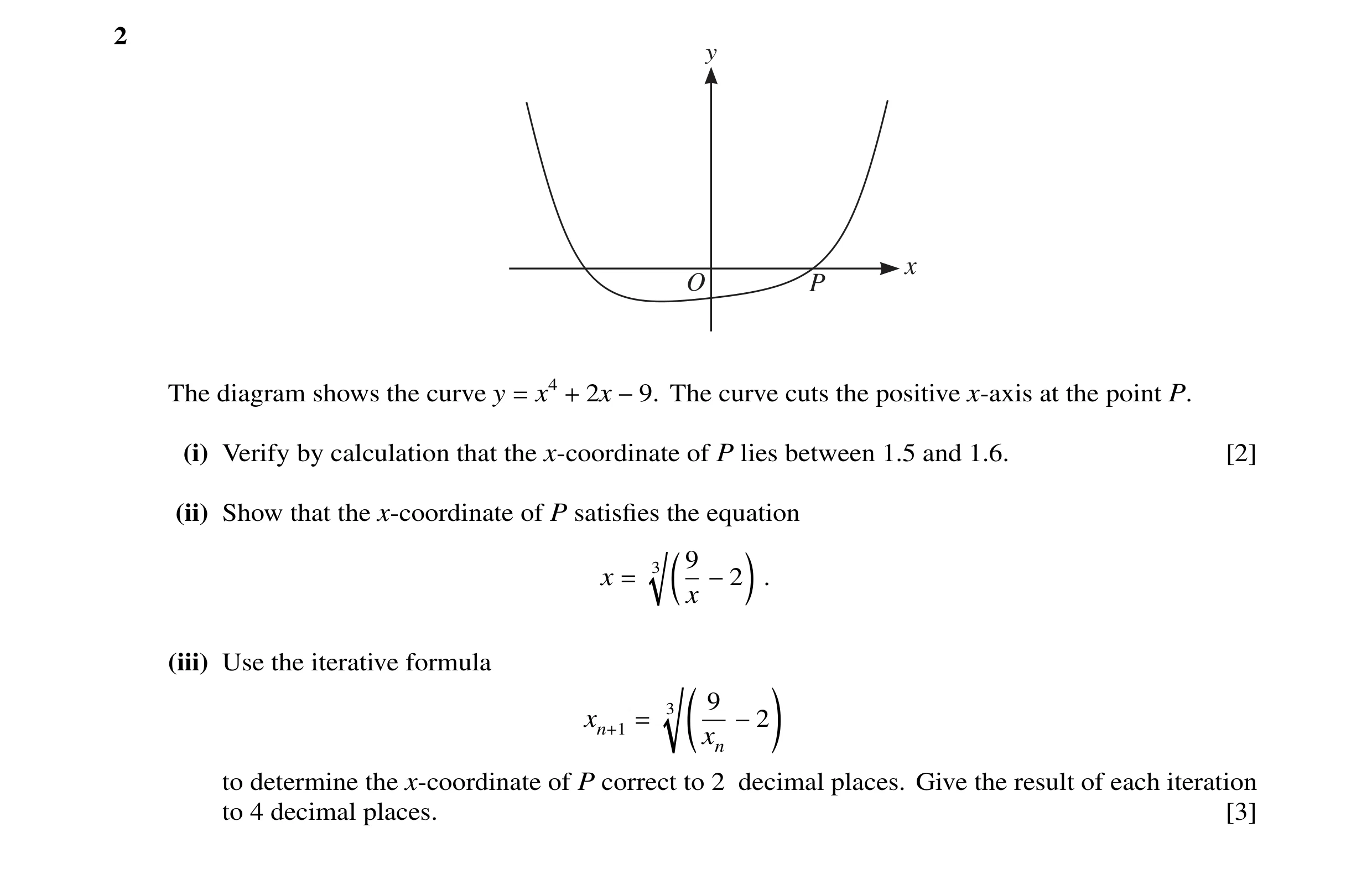
![Question 45: Solve the inequality x 1 3x 5 . [4] + < +](https://img.pastlit.com/crops/703dfbd5-c6b6-4e00-a3ce-e2df7533175b/q1.webp) 8 / 92
8 / 92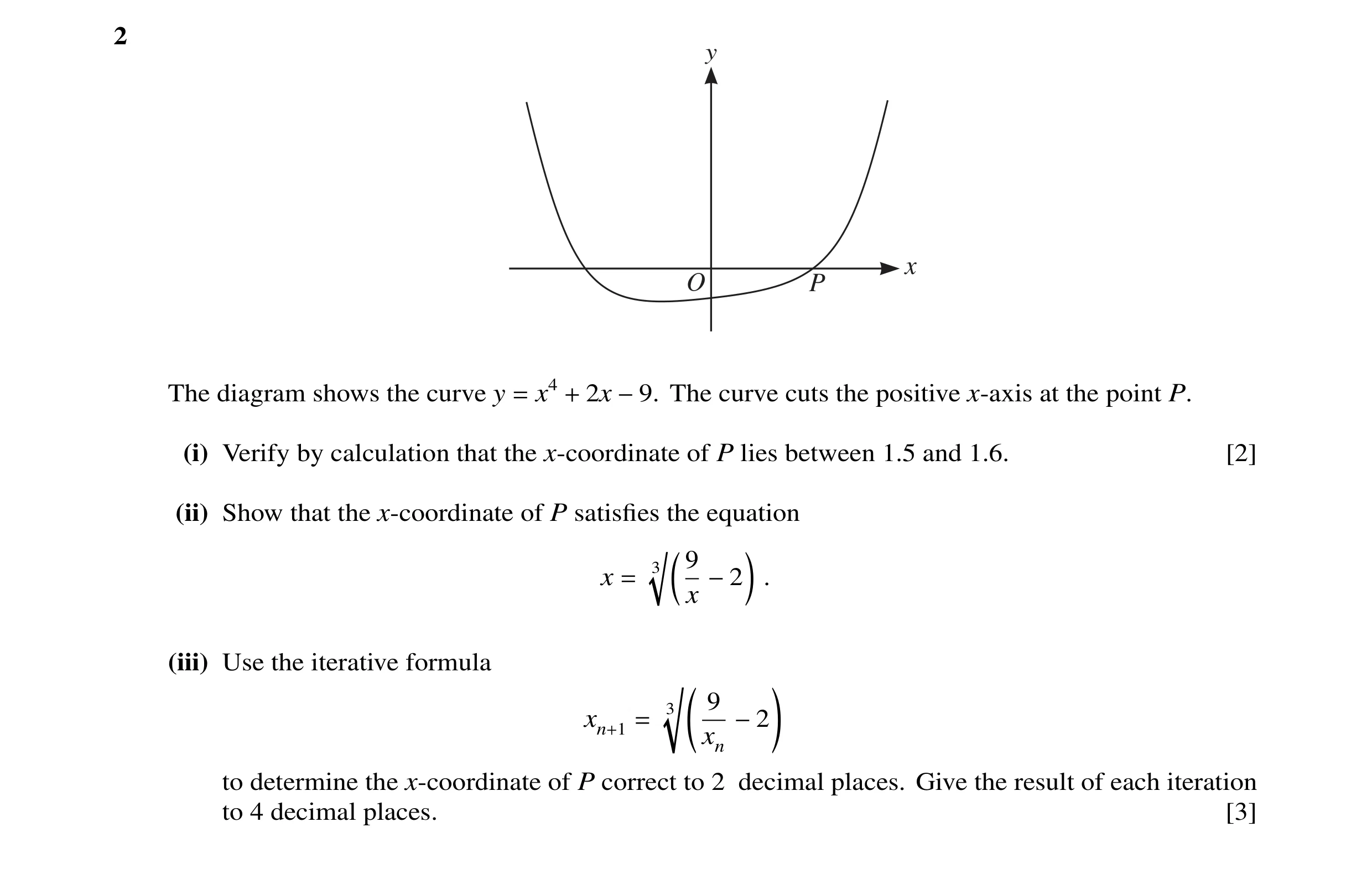
![Question 47: Solve the equation 3x 2x 5 . [3] −1 = +](https://img.pastlit.com/crops/b938d6ea-d8f7-4fc4-87a8-10da31b47347/q1.webp)
![Question 48: (i) Solve the equation 2x 3 x 8 . [3] + = + (ii) Hence, using 3 2y 8 . Give the answer correct to logarithms, solve the equation 2y+1 + = +…](https://img.pastlit.com/crops/10118e31-44d9-436f-92cc-acc0eba30232/q2.webp)
![Question 49: Solve the inequality x 2x 3 . [4] −5 < +](https://img.pastlit.com/crops/5bc1803a-27ac-4e8c-a820-e34648f3562a/q2.webp)
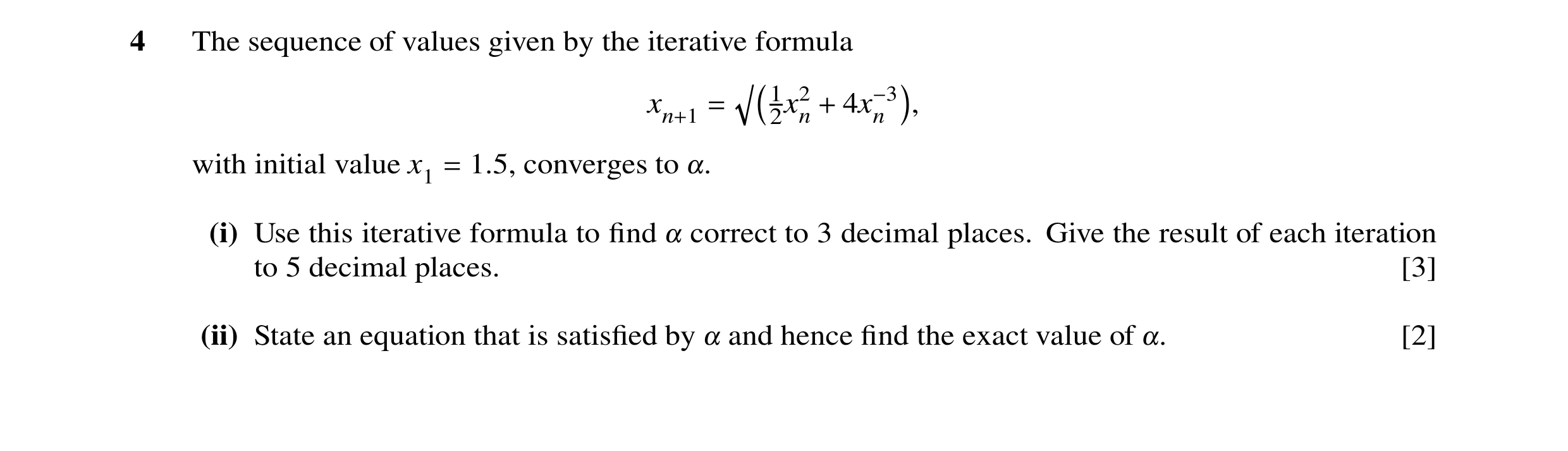 9 / 92
![Question 51: (i) Find the quotient and remainder when 2x3 3 is divided by x2 5. [3] −7x2 −9x + −2x + (ii) Hence find the values of the constants p and q …](https://img.pastlit.com/crops/b27b0693-bda4-4366-8e65-8375d61cb82a/q2.webp)
![Question 52: (i) Solve the equation 3u 1 2u . [3] + = −5 (ii) Hence solve the equation 3 cotx 1 2 cotx for 0 x 1 giving your answer correct to 3 signific…](https://img.pastlit.com/crops/b27b0693-bda4-4366-8e65-8375d61cb82a/q3.webp)
![Question 53: (i) Find the quotient and remainder when 2x3 3 is divided by x2 5. [3] −7x2 −9x + −2x + (ii) Hence find the values of the constants p and q …](https://img.pastlit.com/crops/c0568340-343f-4e45-a8b5-97a43676be4c/q2.webp)
![Question 54: (i) Solve the equation 3u 1 2u . [3] + = −5 (ii) Hence solve the equation 3 cotx 1 2 cot x for 0 x 1 giving your answer correct to 3 signifi…](https://img.pastlit.com/crops/c0568340-343f-4e45-a8b5-97a43676be4c/q3.webp) 10 / 92
10 / 92![Question 55: (i) Solve the inequality 2x x 3 . [4] −5 < + ..............................................................................................…](https://img.pastlit.com/crops/22064034-148b-41fa-bb16-9ac3eedf46a9/q3.webp) 11 / 92
11 / 92![Question 56: Solve the inequality 4 3 . [4] −x ≤ −2x ...................................................................................................…](https://img.pastlit.com/crops/064fd1ee-8db8-42f5-9053-bec87742c372/q2.webp)
![Question 57: Solve the equation x a 2x , giving x in terms of the positive constant a. [3] + = −5a .....................................................…](https://img.pastlit.com/crops/14f0b3c8-c9f4-42a7-b99b-f58a72cfa033/q1.webp) 12 / 92
12 / 92![Question 58: (i) By sketching a suitable pair of graphs, show that the equation x3 11 = −2x has exactly one real root. [2] .............................…](https://img.pastlit.com/crops/14f0b3c8-c9f4-42a7-b99b-f58a72cfa033/q3.webp) 13 / 92
13 / 92![Question 59: (i) By sketching a suitable pair of graphs, show that the equation x3 11 = −2x has exactly one real root. [2] .............................…](https://img.pastlit.com/crops/7d3a4320-7ce1-48d5-bb26-53b950121c85/q3.webp) 14 / 92
14 / 92![Question 60: Solve the inequality 5x 2 4x 3 . [4] + > + ................................................................................................…](https://img.pastlit.com/crops/988fdc2c-1a47-418e-9ef9-bee014edbb52/q1.webp) 15 / 92
15 / 92![Question 61: (i) Find the quotient when x4 8x2 13 −2x3 + −12x + is divided by x2 6 and show that the remainder is 1. [3] + .............................…](https://img.pastlit.com/crops/4ae6dd4c-68e6-422e-b3b5-a41e25f10358/q3.webp)
![Question 62: (i) Find the quotient when x4 8x2 13 −2x3 + −12x + is divided by x2 6 and show that the remainder is 1. [3] + .............................…](https://img.pastlit.com/crops/dadc49c6-050e-4668-8427-ed6568e78aa6/q3.webp)
![Question 63: (i) Solve the equation 9x 3x 2 . [3] −2 = + ...............................................................................................…](https://img.pastlit.com/crops/c5d77967-98d5-45b7-a3d5-06ae66fa25cc/q1.webp) 20 / 92
20 / 92![Question 64: (i) Solve the inequality 3x x 3 . [4] −5 < + ..............................................................................................…](https://img.pastlit.com/crops/4e7a1150-e900-4261-b428-38edfacec7d8/q2.webp) 21 / 92
21 / 92![Question 65: (i) Solve the equation 4 2x 3 . [3] + = −5x ...............................................................................................…](https://img.pastlit.com/crops/5c6c1c8f-3fcd-45cb-a9e4-ba8bed272eb8/q2.webp) 22 / 92
22 / 92![Question 66: (i) Solve the equation 4 2x 3 . [3] + = −5x ...............................................................................................…](https://img.pastlit.com/crops/a72e277c-2a6b-4727-b8e9-cef1075cd717/q2.webp) 23 / 92
23 / 92![Question 67: (i) Solve the inequality 2x 2x . [3] −7 < −9 ..............................................................................................…](https://img.pastlit.com/crops/5ca9e89f-9b6a-4043-b55a-3a6fcc918258/q1.webp) 24 / 92
24 / 92![Question 68: (i) Solve the equation 4x 5 x . [3] + = −7 ................................................................................................…](https://img.pastlit.com/crops/dd2bad78-51a8-4ed9-8581-43c0a98cc6e6/q2.webp) 25 / 92
25 / 92![Question 69: (i) Solve the inequality 2x 2x . [3] −7 < −9 ..............................................................................................…](https://img.pastlit.com/crops/e288934c-ff01-4a43-8582-34c2246a93f3/q1.webp) 26 / 92
26 / 92![Question 70: (a) Find the quotient when 4x3 17x2 9x is divided by x2 5x 6, and show that the remainder is 18. + + + + [3] ..............................…](https://img.pastlit.com/crops/4d214b39-0d77-4a27-9b80-80552bc451c1/q2.webp) 27 / 92
27 / 92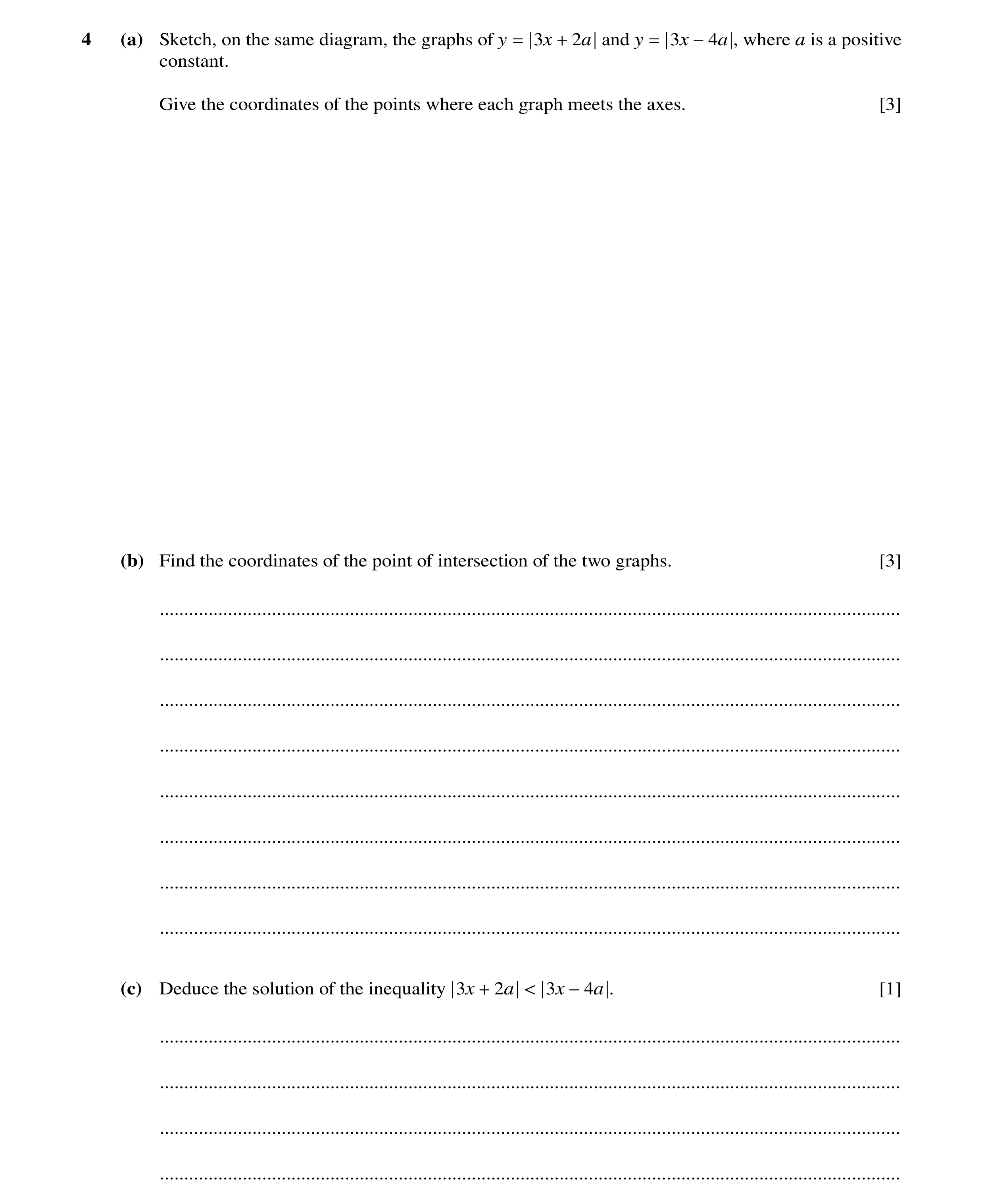 28 / 92
![Question 72: (a) Sketch, on the same diagram, the graphs of y 2x and y 3x 5. [2] = −3 = + (b) Solve the inequality 3x 5 2x . [3] + < −3 ................…](https://img.pastlit.com/crops/24c4e74e-6ca8-4ae3-8e34-1a734d8e7a2f/q5.webp) 29 / 92
29 / 92![Question 73: (a) Sketch, on the same diagram, the graphs of y 2x and y 3x 5. [2] = −3 = + (b) Solve the inequality 3x 5 2x . [3] + < −3 ................…](https://img.pastlit.com/crops/ccb7c0b2-0aa6-4725-8aea-c6b029b66087/q5.webp) 30 / 92
30 / 92![Question 74: (a) Solve the equation 2x x 6 . [3] −5 = + ................................................................................................…](https://img.pastlit.com/crops/544ff53d-81ac-49c6-b4b8-e004692f0604/q4.webp) 31 / 92
31 / 92![Question 75: (a) Solve the equation 2x x 6 . [3] −5 = + ................................................................................................…](https://img.pastlit.com/crops/b921a5be-d042-416c-8f54-b2ca5392efca/q4.webp) 32 / 92
32 / 92![Question 76: (a) Sketch, on the same diagram, the graphs of y 3x and y x 2. [2] = −5 = + (b) Solve the equation 3x x 2. [3] −5 = + .....................…](https://img.pastlit.com/crops/7395370d-46b0-4a0d-8306-981f2d400ed7/q1.webp) 33 / 92
33 / 92
![Question 78: Solve the inequality 3x 4x 5 . [4] −7 < + .................................................................................................…](https://img.pastlit.com/crops/2f158f93-0329-47c0-b250-266615443abf/q1.webp) 36 / 92
36 / 92![Question 79: (a) Find the quotient when x4 55 is divided by x 2 and show that the remainder is 7. −32x + −2 [3] ........................................…](https://img.pastlit.com/crops/eb426fbc-c508-4651-ba29-0f76541770df/q5.webp)
![Question 80: (a) Find the quotient when x4 55 is divided by x 2 and show that the remainder is 7. −32x + −2 [3] ........................................…](https://img.pastlit.com/crops/7d3d4b47-cb1e-4d46-a703-2e0cc2d2ed3f/q5.webp)
![Question 81: (a) Sketch, on the same diagram, the graphs of y 3x and y x . [2] = = −3 (b) Find the coordinates of the point where the two graphs interse…](https://img.pastlit.com/crops/a2645091-5cf2-45b7-b8bd-2999af1a628a/q2.webp) 41 / 92
41 / 92![Question 82: (a) Sketch, on the same diagram, the graphs of y x 3 and y 2x . [2] = + = −1 (b) Solve the equation x 3 2x . [3] + = −1 ...................…](https://img.pastlit.com/crops/6269fe42-4cba-47df-883f-7e6acdc78217/q2.webp) 42 / 92
42 / 92![Question 83: (a) Sketch, on the same diagram, the graphs of y 3x and y x 3 . [2] (b) Find the coordinates of the point where the two graphs intersect. […](https://img.pastlit.com/crops/7d64a9c1-f776-4ee9-a62b-ac1f364e28ca/q2.webp) 43 / 92
43 / 92
![Question 85: Solve the inequality 2x x. [4] −5 > .......................................................................................................…](https://img.pastlit.com/crops/5e5f1306-eb84-4c7e-b22d-fd1bbfcab004/q1.webp) 46 / 92
46 / 92![Question 86: Solve the inequality 2x x. [4] −5 > .......................................................................................................…](https://img.pastlit.com/crops/0c045815-b4d4-4eca-933d-4e48d7b2cd41/q1.webp) 47 / 92
47 / 92![Question 87: (a) Sketch, on the same diagram, the graphs of y 3x and y 2x 7. [2] = −5 = + (b) Solve the equation 3x 2x 7. [3] −5 = + ...................…](https://img.pastlit.com/crops/199cd625-2ce7-4c39-aa72-b885173395e9/q4.webp) 48 / 92
48 / 92![Question 88: (a) Find the quotient when 6x3 is divided by 2x 1 , and show that the remainder is 6. −5x2 −24x −4 + [3] ..................................…](https://img.pastlit.com/crops/21eff080-3a68-4d22-8755-deb5e42c7b5d/q5.webp)
![Question 89: (a) Sketch, on the same diagram, the graphs of y 3x 5 and y 2x 7. [2] (b) Solve the equation 3x 2x 7. [3] −5 = + ..........................…](https://img.pastlit.com/crops/ce64d611-8ee5-4767-a5d0-855ff9999d9a/q4.webp) 51 / 92
51 / 92
![Question 91: (a) Sketch the graph of y = 3 x - 7 , stating the coordinates of the points where the graph meets the axes. [2] (b) Hence find the set of v…](https://img.pastlit.com/crops/d6d070e0-1f94-4d0e-a74c-fedc8385abe8/q2.webp) 54 / 92
54 / 92 55 / 92
![Question 93: (a) Sketch on the same diagram the graphs of y = 3x - 8 and y = 5 - x . [2] (b) Solve the inequality 3x - 8 1 5 - x . [4] .................…](https://img.pastlit.com/crops/186dcd81-ff6a-4f9c-a118-7635815fad32/q3.webp)
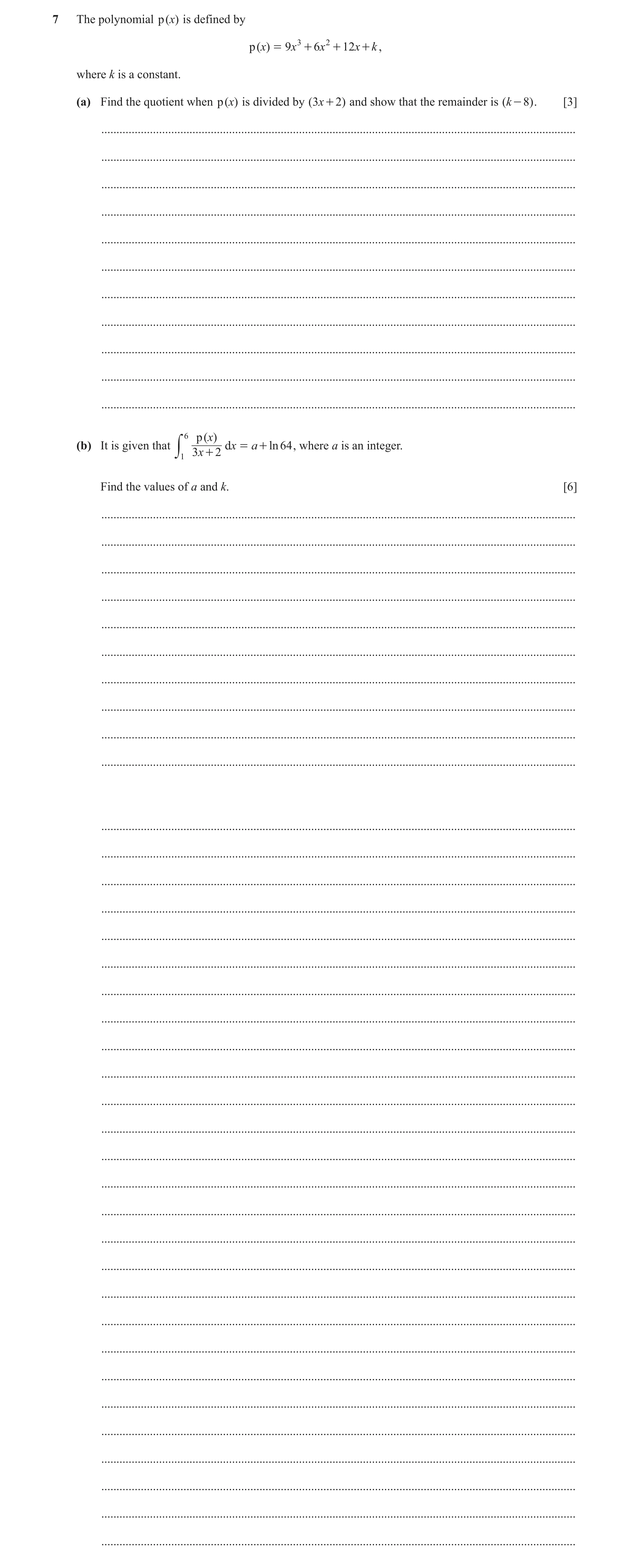
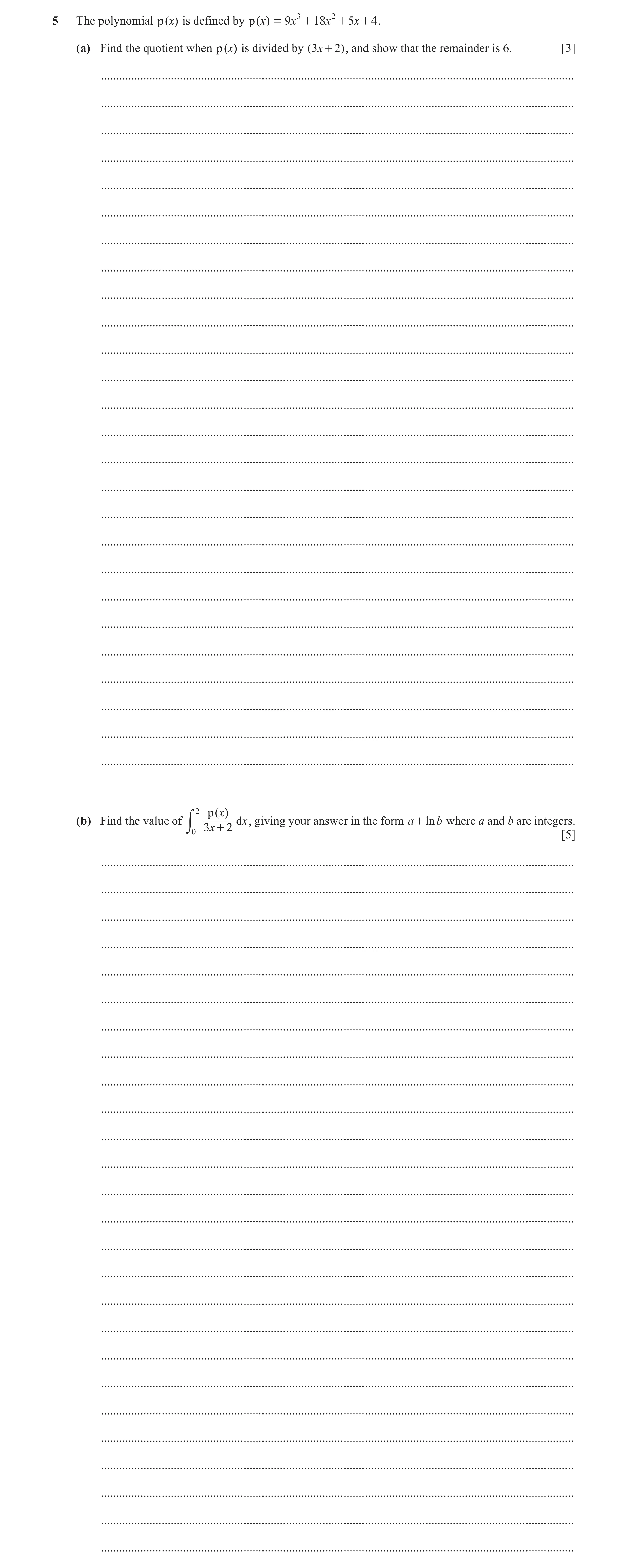
![Question 96: Solve the inequality 5x + 7 2 2x - 3 . [4] ................................................................................................…](https://img.pastlit.com/crops/996c2aaa-eb6e-457e-89c4-427f68d500be/q1.webp) 62 / 92
62 / 92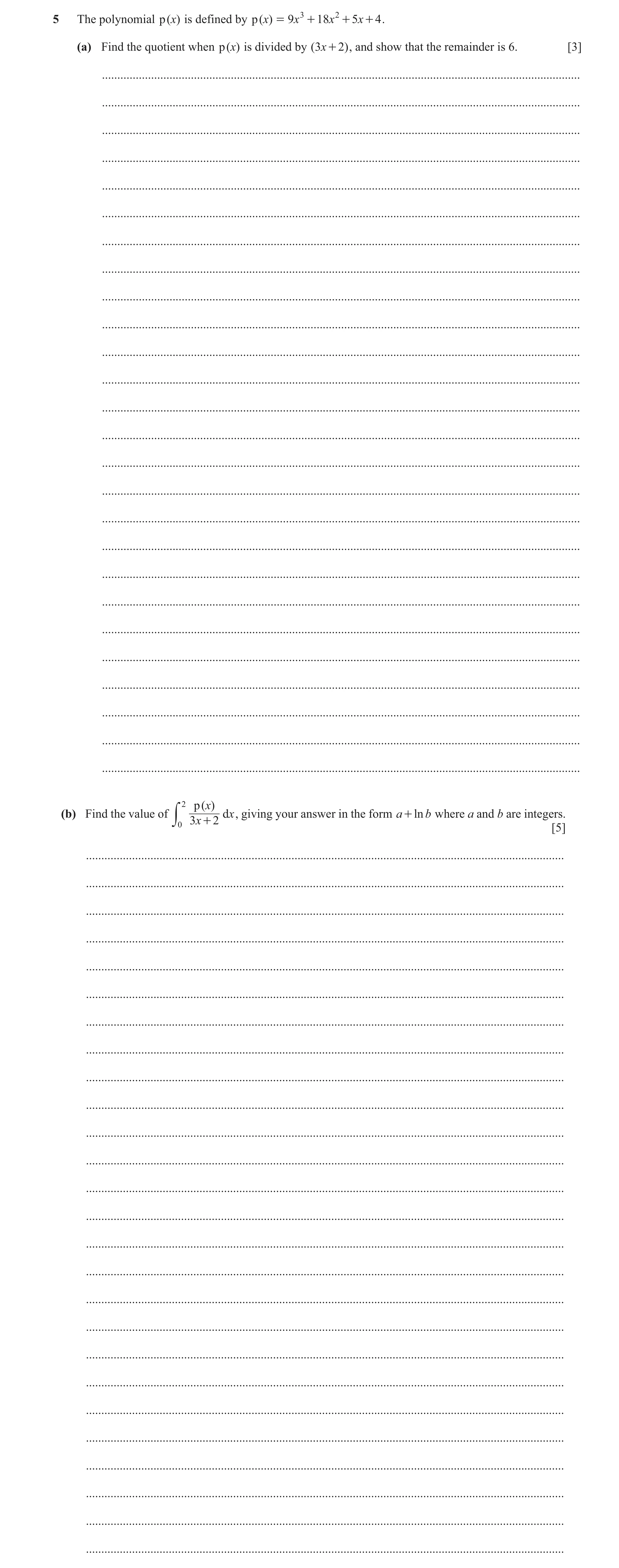
![Question 98: Solve the inequality x - 7 2 4 x + 3 . [4] ................................................................................................…](https://img.pastlit.com/crops/8993304e-92e6-4c42-9878-a553531795ce/q2.webp) 65 / 92
65 / 92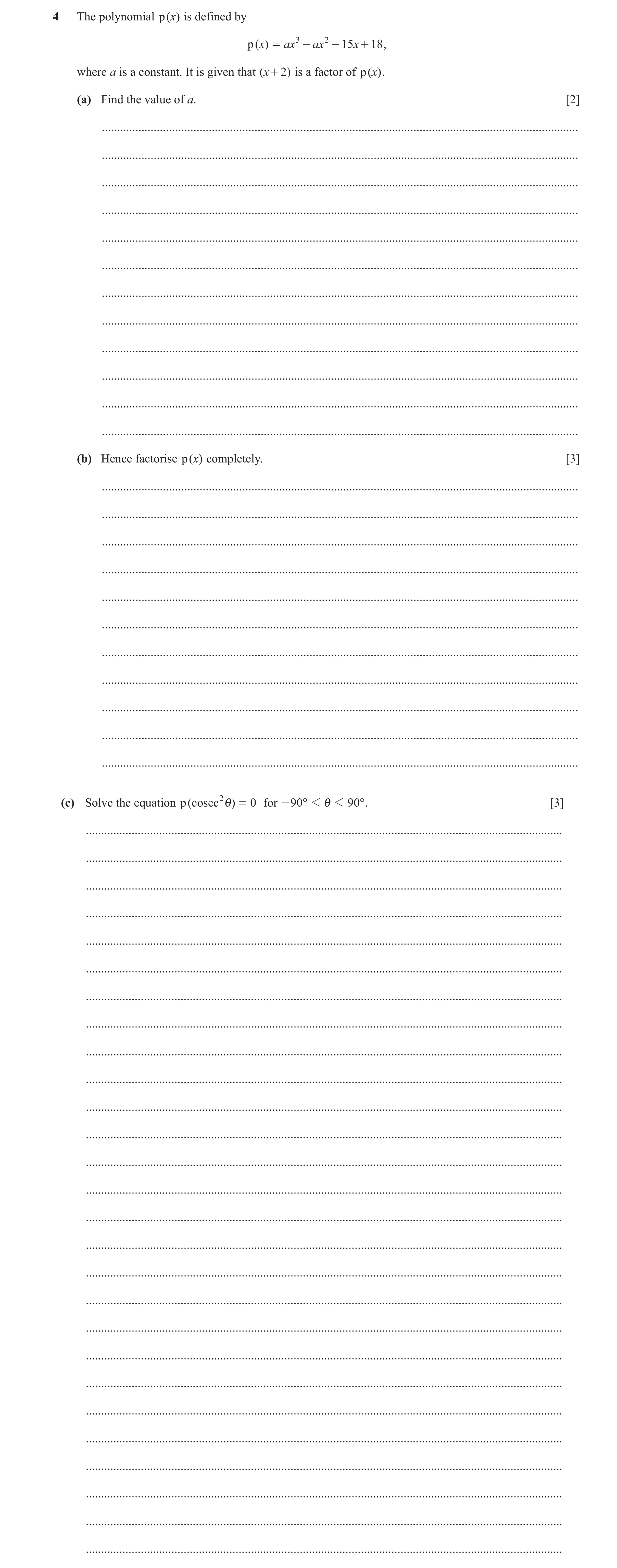
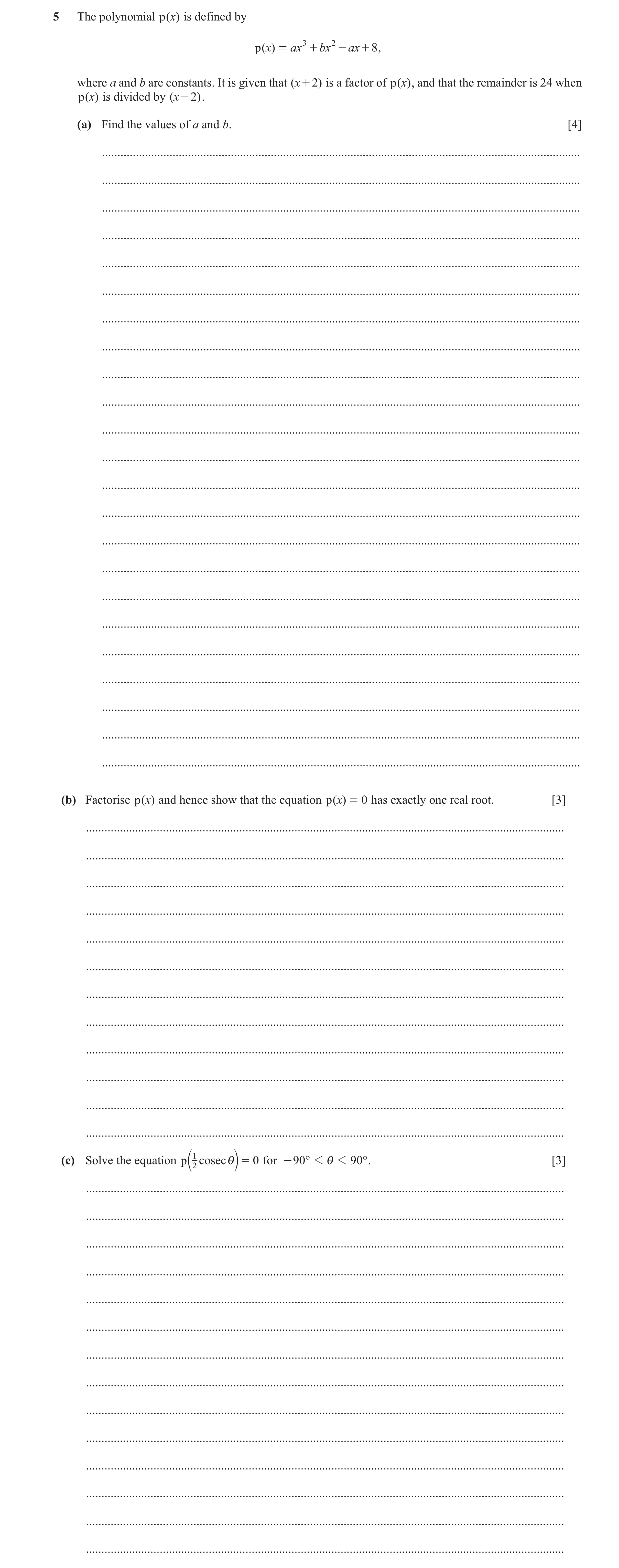
![Question 101: Solve the inequality x - 7 2 4 x + 3 . [4] ................................................................................................…](https://img.pastlit.com/crops/6579063a-9145-47f6-8b4d-38989c6b520e/q2.webp) 70 / 92
70 / 92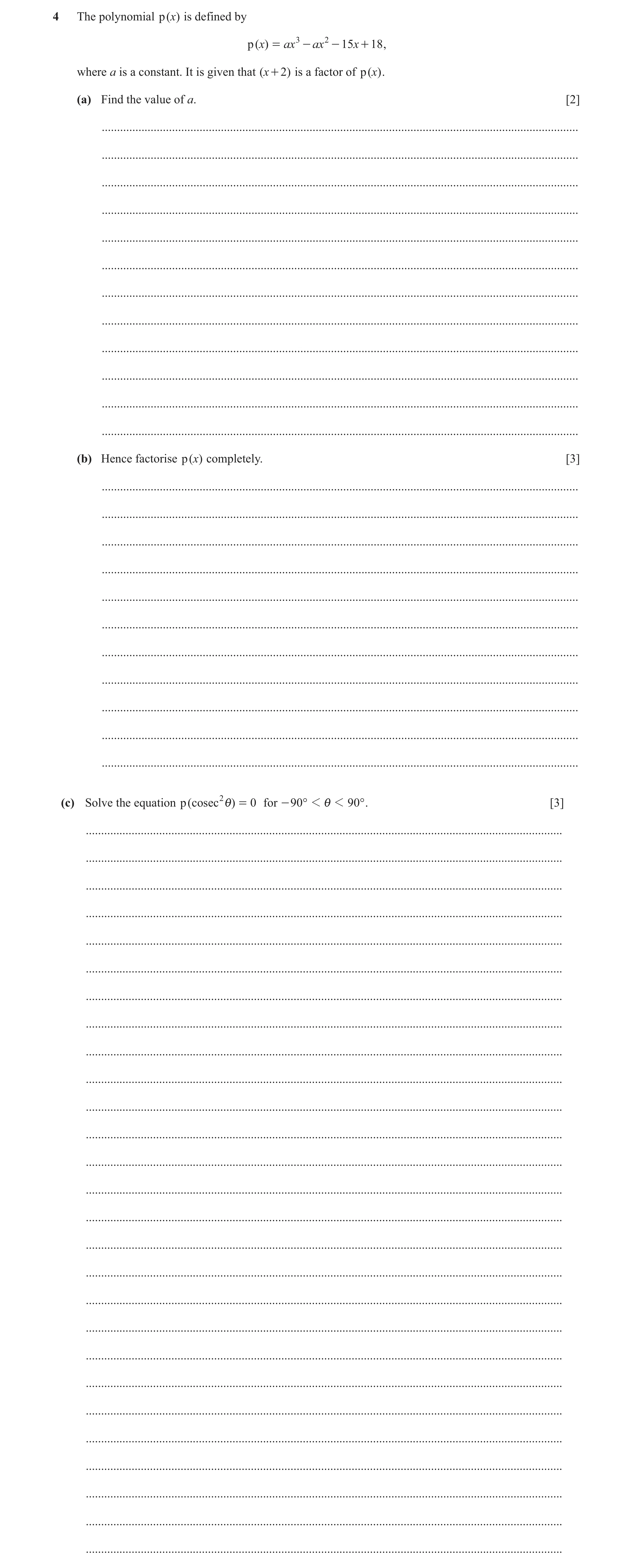
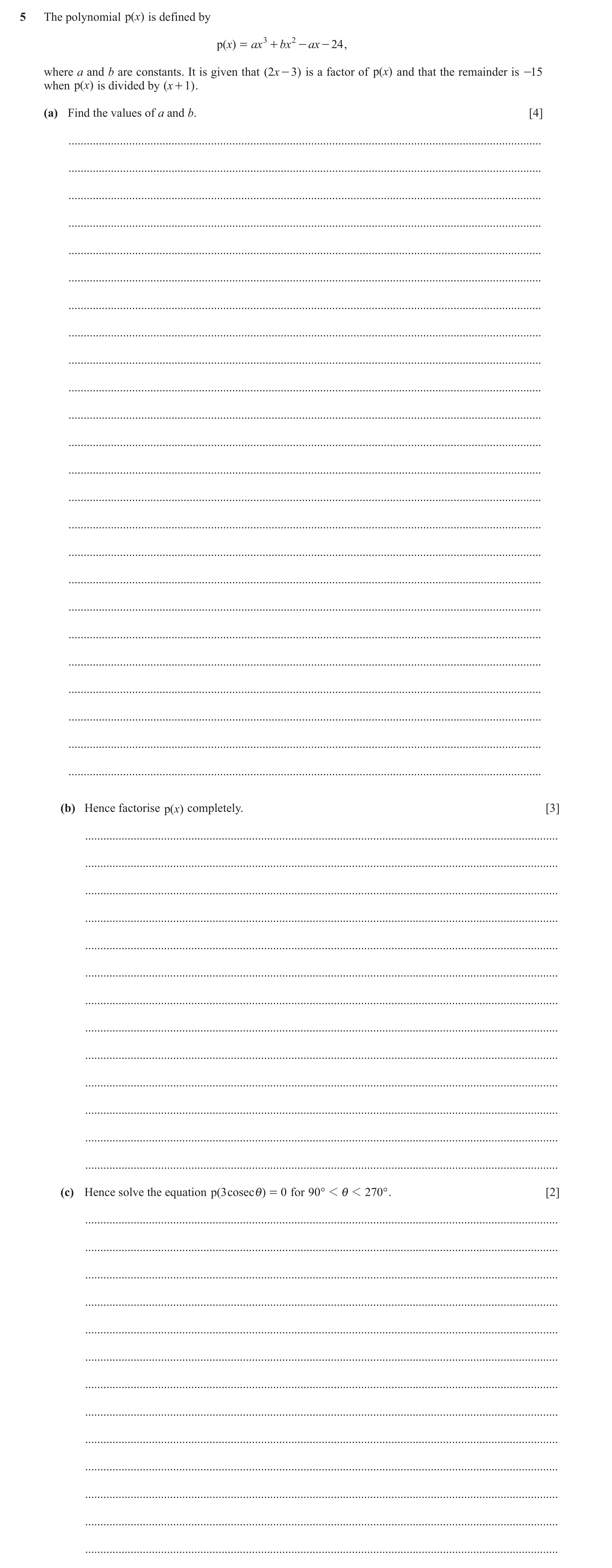
![Question 104: (a) Sketch on the same diagram the graphs of y = 2x - 9 and y = 4x - 5 . [2] (b) Solve the inequality 2x - 9 1 4 x - 5 . [3] ..............…](https://img.pastlit.com/crops/28b52077-78a4-4ee1-9e5c-e7ffbd38b216/q2.webp) 75 / 92
75 / 92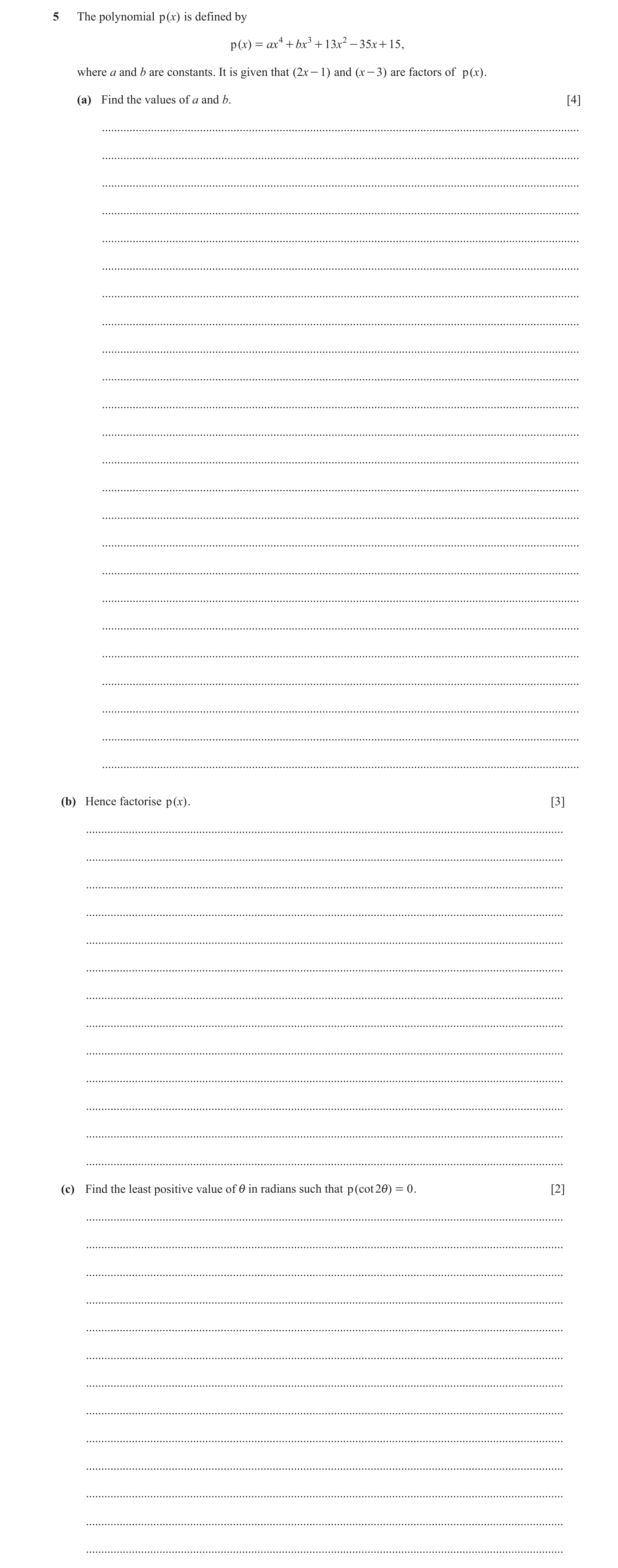
![Question 106: (a) Sketch on the same diagram the graphs of y = 2x - 9 and y = 4x - 5 . [2] (b) Solve the inequality 2x - 9 1 4 x - 5 . [3] ..............…](https://img.pastlit.com/crops/5f38ec11-22c9-4ea4-9e10-51d96dd30b0a/q2.webp) 78 / 92
78 / 92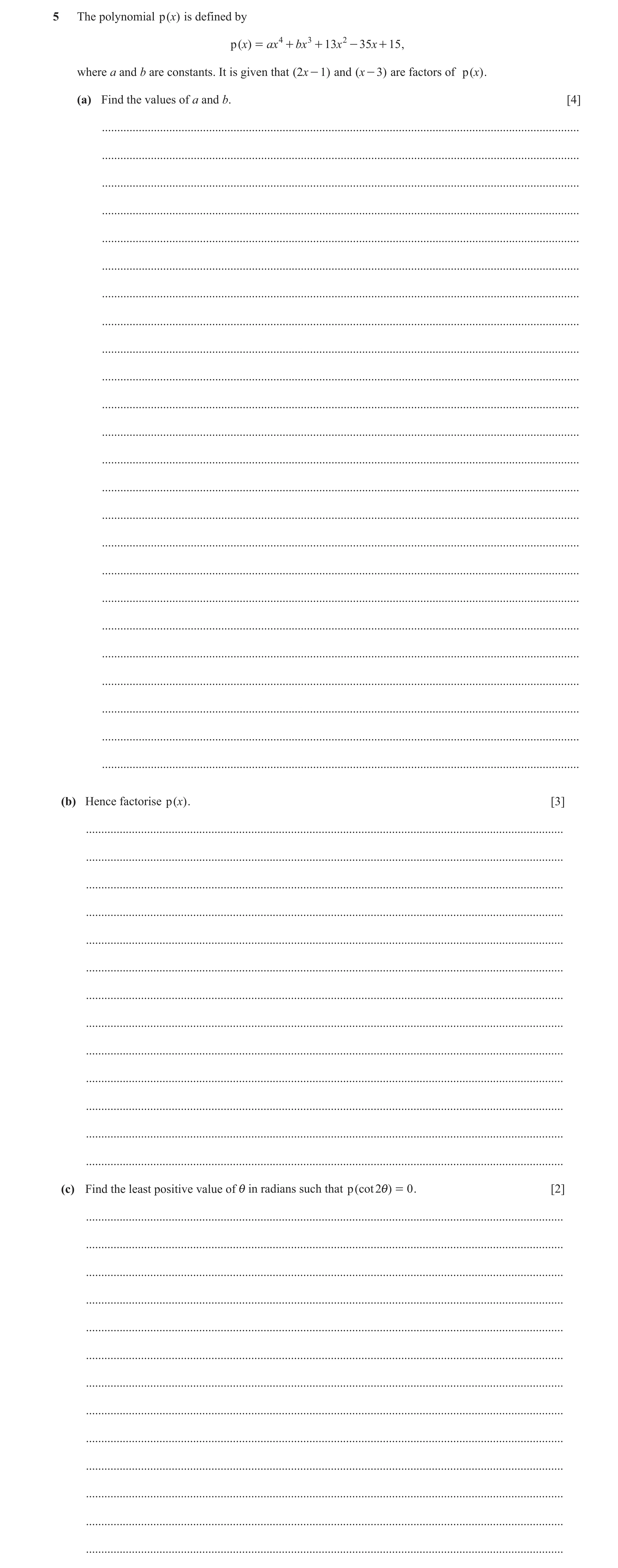
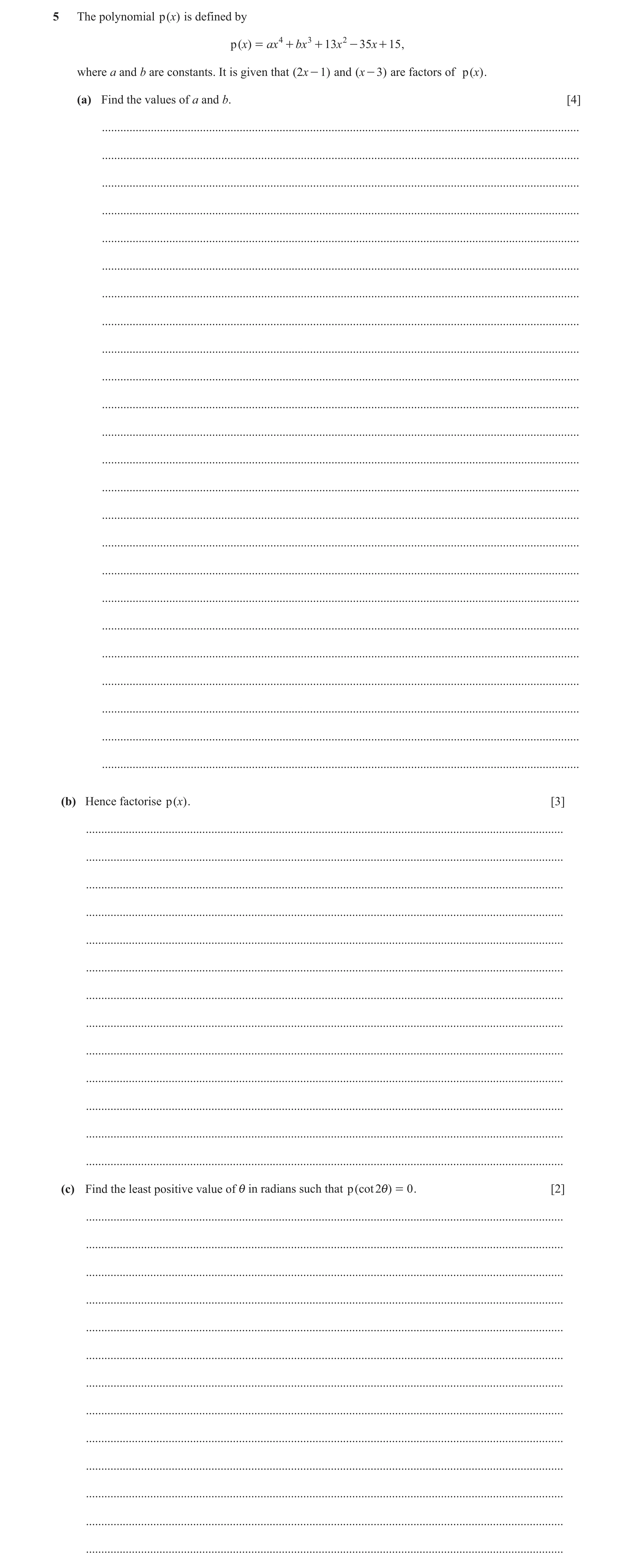
![Question 109: (a) Solve the equation 2x - 3 = 5 x + 2 . [3] .............................................................................................…](https://img.pastlit.com/crops/b3391461-fd40-4d24-8c11-cb80687bb14d/q3.webp) 83 / 92
83 / 92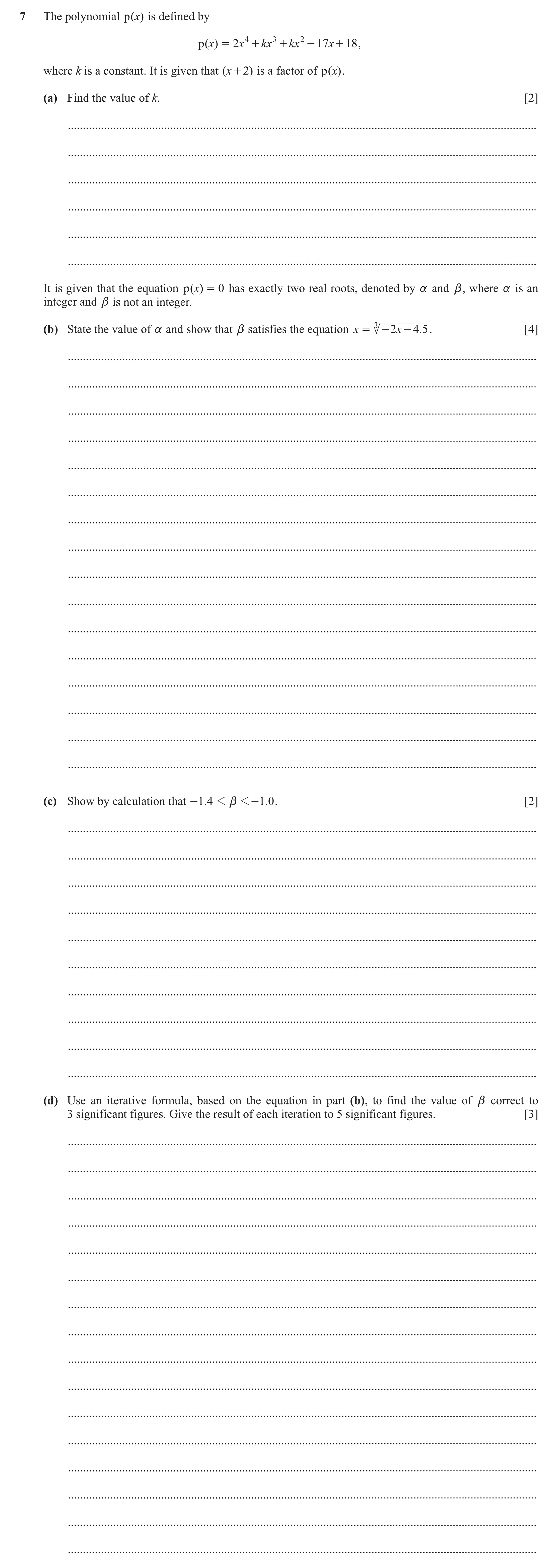
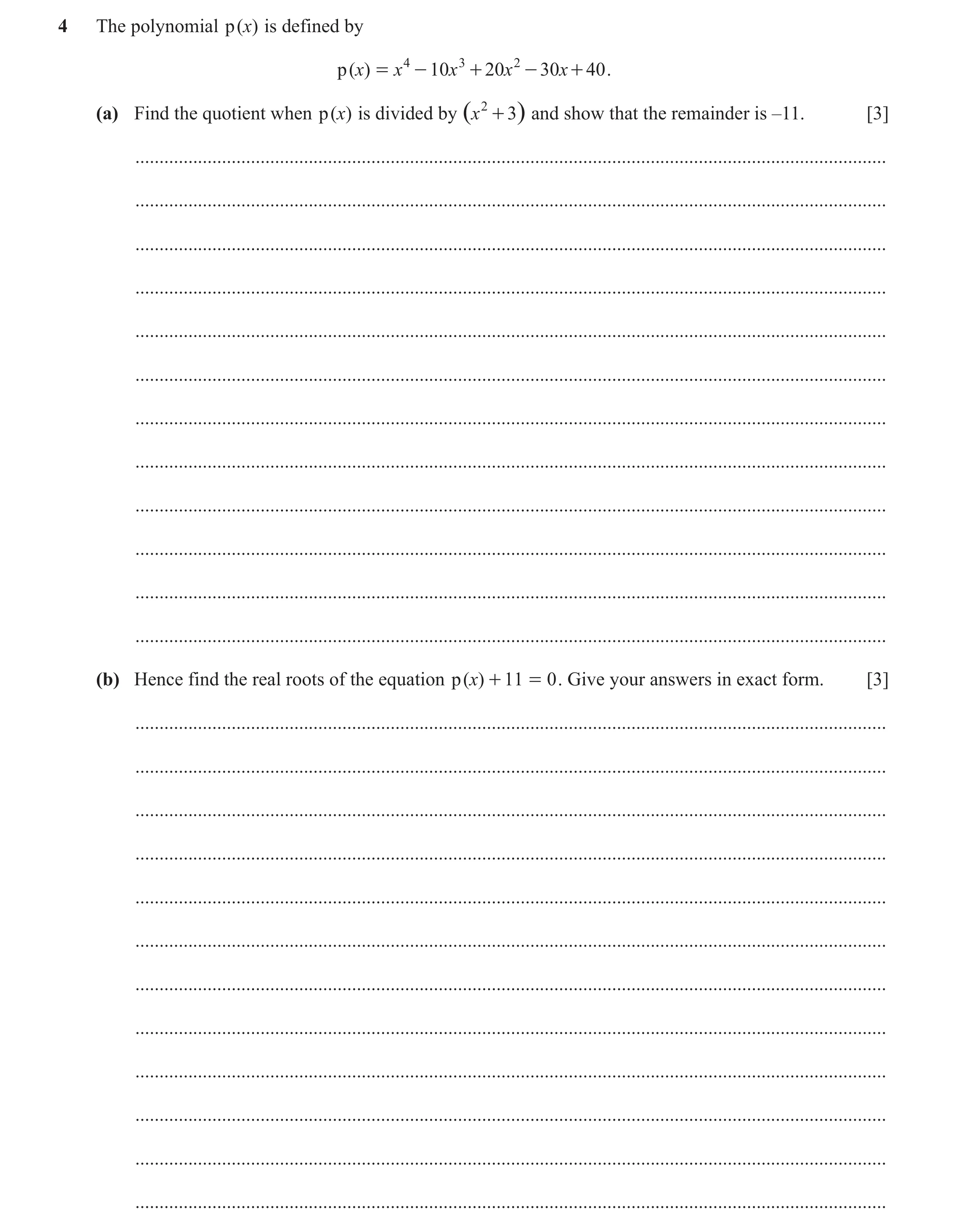 86 / 92
![Question 112: (a) Solve the equation 2x - 3 = 5 x + 2 . [3] .............................................................................................…](https://img.pastlit.com/crops/9ff6723d-ee18-4484-99fa-4e3de655c115/q3.webp) 87 / 92
87 / 92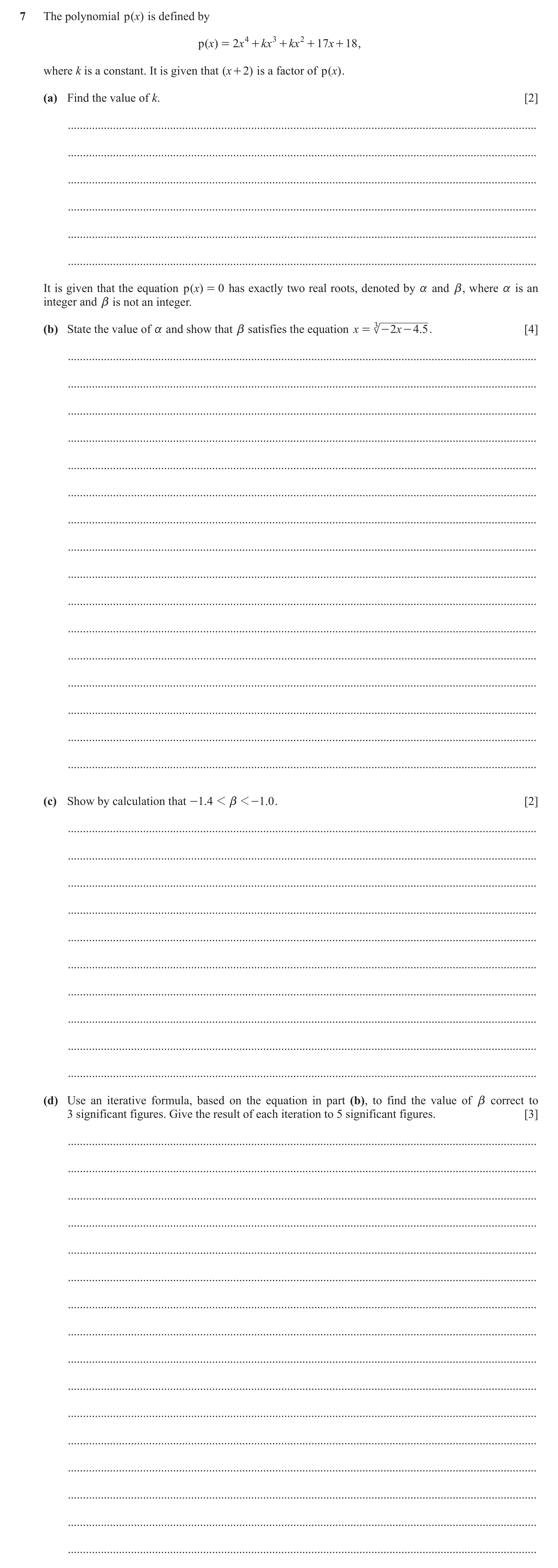
![Question 114: (a) Solve the equation 2x - 3 = 5x + 2 . [3] ..............................................................................................…](https://img.pastlit.com/crops/224efd6a-9f37-4a05-a618-0d965b2b3767/q3.webp) 90 / 92
90 / 92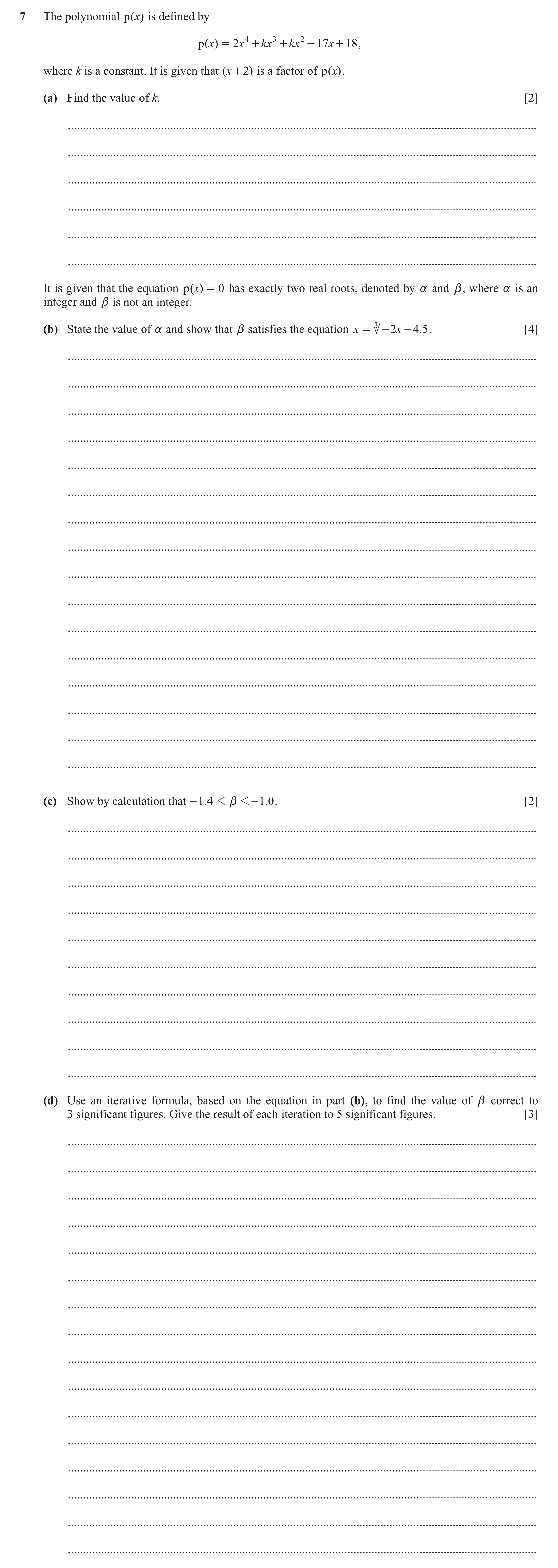
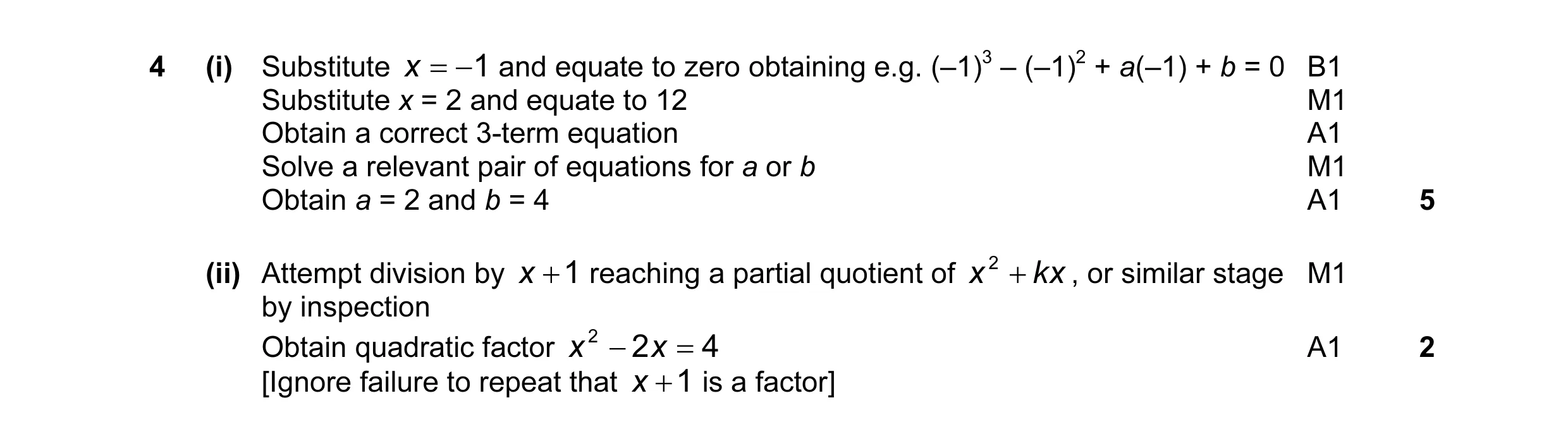 7
7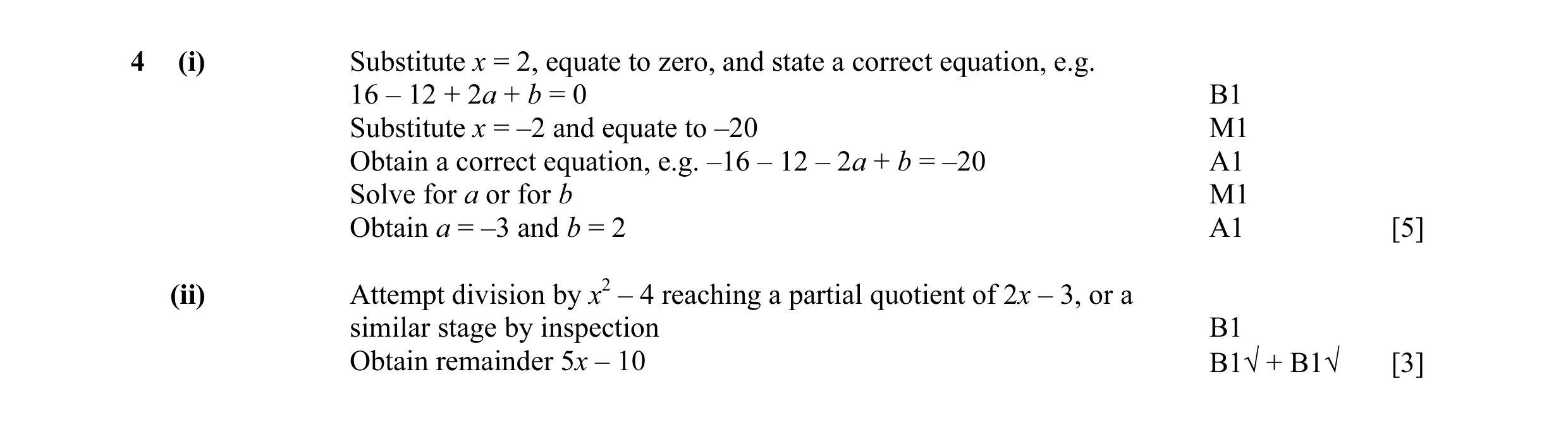 8
8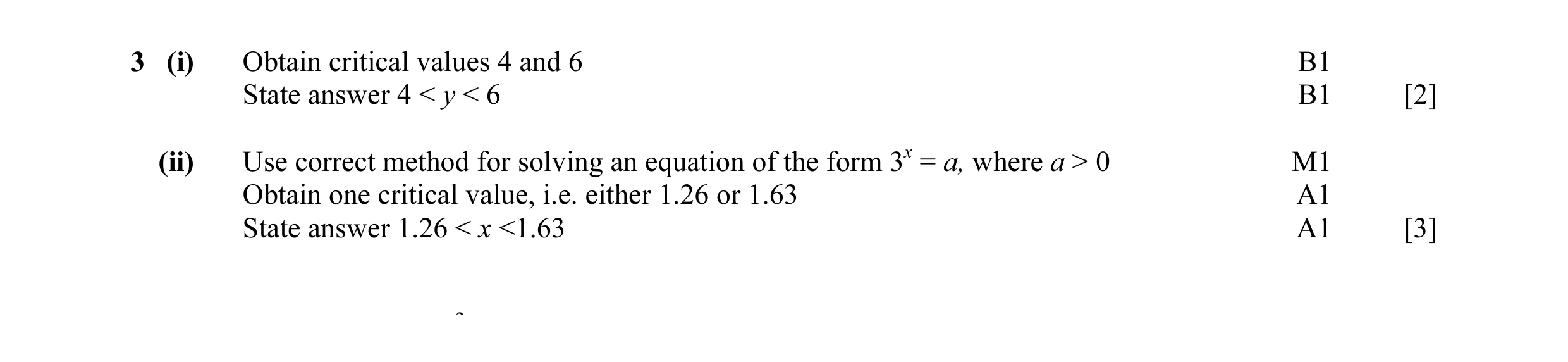 5
5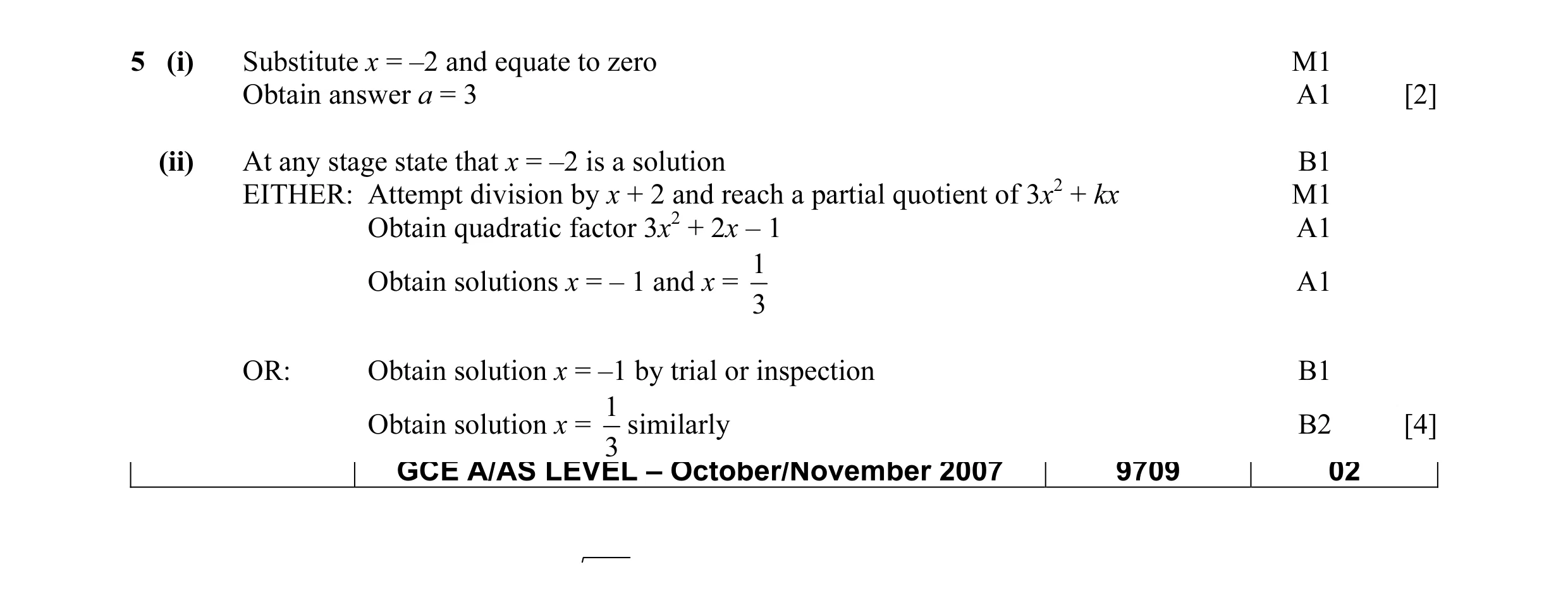 6
6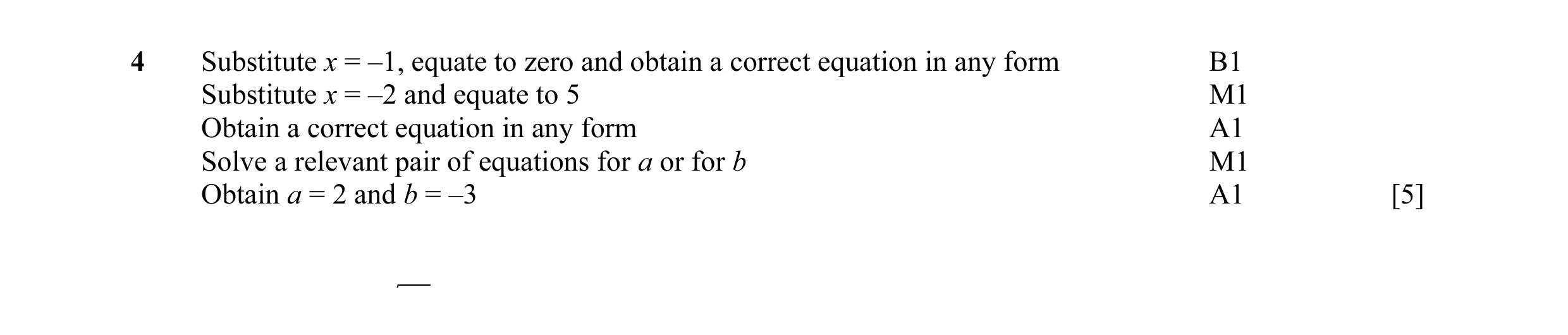 5
5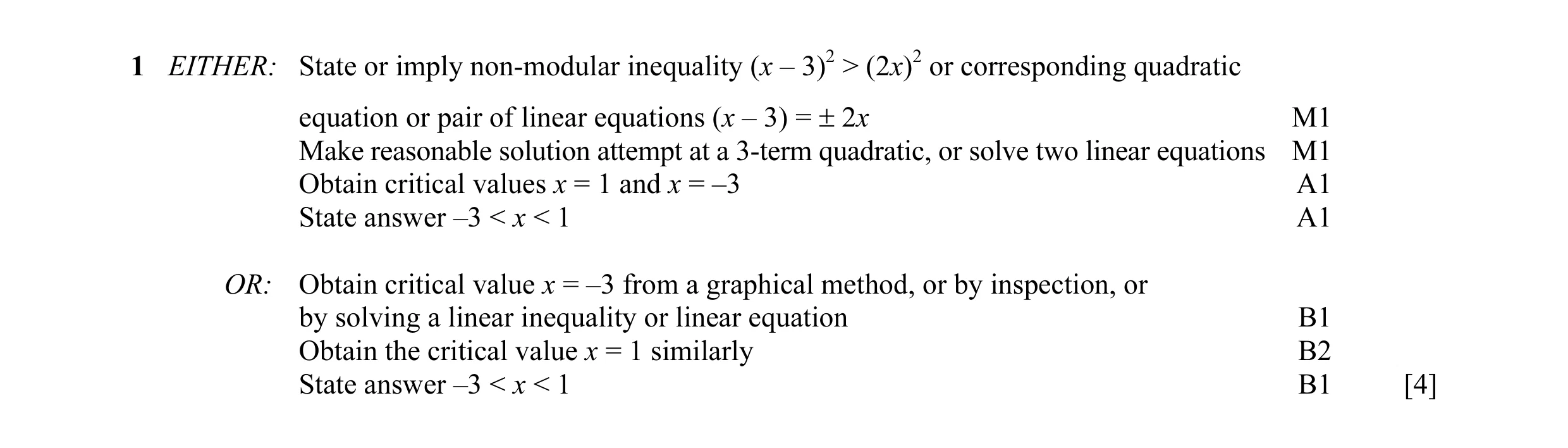 4
4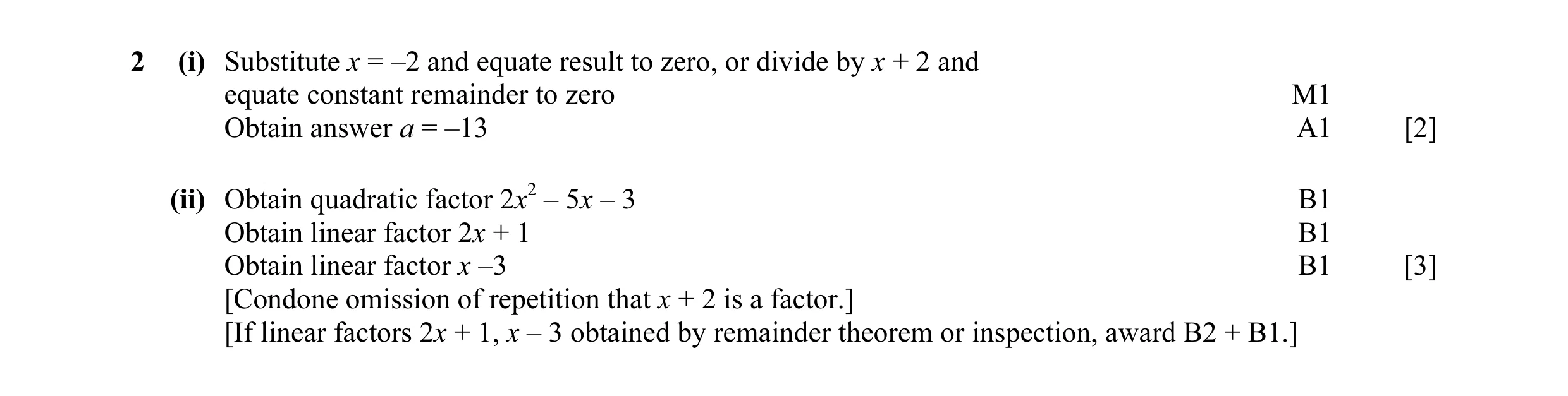 5
5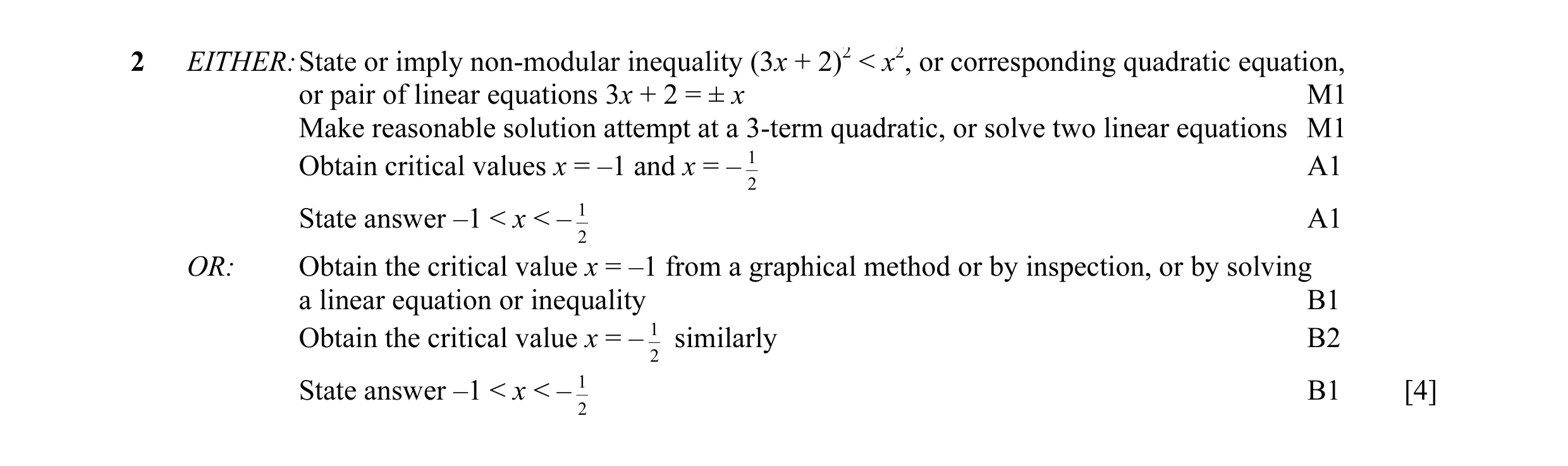 4
4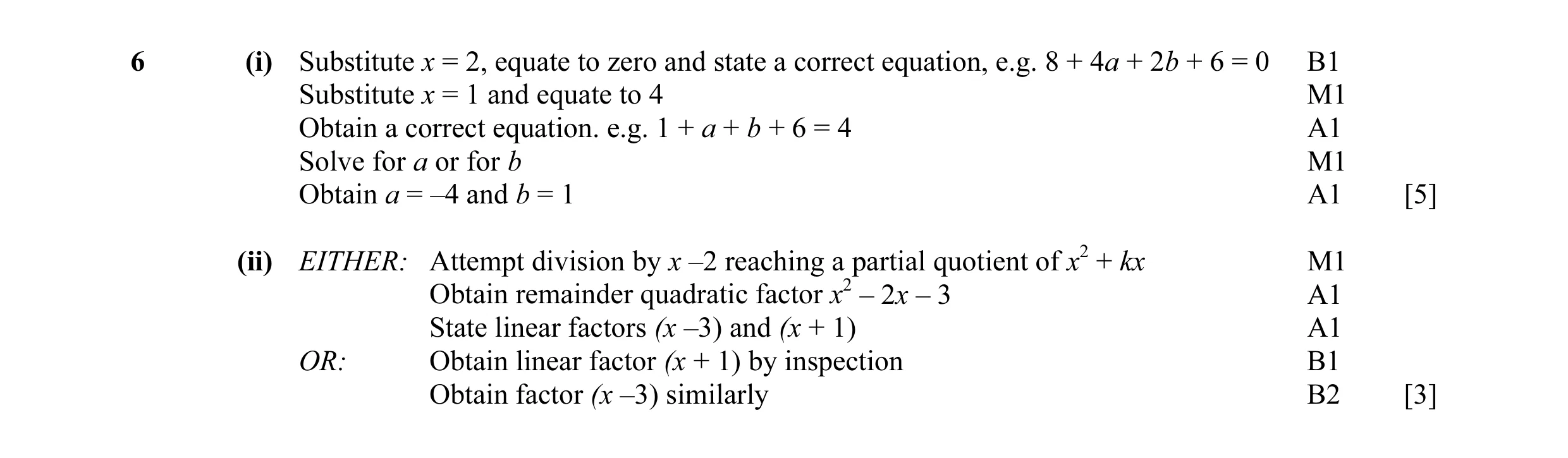 8
8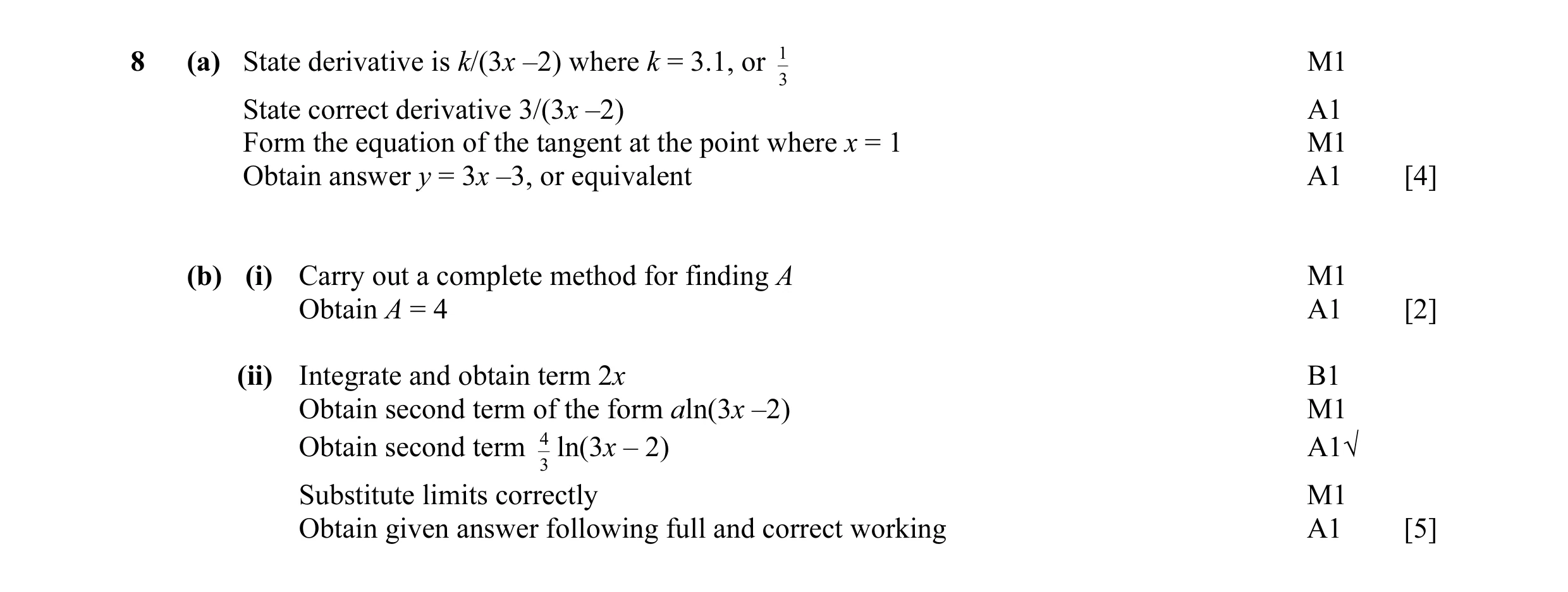 11
11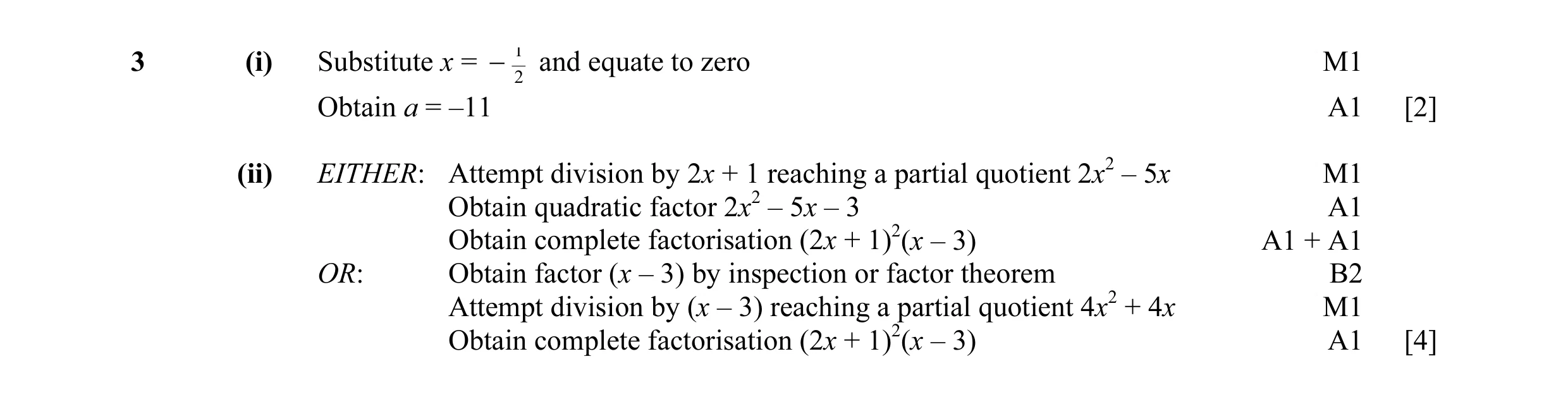 6
6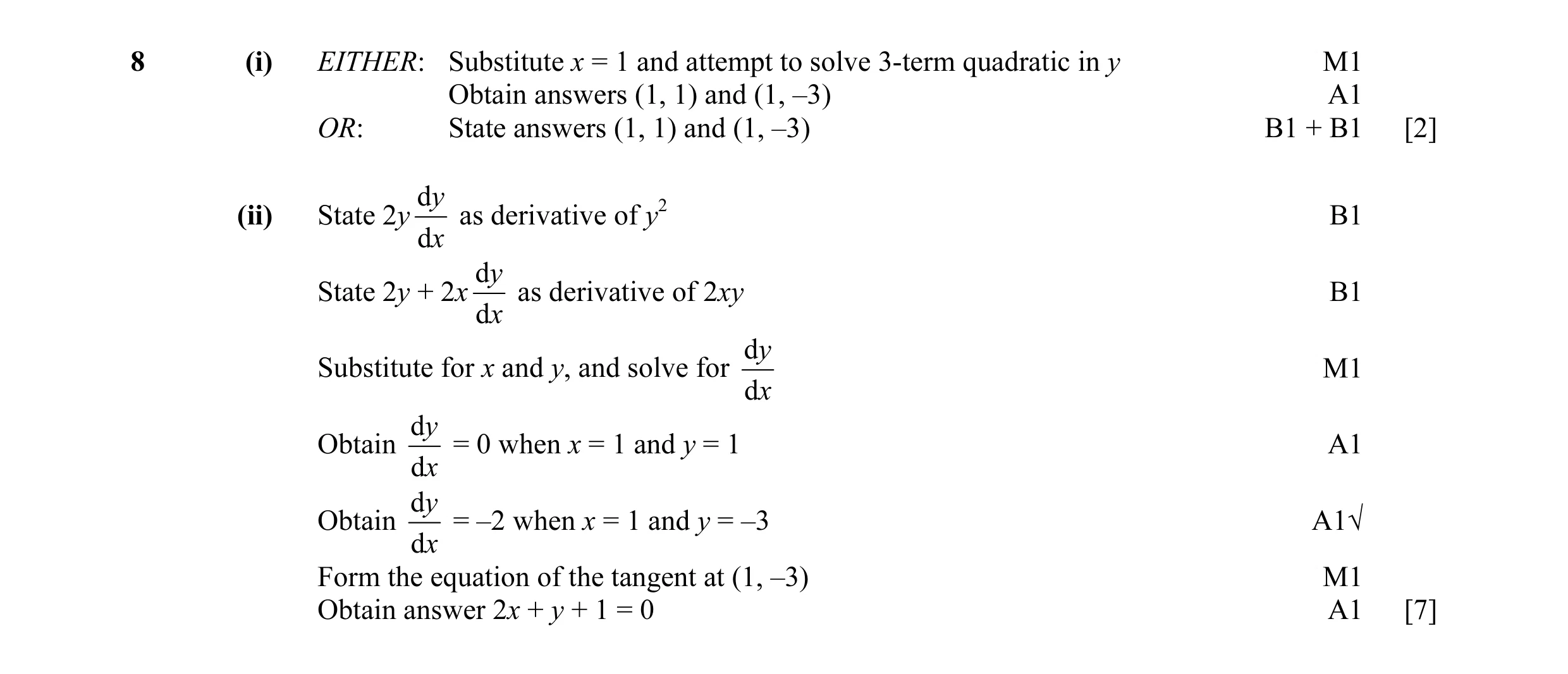 9
9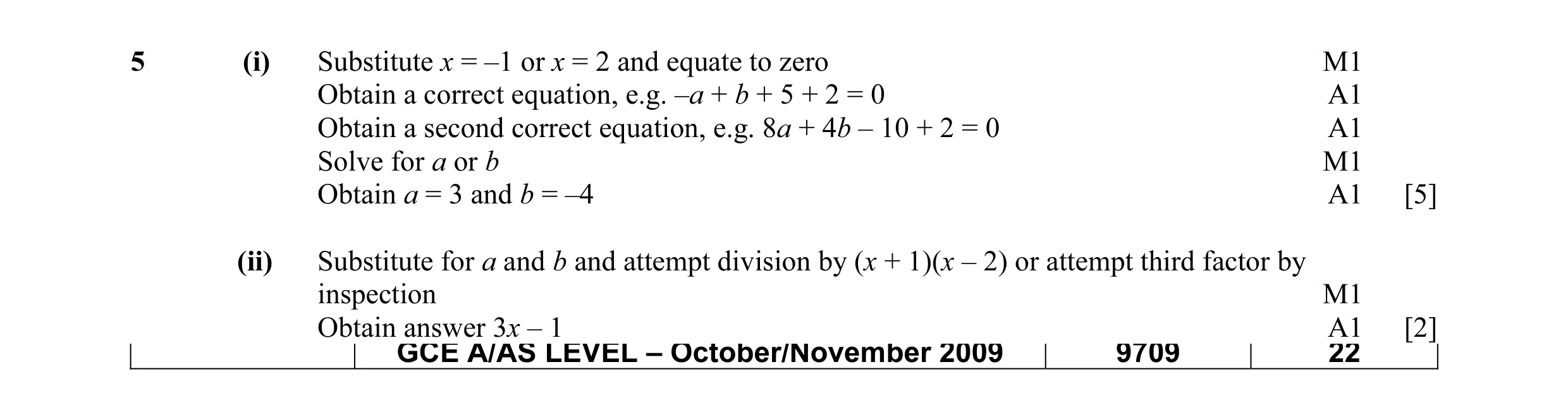 7
7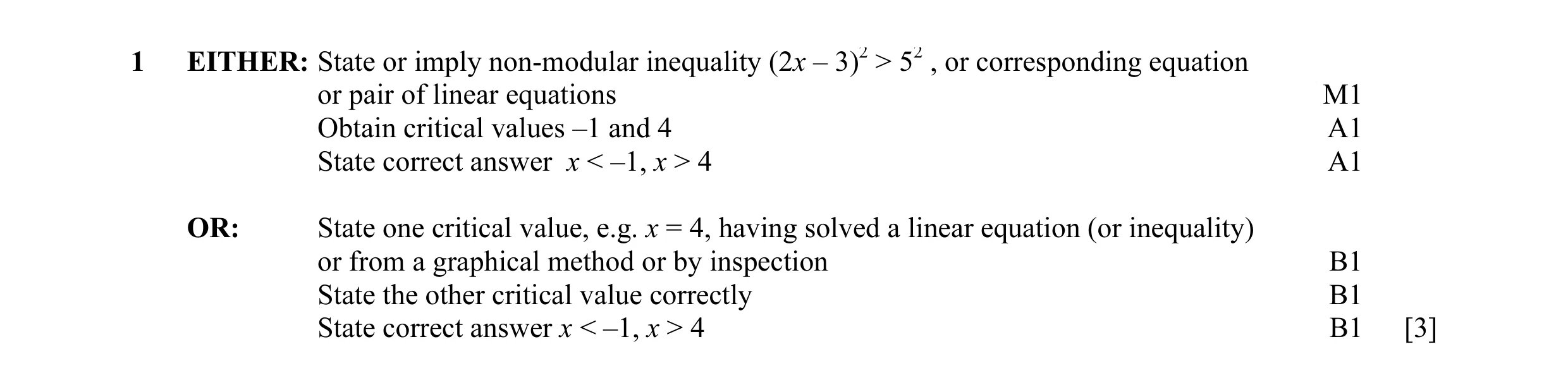 3
3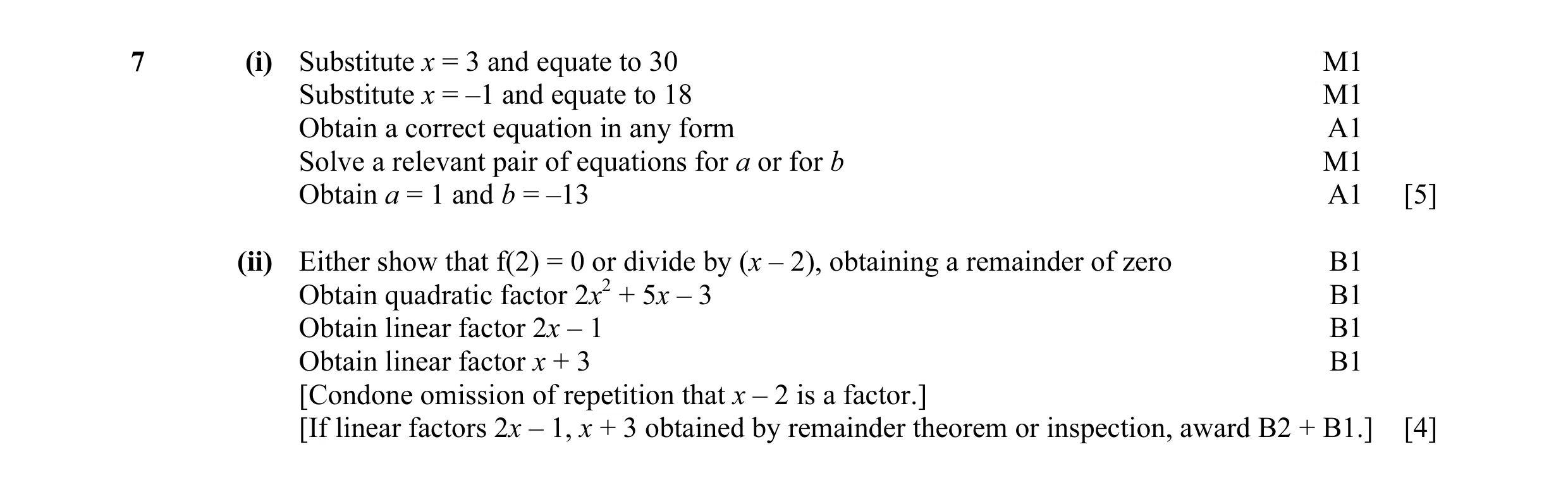 9
9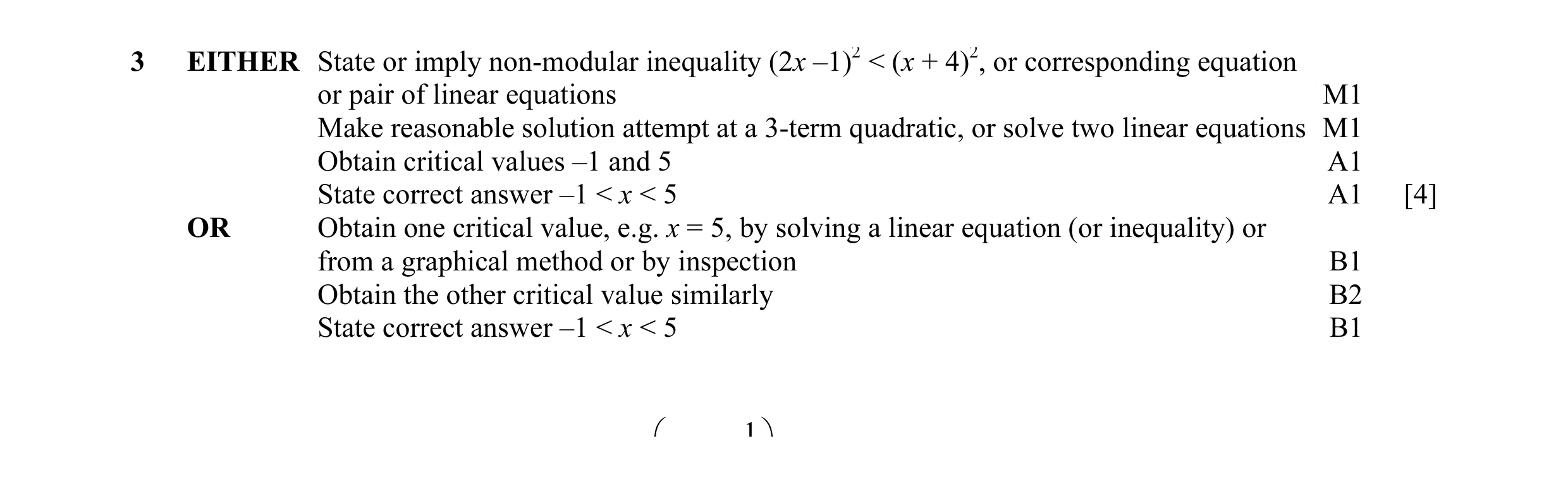 4
4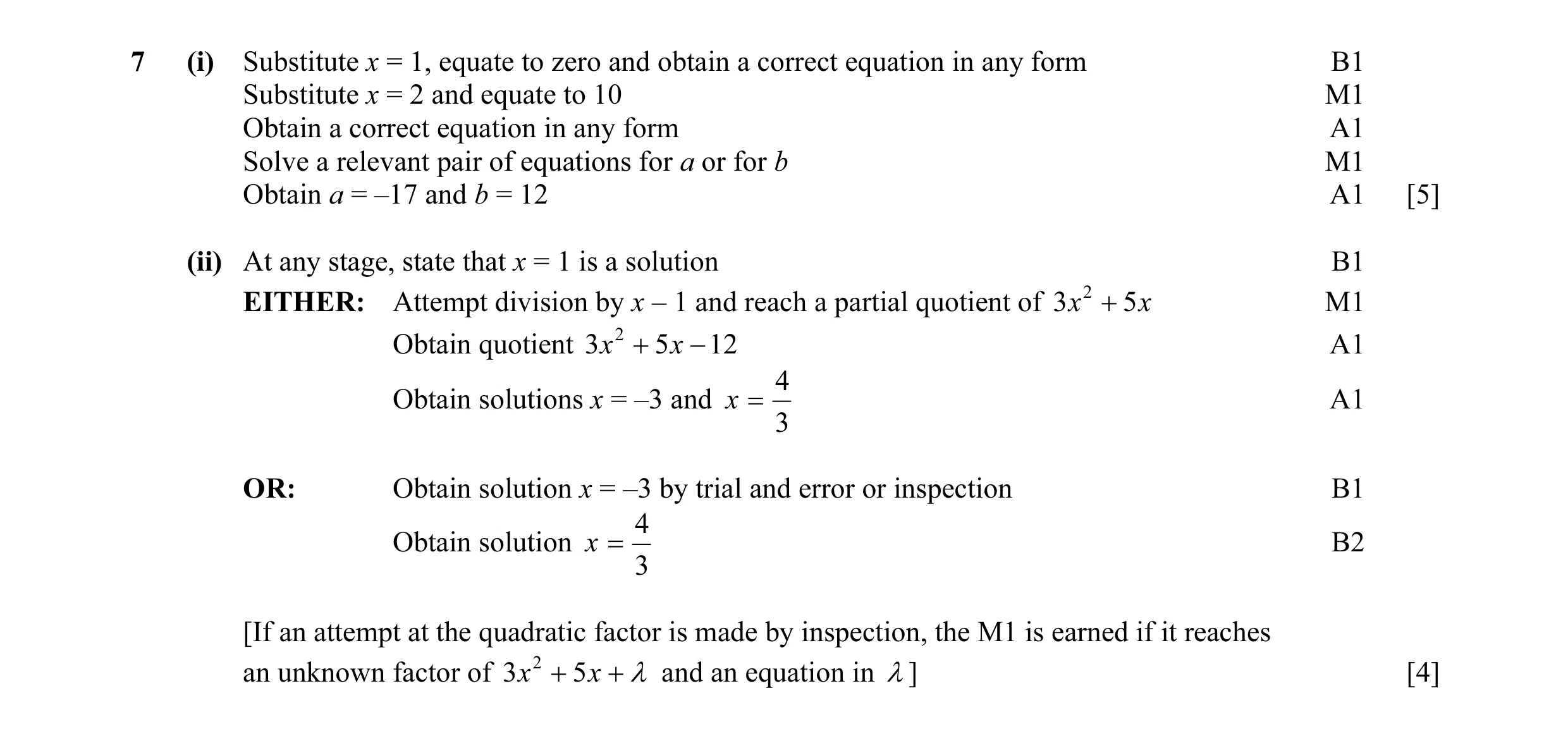 9
9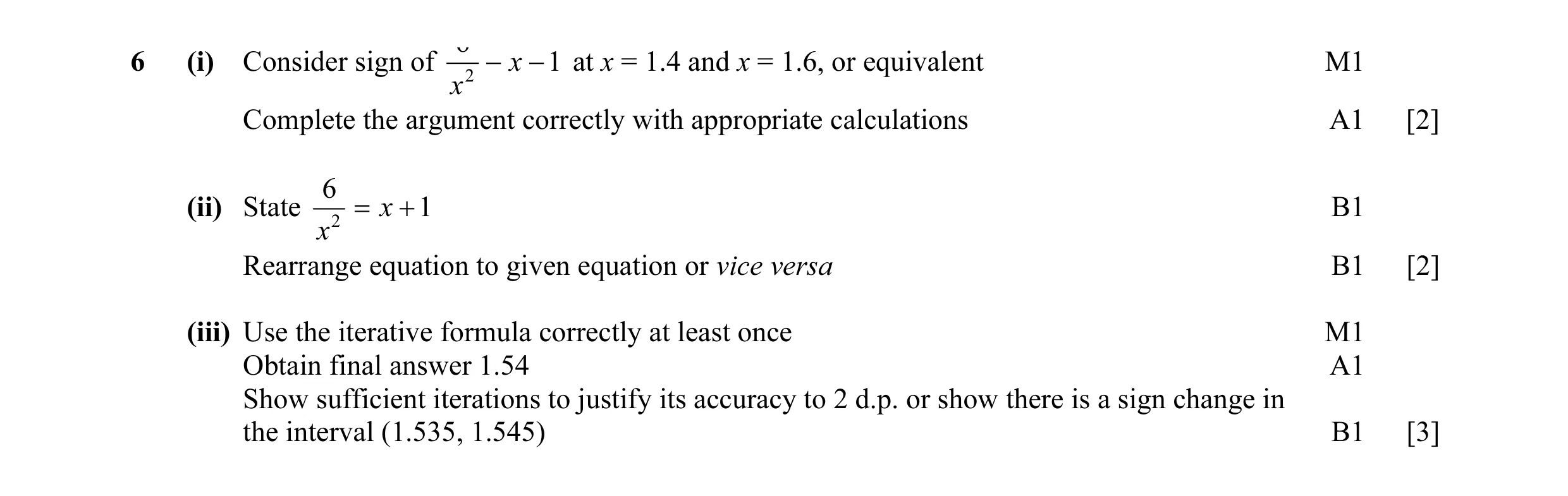 7
7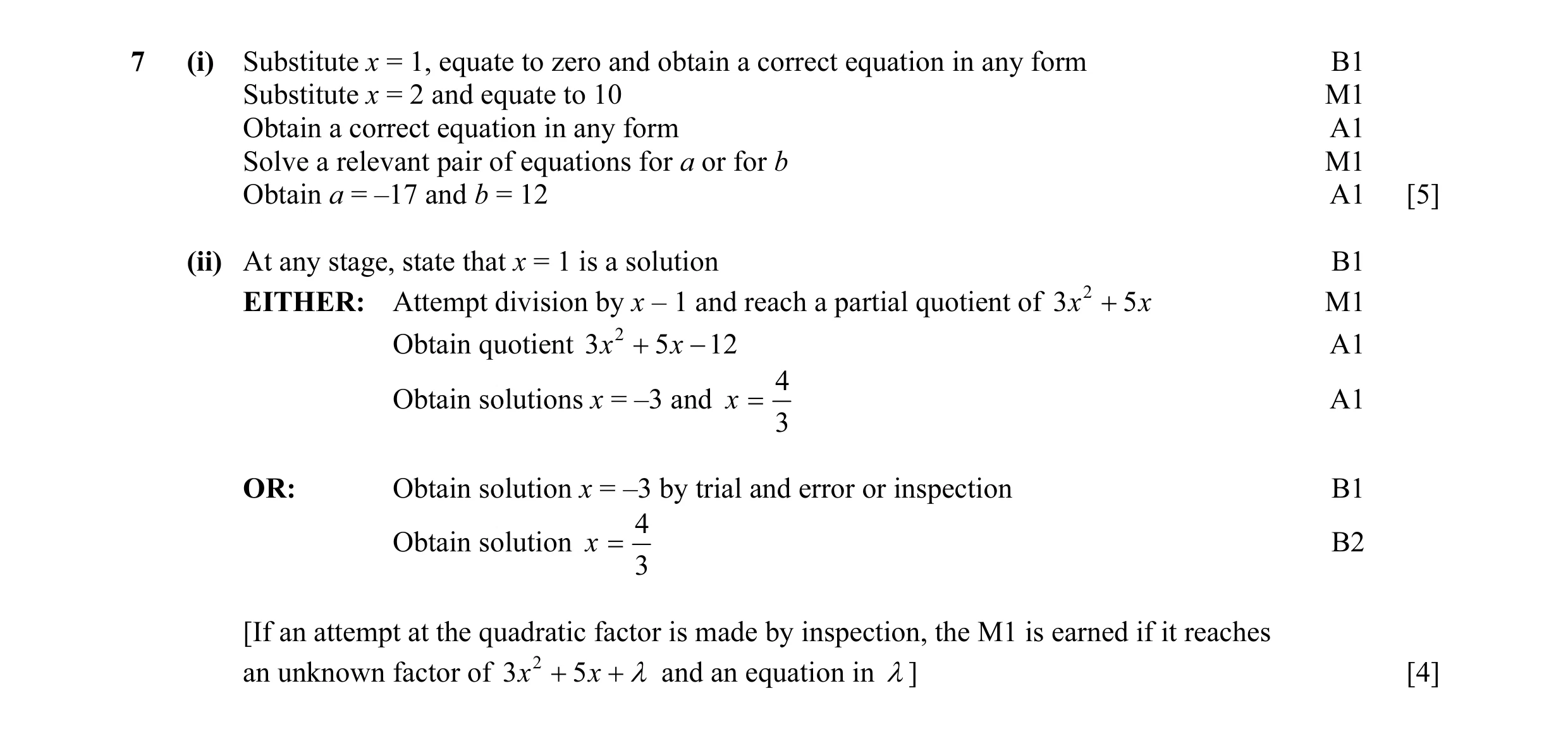 9
9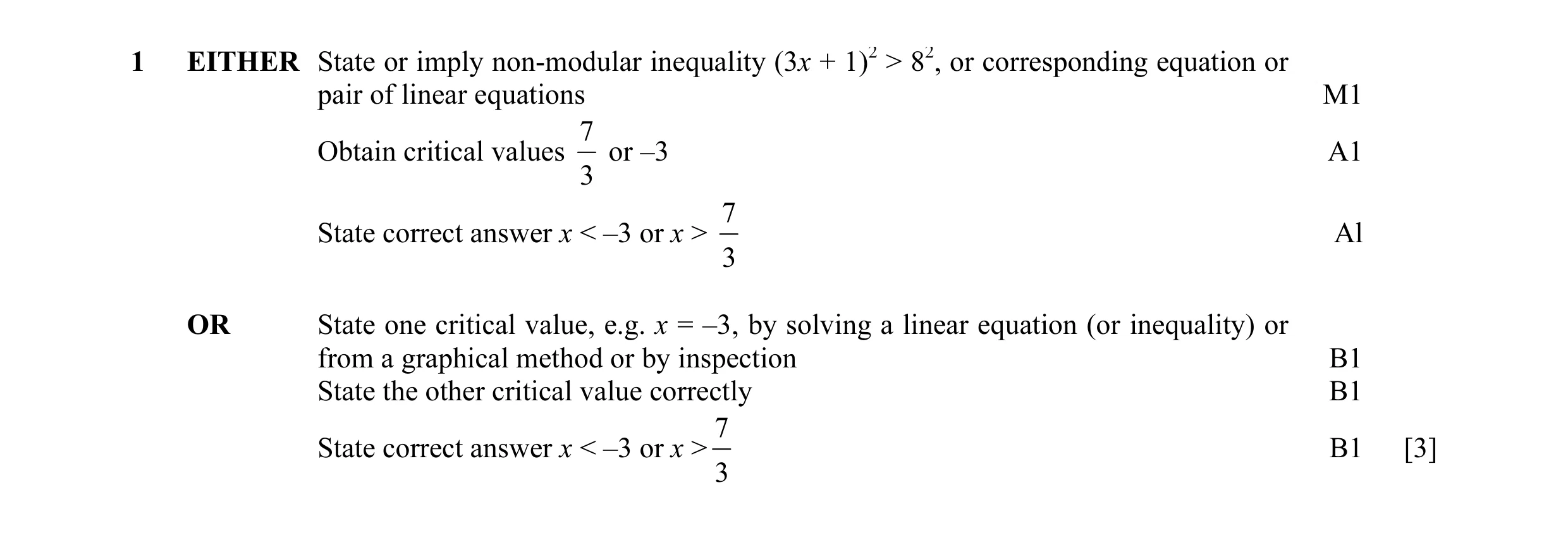 3
3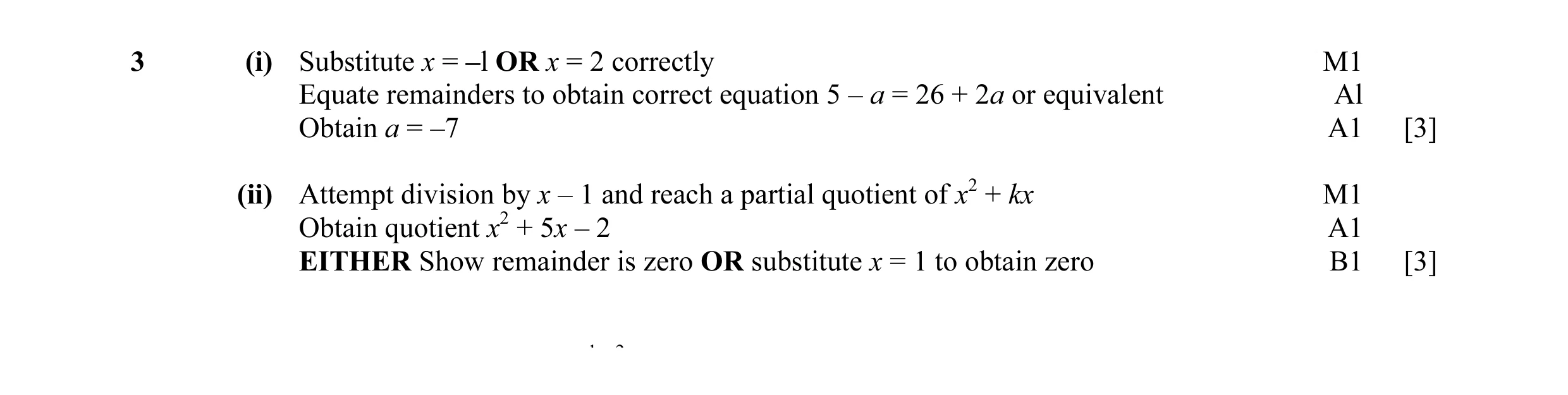 6
6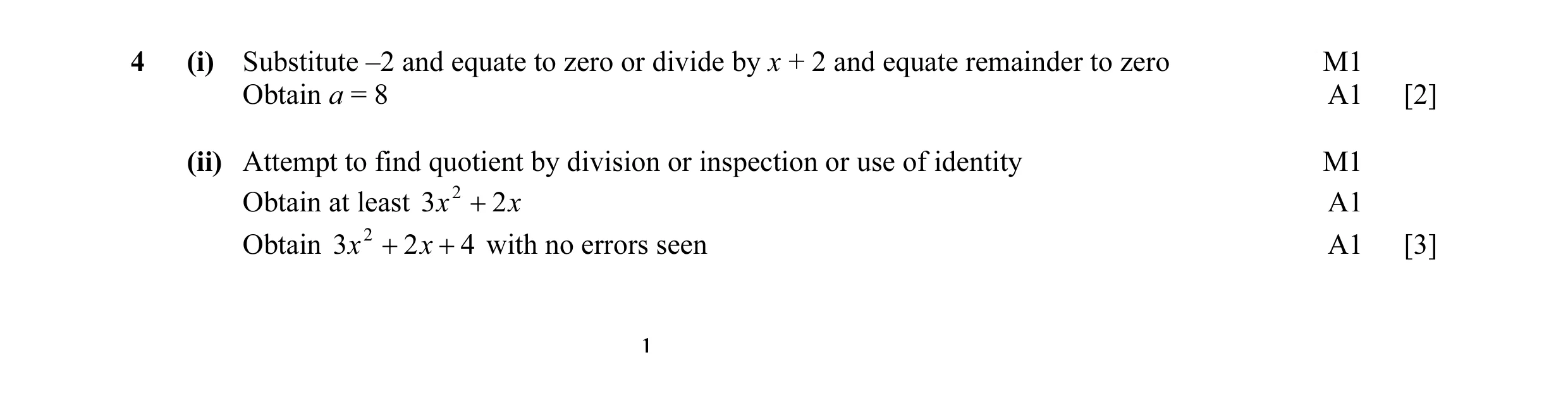 5
5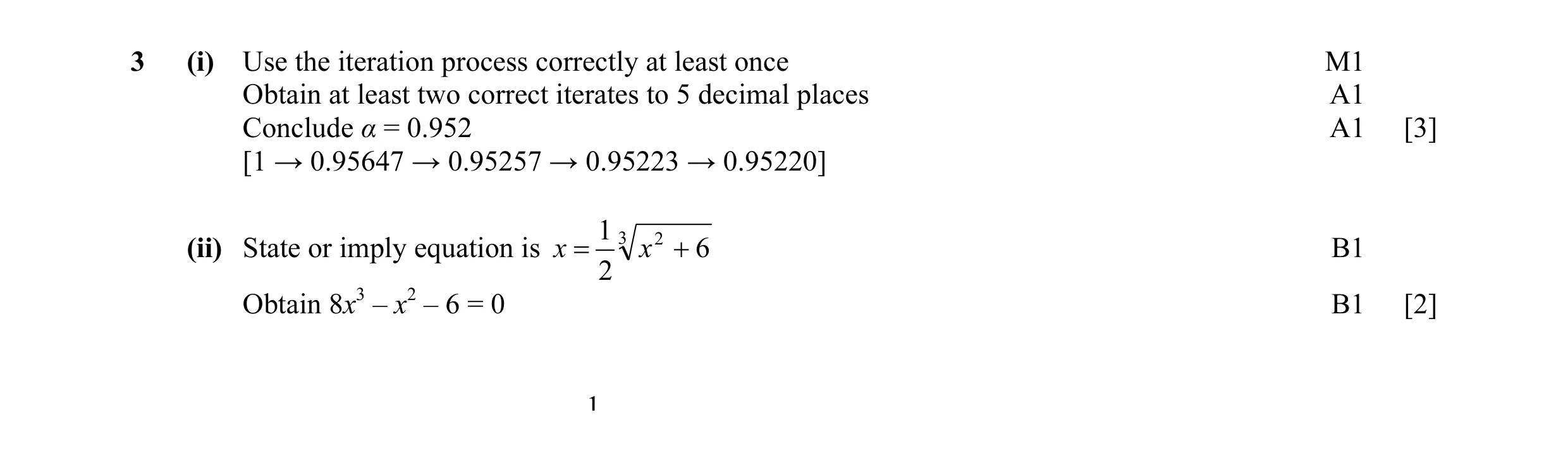 5
5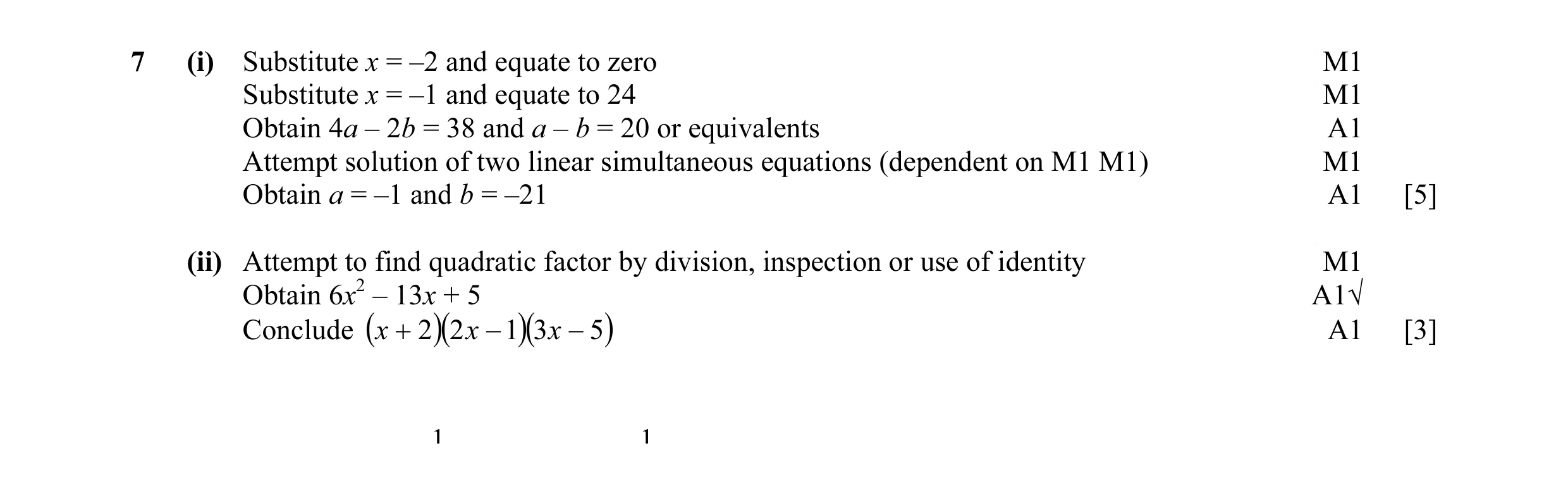 8
8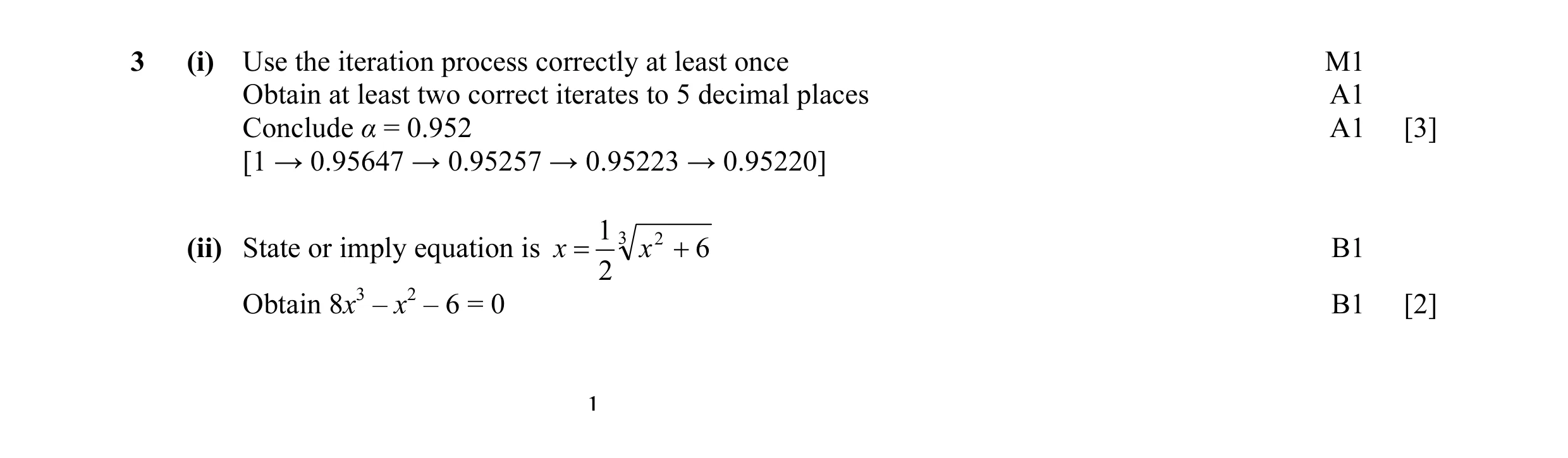 5
5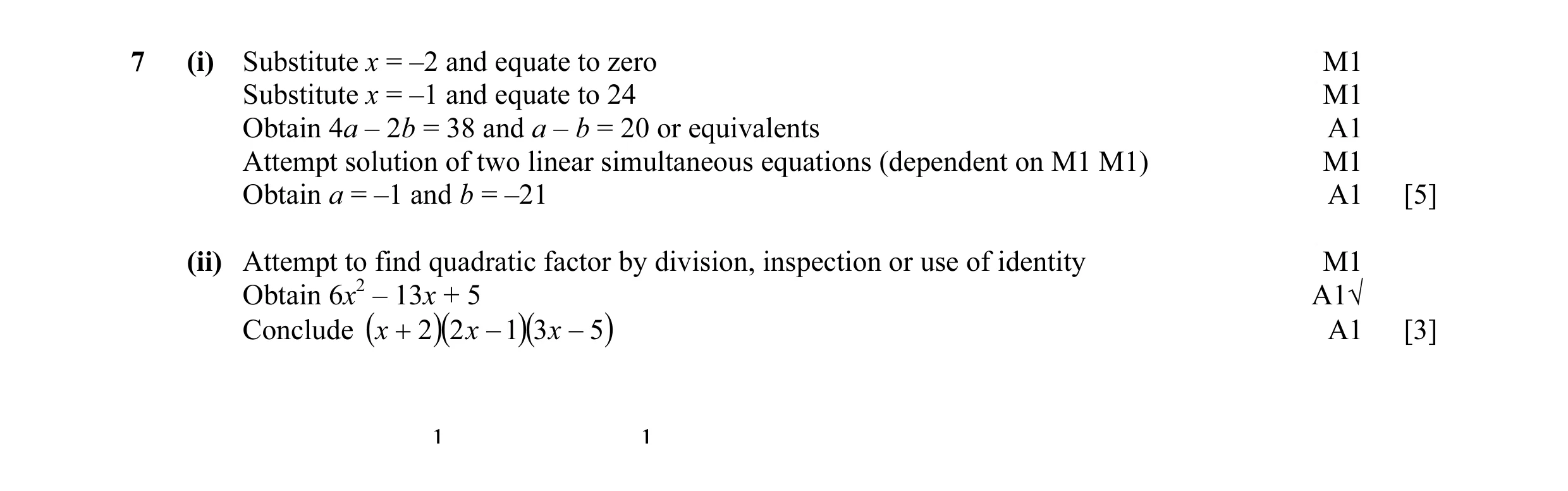 8
8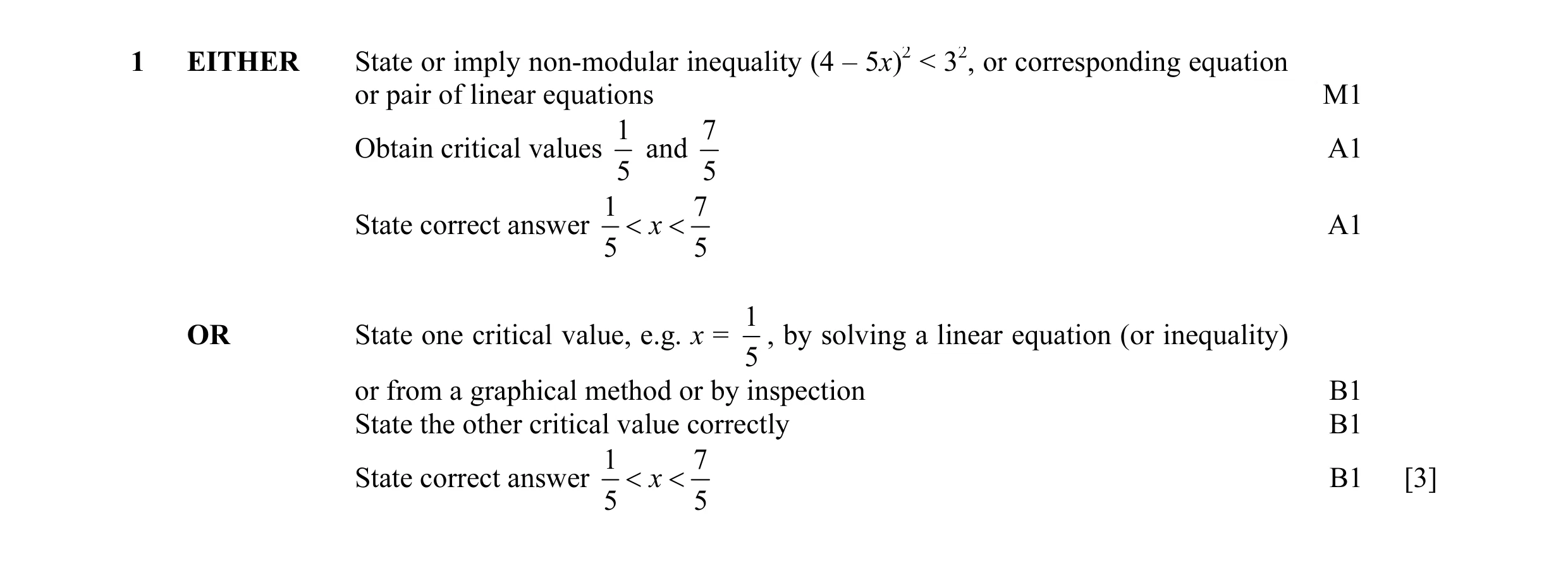 3
3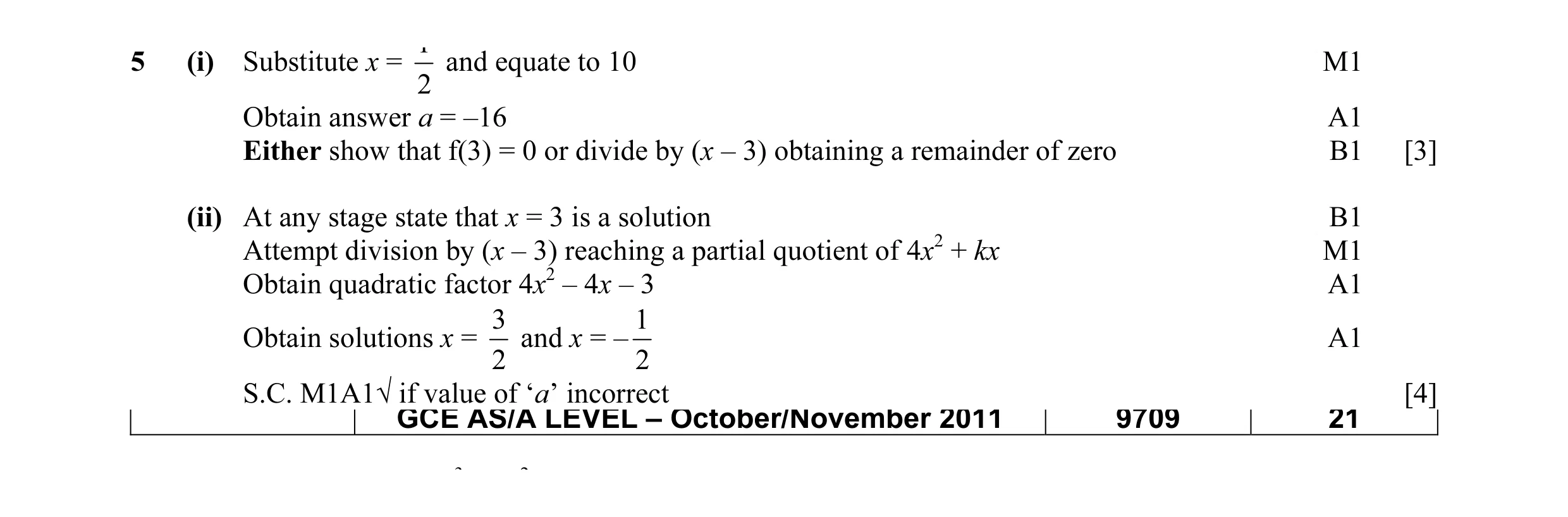 7
7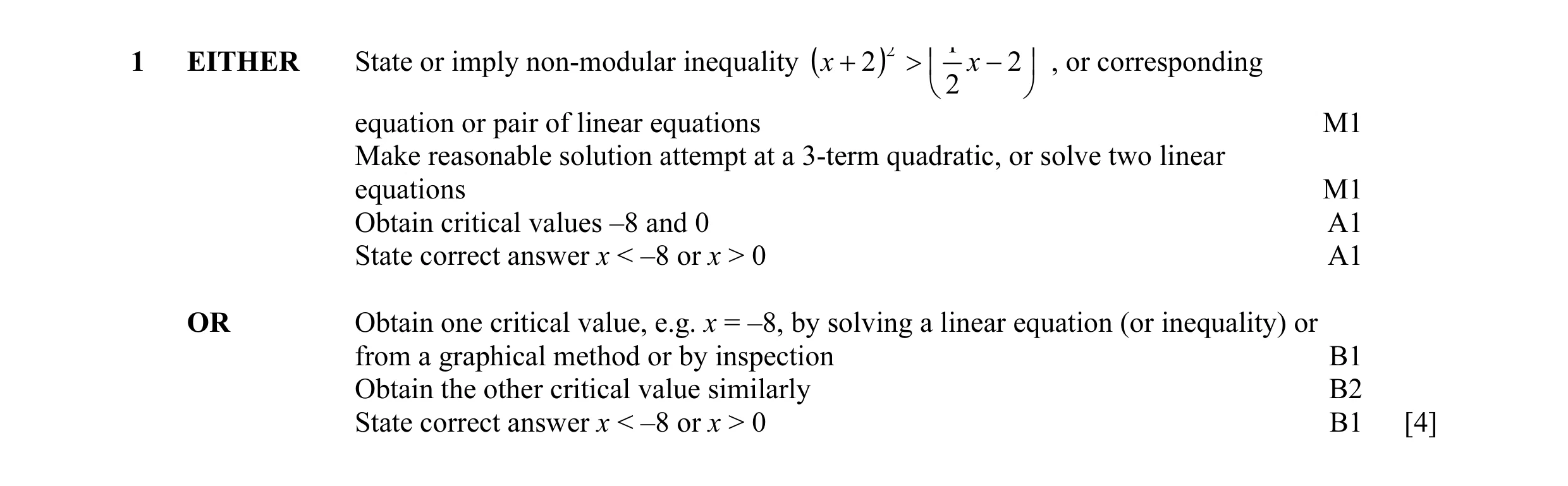 4
4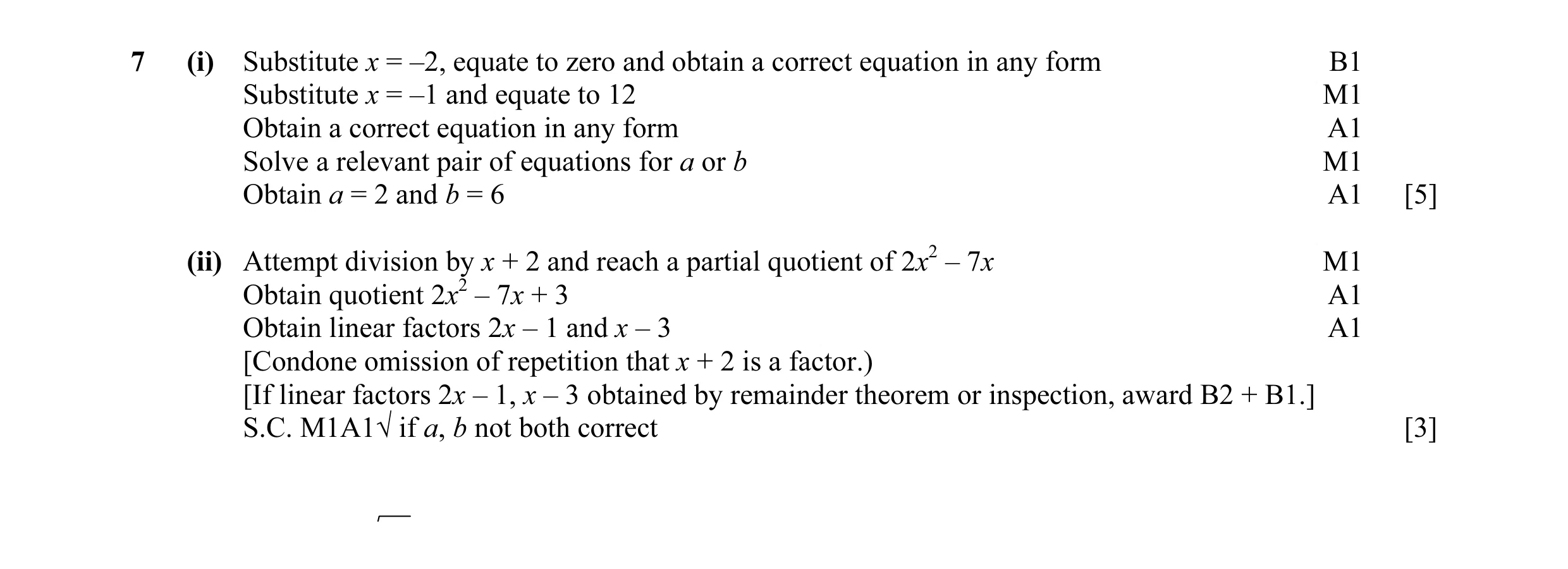 8
8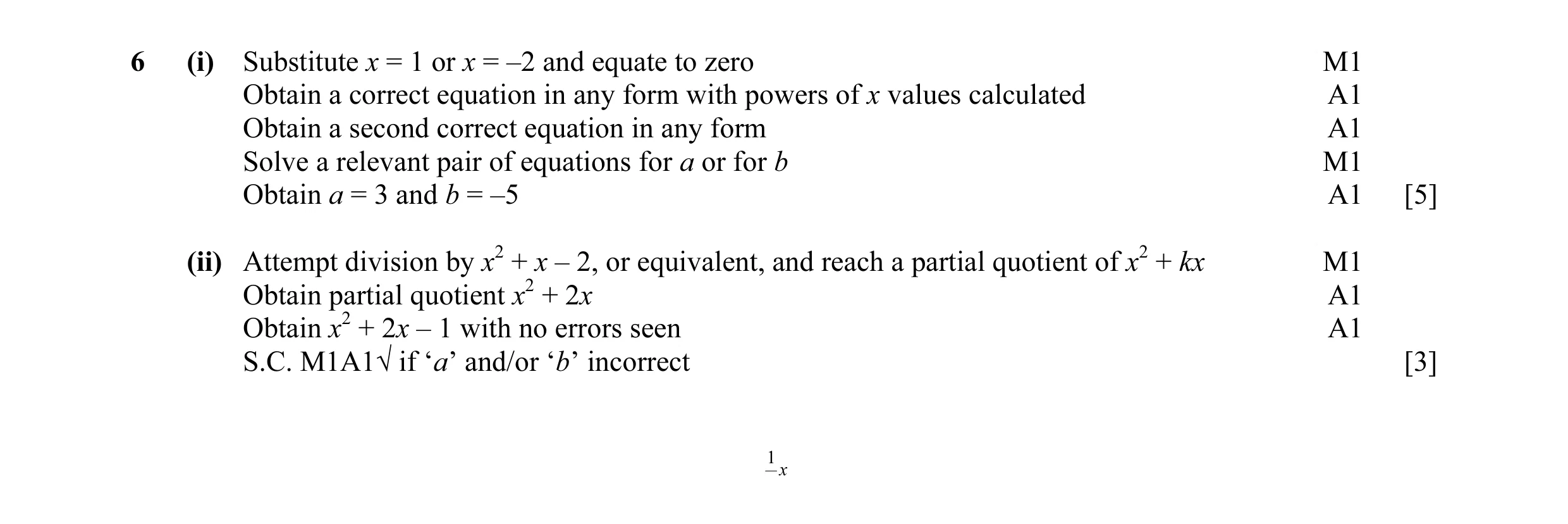 8
8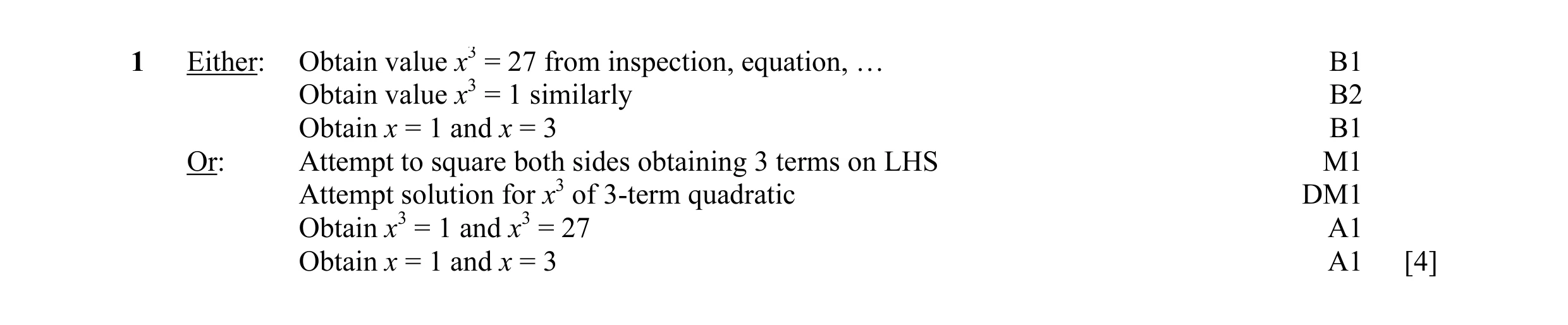 4
4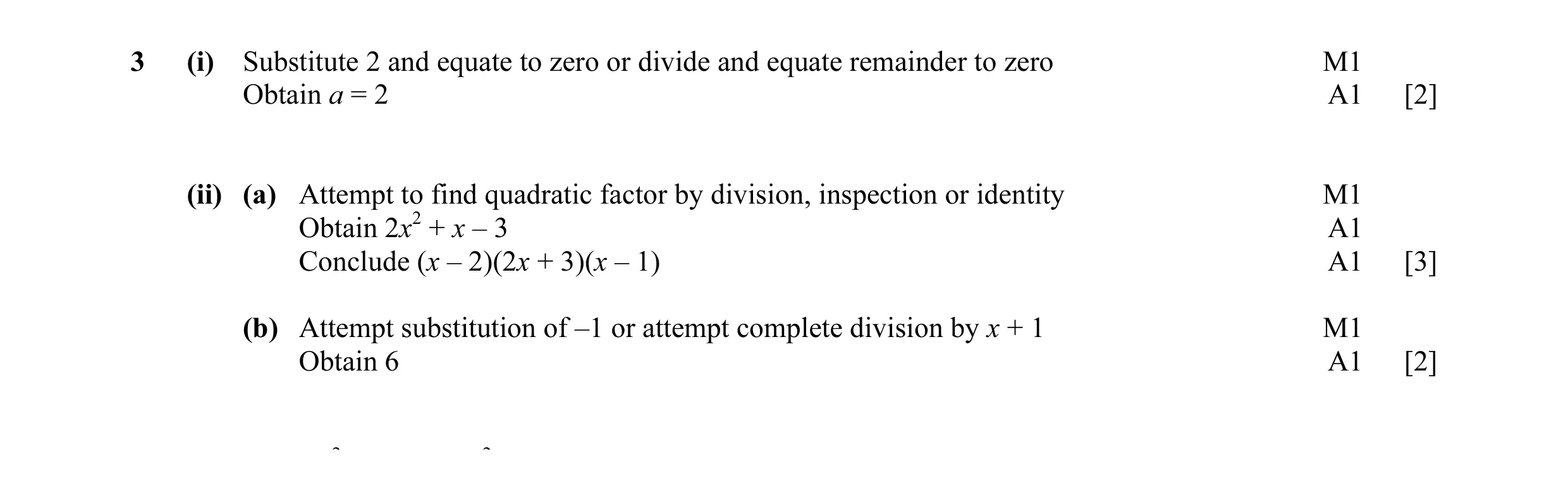 7
7 5
5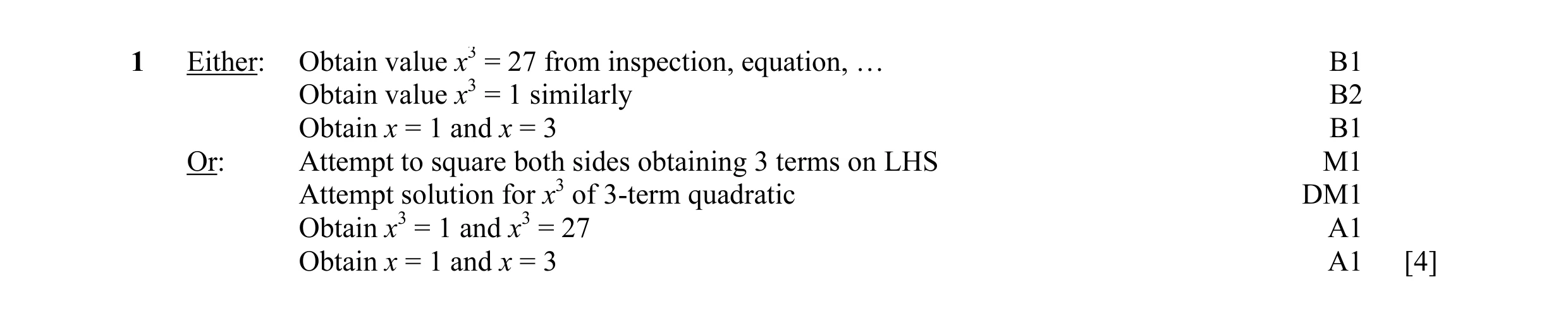 4
4 7
7 3
3 8
8 6
6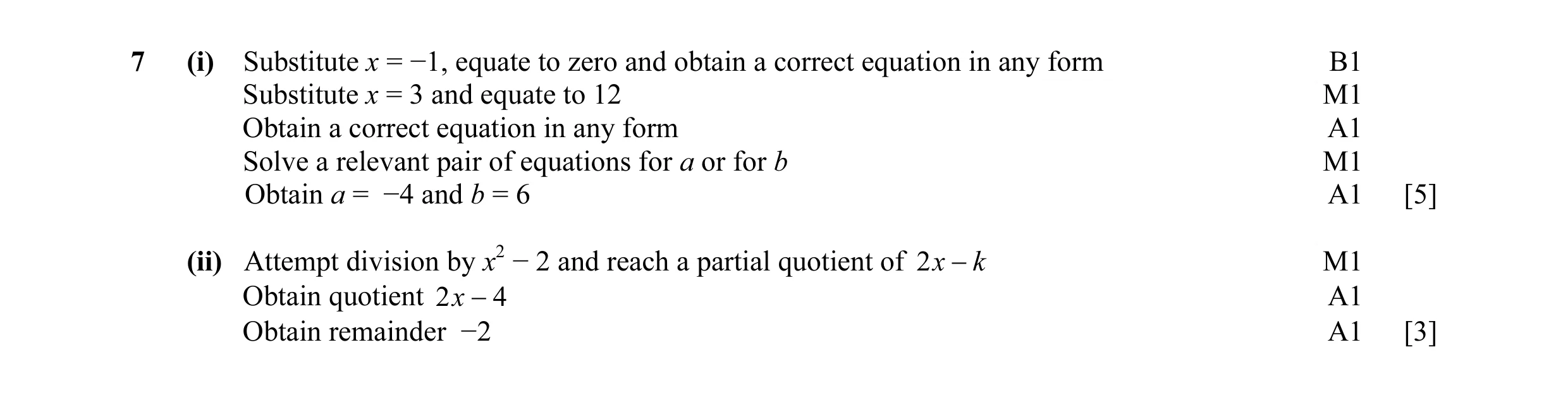 8
8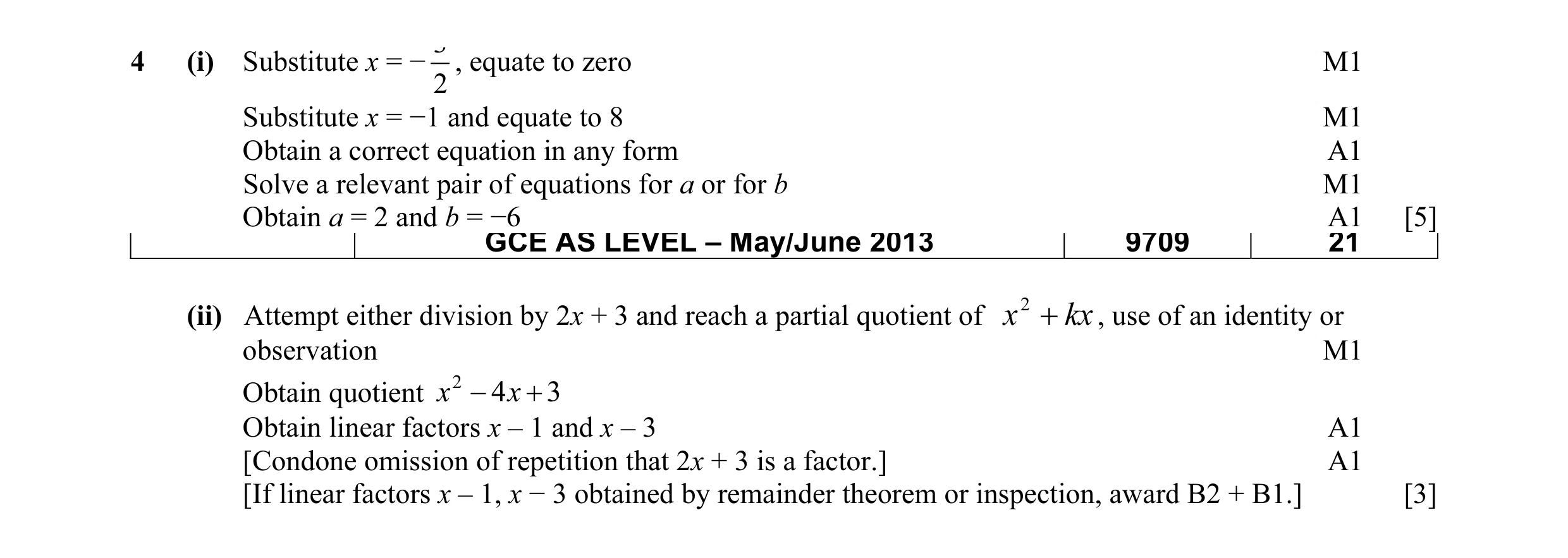 8
8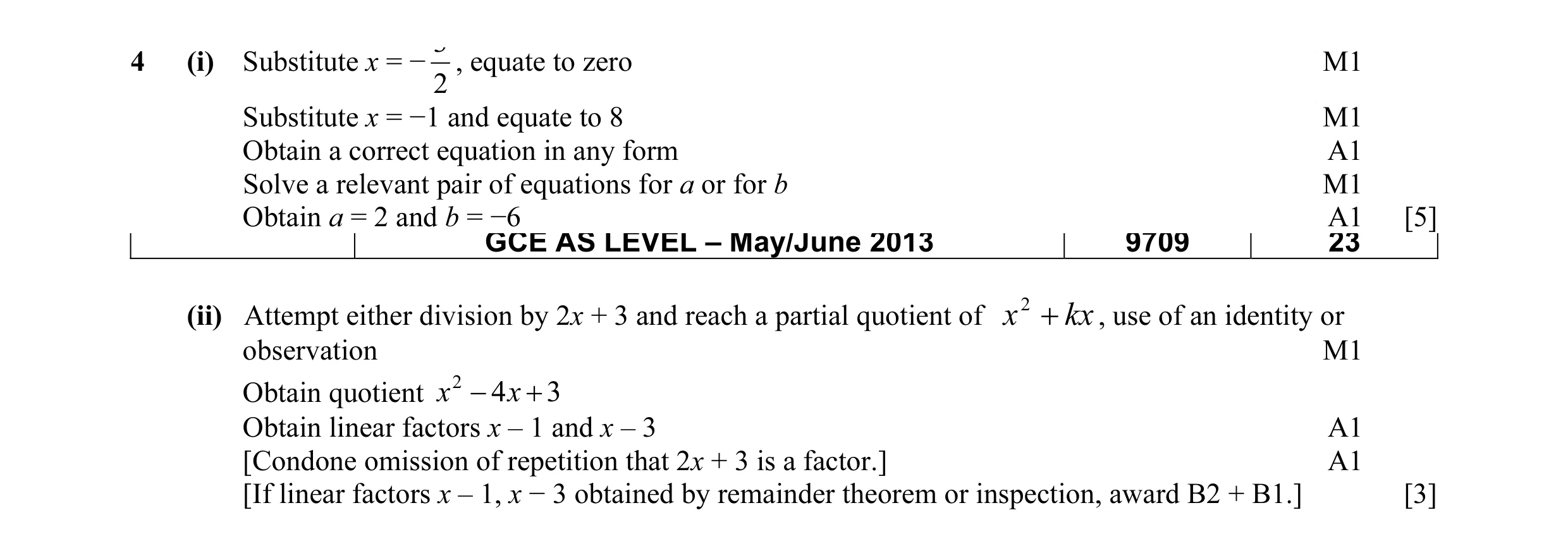 8
8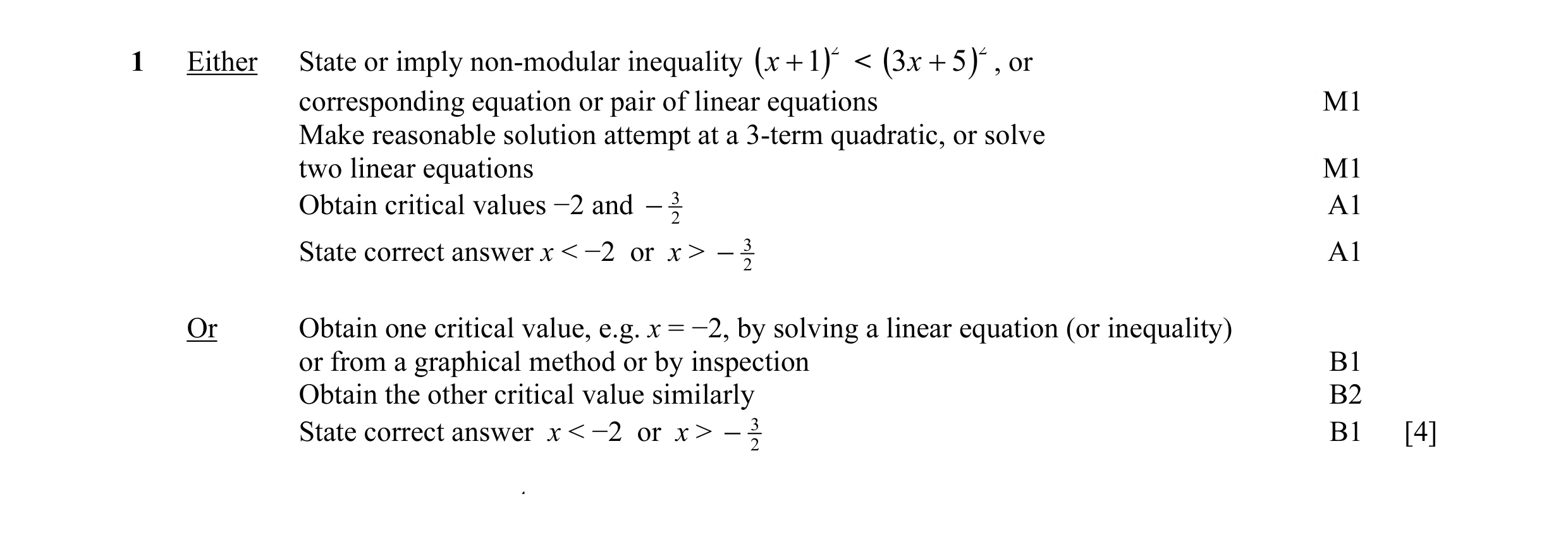 4
4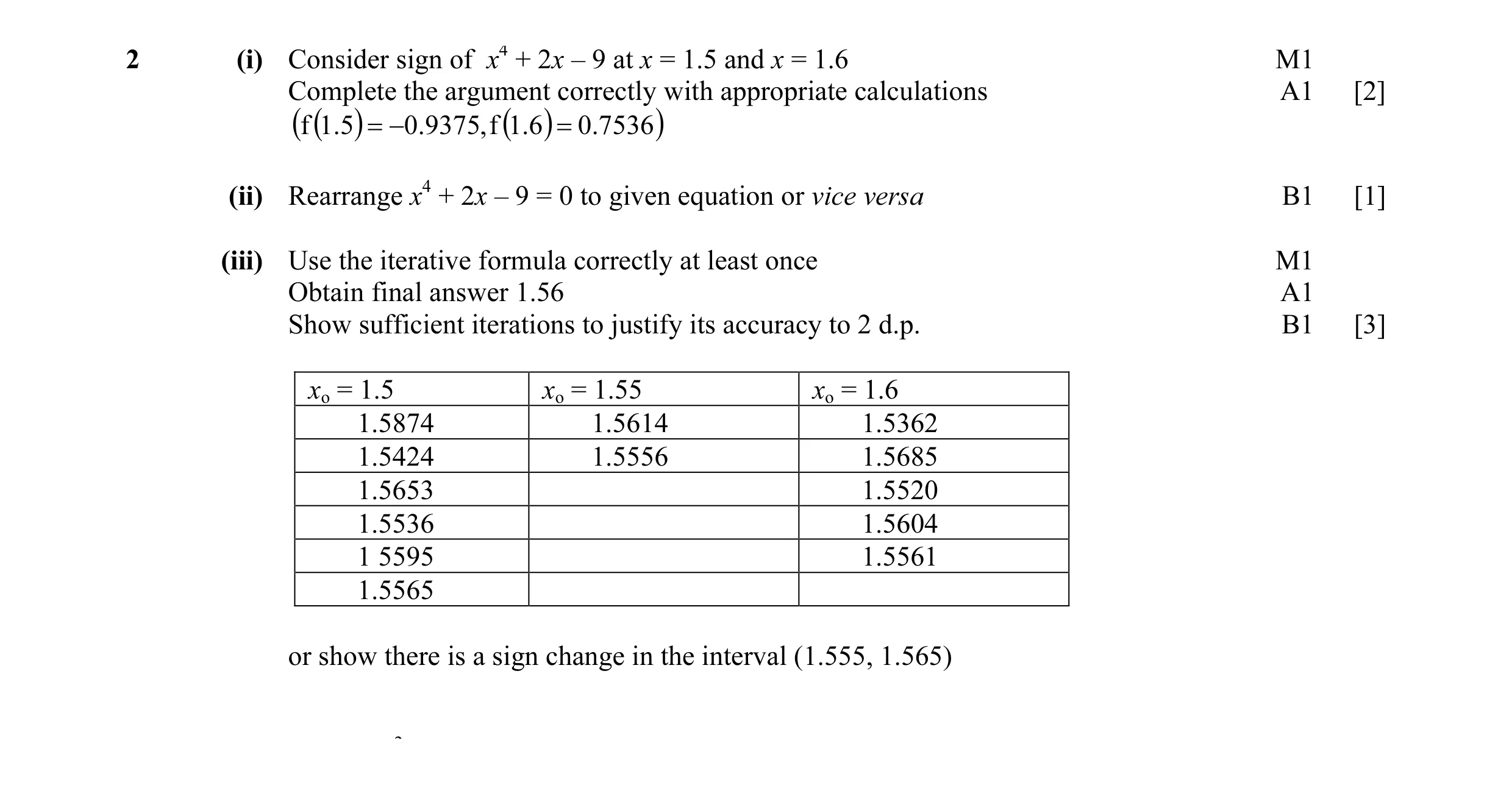 5
5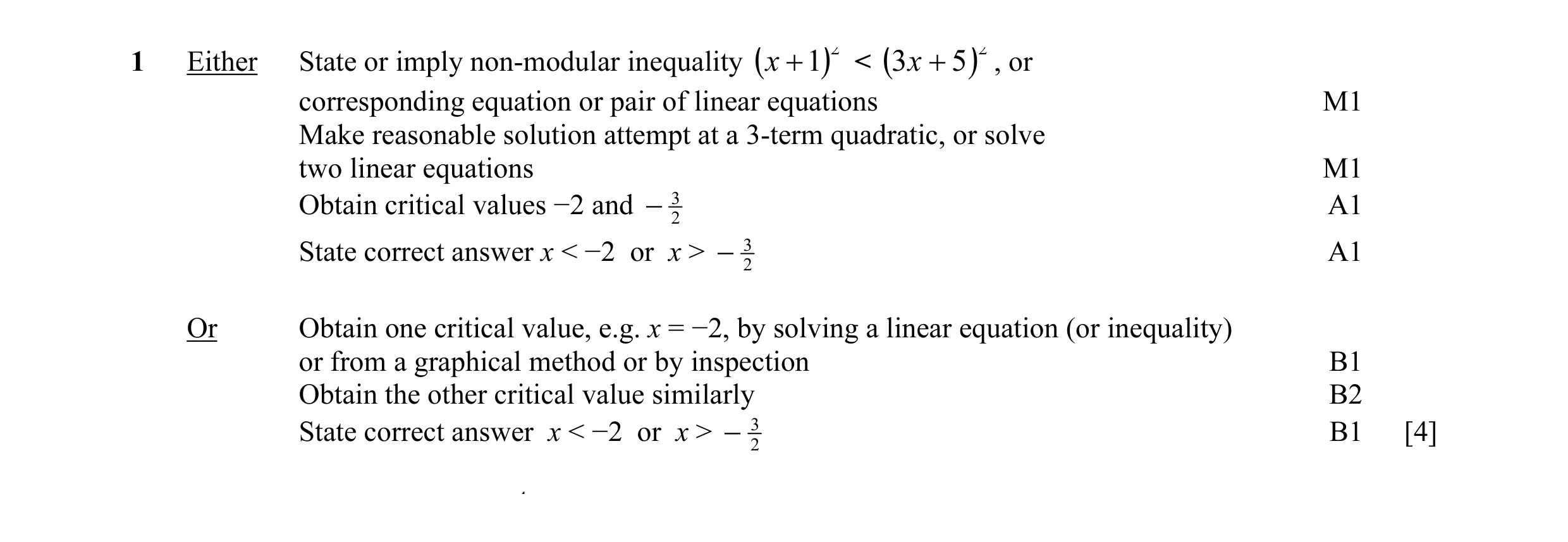 4
4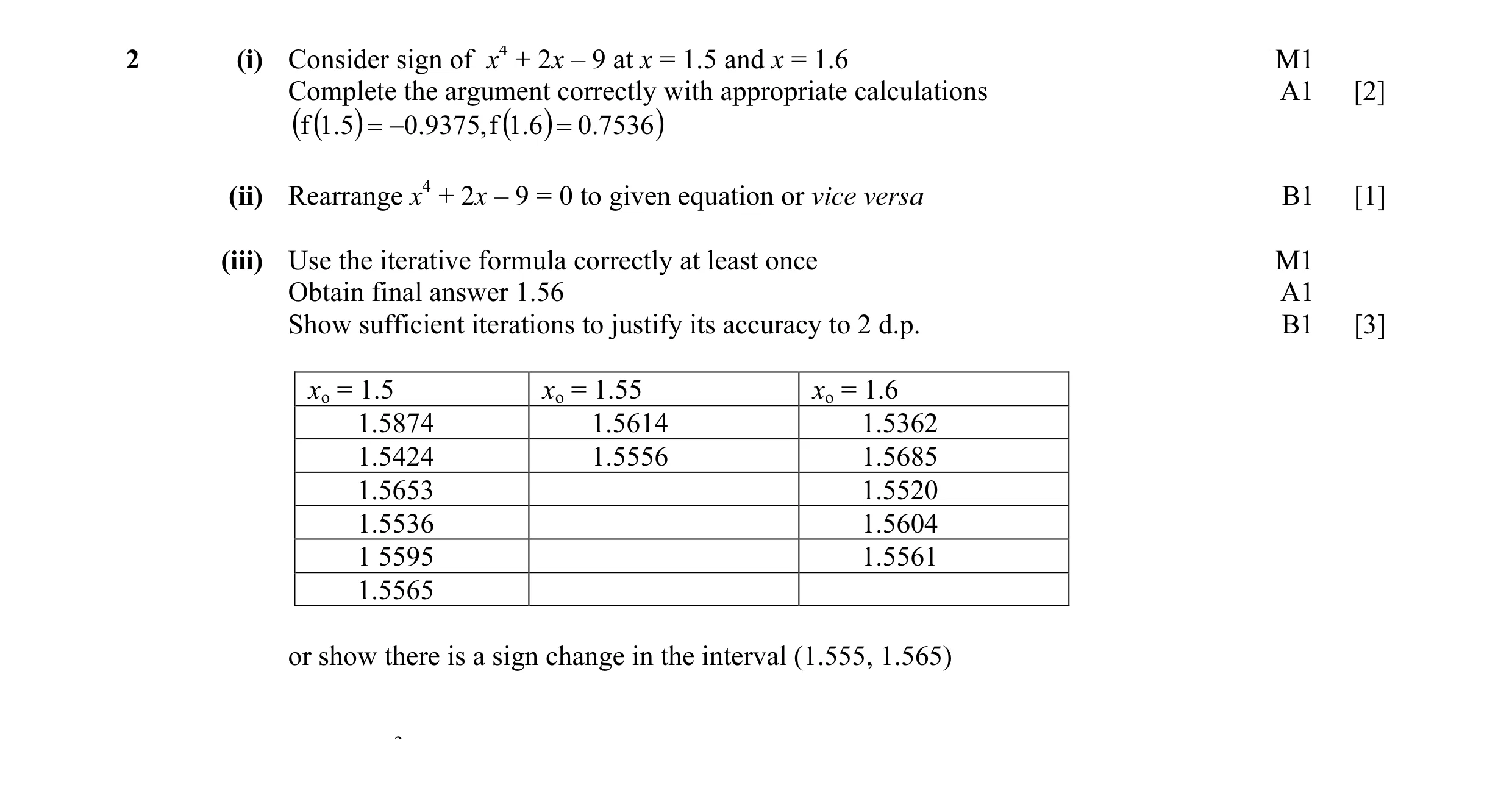 5
5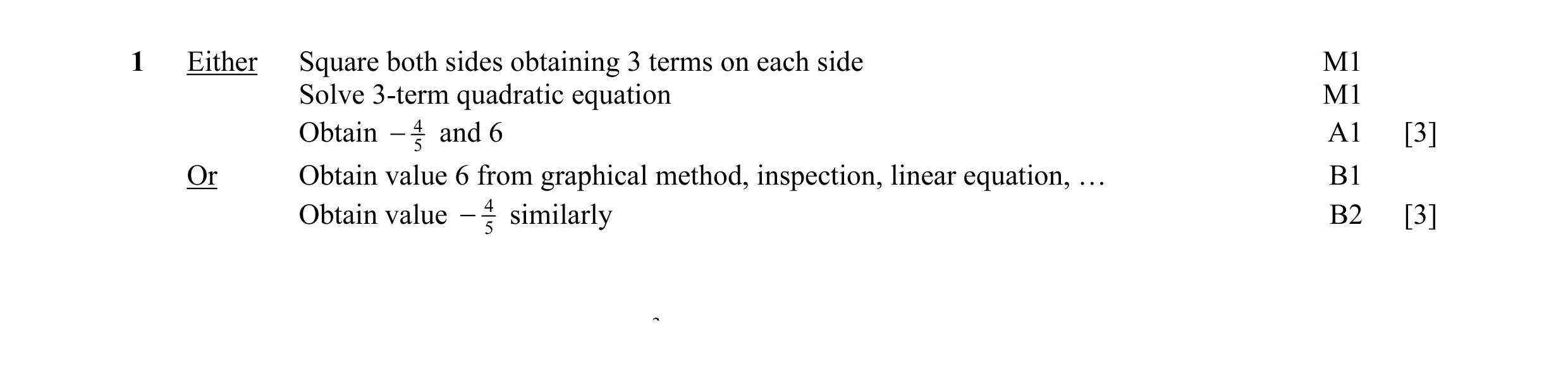 3
3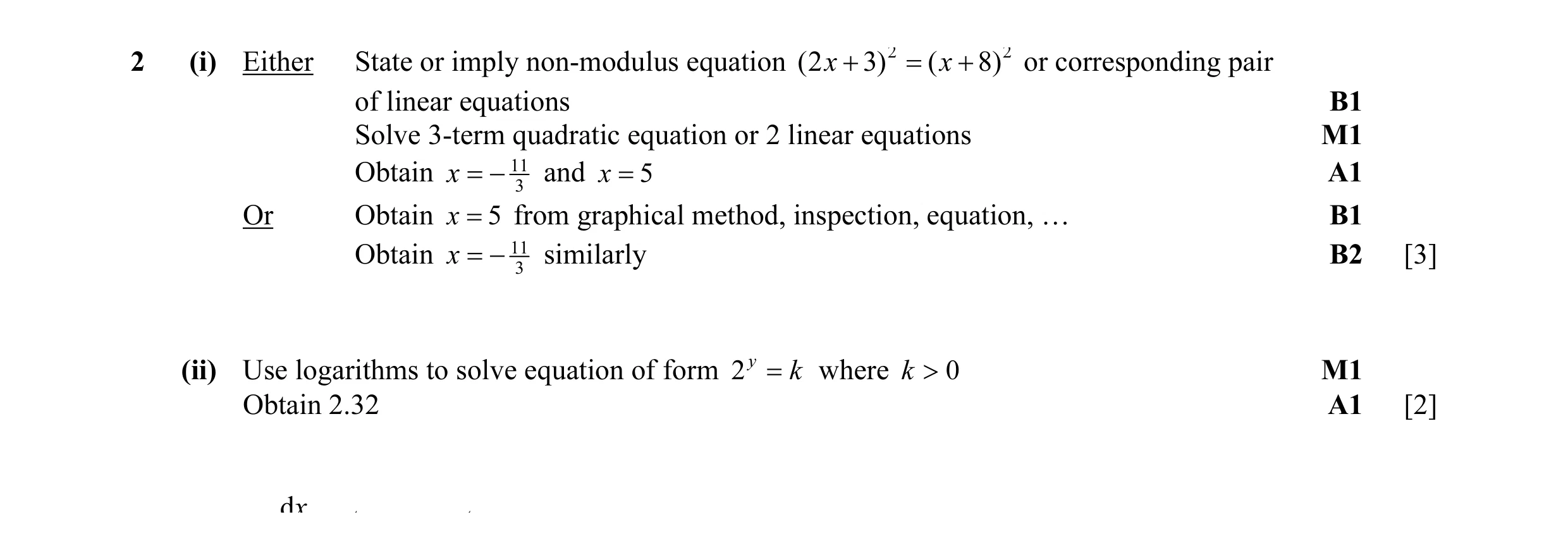 5
5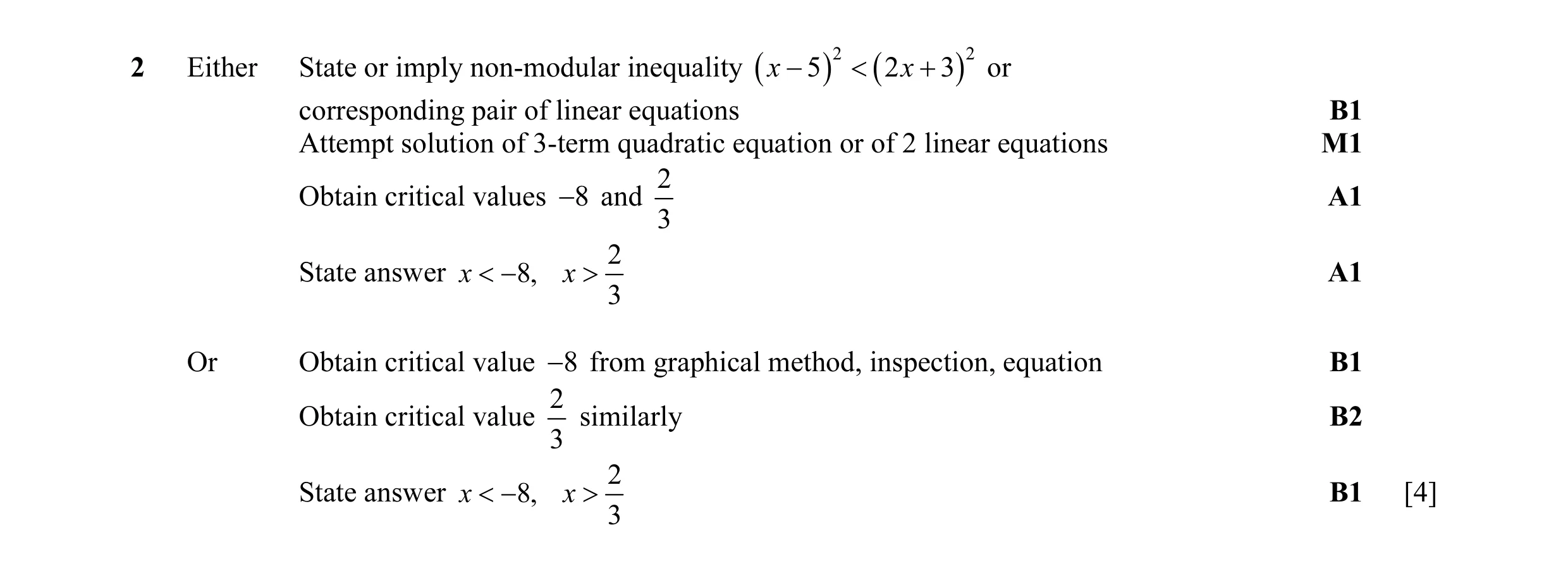 4
4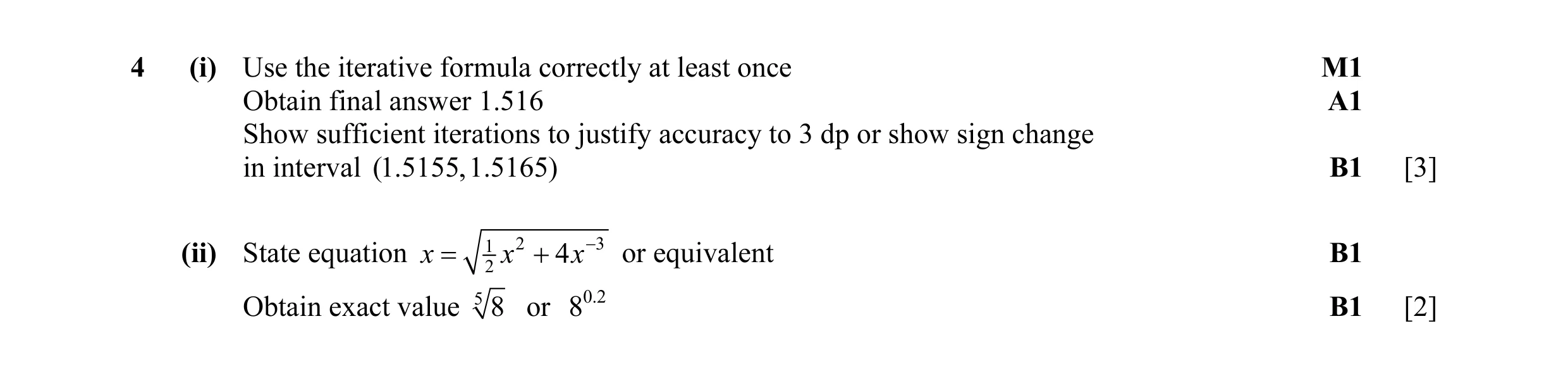 5
5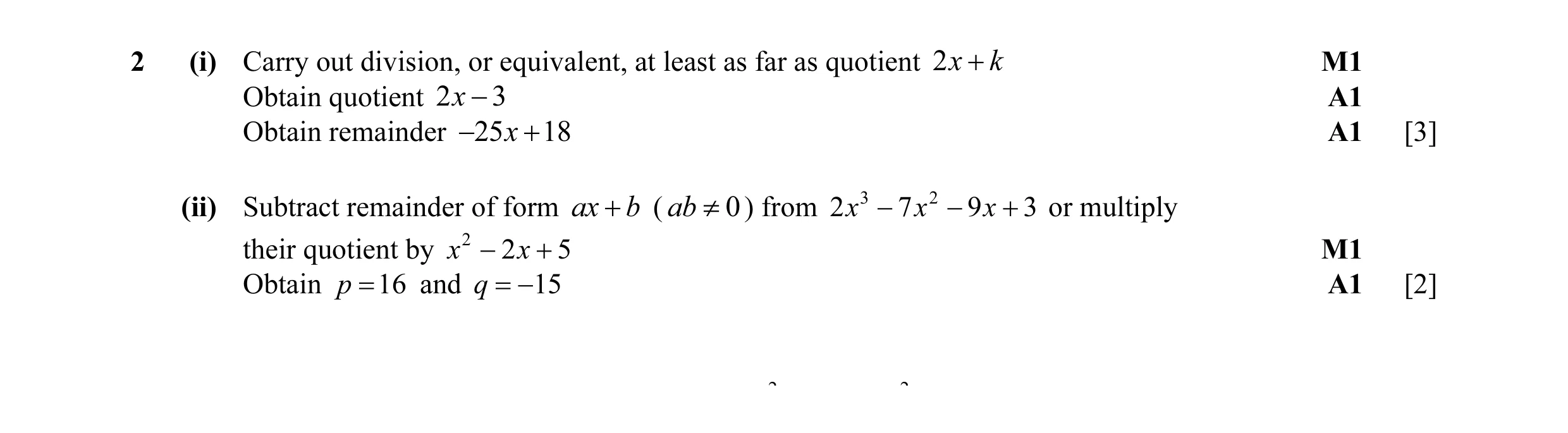 5
5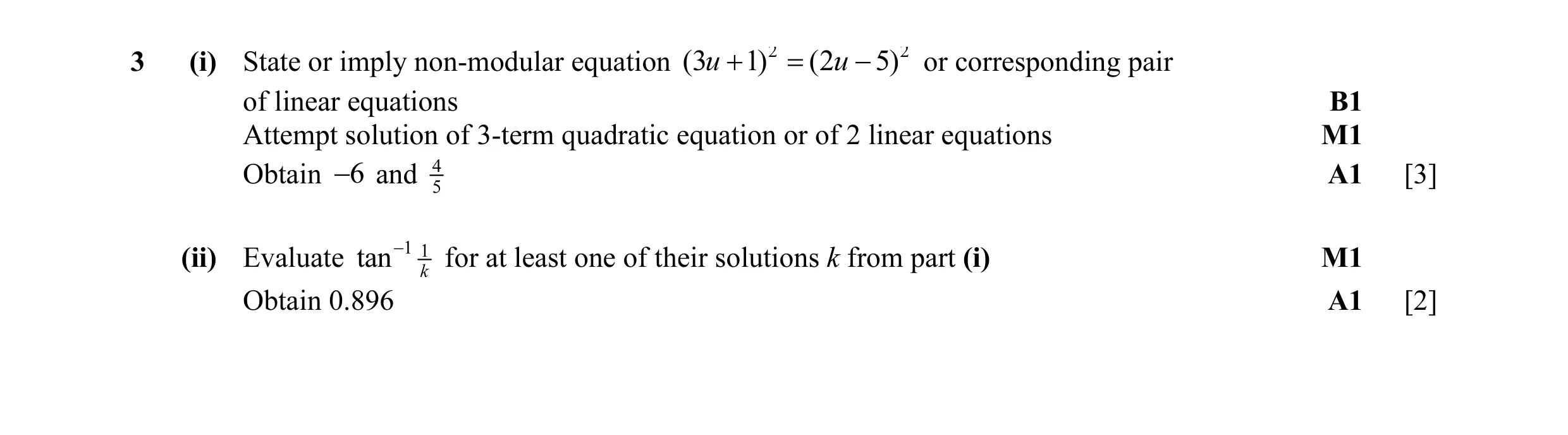 5
5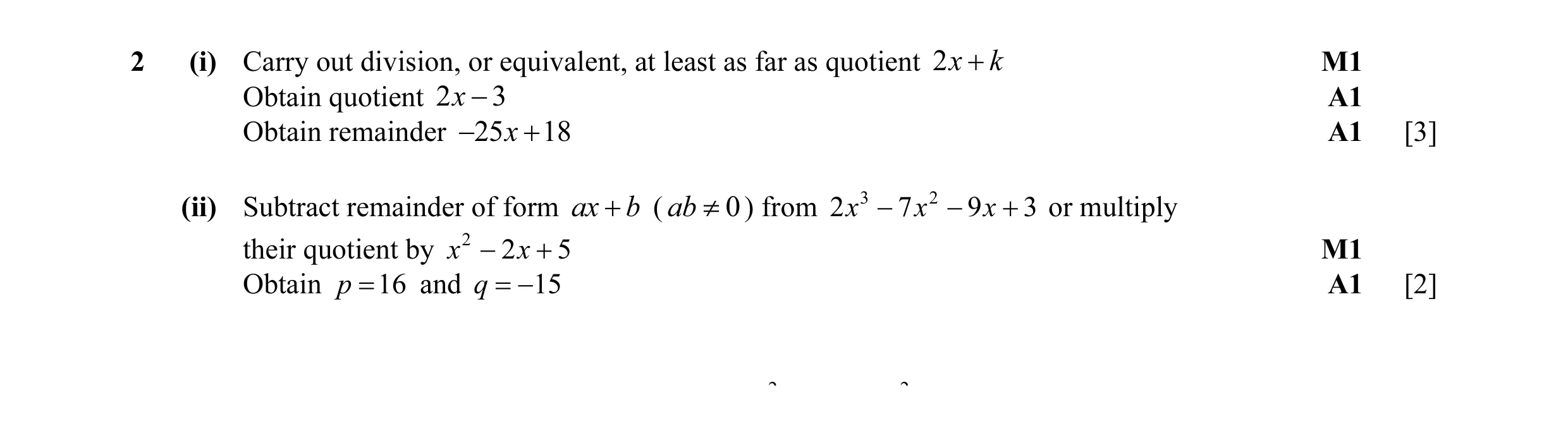 5
5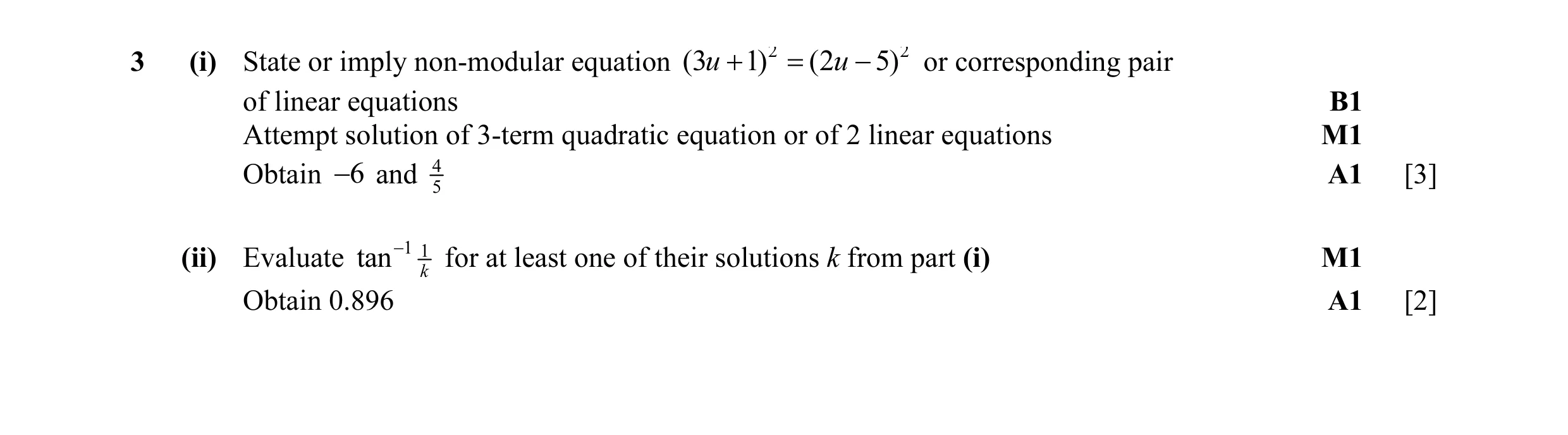 5
5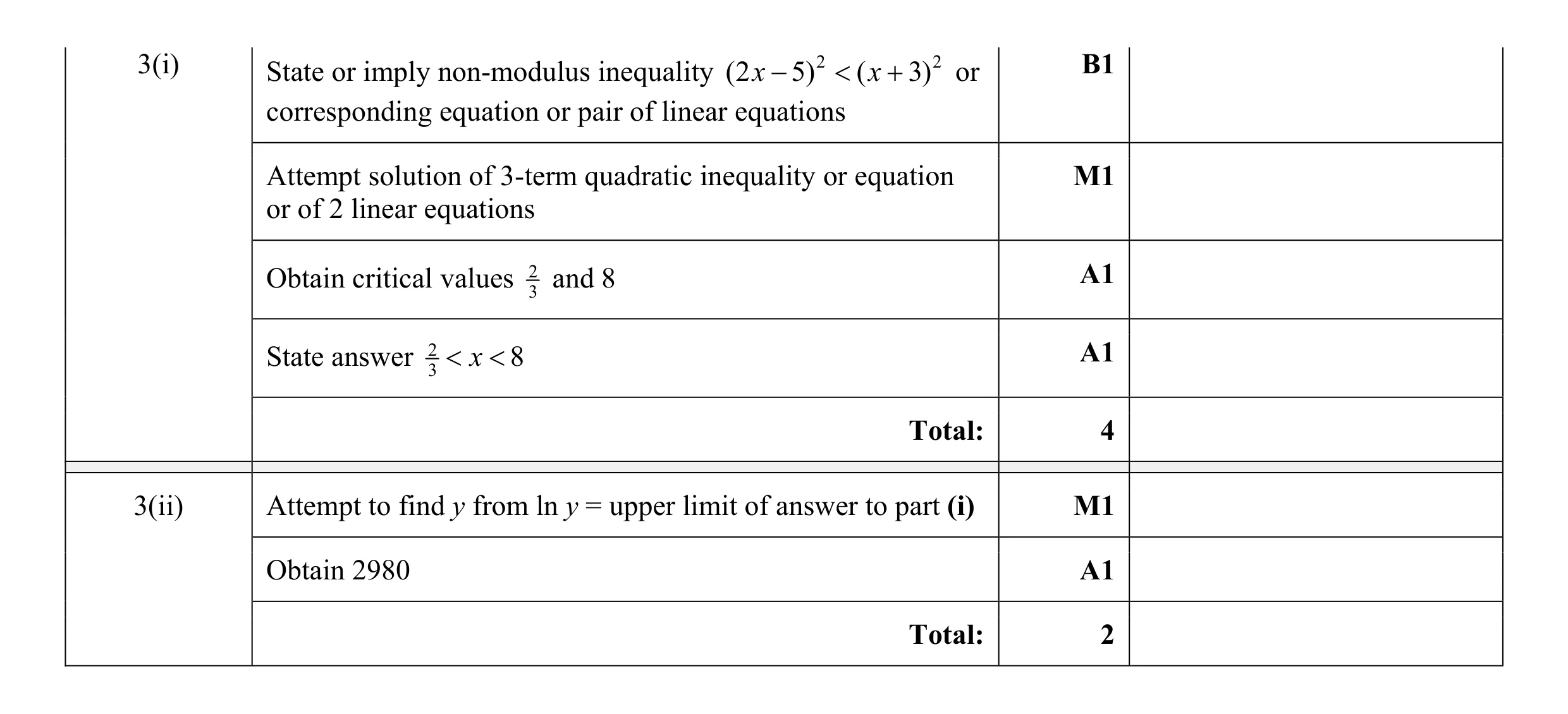 6
6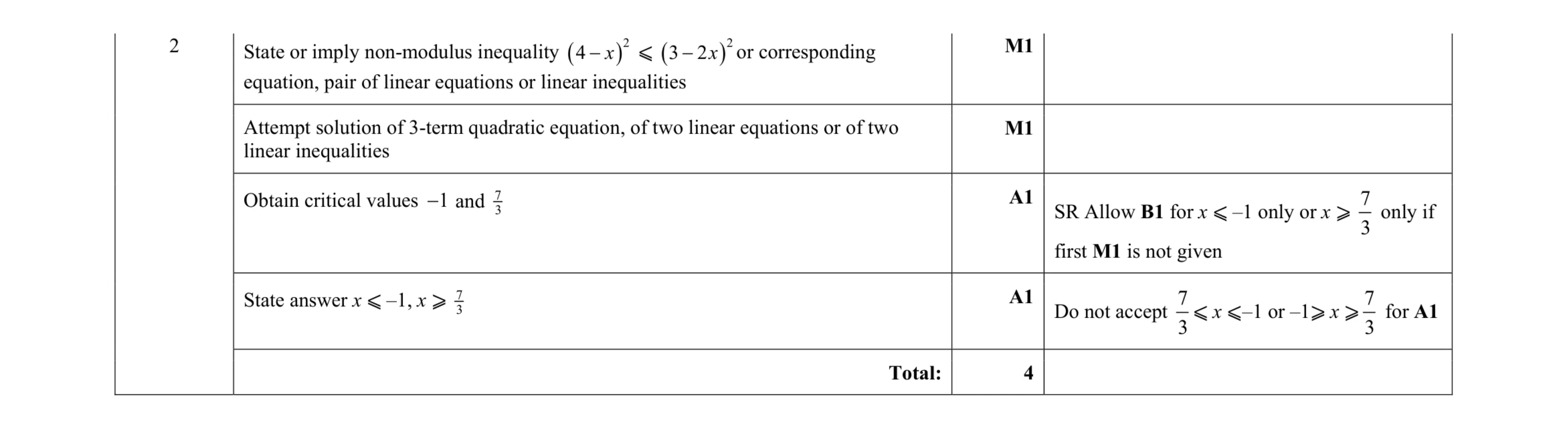 4
4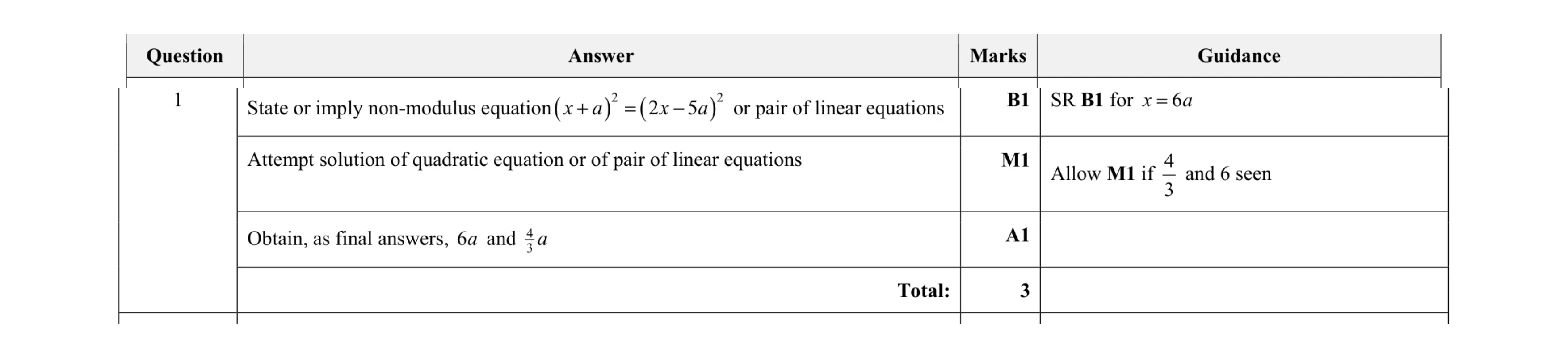 3
3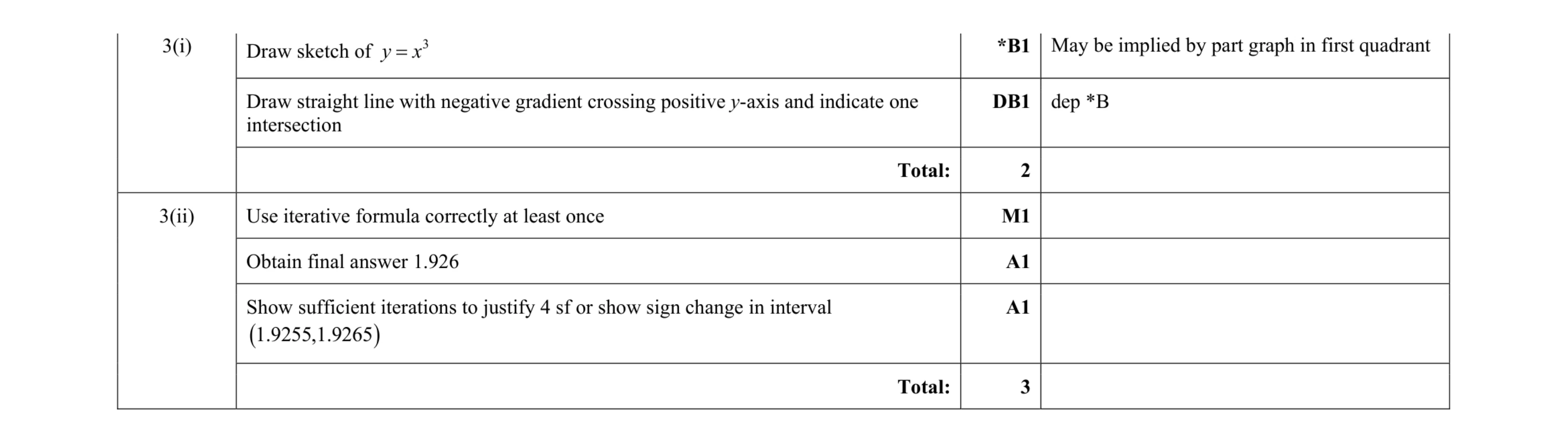 5
5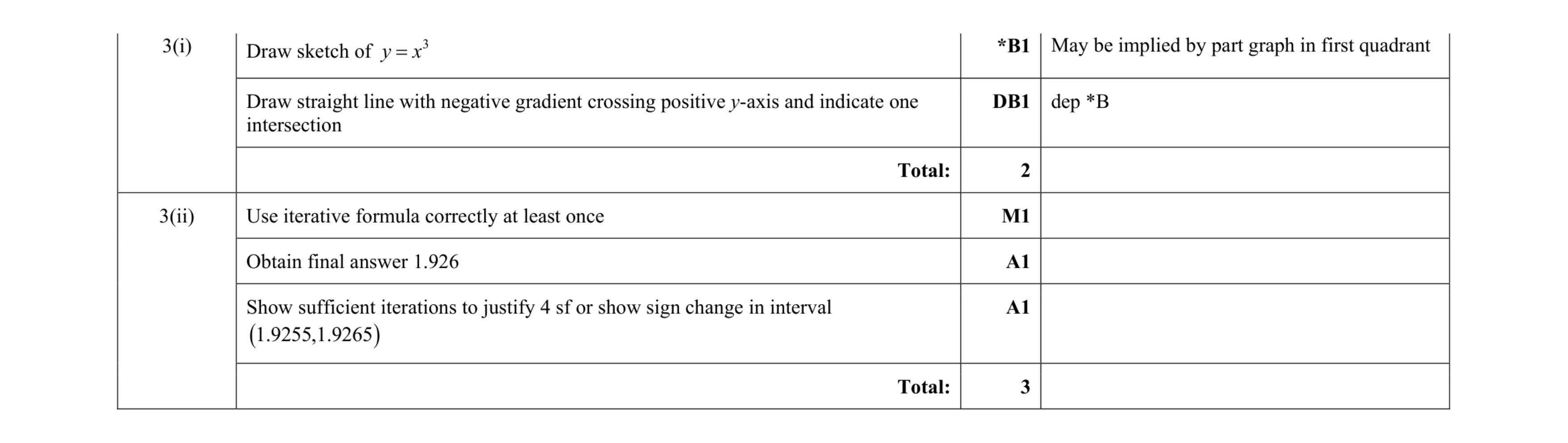 5
5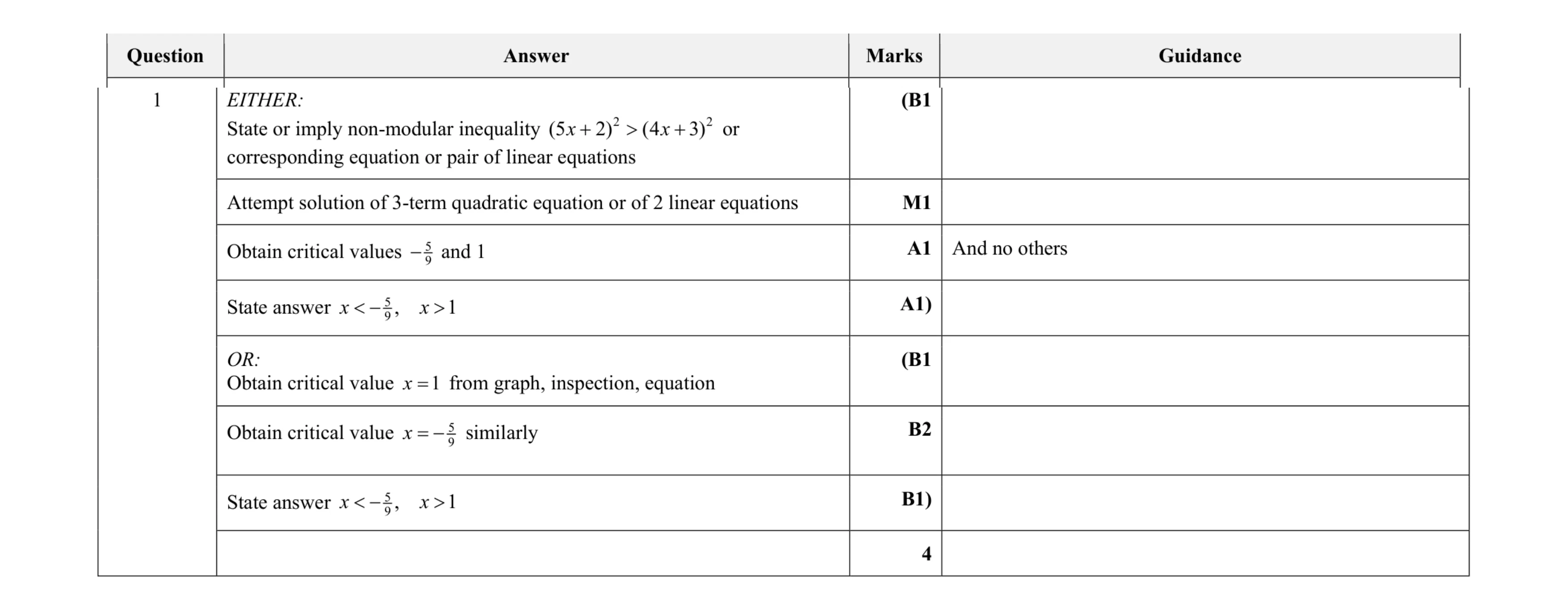 4
4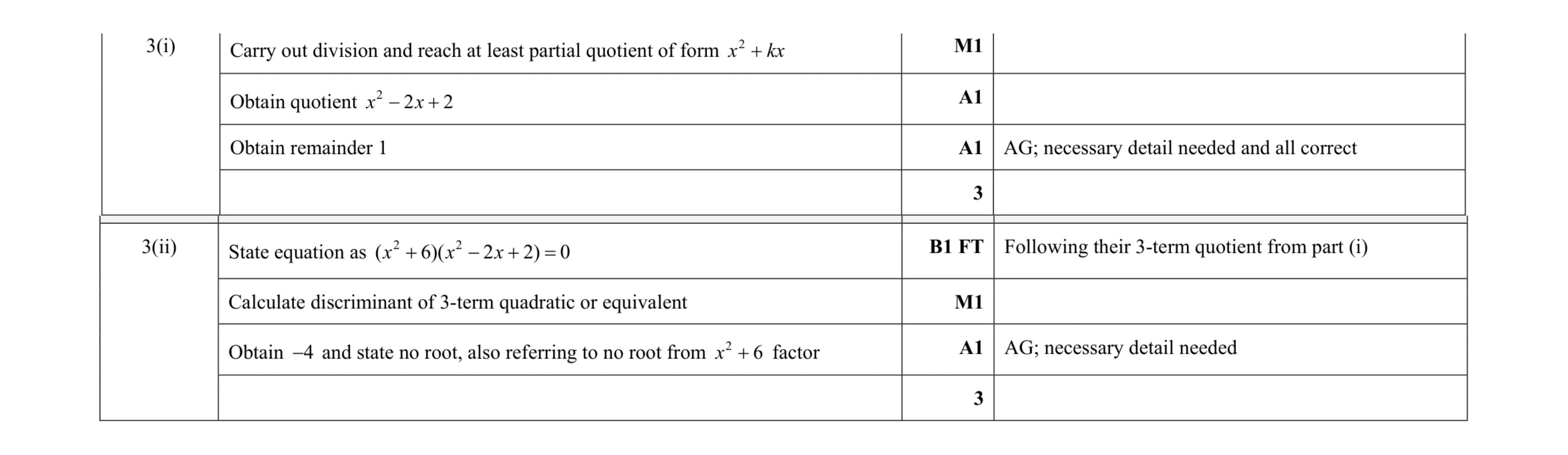 6
6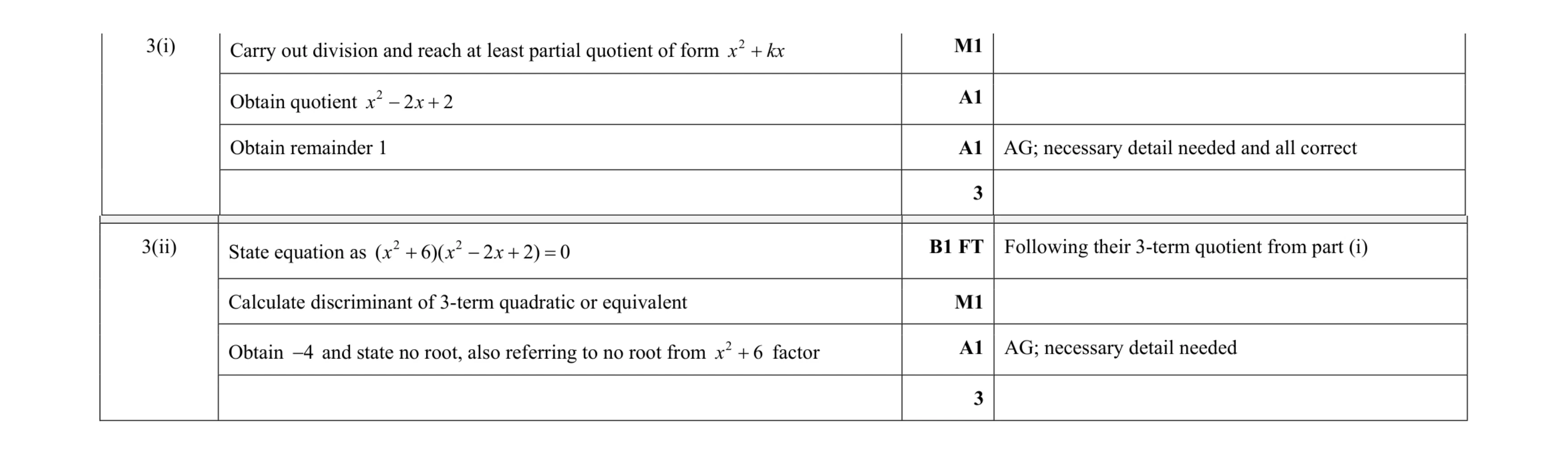 6
6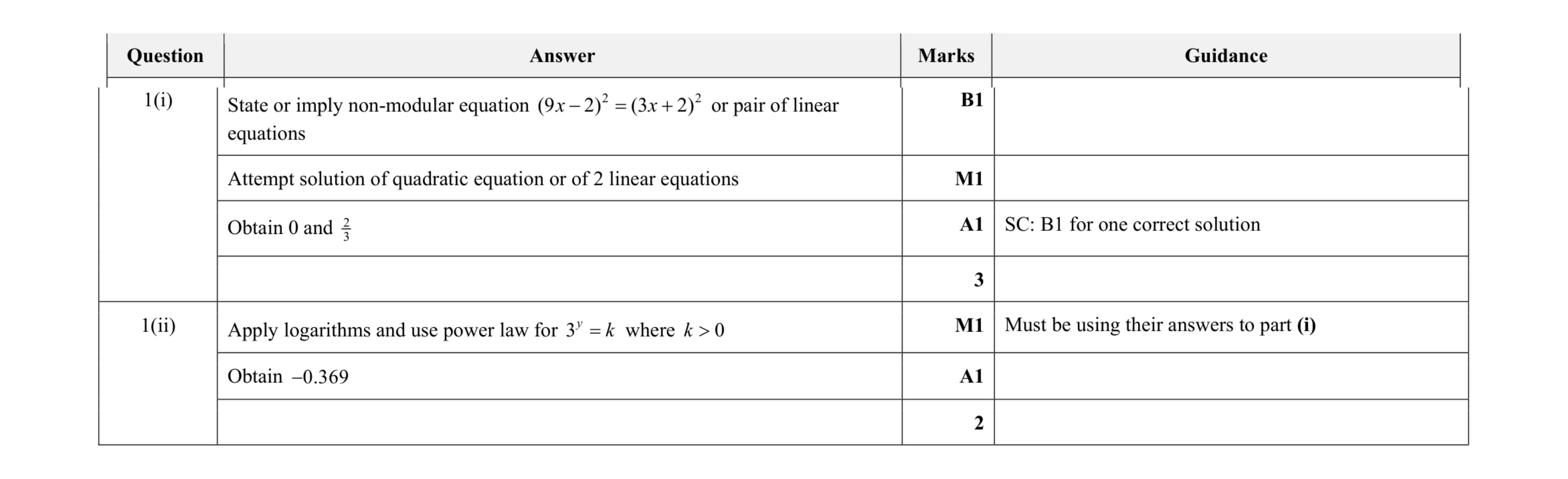 5
5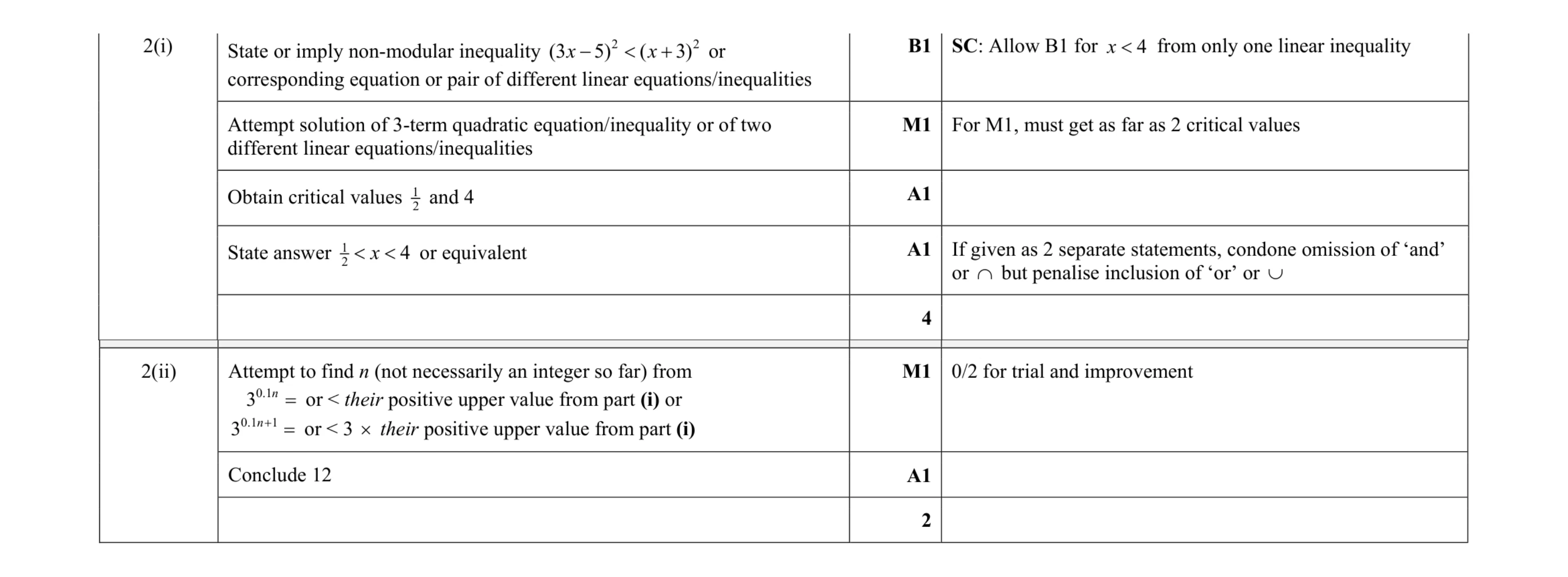 6
6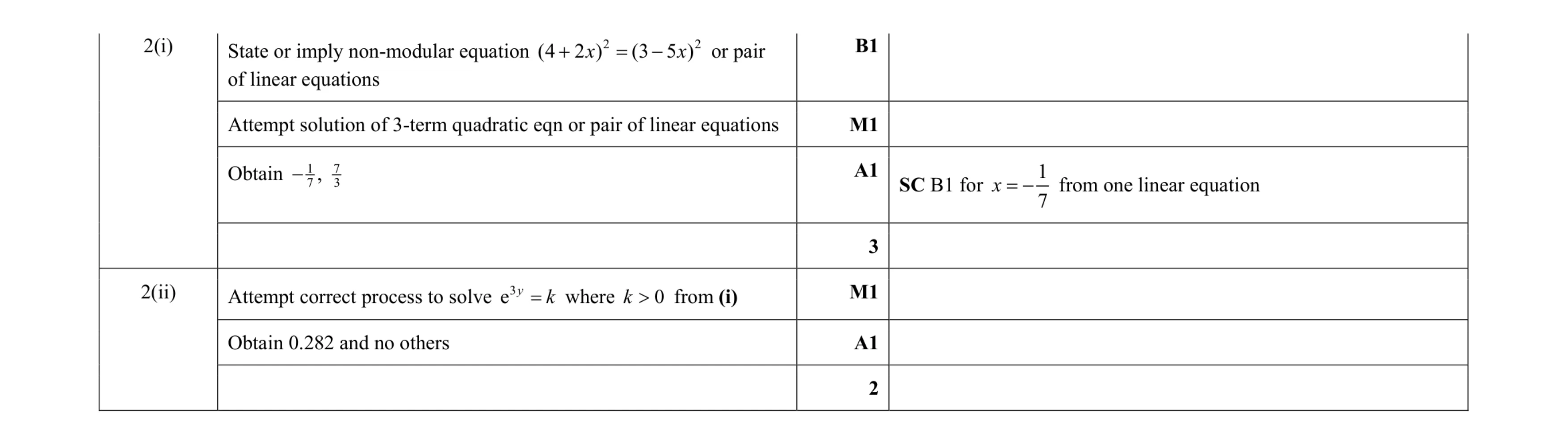 5
5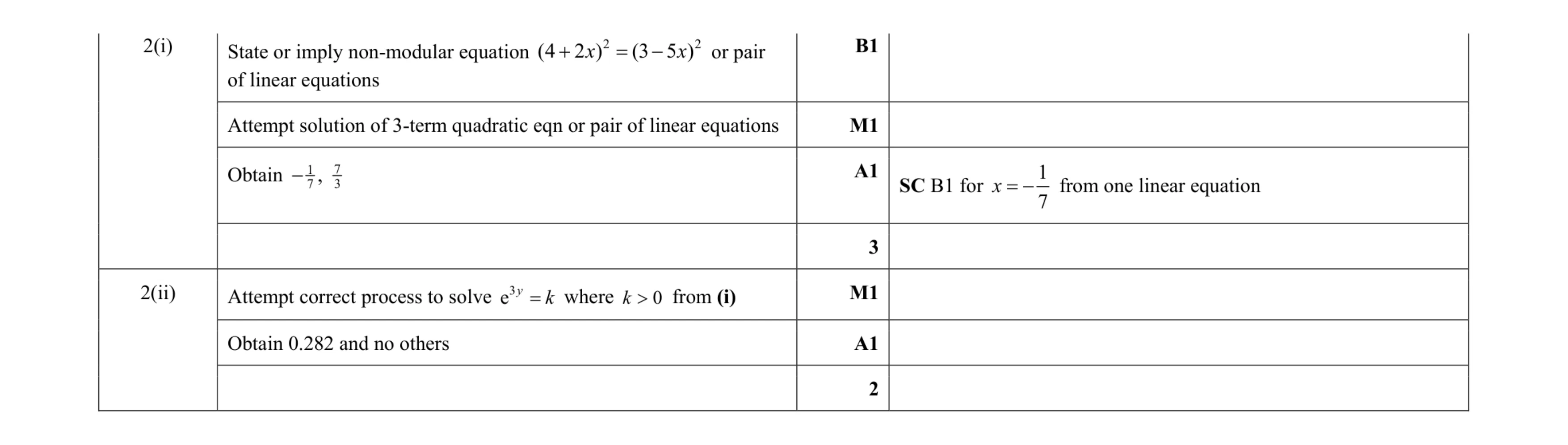 5
5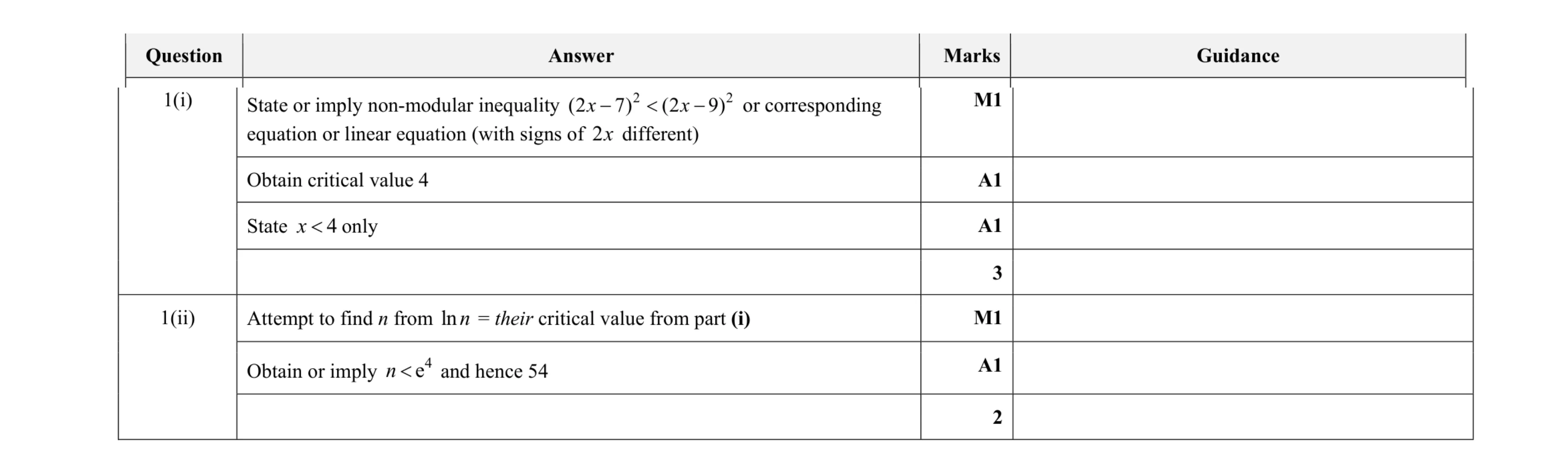 5
5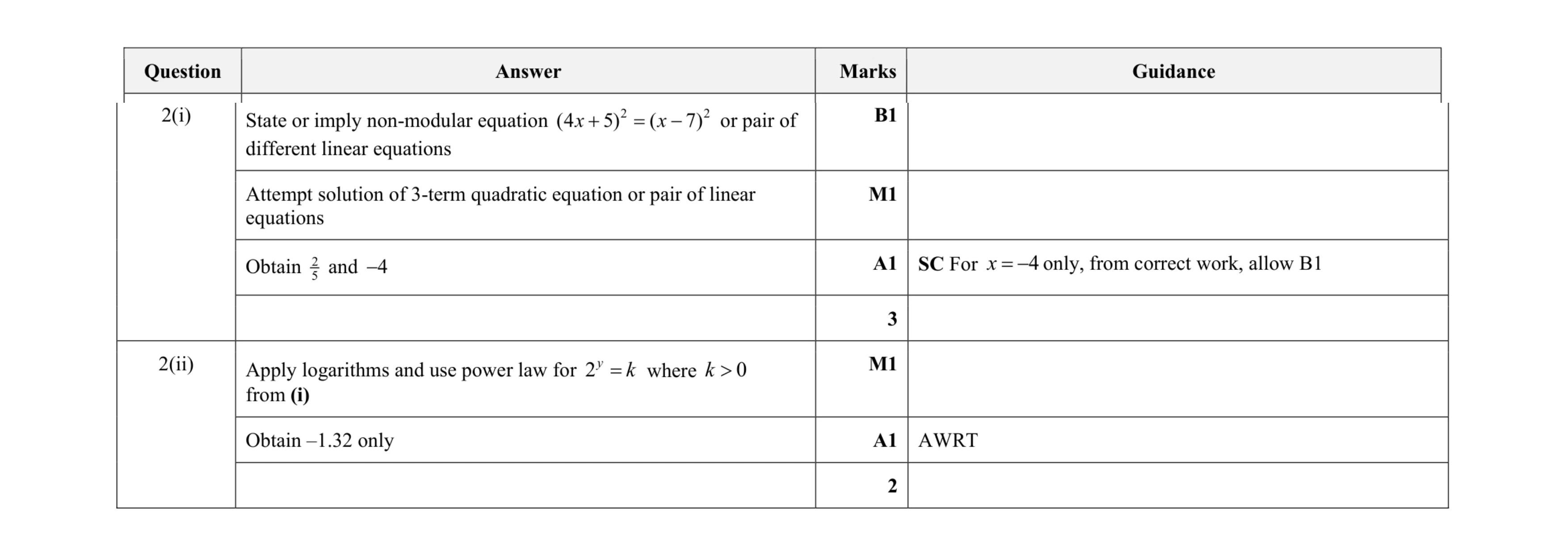 5
5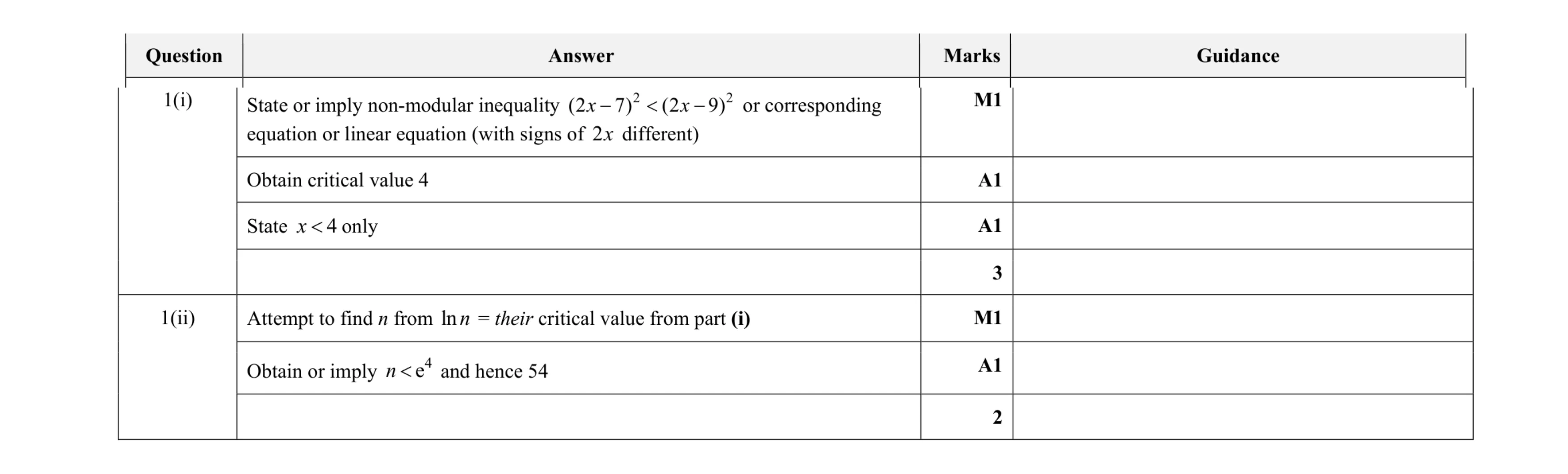 5
5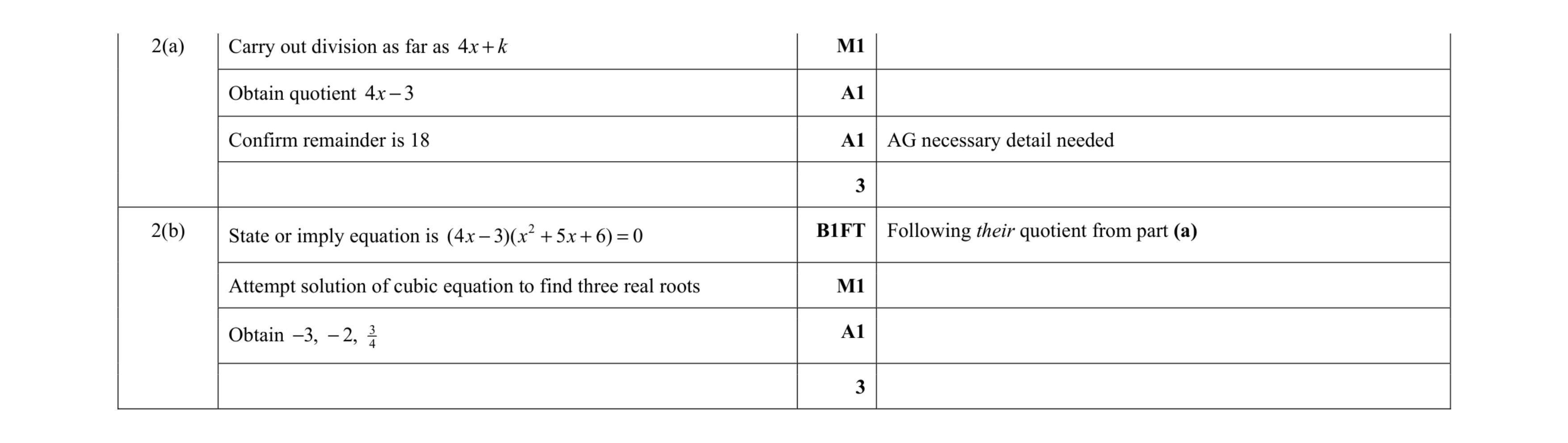 6
6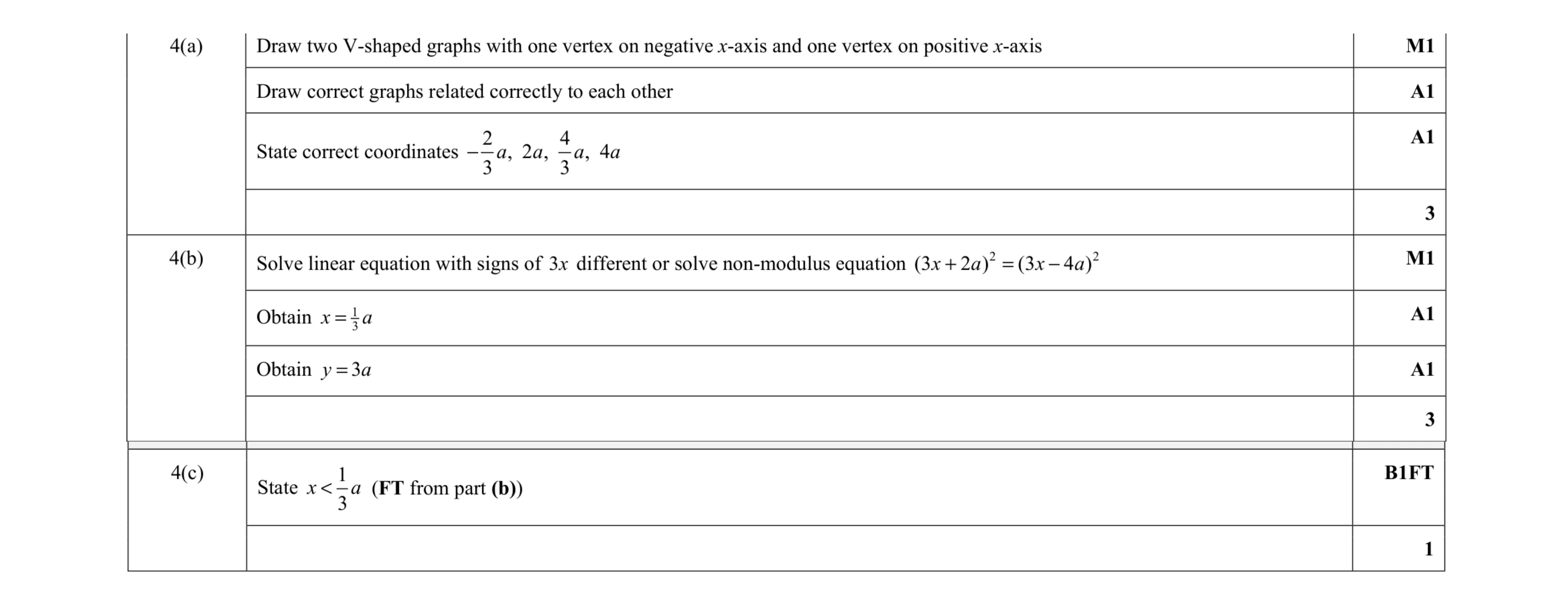 7
7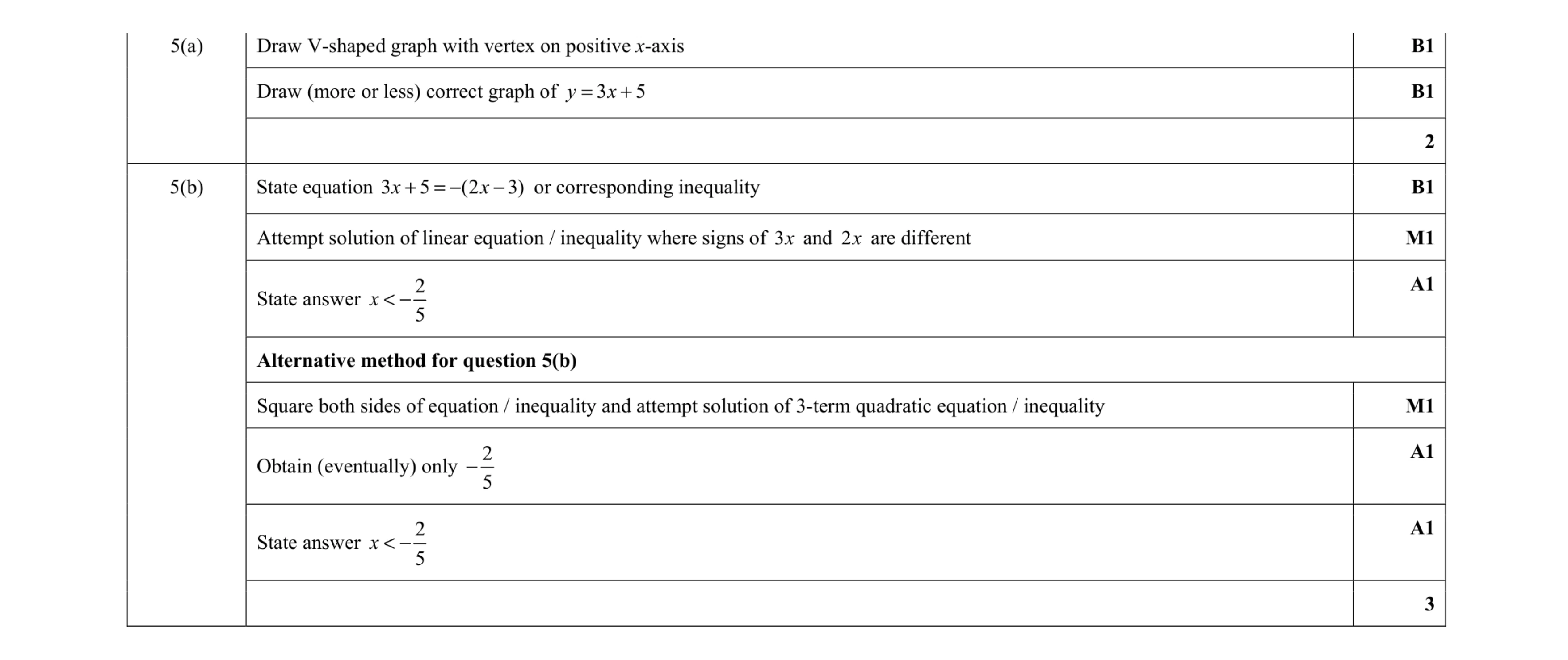 5
5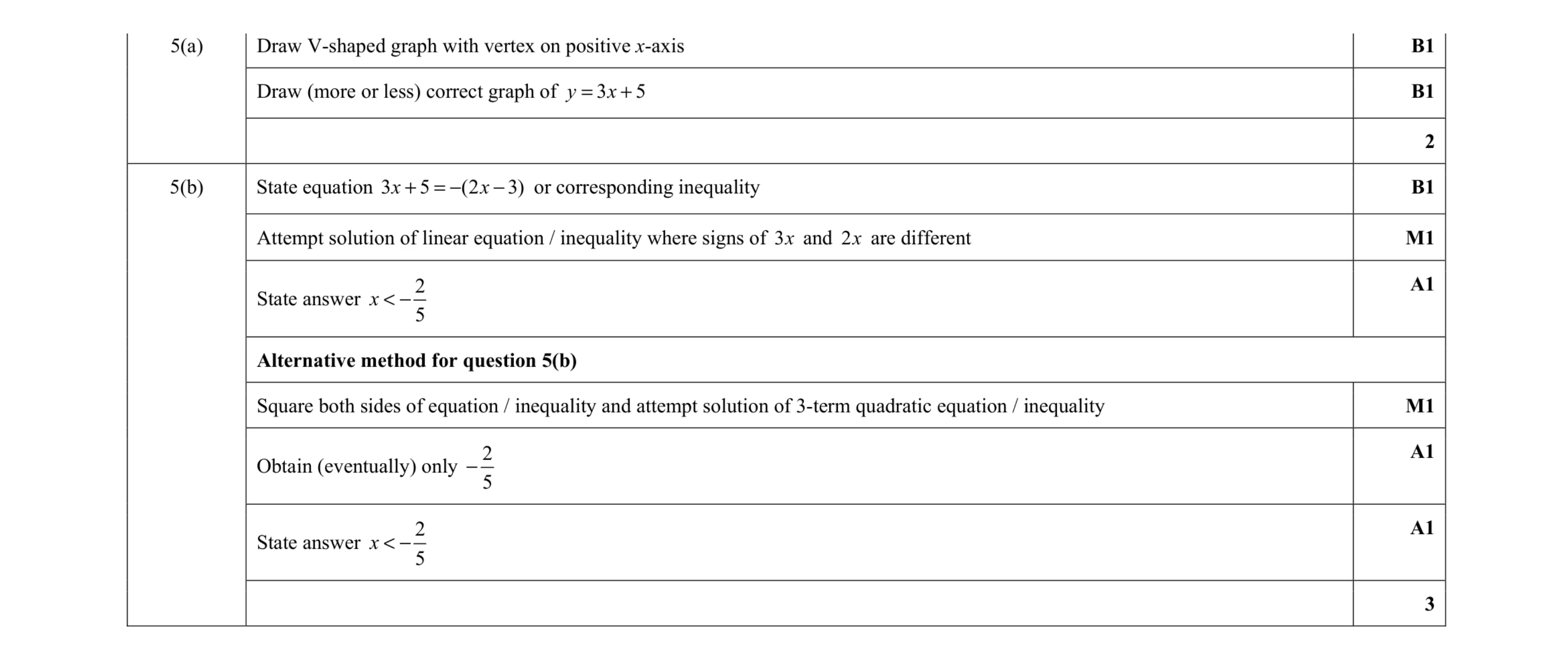 5
5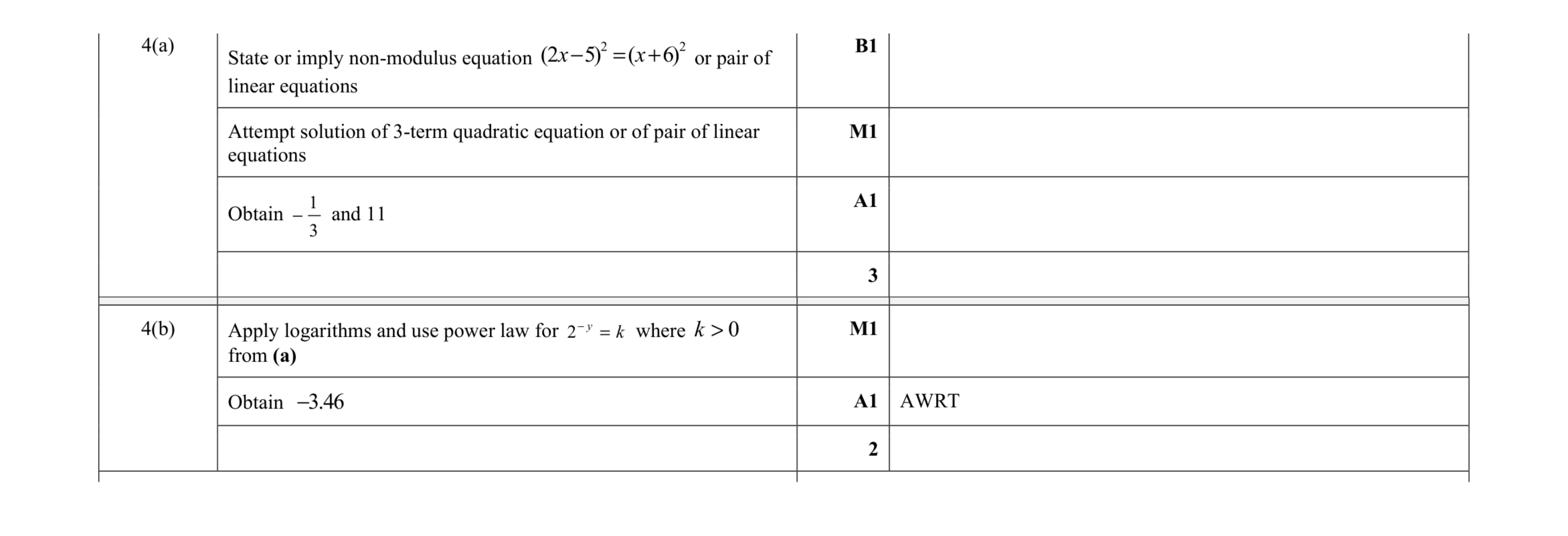 5
5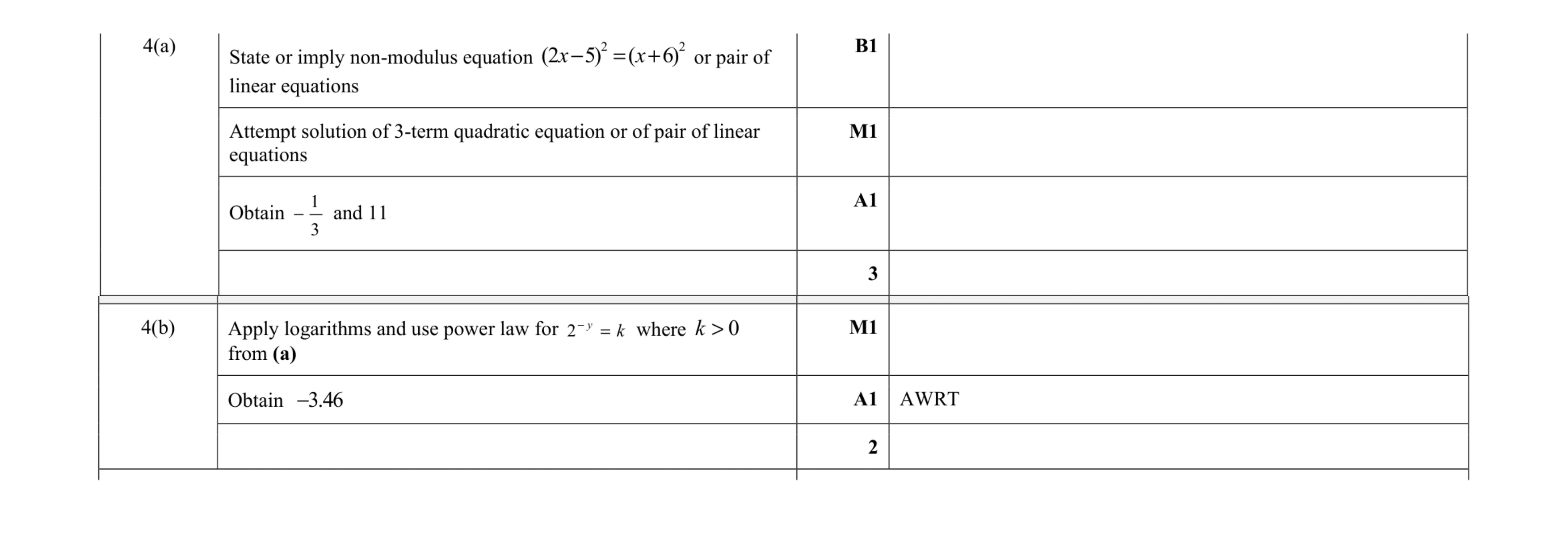 5
5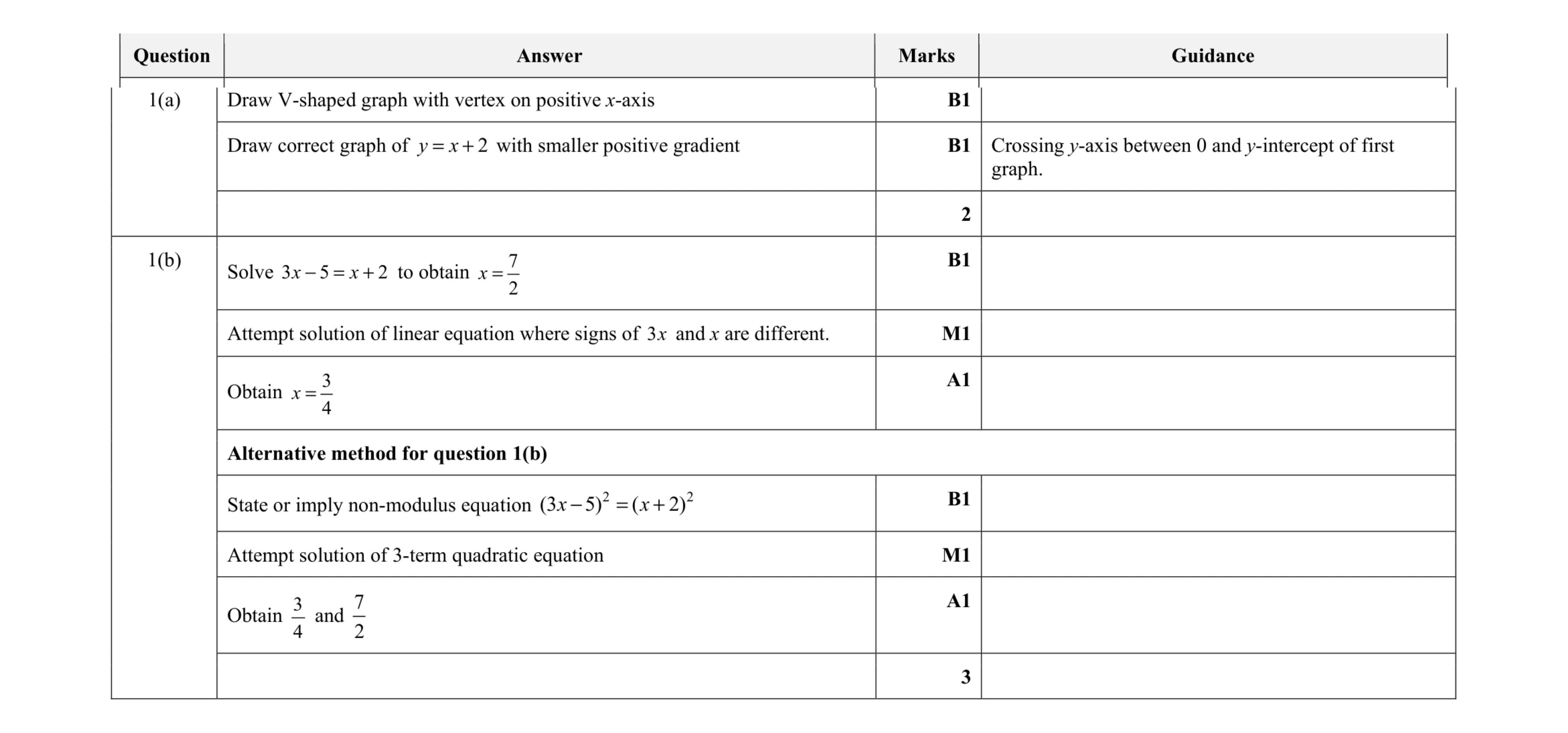 5
5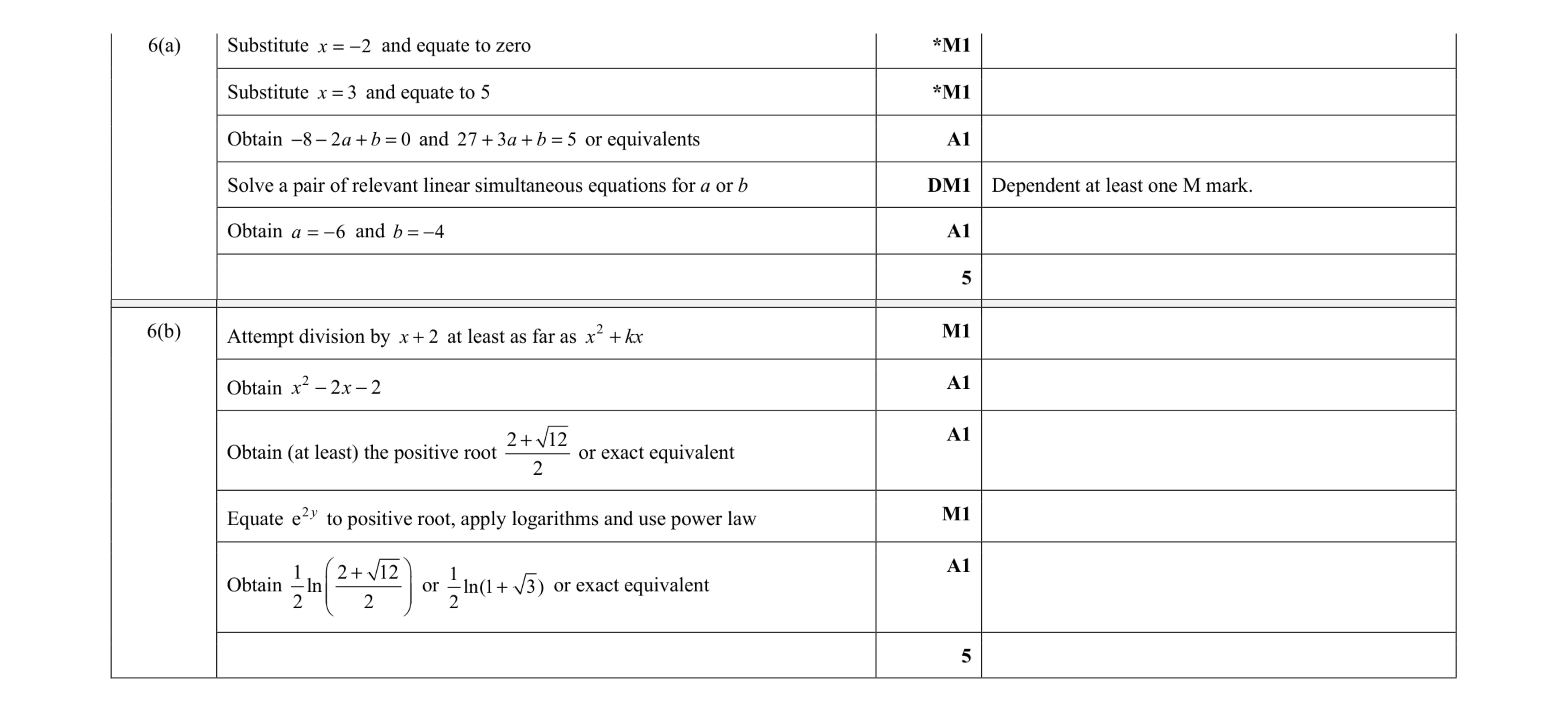 10
10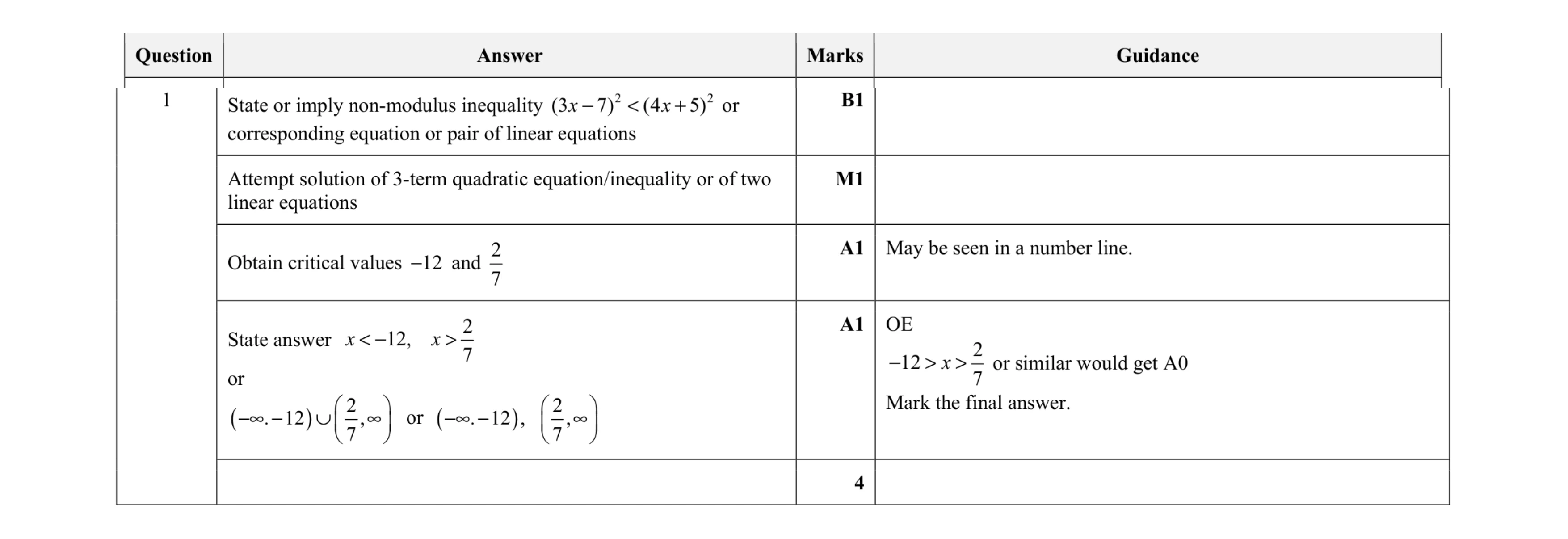 4
4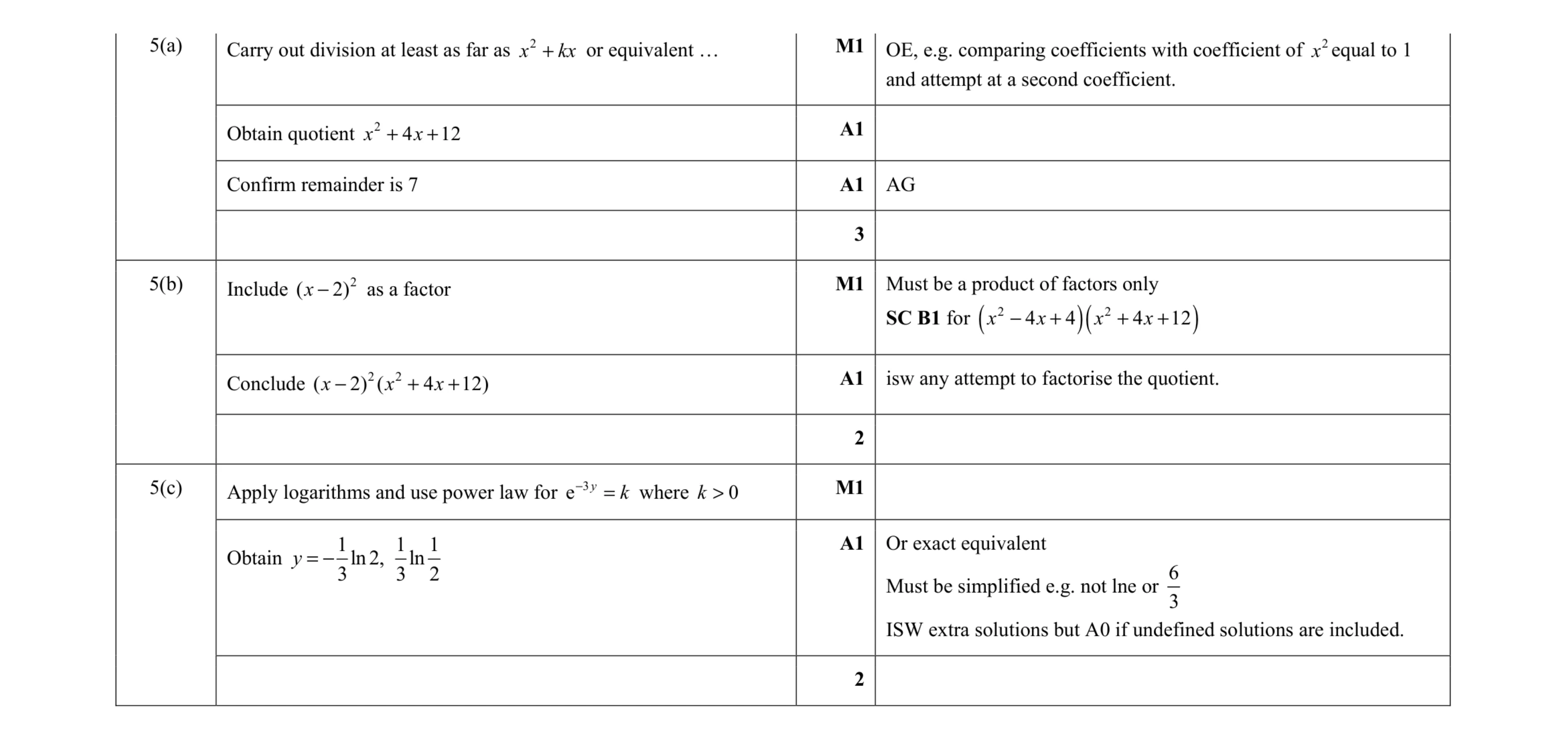 7
7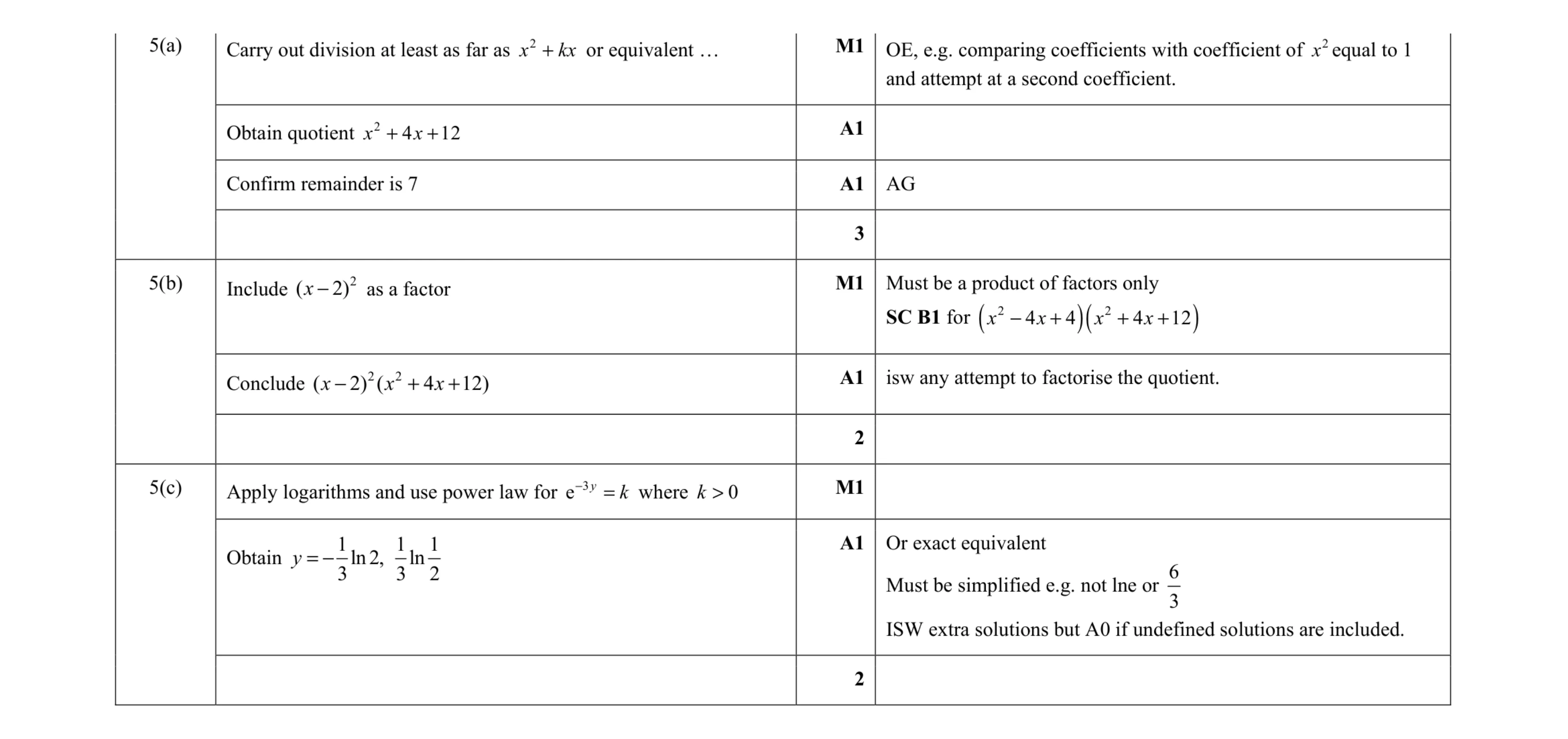 7
7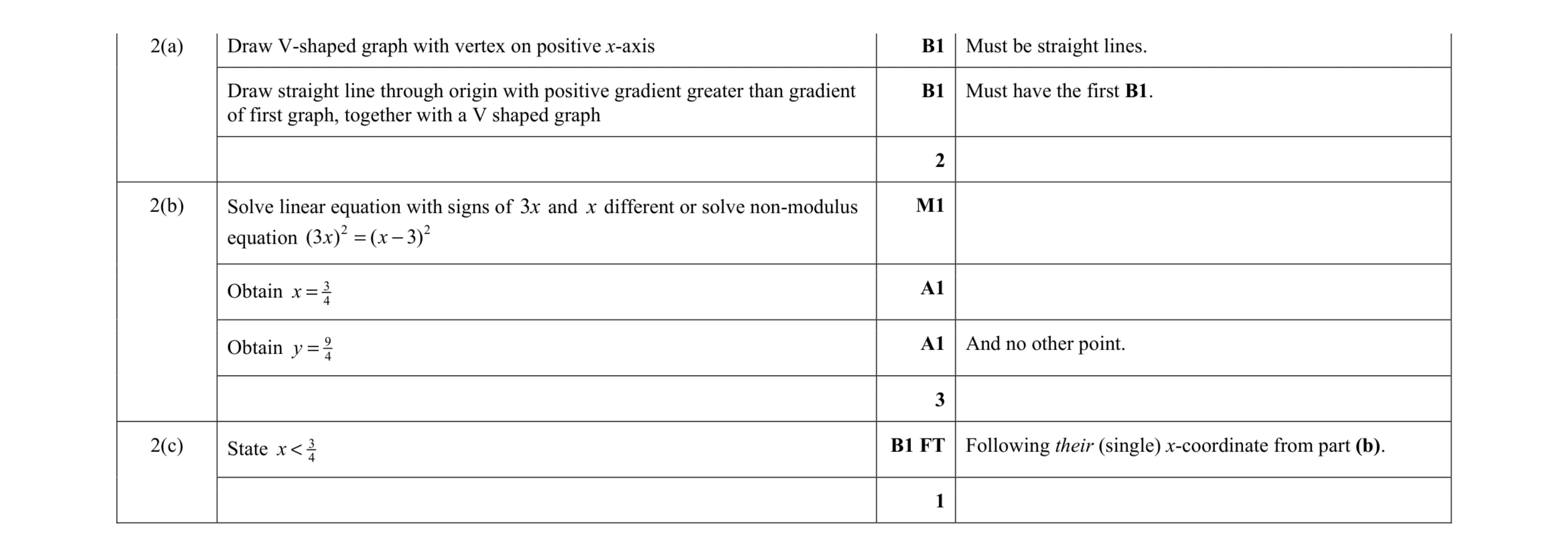 6
6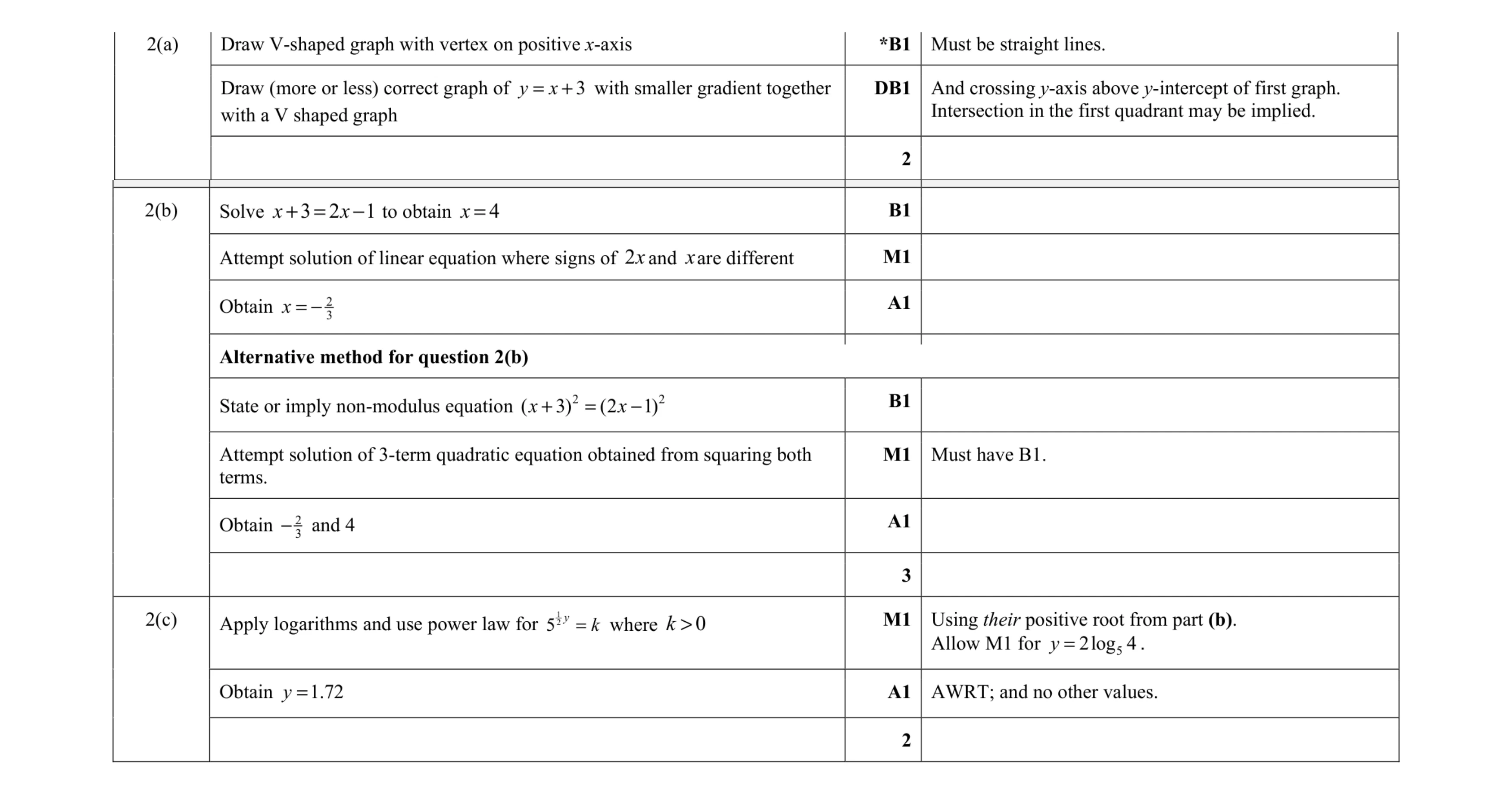 7
7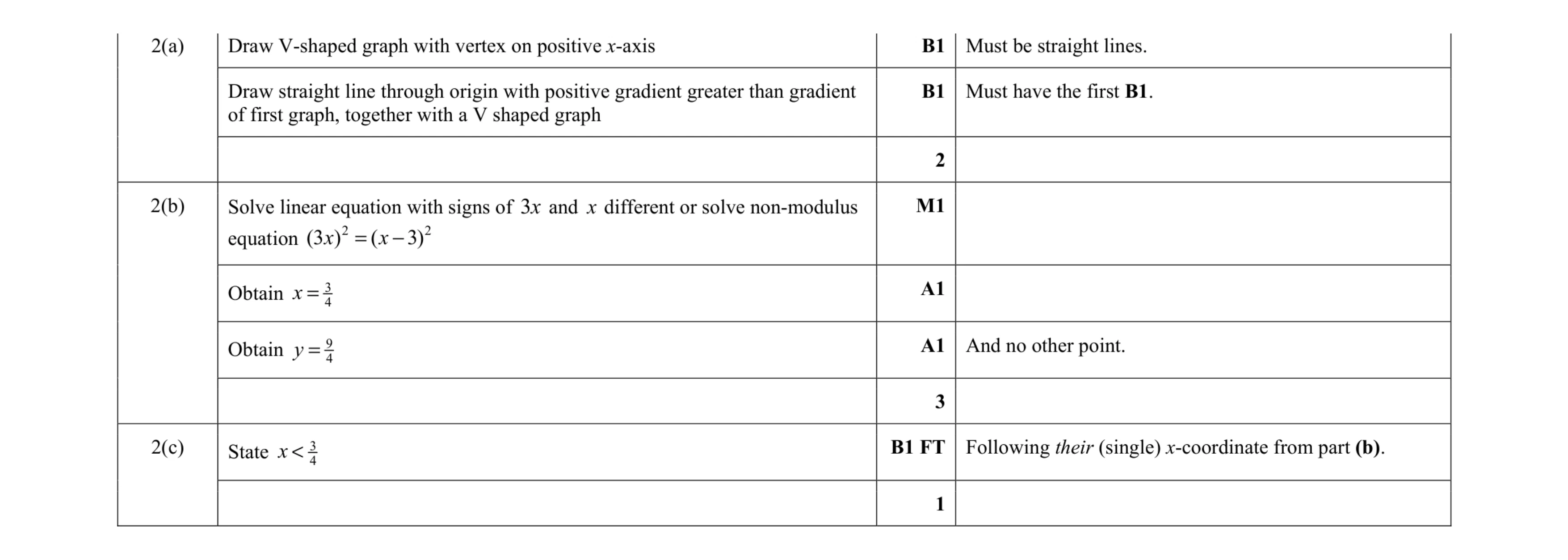 6
6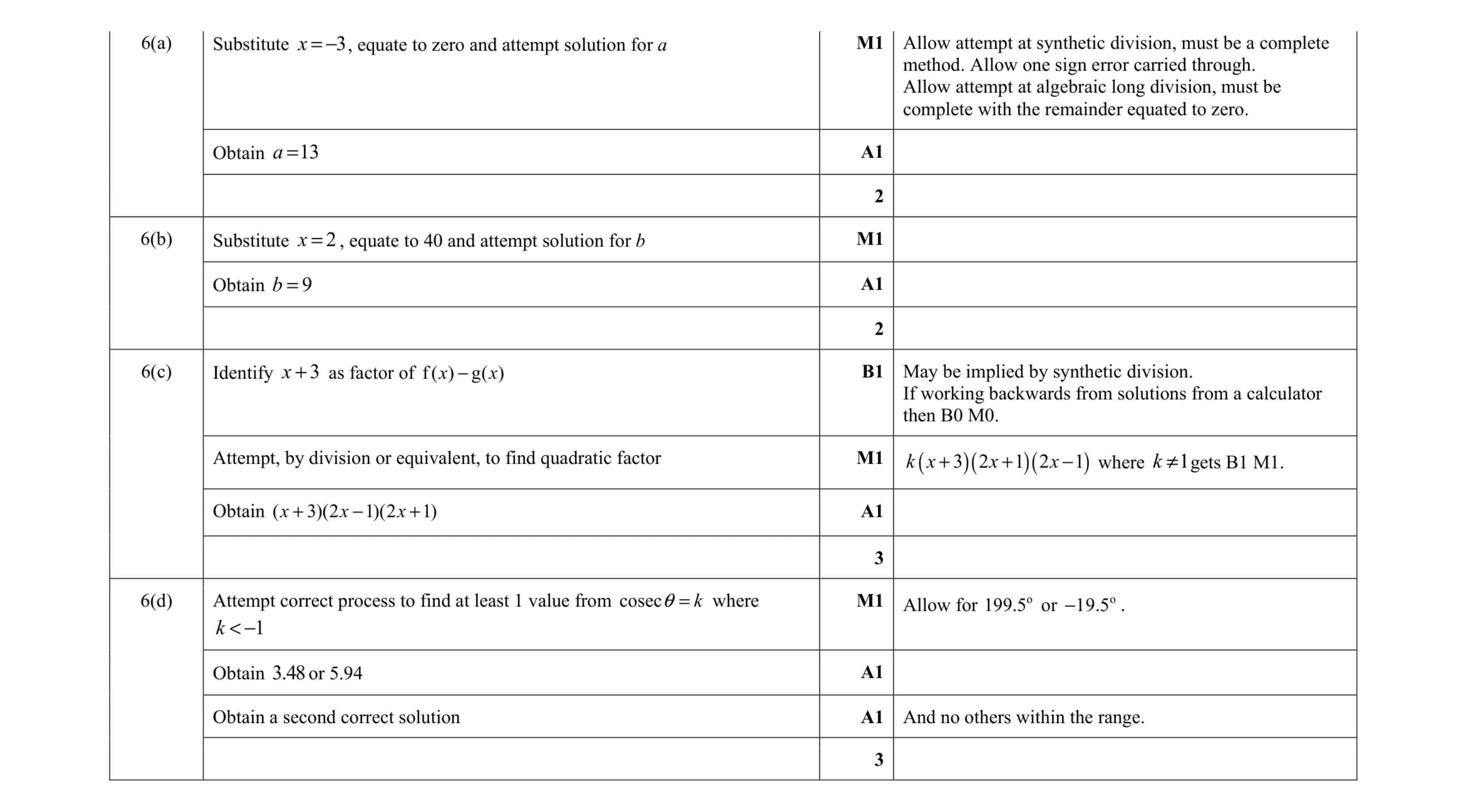 10
10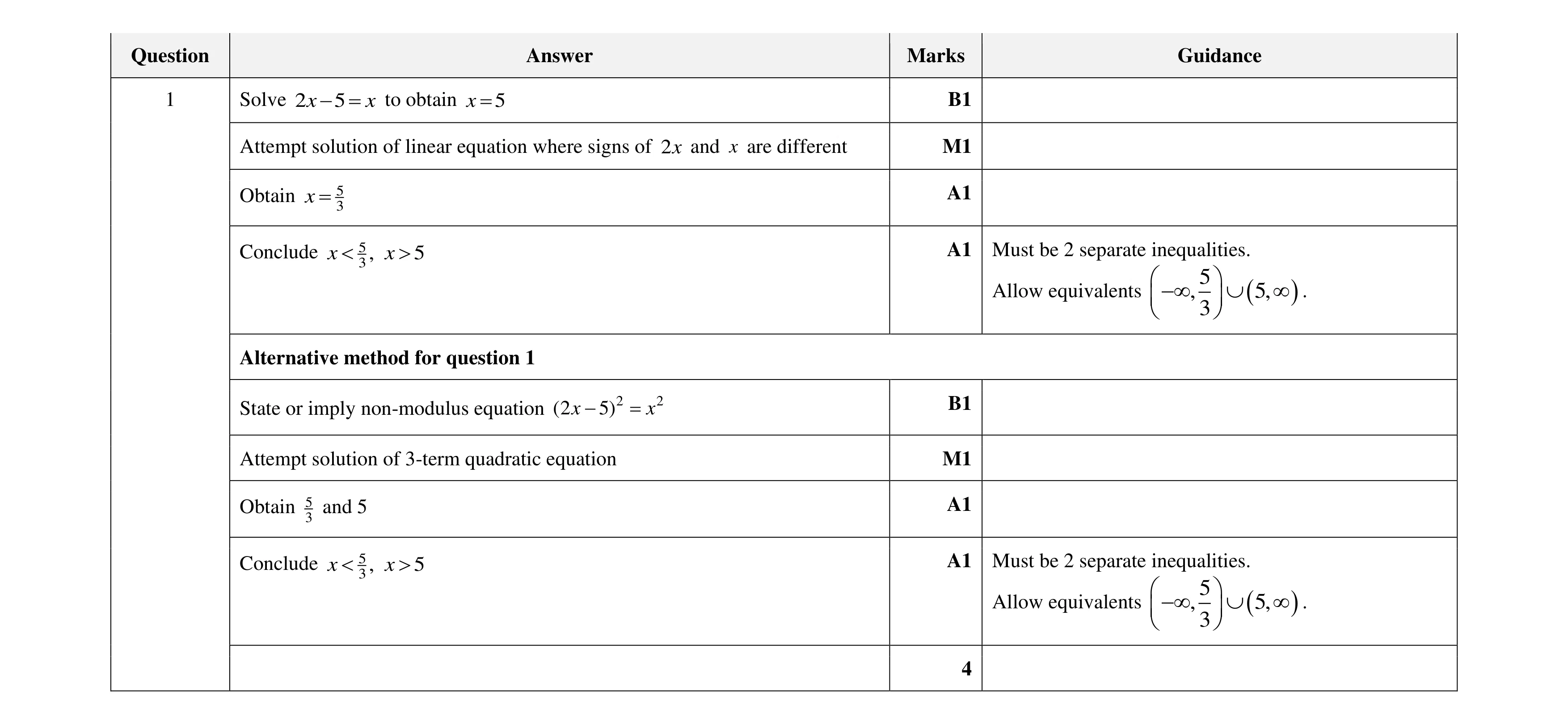 4
4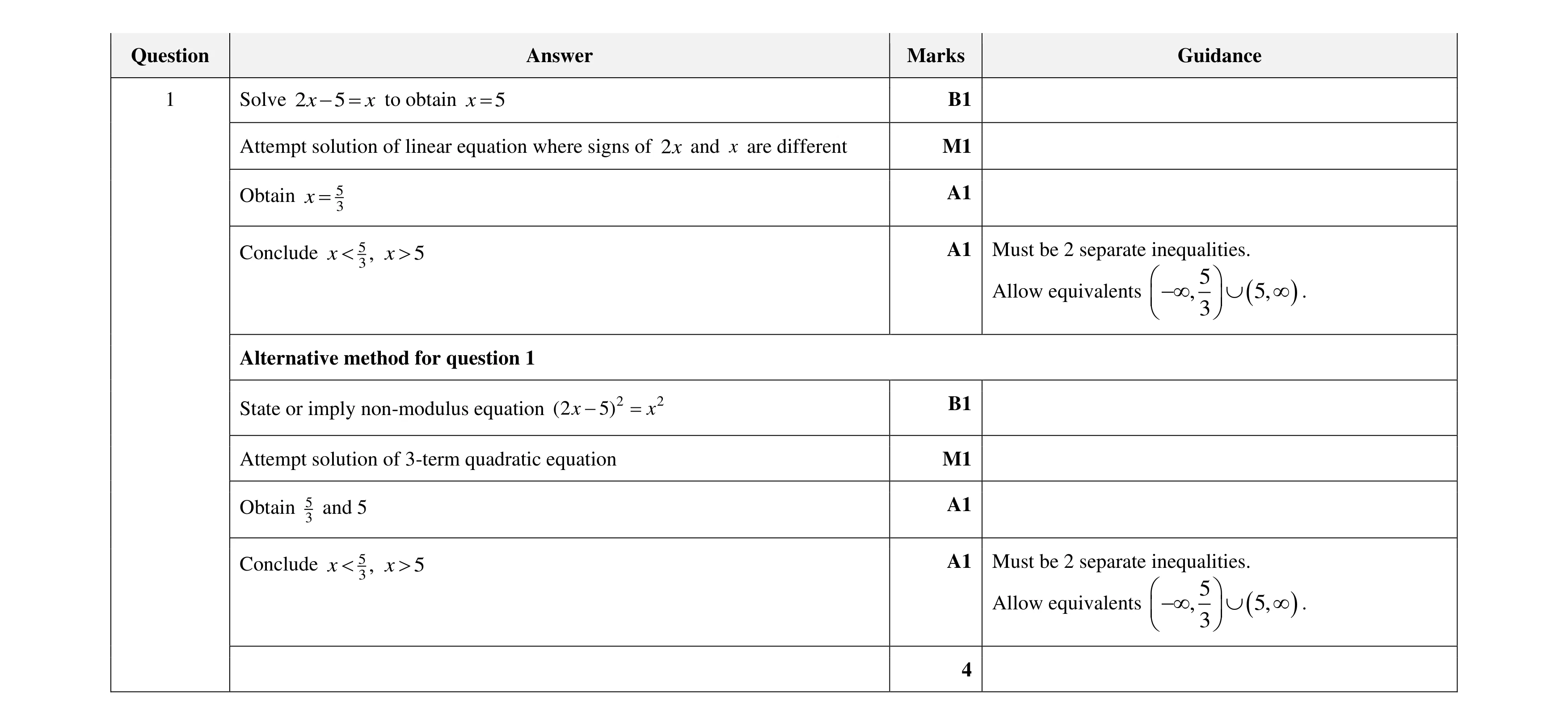 4
4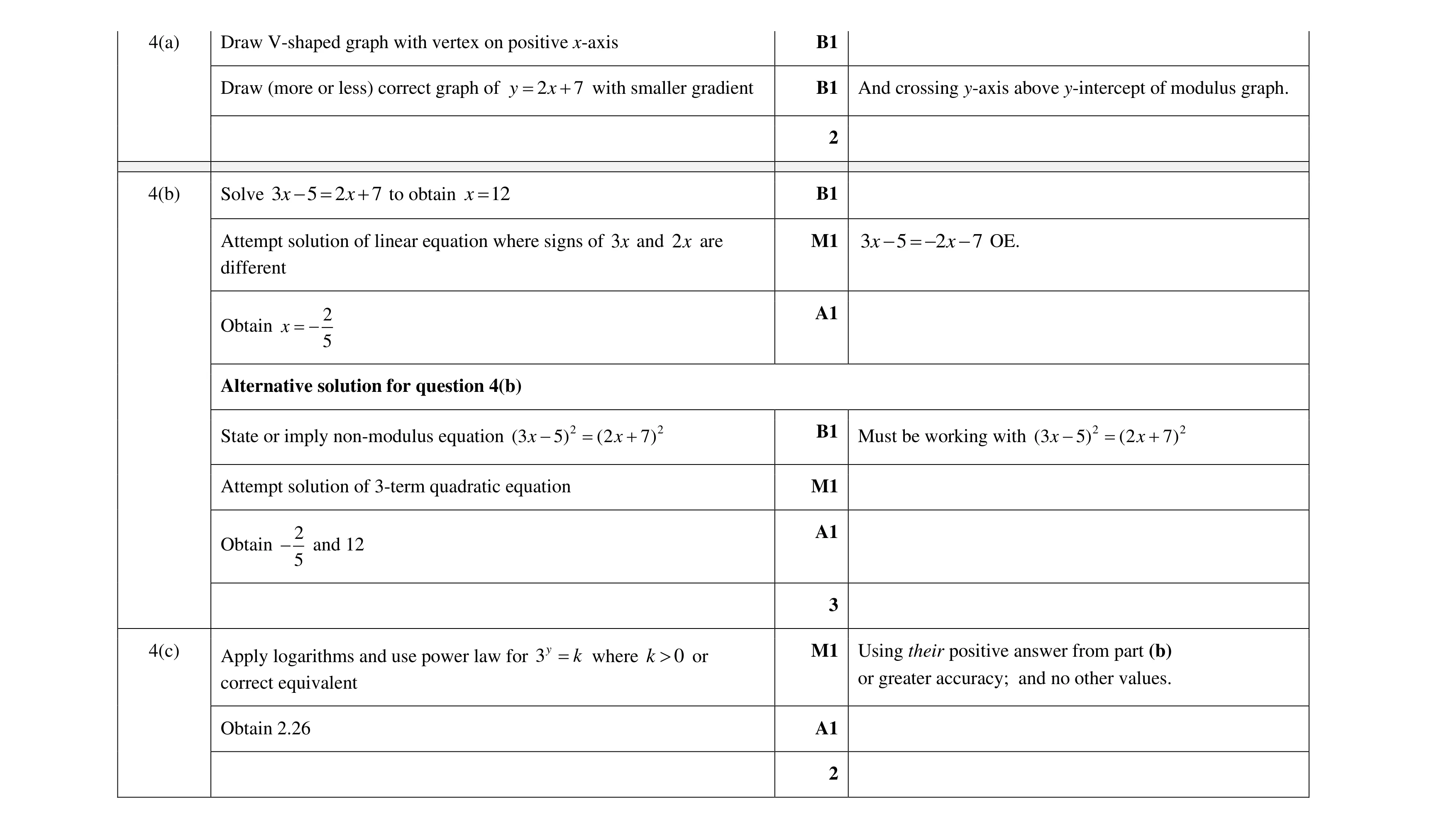 7
7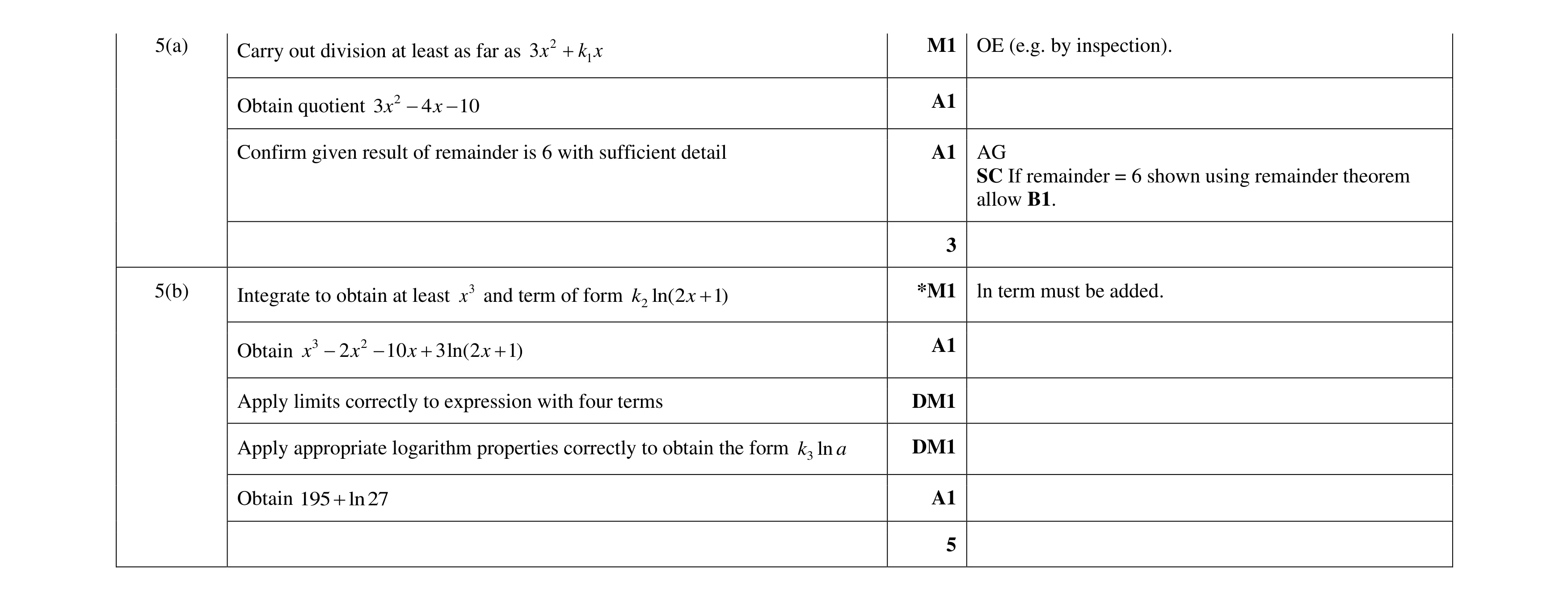 8
8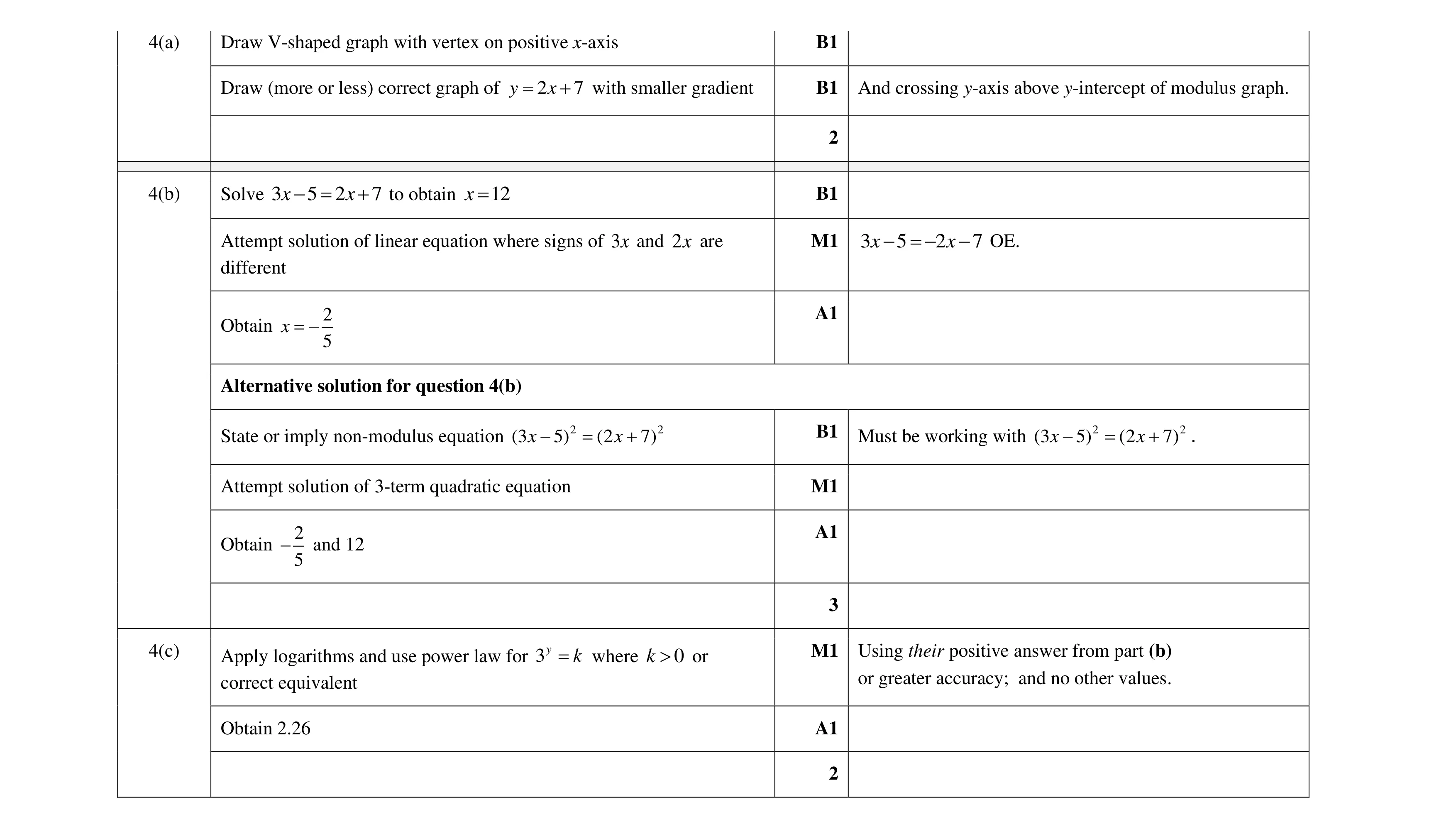 7
7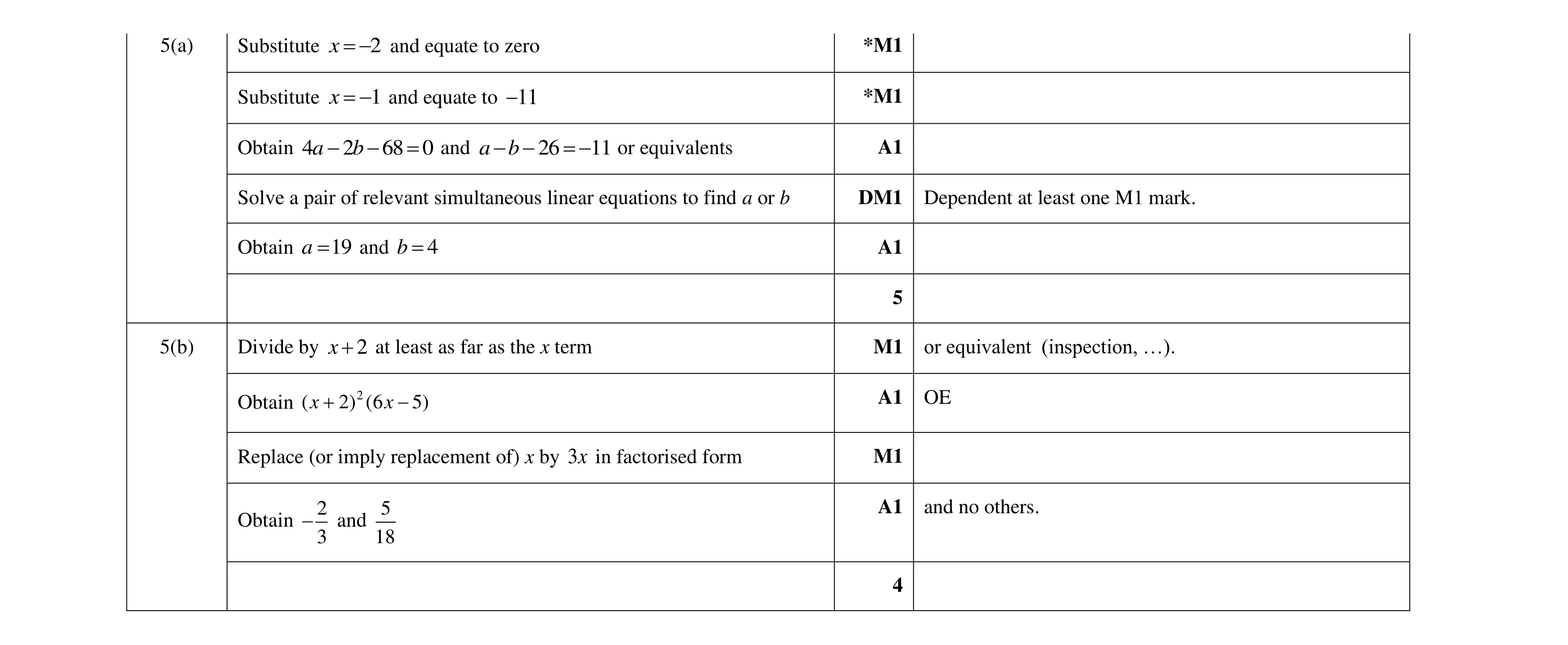 9
9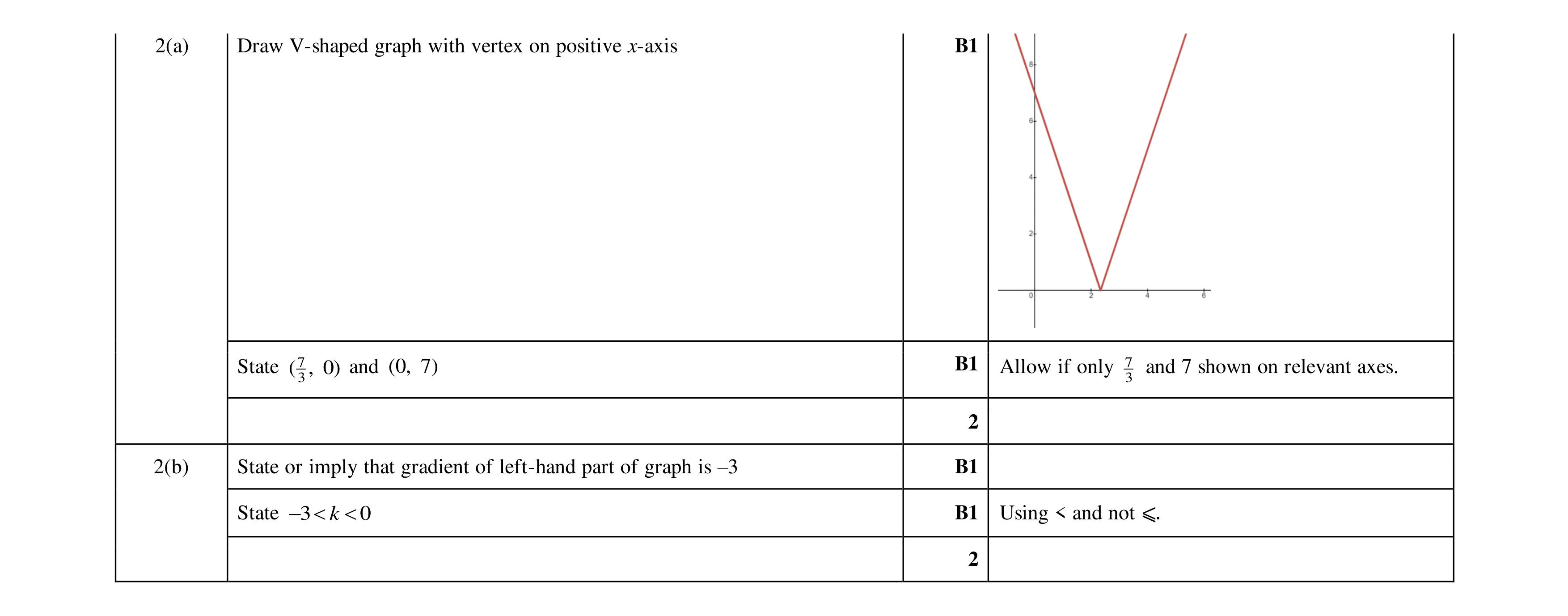 4
4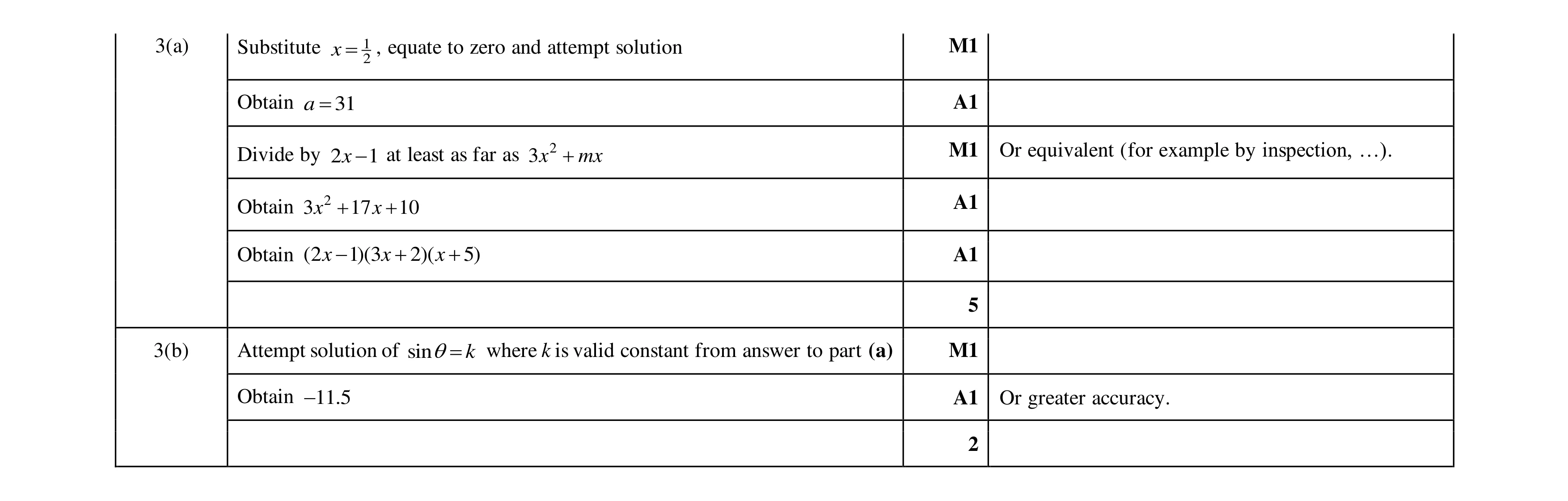 7
7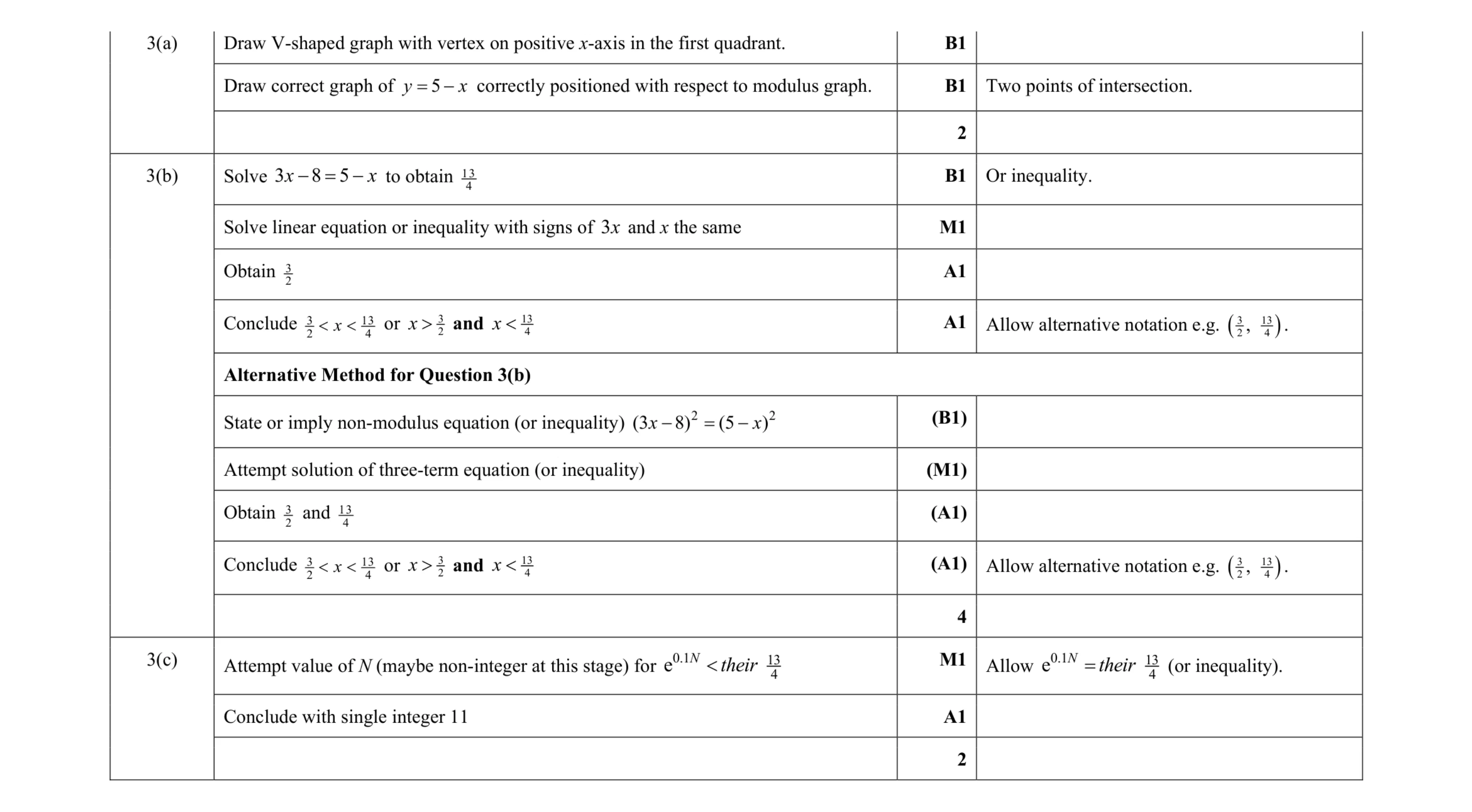 8
8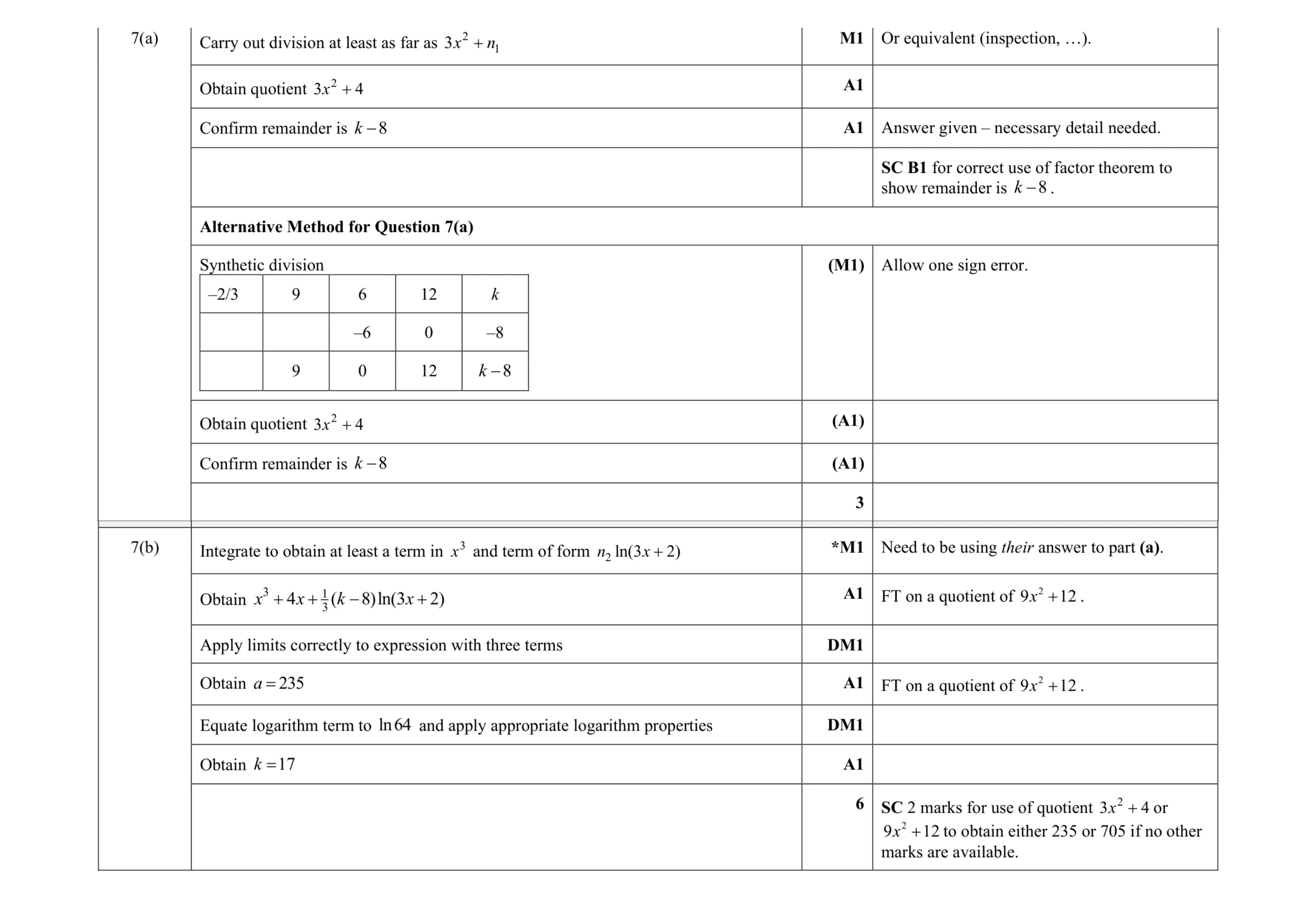 9
9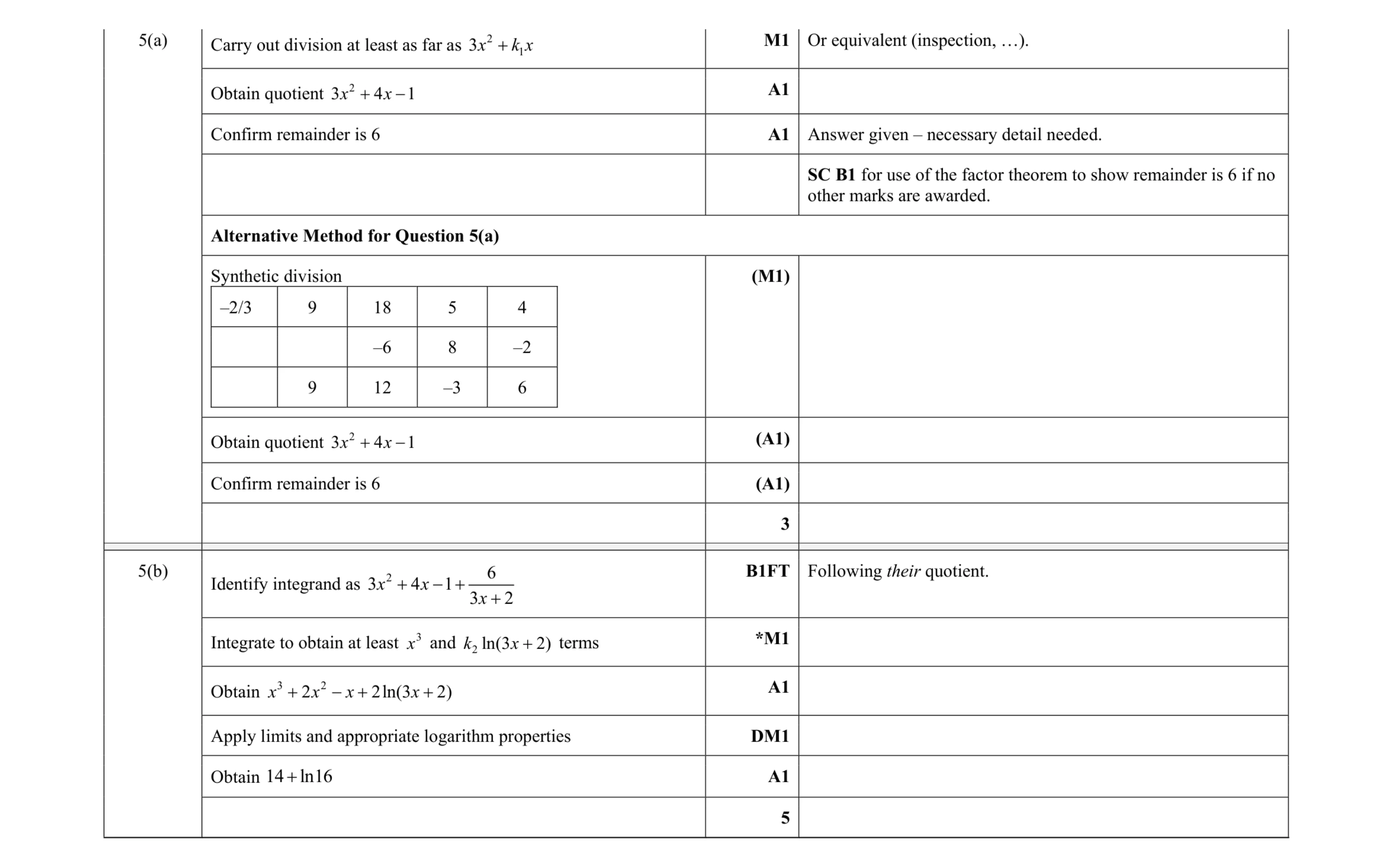 8
8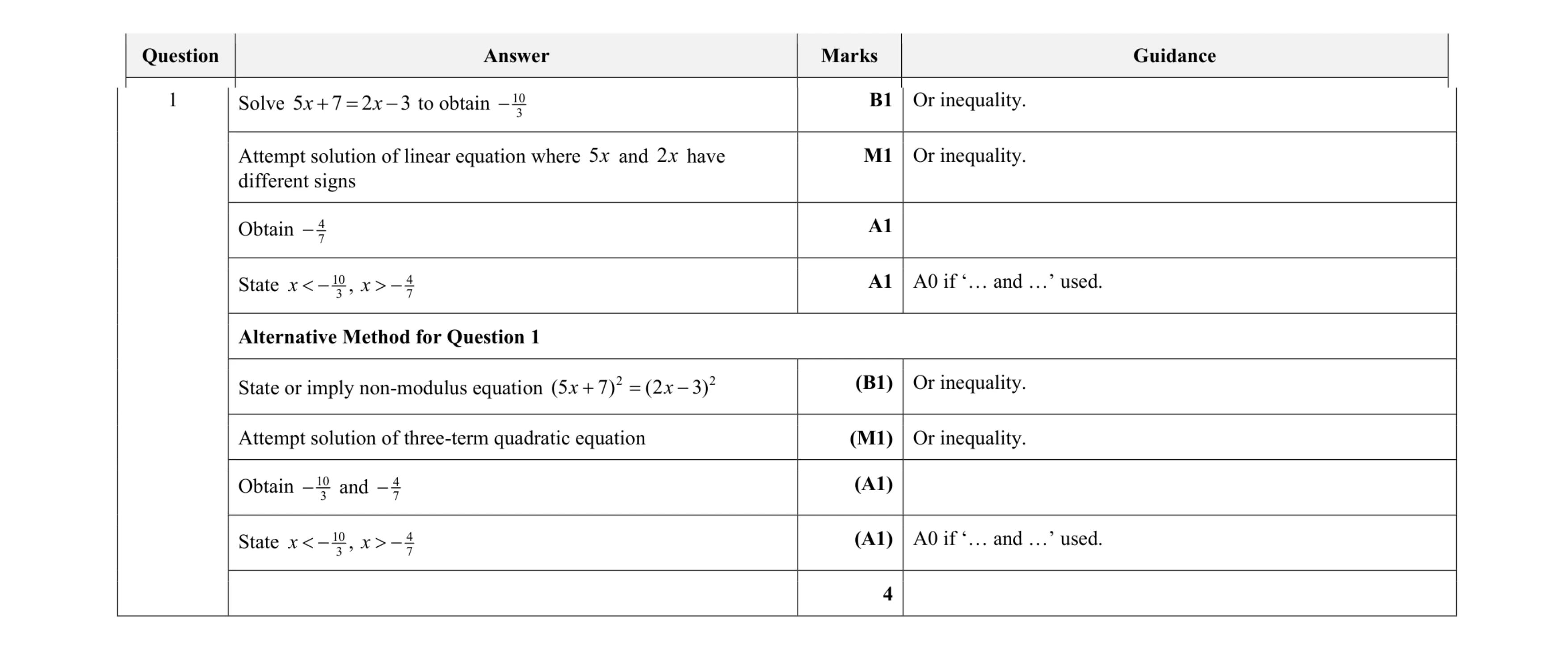 4
4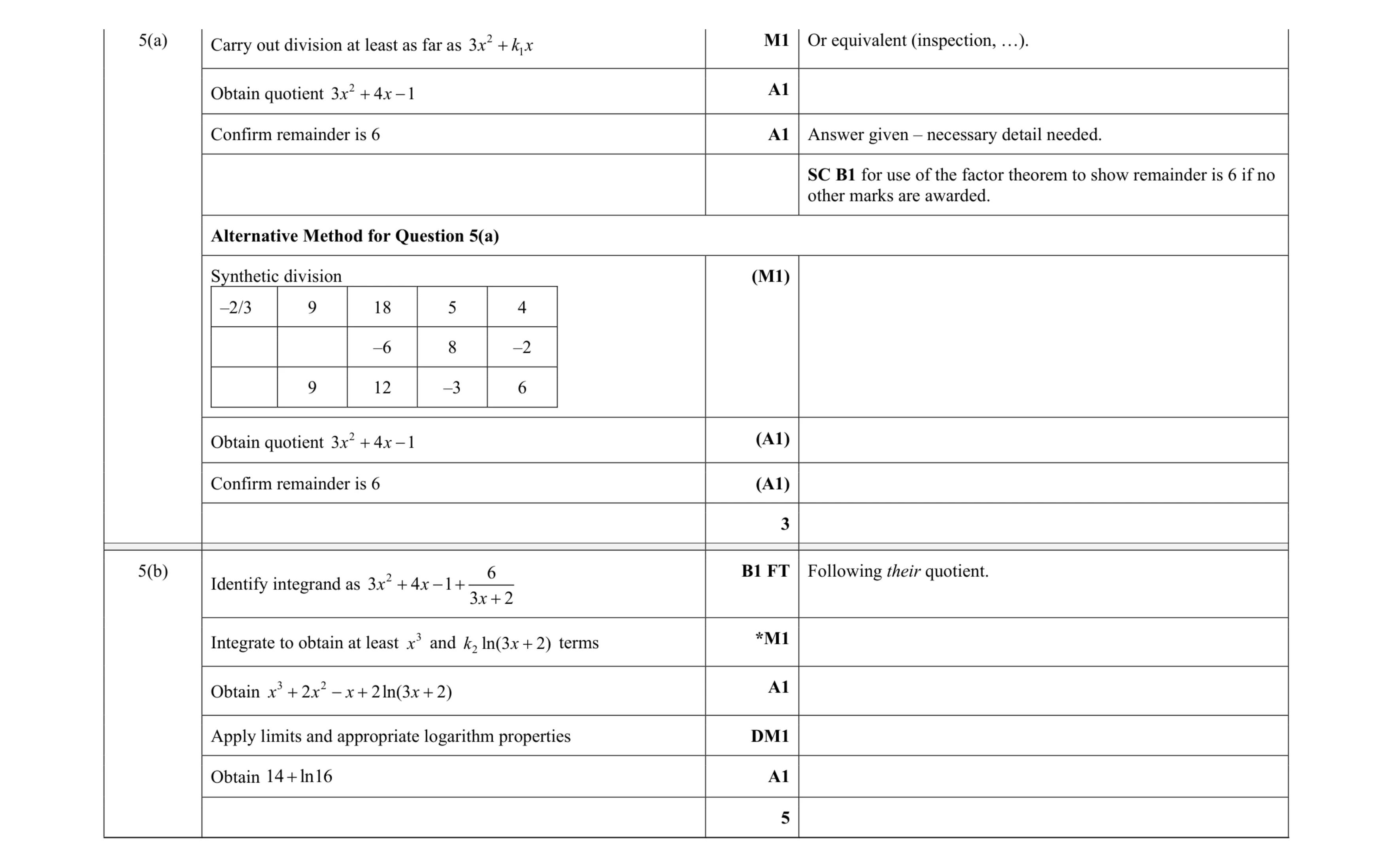 8
8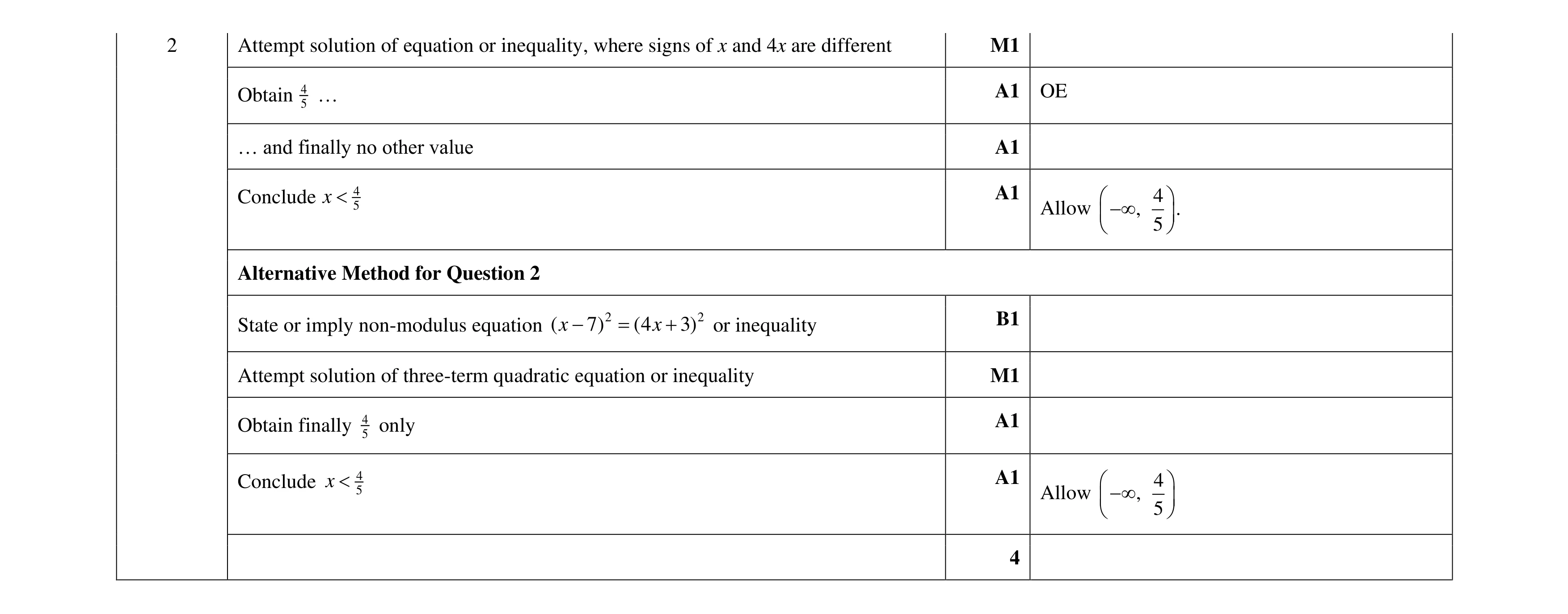 4
4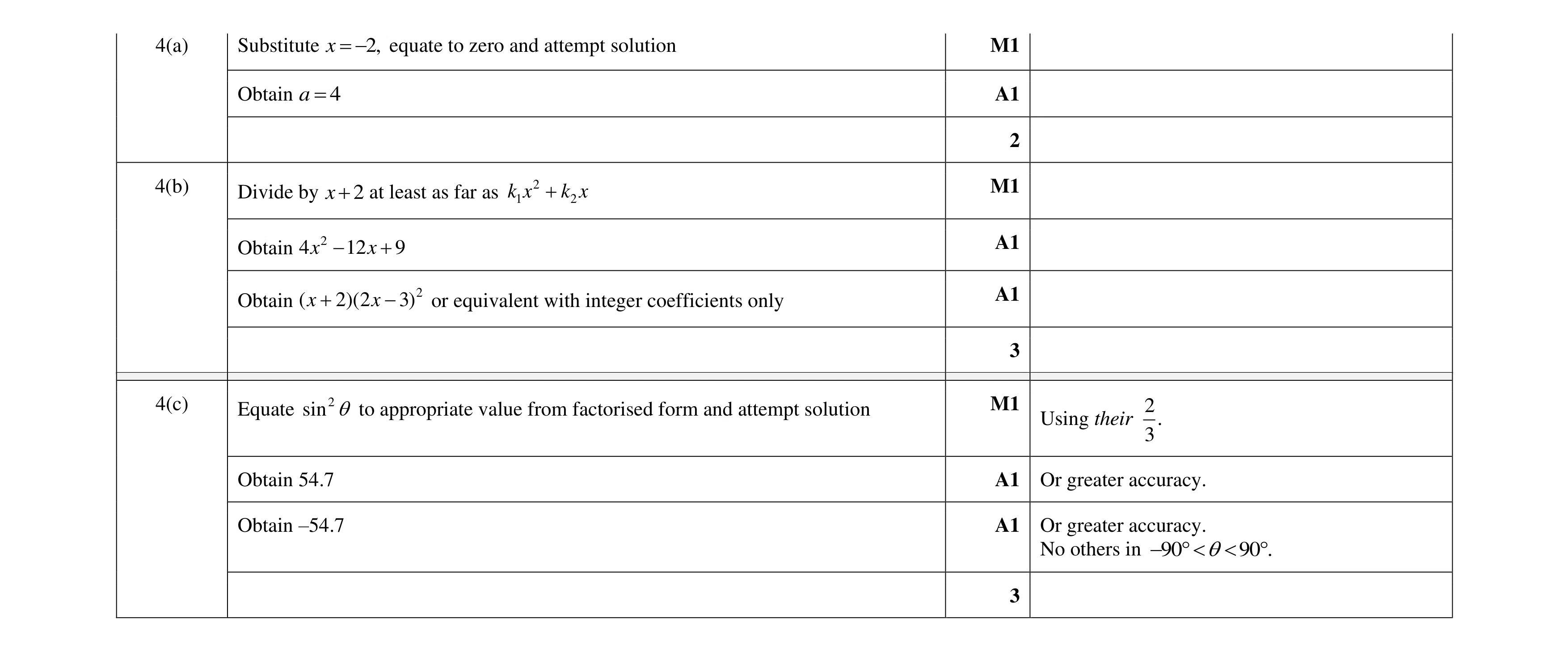 8
8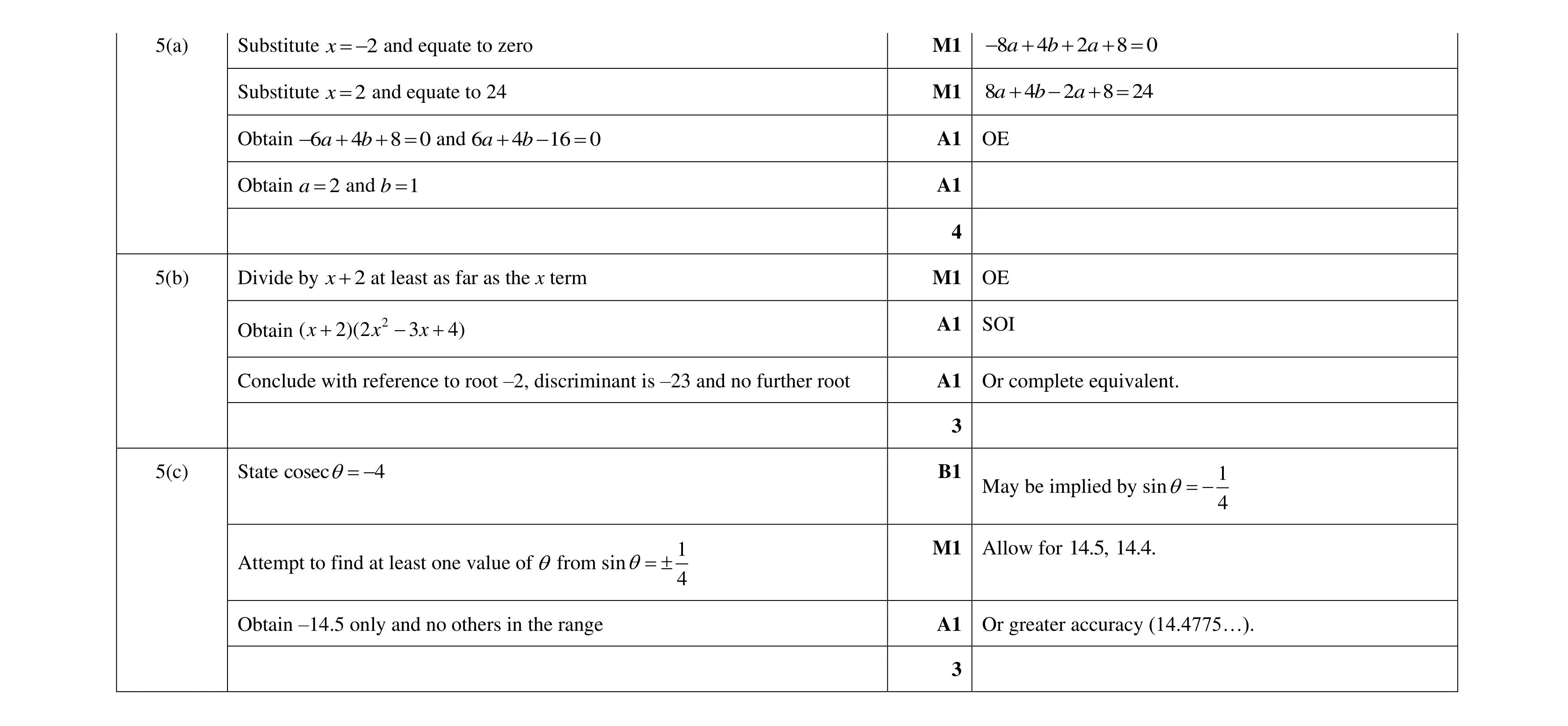 10
10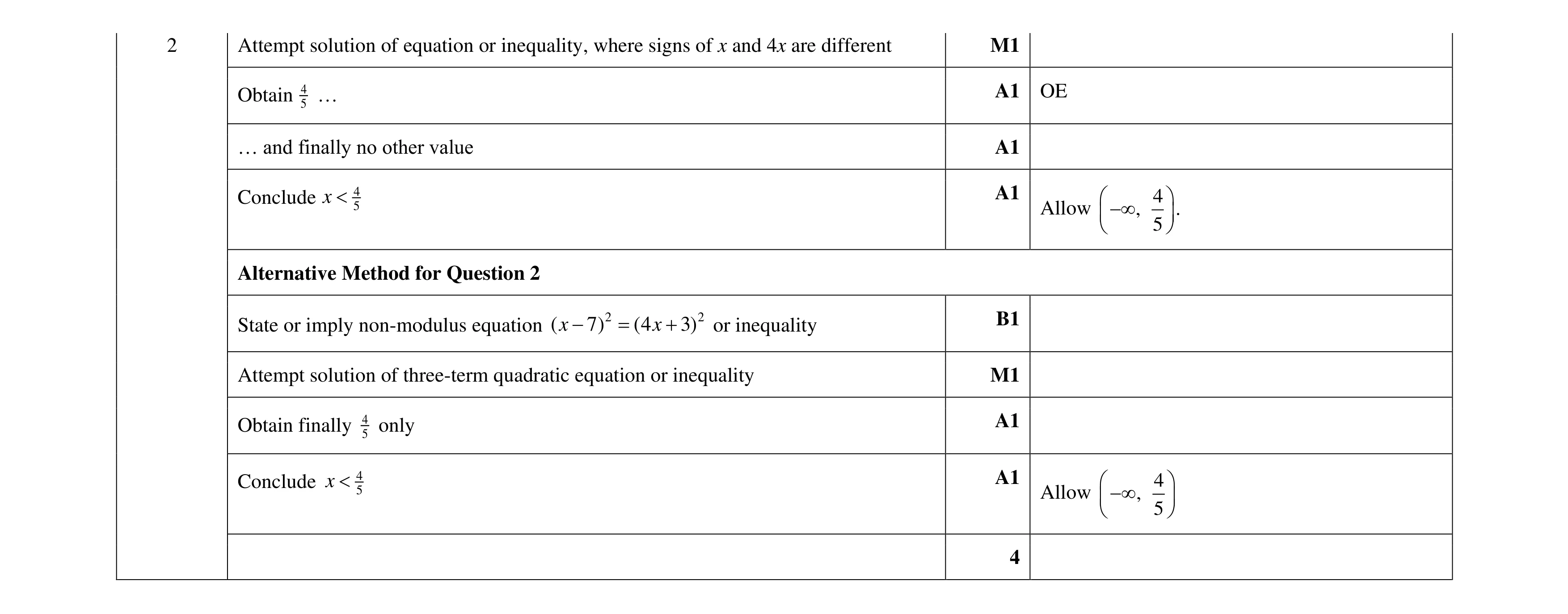 4
4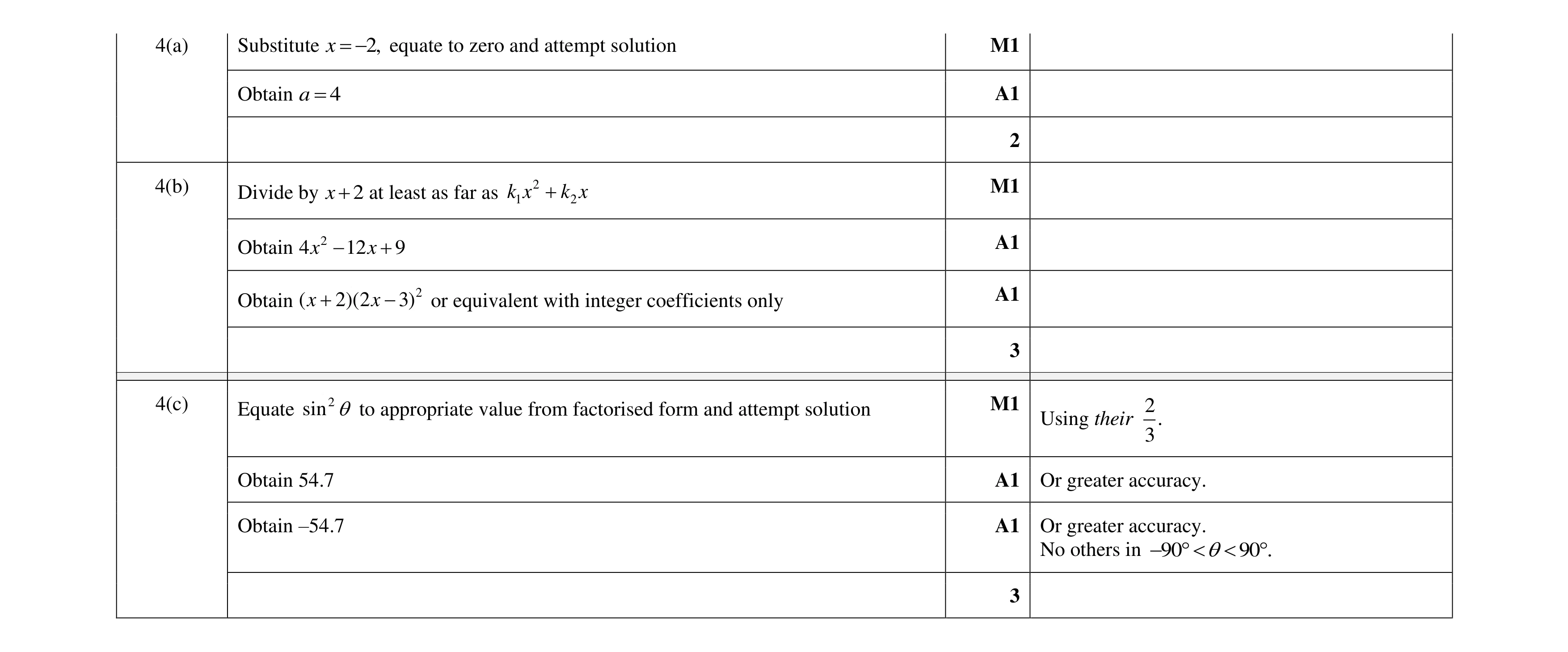 8
8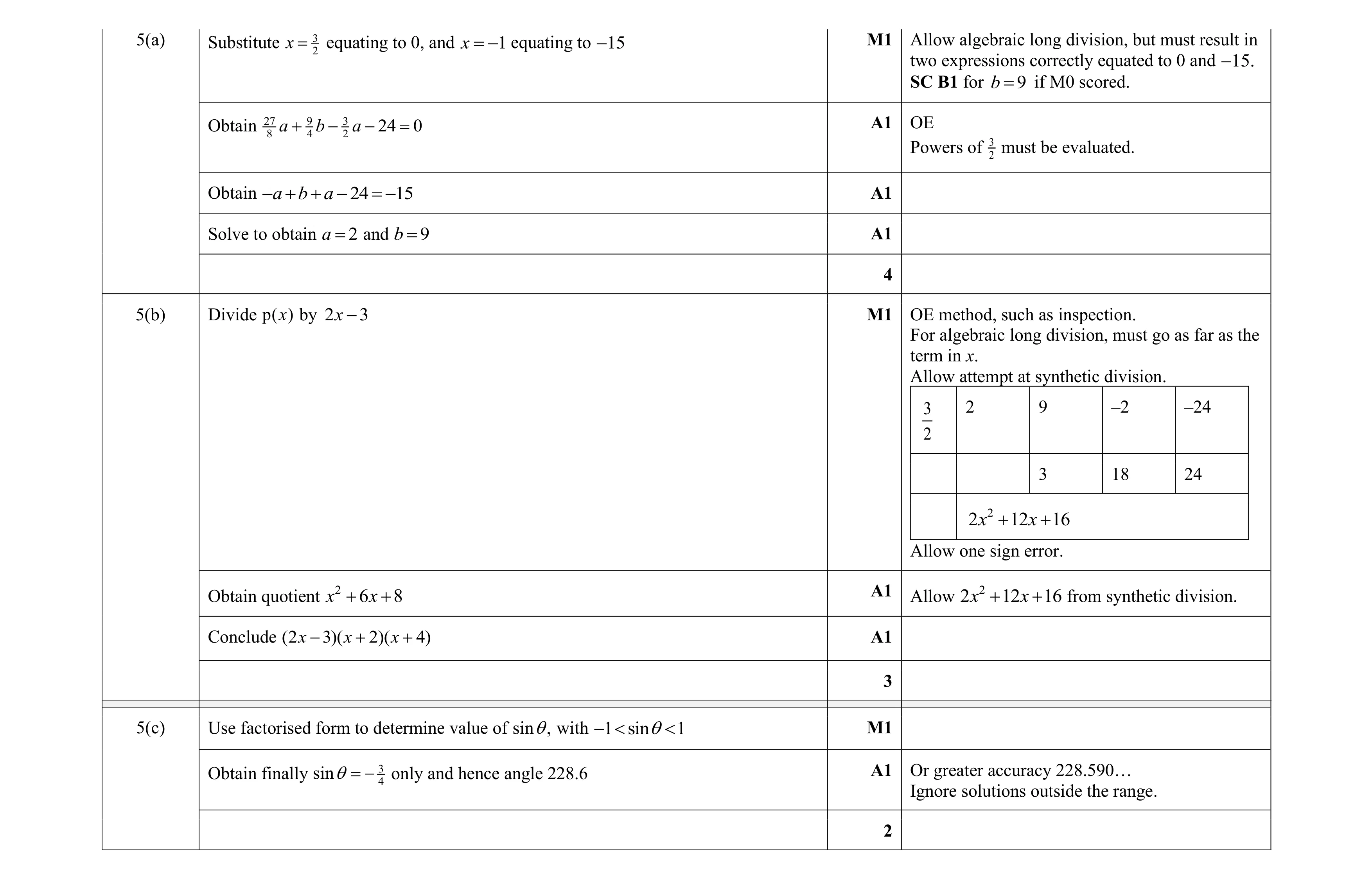 9
9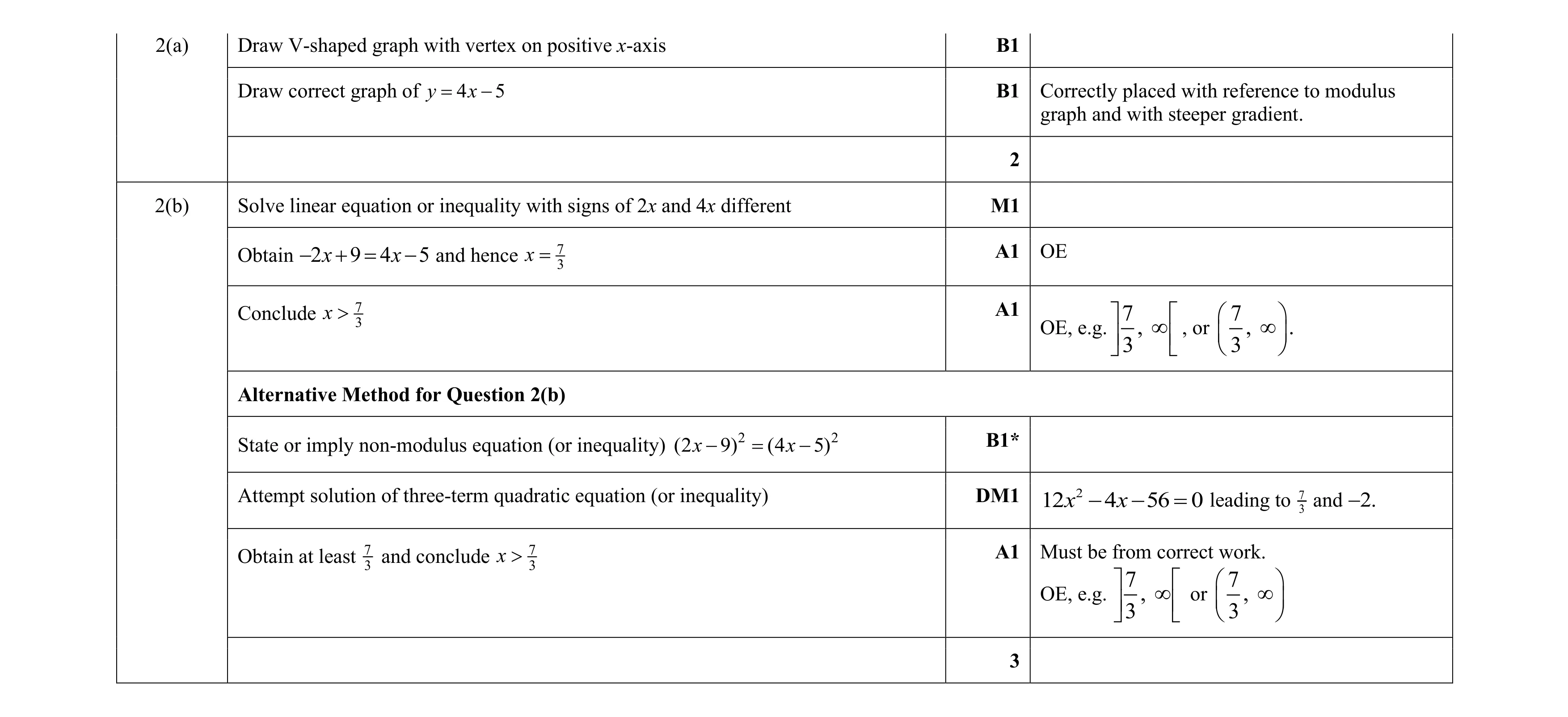 5
5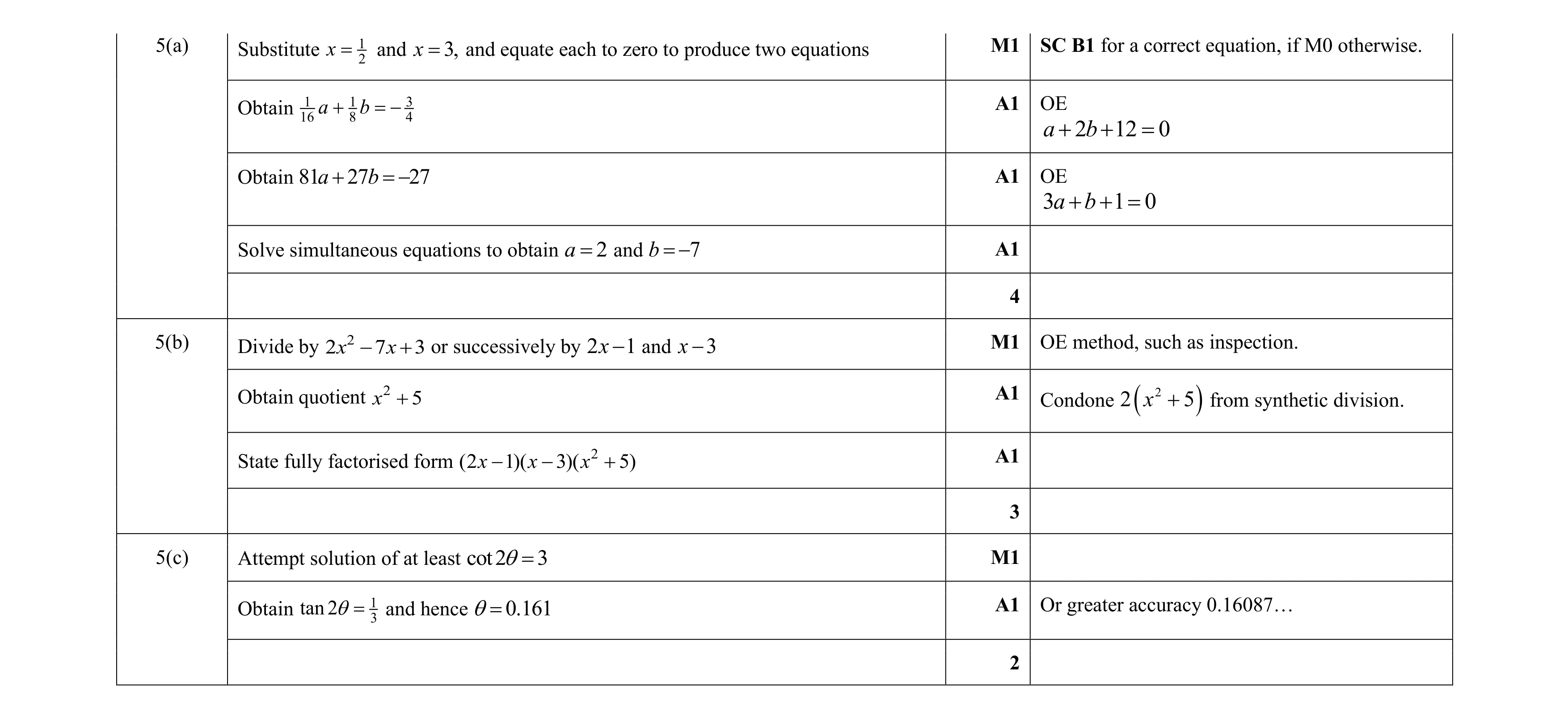 9
9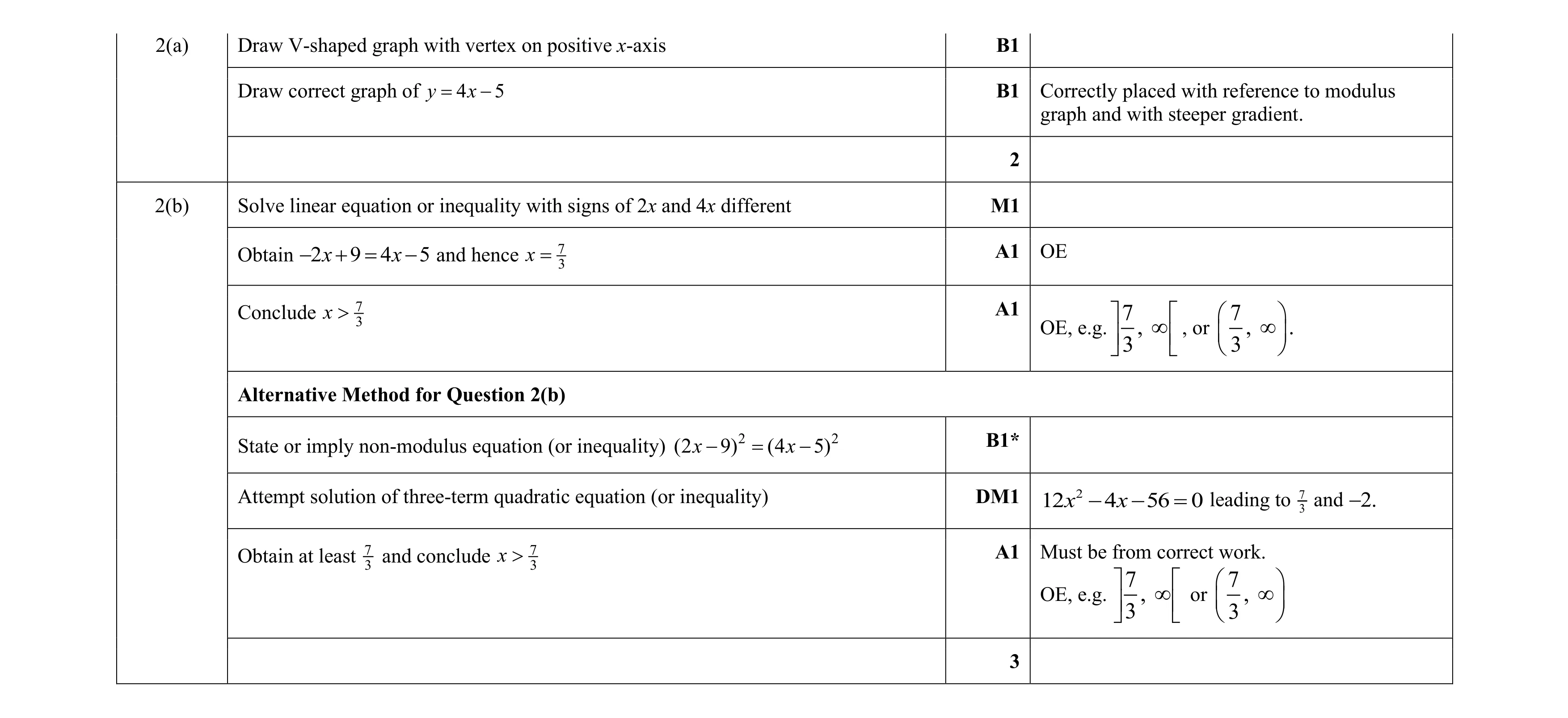 5
5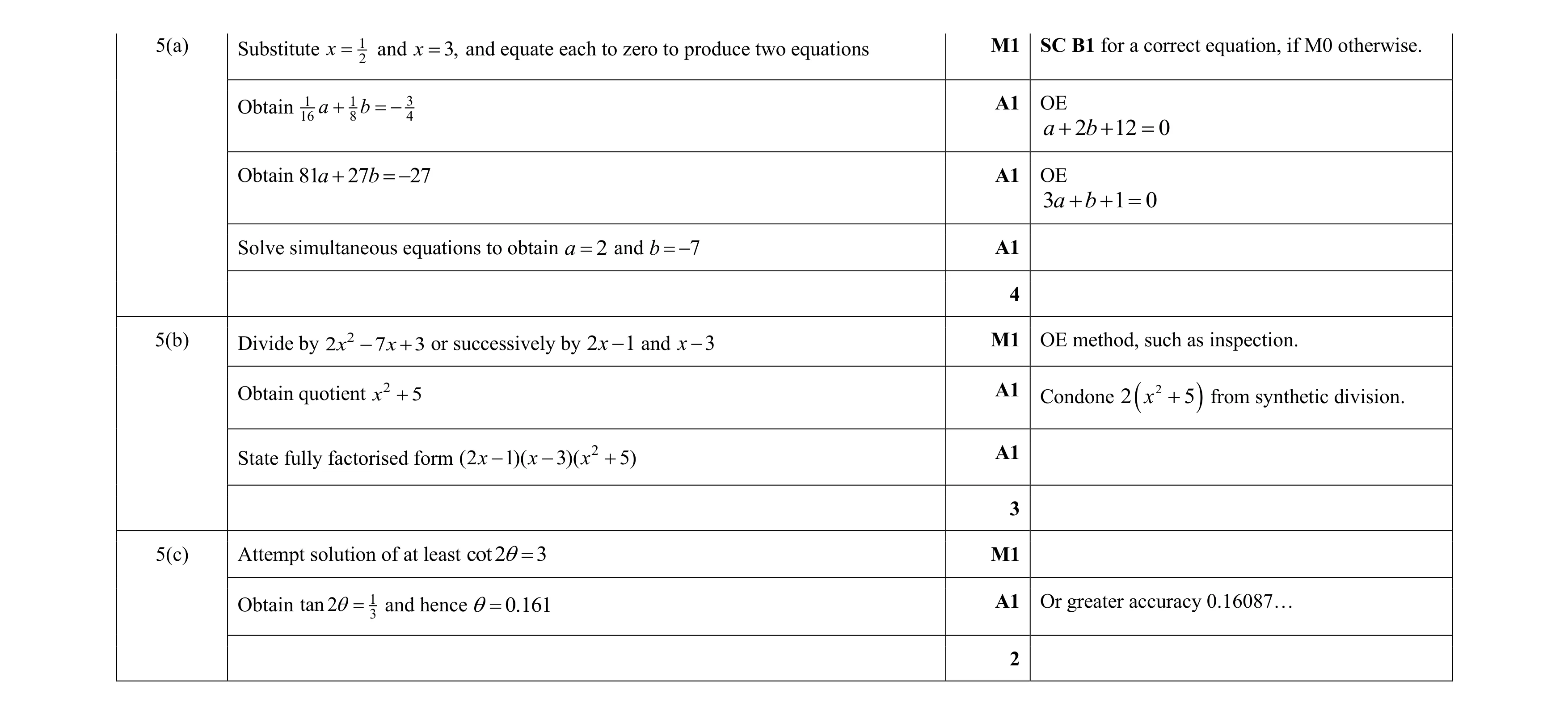 9
9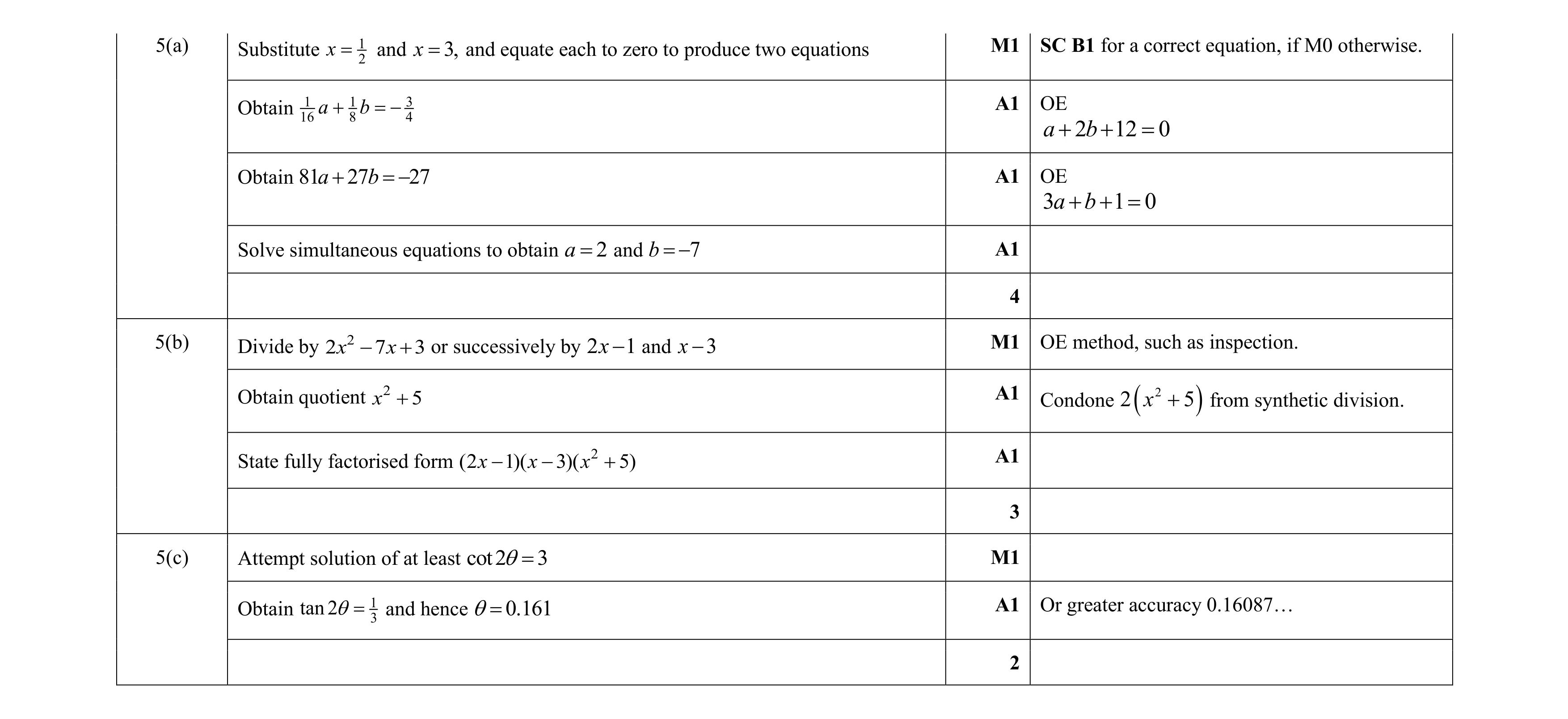 9
9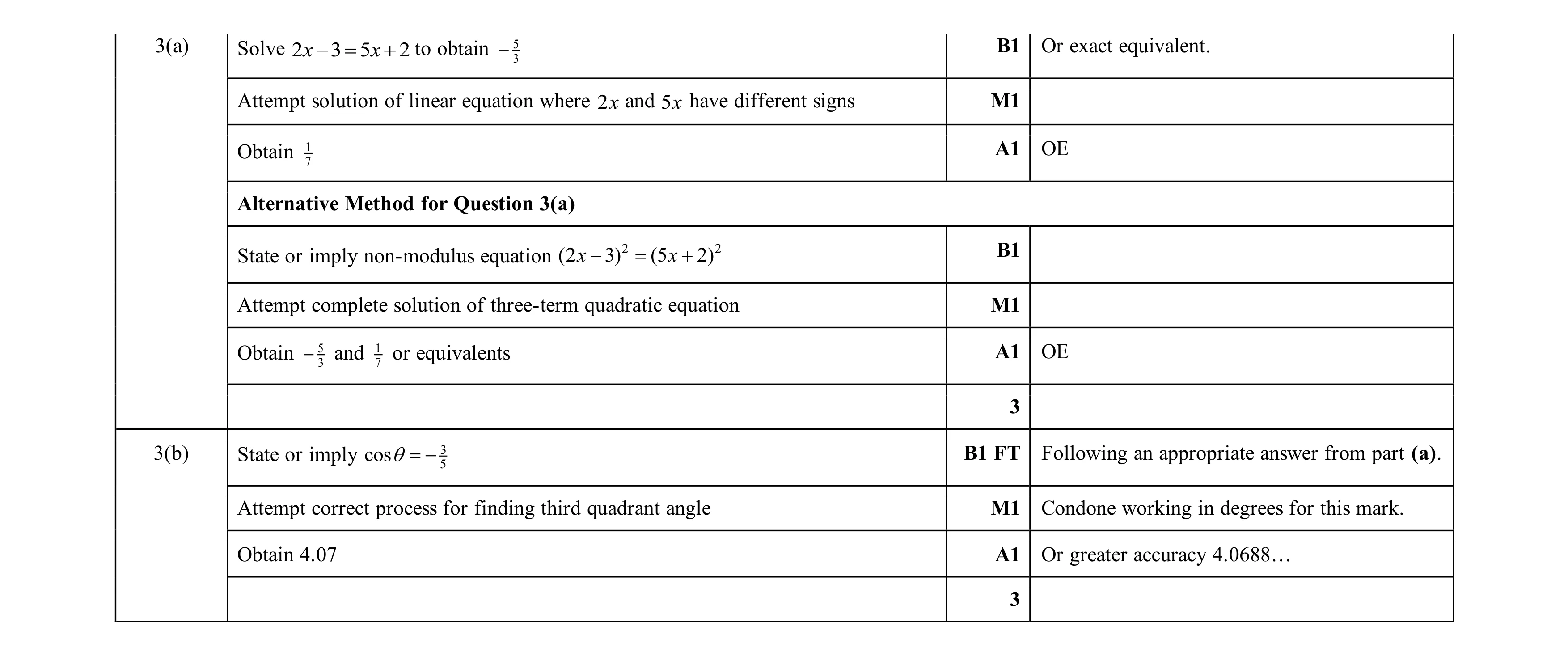 6
6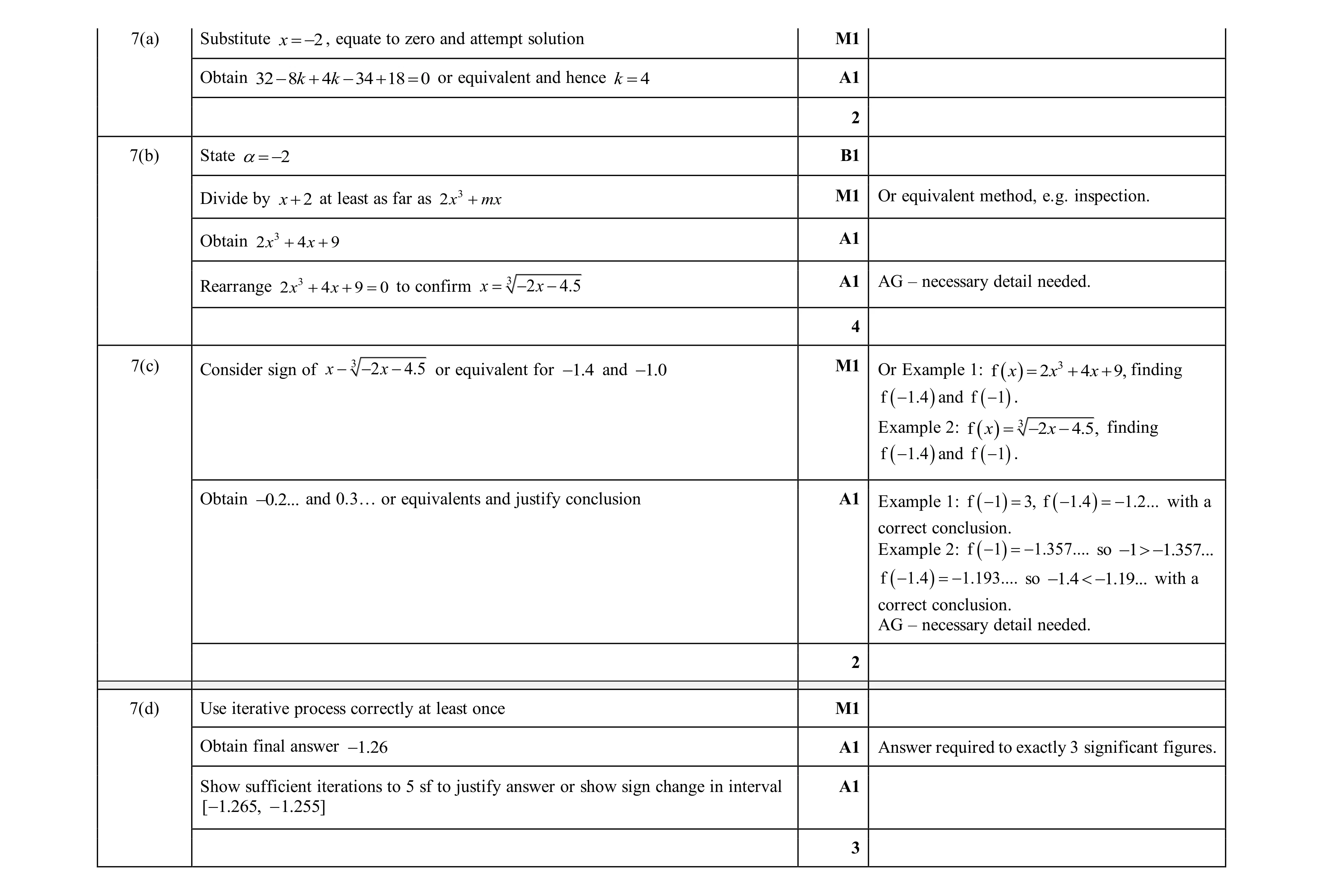 11
11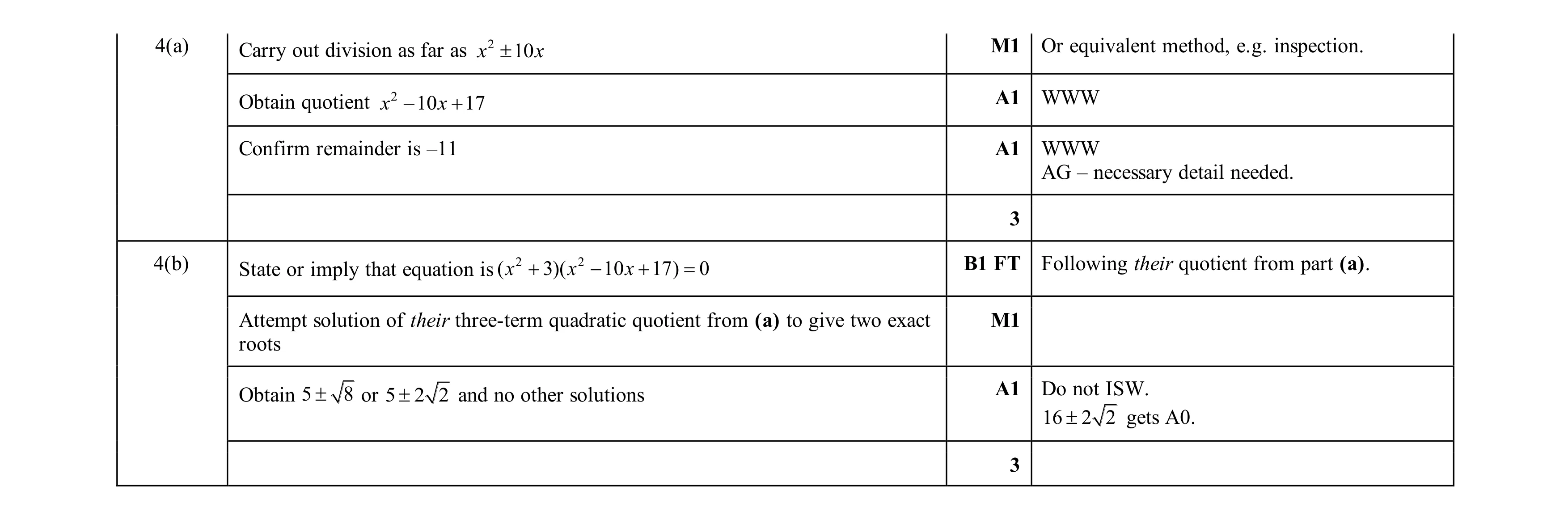 6
6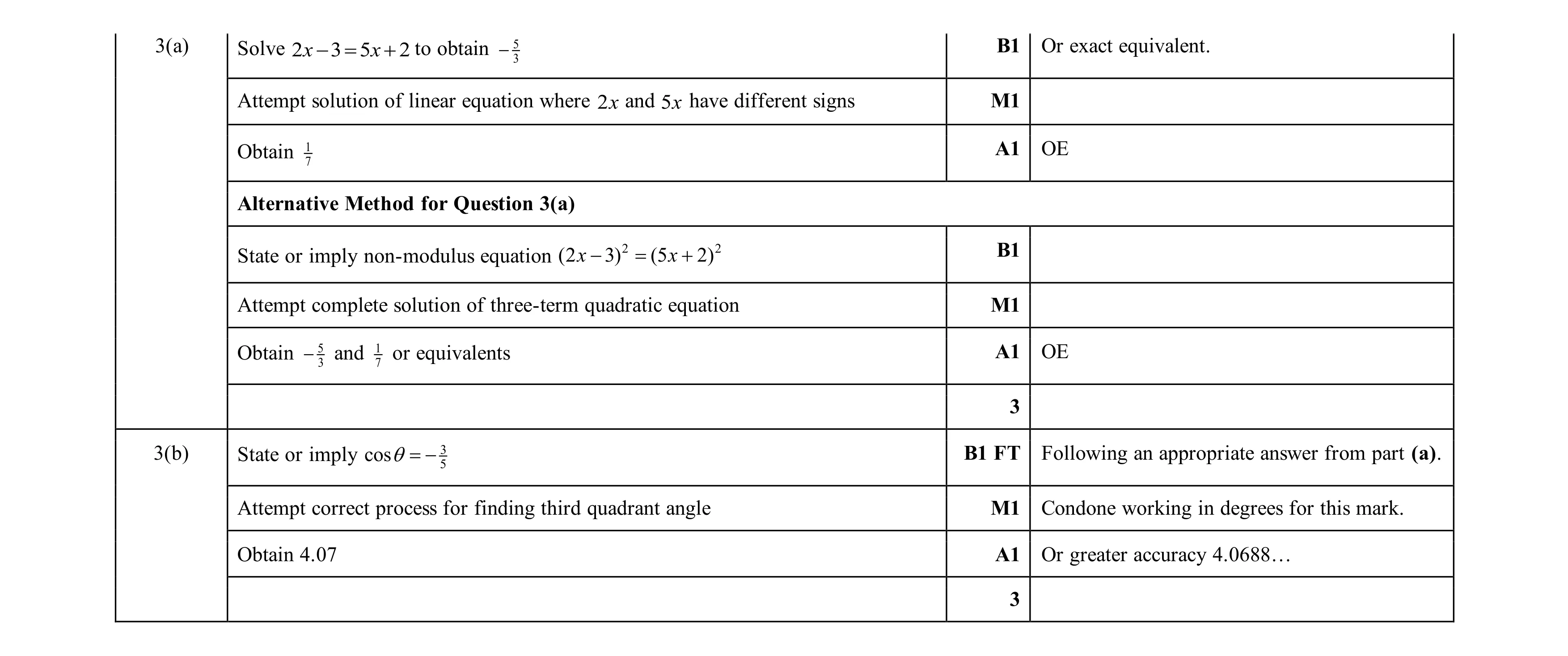 6
6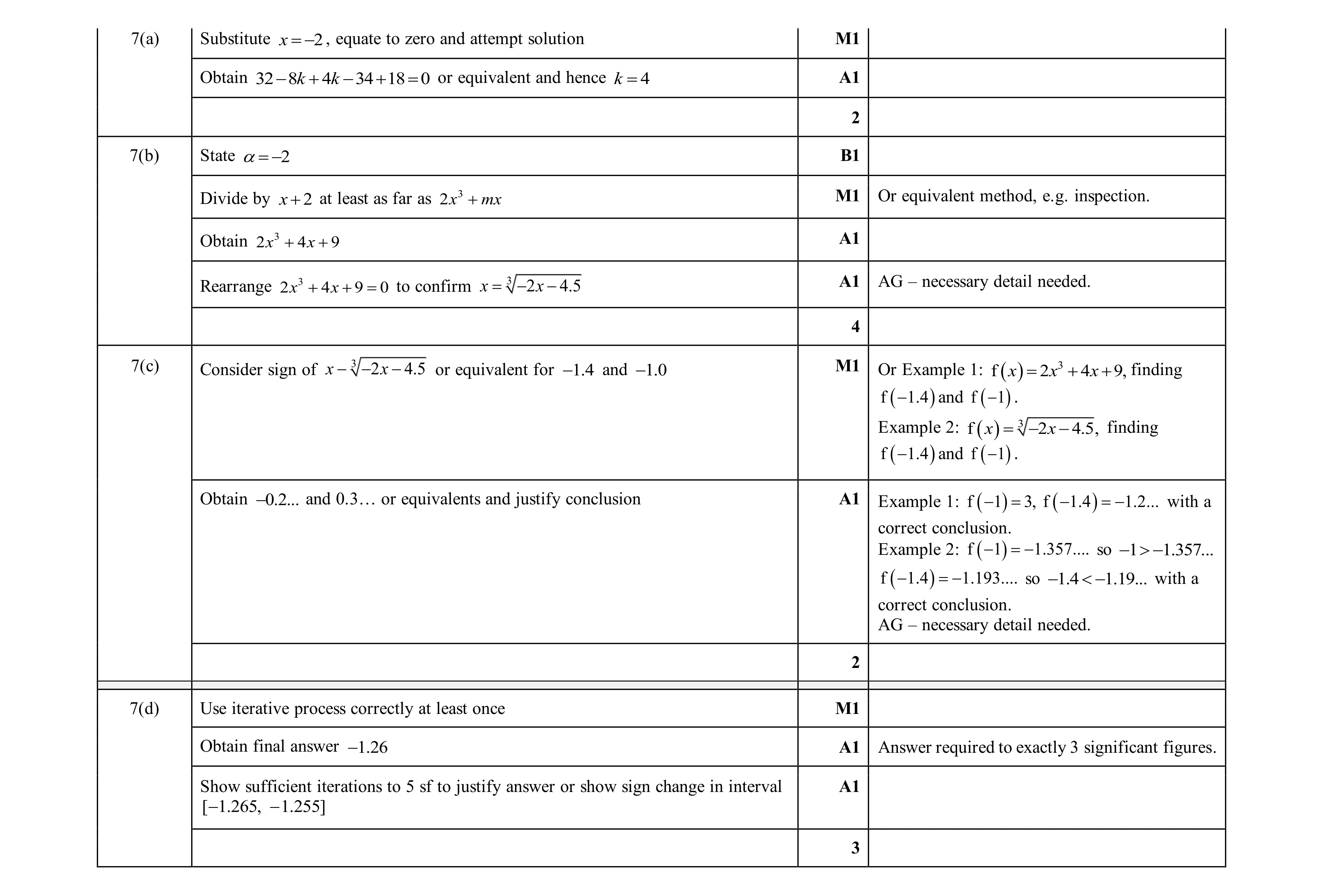 11
11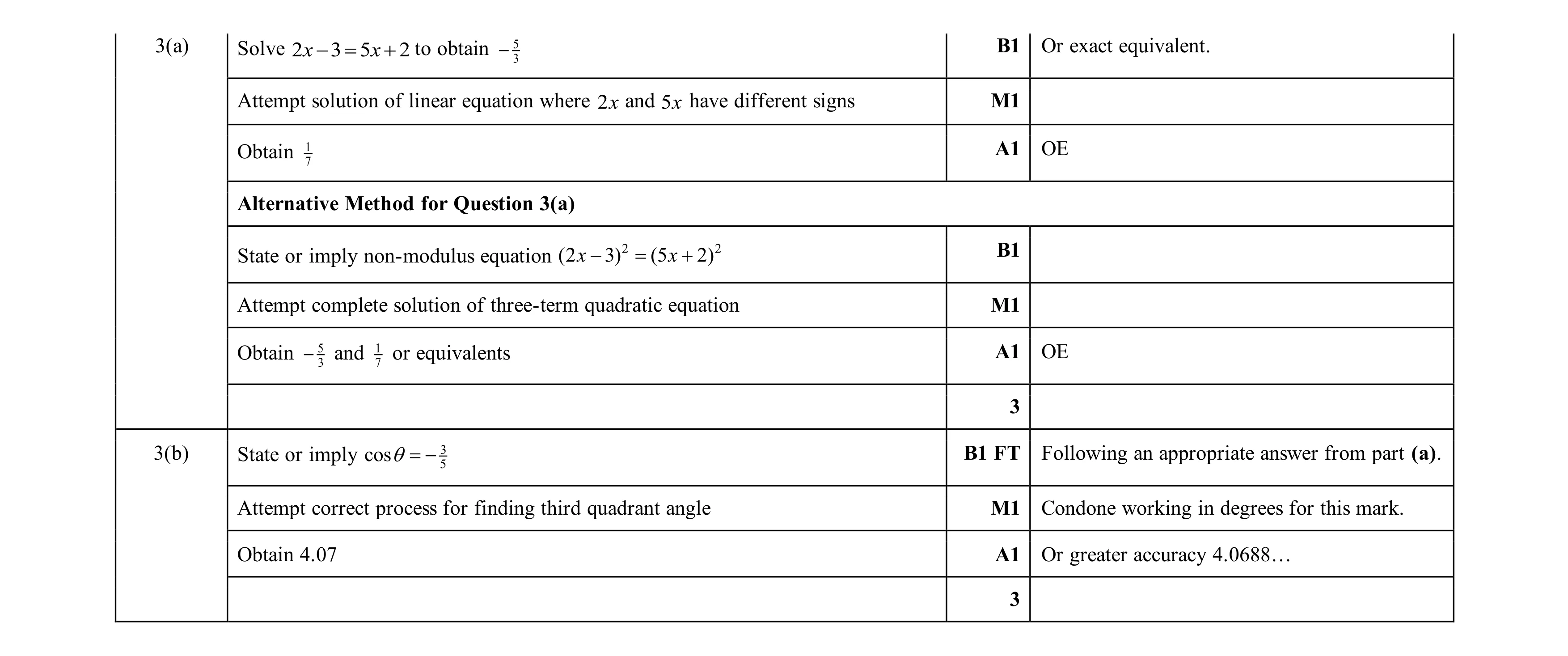 6
6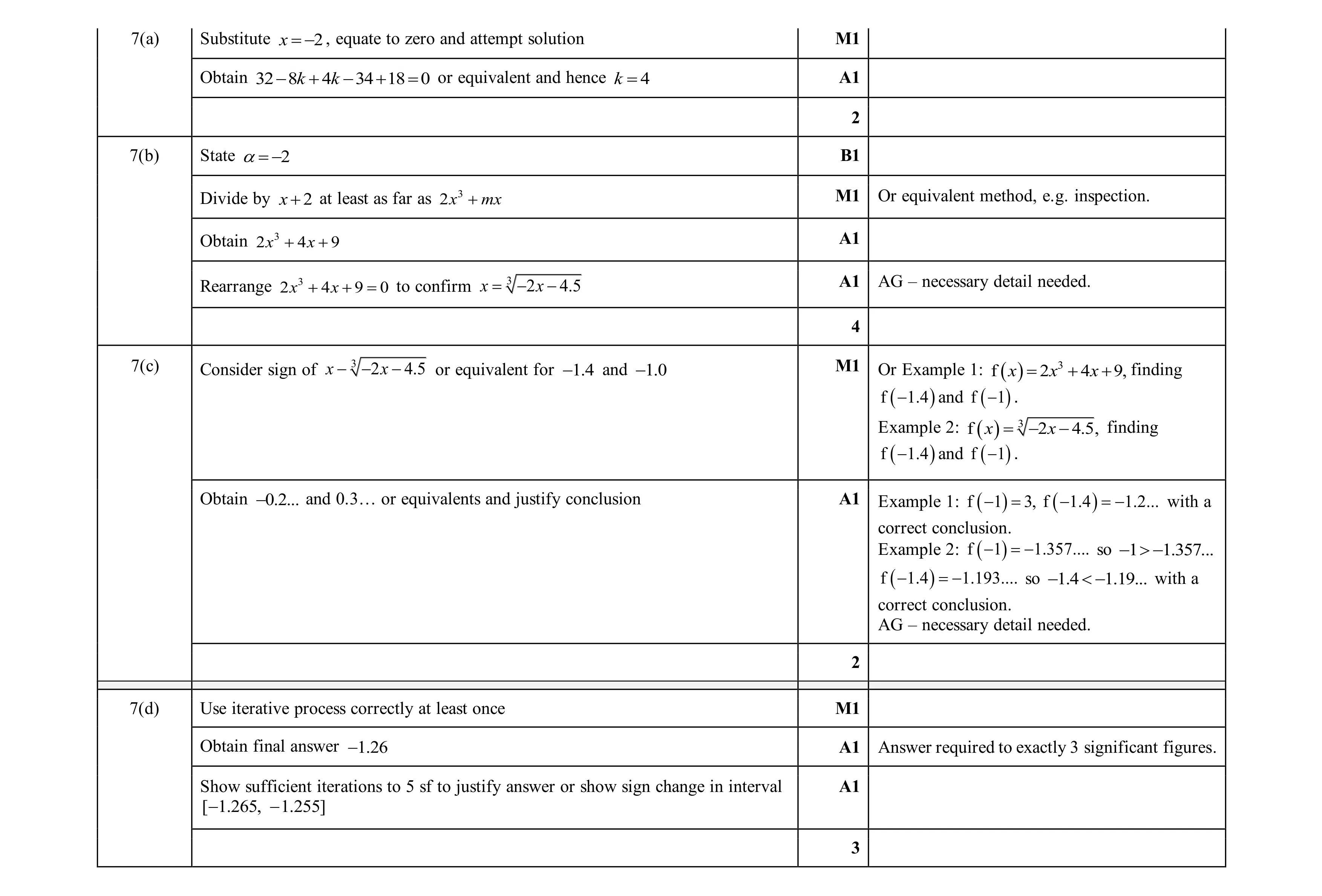 11
11