Questions as text
Q1 · Describe what psychologists have discovered about managing and controlling pain 9990/32 Feb/March 2018
6 (a) Describe what psychologists have discovered about managing and controlling pain. [8] (b) Evaluate what psychologists have discovered about managing and controlling pain, including a discussion about practical applications of management techniques. [10] Psychology and organisations Answer all questions.
18 marks
Mark scheme: 6(a) Describe what psychologists have discovered about managing and 8 controlling pain. Managing and controlling pain, including the following: • medical techniques (biochemical) • psychological techniques: cognitive strategies (attention diversion, non-pain imagery and cognitive redefinition) • alternative techniques (acupuncture, stimulation therapy/TENS) Medical techniques Analgesic or painkiller used to achieve relief from the pain. These act on the central nervous system. For example, aspirin act against the pain, inflammation and also against fever. Candidates may describe other types of medication (e.g. paracetamol or surgery which are all creditworthy). Psychological techniques Attention diversion – focus or think of something other than the pain. This could include listening to music, playing a card or computer game, reading, etc. Non-pain imagery – The patient thinks of a scene far removed from the situation they are currently in that is where they are experiencing the pain. This could be somewhere like a park or beach and this acts as a distraction against the pain. Cognitive redefinition – Alters thinking to replace anxious thoughts about the pain with more positive thoughts. Can also include redefining the pain as a different sensation, such as pressure, warmth or cold. Alternative techniques Acupuncture – fine metal needles are inserted under the skin, based on Chinese medicine. The therapist will have a ‘map’ of the body and use this to guide the placement of the needles. Electrical impulses or heat can also be applied to the needles. Stimulation therapy/TENS – A mild electric current is passed between electrodes which are places on the skin and should reduce the sensation of pain. Mark according to the levels of response descriptors in Table A. 6(b) Evaluate what psychologists have discovered about managing and 10 controlling pain, including a discussion about practical applications of management techniques. A range of issues could be used for evaluation here. These include: • Named issue – practical applications of management techniques. E.g. drugs can be quite inexpensive to prescribe and are easy for the patient to take. However, they do not work for everyone and they do not deal with the causes of the pain but just the pain itself. Doctors would have to send a patient to someone who specialises in psychological strategies or they would have to spend quite a bit of time with the patient in their consultation explaining how to do these techniques. This makes this strategy less practical. However, if the patient can see a specialist this could be very practical and could also involve the patient taking less of the drug or even stopping their pain medication which has good practical applications. • effectiveness and appropriateness of management techniques (including side effects) – the biochemical have side effects whereas the others do not. There is more scientific evidence to show the effectiveness of medication and less for the other techniques. However, if the alternative techniques work for a patient they would stop taking the medication which would be more appropriate for most patients. • Cost effectiveness – most drugs are quite inexpensive (although surgery is expensive), other types of treatment are more expensive. • Ease of implementing management technique • Scientific basis/evidence for effectiveness of technique Mark according to the levels of response descriptors in Table B. Other appropriate responses should also be credited. Psychology and organisations
This question in 9990/32 Feb/March 2018
Q2 · Explain what is meant by ‘stimulation therapy/TENS’ in the management and treatment of… 9990/31 Oct/Nov 2018
5 (a) Explain what is meant by ‘stimulation therapy/TENS’ in the management and treatment of pain. [2] (b) Describe one way of measuring pain. [4] (c) Discuss the validity of the measure of pain that you described in part (b). [6]
12 marks
Mark scheme: 5(a) Explain what is meant by ‘stimulation therapy/TENS’ in the management 2 and treatment of pain. Award 1 mark for a basic explanation of the term/concept. Award 2 marks for a detailed explanation of the term/concept. For example: Transcutaneous electrical nerve stimulation (TENS) machines – Provides pain relief through the use of a mild electrical current Electrodes are placed around the source of the pain. The sensation of pain is reduced through the electrical current either through releasing the body’s natural pain killers (opioids) or blocks pain-gate that sends pain messages to spine and brain or acts as a distraction to pain. Other appropriate responses should also be credited. 5(b) Describe one way of measuring pain. 4 Award 1–2 marks for a basic answer with some understanding of the topic area. Award 3–4 marks for a detailed answer with clear understanding of the topic area. For example: • self-report measures (clinical interview) • psychometric measures and visual rating scales (McGill pain questionnaire, visual analogue scale) • behavioural/observational measures (UAB pain behaviour scale) • pain measures for children (paediatric pain questionnaire, Varni and Thompson, 1976; Wong-Baker scale, 1987 Other appropriate responses should also be credited. 5(c) Discuss the validity of the measure of pain that you described in 6 part (b). Discussion points could include • Different types of validity • Social desirability • Limited nature of result if measure produces quantitative data • Difficult to make comparisons to a ’norm’ if data is qualitative (also difficult to compare to previous measures taken with same patient) so hard to assess validity of the measure • Helps children to have a simpler version with photographs to describe their pain so get an accurate measure of pain. • Most are quick and easy to do (when someone is in pain they do not want anything time consuming) Mark according to the levels of response criteria below: Level 3 (5–6 marks) • Candidates will show a clear understanding of the question and will discuss at least two points regarding validity. • Candidates will provide a good explanation with clear detail. Level 2 (3–4 marks) • Candidates will show an understanding of the question and will discuss one point about validity in detail or two or more in less detail. • Candidates will provide a good explanation. Level 1 (1–2 marks) • Candidates will show a basic understanding of the question and will attempt a discussion. • Candidates will provide a limited explanation. Level 0 (0 marks) • No response worthy of credit. Other appropriate responses should also be credited.
This question in 9990/31 Oct/Nov 2018
Q3 · Describe what psychologists have discovered about types and theories of pain 9990/31 May/June 2019
6 (a) Describe what psychologists have discovered about types and theories of pain. [8] (b) Evaluate what psychologists have discovered about types and theories of pain, including a discussion of reductionism. [10] Psychology and organisations Answer all questions.
18 marks
Mark scheme: 6(a) Describe what psychologists have discovered about types and 8 theories of pain. • Definitions of pain – acute and chronic organic pain, psychogenic pain (phantom limb pain) • Theories of pain – Specificity theory (Descartes, 1664), gate control theory (Melzack, 1965). Acute and chronic organic pain – Acute pain is of short duration. It can be mild or severe and last anywhere from a moment to several months. Chronic organic pain is of a longer duration and is caused by tissue damage. It can also be mild or severe but lasts for more than 6 months up to years. Acute pain can become chronic pain. Psychogenic pain (phantom limb pain) – Pain perceived by the body of a limb no longer present. It is psychogenetic as the pain is imagined by the mind. Credit can be given to examples/case studies. Specificity theory (Descartes, 1664) – The theory that moved the centre of pain sensation away from the heart of the brain. It assumes the body was more similar to a machine, and that pain was a disturbance that passed down along nerve fibres until the disturbance reached the brain. We have a sensory system that is dedicated to sense pain. The neurons from a pathway that is connected to a pain centre in the brain. When the body feels pain via one of the sense (e.g. on the skin), this then travels down the neural fibres to the brain where pain is registered in the brain. Gate control theory (Melzack, 1965) – The nervous system is made up of the central nervous system (the spinal cord and the brain) and the peripheral nervous system (nerves outside of the brain and spinal cord. In the gate control theory, the experience of pain depends on an interplay of these two systems as they each process pain signals in their own way. Upon injury, pain messages originate in nerves associated with the damaged tissue and flow along the peripheral nerves to the spinal cord and on up to the brain. Before the pain messages can reach the brain these pain messages encounter ‘nerve gates’ in the spinal cord that open or close depending upon a number of factors (possibly including instructions coming down from the brain). When the gates are opening, pain messages ‘get through’ more or less easily and pain can be intense. When the gates close, pain messages are prevented from reaching the brain and may not even be experienced. Mark according to the levels of response descriptors in Table A. Other appropriate responses should also be credited. 6(b) Evaluate what psychologists have discovered about types and 10 theories of pain, including a discussion of reductionism. A range of issues could be used for evaluation here. These include: • Named issue – Reductionism The definitions of pain are fairly holistic as they describe the different types of pain and also psychogenic pain. The theories of pain are more reductionist. Decartes did not possess a full understanding of the functioning of the human nervous system in order to develop a holistic theory. It has improved by the gate control theory although it does not explain why people can have similar injuries but experience pain very differently. • Individual differences in terms of experiences of pain are not considered by the theories. • Practical applications. • Generalisable/not ethnocentrism • Comparison of the two theories • Nature versus nurture • Evaluation of case studies from part (a) Mark according to the levels of response descriptors in Table B. Other appropriate responses should also be credited.
This question in 9990/31 May/June 2019
Q4 · Describe what psychologists have discovered about types and theories of pain 9990/33 May/June 2019
6 (a) Describe what psychologists have discovered about types and theories of pain. [8] (b) Evaluate what psychologists have discovered about types and theories of pain, including a discussion of reductionism. [10] Psychology and organisations Answer all questions.
18 marks
Mark scheme: 6(a) Describe what psychologists have discovered about types and 8 theories of pain. • Definitions of pain – acute and chronic organic pain, psychogenic pain (phantom limb pain) • Theories of pain – Specificity theory (Descartes, 1664), gate control theory (Melzack, 1965). Acute and chronic organic pain – Acute pain is of short duration. It can be mild or severe and last anywhere from a moment to several months. Chronic organic pain is of a longer duration and is caused by tissue damage. It can also be mild or severe but lasts for more than 6 months up to years. Acute pain can become chronic pain. Psychogenic pain (phantom limb pain) – Pain perceived by the body of a limb no longer present. It is psychogenetic as the pain is imagined by the mind. Credit can be given to examples/case studies. Specificity theory (Descartes, 1664) – The theory that moved the centre of pain sensation away from the heart of the brain. It assumes the body was more similar to a machine, and that pain was a disturbance that passed down along nerve fibres until the disturbance reached the brain. We have a sensory system that is dedicated to sense pain. The neurons from a pathway that is connected to a pain centre in the brain. When the body feels pain via one of the sense (e.g. on the skin), this then travels down the neural fibres to the brain where pain is registered in the brain. Gate control theory (Melzack, 1965) – The nervous system is made up of the central nervous system (the spinal cord and the brain) and the peripheral nervous system (nerves outside of the brain and spinal cord. In the gate control theory, the experience of pain depends on an interplay of these two systems as they each process pain signals in their own way. Upon injury, pain messages originate in nerves associated with the damaged tissue and flow along the peripheral nerves to the spinal cord and on up to the brain. Before the pain messages can reach the brain these pain messages encounter ‘nerve gates’ in the spinal cord that open or close depending upon a number of factors (possibly including instructions coming down from the brain). When the gates are opening, pain messages ‘get through’ more or less easily and pain can be intense. When the gates close, pain messages are prevented from reaching the brain and may not even be experienced. Mark according to the levels of response descriptors in Table A. Other appropriate responses should also be credited. 6(b) Evaluate what psychologists have discovered about types and 10 theories of pain, including a discussion of reductionism. A range of issues could be used for evaluation here. These include: • Named issue – Reductionism The definitions of pain are fairly holistic as they describe the different types of pain and also psychogenic pain. The theories of pain are more reductionist. Decartes did not possess a full understanding of the functioning of the human nervous system in order to develop a holistic theory. It has improved by the gate control theory although it does not explain why people can have similar injuries but experience pain very differently. • Individual differences in terms of experiences of pain are not considered by the theories. • Practical applications. • Generalisable/not ethnocentrism • Comparison of the two theories • Nature versus nurture • Evaluation of case studies from part (a) Mark according to the levels of response descriptors in Table B. Other appropriate responses should also be credited.
This question in 9990/33 May/June 2019
Q5 · Explain what is meant by ‘acute’ pain 9990/32 Oct/Nov 2020
5 (a) Explain what is meant by ‘acute’ pain. [2] (b) Describe the UAB pain behaviour scale as a measure of pain. [4] (c) Explain two strengths of the UAB pain behaviour scale. [6]
12 marks
Mark scheme: 5(a) Explain what is meant by ‘acute’ pain. Award 1 mark for a basic explanation of the term/concept. Award 2 marks for a detailed explanation of the term/concept. For example: Acute pain is intense and lasts until healing begins (1), e.g. as a result of appendicitis, broken bones, surgery, childbirth (1). Its onset is sudden and it is usually sharp (1). Other appropriate responses should also be credited. 5(b) Describe the UAB pain behaviour scale as a measure of pain. Award 1–2 marks for a basic answer with some understanding of the topic area Award 3–4 marks for a detailed answer with clear understanding of the topic area For example: The University of Alabama at Birmingham (UAB) Pain Behaviour Scale is a measure of pain based on observations of patients by clinicians using a series of parameters (1). Parameters include verbal complaints, non-verbal complaints (e.g. groans), down-time (amount of time spent lying down because of pain), facial grimaces, standing posture, mobility, body language (rubbing site of pain), use of supportive equipment, stationary movement (shifting), and medication (10 items) (2). For item a score of 0, 0.5, or 1 is given based on the clinician’s observations (1). The higher the score the more marked the pain (1). Other appropriate responses should also be credited. 4 Question Answer Marks 5(c) Explain two strengths of the UAB pain behaviour scale. For example: • Reasonably objective – clinician has to use judgement, but if done regularly they will be able to standardise their ratings; • High in reliability (and reliability can be assessed easily); • Allows the progression of pain to be monitored consistently to ensure best pain management; • Quick and easy to administer; • Easy to understand; • High in ecological validity – it is less likely that the patient can be deceptive about their pain; Mark according to the levels of response criteria below: Level 3 (5–6 marks) • Candidates will show a clear understanding of the question and will include two strengths in detail; • Candidates will provide a good explanation with clear detail; Level 2 (3–4 marks) • Candidates will show an understanding of the question and will include one strength in detail or two or more strengths in less detail; OR one similarity and one difference in less detail; • Candidates will provide a good explanation; Level 1 (1–2 marks) • Candidates will show a basic understanding of the question and will attempt a strength; • Candidates will provide a limited explanation; Level 0 (0 marks) No response worthy of credit. Other appropriate responses should also be credited. 6
This question in 9990/32 Oct/Nov 2020
Q6 · Describe what psychologists have discovered about measuring pain 9990/31 Oct/Nov 2021
6 (a) Describe what psychologists have discovered about measuring pain. [8] (b) Evaluate what psychologists have discovered about measuring pain, including a discussion of psychometrics. [10] Psychology and organisations Answer all questions.
18 marks
Mark scheme: 6(a) Describe what psychologists have discovered about measuring pain. 8 Measuring pain, including the following: • Self-report measures (clinical interview) • Psychometric measures and visual rating scales (McGill pain questionnaire, visual analogue scale) • Behavioural/observational measures (UAB pain behaviour scale) • Pain measures for children (paediatric pain questionnaire, Varni and Thompson, 1976; Wong-Baker scale, 1987) Clinical Interview A self-report technique involving a dialogue between practitioner and patient to help with diagnosis. This can be in the form of a semi-structured or unstructured interview. Patient is able to elaborate on their symptoms and describe in their own words. McGill pain questionnaire (MPQ) Standardised psychometric measure with 4 sections. Location of pain – diagram of body where patient can mark location of pain. What does your pain feel like? – Patient has to select one word from each of 20 sub-categories to describe pain (e.g. spreading, radiating, penetrating or piercing). How does your pain change with time? – selecting words and open questions about what relieves or increases the pain. How strong is your pain – rating scales to describe current pain and compare with previous pain experienced. Visual Analogue Scale (VAS) Used over continuum of values. Patient marks point on 10cm line with descriptors at either end showing alternative ends of the spectrum. As point can be measured, gives a psychometric measure of pain. Behavioural/observational measures (UAB Pain behavioural scale) Only interested in behavioural features (not subjective reports). UAB records frequency of various measures such as body language, vocal complaints, grimaces, mobility etc.). Scoring is done by clinician and each time it is undertaken a score out of 10 is obtained. Pain measures for children: Paediatric Pain Questionnaire (Varni & Thompson, 1987) Multi-dimensional questionnaire for assessing pain in children with separate forms for patient, parent and clinician. Based on MPQ, it measures perceptions of pain intensity, location, affective factors etc. Young children can use colours and descriptive items for adolescents (different forms for different ages). Wong-Baker Scale Wong-Maker FACES Rating Scale uses a series of faces ranging from happy face at 0 (no hurt) to a crying fact at 10 (hurts worst). Child chooses the face corresponding to their perceived pain. Mark according to the levels of response descriptors in Table A. Other appropriate responses should also be credited. 6(b) Evaluate what psychologists have discovered about measuring pain, 10 including a discussion of psychometrics. A range of issues could be used including: • Named issue – psychometrics – All of the measures described will yield a psychometric measure except clinical interview (though could be included if the practitioner wants). VAS, UAB and Wong-Baker scale score out of 10. MPQ and Paediatric Pain questionnaire yield multiple scores. Strengths of psychometric measures include analysis/ comparisons, reliable and valid. Weaknesses include lack of descriptive detail (though MPQ does also manage this) and can argue that they also lack validity and reliability. • Self-report • Reductionism • Objective/Subjective • Reliability/validity • Generalisability • Usefulness Mark according to the levels of response descriptors in Table B. Other appropriate responses should also be credited. Psychology and organisations
This question in 9990/31 Oct/Nov 2021
Q7 · Describe what psychologists have discovered about measuring pain 9990/33 Oct/Nov 2021
6 (a) Describe what psychologists have discovered about measuring pain. [8] (b) Evaluate what psychologists have discovered about measuring pain, including a discussion of psychometrics. [10] Psychology and organisations Answer all questions.
18 marks
Mark scheme: 6(a) Describe what psychologists have discovered about measuring pain. 8 Measuring pain, including the following: • Self-report measures (clinical interview) • Psychometric measures and visual rating scales (McGill pain questionnaire, visual analogue scale) • Behavioural/observational measures (UAB pain behaviour scale) • Pain measures for children (paediatric pain questionnaire, Varni and Thompson, 1976; Wong-Baker scale, 1987) Clinical Interview A self-report technique involving a dialogue between practitioner and patient to help with diagnosis. This can be in the form of a semi-structured or unstructured interview. Patient is able to elaborate on their symptoms and describe in their own words. McGill pain questionnaire (MPQ) Standardised psychometric measure with 4 sections. Location of pain – diagram of body where patient can mark location of pain. What does your pain feel like? – Patient has to select one word from each of 20 sub-categories to describe pain (e.g. spreading, radiating, penetrating or piercing). How does your pain change with time? – selecting words and open questions about what relieves or increases the pain. How strong is your pain – rating scales to describe current pain and compare with previous pain experienced. Visual Analogue Scale (VAS) Used over continuum of values. Patient marks point on 10cm line with descriptors at either end showing alternative ends of the spectrum. As point can be measured, gives a psychometric measure of pain. Behavioural/observational measures (UAB Pain behavioural scale) Only interested in behavioural features (not subjective reports). UAB records frequency of various measures such as body language, vocal complaints, grimaces, mobility etc.). Scoring is done by clinician and each time it is undertaken a score out of 10 is obtained. Pain measures for children: Paediatric Pain Questionnaire (Varni & Thompson, 1987) Multi-dimensional questionnaire for assessing pain in children with separate forms for patient, parent and clinician. Based on MPQ, it measures perceptions of pain intensity, location, affective factors etc. Young children can use colours and descriptive items for adolescents (different forms for different ages). Wong-Baker Scale Wong-Maker FACES Rating Scale uses a series of faces ranging from happy face at 0 (no hurt) to a crying fact at 10 (hurts worst). Child chooses the face corresponding to their perceived pain. Mark according to the levels of response descriptors in Table A. Other appropriate responses should also be credited. 6(b) Evaluate what psychologists have discovered about measuring pain, 10 including a discussion of psychometrics. A range of issues could be used including: • Named issue – psychometrics – All of the measures described will yield a psychometric measure except clinical interview (though could be included if the practitioner wants). VAS, UAB and Wong-Baker scale score out of 10. MPQ and Paediatric Pain questionnaire yield multiple scores. Strengths of psychometric measures include analysis/ comparisons, reliable and valid. Weaknesses include lack of descriptive detail (though MPQ does also manage this) and can argue that they also lack validity and reliability. • Self-report • Reductionism • Objective/Subjective • Reliability/validity • Generalisability • Usefulness Mark according to the levels of response descriptors in Table B. Other appropriate responses should also be credited. Psychology and organisations
This question in 9990/33 Oct/Nov 2021
Q8 · Explain what is meant by ‘chronic’ pain 9990/32 Feb/March 2022
5 (a) Explain what is meant by ‘chronic’ pain. [2] (b) There are medical and psychological techniques for managing and controlling pain. There are also alternative techniques to these. Outline two alternative techniques for managing and controlling pain. [4] (c) Explain one similarity and one difference between a medical technique and an alternative technique for managing and controlling pain. [6]
12 marks
Mark scheme: 5(a) Explain what is meant by ‘chronic’ pain. Award 1 mark for a basic explanation of the term/concept. Award 2 marks for a detailed explanation of the term/concept. For example: Chronic organic pain is of a long duration (1) and is often caused by tissue damage. (1) OR Chronic pain is persistent and can be constant or intermittent and last 3 months or more (2) It can also be mild or severe (1) Can include headaches, low back pain, cancer pain and psychogenetic pain. (1) 5(b) There are medical and psychological techniques for managing and controlling pain. There are also alternative techniques to these. Outline two alternative techniques for managing and controlling pain. Award 1 mark for a basic outline of the alternative technique. Award 2 marks for a detailed outline of the alternative technique. For example Acupuncture (1) – stimulates sensory nerves under skin/muscles producing endorphins which reduce pain. (1) OR Qi/life force is out of balance and acupuncture restores the flow of Qi so that illness is cured.(1) Stimulation therapy/TENS (1) – A mild electric current is passed between electrodes which are placed on the skin and should reduce the sensation of pain by flooding the nervous system, reducing its ability to transmit pain signals to the spinal cord and brain.(1) Other appropriate responses should also be credited. 4 Question Answer Marks 5(c) Explain one similarity and one difference between a medical technique and an alternative technique for managing and controlling pain. Comparison will be for acupuncture or TENS and medical techniques such as analgesic or painkiller used to achieve relief from the pain. These act on the central nervous system. For example, aspirin act against the pain, inflammation and also against fever. Similarities • Both control pain. They both act to close the gate by disrupting the pain signal to the brain. • Both are appropriate for patients as they are inexpensive and easy to use e.g. the patient can either just take a tablet or can apply the pads for the TENS machine. • Depending on the type of analgesic there will be no side effects and this is the same for acupuncture and/or TENS. Differences • Acupuncture may be less appropriate for some patients as this is a more expensive option and may require multiple sessions to be effective whereas analgesic will reduce pain more quickly and can be very inexpensive. • Some analgesic such as opiates can be addictive and have side effects such as nausea. This is not the case for either acupuncture or TENS which are non-addictive with no side effects. Mark according to the levels of response criteria below: Level 3 (5–6 marks) • Candidates will show a clear understanding of the question and will include one similarity and one difference. • Candidates will provide a good explanation with clear detail. Level 2 (3–4 marks) • Candidates will show an understanding of the question and will include one appropriate similarity in detail or one appropriate difference in detail. OR one similarity and one difference in less detail. • Candidates will provide a good explanation. 6 Question Answer Marks 5(c) Level 1 (1–2 marks) • Candidates will show a basic understanding of the question and will attempt a similarity and/or difference. This could include both but just as an attempt. • Candidates will provide a limited explanation. Level 0 (0 marks) No response worthy of credit. Other appropriate responses should also be credited.
This question in 9990/32 Feb/March 2022
Q9 · Describe what psychologists have discovered about managing and controlling pain 9990/31 May/June 2022
6 (a) Describe what psychologists have discovered about managing and controlling pain. [8] (b) Evaluate what psychologists have discovered about managing and controlling pain, including a discussion about determinism versus free-will. [10] Psychology and organisations Answer all questions.
18 marks
Mark scheme: 6(a) Describe what psychologists have discovered about managing and controlling pain. Managing and controlling pain, including the following: Medical techniques (biochemical) psychological techniques: cognitive strategies (attention diversion, non-pain imagery and cognitive redefinition) alternative techniques (acupuncture, stimulation therapy/TENS) Medical techniques Analgesic or painkiller used to achieve relief from the pain. These act on the central nervous system. For example, aspirin act against the pain, inflammation and also against fever. Candidates may describe other types of medication (e.g. paracetamol or surgery which are all creditworthy). Psychological techniques Attention diversion – focus or think of something other than the pain. This could include listening to music, playing a card or computer game, reading, etc. Non-pain imagery – The patient thinks of a scene far removed from the situation there are currently in that is where they are experiencing the pain. This could be somewhere like a park or beach and this acts as a distraction against the pain. Cognitive redefinition – Alters thinking to replace anxious thoughts about the pain with more positive thoughts. Can also include redefining the pain as a different sensation such as pressure, warmth or cold. Alternative techniques Acupuncture – fine metal needles are inserted under the skin based on Chinese medicine. The therapist will have a ‘map’ of the body and use this to guide the placement of the needles. Electrical impulses or heat can also be applied to the needles. Increases the flow of Chi which reduces the pain and/or reduces tension in the muscles. Stimulation therapy/TENS – A mild electric current is passed between electrodes which are placed on the skin and should reduce the sensation of pain. These electrical impulses flood the nervous system, reducing its ability to transmit pain signals to the spinal cord and brain. Also reduces tension in muscles around the application site. Question Answer Marks 6(a) Mark according to the levels of response descriptors in Table A. Other appropriate responses should also be credited. 6(b) Evaluate what psychologists have discovered about managing and controlling pain, including a discussion about determinism versus free will. A range of issues could be used for evaluation here. These include: Named issue – Determinism versus free will. Level 3 and 4 responses will provide a balanced argument for both sides of the debate. It is the free will of all patients to take medication and/or implement the alternative therapies. For example, a patient will be given a patient-controlled device so they can self-administer when needed. However, it is somewhat deterministic as it will depend on whether the practitioner is willing and able to prescribe the medication or offer the alternative treatment. The experience of pain often feels out of the control of the patient so is deterministic by biological causes. However, if the patient exerts their free will by taking medication or using an alternative method this should help to alleviate some of their symptoms. Candidates may refer to the patient having some control to either open or close the gate as referenced in Gate Control theory – which shows free will. Practical applications of management techniques Appropriateness/effectiveness and appropriateness of management techniques (including side effects, cost, ease of implementing management technique) Scientific basis/evidence for effectiveness of technique Evaluation/comparison of approaches on which the techniques are based. Mark according to the levels of response descriptors in Table B. Other appropriate responses should also be credited. 10
This question in 9990/31 May/June 2022
Q10 · Outline one reason why patients do not adhere to medical advice 9990/32 May/June 2022
5 (a) Outline one reason why patients do not adhere to medical advice. [2] (b) Describe the study on improving adherence using the Funhaler by Watt et al. (2003). [4] (c) Explain one strength and one weakness of the study by Watt et al. [6]
12 marks
Mark scheme: 5(a) Outline one reason why patients do not adhere to medical advice. Award 1 mark for a basic outline of the term/concept. Award 2 marks for a detailed outline of the term/concept. For example: Cost-benefit analysis (1). The patient does not adhere because they decide the financial cost of treatment is too high and they are not receiving enough of a health benefit to justify these costs.(2) OR Rational non-adherence (1) Patient does not adhere because they pay more attention to the risks of treatment e.g. side effects and do not consider the benefits – which might not be visible to the patient. (2) 2 5(b) Describe the study on improving adherence using the Funhaler by Watt et al. (2003). Award 1–2 marks for a basic answer with some understanding of the topic area. Award 3–4 marks for a detailed answer with clear understanding of the topic area. For example A sample of 32 Australian children (age range 1.5–6 years) suffering from asthma (1). Questionnaires were completed after the use of the Breath-a-Tech and then after use of the Funhaler over sequential two weeks. (1) The Funhaler provides the child with an incentive to take their medication as correct usage ‘rewards’ the child with a spinning disc and a whistle. (1) In terms of adherence to the drug, 38 more parents medicated their child on the previous day using the Funhaler compared to those using the standard Breath-a-Tech method. (1) 60 more children adhered to the recommended dosage of 4 or more cycles of drug deliver with the Funhaler compared to the traditional method. (1) Other appropriate responses should also be credited. 4 Question Answer Marks 5(c) Explain one strength and one weakness of the study by Watt et al. Likely strengths include: Ethical as they asked for the parents of participants for informed consent and the children used the Funhaler more during the study which helped their asthma. Effectiveness – The Funhaler is a simple component of adherence to medical advice but was shown to improve usage by children. Generalisability – Used 32 children aged 1.5–6 years from Australia. Although a small sample group it was a valid age range as the Funhaler is specifically aimed at this age group Quantitative data collected so comparisons can be made before using the Funhaler and after. Likely weaknesses include: Generalisability – small sample of 32 children from Australia Self-report data – It can be difficult to measure levels of adherence as the patient’s parents can give a socially desirable response / lie and say their children did adhere more than they actually did. Quantitative data collected so do not have in depth data as to why the children’s adherence improved. No data was collected about problems the children/caregivers might be having with the spacer. Did the children remain interested in the Funhaler throughout the study. Validity – doesn’t look at longer term effectiveness of Funhaler. Other appropriate responses should also be credited. 6 Question Answer Marks 5(c) Mark according to the levels of response criteria below: Level 3 (5–6 marks) Candidates will show a clear understanding of the question and will explain one strength and one weakness. Candidates will provide a good explanation with clear detail. Level 2 (3–4 marks) Candidates will show an understanding of the question and will explain one appropriate weakness in detail or one appropriate strength in detail. OR one weakness and one strength in less detail. Level 1 (1–2 marks) Candidates will show a basic understanding of the question and will attempt an explanation of either a strength or a weakness. They could include both but just as an attempt. Candidates will provide a limited explanation. Level 0 (0 marks) No response worthy of credit.
This question in 9990/32 May/June 2022
Q11 · Describe what psychologists have discovered about managing and controlling pain 9990/33 May/June 2022
6 (a) Describe what psychologists have discovered about managing and controlling pain. [8] (b) Evaluate what psychologists have discovered about managing and controlling pain, including a discussion about determinism versus free-will. [10] Psychology and organisations Answer all questions.
18 marks
Mark scheme: 6(a) Describe what psychologists have discovered about managing and controlling pain. Managing and controlling pain, including the following: Medical techniques (biochemical) psychological techniques: cognitive strategies (attention diversion, non-pain imagery and cognitive redefinition) alternative techniques (acupuncture, stimulation therapy/TENS) Medical techniques Analgesic or painkiller used to achieve relief from the pain. These act on the central nervous system. For example, aspirin act against the pain, inflammation and also against fever. Candidates may describe other types of medication (e.g. paracetamol or surgery which are all creditworthy). Psychological techniques Attention diversion – focus or think of something other than the pain. This could include listening to music, playing a card or computer game, reading, etc. Non-pain imagery – The patient thinks of a scene far removed from the situation there are currently in that is where they are experiencing the pain. This could be somewhere like a park or beach and this acts as a distraction against the pain. Cognitive redefinition – Alters thinking to replace anxious thoughts about the pain with more positive thoughts. Can also include redefining the pain as a different sensation such as pressure, warmth or cold. Alternative techniques Acupuncture – fine metal needles are inserted under the skin based on Chinese medicine. The therapist will have a ‘map’ of the body and use this to guide the placement of the needles. Electrical impulses or heat can also be applied to the needles. Increases the flow of Chi which reduces the pain and/or reduces tension in the muscles. Stimulation therapy/TENS – A mild electric current is passed between electrodes which are placed on the skin and should reduce the sensation of pain. These electrical impulses flood the nervous system, reducing its ability to transmit pain signals to the spinal cord and brain. Also reduces tension in muscles around the application site. Question Answer Marks 6(a) Mark according to the levels of response descriptors in Table A. Other appropriate responses should also be credited. 6(b) Evaluate what psychologists have discovered about managing and controlling pain, including a discussion about determinism versus free will. A range of issues could be used for evaluation here. These include: Named issue – Determinism versus free will. Level 3 and 4 responses will provide a balanced argument for both sides of the debate. It is the free will of all patients to take medication and/or implement the alternative therapies. For example, a patient will be given a patient-controlled device so they can self-administer when needed. However, it is somewhat deterministic as it will depend on whether the practitioner is willing and able to prescribe the medication or offer the alternative treatment. The experience of pain often feels out of the control of the patient so is deterministic by biological causes. However, if the patient exerts their free will by taking medication or using an alternative method this should help to alleviate some of their symptoms. Candidates may refer to the patient having some control to either open or close the gate as referenced in Gate Control theory – which shows free will. Practical applications of management techniques Appropriateness/effectiveness and appropriateness of management techniques (including side effects, cost, ease of implementing management technique) Scientific basis/evidence for effectiveness of technique Evaluation/comparison of approaches on which the techniques are based. Mark according to the levels of response descriptors in Table B. Other appropriate responses should also be credited. 10
This question in 9990/33 May/June 2022
Q12 · Identify two of the stages in the model of delay in seeking treatment (Safer, 1979) 9990/32 Feb/March 2023
5 (a) Identify two of the stages in the model of delay in seeking treatment (Safer, 1979). [2] (b) Aleem and Ajarim (1995) conducted a case study on a 22-year-old female university student who was diagnosed with Munchausen syndrome. Outline two findings from this case study. [4] (c) Discuss the validity of the case study by Aleem and Ajarim. [6]
12 marks
Mark scheme: 5(a) Identify two of the stages in the model of delay in seeking treatment 2 (Safer, 1979). Award 1 mark for each stage. Two from: Appraisal delay Illness delay Utilisation delay 5(b) Aleem and Ajarim (1995) conducted a case study on a 22-year-old 4 female university student who was diagnosed with Munchausen syndrome. Outline two findings from this case study. Award 1 mark for a basic outline of a result. Award 2 marks for a detailed outline of a result. For example The patient saw a psychiatrist and became very defensive and rationalising in her answers. (1) She appeared to be under a great amount of stress because of conflicts she was experiencing. (1) The nurses found a syringe with faecal material along with needles in the patient’s bed. (1) When the patient found out about this she became very angry and hostile and left the hospital against medical advice. (1) Other appropriate responses should also be credited. 5(c) Discuss the validity of the case study by Aleem and Ajarim. 6 Points could include: • Good ecological validity as the study was done in a hospital environment. • Poor population validity as one patient with Munchausen syndrome. • Good validity of physiological measures (blood tests, x-rays) taken which were objective. The practitioners could be certain of her physical diagnosis. • Validity of self-reports from interview with psychiatrist could be open to bias. • Lower validity as no follow-up was possible as the patient left the hospital. Mark according to the levels of response criteria below: Level 3 (5–6 marks) • Candidates will show a clear understanding of the question and will discuss at least two points regarding validity. • Candidates will provide a good explanation with clear detail. Level 2 (3–4 marks) • Candidates will show an understanding of the question and will discuss one point about validity in detail or two or more in less detail. • Candidates will provide a good explanation. Level 1 (1–2 marks) • Candidates will show a basic understanding of the question and will attempt a discussion. • Candidates will provide a limited explanation. Level 0 (0 marks) No response worthy of credit. Other appropriate responses should also be credited.
This question in 9990/32 Feb/March 2023
Q13 · Describe what psychologists have discovered about types and theories of pain 9990/32 Oct/Nov 2023
6 (a) Describe what psychologists have discovered about types and theories of pain. [8] (b) Evaluate what psychologists have discovered about types and theories of pain, including a discussion of practical applications. [10] Psychology and organisations Answer all questions.
18 marks
Mark scheme: 6(a) Describe what psychologists have discovered about 8 types and theories of pain. • Definitions of pain – acute and chronic organic pain, psychogenic pain (phantom limb pain) • Theories of pain – Specificity theory (Descartes, 1664), gate control theory (Melzack, 1965). Acute and chronic organic pain Acute pain is of short duration. It can be mild or severe and last anywhere from a moment to several months. Chronic organic pain is of a longer duration and is caused by tissue damage. It can also be mild or severe but lasts for more than 6 months up to years. Acute pain can become chronic pain. Psychogenic pain (phantom limb pain) Pain perceived by the body of a limb no longer present. It is psychogenetic as the pain is imagined by the mind. Credit can be given to examples/case studies. Specificity theory (Descartes, 1664) The theory that moved the centre of pain sensation away from the heart to the brain. It assumes the body was more similar to a machine, and that pain was a disturbance that passed down along nerve fibres until the disturbance reached the brain. We have a sensory system that is dedicated to sense pain. The neurons form a pathway that is connected to a pain centre in the brain. When the body feels pain via one of the sense (e.g. on the skin), this then travels down the neural fibres to the brain where pain is registered in the brain. 6(a) Gate control theory (Melzack, 1965) The nervous system is made up of the central nervous system (the spinal cord and the brain) and the peripheral nervous system (nerves outside of the brain and spinal cord. In the gate control theory, the experience of pain depends on an interplay of these two systems as they each process pain signals in their own way. Upon injury, pain messages originate in nerves associated with the damaged tissue and flow along the peripheral nerves to the spinal cord and on up to the brain. Before the pain messages can reach the brain these pain messages encounter "nerve gates" in the spinal cord that open or close depending upon a number of factors (possibly including instructions coming down from the brain). When the gates are opening, pain messages "get through" more or less easily and pain can be intense. When the gates close, pain messages are prevented from reaching the brain and may not even be experienced. Mark according to the levels of response descriptors in Table A. Other appropriate responses should also be credited. 6(b) Evaluate what psychologists have discovered about 10 types and theories of pain, including a discussion of practical applications. A range of issues could be used for evaluation here. These include: • Named issue – practical applications – it is useful for doctors, patients and anyone working with people in pain to understand the types of pain and also the theories of pain in order to better explain the pain to the patients. However, nothing is mentioned about how to reduce pain in these theories, which makes them less practical. Candidates could provide specific applications e.g. it may help those experiencing pain to have the mechanism explained to them. This knowledge could make the experience of pain easier to deal with. It may also inform potential pain-killing solutions. • Reductionism • Individual Differences • Generalisability/cultural bias • Comparison of the two theories • Free will and determinism Other appropriate responses should also be credited. Mark according to the levels of response descriptors in Table B. Psychology and organisations
This question in 9990/32 Oct/Nov 2023
Q14 · People who experience chest pains sometimes delay seeking treatment from health services… 9990/32 Feb/March 2024
9 People who experience chest pains sometimes delay seeking treatment from health services and need to be encouraged to seek treatment as quickly as possible. Suggest two ways that these people could be encouraged to seek treatment quickly, using your understanding of reasons for delay. [4]
4 marks
Mark scheme: 9 People who experience chest pains sometimes delay seeking treatment 4 Context = chest pains from health services and need to be encouraged to seek treatment as Needs to be a specific idea (e.g. spread quickly as possible. awareness=0). Suggest two ways that these people could be encouraged to seek Link to chest pains for 2nd mark. treatment quickly, using your understanding of reasons for delay. For each way suggested: Award 2 marks for a detailed outline for each of the ways to encourage people linked to the context. Award 1 mark for a basic outline/identification of each the ways to encourage people linked to the context. Likely content Advertisements outlining the reasons for seeking treatment when you have chest pains. Free clinics for people to attend with chest pains. Government website with information on how to seek treatment when experiencing chest pains. 24/7 opening times of clinics for those experiencing chest pains. Leaflets/posters in doctor’s surgeries, shops, etc. Example: There could be a nationwide advertising campaign with a famous person to discuss what a person should do when experiencing chest pain. (1) The campaign could show the person attending their doctor soon after experiencing chest pains and having an ECG to test their heart and then shown being given some medication for their heart. (1) The advertising campaign could also state that the treatment is quick and free to receive. (1) People may worry about the cost of the treatment or having to take time off work to have treatment and the advert could reassure them that this won’t be the case. (1) Other appropriate responses should also be credited.
This question in 9990/32 Feb/March 2024
Q15 · Outline what is meant by the nature versus nurture debate 9990/31 May/June 2024
10 (a) Outline what is meant by the nature versus nurture debate. [2] (b) Explain one strength of the gate control theory of pain, from the nurture side of the debate. [2]
4 marks
Mark scheme: 10(a) Outline what is meant by the nature versus nurture debate. Award 2 marks for an outline of the term/concept in the context of the debate. Award 1 mark each for a basic outline of the term/concept. Example: The extent to which human behaviour is a result of our innate traits or our environment. (2) OR Nature is where behaviour is caused by inborn/genetic traits. (1) Nurture is where behaviour is caused by the environment / is learned. (1) Other appropriate responses should also be credited. 2 Question Answer Marks Guidance 10(b) Explain one strength of the gate control theory of pain, from the nurture side of the debate. Award 2 marks for a detailed explanation of the strength in context. Award 1 mark for a basic outline/identification of strength. Strengths might include: Application to everyday life: This theory suggests that when someone experiences pain, they have some control over this perception. Techniques such as imagery and attention diversion can be learned and used to help close the gate and reduce pain. Free will: Pain is something that people have control over. The perception of pain is not something we are born with but something where we can exert some control through learning (nurture) techniques to reduce this pain (close the gate). Holistic: Gate control theory is a more holistic explanation of pain by extending specificity theory to include psychological gates. These psychological gates can be due to learning. For example, a young child will often look to their carer when they hurt themselves. The child often cries more if their carer seems concerned about their injury. Example: Gate control theory suggests that pain can be controlled through learning how to close the psychological gates which will reduce the perception of pain. (1) This has good applications to everyday life as patients can be taught techniques such as imagery or attention diversion to reduce their experience of pain. (1) Other appropriate responses should also be credited. 2 Context = gate control theory of pain
This question in 9990/31 May/June 2024
Q16 · Becky has broken her leg and is in a lot of pain 9990/31 May/June 2024
11 Becky has broken her leg and is in a lot of pain. She has tried both biochemical and psychological treatments for the pain. Her doctor has suggested that she uses an alternative treatment. (a) Outline two alternative treatments that Becky could use to manage her pain. [4] (b) For one of the treatments outlined in part (a): Explain one weakness of this way for Becky to manage her pain. [2]
6 marks
Mark scheme: 11(a) Becky has broken her leg and is in a lot of pain. She has tried both biochemical and psychological treatments for the pain. Her doctor has suggested that she uses an alternative treatment. Outline two alternative treatments that Becky could use to manage her pain. For each suggested treatment: Award 2 marks for an outline of an alternative treatment to manage Becky’s pain. Award 1 mark for a basic outline/identification of an alternative treatment to manage Becky’s pain. Syllabus content: alternative treatments: acupuncture; stimulation therapy/TENS Likely responses: Acupuncture TENS (simulation therapy) 1 mark = why or how to reduce pain. 1 mark if candidate identifies both TENS and acupuncture on their own. Allow for acupuncture that through the insertion of needles this leads to muscle relaxation (or restoring life force leads to muscle relaxation). For TENS that the electric current leads to muscle relaxation. TENS – the electric current distracts the person from their pain. Yoga, aromatherapy, Chiropractic, massage, Tai Chi TENS may stimulate production of endorphins. No credit for meditation/mindfulness, relaxation, attention diversion, non-pain imagery and cognitive redefinition (= psychological techniques). Question Answer Marks Guidance 11(a) For example Acupuncture – stimulates sensory nerves under skin/muscles in the leg producing endorphins which reduce pain. (1) OR Qi/life force is out of balance and acupuncture restores the flow of Qi so that the pain from the broken leg is cured. (1) Stimulation therapy/TENS – A mild electric current is passed between electrodes which are places on the skin around where the leg is broken (1) and should reduce the sensation of pain by flooding the nervous system, reducing its ability to transmit pain signals to the spinal cord and brain. (1) Other appropriate responses should also be credited. Question Answer Marks Guidance 11(b) For one of the treatments outlined in part (a): Explain one weakness of this way for Becky to manage her pain. Award 2 marks for an explanation of the weakness in the context of an alternative treatment for managing pain. Award 1 mark for a basic explanation of the weakness. Weaknesses may include: Acupuncture Bleeding or bruising at insertion site. Unsterilised needles may lead to infection. A needle may break and damage internal organs. Often not covered by national health/insurance and may need multiple sessions (cost and time). TENS Not all types of pain are reduced. May cause burns if not used correctly. Can be difficult to find the correct placement for effective treatment. Example: The pain from the broken leg may improve using acupuncture but Becky may get other effects that cause pain from acupuncture. (1) For example, bleeding or bruising may occur at the insertion site. (1) Other appropriate responses should also be credited. 2 Can credit a weakness of any treatment outlined in part (a) even if not ‘alternative’ treatment e.g. evaluates pain killers or psychological treatment. Acupuncture – can be uncomfortable for patients – don’t credit that it is painful.
This question in 9990/31 May/June 2024
Q17 · Describe a study investigating reasons for delay in seeking treatment and a study on… 9990/32 May/June 2024
12 (a) Describe a study investigating reasons for delay in seeking treatment and a study on Munchausen syndrome. [6] (b) Evaluate a study investigating reasons for delay in seeking treatment and a study on Munchausen syndrome, including a discussion about the case study method. Evaluation in your answer can include strengths, weaknesses and a discussion of issues and debates. [10] Section D: Organisational Psychology Answer all questions.
16 marks
Mark scheme: 12(a) Describe a study investigating reasons for delay in seeking treatment and a study on Munchausen syndrome. Use Table A: AO1 Knowledge and understanding to mark candidate responses to this question. Candidates must describe a study for both reasons for delay in seeking treatment and Munchausen, but they do not need to use the Safer et al. or Aleem and Ajarim studies. Likely responses: Any studies that investigate reasons for delay in seeking treatment and Munchausen are creditworthy. Delay in seeking treatment (Safer, 1979) Study done in waiting room of 4 clinics of large city hospital. 93 patients (38m, 55f) average age 44. Patients with severe illness were excluded. Most patients had ‘mild’ complaints, 45-minute interview and questionnaire interviewed (questions asked about types of delay= DV and predictors of delay = IV). Measured total delay (made up of appraisal, illness and utilisation). Results found there are three stages/types of delay: appraisal, illness and utilisation. A variety of factors predict the length of the delay for each of the three stages. For example, for appraisal – awareness and evaluation of symptoms – well defined and specific shortened appraisal delay/attempting home remedies. For illness delay – whether the illness is perceived as mild or severe, beliefs about benefits/discomfort of treatment. For utilisation delay – effort to make and attend appointment, costs of treatment, complications in life setting that might prevent seeking treatment (e.g. availability of childcare). Concluded that a wide variety of factors affect total delay in seeking treatment. Strong sensory signals (e.g. high levels of pain) led to shorter delays. The more patients researched their illness, the longer the delay. response has described only part of the question even if the response otherwise meets the criteria for Level 3. Question Answer Marks Guidance 12(a) Munchausen syndrome (Aleem and Ajarim, 1995) Munchausen's syndrome is a psychological disorder where someone pretends to be ill or deliberately produces symptoms of illness in themselves. Aleem and Ajarim report a case study of a 22 year old woman with Munchausen who reported with swelling on her body. She had been seen on numerous occasions in the hospital since she was 17 and given various treatments. Suspicions were raised by the hospital when it was felt that the ailments she had did not appear to have a physical cause. Upon admittance to the psychiatric ward the nursing staff eventually found a needle with faecal material in it. Believed the patient had injected this into her breast tissue. The patient left the hospital when confronted after becoming very angry and did not return again. Other appropriate responses should also be credited. Question Answer Marks Guidance 12(b) Evaluate a study investigating reasons for delay in seeking treatment and a study on Munchausen syndrome, including a discussion about the case study method. Evaluation in your answer can include strengths, weaknesses and a discussion of issues and debates. Use Table B: AO3 Analysis and evaluation to mark candidate responses to this question. A range of issues could be used for evaluation. Likely evaluation points: Named issue – case study method Strengths – Detailed results often qualitative data; insight into someone with a unique experience – gives deep understanding of disorder, may lead to further research into a topic. Weaknesses – generalisations from findings, researcher bias, evaluation of qualitative data. Reductionism versus holism Both Safer et al. and Aleem and Ajarim are fairly holistic. The reasons for total delay in seeking treatment given at various levels of explanation including both physical sensations to cognitive appraisals. Aleem and Ajarim is an in-depth analysis of a case of Munchausen with a focus on potential childhood trauma leading to the disorder. Most of the focus of the study is on the symptoms and diagnosis of the disorder. 10 Credit evaluation of studies used in 12(a). Question Answer Marks Guidance 12(b) Idiographic and nomothetic Safer et al can be seen from both approaches. The appraisal delay model is nomothetic as it can applied to anyone who delays seeking treatment. The specific factors influencing each stage of the delay is somewhat nomothetic as severity of symptoms will affect appraisal delay. This is also idiographic as the experience of appraisal delay and the specific factors affecting each individual who experiences delay will be unique to the person and will also change with each experience of ill health. Aleem and Ajarim is also both nomothetic (general laws – symptoms of Munchausen) and idiographic as it is a case study and looks at the unique presentation of Munchausen in this patient. Interviews Safer et al. conducted interviews. Aleem and Ajarim – patient had psychiatric consultation so can be considered an interview. Strengths – allows for an unstructured element to ask follow-up questions, can build a relationship with the participant/patient which can lead to more valid data, often collect qualitative data. Weaknesses – demand characteristics/social desirability; participant/patient may feel uncomfortable in a face-to-face setting so might not tell the truth or reveal everything to the person doing the interview – less valid, interviewer bias. Generalisations from findings Evaluation of the samples used in the studies – for example, Safer study 93 patients (38 males and 55 females), average age 44 from 4 clinics in large inner- city hospital. Most had ‘mild’ complaints. Aleen and Ajarim study – 22-year-old single female. Additional issues candidates may include: Application to everyday life Evaluation of quantitative and/or qualitative data Reliability Validity Other appropriate responses should also be credited.
This question in 9990/32 May/June 2024
Q18 · Outline what is meant by the nature versus nurture debate 9990/33 May/June 2024
10 (a) Outline what is meant by the nature versus nurture debate. [2] (b) Explain one strength of the gate control theory of pain, from the nurture side of the debate. [2]
4 marks
Mark scheme: 10(a) Outline what is meant by the nature versus nurture debate. Award 2 marks for an outline of the term/concept in the context of the debate. Award 1 mark each for a basic outline of the term/concept. Example: The extent to which human behaviour is a result of our innate traits or our environment. (2) OR Nature is where behaviour is caused by inborn/genetic traits. (1) Nurture is where behaviour is caused by the environment / is learned. (1) Other appropriate responses should also be credited. 2 Question Answer Marks Guidance 10(b) Explain one strength of the gate control theory of pain, from the nurture side of the debate. Award 2 marks for a detailed explanation of the strength in context. Award 1 mark for a basic outline/identification of strength. Strengths might include: Application to everyday life: This theory suggests that when someone experiences pain, they have some control over this perception. Techniques such as imagery and attention diversion can be learned and used to help close the gate and reduce pain. Free will: Pain is something that people have control over. The perception of pain is not something we are born with but something where we can exert some control through learning (nurture) techniques to reduce this pain (close the gate). Holistic: Gate control theory is a more holistic explanation of pain by extending specificity theory to include psychological gates. These psychological gates can be due to learning. For example, a young child will often look to their carer when they hurt themselves. The child often cries more if their carer seems concerned about their injury. Example: Gate control theory suggests that pain can be controlled through learning how to close the psychological gates which will reduce the perception of pain. (1) This has good applications to everyday life as patients can be taught techniques such as imagery or attention diversion to reduce their experience of pain. (1) Other appropriate responses should also be credited. 2 Context = gate control theory of pain
This question in 9990/33 May/June 2024
Q19 · Becky has broken her leg and is in a lot of pain 9990/33 May/June 2024
11 Becky has broken her leg and is in a lot of pain. She has tried both biochemical and psychological treatments for the pain. Her doctor has suggested that she uses an alternative treatment. (a) Outline two alternative treatments that Becky could use to manage her pain. [4] (b) For one of the treatments outlined in part (a): Explain one weakness of this way for Becky to manage her pain. [2]
6 marks
Mark scheme: 11(a) Becky has broken her leg and is in a lot of pain. She has tried both biochemical and psychological treatments for the pain. Her doctor has suggested that she uses an alternative treatment. Outline two alternative treatments that Becky could use to manage her pain. For each suggested treatment: Award 2 marks for an outline of an alternative treatment to manage Becky’s pain. Award 1 mark for a basic outline/identification of an alternative treatment to manage Becky’s pain. Syllabus content: alternative treatments: acupuncture; stimulation therapy/TENS Likely responses: Acupuncture TENS (simulation therapy) 1 mark = why or how to reduce pain. 1 mark if candidate identifies both TENS and acupuncture on their own. Allow for acupuncture that through the insertion of needles this leads to muscle relaxation (or restoring life force leads to muscle relaxation). For TENS that the electric current leads to muscle relaxation. TENS – the electric current distracts the person from their pain. Yoga, aromatherapy, Chiropractic, massage, Tai Chi TENS may stimulate production of endorphins. No credit for meditation/mindfulness, relaxation, attention diversion, non-pain imagery and cognitive redefinition (= psychological techniques). Question Answer Marks Guidance 11(a) For example Acupuncture – stimulates sensory nerves under skin/muscles in the leg producing endorphins which reduce pain. (1) OR Qi/life force is out of balance and acupuncture restores the flow of Qi so that the pain from the broken leg is cured. (1) Stimulation therapy/TENS – A mild electric current is passed between electrodes which are places on the skin around where the leg is broken (1) and should reduce the sensation of pain by flooding the nervous system, reducing its ability to transmit pain signals to the spinal cord and brain. (1) Other appropriate responses should also be credited. Question Answer Marks Guidance 11(b) For one of the treatments outlined in part (a): Explain one weakness of this way for Becky to manage her pain. Award 2 marks for an explanation of the weakness in the context of an alternative treatment for managing pain. Award 1 mark for a basic explanation of the weakness. Weaknesses may include: Acupuncture Bleeding or bruising at insertion site. Unsterilised needles may lead to infection. A needle may break and damage internal organs. Often not covered by national health/insurance and may need multiple sessions (cost and time). TENS Not all types of pain are reduced. May cause burns if not used correctly. Can be difficult to find the correct placement for effective treatment. Example: The pain from the broken leg may improve using acupuncture but Becky may get other effects that cause pain from acupuncture. (1) For example, bleeding or bruising may occur at the insertion site. (1) Other appropriate responses should also be credited. 2 Can credit a weakness of any treatment outlined in part (a) even if not ‘alternative’ treatment e.g. evaluates pain killers or psychological treatment. Acupuncture – can be uncomfortable for patients – don’t credit that it is painful.
This question in 9990/33 May/June 2024
Q20 · Camilla’s father is told by his doctor that he needs to take pills every day 9990/32 Oct/Nov 2024
9 Camilla’s father is told by his doctor that he needs to take pills every day. Camilla does not know if her father is adhering to his doctor’s advice. Suggest two ways in which Camilla could check whether her father has been taking his pills every day. [4]
4 marks
Mark scheme: 9 Camilla’s father is told by his doctor that he needs to take pills every 4 Context – pills, methods to monitor pills day. Camilla does not know if her father is adhering to his doctor’s and appropriate for Camilla to monitor that advice. her father is taking the pills (every day). Suggest two ways in which Camilla could check whether her father has been taking his pills every day. For each suggested way/test: Award 2 marks for an outline for each of the suggested ways/tests linked to the context. Award 1 mark for a basic outline/identification of each of the suggested ways/tests. Syllabus content: • Subjective measures including clinical interview and semi-structured interviews • Objective measures focusing on pill counting and medication dispensers • Biological measures including blood and urine samples. Examples: Camilla could fit a TrackCap to her father’s pill bottle (1). This would record each time the bottle had been opened and this would allow her to be reassured that her father is taking his daily medication (1). Camilla could ask her father’s doctor to conduct an interview with him asking him about his daily behaviours (1) including whether he has taken his pills. The doctor should be in a good position to assess whether Camilla’s father is able to remember (1). Camilla may be able to test her father’s urine (using a test paper e.g., litmus or ketone test) to measure the levels of certain chemicals in his urine (1), which would indicate if he has adhered to his medication (1) Other appropriate responses should also be credited.
This question in 9990/32 Oct/Nov 2024
Q21 · Dr Smith has patients who do not adhere to his instructions for taking their medication 9990/31 May/June 2025
11 Dr Smith has patients who do not adhere to his instructions for taking their medication. (a) Suggest two ways Dr Smith could measure whether his patients adhere to his instructions for taking their medication. [4] (b) For one of your suggestions in part (a): Explain one problem that Dr Smith might have with this way of measuring whether his patients have adhered to his instructions for taking their medication. [2]
6 marks
Mark scheme: 11(a) Suggest two ways Dr Smith could measure whether his 4 1 mark identification patients adhere to his instructions for taking their 1 mark for explaining how it works/indicates how much medication. medication has been taken. Award 2 marks for a suggestion that measures whether his fMRI not appropriate patients adhere to his instructions for taking their medication. Blood and urine tests can indicate the presence of certain Award 1 mark for a basic suggestion that measures whether medications e.g. Lithium, some antibiotics, certain types of his patients adhere to his instructions for taking their immunosuppressants which will indicate if his patients have medication. been following Dr Smith’s instructions OR Blood/urine test monitor biological markers and this can Likely suggestions indicate to Dr Smith if the patient has been taking their Trackcap medication correctly. E.g. Statins – lower LDL cholesterol Pill counting/weekly pill organiser levels. Monitored collection of prescriptions Levothyroxine – normal TSH levels. Clinical interview Blood test Urine analysis Example: The patient’s medication could be given to them in a Trackcap. (1) This will monitor the opening of the pill bottle so that Dr Smith can measure whether his patients are taking their medication every day. (1) Other appropriate responses should also be credited. 11(b) For one of your suggestions in part (a): 2 Explain one problem that Dr Smith might have with this way of measuring whether his patients have adhered to his instructions for taking their medication. Award 2 marks for an explanation of one problem that Dr Smith might have with monitoring whether his patients have adhered to his instructions for taking their medication. Award 1 mark for a basic explanation of one problem that Dr Smith might have with monitoring whether his elderly patients have adhered to his instructions for taking their medication. Problems may include: • Trackcap can be opened but patient doesn’t take the tablet and this is recorded. • Patient might collect prescription on time but still isn’t taking the correct dosage. • Blood and urine tests might not pick up on missing the occasional tablet. Example: One problem that Dr Smith might have when monitoring his patients is that if he gives them a Trackcap it only monitors whether the pill bottle has been opened. (1) It is possible that the patients may take the tablet out but then still forget to take it. (1) Other appropriate responses should also be credited.
This question in 9990/31 May/June 2025
Q22 · Outline one reason why a person could delay seeking treatment 9990/32 May/June 2025
10 (a) Outline one reason why a person could delay seeking treatment. [2] (b) Explain whether the reason you have outlined in part (a) can be applied to different cultures. [2]
4 marks
Mark scheme: 10(a) Outline one reason why a person could delay seeking treatment. 2 Award 2 marks for an outline of the term/concept. Award 1 mark for a basic outline of the term/concept. Likely content Appraisal – not recognising symptoms as being an illness Illness – aware of illness but not seeking treatment (e.g. feels can deal with symptoms on their own) Utilisation – decides to see practitioner but there is a delay (e.g. difficulty getting an appointment) Cost benefit analysis – the cost of seeking treatment is higher than the perceived benefit Health belief model – perceived susceptibility to disease, perceived severity of disease, perceived benefits of preventable action, perceived barriers to preventable action, cues to action (e.g. knowing how to seek treatment), self-efficacy (confidence in being able to seek treatment successfully) Example: One reason for why a person could delay seeking treatment is appraisal delay. (1) This is where the person doesn’t recognise that the symptoms they are experiencing are an illness so doesn’t see the need to have treatment. (1) Other appropriate responses should also be credited. 10(b) Explain whether the reason you have outlined in part (a) can be applied to different 2 Context – reason given in cultures. part (a). Award 2 marks for a detailed explanation of concept in context . Award 1 mark for a basic explanation of concept in context. Reasons might include: Cannot be applied – Expense and access to medical care varies in different cultures. Some cultures populations experience mainly good health so may delay seeking treatment more frequently due to the problem experienced being minor. Can be applied – Experience of ill health/symptoms of ill health are cross-cultural so some symptoms may not be interpreted as ill health (e.g. headache) Cost-benefit analysis is cross-cultural – even if the costs and benefits are different in different cultures the process is the same. Everyone is different cultures will have perceptions about perceived benefits, susceptibility, etc and analyse these. The process is the same cross-culturally. Example: One reason why appraisal delay can be applied to different cultures is that everyone experiences the same symptoms of ill health across different cultures. (1) Symptoms such as aches and pains or a headache may not be interpreted as an illness requiring treatment in different cultures as these are viewed as symptoms which we can self-treat in most cultures. (1) Other appropriate responses should also be credited.
This question in 9990/32 May/June 2025
Q23 · Dr Brown works in a hospital and when her patients are given a questionnaire to rate… 9990/32 May/June 2025
11 Dr Brown works in a hospital and when her patients are given a questionnaire to rate their satisfaction with her consultations, they give her low scores. (a) Suggest how Dr Brown could change the style of her consultation to increase patient satisfaction. [4] (b) Explain one weakness of using a questionnaire to measure satisfaction. [2]
6 marks
Mark scheme: 11 Dr Brown works in a hospital and when her patients are given a questionnaire to rate their satisfaction with her consultations, they give her low scores. 11(a) Suggest how Dr Brown could change the style of her consultation to increase patient 4 Can be more than one satisfaction. suggestion. Award 3–4 marks for a detailed answer with clear understanding of how Dr Brown could To achieve full marks – change the style of her consultation to increase patient satisfaction. must link suggestion to Award 1–2 marks for a basic answer with some understanding of how Dr Brown could change helping patient to feel the style of her consultation to increase patient satisfaction. more satisfied with the consultation otherwise cap Likely content at 3. Doctor-centred consultation style Avoid using complex medical terminology during consultation. Accept patient Wear a suit or lab coat. centred/sharing style for some patients. Example: Dr Brown should use a doctor-centred consultation style in the hospital. (1) This means she is 1 mark max for in charge of the consultation and asks questions about the symptoms of the patient. (1) Dr identification of a way to Brown will give a diagnosis to the patient and outline the treatment to be followed. (1) This change her style (e.g. should improve satisfaction as research has shown (Savage and Armstrong) that patients are patient-centred, doctor- more satisfied after a doctor-centred consultation than patient centred. (1) centred) even if there is more than 1 identified. Other appropriate responses should also be credited. 11(b) Explain one weakness of using a questionnaire to measure satisfaction. 2 Context = satisfaction Award 2 marks for an explanation of one weakness of using a questionnaire to measure Allow weakness of satisfaction. qualitative/quantitative Award 1 mark for a basic explanation of one weakness of using a questionnaire to measure data. satisfaction. One weakness from: • The patient may be dishonest/give a socially desirable response (e.g. a higher rating than what they really feel) • Difficult to know reason for dissatisfaction as the patient may give rating or yes/no response which lacks depth. • The patient is experiencing stress due to being in the hospital or receiving a serious diagnosis so may give a lower satisfaction rating. • The appointment may be expensive or the patient had to wait a long time for the appointment and this is why they have given a low rating. Example: One weakness of using a questionnaire to measure satisfaction is that if the patients are asked to give a rating, this is quantitative data which lacks depth. (1) The reason for why the patients have given a low satisfaction score may not be known, so any improvements made may not be effective. (1) Other appropriate responses should also be credited.
This question in 9990/32 May/June 2025
Q24 · Dr Smith has patients who do not adhere to his instructions for taking their medication 9990/33 May/June 2025
11 Dr Smith has patients who do not adhere to his instructions for taking their medication. (a) Suggest two ways Dr Smith could measure whether his patients adhere to his instructions for taking their medication. [4] (b) For one of your suggestions in part (a): Explain one problem that Dr Smith might have with this way of measuring whether his patients have adhered to his instructions for taking their medication. [2]
6 marks
Mark scheme: 11(a) Suggest two ways Dr Smith could measure whether his 4 1 mark identification patients adhere to his instructions for taking their 1 mark for explaining how it works/indicates how much medication. medication has been taken. Award 2 marks for a suggestion that measures whether his fMRI not appropriate patients adhere to his instructions for taking their medication. Blood and urine tests can indicate the presence of certain Award 1 mark for a basic suggestion that measures whether medications e.g. Lithium, some antibiotics, certain types of his patients adhere to his instructions for taking their immunosuppressants which will indicate if his patients have medication. been following Dr Smith’s instructions OR Blood/urine test monitor biological markers and this can Likely suggestions indicate to Dr Smith if the patient has been taking their Trackcap medication correctly. E.g. Statins – lower LDL cholesterol Pill counting/weekly pill organiser levels. Monitored collection of prescriptions Levothyroxine – normal TSH levels. Clinical interview Blood test Urine analysis Example: The patient’s medication could be given to them in a Trackcap. (1) This will monitor the opening of the pill bottle so that Dr Smith can measure whether his patients are taking their medication every day. (1) Other appropriate responses should also be credited. 11(b) For one of your suggestions in part (a): 2 Explain one problem that Dr Smith might have with this way of measuring whether his patients have adhered to his instructions for taking their medication. Award 2 marks for an explanation of one problem that Dr Smith might have with monitoring whether his patients have adhered to his instructions for taking their medication. Award 1 mark for a basic explanation of one problem that Dr Smith might have with monitoring whether his elderly patients have adhered to his instructions for taking their medication. Problems may include: • Trackcap can be opened but patient doesn’t take the tablet and this is recorded. • Patient might collect prescription on time but still isn’t taking the correct dosage. • Blood and urine tests might not pick up on missing the occasional tablet. Example: One problem that Dr Smith might have when monitoring his patients is that if he gives them a Trackcap it only monitors whether the pill bottle has been opened. (1) It is possible that the patients may take the tablet out but then still forget to take it. (1) Other appropriate responses should also be credited.
This question in 9990/33 May/June 2025
Q25 · Omar is in hospital with chest pain 9990/31 Oct/Nov 2025
11 Omar is in hospital with chest pain. His practitioner wants to investigate this by assessing Omar’s pain. (a) Suggest two different measures of pain that Omar’s practitioner could use with him. [4] (b) For one of the measures of pain you suggested in part (a): Explain one weakness of this measure of pain. [2]
6 marks
Mark scheme: 11(a) Omar is in hospital with chest pain. His practitioner wants to investigate this by 4 assessing Omar’s pain. Suggest two different measures of pain that Omar’s practitioner could use with him. Syllabus content: Measuring Pain • Subjective measures including clinical interview • Psychometric measures and visual rating scales – McGill pain questionnaire – visual analogue scale exemplified by Brudvik et al. (2016) • Behavioural/observational measures; UAB pain behaviour scale For each suggested way: 1 mark – basic outline/name of way to measure pain 1 mark – detail of how the pain measure works Annotate with ticks to show where marks awarded Suggestions could include: • Clinical interview • McGill pain questionnaire • Faces Pain Rating Scale-Revised (FPS-R) – Omar could be a child • Coloured Analogue Scale (CAS) • Numeric rating scale (NRS) • UAB pain behaviour scale Examples: Omar’s practitioner could use a clinical interview where he asks Omar a series of open questions about their experience of pain (1). This could include ‘How does this chest pain affect your physical activities?’ (1) and ‘What are you currently doing to deal with your pain?’ (1). Omar’s practitioner could use the UAB pain behaviour scale (1). This is where a set of ten target behaviours are observed including verbal complaints (1), mobility (for example is Omar impaired in his ability to walk?) (1), facial grimaces (1). Other appropriate responses should also be credited. 11(b) For one of the measures of pain you suggested in part (a): 2 If (a) is not creditworthy they can achieve 1 mark for a Explain one weakness of this measure of pain. reasonable weakness. 1 mark – basic weakness 1 mark – detail with reference to that specific way to measure pain. Annotate with ticks to show where marks awarded Weaknesses may include: • Measurement will not necessarily show source of pain, just that it may be present • Pain is subjective so we cannot be sure that equivalent scores indicate the same level of pain • Demand characteristic / social desirability bias – for some measures patients may want to please to suggest they are healthier than they really are OR they could be malingering • Measure may not correlate with another measure (e.g. UAB pain behaviour scale scores do not correlate with MPQ) • Single measurements may not give an accurate picture • Difficulty of expressing pain level if a child Examples: On the McGill pain questionnaire (MPQ) the score may not represent well Omar’s experience of pain due to the closed questions that make it up (1). For example, the description of his level of pain may not really fit any of the words available to select (1). With no open questions that gather qualitative data, Omar may feel the MPQ is not giving a valid measure (1). Omar may have used the visual analogue scale (because he is 11 years old, for example). A problem with this is that his practitioner may not really ‘believe’ his results (1). Brudvik et al. (2016) found when comparisons were made there was a lot of disagreement between a practitioner’s view of a child’s pain and the child’s pain (at around 15%) (1). Yet agreement between parent and child is much stronger (1). A measure that a clinician does not trust is not likely to lead to a successful treatment for Omar (1). Other appropriate responses should also be credited.
This question in 9990/31 Oct/Nov 2025
Q26 · Describe the following types and theories of pain: • types of pain: acute, chronic and… 9990/32 Oct/Nov 2025
12 (a) Describe the following types and theories of pain: • types of pain: acute, chronic and phantom limb pain, and • gate control theory of pain. [6] (b) Evaluate the following types and theories of pain: • types of pain: acute, chronic and phantom limb pain, and • gate control theory of pain, including a discussion of nature versus nurture. Evaluation in your answer can include strengths, weaknesses and a discussion of issues and debates. [10] Section D: Organisational Psychology Answer all questions.
16 marks
Mark scheme: 12(a) Describe the following types and theories of pain: 6 Annotations: • Types of pain: acute, chronic and phantom limb pain, and Add the levels to get the mark • Gate control theory of pain. awarded e.g. NAQ and L2 = 2 marks, L1 and L2 = 3 marks, Use Table A: AO1 Knowledge and understanding to mark candidate responses to this L1 and L3 = 4 marks, L3 and question. L3 = 6 marks Syllabus content Plus, overall level at the Types of theories of pain bottom of the response as • Functions of pain; types of pain: acute and chronic pain. Focus on phantom limb pain follows: and mirror treatment to include a case study. 1 or 2 marks = L1 • Theories of pain: specificity theory, gate control theory 3 or 4 marks = L2 5 or 6 marks = L3 Types of Pain Acute pain – comes on quickly and lasts a short period of time. Can be severe. Usually in a specific location and with an identifiable source. Easy to treat with pain medication, therapy or changes to environment. Chronic pain – long lasting (at least a month). Likely to be due to long-term behaviour factors or chronic illnesses such as cancer. Can be difficult to treat and can have effects on quality of life, mental health and relationships. Acute pain can develop into chronic pain if not treated effectively. Most common type of chronic pain is musculoskeletal, especially joint and back pain. Phantom limb pain – occurs when an individual who has lost a limb still experiences pain as coming from that area. It is very difficult to treat successfully. Some sufferers experience success with mirror treatment where the remaining limb is put into a box with a mirror down the middle. When viewed at an angel it looks to the patient as if they have two intact arms or legs. The patient then takes part in a range of movement exercises, and this eventually leads to a reduction in phantom pain in some patients. 12(a) Gate Control Theory of Pain Melzack & Wall (1965) proposed that the spinal cord contains a ‘gate’ that either prevents pain signals from entering the brain or allows them to continue. This explains why our emotional state, or our expectations affect how much something hurts. The gating mechanism occurs in the dorsal horn of the spinal cord, where both small nerve fibres (pain fibres) and large nerve fibres (fibres from touch, pressure etc.) carry information to. When there is more large fibre activity compared to small fibre activity people experience less pain (the pain gates are closed) when there is more small fibre activity, pain signals can be sent to the brain so that pain can be perceived (the pain gates are open). This explains why we rub injuries after they happen as this increase in normal touch sensation (large fibres) inhibits the activity of the pain fibres (small fibres) so perception of pain is reduced. Other appropriate responses should also be credited. 12(b) Evaluate the following types and theories of pain: 10 For each evaluation • Types of pain: acute, chronic and phantom limb pain, and point/issue/strength/weakness • Gate control theory of pain /paragraph assess each and Including a discussion of nature versus nurture record level on left hand side. Use Table B: AO3 Analysis and evaluation to mark candidate responses to this question. Use AN for analysis and CONT for specific detail. A range of issues could be used for evaluation here. These include: Overall level awarded • Named issue – nature versus nurture – types of pain should mostly be nature as the underneath the candidate’s type of pain is the result of a physical condition. However, phantom limb pain could response as follows – ‘best fit’ have a nurture element to is and in particular mirror therapy. The gate control theory of from individual points e.g. if all pain is quite ‘nature’ based as it does seem to be based upon physiology. However, L2 award L2 regardless of the theory does allow for the way in which emotions and expectation can affect the how many, e.g. 6 L2 = 4 experience of pain, suggesting a more environmental influence on the experience of marks. pain. If 1 L4 and 2 L3 award L4 (but • Individual and situational explanations – Clearly most of the types of pain are give 7 rather than 8 marks). situational in cause. However, the experience of phantom limb pain and treatment of If only 2 points but different could be more individual. The gate control theory of pain has a situational aspect in levels not usually sufficient for the physiological experience of pain but also individual in that emotion and expectation the higher level overall, of pain affect the experience. e.g. 1 L1 and 1 L2 = L1 (2 • Reductionism versus holism – the gate control theory of pain is reductionist as it is marks). e.g. 1 L2 and 1 L3 = L2 (4 explaining the subjective experience of pain in terms of the different nerve fibres. marks). However, the way the individual can add to that by, say rubbing the affected area, does make it more holistic. • Determinism versus free will – gate control theory is biologically deterministic. However, the way that our expectations of pain affect that experience is less deterministic. Acute and chronic pain are deterministic as is phantom pain to an extent. Different motivation of individuals being treated with mirror therapy could be argued to be free will. 12(b) • Case study – Although one of the named issues, the question did not ask them to write about a case study. However, they could be credited with strengths and weaknesses of the case study methods. Other issues could include Idiographic versus nomothetic Applications to everyday life Generalisations Other appropriate responses should also be credited. Section D: Organisational Psychology
This question in 9990/32 Oct/Nov 2025
Q27 · Omar is in hospital with chest pain 9990/33 Oct/Nov 2025
11 Omar is in hospital with chest pain. His practitioner wants to investigate this by assessing Omar’s pain. (a) Suggest two different measures of pain that Omar’s practitioner could use with him. [4] (b) For one of the measures of pain you suggested in part (a): Explain one weakness of this measure of pain. [2]
6 marks
Mark scheme: 11(a) Omar is in hospital with chest pain. His practitioner wants to investigate this by 4 assessing Omar’s pain. Suggest two different measures of pain that Omar’s practitioner could use with him. Syllabus content: Measuring Pain • Subjective measures including clinical interview • Psychometric measures and visual rating scales – McGill pain questionnaire – visual analogue scale exemplified by Brudvik et al. (2016) • Behavioural/observational measures; UAB pain behaviour scale For each suggested way: 1 mark – basic outline/name of way to measure pain 1 mark – detail of how the pain measure works Annotate with ticks to show where marks awarded Suggestions could include: • Clinical interview • McGill pain questionnaire • Faces Pain Rating Scale-Revised (FPS-R) – Omar could be a child • Coloured Analogue Scale (CAS) • Numeric rating scale (NRS) • UAB pain behaviour scale Examples: Omar’s practitioner could use a clinical interview where he asks Omar a series of open questions about their experience of pain (1). This could include ‘How does this chest pain affect your physical activities?’ (1) and ‘What are you currently doing to deal with your pain?’ (1). Omar’s practitioner could use the UAB pain behaviour scale (1). This is where a set of ten target behaviours are observed including verbal complaints (1), mobility (for example is Omar impaired in his ability to walk?) (1), facial grimaces (1). Other appropriate responses should also be credited. 11(b) For one of the measures of pain you suggested in part (a): 2 If (a) is not creditworthy they can achieve 1 mark for a Explain one weakness of this measure of pain. reasonable weakness. 1 mark – basic weakness 1 mark – detail with reference to that specific way to measure pain. Annotate with ticks to show where marks awarded Weaknesses may include: • Measurement will not necessarily show source of pain, just that it may be present • Pain is subjective so we cannot be sure that equivalent scores indicate the same level of pain • Demand characteristic / social desirability bias – for some measures patients may want to please to suggest they are healthier than they really are OR they could be malingering • Measure may not correlate with another measure (e.g. UAB pain behaviour scale scores do not correlate with MPQ) • Single measurements may not give an accurate picture • Difficulty of expressing pain level if a child Examples: On the McGill pain questionnaire (MPQ) the score may not represent well Omar’s experience of pain due to the closed questions that make it up (1). For example, the description of his level of pain may not really fit any of the words available to select (1). With no open questions that gather qualitative data, Omar may feel the MPQ is not giving a valid measure (1). Omar may have used the visual analogue scale (because he is 11 years old, for example). A problem with this is that his practitioner may not really ‘believe’ his results (1). Brudvik et al. (2016) found when comparisons were made there was a lot of disagreement between a practitioner’s view of a child’s pain and the child’s pain (at around 15%) (1). Yet agreement between parent and child is much stronger (1). A measure that a clinician does not trust is not likely to lead to a successful treatment for Omar (1). Other appropriate responses should also be credited.
This question in 9990/33 Oct/Nov 2025
![Question 1: (a) Describe what psychologists have discovered about managing and controlling pain. [8] (b) Evaluate what psychologists have discovered ab…](https://img.pastlit.com/crops/ba3d9c64-bd76-453a-8df5-a53f7b912b01/q6.webp)
![Question 2: (a) Explain what is meant by ‘stimulation therapy/TENS’ in the management and treatment of pain. [2] (b) Describe one way of measuring pain…](https://img.pastlit.com/crops/62730e4c-5a1b-4b06-9ee3-d43b07cd82dc/q5.webp)
![Question 3: (a) Describe what psychologists have discovered about types and theories of pain. [8] (b) Evaluate what psychologists have discovered about…](https://img.pastlit.com/crops/9953a42d-3ac9-460d-99ab-27c587b21805/q6.webp)
![Question 4: (a) Describe what psychologists have discovered about types and theories of pain. [8] (b) Evaluate what psychologists have discovered about…](https://img.pastlit.com/crops/398a879f-5e82-437b-a0a2-9db66df21eed/q6.webp)
![Question 5: (a) Explain what is meant by ‘acute’ pain. [2] (b) Describe the UAB pain behaviour scale as a measure of pain. [4] (c) Explain two strength…](https://img.pastlit.com/crops/8e52a706-bc74-4931-bd72-032a06f9d58c/q5.webp) 1 / 6
1 / 6![Question 6: (a) Describe what psychologists have discovered about measuring pain. [8] (b) Evaluate what psychologists have discovered about measuring p…](https://img.pastlit.com/crops/a6cb62e1-f7bc-4d38-bca3-01aae3268654/q6.webp)
![Question 7: (a) Describe what psychologists have discovered about measuring pain. [8] (b) Evaluate what psychologists have discovered about measuring p…](https://img.pastlit.com/crops/a234d26d-5e12-4ea2-b903-12fa652f0d6d/q6.webp)
![Question 8: (a) Explain what is meant by ‘chronic’ pain. [2] (b) There are medical and psychological techniques for managing and controlling pain. Ther…](https://img.pastlit.com/crops/e46975dd-1463-4eae-b66d-32ce4279c892/q5.webp)
![Question 9: (a) Describe what psychologists have discovered about managing and controlling pain. [8] (b) Evaluate what psychologists have discovered ab…](https://img.pastlit.com/crops/6865d89a-7a93-405c-997e-aff25650e868/q6.webp)
![Question 10: (a) Outline one reason why patients do not adhere to medical advice. [2] (b) Describe the study on improving adherence using the Funhaler b…](https://img.pastlit.com/crops/d8889f82-0b64-4ab6-910a-dc483756b634/q5.webp) 2 / 6
2 / 6![Question 11: (a) Describe what psychologists have discovered about managing and controlling pain. [8] (b) Evaluate what psychologists have discovered ab…](https://img.pastlit.com/crops/daa169cb-aec6-42cd-86d8-a413cf226300/q6.webp)
![Question 12: (a) Identify two of the stages in the model of delay in seeking treatment (Safer, 1979). [2] (b) Aleem and Ajarim (1995) conducted a case s…](https://img.pastlit.com/crops/352dc226-4a7a-4b90-b25d-09745d482631/q5.webp)
![Question 13: (a) Describe what psychologists have discovered about types and theories of pain. [8] (b) Evaluate what psychologists have discovered about…](https://img.pastlit.com/crops/67c97c59-fe86-41c0-b8f7-5bf6b458ce84/q6.webp)

![Question 15: (a) Outline what is meant by the nature versus nurture debate. [2] (b) Explain one strength of the gate control theory of pain, from the nu…](https://img.pastlit.com/crops/da4e28f5-6bc7-4dd1-acc8-579a4cf852f3/q10.webp) 3 / 6
3 / 6
![Question 17: (a) Describe a study investigating reasons for delay in seeking treatment and a study on Munchausen syndrome. [6] (b) Evaluate a study inve…](https://img.pastlit.com/crops/9f47f029-0ba4-49d7-b5ca-31bbe632d30e/q12.webp)
![Question 18: (a) Outline what is meant by the nature versus nurture debate. [2] (b) Explain one strength of the gate control theory of pain, from the nu…](https://img.pastlit.com/crops/d851c39d-19cf-40d1-8c47-6b2ea1e43cb7/q10.webp)
 4 / 6
4 / 6
![Question 22: (a) Outline one reason why a person could delay seeking treatment. [2] (b) Explain whether the reason you have outlined in part (a) can be …](https://img.pastlit.com/crops/8b219ac0-2c0f-4fbe-8859-4f5574ae4cf8/q10.webp)
 5 / 6
5 / 6
 6 / 6
6 / 6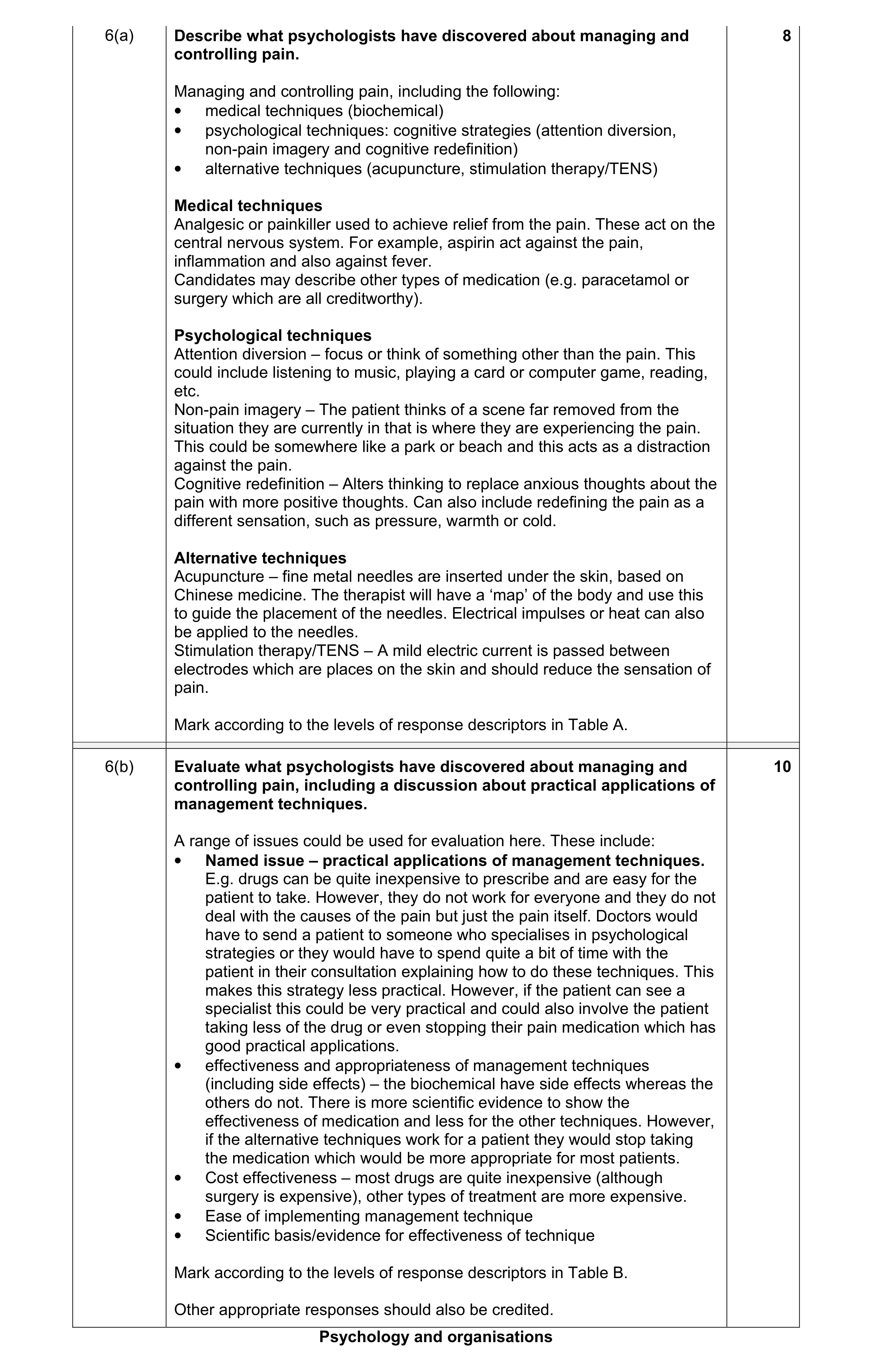 18
18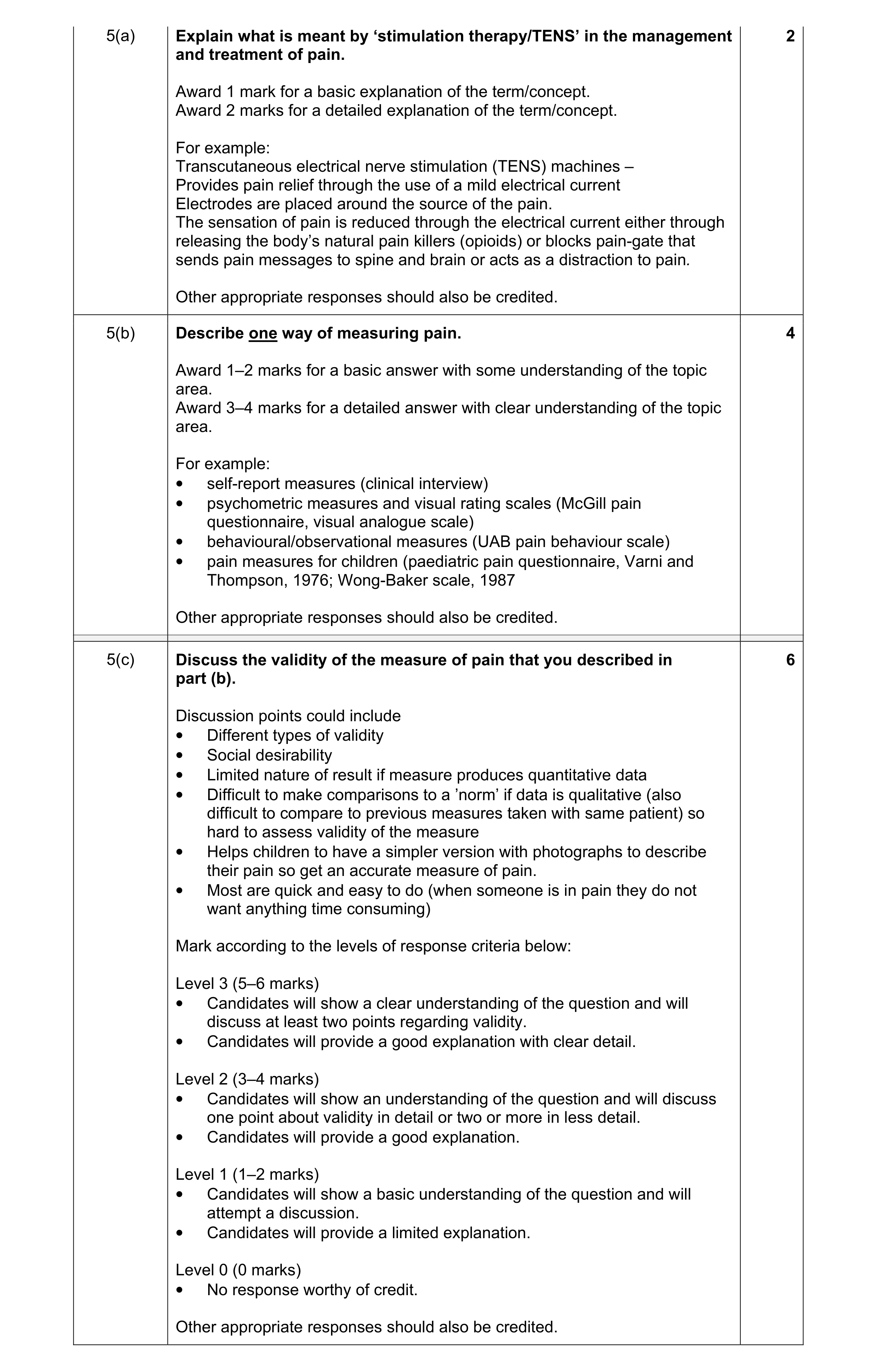 12
12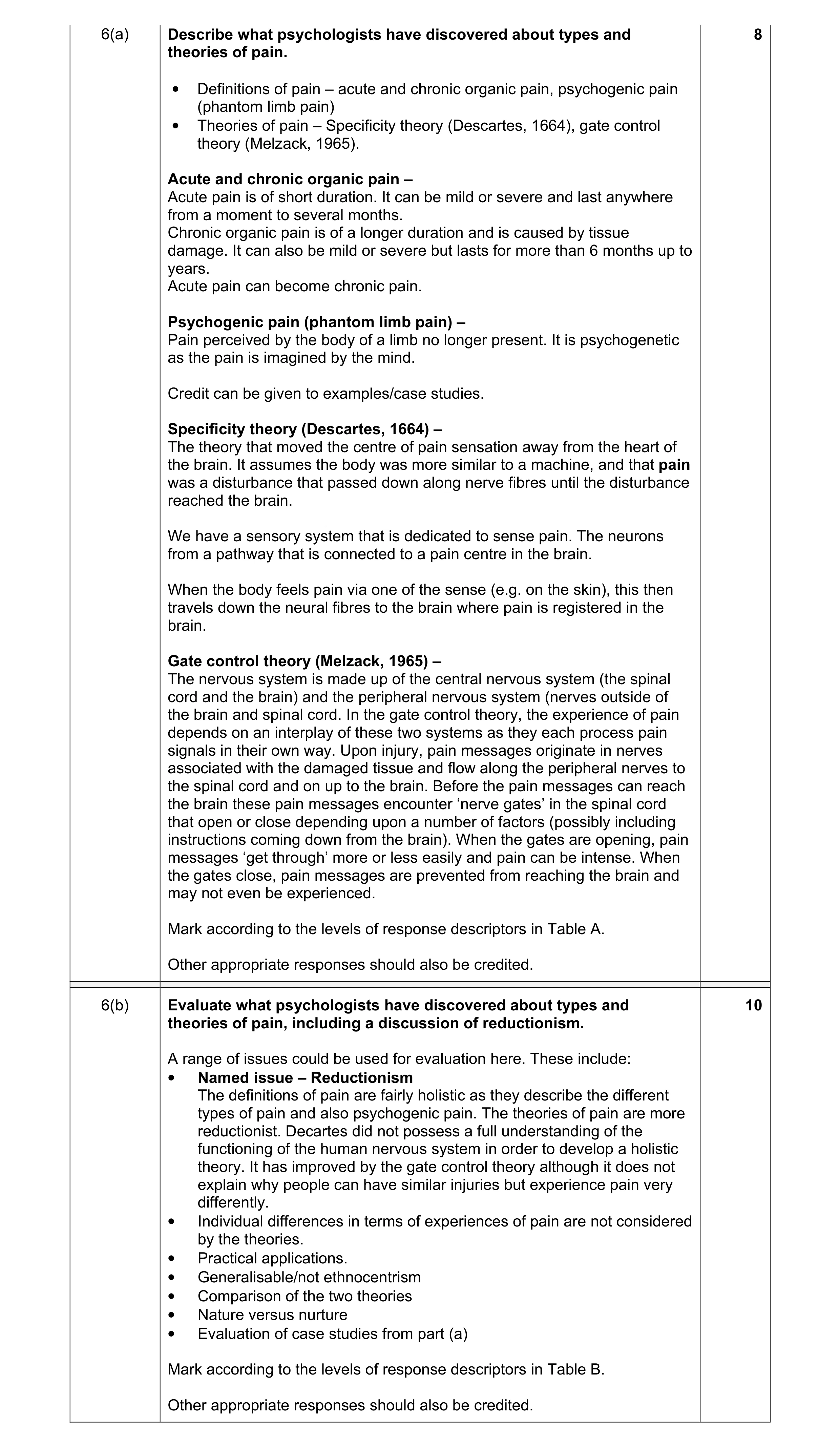 18
18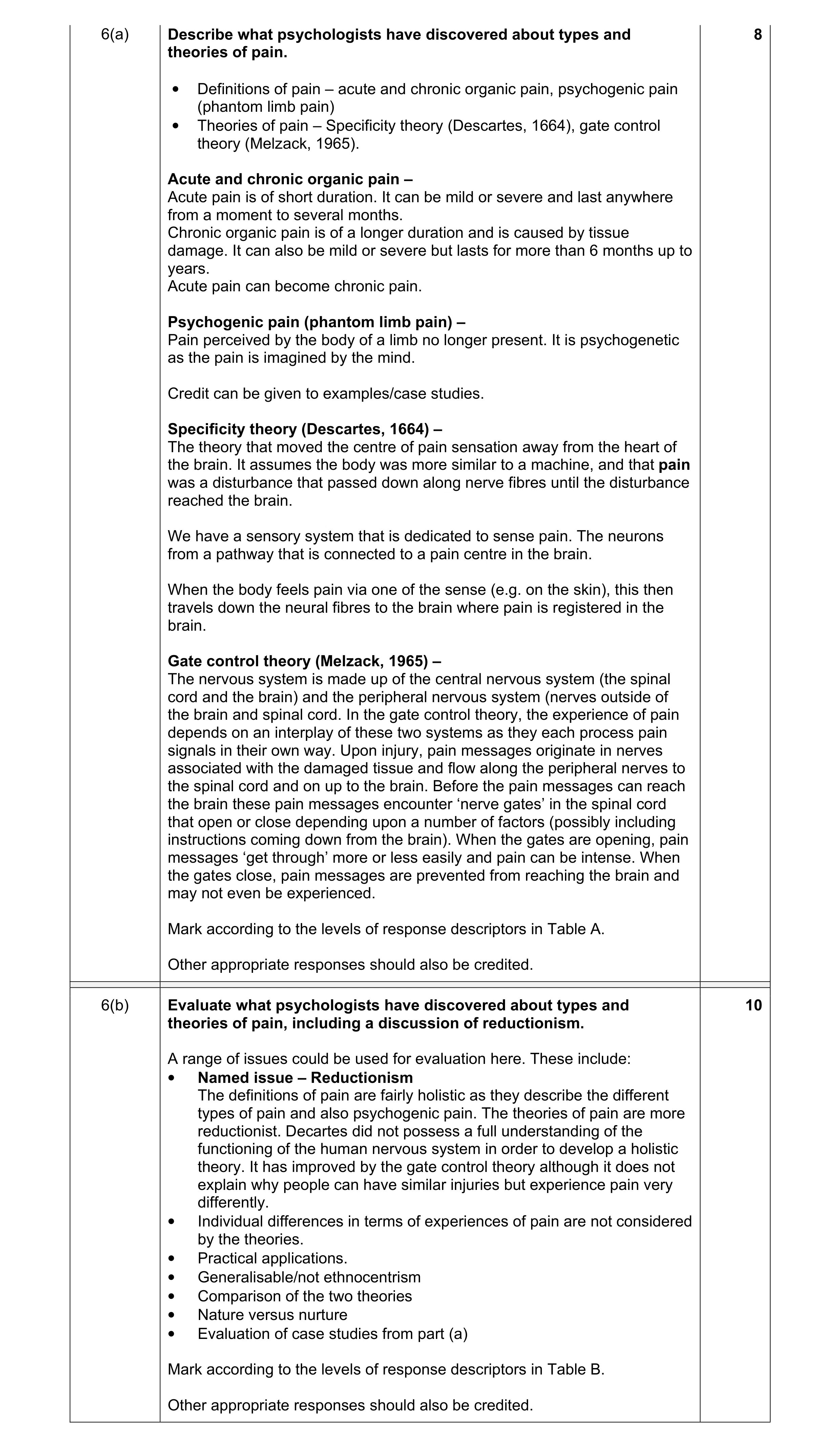 18
18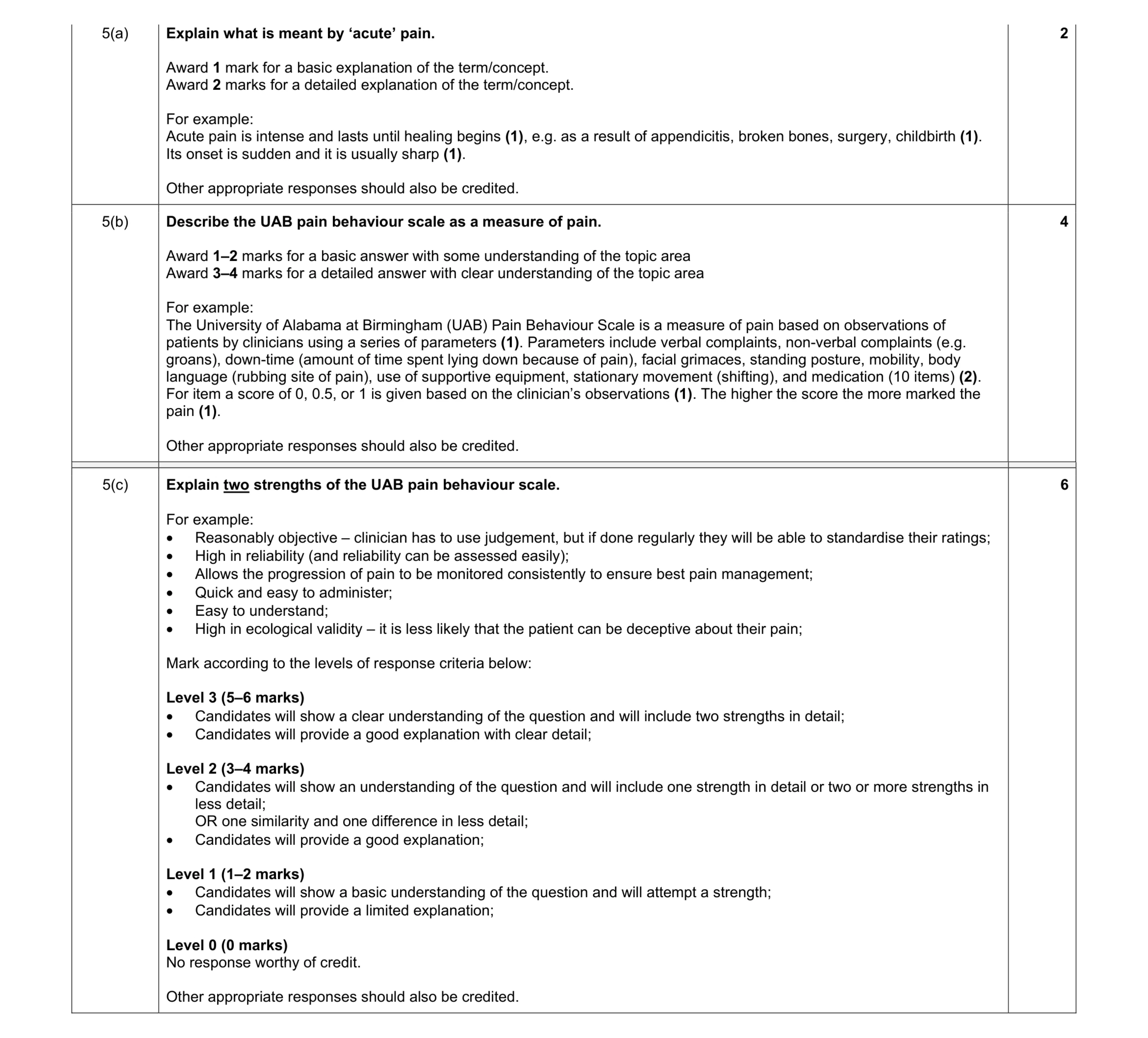 12
12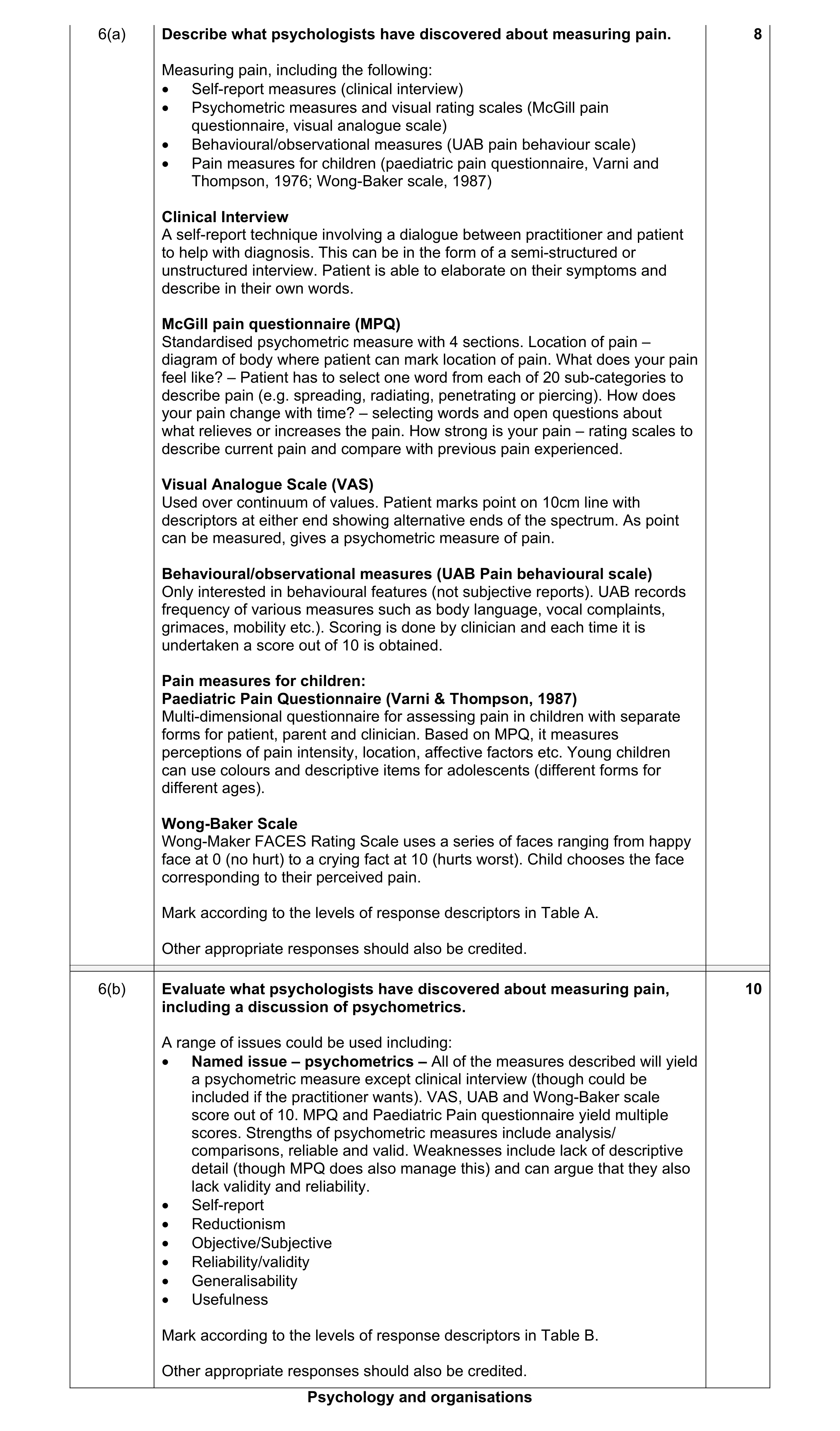 18
18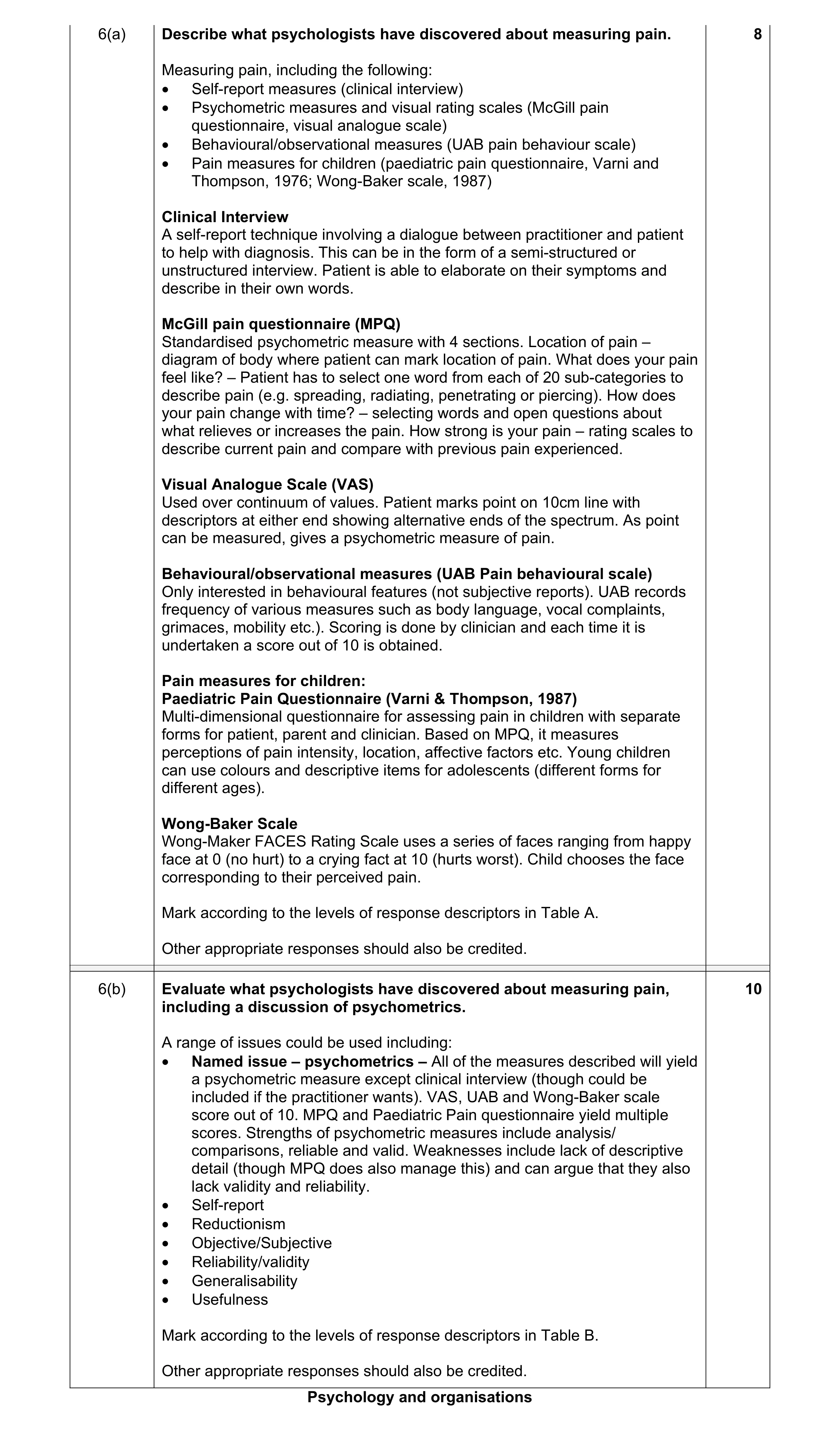 18
18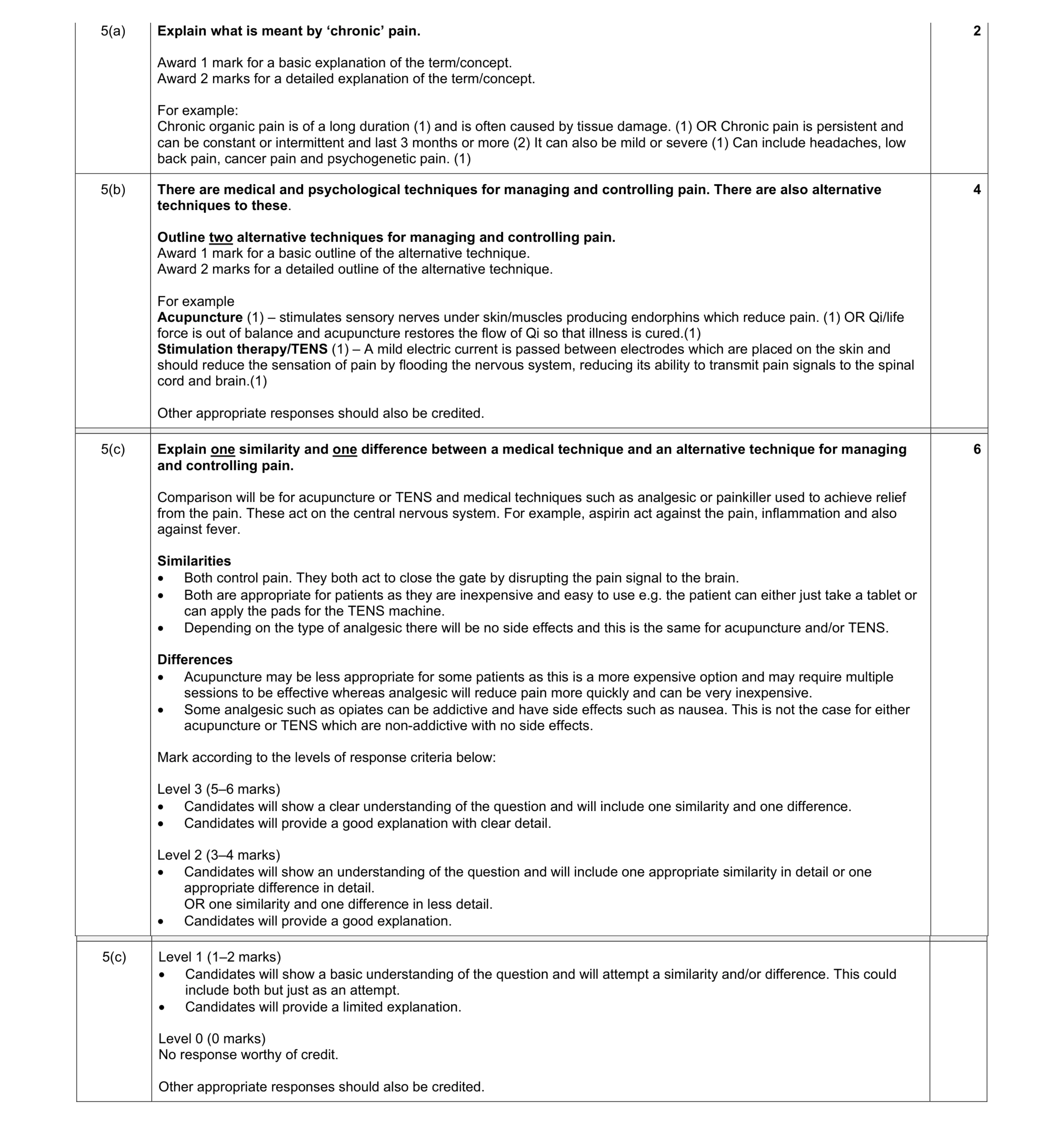 12
12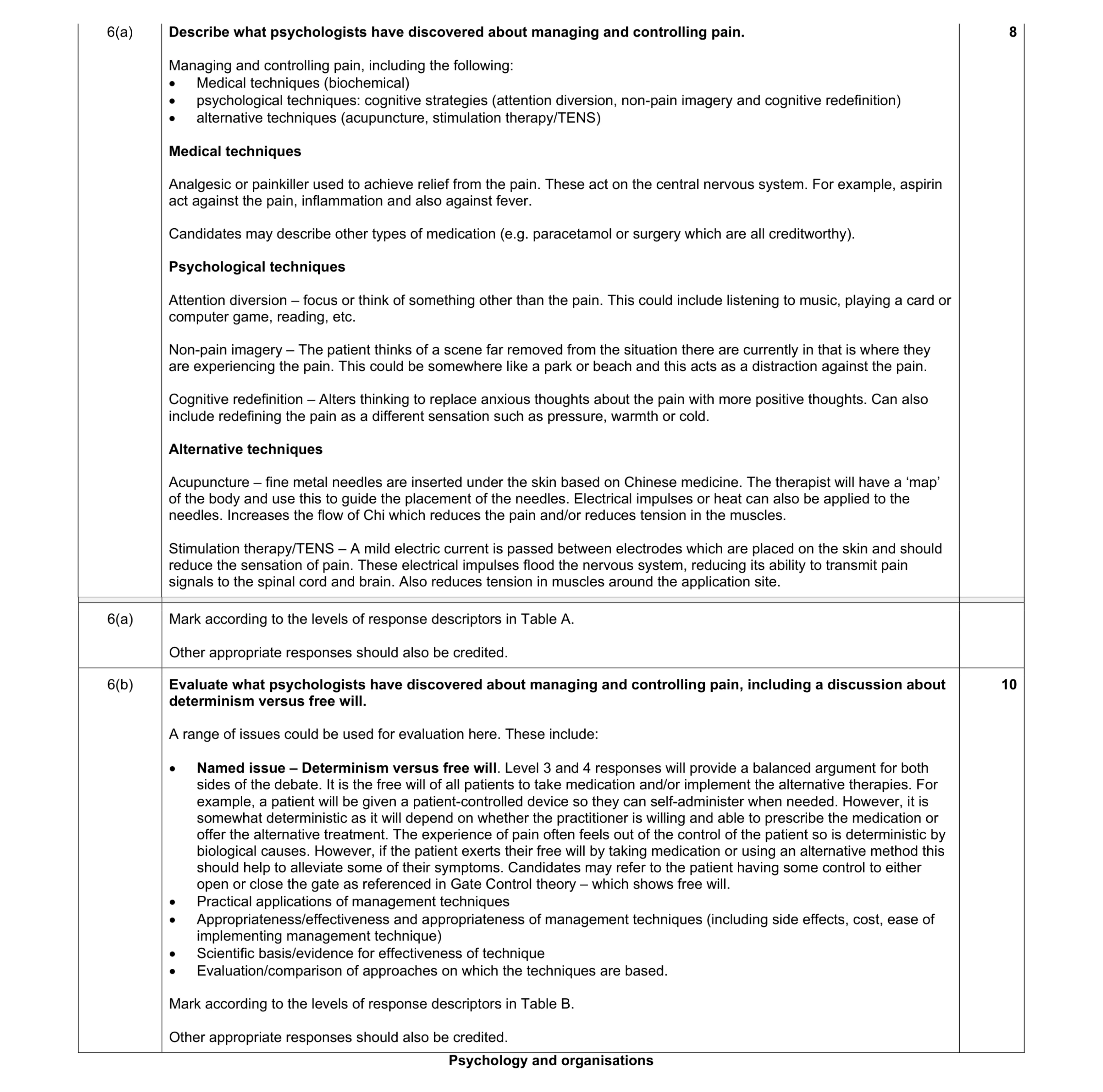 18
18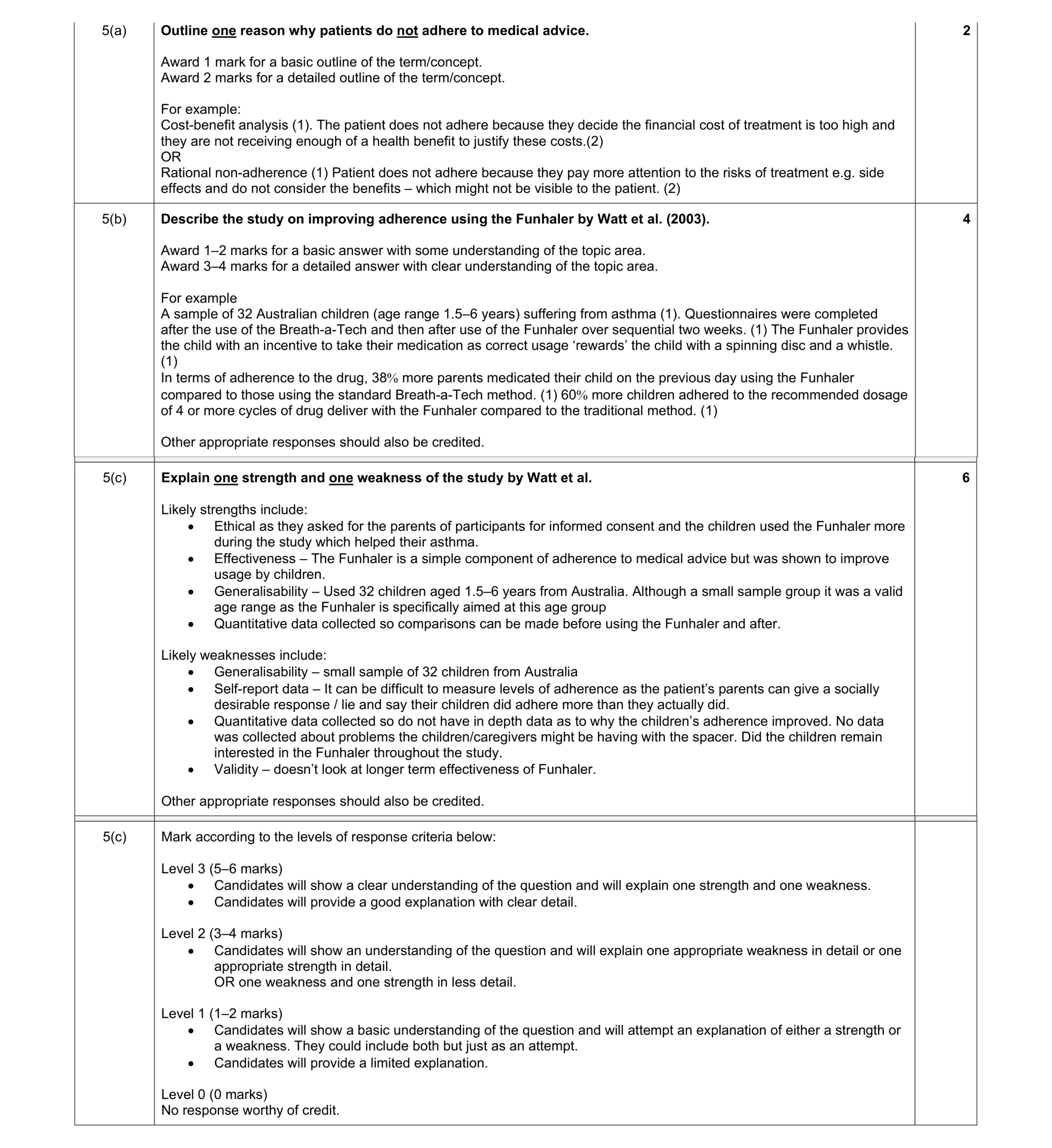 12
12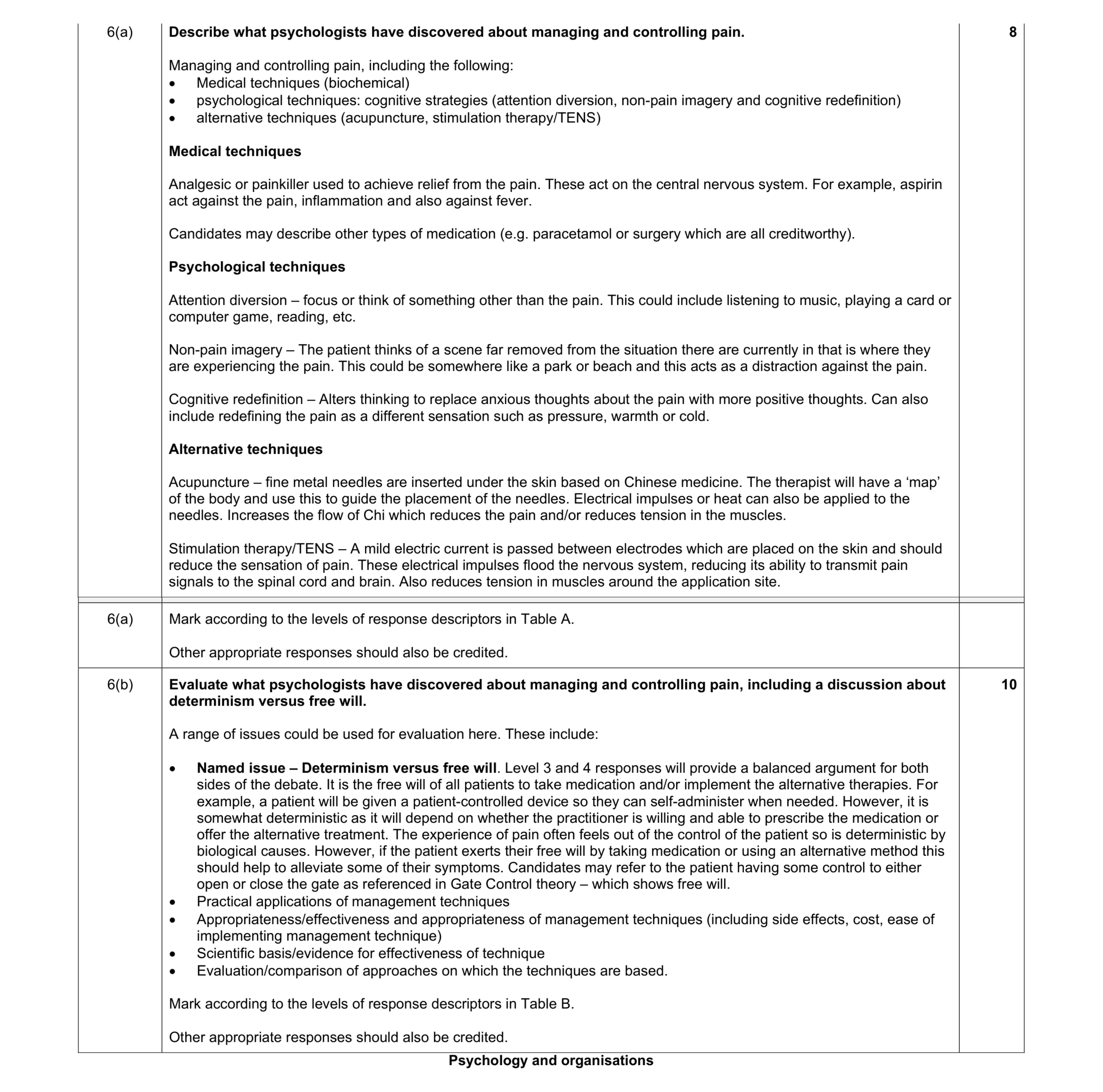 18
18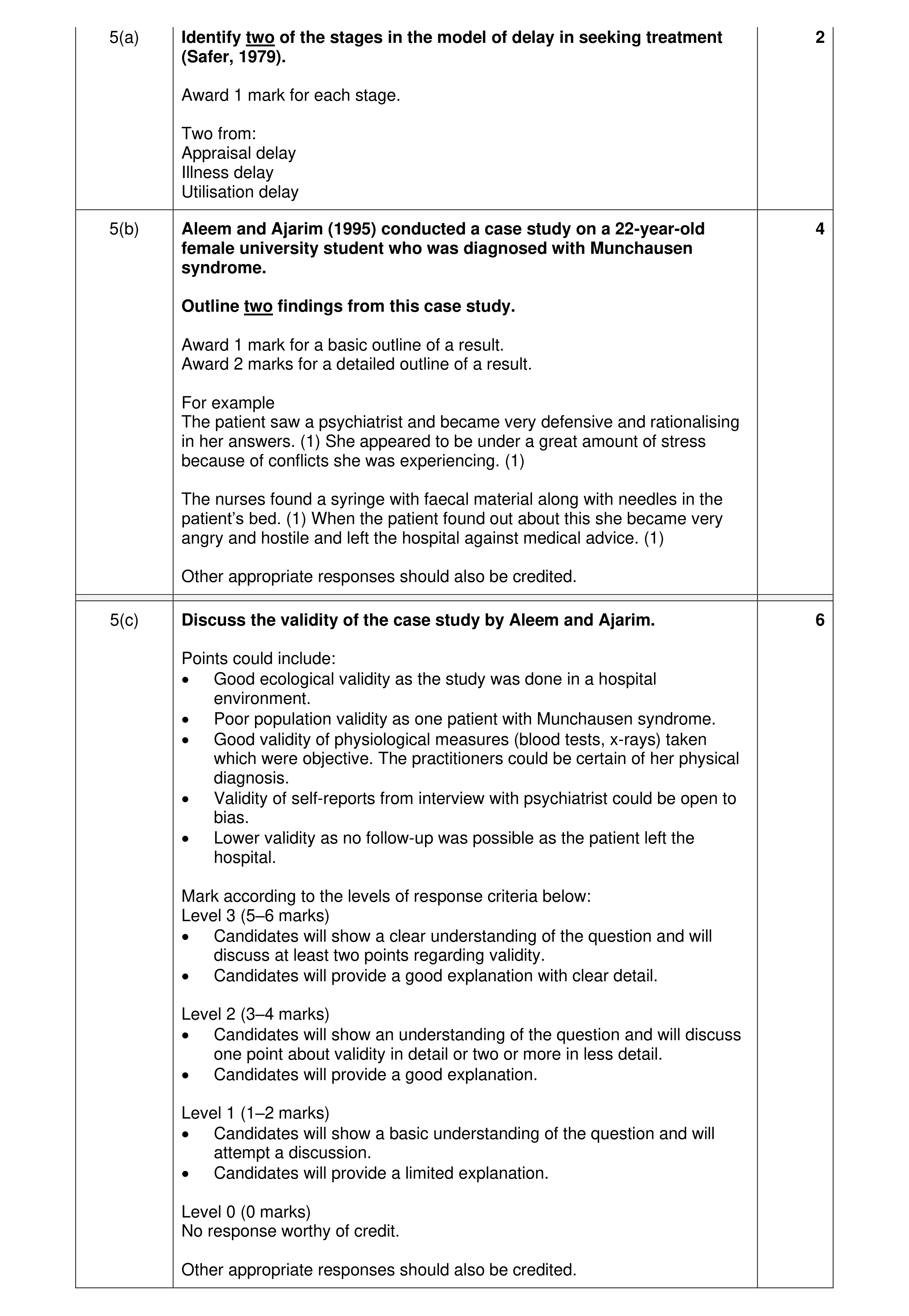 12
12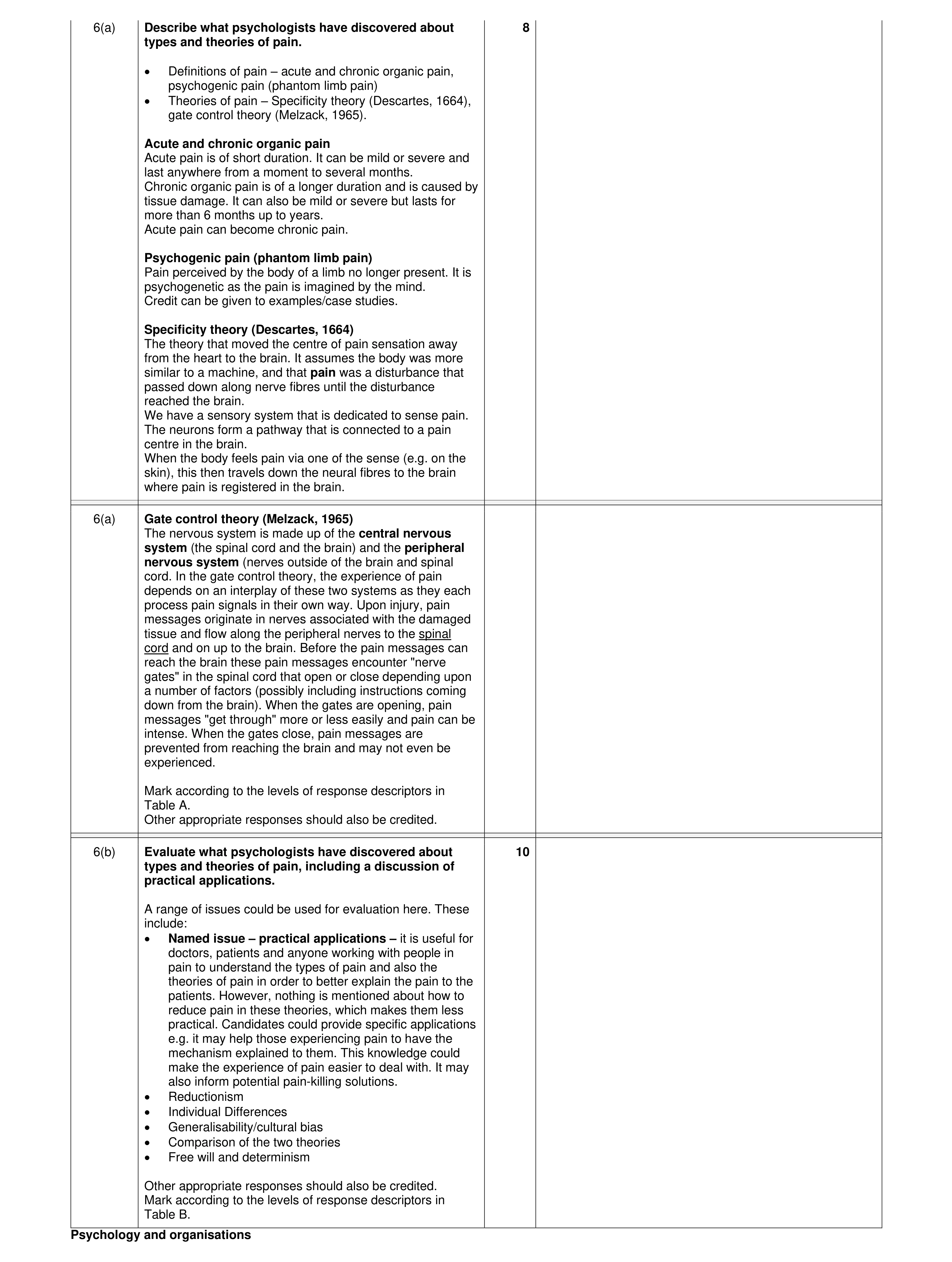 18
18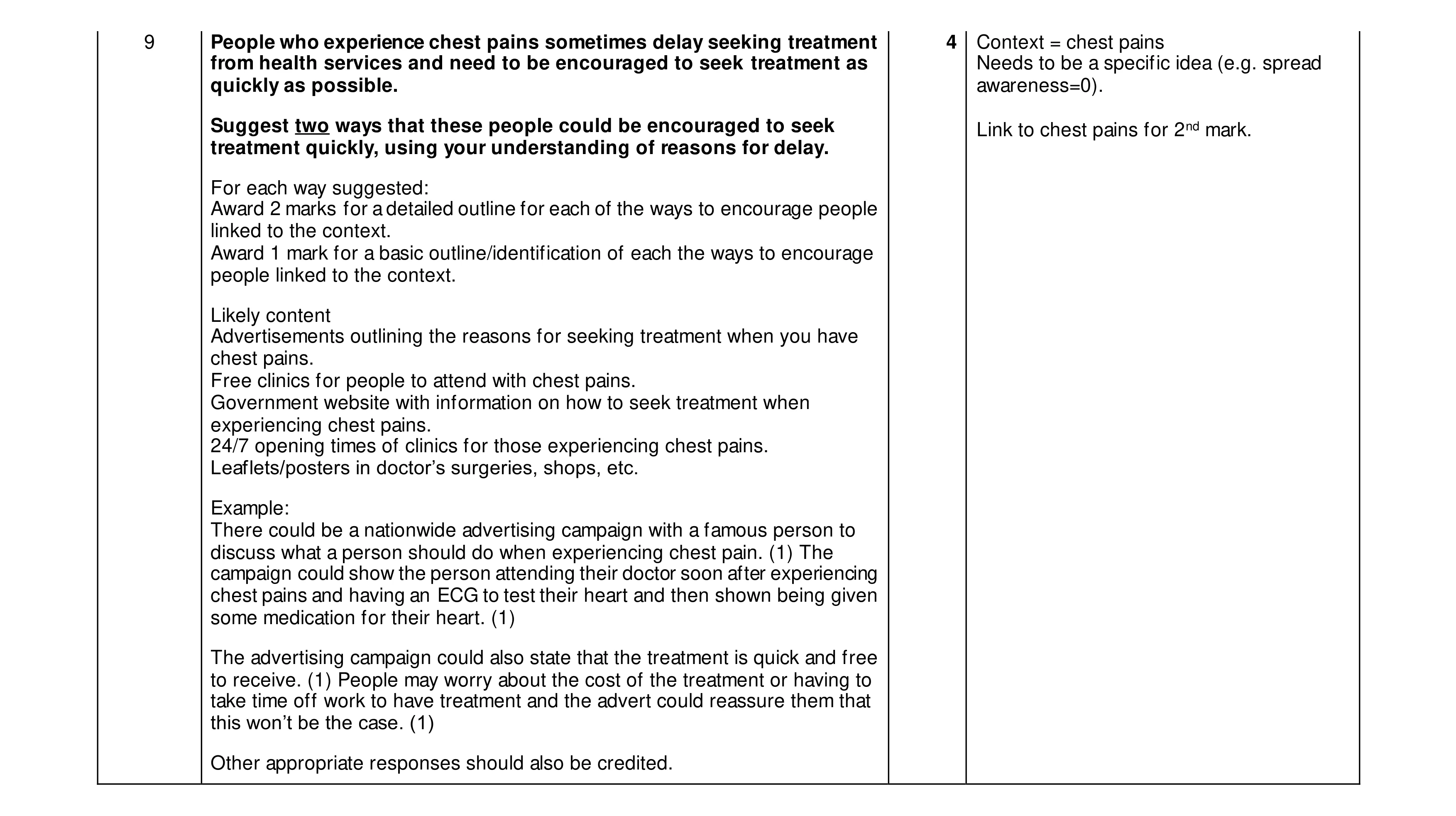 4
4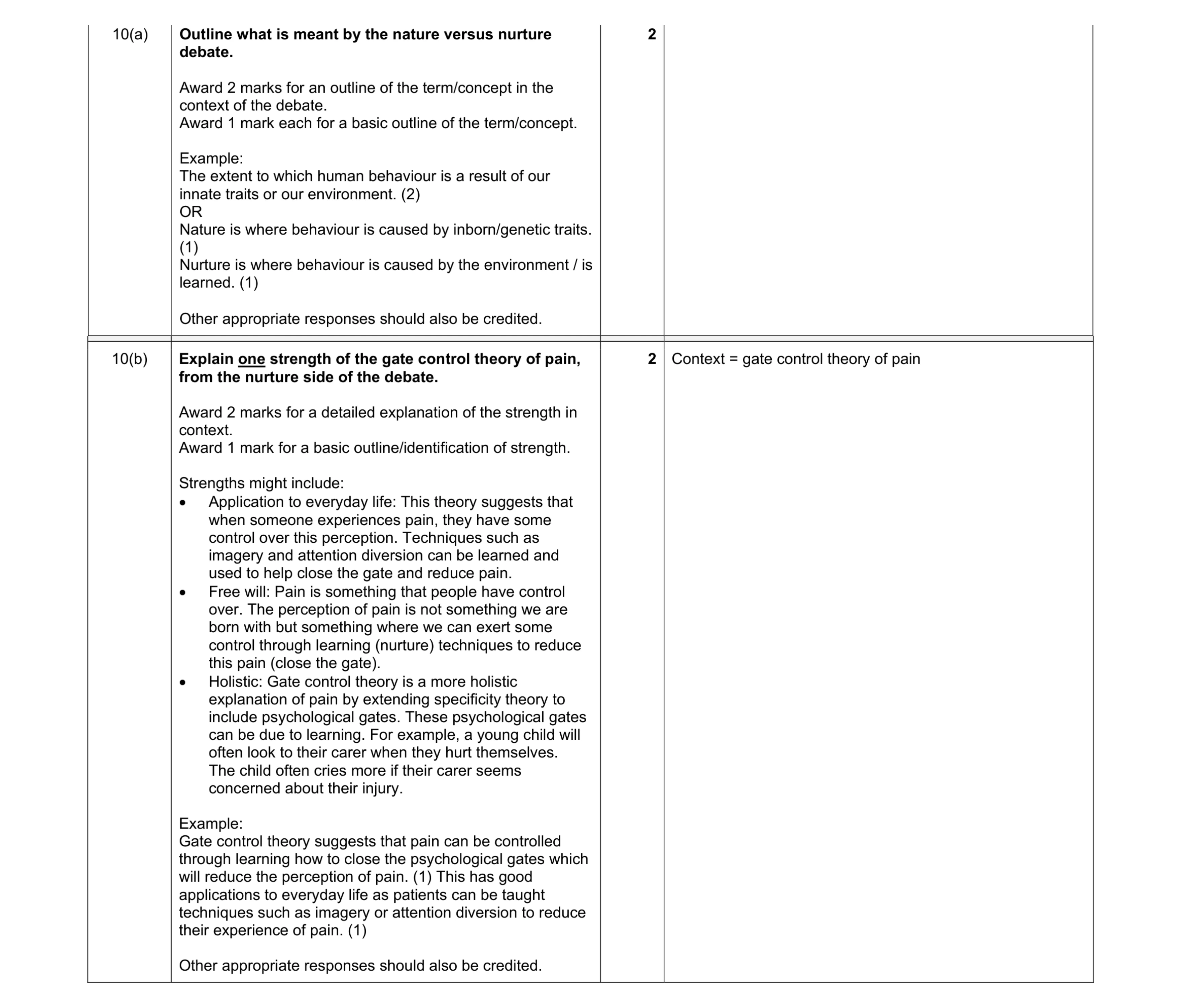 4
4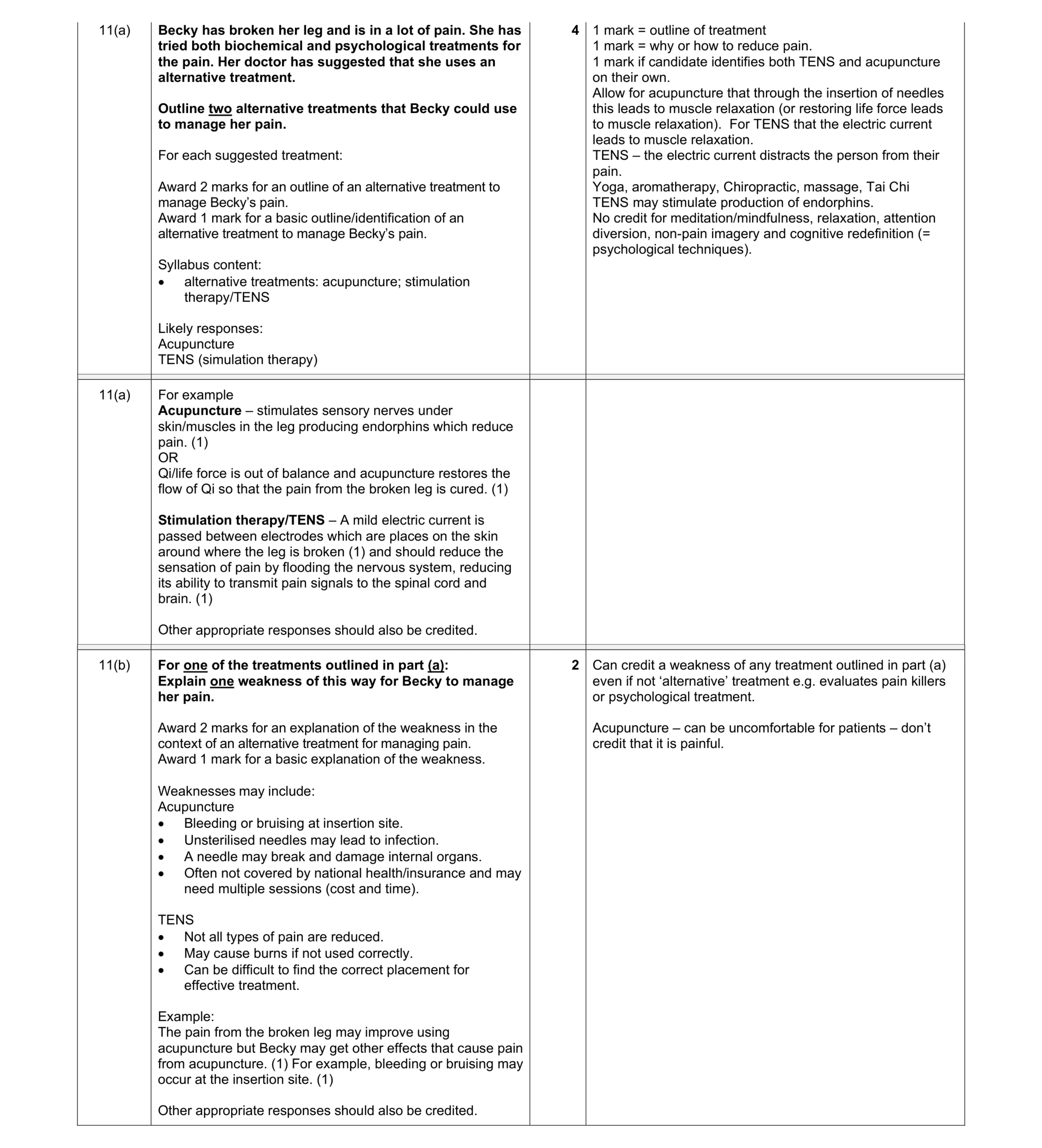 6
6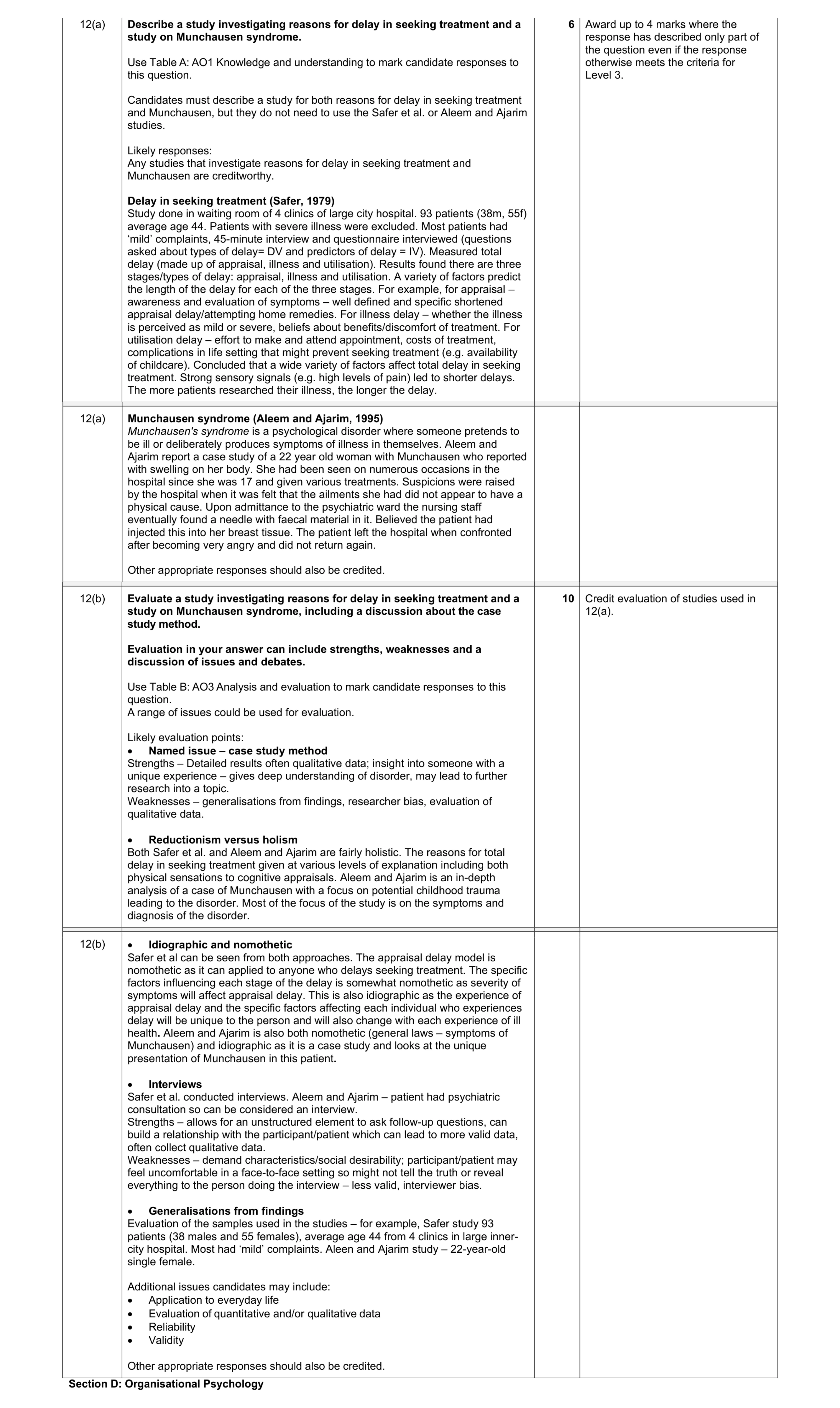 16
16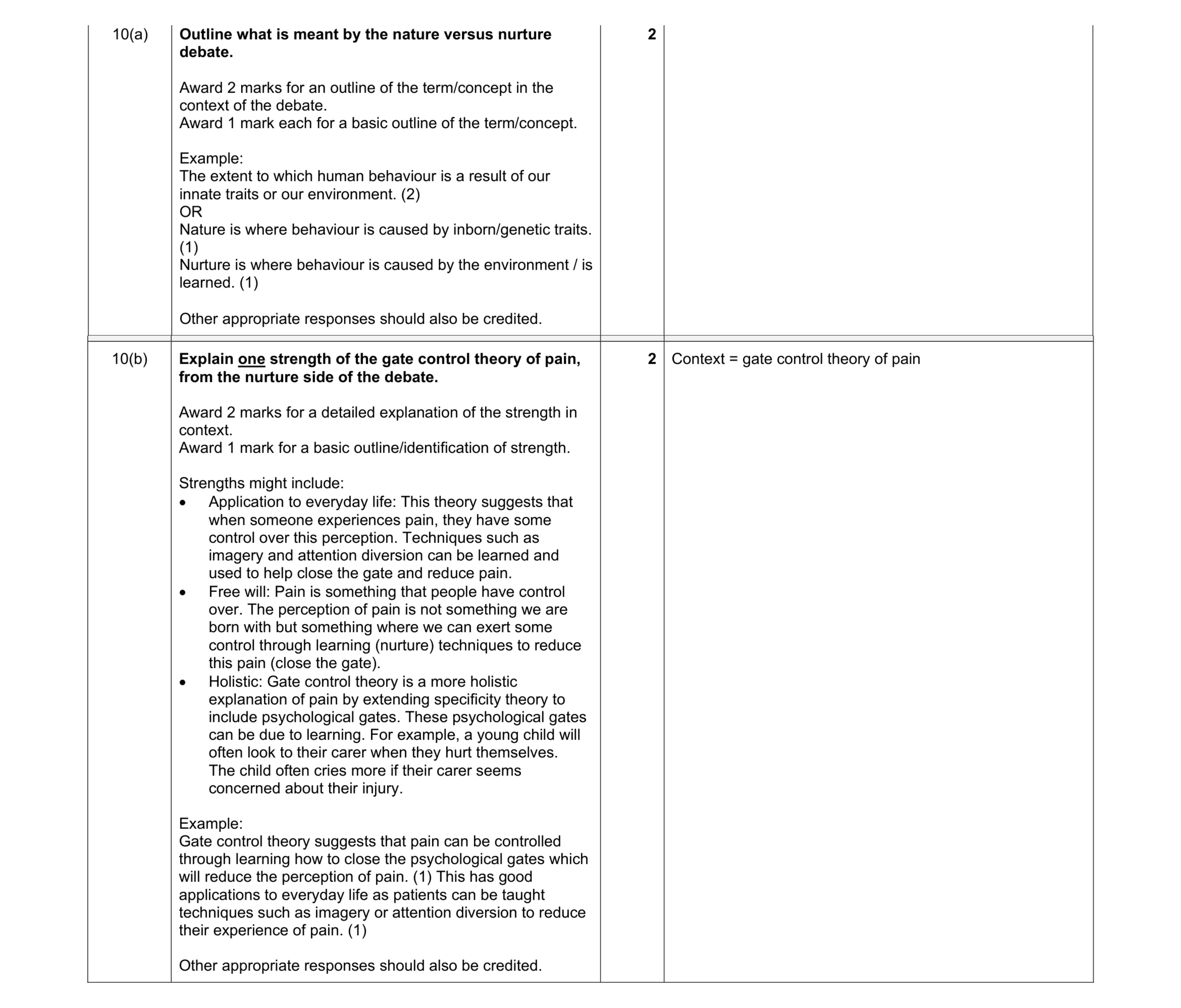 4
4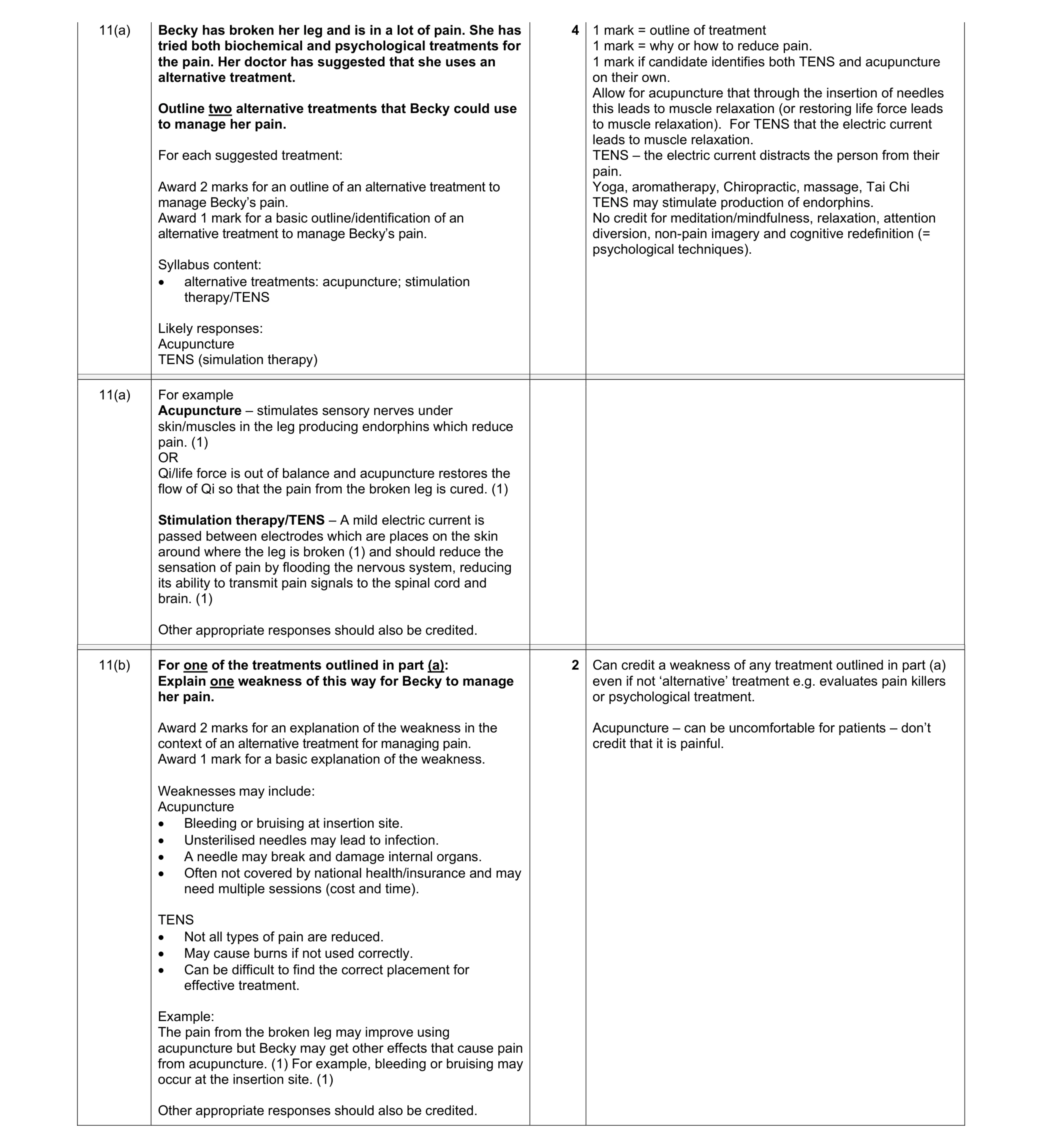 6
6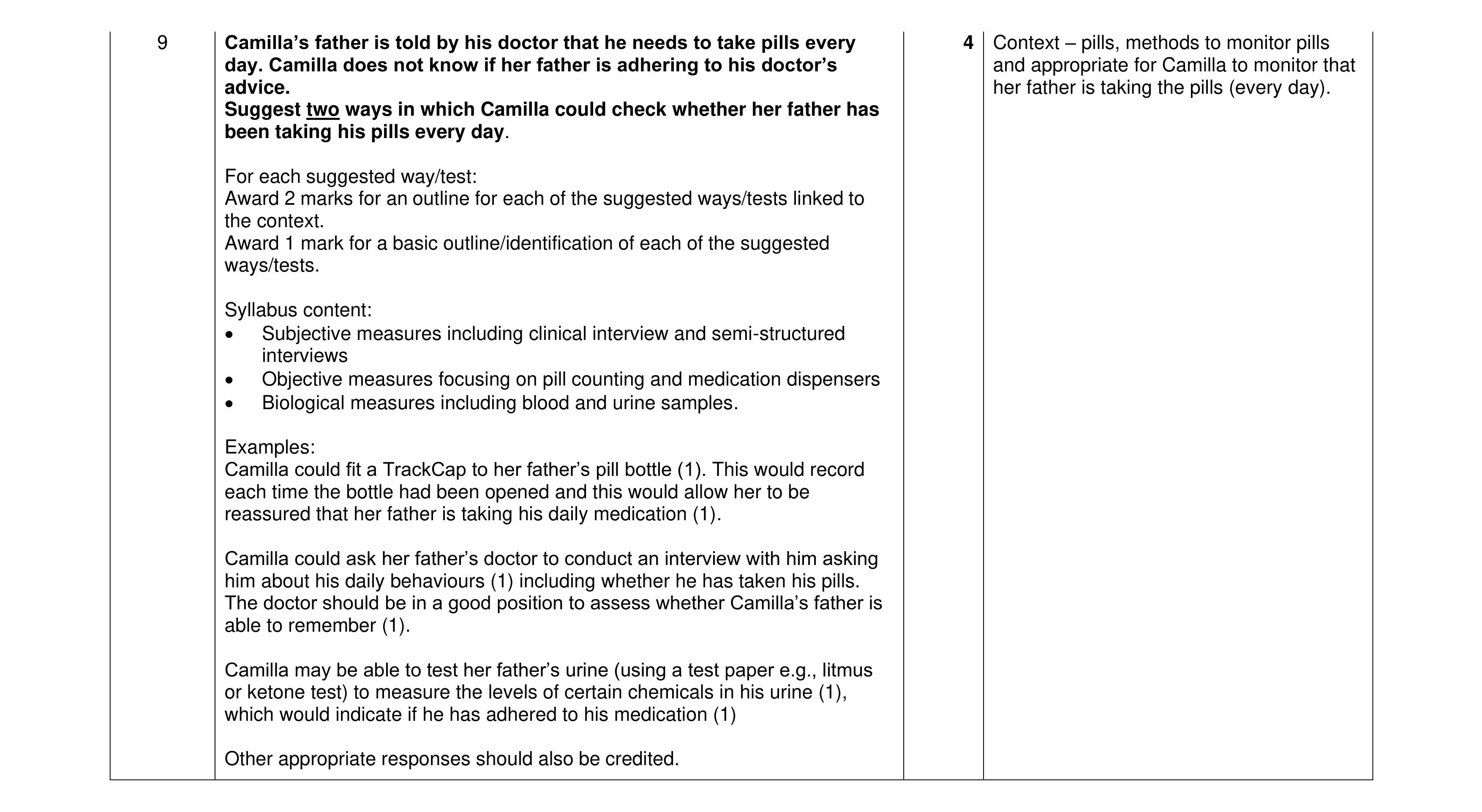 4
4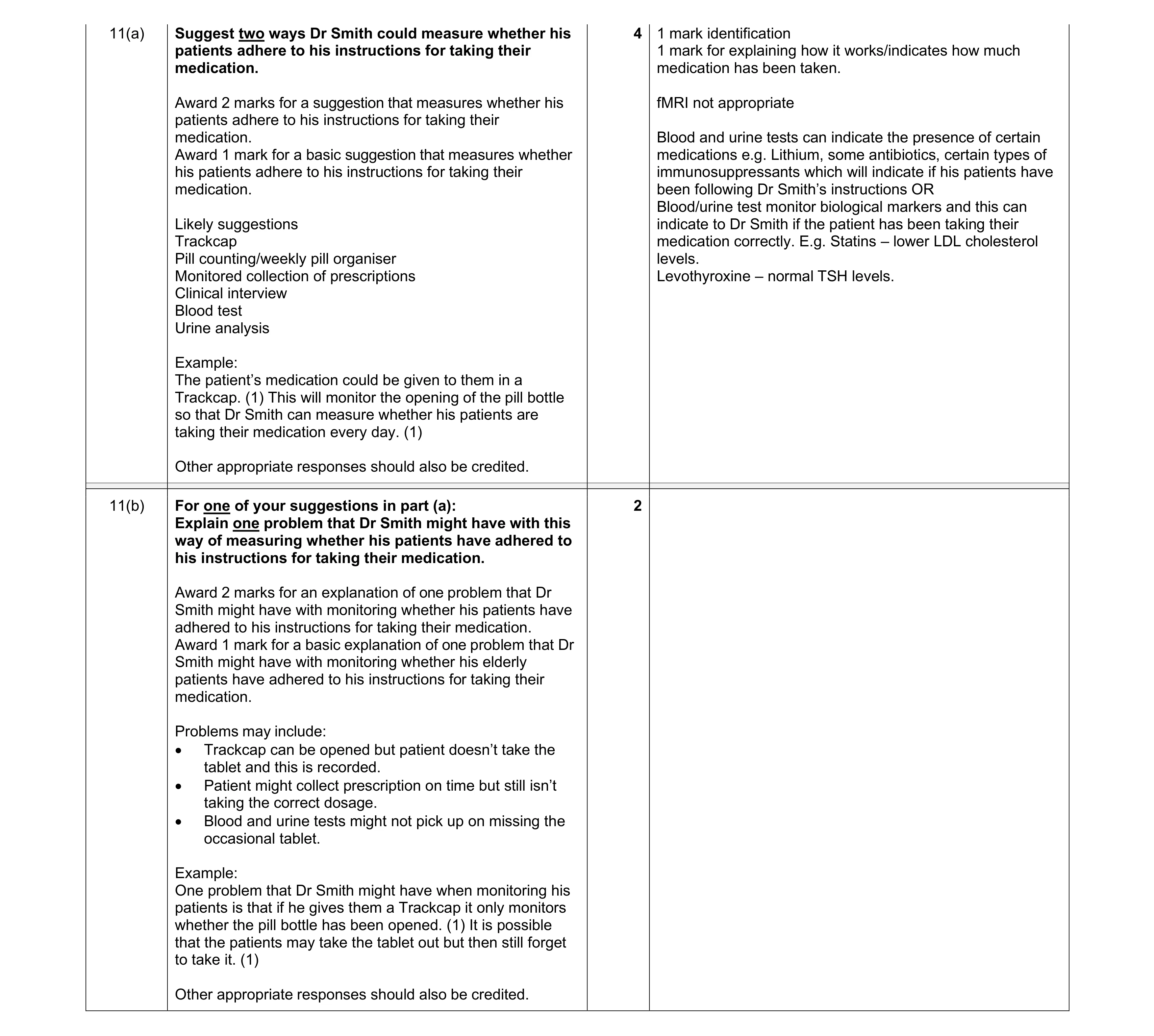 6
6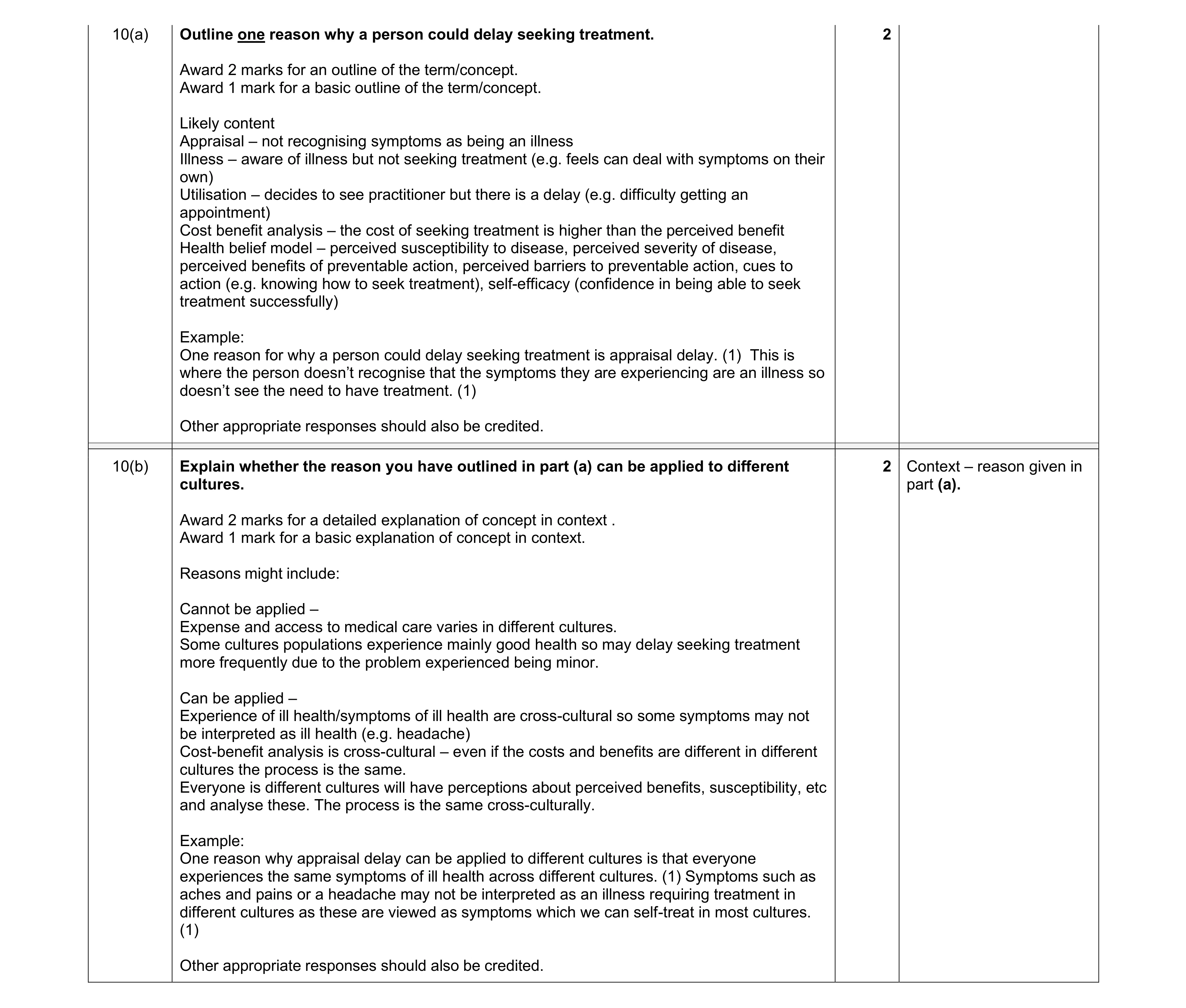 4
4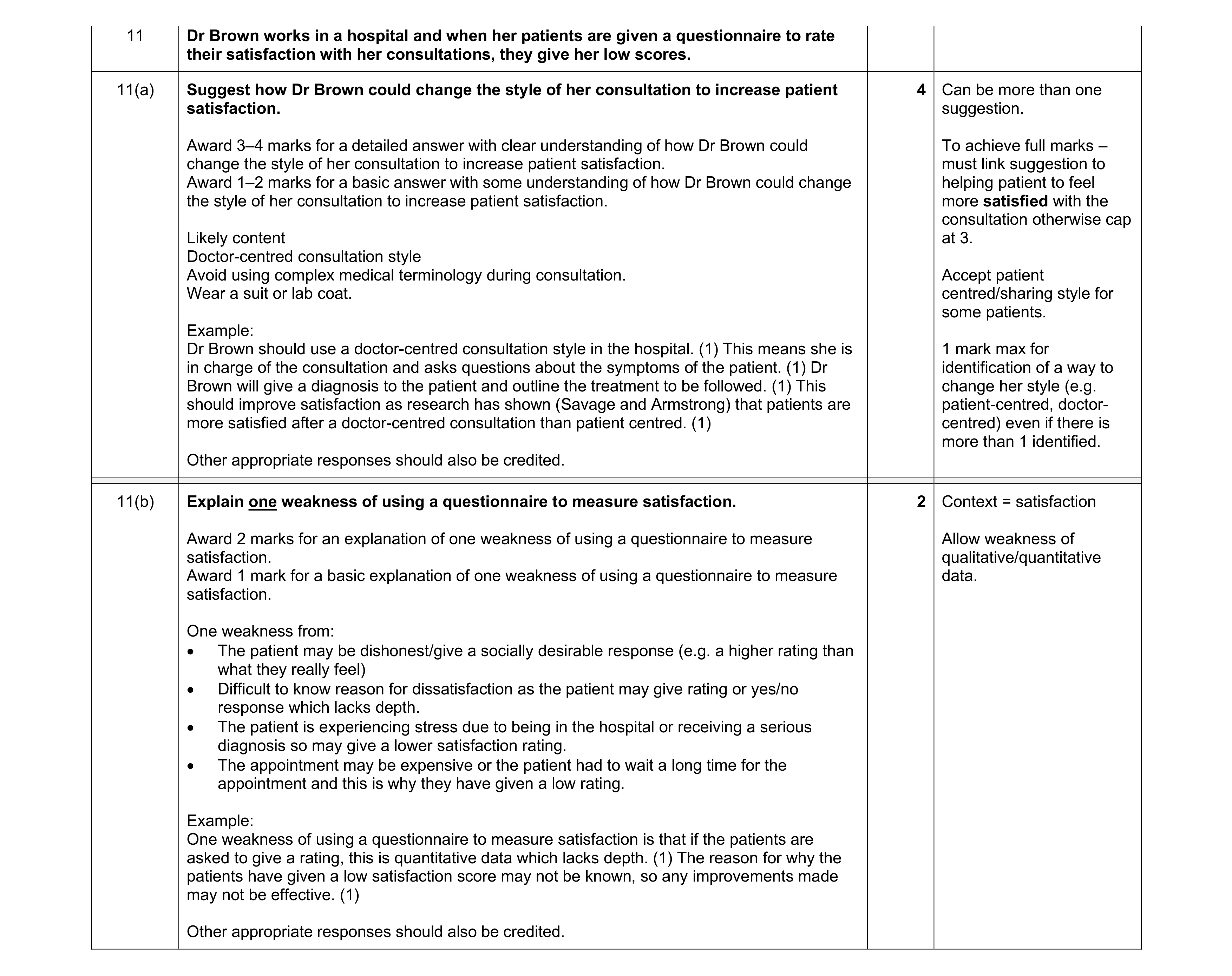 6
6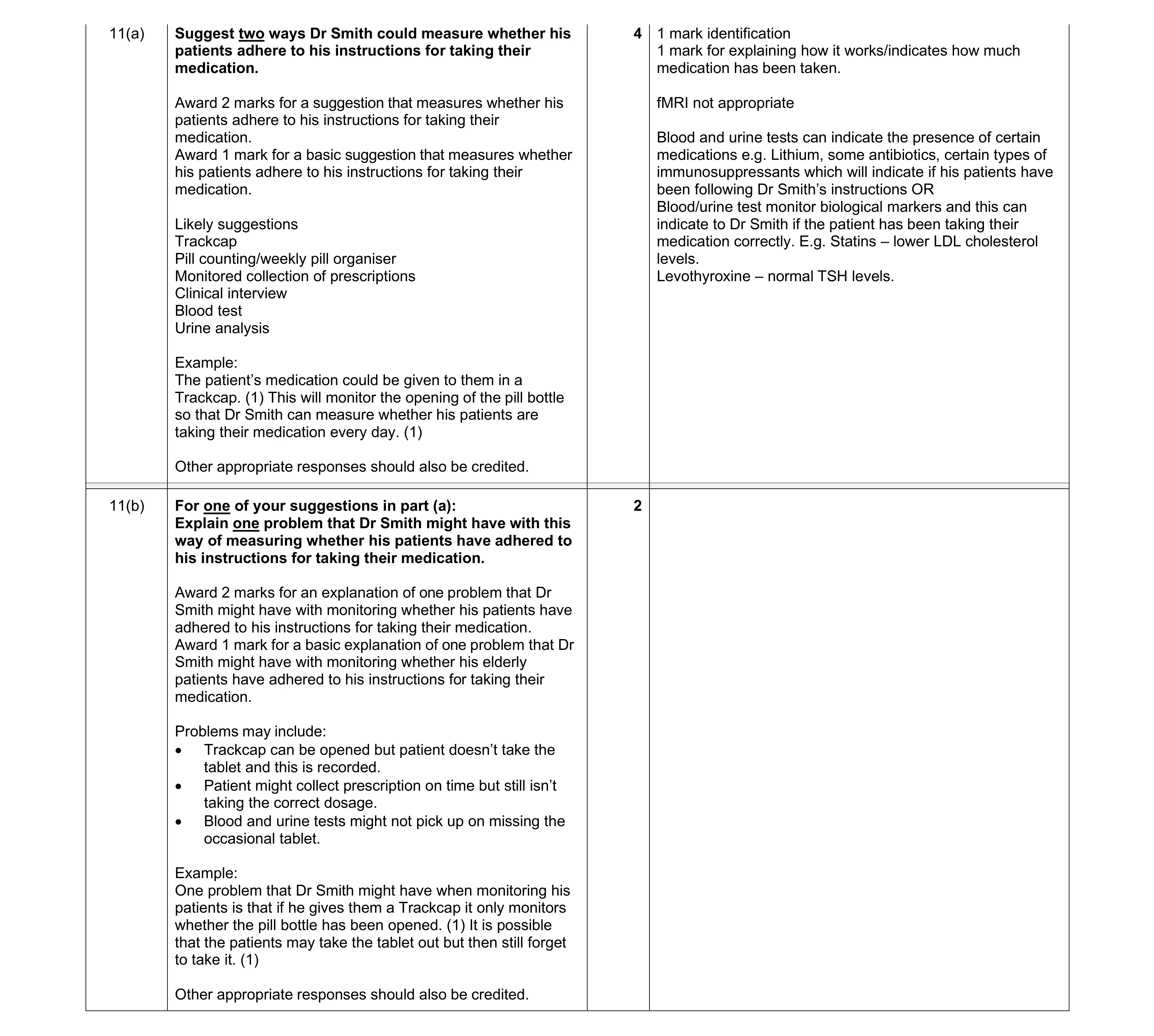 6
6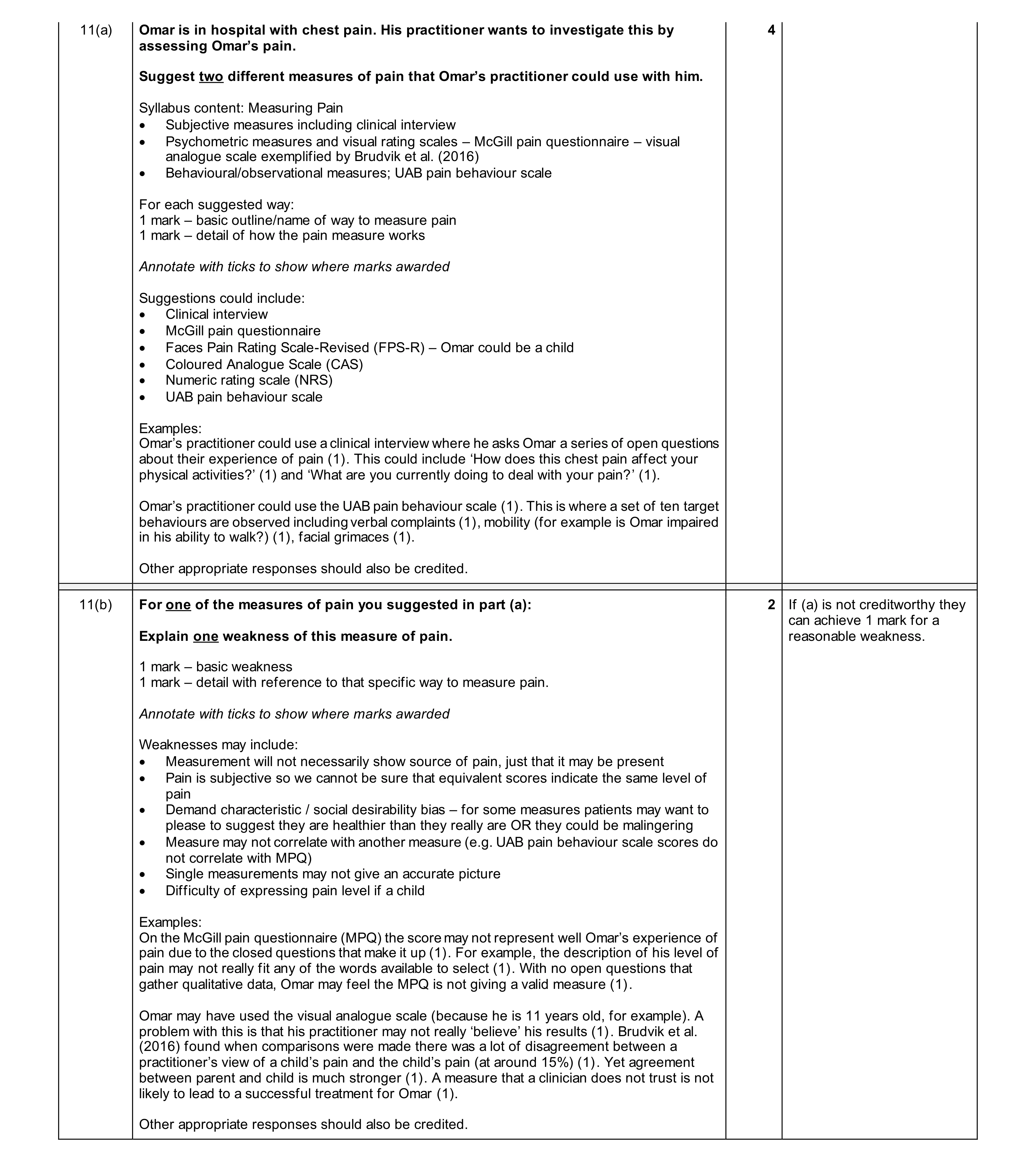 6
6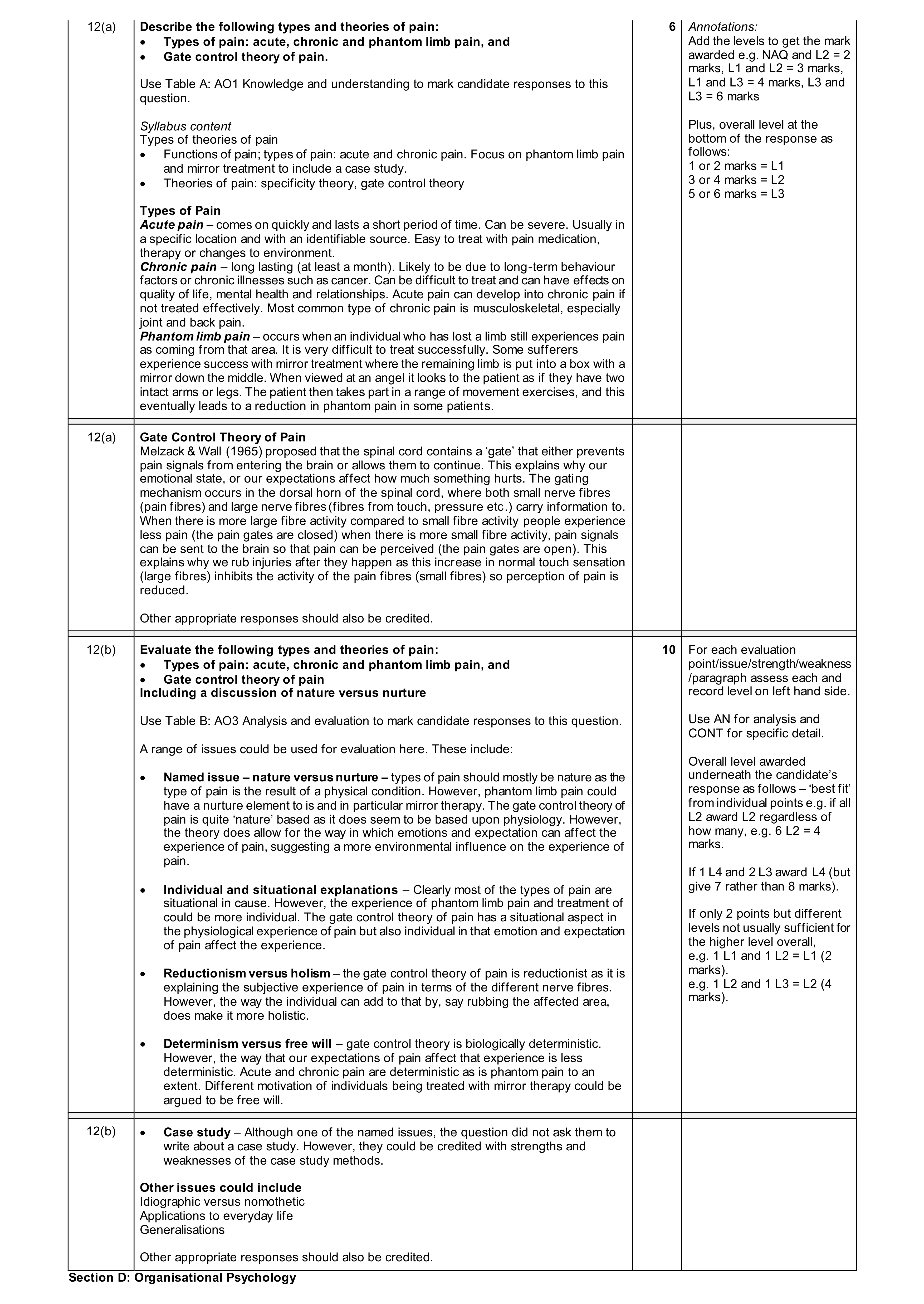 16
16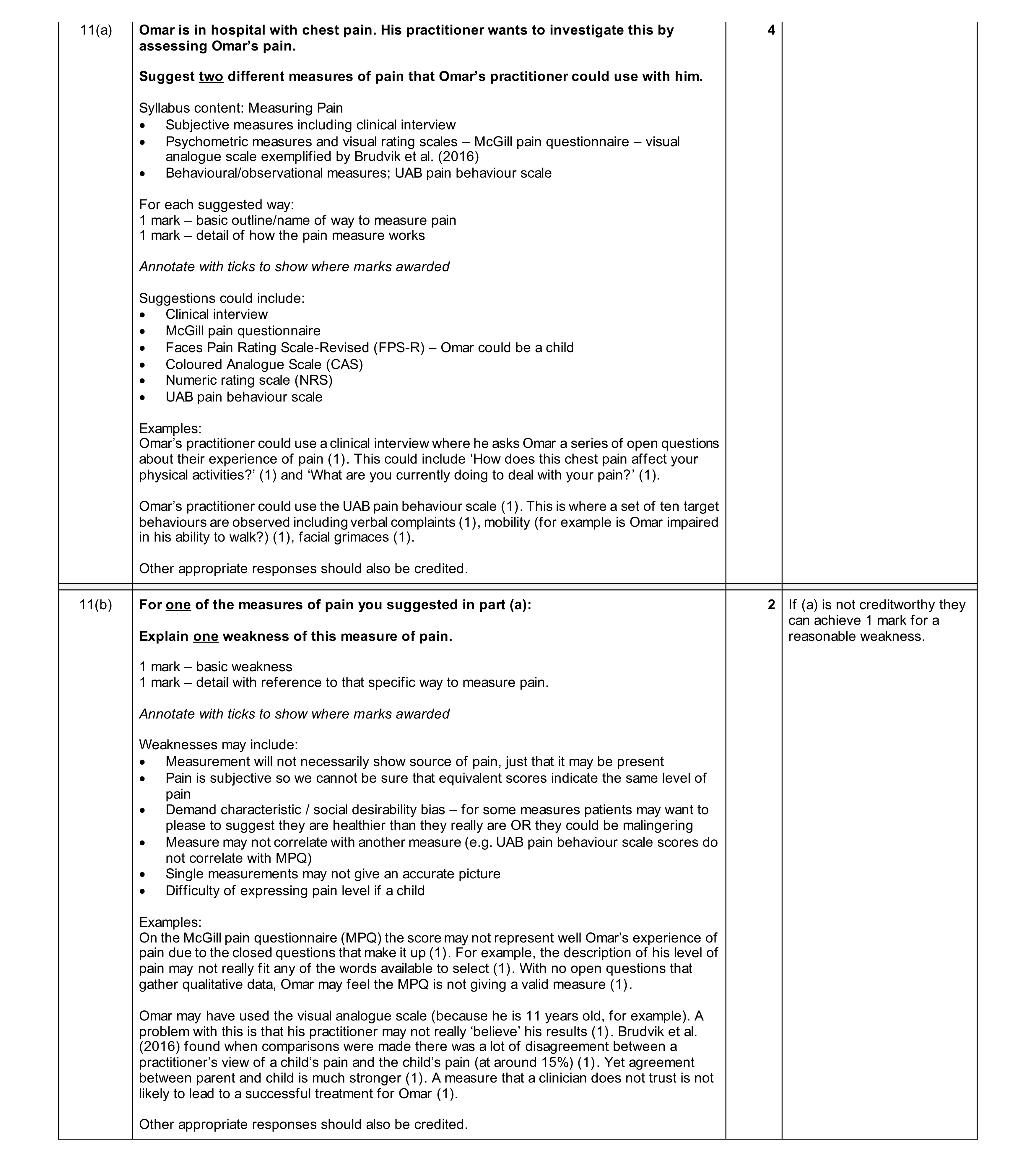 6
6