Questions as text
Q1 · Describe the treatment and management of impulse control disorders and non-substance… 9990/32 May/June 2018
2 (a) Describe the treatment and management of impulse control disorders and non-substance addictive disorder. [8] (b) Evaluate the treatment and management of impulse control disorders and non-substance addictive disorder, including a discussion of the application of psychology to everyday life. [10] Psychology and consumer behaviour Answer all questions.
18 marks
Mark scheme: 2(a) Describe the treatment and management of impulse control disorders 8 and non-substance addictive disorder. Treatment and management of impulse control disorders and non-substance addictive disorder, including the following: • biochemical (Grant et al., 2008) • cognitive-behavioural: covert sensitisation (Glover, 2011), imaginal desensitisation (Blaszczynski and Nower, 2002), impulse control therapy (Miller, 2010) Biochemical (Grant et al., 2008) Opiates as a treatment for gambling. Opioid receptor antagonists inhibit dopamine release in the nucleus accumbens and ventral pallidum through the disinhibition of gamma-aminobutyric acid (GABA) input to the dopamine neurons in the ventral tegmental area. Opioid antagonists are thought to decrease dopamine neurotransmission in the nucleus accumbens and the motivational neurocircuitry, thus dampening gambling-related excitement and cravings. Study – 18 week trial with three doses of oral naltrexone for PG. 77 patients assigned randomly to the three conditions. Symptoms were not significantly different between the various doses. Gambling severity did decrease with naltrexone compared to control. Covert sensitisation (Glover, 2011) Covert sensitisation is a form of behaviour therapy in which an undesirable behaviour is paired with an unpleasant image in order to eliminate that behaviour. Therefore, the impulsive behaviour could be paired with an unpleasant image or experience. For example, if the person was addicted to gambling they could think about their gambling and then look at images of people who have gone bankrupt. They could eventually learn to do this while gambling or bring these images with them and look at them when they imagine gambling. Study involves a case study of a 56 year old woman seeking help with shoplifting. After the therapy her stealing behaviour had greatly reduced. Imaginal desensitisation (Blaszczynski and Nower, 2003) Abstract Taught progressive muscle relaxation, visualise situation where they feel the desire to carry out impulsive behaviour, they imagine carrying out the desire and then imagine leaving the situation. This works to reduce arousal and anxiety around the compulsive behaviour and can help to reduce the desires if practiced outside of the therapy sessions. 2(a) Impulse control therapy (Miller, 2010) Abstract Impulse-control disorders such as pathological gambling, sexual addiction, and compulsive shopping cause enormous suffering in people’s lives. The feeling-state theory of impulse-control disorders postulates that these disorders are created when intense positive feelings become linked with specific behaviors. The effect of this linkage is that, to generate the same feeling, the person compulsively reenacts the behavior related to that original positive-feeling event, even if detrimental to his or her own well-being. This reenactment creates the impulse-control disorder. The therapy described in this article is the Impulse-Control Disorder Protocol (ICDP), which uses a modified form of eye movement desensitization and reprocessing (EMDR) to address these fixations. A case study of an individual with pathological gambling illustrates the application of ICDP. Mark according to the levels of response descriptors in Table A. Other appropriate responses should also be credited. 2(b) Evaluate the treatment and management of impulse control disorders 10 and non-substance addictive disorder, including a discussion of the application of psychology to everyday life. A range of issues could be used for evaluation here. These include: • Named issue – application of psychology to everyday life. The treatments all have good applications to everyday life as they have all been shown by research to be effective in reducing impulses e.g. reduction in kleptomania as found in the case study by Glover. The research has been done in everyday environments/good ecological validity and this therefore also has good applications of everyday life. However, each piece of research has only investigated a particular disorder so has fewer applications e.g. Grant just used gamblers (but candidates could also argue that each treatment could potentially be done with a variety of different impulse control disorders and therefore this has good application to everyday life). • nature versus nurture debate with reference to the various treatments. The biochemical suggests impulses are due to nature. The other treatments recognise the nature element of the disorder as all practice some form of muscle relaxation but also recognise the nurture element as the patients are trained to reduce their desire to participate in the compulsive behaviour. • comparisons of different treatments – can use any issue to compare the treatments and the effectiveness. • usefulness (effectiveness) of different treatments – the treatments have all been shown to work through the evidence provided. Credit evaluation of the evidence that links back to the usefulness of the treatments. • reductionist nature of the treatments – the biochemical is the most reductionist as it suggests giving a medicine will relieve the symptoms whereas it may just mask the symptoms. The other treatments are less reductionist as they consider both the physical and the psychological causes that allow the treatments to work. • deterministic nature of the treatments – biochemical is the most reductionist as the patient’s desire to do the compulsive behaviour will reduce without any action on their part. The other treatments require the free will of the patient to act on the advice and practice the relaxation/ imaging techniques outside of the sessions. • appropriateness of treatments (e.g. if there are side effects). Opiates are very addictive the do have side effects. The therapies are time consuming and require the patient to have a good imagination and some may struggle with this. • cost of treatments – biochemical is the least costly with the others involving therapists which will cost the health service and/or the patient more money. • ethics of treatments – likely to be ethical as the patients will all approve their treatment and be willing to participate. In order to be ethical the patient needs to be aware of the side effects and addictive nature of the opiates. Mark according to the levels of response descriptors in Table B. Other appropriate responses should also be credited.
This question in 9990/32 May/June 2018
Q2 · Explain what is meant by a ‘non-substance addictive disorder’ 9990/32 Oct/Nov 2018
1 (a) Explain what is meant by a ‘non-substance addictive disorder’. [2] (b) Describe covert sensitisation for treating and managing impulse control disorders. [4] (c) Explain one similarity and one difference between covert sensitisation and one biochemical treatment for managing impulse control disorders. [6]
12 marks
Mark scheme: Question Answer Marks 1(a) Explain what is meant by a ‘non-substance addictive disorder’. 2 Award 1 mark for a basic explanation of the term/concept. Award 2 marks for a detailed explanation of the term/concept. For example: This is an impulse control disorder where the person feels a compulsion to carry out a certain behaviour, rather than take a substance (e.g. alcohol, food, cigarettes, etc.). Types of behaviours could include gambling, stealing and pyromania. Other appropriate responses should also be credited. 1(b) Describe covert sensitisation for treating and managing impulse 4 control disorders. Award 1–2 marks for a basic answer with some understanding of the topic area. Award 3–4 marks for a detailed answer with clear understanding of the topic area. For example: Covert sensitisation is a form of behaviour therapy in which an undesirable behaviour is paired with an unpleasant image in order to eliminate that behaviour (1). Therefore, the impulsive behaviour could be paired with an unpleasant image or experience (1). For example, if the person was addicted to gambling they could think about their gambling and then look at images of people who have gone bankrupt (1). They could eventually learn to do this while gambling or bring these images with them and look at them when they imagine gambling (1). Other appropriate responses should also be credited. 1(c) Explain one similarity and one difference between covert sensitisation 6 and one biochemical treatment for managing impulse control disorders. Comparison will most likely be to the biochemical treatment outlined by Grant et al. looking at opiate treatment for gambling. Similarities Both treatments types have been shown to be effective. Treatments are deterministic. Differences Drug therapy has side effects Covert sensitisation is time consuming and expensive. Covert sensitisation is changing thoughts whereas biochemical is changing biology. Make different assumptions about causes of impulse control disorder Mark according to the levels of response criteria below: Level 3 (5–6 marks) • Candidates will show a clear understanding of the question and will include one similarity and one difference. • Candidates will provide a good explanation with clear detail. Level 2 (3–4 marks) • Candidates will show an understanding of the question and will include one appropriate similarity in detail or one appropriate difference in detail. OR one similarity and one difference in less detail. • Candidates will provide a good explanation. Level 1 (1–2 marks) • Candidates will show a basic understanding of the question and will attempt a similarity and/or difference. This could include both but just as an attempt. • Candidates will provide a limited explanation. Level 0 (0 marks) • No response worthy of credit. Other appropriate responses should also be credited.
This question in 9990/32 Oct/Nov 2018
Q3 · Describe the causes of impulse control disorders and non-substance addictive disorder 9990/32 Feb/March 2019
2 (a) Describe the causes of impulse control disorders and non-substance addictive disorder. [8] (b) Evaluate the causes of impulse control disorders and non-substance addictive disorder, including a discussion of reductionism. [10] Psychology and consumer behaviour Answer all questions.
18 marks
Mark scheme: 2(a) Describe the causes of impulse control disorders and non-substance 8 addictive disorder. Could include the following – Biochemical: dopamine Behavioural: positive reinforcement Cognitive: feeling-state theory (Miller, 2010). Biochemical – dopamine. The neurotransmitter dopamine has been linked to impulse control and addictive disorders. Dopamine’s release is triggered by rewarding stimuli, such as engaging in pleasurable behaviours. So a pyromaniac will feel the reward of this ‘happy chemical’ when they start a fire. Deficiency in dopamine can lead to compulsions and addictions. Behavioural – positive reinforcement Operant conditioning states that the frequency of a behaviour is increased by the use of a reward. For the gambler this can be money (for the kleptomaniac and pyromaniac the thrill associated with their behaviours). Positive reinforcement explains gambling well by the use of schedules of reinforcement. Gambler is compelled to continue because they ‘might’ win the next time. Cognitive – feeling-state theory (Miller, 2010) Intense positive feelings link with specific behaviours such as gambling. Impulse control disorders are caused because these links form a ‘state- dependent memory’ (feeling state). The intense feeling-state experienced is all the emotions, thoughts and physiological arousal, and this leads to impulse-control problems and cause obsessions. The individual with negative thoughts about themselves can experience an intense feeling of euphoria and power when they indulge in their impulsive behaviour, overcoming that negative thought to a great extent. Mark according to the levels of response descriptors in Table A. Other appropriate responses should also be credited. 2(b) Evaluate the causes of impulse control disorder and non-substance 10 addictive disorder, including a discussion of reductionism. A range of issues could be used for evaluation here. These include: • Named issue – reductionism Reductionist nature of the causes. They do not take into account the background of the sufferer or the potential contribution of other factors e.g. genetics or indeed how these factors may be interacting within the individual. • Deterministic nature of the causes • Nature versus Nurture debate with reference to the different causes • Practical applications • Evaluation of evidence of causes • Some theories of causes explain one addiction better than another – behavioural is effective for gambling but less so for pyromania. Mark according to the levels of response descriptors in Table B. Other appropriate responses should also be credited. Psychology and consumer behaviour
This question in 9990/32 Feb/March 2019
Q4 · Outline one cause of impulse control disorders or non-substance addictive disorder 9990/32 Feb/March 2020
1 (a) Outline one cause of impulse control disorders or non-substance addictive disorder. [2] (b) Describe the study by Grant et al. (2008) on the biochemical treatment of addiction to gambling. [4] (c) Explain two weaknesses of the study by Grant et al. [6]
12 marks
Mark scheme: Question Answer Marks 1(a) Outline one cause of impulse control disorders or non-substance 2 addictive disorder. Award 1 mark for a basic outline of the term/concept. Award 2 marks for a detailed outline of the term/concept. Answer could come from the following bullet points in the syllabus • biochemical: dopamine • behavioural: positive reinforcement • cognitive: feeling-state theory (Miller, 2010) Biochemical – dopamine Dopamine’s release is triggered by rewarding stimuli, such as engaging in pleasurable behaviours. Deficiency in dopamine can lead to compulsions and addictions. So a pyromaniac will feel the reward of this ‘happy chemical’ when they start a fire. Behavioural – positive reinforcement Engaging in the behaviour provides a reward (e.g. gambler wins money). This acts as positive reinforcement so the behaviour continues. Also credit examples e.g. Operant conditioning states that the frequency of a behaviour is increased by the use of a reward. For the gambler this can be money (for the kleptomaniac and pyromaniac the thrill associated with their behaviours). Positive reinforcement explains gambling well by the use of schedules of reinforcement. Gambler is compelled to continue because they ‘might’ win the next time. Cognitive – feeling-state theory (Miller, 2010) Intense positive feelings link with specific behaviours such as gambling. Impulse control disorders are caused because these links form a ‘state- dependent memory’ (feeling state). The intense feeling-state experienced is all the emotions, thoughts and physiological arousal, and this leads to impulse-control problems and cause obsessions. The individual with negative thoughts about themselves can experience an intense feeling of euphoria and power when they indulge in their impulsive behaviour, overcoming that negative thought to a great extent. Example 2 mark response: The person with impulse control disorder forms a feeling state with the behaviour which is positive (1). If the person has existing negative thoughts about themselves the intense feelings of pleasure when engaging in the impulsive behaviour causes them to do this behaviour more frequently (1). Other appropriate responses should also be credited (e.g. other explanations not in the syllabus) 1(b) Describe the study by Grant et al. (2008) on the biochemical treatment 4 of addiction to gambling. Award 1–2 marks for a basic answer with some understanding of the topic area. Award 3–4 marks for a detailed answer with clear understanding of the topic area. Study – 16/18 week trial (1) where 284 patients assigned randomly to the two (1). 16 weeks of nalmefene or 18 weeks of naltrexone or placebo (1). Patients were given Y-BOC scale modified for gambling to assess symptoms (1). Gambling severity did decrease with nalmefene/naltrexone compared to control (1). Individual differences were noted with specific factors contributing to reduction in Y-BOCS scores e.g. family history of gambling and those who received the highest doses of the opiate antagonists. (1) Other appropriate responses should also be credited. 1(c) Explain two weaknesses of the study by Grant et al. 6 Likely weaknesses include – • Generalisability (284 patients with pathological gambling) • Validity and reliability of Y-BOCS • Reductionist management of the individual’s disorder • Does not deal with the underlying reason for disorder • Medication can take time to take effect Mark according to the levels of response criteria below: Level 3 (5–6 marks) • Candidates will show a clear understanding of the question and will explain two weaknesses. • Candidates will provide a good explanation with clear detail. Level 2 (3–4 marks) • Candidates will show an understanding of the question and will explain one appropriate weakness in detail. OR two weaknesses in less detail. Level 1 (1–2 marks) • Candidates will show a basic understanding of the question and will attempt an explanation of a weakness. They could include both but just as an attempt. • Candidates will provide a limited explanation. Level 0 (0 marks) No response worthy of credit. Other appropriate responses should also be credited.
This question in 9990/32 Feb/March 2020
Q5 · Outline one biochemical treatment for impulse control disorders and non-substance… 9990/31 Oct/Nov 2020
1 (a) Outline one biochemical treatment for impulse control disorders and non-substance addictive disorder. [2] (b) Describe the feeling-state theory (Miller, 2010) as a cognitive cause of impulse control disorders and non-substance addictive disorder. [4] (c) Explain one similarity and one difference between cognitive explanations and behavioural explanations of impulse control disorders/non-substance addictive disorder. [6]
12 marks
Mark scheme: 1(a) Outline one biochemical treatment for impulse control disorders and non-substance addictive disorder. Award 1 mark for a basic explanation of the term/concept Award 2 marks for a detailed explanation of the term/concept For example: One treatment is opioid antagonists, e.g. naltrexone (1), which block receptors meaning that the brain can’t receive any opioids (1). Other appropriate responses should also be credited. 1(b) Describe the feeling-state theory (Miller, 2010) as a cognitive cause of impulse control disorders and non- substance addictive disorder. Award 1–2 marks for a basic answer with some understanding of the topic area Award 3–4 marks for a detailed answer with clear understanding of the topic area For example: Miller’s feeling-state theory is based around state-dependent memories (1). Impulse control disorders form when positive feelings that are linked to an activity or object form state-dependent memories (1). This feeling-state is all the sensations, emotions, thoughts, and memories experienced in relation to the object or activity (1).This can include arousal (release of adrenaline). The result is that when a triggering event, activity or object is experienced, the individual will associate with the feeling state and this creates a compulsion (1). Credit can be given for examples such as feeling-state based around pyromania or any other impulse control/non- substance addictive disorder. 4 Question Answer Marks 1(c) Explain one similarity and one difference between cognitive explanations and behavioural explanations of impulse control disorders/non-substance addictive disorder. Likely similarities will be: • Both form through experience. Feeling-state does not occur without stimulus and this is true for behaviourism. • Both involve the sensation of reward, which is pleasurable and increased mood or euphoria. • Both allow psychologists to gain insight that can lead to successful treatment. Likely differences will be: • Feeling-state theory takes into account the existence of negative as well as positive beliefs whereas behaviourism ignores beliefs. • Feeling-state theory explains more disorders compared to behaviourism as behaviourism is limited in its explanation for disorders that appear not to be rewarding to the individual. Mark according to the levels of response criteria below: Level 3 (5–6 marks) • Candidates will show a clear understanding of the question and will discuss an appropriate similarity and an appropriate weakness. • Candidates will provide a good explanation with clear detail. Level 2 (3–4 marks) • Candidates will show an understanding of the question and will explain an appropriate similarity/difference in detail or both a similarity and a difference in less detail. • Candidates will provide a good explanation. Level 1 (1–2 marks) • Candidates will show a basic understanding of the question and will attempt an explanation of similarities/differences. There could be a brief explanation of one similarity/difference. • Candidates will provide a limited explanation. Level 0 (0 marks) No response worthy of credit. Other appropriate responses should also be credited. 6
This question in 9990/31 Oct/Nov 2020
Q6 · Outline one biochemical treatment for impulse control disorders and non-substance… 9990/33 Oct/Nov 2020
1 (a) Outline one biochemical treatment for impulse control disorders and non-substance addictive disorder. [2] (b) Describe the feeling-state theory (Miller, 2010) as a cognitive cause of impulse control disorders and non-substance addictive disorder. [4] (c) Explain one similarity and one difference between cognitive explanations and behavioural explanations of impulse control disorders/non-substance addictive disorder. [6]
12 marks
Mark scheme: 1(a) Outline one biochemical treatment for impulse control disorders and non-substance addictive disorder. Award 1 mark for a basic explanation of the term/concept Award 2 marks for a detailed explanation of the term/concept For example: One treatment is opioid antagonists, e.g. naltrexone (1), which block receptors meaning that the brain can’t receive any opioids (1). Other appropriate responses should also be credited. 1(b) Describe the feeling-state theory (Miller, 2010) as a cognitive cause of impulse control disorders and non- substance addictive disorder. Award 1–2 marks for a basic answer with some understanding of the topic area Award 3–4 marks for a detailed answer with clear understanding of the topic area For example: Miller’s feeling-state theory is based around state-dependent memories (1). Impulse control disorders form when positive feelings that are linked to an activity or object form state-dependent memories (1). This feeling-state is all the sensations, emotions, thoughts, and memories experienced in relation to the object or activity (1).This can include arousal (release of adrenaline). The result is that when a triggering event, activity or object is experienced, the individual will associate with the feeling state and this creates a compulsion (1). Credit can be given for examples such as feeling-state based around pyromania or any other impulse control/non- substance addictive disorder. 4 Question Answer Marks 1(c) Explain one similarity and one difference between cognitive explanations and behavioural explanations of impulse control disorders/non-substance addictive disorder. Likely similarities will be: • Both form through experience. Feeling-state does not occur without stimulus and this is true for behaviourism. • Both involve the sensation of reward, which is pleasurable and increased mood or euphoria. • Both allow psychologists to gain insight that can lead to successful treatment. Likely differences will be: • Feeling-state theory takes into account the existence of negative as well as positive beliefs whereas behaviourism ignores beliefs. • Feeling-state theory explains more disorders compared to behaviourism as behaviourism is limited in its explanation for disorders that appear not to be rewarding to the individual. Mark according to the levels of response criteria below: Level 3 (5–6 marks) • Candidates will show a clear understanding of the question and will discuss an appropriate similarity and an appropriate weakness. • Candidates will provide a good explanation with clear detail. Level 2 (3–4 marks) • Candidates will show an understanding of the question and will explain an appropriate similarity/difference in detail or both a similarity and a difference in less detail. • Candidates will provide a good explanation. Level 1 (1–2 marks) • Candidates will show a basic understanding of the question and will attempt an explanation of similarities/differences. There could be a brief explanation of one similarity/difference. • Candidates will provide a limited explanation. Level 0 (0 marks) No response worthy of credit. Other appropriate responses should also be credited. 6
This question in 9990/33 Oct/Nov 2020
Q7 · Describe the treatment and management of impulse control disorders and non-substance… 9990/32 Feb/March 2021
2 (a) Describe the treatment and management of impulse control disorders and non-substance addictive disorder. [8] (b) Evaluate the treatment and management of impulse control disorders and non-substance addictive disorder, including a discussion of quantitative data. [10] Psychology and consumer behaviour Answer all questions.
18 marks
Mark scheme: 2(a) Describe the treatment and management of impulse control disorders 8 and non-substance addictive disorder. Treatment and management of impulse control disorders and non- substance addictive disorder, including the following: • biochemical (Grant et al., 2008) • cognitive-behavioural: covert sensitisation (Glover, 2011), imaginal desensitisation (Blaszczynski and Nower, 2002), impulse control therapy (Miller, 2010) Biochemical (Grant et al., 2008) 284 participants with gambling disorder treated in double-blind placebo- controlled trails. Either treated for 16 weeks with opiate nalmefene, 18 weeks with placebo/naltrexone or placebo/control. Gambling assessed using the Y-BOCs. Found the opiate group showed a greater reduction in symptoms than the placebo group on their Y-BOCs scores. Those with a family history of alcoholism showed the strongest response to the opiates. Higher doses of the opiate nalmefene was associated with a greater reduction in symptoms. Younger participants were more likely to respond to the placebo. Concluded that opiates can be an effective treatment especially for those who may have a genetic predisposition to respond positively to opiates. Covert sensitisation (Glover, 2011) Covert sensitisation is a form of behaviour therapy in which an undesirable behaviour is paired with an unpleasant image in order to eliminate that behaviour. Therefore, the impulsive behaviour could be paired with an unpleasant image or experience. For example, if the person was addicted to gambling, they could think about their gambling and then look at images of people who have gone bankrupt. They could eventually learn to do this while gambling or bring these images with them and look at them when they imagine gambling. Study involves a case study of a 56 year old woman seeking help with shoplifting. After the therapy her stealing behaviour had greatly reduced. Imaginal desensitisation (Blaszczynski and Nower, 2003) Taught progressive muscle relaxation, visualise situation where they feel the desire to carry out impulsive behaviour, they imagine carrying out the desire and then imagine leaving the situation. This works to reduce arousal and anxiety around the compulsive behaviour and can help to reduce the desires if practiced outside of the therapy sessions. A pathological gambler, Mary, age 52 is described in the study. She is taught the technique and this is used in the study to illustrate the therapy. Mary was taught to use imagery to identify typical gambling behaviours which helped to decrease the urge to gamble. 2(b) Steps 1 Identify typical behavioural sequences when the client becomes aware of the urge to gamble. 2 Break up the sequence into 4–6 ‘scenes’ that usually lead to gambling. 3 The client is taught progressive muscle relaxation and this relaxation is done at the start of sessions. 4 The client imagines each of the 4–6 ‘scenes’ and at the end of each scene they practice progressive muscle relaxation. 5 The patient practices this technique at home with tape recorded instructions and keeps a log of their feelings, thoughts and behaviours between sessions. Impulse control therapy (Miller, 2010) Impulse control disorders develop when the patient links positive feelings with specific objects or behaviours which form a state-dependent memory. This state dependent memory composed of feelings and the event form a unit called a ‘feeling state’ (FS). Miller hypothesises that this FS is the cause of ICDs. Intense desire + intense positive experience leads to FS. Impulse Control Disorder Protocol (ICDP) was developed using a modified form of EMDR to treat ICDs. EMDR treatment involves identifying the traumatic image, identifying the negative feelings and beliefs associated with the image, and uses the Positive Feeling Scale, which identifies the intensity of the feeling on a range from 0 to 10. Eye movements are then used to process the image and feelings and install positive beliefs and feelings. A case study of John, a 35 year old, compulsive gambler illustrates the application of ICDP. John identifies the positive feelings of excitement when he imagines gambling in the first session. Over five sessions, John visualises the feeling state along with EDMR and noticed a reduction in his urge to gamble and feelings of excitement. At a follow-up three months post treatment John reported his poker compulsion had not returned. Mark according to the levels of response descriptors in Table A. Other appropriate responses should also be credited. 2(b) Evaluate the treatment and management of impulse control disorders 10 and non-substance addictive disorder, including a discussion of quantitative data. A range of issues could be used for evaluation here. These include: • Named issue quantitative data – Grant et al. study had quantitative data from the Y-BOCs given to the participants in the study. Miller – positive feeling scale (0–10). Blaszczynski and Nower – Feelings before planning the behaviour (1–10 scale) and when planning the behaviour (1–10 scale). The client decides on the words to use to describe their feelings (e.g. excited, happy, etc.) Daily record kept of the number of times the client completes the imaginal desensitisation is kept and a weekly total given. Strengths – This allows comparisons to be made between the different treatment groups. Also allows comparison between treatment sessions to assess improvement. Weakness – does not allow for in depth data analysis of the reasons for the improvement in symptoms. Does not allow for in depth description of symptoms. Different patients may judge the scale differently e.g. patients may have a different interpretation of a score of ‘10’. • Application of psychology to everyday life (with reference to treatments). • nature versus nurture debate with reference to the various treatments. • comparisons of different treatments • usefulness (effectiveness) of different treatments • reductionist nature of the treatments • deterministic nature of the treatments • appropriateness of treatments (e.g. if there are side effects). • cost of treatments • ethics of treatments Mark according to the levels of response descriptors in Table B. Other appropriate responses should also be credited. Psychology and consumer behaviour
This question in 9990/32 Feb/March 2021
Q8 · Describe the causes of impulse control disorders and non-substance addictive disorder 9990/32 May/June 2021
2 (a) Describe the causes of impulse control disorders and non-substance addictive disorder. [8] (b) Evaluate the causes of impulse control disorders and non-substance addictive disorder, including a discussion about nature versus nurture. [10] Psychology and consumer behaviour Answer all questions.
18 marks
Mark scheme: 2(a) Describe the causes of impulse control disorders and non-substance 8 addictive disorder. Causes of impulse control disorders and non-substance addictive disorder including the following – Biochemical: dopamine Behavioural: positive reinforcement Cognitive: feeling-state theory (Miller, 2010). Biochemical – dopamine The neurotransmitter dopamine has been linked to impulse control and addictive disorders. Dopamine’s release is triggered by rewarding stimuli, such as engaging in pleasurable behaviours. So a pyromaniac will feel the reward of this ‘happy chemical’ when they start a fire. As the behaviour increases, levels of dopamine in striatum are reduced. This can lead to the perpetuation of the compulsions/addictions. Known as ‘reward deficiency syndrome’. Behavioural – positive reinforcement Operant conditioning states that the frequency of a behaviour is increased by the use of a reward. For the gambler this can be money (for the kleptomaniac and pyromaniac the thrill associated with their behaviours). Positive reinforcement explains gambling well by the use of schedules of reinforcement with the use of partial positive reinforcement (a reward is not received every time). Gambler is compelled to continue because they ‘might’ win the next time. Cognitive – feeling-state theory (Miller, 2010) Intense positive feelings link with specific behaviours such as gambling. Impulse control disorders are caused because these links form a ‘state- dependent memory’ (feeling state). The intense feeling-state experienced is all the emotions, thoughts and physiological arousal, and this leads to impulse-control problems and obsessions. The individual with negative thoughts about themselves can experience an intense feeling of euphoria and power when they indulge in their impulsive behaviour, overcoming that negative thought to a great extent. Mark according to the levels of response descriptors in Table A. Other appropriate responses should also be credited. 2(b) Evaluate the causes of impulse control disorders and non-substance 10 addictive disorder, including a discussion about nature versus nurture. A range of issues could be used for evaluation here. These include: • Named issue – nature versus nurture – Behavioural is due to nurture as the person with impulse control disorder learns the disorder through rewards, Biological – dopamine could be due to nature (person is born with a stronger dopamine response) or nurture (patient learns the behaviour due to the dopamine release). Feeling state is mainly nurture as the patient develops the feeling state due to their experiences of the behaviour they have developed impulsive behaviour around (e.g. gambling) Example analysis – If something is due to nature the person cannot alter this so therefore it could be argued the behaviour cannot be changed. However, modern medicine has created medications that alter our biochemistry. If something is due to nurture then the environment can be improved so that the rewarding experiences no longer happen (e.g. gambling websites could be prevented from giving such high maximum payments) and therefore the behaviour could either not be learned in the first place or someone being treated might find it easier to stop doing their impulsive behaviour. • Deterministic nature of the causes • Practical applications • Evaluation of evidence of causes • Generalisability of the explanation to all types of impulse control disorders and non-substances. Mark according to the levels of response descriptors in Table B. Other appropriate responses should also be credited. Psychology and consumer behaviour
This question in 9990/32 May/June 2021
Q9 · Outline one symptom of Munchausen syndrome 9990/32 Oct/Nov 2021
5 (a) Outline one symptom of Munchausen syndrome. [2] (b) Describe the findings of the study by McKinstry and Wang (1991) of non-verbal communications in the patient–practitioner relationship. [4] (c) Explain two weaknesses of the study by McKinstry and Wang. [6]
12 marks
Mark scheme: 5(a) Outline one symptom of Munchausen syndrome. 2 Award 1 mark for a basic explanation of the term/concept. Award 2 marks for a detailed explanation of the term/concept. For example: • Lying about symptoms • Self-infliction (cuts or burns) • Tampering with test results • Aggravating pre-existing symptoms. One symptom of Munchausen syndrome is self-infliction of injury on themselves in order to appear to have an illness. For example, injecting faecal matter into themselves. (2) Other appropriate responses should also be credited. 5(b) Describe the findings of the study by McKinstry and Wang (1991) of 4 non-verbal communications in the patient-practitioner relationship. Award 1–2 marks for a basic answer with some understanding of the topic area. Award 3–4 marks for a detailed answer with clear understanding of the topic area. For example: Overall patients favoured a more formal approach to dress, with the male doctor wearing a formal suit and tie and the female doctor in a white lab coat scored most highly (2), particularly for higher social classes. (1) Male doctor in tweed jacket was the least disliked of the outfits. (1) There was marked variation between preferences of patients registered with different practices. (1) 64% of patients thought the way their doctor dressed was very important or quite important. (1) Other appropriate responses should also be credited. 5(c) Explain two weaknesses of the study by McKinstry and Wang. 6 For example • Conditions of IV – researchers regretted not including a picture of a woman doctor in a suit and several patients did comment on this, leading the researchers to be cautious about recommending a white coat to be worn by female doctors. • Lack of control – other attributes of the doctors were not controlled for as questionnaires did not ask about importance of availability, kindness, willingness to listen, and clinical competence. • Generalisability – the sample of patients were taken from one specific area of Lothian, Scotland and skewed toward elderly so may not apply outside of the area. • Self-report – the findings are based on answers to closed questions (although there were many) so patients may not have a chance to express themselves properly • Response bias / individual differences – as there were significant variations between patients in different practices, it could be that patients were simply voting for the style of dress to which they had been accustomed. Mark according to the levels of response criteria below: Level 3 (5–6 marks) • Candidates will show a clear understanding of the question and will explain two appropriate weaknesses in detail. • Candidates will provide a good explanation with clear detail. Level 2 (3–4 marks) • Candidates will show an understanding of the question and will explain one appropriate weakness in detail or two weaknesses in less detail. • Candidates will provide a good explanation. Level 1 (1–2 marks) • Candidates will show a basic understanding of the question and will attempt an explanation of a weakness. They could include two weaknesses but just as an attempt. • Candidates will provide a limited explanation. Level 0 (0 marks) No response worthy of credit. Other appropriate responses should also be credited.
This question in 9990/32 Oct/Nov 2021
Q10 · Describe the characteristics of impulse control disorders and non-substance addictive… 9990/32 May/June 2022
2 (a) Describe the characteristics of impulse control disorders and non-substance addictive disorder (definitions, types, measures). [8] (b) Evaluate the characteristics of impulse control disorders and non-substance addictive disorder (definitions, types, measures), including a discussion about self-reports. [10] Psychology and consumer behaviour Answer all questions.
18 marks
Mark scheme: 2(a) Describe the characteristics of impulse control disorders and non-substance addictive disorder (definitions, types, measures). Characteristics of impulse control disorders and non-substance addictive disorder, including the following: definitions (Griffiths, 2005) types: kleptomania, pyromania (Burton et al., 2012) and gambling disorder measures: Kleptomania Symptom Assessment Scale (K–SAS) General definition of impulse control disorder – This is an impulse control disorder where the person feels a compulsion to carry out a certain behaviour, rather than take a substance (e.g., alcohol, food, cigarettes, etc.). Types of behaviours could include gambling, stealing and pyromania. Griffiths, 2005 All addictions have a number of common characteristics including salience, mood modification, tolerance, withdrawal, conflict and relapse. Addictions are part of a biopsychosocial process. Types: kleptomania, pyromania (Burton et al., 2012) and gambling disorder Kleptomania – A recurrent urge to steal but not for reward or profit. Patients feel tension and anxiety before stealing something and the act of stealing gives them a reward, sense of pleasure and gratification. Pyromania – This is an obsessive desire to set fire to things. The person has deliberately and intentionally set fire to something at least twice. The person feels anxiety/heightened arousal prior to setting the fire and once they have done it the arousal reduces. They are also fascinated with fires. Burton et al., 2012 Identifies the differences between fire setting, arson and pyromania. Fire setting is a behaviour – which is setting any type of fire. Many show an interest in setting and watching fire which is a normal behaviour. Often not a criminal or pathological act. Arson is a subtype of fire setting, is a criminal act in which one wilfully and maliciously sets fire to or aids in setting fire to a structure, dwelling, or property of another. Pyromania is a psychiatric diagnosis rather than a legal term. Individuals with pyromania engage in intentional and pathological fire setting, but do not always commit the crime of arson. Question Answer Marks 2 Gambling disorder – This is a non-substance addictive disorder but is very similar to substance disorders in its symptoms and behaviours. The person craves gambling in the same way someone may crave alcohol or drugs. The person finds it difficult to control their impulse to gamble. They engage in persistent and problematic gambling and can go seriously into debt. Measures: Kleptomania Symptom Assessment Scale (K-SAS) A self-report measure to assess the severity of kleptomania in a patient. There are 11/12 items that lead to a score. The higher the score, the more severe the symptoms. Scored on a scale of 0–4 or 0–5. Examples from the scale include – During the past week, how much were you able to control your thoughts of stealing? 0 (very much) to 4 (No Control) Mark according to the levels of response descriptors in Table A. Other appropriate responses should also be credited. Question Answer Marks 2(b) Evaluate the characteristics of impulse control disorders and non-substance addictive disorder (definitions, types, measures), including a discussion about self-reports. A range of issues could be used for evaluation here. These include: Named issue – Self reports K-SAS – This produces quantitative data so can therefore make comparisons from the results to averages for the population to determine if the person suffers from kleptomania or not. As the responses are quantitative the person completing it (or telling their doctor their response) may find it easier to do this rather than explain their behaviour and symptoms in depth which could be embarrassing for someone with kleptomania, etc. Weaknesses could include just having quantitative data so cannot collect detailed responses as to why the person with kleptomania has had these thoughts and urges in the past week. And it may be easier to lie about symptoms as no explanation is required. Responses that discuss the strengths and weaknesses of self-reports used by practitioners to diagnose the types of impulse control disorders are creditworthy. Validity of characteristics and diagnostic tools Psychometrics Application to everyday life Nature versus nurture debate Reductionist nature of the characteristics Mark according to the levels of response descriptors in Table B. Other appropriate responses should also be credited. 10
This question in 9990/32 May/June 2022
Q11 · Explain what is meant by ‘kleptomania’ 9990/32 Oct/Nov 2022
1 (a) Explain what is meant by ‘kleptomania’. [2] (b) Outline two of the components that Griffiths (2005) used to define addiction. [4] (c) Explain one strength and one weakness of the definition of addiction proposed by Griffiths. [6]
12 marks
Mark scheme: Psychology and abnormality Question Answer Marks 1(a) Explain what is meant by ‘kleptomania’. 2 Award 1 mark for a basic explanation of the term/concept. Award 2 marks for a detailed explanation of the term/concept. For example: Kleptomania is a non-substance addictive disorder in which the person concerned cannot resist the impulse to steal objects (1). The objects are not needed for personal use and they are not stolen because of their monetary value (1). Kleptomaniacs may feel tension or anxiety before the act of stealing and pleasure/gratification after the theft (1). Other appropriate responses should also be credited 1(b) Outline two of the components that Griffiths (2005) used to define 4 addiction. For each component: Award 1 marks for a basic answer with some understanding of the topic area e.g. naming the component. Award 2 marks for a detailed answer with clear understanding of the topic area. • Salience – the activity (e.g. gambling, pyromania) becomes the most important thing to the individual. They think about it all the time even when not engaged in it. This can be experienced as a ‘craving’ • Mood modification – the activity has the subjective experience of altering the person’s mood. This could be a ‘buzz’ or a ‘high’, ‘euphoria’, or paradoxically it can be tranquilising with an ‘escape’ or ‘numbing’. This can be for the same substance/activity • Tolerance – the process whereby increasing amounts of a particular activity are required to achieve the effects from before e.g. a gambler increasing their bet or spending longer periods of time in gambling • Withdrawal symptoms – The unpleasant feeling and/or physical effects occurring when the activity is reduced suddenly or stopped. This can be seen as irritability or physical (e.g. insomnia, headaches) • Conflict – this can be between the addict and those around them (interpersonal conflict) or within the individual themselves (intrapsychic conflict). This can result in compromising relationships, work or social activities. Intrapsychic conflict can be experienced by the individual as a ‘loss of control’ • Relapse – the tendency for repeatedly returning to the addictive behaviour even after a long period of abstinence or control Other appropriate responses should also be credited. 1(c) Explain one strength and one weakness of the definition of addiction 6 proposed by Griffiths. Likely strengths include: • Comprehensive definition with objective criteria. This makes it pretty clear whether or not an individual is an addict as they have to exhibit all 6 components. This can help with diagnosis • Individuals (and their families/colleagues) having knowledge of these components can even self-diagnose putting them in a position to acknowledge their problem and seek help • Clear diagnosis using these 6 components can lead to appropriate treatment or modification techniques and also ability to recognise when relapse has occurred • By classifying all addictions in the same way, whether substance or non-substance, the essential elements of what constitutes addiction can be better researched • There is a growing body of research that points to the similarities present in all addictions, whether pyromania, exercise, overeating, gambling, smoking or taking drugs. This model supports that Likely weaknesses include: • Possible lack of validity / individual differences. Someone engaging in a potentially addictive behaviour may not have experienced all of the components (e.g. relapse, as they have not yet tried to reduce the behaviour) but this would not necessarily mean they are not an addict • Components rely partly on the subjective experience of the individual who may still not wish to recognise their addiction and so deny, for example, that they need to do more and more to get their ‘fix’, potentially limiting treatment • It does not explain why someone becomes addicted and another person does not. Why, for example, might one person play a slot machine for 30 minutes one day (experiencing the ‘high’) and not do so again for years, but another person with the same experience finds themselves thinking about it all the time • Many would argue that to describe non-substance addiction in the same way as substance addiction is incorrect because there has to be a physiological aspect to withdrawal and this does not occur without a substance Mark according to the levels of response criteria below: Level 3 (5–6 marks) • Candidates will show a clear understanding of the question and will explain one strength and one weakness. • Candidates will provide a good explanation with clear detail. Level 2 (3–4 marks) • Candidates will show an understanding of the question and will explain one appropriate weakness in detail or one appropriate strength in detail. OR • one weakness and one strength in less detail. 1(c) Level 1 (1–2 marks) • Candidates will show a basic understanding of the question and will attempt an explanation of either a strength or a weakness. They could include both but just as an attempt. • Candidates will provide a limited explanation. Level 0 (0 marks) No response worthy of credit. Other appropriate responses should also be credited.
This question in 9990/32 Oct/Nov 2022
Q12 · Explain what is meant by ‘pyromania’ 9990/31 May/June 2023
1 (a) Explain what is meant by ‘pyromania’. [2] (b) Describe the study by Glover (2011) that used covert sensitisation as a treatment for kleptomania. [4] (c) Explain one strength and one weakness of the study by Glover. [6]
12 marks
Mark scheme: Question Answer Marks 1(a) Explain what is meant by ‘pyromania’. 2 Award 1 mark for a basic explanation of the term/concept. Award 2 marks for an explanation of the term/concept. This is an obsessive desire to set fire to things. (1) The person has deliberately and intentionally set fire to something at least twice. (1) The person feels anxiety / heightened arousal prior to setting the fire and once they have done it the arousal reduces. (1) They are also fascinated with fires. (1) Other appropriate responses should also be credited. 1(b) Describe the study by Glover (2011) that used covert sensitisation as a 4 treatment for kleptomania. Award 1–2 marks for a basic answer with some understanding of the topic area. Award 3–4 marks for a detailed answer with clear understanding of the topic area. For example A case study was carried out by Glover (2011) on a 56 year old woman with kleptomania. (1) After interviewing the patient it was decided to use the imagery of nausea and vomiting paired with the act of stealing. (1) She was given 4 therapy sessions (1) and muscle relaxation was used in the first 2 sessions to enhance visualisation. (1) The patient learned to associate the unpleasant sensation of vomiting with the undesirable stealing behaviour. (1) She was seen at a 19 month follow up and her kleptomania had greatly reduced. (1) Other appropriate responses should also be credited. 1(c) Explain one strength and one weakness of the study by Glover. 6 Likely strengths include – In depth as a case study done over a number of weeks (with a follow up at 19 months). Qualitative data collected Shows the effectiveness of covert sensitisation. Has a long term benefit due to 19 month follow-up. Good ecological validity as the patient was able to practice the imagery outside of the sessions and when she felt tempted to steal. Likely weaknesses include – Poor generalisability as one patient with kleptomania so may not apply to men, people in other age groups (she was 56) or people with other types of impulse control disorders (e.g. gambling) Social desirability bias – the patient may have told Glover that she felt better and wasn’t stealing as much in order to please him. No quantitative data collected so comparisons cannot be made. Mark according to the levels of response criteria below: Level 3 (5–6 marks) Candidates will show a clear understanding of the question and will explain one strength and one weakness. Candidates will provide a good explanation with clear detail. Level 2 (3–4 marks) Candidates will show an understanding of the question and will explain one appropriate weakness in detail or one appropriate strength in detail. OR one weakness and one strength in less detail. Level 1 (1–2 marks) Candidates will show a basic understanding of the question and will attempt an explanation of either a strength or a weakness. They could include both but just as an attempt. Candidates will provide a limited explanation. Level 0 (0 marks) No response worthy of credit. Other appropriate responses should also be credited
This question in 9990/31 May/June 2023
Q13 · Explain what is meant by ‘pyromania’ 9990/33 May/June 2023
1 (a) Explain what is meant by ‘pyromania’. [2] (b) Describe the study by Glover (2011) that used covert sensitisation as a treatment for kleptomania. [4] (c) Explain one strength and one weakness of the study by Glover. [6]
12 marks
Mark scheme: Question Answer Marks 1(a) Explain what is meant by ‘pyromania’. 2 Award 1 mark for a basic explanation of the term/concept. Award 2 marks for an explanation of the term/concept. This is an obsessive desire to set fire to things. (1) The person has deliberately and intentionally set fire to something at least twice. (1) The person feels anxiety / heightened arousal prior to setting the fire and once they have done it the arousal reduces. (1) They are also fascinated with fires. (1) Other appropriate responses should also be credited. 1(b) Describe the study by Glover (2011) that used covert sensitisation as a 4 treatment for kleptomania. Award 1–2 marks for a basic answer with some understanding of the topic area. Award 3–4 marks for a detailed answer with clear understanding of the topic area. For example A case study was carried out by Glover (2011) on a 56 year old woman with kleptomania. (1) After interviewing the patient it was decided to use the imagery of nausea and vomiting paired with the act of stealing. (1) She was given 4 therapy sessions (1) and muscle relaxation was used in the first 2 sessions to enhance visualisation. (1) The patient learned to associate the unpleasant sensation of vomiting with the undesirable stealing behaviour. (1) She was seen at a 19 month follow up and her kleptomania had greatly reduced. (1) Other appropriate responses should also be credited. 1(c) Explain one strength and one weakness of the study by Glover. 6 Likely strengths include – In depth as a case study done over a number of weeks (with a follow up at 19 months). Qualitative data collected Shows the effectiveness of covert sensitisation. Has a long term benefit due to 19 month follow-up. Good ecological validity as the patient was able to practice the imagery outside of the sessions and when she felt tempted to steal. Likely weaknesses include – Poor generalisability as one patient with kleptomania so may not apply to men, people in other age groups (she was 56) or people with other types of impulse control disorders (e.g. gambling) Social desirability bias – the patient may have told Glover that she felt better and wasn’t stealing as much in order to please him. No quantitative data collected so comparisons cannot be made. Mark according to the levels of response criteria below: Level 3 (5–6 marks) Candidates will show a clear understanding of the question and will explain one strength and one weakness. Candidates will provide a good explanation with clear detail. Level 2 (3–4 marks) Candidates will show an understanding of the question and will explain one appropriate weakness in detail or one appropriate strength in detail. OR one weakness and one strength in less detail. Level 1 (1–2 marks) Candidates will show a basic understanding of the question and will attempt an explanation of either a strength or a weakness. They could include both but just as an attempt. Candidates will provide a limited explanation. Level 0 (0 marks) No response worthy of credit. Other appropriate responses should also be credited
This question in 9990/33 May/June 2023
Q14 · Describe the treatment and management of impulse control disorders and non-substance… 9990/31 Oct/Nov 2023
2 (a) Describe the treatment and management of impulse control disorders and non-substance addictive disorder. [8] (b) Evaluate the treatment and management of impulse control disorders and non-substance addictive disorder, including a discussion of nature versus nurture. [10] Psychology and consumer behaviour Answer all questions.
18 marks
Mark scheme: 2(a) Describe the treatment and management of impulse 8 No credit to ECT. Also allow antidepressants (e.g. SSRIs) control disorders and non-substance addictive disorder. and anticonvulsants (e.g. toporimate) as a treatment. Treatment and management of impulse control disorders Grant, 2008 or Grant, 2005 can be credited. and non-substance addictive disorder, including the following: • biochemical (Grant et al., 2008) • cognitive-behavioural: covert sensitisation (Glover, 2011), imaginal desensitisation (Blaszczynski and Nower, 2002), impulse control therapy (Miller, 2010) Biochemical (Grant et al., 2008) 284 participants with gambling disorder treated in double- blind placebo-controlled trails. Either treated for 16 weeks with opiate antagonist nalmefene, 18 weeks with placebo/naltrexone or placebo/control. Gambling assessed using the Y-BOCs. Found the opiate group showed a greater reduction in symptoms than the placebo group on their Y-BOCs scores. Those with a family history of alcoholism showed the strongest response to the opiate antagonist. Higher doses of the opiate nalmefene was associated with a greater reduction in symptoms. Younger participants were more likely to respond to the placebo. Concluded that opiates can be an effective treatment especially for those who may have a genetic predisposition to respond positively to opiates. Covert sensitisation (Glover, 2011) Covert sensitisation is a form of behaviour therapy in which an undesirable behaviour is paired with an unpleasant image in order to eliminate that behaviour. Therefore, the impulsive behaviour could be paired with an unpleasant image or experience. For example, if the person was addicted to gambling they could think about their gambling 2(a) and then look at images of people who have gone bankrupt. They could eventually learn to do this while gambling or bring these images with them and look at them when they imagine gambling. Study involves a case study of a 56 year old woman seeking help with shoplifting. After the therapy her stealing behaviour had greatly reduced. Imaginal desensitisation (Blaszczynski and Nower, 2003) Taught progressive muscle relaxation, visualise situation where they feel the desire to carry out impulsive behaviour, they imagine carrying out the desire and then imagine leaving the situation. This works to reduce arousal and anxiety around the compulsive behaviour and can help to reduce the desires if practiced outside of the therapy sessions. A pathological gambler, Mary, age 52 is described in the study. She is taught the technique and this is used in the study to illustrate the therapy. Mary was taught to use imagery to identify typical gambling behaviours which helped to decrease the urge to gamble. Steps 1 Identify typical behavioural sequences when the client becomes aware of the urge to gamble. 2 Break up the sequence into 4–6 ‘scenes’ that usually lead to gambling. 3 The client is taught progressive muscle relaxation and this relaxation is done at the start of sessions. 4 The client imagines each of the 4–6 ‘scenes’ and at the end of each scene they practice progressive muscle relaxation. 5 The patient practices this technique at home with tape recorded instructions and keeps a log of their feelings, thoughts and behaviours between sessions. 2(a) Impulse control therapy (Miller, 2010) Impulse control disorders develop when the patient links positive feelings with specific objects or behaviours which form a state-dependent memory. This state dependent memory composed of feelings and the event form a unit called a ‘feeling state’ FS. Miller hypothesises that this FS is the cause of ICDs. Intense desire + intense positive experience leads to FS. Impulse Control Disorder Protocol (ICDP) was developed using a modified form of EMDR to treat ICDs. EMDR treatment involves identifying the traumatic image, identifying the negative feelings and beliefs associated with the image, and uses the Positive Feeling Scale, which identifies the intensity of the feeling on a range from 0 to 10. Eye movements are then used to process the image and feelings and install positive beliefs and feelings. A case study of John, a 35-year-old, compulsive gambler illustrates the application of ICDP. John identifies the positive feelings of excitement when he imagines gambling in the first session. Over five sessions, John visualises the feeling state along with EDMR and noticed a reduction in his urge to gamble and feelings of excitement. At a follow-up three months post treatment John reported his poker compulsion had not returned. Mark according to the levels of response descriptors in Table A. Other appropriate responses should also be credited. 2(b) Evaluate the treatment and management of impulse 10 control disorders and non-substance addictive disorder, including a discussion of nature versus nurture. A range of issues could be used for evaluation here. These include: • Named issue nature versus nurture debate with reference to the various treatments. The biochemical suggests impulses are due to nature. The other treatments recognise the nature element of the disorder as all practice some form of muscle relaxation but also recognise the nurture element as the patients are trained to reduce their desire to participate in the compulsive behaviour. • Application of psychology to everyday life (with reference to treatments). • quantitative/qualitative data • comparisons of different treatments • usefulness (effectiveness) of different treatments • reductionist nature of the treatments • deterministic nature of the treatments • appropriateness of treatments (e.g. if there are side effects) • cost of treatments • ethics of treatments Mark according to the levels of response descriptors in Table B. Other appropriate responses should also be credited.
This question in 9990/31 Oct/Nov 2023
Q15 · Describe the treatment and management of impulse control disorders and non-substance… 9990/33 Oct/Nov 2023
2 (a) Describe the treatment and management of impulse control disorders and non-substance addictive disorder. [8] (b) Evaluate the treatment and management of impulse control disorders and non-substance addictive disorder, including a discussion of nature versus nurture. [10] Psychology and consumer behaviour Answer all questions.
18 marks
Mark scheme: 2(a) Describe the treatment and management of impulse 8 No credit to ECT. Also allow antidepressants (e.g. SSRIs) control disorders and non-substance addictive disorder. and anticonvulsants (e.g. toporimate) as a treatment. Treatment and management of impulse control disorders Grant, 2008 or Grant, 2005 can be credited. and non-substance addictive disorder, including the following: • biochemical (Grant et al., 2008) • cognitive-behavioural: covert sensitisation (Glover, 2011), imaginal desensitisation (Blaszczynski and Nower, 2002), impulse control therapy (Miller, 2010) Biochemical (Grant et al., 2008) 284 participants with gambling disorder treated in double- blind placebo-controlled trails. Either treated for 16 weeks with opiate antagonist nalmefene, 18 weeks with placebo/naltrexone or placebo/control. Gambling assessed using the Y-BOCs. Found the opiate group showed a greater reduction in symptoms than the placebo group on their Y-BOCs scores. Those with a family history of alcoholism showed the strongest response to the opiate antagonist. Higher doses of the opiate nalmefene was associated with a greater reduction in symptoms. Younger participants were more likely to respond to the placebo. Concluded that opiates can be an effective treatment especially for those who may have a genetic predisposition to respond positively to opiates. Covert sensitisation (Glover, 2011) Covert sensitisation is a form of behaviour therapy in which an undesirable behaviour is paired with an unpleasant image in order to eliminate that behaviour. Therefore, the impulsive behaviour could be paired with an unpleasant image or experience. For example, if the person was addicted to gambling they could think about their gambling 2(a) and then look at images of people who have gone bankrupt. They could eventually learn to do this while gambling or bring these images with them and look at them when they imagine gambling. Study involves a case study of a 56 year old woman seeking help with shoplifting. After the therapy her stealing behaviour had greatly reduced. Imaginal desensitisation (Blaszczynski and Nower, 2003) Taught progressive muscle relaxation, visualise situation where they feel the desire to carry out impulsive behaviour, they imagine carrying out the desire and then imagine leaving the situation. This works to reduce arousal and anxiety around the compulsive behaviour and can help to reduce the desires if practiced outside of the therapy sessions. A pathological gambler, Mary, age 52 is described in the study. She is taught the technique and this is used in the study to illustrate the therapy. Mary was taught to use imagery to identify typical gambling behaviours which helped to decrease the urge to gamble. Steps 1 Identify typical behavioural sequences when the client becomes aware of the urge to gamble. 2 Break up the sequence into 4–6 ‘scenes’ that usually lead to gambling. 3 The client is taught progressive muscle relaxation and this relaxation is done at the start of sessions. 4 The client imagines each of the 4–6 ‘scenes’ and at the end of each scene they practice progressive muscle relaxation. 5 The patient practices this technique at home with tape recorded instructions and keeps a log of their feelings, thoughts and behaviours between sessions. 2(a) Impulse control therapy (Miller, 2010) Impulse control disorders develop when the patient links positive feelings with specific objects or behaviours which form a state-dependent memory. This state dependent memory composed of feelings and the event form a unit called a ‘feeling state’ FS. Miller hypothesises that this FS is the cause of ICDs. Intense desire + intense positive experience leads to FS. Impulse Control Disorder Protocol (ICDP) was developed using a modified form of EMDR to treat ICDs. EMDR treatment involves identifying the traumatic image, identifying the negative feelings and beliefs associated with the image, and uses the Positive Feeling Scale, which identifies the intensity of the feeling on a range from 0 to 10. Eye movements are then used to process the image and feelings and install positive beliefs and feelings. A case study of John, a 35-year-old, compulsive gambler illustrates the application of ICDP. John identifies the positive feelings of excitement when he imagines gambling in the first session. Over five sessions, John visualises the feeling state along with EDMR and noticed a reduction in his urge to gamble and feelings of excitement. At a follow-up three months post treatment John reported his poker compulsion had not returned. Mark according to the levels of response descriptors in Table A. Other appropriate responses should also be credited. 2(b) Evaluate the treatment and management of impulse 10 control disorders and non-substance addictive disorder, including a discussion of nature versus nurture. A range of issues could be used for evaluation here. These include: • Named issue nature versus nurture debate with reference to the various treatments. The biochemical suggests impulses are due to nature. The other treatments recognise the nature element of the disorder as all practice some form of muscle relaxation but also recognise the nurture element as the patients are trained to reduce their desire to participate in the compulsive behaviour. • Application of psychology to everyday life (with reference to treatments). • quantitative/qualitative data • comparisons of different treatments • usefulness (effectiveness) of different treatments • reductionist nature of the treatments • deterministic nature of the treatments • appropriateness of treatments (e.g. if there are side effects) • cost of treatments • ethics of treatments Mark according to the levels of response descriptors in Table B. Other appropriate responses should also be credited.
This question in 9990/33 Oct/Nov 2023
Q16 · Describe the psychological explanations of impulse control disorders: • behavioural… 9990/32 Oct/Nov 2024
4 (a) Describe the psychological explanations of impulse control disorders: • behavioural: positive reinforcement, and • cognitive: Miller’s feeling‑state theory. [6] (b) Evaluate the psychological explanations of impulse control disorders: • behavioural: positive reinforcement, and • cognitive: Miller’s feeling‑state theory, including a discussion about nature versus nurture. Evaluation in your answer can include strengths, weaknesses and a discussion of issues and debates. [10]
16 marks
Mark scheme: 4(a) Describe the psychological explanations of impulse control disorders: 6 Award up to 4 marks where the response • behavioural: positive reinforcement and has described only part of the question • cognitive: Miller’s feeling-state theory. even if the response otherwise meets the criteria for Level 3. Use Table A: AO1 Knowledge and understanding to mark candidate responses to this question. Behavioural – positive reinforcement Operant conditioning states that the frequency of a behaviour is increased through the use of a reward. For the gambler this can be money (for the kleptomaniac and pyromaniac the thrill associated with their behaviours). Positive reinforcement explains gambling well by the use of schedules of reinforcement with the use of partial positive reinforcement (a reward is not received every time). Gambler is compelled to continue because they ‘might’ win the next time. Cognitive – Miller’s feeling-state theory Intense positive feelings link with specific behaviours such as gambling. Impulse control disorders are caused because these links form a ‘state- dependent memory’ (feeling state). The intense feeling-state experienced is all the emotions, thoughts and physiological arousal, and this leads to impulse-control problems and causes obsessions. The individual with negative thoughts about themselves can experience an intense feeling of euphoria and power when they indulge in their impulsive behaviour, overcoming that negative thought to a great extent. Other appropriate responses should also be credited. 4(b) Evaluate the psychological explanations of impulse control disorders: 10 • behavioural: positive reinforcement and • cognitive: Miller’s feeling-state theory, including a discussion about nature versus nurture. Evaluation in your answer can include strengths, weaknesses and a discussion of issues and debates. Use Table B: AO3 Analysis and evaluation to mark candidate responses to this question. • Named issue – nature versus nurture Behavioural is due to nurture as the person with impulse control disorder learns the disorder through rewards. Feeling state is mainly nurture as the patient develops the feeling state due to their experiences of the behaviour they have developed (e.g., gambling). Example analysis – If something is due to nature the person cannot alter this so therefore it could be argued the behaviour cannot be changed. However, modern medicine has created medications that alter our biochemistry. If something is due to nurture then the environment can be improved so that the rewarding experiences no longer happen (e.g., gambling websites could be prevented from giving such high maximum payments) and therefore the behaviour could either not be learned in the first place or someone being treated might find it easier to stop doing their impulsive behaviour. • Free will and determinism Hard determinism would say that behavioural causes are beyond our control however, it could be argued that individuals could choose to stay away from situations that expose them to their impulsive behaviours e.g., pyromaniacs choosing not to seek fires to watch, lowing their risk of starting their own. Cognitive less deterministic as many types of therapies and theories have shown how we can change our thought processes leading to potential ‘cures’. 4(b) • Individual and situational explanations Behavioural are situational as the environment creates the impulse control disorder. However, individuals may be attracted to these specific environments. Gamblers choose to go to casinos or pubs where there are fruit machines, for example. Cognitive more individual as thought processes seen as unique to that individual • Reductionism versus holism Reductionist nature of the causes. They do not take into account the background of the sufferer or the potential contribution of other factors e.g., genetics or indeed how these factors may be interacting within the individual. • Application to everyday life Behavioural explanation useful because it allows treatment for the disorder by rewarding alternative behaviours, so extinguishing the original addiction. Cognitive allows individuals to have insight into what causes their behaviours in order to treat them. Other issues could include • Evaluation of evidence of causes • Generalisability of the explanation to all types of impulse control disorders and non-substances. • Idiographic versus nomothetic Other appropriate responses should also be credited. Section B: Consumer Psychology
This question in 9990/32 Oct/Nov 2024
Q17 · Hanif visits his doctor and reports that he has pains in his chest 9990/32 Oct/Nov 2024
11 Hanif visits his doctor and reports that he has pains in his chest. When his doctor examines him, she notices that Hanif has a number of abdominal scars from previous surgery. The doctor cannot find anything physically wrong with Hanif and she thinks that Hanif may have Munchausen syndrome. (a) Suggest why the doctor may think that Hanif has Munchausen syndrome. [4] (b) Explain one weakness of the diagnostic features of Munchausen syndrome. [2]
6 marks
Mark scheme: 11(a) Hanif visits his doctor and reports that he has pains in his chest. When 4 Link to ICD-11 criteria: his doctor examines him, she notices that Hanif has a number of https://icd.who.int/browse11/l- abdominal scars from previous surgery. The doctor cannot find m/en#/http://id.who.int/icd/entity/79076441 anything physically wrong with Hanif and she thinks that Hanif may 8 have Munchausen syndrome. Suggest why the doctor may think that Hanif has Munchausen syndrome. Award 3–4 marks for a detailed answer with clear understanding of diagnostic criteria for Munchausen syndrome and how these apply to Hanif. Award 1–2 marks for a basic answer of diagnostic criteria for Munchausen syndrome Hanif’s doctor is able to identify a number of essential and supporting features in Hanif’s case. Features from DSM-IV (presented in case studies by Akeem & Ajarim (1995) and Lauwers et al, (2009)) Essential Features: • Possibly lying about pains in his chest (nothing appears to be wrong with him). • A number of scars suggests recurrent illness (possibly feigned or simulated). Supporting features: • Multiple scars (abdominal) • Male • Multiple hospitalisations (from abdominal scars) • Equanimity for diagnostic procedures as he presented himself for diagnosis • Equanimity for treatment as he presented himself to hospital and will potentially concur to treatment 11(a) Example: Hanif’s doctor may suspect Munchausen’s due to the presence of a number of essential and supporting features of the syndrome (1). Hanif appears to be lying about his chest pains as the doctor can find nothing wrong with him. Pathological lying is an essential feature (1). Hanif has presented with a lot of abdominal scarring and this suggests both recurrent illness (an essential feature) (1) as well as a specific supporting feature of multiple scars that are usually abdominal (1). In addition, Hanif has presented himself at the hospital for diagnosis and treatment. This suggests he is both happy to undergo a diagnosis and potential treatment, which are two supporting features (1). Hanif is male and this is a supporting feature (1). Other appropriate responses should also be credited. 11(b) Explain one weakness of the diagnostic features of Munchausen 2 For full marks candidates need to refer to a syndrome. diagnostic feature. Award 2 marks for a detailed explanation of the weakness Award 1 mark for a basic explanation of the weakness. Weaknesses may include: • A set of features need to be present and this does not have to include all of the potential problems. • Could be mistaken for another misuse of health services like malingering • ICD and DSM criteria do not always agree (e.g., DSM cite being male as a supporting feature, ICD-11 say more prevalent in females). • There is no one feature that must be present, making a definitive diagnosis difficult. • The nature of the syndrome means that patients are likely to be pathological liars. Obtaining accurate information on which to base a diagnosis will be difficult. • Relatively few physical features that can be identified. Example: One weakness of the diagnostic features of Munchausen syndrome is that it is quite easy to mistake for another problem like malingering (1). Features of both overlap, for example, multiple hospitalisations and seeking attention from practitioners (1). Other appropriate responses should also be credited.
This question in 9990/32 Oct/Nov 2024
Q18 · Outline Miller’s feeling-state theory of impulse control disorders 9990/31 May/June 2025
2 (a) Outline Miller’s feeling-state theory of impulse control disorders. [2] (b) Explain one reason why Miller’s feeling-state theory could be considered holistic. [2]
4 marks
Mark scheme: 2(a) Outline Miller’s feeling-state theory of impulse control 2 Can credit an example of a specific impulse control disorder. disorders. For full marks needs to explain what the feeling-state is Award 2 marks for an outline of the term/concept. (desire to experience the positive emotions/physiological Award 1 mark for a basic outline of the term/concept. arousal again by doing the specific behaviour) Example: Intense positive feelings are linked with specific behaviours (e.g. gambling). (1) These feelings are the positive emotions, thoughts and physiological arousal that is remembered by the person and they want to experience the feeling state again so engage in the impulse control disorder behaviour. (2) Other appropriate responses should also be credited. 2(b) Explain one reason why Miller’s feeling-state theory 2 1 mark for definition of holism – behaviour is understood by could be considered holistic. looking at the whole person, big picture, how the components work together to cause behaviour NOT just it is Award 2 marks for an explanation of one reason why Miller’s complex or considers lots of explanations/factors. feeling-state theory could be considered holistic. 1 mark for why holistic (includes experiences, emotions, Award 1 mark for a basic outline/identification of one reason physiology) to explain behaviour why Miller’s feeling-state theory could be considered holistic. 1 mark for example/strength of holism. Example: Miller’s feeling-state theory can be considered holistic as it includes both the emotions and physiological arousal a person experiencing when engaging in an impulsive behaviour (1). Therefore, this theory is holistic as it is explaining that impulse control disorder is due to an integrated experience of both emotions and physiological arousal (rather than just it’s separate parts emotions OR physiological arousal). (2) In addition, it considers the memory of these feelings (their cognitions) that means the person will want to engage in the behaviour over and over again to re-experience the positive feelings. (1) Other appropriate responses should also be credited.
This question in 9990/31 May/June 2025
Q19 · Emi was unfairly dismissed from her job at a factory which she was very upset about 9990/31 May/June 2025
3 Emi was unfairly dismissed from her job at a factory which she was very upset about. Afterwards, she started a fire at the factory, which made her feel better. Later she felt very anxious and purchased matches to relieve this anxiety. As she watched each match burn, she felt better. Although Emi has a new job in a shop, she is distracted by thoughts of starting a fire there. These thoughts make her feel very excited. (a) Using the diagnostic criteria (ICD-11) for pyromania: (i) Suggest one reason why Emi may be diagnosed with pyromania. [2] (ii) Suggest one reason why Emi may not be diagnosed with pyromania. [2] (b) In relation to pyromania, Emi meets some of the diagnostic criteria and not others. Explain one other problem a doctor could have when making their diagnosis of Emi. [2]
6 marks
Mark scheme: 3(a) Using the diagnostic criteria (ICD–11) for pyromania: 3(a)(i) Suggest one reason why Emi may be diagnosed with 2 Link to ICD–11 pyromania. ICD–11 for Mortality and Morbidity Statistics Must link Emi’s symptom to the appropriate diagnostic Award 2 marks for a suggestion that gives one reason that criteria for full marks. Emi does meet the diagnostic criteria for pyromania. No credit for not intending to harm anyone or how long Emi Award 1 mark for a basic outline of a suggestion that gives has had symptoms. one reason that Emi does meet the diagnostic criteria for pyromania. ICD 11 • A recurrent failure to control strong impulses to set fires, resulting in multiple acts of, or attempts at, setting fire to property or other objects. • Lack of an apparent motive for the acts of, or attempts at, fire setting (e.g., monetary gain, revenge, sabotage, political statement, attracting recognition). • Persistent fascination or preoccupation with fire and related stimuli (e.g., watching fires, building fires, fascination with firefighting equipment). • The individual experiences increased tension or affective arousal prior to instances of, or attempts at, fire setting. • The individual experiences pleasure, excitement, relief or gratification during, and immediately following the act of setting the fire, witnessing its effects, or participating in its aftermath. 3(a)(i) Likely answers Fascination with fires (watching matches burn, thinking about factory fire); intense arousal prior to fire setting (feeling very excited while thinking about starting a fire at the shop) Example: One reason Emi meets the diagnostic criteria is that she is thinking a lot about the factory fire/staring a fire at the shop. (1) One of the criteria is showing persistent fascination with fires which is what Emi shows as she can’t stop thinking about fires. (1) Other appropriate responses should also be credited. 3(a)(ii) Suggest one reason why Emi may not be diagnosed 2 See 3(a)(i) for diagnostic criteria. with pyromania. Time not creditworthy Award 2 marks for a suggestion that gives one reason that Emi does not meet the diagnostic criteria for pyromania. Award 1 mark for an outline of a suggestion that gives one reason that Emi does not meet the diagnostic criteria for pyromania. Likely answers • There have not been multiple acts of fire setting (just started one fire at the factory) • There is a motive for the fire setting (she was fired from her job) • Co-morbidity with anxiety. Example: One reason Emi does not meet the diagnostic criteria is that it could be for revenge that she started the factory fire. (1) One of the diagnostic criteria is that there should be no motive for starting the fire and yet Emi has a reason. (1) Other appropriate responses should also be credited. 3(b) In relation to pyromania, Emi meets some of the 2 Needs to link to pyromania for full marks. diagnostic criteria and not others. Not enough to just repeat the Q in the answer as the link e.g. Emi does not meet all of the diagnostic criteria. Explain one other problem a doctor could have when making their diagnosis of Emi. Award 2 marks for an explanation of a problem a doctor could have when making their diagnosis of Emi. Award 1 mark for a basic explanation of a problem a doctor could have when making their diagnosis of Emi. One problem from: • Emi may not be honest with the doctor about the fire setting/watching the match burn. • There could be multiple reasons why Emi set the fire (fascination with fire and revenge) Example: One problem is that given the nature of this condition, Emi is engaging in illegal behaviour and so may not want to admit she has set a fire. (1) OR She may not want to tell her doctor she is thinking about setting another fire as this could get her into trouble. (1) AND Therefore it is difficult to make a diagnosis as the doctor may not be aware of the full extent of the fire setting behaviour and therefore judge whether she meets the criteria (persistent thoughts/multiple acts) (1) Other appropriate responses should also be credited.
This question in 9990/31 May/June 2025
Q20 · Fazli has pyromania, he is unable to resist starting fires 9990/32 May/June 2025
1 Fazli has pyromania, he is unable to resist starting fires. Fazli sets fires and then watches them burn, in order to relieve his anxiety. Suggest how imaginal desensitisation could help Fazli manage his symptoms of pyromania. [4]
4 marks
Mark scheme: Question Answer Marks Guidance 1 Fazli has pyromania, he is unable to resist starting fires. Fazli sets fires and then 4 For full marks, candidate watches them burn, in order to relieve his anxiety. needs to suggest how imaginal desensitisation Suggest how imaginal desensitisation could help Fazli manage his symptoms of will help Fazli with his pyromania. symptoms. Award 3–4 marks for a detailed answer with clear understanding of how imaginal Negative reinforcement – desensitisation could help Fazli manage his symptoms of pyromania. reducing the unpleasant feeling of wanting to set Award 1–2 marks for a basic answer with some understanding of how imaginal desensitisation the fire as it is paired with could help Fazli manage his symptoms of pyromania. a feeling of relaxation – they cannot feel both Likely content anxious and relaxed and overtime experience Taught progressive muscle relaxation relaxation Visualise starting the fire/watching it burn Imagine leaving the situation without acting on urge to start the fire while continuing to feel No credit for finding the relaxed cause of pyromania or Can record the session/practice this as homework between therapy sessions talking about the Reduces arousal that is felt prior to starting the fire/while watching the fire burn. past/childhood as part of Reduces the connection between the impulsive behaviour (starting fire) and the positive the treatment. feelings. No credit for covert For example: sensitisation – where the Imaginal desensitisation could help Fazli with his symptoms of pyromania by first teaching him person imagines feeling muscle relaxation. (1) He imagines himself getting matches to take with him and planning something where to go to start the fire. (1) He then visualises starting the fire. Fazli imagines leaving the unpleasant/feeling sick. area where he might start a fire (1) while continuing to practice relaxation. (1) This will help him to learn how to reduce his arousal levels when he thinks about starting fires so he is less likely to do it. (1) Other appropriate responses should also be credited.
This question in 9990/32 May/June 2025
Q21 · Outline Miller’s feeling-state theory of impulse control disorders 9990/33 May/June 2025
2 (a) Outline Miller’s feeling-state theory of impulse control disorders. [2] (b) Explain one reason why Miller’s feeling-state theory could be considered holistic. [2]
4 marks
Mark scheme: 2(a) Outline Miller’s feeling-state theory of impulse control 2 Can credit an example of a specific impulse control disorder. disorders. For full marks needs to explain what the feeling-state is Award 2 marks for an outline of the term/concept. (desire to experience the positive emotions/physiological Award 1 mark for a basic outline of the term/concept. arousal again by doing the specific behaviour) Example: Intense positive feelings are linked with specific behaviours (e.g. gambling). (1) These feelings are the positive emotions, thoughts and physiological arousal that is remembered by the person and they want to experience the feeling state again so engage in the impulse control disorder behaviour. (2) Other appropriate responses should also be credited. 2(b) Explain one reason why Miller’s feeling-state theory 2 1 mark for definition of holism – behaviour is understood by could be considered holistic. looking at the whole person, big picture, how the components work together to cause behaviour NOT just it is Award 2 marks for an explanation of one reason why Miller’s complex or considers lots of explanations/factors. feeling-state theory could be considered holistic. 1 mark for why holistic (includes experiences, emotions, Award 1 mark for a basic outline/identification of one reason physiology) to explain behaviour why Miller’s feeling-state theory could be considered holistic. 1 mark for example/strength of holism. Example: Miller’s feeling-state theory can be considered holistic as it includes both the emotions and physiological arousal a person experiencing when engaging in an impulsive behaviour (1). Therefore, this theory is holistic as it is explaining that impulse control disorder is due to an integrated experience of both emotions and physiological arousal (rather than just it’s separate parts emotions OR physiological arousal). (2) In addition, it considers the memory of these feelings (their cognitions) that means the person will want to engage in the behaviour over and over again to re-experience the positive feelings. (1) Other appropriate responses should also be credited.
This question in 9990/33 May/June 2025
Q22 · Emi was unfairly dismissed from her job at a factory which she was very upset about 9990/33 May/June 2025
3 Emi was unfairly dismissed from her job at a factory which she was very upset about. Afterwards, she started a fire at the factory, which made her feel better. Later she felt very anxious and purchased matches to relieve this anxiety. As she watched each match burn, she felt better. Although Emi has a new job in a shop, she is distracted by thoughts of starting a fire there. These thoughts make her feel very excited. (a) Using the diagnostic criteria (ICD-11) for pyromania: (i) Suggest one reason why Emi may be diagnosed with pyromania. [2] (ii) Suggest one reason why Emi may not be diagnosed with pyromania. [2] (b) In relation to pyromania, Emi meets some of the diagnostic criteria and not others. Explain one other problem a doctor could have when making their diagnosis of Emi. [2]
6 marks
Mark scheme: 3(a) Using the diagnostic criteria (ICD–11) for pyromania: 3(a)(i) Suggest one reason why Emi may be diagnosed with 2 Link to ICD–11 pyromania. ICD–11 for Mortality and Morbidity Statistics Must link Emi’s symptom to the appropriate diagnostic Award 2 marks for a suggestion that gives one reason that criteria for full marks. Emi does meet the diagnostic criteria for pyromania. No credit for not intending to harm anyone or how long Emi Award 1 mark for a basic outline of a suggestion that gives has had symptoms. one reason that Emi does meet the diagnostic criteria for pyromania. ICD 11 • A recurrent failure to control strong impulses to set fires, resulting in multiple acts of, or attempts at, setting fire to property or other objects. • Lack of an apparent motive for the acts of, or attempts at, fire setting (e.g., monetary gain, revenge, sabotage, political statement, attracting recognition). • Persistent fascination or preoccupation with fire and related stimuli (e.g., watching fires, building fires, fascination with firefighting equipment). • The individual experiences increased tension or affective arousal prior to instances of, or attempts at, fire setting. • The individual experiences pleasure, excitement, relief or gratification during, and immediately following the act of setting the fire, witnessing its effects, or participating in its aftermath. 3(a)(i) Likely answers Fascination with fires (watching matches burn, thinking about factory fire); intense arousal prior to fire setting (feeling very excited while thinking about starting a fire at the shop) Example: One reason Emi meets the diagnostic criteria is that she is thinking a lot about the factory fire/staring a fire at the shop. (1) One of the criteria is showing persistent fascination with fires which is what Emi shows as she can’t stop thinking about fires. (1) Other appropriate responses should also be credited. 3(a)(ii) Suggest one reason why Emi may not be diagnosed 2 See 3(a)(i) for diagnostic criteria. with pyromania. Time not creditworthy Award 2 marks for a suggestion that gives one reason that Emi does not meet the diagnostic criteria for pyromania. Award 1 mark for an outline of a suggestion that gives one reason that Emi does not meet the diagnostic criteria for pyromania. Likely answers • There have not been multiple acts of fire setting (just started one fire at the factory) • There is a motive for the fire setting (she was fired from her job) • Co-morbidity with anxiety. Example: One reason Emi does not meet the diagnostic criteria is that it could be for revenge that she started the factory fire. (1) One of the diagnostic criteria is that there should be no motive for starting the fire and yet Emi has a reason. (1) Other appropriate responses should also be credited. 3(b) In relation to pyromania, Emi meets some of the 2 Needs to link to pyromania for full marks. diagnostic criteria and not others. Not enough to just repeat the Q in the answer as the link e.g. Emi does not meet all of the diagnostic criteria. Explain one other problem a doctor could have when making their diagnosis of Emi. Award 2 marks for an explanation of a problem a doctor could have when making their diagnosis of Emi. Award 1 mark for a basic explanation of a problem a doctor could have when making their diagnosis of Emi. One problem from: • Emi may not be honest with the doctor about the fire setting/watching the match burn. • There could be multiple reasons why Emi set the fire (fascination with fire and revenge) Example: One problem is that given the nature of this condition, Emi is engaging in illegal behaviour and so may not want to admit she has set a fire. (1) OR She may not want to tell her doctor she is thinking about setting another fire as this could get her into trouble. (1) AND Therefore it is difficult to make a diagnosis as the doctor may not be aware of the full extent of the fire setting behaviour and therefore judge whether she meets the criteria (persistent thoughts/multiple acts) (1) Other appropriate responses should also be credited.
This question in 9990/33 May/June 2025
![Question 1: (a) Describe the treatment and management of impulse control disorders and non-substance addictive disorder. [8] (b) Evaluate the treatment…](https://img.pastlit.com/crops/705a3e9e-198f-4515-838b-6245e8cf46df/q2.webp)
![Question 2: (a) Explain what is meant by a ‘non-substance addictive disorder’. [2] (b) Describe covert sensitisation for treating and managing impulse …](https://img.pastlit.com/crops/3c29d4c6-f995-4018-9bf4-8406b8e7ea17/q1.webp)
![Question 3: (a) Describe the causes of impulse control disorders and non-substance addictive disorder. [8] (b) Evaluate the causes of impulse control d…](https://img.pastlit.com/crops/5e875e8a-07bc-4ad9-a9b0-07d874711d31/q2.webp)
![Question 4: (a) Outline one cause of impulse control disorders or non-substance addictive disorder. [2] (b) Describe the study by Grant et al. (2008) o…](https://img.pastlit.com/crops/2038e619-0365-4f2b-b919-1de8d74c953d/q1.webp)
![Question 5: (a) Outline one biochemical treatment for impulse control disorders and non-substance addictive disorder. [2] (b) Describe the feeling-stat…](https://img.pastlit.com/crops/bff6ef9b-ac44-4ea0-9f85-9d4854e7ca38/q1.webp) 1 / 5
1 / 5![Question 6: (a) Outline one biochemical treatment for impulse control disorders and non-substance addictive disorder. [2] (b) Describe the feeling-stat…](https://img.pastlit.com/crops/b59fd7b2-138f-475b-b96f-77dbf50cba87/q1.webp)
![Question 7: (a) Describe the treatment and management of impulse control disorders and non-substance addictive disorder. [8] (b) Evaluate the treatment…](https://img.pastlit.com/crops/9cb3996e-22c0-4c6f-8e9c-9c299ef2d5dd/q2.webp)
![Question 8: (a) Describe the causes of impulse control disorders and non-substance addictive disorder. [8] (b) Evaluate the causes of impulse control d…](https://img.pastlit.com/crops/b5af6e2c-c779-4476-88e2-0d78de262ad6/q2.webp)
![Question 9: (a) Outline one symptom of Munchausen syndrome. [2] (b) Describe the findings of the study by McKinstry and Wang (1991) of non-verbal commu…](https://img.pastlit.com/crops/0bba3915-f998-4157-aa3f-6c02e605fdde/q5.webp)
![Question 10: (a) Describe the characteristics of impulse control disorders and non-substance addictive disorder (definitions, types, measures). [8] (b) …](https://img.pastlit.com/crops/d8889f82-0b64-4ab6-910a-dc483756b634/q2.webp) 2 / 5
2 / 5![Question 11: (a) Explain what is meant by ‘kleptomania’. [2] (b) Outline two of the components that Griffiths (2005) used to define addiction. [4] (c) E…](https://img.pastlit.com/crops/5283092b-f364-4eb1-9c08-b0edf44b0d4c/q1.webp)
![Question 12: (a) Explain what is meant by ‘pyromania’. [2] (b) Describe the study by Glover (2011) that used covert sensitisation as a treatment for kle…](https://img.pastlit.com/crops/680ef6f6-f37a-40a7-9847-297dcb67ed92/q1.webp)
![Question 13: (a) Explain what is meant by ‘pyromania’. [2] (b) Describe the study by Glover (2011) that used covert sensitisation as a treatment for kle…](https://img.pastlit.com/crops/9bde9cac-0ab1-4445-a8c8-2674d259fc9e/q1.webp)
![Question 14: (a) Describe the treatment and management of impulse control disorders and non-substance addictive disorder. [8] (b) Evaluate the treatment…](https://img.pastlit.com/crops/20d2edb4-804e-4a56-9f2c-f3265321c37c/q2.webp)
![Question 15: (a) Describe the treatment and management of impulse control disorders and non-substance addictive disorder. [8] (b) Evaluate the treatment…](https://img.pastlit.com/crops/13012a5c-542b-44d3-ba37-20bbfdb80e5d/q2.webp) 3 / 5
3 / 5
![Question 18: (a) Outline Miller’s feeling-state theory of impulse control disorders. [2] (b) Explain one reason why Miller’s feeling-state theory could …](https://img.pastlit.com/crops/0936810b-6075-4b2b-b0c6-c5e08199a719/q2.webp)
 4 / 5
4 / 5![Question 21: (a) Outline Miller’s feeling-state theory of impulse control disorders. [2] (b) Explain one reason why Miller’s feeling-state theory could …](https://img.pastlit.com/crops/3243291a-af55-484c-b515-1f970209370f/q2.webp)
 5 / 5
5 / 5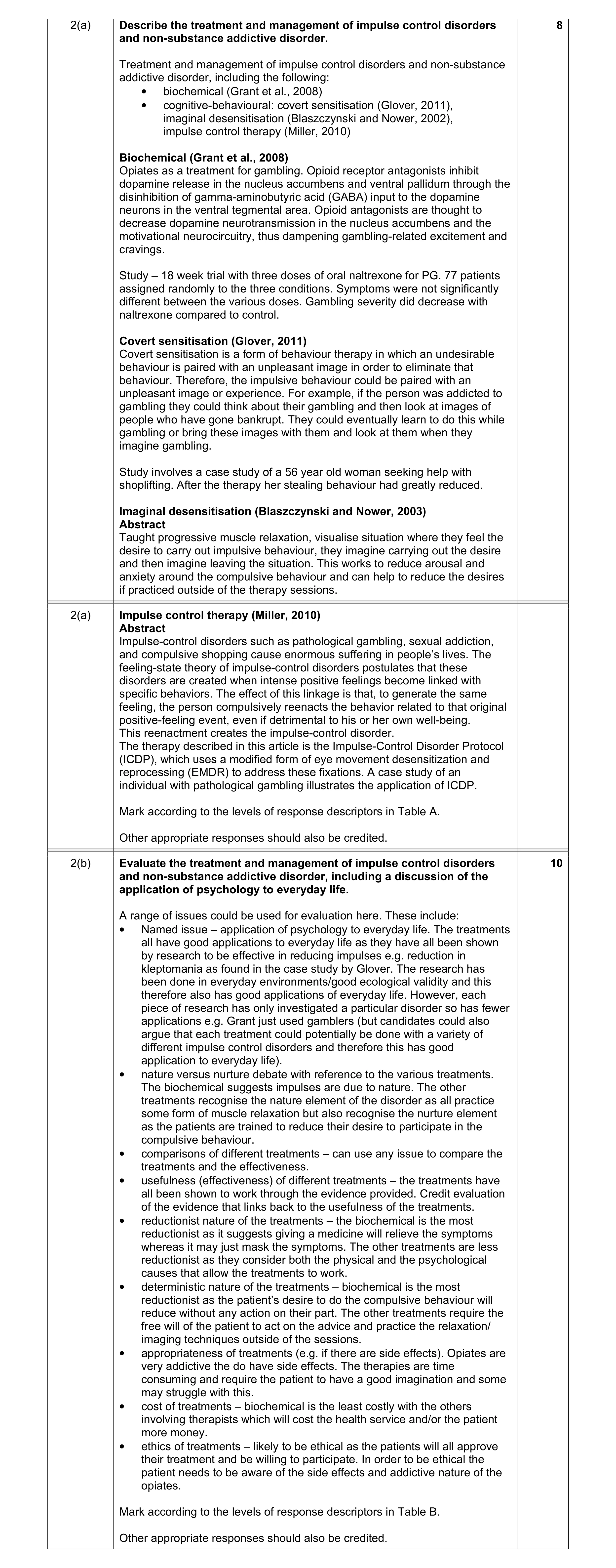 18
18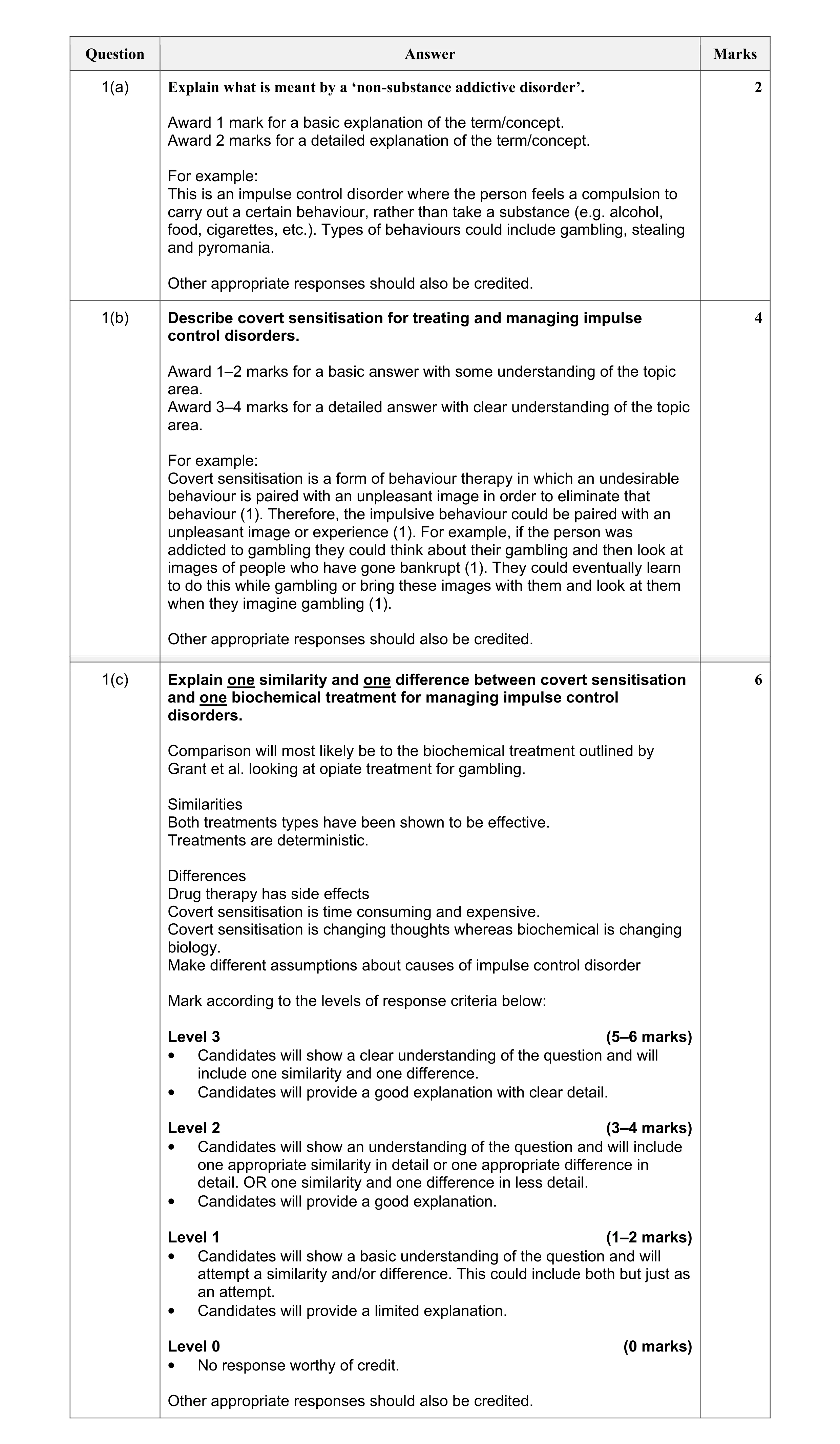 12
12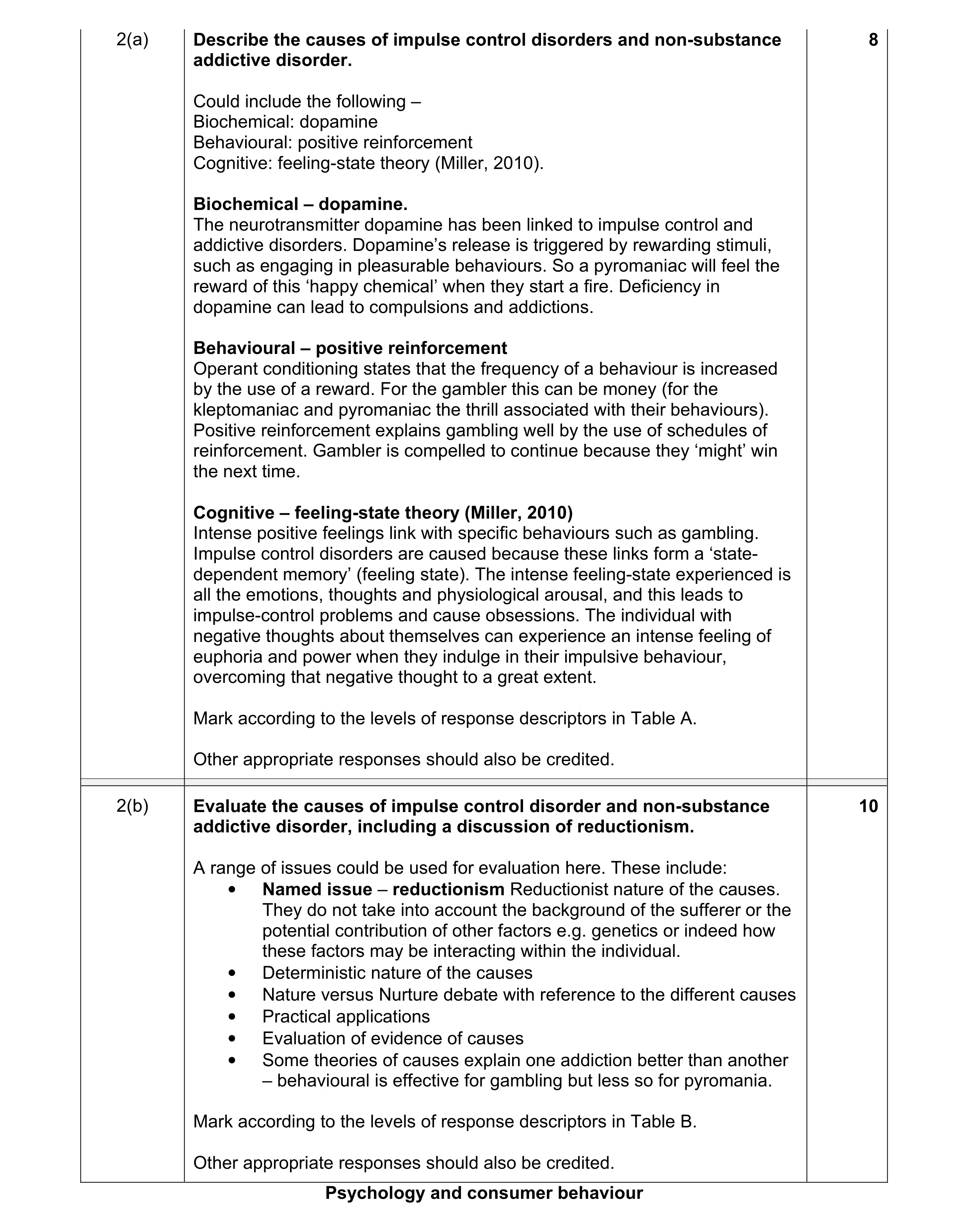 18
18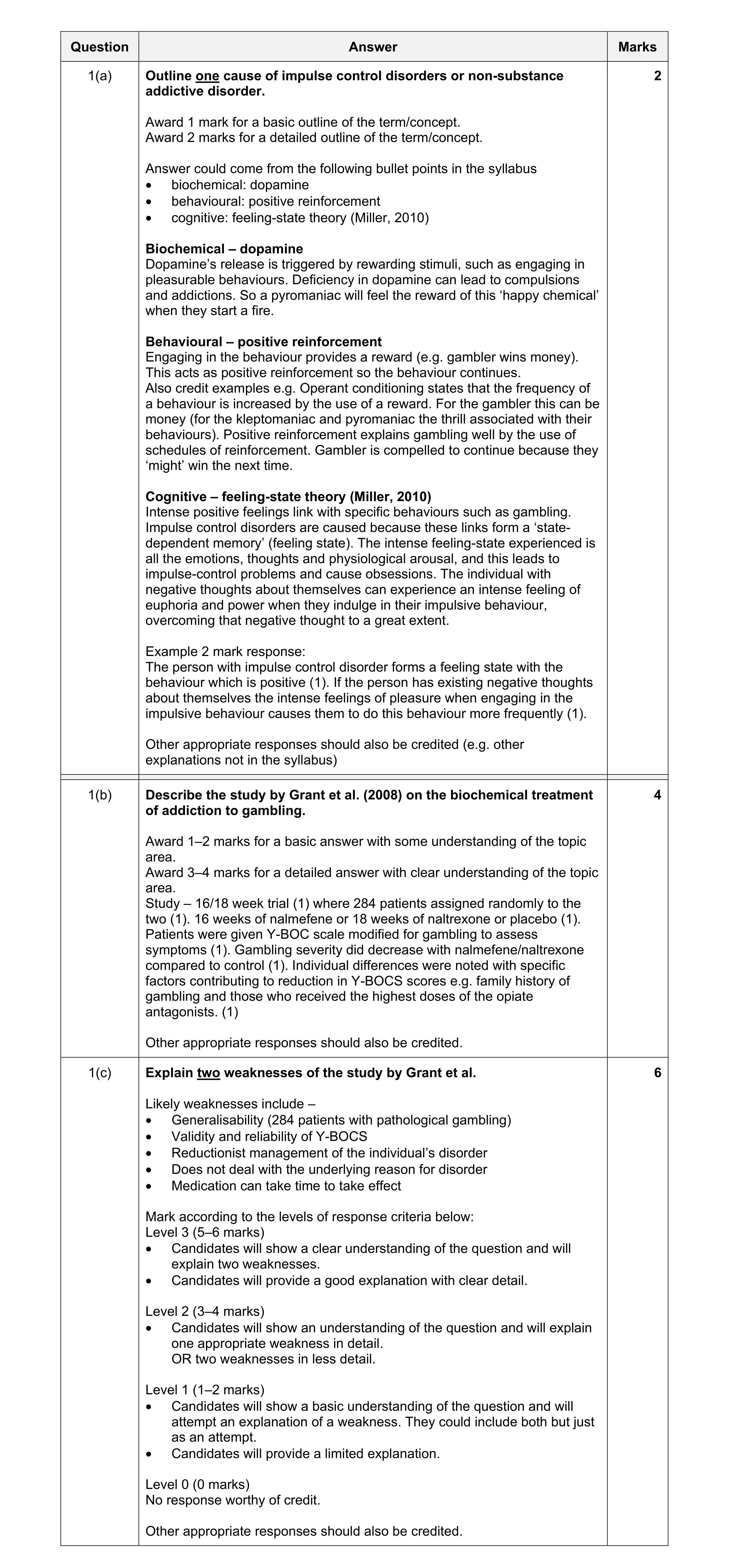 12
12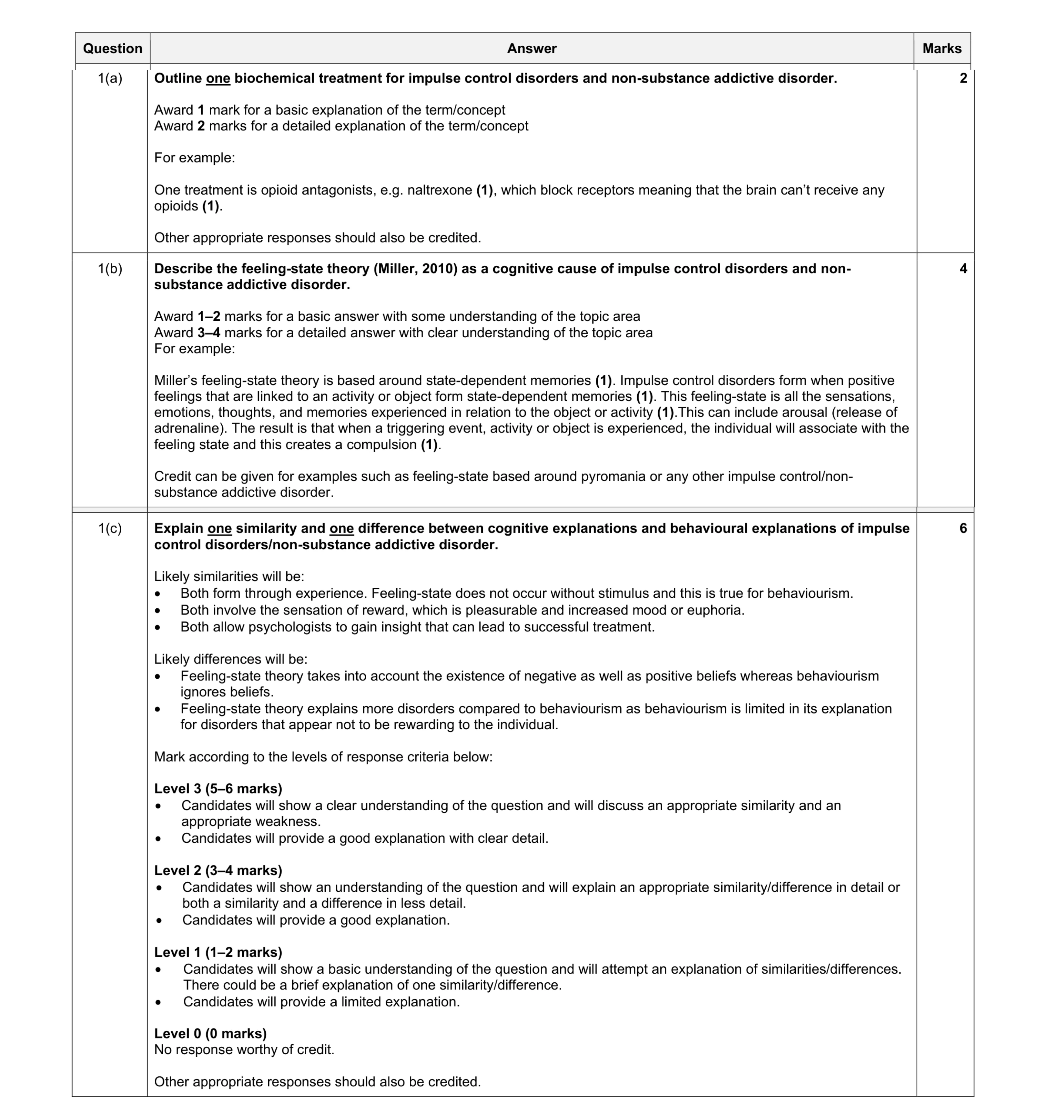 12
12 12
12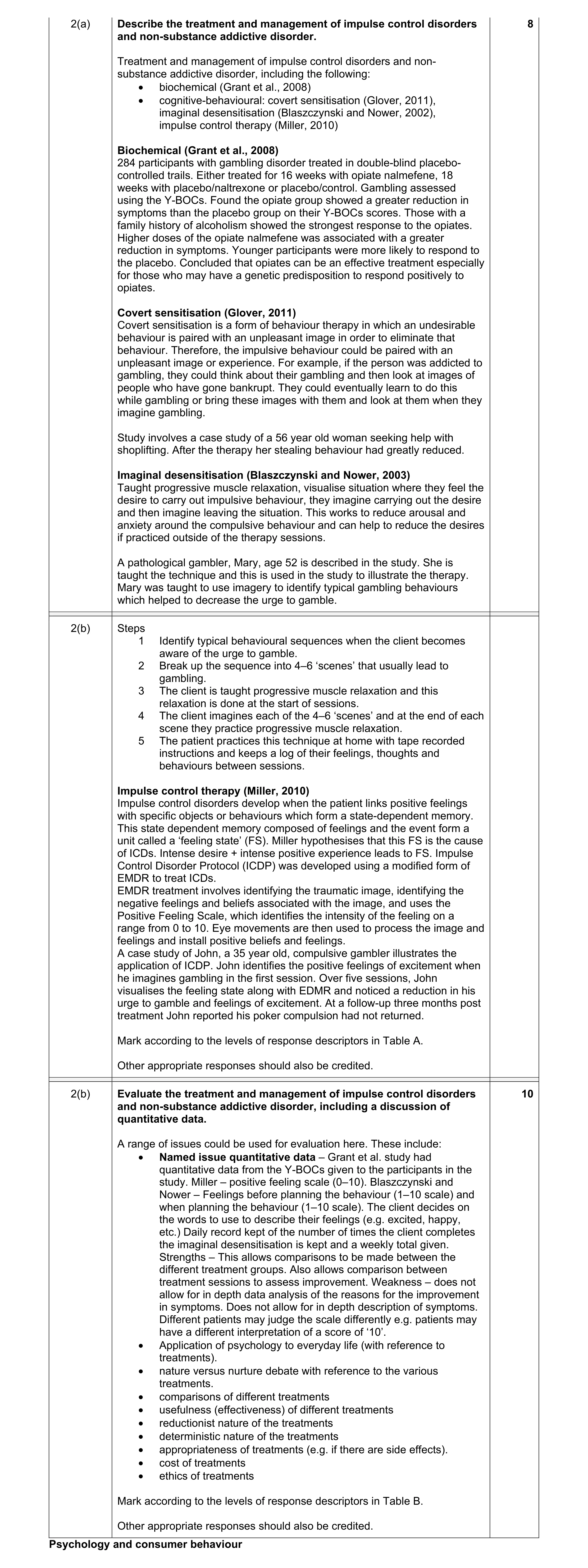 18
18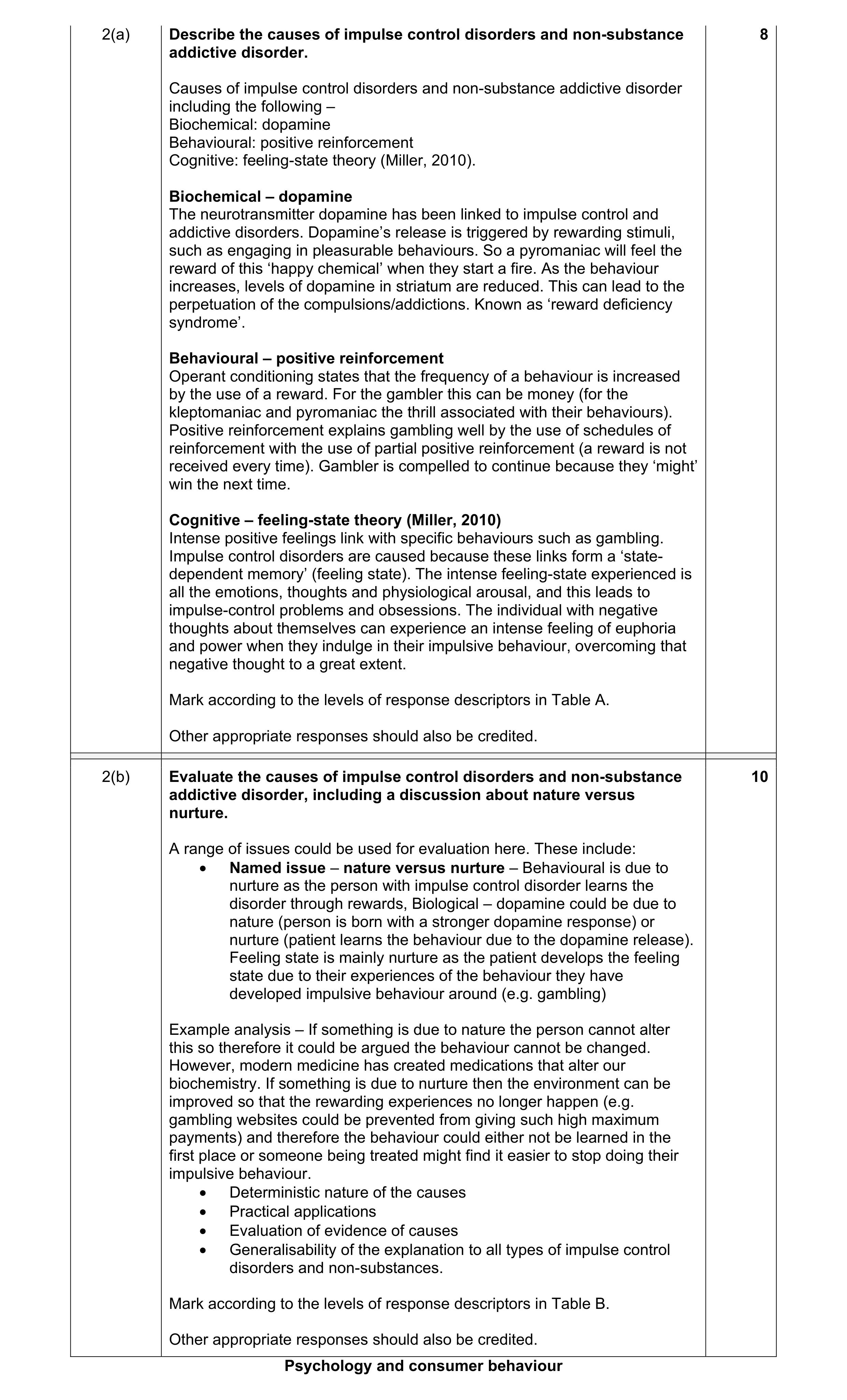 18
18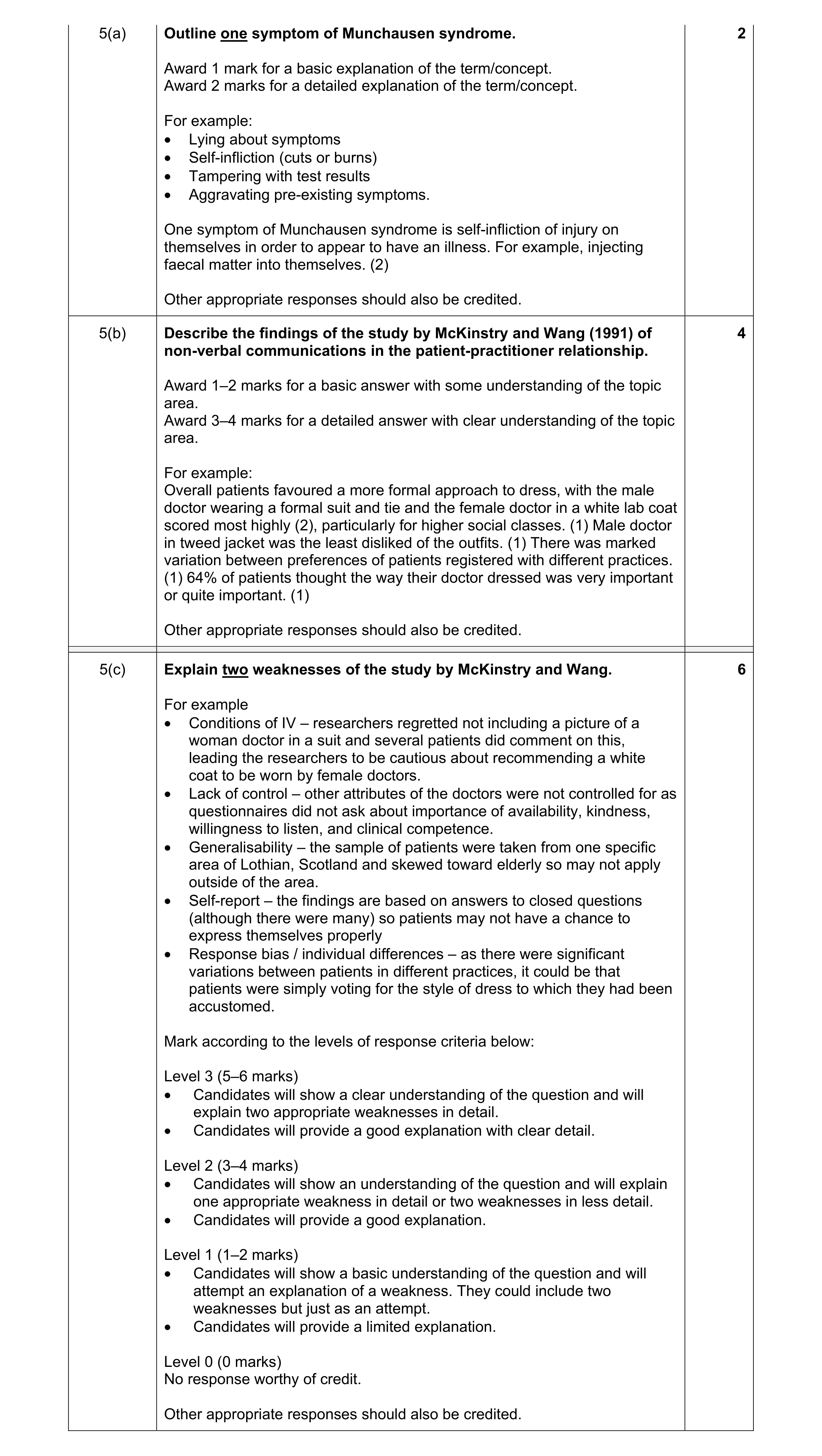 12
12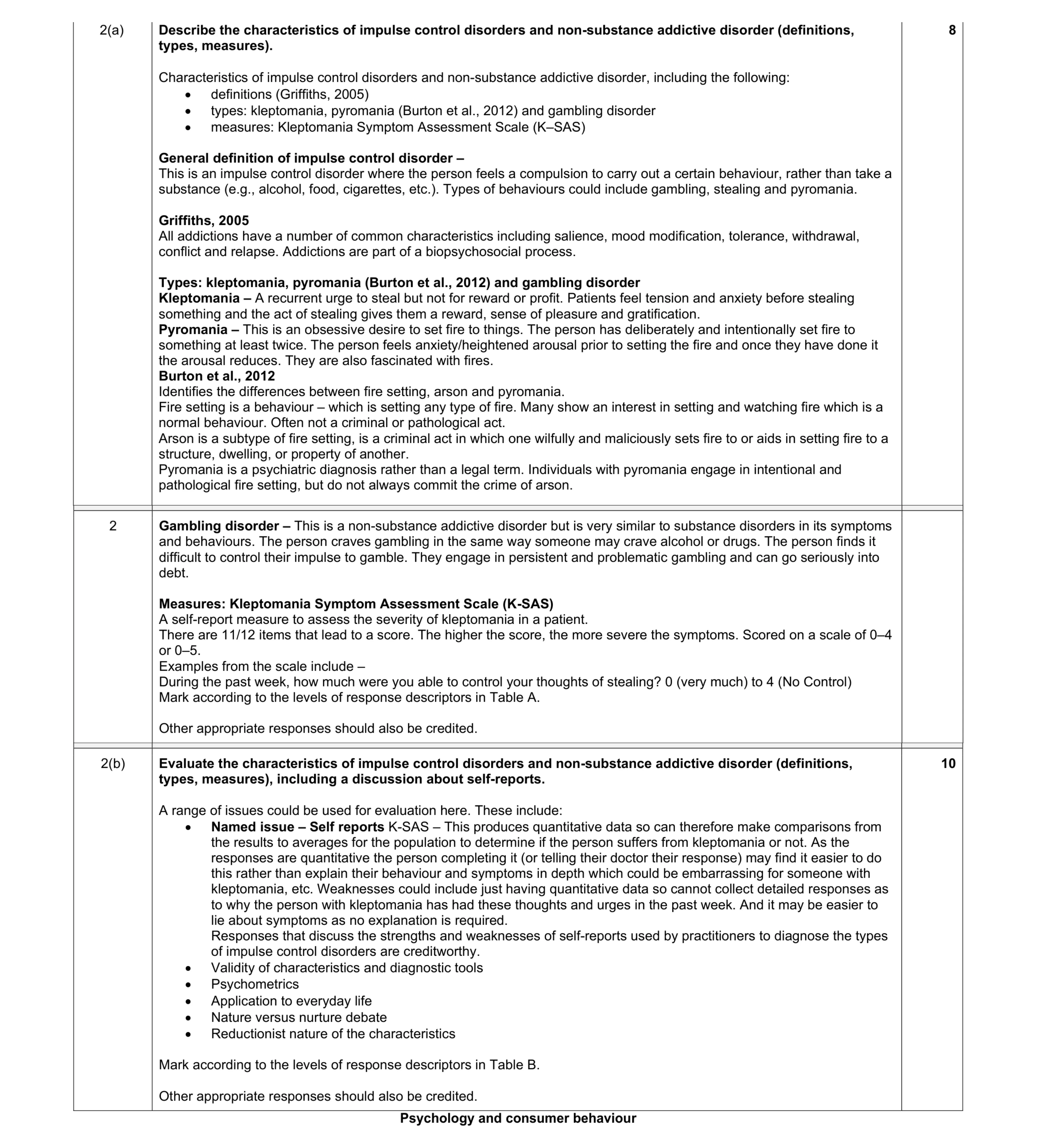 18
18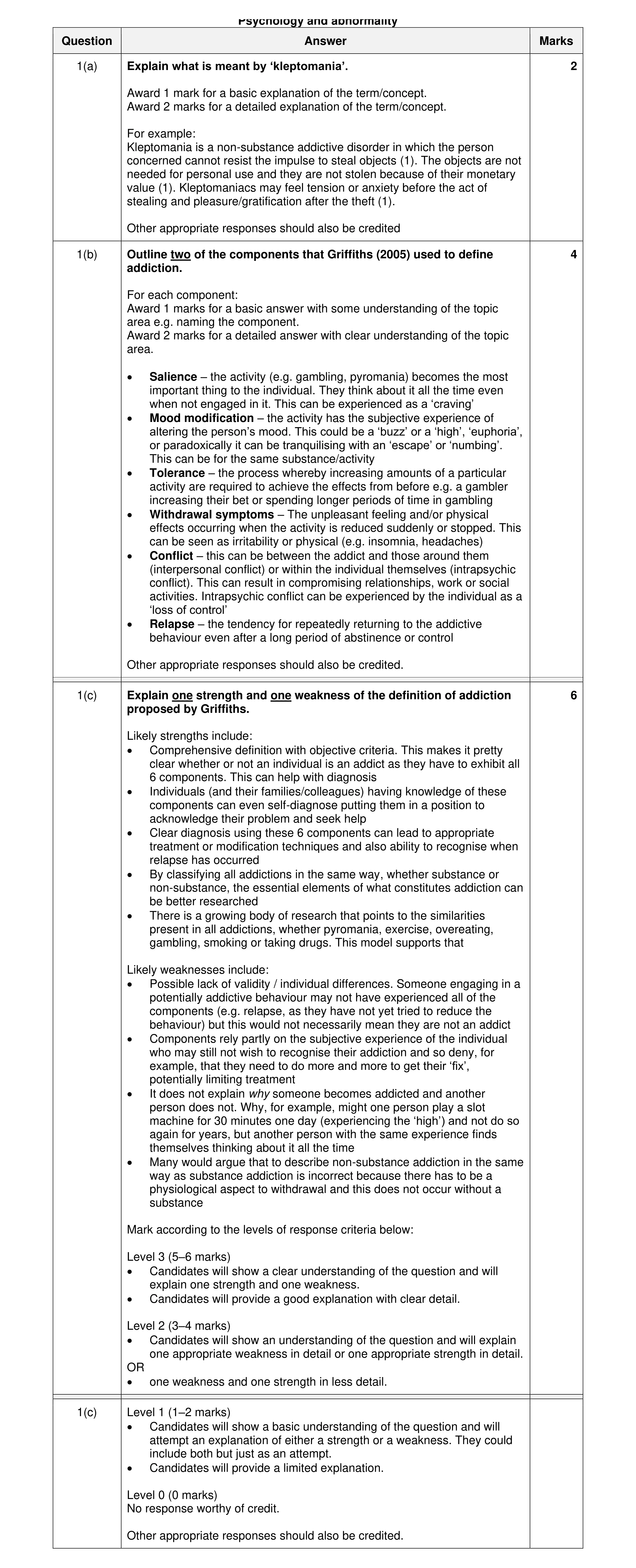 12
12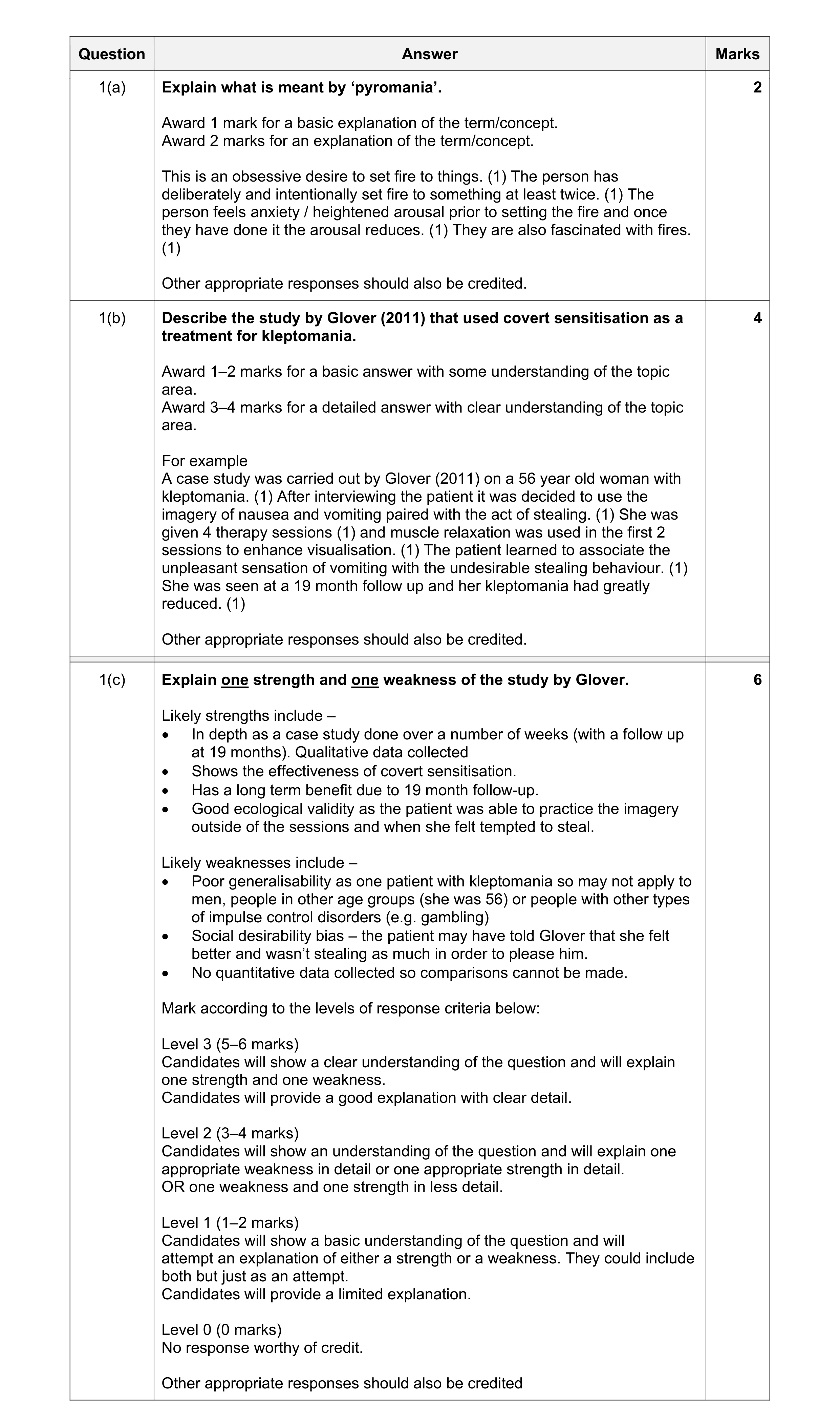 12
12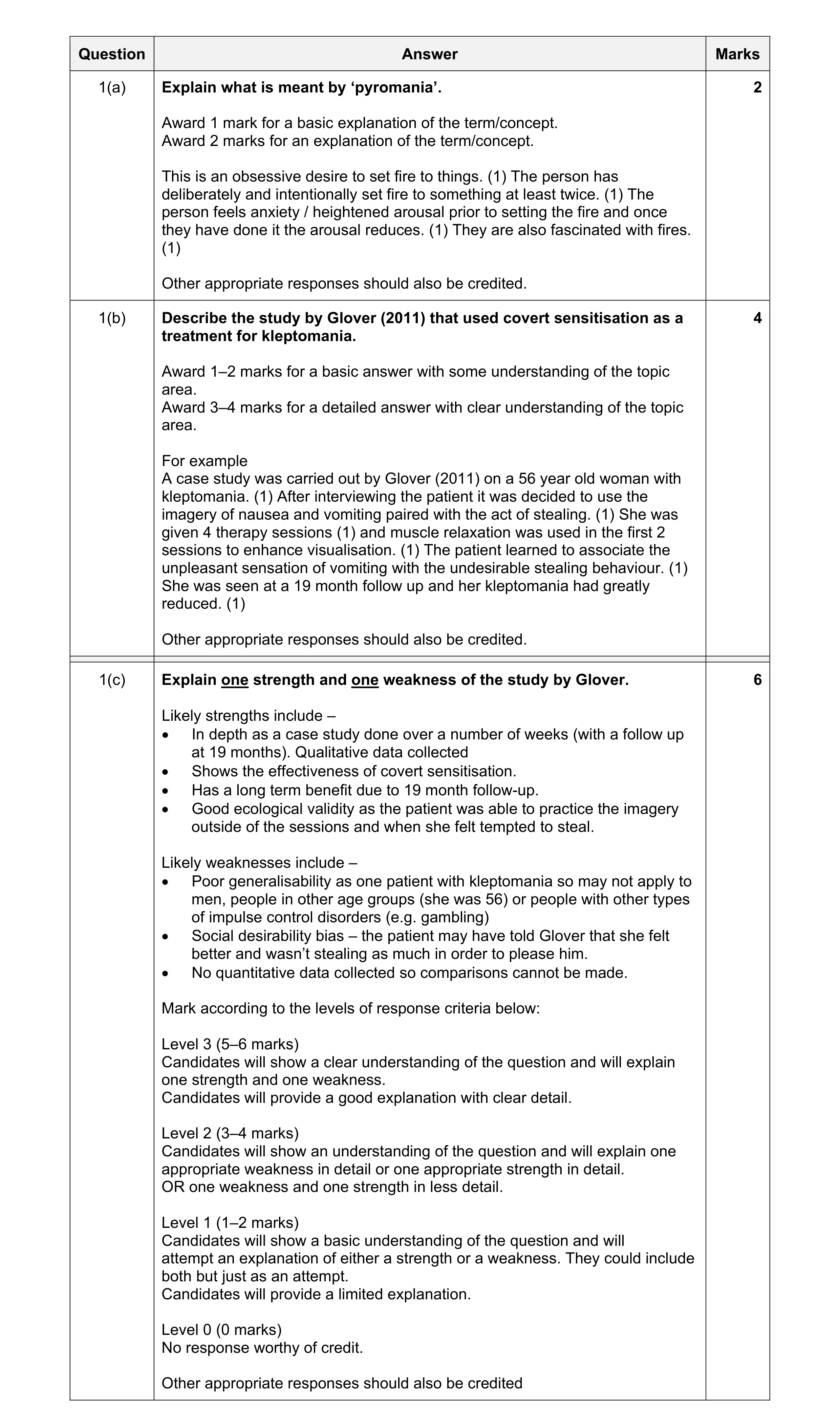 12
12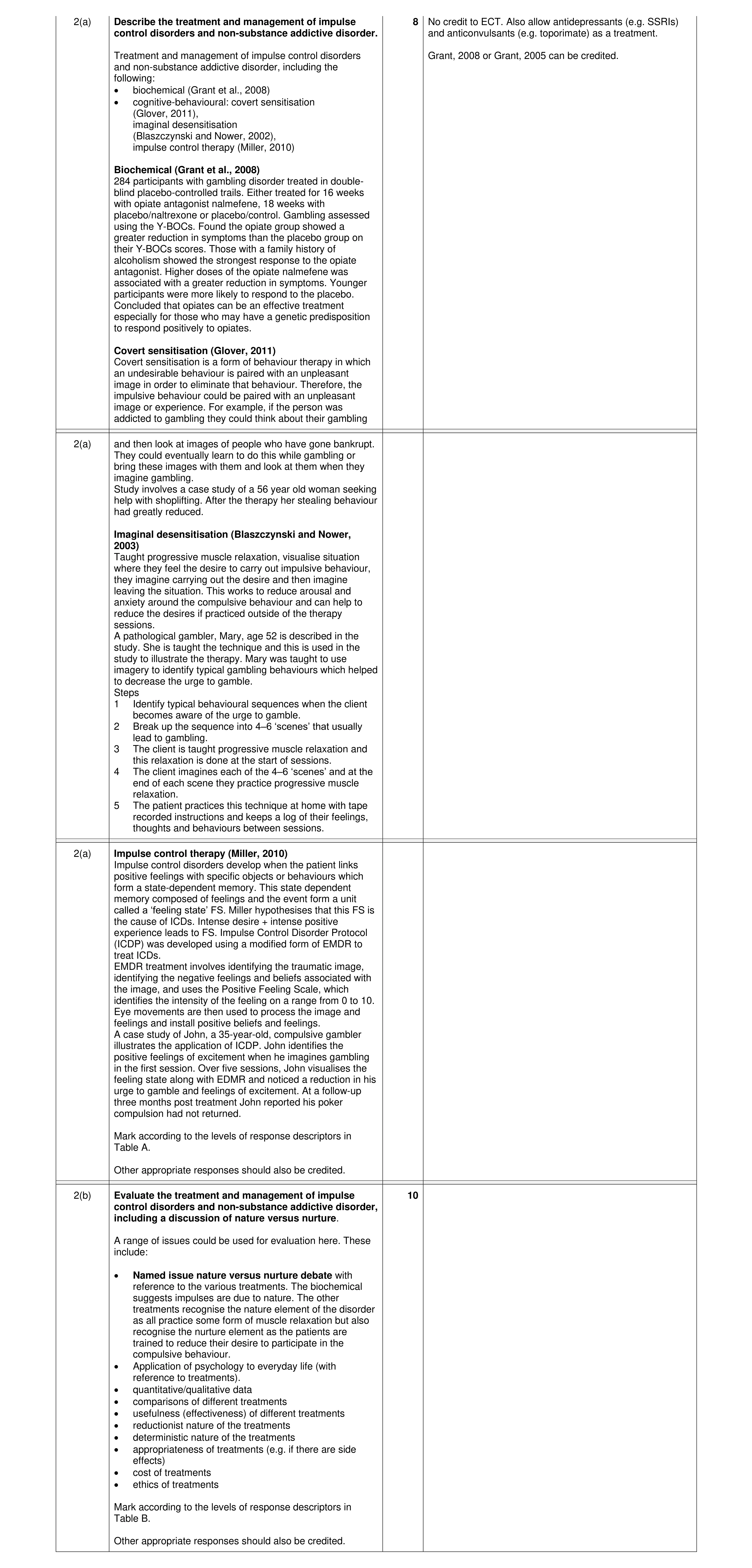 18
18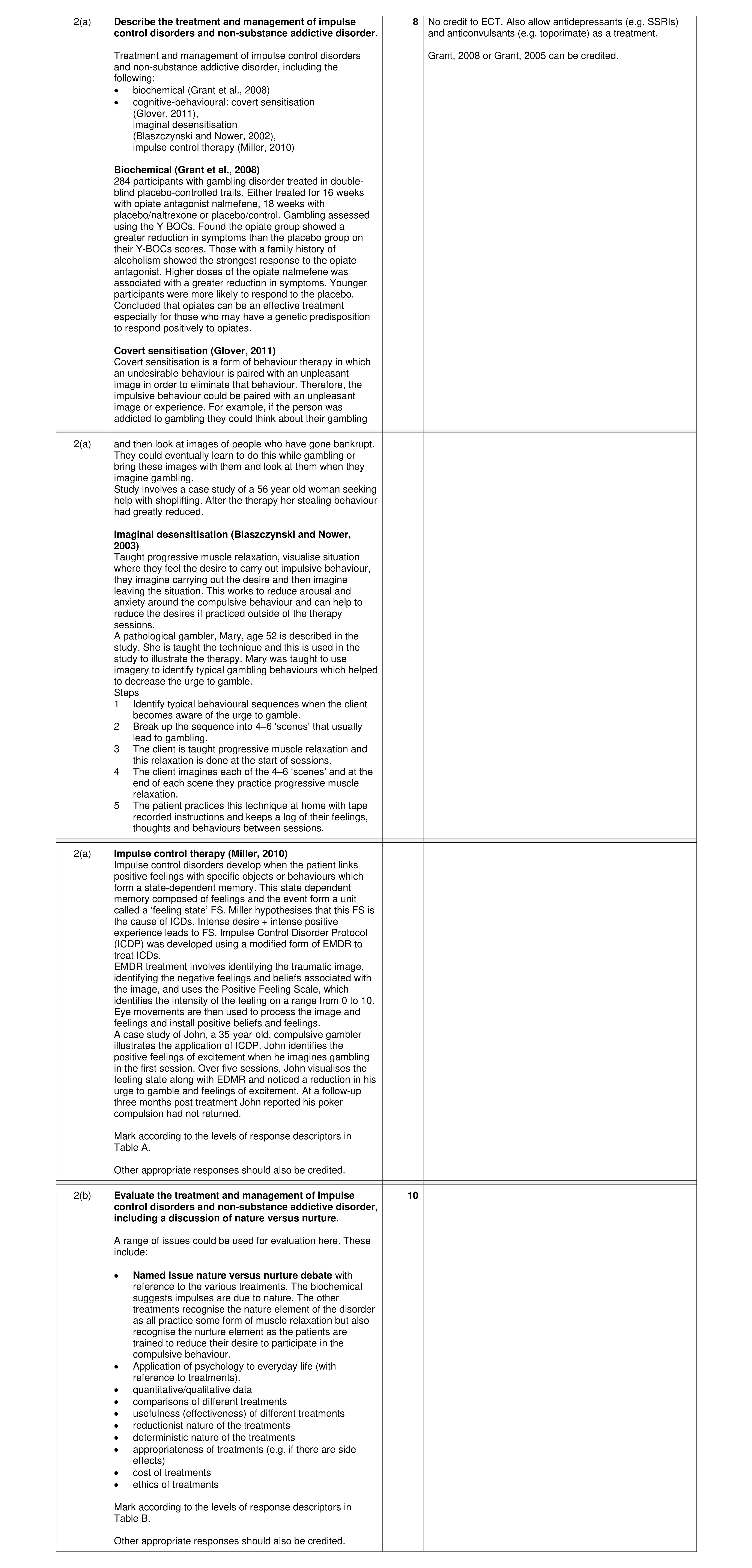 18
18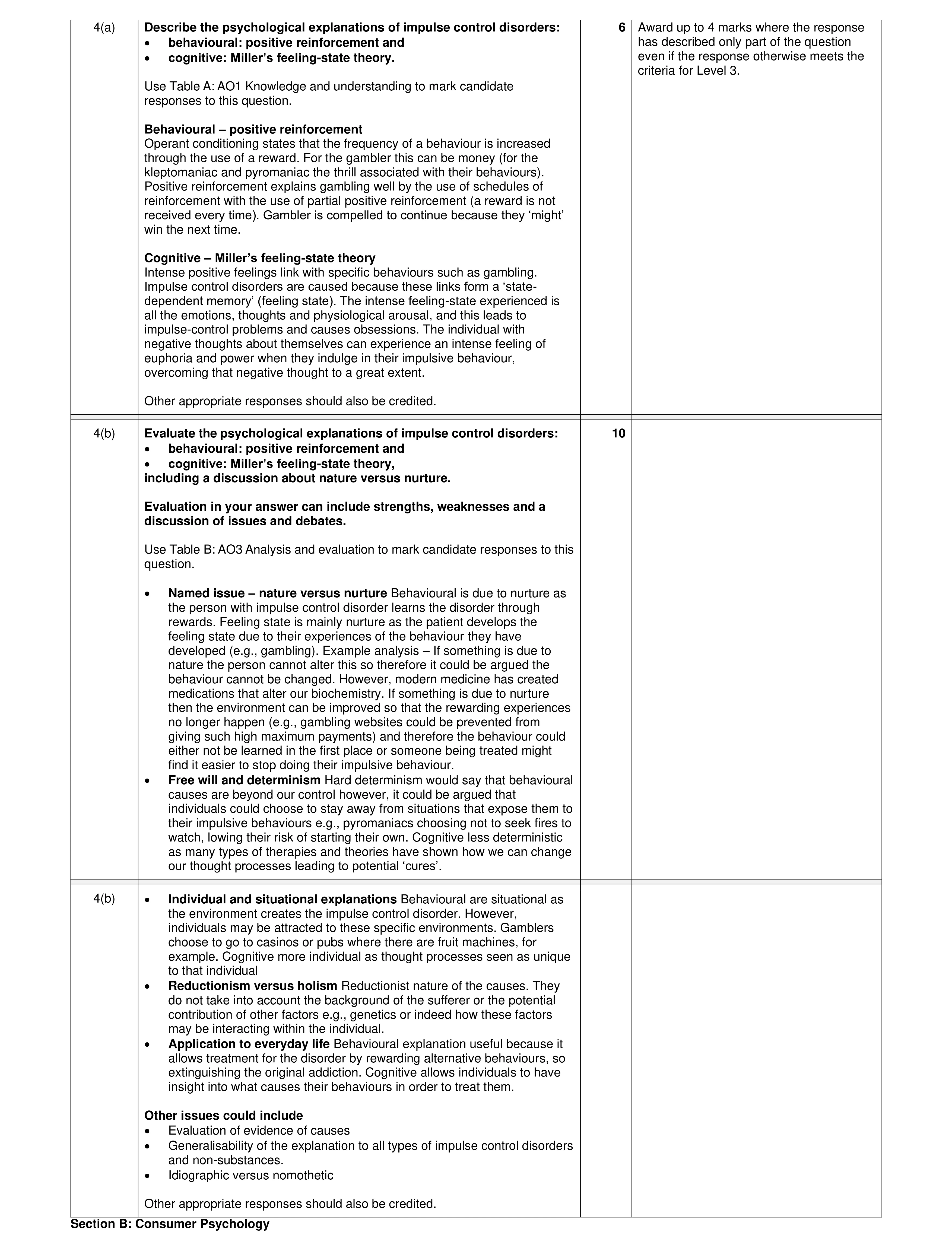 16
16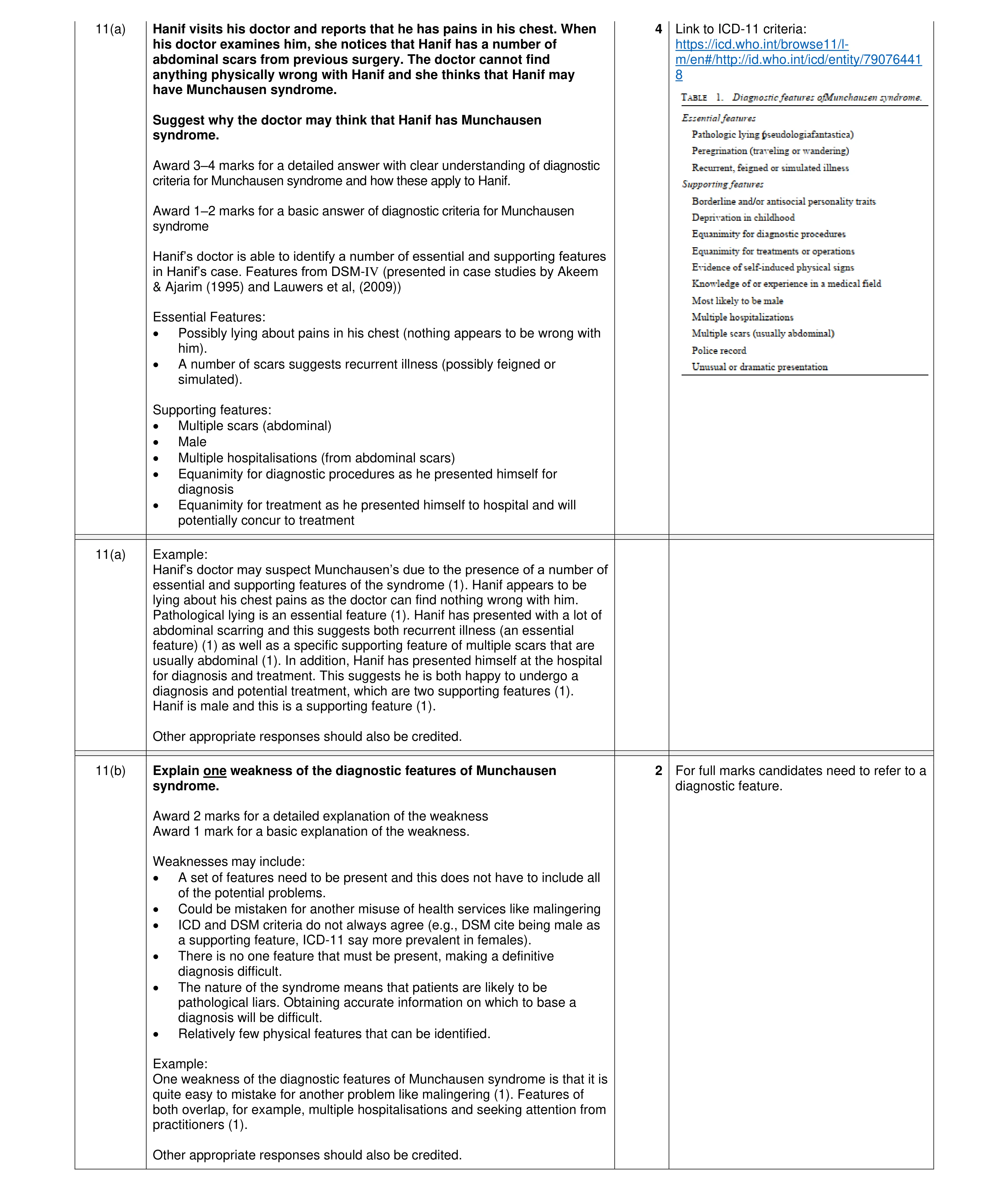 6
6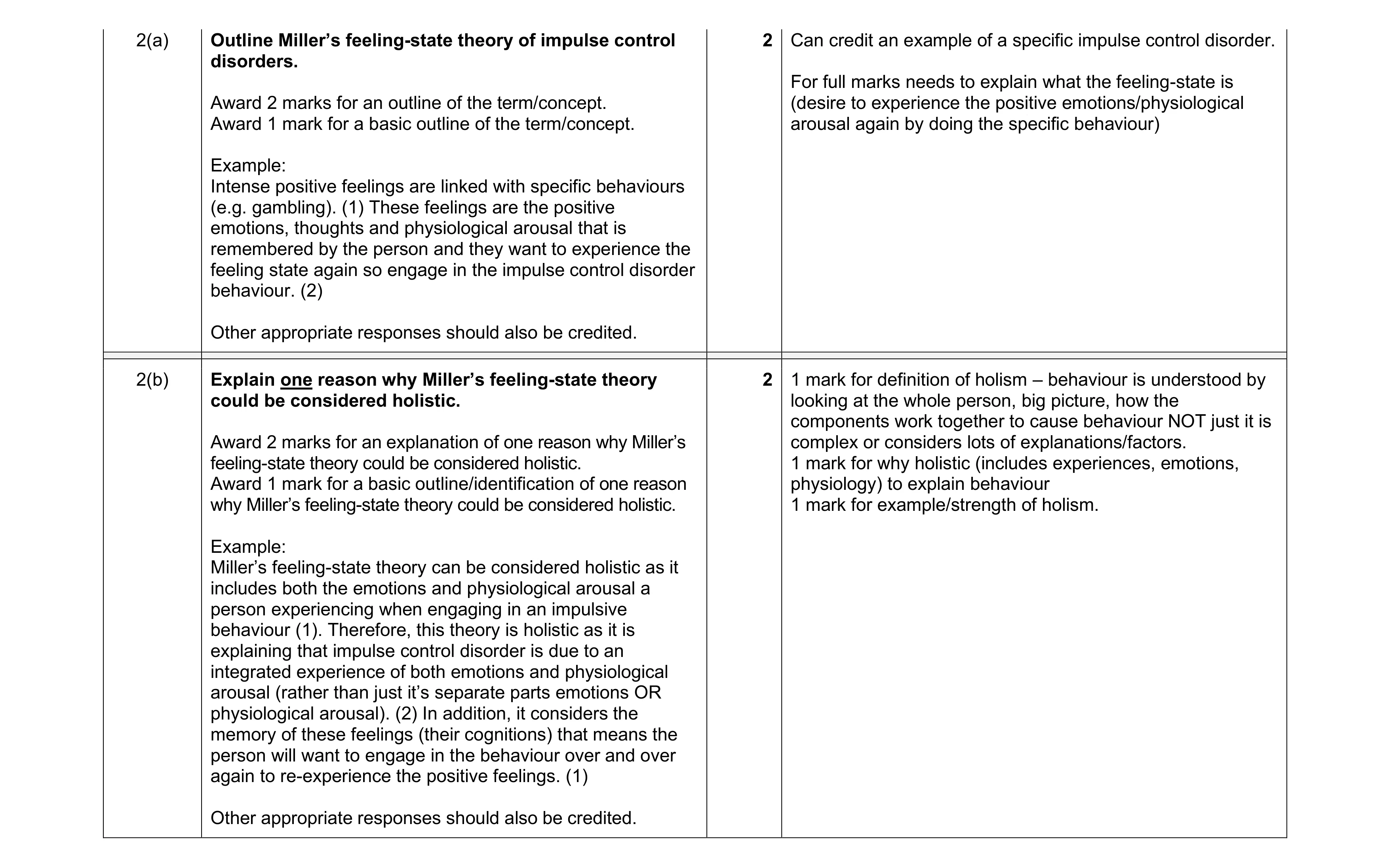 4
4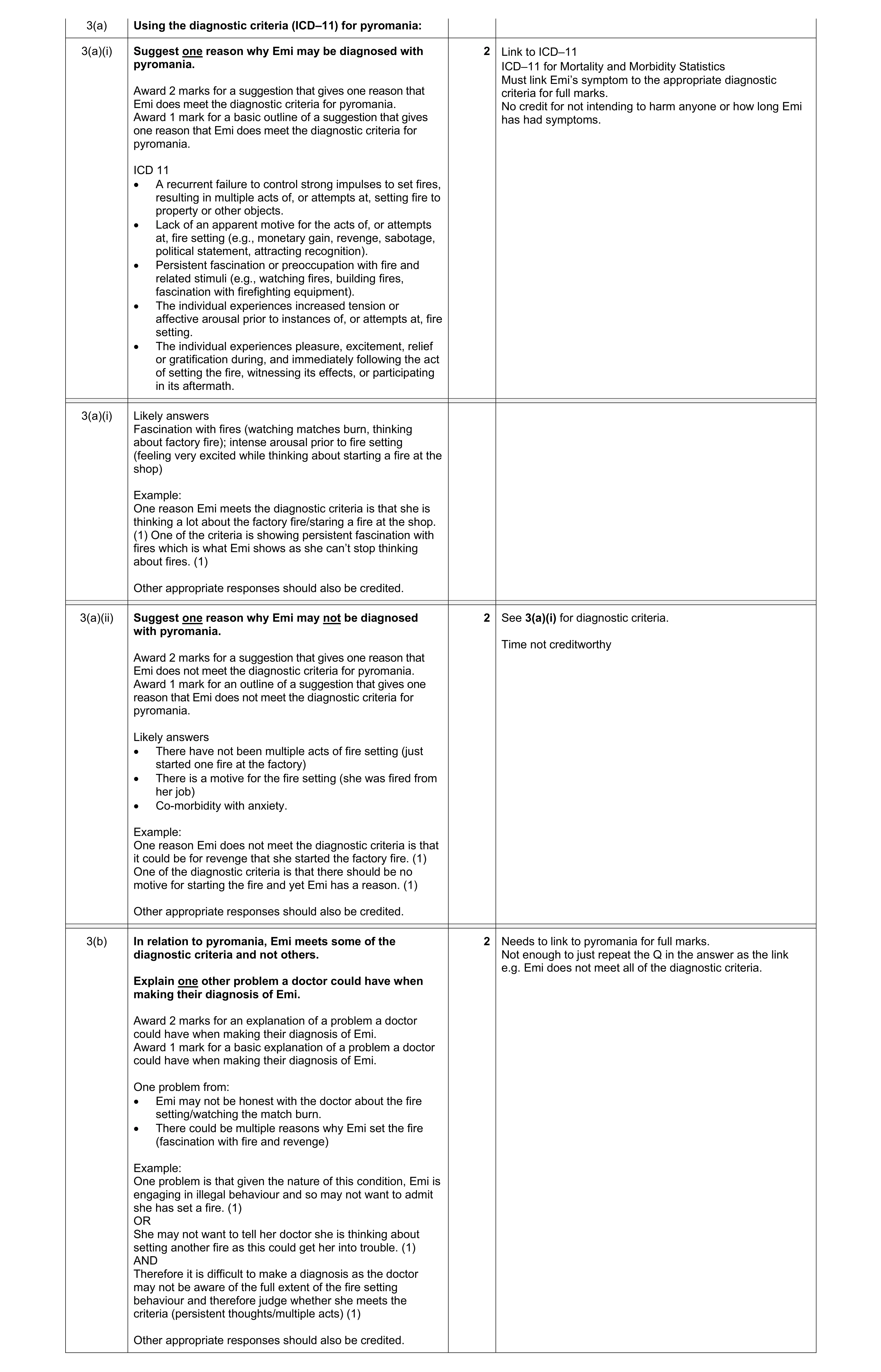 6
6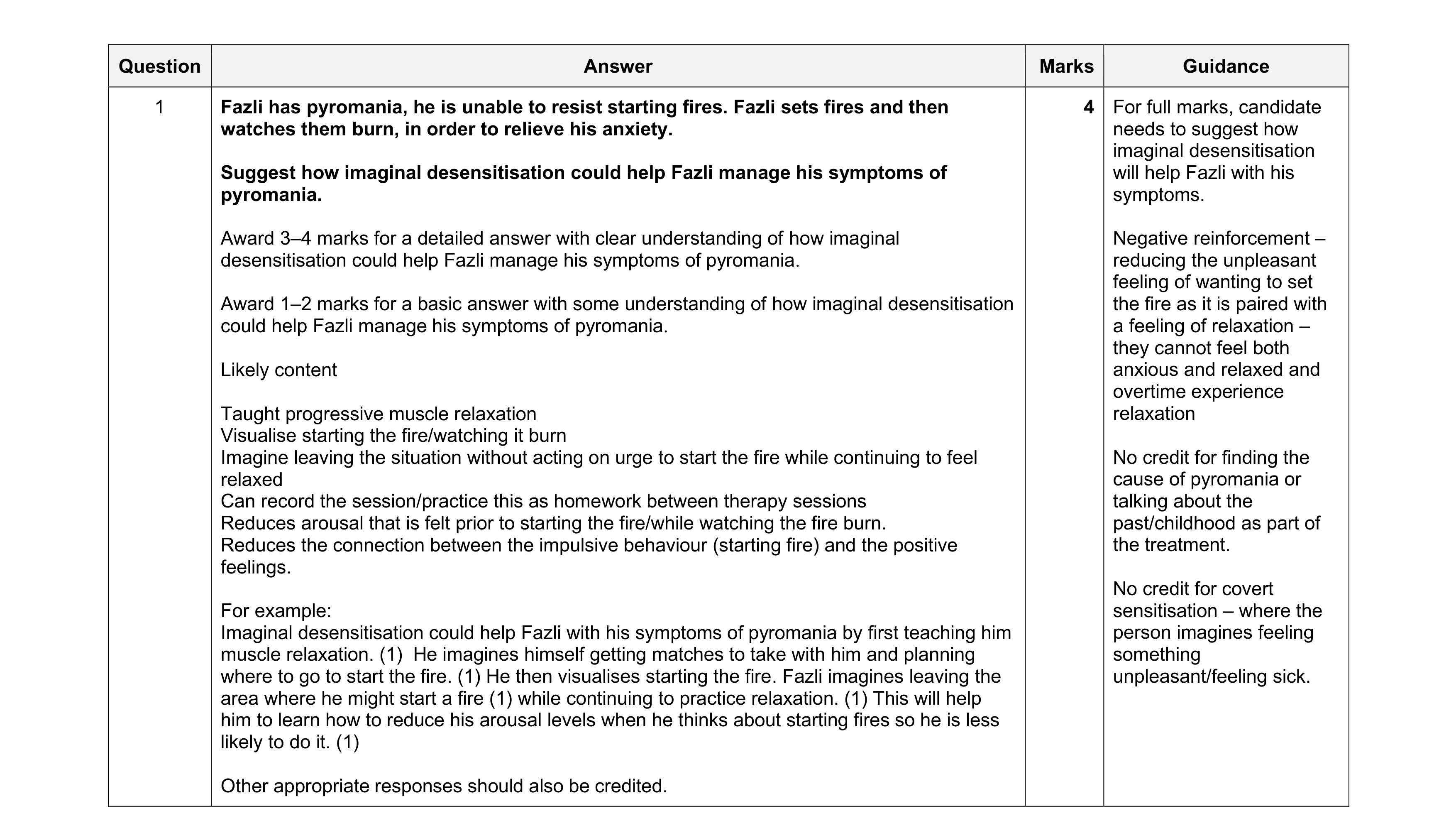 4
4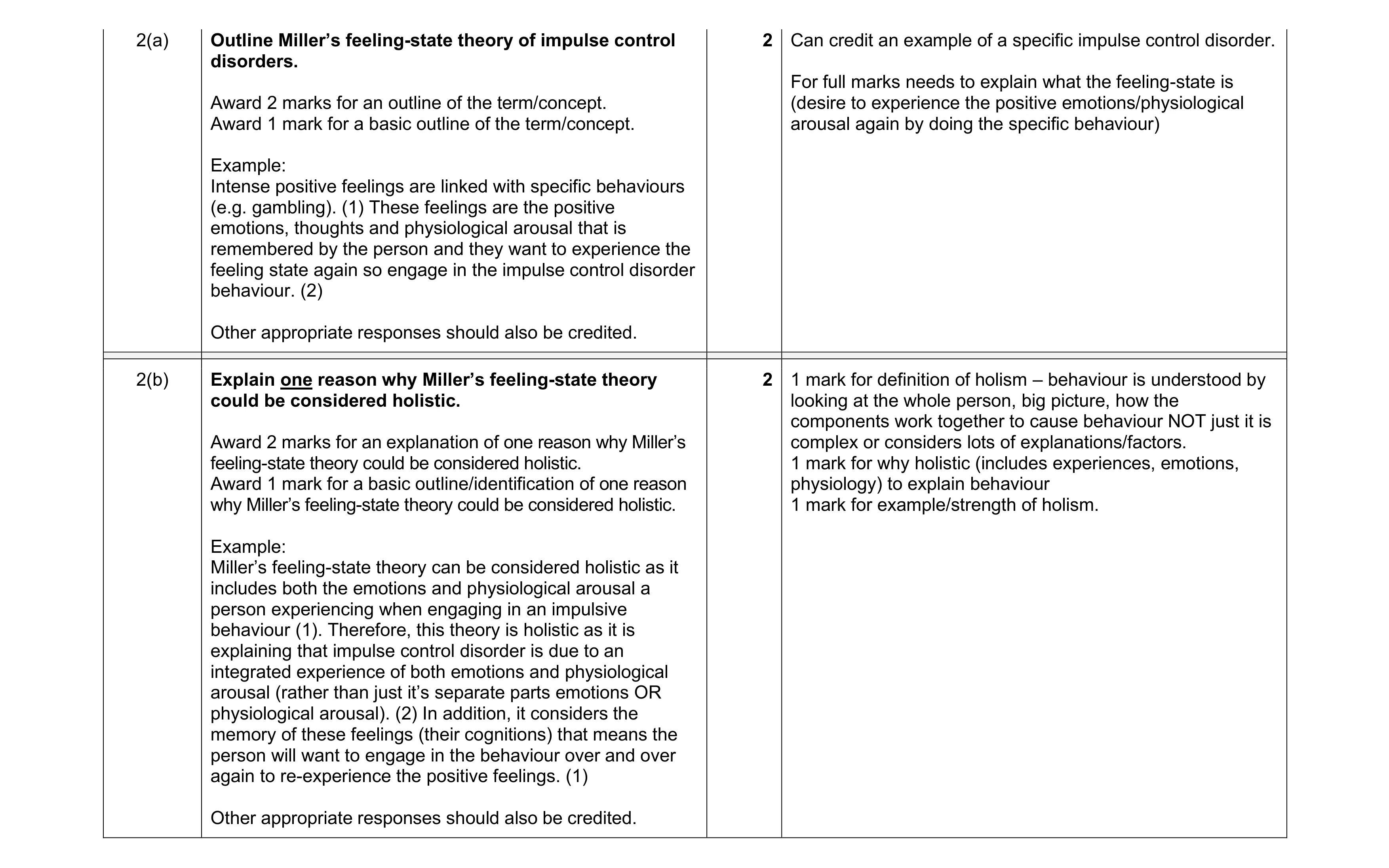 4
4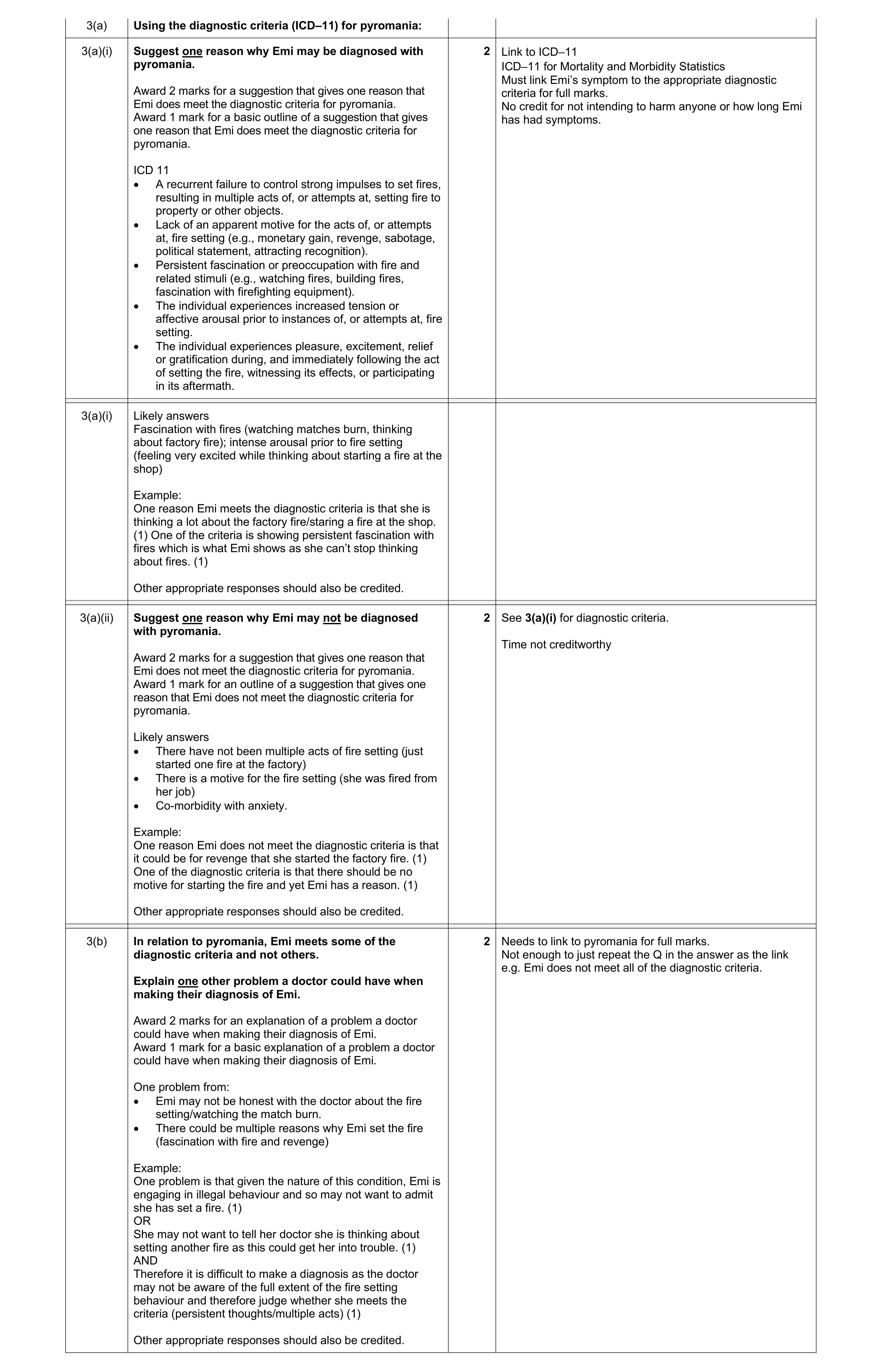 6
6