Questions as text
Q1 · The function f is defined by f(x) = a + b cos 2x, for 0 ≤x ≤π 9709/11 May/June 2007
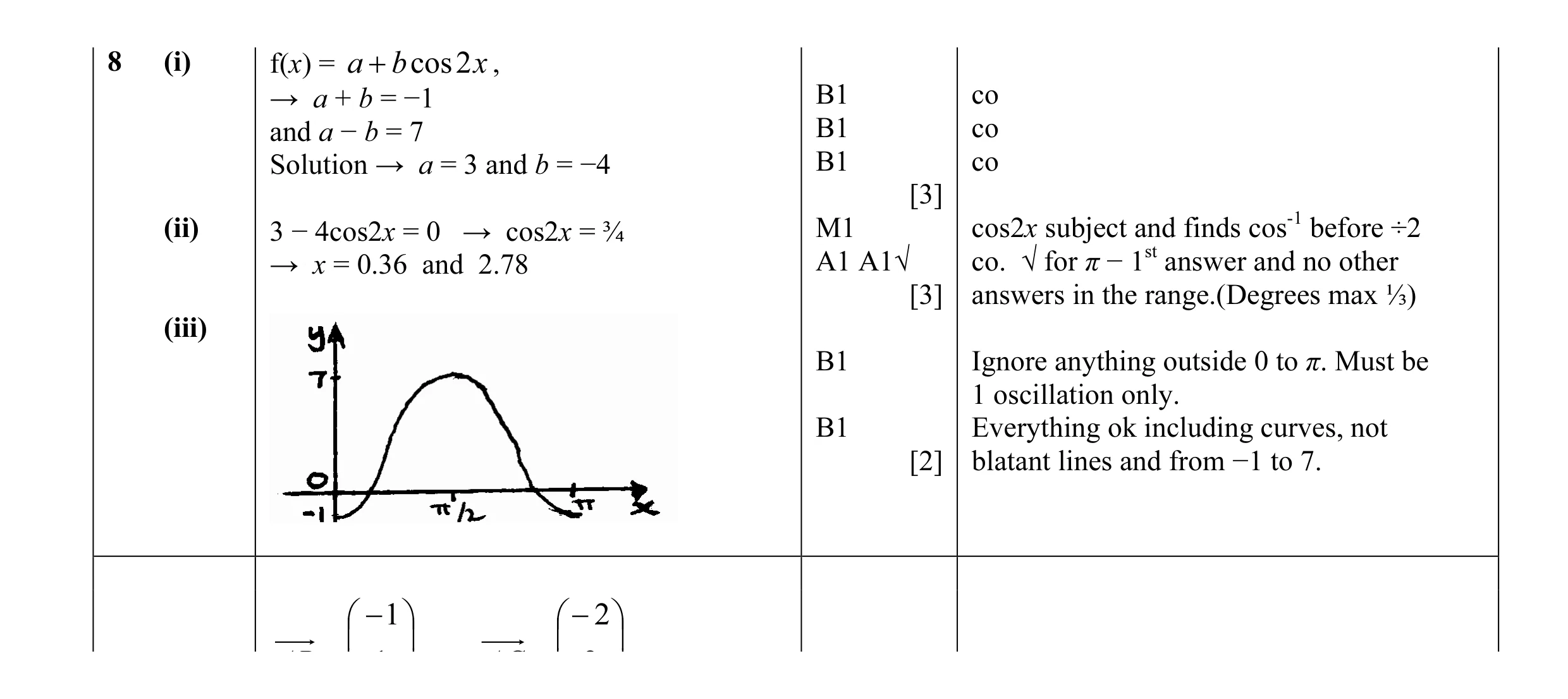
8 The function f is defined by f(x) = a + b cos 2x, for 0 ≤x ≤π. It is given that f(0) = −1 and f 12π = 7. (i) Find the values of a and b. [3] (ii) Find the x-coordinates of the points where the curve y = f(x) intersects the x-axis. [3] (iii) Sketch the graph of y = f(x). [2]
8 marks
Mark scheme: 8 (i) f(x) = a + b cos 2 x , → a + b = −1 B1 co and a − b = 7 B1 co Solution → a = 3 and b = −4 B1 co [3] (ii) 3 − 4cos2x = 0 → cos2x = ¾ M1 cos2x subject and finds cos-1 before ÷2 → x = 0.36 and 2.78 A1 A1√ co. √ for π − 1st answer and no other [3] answers in the range.(Degrees max ⅓) (iii) B1 Ignore anything outside 0 to π. Must be 1 oscillation only. B1 Everything ok including curves, not [2] blatant lines and from −1 to 7. − 1 − 2 AB 1 AC 2
This question in 9709/11 May/June 2007
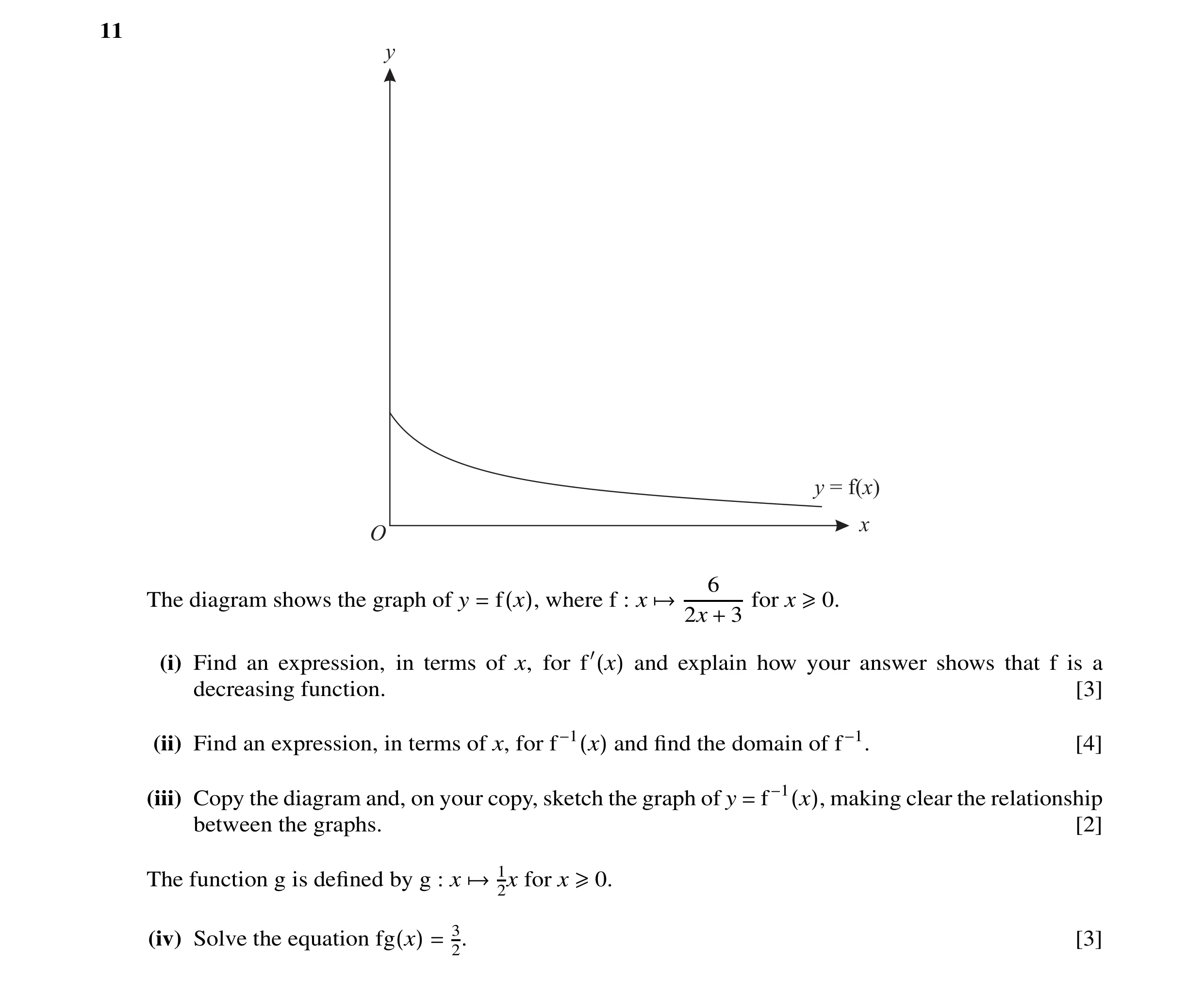
Q2 · 6 The diagram shows the graph of y = f(x), where f : x → for x ≥0 9709/11 May/June 2007
11 6 The diagram shows the graph of y = f(x), where f : x → for x ≥0. 2x + 3 (i) Find an expression, in terms of x, for f′(x) and explain how your answer shows that f is a decreasing function. [3] (ii) Find an expression, in terms of x, for f−1(x) and find the domain of f−1. [4] (iii) Copy the diagram and, on your copy, sketch the graph of y = f−1(x), making clear the relationship between the graphs. [2] The function g is defined by g : x →12x for x ≥0. (iv) Solve the equation fg(x) = 32. [3]
12 marks
Mark scheme: 11 (i) f´(x) = −6(2x+3)-2 × 2 B1 B1 co.(−ve power ok) B1 for ×2 Always −ve → Decreasing B1√ Answer given. Correct explanation. [3] 6 (ii) y = M1 Reasonable attempt in making x the 2 x + 3 subject (ok to interchange x, y first) M1 Order of operations must be correct ie 1 6 → f -1(x) = −3 ÷ y, −3 then ÷ 2. 2 x A1 Correct expression as f–1(x). Gets 2/3 for correct expression with y. Domain of f –1: 0 < x ≤ 2 B1 Could be independent of answer for f -1. [4] Condone < or ≤ (iii) B1 Correct graph for f -1(curve, stops on axis) B1 Makes clear on graph, or in words or [2] by the line y=x marked, the symmetry. 6 (iv) fg(x) = M1 x + 3 = 1.5 → x = 1 M1 g first, then f. Reverse (3÷(2x+3) M0 [or , using f-1, → g(x) = ½, ⇒ x = 1.] A1 Not DM – so can get this if attempt ok [ M1 M1 A1] co [3] DM1 for quadratic. Quadratic must be set to 0. Factors. Attempt at two brackets. Each bracket set to 0 and solved. Formula. Correct formula. Correct use, but allow for numerical slips in b² and −4ac.
This question in 9709/11 May/June 2007
Q3 · Functions f and g are defined by f : x →4x −2k for x ∈ , where k is a constant, 9 g : x →… 9709/11 May/June 2008
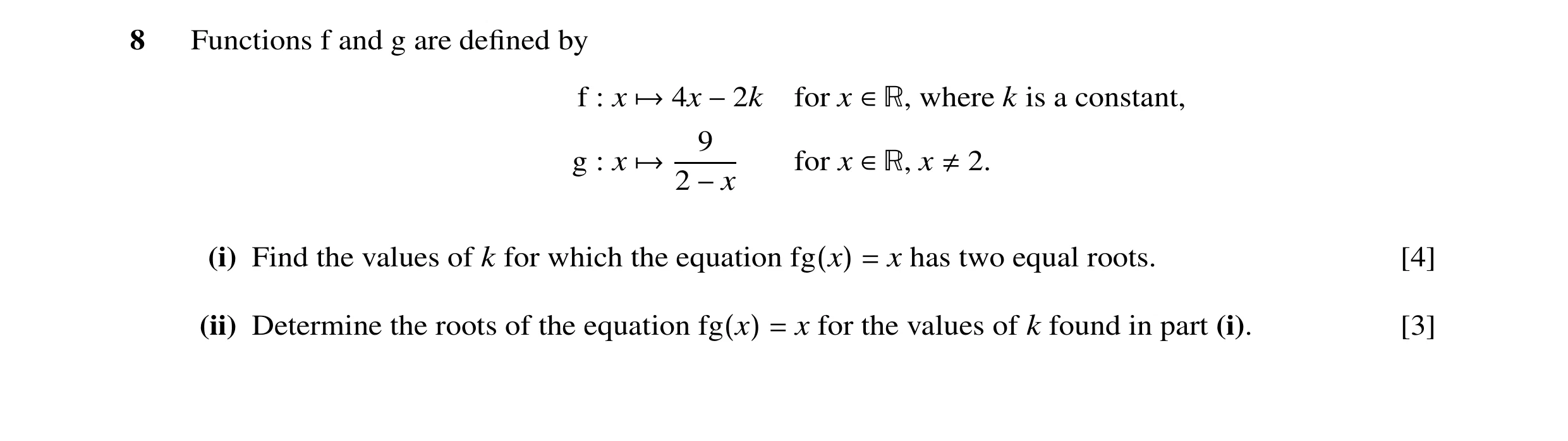
8 Functions f and g are defined by f : x →4x −2k for x ∈ , where k is a constant, 9 g : x → for x ∈ , x ≠2. 2 −x (i) Find the values of k for which the equation fg(x) = x has two equal roots. [4] (ii) Determine the roots of the equation fg(x) = x for the values of k found in part (i). [3]
7 marks
Mark scheme: (ii) x 2 + 8 x + 16 = 0 , x 2 − 16 x + 64 = 0 M1 Substituting one of the values of k. x = −4 or x = 8. A1 A1 [3] d y k 9 = d x x 3 x −2 (i) Integrating y = − k (+ c) B1 ok unsimplified − 2 k Sub (1,18) 18 = + c M1 Substitutes once (even if without + c) 2 k Sub (4,3) 3 = + c M1 2nd substitution and solution of simultaneous 32 equations for k and c → k = 32, c = 2 A1 co [4] 16 (ii) Area = − + 2 x from 1 to 1.6 B1 B1 co x → [−10 + 3.2] − [−16 + 2] = 7.2 M1 A1 Use of limits in an integral. co. [4] 10 OA = 2i + j + 2k, OB = 3i − 2j + pk (i) (2i + j + 2k) . (3i − 2j + pk) = 0 M1 For x1x2+y1y2+z1z2 (in (i) or (ii)) → 6 − 2 + 2p = 0 → p = −2 A1 co [2] (ii) (2i + j + 2k) . (3i − 2j + 6k) nb Part (ii) gains 4 marks if (i) missing. → 6 − 2 + 12 allow for ± this A1 co (M1 here if (i) not done)
This question in 9709/11 May/June 2008
Q4 · The function f is defined by f : x →2x2 −12x + 13 for 0 ≤x ≤A, where A is a constant 9709/11 May/June 2009
10 The function f is defined by f : x →2x2 −12x + 13 for 0 ≤x ≤A, where A is a constant. (i) Express f(x) in the form a(x + b)2 + c, where a, b and c are constants. [3] (ii) State the value of A for which the graph of y = f(x) has a line of symmetry. [1] (iii) When A has this value, find the range of f. [2] The function g is defined by g : x →2x2 −12x + 13 for x ≥4. (iv) Explain why g has an inverse. [1] (v) Obtain an expression, in terms of x, for g−1(x). [3]
10 marks
Mark scheme: 10 (i) 2x² − 12x + 13 = 2(x − 3)² − 5 3 × B1 Allow even if a, b, c not specifically quoted. [3] (ii) Symmetrical about x = 3. A = 6. B1√ For 2 × his (−b). [1] (iii) One limit is −5 B1√ For his c. Other limit is 13 B1 co. [2] (iv) Inverse since 1:1 (4 > 3). B1 Valid argument. [1] (v) Makes x the subject of the equation M1 Attempts to change the formula. Order of operations correct DM1 “+5”, ÷2, √, +3. Allow for simple algebraic slips such as − 5 for +5 etc. x + 5 → + 3 A1 co – as a function of x, not y. 2 [3] condone ±. dy 2
This question in 9709/11 May/June 2009
Q5 · 8 The function f is such that f(x) = 2x 5 for x ∈>, x ≠−2.5 9709/12 Oct/Nov 2009
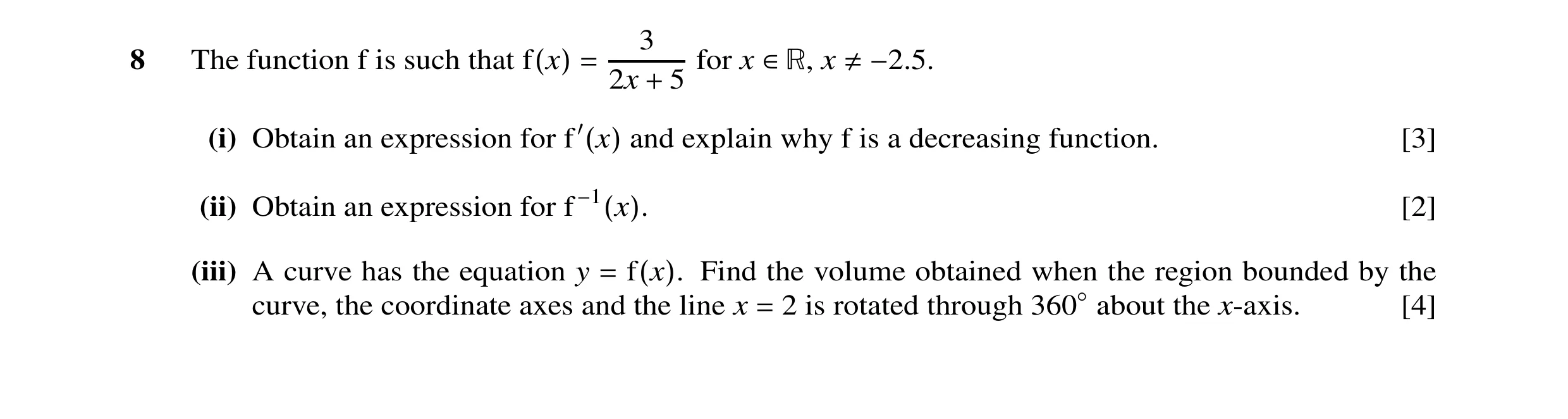
3 8 The function f is such that f(x) = 2x 5 for x ∈>, x ≠−2.5. + (i) Obtain an expression for f ′(x) and explain why f is a decreasing function. [3] (ii) Obtain an expression for f −1(x). [2] (iii) A curve has the equation y = f(x). Find the volume obtained when the region bounded by the curve, the coordinate axes and the line x = 2 is rotated through 360◦about the x-axis. [4]
9 marks
Mark scheme: 3 8 x a 2 x + 5 (i) fV(x) = –3(2x + 5)–2 × 2 B1 B1 B1 for –3(2x + 5)–2. B1 for ×2 fV(x) is negative → decreasing B1√ √ providing bracket is squared. [3] (using value or values only B0) 3 3 (ii) y = → 2 x + 5 = M1 Attempt at making x the subject. 2 x + 5 y –1 1 3 3− 5 x → f (x) = −5 or A1 co including f(x) not f(y) 2 x 2 x [2] 9 2 (iii) ∫ π ( 2 x + 5) dx B1 For –9(2x + 5)–1 = (–9π(2x + 5)–1 ÷ 2) B1 For ÷ 2 in ∫ of y2 Limits 0 to 2 → π (−½ − −0.9) M1 Use of correct limits with ∫ of y2. → = 0.4π (or 1.26) A1 co [4]
This question in 9709/12 Oct/Nov 2009
Q6 · The function f : x →2x2 −8x + 14 is defined for x ∈> 9709/13 May/June 2010
10 The function f : x →2x2 −8x + 14 is defined for x ∈>. (i) Find the values of the constant k for which the line y + kx = 12 is a tangent to the curve y = f(x). [4] (ii) Express f(x) in the form a(x + b)2 + c, where a, b and c are constants. [3] (iii) Find the range of f. [1] The function g : x →2x2 −8x + 14 is defined for x ≥A. (iv) Find the smallest value of A for which g has an inverse. [1] (v) For this value of A, find an expression for g−1(x) in terms of x. [3]
12 marks
Mark scheme: 10 f : x a 2 x 2 −x8 + 14 (i) y + kx = 12, Sim Eqns. M1 Complete elimination of y (or x) → 2x2 – 8x + kx + 2 = 0 A1 Use of b2 – 4ac M1 Uses b2 – 4ac on eqn = 0, no “x” in a, b, c. → (k – 8)2 =16 → k = 12 or 4. A1 co.co [4] (ii) 2x2 – 8x + 14 = 2(x – 2)2 + 6 B1×3 [3] (iii) Range of f [ 6. B1√ √ for c or from calculus. [1] (iv) Smallest A = 2 B1√ √ to answer to (ii). [1] (v) Makes x the subject M1 Could interchange x, y first. Order of operations correct. M1 Order must be correct. −1 x − 6 g ( x ) = + 2 A1 co 2 [3]
This question in 9709/13 May/June 2010
Q7 · The function f is defined by f(x) = x2 −4x + 7 for x > 2 9709/12 Oct/Nov 2010
7 The function f is defined by f(x) = x2 −4x + 7 for x > 2. (i) Express f(x) in the form (x −a)2 + b and hence state the range of f. [3] (ii) Obtain an expression for f−1(x) and state the domain of f−1. [3] The function g is defined by g(x) = x −2 for x > 2. The function h is such that f = hg and the domain of h is x > 0. (iii) Obtain an expression for h(x). [1]
7 marks
Mark scheme: 7 (i) (x – 2)2 M1 Must be “−2” ± k (x – 2)2 + 3 A1 co f(x) > 3 B1√ ft on their ‘3’ [3] (ii) x – 2 = (±) y − 3 M1 ± not required for M mark f –1 (x) = 2 + x − 3 A1 f(x) + removal of minus sign needed domain is x > 3 B1√ ft domain of f –1 = range of f or for f –1 [3] (iii) h(x) = x2 + 3 B1 co [1] 2
This question in 9709/12 Oct/Nov 2010
Q8 · Y x O The diagram shows the function f defined for 0 ≤x ≤6 by x →12x2 for 0 ≤x ≤2, x →12x… 9709/13 Oct/Nov 2010
7 y x O The diagram shows the function f defined for 0 ≤x ≤6 by x →12x2 for 0 ≤x ≤2, x →12x + 1 for 2 < x ≤6. (i) State the range of f. [1] (ii) Copy the diagram and on your copy sketch the graph of y = f−1(x). [2] (iii) Obtain expressions to define f−1(x), giving the set of values of x for which each expression is valid. [4]
7 marks
Mark scheme: 7 (i) Range is 0 < f(x) < 4, 0 to 4 B1 Accept in two parts. Condone < [1] (ii) y = x drawn or implied B1 Correct sketch of f –1 B1 SC if f missing, (2, 2) (4, 6) must be shown [2] (iii) ( x a ) 2 x for 0 < x < 2 B1B1 Condone < < ( x a ) 2 x − 2 for 2 < x < 4 B1B1 [4] 2
This question in 9709/13 Oct/Nov 2010
Q9 · Functions f and g are defined for x ∈> by f : x →2x + 1, g : x →x2 −2 9709/11 May/June 2011
11 Functions f and g are defined for x ∈> by f : x →2x + 1, g : x →x2 −2. (i) Find and simplify expressions for fg(x) and gf(x). [2] (ii) Hence find the value of a for which fg(a) = gf(a). [3] (iii) Find the value of b (b ≠a) for which g(b) = b. [2] (iv) Find and simplify an expression for f −1g(x). [2] The function h is defined by h : x →x2 −2, for x ≤0. (v) Find an expression for h−1(x). [2]
11 marks
Mark scheme: 11 (i) fg(x) = 2x2 – 3, gf(x) = 4x2 + 4x – 1 B1, B1 fg & gf clearly transposed gets B0B0 [2] (ii) 2 a 2 − 3 = 4 a 2 + 4 a − 1 ⇒ 2 a 2 + 4 a + 2 = 0 M1 Dep. quadratic. Allow x for all 3 marks (a + 1)2 = 0 M1 Allow marks in (ii) if transposed in (i) a = –1 A1 [3] (iii) b2 – b – 2 = 0 → (b + 1)(b – 2) = 0 M1 Allow in terms of x for M1 only b = 2 Allow b = –1 in addition A1 Correct answer without working B2 [2] 1 (iv) f –1(x) = ( x − )1 B1 2 1 2 –1 f –1g(x) = ( x − 3) B1√ Must be simplified. Ft from their f 2 [2] (v) x = ( ± ) y + 2 M1 h–1(x) = − x + 2 A1 [2]
This question in 9709/11 May/June 2011
Q10 · 6 The function f is defined by f : x x x 2 9709/12 May/June 2011
3 6 The function f is defined by f : x x x 2. + 2x →x ∈>, ≠1 −1, (i) Show that x. [3] ff(x) = (ii) Hence, or otherwise, obtain an expression for f [2] −1(x).
5 marks
Mark scheme: x + 3 6 (i) f(x) = 2 x − 1 x + 3 + 3 B1 Replacing “x” twice - must be correct 7x 2 x − 1 ff(x) = = = x M1 Correct algebra – clearing (2x − 1) 2( x + 3) 7 A1 AG – all correct. − 1 2 x − 1 [3] x + 3 (ii) y = 2 x − 1 → 2 xy − y = x + 3 M1 Attempt to make x the subject and complete → x ( 2 y − )1 = y + 3 method x + 3 → f –1(x) = A1 co 2 x − 1 [2] or since ff(x) = x, x + 3 f –1(x) = f(x) = (M1, A1) 2 x − 1
This question in 9709/12 May/June 2011
Q11 · Y y = Ö(1 + 2x ) C B x A O meeting the x-axis at A and the y-axis at B 9709/11 Oct/Nov 2011
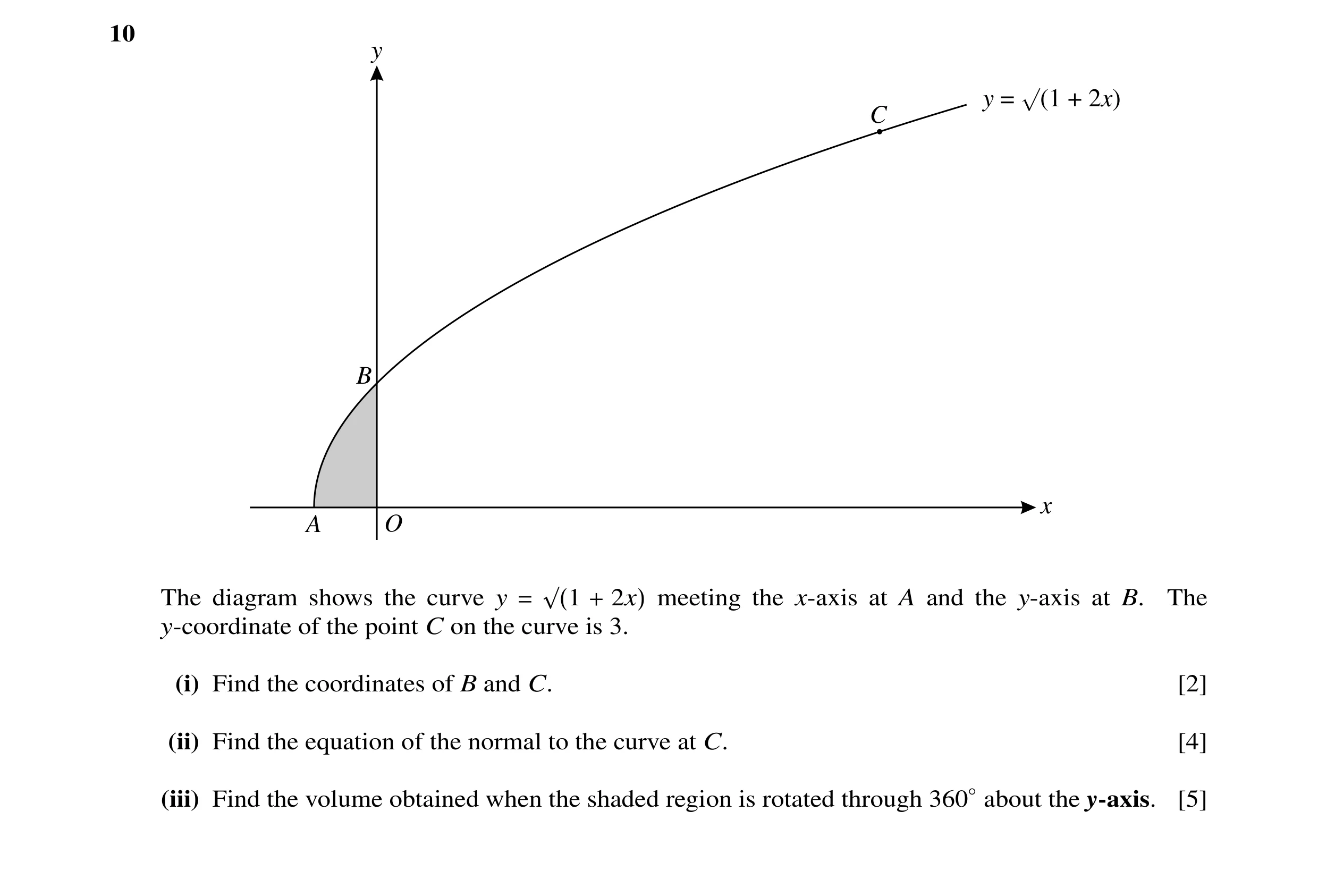
10 y y = Ö(1 + 2x ) C B x A O meeting the x-axis at A and the y-axis at B. The The diagram shows the curve y = √(1 + 2x) y-coordinate of the point C on the curve is 3. (i) Find the coordinates of B and C. [2] (ii) Find the equation of the normal to the curve at C. [4] (iii) Find the volume obtained when the shaded region is rotated through 360◦about the y-axis. [5]
11 marks
Mark scheme: If B0B0 then SCB1 for both y 1 & 10 (i) B = ()1,0 C = (3,4) B1, B1 [2] x = 4 1 δy 1 − 1 − 2 required & at least one of 1 × 2 (ii) = × 2(1 + 2 x ) 2 M1A1 2 δx 2 for M1 Grad. of normal = −3 B1 y − 3 = −3( x − 4 ) or y = −3 x + 15 oe B1√ [4] Ft only from their C 2 1 2 2 1 x δy , square ( y − )1 & attempt ∫ (iii) y = 1 + 2 x ⇒ x = SOI B1 2 2 2 ( y − )1 n int 1 4 2 (π ) × × ( y − 2 y + 1)δy M1 ∫ 4 1 y 5 2 y 3 Apply limits 0 → their 1 (from their (π ) × − + y A1 B) 4 5 3 2 π 2 1 1 − + 1 (π ) × DM1 cao SCB1 for ∫ y δx →4 (scores 4 5 3 1/5) 2 π A1 [5] 15 ( ) 2 B 1 B1
This question in 9709/11 Oct/Nov 2011
Q12 · Functions f and g are defined by f : x →2x2 −8x + 10 for 0 ≤x ≤2, g : x →x for 0 ≤x ≤10 9709/11 Oct/Nov 2011
11 Functions f and g are defined by f : x →2x2 −8x + 10 for 0 ≤x ≤2, g : x →x for 0 ≤x ≤10. (i) Express f(x) in the form a(x + b)2 + c, where a, b and c are constants. [3] (ii) State the range of f. [1] (iii) State the domain of f −1. [1] (iv) Sketch on the same diagram the graphs of y = f(x), y = g(x) and y = f −1(x), making clear the relationship between the graphs. [4] (v) Find an expression for f −1(x). [3]
12 marks
Mark scheme: 2 B 1, B1,11 (i) 2( x − 2 ) + 2 [3] For 2 , − 2 , 2 B1 (ii) 2 ≤ f ( x ) ≤ 10 oe B1 [1] Allow < etc. Ignore notation (iii) 2 ≤x ≤ 10 B1√ [1] Ft from part (ii). Ignore notation Or from int with y axis to int with (iv) f ( x ) ≈: half parabola from (,010 ) to (2,2 ) B1 their y = x g ( x ): line through 0 at ≈45 ° B1 f −1 ( x ): reflection of their f ( x ) in g ( x ) B1√ Everything totally correct B1 [4] GCE AS/A LEVEL – October/November 2011 9709 11 2 1 Allow +√or ‒√Dep on final ans as ( ) ( )
This question in 9709/11 Oct/Nov 2011
Q13 · The functions f and g are defined for x ∈> by f : x →3x + a, g : x →b −2x, where a and b… 9709/12 Oct/Nov 2011
2 The functions f and g are defined for x ∈> by f : x →3x + a, g : x →b −2x, where a and b are constants. Given that ff(2) = 10 and g−1(2) = 3, find (i) the values of a and b, [4] (ii) an expression for fg(x). [2]
6 marks
Mark scheme: 2 f : x 3 x + a , g : x b − 2 x (i) f2(x) = 3(3x + a) + a B1 Must be correct – unsimplified ok f²(2) = 18 + 4a = 10 → a = −2 B1 co b − x b − 2 g–1(x) = → = 3 b = 8 M1 Correct method leading to a value for b 2 2 co or g(3) = 2 → b − 6 = 2 b = 8 A1 [4] (ii) fg(x) = 3(b − 2 x ) + a M1 Must be fg not gf. = 22 − 6x A1√ √ on a and b (3b + a − 6x) must be two [2] term answer.
This question in 9709/12 Oct/Nov 2011
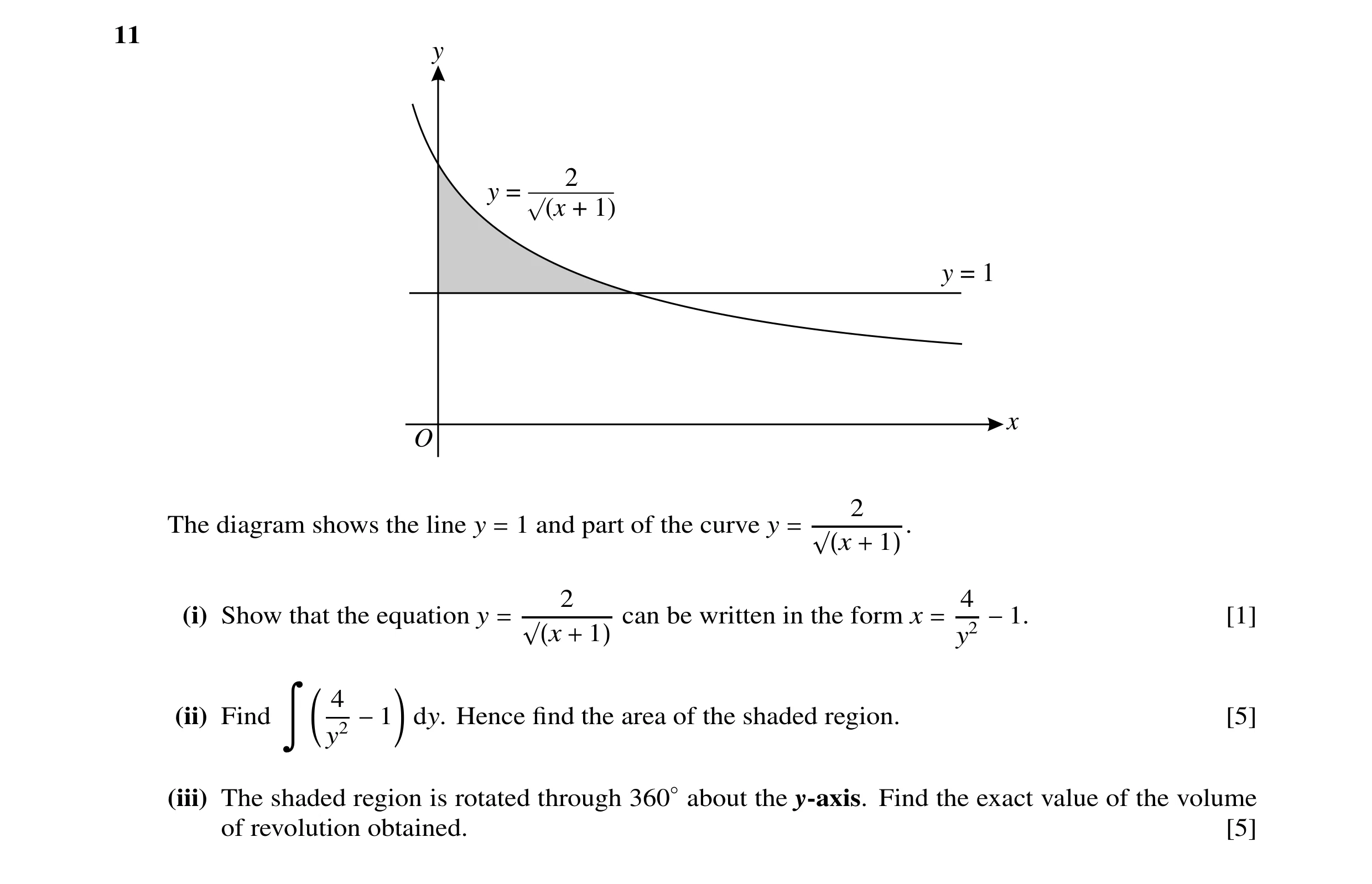
Q14 · Y 2 y = Ö(x + 1) y = 1 x O 2 The diagram shows the line y 1 and part of the curve y = =… 9709/11 May/June 2012
11 y 2 y = Ö(x + 1) y = 1 x O 2 The diagram shows the line y 1 and part of the curve y = = √(x + 1). 2 4 (i) Show that the equation y can be written in the form x [1] y2 −1. = √(x + 1) = 4 (ii) Find dy. Hence find the area of the shaded region. [5] ä y2 −1 (iii) The shaded region is rotated through 360◦about the y-axis. Find the exact value of the volume of revolution obtained. [5]
11 marks
Mark scheme: B1 AG At least 1 step of working needed 4 11 (i) x = − 1 [1] 2 y 4 4 B1B1 (ii) ∫ − 1 dy = − − y y 2 y 4 B1 For − , –y Upper limit = 2 y 4 − − 2 − (− 4 − 1 M1 Apply limits 1 and their 2 ‘correctly’ 2 ) 2 d x − 3 → 1 SC B2 for 2( x + 1)− 1 1 A1 ∫ [5] 16 8 dy B1B1 − + 1 2 (iii) (π )∫ x 2 dy = (π )∫ y 4 y − 16 8 (π ) 3 B1 3 y + y + y − 16 − 16 (π ) + 4 + 2 − + 8 + 1 M1 Apply limits 1 and their 2 ‘correctly’ 24 3 5π A1 3 [5]
This question in 9709/11 May/June 2012
Q15 · X + 3 2 A function f is such that f(x) = + 1, for x ≥−3 9709/12 Oct/Nov 2012
x + 3 2 A function f is such that f(x) = + 1, for x ≥−3. Find 2 (i) f −1(x) in the form ax2 + bx + c, where a, b and c are constants, [3] (ii) the domain of f −1. [1]
4 marks
Mark scheme: q → 2( x − )1 2 − 3 and "÷2". → 2 x 2 −x4 − 1 A1 co [3] (ii) domain of f –1 is ≥ 1. B1 co. condone >1 [1] 3 (i) A = 2400 − 20(60 − 2x) −x(40 − x) − 30x → A = x² −30x + 1200. M1 Needs attempts at all areas (could be trapezium − triangle) A1 co answer given [2] dA (ii) = 2x − 30 or (x − 15)² + 975 dx B1 co - either method okay = 0 when x = 15 or Min at x = 15 → A = 975 . M1 Sets differential to 0 + solution. co A1 co. [3] 4 x 2 y = + k 4 y = x k x 2 x (i) = + k → kx 2 − 4 x − 4 k 2 = 0 M1 Eliminates x or y completely.
This question in 9709/12 Oct/Nov 2012
Q16 · 2 It is given that f(x) = x3 −x3, for x > 0 9709/13 Oct/Nov 2012
1 2 It is given that f(x) = x3 −x3, for x > 0. Show that f is a decreasing function. [3]
3 marks
Mark scheme: (x) M1 1 7C3 × 24 × – 2 powers 4 and 3 35 seen or implied B1 –70 A1 [3] 2 f′(x) = – 3x–4– 3x2 B1 B1 0 ⇒ decreasing function B1 Dependent upon minus signs & even [3] powers 3 7 cos x +5=2(1–cos2x) M1 Use of c2 + s2=1 2 cos x + 1 ( cos x + 3) =0 cos = –0.5 A1 x=120°, 240° A1 A1 ft for 360 –1st solution [4] 4 area ∆ = 2√3 B1 2√3 π tan A= ⇒A= 3 B1 Accept 60° 2
This question in 9709/13 Oct/Nov 2012
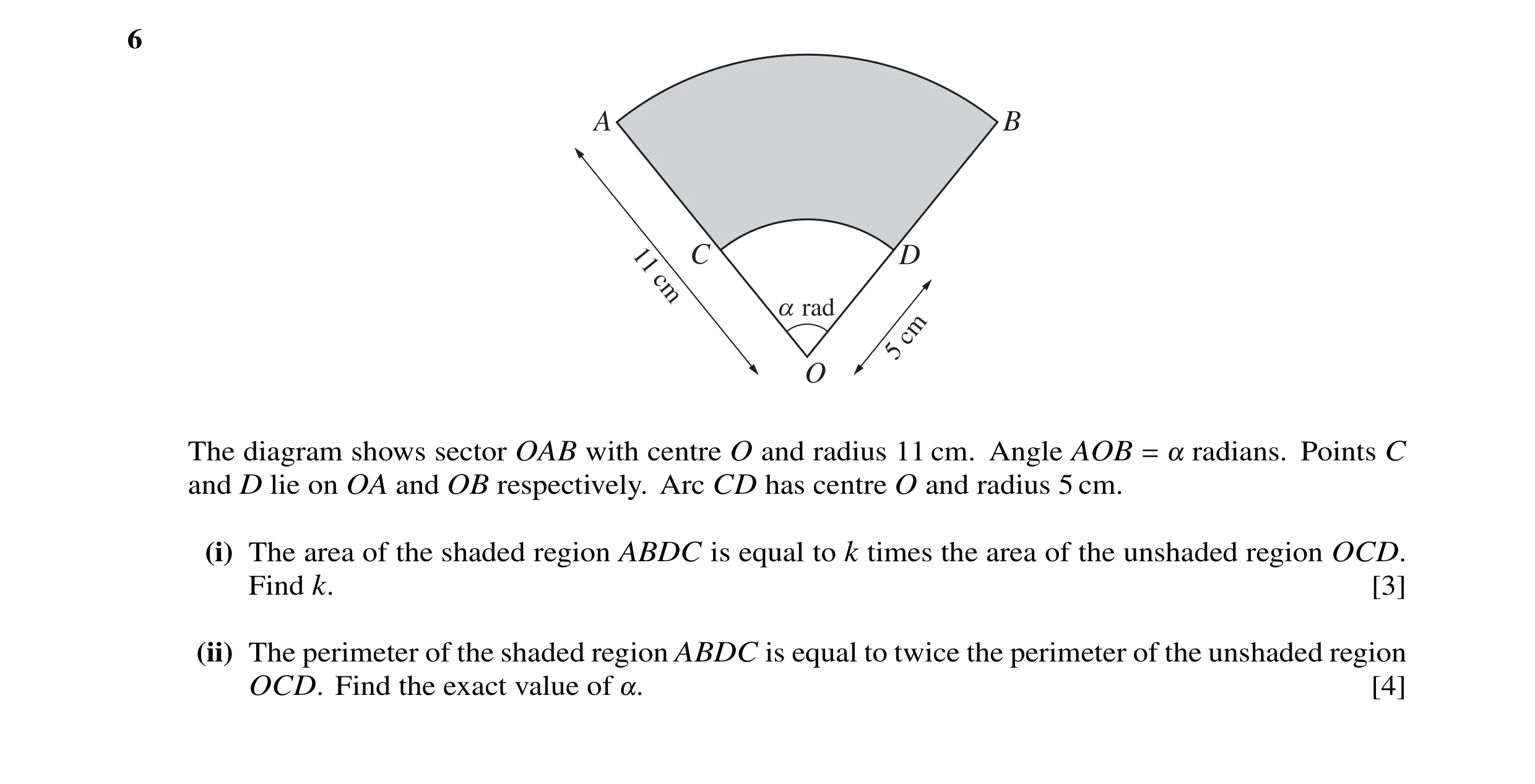
Q17 · A B 11 C D cm a rad cm 5 O The diagram shows sector OAB with centre O and radius 11 cm 9709/13 Oct/Nov 2013
6 A B 11 C D cm a rad cm 5 O The diagram shows sector OAB with centre O and radius 11 cm. Angle AOB = ! radians. Points C and D lie on OA and OB respectively. Arc CD has centre O and radius 5 cm. (i) The area of the shaded region ABDC is equal to k times the area of the unshaded region OCD. Find k. [3] (ii) The perimeter of the shaded region ABDC is equal to twice the perimeter of the unshaded region OCD. Find the exact value of !. [4]
7 marks
Mark scheme: 1 2 1 2 6 (i) sector areas are 11 α , 5 α B1 Sight of 112, 52 2 2 1 2 1 2 × 11 α − × 5 α 2 2 2 2 11 − 5 k = M1 Or 2 1 2 5 × 5 α 2 96 k = or 3.84 A1 25 [3] GCE A LEVEL – October/November 2013 9709 13 (ii) perimeter shaded region= 11α + 5α + 6 + B1 6 = 16α + 12 perimeter unshaded region = 5α + 5 + 5 = B1 5α + 10 16α + 12 = 2 (5α + 10) M1 α = 4/3 or 1.33 A1 [4] 2 π M1
This question in 9709/13 Oct/Nov 2013
Q18 · The functions f and g are defined for x ≥0 by 1 f : x → ax + b 3, where a and b are… 9709/13 Oct/Nov 2014
10 (a) The functions f and g are defined for x ≥0 by 1 f : x → ax + b 3, where a and b are positive constants, g : x →x2. Given that fg 1 = 2 and gf 9 = 16, (i) calculate the values of a and b, [4] (ii) obtain an expression for f −1 x and state the domain of f −1. [4] 1 (b) A point P travels along the curve y = 7x2 + 1 3 in such a way that the x-coordinate of P at time t minutes is increasing at a constant rate of 8 units per minute. Find the rate of increase of the y-coordinate of P at the instant when P is at the point 3, 4 . [5]
13 marks
Mark scheme: 1 2 3 = 16 B1B1 Ignore 2nd soln (–9, 17) throughout10 (a) (i) ( a + b ) 3 = 2, ( 9 a + b ) a + b = 8, 9a + b = 64 M1 Cube etc. & attempt to solve A1 Correct answers without any a = 7, b = 1 working 0/4 [4] 1 (ii) x = (7 y + 1)3 (x/y interchange as first or last B1 ft on from their a, b or in terms of a, b step) x 3 = 7 y + 1 or y 3 = 7 x + 1 B1 ft on from their a, b or in terms of a, b −1 1 3 f ( x ) = (x − )1 cao B1 A function of x required 7 Domain of f − 1 is x > 1 cao B1 Accept >. Must be x [4] 2 1 dy 3 (b) = × [14 x ] B1B1 ( 7 x 2 + 1) − d x 3 dy 1 − 2 7 When x = 3 , = × (64 ) 3 × 42 = M1 dx 3 8 dy dy dx 7 = × = × 8 DM1 Use chain rule dt dx dt 8 A1 7 [5]
This question in 9709/13 Oct/Nov 2014
Q19 · Express x2 6x 5 in the form x a 2 b, where a and b are constants 9709/13 Oct/Nov 2020
1 (a) Express x2 6x 5 in the form x a 2 b, where a and b are constants. [2] + + + + … … … … … … … … … … … … (b) The curve with equation y x2 is transformed to the curve with equation y x2 6x 5. = = + + Describe fully the transformation(s) involved. [2] … … … … … … … … … … …
4 marks
Mark scheme: 1(a) ( ) [ ] 2 3 4 + − x B1 B1 2 1(b) [Translation or shift] 3 4 − − B1 B1 FT Accept [translation/shift] − their a theirb OR translation ‒3 units in x-direction and (translation) ‒4 units in y-direction. 2
This question in 9709/13 Oct/Nov 2020
Q20 · The equation of a curve is y = x −3 x + 1 + 3 9709/12 May/June 2021
3 The equation of a curve is y = x −3 x + 1 + 3. The following points lie on the curve. Non-exact values are rounded to 4 decimal places. A 2, k B 2.9, 2.8025 C 2.99, 2.9800 D 2.999, 2.9980 E 3, 3 (a) Find k, giving your answer correct to 4 decimal places. [1] … … … … (b) Find the gradient of AE, giving your answer correct to 4 decimal places. [1] … … … … … … The gradients of BE, CE and DE, rounded to 4 decimal places, are 1.9748, 1.9975 and 1.9997 respectively. (c) State, giving a reason for your answer, what the values of the four gradients suggest about the gradient of the curve at the point E. [2] … … … … … … … …
4 marks
Mark scheme: 3(a) 1.2679 B1 AWRT. ISW if correct answer seen. 3 – 3 scores B0 1 3(b) 1.7321 B1 AWRT. ISW if correct answer seen. 1 3(c) Sight of 2 or 2.0000 or two in reference to the gradient *B1 This is because the gradient at E is the limit of the gradients of the chords as the x-value tends to 3 or ꝺx tends to 0. DB1 Allow it gets nearer/approaches/tends/almost/approximately 2 2
This question in 9709/12 May/June 2021
Q21 · The curve y = sin x is transformed to the curve y = 4 sin 12x −30Å 9709/11 May/June 2022
8 (a) The curve y = sin x is transformed to the curve y = 4 sin 12x −30Å . Describe fully a sequence of transformations that have been combined, making clear the order in which the transformations are applied. [5] … … … … … … … … … … … … … … … … … … … … … … … … (b) Find the exact solutions of the equation 4 sin 12x −30Å = 2 2 for 0Å ≤x ≤360Å. [3] … … … … … … … … … … … … … … … … … … … … … … … … …
8 marks
Mark scheme: 8(a) 30 0 60 0 B2,1,0 B2 for fully correct, B1 with two elements correct. { } indicates different elements. Accept angle in radians. (3){Stretch} {factor 2} {in x-direction} B2,1,0 B2 for fully correct, B1 with two elements correct. { } indicates different elements. (4) Stretch factor 4 in y-direction and correct order B1 Stretch, y-direction and factor and correct order. Correct order is either (1) then (3) or (3) then (2). (4) can be anywhere in the sequence. 5 8(b) 1 1 2 4sin 30 2 2 sin 45 2 2 x M1 SOI 1 30 45 or 1 35 2 45 30 or 2 135 30 2 x x x M1 SOI. The M marks are independent. x = 150°, x = 330° A1 Both exact values, condone 5π 11π , 6 6 . A0 if extra solutions in the interval. Ignore other solutions outside 0, 360 . 3
This question in 9709/11 May/June 2022
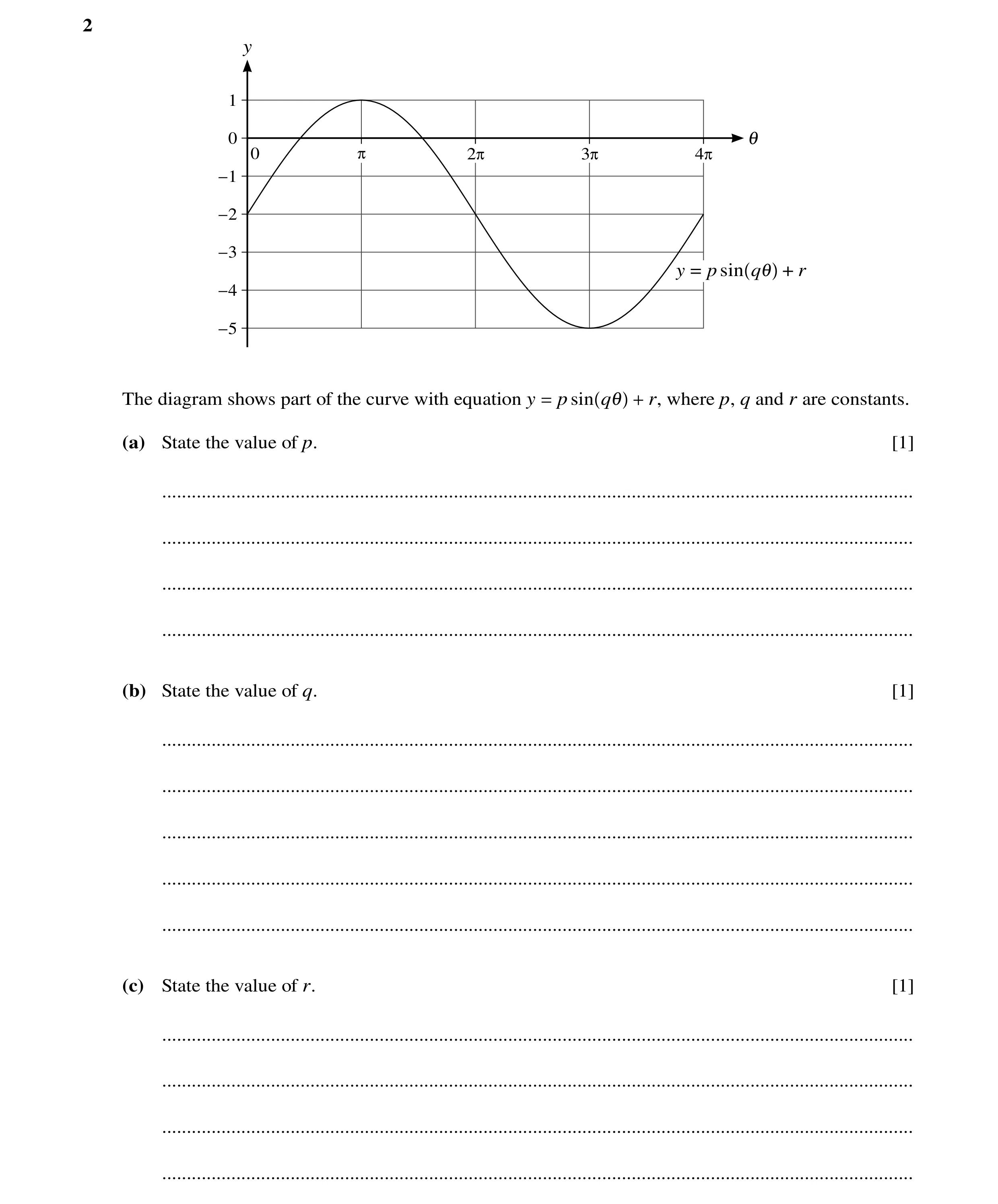
Q22 · Y 1 0 1 0 π 2π 3π 4π −1 −2 −3 = sin q1 + r y p −4 −5 The diagram shows part of the curve… 9709/13 May/June 2022
2 y 1 0 1 0 π 2π 3π 4π −1 −2 −3 = sin q1 + r y p −4 −5 The diagram shows part of the curve with equation y p sin r, where p, q and r are constants. = q1 + (a) State the value of p. [1] … … … … (b) State the value of q. [1] … … … … … (c) State the value of r. [1] … … … …
3 marks
Mark scheme: 2(a) [p =] 3 B1 1 2(b) [q =] 1 2 B1 1 2(c) [r =] ‒2 B1 1
This question in 9709/13 May/June 2022
Q23 · R O 23π 2.5 m P 56π 2.24 m A B S The diagram shows a cross-section RASB of the body of an… 9709/12 Oct/Nov 2022
10 R O 23π 2.5 m P 56π 2.24 m A B S The diagram shows a cross-section RASB of the body of an aircraft. The cross-section consists of a sector OARB of a circle of radius 2.5m, with centre O, a sector PASB of another circle of radius 2.24m with centre P and a quadrilateral OAPB. Angle AOB = 23π and angle APB = 56π. (a) Find the perimeter of the cross-section RASB, giving your answer correct to 2 decimal places. [3] … … … … … … … … … … (b) Find the difference in area of the two triangles AOB and APB, giving your answer correct to 2 decimal places. [2] … … … … … … … … … (c) Find the area of the cross-section RASB, giving your answer correct to 1 decimal place. [3] … … … … … … … … … … … … … …
8 marks
Mark scheme: 10(a) 4 5 10 28 B1 For either arc correct. Arc ARB could be AR+RB. 2.5 + 2.24 [= 10.47[2] + 5.86[4] or + ] 3 6 3 15 M1 For adding two (or three) arc lengths using different radii and angles and nothing else. SOI 26 π A1 AWRT 16.34 or Condone 16.33 only. 5 3 10(b) 1 2 2 M1 For either AOB or APB (AB = 4.33, h= 1.25, 0.58) or any other Area AOB = 2.5 sin [=2.706] valid method. 2 3 1 2 5 Area APB = 2.24 sin [=1.254] 2 6 [Difference =] 1.45 A1 AWRT Condone 1.46 only. 2 10(c) 1 2 4 B1 For either sector area correct Area AOB = 2.5 [=13.09] 2 3 1 2 5 Area APB = 2.24 [=6.57] 2 6 [Area of cross section =] M1 Adding two sector areas from different sectors and ‘ their 10(b) ’ 1 2 4 1 2 5 and nothing else. SOI 2.5 + 2.24 + “ their 10 ( b )” 2 3 2 6 = 13.09 + 6.57 + “their 10 ( b )” 21.1 A1 CAO Condone slight inaccuracies in intermediate working if the correct answer is arrived at. 3
This question in 9709/12 Oct/Nov 2022
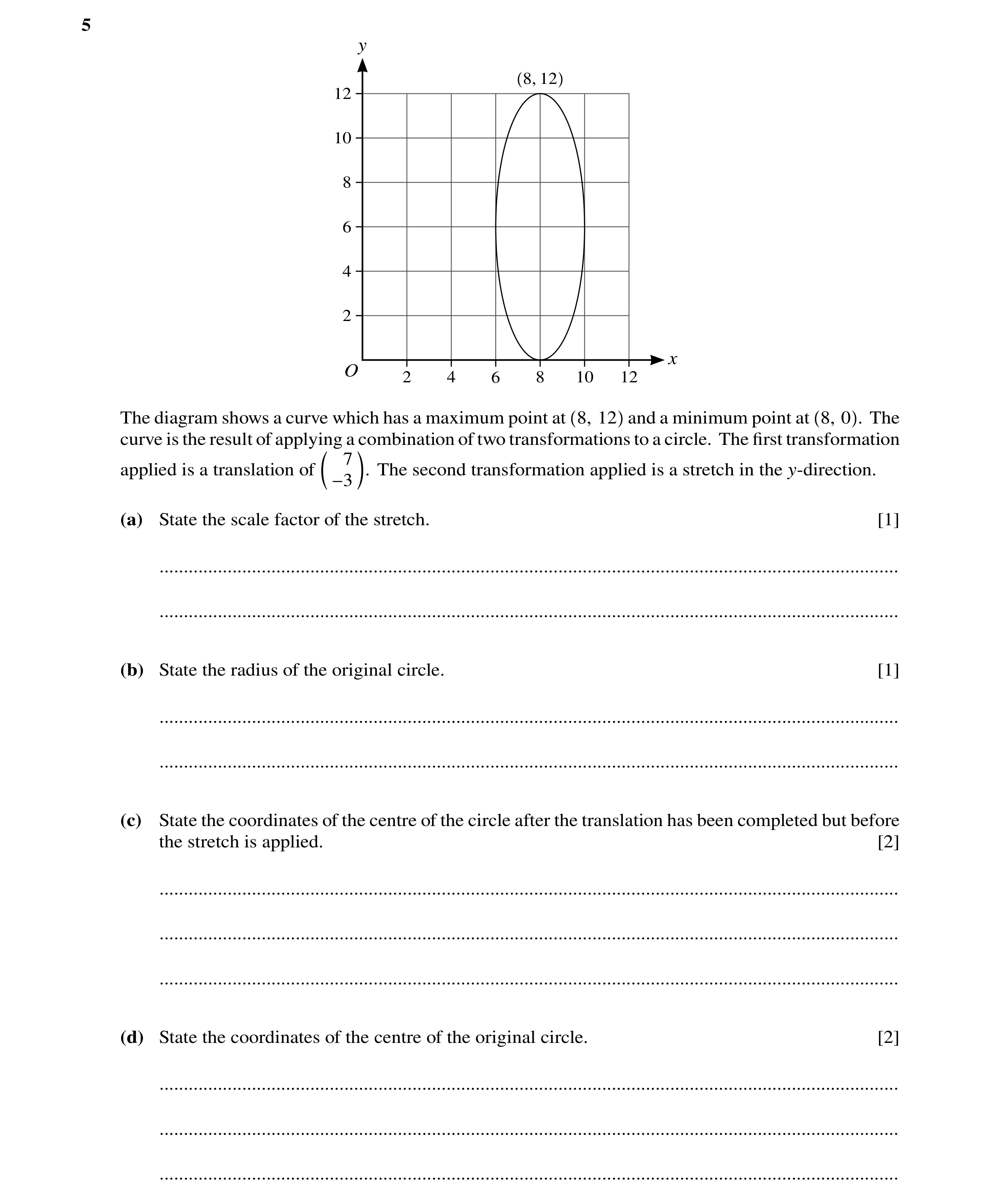
Q24 · Y 8, 12 12 10 8 6 4 2 x O 2 4 6 8 10 12 The diagram shows a curve which has a maximum… 9709/13 Oct/Nov 2022
5 y 8, 12 12 10 8 6 4 2 x O 2 4 6 8 10 12 The diagram shows a curve which has a maximum point at 8, 12 and a minimum point at 8, 0 . The curve is the result of applying a combination of two transformations to a circle. The first transformation @ A 7 applied is a translation of . The second transformation applied is a stretch in the y-direction. −3 (a) State the scale factor of the stretch. [1] … … (b) State the radius of the original circle. [1] … … (c) State the coordinates of the centre of the circle after the translation has been completed but before the stretch is applied. [2] … … … (d) State the coordinates of the centre of the original circle. [2] … … …
6 marks
Mark scheme: 5(a) 3 B1 Ignore any description. 1 5(b) 2 B1 Ignore any description. 1 5(c) (8, 2) B1 B1 Ignore any description. Allow vector notation and absence of brackets. 2 5(d) (1, 5) B1 FT FT each coordinate, (their8 – 7, their2 + 3) Allow vector notation and absence of brackets. B1 FT 2
This question in 9709/13 Oct/Nov 2022
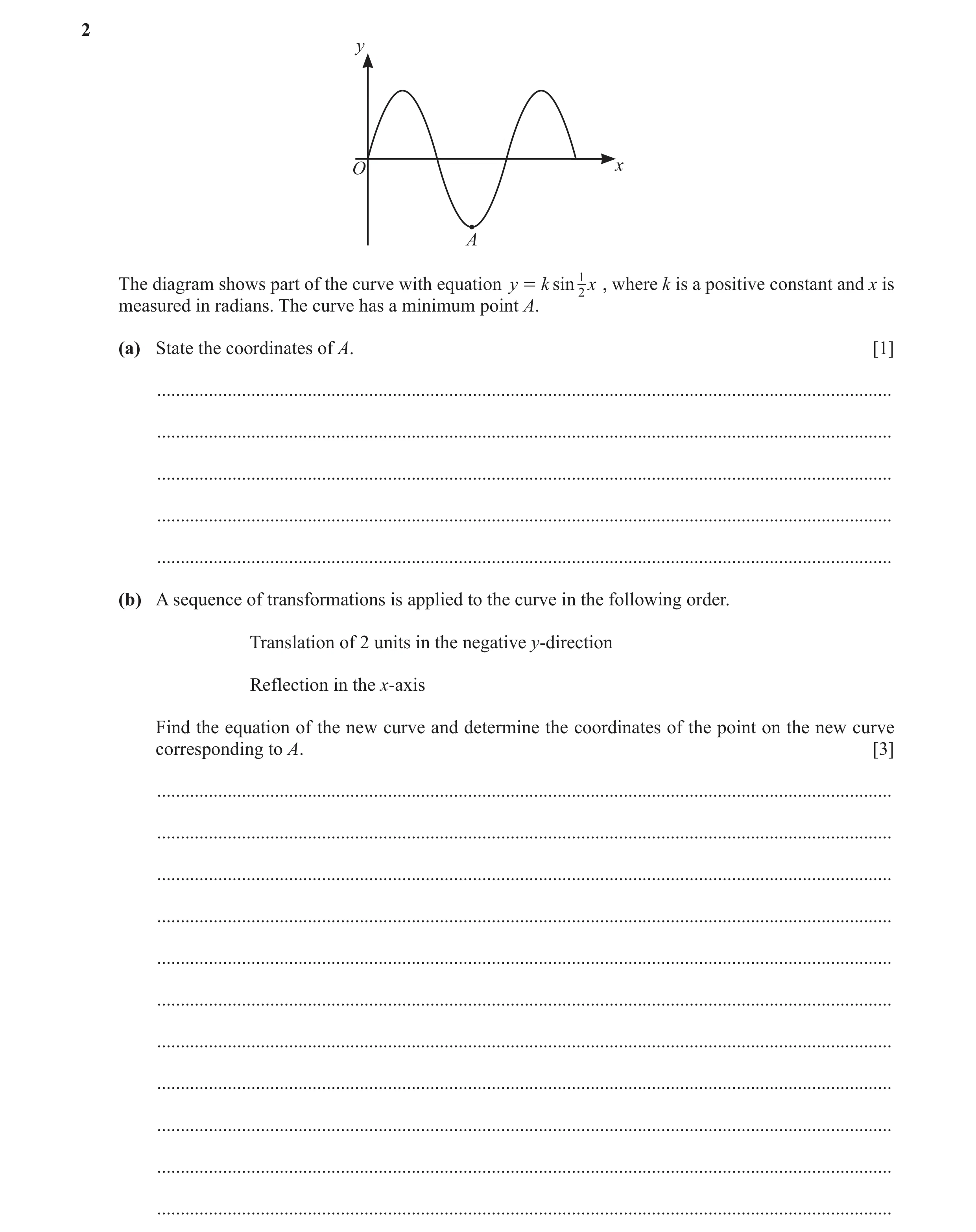
Q25 · Y O x A The diagram shows part of the curve with equation y = k sin 12 x , where k is a… 9709/12 Feb/March 2024
2 y O x A The diagram shows part of the curve with equation y = k sin 12 x , where k is a positive constant and x is measured in radians. The curve has a minimum point A. (a) State the coordinates of A. [1] … … … … … (b) A sequence of transformations is applied to the curve in the following order. Translation of 2 units in the negative y-direction Reflection in the x-axis Find the equation of the new curve and determine the coordinates of the point on the new curve corresponding to A. [3] … … … … … … … … … … …
4 marks
Mark scheme: 2(a) State (3π, − k ) B1 1 2(b) 1 M1 Any non-zero c. Obtain equation of form y = c k sin x 2 1 A1 OE Obtain correct equation y = 2 − k sin x 2 State (3π, 2 + k ) B1 FT Following part (a), i.e. (their x, 2 – their y). 3
This question in 9709/12 Feb/March 2024
Q26 · The functions f and g are defined for all real values of x by f ( x) = ( 3 x - 2) 2 + k… 9709/12 Feb/March 2024
9 The functions f and g are defined for all real values of x by f ( x) = ( 3 x - 2) 2 + k and g ( x) = 5 x - 1, where k is a constant. (a) Given that the range of the function g f is gf ( x) H 39 , find the value of k. [4] … … … … … … … … … … … … … … … … (b) For this value of k, determine the range of the function f g. [2] … … … … … … … … … … … … … … … … … (c) The function h is defined for all real values of x and is such that gh ( x) = 35x + 19 . Find an expression for g -1 ( x) and hence, or otherwise, find an expression for h ( x) . [3] … … … … … … … … … … … … … … … …
9 marks
Mark scheme: − 1; fg(x) is M0. ( 3 x − 2 ) 2 + k9(a) Attempt to form expression for gf ( x ) *M1 Expect 5 ( ) Do not allow algebraic errors. Obtain 5 ( 3x − 2 ) 2 + 5k − 1 A1 OE e.g. 45 x 2 − 60 x + 5k + 19 . Their 5k − 1 = 39 or 5k − 1 ⩾ 39 DM1 Or use b 2 − 4 ac = 0 (must be ‘= 0’, could be implied later) on 45 x 2 − 60 x + 5 k + 19 − 39 0 OE. Obtain k = 8 A1 Do not accept k 8 . 4 9(b) 2 M1 May simplify and/or use k at this stage; k may have come Obtaining ( 3 ( 5 x − 1) − 2 ) + their k from an inequality in (a). A1 FT OE Conclude 8 allow y 8 fg ( x ) Following their value of k; must be ⩾, not >. Allow an accurate written description. 2 9(c) −1 1 B1 OE State g ( x) = 5 ( x + 1) 1 ( x + 1) must be indicated as the inverse. 5 7 x + 4 B1B1 If 7 x + 4 only, it must be clear that this is h ( x ) . h ( x ) = 3
This question in 9709/12 Feb/March 2024
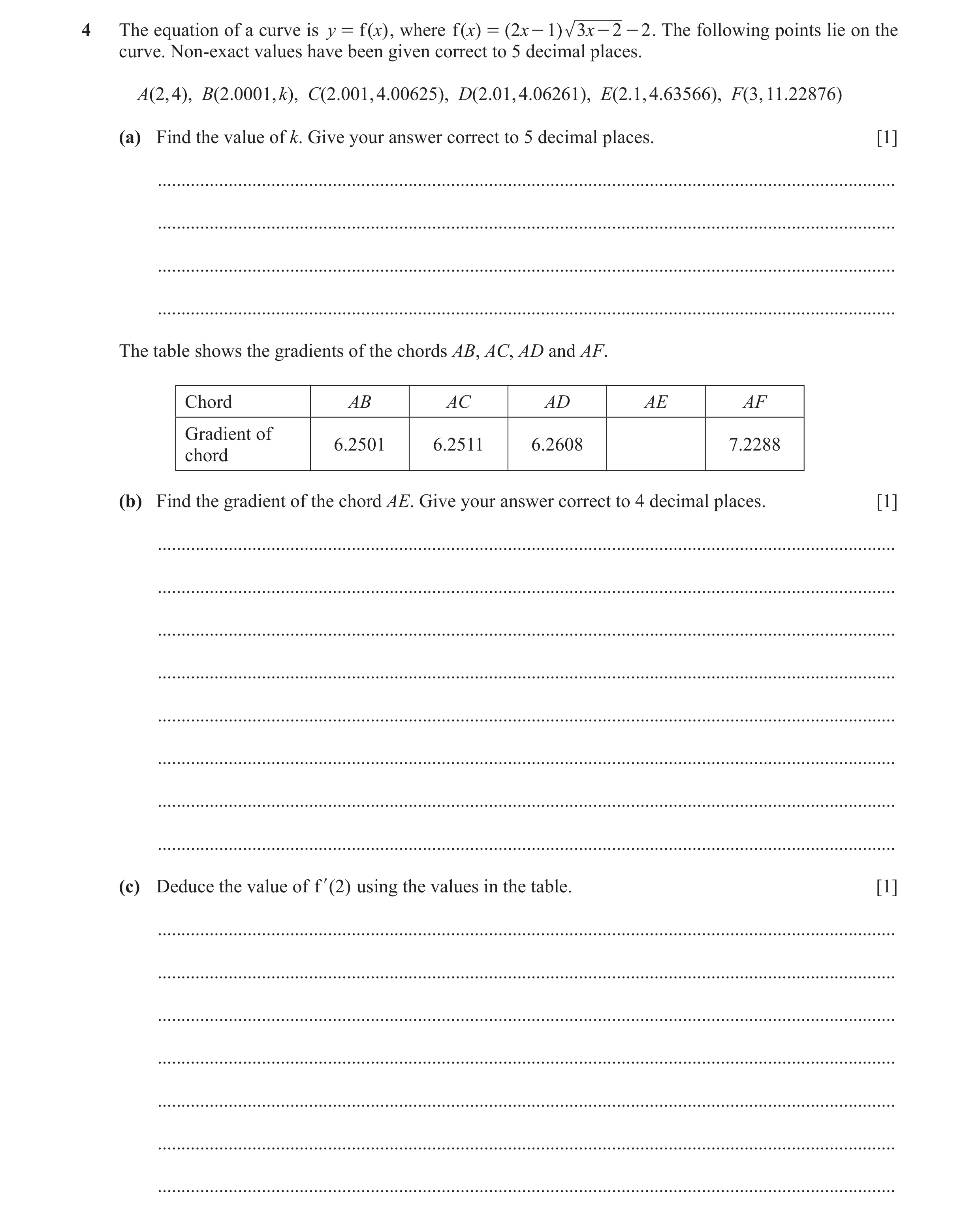
Q27 · The equation of a curve is y = f ( x) , where f ( x) = ( 2x - 1) 3x - 2 - 2 9709/11 May/June 2024
4 The equation of a curve is y = f ( x) , where f ( x) = ( 2x - 1) 3x - 2 - 2 . The following points lie on the curve. Non-exact values have been given correct to 5 decimal places. A(2, 4), B(2.0001, k), C(2.001, 4.00625), D(2.01, 4.06261), E(2.1, 4.63566), F(3, 11.22876) (a) Find the value of k. Give your answer correct to 5 decimal places. [1] … … … … The table shows the gradients of the chords AB, AC, AD and AF. Chord AB AC AD AE AF Gradient of 6.2501 6.2511 6.2608 7.2288 chord (b) Find the gradient of the chord AE. Give your answer correct to 4 decimal places. [1] … … … … … … … … (c) Deduce the value of f l ( 2) using the values in the table. [1] … … … … … … …
3 marks
Mark scheme: 4(a) [k] = 4.00063 B1 CAO 1 4(b) [Gradient AE] = 6.3566 B1 CAO 1 4(c) Suggests that f' 2 6.25 B1 CAO 1
This question in 9709/11 May/June 2024
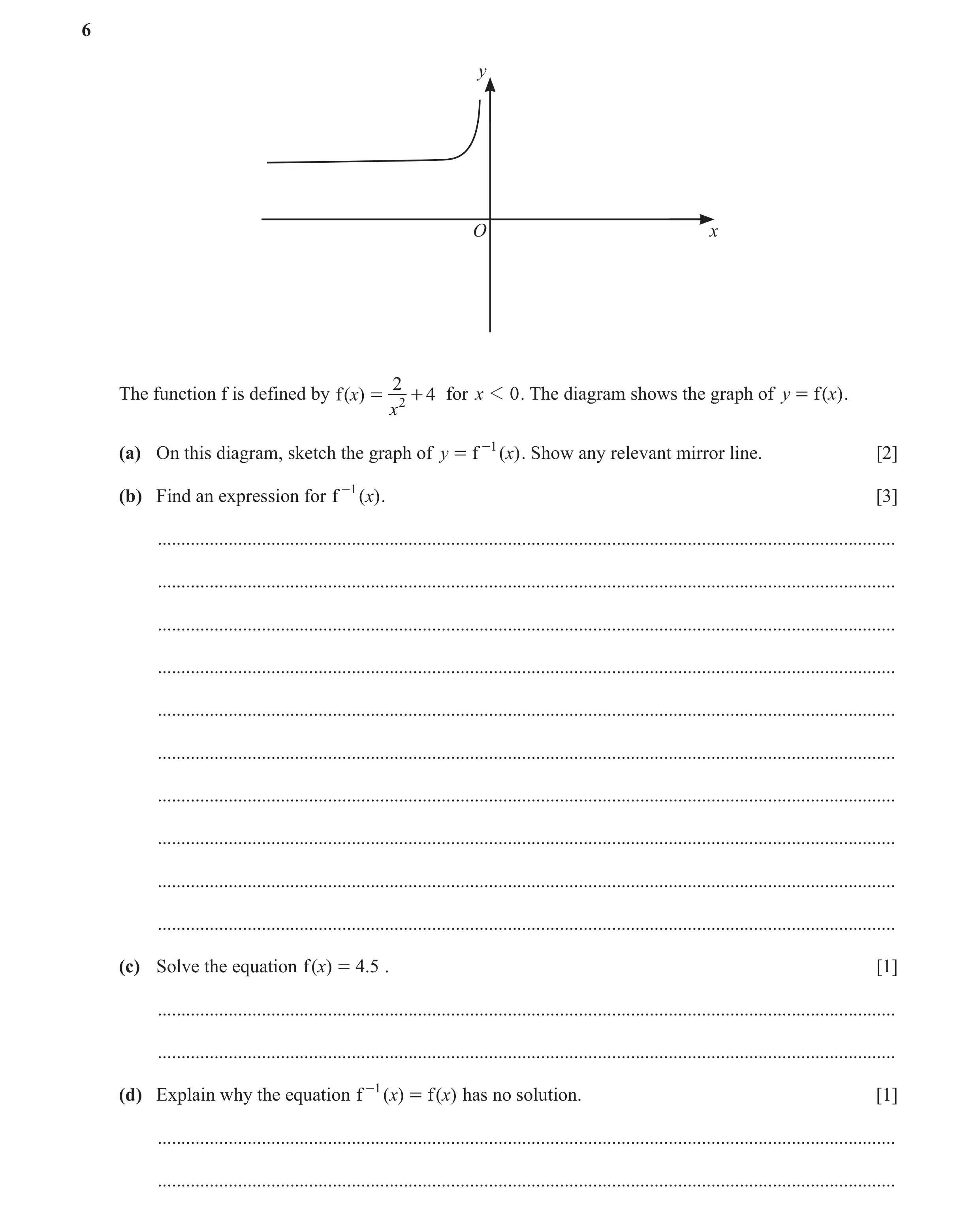
Q28 · Y O x 2 The function f is defined by f ( x) = 2 + 4 for x 1 0 9709/11 May/June 2024
6 y O x 2 The function f is defined by f ( x) = 2 + 4 for x 1 0 . The diagram shows the graph of y = f ( x) . x (a) On this diagram, sketch the graph of y = f -1 ( x) . Show any relevant mirror line. [2] (b) Find an expression for f -1 ( x) . [3] … … … … … … … … … … (c) Solve the equation f ( x) = 4.5 . [1] … … (d) Explain why the equation f -1 ( x) = f ( x) has no solution. [1] … …
7 marks
Mark scheme: 6(a) B1 For curve in correct quadrant. B1 Fully correct including line y x . Horizontal asymptote closer to x axis than vertical asymptote is to y axis. 2 Question Answer Marks Guidance 6(b) 2 2 4 x y leading to 2 4 2 y x or 2 2 4 y x M1 Allow x and y swapped around. 2 2 4 y x leading to 2 4 y x or 2 4 x y M1 1 2 f 4 x x A1 3 6(c) 2 x B1 1 6(d) Because 1 f is always negative and f is always positive or curves do not intersect B1 Accept other correct answers e.g. ‘f is only defined for positive values of x and f–1 is only defined for negative values of x’ or ‘domains do not overlap’ or ‘the y values cannot be the same’ or ‘the x values cannot be the same’. 1
This question in 9709/11 May/June 2024
Q29 · The curve y = x2 is transformed to the curve y = 4 ( x - 3) 2 - 8 9709/12 May/June 2024
2 The curve y = x2 is transformed to the curve y = 4 ( x - 3) 2 - 8 . Describe fully a sequence of transformations that have been combined, making clear the order in which the transformations have been applied. [5] … … … … … … … … … … … … … … … … … … … … … … … … … …
5 marks
Mark scheme: 2 Stretch factor 4 in y-direction/parallel to the y axis/vertically. B1 Allow use of SF in place of factor. Allow in/on/along the y axis or ‘the x axis is invariant.’ Translation 3 0 or 3 parallel to the x axis or in the x direction, allow horizontally. 0 8 or 8 parallel to the y axis or in the y direction, allow vertically. B2 Condone ‘Shift’. These translations can be combined as 3 8 , this counts as 2 elements. Give priority to a correct vector over any incorrect wording. B2 for all 3 B1 for 2 out of 3 Two translations, one in each direction, and a stretch only. M1 Condone inaccurate terminology, such as up, down, left and right, if the intention is clear. Correct order of operations. The stretch which must be in the in the y direction must come before the translation in the y direction. A1 Condone inaccurate terminology if the intention is clear but numerical values must be correct. Question Answer Marks Guidance 2 Alternative Method for Question 2 Translation 3 0 or 3 parallel to the x axis or in the x direction, allow horizontally. 0 2 or 2 parallel to the y axis or in the y direction, allow vertically. (B2) Condone ‘Shift’. These translations can be combined as 3 2 , this counts as 2 elements. Give priority to a correct vector over any incorrect wording. B2 for all 3. B1 for 2 out of 3. Stretch factor 4 in y-direction/parallel to the y axis/vertically. (B1) Allow use of SF in place of factor. Allow in/on/along the y axis or “the x axis is invariant.” Two translations, one in each direction, and a stretch only. (M1) Condone inaccurate terminology, such as transform, move, up, down, left and right, if the intention is clear. Correct order of operations. The stretch which must be in the in the y direction must come after the translation in the y direction. (A1) Condone inaccurate terminology if the intention is clear but numerical values must be correct. 5
This question in 9709/12 May/June 2024
Q30 · The function f is defined as follows: f ( x) = x - 1 for x 2 1 9709/12 May/June 2024
4 The function f is defined as follows: f ( x) = x - 1 for x 2 1. (a) Find an expression for f - 1 ( x) . [1] … … … … … … y O x 1 The diagram shows the graph of y = g ( x) where g ( x) = 2 for x ! R . x + 2 (b) State the range of g and explain whether g -1 exists. [2] … … … … … … … … … … … … … 1The function h is defined by h ( x) = 2 for x H 0 . x + 2 25(c) Solve the equation hf ( x) = f Give your answer in the form a + b c , where a, b and c are e 16 o. integers. [4] … … … … … … … … … … … … … … … … … … … … … … … … …
7 marks
Mark scheme: 4(a) 2 1 f 1 x x B1 ISW Condone ‘y =’. 1 4(b) 1 0 g 2 x or 1 1 g 0 and g or 0, 2 2 x x B1 Do not allow 1 g 0, g 2 x x . Do not allow 1 g 0 or g 2 x x . Condone g or y in place of g . x g–1 does not exist because it is one to many or g–1 does not exist because it is not one to one. Or g–1 does not exist because g is not one to one or g–1 does not exist because g is many to one or g–1 does not exist because g fails the horizontal line test. B1 g–1 can be replaced by ‘It’ throughout. A correct statement followed by any further incorrect explanation can be awarded B1. 2 Question Answer Marks Guidance 4(c) 25 1 f 16 4 B1 SOI 2 1 1 4 1 2 x M1 Equating 2 1 1 2 x , or their ‘simplified’ version, to their 25 f . 16 2 1 2 4 leading to 1 2 x x 2 leading to 1 2 x Or 2 2 1 2 4 leading to 2 1 0 leading to 1 2 x x x x x Or 2 6 36 4 1 2 leading to 6 1 0 leading to 2 x x x x x A1 Simplification as far as x =… Allow just + in the results because can be disregarded at this stage. Can be implied by the final answer. Note: 1 2 x scores A0. 3 2 2 A1 Must discount the solution 3 2 2 . 4
This question in 9709/12 May/June 2024
Q31 · Dy - 20 6 A curve passes through the point b , - 3l and is such that = 9709/13 May/June 2024
4 dy - 20 6 A curve passes through the point b , - 3l and is such that = . 5 dx ( 5 x - 3 ) 2 (a) Find the equation of the curve. [4] … … … … … … … … … … (b) The curve is transformed by a stretch in the x-direction with scale factor 1 followed by a translation 2 2 of e o. 10 Find the equation of the new curve. [3] … … … … … … … … … … … … …
7 marks
Mark scheme: 6(a) Integrate to obtain form 1 (5 3) k x *M1 OE 1 4(5 3) x A1 Or unsimplified equivalent. Condone absence of ...c so far. Substitute 4 5 x and 3 y to attempt value of c DM1 DM0 for substituting 4 3, 5 . 1 4(5 3) 7 y x allow f(x) 1 4(5 3) 7 or f x A1 OE Condone c = –7 as the final answer providing 4 or 5 3 y f x c x OE is seen earlier. Attempts to write equation in y mx c form scores A0. Do not ISW. Gains max 3/4. 4 6(b) Carry out stretch by replacing x by 2x in their equation M1 Award if given as the second transformation. Do not ignore sign errors. Carry out translation by replacing x by 2 x and y by 10 y M1 OE Award if given as the first transformation. Do not ignore sign errors. 4 3 10 23 y x A1 Or similarly simplified equivalent, WWW. 3
This question in 9709/13 May/June 2024
Q32 · The function f is defined by f ( x) = 10 + 6x - x 2 for x d R 9709/13 May/June 2024
11 The function f is defined by f ( x) = 10 + 6x - x 2 for x d R . (a) By completing the square, find the range of f. [3] … … … … … … … … … … … … … … … … … … … … … … … … … … The function g is defined by g( )x = 4 x + k for x d R where k is a constant. (b) It is given that the graph of y = g -1 f ( x) meets the graph of y = g ( x) at a single point P. Determine the coordinates of P. [6] … … … … … … … … … … … … … … … … … … … … … … … … …
9 marks
Mark scheme: 11(a) Express f ( )x as: 2 ( 3) a x or 2 3 a x where 19 or 1 a If the form 2 6 10 f x x x is used the form must be returned to f x Completed square form must give 2 x . Answers must come from completion of the square (not calculus or graphs). 2 19 (3 ) x or 2 19 ( 3) x A1 OE 19 f x or 19 y with ⩽, not < or –∞ < f(x) 19 or –∞ ⩽ f(x) 19 or (–∞, 19] or [–∞, 19] A1 FT Using their constant following the award of M1. SC B1 answer only or answer from a method not involving completion of the square. 3 Question Answer Marks Guidance 11(b) 1 1 4 g ( ) ( ) x x k B1 1 2 1 10 6 4 4 g f x x x k x k M1 OE May use their completed square form for f(x). Simplify the quadratic equation obtained from 1 g f ( ) g( ) x x provided k is present and apply 2 4 0 b ac to this quadratic equation *M1 Expect 2 10 10 5 0. x x k Obtain 100 4 5 10 0 k and hence 7 k A1 Use their k to form and solve a quadratic in x DM1 Allow if their quadratic has two solutions. 5, 13 only A1 SC B1 if no method seen. Alternative Method for first 4 marks State f ( ) gg( ) x x (B1) gg( ) 16 5 x x k (M1) Apply 2 4 0 b ac to quadratic equation obtained from f ( ) gg( ) x x (*M1) Provided k is present. 100 4(5 10) 0 k and hence 7 k (A1) 6
This question in 9709/13 May/June 2024
Q33 · The function f is defined by f ( )x = 3 + 6 x - 2x 2 for x ! 9709/11 Oct/Nov 2024
11 The function f is defined by f ( )x = 3 + 6 x - 2x 2 for x ! R . (a) Express f ( )x in the form a - b ( x - c) 2 , where a, b and c are constants, and state the range of f. [3] … … … … … … … … … … … … … … (b) The graph of y = f ( x) is transformed to the graph of y = h ( x) by a reflection in one of the axes followed by a translation. It is given that the graph of y = h ( x) has a minimum point at the origin. Give details of the reflection and translation involved. [2] … … … … … … … … … The function g is defined by g ( )x = 3 + 6x - 2x 2 for x G 0 . (c) Sketch the graph of y = g ( x) and explain why g is a one-one function. You are not required to find the coordinates of any intersections with the axes. [2] … … … (d) Sketch the graph of y = g -1 ( x) on your diagram in (c), and find an expression for g -1 ( )x . You should label the two graphs in your diagram appropriately and show any relevant mirror line. [4] … … … … … … … … … … … …
11 marks
Mark scheme: 11(a) 3 B1 Obtain b = 2 and c = 2 2 B1 15 3 Obtain − 2 x − 2 2 15 15 B1 FT Following their value of a. State range is y or f ( x ) with ⩽ given or clearly implied (not <) 2 2 3 11(b) State that reflection is in x-axis B1 Accept transformations in any order. 3 B1 FT Following their values of a and c in part (a). − Accept transformations in any order. 2 State or imply that translation is by or equivalent 15 2 2 11(c) Sketch the correct graph appearing in second and third quadrants only B1 State that each y-value is associated with a single x-value or equivalent B1 Accept passes the horizontal line test. Ignore passes the vertical line test. 2 11(d) Sketch the correct graph with suitable labelling to distinguish the two curves B1 Appearing in third and fourth quadrants only. Draw the line y = x B1 See above; no need to label the line. Attempt correct process for finding the inverse function M1 Allowing use of and y so far. 3 15 1 A1 Must involve x at the conclusion. Obtain − − x or equivalent 2 4 2 4
This question in 9709/11 Oct/Nov 2024
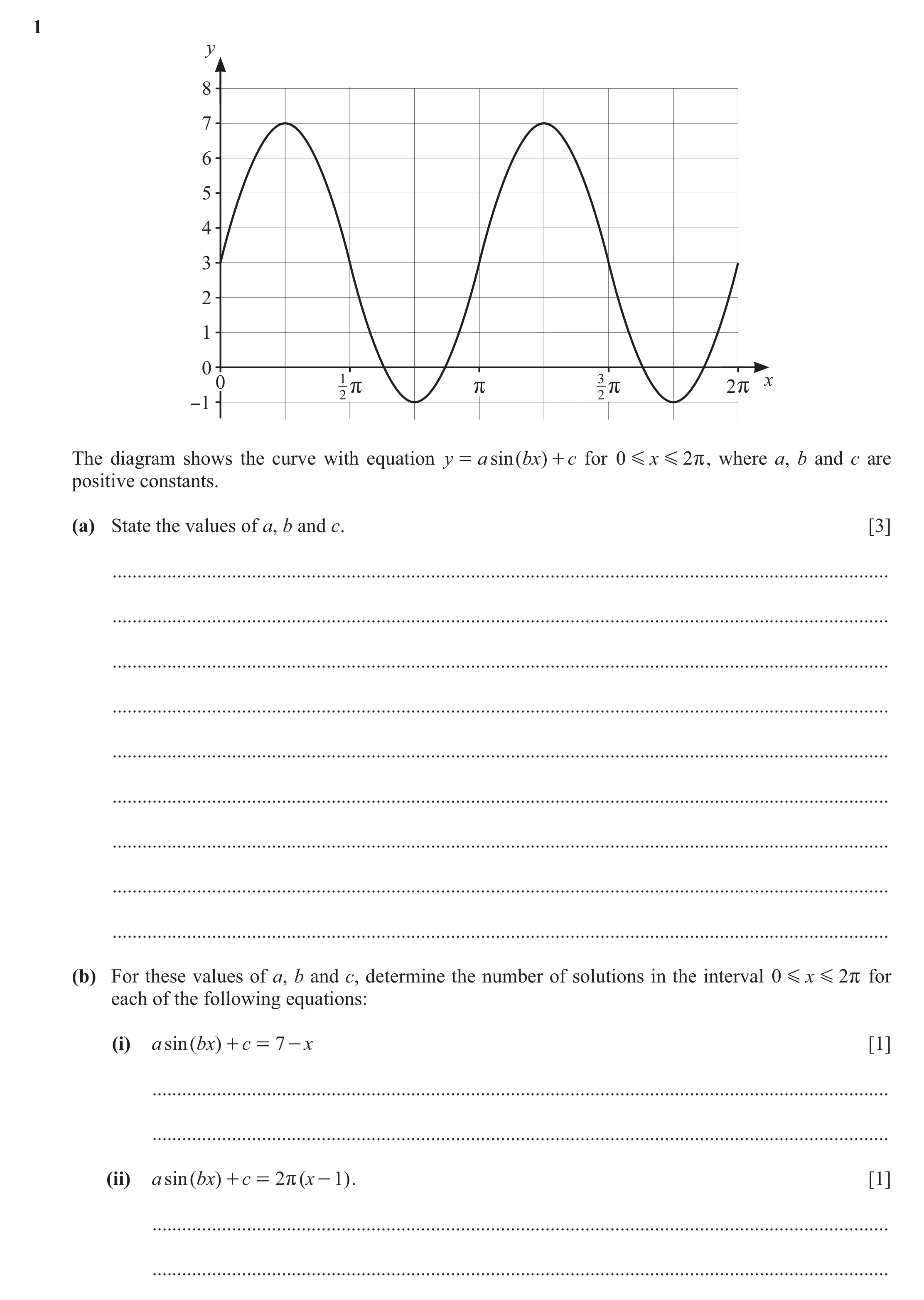
Q34 · Y 8 7 6 5 4 3 2 1 0 0 1 r rr 3 r 2rr x −1 2 2 The diagram shows the curve with equation y… 9709/12 Oct/Nov 2024
1 y 8 7 6 5 4 3 2 1 0 0 1 r rr 3 r 2rr x −1 2 2 The diagram shows the curve with equation y = a sin ( bx) + c for 0 G x G 2 r, where a, b and c are positive constants. (a) State the values of a, b and c. [3] … … … … … … … … … (b) For these values of a, b and c, determine the number of solutions in the interval 0 G x G 2 r for each of the following equations: (i) a sin ( bx) + c = 7 - x [1] … … (ii) a sin ( bx) + c = 2 r ( x - 1) . [1] … …
5 marks
Mark scheme: Question Answer Marks Guidance 1(a) a = 4 B1 Allow 4sin ( 2 x ) + 3 if values of a, b and c are not stated. b = 2 B1 c = 3 B1 3 1(b)(i) 5 B1 Ignore attempts at finding solutions. 1 1(b)(ii) 1 B1 Ignore attempts at finding solutions. 1
This question in 9709/12 Oct/Nov 2024
Q35 · X + 1 1 5 The function f is defined by f ( x) = for x 1 9709/12 Oct/Nov 2024
2x + 1 1 5 The function f is defined by f ( x) = for x 1 . 2x - 1 2 (a) (i) State the value of f ( - 1 ) . [1] … … … … (ii) y 4 2 0 x −4 −2 2 4 −2 −4 The diagram shows the graph of y = f ( x) . Sketch the graph of y = f -1 ( x) on this diagram. Show any relevant mirror line. [2] (iii) Find an expression for f -1 ( x) and state the domain of the function f -1 . [4] … … … … … … … … … … … … … … … … … … … The function g is defined by g ( x) = 3x + 2 for x d R . (b) Solve the equation f ( x) = gf b 1 l. [3] 4 … … … … … … … … … … … … … … …
10 marks
Mark scheme: 5(a)(i) 1 B1 Condone 0.333. f ( − 1) = 3 1 y5(a)(ii) 4 B1 For showing the correct mirror line. 2 B1 For correct shape: the curves should intersect in the first square in the third quadrant. To the left of the point of intersection, the −4 −2 2 4 reflection is below the original and crosses the x-axis. To the right of the point of intersection, the reflection is to the right the −2 original. −4 2 5(a)(iii) 2 x + 1 M1* Equating y to the given function and clearing of fractions. = y 2 x + 1 = y ( 2 x − 1) x and y may be interchanged at this stage. 2 x − 1 2 xy − 2 x = y + 1 DM1 Condone errors during simplification. x + 1 −−x 1 A1 Allow ‘ f −’or1 ‘y =’ but NOT ‘x =’, nor fractions within , 2 ( x − 1) 2 − 2 x fractions. [Domain of f −1 is] x 1 B1 Accept — ∞ < x <1 or (— ∞, 1), condone [— ∞, 1). Alternative Method for Question 5(a)(iii) 2 2 M1* Equating y to the given function after division by 2 x − 1. y = 1 + y −=1 Isolating the term in .x 2 x − 1 2 x − 1 x and y may be interchanged at this stage. 2 DM1 Condone errors during simplification. 2 x = +1 y − 1 1 1 A1 OE + 1 x − 1 2 Allow ‘ f −’or ‘y =’ but NOT ‘x =’, nor fractions within fractions. [Domain of f −1 is] x 1 B1 Accept — ∞ < x <1 or (— ∞, 1), condone [— ∞, 1). 4 5(b) 1 B1 gf = − 7 4 2 x + 1 M1 2 x + 1 1 = −7 Equating to their gf . 2 x − 1 2 x − 1 4 A1 OE x = 3 8 Alternative solution for Question 5(b) 1 B1 gf = − 7 4 x = f −1 ( −7 ) M1 −1 1 x = f their gf 4 A1 OE x = 3 8 3
This question in 9709/12 Oct/Nov 2024
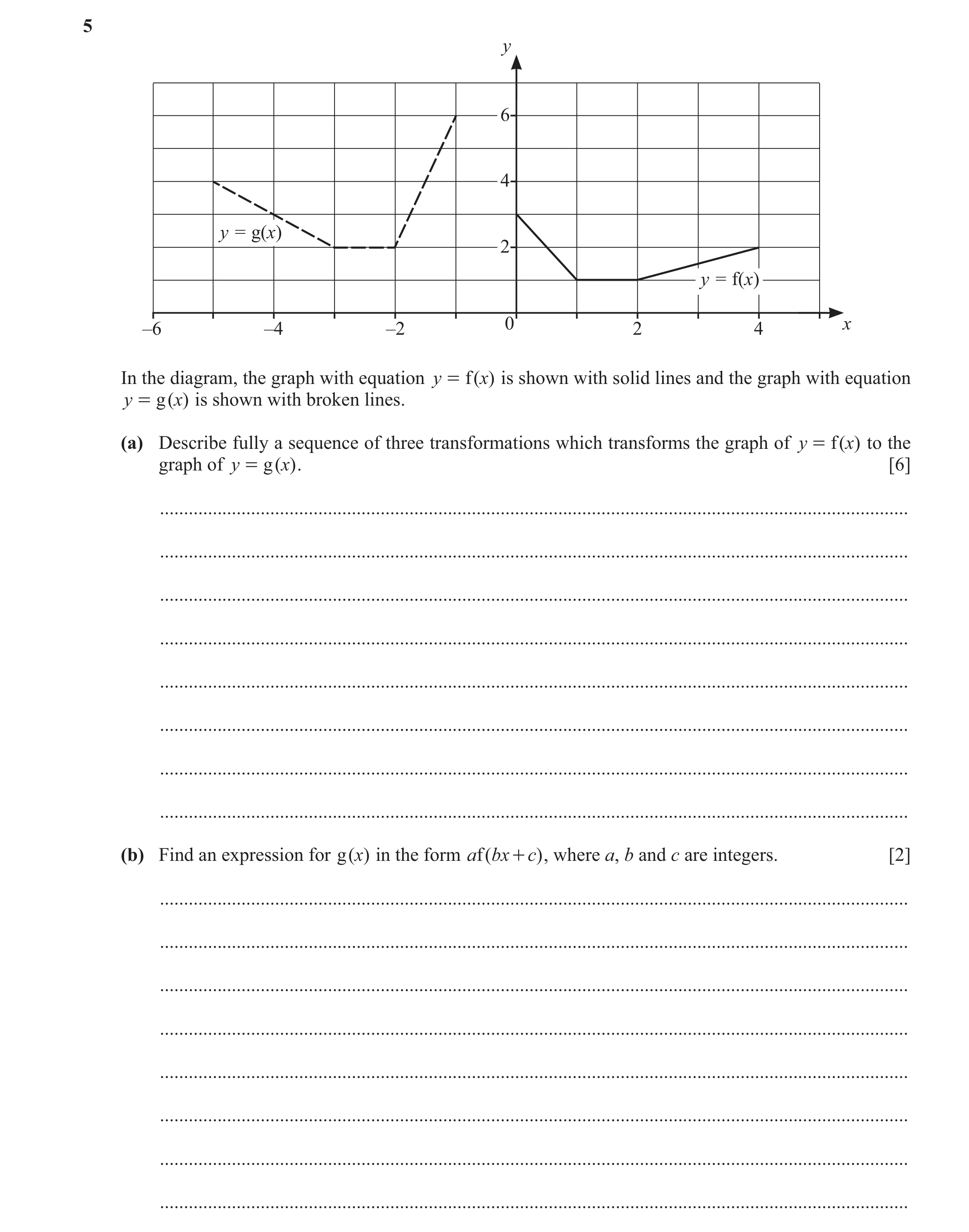
Q36 · Y 6 4 y = g(x) 2 y = f(x) 0 x –6 –4 –2 2 4 In the diagram, the graph with equation y = f… 9709/13 Oct/Nov 2024
5 y 6 4 y = g(x) 2 y = f(x) 0 x –6 –4 –2 2 4 In the diagram, the graph with equation y = f ( x) is shown with solid lines and the graph with equation y = g ( x) is shown with broken lines. (a) Describe fully a sequence of three transformations which transforms the graph of y = f ( x) to the graph of y = g ( x) . [6] … … … … … … … … (b) Find an expression for g ( )x in the form af ( bx + c) , where a, b and c are integers. [2] … … … … … … … …
8 marks
Mark scheme: 5(a) Reflection [in] y-axis B1 B1 B1 for reflection B1 mention of y-axis, OE. SC B2 for stretch, SF –1, parallel to x-axis. −1 B1* B1 for ‘translation’ and a correct vector/description. Translation or shift Do not accept ‘left’/’right’. 0 If two translations then B0 and B0 for the order. Stretch, factor 2, parallel to y-axis B2,1,0 B2 all correct OE. B1 any 2 parts correct. This can be at any point in the sequence. Correct order and three correctly named transformations only DB1 If a fourth transformation is given this mark is not awarded and no marks are given for the two transformations of the same type, except where the reflection is described as a stretch. If any transformation is incorrectly named this cannot be given. −1 1 If translation is not or then DB0 is given. 0 0 Alternative Solution for first 3 marks 1 B1* B1 for ‘translation’ and correct vector/description. Translation or shift 0 Reflection [in] y-axis B1 B1 B1 for ‘reflection’, B1 for ‘in y-axis’. Alternative solutions There are alternative solutions which can be marked in the same way −4 e.g. the given stretch, translation , reflect in x = −2.5 0 6 5(b) g ( x ) = 2f ( −−x 1) or a = 2, b = −1, c = −1 B1 First B1 for a = 2 and no additional terms added to the function. a = −is2 B0. B1 Second B1 for b = −1 and c = −1. 2
This question in 9709/13 Oct/Nov 2024
Q37 · Express 3x 2 - 12 x + 14 in the form 3 ( x + a) 2 + b , where a and b are constants to be… 9709/13 Oct/Nov 2024
8 (a) Express 3x 2 - 12 x + 14 in the form 3 ( x + a) 2 + b , where a and b are constants to be found. [2] … … … … … … … The function f ( )x = 3x 2 - 12x + 14 is defined for x H k , where k is a constant. (b) Find the least value of k for which the function f -1 exists. [1] … … … For the rest of this question, you should assume that k has the value found in part (b). (c) Find an expression for f -1 ( )x . [3] … … … … … … … … … … … … … … … … … … (d) Hence or otherwise solve the equation ff ( )x = 29 . [3] … … … … … … … … … … … … … … … … … … … … … …
9 marks
Mark scheme: 8(a) 2 B1 B1 3 ( x − 2 ) + 2 or a = −2, b = 2 2 8(b) 2 or k = 2 or k 2 B1FT FT on their a. Do not accept x = 2 or x ⩾ 2. 1 8(c) 2 2 y − 2 M1 Using their completed square form. 3 ( x − 2 ) + 14 − 12 = y ( x − 2 ) = 3 y − 2 DM1 x = + 2 3 −1 x − 2 A1 3 x − 6 f ( x ) = + 2 OE, e.g. y = + 2. 3 3 3 8(d) Finding f −1 ( 29 ) [= 5] M1 Or solving f(x) = 29 [using their completed square form, OE]. Finding f − 1 ( their 5) M1 Or solving f(x) = their 5. x = 3 A1 If using f(x) method, x = 1 must be discarded. Alternative solution for Question 8(d) 2 2 M1 2 2 2 3 3 x − 12 x + 14 − 12 3 x − 12 x + 14 + 14 = 29. − 2) + 2 = 29 using their completed square form Or 3 3 ( x − 2 ) + 2 ( ) ( ) ( ) Allow if the ' = 29' appears later in the working. 4 2 DM1 OE Solving as far as 9 ( x − 2 ) = 9 or x − 4 x + 3 = 0 x 4 − 8 x 3 + 24 x 2 − 32 x + 15 = 0. Or 27 ( ) x = 3 only A1 WWW Only dependent on the first M1. 3
This question in 9709/13 Oct/Nov 2024
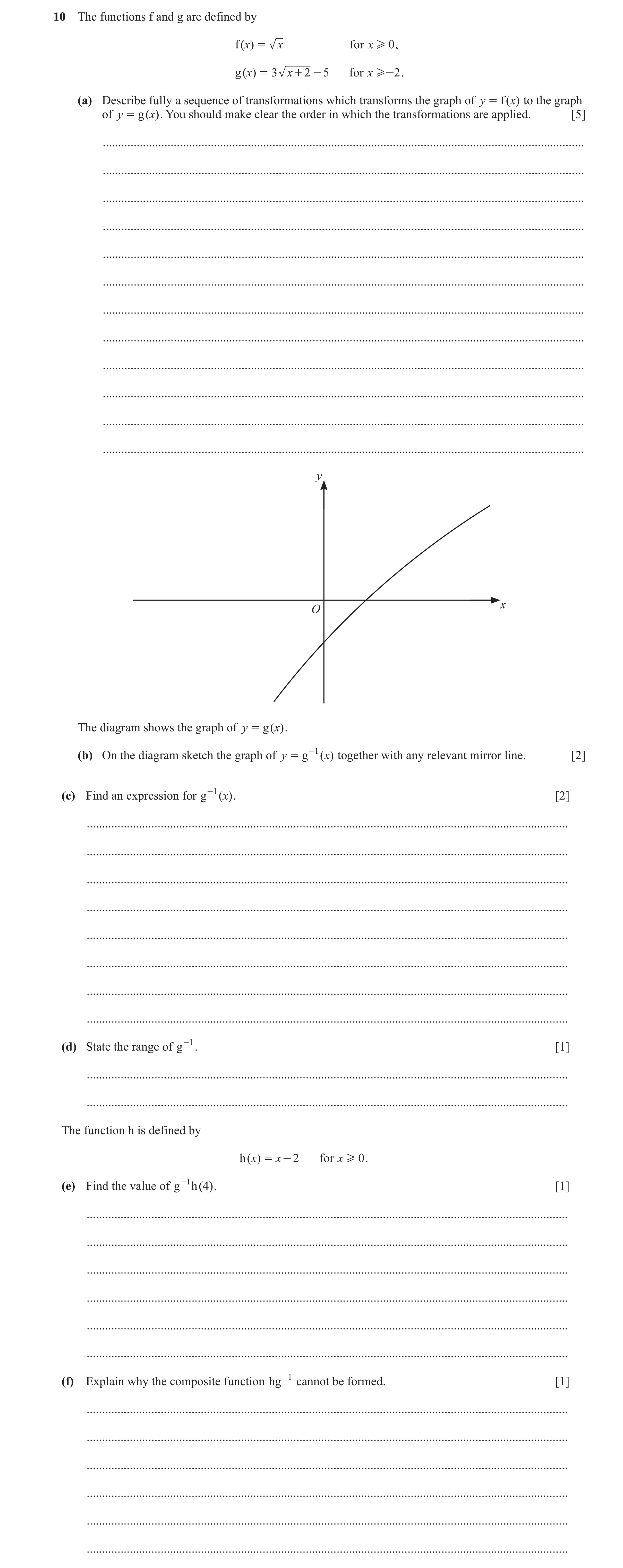
Q38 · The functions f and g are defined by f ( )x = x for x H 0 , g ( )x = 3 x + 2 - 5 for x H… 9709/11 May/June 2025
10 The functions f and g are defined by f ( )x = x for x H 0 , g ( )x = 3 x + 2 - 5 for x H -2 . (a) Describe fully a sequence of transformations which transforms the graph of y = f ( x) to the graph of y = g ( x) . You should make clear the order in which the transformations are applied. [5] … … … … … … … … … … … … y x O The diagram shows the graph of y = g ( x) . (b) On the diagram sketch the graph of y = g -1 ( x) together with any relevant mirror line. [2] (c) Find an expression for g -1 ( )x . [2] … … … … … … … … (d) State the range of g -1 . [1] … … The function h is defined by h ( )x = x - 2 for x H 0 . (e) Find the value of g -1 h ( 4 ) . [1] … … … … … … (f) Explain why the composite function hg -1 cannot be formed. [1] … … … … … …
12 marks
Mark scheme: 10(a) {Stretch}{factor 3} {parallel to y-axis/in y-direction/vertically} B2,1,0 −2 B2,1,0 Translation −5 B1 Transformations correct and in the correct order. Alternative solution for Question 10(a) − 2 B2,1,0 Translation 5 − 3 {Stretch} {factor 3} {parallel to y-axis/in y-direction/vertically} B2,1,0 B1 Transformations correct and in the correct order. 5 The translation parallel to the x-axis can be made anywhere in the sequence. Note: If 3 or more transformations are given then maximum 2/5 for any correct one. 10(b) y B1 For line or curve in correct quadrants only. B1 Must not pass through (0, 0). Fully correct including the line y = x . No label needed. Approximate reflection of y = f(x). Curve must not come back on itself. 2 10(c) y + 5 M1 Allow x/y swap. y = 3 x + 2 − 5 = x + 2 3 2 A1 Must be in terms of x. −1 x + 5 [g ( x )] = − 2 Not ‘x = …’. 3 2 10(d) [Range of g− 1 is g − 1 ( x ) ] − 2 B1 FT 1 x + a 2 where a, Following their g− ( x ) = − c b b, c are non-zero. Not x −2. Not −2. Accept other notations, e.g. [ −2, ]. 1 10(e) − 1 −1 31 B1 AWRT 3.44. [g h ( 4 ) = g ( 2 )] = 9 1 10(f) hg−1 is impossible since the range of g − 1 is x − 2 is not within the domain of h, B1 Minimum acceptable: ‘The range of g−is1 not which is x 0 within the domain of h’. 1
This question in 9709/11 May/June 2025
Q39 · Y 6 4 y = f( x) 2 – 4 – 2 0 2 4 6 8 10 12 x – 2 – 4 – 6 – 8 y = g( x) The diagram shows… 9709/12 May/June 2025
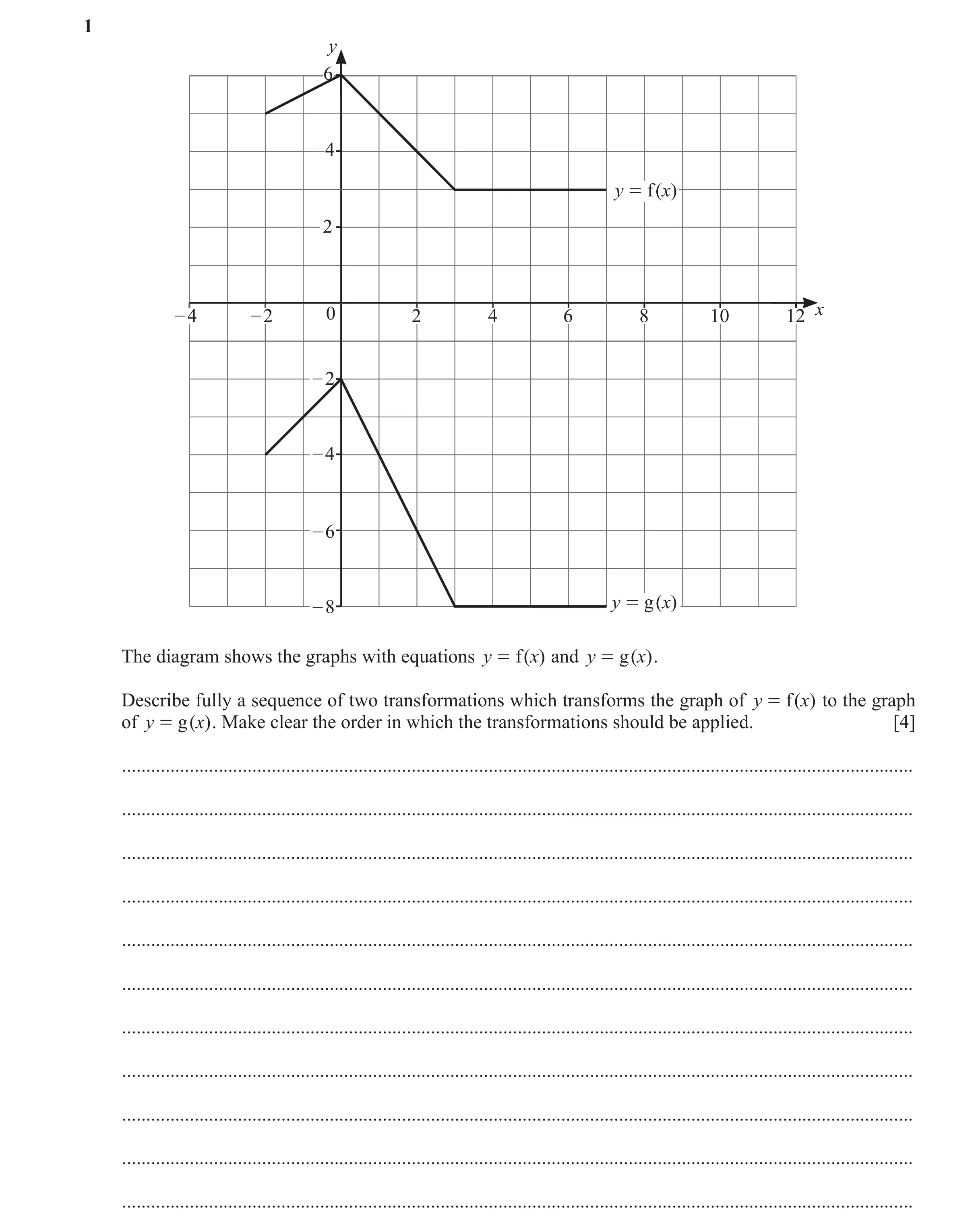
1 y 6 4 y = f( x) 2 – 4 – 2 0 2 4 6 8 10 12 x – 2 – 4 – 6 – 8 y = g( x) The diagram shows the graphs with equations y = f ( x) and y = g ( x) . Describe fully a sequence of two transformations which transforms the graph of y = f ( x) to the graph of y = g ( x) . Make clear the order in which the transformations should be applied. [4] … … … … … … … … … … …
4 marks
Mark scheme: Question Answer Marks Guidance 1 {Stretch} {factor 2} {‘parallel to y-axis’ or ‘in y-direction’ or ‘vertically’} B2,1,0 B2 for 3 correct components. B1 for 2. 0 B2,1,0 B2 for 3 correct components. B1 for 2. {Translation} or − 14 {‘parallel to the y-axis’ or ‘in the − 14 y-direction’ or ‘vertically’.} Alternative Method for Question 1 0 B2,1,0 B2 for 3 correct components. B1 for 2. {Translation by} or − 7 {‘parallel to the y-axis’ or ‘in the − 7 y-direction’ or ‘vertically’} {Stretch} {factor 2} {‘parallel to y-axis’ or ‘in y-direction’ or ‘vertically’} B2,1,0 B2 for 3 correct components. B1 for 2. 4
This question in 9709/12 May/June 2025
Q40 · Express x 2 + 4 x + 2 in the form ( x + a ) 2 + b , where a and b are integers 9709/12 May/June 2025
11 (a) Express x 2 + 4 x + 2 in the form ( x + a ) 2 + b , where a and b are integers. [2] … … … … … … … … The functions f and g are defined as follows. f ( )x = x 2 + 4x + 2 for x G-2 g ( )x =- x - 4 for x H-2 (b) (i) Find an expression for f -1 ( )x . [3] … … … … … … … … … … … … … … … (ii) Find an expression for ( gf ) -1 ( )x . [4] … … … … … … … … … … … … … … … … … … … … … … … … … … …
9 marks
Mark scheme: 11(a) 2 B1B1 B1 for each correct { }. {( x + 2 ) }−2 Allow a = 2, b = −2. If contradictory, give preference to the expression. 2 11(b)(i) y = ( x + 2 ) 2 − 2 y + 2 = ( x + 2 ) 2 *M1 Equating y or f −1 ( x ) or f −1 or f ( x ) to their completed square form and first step. x and y may be interchanged at this stage. Condone errors. x = y + 2 − 2 DM1 Condone errors during simplification. [f −1 ( x ) = ] − x + 2 − 2 A1 Do not condone x = or f ( x ) = . 3 x 2 + 4 x + 211(b)(ii) − 4 *M1 Using fg ( x ) = {( −−x 4 ) + 2}2 − 2 scores 0/4. their completed square form − 4 or − ( ) gf ( x ) =− x + 2 ) 2 − 2 A1 gf ( x ) =− ( x = −−y 2 − 2 DM1 Finding x from their completed square form, which must contain a − ( x + k ) 2 term. Condone errors only during simplification. x = − y + 2 − 2 is DM0 (Square rooting then or −)1 x and y may be interchanged at this stage. −1 A1 Do not condone x = . [( gf ) ( x ) =] − −−x 2 − 2 Alternative Method for Question 11(b)(ii) ( gf ) −1 = f −1g −1 *M1 SOI Allow with their f − 1 and their g − 1 . Using g −1f −1 ( x ) scores 0/4. g −1 ( x ) = −−x 4 A1 ( gf ) −1 ( x ) = −−−+x 4 2 − 2 DM1 Allow with their f − 1 and their g − 1 . −1 A1 Do not condone x = [( gf ) ( x ) =] − −−x 2 − 2 4
This question in 9709/12 May/June 2025
Q41 · 10 A curve C has equation y = + 2 x - 5 9709/13 May/June 2025
9 10 A curve C has equation y = + 2 x - 5 . 2x - 5 (a) Find the coordinates of the two stationary points. [4] … … … … … … … … … … … … … … … d 2 y (b) Find and hence determine the nature of each stationary point. [3] dx 2 … … … … … … … … … - 3 (c) The curve C is transformed to the curve C1 using a translation of e o followed by reflection in 7 the x-axis. (i) State the coordinates of the maximum point of C1. [1] … … … … … … a (ii) Find the equation of C1 in the form y = + dx + e , where a, b, c, d and e are integers. bx + c [3] … … … … … … … … … … … … … … … … … …
11 marks
Mark scheme: 10(a) −9 2(2 x − 5) −2 + 2 B1 Correct differential. M1 d y ( their − 18(2 x − 5) −2 + 2 ) = 0 and rearrange to form a quadratic. Equating a two term to 0 and dealing correctly with the 2 2 d x ( 2 x − 5 ) = 9 or 8 x − 40 x + 32 = 0 negative power. d y −2 Their two term must contain (2 x − 5) . d x (1, − 6 ) and ( 4, 6 ) A1, A1 A1 for two correct x-values or one correct point, second A1 for all correct. 4 10(b) B1 FT Following through on their first derivative which must −3 −3 144 x − 360 −2 −18 −2 2(2 x − 5) = 72(2 x − 5) or 4 contain (2 x − 5) . ( 2 x − 5 ) M1 Substitute x-coordinate of each stationary point and determine 2 x − 5) −3 Use ( their x = 1 and x = 4 ) in (their 72 ( ) their nature. Nature of the turning points must correctly To determine the nature of both turning points. 2 d y follow from their values of 2 . d x d 2 y 72 A1 CWO For x = 1 , 2 = − or 0 ⟹ maximum d x 27 d 2 y 72 For x = 4 , 2 = or 0 ⟹ minimum d x 27 3 10(c)(i) (1, − 13 ) B1 1 10(c)(ii) 9 M1 − 3 y = + 2 ( x 3 ) − 5 7 Application of to the original expression for C but (2 x 3 ) − 5 7 condone +/−sign errors. 9 M1 9 y = − + 2 x − 5 . y = − + 2 ( x 3 ) −5 7 SC B1 for 2 ( x 3 ) − 5 2 x − 5 9 A1 Answer must be in this format; the ' y = ' can be implied by y = − − 2 x − 8 2 x + 1 earlier inclusion. 3
This question in 9709/13 May/June 2025
Q42 · The function f is defined by f ( )x = x 2 + 4ax + a for x ! 9709/13 May/June 2025
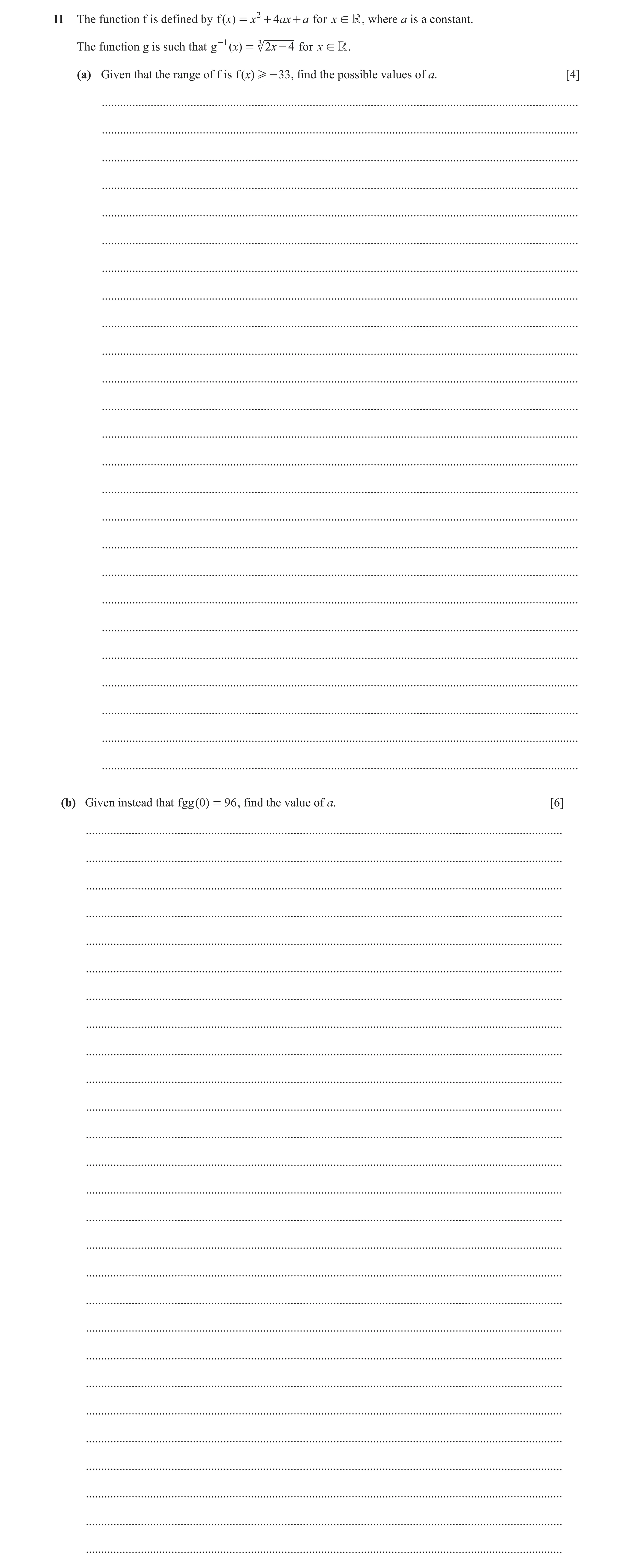
11 The function f is defined by f ( )x = x 2 + 4ax + a for x ! R , where a is a constant. The function g is such that g -1 ( )x = 3 2 x - 4 for x ! R . (a) Given that the range of f is f ( )x H - 33 , find the possible values of a. [4] … … … … … … … … … … … … … … … … … … … … … … … … … (b) Given instead that fgg ( 0 ) = 96 , find the value of a. [6] … … … … … … … … … … … … … … … … … … … … … … … … … … …
10 marks
Mark scheme: 11(a) ( x + 2 a ) 2 − 4 a 2 + a B1 f ( x ) = 2 M1 Condone or . their −4a + a = −33 ( ( ) ) 4a 2 −−a 33 [= 0] B1 Condone or . A1 OE − 11, 3 Do not ISW if their final answer is given as a range or if one 4 of the answers is rejected. Alternative Method for Question 11(a) x = −2 a , y = −4 a 2 + a B1 The co-ordinates of the minimum point (likely to be either from differentiation or completing the square). 2 M1 Their y-coordinate equated to −33. Condone or . their − 4 a + a = −33 ( ) −4a 2 + a + 33 = 0 B1 OE Condone or . A1 OE − 11, 3 Do not ISW if their final answer is given as a range or if one 4 of the answers is rejected. 11(a) Alternative Method 2 for Question 11(a) x 2 + 4ax + a + 33 [=0] B1 Condone or . ( 4 a ) 2 − 4 (1 a + 33 ) [ = 0] M1 Condone or . 16a 2 − 4a − 132 [=0] B1 OE Condone or . Accept 4a 2 − a − 33 or multiples thereof. A1 OE − 11, 3 Do not ISW if their final answer is given as a range or if one 4 of the answers is rejected. 4 11(b) 1 3 B1 Expression for g ( x ) . SOI g ( x ) = ( x + 4 ) 2 Either 1 3 M1 Replacing x with 0 in their g ( x ) . g ( 0 ) = 2 g ( 0 ) = ( ( 0 ) 4 ) 2 gg ( 0 ) = 6 A1 f ( their 6 ) = 36 + 24a + a M1 Or 3 2 3 M1 Either composite function using their g ( x ) . x + 4 x + 4 fg ( x ) = + 4 a + a 2 2 x 3 + 4 3 + 4 3 ( x 3 + 4 ) 2 or gg ( x ) = = + 2 2 16 A1 Complete algebraic expression for fgg ( x ) . 3 2 3 ( x 3 + 4 ) ( x 3 + 4 ) fgg ( x ) = + 2 + 4 a + 2 + a 16 16 x ) . ( 0 + 4 ) 3 2 ( 0 + 4 ) 3 M1 Replacing x with 0 in their fgg ( fgg ( 0 ) = + 2 + 4 a + 2 + a 16 16 11(b) Then 36 + 24 a + a = 96 A1 OE A1 OE a = 12 5 6
This question in 9709/13 May/June 2025
Q43 · Functions f and g are defined as follows 9709/15 May/June 2025
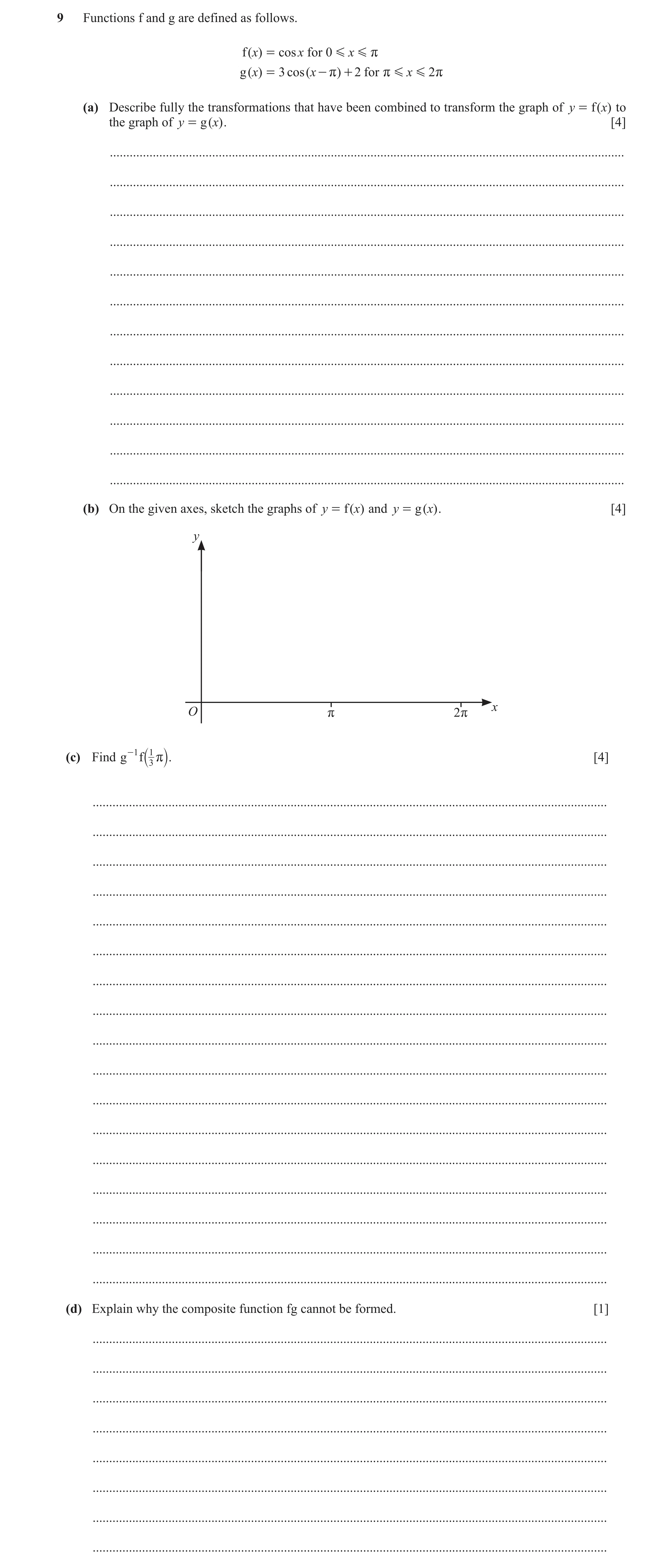
9 Functions f and g are defined as follows. f ( x) = cos x for 0 G x G r g ( x) = 3 cos ( x - r) + 2 for r G x G 2r (a) Describe fully the transformations that have been combined to transform the graph of y = f ( x) to the graph of y = g ( x) . [4] … … … … … … … … … … … … (b) On the given axes, sketch the graphs of y = f ( x) and y = g ( x) . [4] y x O r 2r rj. [4](c) Find g -1 f `13 … … … … … … … … … … … … … … … … … (d) Explain why the composite function fg cannot be formed. [1] … … … … … … … …
13 marks
Mark scheme: 9(a) {Stretch}{factor 3} {in y-direction} B2,1,0 If 2 or more stretches or extra transformations, give B0 for stretches. π B2,1,0 π {Translation or shift} Translation may be split to before the stretch and 2 0 0 after the stretch. 2 If both vectors correct but ‘translation’/’shift’ not stated, then B1 only for the translations. Alternative Method for Question 9(a) π 0 B2,1,0 If two or more stretches or any extra incorrect π transformation is given, then B0 for the stretches. and {Translation or shift} 2 or 2 If order incorrect, maximum of 3/4. 0 3 3 followed by {stretch} {factor 3} {in y direction} B2,1,0 4 7 y9(b) B1† Graph of f(x) with correct domain. 6 5 4 B1† For g(x) being a decreasing function in the domain π to 3 2π. 2 1 x B1 Domain π to 2π for g(x). π/2 π 3π/2 2π −1 −2 B1 Range for g approximately correct (should be from 5 to −3 −1). 4 †Sketches must be curves and have zero gradient at the ends of the given domains. 9(c) π 1 B1 May be implied by correct substitution later. [g-1] f = [g-1 ] 3 2 −1 −1 x − 2 −1 y − 2 M1 Finding inverse of g. [g ( x ) or y = ] cos + π or x = cos + π Allow one sign error. 3 3 1 Alt: 3cos ( x − π ) + 2 = 2 1 DM1 1 − 2 Substituting their x = into their expression for −1 1 −1 2 2 [g = ] cos + π −1 2 3 g ( x ) . 1 2π Alt: Use of arccos for cos ( x − π ) = − ⇒ x − π = 2 3 −1 2π 5π A1 [g ( x ) = ] + π = or 5.24 AWRT 3 3 4 9(d) The domain of f does not include the whole of the range of g B1 OE, but must mention range of g and domain of f. Alternative Method for Question 9(d) Show clearly that a particular value or set of values in the domain of g gives a B1 Value of x for substitution into g ( x ) must be in the value of g ( x ) which is outside the domain of f ranges: π x 4.322 or 5.447 x 2π. 1
This question in 9709/15 May/June 2025
Q44 · Express 1 - 6x - x 2 in the form a - ( x + b ) 2 , where a and b are constants 9709/11 Oct/Nov 2025
4 (a) Express 1 - 6x - x 2 in the form a - ( x + b ) 2 , where a and b are constants. [3] … … … … … … … … … … … … … (b) The graph of y = x2 is transformed to the graph of y = 1 - 6x - x 2 by a reflection followed by a m translation of e o. Give details of the reflection and determine the values of m and n. [3] n … … … … … … … … … … … …
6 marks
Mark scheme: 4(a) {10} – (x {+}{3})2 B1 B1 B1 3 4(b) State reflection in x-axis B1 Obtain m = −3 B1 FT Following their value of b. Obtain n = 10 B1 FT Following their value of a. 3
This question in 9709/11 Oct/Nov 2025
Q45 · Functions f and g are defined by f ( x) = ( x + 3 ) 2 - 12 for x H 0 , g ( )x = 2x - 5… 9709/11 Oct/Nov 2025
6 Functions f and g are defined by f ( x) = ( x + 3 ) 2 - 12 for x H 0 , g ( )x = 2x - 5 for x ! R . (a) State the range of f. [1] … … … … (b) Find an expression for f -1 ( )x . [2] … … … … … … (c) Solve the equation gf ( )x = 69 . [4] … … … … … … … … … … … …
7 marks
Mark scheme: 6(a) State f( x ) − 3 or y − 3 or clear equivalent B1 Must be ⩾ rather than >. Allow ⩾ –3 but not x ⩾ –3. 1 6(b) Attempt to arrange to x = ... in terms of y or equivalent M1 Or in terms of x already. Sign errors only. Obtain −+3 x + 12 A1 Now in terms of x. A0 for in final answer. Condone y = … 2 6(c) Attempt expression for gf( )x *M1 Expect 2((x + 3)2 – 12) – 5. Sign errors only. Obtain 2( x + 3) 2 − 29 = 69 A1 OE E.g. 2x2 + 12x – 80 [= 0]. Attempt solution of quadratic equation to find at least one value of x DM1 No method needed. Obtain x = 4 only A1 Alternative Method for Question 6(c) Attempt solution of g( x ) = 69 or evaluation of g − 1 (69) *M1 Incorrect order of f −1 and then g− 1 scores *M0. Obtain 37 A1 Attempt solution of f( x ) = their 37 or evaluation of f −1 ( their 37) DM1 Obtain x = 4 only A1 4
This question in 9709/11 Oct/Nov 2025
Q46 · The graph of y = f ( x) is transformed to the graph of y = f ( 3 x) + 2 9709/12 Oct/Nov 2025
3 (a) The graph of y = f ( x) is transformed to the graph of y = f ( 3 x) + 2 . Describe fully the two transformations which have been combined to give the resulting graph. [3] … … … … … … … … … … … … (b) A different graph has equation y = g ( x) . This graph is stretched by scale factor 3 in the y-direction and then reflected in the y-axis. Write down the equation of the transformed graph in terms of the function g. [2] … … … … … … … … … … …
5 marks
Mark scheme: 3(a) 0 B1 Condone ‘shift’ and vector written as co-ordinates. Translation , or Allow any mention of the y-axis but not just ‘up’. 2 Translation 2 ‘parallel to the y-axis’ or ‘in the y-direction’ or ‘vertically’. 1 B2,1,0 B2 for 3 correct components. B1 for 2. {Stretch} {factor } {parallel to x-axis or in x-direction or horizontally} Allow ‘the y-axis is invariant’. 3 3 3(b) y = 3g ( − x ) B2,1,0 B1 for 3 outside the function and nowhere else, or – inside the function and nowhere else. So –3g(x), x 3(–gx), g(–3x), g , 3g(x) +2, –3g(–x) and − 3 3g ( −x3 ) all score B1. But 3g ( 3x ) , − g ( −x ) score B0. SC B1 for 3f(–x). 2
This question in 9709/12 Oct/Nov 2025
Q47 · 1 9 The function f is defined by f ( x) = + for x 2 2 9709/12 Oct/Nov 2025
4 1 9 The function f is defined by f ( x) = + for x 2 2 . ( 3x - 6) 2 ( 3 x - 6) 3 (a) Find an expression for fl( )x and hence determine whether f is an increasing function, a decreasing function or neither. [4] … … … … … … … … … … … … … … (b) State whether f - 1 exists. Give a reason for your answer. [1] … … … … … … … … … … The function g is defined by g ( )x = 4x - 3 for x 2 a . (c) Find the range of g in terms of the constant a. [1] … … … … … … … … … (d) Find the set of values of a for which the composite function fg exists. [2] … … … … … … … … … … … … … … … …
8 marks
Mark scheme: 9(a) 4 −3 ( 2 ) 1 −3 ( 3 ) B1B1B1 B1 for the correct powers, B1 for ×3 in at least one + 3 4 term, B1 for all correct which can be unsimplified. ( 3 x − 6 ) ( 3 x − 6 ) −3 −4 or 4 −3 ( 2 )( 3x − 6 ) + 1 −3 ( 3)( 3 x − 6 ) Decreasing. B1* This mark is only available if f ' ( x ) is of the form ( − p )( 3x − 6 ) −3 + ( −q )( 3x − 6 ) −4 , where p and q are positive coefficients. 4 9(b) f −1 exists because f is a decreasing function DB1 Or f −1 exists because it is one-to-one, or passes the horizontal line test. 1 9(c) g ( x ) 4 a − 3 B1 Allow ‘ y ’ or ‘g ’ only. Accept 4a −3 y or ( 4 a − 3 , ) . Condone ( 4 a − 3 , . Accept g ( x ) g ( a ) , but not if they make an error ‘simplifying’ it. 1 9(d) Either 4a −3 2 allow with x or a or M1 Do not allow = or , unless they reach a correct inequality later. 5 5 A1 5 5 5 5 a or a oe Accept a , a , , or , . 4 4 4 4 4 4 Or 3 ( 4 a − 3 ) − 6 0 allow with x or a or M1 Do not allow = or , unless they reach a correct inequality later. 5 5 A1 5 5 5 5 a or a oe Accept a , a , , or , . 4 4 4 4 4 4 2
This question in 9709/12 Oct/Nov 2025
Q48 · 23 23 The equation of a curve is y = f ( x) , where f ( x) = x ( x - 2) 9709/13 Oct/Nov 2025
1 23 23 The equation of a curve is y = f ( x) , where f ( x) = x ( x - 2) . The following points lie on the curve. 2 Non-exact values of the y-coordinates are given correct to 6 decimal places. A(8, 72), B(8.001, k), C(8.01, 72.300388), D(8.1, 75.038882) (a) Find the value of k. Give your answer correct to 6 decimal places. [1] … … … … … The table below shows the gradients of the chords AB and AC, given correct to 4 decimal places. Chord AB AC AD Gradient of chord 30.0039 30.0388 (b) Find the gradient of the chord AD. Give your answer correct to 4 decimal places. [1] … … … … … … … (c) State what the values in the table suggest about the value of fl ( 8 ) . [1] … … … … … … …
3 marks
Mark scheme: 3(a) 72.030004 B1 CAO. Not AWRT. 1 3(b) 30.3888 B1 CAO. Not AWRT. 1 3(c) 30[.0] B1 CAO. 30 may be accompanied by ‘around’, ‘approximately’ etc. 1
This question in 9709/13 Oct/Nov 2025
Q49 · Y 6 4 y = x3 2 – 1 0 1 2 3 4 5 x y = f(x) – 2 – 4 – 6 – 8 The diagram shows the graphs of… 9709/13 Oct/Nov 2025
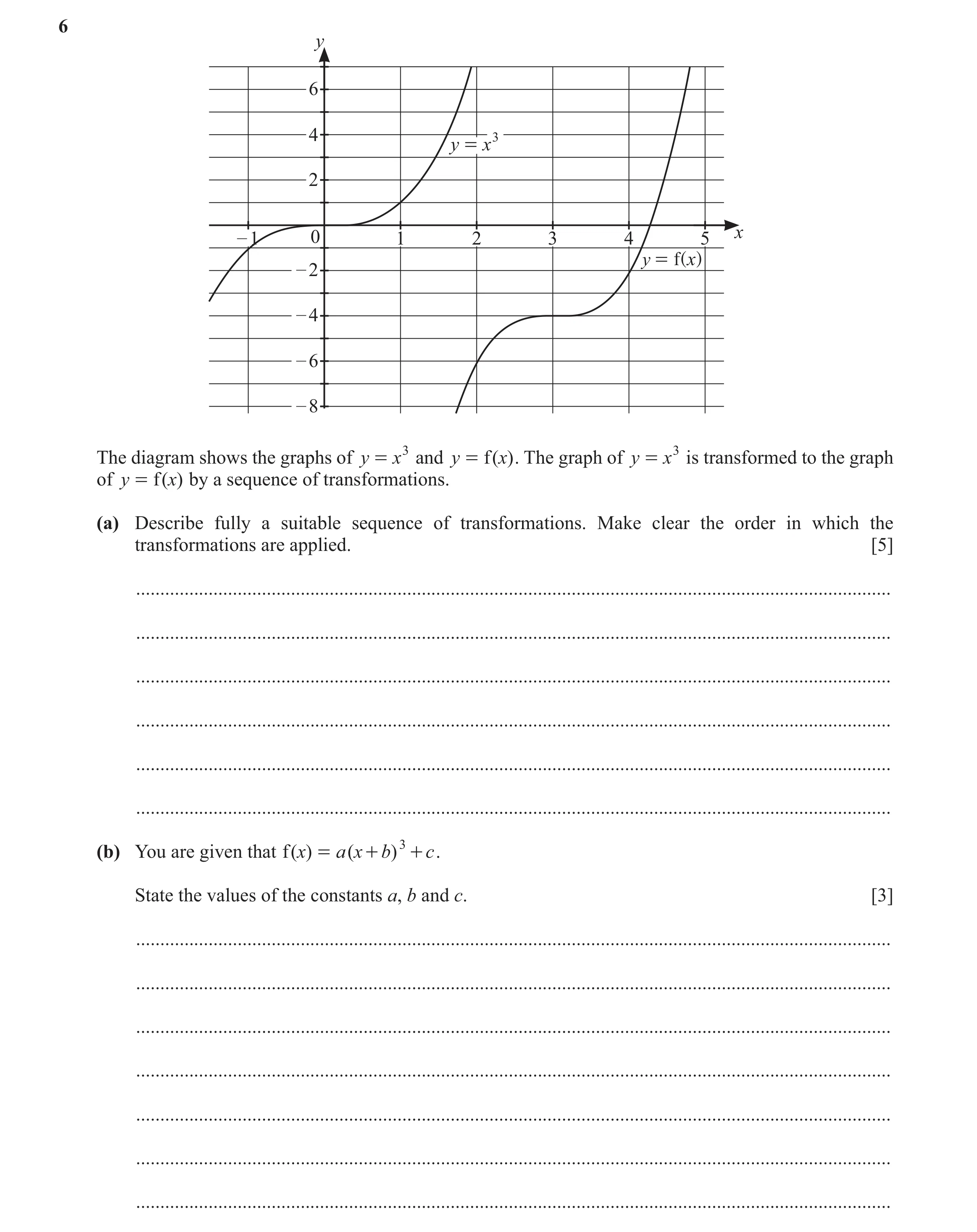
6 y 6 4 y = x3 2 – 1 0 1 2 3 4 5 x y = f(x) – 2 – 4 – 6 – 8 The diagram shows the graphs of y = x3 and y = f ( x) . The graph of y = x3 is transformed to the graph of y = f ( x) by a sequence of transformations. (a) Describe fully a suitable sequence of transformations. Make clear the order in which the transformations are applied. [5] … … … … … … (b) You are given that f ( x) = a ( x + b ) 3 + c . State the values of the constants a, b and c. [3] … … … … … … …
8 marks
Mark scheme: 6(a) {Stretch} {[scale] factor 2} {[parallel to] in/on y[-axis] or x-axis B2,1,0 B2 for all three {} elements correct. B1 for two {} elements invariant} correct. 3 B2,1,0 B2 for all three {} elements correct. B1 for two {} elements {Translation} or {[+]3 in/on [the] x[direction]} and correct. − 4 Do not condone use of ‘Right’ and ‘Down’ in place of x and y {– 4 in/on [the] y [direction]} directions. 3 0 Note: The vectors can be seen as and . 0 −4 Correct transformations in the correct order without any extra B1 Combined translations (condone transformations accompanied by transformations. Down and right can be condoned for this mark if 0 a vector) must come after the stretch or, if separate, the the candidate’s intention is clear. −4 must come after the stretch. Alternative Method for Question 6(a) 3 B2,1,0 B2 for all three {} elements correct. B1 for two {} elements {Translation} or {[+]3 in/on [the] x [direction]} and correct. − 2 Do not condone use of ‘Right’ and ‘Down’ in place of x and y {-2 in/on [the] y [direction]} directions. 3 0 Note: The vectors can be seen as and . 0 −2 {Stretch} {[scale]factor 2} {[parallel to] in/on y-[axis] or x axis B2,1,0 invariant OE} Numerically correct transformations in the correct order without B1 Combined translations (condone transformations accompanied by any extra transformations. Down and right can be condoned for 0 this mark if the candidate’s intention is clear. a vector) must come before the stretch or, if separate, the −2 must come before the stretch. 5 6(b) a = 2 B1 Individual values are considered the final answer and NOT those in a ( x + b )3 + c, unless individual values are not stated. b = −3 B1 c = − 4 B1 3
This question in 9709/13 Oct/Nov 2025
Q50 · 1 3 7 The function g is defined by g ( )x = + for x 2 , where a is a positive constant 9709/13 Oct/Nov 2025
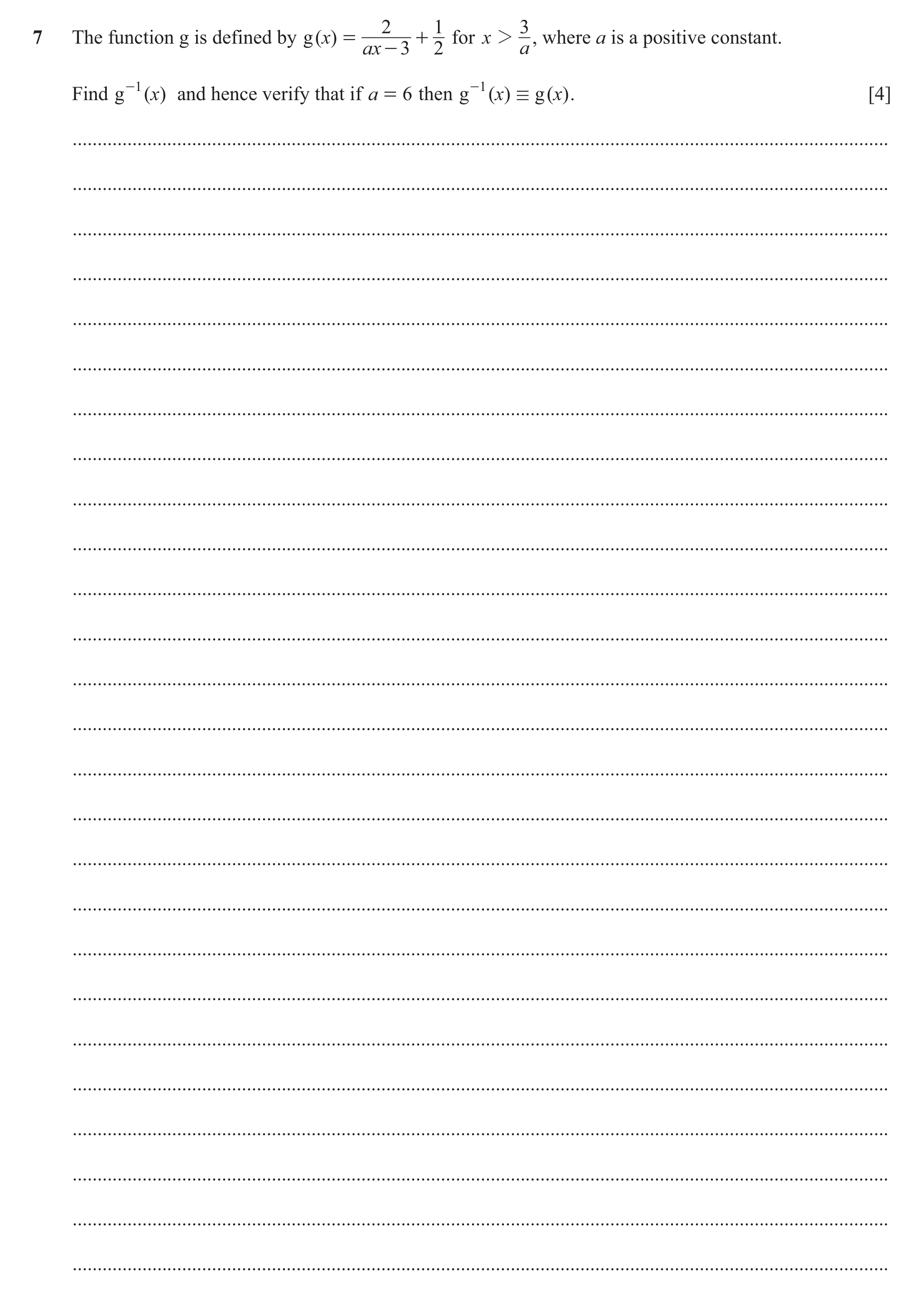
2 1 3 7 The function g is defined by g ( )x = + for x 2 , where a is a positive constant. ax - 3 2 a Find g -1 ( )x and hence verify that if a = 6 then g -1 ( x) / g ( x) . [4] … … … … … … … … … … … … … … … … … … … … … … … … … …
4 marks
Mark scheme: 7 2 1 1 2 *M1 OE y = + ax − 3 ) = 2 or ax − 3 = For setting ‘y =’ and rearranging. y − ( ax − 3 2 2 1 y − Condone only errors. 2 4 DM1 For making ax the subject. ax = + 3 2 y − 1 Condone only errors. −1 4 3 2 3 A1 OE [ y = or g ( x ) = ] + or + a ( 2 x − 1) a 1 a Note: x and y may be interchanged from the start. a x − 2 Clear replacement of a with 6 in g −1 and, if necessary, followed by A1 This mark is dependent on getting the correct inverse. simplification to arrive at exactly the same expressions. Alternative Method for Question 7 ax + 1 *M1 OE y = 2 y ( ax − 3 ) = ax + 1 For setting ‘y =’ and rearranging. 2 ( ax − 3 ) Condone only errors. ax ( 2 y − 1) = 6 y + 1 DM1 For making ax ( 2 y − 1) the subject, condone only errors. 1 A1 OE 3 x + 6 x + 1 2 Note: x and y may be interchanged from the start. or y = or g −1 ( x ) = a ( 2 x − 1) 1 a x − 2 Clear replacement of a with 6 in g −1 and, if necessary, followed by A1 This mark is dependent on getting the correct inverse. simplification to arrive at exactly the same expressions. 4
This question in 9709/13 Oct/Nov 2025
Q51 · The function f is defined by 7 f ( x) = 3 + x - 2 for x 2 2 9709/15 Oct/Nov 2025
10 The function f is defined by 7 f ( x) = 3 + x - 2 for x 2 2 . (a) It is given that f ( a) = 4 . Find the value of a. [2] … … … … … … (b) Find an expression for f – 1 ( x) and state the domain of f – 1 . [4] … … … … … … … … … … … … … … … … (c) The function g is defined by 1 + 4x g ( x) = 2x - 3 for x 2 3 . 2 Show that fg ( x) / kx , where k is a constant to be determined. [3] … … … … … … … … … … … … … … … … … … … … … … … …
9 marks
Mark scheme: 10(a) 7 M1 Forms an equation in a. 4 = 3 + a − 2 a = 9 A1 Condone x = 9. 2 10(b) Swap x and y and change the subject. This can be viewed as four stages: M1 Any two stages. 7 7 7 7 e.g. x = 3 + , x − 3 = , y − 2 = , y = 2 + M1 The other two stages. y − 2 y − 2 x − 3 x − 3 Condone one sign error present in the complete 7 2 x + 1 or x = 3 + , x ( y − 2 ) = 3 y − 6 + 7, xy − 3 y = 2 x + 1, y = method. y − 2 x − 3 One algebraic slip would result in only one M1. −1 7 A1 2 x + 1 f ( x ) = 2 + CAO Could be written as x − 3 x − 3 Need to see 'f −1 ( x ) = ' or 'f −1 : x → ', not just' y = '. Domain: x 3 B1 Allow equivalent statement but must involve x. 4 10(c) 7 B1 Substitute g ( x ) into f ( x ) . fg ( x ) 3 + 1 + 4 x − 2 2 x − 3 −1 1 + 4 x 7 Alternative 1: g ( x ) = f ( kx ) → = 2 + 2 x − 3 kx − 3 14 x − 21 7 ( 2 x − 3 ) M1 Simplify to expression with no embedded 3 + or 3 + oe fractions (working may be minimal). 1 + 4 x − 4 x + 6 1 + 4 x − 2 ( 2 x − 3 ) Alternative 1: Clearly amending fractions to a linear equation to solve 7 Alternative 2: Solve 3 + = kx to a linear equation 1 + 4 x − 2 2 x − 3 14 x − 21 A1 Cannot just state k = 2. Must have supporting 3 + 2 x or k = 2 algebra. 7 Trying several values to establish k = 2 scores M0A0. 3
This question in 9709/15 Oct/Nov 2025
Q52 · Y P O x The diagram shows the curve with equation y = 4x 2 - x 3 and the tangent to the… 9709/15 Oct/Nov 2025
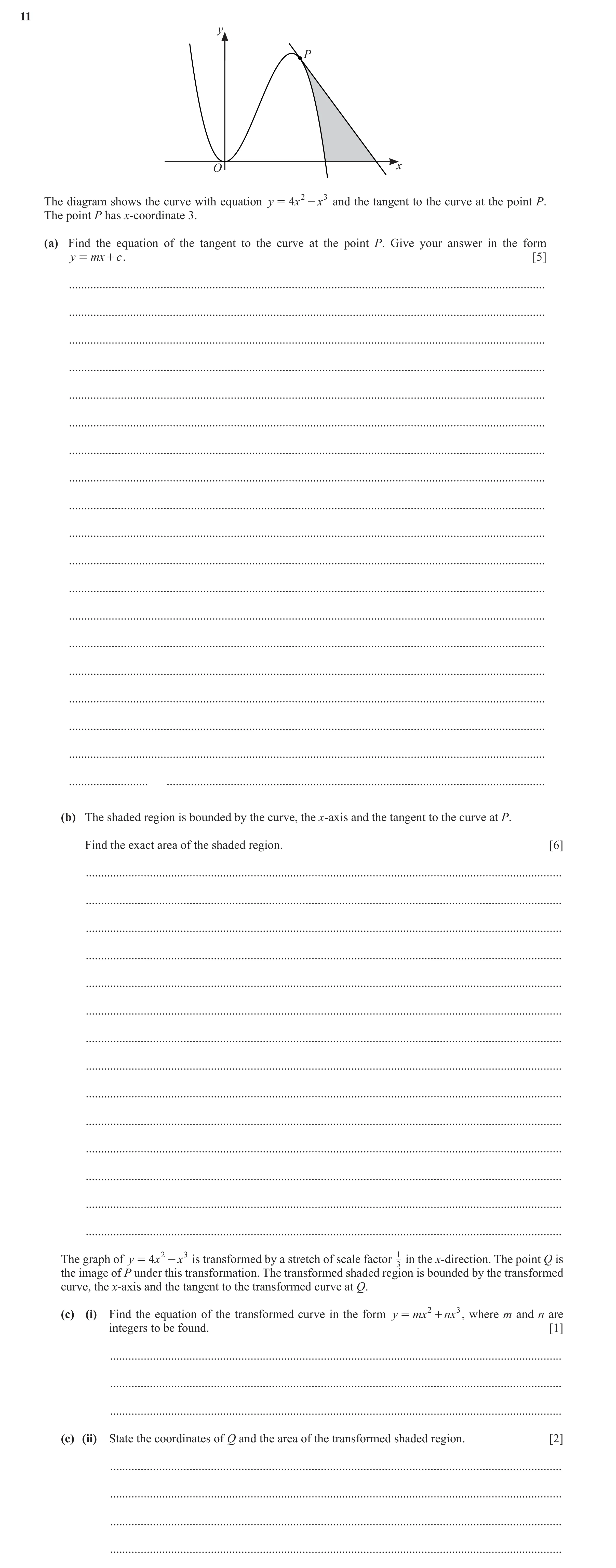
11 y P O x The diagram shows the curve with equation y = 4x 2 - x 3 and the tangent to the curve at the point P. The point P has x-coordinate 3. (a) Find the equation of the tangent to the curve at the point P. Give your answer in the form y = mx + c . [5] … … … … … … … … … … … … … … … … … … … … (b) The shaded region is bounded by the curve, the x-axis and the tangent to the curve at P. Find the exact area of the shaded region. [6] … … … … … … … … … … … … … … The graph of y = 4x 2 - x 3 is transformed by a stretch of scale factor 1 in the x-direction. The point Q is 3 the image of P under this transformation. The transformed shaded region is bounded by the transformed curve, the x-axis and the tangent to the transformed curve at Q. (c) (i) Find the equation of the transformed curve in the form y = mx 2 + nx 3 , where m and n are integers to be found. [1] … … … (c) (ii) State the coordinates of Q and the area of the transformed shaded region. [2] … … … …
14 marks
Mark scheme: 11(a) dy 2 B1 CAO = 8 x − 3 x dx dy B1 = 24 − 27 = −3 when x = 3 dx y = 9 [when x = 3] B1 SOI y − 9 = −3 ( x − 3 ) or y = −3 x + c → 9 = −+9 c →=c 18 oe M1 d y Uses their y and their numerical to find d x equation of the tangent; condone one sign error. y = −3 x + 18 A1 5 11(b) 4 M1* Must obtain ax 3 + bx 4 and indicate the limits 3 2 3 Area between curve and x-axis = 4 x − x dx and attempt to integrate ) ( and 4. 3 4 A1 SC B1 for use of wrong or no limits (only for 3 4 4 x x = − correct integral). 3 4 3 256 81 DM1 Correct sub of correct limits (allow one slip). − 64 − 36 − 64 3 4 Minimum acceptable: − 63. 3 4 67 A1 SOI = May be implied by a correct final answer if the 12 two areas are combined. SC B1 if substitution of the limits is not seen. 9 67 DM1 27 Shaded region = ( 6 − 3) −their Expect −‘their integral’, but must be ‘area 2 12 2 6 3 under their line’ minus ‘their area under the −3 x 67 or + 18 x – their curve’, where ‘their integral’ is an attempt at the 2 3 12 area under the curve between x = 3 and x = 4. May use the lengths from their tangent equation. 95 A1 Calculating area of triangle – (correct) area under = any equivalent exact answer the curve. 12 11(b) Alternative Method for Question 11(b): Finds area between curve and tangent between x = 3 and x = 4 M1* Integrate at least two of the four terms correctly. 4 Area under the line could be found from the 4 x 2 − x 3 3 x + 18 ) − ( ) dx ( 4 − 3 ( − 3 trapezium area )( 9 + 6 ) . 2 4 2 3 4 A1 Integrating all four terms correctly. 3 x 4 x x = − + 18 x − + 4 x 3 x 4 2 3 4 3 SC B1 for the correct integral − + . 3 4 256 27 81 DM1 Correct sub of limits (allow one slip). = −24 + 72 − + 64 −− + 54 − 36 + 3 2 4 23 A1 SOI = SC B1 if substitution of the limits is not seen. 12 1 23 DM1 Calculating area of triangle between x = 4 and Shaded region = ( 6 − 4 ) 6 + 2 12 x = 6 + their area, providing limits of 3 and 4 are used to find the area between the curve and the tangent. 95 A1 Must be exact. = 12 6 11(c)(i) y = 36 x 2 − 27 x 3 or state m = 36, n = −27 B1 CAO (must be expanded) 1 11(c)(ii) Q(1, 9) B1 CAO coordinates of Q. 95 B1 FT 1 Area = of their area from 11(b). 36 3 Allow 2.64. 2
This question in 9709/15 Oct/Nov 2025
![Question 1: The function f is defined by f(x) = a + b cos 2x, for 0 ≤x ≤π. It is given that f(0) = −1 and f 12π = 7. (i) Find the values of a and b. [3]…](https://img.pastlit.com/crops/6f87434c-1a74-4a0a-b557-c966e5bf19a6/q8.webp)
 1 / 56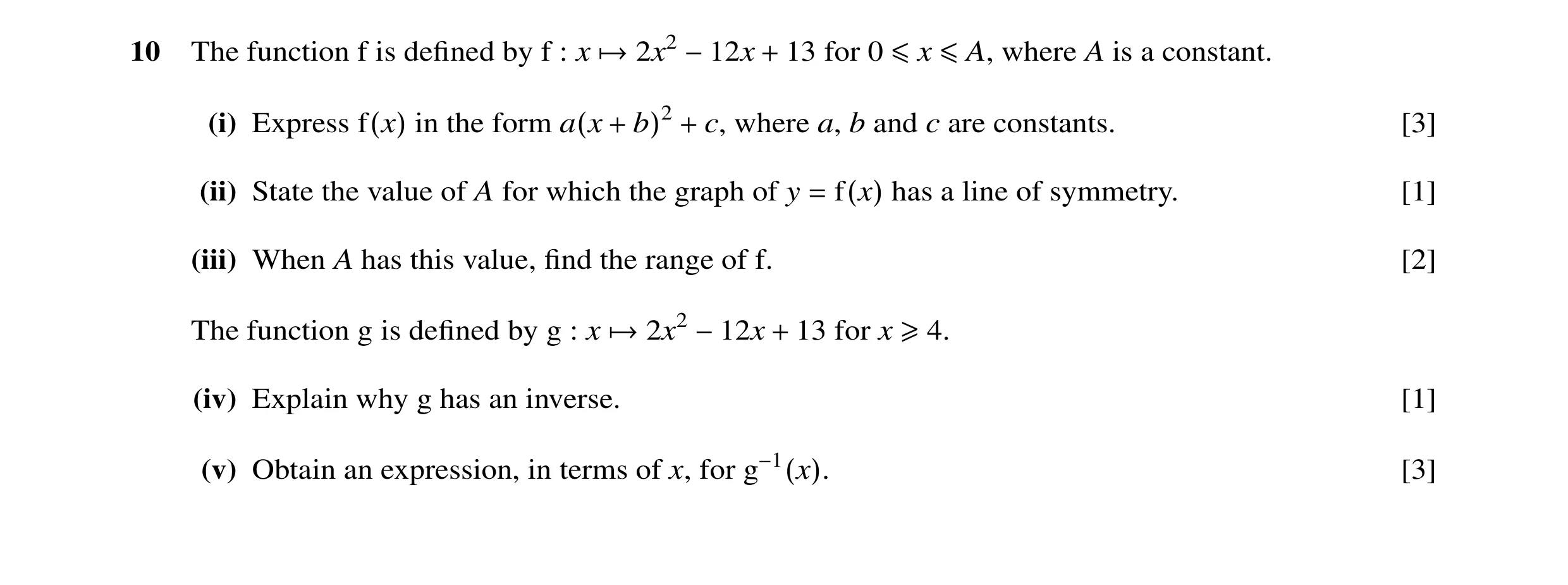
 2 / 56
![Question 7: The function f is defined by f(x) = x2 −4x + 7 for x > 2. (i) Express f(x) in the form (x −a)2 + b and hence state the range of f. [3] (ii) …](https://img.pastlit.com/crops/b84e7a19-7582-41cb-80a1-29afac53e28a/q7.webp)
![Question 8: y x O The diagram shows the function f defined for 0 ≤x ≤6 by x →12x2 for 0 ≤x ≤2, x →12x + 1 for 2 < x ≤6. (i) State the range of f. [1] (i…](https://img.pastlit.com/crops/514f9e6e-9aff-4c9a-a939-32557b62237f/q7.webp) 3 / 56
3 / 56![Question 9: Functions f and g are defined for x ∈> by f : x →2x + 1, g : x →x2 −2. (i) Find and simplify expressions for fg(x) and gf(x). [2] (ii) Hence…](https://img.pastlit.com/crops/db524538-8583-4784-aabf-89f7f22dfd9b/q11.webp)
![Question 10: 6 The function f is defined by f : x x x 2. + 2x →x ∈>, ≠1 −1, (i) Show that x. [3] ff(x) = (ii) Hence, or otherwise, obtain an expression f…](https://img.pastlit.com/crops/05e78195-5856-432f-8369-53061e868103/q6.webp)
 4 / 56
 5 / 56
![Question 15: x + 3 2 A function f is such that f(x) = + 1, for x ≥−3. Find 2 (i) f −1(x) in the form ax2 + bx + c, where a, b and c are constants, [3] (…](https://img.pastlit.com/crops/717f7605-f4d8-49d2-8b8d-84ef9072be2d/q2.webp)
![Question 16: 2 It is given that f(x) = x3 −x3, for x > 0. Show that f is a decreasing function. [3]](https://img.pastlit.com/crops/e2c42827-5b1a-4c86-bcb1-ffd60f27a35d/q2.webp)
 6 / 56
![Question 19: (a) Express x2 6x 5 in the form x a 2 b, where a and b are constants. [2] + + + + .........................................................…](https://img.pastlit.com/crops/641233a6-125c-47d4-9a3c-a5f62ff4618f/q1.webp) 7 / 56
7 / 56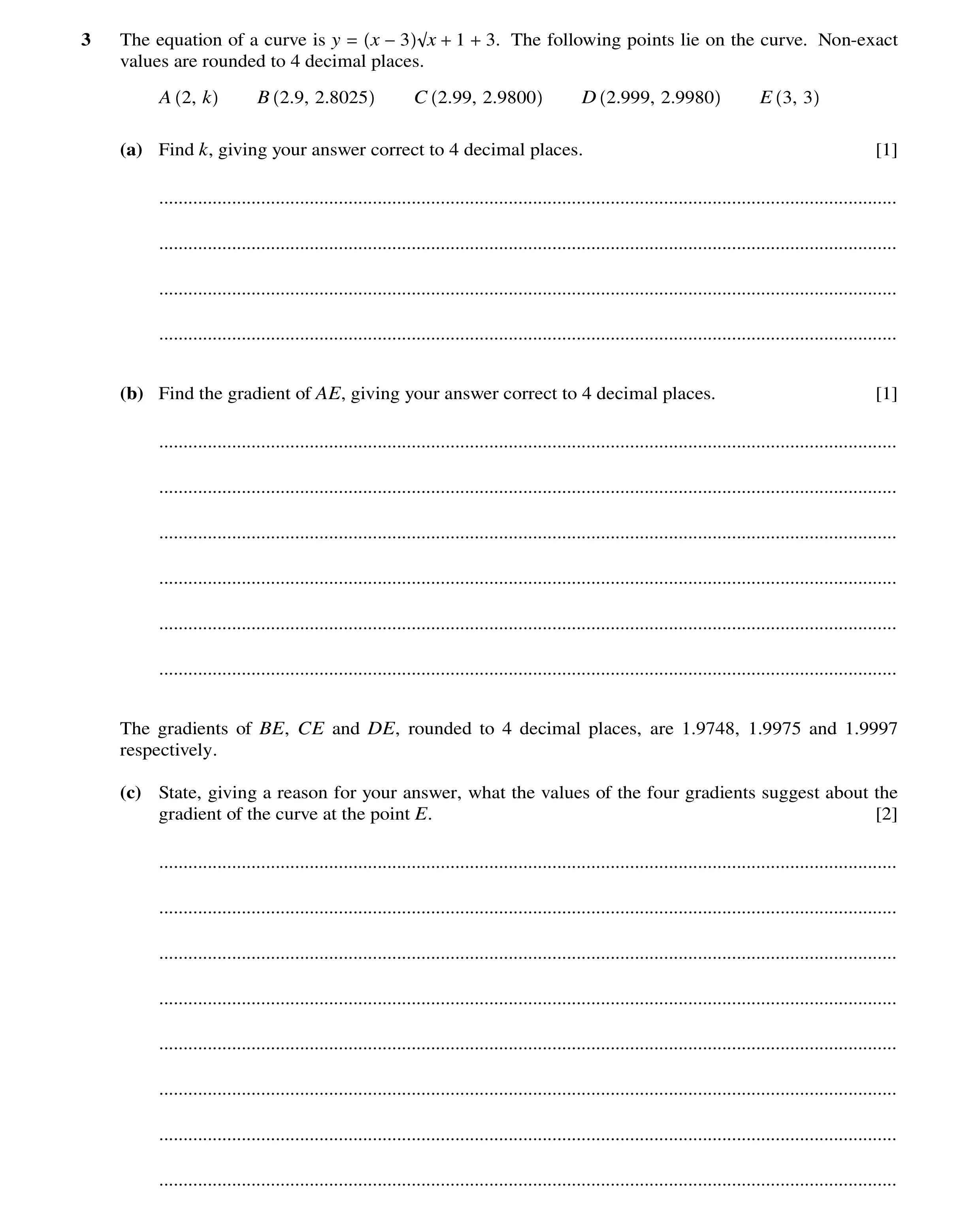 8 / 56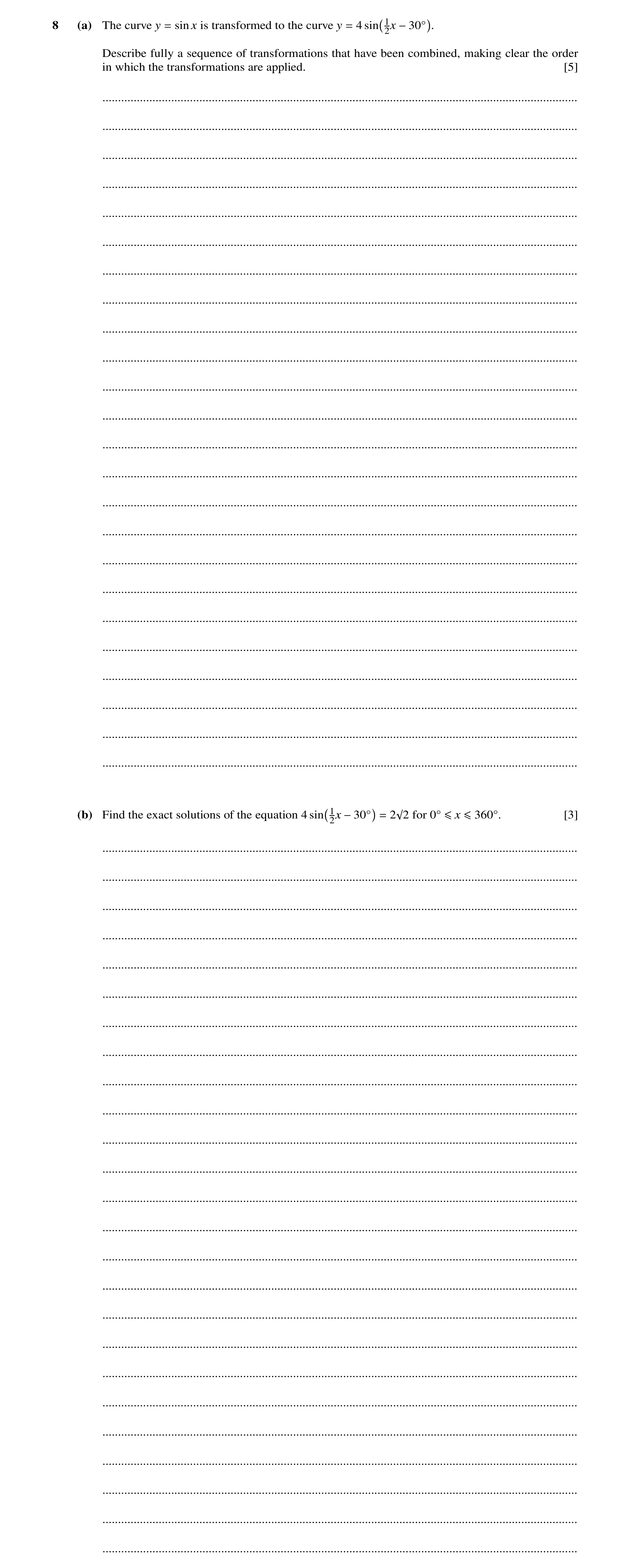
 11 / 56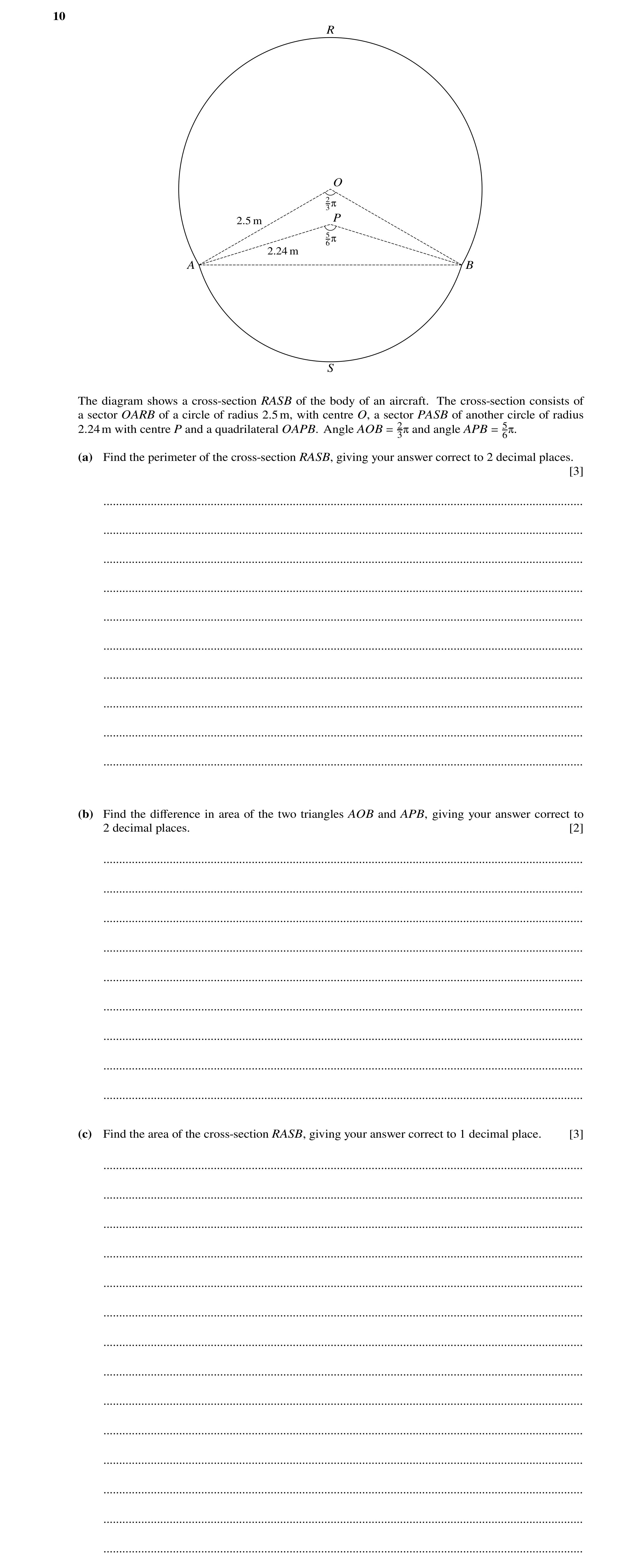
 14 / 56
 15 / 56
 18 / 56
 19 / 56
 20 / 56
![Question 30: The function f is defined as follows: f ( x) = x - 1 for x 2 1. (a) Find an expression for f - 1 ( x) . [1] ...............................…](https://img.pastlit.com/crops/4e22790a-a310-47f2-8a73-721932d73647/q4.webp)
![Question 31: dy - 20 6 A curve passes through the point b , - 3l and is such that = . 5 dx ( 5 x - 3 ) 2 (a) Find the equation of the curve. [4] .......…](https://img.pastlit.com/crops/e8bdf74a-dfee-4178-bb01-4e1ec31fe5e5/q6.webp) 23 / 56
23 / 56![Question 32: The function f is defined by f ( x) = 10 + 6x - x 2 for x d R . (a) By completing the square, find the range of f. [3] ....................…](https://img.pastlit.com/crops/e8bdf74a-dfee-4178-bb01-4e1ec31fe5e5/q11.webp)
 28 / 56
![Question 35: x + 1 1 5 The function f is defined by f ( x) = for x 1 . 2x - 1 2 (a) (i) State the value of f ( - 1 ) . [1] .............................…](https://img.pastlit.com/crops/37ecc913-dfcf-4b60-9b03-dcd4d7075a6b/q5.webp)
 31 / 56
![Question 37: (a) Express 3x 2 - 12 x + 14 in the form 3 ( x + a) 2 + b , where a and b are constants to be found. [2] ..................................…](https://img.pastlit.com/crops/213fb9ab-55a4-4cb9-b320-df7a32b7525b/q8.webp)
 36 / 56
![Question 40: (a) Express x 2 + 4 x + 2 in the form ( x + a ) 2 + b , where a and b are integers. [2] ...................................................…](https://img.pastlit.com/crops/fd7f1dcf-dd85-463a-affa-12775d64d07f/q11.webp)
![Question 41: 10 A curve C has equation y = + 2 x - 5 . 2x - 5 (a) Find the coordinates of the two stationary points. [4] ...............................…](https://img.pastlit.com/crops/4b0c72ad-9eb0-4f13-8801-e6da23fe9a3b/q10.webp)
![Question 44: (a) Express 1 - 6x - x 2 in the form a - ( x + b ) 2 , where a and b are constants. [3] ...................................................…](https://img.pastlit.com/crops/6d1359a3-4977-4094-8e2c-10748a08d5c9/q4.webp) 45 / 56
45 / 56![Question 45: Functions f and g are defined by f ( x) = ( x + 3 ) 2 - 12 for x H 0 , g ( )x = 2x - 5 for x ! R . (a) State the range of f. [1] ..........…](https://img.pastlit.com/crops/6d1359a3-4977-4094-8e2c-10748a08d5c9/q6.webp) 46 / 56
46 / 56 47 / 56
 50 / 56
 51 / 56
 52 / 56
![Question 51: The function f is defined by 7 f ( x) = 3 + x - 2 for x 2 2 . (a) It is given that f ( a) = 4 . Find the value of a. [2] ..................…](https://img.pastlit.com/crops/a3d47a8a-f3b0-443a-9d96-08eed7643bf0/q10.webp)
 8
8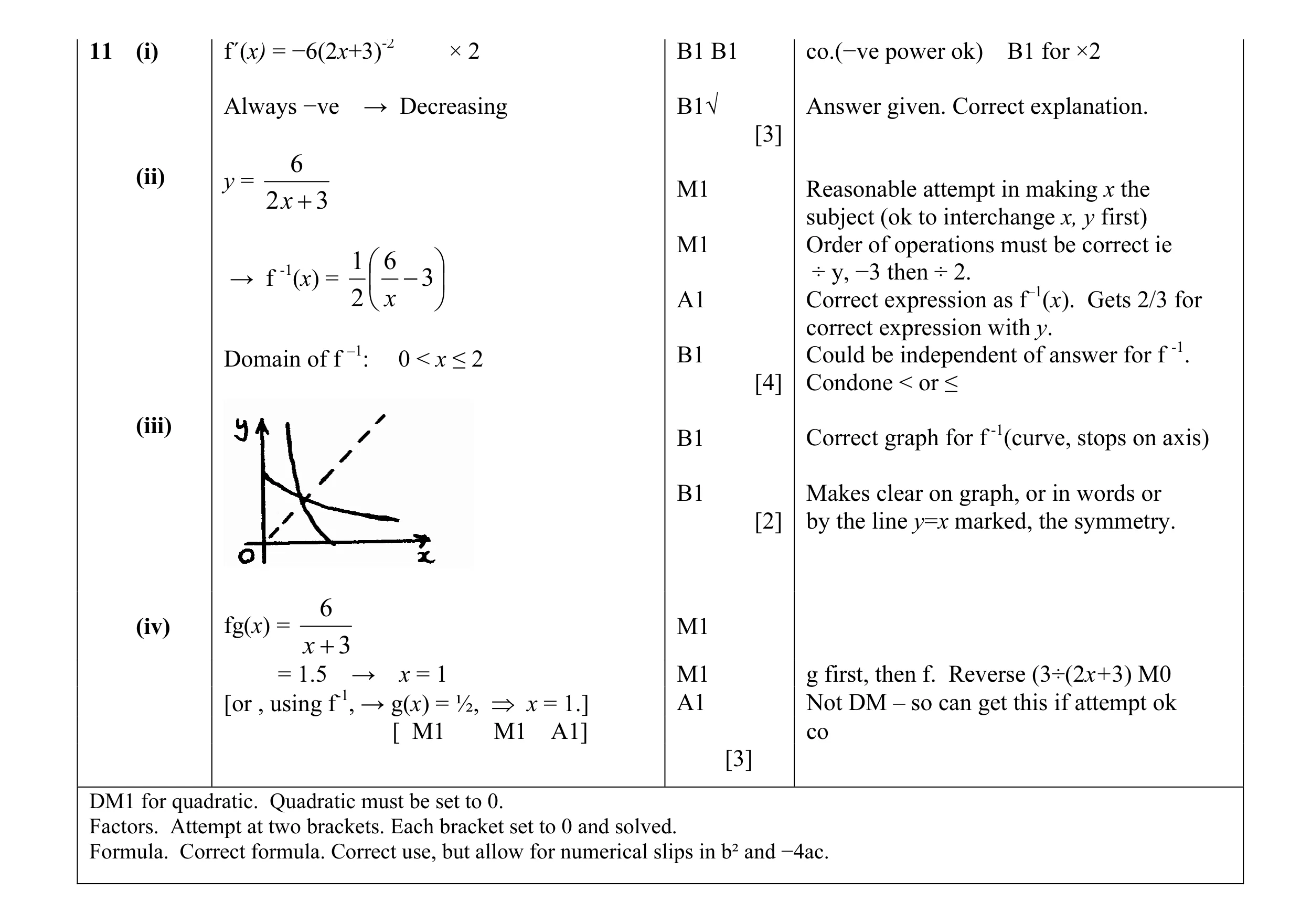 12
12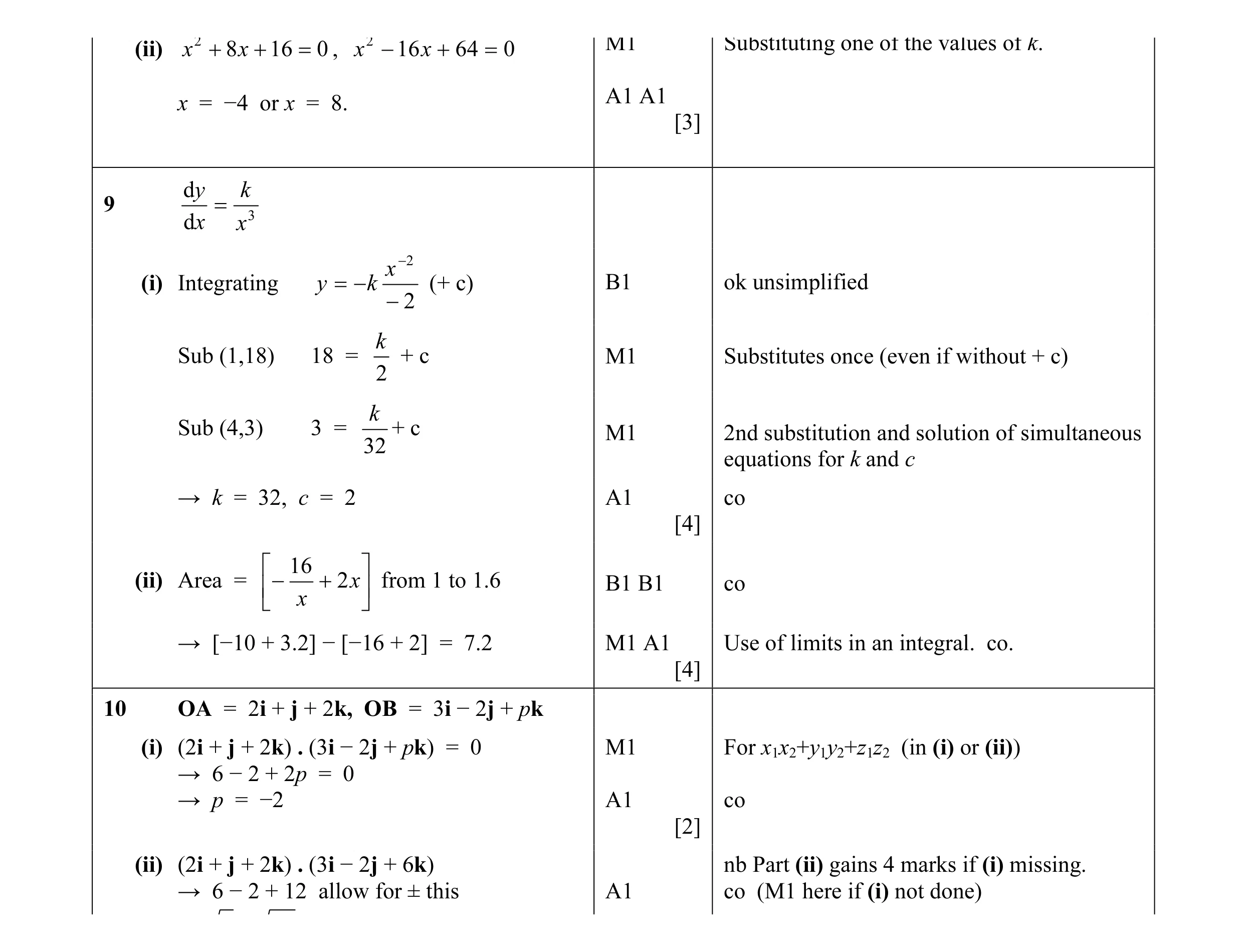 7
7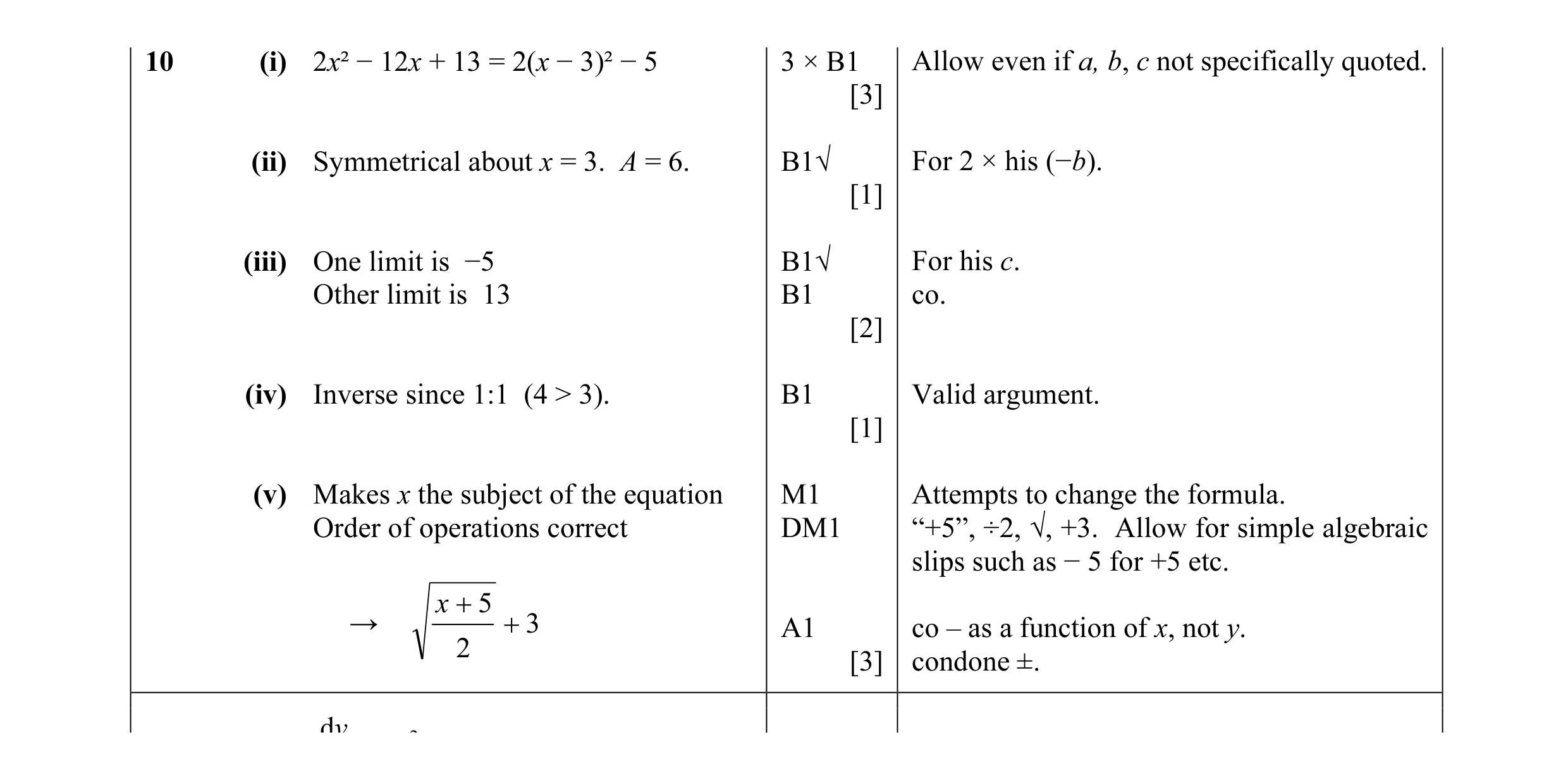 10
10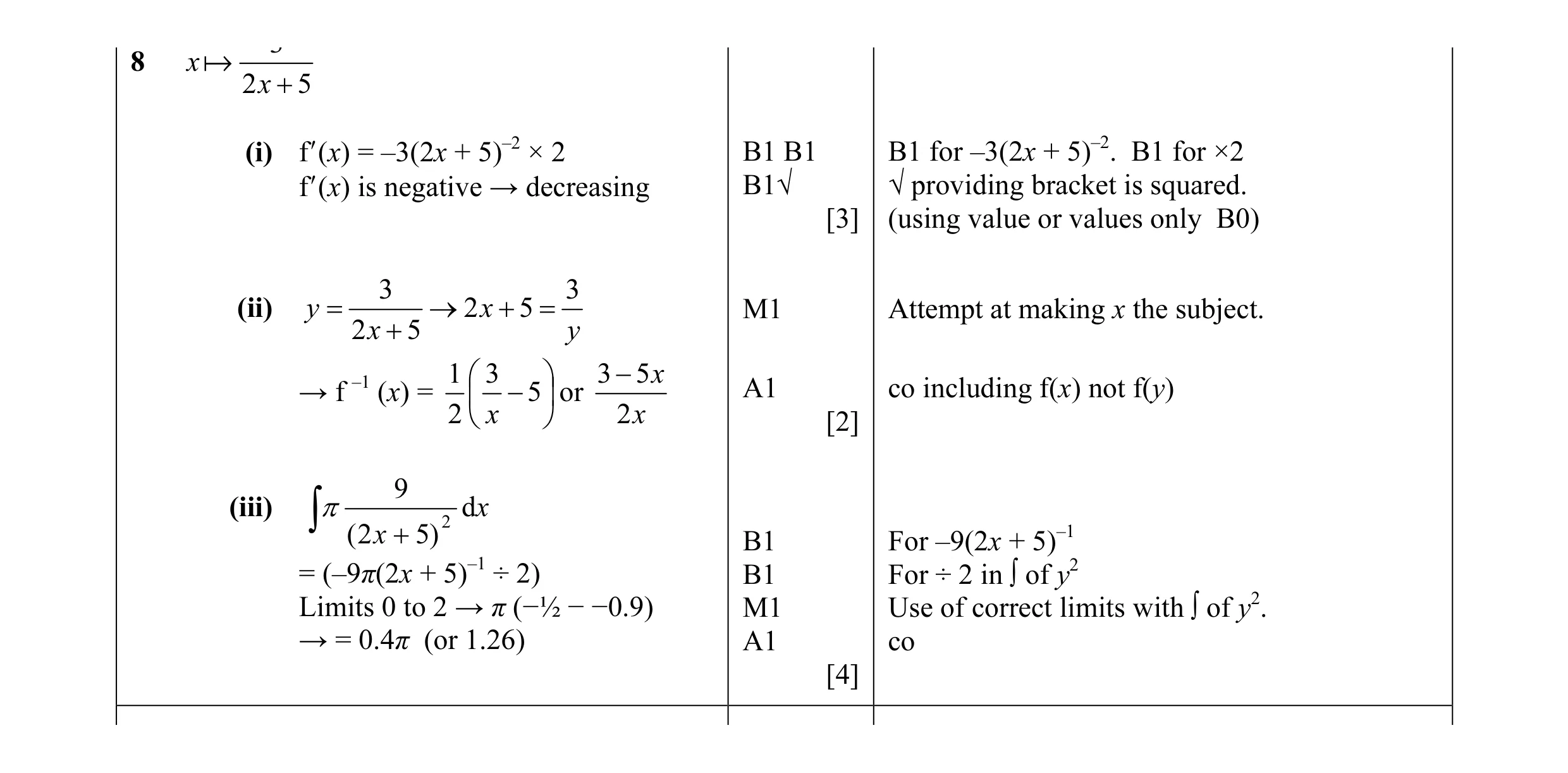 9
9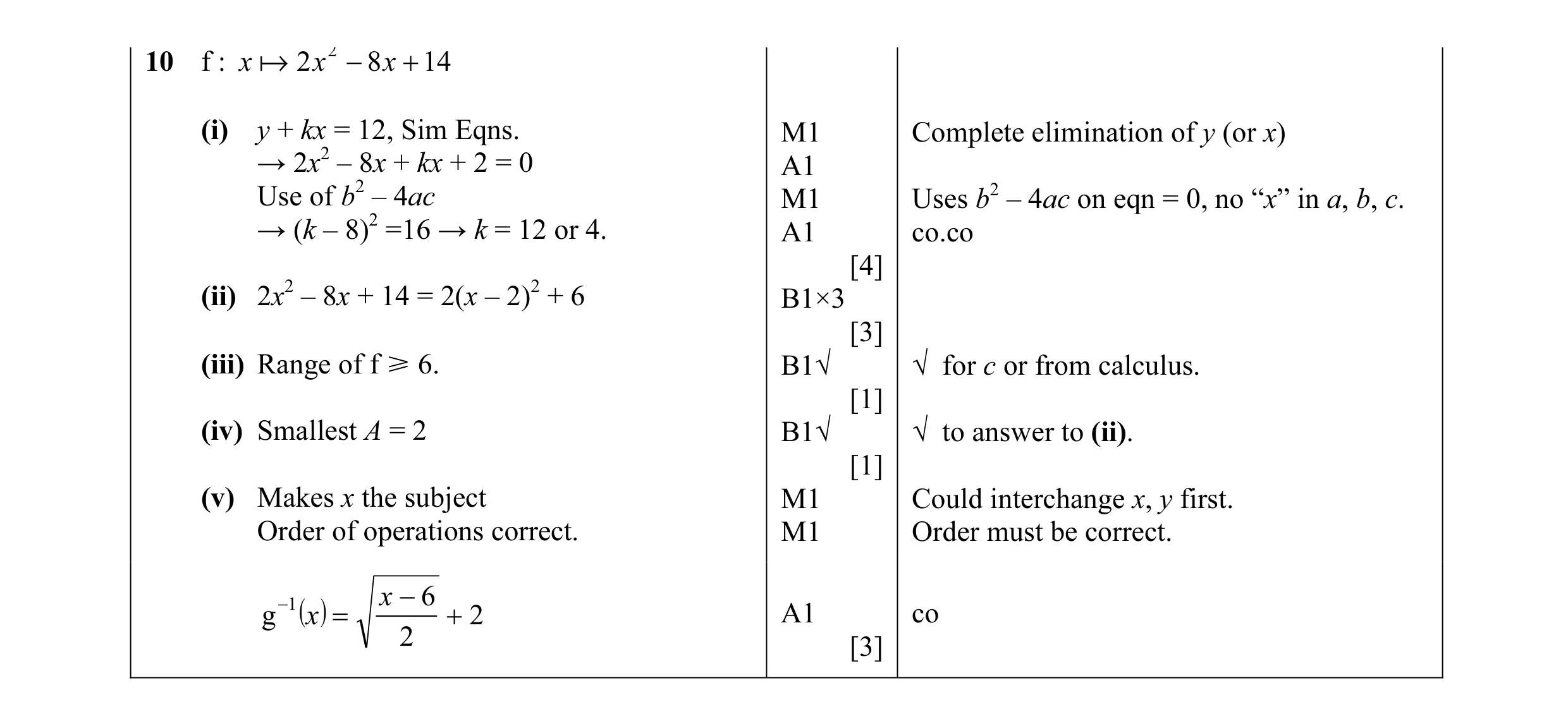 12
12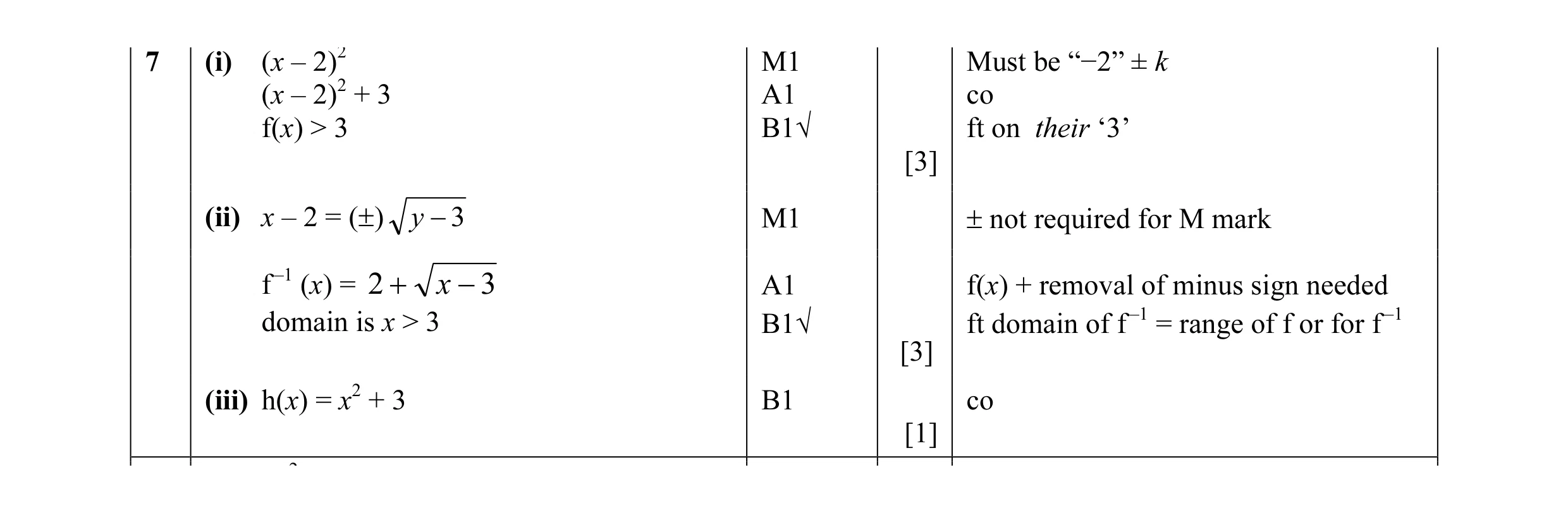 7
7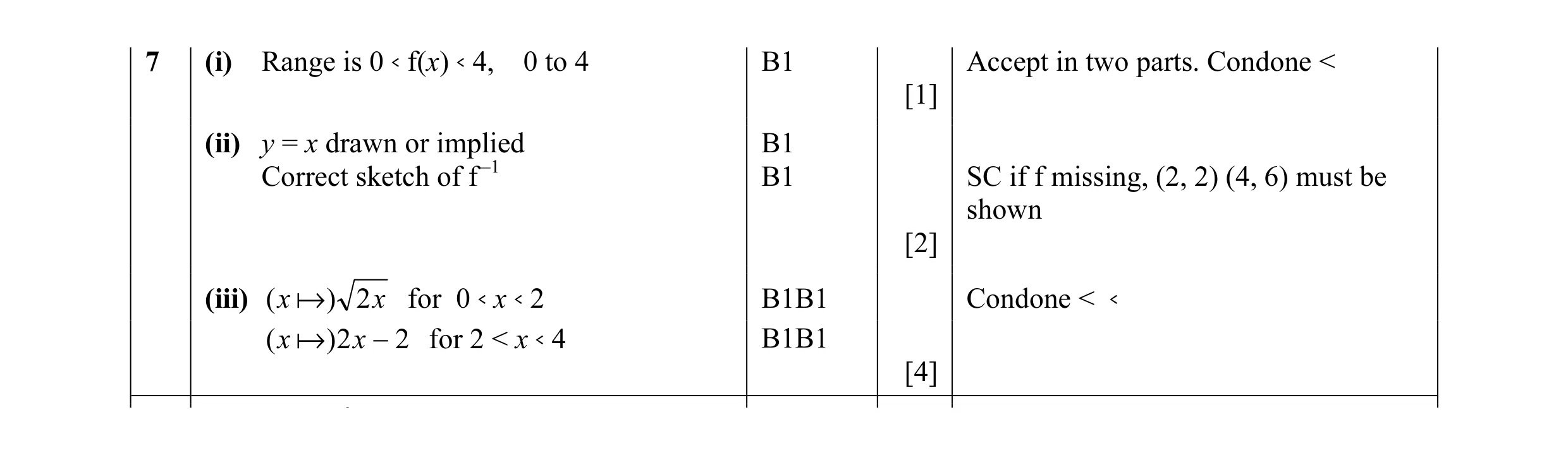 7
7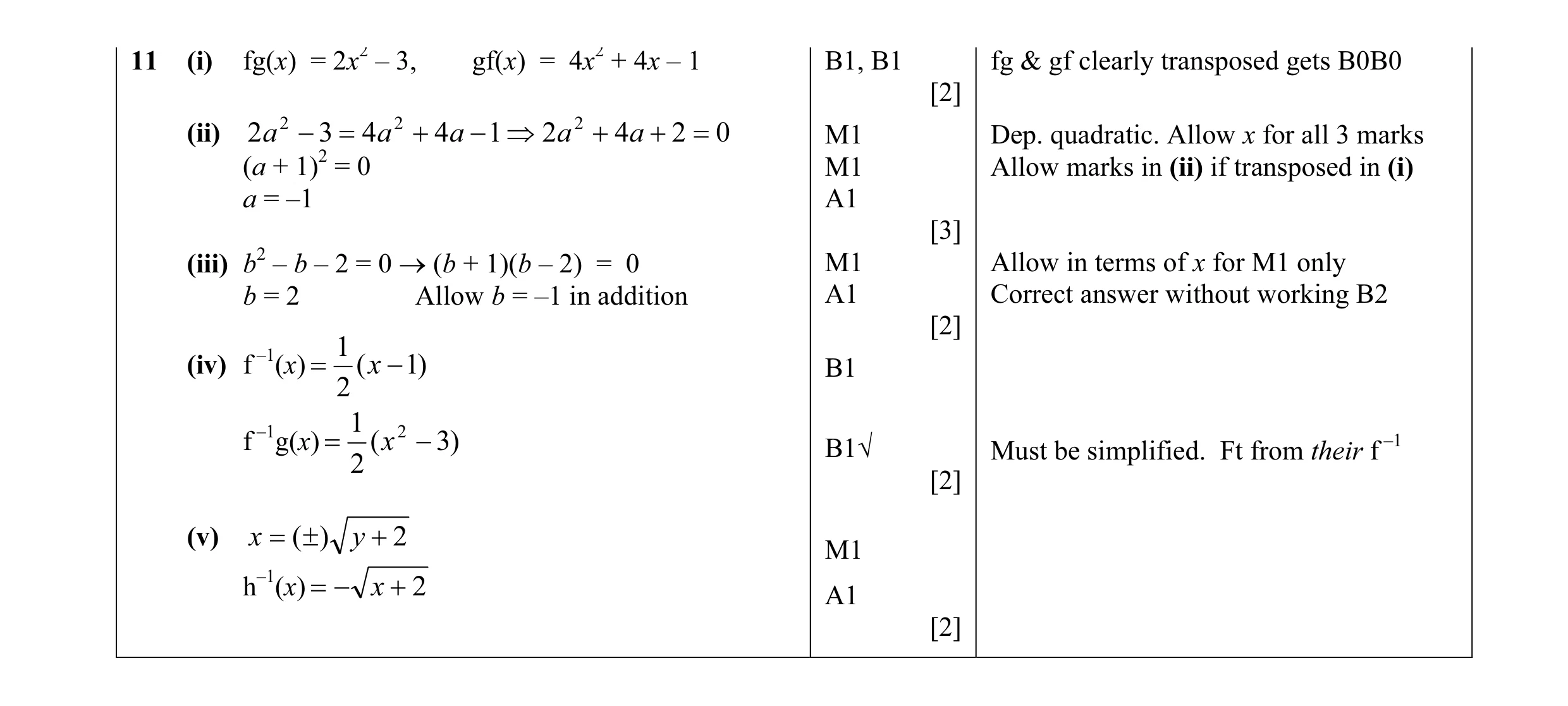 11
11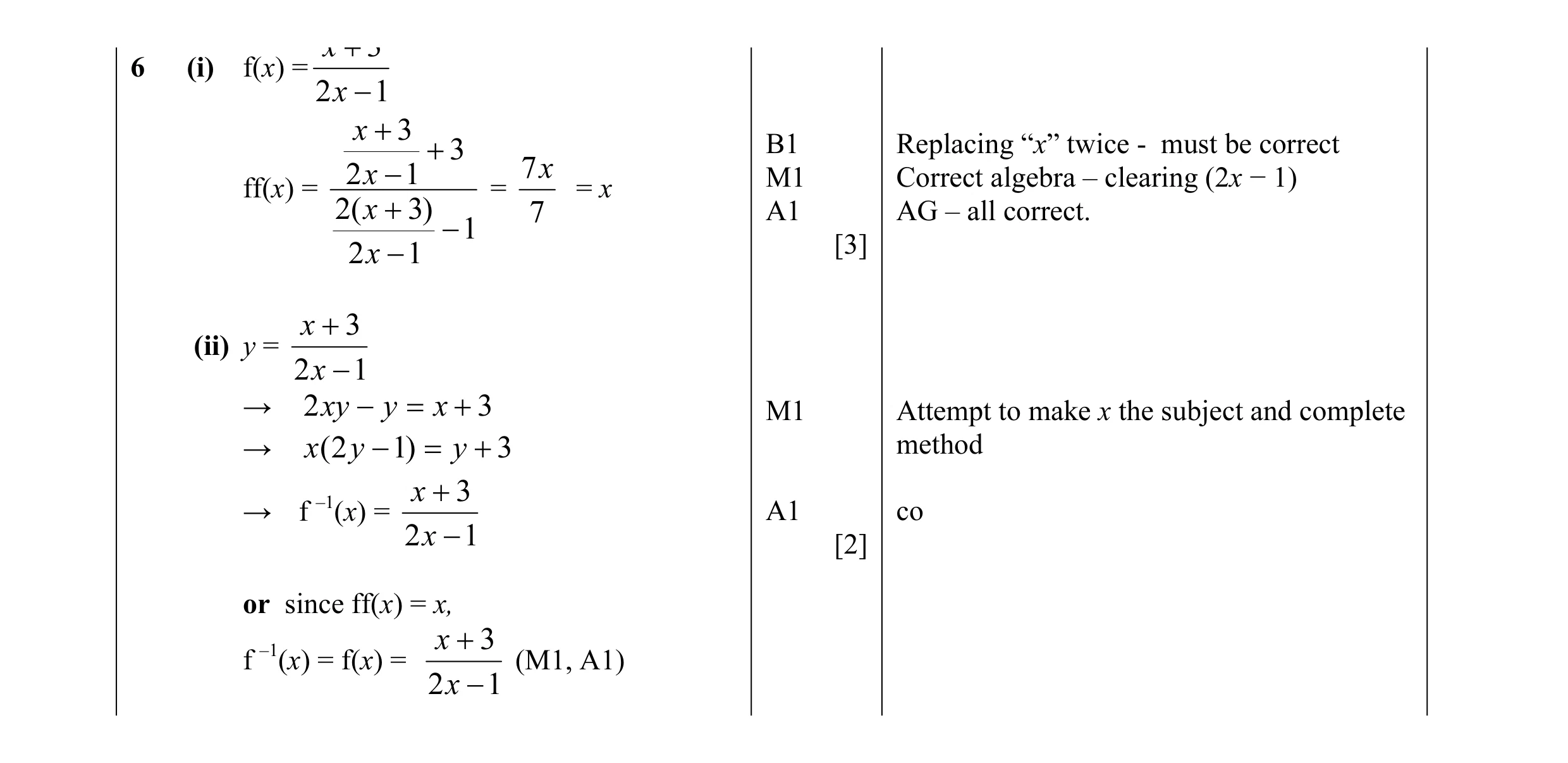 5
5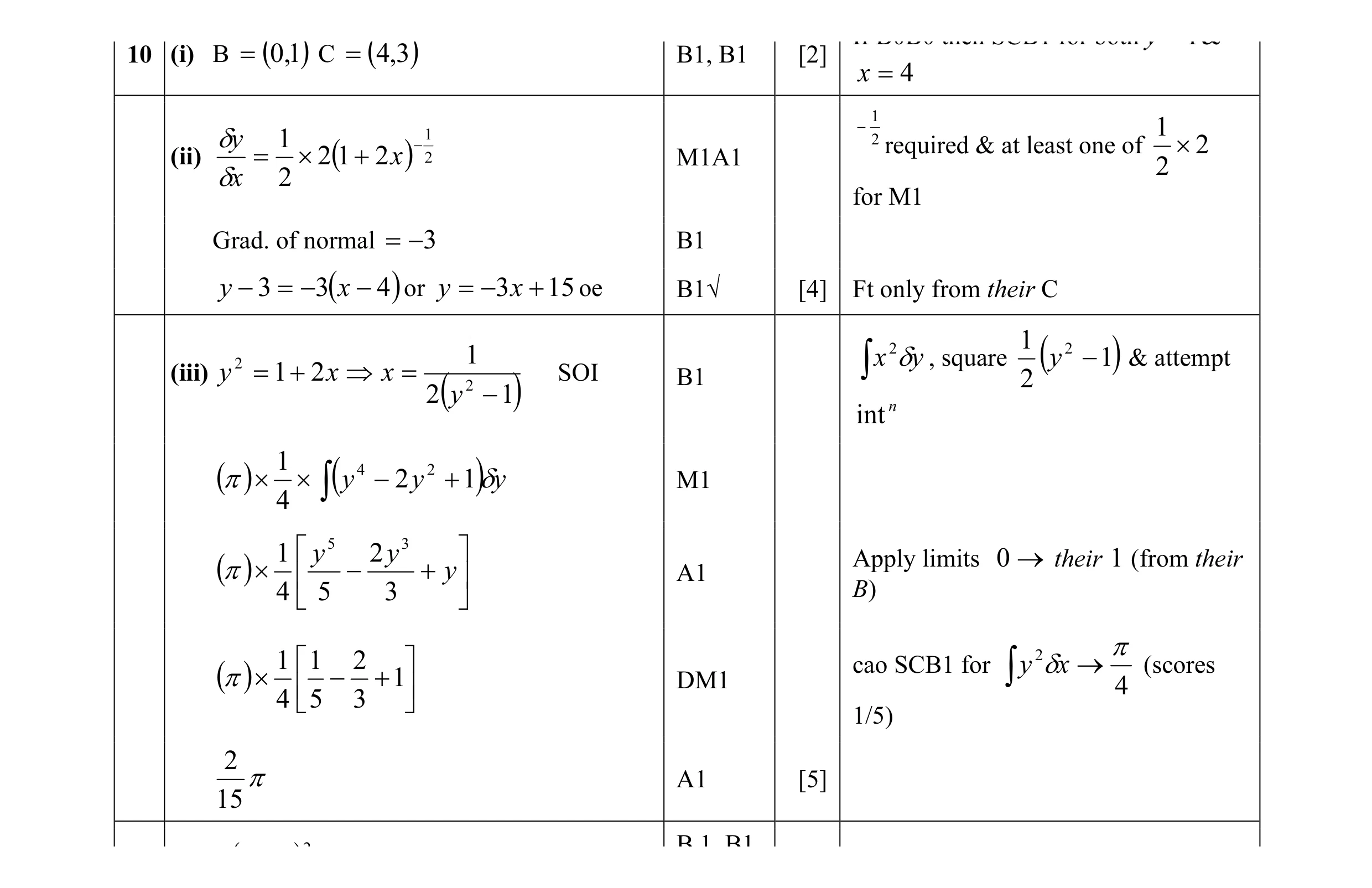 11
11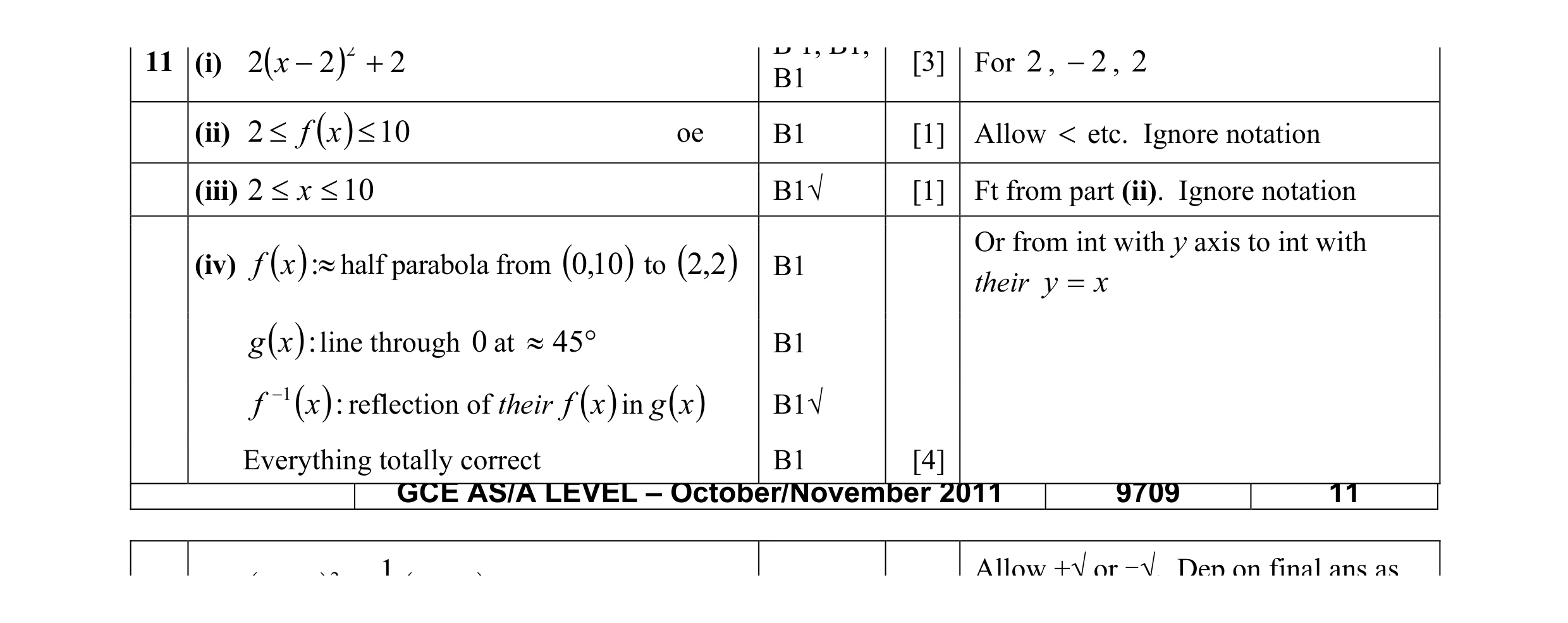 12
12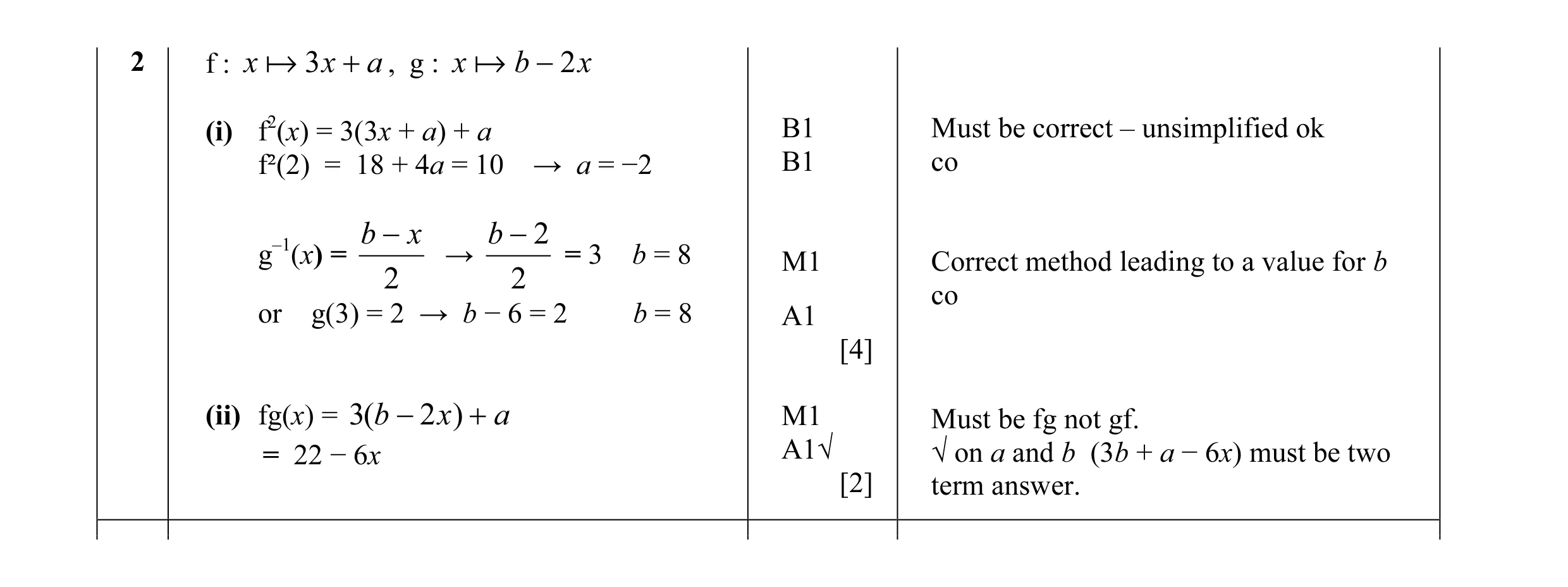 6
6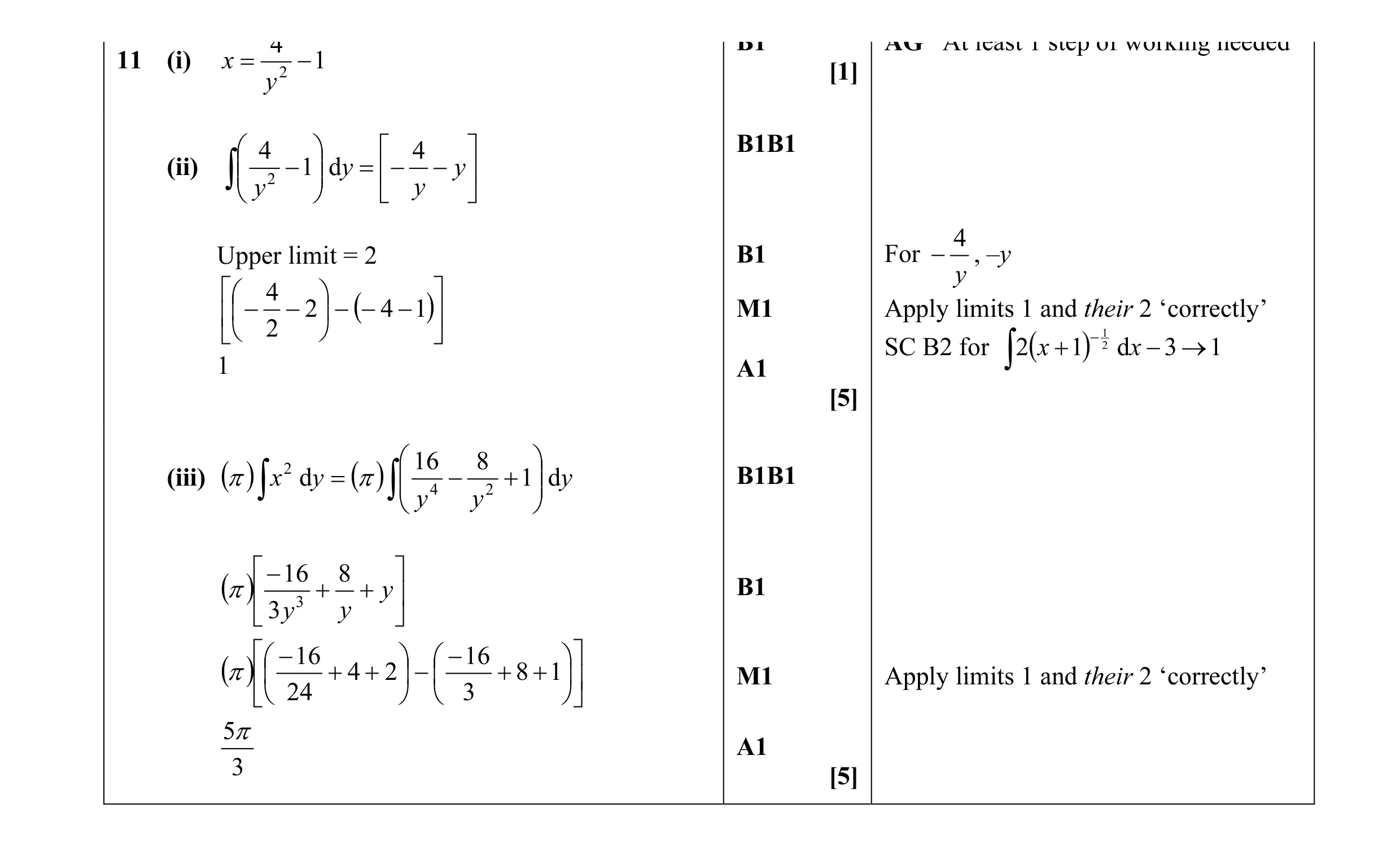 11
11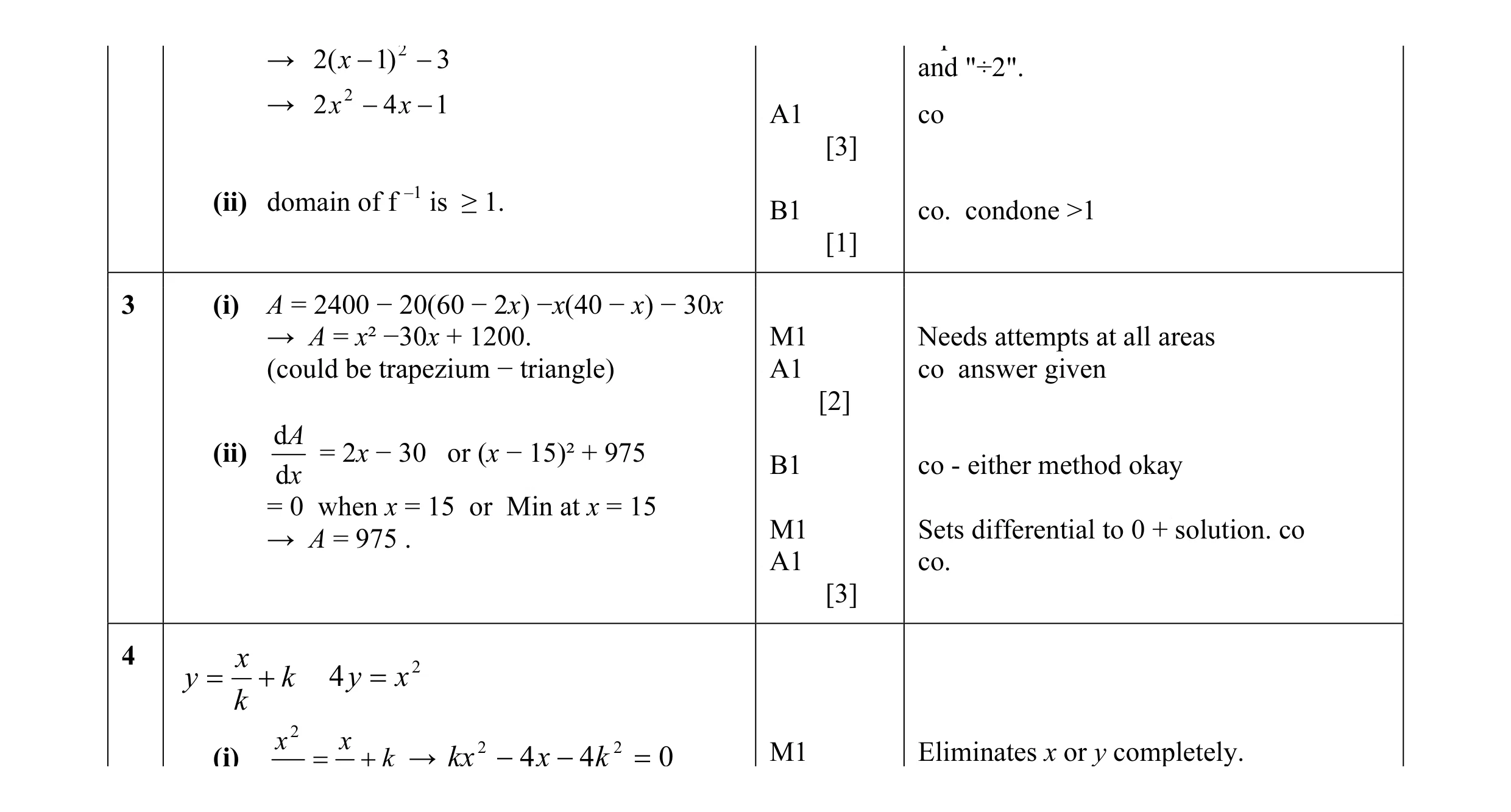 4
4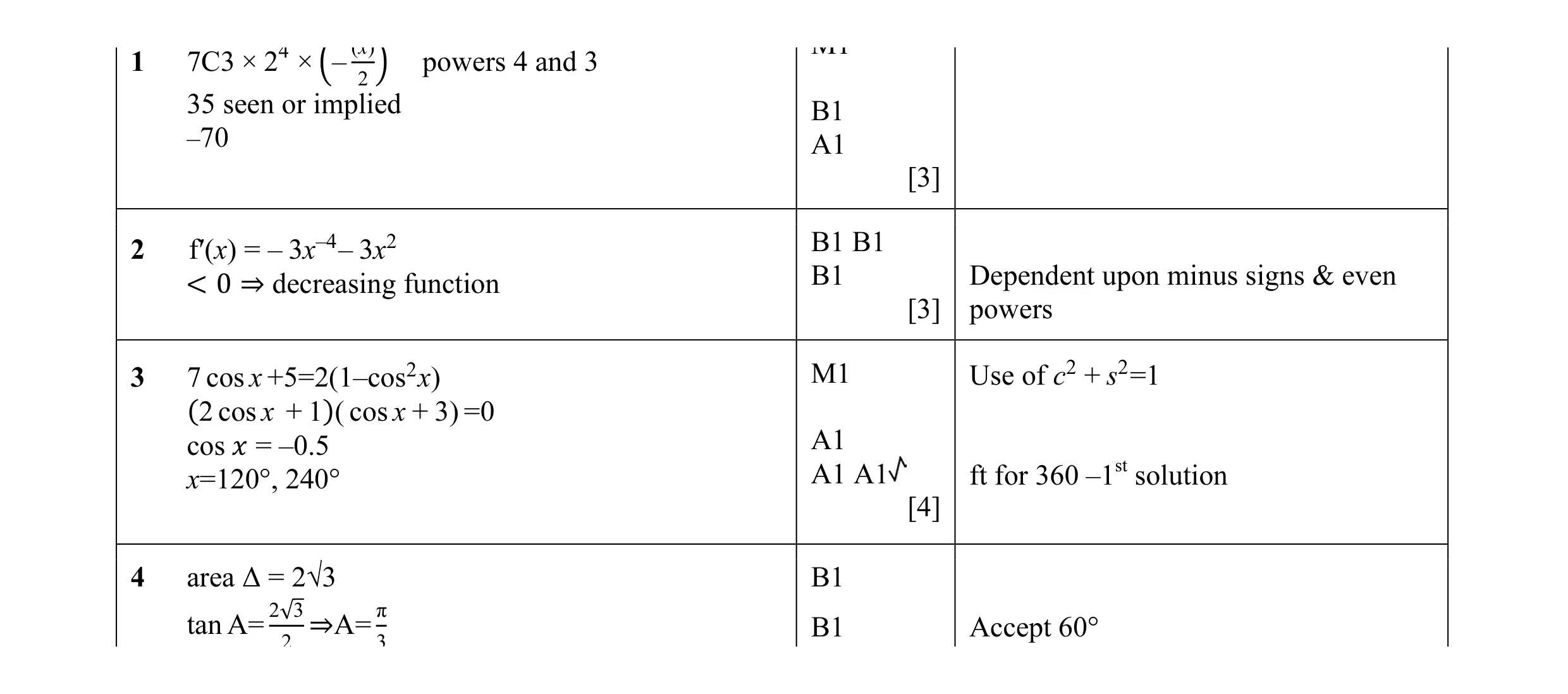 3
3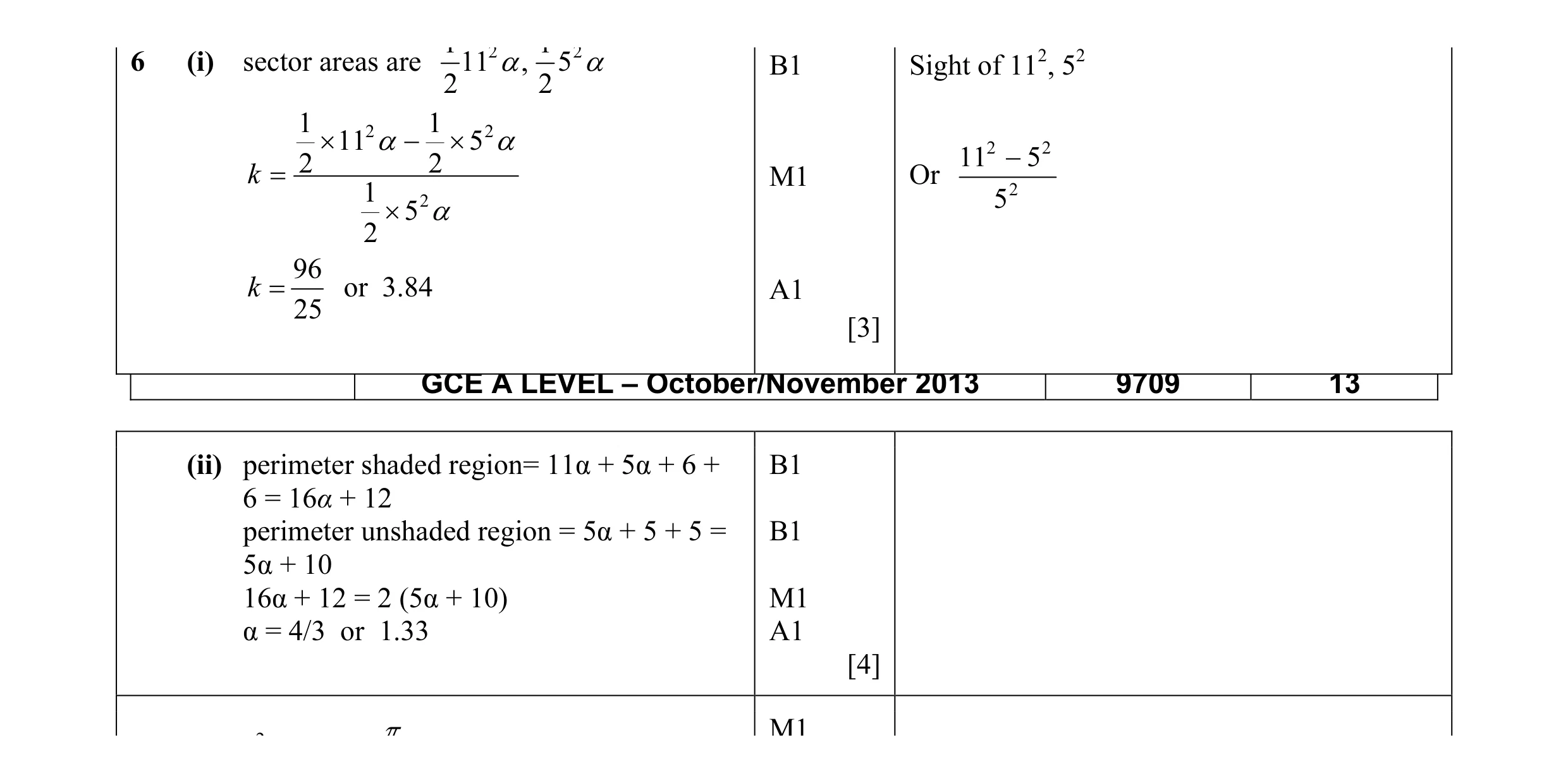 7
7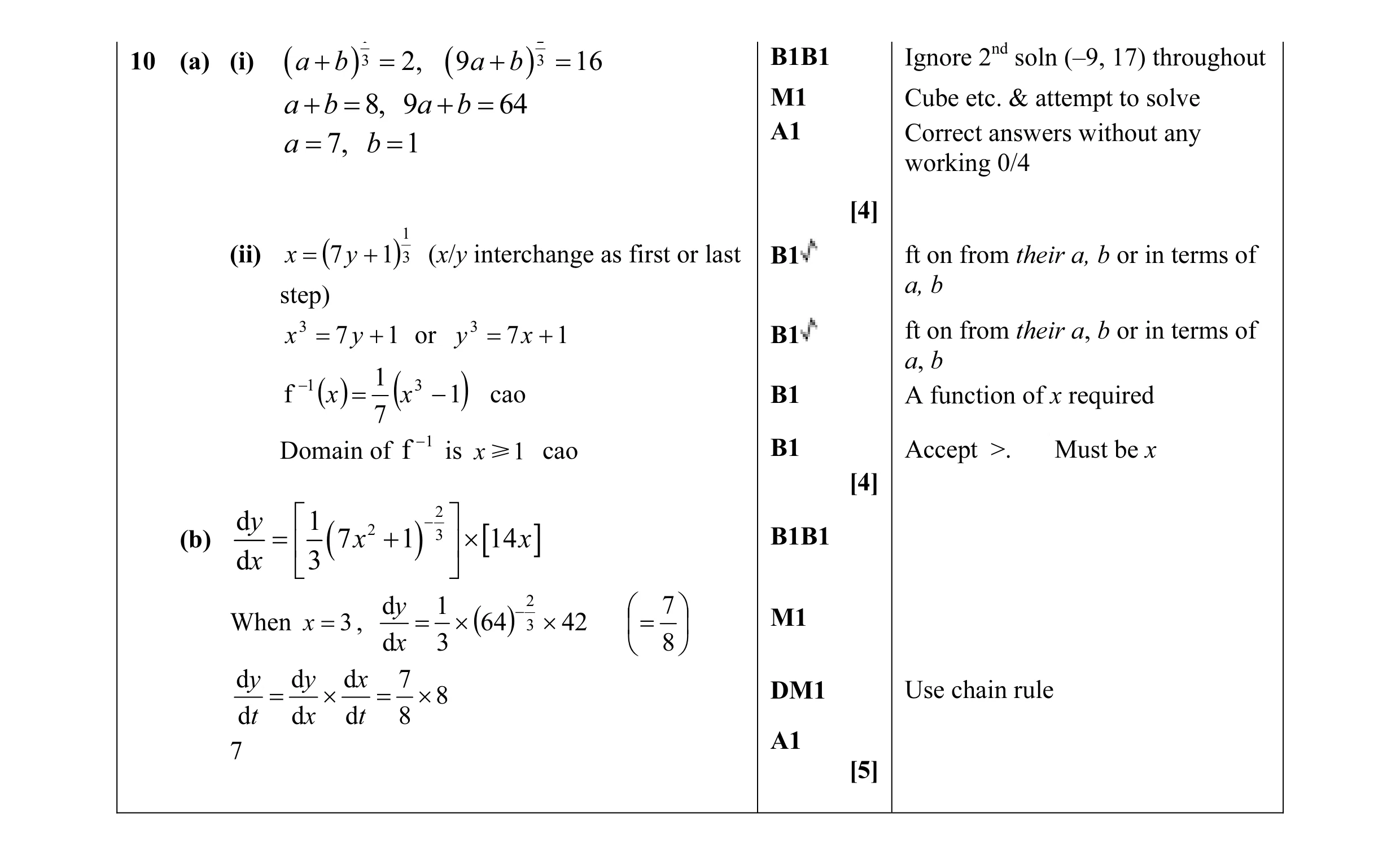 13
13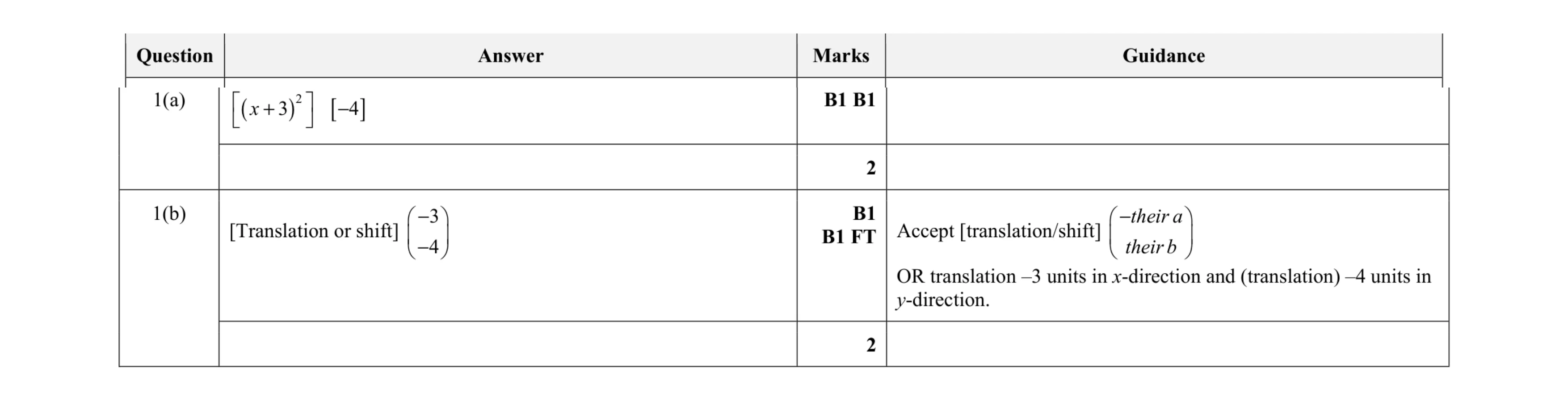 4
4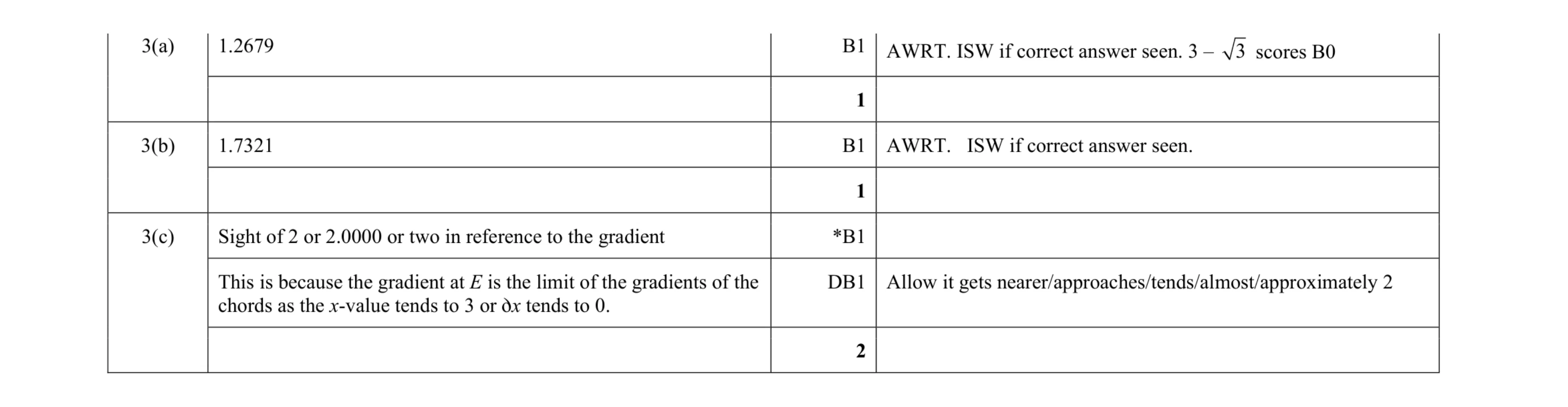 4
4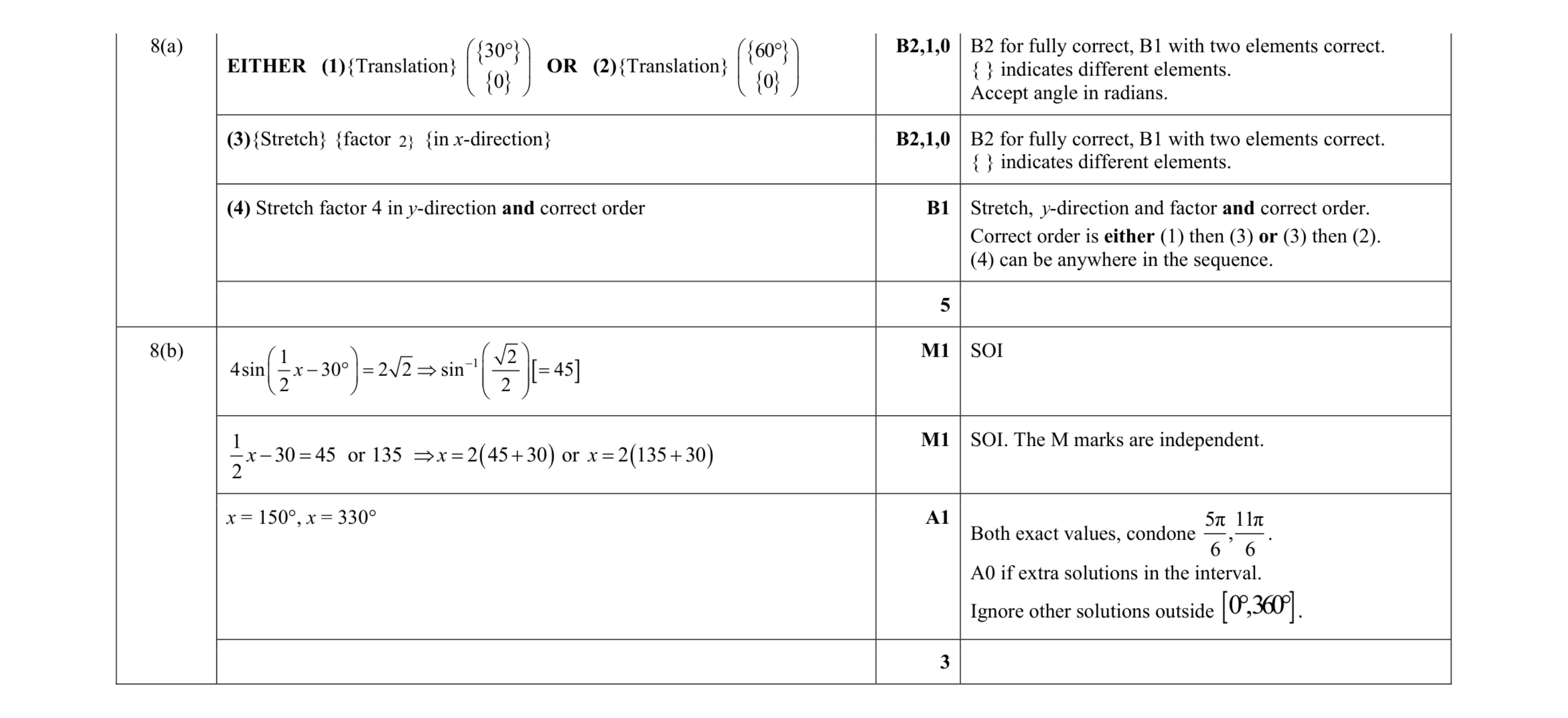 8
8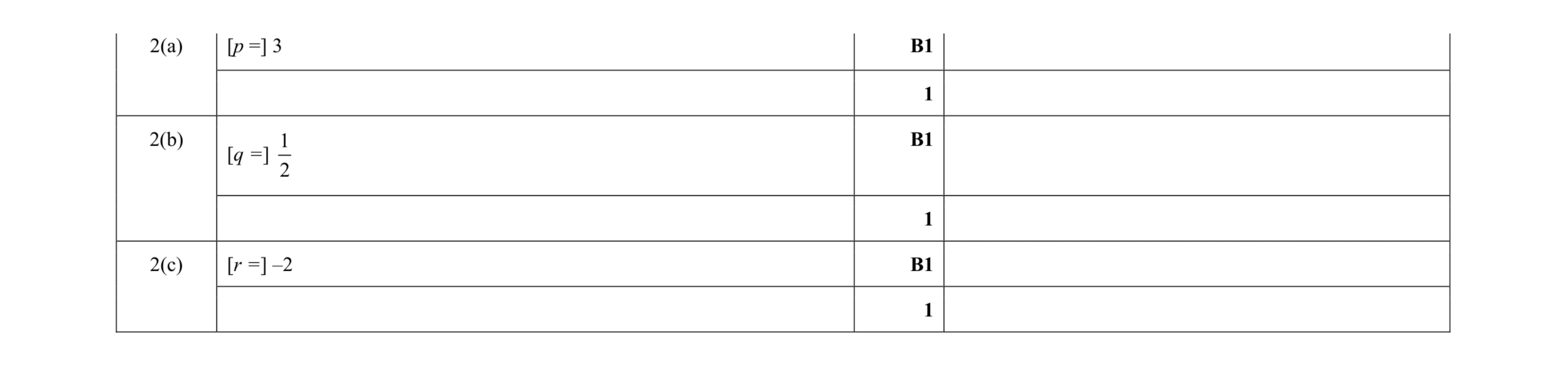 3
3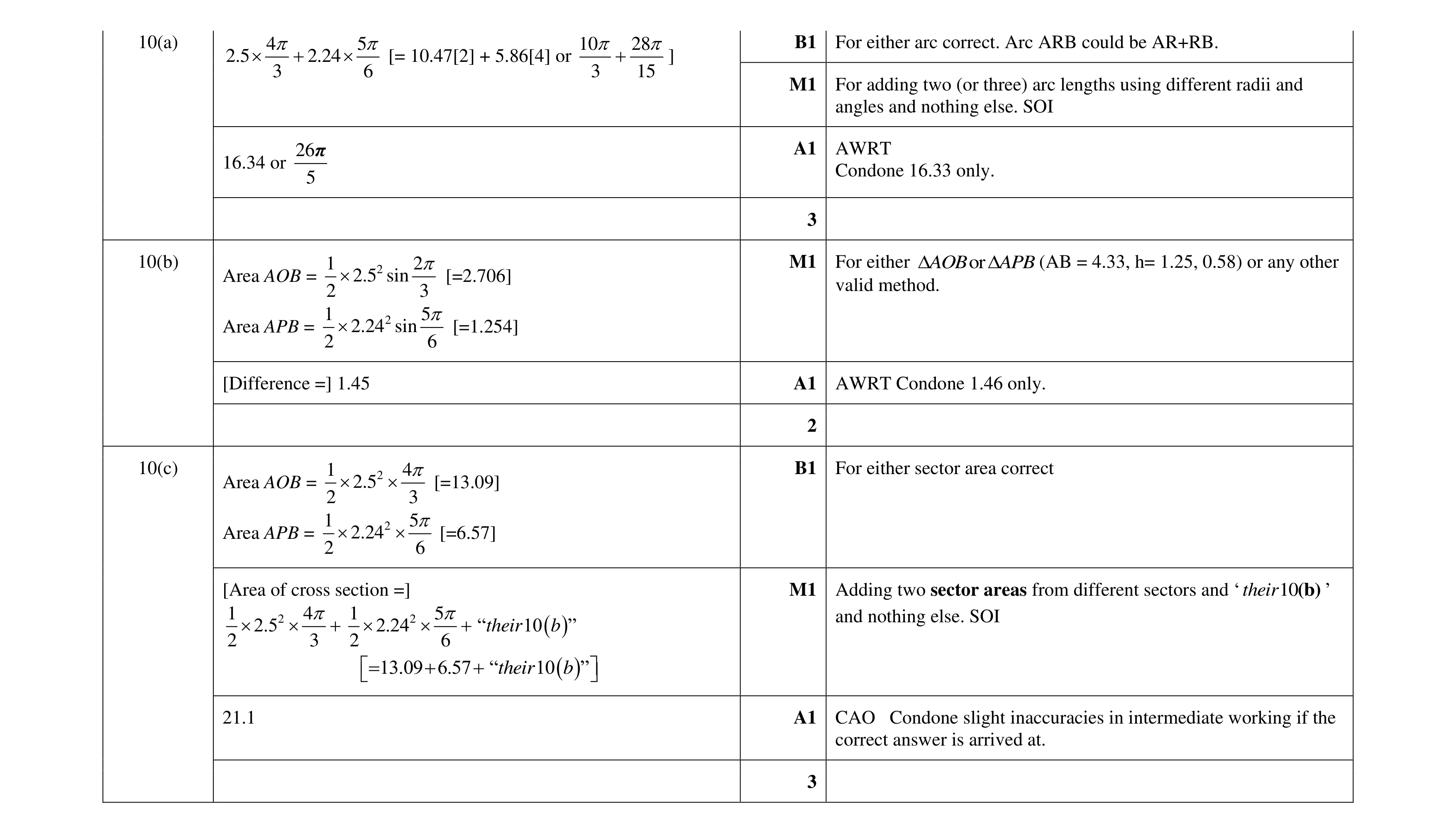 8
8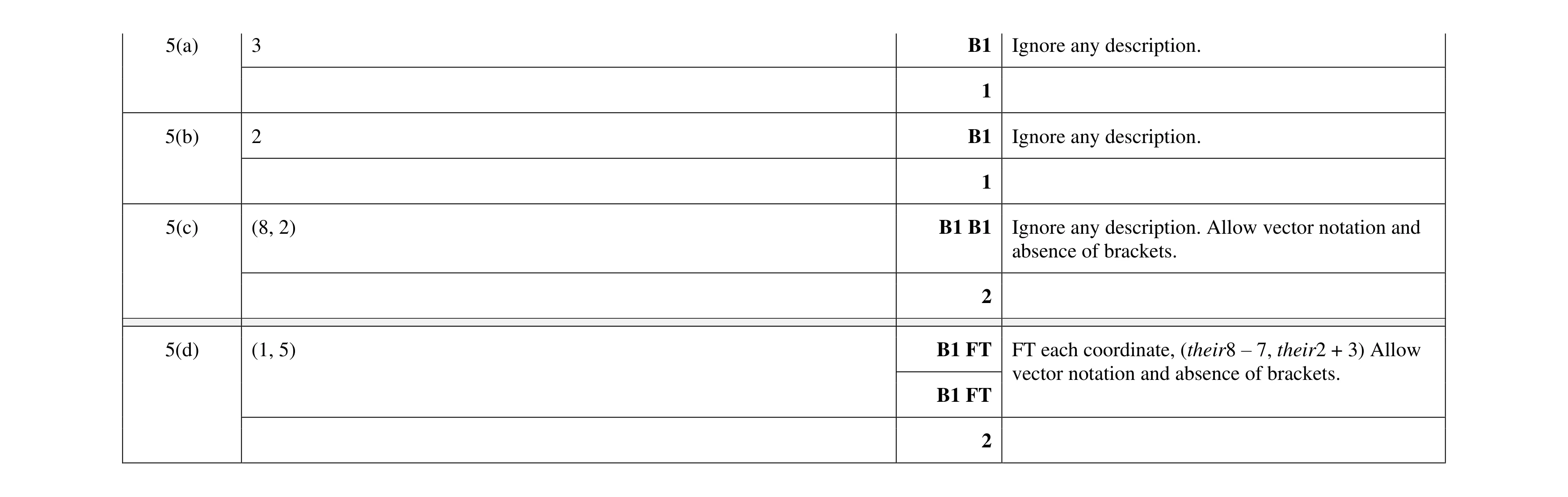 6
6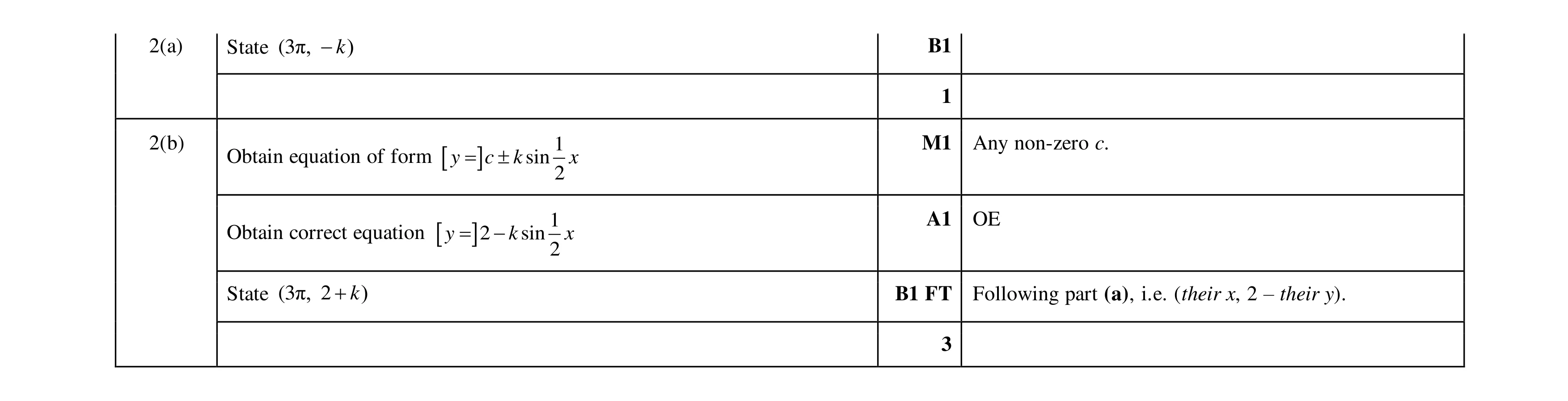 4
4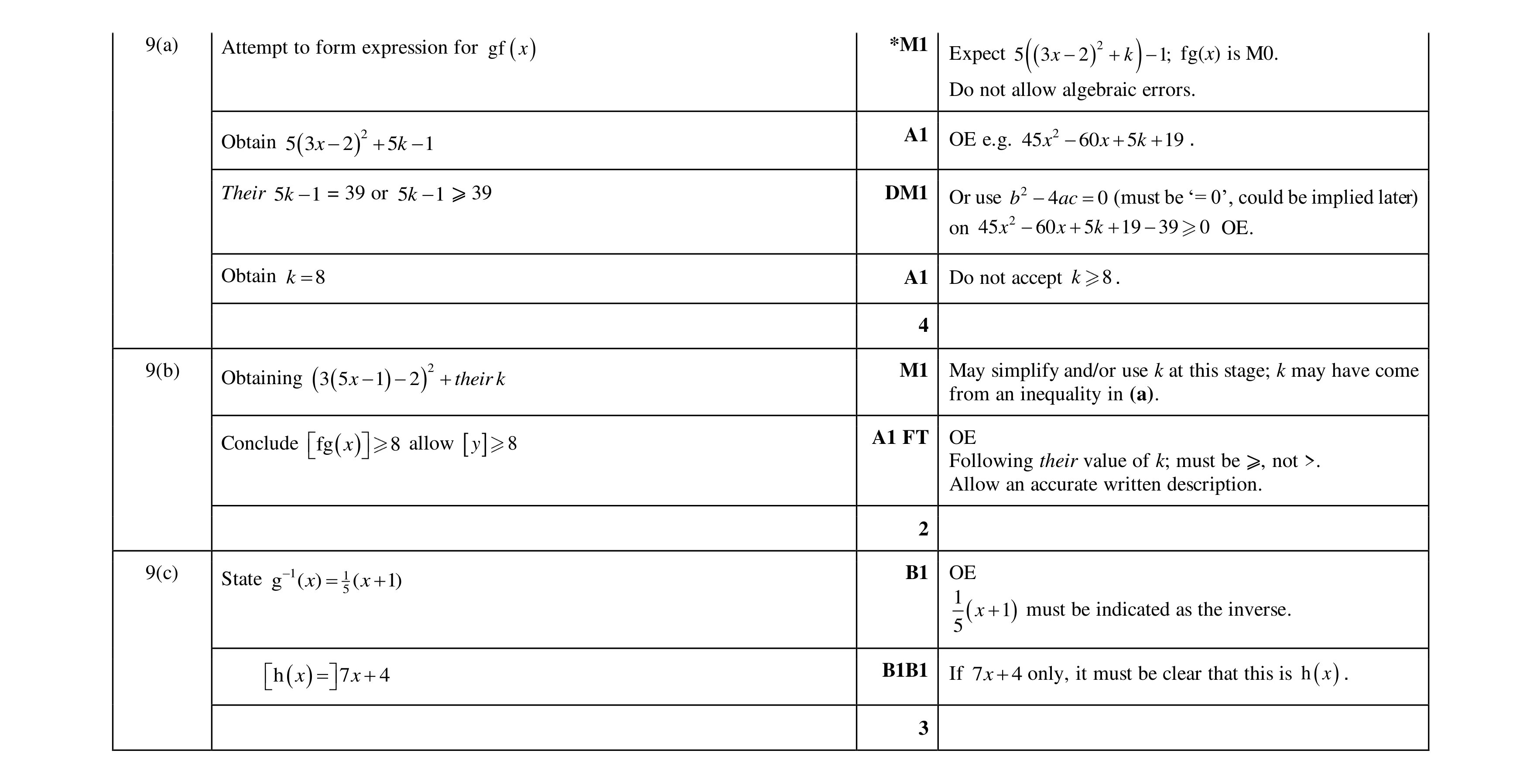 9
9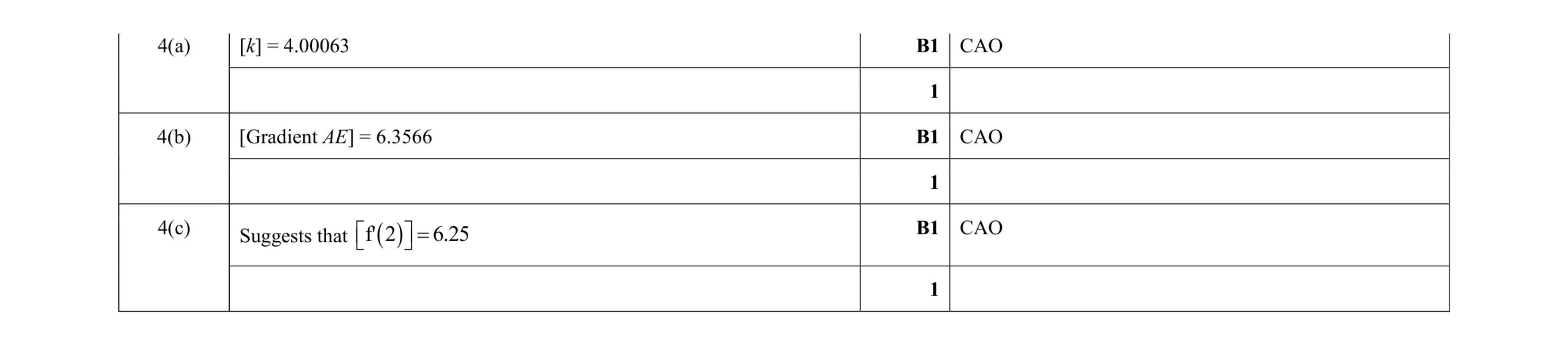 3
3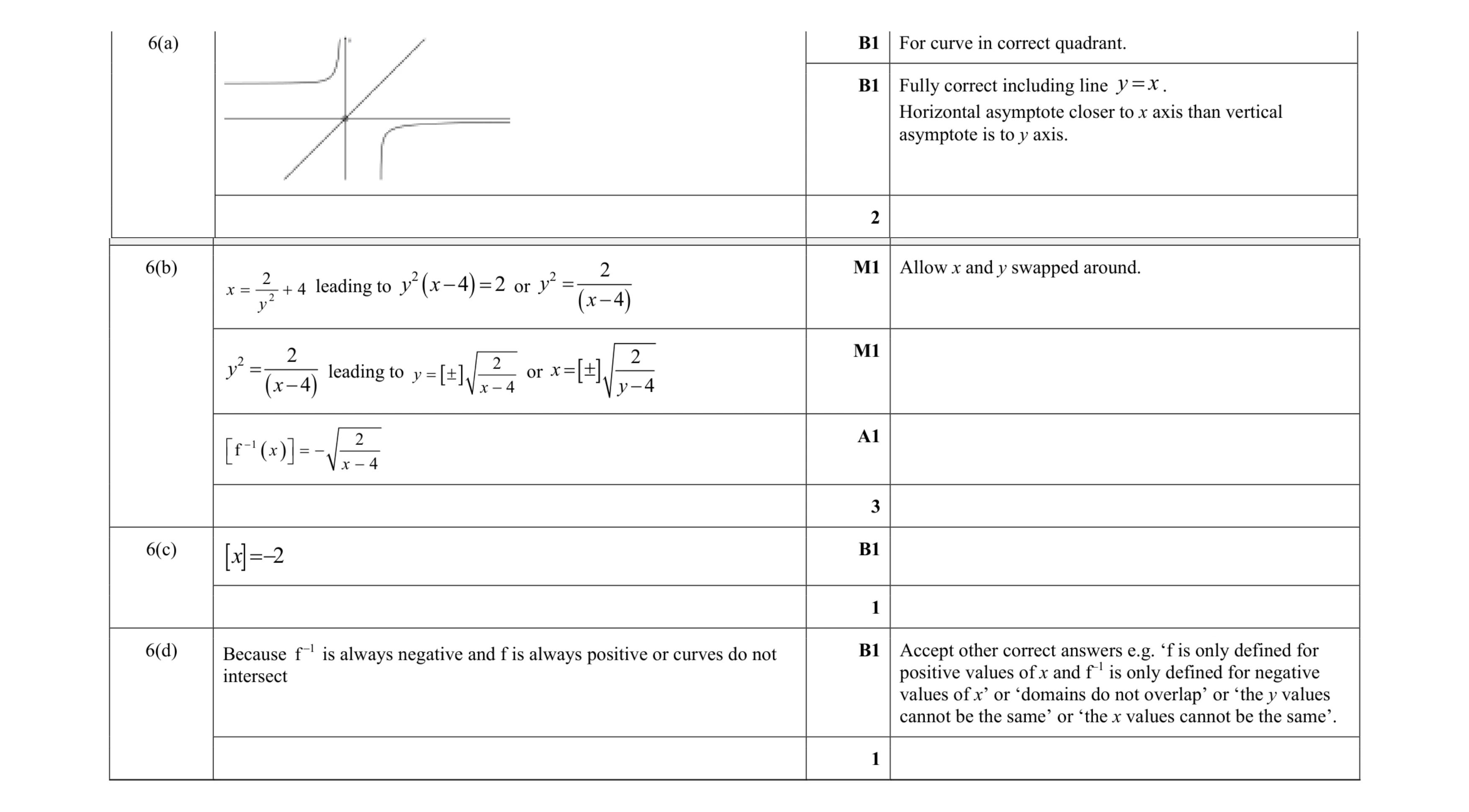 7
7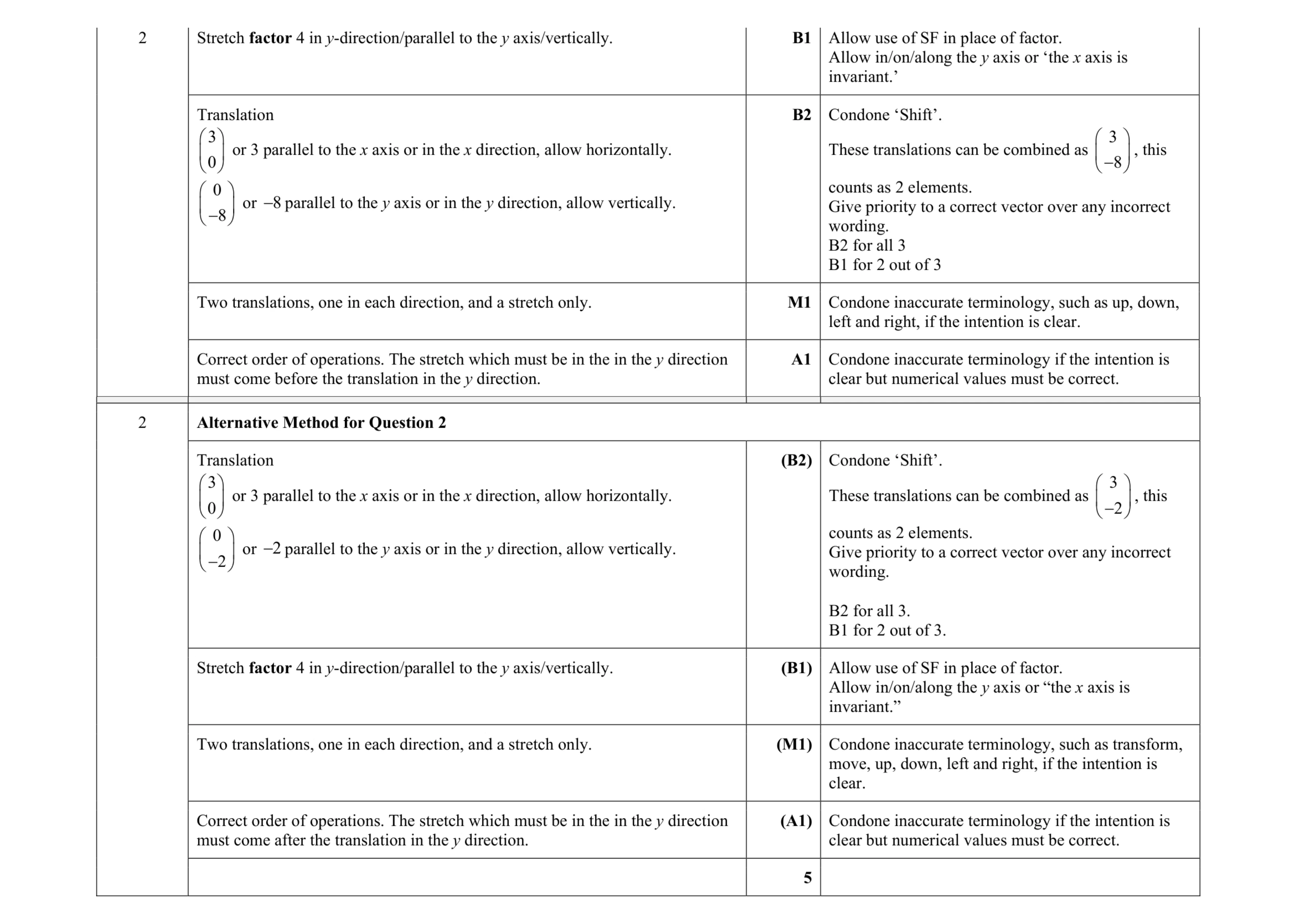 5
5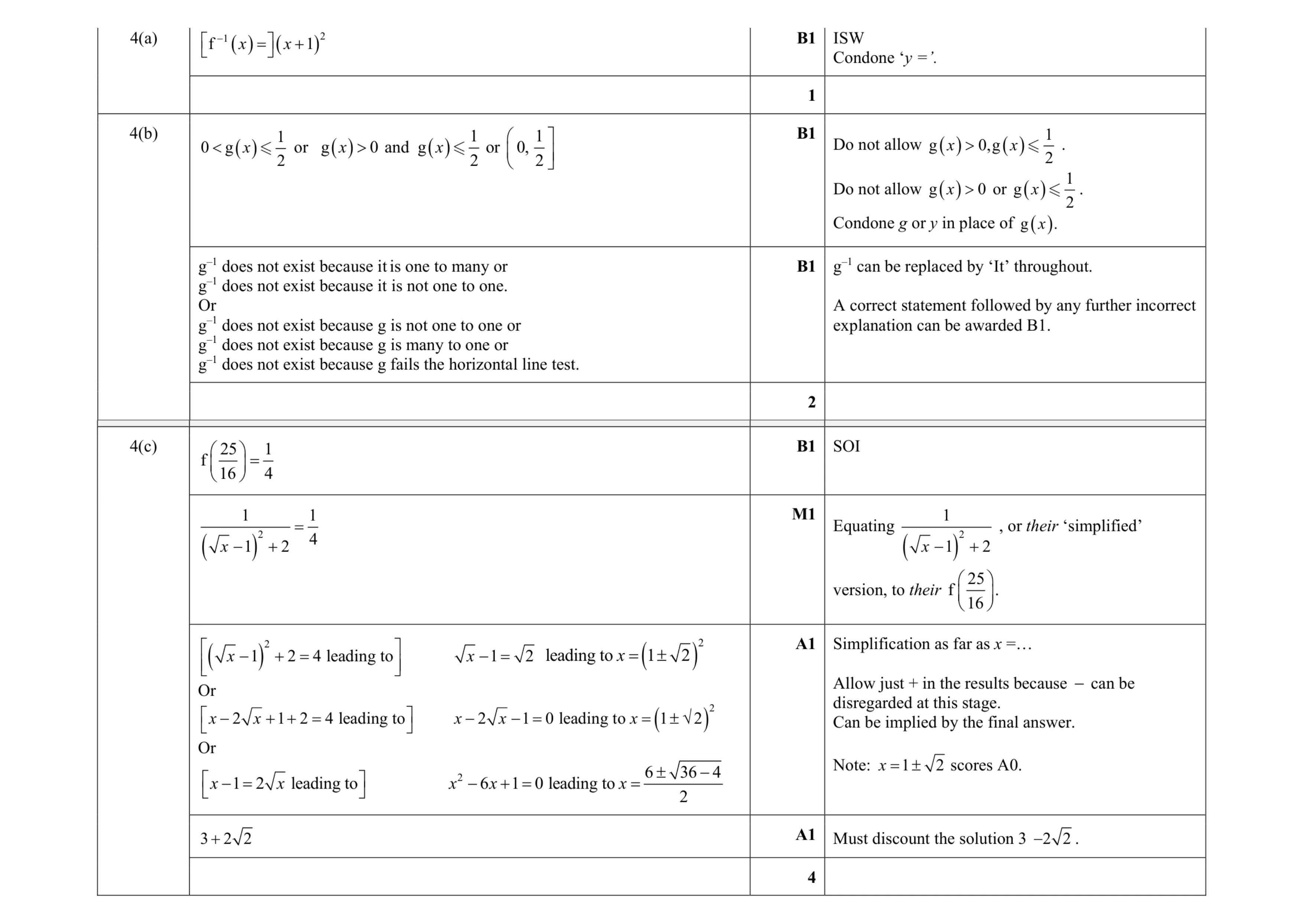 7
7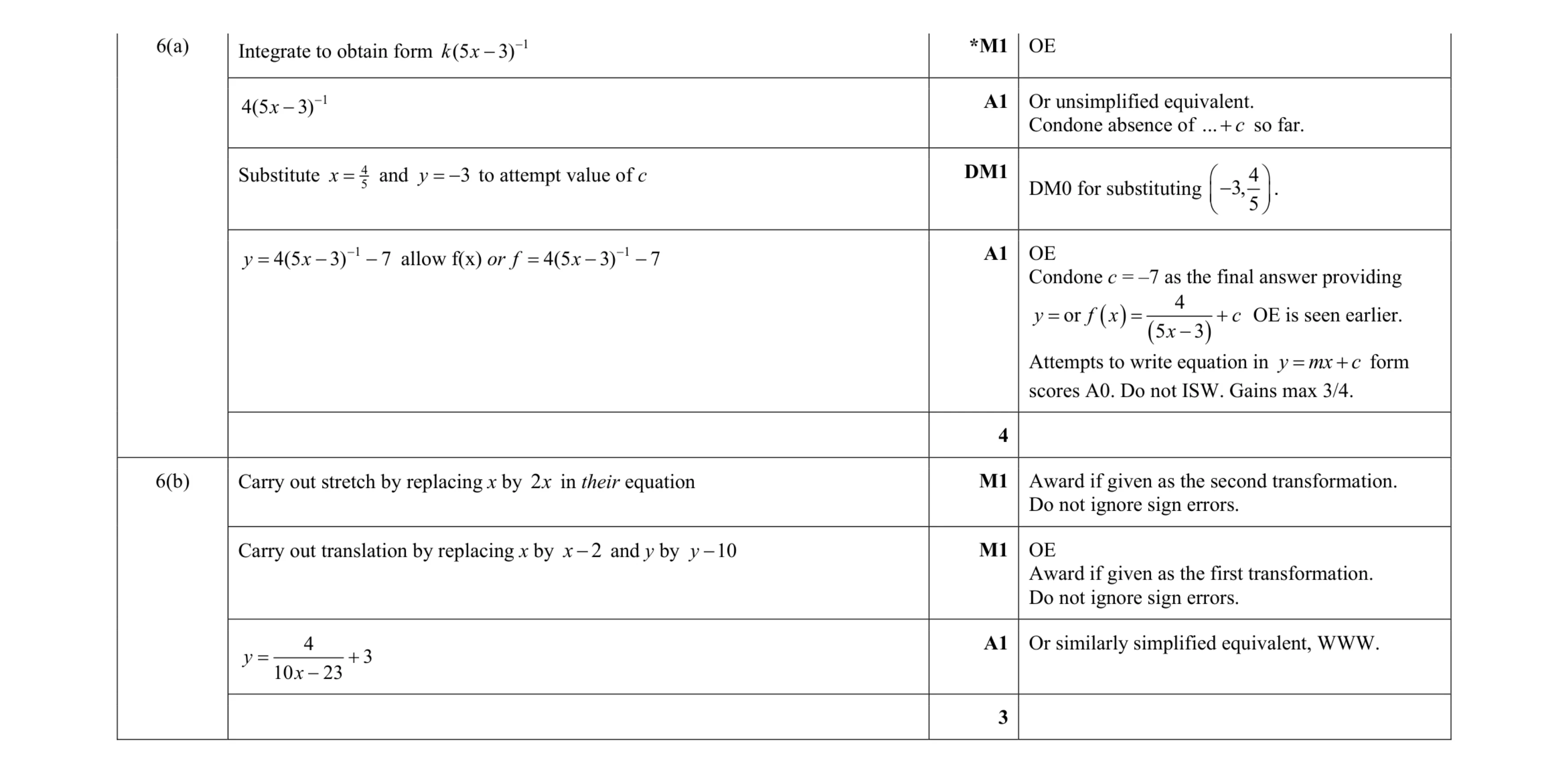 7
7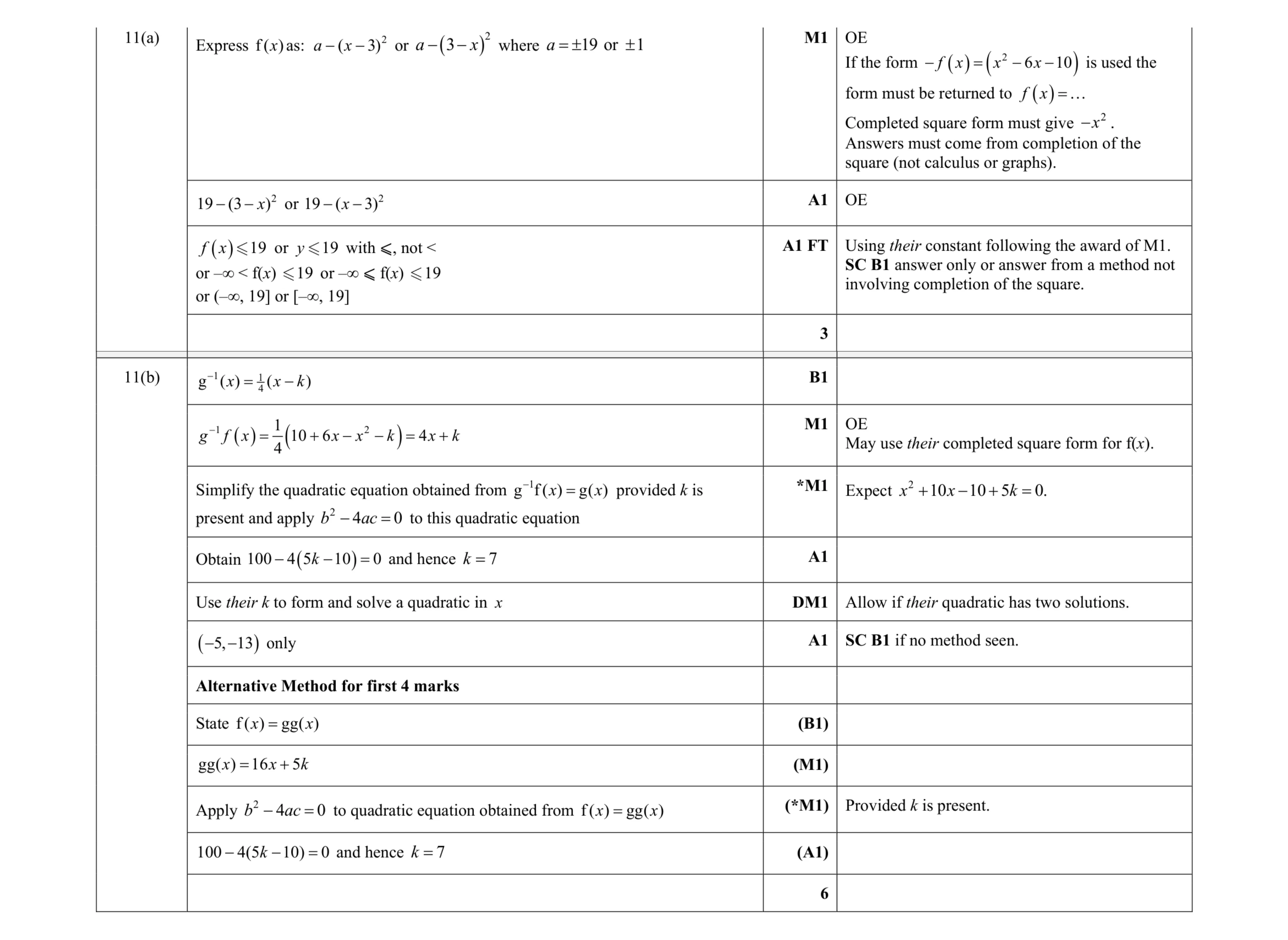 9
9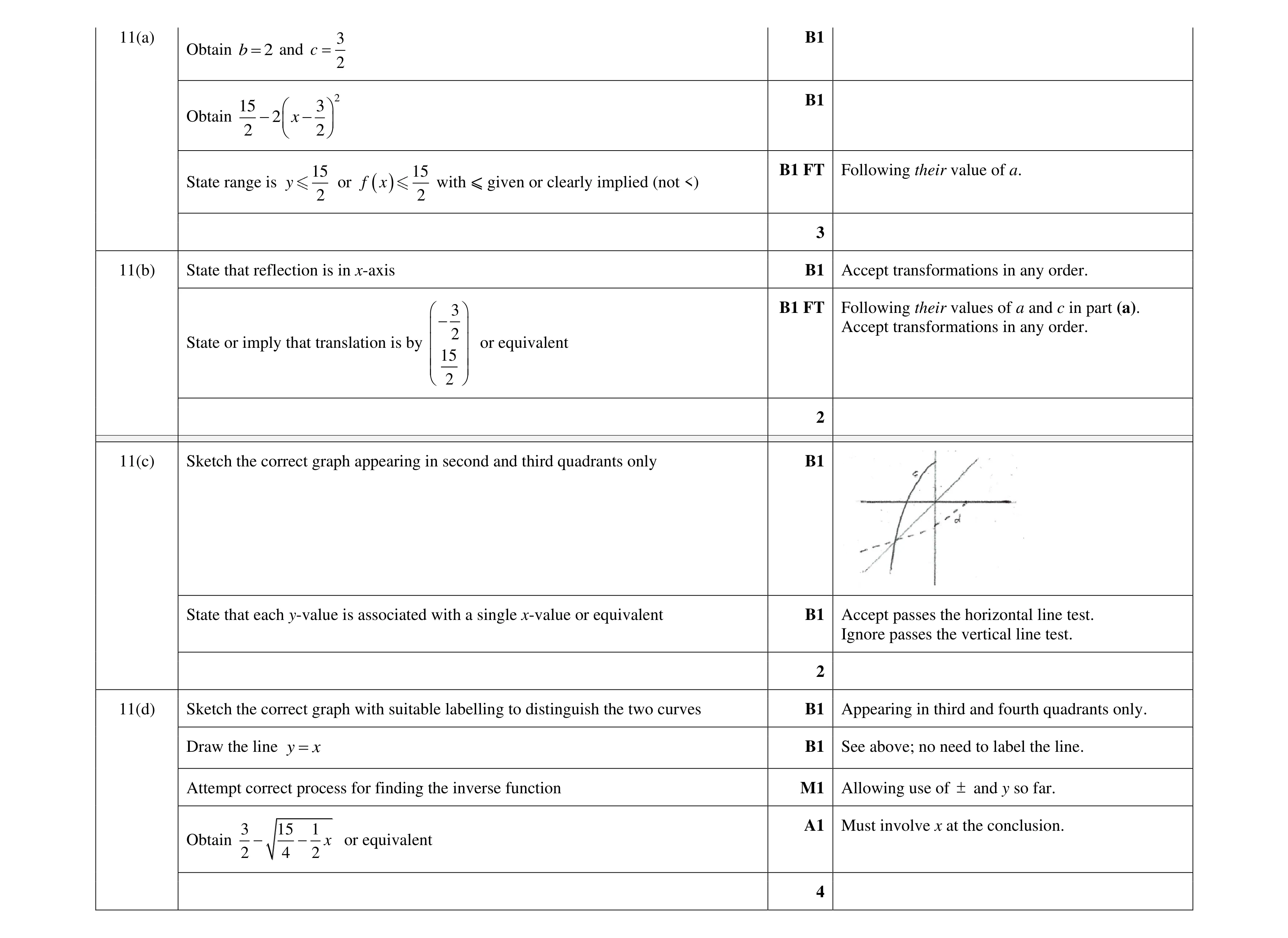 11
11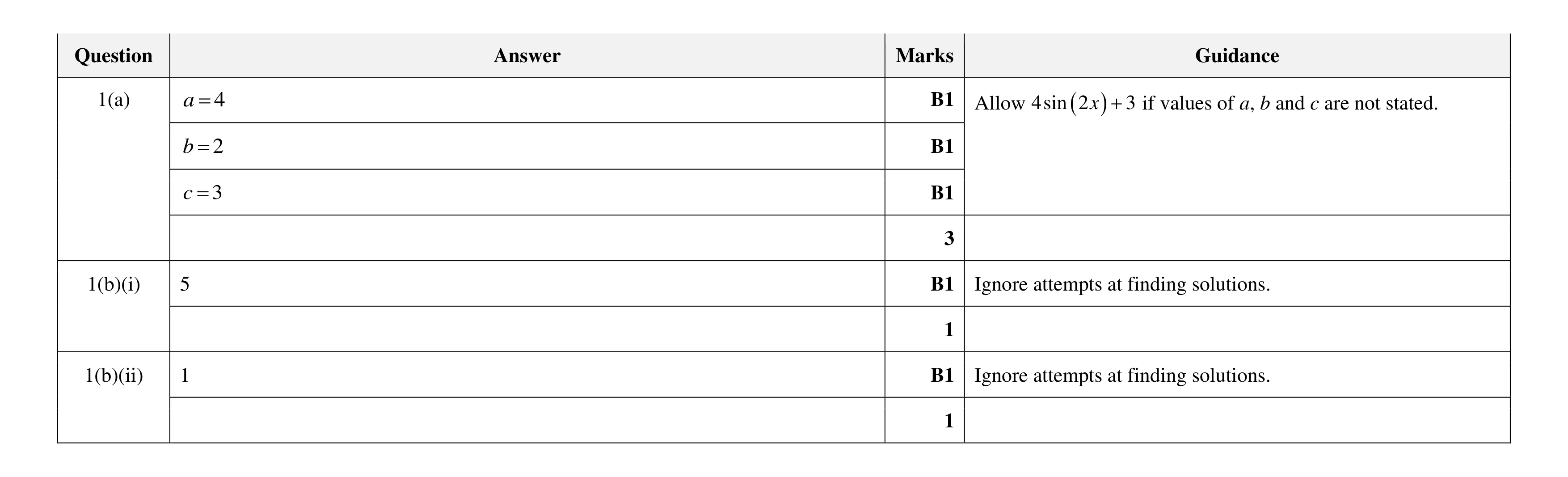 5
5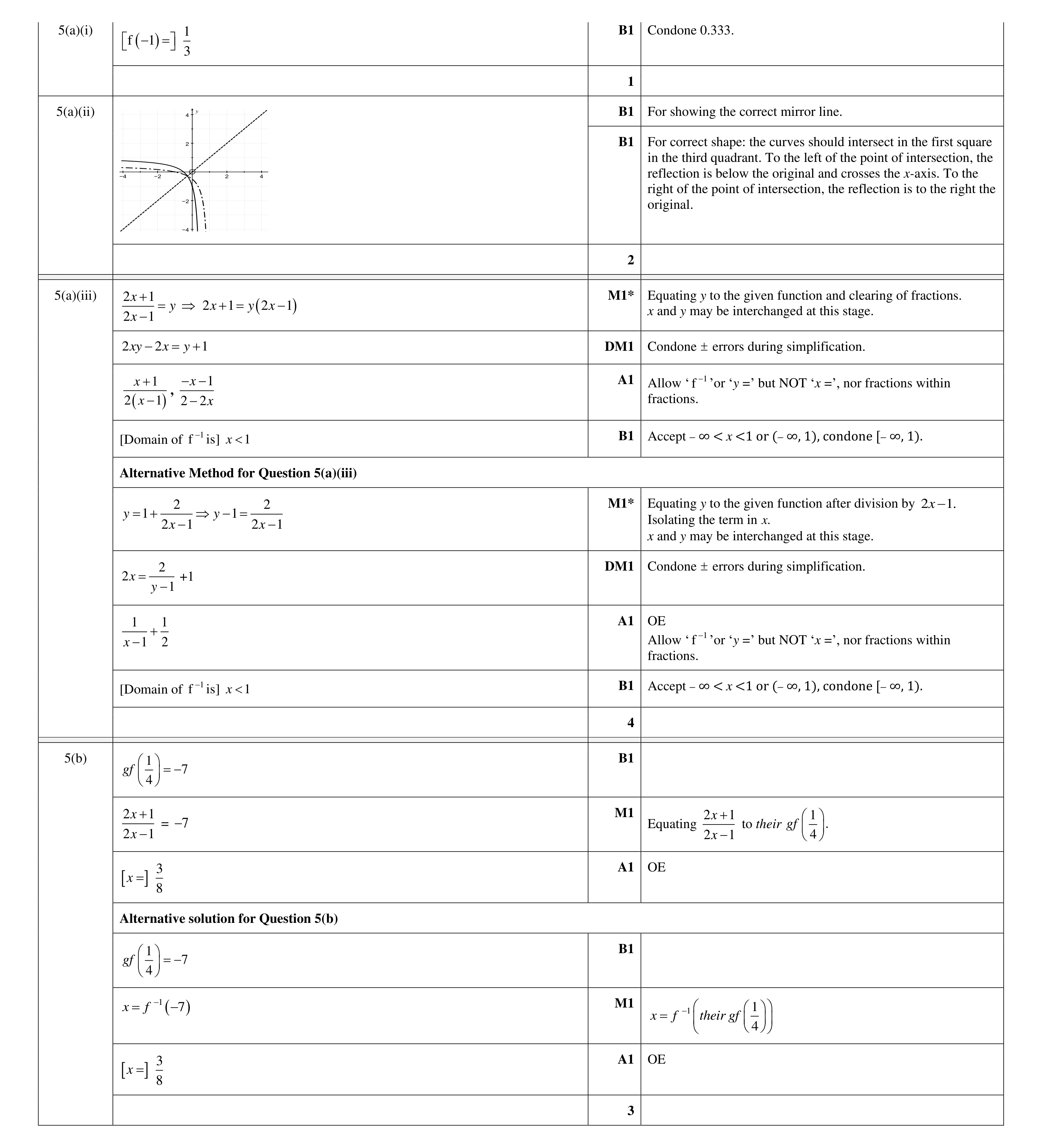 10
10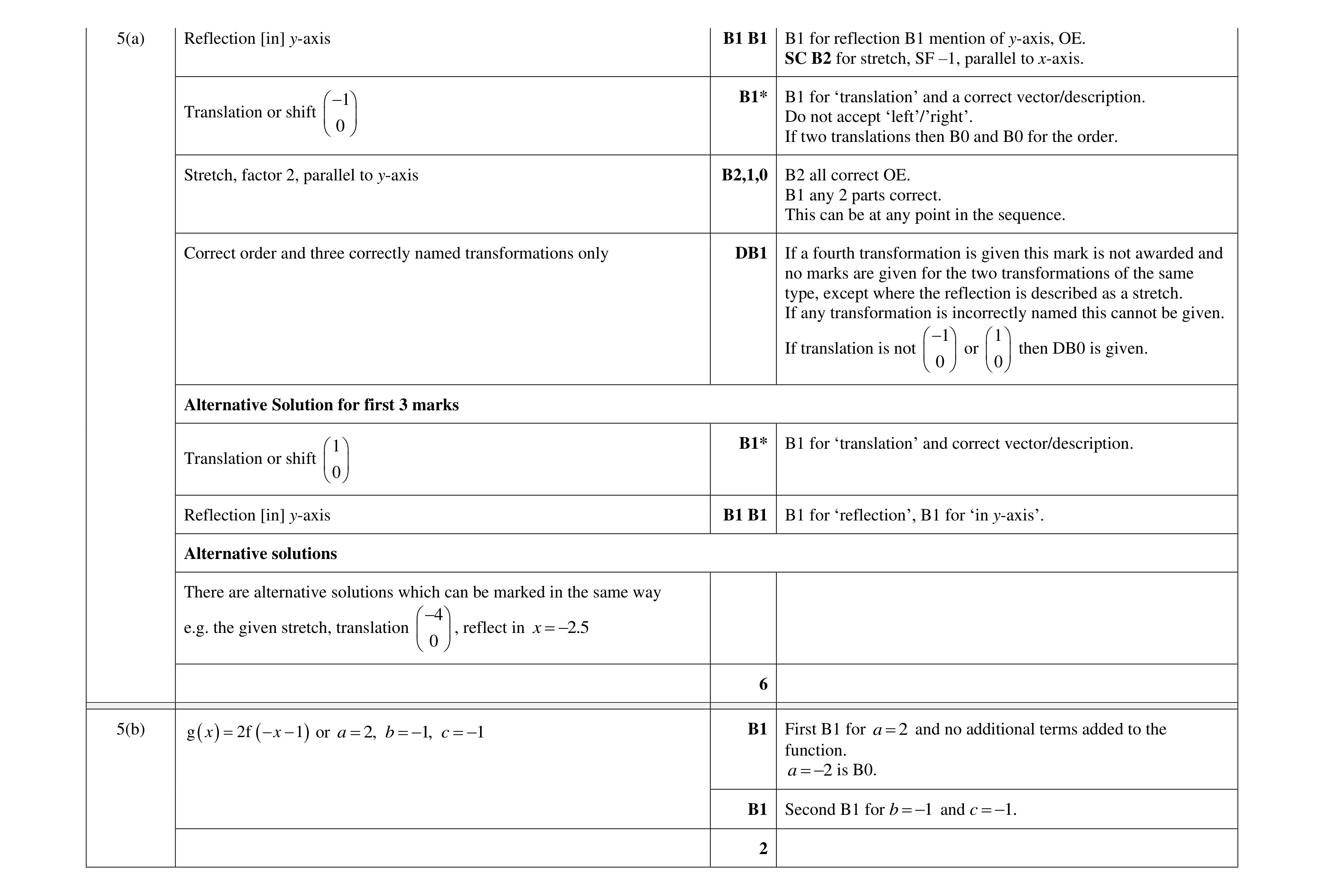 8
8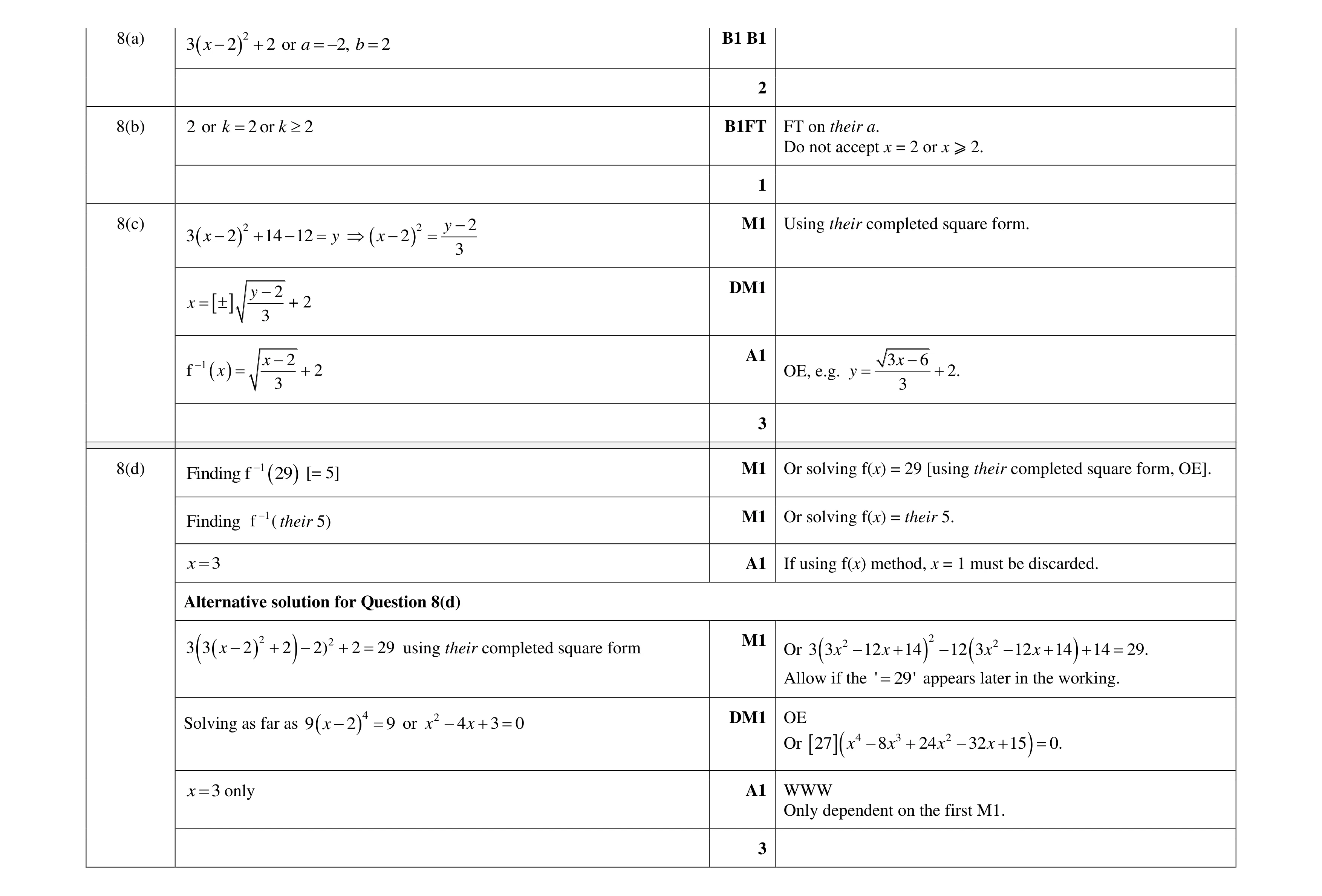 9
9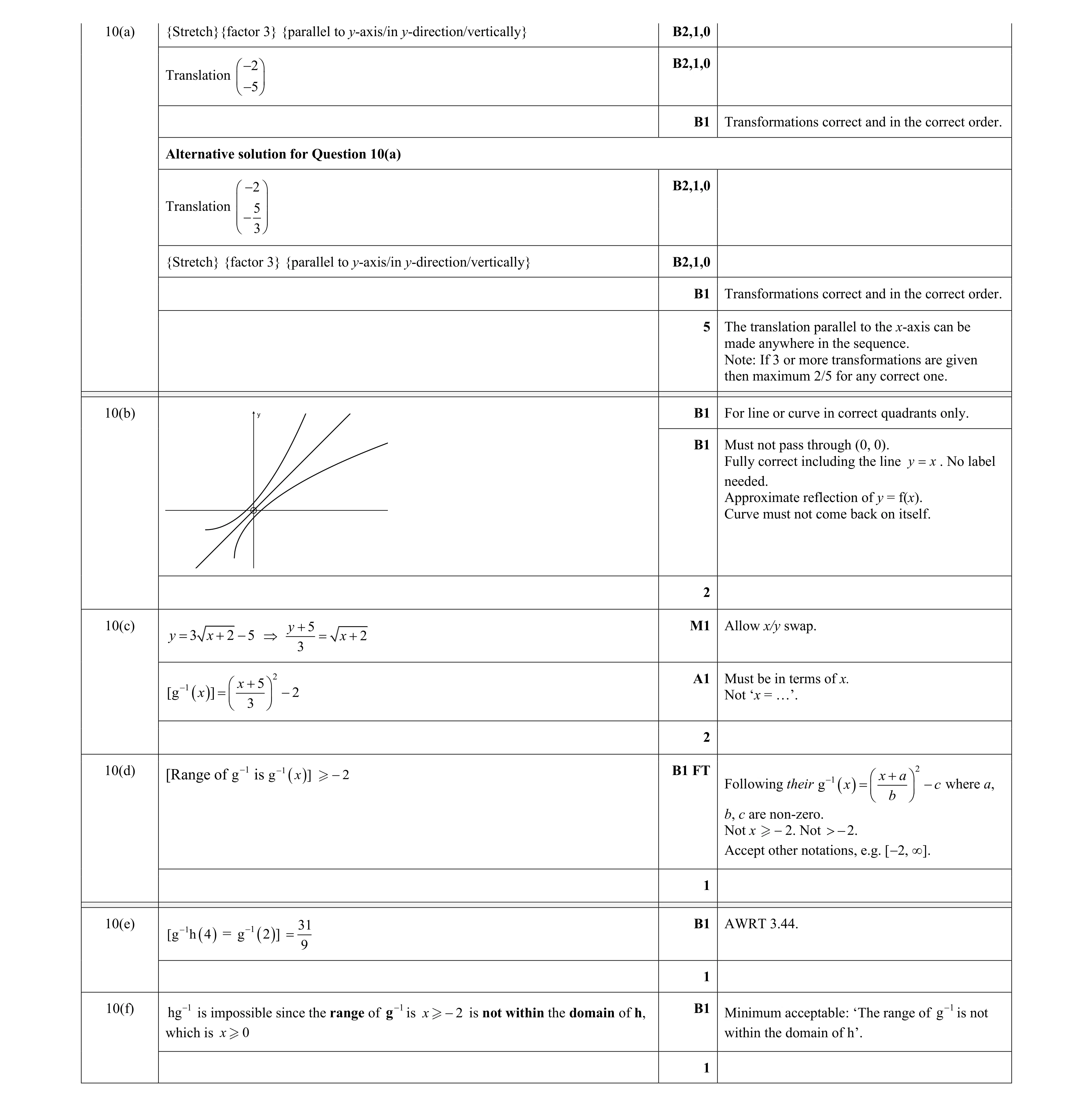 12
12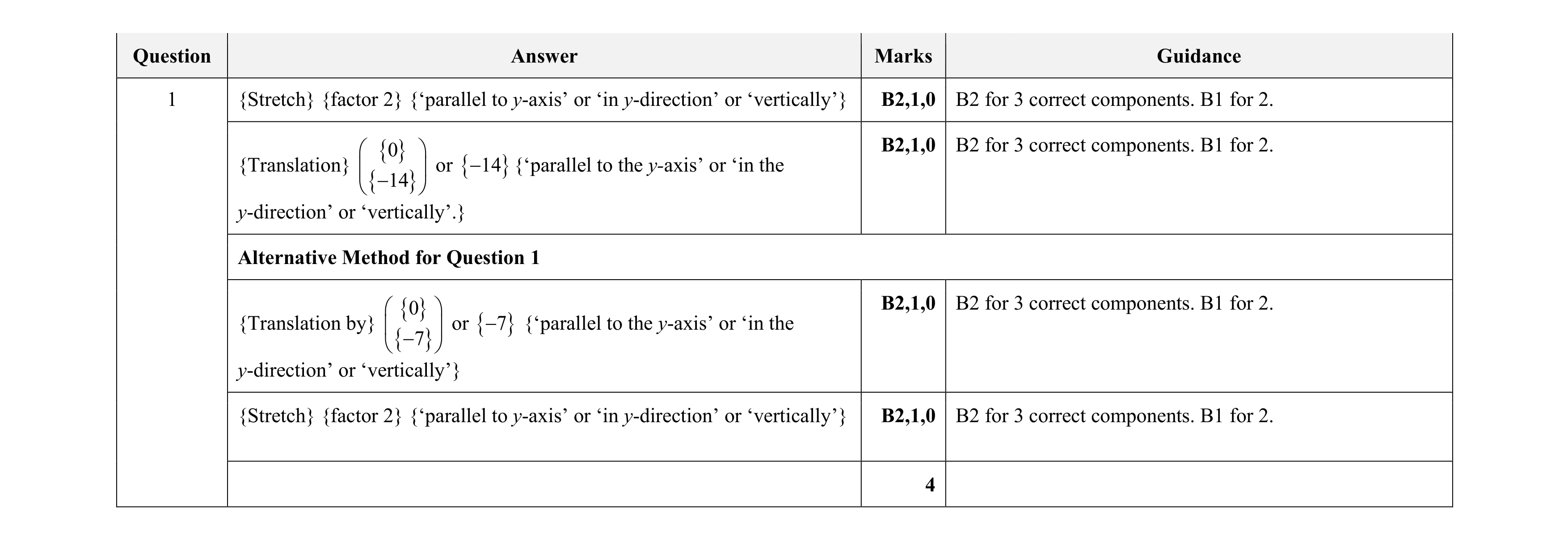 4
4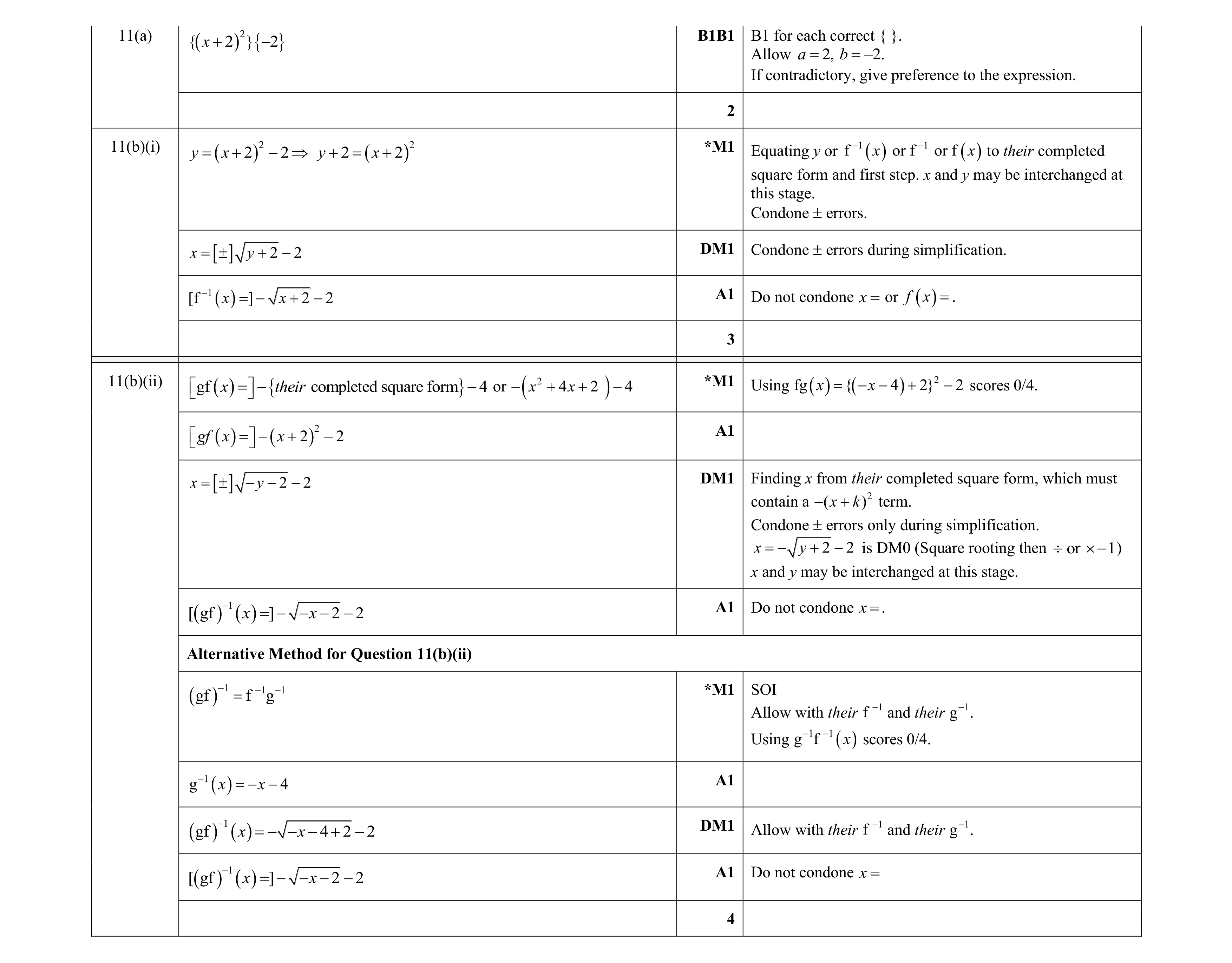 9
9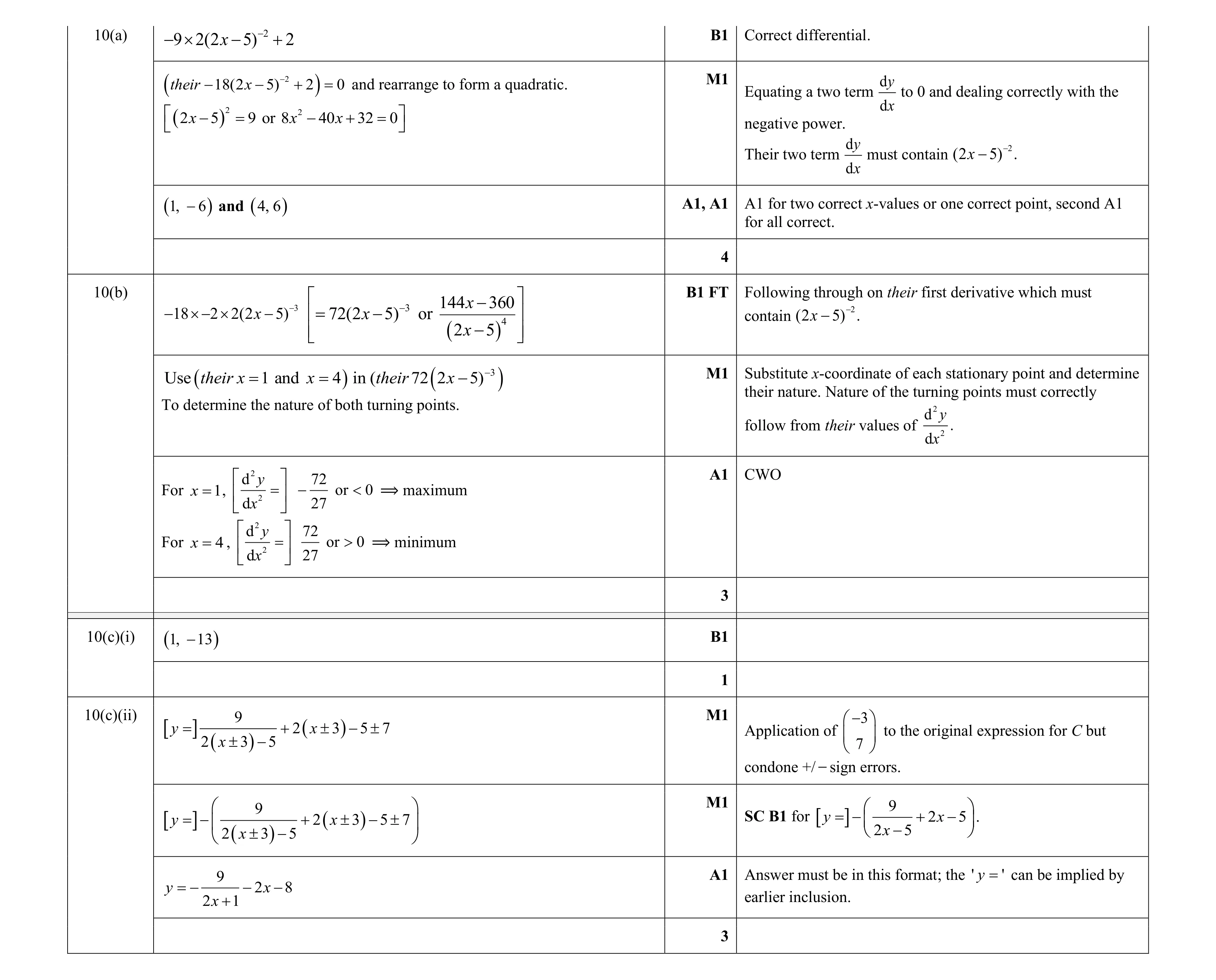 11
11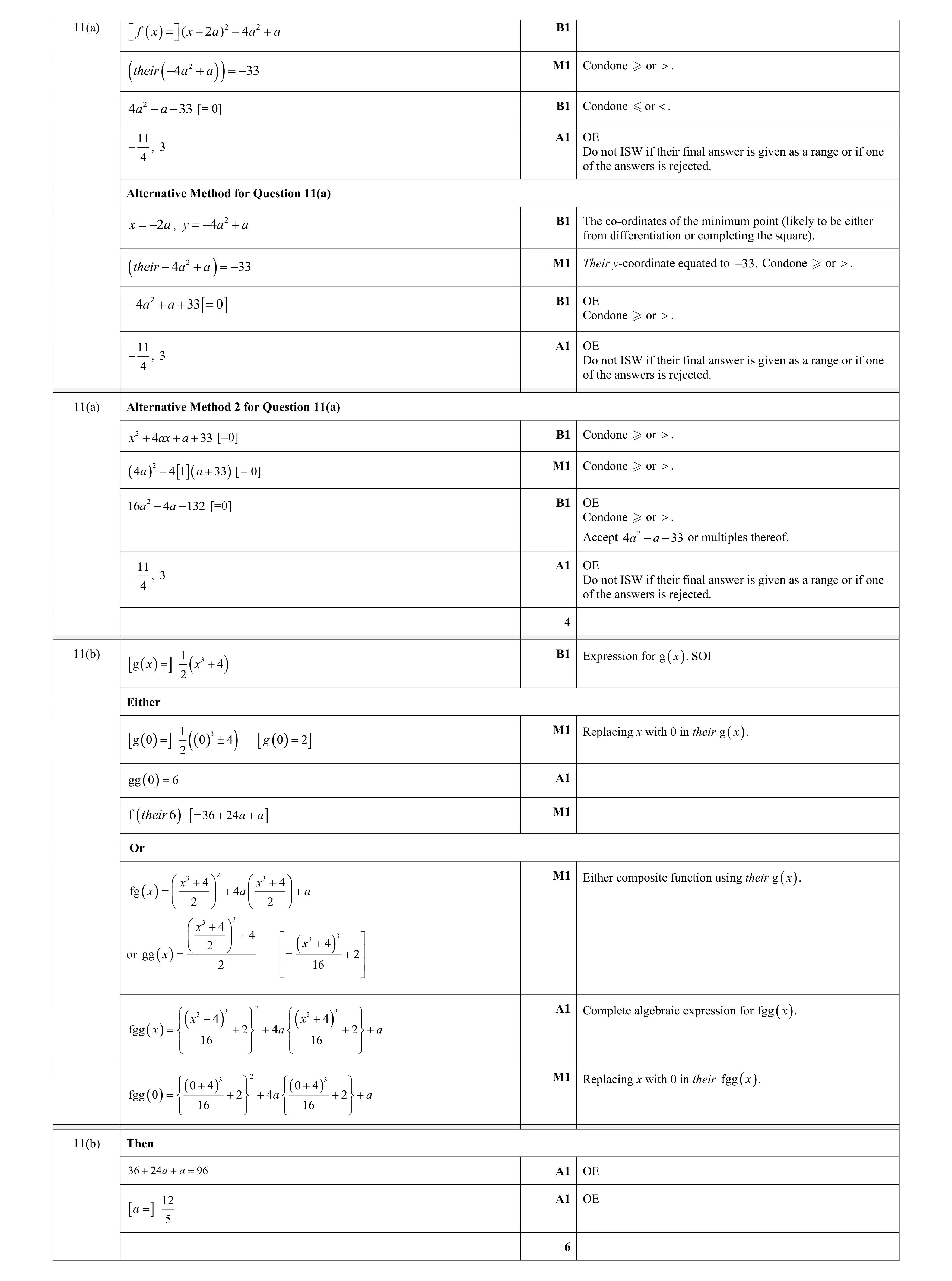 10
10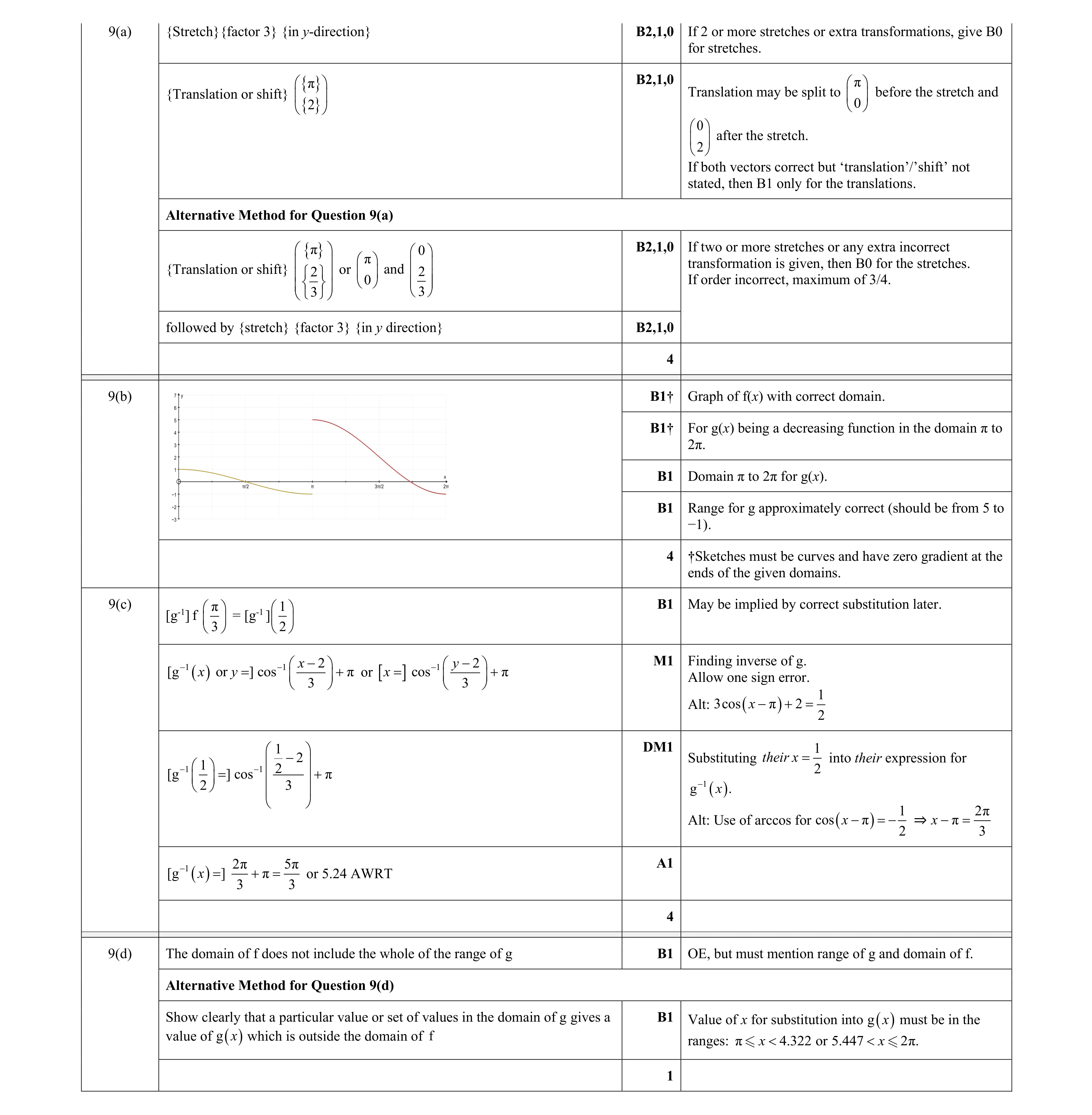 13
13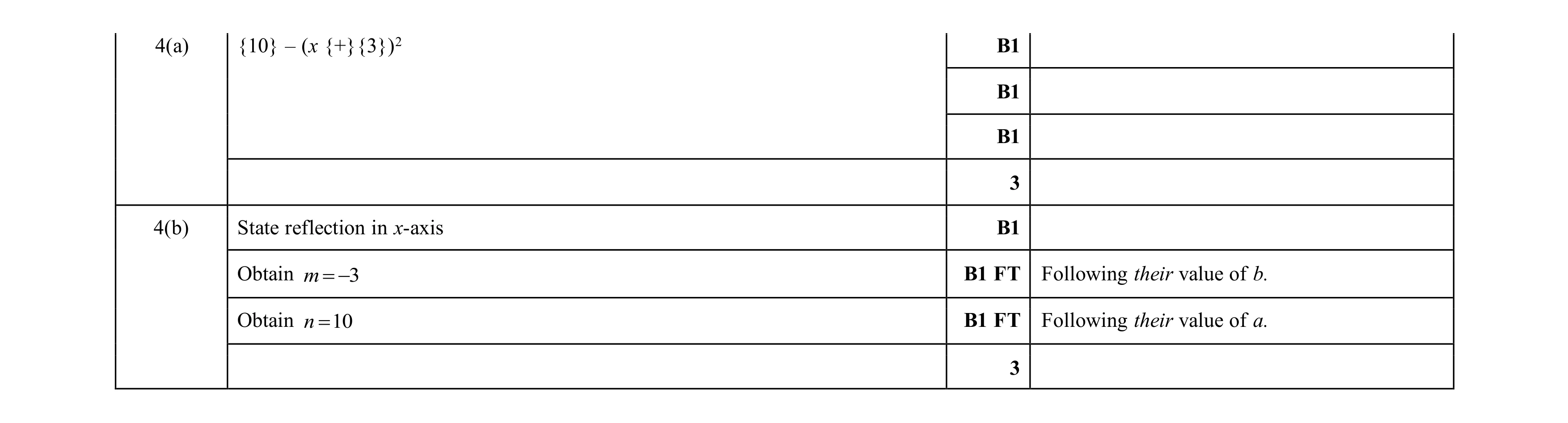 6
6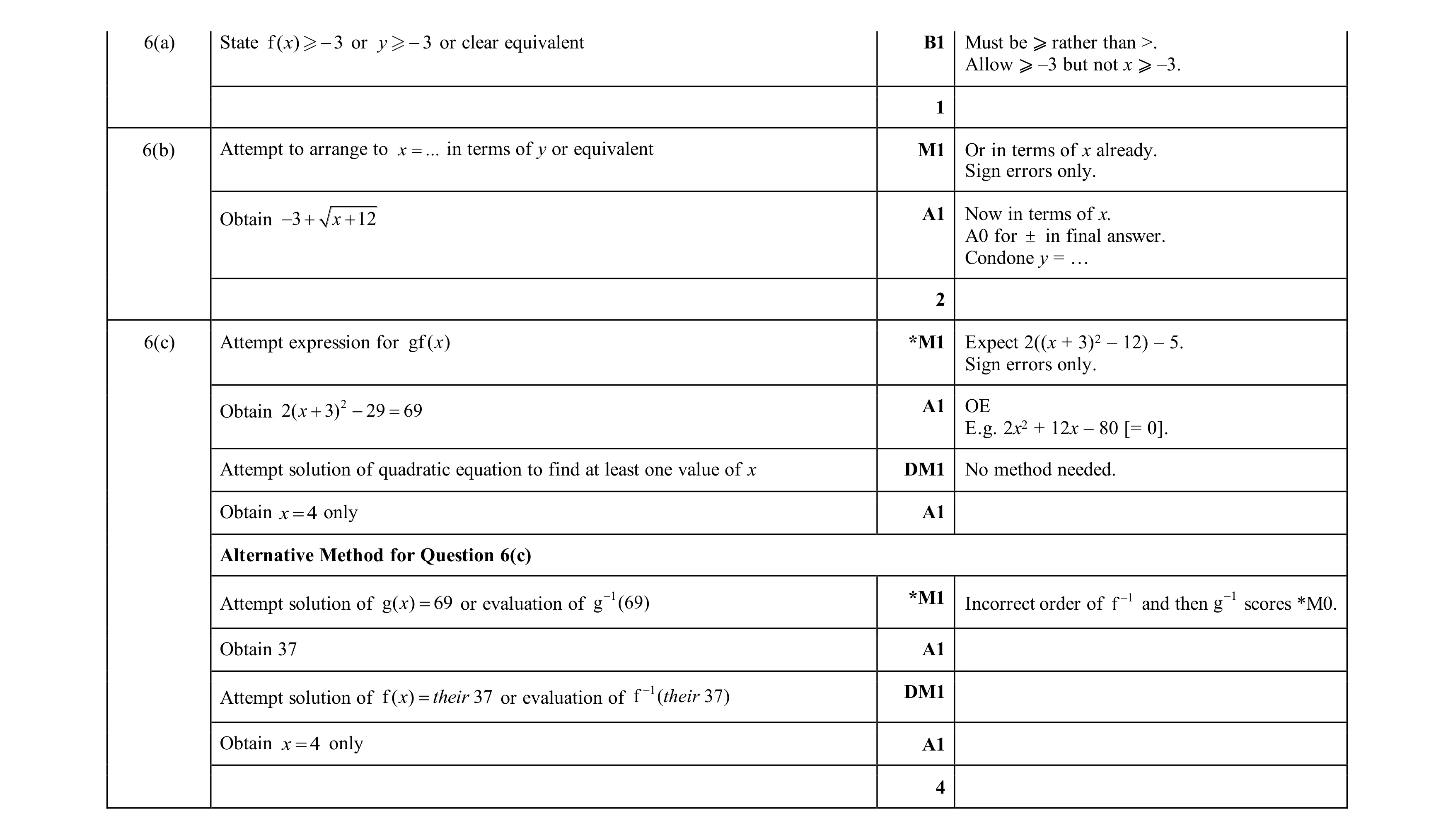 7
7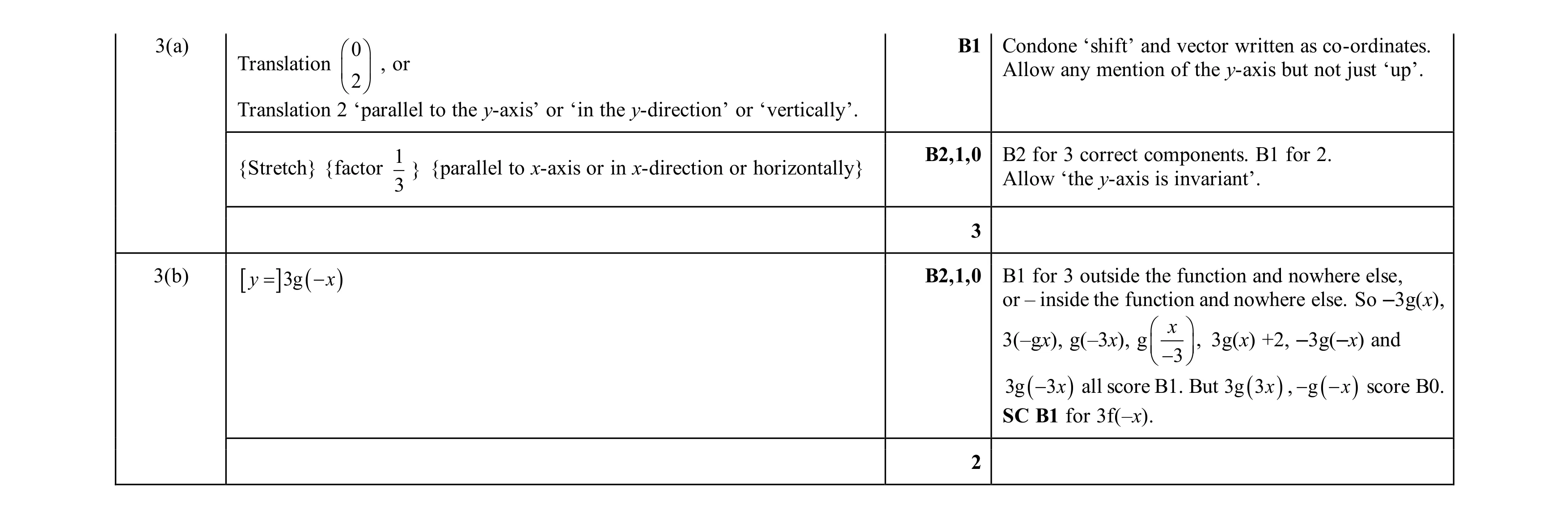 5
5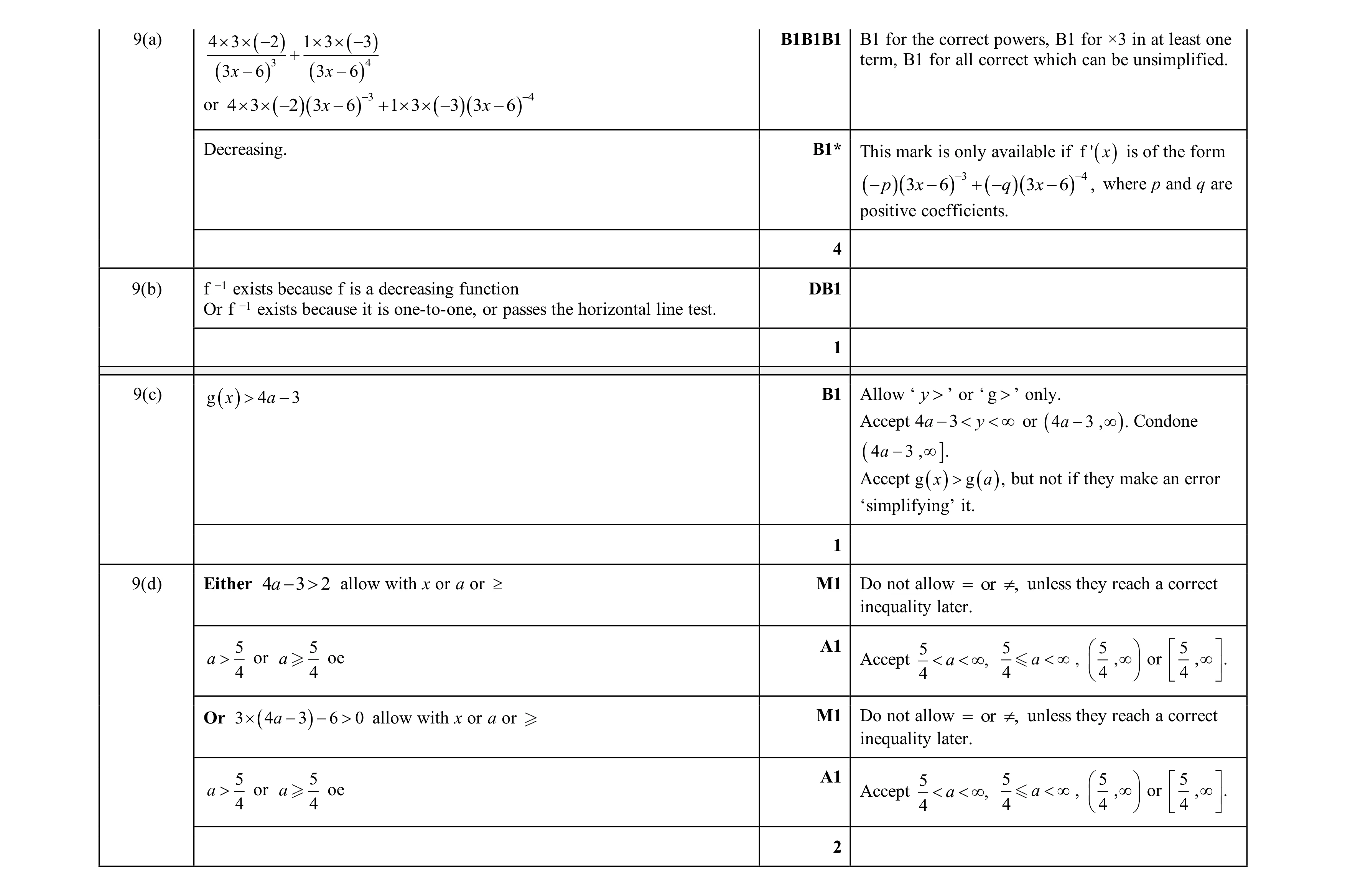 8
8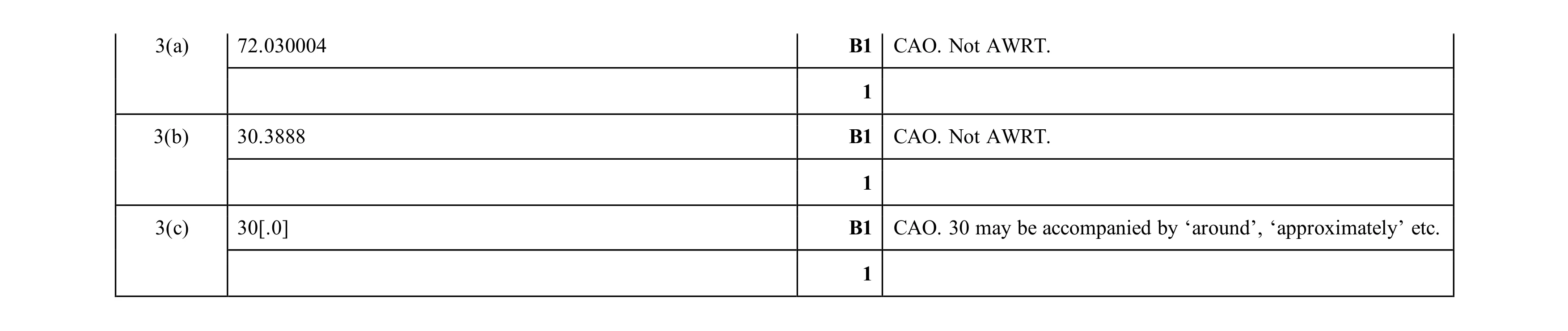 3
3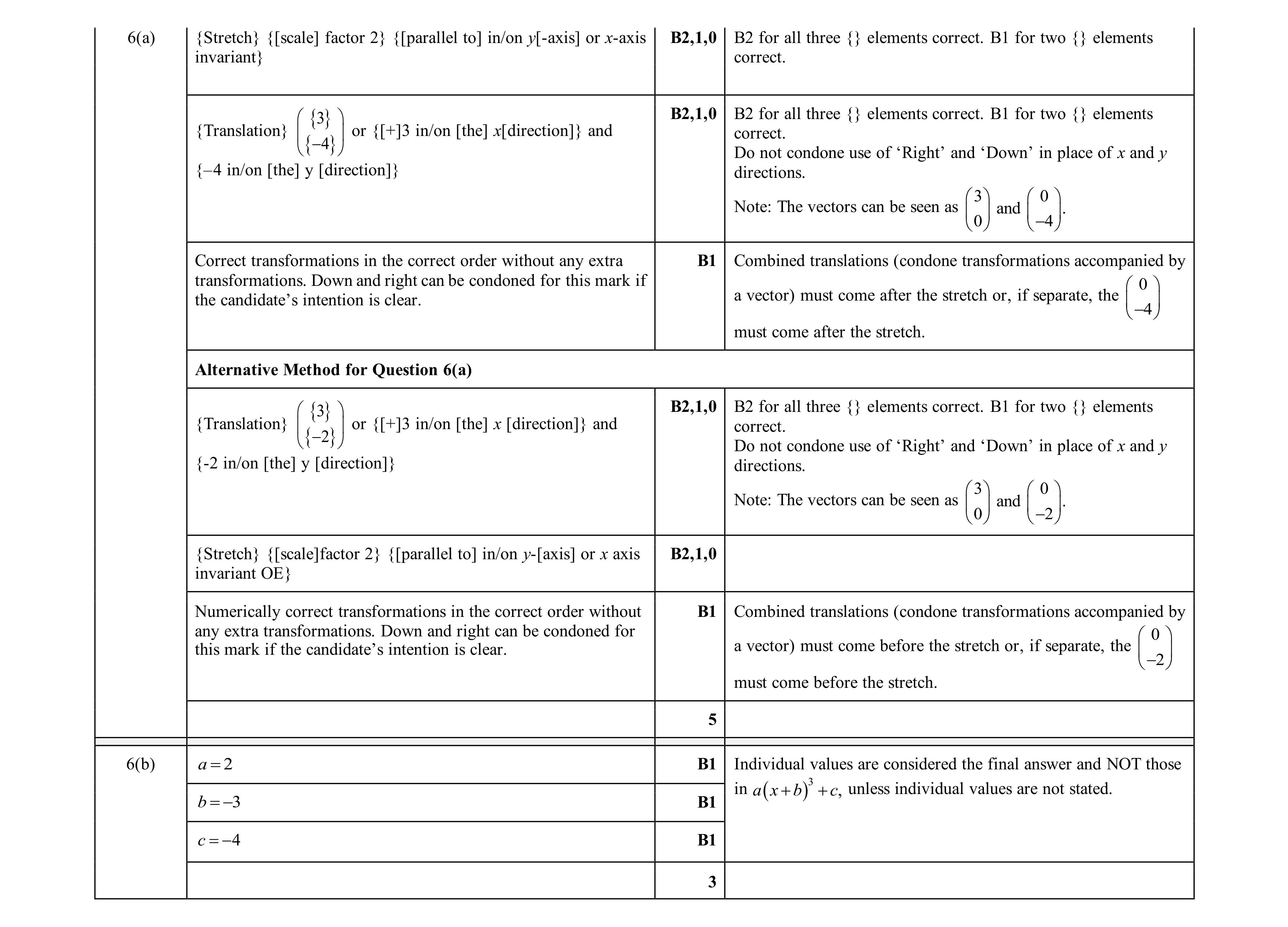 8
8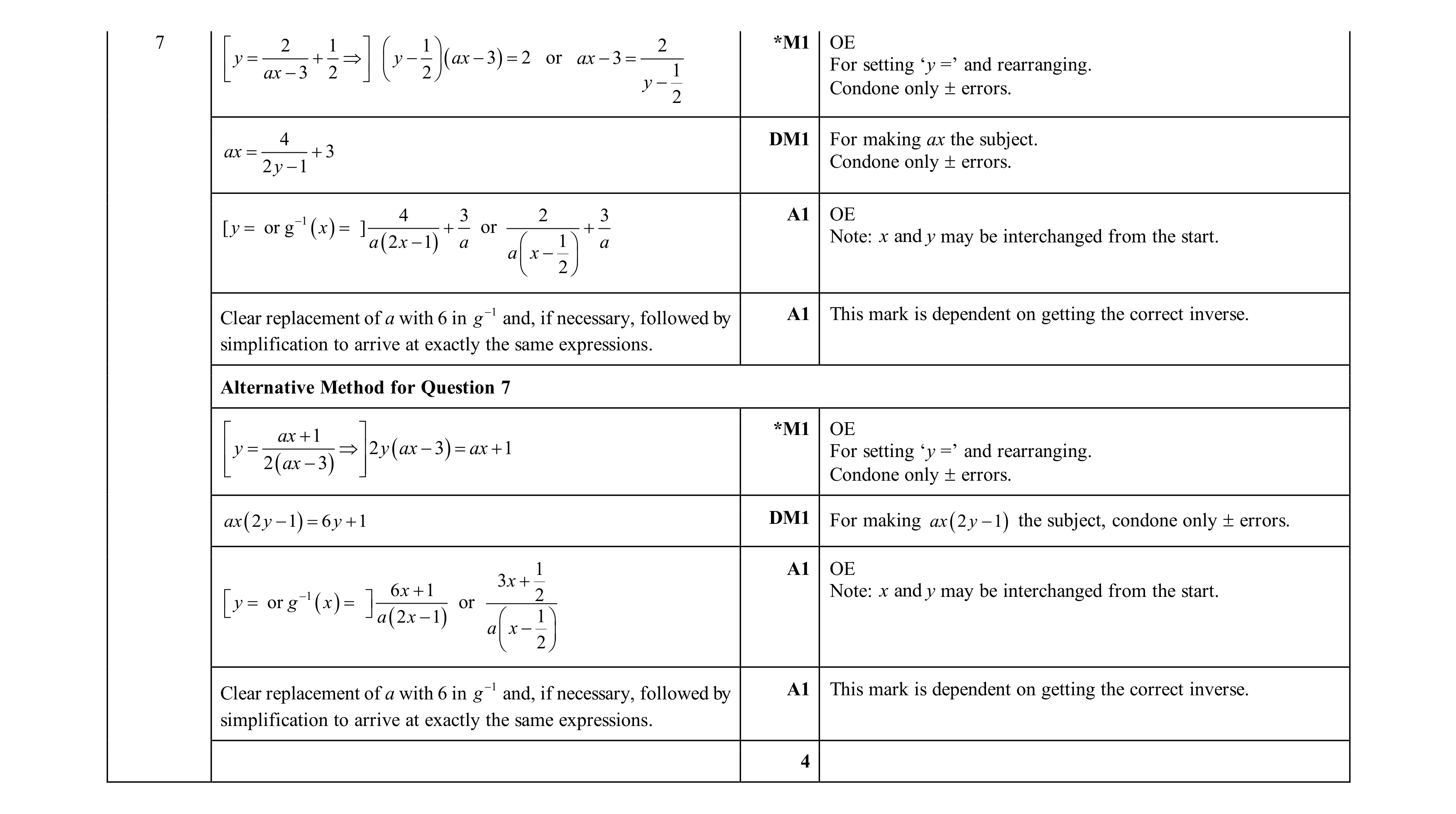 4
4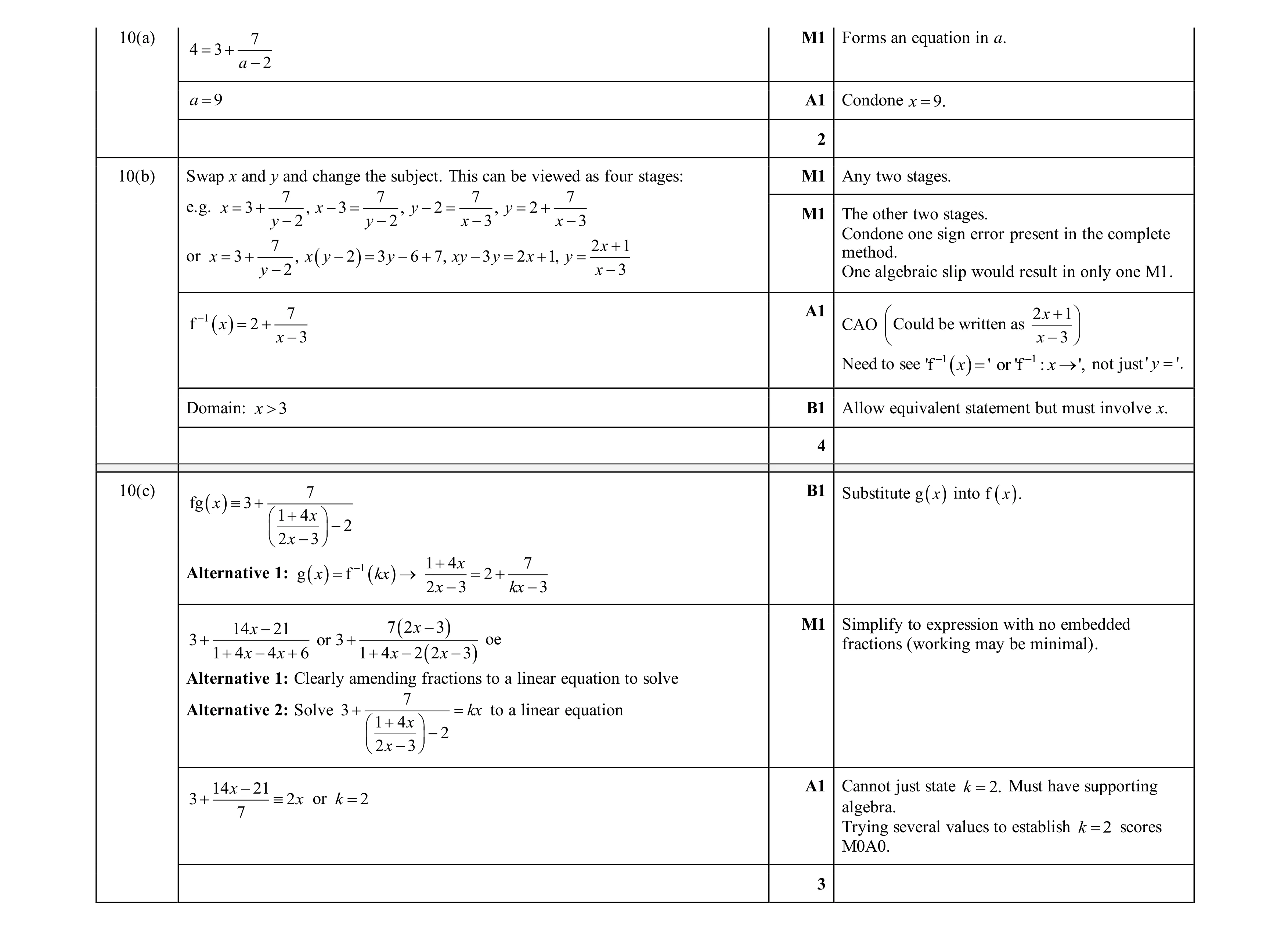 9
9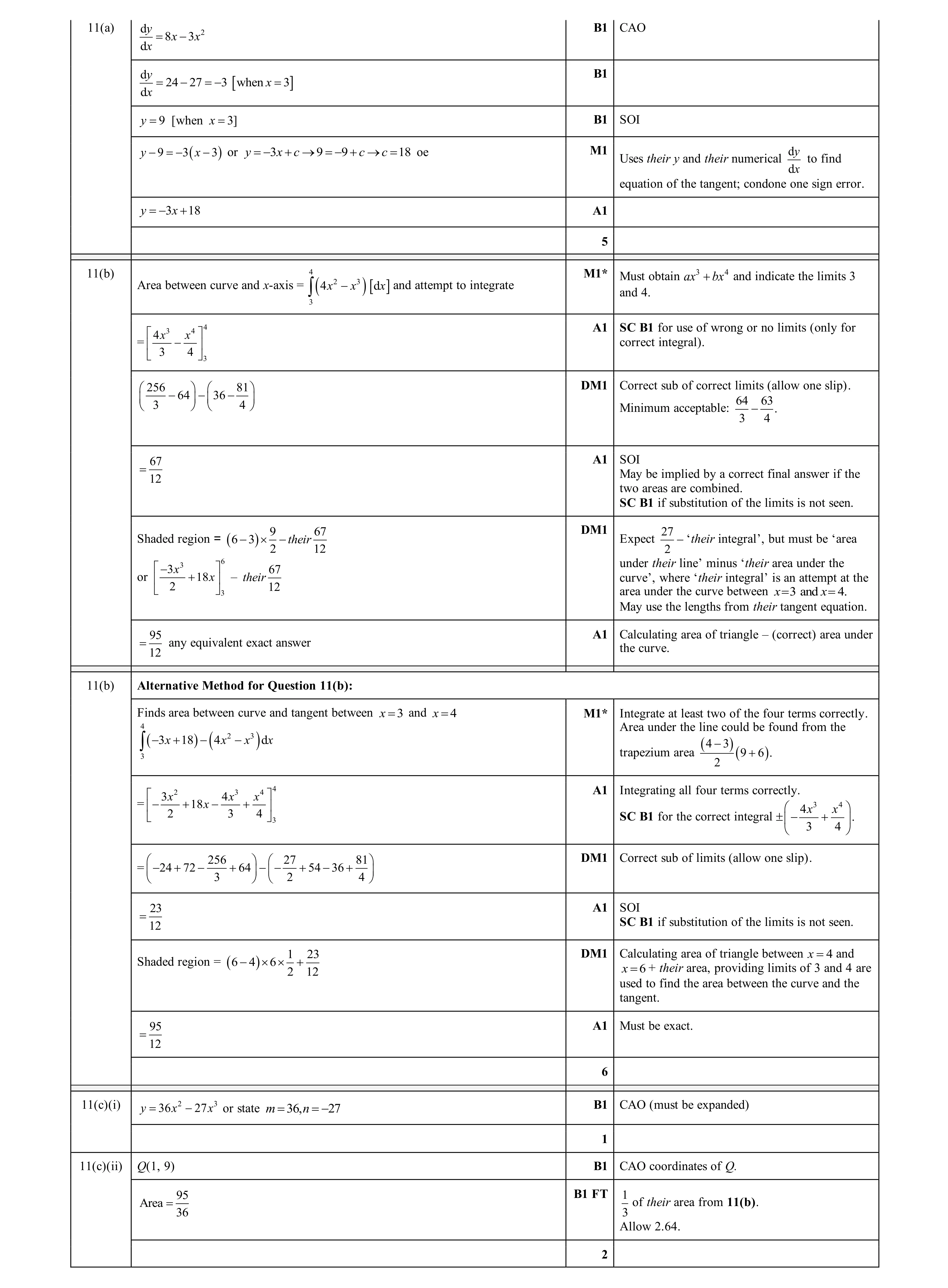 14
14