Questions as text
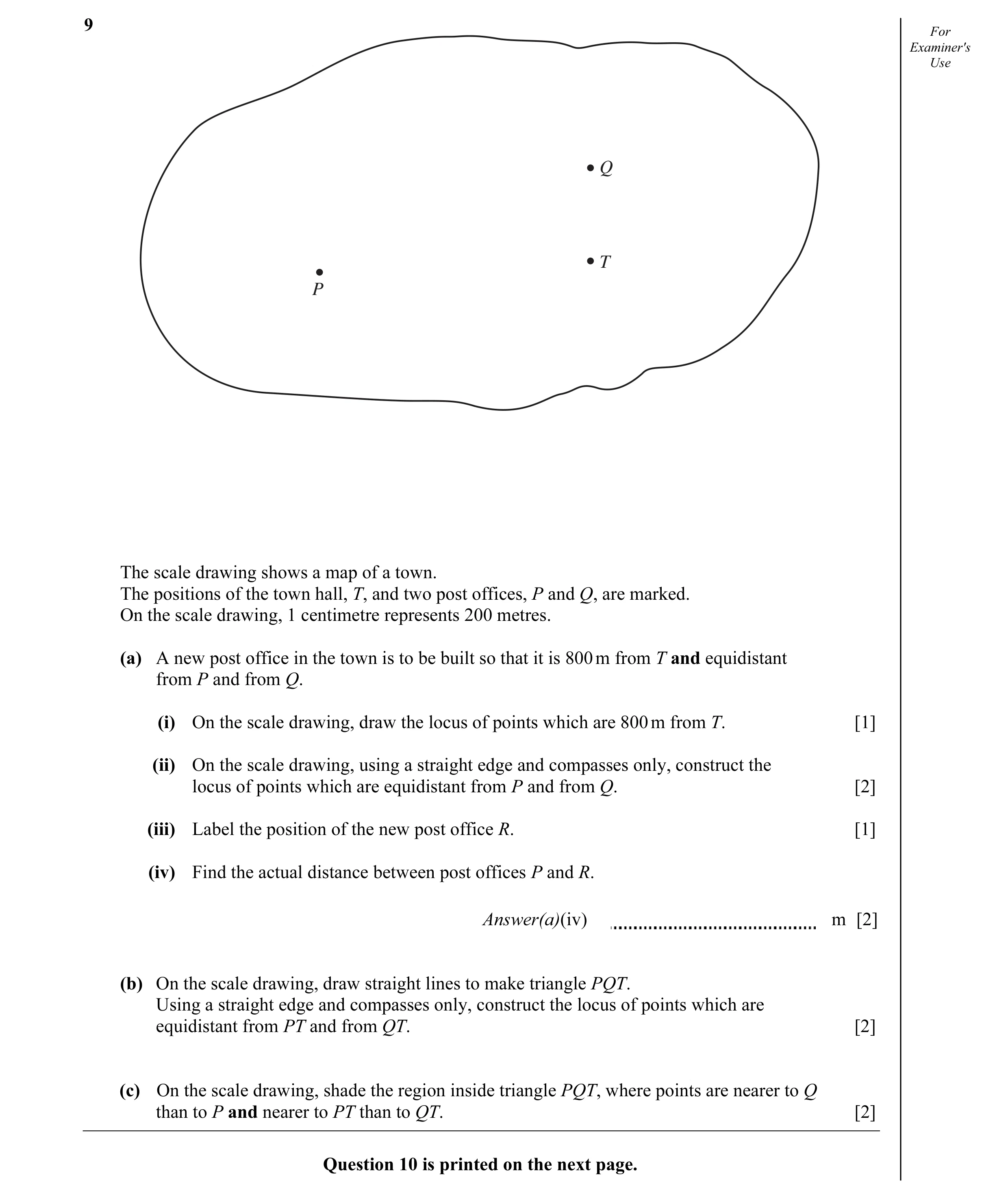
Q1 · For Examiner's Use Q T P The scale drawing shows a map of a town 0580/31 Oct/Nov 2007
9 For Examiner's Use Q T P The scale drawing shows a map of a town. The positions of the town hall, T, and two post offices, P and Q, are marked. On the scale drawing, 1 centimetre represents 200 metres. (a) A new post office in the town is to be built so that it is 800 m from T and equidistant from P and from Q. (i) On the scale drawing, draw the locus of points which are 800 m from T. [1] (ii) On the scale drawing, using a straight edge and compasses only, construct the locus of points which are equidistant from P and from Q. [2] (iii) Label the position of the new post office R. [1] (iv) Find the actual distance between post offices P and R. Answer(a)(iv) m [2] (b) On the scale drawing, draw straight lines to make triangle PQT. Using a straight edge and compasses only, construct the locus of points which are equidistant from PT and from QT. [2] (c) On the scale drawing, shade the region inside triangle PQT, where points are nearer to Q than to P and nearer to PT than to QT. [2] Question 10 is printed on the next page.
10 marks
Mark scheme: 9 (a) (i) arc B1 full arc, centre T, radius 4 cm, must cover whole of town (ii) locus B2 must be accurate perpendicular bisector of PQ must show 2 pairs of arcs SC1 for accurate without arcs or with 2 arcs just oor (iii) R labelled B1 ft if possible (iv) 640 to 700 m B2 ft SC1 for 3.2 to 3.5 cm (ft) (b) locus B2 must be accurate bisector of angle T must show all arcs SC1 for accurate without arcs or with all arcs just oor (c) correct shading B2 must be a quadrilateral dependent on at least SC1 in (a)(ii) and (b) [10]
This question in 0580/31 Oct/Nov 2007
Q2 · Examiner's Use C A B Triangle ABC is drawn accurately 0580/31 May/June 2010
9 Examiner's Use C A B Triangle ABC is drawn accurately. (a) Measure and write down (i) the length of AC, Answer(a)(i) AC = cm [1] (ii) the size of angle CAB. Answer(a)(ii) Angle CAB = [1] (b) Construct accurately the locus of all the points 7 cm from C. [2] (c) The point X lies outside the triangle ABC, with CX = 7 cm and angle BCX= 67°. Draw accurately the line CX. [2] (d) Draw the line BX. Measure and write down the length of this line. Answer(d) BX = cm [1] (e) Using a straight edge and compasses only, construct the locus of points equidistant from BC and from BX. [2] Question 10 is printed on the next page.
9 marks
Mark scheme: 9 (a) (i) 9 or 8.9 to 9.1 1 (ii) 53 – 55 1 (b) compass drawn circle centre C radius 2 SC1 incomplete accurate circle 7 cm SC1 any complete circle centre C (c) correct line drawn with angle BCX = 2ft SC1 for BCX = 113° or BCX = 67° inside 67° triangle or BCX = 67°, CX not = 7 (d) in range 9.3 – 9.9 1ft Strict ft from (c) (e) ruled accurate angle bisector of their 2ft SC1 if accurate but without arcs CBX with 2 pairs of arcs or M1 for 2 pairs of arcs IGCSE – May/June 2010 0580 31
This question in 0580/31 May/June 2010
Q3 · For C Examiner's Use D B A The diagram shows a quadrilateral ABCD 0580/33 Oct/Nov 2010
5 For C Examiner's Use D B A The diagram shows a quadrilateral ABCD. (a) Using a straight edge and compasses only, construct (i) the perpendicular bisector of AB, [2] (ii) the bisector of angle ADC. [2] (b) Draw accurately the locus of points, inside the quadrilateral, that are 2 cm from BC. [2] (c) Shade the region, inside the quadrilateral, which is nearer to B than to A and nearer to DC than to DA and more than 2 cm from BC. [1]
7 marks
Mark scheme: 5 (a) (i) Accurate perpendicular bisector 2 SC1 if accurate without arcs or of AB with arcs accurate bisector of wrong side with arcs (ii) Accurate bisector of angle ADC 2 SC1 if accurate without arcs or accurate bisector of wrong angle with arcs (b) Ruled line 2 cm from and parallel to BC 2 SC1 if not ruled (c) Correct region shaded cao 1 Dependent on at least SC1 in (a)(i), (a)(ii) and (b)
This question in 0580/33 Oct/Nov 2010
Q4 · Mr and Mrs Clark and their three children live in the USA and take a holiday in Europe 0580/31 May/June 2011
1 Mr and Mrs Clark and their three children live in the USA and take a holiday in Europe. For Examiner's (a) Mr Clark changes $500 into euros (€) when the exchange rate is €1 = $1.4593. Use Calculate how much he receives. Give your answer correct to 2 decimal places. Answer(a) € [2] (b) Tickets for an amusement park cost €62 for an adult and €52 for a child. Work out the cost for Mr and Mrs Clark and their three children to visit the park. Answer(b) € [3] (c) Mr Clark sees a notice: SPECIAL OFFER! Family ticket €200 Work out €200 as a percentage of your answer to part (b). Answer(c) % [1] (d) Mrs Clark buys 6 postcards at €0.98 each. For She pays with a €10 note. Examiner's Use Calculate how much change she will receive. Answer(d) € [2] (e) Children under a height of 130 cm are not allowed on one of the rides in the park. Helen Clark is 50 inches tall. Use 1 inch = 2.54 cm to show that she will not be allowed on this ride. Answer(e) [1]
9 marks
Mark scheme: Qu. Answers Mark Part Mark 1 (a) 342.63 2 M1 for 500 ÷ 1.4593 (b) 280 3 M1 for 2 × 62 + 3 × 52 B1 for 124 or 156 seen (c) 71.4 or 71.42 to 71.43 1ft (d) 4.12 2 B1 for 6 × 0.98 seen B1 for 5.88 or 4 + 6 × 0.02 (e) correct working 1 50 × 2.54 = 127 oe or 130 ÷ 2.54 = 51.2 or better
This question in 0580/31 May/June 2011
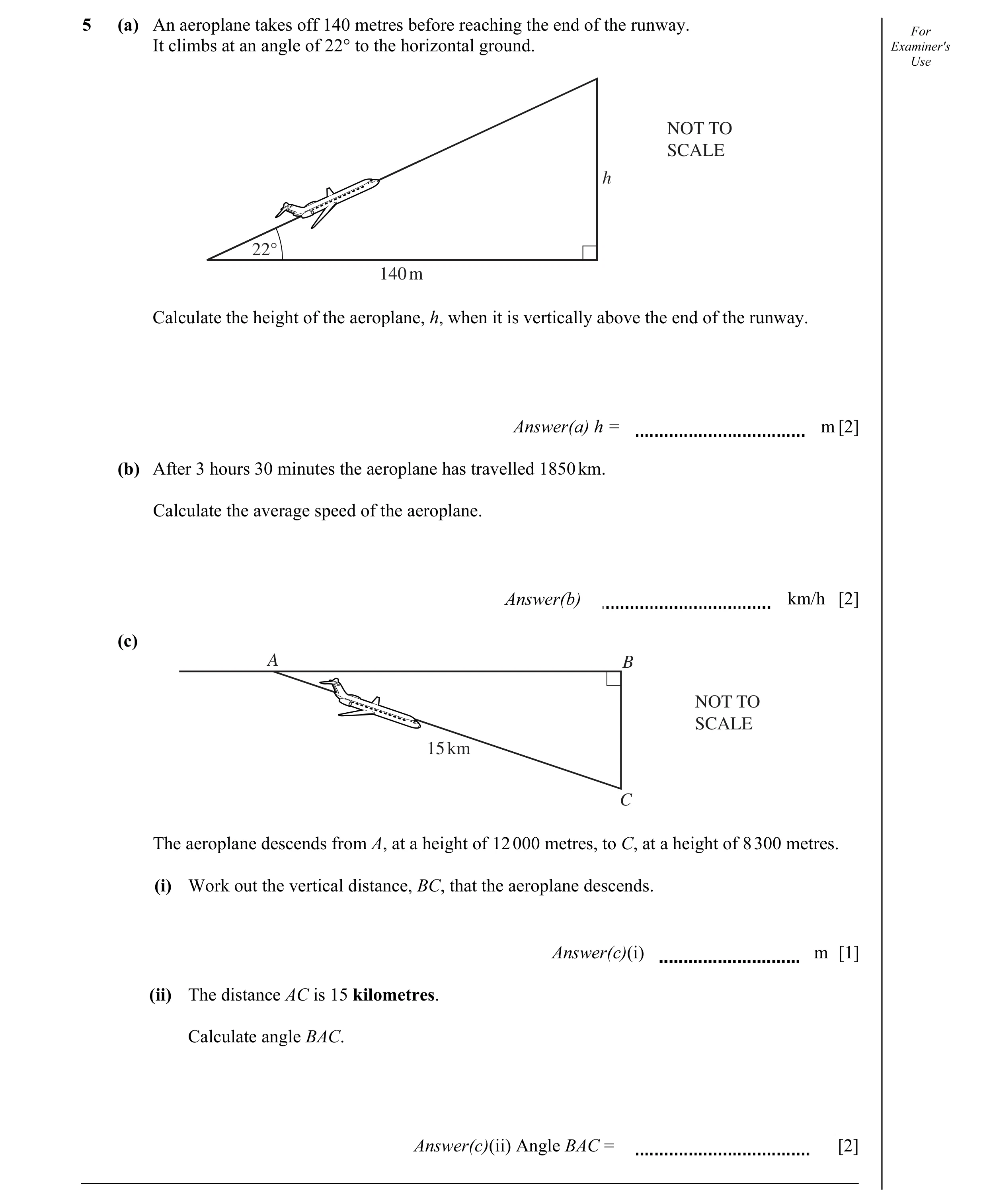
Q5 · An aeroplane takes off 140 metres before reaching the end of the runway 0580/32 Oct/Nov 2011
5 (a) An aeroplane takes off 140 metres before reaching the end of the runway. For It climbs at an angle of 22° to the horizontal ground. Examiner's Use NOT TO SCALE h 22° 140 m Calculate the height of the aeroplane, h, when it is vertically above the end of the runway. Answer(a) h = m [2] (b) After 3 hours 30 minutes the aeroplane has travelled 1850 km. Calculate the average speed of the aeroplane. Answer(b) km/h [2] (c) A B NOT TO SCALE 15 km C The aeroplane descends from A, at a height of 12 000 metres, to C, at a height of 8 300 metres. (i) Work out the vertical distance, BC, that the aeroplane descends. Answer(c)(i) m [1] (ii) The distance AC is 15 kilometres. Calculate angle BAC. Answer(c)(ii) Angle BAC = [2]
7 marks
Mark scheme: h 5 (a) 56.6 or 56.56… 2 M1 for tan 22 =140 or better 140 or M1 for tan(90–22) = or better h (1850) (b) 529 (km/h) or 528.6 or 528.57… 2 M1 for or better. 5.3 (c) (i) 3700(m) 1 their (c)(i) (ii) 14.3 or 14.2(8…) 2ft M1 for sin (BAC) = 15000 IGCSE – October/November 2011 0580 32
This question in 0580/32 Oct/Nov 2011
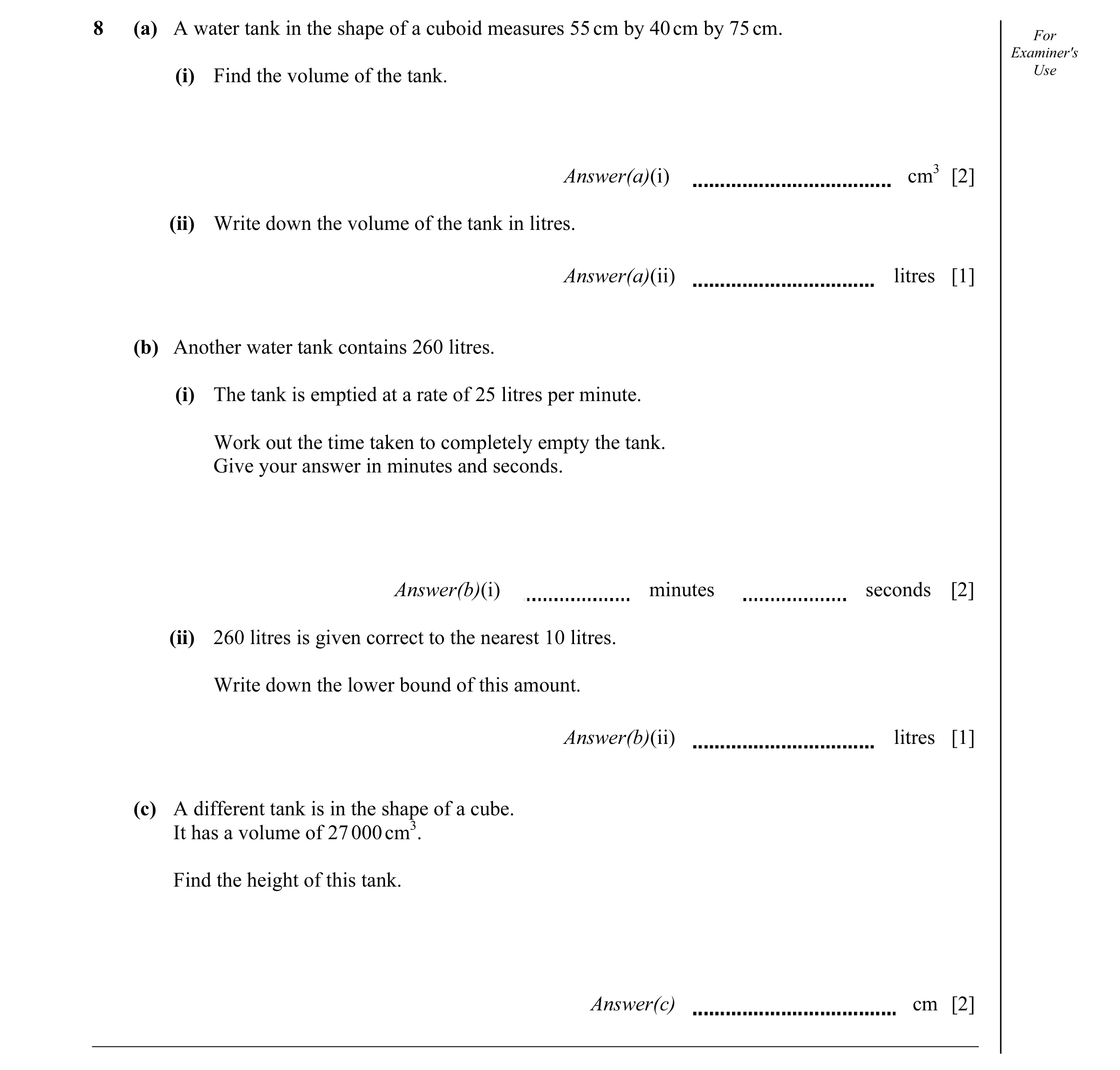
Q6 · A water tank in the shape of a cuboid measures 55 cm by 40 cm by 75 cm 0580/31 Oct/Nov 2012
8 (a) A water tank in the shape of a cuboid measures 55 cm by 40 cm by 75 cm. For Examiner's Use (i) Find the volume of the tank. Answer(a)(i) cm3 [2] (ii) Write down the volume of the tank in litres. Answer(a)(ii) litres [1] (b) Another water tank contains 260 litres. (i) The tank is emptied at a rate of 25 litres per minute. Work out the time taken to completely empty the tank. Give your answer in minutes and seconds. Answer(b)(i) minutes seconds [2] (ii) 260 litres is given correct to the nearest 10 litres. Write down the lower bound of this amount. Answer(b)(ii) litres [1] (c) A different tank is in the shape of a cube. It has a volume of 27 000 cm3. Find the height of this tank. Answer(c) cm [2]
8 marks
Mark scheme: 8 (a) (i) 165 000 2 M1 for figs 165 or 55 × 40 × 75 seen (ii) 165 1ft ‘their (a)(i)’ ÷ 1000 (b) (i) 10 minutes 24 seconds 2 M1 for 260 ÷ 25 or 10.4 seen or 624 seen (ii) 255 1 3 27000 (c) 30 2 M1 for
This question in 0580/31 Oct/Nov 2012
Q7 · A building company buys 4 square kilometres of land 0580/32 Oct/Nov 2014
1 A building company buys 4 square kilometres of land. On the land the company builds houses, shops and a school. (a) Show that 4 square kilometres is equivalent to 4 000 000 square metres. Answer(a) [1] (b) The company uses 5% of the land for roads and paths. Show that the remaining area of land is 3 800 000 m2. Answer(b) [1] (c) The 3 800 000 m2 of land is divided in the ratio houses : shops : school = 11 : 5 : 3. (i) Show that the area for the school is 600 000 m2. Answer(c)(i) [2] (ii) Calculate the area for houses. Answer(c)(ii) … m2 [1] (iii) 140 m2 is needed for each house. Calculate, correct to the nearest 10, the number of houses that can be built. Answer(c)(iii) … [2] 3 1 (d) of the school area is for classrooms and is for other rooms. 5 8 The remainder is for sporting facilities. (i) Without using a calculator, and showing all your working, fi nd the fraction of the school area for sporting facilities. Answer(d)(i) … [3] (ii) The school has an area of 600 000 m2. Work out the area for sporting facilities. Answer(d)(ii) … m2 [1] (e) To pay for materials, the building company borrows $250 000 from a bank for 3 years. The bank charges compound interest at a rate of 4% per year. Calculate the total amount the company must pay back at the end of 3 years. Answer(e) $ … [3] __________________________________________________________________________________________
14 marks
Mark scheme: 1 (a) 4 × 1000 × 1000 or 4 × 10002 1 (b) 0.95 × 4 000 000 oe 1 (c) (i) 3 ÷ 19 × 3 800 000 2 M1 for 3 ÷ (11 + 5 + 3) or 3 800 000 ÷ (11 + 5 + 3) (ii) 2 200 000 1 (iii) 15 710 2FT M1FT for their 2 200 000 ÷ 140 24 5 24 5 3 × 8 1 × 5 (d) (i) 1 − + M2 M1 for or or or 40 40 40 40 5 × 8 8 × 5 11 11 k or final answer A1 If zero scored, 40 40 k 275 SC3 for 1 – (0.6 + 0.125) = 0.275 = = 1000 11 11 k [ or ] 40 40 k or 275 SC2 for 1 – (0.6 + 0.125) = 0.275 = 1000 followed by incorrect fraction 11 11 k SC1 for or final answer 40 40 k (ii) 165 000 1FT FT their (d)(i) × 600 000 (e) 281 216 cao 3 M2 for 250 000 × 1.043 oe or M1 for 250 000 × 1.042 oe If zero scored, SC1 for 31 216
This question in 0580/32 Oct/Nov 2014
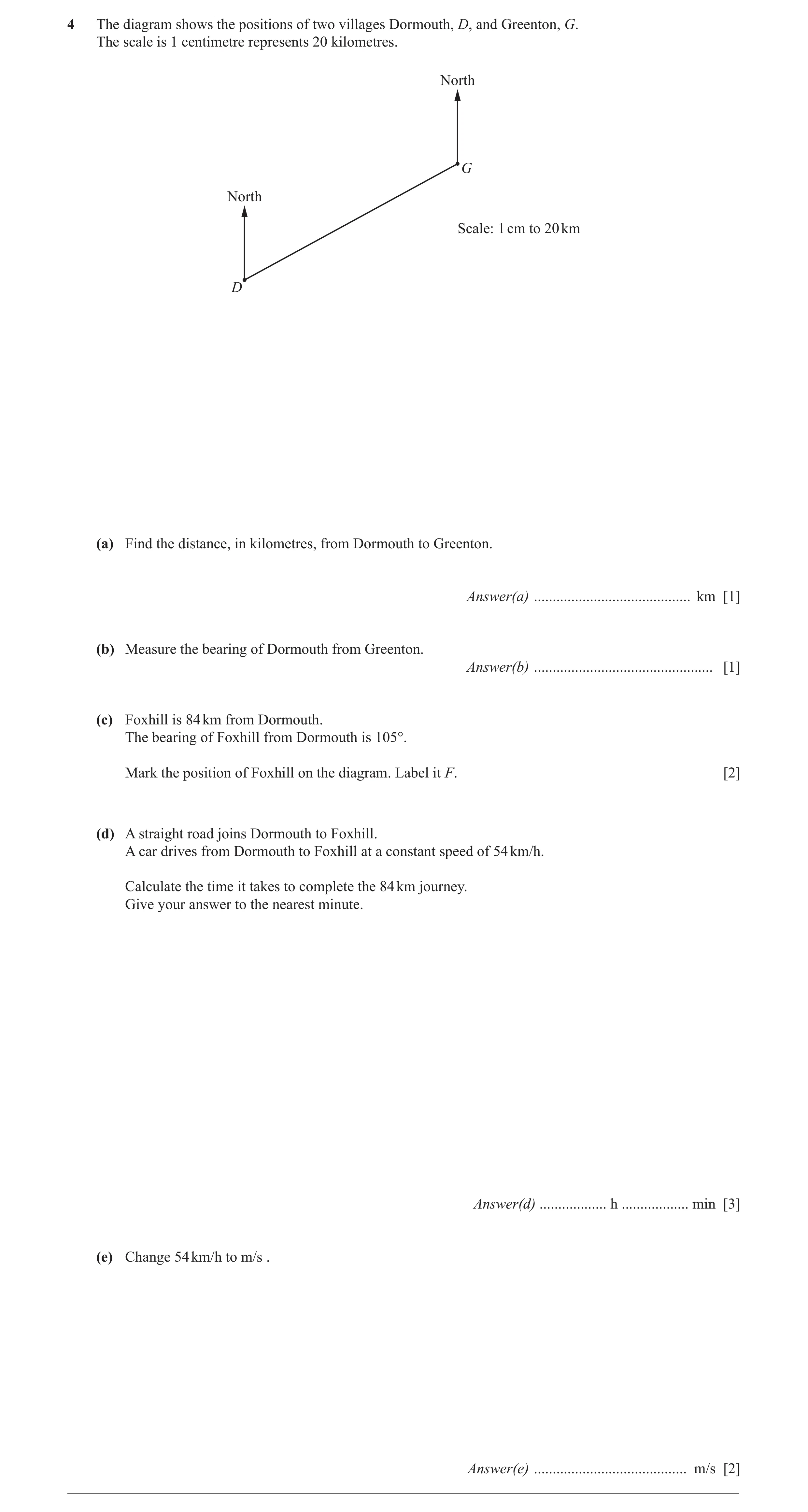
Q8 · The diagram shows the positions of two villages Dormouth, D, and Greenton, G 0580/32 Feb/March 2015
4 The diagram shows the positions of two villages Dormouth, D, and Greenton, G. The scale is 1 centimetre represents 20 kilometres. North G North Scale: 1 cm to 20 km D (a) Find the distance, in kilometres, from Dormouth to Greenton. Answer(a) … km [1] (b) Measure the bearing of Dormouth from Greenton. Answer(b) … [1] (c) Foxhill is 84 km from Dormouth. The bearing of Foxhill from Dormouth is 105°. Mark the position of Foxhill on the diagram. Label it F. [2] (d) A straight road joins Dormouth to Foxhill. A car drives from Dormouth to Foxhill at a constant speed of 54 km/h. Calculate the time it takes to complete the 84 km journey. Give your answer to the nearest minute. Answer(d) … h … min [3] (e) Change 54 km/h to m/s . Answer(e) … m/s [2] __________________________________________________________________________________________
9 marks
Mark scheme: 4 (a) 126 1 Accept 122 to 130 (b) 240 1 (c) Correct position on diagram 2 B1 for angle 103° to 107° B1 for distance 4.0 cm to 4.4 cm (d) 1 hour and 33 min 3 84 M2 for × 60 oe 54 84 30 or M1 for or × 60 54 54 54 × 1000 (e) 15 2 M1 for or better 60 × 60
This question in 0580/32 Feb/March 2015
Q9 · The grid shows part of the net of a cuboid 0580/32 Feb/March 2015
6 (a) The grid shows part of the net of a cuboid. Complete the net. [2] (b) The volume of another cuboid is 60 cm3. Each side is a whole number of centimetres long. Write down a possible set of dimensions for the cuboid. Answer(b) Length … cm Width … cm Height … cm [2] (c) Each side of a cube has length 2 cm. Work out the total surface area of the cube. Give the units of your answer. Answer(c) … … [3] (d) Change 9 cm2 into mm2. Answer(d) … mm2 [1] (e) The diagram shows a triangle. B NOT TO SCALE 11 m A 8 m C (i) Calculate the length AB. Answer(e)(i) AB = … m [3] (ii) Use trigonometry to calculate angle ACB. Answer(e)(ii) Angle ACB = … [2] (f) NOT TO SCALE The diameter of the large circle is 13 cm. The radius of the small circle is 2 cm. Calculate the shaded area. Answer(f) … cm2 [4] __________________________________________________________________________________________
17 marks
Mark scheme: 6 (a) correct net drawn 2 B1 for 2 correct faces seen added to correct edges of net (b) 60,1,1 or 30,2,1 or 20,3,1 or 2 SC1 for 3 numbers with a product of 60 but 15,4,1 or 15,2,2 or 12,5,1 or including non-integer values 10,6,1 or 10,3,2 or 6,5,2 or 5,4,3 (c) 24 2 M1 for 2 × 2 × 6 oe cm2 1 (d) 900 1 (e) (i) 7.55 or 7.549 … 3 M2 for (11 2 − 8 2 ) or M1 for AB2 + 82 = 112 8 (ii) 43.3 or 43.34 2 M1 for cos [C] = or better 11 (f) 120 or 120.16 to 120.2 4 B1 for 6.5 seen M2 for their 6.52π – their 22π (must be using πr2) or M1 for 6.52π or 22π seen If M0 scored, SC1 for 165π or 518(.3) to 518.43 or 41.25π or 129.59 … to 129.6075
This question in 0580/32 Feb/March 2015
Q10 · The diameter of the Earth is 12 756 km 0580/33 May/June 2017
2 (a) The diameter of the Earth is 12 756 km. Write 12 756 km in metres. … m [1] (b) The distance from the Earth to the Moon is 384 000 km. Work out the time it would take a car travelling at 100 km/h to travel 384 000 km. Give your answer in days. … days [2] (c) The distance from the Sun to the Earth is 149.6 million kilometres. Write 149.6 million in standard form. … [2] (d) The diameter of a grain of salt is 1 × 10⁻⁴ metres. (i) Write 1 × 10⁻⁴ as an ordinary number. … [1] (ii) Write 1 × 10⁻⁴ metres in millimetres. … mm [1]
7 marks
Mark scheme: 2(a) 12 756 000 1 2(b) 160 2 384000 M1 for 100 2(c) 1.496 × 10⁸ 2 M1 for 1.496 × 10k or 149 600 000 oe If zero scored, SC1 for 1.496 × 10² million 2(d)(i) 0.0001 1 2(d)(ii) 0.1 oe 1
This question in 0580/33 May/June 2017
Q11 · A NOT TO 35° SCALE O E B C D A, B and C are points on the circumference of the circle… 0580/33 Oct/Nov 2018
9 A NOT TO 35° SCALE O E B C D A, B and C are points on the circumference of the circle, centre O. The straight line DE touches the circle at B. (a) Write down the mathematical name for the line DE. … [1] (b) On the circle, draw a radius. [1] (c) Complete the following statements. (i) Angle ABD = … because … … [2] (ii) Angle ACB = … because … … [2] (d) AB = 9 cm. (i) Calculate the area of the circle. Give the units of your answer. … … [3] (ii) Calculate BC. BC = … cm [2]
11 marks
Mark scheme: 9(a) Tangent 1 9(b) Radius drawn on circle 1 9(c)(i) 90 2 B1 for each radius [and] tangent [at 90] 9(c)(ii) 90 2 B1 for each angle [in a] semicircle [= 90] 9(d)(i) 63.6 or 63.61 to 63.63 2 M1 for 4.52 × π cm2 1 9(d)(ii) 5.16 or 5.162 … 2 BC M1 for sin 35 = or better 9
This question in 0580/33 Oct/Nov 2018
Q12 · Measure the length of this line in millimetres 0580/32 Oct/Nov 2020
2 (a) Measure the length of this line in millimetres. … mm [1] (b) x (i) Measure the size of angle x. … [1] (ii) Write down the mathematical name of this type of angle. … [1] (c) A B C x° NOT TO SCALE 26° D ABC is a straight line and BCD is an isosceles triangle. Find the value of x. x = … [2] (d) Work out the size of one interior angle of a regular 16-sided polygon. … [2] (e) X NOT TO SCALE O Y Z (i) Complete this statement. X, Y and Z are points on the … of the circle, centre O. [1] (ii) Give a reason why angle XYZ is 90°. … [1] (f) A circle has diameter 6 cm. Calculate the area of the circle. Give the units of your answer. … … [3]
12 marks
Mark scheme: 2(a) 46 to 50 1 2(b)(i) 221 to 225 1 2(b)(ii) Reflex 1 2(c) 103 2 M1 for (180 – 26) ÷ 2 oe 2(d) 157.5 2 M1 for 180 – 360 ÷ 16 oe or (16 – 2) × 180 ÷ 16 oe 2(e)(i) Circumference 1 2(e)(ii) Angle [in a] semicircle [is] 90° 1 2(f) 28.3 or 28.27 to 28.28 2 M1 for 32 × π oe cm2 1 indep
This question in 0580/32 Oct/Nov 2020
Q13 · Y Z O X X, Y and Z lie on a circle, centre O 0580/32 Feb/March 2022
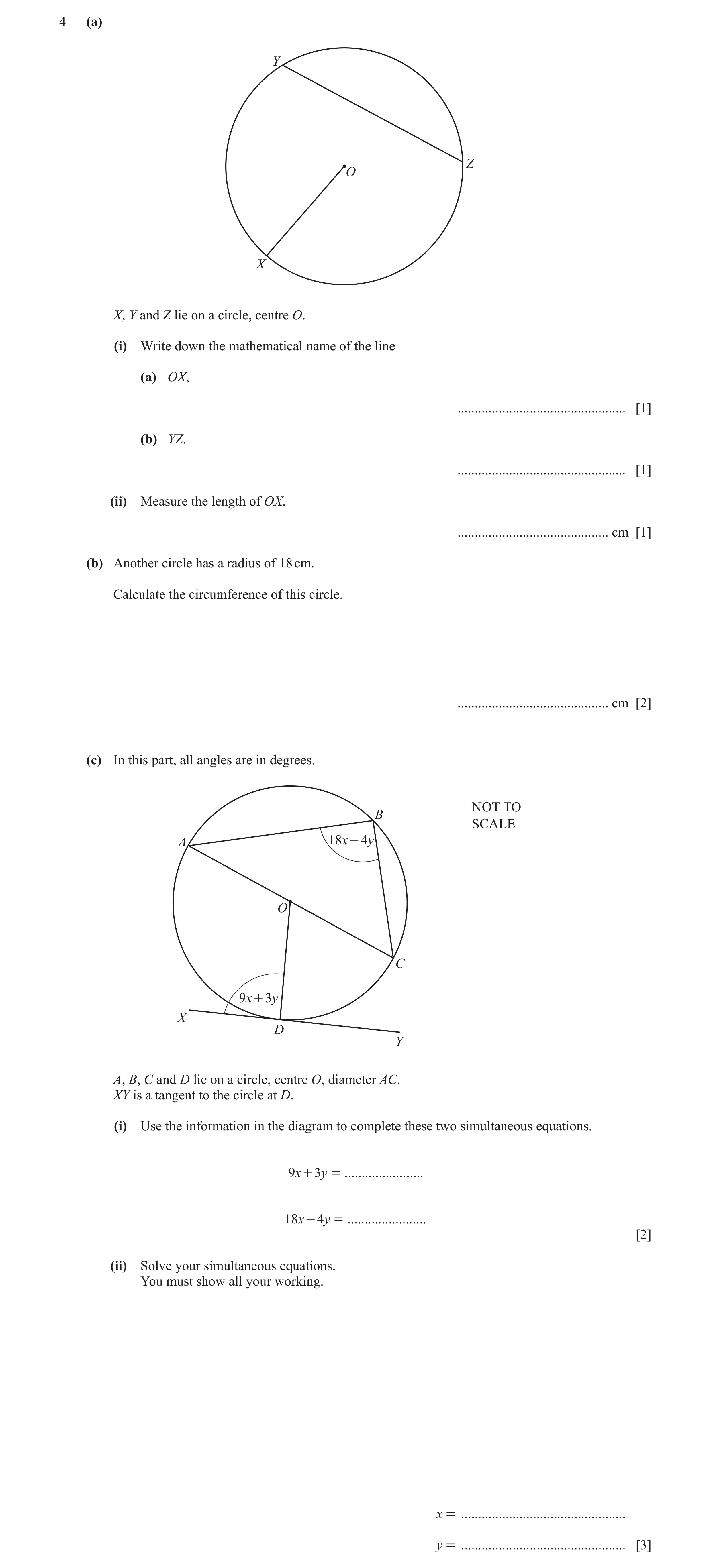
4 (a) Y Z O X X, Y and Z lie on a circle, centre O. (i) Write down the mathematical name of the line (a) OX, … [1] (b) YZ. … [1] (ii) Measure the length of OX. … cm [1] (b) Another circle has a radius of 18 cm. Calculate the circumference of this circle. … cm [2] (c) In this part, all angles are in degrees. NOT TO B SCALE A 18x - 4y O C 9x + 3y X D Y A, B, C and D lie on a circle, centre O, diameter AC. XY is a tangent to the circle at D. (i) Use the information in the diagram to complete these two simultaneous equations. 9x + 3y = … 18x - 4y = … [2] (ii) Solve your simultaneous equations. You must show all your working. x = … y = … [3]
10 marks
Mark scheme: 4(a)(i)(a) Radius 1 4(a)(i)(b) Chord 1 4(a)(ii) 3.5 1 4(b) 113 or 113.09… to 113.112 2 M1 for 2 × 18 × π oe 4(c)(i) 90 2 B1 for each 90 4(c)(ii) For correctly eliminating one M1 M1FT their two linear equations variable [ x = ]7 A1 [ y = ]9 A1 If M0 scored, SC1 for 2 values satisfying one of their original equations If no working shown, SC1 for two correct answers given
This question in 0580/32 Feb/March 2022
Q14 · In triangle RST, RT = 7 cm and ST = 4 cm 0580/32 Oct/Nov 2023
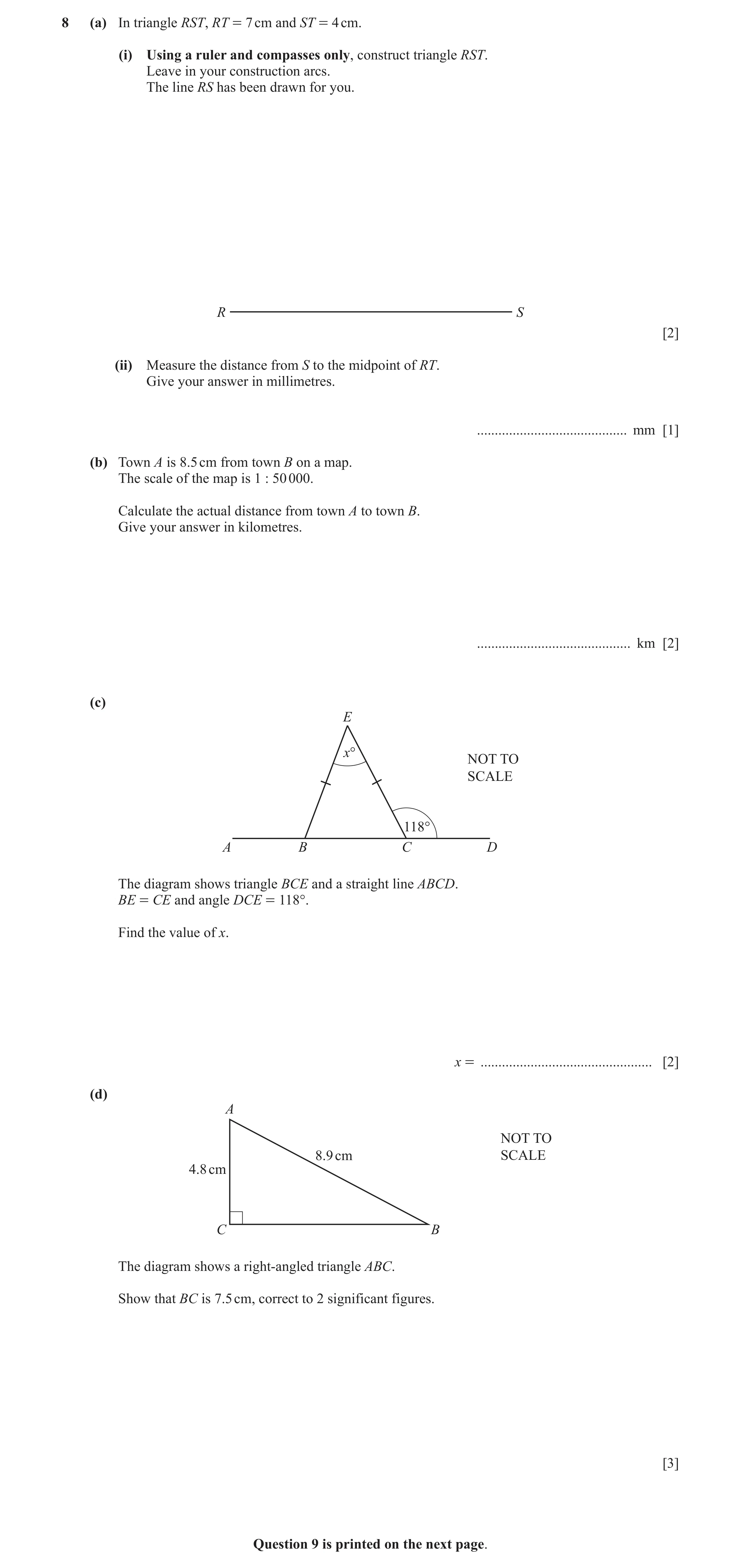
8 (a) In triangle RST, RT = 7 cm and ST = 4 cm. (i) Using a ruler and compasses only, construct triangle RST. Leave in your construction arcs. The line RS has been drawn for you. R S [2] (ii) Measure the distance from S to the midpoint of RT. Give your answer in millimetres. … mm [1] (b) Town A is 8.5 cm from town B on a map. The scale of the map is 1 : 50 000. Calculate the actual distance from town A to town B. Give your answer in kilometres. … km [2] (c) E x° NOT TO SCALE 118° A B C D The diagram shows triangle BCE and a straight line ABCD. BE = CE and angle DCE = 118°. Find the value of x. x = … [2] (d) A NOT TO 8.9 cm SCALE 4.8 cm C B The diagram shows a right-angled triangle ABC. Show that BC is 7.5 cm, correct to 2 significant figures. [3] Question 9 is printed on the next page.
10 marks
Mark scheme: 8(a)(i) Correct triangle with correct arcs 2 B1 for correct triangle with incorrect or no arcs or for two correct arcs If 0 scored, SC1 for triangle with arcs but lines interchanged 8(a)(ii) 52 1 FT their complete triangle 8(b) 4.25 2 B1 for figs 425 as answer or 1 cm = 0.5 km seen or M1 for 8.5 50 000 oe 8(c) 56 2 M1 for 180 – 2 (180 – 118) oe or B1 for [angle] ECB or EBC = 62 8(d) 8.92 – 4.82 M2 M1 for 4.82 + BC2 = 8.92 2 2 A1 8.9 − 4.8 = 7.49… or 56.17 = 7.49…
This question in 0580/32 Oct/Nov 2023
Q15 · Calculate the volume of a cylinder with radius 7.8 cm and height 15 cm 0580/32 Oct/Nov 2024
4 (a) Calculate the volume of a cylinder with radius 7.8 cm and height 15 cm. … cm3 [2] (b) A cube has a volume of 3375 cm3. Calculate the surface area of this cube. … cm2 [3] (c) Area A = 37 000 cm2 Area B = 5.4 m2 Which of these two areas is the larger? You must show all your working. Area … [2] (d) The diagram shows a right-angled triangle ABC. A NOT TO 15 cm SCALE 7 cm B C Calculate angle ACB. Angle ACB = … [2] (e) The diagram shows a rectangle DEFG. D G NOT TO SCALE 31.2 cm 12 cm E F DE = 12 cm and DF = 31.2 cm. Calculate the area of the rectangle DEFG. … cm2 [4]
13 marks
Mark scheme: 4(a) 2870 or 2867 to 2867.4 2 M1 for π × 7.82 × 15 oe 4(b) 1350 3 3 2 M2 for 3375 oe or better or M1 for 3 3375 oe 4(c) 5.4 × 1002 = 54 000 M1 or 37 000 ÷ 1002 = 3.7 Area B A1 4(d) 27.8 or 27.81… to 27.82 2 7 M1 for sin[...] = or better 15 −1 7 or 90 − cos oe 15 4(e) 345.6 4 B3 for 28.8 OR M2 for 31.22 – 122 oe or M1 for [...]2 + 122 = 31.22 oe M1dep for their 28.8 × 12
This question in 0580/32 Oct/Nov 2024
Q16 · Convert 3 m into mm 0580/32 May/June 2025
3 Convert 3 m into mm. … mm [1]
1 marks
Mark scheme: 3 3000 1
This question in 0580/32 May/June 2025
Q17 · A B (a) Measure the length of line AB in centimetres 0580/31 Oct/Nov 2025
1 A B (a) Measure the length of line AB in centimetres. … cm [1] (b) Draw a line that is perpendicular to the line AB. [1]
2 marks
Mark scheme: Question Answer Marks Partial Marks 1(a) 4.7 1 1(b) Perpendicular line drawn 1
This question in 0580/31 Oct/Nov 2025
 1 / 21
![Question 2: Examiner's Use C A B Triangle ABC is drawn accurately. (a) Measure and write down (i) the length of AC, Answer(a)(i) AC = cm [1] (ii) the s…](https://img.pastlit.com/crops/aae614f4-2852-481f-9715-1c0dc4297315/q9.webp) 2 / 21
2 / 21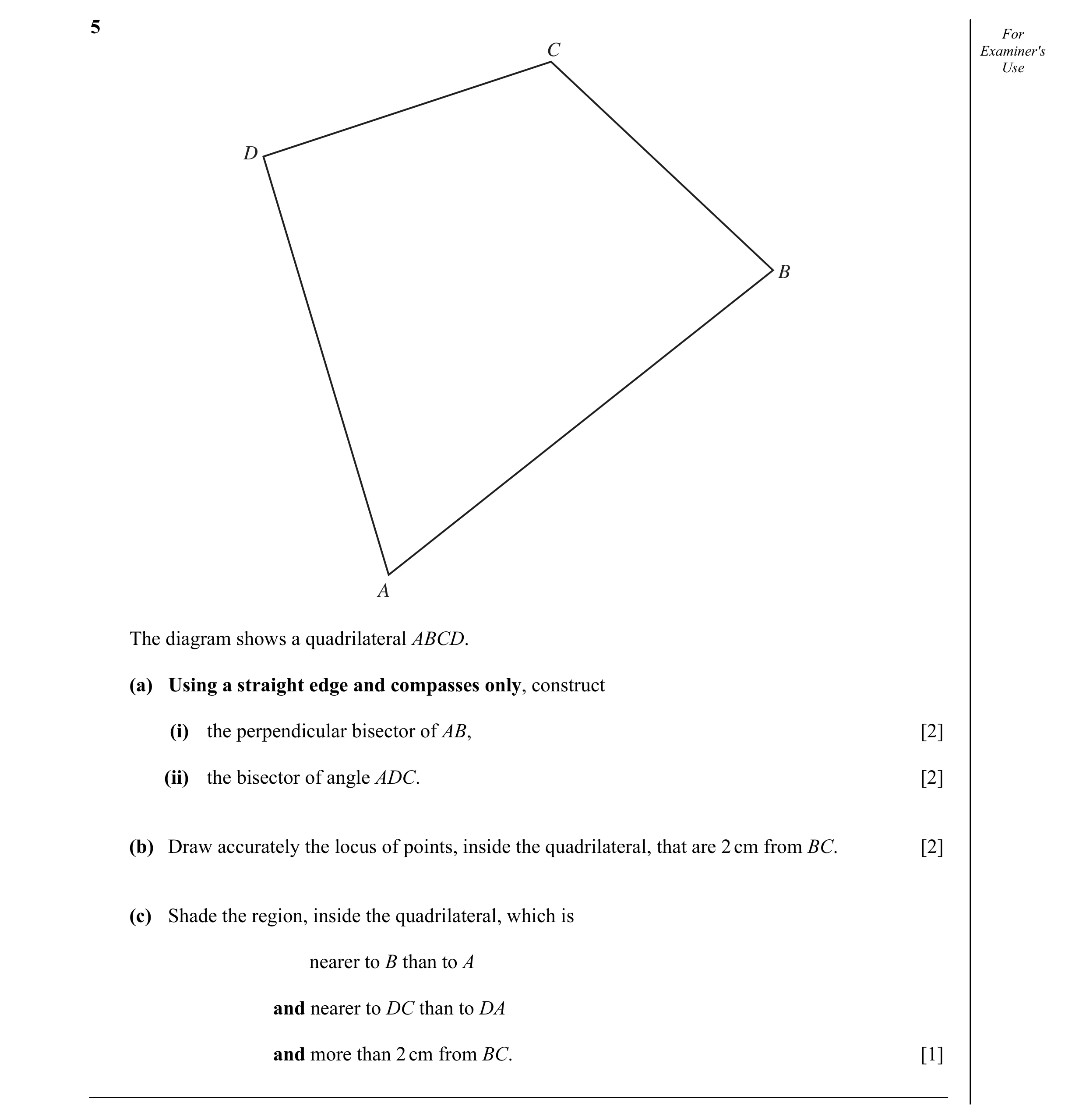 3 / 21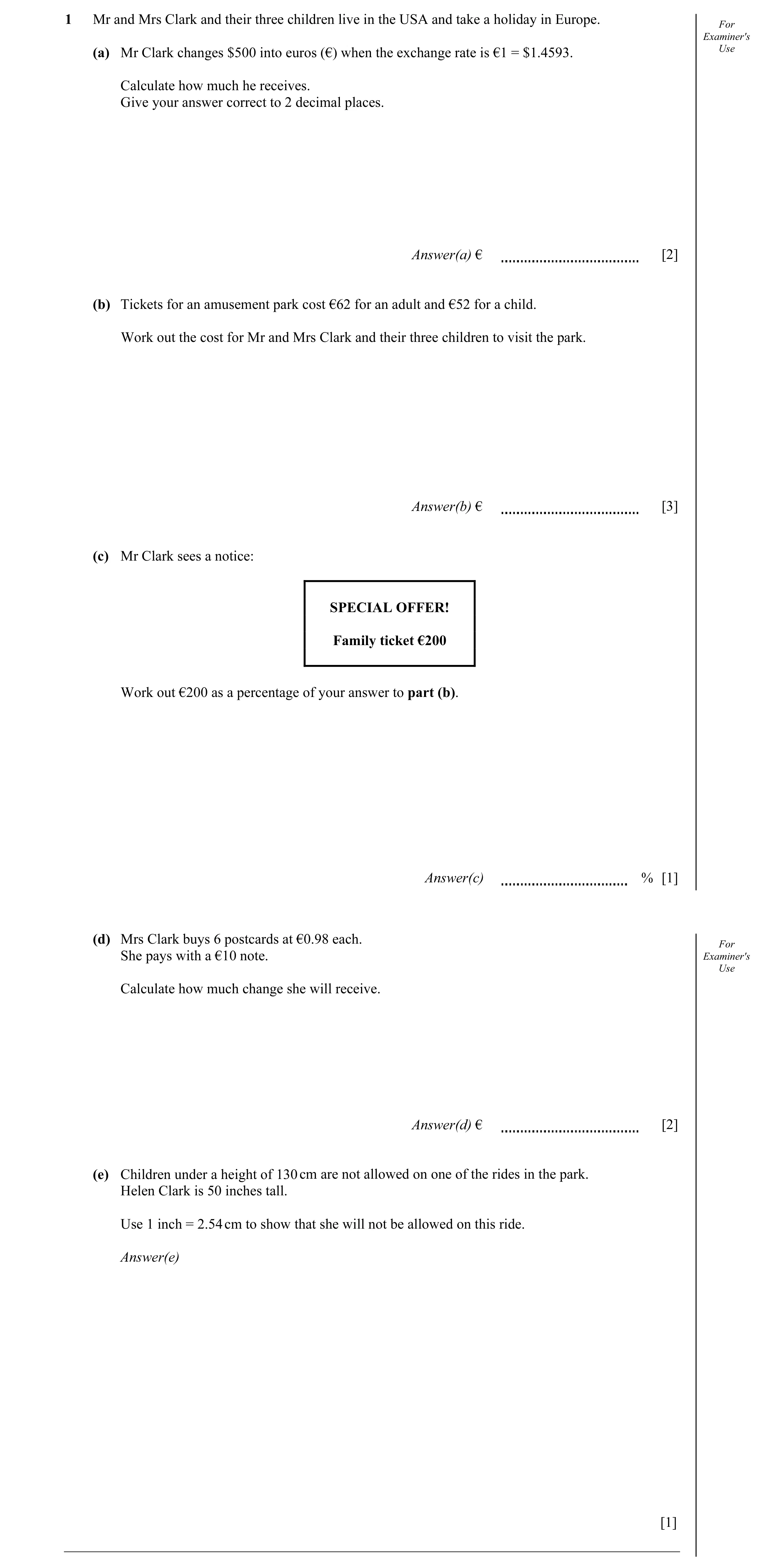
 6 / 21
 7 / 21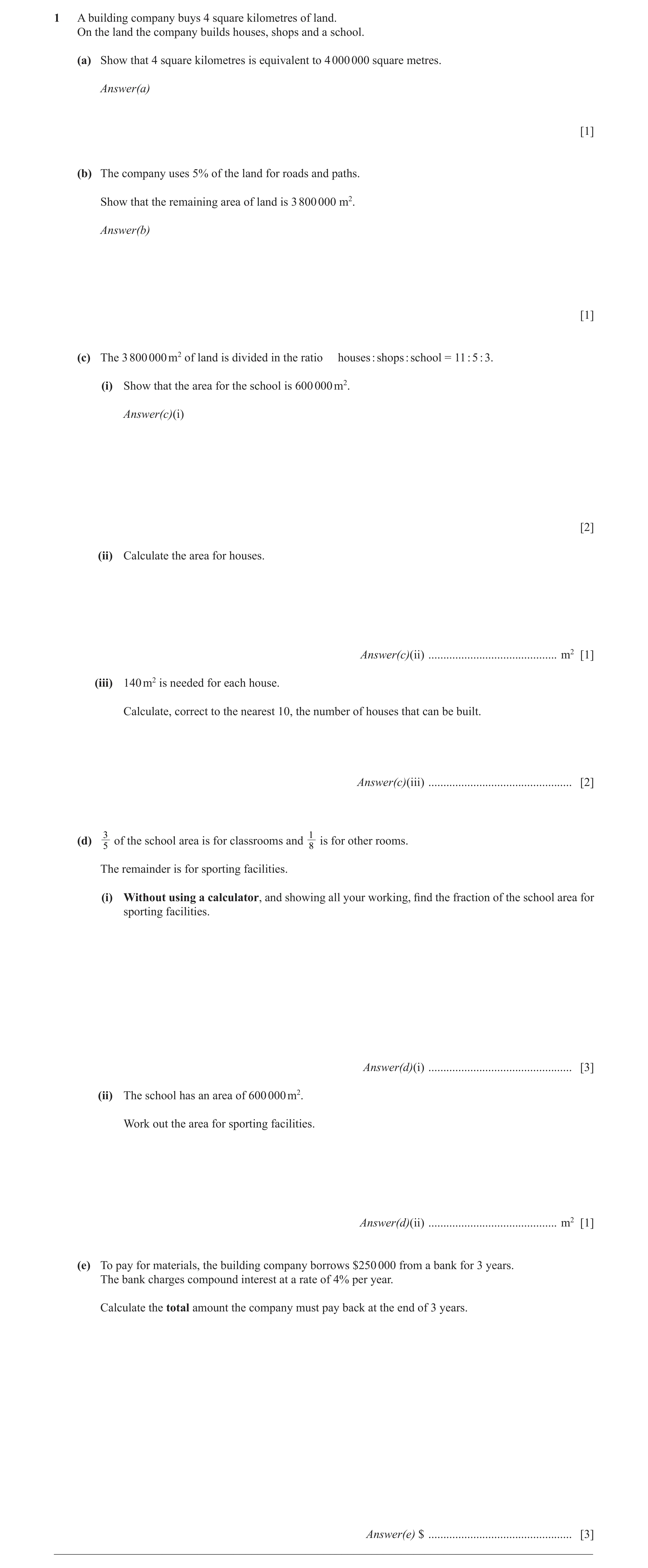
![Question 9: (a) The grid shows part of the net of a cuboid. Complete the net. [2] (b) The volume of another cuboid is 60 cm3. Each side is a whole numb…](https://img.pastlit.com/crops/dcd45baf-932a-4bbf-9f88-7bc3eecf09a2/q6.webp)
![Question 10: (a) The diameter of the Earth is 12 756 km. Write 12 756 km in metres. .............................................. m [1] (b) The distanc…](https://img.pastlit.com/crops/09acb117-9e4d-43a9-8268-6d1408ce72cd/q2.webp) 13 / 21
13 / 21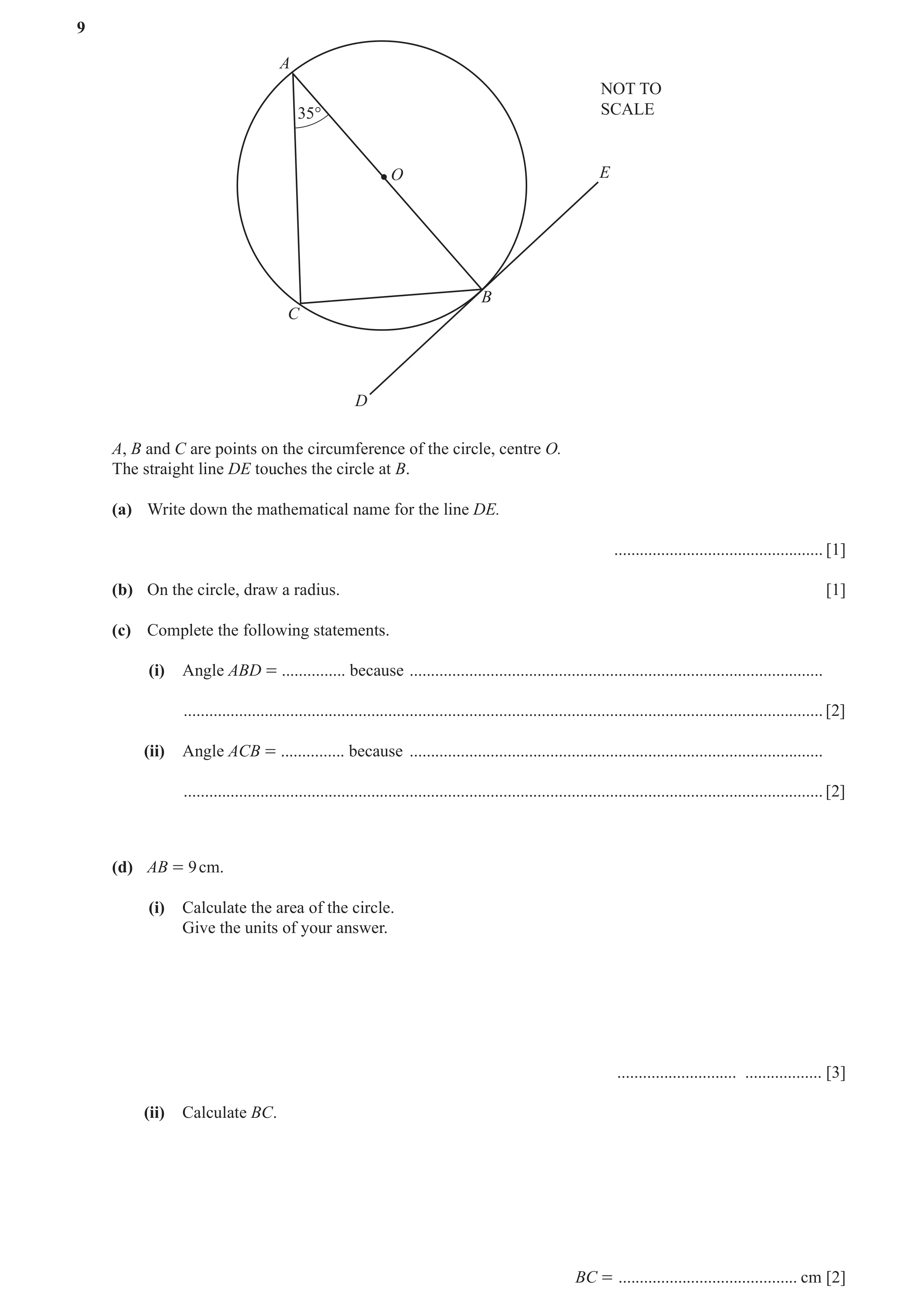 14 / 21
![Question 12: (a) Measure the length of this line in millimetres. ........................................... mm [1] (b) x (i) Measure the size of angle …](https://img.pastlit.com/crops/4c3ceda7-6366-46e2-8f79-99af726499d4/q2.webp)
![Question 15: (a) Calculate the volume of a cylinder with radius 7.8 cm and height 15 cm. .......................................... cm3 [2] (b) A cube h…](https://img.pastlit.com/crops/c8ad130c-4f12-4a33-ba01-607046251534/q4.webp)
![Question 16: Convert 3 m into mm. .......................................... mm [1]](https://img.pastlit.com/crops/dbf59ef8-efb7-4748-939d-d662cec206ac/q3.webp)
![Question 17: A B (a) Measure the length of line AB in centimetres. ............................................ cm [1] (b) Draw a line that is perpendic…](https://img.pastlit.com/crops/780b211c-ee73-4bc3-9f20-8ac8060777bf/q1.webp) 21 / 21
21 / 21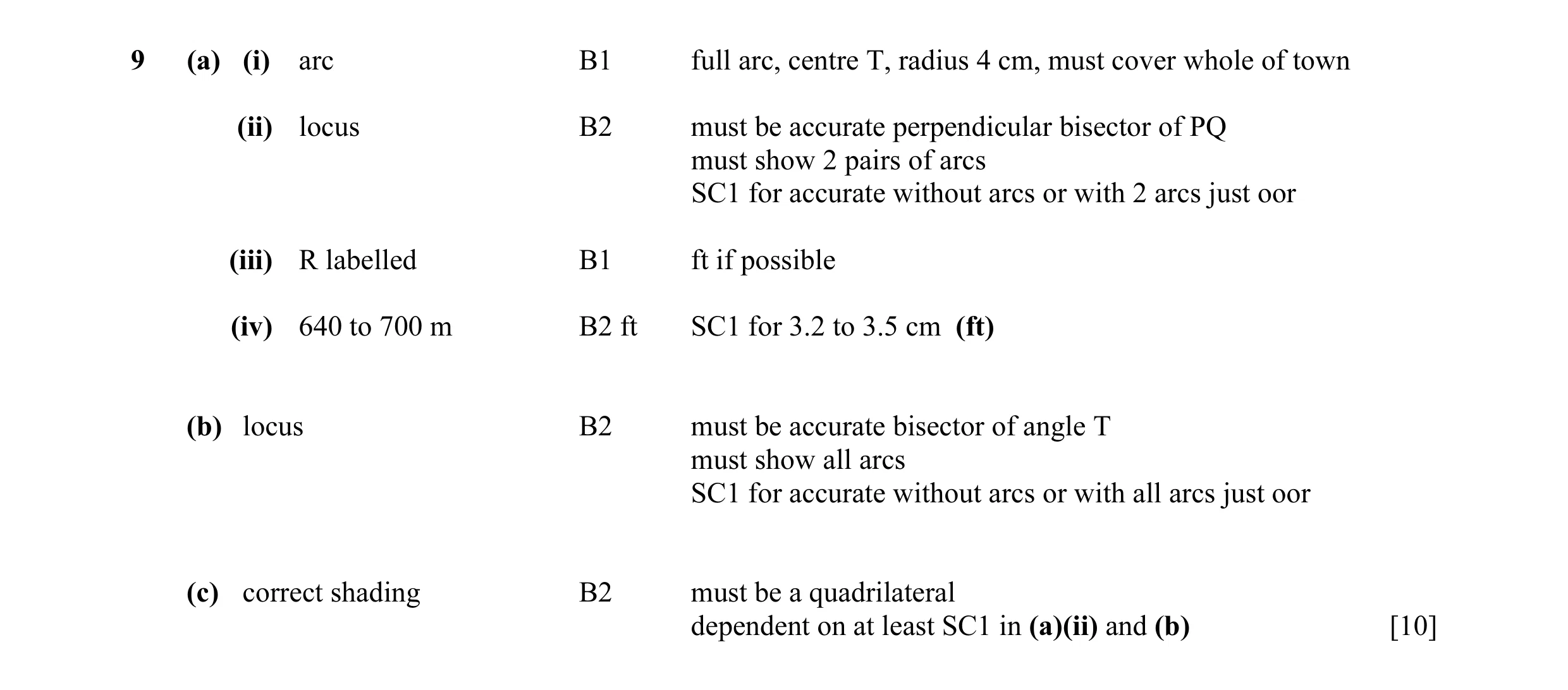 10
10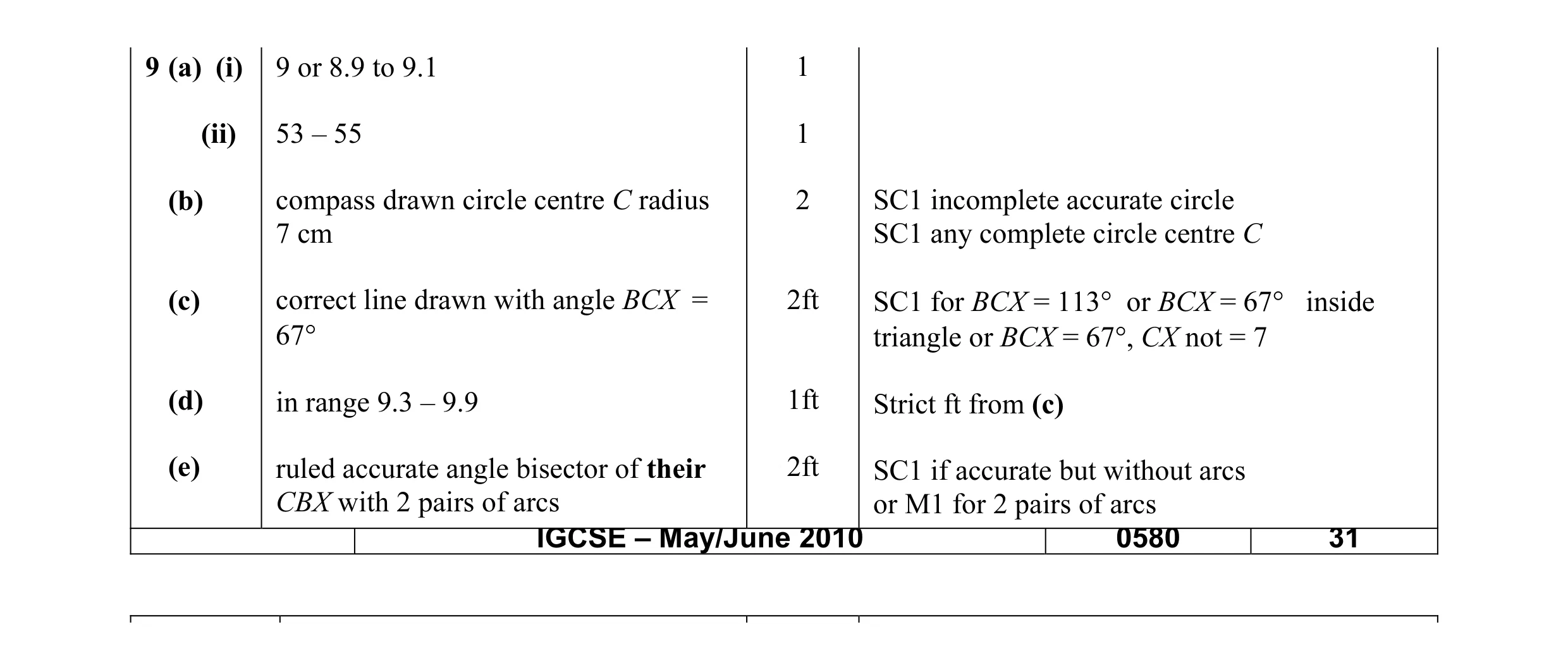 9
9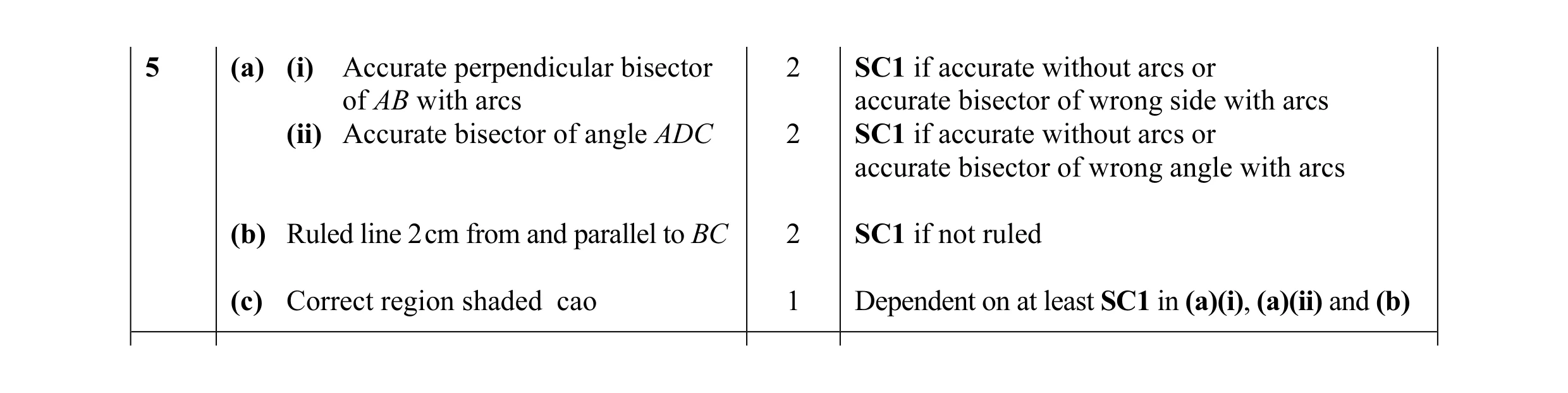 7
7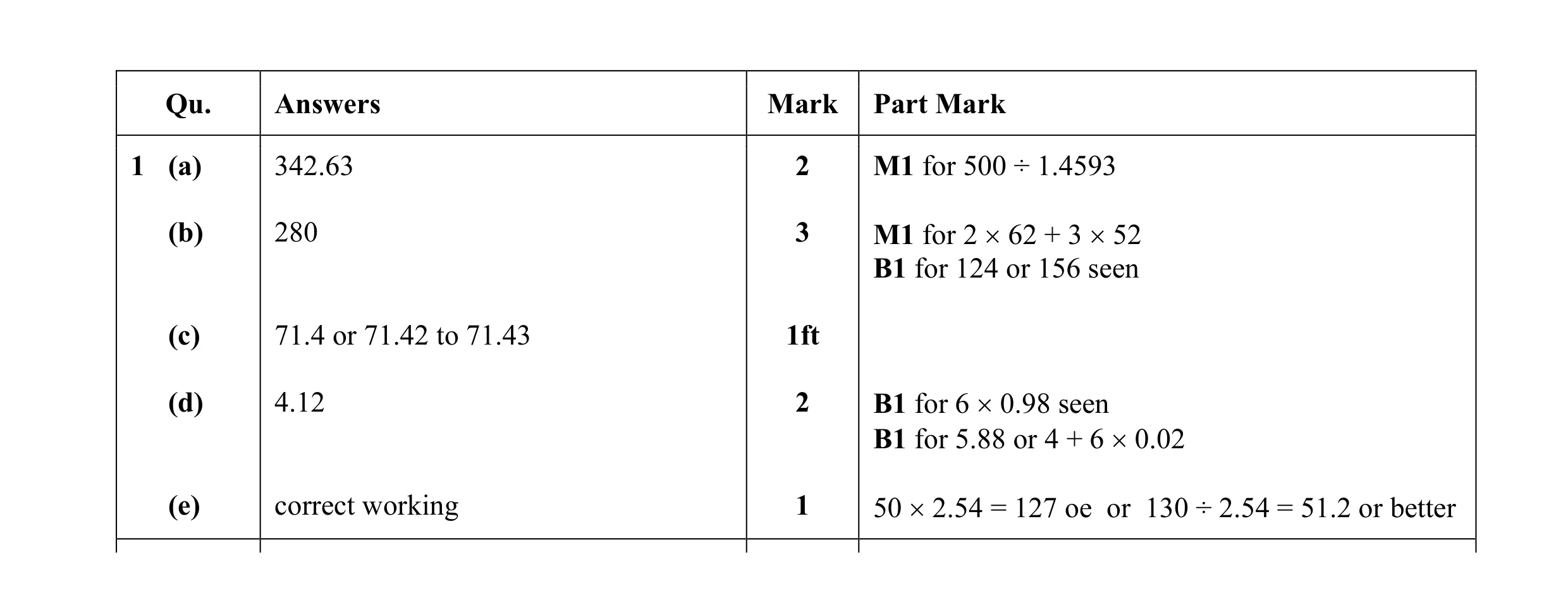 9
9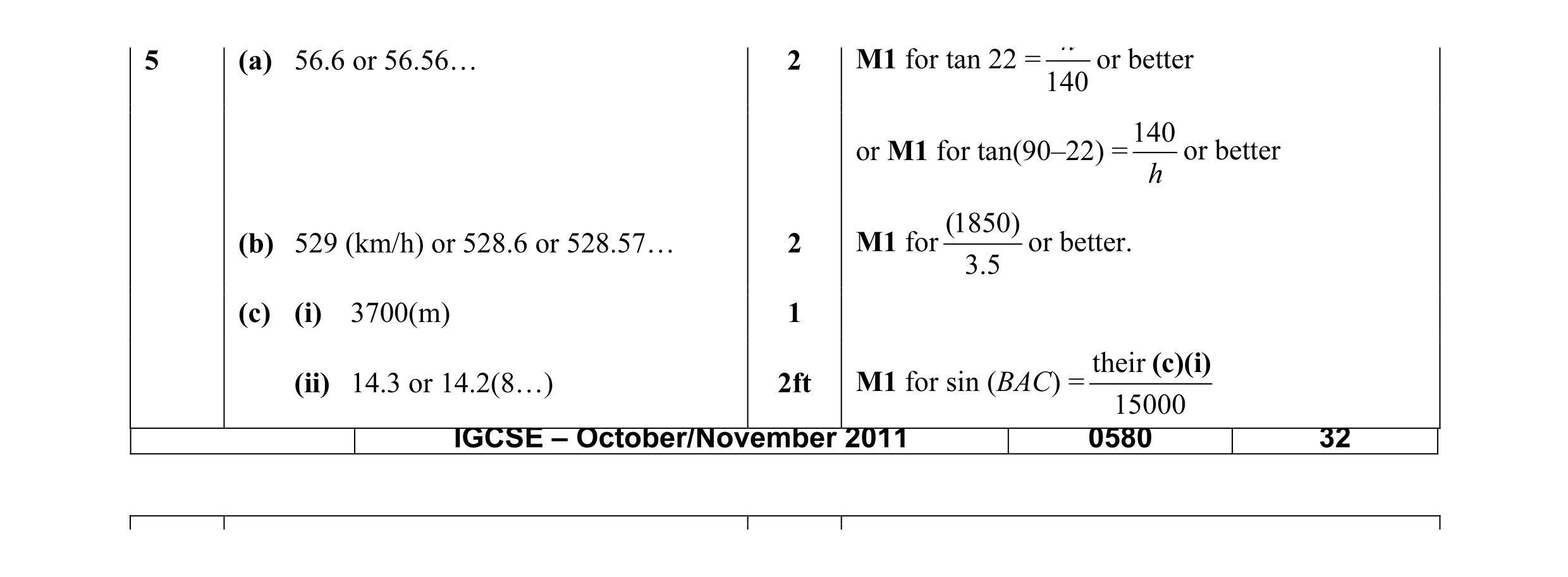 7
7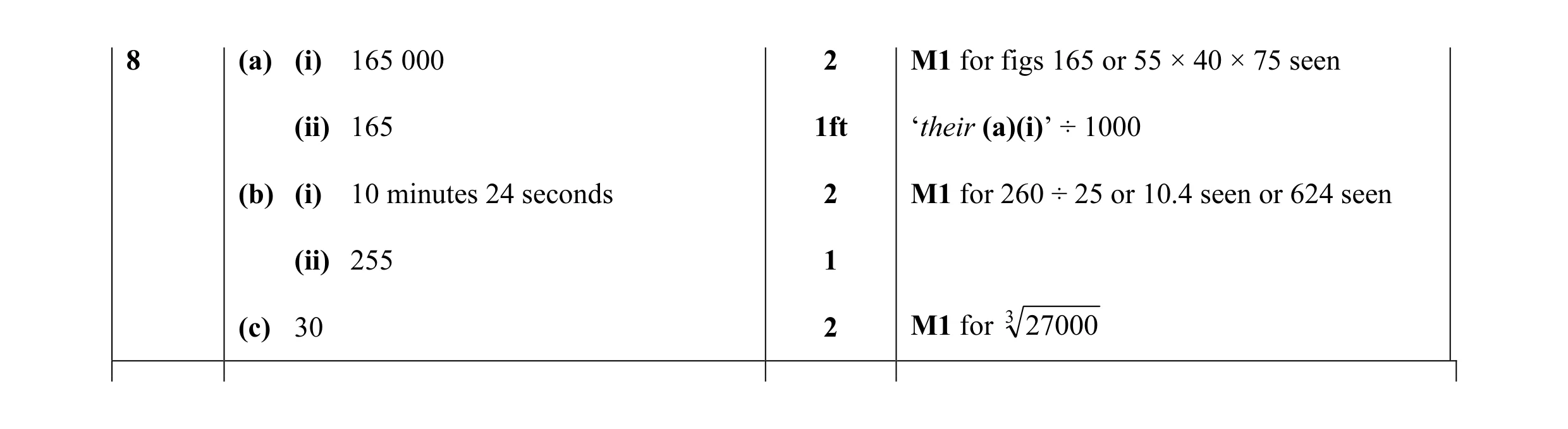 8
8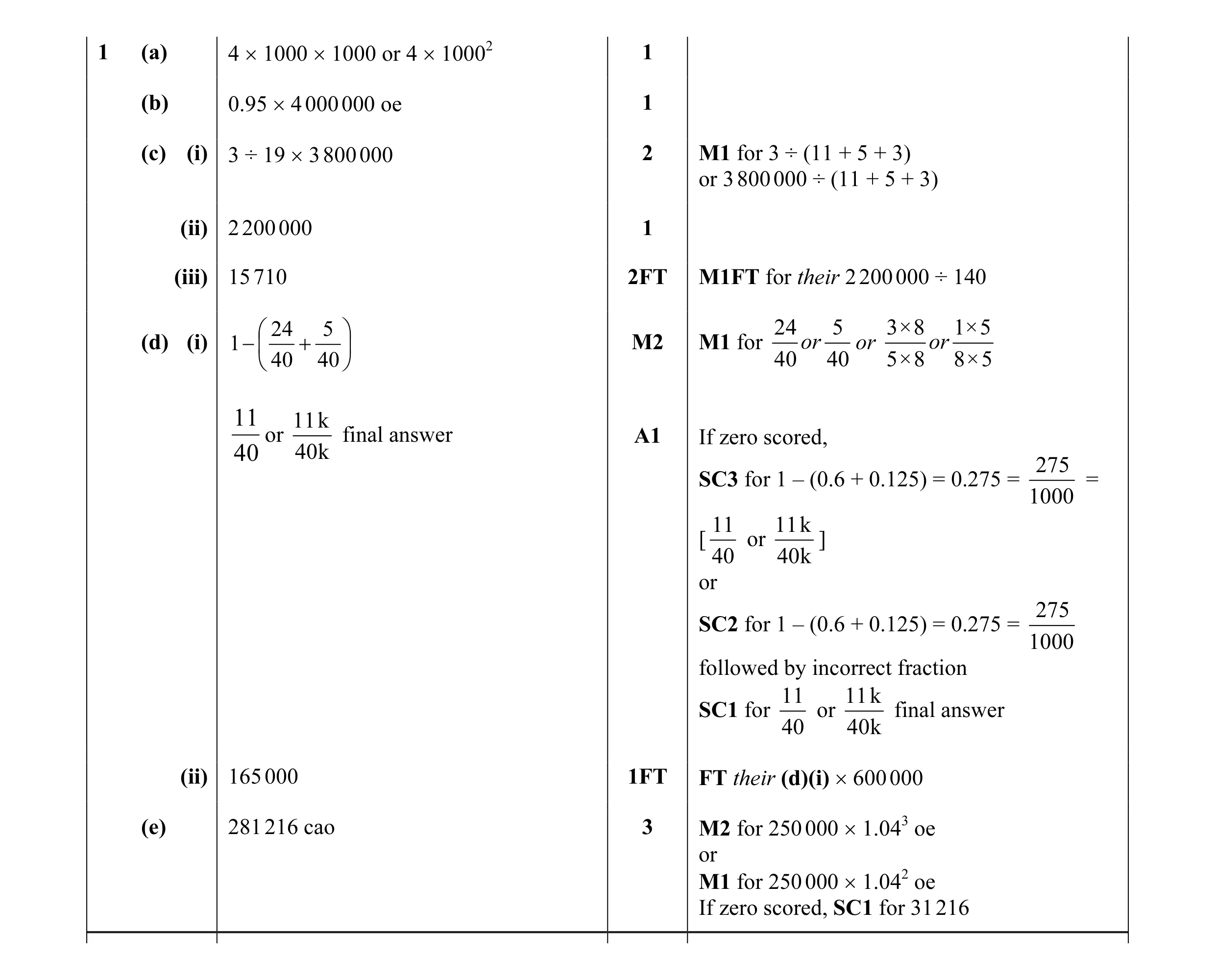 14
14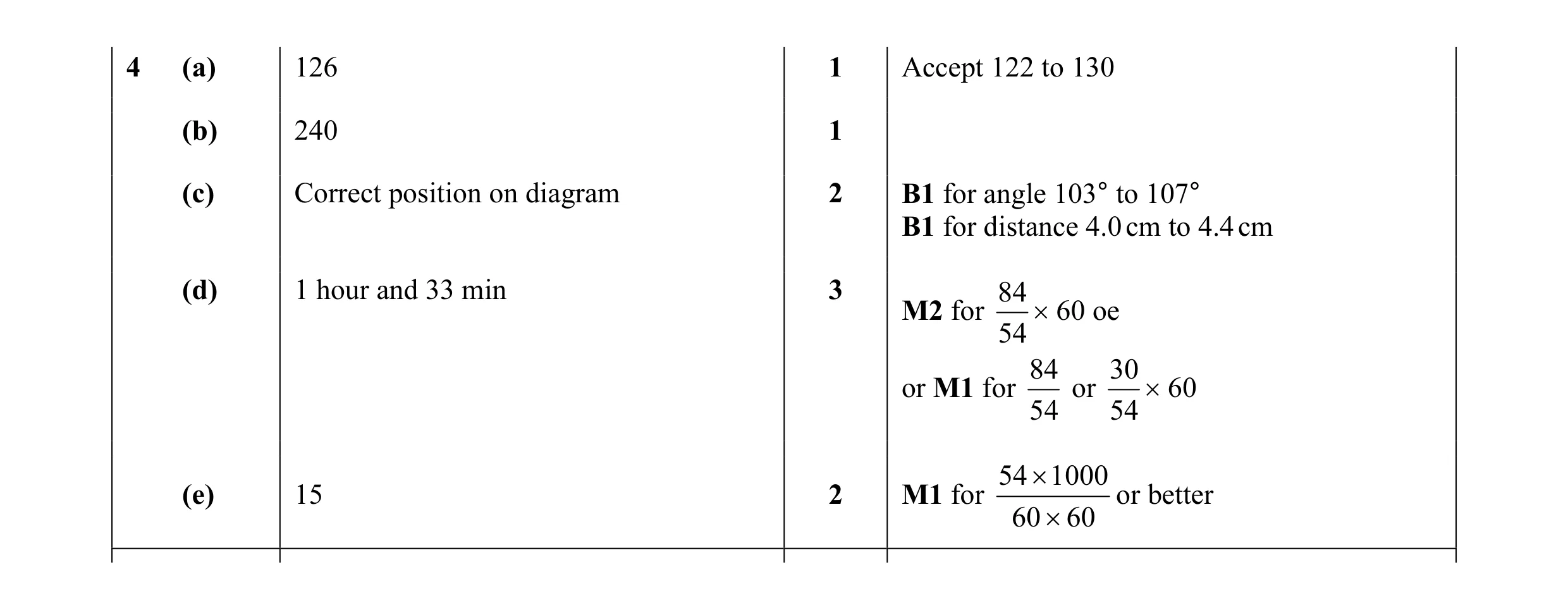 9
9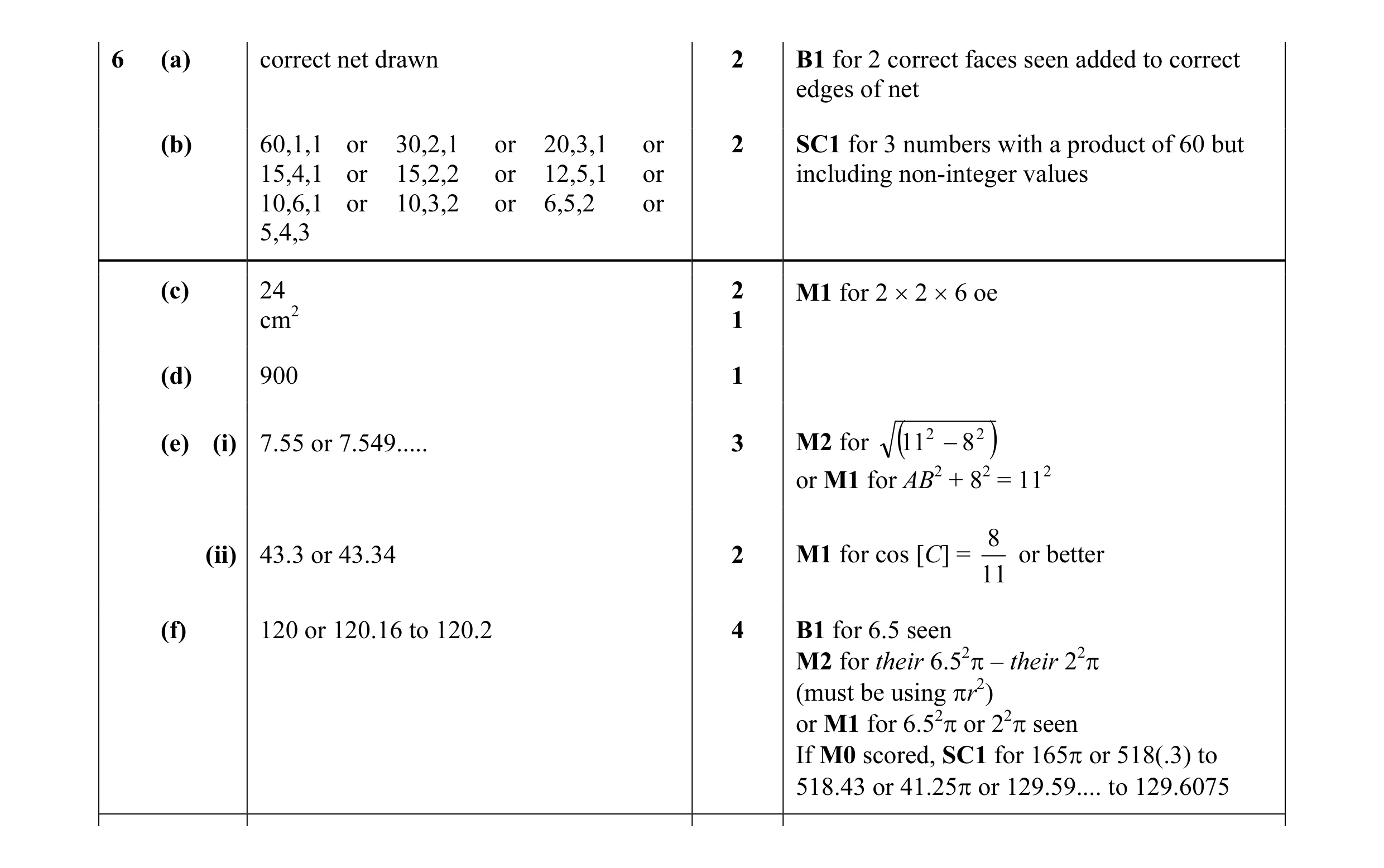 17
17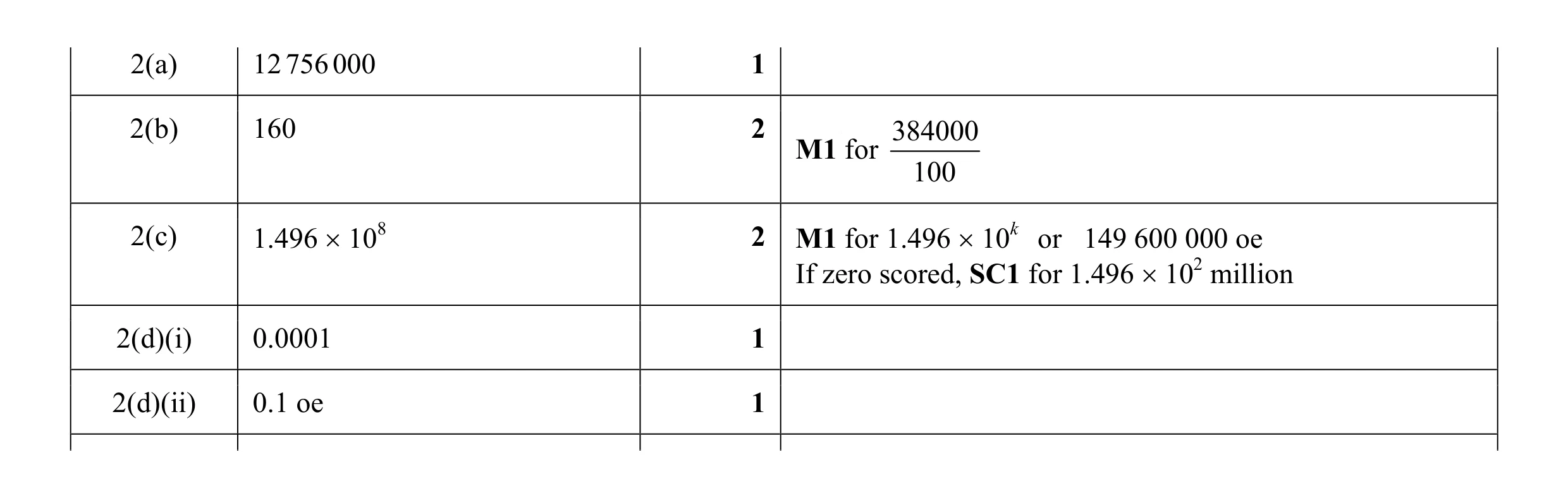 7
7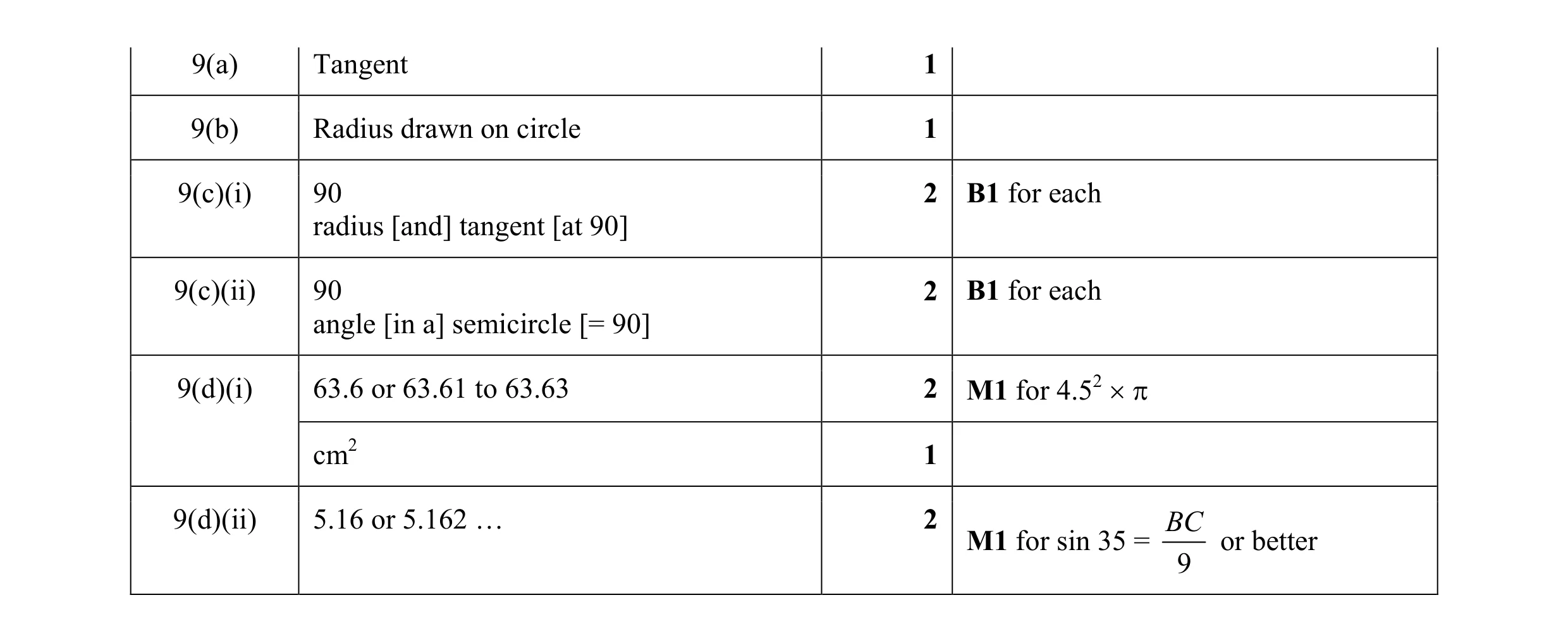 11
11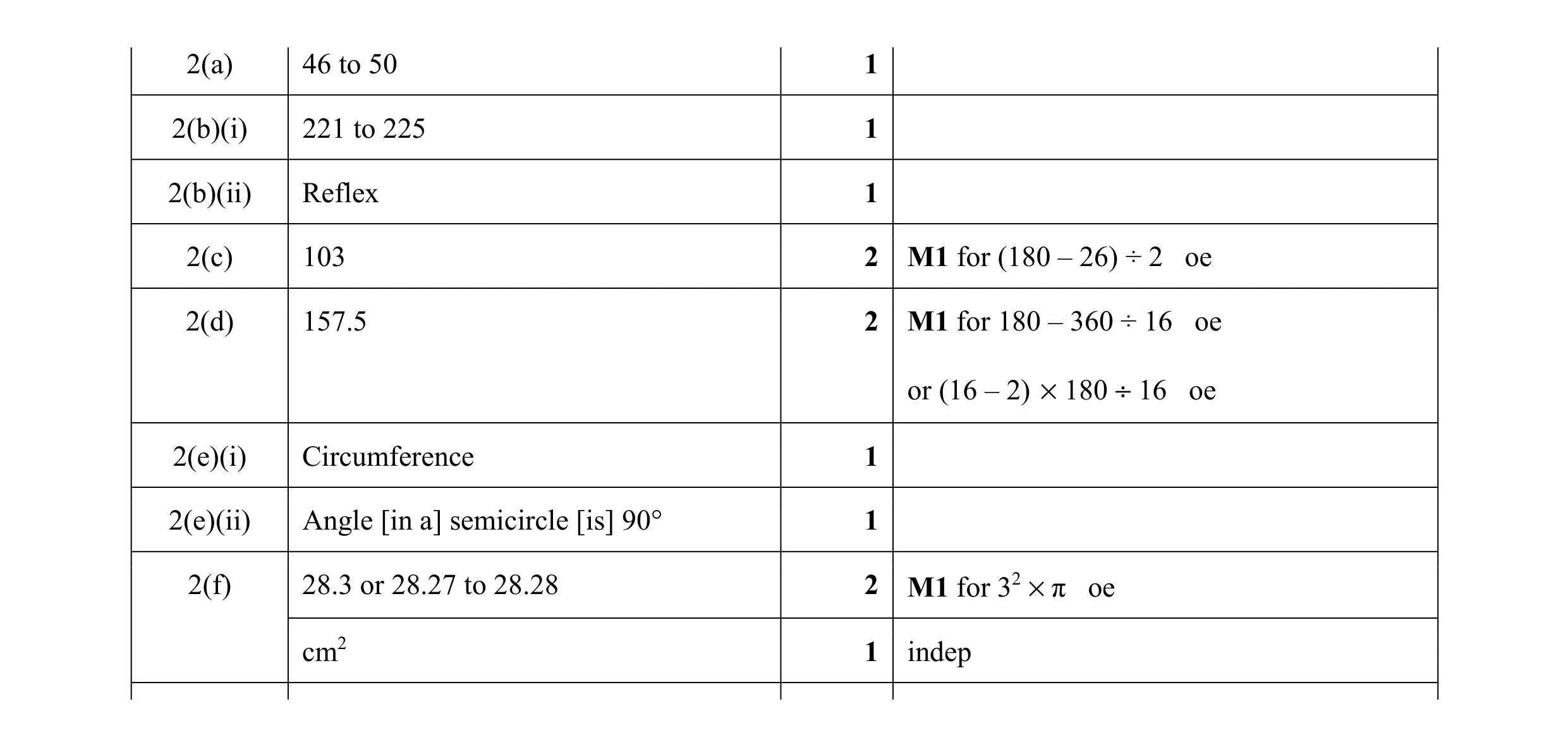 12
12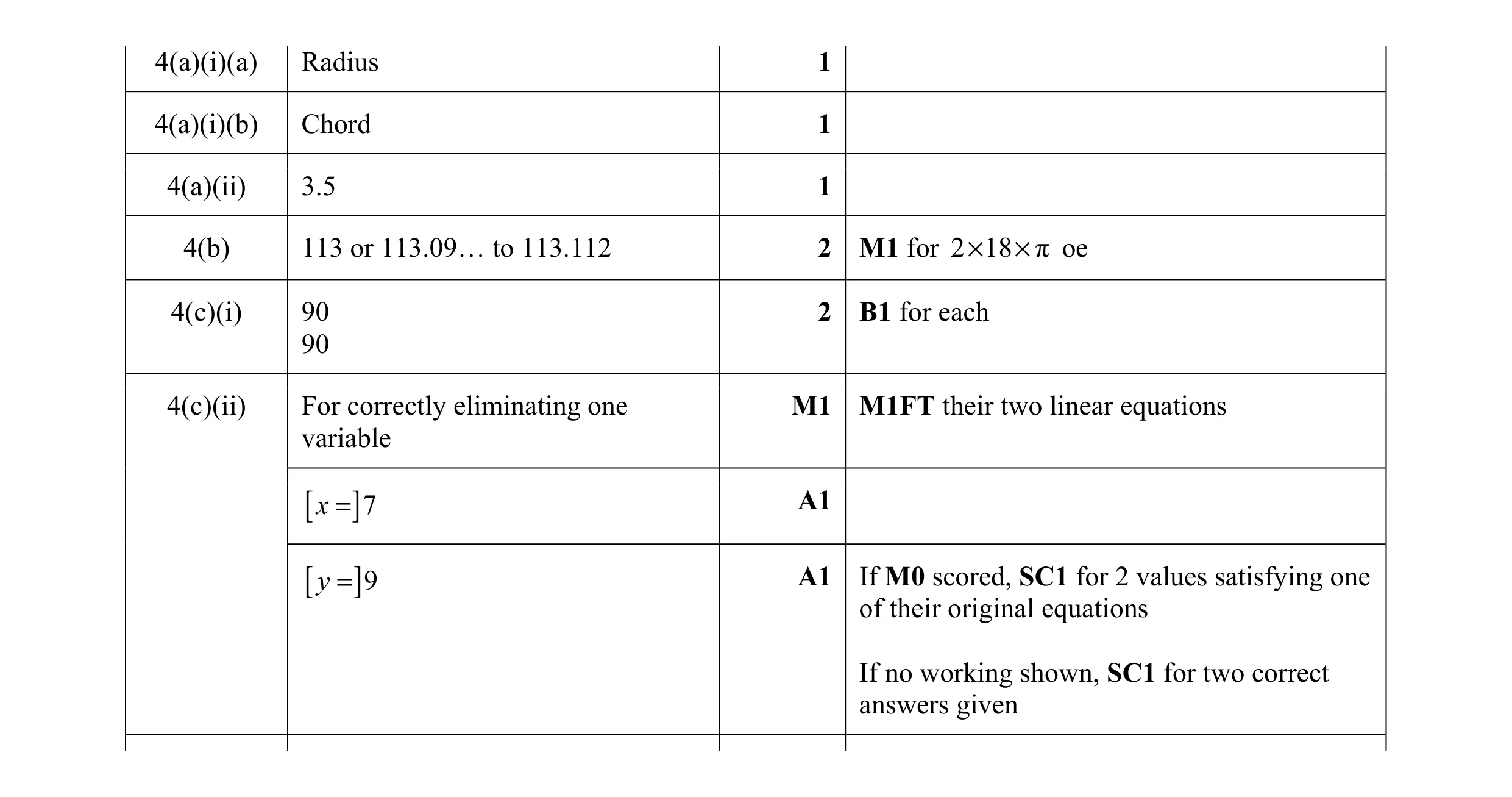 10
10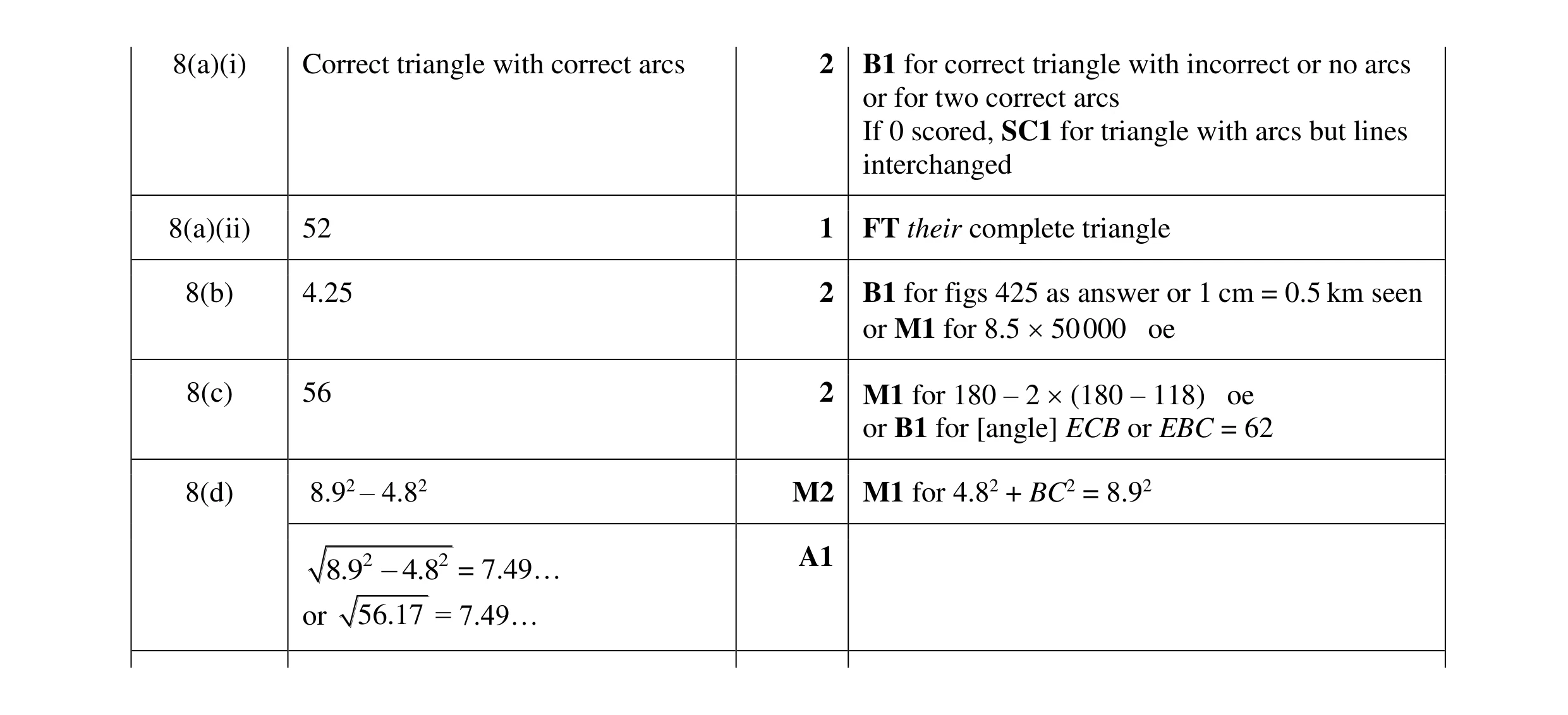 10
10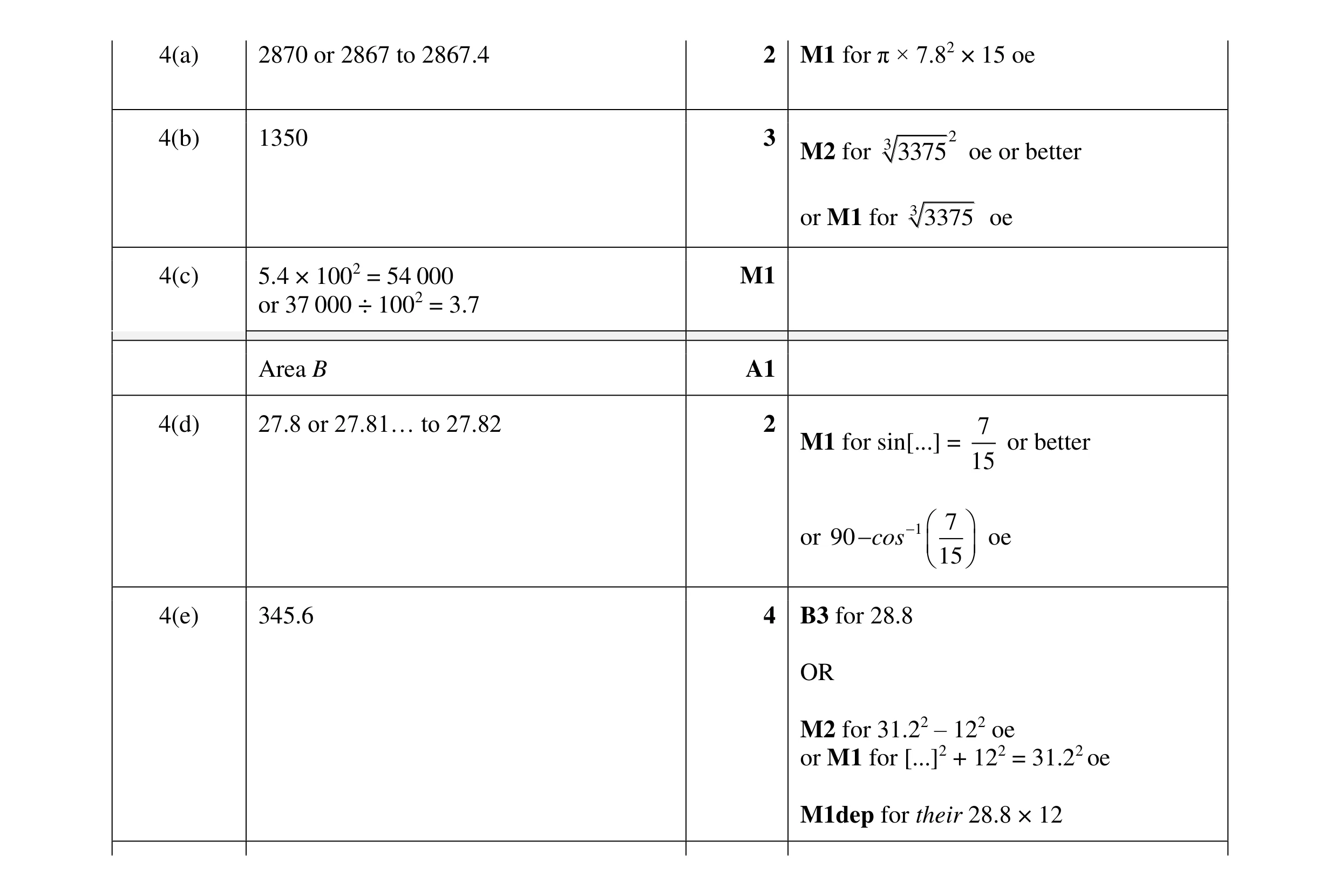 13
13 1
1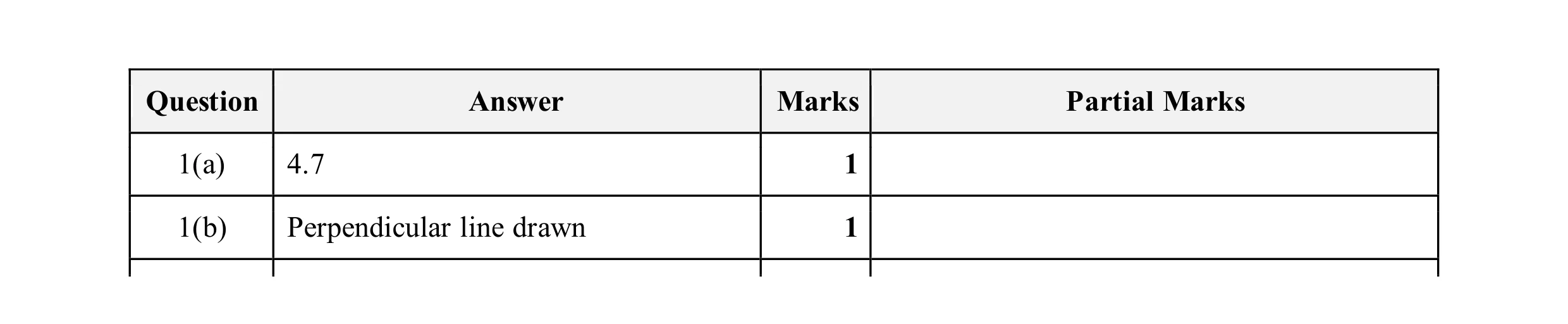 2
2