Questions as text
Q1 · In Greenton, 70% of the adults own a car 9709/52 Feb/March 2020
5 In Greenton, 70% of the adults own a car. A random sample of 8 adults from Greenton is chosen. (a) Find the probability that the number of adults in this sample who own a car is less than 6. [3] … … … … … … … … … … … … … … … … … … … … … … … … A random sample of 120 adults from Greenton is now chosen. (b) Use an approximation to find the probability that more than 75 of them own a car. [5] … … … … … … … … … … … … … … … … … … … … … … … …
8 marks
Mark scheme: 5(a) 1 – P(6, 7, 8) M1 x 8 − x One term 8Cx p (1 − p ) , 0 < p < 1, x ≠ 0 = 1 – (8C6 0.7 6 0.32 + 8C7 0.7 7 0.31 + 0.7 8 ) = 1 – 0.55177 A1 Correct unsimplified expression, or better = 0.448 A1 Alternative method for question 5(a) P(0, 1, 2, 3, 4, 5) M1 x 8 − x One term 8Cx p (1 − p ) , 0 < p < 1, x ≠ 0 = 0.38 + 8C1 0.710.37 +8C2 0.720.36 + 8C3 0.730.35 + 8C40.740.34 + 8C5 0.750.33 A1 Correct unsimplified expression, or better = 0.448 A1 3 5(b) Mean = 120 × 0.7 = 84 B1 Correct mean and variance, allow unsimplified Var = 120 × 0.7 × 0.3 = 25.2 75.5 − 84 M1 Substituting their µ and σ into the ±standardising formula (any P( more than 75) = P z > number), not σ2, not √σ 25.2 M1 Using continuity correction 75.5 or 74.5 P( z > −1.693) M1 Appropriate area Φ , from final process, must be a probability = 0.955 A1 Allow 0.9545 < p ⩽ 0.955 5
This question in 9709/52 Feb/March 2020
Q2 · Box A contains 7 red balls and 1 blue ball 9709/52 Feb/March 2020
6 Box A contains 7 red balls and 1 blue ball. Box B contains 9 red balls and 5 blue balls. A ball is chosen at random from box A and placed in box B. A ball is then chosen at random from box B. The tree diagram below shows the possibilities for the colours of the balls chosen. (a) Complete the tree diagram to show the probabilities. [3] Box A Box B Red Red Blue Red Blue Blue (b) Find the probability that the two balls chosen are not the same colour. [2] … … … … … … … … … (c) Find the probability that the ball chosen from box A is blue given that the ball chosen from box B is blue. [4] … … … … … … … … … … … … … …
9 marks
Mark scheme: 6(a) B1 Both correct probs, box A Box A Box B B1 2 probs correct for box B Red d B1 All correct probs for box B Red Blue Red Blue Blue 3 6(b) 7 5 1 9 M1 Two 2 factor terms added, correct or FT their 6(a). × + × 8 15 8 15 44 11 A1 OE = or 0.367 120 30 2 6(c) P ( A blue ∩ B blue ) M1 1 6 P(A blue |B blue) = their × seen as numerator or denom of fraction P ( B blue ) 8 15 1 6 1 × 8 15 20 = = 7 5 1 6 41 × + × 8 15 8 15 120 M1 7 5 1 6 their × + × seen 8 15 8 15 M1 7 5 1 6 their × + × seen as denominator 8 15 8 15 6 A1 = or 0.146 41 4
This question in 9709/52 Feb/March 2020
Q3 · A company produces small boxes of sweets that contain 5 jellies and 3 chocolates 9709/51 May/June 2020
3 A company produces small boxes of sweets that contain 5 jellies and 3 chocolates. Jemeel chooses 3 sweets at random from a box. (a) Draw up the probability distribution table for the number of jellies that Jemeel chooses. [4] … … … … … … … … … … … … … … … … … … … … … … … … The company also produces large boxes of sweets. For any large box, the probability that it contains more jellies than chocolates is 0.64. 10 large boxes are chosen at random. (b) Find the probability that no more than 7 of these boxes contain more jellies than chocolates. [3] … … … … … … … … … … … … … … … … … … … … … … … …
7 marks
Mark scheme: 3(a) x 0 1 2 3 Probability 1 56 15 56 30 56 10 56 (B1 for probability distribution table with correct outcome values) P(0) = 3 2 1 1 8 7 6 56 × × = P(1) = 5 3 2 15 3 8 7 6 56 × × × = P(2) = 5 4 3 30 3 8 7 6 56 × × × = P(3) = 5 4 3 10 8 7 6 56 × × = (M1 for denominator 8×7×6) M1 Any one probability correct (with correct outcome) A1 All probabilities correct A1 4 3(b) 1 – P(8, 9, 10) = 1 – 10 8 2 10 9 1 10 8 9 C 0.64 0.36 C 0.64 0.36 0.64 + + M1 1 – (0.164156 + 0.064852 + 0.11529) M1 0.759 A1 3
This question in 9709/51 May/June 2020
Q4 · On Mondays, Rani cooks her evening meal 9709/51 May/June 2020
5 On Mondays, Rani cooks her evening meal. She has a pizza, a burger or a curry with probabilities 0.35, 0.44, 0.21 respectively. When she cooks a pizza, Rani has some fruit with probability 0.3. When she cooks a burger, she has some fruit with probability 0.8. When she cooks a curry, she never has any fruit. (a) Draw a fully labelled tree diagram to represent this information. [2] (b) Find the probability that Rani has some fruit. [2] … … … … … … … … … (c) Find the probability that Rani does not have a burger given that she does not have any fruit. [4] … … … … … … … … … … … … … … …
8 marks
Mark scheme: 5(a) Fully correct labelled tree for method of transport with correct probabilities. B1 Fully correct labelled branches with correct probabilities for lateness with either 1 branch after W or 2 branches with the prob 0 B1 2 5(b) 0.35 × 0.3 + 0.44 × 0.8 (+ 0) M1 0.457 A1 2 Question Answer Marks 5(c) P(not B|not fruit) = ( ) ( ) P B' F' P F' ∩ M1 ( ) 0.35 0.7 0.21 1 1 their × + × − b M1 0.455 0.543 (M1 for 1 – their (b) or summing three appropriate 2-factor probabilities, correct or consistent with their tree diagram as denominator) M1 0.838 or 455 543 A1 4
This question in 9709/51 May/June 2020
Q5 · A total of 500 students were asked which one of four colleges they attended and whether… 9709/52 May/June 2020
2 A total of 500 students were asked which one of four colleges they attended and whether they preferred soccer or hockey. The numbers of students in each category are shown in the following table. Soccer Hockey Total Amos 54 32 86 Benn 84 72 156 Canton 22 56 78 Devar 120 60 180 Total 280 220 500 (a) Find the probability that a randomly chosen student is at Canton college and prefers hockey. [1] … … … (b) Find the probability that a randomly chosen student is at Devar college given that he prefers soccer. [2] … … … … (c) One of the students is chosen at random. Determine whether the events ‘the student prefers hockey’ and ‘the student is at Amos college or Benn college’ are independent, justifying your answer. [2] … … … … … … … …
5 marks
Mark scheme: 2(a) 56 14 or or 0.112 500 125 B1 1 2(b) ( ) ( ) ( ) P D S 120 P D|S P S 280 ∩ = = M1 120 3 or 280 7 A1 2 Question Answer Marks 2(c) P(hockey) = 220 0.44 500 = P(Amos or Benn) = 242 0.484 500 = P(hockey ∩ A or B) = 104 0.208 500 = P(H) × P(A U B) = P(H ∩ (A U B)) if independent M1 220 242 1331 500 500 6250 × = so not independent A1 2
This question in 9709/52 May/June 2020
Q6 · On any given day, the probability that Moena messages her friend Pasha is 0.72 9709/52 May/June 2020
7 On any given day, the probability that Moena messages her friend Pasha is 0.72. (a) Find the probability that for a random sample of 12 days Moena messages Pasha on no more than 9 days. [3] … … … … … … … … … … … … … … … … (b) Moena messages Pasha on 1 January. Find the probability that the next day on which she messages Pasha is 5 January. [1] … … … … … … (c) Use an approximation to find the probability that in any period of 100 days Moena messages Pasha on fewer than 64 days. [5] … … … … … … … … … … … … … … … … … … … … … … … … …
9 marks
Mark scheme: 7(a) = 1 – [12C100.72100.282 + 12C11 0.72110.281+0.7212] 1 – (0.19372 + 0.09057 + 0.01941) A1 0.696 A1 3 7(b) 0.283 × 0.72 = 0.0158 B1 1 Question Answer Marks 7(c) Mean = 100 × 0.72 = 72 Var = 100 × 0.72 × 0.28 = 20.16 M1 P(less than 64) = P 63.5 72 20.16 z − < (M1 for substituting their µ and σ into ±standardisation formula with a numerical value for ‘63.5’) M1 Using either 63.5 or 64.5 within a ±standardisation formula M1 Appropriate area Φ, from standardisation formula P(z<…) in final solution = P(z < –1.893) M1 0.0292 A1 5
This question in 9709/52 May/June 2020
Q7 · Juan goes to college each day by any one of car or bus or walking 9709/53 May/June 2020
1 Juan goes to college each day by any one of car or bus or walking. The probability that he goes by car is 0.2, the probability that he goes by bus is 0.45 and the probability that he walks is 0.35. When Juan goes by car, the probability that he arrives early is 0.6. When he goes by bus, the probability that he arrives early is 0.1. When he walks he always arrives early. (a) Draw a fully labelled tree diagram to represent this information. [2] (b) Find the probability that Juan goes to college by car given that he arrives early. [4] … … … … … … … … …
6 marks
Mark scheme: 1(a) Fully correct labelled tree for method of transport with correct probabilities. B1 Fully correct labelled branches with correct probabilities for lateness with either 1 branch after W or 2 branches with the probability 0. B1 2 1(b) P(C|E) = ( ) ( ) P C E 0.2 0.6 P E 0.2 0.6 0.45 0.1 0.35 1 ∩ × = × + × + × M1 Summing three appropriate 2-factor probabilities M1 0.12 0.515 A1 0.233 or 12 515 A1 4
This question in 9709/53 May/June 2020
Q8 · In a certain large college, 22% of students own a car 9709/53 May/June 2020
2 In a certain large college, 22% of students own a car. (a) 3 students from the college are chosen at random. Find the probability that all 3 students own a car. [1] … … … … … (b) 16 students from the college are chosen at random. Find the probability that the number of these students who own a car is at least 2 and at most 4. [3] … … … … … … … … … … … … … … … … …
4 marks
Mark scheme: 2(a) 1 2(b) P(2, 3, 4) = 16C2 2 14 16 3 13 16 4 12 3 4 0.22 0.78 0.22 0.78 0.22 0.78 C C + + M1 0.179205 + 0.235877 + 0.216221 A1 0.631 A1 3
This question in 9709/53 May/June 2020
Q9 · Find the number of different possible arrangements of the 9 letters in the word CELESTIAL 9709/53 May/June 2020
7 (a) Find the number of different possible arrangements of the 9 letters in the word CELESTIAL. [1] … … … … (b) Find the number of different arrangements of the 9 letters in the word CELESTIAL in which the first letter is C, the fifth letter is T and the last letter is E. [2] … … … … … … (c) Find the probability that a randomly chosen arrangement of the 9 letters in the word CELESTIAL does not have the two Es together. [4] … … … … … … … … … … … … … … … … … 5 letters are selected at random from the 9 letters in the word CELESTIAL. (d) Find the number of different selections if the 5 letters include at least one E and at most one L. [3] … … … … … … … … … … … … … … … … …
10 marks
Mark scheme: 7(a) 9! 2!2!= 90 720 B1 1 7(b) 6! 2! M1 360 A1 2 Question Answer Marks 7(c) 2 Es together = ( ) 8! 20160 2! = M1 Es not together = 90720 – 20160 = 70560 M1 Probability = 70560 90720 M1 7 or 0.778 9 A1 Alternative method for question 7(c) _ ^ _ ^ _ ^ _ ^ _ ^ _ ^ _ ^ _ 7! 8 7 2! 2 × × = 70560 7! × k in numerator, k integer ⩾ 1, denominator ⩾ 1 M1 Multiplying by 8C2 OE M1 Probability = 70560 90720 M1 7 or 0.778 9 A1 4 Question Answer Marks 7(d) Scenarios are: E L _ _ _ 5C3 10 E E L _ _ 5C2 10 E _ _ _ _ 5C4 5 E E _ _ _ 5C3 10 M1 Summing the number of ways for 3 or 4 correct scenarios M1 Total = 35 A1 3
This question in 9709/53 May/June 2020
Q10 · The probability that a student at a large music college plays in the band is 0.6 9709/51 Oct/Nov 2020
2 The probability that a student at a large music college plays in the band is 0.6. For a student who plays in the band, the probability that she also sings in the choir is 0.3. For a student who does not play in the band, the probability that she sings in the choir is x. The probability that a randomly chosen student from the college does not sing in the choir is 0.58. (a) Find the value of x. [3] … … … … … … … … … … … … Two students from the college are chosen at random. (b) Find the probability that both students play in the band and both sing in the choir. [2] … … … … … … … …
5 marks
Mark scheme: 2(a) 0·6 × 0·7 + 0·4(1 – x) = 0·58 ≡ 0·42 + 0·4(1 – x) = 0·58 M1 Equation of form 0·6 × a + 0·4 × b = 0·58; a = 0·3, 0·7, b = x, (1 – x) B1 Single correct product seen, condone 0·42, in an equation of appropriate form x = 0·6 A1 Alternative method for question 2(a) 0·6 × 0·3 + 0·4x = 0·42 ≡ 0·18 + 0·4x = 0·42 M1 Equation of form 0·6 x a + 0·4 x b = 0·42; a = 0·3, 0·7, b = x, (1 – x) B1 Single correct product seen, condone 0·18, in an equation of appropriate form x = 0·6 A1 3 2(b) ( ) 2 0.6 0.3 × M1 (a × b)2, a = 0·6, 0·4 and b = 0·7, 0·3, x, (1–x) or 0·182, alone. 0.0324 A1 2 M1 pn, n = 6, 7 0 < p < 1
This question in 9709/51 Oct/Nov 2020
Q11 · Kayla is competing in a throwing event 9709/51 Oct/Nov 2020
3 Kayla is competing in a throwing event. A throw is counted as a success if the distance achieved is greater than 30 metres. The probability that Kayla will achieve a success on any throw is 0.25. (a) Find the probability that Kayla takes more than 6 throws to achieve a success. [2] … … … … … … … … … (b) Find the probability that, for a random sample of 10 throws, Kayla achieves at least 3 successes. [3] … … … … … … … … … … … … …
5 marks
Mark scheme: 3(a) P(X > 6) = 6 0.75 0.178, 729 4096 A1 0·17797… 2 Question Answer Marks Guidance 3(b) 1 – P(0, 1, 2) = 1 – ( 10 0.75 + 10C1 1 9 0.25 0.75 + 10C2 2 8 0.25 0.75 ) M1 Binomial term of form 10Cx ( ) 10 1 , x x p p − − 0 < p < 1, any p, x ≠ 0, 10 1 – (0·0563135 + 0·1877117 + 0·2815676) A1 Correct unsimplified expression 0·474 A1 0·474 ⩽ p ⩽ 0·4744 3
This question in 9709/51 Oct/Nov 2020
Q12 · The random variable X takes each of the values 1, 2, 3, 4 with probability 1 Two… 9709/51 Oct/Nov 2020
4 The random variable X takes each of the values 1, 2, 3, 4 with probability 1 Two independent values 4. of X are chosen at random. If the two values of X are the same, the random variable Y takes that value. Otherwise, the value of Y is the larger value of X minus the smaller value of X. (a) Draw up the probability distribution table for Y. [4] … … … … … … … … … … … … … … (b) Find the probability that Y = 2 given that Y is even. [2] … … … … … … … …
6 marks
Mark scheme: 4(a) y 1 2 3 4 prob 7 16 5 16 3 16 1 16 B1 1 2 3 4 1 1 1 2 3 2 1 2 1 2 3 2 1 3 1 4 3 2 1 4 Probability distribution table with correct scores with at least one probability, allow extra score values if probability of zero stated’ B1 One probability (linked with correct score) correct B1 2 more probs (linked with correct scores) correct B1 FT 4th prob correct, FT sum of 3 or 4 terms = 1 4 Question Answer Marks Guidance 4(b) P(2|even) = 5 16 6 16 M1 ( ) ( ) ( ) P 2 P 2 P 4 their their their + seen or correct outcome space. 5 6 or 0·833 A1 2
This question in 9709/51 Oct/Nov 2020
Q13 · Find the number of different ways in which the 10 letters of the word SHOPKEEPER can be… 9709/51 Oct/Nov 2020
7 (a) Find the number of different ways in which the 10 letters of the word SHOPKEEPER can be arranged so that all 3 Es are together. [2] … … … … … … … … … (b) Find the number of different ways in which the 10 letters of the word SHOPKEEPER can be arranged so that the Ps are not next to each other. [4] … … … … … … … … … … … … … … (c) Find the probability that a randomly chosen arrangement of the 10 letters of the word SHOPKEEPER has an E at the beginning and an E at the end. [2] … … … … … … … … … Four letters are selected from the 10 letters of the word SHOPKEEPER. (d) Find the number of different selections if the four letters include exactly one P. [3] … … … … … … … … … … … … …
11 marks
Mark scheme: 7(a) 8! 2! M1 ( ) 8! 7! 8 ! ,where , , where 2 ! a k a k k × ≡ ∈ ∈ 20160 A1 2 Question Answer Marks Guidance 7(b) Total number of ways: ( ) 10! 302400 2!3! = (A) B1 Accept unsimplified With Ps together: 9! ( 3! = 60 480) (B) B1 Accept unsimplified With Ps not together: 302 400 – 60 480 M1 10! 9! m n − , m, n integers or (A) – (B) if clearly identified 241 920 A1 Alternative method for question 7(b) 8! 3! B1 k × 8! in numerator, k a positive integer, no ± B1 m × 3! in denominator, m a positive integer, no ± 9 8 2 × × M1 Their 8! 3!multiplied by 9C2 or 9P2 no additional terms 241 920 A1 Exact value, WWW 4 Question Answer Marks Guidance 7(c) Probability = Number of ways Es at beginning and end Total number of ways Probability = 8! 2! 10! 2! 3! × = 20160 302400 M1 8! ! 10! ! ! k k l 1 ⩽ k, l ∈ ℕ ⩽ 3, FT denominator from 7(b) or correct 1 15 , 0·0667 A1 Alternative method for question 7(c) Probability = 3 2 10 9 × M1 1 3,2 10 9 a a a − × = 1 15 , 0·0667 A1 Alternative method for question 7(c) Probability = 1 1 3! 10 9 × × M1 1 1 !, 3,2 10 9 m m × × = 1 15 , 0.0667 A1 2 Question Answer Marks Guidance 7(d) Scenarios: P E E E 5C0 = 1 P E E _ 5C1 = 5 P E _ _ 5C2 = 10 P _ _ _ 5C3 = 10 M1 5Cx seen alone, 1 ⩽ x ⩽ 4 M1 Summing the number of ways for 3 or 4 correct scenarios (can be unsimplified), no incorrect scenarios Total = 26 A1 3
This question in 9709/51 Oct/Nov 2020
Q14 · A fair six-sided die, with faces marked 1, 2, 3, 4, 5, 6, is thrown repeatedly until a 4… 9709/52 Oct/Nov 2020
1 A fair six-sided die, with faces marked 1, 2, 3, 4, 5, 6, is thrown repeatedly until a 4 is obtained. (a) Find the probability that obtaining a 4 requires fewer than 6 throws. [2] … … … … … … … … … … On another occasion, the die is thrown 10 times. (b) Find the probability that a 4 is obtained at least 3 times. [3] … … … … … … … … … … … …
5 marks
Mark scheme: 1(a) 5 5 1 6 − or 2 3 4 1 5 1 5 1 5 1 5 1 6 6 6 6 6 6 6 6 6 + × + × + × + × or p + pq + pq2+pq3+ pq4 (+ pq5) 0 < p < 1, p + q = 1, 0·598, 4651 7776 A1 2 1(b) (1 – P(0, 1, 2)) 1 – 10 5 6 +10C1 9 1 5 6 6 + 10C2 2 8 1 5 6 6 M1 10Cx ( ) 10 1 , − − x x p p 0 < p < 1, any p, x ≠ 0,10 1 – (0·1615056 + 0·3230111 + 0·290710) A1 Correct expression, accept unsimplified, condone omission of final bracket 0·225 A1 0·2247 < p ≤ 0·225, WWW 3
This question in 9709/52 Oct/Nov 2020
Q15 · Mr and Mrs Ahmed with their two children, and Mr and Mrs Baker with their three children… 9709/52 Oct/Nov 2020
6 Mr and Mrs Ahmed with their two children, and Mr and Mrs Baker with their three children, are visiting an activity centre together. They will divide into groups for some of the activities. (a) In how many ways can the 9 people be divided into a group of 6 and a group of 3? [2] … … … … … … … … 5 of the 9 people are selected at random for a particular activity. (b) Find the probability that this group of 5 people contains all 3 of the Baker children. [3] … … … … … … … … … … … … … All 9 people stand in a line. (c) Find the number of different arrangements in which Mr Ahmed is not standing next to Mr Baker. [3] … … … … … … … … … … … (d) Find the number of different arrangements in which there is exactly one person between Mr Ahmed and Mr Baker. [3] … … … … … … … … … … …
11 marks
Mark scheme: 6(a) Condone 9C6 + 3C3, 9P6 × 3P3 84 A1 Accept unevaluated. 2 6(b) Number with 3 Baker children = 6C2 or 15 B1 Correct seen anywhere, not multiplied or added Total no of selections = 9C5 or 126 Probability = number of selections with 3 Baker children total number of selections M1 Seen as denominator of fraction 15 126 , 0·119 A1 OE, e.g. 5 42 Alternative method for question 6(b) 5 3 3 2 1 6 5 9 8 7 6 5 × × × × × C B1 5C3 (OE) or 10 seen anywhere, multiplied by fractions only, not added M1 3 2 1 6 5 9 8 7 6 5 × × × × × k , 1 ⩽ k, k integer 15 126 , 0·119 A1 OE, e.g. 5 42 3 Question Answer Marks Guidance 6(c) [Total no of arrangements = 9!] [Arrangements with men together = 8! × 2] Not together: 9! – M1 9! – k or 362880 – k, k an integer<362 880 8! × 2 B1 8! × 2(!) or 80 640 seen anywhere 282 240 A1 Exact value Alternative method for question 6(c) 7! × 8 × 7 B1 7! × k, k positive integer > 1 M1 m × 8 × 7, m × 8P2, m × 8C2 m positive integer > 1 282 240 A1 Exact value 3 6(d) 7! × 2 × 7 M1 7! × k, k positive integer > 1 If 7! not seen, condone 7 × 6 × 5 × 4 × 3 × 2 × (1) × k or 7 × 6! × k only M1 m × 2 × 7, m positive integer > 1 70 560 A1 3
This question in 9709/52 Oct/Nov 2020
Q16 · An ordinary fair die is thrown until a 6 is obtained 9709/53 Oct/Nov 2020
2 An ordinary fair die is thrown until a 6 is obtained. (a) Find the probability that obtaining a 6 takes more than 8 throws. [2] … … … … … … Two ordinary fair dice are thrown together until a pair of 6s is obtained. The number of throws taken is denoted by the random variable X. (b) Find the expected value of X. [1] … … … … (c) Find the probability that obtaining a pair of 6s takes either 10 or 11 throws. [2] … … … … … … … … … …
5 marks
Mark scheme: 2(a) 8 5 6 0.233 A1 2 2(b) 36 B1 1 2(c) P(X =10) + P(X=11) = 9 10 35 1 35 1 36 36 36 36 + M1 OE, unsimplified expression in form 9 10 + p q p q , p + q = 1, no × 0.0425 A1 2
This question in 9709/53 Oct/Nov 2020
Q17 · The 13 00 train from Jahor to Keman runs every day 9709/53 Oct/Nov 2020
4 The 13 00 train from Jahor to Keman runs every day. The probability that the train arrives late in Keman is 0.35. (a) For a random sample of 7 days, find the probability that the train arrives late on fewer than 3 days. [3] … … … … … … … … A random sample of 142 days is taken. (b) Use an approximation to find the probability that the train arrives late on more than 40 days. [5] … … … … … … … … … … … … …
8 marks
Mark scheme: 4(a) 7 0.65 + 7C1 6 1 0.65 0.35 + 7C2 5 2 0.65 0.35 M1 Binomial term of form 7Cx ( ) 7 1 , − − x x p p 0 < p < 1, any p, x ≠ 0, 7 0.049022 + 0.184776 + 0.29848 A1 Correct unsimplified answer 0.532 A1 3 4(b) Mean = 142 0.35 49.7 × = Variance = 142 0.35 0.65 32.305 × × = B1 Correct unsimplified np and npq (condone σ = 5.684 evaluated) P(X > 40) = P( 40.5 49.7) 32.305 − > z M1 Substituting their µ and σ (no 2 or σ σ ) into ±standardisation formula with a numerical value for '40.5' P( 1.619) > − z M1 Using either 40.5 or 39.5 within a ±standardisation formula M1 Appropriate area Φ , from standardisation formula P(z >…) in final solution, must be probability 0.947 A1 Correct final answer 5
This question in 9709/53 Oct/Nov 2020
Q18 · The 8 letters in the word RESERVED are arranged in a random order 9709/53 Oct/Nov 2020
5 The 8 letters in the word RESERVED are arranged in a random order. (a) Find the probability that the arrangement has V as the first letter and E as the last letter. [3] … … … … … … … … … … … (b) Find the probability that the arrangement has both Rs together given that all three Es are together. [4] … … … … … … … … … … …
7 marks
Mark scheme: 5(a) Total number of ways = 8! 3!2! (= 3360) B1 Correct unsimplified expression for total number of ways Number of ways with V and E in correct positions = 6! 2! 2! × (= 180) B1 6! 2! 2! × alone or as numerator in an attempt to find the number of ways with V and E in correct positions. No , × ± Probability = 180 3360 3 56 = or 0.0536 B1 FT Final answer from their 6! 2! 2! × divided by their total number of ways Alternative method for question 5(a) 1 3 8 7 × M1 8 7 × a b seen, no other terms (correct denominators) M1 1 3 × c d seen, no other terms (correct numerators) 3 56 or 0.0536 A1 3 Question Answer Marks Guidance 5(b) Rs together and Es together: 5! (120) B1 Alone or as numerator of probability to represent the number of ways with Rs and Es together, no ×, +, – Es together: ( ) 6! 360 2! = B1 Alone or as denominator of probability to represent the number of ways with Es together, no ×, + or – Probability = 5! 6! 2! M1 5! 6! 2! their their seen 1 3 A1 OE Alternative method for question 5(b) P(Rs together and Es together): 5! 1 total number of ways 28 their = B1 P(Es together): 6! 3 2! 28 total number of ways their = B1 Alone or as numerator of probability to represent the P(Rs and Es together), no ×, +, – Probability = 1 28 3 28 M1 Alone or as denominator of probability to represent the P(Es together), no ×, + or – 1 3 A1 OE, 1 28 3 28 their their seen 4
This question in 9709/53 Oct/Nov 2020
Q19 · A fair spinner with 5 sides numbered 1, 2, 3, 4, 5 is spun repeatedly 9709/52 Feb/March 2021
1 A fair spinner with 5 sides numbered 1, 2, 3, 4, 5 is spun repeatedly. The score on each spin is the number on the side on which the spinner lands. (a) Find the probability that a score of 3 is obtained for the first time on the 8th spin. [1] … … … … … … … (b) Find the probability that fewer than 6 spins are required to obtain a score of 3 for the first time. [2] … … … … … … … … … … … … … … …
3 marks
Mark scheme: 1(a) 7 4 1 5 5 = 16384 390625 or 0∙0419[43…] 1 1(b) 5 4 1 5 − or 2 3 4 1 4 1 4 1 4 1 4 1 5 5 5 5 5 5 5 5 5 + × × + × + × M1 1 – pn n = 5,6 or p + pq + pq2+pq3+ pq4 (+ pq5) 0 < p < 1, p + q = 1, Sum of a geometric series may be used. 2101 3125 or 0∙672[32] A1 Final answer. Alternative method for question 1(b) [P(at least 1 three scored in 5 throws) =] 5 4 3 2 2 3 4 5 5 5 5 4 3 2 4 1 1 4 1 4 1 4 1 4 C C C C 5 5 5 5 5 5 5 5 5 + + + + M1 5 5 4 5 3 2 5 2 3 5 4 4 3 2 1 ( ) C ( ) ( ) C ( ) ( ) C ( ) ( ) C ( )( ) p p q p q p q p q + + + + or 6 6 5 6 4 2 6 3 3 5 4 3 6 2 4 6 5 2 1 , 0 1, 1 ( ) C ( ) ( ) C ( ) ( ) C ( ) ( ) C ( ) ( ) C ( )( ) p p p q p q p q p q p q p q + + < < + + + = + At least first, last and one intermediate term is required to show pattern of terms if not all terms stated. 2101 3125 or 0∙672[32] A1 Final answer. 2
This question in 9709/52 Feb/March 2021
Q20 · Georgie has a red scarf, a blue scarf and a yellow scarf 9709/52 Feb/March 2021
2 Georgie has a red scarf, a blue scarf and a yellow scarf. Each day she wears exactly one of these scarves. The probabilities for the three colours are 0.2, 0.45 and 0.35 respectively. When she wears a red scarf, she always wears a hat. When she wears a blue scarf, she wears a hat with probability 0.4. When she wears a yellow scarf, she wears a hat with probability 0.3. (a) Find the probability that on a randomly chosen day Georgie wears a hat. [2] … … … … … … … … … … (b) Find the probability that on a randomly chosen day Georgie wears a yellow scarf given that she does not wear a hat. [3] … … … … … … … … … … …
5 marks
Mark scheme: 2(a) 0.2 1 0.45 0.4 0.35 0.3 × + × + × M1 0∙2 [× 1] + 0∙45 × b + 0∙35 × c, b = 0∙4, 0∙6 c = 0∙3, 0∙7 0∙485 or 97 200 A1 2 2(b) ( ) ( ) ( ) 0.35 0.7 0.245 | 1 0.515 ∩ × = = = − P Y H P Y H their P H (a) B1 0∙35 × 0∙7 or 0∙245 seen as numerator or denominator of fraction. M1 0∙515 or 1 – their (a) or [0∙3 × 0 +] 0∙45 × d + 0∙35 × e, where d = their b′, e = their c′ seen as denominator of fraction. 0∙476 or 49 103 A1 0∙4757 ⩽ p ⩽ 0∙476 3
This question in 9709/52 Feb/March 2021
Q21 · There are 400 students at a school in a certain country 9709/52 Feb/March 2021
7 There are 400 students at a school in a certain country. Each student was asked whether they preferred swimming, cycling or running and the results are given in the following table. Swimming Cycling Running Female 104 50 66 Male 31 57 92 A student is chosen at random. (a) (i) Find the probability that the student prefers swimming. [1] … … … … … (ii) Determine whether the events ‘the student is male’ and ‘the student prefers swimming’ are independent, justifying your answer. [2] … … … … … … … … … … … … … … On average at all the schools in this country 30% of the students do not like any sports. (b) (i) 10 of the students from this country are chosen at random. Find the probability that at least 3 of these students do not like any sports. [3] … … … … … … … … … (ii) 90 students from this country are now chosen at random. Use an approximation to find the probability that fewer than 32 of them do not like any sports. [5] … … … … … … … … … … … …
11 marks
Mark scheme: 7(a)(i) 104 31 135 27 , 400 400 80 + = , 0∙3375 B1 Evaluated, exact value. 1 7(a)(ii) Method 1 ( ) 180 P 400 = M , 0∙45 ( ) 135 P 400 = S , 0∙3375 ( ) 31 P 400 ∩ = M S , 0∙0775 180 135 243 31 ,0.151875 400 400 1600 400 × = ≠ so NOT independent M1 Their P(M) × their P(S) seen, accept unsimplified. A1 P(M), P(S) and P(M ∩ S) notation seen, numerical comparison and correct conclusion, WWW. Method 2 ( ) 31 P 400 ∩ = M S ( ) 135 P 400 = S ( ) 180 P 400 = M ( ) 31 31 400 P | , 0.2296 135 135 400 = = … M S 180 400 ≠ so NOT independent M1 ( ) ( ) ( ) P [P | ] P ∩ = their M S M S their S (oe) seen, accept unsimplified. A1 P(M), P(S) and P(M ∩ S) notation seen, numerical comparison and correct conclusion, WWW. 2 Question Answer Marks Guidance 7(b)(i) Method 1 [1 – P(0,1,2)] = 1 – (10C0 0∙30 0∙710 + 10C1 0∙31 0∙79 + 10C2 0∙32 0∙78) M1 10Cx px (1 – p)10-x for 0 < × < 10, 0 < p < 1, any p. = 1 – (0∙028248 + 0∙121061 + 0∙233474) A1 Correct expression, accept unsimplified, condone omission of final bracket, condone recovery from poor notation. = 0∙617 A1 Accept 0∙61715 ⩽ p ⩽ 0∙61722, WWW. Method 2 [P(3,4,5,6,7,8,9,10) =] 10C3 0∙33 0∙77 + 10C4 0∙34 0∙76 + 10C5 0∙35 0∙75 + 10C6 0∙36 0∙74 + 10C7 0∙37 0∙73 + 10C8 0∙38 0∙72 + 10C9 0∙39 0∙71 + 10C10 0∙310 0∙70 M1 10Cx px (1 – p)10–x for 0 < × < 10, 0 < p < 1, any p. A1 Correct unsimplified expression. = 0∙617 A1 Accept 0∙61715 ⩽ p ⩽ 0∙61722, WWW. 3 Question Answer Marks Guidance 7(b)(ii) [p = 0∙3] Mean = 0∙3 × 90 = 27; variance = 0∙3 × 90 × 0∙7 = 18∙9 B1 Correct mean and variance, allow unsimplified. Condone σ = 4∙347 evaluated. P(X < 32) = 31.5 27 18.9 − < P z M1 Substituting their μ and σ (not σ2, √σ) into the ±standardising formula with a numerical value for ‘31∙5’. M1 Using either 31∙5 or 32∙5 within a ±standardising formula with numerical values for their μ and σ (condone σ2, √σ). ( ) 1.035 =Φ M1 Appropriate area Φ, from standardisation formula P(z<…) in final solution, must be probability. = 0∙850 A1 Allow 0∙8495 < p ⩽ 0∙85(0), final answer WWW. 5
This question in 9709/52 Feb/March 2021
Q22 · How many different arrangements are there of the 8 letters in the word RELEASED? 9709/51 May/June 2021
3 (a) How many different arrangements are there of the 8 letters in the word RELEASED? [1] … … … … … … … (b) How many different arrangements are there of the 8 letters in the word RELEASED in which the letters LED appear together in that order? [3] … … … … … … … … … … … … … … … … (c) An arrangement of the 8 letters in the word RELEASED is chosen at random. Find the probability that the letters A and D are not together. [4] … … … … … … … … … … … … … … … … … … … … … … … …
8 marks
Mark scheme: 3(a) 8! 3! = 6720 1 3(b) _ _ _ L E D _ _ : With LED together: 6! 2! M1 6! k or 5! 6 x k k ⩾ 1 and no other terms M1 2! m , m an integer, m ⩾ 5 360 A1 CAO 3 3(c) Method using _ _ _ A _ D _ _ : Arrange the 6 letters RELESE = 6! 3! [= 120] *M1 6! 3!×k seen, k an integer > 0 Multiply by number of ways of placing AD in non-adjacent places = their 120 × 7P2 [= 5040] *M1 ( ) 1 × − m n n or 2 × n m C or 2 × n m P , n = 6, 7 or 8, m an integer > 0 [Probability =] 5040 6720 their their DM1 Denominator = their (a) or correct, dependent on at least one M mark already gained. 5040 3 or or 0.75 6720 4 A1 Alternative method for Question 3(c) Method using ‘Total arrangements – Arrangements with A and D together’: Their 6720 – 7! 2 3! × [= 5040] *M1 Their 6720 – k, k a positive integer *M1 ( ) 7! , 1,2 3! × − = k m k Question Answer Marks Guidance [Probability =] 5040 6720 their their DM1 With denominator = their (a) or correct, dependent on at least one M mark already gained. 5040 3 or or 0.75 6720 4 A1 Alternative method for Question 3(c) Method using ‘1 – Probability of arrangements with A and D together’: 7! 2 3! × [= 1680] *M1 7! , 1,2 3! × = k k [Probability =] 1 680 6720 their their *M1 With denominator = their (a) or correct 1 – 1 680 6720 their their DM1 1 – m, 0 < m < 1 , dependent on at least one M mark already gained 5040 3 or or 0.75 6720 4 A1 4
This question in 9709/51 May/June 2021
Q23 · To gain a place at a science college, students first have to pass a written test and then… 9709/51 May/June 2021
4 To gain a place at a science college, students first have to pass a written test and then a practical test. Each student is allowed a maximum of two attempts at the written test. A student is only allowed a second attempt if they fail the first attempt. No student is allowed more than one attempt at the practical test. If a student fails both attempts at the written test, then they cannot attempt the practical test. The probability that a student will pass the written test at the first attempt is 0.8. If a student fails the first attempt at the written test, the probability that they will pass at the second attempt is 0.6. The probability that a student will pass the practical test is always 0.3. (a) Draw a tree diagram to represent this information, showing the probabilities on the branches. [3] (b) Find the probability that a randomly chosen student will succeed in gaining a place at the college. [2] … … … … … … … … … … … … (c) Find the probability that a randomly chosen student passes the written test at the first attempt given that the student succeeds in gaining a place at the college. [2] … … … … … … … … … … … … … … … … … …
7 marks
Mark scheme: 4(a) branches clearly identifying written and practical, pass and fail for each intersection (no additional branches) B1 ‘One written test’ branch all probabilities (or %) correct B1 ‘Two written tests’ branch all probabilities (or %) correct, condone additional branches after W2F with probabilities 1 for PF and 0 for PP 3 4(b) [P(W1P) × P(PP) + P(W1F) × P(W2P) × P(PP)] 0.8 0.3 0.2 0.6 0.3 × + × × M1 Consistent with their tree diagram or correct 0.276 or 69 250 A1 2 4(c) ( ) ( ) ( ) ( ) 1 Practical 0.8 0.3 1 getting place ∩ × = = P W P W P P their b 0.24 0.276 = M1 Correct expression or FT their (b) 20 23 or 0.87[0] A1 2
This question in 9709/51 May/June 2021
Q24 · In Questa, 60% of the adults travel to work by car 9709/51 May/June 2021
6 In Questa, 60% of the adults travel to work by car. (a) A random sample of 12 adults from Questa is taken. Find the probability that the number who travel to work by car is less than 10. [3] … … … … … … … … … … … … … … … (b) A random sample of 150 adults from Questa is taken. Use an approximation to find the probability that the number who travel to work by car is less than 81. [5] … … … … … … … … … … … … … … … … … … … … … … … (c) Justify the use of your approximation in part (b). [1] … … … … … …
9 marks
Mark scheme: 6(a) [= 1 – (0.063852 + 0.017414 + 0.0021768)] A1 Correct unsimplified expression, or better. [1 – 0.083443] = 0.917 A1 AWRT Alternative method for Question 6(a) P (0,1,2,3,4,5,6,7,8,9) = 12C00.60 0.412 + 12C1 0.61 0.411+ ………….12C9 0.69 0.43 [= 0.000016777 + 0.00030199 + 0.0024914 + 0.012457 + 0.042043 + 0.10090 + 0.17658 + 0.22703 + 0.21284 + 0.14189] M1 One term: 12Cx px (1 – p)12-x for 0 < x < 12, any p allowed. A1 Correct unsimplified expression with at least the first two and last terms 0.917 A1 WWW, AWRT 3 Question Answer Marks Guidance 6(b) [Mean =] 0.6 × 150 [= 90]; [Variance =] 0.6 × 150 × 0.4 [= 36] B1 Correct mean and variance. Accept evaluated or unsimplified ( ) 80.5 90 81 6 − < = < P X P Z M1 Substituting their mean and variance into ±standardisation formula (with a numerical value for 80.5), allow σ2, √ σ, but not µ ± 0.5 M1 Using continuity correction 80.5 or 81.5 ( ) 1.5833 1 0.9433 Φ − = − M1 Appropriate area Φ, from final process, must be probability 0.0567 A1 AWRT 5 6(c) np = 90, nq = 60 both greater than 5 B1 At least nq evaluated and statement >5 required 1
This question in 9709/51 May/June 2021
Q25 · An ordinary fair die is thrown repeatedly until a 5 is obtained 9709/52 May/June 2021
1 An ordinary fair die is thrown repeatedly until a 5 is obtained. The number of throws taken is denoted by the random variable X. (a) Write down the mean of X. [1] … … … (b) Find the probability that a 5 is first obtained after the 3rd throw but before the 8th throw. [2] … … … … … … … … (c) Find the probability that a 5 is first obtained in fewer than 10 throws. [2] … … … … … … … … … …
5 marks
Mark scheme: 1(a) 6 B1 WWW 1 1(b) 3 4 5 6 5 1 5 1 5 1 5 1 6 6 6 6 6 6 6 6 + + + M1 p3(1 – p) + p4(1 – p) + p5(1 – p) + p6(1 – p), 0 < p < 1 0.300 (0.2996…) A1 At least 3s.f. Award at most accurate value. Alternative method for Question 1(b) 3 7 5 5 6 6 − M1 p3 – p7, 0 < p < 1 0.300 (0.2996…) A1 At least 3s.f. Award at most accurate value. 2 1(c) 9 5 1 6 − M1 1 – pn, 0 < p < 1, n = 9, 10 0.806 A1 Alternative method for Question 1(c) 2 8 1 1 5 1 5 1 5 6 6 6 6 6 6 6 + + + + M1 p + p(1 – p) + p(1 – p)2 + p(1 – p)3 + p(1 – p)4 + p(1 – p)5 + p(1 – p)6 + p(1 – p)7 + p(1 – p)8 (+ p(1 – p)9), 0 < p < 1 As per answer for minimum terms shown 0.806 A1 2
This question in 9709/52 May/June 2021
Q26 · On each day that Alexa goes to work, the probabilities that she travels by bus, by train… 9709/52 May/June 2021
3 On each day that Alexa goes to work, the probabilities that she travels by bus, by train or by car are 0.4, 0.35 and 0.25 respectively. When she travels by bus, the probability that she arrives late is 0.55. When she travels by train, the probability that she arrives late is 0.7. When she travels by car, the probability that she arrives late is x. On a randomly chosen day when Alexa goes to work, the probability that she does not arrive late is 0.48. (a) Find the value of x. [3] … … … … … … … … … … (b) Find the probability that Alexa travels to work by train given that she arrives late. [3] … … … … … … … … … …
6 marks
Mark scheme: 3(a) P(not late) = 0.4 × 0.45 + 0.35 × 0.3 + 0.25 × (1 – x) or P(late) = 0.4 × 0.55 + 0.35 × 0.7 + 0.25x M1 0.4 0.35 0.25 × + × + × p q r , p = 0.45, 0.55, q = 0.3, 0.7 and r = (1 – x), x 0.18 + 0.105 + 0.25 (1 – x) = 0.48 or 0.22 + 0.245 + 0.25x = 0.52 A1 Linear equation formed using sum of 3 probabilities and 0.48 or 0.52 as appropriate. Accept unsimplified. x = 0.22 A1 Final answer 3 3(b) ( ) ( ) ( ) ∩ = P train late P train late P late 0.35 0.7 1 0.48 × = − or 0.35 0.7 0.4 0.55 0.35 0.7 0.25 0.22 × × + × + ×their B1 0.35 0.7 × or 0.245 seen as numerator of fraction M1 P(late) seen as a denominator with their probability as numerator (Accept 0.52 0.22 0.245 0.25 0.22 + + × their p their p or their ) = 0.471 or 49 104 A1 3
This question in 9709/52 May/June 2021
Q27 · Every day Richard takes a flight between Astan and Bejin 9709/52 May/June 2021
5 Every day Richard takes a flight between Astan and Bejin. On any day, the probability that the flight arrives early is 0.15, the probability that it arrives on time is 0.55 and the probability that it arrives late is 0.3. (a) Find the probability that on each of 3 randomly chosen days, Richard’s flight does not arrive late. [1] … … … … … (b) Find the probability that for 9 randomly chosen days, Richard’s flight arrives early at least 3 times. [3] … … … … … … … … … … … … … … … … (c) 60 days are chosen at random. Use an approximation to find the probability that Richard’s flight arrives early at least 12 times. [5] … … … … … … … … … … … … … … … … … … … … … … … …
9 marks
Mark scheme: 5(a) ( ) 3 [ 0.7 ] 0.343 = Alternative method for Question 5(a) [(0.15)3 + 3C1(0.15)2(0.55) + 3C2(0.15)(0.55)2 + (0.55)3 =] 0.343 B1 Evaluated WWW 1 5(b) 1 – (0.859 + 9C1 0.151 0.858 + 9C2 0.152 0.857) [1 – (0.231617 + 0.367862 + 0.259667)] M1 One term: 9Cx px (1 – p)9-x for 0 < x < 9, any 0 < p < 1 A1 Correct expression, accept unsimplified. 0.141 A1 0.1408 ⩽ ans ⩽ 0.141, award at most accurate value. Alternative method for Question 5(b) 9C3 0.153 0.856 + 9C4 0.154 0.855 + 9C5 0.155 0.854 + 9C6 0.156 0.853 + 9C7 0.157 0.852 + 9C8 0.158 0.85 + 0.159 M1 One term: 9Cx px (1 – p)9-x for 0 < x < 9, any 0 < p < 1 A1 Correct expression, accept unsimplified. 0.141 A1 0.1408 ⩽ ans ⩽ 0.141, award at most accurate value. 3 Question Answer Marks Guidance 5(c) Mean [ ] 60 0.15 9 = × = Variance [ ] 60 0.15 0.85 7.65 = × × = B1 Correct mean and variance, allow unsimplified. (2.765 ≤ σ ≤ 2.77 imply correct variance) ( ) 11.5 9 12 7.65 − ≥ = > X P Z M1 Substituting their mean and variance into ±standardisation formula (any number for 11.5), not σ2 or √ σ M1 Using continuity correction 11.5 or 12.5 in their standardisation formula. ( ) 1 0.9039 1 0.8169 −Φ = − M1 Appropriate area Φ, from final process, must be probability. 0.183 A1 Final AWRT 5
This question in 9709/52 May/June 2021
Q28 · Find the total number of different arrangements of the 8 letters in the word TOMORROW 9709/52 May/June 2021
6 (a) Find the total number of different arrangements of the 8 letters in the word TOMORROW. [2] … … … … … … … … (b) Find the total number of different arrangements of the 8 letters in the word TOMORROW that have an R at the beginning and an R at the end, and in which the three Os are not all together. [3] … … … … … … … … … … … … … … … Four letters are selected at random from the 8 letters of the word TOMORROW. (c) Find the probability that the selection contains at least one O and at least one R. [5] … … … … … … … … … … … … … … … … … … … … … … … …
10 marks
Mark scheme: 6(a) 8! 2!3! M1 8! ! ! × k m k = 1 or 2, m = 1 or 3, not k = m = 1 no additional terms 3360 A1 2 Question Answer Marks Guidance 6(b) Method 1 Arrangements Rs at ends – Arrangements Rs at ends and Os together [Os not together = ] 6! 3! – 4! M1 6! ! k – m, 1 ⩽ k ⩽ 3, m an integer, condone 6! 2 ! × − m k . M1 w – 4! or w – 24, w an integer Condone w – 2 × 4! 96 A1 Method 2 identified scenarios R _ _ _ R, Arrangement No Os together + 2Os and a single O 4C3 × 3! + 4C2 × 2 × 3! M1 4C3 × 3! + r or 4× 3! + r or 4P3 × 3! + r, r an integer. Condone 2 × 4C3 × 3! + r. 2 × 4× 3! + r or 2 × 4P3 × 3! + r. M1 q + 4C2 × 3! × k or q + 4P2 × 3! × k, k = 1,2, q an integer [24 + 72 =] 96 A1 3 6(c) Method 1 Identified scenarios OORR 3 2 3 2 2 0 C C C 3 1 3 × × = × = ORR_ 3 2 3 1 2 1 C C C 3 1 3 9 × × = × × = OOR_ 3 2 3 2 1 1 C C C 3 2 3 18 × × = × × = OR_ _ 3 2 3 1 1 2 C C C 3 2 3 18 × × = × × = OOOR 3 2 3 3 1 0 C C C 1 2 2 × × = × = B1 Outcomes for 2 identifiable scenarios correct, accept unsimplified. M1 Add 4 or 5 identified correct scenarios only values, no additional incorrect scenarios, no repeated scenarios, accept unsimplified, condone use of permutations. Total 50 A1 All correct and added Probability = 8 4 50 C M1 8 4 '50' their C , accept numerator unevaluated Question Answer Marks Guidance 6(c) cont’d 50 or 0.714 70 A1 Method 2 Identified outcomes ORTM 3 2 1 1 C C × = 6 ORTW 3 2 1 1 C C × = 6 ORMW 3 2 1 1 C C × = 6 ORRM 3 2 1 2 C C × = 3 ORRW 3 2 1 2 C C × = 3 ORRT 3 2 1 2 C C × = 3 OROR 3 2 2 2 C C × = 3 OROT 3 2 2 1 C C × = 6 OROM 3 2 2 1 C C × = 6 OROW 3 2 2 1 C C × = 6 OROO 3 2 3 1 C C × = 2 B1 Outcomes for 5 identifiable scenarios correct, accept unsimplified. M1 Add 9, 10 or 11 identified correct scenarios only values, no additional incorrect scenarios, no repeated scenarios, accept unsimplified, condone use of permutations. Total 50 A1 All correct and added Probability = 8 4 50 C M1 8 4 '50' their C , accept numerator unevaluated. 50 or 0.714 70 A1 5
This question in 9709/52 May/June 2021
Q29 · Three fair six-sided dice, each with faces marked 1, 2, 3, 4, 5, 6, are thrown at the… 9709/53 May/June 2021
4 Three fair six-sided dice, each with faces marked 1, 2, 3, 4, 5, 6, are thrown at the same time, repeatedly. For a single throw of the three dice, the score is the sum of the numbers on the top faces. (a) Find the probability that the score is 4 on a single throw of the three dice. [3] … … … … … … … … … … … … … … … … … … … … … … … … (b) Find the probability that a score of 18 is obtained for the first time on the 5th throw of the three dice. [3] … … … … … … … … … … … … … … … … … … … … … … … … …
6 marks
Mark scheme: 4(a) [Possible cases: 1 1 2, 1 2 1, 2 1 1] Probability = 3 1 3 6 × 3 1 6 × k , where k is an integer. M1 Multiply a probability by 3, not +, – or ÷ 1 72 A1 Accept 3 216 or 0.0138 or 0.0139 3 4(b) P(18) 3 1 1 6 216 = = B1 P(18 on 5th throw) 4 215 1 216 216 = × M1 (1 – p)4p, 0 < their p < 1 0.00454 A1 3
This question in 9709/53 May/June 2021
Q30 · In the region of Arka, the total number of households in the three villages Reeta, Shan… 9709/53 May/June 2021
7 In the region of Arka, the total number of households in the three villages Reeta, Shan and Teber is 800. Each of the households was asked about the quality of their broadband service. Their responses are summarised in the following table. Quality of broadband service Excellent Good Poor Reeta 75 118 32 Village Shan 223 177 40 Teber 12 60 63 (a) (i) Find the probability that a randomly chosen household is in Shan and has poor broadband service. [1] … … … (ii) Find the probability that a randomly chosen household has good broadband service given that the household is in Shan. [2] … … … … … In the whole of Arka there are a large number of households. A survey showed that 35% of households in Arka have no broadband service. (b) (i) 10 households in Arka are chosen at random. Find the probability that fewer than 3 of these households have no broadband service. [3] … … … … … … … … … … … (ii) 120 households in Arka are chosen at random. Use an approximation to find the probability that more than 32 of these households have no broadband service. [5] … … … … … … … … … … … … … … … … …
11 marks
Mark scheme: 7(a)(i) 40 1 or or 0.05 800 20 B1 1 7(a)(ii) 177 223 177 40 + + M1 Their 223 + 177 + 40 seen as denominator of fraction in the final answer, accept unsimplified 177 440 or 0.402 A1 CAO Alternative method for Question 7(a)(ii) ( ) ( ) ( ) 177 177 800 800 G | S 223 177 40 440 800 800 ∩ = = = + + P G S P P S = 177 800 11 or 0.55 20 M1 Their P(S) seen as denominator of fraction in the final answer, accept unsimplified 177 440 or 0.402 A1 CAO 2 7(b)(i) P(0, 1, 2) = 10C0 ( ) 0 0.35 ( ) 10 0.65 + 10C1 ( ) 1 0.35 ( ) 9 0.65 + 10C2 ( ) 2 0.35 ( ) 8 0.65 M1 One term:10Cx px (1 – p)10–x for 0 < x < 10, any 0<p<1 0.013463 + 0.072492 + 0.17565 A1 Correct unsimplified expression, or better 0.262 A1 3 Question Answer Marks Guidance 7(b)(ii) Mean = [ ] 120 0.35 42 × = Variance = [ ] 120 0.35 0.65 27.3 × × = B1 Correct mean and variance seen, allow unsimplified P(X >32) = P( Z > 32.5 42) 27.3 − = P(Z > - 1.818) M1 Substituting their mean and variance into ±standardisation formula (any number), condone σ2 or √σ M1 Using continuity correction 31.5 or 32.5 ( ) Φ 1.818 M1 Appropriate area Φ, from final process, must be probability 0.966 A1 0.965 ⩽ p ⩽ 0.966 5
This question in 9709/53 May/June 2021
Q31 · Two fair coins are thrown at the same time 9709/51 Oct/Nov 2021
1 Two fair coins are thrown at the same time. The random variable X is the number of throws of the two coins required to obtain two tails at the same time. (a) Find the probability that two tails are obtained for the first time on the 7th throw. [2] … … … … … … … … … … … (b) Find the probability that it takes more than 9 throws to obtain two tails for the first time. [2] … … … … … … … … … … …
4 marks
Mark scheme: 1(a) 6 3 1 4 4 ) 6 1 , 0 1 − < < p p p 0.0445, 729 16384 A1 2 1(b) 9 3 4 M1 3 , 0 1, 8, 9,1 0 4 < < = n n or p p n 0.0751, 19683 262144 A1 2
This question in 9709/51 Oct/Nov 2021
Q32 · For her bedtime drink, Suki has either chocolate, tea or milk with probabilities 0.45… 9709/51 Oct/Nov 2021
3 For her bedtime drink, Suki has either chocolate, tea or milk with probabilities 0.45, 0.35 and 0.2 respectively. When she has chocolate, the probability that she has a biscuit is 0.3. When she has tea, the probability that she has a biscuit is 0.6. When she has milk, she never has a biscuit. Find the probability that Suki has tea given that she does not have a biscuit. [5] … … … … … … … … … … … … … … … … … … … … … … …
5 marks
Mark scheme: 3 ( ) ( ) ( ) P P | P T B T B B ∩ = ′ ′ ′ ( ) P 0.45 0.7 0.35 0.4 0.2 1 B × ′ = × + + × 131 0.655, 200 = M1 [ ] 0.45 0.35 0.2 1 , 0.7,0.3 0.4,0.6 × + × + × = = a b a b , seen anywhere. A1 Correct, accept unsimplified. ( ) P ' 0.35 0.4 T B ∩ = × [= 0.14, 7 50 ] M1 Seen as numerator or denominator of a fraction. ( ) 0.14 P | ' 0.655 their T B their = M1 Values substituted into conditional probability formula correctly. Accept unsimplified. Denominator sum of 3 two-factor probabilities (condone omission of 1 from final factor). If clearly identified, condone from incomplete denominator. 0.214, 28 131 A1 If 0 marks awarded, SC B1 0.214 WWW. 5
This question in 9709/51 Oct/Nov 2021
Q33 · Raman and Sanjay are members of a quiz team which has 9 members in total 9709/51 Oct/Nov 2021
5 Raman and Sanjay are members of a quiz team which has 9 members in total. Two photographs of the quiz team are to be taken. For the first photograph, the 9 members will stand in a line. (a) How many different arrangements of the 9 members are possible in which Raman will be at the centre of the line? [1] … … … … … (b) How many different arrangements of the 9 members are possible in which Raman and Sanjay are not next to each other? [3] … … … … … … … … … … … … … … … For the second photograph, the members will stand in two rows, with 5 in the back row and 4 in the front row. (c) In how many different ways can the 9 members be divided into a group of 5 and a group of 4? [2] … … … … … … … … (d) For a random division into a group of 5 and a group of 4, find the probability that Raman and Sanjay are in the same group as each other. [4] … … … … … … … … … … … … …
10 marks
Mark scheme: 5(a) [8! =] 40 320 B1 Evaluated, exact value only. 1 5(b) Method 1 [^ ^ ^ R ^ ^ S ^ ^] 7! × 8C2 × 2 M1 7! × k seen, k an integer > 1. M1 ( ) 1 × − m n n or 2 × n m C or 2 × n m P , n = 7, 8 or 9, m an integer > 1. 282 240 A1 Exact value only. SC B1 for final answer 282 240 WWW. Method 2 [Total number of arrangements – Arrangements with R & S together] 9! – 8! × 2 M1 9! – k, k an integer < 362 880 . M1 m – 8! × n, m an integer > 40 320, n = 1,2. 282 240 A1 Exact value only. SC B1 for final answer 282 240 WWW. 3 5(c) 9C5 [× 4C4] M1 9Cx [× 9–xC9–x,] x = 4, 5. Condone × 1 for 9–xC9–x. Condone use of P. 126 A1 WWW 2 Question Answer Marks Guidance 5(d) [Number of ways with Raman and Sanjay together on back row =] 7C3 [Number of ways with Raman and Sanjay together on front row =] 7C2 M1 7Cx seen, x = 3 or 2. [Total =] 35 + 21 M1 Summing two correct scenarios. 56 A1 Evaluated – may be seen used in probability. If M0 scored, SC B1 for 56 WWW. Probability = ( ) 56 56 4 , 126 9 = their their c , 0.444 B1 FT FT their 56 from adding 2 or more scenarios in numerator and their (c) or correct as denominator. 4
This question in 9709/51 Oct/Nov 2021
Q34 · The times, in minutes, that Karli spends each day on social media are normally… 9709/51 Oct/Nov 2021
7 The times, in minutes, that Karli spends each day on social media are normally distributed with mean 125 and standard deviation 24. (a) (i) On how many days of the year (365 days) would you expect Karli to spend more than 142 minutes on social media? [5] … … … … … … … … … … … … … … … (ii) Find the probability that Karli spends more than 142 minutes on social media on fewer than 2 of 10 randomly chosen days. [3] … … … … … … … … … … … … … … … … … (b) On 90% of days, Karli spends more than t minutes on social media. Find the value of t. [3] … … … … … … … … … … … … …
11 marks
Mark scheme: 7(a)(i) P(X > 142) = P 142 125 24 Z − > M1 Substitution of correct values into the ±Standardisation formula, allow continuity correction, not σ2, √σ. [= P( 0.7083) ]1 0.7604 > = − Z M1 Appropriate numerical area Φ, from final process, must be probability, expect p < 0.5. 0.2396 A1 0.239 ⩽ p ⩽ 0.240 to at least 3sf. Their 0.2396 × 365 [= 87.454] M1 FT their 4sf (or better) probability. 87 or 88 A1 FT Final answer must be positive integer, no indication of approximation/rounding, only dependent on previous M mark. SC B1 FT for their 3sf probability × 365 = integer value, condone 0.24 used. 5 7(a)(ii) P(0, 1) = 0.760410 + 10C1 × 0.23961 × 0.76049 [= 0.064628 + 0.20364] M1 One term: 10Cx px (1 – p)10–x for 0 < x < 10, any p. A1 FT Correct unsimplified expression using their probability to at least 3sf from (a)(i) or correct. 0.268 A1 AWRT, WWW. 3 7(b) 1.282 = ± z B1 Correct value only, critical value. 125 1.282 24 − = − t M1 Use of ± Standardisation formula with correct values substituted, allow continuity correction, σ2, √ σ, to form an equation with a z-value and not probability. 94.2 = t A1 AWRT, condone AWRT 94.3. Not dependent on B mark. 3
This question in 9709/51 Oct/Nov 2021
Q35 · Each of the 180 students at a college plays exactly one of the piano, the guitar and the… 9709/52 Oct/Nov 2021
1 Each of the 180 students at a college plays exactly one of the piano, the guitar and the drums. The numbers of male and female students who play the piano, the guitar and the drums are given in the following table. Piano Guitar Drums Male 25 44 11 Female 42 38 20 A student at the college is chosen at random. (a) Find the probability that the student plays the guitar. [1] … … … (b) Find the probability that the student is male given that the student plays the drums. [2] … … … … … (c) Determine whether the events ‘the student plays the guitar’ and ‘the student is female’ are independent, justifying your answer. [2] … … … … … … … … …
5 marks
Mark scheme: 1(a) 82 41 , 180 90 , 0.456 1 1(b) ( ) ( ) ( ) P M|D P M D P D ∩ = = 11 0.6011 180 or 20 11 0.1722 180 180 + M1 Their identified ( ) ( ) P M D P D ∩ 11 from data table 20 11 or + , accept unsimplified, condone × 180. 11 31, 0.355 A1 Final answer. 2 Question Answer Marks Guidance 1(c) P(F) = 100 5 , , 0.5556 180 9 OE P(G) = 82 41 , 0.4556 180 90 OE P(F∩G) = 38 19 , , 0.2111 180 90 OE ( ) ( ) 100 82 41 38 P F P G , 0.2531 OE 180 180 162 180 × = × = ≠ Not independent M1 Their identified P(F) × their identified P(G) or correct seen, can be unsimplified. A1 ( ) ( ) ( ) 41 38 , ,P F G and P F P G 162 180 ∩ × seen with correct conclusion, WWW. Values and labels must be seen. Alternative method for question 1(c) P(F∩G) = 38 19 , ,0.2111 180 90 OE P(G) = 82 41 , ,0.4556 180 90 OE ( ) 38 19 180 P F|G , 0.4634 82 41 180 = = OE ( ) 100 5 P F , 180 9 ≠ = ,0.5556 OE Not independent M1 P(F|G) (OE) unsimplified with their identified probs or correct A1 ( ) ( ) 19 100 , , P F G and P F|G 41 180 ∩ seen with correct conclusion WWW. Values and labels must be seen. 2
This question in 9709/52 Oct/Nov 2021
Q36 · In a certain region, the probability that any given day in October is wet is 0.16… 9709/52 Oct/Nov 2021
5 In a certain region, the probability that any given day in October is wet is 0.16, independently of other days. (a) Find the probability that, in a 10-day period in October, fewer than 3 days will be wet. [3] … … … … … … … … (b) Find the probability that the first wet day in October is 8 October. [2] … … … … … … (c) For 4 randomly chosen years, find the probability that in exactly 1 of these years the first wet day in October is 8 October. [2] … … … … … …
7 marks
Mark scheme: 5(a) [= 0.17490 + 0.333145 + 0.28555] A1 Correct unsimplified expression, or better. 0.794 A1 0.7935 < p ⩽ 0.794, mark at most accurate. If M0 scored, SC B1 for final answer 0.794. 3 5(b) ( ) 7 0.84 0.16 M1 (1 – p)7p, 0 < p < 1 0.0472 A1 0.0472144 to at least 3sf. 2 Question Answer Marks Guidance 5(c) 4 × 0.0472 × (1 – 0.0472)3 M1 4 × q(1 – q)3, q = their (b) or correct. 0.163 A1 0.163 ⩽ p ⩽ 0.1634, mark at most accurate from their probability to at least 3sf. 2
This question in 9709/52 Oct/Nov 2021
Q37 · A security code consists of 2 letters followed by a 4-digit number 9709/53 Oct/Nov 2021
5 A security code consists of 2 letters followed by a 4-digit number. The letters are chosen from {A, B, C, D, E} and the digits are chosen from {1, 2, 3, 4, 5, 6, 7}. No letter or digit may appear more than once. An example of a code is BE3216. (a) How many different codes can be formed? [2] … … … … … … … … … (b) Find the number of different codes that include the letter A or the digit 5 or both. [3] … … … … … … … … … … … … … A security code is formed at random. (c) Find the probability that the code is DE followed by a number between 4500 and 5000. [3] … … … … … … … … … … … … … … … … … … … … … … … …
8 marks
Mark scheme: 5(a) M1 16 800 A1 2 Question Answer Marks Guidance 5(b) Method 1 [Identify scenarios] With A and no 5: 8 × 6P4 or (1 × 4 × 6 ×5 × 4 × 3) ×2 or 4C1 × 2! × 6P4 = 2880 With 5 and no A: 4P2 × 4 × 6P3 or (4 × 3 × 1 × 6 × 5 × 4) × 4 or 4P2 × 6C3 × 4! = 5760 With A and 5: 8× 4 × 6P3 or (4 × 1 × 1 × 6 × 5 × 4) × 8 or 4C1 × 2! × 6C3 × 4! = 3840 M1 One number of ways correct, accept unsimplified. M1 Add 2 or 3 identified correct scenarios only, accept unsimplified. [Total =] 12 480 A1 CAO Method 2 [total number of codes – number of codes with no A or 5] No A or 5 : (4 × 3 ) ×( 6 × 5 × 4 × 3) = 4320 M1 4P2 × 6P4 or 4C2 × 6C4 seen, accept unsimplified. Required number = their (a) – their 4320 M1 Their 5(a) (or correct) – their (No A or 5) value. 12 480 A1 Method 3 [subtracting double counting] With A 4P1 × 7P4 × 2 or 4C1 × 2 × 7C4 × 4! = 6720 With 5 5P2 × 6P3 × 4 or 5C2 × 2 × 6C3 × 4! = 9600 With A and 5 = 4P1 × 6P3 × 8or 4C1 × 2! × 6C3 × 4! × 8 = 3840 M1 One outcome correct, accept unsimplified. Required number = 6720 + 9600 – 3840 M1 Adding ‘with a’ to ‘with 5’ and subtracting ‘A and 5’. 12 480 A1 CAO 3 Question Answer Marks Guidance 5(c) Method 1 – number of successful codes divided by total (1 ×) 3 × 5P2 M1 3 × 5Pn, n = 2, 3. Condone 3 × 5C2, no + or –. Probability = 3 5 2 1 6 800 their P their × M1 Probability = 60 1 6 800 their their . 1 280 , 0.00357 A1 Method 2 – product of probabilities of each part of code 1 1 1 3 5 4 5 4 7 6 5 4 × × × × × or 1 1 3 5 2 5 4 7 4 P P × × × M1 1 1 5 4 k × × where 0 1 k < < for considering letters. M1 t 1 3 7 6 × × or 3 5 2 7 4 P t P × × where 0 1 t < < . 1 280 A1 CAO 3
This question in 9709/53 Oct/Nov 2021
Q38 · Box A contains 6 red balls and 4 blue balls 9709/53 Oct/Nov 2021
7 Box A contains 6 red balls and 4 blue balls. Box B contains x red balls and 9 blue balls. A ball is chosen at random from box A and placed in box B. A ball is then chosen at random from box B. (a) Complete the tree diagram below, giving the remaining four probabilities in terms of x. [3] Box A Box B Red Red 6 10 Blue Red 4 10 Blue Blue 4 (b) Show that the probability that both balls chosen are blue is [2] x + 10. … … … … … … … … … … … … … It is given that the probability that both balls chosen are blue is 6.1 (c) Find the probability, correct to 3 significant figures, that the ball chosen from box A is red given that the ball chosen from box B is red. [5] … … … … … … … … … … … … … … … … … … … … … … … …
10 marks
Mark scheme: 7(a) Probabilities: 1 10 x x + + , 9 10 x + , 10 x x + , 10 10 x + B1 One probability correct in correct position. B1 Another probability correct in correct position. B1 Other two probabilities correct in correct positions. 3 7(b) 4 10 10 10 their x × + M1 Method consistent with their tree diagram. 4 10 x + A1 AG 2 Question Answer Marks Guidance 7(c) 4 1 10 6 x = + 10 24, 14 x x + = = B1 Find value of x. Can be implied by correct probabilities in calculation. P(ARed|BRed) = P(ARed ∩ BRed) ÷ P(BRed) 6 1 10 10 6 1 4 10 10 10 10 x their x x x their their x x + × + + × + × + + = 6 15 10 24 6 15 4 14 10 24 10 24 × × + × = 3 8 73 120 B1 FT 6 1 10 10 x their x + × + as numerator or denominator of fraction. M1 6 1 4 10 10 10 10 x x their their x x + × + × + + seen anywhere. A1 FT Seen as denominator of fraction. 45 73 , 0.616[4…] A1 If B0 M0: SC B1 for 3 8 73 120 or 0.375 0.6083 SC B1 45 73 or 0.616. 5
This question in 9709/53 Oct/Nov 2021
Q39 · In a certain country, the probability of more than 10cm of rain on any particular day is… 9709/52 Feb/March 2022
2 In a certain country, the probability of more than 10cm of rain on any particular day is 0.18, independently of the weather on any other day. (a) Find the probability that in any randomly chosen 7-day period, more than 2 days have more than 10cm of rain. [3] … … … … … … … … … … (b) For 3 randomly chosen 7-day periods, find the probability that exactly two of these periods have at least one day with more than 10cm of rain. [3] … … … … … … … … … … …
6 marks
Mark scheme: 2(a) [P(>2) = 1 – P(0,1,2) =] 1 – (7C0 0 7 0.18 0.82 + 7C1 1 6 0.18 0.82 + 7C2 2 5 0.18 0.82 ) M1 One term 7Cx ( ) 7 1 , 0 1, 0 7 − − < < < < x x p p p x = 1 – (0.249285 + 0.383048 + 0.252251) = 1 – 0.88458 A1 Correct unsimplified expression or better Condone omission of brackets if recovered 0.115 B1 WWW. 0∙115 ⩽ p < 0∙1155 not from wrong working 3 2(b) [P(at least 1 day of rain) = 1 – P(0) = ( ) 7 1 0.82 ] 0.7507 − = B1 AWRT 0.751 seen [P(exactly 2 periods) =] ( ) 2 0.7507 1 0.7507 3 × − × M1 FT their 7 1−p or their 0.7507 if identified, not 0.18, 0.82 Accept ×3Cr, r=1,2 or ×3P1 for ×3 Condone ×2 0.421 A1 Accept 0.421 ⩽ p ⩽ 0.4215 SC B1 if 0/3 scored for final answer only 0.421 ⩽ p ⩽ 0.4215 3
This question in 9709/52 Feb/March 2022
Q40 · The weights of male leopards in a particular region are normally distributed with mean… 9709/52 Feb/March 2022
4 The weights of male leopards in a particular region are normally distributed with mean 55kg and standard deviation 6kg. (a) Find the probability that a randomly chosen male leopard from this region weighs between 46 and 62kg. [4] … … … … … … … … … … … … … The weights of female leopards in this region are normally distributed with mean 42kg and standard deviation 3 kg. It is known that 25% of female leopards in the region weigh less than 36kg. (b) Find the value of 3. [3] … … … … … … … … … … … … … The distributions of the weights of male and female leopards are independent of each other. A male leopard and a female leopard are each chosen at random. (c) Find the probability that both the weights of these leopards are less than 46kg. [4] … … … … … … … … … … … … … … … … …
11 marks
Mark scheme: 4(a) P( 46 55 62 55 46 62) P 6 6 X Z − − < < = < < M1 46 or 62, 55 and 6 substituted into ±standardisation formula once. Condone 62 and continuity correction ±0.5 7 P 1.5 6 = − < < Z B1 Both standardisation values correct, accept unsimplified ( ) ( ) 7 =Φ 1 Φ 1.5 6 − − = ( ) 0.8784 0.9332 1 + − M1 Calculating the appropriate area from stated Φs of z-values, must be probabilities. 0.812 A1 0∙8115 < p ⩽ 0∙812 4 4(b) z = ±0.674 B1 CAO, critical z-value 36 42 0.674 σ − = − M1 36 and 42 substituted in ±standardisation formula, no continuity correction, not σ2, √ σ, equated to a z-value [ ] 8.9 0 σ = A1 WWW. Only dependent on M. 3 Question Answer Marks Guidance 4(c) P(male < 46) = 1−their 0.9332 = 0.0668 M1 FT value from part (a) or Correct: 46 55 1 Φ 6 − − ,condone continuity correction, σ2, √ σ, and probability found. Condone unsupported correct value stated. P(female < 46) = P( ( ) 46 42 ) Φ 0.449 8.90 − < = Z their 0.6732 = M1 46, 42 and their 4(b) σ (or correct σ) substituted in ±standardisation formula, condone continuity correction, σ2, √ σ, and probability found Condone 4 8.90 their . P(both) = 0.0668 ×0.6732 M1 Product of their 2 probabilities (0 < both < 1) Not 0.25 or their final answer to 4(a) used. 0.0450 or 0.0449 A1 0∙0449 ⩽ p ⩽ 0∙0450 4
This question in 9709/52 Feb/March 2022
Q41 · A factory produces chocolates in three flavours: lemon, orange and strawberry in the ratio… 9709/52 Feb/March 2022
6 A factory produces chocolates in three flavours: lemon, orange and strawberry in the ratio 3 : 5 : 7 respectively. Nell checks the chocolates on the production line by choosing chocolates randomly one at a time. (a) Find the probability that the first chocolate with lemon flavour that Nell chooses is the 7th chocolate that she checks. [1] … … … … (b) Find the probability that the first chocolate with lemon flavour that Nell chooses is after she has checked at least 6 chocolates. [2] … … … … ‘Surprise’ boxes of chocolates each contain 15 chocolates: 3 are lemon, 5 are orange and 7 are strawberry. Petra has a box of Surprise chocolates. She chooses 3 chocolates at random from the box. She eats each chocolate before choosing the next one. (c) Find the probability that none of Petra’s 3 chocolates has orange flavour. [2] … … … … … … … … … (d) Find the probability that each of Petra’s 3 chocolates has a different flavour. [3] … … … … … … … … … … … (e) Find the probability that at least 2 of Petra’s 3 chocolates have strawberry flavour given that none of them has orange flavour. [4] … … … … … … … … … … … …
12 marks
Mark scheme: 6(a) [Probability of lemon = 3 1] 15 5 = 6 4 1 4096 , 0.0524 5 5 78125 × = B1 0.0524288 rounded to more than 3SF if final answer 1 6(b) 6 1 1 5 − M1 or 6 4 5 . FT their 1 5 or correct. From final answer Condone 5 5 6 4 1 4 4 or 5 5 5 5 × + 4096 , 15625 0.262 A1 0.262144 rounded to more than 3SF Alternative method for question 6(b) [1 – P(1,2,3,4,5,[6]) =] 1 – 2 3 4 5 1 4 1 4 1 4 1 4 1 4 1 5 5 5 5 5 5 5 5 5 5 5 + × + × + × + × + × M1 From final answer Condone omission of 5 4 1 5 5 × 4096 , 15625 0.262 A1 0.262144 rounded to more than 3SF 2 Question Answer Marks Guidance 6(c) 10 9 8 15 14 13 × × M1 1 2 15 14 13 − − × × a a a , no additional terms 24 91 , 0∙264 A1 0.263736 rounded to more than 3SF Alternative method for question 6(c) 3 2 1 3 2 7 3 15 14 13 15 14 13 × × + × × × 3 7 6 7 6 5 3 15 14 13 15 14 13 + × × × + × × M1 [3Ls + 2Ls1S + 1L2Ss + 3Ss] Condone one numerator error. Condone no multiplications seen if tree diagram complete with probabilities on each branch, scenarios listed and attempt at evaluation 24 91 , 0∙264 A1 0.263736 rounded to more than 3SF Alternative method for question 6(c) 5 4 3 5 4 10 5 10 9 1 3 3 15 14 13 15 14 13 15 14 13 − × × + × × × + × × × M1 1 ‒ P(3,2,1 oranges) Condone one numerator error. 24 91 , 0∙264 A1 0.263736 rounded to more than 3SF Alternative method for question 6(c) 10 3 15 3 C c M1 24 91 , 0∙264 A1 0.263736 rounded to more than 3SF 2 Question Answer Marks Guidance 6(d) 7 5 3 3! 15 14 13 × × × M1 All probabilities of the form: 7 5 3 × × a b c , 13 ⩽ a,b,c ⩽ 15 M1 3! × × × e g i f h j e,f,g,h,i.j positive integers forming probabilities or 6 identical probability calculations or values added, no additional terms 3 13 , 0∙231 A1 0∙230769 rounded (not truncated) to more than 3SF Alternative method for question 6(d) 3 5 7 1 1 1 15 3 C C C C × × M1 3 5 7 1 1 1 C C C × × k , k integer > 1 Condone use of permutations M1 3 5 7 15 3 C C C C × × a b c , 0<a<3, 0<b<5, 0<c<7, Condone use of permutations 3 13 , 0∙231 A1 0∙230769 rounded (not truncated) to more than 3SF 3 Question Answer Marks Guidance 6(e) ( ) 7 6 5 3 7 6 3 15 14 13 15 14 13 × × + × × × their c 14 24 65 91 = ÷ B1 3 7 6 3 15 14 13 × × × seen (SSL, SLS, LSS) SC B1 3 126 3, 3 65 2730 × × seen B1 7 6 5 15 14 13 × × seen in numerator (SSS) SCB1 210 1 , 2730 13 seen in numerator M1 Fraction with their (c) or correct in denominator 720 24 , , 0.263736 2730 91 = 49 60 , 0∙817 A1 Accept 0.816 Alternative method for question 6(e) 7 3 7 2 1 3 10 3 C C C C × + B1 7 3 2 1 C C × seen (SSL, SLS, LSS) SCB1 21 × 3 seen or use of permutations B1 7 3 C seen in numerator (SSS) SCB1 35 seen in numerator or use of permutations M1 Fraction with 10 3 C or consistent with their numerator of 6(c) in denominator = 49 60 , 0∙817 A1 Accept 0.816 4
This question in 9709/52 Feb/March 2022
Q42 · Janice is playing a computer game 9709/51 May/June 2022
6 Janice is playing a computer game. She has to complete level 1 and level 2 to finish the game. She is allowed at most two attempts at any level. • For level 1, the probability that Janice completes it at the first attempt is 0.6. If she fails at her first attempt, the probability that she completes it at the second attempt is 0.3. • If Janice completes level 1, she immediately moves on to level 2. • For level 2, the probability that Janice completes it at the first attempt is 0.4. If she fails at her first attempt, the probability that she completes it at the second attempt is 0.2. (a) Show that the probability that Janice moves on to level 2 is 0.72. [1] … … … … … … (b) Find the probability that Janice finishes the game. [3] … … … … … … … … … … … … … (c) Find the probability that Janice fails exactly one attempt, given that she finishes the game. [4] … … … … … … … … … … … … … … … … … … … … … … … … …
8 marks
Mark scheme: 6(a) 0.6 0.4 0.3 0.72 or 1 – 0.4 x 0.7 = 0.72 1 6(b) 0.72 0.4 0.6 0.2 M1 0.72 u, 0 < u < 1 M1 v (0.4 + 0.6 0.2), or v (1 – 0.6 0.8) 0 < v ⩽ 1 no additional terms SC B1 for 0.72 (0.4 + 0.12) or 0.72 (1 – 0.48) 0.3744 A1 WWW. Condone 0.374. SC B1 for 0.3744 only 3 Alternative method for question 6(b) [p(P1P2) + p(F1P1P2) + p(P1F2P2) + p(F1P1F2P2)] = 0.6 0.4 + 0.4 0.3 0.4 + 0.6 0.6 0.2 + 0.4 0.3 0.6 0.2 M1 Any two terms unsimplified and correct M1 Summing 4 appropriate scenarios by listing or on a tree diagram SC B1 for 0.24 + 0.048 + 0.072 + 0.0144 0.3744 A1 WWW. Condone 0.374. SC B1 for 0.3744 only 3 Question Answer Marks Guidance 6(c) (fails first or second level finishes game) (fails first or second level | finishes game) P P their(b) Numerator = P(S SF) + P(FS S) = 0.6 0.6 0.2 + 0.4 0.3 0.4 = 0.072 + 0.048 = 0.12 Required probability = 0.12 their(b) M1 Either 0.6 0.6 0.2 or 0.4 0.3 0.4 seen Condone 0.072 or 0.048 if seen in (b) A1 Both correct accept unsimplified expression. No additional terms M1 sum of two 3-term probabilities as numerator or correct Their their (b) 0.321 or 25 78 A1 0.3205 < p ⩽ 0.321 4
This question in 9709/51 May/June 2022
Q43 · In a large college, 28% of the students do not play any musical instrument, 52% play… 9709/52 May/June 2022
5 In a large college, 28% of the students do not play any musical instrument, 52% play exactly one musical instrument and the remainder play two or more musical instruments. A random sample of 12 students from the college is chosen. (a) Find the probability that more than 9 of these students play at least one musical instrument. [3] … … … … … … … … … … … … … … … … … … … … … … … A random sample of 90 students from the college is now chosen. (b) Use an approximation to find the probability that fewer than 40 of these students play exactly one musical instrument. [5] … … … … … … … … … … … … … … … … … … … … … … … …
8 marks
Mark scheme: 5(a) [P(10, 11, 12) =] 12C10 10 2 0.72 0.28 + 12C11 11 1 0.72 0.28 + 12C12 12 0 0.72 0.28 M1 One term 12Cx 12 1 x x p p , for 0 < x < 12, 0 < p < 1. = 0.193725 + 0.0905726 + 0.0194084 A1 Correct expression, accept unsimplified, no terms omitted, leading to final answer. 0.304 B1 Final answer 0.3036 < p ⩽ 0.304. Alternative method for question 5(a) [1 – P(0,1,2,3,4,5,6,7,8,9) =] 1 – (12C0 0 12 0.72 0.28 + 12C1 1 11 0.72 0.28 + 12C2 2 10 0.72 0.28 + 12C3 3 9 0.72 0.28 + 12C4 4 8 0.72 0.28 + 12C5 5 7 0.72 0.28 + 12C6 6 6 0.72 0.28 + 12C7 7 5 0.72 0.28 + 12C8 8 4 0.72 0.28 + 12C9 9 3 0.72 0.28 ) M1 One term 12Cx 12 1 x x p p , for 0 < x < 12, 0 < p < 1. A1 Correct expression, accept unsimplified, no terms omitted, leading to final answer. 0.304 B1 Final answer 0.3036 < p ⩽ 0.304. 3 5(b) Mean = [ 0.52 90 46.8, var 0.52 0.48 90] 22.464 B1 46.8 and 22.464 or 22.46 seen, allow unsimplified, (4.739 < σ ⩽ 4.740 imply correct variance). [P(X < 40) =] P 39.5 46.8 22.464 z M1 Substituting their mean and their variance into ±standardisation formula (any number for 39.5), not σ2, √ σ. M1 Using continuity correction 39.5 or 40.5 in their standardisation formula. = [P( 1.540)] 1 0. Z 9382 M1 Appropriate area Φ, from final process, must be probability. 0.0618 A1 0.06175 ⩽ p ⩽ 0.0618 5
This question in 9709/52 May/June 2022
Q44 · Hanna buys 12 hollow chocolate eggs that each contain a sweet 9709/52 May/June 2022
7 Hanna buys 12 hollow chocolate eggs that each contain a sweet. The eggs look identical but Hanna knows that 3 contain a red sweet, 4 contain an orange sweet and 5 contain a yellow sweet. Each of Hanna’s three children in turn randomly chooses and eats one of the eggs, keeping the sweet it contained. (a) Find the probability that all 3 eggs chosen contain the same colour sweet. [4] … … … … … … … … … … … … … … … … … … … … … … … (b) Find the probability that all 3 eggs chosen contain a yellow sweet, given that all three children have the same colour sweet. [2] … … … … … … … … … (c) Find the probability that at least one of Hanna’s three children chooses an egg that contains an orange sweet. [3] … … … … … … … … … … … … … …
9 marks
Mark scheme: 7(a) YYY: 5 4 3 60 1 , 12 11 10 1320 22 OOO: 4 3 2 24 1 , 12 11 10 1320 55 RRR: 3 2 1 6 1 , 12 11 10 1320 220 or a (a –1) ( a – 2), a = 5, 4, 3 in numerator seen in at least one expression. A1 One expression 1 2 12 11 10 a a a , a = 5, 4, 3 (consistent in expression). Correct order of values in the numerator is essential. M1 5 4 3 4 3 2 3 2 1 12 12 12 d e d e d e , either d = 11, e = 10 or d = 12, e = 12. Condone 1 1 1 OE 22 55 220 [Total =] 90 3 , , 0.0682 1320 44 A1 0.06818. Dependent only upon the second M mark. Question Answer Marks Guidance 7(a) Alternative method for question 7(a) YYY: 5 3 12 3 C 10 1 , 220 22 C OOO: 4 3 12 3 C 4 1 , 220 55 C RRR: 3 3 12 3 C 1 220 C M1 Either 12 3 C in denominator or 3 C a in numerator seen in at least one expression. A1 One expression 3 12 3 C C a a = 5, 4, 3 M1 5 4 3 3 3 3 12 12 12 3 3 3 C C C C C C Condone 1 1 1 OE 22 55 220 [Total =] 90 3 , , 0.0682 1320 44 A1 0.06818. Dependent only upon the second M mark. 4 7(b) [P(YYY | all same colour) =] 60 90 1320 1320 M1 60 1 P YYY or or 1320 22 90 3 7 a or or 1320 44 their their 2 3 , 0.667 A1 OE 2 Question Answer Marks Guidance 7(c) In each method, the M mark requires the scenarios to be identifiable. This may be implied by a list of scenarios and then the calculations which will be assumed to be in the same order. A correct value/expression will be condoned as identifying the connected scenario. Method 1 [1 – no orange = ]1−8 7 6 12 11 10 or 8 3 12 3 C 1 C = 14 1 55 B1 8 7 6 12 11 10 or 8 3 12 3 C C seen, condone 336 56 or 1320 220 only, not OE. M1 1 12 f g h d e Either d = 11, e = 10 or d = 12, e = 12 or 1 - 8 3 12 3 C C . Condone 14 1 55 OE (not 41) 55 . 41 55 A1 0.745 ⩽ p ⩽ 0.74545 If M0 scored SC B1 0.745 ⩽ p ⩽ 0.74545. Question Answer Marks Guidance 7(c) Method 2 P(1 O)= 4 3 2 4 5 4 672 12 11 10 12 11 10 3 4 5 3 1320 2 12 11 10 P(2O) = 4 3 8 288 3 12 11 10 1320 P(3O) = 24 1320 B1 P(1 O)or P(2 O) correct, accept unsimplified. M1 3 correct scenarios added, with at least one 3-term product of form 12 f g h d e seen, either d = 11, e = 10 or d = 12, e = 12. [Total =] 984 41 1320 55 , 0.745 A1 0.745 ⩽ p ⩽ 0.74545 If M0 scored SC B1 0.745 ⩽ p ⩽ 0.74545. Method 3 O Y R = 4 5 3 1 1 1 C C C = 60 O R R = 4 3 1 2 C C = 12 O Y Y = 4 5 1 2 C C = 40 O O Y = 4 5 2 1 C C = 30 O O R = 4 3 2 1 C C = 18 O O O = 4 3 C = 4 Total = 164 Prob = 12 3 164 C B1 Number of ways either 1 or 2 orange sweets obtained correctly (112 or 48). Accept unsimplified Note 4C1 8C2 = 112 or 4C2 8C1 = 48 are correct alternatives. M1 3 correct scenarios (1, 2 or 3 orange sweets) added on numerator, denominator 12 3 C 984 41 1320 55 , 0.745 A1 0.745 ⩽ p ⩽ 0.74545 If M0 scored SC B1 0.745 ⩽ p ⩽ 0.74545. Question Answer Marks Guidance 7(c) Method 4 P(R R O) = 3 2 4 1 12 11 10 55 P(R O ) = 3 4 1 12 11 11 P(R Y O) = 3 5 4 1 12 11 10 22 P(O ) = 4 1 12 3 P(Y R O) = 5 3 4 1 12 11 10 22 P(Y O ) = 5 4 5 12 11 33 P(Y Y O) = 5 4 4 2 12 11 10 33 B1 P(R ^ ^) = 17 110 or P(Y ^ ^) = 17 66 . Accept unsimplified. M1 3 correct scenarios added, with at least one 3-term product of form 12 f g h d e seen, either d = 11, e = 10 or d = 12, e = 12. 984 41 1320 55 , 0.745 A1 0.745 ⩽ p ⩽ 0.74545 If M0 scored SC B1 0.745 ⩽ p ⩽ 0.74545. Question Answer Marks Guidance 7(c) Method 5 P(O ) = 4 1 12 3 P(^ O ) = 8 4 8 12 11 33 P(^ ^ O) = 8 7 4 28 12 11 10 165 B1 P(^ O ) = 8 33 or P(^ ^ O) = 28 165 . Accept unsimplified. M1 3 correct scenarios added, with at least one 3-term product of form 12 f g h d e seen, either d = 11, e = 10 or d = 12, e = 12 with correct numerator. 984 41 1320 55 , 0.745 A1 0.745 ⩽ p ⩽ 0.74545 If M0 scored SC B1 0.745 ⩽ p ⩽ 0.74545. 3
This question in 9709/52 May/June 2022
Q45 · Ramesh throws an ordinary fair 6-sided die 9709/53 May/June 2022
4 Ramesh throws an ordinary fair 6-sided die. (a) Find the probability that he obtains a 4 for the first time on his 8th throw. [1] … … … … (b) Find the probability that it takes no more than 5 throws for Ramesh to obtain a 4. [2] … … … … Ramesh now repeatedly throws two ordinary fair 6-sided dice at the same time. Each time he adds the two numbers that he obtains. (c) For 10 randomly chosen throws of the two dice, find the probability that Ramesh obtains a total of less than 4 on at least three throws. [4] … … … … … … … … … … …
7 marks
Mark scheme: 4(a) 7 5 1 78125 0.0465, 6 6 1679616 1 Question Answer Marks Guidance 4(b) P(X < 6) = 5 5 1 6 or 2 3 4 1 5 1 5 1 5 1 5 1 6 6 6 6 6 6 6 6 6 M1 1 – pn, 0 < p < 1, n = 4, 5, 6 or sum of 4, 5 or 6 terms 1 n p p for 0,1 ,2,3,4 5 n . 0.598, 4651 7776 A1 2 4(c) [Probability of total less than 4 is] 3 1 or 36 12 B1 SOI [1 – P(0, 1, 2)] =1 ( 10C0 0 10 1 11 12 12 + 10C1 1 9 1 11 12 12 + 10C2 2 8 1 11 12 12 ) M1 One term 10Cx 10 1 x x p p , for 0 < x < 10, 0 < p < 1. 1 – (0.418904 + 0.380822 + 0.155791) A1 FT Correct expression. Accept unsimplified. 0.0445 A1 0.04448 ⩽ p ⩽ 0.0445 4
This question in 9709/53 May/June 2022
Q46 · Sajid is practising for a long jump competition 9709/53 May/June 2022
6 Sajid is practising for a long jump competition. He counts any jump that is longer than 6m as a success. On any day, the probability that he has a success with his first jump is 0.2. For any subsequent jump, the probability of a success is 0.3 if the previous jump was a success and 0.1 otherwise. Sajid makes three jumps. (a) Draw a tree diagram to illustrate this information, showing all the probabilities. [2] (b) Find the probability that Sajid has exactly one success given that he has at least one success. [5] … … … … … … … … … … … … … On another day, Sajid makes six jumps. (c) Find the probability that only his first three jumps are successes or only his last three jumps are successes. [3] … … … … … … … … …
10 marks
Mark scheme: 6(a) and outcomes identified. B1 Third jump correct with probabilities and outcomes identified. 2 6(b) SFF 0.2 0.7 0.9 0.126 FSF 0.8 0.1 0.7 0.056 FFS 0.8 0.9 0.1 0.072 M1 Two or three correct 3 factor probabilities added, correct or FT from part 6(a). Accept unsimplified. [Total = probability of 1 success =] 0.254 127 500 A1 Accept unsimplified. [Probability of at least 1 success = 1−0.8 0.9 0.9 ]0.352 44 125 B1 FT Accept unsimplified. P(exactly 1 success | at least 1 success)= 0.254 0.352 their their M1 Accept unsimplified. 0.722, 127 176 A1 0.7215 < p ⩽ 0.722 5 S S F S F F S F S S S F F F 0.2 0.8 0.1 0.9 0.1 0.9 0.3 0.7 0.3 0.7 0.3 0.7 0.1 0.9 1st 2nd 3rd Question Answer Marks Guidance 6(c) 0.8 0.9 0.9 0.1 0.3 0.3 0.005832 [FFFSSS] 0.2 0.3 0.3 0.7 0.9 0.9 0.010206 [SSSFFF] M1 a × b × c × d × e × f FT from their tree diagram. Either a, b and c all = 0.8 or 0.9 (at least one of each) and d, e and f all = 0.1 or 0.3 (at least one of each). Or a, b, c = 0.2 or 0.3 (at least one of each) and d, e, f = 0.7 or 0.9 (at least one of each). A1 Either correct. Accept unsimplified. [Total =] 0.0160[38] A1 3
This question in 9709/53 May/June 2022
Q47 · The residents of Persham were surveyed about the reliability of their internet service 9709/51 Oct/Nov 2022
2 The residents of Persham were surveyed about the reliability of their internet service. 12% rated the service as ‘poor’, 36% rated it as ‘satisfactory’ and 52% rated it as ‘good’. A random sample of 8 residents of Persham is chosen. (a) Find the probability that more than 2 and fewer than 8 of them rate their internet service as poor or satisfactory. [3] … … … … … … … … … A random sample of 125 residents of Persham is now chosen. (b) Use an approximation to find the probability that more than 72 of these residents rate their internet service as good. [5] … … … … … … … … … …
8 marks
Mark scheme: 2(a) [P(3, 4, …7) = 1 – P(0, 1, 2, 8)] M1 x 8 − x One term 8Cx p (1 − p ) , for 0 < x < 8, 0 < p < 1 = 1 − ( 8C0 0.480 0.528 + 8C1 0.481 0.52 7 + 8C2 0.482 0.526 + 8C8 0.488 0.52 0 ) = 1 – (0.00534597 + 0.039478 + 0.127544 + 0.0028179) A1 Correct expression, accept unsimplified, no terms omitted, leading to final answer. 0.825 B1 Mark the final answer at the most accurate value. 0.8248 < p ⩽ 0.825 WWW. Alternative method for Question 2(a) [P(3, 4, 5, 6, 7) =] M1 x 8 − x One term 8Cx p (1 − p ) , for 0<x<8, 0<p<1 8C3 0.483 0.525 + 8C4 0.484 0.52 4 + 8C5 0.485 0.523 + 8C6 0.486 0.52 2 + 8C7 0.487 0.521 A1 Correct expression, accept unsimplified, no terms omitted, leading to final answer. 0.825 B1 Final answer 0.8248 < p ⩽ 0.825 WWW. 3 2(b) [Mean = 0.52 125 =]65, B1 65 and 31.2 seen, allow unsimplified. May be seen in var = 0.52 0.48 125 = 31.2 standardisation formula. (5.585 < σ ⩽ 5.586 imply correct variance). 72.5 − M1 Substituting their 65 and their 31.2 into ±standardisation [P(X > 72) = ]P( Z 65) [= P( Z 1.343 )] 31.2 formula (any number for 72∙5), not their 31.2, √ their 5.586 . M1 Using continuity correction 72∙5 or 71∙5 in their standardisation formula . 7.5 7.5 Note or seen gains M2 BOD 31.2 5.586 = 1 – 0.9104 M1 Appropriate area Φ, from final process, must be probability. 0.0896 A1 0.0896 ⩽ p ⩽ 0.0897 WWW. 5
This question in 9709/51 Oct/Nov 2022
Q48 · On any day, Kino travels to school by bus, by car or on foot with probabilities 0.2, 0.1… 9709/52 Oct/Nov 2022
1 On any day, Kino travels to school by bus, by car or on foot with probabilities 0.2, 0.1 and 0.7 respectively. The probability that he is late when he travels by bus is x. The probability that he is late when he travels by car is 2x and the probability that he is late when he travels on foot is 0.25. The probability that, on a randomly chosen day, Kino is late is 0.235. (a) Find the value of x. [3] … … … … … … … … … … … (b) Find the probability that, on a randomly chosen day, Kino travels to school by car given that he is not late. [2] … … … … … … … … …
5 marks
Mark scheme: Question Answer Marks Guidance 1(a) 0.2 +x 0.1 2 x + 0.7 0.25 = 0.235 M1 0.2 +x 0.1 2 x + 0.7 0.25 or 0.2x + 0.2x + 0.175 seen. M1 Equating their 3 term expression (2 terms involving x) to 0.235 x = 0.15 A1 3 1(b) P ( car and notlate ) M1 0.1 (1 − 2 their x ) or 0.1 0.7 as numerator P (car |notlate ) = P ( notlate ) and 0.2 (1 – their x) + 0.1 (1 – 2 × their x ) + 0.7 0.75 with values 0.1 (1 − 0.3 ) substituted or 1 – 0.235 or 0.765 as denominator of fraction. 1 − 0.235 Condone 0.2 (1 – their x) + 0.1 (1 – their x) + 0.7 0.75 as denominator consistent with 1(a). 0.07 70 14 A1 0.091503267 to at least 3SF. = 0.0915, , If M0 scored SC B1 for 0.091503267 to at least 3SF. 0.765 765 153 2
This question in 9709/52 Oct/Nov 2022
Q49 · Three fair 6-sided dice, each with faces marked 1, 2, 3, 4, 5, 6, are thrown at the same… 9709/52 Oct/Nov 2022
3 Three fair 6-sided dice, each with faces marked 1, 2, 3, 4, 5, 6, are thrown at the same time repeatedly. The score on each throw is the sum of the numbers on the uppermost faces. (a) Find the probability that a score of 17 or more is first obtained on the 6th throw. [3] … … … … … … … … … … … … (b) Find the probability that a score of 17 or more is obtained in fewer than 8 throws. [2] … … … … … … … … … …
5 marks
Mark scheme: 3(a) 4 1 B1 May be seen used in calculation. [P(17 or 18) =] = ,0.0185(185…) 216 54 5 M1 p(1 – p)5, 0 < p < 1 53 1 P(X = 6) = . 54 54 0.0169 A1 0.01686 < p ⩽ 0.0169 If A0 scored SC B1 for 0.01686 < p ⩽ 0.0169 3 3(b) 7 M1 r 53 53 [P(X < 8) =] 1 − 1 − their or 0.98148 or correct , 54 54 r = 7,8 0 < their p < 1 0.123 A1 0.1225 ⩽ p ⩽ 0.123 Alternative method for Question 3(b) [P(X < 8) =] M1 q + pq + p 2 q + p 3 q + p 4 q + p 5 q + p 6 q , p + q = 1, 0 p , q 1, q 2 3 4 1 53 1 53 1 53 1 53 1 + + + + + 53 = their 54 54 54 54 54 54 54 54 54 54 53 5 1 53 6 1 + 54 54 54 54 0.123 A1 0.1225 ⩽ p ⩽ 0.123 2
This question in 9709/52 Oct/Nov 2022
Q50 · At a company’s call centre, 90% of callers are connected immediately to a representative 9709/52 Oct/Nov 2022
6 At a company’s call centre, 90% of callers are connected immediately to a representative. A random sample of 12 callers is chosen. (a) Find the probability that fewer than 10 of these callers are connected immediately. [3] … … … … … … … … … … … … … … … … … … … … … … … A random sample of 80 callers is chosen. (b) Use an approximation to find the probability that more than 69 of these callers are connected immediately. [5] … … … … … … … … … … … … … … … … … (c) Justify the use of your approximation in part (b). [1] … … … … …
9 marks
Mark scheme: 6(a) [1 – P(10, 11, 12) =] M1 x 12 − x One term 12Cx p (1 − p ) , for 0 < x < 12, 0 < p < 1 1 − ( 12C10 0.910 0.12 + 12C11 0.911 0.11 + 12C12 0.912 0.10 ) = 1 – (0.230128 + 0.376573 + 0.282430) A1 Correct expression, accept unsimplified, no terms omitted, leading to final answer. 0.111 B1 Mark the final answer at the most accurate value, 0.1108 < p ⩽ 0.111 WWW. Alternative method for Question 6(a) [P(0,1,2,3,4,5,6,7,8,9) =] M1 x 12 − x One term 12Cx p (1 − p ) , for 0 < x < 12, 0 < p < 1 12C0 0.9 0 0.112 +12C1 0.91 0.111 +12C2 0.9 2 0.110 +12C3 0.93 0.19 +12C4 0.9 4 0.18 +12C5 0.95 0.17 +12C6 0.96 0.16 +12C7 0.97 0.15 +12C8 A1 Correct expression, accept unsimplified, no terms omitted, leading 0.98 0.14 +12C9 0.99 0.13 ) to final answer. If answer correct condone omission of any 7 of the 8 middle terms. 0.111 B1 Final answer 0.1108 < p ⩽ 0.111 WWW. 3 6(b) [Mean = 80 0.9 =] 72, B1 72 and 7.2 seen, allow unsimplified. Variance = 80 0.9 0.1 = 7.2 May be seen in standardisation formula. (2.683 ⩽ σ < 2.684 imply correct variance). 69.5 − M1 Substituting their mean and their variance into ±standardisation P(X > 69) = P( Z 72) 7.2 formula (any number for 69∙5), not their 7.2, not √their 2.683 M1 Using continuity correction 69∙5 or 68∙5 in their standardisation formula. [= P( Z −0.9317) =] M1 Appropriate area Φ, from final process, must be probability. Φ ( 0.9317 ) 0.824 A1 0.8239 ⩽ p ⩽ 0.8243 WWW. 5 6(c) np = 72, nq = 8 Both greater than 5, [so approximation is valid] B1 np, nq evaluated accurately. both np & nq referenced correctly. > 5 or greater than 5 seen. 1
This question in 9709/52 Oct/Nov 2022
Q51 · Find the number of different arrangements of the 9 letters in the word ALLIGATOR in which… 9709/52 Oct/Nov 2022
7 (a) Find the number of different arrangements of the 9 letters in the word ALLIGATOR in which the two As are together and the two Ls are together. [2] … … … … … … … … … … … … … … (b) The 9 letters in the word ALLIGATOR are arranged in a random order. Find the probability that the two Ls are together and there are exactly 6 letters between the two As. [5] … … … … … … … … … … … … … … … … … (c) Find the number of different selections of 5 letters from the 9 letters in the word ALLIGATOR which contain at least one A and at most one L. [3] … … … … … … … … … … … … … … …
10 marks
Mark scheme: 7(a) 7! M1 7! b,c = 1,2 b ! c ! 2! 2! 7! oe, no further terms present. 2! 2! 5040 A1 2 7(b) Method 1 for first 3 marks: Arrangements of 6 letters including Ls between As 5! 5 2 M1 5! d, d integer > 1 M1 e! f g, e = 5, 6, 7; f = 1, 5; g = 1, 2; f ≠ g, 1 can be implicit. 1200 A1 Method 2 for first 3 marks: Number of arrangements of LL^^^^^ – number of arrangements with the Ls split by an A 6! 2 – 5! 2 M1 6! 2 – h h an integer 1 < h < 1440 M1 k – 5! 2 k an integer k > 240 1200 A1 Method 3 for first 3 marks: Alternative approaches to Method 1 ^A ^ ^ ^ ^ ^ A 5P1 1P1 5P5 1P1 = 600 M1 LL treated as a single unit. M1 1200 A1 7(b) Final 2 marks of Question 7(b) 9! B1 Accept unsimplified. [Total number of arrangements =] = 90720 May be seen as denominator of probability. 2!2! 1200 5 B1 FT their 1200 Probability = , , 0.0132 unsimplified B1 FT if their 1200 and their 90 720 90720 378 their 90720 supported by work in this part. 5 7(c) Method 1: Scenarios identified Both As and Ls removed A _ _ _ _ 5C4 = 5 B1 1 correct, identified outcome/value AA _ _ _ 5C3 = 10 for A, AL or AAL scenario, accept unsimplified AL _ _ _ 5C3 = 10 5C5–x cannot be used in place of 5Cx AAL _ _ 5C2 = 10 M1 Add 4 values of appropriate scenarios, no incorrect scenarios, no repeated scenarios, accept unsimplified, condone use of permutations. [Total =] 35 A1 Value stated WWW. Method 2: 1 A fixed, 1 L removed No other scenarios can be present anywhere in solution A ^ ^ ^ ^ 7C4 M1 7Ch, 3 ⩽ h ⩽ 5 B1 7C4 oe, no other terms, scenario identified. [Total =] 35 A1 Value stated. Method 3: 1 A fixed, both Ls removed A ^ ^ ^ ^ = 6C4 = 15 B1 Correct outcome/value for 1 identified scenario, accept A L ^ ^ ^ = 6C3 = 20 unsimplified. WWW M1 Add 2 values of appropriate scenarios, no incorrect scenarios, no repeated scenarios, accept unsimplified, condone use of permutations. [Total =] 35 A1 Value stated. 3
This question in 9709/52 Oct/Nov 2022
Q52 · In a large college, 32% of the students have blue eyes 9709/53 Oct/Nov 2022
2 In a large college, 32% of the students have blue eyes. A random sample of 80 students is chosen. Use an approximation to find the probability that fewer than 20 of these students have blue eyes. [5] … … … … … … … … … … … … … … … … … … … … … … … …
5 marks
Mark scheme: 2 Mean = 80 0.32 = 25.6, B1 25.6 and 17.4[08] seen, allow unsimplified. var = 80 0.32 0.68 = 17.408 4.172… implies correct variance. 19.5 − M1 Substituting their 25.6 and 17.408 into ±standardisation P(X < 20) = P( Z 25.6) = P( Z −1.462) formula (any number for 19∙5), not σ2, √ σ. 17.408 M1 Using continuity correction 19∙5 or 20∙5 in their standardisation formula. = [1 − Φ (1.462)] = 1 – 0.9282 M1 Appropriate area Φ, from final process, must be probability. (Expect final ans < 0∙5 ). Note: the correct final answer may imply M1 from use of calculator. 0.0718 A1 0.0718 ⩽ p ⩽0.0719 5
This question in 9709/53 Oct/Nov 2022
Q53 · Company A produces bags of sugar 9709/53 Oct/Nov 2022
5 Company A produces bags of sugar. An inspector finds that on average 10% of the bags are underweight. 10 of the bags are chosen at random. (a) Find the probability that fewer than 3 of these bags are underweight. [3] … … … … … … … … … … … … The weights of the bags of sugar produced by company B are normally distributed with mean 1.04kg and standard deviation 0.06kg. (b) Find the probability that a randomly chosen bag produced by company B weighs more than 1.11kg. [3] … … … … … … … … … … … … … … 81% of the bags of sugar produced by company B weigh less than wkg. (c) Find the value of w. [3] … … … … … … … … … … … … … … … …
9 marks
Mark scheme: 5(a) [P(0, 1, 2) =] 10C0 0.10 0.910 + 10C1 0.11 0.99 + 10C2 0.12 0.98 M1 One term 10Cx p x (1 − p )10 − x , 0 p 1, x 0 = 0.348678+0.38742+0.19371 A1 Correct expression, accept unsimplified. 0.930 B1 0.9298 ⩽ p ⩽ 0.9303 Alternative method for Question 5(a) [1 – P(3, 4, 5, 6, 7, 8, 9, 10) = 1 – (10C3 0.97 0.13 +10C4 0.96 0.14 +10C5 M1 One term 10Cx p x (1 − p )10 − x , 0.95 0.15 +10C6 0.9 4 0.16 +10C7 0.93 0.17 +10C8 0.9 2 0.18 +10C9 0.91 0.19 0 p 1, x 0 +10C10 0.9 0 0.110 ) A1 Correct expression, accept unsimplified. 0.930 B1 0.9298 ⩽ p ⩽ 0.9303 3 5(b) 1.11 − M1 1.11, 1.04 and 0.06 substituted into ±Standardisation [P(X > 1.11) = ]P( Z 1.04) = P( Z 1.167) formula, no continuity correction not 0.062 or √0.06 0.06 = 1 – 0.8784 M1 1 – their 0.8784 as final answer, must be probability. (Expect final ans < 0∙5 ). 0.122 A1 0.1216 ⩽ p ⩽ 0.122 SC M0 M1 B1 for 0.122 with no standardisation formula. 3 5(c) w − B1 0.8775 < z ⩽ 0.878 or −0.878 ⩽ z < −0.8775 seen. [P(X < w) = P( Z 1.04) = 0.81] 0.06 M1 1.04 and 0.06 substituted in ±standardisation formula, no w − 1.04 = 0.878 continuity correction, not σ2, √ σ, equated to a z-value. 0.06 w = 1.09 A1 1.09 ⩽ w ⩽ 1.093 3
This question in 9709/53 Oct/Nov 2022
Q54 · Find the number of different arrangements of the 9 letters in the word ACTIVATED 9709/53 Oct/Nov 2022
6 (a) Find the number of different arrangements of the 9 letters in the word ACTIVATED. [2] … … … … … … … … … … … (b) Find the number of different arrangements of the 9 letters in the word ACTIVATED in which there are at least 5 letters between the two As. [3] … … … … … … … … … … … … Five letters are selected at random from the 9 letters in the word ACTIVATED. (c) Find the probability that the selection does not contain more Ts than As. [5] … … … … … … … … … … … … … … … … … … … … … … … …
10 marks
Mark scheme: 6(a) 9! M1 h ! , h = 7, 8, 9; j = 1, 2 2!2! 2! j ! 90720 A1 2 6(b) Arrangements with 5 letters between As + Arrangements with 6 letters between As + Arrangements with 7 letters between As 7! M1 7! With gap of 5: 2! 3 [= 7560] 2!k , k positive integer 1< k < 7 7! With gap of 6: 2 [= 5040] M1 Add their no of ways for 3 identified correct scenarios, no 2! additional incorrect scenarios, accept unsimplified. 7! With gap of 7: 2! 1 [= 2520] 7! A1 [Total no = 2!=]6 15120 3 6(c) Method 1: Summing number of ways AT _ _ _ 2×2× 5C3 40 B1 Correct no of ways for 4 correctly identified scenarios, A _ _ _ _ 2×5C4 10 accept unsimplified. AATT _ 5C1 5 AAT _ _ 2×5C2 20 M1 Add no of ways for 5 or 6 identified correct scenarios, no AA _ _ _ 5C3 10 additional incorrect scenarios, no repeated scenarios, accept _ _ _ _ _ 5C5 1 unsimplified. [Total no of ways not containing more Ts than As = ] A1 All correct and added = 40+10+5+20+10+1 [=86] 86 M1 their 86 Probability = 9 accept numerator unevaluated C 5 9C 5 ortheiridentified total 86 43 A1 , , 0.683 126 63 Method 2: Subtracting no of ways with more Ts from total T _ _ _ _ 2×5C4 10 B1 Correct no of ways for 2 correctly identified scenarios, no TTA _ _ 2×5C2 20 additional incorrect scenarios, no repeated scenarios, accept TT _ _ _ 5C3 10 unsimplified, condone use of permutations M1 Add no of ways for 2 or 3 correct scenarios and subtract from their total no of ways All correct and subtracted Total no of ways with more Ts than As =40 A1 9C5 − 40 = 86 86 M1 their 86 Probability = 9 accept numerator unevaluated C 5 9C 5 ortheiridentified total 6(c) 43 A1 , 0.683 63 5
This question in 9709/53 Oct/Nov 2022
Q55 · Sam and Tom are playing a game which involves a bag containing 5 white discs and 3 red… 9709/53 Oct/Nov 2022
7 Sam and Tom are playing a game which involves a bag containing 5 white discs and 3 red discs. They take turns to remove one disc from the bag at random. Discs that are removed are not replaced into the bag. The game ends as soon as one player has removed two red discs from the bag. That player wins the game. Sam removes the first disc. (a) Find the probability that Tom removes a red disc on his first turn. [2] … … … … … … … … … … … … … … … … … … … … … … (b) Find the probability that Tom wins the game on his second turn. [4] … … … … … … … … … … … … … … … … (c) Find the probability that Sam removes a red disc on his first turn given that Tom wins the game on his second turn. [2] … … … … … … …
8 marks
Mark scheme: 7(a) 3 2 5 3 M1 3 2 5 3 [P(SR TR) + P(SW TR) =] + + k or l + 0 < k,l < 1 8 7 8 7 8 7 8 7 21 3 A1 3 = , , 0.375 SC B1 for with no explanation. 56 8 8 2 7(b) [RRWR, WRRR, WRWR] M1 m n o q 1 ⩽ m,n,o,q ⩽ 5, m ≠ n ≠ o ≠ q 3 2 5 1 5 3 2 1 5 3 4 2 + + 8 7 6 5 8 7 6 5 8 7 6 5 8 7 6 5 1 1 1 A1 Probability for one scenario correct, accept unsimplified. [= + + ] 56 56 14 M1 Adding probabilities for 3 correct scenarios and no incorrect. 180 3 A1 Or 0.1071428… to 4SF or better. = , , 0.107 SC B1 for 3/28 with inadequate explanation. 1680 28 4 7(c) 30 1 M1 3 2 5 1 their P ( RRWR ) or 1680 56 8 7 6 5 [P(S first disc R |T2 ) =] = 3 3 3 their 7 ( b ) − must bea probor 28 28 28 1 A1 , 0.167 6 2
This question in 9709/53 Oct/Nov 2022
Q56 · 80% of the residents of Kinwawa are in favour of a leisure centre being built in the town 9709/52 Feb/March 2023
3 80% of the residents of Kinwawa are in favour of a leisure centre being built in the town. 20 residents of Kinwawa are chosen at random and asked, in turn, whether they are in favour of the leisure centre. (a) Find the probability that more than 17 of these residents are in favour of the leisure centre. [3] … … … … … … … … … … … … … … … … … … … … … … … (b) Find the probability that the 5th person asked is the first person who is not in favour of the leisure centre. [1] … … … … … … … … (c) Find the probability that the 7th person asked is the second person who is not in favour of the leisure centre. [2] … … … … … … … … … … … … … … …
6 marks
Mark scheme: 3(b) 4 256 B1 8192 ( 0.8 ) ( 0.2 ) = 0.08192, Accept OE. 3125 100000 1 3(c) ( 0.8 )5 ( 0.2 ) 2 6 M1 ( 0.8 )5 ( 0.2 ) 2 k or ( 0.8 )5 ( 0.2 ) k 0.2 , 2 ⩽ k ⩽ 7. 8144 A1 786432 = 0.0786, 0.0786 ⩽ p < 0.07865, . 78125 10000000 If A0 awarded, SC B1 for correct answer WWW. 2
This question in 9709/52 Feb/March 2023
Q57 · The probability that it will rain on any given day is x 9709/52 Feb/March 2023
4 The probability that it will rain on any given day is x. If it is raining, the probability that Aran wears a hat is 0.8 and if it is not raining, the probability that he wears a hat is 0.3. Whether it is raining or not, if Aran wears a hat, the probability that he wears a scarf is 0.4. If he does not wear a hat, the probability that he wears a scarf is 0.1. The probability that on a randomly chosen day it is not raining and Aran is not wearing a hat or a scarf is 0.36. Find the value of x. [3] … … … … … … … … … … … … … … … … … … … … … …
3 marks
Mark scheme: 4 (1 – x) × 0.7 × 0.9 = 0.36 M1 (1 − x ) =a b 0.36, a = 0.7 or 0.3, b = 0.9 or 0.1 B1 (1-x)×0.7×0.9=0.36, (1-x)×0.63=0.36, 0.36 0.63 – 0.63x = 0.36 or 1 − x = seen. 0.63 Condone recovery from omission of brackets. 3 A1 Accept 0.428571 to at least 3 sf. x = Condone 0.4285 rounding to 0.429 . 7 3 If M0 awarded, SC B1 for x = or 0.428571 to at least 3 sf. 7 3
This question in 9709/52 Feb/March 2023
Q58 · Marco has four boxes labelled K, L, M and N 9709/52 Feb/March 2023
5 Marco has four boxes labelled K, L, M and N. He places them in a straight line in the order K, L, M, N with K on the left. Marco also has four coloured marbles: one is red, one is green, one is white and one is yellow. He places a single marble in each box, at random. Events A and B are defined as follows. A: The white marble is in either box L or box M. B: The red marble is to the left of both the green marble and the yellow marble. Determine whether or not events A and B are independent. [3] … … … … … … … … … … … … … … … … … … … … …
3 marks
Mark scheme: 5 1 8 B1 Both stated, accept unsimplified. P(A) = , P(B) = = 1, 2 24 3 1 M1 Evidence that independence properties not used. P(A B ) = 6 1 1 1 A1 Evaluated and conclusion stated. P(A) × P(B) = = P(A) × P(B) and P(A B ) seen. 2 3 6 so events are independent 3
This question in 9709/52 Feb/March 2023
Q59 · Find the number of different arrangements of the 9 letters in the word DELIVERED in which… 9709/52 Feb/March 2023
7 (a) Find the number of different arrangements of the 9 letters in the word DELIVERED in which the three Es are together and the two Ds are not next to each other. [4] … … … … … … … … … … … … … … (b) Find the probability that a randomly chosen arrangement of the 9 letters in the word DELIVERED has exactly 4 letters between the two Ds. [5] … … … … … … … … … … … … … … … … … … … Five letters are selected from the 9 letters in the word DELIVERED. (c) Find the number of different selections if the 5 letters include at least one D and at least one E. [3] … … … … … … … … … … … … …
12 marks
Mark scheme: 7(c) Scenarios B1 1 correct unsimplified outcome/value for one identified D E _ _ _ 4C3 4 scenario excluding DDEEE. D E E _ _ 4C2 6 Note: 4C1 cannot be used for 4C3 . D E E E _ 4C1 4 D D E _ _ 4C2 6 M1 Add values of 6 appropriate scenarios, no additional, incorrect D D E E _ 4C1 4 or repeated scenarios. Accept unsimplified. D D E E E [4C0] 1 [Total =] 25 A1 3
This question in 9709/52 Feb/March 2023
Q60 · Find the number of different arrangements of the 8 letters in the word COCOONED 9709/51 May/June 2023
3 (a) Find the number of different arrangements of the 8 letters in the word COCOONED. [1] … … … … … … … … (b) Find the number of different arrangements of the 8 letters in the word COCOONED in which the first letter is O and the last letter is N. [2] … … … … … … … … … … … … … … … (c) Find the probability that a randomly chosen arrangement of the 8 letters in the word COCOONED has all three Os together given that the two Cs are next to each other. [3] … … … … … … … … … … … … … … … … … … … … … … … … …
6 marks
Mark scheme: 3(a) 8! 2!3! 3360 1 3(b) 6! 2!2! M1 6! 2! ! f ; f = 1, 2, 3. 180 A1 2 3(c) | P OOO CC P OOO CC P CC 5! 7! 3! M1 5! g g a positive integer, g 3360, 1. Condone numerator of 5! 3360g . M1 7! 3! h or 8! 3! h , where h is a positive integer. Condone division by 3360 in denominator. = 120 1 , , 0.143 840 7 A1 0.1428571… to at least 3SF. If M0 scored SC B1 for 1 7 WWW. 3
This question in 9709/51 May/June 2023
Q61 · A children’s wildlife magazine is published every Monday 9709/51 May/June 2023
7 A children’s wildlife magazine is published every Monday. For the next 12 weeks it will include a model animal as a free gift. There are five different models: tiger, leopard, rhinoceros, elephant and buffalo, each with the same probability of being included in the magazine. Sahim buys one copy of the magazine every Monday. (a) Find the probability that the first time that the free gift is an elephant is before the 6th Monday. [2] … … … … … … … (b) Find the probability that Sahim will get more than two leopards in the 12 magazines. [3] … … … … … … … … … … … … … … … … … … … … (c) Find the probability that after 5 weeks Sahim has exactly one of each animal. [3] … … … … … … … … … … … … … … … … …
8 marks
Mark scheme: 7(a) Method 1 [P(X < 6) = P(X ⩽ 5) =] 5 1 0.8 M1 1 – 0.8r, r = 5, 6. = 0.672 A1 Method 2 [P(X < 6) = P(X = 1) + P(X = 2) + P(X = 3) + P(X = 4) + P(X = 5) =] 1 4 1 5 5 5 + 4 5 2 1 5 + 4 5 3 1 5 + 4 5 4 1 5 M1 Condone an extra term ( 5 4 1 ) 5 5 . First, last and one of the 3 middle terms implies M1. = 0.672 A1 2 Question Answer Marks Guidance 7(b) Method 1 [1 − P(0, 1, 2)] = 1 – (12C0 (0.8)12 + 12C1 (0.2)(0.8)11 + 12C2 (0.2)2 (0.8)10) [= 1 – (0.06872 + 0.20615 + 0.28347)] M1 One term 12Cx 12 1 x x p p , 0 < p < 1, 0 x , 1, 2. A1 Correct expression, accept unsimplified, no terms omitted, leading to final answer. Correct unsimplified expression or better. = 0.442 B1 0.411 < p ⩽ 0.442 WWW. Method 2 [P(3,4,5,6,7,8,9,10,11,12) = ] 12C3 (0.2)3 (0.8)9 + 12C4 (0.2)4 (0.8)8 + … + 12C11 (0.2)11 (0.8)1 + 12C12 (0.2)12 [= 0.23622 + 0.13288 + … + 1.966 10–7 + 4.096 10–9] M1 One term 12Cx 12 1 x x p p , 0 < p < 1, 0 x , 1, 2. A1 Correct expression, accept unsimplified, leading to final answer. Accept first, last and 8 of the middle terms. =0.442 B1 0.411 < p ⩽ 0.442 . 3 Question Answer Marks Guidance 7(c) 5 0.2 5! M1 5 0.2 s, s a positive integer. 1 may be implied. M1 t 5! where 0 < t < 1. = 0.0384, 24 625 A1 Alternative Method for Question 7(c) 5 4 3 2 1 1 1 1 1 1 5 5 1 [ ] ( ) C C C C C C M1 5 5 1 ( ) C or 55 as denominator. M1 5 4 3 2 1 1 1 1 1 1 [ ] C C C C C or 5! as numerator. = 0.0384, 24 625 A1 3
This question in 9709/51 May/June 2023
Q62 · A sports event is taking place for 4 days, beginning on Sunday 9709/52 May/June 2023
2 A sports event is taking place for 4 days, beginning on Sunday. The probability that it will rain on Sunday is 0.4. On any subsequent day, the probability that it will rain is 0.7 if it rained on the previous day and 0.2 if it did not rain on the previous day. (a) Find the probability that it does not rain on any of the 4 days of the event. [1] … … … … … … … … … … (b) Find the probability that the first day on which it rains during the event is Tuesday. [2] … … … … … … … … … … … … (c) Find the probability that it rains on exactly one of the 4 days of the event. [3] … … … … … … … … … … … … … … … … … … … … … … … … …
6 marks
Mark scheme: 2(a) [P(no rain) = 3 0.6 0.8 =] 0.3072, 192 625 1 Question Answer Marks Guidance 2(b) 0.6 0.8 0.2 M1 a b c where a, b = 0.6, 0.8, c = 0.2, 0.4, 0.7 . Condone including Wednesday with both 0.3 and 0.7 used. = 0.096[0], 12 125 A1 2 2(c) P RDDD 0.4 0.3 0.8 0.8 = 0.0768, 48 625 P DRDD 0.6 0.2 0.3 0.8 = 0.0288, 18 625 P DDRD 0.6 0.8 0.2 0.3 = 0.0288, 18 625 P DDDR 0.6 0.8 0.8 0.2 = 0.0768, 48 625 B1 Correct probability for one clearly identified outcome evaluated accept unsimplified. A correct unsimplified expression is not sufficient. M1 Add 4 probability values, 0 < p < 1, for appropriate identified scenarios. Accept unsimplified. Ways of identifying scenarios for this mark: Stating the days. All the unsimplified probability calculations exactly as stated in the mark scheme. Identifying the correct branches on a tree diagram and linking with the values. No repeated scenarios. No incorrect scenarios. 0.2112, 132 625 A1 Accept 0.211 If 0/3 scored SC B1 for 0.2112, 132 625. 3
This question in 9709/52 May/June 2023
Q63 · Anil is a candidate in an election 9709/53 May/June 2023
2 Anil is a candidate in an election. He received 40% of the votes. A random sample of 120 voters is chosen. Use an approximation to find the probability that, of the 120 voters, between 36 and 54 inclusive voted for Anil. [5] … … … … … … … … … … … … … … … … … … … … … … …
5 marks
Mark scheme: 2 Mean =120 0.4 48 Var =120 0.4 0.6 28.8 B1 48 and 28 4 5 , 28.8 seen, allow unsimplified. (5.366 ⩽ σ ⩽ 5.367 or 12 5 5 implies correct variance). P(36 54 X ) = P( 35.5 48 54.5 48) 28.8 28.8 Z M1 Substituting their µ and σ into one ±standardisation formula (any number for 35.5 or 54.5), condone σ2 and √σ. M1 Using continuity correction 35.5, 36.5 or 53.5, 54.5 once in their standardisation formula. Note: 12.5 28.8 or 6.5 28.8 seen gains M2 BOD. [= P( 2.3292 1.211) Z =] 0.8871 + 0.9900 – 1 M1 Appropriate area Φ, from final process. Must be a probability. Expect final answer > 0.5 . Note: correct final answer implies this M1. = 0.877 A1 0.877 ≤ p < 0.8772 . 5
This question in 9709/53 May/June 2023
Q64 · The mass of grapes sold per day by a large shop can be modelled by a normal distribution… 9709/53 May/June 2023
6 The mass of grapes sold per day by a large shop can be modelled by a normal distribution with mean 28kg. On 10% of days less than 16kg of grapes are sold. (a) Find the standard deviation of the mass of grapes sold per day. [3] … … … … … … … … … … … … … … … The mass of grapes sold on any day is independent of the mass sold on any other day. (b) 12 days are chosen at random. Find the probability that less than 16kg of grapes are sold on more than 2 of these 12 days. [3] … … … … … … … … … … … … (c) In a random sample of 365 days, on how many days would you expect the mass of grapes sold to be within 1.3 standard deviations of the mean? [4] … … … … … … … … … … … … … … … … …
10 marks
Mark scheme: 6(a) 16 28 P 16 P 0.1 X Z 16 28 1.282 M1 Use of the ±standardisation formula with 16, 28, σ and a z-value (not 0.1, 0.9, 0.282, 0.5398, 0.8159) equated to a z-value. Condone continuity correct ±0.5, not 2, . Condone 12 1.282 . 9.36 A1 3 6(b) [1 − P(0, 1, 2) =] 1 – (12C0(0.1)0 (0.9)12 + 12C1 (0.1)1 (0.9)11 + 12C2 (0.1)2 (0.9)10 ) [1 – (0.2824 + 0.3766 + 0.2301)] M1 One term 12Cx 12 1 x x p p , 0 1 p . 0,1,2 x . A1 Correct expression, accept unsimplified, no terms omitted leading to final answer. 0.111 B1 0.1108699… rounded to at least 3SF. Alternative Method for Question 6(b) P(3,4,5,6,7,8,9,10,11,12) = 12C3 (0.1)3 (0.9)9 + 12C4 (0.1)4 (0.9)8+ … + 12C11 (0.1)11 (0.9)1 + 12C12 (0.1)12 (0.9)0 [0.08523 + 0.02131 + … + 1.08×10⁻¹⁰ + 1×10-12] M1 One term 12Cx 12 1 x x p p , 0 1 p . 0,1,2 x . A1 Correct expression, accept unsimplified, no terms omitted leading to final answer. 0.111 B1 0.1108699… rounded to at least 3SF. 3 Question Answer Marks Guidance 6(c) [P( 1.3 1.3 Z ) = 2 Φ(1.3) – 1 ] = 2 × 0.9032 – 1 B1 Identifying at least one of −1.3 or 1.3 as the appropriate z-values. M1 Calculating the appropriate probability area from 2 symmetrical z-values (leading to their final answer, expect > 0.5). = 0.806, 504 625 A1 0.8064, 0.806 ⩽ p < 0.8065 . [In 365 days 0.8064 365 ] = 294 or 295 B1 FT Strict FT their at least 4-figure probability (not z-value). Final answer must be positive integer, no approximation or rounding stated. 4 Question Answer Marks Guidance 7(a) Method 1: Total number of arrangements – number of arrangements with Cs together 10! 9! 2!4! 4! [75600-15120] M1 10! , ! ! c a b a ≠ b, a = 1, 2, b = 1, 4, with c being a positive integer. M1 ! 4! e d , e = 8, 9, 10, with d being a positive integer. = 60480 A1 Exact value only. SC B1 for final answer 60480 www. Method 2: Arrangements ^ ^ C ^ C ^ ^ ^ ^ ^ 8! 9 8 4! 2 M1 8! 4! f seen, with f being a positive integer. M1 9 8 g h , with g being a positive integer, h = 1, 2. g × 9C2 and g × 9P2 are acceptable. = 60480 A1 Exact value only. SC B1 for final answer 60480 www. 3
This question in 9709/53 May/June 2023
Q65 · Hazeem repeatedly throws two ordinary fair 6-sided dice at the same time 9709/51 Oct/Nov 2023
2 Hazeem repeatedly throws two ordinary fair 6-sided dice at the same time. On each occasion, the score is the sum of the two numbers that she obtains. (a) Find the probability that it takes exactly 5 throws of the two dice for Hazeem to obtain a score of 8 or more. [2] … … … … … … … … … … (b) Find the probability that it takes no more than 4 throws of the two dice for Hazeem to obtain a score of 8 or more. [2] … … … … … … … … … … … (c) For 8 randomly chosen throws of the two dice, find the probability that Hazeem obtains a score of 8 or more on fewer than 3 occasions. [3] … … … … … … … … … … … … … … … … … … … … … … … … …
7 marks
Mark scheme: 2(a) 4 M1 4 21 15 (1 − p ) p , 0 < p < 1 36 36 12005 A1 0.0482454… to at least 3SF. = , 0.0482 248832 2 2(b) Method 1 21 4 M1 1 − rb , b = their (1 − p ) in 2(a) or correct; r = 4, 5. [P( X 4) =] 1 − 36 18335 A1 0.884211… to at least 3SF. = , 0.884 20736 2 Method 2 2 3 M1 p + p(1 – p) + p(1 – p)2 + p(1 – p)3 15 15 21 15 21 15 21 [P(X ⩽ 4) =] + + + 4 + ] FT from 2(a) or correct. p (1 − p ) 36 36 36 36 ) 36 36 36 18335 A1 0.884211… to at least 3SF. = , 0.884 20736 2 2(c) Method 1 0 8 1 7 2 6 M1 x 8 − x 5 7 5 7 5 7 One term 8Cx ( q ) (1 − q ) , 0 q 1, x 0,8. [P(0,1,2) = ] 8C0 + 8C1 + 8C2 12 12 12 12 12 12 A1 FT Correct expression, accept unsimplified, no terms omitted leading to final answer. 0.01341 + 0.07661 + 0.1915 FT only with unsimplified expression. = 0.282 B1 0.2815 ⩽ q ⩽ 0.282 Method 2 3 5 4 4 M1 x 8 − x 5 7 5 7 One term 8Cx ( q ) (1 − q ) , 0 q 1, x 0,8. [1 – P(3,4,5,6,7,8) = ] 1 – ( 8C3 + 8C4 + … + 8C7 12 12 12 12 7 1 8 0 A1 FT Correct expression, accept unsimplified, no terms omitted leading to 5 7 5 7 final answer. + 8C8 ) 12 12 12 12 FT only with unsimplified expression. = 1 – (0.2736 + 0.2443 + … + 0.01017 + 9.084×10⁻⁴) = 0.282 B1 0.2815 ⩽ q ⩽ 0.282 3
This question in 9709/51 Oct/Nov 2023
Q66 · A red spinner has four sides labelled 1, 2, 3, 4 9709/51 Oct/Nov 2023
5 A red spinner has four sides labelled 1, 2, 3, 4. When the spinner is spun, the score is the number on the side on which it lands. The random variable X denotes this score. The probability distribution table for X is given below. x 1 2 3 4 P X = x 0.28 p 2p 3p (a) Show that p = 0.12. [1] … … … … … A fair blue spinner and a fair green spinner each have four sides labelled 1, 2, 3, 4. All three spinners (red, blue and green) are spun at the same time. (b) Find the probability that the sum of the three scores is 4 or less. [3] … … … … … … … … … … … … … … (c) Find the probability that the product of the three scores is 4 or less given that X is odd. [5] … … … … … … … … … … … … … … … … … … … … … … … … …
9 marks
Mark scheme: 5(a) 0.28 + 6 p = 1, p = 0.12 B1 Using sum of probabilities = 1 to form an equation. Accept 0.28 + p + 2p + 3p = 1, p = 0.12. Substitution of 0.12 into the expression scores B0. 1 5(b) [For fair spinners (blue and green), probability of any score is 0.25 B1 Correct probability for 1 identified scenario, accept unsimplified, Scenarios to give total 4 or less:] www. R B G M1 Add values of 4 correct scenarios, may be implied by correct 2 unsimplified expressions. No incorrect/repeated scenarios. 1 1 2 = 0.0175 0.28 ( 0.25 ) 1 2 1 2 = 0.0175 0.28 ( 0.25 ) 1 1 1 2 = 0.0175 0.28 ( 0.25 ) 2 1 1 2 = 0.0075 0.12 ( 0.25 ) 0.06 A1 If A0 scored, SC B1 for 0.06 www. 3 5(c) [P(X is odd) = 0.28 + 2×0.12 or 0.24 ]= 0.52[0] B1 Seen alone or as the denominator of a conditional probability fraction. Accept unsimplified. M1 Values of at least 5 identified correct scenarios added, accept R B G unsimplified, condone incorrect scenarios in calculation. 1 1 1 2 = 0.0175 0.28 ( 0.25 ) 1 1 2 2 = 0.0175 0.28 ( 0.25 ) 1 1 3 2 = 0.0175 0.28 ( 0.25 ) 1 1 4 2 = 0.0175 0.28 ( 0.25 ) 1 2 1 2 = 0.0175 0.28 ( 0.25 ) 1 2 2 2 = 0.0175 0.28 ( 0.25 ) 1 3 1 2 = 0.0175 0.28 ( 0.25 ) 1 4 1 2 = 0.0175 0.28 ( 0.25 ) 3 1 1 2 = 0.015 0.24 ( 0.25 ) 2 2 M1 2 2 [P(product of 3 scores ⩽ 4 ∩ X is odd) = ] 0.28 ( 0.25 ) +8 0.24 ( 0.25 ) 0.28 ( 0.25 ) +x 0.24 ( 0.25 ) , or 0.0175 × x + 0.015 where x = 4, 5, 6, 7, or 8. Seen alone or as numerator/denominator of a conditional probability fraction. 5(c) P ( product of 3 scores 4 X is odd ) M1 0.28 ( 0.25 ) 2 +x 0.24 ( 0.25 ) 2 P ( product of 3 scores 4 | X is odd ) = = x = 4, 5, 6, 7, 8 P ( X is odd ) 0.28 + 0.24 or 0.155 their identified P ( product of 3 scores is 4 or less and X is odd ) 0.52 . their identified P ( odd ) 155 31 A1 0.2980769… to at least 3SF. = 0.298, , 520 104 5
This question in 9709/51 Oct/Nov 2023
Q67 · George has a fair 5-sided spinner with sides labelled 1, 2, 3, 4, 5 9709/52 Oct/Nov 2023
2 George has a fair 5-sided spinner with sides labelled 1, 2, 3, 4, 5. He spins the spinner and notes the number on the side on which the spinner lands. (a) Find the probability that it takes fewer than 7 spins for George to obtain a 5. [2] … … … … … … … … … George spins the spinner 10 times. (b) Find the probability that he obtains a 5 more than 4 times but fewer than 8 times. [3] … … … … … … … … … … … …
5 marks
Mark scheme: 2(a) Method 1: [P(5) = 0.2] M1 1 – 0.8n, n = 6, 7. [P(X < 7) =] 1 − 0.86 11529 A1 0.737856 to at least 3SF. = 0.738, 15625 Method 2: [P(X < 7) =] 0.2 + 0.2 0.8 + 0.2 0.82 + 0.2 0.83 + 0.2 0.8 4 + 0.2 0.85 M1 0.2 + 0.2 0.8 + 0.2 0.8 2 + 0.2 0.83 + 0.2 0.8 4 + 0.2 0.85 +0.2 0.86 ( ) 11529 A1 0.737856 to at least 3SF. = 0.738, 15625 2 2(b) Method 1: [P(5, 6, 7) = ] M1 One term: 5 5 6 4 7 3 x 10 − x 10C5 ( 0.2 ) ( 0.8 ) +10C6 ( 0.2 ) ( 0.8 ) + 10C7 ( 0.2 ) ( 0.8 ) 10Cx ( p ) (1 − p ) , 0 p 1, x 0,10. [0.02642 + 5.505 × 10⁻³ + 7.864 × 10⁻⁴] A1 Correct expression, accept unsimplified, no terms omitted leading to final answer. = 0.0327 B1 awrt Method 2: [P(X < 8) – P(X ⩽ 4) = 1 – P(X ⩾ 8) – P(X ⩽ 4) =] M1 One term: x 10 − x 10Cx ( p ) (1 − p ) , 0 p 1, x 0,10. 1 – {10C8(0.2)8(0.8)2 + 10C9(0.2)90.8 + (0.2)10} – {(0.8)10 +10C1(0.2)(0.8)9 +10C2(0.2)2(0.8)8 +10C3(0.2)3(0.8)7 +10C4(0.2)4(0.8)6} A1 Correct expression, accept unsimplified, no terms omitted leading to final answer. [1 − {7.373 10 −5 + 4.096 10 −6 + 1.024 10 −7 } − 0.1074 + 0.2684 + 0.3020 + 0.2013 + 0.08808 = 0.0327 B1 awrt 3
This question in 9709/52 Oct/Nov 2023
Q68 · A factory produces a certain type of electrical component 9709/52 Oct/Nov 2023
3 A factory produces a certain type of electrical component. It is known that 15% of the components produced are faulty. A random sample of 200 components is chosen. Use an approximation to find the probability that more than 40 of these components are faulty. [5] … … … … … … … … … … … … … … … … … … … … … … … …
5 marks
Mark scheme: 3 [Mean = 200 0.15 =] 30 1 51 30 and 25.5, 25 , seen, allow [Var = 200 0.15 0.85 =] 25.5 B1 2 2 unsimplified. May be seen in standardisation formula. 102 [σ =] 5.049 ⩽ σ ⩽ 5.05[0], implies 2 correct variance. Correct notation is required. 40.5 − 30) M1 Substituting their mean and their positive [P(X > 40) =] P(Z > 5.04975 into ± standardisation formula (any 25.5 number for 40.5), not their σ2 or their. M1 Using continuity correction 39.5 or 40.5 in their standardisation formula. [1 – Φ (2.079)] M1 Appropriate area Φ, from final process, must 1 – 0.9812 be a probability. = 0.0188 A1 0.01875 < p ⩽ 0.0188 5
This question in 9709/52 Oct/Nov 2023
Q69 · Freddie has two bags of marbles 9709/52 Oct/Nov 2023
6 Freddie has two bags of marbles. Bag X contains 7 red marbles and 3 blue marbles. Bag Y contains 4 red marbles and 1 blue marble. Freddie chooses one of the bags at random. A marble is removed at random from that bag and not replaced. A new red marble is now added to each bag. A second marble is then removed at random from the same bag that the first marble had been removed from. (a) Draw a tree diagram to represent this information, showing the probability on each of the branches. [3] (b) Find the probability that both of the marbles removed from the bag are the same colour. [4] … … … … … … … … … … … … … (c) Find the probability that bag Y is chosen given that the marbles removed are not both the same colour. [2] … … … … … … … … … …
9 marks
Mark scheme: 6(a) B1 1st column, 2 branches identified X, Y with probabilities ½, ½ indicated. B1 2nd column (1st marble pick) of 4 branches identified R B R B (oe) and probabilities 7 3 4 1 , , , indicated appropriately. 10 10 5 5 B1 3rd column (2nd marble pick) of 8 branches identified R B R B R B R [B] (oe) and 7 3 8 2 4 1 probabilities , , , , , ,1, 0 . 10 10 10 10 5 5 Condone omission of YBB branch if YBR branch is fully correct. . Ignore any additional columns of branches. If separate tree diagrams for bags X and Y, B0B1B1 max if bags clearly identified. 3 6(b) [P(both same colour) = P(BB) + P(RR) = P(XBB) + P(XRR) + P(YRR) =] B1 FT 1 3 2 1 1 6 0 = P ( BB ) = + 2 10 10 2 5 200 1 3 2 1 7 7 1 4 4 + + seen. Accept unsimplified. 2 10 10 2 10 10 2 5 5 FT from 6(a) unsimplified only with 3 term probabilities. 6 49 16 = + + , 0.03 + 0.245 + 0.32 200 200 50 B1 FT 1 7 7 Either [P(XRR) =] or 2 10 10 1 4 4 [P(YRR) =] seen. 2 5 5 FT from 6(a) unsimplified only with 3 term probabilities. M1 [P(BB) + P(XRR) + P(YRR) =] 6 49 16 their + their + their 200 200 50 Accept unsimplified, consistent with tree diagram if not clearly identified by notation. 119 A1 = , 0.595 200 4 Special case: if ½ omitted consistently in the tree diagram and the calculation (i.e., no probability for picking the bags), no FT. 3 2 1 SC B1 [P(BB) =] + 0 10 10 5 7 7 4 4 SC B1 [P(RR) =] + 10 10 5 5 3 2 1 7 7 4 4 SC B1 + 0 + + 10 10 5 10 10 5 5 6(c) P ( bag Y different colours ) M1 FT from their 6(a) and their 6(b) with 3 term P ( bag Y | different colours) = probabilities unsimplified only or correct. P ( different colours ) 4 1 2 1 + + 1 4 1 1 1 1 4 1 1 1 50 10 25 10 0.08 + 0.1 , , . + 1 + 1 Accept 2 5 5 2 5 2 5 5 2 5 81 81 0.405 or 119 1 7 3 1 3 8 1 4 1 1 1 200 200 1 1 − their + + + 200 2 10 10 2 10 10 2 5 5 2 5 9 A1 36 Accept , 0. 4. 4 81 50 = = , 0.444 81 9 200 2 Special case: if ½ omitted consistently in the tree diagram and the calculation (ie no probability for picking the bags), no FT. 4 1 1 + 1 5 5 5 SC B1 , 1 − their 6(b) 4 1 1 + 1 5 5 5 or . 7 3 3 8 4 1 1 + + + 1 10 10 10 10 5 5 5
This question in 9709/52 Oct/Nov 2023
Q70 · Find the number of different arrangements of the 9 letters in the word ANDROMEDA in which… 9709/52 Oct/Nov 2023
7 (a) Find the number of different arrangements of the 9 letters in the word ANDROMEDA in which no consonant is next to another consonant. (The letters D, M, N and R are consonants and the letters A, E and O are not consonants.) [3] … … … … … … … … … … … (b) Find the number of different arrangements of the 9 letters in the word ANDROMEDA in which there is an A at each end and the Ds are not together. [3] … … … … … … … … … … … Four letters are selected at random from the 9 letters in the word ANDROMEDA. (c) Find the probability that this selection contains at least one D and exactly one A. [4] … … … … … … … … … … … … … … … … … … … … … … … …
10 marks
Mark scheme: 7(a) 5! 4! M1 5! 4!, e a positive integer, 1 can be 2! 2! e implied. No other terms on numerator. No addition etc. M1 f , f a positive integer, g = 1, 2. No 2! g ! other terms on denominator. 720 A1 3 7(b) Method 1 Number of arrangements with A at each end – Number of arrangements with A at each end and 2 Ds together. 7! B1 7! 7 2!− 6! 2! – e, 5P − ,e e a positive integer or 0. M1 6! d – d > 720, r = 1, 2. r ,! = 1800 A1 Method 2 A ^ ^ ^ ^ ^ A and Ds inserted separately 6 P2 6 5 6 B1 5! × s, s a positive integer, 1 may be implied. 5! or 5! or 5! C 2 2! 2 M1 6 5 t , t a positive integer > 1, u =1, 2. u = 1800 A1 Method 3 Number of arrangements with As at each end and Ds placed in different scenarios. B1 Correct outcome/value for 1 identified Scenario position of first D scenario, accept unsimplified, www. A D ^ ^ ^ ^ ^ ^ A 5! × 5 600 M1 Add values of 5 correct scenarios, no A ^ D ^ ^ ^ ^ ^ A 5! × 4 480 incorrect/repeated scenarios. A ^ ^ D ^ ^ ^ ^ A 5! × 3 360 A ^ ^ ^ D ^ ^ ^ A 5! × 2 240 A ^ ^ ^ ^ D ^ ^ A 5! × 1 120 [Total =] 1800 A1 3 7(c) Method 1: M1 At least one correct unsimplified expression Scenarios for an identified scenario. A D ^ ^ 2C1 2C1 5C2 = 40 A D D ^ 2C1 [ 2C2 ] 5C1 = 10 [Total = ] 40 + 10 or 50 soi A1 www If M0 scored, SC B1 [total =]50 www. [Total number of selections =] 9C4 [= 126] B1 Accept evaluated, accept as denominator of probability expression. Do not condone 9C5 unless there is a clear explanation for selecting the letters not in the group. 50 25 B1 FT 0.396825… to at least 3SF. [Probability =] , 126 63 their attempted 40 + FT 10. Numerator must 126 be from an attempt to find the 2 appropriate scenarios and must be evaluated. 7(c) Method 2: M1 Numerator for at least one correct Scenarios unsimplified expression for an identified scenario. A D ^ ^ 2 2 5 4 4 960 20 P2 = , 2 2 5 4 12 2 2 1 5 12 9 8 7 6 3024 63 either or a b c d a b c d 4 seen, 6 ⩽ a,b,c,d ⩽ 9. A D D ^ 2 2 1 5 3P = 240 , 5 9 8 7 6 2! 3024 63 A1 2 2 5 4 12 2 2 1 5 + 12, a b c d a b c d 20 5 6 ⩽ a,b,c,d ⩽ 9. [Total Probability = ] + 1200 25 63 63 If M0 scored, SC B1 , g > 1200, or g 63 seen. B1 p q r s present in all scenarios 9 8 7 6 t attempted, accept , t < 3024. 3024 1200 25 B1 FT 0.396825… to at least 3SF. , oe 3024 63 their attempted 960 + FT 240. Numerator 3024 must be from an attempt to find the 2 appropriate scenarios. 7(c) Method 3: selecting the A and then selecting 3 any letters and removing selections without Ds. 2C1 × (7C3 – 5C3) [= 2 × (35 – 10)] M1 a × (7C3 – 5C3), a = 1, 2. [Total = ] 50 A1 www If M0 scored, SC B1 [total =]50 www. [Total number of selections =] 9C4 [= 126] B1 Accept evaluated, accept as denominator of probability expression. Do not condone 9C5 unless there is a clear explanation for selecting the letters not in the group. 50 25 B1 FT 0.396825… to at least 3SF. [Probability =] , 126 63 their attempted 40 + FT 10. Numerator must 126 be from an attempt to find the 2 appropriate scenarios. Method 4: Listing outcomes. Either 10 correct outcomes for ADD^ listed or 40 correct outcomes for AD^^ listed M1 50 stated A1 www If M0 scored, SC B1 [total =]50 www. 126 stated or correct outcomes listed B1 50 25 B1 0.396825… to at least 3SF. [Probability =] , 126 63 their attempted 40 + FT 10. Numerator must 126 be from an attempt to find the 2 appropriate scenarios. 4
This question in 9709/52 Oct/Nov 2023
Q71 · Tim has two bags of marbles, A and B 9709/53 Oct/Nov 2023
3 Tim has two bags of marbles, A and B. Bag A contains 8 white, 4 red and 3 yellow marbles. Bag B contains 6 white, 7 red and 2 yellow marbles. Tim also has an ordinary fair 6-sided dice. He rolls the dice. If he obtains a 1 or 2, he chooses two marbles at random from bag A, without replacement. If he obtains a 3, 4, 5 or 6, he chooses two marbles at random from bag B, without replacement. (a) Find the probability that both marbles are white. [3] … … … … … … … … … … … … … … … … … … … … … (b) Find the probability that the two marbles come from bag B given that one is white and one is red. [4] … … … … … … … … … … … … … … … … … … … … … … … … …
7 marks
Mark scheme: 3(a) [P(WW) = P(AWW) + P(BWW) =] M1 2 8 7 4 6 5 Either or seen, accept unsimplified. 2 8 7 4 6 5 + 6 15 14 6 15 14 6 15 14 6 15 14 M1 q r r − 1 6 − q s s − 1 + seen, no additional terms, accept 6 15 14 6 15 14 unsimplified. q r r 6 − q s s Condone + , 6 15 15 6 15 15 1 ⩽ q ⩽ 5, 1 < r, s <9. 56 60 4 2 58 A1 SC B1 for 58/315 if either M mark withheld. = + = + = or 0.184 630 630 45 21 315 3 3(b) P ( W & R from bag B ) B1 P(W & R from bag B) P(B |WR or RW) = = 2 6 7 2 7 6 2 6 7 4 P ( W and R ) = + or 2 [= 0.267] 3 15 14 3 15 14 3 15 14 15or 4 6 7 4 7 6 + Seen alone or as numerator/denominator of conditional 6 15 14 6 15 14 probability. 2 8 4 2 4 8 4 6 7 4 7 6 + + + 6 15 14 6 15 14 6 15 14 6 15 14 M1 P(WR or RW) = P(W & R from bag A) + P(W & R from bag B) 2 8 4 4 6 7 = a + a or 4 6 7 6 15 14 6 15 14 2 6 15 14 2 8 4 or = a + their P(W & R from bag B ). 2 8 4 4 6 7 2 + 2 6 15 14 6 15 14 6 15 14 a = 1 or 2. 116 [expect or 0.368 ] 315 Seen alone or as numerator/denominator of conditional probability. 168 4 M1 their identified P (W & R frombag B ) 630 = 15 their identified P ( WR or RW ) 232 116 Accept unsimplified. 630 315 168 21 A1 0.7241379 to at least 3SF. = , or 0.724 232 29 4
This question in 9709/53 Oct/Nov 2023
Q72 · A bag contains 9 blue marbles and 3 red marbles 9709/52 Feb/March 2024
1 A bag contains 9 blue marbles and 3 red marbles. One marble is chosen at random from the bag. If this marble is blue, it is replaced back into the bag. If this marble is red, it is not returned to the bag. A second marble is now chosen at random from the bag. (a) Find the probability that both the marbles chosen are red. [1] … … … … … … … … (b) Find the probability that the first marble chosen is blue given that the second marble chosen is red. [3] … … … … … … … … … … … … … … … …
4 marks
Mark scheme: Question Answer Marks Guidance 1(a) 3 2 1 B1 6 = Accept , 0.04545... to at least three significant figures. 12 11 22 132 1 1(b) 9 3 M1 9 3 27 3 = , , 0.1875 seen as numerator or denominator 12 12 12 12 144 16 P(B1 | R2) = 9 3 3 2 of a fraction. + 12 12 12 11 M1 9 3 3 2 27 1 Their + their or their + their seen as 12 12 12 11 144 22 denominator of a fraction. FT from part (a). 3 A1 4752 Accept oe , 0.804878… rounded to at least three 33 5904 16 = = , 0.805 3 1 41 significant figures. + 16 22 If A0, SC B1 for correct final answer www. 3 2(a) Method 1 [P(X < 8) = 1 – P(8, 9, 10) =] M1 x 10 − x One term 10Cx ( p ) (1 − p ) with 0 p 1, x 0 or 10. 1 – (10C8 (0.7)8 (0.3)2 + 10C9 (0.7)9 (0.3) + (0.7)10) A1 Correct unsimplified expression. Condone omission of last bracket only. = [1 – (0.2335 + 0.1211 + 0.0282)] = 0.617 B1 0.617 ⩽ p < 0.6175 www. Method 2 [P(0,1,2,3,4,5,6,7) = ] M1 x 10 − x One term 10Cx ( p ) (1 − p ) with 0 p 1, x 0 or 10. 0.310 +10C9 0.7 0.39 + … + 10C3 0.77 0.33 A1 Correct unsimplified expression. [= 5.905 10 −6 + 1.378 10 −3 ++ 0.2668] B1 0.617 ⩽ p < 0.6175 www. = 0.617 3
This question in 9709/52 Feb/March 2024
Q73 · Sam is a member of a soccer club 9709/52 Feb/March 2024
2 Sam is a member of a soccer club. She is practising scoring goals. The probability that Sam will score a goal on any attempt is 0.7, independently of all other attempts. (a) Sam makes 10 attempts at scoring goals. Find the probability that Sam will score goals on fewer than 8 of these attempts. [3] … … … … … … … … … … … (b) Find the probability that Sam’s first successful attempt will be before her 5th attempt. [2] … … … … … … … … … … … … … (c) Wei is a member of the same soccer club. He is also practising scoring goals. The probability that Wei will score a goal on any attempt is 0.6, independently of all other attempts. Wei is going to keep making attempts until he scores 3 goals. Find the probability that he scores his third goal on his 7th attempt. [3] … … … … … … … … … … … … … … … … … … … … … … … … …
8 marks
Mark scheme: 2(c) (0.4)4 (0.6)2 × 0.6 × 6C2 M1 ( 0.4 ) 4 ( 0.6 ) r ; r = 2, 3. No inappropriate addition. M1 ( 0.4 ) a ( 0.6 )b 6 C2; a + b = 6, 7. 1296 A1 Accept 0.082944 correct to at least three significant figures. = 0.0829, If A0 scored, SC B1 for correct answer www. 15625 3
This question in 9709/52 Feb/March 2024
Q74 · Anil is taking part in a tournament 9709/52 Feb/March 2024
5 Anil is taking part in a tournament. In each game in this tournament, players are awarded 2 points for a win, 1 point for a draw and 0 points for a loss. For each of Anil’s games, the probabilities that he will win, draw or lose are 0.5, 0.3 and 0.2 respectively. The results of the games are all independent of each other. The random variable X is the total number of points that Anil scores in his first 3 games in the tournament. (a) Show that P ( X = 2) = 0. 114 . [2] … … … … … … … … … … … … (b) Complete the probability distribution table for X. [3] x 0 1 2 3 4 5 6 P ( X = x) 0.114 0.207 0.285 0.125 … … … … … … … … … … … … … … … … … … (c) Find the value of Var (X ) . [3] … … … … … … … … … … … … … … … … … …
8 marks
Mark scheme: 5(a) P(X = 2) = P(WLL or DDL) M1 0.5 0.22 3 Ca ( or 3) + x; 0 < x < 1; a = 1, 2. = 0.5 0.22 3 C1 + 0.32 0.2 3 C1 = 0.06 + 0.054 Or 0.32 0.2 3 Cb ( or 3) + y; 0 < y < 1; b = 1, 2. Or 0.5 0.2 2 a + 0.32 0.2 b; a, b = 1, 2, 3. = 0.114 A1 AG. Fully correct solutions with outcomes identified and linked to appropriate probabilities. Condone 2 = W, 1 = D, 0 = L. Probabilities alone do not identify outcomes. If individual scenarios are identified, separate calculations must correspond to the order. 2 5(b) B1 One additional correct probability in table or clearly identified. x 0 1 2 3 4 5 6 B1 A second additional correct probability in table or clearly P(X = x) 0.008 0.036 0.114 0.207 0.285 0.225 0.125 identified. 1 9 9 125 250 40 B1 Final correct probability, all probabilities in table. If 0/3 scored, SC B1 for three additional probabilities in table that sum to 0.269 exactly. 3 5(c) [E(X) = M1 Accept unsimplified expression. May be calculated in the 0.008 +0 0.036 +1 0.114 +2 0.207 +3 0.285 4 variance, FT their table with probabilities, 0 < p < 1, that sum to 1. +0.225 +5 0.125 =6 ] FT acceptable at the bold partially evaluated stage. [0] + 0.036 + 0.228 + 0.621 + 1.140 + 1.125 + 0.750 [= 3.9] OR E(X) = 3(0.5 × 2 + 0.3 × 1) [= 3.9] [Var(X) = M1 Appropriate variance formula using their (E(X))2 value. FT 0.008 0 2 + 0.036 12 + 0.114 2 2 + 0.207 32 + 0.285 4 2 their table with probabilities, 0 < p < 1, that may not sum to 1. +0.225 5 2 + 0.125 6 2 − their 3.9 2 = ] 0.008 +0 0.036 +1 0.114 +4 0.207 +9 0.285 16 +0.225 25 + 0.125 36 −their 3.9 2 = 17.04 − 3.9 2 = 1.83 A1 Cao. Condone 183. 100 3
This question in 9709/52 Feb/March 2024
Q75 · A game for two players is played using a fair 4-sided dice with sides numbered 1, 2, 3… 9709/51 May/June 2024
4 A game for two players is played using a fair 4-sided dice with sides numbered 1, 2, 3 and 4. One turn consists of throwing the dice repeatedly up to a maximum of three times. When a 4 is obtained, no further throws are made during that turn. A player who obtains a 4 in their turn scores 1 point. (a) Show that the probability that a player obtains a 4 in one turn is 37.64 [2] … … … … … … … … … … … Xeno and Yao play this game. (b) Find the probability that neither Xeno nor Yao score any points in their first two turns. [1] … … … … … … … … … … … … (c) Xeno and Yao each have three turns. Find the probability that Xeno scores 2 more points than Yao. [3] … … … … … … … … … … … … … … … … … … … … … … … … … …
6 marks
Mark scheme: 4(a) Method 1 [Probability of 4 in 3 throws is] 3 3 37 1 4 64 M1 3 3 1 1 , or . 4 4 s s A1 AG Method 2 [Probability of 4 in 3 throws is] 2 1 1 3 1 3 37 4 4 4 4 4 64 (M1) 2 1 3 1 1 , or . 4 4 t t t t t t (A1) AG Method 3 3C1 1 4 2 3 4 3C2 2 1 3 4 4 3C3 3 1 37 4 64 (M1) (A1) AG 2 Question Answer Marks Guidance 4(b) Method 1 4 37 1 0.0317 64 B1FT 4 1 their (a) , accept unsimplified. 1 Method 2 [Probability no 4s is] 6 3 4 6 3 0.0317 4 (B1FT) Accept unsimplified. 1 4(c) X3 Y1 3 2 37 37 27 3 64 64 64 [= 0.059645] X2 Y0 2 3 37 27 27 3 64 64 64 [= 0.03176] B1 Correct probability for 1 identified scenario. Accept unsimplified. M1 Add values of 2 correct scenarios. Identification may be implied by correct unsimplified expressions (condone omission of × 3). Values may not be probabilities. Probability = 0.0914 A1 If A0 scored, SC B1 for 0.0914 WWW. 3
This question in 9709/51 May/June 2024
Q76 · In a certain area in the Arctic the probability that it snows on any given day is 0.7… 9709/51 May/June 2024
5 In a certain area in the Arctic the probability that it snows on any given day is 0.7, independent of all other days. (a) Find the probability that in a week (7 days) it snows on at least five days. [3] … … … … … … … … … … … … … … A week in which it snows on at least five days out of seven is called a ‘white’ week. (b) Find the probability that in three randomly chosen weeks at least one is a white week. [2] … … … … … … … … … … In a different area in the Arctic, the probability that a week is a white week is 0.8 . (c) Use a suitable approximation to find the probability that in 60 randomly chosen weeks fewer than 47 are white weeks. [5] … … … … … … … … … … … … … … … … … … … … … … … … … …
10 marks
Mark scheme: 5(a) Method 1 [P(5, 6, 7) =] 7C5 0.75 0.32 + 7C6 0.76 0.31 + 0.77 [ = 0.31765 + 0.24706 + 0.08235] M1 One term 7Cx 7 , 1 x x p p with 0 1, 0 p x or 7. A1 Correct expression, accept unsimplified, no terms omitted leading to final answer. = 0.647 B1 0.647 ⩽ p < 0.6475 Method 2 [P(5, 6, 7) = 1 – P(0, 1, 2, 3, 4) =] 1 – {0.37 +7C1 0.71 0.36 +7C2 0.72 0.35 +7C3 0.73 0.34 +7C4 0.74 0.33} (M1) One term 7Cx 7 , 1 x x p p with 0 1, 0 p x or 7. (A1) Correct expression, accept unsimplified, no terms omitted leading to final answer. Condone omission of final bracket ‘}’. If other brackets omitted, allow recovery if 1 – 0.35294 seen. = 0.647 (B1) 0.647 ⩽ p < 0.6475 3 Question Answer Marks Guidance 5(b) Method 1 [1 – P(0 white weeks) =] 1 – (1 – 0.647)3 M1 1 – p3, 0 < p < 1, p = 1 – their (a), or correct. 0.956 A1 Method 2 [P(1, 2, 3 white weeks) = ] 2 2 3 3 0.647 0.353 3 0.647 0.353 0.647 (M1) 2 2 3, 3 1 3 1 q q q q q q = their (a), or correct. 0.956 (A1) 2 Question Answer Marks Guidance 5(c) [Mean = 60 0.8 ] 48 [Variance = 6 0 0.8 0.2 ] 9.6 B1 48 and 9.6, 3 48 9 , 5 5 seen, allow unsimplified. May be seen in the standardisation formula ([σ =] 3.098 ⩽ σ ⩽ 3.1[0] implies correct variance). Incorrect notation penalised but values can be used as anticipated in remainder of question. P(X < 47) = P 46.5 48 9.6 Z M1 Substituting their µ and σ into ± standardising formula (any number for 46.5), not their σ2 or . their M1 Use continuity correction 46.5 or 47.5 in their standardised formula. Note: 1.5 1.5 or 3.098 9.6 seen gains M2 BOD. [P( 0.4841) Z = 1 Φ 0.4841 ] 1 – 0.6858 M1 Appropriate area Φ, from final process, must be a probability. Expect final answer < 0.5. Note: appropriate final answer implies this M1. = 0.314 A1 0.314 ⩽ p < 0.3145 5
This question in 9709/51 May/June 2024
Q77 · The eight digits 1, 2, 2, 3, 4, 4, 4, 5 are arranged in a line 9709/51 May/June 2024
7 The eight digits 1, 2, 2, 3, 4, 4, 4, 5 are arranged in a line. (a) How many different arrangements are there of these 8 digits? [1] … … … … … … … (b) Find the number of different arrangements of the 8 digits in which there is a 2 at the beginning, a 2 at the end and the three 4s are not all together. [4] … … … … … … … … … … … … … … … … … … Three digits are selected at random from the eight digits 1, 2, 2, 3, 4, 4, 4, 5. (c) Find the probability that the three digits are all different. [5] … … … … … … … … … … … … … … … … … … … … … … … … … … Additional page If you use the following lined page to complete the answer(s) to any question(s), the question number(s) must be clearly shown. … … … … … … … … … … … … … … … … … … … … … … … … …
10 marks
Mark scheme: 7(a) 8! 2!3! 3360 1 7(b) Number of arrangements with 2s at the end – number of arrangements with 2s at the end and the 4s together 2 _ _ _ _ _ _ 2 – 2 _ (444) _ _ 2 6! 3! 4! M1 6! 3! r s , r = 1, 2 and s a positive integer (including 0). B1 4! Seen either alone or in t – 4!, t an integer value > 24. M1 6! 4! , 1, 2 and 1, 2. 3! r u r u = 96 A1 4 Question Answer Marks Guidance 7(c) Method 1 2s 4s 1,3,5 0 0 3 3C3 1 0 1 2 3C1 3C2 9 1 0 2 2C1 3C2 6 1 1 1 2C1 3C1 3C1 18 [Total 34 ways] M1 One correct calculation, unsimplified for an identified scenario containing 1, 2 and/or 1, 4. A1 Two correct outcomes evaluated, accept unsimplified. M1 Four correct scenarios added. [Total number of selections = ] 8C3 [= 56] B1 Used as denominator of probability expression. [Probability =] 8 3 34 17 , 0.607 28 C A1 Question Answer Marks Guidance 7(c) Method 2 Combinations of 3 numbers 1,2,3 1C1 2C1 1C1 2 1,2,4 1C1 2C1 3C1 6 1,2,5 1C1 2C1 1C1 2 1,3,4 1C1 1C1 3C1 3 1,3,5 1C1 1C1 1C1 1 1,4,5 1C1 3C1 1C1 3 2,3,4 2C1 1C1 3C1 6 2,3,5 2C1 1C1 1C1 2 2,4,5 2C1 3C1 1C1 6 3,4,5 1C1 3C1 1C1 3 (M1) One correct calculation, unsimplified for an identified scenario containing 1, 2 and/or 1, 4. (A1) Five correct outcomes evaluated, accept unsimplified. (M1) Ten correct scenarios added. [Total 34 ways] [Total number of selections = ] 8C3 [= 56] (B1) 8C3 or 56 as denominator of probability expression. [Probability =] 8 3 34 17 , 0.607 28 C (A1) Question Answer Marks Guidance 7(c) Method 3 1,2,3 1 2 1 3! 8 7 6 12 336 1,2,4 1 2 3 3! 8 7 6 36 336 1,2,5 1 2 1 3! 8 7 6 12 336 1,3,4 1 1 3 3! 8 7 6 18 336 1,3,5 1 1 1 3! 8 7 6 6 336 1,4,5 1 3 1 3! 8 7 6 18 336 2,3,4 2 1 3 3! 8 7 6 36 336 2,3,5 2 1 1 3! 8 7 6 12 336 2,4,5 2 3 1 3! 8 7 6 36 336 3,4,5 2 3 1 3! 8 7 6 18 336 (M1) One correct calculation, unsimplified for an identified scenario containing 1, 2 and/or 1, 4. (A1) Five correct outcomes evaluated, accept unsimplified. (M1) Ten correct scenarios added. Question Answer Marks Guidance 7(c) (B1) 336 or 8×7×6 seen as a denominator. [Probability ] 17 , 0.607 28 (A1) Method 4 444 3 2 1 8 7 6 6 336 445 3 2 1 3 8 7 6 18 336 443 2 3 1 3 8 7 6 18 336 442 2 3 1 3 8 7 6 36 336 441 2 3 1 3 8 7 6 18 336 225 2 3 1 3 8 7 6 6 336 224 2 3 1 3 8 7 6 18 336 223 2 3 1 3 8 7 6 6 336 221 2 3 1 3 8 7 6 6 336 (M1) 1-1 correct calculation, unsimplified for an identified scenario not containing three 4s. (A1) Five correct probabilities evaluated, accept unsimplified. 7(c) (M1) Nine correct scenarios subtracted. Question Answer Marks Guidance (B1) 336 or 8 7 6 seen as a denominator. [Probability] 132 204 1 , , 0.607 336 336 (A1) 5
This question in 9709/51 May/June 2024
Q78 · Rajesh applies once every year for a ticket to a music festival 9709/52 May/June 2024
1 Rajesh applies once every year for a ticket to a music festival. The probability that he is successful in any particular year is 0.3, independently of other years. (a) Find the probability that Rajesh is successful for the first time on his 7th attempt. [1] … … … … … … (b) Find the probability that Rajesh is successful for the first time before his 6th attempt. [2] … … … … … … … … … (c) Find the probability that Rajesh is successful for the second time on his 10th attempt. [2] … … … … … … … … …
5 marks
Mark scheme: 1(a) 6 [ 0.7 0.3] = 0.0353 B1 352947 10000000 or 0.03529… to at least 3sf. 1 1(b) Method 1 [P(X < 6) =] 5 1 0.7 M1 1 – 0.7d, d = 5, 6. = 0.832 A1 Accept 0.83193 to at least 3sf. If M0 scored, SC B1 for 0.8319[3]. Method 2 [P(X < 6) =] 2 3 4 0.3 0.3 0.7 0.3 0.7 0.3 0.7 0.3 0.7 (M1) 2 3 4 0.3 0.3 0.7 0.3 0.7 0.3 0.7 0.3 0.7 0.3 0.7 = 0.832 (A1) Accept 0.83193 to at least 3sf. If M0 scored, SC B1 for 0.8319[3]. 2 1(c) 8 2 9 1 0.7 0.3 C or 8 9 1 0.7 0.3 C 0.3 M1 8 2 0.7 0.3 ,k k a positive integer, 1 may be implied. No addition/subtraction/additional terms. = 0.0467 A1 2
This question in 9709/52 May/June 2024
Q79 · Seva has a coin which is biased so that when it is thrown the probability of obtaining a… 9709/52 May/June 2024
2 Seva has a coin which is biased so that when it is thrown the probability of obtaining a head is 1.3 He also has a bag containing 4 red marbles and 5 blue marbles. Seva throws the coin. If he obtains a head, he selects one marble from the bag at random. If he obtains a tail, he selects two marbles from the bag at random and without replacement. (a) Find the probability that Seva selects at least one red marble. [3] … … … … … … … … … … … (b) Find the probability that Seva obtains a head given that he selects no red marbles. [2] … … … … … … … … … … … …
5 marks
Mark scheme: 2(a) Method 1 P(HR) + P(TR) + P(TBR) 1 4 2 4 2 5 4 3 9 3 9 3 9 8 or P(HR) + (P(TRR) + P(TRB)) + P(TBR) 1 4 2 4 3 2 4 5 2 5 4 3 9 3 9 8 3 9 8 3 9 8 B1 Two of the calculations for P(HR), P(TBR), either P(TR) or P(TRR) + P(TRB) unsimplified, ignore any identification. Condone 4 1 8 2 in the unsimplified calculation. Condone use of tree diagram to show calculation if values correct at end. M1 Values of all correct identified scenarios added. Correct branches may be identified on the tree diagram. 4 8 5 27 27 27 = 17 27 A1 0.6296…, 0.630 If M0 scored SC B1 for acceptable answers, WWW. Method 2 1 – P(HB) – P(TBB) = 1 5 2 5 4 5 5 1 1 3 9 3 9 8 27 27 (B1) One calculation of P(HB), P(TBB), unsimplified, ignore any identification. 1 – probability must be seen. Condone use of tree diagram to show calculation if values correct at end. (M1) 1 – values of two correct identified scenarios subtracted. Correct branches may be identified on the tree diagram. 17 27 (A1) 0.6296…, 0.630 If M0 scored SC B1 for acceptable answers, WWW. Question Answer Marks Guidance 2(a) Method 3 P(HR) + P(T, (1 – no R)) = 1 4 2 5 4 1 3 9 3 9 8 4 2 20 1 27 3 27 (B1) Calculation for P(T, (1 – no R)) seen unsimplified. Condone use of tree diagram to show calculation if values correct at end. (M1) Values of two correct identified scenarios added. Correct branches may be identified on the tree diagram. 17 27 (A1) 0.6296…, 0.630 If M0 scored SC B1 for acceptable answers, WWW. 3 Question Answer Marks Guidance 2(b) Method 1 P head no reds P(head | no reds) P no reds 1 5 5 3 9 27 17 10 1 27 27 M1 17 10 27 27 or or 1 1 d d d their a , 0 < d < 1. Condone 10 0.3704 27 or more accurate. = 1 2 A1 OE Condone 0.499 9 . Method 2 P head blue P(head | no reds) P HB P TBB 1 5 5 3 9 27 1 5 2 5 4 10 3 9 3 9 8 27 (M1) or 1 5 2 5 4 10 3 9 3 9 8 27 d d , 0 < d < 1. Condone 10 0.3704 27 or more accurate. = 1 2 (A1) OE Condone 0.499 9. 2
This question in 9709/52 May/June 2024
Q80 · Jasmine has one $5 coin, two $2 coins and two $1 coins 9709/52 May/June 2024
5 Jasmine has one $5 coin, two $2 coins and two $1 coins. She selects two of these coins at random. The random variable X is the total value, in dollars, of these two coins. (a) Show that P ( X = 7) = 0. 2 . [1] … … … … … … (b) Draw up the probability distribution table for X . [3] … … … … … … … … … … … … … … … … … … … (c) Find the value of Var ( X ) . [3] … … … … … … … … … … … … … … … … … … … … … … … … … … …
7 marks
Mark scheme: 5(a) [$7 =] [$]5 + [$]2 [Probability =] 1 2 1 2 0.2 5 4 5 Or [Probability =] 0.2 × 0.5 × 2 = 0.2 B1 AG Must include [$7], 5, 2 and link the probabilities to the appropriate value 1 2 1 1 5 2 C C 0.2. C 1 2 2 1 1 2 1 2 , not 5 4 5 4 5 4 5 4 unless 5 and 2 and 2 and 5 seen in solution. If all possibilities identified (e.g. outcome table), must be clearly labelled and terms fulfilling the condition identified. 1 5(b) x 2 3 4 6 7 P(X = x) 0.1 0.4 0.1 0.2 0.2 B1 Table with correct x values and at least one further non-zero probability correct. Condone extra x values if probability stated as 0. B1 Two more correct non-zero probabilities linked with correct outcomes. Accept probabilities not in table if clearly identified. B1 All five probabilities correct. Accept probabilities not in table if clearly identified. SC B1 for four further non-zero probabilities adding to 0.8 if B1 max scored. 3 Question Answer Marks Guidance 5(c) [E(X) = 0.1 × 2 + 0.4 × 3 + 0.1 × 4 + 0.2 × 6 + 0.2 × 7] 0.2 + 1.2 + 0.4 + 1.2 + 1.4 [ = 4.4] M1 Accept unsimplified expression. May be calculated in the variance, FT their table with at least 5 probabilities, 0 < p < 1, that sum to 1. FT acceptable at the bold partially evaluated stage. 2 2 2 2 2 2 [Var 0.1 2 0.4 3 0.1 4 0.2 6 0.2 7 4.4 X 2 0.1 4 0.4 9 0.1 16 0.2 36 0.2 49 4.4 M1 Appropriate variance formula using their (E(X))2 value. FT their table with at least 4 probabilities, 0 < p < 1, that may not sum to 1. FT acceptable at the bold partially evaluated stage. Note: if table is correct, 22.6 – (4.42 or 19.36) implies this M1. = 3.24 A1 CAO 81 6 , 3 25 25 scores A0. Only dependent upon previous M1 (M0 M1 A1 possible). If M0 M0 scored, SC B1 for 3.24 WWW. 3
This question in 9709/52 May/June 2024
Q81 · The residents of Mahjing were asked to classify their local bus service: • 25% of… 9709/52 May/June 2024
6 The residents of Mahjing were asked to classify their local bus service: • 25% of residents classified their service as good. • 60% of residents classified their service as satisfactory. • 15% of residents classified their service as poor. (a) A random sample of 110 residents of Mahjing is chosen. Use a suitable approximation to find the probability that fewer than 22 residents classified their bus service as good. [5] … … … … … … … … … … … … … … … … … … … … … … … (b) For a random sample of 10 residents of Mahjing, find the probability that fewer than 8 classified their bus service as good or satisfactory. [3] … … … … … … … … … … … … … … … … (c) Three residents of Mahjing are selected at random. Find the probability that one resident classified the bus service as good, one as satisfactory and one as poor. [2] … … … … … … … …
10 marks
Mark scheme: 6(a) Mean [=110 0.25] 27.5 Variance [=110 165 0.25 0.75] 20.625, 8 B1 27.5 and 20.625 (CAO) seen, allow unsimplified. May be in standardisation formula (4.541475… to at least 4sf or 165 330 or 8 4 implies correct variance). Penalise incorrect identification, condone no identification. P(X < 22) = P 21.5 27.5 20.625 Z M1 Substituting their 27.5 and their 20.625 into the ± standardising formula (any number for 21.5), not 2, not . M1 Using continuity correction 21.5 or 22.5 in their standardisation formula. [P( 1.3212) Z = 1 Φ 1.3212 ] 1 – 0.9068 = M1 Appropriate probability area, from final process, must be a probability. May be implied by a sketch of the required probability area. Expect final answer < 0.5. 0.0932 A1 0.0932 ⩽ p < 0.09325 If either M1 M1 not awarded for standardisation and/or M1 not awarded for finding probability area, SC B1 0.0932 ⩽ p < 0.09325 WWW. 5 Question Answer Marks Guidance 6(b) Method 1 [1 – P(8, 9, 10) = ] 1 – (10C8 0.858 0.152 + 10C9 0.8590.151 + 0.8510) [ = 1 – (0.275897 + 0.347425 + 0.196874)] M1 One term 10Cx 10 , 1 x x p p 0 1, 0 p x or 10. A1 Correct unsimplified expression. Condone omission of last bracket only. = 0.180 B1 0.1795 < p ⩽ 0.180 Method 2 [P(0, 1, 2, 3, 4, 5, 6, 7) = ] 0.1510 + 10C1 0.85×0.159 + … + 10C7 0.8570.153 (M1) One term 10Cx 10 , 1 x x p p 0 1, 0 p x or 10. (A1) Correct unsimplified expression. = 0.180 (B1) 0.1795 < p ⩽ 0.180 3 6(c) 0.25 0.6 0.15 6 M1 0.25 0.6 0.15 ,k k an integer > 1. 0.135, 27 200 A1 2
This question in 9709/52 May/June 2024
Q82 · How many different arrangements are there of the 10 letters in the word REGENERATE? 9709/52 May/June 2024
7 (a) How many different arrangements are there of the 10 letters in the word REGENERATE? [1] … … … … … … (b) How many different arrangements are there of the 10 letters in the word REGENERATE in which the 4 Es are together and the 2 Rs have exactly 3 letters in between them? [4] … … … … … … … … … … … … … … … … … … … … (c) Find the probability that a randomly chosen arrangement of the 10 letters in the word REGENERATE is one in which the consonants (G, N, R, R, T) and vowels (A, E, E, E, E) alternate, so that no two consonants are next to each other and no two vowels are next to each other. [5] … … … … … … … … … … … … … … … … … … … … … … … … … … Additional page If you use the following lined page to complete the answer(s) to any question(s), the question number(s) must be clearly shown. … … … … … … … … … … … … … … … … … … … … … … … … …
10 marks
Mark scheme: 7(a) 10! 2!4! 75600 1 7(b) 4! × 3! M1 4! SOI in all terms leading to final answer. Allow 24 if 4! = 24 is seen. M1 Ignoring any values used to justify 4!. Either 3! SOI in expression leading to final answer, or at least 6 distinct scenarios identified and added in expression leading to final answer. Condone 3 distinct scenarios × 2. Ignore repeated scenarios. A1 4! × 3! Fully correct unsimplified expression leading to final answer. 144 B1 WWW 4 Question Answer Marks Guidance 7(c) Method 1: If denominator is from 7(a), no denominator or incorrect denominator [Numerator = Number of required arrangements =] 5! 5! 2 2! 4! [ = 600] B1 5! 2! seen (arrangements of consonants). B1 5! 4! seen (arrangements of vowels). M1 5! 5! 2 r s , r = 1 or 2, s = 1, 4, 4! or 24. [Probability =] 600 75600 their their M1 600 their their a or 600. 75600 their = 1 126 , 0.00794 A1 Accept 600 75600 OE. Method 2: If denominator 10! [Numerator = Number of required arrangements =] 5! 5! 2 [ = 28800] (B1) 5! seen (arrangements of consonants). (B1) A second 5! seen (arrangements of vowels). (M1) 5! 5! ,k k = 1 or 2. [Probability = ] 28800 10! their (M1) = 1 126 , 0.00794 (A1) Accept 600 75600 OE. Question Answer Marks Guidance 7(c) Method 3: Using probabilities 5 5 4 4 3 3 2 2 1 1 2 10 9 8 7 6 5 4 3 2 1 (B1) 5 4 3 2 1 a b c d e seen. 10 ≥ a > b > c > d > e ≥ 1 (arrangements of consonants). (B1) A second 5 4 3 2 1 f g h i j seen. 10 ≥ f > g > h > i > j ≥ 1 (arrangements of vowels). (M1) 5 4 3 2 1 5 4 3 2 1 k a b c d e f g h i j k = 1 or 2. (M1) 5 4 3 2 1 5 4 3 2 1. 10 9 8 7 6 5 4 3 2 1 their = 1 126 , 0.00794 (A1) Accept 28800 362800 OE. 5
This question in 9709/52 May/June 2024
Q83 · The numbers on the faces of a fair six-sided dice are 1, 2, 2, 3, 3, 3 9709/53 May/June 2024
1 The numbers on the faces of a fair six-sided dice are 1, 2, 2, 3, 3, 3. The random variable X is the total score when the dice is rolled twice. (a) Draw up the probability distribution table for X. [3] … … … … … … … … … … … … … … … (b) Find the value of Var(X ). [3] … … … … … … … … … … … … … … … (c) Find the probability that X is even given that X 2 3 . [2] … … … … … … … … … … … … … … … … … … … … … …
8 marks
Mark scheme: 1(a) x 2 3 4 5 6 P(X = x) 1 36 4 36 10 36 12 36 9 36 1 36 1 9 5 18 1 3 1 4 Decimal equivalent 3sf: 0.0278, 0.111, 0.278, 0.333, 0.25 associated with the correct X value. Values need not be in order, lines may not be drawn, may be vertical, X and P(X) may be omitted. Condone any additional X values if probability stated as 0. B1 Three other probabilities associated with correct x values, need not be in table, accept unsimplified. B1 Five correct probabilities linked with correct outcomes, may not be in table. Decimals correct to at least 3sf. SC B1 for five probabilities summing to 1 placed in a probability distribution table with the correct x values. 3 Question Answer Marks Guidance 1(b) E(X) = 1 2 4 3 10 4 12 5 9 6 36 2 12 40 60 54 14 or 4.67 36 36 36 36 36 3 M1 Accept unsimplified expression or sum of fractions seen. May be calculated in variance. FT their table with five probabilities summing to 0.999 ⩽ total ⩽ 1 (0 < p < 1). Var(X) = 2 2 2 2 2 2 1 2 4 3 10 4 12 5 9 6 14 36 3 M1 Appropriate variance formula using their (E(X))2 value. FT their table with 4 or more probabilities. (0 < p < 1) which need not sum to 1. Note: If table is correct, then 2 824 206 196 14 or or 22.89 or 21.78 or 36 9 9 3 implies M1. [= 824 196 22.89 21.78] 36 9 = 10 9 A1 1 1 , 1.11 1 , 9 1.1 3 1(c) P(X even | X > 3) = 10 9 36 36 31 36 M1 P 4 P 6 , P 4 P 5 P 6 their their their all probabilities (0 < p < 1). If sample space seen in any part of the question, then M1 1 9. 31 their their = 19 31 A1 0.613 2
This question in 9709/53 May/June 2024
Q84 · Box A contains 6 green balls and 3 yellow balls 9709/53 May/June 2024
3 Box A contains 6 green balls and 3 yellow balls. Box B contains 4 green balls and x yellow balls. A ball is chosen at random from box A and placed in box B. A ball is then chosen at random from box B. (a) Draw a tree diagram to represent this information, showing the probability on each of the branches. [4] 8 The probability that both the balls chosen are the same colour is . 15 (b) Find the value of x. [3] … … … … … … … … … … … … … … … … … … … … … … … … … …
7 marks
Mark scheme: 3(a) B1 Correct structure and probabilities for Box A branches. B1 Completely correct structure and one correct probability for a Box B branch including label for G or Y. B1 Completely correct structure and second correct probability on a Box B branch including label G or Y. B1 Completely correct structure and remaining two probabilities correct on Box B branches, including labels for G or Y. SC B1 if correct shape diagram but only four correct algebraic probs for GG, GY, YG and YY. 4 3(b) P(same colour) = 6 5 3 1 9 5 9 5 x x x M1 P(GG) + P(YY) = 6 3 5 3 6 1 or or 9 9 5 9 9 5 x their their x x 6 5 3 1 8 9 5 9 5 15 x x x and arrange as a linear equation M1 15 11 24 5 x x OE Accept sum of their products equated to 8 15 and rearranged to form a linear equation. Solve: 5 x A1 3 Box A Box B
This question in 9709/53 May/June 2024
Q85 · How many different arrangements are there of the 9 letters in the word RECORDERS? 9709/53 May/June 2024
6 (a) How many different arrangements are there of the 9 letters in the word RECORDERS? [1] … … … … … … (b) How many different arrangements are there of the 9 letters in the word RECORDERS in which there is an E at the beginning, an E at the end and the three Rs are not all together? [3] … … … … … … … … … … … … … … … … … … … … The 9 letters of the word RECORDERS are divided at random into two groups: a group of 5 letters and a group of 4 letters. (c) Find the probability that the three Rs are in the same group. [4] … … … … … … … … … … … … … … … … … … … … … … … … … …
8 marks
Mark scheme: 6(a) 9! 30240 2!3! 1 6(b) Method 1: Number of arrangements with E at each end – Number of arrangements with E at each end and the three Rs together 7! 5! 3! B1 7! 3! e , 7P4 – e, e a positive integer. M1 5! ! f r , f > 120, r = 1, 2 720 A1 If no marks scored SC B1 for 840 – 120 = 720. Method 2: Number of arrangements with E at each end and no Rs together + No of arrangements with E at each end and two Rs together 5C3 × 4! + 4C1 × 5! or 3 5P 4! 3! + 5P2 4! (B1) One of 5C3 × 4!, 3 5P 4! , 3! 4C1 × 5! or 5P2 4! seen. (M1) a × 4! + b × 5! where a and b are integers between 1 and 10 inclusive, or c × 4! + d × 4! where c and d are integers between 1 and 20 inclusive. 240 + 480 = 720 (A1) 3 Question Answer Marks Guidance 6(c) Method 1 Group of 5 3 Rs 2 Es = 1 3 Rs 1 E = 2C1 × 4C1 = 8 3 Rs 0 Es = 4C2 = 6 Group of 4 3 Rs 1 E = 2C1 = 2 3 Rs 0 Es = 4C1 = 4 B1 Correct no of ways for two correct identified scenarios other than three Rs two Es. [Total =] 21 M1 No of ways for five correct identified scenarios added or correct. [Number of ways of splitting into the two groups =] 9C5 (= 126) seen as a denominator M1 Accept evaluated, accept 9C4. Probability = 21 1 126 6 (0.167) A1 Question Answer Marks Guidance 6(c) Method 2 3Rs in Group of 5 = 6C2 = 15 3Rs in Group of 4 = 6C1 = 6 (B1) One correct case evaluated accurately and linked with correct scenario. [Total =] 21 (M1) No of ways for two correct scenarios added or correct. [Number of ways of splitting into the two groups =] 9C5 (= 126) seen as a denominator (M1) Accept evaluated, accept 9C4. Probability = 21 1 126 6 (0.167) (A1) Method 3: Considering the possible positions of R within the groups 3Rs in Group of 5 5 4 3 9 8 7 = 15 126 3Rs in Group of 4 4 3 2 9 8 7 6 126 (B1) For one correct product unsimplified and linked with correct scenario. (M1) For second correct product. 15 126 + 6 126 (M1) For adding probabilities of two correct scenarios or correct. Probability = 21 1 126 6 (0.167) (A1) Question Answer Marks Guidance 6(c) Method 4: Probability method Group of 5 2Es 3 2 1 2 1 5! 1 9 8 7 6 5 3!2! 126 1E 4 3 2 1 2 5! 8 9 8 7 6 5 3! 126 0E 3 2 1 4 3 5! 6 9 8 7 6 5 3!2! 126 Group of 4 3 2 1 6 4! 6 9 8 7 6 3! 126 (B1) Two correct probabilities linked with correct scenarios, accept unsimplified. (M1) Four probabilities with denominators including a factor of 9 8 7 6 n, where n is 1 or 5. 1 8 6 6 126 (M1) Probabilities of four correct scenarios added or correct. Probability = 21 1 126 6 (0.167) (A1) 4
This question in 9709/53 May/June 2024
Q86 · Nicola throws an ordinary fair six-sided dice 9709/51 Oct/Nov 2024
1 Nicola throws an ordinary fair six-sided dice. The random variable X is the number of throws that she takes to obtain a 6. (a) Find P ( X 1 8) . [2] … … … … … … … … … (b) Find the probability that Nicola obtains a 6 for the second time on her 8th throw. [2] … … … … … … … … … … … … … … … …
4 marks
Mark scheme: Question Answer Marks Guidance 1(b) 6 2 M1 6 2 5 1 5 1 7 d d an integer ≥ 1, no inappropriate addition. 6 6 6 6 0.0651 A1 0.0651 ⩽ p < 0.06512. 2
This question in 9709/51 Oct/Nov 2024
Q87 · Rahul has two bags, X and Y 9709/51 Oct/Nov 2024
4 Rahul has two bags, X and Y. Bag X contains 4 red marbles and 2 blue marbles. Bag Y contains 3 red marbles and 4 blue marbles. Rahul also has a coin which is biased so that the probability of obtaining a head when it is thrown is 1. 4 Rahul throws the coin. • If he obtains a head, he chooses at random a marble from bag X. He notes the colour and replaces the marble in bag X. He then chooses at random a second marble from bag X. • If he obtains a tail, he chooses at random a marble from bag Y. He notes the colour and discards the marble. He then chooses at random a second marble from bag Y. (a) Find the probability that the two marbles that Rahul chooses are the same colour. [3] … … … … … … … … … … … … … … … … … … … … … … (b) Find the probability that the two marbles that Rahul chooses are both from bag Y given that both marbles are blue. [3] … … … … … … … … … … … … … … … … … … … … … … … … … … …
6 marks
Mark scheme: 4(a) 1 4 4 16 4 B1 2 clearly identified unsimplified probabilities from P(HRR), P(HRR) = = , P(TRR), P(HBB) and P(TBB) correct. 4 6 6 144 36 3 3 2 18 3 P(TRR) = = , 4 7 6 168 28 1 2 2 4 1 P(HBB) = = , 4 6 6 144 36 3 4 3 36 6 3 P(TBB) = = , , 4 7 6 168 28 14 4 3 1 6 M1 Sum of 4 correct scenarios, may be identified by the + + + unsimplified probability calculations. 36 28 36 28 29 A1 (0.460317… to at least 3SF). = or 0.460 63 3 4(b) 3 4 3 M1 3 4 3 36 3 , oe, , 0.2142857 seen as numerator of a P ( T BB ) 4 7 6 4 7 6 168 14 P ( T|BB ) = = fraction, accept unsimplified, FT their P(TBB) from 4(a) P ( BB ) 1 + 6 36 28 M1 1 6 their + their FT from 4(a) or correct, 0.24206…, 3 36 28 3 61 seen as denominator of a fraction, accept unsimplified. 14 or 14 252 61 252 54 A1 Accept 0.8852589… rounded to at least 3SF. or 0.885 If one or both Ms not awarded, SC B1 for correct final 61 answer WWW. 3
This question in 9709/51 Oct/Nov 2024
Q88 · The heights of the female students at Breven college are normally distributed: • 90% of… 9709/51 Oct/Nov 2024
6 The heights of the female students at Breven college are normally distributed: • 90% of the female students have heights less than 182.7 cm. • 40% of the female students have heights less than 162.5 cm. (a) Find the mean and the standard deviation of the heights of the female students at Breven college. [5] … … … … … … … … … … … … … … … … … … … … … … … … … Ten female students are chosen at random from those at Breven college. (b) Find the probability that fewer than 8 of these 10 students have heights more than 162.5 cm. [3] … … … … … … … … … … … … … … … … … … … … … … … … … …
8 marks
Mark scheme: 6(a) 182.7 − B1 1.282 or – 1.282 seen, CAO (critical value). = 1.282 B1 −0.2535 < z ⩽ −0.253 or 0.253 ⩽ z < 0.2535 seen. 162.5 − = −0.253 M1 One standardisation formula, not σ2, or √σ, with 182.7 or 162.5 substituted correctly equated to a z value (not 0.9, 0.1, 0.8159, 0.5398, 0.4, 0.6, 0.6554, 0.7257, …). Solve, obtaining values for and σ M1 Either a single expression with one variable eliminated formed or two expressions with both variables on the same side seen with at least one variable value stated. = 165.8, σ = 13.2 A1 Answers must be to at least 1 DP (context). 5 6(b) Method 1 8 2 M1 x 10 − x [P(X < 8) = 1 – P(8, 9, 10) =] 1 – (10C8 ( 0.6 ) ( 0.4 ) + 10C9 One term 10Cx ( p ) (1 − p ) . With 0 p 1, x 0 or 10. ( 0.6 )9 ( 0.4 )1 + ( 0.6 )10 ) A1 Correct unsimplified expression. Allow 10 for 10C9. Condone omission of last bracket only. [= 1 – (0.12093 + 0.040311 + 0.0060466)] If both brackets omitted in unsimplified expression allow recovery for final stated calculation of 1 – 0.1673 or final answer WRT 0.8327. = 0.833 B1 0.8327 < p ⩽ 0.833. Method 2 ( 0.4 )10 +10C1 ( 0.6 )1 ( 0.4 )9 +10C2 ( 0.6 ) 2 ( 0.4 )8 +10C3 ( 0.6 )3 ( 0.4 )7 + M1 One term 10Cx ( p ) x (1 − p )10 − x . With 0 p 1, x 0 or 10. 10C4 ( 0.6 ) 4 ( 0.4 )6 +10C5 ( 0.6 )5 ( 0.4 )5 + 10C6 ( 0.6 )6 ( 0.4 ) 4 + 10C7 A1 Correct unsimplified expression. ( 0.6 )7 ( 0.4 )3 1.0486 10 −4 + 1.5729 10 −3 ++ 0.21499 = 0.833 B1 0.8327 < p ⩽ 0.833. 3
This question in 9709/51 Oct/Nov 2024
Q89 · How many different arrangements are there of the 9 letters in the word INTELLECT in which… 9709/51 Oct/Nov 2024
7 (a) How many different arrangements are there of the 9 letters in the word INTELLECT in which the two Ts are together? [2] … … … … … … … … … … … (b) How many different arrangements are there of the 9 letters in the word INTELLECT in which there is a T at each end and the two Es are not next to each other? [3] … … … … … … … … … … … … … … Four letters are selected at random from the 9 letters in the word INTELLECT. (c) Find the percentage of the possible selections which contain at least one E and exactly one T. [4] … … … … … … … … … … … … … … … … … … … … … … … … … … Additional page If you use the following page to complete the answer to any question, the question number must be clearly shown. … … … … … … … … … … … … … … … … … … … … … … … … …
9 marks
Mark scheme: 7(a) 8! M1 k ! k = 7 or 8, m = 1, 2. 2!2! 2! m ! = 10080 A1 7(b) Method 1 Number of ways with no restriction on Es – ways with Es together 7! 6! M1 7! − – r, r integer > 1. 2!2! 2! 2!2! [= 1260 – 360] M1 6! s − , s integer > 360. 2! = 900 A1 Method 2 T ^ ^ ^ ^ ^ T with Es inserted in gaps 5! 6 5 5! 6 M1 6 5 6 or C 2 t or t C2 , t an integer > 1. 2! 2 2! 2 [= 60 × 15] M1 5! u , u an integer > 1. 2! =900 A1 3 7(c) Method 1 – addition T E _ _ = 2C1 2C1 5C2 = 40 B1 Either identified or correct unsimplified expression, either alone or in an addition. T E E _ = 2C1 2C2 5C1 = 10 B1 Either identified or correct unsimplified expression, either alone or in an addition. M1 a ( 40 + 10 ) , a an integer < 126. Probability 9 9 C 4 C 4 Denominator value must be seen as 9 C 4 somewhere. 50 A1 39.68 ⩽ percentage ⩽ 39.7. Percentage = 100 = 39.7% 126 Method 2 – subtraction (total arrangements with 1 T – number of arrangements with 1T 0 E) T ^ ^ ^ = 2C1 7C3 = 70 B1 Either identified or correct unsimplified expression, either alone or in a subtraction. T * * * = 2C1 5C3 = 20 B1 Either identified or correct unsimplified expression, either alone or in a subtraction. M1 a ( 70 − 20 ) , a an integer < 126. Probability 9 9 C 4 C 4 Denominator value must be seen as 9 C 4 somewhere. 50 A1 39.68 ⩽ percentage ⩽ 39.7. Percentage = 100 = 39.7% 126 4
This question in 9709/51 Oct/Nov 2024
Q90 · 30% of the residents of Wimfield own an electric car 9709/53 Oct/Nov 2024
1 30% of the residents of Wimfield own an electric car. Three residents are chosen at random. (a) Find the probability that either all three own an electric car or none of them owns an electric car. [2] … … … … … … … … A random sample of 125 of the residents of Wimfield is selected. (b) Use a suitable approximation to find the probability that more than 45 of these residents own an electric car. [5] … … … … … … … … … … … … … … …
7 marks
Mark scheme: Question Answer Marks Guidance 1(a) 0.33 + 0.7 3 M1 p 3 + q 3, p + q = 1, p , q 0 or or 1 – (3 0.32 0.7 + 3 0.3 0.72 ) = 1 − 0.63 1 − (3 p 2 q + 3 p q 2 ), p + q = 1, p, q 0 . 0.37[0] A1 37 . 100 2 1(b) [Mean = 125 0.3 =] 37.5 B1 37.5 or 37½ and 26.25, 26¼ seen, allow unsimplified. May be seen in [Variance = 125 0.3 0.7 =] 26.25 standardisation formula. (= 5.12, 105 implies correct 2 variance). 45.5 − 37.5 M1 Substituting their mean and their positive P(X > 45) = P( Z ) standard deviation into the ±standardising 26.25 formula (any number for 45.5), not their σ2, not their . M1 Use continuity corrections 44.5 or 45.5 in their standardisation formula 8 8 Note: or seen gains M2 26.25 5.123 BOD [1 − Φ ( their 1 .5614 ) ] = 1 – their 0.9407 M1 Appropriate area Φ, from final process, must be a probability. Expect final answer < 0.5. Note: appropriate final answer implies this M1. 0.0593 A1 0.0592 ⩽ p ⩽ 0.0593. 5
This question in 9709/53 Oct/Nov 2024
Q91 · A red fair six-sided dice has faces labelled 1, 1, 1, 2, 2, 2 9709/53 Oct/Nov 2024
2 A red fair six-sided dice has faces labelled 1, 1, 1, 2, 2, 2. A blue fair six-sided dice has faces labelled 1, 1, 2, 2, 3, 3. Both dice are thrown. The random variable X is the product of the scores on the two dice. (a) Draw up the probability distribution table for X. [3] … … … … … … … … … … … … … … … (b) Find E(X ). [1] … … … … … … … … …
4 marks
Mark scheme: 2(a) B1 Table with correct x values and at least one correct probability linked with the correct x- x 1 2 3 4 6 value. Values need not be in order, lines may not 6 12 6 6 6 be drawn, may be vertical, P(X = x) 36 36 36 36 36 x and P(X) may be omitted. Condone any additional x values if probability stated as 0. 1 1 1 1 1 6 3 6 6 6 B1 4 correct probabilities linked with the correct x-values, need not be in table, 0.167 0.333 0.167 0.167 0.167 accept unsimplified. B1 5 correct probabilities linked with correct x- values, may not be in table. Decimals correct to at least 3 SF. SC B1 4 or 5 probabilities summing to 1 placed in a probability distribution table with 4 or 5 x-values between 1 and 6 inclusive. 3 2(b) 1 B1 FT FT their table with 4 or 5 probabilities (0 < [E(X) = ( 6 + 24 + 18 + 24 + 36 ) =] 3 p < 1) summing to 1. 36 1
This question in 9709/53 Oct/Nov 2024
Q92 · Find the number of different arrangements of the 9 letters in the word HAPPINESS 9709/53 Oct/Nov 2024
6 (a) Find the number of different arrangements of the 9 letters in the word HAPPINESS. [1] … … … … … … … … (b) Find the number of different arrangements of the 9 letters in the word HAPPINESS in which the first and last letters are not the same as each other. [3] … … … … … … … … … … … … … … … … … … (c) Find the number of different arrangements of the 9 letters in the word HAPPINESS in which the two Ps are together and there are exactly two letters between the two Ss. [4] … … … … … … … … … … … … The 9 letters in the word HAPPINESS are divided at random into a group of 5 and a group of 4. (d) Find the probability that both Ps are in one group and both Ss are in the other group. [3] … … … … … … … … … … … … …
11 marks
Mark scheme: 6(a) 9! B1 = 90720 2!2! 1 6(b) Method 1 Total arrangements – arrangements with repeated letters at ends 9! 7! M1 7! − 2 a − b a = their 6(a) or correct, b = 1,2. 2!2! 2! 2! M1 7! a − 2 a = their 6(a) or correct, c = 1,2. c ! 85680 A1 FT ft their 6(a) – 5040. Method 2 Adding no of different ways P and S at ends 2 7! = 10080 M1 Finding correct number of ways for one of these correctly identified scenarios. 7! P or S at one end only 4 5 = 50400 2! M1 Adding no of ways for 3 correctly identified 7! scenarios. Neither P nor S at an end 5 4 = 25200 2!2! Total 85680 A1 Method 3 7! M1 Finding correct number of ways for one of P at beginning 7 = 17640 these correctly identified scenarios. 2! 7! S at beginning 7 = 17640 M1 Adding no of ways for 3 correctly identified 2! scenarios. 8! Neither P nor S at beginning 5 = 50400 2!2! Total 85680 A1 3 6(c) Method 1 arrangements with PP between Ss { S P P S ^ ^ ^ ^ ^ } add arrangements with PP not between Ss { (S ^ ^ S) ^ P P ^ } 6!+ 5!5 4 M1 6! + d, d an integer ≥ 1, may be implied. 6!+ 5!5 4 M1 e + 5! f , e, f integers ≥ 1, may be implied. , e an integer ≥ 1, g = M1 e + g ! ( 5 4 or 5 P2 ) 4,5,6. [Total ]= 3120 A1 Method 2 - considers the 6 positions for S ^^S Positions 1 and 6 there are 5 5! ways M1 Identifying no of ways if S^^S is in position 1 or 6. Positions 2, 3, 4 and 5 there are 4 5! ways M1 Identifying no of ways if S^^S is in position 2, 3, 4 or 5. 2 +5 5! 4 4 5! M1 Adding no of ways for 6 scenarios ( or 26 × 5!). [Total] = 3120 A1 SC B1 for 3120 if any method marks are withheld. 4 6(d) Method 1 Either PP in the group of 5 or PP in the group of 4 5 C3 5 C2 M1 a 5 C 2 , a 5 C 3 , or 5 C 2 + 5 C 3 seen as a + , 9 C5 9 C5 numerator of one or two fractions where a is 1 or 2, no extra terms. 5 C3 + 5 C 2 M1 9 9 9 C 5 or C 4 seen (no addition, C5 multiplication) as a denominator of one or two fractions. 20 10 A1 Probability = , , 0.159 126 63 Method 2 Considering the positions of P and then S 5 4 4 3 5 4 4 3 M1 a × 5 × 4 × 4 × 3 seen as a numerator of a + fraction. 9 8 7 6 7 6 9 8 where a = 1 or 2. 5 4 4 3 5 4 4 3 M1 9 × 8 × 7 × 6 seen as a denominator of a + fraction. 9 8 7 6 7 6 9 8 10 A1 = 63 3
This question in 9709/53 Oct/Nov 2024
Q93 · Jacob throws three coins at the same time 9709/52 Feb/March 2025
1 Jacob throws three coins at the same time. The first coin is biased so that the probability of obtaining a head when it is thrown is 1. 3 The second coin is biased so that the probability of obtaining a head when it is thrown is 1. 4 The third coin is biased so that the probability of obtaining a head when it is thrown is 1. 5 The random variable X is the number of heads obtained. (a) Show that P ( X = 2) = 3 . [1] 20 … … … … … … … … … (b) Draw up the probability distribution table for X. [3] … … … … … … … … … … … … … … (c) Given that E( X ) = 47 , find Var ( X ) . [2] 60 … … … … … … … … … … … … … … … … … … … … … … … … … … …
6 marks
Mark scheme: Question Answer Marks Guidance 1(a) 1 1 4 1 3 1 2 1 1 9 3 B1 Order of coins must be consistent with question if not + + = = AG identified. 3 4 5 3 4 5 3 4 5 60 20 1 1(b) B1 Table with correct values of x and at least two correct non- x 0 1 2 3 zero probabilities. P(X = x) 24 8 2 26 13 9 3 1 , , , , , , , 60 20 5 60 30 60 20 60 B1 One more correct non-zero probability linked with correct 0.4 0.433 0.15 0.0167 x value, need not be in table if clearly identified, accept unsimplified (total of 3 correct probabilities). B1 4 correct probabilities linked with the correct outcomes, may not be in table. Decimals correct to at least 3SF. SC1 for 4 or more probabilities summing to 1 placed in a probability distribution table. 3 1(c) 2 2 2 2 2 M1 Appropriate variance formula using (E(X))2 value. FT (0 24+ ) 1 26 + 2 +9 3 1 47 [Var(X) =] − their table with 3 or more probabilities (0 < p < 1) which 60 60 need not sum to 1, with an expression no more evaluated 1 26 + 4 +9 9 1 47 2 than in bold. FT acceptable at the bold partially evaluated = − 60 60 stage with their probabilities. 2051 A1 0.5695 < Var(X) ⩽ 0.570. = , 0.570 3600 If M0 scored, SC1 for 2051, 0.570 WWW 3600 Note: 0.57 without more accurate previous value penalised as 2SF. 2
This question in 9709/52 Feb/March 2025
Q94 · Last year, an online store sold a large number of computers 9709/52 Feb/March 2025
2 Last year, an online store sold a large number of computers. 55% of the computers were made by company F, 30% were made by company G and 15% were made by company H. A random sample of 3 customers who each bought a computer from this store is chosen. (a) Find the probability that the 3 customers bought computers all made by different companies. [1] … … … … … … … … A random sample of 12 customers who each bought a computer from this store is chosen. (b) Find the probability that fewer than 10 of these customers bought a computer made by company F. [3] … … … … … … … … … … … … … … A random sample of 140 customers who each bought a computer from this store is chosen. (c) Use a suitable approximation to find the probability that more than 24 of these customers bought a computer made by company H. [5] … … … … … … … … … … … … … … … … … … … … … … … … … …
9 marks
Mark scheme: 2(a) 297 B1 148500 0.55 0.3 0.15 3! = 0.1485, Accept , condone 0.149. 2000 1000000 1 2(b) Method 1 [1 – P(10, 11, 12) = ] M1 x 12 − x One term of the form 12Cx ( p ) (1 − p ) , 1 – {12C10 0.5510 0.452 + 12C11 0.5511 0.45 + 0.5512} = 0 < p < 1, x ≠ 0 or 12. [1 – (0.0338529 + 0.0075229 + 0.0007662) =] A1 Correct unsimplified expression, no terms omitted leading to final answer. Condone omission of last bracket ‘}’ only. = 0.958 B1 0.9575 < p ≤ 0.958. Method 2 [P(0,1,2,3,4,5,6,7,8,9) =] M1 x 12 − x One term of the form 12Cx ( p ) (1 − p ) , 0 < p < 1, x ≠ 0 0.4512 +12C1 0.551 0.4511 + … + 12C9 0.5590.453 or 12. A1 Correct unsimplified expression, no more than 7 ‘middle’ terms omitted leading to final answer. = 0.958 B1 0.9575 < p ⩽ 0.958. 3 2(c) [Mean = 140 0.15 =] 21 B1 17 21 and 17.85 (or 17 ) seen, allow unsimplified. [Variance = 14 0 0.15 0.85 =]17.85 20 May be in standardisation formula. ( = 17.85, 4.224926 to at least 4SF implies correct variance). Withhold mark if variance clearly identified as standard deviation, condone N(21, 17.85 ) if standardisation formula correct or variance/standard deviation correctly stated as well. 24.5 − 21 M1 Substituting their µ and their σ into the ± standardisation P(X 24) = P Z formula (any number for 24.5), allow σ2 or √σ. 17.85 M1 Use continuity correction 23.5 or 24.5 in their standardisation formula. 3.5 3.5 Note: If no working or seen gains 17.85 4.225 M2 BOD. [P( Z 0.8284 ) = 1 − Φ ( 0.8284 ) ] M1 Appropriate area Φ, from final process, must be a probability. 1 – 0.7961 May be implied by a sketch of the required probability area. Note: correct final answer implies this M1. Expect final answer < 0.5. = 0.204 A1 Final answer AWRT. 5
This question in 9709/52 Feb/March 2025
Q95 · Eddie has 16 toy cars, of which 8 are white, 5 are black and 3 are silver 9709/52 Feb/March 2025
4 Eddie has 16 toy cars, of which 8 are white, 5 are black and 3 are silver. He places all the cars in a bag and selects three of them at random, without replacement. (a) Find the probability that all three cars are the same colour. [3] … … … … … … … … … … … … … … … … … … … … … … … … … … (b) Find the probability that, when the 3 cars are selected, at least one car is white and at least one car is black. [4] … … … … … … … … … … … … … … … … … … … … … … … … … … …
7 marks
Mark scheme: 4(a) 8 7 6 336 1 8 C3 M1 1 outcome seen as the product of 3 fractions with P(WWW) = = , or 16 8, 7, 6 or 5, 4, 3 or 3, 2, 1 as numerators 16 15 14 3360 10 C3 and 16, 15, 14 or 16, 16, 16 as denominators 5 4 3 60 1 5 C3 Or P(BBB) = = , or 16 16 15 14 3360 56 C3 1 outcome correct in terms of combinations. 3 2 6 1 1 3 C3 M1 Sum of 3 correct identified scenarios (may be identified by = , P(SSS) = or 16 16 15 14 3360 560 C3 correct unsimplified numerator values). 402 67 A1 0.1195 < p ⩽ 0.120. , ,0.120 3360 560 3 4(b) 3 cases to consider: WBW, WBB, WBS M1 One outcome seen as the product of 3 fractions with 8 5 7 840 1 correct numerators and n, (n - 1), (n - 2) only as P(WBW) = 3 = , denominator, where 8 ⩽ n ⩽ 16 (condone omission of ×3 16 15 14 3360 4 or ×6) 8 5 4 480 5 Or P(WBB) = 3 = , 16 15 14 3360 42 1 outcome correct in terms of combinations with m C 3 as 8 5 3 720 3 denominator where 8 ⩽ m ⩽ 16. P(WBS) = 6 = , 16 15 14 3360 14 Must be a probability, no additional ‘divisions’ leading to Or 8 5 final answer. C 2 C1 140 P(WBW) = = 16 C3 560 A1 1 identified outcome fully correct (accept unsimplified). 8 C1 5 C 2 80 P(WBB) = = M1 Sum of 3 correctly identified scenarios (may be identified 16 C3 560 by correct unsimplified numerator values). 8 C1 5 C1 3 C1 120 P(WBS) = = 16 C3 560 2040 17 A1 2040 17 , ,0.607 If 1 or more M mark not scored, SC1 for , ,0.607 3360 28 3360 28 WWW. Method 2 1 – {P(WSS)+P(WWS)+P(WWW)+P(BSS)+P(BBS)+P(BBB)+P(SSS)} 8 3 2 144 3 M1 Two outcomes seen as the product of 3 fractions with P(WSS) = 3 = , correct numerators and n, (n - 1), (n - 2) only as 16 15 14 3360 70 denominator, where 8 ⩽ n ⩽ 16 (condone omission of ×3). 8 7 3 504 3 Attempt at 1 – p must be present. P(WWS) = 3 = , 16 15 14 3360 20 Must be a probability, no additional ‘divisions’ leading to final answer. 8 7 6 336 1 P(WWW) = = , 16 15 14 3360 10 A1 2 identified outcomes fully correct (accept unsimplified). 4(b) 5 3 2 90 3 M1 1 – sum of 7 correctly identified scenarios (may be P(BSS) = 3 = , identified by correct unsimplified numerator values). 16 15 14 3360 112 5 4 3 180 3 P(BBS) = 3 = , 16 15 14 3360 56 5 4 3 60 1 P(BBB) = = , 16 15 14 3360 56 3 2 1 6 1 P(SSS) = = , 16 15 14 3360 560 2040 17 A1 2040 17 , If 1 or more M mark not scored, SC1 for , ,0.607 3360 28 3360 28 WWW. 4
This question in 9709/52 Feb/March 2025
Q96 · The mass of peaches sold per day in a supermarket is normally distributed with mean 65.8… 9709/52 Feb/March 2025
5 The mass of peaches sold per day in a supermarket is normally distributed with mean 65.8 kg and standard deviation 9.6 kg. (a) Find the probability that the mass of peaches sold on any given day is between 56 kg and 75 kg. [3] … … … … … … … … … … … … … … … … … … … … … … … … … The mass of cherries sold per day in a supermarket is normally distributed with mean 72.4 kg and standard deviation v kg. It is known that on 10% of days less than 59.1 kg of cherries are sold. (b) Find the value of v. [3] … … … … … … … … … … … The supermarket is open 7 days a week. (c) Find the probability that, in a randomly chosen week, the first day on which less than 59.1 kg of cherries are sold is the fifth day of the week. [1] … … … (d) Find the probability that, in a randomly chosen week, the first day on which less than 59.1 kg of cherries are sold is before the fifth day of the week. [2] … … … … … … … …
9 marks
Mark scheme: 5(a) 56 − 65.8 75 − M1 Use of ±standardisation formula once with 65.8, 9.6 and [P(56 < X < 75) =] P( Z 65.8) 2 9.6 9.6 either 56 or 75. No continuity correction, not , not . = P ( − 1.0208 Z 0.9583) [ Φ ( 0.9583 ) + Φ (1.0208 ) −]1 M1 Appropriate probability area Φ, from final process. Must be a probability. (expect > 0.5). = 0.8309 + 0.8463 – 1 or 0.8309 – (1 – 0.8463) or 0.8309 – 0.1537 or (0.8309 – 0.5) + (0.8463 – 0.5) or 0.3309 + 0.3463 = 0.677 A1 AWRT. If 1 or more M mark not awarded, SC1 for final answer 0.677 AWRT WWW. 3 5(b) 59.1 − 72.4 B1 1.282 or – 1.282 seen cao (critical value). P Z = 0.10 M1 ±standardisation formula with 59.1, 72.4, σ equating to a z-value (not 0.1, 0.9, 0.5398, 0.4602, 0.8159, 0.1841). 59.1 − 72.4 = −1.282 Condone continuity correction of ±0.05, not σ2 and not √σ. 13.3 Condone = −1.282 . = 10.4 A1 AWRT. Signs must be consistent throughout. If M1 not awarded, SC1 = 10.4 WWW. 3 5(c) ( 0.9 ) 4 ( 0.1) = 0.0656 1 B1 1 5(d) Method 1 4 M1 d [P(X < 5) =] 1 − ( 0.9 ) 1 − ( 0.9 ) d = 4, 5. = 0.344 A1 0.3439. Method 2 [P(X < 5) =] 0.1 + ( 0.1)( 0.9 ) + ( 0.1)( 0.9 ) 2 + ( 0.1)( 0.9 )3 M1 0.1 + ( 0.1)( 0.9 ) + ( 0.1)( 0.9 ) 2 + ( 0.1)( 0.9 )3 + ( 0.1)( 0.9 ) 4 or or 1 – ( ( 0.1)( 0.9 ) 4 + ( 0.1)( 0.9 )5 + ( 0.1)( 0.9 )6 + ( 0.9 )7 ) 1 – ( ( 0.1)( 0.9 ) 4 + ( 0.1)( 0.9 ) 5 + ( 0.1)( 0.9 ) 6 + ( 0.9 ) 7 ) . = 0.344 A1 0.3439. 2
This question in 9709/52 Feb/March 2025
Q97 · Find the number of different arrangements of the 8 letters in the word KANGAROO in which… 9709/51 May/June 2025
2 (a) Find the number of different arrangements of the 8 letters in the word KANGAROO in which the two As are together and the two Os are not together. [3] … … … … … … … … … … A fair 8-sided dice has faces labelled K, A, N, G, A, R, O, O. The dice is rolled repeatedly. (b) Find the probability that fewer than 6 rolls of this dice are required to obtain an A. [2] … … … … … … … (c) Find the probability that the second A is obtained on the 6th roll of the dice. [2] … … … … … … …
7 marks
Mark scheme: 2(c) 2 4 M1 2 4 1 3 405 p (1 − p ) 5 , 0 < p < 1, p ≠ 1 – p. = 5 4 4 4096 = 0.0989 A1 AWRT 2
This question in 9709/51 May/June 2025
Q98 · Every Saturday, a particular community holds a ‘Puzzle’ event to raise money for a new… 9709/51 May/June 2025
4 Every Saturday, a particular community holds a ‘Puzzle’ event to raise money for a new Leisure Centre. Competitors attempt to solve a puzzle as quickly as possible. Last Saturday, 600 competitors took part. The times taken to complete the puzzle were normally distributed with mean 32.4 minutes and standard deviation 2.5 minutes. (a) How many competitors would you expect to have times within 1.2 minutes of the mean time? [4] … … … … … … … … … … … … … … … In this Saturday’s event, 60% of the competitors had times less than 36.0 minutes. (b) 9 competitors who took part in this Saturday’s event are selected at random. Find the probability that at least 2 and fewer than 8 of these competitors had times less than 36.0 minutes. [3] … … … … … … … … … … … … … … … (c) 80 competitors who took part in this Saturday’s event are selected at random. Use a suitable approximation to find the probability that more than 50 of these competitors had times less than 36.0 minutes. [5] … … … … … … … … … … … … … … … …
12 marks
Mark scheme: 4(a) −1.2 1.2 M1 OE P( Z ) 2 2.5 2.5 Using ± standardisation formula, not , not σ, no continuity correction Use of ±standardisation formula once with 32.4, 2.5 and either 31.2 or 33.6. No continuity correction, not ,2 not 1.2 1.2 Implied by either − or seen 2.5 2.5 [ = Φ ( 0.48 ) + Φ ( −0.48 ) = 2Φ ( 0.48 ) − 1 ] M1 Calculating the correct probability area (leading to their final probability). 2 × 0.6844 – 1 or 2 × (0.6844 – 0.5) or 0.6844 – 0.3156 This may be implied by the correct or appropriate probability area. 0.3688 A1 Expected number = 0.3688 600 = 221.28 so 221 or 222 B1 FT FT their 4-figure probability to obtain a single integer answer. No approximation indicated, condone use of 3sf probability here if more accurate answer seen earlier. 4 4(b) Method 1 [P(2 ⩽ X < 8) = 1 – P(0, 1, 8, 9) = ] M1 One term of the form 9Cx ( p ) x (1 − p )9 − x , 0 p 1, x 0 or 9 1 – (0.49 + 9C1 0.48 0.6 + 9C8 0.410.68 + 0.69) = A1 Correct un-simplified expression. Condone omission of last bracket only. If both brackets omitted in [1 – 0.000262144 – 0.00353894 – 0.060466176 – 0.010077696 =] un-simplified expression, allow recovery for final stated calculation of 1 – 0.07434… or better. 0.926 B1 0.925 < p ⩽ 0.926 from correct working. Method 2 [P(2 ⩽ X < 8) = P(2, 3, 4, 5, 6, 7) = ] M1 One term of the form 9Cx ( p ) x (1 − p )9 − x , 0 p 1, x 0 or 9. 9C2 0.47 0.62 +9C3 0.46 0.63 +9C4 0.45 0.64 +9C5 0.44 0.65 +9C6 0.43 A1 Correct un-simplified expression. 0.66 +9C7 0.42 0.67 0.926 B1 0.925 < p ⩽ 0.926 from correct working. 3 4(c) Mean = 80 0.6 = 48 B1 48 and 19.2 (CAO) seen, allow un-simplified. Variance = 80 0.6 0.4 = 19.2 May be in standardisation formula. (4.38178… to at least 4SF identified as σ implies correct variance). Do not condone clear incorrect identification. 50.5 − M1 Substituting their 48 and their 19.2 into the ±standardising [P(X 50 ) =] P( Z 48) formula (any number for 50.5), allow σ2 or √σ. 19.2 M1 Use continuity correction 49.5 or 50.5 in their standardisation formula. 2.5 2.5 Note: If no working or seen gains B2. 19.2 4.382 [P( Z 0.571 ) = 1 − Φ ( 0.571) = ] M1 Appropriate probability area, from final process, must be a probability. 1 – 0.7160 = May be implied by a sketch of the required probability area. Expect final answer < 0.5. 0.284 A1 AWRT 5
This question in 9709/51 May/June 2025
Q99 · A bag contains 10 marbles, of which 4 are red and 6 are blue 9709/51 May/June 2025
6 A bag contains 10 marbles, of which 4 are red and 6 are blue. Four marbles are selected from the bag at random, without replacement. The random variable X denotes the number of blue marbles selected. (a) Show that P ( X = 2) = 3 . [2] 7 … … … … … … … … … … … … (b) Draw up the probability distribution table for X. [4] … … … … … … … … … … … … … … … … … … … … … … … … (c) Find the probability that at least 2 of the marbles chosen are blue, given that at least 1 red marble and at least 1 blue marble are chosen. [3] … … … … … … … … … … … … … … Additional page If you use the following page to complete the answer to any question, the question number must be clearly shown. … … … … … … … … … … … … … … … … … … … … … …
9 marks
Mark scheme: 6(a) Method 1 6 5 4 3 4! 3 M1 AG. P(X = 2) = = 10 9 8 7 2!2! 7 6 5 4 3 4 3 6 5 k or k for k an integer, k > 1. 10 9 8 7 10 9 8 7 A1 4! 4C2 may be seen for 2!2!. Method 2 6 C 2 4 C 2 15 6 3 M1 AG. = = 6 4 10C4 210 7 C 2 C 2 seen as the numerator of a fraction. Condone use of permutations if used consistently. A1 2 6(b) B1 Table with correct values of x and at least one further non-zero probability correct. x 0 1 2 3 4 Condone extra x values if probability stated as 0. P(X = x) 1 4 3 8 1 , , , , B1 Third probability correct. 210 35 7 21 14 Accept probabilities not in table if clearly identified. 0.00476 0.114 0.381 0.0714 B1 Fourth probability correct. Accept probabilities not in table if clearly identified. B1 Fifth probability correct. Accept probabilities not in table if clearly identified. 4 SCB1 for 4 further non-zero probabilities adding to , 0.5712 if 7 B2 max scored. 4 6(c) 3 8 M1 3 8 + + their seen as the numerator of a fraction. 7 21 7 21 [P(2B, 3B | 3B1R or 2B2R or 1B 3R) =] 4 3 8 + + 35 7 21 B1 FT 4 3 8 their + + their seen as the denominator of a fraction. 35 7 21 17 A1 Accept 0.87628…to at least 3SF. 21 = = 170 , 85 , 0.876 97 194 97 105 3
This question in 9709/51 May/June 2025
Q100 · Rachel has three coins 9709/52 May/June 2025
1 Rachel has three coins. The first coin is biased so that the probability of obtaining a head when it is thrown is 1. The second coin is biased so that the probability of obtaining a head when it is thrown is 1. 3 4 The third coin is fair. Rachel throws the three coins at the same time. The random variable X is the number of tails that she obtains. Draw up the probability distribution table for X. [3] … … … … … … … … … … … … … … … … … … … … … … … …
3 marks
Mark scheme: Question Answer Marks Guidance 1 B1 Table with correct values of x and at least one non- x 0 1 2 3 zero probability correct. Condone extra x values if probability stated as 0. P(X = x) 1 6 11 6 . 24 24 24 24 B1 Two more correct non-zero probabilities linked with correct outcome (3 correct probabilities 0.0416 0.25 0.458 0.25 present). 7 3 Accept probabilities not in table if clearly identified. B1 Four correct probabilities linked with the correct outcomes. Accept probabilities not in table if clearly identified. Non-exact decimals correct to at least 3SF. SCB1 for 4 non-zero probabilities (not all ¼) in table with correct x values adding to 1 if B1 max scored. 3
This question in 9709/52 May/June 2025
Q101 · A bag contains 4 blue marbles and 12 red marbles 9709/52 May/June 2025
3 A bag contains 4 blue marbles and 12 red marbles. One marble is selected at random from the bag. If this marble is blue, it is replaced in the bag, but if it is red, it is not replaced. A second marble is now selected at random from the bag. (a) Find the probability that both marbles selected are the same colour. [2] … … … … … … … … … … … (b) Find the probability that the first marble is blue given that the second marble is red. [3] … … … … … … … … … … … … …
5 marks
Mark scheme: 3(a) 4 4 12 11 M1 OE. [P(both same colour) =] + 16 16 16 15 4 4 12 11 12 11 and either or seen. 16 16 16 15 16 16 11 Decimals to 4SF but condone = 0.733 . 15 No additional terms. 49 A1 ISW. = , 0.6125 49 80 CAO, (0.6125, must be seen). 80 If M mark not scored, 49 SCB1 for , 0.6125 WWW. 80 2 3(b) P (1B 2 R ) M1 4 12 P (1B|2 R ) = seen as a numerator of a single fraction. P ( 2 R ) 16 16 4 12 3 If 0.1875 or is seen as the numerator, the = 16 16 16 4 12 12 11 + calculation must be seen in the working for the 16 16 16 15 denominator – or in 3(a), including by the tree diagram. The question will need to be linked if the work is in 3(a). M1 4 12 their or correct 16 16 12 11 their from part ( a ) 59 + 16 15 or 0.7375 or 80 or correct seen as the denominator of a single fraction. 15 A1 0.254237… to at least 3 SF. , 0.254 If one or more M not scored 59 15 SCB1 for , 0.254237… to at least 4 SF WWW. 59 3
This question in 9709/52 May/June 2025
Q102 · Vehicles approaching a certain road junction from Bromley must go either left, right or… 9709/52 May/June 2025
4 Vehicles approaching a certain road junction from Bromley must go either left, right or straight on. Over time, it is known that 30% turn left, 25% turn right and 45% go straight on. The driver of each vehicle chooses a direction independently of all other drivers. (a) Find the probability that the next three vehicles approaching this junction from Bromley all go in different directions. [2] … … … … … … … (b) Find the probability that, from the vehicles approaching this junction from Bromley today, the 1st vehicle to go left is before the 9th vehicle. [2] … … … … … … … (c) Find the probability that, from the vehicles approaching this junction from Bromley today, the 2nd vehicle to go left is the 7th vehicle. [2] … … … … … … … …
6 marks
Mark scheme: 4(a) 0.3 0.25 0.45 6 M1 OE. 0.3 0.25 0.45 k , k an integer > 1. E.g. 6 = 3! = 3P3 etc. 81 A1 CAO exact answer. 0.2025, 400 2 4(b) Method 1 1−0.78 M1 1−0.7d , d = 8, 9, 0.75, 0.3 are not misreads. = 0.942 A1 0.942 ⩽ p < 0.9425. Method 2 2 3 4 5 6 7 M1 2 3 4 0.3 + 0.3 ( 0.7 ) + 0.3 ( 0.7 ) + 0.3 ( 0.7 ) + 0.3 ( 0.7 ) + 0.3 ( 0.7 ) + 0.3 ( 0.7 ) + 0.3 ( 0.7 ) 0.3 + 0.3 ( 0.7 ) + 0.3 ( 0.7 ) + 0.3 ( 0.7 ) + 0.3 ( 0.7 ) + 0.3 ( 0.7 ) 5 + 0.3 ( 0.7 ) 6 + 0.3 ( 0.7 ) 7 +0.3 ( 0.7 )8 = 0.942 A1 0.942 ⩽ p < 0.9425. 2 4(c) (0.3)2 (0.7)5 6 M1 (p)2 (1 – p)5 k , 0 p 1, k = 5 or 6 . = 0.0908 A1 AWRT. 2
This question in 9709/52 May/June 2025
Q103 · A fair six-sided dice with faces labelled 1, 2, 3, 4, 5, 6 is thrown repeatedly until a 3… 9709/53 May/June 2025
3 A fair six-sided dice with faces labelled 1, 2, 3, 4, 5, 6 is thrown repeatedly until a 3 is obtained. The number of throws taken is denoted by the random variable X. (a) Find P( X = 8) . [1] … … … … … (b) Find P( X 1 9) . [2] … … … … … … … (c) Find the probability that a 3 is obtained for the second time before the 6th throw. [3] … … … … … … … … … … … …
6 marks
Mark scheme: 3(a) 1 5 7 78125 B1 P ( X = 8 ) = = 0.0465, 6 6 1679616 1 3(b) Method 1 8 M1 d 5 5 [P(X < 9) =] 1 − 1 − , d = 8, 9. 6 6 = 0.767 A1 AWRT. Method 2 [P(X < 9) =] M1 2 3 4 5 1 5 1 5 1 5 1 5 1 5 1 + + + + + + 1 5 1 5 2 1 5 3 1 5 4 1 5 5 1 6 6 6 6 6 6 6 6 6 6 + + + + + + 6 6 6 6 6 6 6 6 6 6 6 6 6 7 8 5 1 6 7 5 1 5 1 5 1 5 1 + + + 6 6 6 6 6 6 6 6 6 6 = 0.767 A1 AWRT. 2 3(c) Method 1 2 B1 Two identified scenarios correct, accept un-simplified 1 1 2 throws calculations. 6 36 1 2 5 2 10 M1 Four correctly identified scenarios added (here they may be C1 3 throws: 216 identified by correct un-simplified calculations). Condone 2C1 = 2 6 6 2 2 etc. 1 5 3 75 4 throws: C1 6 6 1296 1 2 5 3 4 500 5 throws: C1 6 6 7776 763 A1 0.196 ⩽ p < 0.1963 0.196, SCB1 for correct answer if M mark not awarded 3888 Method 2 5 B1 1 – 1 identified scenario correct, accept un-simplified calculations. 5 3125 No threes in 5 throws 6 7776 M1 1 – 2 correctly identified scenarios (here they may be identified by 1 5 4 5 3125 correct un-simplified calculations). Condone 5C1 = 5. One three in 5 throws C1 6 6 7776 5 5 1 5 4 5 1 – – { C1 } 6 6 6 763 A1 0.196 ⩽ p < 0.1963. 0.196, SCB1 for correct answer if M mark not awarded. 3888 3
This question in 9709/53 May/June 2025
Q104 · Bag A contains 6 red marbles, 5 blue marbles and 1 green marble 9709/53 May/June 2025
5 Bag A contains 6 red marbles, 5 blue marbles and 1 green marble. Bag B contains 5 red marbles and 3 blue marbles. A marble is chosen at random from bag A and placed in bag B. A marble is now chosen at random from bag B. (a) Draw a tree diagram to represent this information, giving the probability on each branch. [3] (b) Find the probability that both marbles chosen are the same colour. [2] … … … … … … … … … … … (c) Find the probability that the marble chosen from bag A is blue, given that the marble chosen from bag B is blue. [3] … … … … … … … … … … … … … … …
8 marks
Mark scheme: 5(a) B1 Correct structure and probabilities for Bag A branches which must be the first set of branches, including labels R, B, G. B1 Correct structure and probabilities for one Bag B branch, including labels R, B, [G]. Condone inclusion of branches with 0 probability. B1 Correct structure and probabilities for remaining Bag B branches, including labels R, B, [G]. Condone inclusion of branches with 0 probability. Additional branches without a probability of zero lose this mark. 6 5 1 Probabilities for Bag A selection R,B,G ( , , ) 12 12 12 6 3 5 4 5 3 1 Probabilities for Bag B selection: , , 0 , , 0 , , 9 9 9 9 9 9 9 3 5(b) 6 6 5 4 1 1 M1 Correct or FT tree diagram probabilities with all 3 (R, B and G) [P(RR) + P(BB) + P(GG) =] + + branches. 12 9 12 9 12 9 Note: working may be by tree diagram. 57 19 A1 Accept 0.5278, 0.528. = , 108 36 2 5(c) 5 4 M1 5 4 20 5 or or or their P(BB) from Q5(b) seen as a 12 9 12 9 108 27 P(A blue | B blue) = 6 3 5 4 1 3 numerator of a single fraction. + + 12 9 12 9 12 9 FT tree diagram with values from only 2 bags. B1 FT 6 3 5 4 1 3 + + seen as the denominator of a single 12 9 12 9 12 9 fraction. 5 5 4 or their P(BB) may be seen from Q5b in place of 27 12 9 FT tree diagram with values from only 2 bags. 20 A1 Accept 0.488, 0.4878. = 20 41 SCB1 if either M or B mark not scored or 0.4878. 41 3
This question in 9709/53 May/June 2025
Q105 · A set of friends consists of 7 men and 4 women 9709/53 May/June 2025
7 A set of friends consists of 7 men and 4 women. Three of the men are brothers: Ali, Ben and Charlie. (a) Find the number of different arrangements of the 7 men in a line in which Ali and Ben do not stand next to each other. [3] … … … … … … … … … … (b) Find the number of different arrangements of the 7 men and 4 women in a line in which all the men stand together and all the women stand together. [3] … … … … … … … … … … … … … … (c) In how many ways can the 7 men and 4 women be divided into a group of 6, a group of 3 and a group of 2 if there are no restrictions? [2] … … … … … … … … … … (d) The 7 men and 4 women are divided at random into a group of 6, a group of 3 and a group of 2. Find the probability that Ali, Ben and Charlie are all in the same group. [4] … … … … … … … … … … … … … … … Additional page If you use the following page to complete the answer to any question, the question number must be clearly shown. … … … … … … … … … … … … … … … … … … … … … … … … …
12 marks
Mark scheme: 7(b) 7! × 4! × 2 M1 7! × r, where r is an integer, r > 1 or 4! × s, where s is an integer, s > 1. M1 7! 4! t, where t is an integer, t ⩾ 1, t = 1 can be implied. 241920 A1 CAO. 3 7(c) 11C6 5C3 [2C2] M1 11Cv × 11-vCu × [11-v-uCw], u, v, w = 6, 3, 2 u ≠ v ≠ w. = 4620 A1 2 7(d) Method 1 Ali, Ben and Charlie must be in the group of 6 or the group of 3. group of 6: 8C3 5C3 (2C2) = 560 B1 560 seen, accept un-simplified. group of 3: 8C6 ( 2C2 3C3 ) = 28 B1 28 seen accept un-simplified. 560 + 28 M1 their ( 560 + 28 ) their ( 560 + 28 ) Probability they are in same group = or 4620 their (c) 4620 588 7 A1 = , , 0.127 4620 55 Method 2 Ali, Ben and Charlie must be in the group of 6 or the group of 3. 6 5 4 3 2 1 B1 4 Group of 6: 8C3 , 0.1212… seen, accept un-simplified. 11 10 9 8 7 6 33 1 4 = 56 = 462 33 3 2 1 1 B1 1 Group of 3: = , 0.00606 ( 06 ) seen, accept un-simplified. 11 10 9 165 165 4 1 M1 4 1 Probability they are in same group = + their + their . 33 165 33 165 7 A1 = ,0.127 55 4
This question in 9709/53 May/June 2025
Q106 · Two fair 6-sided dice with faces labelled 1, 2, 3, 4, 5, 6 are thrown 9709/55 May/June 2025
1 Two fair 6-sided dice with faces labelled 1, 2, 3, 4, 5, 6 are thrown. The two scores are noted. The random variable X is defined as follows. ● If the two scores are equal, X = 0 ● If the scores are not equal, X is the larger score minus the smaller score (a) Draw up the probability distribution table for X. [3] … … … … … … … … … … … … (b) Find E(X ) and Var(X ). [3] … … … … … … … … … … …
6 marks
Mark scheme: Question Answer Marks Guidance 1(a) B1 Table with correct X values and at least one X 0 1 2 3 4 5 probability correct. Values need not be in order, lines may not be drawn, may be vertical, X and P(X=x) P(X=x) 6 10 8 6 4 2 may be omitted. 36 36 36 36 36 36 Condone any additional X values if probability stated as 0. 1 5 2 1 1 1 B1 Total of four correct probabilities linked with correct 6 18 9 6 9 18 outcomes, may not be in table. 0.167 0.278 0.222 0.167 0.111 0.056 B1 All six probabilities are correct and linked with correct outcomes, may not be in table. If decimals are used, condone correct rounding (which will not sum to 1) or one value rounded inaccurately to sum to 1. 3 SCB1 for six probs linked to X-values 0 – 5 summing to 1 with no more than 3 correct. 1(b) 0 6 + 10 +1 8 2 + 6 +3 4 4 + 2 5 10 + 16 + 18 + 16 + 10 M1 May be implied by use in Variance, accept un- E ( X ) = = simplified expression. 36 36 FT their table if their 4 or more non-zero probabilities sum to 1 or 0∙999. 2 2 2 2 2 M1 Appropriate variance formula using their (E(X))2 10 +1 8 2 + 6 3 + 4 4 + 2 5 their 35 [Var =] − value. FT their table even if their 4 or more non-zero 36 18 probabilities not summing to 1 210 1225 665 210 2 = − = = 2.05 Note: If table is correct, − ( their E ( X ) ) is M1. 36 324 324 36 35 665 17 A1 OE. E(X) = , 1.94 , Var(X) = , 2 , 2.05 Answers for E(X) and Var(X) must be identified. 18 324 324 Accept Var = 2.052469… to 3sf or better. 3
This question in 9709/55 May/June 2025
Q107 · In a certain large school, on average, two pupils in five have music lessons 9709/55 May/June 2025
3 In a certain large school, on average, two pupils in five have music lessons. A random sample of 80 pupils from this school is chosen. (a) Use an approximation to find the probability that fewer than 27 pupils have music lessons. [5] … … … … … … … … … … … … A random sample of 10 pupils from this school is now chosen. (b) Find the probability that no more than 2 pupils have music lessons. [3] … … … … … … … … … … …
8 marks
Mark scheme: 3(a) Mean = 80 0.4 = 32 Var = 80 0.4 0.6 = 19.2 B1 Correct mean and variance, allow un-simplified. 4 30 (4.381 < σ ⩽ 4.382 or imply correct 5 variance). 26.5 − M1 Substituting their mean and variance into P( X 27) = P( Z 32) = P( Z −1.255) ±standardisation formula (any number for 26∙5), not 19.2 σ2, √ σ. M1 Using continuity correction 26∙5 or 27∙5 in their standardisation formula. = 1 − 0.8953 M1 Appropriate area Φ, from final process, must be probability. (Expect final ans < 0∙5). Note: the correct final answer may imply M1 from use of calculator. 0.105 A1 0.1045 < p ⩽ 0.105. 5 3(b) Method 1 [P(0, 1, 2) = ] 10C0 0.40 0.610 + 10C1 0.41 0.69 + 10C2 0.42 0.68 M1 One term 10Cx p x (1 − p )10 − x , 0 p 1, x 0 . = 0.0060466 + 0.0403107 + 0.120932 A1 Correct expression, accept un-simplified. = 0.167 [2…] B1 Method 2 [1 – P(3, 4, 5, 6, 7, 8, 9, 10) = ]1 – (10C3 0.47 0.63 +10C4 0.46 0.64 +10C5 M1 One term 10Cx p x (1 − p )10 − x , 0 p 1, x 0 . 0.45 0.65 +10C6 0.44 0.66 +10C7 0.43 0.67 +10C8 0.42 0.68 +10C9 0.41 0.69 +10C10 0.40 0.610 ) A1 Correct expression, accept un-simplified. = 0.167 [2893…] B1 3
This question in 9709/55 May/June 2025
Q108 · Students applying to Drydale College take an entrance test 9709/55 May/June 2025
4 Students applying to Drydale College take an entrance test. A student is either accepted or rejected or required to take another test with probabilities 0.3, 0.2 and 0.5 respectively. When a student takes a second test the outcomes and probabilities are exactly the same as for the first test. A student who has to take a third test is accepted with probability 0.25 and rejected with probability 0.75. (a) Draw a tree diagram to illustrate this information, showing all the probabilities. [2] (b) Find the probability that a randomly chosen student who applies to Drydale College is accepted. [2] … … … … … … … (c) Find the probability that a randomly chosen student who applies to Drydale College takes at least two tests given that the student is accepted. [3] … … … … … … … … … … … … … … … Three friends apply to Drydale College. (d) Find the probability that all three are rejected. [2] … … … … … … … … … …
9 marks
Mark scheme: 4(a) B1 Fully correct labelled tree diagram for each trio of branches clearly labelled ‘accepted’,’rejected’ and ‘test again’ for each intersection (no additional branches). B1 All correct probabilities on 8 required branches in correct positions. Ignore additional branches. 2 4(b) [P(A) + P(T A) + P(T T A) =]0.3 + 0.5 0.3 + 0.5 0.5 0.25 M1 0.3 + k + j, where either k = 0.5 × 0.3 and 0 ⩽ j < 1 [= 0.3 + 0.15 + 0.0625 ] or 0 ⩽ k < 1 and j = 0.5 × 0.5 × 0.25. 41 A1 CAO. 0.5125, 80 2 4(c) P ( T A ) + P ( T T A ) B1 0.5 × 0.3 + 0.5 × 0.5 × 0.25 or their (b) – 0.3 seen as P ( 2nd testtaken | A ) = = = a numerator of a fraction (accept evaluated 0.2125). P ( accepted ) 0.5 0.5 0.25 + 0.5 0.3 M1 Conditional probability formula used with their (b) or correct in denominator. 0.5125 or ( 0.3 + 0.5 0.3 + 0.5 0.5 0.25 ) 17 A1 0.41463… to 3SF or better. 0.2125 80 17 = = 0.415, 0.5125 41 41 80 3 34(d) 3 2 3 39 3 M1 (1 – m)3, m = their (b) or correct. 0.2 + 0.5 0.2 + 0.5 0.75 or 0.4875 or ( ) (1 − 0.5125 ) or ( ) 80 0.116 A1 2
This question in 9709/55 May/June 2025
Q109 · A darts club has 12 members made up of 7 men and 5 women 9709/55 May/June 2025
6 A darts club has 12 members made up of 7 men and 5 women. Every Monday, a team of 4 is chosen at random to represent the club in a competition. (a) Find the probability that, on a particular Monday, the team consists of 1 man and 3 women. [3] … … … … … … … … … … … … … Every Tuesday, the darts club chooses 3 teams of 4. Each team enters a competition in a different town. (b) In how many different ways can the teams be chosen if there are no restrictions? [2] … … … … … … … … … … (c) In how many different ways can the teams be chosen if each team must contain at least 1 man and at least 1 woman? [3] … … … … … … … … … … … … … … The 7 men stand in a line for a photograph. Two of them are brothers, George and Harry. (d) How many different arrangements are there of the 7 men in which there are exactly 2 men between George and Harry? [2] … … … … … … … … … … Additional page If you use the following page to complete the answer to any question, the question number must be clearly shown. … … … … … … … … … … … … … … … … … … … … … …
10 marks
Mark scheme: 6(b) 12C4 × 8C4 [× 4C4] M1 jC4 × k , j = 12, 8 k a positive integer > 1. 34650 A1 SCM1 for 12C4 × 8C4[ × 4C4] 3! SCA1 for 5775. 2 6(c) Method 1 – summing no of ways with at least one man and one woman in each team 3M 1W + 3M 1W + 1M 3W M1 (7Cm × 5C4-m ) 1 ⩽ m ⩽ 3 seen multiplied by at least 3M 1W + 2M 2W + 2M 2W one other Combination in form nCr. 3! (7C3 × 5C1 ) × ( 4C3 × 4C1 ) [× (1C1 × 3C3)] × M1 No of ways for two correctly identified scenarios, or 2! correct, added, no incorrect. = 175 ×16 × 3= 8400 3! (7C3 × 5C1 ) × ( 4C2 × 4C2 ) [×(2C2 × 2C2 )] × 2! = 175 × 36 ×3 = 18900 27300 A1 SC A1 for 4550. SC B1 for 9100 if only one M1 has been awarded. Method 2 – subtracting ways with only men/women in a team from total 4M 0W + 3M 1W + 0M 4W M1 pC4 where p = 7, 6, 5 or 4 4M 0W + 2M 2W + 1M 3W seen multiplied by at least 1 other Combinations in form nCr, r 0, n r . 7C4 [× 5C0] × 3C3 × 5C1 × 3! M1 No of ways for two correctly identified scenarios = 175 x 6 = 1050 added (or correct) and subtracted from 34650 or their (b). 7C4 [× 5C0] × 3C2 × 5C2 × 3! = 1050 × 6 = 6300 34650 – (1050 +6300) 27300 A1 SC A1 for 4550. 6(c) Method 3 – subtracting ways with only men/women in a team from total M1 (7C4 × 8C4) or (5C4 × 8C4) seen. 3! all male team 7C4 8C4 = 7350 M1 Subtracting (all male + all female – overlap) correctly 2! identified or correct from 34650 or their (b). 3! all female team 5C4 8C4 = 1050 2! 3! all male AND all female = 7C4 5C4 = 1050 1! 34650 – (7350+1050-1050) 27300 A1 SCA1 for 4550. Method 4 – subtracting ways with only men in a team as this includes the way with only women 3! M1 (7C4 × 8C4) seen. all male team 7C4 8C4 = 7350 2! M1 Subtracting from 34650 or their (b). 34650 – 7350 27300 A1 SCA1 for 4550. 3 6(d) Method 1 G _ _ H _ _ _ M1 5! × n , n = 2,4,8. 5! × 2 × 4 960 A1 Method 2 5P2 × 2! × 4! or 5C2 × 2 × 2! × 4! M1 5P2 × n or 5C2 × 2 × n where n = 2!, 4! or 2! ×4! 960 A1 2
This question in 9709/55 May/June 2025
Q110 · The random variable X takes the value x with probability kx2, where k is a constant and x… 9709/51 Oct/Nov 2025
1 The random variable X takes the value x with probability kx2, where k is a constant and x takes the values - 2 , 1, 2, 3 only. (a) Draw up the probability distribution table for X, giving the probabilities as numerical fractions. [3] … … … … … … … … … … … (b) Find E(X ). [1] … … … … (c) Find P ( X ! 2 X 2 0) . [2] … … … … … … …
6 marks
Mark scheme: Question Answer Marks Guidance 1(a) 1 B1 Using sum of probabilities =1 to form an equation in k or value of 4 k + k + 4 k + 9 k = 1, k = k stated. 18 B1 Table with at least 2 correctly linked probabilities accurate. May x –2 1 2 3 be in terms of k. P(X = x) 4 1 4 9 X –2 1 2 3 18 18 18 18 P(X = x) 4k k 4k 9k Condone extra X values if probability stated as 0. B1 4 correctly linked probabilities accurate. May not be in a table. 3 1(b) B1FT FT 28 × their k or correct with 0 p .1 [E(X) = 28k =] 14, 1.56 9 1 1(c) 10 M1 their P (1) + P ( 3 ) . P ( X 2| X 0) = 18 their P (1) + P ( 2 ) + P ( 3 ) 14 May be in terms of k. With 0 p .1 18 10 5 If table correct, accept 18 or 9 . 14 7 18 9 5 A1 = , 0.714 7 2
This question in 9709/51 Oct/Nov 2025
Q111 · A fair six-sided dice with faces labelled 1, 2, 3, 4, 5, 6 is thrown repeatedly until a 6… 9709/51 Oct/Nov 2025
2 A fair six-sided dice with faces labelled 1, 2, 3, 4, 5, 6 is thrown repeatedly until a 6 is obtained. (a) Find the probability that a 6 is obtained for the first time on the 8th throw. [1] … … … … … … … … (b) Find the probability that a 6 is obtained for the third time on the 7th throw. [3] … … … … … … … … … … … … … … … … …
4 marks
Mark scheme: 2(a) 1 5 7 B1 Accept 0.0465136… rounded to 3 or more SF. = 0.0465 78125 6 6 Accept . 1679616 1 2(b) 4 3 B1 4 3 5 1 5 1 6C2 d , d 1 . 6 6 6 6 M1 6 e 7 − e 6 P2 p (1 − p ) C 2 , 0 p 1, accept . 2 0.0335 A1 AWRT. 3125 9375 , . 93312 279936 3
This question in 9709/51 Oct/Nov 2025
Q112 · Bag A contains 8 red marbles and 3 blue marbles 9709/51 Oct/Nov 2025
4 Bag A contains 8 red marbles and 3 blue marbles. Bag B contains 4 red marbles and 1 blue marble. A marble is chosen at random from bag A. If the marble chosen is red, it is discarded. If the marble chosen is blue, it is placed in bag B. A marble is then chosen at random from bag B. If the marble chosen is red, it is discarded. If the marble chosen is blue, it is placed in bag A. A marble is now chosen at random from bag A. (a) Complete the tree diagram below by entering all the remaining outcomes and probabilities. [3] Bag A Bag B Bag A Red 8 11 4 3 6 11 Blue 2 6 (b) Find the probability that all three marbles chosen are the same colour. [2] … … … … … … … … … …
5 marks
Mark scheme: 4(a) B1 Bag B branches completed correctly including Red/Blue. B1 2 sets of Bag A branches completely correctly including Red/Blue. B1 Final 2 sets of Bag A branches completely correctly including Red/Blue. Penalise omission of Red/Blue only once. If not identified, assume RB continues as for first Bag A. 3 4(b) 8 4 7 3 2 3 M1 Both, FT their tree diagram probabilities. [P(RRR) + P(BBB) =] + May be seen in 4(a). 11 5 10 11 6 11 224 18 1307 A1 0.4320661… to 3 or more SF. + = , 0.432 550 726 3025 2 5(a) Method 1 [P(5, 6, 7) =] 7C5 (0.6)5(0.4)2 + 7C6 (0.6)6(0.4)1 + (0.6)7 M1 x 7 − x One term of the form 7Cx ( p ) (1 − p ) . [= 0.261274 + 0.130637 + 0.027994] 0 p 1, x 0 or 7. A1 Correct un-simplified expression no terms omitted leading to the final answer. = 0.420 B1 0.4198 < p ⩽ 0.42[0]. Method 2 [1-P(0,1,2,3,4) =] 1 – {(0.4)7 +7C1 (0.6) (0.4)6 +7C2 (0.6)2(0.4)5 M1 x 7 − x One term of the form 7Cx ( p ) (1 − p ) 0 p 1, x 0 or 7. +7C3 (0.6)3(0.4)4 +7C4 (0.6)4(0.4)3} A1 Correct un-simplified expression, no more than 2 ‘middle’ terms omitted leading to the final answer. Condone omission of final bracket ‘}’. If other brackets omitted, allow recovery if correct answer obtained. = 0.420 B1 0.4198 < p ⩽ 0.42[0]. 3
This question in 9709/51 Oct/Nov 2025
Q113 · On any given day, Cooper either wears a blue jumper or he wears a green jumper or he does… 9709/51 Oct/Nov 2025
5 On any given day, Cooper either wears a blue jumper or he wears a green jumper or he does not wear a jumper. The probability that he wears a blue jumper is 0.6 and the probability that he wears a green jumper is 0.3. Whether Cooper wears a jumper of either colour, or does not wear a jumper, on any day is independent of his choice on any other day. (a) Find the probability, that in a week (7 days), Cooper wears a blue jumper on at least 5 days. [3] … … … … … … … … … … (b) Use a suitable approximation to find the probability that, in any 150-day period, Cooper does not wear a jumper on fewer than 22 days. [5] … … … … … … … … … … … … …
8 marks
Mark scheme: 5(b) [Mean = 0.1 150 =]15 B1 15 and 13.5 seen, allowed un-simplified. May be seen in the [Variance = 0.1 150 0.9 =]13.5 standardisation formula. = 13.5, 3.674 3.6742346 implies correct variance . ( ) Withhold mark if variance clearly identified as standard deviation, condone 15, 13.5 if standardisation formula correct or N( ) variance/standard deviation correctly stated as well. 21.5 − 15 M1 Substituting their µ and σ into the ±standardising formula (any [P(X < 22 ) = P( Z ] ) number for 21.5), allow σ2 or √σ. 13.5 M1 Use continuity correction 21.5 or 22.5 in standardisation formula. [P( Z 1.769 ) = Φ (1.769 ) ] M1 Appropriate area Φ, from final process, must be a probability Note: correct final answer implies this M1. 0.962 A1 AWRT 0.962. 5
This question in 9709/51 Oct/Nov 2025
Q114 · How many different arrangements are there of the 10 letters in the word SEYCHELLES? 9709/51 Oct/Nov 2025
7 (a) How many different arrangements are there of the 10 letters in the word SEYCHELLES? [1] … … … … … … … … … (b) How many different arrangements are there of the 10 letters in the word SEYCHELLES in which there are exactly two letters between the Ss and one of these two letters is C? [3] … … … … … … … … … … … … … … … … (c) How many different arrangements are there of the 10 letters in the word SEYCHELLES in which there is an S at the beginning, an S at the end and the three Es are not all next to each other? [3] … … … … … … … … … … 5 letters are selected at random from the 10 letters in the word SEYCHELLES. (d) Find the probability that these 5 letters include the three Es. [3] … … … … … … … … … … … … … … … Additional page If you use the following page to complete the answer to any question, the question number must be clearly shown. … … … … … … … … … … … … … … … … … … … … … …
10 marks
Mark scheme: 7(a) 10! B1 CAO. = 151200 2!2!3! 1 7(b) Method 1[SC_ S _ _ _ _ _ _] 7! M1 7! 2 7 2!3!k 1 k , a positive integer. 2!3! M1 Integer 7 . = 5880 A1 3 Method 2 Considering each case separately [SC-S, S-CS] 6! M1 6! 6! 6! With Y =2 7 840 , and seen. 2!3! 2!3!l 2!2!m 3!n 6! With H =2 7 840 1 l , m, n , positive integers. 2!3! 6! With E 2 7 = 2520 2!2! 6! With L 2 7 = 1680 3! 840 + 840 + 2520 + 1680 M1 Summing 4 correct or correctly identified scenarios, oe = 5880 A1 7(b) Method 3 Considering each case separately [SC-S, S-CS] 7! M1 7! 7! 7! SCYS 2!3! =2 840 2!3!l , 2!2!m and 2!n seen 7! SCHS =2 840 1 l , m, n , positive integers 2!3! 7! SCES 2 = 2520 2!2! 7! SCLS 2 = 1680 3! 840 + 840 + 2520 + 1680 M1 Summing 4 correct or correctly identified scenarios, OE. = 5880 A1 3 7(c) Method 1 Total arrangements with Ss at ends – arrangements with Ss at ends and Es together 8! 6! M1 8! − 2!3! 2! 2!3!− q , 1 q 3360 . [= 3360 – 360] M1 m − 6!, m 360 . 2! = 3000 A1 3 7(d) Method 1 [Number of ways with 3 Es =] 7C2 (= 21) B1 7C2 seen with no addition, subtraction, multiplication. [Total number of ways is] 10C5 (= 252) M1 Seen. 21 1 A1 21 1 [Probability =] , If M mark not awarded, SCB1 for , WWW. 252 12 252 12 Method 2 3 2 3 B1 3 2 3 5C2 . 11 6 11 11 6 11 M1 5C2 k , 0 k 1 . Accept 5C3 k , 0 k 1 . 21 1 A1 21 1 [Probability =] , If M mark not awarded, SCB1 for , WWW. 252 12 252 12 3
This question in 9709/51 Oct/Nov 2025
Q115 · A coin is biased so that the probability of obtaining a head when it is thrown is 0.4 9709/52 Oct/Nov 2025
1 A coin is biased so that the probability of obtaining a head when it is thrown is 0.4. The coin is thrown repeatedly until the first head is obtained. (a) Find the probability that the first head is obtained on the 5th throw. [1] … … … … … … … … … (b) Find the probability that the first head is obtained after the 6th throw. [2] … … … … … … … … … … … … … … … …
3 marks
Mark scheme: Question Answer Marks Guidance 1(a) 4 162 B1 CAO. [( 0.6 ) ( 0.4 ) =] 0.05184, 3125 1 M1 0.6 k , k = 5, 6, 7 . 1(b) 1 − 1 − 0.6 6 = 0.6 6 ( ) Or Or 2 3 4 0.4 + 0.4 0.6 + 0.4 0.6 2 + 0.4 0.6 3 + 0.4 0.6 4 + 1 − (0.4 + 0.4 0.6 + 0.4 0.6 + 0.4 0.6 + 0.4 0.6 + 1 − . 5 6 0.4 0.6 + 0.4 0.6 0.4 0.65) The blue terms may be omitted or included. Condone omission of final bracket only. Condone omission of both brackets if recovered by 1 – 0.953344… or final answer 0.046656 rounded to at least 4SF. 729 A1 0.046656 rounded to at least 3SF. = 0.0467, 15625 2
This question in 9709/52 Oct/Nov 2025
Q116 · Kayla has a bag containing 3 red marbles, 1 blue marble and 2 green marbles 9709/52 Oct/Nov 2025
2 Kayla has a bag containing 3 red marbles, 1 blue marble and 2 green marbles. She selects one marble from the bag at random and does not replace it in the bag. She repeats this process until she obtains a green marble. The random variable X is the number of marbles that she needs to select until she obtains a green marble. (a) Draw up the probability distribution table for X. [4] … … … … … … … … … … … (b) Find Var(X ). [3] … … … … … … … … … … … … …
7 marks
Mark scheme: 2(a) B1 Table with correct x values and at least 1 correct probability. x 1 2 3 4 5 B1 A second correct probability correctly linked to the correct x value, P(X = x) 5 4 3 2 1 need not be in table, accept un-simplified. 15 15 15 15 15 B1 Two more correct probabilities correctly linked to the correct x 40 32 24 16 8 values, need not be in table, accept un-simplified. 120 120 120 120 120 B1 5 correct probabilities linked with correct x values. 1 1 SCB1 5 non-zero probabilities (not all 1/5) summing to 1 placed 3 5 in a probability distribution table with correct x values if B1B1 max scored. 0.3333 0.2667 0.2[000] 0.1333 0.06667 SCB2 for x 0 1 2 3 4 All decimals correct to at least 3SF P(X = x) 5 4 3 2 1 15 15 15 15 15 OE. 4 2(b) [E(X) =] M1 Accept un-simplified expression. May be calculated in variance. 5 4 3 2 1 1 8 3 8 1 1 + 2 + 3 + 4 + 5 Accept + + + + OE for the M mark. 15 15 15 15 15 3 15 5 15 3 5 + 8 + 9 + 8 + 5 35 7 FT their table with 5 or 6 probabilities summing to 1 (0 < p < 1). = , 15 15 3 [Var(X) =] M1 Appropriate variance formula using their (E(X))2 value. 2 5 2 4 2 3 2 2 2 1 FT their table with 4 or more probabilities (0 < p < 1) which need 1 + 2 + 3 + 4 + 5 not sum to 1 or with an expression no more evaluated than shown 15 15 15 15 15 2 in bold. 35 − their 15 1 5 + 4 +4 9 +3 16 +2 25 1 49 − 15 9 A1 AWRT. = 14, 1.56 WWW but allow from truncation error (e.g. 0.266 rather than 9 0.267). 14 Note: also comes from SCB2 but scores M1M1A0 max. 9 3
This question in 9709/52 Oct/Nov 2025
Q117 · Gio has a pack of 18 cards 9709/52 Oct/Nov 2025
4 Gio has a pack of 18 cards. Ivy has a pack of x cards. Each card has a picture of a bus or a car or a train. The number of cards with each picture in the two packs is shown in the table. Bus Car Train Gio’s pack 6 10 2 Ivy’s pack x - 12 9 3 One card is chosen at random from each pack. The probability that the two cards have pictures of buses on them is equal to twice the probability that the two cards have pictures of cars on them. (a) Write down an equation in terms of x and hence find the value of x. [4] … … … … … … … … … … … … … … … … … … … … (b) Find the probability that the two cards have pictures of the same type of vehicle on them. [3] … … … … … … … … … … … … … … … … … … … … … … … … … … …
7 marks
Mark scheme: 4(a) [P(BB) = 2 × P(CC)] B1 6 − 12 Either x . 18 x 6 x − 12 10 9 = 2 18 x 18 x 10 9 Or seen. 18 x x − 12 10 = 3 x x OE. B1 Correct equation formed. Fractions may be simplified. x 2 − 12 x = 30 x M1 Rearrange probabilities to form quadratic equation and solve to find a value for x. or x 2 − 42 x = 0 Condone elimination of x on denominators: or 6 10 OE. x ( x − 42 ) = 0 ( x − 12 ) = 2 9 18 18 Must be an equation throughout. x = 42 A1 If M1 not awarded, SCB1 for [x =] 42 WWW. Note x = 42 must be selected if x = 0 is present. 4 4(b) M1 Two identified un-simplified outcomes with their x substituted. BB 6 30 6 ( − 12 ) 10 , x , 0.238 18 42 18 x 42 Correct values linked to identified outcomes acceptable (using x = 42). CC 10 9 10 9 5 , , 0.119 18 42 18 x 42 M1 Add probabilities, 0 < p < 1, for 3 correct scenarios, no incorrect/repeated scenarios. TT 2 3 2 3 1 , , 0.00794 Identification can be implied by un-simplified expressions. 18 42 18 x 126 23 A1 0.365079… rounded to at least 3SF. = 0.365 , 63 OE. 10 5 1 23 SCB1 + + = OE. 42 42 126 63 3
This question in 9709/52 Oct/Nov 2025
Q118 · For a randomly chosen person, their next birthday is equally likely to occur on any day… 9709/52 Oct/Nov 2025
6 For a randomly chosen person, their next birthday is equally likely to occur on any day of the week, independently of any other person’s birthday. (a) Find the probability that, out of 10 randomly chosen people, none of them will have their next birthday on a Saturday or Sunday. [1] … … … … … … … … … (b) Find the probability that, out of 10 randomly chosen people, fewer than 3 will have their next birthday on a Wednesday. [3] … … … … … … … … … … … … … … … (c) Use a suitable approximation to find the probability that, out of 392 randomly chosen people, more than 65 will have their next birthday on a Friday. [5] … … … … … … … … … … … … … … … … … … … … … … … … … … …
9 marks
Mark scheme: 6(a) 10 B1 0.03457… 5 9765625 [ =] 0.0346, 7 282475249 1 6(b) Method 1 8 2 9 10 M1 x 10 − x 6 1 6 1 6 One term 10Cx ( p ) (1 − p ) . [P(0, 1, 2) =] 10C2 + 10C1 + 7 7 7 7 7 With 0 p 1, x 0 or 10. = 0.2675729 + 0.3567639 + 0.2140583 = A1 Correct un-simplified expression. Allow 10 for 10C1. 0.838 B1 0.838 ⩽ p ⩽ 0.839. 10 9 2 8 M1 x 10 − x 1 6 1 6 1 One term 10Cx ( p ) (1 − p ) . [P(0,1,2) =] 1 –{ + 10C9 + 10C1 + 10C1 7 7 7 7 7 With 0 p 1, x 0 or 10. 6 3 1 7 6 4 1 6 6 5 1 5 + 10C1 + 10C1 + 10C1 A1 Correct un-simplified expression. Allow 10 for 10C1. 7 7 7 7 7 7 Condone omission of up to 5 of the middle 6 terms. 6 4 1 6 6 3 1 7 Condone omission of last bracket only. + 10C1 } 7 7 7 7 If both brackets omitted in un-simplified expression allow recovery for final stated calculation of 1 – 0.1616 or final answer WRT to 0.8384. 0.838 B1 0.838 ⩽ p ⩽ 0.8385. 3 6(c) 1 B1 56 and 48 seen, allow un-simplified, may be seen in the [Mean = 392 =] 56 standardisation formula. 7 1 6 [Variance = 392 = ] 48 ( = 48,4 3, 6.928 6.9283 implies correct variance. 7 7 Condone N(30, 48 ) if standardisation formula is correct or variance/standard deviation correctly stated as well. 65.5 − 56 M1 Substituting their µ and positive σ into the ± standardising formula [P(X > 65) = P( Z ] ) (any number for 65.5), allow σ2 or √σ. 48 M1 Use continuity correction 64.5 or 65.5 in ±standardisation formula 9.5 9.5 Note: If no standardisation formula seen or 48 6.928 scores M2. [= 1 − Φ (1.3712 ) ] M1 Appropriate area Φ, from final process, must be a probability. = 1 – 0.9149 May be implied by a sketch of the required probability area. Note: correct final answer implies this M1. Expect final answer < 0.5. = 0.0851 final answer A1 Final answer Accept 0.08505 ⩽ p ⩽ 0.0852. 5 7(a) Method 1 Total arrangements with 3 Os together – total arrangements with 3 Os together and 2 Ls together. 8! B1 8! 2!− 7! 2! seen alone (not multiplied/divided). B1 b − 7!, 5040 b . M1 8! 7! − , c = 1, 2 d = 1, 3 . c ! c ! d ! = 15120 A1 CAO. Method 2 ^ ^ OOO ^ ^ ^ , Arrangements with OOOs together and no Ls, Ls inserted separately. 7 6 B1 6!e,1 e 42 . 6! 2 B1 7 7 2P f 6, 1 f accept 7C2 or . 2 2 M1 6! 7 6, g = 1,3 h = 1,2,3 . g ! h = 15120 A1 CAO. 4 7(b) Method 1 L _ _ _ _ _ L _ _ _ 8! B1 8! 3! 4 3! i , i 1 . M1 8! 4, j = 1, 2, 3 . j ! 26880 A1 CAO. Method 2 4! B1 8 5P k , k 1 . 8 P5 3! M1 8 4! 8 Pm or Pm 4, m = 3, 4, 5. 3! 8 4! 8 or C5 or C5 4. 3! 26880 A1 CAO. 3
This question in 9709/52 Oct/Nov 2025
Q119 · Find the number of different arrangements of the 10 letters in the word ZOOLOGICAL in… 9709/52 Oct/Nov 2025
7 (a) Find the number of different arrangements of the 10 letters in the word ZOOLOGICAL in which the three Os are together and the two Ls are not next to each other. [4] … … … … … … … … … … … … … … (b) Find the number of different arrangements of the 10 letters in the word ZOOLOGICAL in which there are exactly 5 letters between the two Ls. [3] … … … … … … … … … … … Two letters are chosen at random from the 10 letters in the word ZOOLOGICAL. (c) Find the probability that these two letters are different. [3] … … … … … … … … … … … … … … … … … … … … … … … … … … Additional page If you use the following page to complete the answer to any question, the question number must be clearly shown. … … … … … … … … … … … … … … … … … … … … … … … … …
10 marks
Mark scheme: 7(c) Method 1 1 – P(2 letters the same) 3 2 2 1 M1 3 2 2 1 1 − + + seen. 10 9 10 9 10 9 10 9 M1 3 2 2 1 1 − + d = 9 or 10. d d d d 6 3 2 1 2 1 Accept 1 − or or or + or . 90 45 30 15 90 45 A1 = 41, 0.911 If one or more M mark not awarded, SCB1 for 41, 0.911 WWW. 45 45 Method 2 P(O O) + P(L L) + P( OL) 3 7 2 8 5 9 + + 10 9 10 9 10 9 M1 3 7 2 8 5 9 + + , d = 9 or 10. d d d d d d Accept 21 7 16 8 45 9 1 or + or + or or . 90 30 90 45 90 18 2 A1 = 41, 0.911 If one or more M mark not awarded, SCB1 for 41, 0.911 WWW. 45 45 7(c) Method 3 Combination approach using OO and LL 3 2 M1 3C2 + 2C2 seen. C 2 + C 2 [Probability =] 1 − 10 C 2 M1 f 1 − , 1 ⩽ f < 45. 10 C 2 A1 = 41, 0.911 If one or more M mark not awarded, SCB1 for 41, 0.911 WWW. 45 45 Method 4 Combinations with scenarios OL, OL, OL, OL M1 3C1 × 2C1 + 3C1 × 5C1 + 5C1 × 2C1 + 5C2 seen O and L 3C1 × 2C1 [6] M1 g ,1 g 45 10 O and not L 3C1 × 5C1 [15] C 2 Not O and L 5C1 × 2C1 [10] Not O and not L 5C2 [10] 6 + 15 + 10 + 10 [Probability = ] 10 C 2 A1 = 41, 0.911 If one or more M mark not awarded, SCB1 for 41, 0.911 WWW. 45 45 3
This question in 9709/52 Oct/Nov 2025
Q120 · There are a large number of students at Greenfield college 9709/53 Oct/Nov 2025
1 There are a large number of students at Greenfield college. Each student travels to college by car, by bus or on foot, independently of any other student. The probability that any student travels by car is 0.4. The probability that any student travels by bus is 0.35. (a) 3 students from Greenfield college are selected at random. Find the probability that none of these 3 students travel to college by car. [1] … … … … … … (b) 11 students from Greenfield college are selected at random. Find the probability that fewer than 9 of these 11 students travel to college by car or by bus. [3] … … … … … … … … … … … … … … … …
4 marks
Mark scheme: Question Answer Marks Guidance 1(a) 3 27 B1 OE. [( 0.6 ) =] 0.216,125 1 1(b) Method 1 [P(X < 9) = 1 – P(9, 10, 11) =] 1 – {11C9(0.75)9 (0.25)2 + 11C10 (0.75)10 M1 x 11− x One term of form 11Cx ( p ) (1 − p ) with 0 p 1, x 0 or (0.25) + (0.75)11} 11. [= 1 – (0.258104 + 0.154862 + 0.042235)] A1 Correct un-simplified expression, no terms omitted leading to final answer. Condone omission of final bracket ‘}’ If other brackets omitted, allow recovery if 1 – 0.455 (or better) seen. 11 11 x 11− x Accept C x ( p ) (1 − p ) with p = 0.75. 9 = 0.545 B1 0.5445 p 0.545 . Method 2 [P(X < 9) = P(0,1,2,3,4,5,6,7,8) =] (0.25)11 + 11C1(0.75)(0.25)10 + … + M1 One term of form 11Cx ( p ) x (1 − p )11− x with 0 p 1, x 0 or 11C7(0.75)7(0.25)4 + 11C8(0.75)8(0.25)3 11. A1 Correct un-simplified expression, no more than 6 ‘middle’ terms omitted leading to final answer. 8 11 x 11− x Accept C x ( p ) (1 − p ) with p = 0.75. 0 = 0.545 B1 0.5445 p 0.545 . 3
This question in 9709/53 Oct/Nov 2025
Q121 · A fair red spinner has 4 sides, numbered 1, 2, 3, 4 9709/53 Oct/Nov 2025
4 A fair red spinner has 4 sides, numbered 1, 2, 3, 4. A fair blue spinner has 4 sides, numbered 0, 1, 2, 3. When a spinner is spun, the score is the number on the side on which it lands. The two spinners are spun at the same time. The random variable X denotes the higher of the two scores obtained. If the two scores are equal, then the value of X is 0. (a) Draw up the probability distribution table for X. [3] … … … … … … … … … … … … … … … … … … … … … … … … (b) Find Var(X ). [3] … … … … … … … … … … … … … … … … The red spinner, with sides numbered 1, 2, 3, 4, is spun repeatedly. (c) Find the probability that it lands on 4 for the first time before the 8th spin. [2] … … … … … … … … …
8 marks
Mark scheme: 4(a) B1 Table with correct x values and one correct probability. x 0 1 2 3 4 B1 2 more probabilities correct linked to the correct x value, need P(X = x) 3 1 3 5 4 not be in table, accept un-simplified. 16 16 16 16 16 B1 5 correct probabilities linked with correct outcomes. 0.1875 0.0625 0.1875 0.3125 0.25 SCB1 5 non-zero probabilities (not all 1/5) summing to 1 Accept 0.188 0.0625 0.188 0.313 0.25 placed in a probability distribution table with correct x values if only one of the first two B marks are scored. 3 4(b) 1 3 5 4 M1FT Accept un-simplified or bold expression with probabilities (0 < [E(X) = ] 0 + 1 + 2 + 3 + 4 p < 1) that add to 1. May be calculated in variance. 16 16 16 16 FT their table with 4 or 5 probabilities adding to 1. 0 + 1 + 6 + 15 + 16 = 16 38 19 = = 16 8 2 2 2 2 M1FT Appropriate variance formula using their (E(X))2 value. 1 + 3 2 + 5 3 + 4 4 19 Var(X) = − FT their table with 4 or more probabilities (0 < p < 1) which 16 8 need not sum to 1 or with an expression no more evaluated than 1 + 3 4 + 5 9 + 4 16 361 shown. = − 16 64 122 19 2 = − 16 8 127 63 A1 Accept 1.984375 to 3 or more SF. = , 1 , 1.98 SCB1 for 1.98 if M0 M1 scored. 64 64 3 4(c) Method 1 7 M1 n 3 3 1 − 1 − with n = 6, 7, 8. 4 4 = 0.867 A1 = 0.8665 to 4SF. Method 2 2 3 4 M1 7 6 1 3 1 3 1 3 1 3 1 3 1 3 1 + + + + + Condone extra term or the term missing. 4 4 4 4 4 4 4 4 4 4 4 4 4 [P(X < 8) =] 3 5 1 3 6 1 + 4 4 4 4 = 0.867 A1 2
This question in 9709/53 Oct/Nov 2025
Q122 · Chen has three boxes 9709/53 Oct/Nov 2025
5 Chen has three boxes. Box A contains 5 counters, of which 3 are white and 2 are yellow. Box W contains 4 red marbles and 3 blue marbles. Box Y contains 5 red marbles and 3 blue marbles. Chen chooses one counter at random from box A. If the counter is white, he chooses two marbles from box W, at random and without replacement. If the counter is yellow, he chooses two marbles from box Y, at random and without replacement. (a) Draw a fully labelled tree diagram to illustrate this information, including all the probabilities. [3] (b) Find the probability that one red marble and one blue marble are obtained. [3] … … … … … … … … … … … … … (c) Find the probability that a white counter is chosen from box A, given that one red marble and one blue marble are obtained. [2] … … … … … … … … … … … … …
8 marks
Mark scheme: 5(a) B1 Correct tree diagram structure. (3 tiers). B1 Counter and first marble probabilities correct with outcomes labelled. B1 Second marble probabilities correct with outcomes labelled. 3 5(b) M1 At least 2 correct 3-term products linked to correct scenarios. P(WRB) 3 4 3 6 0.171(4) May be clearly identified on tree diagram. 5 7 6 35 FT from a 3-tier tree. M1 4 correct identified scenarios added. P(WBR) 3 3 4 6 0.171(4) May be clearly identified on the tree diagram, condone 5 7 6 35 identification by correct (or FT) un-simplified products. P(YRB) 2 5 3 3 0.107(1) 5 8 7 28 P(YBR) 2 3 5 3 0.107(1) 5 8 7 28 [Total 39] 0.557 70 39 A1 39 = , 0.557 SCB1 for if one or both M marks not scored WWW. 70 70 3 5(c) 3 4 3 3 3 4 36 36 M1 Correct formula for conditional probability using their + + probabilities from 3-tier tree with their (b) < 1 or correct in 5 7 6 5 7 6 210 210 P(White| (b)) = = denominator. 39 39 their their 70 70 12 ortheir P (WRB ) + P (WBR ) from partb 35 Condone . 39 their orunsimplified expression 70 8 A1 = , 0.615 13 2
This question in 9709/53 Oct/Nov 2025
Q123 · Kai has a spinner with four sides, labelled 1, 2, 3, 4 9709/55 Oct/Nov 2025
2 Kai has a spinner with four sides, labelled 1, 2, 3, 4. When the spinner is spun, the score is the number on the side on which the spinner lands. The random variable X denotes this score. The probability distribution table for X is given below. x 1 2 3 4 P ( X = x) p 0.4 2p p (a) Find the numerical value of Var ( X ) . [4] … … … … … … … … … … … … … … … … … … … … … … … Kai spins his spinner 10 times. (b) Find the probability that a score of 2 is obtained fewer than 8 times. [3] … … … … … … … … … … … … … … … … … … … … … … … … … …
7 marks
Mark scheme: 2(a) 3 B1 May be seen used in formulae. 4 p + 0.4 = 1, p = 0.15 , 20 [E(X) = ] 1 0.15 + 2 0.4 + 3 0.3 + 4 0.15 M1 Accept un-simplified numerical expression. May be calculated in 49 variance. [ = 0.15 + 0.8 + 0.9 + 0.6 = 2.45, ] 1 p + 2 0.4 + 3 2 p + 4 p, 0 p 1 , ∑p = 1. 20 [Var (X) =] 0.15 12 + 0.4 2 2 + 0.3 32 + 0.15 4 2 −their( 2.45) 2 M1 Appropriate variance formula using their (E(X))2 value FT their p, acceptable at the bold partially evaluated stage. 0.15 +1 0.4 4 + 0.3 +9 0.15 16 − 6.0025 Must be a numerical expression, [6.85 – 6.0025] condone ∑p .1 Accept 0.15 + 1.6 + 2.7 + 2.4 − 2.45 2 or 6.0025 . 339 A1 If either or both M marks not awarded, SCB1 for correct answer = 0.8475, WWW. 400 4 2(b) Method 1 [P(X < 8) = 1 – (P(8, 9, 10) =] M1 x 10 − x One term of form 10Cx ( p ) (1 − p ) . 1 – {10C8 ( 0.4 )8 ( 0.6 ) 2 + 10C9 ( 0.4 )9 ( 0.6 )1 + 10 C10 ( 0.4 )10 } With 0 p 1, x 0 or 10. [= 1 – (0.0106168 + 0.00157286 + 0.00010486)] A1 Correct un-simplified expression, no terms omitted, leading to final answer. Condone omission of final bracket ‘}’ . = 0.988 B1 0.9875 < p ⩽ 0.988. Method 2 [P(X < 8) = P(0, 1, 2, 3, 4, 5, 6, 7) =] M1 x 10 − x One term of form 10Cx ( p ) (1 − p ) . 10C0 ( 0.6 )10 + 10C1 ( 0.4 )1 ( 0.6 )9 + 10C2 ( 0.4 ) 2 ( 0.6 )8 + 10C3 With 0 p 1, x 0 or 10. ( 0.4 )3 ( 0.6 )7 + 10C4 ( 0.4 ) 4 ( 0.6 )6 + 10C5 ( 0.4 )5 ( 0.6 )5 + 10C6 6 4 7 3 A1 Correct un-simplified expression, no more than 5 ‘middle’ terms ( 0.4 ) ( 0.6 ) + 10C7 ( 0.4 ) ( 0.6 ) omitted, leading to final answer. = 0.988 B1 0.9875 < p ⩽ 0.988. 3
This question in 9709/55 Oct/Nov 2025
Q124 · Priti has two bags of discs, X and Y 9709/55 Oct/Nov 2025
3 Priti has two bags of discs, X and Y. Bag X contains 8 red discs and 7 blue discs. Bag Y contains 6 red discs and 9 blue discs. Priti tosses a fair coin. If she obtains a head, she chooses at random and without replacement two discs from bag X. If she obtains a tail, she chooses at random and with replacement two discs from bag Y. (a) Draw a tree diagram to represent this information, showing all the probabilities. [2] (b) Find the probability that the two discs that Priti chooses are blue. [2] … … … … … … … … … … (c) Find the probability that the two discs that Priti chooses come from bag X given that at least one of the discs is red. [4] … … … … … … … … … … … … … … …
8 marks
Mark scheme: 3(a) Tree diagram with all 2, 4, 8 branches B1 Structure, including labelling H, T, R & Bs and 4 or more correct probabilities. 1 1 8 7 6 9 7 7 8 6 6 9 6 9 B1 Remaining probabilities correctly placed. , , , , , , , , , , , , 2 2 15 15 15 15 14 14 14 14 15 15 15 15 2 3(b) 1 7 6 1 9 9 M1 OE. + FT P(HBB) + P(TBB) from incorrect tree diagram 2 15 14 2 15 15 or 1 a a − 1 1 b b + , a =8, 7 b = 6, 9 2 15 14 2 15 15 7 A1 = , 0.28 25 2 3(c) 7 18 B1 18 [P(1R or 2R) = 1 – P(BB) = 1 − =] , 0.72 FT 1 – their 3(b) or seen. 25 25 25 1 8 1 7 8 6 M1 FT from incorrect tree diagram P(X ∩ 1R or 2R) = +1 = or 2 15 2 15 14 15 1 a 1 15 − a a +1 2 15 2 15 14 1 a a − 1 15 − a 1 a − 1 a or + + 2 15 14 14 2 15 14 a = 8, 7. 6 M1 their P ( X 1R or 2R ) Identified values substituted into or P ( X 1R or 2R ) 15 their P (1R or 2R ) = P(X|1R or 2R) = P ( 1R or 2R ) 18 correct. 25 5 A1 = , 0.556 9 4
This question in 9709/55 Oct/Nov 2025
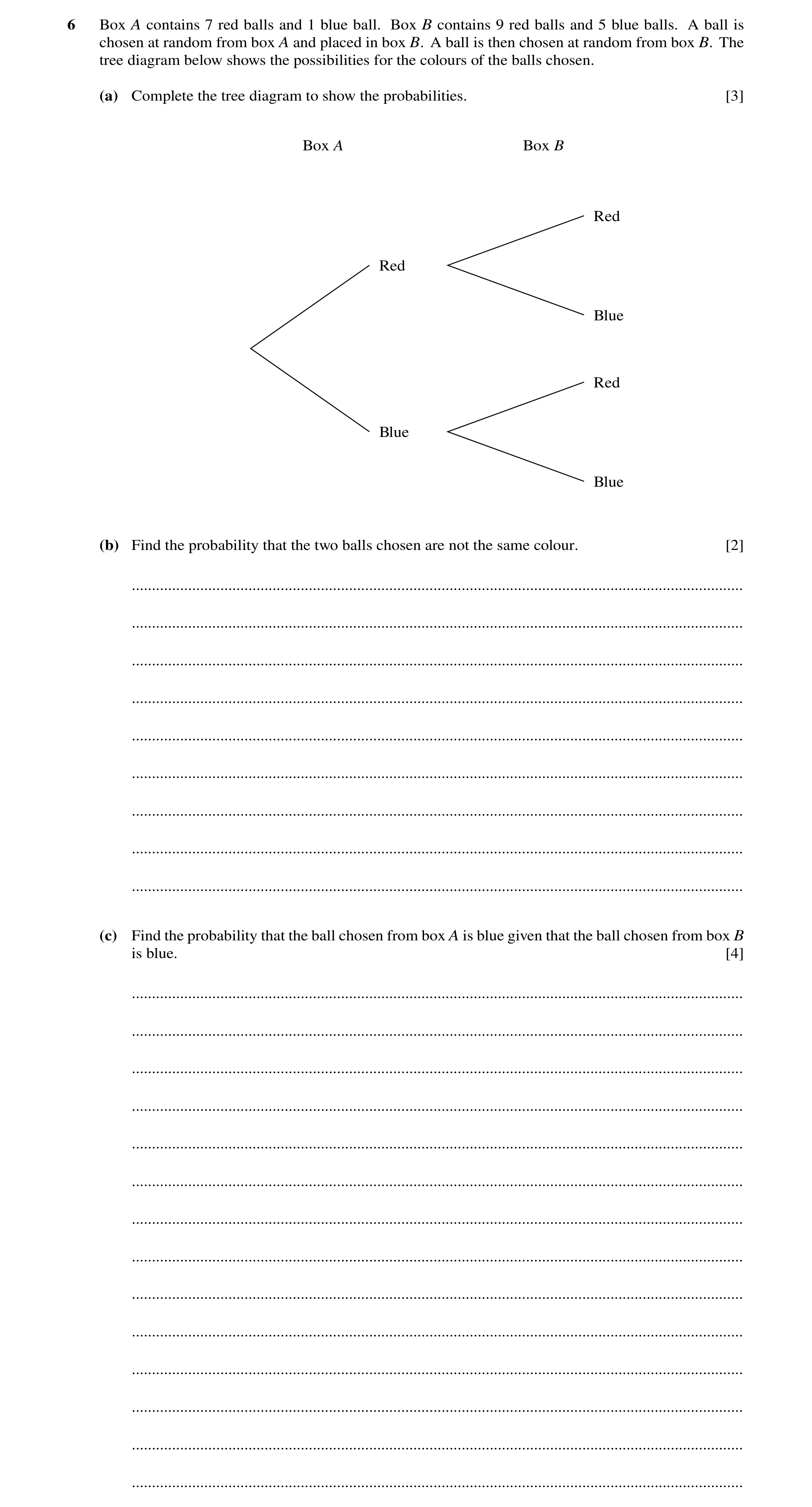
 6 / 190
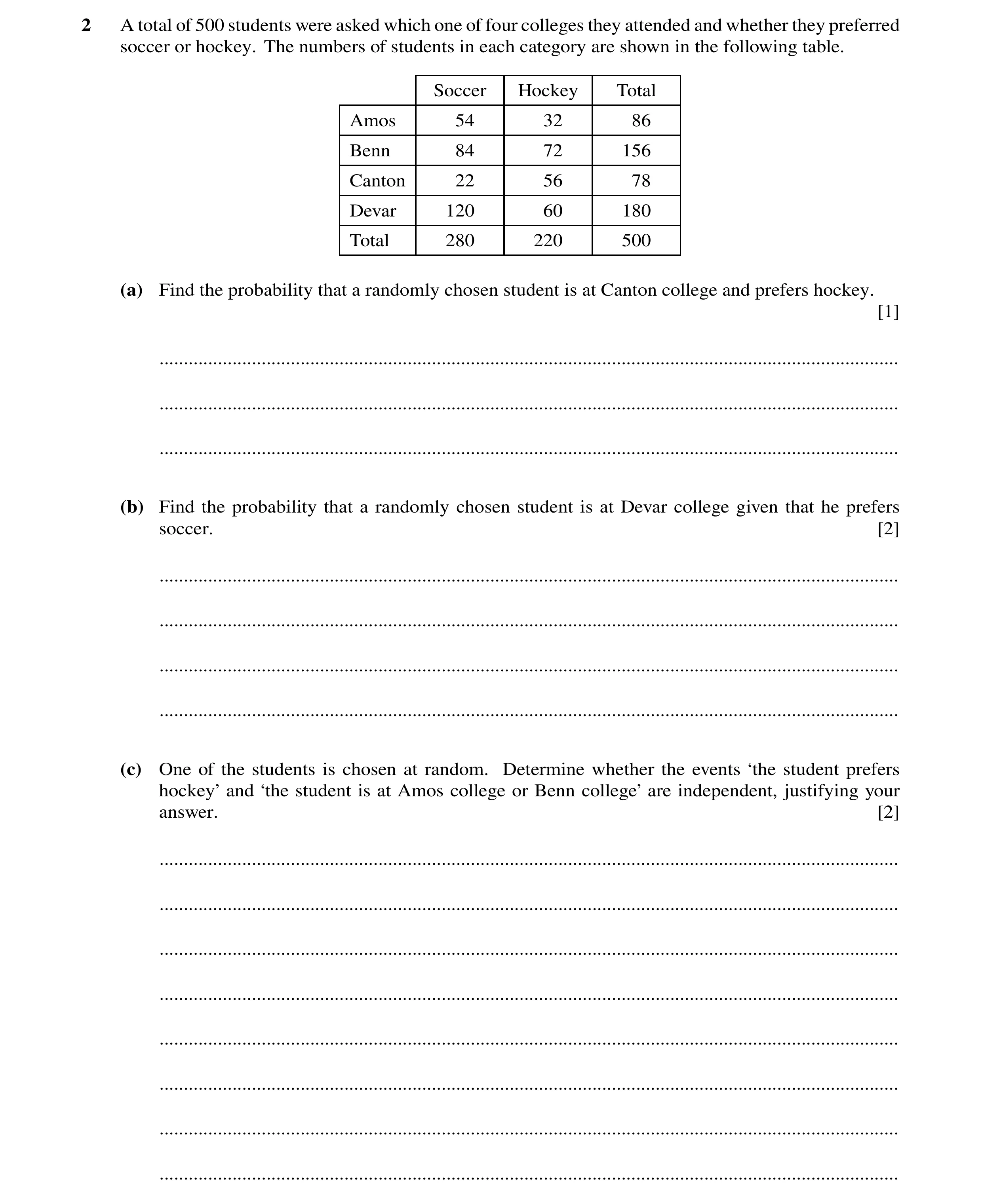 7 / 190
 10 / 190
 11 / 190
![Question 9: (a) Find the number of different possible arrangements of the 9 letters in the word CELESTIAL. [1] .........................................…](https://img.pastlit.com/crops/3dbeb2d8-122d-45ec-b58f-5f7741f5d582/q7.webp)
 14 / 190
 15 / 190
 16 / 190
![Question 13: (a) Find the number of different ways in which the 10 letters of the word SHOPKEEPER can be arranged so that all 3 Es are together. [2] ....…](https://img.pastlit.com/crops/4e98c85d-e7c9-4cc3-b7d5-4db4d1d143c2/q7.webp)
 19 / 190
![Question 16: An ordinary fair die is thrown until a 6 is obtained. (a) Find the probability that obtaining a 6 takes more than 8 throws. [2] ...........…](https://img.pastlit.com/crops/a25daa40-2984-4a55-b163-d101f57b4b08/q2.webp) 22 / 190
22 / 190 23 / 190
 24 / 190
 25 / 190
 26 / 190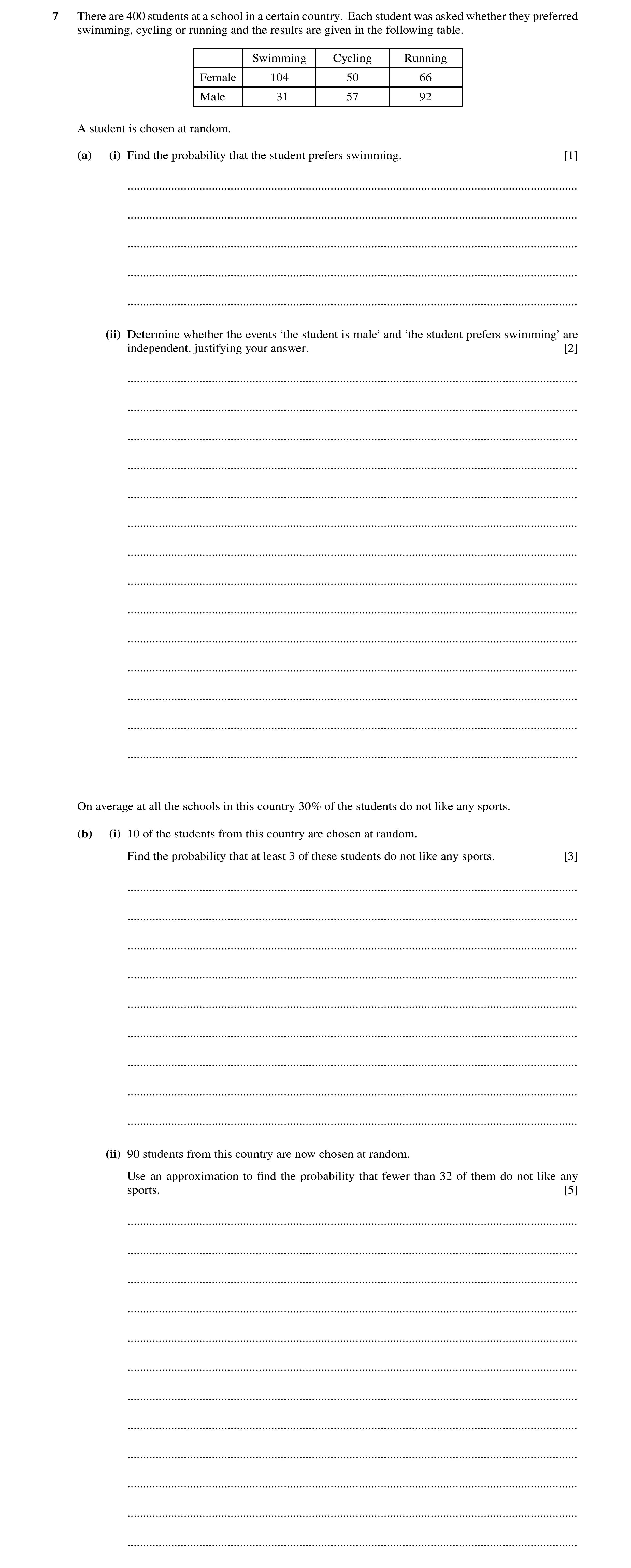
![Question 22: (a) How many different arrangements are there of the 8 letters in the word RELEASED? [1] ...................................................…](https://img.pastlit.com/crops/30d18cba-1de6-4672-8eab-021cbd8b9bfd/q3.webp)
 35 / 190
 36 / 190
![Question 28: (a) Find the total number of different arrangements of the 8 letters in the word TOMORROW. [2] .............................................…](https://img.pastlit.com/crops/fa02493a-58e0-4741-9f6c-536ac89c828e/q6.webp)
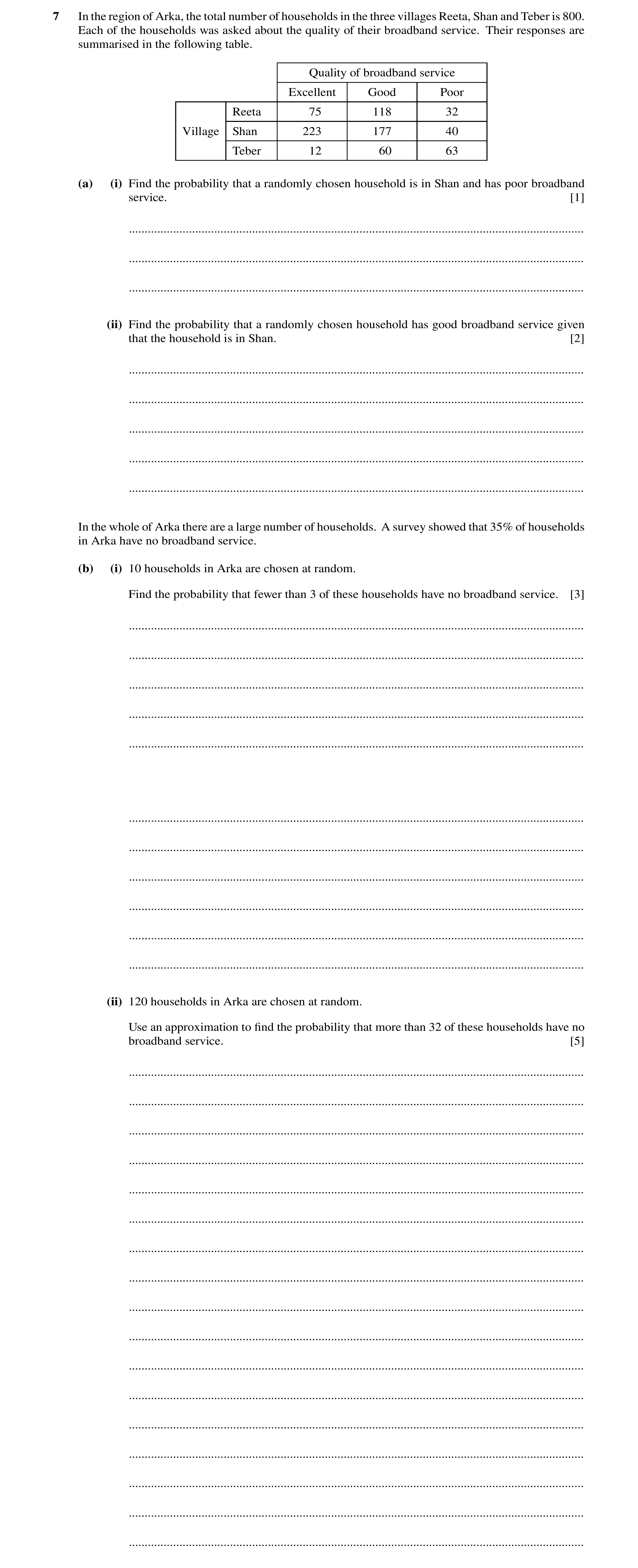
 44 / 190
 45 / 190
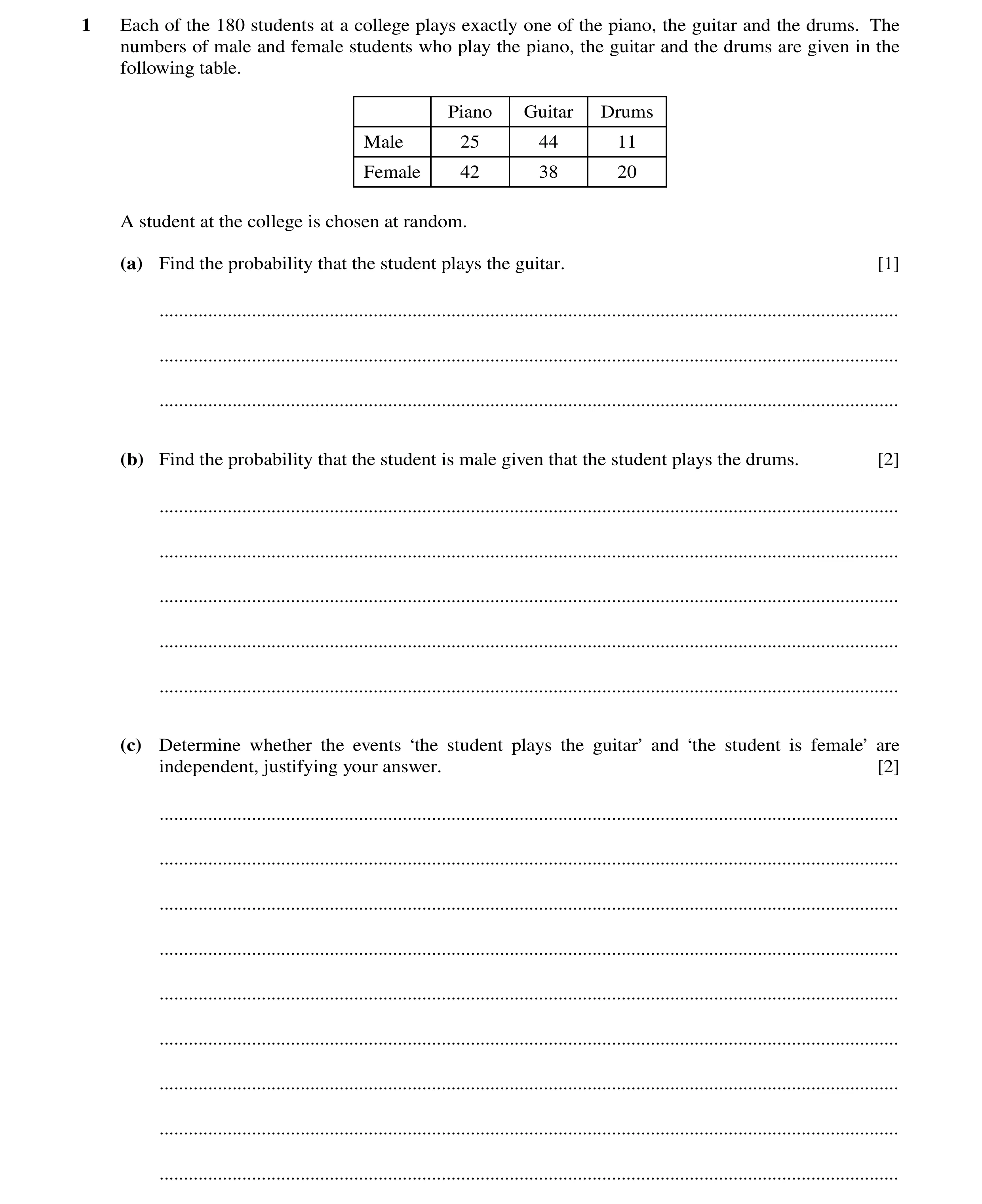 50 / 190
 51 / 190
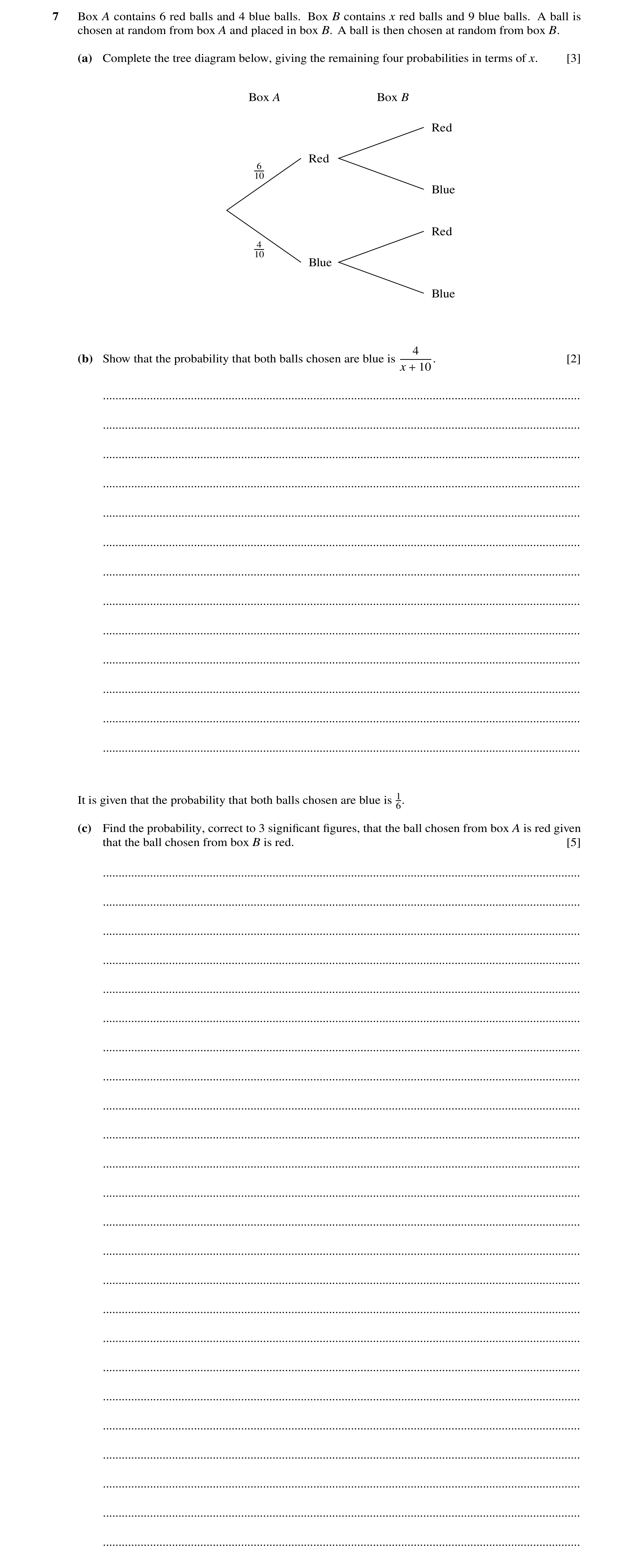
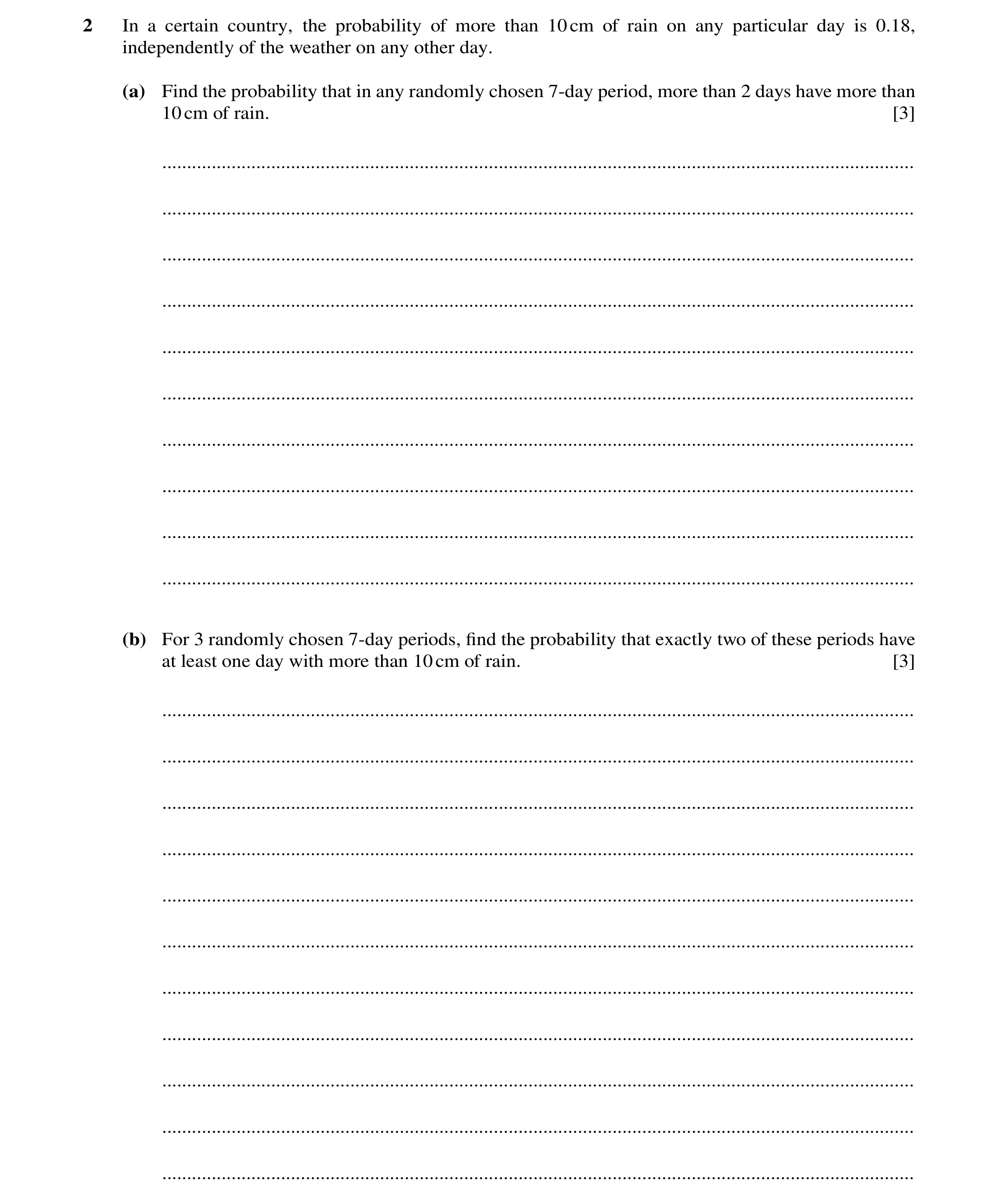 56 / 190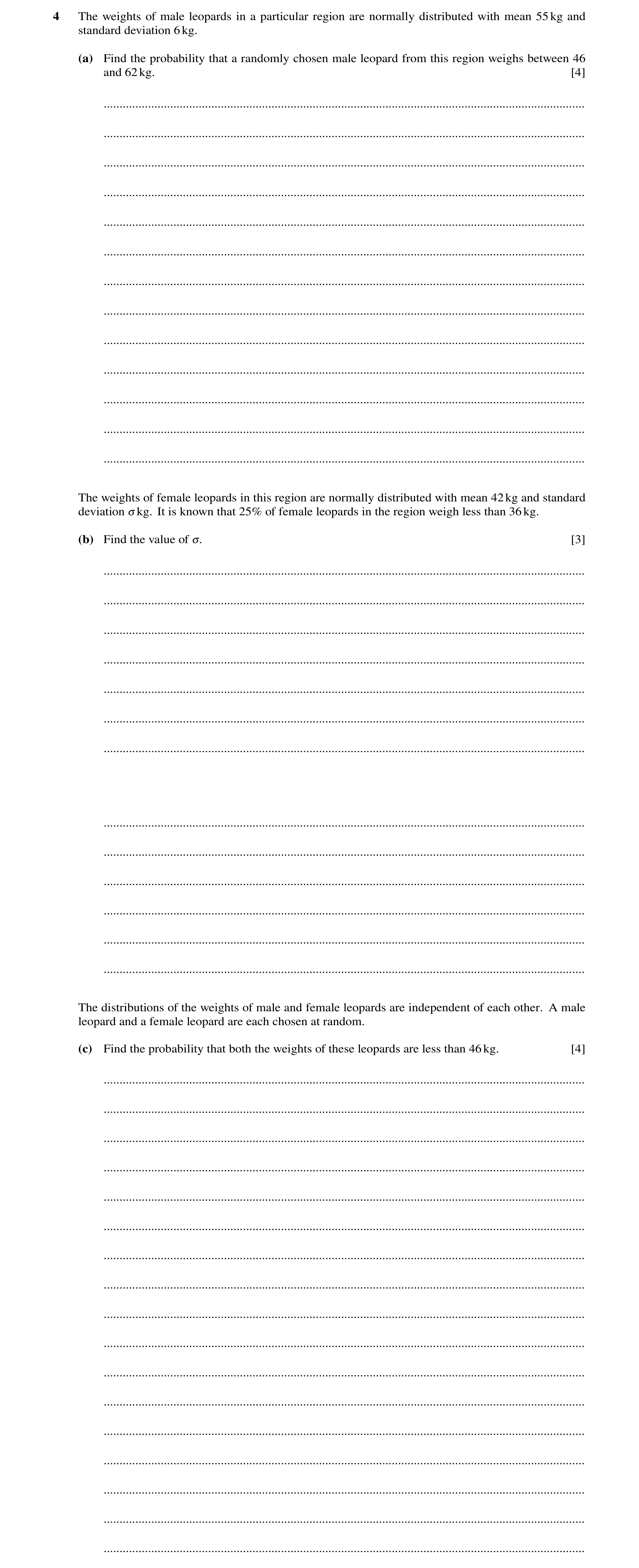
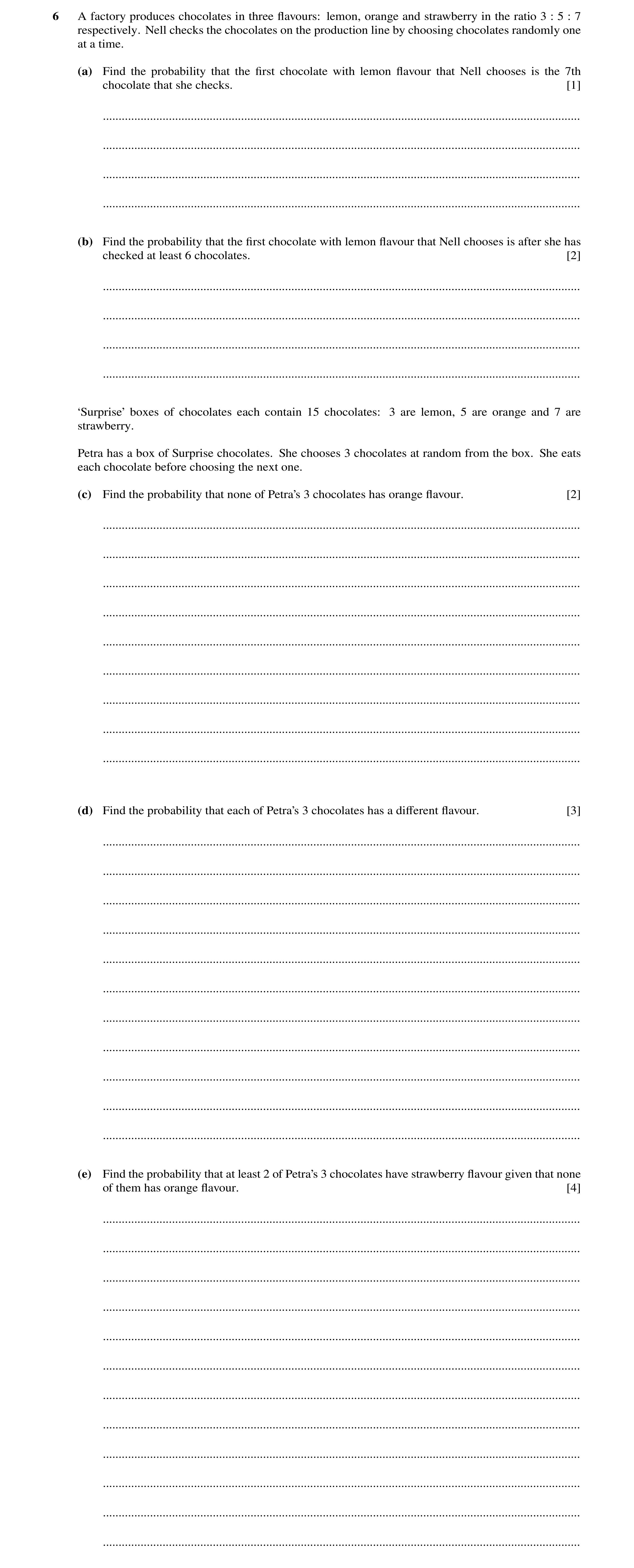
![Question 45: Ramesh throws an ordinary fair 6-sided die. (a) Find the probability that he obtains a 4 for the first time on his 8th throw. [1] ..........…](https://img.pastlit.com/crops/534b889c-6f74-4f36-9119-c7620c9641c5/q4.webp) 66 / 190
66 / 190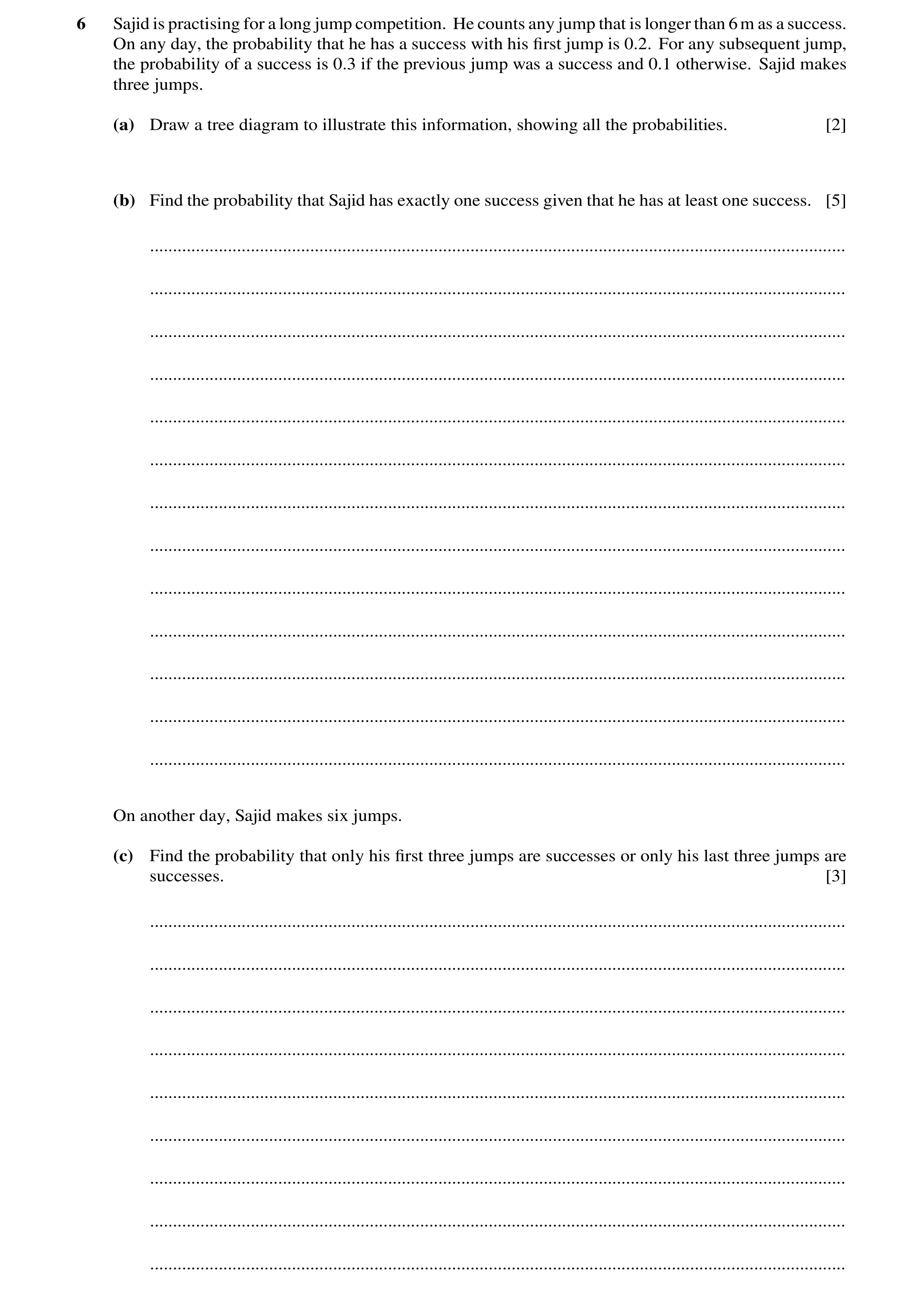 67 / 190
 68 / 190
 69 / 190
 70 / 190
 75 / 190
![Question 54: (a) Find the number of different arrangements of the 9 letters in the word ACTIVATED. [2] ..................................................…](https://img.pastlit.com/crops/881a33e1-f442-4d27-8c3a-0dc14e844c6f/q6.webp)
 83 / 190
 84 / 190
![Question 60: (a) Find the number of different arrangements of the 8 letters in the word COCOONED. [1] ...................................................…](https://img.pastlit.com/crops/e1d205f9-e1ea-44c1-a75e-8456149d4c02/q3.webp)
 92 / 190
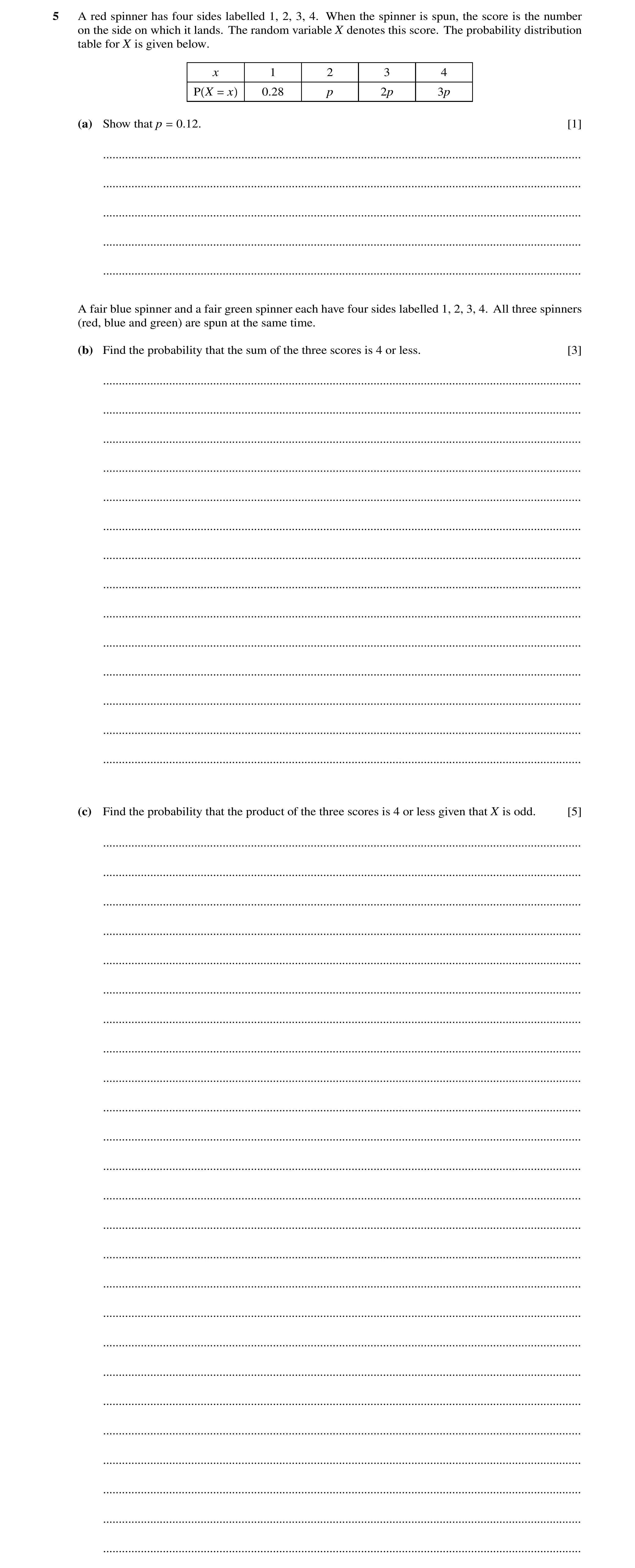
 99 / 190
 100 / 190
 106 / 190
![Question 77: The eight digits 1, 2, 2, 3, 4, 4, 4, 5 are arranged in a line. (a) How many different arrangements are there of these 8 digits? [1] ......…](https://img.pastlit.com/crops/ccb908f1-b1e0-4dbe-8862-e8e530608ff7/q7.webp)
 117 / 190
 118 / 190
![Question 82: (a) How many different arrangements are there of the 10 letters in the word REGENERATE? [1] ...............................................…](https://img.pastlit.com/crops/b4aed90c-46ad-478d-8ac6-e8df636f8f25/q7.webp)
![Question 85: (a) How many different arrangements are there of the 9 letters in the word RECORDERS? [1] .................................................…](https://img.pastlit.com/crops/301c5309-2bf8-4b0c-abcc-16f607815e33/q6.webp)
 130 / 190
![Question 89: (a) How many different arrangements are there of the 9 letters in the word INTELLECT in which the two Ts are together? [2] ................…](https://img.pastlit.com/crops/e44d064b-dcb5-4518-b785-34a2fc796a25/q7.webp)
 137 / 190
 138 / 190
![Question 92: (a) Find the number of different arrangements of the 9 letters in the word HAPPINESS. [1] .................................................…](https://img.pastlit.com/crops/38d86616-f47a-4664-9763-2c30759903a3/q6.webp)
 149 / 190
 154 / 190
 155 / 190
 156 / 190
 157 / 190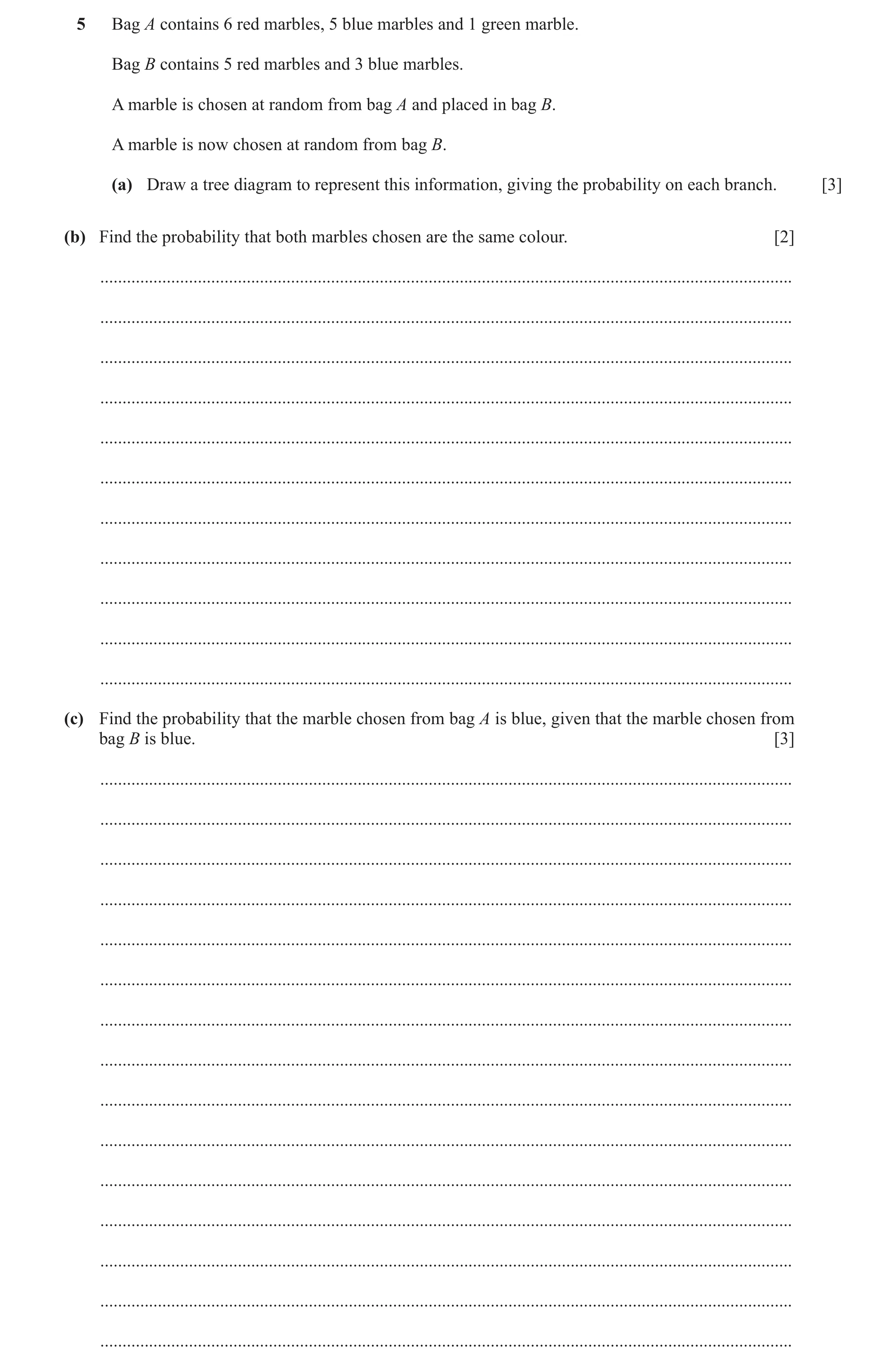
 161 / 190
 162 / 190
 167 / 190
 168 / 190
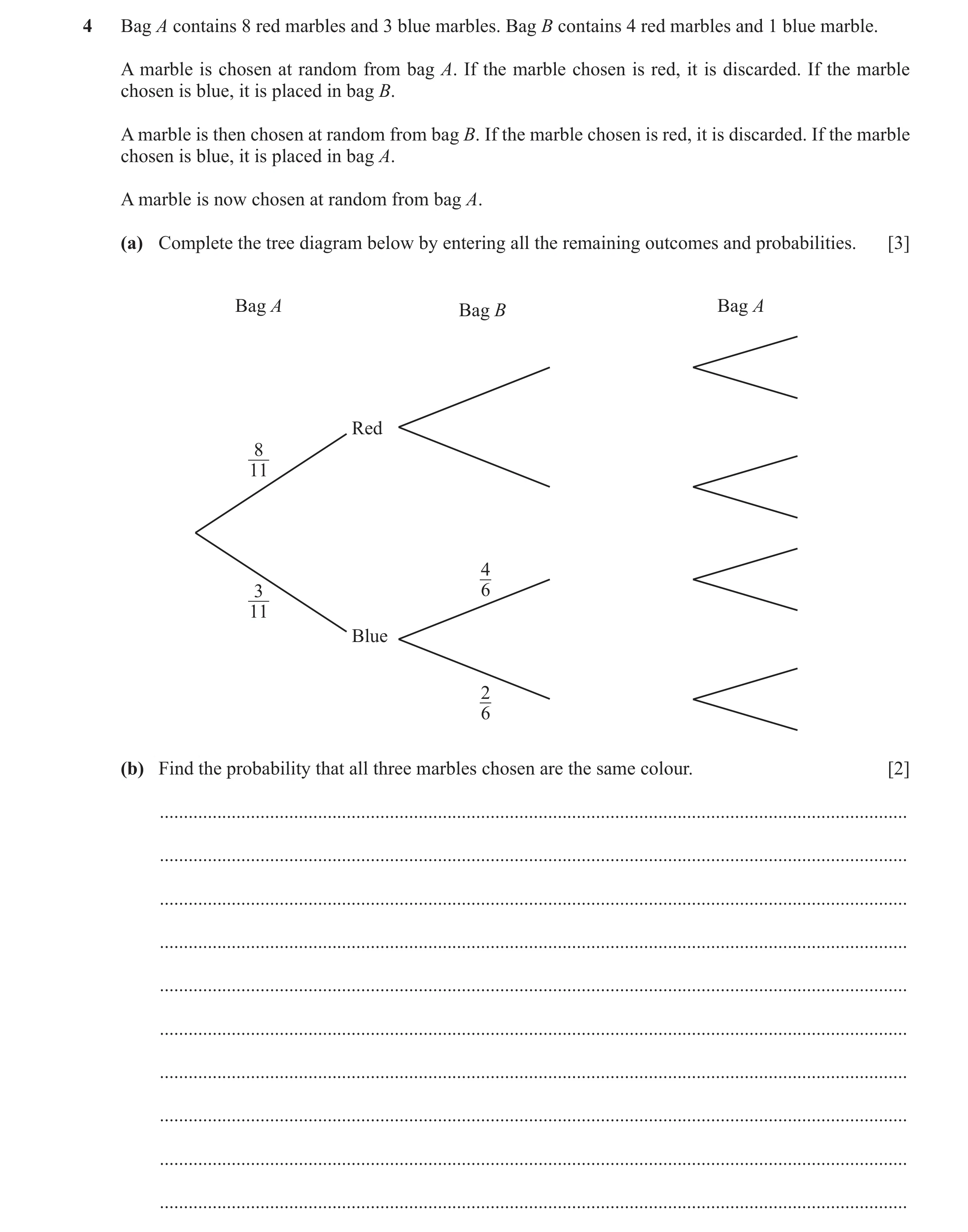 169 / 190
 170 / 190
![Question 114: (a) How many different arrangements are there of the 10 letters in the word SEYCHELLES? [1] ...............................................…](https://img.pastlit.com/crops/b4fa5801-8fbd-4032-a215-28ba6ff0923b/q7.webp)
 174 / 190
 175 / 190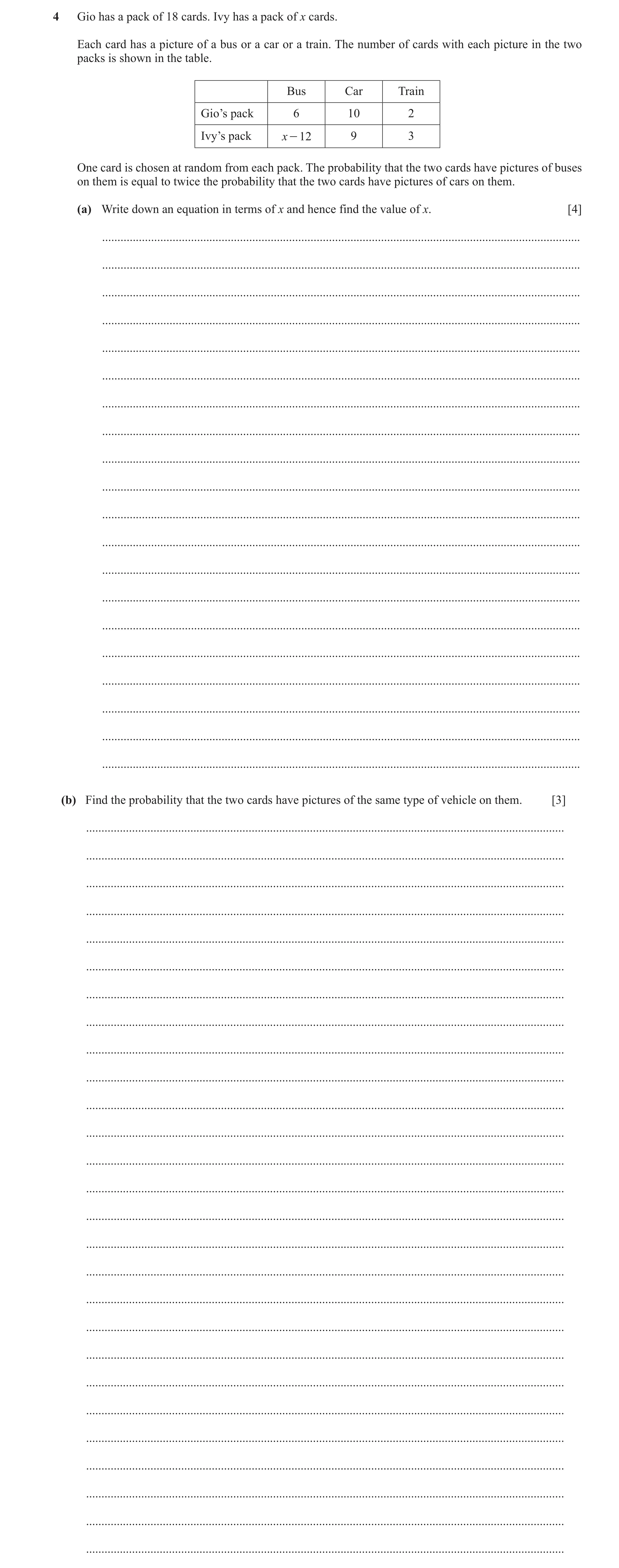
 183 / 190
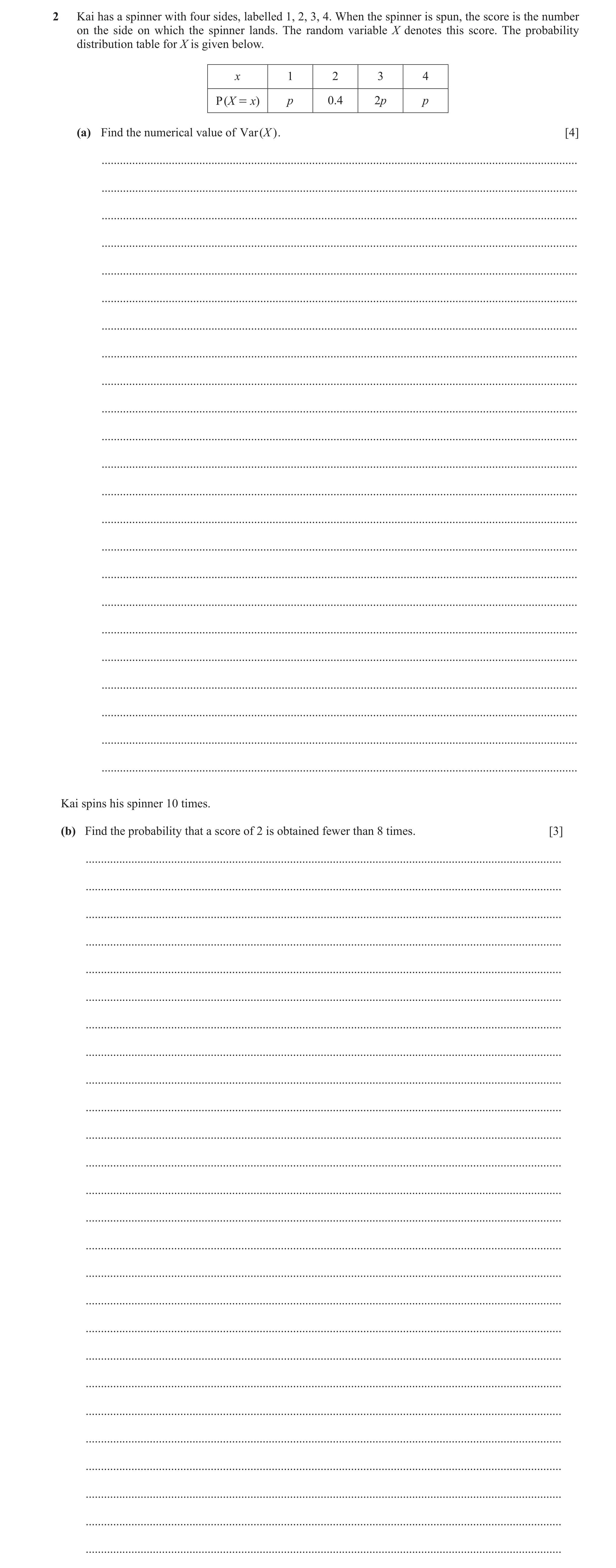
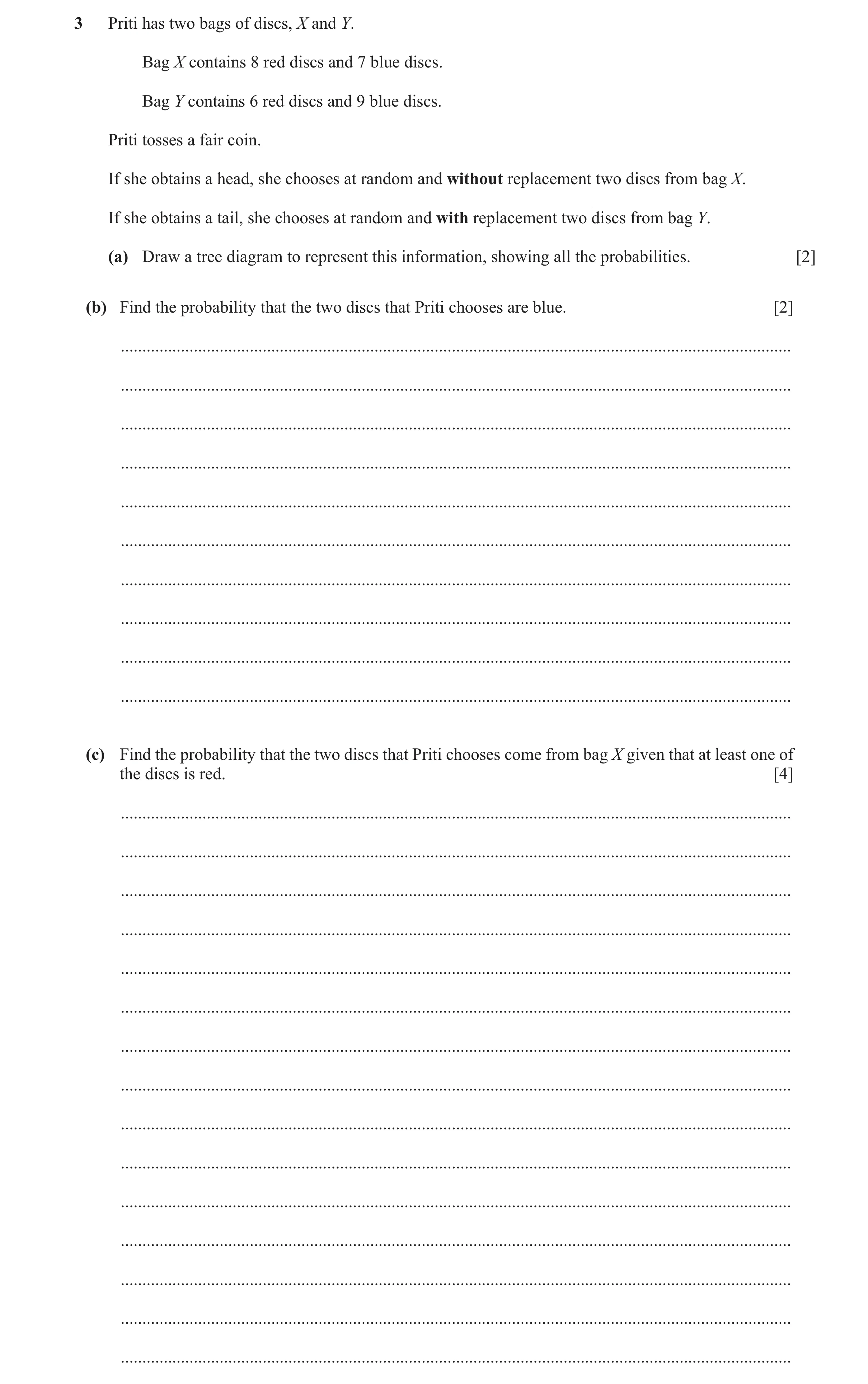
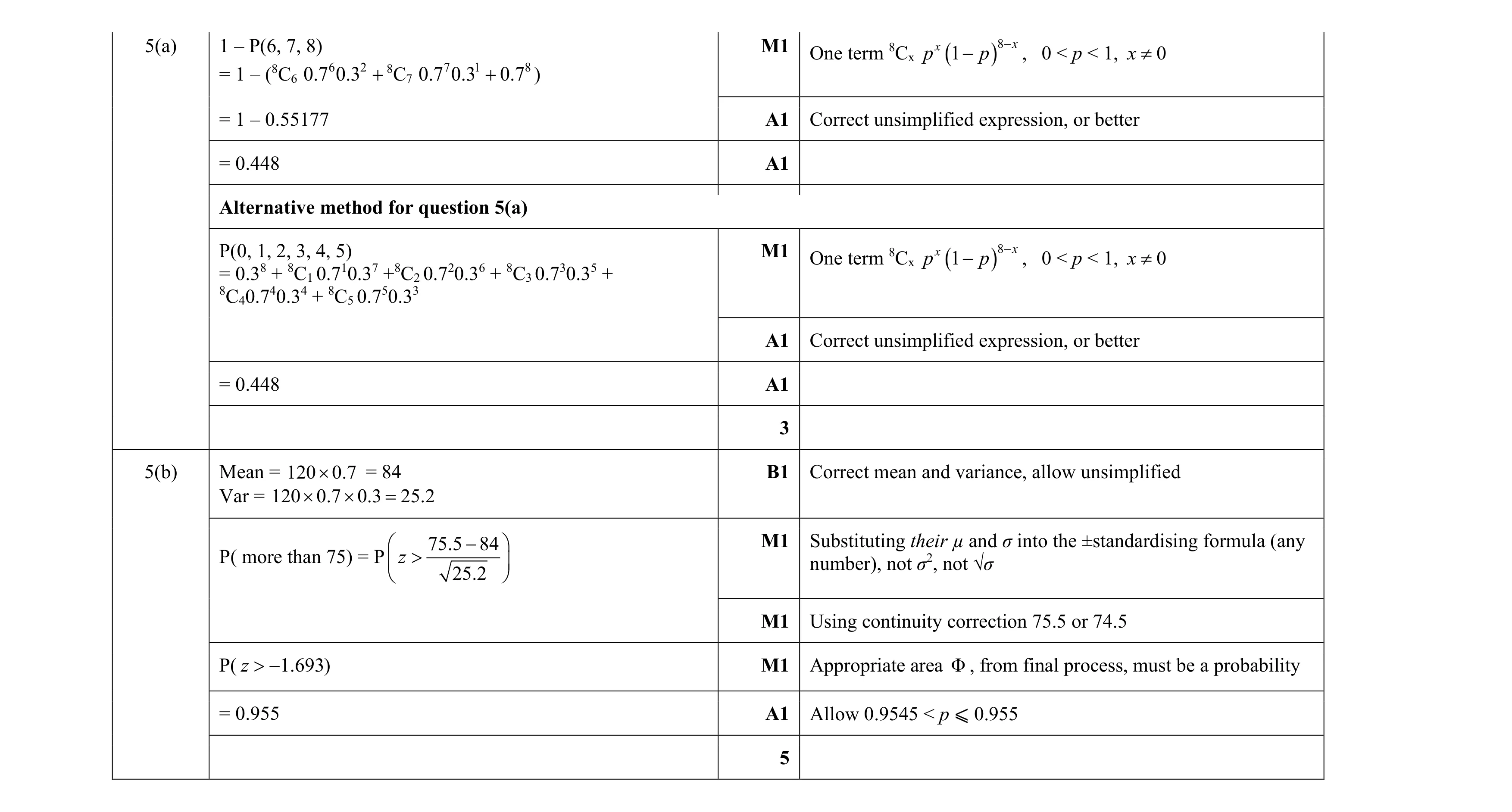 8
8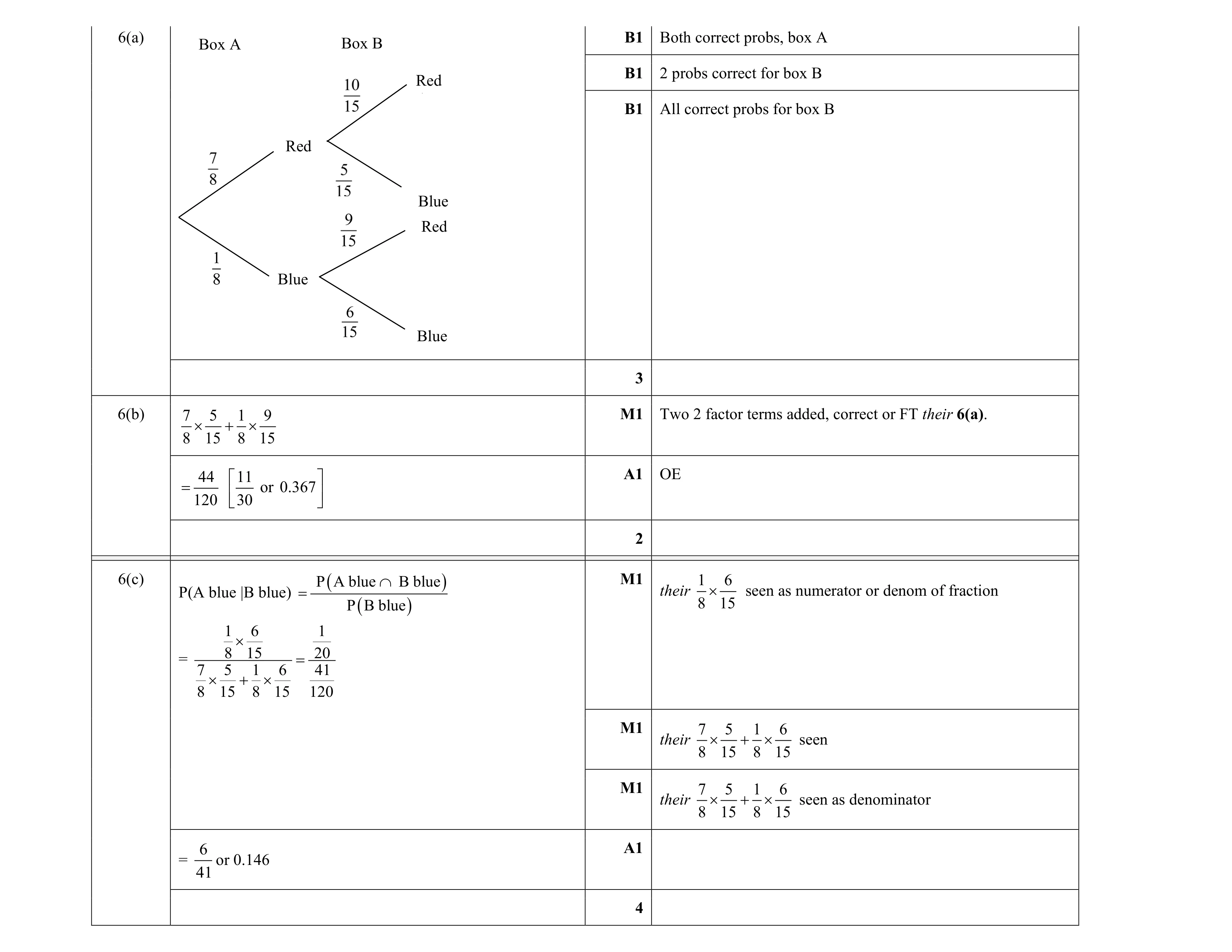 9
9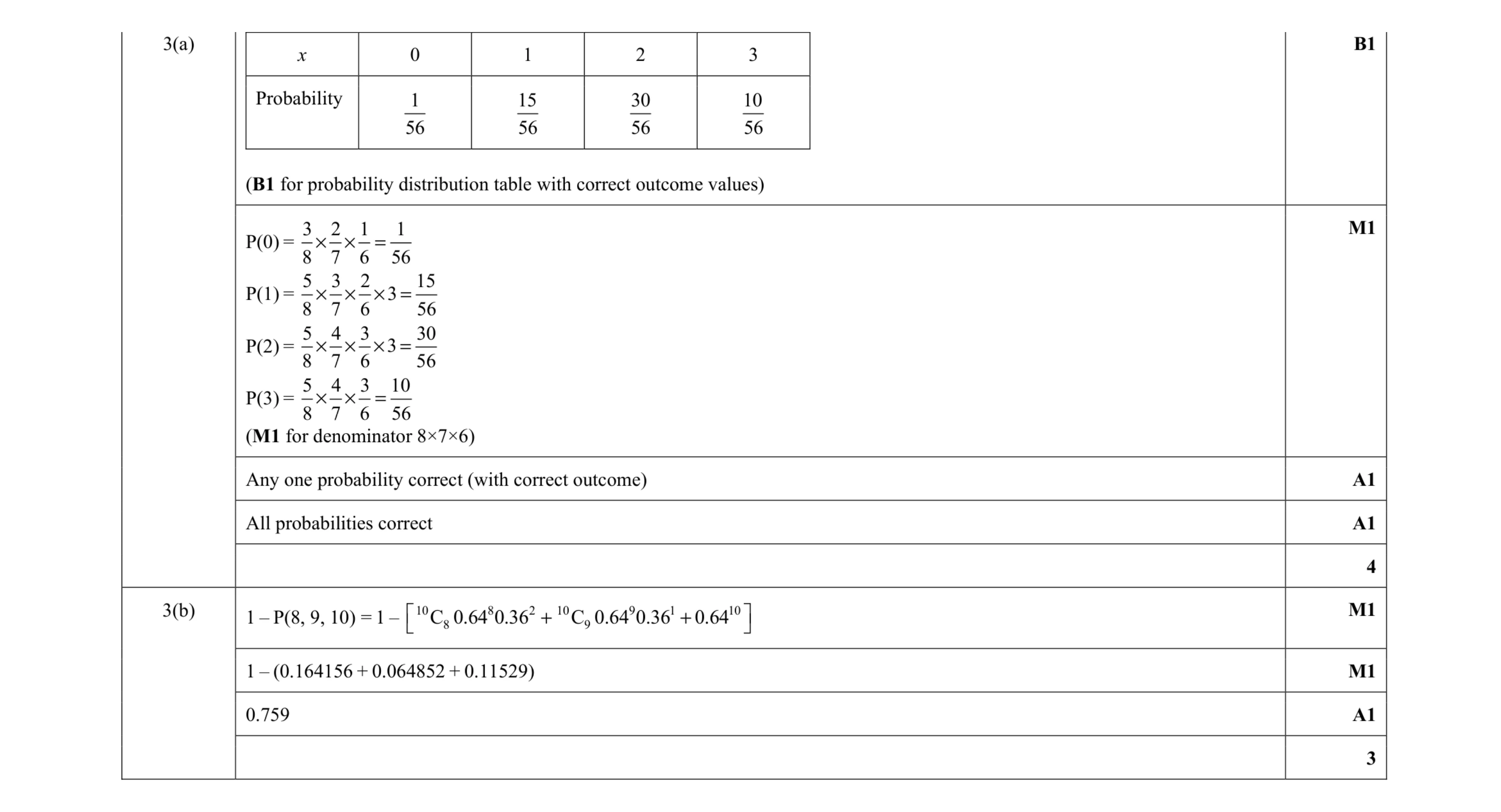 7
7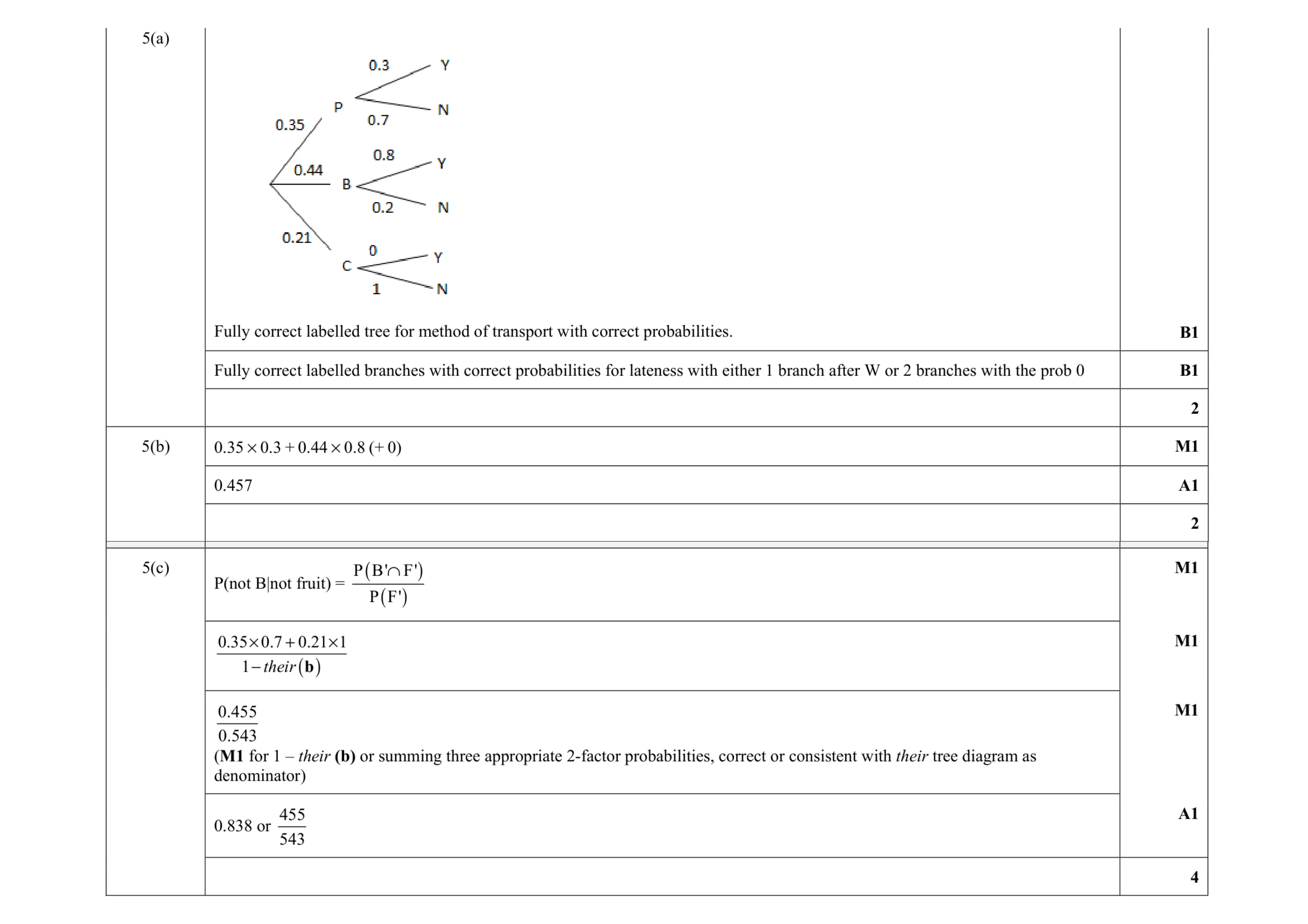 8
8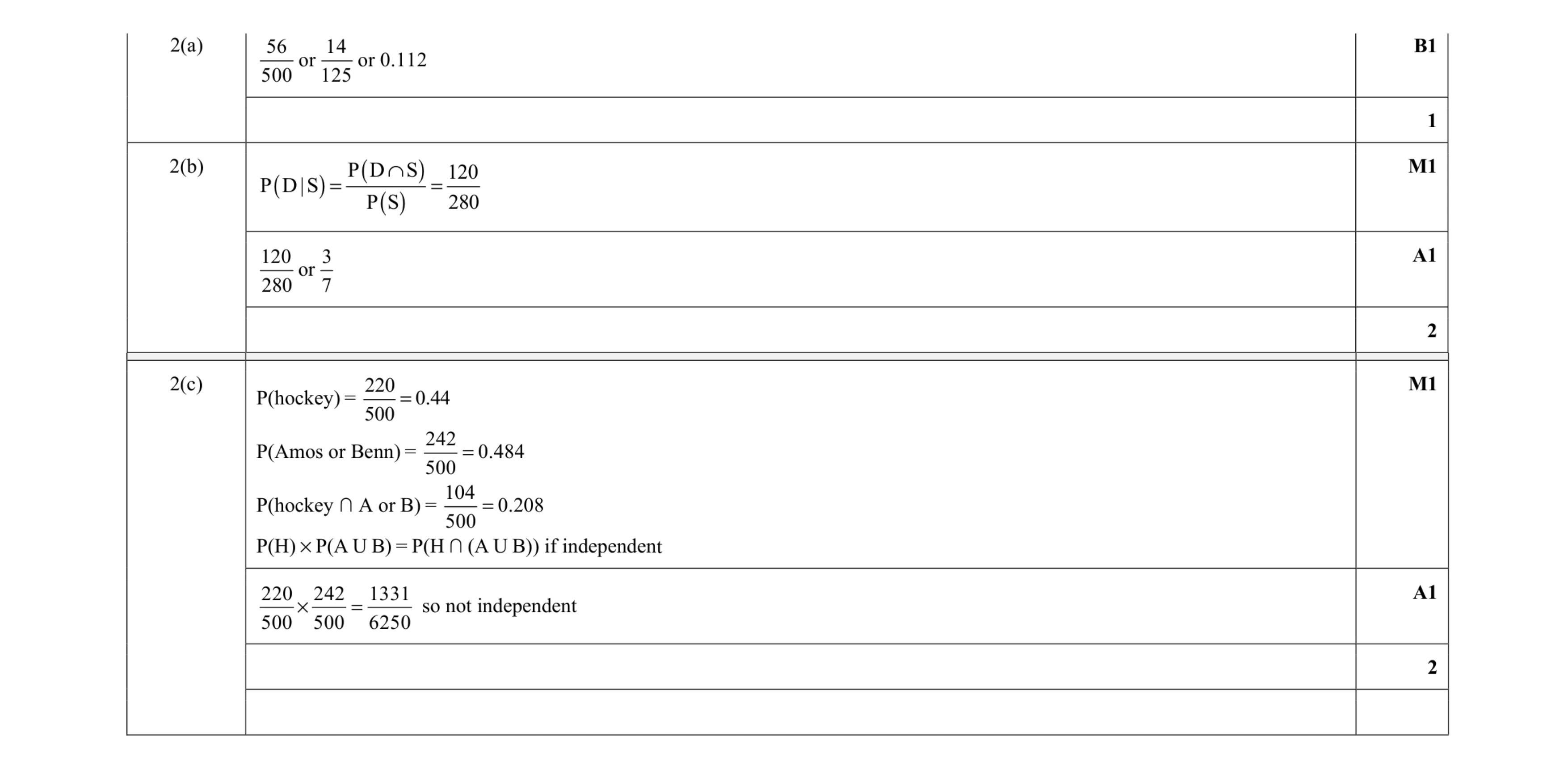 5
5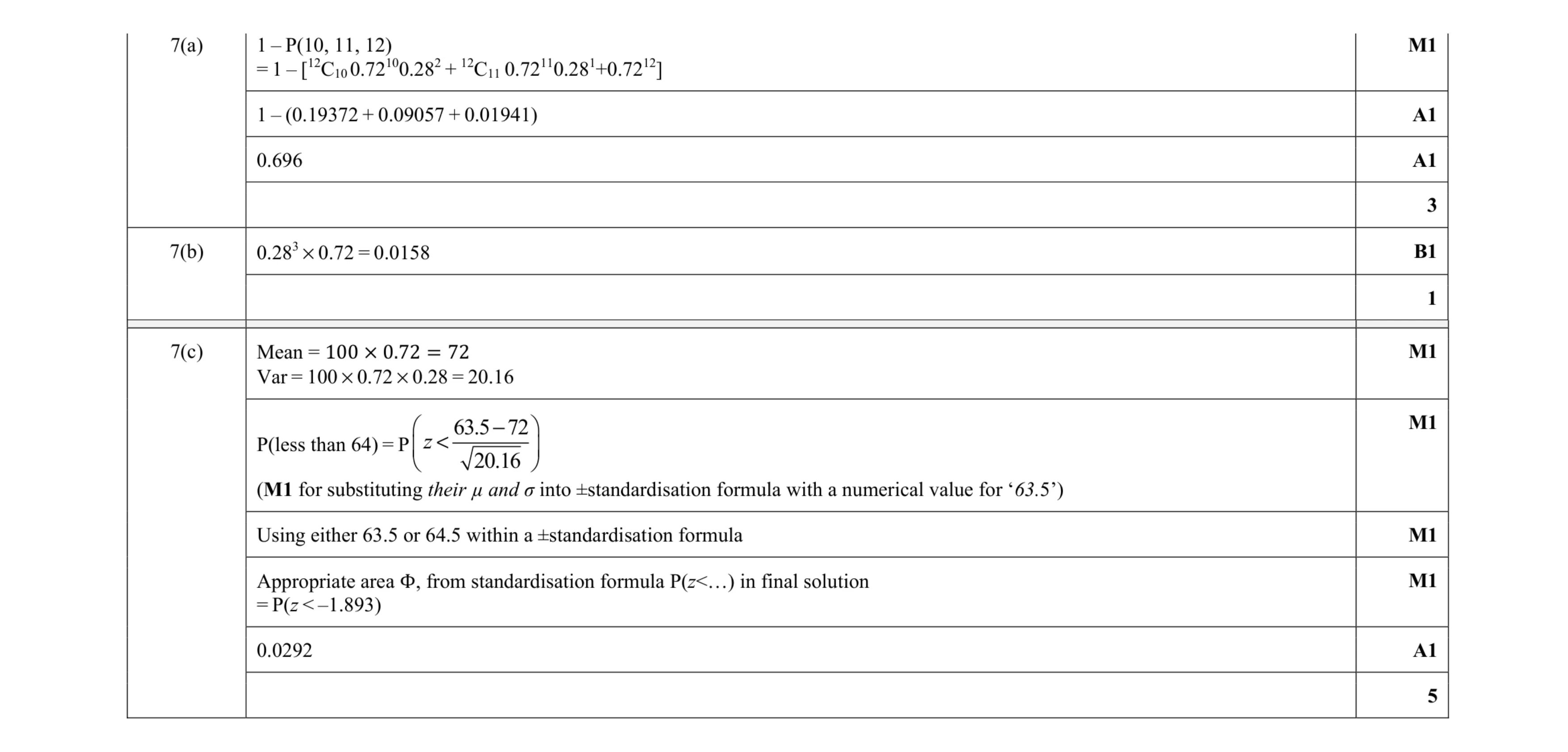 9
9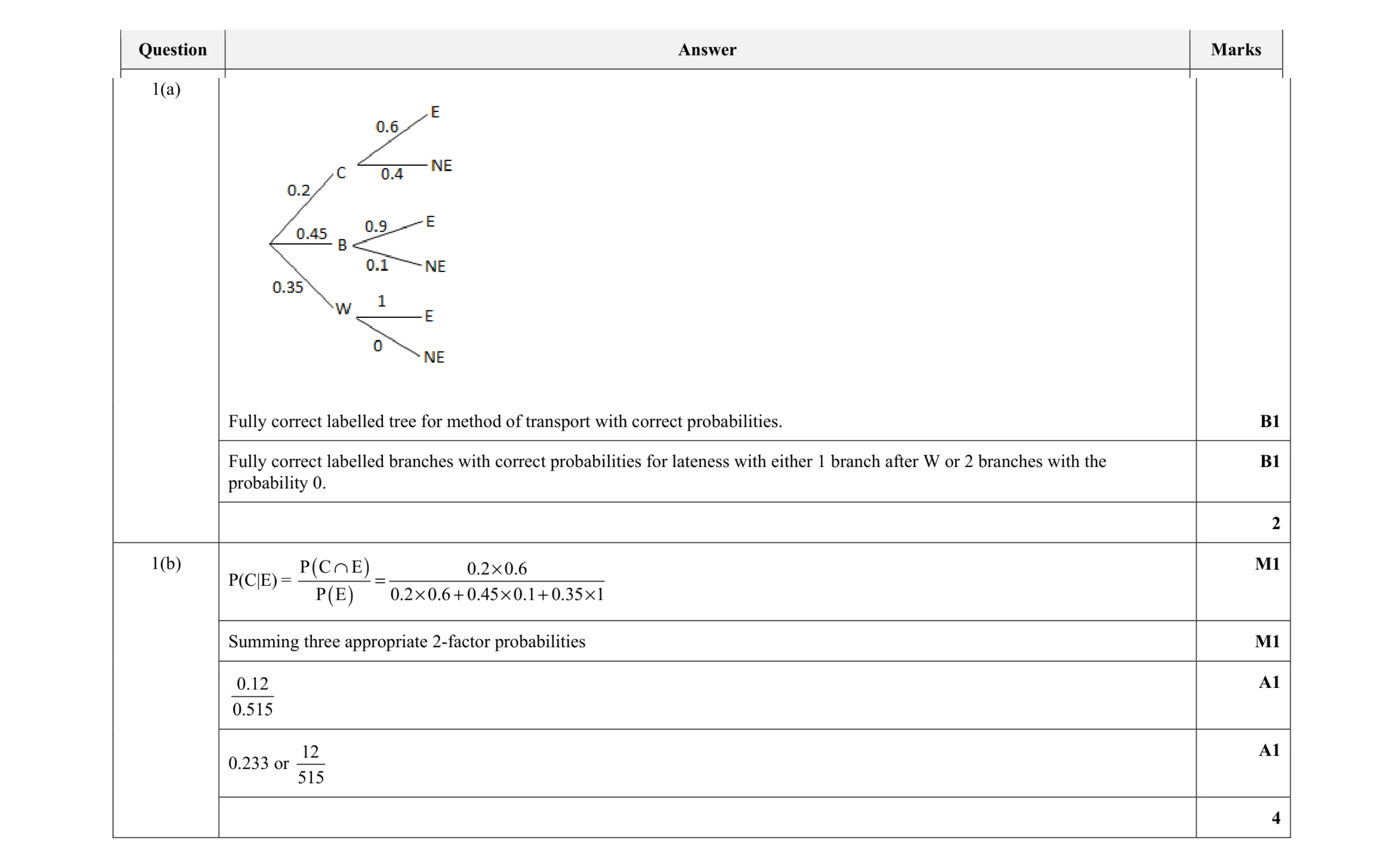 6
6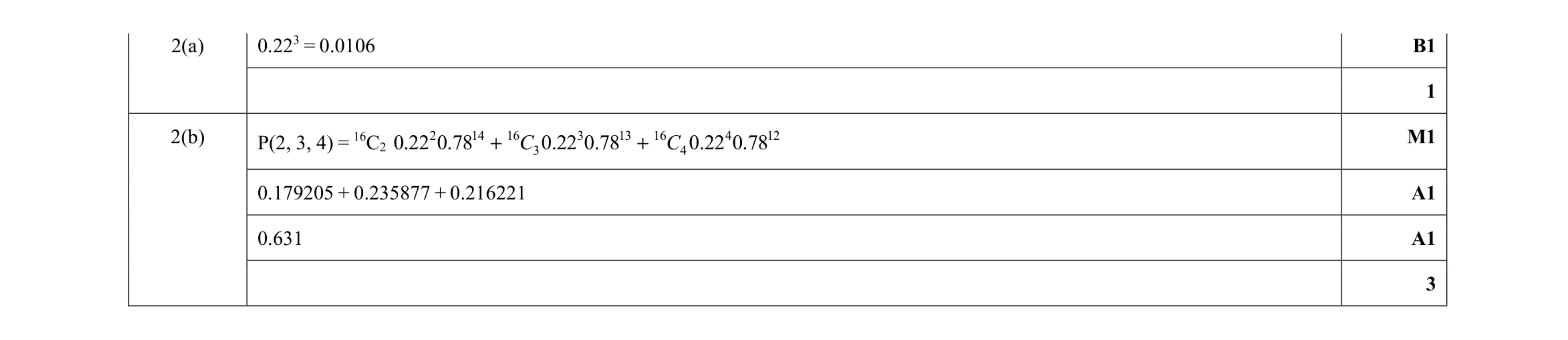 4
4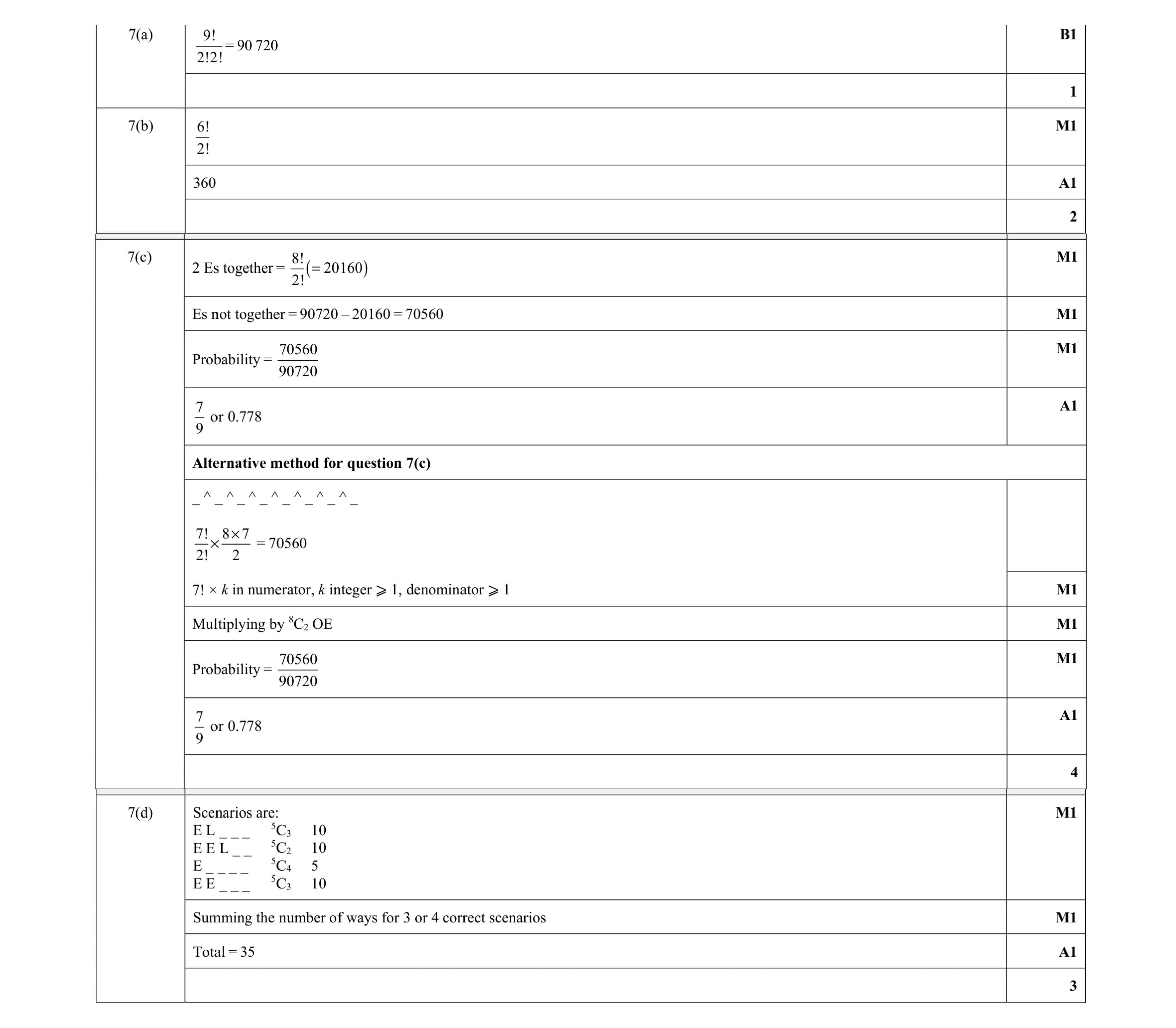 10
10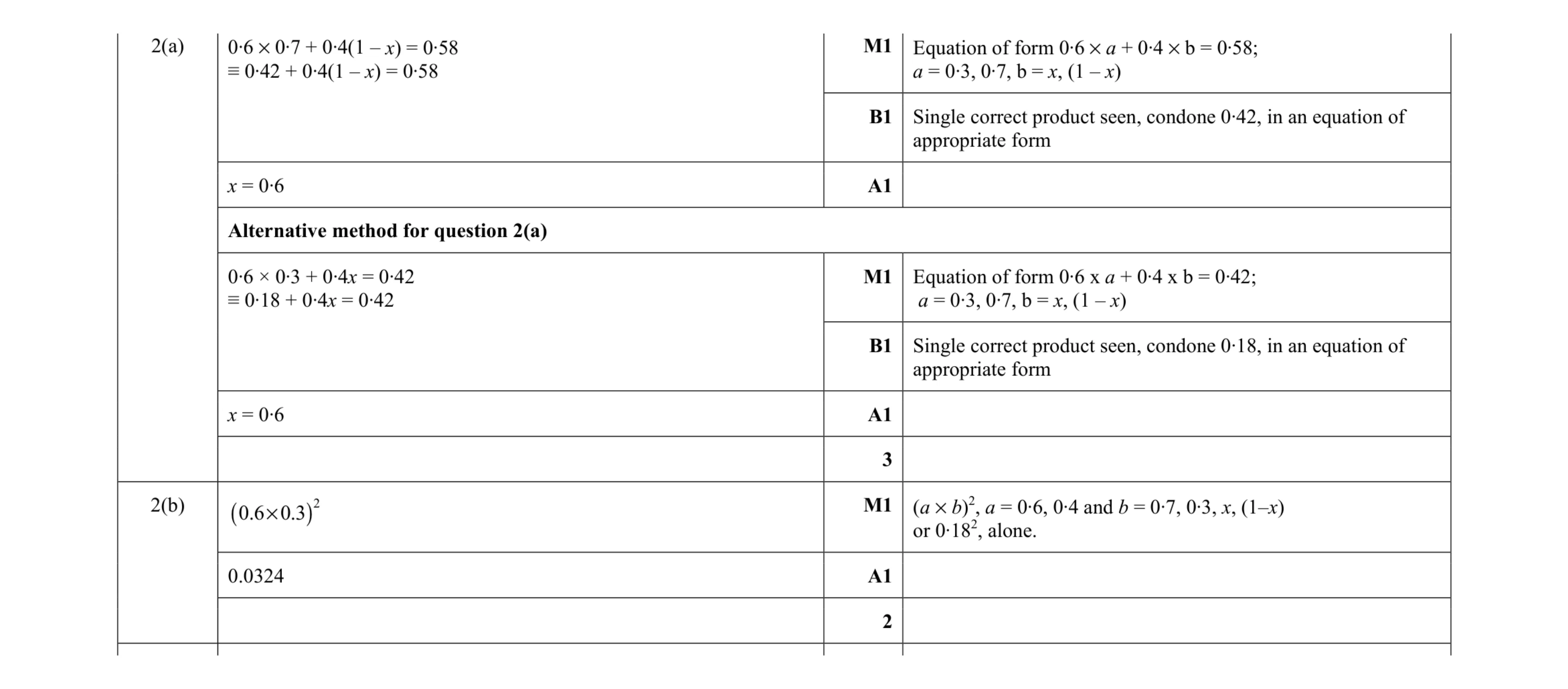 5
5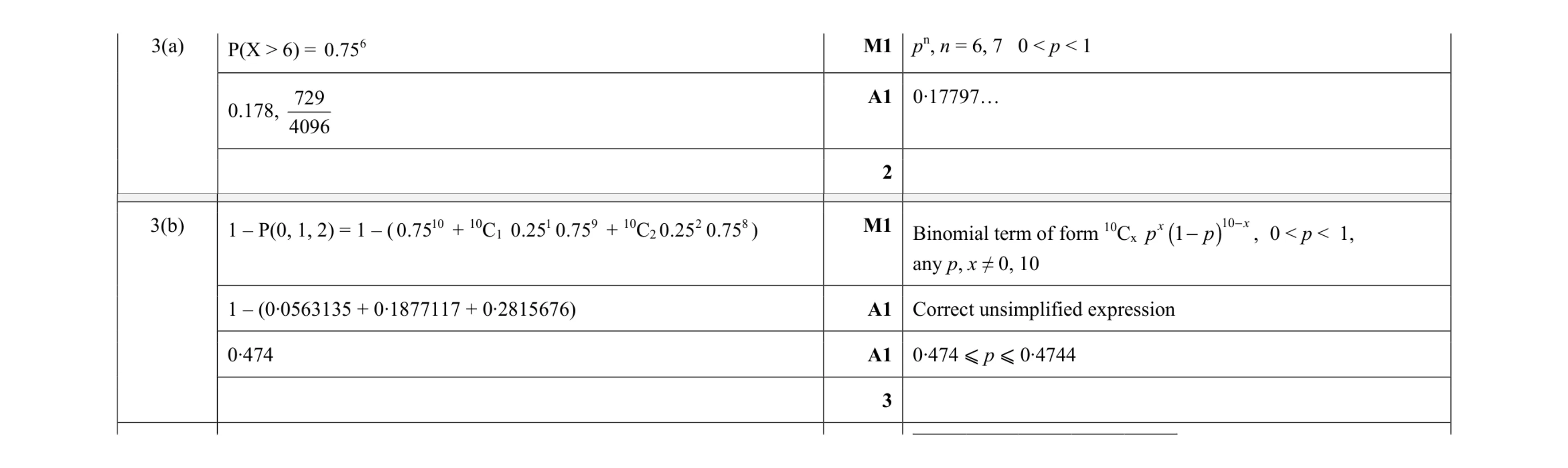 5
5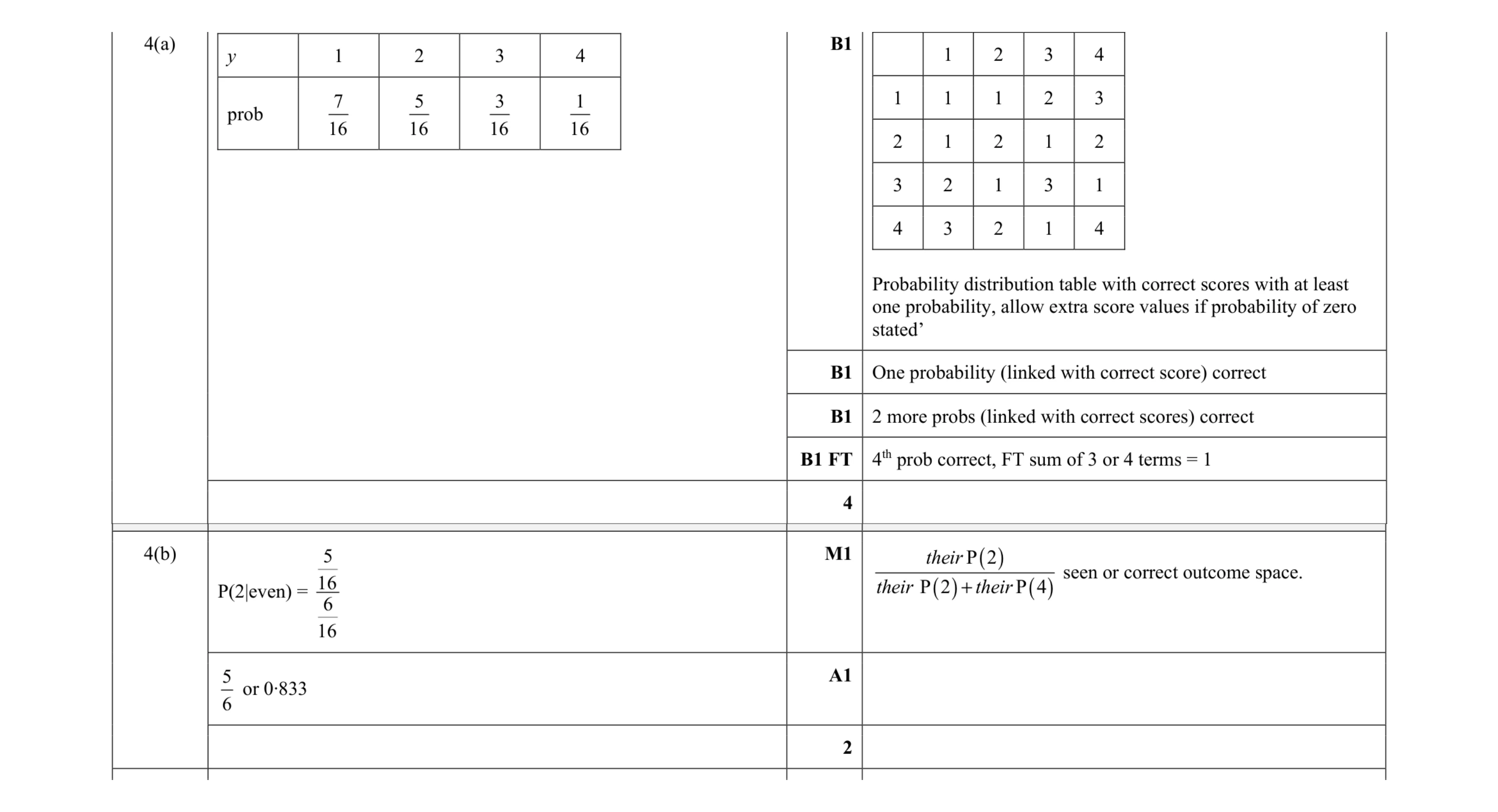 6
6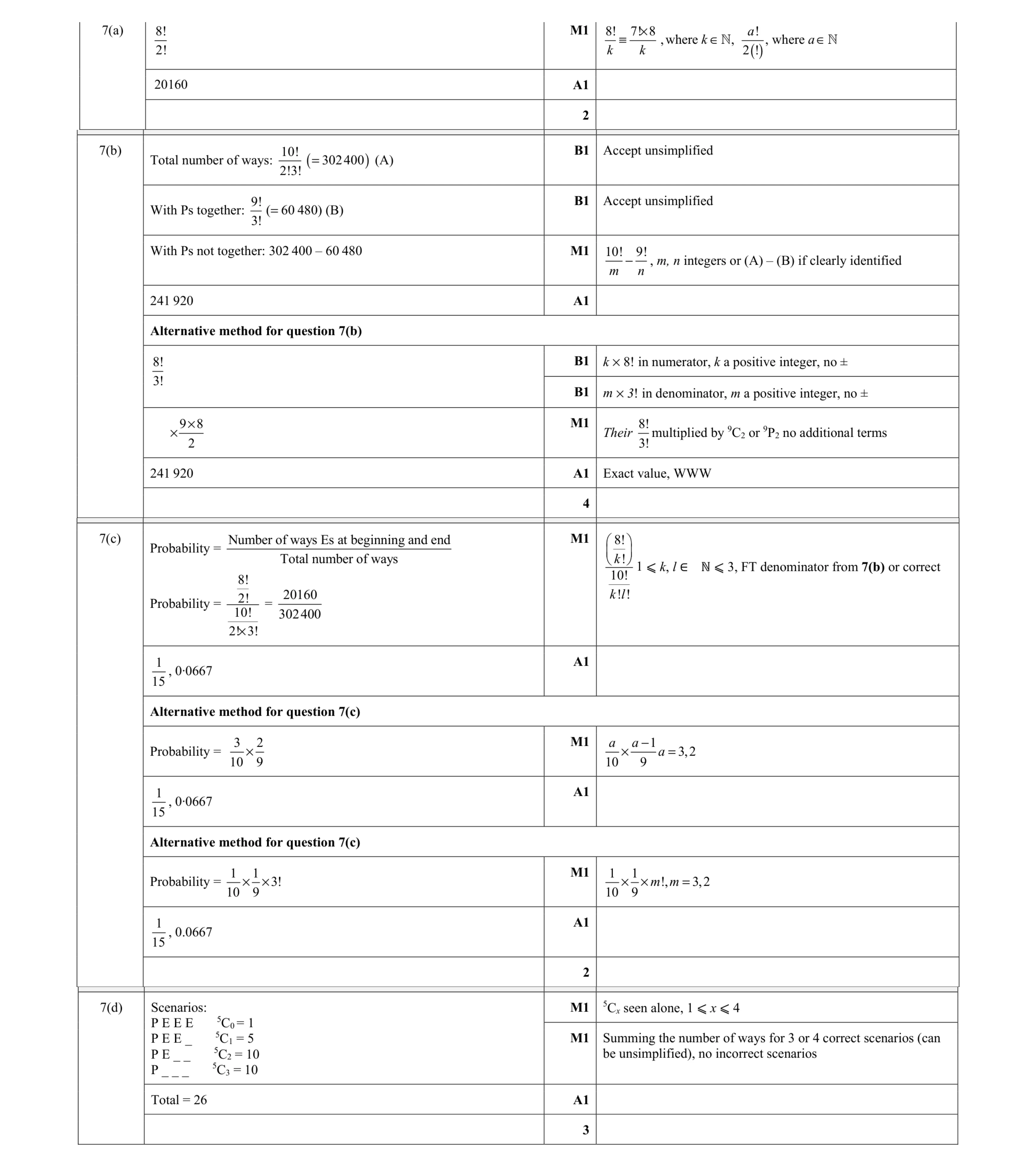 11
11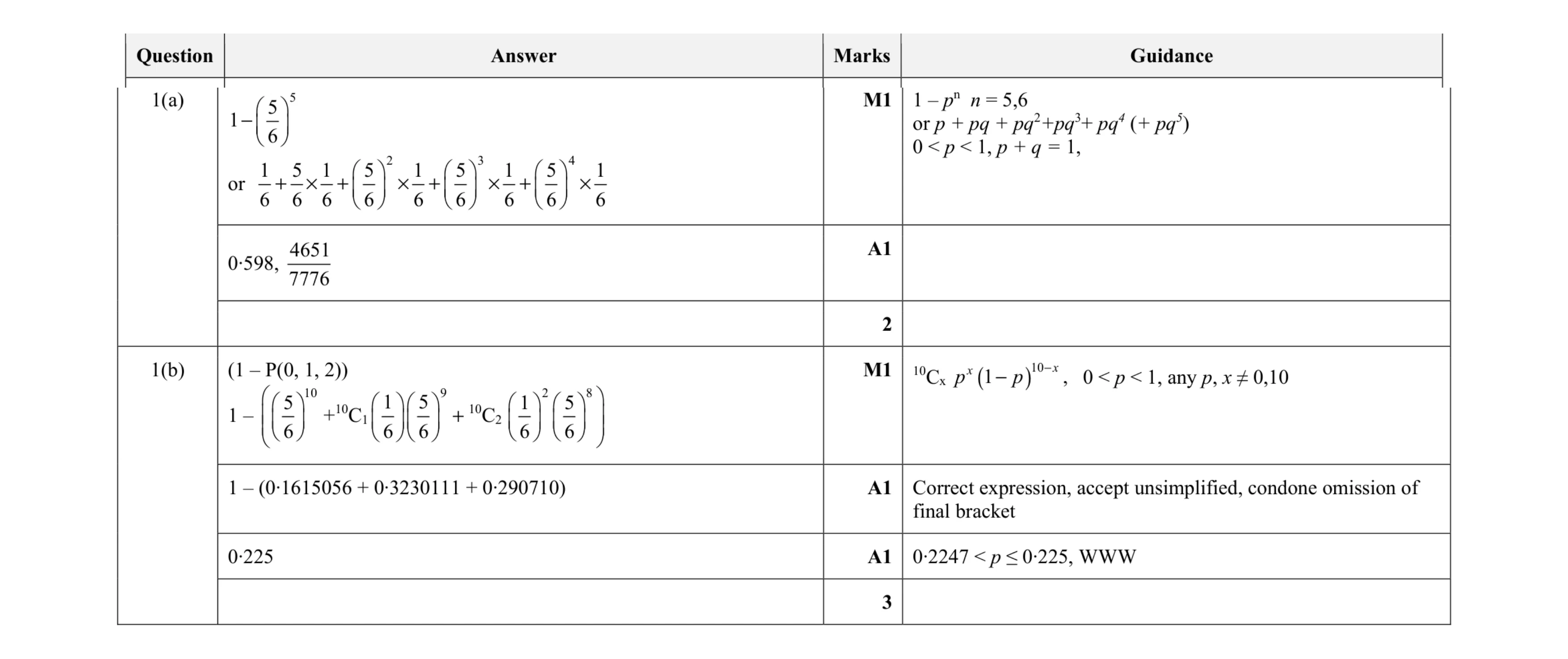 5
5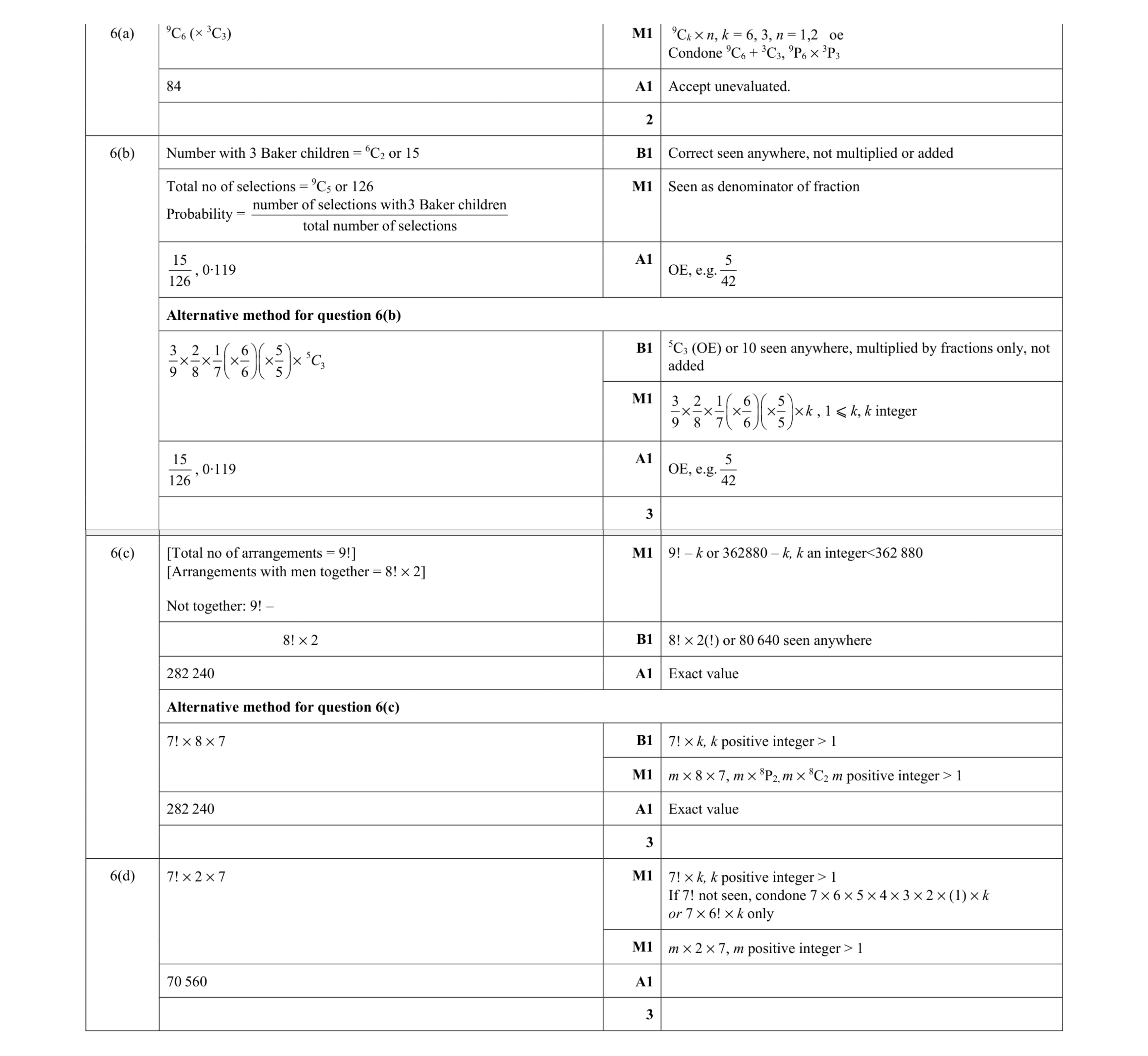 11
11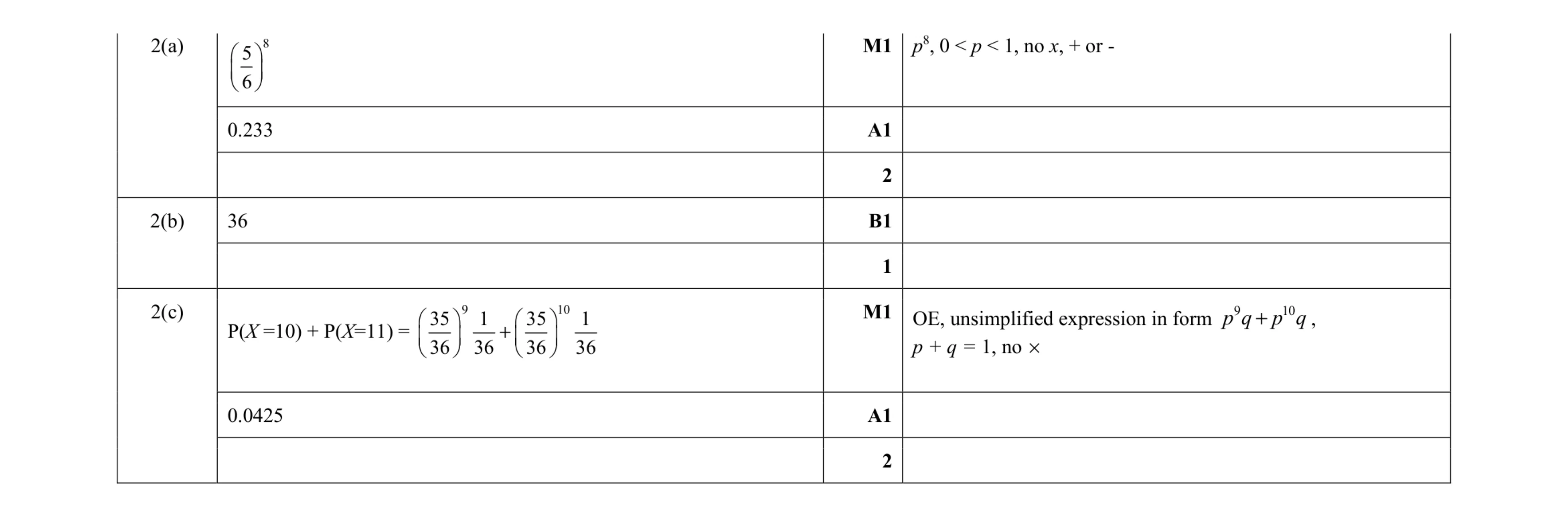 5
5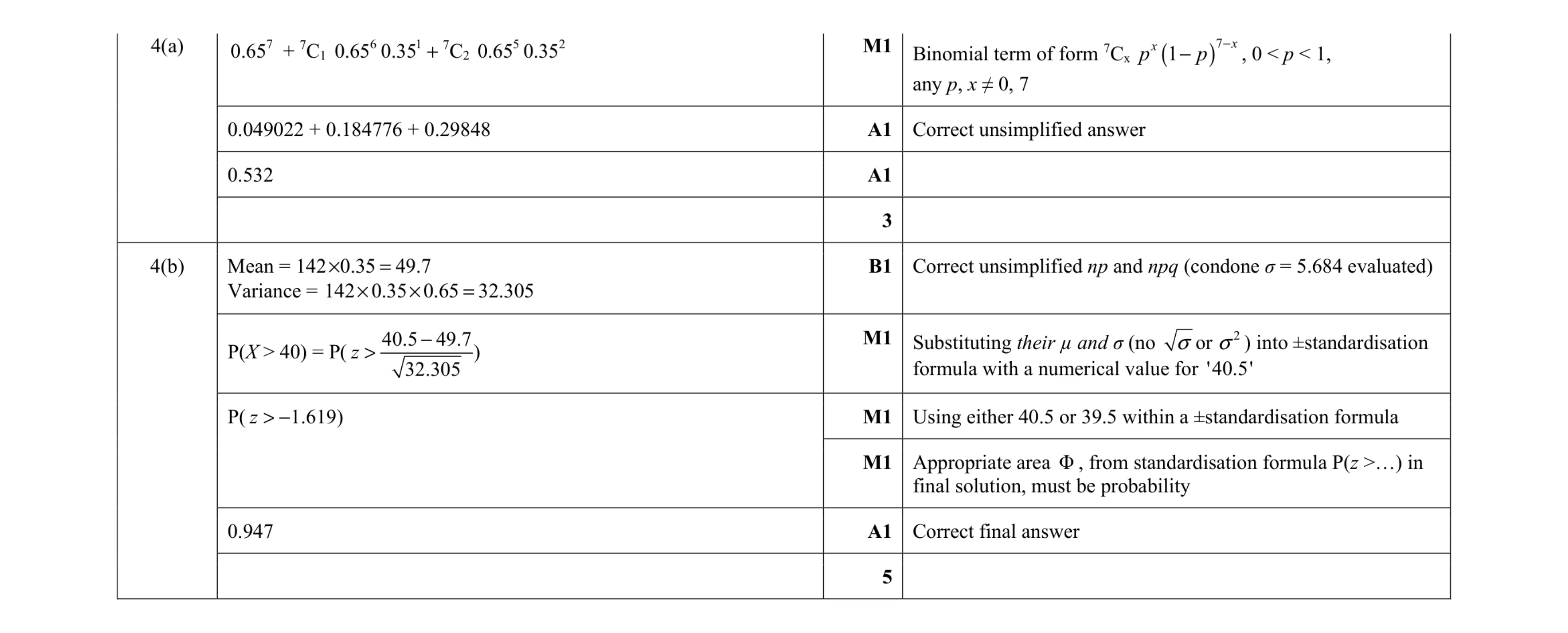 8
8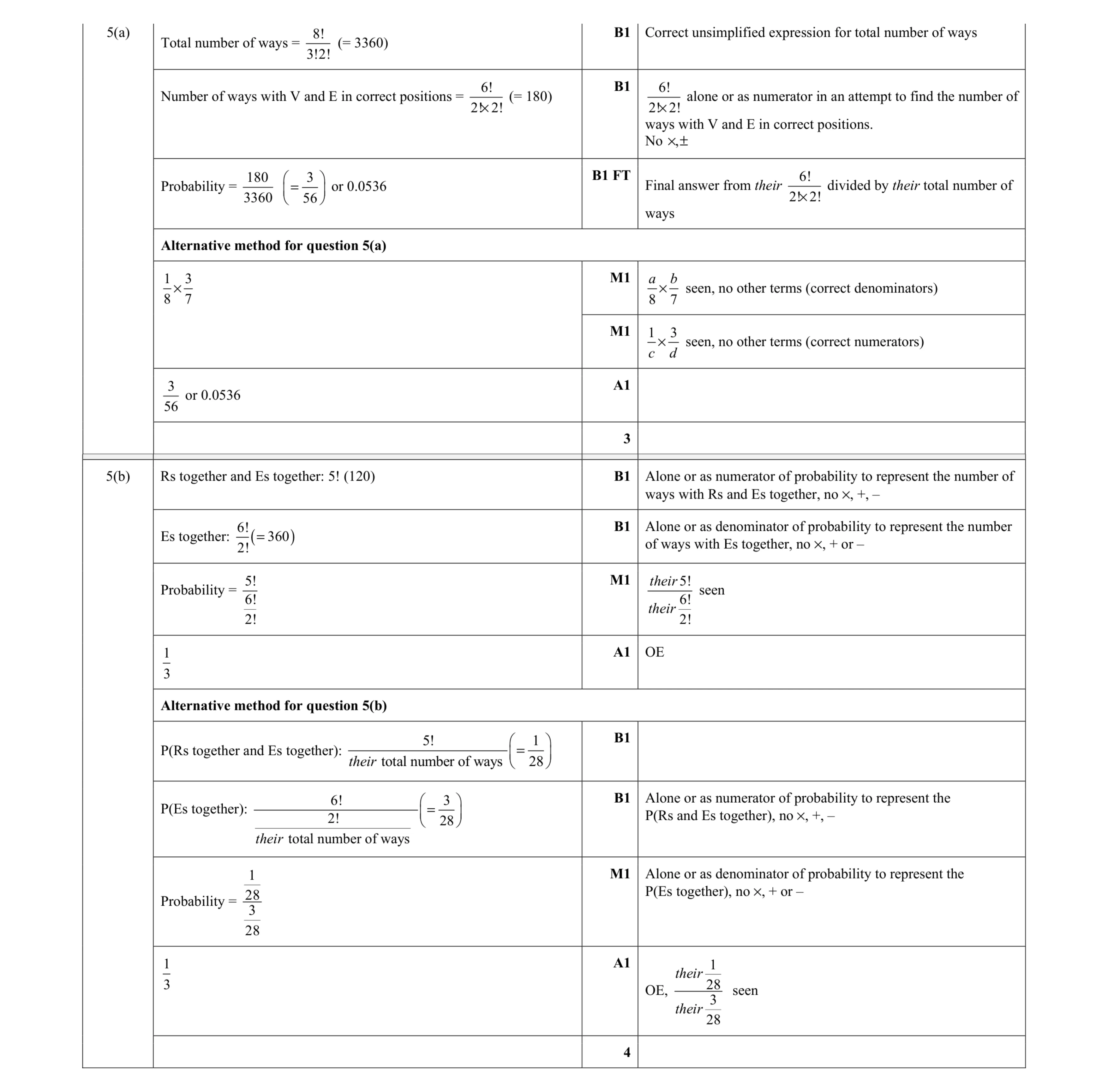 7
7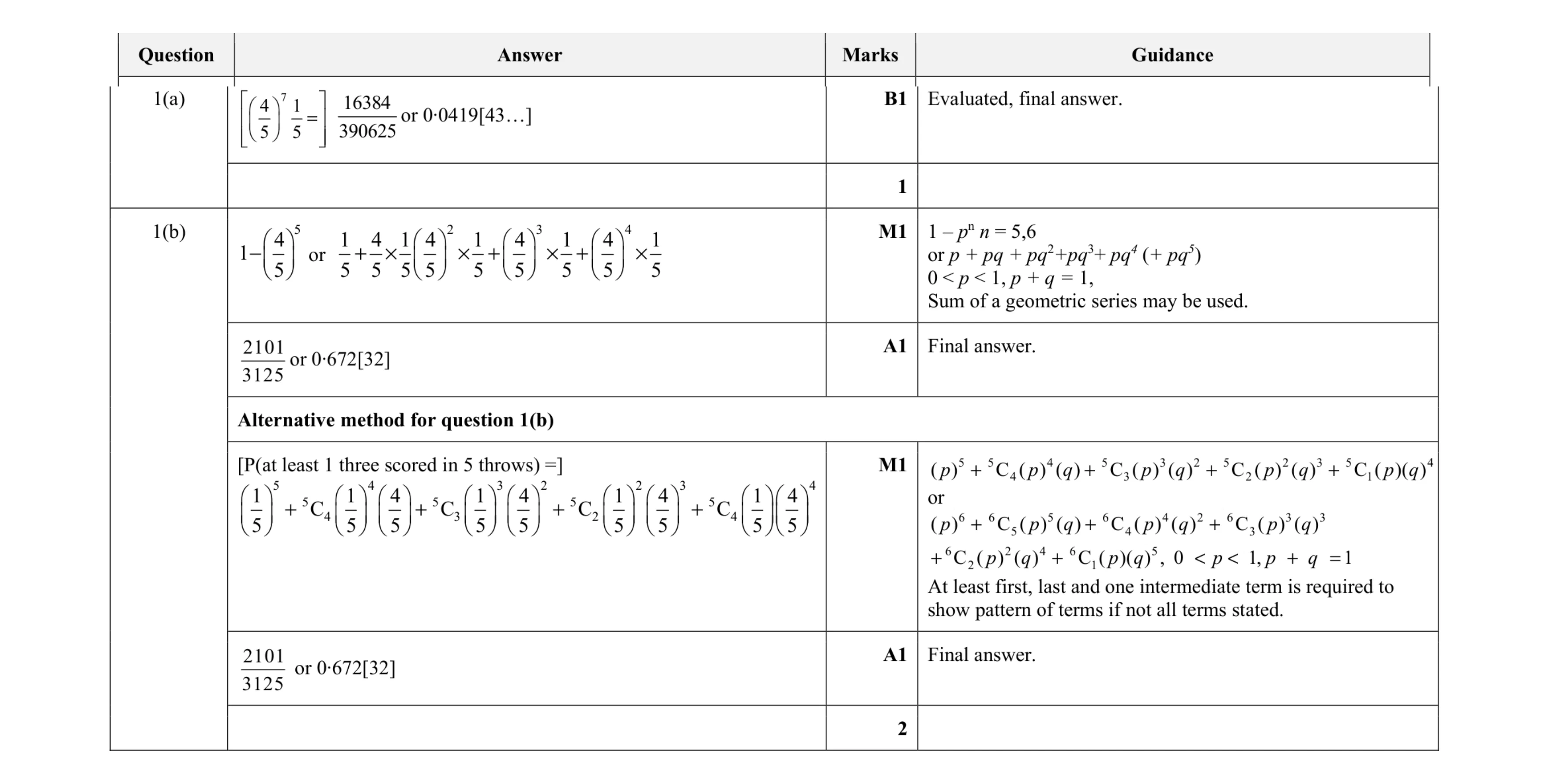 3
3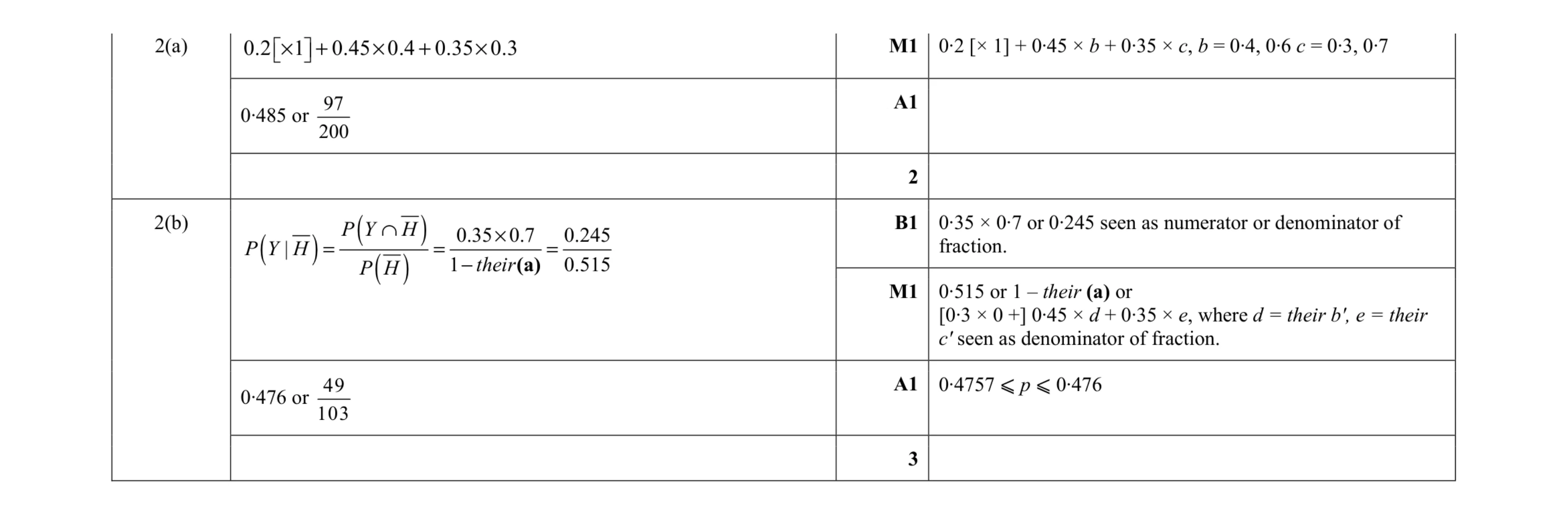 5
5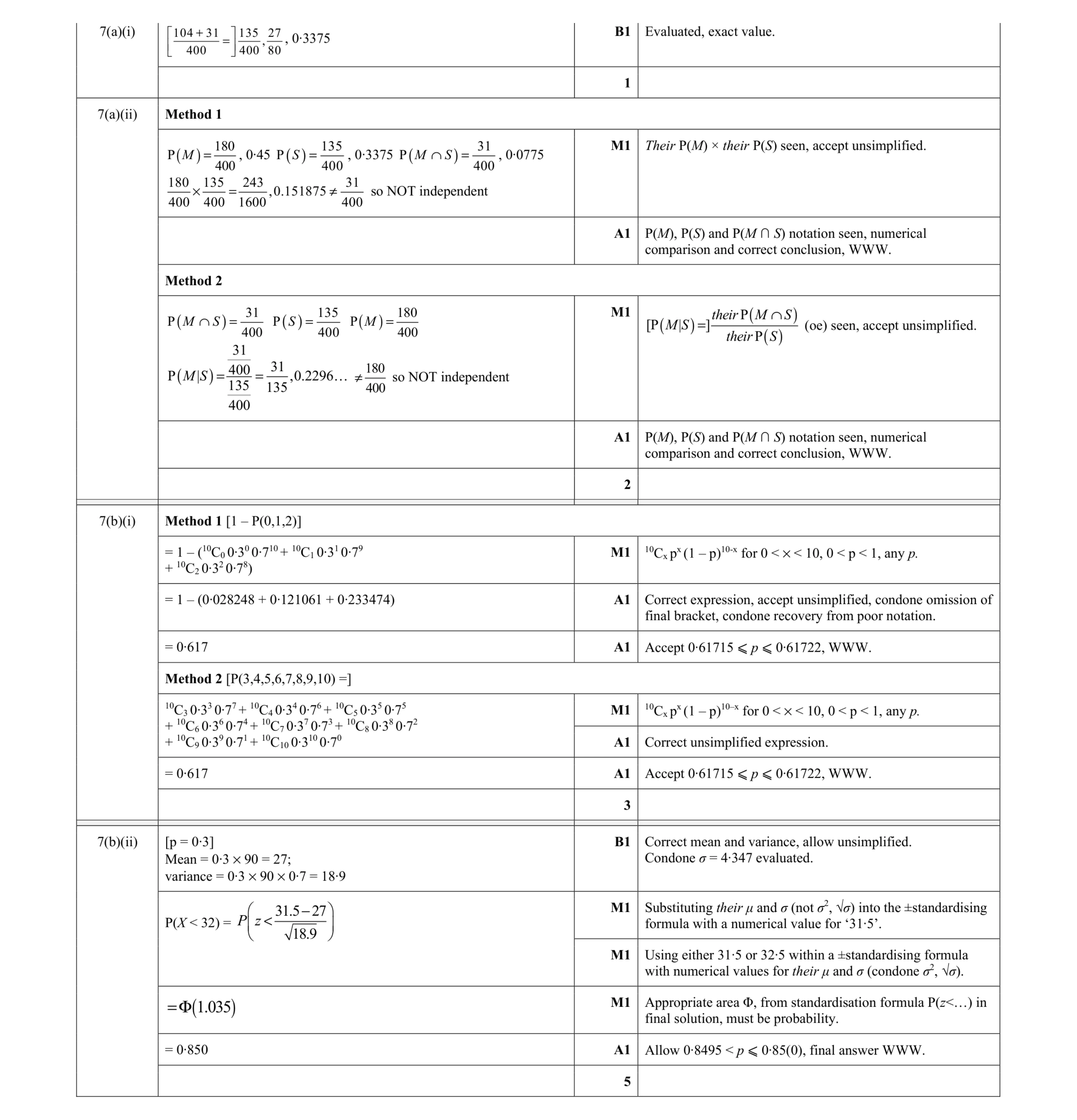 11
11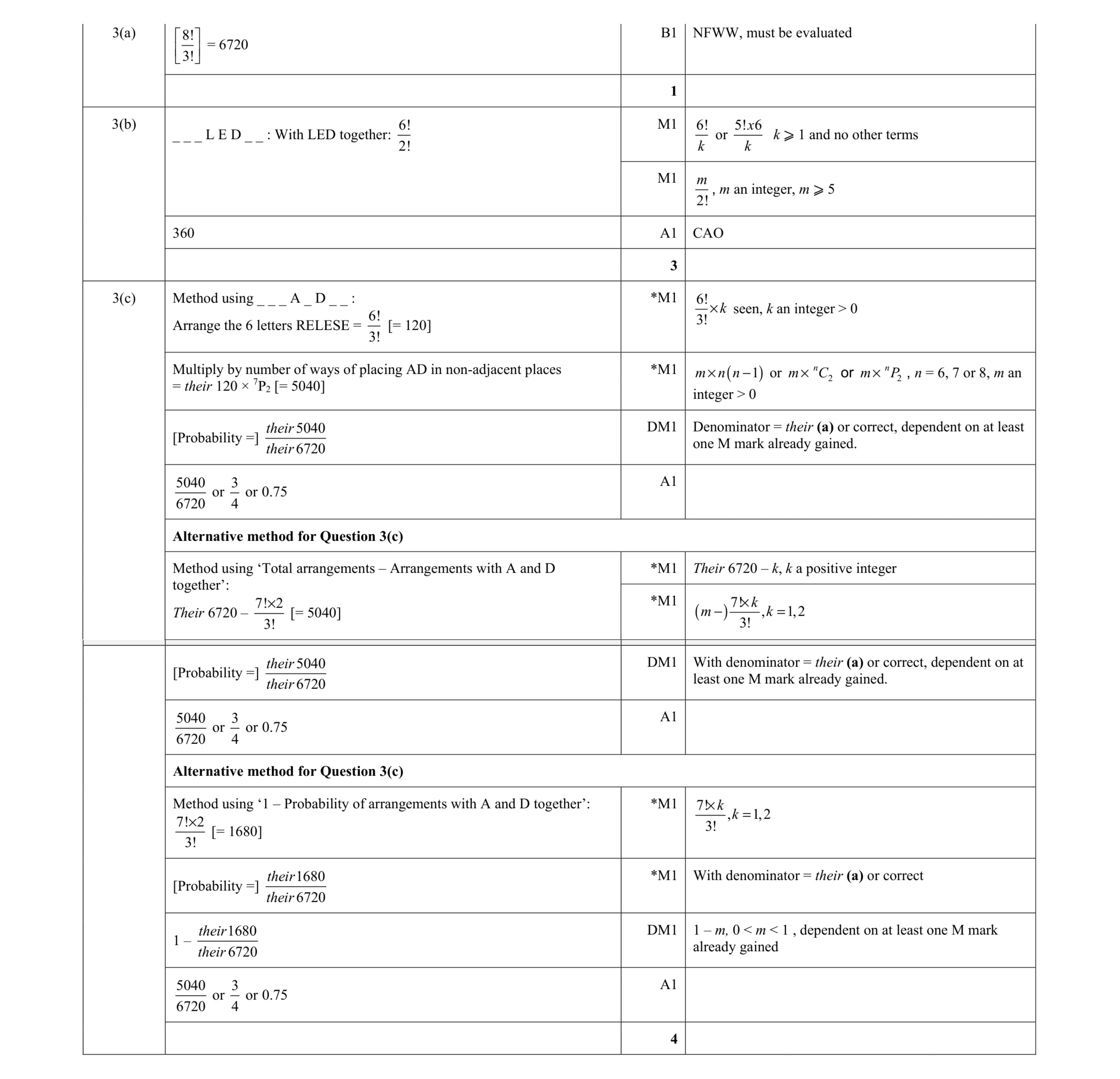 8
8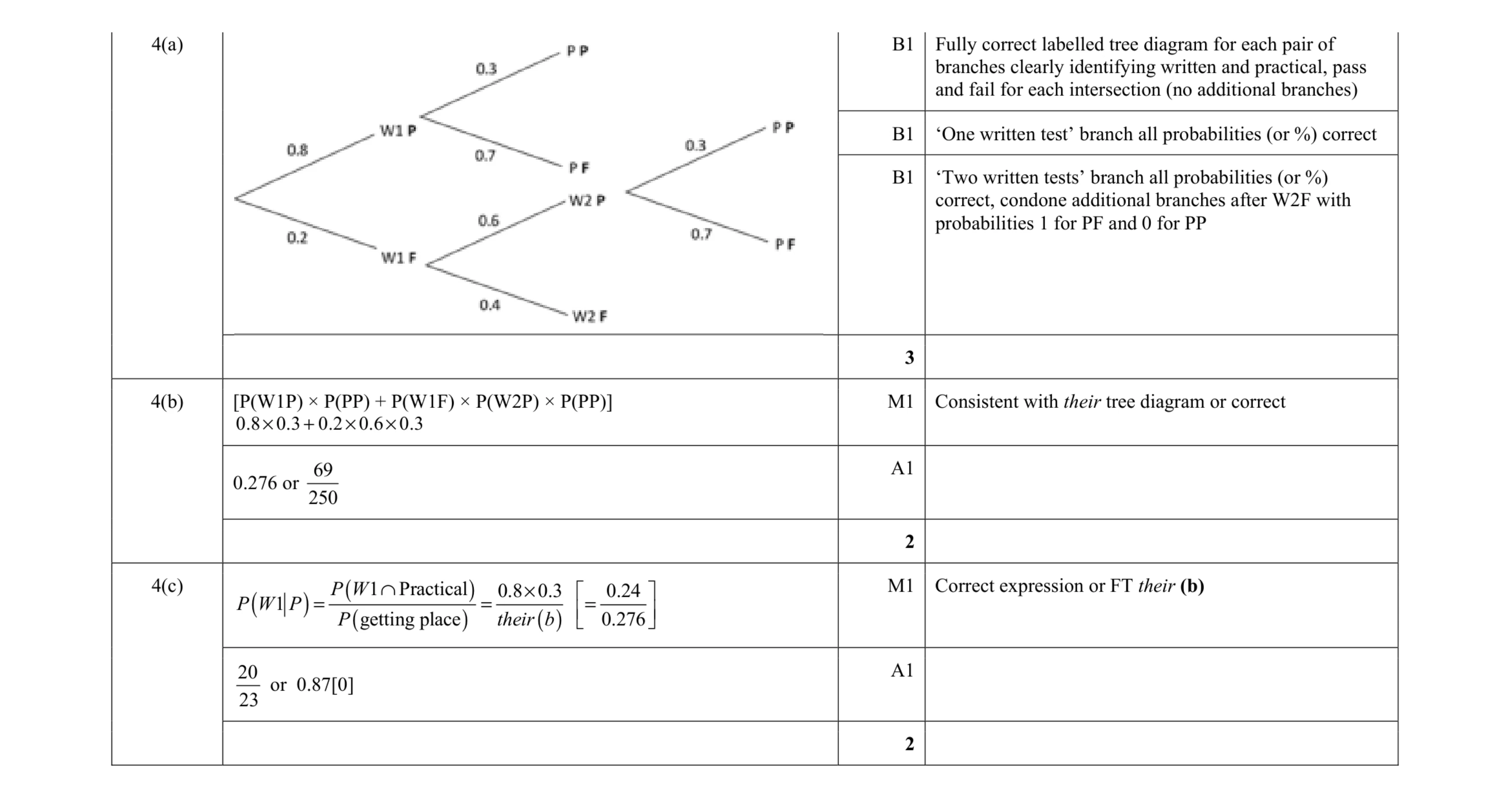 7
7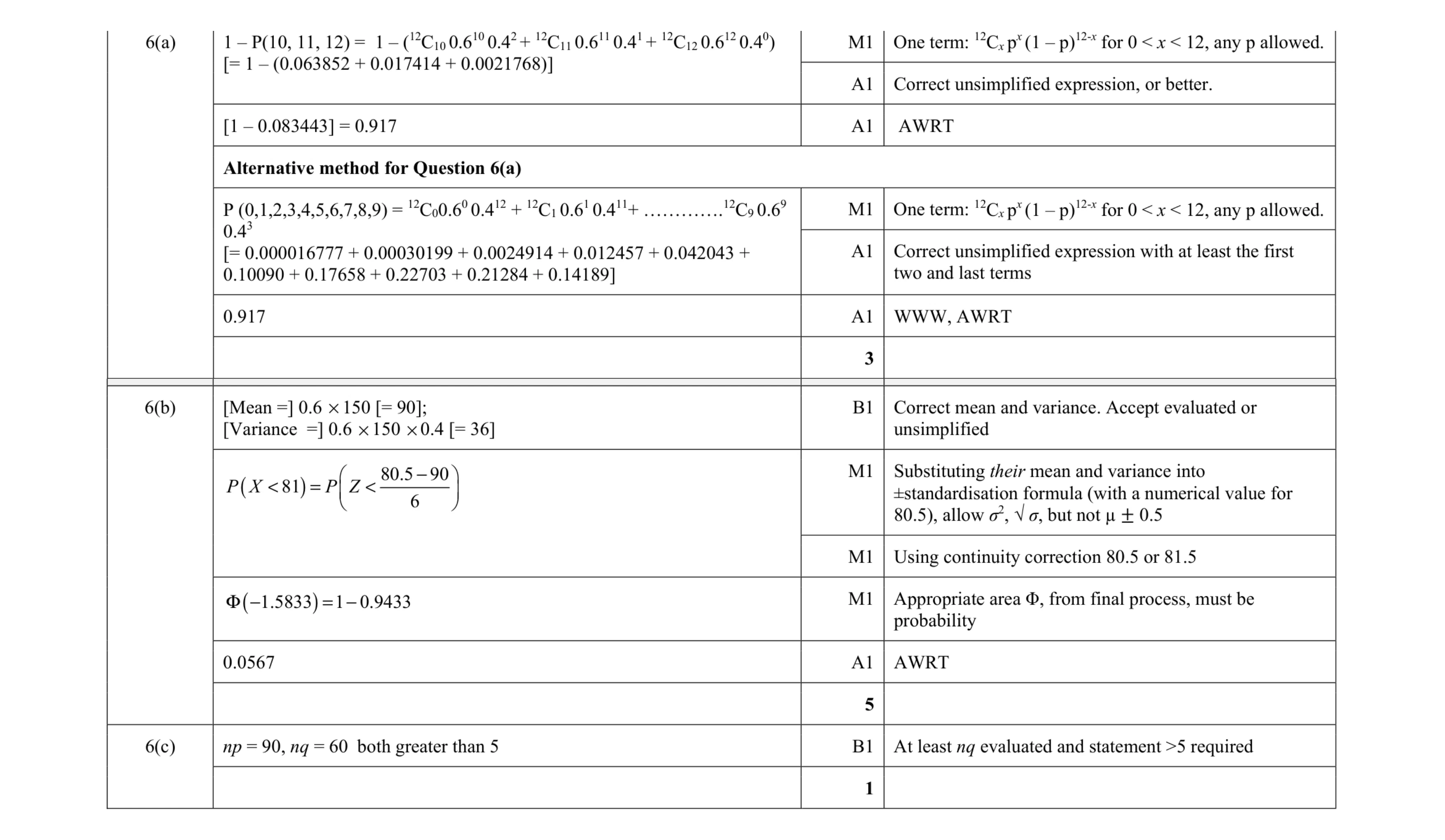 9
9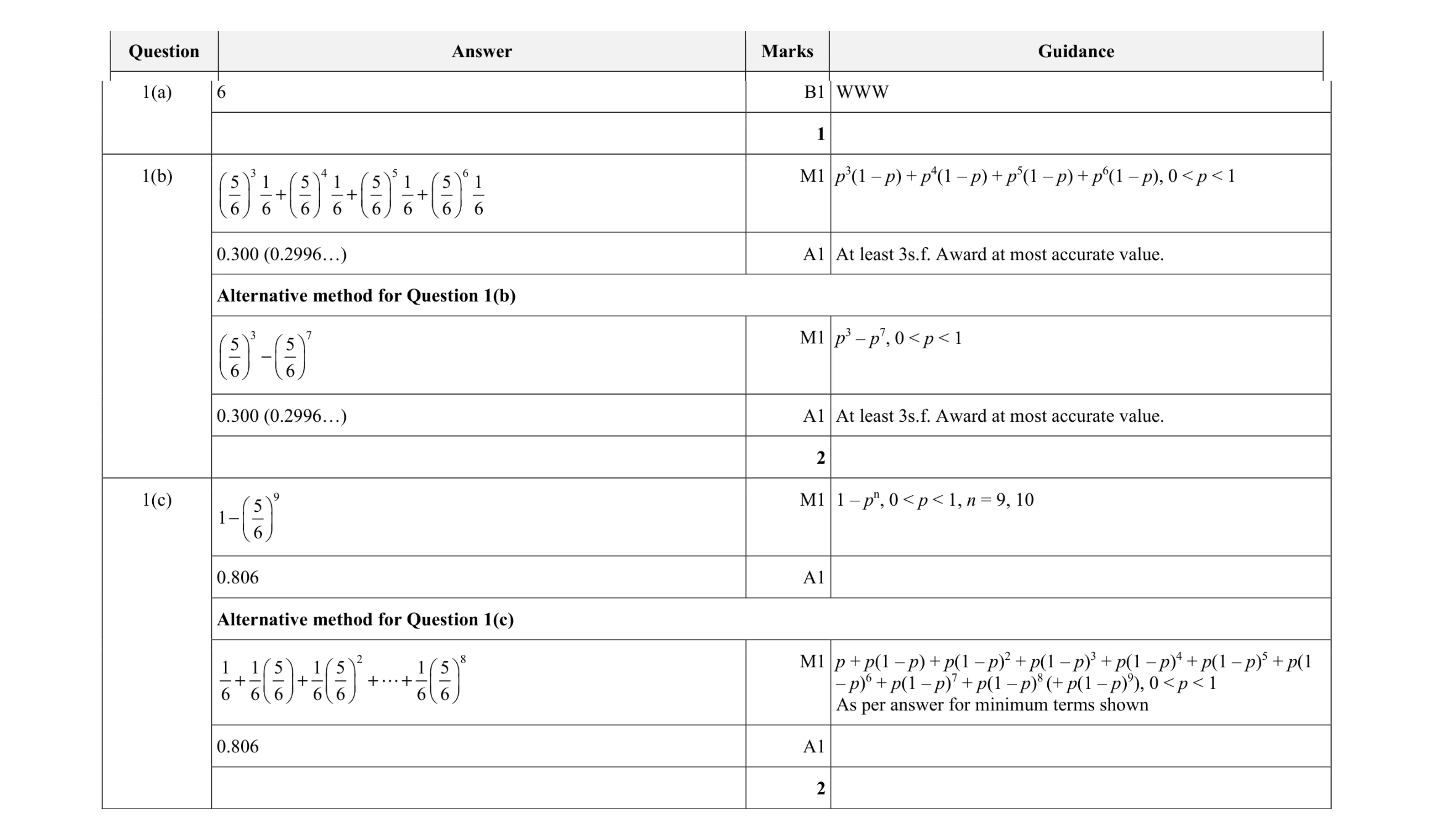 5
5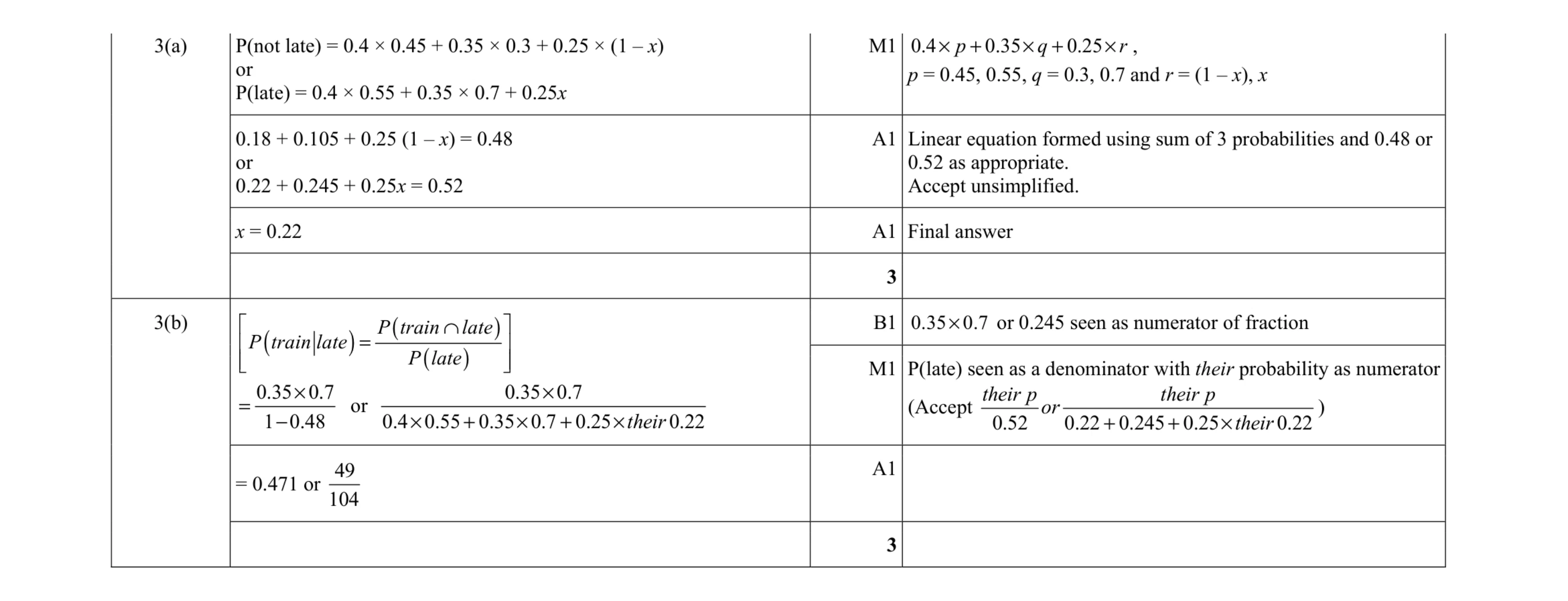 6
6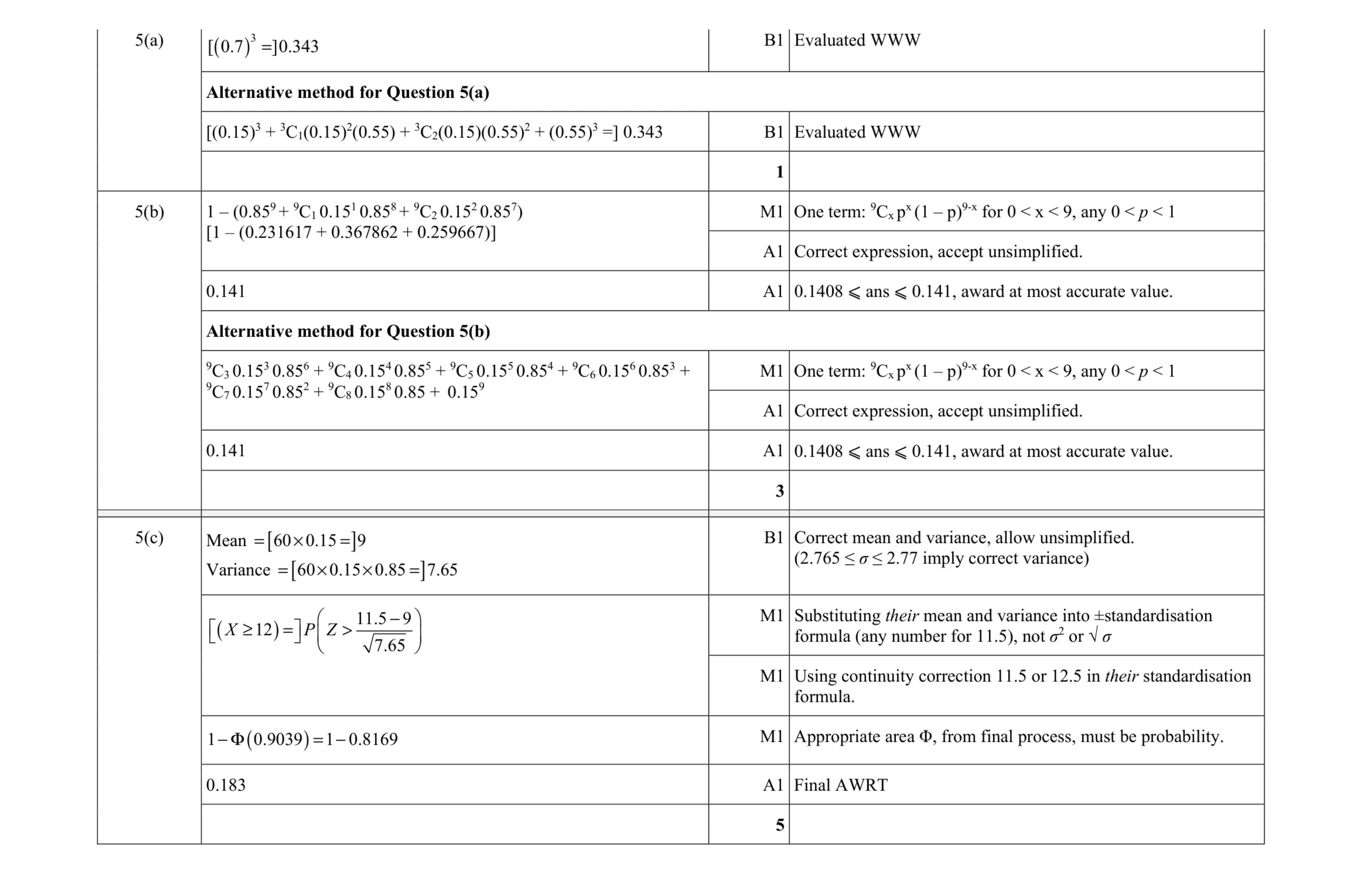 9
9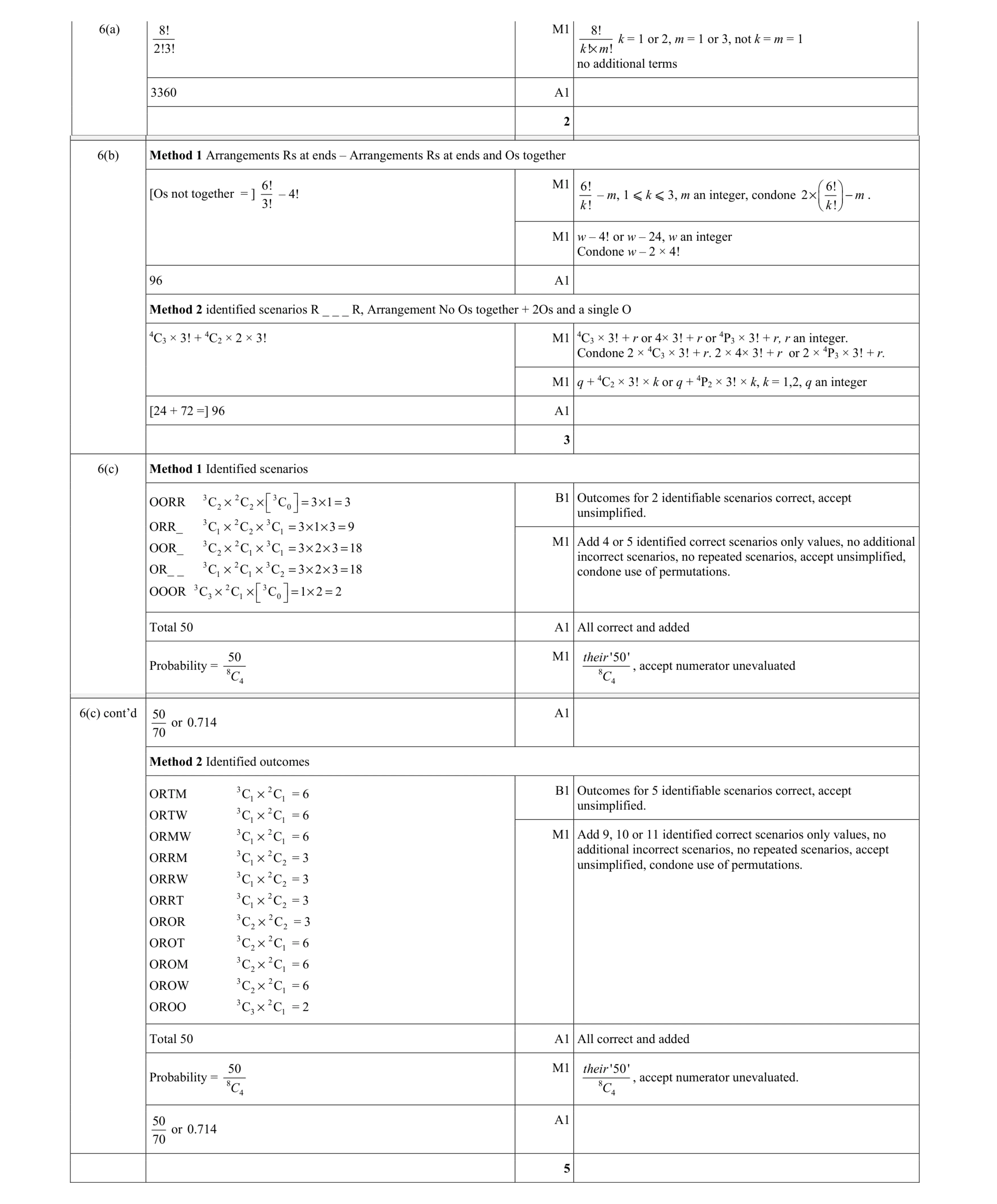 10
10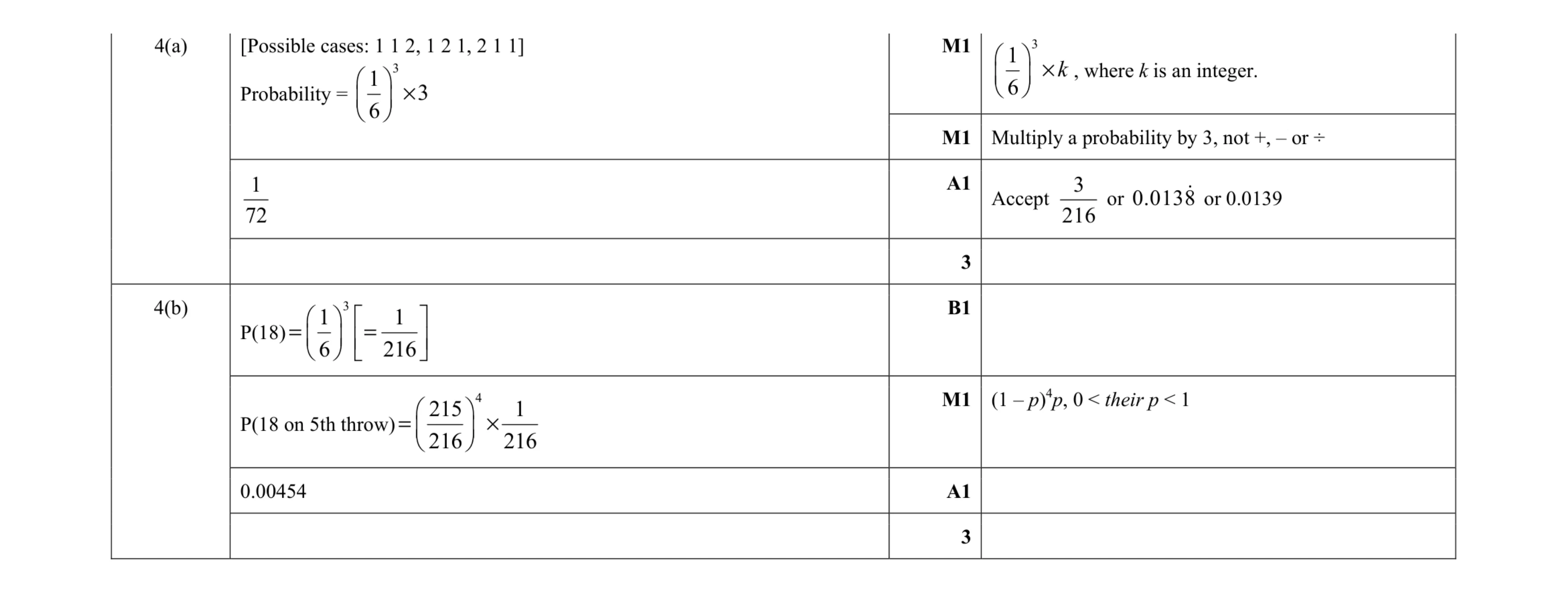 6
6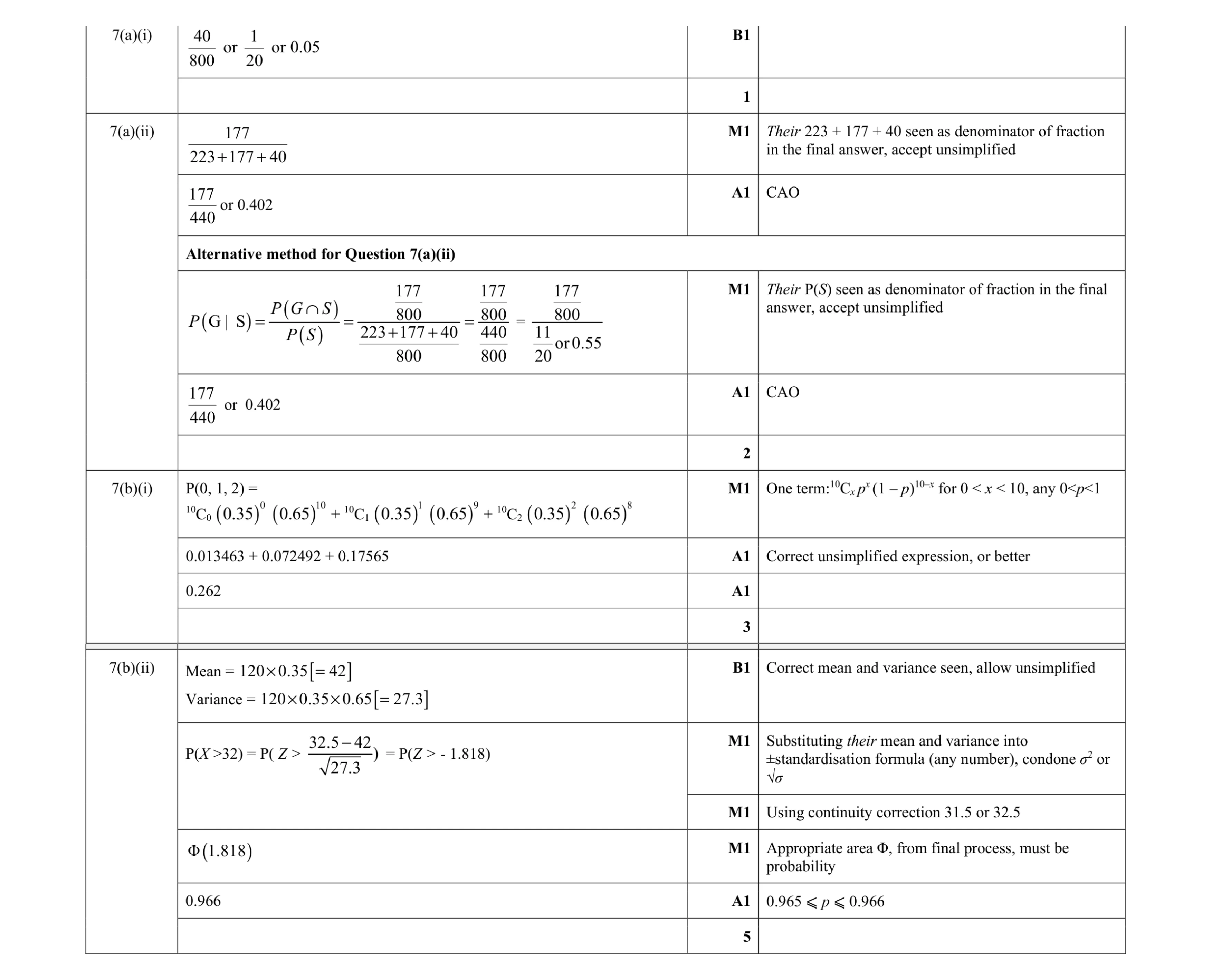 11
11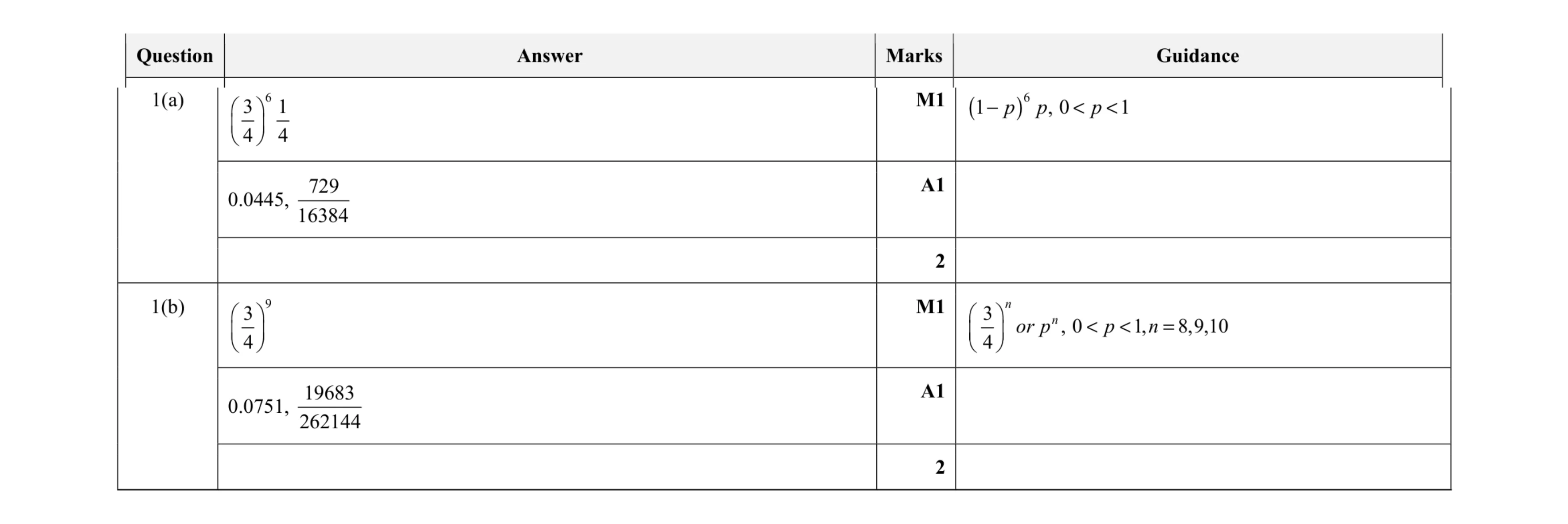 4
4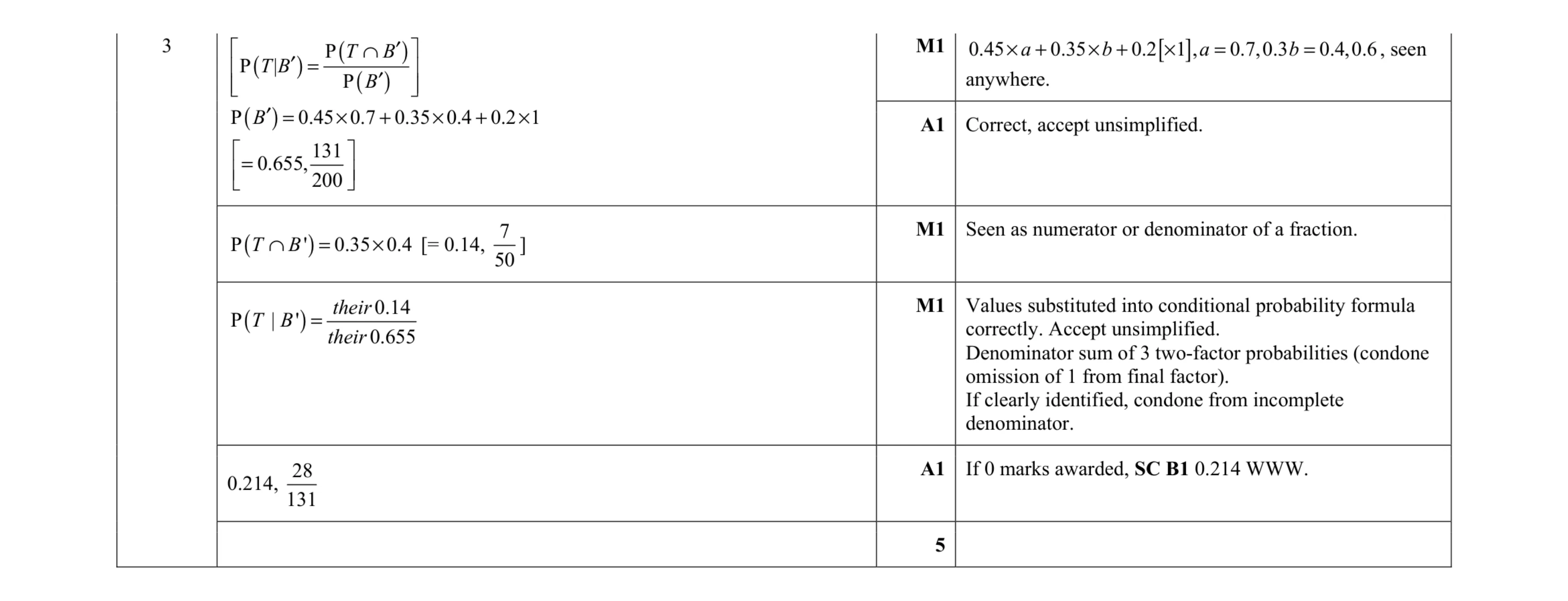 5
5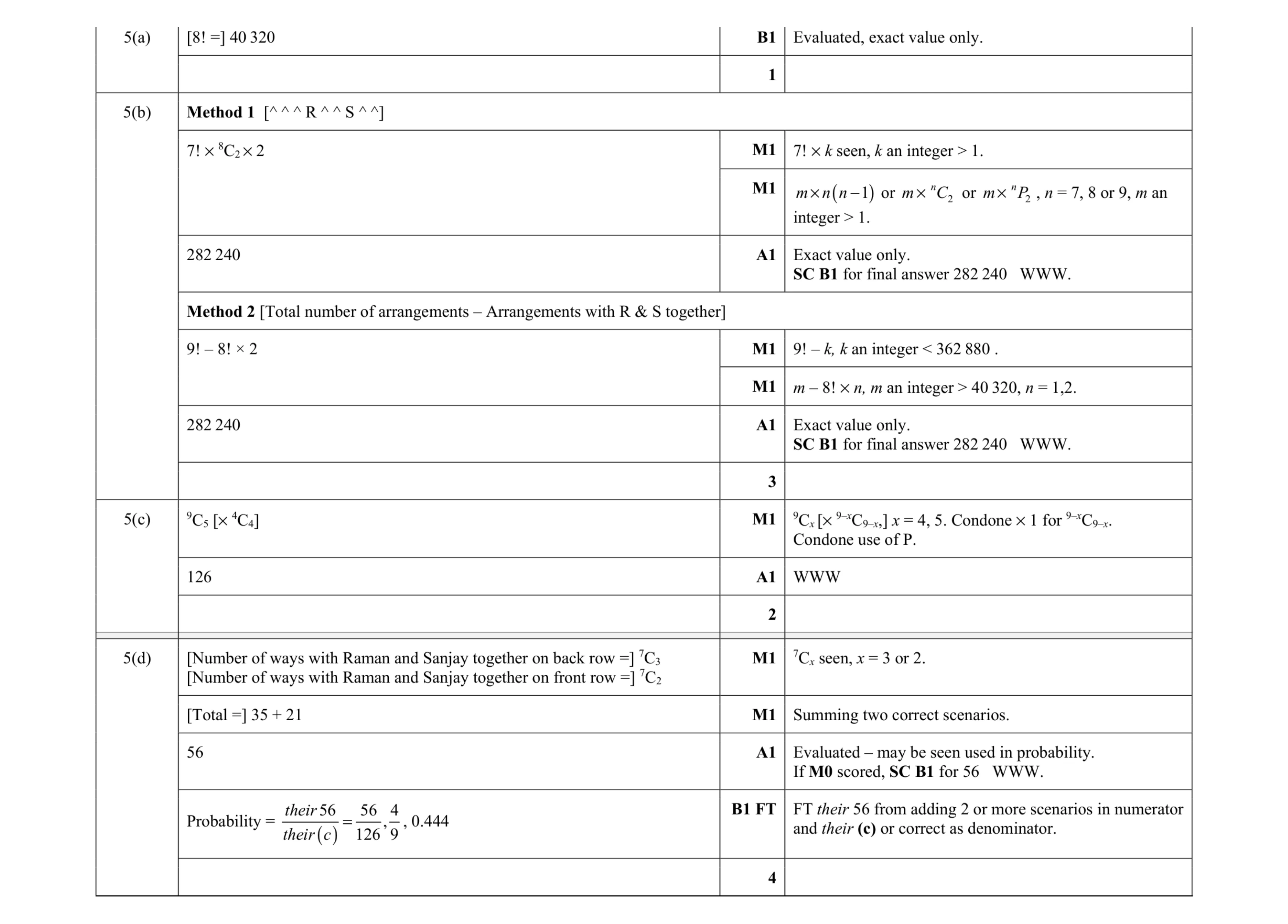 10
10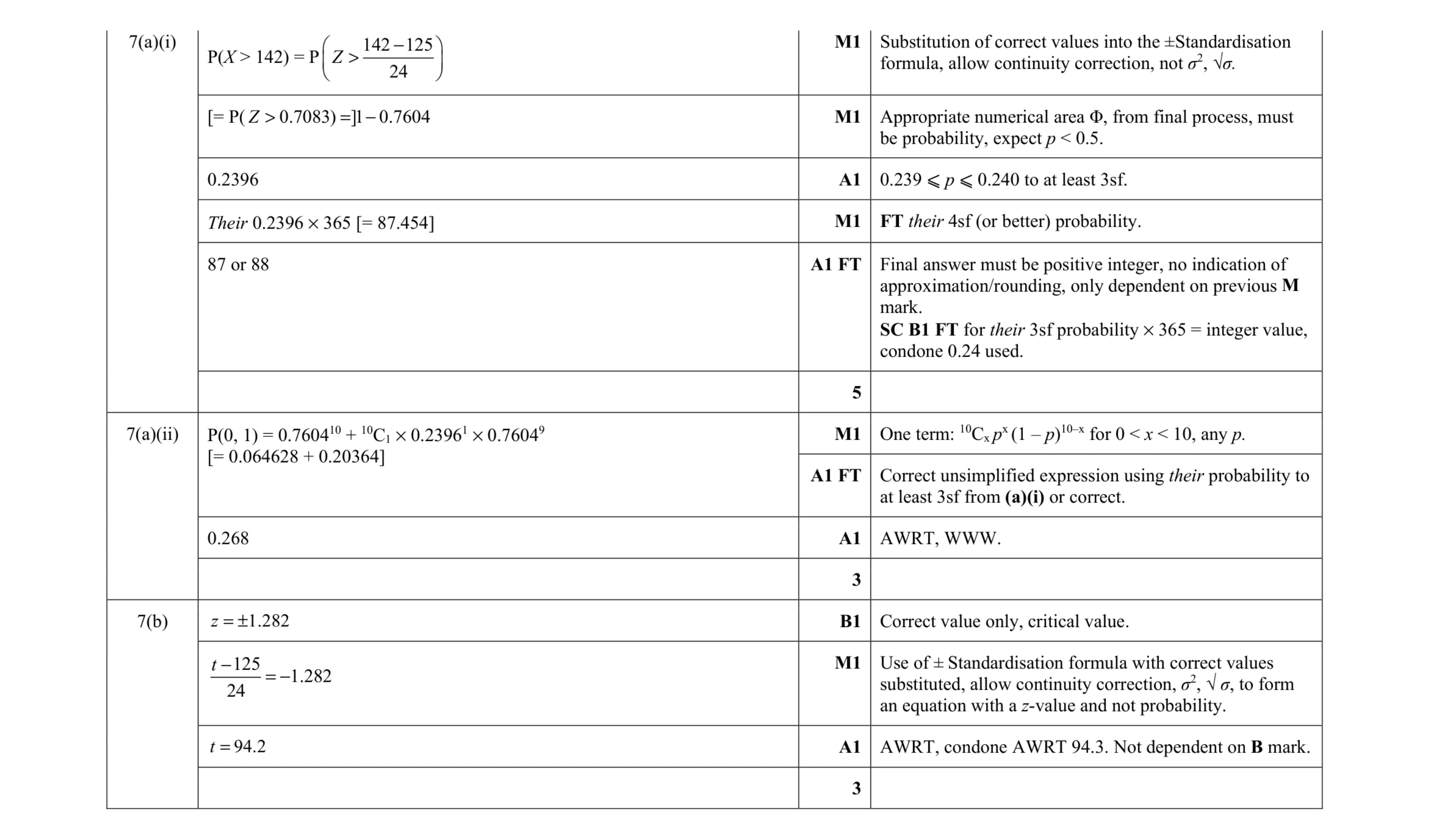 11
11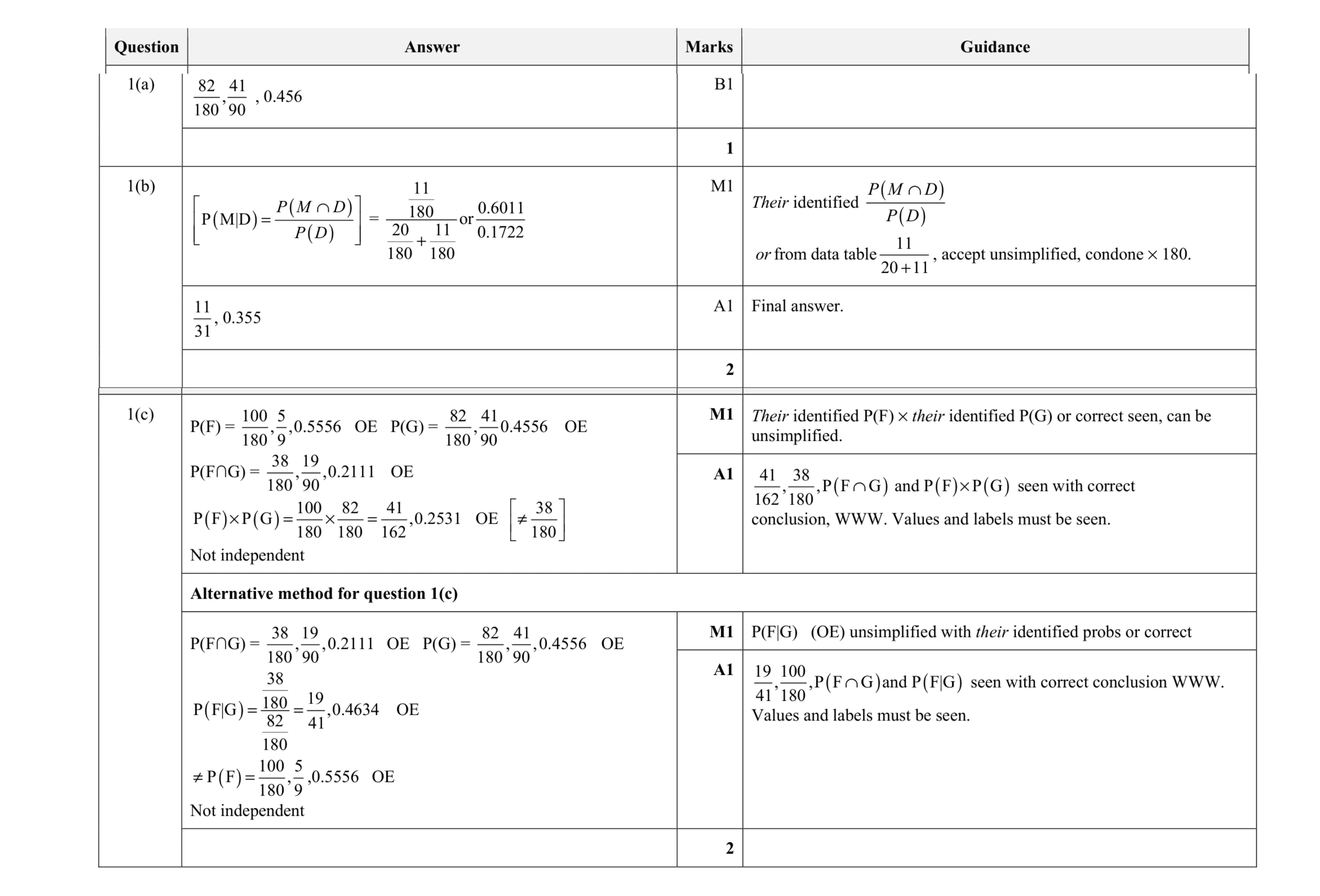 5
5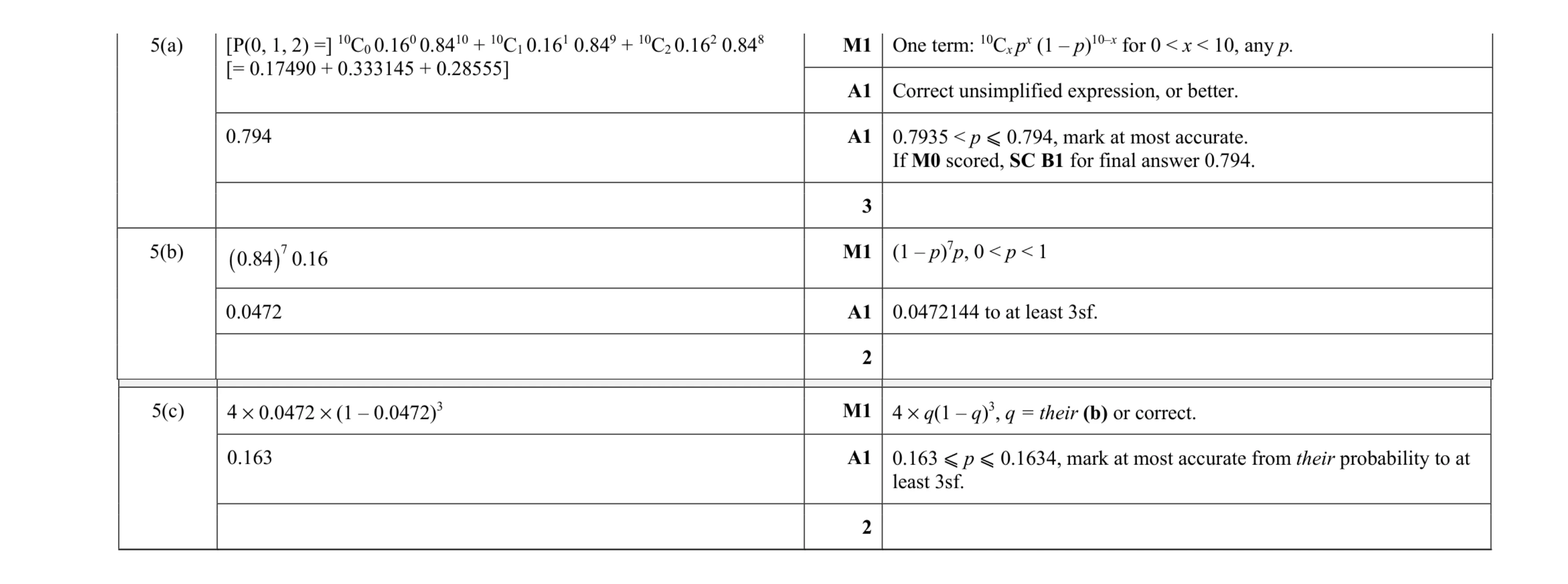 7
7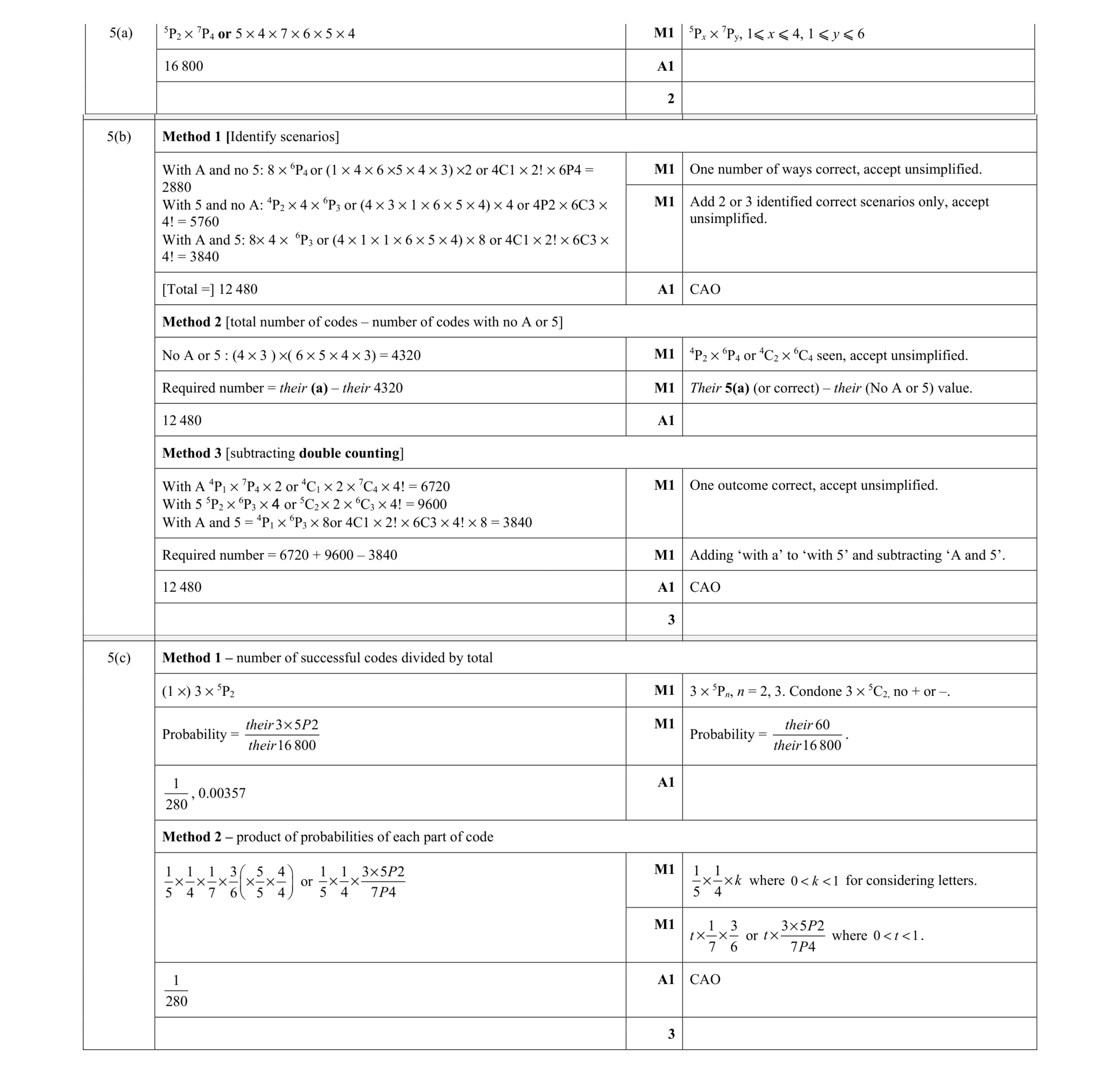 8
8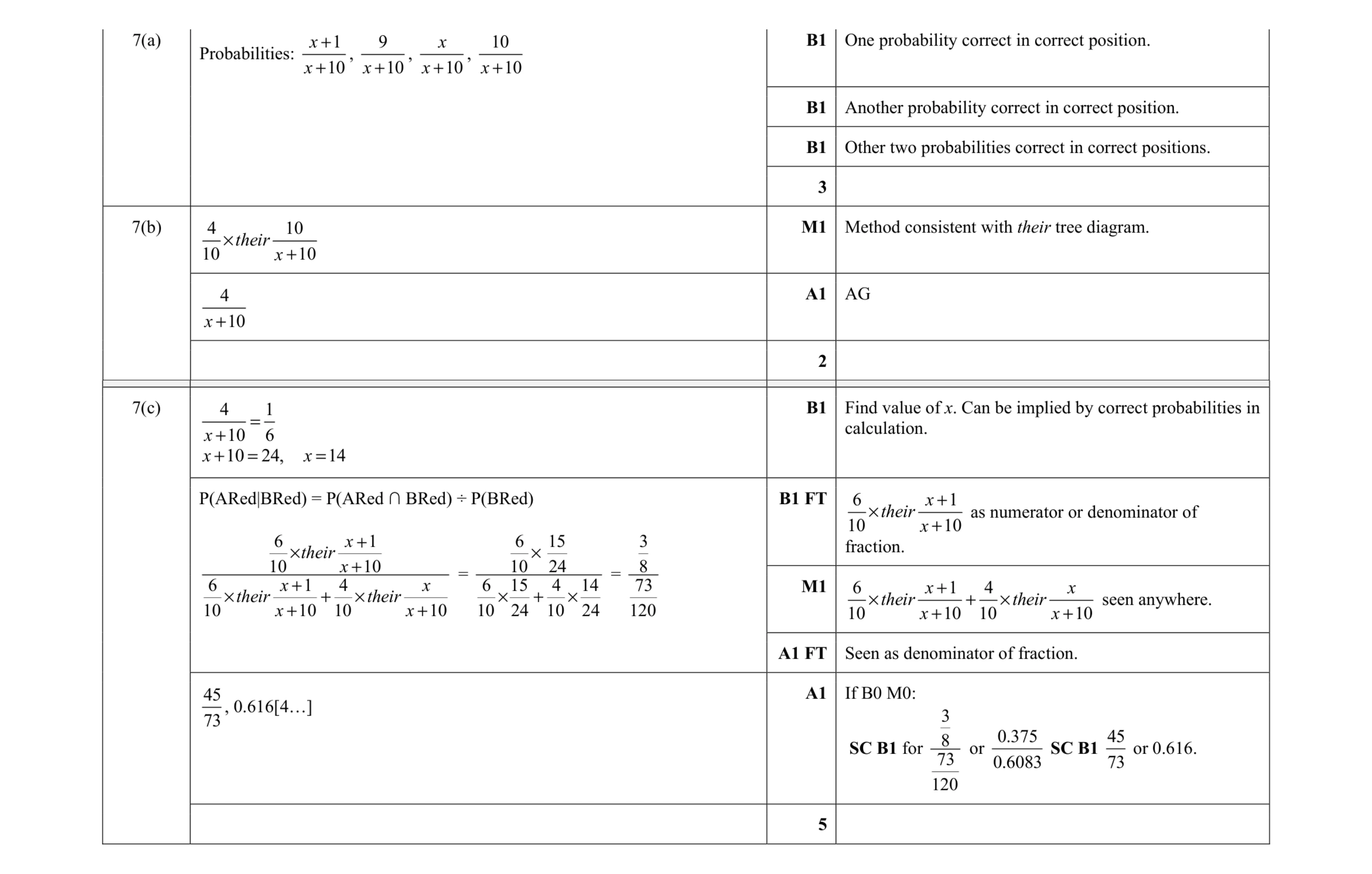 10
10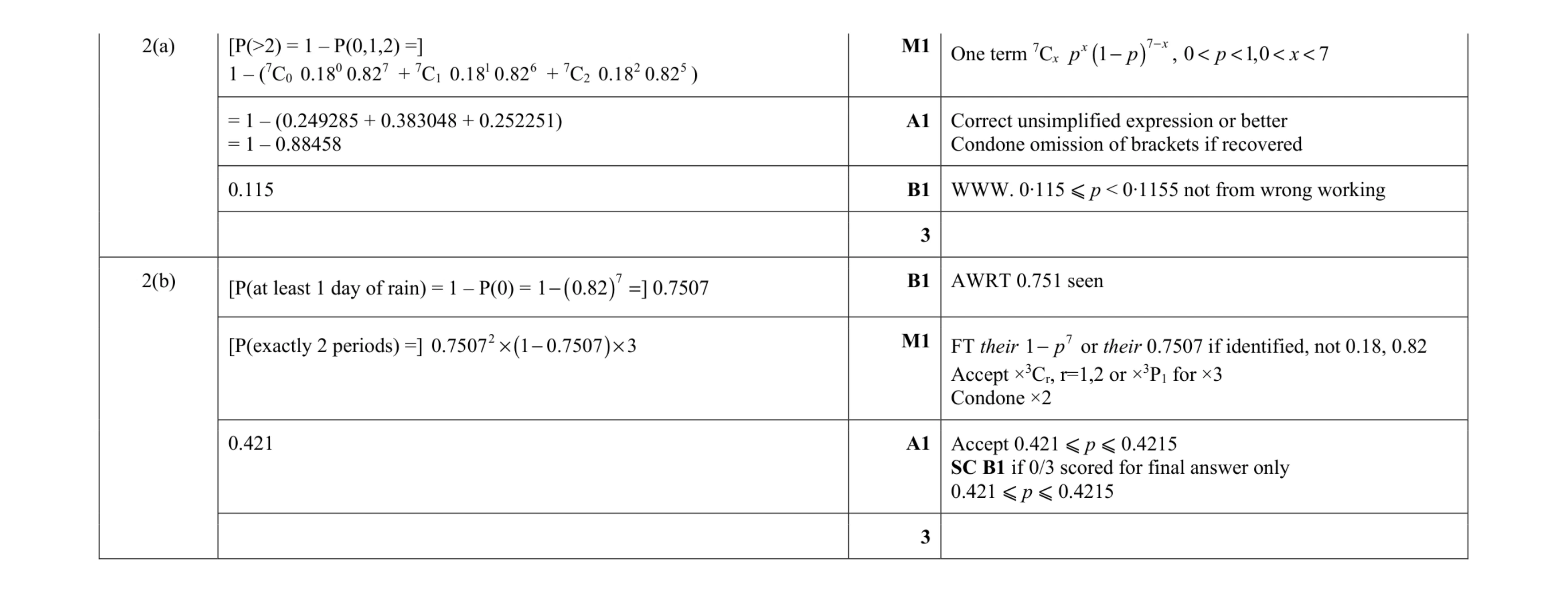 6
6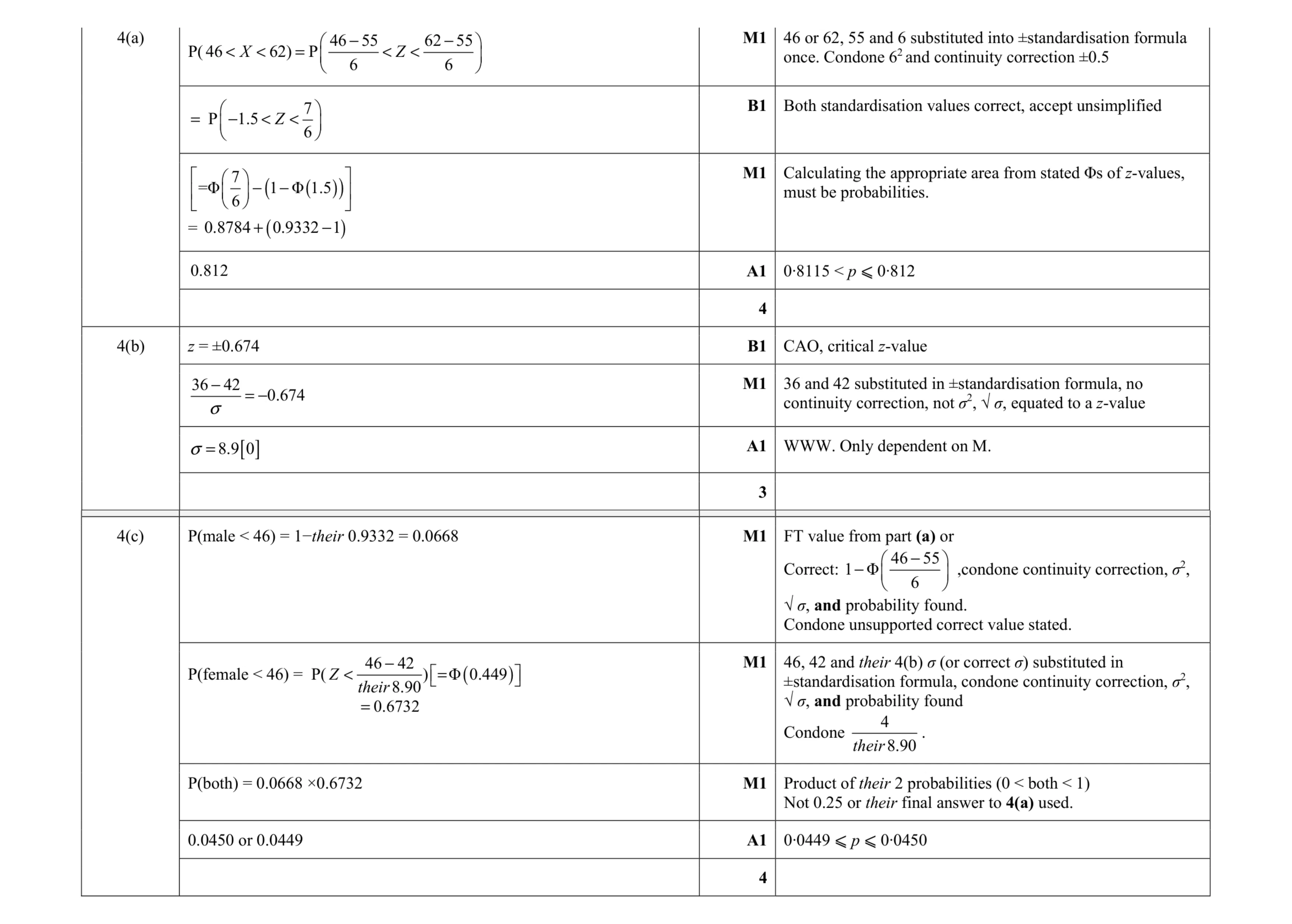 11
11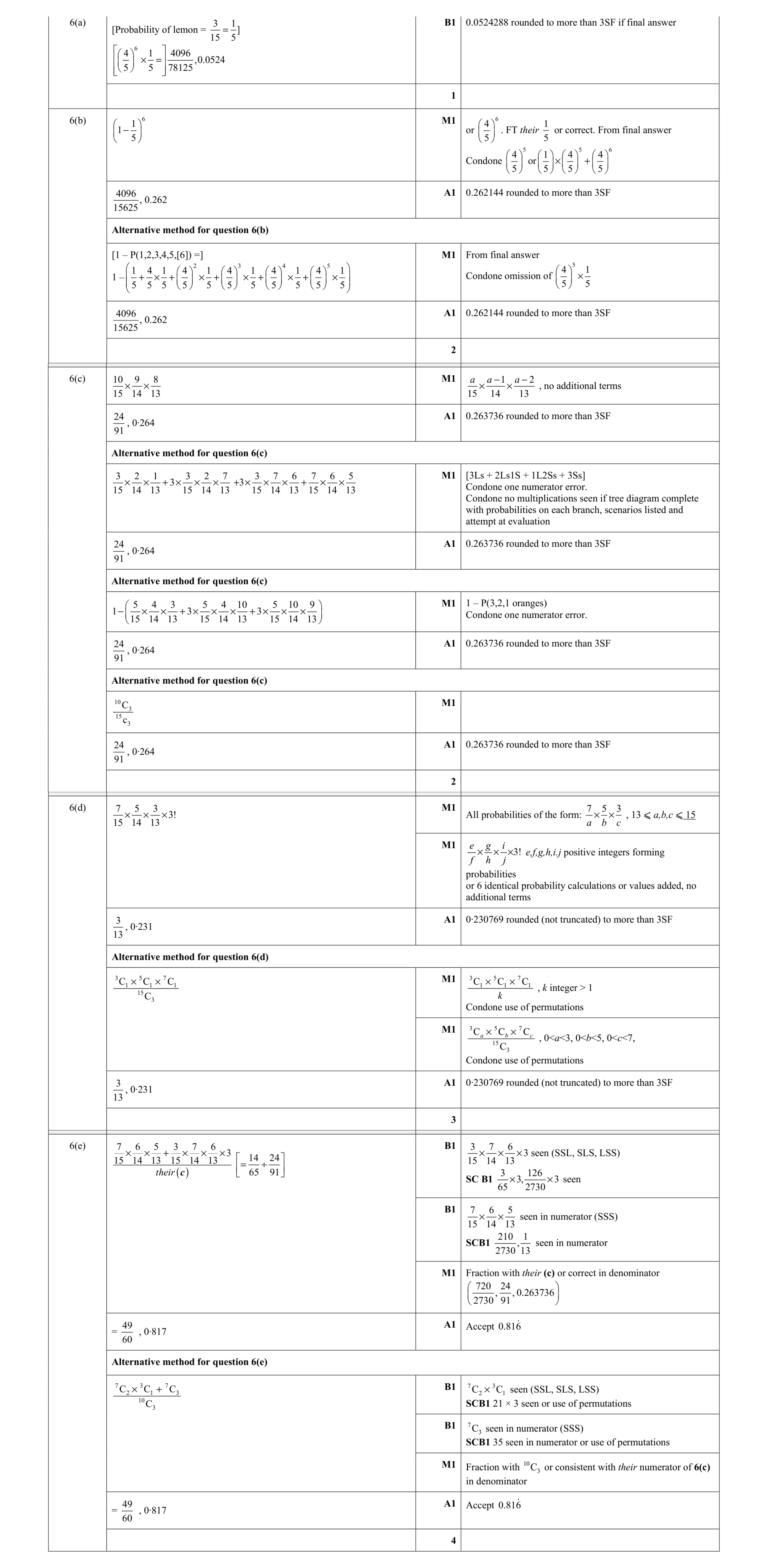 12
12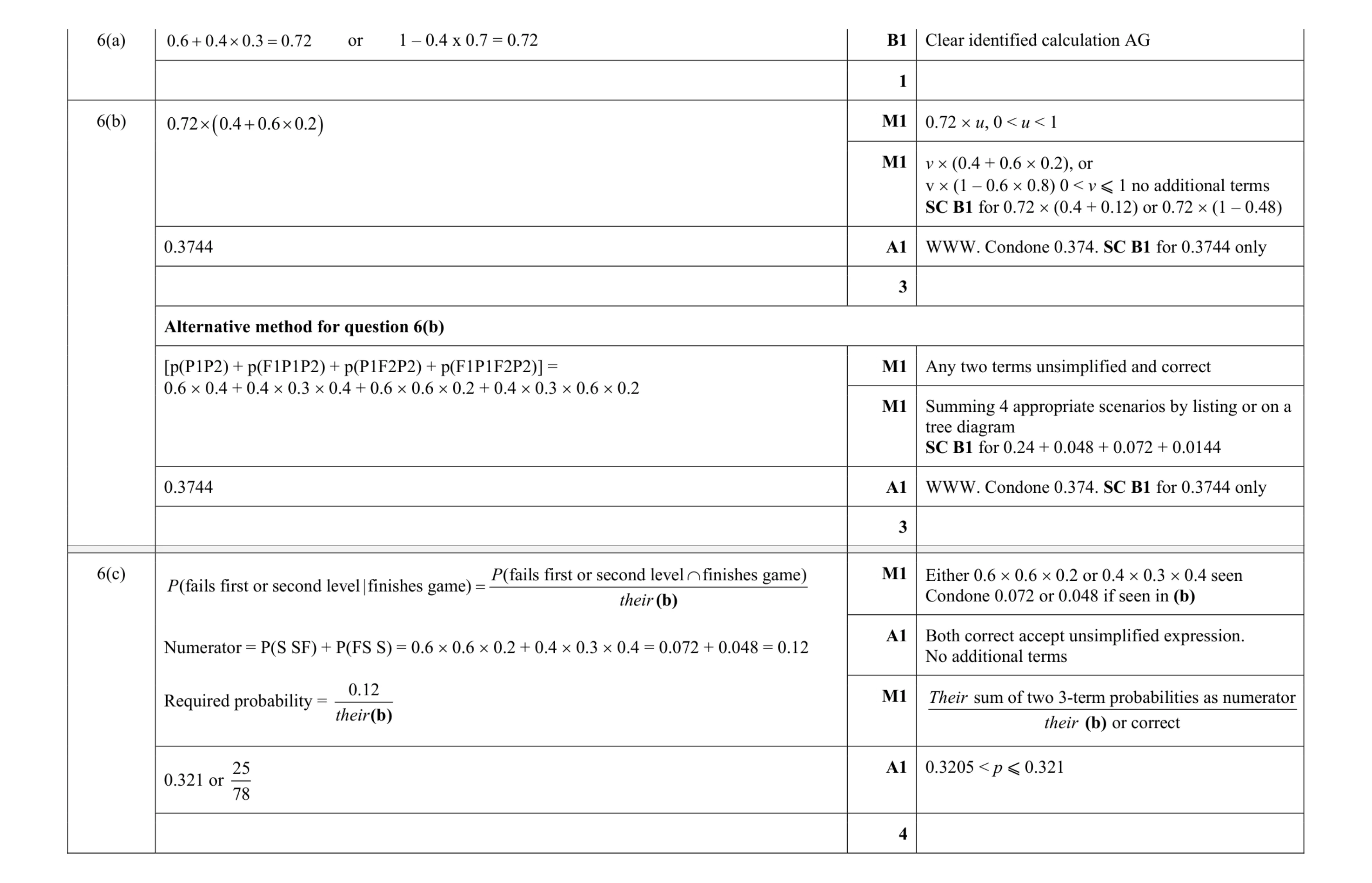 8
8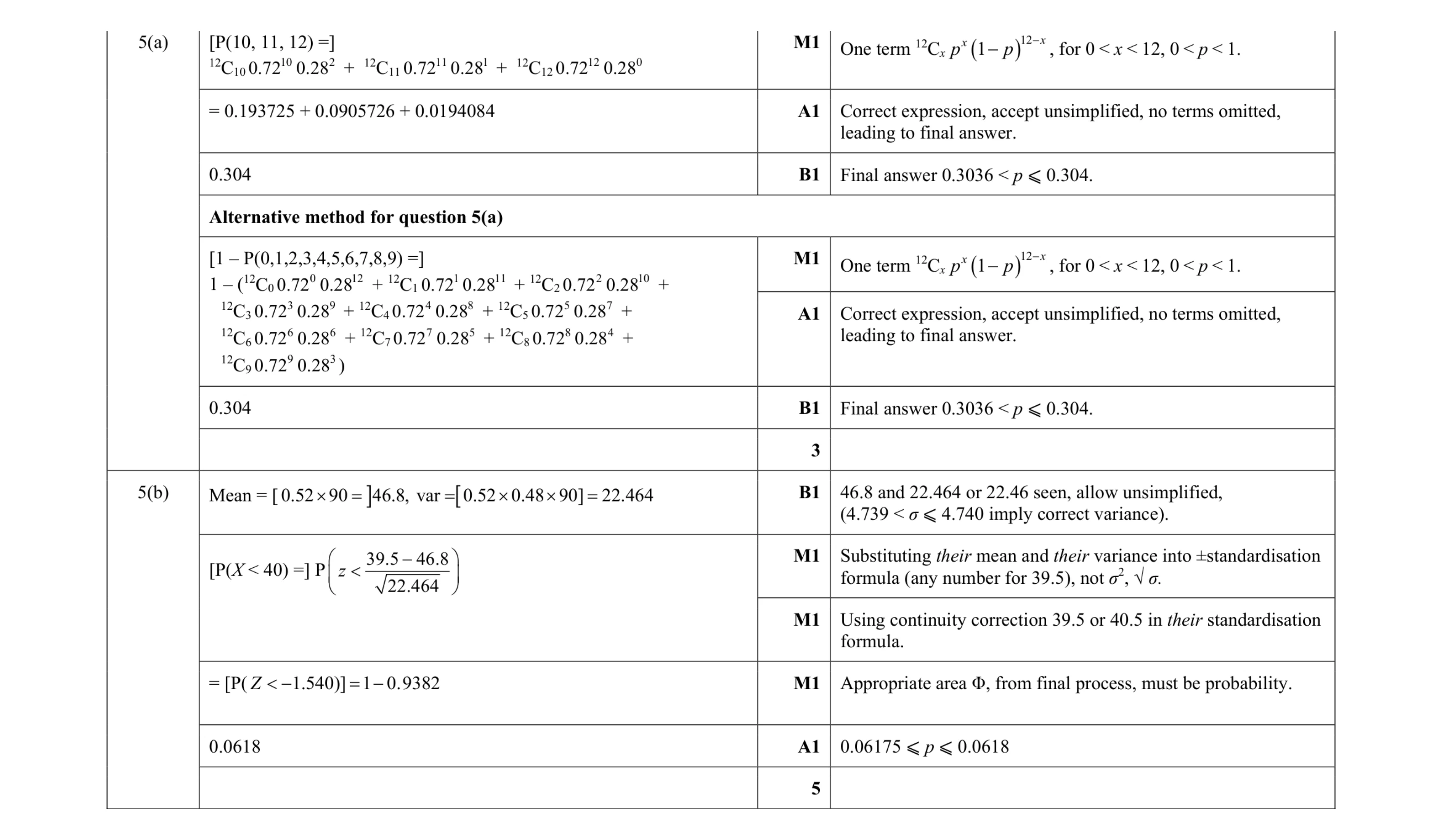 8
8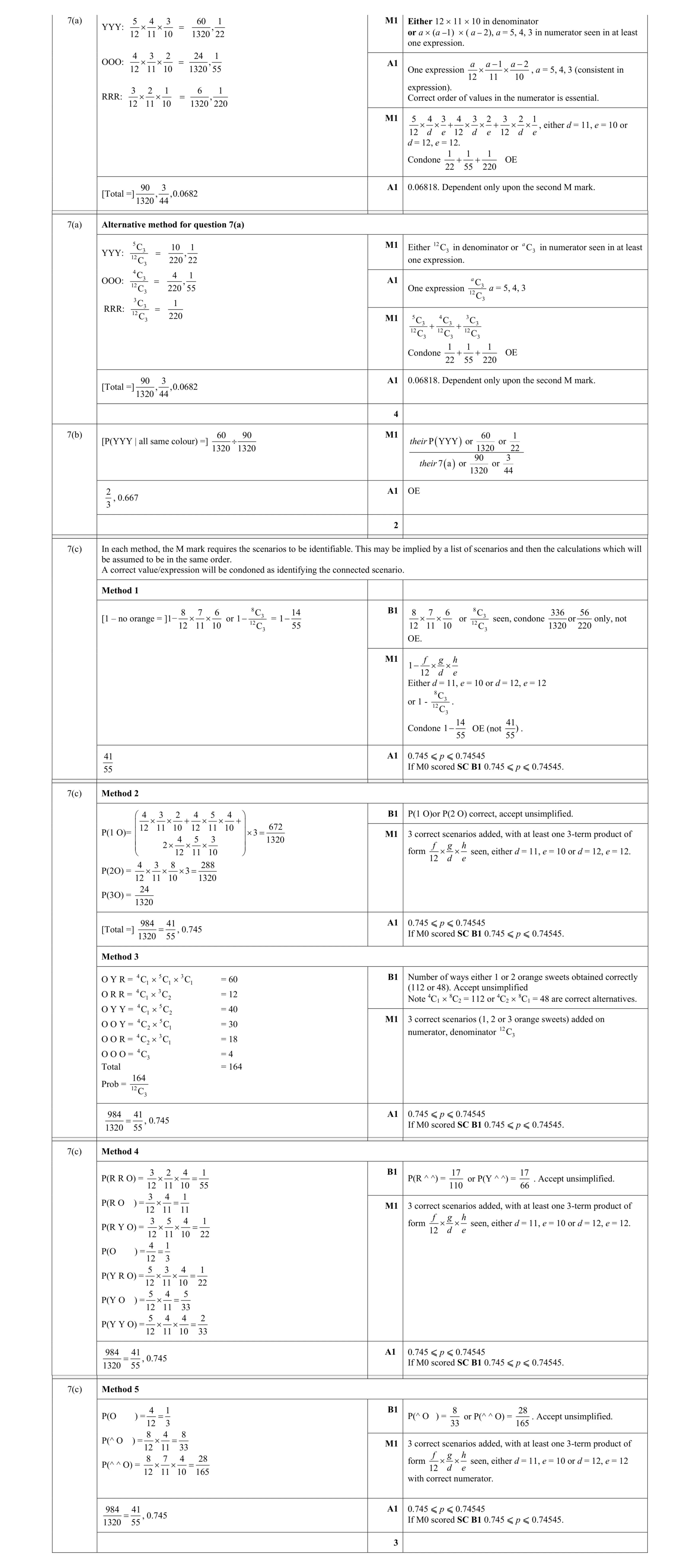 9
9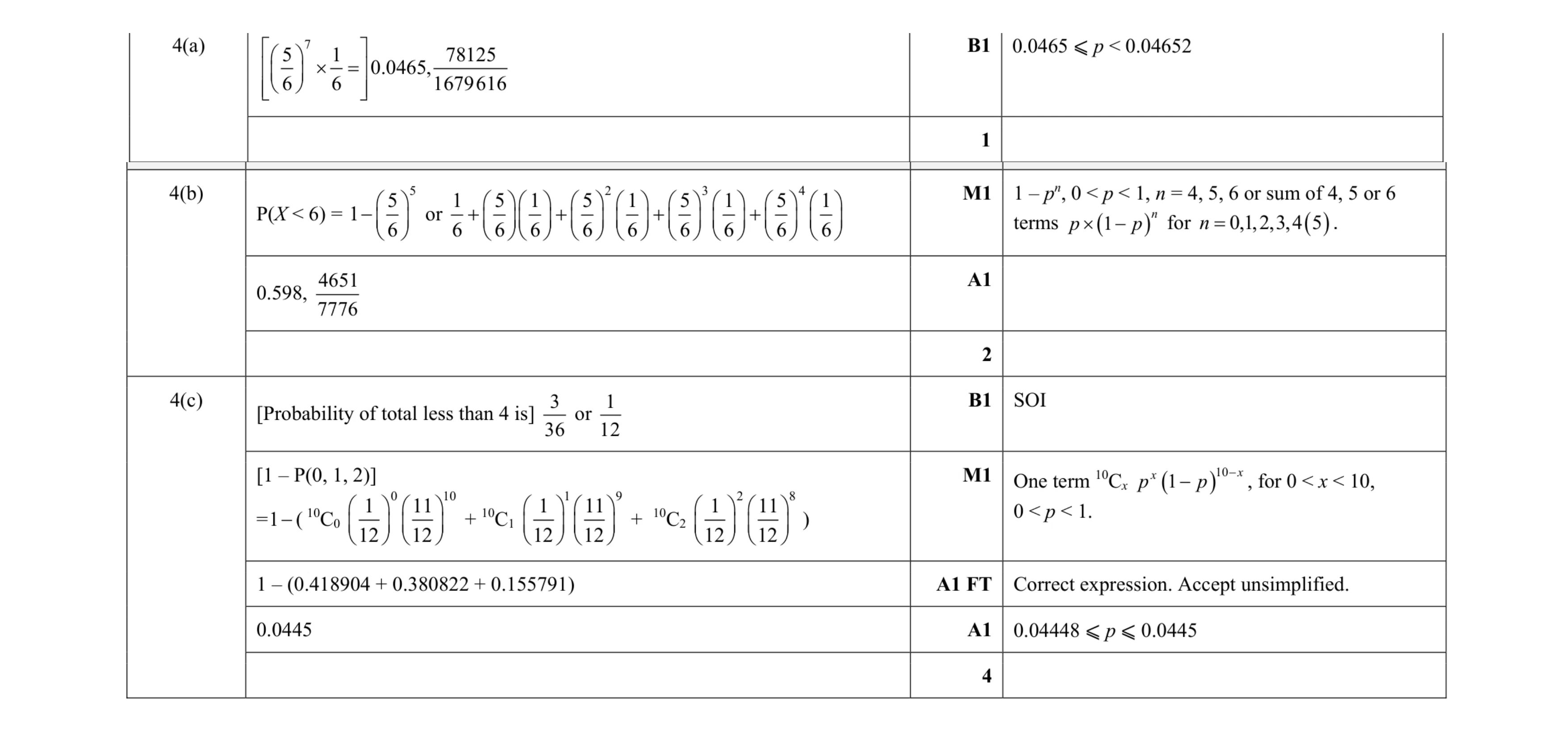 7
7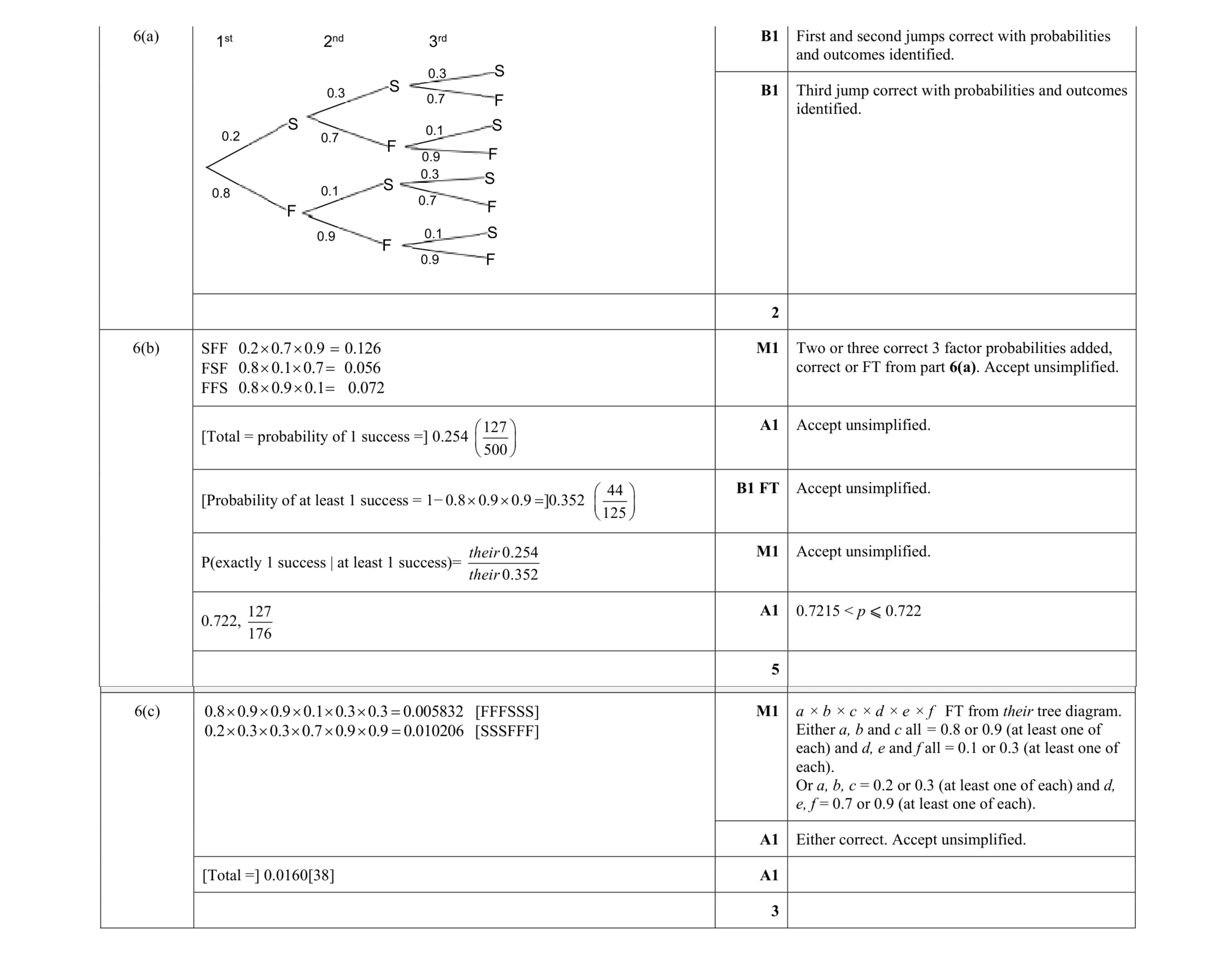 10
10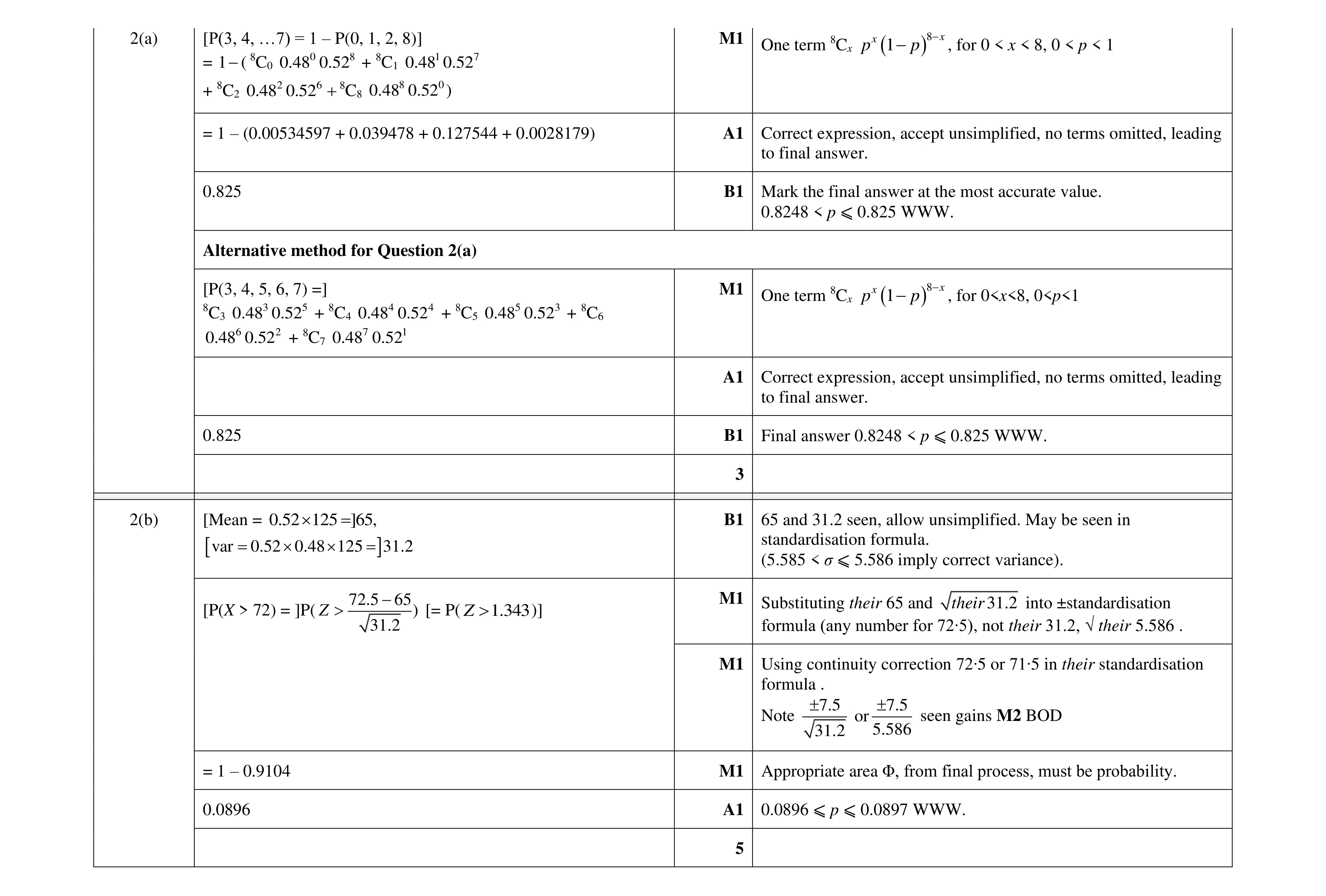 8
8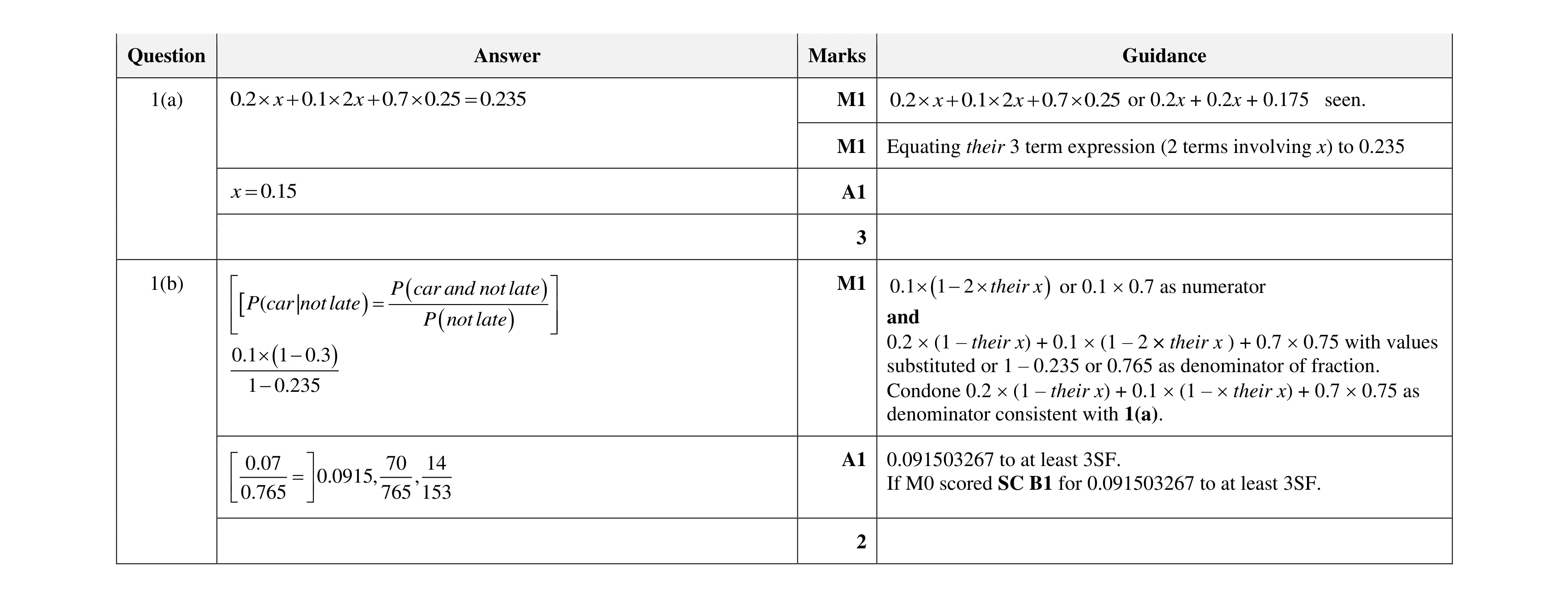 5
5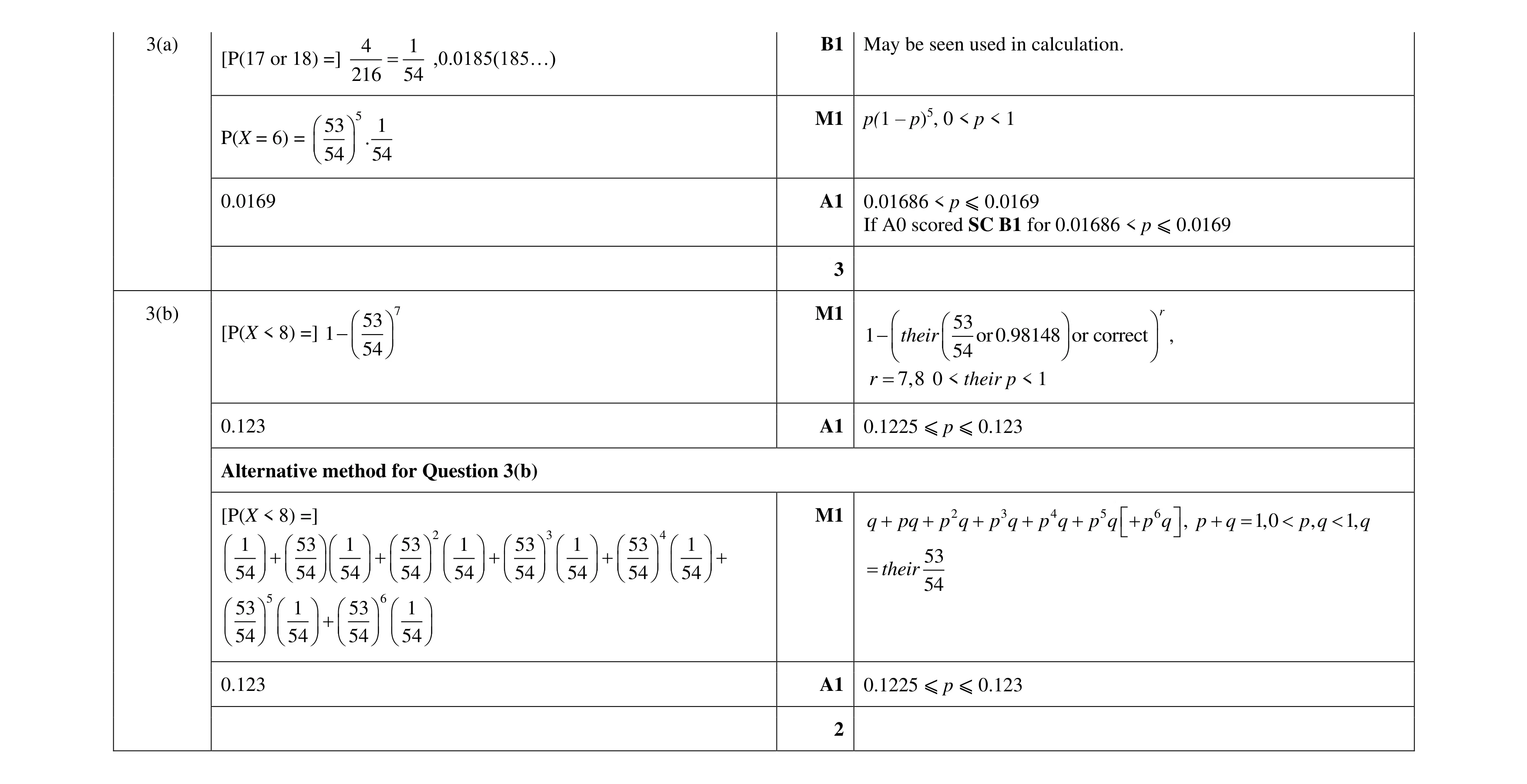 5
5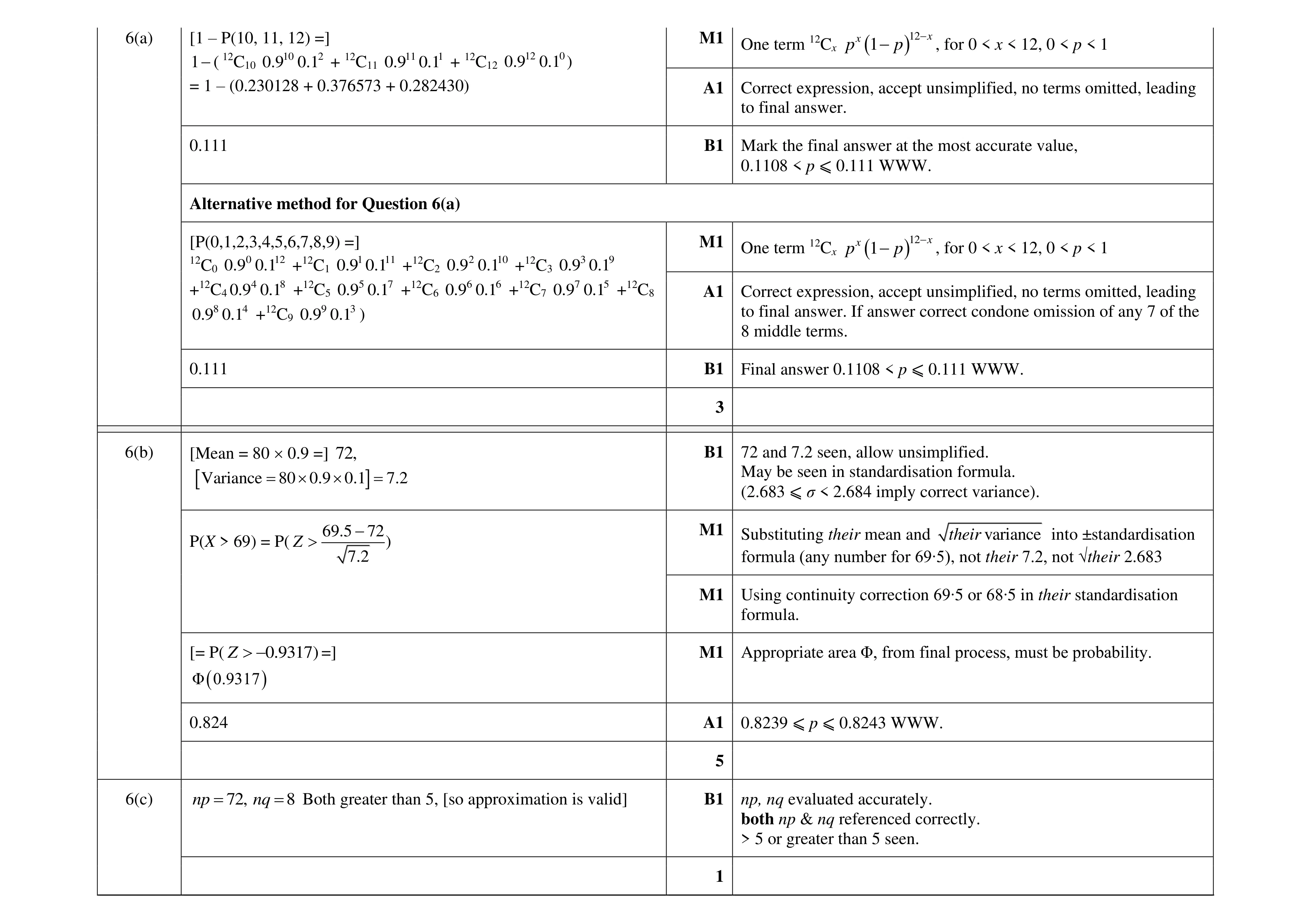 9
9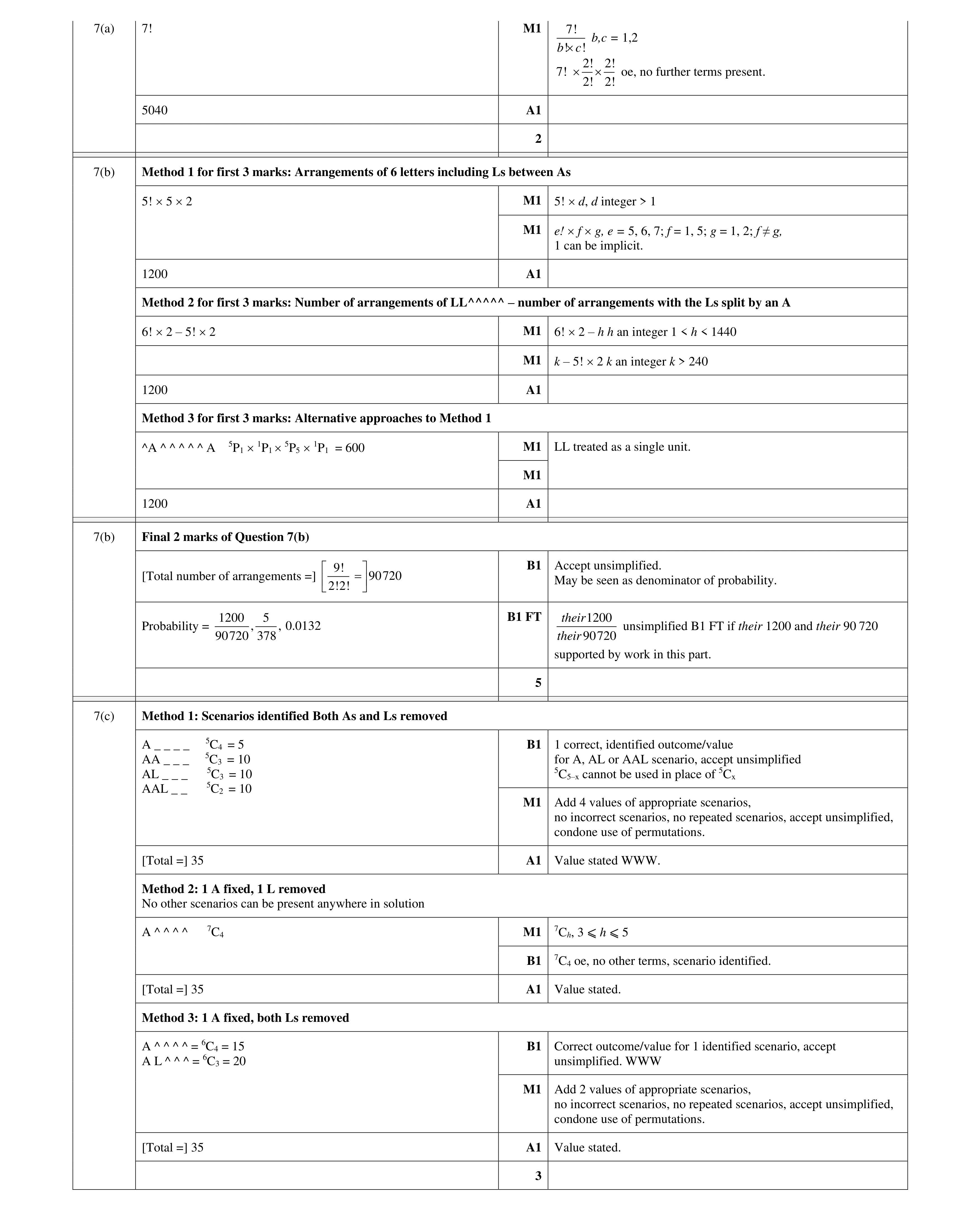 10
10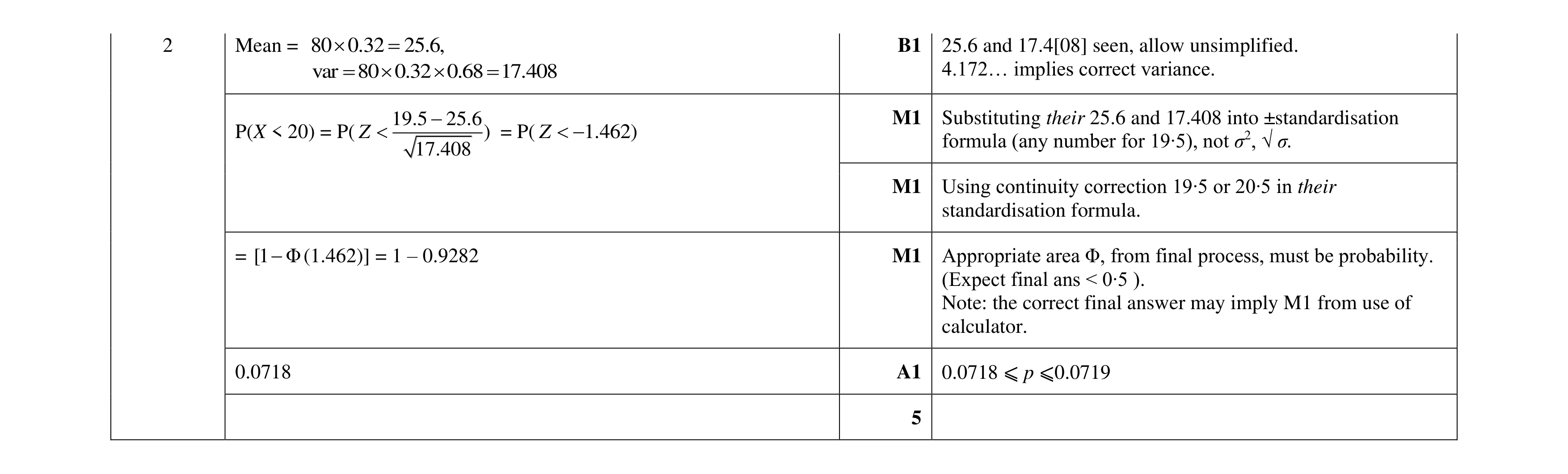 5
5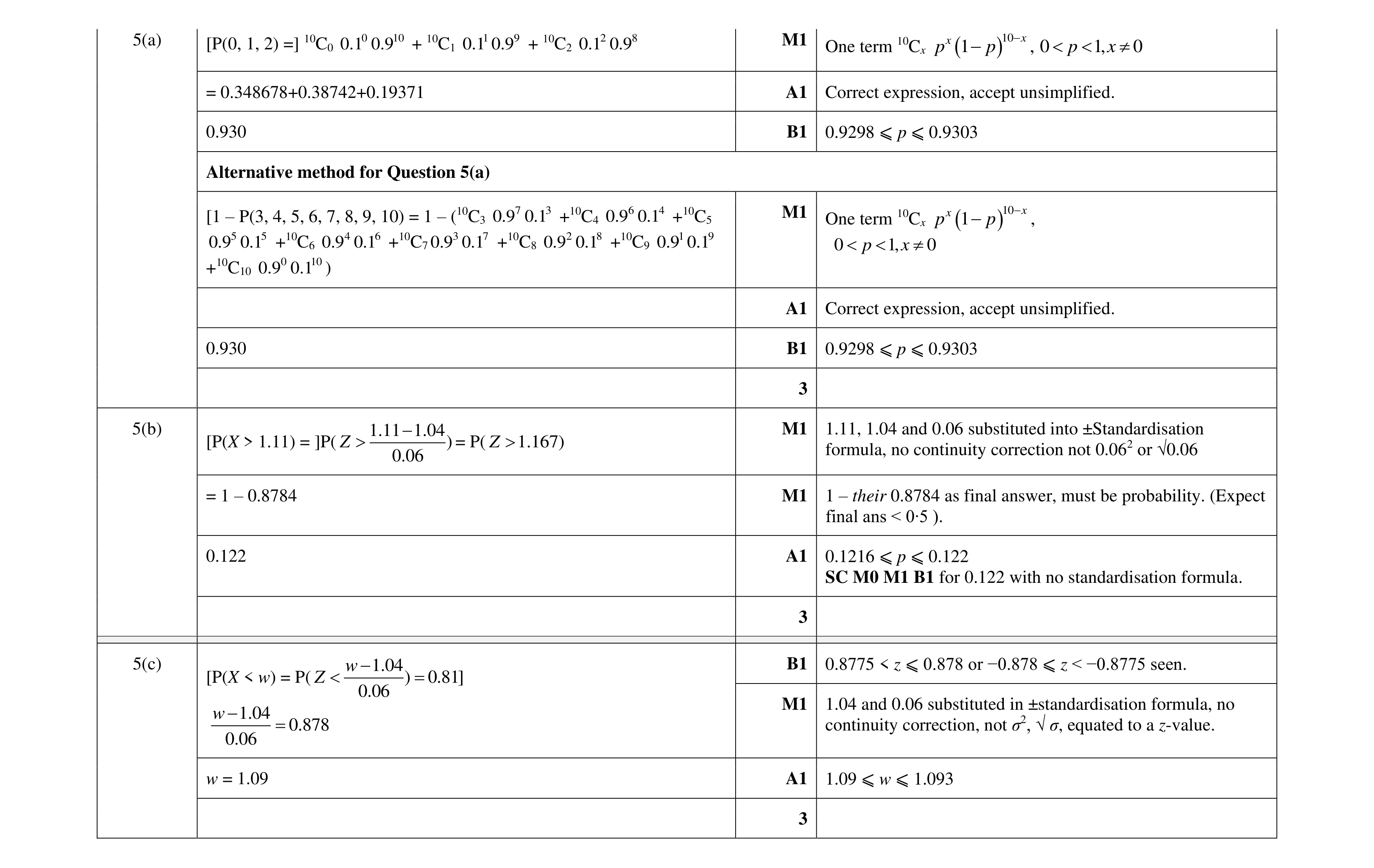 9
9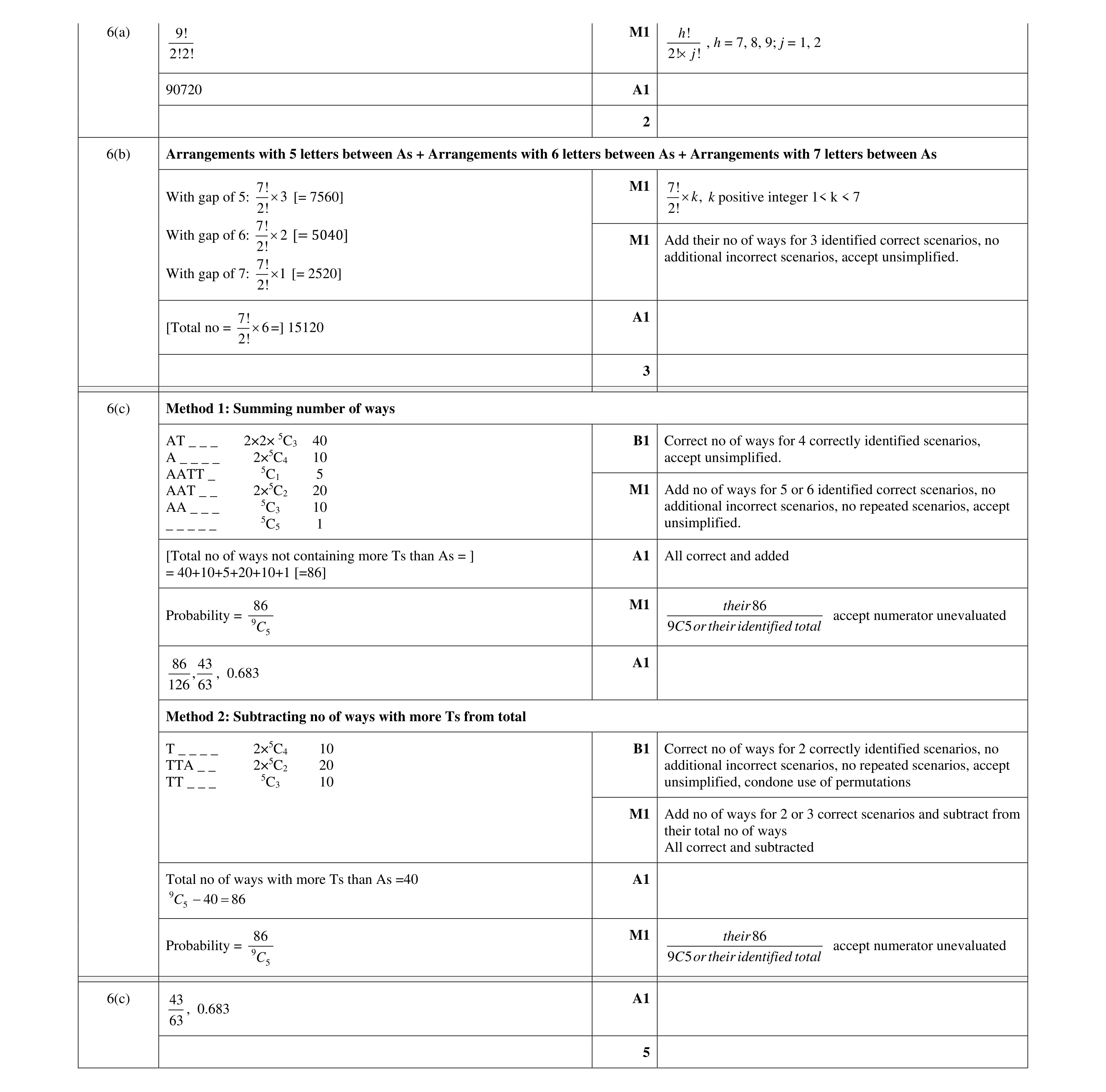 10
10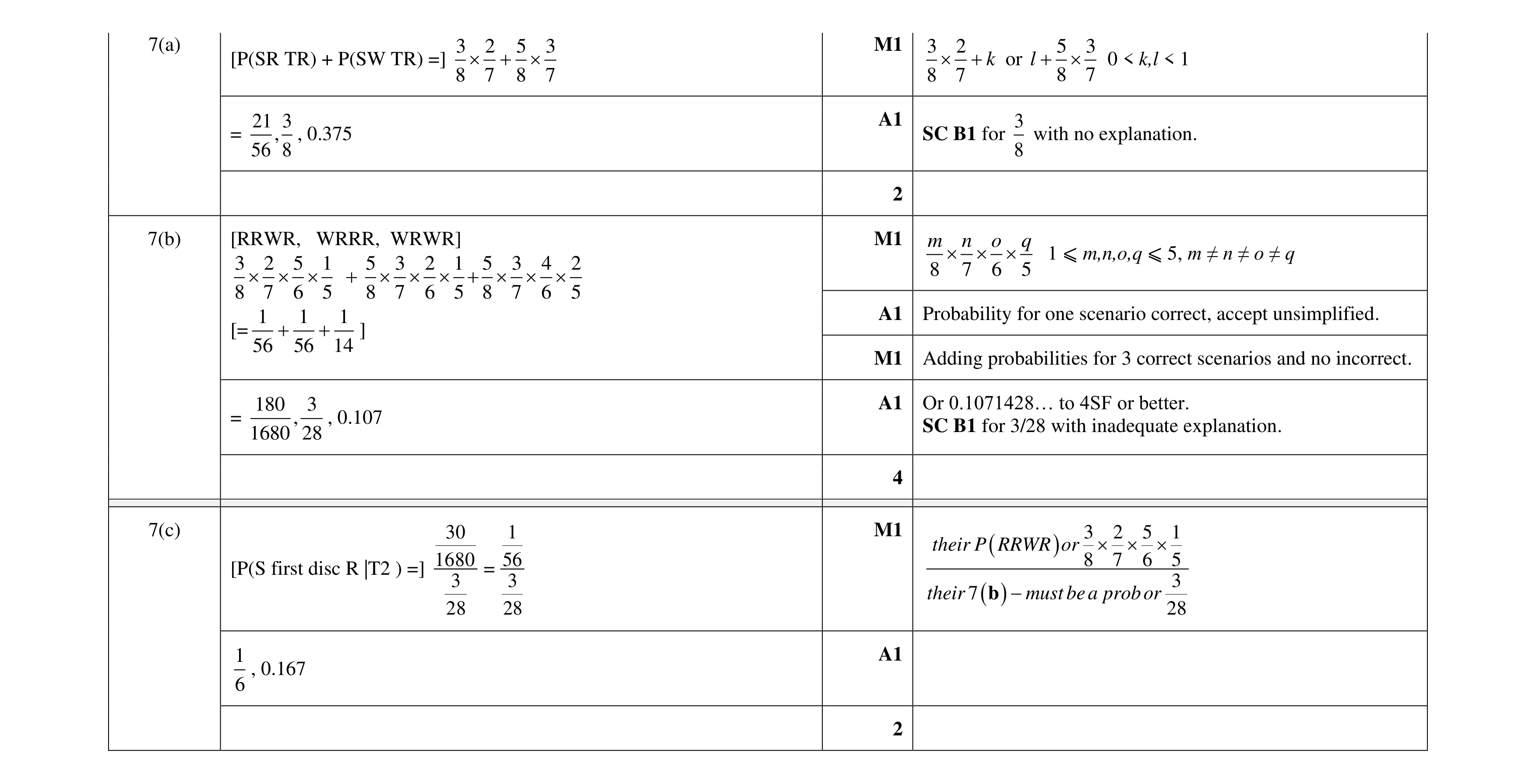 8
8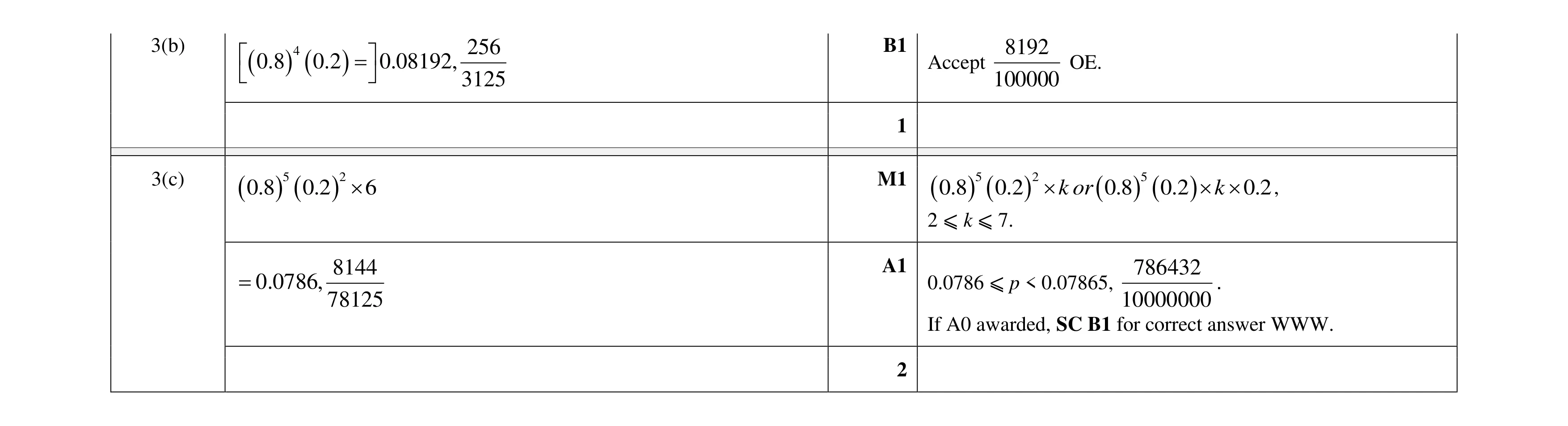 6
6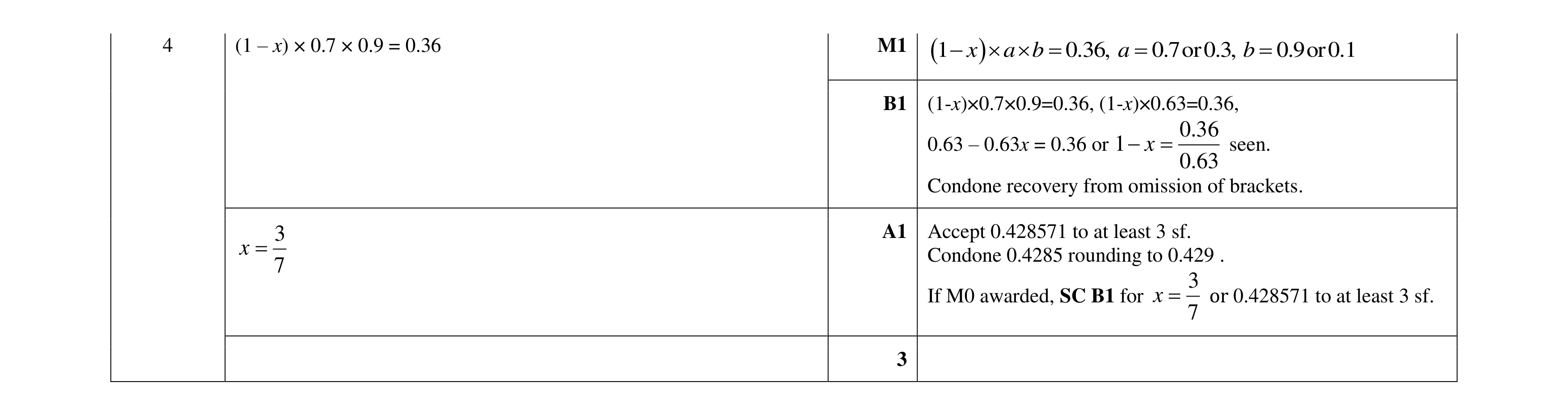 3
3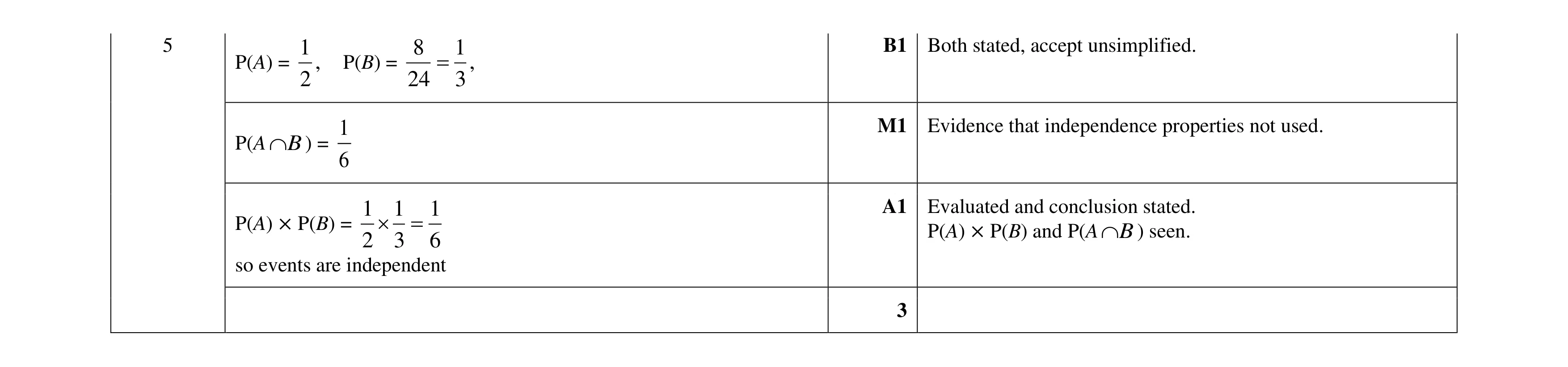 3
3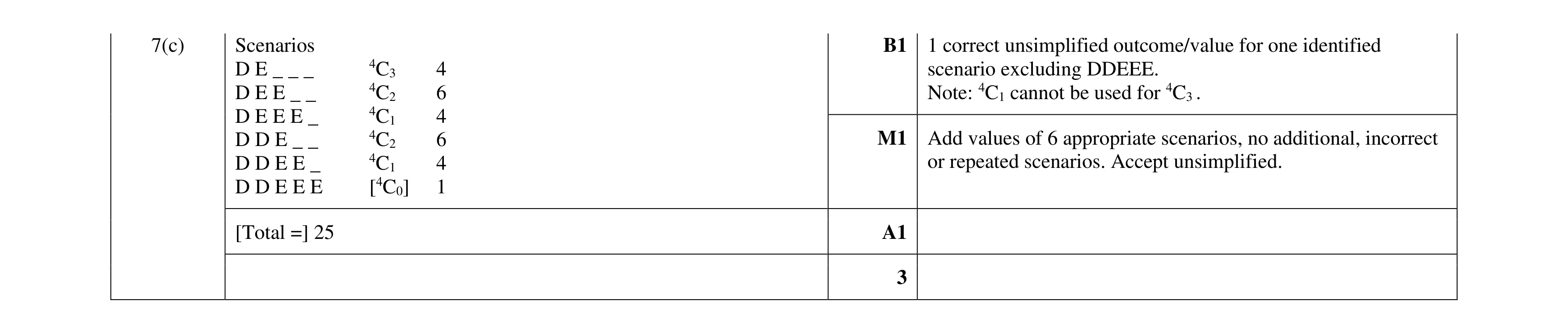 12
12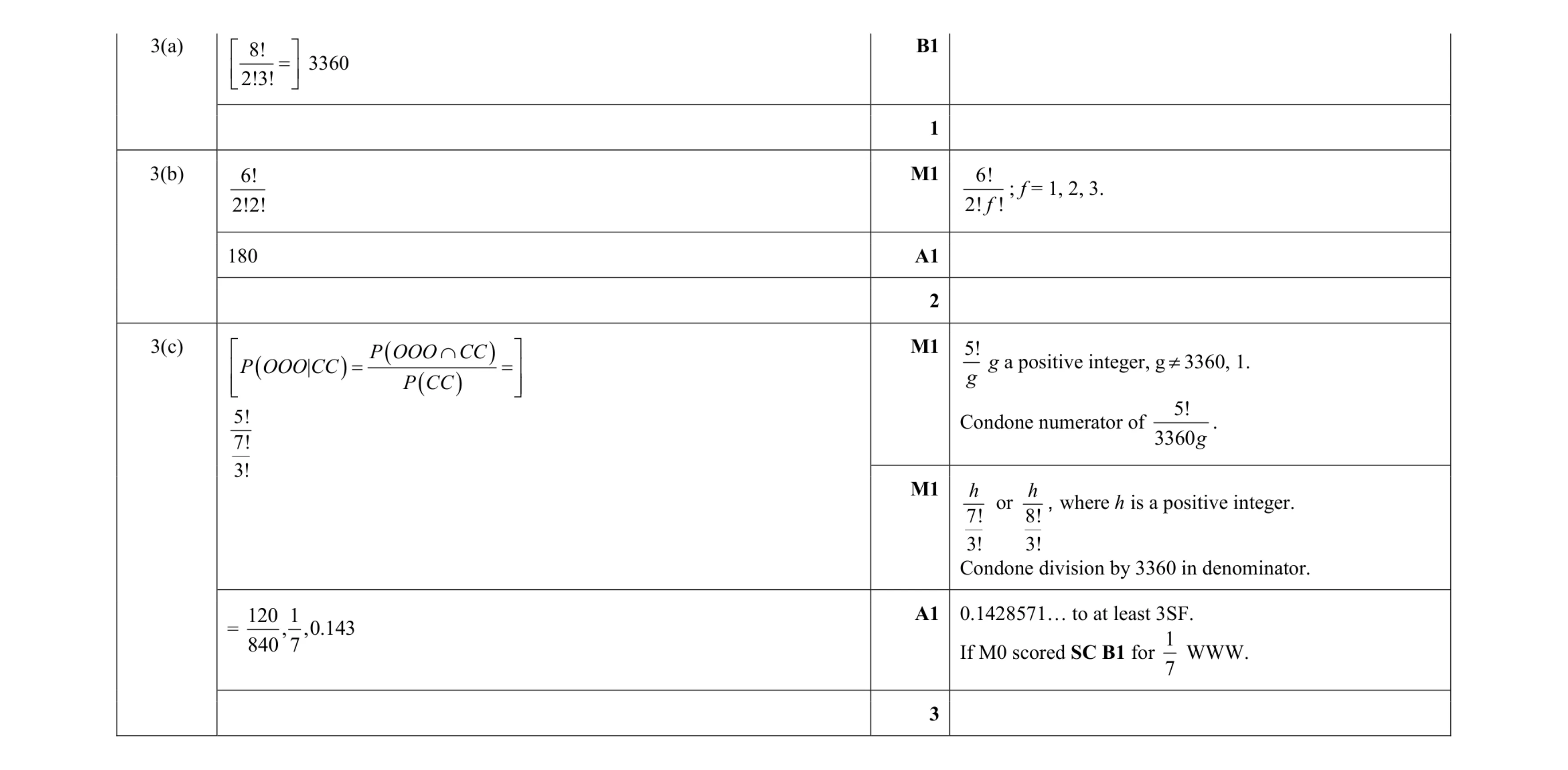 6
6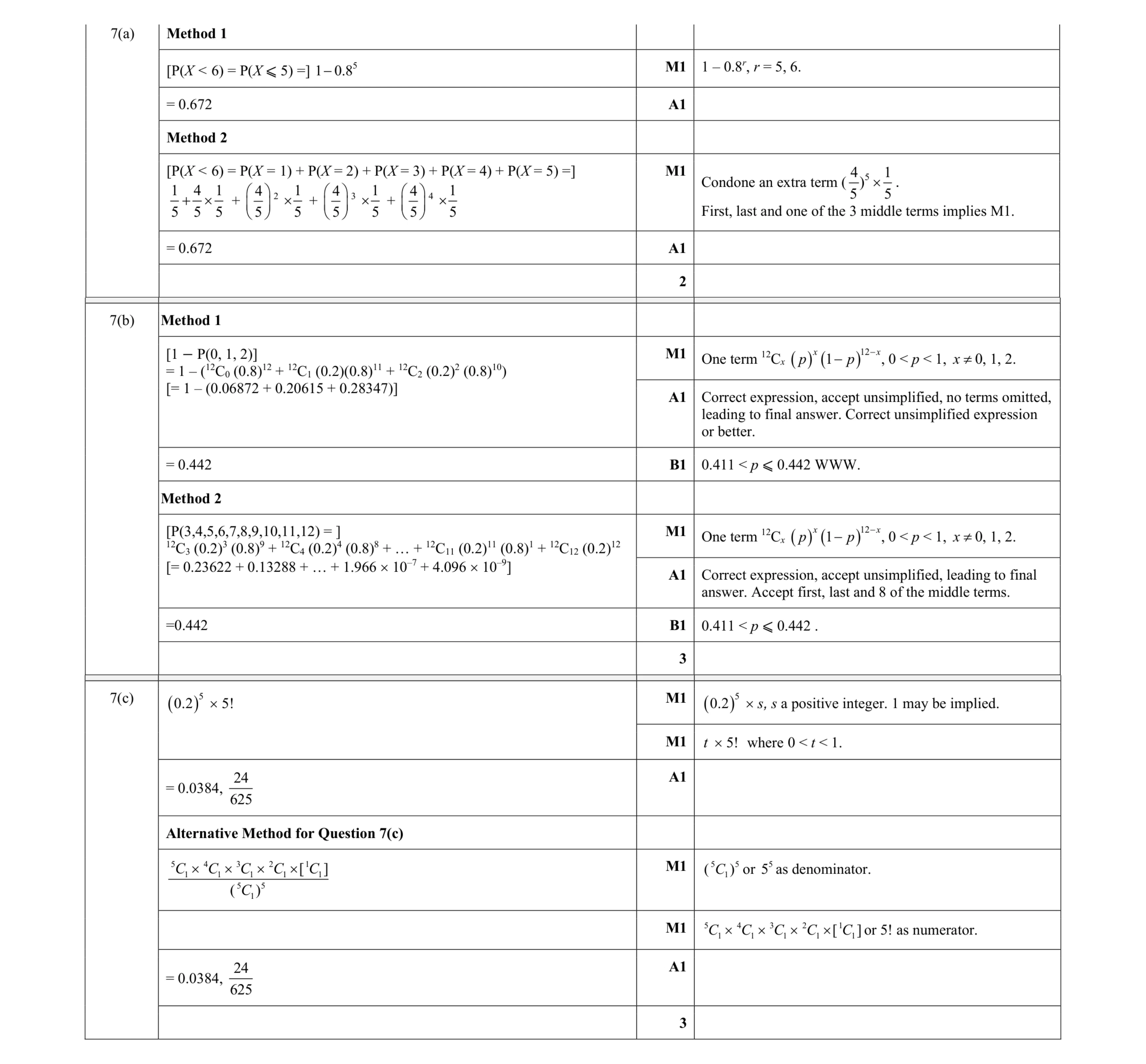 8
8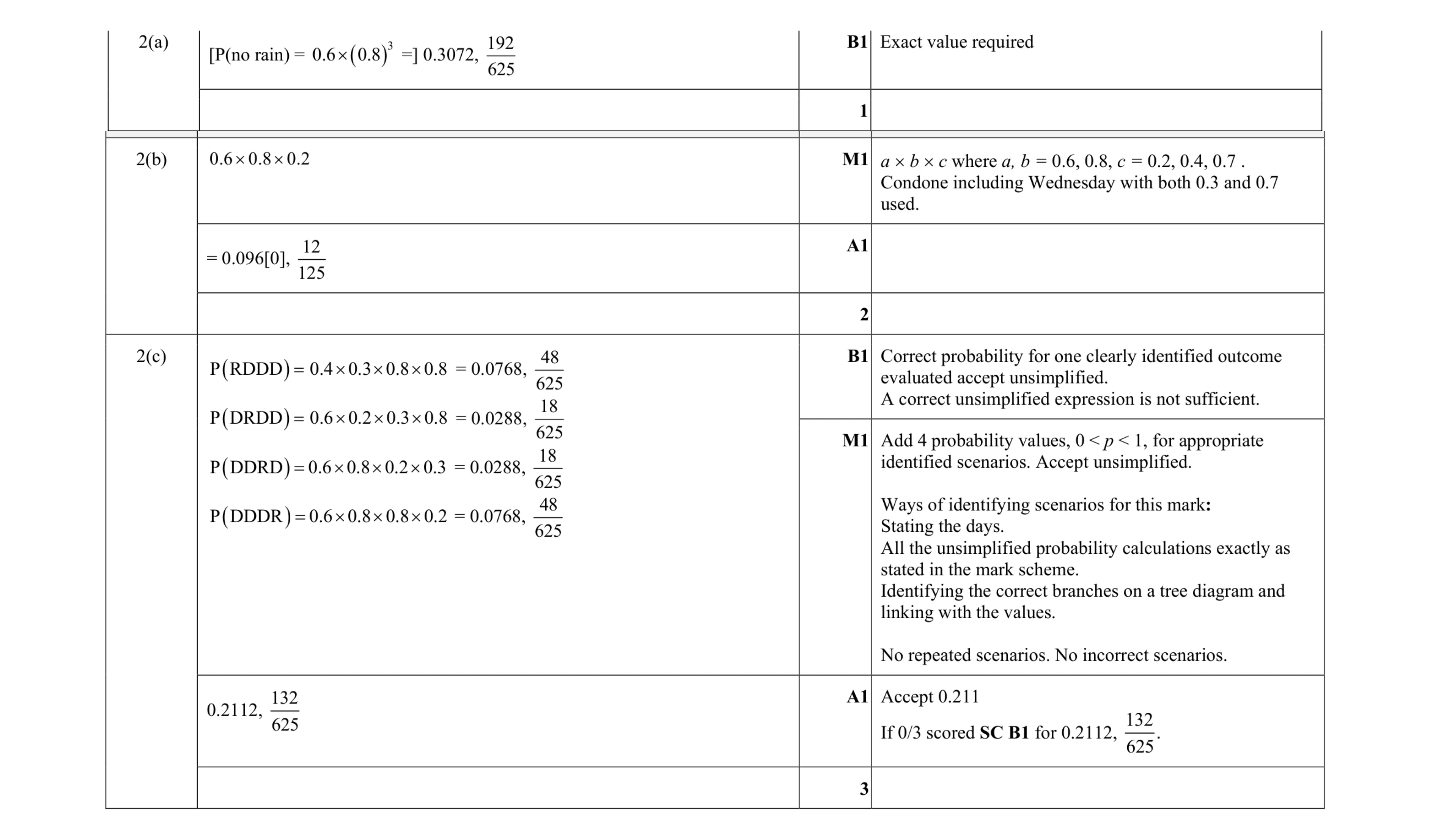 6
6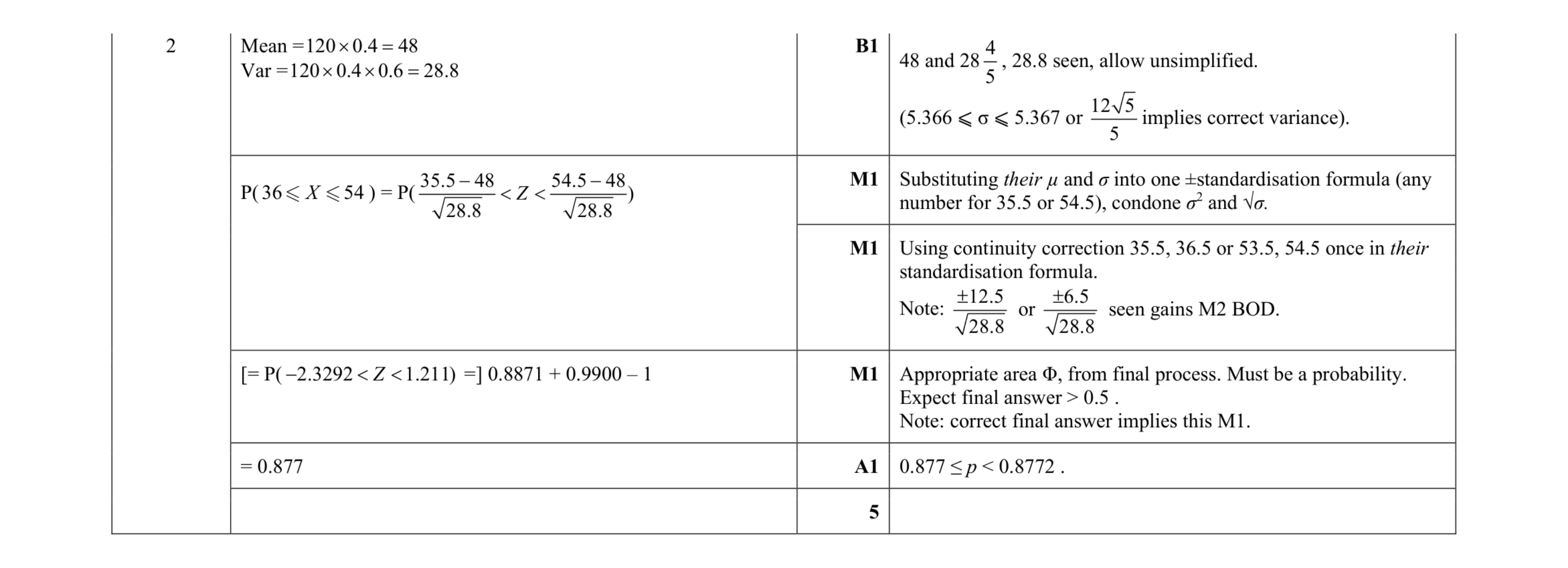 5
5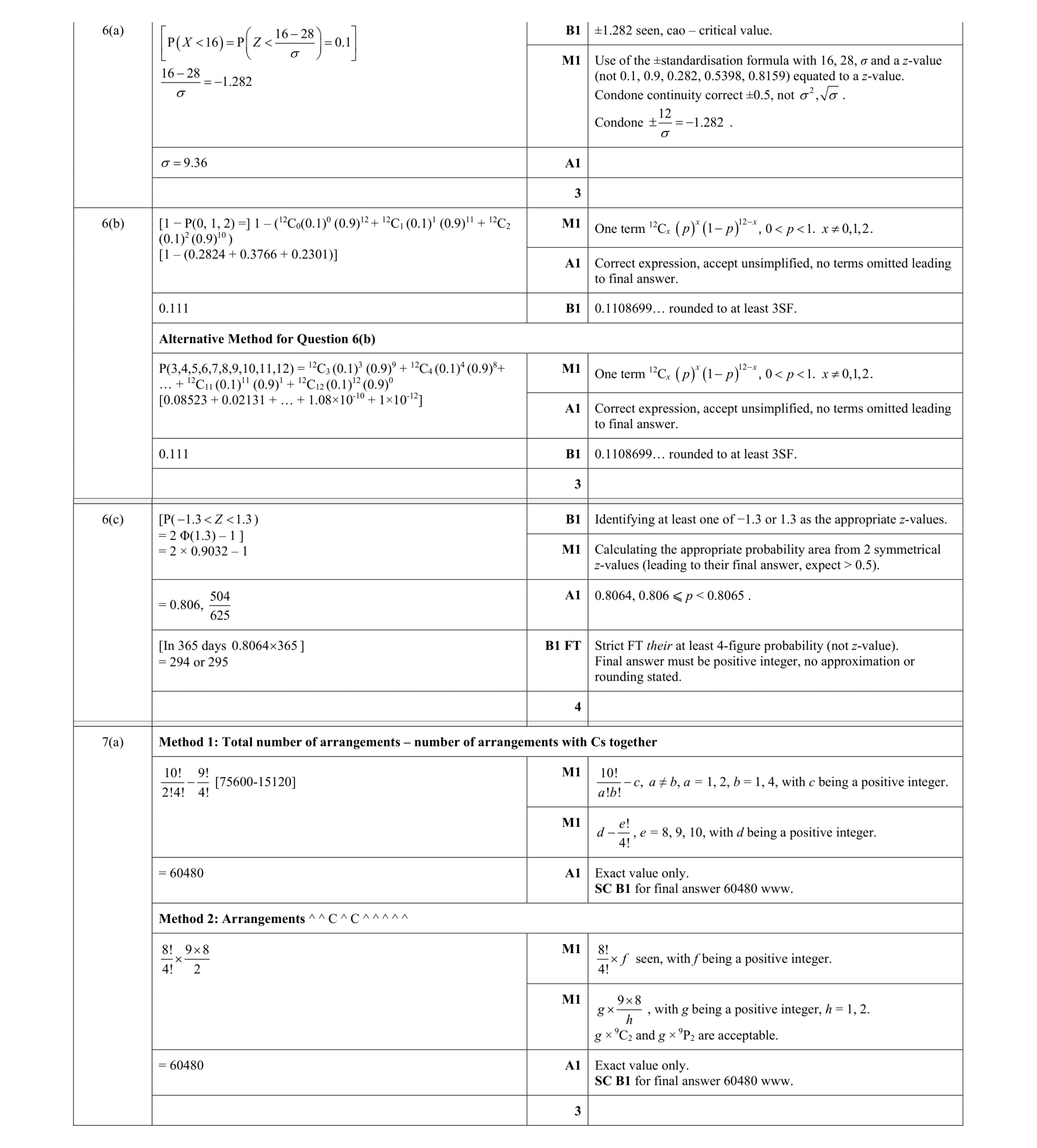 10
10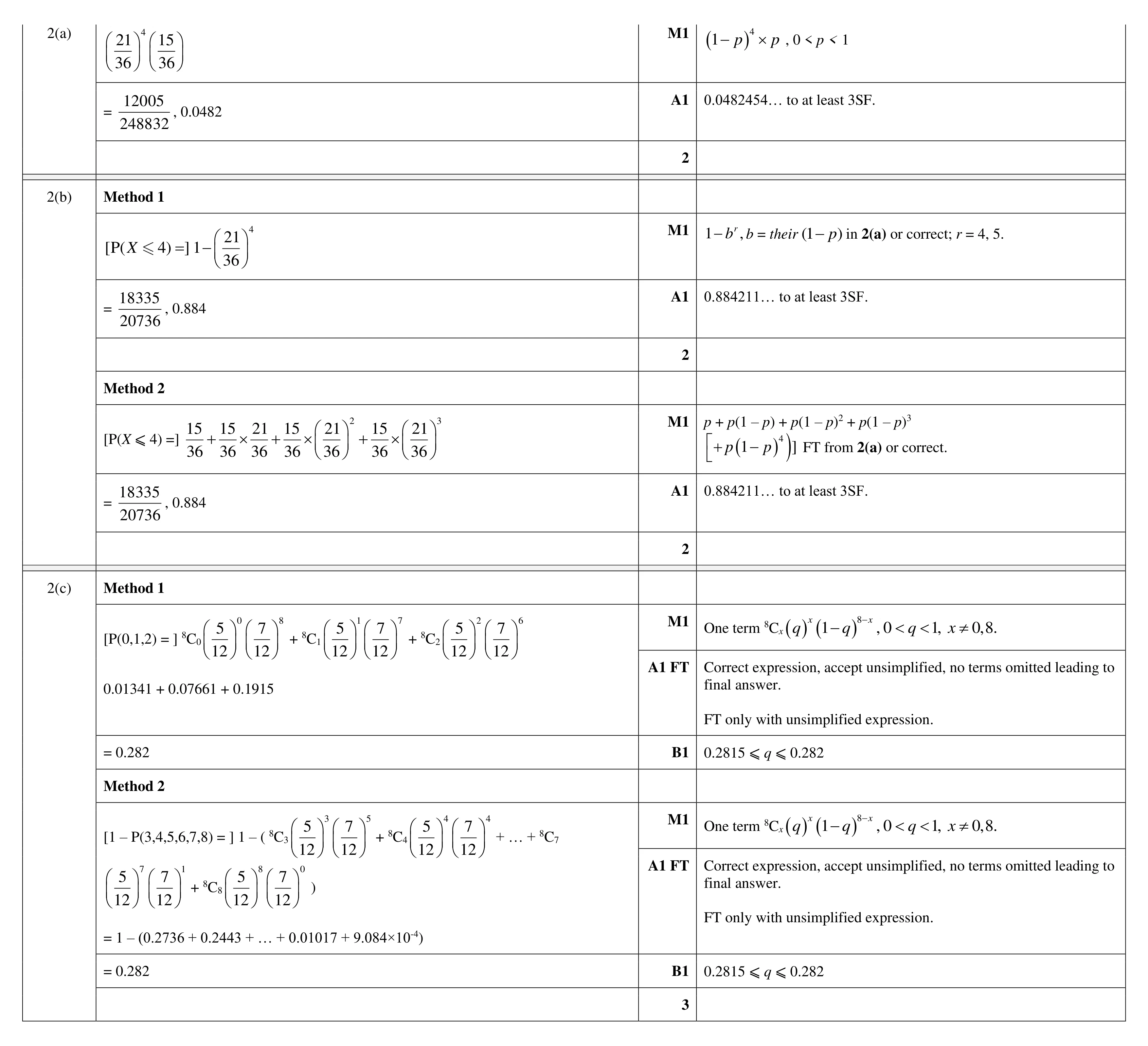 7
7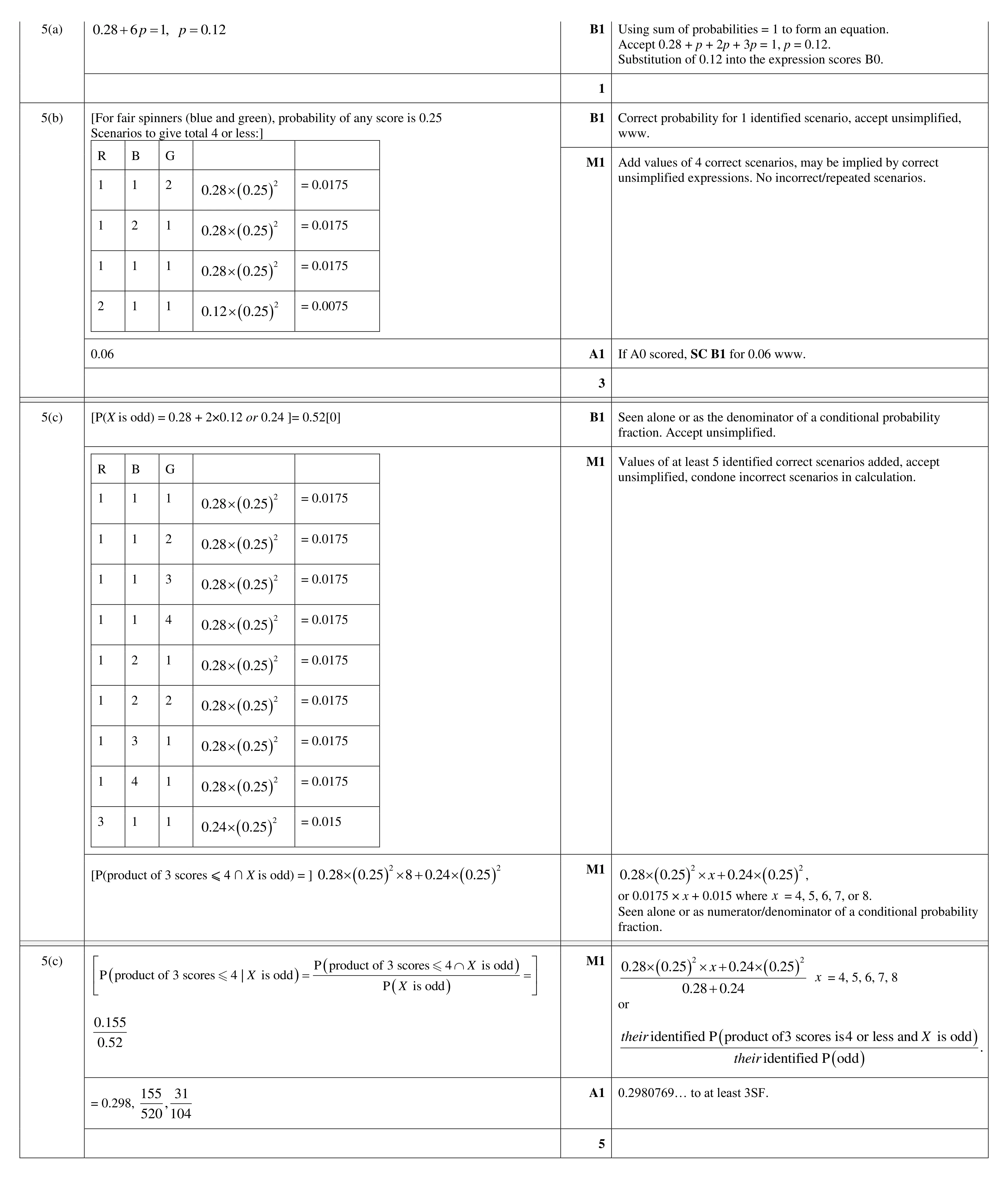 9
9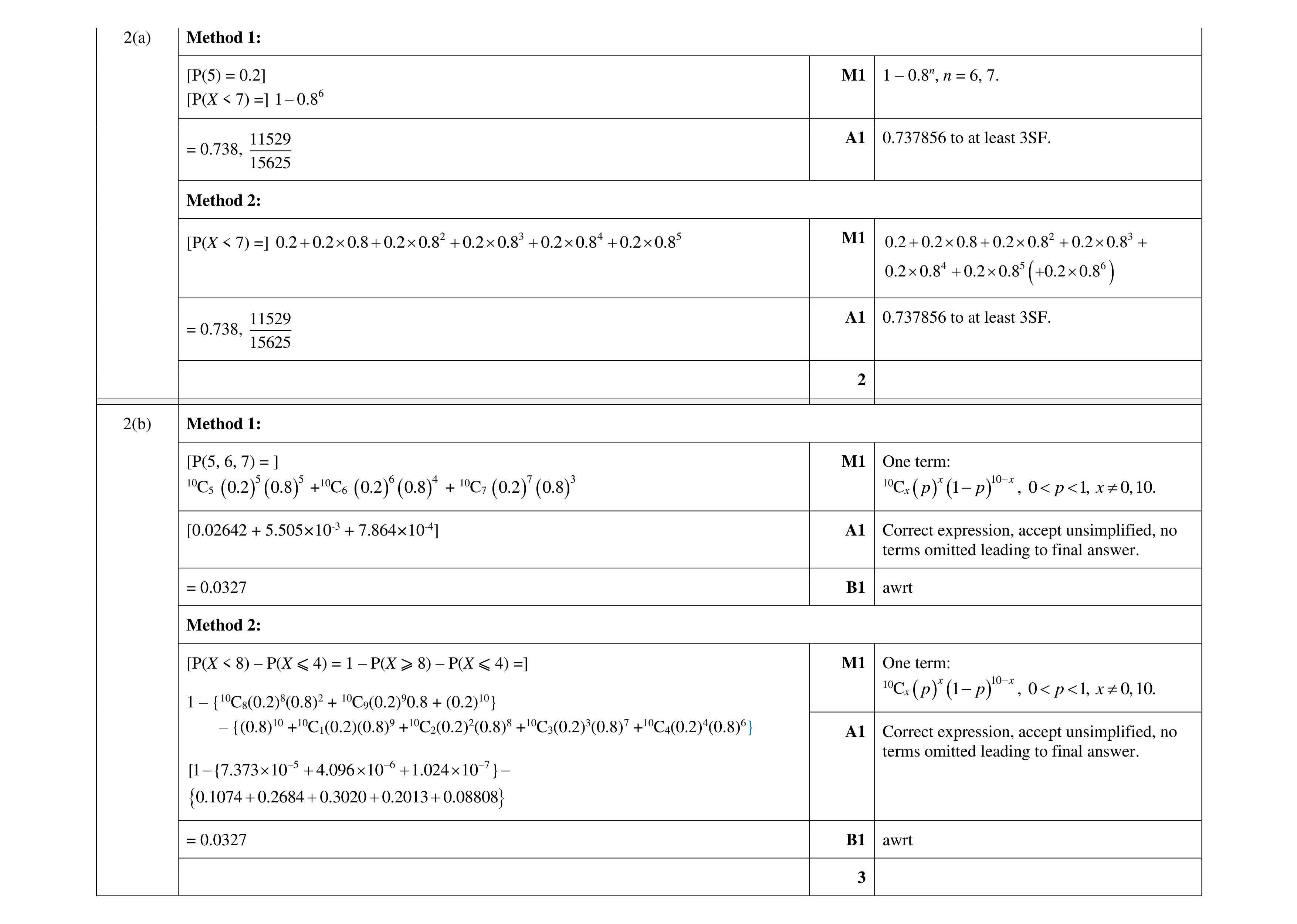 5
5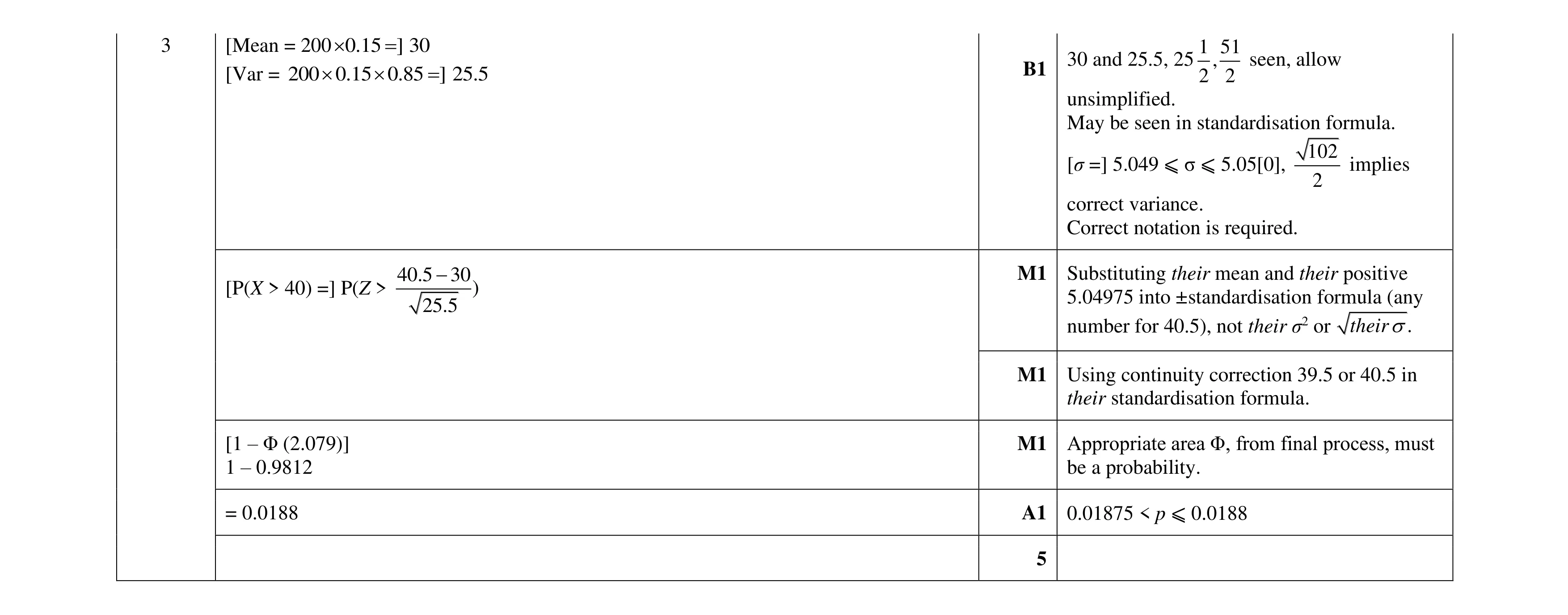 5
5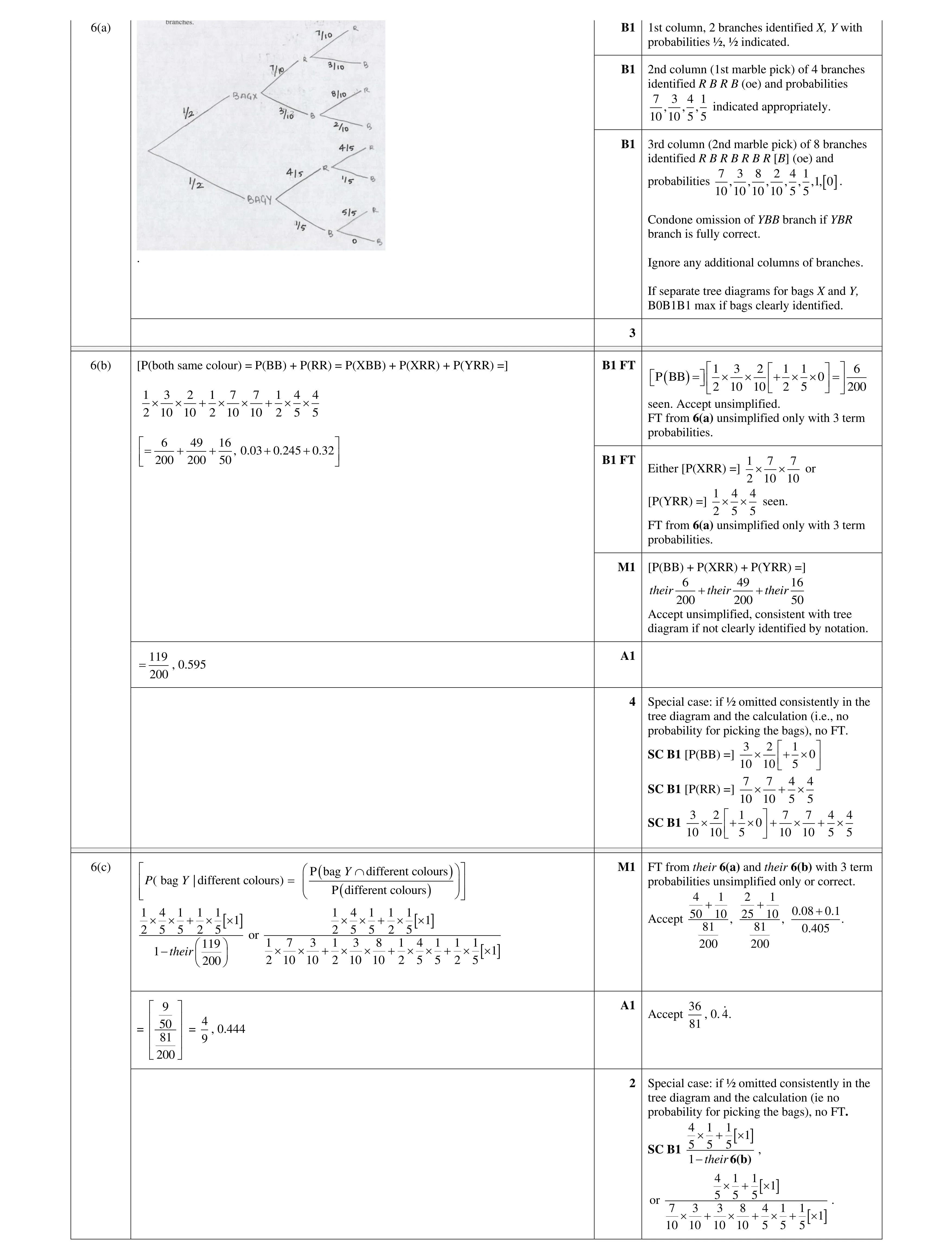 9
9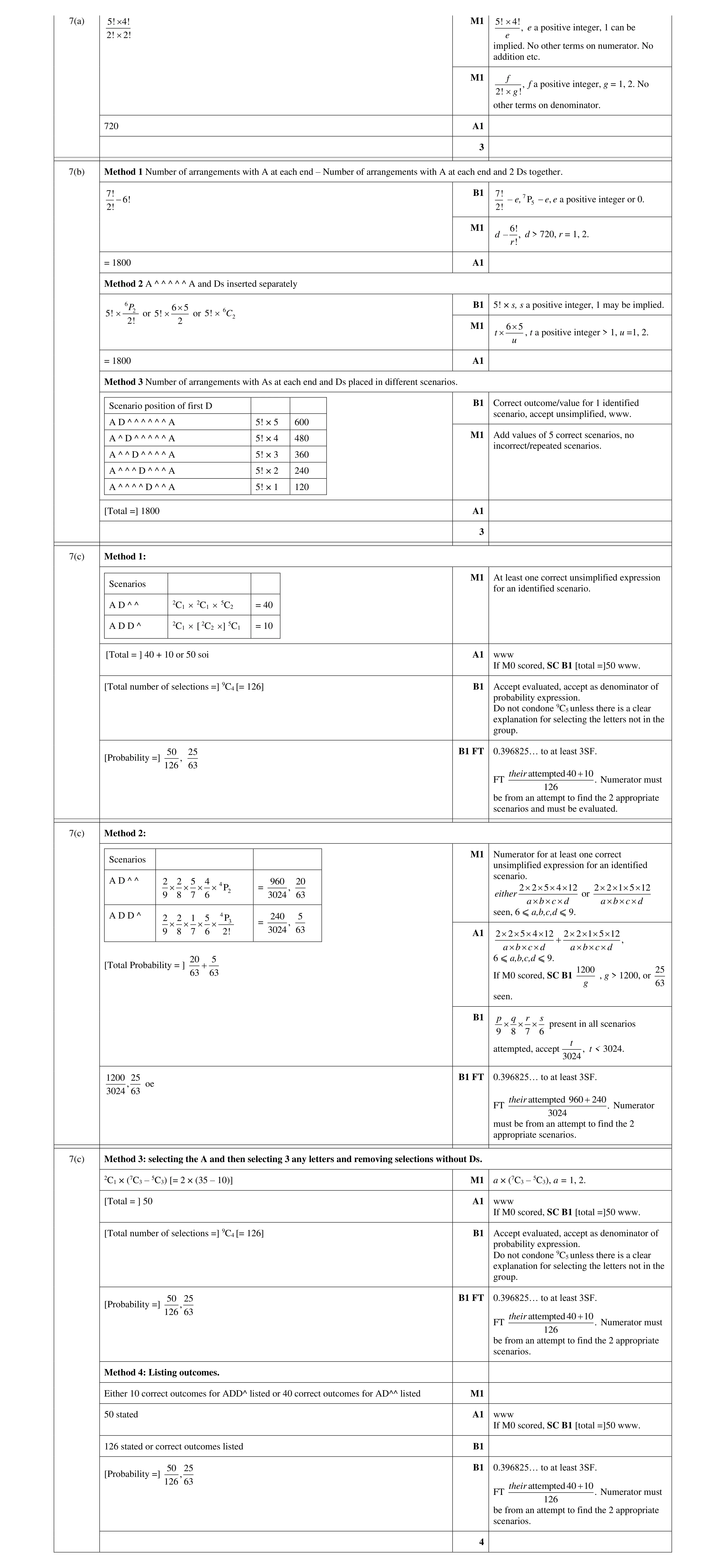 10
10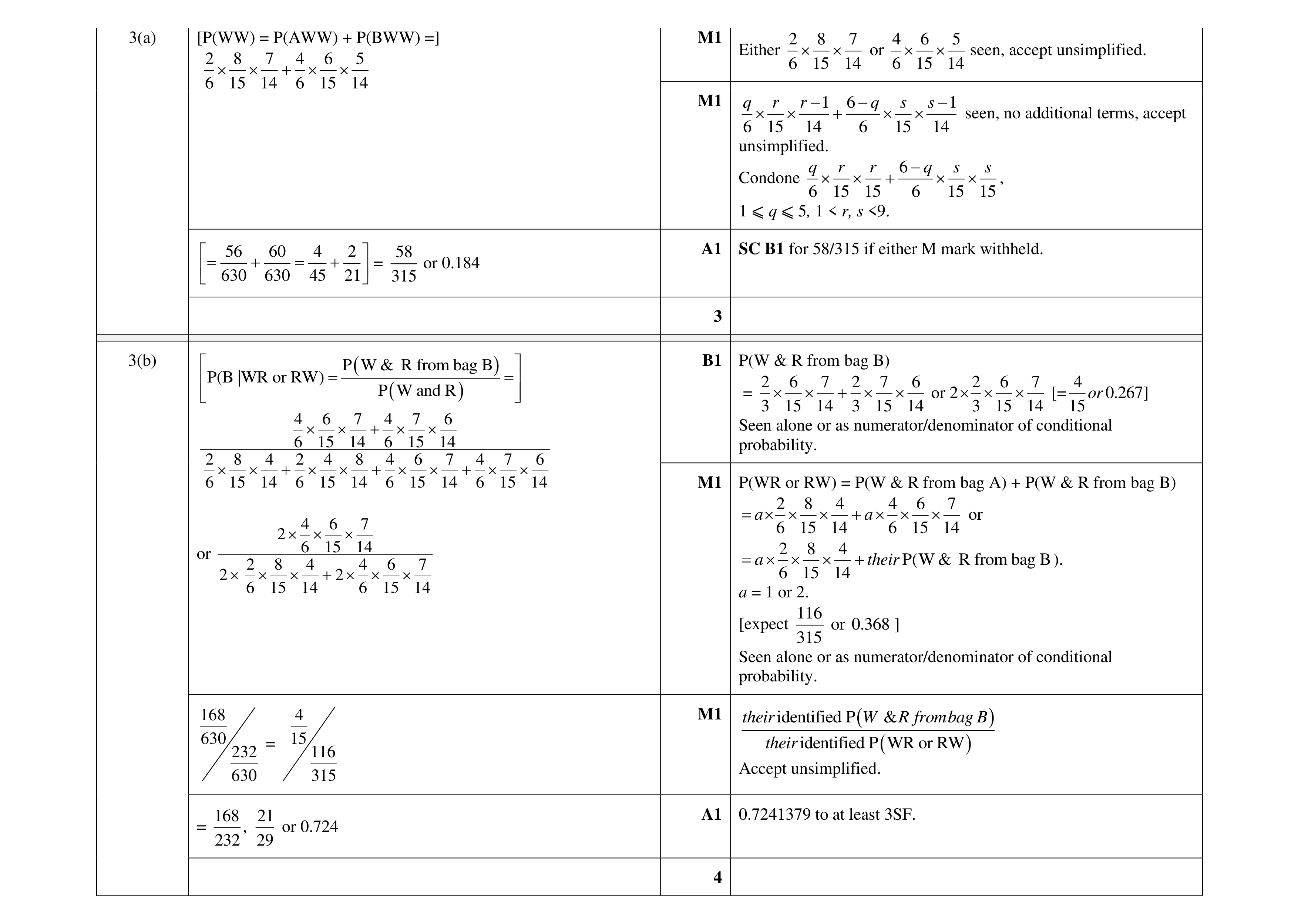 7
7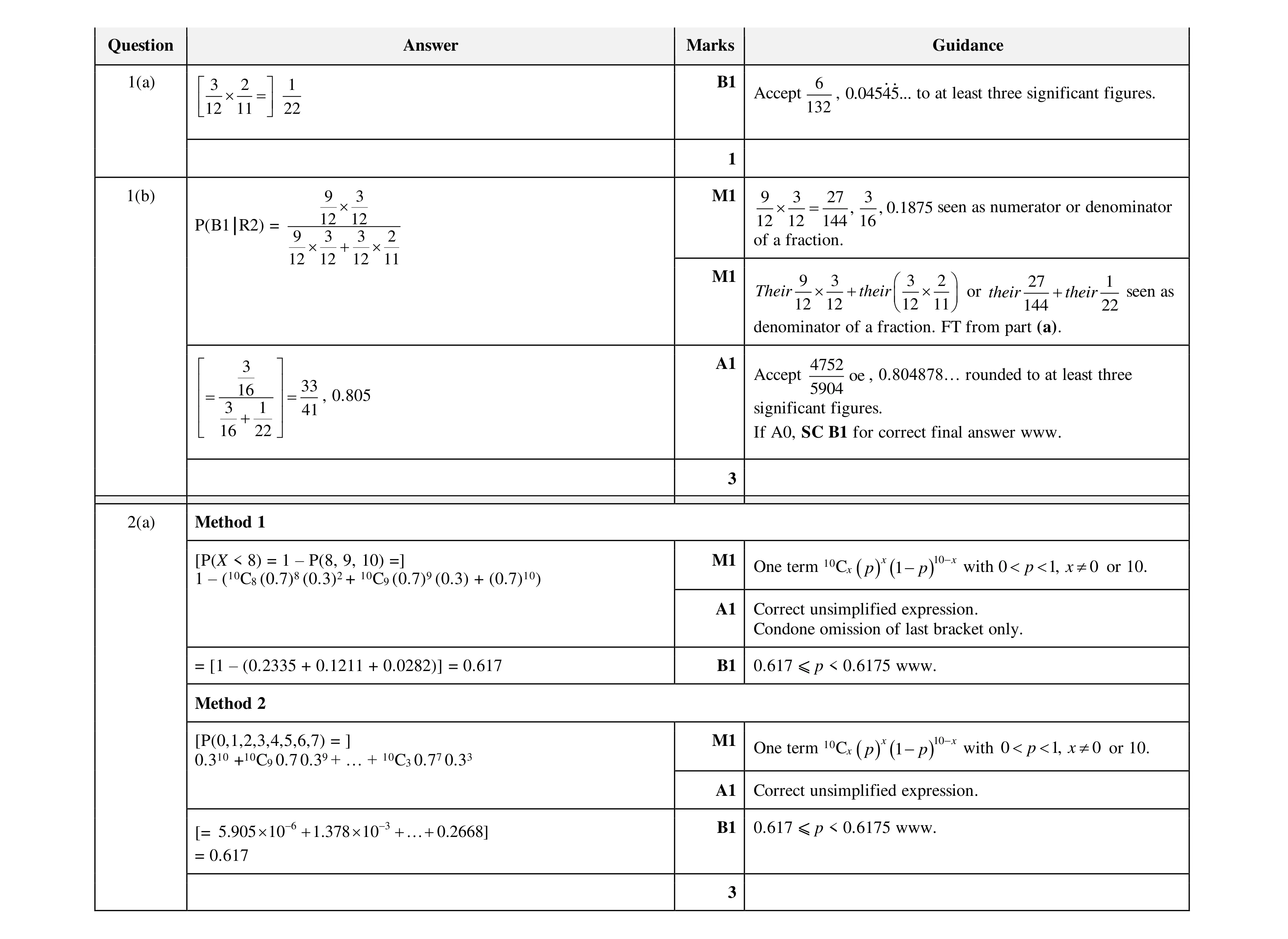 4
4 8
8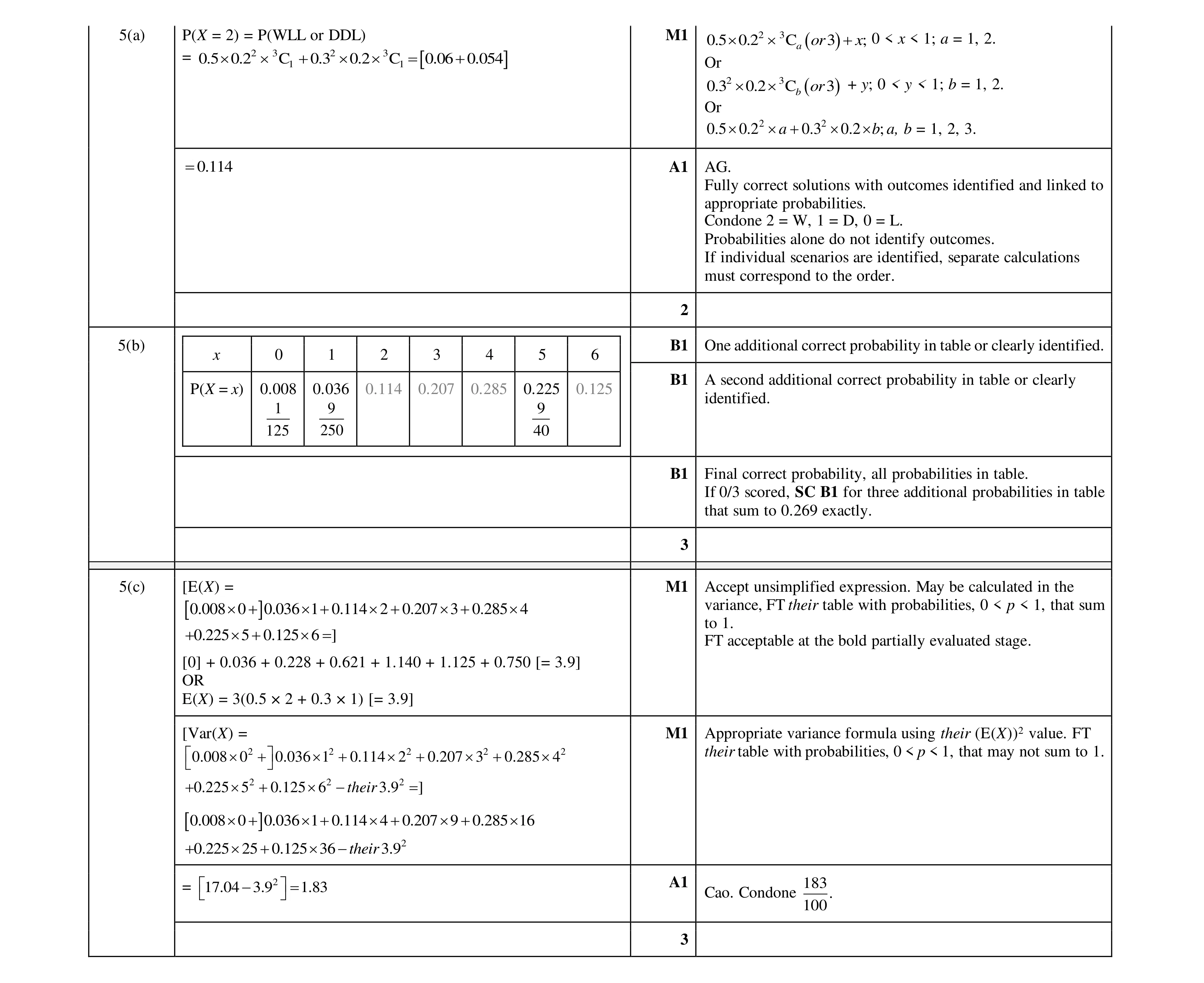 8
8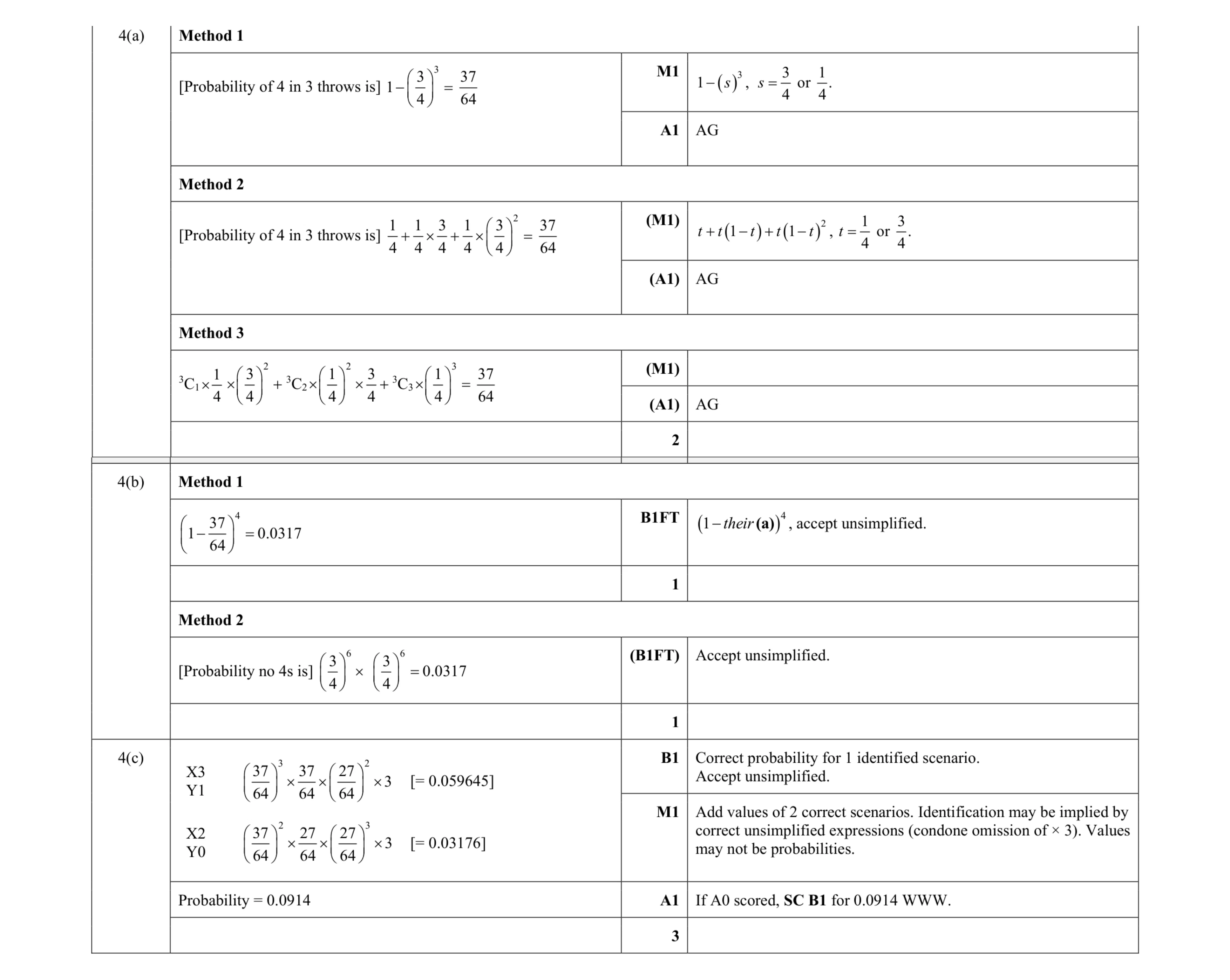 6
6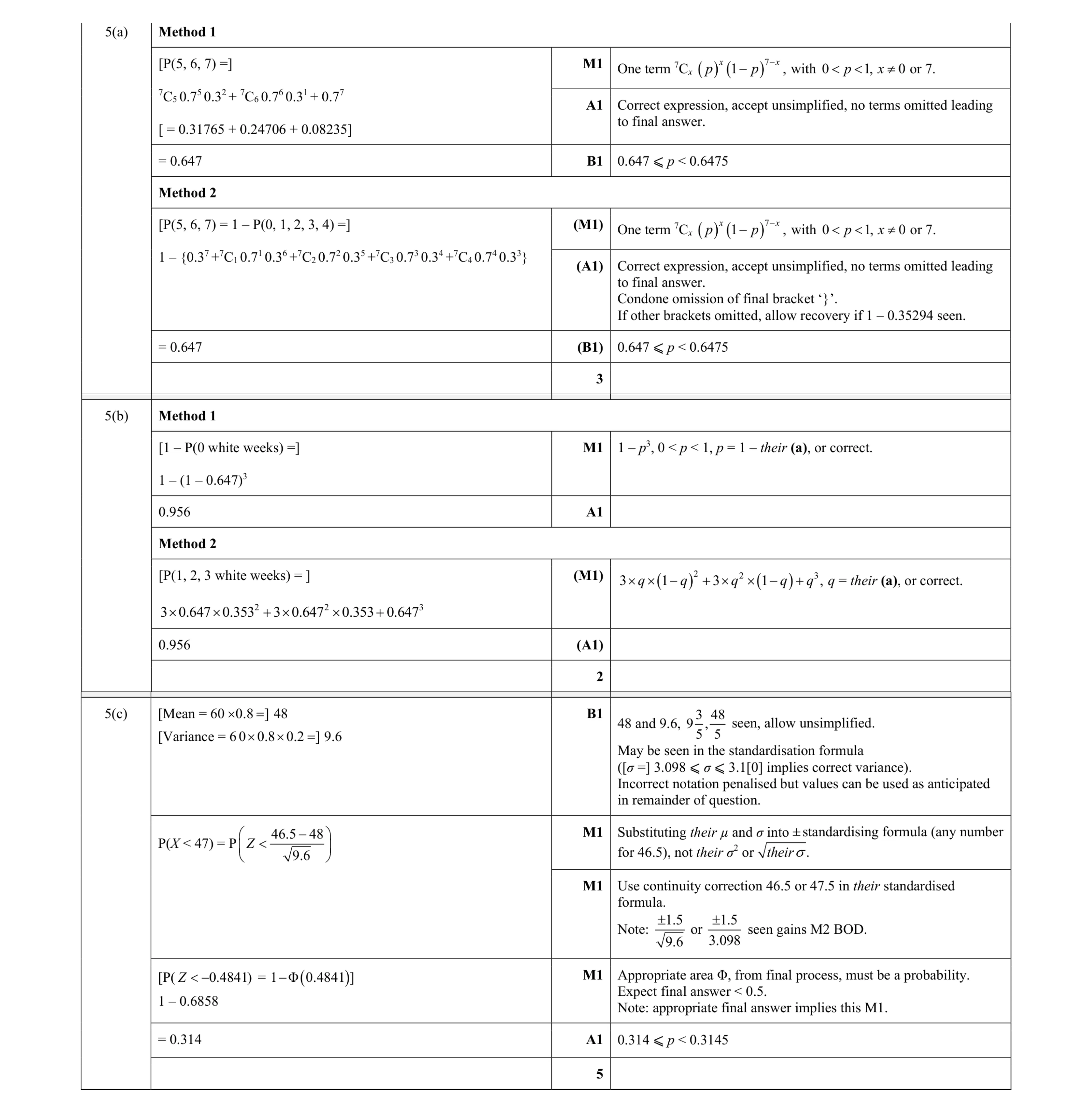 10
10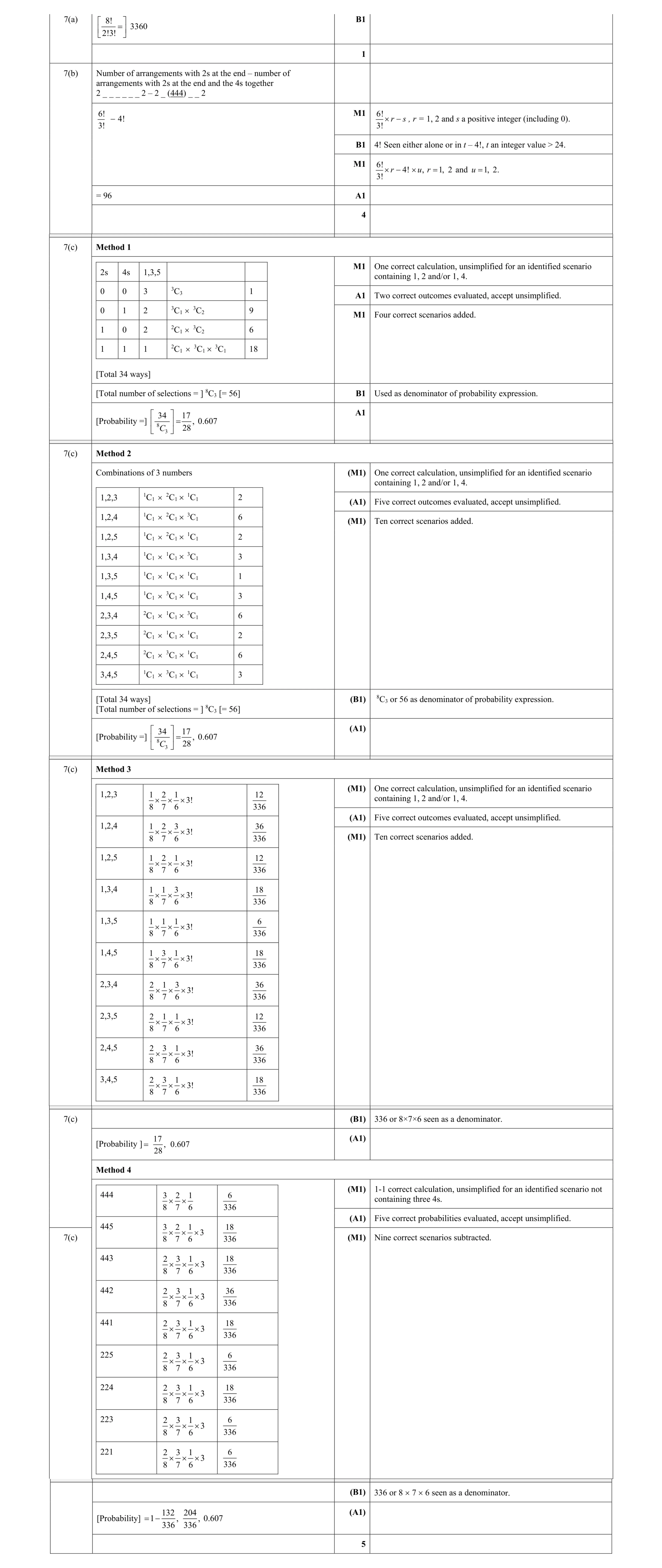 10
10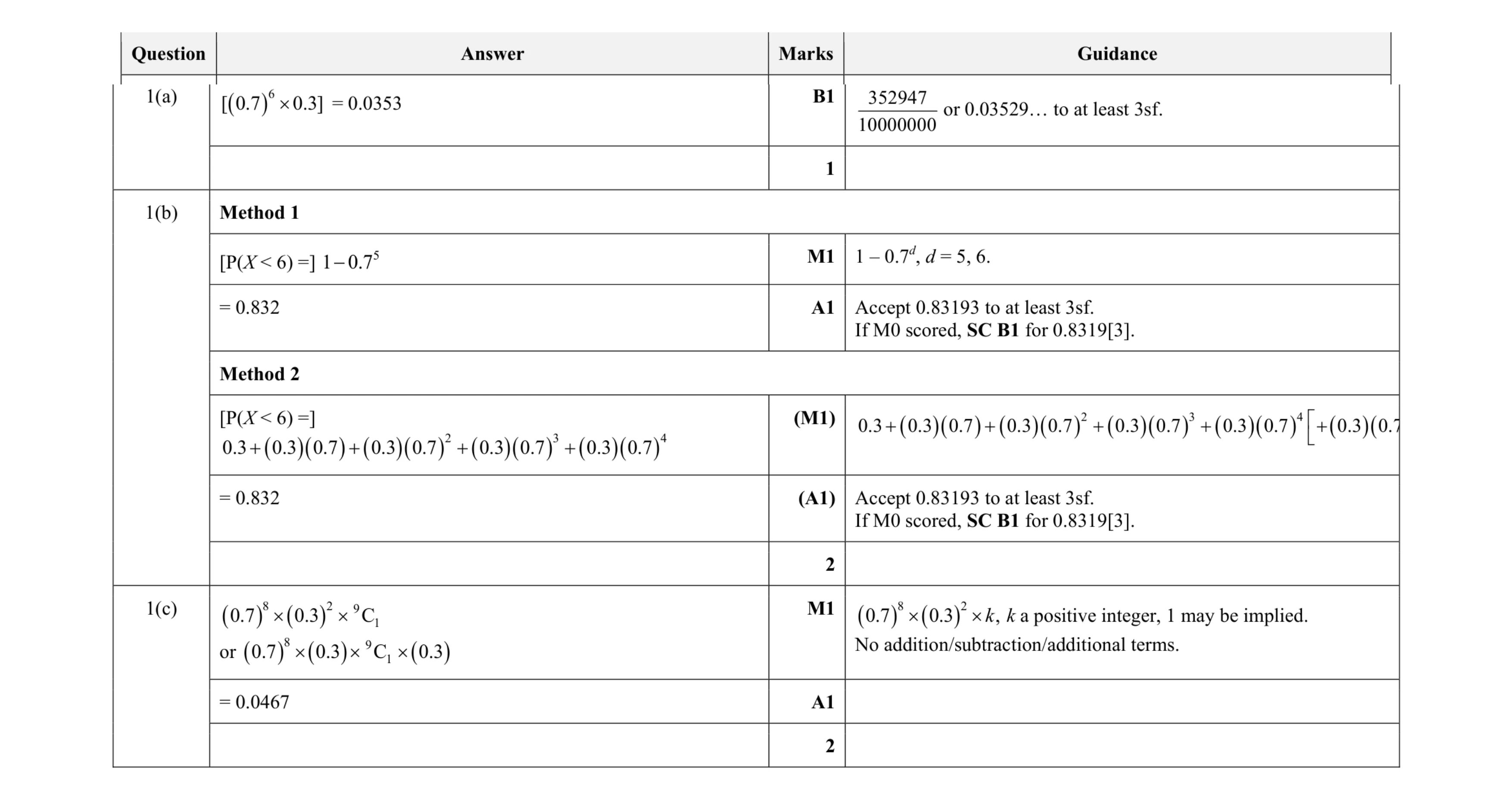 5
5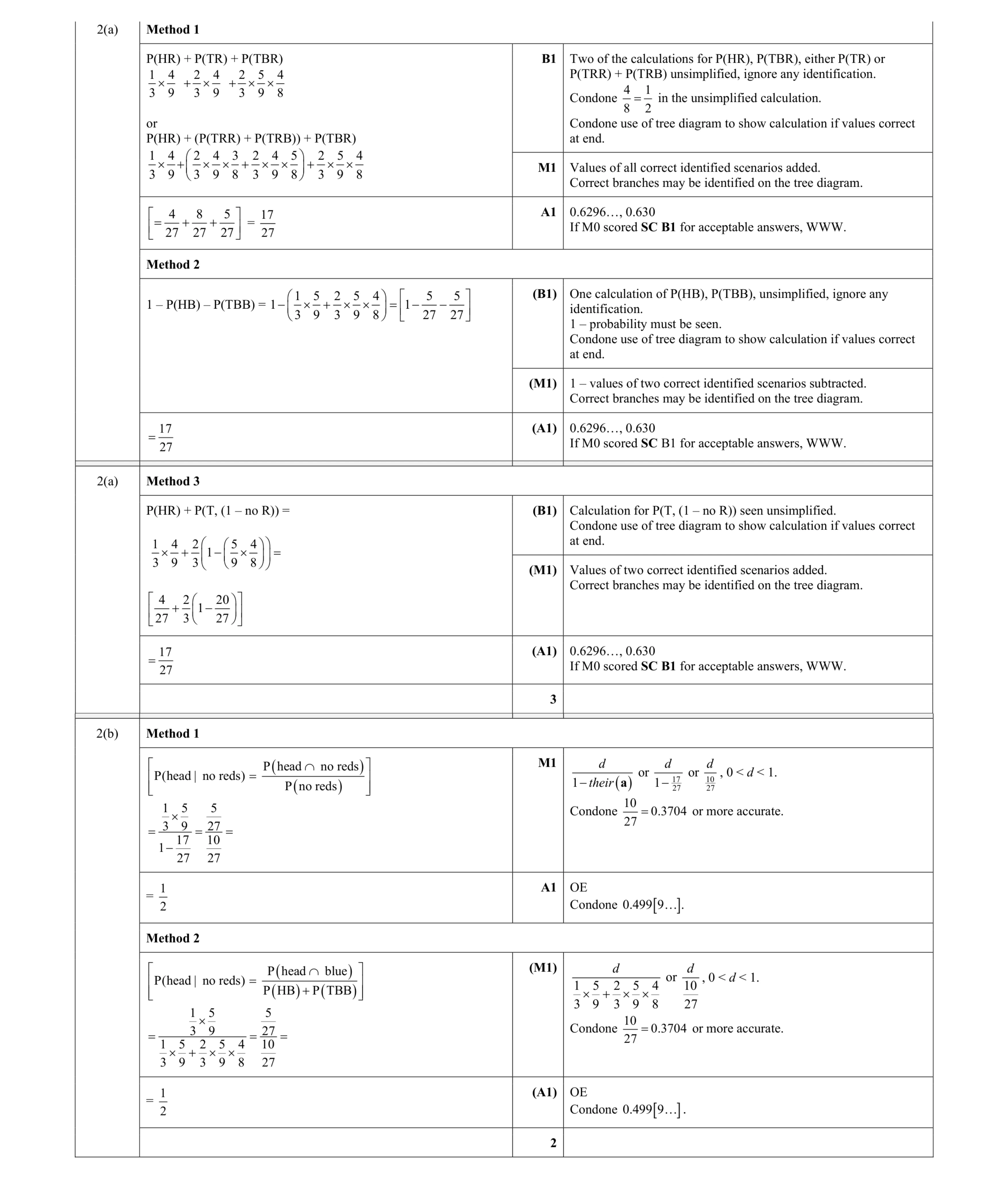 5
5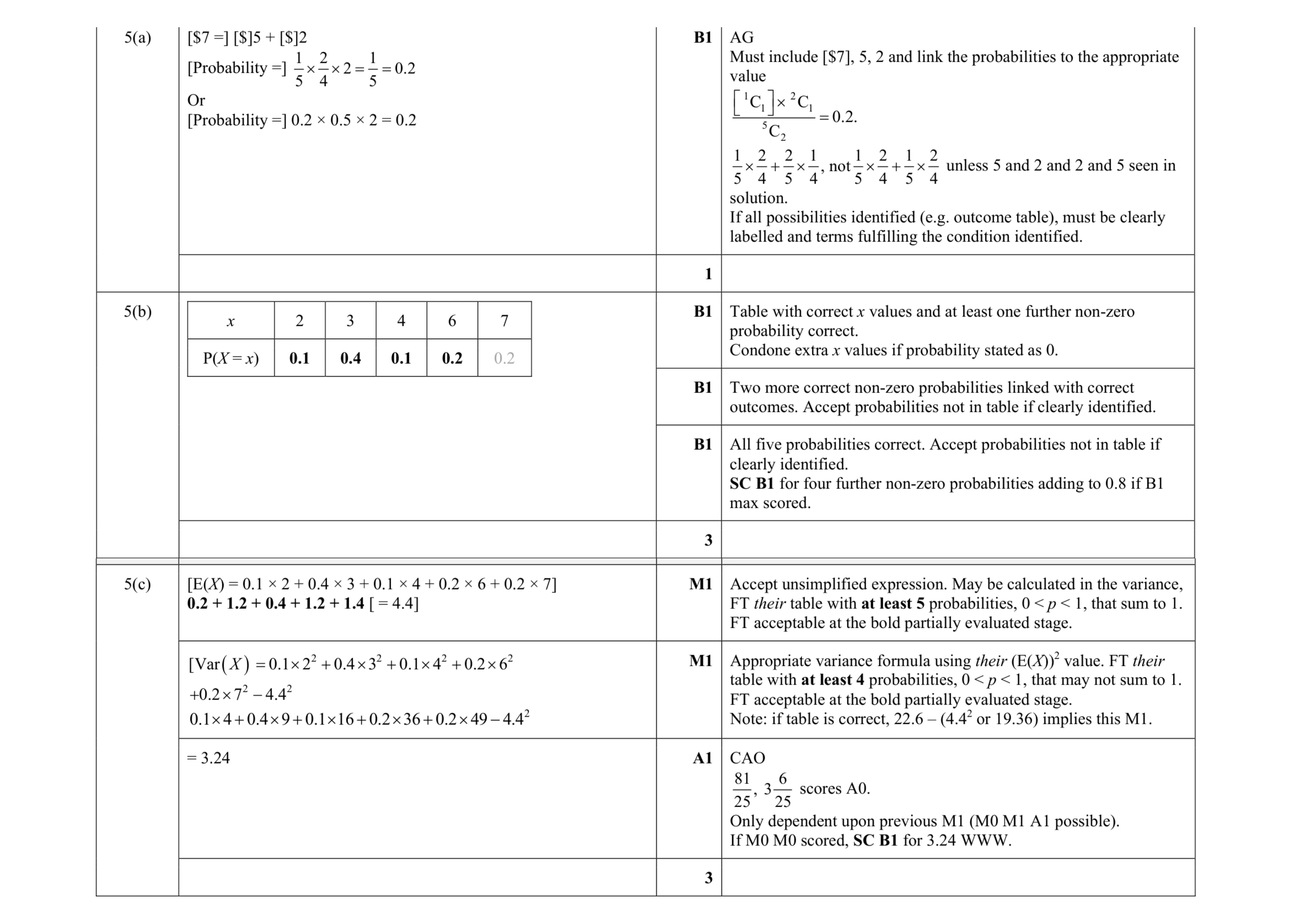 7
7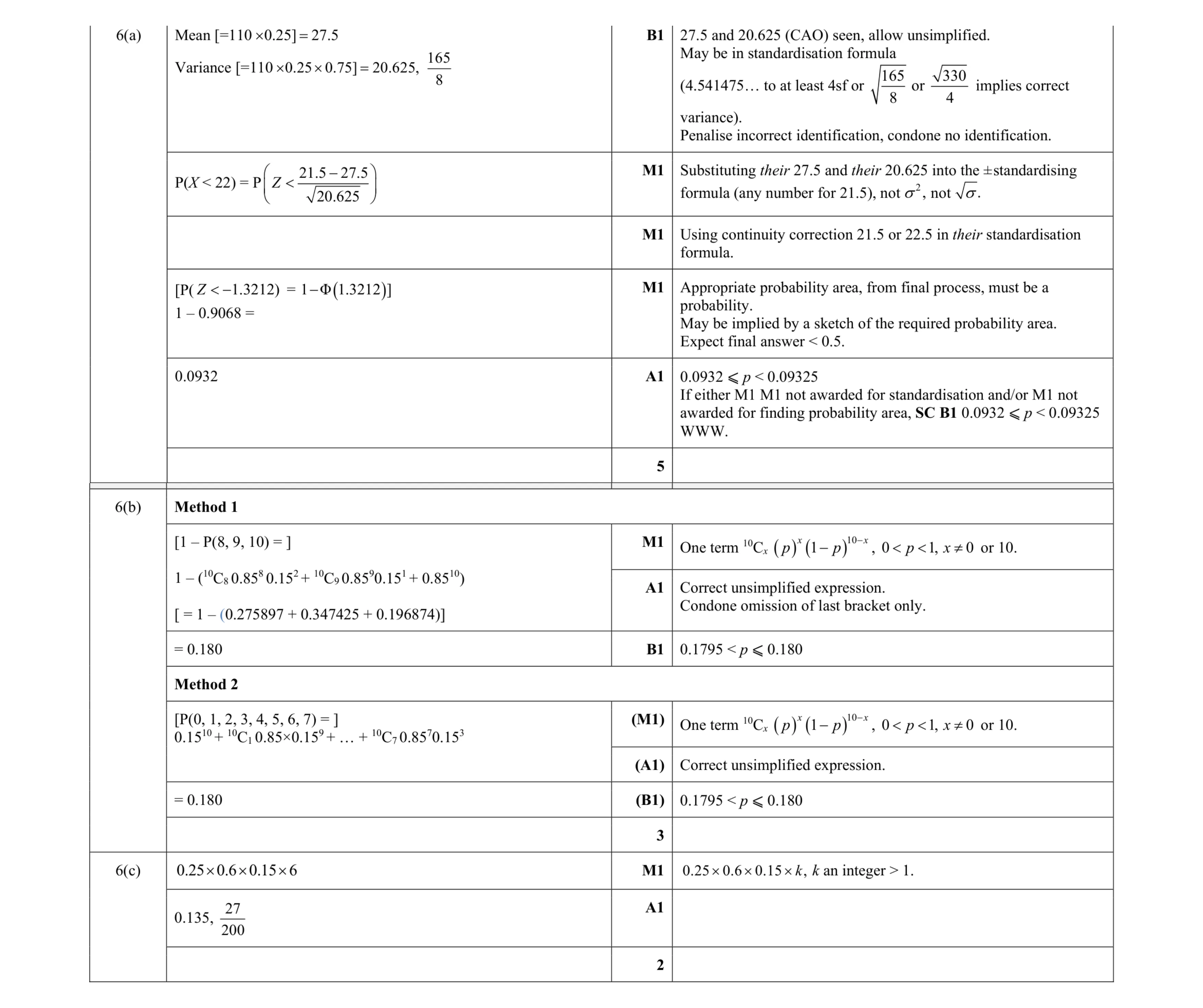 10
10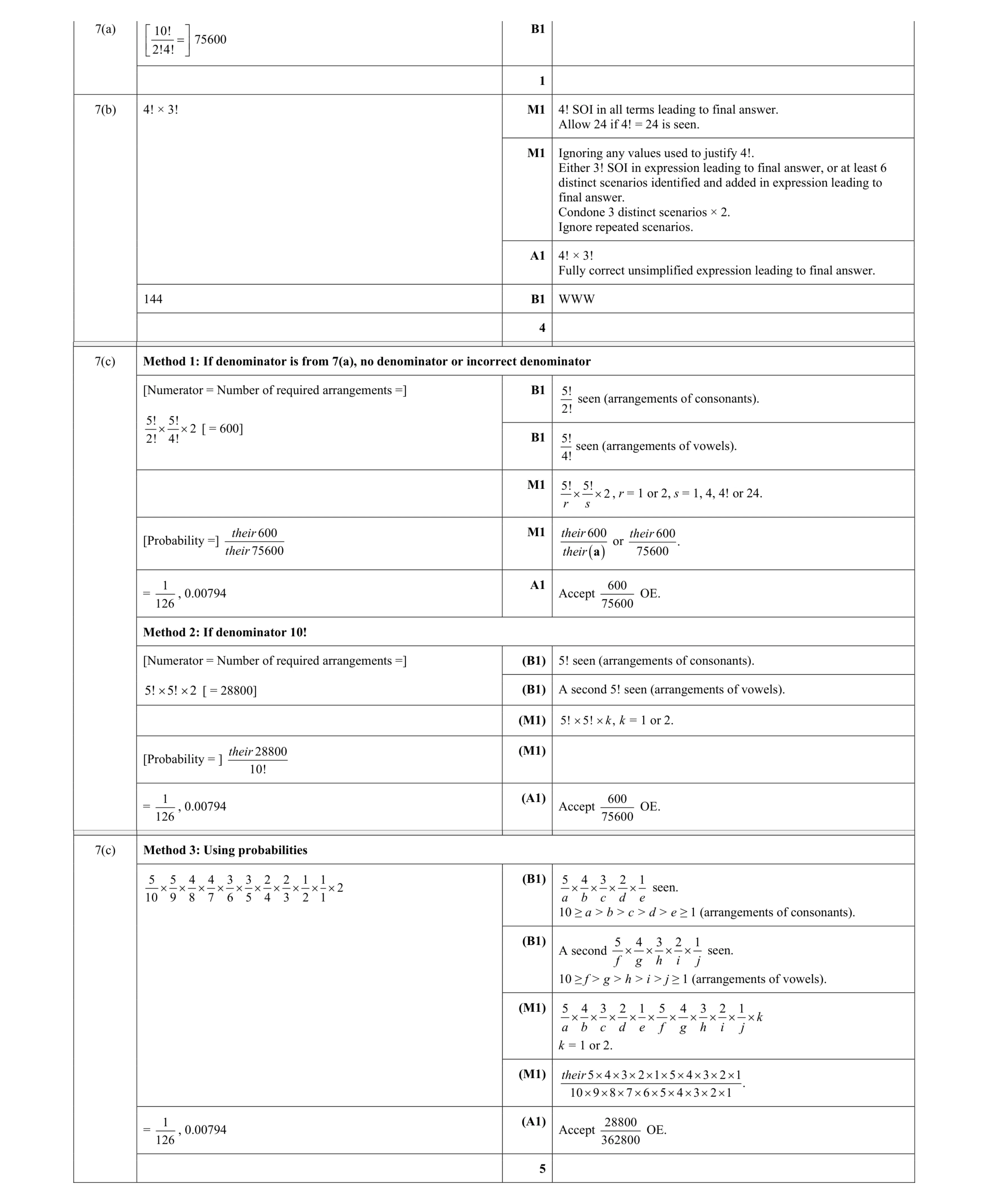 10
10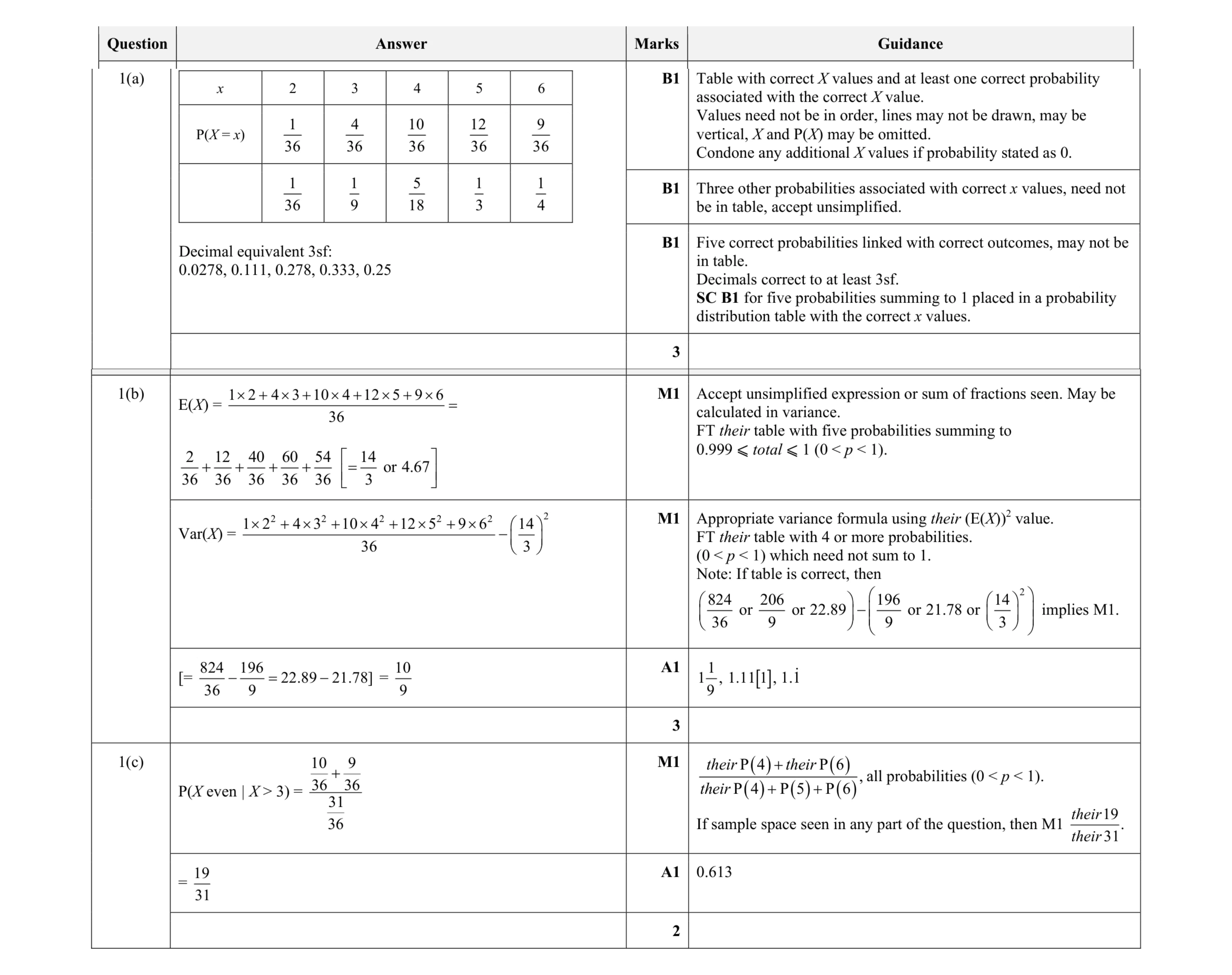 8
8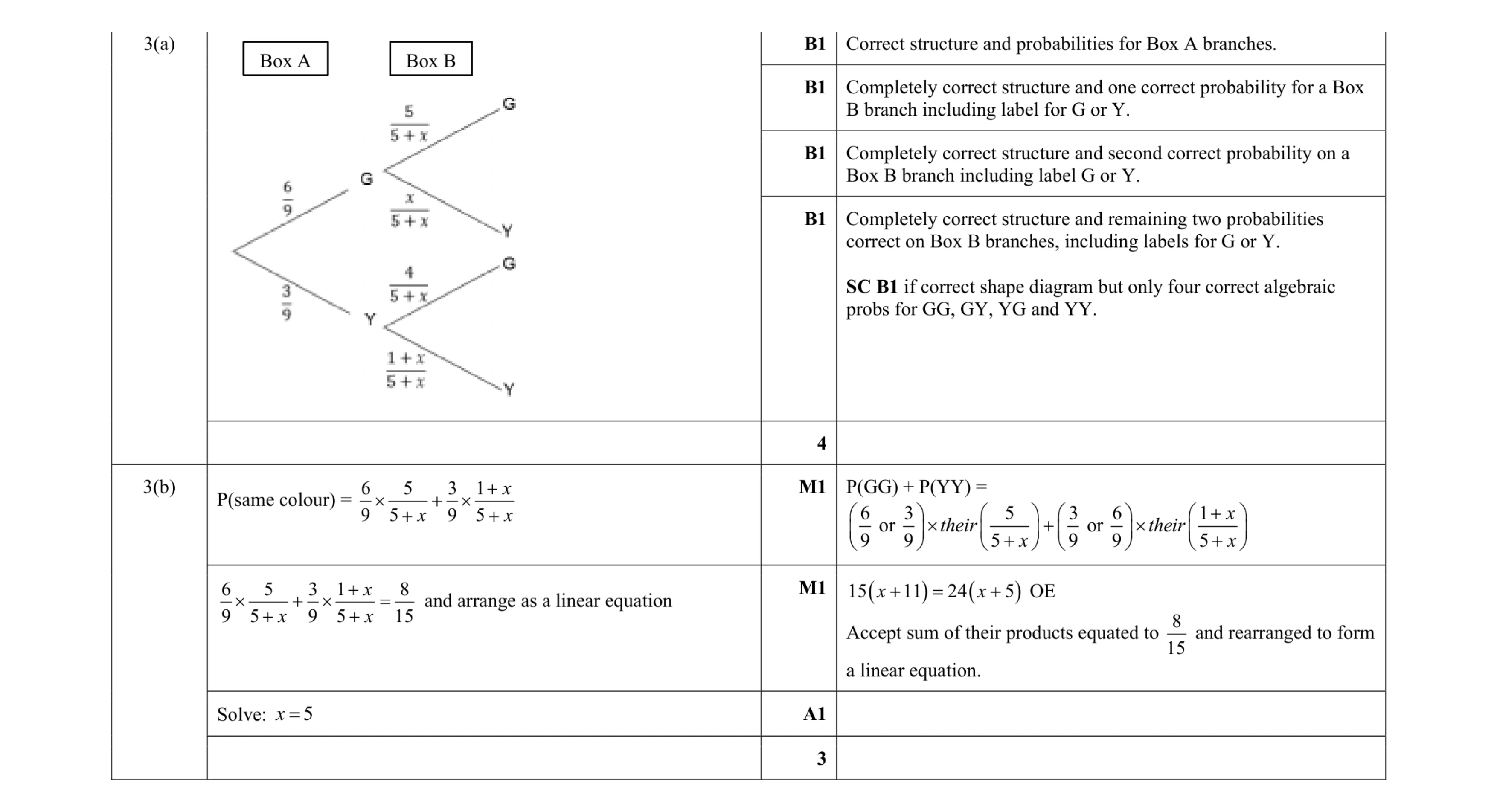 7
7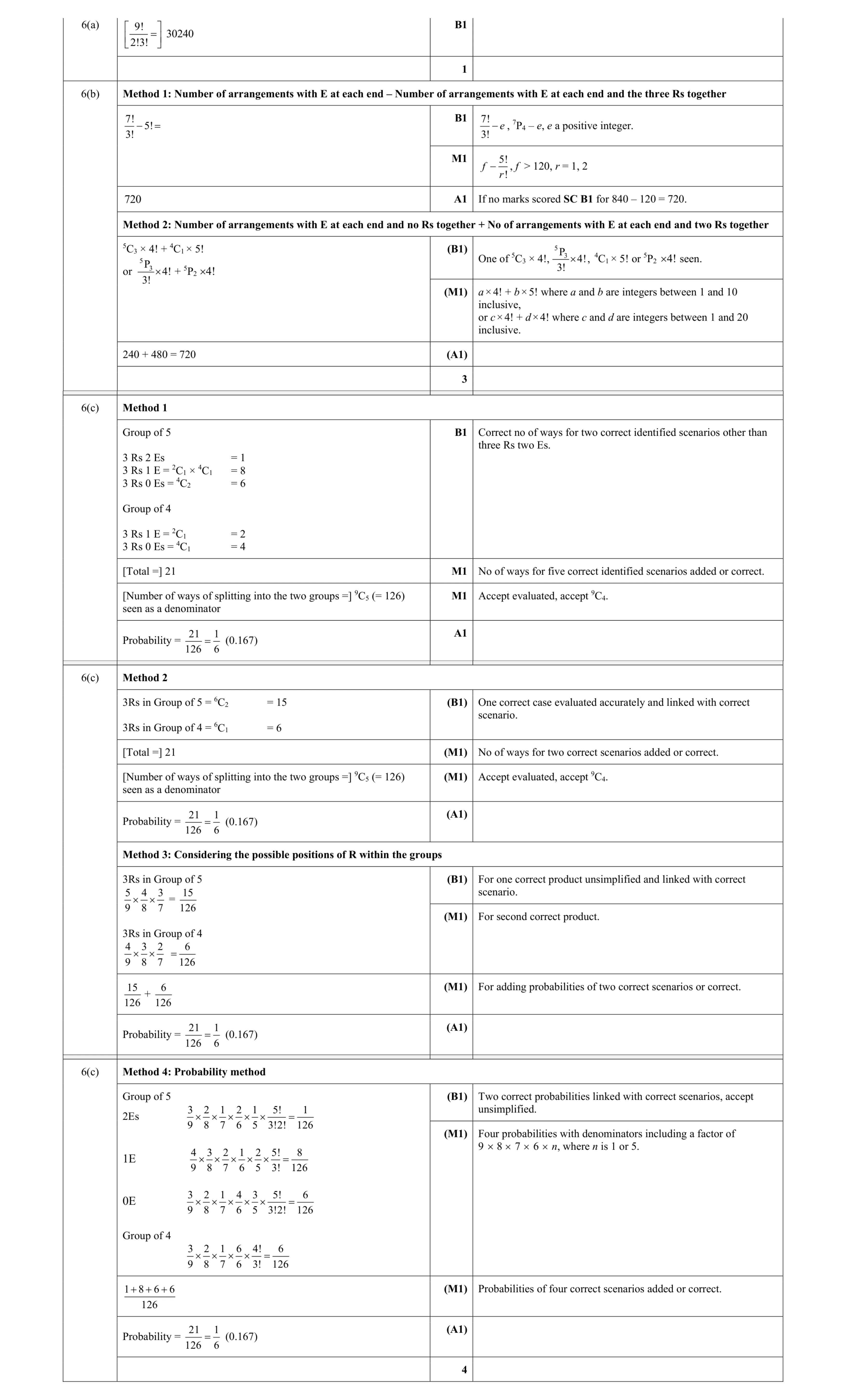 8
8 4
4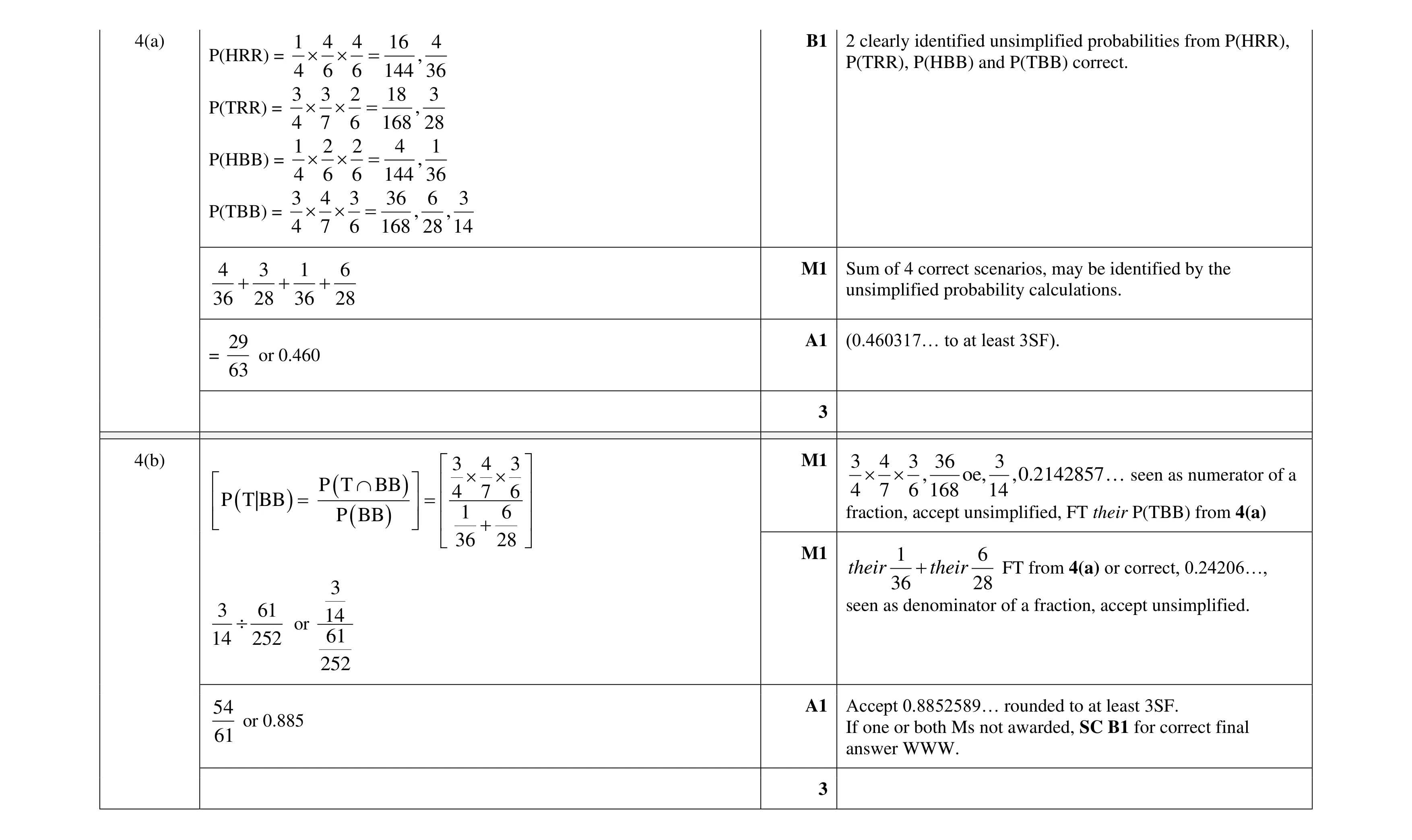 6
6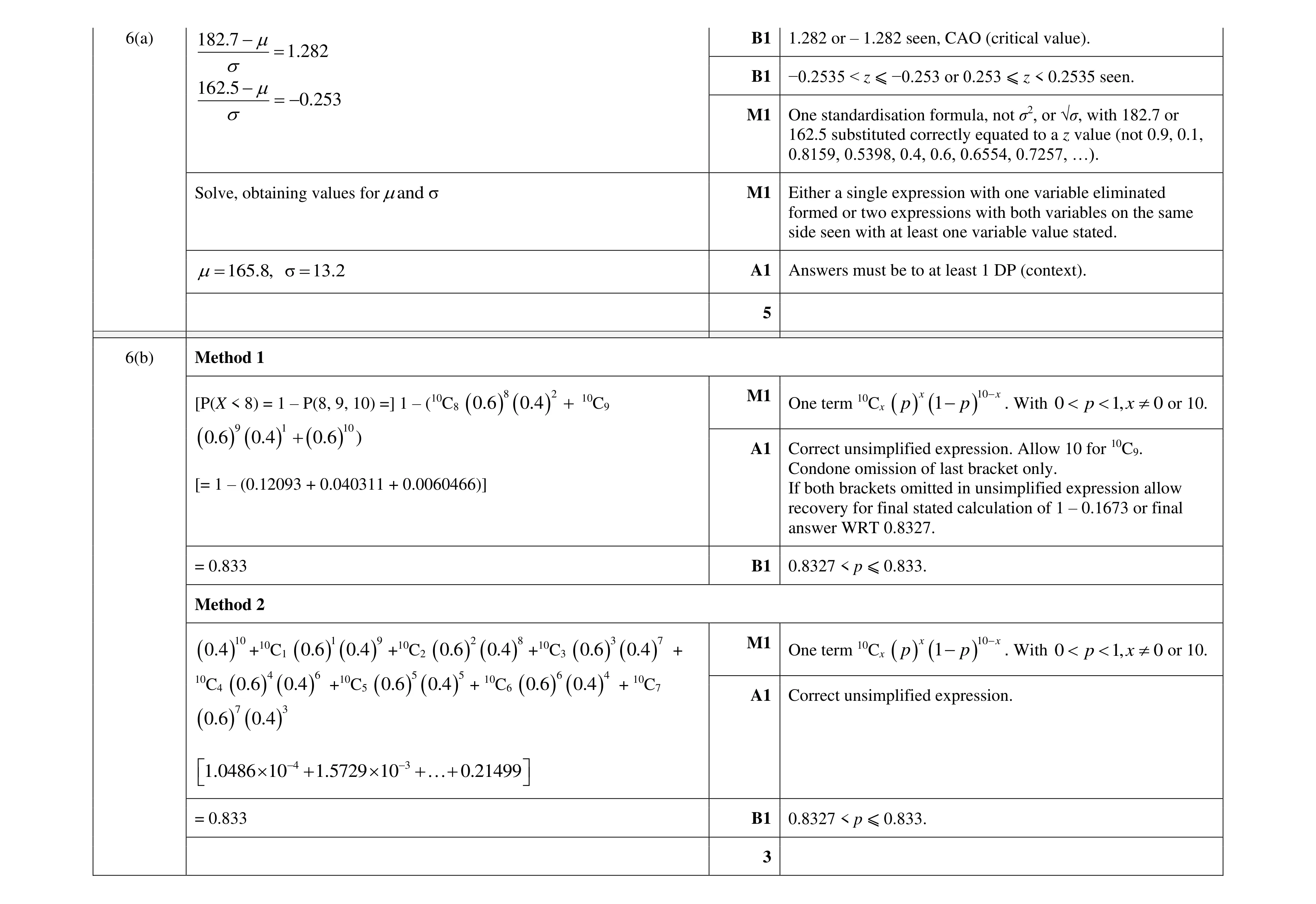 8
8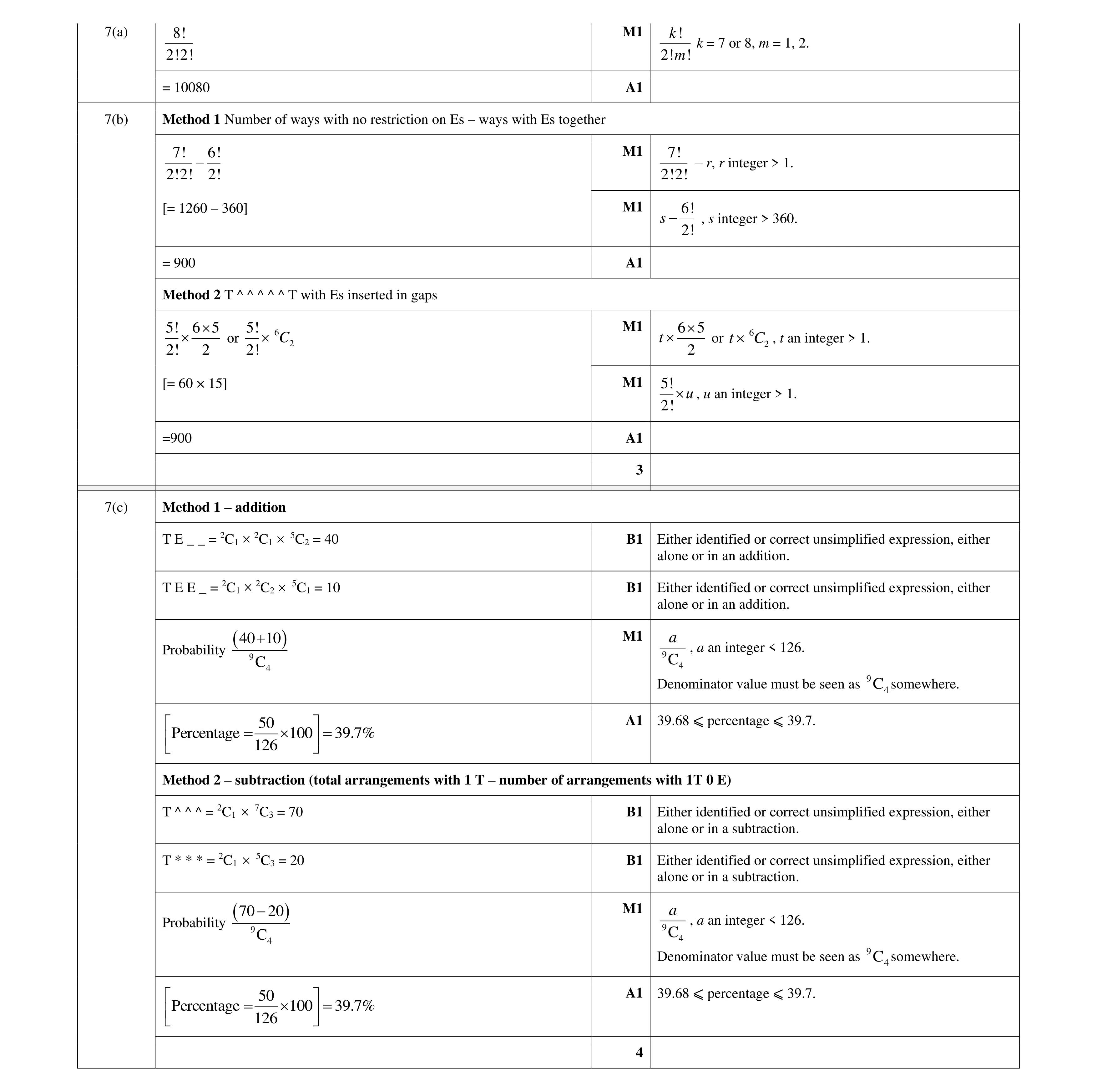 9
9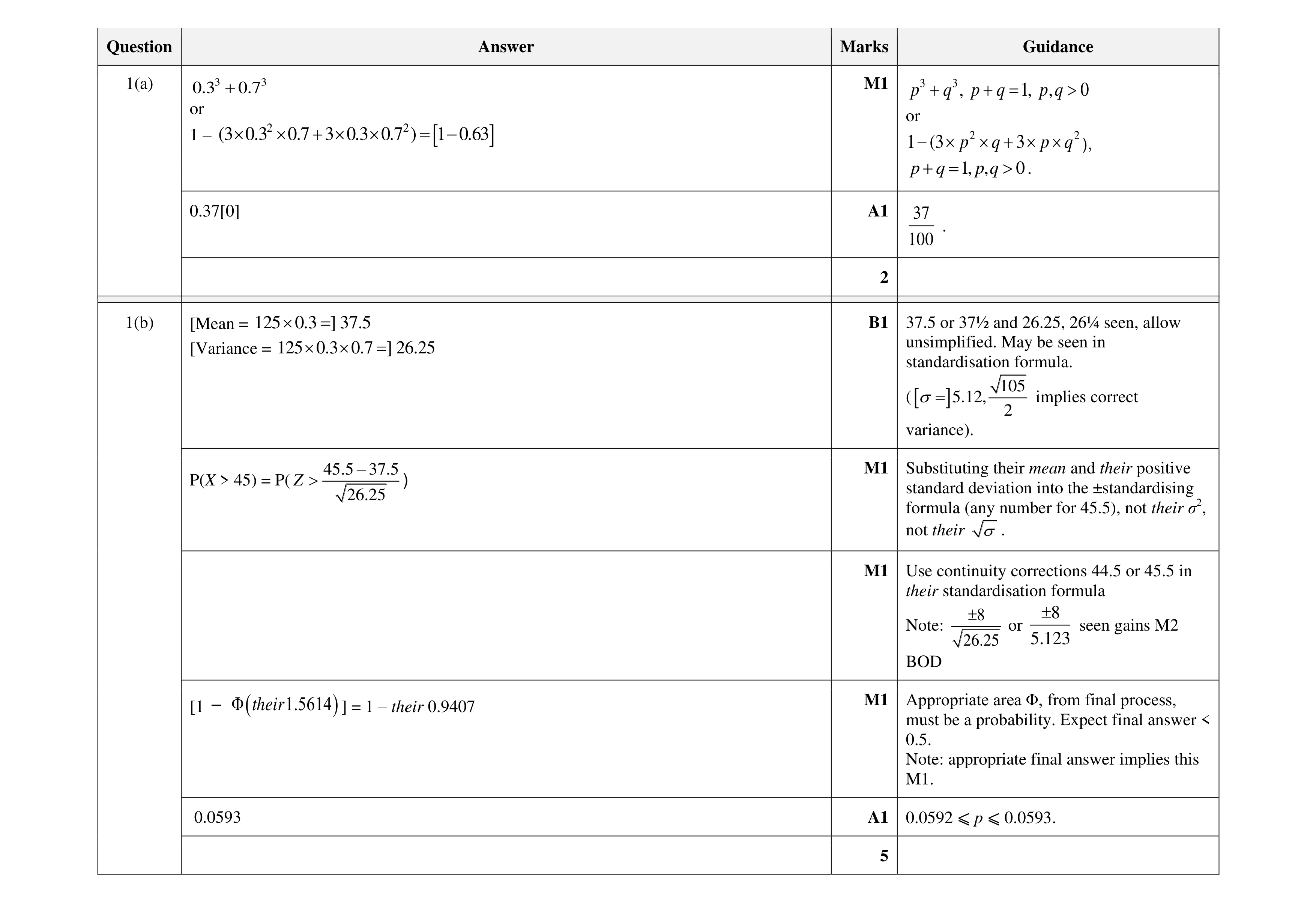 7
7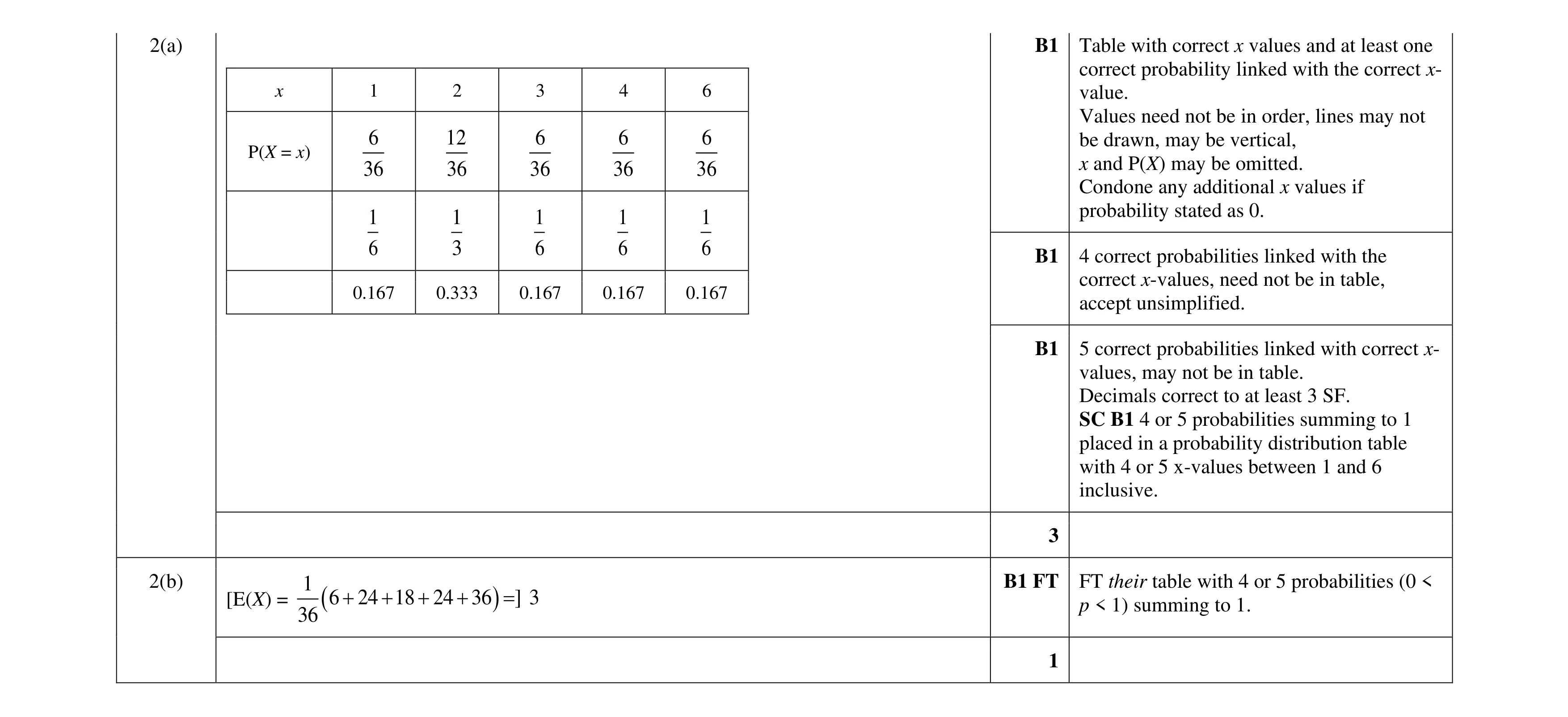 4
4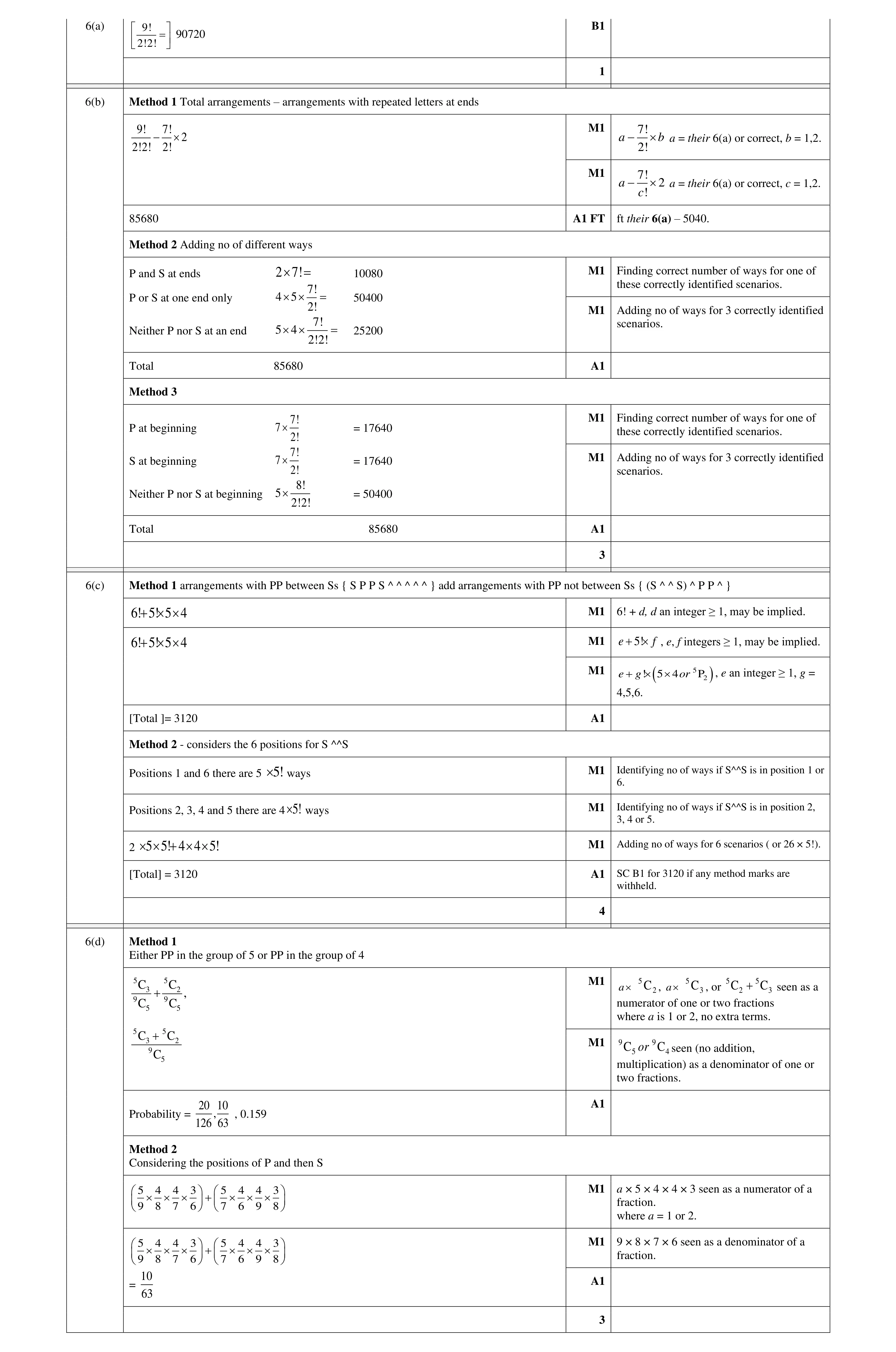 11
11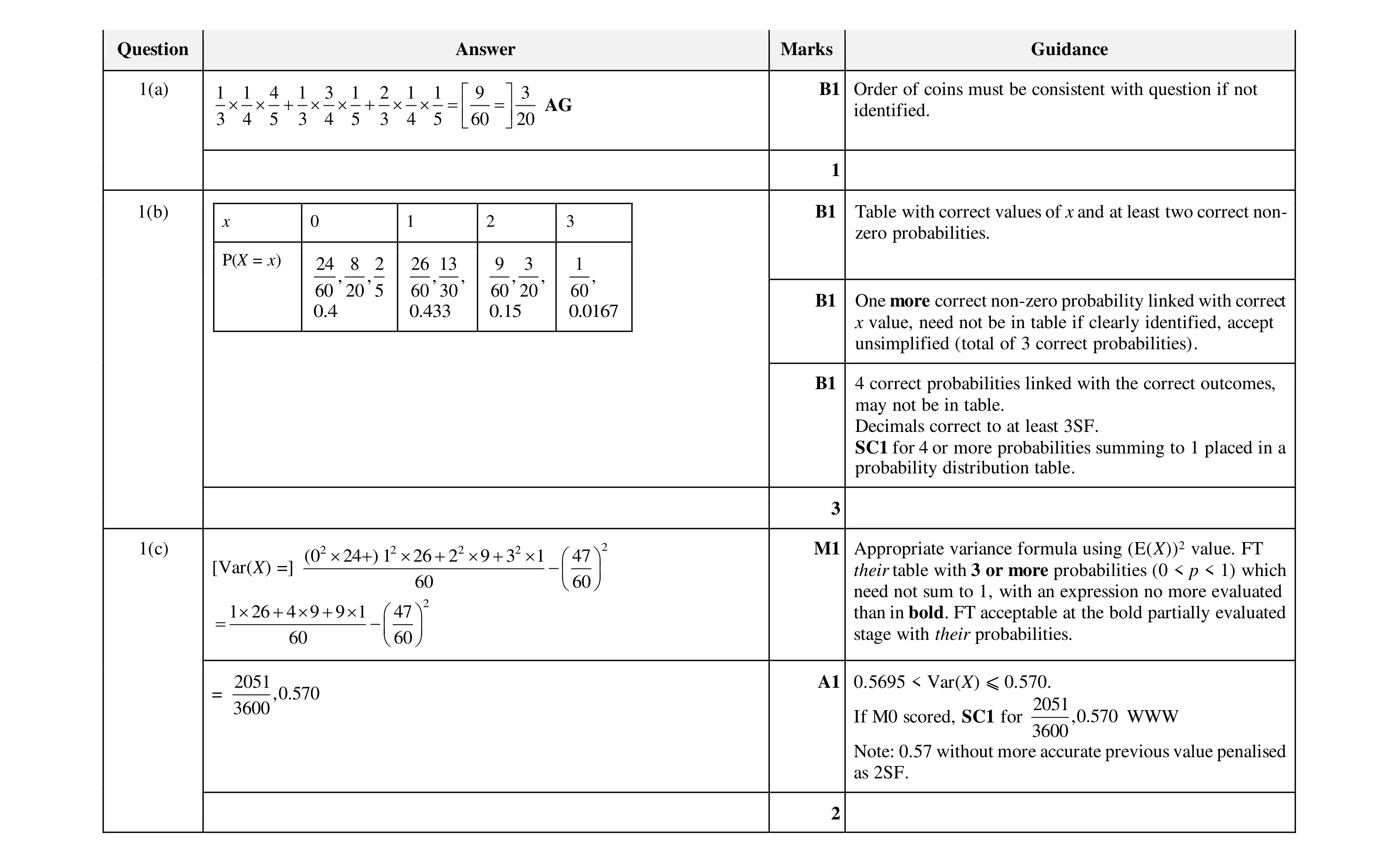 6
6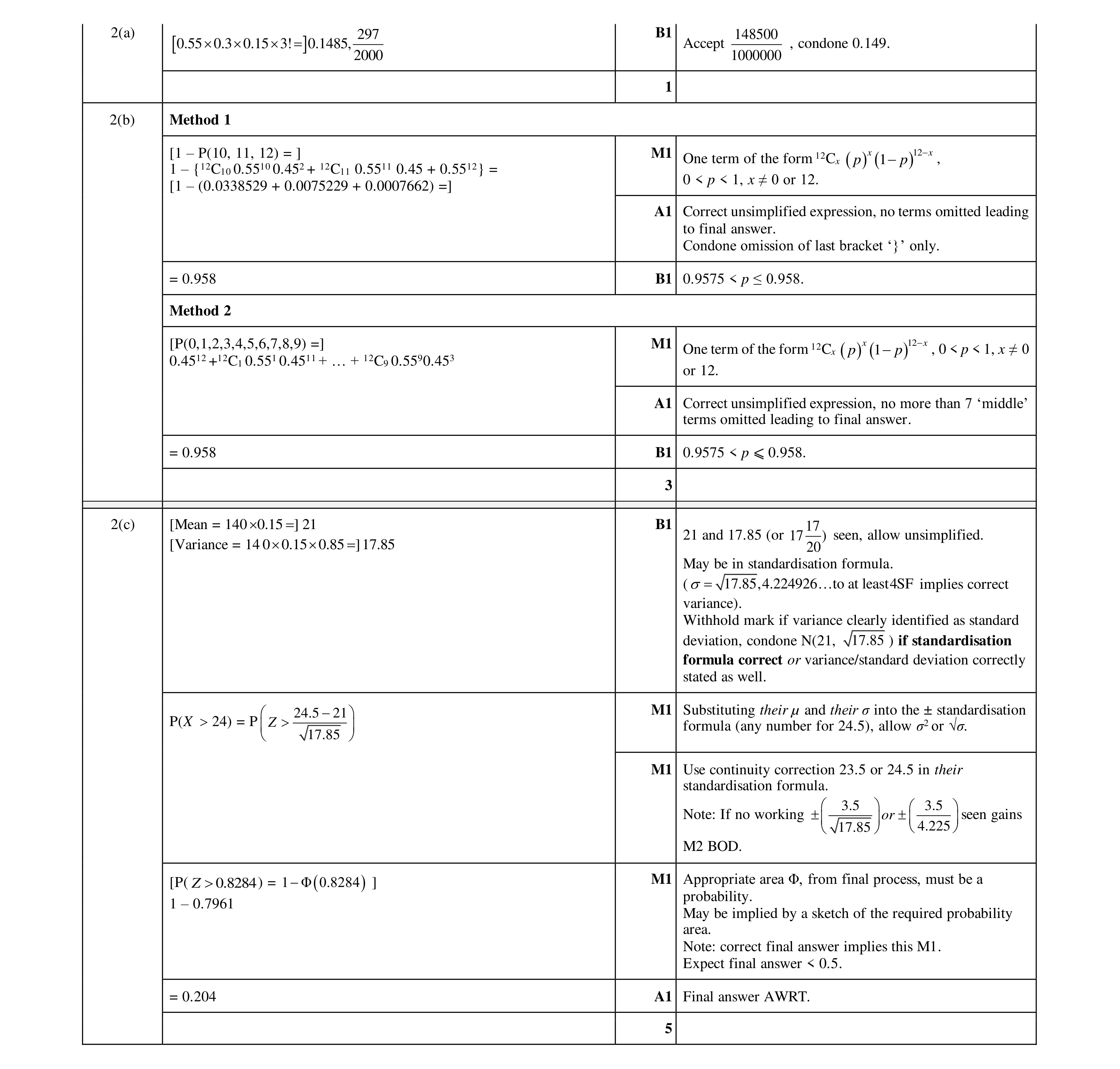 9
9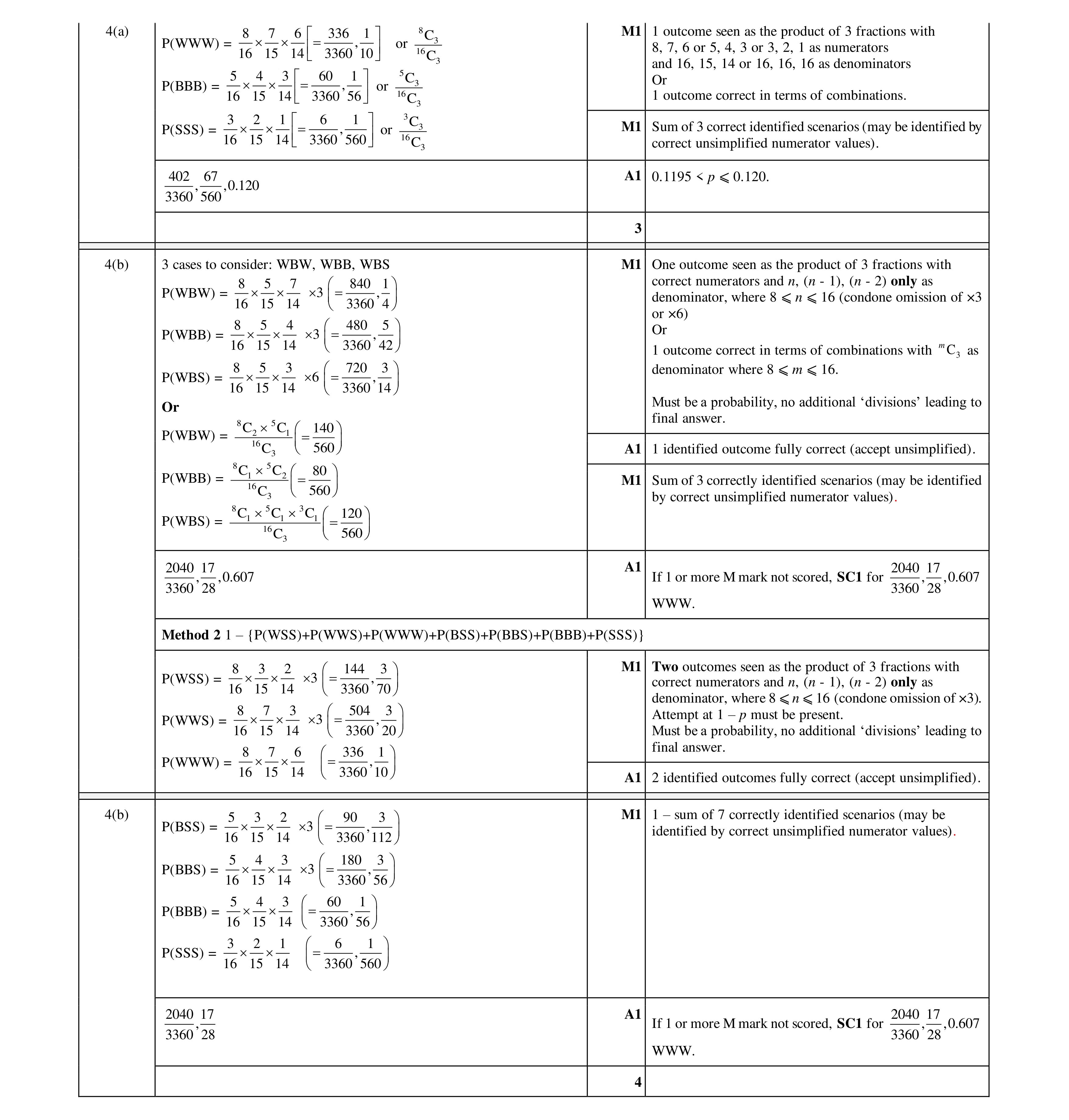 7
7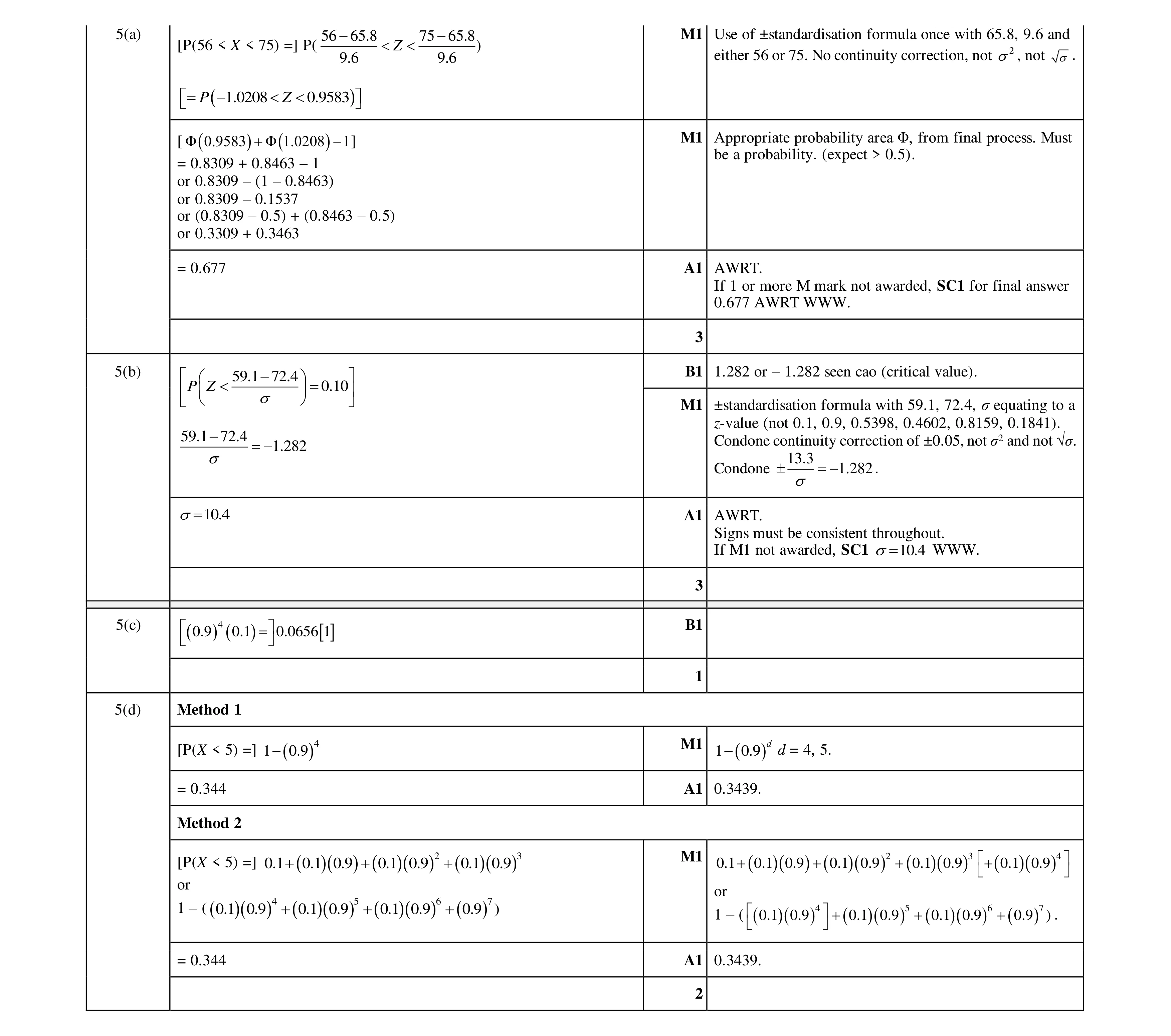 9
9 7
7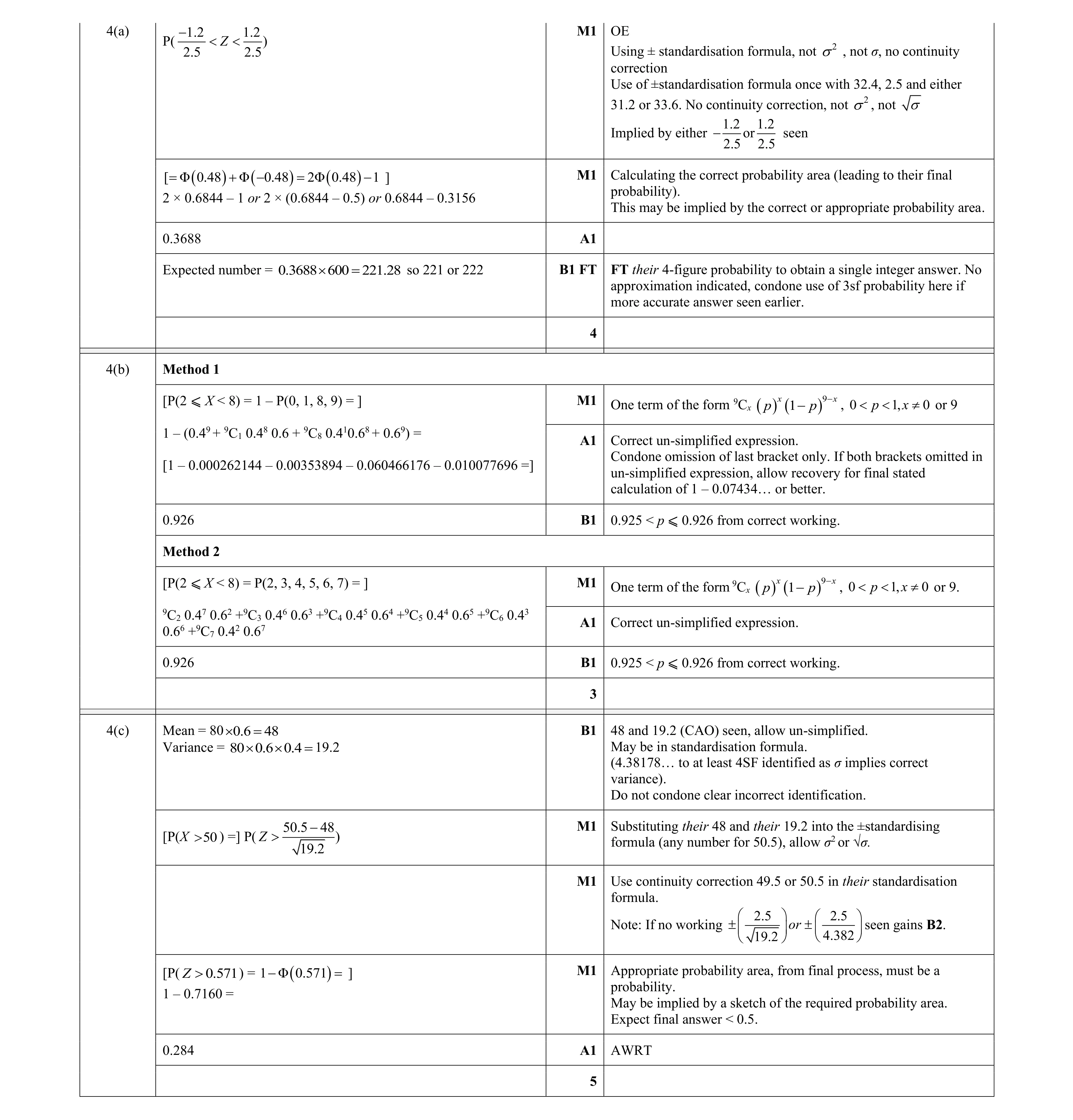 12
12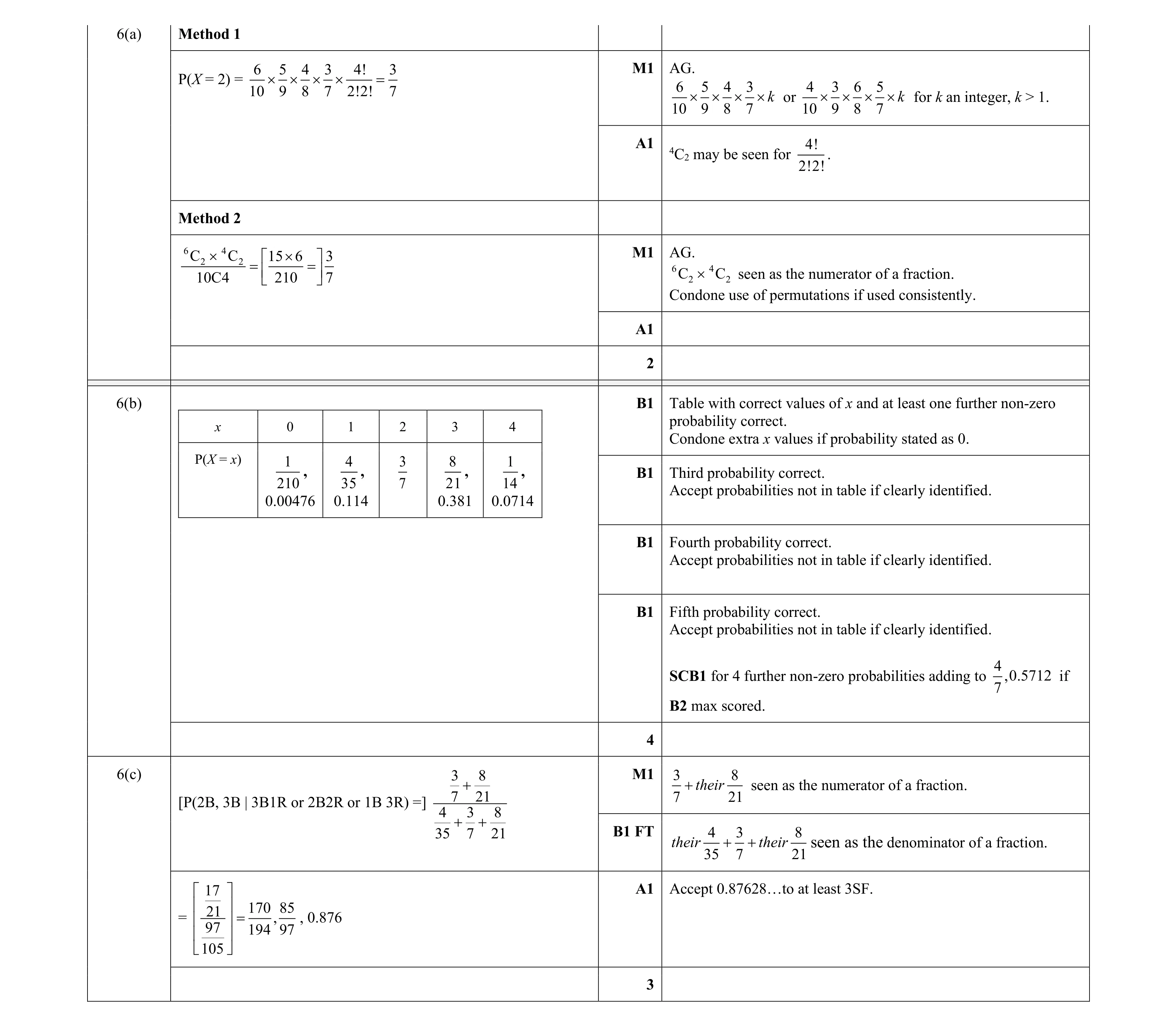 9
9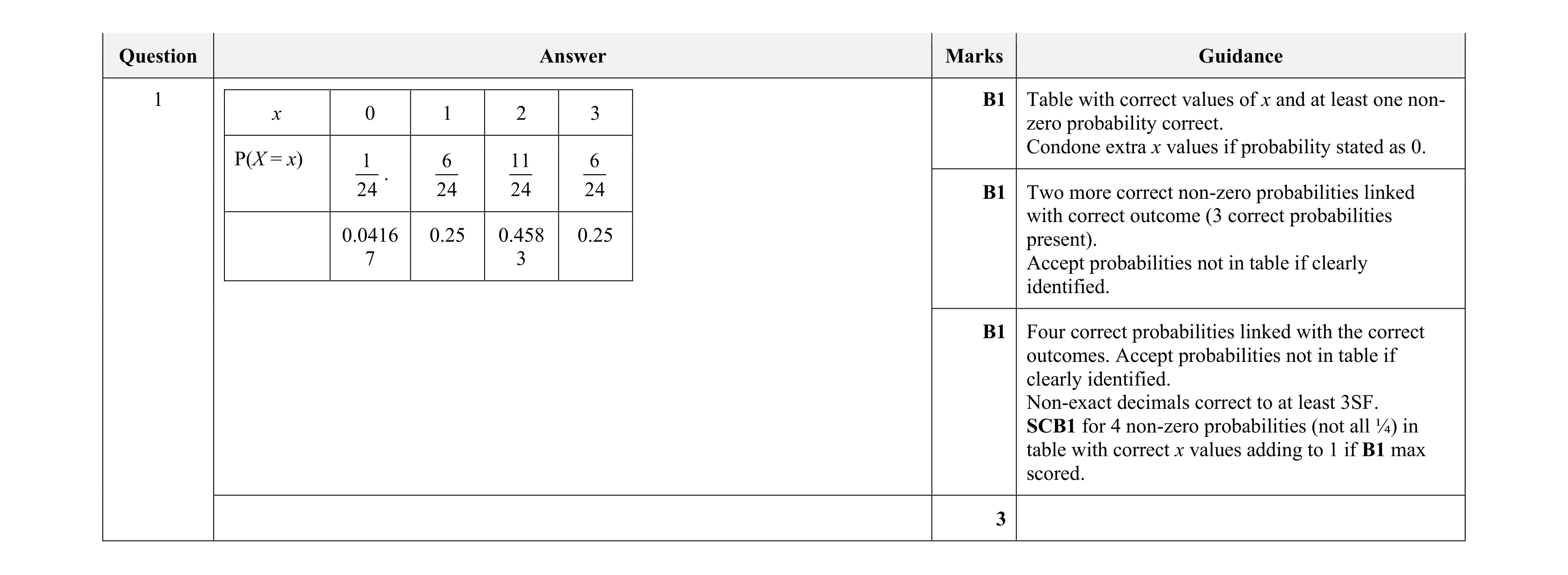 3
3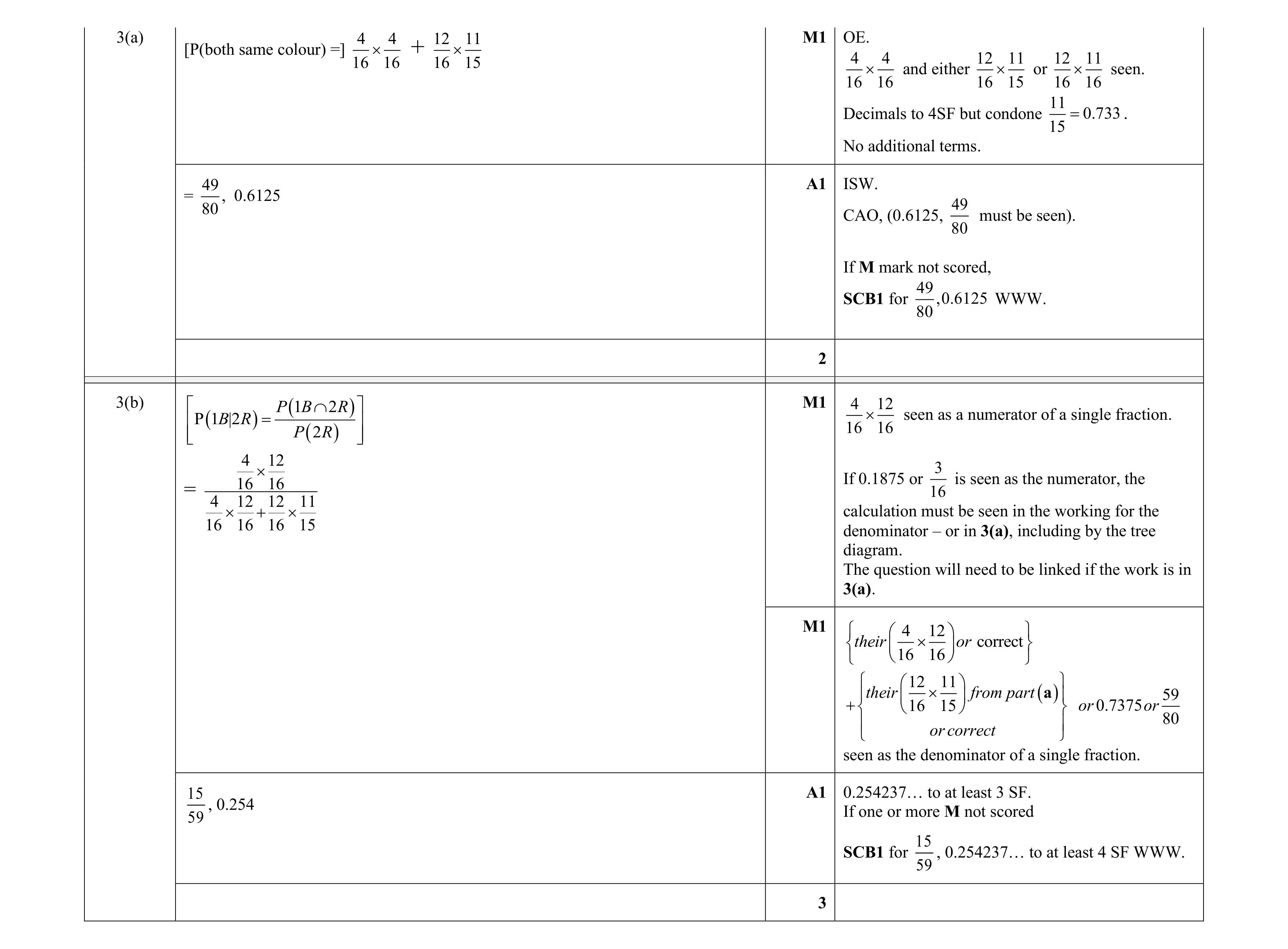 5
5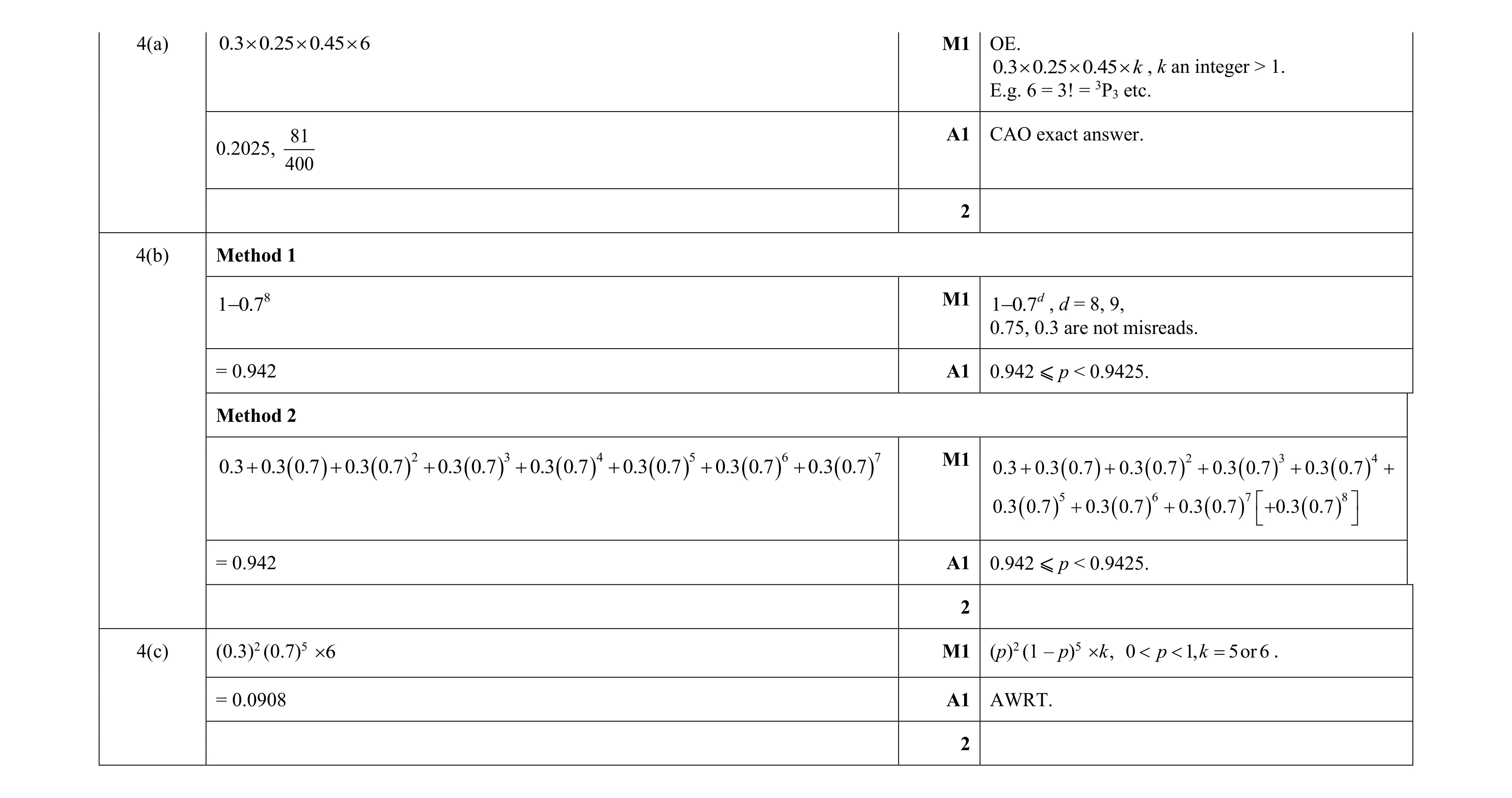 6
6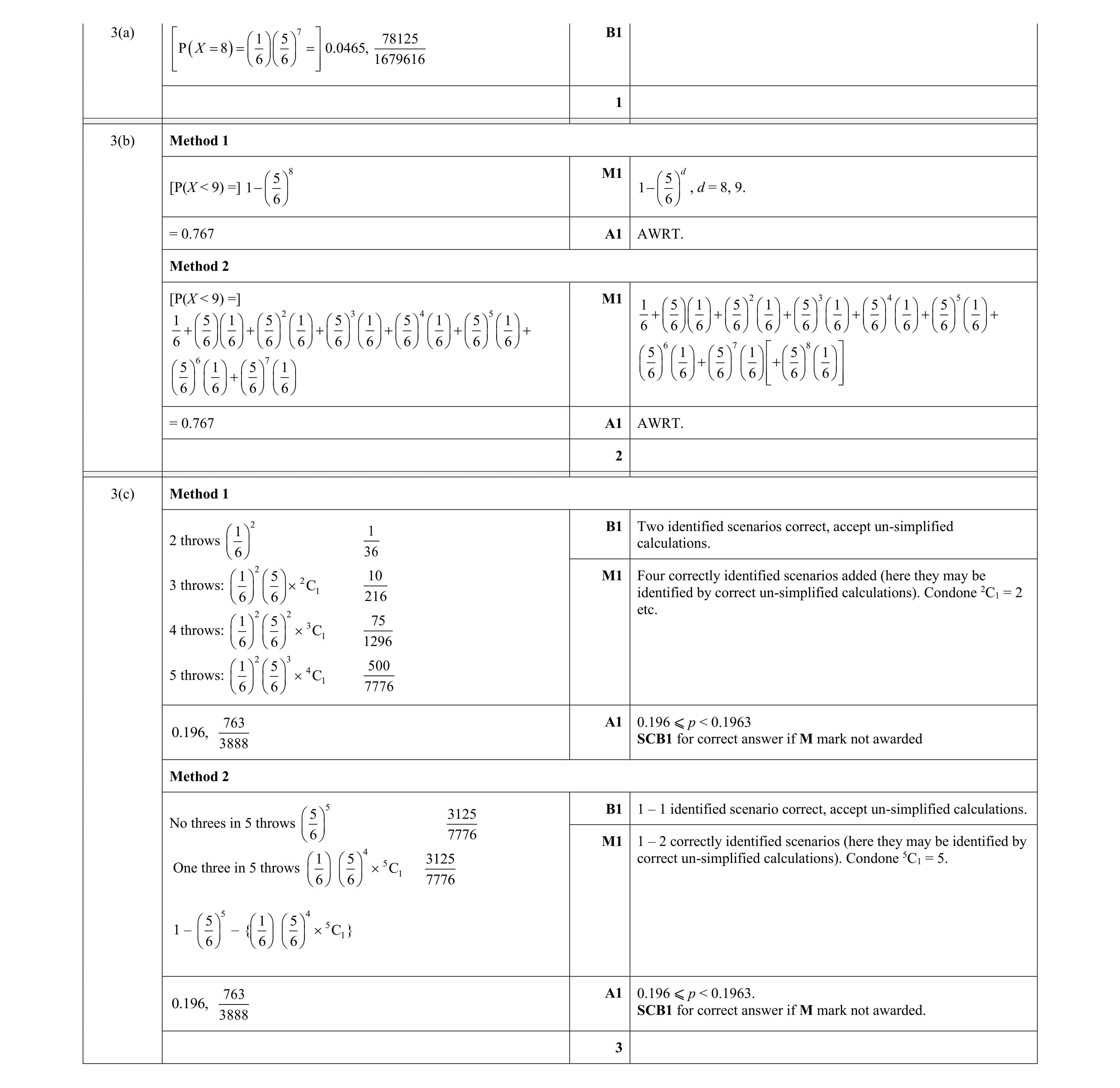 6
6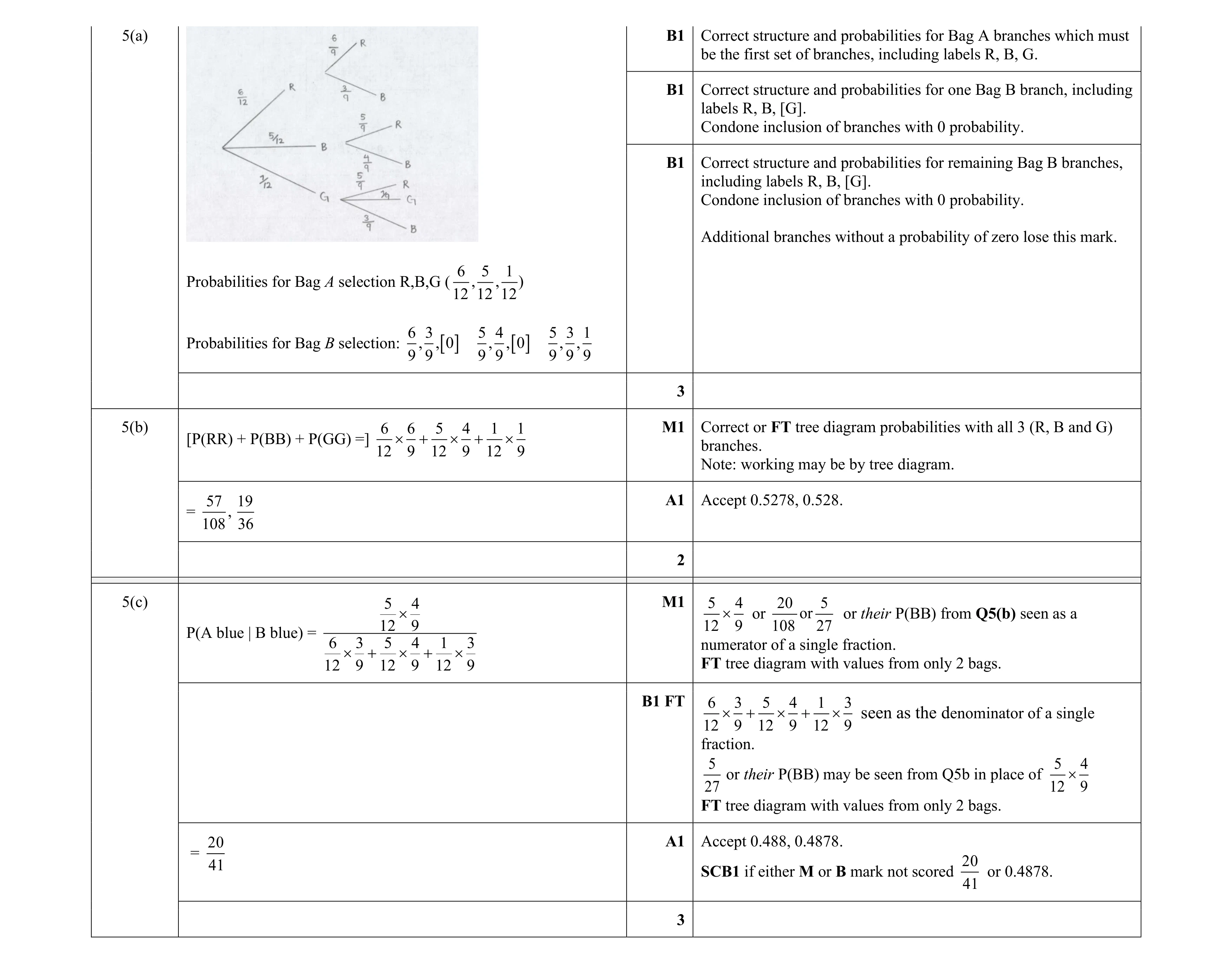 8
8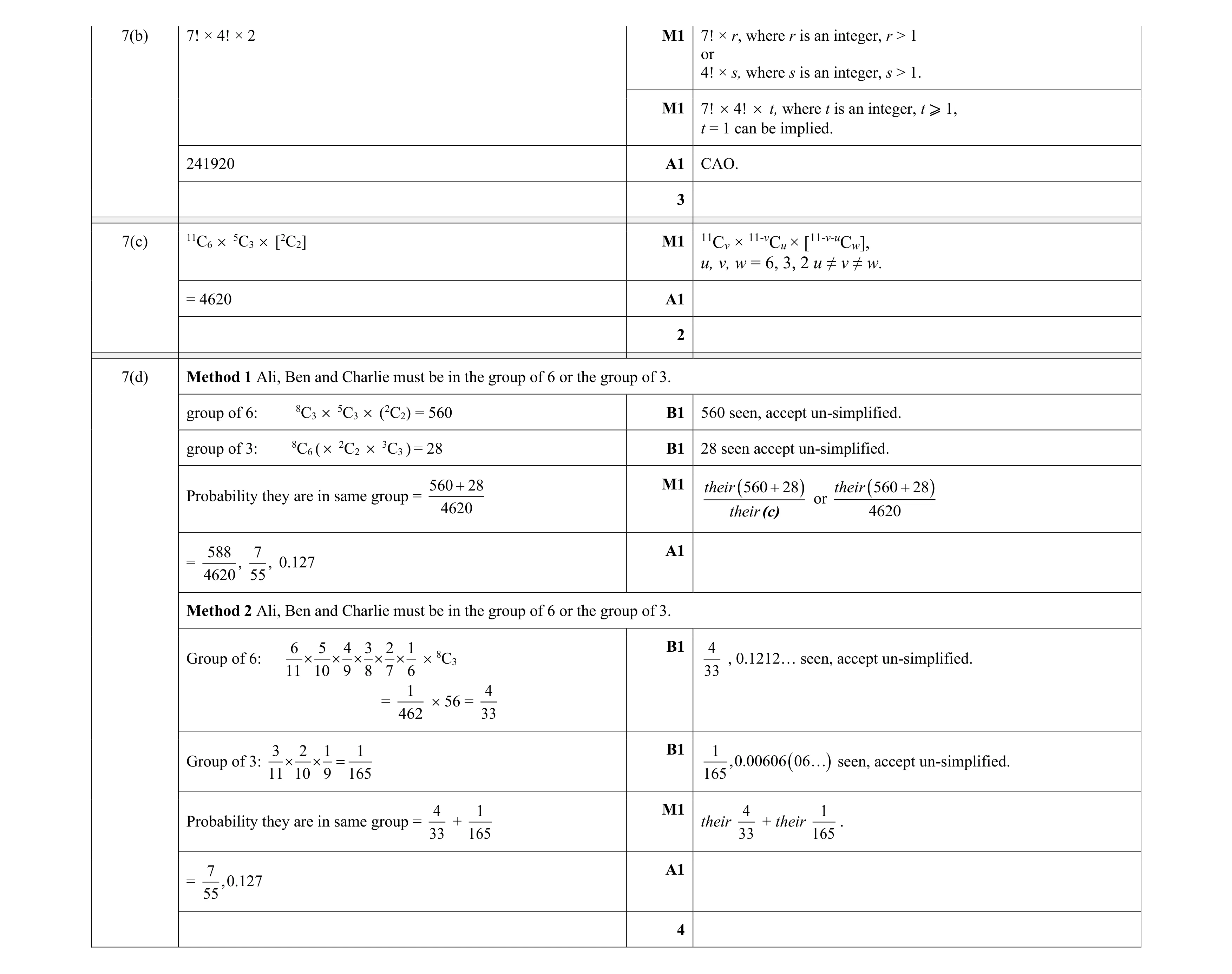 12
12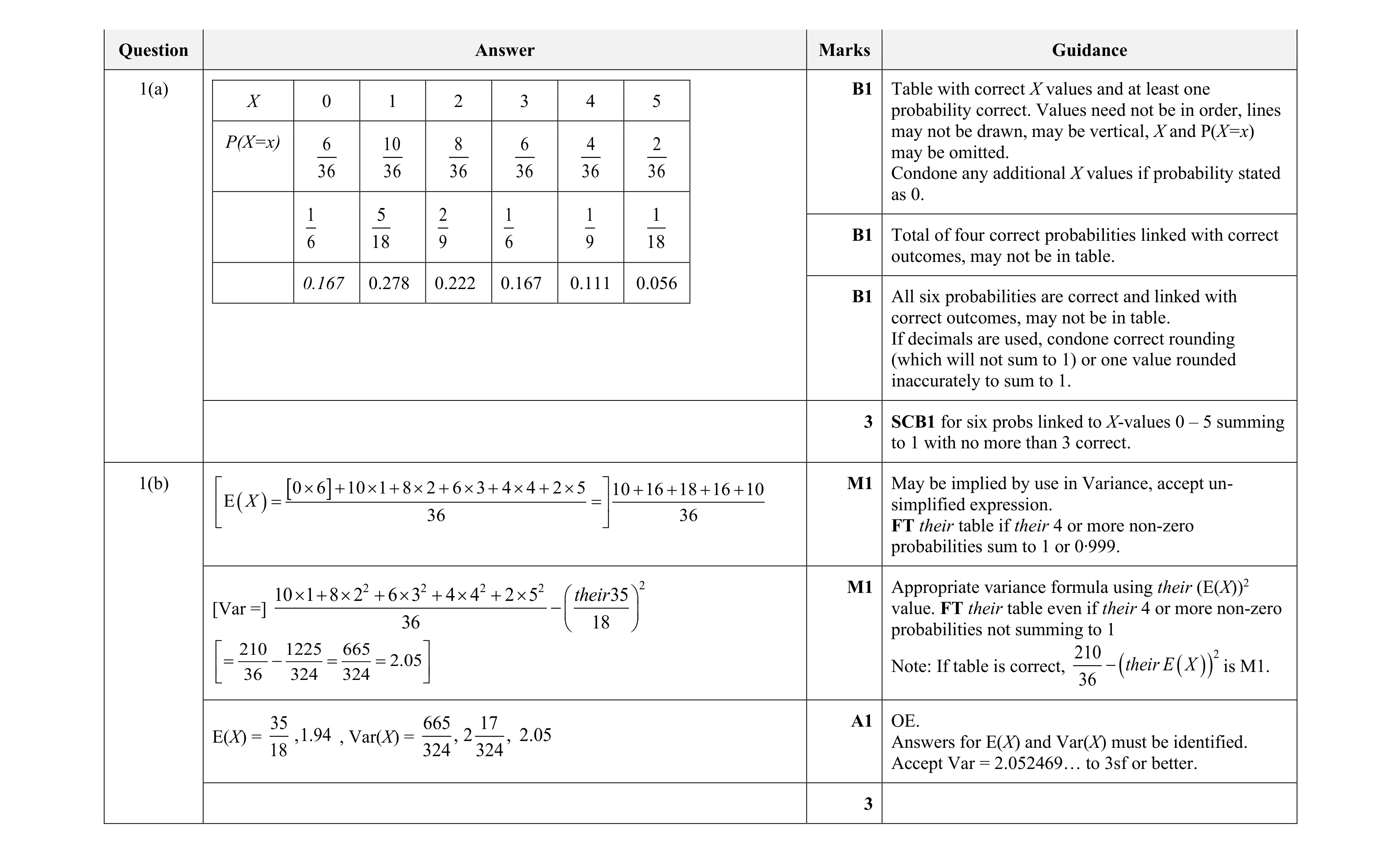 6
6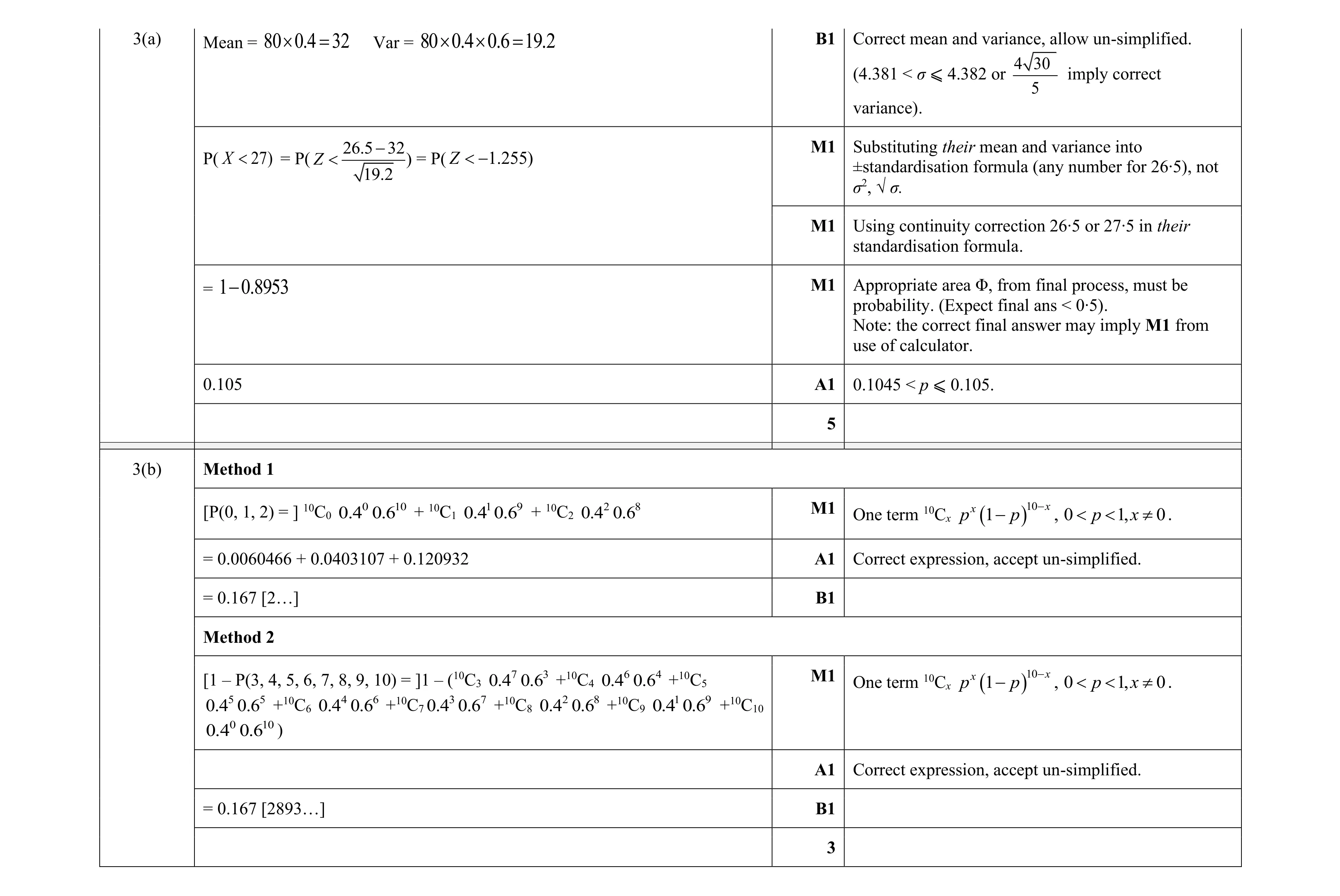 8
8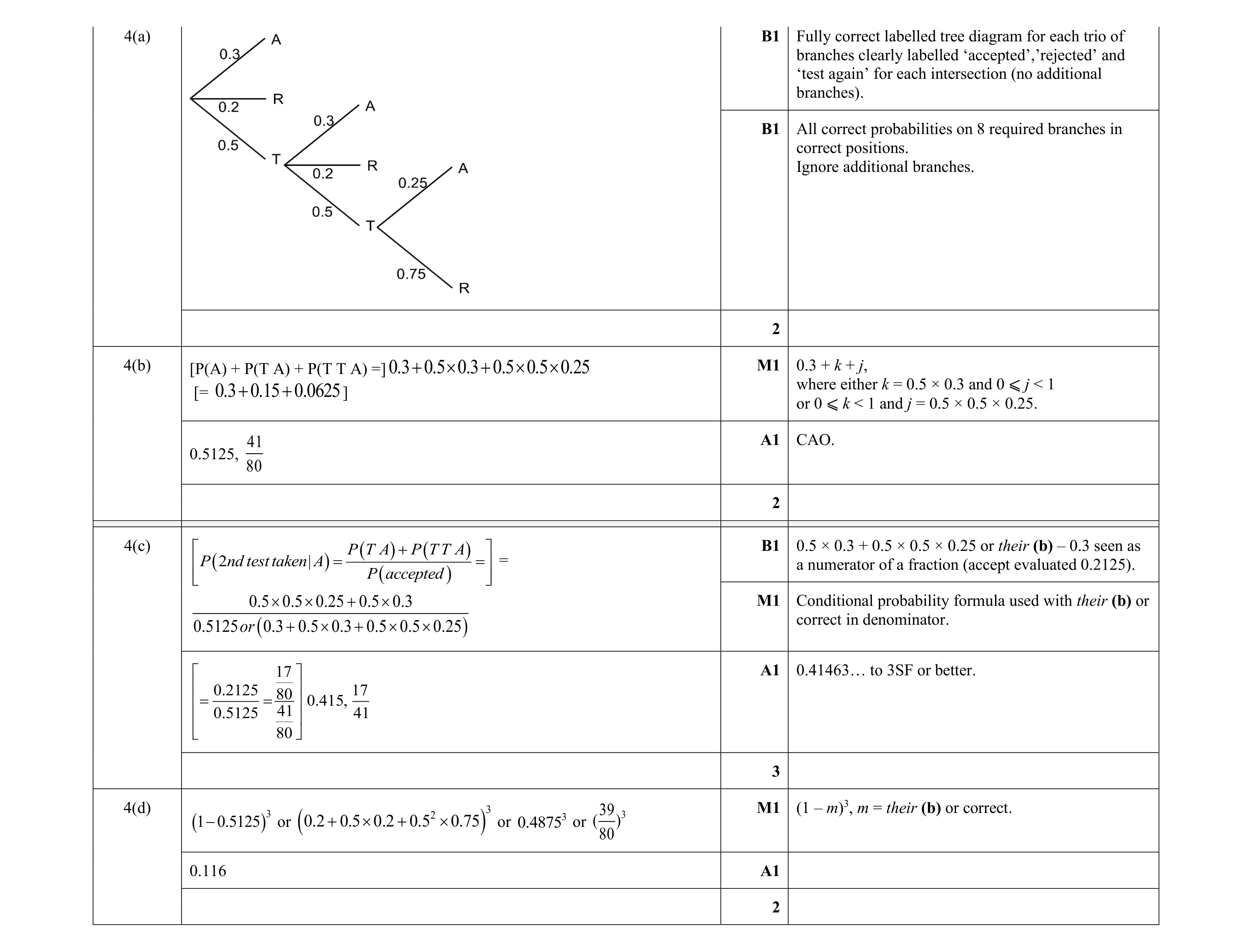 9
9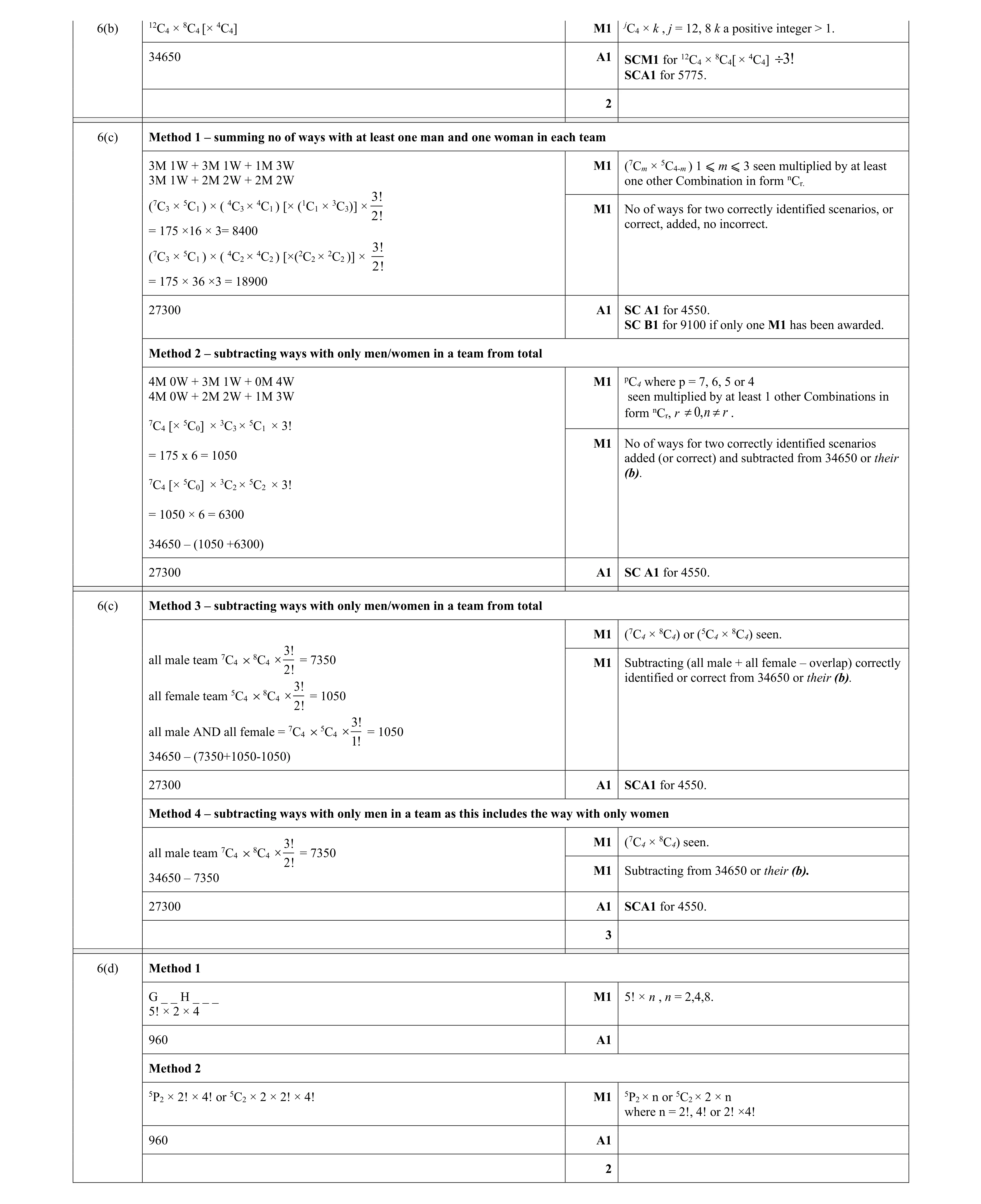 10
10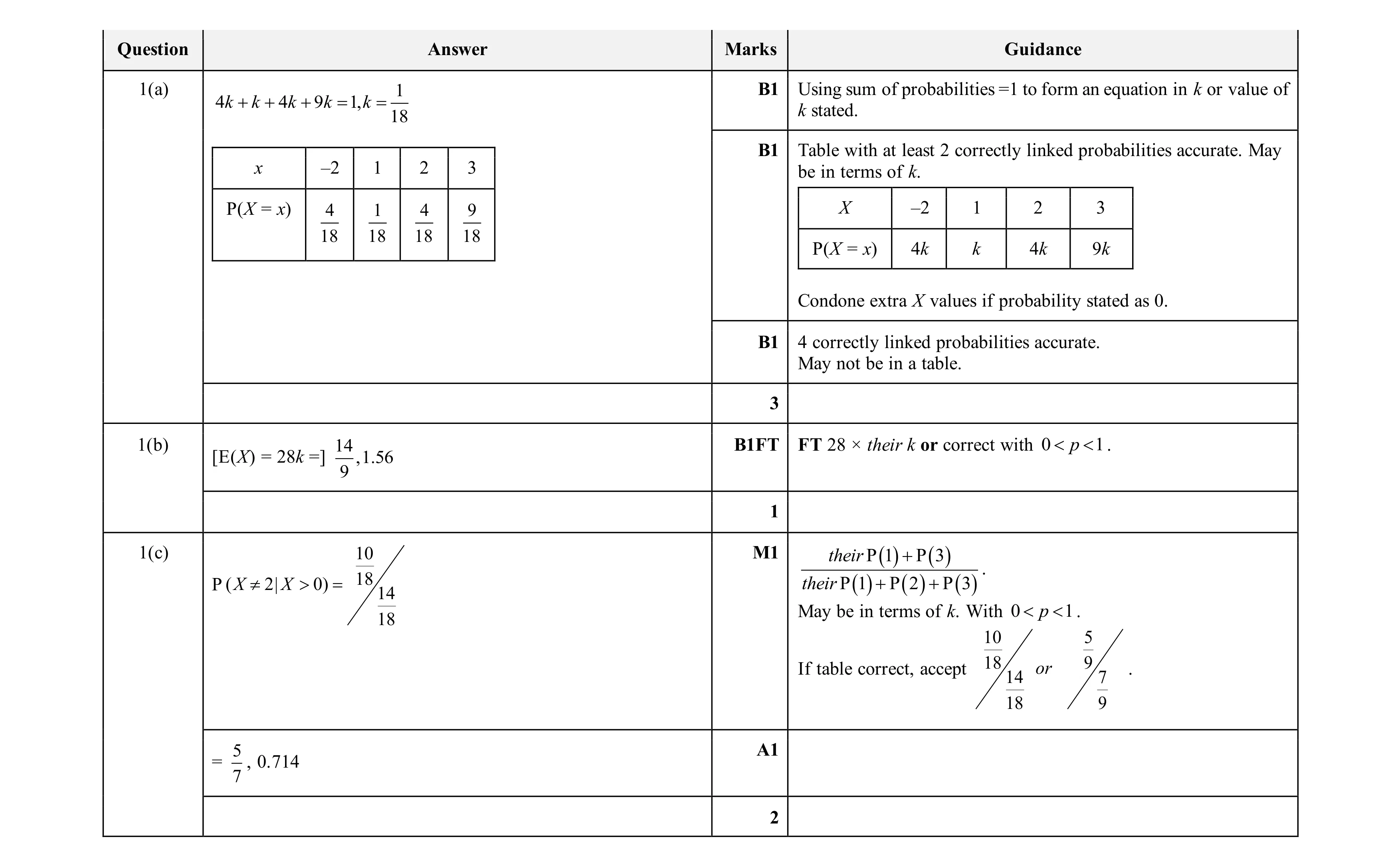 6
6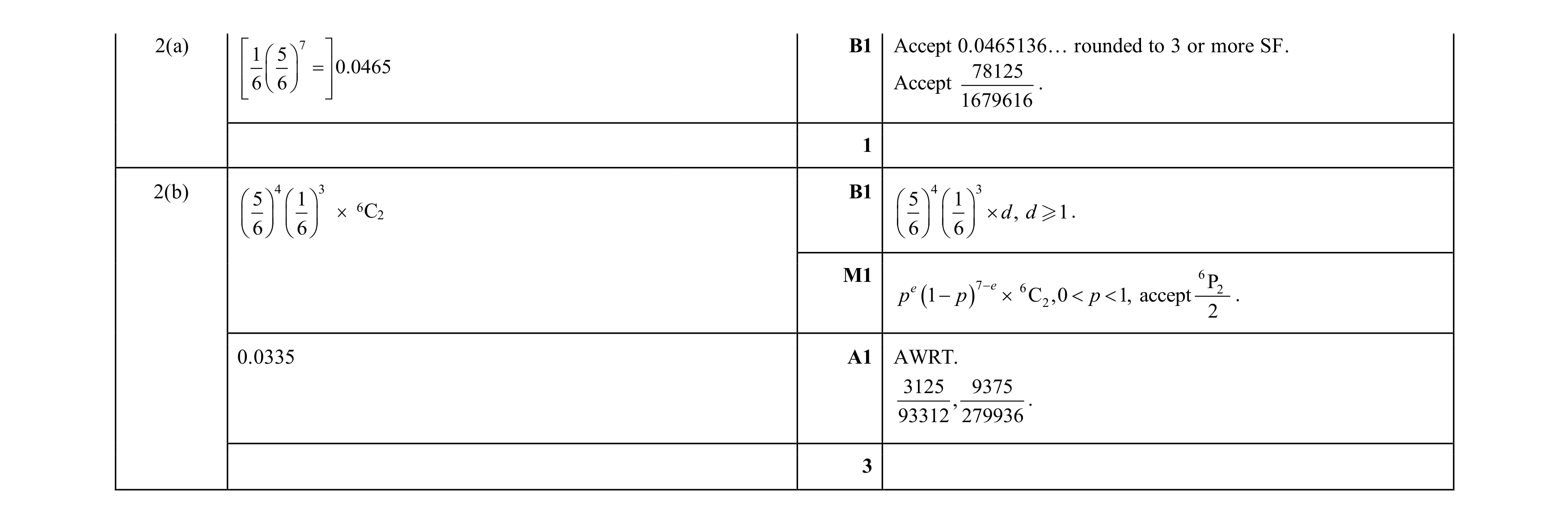 4
4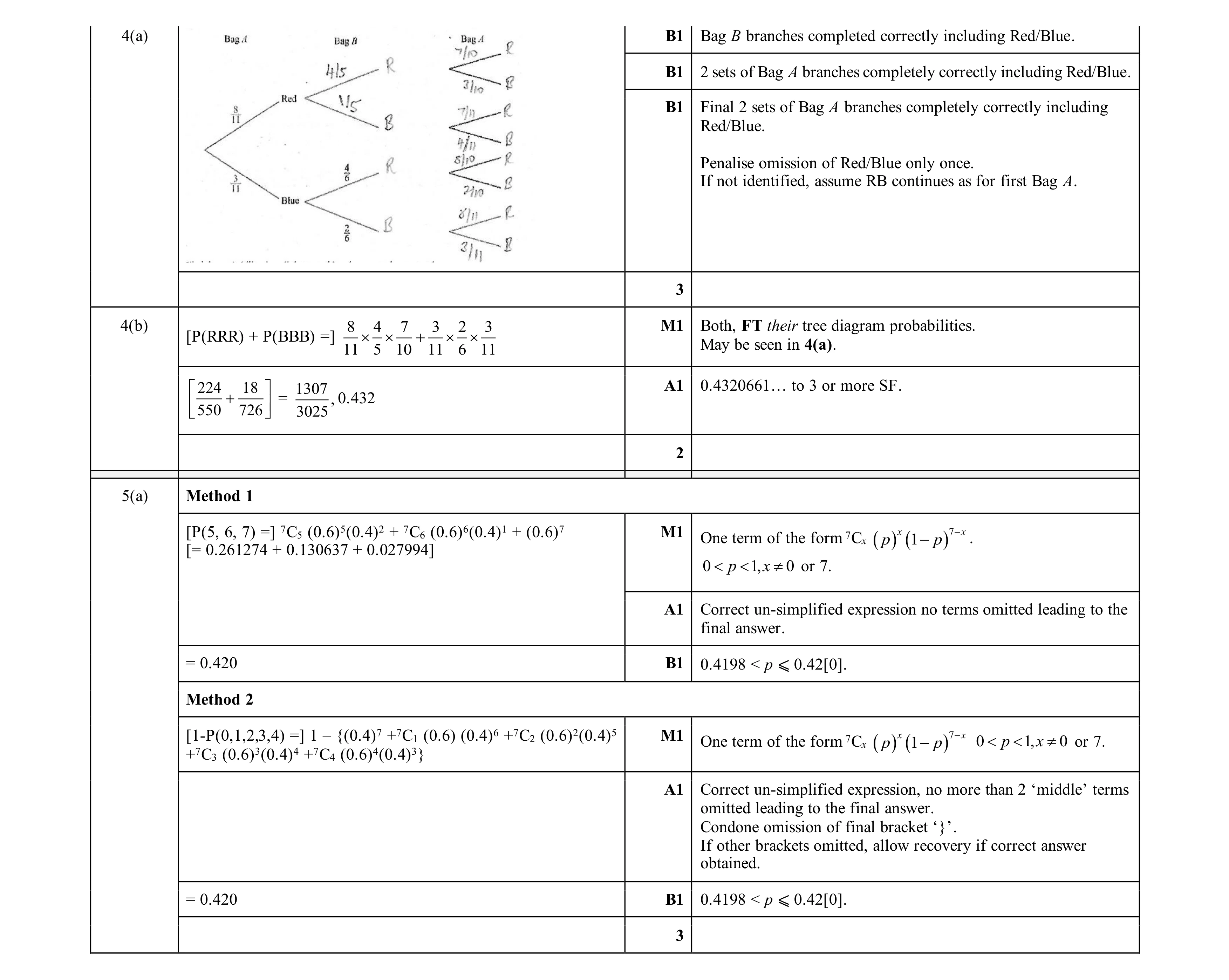 5
5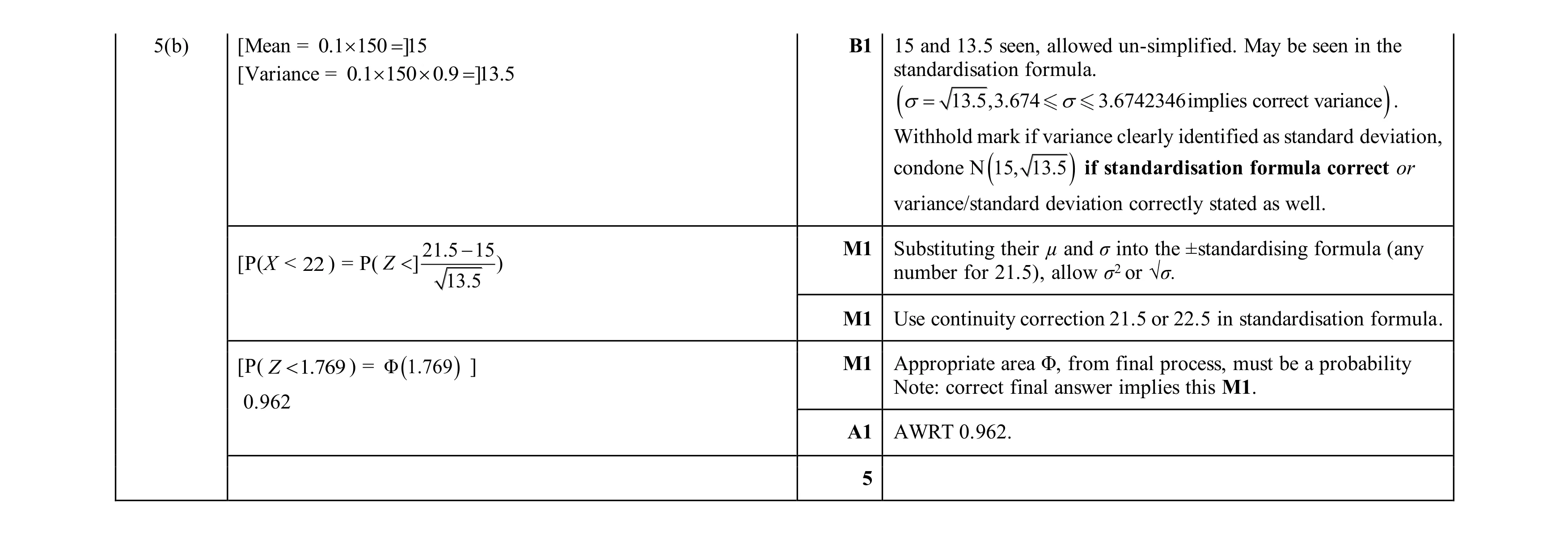 8
8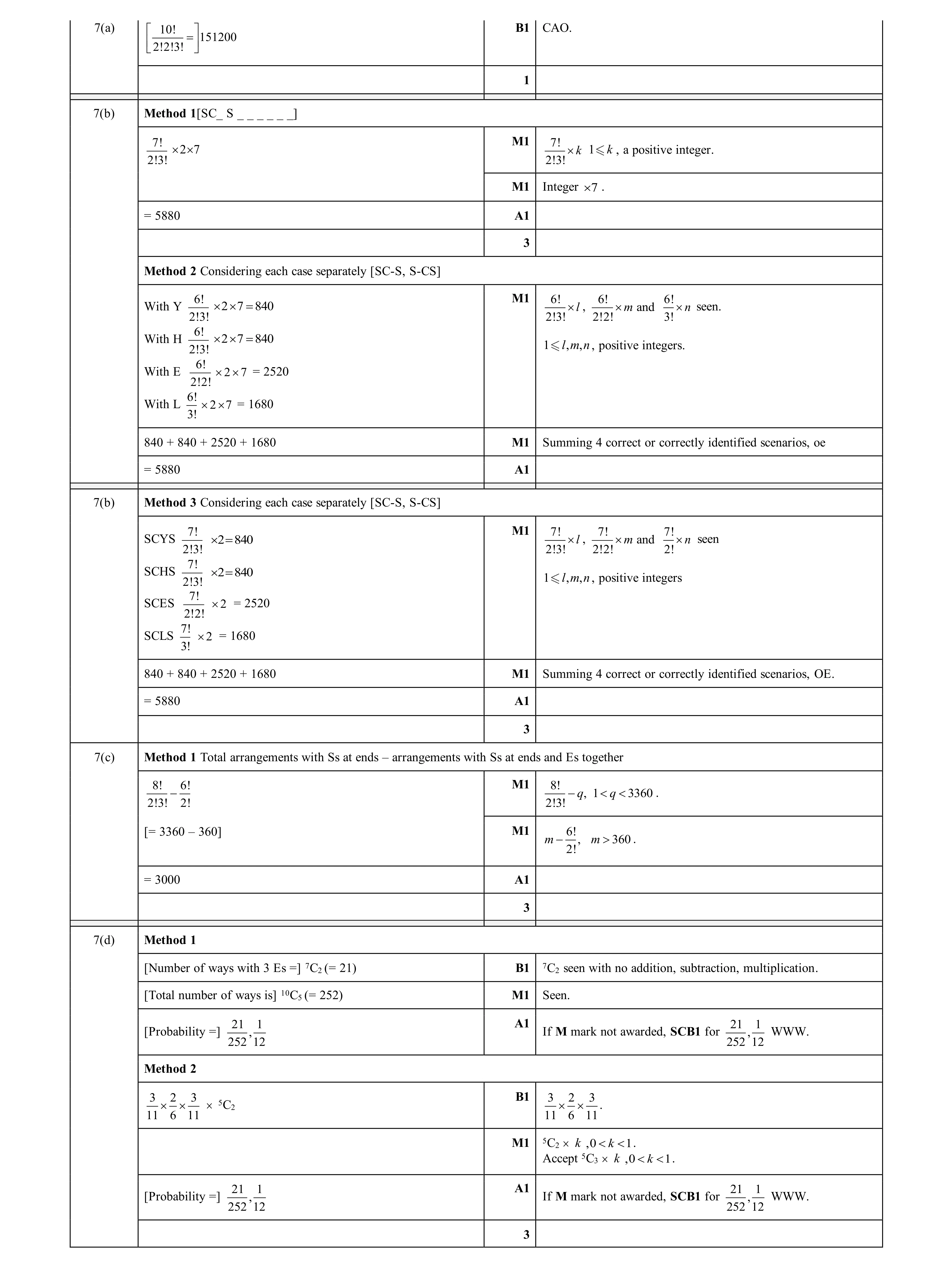 10
10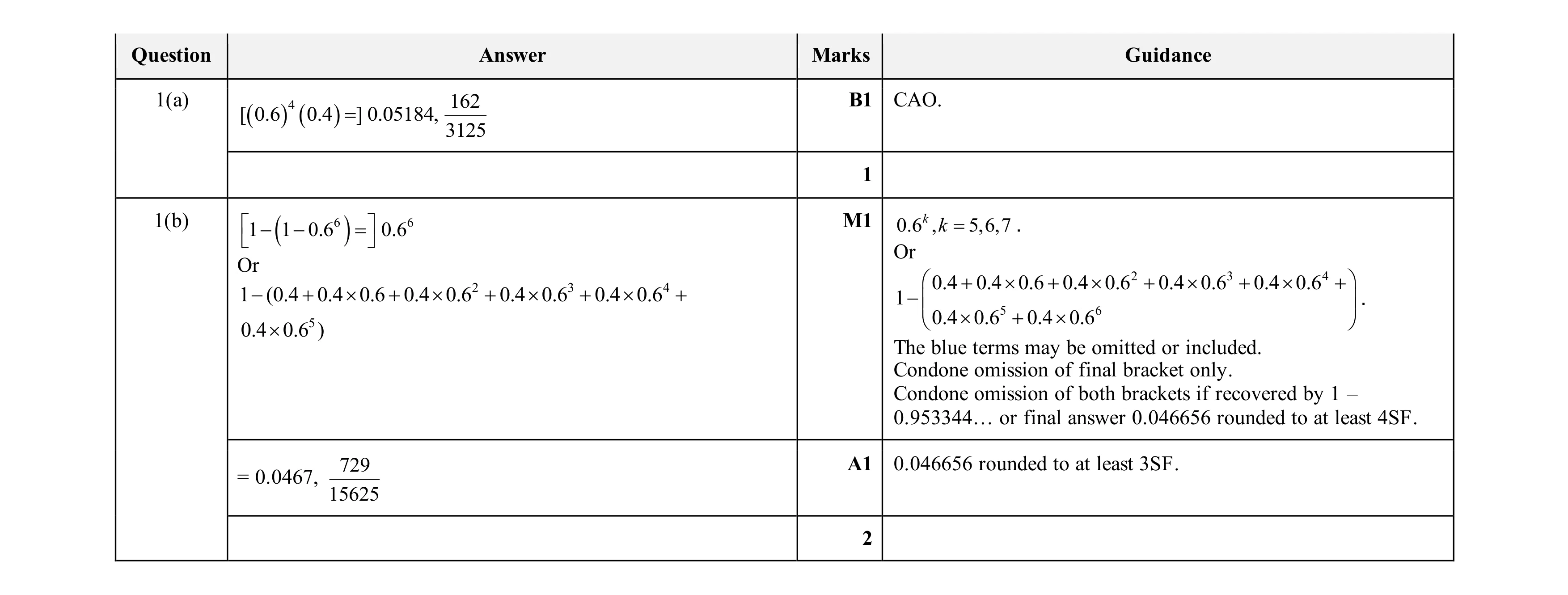 3
3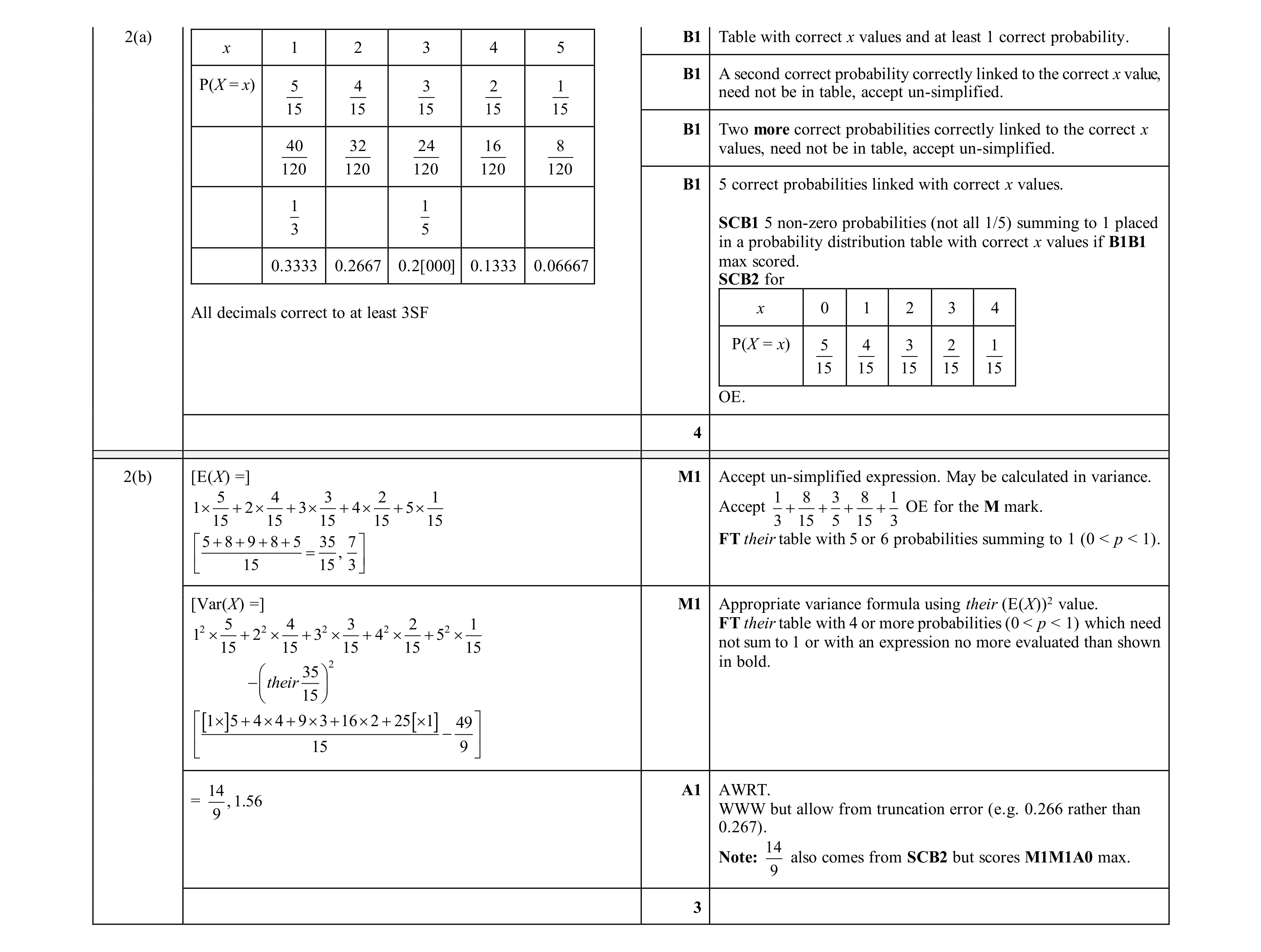 7
7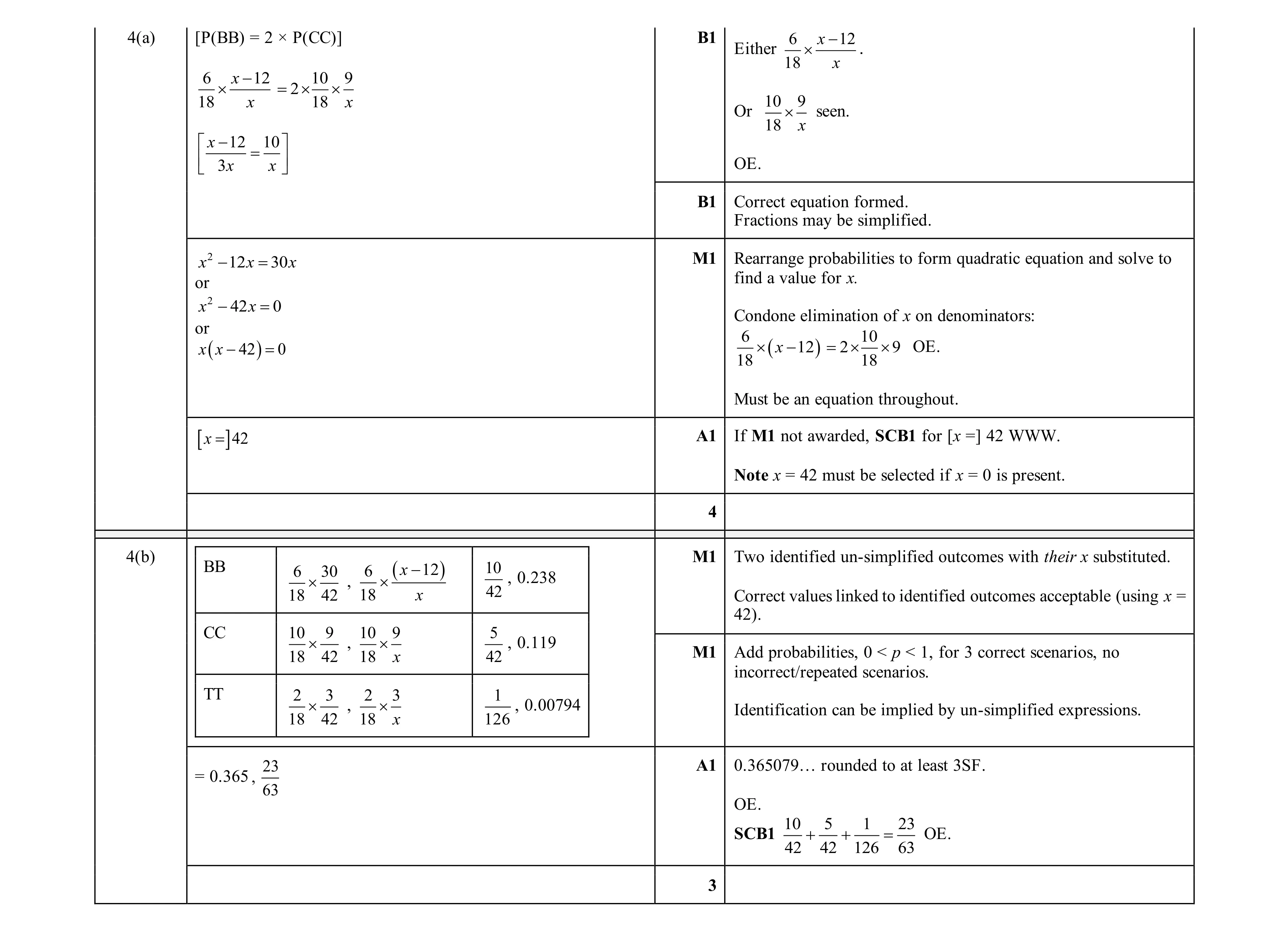 7
7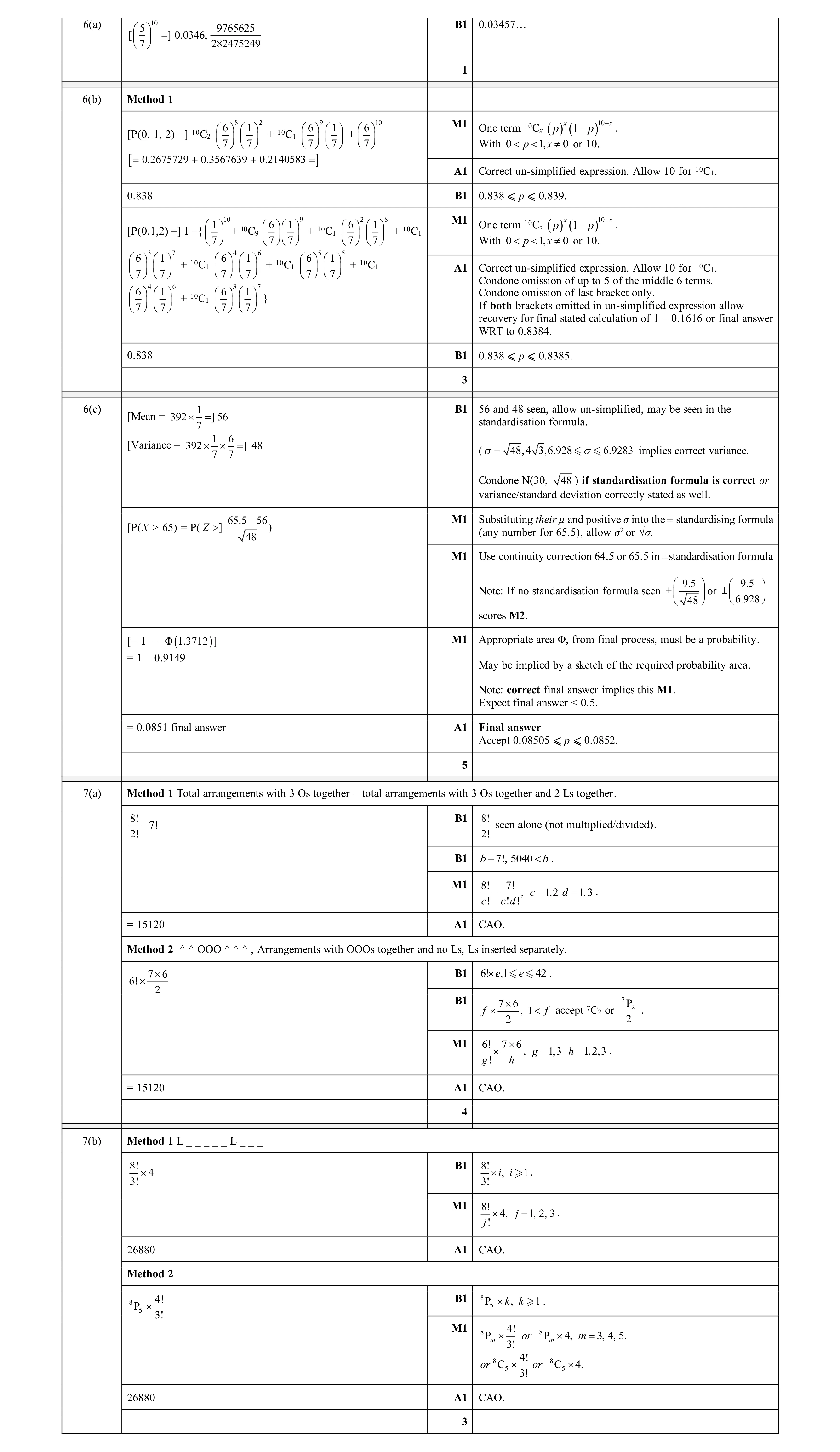 9
9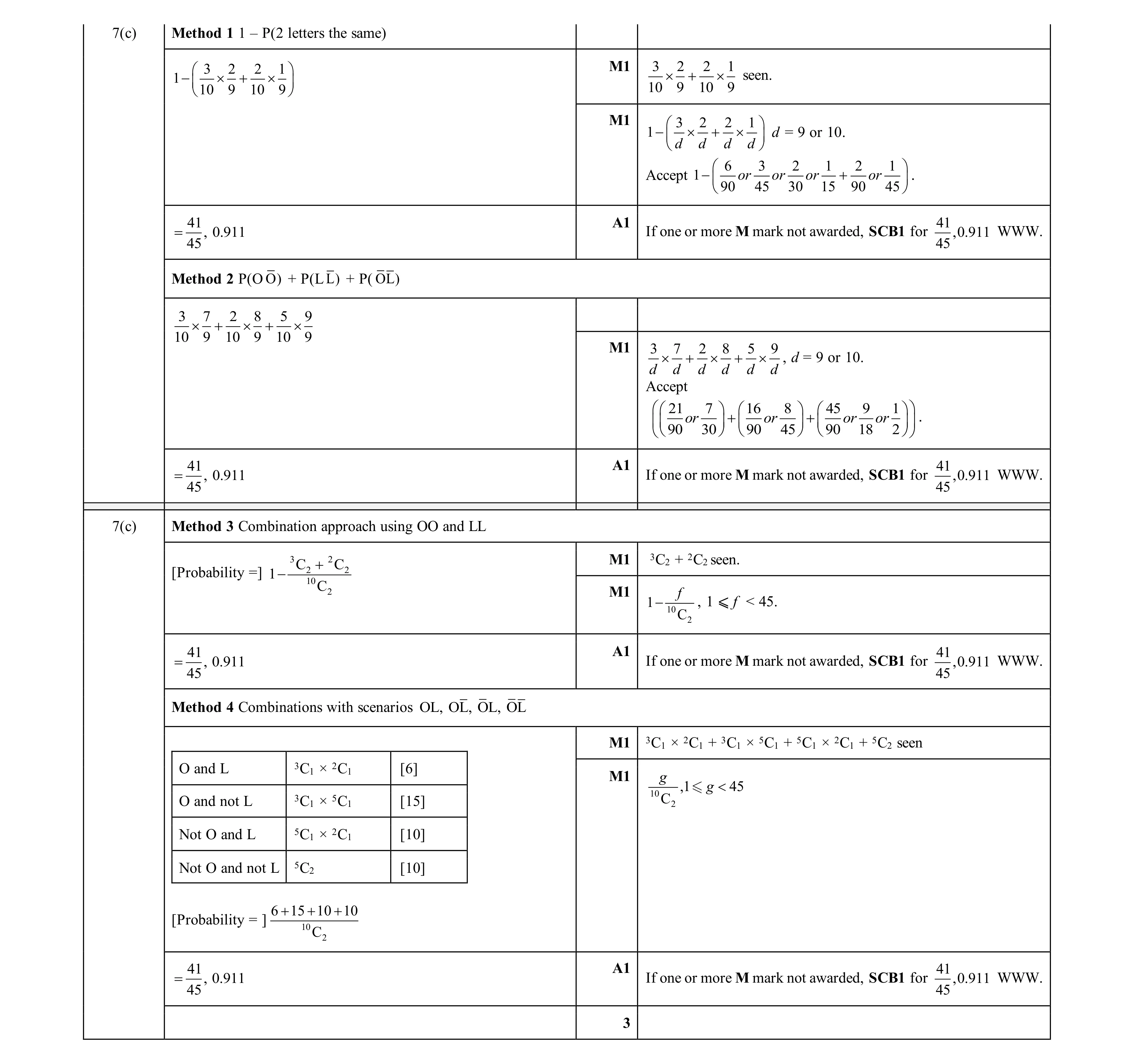 10
10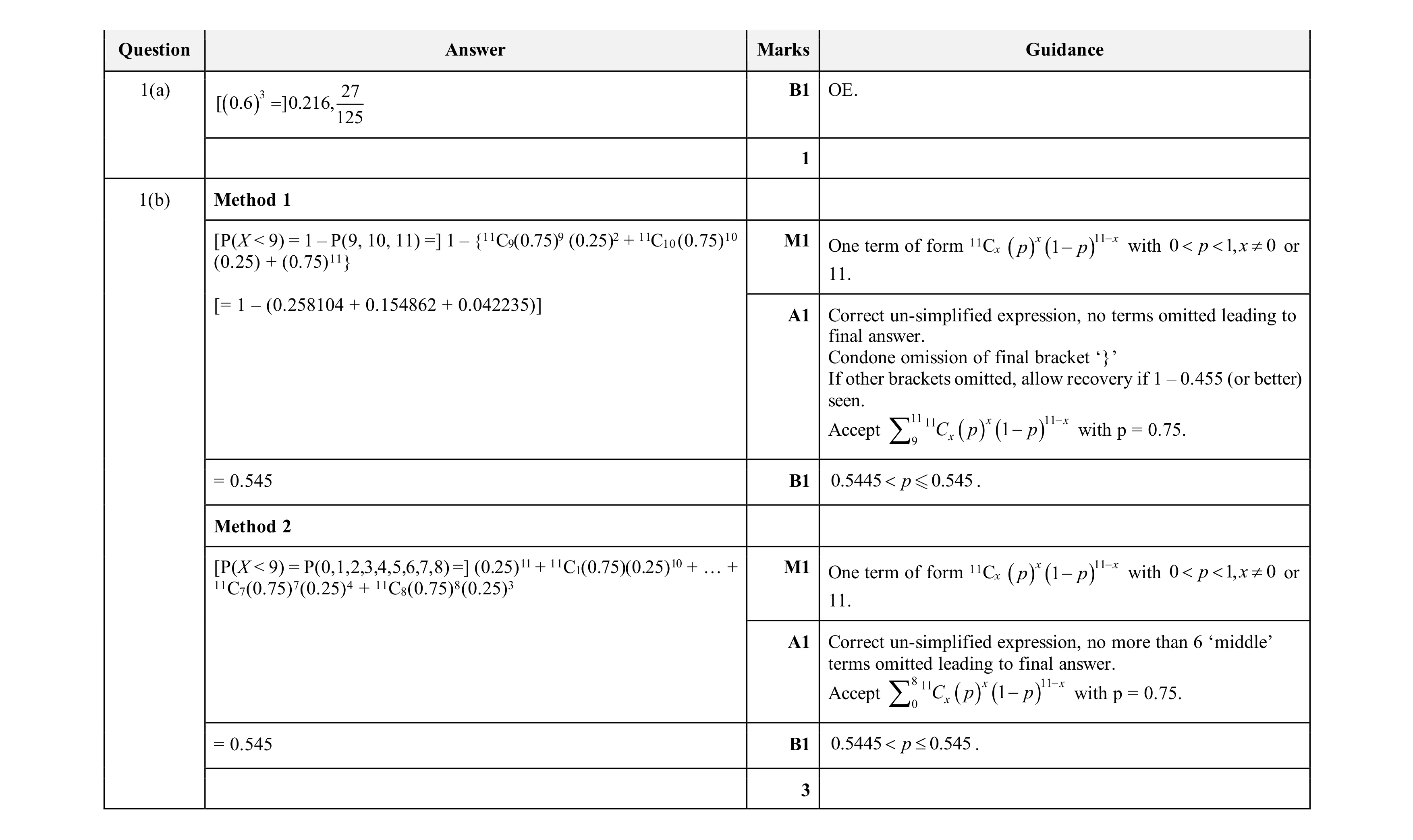 4
4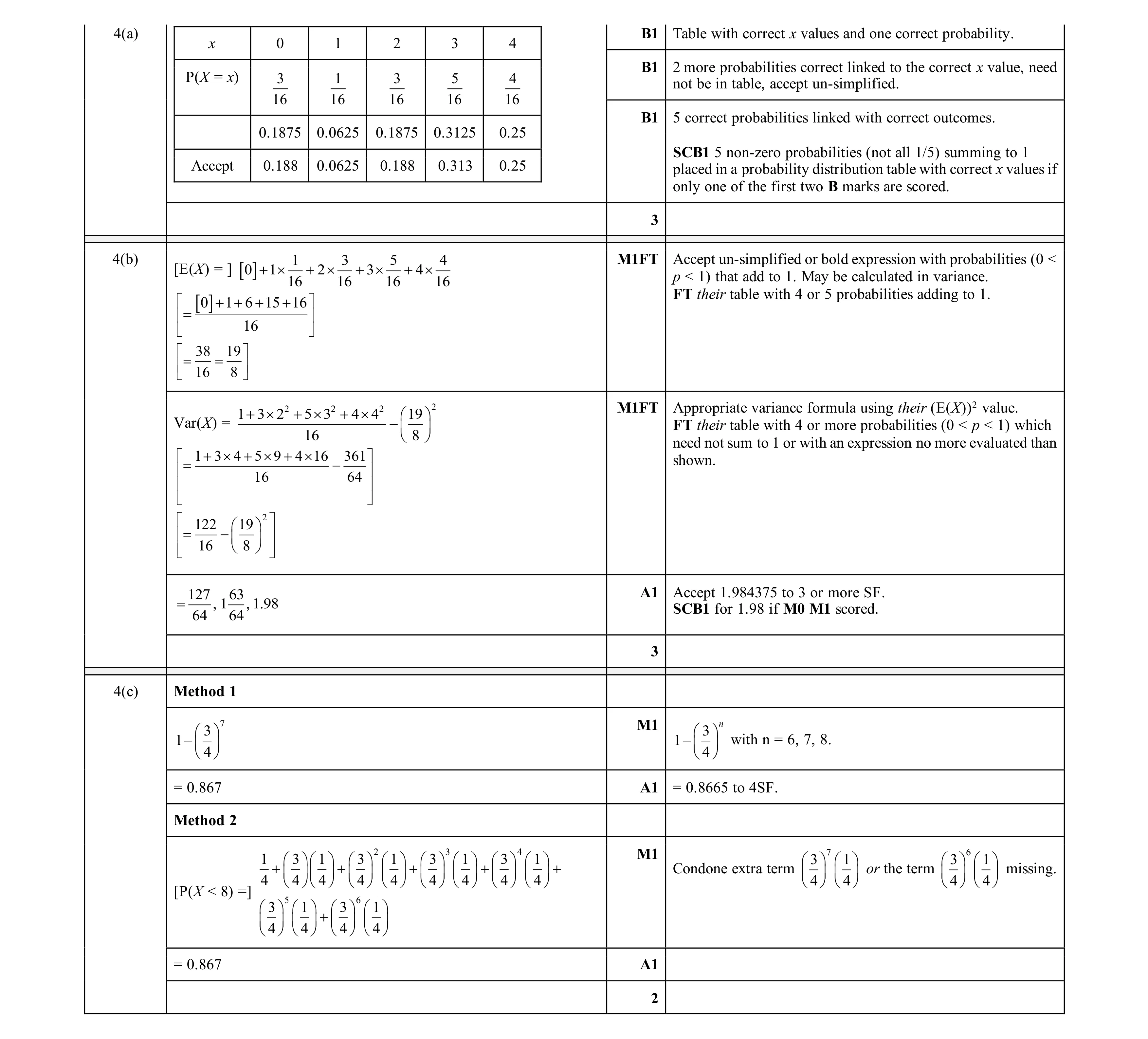 8
8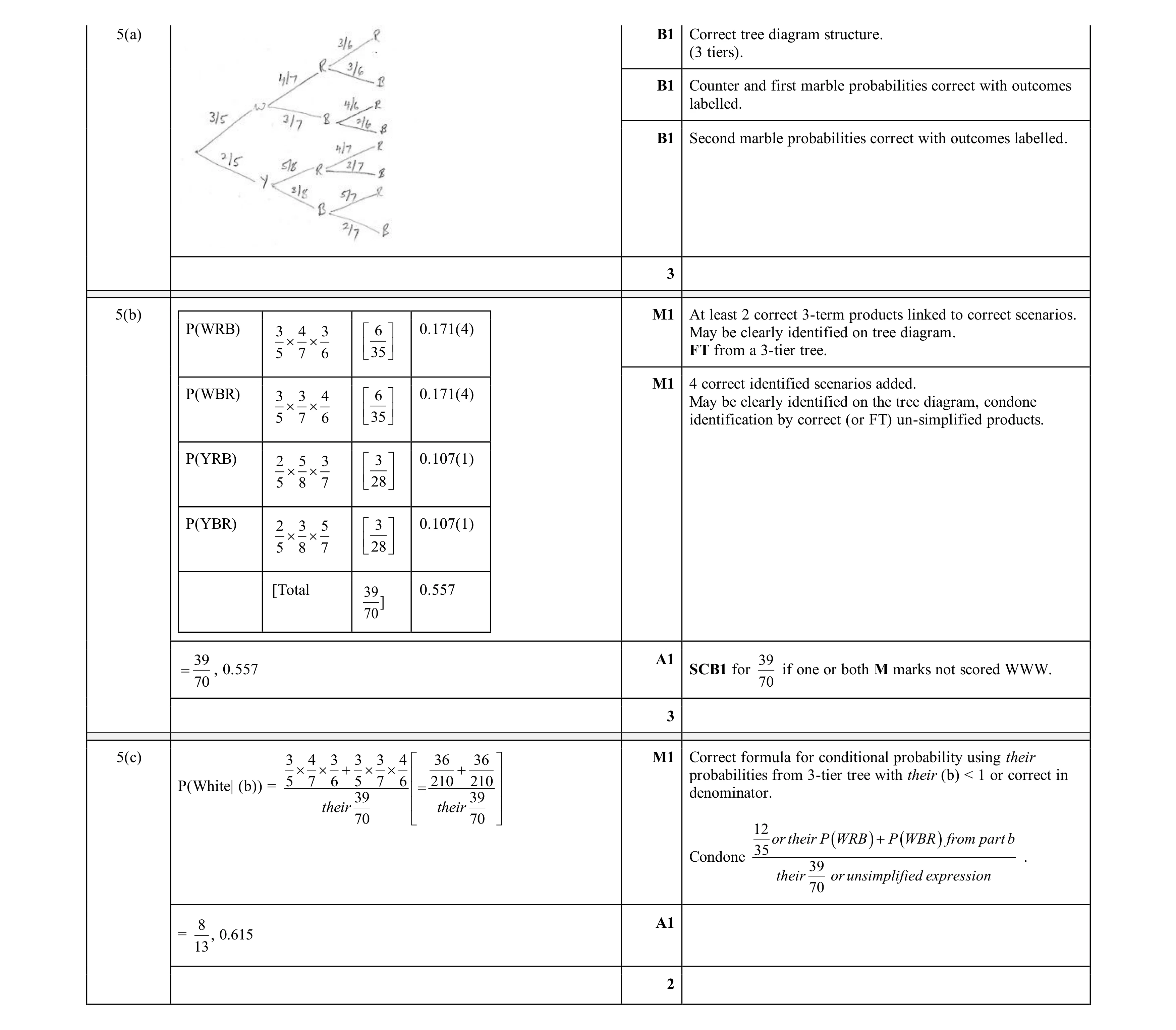 8
8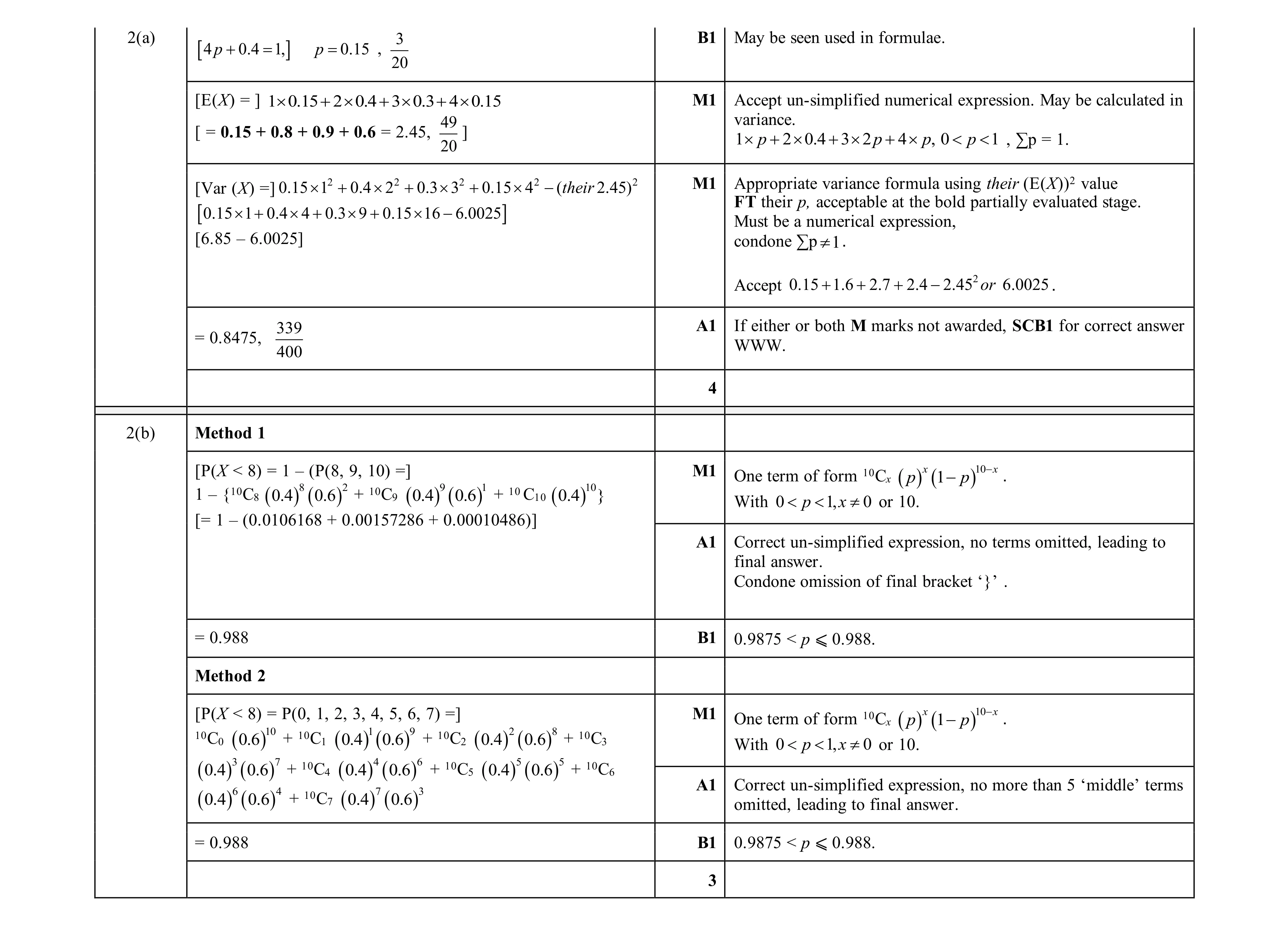 7
7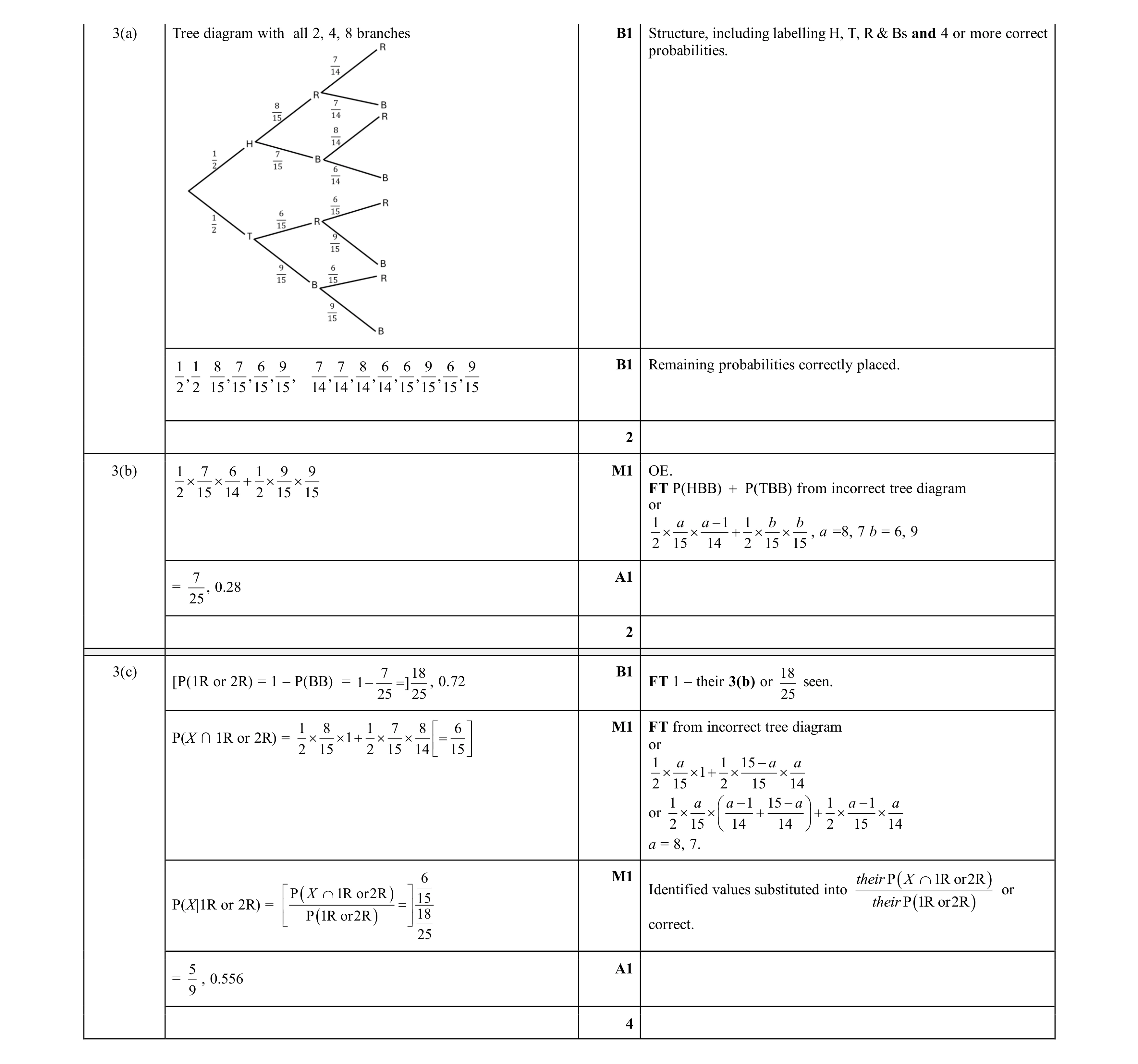 8
8