Questions as text
Q1 · Information Technology enables new methods of working 9626/32 May/June 2017
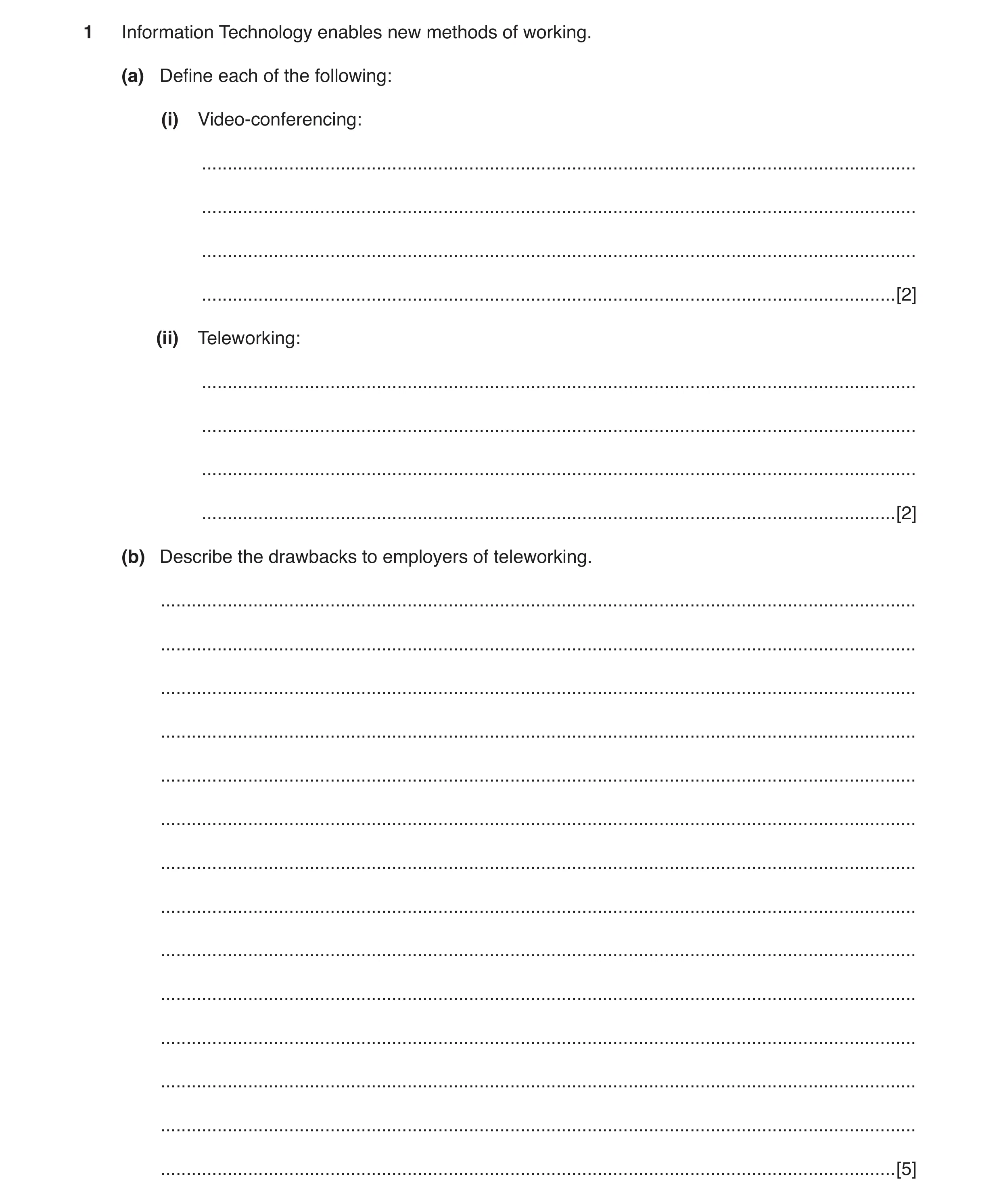
1 Information Technology enables new methods of working. (a) Define each of the following: (i) Video-conferencing: … … … … [2] (ii) Teleworking: … … … … [2] (b) Describe the drawbacks to employers of teleworking. … … … … … … … … … … … … … … [5]
9 marks
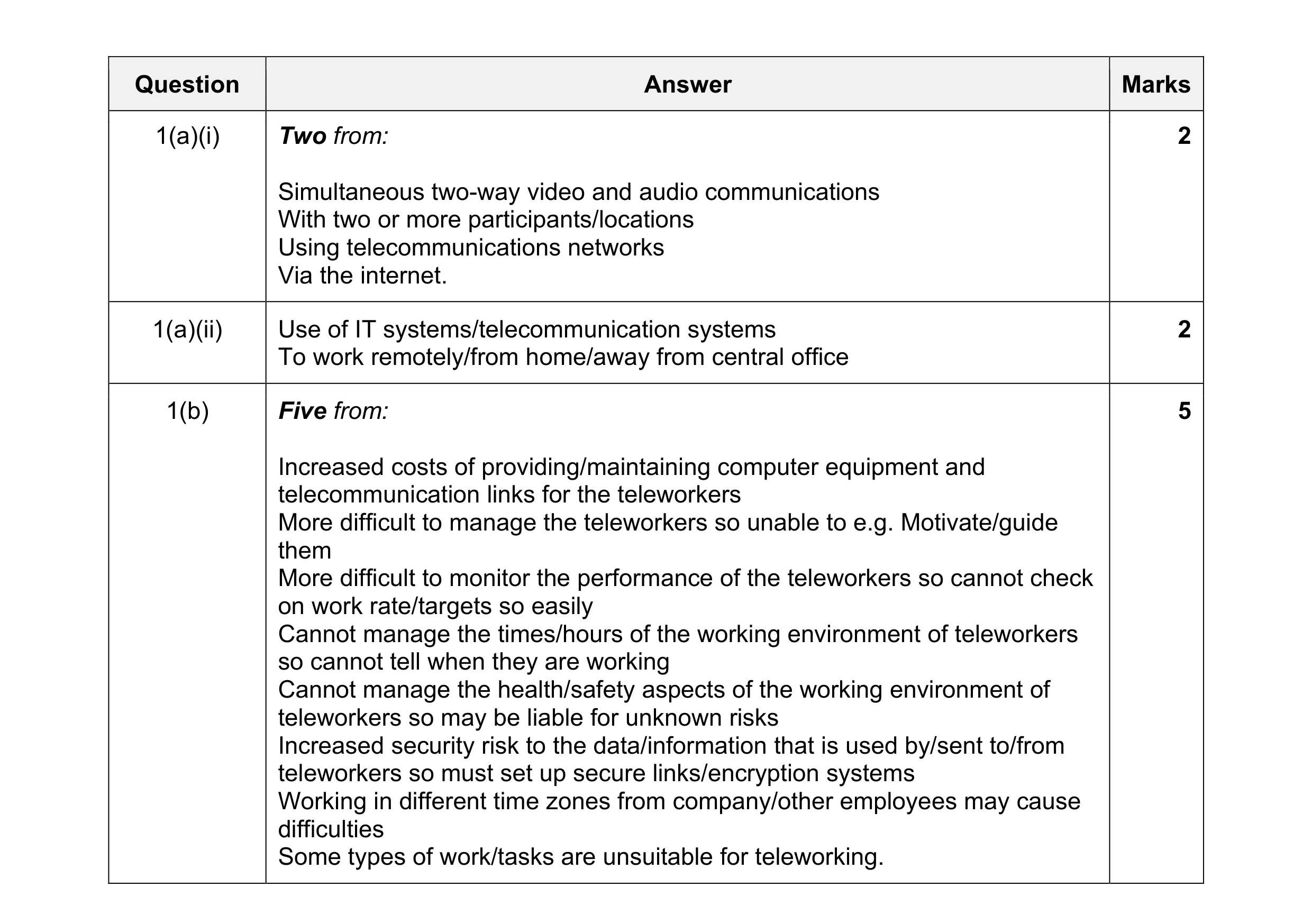
Mark scheme: Question Answer Marks 1(a)(i) Two from: 2 Simultaneous two-way video and audio communications With two or more participants/locations Using telecommunications networks Via the internet. 1(a)(ii) Use of IT systems/telecommunication systems 2 To work remotely/from home/away from central office 1(b) Five from: 5 Increased costs of providing/maintaining computer equipment and telecommunication links for the teleworkers More difficult to manage the teleworkers so unable to e.g. Motivate/guide them More difficult to monitor the performance of the teleworkers so cannot check on work rate/targets so easily Cannot manage the times/hours of the working environment of teleworkers so cannot tell when they are working Cannot manage the health/safety aspects of the working environment of teleworkers so may be liable for unknown risks Increased security risk to the data/information that is used by/sent to/from teleworkers so must set up secure links/encryption systems Working in different time zones from company/other employees may cause difficulties Some types of work/tasks are unsuitable for teleworking.
This question in 9626/32 May/June 2017
Q2 · Quick Response (QR) codes are used in marketing to convey information to users 9626/32 May/June 2017
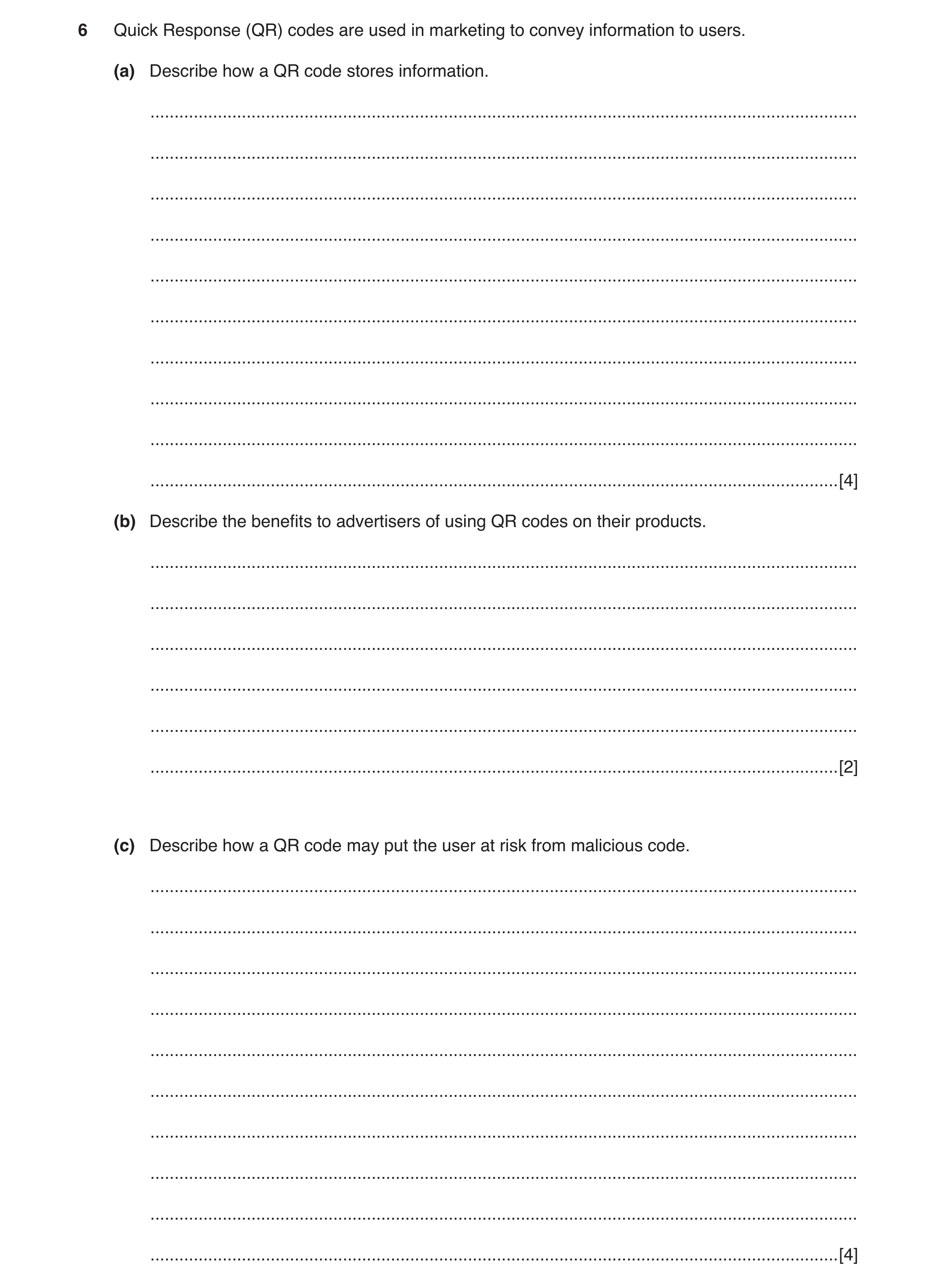
6 Quick Response (QR) codes are used in marketing to convey information to users. (a) Describe how a QR code stores information. … … … … … … … … … … [4] (b) Describe the benefits to advertisers of using QR codes on their products. … … … … … … [2] (c) Describe how a QR code may put the user at risk from malicious code. … … … … … … … … … … [4]
10 marks
Mark scheme: 6(a) Four from: 4 Information stored digitally as blocks of black/white squares Small dots throughout code converted to binary numbers when scanned «error correction algorithm used for validation Variety of encoding methods available which can be mixed Three larger squares store alignment data Smaller squares store angle/size data Scanned with narrow beam of light «reflection from white areas read by light sensor/camera May take up less space on packaging. 6(b) Two from: 2 Information is instantly available to consumers Advertiser can decide the action the consumer takes when code is scanned QR codes are a proven (ISO) standard to be accessible to all Available information can be updated more easily Use of QR codes is measureable so can be analysed Reprinting of advertising material is reduced. 6(c) Four from: 4 Code may contain URL link Web link followed URL contains a Trojan that infects the device Trojan is JavaScript «which contacts servers that transmit malware to device Use cross-site scripting vulnerability on a legitimate website to insert a malicious QR code in place of code «when a web browser opens the legitimate site, the QR code references the hacker's site Malicious QR codes can allow unauthorised people to control cell/mobile phones to access messages/GPS/turn on the camera(s)/listen in on phone conversations.
This question in 9626/32 May/June 2017
Q3 · Information technology (IT) has changed the way that people both observe and take part in… 9626/33 Oct/Nov 2017
6 Information technology (IT) has changed the way that people both observe and take part in sports. Describe how IT has changed the sports experience for people. … … … … … … … … … … … … … … [6]
6 marks
Mark scheme: 6 Six from e.g.: 6 Used in design of equipment improved performance of items e.g. running shoes Used in high definition scoreboards/video screen ...updated in real-time ...can show action on field for better viewing of game Can analyse performance/practice with view in 3D ...more detailed results/analysis available ...overlays of action for analysis ...record performance data with use of wireless devices attached to participants Virtual reality sports/sports online gaming ...more people can take part More accurate scoring « due to cameras to record issues and help judges.
This question in 9626/33 Oct/Nov 2017
Q4 · Analyse the impact of the introduction of high definition television systems 9626/32 Feb/March 2018
11 Analyse the impact of the introduction of high definition television systems. … … … … … … … … … … … … [5]
5 marks
Mark scheme: 11 Five from: 5 Much larger screens possible without perceived loss of picture quality Resolution almost double that of standard high definition screen means greater detail in picture Higher quality connectors/leads/HDMI cables required to carry signals from set-top boxes to TV and these cost more/more difficult to manufacture New methods of delivering HD/UltraHD/4K/8K content are required as current broadcast systems/terrestrial/current satellite TV Investment in infrastructure required Increased use of internet/cable TV connections New/updated (recording) systems required to process the MPEG4/H.265/VP9 data/signals Requires faster processors/greater processing power in devices Broadcasts cannot deliver/do not have the bandwidth required Internet/network infrastructure has to be capable of providing high bandwidth connections to homes/businesses Streaming of high definition TV requires greater bandwidth High-speed/bandwidth internet is not universally available Better home networking products/network configuration required to steam high definition TV QoS settings in routers need to be configured to ensure smooth video.
This question in 9626/32 Feb/March 2018
Q5 · Discuss the impact on society of online banking 9626/32 Feb/March 2018
12 Discuss the impact on society of online banking. … … … … … … … … … … … … … … … … … … … … [8]
8 marks
Mark scheme: 12 Eight from: 8 Banking is available at any time so financial transactions can occur at any time No issues with banks being closed/international time zones Financial transactions are carried out/confirmed more quickly than at branches/ATMs Accounts can be monitored/used at on different/mobile devices Transactions can be tracked Demand for access to technology/internet increased due to moves to online banking Increase in online banking has led to decrease in number of bank branches/personal customer service Online banking has led to reduction/removal of paper audit trails Online banking has led to increased security threats/issues as a result of phishing/scams. Max 6 for all positives or all negatives. 1 mark available for a reasoned conclusion/opinion.
This question in 9626/32 Feb/March 2018
Q6 · Describe the benefits to workers of teleworking 9626/33 May/June 2018
8 Describe the benefits to workers of teleworking. … … … … … … … … … … … … … … [6]
6 marks
Mark scheme: 8 Six from: 6 Greater flexibility in scheduling work/tasks around other activities Greater focus on work activities in comfort of own home/surroundings Reduced stress due to commuting/other workers Greater flexibility/chances in employment opportunities as have experience of self-motivation/use of remote technologies Reduced time off sick as workers can schedule their own time around minor illnesses Possible tax benefits from use of home as office Reduced costs/time spent on travelling to/from work Employees can choose to live/can reside in a cheaper area/do not have to live close to/in expensive city centre offices No need to travel in extreme weather conditions to get to work.
This question in 9626/33 May/June 2018
Q7 · Evaluate the impact of e-business on society 9626/33 May/June 2018
12 Evaluate the impact of e-business on society. … … … … … … … … … … … … … … … … … … … … [8]
8 marks
Mark scheme: 12 Eight from: 8 E-business can be more convenient for shoppers No need to travel/saves cost/time of going to shopping malls Reduction traffic congestion/environmental effects of traffic Less time used for ordering/buying goods than visiting a range of shops Greater availability/choice of goods to buy Information about goods is more available/price comparisons can be made more easily Online business can start up cheaper/quicker than conventional businesses so increasing the global economy E-business has created a range of new jobs/employment opportunities/skill sets E-business can operate all the time/24–7 with no shutdown time/shoppers can buy/trade at any time A global marketplace has been set up by e-businesses New marketing models have developed e.g. review forums/online advertising companies Loss of jobs around the world due to closure of conventional business/shops Increase in fraud due to online transactions not being secure Loss of personal contact with supplies leading to loss of confidence in business transactions. Max six for all positives or all negatives. 1 mark available for a reasoned conclusion/opinion.
This question in 9626/33 May/June 2018
Q8 · Evaluate the impact on the environment of the use of robotics in industry 9626/32 Oct/Nov 2018
3 Evaluate the impact on the environment of the use of robotics in industry. … … … … … … … … … … … … … … … … … … … … [8]
8 marks
Mark scheme: 3 This question to be marked as a Level of Response. 8 Level 3 (7–8 marks) Candidates will evaluate in detail the impact of the use of robots on the environment. The information will be relevant, clear, organised and presented in a structured and coherent format. There will be a reasoned conclusion/opinion. Subject specific terminology will be used accurately and appropriately. Level 2 (4–6 marks) Candidates will explain the impact of the use of robots on the environment. For the most part, the information will be relevant and presented in a structured and coherent format. There may be a reasoned conclusion/opinion. Subject specific terminology will be used appropriately and for the most part correctly. Level 1 (1–3 marks) Candidates will describe the impact of the use of robots on the environment. Answers may be in the form of a list. There will be little or no use of specialist terms. Level 0 (zero marks) Response with no valid content. Answers may make reference to e.g.: More selective/accurate spraying of crops thus diminishing overspray/use of chemicals on crops Remote monitoring of global warming/oil spills/water pollution with use of independent robotic submarines carrying sensors into dangerous areas Autonomous gathering of data in dangerous/hazardous areas to monitor environmental factors Use in food packaging/production by reduction in contamination of product as no human contact Use in industry to reduce environmental waste/resource use... ...e.g. solar panel cleaning robot uses less water than humans ...less energy used in ‘dark’ factories where heating and lighting are not so important as few humans work in them Leads to reduction in traffic so there is less pollution Negative impacts could include: ...increased use of power over manual labour ...increased use of scarce resources e.g. precious/rare metals to manufacture robots ...environmental damage caused by extraction of precious/rare metals.
This question in 9626/32 Oct/Nov 2018
Q9 · Layers can be used when editing digital images 9626/32 Feb/March 2019
4 Layers can be used when editing digital images. (a) Describe what is meant by a ‘layer’ in computer graphics. … … … [1] (b) Describe how layers could be used to enhance a digital image. … … … … … … … … … … [4] (c) Discuss the impact on society of the use of image editing on photographs in fashion magazines. … … … … … … … … … … … … … … … … … … … … [8]
13 marks
Mark scheme: 4(a) One from: 1 Level at which an object/file is placed in an image Represents part of a graphic/image as pixels (in a bitmap). 4(b) Four from: 4 Can have transparency to allow other layers to show through/be seen Can be overlapped to create a composite image Can be replicated to show multiple instances of same image/object Can be replicated to hide/mask parts of an image Can be used to adjust the brightness/saturation of other layers. 4(c) Command word: Discuss: give important arguments for and against. Often 8 requires a conclusion. Eight from e.g.: Editing can enhance attractiveness/look/appearance of items/models Editing can attract attention of viewer to compensate for reduction in attention span in recent years Editing can make poor photos appear neat/presentable to clients/customers to increase sales Less expensive than taking exact/precise/perfect photographs Removing blemishes, wrinkles, flabby parts/altering body shape is flattering to the model/clothes A false/unrealistic body image can be created Viewing of only perfection in clothes/models can lower viewers self-esteem ...cause eating disorders ...cause unnecessary pressure to confirm to unrealistic ideals Editing can be time consuming /tedious and slow down production.
This question in 9626/32 Feb/March 2019
Q10 · Discuss the impact of photo editing in politics 9626/31 May/June 2019
6 Discuss the impact of photo editing in politics. … … … … … … … … … … … … … … [6]
6 marks
Mark scheme: 6 Six from e.g.: 6 Altered images can dissuade from / reinforce a belief of the viewer Adding people to images can persuade the viewer that the person was present when in fact they were not Removing people from photographs can create the belief that the person did not participate in an event Removing disgraced / out of favour people from photographs can create the belief that the person did not exist Retouching images of politicians can make them appear more attractive than in real life so more likely to appeal to a voter Viewers can be unaware that an image has been manipulated so may make decisions based on false information.
This question in 9626/31 May/June 2019
Q11 · Discuss the impact of photo editing in politics 9626/33 May/June 2019
6 Discuss the impact of photo editing in politics. … … … … … … … … … … … … … … [6]
6 marks
Mark scheme: 6 Six from e.g.: 6 Altered images can dissuade from / reinforce a belief of the viewer Adding people to images can persuade the viewer that the person was present when in fact they were not Removing people from photographs can create the belief that the person did not participate in an event Removing disgraced / out of favour people from photographs can create the belief that the person did not exist Retouching images of politicians can make them appear more attractive than in real life so more likely to appeal to a voter Viewers can be unaware that an image has been manipulated so may make decisions based on false information.
This question in 9626/33 May/June 2019
Q12 · Discuss the impact on students of their use of smartphones 9626/32 Oct/Nov 2019
5 Discuss the impact on students of their use of smartphones. … … … … … … … … … … … … … … … … … … … … [8]
8 marks
Mark scheme: 5 Command word: Discuss: give important arguments for and against. Often 8 requires a conclusion. Positive impacts include e.g.: Can search for information related to study using internet anywhere/anytime Can search for journals/articles/references without having to visit/book time library/computer room Can be used to set reminders about due dates/times of submission of assignments Helps to avoid using stationery for notes/can dictate/write notes for later reference (during lectures) Use of device to coordinate social activities Can be used to monitor health of student Negative impacts include, e.g.: Use of smartphones during physical exercise can reduce the benefits of the physical exercise Can be a source of harm to student well-being e.g. constant use, dependency on device reduces personal social interaction Can be a source of distraction from tasks in hand Can be used to harass other individuals Can be used to cheat in examinations Can reduce ability to engage in verbal/face-to-face conversations with others Can create poor behaviour e.g. intolerance/withdrawal from society/social life/aggression towards others Max 6 for all positive or all negative impacts. 1 mark available for a valid, reasoned conclusion.
This question in 9626/32 Oct/Nov 2019
Q13 · Robotics combined with artificial intelligence is having an impact on the human… 9626/32 May/June 2020
5 Robotics combined with artificial intelligence is having an impact on the human environment. (a) Describe what is meant by robotics. … … … … … … [2] (b) By weighing up the advantages and disadvantages, evaluate the impact on the human environment of combining artificial intelligence with robotics. … … … … … … … … … … … … … … … … … … … … [8]
10 marks
Mark scheme: 5(a) Two from: 2 Design and construction of robots. Operation of robots. (Use of) computer systems or control/sensory feedback/information processing in/by robots. 5(b) Eight from: 8 Advantages: Artificial Intelligence (AI) in robotics enables closer interaction between robotic and human. Robotics used in homes for domestic duties/cleaning reduce human work. Use of AI-robots in medicine to perform surgery so saving doctors’ salary/provide more surgeons. Use of AI-robots in medicine to perform surgery can speed up surgery/allow a greater number of surgery operations. Use of AI-robots in caring for sick/elderly humans reduces the need for carers/cost of carers. Disadvantages: Artificial Intelligence (AI) in robotics enables intrusion into/sharing of workspace of humans. Robotics used in homes for domestic duties/cleaning enquire power source/recharging at intervals leading to increased costs. Robots used in homes for domestic duties/cleaning may not be so thorough/discerning/adaptable as humans. Robots have displaced humans from jobs. Robots resembling humans in appearance and actions present more challenging interaction/threats. AI-robots consume more resources/power than simple robots. Social interaction between AI-robot and human requires safety procedures to be in evidence/present to safeguard both AI-robots and humans. Socially correct interaction needs to be in evidence/present to safeguard humans. AI needs to provide communication skills that humans can interact with. Humans may perceive robots as living entities rather than machines which may cause confusion/embarrassment/danger to humans. Some tasks are more acceptable/unacceptable if AI-robot is humanoid in shape. Development of rules/etiquette for AI-driven robots that is comfortable/acceptable to humans. Collaboration between humans and robots is possible with AI. Can provide shared control of devices/functions. Requires AI and systems for understanding social cues from humans. Social cues may be misinterpreted/misunderstood leading to distress on the part of the human. Must have at least 1 from each to gain full marks.
This question in 9626/32 May/June 2020
Q14 · A company employs a large number of teleworkers 9626/33 Oct/Nov 2020
4 A company employs a large number of teleworkers. Discuss the effects of teleworking on the workers. … … … … … … … … … … … … … … … … … … … … [8]
8 marks
Mark scheme: 4 Eight from: 8 Positive effects: Workers have autonomy so can control when to work/have control over their own time management Workers can (easily) work for companies who are remote/long distance from them/in other cities/countries Workers are/can be more motivated to work/happier in work Workers save on costs/time of travel to/from (office/company) work place Workers can become more productive as they can choose when to work/have no office distractions Disabled workers are able to work/can be employed to work in own/adapted/familiar surroundings Negative effects: Workers may not feel able to perform as well when not supervised so will not complete their work on time/satisfactorily/may become despondent Workers can feel/become disconnected/isolated from the company/employer/have no working relationship with employer Workers may incur extra expenses for e.g. computers/internet access/specialised software Workers may not be able to stop working/may work longer hours Workers may be distracted by factors in home environment. Must be at least one of each for full marks. 1 mark is available for a reasoned conclusion.
This question in 9626/33 Oct/Nov 2020
Q15 · A software company uses the waterfall method to create its products 9626/32 Feb/March 2021
5 A software company uses the waterfall method to create its products. (a) Describe the main phases in the waterfall method of developing software. … … … … … … … … … … … … … … [6] (b) The new software products have to be tested. Describe the differences between alpha and beta testing. … … … … … … … … … … … … … … [6] (c) During the creation and testing of the products, some developers are allowed to telework. (i) Describe what is meant by teleworking. … … … … … … [2] (ii) Describe two possible effects of teleworking on the developers. … … … … … … [2]
16 marks
Mark scheme: 5(a) Six from: 6 Creation of system and software requirements for the application Analysis to create models, schemes, and business rules Design to create the technical designs/design specifications including e.g. language Implementing the code by writing the code/units/integration of units of software Creation of technical/user documentation Testing using a test plan to discover and correct errors Deploying the software by the installation, migration, support, and maintenance of the finished product. 5(b) Six from: 6 Alpha testing is carried out by employees of the developer whereas beta testing is carried out by clients/end users/not employees Alpha testing uses a lab/test environment whereas beta testing does not require/use this/is in public Alpha testing is carried out at developers’ site whereas beta testing is carried out at tester/end user location Alpha testing does not involve reliability testing whereas beta testing does Alpha testing does not involve security testing whereas beta testing does Alpha testing involves both white and black box testing whereas beta testing usually involves only black box testing Critical issues can be fixed/addressed immediately during alpha testing whereas beta testing produces feedback on issues for use at later date/in later versions Alpha testing ensures that the product is fit/ready for moving to beta testing phase. 5(c)(i) Two from: 2 (Teleworking is) a flexible working arrangement in which an employee carries out the duties and responsibilities from an (approved) work site (e.g. home) Working at a place other than the usual place of work for that employee Use of IT/computers/internet/telephones to maintain contact with employers/colleagues/customers/central office while working from home Does not include work done while on official travel or while mobile. 5(c)(ii) Two from: 2 Productivity/performance may be reduced due to lack of supervision/encouragement/self-motivation Developers may have more flexibility managing their hours, which could increase motivation May be difficult to stop working/disconnect from work resulting in reduced personal time Increased risk of health issues due to longer working hours/working longer with no distractions May become less associated/identified with the software company/employers May incur additional expense on e.g. heating/lighting/electricity/IT equipment May have working difficulty due to distractions/family interruptions May have reduced access to IT support.
This question in 9626/32 Feb/March 2021
Q16 · Describe how information technology can enhance vision for visually impaired people 9626/32 May/June 2021
2 Describe how information technology can enhance vision for visually impaired people. … … … … … … … … … … … [5]
5 marks
This question in 9626/32 May/June 2021
Q17 · Describe the benefits and drawbacks of using electronic funds transfer systems in… 9626/32 May/June 2021
5 Describe the benefits and drawbacks of using electronic funds transfer systems in eBusiness. … … … … … … … … … … … … … … [6]
6 marks
This question in 9626/32 May/June 2021
Q18 · The global positioning system (GPS) is a network of satellites orbiting the Earth 9626/32 Oct/Nov 2021
12 The global positioning system (GPS) is a network of satellites orbiting the Earth. It is used by devices such as a ‘satnav’ in a delivery vehicle that assists the driver in finding destinations. (a) Describe the benefits and drawbacks of the use of a satnav with GPS by the driver of a delivery vehicle. … … … … … … … … … … … … … … [6] (b) Explain why the satnav may not be able to provide an accurate location. … … … … … … [2] (c) The global positioning system (GPS) can be used by satnavs in vehicles and by the military. Describe three other ways that GPS may be used. … … … … … … … [3]
11 marks
Mark scheme: 12(a) Six from: 6 Benefits: Can pinpoint location of vehicle/destination with accuracy Relatively low cost/no extra cost once receiver is purchased Requires little training to use/user friendly/easy to operate No need to consult paper maps/look for directions when driving Can plot/plan routes/way points to maximise use of time/fuel efficiency Can be used to keep track of vehicle location/prove location of vehicle for deliveries Drawbacks: Local knowledge of locations/local terrain/roads is poor/can be inaccurate May have to purchase a separate/different version/map for large vehicles Can be a visual/auditory/manual distraction when driving Battery has limited use/must be connected to (12 V) power supply GPS is reliant on US satellite system so possibility of being interrupted at any time Can be used to track vehicles/drivers without their knowledge/consent/privacy issues. Must be at least 1 of each for full marks. 12(b) Two from e.g.: 2 Obstacles/in tunnels obstruct/reduce strength of signal from satellite Weather degrades signals/reduces strength of/scatters signal from satellite Cannot ‘see’ (three) satellites with sufficient strength to gather data/gather enough data to carry out calculations Low battery power so receiver cannot function/not enough power to decode/receive signals/carry out calculations. 12(c) Three from e.g.: 3 (Amateur) astronomers for positional information when searching for astronomical bodies Cartographers/map makers for determining position of geographical landmarks/buildings/features Mobile/cell phone systems to synchronise clocks for e.g. handset handoff between cell towers when handsets move from tower to tower/cell to cell Tracking objects/goods/devices as they move Geotagging of objects to record their location Tour guide applications/websites to determine what local information to display to roaming tourists Recreational use e.g. geocaching/location-based mobile games/way marking Geologists for use in tectonics/earthquake monitoring.
This question in 9626/32 Oct/Nov 2021
Q19 · As computer systems become obsolete, they are discarded 9626/31 May/June 2022
5 As computer systems become obsolete, they are discarded. This causes the problem of electronic waste (e-waste) to increase. Discuss the impact of the disposal of unwanted computer systems on the environment. … … … … … … … … … … … … … … … … … … … … [8]
8 marks
Mark scheme: 5 Discuss: write about a topic in depth in a structured way. Eight from: e.g.: E-waste includes all components of devices/CPUs/power supplies/chips/wires which have to be discarded/recycled somewhere E-waste produces/contains harmful chemicals/compounds/metals that can end up in the environment ... e.g. lead/cadmium/mercury/beryllium/brominated flame retardants/Polyvinyl chloride (PVC)/Perfluorooctanoic acid (PFOA) E-waste produces/contains (other) substances which can get into environment ...e.g. aluminium/copper/germanium/gold/lithium/nickel/silicon/tin/zinc Recycling of harmful substances can pose significant risk to health of workers involved in the recycling/disposal resulting in their sickness/early death CRTs from monitors release lead/barium/phosphor into environment if broken/dumped PCBs release glass/tin/lead/dioxins/beryllium/cadmium when de-soldered/stripped by burning Computer chips release heavy metals when burnt/stripped by acid baths which pose a health hazard Plastics are released when cables/wires are stripped to recover metals/dumped into land fill and seep into the water system Plastics are released when cases/keyboards are broken up to recover metals/dumped into landfill Emission of fumes/compounds when burned into environment can affect air quality and have detrimental effect on health Effect on water quality can affect humans/wildlife/plant life E-waste pollutants can get into human food chain and affect people all over the world Need to increase the recycling of complete electronic devices to reduce pollution Need to recycle components safely to avoid hazardous substances being released Updating to new systems can use less energy/total cost of ownership. Must have at least two from each for full marks. Must be a proper discussion for full marks. Max 6 marks if bullets/list of points.
This question in 9626/31 May/June 2022
Q20 · As computer systems become obsolete, they are discarded 9626/33 May/June 2022
5 As computer systems become obsolete, they are discarded. This causes the problem of electronic waste (e-waste) to increase. Discuss the impact of the disposal of unwanted computer systems on the environment. … … … … … … … … … … … … … … … … … … … … [8]
8 marks
Mark scheme: 5 Discuss: write about a topic in depth in a structured way. Eight from: e.g.: E-waste includes all components of devices/CPUs/power supplies/chips/wires which have to be discarded/recycled somewhere E-waste produces/contains harmful chemicals/compounds/metals that can end up in the environment ... e.g. lead/cadmium/mercury/beryllium/brominated flame retardants/Polyvinyl chloride (PVC)/Perfluorooctanoic acid (PFOA) E-waste produces/contains (other) substances which can get into environment ...e.g. aluminium/copper/germanium/gold/lithium/nickel/silicon/tin/zinc Recycling of harmful substances can pose significant risk to health of workers involved in the recycling/disposal resulting in their sickness/early death CRTs from monitors release lead/barium/phosphor into environment if broken/dumped PCBs release glass/tin/lead/dioxins/beryllium/cadmium when de-soldered/stripped by burning Computer chips release heavy metals when burnt/stripped by acid baths which pose a health hazard Plastics are released when cables/wires are stripped to recover metals/dumped into land fill and seep into the water system Plastics are released when cases/keyboards are broken up to recover metals/dumped into landfill Emission of fumes/compounds when burned into environment can affect air quality and have detrimental effect on health Effect on water quality can affect humans/wildlife/plant life E-waste pollutants can get into human food chain and affect people all over the world Need to increase the recycling of complete electronic devices to reduce pollution Need to recycle components safely to avoid hazardous substances being released Updating to new systems can use less energy/total cost of ownership. Must have at least two from each for full marks. Must be a proper discussion for full marks. Max 6 marks if bullets/list of points.
This question in 9626/33 May/June 2022
Q21 · Prosthetics are artificial devices that are used to replace missing body parts to try to… 9626/31 May/June 2023
6 Prosthetics are artificial devices that are used to replace missing body parts to try to restore normal functions. Describe the impact of Information Technology on the development and use of prosthetics. … … … … … … … … … … … … … … [6]
6 marks
Mark scheme: 6 Six from, e.g.: 6 CAD is used to design/analyse/optimise devices with greater precision/customisation for individuals CAM used to create multiple/iterative prototypes during development so better customisation 3D modelling used during design/development of devices resulting in better designs CAM used to create devices with greater accuracy/more quickly/in quantity than hand-crafted devices for testing/use 3D scanners used to measure/quantify areas for implanting/attaching prosthetics to body location/residual limb so fit better Use of electronic devices with computer/microprocessor-controlled feedback loops to enhance performance/better mobility/use Connections to nerve supplies via microprocessor systems to allow control/movement/feedback of devices by brain/nerve supply for better control Myo-electric prostheses capturing muscle electric signals through skin and used to control artificial/prosthetic device/fingers/hand/leg/foot for more precision Microprocessor systems used to interpret/analyse data from sensors in device for better control Microprocessor systems used to send signals to actuators in prosthetic/control actuators in prosthetic to mimic the natural movements more closely Sensors used as synthetic nerve system to detect touch/read Braille/respond to environment changes.
This question in 9626/31 May/June 2023
Q22 · Scientific research includes reading documents published in different languages by… 9626/32 May/June 2023
10 Scientific research includes reading documents published in different languages by scientists all over the world. Discuss the impact of computer-assisted translation on scientific research. … … … … … … … … … … … … … … … … … … … … [8]
8 marks
Mark scheme: 10 Discuss: write about issue(s) or topic(s) in depth in a structured way 8 Eight from, e.g.: Positive impacts: CAT can increase the speed of translation so that the documents/ research is … … available faster for reference by the scientist Translation is more consistent (compared to humans) because phrases/terms have already been translated (in previous documents) … … so the information is more reliable Document format becomes irrelevant so can be viewed/used in different software/applications/computer systems … … so scientists can access it more readily Technical terms are translated correctly more often as these are stored in databases … … so scientists can be assured that they are being used correctly/in correct context Documents can be (quickly/easily) shared amongst these with different languages … … increases collaboration Negative impacts: Contextual errors can occur when translating new research material … … so it may not be fully understood by scientist/not make sense/can create errors in new research All meanings/full connotations of terms may not be translated correctly … … leading to misunderstanding/incomprehensibility of phrases/loss of usefulness of document/research Localisations/dialects may not be (fully) translated … … so some phrases may be misunderstood/incorrectly translated/rendered less useful/less meaningful Repeated translations can result in loss of accuracy/inaccurate translations Security can be compromised when documents phrases/content is stored/used in machine translation systems/compared against databases … … leading to loss of confidentiality/economic loss/loss in lead/attribution/credit in research. Max 6 marks if bullets/list of points. Must be at least two positive and at least two negative impacts for full marks.
This question in 9626/32 May/June 2023
Q23 · Prosthetics are artificial devices that are used to replace missing body parts to try to… 9626/33 May/June 2023
6 Prosthetics are artificial devices that are used to replace missing body parts to try to restore normal functions. Describe the impact of Information Technology on the development and use of prosthetics. … … … … … … … … … … … … … … [6]
6 marks
Mark scheme: 6 Six from, e.g.: 6 CAD is used to design/analyse/optimise devices with greater precision/customisation for individuals CAM used to create multiple/iterative prototypes during development so better customisation 3D modelling used during design/development of devices resulting in better designs CAM used to create devices with greater accuracy/more quickly/in quantity than hand-crafted devices for testing/use 3D scanners used to measure/quantify areas for implanting/attaching prosthetics to body location/residual limb so fit better Use of electronic devices with computer/microprocessor-controlled feedback loops to enhance performance/better mobility/use Connections to nerve supplies via microprocessor systems to allow control/movement/feedback of devices by brain/nerve supply for better control Myo-electric prostheses capturing muscle electric signals through skin and used to control artificial/prosthetic device/fingers/hand/leg/foot for more precision Microprocessor systems used to interpret/analyse data from sensors in device for better control Microprocessor systems used to send signals to actuators in prosthetic/control actuators in prosthetic to mimic the natural movements more closely Sensors used as synthetic nerve system to detect touch/read Braille/respond to environment changes.
This question in 9626/33 May/June 2023
Q24 · Stored value cards can be used for making transactions such as paying for travel on… 9626/32 Oct/Nov 2023
1 Stored value cards can be used for making transactions such as paying for travel on public transport or for buying food and drink in cafes. (a) Explain the benefits of stored value cards. … … … … … … … … … … [4] (b) Describe two drawbacks of stored value cards. … … … … … … [2]
6 marks
Mark scheme: Question Answer Marks 1(a) Four from: 4 • No user authentication is required/card can be used anonymously − because value/money is stored on the card. • No cost/cost overhead to the merchant − because no fees are payable to issuer • Merchant receives the money (value) immediately (1st) − as value is transferred direct from card to merchant (account) − transaction is the same as exchanging physical currency • No connection to bank required/no telecommunication system/network connections needed − transactions are processed offline − so can be used in remote/standalone locations (where network connections are difficult to set up) • Can be used/customised/in closed or semi-closed loop/prepaid situations to restrict payment to specific merchants (e.g. a transit/bus/rail system or as gift cards) (1st) − so customers have to use that merchant/cannot pay for goods/services elsewhere − Issuer may gain financially if card is not used by set date/may set expiry date on use of card • Increased security (c.f. credit or bank cards) for user data if card is lost (1st) − there is no risk to user bank account details − as only value of card is lost • No limits on movement of money on stored value cards between countries/no need to declare stored value cards at customs on entry/exit from countries • Transactions can be very quick − because no authentication is of user is required − less time than ‘juggling’/sorting cash • No need to carry cash/so easier to carry/more portable (than large amounts of cash) • User is safer/less likely to be robbed/easier to conceal. 1(b) Two from: 2 • User loses monetary value on card if card is damaged/lost/stolen/if not used before the expiry date/if full value of card not redeemed (e.g. 1 cent/penny/rupee left)/if issuing company goes out of business • Accepted (only) for low value transactions (usually) (to avoid fraud/illegal financial activities (e.g. money laundering)) • Monetary value on cards is (usually) low (as cards are not linked to user accounts so can be used anonymously if lost/stolen) • Cards are not (usually) transferable between issuing companies/businesses • No cap on charges because user is not identified/card is not linked to an account.
This question in 9626/32 Oct/Nov 2023
Q25 · Describe the benefits to businesses of employees using instant messaging to communicate… 9626/32 Oct/Nov 2023
9 Describe the benefits to businesses of employees using instant messaging to communicate with other employees for business purposes. … … … … … … … … … … … … … … [6]
6 marks
Mark scheme: 9 Six from e.g.: 6 • Simple/no expertise required to set up and use by all employees/other businesses • Accessible at any time/anywhere/at home/while mobile that has a network/internet connection • Accessible from almost all computing devices so no specific/specialised hardware required • Provides real-time communications between employees/other businesses enabling fast responses to queries/issues (compared to e.g. email)/eliminates delays in communications • (May be) cheaper than using telephone systems for long- distance/international/lengthy conversations so saves money • Can keep/record of a conversation/messages for reference/archive/legal purposes • Less disruptive to employee workflow than telephone calls/can have several IM conversations simultaneously/less intrusive in meetings • Can increase productivity of employees who require immediate assistance/assist others/customers • Can be used alongside/as adjunct to video-conferencing • Can be used for group chats • Custom-written apps/software for IM can be more secure than e.g. email • Use of end-to-end encryption can make communications secure.
This question in 9626/32 Oct/Nov 2023
Q26 · Ultra-high definition (UHD) television systems have been developed and can be used to… 9626/33 Oct/Nov 2024
6 Ultra-high definition (UHD) television systems have been developed and can be used to watch streaming videos. (a) What is UHD television? … … … … … … [2] (b) Describe the impact of the development of UHD television systems on the environment. … … … … … … … … … … [4]
6 marks
Mark scheme: 6(a) Two from e.g.: 2 • Digital TV format with aspect ratio 16:9/widescreen • Horizontal screen resolution of c.4000 (4K UHD)/8000 (8K UHD) pixels • Increased (v. HD) dynamic range/colour space/gamut • Incorporates surround sound/22.1 audio system. 6(b) Four from e.g.: 4 • Increased carbon emissions c.f. SD screens during production • Increase in production of (potent) ‘greenhouse gases’ / nitrogen trifluoride during manufacture of flat screen / OLED / LED / LCD screens • Increase in redundant / discarded devices / TV sets / routers (as users upgrade) into landfill • Increase in pollution levels from discarded / leaching of components / chemicals from discarded devices / TVs / routers • Increase in power demand by TV set / communications systems during use • Increase in carbon emissions (up to x10 c.f. SD) during when used for streaming video in HD / UHD • Increase in environmental disturbance (e.g. more construction) to provide necessary infrastructure • Increase in bandwidth required for UHD (note for STM (rec. min bandwidth is 22 to 23 Mbit/s) so need more power / replacement fibre/routers.
This question in 9626/33 Oct/Nov 2024
Q27 · Evaluate the use of email by governments 9626/32 Oct/Nov 2025
11 Evaluate the use of email by governments. … … … … … … … … … … … … … … … … … … … … [8]
8 marks
Mark scheme: 11 Eight from: 8 Command word: Evaluate: judge or calculate the quality, importance, amount, or value of something. Max eight from: Content areas could include e.g.: • Distribution of useful information to citizens e.g. mass mailings − so can reach many citizens efficiently / quickly − but not all have email addresses / accounts − so not all receive the information • Updating of regulations − to targeted individuals / organisations • Advice and discussions on current issues − government news − feedback from citizens • Tracking of citizens − monitoring citizens emails − infringement of privacy / rights of citizens − tracking illegal activities • Sending false / distorted / biased information − dissemination of government views Max one from: Conclusion: • One mark for a reasoned conclusion / overall judgement
This question in 9626/32 Oct/Nov 2025
 1 / 25
 2 / 25
 3 / 25
 4 / 25
 5 / 25
 6 / 25
 7 / 25
 9 / 25
 10 / 25
 11 / 25
 12 / 25
 14 / 25
 15 / 25
 17 / 25
 18 / 25
 19 / 25
 20 / 25
 21 / 25
 22 / 25
 23 / 25
 24 / 25
 25 / 25
 9
9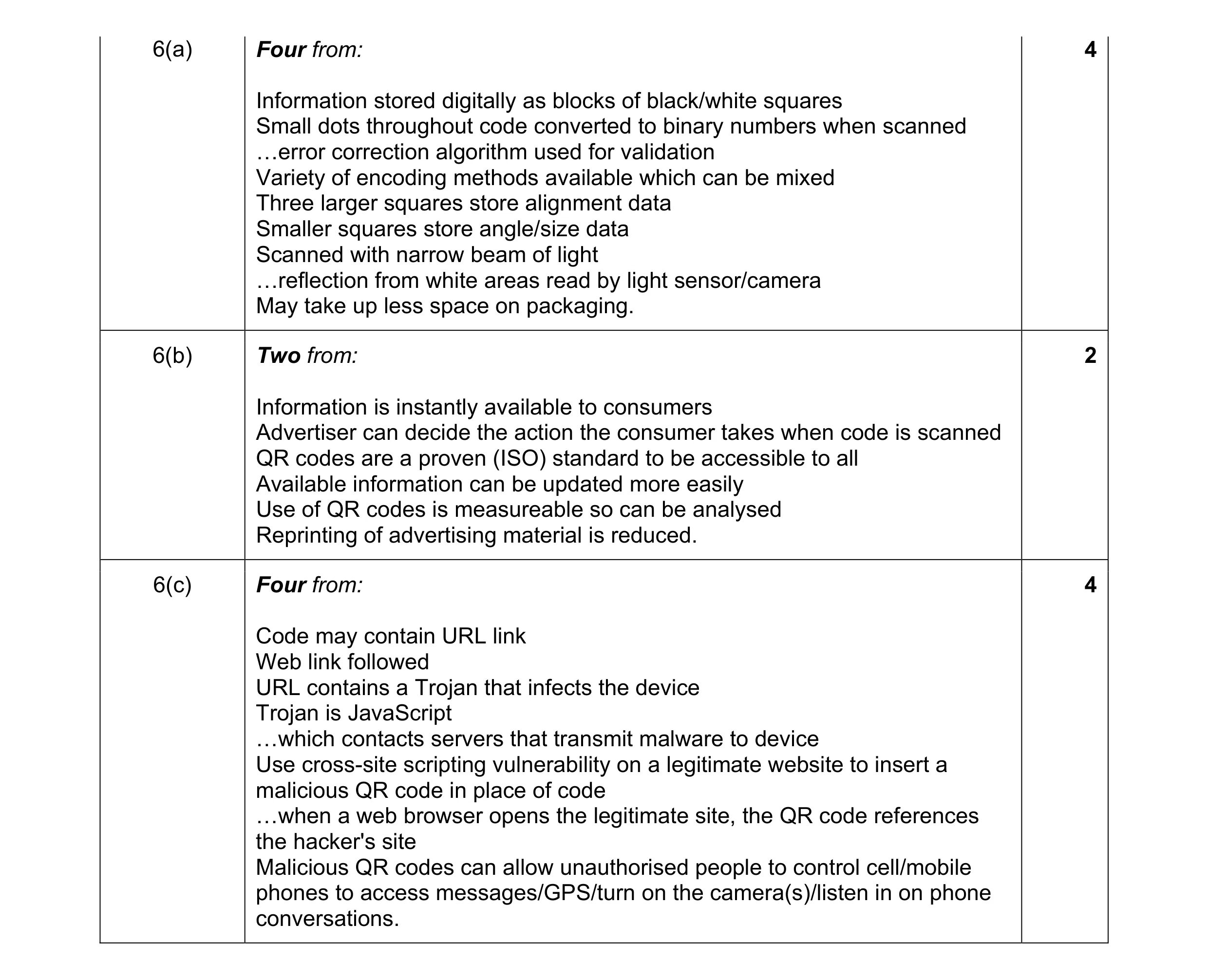 10
10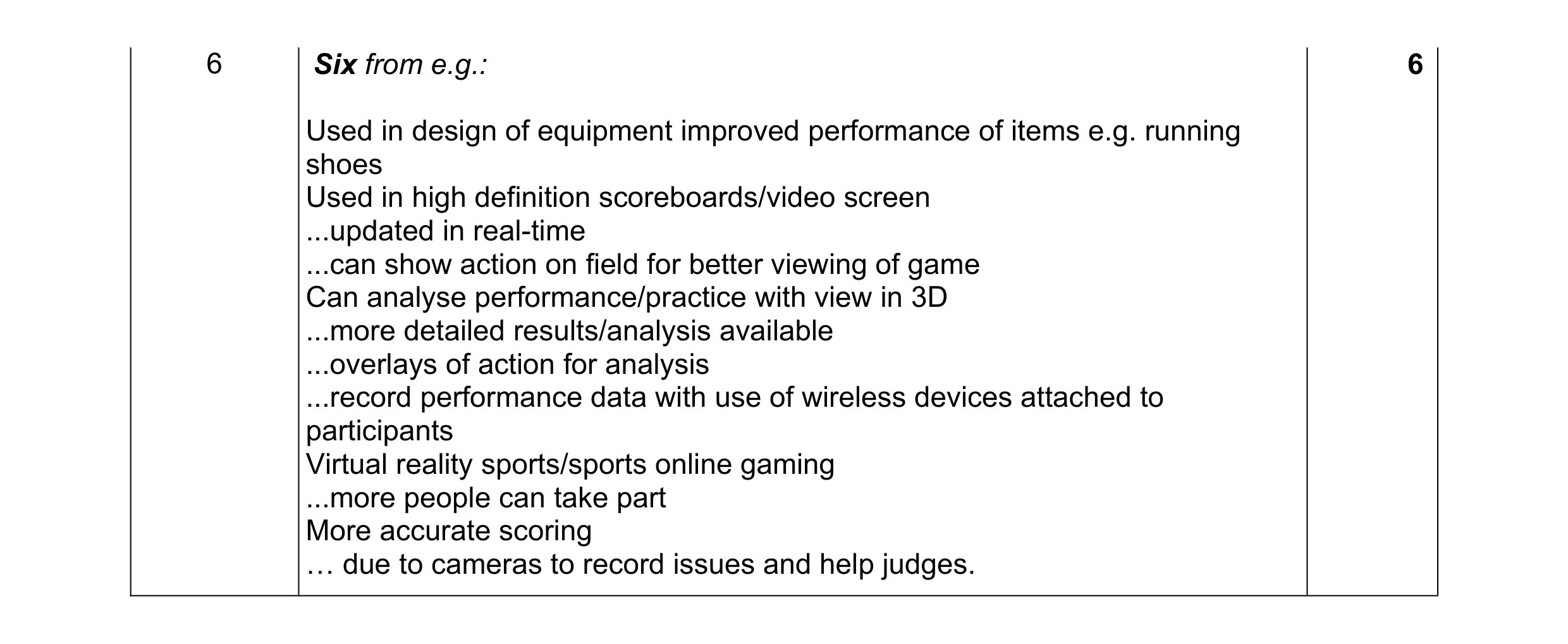 6
6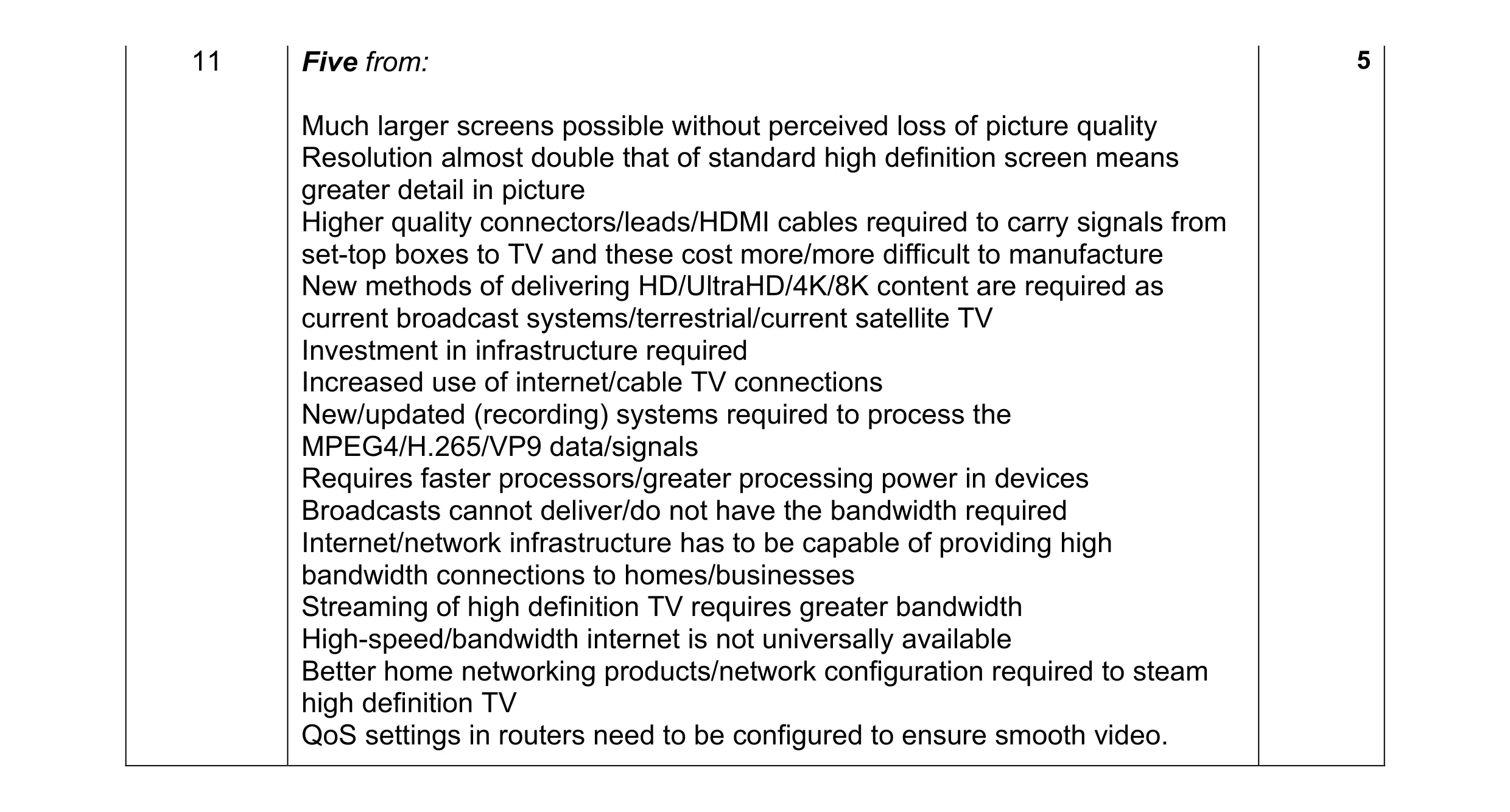 5
5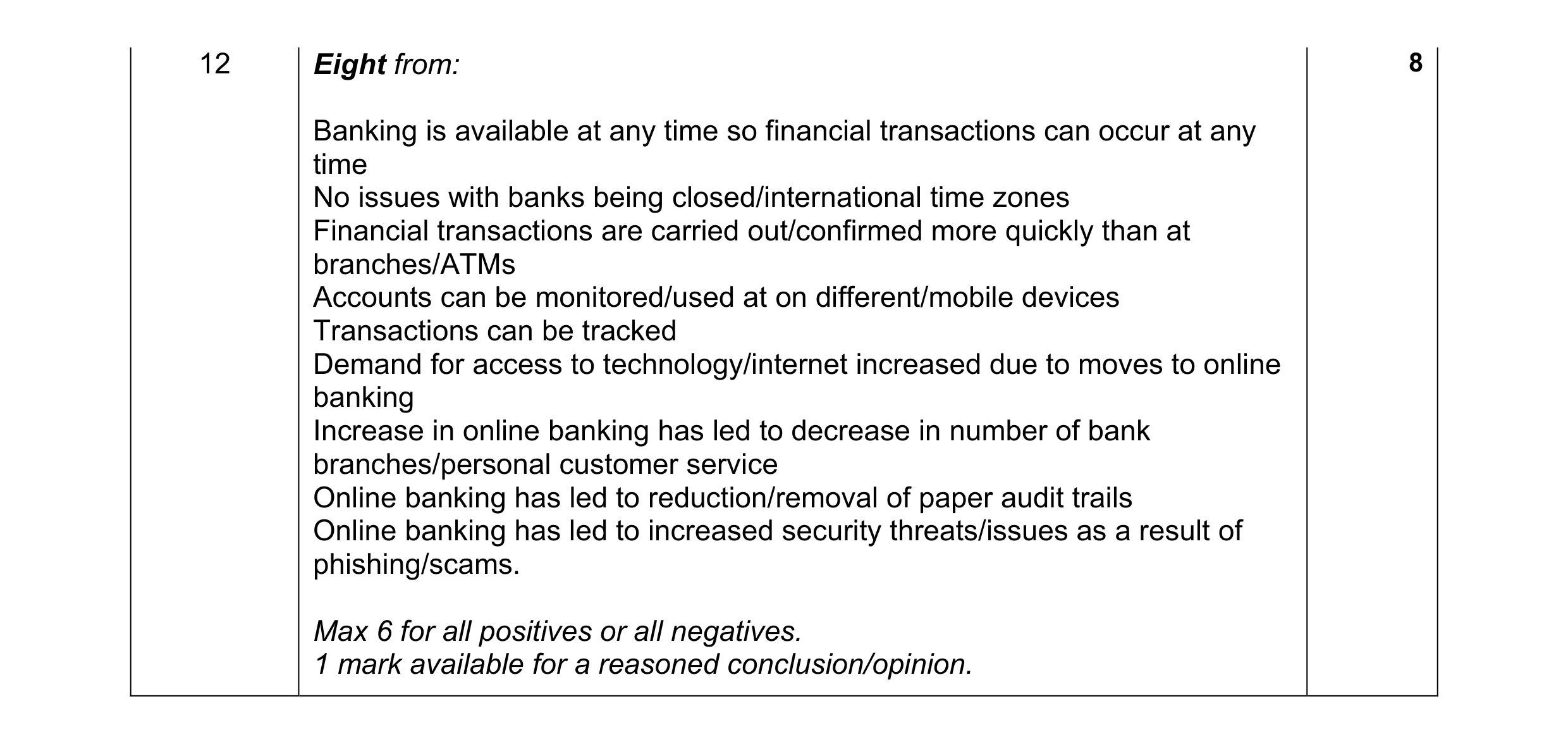 8
8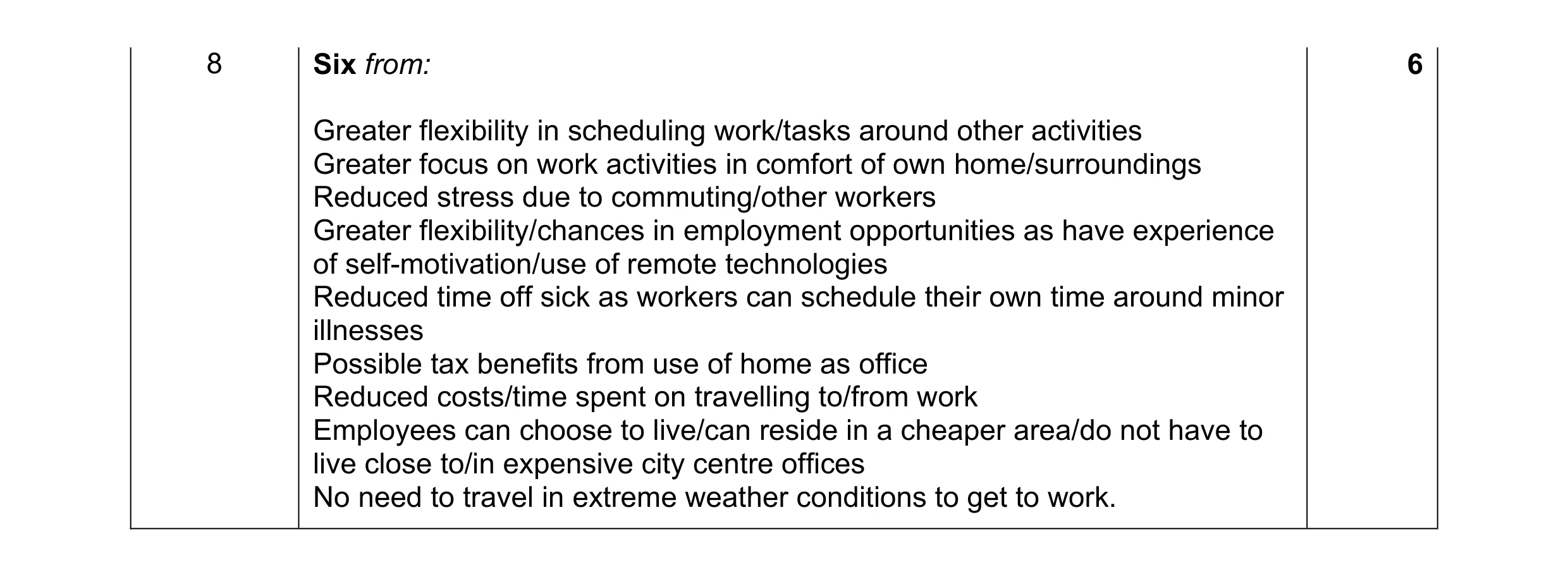 6
6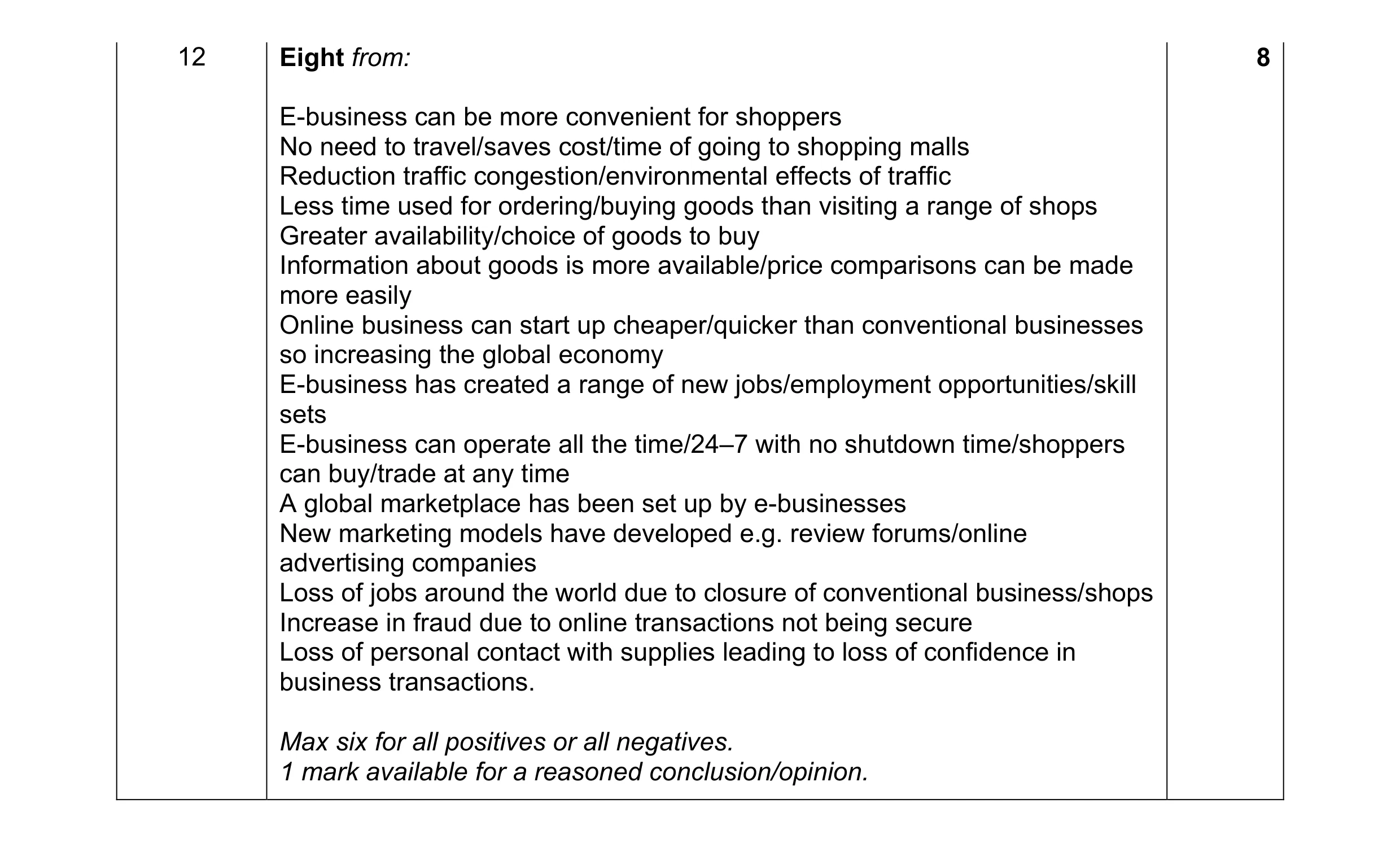 8
8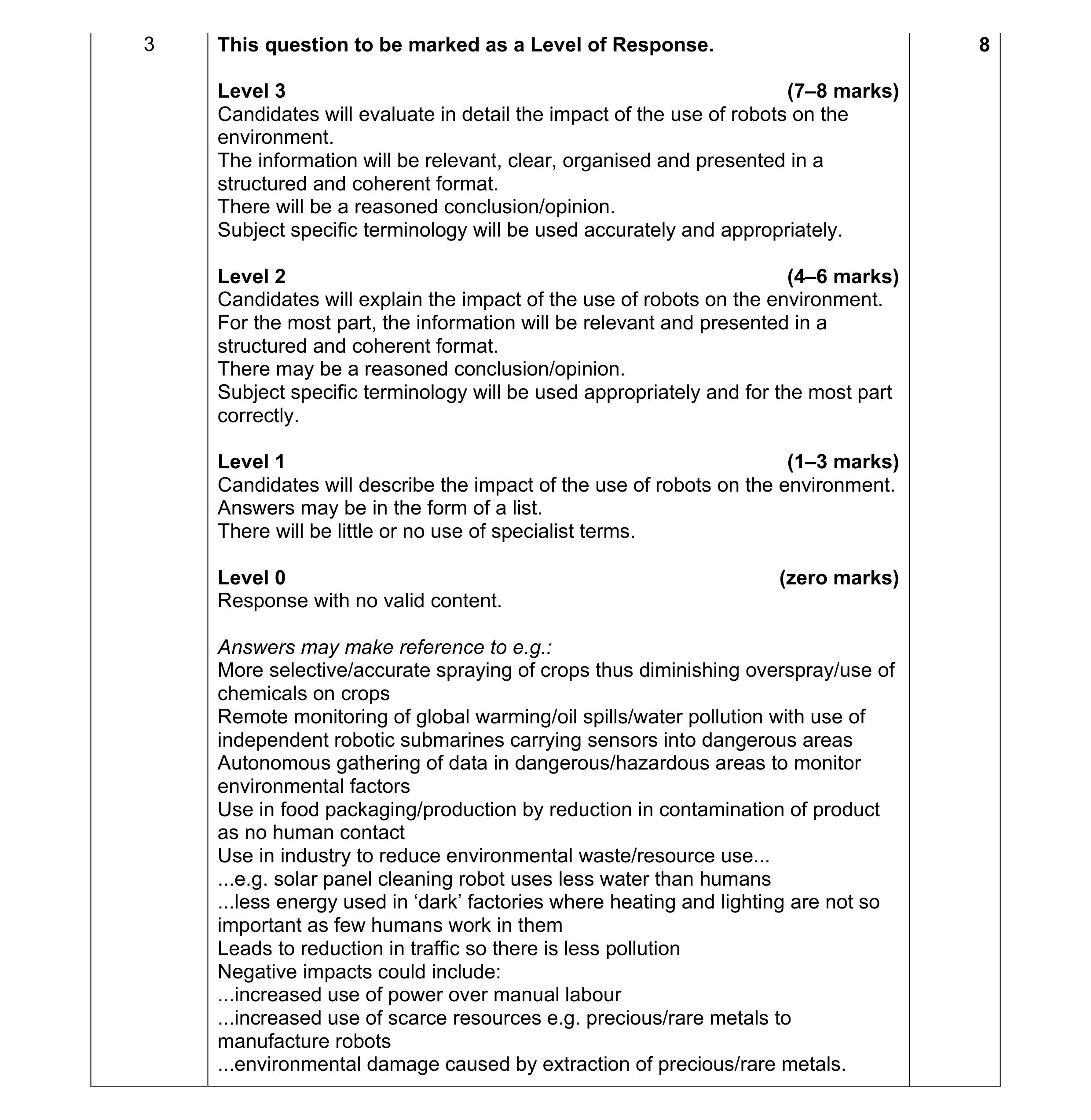 8
8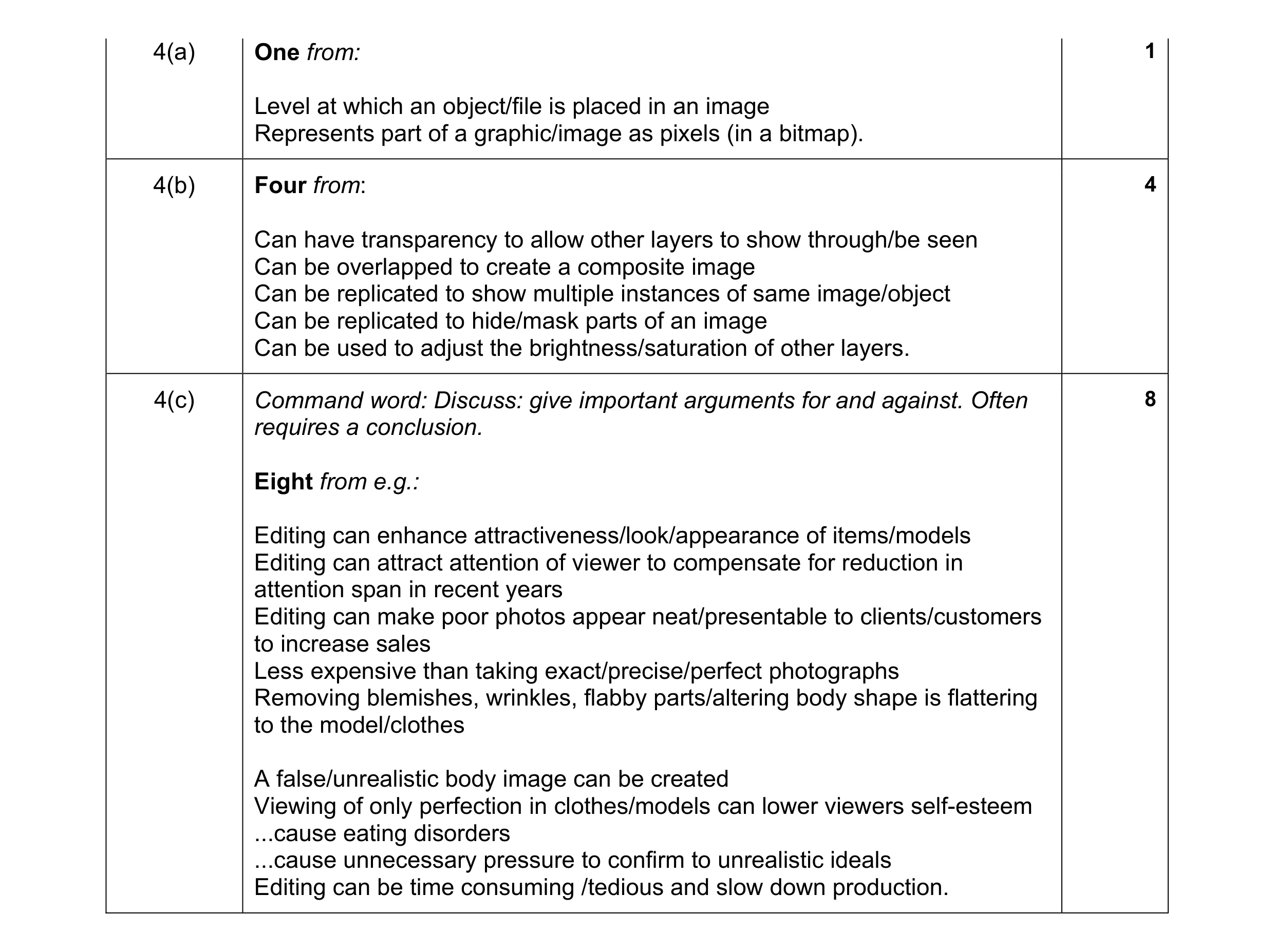 13
13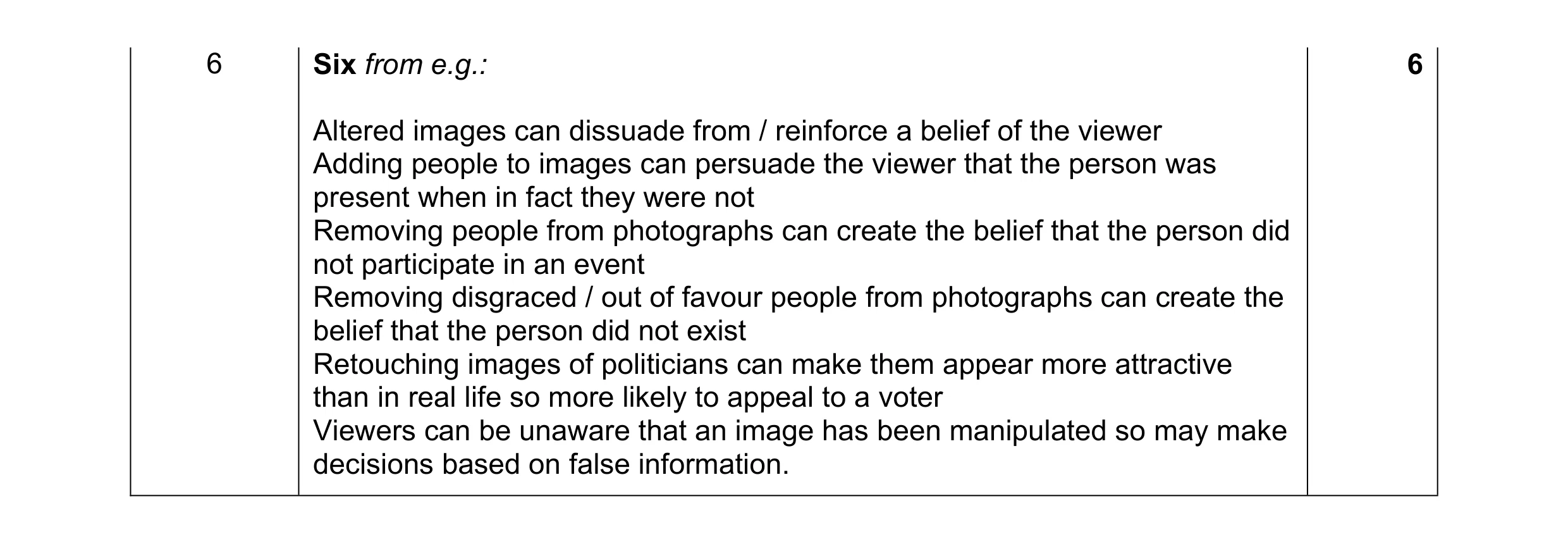 6
6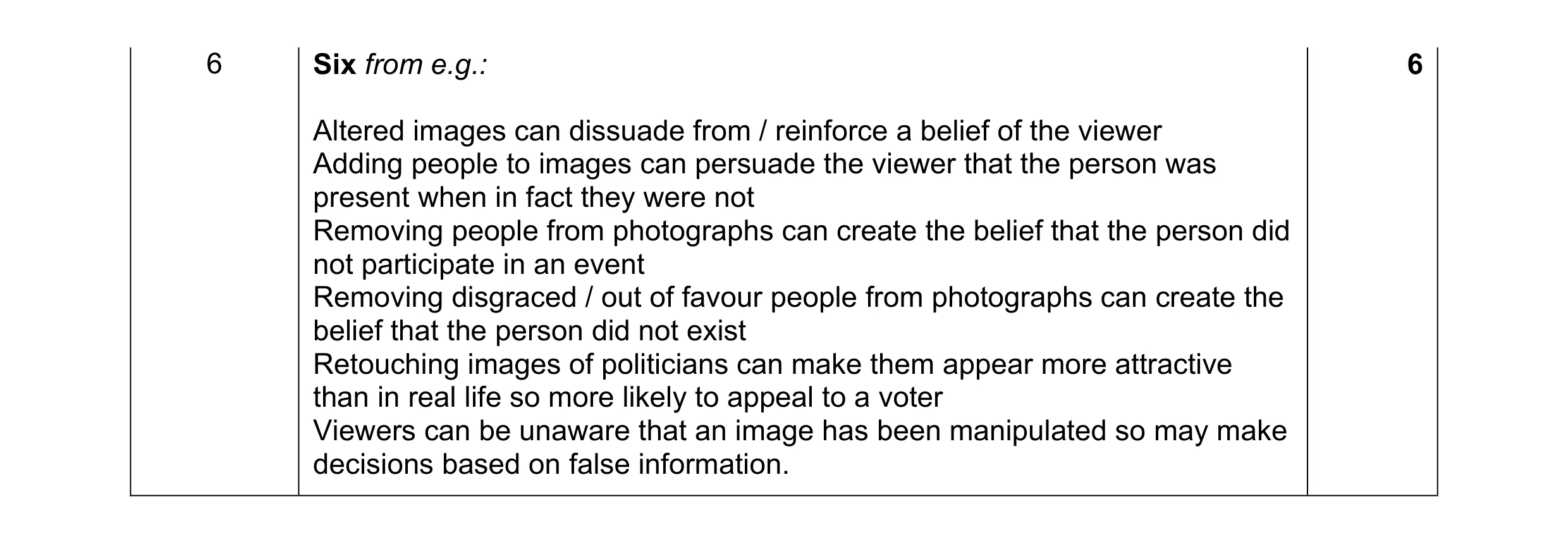 6
6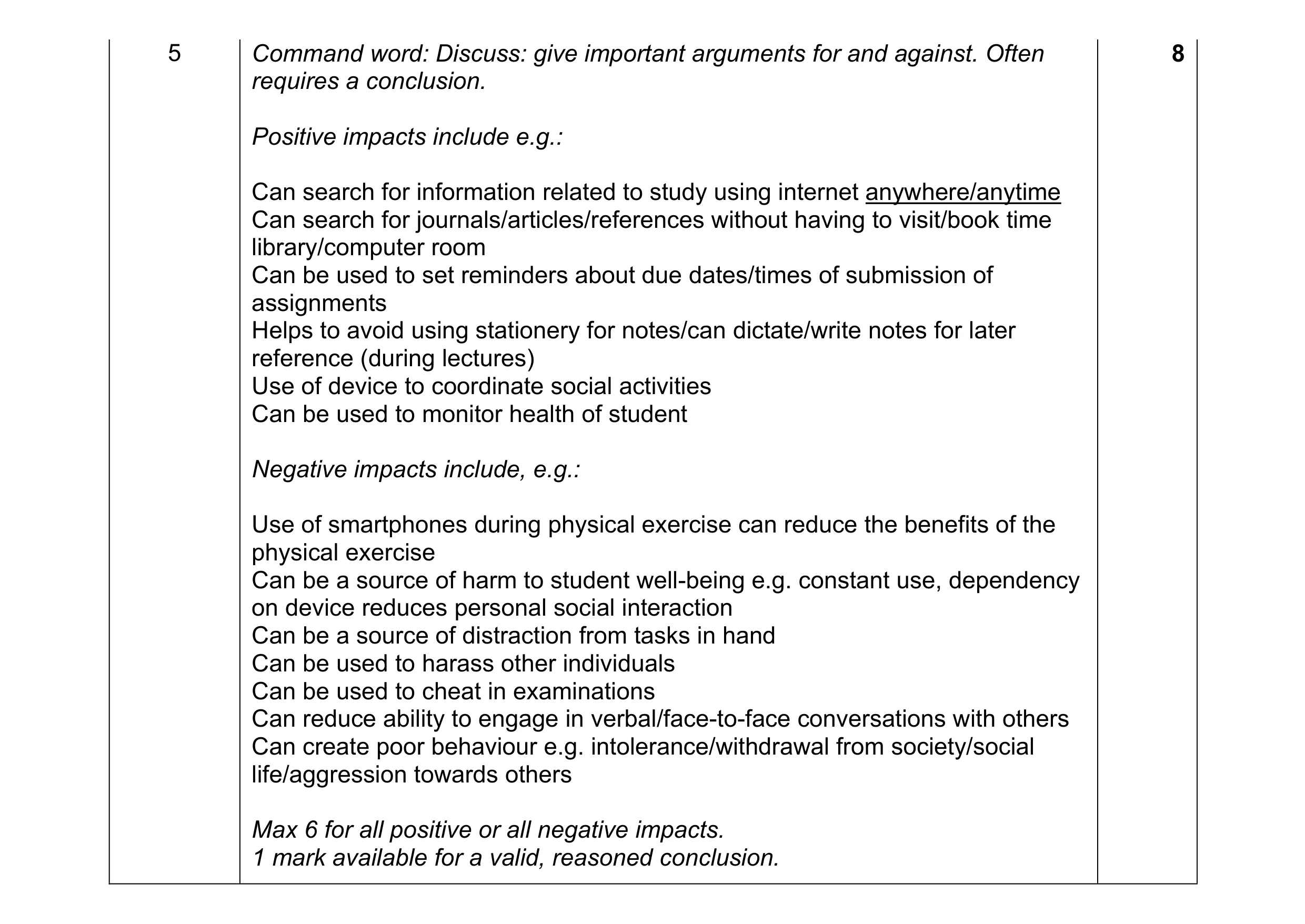 8
8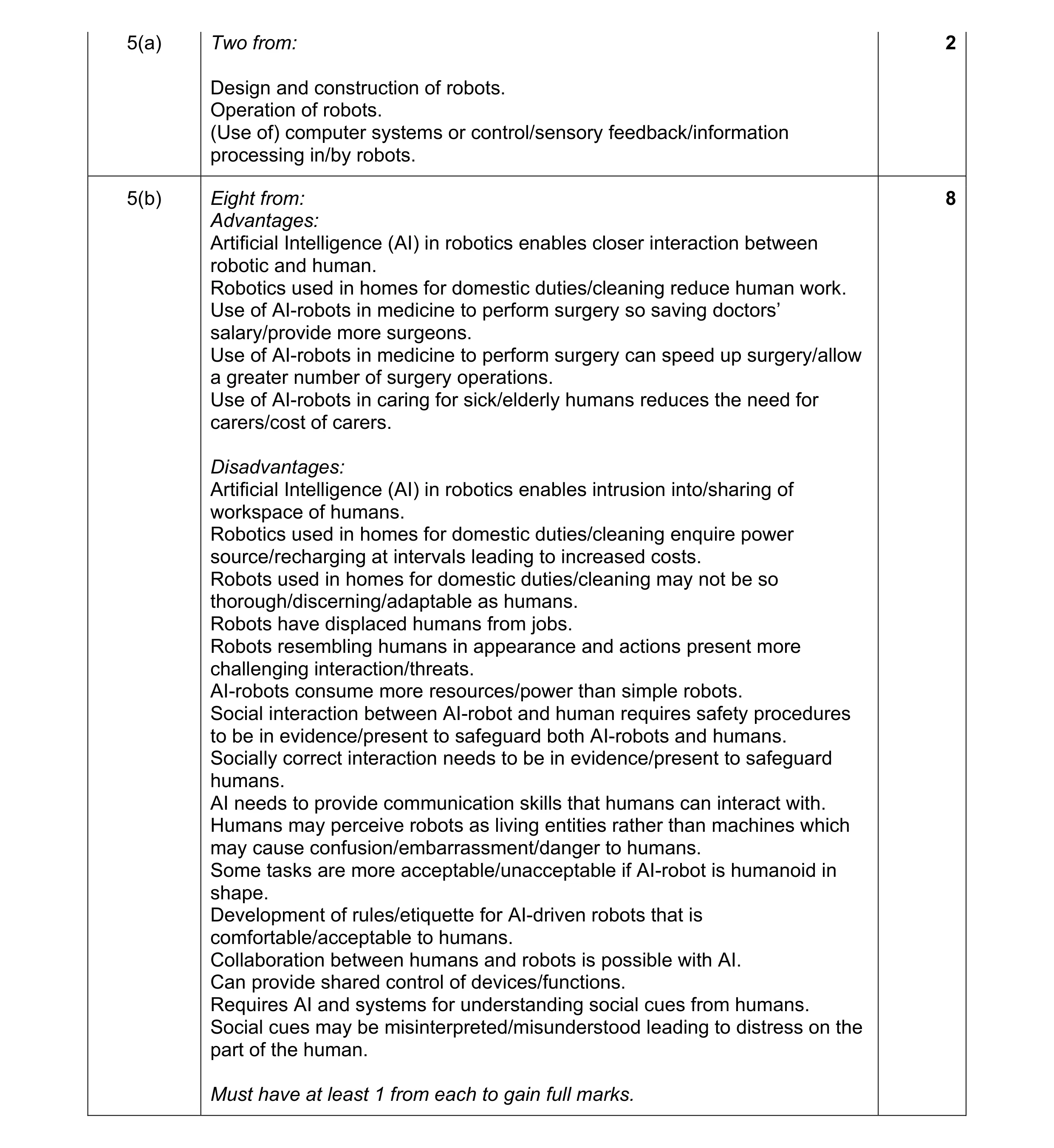 10
10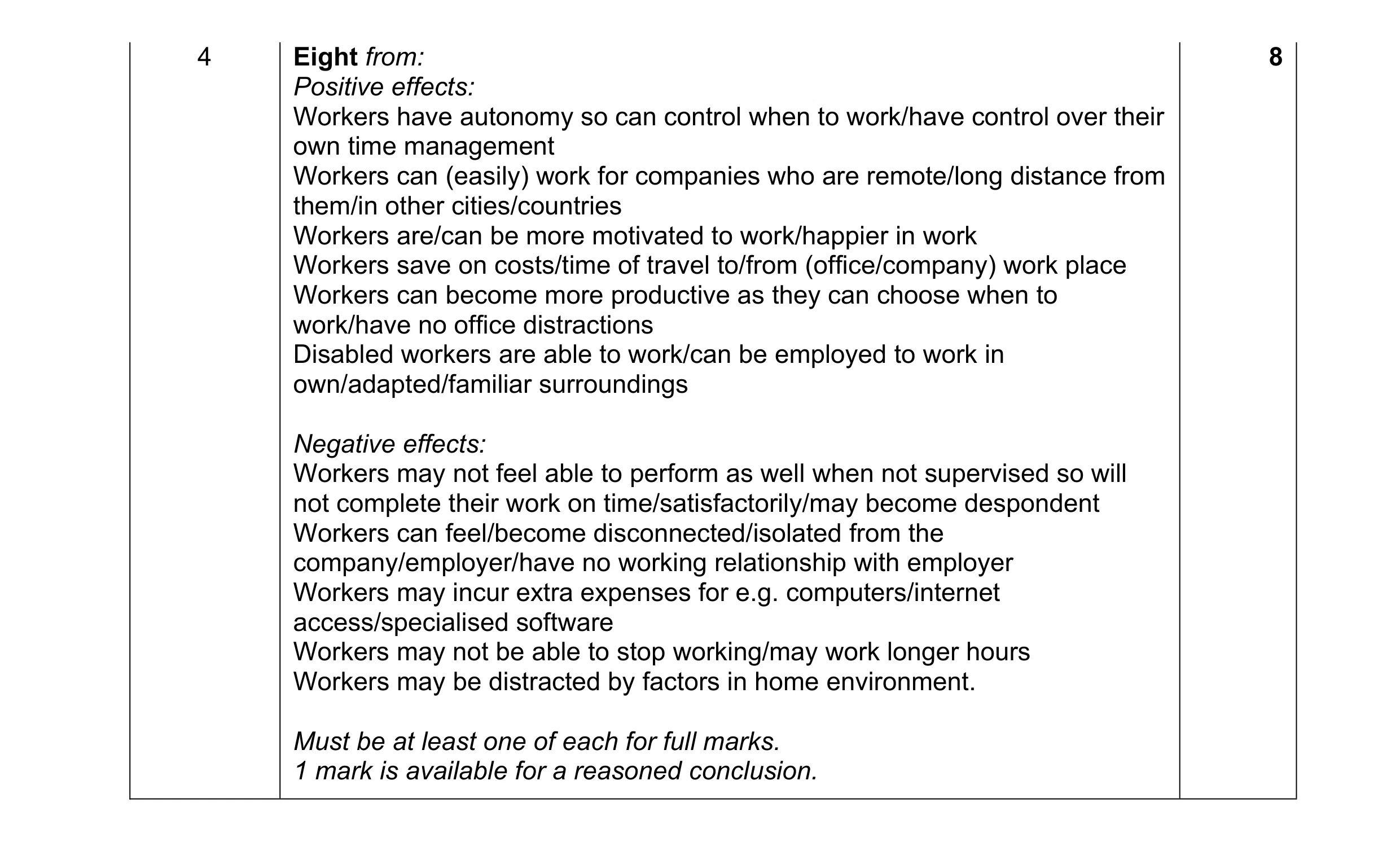 8
8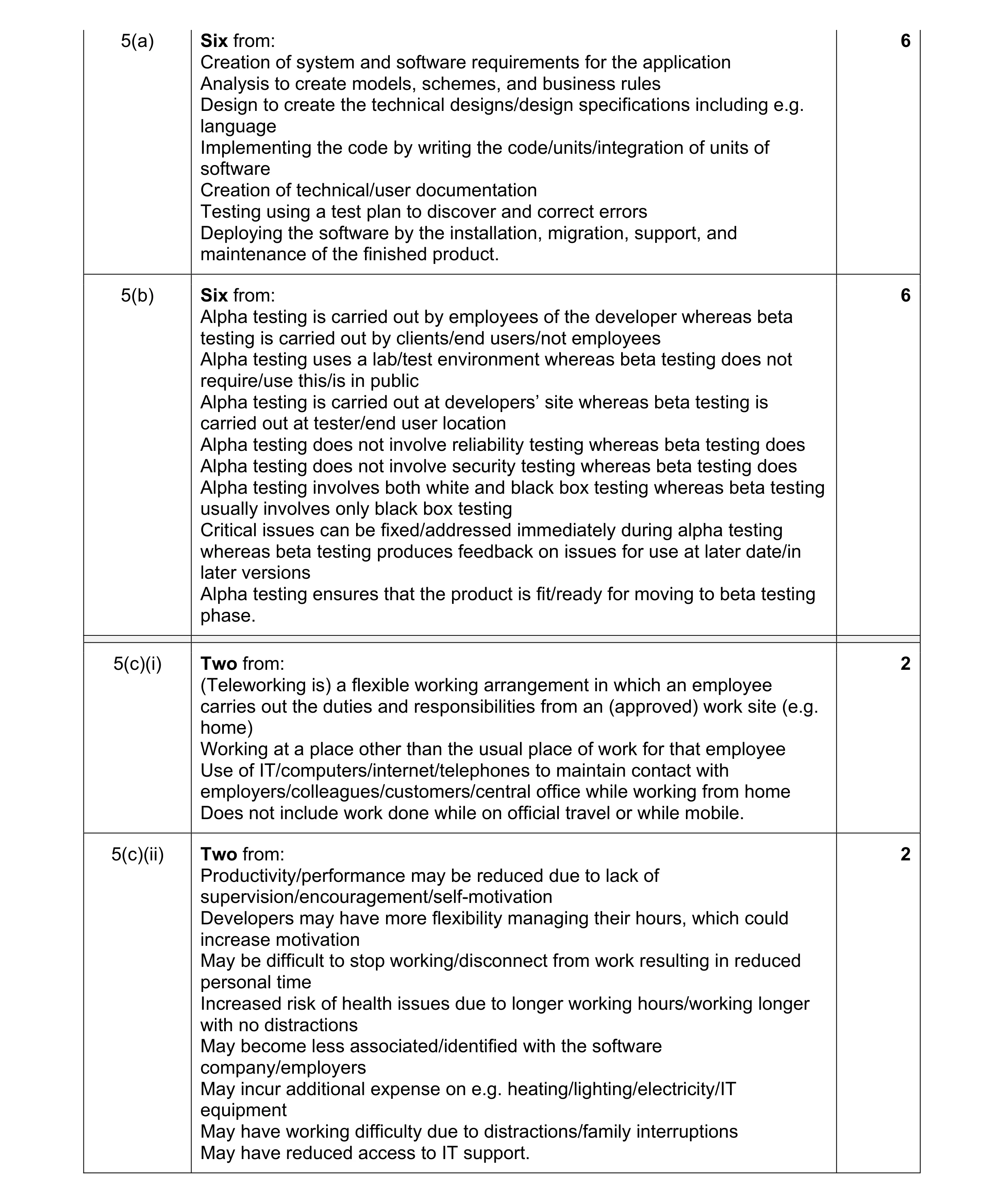 16
16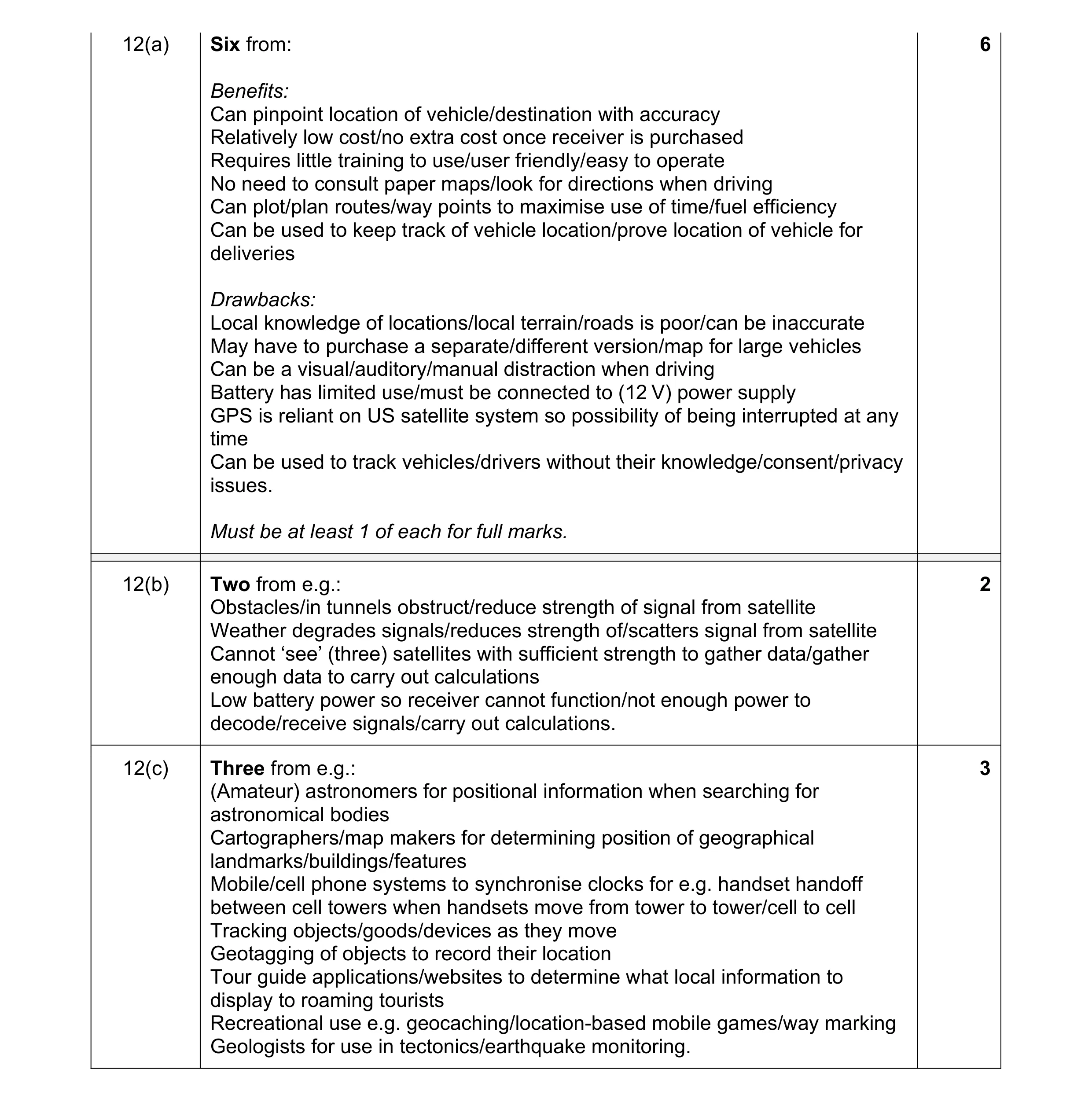 11
11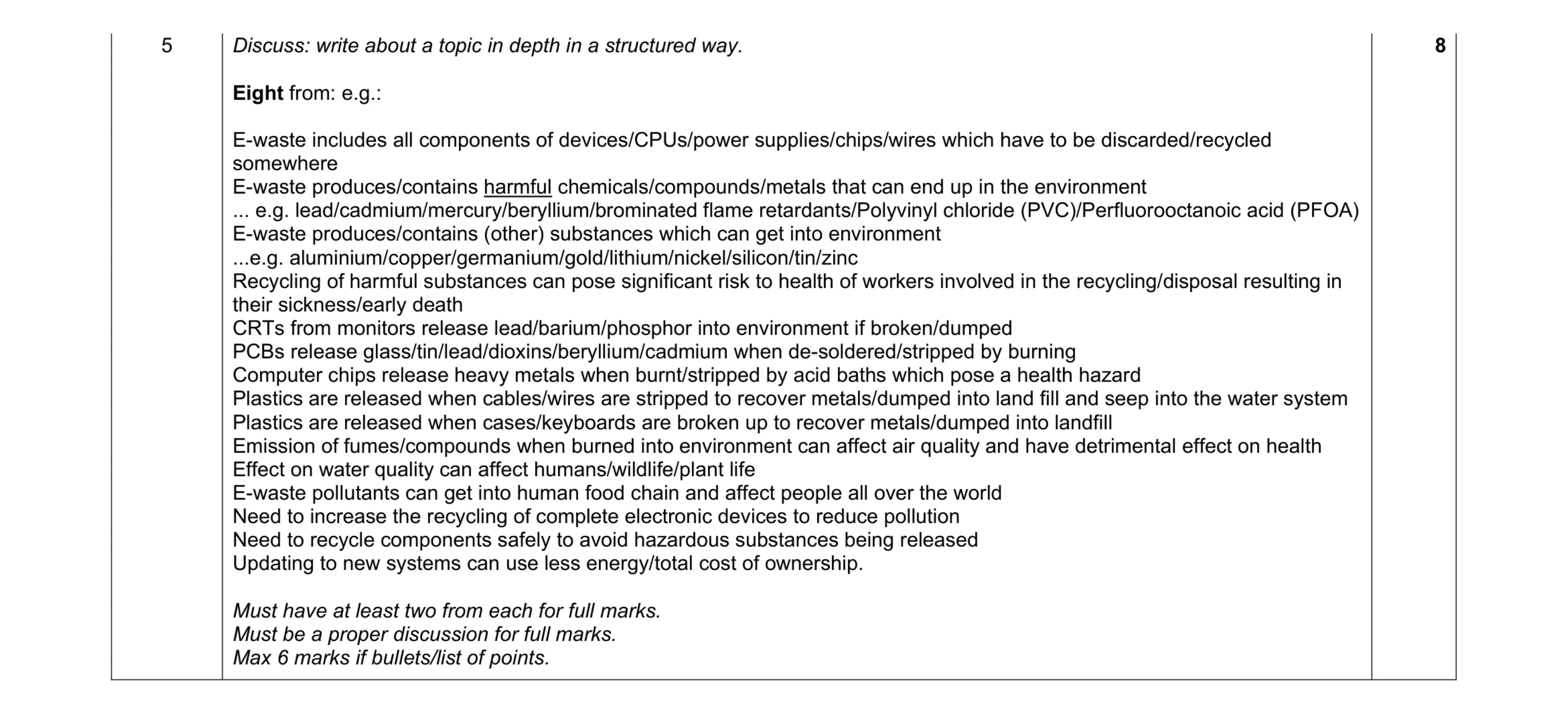 8
8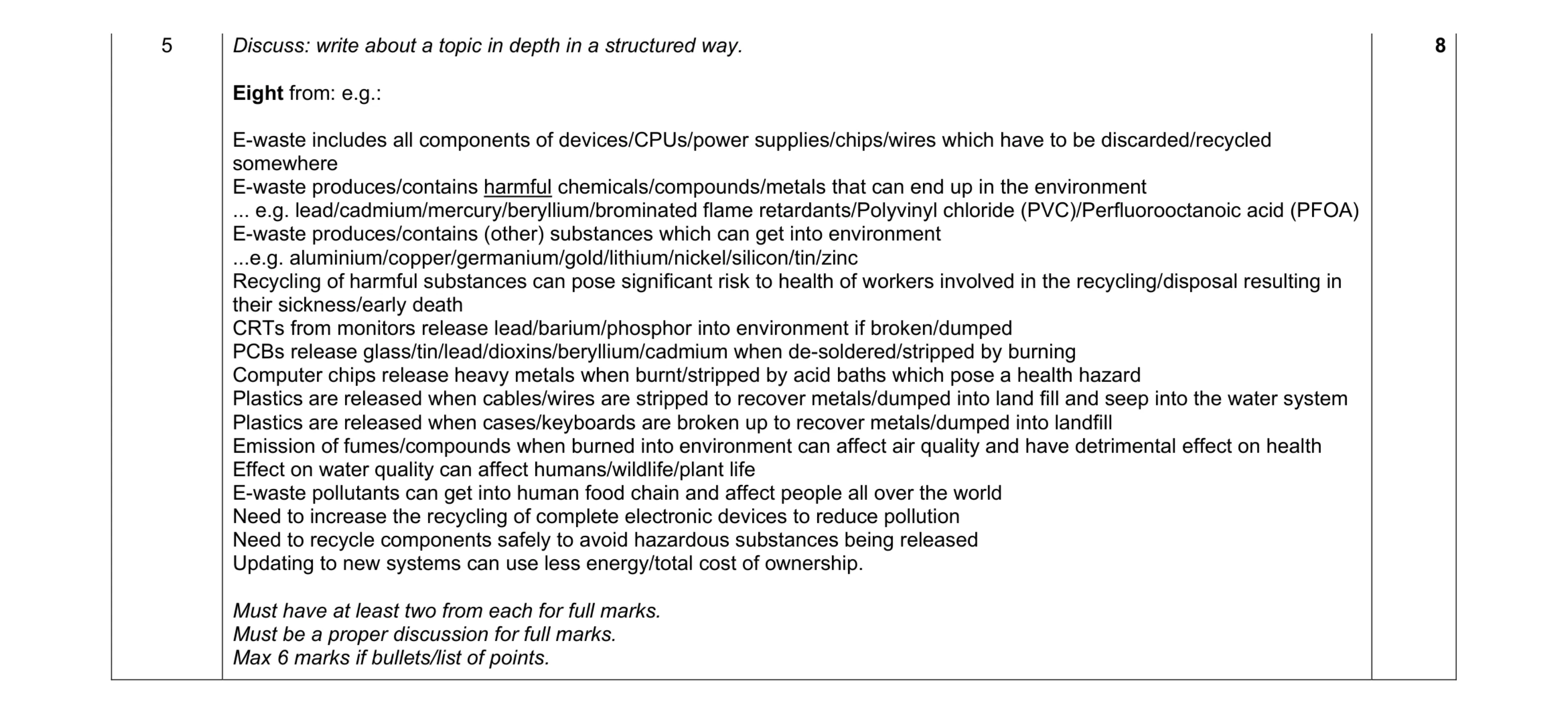 8
8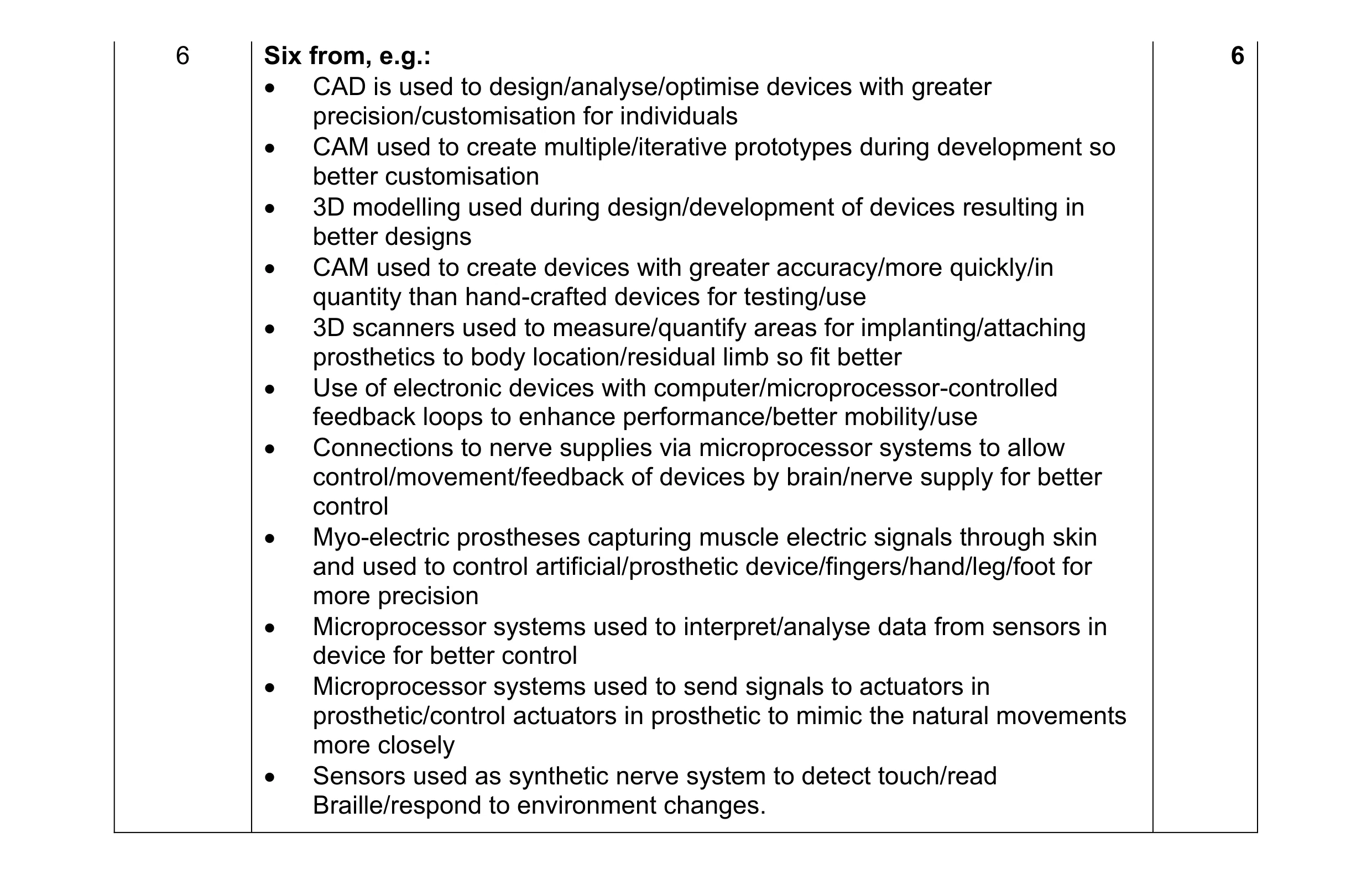 6
6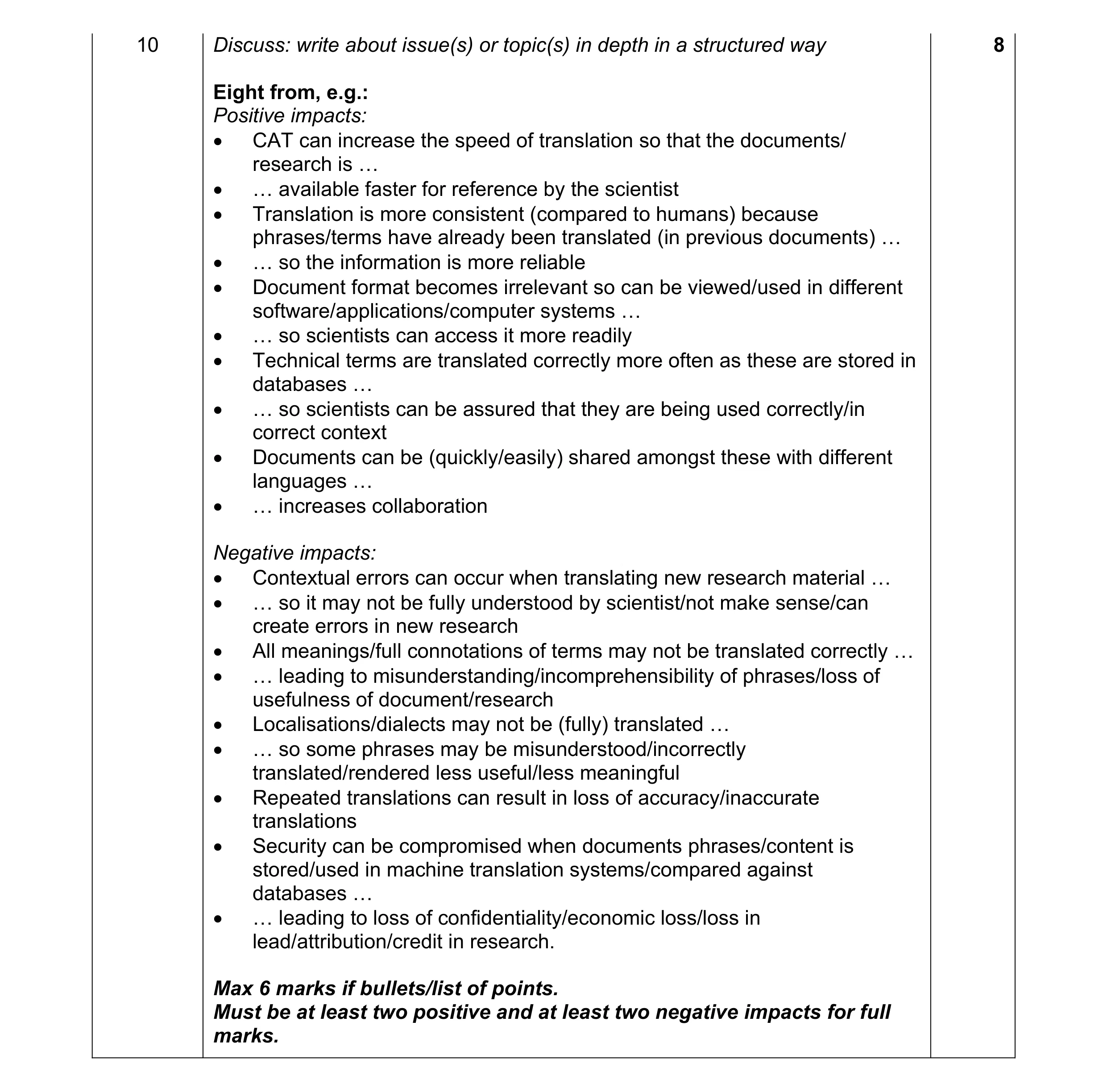 8
8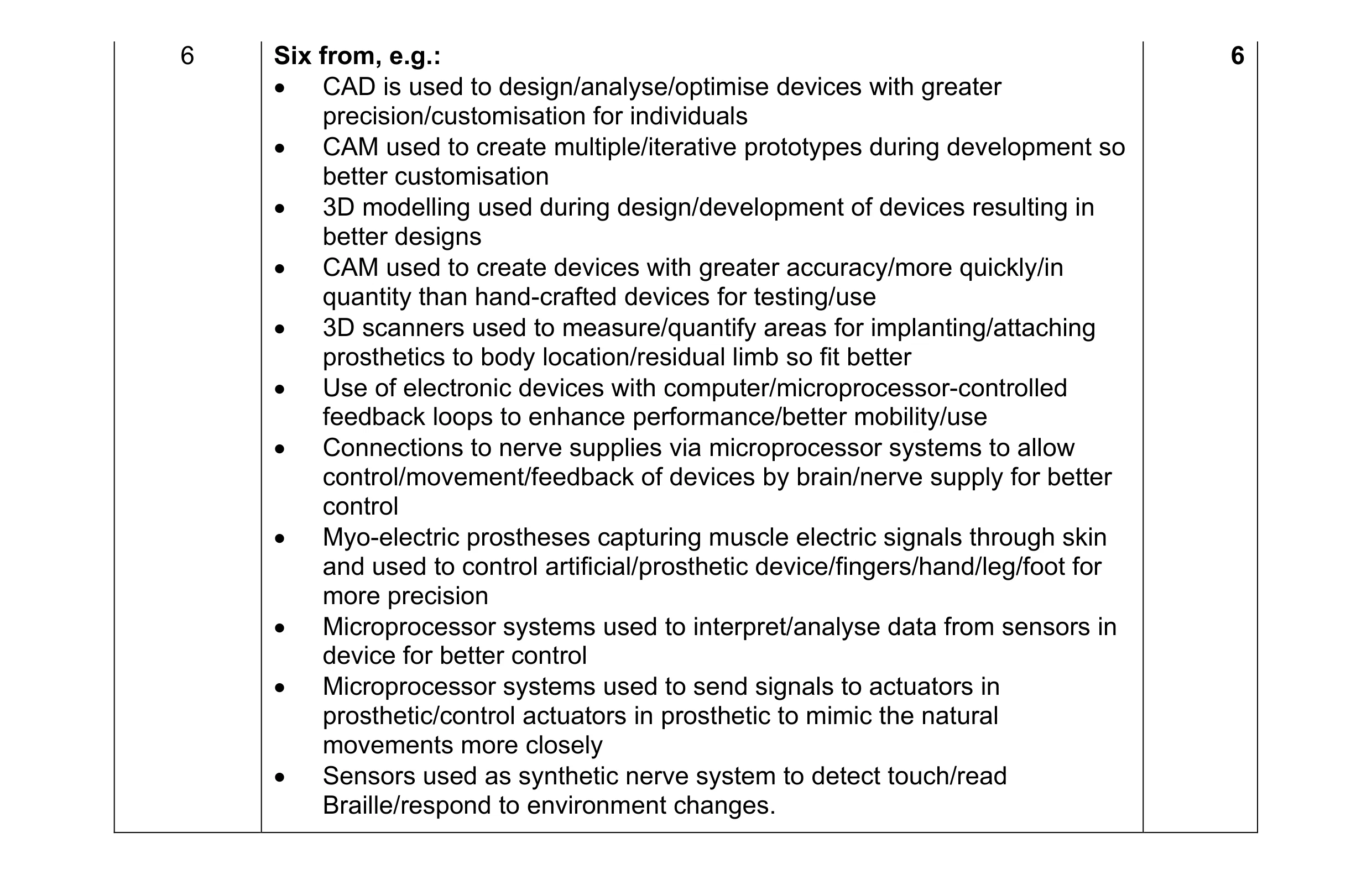 6
6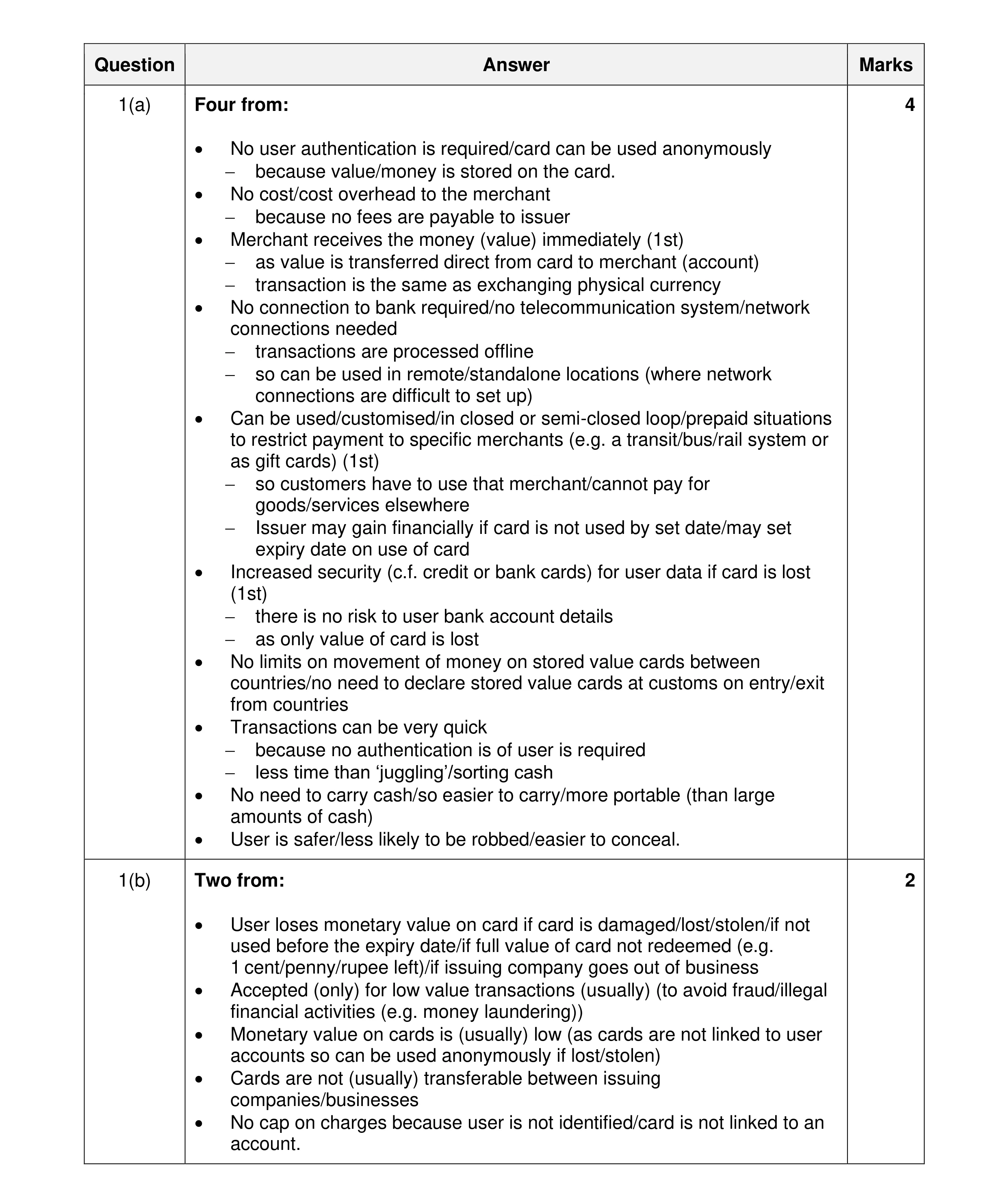 6
6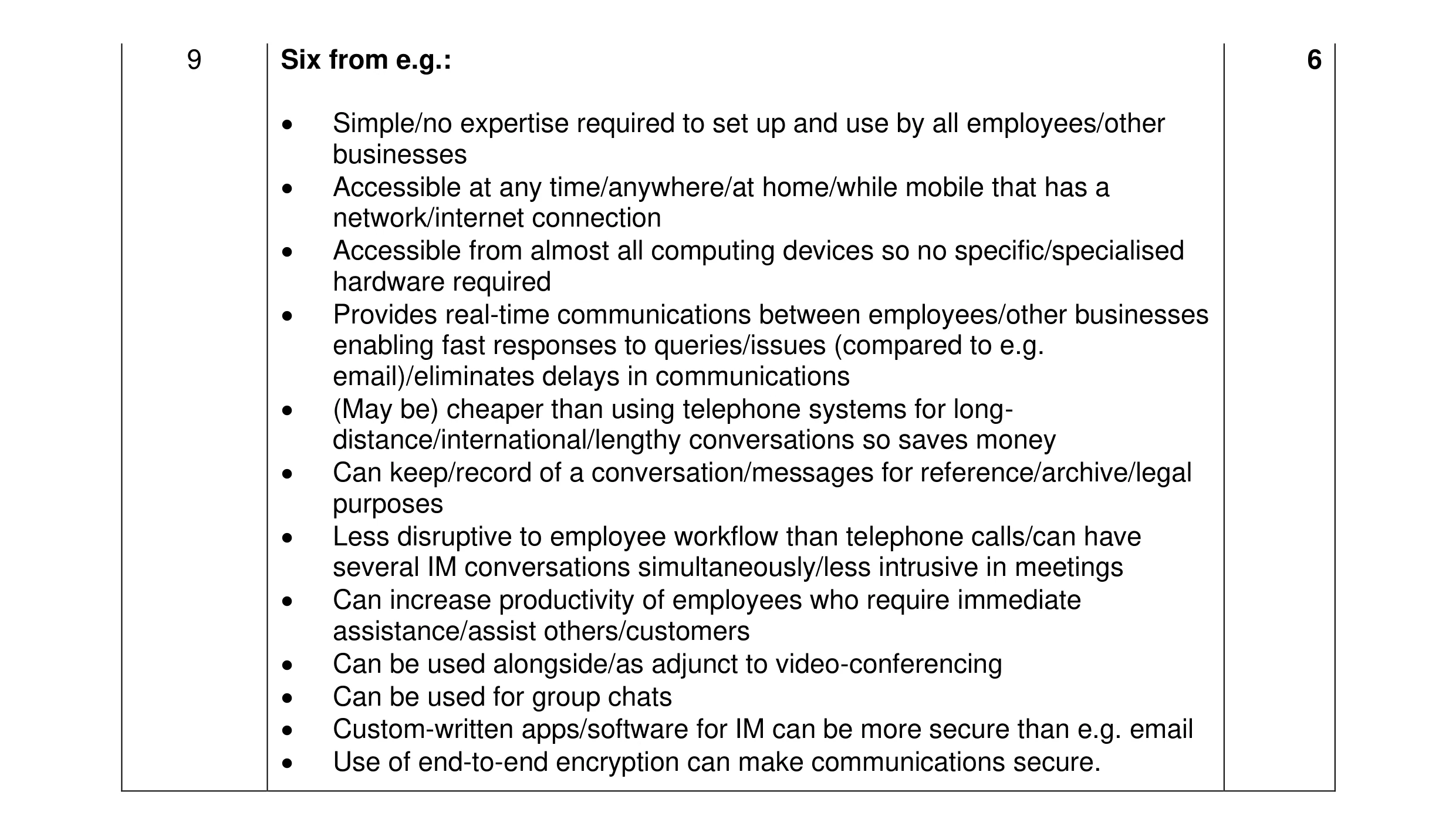 6
6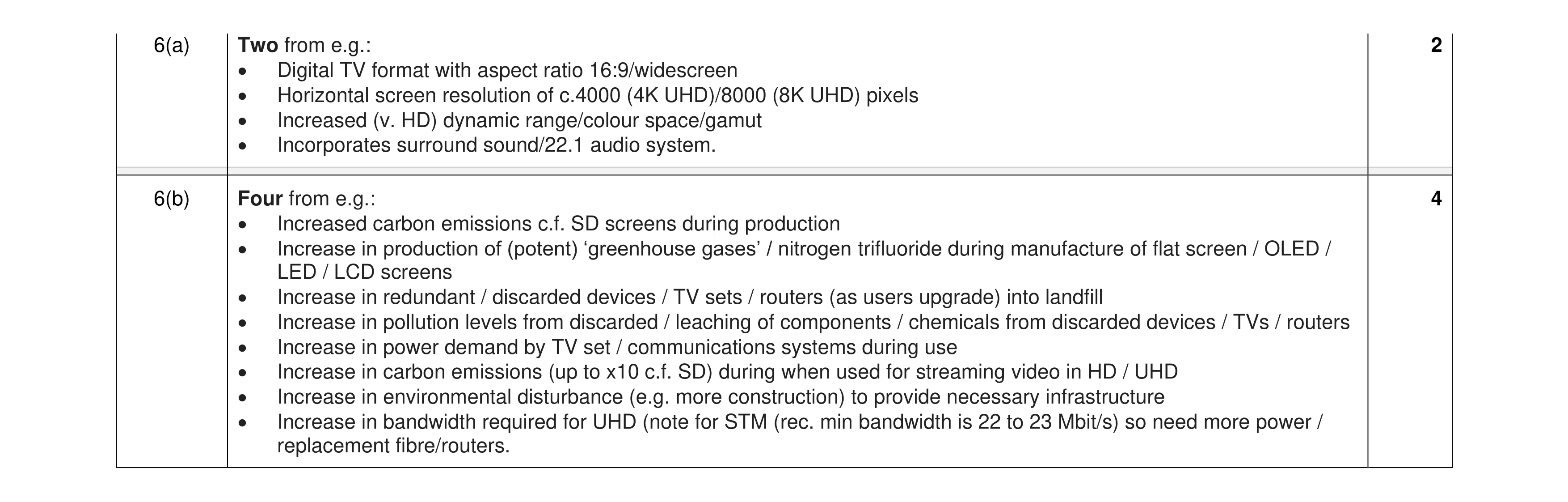 6
6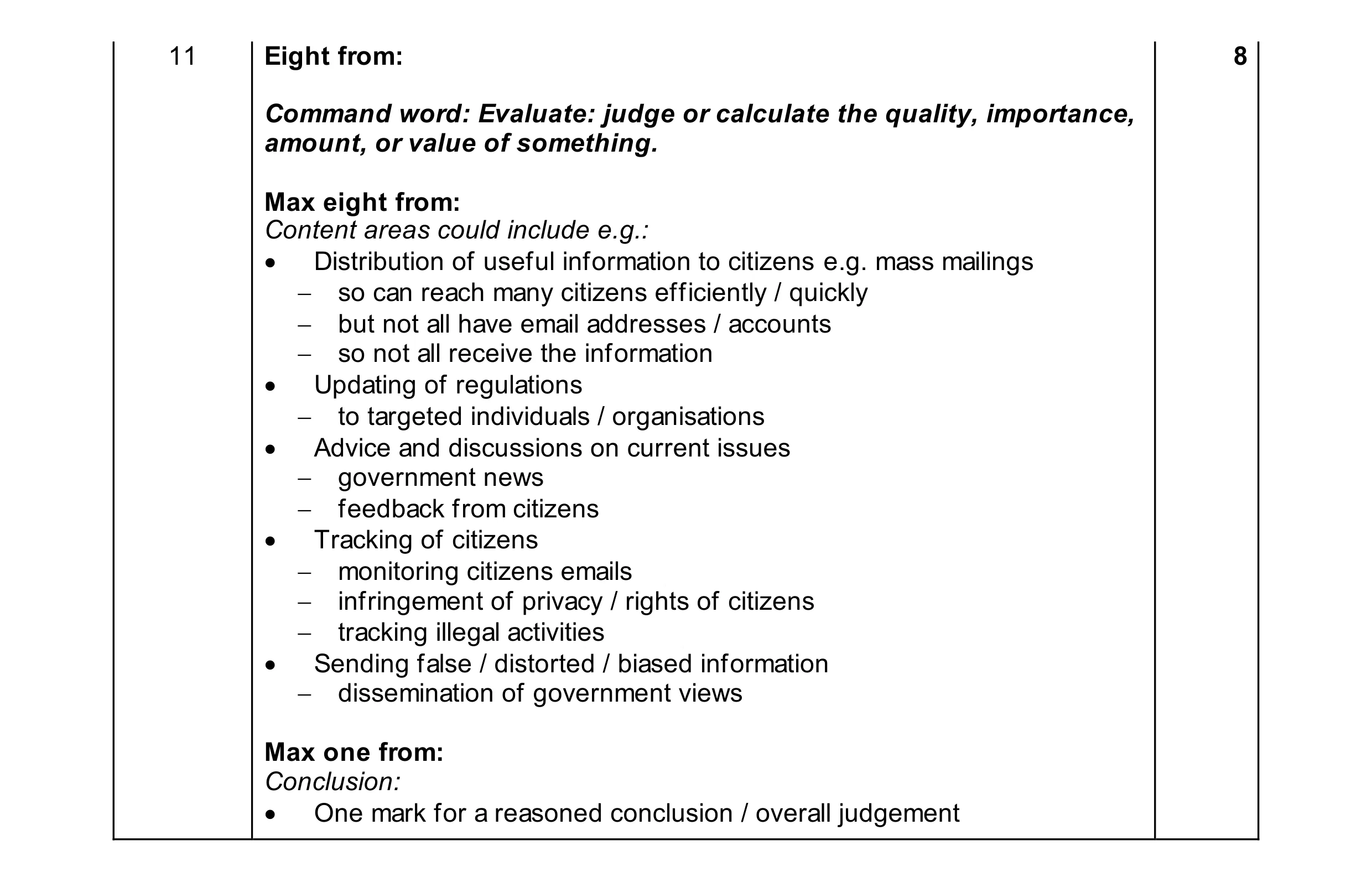 8
8