Cambridge IGCSE Economics 0455 — 2012 May/June Paper 3 · Variant 2
0455/32/M/J/12 · 2 questions · 40 marks · ≈45 min
The question paper and its mark scheme, free to read here and free to download. This is Cambridge’s own paper, exactly as it was sat.
Question paper8 pages
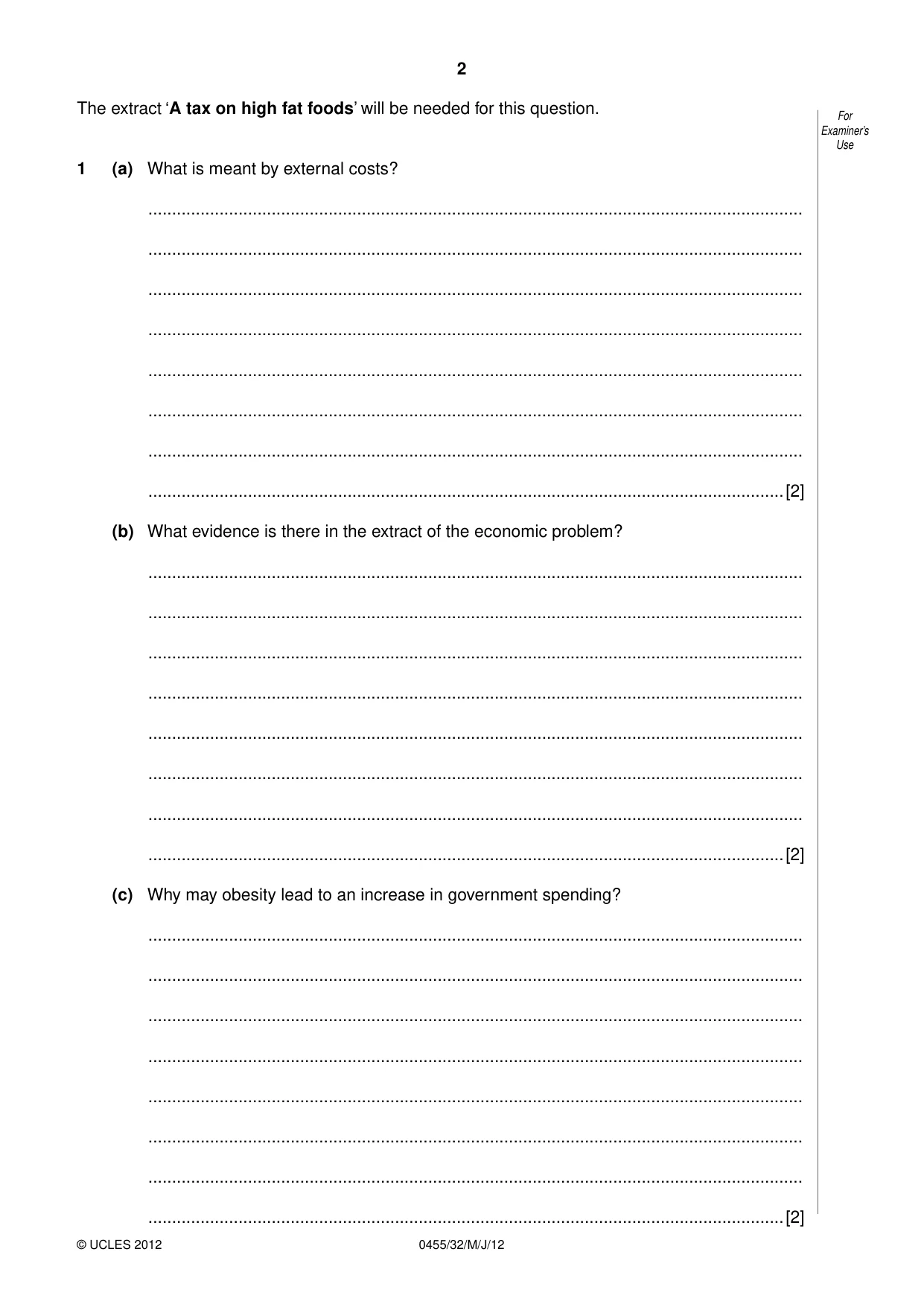
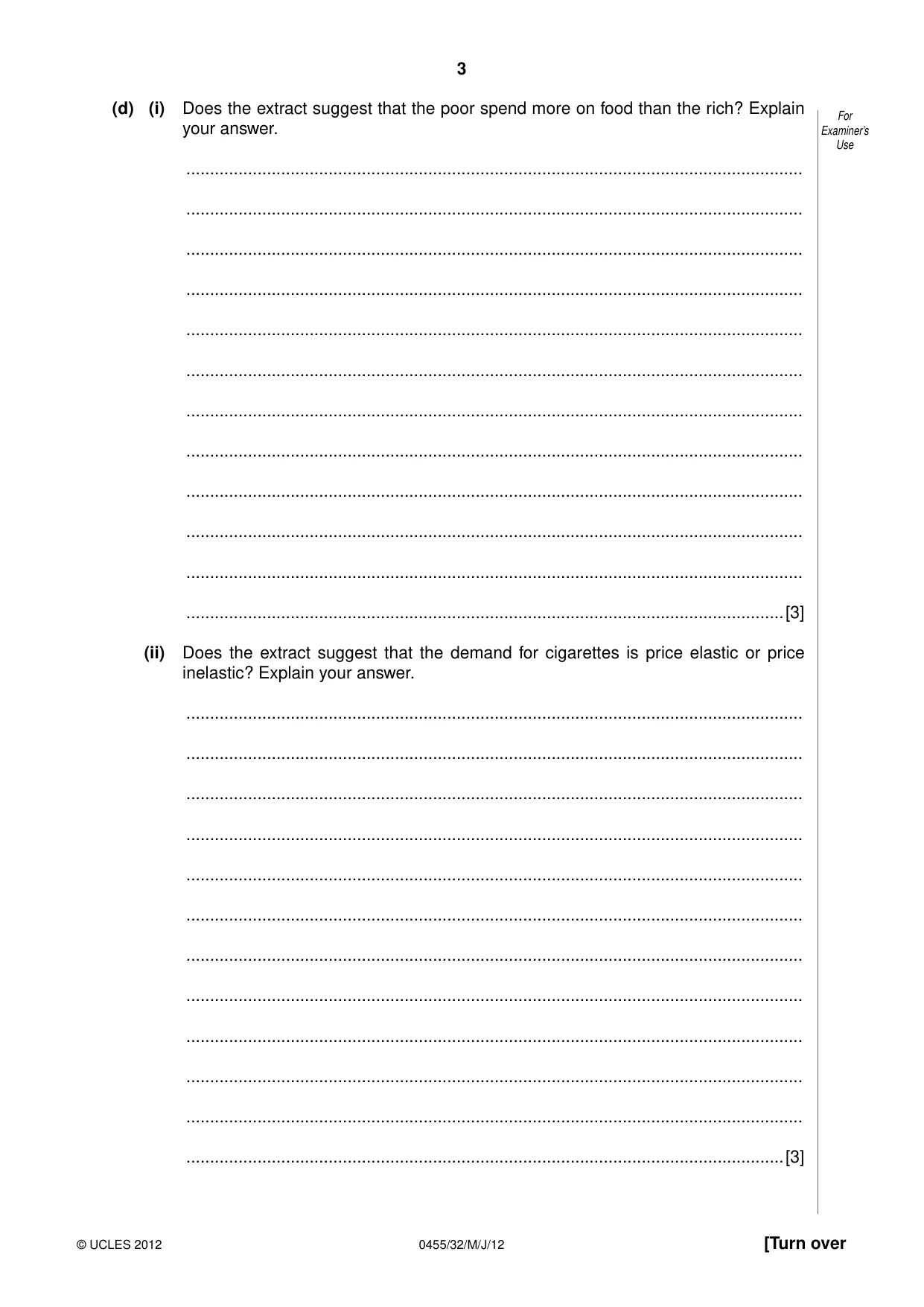
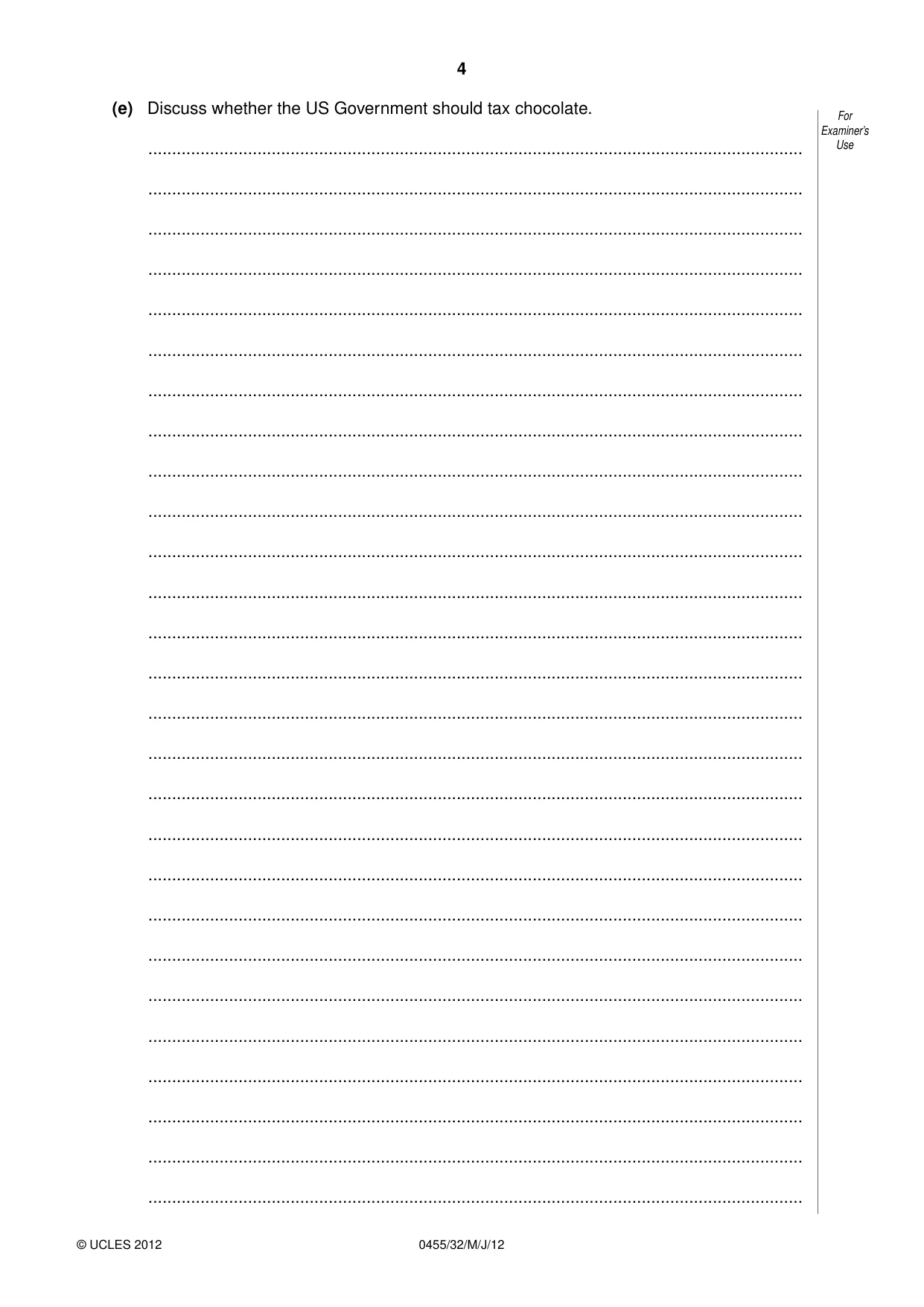
Mark scheme4 pages
Answers below. Sit the paper first if you are practising.
Questions as text
Q1 · What is meant by external costs?
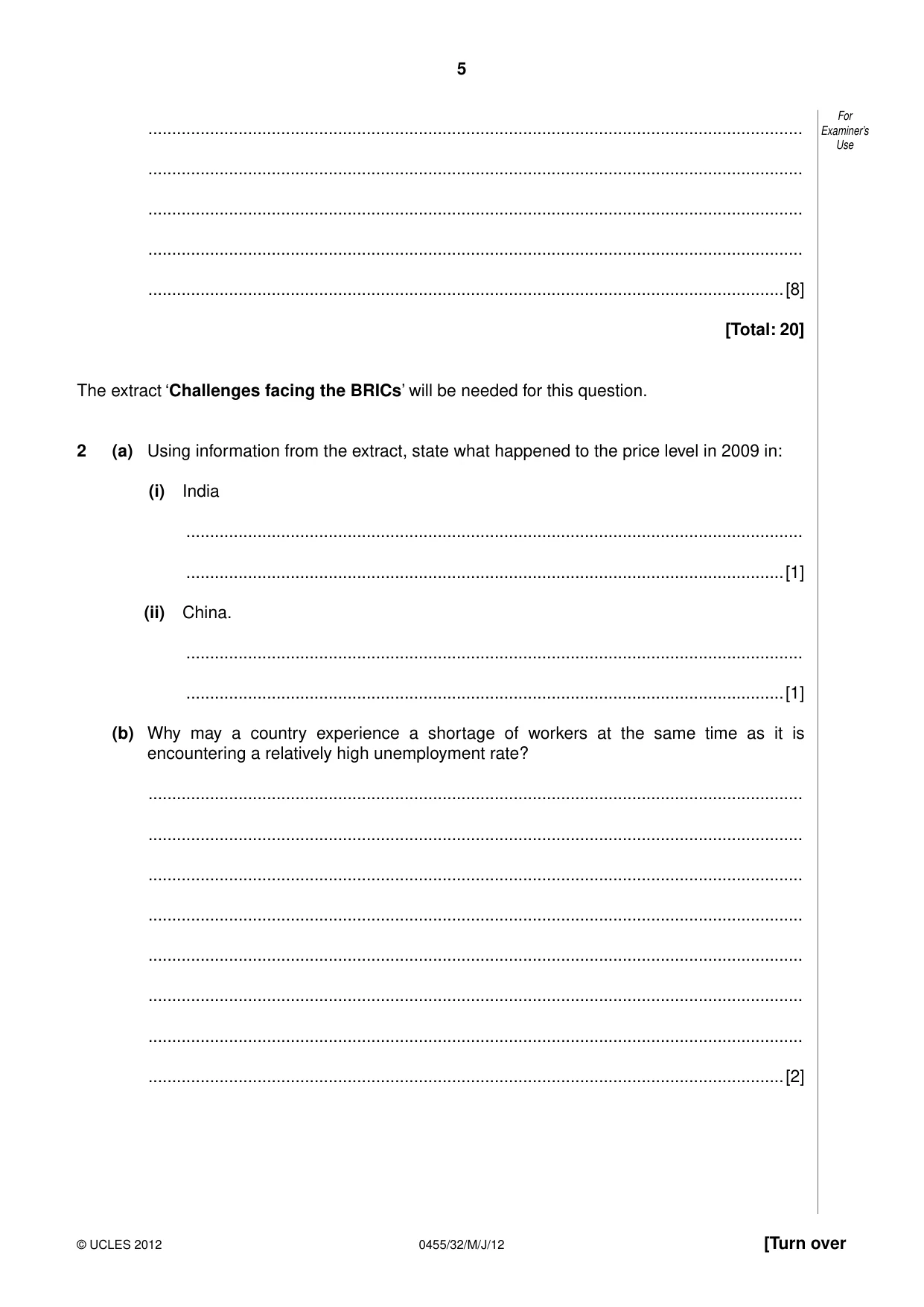
1 (a) What is meant by external costs? .......................................................................................................................................... .......................................................................................................................................... .......................................................................................................................................... .......................................................................................................................................... .......................................................................................................................................... .......................................................................................................................................... .......................................................................................................................................... ......................................................................................................................................[2] (b) What evidence is there in the extract of the economic problem? .......................................................................................................................................... .......................................................................................................................................... .......................................................................................................................................... .......................................................................................................................................... .......................................................................................................................................... .......................................................................................................................................... .......................................................................................................................................... ......................................................................................................................................[2] (c) Why may obesity lead to an increase in government spending? .......................................................................................................................................... .......................................................................................................................................... .......................................................................................................................................... .......................................................................................................................................... .......................................................................................................................................... .......................................................................................................................................... .......................................................................................................................................... ......................................................................................................................................[2] (d) (i) Does the extract suggest that the poor spend more on food than the rich? Explain your answer. .................................................................................................................................. .................................................................................................................................. .................................................................................................................................. .................................................................................................................................. .................................................................................................................................. .................................................................................................................................. .................................................................................................................................. .................................................................................................................................. .................................................................................................................................. .................................................................................................................................. .................................................................................................................................. ..............................................................................................................................[3] (ii) Does the extract suggest that the demand for cigarettes is price elastic or price inelastic? Explain your answer. .................................................................................................................................. .................................................................................................................................. .................................................................................................................................. .................................................................................................................................. .................................................................................................................................. .................................................................................................................................. .................................................................................................................................. .................................................................................................................................. .................................................................................................................................. .................................................................................................................................. .................................................................................................................................. ..............................................................................................................................[3] (e) Discuss whether the US Government should tax chocolate. .......................................................................................................................................... .......................................................................................................................................... .......................................................................................................................................... .......................................................................................................................................... .......................................................................................................................................... .......................................................................................................................................... .......................................................................................................................................... .......................................................................................................................................... .......................................................................................................................................... .......................................................................................................................................... .......................................................................................................................................... .......................................................................................................................................... .......................................................................................................................................... .......................................................................................................................................... .......................................................................................................................................... .......................................................................................................................................... .......................................................................................................................................... .......................................................................................................................................... .......................................................................................................................................... .......................................................................................................................................... .......................................................................................................................................... .......................................................................................................................................... .......................................................................................................................................... .......................................................................................................................................... .......................................................................................................................................... .......................................................................................................................................... .......................................................................................................................................... .......................................................................................................................................... .......................................................................................................................................... .......................................................................................................................................... .......................................................................................................................................... ......................................................................................................................................[8] [Total: 20] The extract ‘Challenges facing the BRICs’ will be needed for this question.
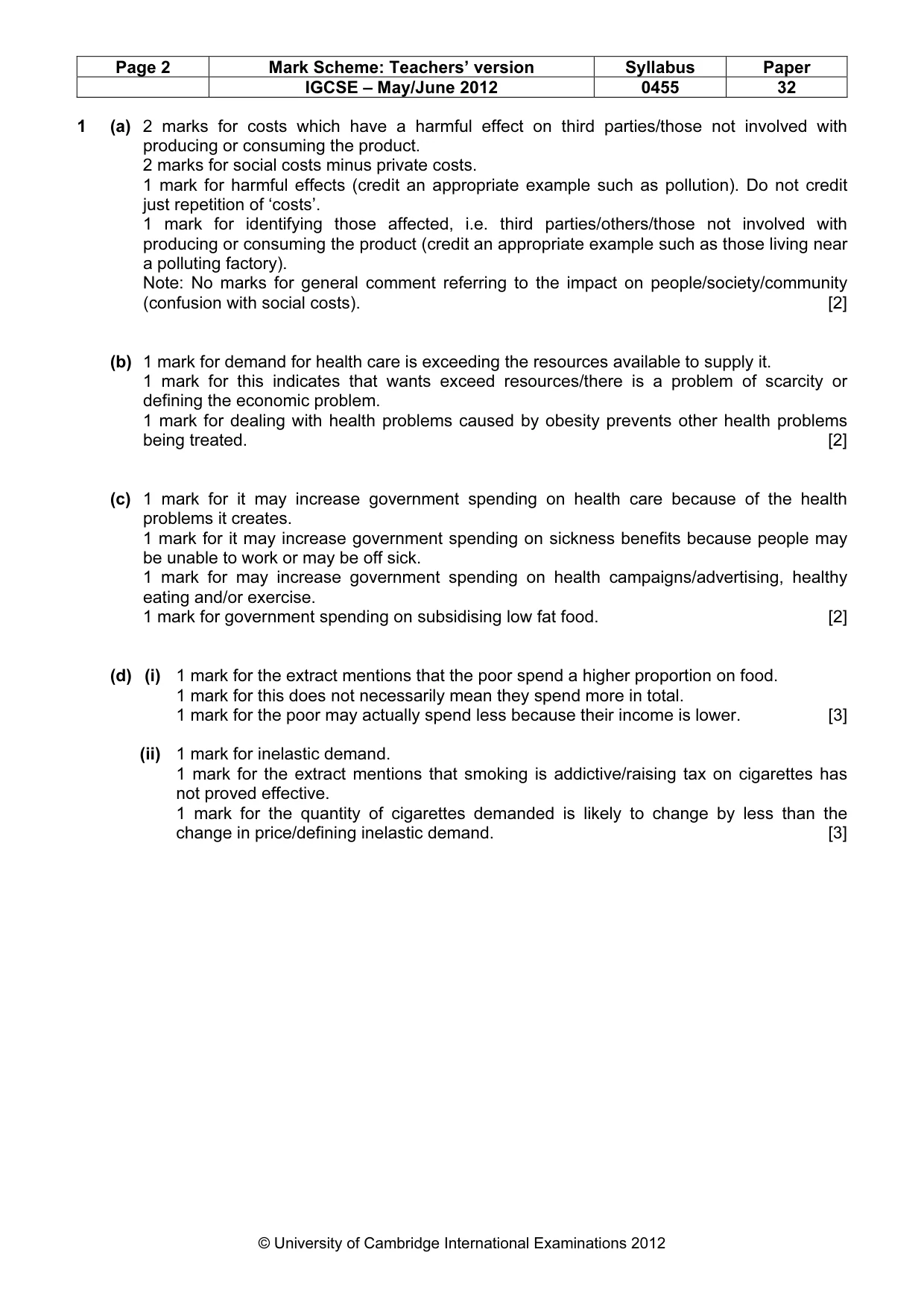
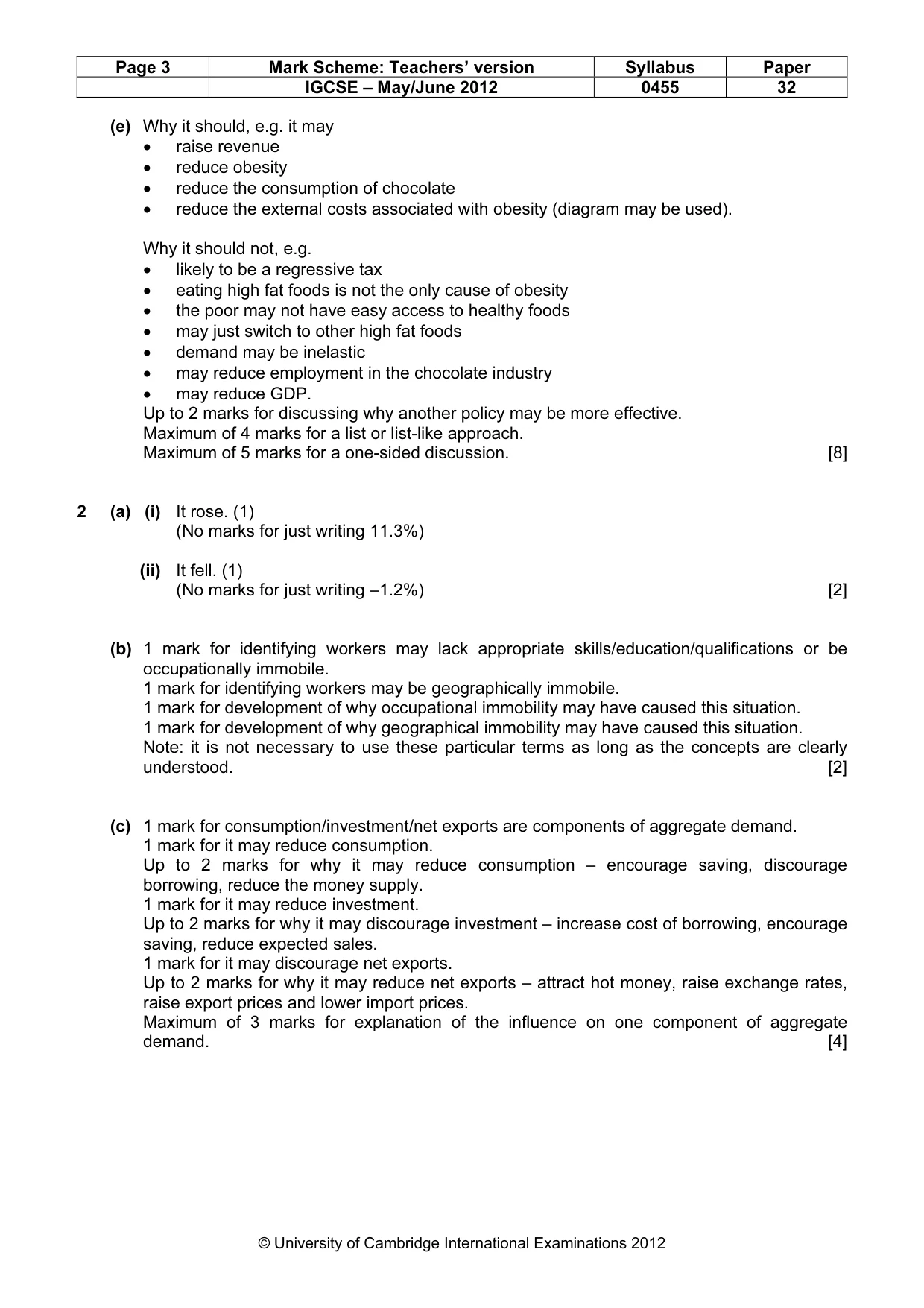
Mark scheme: 1 (a) 2 marks for costs which have a harmful effect on third parties/those not involved with producing or consuming the product. 2 marks for social costs minus private costs. 1 mark for harmful effects (credit an appropriate example such as pollution). Do not credit just repetition of ‘costs’. 1 mark for identifying those affected, i.e. third parties/others/those not involved with producing or consuming the product (credit an appropriate example such as those living near a polluting factory). Note: No marks for general comment referring to the impact on people/society/community (confusion with social costs). [2] (b) 1 mark for demand for health care is exceeding the resources available to supply it. 1 mark for this indicates that wants exceed resources/there is a problem of scarcity or defining the economic problem. 1 mark for dealing with health problems caused by obesity prevents other health problems being treated. [2] (c) 1 mark for it may increase government spending on health care because of the health problems it creates. 1 mark for it may increase government spending on sickness benefits because people may be unable to work or may be off sick. 1 mark for may increase government spending on health campaigns/advertising, healthy eating and/or exercise. 1 mark for government spending on subsidising low fat food. [2] (d) (i) 1 mark for the extract mentions that the poor spend a higher proportion on food. 1 mark for this does not necessarily mean they spend more in total. 1 mark for the poor may actually spend less because their income is lower. [3] (ii) 1 mark for inelastic demand. 1 mark for the extract mentions that smoking is addictive/raising tax on cigarettes has not proved effective. 1 mark for the quantity of cigarettes demanded is likely to change by less than the change in price/defining inelastic demand. [3] IGCSE – May/June 2012 0455 32 (e) Why it should, e.g. it may • raise revenue • reduce obesity • reduce the consumption of chocolate • reduce the external costs associated with obesity (diagram may be used). Why it should not, e.g. • likely to be a regressive tax • eating high fat foods is not the only cause of obesity • the poor may not have easy access to healthy foods • may just switch to other high fat foods • demand may be inelastic • may reduce employment in the chocolate industry • may reduce GDP. Up to 2 marks for discussing why another policy may be more effective. Maximum of 4 marks for a list or list-like approach. Maximum of 5 marks for a one-sided discussion. [8]
Q2 · Using information from the extract, state what happened to the price level in 2009 in…
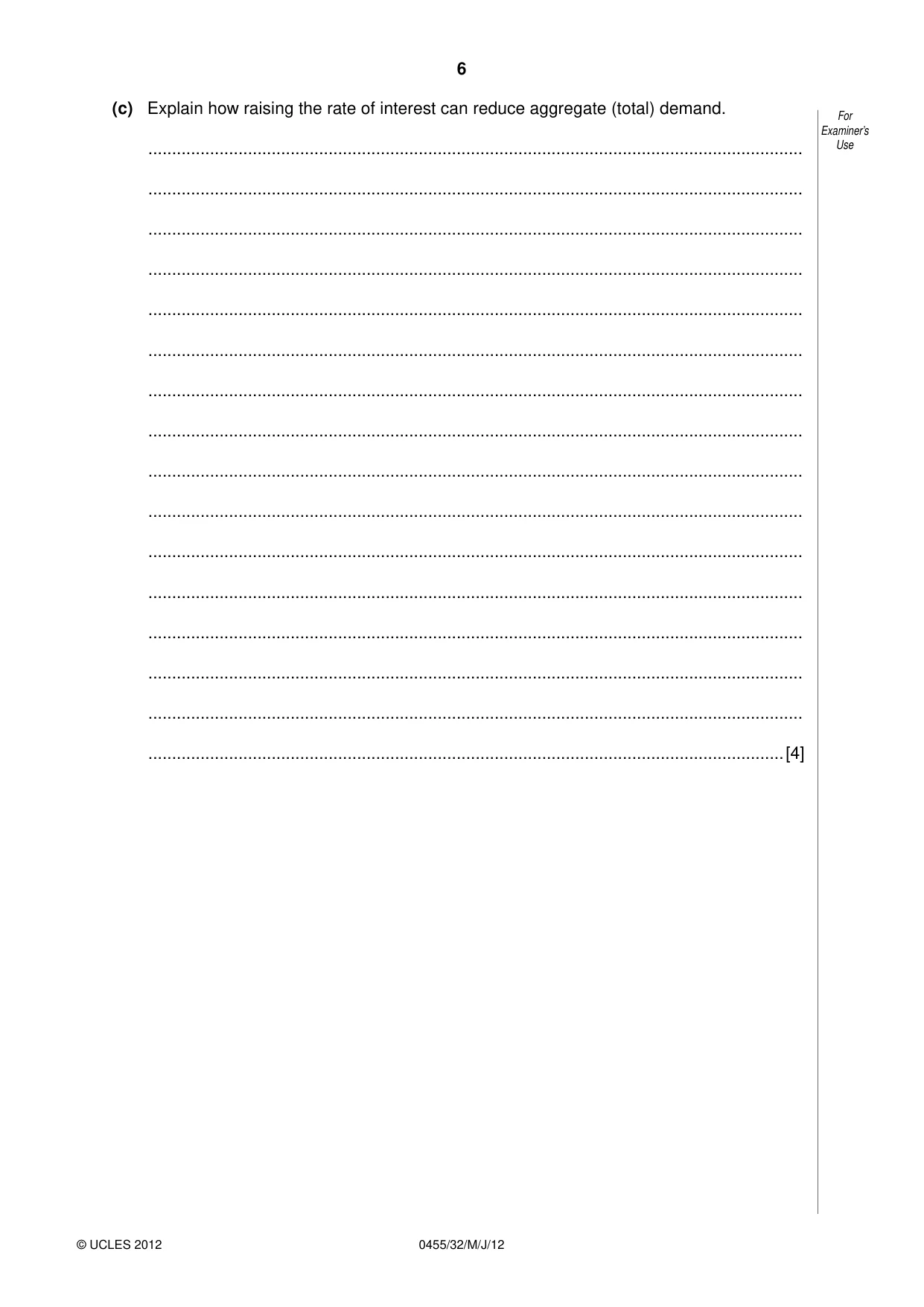
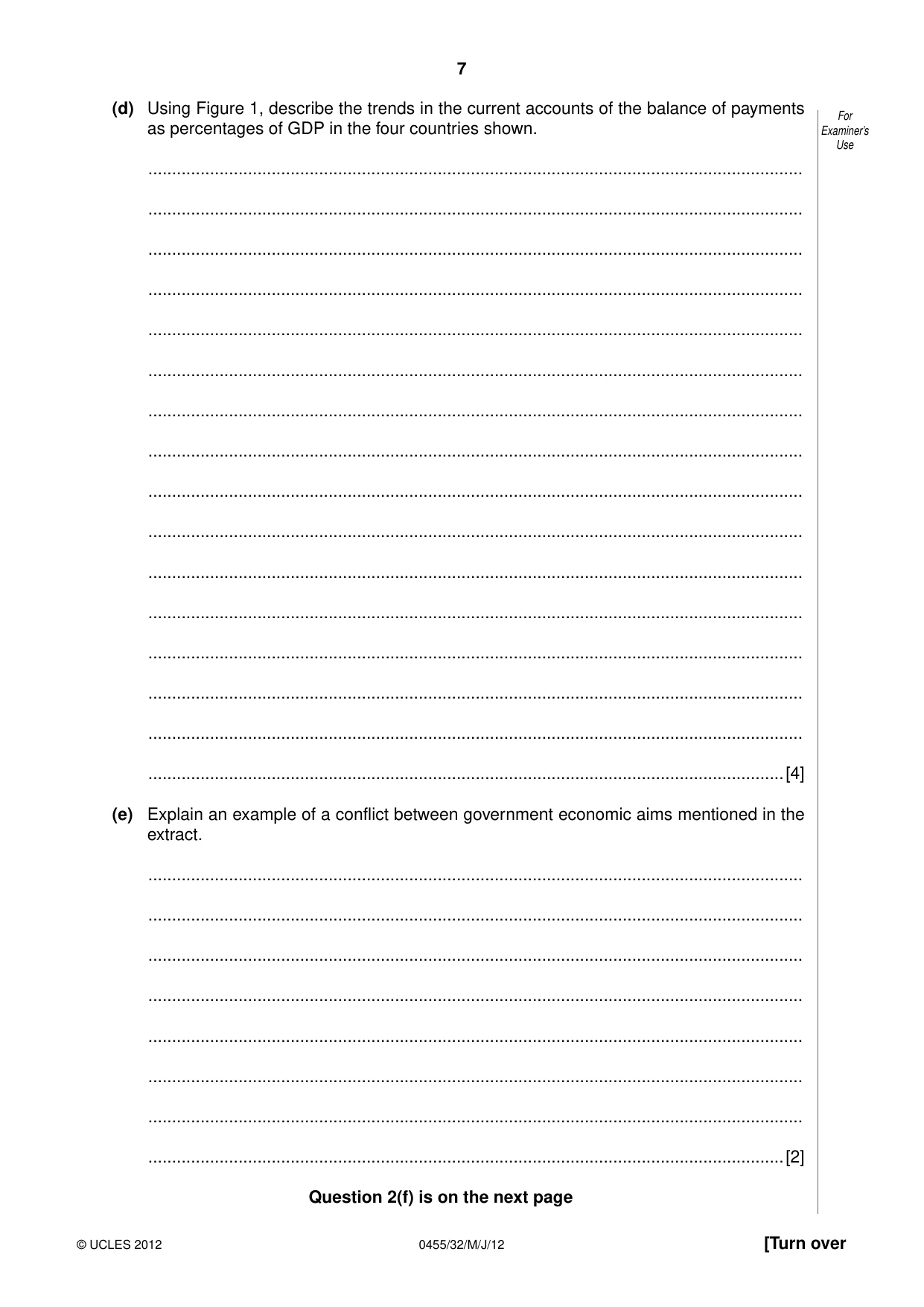
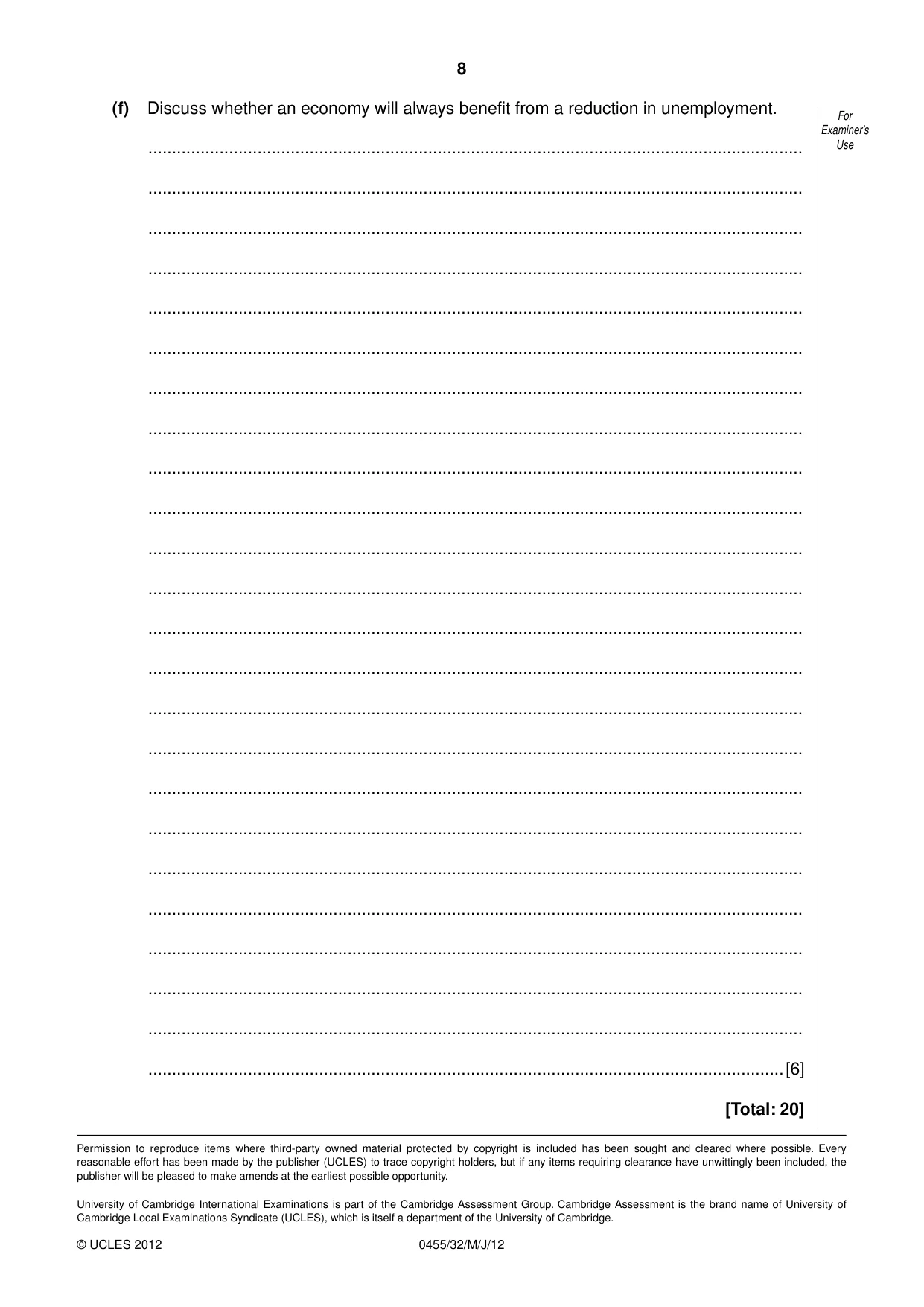
2 (a) Using information from the extract, state what happened to the price level in 2009 in: (i) India .................................................................................................................................. ..............................................................................................................................[1] (ii) China. .................................................................................................................................. ..............................................................................................................................[1] (b) Why may a country experience a shortage of workers at the same time as it is encountering a relatively high unemployment rate? .......................................................................................................................................... .......................................................................................................................................... .......................................................................................................................................... .......................................................................................................................................... .......................................................................................................................................... .......................................................................................................................................... .......................................................................................................................................... ......................................................................................................................................[2] (c) Explain how raising the rate of interest can reduce aggregate (total) demand. .......................................................................................................................................... .......................................................................................................................................... .......................................................................................................................................... .......................................................................................................................................... .......................................................................................................................................... .......................................................................................................................................... .......................................................................................................................................... .......................................................................................................................................... .......................................................................................................................................... .......................................................................................................................................... .......................................................................................................................................... .......................................................................................................................................... .......................................................................................................................................... .......................................................................................................................................... .......................................................................................................................................... ......................................................................................................................................[4] (d) Using Figure 1, describe the trends in the current accounts of the balance of payments as percentages of GDP in the four countries shown. .......................................................................................................................................... .......................................................................................................................................... .......................................................................................................................................... .......................................................................................................................................... .......................................................................................................................................... .......................................................................................................................................... .......................................................................................................................................... .......................................................................................................................................... .......................................................................................................................................... .......................................................................................................................................... .......................................................................................................................................... .......................................................................................................................................... .......................................................................................................................................... .......................................................................................................................................... .......................................................................................................................................... ......................................................................................................................................[4] (e) Explain an example of a conflict between government economic aims mentioned in the extract. .......................................................................................................................................... .......................................................................................................................................... .......................................................................................................................................... .......................................................................................................................................... .......................................................................................................................................... .......................................................................................................................................... .......................................................................................................................................... ......................................................................................................................................[2] Question 2(f) is on the next page
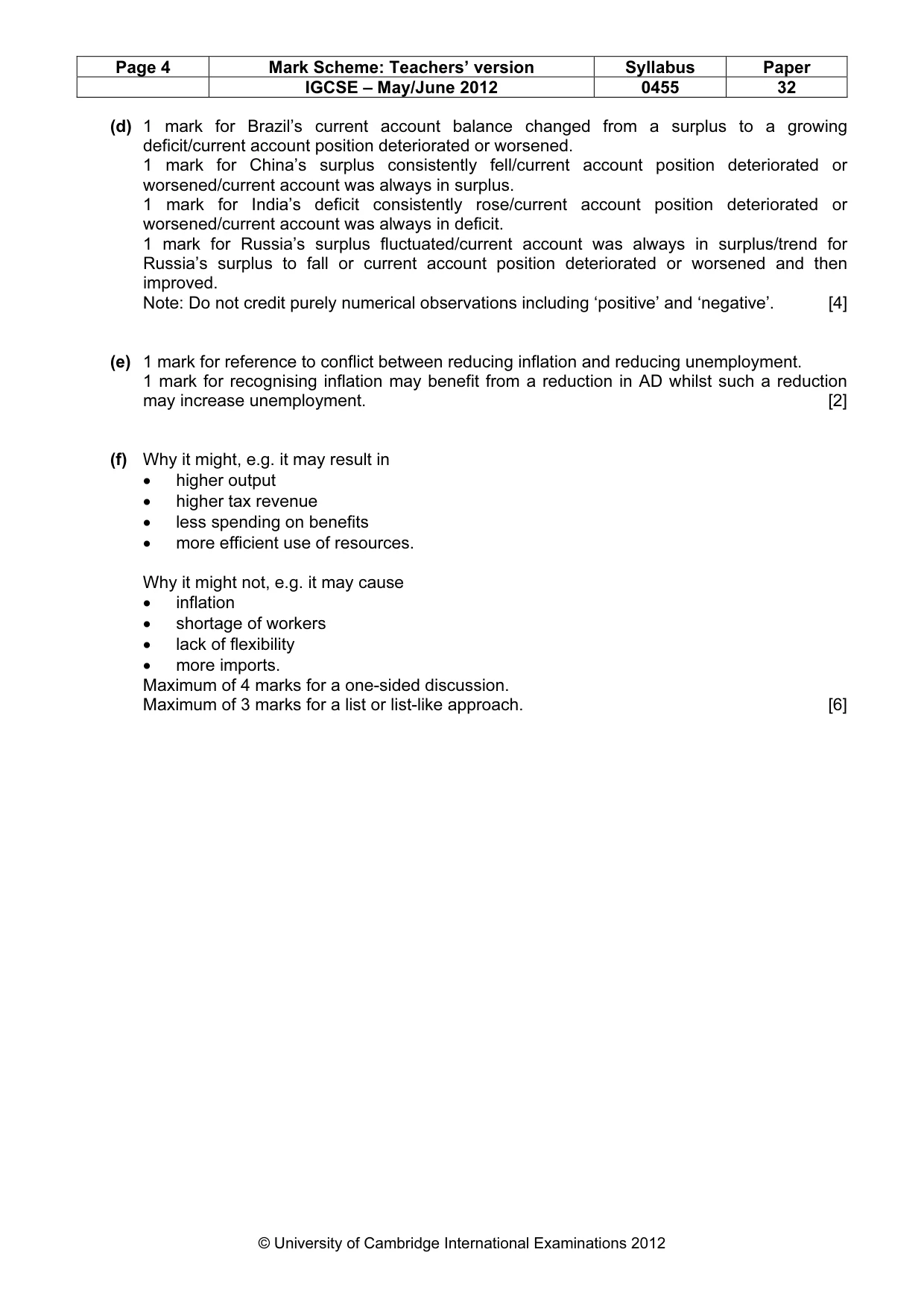
Mark scheme: 2 (a) (i) It rose. (1) (No marks for just writing 11.3%) (ii) It fell. (1) (No marks for just writing –1.2%) [2] (b) 1 mark for identifying workers may lack appropriate skills/education/qualifications or be occupationally immobile. 1 mark for identifying workers may be geographically immobile. 1 mark for development of why occupational immobility may have caused this situation. 1 mark for development of why geographical immobility may have caused this situation. Note: it is not necessary to use these particular terms as long as the concepts are clearly understood. [2] (c) 1 mark for consumption/investment/net exports are components of aggregate demand. 1 mark for it may reduce consumption. Up to 2 marks for why it may reduce consumption – encourage saving, discourage borrowing, reduce the money supply. 1 mark for it may reduce investment. Up to 2 marks for why it may discourage investment – increase cost of borrowing, encourage saving, reduce expected sales. 1 mark for it may discourage net exports. Up to 2 marks for why it may reduce net exports – attract hot money, raise exchange rates, raise export prices and lower import prices. Maximum of 3 marks for explanation of the influence on one component of aggregate demand. [4] IGCSE – May/June 2012 0455 32 (d) 1 mark for Brazil’s current account balance changed from a surplus to a growing deficit/current account position deteriorated or worsened. 1 mark for China’s surplus consistently fell/current account position deteriorated or worsened/current account was always in surplus. 1 mark for India’s deficit consistently rose/current account position deteriorated or worsened/current account was always in deficit. 1 mark for Russia’s surplus fluctuated/current account was always in surplus/trend for Russia’s surplus to fall or current account position deteriorated or worsened and then improved. Note: Do not credit purely numerical observations including ‘positive’ and ‘negative’. [4] (e) 1 mark for reference to conflict between reducing inflation and reducing unemployment. 1 mark for recognising inflation may benefit from a reduction in AD whilst such a reduction may increase unemployment. [2] (f) Why it might, e.g. it may result in • higher output • higher tax revenue • less spending on benefits • more efficient use of resources. Why it might not, e.g. it may cause • inflation • shortage of workers • lack of flexibility • more imports. Maximum of 4 marks for a one-sided discussion. Maximum of 3 marks for a list or list-like approach. [6]
What was in this paper
The subtopics covered by these 2 questions, and how many questions each got. Open one in a new tab to see every Cambridge question on it.
What you needed in this session
Cambridge’s own grade thresholds for 2012 May/June, Paper 3 · Variant 2. A higher threshold means an easier paper — the bar moves with how the cohort did.