Cambridge A Level Media Studies 9607 — 2022 May/June Paper 4 · Variant 2
9607/42/M/J/22 · 3 questions · 60 marks · ≈68 min
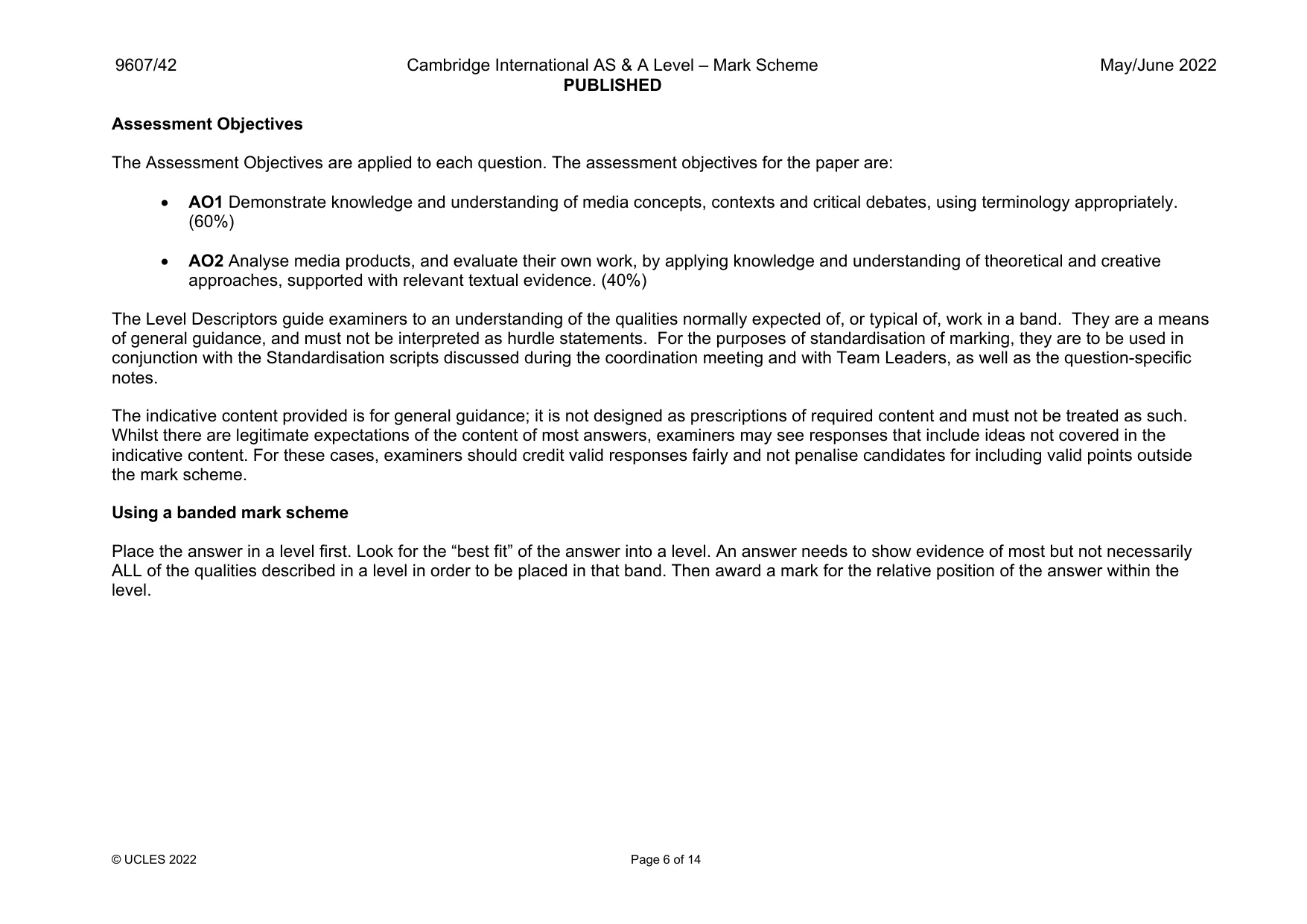
The question paper and its mark scheme, free to read here and free to download. This is Cambridge’s own paper, exactly as it was sat.
Question paper4 pages
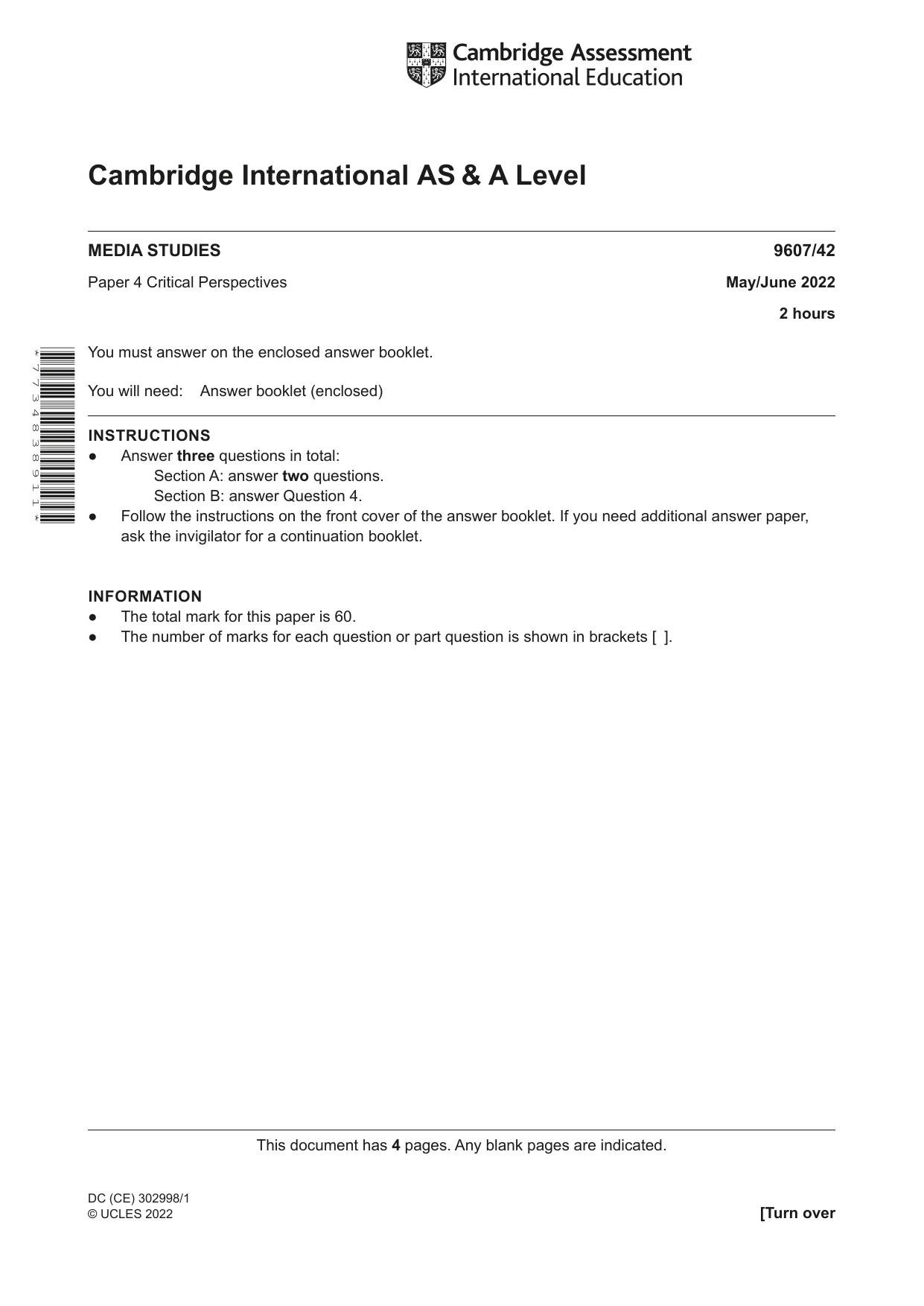
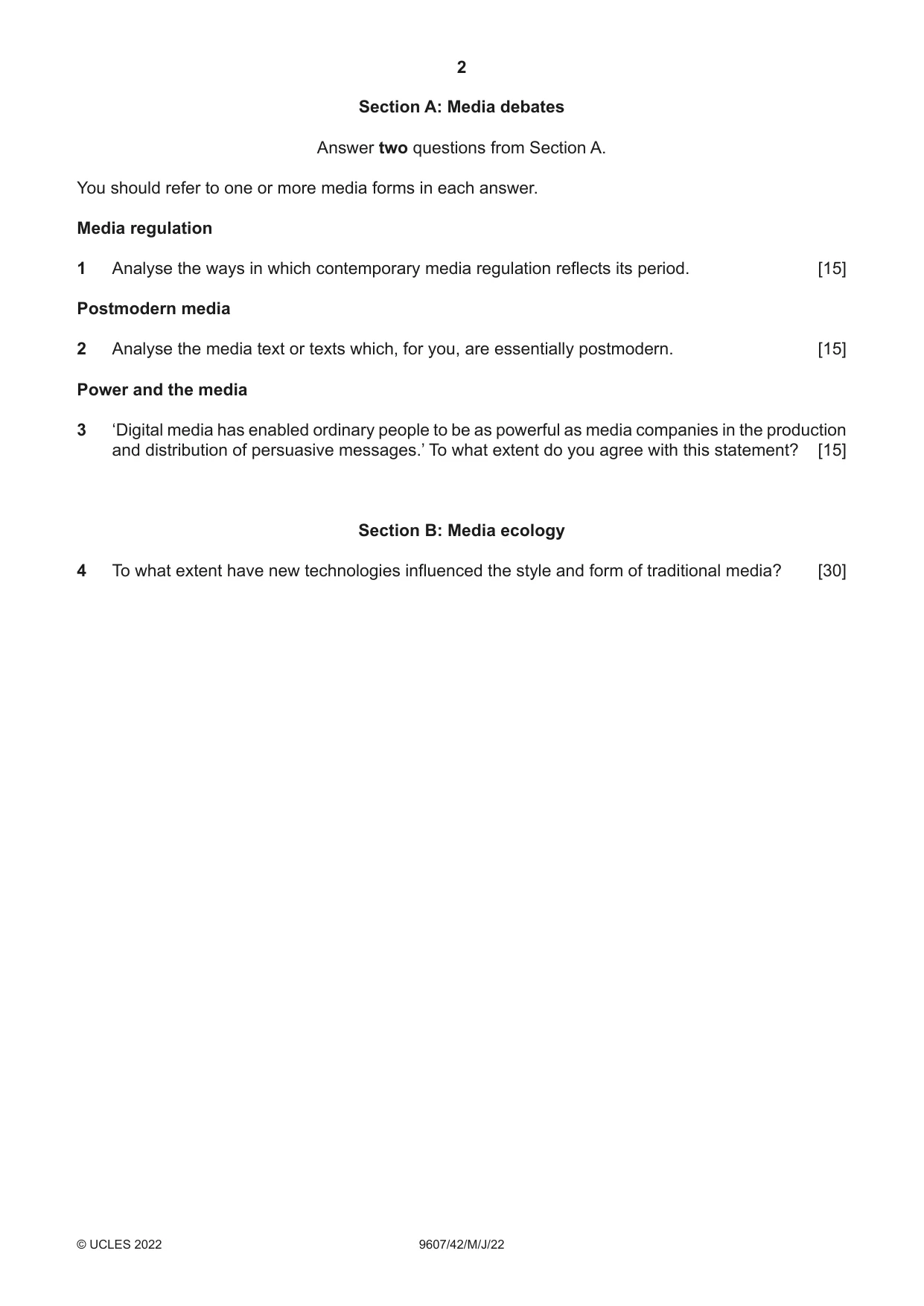

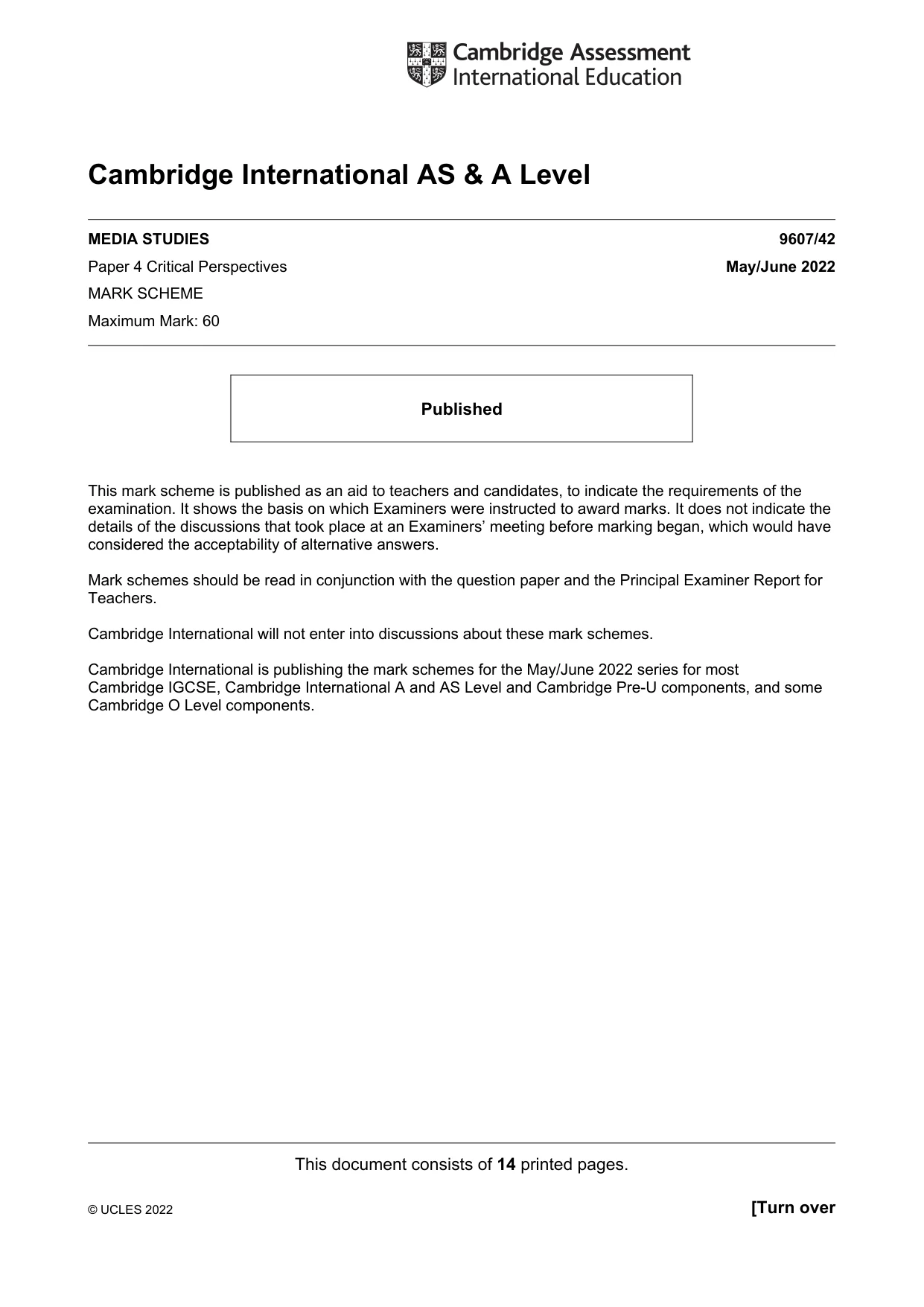
Mark scheme14 pages
Answers below. Sit the paper first if you are practising.
Questions as text
Q1 · Analyse the ways in which contemporary media regulation reflects its period
1 Analyse the ways in which contemporary media regulation reflects its period. [15] Postmodern media
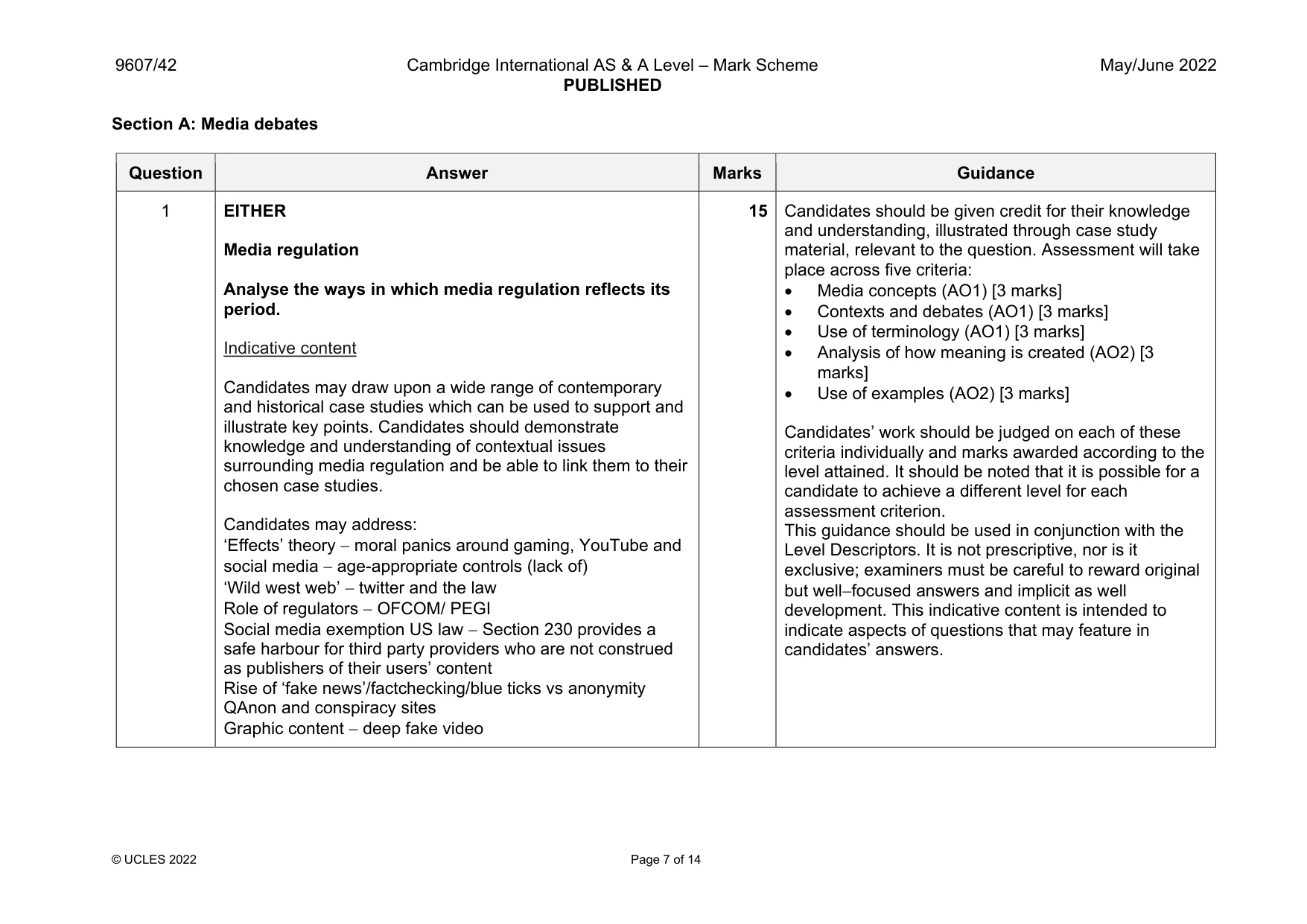
Mark scheme: 1 EITHER Media regulation Analyse the ways in which media regulation reflects its period. Indicative content Candidates may draw upon a wide range of contemporary and historical case studies which can be used to support and illustrate key points. Candidates should demonstrate knowledge and understanding of contextual issues surrounding media regulation and be able to link them to their chosen case studies. Candidates may address: ‘Effects’ theory moral panics around gaming, YouTube and social media age-appropriate controls (lack of) ‘Wild west web’ twitter and the law Role of regulators OFCOM/ PEGI Social media exemption US law Section 230 provides a safe harbour for third party providers who are not construed as publishers of their users’ content Rise of ‘fake news’/factchecking/blue ticks vs anonymity QAnon and conspiracy sites Graphic content deep fake video and understanding, illustrated through case study material, relevant to the question. Assessment will take place across five criteria: Media concepts (AO1) [3 marks] Contexts and debates (AO1) [3 marks] Use of terminology (AO1) [3 marks] Analysis of how meaning is created (AO2) [3 marks] Use of examples (AO2) [3 marks] Candidates’ work should be judged on each of these criteria individually and marks awarded according to the level attained. It should be noted that it is possible for a candidate to achieve a different level for each assessment criterion. This guidance should be used in conjunction with the Level Descriptors. It is not prescriptive, nor is it exclusive; examiners must be careful to reward original but wellfocused answers and implicit as well development. This indicative content is intended to indicate aspects of questions that may feature in candidates’ answers.
Q2 · Analyse the media text or texts which, for you, are essentially postmodern
2 Analyse the media text or texts which, for you, are essentially postmodern. [15] Power and the media
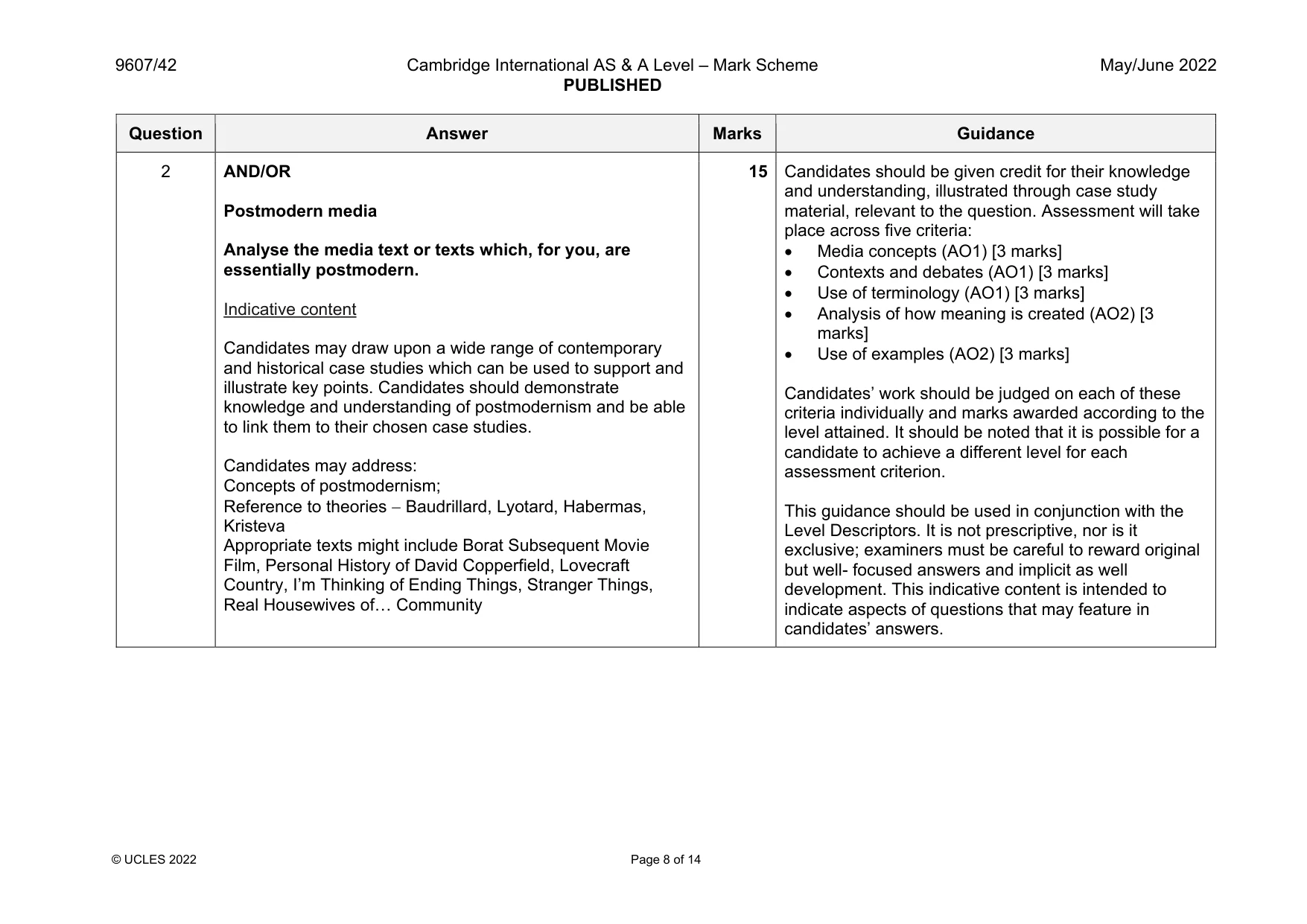
Mark scheme: 2 AND/OR Postmodern media Analyse the media text or texts which, for you, are essentially postmodern. Indicative content Candidates may draw upon a wide range of contemporary and historical case studies which can be used to support and illustrate key points. Candidates should demonstrate knowledge and understanding of postmodernism and be able to link them to their chosen case studies. Candidates may address: Concepts of postmodernism; Reference to theories Baudrillard, Lyotard, Habermas, Kristeva Appropriate texts might include Borat Subsequent Movie Film, Personal History of David Copperfield, Lovecraft Country, I’m Thinking of Ending Things, Stranger Things, Real Housewives of… Community and understanding, illustrated through case study material, relevant to the question. Assessment will take place across five criteria: Media concepts (AO1) [3 marks] Contexts and debates (AO1) [3 marks] Use of terminology (AO1) [3 marks] Analysis of how meaning is created (AO2) [3 marks] Use of examples (AO2) [3 marks] Candidates’ work should be judged on each of these criteria individually and marks awarded according to the level attained. It should be noted that it is possible for a candidate to achieve a different level for each assessment criterion. This guidance should be used in conjunction with the Level Descriptors. It is not prescriptive, nor is it exclusive; examiners must be careful to reward original but well- focused answers and implicit as well development. This indicative content is intended to indicate aspects of questions that may feature in candidates’ answers.
Q3 · ‘Digital media has enabled ordinary people to be as powerful as media companies in the…
3 ‘Digital media has enabled ordinary people to be as powerful as media companies in the production and distribution of persuasive messages.’ To what extent do you agree with this statement? [15]
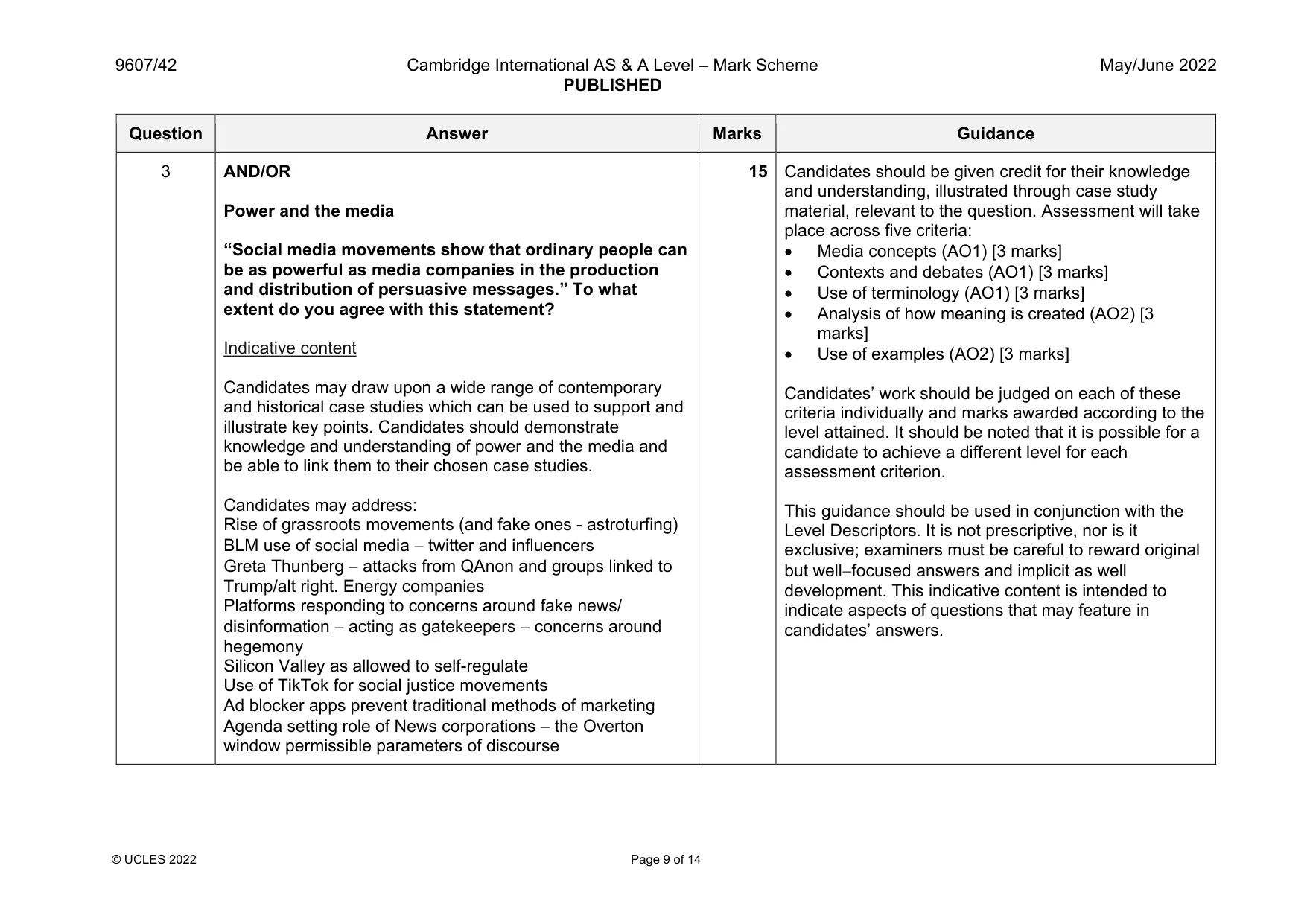
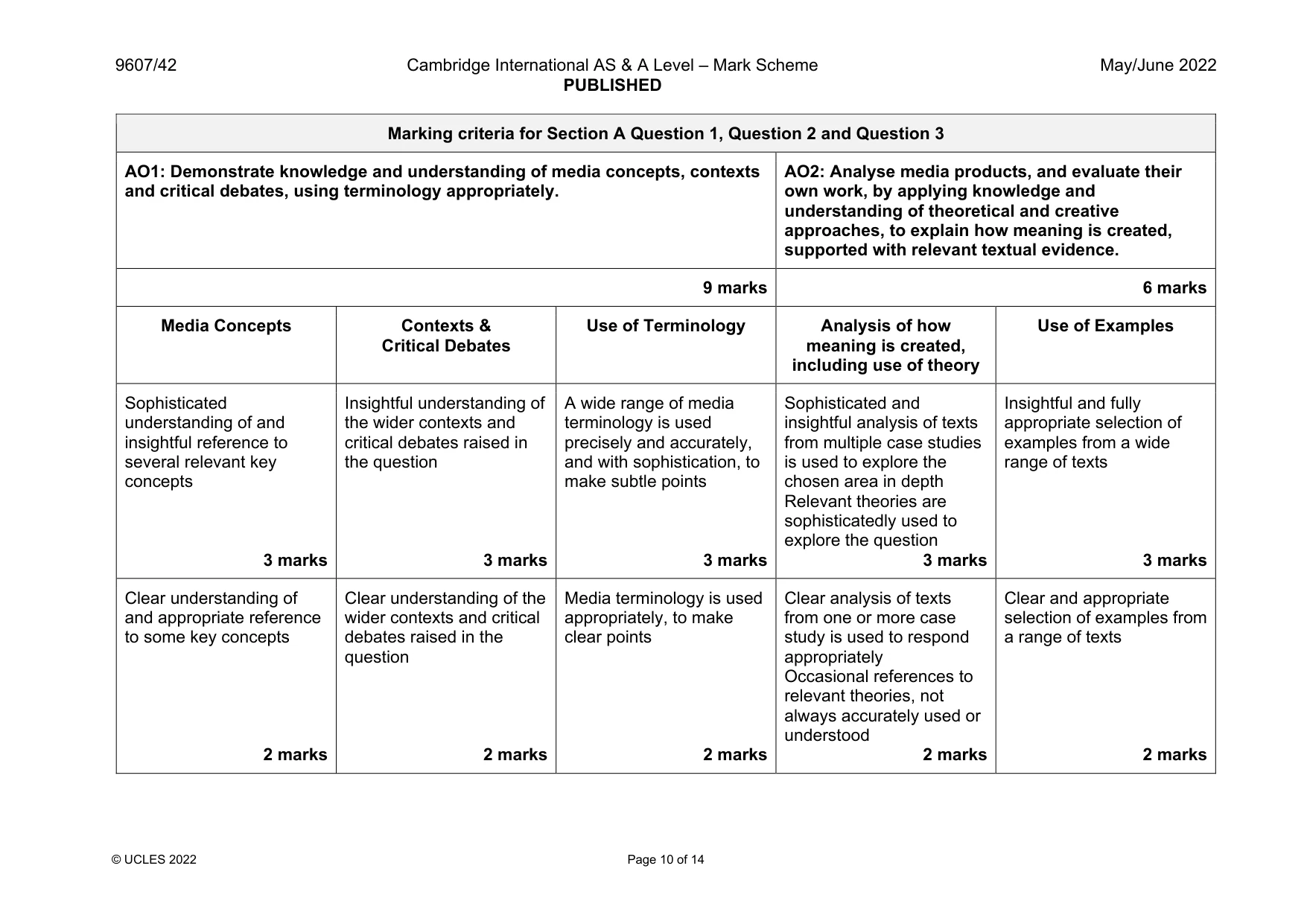
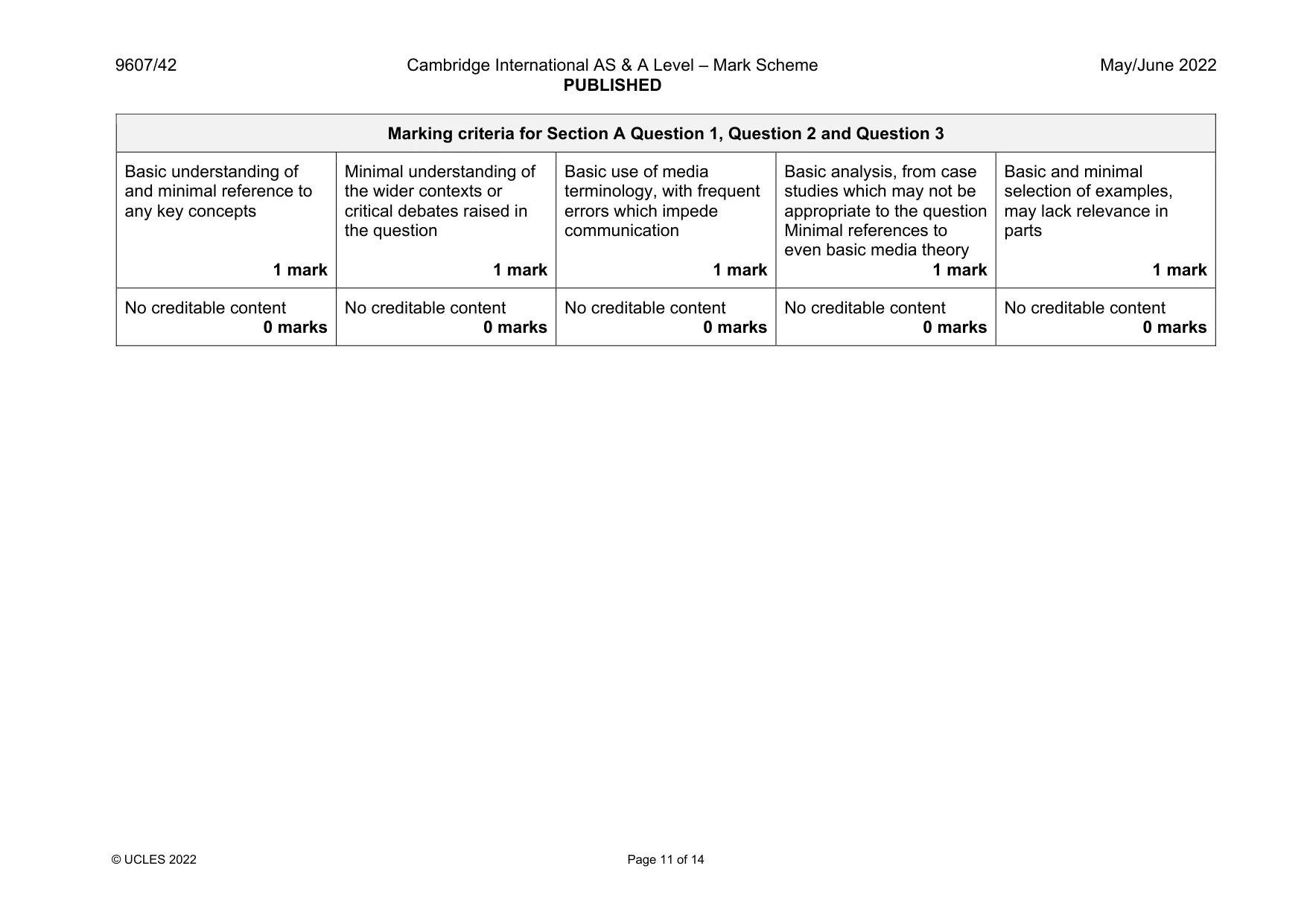
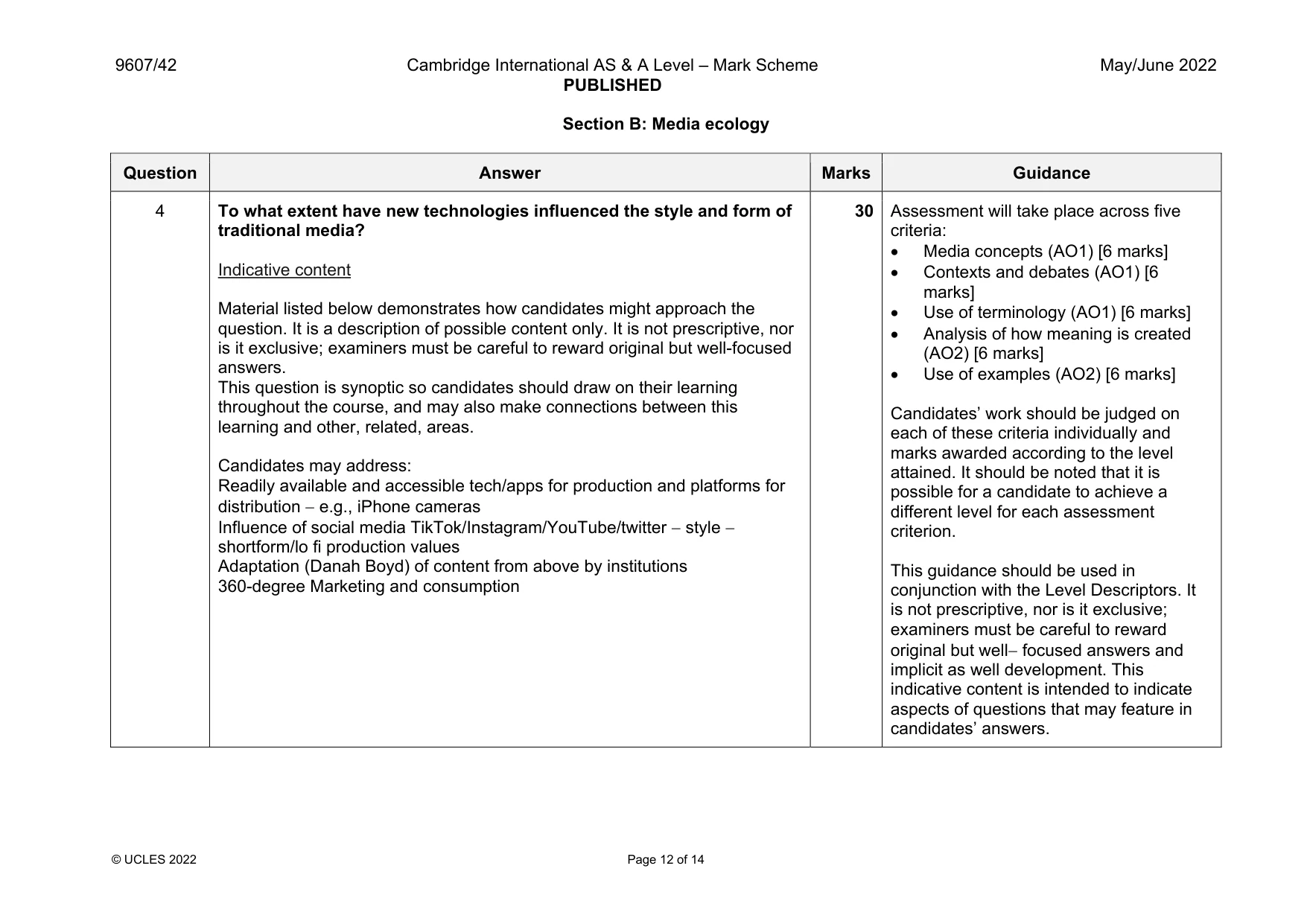
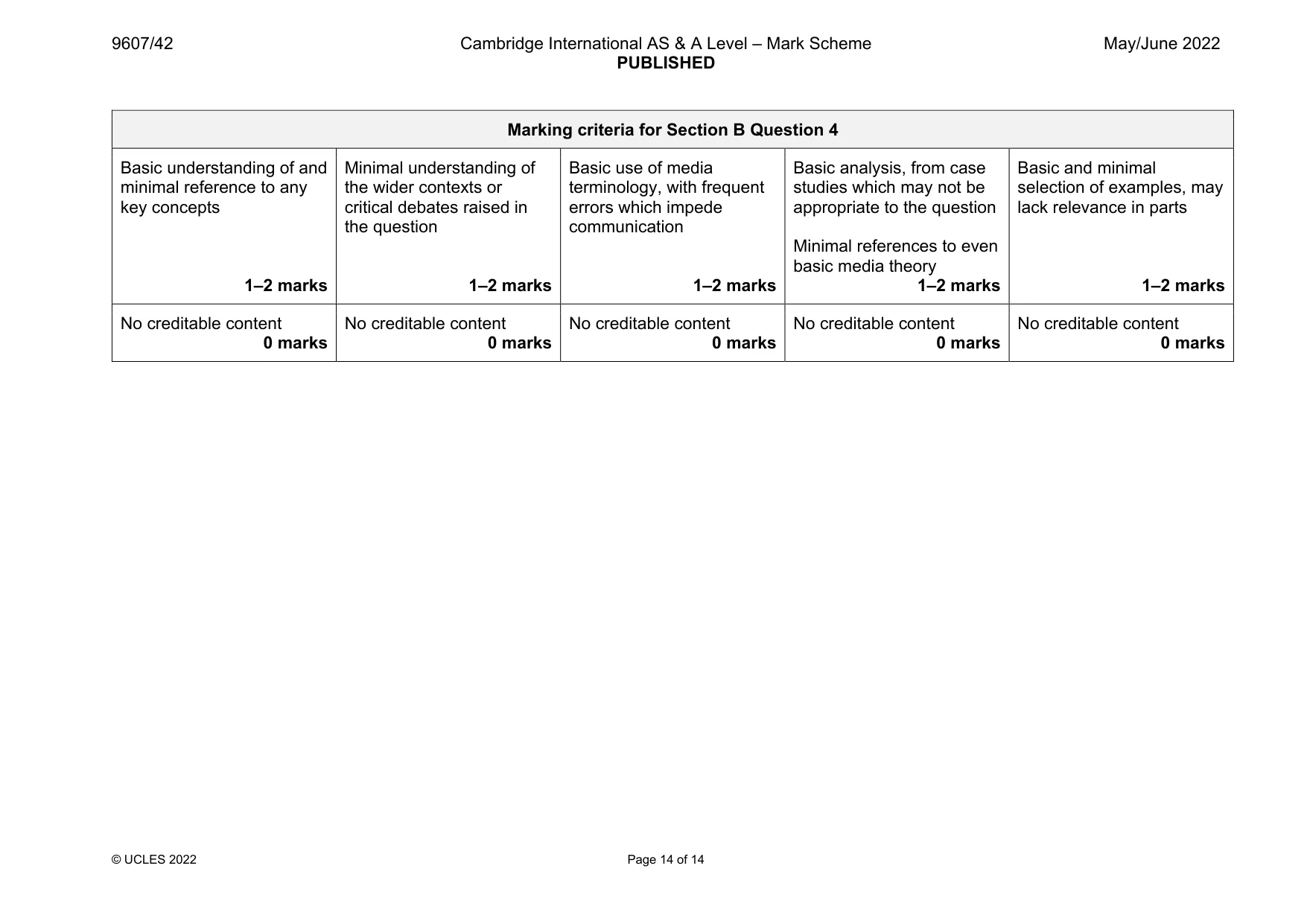
Mark scheme: 3 AND/OR Power and the media “Social media movements show that ordinary people can be as powerful as media companies in the production and distribution of persuasive messages.” To what extent do you agree with this statement? Indicative content Candidates may draw upon a wide range of contemporary and historical case studies which can be used to support and illustrate key points. Candidates should demonstrate knowledge and understanding of power and the media and be able to link them to their chosen case studies. Candidates may address: Rise of grassroots movements (and fake ones - astroturfing) BLM use of social media twitter and influencers Greta Thunberg attacks from QAnon and groups linked to Trump/alt right. Energy companies Platforms responding to concerns around fake news/ disinformation acting as gatekeepers concerns around hegemony Silicon Valley as allowed to self-regulate Use of TikTok for social justice movements Ad blocker apps prevent traditional methods of marketing Agenda setting role of News corporations the Overton window permissible parameters of discourse and understanding, illustrated through case study material, relevant to the question. Assessment will take place across five criteria: Media concepts (AO1) [3 marks] Contexts and debates (AO1) [3 marks] Use of terminology (AO1) [3 marks] Analysis of how meaning is created (AO2) [3 marks] Use of examples (AO2) [3 marks] Candidates’ work should be judged on each of these criteria individually and marks awarded according to the level attained. It should be noted that it is possible for a candidate to achieve a different level for each assessment criterion. This guidance should be used in conjunction with the Level Descriptors. It is not prescriptive, nor is it exclusive; examiners must be careful to reward original but wellfocused answers and implicit as well development. This indicative content is intended to indicate aspects of questions that may feature in candidates’ answers. Marking criteria for Section A Question 1, Question 2 and Question 3 AO1: Demonstrate knowledge and understanding of media concepts, contexts and critical debates, using terminology appropriately. AO2: Analyse media products, and evaluate their own work, by applying knowledge and understanding of theoretical and creative approaches, to explain how meaning is created, supported with relevant textual evidence. 9 marks 6 marks Media Concepts Contexts & Critical Debates Use of Terminology Analysis of how meaning is created, including use of theory Use of Examples Sophisticated understanding of and insightful reference to several relevant key concepts 3 marks Insightful understanding of the wider contexts and critical debates raised in the question 3 marks A wide range of media terminology is used precisely and accurately, and with sophistication, to make subtle points 3 marks Sophisticated and insightful analysis of texts from multiple case studies is used to explore the chosen area in depth Relevant theories are sophisticatedly used to explore the question 3 marks Insightful and fully appropriate selection of examples from a wide range of texts 3 marks Clear understanding of and appropriate reference to some key concepts 2 marks Clear understanding of the wider contexts and critical debates raised in the question 2 marks Media terminology is used appropriately, to make clear points 2 marks Clear analysis of texts from one or more case study is used to respond appropriately Occasional references to relevant theories, not always accurately used or understood 2 marks Clear and appropriate selection of examples from a range of texts 2 marks Marking criteria for Section A Question 1, Question 2 and Question 3 Basic understanding of and minimal reference to any key concepts 1 mark Minimal understanding of the wider contexts or critical debates raised in the question 1 mark Basic use of media terminology, with frequent errors which impede communication 1 mark Basic analysis, from case studies which may not be appropriate to the question Minimal references to even basic media theory 1 mark Basic and minimal selection of examples, may lack relevance in parts 1 mark No creditable content 0 marks No creditable content 0 marks No creditable content 0 marks No creditable content 0 marks No creditable content 0 marks Section B: Media ecology
What was in this paper
The subtopics covered by these 3 questions, and how many questions each got. Open one in a new tab to see every Cambridge question on it.
What you needed in this session
Cambridge’s own grade thresholds for 2022 May/June, Paper 4 · Variant 2. A higher threshold means an easier paper — the bar moves with how the cohort did.