Cambridge IGCSE India Studies 0447 — 2017 May/June Paper 2 · Variant 1
0447/21/M/J/17 · 3 questions · 60 marks · ≈68 min
The question paper and its mark scheme, free to read here and free to download. This is Cambridge’s own paper, exactly as it was sat.
Question paper16 pages

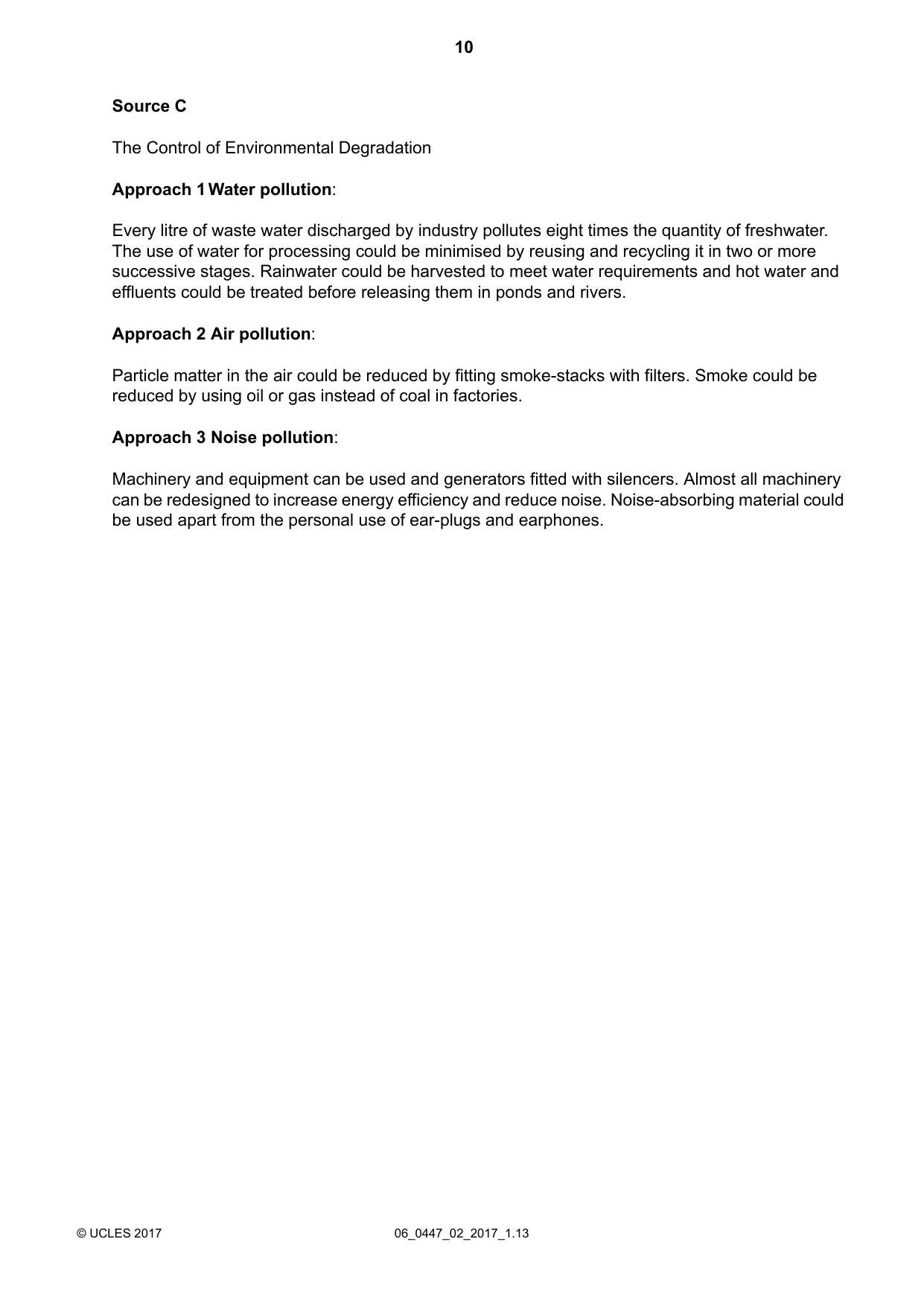
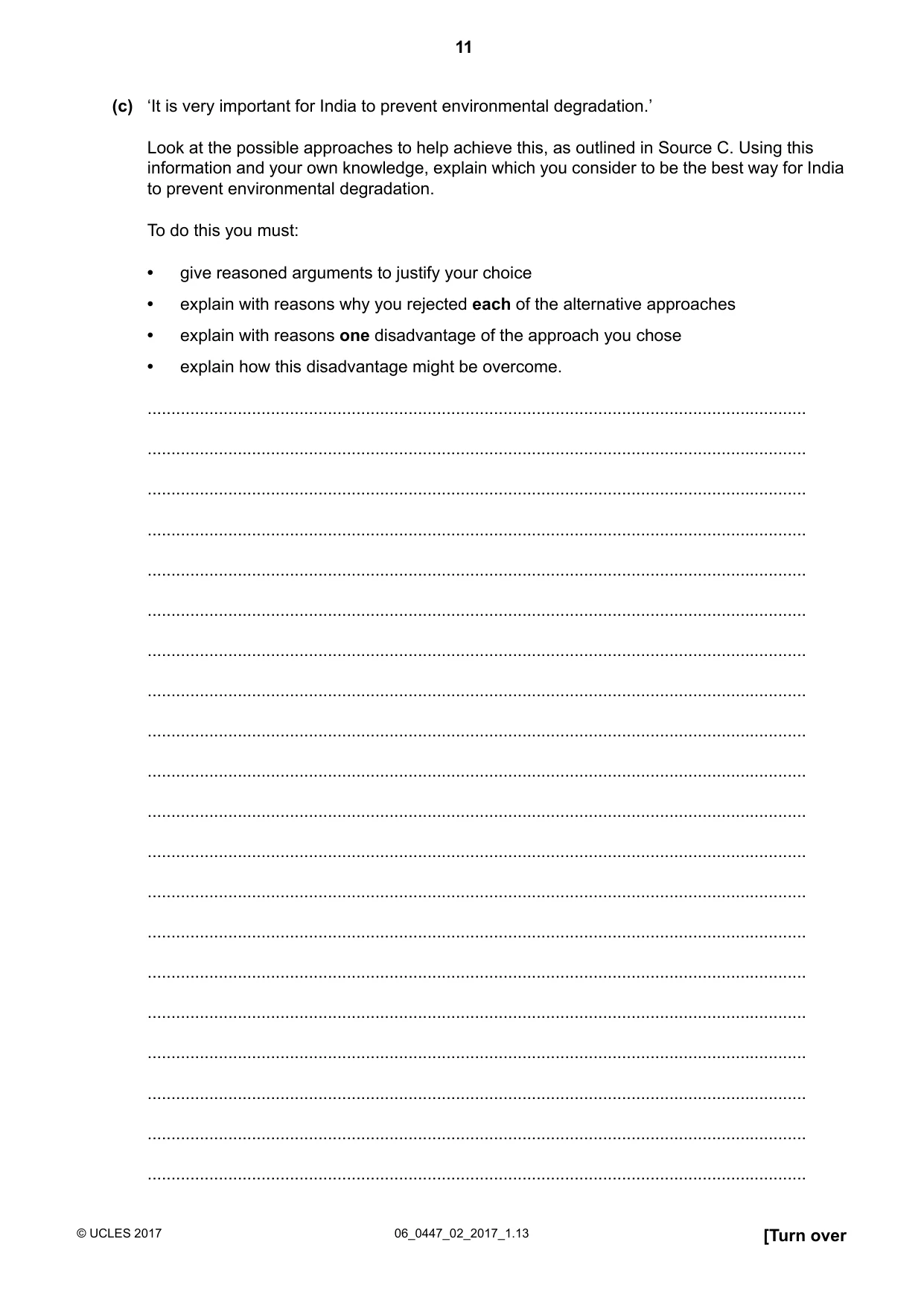

Mark scheme9 pages
Answers below. Sit the paper first if you are practising.
Questions as text
Q1 · This question is about human development
1 This question is about human development. (a) Identify two problems faced by those disadvantaged by caste in India today. ........................................................................................................................................... ........................................................................................................................................... ........................................................................................................................................... ........................................................................................................................................... ........................................................................................................................................... [2] (b) Explain why the provision and quality of housing are important issues in India. ........................................................................................................................................... ........................................................................................................................................... ........................................................................................................................................... ........................................................................................................................................... ........................................................................................................................................... ........................................................................................................................................... ........................................................................................................................................... ........................................................................................................................................... ........................................................................................................................................... ........................................................................................................................................... ........................................................................................................................................... ........................................................................................................................................... [8] (c) How successful have Indian government policies been in empowering those disadvantaged by gender? ........................................................................................................................................... ........................................................................................................................................... ........................................................................................................................................... ........................................................................................................................................... ........................................................................................................................................... ........................................................................................................................................... ........................................................................................................................................... ........................................................................................................................................... ........................................................................................................................................... ........................................................................................................................................... ........................................................................................................................................... ........................................................................................................................................... ........................................................................................................................................... ........................................................................................................................................... ........................................................................................................................................... ........................................................................................................................................... ........................................................................................................................................... ........................................................................................................................................... ........................................................................................................................................... ........................................................................................................................................... ........................................................................................................................................... ........................................................................................................................................... ........................................................................................................................................... ........................................................................................................................................... [12] [Total: 22]
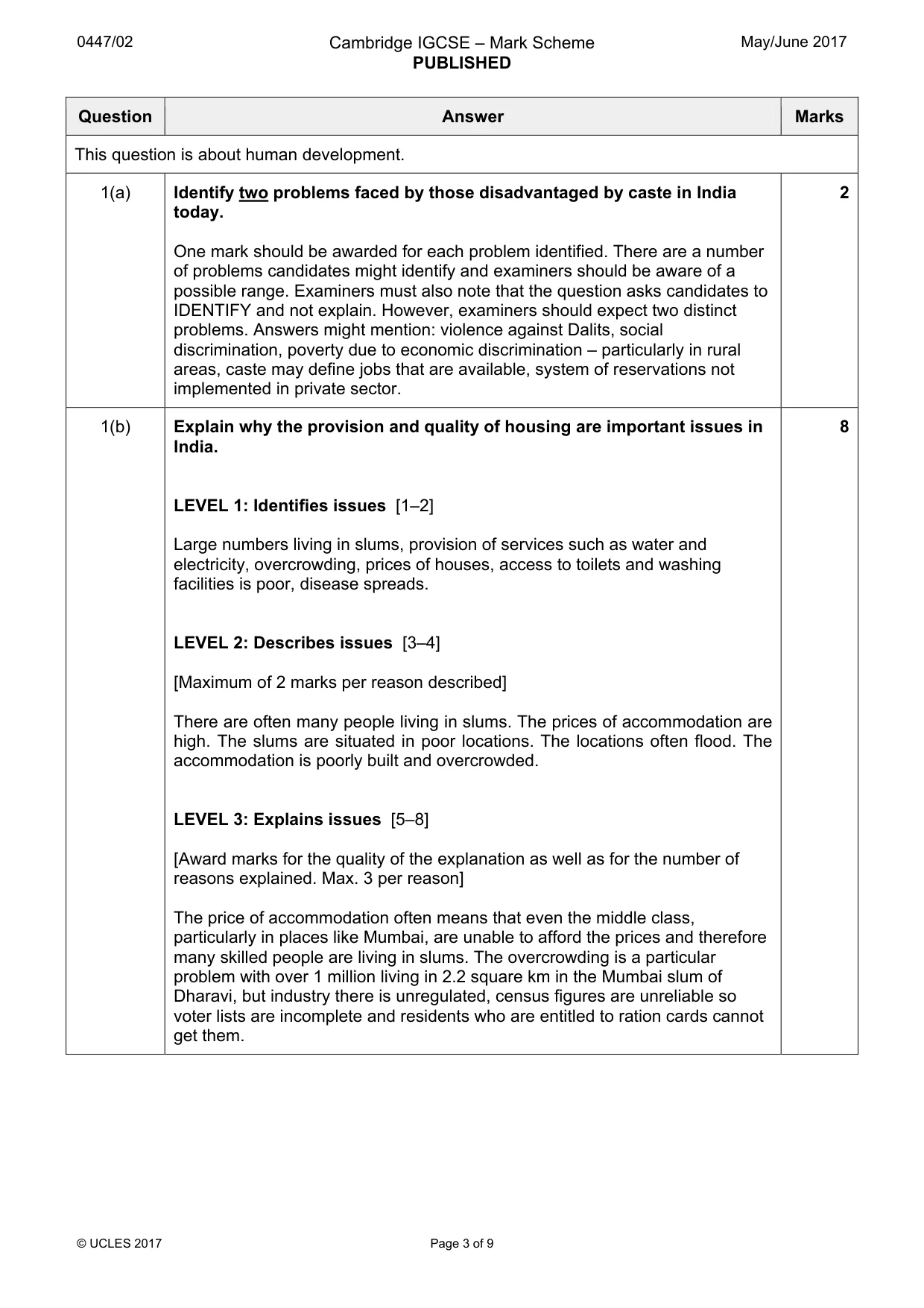
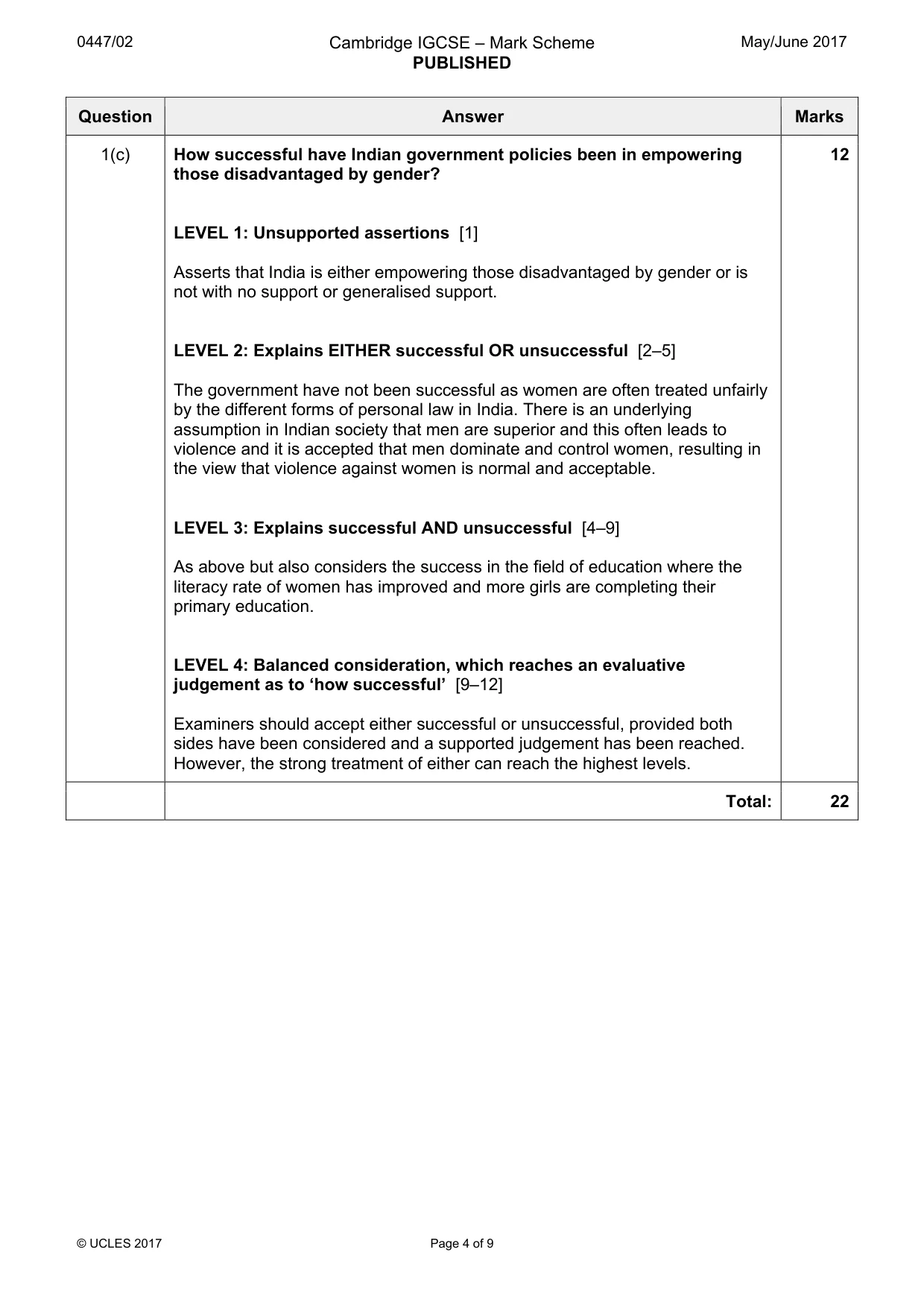
Mark scheme: Question Answer Marks This question is about human development. 1(a) Identify two problems faced by those disadvantaged by caste in India 2 today. One mark should be awarded for each problem identified. There are a number of problems candidates might identify and examiners should be aware of a possible range. Examiners must also note that the question asks candidates to IDENTIFY and not explain. However, examiners should expect two distinct problems. Answers might mention: violence against Dalits, social discrimination, poverty due to economic discrimination – particularly in rural areas, caste may define jobs that are available, system of reservations not implemented in private sector. 1(b) Explain why the provision and quality of housing are important issues in 8 India. LEVEL 1: Identifies issues [1–2] Large numbers living in slums, provision of services such as water and electricity, overcrowding, prices of houses, access to toilets and washing facilities is poor, disease spreads. LEVEL 2: Describes issues [3–4] [Maximum of 2 marks per reason described] There are often many people living in slums. The prices of accommodation are high. The slums are situated in poor locations. The locations often flood. The accommodation is poorly built and overcrowded. LEVEL 3: Explains issues [5–8] [Award marks for the quality of the explanation as well as for the number of reasons explained. Max. 3 per reason] The price of accommodation often means that even the middle class, particularly in places like Mumbai, are unable to afford the prices and therefore many skilled people are living in slums. The overcrowding is a particular problem with over 1 million living in 2.2 square km in the Mumbai slum of Dharavi, but industry there is unregulated, census figures are unreliable so voter lists are incomplete and residents who are entitled to ration cards cannot get them. 1(c) How successful have Indian government policies been in empowering 12 those disadvantaged by gender? LEVEL 1: Unsupported assertions [1] Asserts that India is either empowering those disadvantaged by gender or is not with no support or generalised support. LEVEL 2: Explains EITHER successful OR unsuccessful [2–5] The government have not been successful as women are often treated unfairly by the different forms of personal law in India. There is an underlying assumption in Indian society that men are superior and this often leads to violence and it is accepted that men dominate and control women, resulting in the view that violence against women is normal and acceptable. LEVEL 3: Explains successful AND unsuccessful [4–9] As above but also considers the success in the field of education where the literacy rate of women has improved and more girls are completing their primary education. LEVEL 4: Balanced consideration, which reaches an evaluative judgement as to ‘how successful’ [9–12] Examiners should accept either successful or unsuccessful, provided both sides have been considered and a supported judgement has been reached. However, the strong treatment of either can reach the highest levels. Total: 22
Q2 · This question is about Jammu and Kashmir
2 This question is about Jammu and Kashmir. (a) Identify two incidents of violence caused by tensions over Jammu and Kashmir since 1990. ........................................................................................................................................... ........................................................................................................................................... ........................................................................................................................................... ........................................................................................................................................... ........................................................................................................................................... [2] (b) Explain why there was a decline in unrest in Jammu and Kashmir in the period from 2000 to 2015. ........................................................................................................................................... ........................................................................................................................................... ........................................................................................................................................... ........................................................................................................................................... ........................................................................................................................................... ........................................................................................................................................... ........................................................................................................................................... ........................................................................................................................................... ........................................................................................................................................... ........................................................................................................................................... ........................................................................................................................................... ........................................................................................................................................... [8] (c) ‘Religious tension is the main cause of problems in Jammu and Kashmir.’ How far do you agree with this view? ........................................................................................................................................... ........................................................................................................................................... ........................................................................................................................................... ........................................................................................................................................... ........................................................................................................................................... ........................................................................................................................................... ........................................................................................................................................... ........................................................................................................................................... ........................................................................................................................................... ........................................................................................................................................... ........................................................................................................................................... ........................................................................................................................................... ........................................................................................................................................... ........................................................................................................................................... ........................................................................................................................................... ........................................................................................................................................... ........................................................................................................................................... ........................................................................................................................................... ........................................................................................................................................... ........................................................................................................................................... ........................................................................................................................................... [12] [Total: 22]
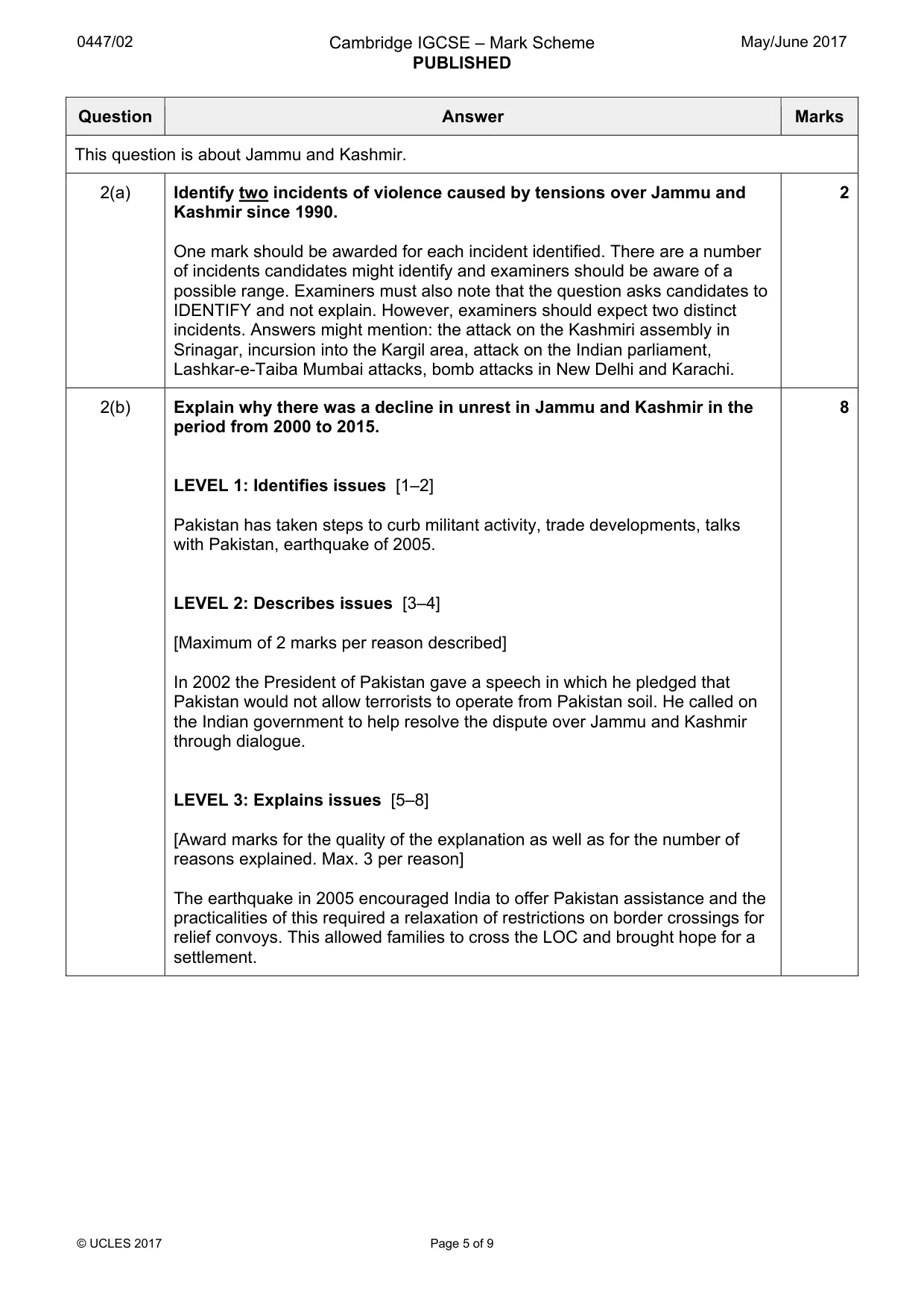
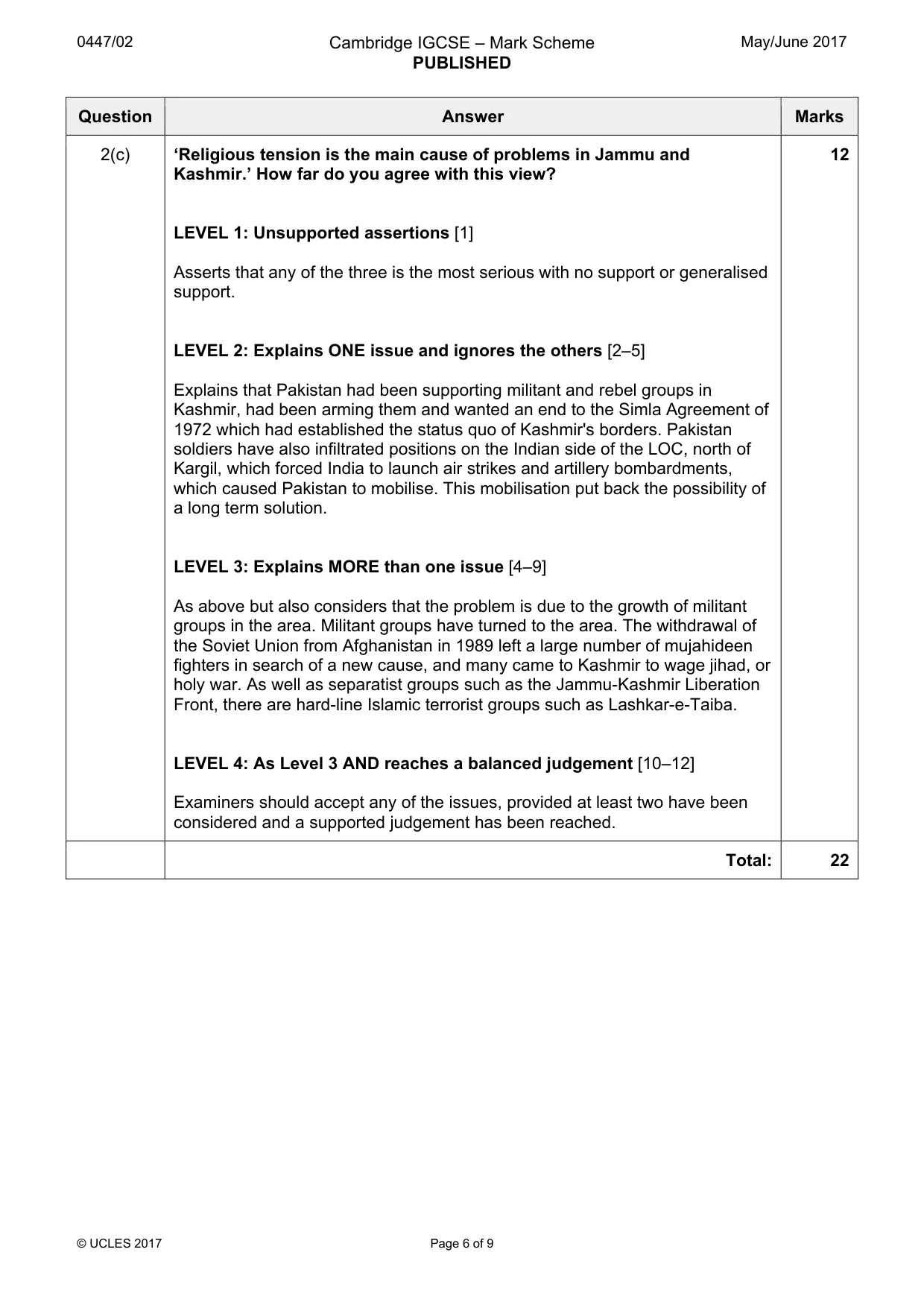
Mark scheme: 2(a) Identify two incidents of violence caused by tensions over Jammu and 2 Kashmir since 1990. One mark should be awarded for each incident identified. There are a number of incidents candidates might identify and examiners should be aware of a possible range. Examiners must also note that the question asks candidates to IDENTIFY and not explain. However, examiners should expect two distinct incidents. Answers might mention: the attack on the Kashmiri assembly in Srinagar, incursion into the Kargil area, attack on the Indian parliament, Lashkar-e-Taiba Mumbai attacks, bomb attacks in New Delhi and Karachi. 2(b) Explain why there was a decline in unrest in Jammu and Kashmir in the 8 period from 2000 to 2015. LEVEL 1: Identifies issues [1–2] Pakistan has taken steps to curb militant activity, trade developments, talks with Pakistan, earthquake of 2005. LEVEL 2: Describes issues [3–4] [Maximum of 2 marks per reason described] In 2002 the President of Pakistan gave a speech in which he pledged that Pakistan would not allow terrorists to operate from Pakistan soil. He called on the Indian government to help resolve the dispute over Jammu and Kashmir through dialogue. LEVEL 3: Explains issues [5–8] [Award marks for the quality of the explanation as well as for the number of reasons explained. Max. 3 per reason] The earthquake in 2005 encouraged India to offer Pakistan assistance and the practicalities of this required a relaxation of restrictions on border crossings for relief convoys. This allowed families to cross the LOC and brought hope for a settlement. 2(c) ‘Religious tension is the main cause of problems in Jammu and 12 Kashmir.’ How far do you agree with this view? LEVEL 1: Unsupported assertions [1] Asserts that any of the three is the most serious with no support or generalised support. LEVEL 2: Explains ONE issue and ignores the others [2–5] Explains that Pakistan had been supporting militant and rebel groups in Kashmir, had been arming them and wanted an end to the Simla Agreement of 1972 which had established the status quo of Kashmir's borders. Pakistan soldiers have also infiltrated positions on the Indian side of the LOC, north of Kargil, which forced India to launch air strikes and artillery bombardments, which caused Pakistan to mobilise. This mobilisation put back the possibility of a long term solution. LEVEL 3: Explains MORE than one issue [4–9] As above but also considers that the problem is due to the growth of militant groups in the area. Militant groups have turned to the area. The withdrawal of the Soviet Union from Afghanistan in 1989 left a large number of mujahideen fighters in search of a new cause, and many came to Kashmir to wage jihad, or holy war. As well as separatist groups such as the Jammu-Kashmir Liberation Front, there are hard-line Islamic terrorist groups such as Lashkar-e-Taiba. LEVEL 4: As Level 3 AND reaches a balanced judgement [10–12] Examiners should accept any of the issues, provided at least two have been considered and a supported judgement has been reached. Total: 22
Q3 · Use Source A to help you explain three problems caused by untreated water in India
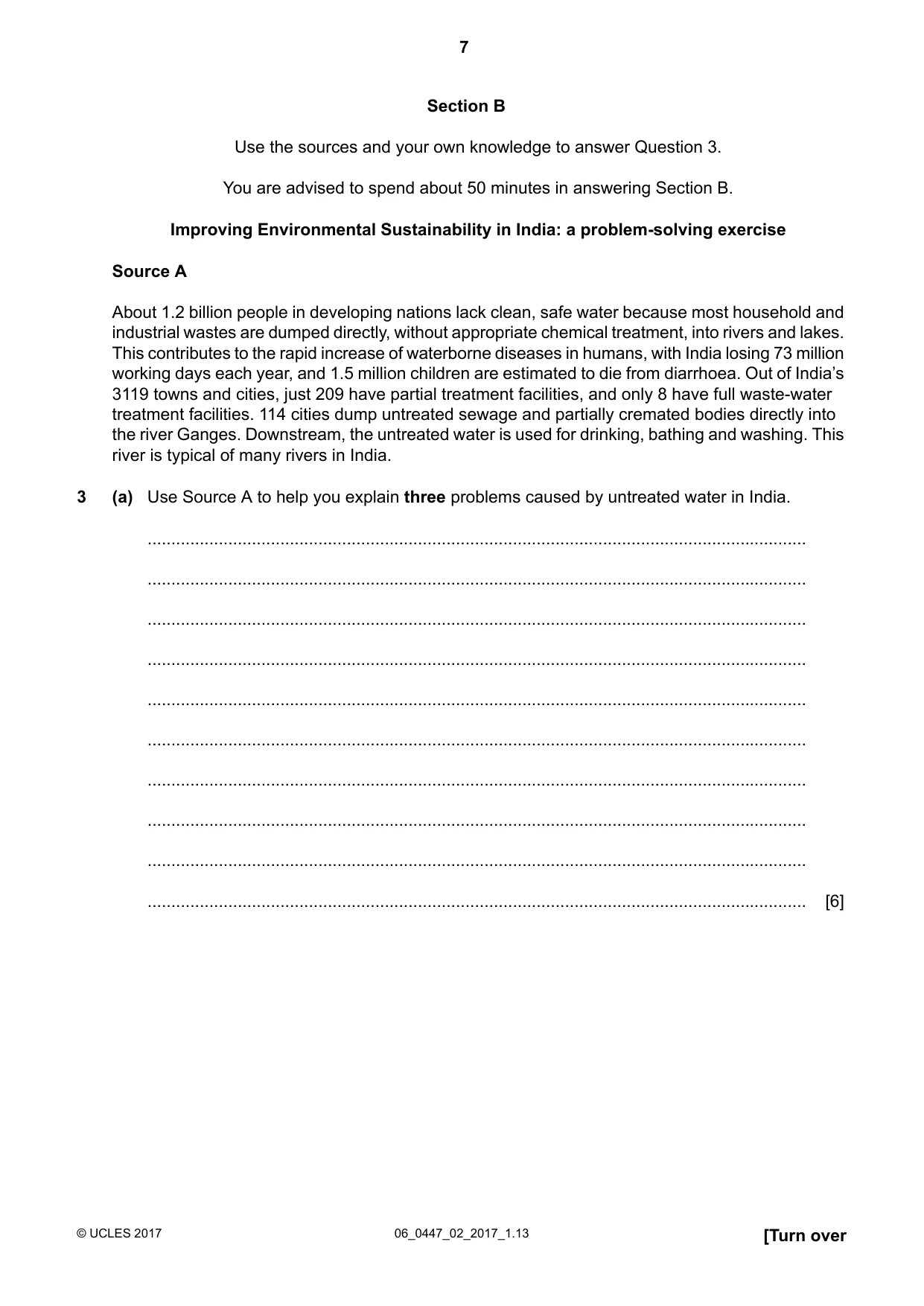
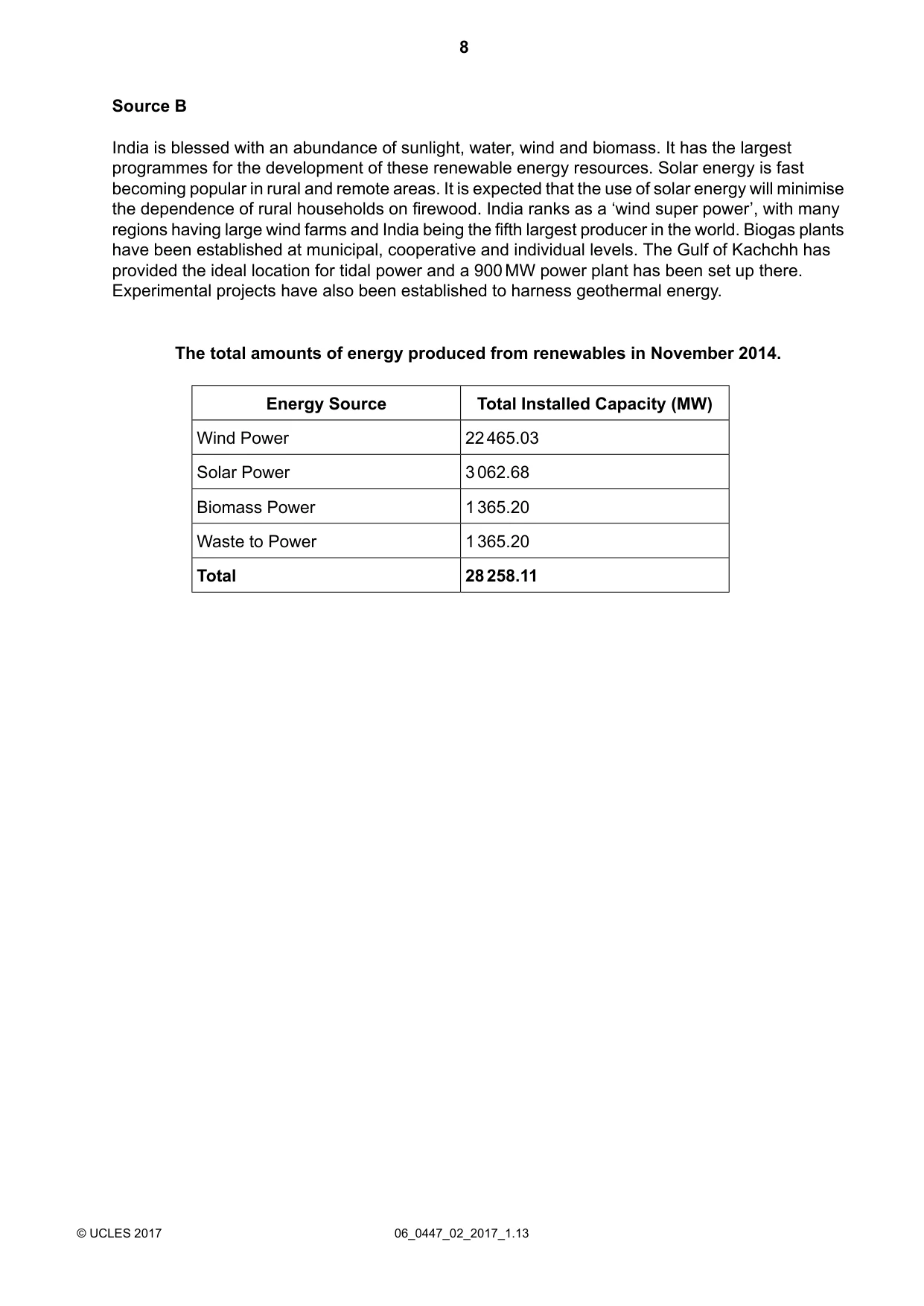
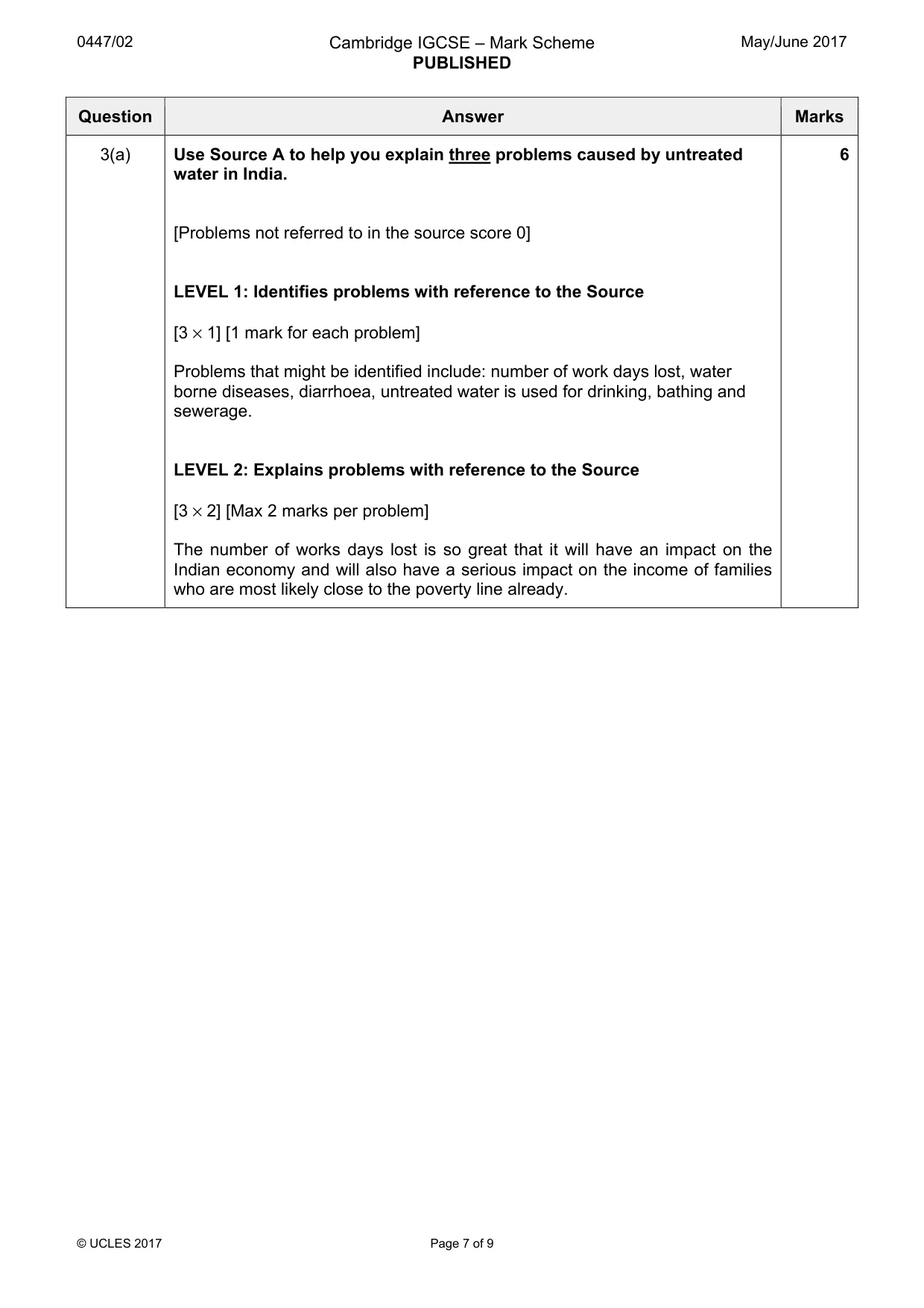
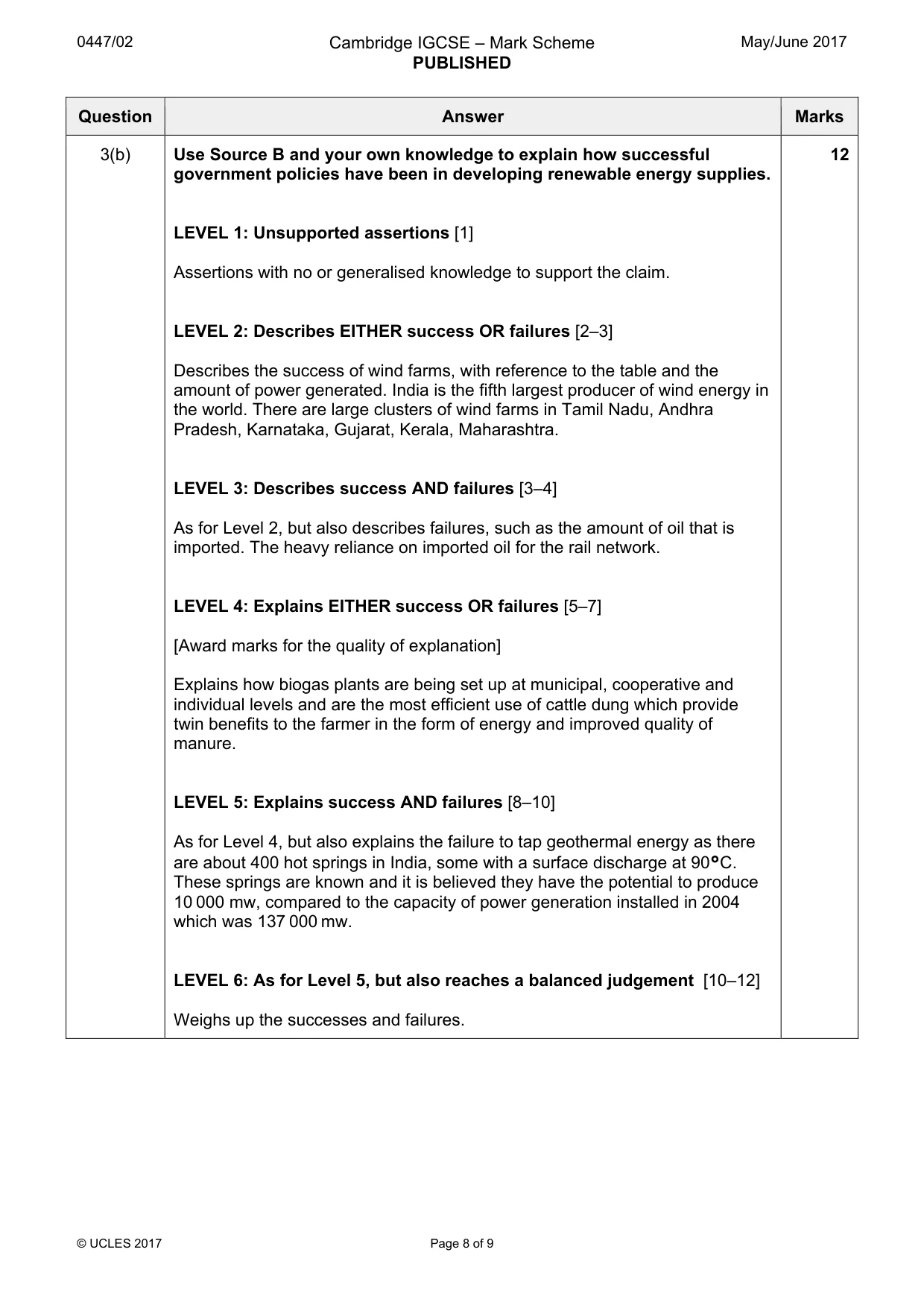
3 (a) Use Source A to help you explain three problems caused by untreated water in India. ........................................................................................................................................... ........................................................................................................................................... ........................................................................................................................................... ........................................................................................................................................... ........................................................................................................................................... ........................................................................................................................................... ........................................................................................................................................... ........................................................................................................................................... ........................................................................................................................................... ........................................................................................................................................... [6] Source B India is blessed with an abundance of sunlight, water, wind and biomass. It has the largest programmes for the development of these renewable energy resources. Solar energy is fast becoming popular in rural and remote areas. It is expected that the use of solar energy will minimise the dependence of rural households on firewood. India ranks as a ‘wind super power’, with many regions having large wind farms and India being the fifth largest producer in the world. Biogas plants have been established at municipal, cooperative and individual levels. The Gulf of Kachchh has provided the ideal location for tidal power and a 900MW power plant has been set up there. Experimental projects have also been established to harness geothermal energy. The total amounts of energy produced from renewables in November 2014. Energy Source Total Installed Capacity (MW) Wind Power 22465.03 Solar Power 3062.68 Biomass Power 1365.20 Waste to Power 1365.20 Total 28258.11 (b) Use Source B and your own knowledge to explain how successful government policies have been in developing renewable energy supplies. ........................................................................................................................................... ........................................................................................................................................... ........................................................................................................................................... ........................................................................................................................................... ........................................................................................................................................... ........................................................................................................................................... ........................................................................................................................................... ........................................................................................................................................... ........................................................................................................................................... ........................................................................................................................................... ........................................................................................................................................... ........................................................................................................................................... ........................................................................................................................................... ........................................................................................................................................... ........................................................................................................................................... ........................................................................................................................................... ........................................................................................................................................... ........................................................................................................................................... ........................................................................................................................................... ........................................................................................................................................... ........................................................................................................................................... ........................................................................................................................................... ........................................................................................................................................... ........................................................................................................................................... ........................................................................................................................................... ........................................................................................................................................... [12]
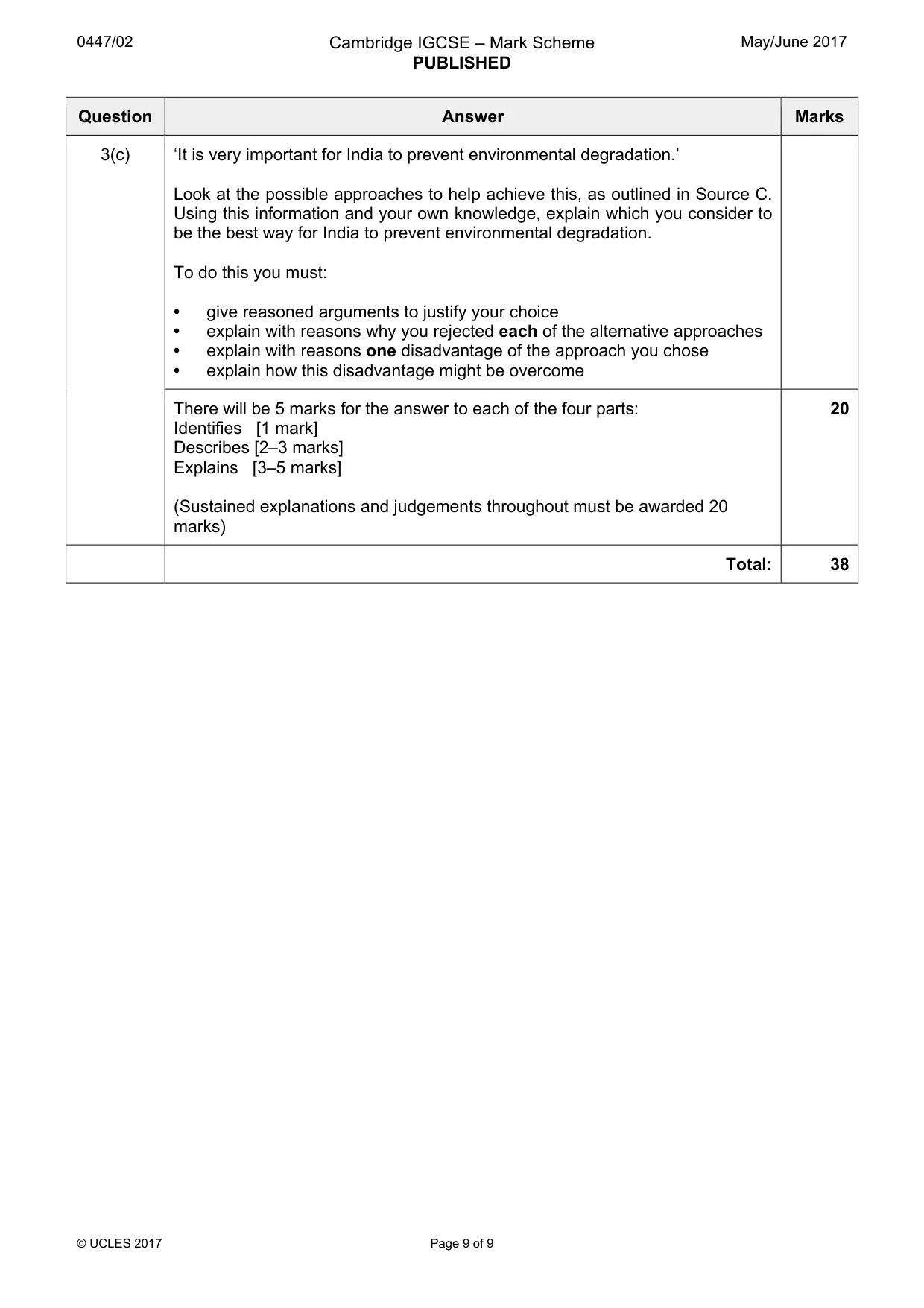
Mark scheme: 3(a) Use Source A to help you explain three problems caused by untreated 6 water in India. [Problems not referred to in the source score 0] LEVEL 1: Identifies problems with reference to the Source [3 × 1] [1 mark for each problem] Problems that might be identified include: number of work days lost, water borne diseases, diarrhoea, untreated water is used for drinking, bathing and sewerage. LEVEL 2: Explains problems with reference to the Source [3 × 2] [Max 2 marks per problem] The number of works days lost is so great that it will have an impact on the Indian economy and will also have a serious impact on the income of families who are most likely close to the poverty line already. 3(b) Use Source B and your own knowledge to explain how successful 12 government policies have been in developing renewable energy supplies. LEVEL 1: Unsupported assertions [1] Assertions with no or generalised knowledge to support the claim. LEVEL 2: Describes EITHER success OR failures [2–3] Describes the success of wind farms, with reference to the table and the amount of power generated. India is the fifth largest producer of wind energy in the world. There are large clusters of wind farms in Tamil Nadu, Andhra Pradesh, Karnataka, Gujarat, Kerala, Maharashtra. LEVEL 3: Describes success AND failures [3–4] As for Level 2, but also describes failures, such as the amount of oil that is imported. The heavy reliance on imported oil for the rail network. LEVEL 4: Explains EITHER success OR failures [5–7] [Award marks for the quality of explanation] Explains how biogas plants are being set up at municipal, cooperative and individual levels and are the most efficient use of cattle dung which provide twin benefits to the farmer in the form of energy and improved quality of manure. LEVEL 5: Explains success AND failures [8–10] As for Level 4, but also explains the failure to tap geothermal energy as there are about 400 hot springs in India, some with a surface discharge at 90°C. These springs are known and it is believed they have the potential to produce 10 000 mw, compared to the capacity of power generation installed in 2004 which was 137 000 mw. LEVEL 6: As for Level 5, but also reaches a balanced judgement [10–12] Weighs up the successes and failures. 3(c) ‘It is very important for India to prevent environmental degradation.’ Look at the possible approaches to help achieve this, as outlined in Source C. Using this information and your own knowledge, explain which you consider to be the best way for India to prevent environmental degradation. To do this you must: • give reasoned arguments to justify your choice • explain with reasons why you rejected each of the alternative approaches • explain with reasons one disadvantage of the approach you chose • explain how this disadvantage might be overcome There will be 5 marks for the answer to each of the four parts: 20 Identifies [1 mark] Describes [2–3 marks] Explains [3–5 marks] (Sustained explanations and judgements throughout must be awarded 20 marks) Total: 38
What you needed in this session
Cambridge’s own grade thresholds for 2017 May/June, Paper 2 · Variant 1. A higher threshold means an easier paper — the bar moves with how the cohort did.